MERIDIAN CARE MONTE VISTA
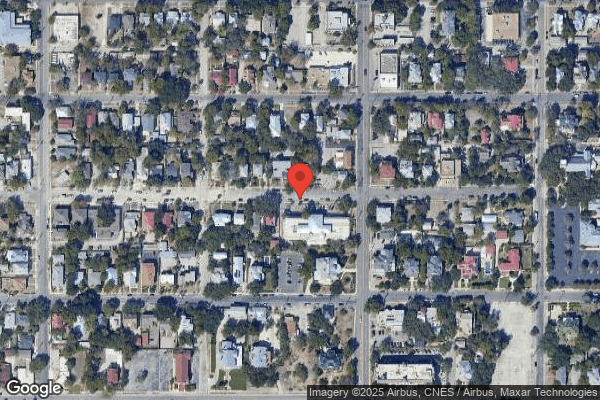

616 W RUSSELL PL, SAN ANTONIO, TX 78212 (210) 735-9233
For profit - Individual 106 Beds Independent Data: November 2025 1 Immediate Jeopardy citation
Trust Grade
21/100
#1040 of 1168 in TX
Last Inspection: November 2024

Within standard 12-15 month inspection cycle. Federal law requires annual inspections.

Overview

Meridian Care Monte Vista has received a Trust Grade of F, indicating significant concerns and poor quality of care. It ranks #1040 out of 1168 facilities in Texas, placing it in the bottom half of all nursing homes in the state, and #48 out of 62 in Bexar County, suggesting limited better options nearby. The facility's performance appears stable, with 10 issues reported consistently over the past two years. Staffing is a weak point, with a low rating of 1 out of 5 stars and a turnover rate of 57%, which is higher than the Texas average, meaning there may be less consistency in care. Additionally, they have faced concerning incidents, including failing to follow emergency protocols for a resident requiring CPR and not maintaining proper infection control measures for several residents, which could put the health and safety of residents at risk.

Trust Score
F
21/100
In Texas
#1040/1168
Bottom 11%
Safety Record
High Risk
Review needed
Inspections
Holding Steady
10 → 10 violations
Staff Stability
⚠ Watch
57% turnover. Above average. Higher turnover means staff may not know residents' routines.
Penalties
✓ Good
$21,645 in fines. Lower than most Texas facilities. Relatively clean record.
Skilled Nurses
⚠ Watch
Each resident gets only 20 minutes of Registered Nurse (RN) attention daily — below average for Texas. Fewer RN minutes means fewer trained eyes watching for problems.
Violations
⚠ Watch
43 deficiencies on record. Higher than average. Multiple issues found across inspections.
★☆☆☆☆
1.0
Overall Rating
★☆☆☆☆
1.0
Staff Levels
★★☆☆☆
2.0
Care Quality
★★☆☆☆
2.0
Inspection Score
Stable
2024: 10 issues
2025: 10 issues

The Good

  • Full Sprinkler Coverage · Fire safety systems throughout facility
  • No fines on record

Facility shows strength in fire safety.

The Bad

1-Star Overall Rating

Below Texas average (2.8)

Significant quality concerns identified by CMS

Staff Turnover: 57%

11pts above Texas avg (46%)

Frequent staff changes - ask about care continuity

Federal Fines: $21,645

Below median ($33,413)

Minor penalties assessed

Staff turnover is elevated (57%)

9 points above Texas average of 48%

The Ugly 43 deficiencies on record

1 life-threatening
Aug 2025 1 deficiency
CONCERN (E) 📢 Someone Reported This

A family member, employee, or ombudsman was alarmed enough to file a formal complaint

Potential for Harm - no one hurt, but risky conditions existed

Infection Control (Tag F0880)

Could have caused harm · This affected multiple residents

**NOTE- TERMS IN BRACKETS HAVE BEEN EDITED TO PROTECT CONFIDENTIALITY** Based on observation, interview, and record review the facility failed to maintain an infection prevention and control program d...

Read full inspector narrative →
**NOTE- TERMS IN BRACKETS HAVE BEEN EDITED TO PROTECT CONFIDENTIALITY** Based on observation, interview, and record review the facility failed to maintain an infection prevention and control program designed to provide a safe, sanitary, and comfortable environment to help prevent the development and transmission of communicable diseases and infections for 7 of 10 residents (Residents #2, #3, #5, #6, #7, #8 and # 9) reviewed for infection control, in that: 1. RT A was observed providing tracheotomy care to Resident #2 on 08/18/2025 at 10:05 a.m. without wearing a gown while Resident #2 was on enhanced barrier precautions. 2. RT D was observed providing a nebulizer treatment for Resident #3's tracheotomy on 08/18/2025 at 10:45 a.m. Resident #3 was on enhanced barrier precautions and RT D wore a face mask below her mouth and did not wear a gown. 3. Residents # 5,6,7,8, and 9 were observed with a tracheotomy and did not have enhanced barrier precaution signs on the entry to their doors to identify the residents required specific PPE for care. These failures placed residents at risk of transmission of communicable diseases and infections, a decline in health status, and hospitalization. Findings included: 1. Record review of Resident #2's undated face sheet revealed Resident #2 was a [AGE] year old male who admitted to the facility on [DATE] with diagnoses that included acute and chronic respiratory failure (occurs when the lungs cannot adequately exchange oxygen and carbon dioxide leading to low levels of oxygen).Record review of Resident #2's August 2025 medication administration orders revealed an order, Trach care BID every day for trach care, start date 08/03/2025. Resident #2 had an order that stated, Maintain enhanced barrier precautions during high-contact resident care activities (i.e. dressing, bathing/showering, transferring, providing hygiene, linen changes, pericare/changing briefs/toileting, chronic wound care, an all indwelling device care: trachs, central lines, feeding tubes, urinary catheters) every shift for EBP. Start date 08/02/2025. Record review of Resident #2's undated care plan revealed, I require enhanced barrier precautions. The interventions listed in the care plan revealed, Maintain enhanced barrier precautions during high contact resident care activities (i.e. dressing, bathing/showering, transferring, providing hygiene, linen changes, pericare/changing briefs/toileting, chronic wound care, an all indwelling device care: trachs, central lines, feeding tubes, urinary catheters) and staff will doff/don PPE as needed per my EBP status.During an observation, 08/18/2025 at 10:05 a.m., Resident #2 had a sign posted outside of his room door that stated Resident #2 was on enhanced barrier precautions and stated staff must wear a gown and gloves for high contact care activities and listed device care or use of tracheostomies. RT A was observed performing tracheostomy care to Resident #2 without wearing a gown.During an interview with RT A, 08/18/2025 at 10:20 a.m., RT A stated she was not sure if Resident #2 was on EBP precautions and stated the precautions for EBP were gloves and a mask. RT A stated she had received training on EBP and stated residents with wounds, vents or tracheostomies had EBP precautions. RT A observed the sign for EBP on the outside of Resident #2's door and RT A stated she should have worn a gown to perform the trach care. RT A stated it was important to follow EBP because the precautions were for the safety of the residents and staff. 2. Record review of Resident #3's undated face sheet revealed Resident #3 was a [AGE] year old female who admitted to the facility on [DATE] and had diagnoses that included acute respiratory failure (occurs when the lungs cannot adequately exchange oxygen and carbon dioxide leading to low levels of oxygen).Record review of Resident #3's quarterly MDS assessment, dated 07/23/2025, revealed Resident #3 was receiving tracheostomy care and had an invasive mechanical ventilator. Record review of Resident #3's August 2025 medication administration orders revealed Resident #3 had an order, TRACH Shiley 6CN75H every shift, start date 07/01/2025 and Maintain enhanced barrier precautions during high-contact resident care activities (i.e. dressing, bathing/showering, transferring, providing hygiene, linen changes, pericare/changing briefs/toileting, chronic wound care, an all indwelling device care: trachs, central lines, feeding tubes, urinary catheters) every shift for EBP. Start date 01/15/2025.Record review of Resident #3's undated care plan revealed, I require enhanced barrier precautions. The interventions listed in the care plan revealed, Maintain enhanced barrier precautions during high contact resident care activities (i.e. dressing, bathing/showering, transferring, providing hygiene, linen changes, pericare/changing briefs/toileting, chronic wound care, an all indwelling device care: trachs, central lines, feeding tubes, urinary catheters) and staff will doff/don PPE as needed per my EBP status.During an observation, 08/18/2025 at 10:45 a.m., Resident #3 had a sign posted outside of her room door that stated Resident #3 was on enhanced barrier precautions and stated staff must wear a gown and gloves for high contact care activities and listed device care or use of tracheostomies. RT D entered Resident #3 room wearing a face mask that was pulled down below her mouth and a pair of gloves. RT D performed a nebulizer treatment by attaching a nebulizer canula to Resident #3's tracheostomy tubing. During an interview with RT D, 08/18/2025 at 10:49 a.m., RT D stated she was not sure if Resident #3 was on enhanced barrier precautions and stated PPE required for EBP was gown, gloves, and a mask. RT D observed the EBP sign on the resident door and stated she had received training on EBP and should have worn a gown. RT D stated a face mask should be worn over the mouth and nose when in use. RT D stated it was important to use the appropriate PPE for a resident on EBP because the precautions were to protect residents and staff from infection. 3. During an observation of Resident #9, 08/18/2025 at 10:22 a.m. Resident #9 was observed with a tracheostomy and Resident #9 did not have an EBP sign on the outside of his room.During an observation of Resident #8, 08/18/2025 at 10:26 a.m., Resident #8 was observed with a tracheostomy and Resident #8 did not have an EBP sign on the outside of his room.During an observation of Resident #7, 08/18/2025 at 10:26 a.m., Resident #7 was observed with a tracheostomy and Resident #7 did not have an EBP sign on the outside of his room.During an observation of Resident #6, 08/18/2025 at 10:32 a.m., Resident #6 was observed with a tracheostomy and Resident #6 did not have an EBP sign on the outside of her room.During an observation of Resident # 5, 08/18/2025 at 10:32 a.m., Resident #5 was observed with a tracheostomy and Resident #5 did not have an EBP sign on the outside of her room.During an interview with RT A, 08/18/2025 at 10:23 a.m., RT A stated Resident #9 did not have an EBP sign outside of Resident #9's door. RT A stated residents on EBP were identified by the EBP sign on the outside of their room door and staff would not know to use enhanced barrier precautions when providing care to Resident #9. During an interview with LVN B, 08/18/2025 at 10:28 a.m., LVN B stated residents on EBP should have had a sign outside of their room door that stated the resident was on enhanced barrier precautions. LVN B stated Residents #7 and #8 should have had an EBP sign on the outside of their door because both residents were on EBP for tracheotomies. LVN B stated the nurses were responsible for ensuring the EBP signs were placed on the outside of resident doors and stated she had received training on EBP. LVN B stated EBP was important to prevent cross contamination and to protect the residents. During an interview with CNA E, 08/18/2025 at 10:59 a.m., CNA E stated a resident on EBP had a sign outside of their door that reflected the resident was on EBP and which PPE supplies were required when providing care to the resident. Record review of a facility policy titled, Enhanced Barrier Precautions (copyright 2001 [company] August 2022), provided by the Administrator on 08/19/2025, revealed the policy statement, Enhanced barrier precautions (EBPs) are utilized to prevent the spread of multi-drug resistant organisms (MDROs) to residents. The Policy Interpretation and Implementation revealed, 2. EBP's employ targeted gown and glove use during high contact resident care activities when contact precautions do not otherwise apply. A. Gloves and gowns are applied prior to performing the high contact resident care activity (as opposed to before entering the room) C. Face protection may be used if there is also a risk of splash or spray. 3. Examples of high contact resident care activities requiring the use of gown and gloves for EBPs include: .g. device care or use (central line, urinary catheter, feeding tube, tracheostomy/ventilator, etc.). 10. Signs are posted in the door or wall outside the resident room indicating the type of precautions and PPE required.
Aug 2025 1 deficiency 1 IJ
CRITICAL (J) 📢 Someone Reported This

A family member, employee, or ombudsman was alarmed enough to file a formal complaint

Immediate Jeopardy (IJ) - the most serious Medicare violation

Deficiency F0678 (Tag F0678)

Someone could have died · This affected 1 resident

**NOTE- TERMS IN BRACKETS HAVE BEEN EDITED TO PROTECT CONFIDENTIALITY** Based on interview and record review the facility personnel failed to provide basic life support, including CPR, to a resident r...

Read full inspector narrative →
**NOTE- TERMS IN BRACKETS HAVE BEEN EDITED TO PROTECT CONFIDENTIALITY** Based on interview and record review the facility personnel failed to provide basic life support, including CPR, to a resident requiring such emergency care prior to the arrival of emergency medical personnel and subject to related physician orders and the resident's advance directives for 1 of 6 residents (Resident #1) whose records were reviewed for code status. Facility staff failed to follow emergency protocol, did not obtain an AED, did not obtain the crash cart, or continue CPR until EMS arrived after Resident #1, and who had a Full Code in place, was found unresponsive with no pulse or respirations. An IJ was identified on [DATE]. The IJ template was provided to the facility on [DATE] at 9:11 p.m. While the IJ was removed on [DATE], the facility remained out of compliance at a scope of isolated and a severity of potential for more than minimal harm due to the facility's need to evaluate the effectiveness of their plan of removal. This failure could place residents at risk of not receiving life-saving measures, decline in health resulting in serious injury and or death. The findings included: Record review of Resident #1's face sheet, dated [DATE], reflected she was an [AGE] year-old female who admitted to the facility on [DATE] and readmitted on [DATE] with dependence on respirator [ventilator] status (patient requires mechanical ventilation to breathe independently due to respiratory failure), dependence on supplemental oxygen, paroxysmal atrial fibrillation (an episode of atrial fibrillation that results in uncoordinated movement of the atria), acute systolic (congestive) heart failure (heart's inability to pump blood effectively, leading to fluid buildup in the body), chronic obstructive pulmonary disease with acute exacerbation (sudden worsening of respiratory symptoms characterized by obstructed airflow that makes it difficult to breathe) and cerebral infarction (occurs when a blood vessel in the brain is blocked, preventing oxygen and nutrients from reaching the brain tissue). Record review of Resident #1's care plan, close date [DATE], revealed the resident was full code status (a patient wishes to recieve all resuscitation efforts and life-saving measures during a medical emergency) and to being CPR after absence of vitals signs, call 911, call physician to notify, ensure staff are aware of code status through designated system, and full code order in chart. Record review of Resident #1's physician orders, dated [DATE], revealed an order for full code with start date of [DATE], and no end date. Record review of Resident #1's progress notes, dated [DATE], revealed:-A note Written by LVN C on [DATE] at 2:45 a.m. Patient was breathing while sleeping when this nurse got to her room to check on her. her vitals were WNL this was about an hour ago before she had an attack. the aids were doing their rounds when they found out she was not breathing, and the nurse was notified which they immediately started CPR on the patient and Ems was called. when they arrived, they tried to revive the patient to no avail she had passed on. Dr.notified.-A note written by RT E on [DATE] at 3:12 a.m. pt expired around 2300. CNA called me to check on patient because she looked pale. PT was unconscious. I checked her o2 sat and her exhaled tidal volumes. Her volumes were of 404 and she didnt have a pulse. We checked her code status and began CPR. During an observation on 8/225 at 1:08 p.m. the facility had an AED by the nurses' station which contained pads with an expiration date of [DATE]. The AED green light indicator, indicated it was in working order. There was a crash cart with various supplies including an Ambu bag (manual resuscitator is a handheld medical device used to provide positive pressure ventilation to patients who are not breathing). During an interview on [DATE] at 12:44 p.m. EMS F stated they were dispatched to a call for Resident #1 at 11:24 p.m. Upon arrival to the facility at 11:26 p.m. the patient was the only person in the room at 11:30 p.m., no care was being provided, and it did not appear that any care had been provided prior to their arrival. Resident #1 was found pulseless and apneic (not breathing). EMS F stated staff told them the resident was full code and did not have a DNR. EMS F stated there were no signs of lividity (bluish-purple discoloration of the skin that occurs after death) or rigor mortis. (stiffening of the body after death) EMS F stated they moved the resident from the bed to the floor and began CPR. EMS F stated the resident was found to be in asystole (absence of electrical activity in the heart). EMS F stated a medical director was contacted and advised to cease efforts and the time of death was 11:52 p.m. During an interview on [DATE] at 3:58 p.m. LVN D stated she was called to the 2nd floor of the building by CNA A and CNA B to check on Resident #1 because she was not breathing and could not find LVN C to help. LVN D stated she went to Resident #1's room, she found her not breathing, pulseless, and began CPR in the resident's bed while holding the phone with her cheek calling 911 and performing compressions. LVN D stated she instructed CNA B to go find the LVN C and CNA A to go find RT E. LVN D stated CNA A returned with RT E. LVN D stated she asked the aide and RT if the resident was full code, and both told her they did not know. LVN D stated RT E started to bag Resident #1 and CNA A took over compression while she left to go look up the resident's code status on the computer. LVN D stated she never returned to the room because EMS showed up while she was at the computer. LVN D stated she never instructed staff to obtain the AED but did ask for the crash cart however it was never obtained. LVN D stated she was CPR certified, and her certification was current. During an interview on [DATE] at 3:25 p.m. CNA A stated she and CNA B went to Resident #1's room to provide incontinent care during her rounds. CNA A stated she was unsure of the exact time this occured. CNA A stated she found the resident with her eyes closed and not responding. She stated they checked Resident #1's pulse and they could not find one. CNA A stated her and CNA B left the resident's room and started looking for LVN C, were not able to find her, and went down to the first floor and got LVN D to help instead. CNA A stated they returned to the Resident #1's room and LVN D started CPR. CNA A stated at some point the maintenance director came into the resident room and stated the resident was a DNR, and showed everyone a text from the ADON stating she was a DNR. CNA A stated the nurse then left the room to check the patient chart for code status and she took over compressions. CNA A stated she called 911 at 11:23 p.m. but was advised by the dispatcher that the nurse had already called, and EMS was in route to the nursing home, and she could hang up. CNA A stated she took over compressions then. CNA A stated RT E came into the room to take over and CNA A left to check the patient's chart for code status. CNA A stated she was CPR certified, and her certification was current. During an interview on [DATE] at 6:07 p.m. RT E stated she was called from the hallway to help with CPR for Resident #1. RT E stated she started bagging Resident #1 when the maintenance director came to the room and stated Resident #1 was DNR. RT E stated she put the resident back on her vent to respect her wishes in case she was DNR and returned to her computer to check the residents code status. RT E stated EMS arrived while she was at her computer, and she went into the room with EMS to assist with CPR. RT E stated she was CPR certified, and her certification was current. During an interview on [DATE] at 7:06 p.m. the DON stated she was informed on a group text that staff called 911 for Resident #1 on the night of [DATE]. The DON stated the primary way staff check a residents' code status is on the EHR. If the resident is full code they should initiate CPR. The DON stated anyone who is CPR certified can initiate CPR and call for help, have other staff obtain the AED and crash cart. The DON stated LVN D did leave the room to obtain the code status but other staff continued CPR to her knowledge. The DON stated she did not know if staff attempted to obtain the AED or crash cart. The DON stated you can do CPR in the resident bed but it is not ideal. The DON stated delayed or stopped CPR could cause prolonged oxygen deprivation to the brain leading to loss of brain activity. The DON stated she would expect staff to continue CPR until EMS arrived. During an interview on [DATE] at 7:27 p.m. the Administrator stated he was notified the resident had passed [DATE]. The administrator stated as far as he knew staff responded appropriately to the resident and there was nothing to report to the state. The Administrator stated when they looked at everything it looked like it was done correctly. Record review of the facility's policy titled Emergency Procedure Cardiopulmonary Resuscitation, dated 2018, stated 6. If an individual (resident, visitor, or staff member) is found unresponsive and not breathing normally, a licensed staff member who is certified in CPR/BLS shall initiate CPR unless:a. it is known that a Do Not Resuscitate (DNR) order that specifically prohibits CPR and/or external defibrillation exists for that individual; orb. there are obvious signs of irreversible death (e.g., rigor mortis).7. If the resident's DNR status is unclear, CPR will be initiated until it is determined that there is a DNR or a physician's order not to administer CPR. This was determined to be an Immediate Jeopardy (IJ) on [DATE] at 9:11 p.m. The Administrator was notified and provided with the IJ template. The following Plan of Removal (POR) was accepted on [DATE] at 1:44 p.m. and indicated the following: The facility respectfully submits this plan of removal to abate the allegations of immediate jeopardy identified on [DATE]. Plan submitted on [DATE] at 1:20pm. Facility failed to provide timely emergency services and professional standards for CPR. - The facility failed to initiate CPR on Resident #1 who was found unresponsive on [DATE] around 11pm, not breathing, and with no pulse. On [DATE], around 11pm, Resident #1 was found unresponsive, not breathing, and with no pulse by CNA A and CNA B. CNAs A and B left Resident #1's room to locate the Charge Nurse for help. CNA A is CPR certified and did not initiate CPR on Resident #1 who was a full code. When LVN D arrived moments later, CPR was initiated. Staff did not obtain either the AED or crash cart. CPR remained in effect for several minutes until the time that staff reports they were notified by the ADON (who has remote access for PointClickCare log-in) that Resident #1 was a DNR. At this time, they stopped CPR and exited room. EMS arrived moments later and re-initiated CPR. Residents with the potential to be affected by the alleged deficient practice:On [DATE], The Facility completed an audit of Resident code status. Eighteen (18) Residents were confirmed as DNR and thirty-seven (37) Residents were confirmed as full code. Red dot visual aide for all DNR Residents was audited and confirmed accurate. DNR Binder with OOH DNRs was audited and found accurate. Staff in-servicing of all Charge Nurses and Respiratory Therapists was immediately initiated regarding how to confirm/verify code status prior to initiating CPR; location of code status is confirmed by using PointClickCare; where to find the DNR binder at nurses' station with copies of OOH DNRs, and to utilize the red dot visual reminder on Resident's door for DNR Residents. Resident identified to have been affected by the alleged deficient practice:- Resident #1, who was a full code, was identified as having been affected by the alleged deficient practice. Systemic Measures: Training Topics for timely emergency services and professional standards for CPR will be added to new-hire orientation: The Facility immediately added the training for providing timely emergency services and professional standards for CPR to all new hire education. (See training topics below.) Mock Codes: The Facility immediately implemented a mock code program in which random monthly mock codes will be called on all 3 shifts to ensure appropriate and timely response occurs from all staff. The first mock code was conducted by the DON on [DATE] on the 10p-6a shift. Code Status Audits: The Facility's DON and/or Designee will perform daily code status audits to ensure the OOH DNR is in the DNR binder and the red dot visual reminder is on the Resident's nameplate. The audit will be completed by pulling the Order Listing Report daily from PCC for review of any new/changed code status orders. If any new/changed orders exist, the DON and/or Designee will then ensure that any needed OOH DNRs are confirmed in the binder, and that any needed Red Dot visual aides are in place on the Resident's nameplate. Training: Will be completed by [DATE] as follows:a. Re-initiate staff in-servicing on CPR/code status to include the additional topics of any CPR certified staff member initiating CPR (if you are CPR certified and the Resident's DNR status is unclear, CPR will be initiated until it is determined that there is a DNR or a physician's order not to administer CPR); non-CPR certified staff member action (if you are not CPR certified, you must call 911 and follow the 911 operator's instruction until a CPR certified staff member arrives); Charge Nurse and/or Designee will be responsible for confirming any unclear code status; ensuring AED is placed on Resident during all codes; ensuring crash cart is brought to Resident's room during all codes; and to continue all CPR efforts until you have been relieved of this duty by EMS. All Facility staff will be included the aforementioned in-servicing. Inservice sign in sheet will be cross referenced with employee roster. Quality Assurance Performance Improvement: On [DATE], the Quality Assessment and Assurance Committee members to include the Medical Director, Administrator, and Director of Nursing, and the Regional Director of Clinical Services met to review and approve this plan. The Administrator and/or Designee will review any new-hire packets weekly for 3 months to ensure training on timely emergency services and professional standards for CPR has been completed. The Administrator and/or Designee will review the random monthly mock code sign-in sheets to ensure it is being completed at least monthly on all 3 shifts on a weekly basis for 3 months. The Administrator and/or Designee will review the code status audits weekly for 3 months. The results of the Administrator and/or Designee reviews will be presented to the Quality Assessment and Assurance Committee for review of trends and/or negative findings and further recommendations during the scheduled meetings for 3 months. The committee will make recommendations for further education as warranted and develop further performance improvement plans as necessary. Plan of Removal Verification[DATE] On [DATE] the surveyor confirmed the facility implemented their plan of removal sufficiently to remove the IJ after verifying their POR had been initiated and/or completed by: On [DATE] at 1:49 p.m. residents #1-#18 rooms were verified to have red dots next to their names. Record review on [DATE] of the 100 hall and 200 hall DNR binders contained DNRs for 18 residents and were available in the nurses station. Record review of order audit report, dated [DATE], revealed a list of all current residents' code status orders. Record review of order audit report, dated [DATE], revealed a list of 18 residents who's order for code status was DNR. Record review of a facility document titled DNR Audits-monitoring frequency-weekly x3 months, no date, revealed a log with a start date on the log of [DATE]-[DATE] for tracking completion of weekly DNR audits. Record review of facility document titled Timely Emergency Services and Professional Standards for CPR, no dated, stated scare providers for our Residents, we need to ensure that we always provide timely emergency services and professional standards for CPR. Key points to ensure this is achieved are: If you are CPR certified and the Resident's DNR status is unclear, CPR will be initiated until it is determined that there is a DNR or a physician's order not to administer CPR. Non-CPR certified staff members must call 911 and follow the 911 operator's instruction until a CPR certified staff member arrives. The Charge Nurse and/or Designee will be responsible for confirming any unclear code status. To determine a Resident's code status, you can look in the Resident's chart/orders in PCC or you can refer to the visual red dot aide. If you see a red dot on the resident's nameplate by the door it indicates the Resident is a DNR. Any Resident with a red dot on his/her nameplate is a DN R. If you are a CNA, you can also find the Resident's CPR status on the Resident's tab in the POC. To be able to perform effective compressions, you must either place the backboard from the crash cart under the Resident OR move the Resident to the floor. In any code situation, the crash cart and AED must be brought to the room and utilized. The AED should be placed on the Resident as soon as possible as it will guide the CPR process from that point forward. Once the CPR process is initiated, it cannot be stopped for any reason until EMS arrives and completely takes over. Record review of a log titled New Hire Training Emergency Services and Professional Standards for CPR, no date, monitor frequency- weekly x3 months, with a start date of [DATE] through [DATE]. During an interview on [DATE] at 6:34 p.m. the DON stated new hire orientation is given by HR, that would be included in the nursing portion of new hire orientation. The DON stated nursing management participated in new hire orientation. The DON stated orientation was usually on a set date of the week and management all had a time slot to present training material. The DON stated nurses have extra training they had to completed and the emergency training would be implemented for new hires. During an interview on [DATE] at 4:38 p.m. the ADON G stated they had a mock code the night of [DATE] and that morning. ADON G stated that morning she went into the room and put my call light to see how long staff would take. She was unresponsive by holding a sign that said she was unresponsive, full code, and laid in a patient bed. The ADON stated staff eventually figured out it was a mock code, grabbed the crash cart and AED, simulated compressions and calling 911. Record review of a document with Mock Code written at the top, and no date, showed on [DATE] 5 staff signatures that participated in the mock code. Another date of [DATE] showed 7 staff signatures participated in the mock code. Record review of a document titled Mock Code, no date, revealed a check list of questions asking if mock codes were conducted on all 3 shifts at least monthly? If not was this immediately corrected? And admin/designee signature and date. The start date was [DATE]. During an interview on [DATE] at 6:34 p.m. the DON stated herself and ADON G had done the mock codes on [DATE] during the night shift and on [DATE] during the morning shift. The DON stated they had a person pretending to be unconscious in an empty room, they pulled the call light, waited for someone to respond, and had a sign on that said I am not breathing. The DON stated then staff realized what was going on, they had them go through the steps and pretend to call 911, get the AED, get the crash cart, and get other staff. They had done the mock codes on both floor the 1st and the 2nd floor. The staff upstairs had done better probably due to most of the emergency codes they actually had were upstairs because it was where the vent unit was and they are used to emergency code situations. The DON stated the downstairs staff had parts of the code were easier for some and parts needed to be refreshed on. The DON stated they went through the scenario more than once and introduced new scenarios each time. During an interview on [DATE] at 4:40 p.m. ADON G stated she had assisted with chart audits. The ADON stated they have an order listing report which pulled all the resident orders from whatever time range they set. The ADON stated they would check the report daily. The ADON stated chart audits were a team effort between the ADONs and DON. The DON would check the current DNR binders to ensure they were up to date and located at the nurse's station. Record review of in-service, dated 8/1, reviewed topics of: advance directives-you must always verify code status on your residents prior to initiating/ not initiating CPR, look in PCC profile DNR/ full code this is priority, visual reminder with the red dot on the door of DNR patients, code book of nurses station with copies of OOH DNR. The in-service was signed by 54 direct care staff between [DATE]-[DATE] Record review of in-service, dated 8/2 and 8/3, reviewed topics of: CPR code status-who is there I code states in PCC, these are your active current physician orders. Residents who are DNR will have (red dot) on the name plate on their door and copy of OOH DNR in binder at nurses station. Once decision is made to initiate CPR and code status these verified, CPR certified staff will initiate CPR (chest compressions) and call for help. Either place patient on the floor or utilize backboard for effective CPR. Crash cart and AED brought to room and placed AED on patient following directions of ADD. Once CPR is initiated it is never stopped until EMS arrives and assumes care of patient fully taking over CPR/ ALS. If you are CPR certified and the resident DNR status is unclear CPR will be initiated until it is determined that there is a DNR on a physicians order not to administer CPR. If you are not CPR certified, you must call 911 and follow the 911 operator instructions until the CPR certified staff member arrives. The in-service was signed by 54 staff in person. Record review of a current employee list 2025 by department revealed there were 89 staff at the facility. 82 were in service in person or by phone. One staff was active duty and not available, 2 staff phones were disconnected, 3 did not answer, and 1 was on FLMA. Record review of in-service titled AED and Crash Cart, dated [DATE], revealed anytime you are performing CPR on a resident, you must ensure the AED and crash cart are obtained. The AED should be placed on the resident as soon as possible and the crash cart must be available. LVN D was in-service via phone by RN H. LVN D verbalized understanding of the above. 18 staff (CNA A, ADON G, LVN I, LVN J, RT K, LVN L, RT M, DOR N, DA O, FDS P, HR, MS, AD, HK Q, HKS, CNA R, COOK S, DA T, CAN U, and CNA V) were interviewed to include direct care staff, non-direct care staff, day shift, and night shift staff were on [DATE] between 3:26 p.m. and 5:24 p.m. All staff verbalized understanding the in-service training over CPR, code status, and emergency response. CPR certified staff were able to verbalize appropriate emergency response actions and non CPR certified staff were able to verbalize appropriate emergency response actions. All staff verbalized understanding of the code status systems. During an interview on [DATE] at 6:34 p.m. the DON stated she gave the in-service on [DATE], [DATE], and [DATE]. The DON stated she went over how to find resident code status that it is in the patient's profile in PCC. The DON stated she trained staff to ensure they gave effective CPR compressions on a hard surface with the back board or on the floor, utilized the AED and crash cart, the importance of initiating 911 for advanced life support, initiating CPR immediately, and not stopping till EMS comes in and takes over. The DON stated she trained on the red dot system; the red dot was a visual reminder of resident with DNR code status, and orders for DNR. The DON stated she was the one who places the dot by residents' names on the door, after she verified there is a valid DNR, and signed order. Record review of a log titled Quality Assessment and Assurance Committee, dated [DATE], revealed the DON, Medical Director, Administrator, and Regional nurse attended a meeting reviewing the POR for this IJ. During an interview on [DATE] at 7:03 p.m. Administrator stated they had a QA meeting on [DATE] where they went over the dos and Don'ts of a DNR or full code, if residents had the red dot you would not resuscitate, they would get help if you are not DNR code status, if there was not red dot net to the resident's name they can assume they were full code, and if non clinical staff of course they would not start CPR, they would call for help. The Administrator stated once staff arrived with a crash cart if you are not clinical you could step out or be on stand by for assistance. During an interview on [DATE] at 6:34 p.m. the DON stated they went over CPR if the code status was unknown, they would initiate CPR until they were confirmed DNR or until EMS arrived. Record review of a log titled New Hire Training Emergency Services and Professional Standards for CPR, no date, revealed a log to monitor frequency- weekly x3 months, with a start date of [DATE] through [DATE]. Record review of a document titled Mock Code, no date, revealed a check list asking if mock codes were conducted on all 3 shifts at least monthly? If not was this immediately corrected? And admin/designee signature and date. The start date was [DATE]. During an interview on [DATE] at 6:34 p.m. the DON stated they would complete the mock code and fill out the forms. Herself and the ADONs will perform the mock code or nursing management. Record review of a facility document titled DNR Audits-monitoring frequency-weekly x3 months revealed a log with a start date on the log of [DATE]-[DATE] to monitor if DNR audits were completed weekly for 3 months. During an interview on [DATE] at 7:03 p.m. Administrator stated he was going to oversee the binder with the logs, the DON and ADON were going to be doing the code status, and logs were for him to fill out based on the information they gave him. The Administrator stated he would say yes or no to them filling out the log and completing the task. The Administrator was informed the Immediate Jeopardy was removed on [DATE] at 7:19 p.m. While the IJ was removed on [DATE] at 7:19 p.m., the facility remained out of compliance at a scope of isolated and a severity of potential for more than minimal harm due to the facility's need to evaluate the effectiveness of their plan of removal.
Jun 2025 7 deficiencies
CONCERN (D) 📢 Someone Reported This

A family member, employee, or ombudsman was alarmed enough to file a formal complaint

Potential for Harm - no one hurt, but risky conditions existed

Deficiency F0561 (Tag F0561)

Could have caused harm · This affected 1 resident

**NOTE- TERMS IN BRACKETS HAVE BEEN EDITED TO PROTECT CONFIDENTIALITY** Based on interviews and record reviews, the facility failed to promote and facilitate resident's self determination with support...

Read full inspector narrative →
**NOTE- TERMS IN BRACKETS HAVE BEEN EDITED TO PROTECT CONFIDENTIALITY** Based on interviews and record reviews, the facility failed to promote and facilitate resident's self determination with support of resident choice and the right to refuse care for 1 of 4 (Resident #7) reviewed for resident rights. Resident #7 was unable to refuse care without the threat of calling his family member. This failure could affect the resident's psychosocial well-being and the ability to maintain highest level of independence. The findings included: Record review of Resident #7's face sheet dated 6/19/2025 revealed a [AGE] year-old male was admitted to the facility on [DATE] with the diagnoses: hypertension, chronic kidney disease, and coronary artery disease(narrowing or blockage of the artery leading to the heart). Record review of Resident #7's Quarterly MDS dated [DATE] revealed he had a BIMS score of 15 indicative of cognition intact. Record review of Resident #7's Care Plan dated 6/13/2025 revealed he was care planned per family member's request to be called with episodes of refusal of car with changing his clothing, obsessive-compulsive. Interview on 6/19/2025 at 10:55AM Resident #7 said when he was told that his family member would be called because he refused to change his clothes, he made him feel sad and like he was not an adult. He said he did not refuse; he hesitated and then agreed to change his clothes. He said he felt like he was being threatened when they (staff) said they would call his family member when his family member was younger than him. Resident #7 said it made him feel sad because he did not want his family member to be mad at him and then he would not come to see him. He said he liked when his family member would come see him and he did not want him to be mad at him. Interview on 5/19/2025 at 2:40PM the DON said with Resident #7, it was an issue with him not wanting to change his clothes and staff would tell him they would call his family member and staff had gotten used to telling him they would call his family member as a way to get him to do things. She said it was used as a threat and she said they had to be redirected not to say that to the resident. The DON said residents should not be threatened to do things because it was a violation of their rights to make choices and it could cause psycho-social harm to the resident. Interview on 6/19/2025 at 4:40PM the Administrator said Resident #7's family member told them to call him and to inform Resident #7 that he would be called if he would refuse to change his clothes or refuse incontinent care. The Administrator said he told him they could not do that because he had the right to refuse and if he insisted, he, Resident #7's family member would be called in to the state because that would be considered abuse. The Administrator said threatening residents to comply with care was a violation of their rights and it could cause mental harm to the resident and diminish their desire to maintain their independence. Interview on 6/20/2025 at 10:05AM CNA B said he told Resident #7 that he would help him change his clothes because he was wet. When he refused, he told him that the AD would call his family member. Review of facility policy titled, Abuse, Neglect, Exploitation and Misappropriation Prevention Program dated 2001 stated in part: Residents had the right to be free from abuse; Policy Interpretation and Implementation stated in part: 1. Protect residents from abuse by anyone but not limited to: facility staff, family members, legal representatives. 5. Establish and maintain a culture of compassion and caring for all residents and particularly those with behavioral, cognitive or emotional problems.
CONCERN (D) 📢 Someone Reported This

A family member, employee, or ombudsman was alarmed enough to file a formal complaint

Potential for Harm - no one hurt, but risky conditions existed

Deficiency F0602 (Tag F0602)

Could have caused harm · This affected 1 resident

**NOTE- TERMS IN BRACKETS HAVE BEEN EDITED TO PROTECT CONFIDENTIALITY** Based on observations, interviews and record reviews, the facility failed to protect the rights of residents to be free from mis...

Read full inspector narrative →
**NOTE- TERMS IN BRACKETS HAVE BEEN EDITED TO PROTECT CONFIDENTIALITY** Based on observations, interviews and record reviews, the facility failed to protect the rights of residents to be free from misappropriation of property for 2 of 8 residents (Resident #5, Resident #6) reviewed for misappropriation of medication. The facility failed to ensure Resident #5's and Resident #6's medications were secured and not diverted when delivered to the facility. The noncompliance was identified as past noncompliance. The noncompliance began on [DATE] and ended on [DATE]. This failure could place residents who receive pain medications at risk of diminished quality of life and distress. The findings included: Record review of Resident #5's face sheet dated [DATE] revealed a [AGE] year-old male admitted to the facility on [DATE] with the diagnoses: epilepsy, hypertension, joint derangement (a chronic condition that is a result of an underlying injury), and stiff man syndrome (autoimmune neurological disorder with muscle stiffness and painful spasms). He expired on [DATE] at the facility. Record review of Resident #5's CP dated [DATE] revealed he was care planned for pain medication and epilepsy. Record review of Resident #5's QMDS dated [DATE] revealed he had a BIMS score of 14, indicative of mild cognitive deficit. Record review of Resident #5's electronic medication administration record for the month of February 2025 revealed he received the pain medication as needed, administered by LVN A. Record review of Resident #5's physician orders dated [DATE] with an end date [DATE] revealed he had orders for Norco 10mg-325mg 1 tablet by mouth every 4 hours as needed for pain. Record review of Resident #6's face sheet dated [DATE] revealed an [AGE] year-old male was admitted on [DATE] with the diagnoses: type 2 diabetes, encephalopathy (any disease or disorder that affects the brain's function or structure), quadriplegia (loss of function of all four limbs), and chronic kidney disease. Record review of Resident #6's CP dated [DATE] revealed he was care planned for hospice with diagnosis of failure to thrive, diabetes, pain due to osteoarthritis and arteriosclerosis, and chronic wounds. Record review of Resident #6's QMDS dated [DATE] revealed he had a BIMS score of 4, indicative of severe cognitive deficit. Record review of Resident #6's physician orders revealed he had an order dated [DATE] for Norco 10mg-325mg to give 1 tablet by mouth every Tuesday and Thursday on day shift for pain. Record review of Resident #6's eMAR for the month of February 2025 revealed the Norco was signed and administered only by LVN A. Interview on [DATE] at 3:20PM the DON said the medication diversion occurred because the Residents #5 and #6 received Norco scheduled and as needed, but Resident #5 hardly ever took the medication. She said Resident #6 was on hospice and his medication was ordered through their pharmacy. She said the reason it took so long for it to be discovered that LVN A was diverting medication was since Resident #5 rarely took his scheduled or his as needed pain medication, she would be the only person that would call in refills and the only person that received them from pharmacy. She called in refills for Resident #6's as needed Norco. She said an audit was done with the in-house pharmacy and the hospice pharmacy and they noticed there were several cards of Norco unaccounted for. The nurse was suspended and tested and was negative for Norco but positive for cocaine and she never returned to the facility. The DON said her license was referred to the BON. The DON said the process instituted was for the DON and the ADON to be notified by email when narcotics came in from pharmacy and they retrieved the invoice from the basket on the wall on the unit and checked the carts to ensure the medication was on the carts. She said an electronic signature was also done to keep track of who received the medications. She said the police were called as well. She said the residents involved in the diversion did not miss any medications because the medications were in the locked drawer, and they did not miss any if needed. She only called in refills and diverted them when delivered. Interview on [DATE] at 4:40PM with the Administrator and DON, the DON said when medications would come in from pharmacy, she would receive an email. The Administrator said the DON and ADON would get the invoice that came with the medication and check for narcotics and then check the medication carts for the quantity and dosage medications. Interview on [DATE] at 4:50PM LVN B said when narcotics come in from pharmacy, before the delivery person left, the medication had to be verified with the amount of medication, the dosage, and the resident's name. Before the medication was placed in the cart, 2 nurses had to verify the medication and with 2 signatures. Interview on [DATE] at 4:55PM LVN C (agency) said when pharmacy delivered narcotics she would verify the amount of pills, the dosage, the resident name, the medication. The medication had to be verified by another nurse for 2 signatures and then placed in the lockbox on the medication cart. Interview on [DATE] at 9:46AM LVN D (agency) said when pharmacy delivered narcotics, she would first check to make sure all the medications were accounted for (quantity of narcotic) according to the invoice before she signed to receive the medication from the driver; then she would check the medication dosage, order, and resident name with another nurse, both sign and if needed, make a narcotic count sheet and place the medication in the lockbox on the medication cart. Observation on [DATE] at 12:10PM LVN E and LVN F did narcotic count on the 1st floor, with LVN F calling the name of the medication, resident's name, and the amount remaining in the bubble card. LVN E checked the cards as he called them and the count was correct, no missing medications. Observation on [DATE] at 12:15PM LVN D (agency) and LVN G did narcotic count on the 2nd floor following the same process- calling the name and the remaining amount, while the agency nurse checked the card, no missing medications. Interview on [DATE] at 12:26PM the DON said the PNC-drug diversion was identified on [DATE] and the nurse was suspended on [DATE] because they knew it was LVN A due to pharmacy audits. She was drug tested, tested positive for cocaine and she never returned and was ultimately terminated. The PNC was corrected on [DATE] and a full facility reconciliation for the narcotics was completed, without any missing medications. The DON said in-services were done immediately on abuse, neglect, and misappropriation of property, process of receiving medication from pharmacy, and narcotic count. Record review of the in-service dated [DATE] titled Abuse, Neglect, Exploitation and Misappropriation and Preventionrevealed 81 out of 81 employees were in-serviced, including 3 out of 3 agency nurses. Record review of the in-services dated [DATE] titled Process of Receiving Medications from Pharmacy revealed 24 out of 24 nurses were in-serviced and 3 out of 3 agency nurses were in-serviced for the process. Record review of facility policy dated [DATE] titled Abuse, Neglect, Exploitation and Misappropriation Prevention Program stated Residents have the right to be free from abuse, neglect, misappropriation of resident property and exploitation. Record review of facility policy dated [DATE] titled Accepting Delivery of Medications stated 1.All staff follow a consistent procedure in accepting medications. 2. Any errors noted in receiving medications are brought to the attention of the pharmacist and director of nursing services. Under Policy Interpretation and Implementation stated: 2. Before signing to accept the delivery, the nurse reconciles the medications in the package with the delivery ticket/order receipt. 4. A nurse signs the delivery ticket, indicating review and acceptance of the delivery, and keeps a copy of the delivery ticket. Both the receiving nurse and the delivery agent must sign any notations about errors. 5. The delivery ticket is archived in a designated location.
CONCERN (D) 📢 Someone Reported This

A family member, employee, or ombudsman was alarmed enough to file a formal complaint

Potential for Harm - no one hurt, but risky conditions existed

Deficiency F0628 (Tag F0628)

Could have caused harm · This affected 1 resident

**NOTE- TERMS IN BRACKETS HAVE BEEN EDITED TO PROTECT CONFIDENTIALITY** Based on record reviews and interviews the facility failed to send a copy of the residents' discharge notice, prior to discharge...

Read full inspector narrative →
**NOTE- TERMS IN BRACKETS HAVE BEEN EDITED TO PROTECT CONFIDENTIALITY** Based on record reviews and interviews the facility failed to send a copy of the residents' discharge notice, prior to discharge, to the representative of the Office of the State Long-Term Care (LTC) Ombudsman of the residents' transfer or discharge and the reasons for the move, for 1 of 8 residents (Resident #8) reviewed for notifying the LTC Ombudsman of the residents' discharge. Resident #8 was discharged on 12/2/2024 without a notice to the LTC state ombudsman. This failure could place residents at risk of not knowing their rights or receiving the services of the state LTC Ombudsman. The findings included: A record review of Resident #8's admission record dated 6/19/2025 revealed an admission date of 9/5/2024 with diagnoses which included Guillain-Barre disease (a condition in which the body's immune system attacks the nerves. It can cause weakness, numbness, or paralysis), respiratory failure, and a tracheostomy (a hole that surgeons make through the front of the neck and into the windpipe, also known as the trachea, to facilitate respirations). A record review of Resident #8's discharge MDS assessment revealed Resident #8 was a [AGE] year-old male admitted for LTC and discharged , for elevated care at a hospital, without an expectation for a return to the facility. A record review of Resident #8's medical record revealed no evidence of a discharge notice to the state ombudsman. During an interview on 6/17/2025 at 3:19 PM the state Ombudsman stated she had no evidence the facility had notified her of Resident #8's discharge. The Ombudsman stated she visited the facility often and had had few notices from the facility. During an interview on 6/19/2025 at 3:45 PM the SW stated she has been the facility's SW since March 2025 and has been directed by the Administrator to not coordinate with the ombudsman. The SW stated she had no evidence for a report to the state Ombudsman for Resident #8's discharge. The SW stated a record review of Resident #8's medical record revealed Resident #8's representative was dissatisfied with his health status and wished to discharge Resident #8 as soon as possible to the hospital. The SW stated the IDT cooperated for a safe discharge. The resident chose a hospital out of town. During an interview on 6/19/2025 at 4:04 the DON stated she was not aware of any reports for discharges of residents to the state ombudsman. During an interview on 6/19/2025 at 4:20 PM the Administrator stated he was not the administrator in December 2024 when Resident #8 was discharged and was unaware of the rule to notify the state ombudsman of any resident discharges. The Administrator stated a review of Resident #8's records could not evidence a notice to the state ombudsman for Resident #8's discharge. A record review of the facility's Transfer or Discharge, Resident-Initiated Policy Statement dated October 2022, revealed, Residents may initiate a transfer or discharge from the facility. Policy Interpretation and Implementation: . 3. Resident-initiated transfer or discharge means the resident or, if appropriate, the resident representative has provided verbal or written notice of intent to leave the facility . Required Notices: 1. For resident-initiated transfers or discharges, sending a copy of the resident's notice of intent to leave the facility to the ombudsman is not required.
CONCERN (E) 📢 Someone Reported This

A family member, employee, or ombudsman was alarmed enough to file a formal complaint

Potential for Harm - no one hurt, but risky conditions existed

Report Alleged Abuse (Tag F0609)

Could have caused harm · This affected multiple residents

**NOTE- TERMS IN BRACKETS HAVE BEEN EDITED TO PROTECT CONFIDENTIALITY** Based on record reviews and interviews the facility failed to ensure that all alleged violations involving abuse, neglect, explo...

Read full inspector narrative →
**NOTE- TERMS IN BRACKETS HAVE BEEN EDITED TO PROTECT CONFIDENTIALITY** Based on record reviews and interviews the facility failed to ensure that all alleged violations involving abuse, neglect, exploitation, or mistreatment, are reported immediately, but not later than 2 hours after the allegation is made, if the events that cause the allegation involve abuse or result in serious bodily injury, or not later than 24 hours if the events that cause the allegation do not involve abuse and do not result in serious bodily injury, to the administrator of the facility and to other officials (including to the State Survey Agency and adult protective services where state law provides for jurisdiction in long-term care facilities) in accordance with State law through established procedures for 4 of 10 residents (Residents #1, #2, #3, #4) reviewed for the allegation of abuse, neglect, exploitation and or mistreatment. 1. On 12/3/2024 the facility failed to report to the state agency an allegation of abuse and or mistreatment when Resident #1's Representative alleged a nurse treated Resident #1 poorly and made Resident #1 cry. 2. On 12/23/2024 the facility failed to report to the state agency an allegation of neglect and or mistreatment when Resident #2 alleged a nurse neglected to change a gastric tube stoma dressing. Resident #2 alleged the nurse handed her the gauze dressing and told her to do it herself. 3. On 3/12/2025 the facility failed to report to the state agency an allegation of abuse with rough incontinent care, when Resident #3 alleged her diaper grabbed and pulled up to give her wedgy. 4. On 3/13/2025 the facility failed to report to the state agency an allegation of verbal abuse when Resident #4 alleged staff insulted him by stating he smelled like an animal. These failures could have harmed residents by not having their allegations of ANE reported. The findings included: 1. A record review of Resident #1's admission record dated 6/19/2025, revealed an admission date of 3/23/2025 with diagnoses which included cerebral vascular accident (a stroke) and seizures (a surge of electrical activity in the brain). A record review of Resident #1's quarterly MDS assessment dated [DATE] revealed Resident #1 was a [AGE] year-old-female admitted for long term care and assessed with a BIMS score of 9 out of a possible 15 which indicated moderate cognitive impairment. A record review of Resident #1's care plan dated 6/19/2025 revealed, I have impaired cognitive function AEB SEVERE IMPAIRMENT ON MY BIMS r/t neurological symptoms . Engage the resident in simple activities that avoid overly demanding tasks. I have a communication impairment due to no speech pattern but able to communicate with gestures & mouthing words. o Utilize nonverbal cues and gestures to communicate with resident A record review of Resident #1's grievance report dated 12/03/2024 revealed the previous administrator documented a grievance report on behalf of Resident #1 when Resident #1's representative made an allegation of abuse. The previous Administrator documented, [Resident #1's representative] reported that her [Resident #1] called her yesterday afternoon. She stated that [Resident #1] had complained that a female nurse had treated her poorly. [Resident #1's representative] stated that her [Resident #1] began to cry and this is rare for her to do. 2. A record review of Resident #2's admission record, dated 6/19/2025, revealed an admission date of 8/9/2024 and a discharge date of 1/31/2025 with diagnoses which included encounter for attention to gastrostomy (aka a feeding tube, a device that's inserted into the stomach through the abdomen. It's used to supply nutrition and medications, aka percutaneous endoscopic gastrostomy (PEG), G tube.) A record review of Resident #2's quarterly MDS assessment dated [DATE] revealed Resident #2 was a [AGE] year-old-female admitted for rehabilitation care. Resident #2 was assessed with a BIMS score of 14 out of a possible 15, which indicated intact cognition. A record review of Resident #2's care plan dated 1/31/2025 revealed, require assistance ADL's due to generalized weakness, . Bed Mobility: I require extensive assistance in self-performance with 2-person physical assistance staff support. Dressing: I require extensive assistance in self-performance with 1-person physical assistance staff support. Eating G-tube: I am NPO. I require total assistance in self-performance with 1-person physical assistance staff support. I require total nutrition and hydration through my gastrostomy tube A record review of Resident #2's grievance report dated 12/23/2024 revealed the DON documented Resident #2 alleged a night nurse came in her room handed her a gauze and told her to change her PEG dressing herself. RN did not clean site or assist her, only left room. During an interview on 6/20/2025 at 10:50 AM the DON stated she did not recall the grievance report dated 12/3/2024 for Resident #1 nor the grievance report for Resident #2 dated 12/23/2024 but did state all grievance reports were reviewed by the IDT which included the previous Administrator who would have been the ANE prevention coordinator at the time. The DON stated she had not reported the allegations made in the grievance reports to the state agency and the reporting could have been made by the previous Administrator. 3. A record review of Resident #3's admission record dated 6/19/2025 revealed an admission date of 3/25/2025 and a discharge date of 4/24/2025 with diagnoses which included end stage renal disease (kidneys no longer work as they should to meet the body's needs and dialysis is required), severe obesity, and acquired absence of left leg above the knee. A record review of Resident #3's discharge MDS assessment dated [DATE] revealed Resident #3 was a [AGE] year-old female admitted for rehabilitation and assessed with a BIMS score of 15 out of a possible 15 which indicated intact cognition. A record review of Resident #3's care plan dated 4/24/2025 revealed, I have had Amputation of AKA to left leg . Monitor/document emotional status of resident. Observe residents' acceptance of body image changes, ability to cope with physical changes. Be supportive. Encourage resident to vent fears, concerns, and any other relevant feelings. Monitor/document pain management. Document frequency, duration, intensity of pain, phantom pain. Report to physician if medications are not effective. I require limited to extensive assistance ADL's . toileting: I require supervision, limited to extensive assistance in self-performance with 1-person physical assistance staff support A record review of Resident #3's grievance report dated 3/12/2025 revealed the SW documented Resident #3 alleged a lady provided rough incontinent care causing soreness to her amputated leg, Afro-American lady 10:00 PM came in to ask change was needed and was rough. Diaper grabbed and pulled up to give her a wedgie. Diaper had to be loosened to breathe. [Resident #3] felt she was inconvenienced 2x's. She was wiped roughly by the aide. A turned her rough. Amputated leg is sore. During an interview on 6/19/2025 at 3:50 PM the ADON stated she recalled discussing the allegation from Resident #3 with the DON and the Administrator and the resident could not recall the incident the next day and there were no staff that worked that day that fit the description. The ADON stated she had not reported the allegation to the state agency and the reporting could have been made by the Administrator. 4. A record review of Resident #4's admission record dated 6/19/2025 revealed an admission date of 8/12/2024 with diagnoses which included adjustment disorder with depressed mood (a mood disorder that causes a persistent feeling of sadness and loss of interest. it affects how you feel, think and behave and can lead to a variety of emotional and physical problems) and Parkinson's disease (a movement disorder of the nervous system that worsens over time). A record review of Resident #4's quarterly MDS assessment dated [DATE] revealed Resident #4 was a [AGE] year-old male admitted for long term care and assessed with a BIMS score of 8 out of a possible 15 which indicated moderate cognitive impairment. A record review of Resident #4's care plan dated 6/19/2025 revealed, sic[Resident #4] requires staff assistance with ADL Self Care Performance due to dementia . BATHING: [NAME] requires X 1 staff participation with bathing . has hx of depression . Monitor/document report to Nurse/MD s/sx of depression, including: hopelessness, anxiety, sadness, insomnia, anorexia, verbalizing, negative statements, repetitive anxious or health-related complaints, tearfulness A record review of Resident #4's grievance report dated 3/13/2025 revealed the SW documented Resident #4's alleged verbal abuse, [Resident #4] said very early in the morning a CNA Afro-American doesn't remember name came into room with another CNA and told him that he smelled like an animal. A record review of the Texas Unified Licensure Information Portal (a database for incidents and allegations of ANE) website https://txhhs.my.salesforce.com/?ec=302&startURL=%2Fvisualforce%2Fsession%3Furl%3Dhttps%253A%252F%252Ftxhhs.lightning.force.com%252Flightning%252F accessed 6/19/2025, revealed no evidence of a report for the alleged instances of ANE from the period of 12/3/2024 to 6/19/2025 During an interview on 6/19/2025 at 3:50 PM the ADON stated she recalled discussing the allegation from Resident #4 with the DON and the Administrator and the resident could not recall the incident the next day and there were no staff that worked that day fit the description. The ADON stated she had not reported the allegation to the state agency and the reporting could have been made by the Administrator. During an interview on 6/18/2025 at 4:40 PM the Administrator reviewed the grievance reports for residents as follows: 1. On 12/3/2024 Resident #1's Representative alleged a nurse treated Resident #1 poorly and made Resident #1 cry. 2. On 12/23/2024 Resident #2 alleged a nurse neglected to change a gastric tube stoma dressing. Resident #2 alleged the nurse handed her the gauze dressing and told her to do it herself. 3. On 3/12/2025 Resident #3 alleged diaper grabbed and pulled up to give her wedgy. 4. On 3/13/2025 Resident #4 alleged staff insulted him by stating he smelled like an animal. The Administrator stated all the grievances reviewed would have warranted a report of alleged ANE to the state agency. The Administrator stated he was not the administrator in December 2024 but was the administrator during March 2025. The Administrator stated he had not recognized the grievances as reportable allegations of ANE at the time. The Administrator stated the risks to residents could be their allegations of ANE would not be reported. A record review of the facility's Reporting Allegations or Suspicions of Abuse undated policy revealed, Report alleged or suspicions of abuse to HHSC by email reporting or via TULIP reporting within the designated time frames in accordance with HHSC . - are reported immediately, - but not later than 2 hours after the allegation is made, if the events that cause the allegation involve abuse or result in serious bodily injury, - or not later than 24 hours if the events that cause the allegation do not involve abuse and do not result in serious bodily injury,
CONCERN (E) 📢 Someone Reported This

A family member, employee, or ombudsman was alarmed enough to file a formal complaint

Potential for Harm - no one hurt, but risky conditions existed

Investigate Abuse (Tag F0610)

Could have caused harm · This affected multiple residents

**NOTE- TERMS IN BRACKETS HAVE BEEN EDITED TO PROTECT CONFIDENTIALITY** Based on record reviews and interviews the facility failed to ensure that all alleged violations involving abuse, neglect, explo...

Read full inspector narrative →
**NOTE- TERMS IN BRACKETS HAVE BEEN EDITED TO PROTECT CONFIDENTIALITY** Based on record reviews and interviews the facility failed to ensure that all alleged violations involving abuse, neglect, exploitation, or mistreatment, had evidence that all alleged violations were thoroughly investigated, prevented further potential abuse, neglect, exploitation, or mistreatment while the investigation was in progress. for 4 of 10 residents (Resident #1, #2, #3, #4) reviewed for the allegations of abuse, neglect, exploitation and or mistreatment. 1. On 12/3/2024 the facility failed to investigate an allegation of abuse and or mistreatment when Resident #1's Representative alleged a nurse treated Resident #1 poorly and made Resident #1 cry. 2. On 12/23/2024 the facility failed to investigate an allegation of neglect and or mistreatment when Resident #2 alleged a nurse neglected to change a gastric tube stoma dressing. Resident #2 alleged the nurse handed her the gauze dressing and told her to do it herself. 3. On 3/12/2025 the facility failed to investigate an allegation of abuse with rough incontinent care, when Resident #3 alleged diaper grabbed and pulled up to give her wedgy. 4. On 3/13/2025 the facility failed to investigate an allegation of verbal abuse when Resident #4 alleged staff insulted him by stating he smelled like an animal. These failures could have harmed residents by not having their allegations of ANE investigated. The findings included : 1. A record review of Resident #1's admission record dated 6/19/2025, revealed an admission date of 3/23/2025 with diagnoses which included cerebral vascular accident (a stroke) and seizures (a surge of electrical activity in the brain). A record review of Resident #1's quarterly MDS assessment dated [DATE] revealed Resident #1 was a [AGE] year-old-female admitted for long term care and assessed with a BIMS score of 9 out of a possible 15 which indicated severe cognitive impairment. A record review of Resident #1's care plan dated 6/19/2025 revealed, I have impaired cognitive function AEB SEVERE IMPAIRMENT ON MY BIMS r/t sic [related to] neurological symptoms . Engage the resident in simple activities that avoid overly demanding tasks. I have a communication impairment due to no speech pattern but able to communicate with gestures & mouthing words. Utilize nonverbal cues and gestures to communicate with resident A record review of Resident #1's grievance report dated 12/03/2024 revealed the previous administrator documented a grievance report on behalf of Resident #1 when Resident #1's representative made an allegation of abuse. The previous administrator documented, [Resident #1's representative] reported that her [Resident #1] called her yesterday afternoon. She stated that [Resident #1] had complained that a female nurse had treated her poorly. [Resident #1's representative] stated that her [Resident #1] began to cry and this is rare for her to do. 2. A record review of Resident #2's admission record, dated 6/19/2025, revealed an admission date of 8/9/2024 and a discharge date of 1/31/2025 with diagnoses which included encounter for attention to gastrostomy (aka a feeding tube, a device that's inserted into the stomach through the abdomen. It's used to supply nutrition and medications, aka percutaneous endoscopic gastrostomy (PEG), G tube.) A record review of Resident #2's quarterly MDS assessment dated [DATE] revealed Resident #2 was a [AGE] year-old-female admitted for rehabilitation care. Resident #2 was assessed with a BIMS score of 14 out of a possible 15, which indicated intact cognition. A record review of Resident #2's care plan dated 1/31/2025 revealed, require assistance ADL's due to generalized weakness, . Bed Mobility: I require extensive assistance in self-performance with 2-person physical assistance staff support. Dressing: I require extensive assistance in self-performance with 1-person physical assistance staff support. Eating G-tube: I am NPO. I require total assistance in self-performance with 1-person physical assistance staff support. I require total nutrition and hydration through my gastrostomy tube A record review of Resident #2's grievance report dated 12/23/2024 revealed the DON documented Resident #2 alleged a night nurse came in her room handed her a gauze and told her to change her PEG dressing herself. RN did not clean site or assist her, only left room. During an interview on 6/20/2025 at 10:50 AM the DON stated she did not recall the grievance report dated 12/3/2024 for Resident #1 nor the grievance report for Resident #2 dated 12/23/2024 but did state all grievance reports were reviewed by the IDT which included the previous administrator who would have been the ANE prevention coordinator at the time. The DON stated she had investigated but not reported the results of the investigation to the state agency. 3. A record review of Resident #3's admission record dated 6/19/2025 revealed an admission date of 3/25/2025 and a discharge date of 4/24/2025 with diagnoses which included end stage renal disease (kidneys no longer work as they should to meet the body's needs and dialysis is required), severe obesity, and acquired absence of left leg above the knee. A record review of Resident #3's discharge MDS assessment dated [DATE] revealed Resident #3 was a [AGE] year-old female admitted for rehabilitation and assessed with a BIMS score of 15 out of a possible 15 which indicated intact cognition. A record review of Resident #3's care plan dated 4/24/2025 revealed, I have had Amputation of AKA to left leg . Monitor/document emotional status of resident. Observe residents' acceptance of body image changes, ability to cope with physical changes. Be supportive. Encourage resident to vent fears, concerns, and any other relevant feelings. Monitor/document pain management. Document frequency, duration, intensity of pain, phantom pain. Report to physician if medications are not effective. I require limited to extensive assistance ADL's . toileting: I require supervision, limited to extensive assistance in self-performance with 1-person physical assistance staff support A record review of Resident #3's grievance report dated 3/12/2025 revealed the SW documented Resident #3 alleged a lady provided rough incontinent care causing soreness to her amputated leg, Afro-American lady 10:00 PM came in to ask change was needed and was rough. Diaper grabbed and pulled up to give her a wedgie. Diaper had to be loosened to breathe. [Resident #3] felt she was inconvenienced 2x's. She was wiped roughly by the aide. A turned her rough. Amputated leg is sore. During an interview on 6/19/2025 at 3:50 PM the ADON stated she recalled discussing the allegation from Resident #3 with the DON and the administrator and Resident #3 could not recall the incident the next day and there were no staff that worked that day who fit the description. The ADON stated she had not reported the results of the investigation to the state agency and the reporting could have been made by the Administrator. 4. A record review of Resident #4's admission record dated 6/19/2025 revealed an admission date of 8/12/2024 with diagnoses which included adjustment disorder with depressed mood (a mood disorder that causes a persistent feeling of sadness and loss of interest. it affects how you feel, think and behave and can lead to a variety of emotional and physical problems) and Parkinson's disease (a movement disorder of the nervous system that worsens over time). A record review of Resident #4's quarterly MDS assessment dated [DATE] revealed Resident #4 was a [AGE] year-old male admitted for long term care and assessed with a BIMS score of 8 out of a possible 15 which indicated severe cognitive impairment. A record review of Resident #4's care plan dated 6/19/2025 revealed, sic[Resident #4] requires staff assistance with ADL Self Care Performance due to dementia . BATHING: [NAME] requires X 1 staff participation with bathing . has hx of depression . Monitor/document report to Nurse/MD s/sx of depression, including: hopelessness, anxiety, sadness, insomnia, anorexia, verbalizing, negative statements, repetitive anxious or health-related complaints, tearfulness A record review of Resident #4's grievance report dated 3/13/2025 revealed the SW documented Resident #4's alleged verbal abuse, sic[Resident #4] said very early in the morning a CNA Afro-American doesn't remember name came into room with another CNA and told him that he smelled like an animal. During an interview on 6/19/2025 at 3:50 PM the ADON stated she recalled discussing the allegation from Resident #4 with the DON and the administrator and the Resident could not recall the incident the next day and there were no staff that worked that day fit the description. During an interview on 6/18/2025 at 4:40 PM the Administrator reviewed the grievance reports for residents as follows: 1. On 12/3/2024 Resident #1's Representative alleged a nurse treated Resident #1 poorly and made Resident #1 cry. 2. On 12/23/2024 Resident #2 alleged a nurse neglected to change a gastric tube stoma dressing. Resident #2 alleged the nurse handed her the gauze dressing and told her to do it herself. 3. On 3/12/2025 Resident #3 alleged diaper grabbed and pulled up to give her wedgy. 4. On 3/13/2025 Resident #4 alleged staff insulted him by stating he smelled like an animal. A record review of the Texas Unified Licensure Information Portal (a database for incidents and allegations of ANE) website https://txhhs.my.salesforce.com/?ec=302&startURL=%2Fvisualforce%2Fsession%3Furl%3Dhttps%253A%252F%252Ftxhhs.lightning.force.com%252Flightning%252F accessed 6/19/2025, revealed no evidence of a report for the alleged instances of ANE from the period of 12/3/2024 to 6/19/2025 The administrator stated all the grievances reviewed would have warranted a report of alleged ANE to the state agency. The administrator stated he was not the administrator in December 2024 but was the administrator during March 2025. The administrator stated he had not recognized the grievances as reportable allegations of ANE at the time. The Administrator stated the risks to residents could be their allegations of ANE would not be reported. A record review of the facility's Reporting Allegations or Suspicions of Abuse undated policy revealed, Report alleged or suspicions of abuse to HHSC by email reporting or via TULIP reporting within the designated time frames in accordance with HHSC . - are reported immediately, - but not later than 2 hours after the allegation is made, if the events that cause the allegation involve abuse or result in serious bodily injury, - or not later than 24 hours if the events that cause the allegation do not involve abuse and do not result in serious bodily injury,
CONCERN (E) 📢 Someone Reported This

A family member, employee, or ombudsman was alarmed enough to file a formal complaint

Potential for Harm - no one hurt, but risky conditions existed

Deficiency F0761 (Tag F0761)

Could have caused harm · This affected multiple residents

Based on observations, interviews, and record reviews the facility failed to store all drugs and biologicals in locked compartments under proper temperature controls and permit only authorized personn...

Read full inspector narrative →
Based on observations, interviews, and record reviews the facility failed to store all drugs and biologicals in locked compartments under proper temperature controls and permit only authorized personnel to have access to the keys for 2 of 4 medication carts reviewed for security and control, in that: 1. LVN E left the 100-hall medication cart unattended, unsupervised, and unlocked. 2. RT K left the 200-hall respiratory therapy medication cart unattended, unsupervised, and unlocked. These failures could place residents at risk of misappropriation of property, not receiving the therapeutic effects of medications, and or adverse effects of medications. The findings included: During an observation and interview on 6/17/2025 at 12:34 PM revealed the medication cart for the 100-hall was unattended, unsupervised, and unlocked while parked on the hall, as evidenced by the protruding unlocked mechanism. The cart was observed for 10 minutes while residents and CNAs ambulated in the hall. Continued observation revealed the ADON approached the medication cart and locked the cart. The ADON stated the cart was assigned to a nurse, but she was unaware of the nurse's name. The ADON stated she was also unaware of the nurse's whereabouts. The ADON stated the medication cart had medications, to include narcotics, stored within. The ADON stated the expectation was for medication carts to be locked when not attended. During an observation and interview on 6/17/2025 at 1:09 PM revealed the 200-hall respiratory therapy medication cart was unattended, unsupervised, and unlocked while parked on the 200-hall, as evidenced by the protruding unlocked mechanism. Continued observation revealed CNAs and residents ambulated by the cart. After 5 minutes of observations CNA I stated the cart belonged to RT K and pointed him out by the nurse's station. RT K was informed of his unattended and unsupervised medication cart to which he stated, I was in a resident's room providing care . I could not see my cart while I was in the room. During an interview on 6/17/2025 at 1:20 PM the ADON stated she learned the 100-hall medication cart was assigned to LVN E. During an interview on 6/17/2025 at 1:50 PM LVN E stated she left the medication cart unlocked due to human error. During an interview on 6/20/2025 at 12:28 PM the DON stated the expectation was for all medication carts to be locked when not attended by nursing staff and the risk to residents could be not receiving the therapeutic effects of their medications. A record review of the facility's Security of Medication Cart policy dated April 2007 revealed, Policy heading: The medication cart shall be secured during medication passes. Policy Interpretation and Implementation: . 3. When it is not possible to park the medication cart in the doorway, the cart should be parked in the hallway against the wall with doors and drawers facing the wall. The cart must be locked before the nurse enters the resident's room. 4. Medication carts must be securely locked at all times when out of the nurse's view. 5. When the medication cart is not being used, it must be locked and parked at the nurses' station or inside the medication room.
CONCERN (E) 📢 Someone Reported This

A family member, employee, or ombudsman was alarmed enough to file a formal complaint

Potential for Harm - no one hurt, but risky conditions existed

Medical Records (Tag F0842)

Could have caused harm · This affected multiple residents

**NOTE- TERMS IN BRACKETS HAVE BEEN EDITED TO PROTECT CONFIDENTIALITY** Based on interviews and record reviews the facility failed to maintain medical records on each resident that were complete, accu...

Read full inspector narrative →
**NOTE- TERMS IN BRACKETS HAVE BEEN EDITED TO PROTECT CONFIDENTIALITY** Based on interviews and record reviews the facility failed to maintain medical records on each resident that were complete, accurately documented, readily accessible, and were systematically organized, for 1 of 8 residents (Resident #8) reviewed for consents for accurate medical records. Resident #8's November 2024 treatment administration report had no documentation for his prescribed daily wound care for the wound on his sacrum (a single bone comprised of five separate vertebrae. It is shaped like an upside-down triangle and sits at the bottom of the spinal column, connecting it to the pelvis) on the following dates: o 11/10/2024 , o 11/15/2024, o 11/20/2024, o 11/21/2024, and, o 11/24/2024. The failure could place residents at risk for inaccurate and unorganized medical records. The findings included: A record review of Resident #8's admission record dated 6/19/2025 revealed an admission date of 9/5/2024 with diagnoses which included Guillain-Barre disease (a condition in which the body's immune system attacks the nerves. It can cause weakness, numbness, or paralysis), respiratory failure, and a tracheostomy (a hole that surgeons make through the front of the neck and into the windpipe, also known as the trachea, to facilitate respirations). A record review of Resident #8's discharge MDS assessment dated [DATE], revealed Resident #8 was a [AGE] year-old male admitted for LTC and discharged , for elevated care at a hospital, without an expectation for a return to the facility. A record review of Resident #8's care plan dated 12/2/2024 revealed, I am at risk for skin breakdown, and I am at risk for new pressure ulcers due to my impaired mobility, I also have current skin breakdown that requires treatment: pressure injury to sacrum . Treatment per MD orders A record review of Resident #8's physician's orders and treatment record dated November 1, 2024, revealed Resident #8 was prescribed daily wound care, clean wound on sacrum with NS sic[ normal saline] using 4x4 gauze, pat dry using 4x4 gauze, lightly pack wound with calcium alginate rope, apply dressing daily and PRN sic[ as needed]. Further review revealed the following dates did not have documented evidence of wound care as evidenced by blanks in the treatment record: o 11/10/20204, o 11/15/2024, o 11/20/2024, o 11/21/2024, and, o 11/24/2024. During an interview on 6/17/2025 at 1:10 PM Resident #8's representative stated the facility had neglected to care for the resident in general and provided poor wound care and stated, He had an order for wound care daily and PRN He was lucky to receive the wound care daily, never received a PRN wound care until I bought dressings and started replacing the dressings myself. During an interview on 06/18/2025 at 10:22 AM the ADON stated she was not the ADON during September through December 2024. The ADON stated the expectation for nursing staff was to document all care provided in the residents record as soon as the care was provided, usually by the end of their daily shift. The ADON stated she reviewed Resident #8's November 2024 treatment administration record specifically for wound care and recognized the lack of documentation for the dates: o 11/10/20204, o 11/15/2024, o 11/20/2024, o 11/21/2024, and, o 11/24/2024. During an interview on 6/19/2025 at 4:20 PM the DON stated Resident #8 was admitted with a sacrum wound and was receiving wound care daily and as needed. The DON stated Resident #8's wound was attended and followed by a wound care physician and was slowly improving throughout November and December 2025. The DON stated Resident #8's representative was unhappy with Resident #8's general stay at the facility and voiced her wishes for Resident #8 to be discharged to an out-of-town hospital. The DON stated the Resident was supported with the discharge. The DON stated she was unaware of the holes in the November wound care treatment administration record (TAR). The DON stated the expectation was for the nursing staff to document the care provided as soon as the care was provided. The DON stated she believed Resident #8 had received all his wound care as evidenced by the wound care physicians' documentation of the improved wound . The DON stated the risk for residents with holes in the TAR was for inaccurate records. A record review of the facility's Charting Errors and/or Omissions policy dated December 2006, revealed, Policy Statement: Accurate medical records shall be maintained by this facility.
Jan 2025 1 deficiency
CONCERN (D) 📢 Someone Reported This

A family member, employee, or ombudsman was alarmed enough to file a formal complaint

Potential for Harm - no one hurt, but risky conditions existed

Unnecessary Medications (Tag F0759)

Could have caused harm · This affected 1 resident

**NOTE- TERMS IN BRACKETS HAVE BEEN EDITED TO PROTECT CONFIDENTIALITY** Based on observations, interviews, and record review the facility failed to ensure its medication error rate was not 5% or great...

Read full inspector narrative →
**NOTE- TERMS IN BRACKETS HAVE BEEN EDITED TO PROTECT CONFIDENTIALITY** Based on observations, interviews, and record review the facility failed to ensure its medication error rate was not 5% or greater. The facility had a medication error rate of 7.69%, based on 2 errors out of 26 opportunities, which involved 1 of 6 residents (Resident #1) reviewed for medication administration and medication errors. RN A administered Resident #1's medications: a 10 gram of carafate tablet (an anti-ulcer medication) and 30 milliliters of 10 gm/15mL enulose solution (a laxative used to treat constipation), scheduled at 04:00 p.m., at 05:29 p.m., one hour and twenty-nine minutes late. These deficient practices could place residents at risk for not receiving therapeutic effects of their medications and possible adverse reactions. The findings included: Record review of Resident #1's admission Record, dated 01/17/2025, reflected Resident #1 was admitted initially on 11/14/2024 and re-admitted on [DATE]. Resident #1 was noted to be [AGE] years old. Record review of Resident #1's Medical Diagnoses Report, undated, accessed 01/17/2025, reflected Resident #1 was diagnosed with biliary cirrhosis (a chronic and progressive liver disease caused by inflammation, obstruction, and damage within the liver), fibromyalgia (a disorder that affects muscle and soft tissue characterized by chronic muscle pain, tenderness, fatigue, and sleep disturbances), and gastro-esophageal reflex disease with esophagitis (a chronic digestive disorder where stomach acid or bile causes inflammation of the esophagus) without bleeding. Record review of the Quarterly MDS assessment, dated 12/02/2024 and signed as completed on 12/09/2024 by the DON, reflected Resident #1 had a BIMS score of 15, indicating she was cognitively intact. Resident #1 was coded as occasionally incontinent for urinary and bowel continence. Record review of Resident #1's Care Plan, undated, accessed 01/17/2025, reflected Resident #1 had the following focuses: 1. a focus area of .history of GERD with the following interventions: - Give my medications as ordered. Monitor/document my side effects and effectiveness. and - Monitor/document/report to my MD PRN s/sx of GERD: Belching, coughing/choking when lying down, heartburn, dyspepsia, N/V, indigestion, regurgitation, increased salivation, swallowing problems, bitter taste in mouth, Dysphagia, substernal chest pain, increased gag response.; and a goal to remain free from discomfort, complications or s/sx related to dx of GERD through review date. Target date of goal noted as 03/04/2025. 2. a focus area of .history of constipation with an intervention to Monitor/document/report to my MD PRN s/sx of complications related to constipation: and a goal to have a normal bowel movement at least every 3 day through the review date. Target date of goal noted as 03/04/2025. Record review of Resident #1's Order Summary Report, dated as Active Orders As Of: 01/17/2025, reflected Resident #1 had the following active physician orders: - Carafate Tablet 1 GM (Sucralfate) Give 1 tablet by mouth two times a day for GERD BEFORE MEALS, noted as active order status, order date: 01/17/2025 and start date: 01/18/2025. No end date noted. - Carafate Tablet 1 GM (Sucralfate) Give 1 tablet by mouth two times a day for GERD BEFORE MEALS, noted as active order status, order date: 11/08/2024 and start date: 11/08/2024. No end date noted. - Enulose Solution 10 GM/15ML (Lactulose Encephalopathy) Give 30 ml by mouth three times a day for constipation, noted as active order status, order date: 11/08/2024 and start date: 11/08/2024. No end date noted. Record review of Resident #1's 1/1/2025 - 1/31/2025 Medication Administration Record, printed on 01/17/2024, reflected the schedule for Resident #1's carafate tablet 1 gm was scheduled for administration at 0700 (07:00 a.m.) and 1600 (04:00 p.m.) and her 30 milliliters of enulose solution 10 gm/15 mL was scheduled for 0800 (08:00 a.m.), 1200 (12:00 p.m.), and 1600 (04:00 p.m.). Resident #1's order for carafate tablet, started on 11/08/2024 was scheduled to be discontinued on 01/17/2025 at 05:51 p.m. and the order scheduled to start on 01/18/2024 was to start at 07:00 a.m. on 01/18/2025. During an observation on 01/17/2025 at 05:29 p.m., RN A was observed to administer the following medications to Resident #1: 1 tablet carafate tablet 1 gm and 30 milliliters of enulose solution 10 gm/15 mL. The carafate and enulose orders were observed to be highlighted in red on RN A's electronic medical record screen and noted to be scheduled for administration at 1600 (04:00 p.m.). The dinner meal tray was observed to be delivered to Resident #1 after the medication administration. During an interview on 01/17/2025 at 08:12 p.m., RN A confirmed the administration of the carafate tablet and enulose solution to Resident #1 at 05:29 p.m. were late. RN A stated the medication administration for Resident #1 was late due to this shift was his first time working on this side of the hall and he was not very familiar with the residents and their medications. RN A stated he was new to the facility and was still working on picking up his pace with the medication administration procedures. He stated he was trained during orientation on the facility procedures for medication administration and how to use and read the electronic medical record program. During an interview on 01/17/2025 at 08:15 p.m., the DON revealed she and the facility provide staff training on medication administration several times per year, often focusing on different topics that fall under the umbrella of medication administration. The DON confirmed RN A was a new staff member and his late medication administration was most likely due to his lack of familiarity with the residents and their medications he was administering. The DON stated she did not believe the carafate having been administered around an hour and 30 minutes late would have impacted Resident #1, if Resident #1 received it prior to her meal. The DON stated the late administration of the carafate may have only minimized its effectiveness in coating Resident #1's stomach prior to her meal. The DON stated the 30-minute late administration of the enulose would not have impacted Resident #1. Record review of facility policy, Administering Medications, date illegible, reflected under Policy Statement, Medications are administered in a safe and timely manner, and as prescribed., and under Policy Interpretation and Implementation, 5. Medication administration times are determined by resident need and benefit, not staff convenience. Factors that are considered include: a. enhancing optimal therapeutic effect of the medication; b. preventing potential medication or food interactions; and c. honoring resident choices and preferences, consistent with his or her care plan. and 7. Medications are administered within one (1) hour of their prescribed time, unless otherwise specified (for example, before and after meal orders).
Nov 2024 8 deficiencies
CONCERN (D) 📢 Someone Reported This

A family member, employee, or ombudsman was alarmed enough to file a formal complaint

Potential for Harm - no one hurt, but risky conditions existed

Deficiency F0583 (Tag F0583)

Could have caused harm · This affected 1 resident

Based on observation, interview, and record review, the facility failed to ensure residents have a right to personal privacy for 1 of 5 residents (Resident #46) reviewed for privacy, in that: CNA A an...

Read full inspector narrative →
Based on observation, interview, and record review, the facility failed to ensure residents have a right to personal privacy for 1 of 5 residents (Resident #46) reviewed for privacy, in that: CNA A and CNA B did not close completely Resident #46's privacy curtain while providing catheter care. This deficient practice could place residents at-risk of loss of dignity due to lack of privacy. The findings include: 1. Record review of Resident #46's face sheet, dated 11/06/2024, reflected an admission date of 10/14/2024 with diagnoses which included: Dysphagia (difficulty swallowing), Type 2 diabetes mellitus (high level of sugar in the blood), Cerebral palsy (group of movement disorders that appear in early childhood) and, Spina bifida (birth defect in which there is incomplete closing of the spine). Record review of Resident #46's admission MDS assessment, dated 10/20/2024, reflected the resident had memory problems and was severely cognitively impaired. Resident #46 was dependent for his activities of daily living, had an indwelling catheter and, was always incontinent of bowel. Record review of Resident #46's care plan, dated 10/14/2024, reflected a problem of Indwelling Catheter Type: Foley Catheter Related to: NEUROGENIC BLADDER, with a goal of Resident's risk of complications from indwelling catheter will be minimized with interventions. Observation on 11/06/24 at 8:35 a.m. reflected CNA A and CNA B did not completely close the privacy curtains while they provided catheter care for Resident #46, exposing the resident who could be seen from the room's door. Further observation revealed other staff members were in the room providing care for Resident 46's roommate. During an interview with CNA A and CNA B on 11/06/2024 at 8:55 a.m., they verbally confirmed the privacy curtains was not completely closed while they provided care for Resident #46, but it should have been. They stated she received resident rights training within the year. During an interview with the DON on 11/06/2024 at 12:00 p.m., the DON stated privacy must be provided during nursing care and Resident #46's privacy curtains should have been closed completely. She stated the staff had received training on resident rights within the year and the training was provided by the DON. They also check the staff skills annually and as needed. Review of the facility's policy titled Dignity, undated, reflected, Staff promote, maintain and protect resident privacy, including bodily privacy during assistance with personal care and during treatment procedures.
CONCERN (D) 📢 Someone Reported This

A family member, employee, or ombudsman was alarmed enough to file a formal complaint

Potential for Harm - no one hurt, but risky conditions existed

Comprehensive Care Plan (Tag F0656)

Could have caused harm · This affected 1 resident

**NOTE- TERMS IN BRACKETS HAVE BEEN EDITED TO PROTECT CONFIDENTIALITY** Based on observation, interview, and record review, the facility failed to develop and implement a comprehensive person-centered...

Read full inspector narrative →
**NOTE- TERMS IN BRACKETS HAVE BEEN EDITED TO PROTECT CONFIDENTIALITY** Based on observation, interview, and record review, the facility failed to develop and implement a comprehensive person-centered care plan for each resident, consistent with resident rights, that include measurable objectives and time frames to meet residents' mental, nursing, and mental and psychosocial needs that are identified in the comprehensive assessment and to ensure that the comprehensive care plan described the services that were to be furnished to attain or maintain the resident's highest practicable physical, mental, and psychosocial well-being, including the right to refuse treatment for 1 of 8 residents (Resident #56) reviewed for care plans. Resident #56's cognitive communication deficit was not addressed in his comprehensive care plan. This failure could affect residents who have care areas not addressed by the care plan by not having their needs met and putting them at risk of not receiving appropriate care. The findings included: Record review of Resident #56's electronic face sheet dated 11/03/2024 indicated he was a [AGE] year old male admitted to the facility on [DATE] with diagnoses including hemiplegia and hemiparesis following cerebral infarction (weakness or paralysis on one side of the body that can occur after a cerebral infarction, a type of stroke that happens when blood flow to the brain is reduced or blocked), major depressive disorder (a serious mood disorder that affects how a person feels, thinks, and acts) and aphasia following cerebral infarction (a language disorder that can occur after a stroke that impairs the expression and understanding of language as well as reading and writing). The aphasia was classified as acute neurologic and a secondary diagnosis. Record review of Resident #56's admission MDS assessment with an ARD of 08/26/2024 revealed the resident had a BIMS of 11, indicating he had moderately impaired cognition. In Section I of this MDS, Active Diagnoses, Neurological, I4300, Aphasia was marked as a diagnosis. Record review of Resident #56's admission Nursing assessment dated , 08/26/2024, indicated in section 18. Verbally the resident's speech was Dysphasic (dysphasic speech is a language disorder that affects a person's ability to understand or produce speech. It is also known as aphasia). Record review of a physician's progress note dated 09/25/2024 revealed the resident was, A [AGE] year-old male with a past medical history of CVA (02/2021) with expressive aphasia and residual left-sided weakness. Record review of Resident #56's comprehensive care plan, dated 08/26/2024, revealed there was no focus section addressing the resident's communication deficit. Observation on 11/05/2024 at 10:45 AM revealed a colored laminated communication card on Resident #56's nightstand. The card featured sections the resident could point to indicating what he wanted, liked, wanted to see, how he felt, levels of pain, the alphabet, and numbers. An attempted interview on 11/05/2024 at 10:46 AM with Resident #56 revealed the resident's verbal communication was not clear. The resident had difficulty forming words to express his thoughts. When asked if he used the card on the nightstand to communicate with the staff, Resident #56 nodded his head. During an interview on 11/05/2024 at 2:22 PM, MDS LVN E stated Resident #56's communication was not clear, his communication deficit was not in his comprehensive care plan and should have been a focus area in the care plan. She was responsible for care plans. She could not explain why the communication deficit was not there. If the resident's communication deficit were not in his care plan, staff would not know to use other means of communication to meet his needs. During an interview on 11/05/2024 at 3:05 PM, the DON stated Resident #56 does not communicate clearly and his communication impairment should have been reflected in his comprehensive care plan. It was important the care plan reflect all the resident's conditions to ensure his needs are met by the staff. The MDS LVN is responsible for updating care plans. During an interview on 11/06/2024 at 2:30 PM, the Administrator stated Resident #56's communication card had been purchased from an on-line retailer. He was able to make his needs known to the staff but had a communication deficit that should have been noted in his comprehensive care plan. Record review of the facility's policy Care Plans, Comprehensive Person-Centered, revised March 2022, revealed: A comprehensive, person-centered care that includes measurable objectives and timetables to meet the resident's physical, psychosocial and functional needs is developed and implemented for each resident. 2. The comprehensive, person-centered care plan is developed within seven (7) days of the completion of the required MDS assessment (Admission, Annual or Significant Change), and no more than 21 days after admission. 3. The care plan is derived from a thorough analysis of the information gathered as part of the comprehensive assessment. 7. The comprehensive, person-centered care plan: a. includes measurable objectives and timeframes; b. describes the services that are to be furnished to attain or maintain the resident's highest practicable physical, mental, and psychosocial well-being, including: (1) services that would otherwise be provided for the above, but are not provided due to the resident exercising his or her rights, including the right to refuse treatment; (2) any specialized services to be provided as a result of PASRR recommendations; and (3) which professional services are responsible for each element of care. C. includes the resident's stated goals upon admission and desired outcomes; d. builds on the resident's strengths; and e. reflects currently recognized standards of practice for problem areas and conditions.
CONCERN (D) 📢 Someone Reported This

A family member, employee, or ombudsman was alarmed enough to file a formal complaint

Potential for Harm - no one hurt, but risky conditions existed

Accident Prevention (Tag F0689)

Could have caused harm · This affected 1 resident

**NOTE- TERMS IN BRACKETS HAVE BEEN EDITED TO PROTECT CONFIDENTIALITY** Based on observation, interview, and record review, the facility failed to provide a safe, functional, sanitary, and comfortable...

Read full inspector narrative →
**NOTE- TERMS IN BRACKETS HAVE BEEN EDITED TO PROTECT CONFIDENTIALITY** Based on observation, interview, and record review, the facility failed to provide a safe, functional, sanitary, and comfortable environment for residents, staff, and the public for 1 (Resident #8) of 18 reviewed for environment, in that: Resident #8's bathroom contained potentially hazardous materials. This deficient practice could result in residents, staff, and/or the public coming into contact with potentially hazardous materials. The findings were: Record review of Resident #8's face sheet, dated 11/06/2024, revealed the resident was admitted to the facility on [DATE] with diagnoses including: Unspecified Dementia Moderate with Psychotic Symptoms, Legal Blindness as Defined in USA, and Anxiety Disorder. Record review of Resident #8's quarterly MDS, dated [DATE], revealed a BIMS score of 0 which indicated severe cognitive impairment. Record review of Resident #8's care plan, undated, revealed [Resident #8] has delusions, hallucinations, auditory or visual related to dementia or other psychiatric disorder. [Resident #8] has potential for injury due to unqualified visual loss, right eye, glaucoma, cataracts, and has a diagnosis for legally blind. Observation on 11/03/2024 at 9:30 a.m. revealed cleaning supplies were stored behind a shower curtain in Resident #8's bathroom. Further observation revealed the supplies were each labeled with hazard warnings including: *Two containers of disinfecting spray, 19 ounces each, with warning label, hazardous to humans, may cause eye irritation, avoid contact with eyes and skin. *One container of isopropyl alcohol with warning label, warning flammable. *One container of bleach, 16 ounce, with warning label, danger keep out of reach of children, corrosive, causes irreversible eye damage and skin burns. *Two containers multipurpose cleaner, 56 ounces each, with warning label, may irritate eyes. *One container germicidal alcohol wipes, 160 wipes, with warning label, keep out of reach of children, hazardous to humans. *Two containers of bleach gel, 30 ounces each, with warning label, warning eye and skin irritant, not recommended for use by persons with heart conditions or chronic respiratory problems. During an interview with RN D on 11/04/2024 at 11:25 a.m., RN D confirmed the above listed cleaning supplies were present in Resident #8's bathroom and should not have been. RN D confirmed that Resident #8 was legally blind, had a diagnosis of dementia, and that it was unsafe for her to have cleaning supplies within reach. During an interview with the DON on 11/05/2024 at 2:50 p.m., the DON stated cleaning supplies should not be present in resident rooms so that residents do not come into contact with potentially hazardous materials. The DON stated that Resident #8's family member cleans her room and likely brought the supplies. The DON stated she would remove the items from Resident #8's room and remind the resident and her family not to bring potentially hazardous materials into the facility. Record review of the facility policy, Homelike Environment, dated February 2021, revealed, Residents are provided with a safe, clean, comfortable and homelike environment and encouraged to use their personal belongings to the extent possible.
CONCERN (D) 📢 Someone Reported This

A family member, employee, or ombudsman was alarmed enough to file a formal complaint

Potential for Harm - no one hurt, but risky conditions existed

Deficiency F0740 (Tag F0740)

Could have caused harm · This affected 1 resident

**NOTE- TERMS IN BRACKETS HAVE BEEN EDITED TO PROTECT CONFIDENTIALITY** Based on interview and record review, the facility failed to provide the necessary behavioral health care and services to attain...

Read full inspector narrative →
**NOTE- TERMS IN BRACKETS HAVE BEEN EDITED TO PROTECT CONFIDENTIALITY** Based on interview and record review, the facility failed to provide the necessary behavioral health care and services to attain or maintain the highest practicable physical, mental, and psychosocial well-being for 1 (Resident #48) of 18 residents reviewed, in that: Resident #48 displayed signs and symptoms of depression and was not offered mental health services. This deficient practice could place residents with mental health concerns at risk of diminished psychosocial well-being. The findings were: Record review of Resident #48's face sheet, dated 11/06/2024, revealed the resident was admitted to the facility on [DATE] with diagnoses including: Malignant Neoplasm of Overlapping Sites of Right Bronchus and Lung, Type 2 Diabetes Mellitus, and Unspecified Dementia. Record review of Resident #48's quarterly MDS, dated [DATE], revealed a BIMS score of 9 which suggested moderate cognitive impairment. Further review revealed the resident responded affirmatively when asked if felt down, depressed, or hopeless. Record review of Resident #48's care plan, undated, revealed, adjustment: lifestyle change resulting from admission .episodes of insomnia .risk for excessive weakness, tiredness, weight loss, and pain [related to] diagnosis of lung cancer. I am receiving chemotherapy as ordered by my oncologist. Record review of Resident #48's clinical record revealed a progress note dated 04/09/2024, [Resident #48] reports episodes of depression, tiredness and poor concentration . Further review revealed a progress note dated 05/07/2024, [Resident #48] reports episodes of depression, poor sleep, tiredness and poor concentration . feeling isolated because he would prefer to be home. Further review revealed a progress note dated 07/09/2024, [Resident #48] reports episodes of depression, poor sleep, tiredness and poor concentration . He reports mild depression due to diagnosis of cancer. [Resident #48] spoke of feeling lonesome . Further review revealed a progress note dated 10/08/2024, [Resident #48] reports infrequent episodes of depression and feelings of isolation. [Resident #48 stated] 'I have no place to go. I feel like a prisoner here. During an interview with Resident #48 on 11/03/2024 at 9:42 a.m., Resident #48 stated he did not know why he resided at the facility, stated I am lonely, and I feel isolated and stated he felt like a prisoner. Record review of Resident #48's clinical record as of 11/06/2024 revealed no referral to mental health services. During an interview with the DON on 11/05/2024 at 2:35 p.m., the DON stated she did not know why Resident #48 had not been referred to mental health services and stated she was surprised it had not been done. The DON confirmed that Resident #48 had expressed feelings of depression and isolation and should have been referred to mental health services for psychosocial care and support. During an interview with the [NAME] on 11/05/2024 at 3:39 p.m., the DON stated a referral to mental health services had been initiated for Resident #48. Record review of the facility policy, Behavioral Health Services, revised February 2019, revealed, The facility will provide and residents will receive behavioral health services as needed to attain or maintain the highest practicable physical, mental and psychosocial well-being .
CONCERN (D) 📢 Someone Reported This

A family member, employee, or ombudsman was alarmed enough to file a formal complaint

Potential for Harm - no one hurt, but risky conditions existed

Deficiency F0761 (Tag F0761)

Could have caused harm · This affected 1 resident

**NOTE- TERMS IN BRACKETS HAVE BEEN EDITED TO PROTECT CONFIDENTIALITY** Based on observation, interview, and record review, the facility failed to ensure all drugs and biological were stored in locked...

Read full inspector narrative →
**NOTE- TERMS IN BRACKETS HAVE BEEN EDITED TO PROTECT CONFIDENTIALITY** Based on observation, interview, and record review, the facility failed to ensure all drugs and biological were stored in locked compartments for 1 of 3 medication carts (Hall 200 Medication Cart) reviewed for storage, in that: During medications administration, RN C left Hall 200 Medication cart unlocked on 1 occasion. This deficient practice could place residents at risk of misappropriation of medications or harm due to accidental ingestion of unprescribed medications. The findings were: Observation on 11/05/2024 at 9:25 a.m. revealed RN C was administering medications to residents. RN C was seen entering room [ROOM NUMBER] and closed the door. The medication cart was left unlocked and out of sight of RN C. Inside the unlocked cart were blister packs, bottles, and vials of medications for the residents. During an interview with RN C on 11/05/2024 at 9:30 a.m., RN C confirmed the medication cart was left unlocked while she was administering medications in the resident's room. RN C confirmed she knew she had to keep the cart locked and had forgotten. During an interview with the DON on 11/06/2024 at 12:00 p.m., the DON confirmed the medication cart should have been kept locked. The DON confirmed the nursing staff received training about drug diversion including keeping their cart locked at all times when not in use to prevent drug diversion. The DON revealed one possible outcome of drug diversion was the residents missing doses of medications. Review of Nurse proficiency checklist for RN C, dated 09/10/2024 revealed RN C passed proficiency for Medication Administration. Record review of the facility's policy titled, Security of Medication Cart,, undated, revealed, Medication carts must be securely locked at all times when out of the nurse's view.
CONCERN (D) 📢 Someone Reported This

A family member, employee, or ombudsman was alarmed enough to file a formal complaint

Potential for Harm - no one hurt, but risky conditions existed

Infection Control (Tag F0880)

Could have caused harm · This affected 1 resident

Based on observation, interview, and record review, the facility failed to maintain an Infection prevention and control program designed to provide a safe, sanitary, and comfortable environment and to...

Read full inspector narrative →
Based on observation, interview, and record review, the facility failed to maintain an Infection prevention and control program designed to provide a safe, sanitary, and comfortable environment and to help prevent the development and transmission of communicable disease and infection for 3 of 9 residents (Residents #162, #4, and #46) reviewed for infection control, in that: 1. RN D did not sanitize the blood pressure cuff between Resident #162 and Resident #4. 2. CNA A and CNA B did not wear a gown while providing care to Resident #46 who had been place on enhanced barrier precautions. These deficient practices could place residents at-risk for infection due to improper care practices. The findings include: 1. Observation on 11/05/24 at 9:54 a.m. revealed RN D was seen returning to his medication cart with a blood pressure cuff in hand after measuring Resident #4's blood pressure. He placed the blood pressure cuff on the medication cart and documented the blood pressure he had just taken. He, then, went to Resident #162 to take his blood pressure with the same blood pressure cuff without sanitizing the cuff. During an interview with RN D on 11/05/2024 at 10:09 a.m., RN D confirmed he had taken two blood pressures on two different residents with the same cuff and confirmed he did not sanitize the cuff between the residents. He revealed it could be a risk for cross contamination for the residents. He confirmed receiving training for infection control within the year. During an interview on 11/06/2024 at 12:00 p.m., the DON verbally confirmed the RN should have sanitized the blood pressure/pulse cuff in between the residents to avoid cross contamination. The DON revealed infection control training was provided to the staff multiple times a year. The DON revealed the staff's skills were checked annually. The DON further stated the ADONs did spot check of the staff for skills and infection control knowledge. Review of facility policy, titled Cleaning and disinfection of resident -care equipment, undated, revealed Reusable resident care equipment is decontaminated and/or sterilized between residents according to manufacturers' instructions. 2. Record review of Resident #46's face sheet, dated 11/06/2024, reflected an admission date of 10/14/2024 with diagnoses which included: Dysphagia (difficulty swallowing), Type 2 diabetes mellitus (high level of sugar in the blood), Cerebral palsy (group of movement disorders that appear in early childhood) and, Spina bifida (birth defect in which there is incomplete closing of the spine). Record review of Resident #46's admission MDS assessment, dated 10/20/2024, reflected the resident had memory problems and was severely cognitively impaired. Resident #46 was dependent for his activities of daily living, had an indwelling catheter and, was always incontinent of bowel. Record review of Resident #46's care plan, dated 10/14/2024, reflected a problem of I require Enhanced Barrier Precautions., with a goal of Staff will adhere to my Enhanced Barrier Precautions status through the review period. Observation on 11/06/2024 8:35 a.m., revealed while providing catheter care for Resident #46, CNA A and CNA B did not don a gown. (resident is on enhanced barrier precautions). During an interview on 11/06/2024 at 8:55 a.m., CNA A and CNA B confirmed they did not put a gown on. They did not know the resident was on enhanced barrier precautions despite the signage on the wall next to the door. They confirmed receiving training for infection control within the year. During an interview on 11/06/2024 at 12:00 p.m., the DON confirmed a gown must be worn while providing care for a resident on enhanced barrier precautions to prevent cross contamination. The DON confirmed training on infection control, include enhanced barrier precaution, was provided at least annually by the DON and ADON and skills were checked at least annually. The DON revealed they had trained the staff on enhanced barrier precaution in the last month. Review of facility policy, titled Enhanced barrier precautions, undated, revealed, EBPs(enhanced barrier precautions employ targeted gown and glove use during high contact resident care activities when contact precautions do not otherwise apply. a. Gloves and gown are applied prior to performing the high contact resident care activity (as opposed to before entering the room).
CONCERN (E) 📢 Someone Reported This

A family member, employee, or ombudsman was alarmed enough to file a formal complaint

Potential for Harm - no one hurt, but risky conditions existed

Food Safety (Tag F0812)

Could have caused harm · This affected multiple residents

Based on observation, interview, and record review, the facility failed to store, prepare, distribute, and serve food in accordance with professional standards for food service safety for 1 of 1 kitch...

Read full inspector narrative →
Based on observation, interview, and record review, the facility failed to store, prepare, distribute, and serve food in accordance with professional standards for food service safety for 1 of 1 kitchen, in that: 1. The facility failed to store plastic storage containers to allow for air-drying in the dish room. 2. The facility failed to store, label and date a container of chopped beef brisket in the walk-in cooler. 3. The facility failed to store and label French fries in the reach-in freezer. These failures could place residents who received meals and/or snacks from the kitchen at risk for food borne illness. The findings included: 1. Observation on 11/03/2024 at 9:58 AM revealed three opaque plastic containers stacked on top each of each other on a plastic tray in the clean side of the dish machine. There was an air-drying net separating the bottom container from the tray. There was no separation between the containers to allow for air circulation and drops of moisture were visible inside and between all three containers. During an interview on 11/03/2024 at 10:00 AM, the FSD stated wet plastic containers should not have been stacked on top of each other. Each container should have been placed face-down on an air-drying net to prevent the potential accumulation of bacteria which could lead to food borne illness. Staff working in the dish room were trained on how to store clean but damp dishware. They were trained upon hire and periodically throughout there year. The facility had an adequate supply of air-drying nets. 2. Observation on 11/03/204 at 10:10 AM in the walk-in cooler revealed an opened 5-lb. container of chopped beef brisket. The container was approximately 1/3 full. There was a label with the date 10/17/24. During an interview on 11/03/2024 at 10:11 AM, the FSD stated the date on the container of brisket was the date it was received by the facility and stored in the cooler. It was not the date it was opened or the use-by date. The container should have been labeled with both the date it was opened and the use-by date. Staff storing opened food in the coolers were responsible for properly labeling and dating all food items in the cooler with the date opened and use-by date; failure to do so could cause proliferation of bacteria that could lead to food borne illness. 3. Observation on 11/03/2024 at 10:13 AM in the reach-in freezer revealed a package of food shaped like a log, wrapped in brown paper, with plastic wrap loosely covering the brown paper. There was a label with the date 9/17/24 but no label indicating the contents of the package. The FSD unwrapped the package revealing loose French fries. During an interview on 11/03/2024 at 10:14 AM, the FSD stated the package of food should have been properly labeled with the name of the contents and sealed in a container or storage bag with a zipper lock. Failure to label food stored in the freezer could result in staff not utilizing food in a timely manner and failure to properly seal stored food may cause freezer burn and a deterioration in food quality. Record review of the facility's policy, Sanitization, 2001, revealed: I0. Food preparation equipment and utensils that are manually washed will be allowed to air dry whenever practical. Record review of the facility's policy, Refrigerators and Freezers, 2001, revealed: 7. All food shall be appropriately dated to ensure proper rotation by expiration dates. 'Received' dates (dates of delivery) will be marked on cases and on individual items removed from cases for storage. 'Use by' dates will be completed with expiration dates on all prepared food in refrigerators. Expiration dates on unopened food will be observed and 'use by' dates indicated once food is opened. Record review of the facility's policy, Food Storage, 2023, revealed: 12. Leftover food should be stored in covered containers or wrapped carefully and securely and clearly labeled and dated before being refrigerated. Leftover food must be used within 7 days or discarded as per the 2022 Federal Food Code. (Also see policy on Use of Leftovers later in this chapter.) Check state regulations as some states may allow shorter time frames for the use of leftovers. 14. Frozen Foods: c. All foods should be covered, labeled, and dated. All foods will be checked to assure that foods will be consumed by their use by dates or discarded. Record review of the Food Code, U.S. Public Health Service, U.S. FDA, 2022, U.S. Department of H&HS, revealed: 4-901.11 Equipment and Utensils, Air-Drying Required. Items must be allowed to drain and to air-dry before being stacked or stored. Stacking wet items such as pans prevents them from drying and may allow an environment where microorganisms can begin to grow. Cloth drying of equipment and utensils is prohibited to prevent the possible transfer of microorganisms to equipment or utensils. Record review of the Food Code, U.S. Public Health Service, U.S. FDA, 2022, U.S. Department of H&HS, revealed, 3-501.17 Ready-to-Eat/Time Temperature Control for Safety Food, Date Marking. (B) Except as specified in (E) - (G) of this section, refrigerated, ready-to-eat, time/temperature control for safety food prepared and packaged by a food processing plant shall be clearly marked, at the time the original container is opened in a food establishment and if the food is held for more than 24 hours, to indicate the date or day by which the food shall be consumed on the premises, sold, or discarded, based on the temperature and time combinations specified in (A) of this section and: (1) The day the original container is opened in the food establishment shall be counted as Day 1; and (2) The day or date marked by the food establishment may not exceed a manufacturer's use-by date if the manufacturer determined the use-by date based on food safety.
MINOR (C) 📢 Someone Reported This

A family member, employee, or ombudsman was alarmed enough to file a formal complaint

Minor Issue - procedural, no safety impact

Garbage Disposal (Tag F0814)

Minor procedural issue · This affected most or all residents

Based on observation, interview and record review, the facility failed a to dispose of garbage and refuse properly for 1 of 2 Dumpsters (Dumpster #1) reviewed for disposal of garbage. The facility fa...

Read full inspector narrative →
Based on observation, interview and record review, the facility failed a to dispose of garbage and refuse properly for 1 of 2 Dumpsters (Dumpster #1) reviewed for disposal of garbage. The facility failed to ensure the waste in Dumpster #1 was removed to allow the top lid to close, the dumpster had a drainage plug, and the area around the dumpster was free of trash and debris. These deficient practices could place residents at risk for exposure to germs and diseases carried by vermin and rodents. The findings were: Observation on 11/05/2024 at 10:37 AM revealed there was overflowing trash at the top of Dumpster #1, preventing the lid from closing and leaving a gap approximately 18 in length. Further observation revealed there was a drainage plug missing on the right side of the dumpster, and there was trash and debris on the ground on the right side and back of Dumpster #1 that included plastic bags, an empty cardboard case of soda, a plastic glove, empty water bottle and cigarette butt. During an interview 11/05/2024 at 10:38 AM, the FSD stated trash was usually picked up twice a week. They had recently replaced Dumpster #1. The previous dumpster had a drainage plug. During an interview on 11/05/2024 at 10:42 AM, the Maintenance Director stated Dumpster #1 was missing a drain plug and he would get a new one. A drain plug was important was to prevent stray animals from getting into the dumpster and potentially spreading disease. The area was cleaned regularly, and he was surprised by the presence of debris surrounding the dumpster. Record review of the facility's policy, Waste Disposal, 2023, revealed: 2. Containers will be emptied as often as necessary throughout the day and at the end of each day. Trash bags will be sealed prior to removing them from the facility. Trash will be deposited into a sealed container outside the premises. Record review of the Food Code, U.S. Public Health Service, U.S. FDA, 2022, U.S. Department of H&HS, revealed, 5-501.113 Covering Receptacles. Receptacles and waste handling units for refuse, recyclables, and returnables shall be kept covered: (B) With tight-fitting lids or doors if kept outside the food establishment. 5-501.114 Using Drain Plugs. Drains in receptacles and waste handling units for refuse, recyclables, and returnables shall have drain plugs in place.
May 2024 2 deficiencies
CONCERN (D) 📢 Someone Reported This

A family member, employee, or ombudsman was alarmed enough to file a formal complaint

Potential for Harm - no one hurt, but risky conditions existed

Report Alleged Abuse (Tag F0609)

Could have caused harm · This affected 1 resident

**NOTE- TERMS IN BRACKETS HAVE BEEN EDITED TO PROTECT CONFIDENTIALITY** Based on observation, interview and record review the facility failed to ensure that all alleged violations involving abuse or n...

Read full inspector narrative →
**NOTE- TERMS IN BRACKETS HAVE BEEN EDITED TO PROTECT CONFIDENTIALITY** Based on observation, interview and record review the facility failed to ensure that all alleged violations involving abuse or neglect, including injuries of unknown source were reported immediately, but not later than 2 hours after the allegation was made, if the events that caused the allegation result in serious bodily injury for 1 of 4 Residents (Resident #3) whose records were reviewed for abuse and neglect., in that; The facility failed to report to the state reporting agency (HHSC) an injury of unknown origin when Resident #3 suffered a fracture to her left tibia (lower leg). This deficient practice could affect any resident and could contribute to further abuse and neglect. The findings were: Record review of Resident #3's face sheet dated [DATE] revealed an admission date of [DATE] and a readmission date of [DATE] with diagnoses which included: moderate intellectual disabilities, autistic disorder, and unspecified fracture of upper end of tibia, initial encounter for closed fracture (break in one of the bones of the lower leg) ([DATE]). Record review of Resident #3's Care Plan last reviewed/revised on [DATE] revealed the resident had a communication problem related to neurological symptoms, cognitive function, intellectual disability, autistic disorder with impaired thought processes, developmental delay, difficulty making decisions, impaired decision making and long-term memory loss and was able to voice some needs. Interventions included: Resident #3 needed staff to anticipate, meet her needs, and assist with all decision making. The care plan indicated Resident #3 said the word yes mainly. Record review of Resident #3's MDS assessment dated [DATE] revealed a BIMS score of 0 which indicated a severe cognitive impairment. The assessment revealed the resident had unclear speech, could sometimes make herself understood, and could sometimes understand others. The MDS assessment revealed Resident #3 required maximum assistance to total dependence with ADL care, was not able to ambulate and had total dependence on staff for transfers. Record review of Resident #3's x-ray results (obtained by facility in facility) dated [DATE] revealed: an acute to early subacute transverse fracture of the left proximal tibial shift with diffuse osteopenia. (New to approximately 1 month old fracture to upper part of one of the bones in the lower left leg with demineralization of the bones which can result is bones that are brittle and break easily). Record review of Resident #3's hospital records dated [DATE] revealed Resident #3 was a wheelchair and bedbound resident who resided in a LTC facility and presented to the hospital via EMS with a left proximal tibia fracture. The report revealed per outside x-ray done on [DATE] which revealed acute to early subacute transverse fracture of the proximal tibial shaft. Patient intellectually impaired due to birth defects (and) cannot give history. Resident admitted and treated for left tibia fracture . Record review of TULIP on [DATE] revealed the facility had not self-reported Resident #3's fracture to the left tibia. During an observation/interview of Resident #3 on [DATE] at 1:58 p.m. at a local hospital revealed the resident was awake and alert in a hospital bed watching cartoons on the television. Resident #3 had obvious facial, hand and foot abnormalities typical of someone with a chromosomal defect. She was pleasant with a childlike demeanor. Resident #3 answered yes/no questions with unknown accuracy. Resident #3 was able to give inconsistent word responses at times to simple questions. She was not able to state how she obtained the injury to her left leg. She was not able to answer the question of where she was or why she was there. She was not able to give detailed interview questions due to her cognitive status and additional details were unable to be elicited. During an interview on [DATE] at 2:08 p.m., an RN at a local hospital stated Resident #3 had a chromosomal abnormality and was intellectually disabled. She stated the resident had arrived at the facility with a left leg brace and x-rays confirmed she had a fracture to the left tibia. The RN stated the facility had stated Resident #3 had broken her left leg by bumping it while getting in the facility van on an unknown date. She stated Resident #3 was not able to say what had happened to her due to her intellectual disability. She stated Resident #3 had not stated anything that could be understood other than crying for her momma. She stated Resident #3 had spinal stenosis and functional paraplegia and it was possible she was unable to feel when she was initially injured although she could feel pain when her leg was moved. During an interview on [DATE] at 7:39 p.m., LVN C stated he worked as a charge nurse, treatment nurse and ADON. He stated on Monday ([DATE]) around 5:00 p.m., he was told by the DON that Resident #3 had a bruise to her left leg. He stated the DON asked him to assess Resident #3 because he does skin assessments and because he was the wound care nurse. He stated when he assessed Resident #3, he noticed she had edema (swelling) to her leg at baseline (typical for the resident). He stated there was slight redness that was warm to touch and painful and he noticed a big bruise to her left leg. LVN C stated the bruise was the whole shin area approximately 12 inches long and wrapped around the back of the left calf into the soft tissue. He stated the darkest part of the bruise was on the front. LVN C stated Resident #3 only complained of pain when he touched the front of the shin and not the calf. He stated when he moved the left leg the resident moaned and complained of pain by making facial grimaces and then verbally stated it hurt. LVN C stated he notified Resident #3's physician about the bruises and the redness and warmth, and he sent the physician a picture. LVN C stated the physician responded by ordering an x-ray. LVN C stated he had performed a skin assessment on Resident #3 on Friday prior ([DATE]) and she did not have any injuries. LVN C stated it was late, so he reported to the oncoming nurse that they were getting x-rays and he left for the day. LVN C stated the DON had mentioned Resident #3 had hit her leg on the bus. He stated he did not witness the injury. He stated Resident #3 goes to Adult Day Care, M-W-F . He stated he did not know what sort of transportation she used to get the ADC. LVN C stated he had completed a whole head-to-toe assessment of Resident #3 on [DATE] and did not find any other injuries other than the left leg. He stated he was not working when the x-ray results came in. During an interview on [DATE] at 1:34 pm, LVN D stated on [DATE] at 6:00 am she noticed an old looking bruise with some redness to Resident #3's left lower leg. She stated she told LVN C about it and documented it in the medical record. LVN D stated Resident #3 made a face when they moved her but did not complain of pain. She stated the bruise was approximately 2 x 4 inches to the left shin. LVN D stated she asked Resident #3 what happened, and she did not say anything. She stated she did not think too much about the bruise because it was on the shin, and it looked like a typical bruise. She stated none of the CNA staff had reported any incidents or injuries. She stated no one else had documented the bruise and that was why she reported it. She stated she went off duty and when she came back to work two days later learned that Resident #3 had a fracture. During an interview on [DATE] at 3:45 pm, the DON stated they were not sure how Resident #3 got the fracture to her left leg. The DON stated Resident #3 went to Adult Day Care on Monday, Wednesday, and Friday by local disability public bus services. She stated a family member (who was now deceased ) had really pushed for the resident to go and ride the bus. She stated that family member had set up the services which pre-dated her time at the facility as the DON. The DON stated Resident #3 traveled on the public bus without staff in attendance. She stated it was adult-to-adult hand off at each location. The DON stated on Monday [DATE], Resident #3 told the Director of Rehabilitation that she hit her leg on the bus and the Director of Rehabilitation told her (DON). The DON stated during morning meeting they read the nurses notes that documented a bruise. She stated the resident's physician was on his way to the facility so wrote it on her list to have it addressed by the physician. She stated when the physician came to the building Resident #3 was at Adult Day Care. The DON stated she told the ADON (LVN C) to do an assessment of the resident when she returned from Adult Day Care and let her know what he found. The DON stated the ADON (LVN C) informed her that he had assessed the resident and had communicated with the physician who had ordered an x-ray. She stated on [DATE] at 5:50 am the x-ray results hit her phone and she immediately notified the physician of a left tibial fracture. The DON stated the physician had Resident #3 admitted to the hospital for an orthopedic consult. The DON stated she came back to the facility after treatment at the hospital with a brace to her leg and orders for follow up in 4-6 weeks. The DON stated they were treating Resident #3 for a left tibial fracture of unknown origin but according to Resident #3 she hit her leg on the bus. The DON stated Resident #3's BIMS score was 0 which indicated the resident was severely cognitively impaired. She stated she did not believe the assessment was accurate because the resident could have a conversation if she wanted to. The DON stated just because the resident did not answer questions did not mean she did not understand. The DON stated she (DON) understood questions presented to her (DON) about how she could be certain Resident #3 understood conversation given Resident #3 had documented intellectual disabilities along with chromosomal abnormalities, but she (DON) had no response to the question. The DON stated when there was an injury of unknown origin the facility looks for possible reasons for it, talks to staff, looks for possible sources and does an investigation. She stated an investigation was done. The DON stated the facility did talk about reporting the incident to HHSC but did not report it. She stated they did not report it because Resident #3 was able to give a reliable statement to the Director of Rehabilitation on what happened to her. The DON stated they still did not know how it occurred, just that it occurred on the bus. The DON stated it seemed logical to her that because Resident #3's custom wheelchair was big and not easily moveable that maybe her leg got pinched between the wheelchair and the bus although she had no evidence to prove it, it just seemed logical. During an interview on [DATE] at 4:45 pm, the Director of Rehabilitation stated one of her assistants was working with Resident #3 and called her over because she was grimacing on Friday [DATE]. She stated she looked at both legs and they were swollen from the thigh down which was common for this resident. She stated she noted the left leg was more swollen than the right, so she told her assistant to stop working with her on that day and let her rest. She stated there was no bruising of any kind to the left leg. The Director of Rehabilitation stated on Monday, [DATE] during morning meeting they reviewed that a bruise was noted to her left leg. She stated when Resident #3 came to rehab, she noted the resident bruising and redness to the left shin and a slight indentation. She stated no therapy was performed on her lower extremities and she talked to the DON. She stated she found out they were going to do an x-ray that day of her left leg. The Director of Rehabilitation stated she asked Resident #3 what happened. She stated Resident #3 responded the bus but that was all she told her. The Director of Rehabilitation stated sometimes Resident #3 would talk and sometimes she would not. She stated she would not say anything other than the bus. The Director of Rehabilitation stated they took Resident #3 back to her room and laid her down in bed. She stated she then reported it to Resident #3's charge nurse, whom she could not remember her name, just that it was a female. She stated the nurse responded appropriately and stated she would look at her leg. She stated she did not report it to the DON but knew the DON knew about it because she it was discussed during morning meeting. During an interview on [DATE] at 5:20 p.m., Resident #3's family member stated on [DATE], when Resident #3 got back from Adult Day Care it was reported to the family member that the resident had a bruise on her leg (unknown which leg) and that the facility was going to take x-rays. The family member stated the next day he learned she had a fractured leg. He stated he did not understand how it happened. He stated the facility reported they did not know how it happened, just that she was going to the hospital. The family member stated he called the Administrator and asked her how it happened, and she did not know but she was going to investigate and call the bus company. He stated nobody knows what happened. The family member stated he did not get a report of any falls. He stated he thought she might have had a fall in [DATE] but could not remember. He stated Resident #3 could not move on her own and could not just fall out of bed. He stated he felt frustrated about what was happening at the nursing home and their lack of answers. During an interview on [DATE] at 5:53 p.m., the Administrator stated LVN D reported Resident #3 had a bruise, and she (Administrator) mentioned it in morning meeting. Then the Director of Rehabilitation mentioned in the morning meeting that Resident #3 had pain during rehab and she told the nurse. She stated the bruise was noted on [DATE] and a nurse got an order from x-rays, and they proceeded from there. The Administrator stated they did not report the injury to HHSC (State Reporting Agency) because Resident #3 told them it happened on the bus. The Administrator stated Resident #3 had not told them how the injury occurred, just that it happened on the bus. The Administrator stated the time frame for reporting abuse or serious injury was 2 hours. The Administrator stated the facility abuse policy indicated they should report suspected abuse and neglect but, in this case, she did not suspect abuse, so she did not report. Record review of a facility policy, titled Abuse, Neglect, Exploitation, Mistreatment and Misappropriation of Resident Property (undated) revealed: g. Injuries of Unknown Origin: An injury should be classified as an injury of unknown source when both of the following conditions are met i. The source of the injury was not observed by any person, or the source of the injury could not be explained by the resident ii. The injury is suspicious because of the extent of the injury or the locations of the injury .F. Reporting and Response: The facility will ensure that all alleged violations involving abuse, neglect, exploitation or mistreatment, including injuries of unknown source .are reported immediately, but not later than 2 hours after the allegation is made, if the events that caused the allegation involve abuse or result in serious bodily injury .to the administrator of the facility and to other officials (including to the State Survey Agency .)in accordance with State law through established procedures.
CONCERN (D) 📢 Someone Reported This

A family member, employee, or ombudsman was alarmed enough to file a formal complaint

Potential for Harm - no one hurt, but risky conditions existed

Comprehensive Care Plan (Tag F0656)

Could have caused harm · This affected 1 resident

**NOTE- TERMS IN BRACKETS HAVE BEEN EDITED TO PROTECT CONFIDENTIALITY** Based on interviews and record reviews, the facility failed to develop and implement a comprehensive person-centered care plan f...

Read full inspector narrative →
**NOTE- TERMS IN BRACKETS HAVE BEEN EDITED TO PROTECT CONFIDENTIALITY** Based on interviews and record reviews, the facility failed to develop and implement a comprehensive person-centered care plan for each resident, consistent with the resident rights, that includes measurable objectives and timeframes to meet a resident's medical, nursing, and mental and psychosocial needs that are identified in the comprehensive assessment for 1 of 6 residents (Resident #3) reviewed for care plans, in that The facility failed to ensure Resident #3's comprehensive care plan included: -LIDDA representative name/office and contact information and next scheduled IDT meeting -Adult Day Care Services three days a week including the name of the facility and the name and phone number of their contact person at the ADC and interventions for continuity of care between the two facilities. -Community bus (rideshare) information to the ADC including schedule, interventions/preparation for transport, who to contact to schedule or cancel transportation and contact information. These deficient practices could affect residents who required specific care, services and interventions by placing them at risk of not receiving necessary care and services. The findings included: Record review of Resident #3's face sheet dated [DATE] revealed an admission date of [DATE] and a readmission date of [DATE] with diagnoses which included: moderate intellectual disabilities, autistic disorder, and type 2 diabetes mellitus with diabetic polyneuropathy (diabetes with nerve damage to multiple locations). Record review of Resident #3's MDS assessment dated [DATE] revealed a BIMS score of 0 which indicated a severe cognitive impairment. The assessment revealed the resident had unclear speech, could sometimes make herself understood, and could sometimes understand others. Record review of Resident #3's Care Plan last reviewed/revised on [DATE] revealed the resident was PASRR positive and had started Adult Day Care on Monday/Wednesday/Friday from 9-1 (9 am - 1 pm) with interventions which included: PASRR Habilitation Coordination, provide service coordination with a representative from the LIDDA and report any need to evaluate for rehabilitative services or DME to maintain current level of function but did not include the name and contact information for the LIDDA representative. The care plan indicated: invite LIDDA representative to quarterly meetings but did not indicate when the next quarterly meeting was scheduled. The care plan did not include the name of the Adult Day Care or its location. It did not include the name and phone number of the contact person at the Adult Day Care or how the facility was ensuring continuity of care between the two facilities. The care plan did not include transportation information to and from the adult day care or interventions required for transportation. During an interview on [DATE] at 1:04 p.m., RN B stated Resident #3 had a chromosomal abnormality. He stated she went to Adult Day Care all day on Monday, Wednesday, and Fridays. He stated she left the facility at 8:30 am via public disability transportation services. He stated they got her up, get her dressed, put her public transportation name tag on her and push her to the door (front door near reception desk). He stated when the bus arrived, they take her out of the door and the bus driver takes her and puts her on the truck (bus). RN B stated when she comes back from Adult Day Care, they do all of that in reverse. He stated facility staff did not travel with her. He stated as far as he knew the Adult Day Care did not communicate with the facility daily, or in any written form but if they had any concerns the Adult Day Care would call the DON or Administrator. During an interview on [DATE] at 12:46 pm, the Receptionist stated when Resident #3's bus arrived at the facility he would let the nurses know. He stated the bus was a public transportation bus that was approximately half the size of a regular bus that fit 5 regular wheelchairs. The receptionist stated that sometimes the bus driver will ask him to adjust the leg rests on Resident #3's wheelchair because the bus lift will not close with her leg rests in their normal position. He stated they had to adjust the leg rests for her to get in the bus. The Receptionist stated he cannot touch the residents, so he tells a nurse and they come and adjust them. During an interview on [DATE] at 1:45 pm LVN A stated Resident #3's care plan did not have a plan of care for adult day care for coordination of care, contact information, public transportation to and from the adult day care and contact information. LVN A said the care plan did not have the date of next IDT meeting or name/contact information for the LIDDA. LVN A stated the charge nurses did not update or create care plans. LVN A stated the MDS Coordinator was responsible for all care plans. During an interview on [DATE] at 1:55 pm the DON stated the MDS Coordinator was not in the facility and was not available for interviews as told to her by the Administrator. During an interview on [DATE] at 2:00 pm the DON stated there was no simple answer as to whom was responsible for comprehensive care plans. She stated it was primarily the function of the MDS Coordinator, however the department heads and facility management should edit. She stated this included the ADON, herself and the Administrator. The DON stated care plan revision was not an assigned duty of the charge nurses. The DON stated Resident #3's Adult Day Care information and transportation via public transportation disability services was not part of the care plan because there were better places for staff to look up that information such as a calendar. She stated the care plan for Adult Day Care and public transportation to and from the Adult Day care should have been care planned when the activity was initiated. She stated that occurred before she was the DON at the facility. She stated it was important in case someone wanted to look it up. The DON stated Resident #3's care plan did not include the name and contact information or next scheduled IDT meeting. The DON stated it was not her expectation for staff to review the resident's care plan to provide care for the residents. She stated the staff knew the residents and care was discussed daily. The DON stated she did not communicate with the Adult Day Care Center. During an interview on [DATE] at 2:21 pm, the Administrator stated Resident #3's family member (who is now deceased ) was a strong advocate for Resident #3 going to Adult Day Care. The Administrator stated the family member set up and arranged the public disability transportation services. The Administrator stated she (Administrator) was responsible for scheduling. She stated she called the transportation service one week in advance to schedule the weekly bus transportation. The Administrator stated if the bus driver needed assistance they would come and ask for help as they are not allowed to touch the resident. She stated the facility staff move Resident #3's footrests so she will fit on the lift for transport. She stated the facility communicated with the Adult Day Care center through the LIDDA because they are the ones who set up the Day Care Services originally. During an interview on [DATE] at 4:46 p.m., the LIDDA for PASRR services (associated with AACOG) revealed Resident #3 was PASRR positive and received monthly habilitation coordination and adult day habilitation (Adult Day Care). She stated Resident #3 was getting those services through PASRR. She stated she visited Resident #3 monthly and visited the facility quarterly for care plan review. The LIDDA stated Resident #3 used a local bus service for persons with disabilities (ride share van service) to and from the Adult Day Care center. The LIDDA stated the Adult Day Care center owner calls her for any concerns or problems at the facility and she communicates the concerns to the NF, mostly through communication with the MDS Coordinator. Record review of a facility policy, titled Care Plans, Comprehensive Person-Centered last revised [DATE] revealed: A comprehensive, person-centered care plan that includes measurable objectives and timetables to meet the resident's physical, psychosocial and functional needs is developed and implemented for each resident. 1. The interdisciplinary team (IDT), in conjunction with the resident and his/her family or legal representative, develops and implements a comprehensive, person-centered care plan for each resident. 7. The comprehensive, person-centered care plan a. includes measurable objectives and timeframes b. describes the services that are to be furnished to attain or maintain the resident's highest practicable physical, mental, and psychosocial well-being, including: 2. Any specialized services to be provided as a result of PASRR recommendations and 3. Which professional services are responsible for each element of care.
Sept 2023 12 deficiencies
CONCERN (D) 📢 Someone Reported This

A family member, employee, or ombudsman was alarmed enough to file a formal complaint

Potential for Harm - no one hurt, but risky conditions existed

Deficiency F0558 (Tag F0558)

Could have caused harm · This affected 1 resident

**NOTE- TERMS IN BRACKETS HAVE BEEN EDITED TO PROTECT CONFIDENTIALITY** Based on observation, interview and record review, the facility failed to provide reasonable accommodation of resident needs 2 o...

Read full inspector narrative →
**NOTE- TERMS IN BRACKETS HAVE BEEN EDITED TO PROTECT CONFIDENTIALITY** Based on observation, interview and record review, the facility failed to provide reasonable accommodation of resident needs 2 of 8 resident rooms (Resident #42 and Resident #44) reviewed for call lights. The facility failed to ensure Resident #42 and Resident 44's call lights were within reach and placed for easy access. The deficient practice could place residents at risk of not receiving care or attention needed. Findings included: Record review of Resident #42's face sheet, dated 09/21/2023, revealed the resident was originally admitted to the facility on [DATE] with diagnoses which included: benign neoplasm of prostate, dementia, unspecified severity, without behavioral disturbance, psychotic disturbance, mood disturbance and anxiety, unspecified macular degeneration, legal blindness, hypertension, senile degeneration of brain, chronic atrial fibrillation, and hearing loss. Record review of Resident #42's admission MDS assessment, dated 07/14/2023, revealed the resident's BIMS score was 00, which indicated severe cognitive impairment. The resident required extensive assistance (staff provide weight bearing support) with two persons physical assistance for bed mobility, dressing and extensive assistance (staff provide weight bearing support) with one person's physical assistance for toileting. Record review of Resident #42's care plan, target date of 10/26/2023, revealed Resident #42 had ADL (activities of daily living) self-care performance deficit r/t deconditioning, and interventions reflected to encourage resident to use call bell to call for assistance. Record review of Resident #44's face sheet, dated 09/20/2023, revealed the resident was originally admitted to the facility on [DATE] (original admission date 01/31/2023) with diagnoses which included: chronic obstructive pulmonary disease, peripheral vascular disease, history of falling, partial traumatic amputation of right foot, hypertension, metabolic encephalopathy, type 2 diabetes mellitus without complications, acute embolism and thrombosis of unspecified deep veins of right lower extremity and anemia. Record review of Resident #44's Quarterly MDS assessment, dated 06/14/2023, revealed the resident's BIMS score was 7, which indicated moderate cognitive impairment. The resident required extensive assistance (staff provide weight bearing support) with one person's physical assistance for bed mobility, transfers, and toileting. Record review of Resident #44's care plan, target date of 10/26/2023, revealed Resident #44 required assistance with ADL (activities of daily living) due to generalized weakness, impaired physical mobility, lack of coordination, and interventions reflected call light will be in reach and call lights will be answered promptly. Observation on 09/19/2023 at 11:07 a.m. revealed Resident #42 was sleeping in bed with soft touch padded call light hanging over the foot of Resident #42's foot board opposite side of mattress. Resident #42 sleeping with head at the head of the bed on right side facing the wall with arms under the covers. Interview on 09/19/2023 at 11:12 a.m. with LVN F revealed Resident 42's call light should have been where Resident #42 was able to reach it. Observation and interview on 09/19/2023 revealed Resident #44 in bed with head of bed elevated and call light wrapped around the quarter rail at the head of bed hanging down the side of the bed. Resident #44 attempted to locate call light when asked if able to reach call light but was not able to locate. Resident #44 stated he did use his call light when he needed help but was not able to find it. Interview and observation on 09/19/2023 at 11:24 a.m. LVN F stated Resident #44 needed reminders to use the call light, however at the time it was out of reach and Resident #44 would not have been able to use the call light. LVN F then placed the call light across Resident #44's chest and Resident #44 pressed the button demonstrating the ability to press the button. LVN F further stated it was the responsibility of all staff when providing care to residents to ensure call lights were within reach. Interview on 09/21/2023 at 2:40 p.m. with the DON revealed call lights should be where residents could reach them. The DON further stated it was especially important for residents who could not ambulate on their own so the resident could call for assistance. Record review of the facility's Nursing Policies and Procedures-Fundamentals Call Lights/Bell policy, revealed under Policy, To provide the resident a means of communication for needs with staff. Procedure: #5 Leave resident comfortable. Place the call device within the resident's reach before leaving the room.
CONCERN (D) 📢 Someone Reported This

A family member, employee, or ombudsman was alarmed enough to file a formal complaint

Potential for Harm - no one hurt, but risky conditions existed

Assessment Accuracy (Tag F0641)

Could have caused harm · This affected 1 resident

**NOTE- TERMS IN BRACKETS HAVE BEEN EDITED TO PROTECT CONFIDENTIALITY** Based on observation, interview and record review, the facility failed to ensure the assessment accurately reflected the residen...

Read full inspector narrative →
**NOTE- TERMS IN BRACKETS HAVE BEEN EDITED TO PROTECT CONFIDENTIALITY** Based on observation, interview and record review, the facility failed to ensure the assessment accurately reflected the resident's status for 2 of 8 residents (Residents #10 and #25) whose assessments were reviewed, in that: The facility failed to ensure Resident #10 and #25's Quarterly MDS Assessments were coded correctly for bed rails. This failure could place residents at-risk for inadequate care due to inaccurate assessments. The findings were: 1. Record review of Resident #10's face sheet, dated 09/22/2023, revealed the resident was admitted to the facility on [DATE] with diagnoses that included end stage renal disease, diabetes, bipolar disorder, and mild cognitive impairment. Record review of Resident #10's Quarterly MDS, dated [DATE], revealed the resident's BIMS score was 11, which indicated moderate cognitive impairment. Further review of the assessment indicated Resident #10 had a bed rail; coded as (1) used less than daily. Record review of Resident #10's care plan with last review completed on 08/17/2023 did not reveal a focus area for bed rails. Further review revealed a focus for ADL assistance because of generalized weakness with intervention of 1-person physical assistance staff support. Record review of Resident #10's electronic medical record active orders as of 09/22/2023 revealed no current order for bed rails. Further review revealed an order, may have ¼ siderails x 2 for turning and repositioning with a discontinued date of 11/11/2020. 2. Record review of Resident #25's face sheet dated 09/22/2023 revealed an initial admission date of 03/21/2019 with a recent admission of 04/20/2021 and diagnoses which included major depressive disorder, generalized anxiety disorder, low back pain, and muscle weakness. Record review of Resident #25's Quarterly MDS, dated [DATE], revealed the resident's BIMS score was 04, which indicated severe cognitive impairment. Further review of the assessment indicated Resident #25 had a bed rail; coded as (1) used less than daily. Record review of Resident #25's Care Plan with last review completed on 07/29/2023 revealed a focus [Resident] may have ¼ side rails x 2 for assistance with turning/repositioning and safety. Interventions included Assess on an ongoing basis for need for side rail use for bed mobility and safety. Further review revealed a second focus area I have ¼ siderails (x2) up for: enabler for positioning while in bed, safety precautions: due to poor/decreased body control. Record review of Resident #25's assessments in the electronic medical record revealed a side rail evaluation and consent dated 07/20/2021 that indicated the resident had side rails for the left and right sides to serve as enabler bars. Review of Resident #25's Order Summary Report, Active Orders as of 09/20/2023, revealed an order, 1/4 SIDERAIL AS ENABLER X 2, dated 11/01/2021 with no end date. During an observation and interview with LVN G on 09/20/2023 at 11:14 a.m., LVN G confirmed Resident #25's bed did not have rails. LVN G added that she could not recall the resident's bed ever having rails. In an interview with the MDS Coordinator on 09/22/2023 at 8:25 p.m., the MDS Coordinator revealed when the CNAs chart ADL care they sometimes choose side rails for mobility and that triggers to the MDS. The MDS Coordinator added that the responsibility would be up to her to take it off of there. In an interview with the DON on 09/22/2023 at 8:45 p.m., the DON revealed the MDS Coordinator should complete an assessment of each resident and would be responsible for the accuracy of MDS assessments. The DON further revealed the facility did not have a policy regarding MDS assessments because they use the RAI Manual. Record review of, Long-Term Care Facility Resident Assessment Instrument 3.0 User's Manual, Version 1.17.1, October 2019, revealed, P0100: Physical Restraints: After determining whether or not an item listed in (P0100) is a physical restraint and was used during the 7-day look-back period, code the frequency of use: Code 0, not used: if the item was not used during the 7-day look-back or it was used but did not meet the definition. Code 1, used less than daily: if the item met the definition and was used less than daily. Code 2, used daily: if the item met the definition and was used on a daily basis during the look-back period.
CONCERN (D) 📢 Someone Reported This

A family member, employee, or ombudsman was alarmed enough to file a formal complaint

Potential for Harm - no one hurt, but risky conditions existed

Deficiency F0657 (Tag F0657)

Could have caused harm · This affected 1 resident

**NOTE- TERMS IN BRACKETS HAVE BEEN EDITED TO PROTECT CONFIDENTIALITY** Based on observation, interview and record review, the facility failed to ensure that the comprehensive care plan was reviewed a...

Read full inspector narrative →
**NOTE- TERMS IN BRACKETS HAVE BEEN EDITED TO PROTECT CONFIDENTIALITY** Based on observation, interview and record review, the facility failed to ensure that the comprehensive care plan was reviewed and revised by the interdisciplinary team after each assessment for 1 of 8 residents (Resident #25) for care plan revisions, in that: The facility failed to ensure bed rails were removed from Resident #25's care plan. This failure could place residents at risk of receiving inappropriate care. The findings include: Record review of Resident #25's face sheet dated 09/22/2023 revealed an initial admission date of 03/21/2019 with a recent admission of 04/20/2021 and diagnoses which included major depressive disorder, generalized anxiety disorder, low back pain, and muscle weakness. Record review of Resident #25's Quarterly MDS, dated [DATE], revealed the resident's BIMS score was 04, which indicated severe cognitive impairment. Further review of the assessment indicated Resident #25 had a bed rail; coded as (1) used less than daily. Record review of Resident #25's Care Plan with last review completed on 07/29/2023 revealed a focus [Resident] may have ¼ side rails x 2 for assistance with turning/repositioning and safety. Interventions included Assess on an ongoing basis for need for side rail use for bed mobility and safety. Further review revealed a second focus area I have ¼ siderails (x2) up for: enabler for positioning while in bed, safety precautions: due to poor/decreased body control. Review of Resident #25's Order Summary Report, Active Orders as of 09/20/2023, revealed an order, 1/4 SIDERAIL AS ENABLER X 2, dated 11/01/2021 with no end date. During an observation and interview with LVN G on 09/20/2023 at 11:14 a.m., LVN G confirmed Resident #25's bed did not have rails. LVN G added that she could not recall resident's bed ever having rails. In an interview with the MDS Coordinator on 09/22/2023 at 8:25 p.m., the MDS Coordinator stated, absolutely that would need to be revised. The MDS Coordinator added revisions were an IDT approach and with several people potentially involved in removing bed rails, if the communication doesn't occur, I can understand how that could be overlooked and the side rails not removed from the care plan. In an interview with the DON on 09/22/2023 at 8:45 p.m., the DON revealed the revisions are completed during IDT meetings by nursing staff as well as during morning meeting when any significant changes are reported. The DON added that revisions were to be made as changes occurred and were the responsibility of each discipline as the change related to their area. Record review of the facility's policy titled, Care Plans - Comprehensive, revised September 2010, revealed, 8. Assessments of residents are ongoing and care plans are revised as information about the resident and the resident's condition change. 9. The Care Planning/Interdisciplinary Team is responsible for the review and updating of care plans: a. When there has been a significant change in the resident's condition; b. When the desired outcome is not met; c. When the resident has been readmitted to the facility from a hospital stay; and d. At least quarterly.
CONCERN (D) 📢 Someone Reported This

A family member, employee, or ombudsman was alarmed enough to file a formal complaint

Potential for Harm - no one hurt, but risky conditions existed

Incontinence Care (Tag F0690)

Could have caused harm · This affected 1 resident

**NOTE- TERMS IN BRACKETS HAVE BEEN EDITED TO PROTECT CONFIDENTIALITY** Based on observations, interviews, and record reviews, the facility failed to ensure an incontinent resident who had a urinary c...

Read full inspector narrative →
**NOTE- TERMS IN BRACKETS HAVE BEEN EDITED TO PROTECT CONFIDENTIALITY** Based on observations, interviews, and record reviews, the facility failed to ensure an incontinent resident who had a urinary catheter received appropriate treatment and services to prevent urinary tract infections for 1 of 1 resident (Resident #29) reviewed for catheter care in that; The facility failed to ensure Resident #29 was provided catheter care to professional standards to prevent infections. This deficient practice could place residents at-risk for exposure to pathogens causing infection resulting in diminished quality of life. The findings included: Record review of the admission record, dated 9/22/2023, revealed Resident #29 was a [AGE] year-old-male, originally admitted to the facility on [DATE]. Record review of the discharge MDS assessment, dated 9/02/2023, revealed Resident #29's active diagnoses included unspecified retention of urine. Resident #29 had severely impaired cognitive skills for daily decision making. Resident #29 had an indwelling catheter and was always incontinent. Resident #29 was coded as total dependence for toilet use. Record review of Resident #29's care plan, with a reviewed date of 9/14/2023 revealed a focus area of, .indwelling foley [catheter] .; with the goals of: remain free from catheter related trauma; and show no signs or symptoms of urinary infection. Additional focus area included ADL Self Care Performance Deficit, with the following associated intervention: resident is totally dependent on staff for incontinent care. Record review of the order summary report dated 9/22/2023, revealed Resident #29 had active physician's orders: Foley catheter care with soap and H2O Q shift. In an observation on 9/22/2023 between 3:32 PM to 4:15 PM, revealed CNA B performed incontinent care on Resident #29 with the assistance of Agency CNA C. Resident #29 had an indwelling catheter in place. CNA B failed to wash the juncture of the tubing from the urethra down the catheter about 3 inches. In a group interview on 9/22/2023 at 4:20 PM, CNA B, with Agency CNA C present, CNA B stated she forgot to clean from the meatus [natural passage or opening leading to the interior of the body] down the catheter tubing. CNA B stated she became more nervous during the procedure as it took longer to complete than she was expecting. CNA B stated she had been trained to include cleaning of the tube from the juncture of the penis to approximately 3 inches. CNA B stated training occurred during orientation and annually. CNA B stated she would alert the nurse for further directions regarding any necessary follow up care Resident #29 might need. In an interview on 9/22/2023 at 4:27 PM, the DON stated there was a risk to the resident if infection control protocols were not followed during catheter care. The DON stated she would provide a policy. Record review of Perineal Care policy, revised February 2018, revealed, under the heading Purpose, to provide cleanliness and comfort to the resident, to prevent infections and skin irritation . Under the subheading, For a male resident: g. If the resident has an indwelling catheter, gently wash the juncture of the tubing from the urethra down the catheter about 3 inches. Review of Lippincott procedures, Indwelling urinary catheter care procedure, revised 11/27/2022, accessed 9/28/2023, from: https://procedures.lww.com/lnp/view.do?pId=5456522&hits=urinary,care,indwelling,catheter,carefully,catheters&a=false&ad=false&q=indwelling%20urinary%20catheter%20care, revealed, under the heading Implementation, Provide routine hygiene for meatal care. Use .disposable wipe to clean the periurethral area.
CONCERN (D) 📢 Someone Reported This

A family member, employee, or ombudsman was alarmed enough to file a formal complaint

Potential for Harm - no one hurt, but risky conditions existed

Unnecessary Medications (Tag F0759)

Could have caused harm · This affected 1 resident

**NOTE- TERMS IN BRACKETS HAVE BEEN EDITED TO PROTECT CONFIDENTIALITY** Based on observations, interviews, and record reviews the facility failed to ensure a medication error rate below 5% for 2 of 3 ...

Read full inspector narrative →
**NOTE- TERMS IN BRACKETS HAVE BEEN EDITED TO PROTECT CONFIDENTIALITY** Based on observations, interviews, and record reviews the facility failed to ensure a medication error rate below 5% for 2 of 3 residents (Residents #31 and #36), in that; During medication administration observations, LVN A administered medications erroneously resulting in a 7.59% (2 errors out of 26 opportunities) medication administration error rate: 1. LVN A administered metoprolol (a medication for high blood pressure) to Resident #31 outside the parameters as ordered by the physician. 2. LVN A administered ibrutinib (a medication for cancer) to Resident #36 without a pharmacy label. This failure could place residents at risk for not receiving therapeutic effects of their medications and possible adverse reactions. The findings include: 1. Record review of the admission record, dated 9/19/2023, revealed Resident #31 was a [AGE] year-old male originally admitted on [DATE]. Record review of the quarterly MDS assessment, dated 6/30/2023, revealed Resident #31's primary medical condition for admission was acute respiratory failure with hypoxia [lack of oxygen to the brain]. Other active diagnoses included hypertension [high blood pressure]. Record review of the care plan, reviewed 8/03/2023, revealed Resident #31 had a focus area of: treat diagnosis of hypertension; with the following associated interventions: medication to treat hypertension per medical doctor orders. Record review of the order summary report, dated 9/21/2023, revealed Resident #31 had active physician orders for metoprolol, hold if systolic blood pressure less than 100 and heart rate less than 65. Record review of Resident #31's medication administration record for September 2023 revealed, the 8:00 AM metoprolol dose was administered on 9/21/2023 when Resident #31's heart rate was documented at 64. In an observation on 9/21/2023 at 8:11 AM, LVN A obtained vital signs on Resident #31 that included a blood pressure of 110 / 66 and a heart rate of 64. LVN A entered these statistics into the electronic health record and prepared Resident #31's medications for administration. LVN A administered medications to Resident #31 that included metoprolol. 2. Record review of the admission record, dated 9/21/2023, revealed Resident #36 was an [AGE] year-old male originally admitted on [DATE]. Record for review of the comprehensive MDS assessment, dated 8/18/2023, revealed Resident #36's the primary medical condition category for admission was progressive neurological conditions. Other active diagnoses included cancer. Record review of the care plan, reviewed 8/31/2023, revealed Resident #36 had a focus area of I take ibrutinib for my leukemia; with the following associated interventions: administer medications . as ordered. Additional focus area included, resident has lymphocytic leukemia [type of cancer that affects white blood cells]; with the following associated interventions: give medications as ordered .Ibrutinib Oral tablet 420 milligrams per day. Record review of the order summary report, dated 9/21/2023, revealed Resident #36 had active physician orders: ibrutinib oral tablet 420 milligrams, 1 tablet by mouth one time a day related to chronic lymphocytic leukemia of B-cell type not having achieved remission, with a start date of 8/12/2023. Record review of the medication administration record for September 2023, revealed Resident #36 received the 8:00 AM dose of ibrutinib 1 tablet 420 milligrams on 9/21/2023. In an observation on 9/21/2023 at 7:48 AM, LVN A prepared and administered medications that included ibrutinib to Resident #36. The medication was dispensed from a blister pack type card that did not include a standard pharmacy label with Resident #36 name, dosage, or expiration date. LVN A stated, Resident #36's wife brings this medication to the facility on a regular basis because it is a cancer treatment and is expensive. In an interview on 9/21/2023 at 3:15 PM, the DON stated the parameters should be followed as ordered by the physician. The DON stated harm could occur if medication is given out of the parameters set by the physician. The DON stated the medication ibrutinib for Resident #36 was a medication the residents wife provided from the Veterans Affair pharmacy as a condition of admission due to its high cost. The DON stated the medication was removed from its original, bulky box and the individual cards were placed in the medication cart for administration. The DON stated she was sure the original bulky box was labeled correctly with the required elements. The DON stated she would provide appropriate policies. Record review of Administering Medications policy, revised December 2012, revealed in step 3. Medications must be administered in accordance with orders .;7. The individual administering the medication must check the label to verify the right resident, right medication, right dosage, right time, and right method; 9. The expiration/beyond use date on the medication label must be checked prior to administering. The policy did not address assessing parameters, or holding medications if parameters were not met. Record review of the Medications Brought to The Facility by The Resident/ Family policy, revised April 2007, revealed in Step 3c. the contents of each container are labeled in accordance with established policies; d. the contents of each container have been verified by a licensed pharmacist. Record review of Labeling of Medication Containers policy, revised April 2007, revealed in Step 3. labels for individual drug containers shall include all necessary information, such as: a. the residents name; b. the prescribing physician's name; d. the name, strength, and quantity of the drug; f. the date that the medication was dispensed; h. the expiration date when applicable; and i. directions for use. Review of Lippincott procedures, Oral drug administration, revised 5/19/2022, accessed 9/28/2023, from: https://procedures.lww.com/lnp/view.do?pId=5455001, revealed, under the subheading Special Considerations, Assess parameters, such as blood pressure and pulse, as necessary before administering a medication with dose-holding parameters. Additionally, compare the drug label to the order in the patient's medical record; further, Check the expiration date on the medication. Under the heading, Special Considerations, Don't administer a medication from a poorly labeled or unlabeled container.
CONCERN (D) 📢 Someone Reported This

A family member, employee, or ombudsman was alarmed enough to file a formal complaint

Potential for Harm - no one hurt, but risky conditions existed

Deficiency F0761 (Tag F0761)

Could have caused harm · This affected 1 resident

**NOTE- TERMS IN BRACKETS HAVE BEEN EDITED TO PROTECT CONFIDENTIALITY** Based on observation, interview, and record review the facility failed to ensure all drugs and biologicals were stored in locked...

Read full inspector narrative →
**NOTE- TERMS IN BRACKETS HAVE BEEN EDITED TO PROTECT CONFIDENTIALITY** Based on observation, interview, and record review the facility failed to ensure all drugs and biologicals were stored in locked compartments under proper temperature controls and permitted only authorized personnel to have access to the keys in 1 medication carts of 6 medication carts (First Floor Treatment Cart) reviewed for medication storage, in that; The facility failed to ensure the First Floor Treatment Cart was locked when left unattended in the hallway. This deficient practice could place residents at risk of medication misuse or drug diversion. The findings were: In an observation on 9/19/2023 at 10:25 AM, the First Floor Treatment Cart was observed to be unlocked and unattended in the hallway near room [ROOM NUMBER]. The drawers were facing out into the hallway. The hall was a common area hallway; the pathway to the dining, television room, elevator and main facility exit. There were ambulatory and self-mobilizing residents, visitors and staff in the immediate vicinity. The First Floor Treatment Cart contained prescription and over the counter treatments and supplies associated with skin and wound care. In an interview on 9/19/2023 at 10:30 AM, LVN E stated she was responsible for the First Floor Treatment Cart. LVN E stated the cart should not have been left unlocked and unattended. LVN E stated she had been in room [ROOM NUMBER] providing a treatment and estimated the First Floor Treatment Cart had been left unlocked and unattended for 5 minutes or less. LVN E stated there were ambulatory residents on the hallway and in the building. LVN E stated there was a risk for harm if anyone had gotten into the cart and used items inappropriately. In an interview on 9/22/2023 at 8:42 PM, the DON stated the carts should be locked when unattended. The DON stated she would provide a policy. The DON stated there would be risk to a resident if they accessed the medication cart and took a medication. Record review of Security of Medication Cart policy, Revised April 2007, revealed under the heading, Policy Statement, medication cart shall be secured during medication pass. Under the heading, Policy Interpretation and Implementation, 1. The nurse must secure the medication cart during the medication pass to prevent unauthorized entry. 2. the medication cart should be parked in the doorway of the residence room during the medication pass. The cart doors and drawers should be facing the resident's room. 5. When the medication cart is not being used it must be locked and parked near the nurses' station. Review of Lippincott procedures, Medication delivery acceptance, long-term care procedure, revised 5/19/2022, accessed 9/28/2023, from https://procedures.lww.com/lnp/view.do?pId=5456455&hits=locked,medication,medications,cart&a=false&ad=false&q=lock%20the%20medication%20cart, revealed, under the heading Implementation, Place the delivered medication in a locked cart, cabinet, or room .
CONCERN (D) 📢 Someone Reported This

A family member, employee, or ombudsman was alarmed enough to file a formal complaint

Potential for Harm - no one hurt, but risky conditions existed

Smoking Policies (Tag F0926)

Could have caused harm · This affected 1 resident

**NOTE- TERMS IN BRACKETS HAVE BEEN EDITED TO PROTECT CONFIDENTIALITY** Based on interview and record review the facility failed to implement establish policies, in accordance with applicable Federal,...

Read full inspector narrative →
**NOTE- TERMS IN BRACKETS HAVE BEEN EDITED TO PROTECT CONFIDENTIALITY** Based on interview and record review the facility failed to implement establish policies, in accordance with applicable Federal, State, and local laws and regulations, regarding smoking, and smoking safety for 3 (Residents #25, #33 and #35) of 3 residents reviewed did not have their smoking assessment. 1. The facility failed to ensure a smoking assessment was completed for Resident #25 quarterly. 2. The facility failed to ensure a smoking assessment was completed for Resident #33 upon admission. 3. The facility failed to ensure a smoking assessment was completed for Resident #35 quarterly. This failure could affect smoking residents and could result in harm if policies were not followed. The findings included: 1. Record review of Resident #25's face sheet dated 09/22/2023 revealed an initial admission date of 03/21/2019 with a recent admission of 04/20/2021 and diagnoses which included major depressive disorder, generalized anxiety disorder, low back pain, and muscle weakness. Record review of Resident #25's Quarterly MDS, dated [DATE], revealed the resident's BIMS score was 04, which indicated severe cognitive impairment. Record review of Resident #25's care plan with last review completed on 07/29/2023 did not reveal a focus to address Resident #25 was a smoker. Record review of Resident #25's most recent smoking assessment dated [DATE] revealed the resident was safe to smoke with supervision. Resident #25 did not have an updated quarterly smoking assessment. 2. Record review of Resident #33's face sheet dated 09/22/2023 revealed an initial admission date of 10/06/2022 with a recent admission of 07/02/2023 and diagnoses which included heart failure, chronic kidney disease, and major depressive disorder. Record review of Resident #33's Quarterly MDS, dated [DATE], revealed the resident's BIMS score was 15, which indicated the resident had no cognitive impairment. Record review of Resident #33's care plan with last review completed on 07/20/2023 did not reveal a care plan to address Resident #33 was a smoker. Further review revealed a focus for non-compliance and listed Resident #33's non-compliance with physician orders, medications, diet, and smoking. There were no goals or interventions for smoking in the care plan. Record review of Resident #33's assessments revealed Resident #33 did not have a smoking assessment completed upon admission. Further review revealed a smoking assessment from the resident's prior admission that indicated resident must be supervised, wear a smoking apron, and not maintain own smoking materials per facility policy. 3. Record review of Resident #35's face sheet dated 09/22/2023 revealed an initial admission date of 06/04/2022 with a recent admission of 09/03/2022 and diagnoses which included major depressive disorder, anxiety disorder, alcohol dependence, and cocaine dependence. Record review of Resident #35's Annual MDS, dated [DATE], revealed the resident's BIMS score was 13, which indicated the resident had no cognitive impairment. Record review of Resident #35's care plan with last review completed on 09/21/2023 did not reveal a focus to address Resident #35 was a smoker. Record review of Resident #35's most recent smoking assessment dated [DATE] revealed the resident was safe to smoke with supervision. Resident #35 did not have an updated quarterly smoking assessment. Record review of the SMOKER LIST, dated 7/7/23, revealed Resident #25, Resident #33, Resident #35 as identified smokers at the facility. In an interview with the DON on 09/22/2023 at 8:56 p.m., the DON stated smoking evaluations were completed on all residents who are identified as smokers upon admission. The DON added that smoking assessments were updated, quarterly and annually, according to the MDS schedule. The DON reported the AD was responsible for completing smoking assessments. In an interview with the Administrator on 09/22/2023 at 9:05 p.m., the Administrator confirmed smoking assessments were updated quarterly per policy. The Administrator stated the PRN SW completed the assessments however when she was not available any nursing staff could complete the assessments to ensure they were completed timely. Record review of the facility's policy titled, Smoking Policy - Residents, revised July 2017, revealed, This facility shall establish and maintain safe resident smoking practices, 6. The resident will be evaluated on admission to determine if he or she is a smoker or non-smoker. If a smoker, the evaluation will include: (d) Ability to smoke safely with or without supervision (per a completed Safe Smoking Evaluation). 8. A resident's ability to smoke safely will be re-evaluated quarterly, upon a significant change (physical or cognitive) and as determined by the staff. 9. Any smoking-related privileges, restrictions, and concerns (for example, need for close monitoring) shall be noted on the care plan, and all personnel caring for the resident shall be alerted to these issues.
CONCERN (E) 📢 Someone Reported This

A family member, employee, or ombudsman was alarmed enough to file a formal complaint

Potential for Harm - no one hurt, but risky conditions existed

Comprehensive Care Plan (Tag F0656)

Could have caused harm · This affected multiple residents

**NOTE- TERMS IN BRACKETS HAVE BEEN EDITED TO PROTECT CONFIDENTIALITY** Based on observation, interview, and record review, the facility failed to develop a comprehensive person-centered care plan for...

Read full inspector narrative →
**NOTE- TERMS IN BRACKETS HAVE BEEN EDITED TO PROTECT CONFIDENTIALITY** Based on observation, interview, and record review, the facility failed to develop a comprehensive person-centered care plan for each that includes measurable objectives and timeframes to meet a resident's medical, nursing, and mental needs that are identified in the comprehensive assessment, and services that are to be furnished to attain or maintain the resident's highest practicable physical, mental, and psychosocial well-being for 4 of 16 resident (Resident #25, Resident #33, Resident #35, and Resident #44) reviewed for care plans. 1. The facility failed to ensure smoking was included on Resident #25's care plan. 2. The facility failed to ensure smoking was included on Resident #33's care plan. 3. The facility failed to ensure smoking was included on Resident #35's care plan. 4. The facility failed to ensure Resident #44's side rail use was care planned. This deficient practice place residents at risk for not receiving proper care and services due to inaccurate care plans. The findings included: 1. Record review of Resident #25's face sheet dated 09/22/2023 revealed an initial admission date of 03/21/2019 with a recent admission of 04/20/2021 and diagnoses which included major depressive disorder, generalized anxiety disorder, low back pain, and muscle weakness. Record review of Resident #25's Quarterly MDS, dated [DATE], revealed the resident's BIMS score was 04, which indicated severe cognitive impairment. Record review of Resident #25's care plan with last review completed on 07/29/2023 did not reveal a focus to address Resident #25 was a smoker. Record review of Resident #25's most recent smoking assessment dated [DATE] revealed the resident was safe to smoke with supervision. 2. Record review of Resident #33's face sheet dated 09/22/2023 revealed an initial admission date of 10/06/2022 with a recent admission of 07/02/2023 and diagnoses which included heart failure, chronic kidney disease, and major depressive disorder. Record review of Resident #33's Quarterly MDS, dated [DATE], revealed the resident's BIMS score was 15, which indicated the resident had no cognitive impairment. Record review of Resident #33's care plan with last review completed on 07/20/2023 did not reveal a care plan to address Resident #33 was a smoker. Further review revealed a focus for non-compliance and listed Resident #33's non-compliance with physician orders, medications, diet, and smoking. There were no goals or interventions for smoking in the care plan. Record review of Resident #33's assessments, from admission of 07/02/2023 through 09/22/2023, revealed Resident #33 did not have a smoking assessment completed upon admission. Further review revealed a smoking assessment from the resident's prior admission that indicated resident must be supervised, wear a smoking apron, and not maintain own smoking materials per facility policy. 3. Record review of Resident #35's face sheet dated 09/22/2023 revealed an initial admission date of 06/04/2022 with a recent admission of 09/03/2022 and diagnoses which included major depressive disorder, anxiety disorder, alcohol dependence, and cocaine dependence. Record review of Resident #35's Annual MDS, dated [DATE], revealed the resident's BIMS score was 13, which indicated the resident had no cognitive impairment. Record review of Resident #35's care plan with last review completed on 09/21/2023 did not reveal a focus to address Resident #35 was a smoker. Record review of Resident #35's most recent smoking assessment dated [DATE] revealed the resident was safe to smoke with supervision. Record review of the SMOKER LIST, dated 7/7/23, revealed Resident #25, Resident #33, Resident #35 as identified smokers at the facility. In an interview with the MDS Coordinator on 09/22/2023 at 8:25 p.m., the MDS Coordinator revealed that care plans are completed as an IDT approach and did not have an answer as to why smoking was not included on the care plan. In an interview with the DON on 09/22/2023 at 8:45 p.m., the DON confirmed care plans were completed by the IDT during meetings or as assessments are completed In an interview with the Administrator on 09/22/2023 at 8:53 p.m., the Administrator confirmed the care plan should include information regarding the resident's ability to be a safe smoker or special needs once the smoking assessment has been completed. 4. Record review of Resident #44's face sheet, dated 09/20/2023, revealed Resident #44 was admitted to the facility on [DATE] with an original admission date of 01/31/2023 with diagnoses which included: chronic obstructive pulmonary disease, type 2 diabetes mellitus without complications, metabolic encephalopathy, peripheral vascular disease, acute kidney failure, wedge compression fracture of T11-T12 vertebra, subsequent encounter fracture with routine healing, partial traumatic amputation of right foot, and history of falling. Record review of Resident #44's Quarterly MDS assessment, dated 06/14/2023, revealed the resident's BIMS score was 7, which indicated severe cognitive impairment. The resident required extensive assistance (staff provide weight bearing support) with one person's physical assistance for bed mobility, transfers, and toileting. Observation and interview on 09/19/2023 at 11:07 a.m. of Resident #44 revealed Resident #44 resting in bed with the head of bed elevated and both quarter side rails in the upright position at the head of the bed. Resident #44 stated he pulled up on them sometimes while in bed to move. Record review of Resident #44's care plan, with a last care plan review completed date 08/11/2023 revealed the care plan did not address Resident #44's use of side rails. Interview on 09/22/2023 at 8:11 p.m. via phone with MDS coordinator revealed if a resident use the side rails/bed rails for mobility they should be care planned for use and they should also bee care planned if they were being used as a restraint. The MDS coordinator further stated it was the responsibility of the IDT to ensure the care plan was written. Interview on 09/22/2023 at 8:42 p.m. the DON reviewed Resident 44's care plan and revealed siderails were not care planned. The DON further stated siderails would be something the IDT would care plan. The DON stated she wouldn't expect someone like dietary to care plan them but siderails would be care planned by the ADON, DON, MDS coordinator or any nurse who care planned. Record review of the facility's Care Plan - Comprehensive policy, revised September 2010, revealed Policy Statement: An individualized comprehensive care plan that includes measurable objectives and timetables to meet the resident's medical, nursing mental and psychological needs is developed for each resident. Policy Interpretation and Implementation: #6. Identifying problem areas and their causes and developing interventions that are targeted and meaningful to the resident are interdisciplinary processes that require careful data gathering, proper sequencing of events and complex clinical decision making. No single discipline manage the task in isolation .
CONCERN (E) 📢 Someone Reported This

A family member, employee, or ombudsman was alarmed enough to file a formal complaint

Potential for Harm - no one hurt, but risky conditions existed

Respiratory Care (Tag F0695)

Could have caused harm · This affected multiple residents

**NOTE- TERMS IN BRACKETS HAVE BEEN EDITED TO PROTECT CONFIDENTIALITY** Based on observation, interview, and record review the facility failed to ensure residents who need respiratory care were provid...

Read full inspector narrative →
**NOTE- TERMS IN BRACKETS HAVE BEEN EDITED TO PROTECT CONFIDENTIALITY** Based on observation, interview, and record review the facility failed to ensure residents who need respiratory care were provided such care, consistent with professional standards of practice for 4 of 17 residents (Resident #40, Resident #44, Resident # 47, and Resident #49) reviewed for respiratory care. 1. The facility failed to replace the oxygen concentrator humidification reservoirs in a timely manner. 2. Facility failed to ensure Resident #44 and Resident #49 nebulizer supplies were bagged and dated to prevent cross contamination. These deficient practices could affect residents who receive oxygen therapy and nebulizer treatments which could contribute to respiratory infections. The findings included: 1. Record review of admission record dated 9/22/2023, revealed Resident #47 was a [AGE] year-old man originally admitted to the facility on [DATE]. Record review of the comprehensive MDS assessment dated [DATE], revealed Resident #47's primary medical condition category for admission was related to acute and chronic respiratory failure. Other active diagnoses included pneumonia and respiratory failure. Resident #47 was coded as requiring oxygen therapy in the previous 14 days while not a resident, and also while a resident, and required an invasive mechanical ventilator in the previous 14 days while not a resident. Record review of the care plan, reviewed 7/14/2023, revealed Resident #47 had a focus area of tracheostomy [in incision in the windpipe to relieve obstruction to breathing] status, with the associated intervention: oxygen via tracheostomy per medical doctor orders or as needed, titrate to keep saturation above 92%. Additional focus area included altered cardiovascular status with the associated intervention: give oxygen as ordered by the physician. Record review of order summary report dated 9/22/2023, revealed Resident #47 had active physician's orders for T-piece (tracheostomy) as tolerated Flo2 titrate to keep saturation above 92%. In an observation on 9/19/2023 at 12:26 PM, revealed Resident #47 was sitting upright, with a tracheostomy, independently feeding himself. The oxygen concentrator was on, running at 4 liters per minute with humidification. The humidification reservoir had a handwritten date that indicated it was placed on 9/11/2023 (p1). In an observation on 9/20/2023 at 12:39 PM, revealed Resident #47 was sitting upright in bed watching television. The oxygen concentrator was on, running at 4 liters per minute with humidification. The humidification reservoir had the same handwritten date that indicated it was placed on 9/11/2023. Record review of admission record, dated 9/19/2023, revealed Resident #40 was a [AGE] year-old female originally admitted to the facility on [DATE]. Record review of the quarterly MDS assessment, dated 8/08/2023, revealed Resident #40's primary medical condition category for admission was chronic respiratory failure. Active diagnoses included chronic respiratory failure, with hypoxia (low oxygenation) or hypercapnia (higher than normal level of carbon dioxide, a metabolic waste product, in the blood that is normally excreted upon exhalation), and tracheostomy status. Resident #40 was coded as requiring oxygenation in the previous 14 days, while a resident. Record review of the care plan, reviewed 8/11/2023, revealed Resident #40 had a focus area of tracheostomy status, with the associated intervention: administer humidified O2 as prescribed. Additional focus area included at-risk for acute respiratory failure with the associated intervention: oxygen as ordered. Resident #40 had a focus area of oxygen via T-piece through tracheostomy with the associated intervention: administer O2 as ordered. Record review of order summary report dated 9/21/2023, revealed Resident #40 had active physician's orders for T-piece (tracheostomy) as tolerated Flo2 titrate to keep saturation above 90%. In an observation on 9/19/2023 at 12:36 PM, Resident #40 presented supine in bed with head of bed elevated 30-45 degrees, with tracheostomy. Oxygen concentrator was on, running at 1.5 liters per minute with humidification. Humidification reservoir had handwritten date that indicated it was placed on 9/11/2023 (p2). In an interview on 9/22/2023 at 3:21 PM, RT D stated she was responsible for oxygen concentrators including if the resident required humidification. RT D stated humidification reservoirs were good for 7 days. RT D stated most residents that required humidification, needed the reservoir to be changed much sooner than 7 days, because they run out sooner than that. RT D stated the date would be written in marker on the date it was placed. RT D stated she had placed a new humidification reservoir earlier today, 9/22/2023, for Resident #47 but did not make note of the date on the old, nearly empty humidification reservoir. When shown photograph (p1 and p2) of the dated humidification reservoirs for Resident #47 and #40, RT D stated that the date on the humidification reservoirs indicated they were placed 9/11/2023 and should have been changed no later than 9/18/2023. In an interview on 9/22/2023 at 8:42 PM, the DON stated she believe the humidifier reservoirs were good for 10-12 days, but she would have to check. The DON stated the frequency of replacing the humidifier reservoir would depend upon the condition of the resident. The DON stated she believed that the risk to residents would be low if the humidifier reservoir was not changed as frequently as required since it was a closed system. The DON stated she would provide a policy if there was one.2. Record review of Resident #44's face sheet, dated 09/20/2023, revealed Resident #44 was admitted on [DATE] with an original admission date of 01/31/2023 with diagnoses which included: chronic obstructive pulmonary disease, peripheral vascular disease, acute kidney injury and personal history of COVID-19. 2. Record review of Resident #44's Quarterly MDS, dated [DATE], revealed Resident #44's BIMS score was 07, which indicated severe cognitive impairment. Record review of Resident #44's care plan with a last care plan review completed date of 07/29/2023 and a targeted date 10/26/2023, revealed Resident #44 had a Focus: I am at risk for SOB, chest pain, edema, elevated B/P Dx: acute kidney injury and an Interventions: Administer medications as prescribed. Record review of Resident #44's physician order summary report, dated, 09/21/2023, revealed an order for Ipratropium-Albuterol Inhalation Solution 0.5-2.5 (3) MG/3ML (Ipratropium-Albuterol) 1mg/ml via mask every 6 hours related to Chronic Obstructive Pulmonary Disease with (Acute) Exacerbation. Observation and interview on 09/19/2023 at 11:07 a.m. of Resident #44 revealed nebulizer mask with tubing dated 09/02/2023 sitting on top of nebulizer machine open to air and not bagged. Resident #44 stated it was used when needed. Interview on 09/19/2023 at 11:24 a.m. LVN F revealed Resident #44's nebulizer mask should have been bagged after each use. LVN F further revealed the date on the nebulizer tubing was 09/02/2023 and typically the mask and tubing should be changed once a week which was done by the night shift. Record review of Resident #49's face sheet, dated 09/21/2023, revealed Resident #49 was admitted on [DATE] with diagnoses which included: chronic obstructive pulmonary disease, and chronic respiratory failure with hypoxia. Record review of Resident #49's 5-day MDS, dated [DATE], revealed Resident #49's BIMS score was 15, which indicated intact cognition. Record review of Resident #49's care plan with a last care plan review completed date of 08/11/2023 and a targeted date 11/09/2023, revealed Resident #49 had a Focus: The resident has shortness of breath r/t COPD, sleep apnea, and chronic respiratory failure with hypoxia and an Interventions: Albuterol sulfate inhalation nebulization (2.5MG/3ML) 0.083% (Albuterol Sulfate) as physician ordered. Record review of Resident #49's physician order summary report, dated, 09/21/2023, revealed an order for Albuterol Sulfate Inhalation Nebulization Solution (2.5MG/3ML) 0.083 (Albuterol Sulfate) 3 ml inhale orally via nebulizer every 8 hours as need for COPD. Observation and interview on 09/19/2023 at 12:40 p.m. revealed Resident #49's handheld nebulizer at bedside on the dresser upright in the holder on the back of the machine not bagged. Resident #49 stated the facility staff had not changed the handheld nebulizer or tubing out since admission and it was never bagged. Interview on 09/19/2023 at 12:58 p.m. LVN A revealed the respiratory therapist did the breathing treatments and was not aware of the protocol regarding the handheld nebulizer. Interview on 09/19/2023 at 1:02 p.m. the RT revealed it would be beneficial to Resident #49's for the handheld nebulizer to be bagged when not in use, and the RT further stated he was not sure when it was changed but it should be changed once a week. The RT stated putting the handheld nebulizer in a bag prevented cross contamination. Interview on 09/21/2023 at 2:45 p.m. with the DON stated the nebulizer mask should have been changed weekly and should have been bagged to keep it clean. The DON further stated by bagging the mask or mouthpiece it kept them from getting dirty. Record review of the facility's policy titled Nursing Policies & Procedures Oxygen and Nebulizer Disposable Equipment Replacement, revealed Purpose: To maintain a clean environment for oxygen and aerosol nebulizer administration for those resident' receiving oxygen or aerosol nebulizer therapy. Procedure: 1. Apply a new oxygen cannula, humidifier bottle, oxygen tubing and or handheld nebulizer mask in the resident room when ordered. It is recommended that all disposable equipment be dated when opened from the manufacturer's packaging. 2. All disposable supplies/equipment will be changed per facility policy to maintain clean .equipment. Record review of the facility's policy titled Administering Medications through a Small Volume (Handheld) Nebulizer, revised October 2010, revealed under Steps in the Procedure #29 When equipment is completely dry, store in a plastic bag with the resident's name and the date on it. #30 Change equipment and tubing according to facility protocol or when visibly soiled .
CONCERN (E) 📢 Someone Reported This

A family member, employee, or ombudsman was alarmed enough to file a formal complaint

Potential for Harm - no one hurt, but risky conditions existed

Pharmacy Services (Tag F0755)

Could have caused harm · This affected multiple residents

**NOTE- TERMS IN BRACKETS HAVE BEEN EDITED TO PROTECT CONFIDENTIALITY** Based on observation, interviews and record reviews, the facility failed to provide pharmaceutical services (including procedure...

Read full inspector narrative →
**NOTE- TERMS IN BRACKETS HAVE BEEN EDITED TO PROTECT CONFIDENTIALITY** Based on observation, interviews and record reviews, the facility failed to provide pharmaceutical services (including procedures that assure the accurate acquiring, receiving, dispensing, and administering of all drugs and biologicals) to meet the needs of each resident for three residents (Residents #31, #36, and #54) out of 5 residents reviewed for medication administration in that: 1. Resident #31 had metoprolol (a medication for high blood pressure) administered outside the parameters as ordered by the physician. 2. Resident #36 had ibrutinib (a medication for cancer) administered without a pharmacy label. 3. Resident #54 had midodrine (a medication low blood pressure) administered outside of the parameters as ordered by the physician and Resident #54 missed administration of hydralazine (a medication for elevated blood pressure). This failure could place residents at risk for not receiving the intended therapeutic effects of their medications and possible adverse reactions. The findings include: 1. Record review of the admission record, dated 9/19/2023, revealed Resident #31 was a [AGE] year-old male originally admitted to the facility on [DATE]. Record review of the quarterly MDS assessment, dated 6/30/2023, revealed Resident #31's primary medical condition for admission was acute respiratory failure with hypoxia [lack of oxygen to the brain]. Other active diagnoses included hypertension [high blood pressure]. Record review of the care plan, reviewed 8/03/2023, revealed Resident #31 had a focus area of: treat diagnosis of hypertension; with the following associated interventions: medication to treat hypertension per medical doctor's orders. Record review of the order summary report, dated 9/21/2023, revealed Resident #31 had active physician's orders for metoprolol, hold if systolic blood pressure was less than 100 and heart rate was less than 65. In an observation on 9/21/2023 at 8:11 AM, revealed LVN A obtained vital signs on Resident #31 that included a blood pressure of 110/66 and a heart rate of 64. LVN A entered the statistics into the electronic health record and prepared Resident #31's medications for administration. LVN A administered medications to Resident #31 that included metoprolol. Record review of Resident #31's medication administration record for September 2023 revealed, the 8:00 AM metoprolol dose was administered on 9/21/2023 when Resident #31's heart rate was documented at 64. 2. Record review of the admission record, dated 9/21/2023, revealed Resident #36 was an [AGE] year-old male originally admitted to the facility on [DATE]. Record for review of the comprehensive MDS assessment, dated 8/18/2023, revealed Resident #36's the primary medical condition category for admission was progressive neurological conditions. Other active diagnoses included cancer. Record review of the care plan, reviewed 8/31/2023, revealed Resident #36 had a focus area of I take ibrutinib for my leukemia; with the following associated interventions: administer medications . as ordered. Additional focus area included, resident has lymphocytic leukemia [type of cancer that affects white blood cells]; with the following associated interventions: give medications as ordered .Ibrutinib Oral tablet 420 milligrams per day. Record review of the order summary report, dated 9/21/2023, revealed Resident #36 had active physician's orders: ibrutinib oral tablet 420 milligrams, 1 tablet by mouth one time a day related to chronic lymphocytic leukemia of B-cell type not having achieved remission, with a start date of 8/12/2023. In an observation on 9/21/2023 at 7:48 AM, LVN A prepared and administered medications that included ibrutinib to Resident #36. The medication was dispensed from a blister pack type card with the word Ibrutinib printed on it, that did not include a standard pharmacy label with Resident #36's name, dosage, frequency, or expiration date. LVN A stated, Resident #36's family member brought the medication from a Veterans Affairs pharmacy to the facility on a regular basis because it was a cancer treatment and was expensive. Record review of the medication administration record for September 2023, revealed Resident #36 received the 8:00 AM dose of ibrutinib 1 tablet 420 milligrams on 9/21/2023. 3. Record review admission record dated 9/21/2023, revealed Resident #54 was a [AGE] year-old male originally admitted to the facility on [DATE]. Record review of the discharge MDS assessment, dated 8/26/2023, revealed Resident #54's active diagnoses included unspecified paraplegia [type of paralysis that affects the lower half of the body]. Record review of the order summary report dated 9/21/2023, revealed Resident #54 had active physician's orders for: hydralazine 10 milligrams one tablet enterally every eight hours as needed for hypertension [high point pressure] for systolic blood pressure greater than 160 with a start date of 8/18/2023; midodrine 10 milligrams one tablet enterally three times a day for hypotension [low blood pressure] hold for systolic blood pressure greater than 120 with the start date of 8/18/2023. Record review of the medication administration record for August 2023 revealed Resident #54 was administered: Midodrine 10 mg on 8/19/2023 at 8:00 AM when his blood pressure was 129/68 by RN I; Midodrine 10 mg on 8/19/2023 at 12:00 PM when his blood pressure was 129/68 by RN I; Midodrine 10 mg on 8/29/2023 at 4:00 PM when his blood pressure was 125/67 by Nurse K. Record review of the medication administration record for September 2023, revealed Resident #54 did not receive hydralazine on 9/08/2023 at 8:00 AM, when his blood pressure was 170/89 by LVN J. In an interview on 9/21/2023 at 3:15 PM, the DON stated the parameters should be followed as ordered by the physician. The DON stated harm could occur if medication was given out of the parameters set by the physician. The DON stated the medication ibrutinib for Resident #36 was a medication the resident's family member provided from the Veterans Affair pharmacy as a condition of admission due to its high cost. The DON stated the medication was removed from its original, bulky box and the individual cards were placed in the medication cart for administration. The DON stated she was sure the original bulky box was labeled correctly with the required elements. The DON stated she would provide appropriate policies. Record review of Administering Medications policy, revised December 2012, revealed in step 3. Medications must be administered in accordance with orders .;7. The individual administering the medication must check the label to verify the right resident, right medication, right dosage, right time, and right method; 9. The expiration/beyond use date on the medication label must be checked prior to administering. The policy did not address assessing parameters, or holding medications if parameters were not met. Record review of the Medications Brought to The Facility by The Resident/Family policy, revised April 2007, revealed in Step 3c. the contents of each container are labeled in accordance with established policies; d. the contents of each container have been verified by a licensed pharmacist. Record review of Labeling of Medication Containers policy, revised April 2007, revealed in Step 3. labels for individual drug containers shall include all necessary information, such as: a. the residents name; b. the prescribing physician's name; d. the name, strength, and quantity of the drug; f. the date that the medication was dispensed; h. the expiration date when applicable; and i. directions for use. Review of Lippincott procedures, Oral drug administration, revised 5/19/2022, accessed 9/28/2023, from: https://procedures.lww.com/lnp/view.do?pId=5455001, revealed, under the subheading Special Considerations, Assess parameters, such as blood pressure and pulse, as necessary before administering a medication with dose-holding parameters. Additionally, compare the drug label to the order in the patient's medical record; further, Check the expiration date on the medication. Under the heading, Special Considerations, Don't administer a medication from a poorly labeled or unlabeled container.
CONCERN (E) 📢 Someone Reported This

A family member, employee, or ombudsman was alarmed enough to file a formal complaint

Potential for Harm - no one hurt, but risky conditions existed

Deficiency F0760 (Tag F0760)

Could have caused harm · This affected multiple residents

**NOTE- TERMS IN BRACKETS HAVE BEEN EDITED TO PROTECT CONFIDENTIALITY** Based on observation, interviews and record reviews, the facility failed ensure residents are free of any significant medication...

Read full inspector narrative →
**NOTE- TERMS IN BRACKETS HAVE BEEN EDITED TO PROTECT CONFIDENTIALITY** Based on observation, interviews and record reviews, the facility failed ensure residents are free of any significant medication errors for three residents (Residents #31, #36, and #54) out of 5 residents reviewed for medication administration in that: 1. Resident #31 had metoprolol (a medication for high blood pressure) administered outside the parameters as ordered by the physician. 2. Resident #36 had ibrutinib (a medication for cancer) administered without an appropriate label. 3. Resident #54 had midodrine (a medication low blood pressure) administered outside of the parameters as ordered by the physician. Resident #54 missed administration of hydralazine (a medication for elevated blood pressure). This failure could place residents at risk for not receiving the intended therapeutic effects of their medications and possible adverse reactions. The findings include: 1. Record review of the admission record, dated 9/19/2023, revealed Resident #31 was a [AGE] year-old male originally admitted on [DATE]. Record review of the quarterly MDS assessment, dated 6/30/2023, revealed Resident #31's primary medical condition for admission was acute respiratory failure with hypoxia [lack of oxygen to the brain]. Other active diagnoses included hypertension [high blood pressure]. Record review of the care plan, reviewed 8/03/2023, revealed Resident #31 had a focus area of: treat diagnosis of hypertension; with the following associated interventions: medication to treat hypertension per medical doctor orders. Record review of the order summary report, dated 9/21/2023, revealed Resident #31 had active physician orders for metoprolol, hold if systolic blood pressure less than 100 and heart rate less than 65. Record review of Resident #31's medication administration record for September 2023 revealed, the 8:00 AM metoprolol dose was administered on 9/21/2023 when Resident #31's heart rate was documented at 64. In an observation on 9/21/2023 at 8:11 AM, LVN A obtained vital signs on Resident #31 that included a blood pressure of 110 / 66 and a heart rate of 64. LVN A entered these statistics into the electronic health record and prepared Resident #31's medications for administration. LVN A administered medications to Resident #31 that included metoprolol. 2. Record review of the admission record, dated 9/21/2023, revealed Resident #36 was an [AGE] year-old male originally admitted on [DATE]. Record for review of the comprehensive MDS assessment, dated 8/18/2023, revealed Resident #36's the primary medical condition category for admission was progressive neurological conditions. Other active diagnoses included cancer. Record review of the care plan, reviewed 8/31/2023, revealed Resident #36 had a focus area of I take ibrutinib for my leukemia; with the following associated interventions: administer medications . as ordered. Additional focus area included, resident has lymphocytic leukemia; with the following associated interventions: give medications as ordered .Ibrutinib Oral tablet 420 milligrams per day. Record review of the order summary report, dated 9/21/2023, revealed Resident #36 had active physician orders: ibrutinib oral tablet 420 milligrams, 1 tablet by mouth one time a day related to chronic lymphocytic leukemia of B-cell type not having achieved remission, with a start date of 8/12/2023. Record review of the medication administration record for September 2023, revealed Resident #36 received the 8:00 AM dose of ibrutinib 1 tablet 420 milligrams on 9/21/2023. In an observation on 9/21/2023 at 7:48 AM, LVN A prepared and administered medications that included ibrutinib to Resident #36. The medication was dispensed from a blister pack type card that did not include a standard pharmacy label with Resident #36 name, dosage, frequency, or expiration date. LVN A stated, Resident #36's wife brings this medication from a Veterans Affairs pharmacy to the facility on a regular basis because it is a cancer treatment and is expensive. 3. Record review admission record dated 9/21/2023, revealed Resident #54 was a [AGE] year-old male originally admitted on [DATE]. Record review of the discharge MDS assessment, dated 8/26/2023, revealed Resident #54's active diagnoses included unspecified paraplegia [type of paralysis that affects the lower half of the body]. Record review of the order summary report dated 9/21/2023, revealed Resident #54 and active physician orders for: hydralazine 10 milligrams one tablet enterally every eight hours as needed for hypertension [high point pressure] for systolic blood pressure greater than 160 with a start date of 8/18/2023; midodrine 10 milligrams one tablet enterally three times a day for hypotension [low blood pressure] hold for systolic blood pressure greater than 120 with the start date of 8/18/2023. Record review of the medication administration record for August 2023 revealed Resident #54 was administered: Midodrine 10 mg on 8/19/2023 at 8:00 AM when his blood pressure was 129/68 by RN I; Midodrine 10 mg on 8/19/2023 at 12:00 PM when his blood pressure was 129/68 by RN I; Midodrine 10 mg on 8/29/2023 at 4:00 PM when his blood pressure was 125/67 by Nurse K. Record review of the medication administration record for September 2023, revealed Resident #54 did not receive hydralazine on 9/08/2023 at 8:00 AM, when his blood pressure was 170/89 by LVN J. In an interview on 9/21/2023 at 3:15 PM, the DON stated the parameters should be followed as ordered by the physician. The DON stated harm could occur if medication is given out of the parameters set by the physician. The DON stated the medication ibrutinib for Resident #36 was a medication the residents wife provided from the Veterans Affair pharmacy as a condition of admission due to its high cost. The DON stated the medication was removed from its original, bulky box and the individual cards were placed in the medication cart for administration. The DON stated she was sure the original bulky box was labeled correctly with the required elements. The DON stated she would provide appropriate policies. Record review of Administering Medications policy, revised December 2012, revealed in step 3. Medications must be administered in accordance with orders .;7. The individual administering the medication must check the label to verify the right resident, right medication, right dosage, right time, and right method; 9. The expiration/beyond use date on the medication label must be checked prior to administering. The policy did not address assessing parameters, or holding medications if parameters were not met. Record review of the Medications Brought to The Facility by The Resident/ Family policy, revised April 2007, revealed in Step 3c. the contents of each container are labeled in accordance with established policies; d. the contents of each container have been verified by a licensed pharmacist. Record review of Labeling of Medication Containers policy, revised April 2007, revealed in Step 3. labels for individual drug containers shall include all necessary information, such as: a. the residents name; b. the prescribing physician's name; d. the name, strength, and quantity of the drug; f. the date that the medication was dispensed; h. the expiration date when applicable; and i. directions for use. Review of Lippincott procedures, Oral drug administration, revised 5/19/2022, accessed 9/28/2023, from: https://procedures.lww.com/lnp/view.do?pId=5455001, revealed, under the subheading Special Considerations, Assess parameters, such as blood pressure and pulse, as necessary before administering a medication with dose-holding parameters. Additionally, compare the drug label to the order in the patient's medical record; further, Check the expiration date on the medication. Under the heading, Special Considerations, Don't administer a medication from a poorly labeled or unlabeled container.
CONCERN (E) 📢 Someone Reported This

A family member, employee, or ombudsman was alarmed enough to file a formal complaint

Potential for Harm - no one hurt, but risky conditions existed

Food Safety (Tag F0812)

Could have caused harm · This affected multiple residents

Based on observation, interview, and record review, the facility failed to store, prepare, distribute, and serve food in accordance with professional standards for food service safety for 1 of 1 kitch...

Read full inspector narrative →
Based on observation, interview, and record review, the facility failed to store, prepare, distribute, and serve food in accordance with professional standards for food service safety for 1 of 1 kitchen, in that: The facility failed to ensure all foods in the refrigerator were labeled and dated with use by dates. These failures could place residents who received meals and/or snacks from the kitchen at risk for food borne illness. The findings were: During an observation and interview with the Food Service Director on 09/19/2023 at 10:51 a.m., revealed an unlabeled storage bag with ground meat and meat links dated 9/19/23 and an unlabeled storage bag of a yellow substance dated 9/19/23. The FSD called out to [NAME] H and reeducated that all items must be labeled. [NAME] H revealed the items to be pan sausage, sausage links and scrambled eggs from that morning which had been saved for the following days puree. The FSD instructed the [NAME] to discard the items. Further tour of the kitchen revealed a storage bag with a substance labeled as Pizza Mix dated 9/15/23. [NAME] H was asked if the date of 09/15/23 was a use by date or the date the Pizza Mix was prepared, and [NAME] H stated he did not know as he did not work that day. The FSD instructed [NAME] H to throw the Pizza Mix away. Further observation revealed three premade turkey and cheese sandwiches were noted in the refrigerator, dated 9/12/23, which the FSD stated was the prepared date. The FSD stated a few sandwiches were prepared ahead for residents who chose not to eat what was on the menu, however, she stated the sandwiches were past the use by date. The FSD stated kitchen staff were trained that foods must be labeled and dated to protect the residents from food borne illnesses. She added that she planned to provide additional training for all staff. Record review of the facility's policy titled, Food Receiving and Storage, revised October 2017, revealed Foods shall be received and stored in a manner that complies with safe food handling practices. 8. All foods stored in the refrigerator or freezer will be covered, labeled and dated (use by date). Record review of the Food Code, U.S. Public Health Service, U.S. FDA, 2022, U.S. Department of H&HS, revealed 3-501.17 Ready -to-Eat, Time/Temperature Control for Safety Food, Date Marking. (B) Except as specified in (E) - (G) of this section, refrigerated, READY-TO-EAT TIME/TEMPERATURE CONTROL FOR SAFETY FOOD prepared and PACKAGED by a FOOD PROCESSING PLANT shall be clearly marked, at the time the original container is opened in a FOOD ESTABLISHMENT and if the FOOD is held for more than 24 hours, to indicate the date or day by which the FOOD shall be consumed on the PREMISES, sold, or discarded, based on the temperature and time combinations specified in (A) of this section and: (1) The day the original container is opened in the FOOD ESTABLISHMENT shall be counted as Day 1; and (2) The day or date marked by the FOOD ESTABLISHMENT may not exceed a manufacturer's use-by date if the manufacturer determined the use-by date based on FOOD safety. Review of the Food Code, U.S. Public Health Service, U.S. FDA, 2022, U.S. Department of H&HS, revealed, 3-302.12 Food Storage Containers, Identified with Common Name of Food. Except for containers holding food that can be readily and unmistakably recognized such as dry pasta, working containers holding food or food ingredients that are removed from their original packages for use in the food establishment, such as cooking oils, flour, herbs, potato flakes, salt, spices, and sugar shall be identified with the common name of the food. Review of the Food Code, U.S. Public Health Service, U.S. FDA, 2022, U.S. Department of H&HS, revealed, 3-602.11 Food Labels. (A) FOOD PACKAGED in a FOOD ESTABLISHMENT, shall be labeled as specified in LAW, including 21 CFR 101 - Food labeling, and 9 CFR 317 Labeling, marking devices, and containers. (8) Label information shall include: (1) The common name of the FOOD, or absent a common name, an adequately descriptive identity statement.
Sept 2023 1 deficiency
CONCERN (D) 📢 Someone Reported This

A family member, employee, or ombudsman was alarmed enough to file a formal complaint

Potential for Harm - no one hurt, but risky conditions existed

Medical Records (Tag F0842)

Could have caused harm · This affected 1 resident

**NOTE- TERMS IN BRACKETS HAVE BEEN EDITED TO PROTECT CONFIDENTIALITY** Based on interviews, and record reviews, the facility failed to maintain medical records on each resident that are complete, acc...

Read full inspector narrative →
**NOTE- TERMS IN BRACKETS HAVE BEEN EDITED TO PROTECT CONFIDENTIALITY** Based on interviews, and record reviews, the facility failed to maintain medical records on each resident that are complete, accurately documented, readily accessible, and systematically organized for 1 of 4 residents (Resident #1), reviewed for resident records, in that: The facility failed to ensure Resident #1's physician orders reflected the resident's Advance Directive code status after Resident #1's Out of Hospital Do Not Resuscitate form was provided to the facility. This deficient practice could affect all residents whose records are maintained by the facility and could place them at risk for errors in care and treatment. The findings included: Record review of Resident #1's face sheet, dated [DATE], revealed he was admitted to the facility on [DATE] with diagnoses which included malignant neoplasm of prostate (prostate cancer), muscular dystrophy (genetic disease that causes breakdown of the muscles), tracheostomy (surgical opening in the neck to administer oxygen), gastrostomy (surgical opening into the stomach for artificial nutritional support), and dependence on ventilator (breathing apparatus that provides mechanical air into and out of the lungs to deliver oxygen). Record review of Resident #1's MDS, an admission Assessment, dated [DATE], revealed his cognitive skills for daily decision making were moderately impaired and he received oxygen therapy through a mechanical ventilator. Record review of Resident #1's clinical record revealed an OOHDNR form (a legal document which indicates an individual does not want CPR to restart their heart when it stops beating) was added to his electronic clinical record on [DATE]. Record review of Resident #1's OOHDNR form revealed all the required signatures were obtained on [DATE]. Record review of Resident #1's care plans revealed I have executed No CPR directive care plan with an initiation date of [DATE]. Record review of Resident #1's physician orders revealed on order for Full Code status dated [DATE], which indicated CPR would be performed if his heart stopped beating. In an interview on [DATE] at 6:13 p.m., the DON reviewed Resident #1's physician's orders and stated he was a Full Code, meaning CPR would be provided if his heart stopped beating. Then the DON reviewed the documents under the miscellaneous section of the electronic clinical record, stated Resident #1 had an OOHDNR. The DON stated the BOM uploaded the document on [DATE] and the BOM should have informed the nursing staff the document was in the clinical record. The DON stated it was unusual for the BOM to upload an OOHDNR and not inform the nursing staff. The DON stated she did not know if Resident #1's family brought the document to the facility after his admission. The DON stated when a resident's family provides the nursing staff with an OOHDNR, the nurse will obtain a DNR order from the physician to reflect the resident's preference. The DON stated the administrator had recently completed an audit of residents' clinical records to verify their code status matched their OOHDNR. The DON stated the consequence of not having a DNR order in the clinical record would be that the facility would not be doing the right thing. The DON said the potential physical outcome that could result by having the wrong order for a resident's code status was the resident's life would be prolonged when they have already decided they did not want resuscitation. In an interview on [DATE] at 7:27 p.m., the BOM stated the admission Coordinator would complete the resident's admission packets, but the facility did not have an admission Coordinator, so she completed the packets. The BOM stated she handed the admission packet papers to Resident #1's responsible party to fill out and return to the facility later because they were not able to complete them electronically. The BOM stated few days later, Resident #1's responsible party brought back the admission paperwork along with his OOHDNR and she scanned all the documents into Resident #1's electronic clinical record. The BOM said she did not tell anyone about the OOHDNR, did not know to tell the DON about it and it did not occur to her to tell the nursing staff about the OOHDNR. The BOM stated she had been a BOM for 30 years, knew how to complete an admission packet but the OOHDNRs are not usually something she sees or handles and did not think to tell the nursing staff about it. In an interview on [DATE] at 10:28 a.m., the Administrator stated she will audit resident's clinical records regularly for their code status and the required paperwork. The Administrator stated if a resident or their representative provides an OOHDNR to the Administrator or the DON, the OOHDNR would be validated, then scanned and the order for the resident's code status would be changed. The Administrator stated when the BOM was scanning Resident #1's admission packet, she scanned the OOHDNR with the admission documents and did not think of informing the DON about it because she normally would not handle the DNR paperwork. In an interview on [DATE] at 11:47 p.m., the DON stated the facility did not have a policy on accuracy of clinical records. Record review of the facility's policy Advance Directives, revised [DATE], revealed Advance directives will be respected in accordance with state law and facility policy. Under Policy Interpretation and Implementation was 19. Changes .of a directive must be submitted in writing .20. The Director of Nursing Services or designee will notify the Attending Physician of advanced directives so that appropriate orders can be documented in the resident's medical record .
Aug 2023 3 deficiencies
CONCERN (D) 📢 Someone Reported This

A family member, employee, or ombudsman was alarmed enough to file a formal complaint

Potential for Harm - no one hurt, but risky conditions existed

Incontinence Care (Tag F0690)

Could have caused harm · This affected 1 resident

**NOTE- TERMS IN BRACKETS HAVE BEEN EDITED TO PROTECT CONFIDENTIALITY** Based on observation, interview, and record review, the facility failed to ensure a resident who is incontinent of bladder recei...

Read full inspector narrative →
**NOTE- TERMS IN BRACKETS HAVE BEEN EDITED TO PROTECT CONFIDENTIALITY** Based on observation, interview, and record review, the facility failed to ensure a resident who is incontinent of bladder receives appropriate treatment and services to prevent urinary tract infections and to restore continence to the extent possible for 1 of 1 resident (Resident #1) reviewed for incontinence/perineal care, in that: CNA A and CNA B used multiple passes with the same wipe while providing incontinence/perineal care to Resident #1. This deficient practice could place residents at-risk for infection and skin break down due to improper care practices. The findings were: Record review of Resident #1's face sheet, dated 8/24/23 revealed an [AGE] year-old male admitted to the facility on [DATE] with diagnoses that included benign prostatic hyperplasia with lower urinary tract symptoms (non-cancerous condition in men in which the prostate gland is enlarged causing blockage of urine flow out of the bladder), chronic kidney disease stage 3 (damage to kidneys affecting how blood is filtered), and type 2 diabetes (a chronic, long-lasting health condition that affects how your body turns food into energy). Record review of Resident #1's most recent admission MDS assessment, dated 6/27/23 revealed the resident was severely cognitively impaired for daily decision-making skills and was frequently incontinent of bowel and bladder. Record review of Resident #1's comprehensive care plan, review date 7/7/23 revealed the resident had bowel and bladder incontinence related to prostate enlargement and loss of control with interventions that included to check the resident as required for incontinence and to wash, rinse and dry perineum. Observation on 8/24/23 at 10:07 a.m., during incontinence/perineal care, CNA A made multiple passes with one wipe to clean Resident #1's buttock area. CNA B made multiple passes with one wipe to clean Resident #1's inner thighs. During an interview on 8/24/23 at 11:19 a.m., CNA A revealed she realized she had been using one wipe and had made several passes to clean Resident #1's buttock area. CNA A stated, I realized it was improper but, in the moment, I was just thinking I need to clean the resident, but again I just got caught up in the moment. CNA A revealed, making multiple passes with one wipe was considered cross contamination and Resident #1 could cause the resident to get sick. CNA A revealed she had not received any incontinence/perineal care training since the former ADON had done the training a year ago. During an interview on 8/24/23 at 12:08 p.m., CNA B revealed she was working at the facility through an agency and revealed any training received was completed while in CNA school. CNA B revealed she was not aware she had used one wipe multiple times to clean Resident #1's thighs. During an interview on 8/24/23 at 4:23 p.m., the DON revealed, during incontinence/peri care, staff should be wiping from front to back with one wipe per pass, otherwise there would be the introduction of the potential for infection. Record review of the nursing competency training titled, Perineal Care, dated 6/14/23 revealed CNA A had satisfied the requirements for performing incontinence/perineal care. Record review of the facility policy and procedure, titled Perineal Care, revision date February 2018 revealed in part, .The purpose of this procedure are to provide cleanliness and comfort to the resident, to prevent infections and skin irritation, and to observe the resident's skin condition .Continue to wash the perineum moving from inside outward to the thighs, rinse perineum thoroughly in same direction, using fresh water and a clean washcloth .
CONCERN (D) 📢 Someone Reported This

A family member, employee, or ombudsman was alarmed enough to file a formal complaint

Potential for Harm - no one hurt, but risky conditions existed

Infection Control (Tag F0880)

Could have caused harm · This affected 1 resident

**NOTE- TERMS IN BRACKETS HAVE BEEN EDITED TO PROTECT CONFIDENTIALITY** Based on observation, interview, and record review, the facility failed to maintain an infection prevention and control program ...

Read full inspector narrative →
**NOTE- TERMS IN BRACKETS HAVE BEEN EDITED TO PROTECT CONFIDENTIALITY** Based on observation, interview, and record review, the facility failed to maintain an infection prevention and control program designed to provide a safe, sanitary, and comfortable environment and to help prevent the development and transmission of communicable diseases and infections for 1 of 1 resident (Resident #1) and 2 of 2 staff (CNA A and CNA B) reviewed for infection control in that: CNA A and CNA B placed clean gloves into their pockets used during incontinence/perineal care CNA A and CNA B did not perform hand hygiene between glove changes CNA A did not change her soiled gloves after cleansing Resident #1's buttock area, before touching the clean brief and before applying barrier cream to the resident's scrotal and buttock area CNA B did not change her soiled gloves after cleansing Resident #1's thighs, before touching This deficient practice could affect residents and place them at risk for infection. The findings were: Record review of Resident #1's face sheet, dated 8/24/23 revealed an [AGE] year-old male admitted to the facility on [DATE] with diagnoses that included benign prostatic hyperplasia with lower urinary tract symptoms (non-cancerous condition in men in which the prostate gland is enlarged causing blockage of urine flow out of the bladder), chronic kidney disease stage 3 (damage to kidneys affecting how blood is filtered), and type 2 diabetes (a chronic, long-lasting health condition that affects how your body turns food into energy). Record review of Resident #1's most recent admission MDS assessment, dated 6/27/23 revealed the resident was severely cognitively impaired for daily decision-making skills and was frequently incontinent of bowel and bladder. Record review of Resident #1's comprehensive care plan, review date 7/7/23 revealed the resident had bowel and bladder incontinence related to prostate enlargement and loss of control with interventions that included to check the resident as required for incontinence and to wash, rinse and dry perineum. Observation on 8/24/23 at 10:07 a.m., during incontinence/perineal care to Resident #1 revealed, after CNA A and CNA B washed their hands, they took several gloves from a box and put them in their pockets. CNA B put on a pair of gloves retrieved from her pocket, and while wearing the same pair of gloves, adjusted Resident #1's bed with the bed remote, pulled back the resident's blanket, unfastened the residents brief, assisted the resident onto the right side and cleansed the resident's thighs with a wipe. CNA B then removed her gloves, did not perform hand hygiene, and put on a new pair of gloves retrieved from her pocket. CNA A, after cleansing Resident #1's buttock area, while wearing the same pair of soiled gloves, took Resident #1's clean brief and placed it on the bed, then applied barrier cream to Resident #1's scrotal and buttock area. CNA A then, removed her gloves, did not perform hand hygiene, put on a new pair of gloves retrieved from her pocket, and helped dress Resident #1. During an interview on 8/24/23 at 11:19 a.m., CNA A revealed she should not have placed gloves into her pocket because her uniform was contaminated from placing other items into her pockets throughout the day. CNA A revealed, no hand hygiene between gloves changes and wearing the same gloves when going from a soiled area to a clean area, such as touching the clean brief after performing incontinence/peri care was also considered cross contamination and could result in Resident #1 getting sick. CNA A stated, I realized it was improper but, in the moment, I was just thinking I need to clean the resident, but again I just got caught up in the moment. During an interview on 8/24/23 at 12:08 p.m., CNA B revealed she was working at the facility through an agency and revealed any training received was completed while in CNA school. CNA B revealed she did not realize she could not place gloves into her pockets but stated, pockets are probably dirty and the gloves were probably contaminated. CNA B revealed she did not perform hand hygiene between glove changes because the hand sanitizer was mounted outside of Resident #1's room down the hall. CNA B stated, however, I should be sanitizing or washing my hands between glove changes because of cross contamination and if there is cross contamination, the resident could get an infection. During an interview on 8/24/23 at 4:23 p.m., the DON revealed, staff should be performing hand hygiene between glove changes because if not, it means that they're not practicing appropriate infection control and the resident could develop an infection. The DON revealed she, and the ADON were responsible for doing competency training. Record review of the nursing competency training titled, Handwashing, dated 6/14/23 revealed CNA A had satisfied the requirements for performing proper handwashing. Record review of the facility policy and procedure titled, How to Safety Remove Personal Protective Equipment (PPE), undated, revealed in part, .Gloves .Outside of gloves are contaminated! .If your hands get contaminated during glove removal, immediately wash your hands or use an alcohol-based hand sanitizer .Wash hands or use an alcohol-based hand sanitizer immediately after removing all PPE .Perform hand hygiene between steps if hands become contaminated and immediately after removing all PPE .
MINOR (C) 📢 Someone Reported This

A family member, employee, or ombudsman was alarmed enough to file a formal complaint

Minor Issue - procedural, no safety impact

Garbage Disposal (Tag F0814)

Minor procedural issue · This affected most or all residents

Based on observation, interview and record review, the facility failed to dispose of garbage and refuse for 1 of 2 dumpsters (dumpster #1) in that: Dumpster #1 had multiple filled garbage bags and em...

Read full inspector narrative →
Based on observation, interview and record review, the facility failed to dispose of garbage and refuse for 1 of 2 dumpsters (dumpster #1) in that: Dumpster #1 had multiple filled garbage bags and empty boxes beside it with items visible on the ground and outside the dumpster. This deficient practice could place residents who reside at the facility at risk of unsanitary conditions that could result in the attraction of vermin and rodents and expose them germs and diseases carried by vermin and rodents. The findings included: Observation on 08/23/2023 at 9:07 a.m. revealed Dumpster #1 had approximately 5 open and empty cardboard boxes along with approximately 6 clear industrial trash bags filled with various items, including but not limited to used adult briefs, disposable bed pads, used latex gloves and other unidentifiable paper type items on the ground beside the dumpster and the trash bags. Observation on 08/24/2023 at 11:52 a.m. revealed Dumpster #1 had approximately 5 open and empty cardboard boxes along with approximately 6 clear industrial trash bags filled with various items, including but not limited to used adult briefs, disposable bed pads, used latex gloves and other unidentifiable paper type items on the ground beside the dumpster and the trash bags. Observation on 08/24/2023 at 12:43 p.m. revealed Dumpster #1 had 3 clear industrial trash bags filled with various items including but not limited to adult briefs, disposable bed pads, used latex gloves and several other used latex gloves on the ground beside the dumpster and outside of the trash bags. During an interview and observation of Dumpster #1 with the DM on 08/24/2023 , the DM stated, I am new to the facility the kitchen staff told me they saw you looking at the garbage dumpsters and about the trash they saw outside the dumpster. They said they thought nursing put that trash outside the dumpster, they were unaware that making sure all trash is put inside the dumpster is the responsibility of the kitchen staff. The DM explained she was a DM at a previous facility and was aware All trash should be inside the dumpster with the door closed so that it keeps pests away. The DM further stated, the trash being outside the dumpster did not affect the residents in anyway because they don ' t go down to the dumpster area. During an interview with the Administrator on 08/24/2023 at 4:00 p.m., the Administrator stated, All of the trash and garbage should be placed in the dumpster, it should not have been outside of the dumpster. I do not believe it affected the residents. The Administrator stated, I do not have a policy for trash or garbage, but I will look for one. Review of the 2017 U.S. Public Health Service, Food Code revealed the following: Section 5-501.110 Storing Refuse, Recyclables, and Returnables Refuse, recyclables and returnables shall be stored in receptacles or waste handling units so that they are inaccessible to insects and rodents. No policy for trash or garbage was provided prior to exit.
Jun 2023 1 deficiency
CONCERN (D) 📢 Someone Reported This

A family member, employee, or ombudsman was alarmed enough to file a formal complaint

Potential for Harm - no one hurt, but risky conditions existed

Infection Control (Tag F0880)

Could have caused harm · This affected 1 resident

**NOTE- TERMS IN BRACKETS HAVE BEEN EDITED TO PROTECT CONFIDENTIALITY** Based on observation, interview, and record review, the facility failed to maintain an infection prevention and control program ...

Read full inspector narrative →
**NOTE- TERMS IN BRACKETS HAVE BEEN EDITED TO PROTECT CONFIDENTIALITY** Based on observation, interview, and record review, the facility failed to maintain an infection prevention and control program designed to provide a safe, sanitary and comfortable environment and to help prevent the development and transmission of communicable diseases and infections for 1 of 6 residents (Resident #6) reviewed for infection control in that: CNA Trainee C did not perform hand hygiene after cleansing Resident #6's genitalia and before touching Resident #6's skin. CNA Trainee C did not perform hand hygiene between glove changes. This deficient practice could affect all residents and place them at risk for infection. The findings were: Record review of Resident #6's face sheet, dated 6/1/23, revealed Resident #6 was admitted to the facility on [DATE] diagnoses of mild protein-calorie malnutrition, encephalopathy [a disease in which the function or structure of the brain is affected, typically caused by infection, tumor, or stroke], unspecified, hemiplegia [paralysis of one side of the body] and hemiparesis [muscle weakness of one side of the body] following cerebral infarction [a disruption in the brain's blood flow] affecting left dominant side, dysphagia [difficulty swallowing following cerebral infarction, and pneumonia [a lung infection] due to Escherichia coli [a bacteria that normally lives in the intestines of healthy people and animals]. Record review of Resident #6's Quarterly MDS, dated [DATE], revealed Resident #6 had a BIMS score of 12, signifying moderate cognitive impairment. Observation on 5/31/23 at 2:09 p.m. revealed CNA Trainee C entered Resident #6's room, performed hand hygiene, and put on gloves. CNA Trainee C undid Resident #6's adult brief and cleansed Resident #6's right groin area with a wipe, then used another wipe to cleanse the left groin area, then used another wipe to cleanse the base of Resident #6's penis, then used another wipe to cleanse the head of Resident #6's penis, then used another wipe to cleanse Resident #6's urinary catheter. CNA Trainee C did not change her soiled gloves and did not perform hand hygiene. CNA Trainee C put her soiled gloved hands on Resident #6's arm and thigh to assist Resident #6 to turn to his right side. CNA Trainee C did not change her soiled gloves and did not perform hand hygiene. CNA Trainee C then cleansed Resident #6's left buttocks with a wipe, then used another wipe to cleanse Resident #6's right buttocks, then used another wipe to cleanse between Resident #6's buttocks. CNA Trainee C removed her soiled gloves, did not perform hand hygiene and put on a new pair of gloves. CNA Trainee C picked up a clean adult brief and disposable drape sheet, which she positioned under Resident #6. Then CNA Trainee C touched Resident #6's arm and thigh to assist Resident #6 to turn onto his left side and better position the adult brief and disposable drape sheet. During an interview on 5/31/23 at 2:15 p.m., CNA Trainee C stated she was still in CNA School and last received hand hygiene education at her school. When asked when should she perform hand hygiene, CNA Trainee C stated hand hygiene should be performed whenever she entered and exited a resident room whenever she touched something, whenever she changed a resident's adult brief, when she fed a resident. CNA Trainee C confirmed hand hygiene should be done between glove changes. CNA C stated she should have changed gloves after touching Resident #6's groin area. During an interview on 6/1/23 at 9:52 a.m., when asked if the facility had a quality assurance process ensuring hand hygiene was done appropriately during incontinent care, the DON stated through the day, what should happen is that we should be observing random observations when we see the staff coming and doing care. We should be observing for proper technique. When asked what sort of negative effects could occur to the residents if a staff member wasn't performing hand hygiene appropriately during incontinent care, the DON stated potential for infection. Record review of CNA Trainee C's Nursing Competency for Perineal Care, dated 12/29/22, revealed the following: places resident on side and cleans perineum and rectal area: front to back . removes gloves, discards properly, and washes hands. CNA Trainee C was deemed competent in perineal care. Record review of a facility policy titled, Hand Hygiene, dated August 2015, revealed the following verbiage: use alcohol-based hand rub . or, alternative, soap . and water for the following situations: b. before and after direct contact with residents . h. before moving from a contaminated body site to a clean body site during resident care; .m. after removing gloves.
Apr 2023 3 deficiencies
CONCERN (D) 📢 Someone Reported This

A family member, employee, or ombudsman was alarmed enough to file a formal complaint

Potential for Harm - no one hurt, but risky conditions existed

Comprehensive Care Plan (Tag F0656)

Could have caused harm · This affected 1 resident

**NOTE- TERMS IN BRACKETS HAVE BEEN EDITED TO PROTECT CONFIDENTIALITY** Based on interview and record review, the facility failed develop and implement a comprehensive person-centered care plan for ea...

Read full inspector narrative →
**NOTE- TERMS IN BRACKETS HAVE BEEN EDITED TO PROTECT CONFIDENTIALITY** Based on interview and record review, the facility failed develop and implement a comprehensive person-centered care plan for each resident, consistent with resident rights, that included measurable objectives and time frames to meet a resident's mental, nursing, and psychosocial needs that were identified in th comprehenvsive assessment, for 1 of 3 Residents (Resident #1 reviewed for care plans, in that: The facility failed to fully develop a comprehensive person-centered care plan that was specific for Resident #1 to address hospice information, details of hospice care provided and coordination of services. This failure could place residents at risk for not getting their medical, physical, and psychosocial needs met and not being provided with the necessary care or services and having personalized plans developed to address their specific needs. The findings were: Record review of Resident #1's face sheet, dated [DATE], revealed an admission date of [DATE] with diagnoses which included: anemia, severe protein-calorie malnutrition (unintentional weight loss), metabolic encephalopathy (abnormalities that affect brain function), and altered mental status. The face sheet indicated Resident #1 was discharged from the facility on [DATE] because she had expired. Record review of Resident #1's order summary revealed a physician order dated [DATE] to admitted to hospice services with a primary diagnoses of severe protein-calorie malnutrition Record review of Resident #1's admission MDS, dated [DATE], revealed a BIMs score of 12, which indicated a moderate cognitive impairment and was on hospice care. Record review of Resident #1's Care Plan, undated, revealed Resident #1 had a plan of care for hospice care related to diagnoses of severe protein calorie malnutrition with interventions which included: - Coordinate care with hospice care. The plan of care did not specify what care was coordinated or how it was provided to the resident. - Hospice Care program as ordered. The plan of care did not specify how the plan was applied to the resident or what services were provided. - Monitor for complaints of pain or discomfort and provide interventions as orders. The plan of care did not specify the interventions or how they should be applied to Resident #1. The plan of care did not list the name, phone number, or contact information of the hospice agency used for Resident #1. During an interview on [DATE] at 1:11 p.m., LVN A stated Resident #1 received hospice care and expired last week (date unknown). LVN A stated a hospice aide would come and bathe Resident #1 and a hospice RN came to visit Resident #1. LVN A stated she did not know how often they came to see the resident. LVN A stated Resident #1 had medications ordered for pain by hospice. Attempted interview with Resident #1's hospice company on [DATE] at 2:42 p.m. was unsuccessful. During an interview on [DATE] at 5:23 p.m., the Corporate MDS Nurse stated the facility had not had a MDS Coordinator for approximately 3 weeks. The Corporate MDS Nurse stated Resident #1's care plan for hospice services was missing critical information for hospice care. The Corporate MDS Nurse stated the care plan should have what specific hospice program was used, how often the facility should call hospice and what services were provided. The Corporate MDS Nurse stated the hospice care plan should have hospice specific information. The Corporate MDS Nurse stated Resident #1's care plan was initiated on [DATE] and was based on the MDS assessment. The Corporate MDS Nurse stated care plans should be updated for change of condition. The Corporate MDS Nurse stated the MDS Coordinator, DON or charge nurses could update the care plan. During an interview on [DATE] at 6:03 p.m., the DON stated the care plans for hospice should include the hospice and diagnoses, how the facility was providing care to the resident. The DON stated the hospice care plan should also include why the resident was on hospice, expectations from hospice, when the facility was supposed to call hospice, contact information for hospice. The DON stated every hospice was different. The DON stated some hospices sent aides, some did not. The DON stated the hospice care plan should include coordination of care information. The DON stated the MDS person was responsible for updating care plan and the facility currently did not have a MDS Coordinator. The DON stated a corporate person who knew the facility came several times a week to do care plans. The DON stated it was important to have an accurate care plan so the facility knew what type of care they needed to provide to the resident. During an interview on [DATE] at 6:15 p.m., the Administrator stated the MDS Coordinator was responsible for resident care plans. The Administrator stated she had oversight of MDS. Record review of a facility policy, titled Care Plans, Comprehensive Person-Centered, dated [DATE] revealed: A comprehensive, person-centered care plan that includes measurable objectives and timetables to meet the resident's physical, psychosocial and functional needs is developed and implemented for each resident. 8. The comprehensive, person-centered care plan will: a. Include measurable objectives and timeframe b. Describe the services that are to be furnished to attain or maintain the resident's highest practicable physical, mental, and psychosocial well-being j. Reflect the resident's expressed wishes regarding care and treatment goals l. Identify the professional services that are responsible for each element of care.
CONCERN (D) 📢 Someone Reported This

A family member, employee, or ombudsman was alarmed enough to file a formal complaint

Potential for Harm - no one hurt, but risky conditions existed

Medical Records (Tag F0842)

Could have caused harm · This affected 1 resident

**NOTE- TERMS IN BRACKETS HAVE BEEN EDITED TO PROTECT CONFIDENTIALITY** Based on interview and record review, the facility failed to ensure medical records, in accordance with accepted professional st...

Read full inspector narrative →
**NOTE- TERMS IN BRACKETS HAVE BEEN EDITED TO PROTECT CONFIDENTIALITY** Based on interview and record review, the facility failed to ensure medical records, in accordance with accepted professional standards and practices were complete, accurately documented, readily accessible and systematically organized for 1 of 15 residents (Resident #4) reviewed for accuracy of medical records, in that: The facility failed to document Resident #1's pronouncement of death, discharge from the facility and disposition of the body. This deficient practice could affect residents whose records were maintained by the facility and place them at risk for errors in care and treatment. The findings were: Record review of Resident #1's face sheet, dated [DATE], revealed an admission date of [DATE] with diagnoses which included: anemia, severe protein-calorie malnutrition (unintentional weight loss), metabolic encephalopathy (abnormalities that affect brain function), and altered mental status. The face sheet indicated Resident #1 was discharged from the facility on [DATE] because she had expired. Record review of Resident #1's order summary revealed a physician order dated [DATE] to admitted to hospice services with a primary diagnoses of severe protein-calorie malnutrition Record review of Resident #1's admission MDS, dated [DATE], revealed a BIMs score of 12, which indicated a moderate cognitive impairment and was on hospice care. Record review of Resident #1's Care Plan, undated, revealed Resident #1 had a plan of care for hospice care related to diagnoses of severe protein calorie malnutrition with interventions which included: -Coordinate care with hospice care. Record review of Resident #1's progress notes revealed the following: - [DATE]- .patient noted to be pale, no respirations noted, not able to obtain vital signs. Hospice informed and DON informed. Pending call back from hospice. Documented by Agency LVN B There were no notes after this documentation on [DATE]. During an interview on [DATE] at 1:11 p.m., LVN A stated when a resident expired on hospice care she was trained to document in the resident medical record a note when hospice pronounced death and where the resident was going after the death. LVN A stated when the resident's body left the facility, she would also document in the progress notes in detail. LVN A stated she was, old school, and had worked in a lot of nurses' homes. LVN A stated she knew she had to document every little thing and not to leave anything out. LVN A stated it was important to document so other people would know what was done. LVN A stated, If it wasn't documented, it wasn't done. During an interview on [DATE] at 3:25 p.m., Agency LVN B stated she was an agency LVN with a local nurse staffing agency. Agency LVN B stated she first worked in the facility one time on the [DATE]. Agency LVN B stated on [DATE] close to the end of the shift, Resident #1 was passing (actively dying). Agency LVN B stated she provided comfort care, and the death was expected. Agency LVN B stated she noted in the medical record that the resident was had expired by noting she was pale and without respirations. Agency LVN B stated she notified hospice as required and left for the day before hospice had arrived to pronounce the resident's death. During an interview on [DATE] at 4:51 p.m. LVN C stated Resident #1 expired during shift change on [DATE]. LVN C stated the other nurse (identified as Agency LVN B) notified hospice. LVN C stated hospice showed up 30 minutes later to declare the death and notified the mortuary. LVN C stated she did not make a note of the pronouncement of death. LVN C stated, I guess I was supposed to. LVN C stated she did not document because she figured the previous nurse had already documented something. LVN C stated she did not document the disposition of the body or when the body left the facility because she did not know she was supposed to. LVN C stated she typically made a note when a resident was discharged and why they were leaving but not when the body was discharged from the facility. LVN C stated it was important to document so others knew the time of death and when the body left although she thought that was a hospice responsibility. During an interview on [DATE] at 6:03 p.m., the DON stated she expected nursing staff to document pronouncement of death, disposition of the body, who it was released to and, time the body left the facility in the progress notes. The DON stated documentation was important to show the resident was provided care and they were taken care of at the facility. Record review of the facility's document titled, Charting and Documentation, dated [DATE], revealed: All services provided to the resident, progress toward the care plan goals, or any changes in the resident's medical, physical, functional, or psychosocial condition, shall be documented in the resident's medical record.
CONCERN (D) 📢 Someone Reported This

A family member, employee, or ombudsman was alarmed enough to file a formal complaint

Potential for Harm - no one hurt, but risky conditions existed

Deficiency F0849 (Tag F0849)

Could have caused harm · This affected 1 resident

**NOTE- TERMS IN BRACKETS HAVE BEEN EDITED TO PROTECT CONFIDENTIALITY** Based on observation, interview, and record review, the facility failed to collaborate with hospice representatives and coordina...

Read full inspector narrative →
**NOTE- TERMS IN BRACKETS HAVE BEEN EDITED TO PROTECT CONFIDENTIALITY** Based on observation, interview, and record review, the facility failed to collaborate with hospice representatives and coordinating LTC facility staff participation in the hospice care planning process for each resident receiving hospice services, to ensure quality of care for the resident, ensuring communication with the hospice medical director, the resident's attending physician, and others participating in the provision of care for 2 of 3 (Resident #1 and #3) reviewed for hospice services, in that: 1. The facility failed to obtain Resident #1's hospice Plan of Care, Hospice Consent and Election Form and Physician Certification of Terminal Illness from the hospice company. 2. The facility failed to obtain Resident #3's hospice Plan of Care, Hospice Consent and Election Form and Physician Certification of Terminal Illness from the hospice company. These failures could place residents at-risk of receiving inadequate end-of-life care due to a lack of documentation, coordination of care and communication of resident needs. The findings were: 1. Record review of Resident #1's face sheet, dated [DATE], revealed an admission date of [DATE] with diagnoses which included: anemia, severe protein-calorie malnutrition (unintentional weight loss), metabolic encephalopathy (abnormalities that affect brain function), and altered mental status. The face sheet indicated Resident #1 was discharged from the facility on [DATE] because she had expired. Record review of Resident #1's [DATE] order summary revealed a physician order dated [DATE] to admitted to hospice services with a primary diagnoses of severe protein-calorie malnutrition Record review of Resident #1's admission MDS, dated [DATE], revealed the resident received hospice care in the facility. Record review of Resident #1's Care Plan, undated, revealed Resident #1 had a plan of care for hospice care related to a diagnosis of severe protein calorie malnutrition with interventions which included: - Coordinate care with hospice care. During on observation on [DATE] at 1:18 p.m. revealed resident hospice books were located on a bookshelf at the nurses station. Resident #1's hospice book was empty of all personalized information and did not contain a hospice Plan of Care, Hospice Consent and Election Form and Physician Certification of Terminal Illness. 2. Record review of Resident #3's face sheet, dated [DATE], revealed an admission date of [DATE] with diagnoses which included: vitamin B12 deficiency anemia, unspecified dementia, and adult failure to thrive. Record review of Resident #3's [DATE] order summary revealed a physician order dated [DATE] to admit to hospice under routine level of care for Alzheimer's disease. Record review of Resident #3's admission MDS, dated [DATE],3 revealed the resident received hospice care in the facility. Record review of Resident #3's Care Plan, undated, revealed the resident was on hospice care for routine level of care with diagnoses of Alzheimer's disease with interventions which included coordinate care with hospice. During on observation on [DATE] at 1:18 p.m. revealed resident hospice books were located on a bookshelf at the nurses station. Resident #3's hospice book was empty of all personalized information and did not contain a hospice Plan of Care, Hospice Consent and Election Form and Physician Certification of Terminal Illness. During an interview on [DATE] at 1:11 p.m. LVN A stated resident hospice records were kept in the hospice books at the nurses station. LVN A stated Resident #1 and Resident #3's books did not have any information about the resident's in the books. LVN A stated she though the patient, name and demographics, family and diseases and things about the patient were kept in the book. LVN A stated things the facility did not have in their system. LVN A stated she did not know specifically what went into the books. Attempted phone interview on [DATE] at 2:42 p.m. with Resident #1's hospice company was unsuccessful. Attempted phone interview on [DATE] at 2:42 p.m. with Resident #3's hospice company was unsuccessful. During an interview on [DATE] at 5:08 p.m. with the DON and Administrator, the DON stated that both Resident #1's and Resident #3's hospice books were empty. The Administrator stated she called both hospice companies about the missing hospice documents. The Administrator stated both hospice companies stated the required hospice documents were electronic and only provided to the facility upon request. During an interview on [DATE] at 5:10 p.m., the Administrator stated she reviewed Residents #1's and #3's electronic medical record and the hospice documents had not been uploaded into the medical record. During an interview on [DATE] at 6:03 p.m., the DON stated the facility should have hospice coordination of care information. The DON stated it was important because it indicated what type of care was provided to the resident. During an interview on [DATE] at 6:15 p.m., the Administrator stated the DON and Administrator together were responsible for hospice oversight. Record review of a facility policy, titled Hospice Program dated [DATE] revealed: 12. Our facility has designated (left blank) to coordinate care provided to the resident by our facility staff and hospice staff. He or she is responsible for the following d. Obtaining the following information from hospice: 1. the most recent hospice plan of care specific to each resident 2. Hospice election form 3. Physician eradication and recertification of terminal illness specific to each resident.
Aug 2022 3 deficiencies
CONCERN (D)

Potential for Harm - no one hurt, but risky conditions existed

Deficiency F0583 (Tag F0583)

Could have caused harm · This affected 1 resident

**NOTE- TERMS IN BRACKETS HAVE BEEN EDITED TO PROTECT CONFIDENTIALITY** Based on observation, interview, and record review, the facility failed to ensure residents have a right to personal privacy for...

Read full inspector narrative →
**NOTE- TERMS IN BRACKETS HAVE BEEN EDITED TO PROTECT CONFIDENTIALITY** Based on observation, interview, and record review, the facility failed to ensure residents have a right to personal privacy for 2 of 6 residents (Residents #3 and #43) reviewed for privacy, in that: 1. MA A and CNA B did not completely close Resident #3's privacy curtain while providing incontinent care. 2. CNA C and LVN D not completely close Resident #43's privacy curtain while providing catheter care This deficient practice could place residents at-risk of loss of dignity due to lack of privacy. The findings include: 1. Record review of Resident #3's face sheet, dated 08/05/2022, revealed an admission date of 04/25/2022, with diagnoses which included: Amyotrophic lateral sclerosis (progressive nervous system disease causing loss of muscle control), Chronic Cholecystitis (inflammation of the gallbladder), and Chronic kidney disease (gradual loss of kidney function). Record review of Resident #3's admission MDS, dated [DATE], revealed the resident had a BIMS score of 9, which indicated moderate cognitive impairment Resident #3 required total care and, was always incontinent of bowel and bladder. Observation on 08/04/2022 at 1:33 p.m. revealed MA A and CNA B provided incontinent care for Resident #3, and left the end of the resident's bed exposed which could be seen if someone had come in the room and by his roommate who was in the room. Further observation revealed Resident #3's genital area was exposed during care. During an interview with MA A and CNA B on 08/04/2022 at 1:50 p.m., they confirmed the privacy curtain was not closed while they provided care for Resident #3. MA A stated the privacy curtain should have been completely closed. CNA B stated she did not know the privacy curtain had to be completely closed. 2. Record review of Resident #43's face sheet, dated 08/05/2022, revealed an admission date of 07/11/2022, with diagnoses which included: Dementia(loss of cognitive functioning), Parkinson's (progressive disorder that affects the nervous system and the parts of the body controlled by the nerves), Functional quadriplegia (paralysis caused by illness or injury that results in the partial or total loss of use of all four limbs and torso), Sepsis (body's response to infection causes injury to its own tissues and organs), Tracheostomy(incision in the windpipe made to relieve an obstruction to breathing) Record review of Resident #43's admission MDS, dated [DATE], revealed the resident had a BIMS score of 0, which indicated severe cognitive impairment Resident #43 required total care, was always incontinent of bowel and, had an indwelling catheter. Observation on 08/04/2022 at 2:10 p.m. revealed CNA C and LVN D provided catheter care for Resident #43, and left the end of the resident's bed exposed which could be seen if someone had come in the room and by her roommate who was in the room. Further review revealed Resident #43's genital area was exposed during care. During an interview with CNA C and LVN D on 08/04/2022 at 2:35 p.m., they confirmed the privacy curtain was not closed while they provided care for Resident #43. CNA C stated the privacy curtain should have been completely closed. CNA C stated they had received training about residents rights, including the right to privacy. During an interview with the DON on 08/04/2022 at 2:45 p.m., the DON stated the privacy curtain needed to be closed all the way during care. She stated they had provided training to the staff about privacy during care as a resident right. The DON added it was important for the dignity of the residents. Record review of the facility's policy titled, Confidentiality of information and personal privacy, dated October 2017, revealed, The facility will strive to protect the resident's privacy regarding his or her [ ] medical treatment, [ .] personal care.
CONCERN (D)

Potential for Harm - no one hurt, but risky conditions existed

Comprehensive Care Plan (Tag F0656)

Could have caused harm · This affected 1 resident

**NOTE- TERMS IN BRACKETS HAVE BEEN EDITED TO PROTECT CONFIDENTIALITY** Based on interview and record review, the facility failed to develop and implement a person-centered comprehensive care plan for...

Read full inspector narrative →
**NOTE- TERMS IN BRACKETS HAVE BEEN EDITED TO PROTECT CONFIDENTIALITY** Based on interview and record review, the facility failed to develop and implement a person-centered comprehensive care plan for the resident, to attain or maintain the resident's highest practical physical, mental, and psychosocial well-being, for 1 of 12 residents (Resident #23) reviewed for comprehensive care plans, in that: The facility failed to develop a comprehensive care plan that addressed Resident 23's activities like, dislike and choice. This deficient practice could affect residents at the facility who require a care plan and place them at risk for not receiving the appropriate care and services needed to maintain optimal health. The findings were: Record review of Resident #23's face sheet, dated 08/04/2022, revealed the resident was admitted to the facility on [DATE] with diagnoses of: Major depressive disorder (persistent feeling of sadness and loss of interest), anxiety disorder (intense, excessive and persistent worry and fear about everyday situations), Cerebral palsy(group of disorders that affect movement and muscle tone or posture), and Tracheostomy status(opening in the neck in order to place a tube into a person's trachea, or windpipe). Record review of Resident #23's admission MDS, dated [DATE], revealed the resident scored a 12 on her BIMS, which indicated she was mildly cognitively impaired. Resident #23 was total care for all ADL's. Further review revealed in Section F0500, Interview for Activity Preferences., Resident #23's family had answered that it was somewhat important for the resident to listen to music, do things with a group of people, do her favorite activity and very important to go outside to get fresh air when the weather was good. Record review of Resident #23's comprehensive person-centered care plan, with a target date of 09/13/2022, revealed the care plan did not include an entry about the resident's choice of activities, likes and dislikes. During an interview with the MDS Nurse on 08/04/2022 at 4:00 p.m., the MDS Nurse stated there was no care plan for Resident #23's activity preferences. The MDS Nurse stated the resident needed an activity care plan so her needs as a younger bedridden resident were met. She stated she was ultimately responsible, as the MDS Nurse, that all care plans were in place for all residents. Record review of the facility's policy titled, Care Plans, Comprehensive Person centered, dated December 2016, revealed, A comprehensive, person centered care plan that included measurable objectives and timetables to meet the resident's physical, psychosocial and functional needs is developed and implemented for each resident. Further review revealed the care planning process will [ .] incorporate the resident's personal and cultural preferences in developing the goals of care. Further review revealed The comprehensive, person-centered care plan is developed with seven (7) days of the completion of the required comprehensive assessment (MDS).
CONCERN (D)

Potential for Harm - no one hurt, but risky conditions existed

Infection Control (Tag F0880)

Could have caused harm · This affected 1 resident

Based on observation, interview, and record review, the facility failed to maintain an Infection prevention and control program designed to provide a safe, sanitary and comfortable environment and to ...

Read full inspector narrative →
Based on observation, interview, and record review, the facility failed to maintain an Infection prevention and control program designed to provide a safe, sanitary and comfortable environment and to help prevent the development and transmission of communicable disease and infection for 1 of 6 residents (Resident #30) reviewed for infection control, in that: LVN E double gloved, and did not perform hand hygiene, while proving wound care for Resident #30. These deficient practices could place residents at-risk for infection due to improper care practices. The findings include: Observation on 08/04/2022 at 1:54 p.m. revealed during wound care provided for Resident #30, by LVN E., that LVN E cleaned the wound and removed her gloves. Further observation revealed LVN E had a second pair of gloves under the pair she removed. LVN E then, without sanitizing or washing her hands applied the treatment and new dressing on the resident. During an interview with LVN E on 08/04/2022 at 2:05 p.m., the LVN revealed she thought, it was ok to double glove and just remove the first pair after cleaning the wound and prior to apply the treatment and dressing. During an interview with the DON on 08/04/2022 at 2:45PM, the DON stated they did not teach to double glove in the facility and that the LVN should have used a pair of gloves, clean the wound remove the dirty gloves, sanitize or wash as needed, don new gloves and apply treatment. She stateds infection control. training was provided to the staff and did not advise to double glove. Record review of LVN E's, [facilty name]'s nursing competency, dated 03/05/2022, revealed LVN E met competency for wound care, infection control and hand washing. Record review of the facility's policy titled, Standard precautions, dated December 2007, revealed, Remove gloves promptly after use, before touching non contaminated items Record review of the facility's policy titled, infection control guidelines for alll nursing procedures, dated August 2012, revealed, use an alcohol-based hand rub [ .] for all the following situations [ .] after handling the dressing [ .] after removing gloves.
Understanding Severity Codes (click to expand)
Life-Threatening (Immediate Jeopardy)
J - Isolated K - Pattern L - Widespread
Actual Harm
G - Isolated H - Pattern I - Widespread
Potential for Harm
D - Isolated E - Pattern F - Widespread
No Harm (Minor)
A - Isolated B - Pattern C - Widespread

Questions to Ask on Your Visit

  • "What changes have you made since the serious inspection findings?"
  • "Why is there high staff turnover? How do you retain staff?"
  • "Can I speak with families of current residents?"
  • "What's your RN coverage like on weekends and overnight?"

Our Honest Assessment

Strengths
  • • Licensed and certified facility. Meets minimum state requirements.
Concerns
  • • Multiple safety concerns identified: 1 life-threatening violation(s). Review inspection reports carefully.
  • • 43 deficiencies on record, including 1 critical (life-threatening) violation. These warrant careful review before choosing this facility.
  • • $21,645 in fines. Higher than 94% of Texas facilities, suggesting repeated compliance issues.
  • • Grade F (21/100). Below average facility with significant concerns.
Bottom line: Trust Score of 21/100 indicates significant concerns. Thoroughly evaluate alternatives.

About This Facility

What is Meridian Care Monte Vista's CMS Rating?

CMS assigns MERIDIAN CARE MONTE VISTA an overall rating of 1 out of 5 stars, which is considered much below average nationally. Within Texas, this rating places the facility higher than 0% of the state's 100 nursing homes. A rating at this level reflects concerns identified through health inspections, staffing assessments, or quality measures that families should carefully consider.

How is Meridian Care Monte Vista Staffed?

CMS rates MERIDIAN CARE MONTE VISTA's staffing level at 1 out of 5 stars, which is much below average compared to other nursing homes. Staff turnover is 57%, which is 11 percentage points above the Texas average of 46%. High turnover can affect care consistency as new staff learn residents' individual needs. RN turnover specifically is 62%, which is notably high. RNs provide skilled clinical oversight, so turnover in this role can affect medical care quality.

What Have Inspectors Found at Meridian Care Monte Vista?

State health inspectors documented 43 deficiencies at MERIDIAN CARE MONTE VISTA during 2022 to 2025. These included: 1 Immediate Jeopardy (the most serious level, indicating potential for serious harm or death), 40 with potential for harm, and 2 minor or isolated issues. Immediate Jeopardy findings are rare and represent the most serious regulatory concerns. They require immediate corrective action.

Who Owns and Operates Meridian Care Monte Vista?

MERIDIAN CARE MONTE VISTA is owned by a for-profit company. For-profit facilities operate as businesses with obligations to shareholders or private owners. The facility operates independently rather than as part of a larger chain. With 106 certified beds and approximately 55 residents (about 52% occupancy), it is a mid-sized facility located in SAN ANTONIO, Texas.
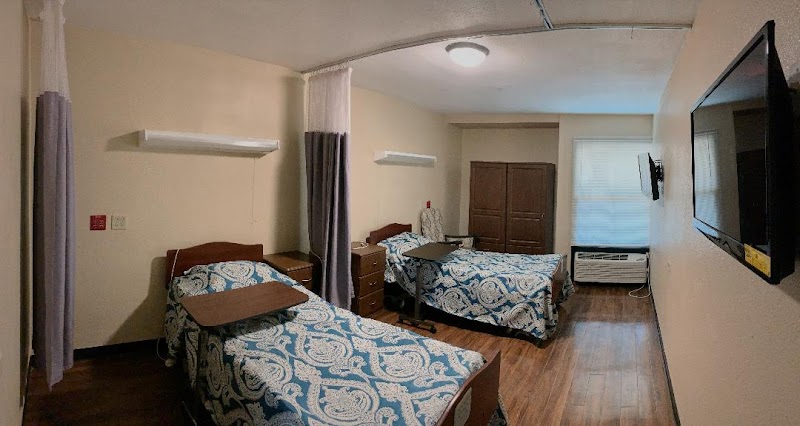
How Does Meridian Care Monte Vista Compare to Other Texas Nursing Homes?

Compared to the 100 nursing homes in Texas, MERIDIAN CARE MONTE VISTA's overall rating (1 stars) is below the state average of 2.8, staff turnover (57%) is significantly higher than the state average of 46%, and health inspection rating (2 stars) is below the national benchmark.

What Should Families Ask When Visiting Meridian Care Monte Vista?

Based on this facility's data, families visiting should ask: "What changes have been made since the serious inspection findings, and how are you preventing similar issues?" "How do you ensure continuity of care given staff turnover, and what is your staff retention strategy?" "Can you walk me through typical staffing levels on day, evening, and night shifts?" "Can I visit during a mealtime to observe dining assistance and food quality?" These questions are particularly relevant given the facility's Immediate Jeopardy citations, the facility's high staff turnover rate, and the below-average staffing rating.

Is Meridian Care Monte Vista Safe?

Based on CMS inspection data, MERIDIAN CARE MONTE VISTA has documented safety concerns. Inspectors have issued 1 Immediate Jeopardy citation (the most serious violation level indicating risk of serious injury or death). The facility has a 1-star overall rating and ranks #100 of 100 nursing homes in Texas. Families considering this facility should ask detailed questions about what corrective actions have been taken since these incidents.

Do Nurses at Meridian Care Monte Vista Stick Around?

Staff turnover at MERIDIAN CARE MONTE VISTA is high. At 57%, the facility is 11 percentage points above the Texas average of 46%. Registered Nurse turnover is particularly concerning at 62%. RNs handle complex medical decisions and coordinate care — frequent RN changes can directly impact care quality. High turnover means new staff may not know residents' individual needs, medications, or preferences. It can also be disorienting for residents, especially those with dementia who rely on familiar faces. Families should ask: What is causing the turnover? What retention programs are in place? How do you ensure care continuity during staff transitions?

Was Meridian Care Monte Vista Ever Fined?

MERIDIAN CARE MONTE VISTA has been fined $21,645 across 1 penalty action. This is below the Texas average of $33,295. While any fine indicates a compliance issue, fines under $50,000 are relatively common and typically reflect isolated problems that were subsequently corrected. Families should ask what specific issues led to these fines and confirm they've been resolved.

Is Meridian Care Monte Vista on Any Federal Watch List?

MERIDIAN CARE MONTE VISTA is not on any federal watch list. The most significant is the Special Focus Facility (SFF) program, which identifies the bottom 1% of nursing homes nationally based on persistent, serious quality problems. Not being on this list means the facility has avoided the pattern of deficiencies that triggers enhanced federal oversight. This is a positive indicator, though families should still review the facility's inspection history directly.