MESA VISTA INN HEALTH CENTER
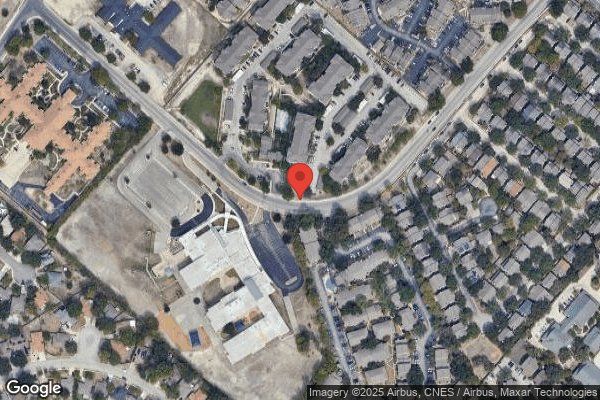
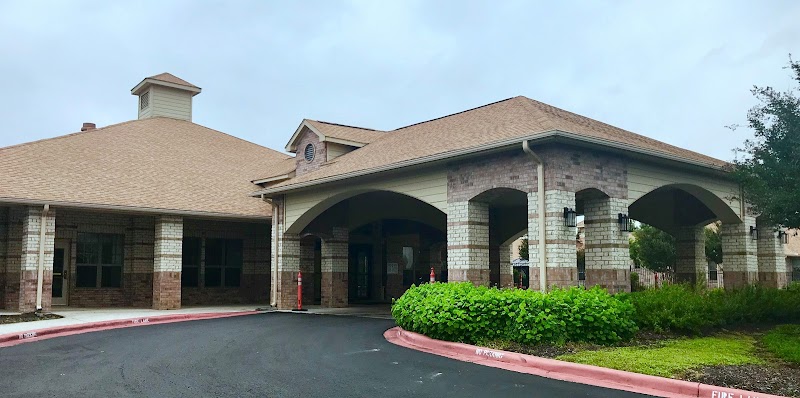
5756 N KNOLL DR, SAN ANTONIO, TX 78240 (210) 321-5200
For profit - Corporation 144 Beds CREATIVE SOLUTIONS IN HEALTHCARE Data: November 2025 1 Immediate Jeopardy citation
Trust Grade
31/100
#779 of 1168 in TX
Last Inspection: January 2025

Within standard 12-15 month inspection cycle. Federal law requires annual inspections.

Overview

Mesa Vista Inn Health Center has received a Trust Grade of F, which indicates significant concerns about the quality of care provided. Ranking #779 out of 1168 facilities in Texas places it in the bottom half, and #30 out of 62 in Bexar County suggests that there are only a few local options that are better. The facility is worsening, as the number of issues rose dramatically from 2 in 2024 to 13 in 2025, highlighting a troubling trend. While the staffing rating is poor with a 1 out of 5 stars and a turnover rate of 56%, the facility does maintain an average level of RN coverage, which is crucial for monitoring patient health. However, several concerning incidents were reported, including a resident escaping through a window due to inadequate safety measures and multiple staff members failing to follow proper infection control practices, which could risk the health of residents.

Trust Score
F
31/100
In Texas
#779/1168
Bottom 34%
Safety Record
High Risk
Review needed
Inspections
Getting Worse
2 → 13 violations
Staff Stability
⚠ Watch
56% turnover. Above average. Higher turnover means staff may not know residents' routines.
Penalties
✓ Good
$8,160 in fines. Lower than most Texas facilities. Relatively clean record.
Skilled Nurses
⚠ Watch
Each resident gets only 18 minutes of Registered Nurse (RN) attention daily — below average for Texas. Fewer RN minutes means fewer trained eyes watching for problems.
Violations
⚠ Watch
34 deficiencies on record. Higher than average. Multiple issues found across inspections.
★★☆☆☆
2.0
Overall Rating
★☆☆☆☆
1.0
Staff Levels
★★★★☆
4.0
Care Quality
★★★☆☆
3.0
Inspection Score
Stable
2024: 2 issues
2025: 13 issues

The Good

  • 4-Star Quality Measures · Strong clinical quality outcomes
  • Full Sprinkler Coverage · Fire safety systems throughout facility
  • No fines on record

Facility shows strength in quality measures, fire safety.

The Bad

2-Star Overall Rating

Below Texas average (2.8)

Below average - review inspection findings carefully

Staff Turnover: 56%

10pts above Texas avg (46%)

Frequent staff changes - ask about care continuity

Federal Fines: $8,160

Below median ($33,413)

Minor penalties assessed

Chain: CREATIVE SOLUTIONS IN HEALTHCARE

Part of a multi-facility chain

Ask about local staffing decisions and management

Staff turnover is elevated (56%)

8 points above Texas average of 48%

The Ugly 34 deficiencies on record

1 life-threatening
Aug 2025 1 deficiency
CONCERN (D) 📢 Someone Reported This

A family member, employee, or ombudsman was alarmed enough to file a formal complaint

Potential for Harm - no one hurt, but risky conditions existed

Comprehensive Care Plan (Tag F0656)

Could have caused harm · This affected 1 resident

**NOTE- TERMS IN BRACKETS HAVE BEEN EDITED TO PROTECT CONFIDENTIALITY** Based on observation, interview and record review the facility failed to develop and implement a comprehensive person-centered c...

Read full inspector narrative →
**NOTE- TERMS IN BRACKETS HAVE BEEN EDITED TO PROTECT CONFIDENTIALITY** Based on observation, interview and record review the facility failed to develop and implement a comprehensive person-centered care plan, consistent with the resident rights, that includes measurable objectives and timeframes to meet a resident's medical, nursing, and mental and psychosocial needs that are identified in the comprehensive assessment for one of 12 residents (Resident #6), in that: Resident #6's care plan did not include a focus area or interventions for Resident #6's ordered hospice care diagnosis. This failure placed residents at risk of not receiving appropriate end of life care, a decreased quality of life, mismanagement of medications, and hospitalization. The findings included: Record review of Resident #6's admission Record dated 08/29/2025, reflected a [AGE] year-old female resident admitted to the facility on [DATE]. Record review of Resident #6's Medical Diagnosis report dated 08/29/2025 reflected diagnoses including senile degeneration of the brain (the brain's cells are damaged, leading to problems with memory, judgment, personality, and the ability to perform daily tasks) and cerebral atherosclerosis (when fatty plaques build up on the inside of the arteries in the brain, making them narrower and harder). Record review of Resident #6's MDS dated [DATE] documented a BIMS score of three out of 15, which suggested a severe cognitive impairment (lots of difficulty with memory, judgment, personality, and making decisions that affected care and daily life). Further review showed Resident #6 received hospice services while a resident in the facility. Record review of Resident #6's Order Summary report dated 08/29/2025, showed an active order for Admit to Hospice with Dx: Cerebral atherosclerosis, dated 01/04/2024. Record review of Resident #6's Comprehensive Care Plan, printed on 08/29/2025 reflected a focus area dated 01/24/24 and revised on 02/07/2024 for Resident requires hospice as evidenced by terminal illness. Hospice DX: Senile Degeneration of the Brain. During an interview on 08/29/2025 at 1:12 PM, when asked about the care plan process for hospice diagnoses the DON stated, typically what is on the order is what we put on the care plan. When asked if there was any reason why the diagnoses on the hospice order and the hospice care plan would not match, the DON stated, they should match. When asked what the expectation for care planning medical diagnoses was, the DON stated, they [the care planned diagnosis] should match the [medical] diagnoses and the order. When asked what some the risks of not care planning appropriate hospice diagnoses were, the DON stated increased or decreased quality of care. During an observation and interview on 08/29/2025 at 1:12 PM, the DON reviewed Resident #6's electronic orders and care plan and stated the hospice order DX did not match the care planned diagnosis, and they should always match. The DON stated that she was responsible for ensuring the ordered hospice diagnoses matched the care planned diagnosis. The DON stated that she would ensure that Resident #6's hospice care plan diagnosis matched the order. Record review of the facility's policy titled Comprehensive Care Planning with no date, reflected the following: The comprehensive care plan will describe the following -The services that are to be furnished to attain or maintain the resident's highest practicable physical, mental, and psychosocial well-being.
Jun 2025 2 deficiencies
CONCERN (D) 📢 Someone Reported This

A family member, employee, or ombudsman was alarmed enough to file a formal complaint

Potential for Harm - no one hurt, but risky conditions existed

Comprehensive Care Plan (Tag F0656)

Could have caused harm · This affected 1 resident

**NOTE- TERMS IN BRACKETS HAVE BEEN EDITED TO PROTECT CONFIDENTIALITY** Based on interview and record review the facility failed to develop and implement a comprehensive person-centered care plan for ...

Read full inspector narrative →
**NOTE- TERMS IN BRACKETS HAVE BEEN EDITED TO PROTECT CONFIDENTIALITY** Based on interview and record review the facility failed to develop and implement a comprehensive person-centered care plan for each resident, consistent with the resident rights, that included measurable objectives and timeframes to meet a resident's medical, nursing and mental and psychosocial needs that were identified in the comprehensive assessment for 1 of 11 (Resident #4) reviewed for care plans. 1. The facility failed to ensure a care plan was developed and interventions put in place to address Resident#4 physical and verbally aggressive behaviors toward others. This deficient practice could place residents with behaviors at risk for injury to themselves or others. The findings included: Record review of Resident #4's face sheet revealed Resident #4 was a [AGE] year-old female who admitted to the facility on [DATE] with diagnoses that included Alzheimer's Disease (a progressive disease that affects memory and other important mental functions) and Type 2 Diabetes (a chronic condition that occurs when the body cannot use insulin effectively). Record review of Resident #4's quarterly MDS assessment, dated 03/10/2025 revealed Resident #4 had a BIMS score of 7, indicating severe cognitive impairment. Section E -Behavioral symptoms revealed Resident #4 displayed physical and verbal behavioral symptoms toward others 1 to 3 days during the 7-day look back assessment period. Resident #4 was coded to display other behavioral symptoms not directed toward others (e.g. physical symptoms such as hitting or scratching self, pacing, rummaging, public sexual acts, disrobing in public, throwing smearing food or bodily wastes, or verbal/vocal symptoms like screaming, disruptive sounds), 1 to 3 days during the look back period. Section E also revealed Resident #4 displayed wandering behaviors 1 to 3 days during the 7-day look back period. Section GG - Functional Abilities revealed Resident #4 was ambulatory and required partial assistance with dressing and grooming and substantial assistance with bathing. Record review of Resident #4's comprehensive care plan revealed a care plan for impaired cognition function and impaired thought process related to Alzheimer's disease, date initiated 11/27/2024 and revised 01/24/2025. Resident #4 had a care plan that revealed Resident #4 was at risk for wandering, date initiated 11/27/2024 and revised 12/18/2024. Resident #4 had a care plan that revealed Resident #4 resided in the secure unit related to a diagnosis of dementia and risk for elopement, date initiated 11/27/2024 and revised 12/18/2024. Resident #4 had a care plan that revealed Resident #4 displayed sexually inappropriate behavior, date initiated 02/06/2025. The interventions included evaluating the resident's ability to understand her behavior, reenforcing clear limits on healthy behavior, intervening to protect other residents and reporting the behavior to the charge nurse. Record review of Resident #4's May 2025 physician orders revealed Resident #4 had an order for Donepezil HCI oral tablet 10 mg daily for Alzheimer's Disease and Trazadone HCI oral tablet 50mg two times a day for anxiety. Record review of facility document titled, Event Nurses' Note-Behavior, dated 02/22/2025 at 10:57 a.m., revealed Resident #4 was observed sitting on the lap of another resident and attempted to strike her. Resident #4 stated another resident was talking about her boyfriend. Record review of a Health and Human services provider investigation report submitted to HHSC on 02/26/2025 revealed Resident #4 was witnessed attempting to hit another female resident on 2/22/2025 because Resident #4 thought the other female resident was saying bad things about her. The report revealed there were no injuries related to the incident and Resident #4 was placed on monitoring for the behavior. During an interview with LVN B, 05/29/2025 at 11:45 a.m., LVN B stated she witnessed Resident #4 on 02/22/2025, leaning up against another female resident and yelling in the other resident's face. LVN B stated Resident #4 was redirected and placed on monitoring and did not display any additional behaviors. LVN B stated Resident #4 and the other resident were assessed and no injuries were noted. During an interview with CNA D, 05/29/2025 at 1:12 p.m., CNA D stated she was aware of Resident #4 having an altercation with another resident on 2/22/2025 and stated Resident #4 was easily redirectable if Resident #4 would become agitated. CNA D stated she had received training on providing redirection for resident with behaviors to maintain resident safety. During an interview with ADON M, 05/30/2025 at 11:23 a.m., ADON M stated it was the responsibility of the IDT team to update resident care plans and stated it was important for a resident's care plan to be accurate, for the continuum of care and to make sure we are all on the same page. During an interview with ADON C, 05/30/2025 at 12:19 p.m., ADON C stated that Resident #4's behavior should have been updated on the comprehensive care plan and stated the MDS Coordinator, ADONs and DON were responsible for updating a resident care plan. ADON C stated it was important to have behaviors included in the comprehensive care plan so there is a continuity of care, and everyone has access to it and can see what the plan of care is for that resident. During an interview with the MDS Coordinator, 05/30/2025 at 2:53 p.m., stated she had received training on the accuracy of resident care plans and stated the IDT team was responsible for updating resident care plans The MDS Coordinator stated if a resident was displaying verbal or physical behaviors, the care plan should be updated to reflect the behavior. The MDS Coordinator stated it was important to for a resident care plan to be accurate, so everyone knows what interventions are in place for each resident because the interventions are all different and residents require different interventions. During an interview with the Administrator N, 05/31/2025 at 1:45 p.m., Administrator N stated resident behaviors should be included in the comprehensive care plan and each department was responsible for updating care plans. Administrator N stated it was important for a resident's care plan to accurately reflect a resident's behavior, to make sure the resident is receiving the care that he/she needs. Administrator N stated staff had received training on the accuracy of resident care plans and stated a resident care plan that does not include resident behaviors could affect the resident due to, the staff that is caring for that resident might not know what is going on with that resident and it would affect the resident in that way. Record review of a facility document titled, Comprehensive Care Planning (Nursing Policy & Procedure Manual GP MC 03-18.0), revealed each resident will have a person-centered comprehensive care plan developed and implemented to meet his other preferences and goals, and address the resident's medical, physical, mental and psychosocial needs. It also revealed, Through the care panning process, facility staff will work with the resident and his/her representative, if applicable, to understand and meet the resident's preferences, choices, and goals during their stay at the facility. The facility will establish, document, and implement the care and services to be provided to each resident to assist in attaining or maintaining his or her highest practicable quality of lie. Care planning drives the type of care and services that a resident receives.
CONCERN (F) 📢 Someone Reported This

A family member, employee, or ombudsman was alarmed enough to file a formal complaint

Potential for Harm - no one hurt, but risky conditions existed

Deficiency F0711 (Tag F0711)

Could have caused harm · This affected most or all residents

**NOTE- TERMS IN BRACKETS HAVE BEEN EDITED TO PROTECT CONFIDENTIALITY** Based on interview and record review the facility failed to ensure 1 of 2 physicians (Physician R) signed and dated resident phy...

Read full inspector narrative →
**NOTE- TERMS IN BRACKETS HAVE BEEN EDITED TO PROTECT CONFIDENTIALITY** Based on interview and record review the facility failed to ensure 1 of 2 physicians (Physician R) signed and dated resident physician orders for physicians reviewed for physician visits. The facility failed to have Physician R electronically sign physician orders. The Medical Records Director was instructed by Administrator O to electronically sign Physician R orders in the EMR using Physician R's username and password. This failure could place residents assigned to Physician R at risk for not receiving appropriate physician ordered care. Findings included: Record review of a facility document titled, Investigation Summary, provided by Administrator N, revealed Administrator N had a meeting with the Medical Records Director on 05/05/2025 regarding an audit of the EMR conducted by the Regional Medical Records Director that revealed unsigned physician orders. Administrator N stated the Medical Records Director said she had been instructed by Administrator O, to sign Physician R's physician orders in the EMR. The document revealed Administrator N instructed the Medical Records Director to immediately stop that practice and Administrator N reported the practice to the regional staff. The document stated an audit was conducted by the Corporate Compliance Nurse to ensure no orders had originated from anyone other than Physician R and in-services were conducted, on 05/08/2025, with the DON, ADONs, Wound Care Nurse, Medical Records Director, Administrator and Physician R on physician instructions for signing orders electronically in the EMR . On 05/14/2025 the Corporate Compliance Nurse conducted an in-service with Physician R to ensure he understood and knew how to electronically sign orders and a password change request was submitted for Physician R. The corporate office changed the process for obtaining and changing passwords for physicians to ensure only Physician R had access to the assigned passwords. During an interview with Administrator N, on 05/30/2025 at 10:01 a.m., Administrator N stated the Regional Medical Records Director conducted an audit of physician orders on 04/30/2025 and the audit revealed that the facility had over 103 physician orders that were pending signature by Physician R in the EMR. Administrator N stated she met with the Medical Records Director on 05/05/2025 to discuss the audit findings and find out what the process was for physicians to sign orders in the EMR. Administrator N stated the Medical Records Director first stated Physician R was on vacation and when Administrator N questioned the process further, the Medical Records Director told Administrator N that she had been instructed by Administrator O to electronically sign Physician R orders for Physician R. Administrator N stated the Medical Records Director told her that Administrator O asked her to start signing the orders for Physician R years ago after DON P left the facility. The Medical Records Director stated DON P was signing the orders and when DON P left it was assigned to ADON M by the Administrator but ADON M said she had too much to do so it was assigned to the Medical Records Director. Administrator N stated she instructed the Medical Records Director to stop signing orders for Physician R and the Medical Records Director stated she would only sign off on the orders when Physician R was in the facility rounding and that it did not feel right to sign the orders but she was afraid she would lose her job if she did not do it. Administrator N stated the Medical Records Director provided her with a copy of an email that was given to her by Administrator O that had Physician R's username and password on the document and stated the email was dated 2021. Administrator N stated the Medical Records Director stated no one else was aware that she was signing the orders in the EMR and that she did not report the situation to anyone. Administrator N stated the Medical Records Director said she was not aware of Administrator O ever using Physician R username and password. Administrator N stated she reached out to Administrator O to see if Administrator O had an agreement with Physician R or if Physician R did not have access the EMR and the only response she received was, have nursing reach out to [physician name]. Administrator N stated she was not comfortable with that, so Administrator N reached out to the Area Director of Operations and reported her concern. Administrator N stated the Corporate Compliance Nurse immediately sent an in-service for the managers to receive about signing orders and then the Corporate Compliance Nurse came to the facility to start an audit of the orders and interview the Medical Records Director on 05/06/2025 to validate there were no discrepancies with the orders and to see if Administrator O or the Medical Records Director ever originated any orders. Administrator N stated no order discrepancies were identified and no orders were originated or created by Administrator O or the Medical Records Director. Administrator N stated the Corporate Compliance Nurse spoke to Physician R and Physician R stated he signed his orders that he received on paper and reviewed orders on resident charts. Physician R also stated he was not aware his username and password were being used to sign orders in the EMR. Administrator N stated Physician R username and password was reset and only Physician R had access to that information. Administrator N stated the Medical Records Director and Administrator O were terminated from the company after the company investigation. Administrator N stated it was important that only Physician R sign physician orders because the orders are from Physician R, and he is the licensed professional and he is the only one that can sign the order. Administrator N stated, Physician R gave the orders, he knew the orders he was giving. [Medical Record Director name] was just clicking off on it to sign them as reviewed in the EMR. I do not believe there was any harm to residents, but you do not share your passwords with anyone. During an interview with the Regional Medical Records Director, on 05/20/2025 at 10:47 a.m., the Regional Medical Records Director stated she conducted audits of resident records quarterly and her last audit was completed on 04/30/2025. The Regional Medical Records Director stated the Medical Records Director was responsible for reviewing physician orders pending signature in the EMR, contacting physicians to sign the orders, and stated physicians should review and sign the orders in the EMR at least every 60 days. The Regional Medical Records Director stated a physician would sign resident orders by entering their username and password to enter the EMR, review the orders and then enter their password to sign the orders. The Regional Medical Records Director stated no other discipline had access to review and sign physician orders except for Physician R using Physician R username and password. The Regional Medical Records Director stated [physician name] did not enter orders into the EMR and stated [physician name] would verbally give orders to the nurses, the nurses would enter the orders and then the orders would be carried out. The Regional Medical Records Director stated she was not aware the Medical Records Director was signing the orders in the EMR on behalf of Physician R and stated the Medical Records Director never reported that she had been instructed to complete this task to clear the orders in the EMR. The Regional Medical Records Director stated it was important to have Physician R sign the orders in the EMR to verify that Physician R was agreeing to the orders that the resident had and the care that was being provided. During an interview with ADON M, on 05/30/2025 at 11:23 a.m., ADON M stated the process for obtaining physician orders was for Physician R to give orders verbally to the charge nurse who then enters the order into the EMR for the nurses and staff to follow. ADON M stated if a physician were to enter an order in the EMR, the order would be identified as prescriber written and when a nurse entered the order it was identified as verbal or telephone order. ADON M stated Physician R did not enter his own orders into the EMR but stated Physician R should be signing the orders in the EMR. ADON M stated she was provided Physician R's username and password by Administrator O in 2021 and asked to give the information to Physician R and show Physician R how to sign orders in the EMR. ADON M stated she would round with Physician R when he came into the facility to see residents several days a week and would keep a binder of documents that required Physician R signature which included pharmacy recommendations, therapy certifications, Medicare certifications and discharge orders and Physician R would sign all the forms in the binder when he would visit weekly. ADON M stated she was never asked by Administrator O to sign physician orders in the EMR and stated she never used Physician R's username or password to sign physician orders. ADON M stated she was not aware of the Medical Records Director signing physician orders and stated the Medical Records Director never told ADON M that Administrator O had instructed her to do so. During an interview with the Medical Records Director, on 05/30/2025 at 1:50 p.m., the Medical Records Director stated she had worked in her position at the facility for 6 years. The Medical Records Director stated about 2 years into her role she was asked by Administrator O in front of ADON M to sign the overdue physician orders for Physician R in the EMR that had been identified on an audit by the Regional Medical Records Director. The Medical Records Director stated Administrator O provided her a piece of paper that contained Physician R's username and password. The Medical Records Director stated her understanding was ADON M had been signing the orders electronically, but ADON M stated she was too busy to sign the orders electronically. The Medical Records Director stated she agreed to sign the orders since other people had been doing it and stated she only signed orders for Physician R. The Medical Records Director stated she would log into the EMR with Physician R's username and password about two times a month, go to the pending order review tab, click on resident name, put check marks on the open orders that needed signatures, enter Physician R's password and that would sign the order and remove the order from the list. The Medical Records Director stated Administrator O told her that Physician R would not sign the orders but did not tell her why. The Medical Records Director stated she had a binder of forms and information for Physician R to sign when he would come in several times a week and Physician R would sign those documents but stated Physician R orders were not printed from the EMR for physician signature. The Medical Records Director stated she went to a regional company meeting about a year after she started signing the orders and realized through the training that Physician R should be signing the orders electronically. The Medical Records Director stated she told DON P and Administrator O that they needed to talk to Physician R about signing his own orders and stated she added a document to his binder that included instructions on how to electronically sign physician orders but was told, [physician name] won't sign those by Administrator O. The Medical Records Director stated she talked to Administrator O about it before Administrator N started at the facility on 03/17/2025 and Administrator O told the Medical Records Director to continue signing the orders under Administrator N. The Medical Records Director stated after Administrator O left her role and Administrator N started, the Medical Records Director stopped signing the orders in the EMR and that was why they were identified as overdue on the audit. The Medical Records Director stated she did not report the concern to Administrator N until Administrator N asked her about the overdue physician orders after the audit was conducted. The Medical Records Director stated she did not report the concern to anyone else for fear of losing her job, but stated she did have access to an anonymous compliance hotline for her company and was aware she could have notified HHSC. The Medical Records Director stated she never created or originated any physician orders and stated she had not heard of anyone else using Physician R's credentials to create new orders. During an interview with the MDS Coordinator, on 05/30/2025 at 2:53 p.m., the MDS Coordinator stated Physician R was in the facility several days and week and reviewed resident charts, rounded on residents, and attended facility meetings like QAPI, care plan meetings and clinical meetings. The MDS Coordinator stated Physician R would sign Medicare recertifications and other documents when he would be in the facility and was unaware that Physician R was not signing Physician R orders in the EMR. The MDS Coordinator stated she was never provided physician username or passwords to the EMR and was not aware that another staff member was using Physician R's credentials. During an interview with the Area Director of Operations, on 05/30/2025 at 3:15 p.m., the Area Director of Operations stated she was notified by Administrator N that an audit of physician orders revealed multiple orders were unsigned by Physician R. Administrator N asked the Medical Records Director about why the orders were overdue to be signed and the Medical Records Director revealed that she had been instructed by Administrator O to electronically sign the orders on behalf of Physician R. The Medical Records Director said that she would go in the EMR and click off on the order to clear it from the pending signature list and she would use Physician R's username and password to complete this task. The Area Director of Operations stated orders are received from Physician R and entered into the EMR by the floor nurses, the orders are active, and Physician R would sign the orders in the EMR, as soon as possible. The Area Director of Operations stated Physician R was regularly active at the facility and involved with resident care and when Physician R came to the facility, he would review the resident's charts and their orders in the chart. The Area Director of Operations stated the facility did have a compliance hotline number for staff to report concerns and stated staff were able to report allegations or concerns anonymously and no concerns related to a facility staff member signing physician orders was reported. During an interview with the Regional Medical Records Director, on 05/30/2025 at 3:57 p.m., the Regional Medical Records Director stated medical records employee receive training on how to run reports and identify when physician orders need to be signed and stated a medical records username and password log in would not give the Medical Records Director an option to sign physician orders. During an interview with the Corporate Compliance Nurse, on 05/31/2025 at 11:09 a.m., the Corporate Compliance Nurse stated they process for obtaining physician orders was a physician would give new orders to a nurse, the nurse enter the order in the EMR, and the order is carried out. Physician R would review and sign the orders in the EMR. The Corporate Compliance Nurse stated when the Regional Medical Records Director completed an audit at the end of April 2025, the audit identified physician orders overdue for physician signatures and when the Medical Records Director was questioned about the concern by Administrator N, The Medical Records Director disclosed that Administrator O had instructed her to sign the orders for Physician R to get into compliance. The Corporate Compliance Nurse stated she went to the facility on [DATE] and conducted and in-service on how to educate Physician R to sign orders and completed an audit of every resident which included reviewing every physician order to ensure there were no duplicated orders or order discrepancies and none were identified. The investigation included interviewing staff who stated orders were only given to the nurses by Physician R and the nurses were the only staff entering physician orders into the EMR. The Corporate Compliance Nurse stated she met with Physician R at the facility on 05/07/2025 and assisted him with obtaining a new password that only Physician R had access to and showed him how to electronically sign his physician orders in the EMR. Prior to this training, The Corporate Compliance Nurse stated Physician R would have received training when he got credentialed because Physician R would have to be familiar with signing into the EMR. The Corporate Compliance Nurse said Physician R stated he was unaware anyone was using his username and password and that he signed paperwork when he would come to the facility several times a week. The Medical Records Director stated Physician R was signing recertifications, therapy authorizations transfer/discharge orders and pharmacy recommendations, not the orders in the EMR. The Corporate Clinical Nurse stated Physician R reviewed resident orders when he would come to the facility to see residents and had remote access to review resident charts. The Corporate Clinical Nurse stated the purpose of Physician R signature on orders in the EMR was for Physician R to complete a review and show agreement with the orders and that they are valid orders and if a physician were not signing the orders it could lead to a resident having an inaccurate order. During an interview with Physician R, on 05/31/2025 at 1:02 p.m., Physician R stated he had worked at the facility as the Medical Director and resident physician for many years. Physician R stated he was contacted by someone from the corporate office last month and was instructed on signing physician orders electronically and stated he had been signing all his orders electronically since his meeting with a corporate representative. Physician R stated prior to this meeting, he would be handed a folder full of paperwork that he would sign each time he visited the facility, and he thought the paperwork included orders. Physician R stated he did not sign orders or input orders in the EMR and would give verbal orders to the nurses to enter the EMR. Physician R stated he was at the facility several days a week and would review resident charts during visits which included resident orders and would include orders in his progress notes that he completed in the EMR. Physician R stated he also had remote access to the EMR and would review resident orders before he gave any new orders or changed orders for a resident. Physician R stated he was not aware of anyone using his username and password to sign orders in the EMR and stated that's a real problem that someone had access to his account and signed his physician orders. During an interview with Administrator O, 05/31/2025 at 2:11 p.m. Administrator O stated she worked at the facility for 6 years as the Administrator and stated nursing, who Administrator O described as just nursing, it would have had to have been the DON or ADON, requested a copy of Physician R's EMR credentials a few years ago. Administrator O stated she was under the impression they requested the information so they could provide it to Physician R. Administrator O stated she did not remember providing Physician R's log in information to the Medical Records Director and stated she never instructed the Medical Records Director to use Physician R EMR log in access to sign physician orders. Administrator O stated the facility had used the EMR prior to her starting in the position 6 years ago and stated she never questioned how Physician R orders were getting signed, because everyone is responsible for their own duties in the building, so I did not question it. Record review of a document titled, Witness Statement, signed by The Medical Records Director on 05/12/2025, that read, yrs ago I was instructed by my immediate supervisors to electronically sign physician orders. Before me, the DON and ADON were doing them. I was given physician's credential to complete task by [Administrator O name] before she left, I went to her with the uncomfortable feeling about doing this. She told just to continue to do it under my new supervisor. I only signed the orders. Record review of a photocopy of a document, dated 02/07/2022 at 5:23 p.m. from The Medical Records Director email. The photocopy was a picture of an email to Administrator O from an administrative assistant clinical office for [company name]. The email was dated 09/23/2021 and contained the name of three physicians, and EMR usernames and passwords. Record review of a document titled, Orders to Review, dated 4/29/2025, revealed 82 resident names pending order reviews and listed the next order review date as overdue. Record review of a document titled Ad Hoc QAPI, dated 05/14/2025 revealed eleven employee signatures including Administrator N, DON P, ADON C, DOR and MDS Coordinator. Record review of a document titled, Monitoring, revealed the facility would monitor physician orders monthly to ensure that they are completely timely x 3 months and PRN unless modified by the QAPI committee. The document contained a question, were monthly physician orders completed timely? And the document had five boxes across the page that contained a space for a date and yes or no under a question. Three boxes were completed with the date of 05/12/2025, 05/13/2025 and 05/19/2025 and all were circled, yes. Record review of a document titled, In-Service Training Attendance Roster, revealed the topic of the in-service was Physician Instruction for Electronically signing orders. The date of the in-service was 05/12/2025 and the instructor was the Area Director of Operations. The in-service revealed six employee names that included Administrator N, DON, ADON M, ADON C and The Medical Records Director. The in-service attachment included a form for physician instruction for electronically signing orders in the EMR and included, two. At the log in screen enter your username and password. Record review of a document titled, In-Service Training Attendance Roster, revealed the topic of the in-service was, Hotline call reporting/reporting suspected fraudulent activity, password privacy, abuse/neglect policy. The date of the in-service was 05/13/2025 - 05/16/2025 and the instructors were Administrator N and the DON P. and contained sixty-seven signatures. Record review of a document titled, In-Service Training Attendance Roster, revealed the topic of the in-service was, Hotline call reporting/reporting suspected fraudulent activity, password privacy, abuse/neglect policy. The date of the in-service was 05/13/2025 - 05/16/2025 and the instructor was the Dietary Supervisor and contained eleven signatures. Record review of a document titled, In-Service Training Attendance Roster, revealed the topic of the in-service was, Hotline call reporting/reporting suspected fraudulent activity, password privacy, abuse/neglect policy. The date of the in-service was 05/13/2025 - 05/16/2025 and the instructor was the Housekeeping Supervisor and contained ten signatures. Record review of a document titled, In-Service Training Attendance Roster, revealed the topic of the in-service was, Hotline call reporting/reporting suspected fraudulent activity, password privacy, abuse/neglect policy. The date of the in-service was 05/13/2025 - 05/16/2025 and the instructor was the DOR and contained twelve signatures. Record review of a facility resident list report, dated 05/30/2025, revealed Physician R was assigned 108 of 111 facility residents. Record review of a facility documented titled Medical Director Agreement revealed it was entered into agreement with the facility and Physician R on 05/01/2019. The agreement contains and Exhibit A that included a description of duties and responsibilities of the Medical Director and included (a) ensure that all facility records pertaining to the care of the residents are in compliance with all applicable state and federal regulations and standards. Record review of an undated facility document titled, [Company Name] Rules of Behavior for General Users, revealed the Purpose as The Rules of Behavior for General Users provides the rules that govern the appropriate use of [Company name] (hereinafter [company name]) data and information technology (IT) resources (hereinafter assets). [Company name}'s assets must be protected from unauthorized access, disclosure, or medication based on confidentially, integrity, and availability requirements. The document revealed the scope applied to anyone who was granted authorized access to [company name] assets. Under the section titled, Access, the document revealed I understand that I am given access only to the assets that are required to perform my official duties. I will not attempt to access assets I am not authorized to access. I will not attempt to circumvent access controls. Under the section titled, Passwords, the document revealed, I will not share my username and password. I will immediately change my password whenever its compromise is known or suspected to have occurred. Under the section titled, Incident Reporting, the document revealed, I will immediately report all lost or stolen [company name] assets; known or suspected security incidents; known or suspected policy violations; suspicious activity to my manager and the help desk.
Mar 2025 1 deficiency
CONCERN (D) 📢 Someone Reported This

A family member, employee, or ombudsman was alarmed enough to file a formal complaint

Potential for Harm - no one hurt, but risky conditions existed

Infection Control (Tag F0880)

Could have caused harm · This affected 1 resident

**NOTE- TERMS IN BRACKETS HAVE BEEN EDITED TO PROTECT CONFIDENTIALITY** Based on observation, interview, and record review, the facility failed to maintain an infection prevention and control program ...

Read full inspector narrative →
**NOTE- TERMS IN BRACKETS HAVE BEEN EDITED TO PROTECT CONFIDENTIALITY** Based on observation, interview, and record review, the facility failed to maintain an infection prevention and control program designed to provide a safe, sanitary, and comfortable environment and to help prevent the development and transmission of communicable disease and infection for 1 of 3 residents (Resident #3) reviewed for infection control: The facility failed to ensure CNA A changed her gloves and washed or sanitized her hands after they became contaminated during incontinent care, before touching Resident #3's clean linen and clean brief. This failure could place residents at-risk for infection due to improper care practices. The findings included: Record review of Resident #3's admission Record (face sheet) dated 03/30/2025, revealed she was a [AGE] year-old female admitted to the facility on [DATE] and readmitted on [DATE] with diagnoses which included dementia (a progressive decline in memory, thinking, reasoning and problem-solving that interferes with daily life activities), vitamin D deficiency (inadequate intake of a mineral that can lead to a loss of bone density), schizophrenia (a chronic and severe mental disorder characterized by a disconnection from reality, often involving hallucinations, delusions, and disorganized thinking or behavior), bipolar disorder (a chronic mental disorder with extreme shifts in mood and behavior), depressive disorder (a mental health condition characterized by persistent feelings of sadness, hopelessness and loss of interest), and high blood pressure. Record review of Resident #3's most recent Quarterly MDS Assessment, dated 02/15/2025, revealed a BIMS score of 15 out of 15 indication her cognitive skills for daily decision making were intact, required substantial/maximal assistance with toileting and was always incontinent of bowel and bladder. Record review of Resident #3's Care Plan for ADL Self Care Performance Deficit, initiated 06/18/2020, revealed under interventions the resident required assistance of 2 staff for toileting. Observation on 03/26/2025 from 2:38 p.m. to 3:00 p.m. of CNA A and the DON provide incontinent care to Resident #3 revealed CNA A wiped the resident's front perineal (region located between genitals and the anus) area, then with the same soiled gloves, touched the bed linen without changing her gloves. CNA A then provided pericare (washing the genitals and anal area) to the resident's buttocks, removed the soiled brief, removed the soiled gloves, and used sanitizer. The CNA put on clean gloves and wiped fecal material from Resident #3's legs with her gloved hands, then with the same soiled gloves CNA A touched the resident, rolled the resident to her back, and continued to cleanse the resident's legs from the front. CNA A then touched Resident #3's clean brief with the same soiled gloves used to wipe fecal material from the resident's legs. In an interview on 03/26/2025 at 3:02 p.m. CNA A stated she had received training in December 2024 on the correct way to do perineal care. CNA A stated if her gloves were soiled with poop (fecal material) she would change her gloves and if she had cleaned a resident's perineal area, she would change her gloves before she touched the resident. CNA A stated she did not remember touching Resident #3 with her soiled gloves during the incontinent care the surveyor observed. In an interview on 03/30/2025 at 2:34 p.m., the DON stated when she assisted CNA A provide incontinent care to Resident #3, she did not notice CNA A had touched the resident's bed linen, the resident, and the resident's brief with soiled gloves. The DON stated she tried to assist the CNA with repositioning the resident as much as she could during the incontinent care. In an interview on 03/26/2025 at 4:32 p.m., the DON stated the facility's policy was to change gloves when they were visible soiled or if the staff thought the gloves were soiled, and when they were done with the perineal care before putting on clean brief or clothes on the resident. The DON stated she would expect the nursing staff to perform hand hygiene after incontinent care was performed before they touched the resident, linens, or brief. Record review of the facility's undated policy on Hand Hygiene revealed hand hygiene should be performed before and after assisting a resident with personal care, after contact with a resident's body fluids or excretions, after removing gloves, and after handling soled or used linens, dressings, bedpans, catheters, and urinals. Record review of the facility's Infection Control Plan: Overview policy, dated 2019, revealed The facility will establish and maintain an Infection Control Program designed to provide a safe, sanitary and comfortable environment and to help prevent the development and transmission of disease and infection. Under Preventing Spread of Infection was (3) The facility will require staff to wash their hands after each direct resident contact for which hand washing is indicated by accepted professional practice. Under Intent was Implement hand hygiene (hand washing) practices consistent with accepted standards of practice, to reduce the spread of infections and prevent cross-contamination; and properly .handle, process and transport linens to minimize contamination.
Mar 2025 4 deficiencies
CONCERN (D) 📢 Someone Reported This

A family member, employee, or ombudsman was alarmed enough to file a formal complaint

Potential for Harm - no one hurt, but risky conditions existed

Abuse Prevention Policies (Tag F0607)

Could have caused harm · This affected 1 resident

**NOTE- TERMS IN BRACKETS HAVE BEEN EDITED TO PROTECT CONFIDENTIALITY** Based on observation, interviews, and record reviews the facility failed to develop and implement written policies and procedure...

Read full inspector narrative →
**NOTE- TERMS IN BRACKETS HAVE BEEN EDITED TO PROTECT CONFIDENTIALITY** Based on observation, interviews, and record reviews the facility failed to develop and implement written policies and procedures that prohibit and prevent abuse and neglect for 1 of 1 facility in that: The ADM did not follow the ANE policy and procedures by not reporting a serious injury of unknown source to HHSC when: Resident #1 fell, went to the hospital, and received 6 sutures to her forehead. This could affect all resident that had a fall and could result in further injuries. The Findings were: Record review of policy Abuse/Neglect dated 2003 reflected The resident had the right to be free of abuse, neglect misappropriation of resident property and exploitation. E: Reporting, Facility employees must report all allegations of abuse, neglect exploitation mistreatment of residents, misappropriation of resident property or injury of unknown source to the facility administrator. The facility administrator or designee will report the allegation to HHSC. 1. If the allegations involve abuse or result in serious bodily injury, the report is to be made within 2 hours of the allegation. B. if the allegation does not involve abuse or serious bodily injury, the report must be made within 24 hours of the allegation. Record Review of Resident #1's admission Record dated 3/18/2025 reflected she was [AGE] years old; she was admitted on [DATE] and she had Hospice services. Record Review of Resident #1 diagnoses reflected dementia (a general term for a decline in mental ability that interferes with daily life, encompassing various conditions affecting memory, thinking, and reasoning.), major depressive disorder (a common and serious mental health condition characterized by persistent feelings of sadness, loss of interest, and other symptoms that significantly interfere with daily life), Parkinson's disease (a progressive neurodegenerative disorder that affects the brain's ability to produce and use dopamine), joint pain, and metabolic encephalopathy (a condition where the brain's function is impaired due to a disturbance in the body's metabolism). Record Review of Resident #1's significant change MDS dated [DATE] reflected a BIMS score of 00/15 (severely cognitively impaired), she had disorganized thinking evidenced by fluctuating and inattention. Resident #1 had verbal behaviors present 4-6 days, she had no upper/lower extremity impairment, she required substantial max assistance for toileting, upper/lower body dressing, and putting on footwear. Resident #1 was frequently incontinent, had falls, weighed 116 pounds, was on hospice services, and was receiving physical therapy services. Record Review of Resident #1's Care Plan reflected she had diagnoses of osteoarthritis, potential/actual impairment to left forehead related to fall, alteration in neurological status related metabolic encephalopathy, Parkinson's disease, delirium or an acute confusion episode related to disorganized thinking, impaired cognitive function/dementia or impaired thought processes, impaired visual function age related to macular degeneration, communication problem related to impaired ability to make self-understood and understand others, depression, potential to demonstrate physical behaviors related to poor impulse control, a risk for falls, and had potential for pain related to chronic debility. Record Review of Resident #1's incident report dated 3/15/2025 revealed she had an unwitnessed fall, she was found on the floor and had a laceration to her forehead, staff called 911 and was sent to the hospital. The facility did notify family, hospice, and physician. Record review of incident revealed in notes section, dated 3/15/2025, Resident #1 stated I just fell, she appeared to roll out of bed. Record Review of Resident #1's progress note dated 3/15/2025 at 3:30 PM revealed she hit her forehead and was sent out to the hospital, and she came back to the facility the same day, with 6 sutures. In an observation and interview on 3/18/25 at 9:35 AM, the Wound Care Nurse performed wound care to Resident #1's forehead in the secured Unit. Observation revealed a bruise to the left eye and 6 stitches on the forehead. Resident #1 was alert and oriented x1 (alert to self). Resident #1 could not answer any direct questions about the injury to her forehead and her eye. In an interview on 3/18/25 at 9:40 AM, the DON stated Resident #1 fell this weekend (3/15/2025), it was unwitnessed, and she was sent to the emergency room. The DON stated the unwitnessed fall with injury was not reported to HHSC. In an observation on 3/19/2025 at 1:22 PM with Resident #1, she was sitting at the nurses' station with a nurse. Her left eye area was bruised, and the top of her forehead had sutures. In an interview on 3/19/2025 at 1:25 PM with RN A in the secure unit, RN A stated Resident #1 fell on Saturday, went to the hospital, and had sutures. RN A stated it was unwitnessed. RN A stated Resident #1 was ambulatory and had a shuffle. RN A stated Resident #1 fell on 3/15/2025 (Sat) and had a laceration to her forehead. On 3/15/2025, she went to the emergency room, and returned to the facility with 6 sutures to her forehead. In an interview on 3/19/2025 at 6:00 PM, the ADM and DON stated that Resident #1's fall was not witnessed by staff but could tell she fell forward. The ADM/DON felt it was not abuse/neglect since they knew how she fell. The ADM stated Resident #1 fell forward and no staff was around Resident #1 at the time of the fall. The ADM stated Resident #1 fell on 3/15/2025 but she did not report the unwitnessed fall to HHSC.
CONCERN (D) 📢 Someone Reported This

A family member, employee, or ombudsman was alarmed enough to file a formal complaint

Potential for Harm - no one hurt, but risky conditions existed

Report Alleged Abuse (Tag F0609)

Could have caused harm · This affected 1 resident

**NOTE- TERMS IN BRACKETS HAVE BEEN EDITED TO PROTECT CONFIDENTIALITY** Based on observations, interviews and record reviews the facility failed to ensure that all alleged violations involving abuse, ...

Read full inspector narrative →
**NOTE- TERMS IN BRACKETS HAVE BEEN EDITED TO PROTECT CONFIDENTIALITY** Based on observations, interviews and record reviews the facility failed to ensure that all alleged violations involving abuse, neglect, exploitation or mistreatment, including injuries of unknown source, are reported immediately, but not later than 2 hours after the allegation is made, if the events that cause the allegation involve abuse or result in serious bodily injury, to the administrator of the facility and to other officials (including to the State Survey Agency) in accordance with State law through established procedures for 1 of 1 facility in that: Resident #1 had an unwitnessed fall, went to the emergency room, and received 6 sutures to her forehead. This was not reported by the ADM to HHSC. This deficient practice could result in the delay of investigating the residents' circumstances after sustaining a serious injury of unknown source. The findings were: Record Review of Resident #1's admission Record dated 3/18/2025 reflected she was [AGE] years old, she was admitted on [DATE] and she had Hospice services. Record Review of Resident #1 diagnoses reflected dementia (a general term for a decline in mental ability that interferes with daily life, encompassing various conditions affecting memory, thinking, and reasoning.), major depressive disorder (a common and serious mental health condition characterized by persistent feelings of sadness, loss of interest, and other symptoms that significantly interfere with daily life), Parkinson's disease (a progressive neurodegenerative disorder that affects the brain's ability to produce and use dopamine), joint pain, and metabolic encephalopathy (a condition where the brain's function is impaired due to a disturbance in the body's metabolism). Record Review of Resident #1's significant change MDS dated [DATE] reflected a BIMS score of 00/15 (severely cognitively impaired), she had disorganized thinking evidenced by fluctuating and inattention. Resident #1 had verbal behaviors present 4-6 days, she had no upper/lower extremity impairment, she required substantial max assistance for toileting, upper/lower body dressing, and putting on footwear. Resident #1 was frequently incontinent, had falls, weighed 116 pounds, was on hospice services, and was receiving physical therapy services. Record Review of Resident #1's Care Plan reflected she had diagnoses of osteoarthritis, potential/actual impairment to left forehead related to fall, alteration in neurological status related metabolic encephalopathy, Parkinson's disease, delirium or an acute confusion episode related to disorganized thinking, impaired cognitive function/dementia or impaired thought processes, she had impaired visual function related to macular degeneration, communication problem related to impaired ability to make self-understood and understand others, she had depression, potential to demonstrate physical behaviors related to poor impulse control, a risk for falls, and had potential for pain related to chronic debility. Record Review of Resident #1's incident report dated 3/15/2025 revealed she had an unwitnessed fall, she was found on the floor and had a laceration to her forehead, staff called 911 and was sent to the hospital. The facility did notify family, hospice, and physician. Record review of incident revealed in notes section, dated 3/15/2025, Resident #1 stated I just fell, she appeared to roll out of bed. Record Review of Resident #1's progress note dated 3/15/2025 at 3:30 PM revealed she hit her forehead and was sent out to the hospital, and she came back to the facility the same day, with 6 sutures. In an observation and interview on 3/18/25 at 9:35 AM, the Wound Care Nurse performed wound care to Resident #1's forehead in the secured Unit. Observation revealed a bruise to the left eye and 6 stitches on the forehead. Resident #1 was alert and oriented x1(alert to self). Resident #1 could not answer any direct questions about the injury to her forehead and her eye. In an interview on 3/18/25 at 9:40 AM, the DON stated Resident #1 fell this weekend (3/15/2025), it was unwitnessed, and she was sent to the emergency room. The DON stated the unwitnessed fall with injury was not reported to HHS. In an observation on 3/19/2025 at 1:22 PM with Resident #1, she was sitting at the nurses' station with a nurse. Her left eye area was bruised, and the top of her forehead had sutures. In an interview on 3/19/2025 at 1:25 PM with RN A in the secure unit, RN A stated Resident #1 fell on Saturday, went to the hospital and had sutures. RN A stated it was unwitnessed. RN A stated Resident #1 was ambulatory and had a shuffle. RN A stated Resident #1 fell on 3/15/2025 (Sat) and had a laceration to her forehead. On 3/15/2025, she went to the emergency room, and returned to the facility with 6 sutures to her forehead. In an interview on 3/19/2025 at 6:00 PM, the ADM and DON stated that Resident #1's fall was not witnessed by staff, but the ADM/DON could tell she fell forward. The ADM/DON felt it was not abuse/neglect since they knew how she fell. The ADM stated Resident #1 fell forward and no staff was around Resident #1 at the time of the fall. The ADM stated Resident #1 fell on 3/15/2025 but did not report the unwitnessed fall to HHSC. Record review of policy Abuse/Neglect dated 2003 was documented The resident had the right to be free of abuse, neglect misappropriation of resident property and exploitation. E: Reporting, Facility employees must report all allegations of abuse, neglect exploitation mistreatment of residents, misappropriation of resident property or injury of unknown source to the facility administrator. The facility administrator or designee will report the allegation to HHSC. 1. If the allegations involve abuse or result in serious bodily injury, the report is to be made within 2 hours of the allegation. B. if the allegation does not involve abuse or serious bodily injury, the report must be made within 24 hours of the allegation.
CONCERN (D) 📢 Someone Reported This

A family member, employee, or ombudsman was alarmed enough to file a formal complaint

Potential for Harm - no one hurt, but risky conditions existed

Comprehensive Care Plan (Tag F0656)

Could have caused harm · This affected 1 resident

**NOTE- TERMS IN BRACKETS HAVE BEEN EDITED TO PROTECT CONFIDENTIALITY** Based on observations, interviews and record reviews the facility failed to develop and implement a comprehensive person-centere...

Read full inspector narrative →
**NOTE- TERMS IN BRACKETS HAVE BEEN EDITED TO PROTECT CONFIDENTIALITY** Based on observations, interviews and record reviews the facility failed to develop and implement a comprehensive person-centered care plan for each resident, consistent with the resident rights that includes measurable objectives and timeframes to meet a resident's medical, nursing, and mental and psychosocial needs that are identified in the comprehensive assessment and describes the services that are to be furnished to attain or maintain the resident's highest practicable physical, mental, and psychosocial well-being for 1 of 7 (Resident #2) residents in that: Resident #2's fall mat was not on the ground near her bed as specified in her care plan. Resident #2 had a fall and had behaviors and required a fall mat to prevent injury. This deficient practice could place residents at risk for not receiving proper care and services due to incomplete care plans. The Findings were: Record Review of Resident #2's admission Record dated 3/17/2025 reflected she was admitted on [DATE] and readmitted on [DATE]. Resident #2's diagnoses included dementia (a general term for a decline in mental ability that interferes with daily life, encompassing various conditions affecting memory, thinking, and reasoning), repeated falls, pressure ulcer of sacral region stage 4, and seizure (sudden, temporary disruptions in brain electrical activity that can cause changes in behavior, movement, sensation, and awareness.) Record Review of Resident #2's Quarterly MDS dated [DATE] reflected her BIMS score was 15/15 (cognitively intact), she had impairments to both lower extremities, she required substantial/maximal assistance with bathing, upper/lower body dressing, and with footwear. Resident #2 had repeated falls, and osteoporosis (a condition that weakens bones, making them fragile and prone to fractures, often developing silently until a fracture occurs.) with fracture. Section in Behaviors was listed, Resident #2 had a rejection behavior exhibited 1 to 3 days . Record Review of Resident #2's Care Plan dated 1/6/2025 reflected Resident #2 had physical behaviors such as pounding on the bed with fists repeatedly, and it may be possible that she intentionally places self on the fall mats. Resident #2 had an actual fall in August 2024 and interventions were fall mats. Record review of the visitor log, showed a signature for Resident #2's family dated 3/19/2025. In an observation on 3/18/2025 at 3:48 PM with Resident #2, she was lying in bed with covers on her. Resident #2's right-side fall mat was vertical against a chair . In an interview on 3/19/2025 at 3:28 PM, the DON stated Resident #2 had a visitor and they must have moved the mat out of the way and forgot to put it back. In an interview on 3/20/2025 at 5:41 PM, Resident #2 stated she could not remember if she had visitors/family this week. Resident #2 stated a staff person put the mat on the side, vertical, but was not sure of the staff's name. In an interview on 3/21/2025 at 1:11 PM, Resident #2's family stated she did visit on Wednesday (3/19/2025) and she did move the mat,so she could move the chair closer to Resident #2. Resident #2's family stated she put the mat back before she left for the day. In an interview on 3/21/2025 at 11:27 AM, the SW stated Resident #2 was interviewable and alert and oriented most of the time. In an interview on 3/21/2025 at 3:16 PM, the DON stated the fall mats did not have to have orders but was in the care plan for behaviors. In an interview on 3/19/2025 at 2:33 PM with the MDS LVN B stated Resident #2's fall mats were for behaviors, throwing herself to floor. Record review of policy titled comprehensive Care Planning, with no date, reflected The facility will develop and implement a comprehensive person-centered care plan for each resident, consistent with the residents' rights that includes measurable objectives and timeframes to meet a resident's medical, nursing and mental psychosocial needs that are identified in the comprehensive assessment. Each resident will have a person-centered comprehensive care plan developed and implement to meet his other preferences and goals, and address the resident's medical, physical and mental and psychosocial needs.
CONCERN (D) 📢 Someone Reported This

A family member, employee, or ombudsman was alarmed enough to file a formal complaint

Potential for Harm - no one hurt, but risky conditions existed

Pressure Ulcer Prevention (Tag F0686)

Could have caused harm · This affected 1 resident

**NOTE- TERMS IN BRACKETS HAVE BEEN EDITED TO PROTECT CONFIDENTIALITY** Based on observation, interview and record review the facility must ensure that a resident with pressure ulcers receives necessa...

Read full inspector narrative →
**NOTE- TERMS IN BRACKETS HAVE BEEN EDITED TO PROTECT CONFIDENTIALITY** Based on observation, interview and record review the facility must ensure that a resident with pressure ulcers receives necessary treatment and services, consistent with professional standards of practice, to promote healing, prevent infection and prevent new ulcers from developing for 1 of 7 residents (Resident #2) reviewed for pressure sores, in that: The facility failed to ensure Resident #2's air mattress was was dialed to the correct weight. This failure could affect residents with skin injures and wounds and could place the residents at risk for worsening of pressure ulcers. The findings were: Record Review of Resident #2's admission Record dated 3/17/2025 reflected she was admitted on [DATE] and readmitted on [DATE]. Resident #2's diagnoses included dementia (a general term for a decline in mental ability that interferes with daily life, encompassing various conditions affecting memory, thinking, and reasoning), repeated falls, pressure ulcer of sacral region (is at the bottom of the spine and lies between the fifth segment of the lumbar spine (L5) and the coccyx (tailbone).)stage 4, and seizure (sudden, temporary disruptions in brain electrical activity that can cause changes in behavior, movement, sensation, and awareness.) Record Review of Resident #2's consolidated orders for March 2025 reflected cleanse sacral stage 4 pressure ulcer with normal saline, pat dry, apply medihoney to wound bed, cover with calcium alginate, and cover with foam dressing every day or as needed if soiled, one time a day for Wound care and may have pressure air mattress every shift. Record Review of Resident #2's March 2025 MAR reflected may have pressure air mattress every shift was administered as ordered. Record Review of Resident #2's Quarterly MDS dated [DATE] reflected her BIMS score was 15/15 (cognitively intact), she had impairments to both lower extremities, she required substantial/maximal assistance with bathing, upper/lower body dressing, and with footwear. Resident #2 had a pressure ulcer of the sacral regions, stage 4, and osteoporosis (a condition that weakens bones, making them fragile and prone to fractures) with fracture. Record Review of Resident #2's Care Plan dated 1/6/2025 reflected Resident #2 had a stage 4 pressure ulcer to her Sacrum, and interventions included the resident required the use of an air mattress. Record review of Resident #2's chart revealed her weight was 114 pounds. In an observation on 3/18/2025 at 3:49 PM in Resident #2's room, the air mattress was set to over 310 pounds. In an observation on 3/18/2025 at 3:51 PM, the DON revealed Resident #2's air mattress was set to over 310 pounds. In an interview on 3/18/2025 at 3:50 PM, Resident #2 stated she was not comfortable on the air mattress. In an interview on 3/18/2025 at 3:52 PM, the DON stated Resident #2 weighed 114 pounds and she will adjust the air mattress dial to her weight. In an interview on 3/19/2025 at 2:33 PM, MDS LVN B stated Resident #2 had an air mattress for a pressure ulcer and the nurses could adjust the weight according to the resident's weight. In an interview on 3/19/2025 at 3:38 PM, the DON stated the air mattresses should be dialed at the resident's weight. The DON stated the nurses could adjust the dial on resident air mattresses and she was not aware that it was set over 310 lbs. The DON stated she had no policy.
Jan 2025 5 deficiencies
CONCERN (D) 📢 Someone Reported This

A family member, employee, or ombudsman was alarmed enough to file a formal complaint

Potential for Harm - no one hurt, but risky conditions existed

Accident Prevention (Tag F0689)

Could have caused harm · This affected 1 resident

**NOTE- TERMS IN BRACKETS HAVE BEEN EDITED TO PROTECT CONFIDENTIALITY** Based on the observations, interviews, and record review the facility failed to ensure that the resident's environment remained ...

Read full inspector narrative →
**NOTE- TERMS IN BRACKETS HAVE BEEN EDITED TO PROTECT CONFIDENTIALITY** Based on the observations, interviews, and record review the facility failed to ensure that the resident's environment remained free of accidents and hazards as was possible and each resident received adequate supervision to prevent accidents for 1 (Resident #60) of 2 residents reviewed for accidents. The facility failed to make sure Resident #60's environment was free of sharp devices that could harm the resident such as a pair of nail clippers. This failure could place the resident at risk of self-injury and complications with resident's diabetic condition. Findings included: Record review of Resident #60's admission Record dated 01/30/25, documented a [AGE] year-old male admitted to facility's secure unit on 05/30/24. His diagnoses included unspecified dementia (impaired ability to remember, think or make decisions that interferes with doing everyday activities), senile degeneration of the brain (gradual decline in cognitive function that involves the deterioration of brain cells and connections, leading to changes in memory, thinking, and behavior), type 2 diabetes mellitus (a chronic health condition that affects how the body turns food into energy) with diabetic chronic kidney disease (kidneys are damaged and can't filter blood the way they should), and anxiety disorder (a mental health disorder characterized by feelings of worry, anxiety, or fear that are strong enough to interfere with one's daily activities ). Record review of Resident #60's Care Plan with Date Initiated 6/26/24 revealed resident was on anticoagulant therapy (a blood thinner). The interventions included Resident/family/caregiver teaching to include the following: Avoid activities that could result in injury, take precautions to avoid falls, signs/symptoms of bleeding .) Record review of Resident #60's Quarterly MDS dated [DATE] revealed a BIMS score of 12 indicating moderate cognitive impairment. Observation and interview with Resident #60 on 01/29/25 at 4:15 pm, revealed resident was sitting in a wheelchair beside his bed with various clothes and personal items strewn about his bed, nightstand, and floor. Resident #60 stated he wanted to get his nails cut and cleaned and was holding a nail clipper and trying to figure out how to make it work. When the state surveyor suggested he wait for staff to come and assist him since he probably should be careful and not do that himself, Resident #60 replied, I know, I'm diabetic. ADON C was then informed by the state surveyor about the clippers. ADON A immediately went to Resident #60's room and secured the clippers. ADON C stated she did not know where he got the clippers and commented that Resident #60's family member often brought him items . During an interview with the DON on 01/31/25 at 9:52 AM, the DON who has worked here about 1.5 months, was asked what could happen if a resident with diabetes has a nail clipper in their possession. The DON stated a resident could clip their fingernail and clip the skin and cause an infection. The DON stated Resident #60's family member brings him things, and they will have to monitor that closer and educate the family with a loved one in memory care that people wander, and they could pick up items and walk away. The DON stated podiatry came to do nails at the facility, and the podiatrist was at the facility recently. The DON also stated they did not have a policy on accidents and hazards.
CONCERN (D) 📢 Someone Reported This

A family member, employee, or ombudsman was alarmed enough to file a formal complaint

Potential for Harm - no one hurt, but risky conditions existed

Incontinence Care (Tag F0690)

Could have caused harm · This affected 1 resident

**NOTE- TERMS IN BRACKETS HAVE BEEN EDITED TO PROTECT CONFIDENTIALITY** Based on observation, interview, and record review, the facility failed to ensure a resident who was incontinent of bladder and ...

Read full inspector narrative →
**NOTE- TERMS IN BRACKETS HAVE BEEN EDITED TO PROTECT CONFIDENTIALITY** Based on observation, interview, and record review, the facility failed to ensure a resident who was incontinent of bladder and bowel received appropriate treatment and services to prevent urinary tract infections for 1 of 2 residents (Resident #31) reviewed for incontinent care: The facility failed to ensure CNA A and CNA B properly cleaned Resident #31's vaginal and buttock area after an incontinent episode. This deficient practice could place residents at-risk for infection and skin break down due to improper care practices. The findings included: Record review of Resident #31's face sheet dated 1/29/25 revealed a [AGE] year-old female admitted to the facility on [DATE] and re-admitted on [DATE] with diagnoses that included dementia (a decline in cognitive abilities severe enough to interfere with daily life), diabetes (chronic condition when the body cannot produce enough insulin or effectively use the insulin the body produces leading to elevated blood sugar levels) with complications and hydronephrosis with renal and ureteral calculous obstruction (swelling of the kidney due to a blockage caused by kidney stones in the urinary tract). Record review of Resident #31's most recent annual MDS assessment dated [DATE] revealed the resident was severely cognitively impaired for daily decision-making skills, utilized an indwelling urinary catheter, and was always incontinent of bowel. Record review of Resident #31's Order Summary Report dated 1/29/25 revealed the following: - Apply TRIAD paste mixed with Nystatin powder to affected areas of diaper dermatitis: sacrum, buttocks, groin one time a day for Diaper Dermatitis with order date 1/21/25 and no stop date - May apply barrier cream as needed every shift with order date 7/20/23 and no stop date - Provide catheter care every shift, with order date 7/20/23 and no stop date Record review of Resident #31's comprehensive care plan with revision date 12/27/23 revealed the resident had an indwelling urinary catheter related to obstructive uropathy and had bowel incontinence. Interventions included to apply barrier cream and provide peri care after each incontinent episode. Observation on 1/30/25 at 9:02 a.m. revealed Resident #31 was observed with stool and remnants of a thick white substance on the crease of the thighs and buttocks, and stool was observed in the vaginal area around the urinary indwelling catheter and on the buttock area. CNA A took several disposable wipes to clean the vaginal area, and then placed the used disposable wipe with stool on it and tucked it between the resident's thighs. CNA A continued with care and wiped the resident's crotch area, vaginal area and between the inner thighs with disposable wipes and a wet washcloth and used a back-and-forth motion and circular motion, instead of wiping from front to back and tossing the wipe. Further observation revealed CNA A and CNA B used the same back-and-forth motion and circular motion when cleaning Resident #31's buttock area with disposable wipes or with a wet washcloth instead of wiping from front to back and tossing the wipe and the washcloth after each pass. During an interview on 1/30/25 at 9:41 a.m., CNA A stated she realized when providing Resident #31 with incontinent care she had been wiping from back to front instead of from front to back, and in a back-and-forth motion and circular motion instead of wiping once and then tossing the disposable wipe and the washcloth. CNA A stated she should not have been wiping from back to front and should not have used a back-and-forth motion or circular motion because it was a risk for spreading infection. CNA A stated she had only worked for the facility for approximately 2 or 3 months but had worked as a CNA for over 30 years. CNA A stated she had not received any competency training while employed at the facility. During an interview on 1/30/25 at 10:00 a.m., CNA B stated, I think that wiping in a circular [motion] trying to get the cream off, because there was so much, was not proper because it could irritate the resident's skin. During an interview on 1/30/25 at 2:28 p.m. the DON revealed it was her expectation, when providing incontinent/peri care, the staff should be wiping an area from front to back and then tossing the disposable wipe or wash cloth after each pass. The DON further stated, placing a soiled wipe between the resident's thighs, and wiping in the wrong direction was considered cross contamination and could result in the resident developing an infection. The DON revealed she was newly employed by the facility and was not sure if CNA A and CNA B had completed any competency training for incontinent/peri care. The DON stated, she and the ADON's would be responsible for providing competency training. Record review of the facility policy and procedure titled, Perineal Care Female (With or without catheter), revision date 12/8/2009 revealed in part, .Purpose: To clean the female perineum without contaminating the urethral area with germs from the rectal area .Beginning Steps .Gather needed supplies .Washcloths or Pre-moistened cleansing wipes .DO NOT WIPE MORE THAN ONCE WITH THE SAME SURFACE OF THE TISSUE OR WIPES .Gently wash perineal area, wiping from clean urethral area toward dirty rectal area to avoid contaminating urethral area with germs from the rectum .Continue to wash the rest of the perineal area, wiping from front to back, alternating from side to side and moving outward to the thighs. Change the washcloth or pre-moistened cleansing wipe surface or use a new wash cloth or pre-moistened cleansing wipe with each wipe .
CONCERN (D)

Potential for Harm - no one hurt, but risky conditions existed

Medical Records (Tag F0842)

Could have caused harm · This affected 1 resident

**NOTE- TERMS IN BRACKETS HAVE BEEN EDITED TO PROTECT CONFIDENTIALITY** Based on observation, interview, and record review, the facility failed to maintain medical records, in accordance with accepted...

Read full inspector narrative →
**NOTE- TERMS IN BRACKETS HAVE BEEN EDITED TO PROTECT CONFIDENTIALITY** Based on observation, interview, and record review, the facility failed to maintain medical records, in accordance with accepted professional standards and practices, that are complete; and accurately documented for 1 of 8 residents (Resident #31) reviewed for medical records: The facility failed to ensure staff obtained a written order for Resident #31's use of a left arm sling. This failure could result in residents not having an accurate overall view of their care and services. The findings included: Record review of Resident #31's face sheet dated 1/29/25 revealed a [AGE] year-old female admitted to the facility on [DATE] and re-admitted on [DATE] with diagnoses that included ataxia following cerebrovascular disease (a neurological condition characterized by a lack of muscle coordination, including difficulty with fine motor tasks and unsteady walking). Record review of Resident #31's most recent annual MDS assessment dated [DATE] revealed the resident was severely cognitively impaired for daily decision-making skills and had a functional limitation in range of motion to both upper and lower extremities. Record review of Resident #31's Order Summary Report dated 1/29/25 revealed there was no written order for the use of a left arm sling. Record review of Resident #31's Nursing Progress Note dated 1/8/25 revealed the following: -Seen by RN from hospice with new order to keep sling on left arm until 1/14/25, then hospice to re-assess. Continue prn pain medication for comfort. RP at facility and informed. Order noted and carried out. Record review of Resident #31's MAR dated 1/29/25 revealed the following: Resident to wear Left Arm Sling until 1/14/25, hospice to reassess related to left clavicle fracture every shift for left arm sling until 1/14/25. Further review of Resident #31's MAR revealed the order had a stop date of 1/14/25 and nursing staff documenting the left arm sling was being utilized on 1/14/25. Record review of Resident #31's comprehensive care plan dated 12/26/24 revealed the resident had an alteration in musculoskeletal status related to fracture of the clavicle. Interventions included to encourage/supervise/assist the resident with the use of supportive devices, sling, as recommended. Observations on 1/29/25 at 8:11 a.m., 1/30/25 at 6:56 a.m., and 1/30/25 at 1:27 p.m. revealed Resident #31 in bed wearing a black arm sling on the left arm. During an observation and interview on 1/29/25 at 8:22 a.m., CNA A stated, Resident #31 wore the black arm sling on the left arm due to contractures and wore the sling all the time except during showers. CNA A stated the resident's hospice nurse took care of the sling. During an interview on 1/30/25 at 1:47 p.m., LVN D revealed Resident #31 used the arm sling to the left arm related to a clavicle fracture. LVN D revealed Resident #31 had a repeat x-ray ordered by hospice and determined the resident should continue to use the left arm sling. LVN D confirmed Resident #31's Order Summary was not updated to reflect the resident needed to continue using the left arm sling per hospice recommendation. LVN D stated the communication to keep the arm sling in place should have been reflected in a physician's order. LVN D stated the order was necessary and would determine how long the arm sling needed to be in place. LVN D stated nursing staff referred to the physician's orders and communication nursing notes to determine resident care and services. During an interview on 1/30/25 at 2:25 p.m., the DON revealed Resident #31 did not have a physician's order to continue the use of the left arm sling and further stated it was necessary as a means of instruction and monitoring it's use including if any skin issues should develop. Record review of the facility policy and procedure titled Physician's Orders, dated 2015 revealed in part, .Purpose: To monitor and ensure the accuracy and completeness of the medication orders, treatment orders, and ADL order for each resident .
CONCERN (D)

Potential for Harm - no one hurt, but risky conditions existed

Infection Control (Tag F0880)

Could have caused harm · This affected 1 resident

**NOTE- TERMS IN BRACKETS HAVE BEEN EDITED TO PROTECT CONFIDENTIALITY** Based on observation, interview, and record review, the facility failed to establish and maintain an infection control program d...

Read full inspector narrative →
**NOTE- TERMS IN BRACKETS HAVE BEEN EDITED TO PROTECT CONFIDENTIALITY** Based on observation, interview, and record review, the facility failed to establish and maintain an infection control program designed to provide a safe, sanitary, and comfortable environment and to help prevent the development of communicable diseases and infections for 2 or 4 residents (Residents #31 & #33) reviewed for infection control. 1. The facility failed to identify and implement interventions for Resident #33 on Enhanced Barrier Precaution who had a colostomy. 2. The facility failed to ensure CNA A and CNA B used appropriate infection control principles including during catheter care, incontinent/peri care, and hand hygiene/glove changes for Resident #31. These deficient practices could affect residents who were on EBP and required assistance with incontinent/peri care and could place residents at risk for cross contamination and infections. The findings included: 1. Review of Resident #33's electronic face sheet dated 1/31/2025 revealed she was admitted to the facility on [DATE] with diagnoses of colostomy status (surgery to create an opening in the abdomen), dementia (condition that causes a person to lose the ability to think, remember and reason), and orthostatic hypertension (a sudden drop in blood pressure). Review of Resident #33's quarterly MDS assessment dated [DATE] revealed Resident #33 scored a 3/15 on her BIMS which indicated she severe cognitive impairment. Review of Resident #33's comprehensive person-centered care plan revised date 1/21/2025 revealed The resident has a Colostomy. Observation on 1/28/2025 revealed no EBP signage on or around the resident's room. Staff interview on 1/28/2025 at 10:15 am with LVN F, she stated there was no signage of EBP on or around the Resident #33's room and that the resident did have a colostomy bag. She stated EBP signage should have been posted to identify vulnerable residents and to prevent infections for those residents. Staff interview on 1/31/2025 at 11:00 am with the DON, stated that those residents' rooms should have EBP signage. She stated the potential for harm could be an infection. Record review of internal facility document, undated, titled, Enhanced Barrier Precautions, showed EBP are indicated for residents with any of the following: Wounds and/or indwelling medical devices even if the resident is not known to be infected or colonized with an MDRO. This document did not address the facility system for informing staff of which residents were on enhanced barrier precautions. 2. Record review of Resident #31's face sheet dated 1/29/25 revealed a [AGE] year-old female admitted to the facility on [DATE] and re-admitted on [DATE] with diagnoses that included dementia (a decline in cognitive abilities severe enough to interfere with daily life), diabetes (chronic condition when the body cannot produce enough insulin or effectively use the insulin the body produces leading to elevated blood sugar levels) with complications and hydronephrosis with renal and ureteral calculous obstruction (swelling of the kidney due to a blockage caused by kidney stones in the urinary tract). Record review of Resident #31's most recent annual MDS assessment dated [DATE] revealed the resident was severely cognitively impaired for daily decision-making skills, utilized an indwelling urinary catheter, and was always incontinent of bowel. Record review of Resident #31's Order Summary Report dated 1/29/25 revealed the following: - Provide catheter care every shift, with order date 7/20/23 and no stop date Record review of Resident #31's comprehensive care plan with revision date 12/27/23 revealed the resident had an indwelling urinary catheter related to obstructive uropathy and had bowel incontinence. Interventions included to apply barrier cream and provide peri care after each incontinent episode. Observation on 1/30/25 at 9:02 a.m. revealed CNA A and CNA B each put on a gown and gloves to prepare to provide Resident #31 with catheter and incontinent/peri care. CNA B took Resident #31's bed remote and raised the bed. CNA A removed Resident #31's sheet and placed a clean sheet over the resident's bottom torso, and then removed a pillow that was used to offload the resident's lower extremities. CNA A and CNA B then pulled up the resident's gown to expose her vaginal and peri area. Resident #31 was observed with stool and remnants of a thick white substance on the crease of the thighs and buttocks, and stool was observed in the vaginal area around the urinary indwelling catheter and on the buttock area. CNA A then, without changing her gloves, took clean disposable wipes and began catheter care and incontinent/peri care. CNA A continued with catheter care and incontinent/peri care and after using several disposable wipes to clean the area of stool, took a clean washcloth and placed it in a gray bin filled with water. CNA A then used both soiled gloved hands, retrieved the washcloth from the gray bin and wrung the washcloth over the gray bin. CNA A continued using the same soiled gloves and continued with incontinent/peri care and retrieved several washcloths following the same process of putting her gloved hands in the gray bin with water, retrieving the washcloth, and wringing the washcloth of water over the bin. CNA A and CNA B then took the drawer sheet Resident #31 was laying on and with the same soiled gloves, assisted the resident onto her left side. While CNA B ensured Resident #31 was positioned to her left, CNA A continued to use the same soiled gloves and resumed cleaning the resident's anal and buttock area of stool. CNA A, using the same soiled gloves, then took a clean disposable pad and placed it on the resident's bed. CNA A then took a clean washcloth and placed it in the gray bin filled with water. CNA A then used both soiled gloved hands, retrieved the washcloth from the gray bin and wrung the washcloth over the gray bin. CNA A continued using the same soiled gloves and continued with incontinent/peri care and retrieved several washcloths following the same process of putting her gloved hands in the gray bin with water, retrieving the washcloth, and wringing the washcloth of water over the bin. CNA A, having completed cleaning the resident's right buttock area, moved to the other side of the bed and instructed CNA B to leave the bedside to retrieve more disposable wipes. CNA B removed her gown and gloves, did not sanitize her hands, and left the resident's room. CNA A, removed her gloves, did not wash or sanitize her hands and took the clean sheet on the resident's bed and covered the resident. CNA B then returned to the bedside, took a pair of gloves and a gown that were stored on the resident's door and put on a new pair of gloves without washing or sanitizing her hands. CNA B returned to the left side of the bed, and CNA A opened Resident #31's bedroom door, took a pair of gloves that were stored on the door and put on the new pair of gloves without washing or sanitizing her hands. CNA A returned to the bedside and continued with incontinent/peri care. CNA A and CNA B then assisted Resident #31 onto her right side and CNA B then continued to clean the resident's left buttock of stool while CNA A continued to assist the resident onto the right side until care was completed. CNA A stayed with the resident, and CNA B left the bedside, removed her gloves and gown, and summoned the Treatment Nurse. During an interview on 1/30/25 at 9:41 a.m., CNA A stated, I feel like I skipped a couple of steps as far as rinsing and drying off the area (to Resident #31). CNA A revealed she had washed her hands prior to care, and stated, I washed me hands in the sink, then I washed the resident's bin that is used for a bed bath and then filled with water and placed on the bedside table. CNA A stated she should have changed her gloves after cleaning the stool, but insisted her gloves never got stool on them. CNA A revealed she had been moving from a dirty area to a clean area and should not have done that because it could spread infection. CNA A stated, we didn't have any sanitizer in there, I ain't gonna lie, we should have had sanitizer. You need to sanitize before putting on gloves and after you take them off to prevent infection. So, if I go to another resident then I run the risk of spreading something to the next person. CNA A revealed she should not have placed her gloves in the bin with water while she had wrung the washcloths because she dirtied the water and that was a break in infection control. During an interview on 1/30/25 at 10:00 a.m., CNA B stated she had sanitized her hands with the wall mounted hand sanitizer outside of Resident #31's room. CNA B revealed she had not sanitized or washed her hands between glove changes and realized she had moved from a dirty area to a clean area when providing care. CNA B stated it was considered cross contamination and could result in the resident getting sick. CNA B further stated, we didn't have sanitizer, maybe there was some in the resident's nightstand drawer but since it wasn't visible, I guess it was out of site out of mind. During an interview on 1/30/25 at 2:28 p.m., the DON revealed cross contamination and a break in infection control occurred when CNA A and CNA B moved from a dirty area to a clean area, and when they did not wash or sanitize their hands between glove changes which could result in the resident developing an infection. Record review of the facility policy and procedure titled, Hand Hygiene/PPE, undated, revealed in part, .How to practice proper hand washing and hand hygiene .Wet hands with clean warm water .Apply appropriate amount of soap to your hands .Rub hands together vigorously for 20 seconds covering all surfaces of the hands, wrists and fingers, then rinse allowing water to drop from fingertips .When using hand sanitizer .Apply product to palm of one hand .Rub hands together covering all surfaces of hands, wrists, and fingers .Rub until hands are dry .Hand hygiene must be performed before touching a patient, after providing care, after removing gloves and PPE .and anytime you touch a contaminated surface .PPE works as a barrier to help protect you from potentially infectious agents that you may come in contact with while working with residents .
CONCERN (D)

Potential for Harm - no one hurt, but risky conditions existed

Deficiency F0919 (Tag F0919)

Could have caused harm · This affected 1 resident

**NOTE- TERMS IN BRACKETS HAVE BEEN EDITED TO PROTECT CONFIDENTIALITY** Based on observations, interviews, and record reviews the facility failed to be adequately equipped to allow residents to call f...

Read full inspector narrative →
**NOTE- TERMS IN BRACKETS HAVE BEEN EDITED TO PROTECT CONFIDENTIALITY** Based on observations, interviews, and record reviews the facility failed to be adequately equipped to allow residents to call for staff assistance through a communication system which relayed the call directly to a staff member or to a centralized staff work area from each resident's bedside, toilet, and bathing facilities, for 1 of 2 residents (Resident #41) reviewed for call light accessibility and functionality. On 01/28/25 at 10:05 am, Resident #41 was observed to have utilized his call light which did not illuminate the nurse call light directly outside and above his room door. This failure could place residents at risk for harm by not receiving care and attention when their nurse call light system malfunctioned and/or was out of reach. The findings included: Record review of Resident #41's admission Record dated 01/30/25 documented an [AGE] year-old male admitted to the facility 04/15/24. His diagnoses included unspecified dementia (impaired ability to remember, think, or make decisions that interferes with doing everyday activities); atherosclerotic heart disease of native coronary artery without angina pectoris (a condition where the arteries that supply blood to the heart called coronary arteries, become narrowed and hardened due to the buildup of plaque but the patient does not experience chest pain or other typical symptoms of angina, a type of chest pain); and chronic obstructive pulmonary disease (diseases that cause airflow blockage and breathing-related problems). Record review of Resident #41's Care Plan with date initiated 04/15/24, documented he was at risk for falls due to debility and weakness. One of the interventions was to be sure resident's call light is within reach and encourage the resident to use it for assistance as needed. During an observation and interview with Resident #41 on 01/28/25 at 10:05 am, the resident was observed to be in his room and was holding his call light. When asked how long it took staff to answer the call light, Resident #41 stated It takes a long time - like 2 hours. The call light was observed lit up at the call light pull station on the wall, but the light was not on outside his door. During an interview with CNA D on 01/28/25 at 10:15 am, CNA D was asked if the call light was sounding at the nurse's station, and he verified it was not working. CNA D then immediately reported to ADON C that the light was not working . During an interview with ADON C on 01/28/25 at 10:17 am, she verified that she had checked the light and it was not working. ADON C stated she would call maintenance to come and fix it. During an interview on 01/31/25 at 9:38 am with the Maintenance Director, he reported that he had fixed the call light for Resident #41. The Maintenance Director stated when someone pulls the call light without resetting it, you ground the system. He also stated the Administrator had conducted an in-service with staff to show them how to reset the call light. He stated that the Maintenance Assistant checked the call lights daily . During an interview with the Administrator on 01/31/25 at 10:52 am, Administrator stated the call light in Resident #41's room was not reset and did not light up but will give an audible. The Administrator stated they spoke with everyone one on one and had them do a repeat demonstration to reset the call light. The Administrator also stated the Assistant Maintenance Director checked the call lights daily on his walking rounds. Record review of Maintenance Policy, undated, titled Preventive Maintenance/Work Order Request: 1. The facility will repair/replace damaged/broken equipment or building amenities as needed. 2. The facility will educate all staff members on the procedures for requesting repairs or damages to the building or equipment.
Dec 2024 1 deficiency 1 IJ
CRITICAL (J) 📢 Someone Reported This

A family member, employee, or ombudsman was alarmed enough to file a formal complaint

Immediate Jeopardy (IJ) - the most serious Medicare violation

Accident Prevention (Tag F0689)

Someone could have died · This affected 1 resident

**NOTE- TERMS IN BRACKETS HAVE BEEN EDITED TO PROTECT CONFIDENTIALITY** Based on interview and record review, the facility failed to ensure residents had the right to be free from accidents and hazard...

Read full inspector narrative →
**NOTE- TERMS IN BRACKETS HAVE BEEN EDITED TO PROTECT CONFIDENTIALITY** Based on interview and record review, the facility failed to ensure residents had the right to be free from accidents and hazards for 1 of 4 residents (Resident #1) reviewed for accidents and hazards. On 04/09/24, Resident #1, who resided in the Memory Care wing of the facility, managed to undo the lock on the window of his room, kick out the screen and climb out the window. Resident #1 then left the property and was not located until the morning of 04/10/24. The non-compliance was identified as past noncompliance. The IJ began on 04/09/24 and ended on 04/10/24. The facility had corrected the noncompliance before the investigation began on 12/15/24. This failure could place residents at risk of harm, serious injury, or death. Findings include: Record review of Resident #1's admission Record documented a [AGE] year-old male admitted to the facility 04/01/24 with diagnoses that included unspecified dementia, severe, without behavioral disturbance, psychotic disturbance, mood disturbance, and anxiety; major depressive disorder (mental disorder characterized by at least 2 weeks of pervasive low mood, low self-esteem, and loss of interest or pleasure in normally enjoyable activities); paranoid schizophrenia (a type of psychosis where your mind doesn't agree with reality), and epilepsy (a group of non-communicable neurological disorders characterized by recurrent epileptic seizures). Record review of Resident #1's Care Plan with the admission Date of 04/01/24 documented a Focus of The resident is at risk for wandering related to disoriented to place, history of attempts to leave facility unattended (from previous), impaired safety awareness. Resident wanders aimlessly. Interventions included Distract resident from wandering by offering pleasant diversions, structured activities, food, conversation, television, book; If the resident is exit seeking, stay with the resident and notify the charge nurse by calling out, sending another staff members, call system, etc. Record review of Resident #1's admission MDS dated [DATE] documented a BIMS score of 3. Record review of Resident #1's Discharge MDS dated [DATE] documented a BIMS score of 11. Record review of a timeline created by the Regional Compliance Nurse revealed that resident was last seen in the facility around 1:00 pm on 04/09/24 when he was given a Tylenol by the nurse and then he went to his room to lay down. Around 4:00 pm staff noted resident was not in his room, his bedroom window was open and the screens were torn. The staff determined that Resident #1 used the hanging rod in his closet to unscrew the window fastener on his window so that he could open and window and get out. Elopement protocols were immediately put in place and the facility and surrounding areas were searched. The family and physician were notified. The police were notified. Employees at a nearby service station confirmed they had seen Resident #1 in their parking lot but he was no longer there. The city's bus system was provided with a flyer for their drivers to watch for the resident. The search continued throughout the night. Around 8:55 am on 04/10/24, the Regional Compliance Nurse was driving toward the city's main homeless shelter when she spotted Resident #1 standing on the corner. Resident #1 agreed to get in her car and allowed her to return him to the facility. Resident #1 did not know how he got to where he was found but stated to the nurse that he was looking for work. He was taken to the facility and assessed for injuries. A skin assessment noted only two small abrasions which appeared to be scabbed over. The physician sent him to the ER for evaluation. Upon Resident #1's return to the facility later that day, he was placed in another room that overlooked the secured courtyard. Observation revealed that all of the window fasteners in the Memory Care Unit had been replaced with a device that required special tools to remove them. Record review of monitoring forms revealed Resident #1 was placed on 15-minute monitoring which remained in place until his discharge on [DATE]. Record review of inservice training dated 4/9/24 revealed that 100% of the staff consisting of 112 employees, were inserviced on the elopement protocols. Prior to and after this incident, Elopement Drills were conducted which included staff having to find an identified individual. Inservice training was conducted on all shifts. Record review of Resident #1's Care Plan reflected it was updated on 4/10/24 with an elopement. The interventions included Q 15 minute checks x 3 days, assess/record/report to MD risk factors for potential elopement, supervise closely and make regular compliance rounds whenever resident is in room, determine the reason the resident is attempting to elope, distract resident from elopement attempts by offering pleasant diversions, structured activities, food, conversation, television, books, and if the resident is exit seeking, stay with the resident and notify the charge nurse by calling out, sending another staff member, call system, etc. Record review indicated that all residents in the Memory Care Unit were reassessed for Elopement Risk. No other residents had been noted to make attempts to elope other than going to the exit doors which alarmed when attempts were made to push them open without entering a code in the keypad. Observation of door alarms were noted to sound when pushed without first entering a code on the keypad to enter or exit the secure unit. Interviews with 12 staff members who worked either first or second shift, revealed they received training monthly on elopement protocols and participated in Elopement Drills. Staff also noted that Resident #1 was seen going to the nurses station numerous times during the day to call one of his family members to try and get her to come and get him. Staff interviewed revealed that Resident #1 frequently stayed in his room and rarely participated in activities. Interview with the 12 staff members were conducted on 12/18/24 from 1:42 p.m. to 12/19/24 at 11:40 a.m. Staff indicated the protocol was to do a thorough sweep of the facility when they noticed a resident missing. The nurse manager would be informed and a Code Orange would be announced. Management takes over after Code Orange is announced. Staff further indicated they are constantly keeping an eye on their residents on the memory care unit by checking on them every 1 to 2 hours. Record review of Resident #1's Nurse Progress Notes in his electronic medical record, revealed that on 05/25/24, Resident #1 was involved in an altercation with another resident. Resident #1 hit Resident #2 in his eye as they were passing in the hall and fractured Resident #2's eye. The attack was unprovoked. Record review of discharge notice in the electronic medical record revealed Resident #1 was given a discharge notice on 05/28/24 with the reasons for discharge being: 1) The discharge is necessary for the resident's welfare and the resident's needs cannot be met in the facility. and 2) The safety of individuals in the facility is endangered due to the clinical or behavioral status of the resident. Resident #1 was sent to the hospital for altered mental status and did not return to this facility. The facility Administrator was presented with a PNC IJ template on 12/20/24 at 9:21 a.m. The facility had already completed a thorough investigation and put protocols in place to prevent a similar occurrence and had discharged the identified resident.
May 2024 1 deficiency
CONCERN (D) 📢 Someone Reported This

A family member, employee, or ombudsman was alarmed enough to file a formal complaint

Potential for Harm - no one hurt, but risky conditions existed

Deficiency F0552 (Tag F0552)

Could have caused harm · This affected 1 resident

**NOTE- TERMS IN BRACKETS HAVE BEEN EDITED TO PROTECT CONFIDENTIALITY** Based on interviews and record review, the facility failed to ensure the resident had the right to be informed of the risks, and...

Read full inspector narrative →
**NOTE- TERMS IN BRACKETS HAVE BEEN EDITED TO PROTECT CONFIDENTIALITY** Based on interviews and record review, the facility failed to ensure the resident had the right to be informed of the risks, and participate in, his or her treatment which included the right to be informed in advance, by the physician or other practitioner or professional, of the risks and benefits of proposed care, of treatment and treatment alternatives, or treatment options and to choose the alternative or options he or she preferred, for 1 (Resident #1) of 5 reviewed for resident rights. 1. The facility failed to obtain a signed consent for antipsychotic medication, Escitalopram Oxalate (Lexapro) which was administered to Resident #1. 2. The facility failed to provide Resident #1's Responsible Party with the benefits, risks, and options available after a Psychiatric Nurse Practitioner's recommendation of an increase in Escitalopram Oxalate (Lexapro) on 03/01/2024. These failures could place residents at risk of receiving medications without their, or that of their responsible party's prior knowledge or consent and could place the residents at an increased risk for adverse reactions to the medications. Findings included: Record review of Resident #1's admission Record, dated 05/09/2024, indicated Resident #1 was an [AGE] year-old male admitted to the facility initially on 01/28/2020 and currently on 03/08/2024 with diagnoses which included: dementia (a general term for impaired ability to remember, think, or make decisions), insomnia (trouble falling and/or staying asleep), and major depressive disorder (a mood disorder that causes a persistent feeling of sadness and loss of interest). Record review of Resident #1's MDS assessment, dated 03/08/2024, indicated Resident #1 was usually understood. The MDS indicated Resident #1 had a BIMS score of 06 which indicated he had severe cognitive impairment. The MDS indicated Resident #1 had verbal behavioral symptoms directed toward others, rejection of care, and wandering every one to three days. Record review of Resident #1's Care Plan, accessed 05/09/2024, indicated Resident #1 had a problem, with initiated date of 02/24/2020 and revision on 05/08/2023, of required antidepressant medication related to major depressive disorder with intervention Educate the resident/family/caregivers about risks, benefits, and side effects and/or toxic symptoms of (Specify: anti-depressant drugs being given, initiated 02/24/2020 and revision on 05/08/2023. Record review of Resident #1's Psychotropic Medication Consent, dated 02/02/2023 with date of order as 02/01/2023, indicated Resident #1 provided in-person/written consent for Lexapro use in prolonged treatment for improved functioning. Section for resident signature and date revealed to be unsigned or dated. Record review of Resident #1's Order Recap Report, accessed 05/13/2024 revealed a discontinued order for Escitalopram Oxalate (Lexapro) 5 mg 1 tablet by mouth one time a day with a start date of 09/02/2023 and end date of 03/01/2024. The reason for discontinuation of the order was noted as medication dosage adjustment. A second discontinued order for Escitalopram Oxalate (Lexapro) 10 mg 1 tablet by mouth one time a day with start date of 03/01/2024 and end date of 05/09/2024. The reason for discontinuation of the order was noted as GDR per family request. An active order for Escitalopram Oxalate (Lexapro) 5 mg 1 tablet by mouth one time a day with order date of 05/09/2024 and start date of 05/10/2024. Record review of Resident #1's Medication Administration Record, dated 03/01/2024 - 03/31/2024, revealed Escitalopram Oxalate (Lexapro) 5 mg 1 tablet by mouth 1 time a day was discontinued on 03/01/2024 with last dose administered 03/01/2024. Escitalopram Oxalate (Lexapro) 10 mg 1 tablet by mouth 1 time a day was noted as administered 03/01/2024 - 03/02/2024 and 03/09/2024 - 03/31/2024. The record noted Resident #1 was away from the facility, hospitalized , and see nurse notes for dates 03/03/2024 - 03/08/2024. Record review of Resident #1's Medication Administration Record, dated 04/01/2024 - 04/30/2024, revealed Escitalopram Oxalate (Lexapro) 10 mg 1 tablet by mouth 1 time a day was noted as administered 04/01/2024 - 04/30/2024. Record review of Resident #1's Medication Administration Record, accessed 05/09/2024 and dated 05/01/2024 - 05/31/2024, revealed Escitalopram Oxalate (Lexapro) 10 mg 1 tablet by mouth 1 time a day was discontinued on 05/09/2024 with the last dose administered on 05/08/2024. Escitalopram Oxalate (Lexapro) 5 mg 1 tablet by mouth 1 time a day was noted as ordered and scheduled for administration on the administration record but record codes indicated it had not been administered on or prior to 05/09/2024. Record review of Resident #1's Nursing Progress Note dated 03/01/2024 at 12:31 p.m. revealed ADON A documented The order you have entered Escitalopram Oxalate Oral Tablet 10 MG (Escitalopram Oxalate) Give 1 tablet by mouth one time a day related to MAJOR DEPRESSIVE DISORDER, RECURRENT, UNSPECIFIED . Record review of Nursing Progress Notes dated 02/28/2024- 03/02/2024 revealed no notes of resident or resident representative contacted regarding change in medication therapy. Record review of Psychiatric Services Progress Note signed 03/28/2024 by NP I revealed reason for visit Patient was seen today for follow up and management for their insomnia, mood disorder, and Dementia. This includes the management of psychotropic medications, side effects, to monitor the effect of medication, and need for dosage adjustment. Documentation included under Plan for Mood disorder due to a general medical condition (disorder), Ongoing- continue Depakote and Escitalopram. Recently titrated Escitalopram, will allow more time to be effective .Benefits of continuing antidepressant therapy include decreased depression, increased socialization, decreased emotional lability, increased social interactions, which outweigh the risks of serotonin syndrome .Goal is to control patient's symptoms at lowest effective dose. Documentation included under Informed Consent, The assessment is prepared in consultation with staff, physicians, interview with the patient/resident and/or family, and review of the medical records. Informed consent and limits of confidentiality were explained to the patient. In addition, the risk and benefit of psychotropic medications were discussed. Record review of Nursing Progress Note dated 04/26/2024 at 10:25 a.m. revealed LVN B documented RP [family member, RP C] is here and stated he reviewed meds and does not want Lexapro 10mg, that he only wants Lexapro 5mg, due to resident appears sleepy, [family member, RP C] stated 'I think that medication is making him sleepy when they give it to him, I see him being more sleepy' .I attempted to do teaching regarding med dose and effectiveness and at times med dose may need to be increased, however RP did not want to discuss the issue any further, this nurse informed [ADON A]. Record review of Nurse Practitioner Progress Note dated 04/26/2024 at 12:18 p.m. revealed NP D documented [RP C], [family member] is concerned as pt seems more somnolent than prior. I checked his meds, there has been an increase dose of Lexapro from 5mg to 10mg 3/1/24. Record review of Nursing Progress Note dated 04/27/2024 at 02:13 p.m. revealed LVN E documented Resident's [family member, RP C] here asking about a medication that he did not approve of and wants it changed. Called the R.P., [RP F] and updated via Voice mail. No Answer. Record review of Resident #1's Nursing Progress Note dated 05/09/2024 at 09:42 a.m. revealed ADON G documented The order you have entered Escitalopram Oxalate Oral Tablet 5 MG Give 1 tablet by mouth one time a day for Depression related to MAJOR DEPRESSIVE DISORDER, RECURRENT, UNSPECIFIED . During an interview on 05/09/2024 at 08:25 a.m., RP C revealed when he would visit Resident #1 and when Resident #1 was not drugged up, Resident #1 was alert and able to make decisions. RP C revealed he was able to visit Resident #1 quarterly for around 10 days and he would usually ask to review Resident #1's medical documentation when visiting the facility. RP C revealed RP H was able to visit Resident #1 more often. RP C revealed he did not know when Lexapro was added to Resident #1's medication list and that the facility did not inform him or RP F. RP C revealed he and RP F had financial power of attorney for Resident #1 and RP F also had medical power of attorney for Resident #1. During an interview on 05/09/2024 at 03:34 p.m., RP H revealed he was able to visit Resident #1 at least one time a week and sometimes two times a week. RP H revealed Resident #1 had good and bad days and that Resident #1 had experienced a bad week last week. RP H stated he thought that they had increased or started a new medication for Resident #1, and it made him sleep more. RP H stated he felt that the facility should have asked RP C before they made the medication change. RP H stated he knew RP C was unhappy with the facility increasing Resident #1's medication without notifying him. During an interview on 05/10/2024 at 09:09 a.m., RP F revealed the facility had not reached out to him about a change in Resident#1's Lexapro dosage. RP F revealed he felt Resident #1 was capable of being his own representative and was capable of signing consents. During an interview on 05/13/2024 at 01:44 p.m., ADON A revealed that the facility would get a consent for new orders but not for an increase for an existing medication. ADON A revealed that if an order was for a new medication, the facility would inform the resident or resident representative, but she would have to check on policy for informing for increased dosages in current medications. ADON A revealed that she felt Resident #1 was not competent enough to discuss medication changes because he didn't even understand that he was in a memory care facility and if you told him, he would not remember in 5 - 10 minutes. ADON A revealed the process for obtaining a medication consent would be when new orders were received, the facility nurses would call the family and get consent. The consent would be put into the EMR and saved in documents. ADON A revealed resident medications and dosages should be reviewed to ensure that the medications were at a therapeutic level, there were no adverse reactions, and that the medications were being prescribed for an appropriate diagnosis. ADON A revealed notifications of dosage changes would be important if it was a radical change which may result in a chemical restraint. ADON A revealed she had noticed Resident #1's dementia had progressed since his admission to the facility but stated he had not had any adverse medication reactions or significant changes in function or mood. During an interview on 05/13/2024 at 03:07 p.m., NP I revealed Resident #1's Lexapro was increased to 10 mg due to Resident #1 having had increased irritability and other alternatives had been tried. NP I revealed that after the facility staff reported RP C's concerns that the increase dosage caused Resident #1 to be sleepy during the day, she contacted RP F, who was the first RP and had medical power of attorney. NP I stated that Lexapro does not usually cause sleepiness and that Resident #1 had been on Lexapro for a while and it worked really well with his irritability. NP I revealed Resident #1 was not on any medications that should cause sedation. NP I revealed the facility would normally be responsible to notify the resident's family of a change or new medication, but stated she would also contact the family if there was a concern with the medication. NP I revealed she would call and talk to family members when the medication therapy was more complex but stated that for Resident #1, this was a medication he was already receiving. NP I revealed the facility was responsible for the medication consents but she would be responsible to complete the 3713 Form for any antipsychotic mediations. During an interview on 05/13/2024 at 03:47 p.m. the DON stated that since she started at the facility in January 2024, the facility had been using an audit tool to monitor and track that gradual dose reductions were being completed and that the audit tool included if there was a consent and the type (such as verbal) of consent on record. The DON revealed she had made binders for each wing of the facility which included a list of which medications required consents, if the medication required a 3713 Form, and if the signature was noted as verbal. The DON revealed she could only state that she would not consider Resident #1 capable of making decisions regarding his medications or treatments now but did not know him prior to her starting at the facility in January 2024. The DON revealed that if there was a change in dosage of a medication, she did not believe the facility would have to notify the resident representative(s). The DON stated she believed this was because if it was the same medication the resident was on, the resident representative(s) would have already known the resident was on that medication. The DON stated that families could tell the facility if they wanted to be notified of dosage changes. The DON stated that Resident #1 had started to get agitated more frequently and had started to refuse care, which staff was able to address through redirection. The DON stated that through review of Resident #1's notes, the record seemed to indicate that Resident #1's behaviors had started to increase again. The DON stated that it was important to notify resident representatives about treatment changes because families might know about some aspect of the residents' medication history such as prior medication or behavioral reaction. The DON stated that that she wasn't sure if a change in dosage needed a notification, but she guessed that if you were going to change anything in general, it was better to just inform the resident representative and document that you contacted them. The DON revealed families may also have access to the facility's system, which she believed would allow them to view the resident's medications. During an interview on 05/13/2024 at 04:18 p.m., NP D revealed the increase in Lexapro was ordered by NP I, Resident #1's psychiatric nurse practitioner. NP D revealed she believed NP I was supposed to notify the family of any changes in dosages but was not sure if that was the rule. NP D revealed when she had seen Resident #1 more recently, he had been more somnolent (sleepy or drowsy). She stated that may have been due to the time of day because the next time she saw him was after lunch and he was alert. Record review of the facility's policy titled Psychotropic Drugs with a revised date of 10/25/2017 revealed A psychotropic consent explains the risks and benefits of psychotropic medication. The resident or their representative must provide consent prior to administration of a newly ordered psychotropic medication. Any resident admitted or readmitted to the facility with an order for a psychotropic medication; consent must be obtained within 7 days. If needed, consent can be obtained by telephone from the resident's representative for Antidepressants . Consent for antipsychotics must be in written form. Phone or verbal consent is not allowed. Record review of the facility provided document from Social Services Manual 2023, noted as revised 11/28/2016, and titled Resident Rights revealed under Planning and implementing care, 4. The right to be informed in advance, by the physician or other practitioner or professional, of the risks and benefits of proposed care, of treatment alternatives or treatment options and to choose the alternative or option he or she prefers. and under Information and communication., 10. Notification of changes. A facility must immediately inform the resident; consult with the resident's physician; and notify, consistent with his or her authority, the resident representative(s).
Dec 2023 9 deficiencies
CONCERN (D)

Potential for Harm - no one hurt, but risky conditions existed

Deficiency F0578 (Tag F0578)

Could have caused harm · This affected 1 resident

**NOTE- TERMS IN BRACKETS HAVE BEEN EDITED TO PROTECT CONFIDENTIALITY** Based on record review and interview, the facility failed to ensure residents' had the right to formulate an advanced directive ...

Read full inspector narrative →
**NOTE- TERMS IN BRACKETS HAVE BEEN EDITED TO PROTECT CONFIDENTIALITY** Based on record review and interview, the facility failed to ensure residents' had the right to formulate an advanced directive for 1 of 24 residents (Resident #5) reviewed for advance directives. Resident #5's OOH-DNR form was invalid because the attending physician's license number, physician's date signed, and physician's printed name were missing from the form. This failure could result in a resident's DNR not being executed. The findings included: Record review of Resident #5's face sheet dated, 12/14/2023, reflected a [AGE] year-old female most recently admitted on [DATE] and diagnoses included: Dementia (a general term for the impaired ability to remember, think, or make decisions that interferes with doing everyday activities). Record review of Resident #5's comprehensive person-centered care plan, dated 12/15/2023 reflected [Resident #5] had an order for Do Not Resuscitate with an initiated date of 12/12/2023. Record review of Resident #5's clinical records reflected a OOH-DNR, dated 11/28/23, lacking a primary physician license number, physician's date signed, and physician's printed name. Interview on 12/14/2023 at 11:03 AM, the SW stated he was the sole staff responsible for coordinating advance directives for the existing residents. The SW stated when an existing resident wished to execute an advance directive, he would review it to determine whether it was complete and can be entered into the EHR. The SW stated he was not aware of Resident #5's current documented DNR missing a primary physician license number, physician's date signed, and physician's printed name and stated this DNR was received via a fax from Resident #5's hospice agency. The SW stated he did not have a fax and stated he was aware of the Medical Records Staff receiving faxes from hospice directly which would result in himself not being able to review it for completion before being entered into the EHR. The SW stated the risk associated with entering an incomplete DNR would be that a resident could have their DNR not executed. Interview on 12/14/2023 at 11:15 AM, the Medical Records Staff stated she did have a fax and stated she received faxes directly from hospice agencies that included signed DNRs. The Medical Records Staff stated she did not receive Resident #5's DNR and noted the upload to the EHR was completed by the ADM. Interview on 12/14/23 11:31 AM the ADM stated she was not aware of Resident #5's DNR missing a primary physician license number, physician's date signed, and physician's printed name. The ADM stated she did not know how DNR's were executed. The ADM stated she did not know who coordinated DNR's in the facility. The ADM stated she did not know who received DNR's in the facility. The ADM stated she did not know who uploaded the DNR into the EHR and denied uploading any herself. The ADM stated she did not know what the risks of an incomplete DNR were. Record review of facility advance directives policy, titled Advance Directive, dated February 13, 2007, reflected The facility must provide the attending physician with any information relating to a known existing Directive to Physician and/or Living Will or Durable Power of Attorney for health care and assist with coordination physician's orders with any resident directive.
CONCERN (D)

Potential for Harm - no one hurt, but risky conditions existed

Comprehensive Care Plan (Tag F0656)

Could have caused harm · This affected 1 resident

**NOTE- TERMS IN BRACKETS HAVE BEEN EDITED TO PROTECT CONFIDENTIALITY** Based on interview and record review the facility failed to develop and implement a comprehensive person-centered care plan for ...

Read full inspector narrative →
**NOTE- TERMS IN BRACKETS HAVE BEEN EDITED TO PROTECT CONFIDENTIALITY** Based on interview and record review the facility failed to develop and implement a comprehensive person-centered care plan for each resident, consistent with resident rights, that included measurable objectives and timeframes to meet residents' mental, nursing, and mental and psychosocial needs that were identified in the comprehensive assessment and to ensure the comprehensive care plan described the services that were to be furnished to attain or maintain the resident's highest practicable physical, mental, and psychosocial well-being for 2 of 20 residents (Resident #20 and #57) reviewed for care plans in that: The facility failed to develop a comprehensive care plan that addressed Resident #20 and #57's need to want to sleep in each other's bed when residing in the memory/secure care unit. This failure could place residents at risk of not receiving appropriate care. The findings included: Record review of Resident #20's face sheet, dated 12/15/23 revealed a [AGE] year old female admitted to the facility on [DATE] with diagnoses that included dementia (impaired ability to remember, think, or make decisions that interferes with doing everyday activities), bipolar disorder (disorder associated with episodes of mood swings ranging from depressive lows to manic highs, anxiety disorder (reaction to stress an intense, excessive, and persistent worry and fear about everyday situations, obsessive-compulsive disorder (personality disorder characterized by attention to details, and a need for control in relating to others), and metabolic encephalopathy (brain disease that alters brain function and structure). Record review of Resident #20's most recent quarterly MDS assessment, dated 10/13/23 revealed the resident was cognitively intact for daily decision-making skills. Record review of Resident #20's comprehensive care plan, revision date 6/9/23 revealed the resident required anti-anxiety medications related to anxiety with interventions that included to monitor and record target behavior symptoms such as pacing, wandering, disrobing, and inappropriate response to verbal communication. Further review of Resident #20's care plan revealed the resident resided in the secure unit related to diagnosis of dementia and risk for elopement with interventions that included to admit to the secure unit. Resident #20's comprehensive care plan did not address her need to seek Resident #57 or the need to want to be in his room. Record review of Resident #20's order summary report, dated 12/15/23 revealed the following: -admit to secure unit die to history of elopement with active exit seeking behavior, with an order date of 9/14/23 and no end date. Record review of Resident #57's face sheet dated 12/15/23 revealed a [AGE] year-old male admitted to the facility on [DATE] and re-admitted on [DATE] with diagnoses that included dementia, Wernicke's encephalopathy (neurological disorder caused by thiamine deficiency, typically from chronic alcoholism or persistent vomiting and marked by mental confusion, abnormal eye movement and unsteady gait), mood disorder (mental health condition that affects emotional state), major depressive disorder (mental condition characterized by persistently depressed mood and long-term loss of pleasure or interest in life), metabolic encephalopathy and impulse disorder (condition in which impulses are difficult or impossible to resist). Record review of Resident #57's most recent quarterly MDS assessment dated [DATE] revealed the resident was severely cognitively impaired for daily decision-making skills. Record review of Resident #57's comprehensive care plan, revision date 10/18/23 revealed the resident resided in the secure unit related to vascular dementia and risk for elopement with interventions that included to admit to the secure unit per physician orders and involve resident in daily activities. Resident #57's comprehensive care plan did not address his need to seek Resident #20 or the need to want to be in her room. Record review of Resident #57's order summary report, dated 12/15/23 revealed the following: -Admit to secure unit for safety, with order date 9/7/22 and no end date. During an interview on 12/13/23 at 11:31 a.m., Resident #57 revealed he could not recall a female resident trying to get into his bed. During an interview on 12/13/23 at 2:19 p.m., Resident #20 revealed her boyfriend was Resident #57 and we visit each other's rooms and we're just kind of best friends, that' what I call it. Resident #20 revealed Resident #57 was an empathetic person and did not feel threatened or hurt. Resident #20 revealed staff were aware they were seeing each other and her family was also aware of her relationship with Resident #57. During an interview on 12/14/23 at 2:29 p.m., CNA E revealed Resident #20 and Resident #57 usually sat on the couch together, but staff were mindful to ensure Resident #57 goes to his hall (on the male side of the secure unit) and Resident #20 goes to her side of the hall (the female side of the secure unit). CNA E revealed he had heard Resident #20 had been in Resident #57's room and we try to keep an extra eye on them. CNA E revealed the nurses had communicated to the staff the need to monitor Resident #20 and #57 and to report to them if these residents were found in each other's room. CNA E revealed he had access to the residents' care plans but was not sure if Resident #20 and #57 seeking each other and keeping them from going into each other's room had to be care planned. During an interview on 12/14/23 at 3:00 p.m., LVN F revealed Resident #20 had tried to go into Resident #57's room and had to be constantly re-directed. LVN F revealed she knew it was reported by the night shift about Resident #20 being in Resident #57's room laying in the bed together. LVN F revealed, we keep the men and women apart in the memory unit and as a general rule we try to keep everybody out of everybody's room. LVN F revealed, Resident #20 seeking Resident #57 should be care planned especially with new staff who were unfamiliar with the behavior. During an interview on 12/14/23 at 3:15 p.m., LVN G revealed Resident #20 was always trying to go into Resident #57's room and had to be constantly re-directed. LVN G revealed he recalled a situation in which both Resident #20 and Resident #57 were in Resident #57's bed with their clothes off, maybe a month ago. LVN G revealed that was why staff try to keep them apart. LVN G revealed the staff were instructed to keep Resident #20 and Resident #57 apart and to notify the family. LVN G revealed the care plans were used to identify behaviors and interventions for behaviors and believed Resident #20 seeking out Resident #57 should have been care planned so staff would know what to do in that situation and what to look for. During an interview on 12/14/23 at 3:30 p.m., CNA H revealed she had only been employed by the facility since September 2023 and had worked in the memory/secure unit. CNA H revealed she was aware Resident #57 required supervision assistance but was not aware Resident #20 was known for trying to go into Resident #57's room. CNA H revealed she had not been instructed about specifically keeping Resident #20 from going into Resident #57's room. CNA H revealed it was a general rule to keep the female residents on their side of the hall and the male residents on their side of the hall but were allowed to mingle together in the common areas. CNA H revealed she knew what a care plan was and was once able to see on the computer. During an interview on 12/14/23 at 4:42 p.m., the DON revealed, keeping individuals, male or female, on their own hall depended on the individual. The DON revealed, if a resident displayed a potential for amorous behavior then staff needed to ensure they stay on their hall. The DON revealed she recalled an incident in which Resident #57 and Resident #20 were found in bed together in Resident #57's room. The DON revealed those events should have been care planned because it is out of the norm. The DON further revealed, it's not a problem, but it's not the normal behavior and that should be care planned and we want everybody to know that we know, and we have addressed it. The DON revealed the care plan should have been updated to reflect Resident #20 and Resident #57 looked for each other. During an interview on 12/14/23 at 5:25 p.m., the SW revealed Resident #20 had been observed following Resident #57 and Resident #57 had tried to sneak into the women's halls. The SW revealed, all of us have a blanket coverage of the monitoring. The SW revealed staff had been instructed to watch Resident #57 and Resident #20 and to keep track of them. Record review of the facility policy and procedure titled, Comprehensive Care Planning, undated, revealed in part, .The facility will develop and implement a comprehensive person-centered care plan for each resident, consistent with the resident rights that includes measurable objectives and timeframes to meet a resident's medical, nursing, and mental and psychosocial needs that are identified in the comprehensive assessment .Each resident will have a person-centered comprehensive care plan developed and implemented to meet his other preferences and goals, and address the resident's medical, physical, mental and psychosocial needs .facility staff will work with the resident and his/her representative .to understand and meet the resident's preferences, choices and goals during their stay at the facility .care planning drives the type of care and services that a resident receives .The comprehensive care plan will reflect interventions to enable each resident to meet his/her objectives .Interventions are the specific care and services that will be implemented .
CONCERN (D)

Potential for Harm - no one hurt, but risky conditions existed

Quality of Care (Tag F0684)

Could have caused harm · This affected 1 resident

**NOTE- TERMS IN BRACKETS HAVE BEEN EDITED TO PROTECT CONFIDENTIALITY** Based on observation, interview, and record review, the facility failed to provide treatment and care in accordance with the com...

Read full inspector narrative →
**NOTE- TERMS IN BRACKETS HAVE BEEN EDITED TO PROTECT CONFIDENTIALITY** Based on observation, interview, and record review, the facility failed to provide treatment and care in accordance with the comprehensive person-centered care plan and in accordance with professional standards of practice for 1 of 2 Residents (Resident #69) reviewed for quality of care. The facility failed to obtain medical information needed to monitor the parameters of the cardiac pacemaker for Resident #69. This failure could place residents with cardiac pacemakers at risk for not having care and services provided to meet their needs. The findings included: Record review of Resident #69's face sheet dated 12/15/23 revealed a [AGE] year-old male admitted to the facility on [DATE] with diagnoses that included dementia (impaired ability to remember, think, or make decisions that interferes with doing everyday activities), seizures (disorder in which brain activity becomes abnormal, causing seizures or periods of unusual behavior, sensations and sometimes loss of awareness), heart failure chronic condition in which the heart doesn't pump blood as well as it should), (hyperlipidemia (high cholesterol levels), hypertension (high blood pressure), chronic atrial fibrillation (irregular, often rapid heart rate that commonly causes poor blood flow), bradycardia (low heart rate), and presence of cardiac pacemaker (an small implanted battery powered device that prevents the heart from beating too slowly). Record review of Resident #69's most recent quarterly MDS assessment, dated 10/7/23 revealed the resident was severely cognitively impaired for daily decision-making skills and had a cardiac pacemaker. Record review of Resident #69's comprehensive care plan, revision date 4/29/23 revealed the resident had a dual chamber pacemaker related to atrial fibrillation with a goal to maintain a heart rate within acceptable limits as determined by the physician and pacemaker settings. Resident #69's interventions for the cardiac pacemaker included to do pacemaker checks and document in the chart heart rate, rhythm and battery check. Record review of Resident #69's Patient Implant Report revealed the resident had the cardiac pacemaker implanted on 3/1/21. Record review of Resident #69's order summary report dated 12/15/23 revealed the following: - The resident's Pacemaker information: Manufacturer: Medronic Model: W1DR01 Serial # RNB448807H Date implanted: 2-26-21 Name of Cardiologist: (specify) 2 leads Model# 5076-52 Serial # PJN8174369 Tissue valve Model# FR995-27 Serial # D365050, with order date 9/13/22 and no end date. Further review of Resident #60's order summary report revealed there was no order to monitor the parameters of the cardiac pacemaker and no documentation identifying normal pacemaker pulse limits/parameters. During an interview on 12/15/23 at 11:22 a.m., Medication Aide I revealed he believed Resident #69 had a cardiac pacemaker but referred to ADON J. During an observation and interview on 12/15/23 at 11:22 a.m., ADON J revealed she did not believe Resident #69 had a cardiac pacemaker but would double check in the resident's electronic record to make sure. ADON J, after reviewing Resident #69's electronic record revealed Resident #69 had a cardiac pacemaker but did not have specifics on how to monitor it. ADON J revealed she believed the cardiologist Resident #69 was followed by would make sure the pacemaker was functioning correctly. During an interview on 12/15/23 at 11:29 a.m., the MDS Coordinator revealed Resident #69 had a cardiac pacemaker and revealed there were no orders in the resident's record for monitoring the cardiac pacemaker. The MDS Coordinator revealed there should have been orders to monitor the cardiac pacemaker to ensure it was functioning correctly. The MDS Coordinator stated, if the pacemaker parameters weren't being monitored, Resident #69 could have a change of condition and we would not know it was because the pacemaker was malfunctioning. During an interview on 12/15/23 at 11:43 a.m., the DON revealed Resident #69's pacemaker was last checked on 8/17/23 and believed the cardiac pacemaker did not need to be monitored by the facility and the facility was only responsible for ensuring the resident went to the cardiologist for follow up. The DON stated, we would know if the pacemaker was malfunctioning if Resident #69 was symptomatic. Resident #69 has had falls ever since I have been here, a year. Resident #69 can't tell you if he's having chest pain. It's just an automatic intervention. During an interview on 12/15/23 at 12:14 p.m., RN K revealed Resident #69 had the cardiac pacemaker checked by the cardiologist on 8/17/23. RN K revealed, based on the interventions on the comprehensive care plan, it appeared there was an actual order to monitor pacemaker parameters but Resident #69 did not have a current order to monitor the pacemaker parameters. RN K revealed the expectation was for the staff to know Resident #69 had a pacemaker and if the comprehensive care plan had specific interventions for monitoring the pacemaker there would have been an order. The facility did not provide a policy and procedure for Cardiac Pacemakers requested on 12/15/23 at 11:53 a.m.
CONCERN (D)

Potential for Harm - no one hurt, but risky conditions existed

Respiratory Care (Tag F0695)

Could have caused harm · This affected 1 resident

**NOTE- TERMS IN BRACKETS HAVE BEEN EDITED TO PROTECT CONFIDENTIALITY** Based on record review, observation, and interview the facility failed to ensure that a resident who needs respiratory care, inc...

Read full inspector narrative →
**NOTE- TERMS IN BRACKETS HAVE BEEN EDITED TO PROTECT CONFIDENTIALITY** Based on record review, observation, and interview the facility failed to ensure that a resident who needs respiratory care, including tracheostomy care and tracheal suctioning, is provided such care, consistent with professional standards of practice, the comprehensive person-centered care plan, the residents' goals, and preferences for 1 of 24 residents (Resident #17) reviewed for respiratory care, in that: Resident #17 did not have sufficient oxygen flow based on the physician's order. This failure could place residents at-risk of inadequate oxygen availability. The findings included: Record review of Resident #17's face sheet, dated 12/14/23, reflected a [AGE] year-old male with an admission date of 12/08/2023 with diagnoses which included acute on chronic diastolic (congestive) heart failure. Record review of Resident #17's comprehensive person-centered care plan, dated 12/15/2023, reflected The resident has PRN Oxygen Therapy r/t CHF. Record review of Resident #17's Physician Order Summary of all orders, dated 12/14/23, reflected there was an order for oxygen administration at .3L/NC continuous for SOB. Observation on 12/12/2022 at 2:51 PM revealed the oxygen level on the oxygen concentration machine to be at 1L/MIN. Observation on 12/14/2023 at 3:18 PM revealed the oxygen level on the oxygen concentration machine to be at 2L/MIN. Interview and observation on 12/14/2023 at 3:34 PM, LVN B stated Resident #17 received continuous oxygen. LVN B stated she checked the oxygen anytime she was in his room and last rounded on Resident #17 between 3:00 and 3:15 PM today (12/14/2023). LVN B stated the oxygen flow rate was not appropriate and was observed in monitoring Resident #17's pulse oximetry. LVN B stated Resident #17 could not move his oxygen concentrator settings. LVN B stated the oxygen concentration was changed by the hospice care. LVN B stated Resident #17's oxygen saturation levels were above 95% based on the last oxygen saturation diagnostic. LVN B stated the risk associated with not maintaining Resident #17's oxygen flow rate was that Resident #17 might experience a shortness of breath. Interview on 12/14/2022 at 4:44 PM, ADON A stated her expectation for all staff providing care to residents would be to notify nursing staff if there is a concern with compliance with the resident's physician's orders. ADON A stated nursing staff complete wellness checks on residents every 2 hours, but some are more or less as needed based on their comprehensive care plan. ADON A stated she would expect nursing staff to be able to review the physician's orders to ensure Resident #17's oxygen flow rate was at 3L/MIN and anything lower could result in Resident #12 to experience shortness of breath. Record review of the facility's policy titled Nasal Cannula dated October, 2002 reflected step #1 in the procedure for providing oxygen treatment is to: Verify physician's order.
CONCERN (D)

Potential for Harm - no one hurt, but risky conditions existed

Deficiency F0729 (Tag F0729)

Could have caused harm · This affected 1 resident

**NOTE- TERMS IN BRACKETS HAVE BEEN EDITED TO PROTECT CONFIDENTIALITY** Based on interview and record review, the facility failed to ensure it received registry verification for 1 (CNA C) of 5 employe...

Read full inspector narrative →
**NOTE- TERMS IN BRACKETS HAVE BEEN EDITED TO PROTECT CONFIDENTIALITY** Based on interview and record review, the facility failed to ensure it received registry verification for 1 (CNA C) of 5 employees reviewed for registry verification prior to allowing an applicant to serve as a nurse aide in that: The facility failed to ensure CNA C had a current nurse aide certification while employed at the facility while actively providing care for residents. This failure could result in residents being provided care by staff who have not provided documentation of training and competency in providing care. The findings included: Review of CNA F's personnel file reflected a date of hire of [DATE]. The last Employability Status Check Search that was completed on [DATE] reflected CNA C's NAR status expired on [DATE]. Review of the nursing staff schedule, A Unit for [DATE] reflected CNA C worked on [DATE] on shift 6A-2P (6:00 AM - 2:00 PM) under the CNAs section. Review of CNA C Iso-Quality Testing, Inc Certificant Registry (no date) reflected CNA C's NAR expired on [DATE]. Interview on [DATE] at 9:54 AM, CNA C stated she began at the facility in May of 2023 as a CNA and generally worked the 6AM - 2PM shift on the A Unit. CNA C described her role responsibility to include: showers, feeding assistance, incontinent care, and answering call lights. CNA C stated she has been a CNA since around 2010 and before beginning as a CNA at the facility, she worked in acute care where she did not need a CNA's nurse aide verification. CNA C stated she was not asked about her expired nurse aide registry verification until an HHSC investigation in November of 2023. CNA C stated she was asked by her administration during the HHSC investigation to begin the verification process and submit evidence of compliance to TULIP. CNA C stated she was informed by her HRD that her certification was approved yesterday ([DATE]). Interview on [DATE] at 11:46 AM, ADON A stated her role responsibility included scheduling and assistance with nurse aide hiring for the facility. ADON A stated she was not directly involved in the hiring process for CNA C. ADON A stated she was not aware CNA C's NAR verification was expired upon hire, and stated she only became aware of its expiration during the HHSC investigation in November of 2023 during which she assisted CNA C in submitting verification documents to TULIP. ADON A stated she was not aware of a risk associated with hiring and keeping a nurse aide at the facility with an expired nurse aid registry status but it could include a potential lack of verified knowledge in nursing. Interview on [DATE] at 12:10 PM, the DON stated she was not directly involved with the hiring of nurse aides and was not involved in the hiring of CNA C. She stated CNA C was hired before the DON. The DON stated she was not aware of the expiration of CNA C's NAR. The DON stated it was her expectation that any existing nurse aide hired at the facility be actively certified upon hire or should otherwise be delegated non-nurse aide tasks such as that of a hydration aide and would be disallowed from performing perineal care and transfers. The DON stated the risk associated with hiring and/or maintaining an unverified nurse aide would be the inability to confirm current and modern nursing knowledge. Record review of the NA and CNA job description titled Job Description Certified Nurse Aide reflected the first item within the knowledge base section to be Nursing Assistant Certification from [the] state.
CONCERN (D)

Potential for Harm - no one hurt, but risky conditions existed

Pharmacy Services (Tag F0755)

Could have caused harm · This affected 1 resident

**NOTE- TERMS IN BRACKETS HAVE BEEN EDITED TO PROTECT CONFIDENTIALITY** Based on observation, interview, and record review the facility failed to provide pharmaceutical services (including procedures ...

Read full inspector narrative →
**NOTE- TERMS IN BRACKETS HAVE BEEN EDITED TO PROTECT CONFIDENTIALITY** Based on observation, interview, and record review the facility failed to provide pharmaceutical services (including procedures that assure the accurate acquiring, receiving, dispensing, and administering of all drugs and biologicals) to meet the needs of each resident, for 1 of 3 Residents (Resident #78) reviewed for medication administration. LVN L administered insulin to Resident #78 without cleaning the rubber seal on the insulin pen prior to injection. These deficient practices could affect residents who received medication and place them at risk of an adverse reaction or a decline in health. The findings included: Record review of Resident #78's face sheet, dated 12/15/23 revealed a [AGE] year-old female admitted to the facility on [DATE] and re-admitted on [DATE] with diagnoses that included type 2 diabetes (a chronic, long-lasting health condition that affects how your body turns food into energy), hypertension (high blood pressure), chronic hepatitis (an inflammatory condition affecting the liver) and heart failure. Record review of Resident #78's most recent quarterly MDS assessment, dated 11/1/23 revealed the resident was cognitively intact for daily decision-making skills and required insulin injections. Record review of Resident #78's comprehensive care plan, revision date 8/24/23 revealed the resident had type 2 diabetes with interventions that included to give diabetes medications as ordered by the doctor. Record review of Resident #78's order summary report, dated 12/15/23 revealed the following: - Humalog KwikPen Subcutaneous Solution Pen Injector 100 unit/ml (Insulin Lispro) inject as per sliding scale subcutaneously before meals and at bedtime for diabetes management with order date 11/10/23 and no end date. Observation on 12/14/23 at 11:35 a.m., during the medication pass revealed, LVN L pulled the cap off the Humalog KwikPen insulin pen prescribed to Resident #78 and inserted an injection needle into the rubber seal without cleaning the rubber seal first. LVN L then administered the insulin to Resident #78. During an interview on 12/14/23 at 11:48 a.m., LVN L revealed she had already cleaned the rubber seal on Resident #78's Humalog KwikPen insulin pen earlier during morning medication pass after giving Resident #78 an insulin dose from the same insulin pen. LVN L stated she knew the insulin pen used on Resident #78 was clean because she had cleaned the rubber seal earlier. LVN L then stated, technically you should always clean [the rubber seal] prior to using prior to every administration because it would prevent cross contamination, pathogens, things like that. LVN L revealed, not cleaning the rubber seal on the insulin pen prior to use could result in skin a irritation or some sort of infection. During an observation and interview on 12/14/23 at 5:04 p.m., the DON provided the insert of instructions from the manufacturer of the Humalog KwikPen insulin pen and revealed the rubber seal on the insulin pen should be wiped with an alcohol swab before putting the needle on it. The DON stated if it was not cleaned it could result in cross contamination and it was considered an infection control issue. The DON revealed, the resident could develop an illness due to cross contamination. Record review of the Humalog KwikPen insulin pen Instructions for Use, revision date 7/23 revealed in part . Pull the Pen Cap straight off .Do not remove the Pen Label .Wipe the Rubber Seal with an alcohol swab .
CONCERN (D)

Potential for Harm - no one hurt, but risky conditions existed

Medication Errors (Tag F0758)

Could have caused harm · This affected 1 resident

**NOTE- TERMS IN BRACKETS HAVE BEEN EDITED TO PROTECT CONFIDENTIALITY** Based on record review and interviews, the facility failed to ensure residents were given psychotropic medications to treat spec...

Read full inspector narrative →
**NOTE- TERMS IN BRACKETS HAVE BEEN EDITED TO PROTECT CONFIDENTIALITY** Based on record review and interviews, the facility failed to ensure residents were given psychotropic medications to treat specific diagnoses for 1 (Resident #31) of 24 Residents, reviewed for unnecessary psychotropic medications in that: The facility failed to ensure the medication (Seroquel) was administered to treat a specific diagnosis for Resident #31. This failure could affect residents who received psychotropics in the facility and put them at risk for adverse consequences such as impairment or decline in an individual's mental or physical condition or functional or psychosocial status. The findings included: Record review of Resident #31's face sheet reflected a [AGE] year-old with an admission date of 06/01/2023 a primary diagnosis of Unspecified Sequelae of Unspecified Cerebrovascular Disease (a group of conditions that affect blood flow and the blood vessels in the brain), depression, and generalized anxiety disorder. Record review of Resident #31's physician orders dated 12/14/2023 reflected an order for Seroquel (an antipsychotic medication used to treat schizophrenia and bipolar disorder) that reflected Give 1 tablet by mouth at bedtime for mood Take with Seroquel 100 mg to equal 150 mg at bedtime and an order date 12/01/2023. Further review of the physician order history reflected the earliest recorded order for Seroquel was dated 06/12/2023 with the same diagnosis of mood. Interview on 12/14/2023 at 5:01 PM, ADON A stated she was not aware of the current diagnosed reason for Resident #31's Seroquel. ADON A stated Resident #31 was diagnosed with depression and anxiety and the Seroquel was for those two diagnoses. ADON A stated her expectation for resident's EHR to be an accurate depiction of the resident's care and that the reason given for any antipsychotics should be a precise diagnosis. Interview on 12/15/2023 at 11:40 AM, the PharmD stated she was not aware of Resident #31's listed diagnosis for Seroquel and stated she was not sure if she would question mood as a diagnosis, and would consider the other medications as a whole. The PharmD stated she has seen antipsychotics be ordered for pure symptoms before, and has questioned it, to which she would notate it in a physician letter. The PharmD stated she did not see a risk in a resident's EHR to be administering an antipsychotic without a specific diagnosis. Record review of the facility's psychotropic medication policy titled Psychotropic Drugs, dated revised 10/25/17, reflected The facility must ensure that---1. Residents who have not used psychotropic drugs are not given these drugs unless the medication is necessary to treat a specific condition as diagnosed and documented in the clinical record.
CONCERN (D)

Potential for Harm - no one hurt, but risky conditions existed

Medical Records (Tag F0842)

Could have caused harm · This affected 1 resident

**NOTE- TERMS IN BRACKETS HAVE BEEN EDITED TO PROTECT CONFIDENTIALITY** Based on observation, interview and record review, the facility failed to maintain clinical records in accordance with accepted ...

Read full inspector narrative →
**NOTE- TERMS IN BRACKETS HAVE BEEN EDITED TO PROTECT CONFIDENTIALITY** Based on observation, interview and record review, the facility failed to maintain clinical records in accordance with accepted professional standards and practices that are complete and accurately documented for 1 of 19 residents (Resident #85) reviewed for accuracy of medical records. The facility failed to accurately document the implementation of the physician's orders for Resident #85. This deficient practice could affect residents whose records are maintained by the facility and could place them at risk for errors in care and treatment. The findings included: Record review of Resident #85's face sheet, dated 12/14/23 revealed a [AGE] year-old female admitted to the facility on [DATE] with diagnoses that included Alzheimer's disease (a progressive disease that destroys memory and other important mental functions), repeated falls, dementia (impaired ability to remember, think, or make decisions that interferes with doing everyday activities), and chronic pain. Record review of Resident #85's most recent quarterly MDS assessment, dated 9/14/23 revealed the resident was severely cognitively impaired for daily decision-making skills. Record review of Resident #85's comprehensive care plan, initiated on 11/2/23 revealed the resident had an alteration in musculoskeletal status related to fracture of the left thumb and the resident refused to wear the hand/thumb immobilizer. Record review of Resident #85's x-ray report dated 11/1/23 revealed a left hand non-displaced fracture at the base of the proximal phalanx of the thumb. Record review of Resident #85's order summary report dated 12/14/23 revealed the following: - Apply hand/thumb immobilizer. Keep on 4-6 weeks. Remove when showering and if soiled every shift for thumb fracture with order date 11/2/23 and no end date. Record review of Resident #85's MAR (medication administration record) revealed documentation the resident had been wearing the hand/thumb immobilizer per the physician's orders daily since 12/1/23. Resident #85's MAR did not indicate the resident had been refusing to wear the hand/thumb immobilizer. Observation on 12/12/23 at 9:58 a.m. revealed Resident #85 in bed with no hand/thumb immobilizer seen on the resident or anywhere in the resident's room. Observation on 12/12/23 at 12:53 p.m. revealed Resident #85 sitting up in the dining room with no hand/thumb immobilizer seen on the resident. Observation on 12/14/23 at 8:17 a.m. revealed Resident #85 sitting up in a wheelchair with no hand/thumb immobilizer seen on the resident. During an interview on 12/14/23 at 2:35 p.m., CNA E revealed Resident #85 had messed up her thumb or something like that and had been wearing a hand/thumb immobilizer. CNA E believed the resident's thumb had healed, not sure when, and she was not wearing the immobilizer anymore. CNA E revealed nursing staff were responsible for Resident #85's hand/thumb immobilizer. During an interview on 12/14/23 at 3:00 p.m., LVN F revealed Resident #85 had been wearing a hand/thumb immobilizer due to an injury and was supposed to use the immobilizer for 4 to 6 weeks. LVN F revealed it had been getting harder and harder to keep the hand/thumb immobilizer on Resident #85 and the resident had often refused to use it. LVN F revealed it was the nursing staff's responsibility to ensure the resident was wearing the immobilizer. LVN F revealed she had been out for the past week and last saw Resident #85's hand/thumb immobilizer in the medication cart but did not know where it was. During an interview on 12/14/23 at 3:15 p.m., LVN G revealed he had worked for the facility for approximately 2 months and was aware Resident #85 had a thumb fracture but was not aware of a hand/thumb immobilizer. During an interview on 12/14/23 at 3:30 p.m., CNA H revealed she assisted Resident #85 with meals because the resident had trouble with the left hand. CNA H revealed she was not aware Resident #85 had had a fracture to the left thumb and had not been given information the resident was supposed to wear a hand/thumb immobilizer. During an observation and interview on 12/14/23 at 4:14 p.m., the DON revealed Resident #85 had a fracture to the left thumb and had obtained an order for a hand/thumb immobilizer. The DON revealed she believed Resident #85 was to use the hand/thumb immobilizer for 4 to 6 weeks and was probably due to have the order discontinued. The DON reviewed Resident #85's physician's orders and revealed the order had not been discontinued and Resident #85's MAR was being documented that the resident was wearing the hand/thumb immobilizer during all three shifts. The DON stated, the nurse on duty is responsible to ensure Resident #85 was wearing the hand/thumb immobilizer and they should not be marking the MAR if the resident is not wearing the immobilizer. The DON stated, we are supposed to be checking it is there, so we are not checking it [the MAR] and just going through the motions. Just not paying attention. Record review of the facility policy and procedure titled, Documentation, 2003, revealed in part, .Documentation is the recording of all information, both objective and subjective, in the clinical record of an individual resident .It includes observations, investigations, and communications of the resident involving care and treatments .It has legal requirements regarding accuracy and completeness, legibility and timing .The facility will maintain complete and accurate documentation for each resident on all appropriate clinical record sheets .
CONCERN (D)

Potential for Harm - no one hurt, but risky conditions existed

Infection Control (Tag F0880)

Could have caused harm · This affected 1 resident

**NOTE- TERMS IN BRACKETS HAVE BEEN EDITED TO PROTECT CONFIDENTIALITY** Based on observation, interview, and record review, the facility failed to maintain an infection prevention and control program ...

Read full inspector narrative →
**NOTE- TERMS IN BRACKETS HAVE BEEN EDITED TO PROTECT CONFIDENTIALITY** Based on observation, interview, and record review, the facility failed to maintain an infection prevention and control program designed to provide a safe, sanitary, and comfortable environment to help prevent the development and transmission of infections for 1 of 3 staff (LVN L) reviewed for infection control. LVN L administered insulin to Resident #78 without cleaning the rubber seal on the insulin pen prior to injection. These deficient practices could place residents who received care at-risk for infections. The findings included: Record review of Resident #78's face sheet, dated 12/15/23 revealed a [AGE] year-old female admitted to the facility on [DATE] and re-admitted on [DATE] with diagnoses that included type 2 diabetes (a chronic, long-lasting health condition that affects how your body turns food into energy), hypertension (high blood pressure), chronic hepatitis (an inflammatory condition affecting the liver) and heart failure. Record review of Resident #78's most recent quarterly MDS assessment, dated 11/1/23 revealed the resident was cognitively intact for daily decision-making skills and required insulin injections. Record review of Resident #78's comprehensive care plan, revision date 8/24/23 revealed the resident had type 2 diabetes with interventions that included to give diabetes medications as ordered by the doctor. Record review of Resident #78's order summary report, dated 12/15/23 revealed the following: - Humalog KwikPen Subcutaneous Solution Pen Injector 100 unit/ml (Insulin Lispro) inject as per sliding scale subcutaneously before meals and at bedtime for diabetes management with order date 11/10/23 and no end date. Observation on 12/14/23 at 11:35 a.m., during the medication pass revealed, LVN L pulled the cap off the Humalog KwikPen insulin pen prescribed to Resident #78 and inserted an injection needle into the rubber seal without cleaning the rubber seal first. LVN L then administered the insulin to Resident #78. During an interview on 12/14/23 at 11:48 a.m., LVN L revealed she had already cleaned the rubber seal on Resident #78's Humalog KwikPen insulin pen earlier during morning medication pass after giving Resident #78 an insulin dose from the same insulin pen. LVN L stated she knew the insulin pen used on Resident #78 was clean because she had cleaned the rubber seal earlier. LVN L then stated, technically you should always clean [the rubber seal] prior to every administration because it would prevent cross contamination, pathogens, things like that. LVN L revealed, not cleaning the rubber seal on the insulin pen prior to use could result in skin irritation or some sort of infection. During an observation and interview on 12/14/23 at 5:04 p.m., the DON provided the insert of instructions from the manufacturer of the Humalog KwikPen insulin pen and revealed the rubber seal on the insulin pen should be wiped with an alcohol swab before putting the needle on it. The DON stated, if it was not cleaned it could result in cross contamination and it was considered an infection control issue. The DON revealed, the resident could develop an illness due to cross contamination. Record review of the facility Nurse Proficiency Audit for LVN L, dated 3/30/23 revealed LVN L had satisfied the requirements for administering injectable medications and proper infection control practices. Record review of the Humalog KwikPen insulin pen Instructions for Use, revision date 7/23 revealed in part, Pull the Pen Cap straight off .Do not remove the Pen Label .Wipe the Rubber Seal with an alcohol swab .
Jul 2023 1 deficiency
CONCERN (D) 📢 Someone Reported This

A family member, employee, or ombudsman was alarmed enough to file a formal complaint

Potential for Harm - no one hurt, but risky conditions existed

Comprehensive Care Plan (Tag F0656)

Could have caused harm · This affected 1 resident

**NOTE- TERMS IN BRACKETS HAVE BEEN EDITED TO PROTECT CONFIDENTIALITY** Based on interview and record review, the facility failed to develop and implement a comprehensive person-centered care plan con...

Read full inspector narrative →
**NOTE- TERMS IN BRACKETS HAVE BEEN EDITED TO PROTECT CONFIDENTIALITY** Based on interview and record review, the facility failed to develop and implement a comprehensive person-centered care plan consistent for each resident, consistent with the resident rights, that included measurable objectives and timeframes to meet a resident's medical, nursing, and mental and psychosocial needs that were identified in the comprehensive assessment for 1 of 6 residents (Resident #1) reviewed for comprehensive care plans, in that: The facility failed to ensure Resident #1's care plan included her diagnosis of treatments for Rash and Other Nonspecific Skin Eruption. This deficient practice could place residents at risk of improper care due to inaccurate care plans. The findings were: Record review of Resident #1's facesheet, dated 07/27/2023, revealed the resident was admitted to the facility on [DATE] with diagnoses which included Alzheimer's disease, Rash and Other Nonspecific Skin Eruption, and Urinary Tract Infection. Record review of Resident #1's Quarterly MDS, dated [DATE], revealed ad BIMS score of 3 which indicated severe cognitive impairment. Record review of Resident #1's facility clinical record from 09/01/2022 to 07/27/2023 revealed the resident was first noted to have a rash on 12/10/2022 and the physician ordered medication for the rash. Record review of Resident #1's order summary report, date range 09/01/2022 - 07/31/2023, revealed: Benadryl 25 mg. Give 25 milligram by mouth every 6 hours as needed for Rash and itching for 30 Days start date 12/20/2022 and end date of 01/19/2023. Benadryl .25mg. Give 25 milligram by mouth every 6 hours as needed for Rash and itching for 30 Days start date 12/11/2022 and end date 01/10/2023. Benadryl .25 mg. Give 25 milligram by mouth every 6 hours for Rash and itching start date 12/11/2022 and no end date Benadryl Allergy Oral Tablet 25 MG .Give 1 tablet by mouth at bedtime for Excoriation related to [sic] RASH AND OTHER NONSPECIFIC SKIN ERUPTION (R21) start date 05/25/2023 and end date 05/25/2023. Benadryl Allergy Oral Tablet 25 MG .Give 1 tablet by mouth one time a day for Excoriation related to [sic] RASH AND OTHER NONSPECIFIC SKIN ERUPTION (R21) start date 05/05/2023 and end date 05/06/2023. Benadryl Allergy Oral Tablet 25 MG . Give 1 tablet by mouth one time a day for Excoriation related to [sic] RASH AND OTHER NONSPECIFIC SKIN ERUPTION (R21) start date 05/06/2023 and no end date. Hydrocortisone Cream 1%. Apply to Affected Areas topically two times a day for 7 days or until resolved related to [sic] RASH AND OTHER NONSPECIFIC SKIN ERUPTION (R21) start date 09/13/2022 and no end date. Ivermectin Oral Tablet 3 MG. Give 1 tablet by mouth one time only for skin rash/probable scabies for 1 Day give x 1 tab and repeat in 14 days start date 06/28/2023 end date 06/29/2023. Lotrisone Cream 1-0.05% .Apply to affected areas topically every shift for Rash start date 09/21/2022 no end date. Permethrin External Cream 5% .Apply to Affected Areas topically one time only for Unspecified Rash . start date 04/30/2023 and end date 05/01/2023. PredniSONE Tablet 20 MG. Give 1 tablet by mouth one time a day for Skin Irritation/rash for 7 Days start date 03/18/2023 and end date 03/25/2023. Sarna External Lotion 0.5-0.5% .Apply to affected areas topically two times a day for skin irritation start date 06/24/2023 and no end date. Triamcinolone Acetonide Cream 0.1%. Apply to affected area topically every 6 hours as needed for unspecified rash/itching start date 07/19/2023 and no end date. Triamcinolone Acetonide Cream 0.1%. Apply to Affected areas topically one time a day for Rash start date 07/20/2023 and no end date. Triamcinolone Acetonide External Cream 0.1% .Apply to dry areas topically at bedtime related to [sic] RASH AND OTHER NONSPECIFIC SKIN ERUPTION (R21) . start date 07/22/2023 and end date 08/11/2023. Record review of Resident #1's care plan, dated 07/26/2023, revealed neither the resident's rash, nor treatment methods for it were noted on the care plan. During an interview with MDS/Care Plan Coordinator A on 07/26/2023 at 3:31 p.m., MDS/Care Plan Coordinator A confirmed Resident #1 had the rash and the varied treatments of the rash were not included in the resident's care plan. MDS/Care Plan Coordinator A confirmed all problem areas and diagnoses should be addressed by the resident's care plan to ensure accurate care. During an interview with the Administrator on 07/26/2023 at 4:30 p.m., the Administrator confirmed that all resident clinical records, which included the residents' care plans, should be complete and accurate to ensure accurate care. Record review of the facility's policy, Comprehensive Care Planning, undated, revealed, The facility will develop and implement a comprehensive person-centered care plan for each resident .to meet a resident's medical, nursing, and mental and psychological needs .
Oct 2022 9 deficiencies
CONCERN (D)

Potential for Harm - no one hurt, but risky conditions existed

Resident Rights (Tag F0550)

Could have caused harm · This affected 1 resident

**NOTE- TERMS IN BRACKETS HAVE BEEN EDITED TO PROTECT CONFIDENTIALITY** Based on observation, interview and record review the facility failed to promote care for residents in a manner and in an enviro...

Read full inspector narrative →
**NOTE- TERMS IN BRACKETS HAVE BEEN EDITED TO PROTECT CONFIDENTIALITY** Based on observation, interview and record review the facility failed to promote care for residents in a manner and in an environment that maintained or enhanced dignity and respect for 2 of 2 Residents (Resident #18 and Resident # 27) reviewed for resident rights in that: Student Nurse Aide N stood while feeding Resident #27 and Resident #18 on 10/23/22 during the lunch meal. This deficient practice could affect residents who assistance with eating and could contribute to feelings of poor self esteem and decreased self-worth. The findings were: Record Review of Resident # 18's face sheet dated 10/25/2022 revealed she was admitted to the facility on [DATE] and readmitted on [DATE] and had diagnoses that included the following: epilepsy, cerebral palsy, dysphagia, oropharyngeal phase; unspecified atrial fibrillation; anxiety disorder; essential hypertension; dementia without behavior disturbance, psychotic disturbance, mood disturbance and anxiety. Record review of Resident #18's Annual MDS dated [DATE] revealed she had a BIMS of 1 which indicated she had severe cognitive impairment. Record review of Resident #18's care plan revised on 3/24/21 revealed she required assistance of one person with eating. Record Review of Resident # 27's face sheet dated 10/25/2022 revealed she was admitted to the facility on [DATE] and readmitted on [DATE] and had diagnoses that included the following: dementia in other diseases classified elsewhere with behavioral disturbance; obstructive hydrocephalus; essential primary hypertension; dysphagia, pharyngeal phase; and gastro esophageal reflux disease without esophagitis. Record review of Resident #27's Significant Change MDS dated [DATE] revealed she had a BIMS of 1 which indicated she had severe cognitive impairment. Record review of Resident #27's care plan revised on 9/15/21 revealed she was toatlly dependent on staff for eating. During an observation on 10/23/2022 at 12:48 p.m., in the large dining room area on the unlocked unit, Student Nurse Aide N was standing while feeding Resident #27 and Resident #18 during the lunch meal. During an interview on 10/23/2022 at 1:14 p.m. with Student Nurse Aide N, stated standing while feeding the residents could make them not feel good and no I should not be standing while feeding Resident #18 and Resident #27. During an interview on 10/25/2022 at 7:06 p.m. with the DON, the DON stated staff should not be standing when feeding the Residents and stated it could be intimidating. Record review of the facility policy Resident Rights IS 03-2.0 stated, We believe each resident has a right to a dignified existence, self-determination, and communication with access to persons and services inside and outside our facility. We protect and promote the following rights of each resident.
CONCERN (D)

Potential for Harm - no one hurt, but risky conditions existed

Deficiency F0655 (Tag F0655)

Could have caused harm · This affected 1 resident

**NOTE- TERMS IN BRACKETS HAVE BEEN EDITED TO PROTECT CONFIDENTIALITY** Based on observation, interview, and record review, the facility failed implement a baseline care plan for each resident that in...

Read full inspector narrative →
**NOTE- TERMS IN BRACKETS HAVE BEEN EDITED TO PROTECT CONFIDENTIALITY** Based on observation, interview, and record review, the facility failed implement a baseline care plan for each resident that includes the instructions needed to provide effective and person-centered care of the resident that meet professional standards of quality care for 1 of 3 newly admitted residents (Resident #242) reviewed for baseline care plan. The facility did not create a baseline care plan for Resident #242 upon admission. This deficient practices could place residents at-risk for decreased quality of life, improper care, and injury. The findings were: Record review of Resident 242's admission Record, dated 10/26/2022, revealed the resident was admitted to the facility on [DATE] with diagnoses that included: Alzheimer's disease, insomnia, unspecified dementia with agitation, age related physical debility, anemia, and constipation. Record review of Resident 242's admission MDS, dated [DATE], revealed section A identification information was completed. Section Z040 for Signature of Persons completing the assessment or entry/death reporting was signed by LVN MDS Coordinator L, for section A, completed on 10/26/2022. No information is provided under section C for cognitive patterns for Resident 242. Record review of Resident 242's electronic clinical record revealed no baseline care plan was completed. The record indicated no data found when searched for a baseline care plan on 10/23/2022 and 10/24/2022. Record review of Resident 242's care plan, dated 10/25/2022, shows a date initiated of 10/25/2022 for all Focus, Goal, and Interventions and a target date of 01/16/2023 listed on the care plan. Record review of document titled Baseline Care Plan Acknowledgement, dated 10/18/2022, stated a baseline care plan was provided to the Resident and the Resident Representative at 10:00 a.m. During an interview on 10/25/2022 at 6:57 p.m. the DON stated she was not sure about baseline care plans. She stated they are completed by LVN L and LVN M. She stated there should be baseline care plan within 72 hours of admission and they are completed with the admission packet and in the EMR. During an interview on 10/26/2022 at 3:16 p.m. LVN M stated she split the building with LVN L in completing baseline care plans for Residents. She stated MDS is responsible for completing the baseline care plans within 48 hours of admission and a comprehensive on day 21. She stated they are completed under the care plan tab in the EMR and there was an acknowledgement in the EMR for the baseline care plan. LVN M stated LVN K initiated the baseline care plan on 10/17/2022. She stated the nurse opened the baseline care plan and acknowledge it. She stated as the MDS they can go in and complete the comprehensive. She stated on 10/25/2022 she revised Resident 242's care plan. Record review of the facility's policy titled Base Line Care Plans, no date, states Completion and implementation of the baseline care plan within 48 hours of a Resident's admission is intended to promote continuity of care and communication among nursing home staff, increase resident safety, and safeguard against adverse events that are most likely to occur right after admission; and to ensure the resident and representative, if applicable, are informed of the initial plan for delivery of care and services by receiving a written summary of the baseline care plan .The baseline care plan will- Be developed within 48 hours of a resident's admission. Include the minimum healthcare information necessary to properly care for a resident including, but not limited to- initials goals based on admission, physician orders, dietary orders, therapy services, social services, PASARR recommendation, if applicable.
CONCERN (D)

Potential for Harm - no one hurt, but risky conditions existed

Accident Prevention (Tag F0689)

Could have caused harm · This affected 1 resident

**NOTE- TERMS IN BRACKETS HAVE BEEN EDITED TO PROTECT CONFIDENTIALITY** Based on observation, interview and record review, the facility failed to ensure each resident's environment remains as free of ...

Read full inspector narrative →
**NOTE- TERMS IN BRACKETS HAVE BEEN EDITED TO PROTECT CONFIDENTIALITY** Based on observation, interview and record review, the facility failed to ensure each resident's environment remains as free of accident hazards as is possible for 1 of 24 residents (Resident #60) whose care was reviewed for accidents and hazards in that: Resident #60 was observed with a 32-ounce pump spray bottle of disinfectant cleaner at the bedside. This deficient practice could affect residents and place them at risk of contributing to avoidable accidents and injury. The findings were: Record review of Resident #60's face sheet, dated 10/24/22 revealed a [AGE] year old female admitted on [DATE] with diagnoses that included dementia, hypertension (high blood pressure), chronic kidney disease, history of falling and chronic pain syndrome. Record review of Resident #60's most recent quarterly MDS assessment, dated 9/15/22 revealed the resident was moderately cognitively impaired for daily decision-making skills. Record review of Resident #60's comprehensive care plan, revision date 7/5/21 revealed the resident had impaired cognitive function/dementia or impaired thought processes. Observation on 10/23/22 at 10:58 a.m. revealed Resident #60 was in bed and a 32-ounce bottle of disinfectant cleaner on the night stand next to the right side of the resident's bed. During an interview on 10/23/22 at 10:58 a.m., Resident #60 stated she used the 32-ounce pump spray bottle of disinfectant cleaner to hold up a picture frame on the nightstand and was not aware if staff knew she had the disinfectant cleaner. During an interview and observation on 10/23/22 at 11:10 a.m., Medication Aide A stated, Resident #60 used the 32-ounce pump spray bottle of disinfectant cleaner to spray on her personal items and pointed to a red jacket draped over the resident's wheelchair on the right side of the bed. During an interview and observation on 10/23/22 at 11:22 a.m., LVN B stated Resident #60 was not supposed to have the 32-ounce pump spray bottle of disinfectant cleaner at the bedside because it was not safe and other residents could ingest it and make them sick. LVN B further stated, the residents on Resident #60's hall had other residents in every other room who had COPD (chronic obstructive pulmonary disease; a disease that causes airflow blockage and breathing-related problems) and the fumes from the disinfectant spray could make those residents sick as well. During an interview on 10/25/22 at 7:06 p.m., the DON stated, chemicals of any kind could not be kept at the resident's bedside because they could accidentally be consumed. The DON stated, chemicals/disinfectants left at the resident's bedside was considered a safety hazard. Request for a policy and procedure on accidents and hazards was not provided at the time of the exit on 10/26/22.
CONCERN (D)

Potential for Harm - no one hurt, but risky conditions existed

Deficiency F0698 (Tag F0698)

Could have caused harm · This affected 1 resident

**NOTE- TERMS IN BRACKETS HAVE BEEN EDITED TO PROTECT CONFIDENTIALITY** Based on interview and record review, the facility failed to ensure that residents who required dialysis received such services,...

Read full inspector narrative →
**NOTE- TERMS IN BRACKETS HAVE BEEN EDITED TO PROTECT CONFIDENTIALITY** Based on interview and record review, the facility failed to ensure that residents who required dialysis received such services, consistent with professional standards of practice for 1 of 1 resident (Resident #3) reviewed for dialysis in that: The facility did not maintain communication, coordination and collaboration with the dialysis facility for Resident #3. This deficient practice could affect residents who received dialysis treatments and place them at risk for complications and not receiving proper care and treatment to meet their needs. The findings were: Record review of Resident #3's face sheet, dated 10/25/22 revealed a [AGE] year old female admitted on [DATE] and re-admitted on [DATE] with diagnoses that included traumatic brain injury, diabetes, hypertension (high blood pressure) and end stage renal disease (long standing disease of the kidneys leading to renal failure). Record review of Resident #3's most recent MDS quarterly assessment, dated 7/1/22 revealed the resident was moderately impaired for daily decision-making skills and required dialysis treatments. Record review of Resident #3's care plan, revision date 4/14/22, revealed the resident had end stage renal disease and had dialysis treatments on Monday, Wednesday and Friday, with interventions that included to obtain vital signs and weight per protocol. Record review of Resident #3's order summary report, dated 10/25/22 revealed an order for dialysis treatments on Monday, Wednesday and Friday with order date 5/10/22 and no end date. Observation and interview on 10/23/22 at 12:38 p.m. revealed Resident #3's family member at the bedside stated, the resident had been receiving dialysis treatments for a year. Resident #3 was observed with an adhesive patch on the right upper chest and the resident's family member stated the area was where the dialysis port was located. Resident #3's family member stated the resident received dialysis treatments on Monday, Wednesday and Friday. Record review of the Dialysis Center Communication Form used by the facility revealed there were 3 sections on the form with the following: -The top section, titled Pre-Dialysis included information that should have been provided by the facility that included the date, the resident's name, temperature, heart rate, respiration rate, blood pressure, if the resident had edema (swelling), the dialysis port access site, any medication changes, presence of thrill (an abnormal vibration that is felt on the skin overlying an arteriovenous fistula [an irregular connection between an artery and a vein] /bruit (sound generated when blood flows through an unobstructed artery), shunt site and condition and an area for the Licensed Nurse's signature. -The middle section of the Dialysis Center Communication Form, titled Dialysis, was supposed to be used for information provided by the dialysis clinic that included, pre-weight, post-weight, temperature, heart rate, respiration rate, blood pressure, notation if the resident was seen by the doctor, any new orders, any medications given while at the dialysis center to include the name of the medication, dose and route, dressing changes, shunt site condition, information if labs were obtained and an area for the Licensed Nurse's signature. -The bottom section of the Dialysis Center Communication Form, titled Post-Dialysis was supposed to be used for information that should have been provided by the facility that included temperature, heart rate, respiration rate, blood pressure, CBG (capillary blood glucose, way of measuring and assessing glucose levels typically from blood obtained from a finger stick), access site, thrill and bruit, dressing CDI (clean, dry and intact) and an area for the Licensed Nurse's signature. Record review of Resident #3's Dialysis Center Communication Forms from March 2022 to August 2022 on the following dates revealed: -3/21/22: The middle section, titled Dialysis was left blank except for a circle around the weight section and the initials RB. The bottom section, titled Post-Dialysis was blank. -3/23/22: The top section, the middle section, and the bottom section, were all blank. -3/28/22, 4/4/22, 4/11/22, 4/15/22, 4/20/22, 4/22/22, 4/29/22, 4/25/22 and 5/16/22: The middle section, titled Dialysis was left blank except for a circle around the weight section and the initials RB. The bottom section, titled Post-Dialysis was blank. -8/8/22: The middle section and the bottom section were blank. During an interview and record review on 10/25/22 at 2:26 p.m., ADON F, reviewed Resident #3's Dialysis Center Communication Forms and stated, sometimes the dialysis staff will send a monthly report. ADON F did not provide any additional explanation for the missing and incomplete Dialysis Center Communication Forms. During an interview on 10/25/22 at 2:28 p.m., LVN G stated, Resident #3 had been receiving dialysis treatments on Monday, Wednesday and Friday, since I've been here. LVN G stated she had been employed by the facility for the past 4 years. LVN G stated, Resident #3 was supposed to take the Dialysis Center Communication Form to the dialysis clinic. LVN G stated, the top section of the Dialysis Center Communication Form was supposed to be completed by the facility nurse, the middle section was supposed to be completed by the dialysis center staff and the bottom section was supposed to be completed by the facility nurse when the resident returned from dialysis. LVN G stated, yeah they've (Dialysis Center Communication Form) been coming back not filled out or not at all. LVN G stated, if the Dialysis Center Communication Form was returned from the dialysis clinic incomplete, the facility nurse was supposed to call the dialysis clinic to get the information. LVN G stated, the dialysis clinic will either forget to do it or they will send a monthly report. LVN G stated she worked the 2:00 p.m. to 6:00 p.m. shift and Resident #3 was scheduled dialysis during the 6:00 a.m. shift and 2:00 p.m. shift and had assumed since the resident was returning without the Dialysis Center Communication Form that the facility was no longer utilizing them. During record review and interview on 10/25/22 at 6:34 p.m., the DON stated she was aware Resident #3 received dialysis treatment and there were several incomplete and missing Dialysis Center Communication Forms. The DON stated, the Dialysis Center Communication Form provided by the facility had a top section that the nurse was supposed to complete prior to the resident going to dialysis. The DON stated, the Dialysis Center Communication Form was sent to the dialysis clinic with the resident and the dialysis staff were supposed to fill in the middle section. The DON stated, the Dialysis Center Communication Form was supposed to come back with the resident and the facility nurse was supposed to fill out the bottom section. The DON stated, if the dialysis clinic was not completing their part of the form, the facility nurse would need to call the dialysis clinic to obtain the information. The DON stated it was important to have the form completed on a consistent basis because it provided an ongoing assessment of the resident's condition, and it was considered the standard of care in the nursing facility. Record review of the facility's policy and procedure titled, Dialysis, revision dated 11/2013 revealed in part, .The facility will make every effort to assist the resident in obtaining information and assistance with questions from the dialysis center about his/her treatment .2. The facility will establish baseline information from the dialysis center with will monitor changes from baseline .
CONCERN (D)

Potential for Harm - no one hurt, but risky conditions existed

Pharmacy Services (Tag F0755)

Could have caused harm · This affected 1 resident

**NOTE- TERMS IN BRACKETS HAVE BEEN EDITED TO PROTECT CONFIDENTIALITY** Based on observation, interview, and record review the facility failed to provide pharmaceutical services to include procedures ...

Read full inspector narrative →
**NOTE- TERMS IN BRACKETS HAVE BEEN EDITED TO PROTECT CONFIDENTIALITY** Based on observation, interview, and record review the facility failed to provide pharmaceutical services to include procedures that assured the accurate dispensing and administering of all drugs to meet the needs of 2 of 7 residents (Resident #60 and #87) and 1 of 4 medication carts (700 and 800 hallway cart) reviewed for medication administration in that: 1. Medication Aide I left Resident #60's medications at bedside. 2. Medication Aide A left Resident #87's medications at bedside. 3. Medication cart for hallway 700 and 800 contained an inaccurate narcotic log. These deficient practices could affect residents and place them at risk of not receiving the therapeutic dosage and drug diversion. The findings were: 1. Record review of Resident #60's face sheet, dated 10/24/22 revealed a [AGE] year old female admitted on [DATE] with diagnoses that included dementia, hypertension (high blood pressure), chronic kidney disease, history of falling and chronic pain syndrome. Record review of Resident #60's most recent quarterly MDS assessment, dated 9/15/22 revealed the resident was moderately cognitively impaired for daily decision-making skills. Record review of Resident #60's comprehensive care plan, revision date 7/5/21 revealed the resident had impaired cognitive function/dementia or impaired thought processes. Observation and interview on 10/23/22 at 10:58 a.m. revealed Resident #60 was in bed and a medication cup with 4 pills was seen on the resident's nightstand on the right side of the bed. Resident #60 stated she could not determine if she had received medications yesterday, 10/22/22 or the morning of 10/23/22. During an interview and observation on 10/23/22 at 11:10 a.m., Medication Aide A stated she had administered medications to Resident #60 and assumed the resident had taken the pills she had given her. Medication Aide A then identified 2 of the 4 pills in the medication cup as Simvastatin (used to treat high cholesterol) and Tramadol (used to treat pain) and stated those medications were scheduled during the evening shift. Medication Aide A then reached into the resident's trash can and pulled out a medication cup and stated, I know for sure these were not mine, these are from last night. Medication Aide A determined the medication cup taken out of the resident's trash can was the same cup used when she administered the resident's medications earlier in the morning. Medication Aide A stated, the medication cup with the 4 pills found on Resident #60's bedside had the resident's name written on the cup in black marker. Medication Aide A stated, LVN B usually had the habit of writing the resident's names on the medication cup and believed LVN B left the medications at the bedside. During an interview on 10/23/22 at 11:22 a.m., LVN B stated she was not aware if Resident #60 had been assessed to self-medicate. LVN B stated she had worked the evening shift on 10/22/22 but did not administer any medications. LVN B stated, Medication Aide I was scheduled during the evening shift on 10/22/22. LVN B stated she was not aware any residents were supposed to have medications left at the bedside because other residents could take them and could cause a negative effect. LVN B stated it could also have a negative effect on Resident #60 if she was not being provided with her medications. During a follow up interview on 10/23/22 at 11:23 a.m., Medication Aide A stated, medications are not supposed to be left at the bedside because other residents could take them accidentally. Medication Aide A stated, when administering medications she had to make sure the resident took them. During an interview on 10/25/22 at 6:31 p.m., the DON stated, medications cannot be left at the bedside because other residents might take them when it was not intended for them. The DON stated, if the resident doesn't take their prescribed medication it could cause a negative effect. During a telephone interview on 10/25/22 at 7:06 p.m., Medication Aide I stated she had worked the 2:00 p.m. to 10:00 p.m. shift on 10/22/22 and recalled Resident #60 initially refused to take her evening medications. Medication Aide I stated she then left the medication cup with Resident #60's medications on the resident's night stand but had never done it before. Medication Aide I stated she should not have left the medications at the bedside because other residents could take them by accident and they could get sick or it could be poisonous. Record review of the Medication Aide Proficiency dated 11/2021 revealed Medication Aide I had satisfied the requirements for medication administration. 2. Record review of Resident #87's admission record, dated 10/26/2022, revealed an admission date of 07/05/2019 with diagnosis of Alzheimer's disease (A type of brain disorder that causes problems with memory, thinking and behavior), essential hypertension (high blood pressure), hyperlipidemia (high cholesterol), and dehydration. Record review of Resident #87's most recent quarterly MDS assessment, dated 9/22/22 revealed the resident was moderately cognitively impaired for daily decision-making skills. Record review of Resident #87's comprehensive care plan, revision date 09/11/19 revealed the resident had impaired cognitive function/dementia or impaired thought processes. During an observation on 10/26/22 at 9:12 a.m. MA A mixed polyethylene glycol (medication for constipation) in a cup of water. MA A gave Resident #87 the cup of water and polyethylene glycol to take with other oral pill medications. Resident #87 took a few sips from the cup and took the pills. Then MA A placed the cup of water with the polyethylene glycol medication on the Resident's bedside table and left the room. MA A then moved down the hall to administer medications to other residents. During an interview on 10/26/22 at 9:31 a.m. MA A stated she did not realize she left a cup with medication in the Resident's room. She stated she would go back to make sure she finished it. She stated if she left the cup of medication in Resident's room, she may not finish it, and the Resident could become constipated later. 3. Record review of Resident #77's admission record, dated 10/24/22, revealed diagnosis of Senile Degeneration of Brain (decline in an elder's cognitive due to an interruption of blood flow to the brain), Dysphagia (A condition with difficulty in swallowing food or liquid. This may interfere in a person's ability to eat and drink), Vascular Dementia with Behavioral Disturbances (interruption of blood flow to the brain), and Insomnia (Trouble falling and/or staying asleep). Record review of Resident #77's orders, dated 10/24/2022, showed an order for Lorazepam Tablet 1 MG, Give 1 tablet by mouth every 8 hours. An observation of the medication cart for hallways 700 and 800 on 10/26/22 at 9:46 a.m. revealed Resident #77's blister pack of 1 mg Lorazepam had 26 pills remaining. Record review of Resident #77's narcotic log on 10/26/22 for Lorazepam 1 mg showed an amount remaining of 27 pills on 10/25/22 inside medication cart for hallways 700 and 800. During an interview on 10/26/2022 at 9:46 a.m. ADON K stated the nurse who used this medication cart was on lunch and must have forgotten to sign out a medication she gave to Resident #77. She stated staff should be signing out narcotics as soon as they pop them form the blister pack. During an interview on 10/26/2022 at 3:54 p.m. the DON stated after each Resident's medication was administered you should document it at that time, especially for narcotics. She stated you never know what could happen to the nurse and the medication was never documented as given and the facility would not know. Record review of the facility's policy Storage and Document of Controlled Medications, dated 2003, stated All control medications .Disposition of controlled substances is maintained on the sheet by the Pharmacy with each schedule II Controlled Substance .Entries are to be made in pen each time a controlled substance is used. The nurse administering the medication ill record the following information: Date and time drug is administered, amount of drug administered, remaining balance of drug, and signature of the nurse and administering drug .
CONCERN (D)

Potential for Harm - no one hurt, but risky conditions existed

Unnecessary Medications (Tag F0759)

Could have caused harm · This affected 1 resident

Based on observation, interview, and record review the facility failed to ensure their medication error rate was not 5 percent or greater and had a medication error rate of 7.6 percent with 26 medicat...

Read full inspector narrative →
Based on observation, interview, and record review the facility failed to ensure their medication error rate was not 5 percent or greater and had a medication error rate of 7.6 percent with 26 medications administration opportunities observed with 2 errors for 2 of 7 residents (Residents #87 and Resident #81) and 2 of 3 staff (MA A and LVN J) reviewed for medication administration in that: 1. The facility failed to ensure Medication Aide A administered the correct vitamin to Resident #87. 2. The facility failed to ensure Medication Aide A administered the complete dose of medication ordered for Resident #87. 3. LVN J did not administer the correct amount of insulin to Resident #81 as indicated in the order. These deficient practices could place residents at risk of not receiving therapeutic effects from their medications as intended by the prescribing physician ordered. The findings include: An observation on 10/26/2022 at 9:20 a.m. Medication Aide (MA) A dispensed 1 tablet of 500 mg of calcium plus 5 mcg of Vitamin D. MA A then mixed 1 cap of Polyethylene Glycol in a cup of water. MA A administered Resident #87's medications. Resident #87 took a sip from the cup containing the mixture of Polyethylene Glycol and water to swallow her medications. MA A then took the cup and placed it on the bedside table. MA A said she was done with administering medications to Resident #87 and left the room. Record review of Resident #87's orders, dated 10/26/22, revealed an order for Calcium Tablet 500 MG, Give 500 mg by mouth two times a day, start date, 08/29/2020, and no end date. Another order for Polyethylene Glycol 3350, Give 1 vial by mouth two times a day for constipation, start date 08/30/2022 and no end date. During an interview on 10/26/2022 at 9:31 a.m. MA A was asked how she knew Resident #87 consumed all the Polyethylene Glycol medication. She stated she would go back and ask the Resident to finish it. She stated it was for constipation and if the Resident did not consume all the Polyethylene Glycol medication, she could become constipated. During an interview on 10/26/2022 at 3:54 p.m. the DON stated the medications being administered should follow the providers orders. She stated staff should ensure Residents consume medications during administration. She stated nurses should document right after administering medications and make notes of any deviations from the order. Record review of Resident #81's admission record, dated 10/26/22, revealed an admission date of 09/09/22 with diagnosis of Cirrhosis of Liver (A degenerative disease of the liver resulting in scarring and liver failure), Type 2 diabetes mellitus (A condition results from insufficient production of insulin, causing high blood sugar), and Glaucoma (A condition where the eye's optic nerve, which provides information to the brain, is damaged with or without raised intraocular pressure). Record review of Resident #81's most recent quarterly MDS assessment, dated 9/16/22, revealed the resident BIMS was 15 out of 15, indicating intact cognition. Record review of Resident #81's orders, dated 10/26/2022, reveals an order for Humalog Solution 100 UNIT/ML (Insulin Lispro) Inject as per sliding scale: if 151 - 200 = 2 Units; 201 -250 = 4 Units; 251 - 300 = 6 Units; 301 - 350 = 8 Units; 351 - 400 = 10 Units If BS is over 400 Notify MD, subcutaneously before meals and at bedtime for DM NOTIFY MD IF BS (blood sugar) < 60 OR > 400. During an observation and interview on 10/26/22 at 11:02 a.m., LVN J planned to administer insulin to Resident #81. LVN J cleaned Resident #81's index finger with an alcohol swab. LVN J then grabbed a lancet used to puncture the Resident's finger to check the Resident's blood glucose. LVN J then looked at Resident #81's hand and stated I forgot which one I cleaned already. LVN J then lanced the Resident's middle finger. LVN J did not clean the Resident's middle finger. LVN J then checked the Resident's blood sugar. Resident #81's glucose was 370. Resident #81 stated she felt the alcohol on the other finger while moving her index finger back and forth. LVN J then inserted an insulin syringe into a vial of insulin and did not clean the rubber cap on the insulin prior with an alcohol swab. LVN J stated she was going to administer 6 units of insulin. This surveyor asked to see the syringe of insulin. LVN J then held up the insulin syringe and 5 units were present in the syringe. LVN J then drew up more insulin into the syringe without cleaning the rubber stopper on the vial. LVN J then held the syringe up so this surveyor could see and revealed 6 units of insulin in the syringe. LVN J then injected the contaminated insulin syringe into the Resident's left side of her abdomen. LVN J did not cleanse the Resident's injection site prior to the injection. When asked if she cleaned the Resident's skin prior to the injection, she stated, I did not. During an observation and interview on 10/26/2022 at 12:41 p.m. Resident #81 stated LVN J did not come back into her room that day and administer a 2nd injection. She stated she only received one insulin injection that day, she lifted her shirt, and point to the left side of her abdomen. She stated can you see it; while point to her abdomen, it was right here. During an interview on 10/26/22 at 12:35 p.m. LVN stated she gave Resident #81 6 units of insulin. When asked how many units she documented she administered on the MAR, she stated, she entered in the number from the glucometer and the program put the number of units she administered. LVN J stated she gave 6 units but was supposed to give 10. She stated she went back into Resident #81's room, after Resident #61, and administered 4 units. LVN J stated she did Resident #81's sliding scale in her head and it was wrong. She stated typically she would document that she gave two different injections to a Resident, but she was not done with her documentation for the day. She stated she should document immediately after administering a medication. LVN J stated if she did not administer the correct insulin dose to a Resident they could go into shock, hypoglycemic shock (Hypoglycemia, also called low blood sugar, was a fall in blood sugar to levels below normal, typically below 70 mg/dL.). During an interview on 10/26/2022 at 12:41 p.m. Resident 81 stated LVN J did not come back into her room that day and administer a 2nd injection. She stated she only received one insulin injection that day, she lifted her shirt, and point to the left side of her abdomen. She stated can you see it; while point to her abdomen, it was right here. During an interview on 10/26/22 at 3:54 p.m. the DON stated staff should document if they administer two different injections. The DON stated staff should document administration of medications. She stated staff should be following physician orders. She stated not giving the correct amount of insulin could harm the Resident, especially if it is more than what was required. A policy for medication was requested and not provided prior to exit.
CONCERN (D)

Potential for Harm - no one hurt, but risky conditions existed

Medical Records (Tag F0842)

Could have caused harm · This affected 1 resident

Based on interview and record review the facility failed to maintain medical records in accordance with accepted professional standards and practices that are accurately documented for 2 of 24 residen...

Read full inspector narrative →
Based on interview and record review the facility failed to maintain medical records in accordance with accepted professional standards and practices that are accurately documented for 2 of 24 residents (Resident#77 and Resident #242) whose medical records were reviewed, in that: 1. Resident #77's electronic medical record contained another residents Swallow Stud and peripheral IV placement information. 2. Resident #242's electronic medical record contained another residents admission record, physician assessment, psychiatric assessment, orders, and progress notes. These deficient practices could result in errors and delay in care and treatment. The findings were: 1. Record review of Resident #77's admission record, dated 10/24/22, revealed diagnoses of Senile Degeneration of Brain (decline in an elder's cognitive due to an interruption of blood flow to the brain), Dysphagia (A condition with difficulty in swallowing food or liquid), Vascular Dementia with Behavioral Disturbances (interruption of blood flow to the brain), and Insomnia (Trouble falling and/or staying asleep). Record review of document titled Peripheral IV Placement Patient Information, dated 1/23/21, was scanned in by Medical Records personnel H. The document was in Resident #77's miscellaneous documents in the electronic medical record and labeled as a swallow study for Resident #77. The document contained information for Resident #2 and peripheral IV insertion procedure information. 2. Record review of Resident #242's admission record, dated 10/17/2022, revealed diagnosis of Alzheimer's disease (A type of brain disorder that causes problems with memory, thinking and behavior), Insomnia, and Age-related physical debility. Record review of of Resident #242's electronic medical record under the miscellaneous tab revealed the following documents that did not pertain to Resident #242 -admission Record, dated 9/9/22 -Medical Group PA Facility Note, dated 6/28/22 -Psychiatric Subsequent Assessment, dated 7/13/22 -Order Summary Report, dated 9/15/22 and -Progress Notes, dated 9/15/22. The documents contained Resident #1's medical information. They showed to be scanned in Resident #242's record by the Administrator. An interview on 10/26/22 at 3:30 p.m. with Medical Records personnel H stated the facility was paperless so documents get scanned in the Resident's electronic medical records as soon as possible. She stated she gets the information for the dates and labels for the documents by looking at the documents themselves. She stated placing the documents under the wrong Resident and mislabeling them was not an issue to the Resident's because staff would come back and say this was not the right Resident. She stated she would delete the document in Resident #77's electronic medical record and would place it in the correct Resident's electronic medical record. She stated she would then check with Therapy to see if Resident #77 had a swallow study done. No swallow study was located or produced for Resident #77. She stated you can check who scanned in the documents by the name listed beside the document and the Administrator had recently been helping her scan in clinical documents. An interview on 10/26/22 at 4:04 p.m. the Administrator stated if the wrong documents are placed in the electronic medical record, staff providing care could be confused and it could make it confusing for staff to do their job correctly. The Administrator stated they do not have any policies on medical records.
CONCERN (D)

Potential for Harm - no one hurt, but risky conditions existed

Deficiency F0849 (Tag F0849)

Could have caused harm · This affected 1 resident

**NOTE- TERMS IN BRACKETS HAVE BEEN EDITED TO PROTECT CONFIDENTIALITY** Based on interview, and record review, the facility failed to arrange for the provision of hospice care under a written agreemen...

Read full inspector narrative →
**NOTE- TERMS IN BRACKETS HAVE BEEN EDITED TO PROTECT CONFIDENTIALITY** Based on interview, and record review, the facility failed to arrange for the provision of hospice care under a written agreement to coordinate care provided by the LTC facility and hospice staff for 2 of 3 residents (Resident #17 and Resident #77) reviewed for hospice services, in that: 1. The facility did not have Resident #17's hospice Plan of Care, Hospice Consent and Election Form, Physician Certification of Terminal Illness, documentation of specific interdisciplinary hospice staff providing services to resident, specific to the resident in a location accessible and available to nursing staff for review and coordination of services. 2. The facility did not have Resident #77's hospice Plan of Care and documentation of specific interdisciplinary hospice staff providing services to resident, in a location accessible and available to nursing staff for review and coordination of services. These failures could place residents who receive hospice services at-risk of receiving inadequate end-of-life care due to a lack of documentation, coordination of care and communication of resident needs. The findings included: 1. Record review of Resident #17's face sheet, dated 10/26/22, revealed a [AGE] year old male admitted on [DATE] with diagnoses that included acute respiratory failure with hypoxia (Hypoxemic respiratory failure means that you don't have enough oxygen in your blood, but your levels of carbon dioxide are close to normal), severe protein-calorie malnutrition, hyperlipidemia (high cholesterol), dehydration, seizures, encephalopathy (brain disease that alters brain function and structure) and diabetes. Record review of Resident #17's most recent significant change MDS assessment, dated 10/4/22 revealed the resident was significantly cognitively impaired for daily decision-making skills. Record review of Resident #17's care plan, initiated 9/23/22 revealed the resident required hospice services as evidenced by terminal illness. Record review of Resident #17's order summary report, dated 10/26/22 revealed an order to admit to hospice services, with order date 9/23/22 and no end date. Record review of Resident #17's electronic medical record revealed there was no documentation of Resident #17's hospice Plan of Care, Hospice Consent and Election Form, Physician Certification of Terminal Illness, or documentation of specific interdisciplinary hospice staff providing services to the resident. During an interview on 10/26/22 at 9:26 a.m., the DON stated, the facility did not have any documentation or information regarding Resident #17's hospice status either in a hospice binder or in the electronic medical record. The DON stated she called the hospice company when they were requested by the surveyor, and they were on their way to the facility. The DON stated, it's not that bad since the resident only became hospice on 9/23/22. 2. Record review of Resident #77's admission record, dated 10/24/22, revealed diagnosis of Senile Degeneration of Brain (decline in an elder's cognitive due to an interruption of blood flow to the brain), Dysphagia (A condition with difficulty in swallowing food or liquid. This may interfere in a person's ability to eat and drink), Vascular Dementia with Behavioral Disturbances (interruption of blood flow to the brain), and Insomnia (Trouble falling and/or staying asleep). Record review of Resident #77's most recent significant change MDS assessment, dated 09/25/22 revealed the resident was moderately cognitively impaired for daily decision-making skills. Record review of Resident #77's care plan, initiated 04/20/20, revealed the resident required hospice services as evidenced by terminal illness. Record review of Resident #77's order summary report, dated 10/24/22, revealed an order to notify Hospice for all orders, changes in condition or death with order date 04/18/2020 and no end date. Record review of Resident #77's Hospice binder did not contain a current Physician certification and recertification of the terminal illness, Names and contact information for hospice personnel involved in Resident #77's hospice care, current Hospice medication information, and current Hospice physician and attending physician orders. Interview on 10/25/2022 at 3:57 p.m. LVN K was unable to locate a certification for Hospice care in Resident #77's binder or a visit log. She stated the Hospice company provided the log. She stated there was a second binder. (No second binder was provided.) She stated she did not know the hospice staff was signing in and out on an empty manila folder, with out a template, or information on what the signatures were for. She stated it would normally be her or the assistant director who reviewed the hospice binders. She stated she had only been doing this for a month, has not been able to get to it, and missed Resident #77's binder. Interview on 10/25/2022 at 6:49 a.m. the DON stated the binder does not reflect what a hospice binder should be. She stated it should contain a list of who was who, usually there was a sheet that stated who the residents aide was and their pastor, etc. She stated Resident #77 had been on hospice for a very long time. She stated the current state of the binder would not work for legal documentation. Record review of the facility's policy and procedure, titled Hospice Services, revision date 2/13/2007 revealed in part, .Procedures .The facility must have a legally binding written agreement for the provision of arranged services with a recognized hospice provider .Authorized representatives of the nursing facility and hospice provider must sign the agreement .A copy of the agreement will be maintained by the facility .The legally binding agreement must include: The identification of the service to be provided .A stipulation that services may be provided only with the express authorization of the hospice .The manner in which the contracted services are coordinated, supervised, and evaluated by the hospice and nursing facility .The delineation of the role(s) of the hospice and the nursing facility in the admission process, recipient and family assessment, and the interdisciplinary team case conferences .Requirements for documentation and requirements that services are furnished in accordance with the agreement .The DON or designee will be responsible for ensuring that documentation is a part of the current clinical record. At a minimum, the documentation will include: The current and past Texas Medicaid Hospice Recipient Election/Cancellation Form (#3071) .Texas Medicaid Hospice-Nursing Facility Assessment Form (#3073) .Physician Certification of Terminal Illness (#3074) .Medicare Election Statement (if dual eligible) .Verification that the recipient does not have Medicare Part A .Hospice Plan of Care .Current interdisciplinary notes to include nurses notes/summaries, physician orders and progress notes, and medications and treatment sheets during the hospice certification period .
CONCERN (E)

Potential for Harm - no one hurt, but risky conditions existed

Infection Control (Tag F0880)

Could have caused harm · This affected multiple residents

Based on observation, interview, and record review, the facility failed to maintain an infection prevention and control program designed to provide a safe, sanitary, and comfortable environment to hel...

Read full inspector narrative →
Based on observation, interview, and record review, the facility failed to maintain an infection prevention and control program designed to provide a safe, sanitary, and comfortable environment to help prevent the development and transmission of infections for 4 of 4 staff (CNA E, Medication Aide A, CNA D, and LVN J) reviewed for infection control, in that: 1. CNA E did not sanitize hands between glove changes during incontinent care on Resident #47. 2. Medication Aide A did not sanitize a blood pressure cuff between Resident #60 and #87. 3. CNA D did not change gloves when going from dirty to clean sites when providing perineal/catheter care to Resident #67. 4. LVN J did not clean injectable vials prior to withdrawing medication from the vials for Residents #61and #81. LVN J did not cleanse Resident #81's skin prior to a puncture for blood sample collection and prior to administering an injectable medication. These deficient practices could place residents at risk for cross contamination and/or spread of infection. The findings were: 1. Observation on 10/25/2022 at 4:24 p.m. during incontinent care CNA E removed a dirty brief from under the resident. CNA E disposed of the dirty brief into a trash can, removed gloves, did not sanitize his hands, grabbed a clean brief from a package, placed the brief on the bed, and put on new gloves without sanitizing his hands. A bottle of hand sanitizer was available for use on the bedside table. During an interview on 10/25/2022 at 4:47 p.m. CNA E stated every time he changed gloves, he cleaned his hands with sanitizer or if the Resident had a bowel movement, he would wash his hands at the sink. CNA E stated he should have cleaned his hands after removing his gloves. CNA E repeated yes because it is clean when asked how this could affect the Resident. During an interview on 10/25/22 at 6:26 p.m. the DON stated staff should sanitize hands between glove changes and anytime they are not sure they did, they should sanitize their hands again. The DON stated whatever was there has the potential to go anywhere and it could cause a urinary tract infection. The DON stated she has not worked at the facility for very long, she has not had the chance to do any trainings. The DON stated normally the ADONs are the ones to do the trainings. 2. Observation on 10/26/22 at 8:46 a.m. Medication Aide A placed a blood pressure cuff on Resident #60's wrist and took her blood pressure. MA A placed the blood pressure cuff back on the Medication cart and did not sanitize the blood pressure cuff. MA A entered then placed the same non sanitized blood pressure cuff on Resident #87's wrist and checked the Resident's blood pressure. MA A then returned the blood pressure cuff to the medication cart, did not sanitize the cuff, and then moved to the next Resident's room to continue passing medications. An interview on 10/26/22 at 9:31 a.m. MA A stated she forgot to clean the blood pressure cuff between Residents. She stated if she did not clean the cuff between Residents this would be infection control and they can get an infection from the other person. 3. During an observation and interview on 10/24/22 at 8:21 a.m., Resident #67 stated he had an indwelling urinary catheter due to paralysis from a stroke dating back to January 2022. Resident #67 was observed with an indwelling urinary catheter draining to gravity on the right side of the bed. Resident #67 stated, I can't hold my urine and revealed the facility staff, who he could not name, emptied the indwelling urinary catheter drainage bag but did not clean the indwelling urinary catheter. Observation on 10/25/22 at 4:55 p.m., CNA D, after completing perineal/catheter care to Resident #67, with the same soiled gloves used to provide perineal/catheter care, took the clean brief and placed it on Resident #67, then pulled the resident's shirt over the resident's stomach, took the resident's bed sheet and covered the resident and then took the resident's bed remote to adjust the resident's bed. During an interview on 10/25/22 at 5:15 p.m., CNA D stated, he realized he had not taken off his soiled gloves after providing Resident #67 with perineal/catheter care and then touching the clean brief, the resident's shirt, the resident's bed sheet and the resident's bed remote with the soiled gloves. CNA D stated, wearing the same soiled gloves after touching Resident #67's personal items was considered cross contamination and could result in the resident developing an infection. CNA D stated he had forgotten to change his gloves and just wanted the perineal/catheter care to be over with. CNA D stated he had received in-service training on perineal/catheter care at another facility. During an interview on 10/25/22 at 6:27 p.m., the DON stated, staff performing perineal/catheter care to residents must remove their soiled gloves prior to touching the resident's personal items because not doing so was considered cross contamination and could result in the resident developing an infection such as a urinary tract infection. Record review of the General Employee Orientation Training Inventory, dated 9/19/22, revealed CNA D had satisfied the requirements for Infection Control. 4. During an observation on 10/26/22 at 11:02 a.m. LVN J planned to administer insulin to Resident #81. LVN J cleaned Resident #81's index finger with an alcohol swab. LVN J then grabbed a lancet used to puncture the Resident's finger to check the Resident's blood glucose. LVN J then looked at Resident #81's hand and stated I forgot which one I cleaned already. LVN J then lanced the Resident's middle finger. LVN J did not clean the Resident's middle finger. LVN J then checked the Resident's blood sugar. Resident #81 stated she felt the alcohol on the other finger while moving her index finger back and forth. LVN J then inserted an insulin syringe into a vial of insulin and did not clean the rubber cap on the insulin prior with an alcohol swab. LVN J then injected the contaminated insulin syringe into the Resident's left side of her abdomen. LVN J did not cleanse the Resident's injection site prior to the injection. When asked if she cleaned the Resident's skin prior to the injection, she stated, I did not. During an observation on 10/26/22 at 11:17 a.m. LVN J planned to administer insulin to Resident #61. LVN J inserted an insulin syringe into a vial of insulin and did not clean the rubber cap on the insulin prior with an alcohol swab. LVN J then injected the contaminated insulin syringe into the Resident's abdomen. During an interview on 10/26/22 at 12:35 p.m. LVN J stated she should be cleaning the rubber top of the insulin vials prior to drawing up the insulin. She stated she should also be cleaning the Resident's skin prior to administering an injection. She stated she did clean the injection site on the skin for one Resident. She stated she forgot to clean the insulin vials for both Residents. She stated she should be cleaning with alcohol for infection control. During an interview on 10/26/22 at 3:54 p.m. the DON stated one can never know what items are contaminated with. The DON stated staff should clean medical equipment, medication vials, and skin injection sites so the Resident's do not pick up anything. She stated if they did not it could be considered cross contamination. An interview on 10/26/22 at 4:33 p.m. the Administrator stated they did not have any additional policies for injections. Record review of the facility's policy titled Infection Control Plan: Overview, dated 2016, states The facility will establish and maintain an Infection Control Program designed to provide a safe, sanitary and comfortable environment and to help prevent the development of transmission of disease and infection .Preventing Spread of Infection .(3) The facility will require staff to wash their hands after each direct resident contact for which hand washing is indicated by accepted professional practice .Intent .Implement hand hygiene practices consistent with accepted standards of practice, to reduce the spread of infections and prevent cross-contamination . Record review of the facility's policy titled Fundamentals of Infection Control Precautions, dated 2016, states A variety of infection control measures are used for decreasing the risk of transmission of microorganisms in the facility. 1. Hand Hygiene .some situations that require hand hygiene .Upon and after coming in contact with a resident's intact skin, (e.g., when taking a pulse or blood pressure .6. Resident care equipment and articles .3. Non-invasive resident care equipment is cleaned daily or as needed between use . Record review of the facility policy and procedure titled, Perineal Care Male (With or without catheter), revision dated 12/8/2009, revealed in part, .K. Closing steps .If gloved, remove and discard gloves .Provide for resident's comfort and safety before leaving as appropriate such as straighten clothing/bedding, adjust bed/side rails . Record review of the facility policy and procedure titled, Hand Hygiene, undated revealed in part, .You may use alcohol based hand cleaner or soap/water for the following .before and after assisting a resident with personal care .after handling soiled or used linens, dressings, bedpans, catheters and urinals .after removing gloves .
Understanding Severity Codes (click to expand)
Life-Threatening (Immediate Jeopardy)
J - Isolated K - Pattern L - Widespread
Actual Harm
G - Isolated H - Pattern I - Widespread
Potential for Harm
D - Isolated E - Pattern F - Widespread
No Harm (Minor)
A - Isolated B - Pattern C - Widespread

Questions to Ask on Your Visit

  • "What changes have you made since the serious inspection findings?"
  • "Why is there high staff turnover? How do you retain staff?"
  • "Can I speak with families of current residents?"
  • "What's your RN coverage like on weekends and overnight?"

Our Honest Assessment

Strengths
  • • Licensed and certified facility. Meets minimum state requirements.
Concerns
  • • Multiple safety concerns identified: 1 life-threatening violation(s). Review inspection reports carefully.
  • • 34 deficiencies on record, including 1 critical (life-threatening) violation. These warrant careful review before choosing this facility.
  • • Grade F (31/100). Below average facility with significant concerns.
  • • 56% turnover. Above average. Higher turnover means staff may not know residents' routines.
Bottom line: Trust Score of 31/100 indicates significant concerns. Thoroughly evaluate alternatives.

About This Facility

What is Mesa Vista Inn's CMS Rating?

CMS assigns MESA VISTA INN HEALTH CENTER an overall rating of 2 out of 5 stars, which is considered below average nationally. Within Texas, this rating places the facility higher than 0% of the state's 100 nursing homes. A rating at this level reflects concerns identified through health inspections, staffing assessments, or quality measures that families should carefully consider.
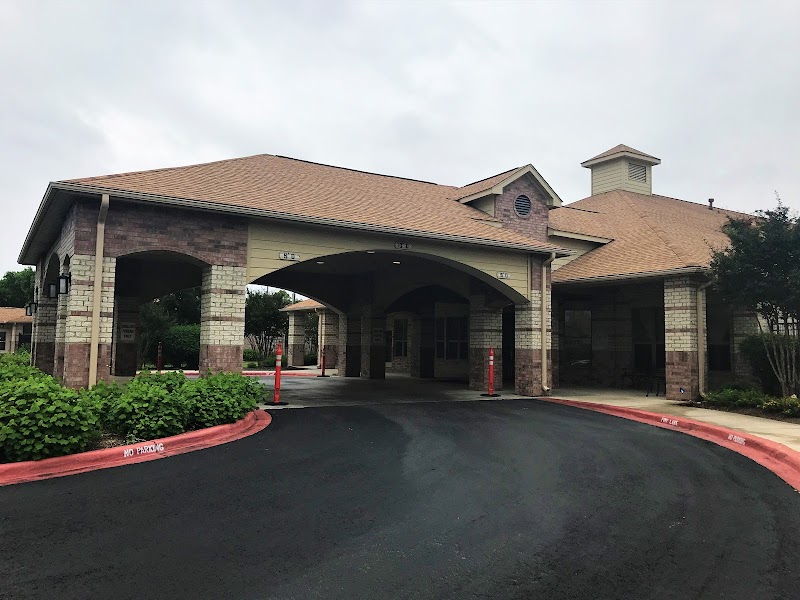
How is Mesa Vista Inn Staffed?

CMS rates MESA VISTA INN HEALTH CENTER's staffing level at 1 out of 5 stars, which is much below average compared to other nursing homes. Staff turnover is 56%, which is 10 percentage points above the Texas average of 46%. High turnover can affect care consistency as new staff learn residents' individual needs. RN turnover specifically is 82%, which is notably high. RNs provide skilled clinical oversight, so turnover in this role can affect medical care quality.

What Have Inspectors Found at Mesa Vista Inn?

State health inspectors documented 34 deficiencies at MESA VISTA INN HEALTH CENTER during 2022 to 2025. These included: 1 Immediate Jeopardy (the most serious level, indicating potential for serious harm or death) and 33 with potential for harm. Immediate Jeopardy findings are rare and represent the most serious regulatory concerns. They require immediate corrective action.
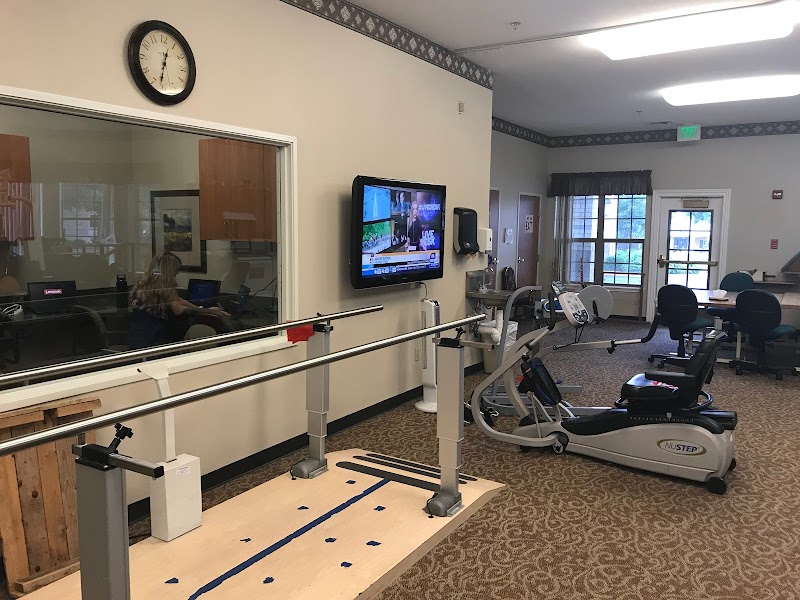
Who Owns and Operates Mesa Vista Inn?

MESA VISTA INN HEALTH CENTER is owned by a for-profit company. For-profit facilities operate as businesses with obligations to shareholders or private owners. The facility is operated by CREATIVE SOLUTIONS IN HEALTHCARE, a chain that manages multiple nursing homes. With 144 certified beds and approximately 110 residents (about 76% occupancy), it is a mid-sized facility located in SAN ANTONIO, Texas.
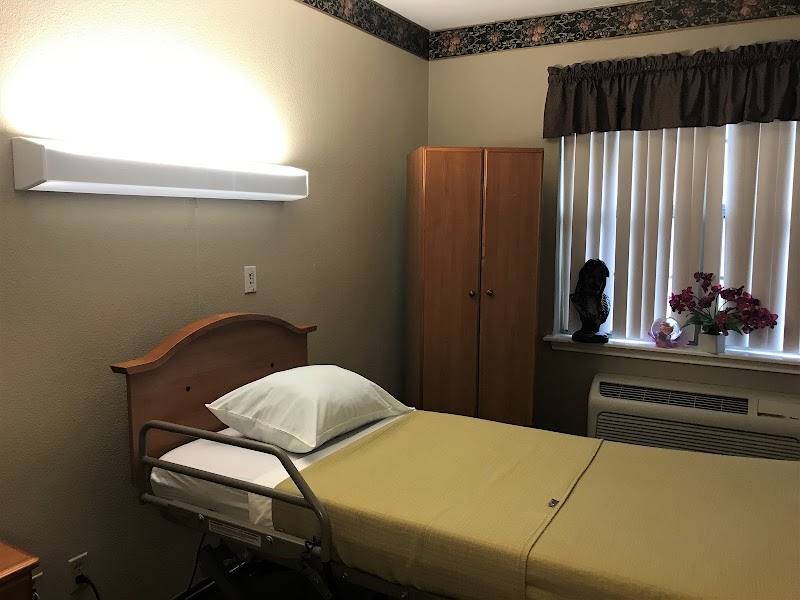
How Does Mesa Vista Inn Compare to Other Texas Nursing Homes?

Compared to the 100 nursing homes in Texas, MESA VISTA INN HEALTH CENTER's overall rating (2 stars) is below the state average of 2.8, staff turnover (56%) is significantly higher than the state average of 46%, and health inspection rating (3 stars) is at the national benchmark.

What Should Families Ask When Visiting Mesa Vista Inn?

Based on this facility's data, families visiting should ask: "What changes have been made since the serious inspection findings, and how are you preventing similar issues?" "How do you ensure continuity of care given staff turnover, and what is your staff retention strategy?" "Can you walk me through typical staffing levels on day, evening, and night shifts?" "Can I visit during a mealtime to observe dining assistance and food quality?" These questions are particularly relevant given the facility's Immediate Jeopardy citations, the facility's high staff turnover rate, and the below-average staffing rating.

Is Mesa Vista Inn Safe?

Based on CMS inspection data, MESA VISTA INN HEALTH CENTER has documented safety concerns. Inspectors have issued 1 Immediate Jeopardy citation (the most serious violation level indicating risk of serious injury or death). The facility has a 2-star overall rating and ranks #100 of 100 nursing homes in Texas. Families considering this facility should ask detailed questions about what corrective actions have been taken since these incidents.

Do Nurses at Mesa Vista Inn Stick Around?

Staff turnover at MESA VISTA INN HEALTH CENTER is high. At 56%, the facility is 10 percentage points above the Texas average of 46%. Registered Nurse turnover is particularly concerning at 82%. RNs handle complex medical decisions and coordinate care — frequent RN changes can directly impact care quality. High turnover means new staff may not know residents' individual needs, medications, or preferences. It can also be disorienting for residents, especially those with dementia who rely on familiar faces. Families should ask: What is causing the turnover? What retention programs are in place? How do you ensure care continuity during staff transitions?

Was Mesa Vista Inn Ever Fined?

MESA VISTA INN HEALTH CENTER has been fined $8,160 across 1 penalty action. This is below the Texas average of $33,160. While any fine indicates a compliance issue, fines under $50,000 are relatively common and typically reflect isolated problems that were subsequently corrected. Families should ask what specific issues led to these fines and confirm they've been resolved.

Is Mesa Vista Inn on Any Federal Watch List?

MESA VISTA INN HEALTH CENTER is not on any federal watch list. The most significant is the Special Focus Facility (SFF) program, which identifies the bottom 1% of nursing homes nationally based on persistent, serious quality problems. Not being on this list means the facility has avoided the pattern of deficiencies that triggers enhanced federal oversight. This is a positive indicator, though families should still review the facility's inspection history directly.