MYSTIC PARK NURSING & REHABILITATION CENTER

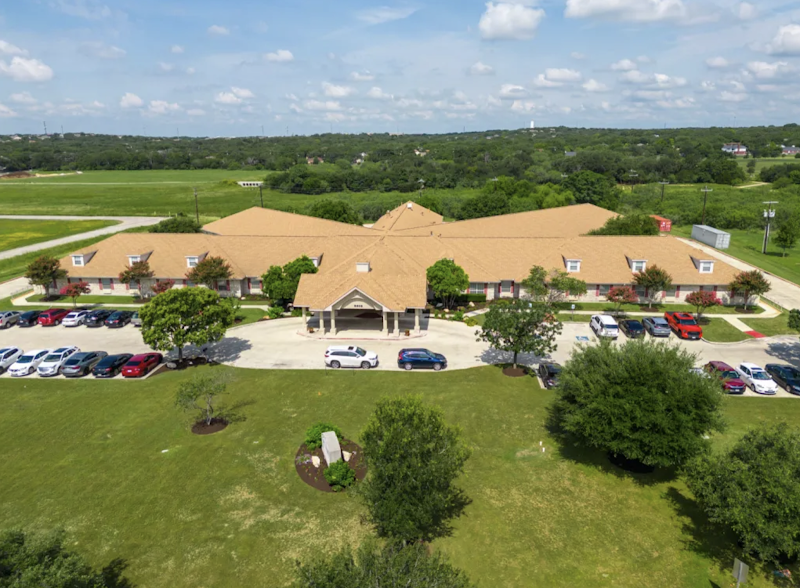
8503 MYSTIC PARK, SAN ANTONIO, TX 78254 (210) 256-0906
For profit - Corporation 119 Beds THE ENSIGN GROUP Data: November 2025 2 Immediate Jeopardy citations
Trust Grade
11/100
#789 of 1168 in TX
Last Inspection: January 2025

Within standard 12-15 month inspection cycle. Federal law requires annual inspections.

Overview

Mystic Park Nursing & Rehabilitation Center has a Trust Grade of F, indicating significant concerns about the facility's quality and care. They rank #789 out of 1168 nursing homes in Texas, placing them in the bottom half, and #32 out of 62 in Bexar County, meaning only a few local options are worse. The facility's performance is worsening, with the number of issues increasing from 4 in 2024 to 6 in 2025. Staffing is relatively stable with a turnover rate of 35%, which is better than the Texas average, and they have good RN coverage, surpassing 78% of state facilities. However, they face alarming fines of $111,121, which is higher than 82% of Texas facilities, indicating recurring compliance problems. Specific incidents of concern include failures in pharmaceutical services, where the facility did not ensure proper medication management for a resident, leading to an Immediate Jeopardy situation. Additionally, the facility struggled with coordinating hospice care, which also resulted in Immediate Jeopardy. Food safety practices were found lacking, as expired and unsealed food items posed a risk of foodborne illness to residents. While there are some strengths in staffing, the overall picture reveals serious weaknesses that families should carefully consider.

Trust Score
F
11/100
In Texas
#789/1168
Bottom 33%
Safety Record
High Risk
Review needed
Inspections
Getting Worse
4 → 6 violations
Staff Stability
○ Average
35% turnover. Near Texas's 48% average. Typical for the industry.
Penalties
○ Average
$111,121 in fines. Higher than 64% of Texas facilities. Some compliance issues.
Skilled Nurses
○ Average
Each resident gets 31 minutes of Registered Nurse (RN) attention daily — about average for Texas. RNs are the most trained staff who monitor for health changes.
Violations
⚠ Watch
21 deficiencies on record. Higher than average. Multiple issues found across inspections.
★★☆☆☆
2.0
Overall Rating
★★★☆☆
3.0
Staff Levels
★☆☆☆☆
1.0
Care Quality
★★★☆☆
3.0
Inspection Score
Stable
2024: 4 issues
2025: 6 issues

The Good

  • Full Sprinkler Coverage · Fire safety systems throughout facility
  • No fines on record
  • Staff turnover below average (35%)

    13 points below Texas average of 48%

Facility shows strength in fire safety.

The Bad

2-Star Overall Rating

Below Texas average (2.8)

Below average - review inspection findings carefully

Staff Turnover: 35%

11pts below Texas avg (46%)

Typical for the industry

Federal Fines: $111,121

Well above median ($33,413)

Significant penalties indicating serious issues

Chain: THE ENSIGN GROUP

Part of a multi-facility chain

Ask about local staffing decisions and management

The Ugly 21 deficiencies on record

2 life-threatening
Jan 2025 6 deficiencies
CONCERN (D)

Potential for Harm - no one hurt, but risky conditions existed

Resident Rights (Tag F0550)

Could have caused harm · This affected 1 resident

**NOTE- TERMS IN BRACKETS HAVE BEEN EDITED TO PROTECT CONFIDENTIALITY** Based on observation, interview and record review, the facility failed to treat each resident with respect and dignity and care ...

Read full inspector narrative →
**NOTE- TERMS IN BRACKETS HAVE BEEN EDITED TO PROTECT CONFIDENTIALITY** Based on observation, interview and record review, the facility failed to treat each resident with respect and dignity and care for each resident in a manner and in an environment that promoted maintenance or enhancement of his or her quality of life, recognizing each resident's individuality for 1 of 4 resident units (200 unit) reviewed for dignity. CNA K and the MDS Nurse walked into several resident rooms in the 200 unit without knocking. This failure could place residents at risk for diminished quality of life, loss of dignity and self-worth. The findings included: Record review of Resident #25's face sheet dated 1/24/25 revealed a [AGE] year-old male admitted to the facility on [DATE] with diagnoses that included abnormalities of gait and mobility and presence of right artificial knee joint. Record review of Resident #25's most recent admission MDS assessment, dated 12/5/24 revealed the resident was cognitively intact for daily decision-making skills and had a functional limitation in range of motion to the lower extremity. Observation on 1/21/25 beginning at 12:33 p.m., revealed CNA K entered the following resident rooms on the 200 unit without knocking: - room [ROOM NUMBER] at 12:33 p.m., CNA K was observed moving a chair from the A side (nearest the bedroom door) of the room to the B side (farthest from the bedroom door) of the room. - room [ROOM NUMBER] at 12:33 p.m. - room [ROOM NUMBER] at 12:33 p.m., CNA K was observed straightening up the room During an interview on 1/21/25 at 12:37 p.m., CNA K stated she had entered the above-mentioned rooms to make sure the residents were doing ok. CNA K stated, normally I knock, some of the residents weren't in the room, but I'm sure I should have been knocking. CNA K revealed she should have been knocking on resident bedroom doors because it was a matter of privacy. Observation on 1/21/25 beginning at 12:41 p.m., revealed the MDS Nurse entered the following resident rooms on the 200 unit without knocking: - room [ROOM NUMBER] at 12:41 p.m. During an interview on 1/21/25 at 12:42 p.m., the MDS Nurse stated he had often worked the floor and was working the 200 unit. The MDS Nurse denied he did not knock on the bedroom door to room [ROOM NUMBER]. During an interview on 1/23/25 at 1:59 p.m., the DON revealed it was her expectation for staff to knock on resident bedroom doors, but if the resident were not in the room, and the main CNA knows where the resident is, if they are not in their room, it's ok for them to enter without knocking. The DON stated, if the CNA was aware a resident was in the room, then staff should knock on the bedroom door before entering. During an interview on 1/24/25 at 1:51 p.m., Resident #25 stated he had only been in the facility for about a month and stated staff sometimes knocked on his bedroom door and sometimes they didn't. Resident #25 stated there were times he would be sleeping and then realize staff were in his room without knowing. Resident #25 stated, I don't like it, but what can I do, they work here. Record review of the facility policy and procedure titled Resident Rights, Dignity and Respect, undated revealed in part, .It is the policy of this facility that all residents be treated with kindness, dignity, and respect .Staff members shall knock before entering the Resident's room .
CONCERN (D)

Potential for Harm - no one hurt, but risky conditions existed

Assessment Accuracy (Tag F0641)

Could have caused harm · This affected 1 resident

**NOTE- TERMS IN BRACKETS HAVE BEEN EDITED TO PROTECT CONFIDENTIALITY** Based on interview, and record review, the facility failed to ensure the assessment accurately reflected the resident's status f...

Read full inspector narrative →
**NOTE- TERMS IN BRACKETS HAVE BEEN EDITED TO PROTECT CONFIDENTIALITY** Based on interview, and record review, the facility failed to ensure the assessment accurately reflected the resident's status for 3 of 21 residents (Residents #61, #148, and #95) whose assessments were reviewed. 1. Resident #61's MDS assessment inaccurately reflected the resident received insulin injections when he did not. 2. The facility failed to ensure Resident #148's admission MDS, dated [DATE], correctly assessed the resident's hospice status as evidenced by coding No hospice receive in Section O-Special treatment, procedures, and program. However, Resident #148 was receiving hospice services. 3. Resident #95's discharge MDS assessment inaccurately reflected the resident was discharged to the hospital when he was discharged home. These failures could place residents at-risk for inadequate care and services. The findings included: 1. Record review of Resident #61's face sheet dated 1/22/25 revealed a [AGE] year-old male admitted to the facility on [DATE] and re-admitted on [DATE] with diagnoses that included type 2 diabetes with hyperglycemia (blood sugar levels that are higher than normal due to insulin resistance or insufficient insulin production). Record review of Resident #61's most recent annual MDS assessment dated [DATE] revealed the resident was moderately cognitively impaired for daily decision-making skills and was incorrectly identified on the MDS, Section N-Medications, Insulin, as having been treated with insulin. Record review of Resident #61's comprehensive care plan, with revision date 7/2/24 revealed the resident had type 2 diabetes with hyperglycemia with interventions that included to adhere to medication parameters as directed by physician. Record review of Resident #61's Order Summary Report, dated 1/22/25 revealed the following: - Metformin tablet 1000 mg, give 1 tablet by mouth one time a day related to type 2 diabetes with hyperglycemia, with order date 8/8/23 and no stop date. - Trulicity Subcutaneous Solution Pen-injector 0.75 mg/0.5 ml (Dulaglutide), inject 0.5 ml subcutaneously in the morning every Monday related to type 2 diabetes with hyperglycemia with order date 8/8/23 and no stop date. Further review of Resident #61's Order Summary Report did not indicate the resident was treated with insulin. During an interview on 1/21/25 at 2:14 p.m., Resident #61 stated he did not take insulin. Resident #61 further stated that he received an injection weekly but was not sure what it was for. During an interview on 1/24/25 at 10:36 a.m., LVN L stated she was familiar with Resident #61 and after reviewing the resident's electronic medical record revealed Resident #61 received a Trulicity injection every Monday. LVN L stated Trulicity was an insulin but was not sure if the medication was a long acting or fast acting insulin. During an interview on 1/24/25 at 11:00 a.m., the DON revealed Resident #61 was treated with Metformin, and Trulicity was administered via injection once a week. The DON stated, Trulicity was a diabetic medication but was not an insulin. The DON stated Resident #61's MDS inaccurately indicated the resident was receiving insulin when he was not. The DON stated the MDS was important as it should accurately describe the resident assessment and services received. During an interview on 1/24/25 at 11:10 a.m., the MDS Nurse revealed Resident #61 received Metformin and Trulicity injections for the treatment of diabetes. The MDS Nurse stated he was not sure if Trulicity was an insulin and further revealed, the MDS had an RAI manual that listed medications to refer to but didn't really look at the list. During a follow-up interview on 1/24/25 at 11:18 a.m., the MDS Nurse stated, the (MDS) assessments are assessments, there is a modification button, if it was coded differently, and if Trulicity was coded incorrectly it can be corrected. It's not definite. The MDS Nurse revealed, the purpose of having the MDS was for clinical reasons and for financial purposes. 2. Record review of Resident #148's face sheet, dated 01/24/2025, revealed the resident was a [AGE] years old male and an admission date of 01/08/2025 with diagnoses that included: anoxic brain damage (complete lack of oxygen to the brain), quadriplegia (paralysis of all four limbs), epilepsy (seizure), acute respiratory failure (inadequate gas exchange by the lung), and acute kidney failure (Kidney lose the ability to remove waste and balance fluids). Record review of Resident #148's admission MDS assessment, dated 01/15/2025, indicated his BIMS score was 0 reflecting he had severe cognitive impairment. Further record review indicated K1. Hospice care in the Section O (Special treatment, procedures, and program) was answered No. Record review of Resident #148's comprehensive care plan, dated 01/09/2025, reflected [Resident #148] admitted to facility on hospice services, and the intervention was Hospice nurse will visit weekly, hospice to provide shower with visits, no x-ray and labs without hospice approval, and work cooperatively with hospice team to ensure the resident's spiritual, emotional, intellectual, physical, and social needs are met. Record review of Resident #148's physician order, dated 01/08/2025, reflected Resident #148 was admitted to the hospice for diagnosis of anoxic brain damage (complete lack of oxygen to the brain) on 01/08/2025. Interview on 01/24/2025 at 11:17 a.m. the DON stated Resident #148 was receiving hospice services since the resident was admitted to the facility on [DATE], and it was very important the MDS was accurate, so the facility might provide accurate care to Resident #148. Interview on 01/24/2025 at 2:00 p.m. the MDS nurse stated Resident #148's admission MDS, dated [DATE], was inaccurate because Resident #148 was receiving hospice services since the resident was admitted to the facility on [DATE]. It should have been answered Yes in the Section O (Special treatment, procedures, and program). The MDS nurse said he did not know what reason he coded No, and it was mistake. 3. Record review of Resident #95's face sheet dated 1/24/25 revealed a [AGE] year-old male admitted to the facility on [DATE] and discharged on 11/18/24. Further review of Resident #95's face sheet, under Miscellaneous Information revealed the resident discharged home. Record review of Resident #95's most recent MDS discharge assessment dated [DATE] inaccurately indicated the resident was discharged to a short-term general hospital. Record review of Resident #95's Discharge Summary Report dated 11/18/24 revealed the resident was admitted to the facility on [DATE] for respite care and discharged on 11/18/24 to a foster home. During an interview on 1/24/25 at 3:31 p.m. the DON revealed Resident #95 was admitted to the facility for respite care and discharged to a foster home. The DON revealed, Resident #95 was not discharged to a hospital and the discharge MDS was coded incorrectly. During an interview on 1/24/25 at 3:38 p.m., the MDS Nurse revealed he had incorrectly indicated on Resident #95's discharge MDS the resident discharged to a hospital when he should have indicated the resident discharged to a home. The MDS Nurse stated the MDS was important because it determined the status of the resident and was determined how the facility got paid. Record review of the CMS MDS 3.0 Manual dated October 2023 revealed in part, . The Resident Assessment Instrument (RAI) process is the basis for the accurate assessment of each resident. The MDS 3.0 is part of that assessment process and is required by CMS . Record review of the facility policy and procedure titled Resident Assessment, Comprehensive Assessment, undated, revealed in part, .It is the policy of this facility to complete a comprehensive assessment of the resident's needs which are based on the State's specific Resident Assessment Instrument (RAI) and the facility's interdepartmental assessment forms .Completion of the Resident Assessment Instrument (MDS and RAP's) will be completed as directed by the State .
CONCERN (D)

Potential for Harm - no one hurt, but risky conditions existed

Incontinence Care (Tag F0690)

Could have caused harm · This affected 1 resident

**NOTE- TERMS IN BRACKETS HAVE BEEN EDITED TO PROTECT CONFIDENTIALITY** Based on observation, interview, and record review, the facility failed to ensure a resident who was incontinent of bladder rece...

Read full inspector narrative →
**NOTE- TERMS IN BRACKETS HAVE BEEN EDITED TO PROTECT CONFIDENTIALITY** Based on observation, interview, and record review, the facility failed to ensure a resident who was incontinent of bladder receives appropriate treatment and services to prevent urinary tract infections and to restore continence to the extent possible for 2 of 3 residents (Resident #27 and #82) reviewed for incontinence care. 1. When CNA-E and CNA-F were providing incontinent care to Resident #27 on 01/23/2025, CNA-E did not clean the resident's right buttock area. 2. The facility failed to ensure Resident #82's indwelling urinary catheter drainage bag and tubing were not touching the floor. These failures could place residents with indwelling urinary catheter devices and who required incontinence care at risk for cross contamination and the development of new or worsening urinary tract infections. The findings included: 1. Record review of Resident #27's face sheet, dated 01/24/2025, revealed a [AGE] year-old male, originally admitted to the facility on [DATE], and re-admitted on [DATE] with diagnoses that included hereditary spastic paraplegia (inherited disorders that involves weakness and spasticity, which is stiffness of the legs), contracture-right knee (permanent tightening of the muscle), reduced mobility, muscle weakness, and seizures. Record review of Resident #27's most recent quarterly MDS assessment, dated 12/01/2024, revealed the resident's BIMS was 0 which indicated he had severe cognitive impairment and was always incontinent of bowel and bladder. Record review of Resident #27's comprehensive care plan, dated 10/12/2022, revealed [Resident #27] has bowel and bladder incontinence related to immobility, and For intervention - check as required for incontinence. Wash, rinse, and dry perineum. Change clothing as need after incontinence episodes. Observation on 01/23/2025 at 3:25 p.m., revealed during incontinent care to Resident #27, CNA-E cleaned Resident #27's right and left groin area, and CNA-E and CNA-F turned Resident #27 to right side. CNA-E cleaned the resident's left buttock area and middle area, including anus. When CNA-E cleaned the middle area, including anus, the resident had small bowel movement. CNA-E cleaned the resident's bowel movement and changed gloves after sanitizing her hands. CNA-E put a new brief to the resident and closed it without turning the resident to his left side and without cleaning the resident's right buttock area. Interview on 01/23/2025 at 3:36 p.m. with CNA-E stated she did not turn Resident #27 to his left side and did not clean the resident's right buttock area. Further interview with the CNA-E said that when she cleaned the resident's middle area, including anus, CNA-E wiped the resident's right buttock with only one time to clean the resident's bowel movement without turning the resident to left side. The CNA-E stated she though wiping the resident's right buttock with only one time was enough, and that was why the CNA-E did not turn the resident to left side and not clean the resident's entire right buttock area. CNA-E stated she should have turned Resident #27 to left side and cleaned the resident's entire right buttock area because the resident had bowel movement when CNA-E cleaned the resident. Interview on 01/24/2025 at 10:33 a.m. with DON stated CNA-E should have turned Resident #27 to his left side and cleaned the resident's entire right buttock area because the resident had bowel movement when CNA-E cleaned the resident to prevent possible unclean status of the resident. Record review of the facility policy and procedure, titled Incontinence Care, undated, revealed in part, . Staff will assemble equipment necessary to provide care. 7. Assist resident to turn and cleanse buttocks. 2. Record review of Resident #82's face sheet dated 1/22/25 revealed a [AGE] year-old female admitted to the facility on [DATE] with diagnoses that included obstructive and reflux uropathy (condition where urine flow is blocked due to obstruction in the urinary tract and reflux uropathy refers to kidney damage where urine flows backward from the bladder into the ureters and kidney), disorders of kidney and ureter, and disorders of bladder. Record review of Resident #82's most recent quarterly MDS assessment dated [DATE] revealed the resident was moderately cognitively impaired for daily decision-making skills and utilized an indwelling urinary catheter. Record review of Resident #82's Order Summary Report dated 1/22/25 revealed the following: - Catheter care every shift. Monitor urethral site for s/s of skin breakdown, pain/discomfort, unusual odor, urine characteristic or secretions, catheter pulling causing tension every shift, with order date 3/16/24 and no stop date. Record review of Resident #82's comprehensive care plan with revision date 7/9/24 revealed the resident had an indwelling catheter related to obstructive and reflux uropathy. Interventions included to provide catheter care every shift and as needed and secure the catheter with a leg strap/leg band or anchor to minimize catheter related injury and accidental removal or obstruction of urine outflow, check placement. Observation and interview on 1/21/25 at 12:03 p.m. revealed Resident #82 sitting up in the wheelchair at the doorway to her room with the indwelling urinary catheter bag and tubing touching the floor from underneath the wheelchair. Resident #82 asked for help and LVN M entered the resident's room. LVN M was made aware by the State Surveyor that Resident #82's indwelling urinary catheter and tubing were touching the floor. LVN M then moved Resident #82's wheelchair back while dragging the indwelling urinary catheter bag and tubing on the floor. LVN M revealed Resident #82's indwelling urinary catheter bag and tubing should not be touching the floor because it was considered an infection control issue and it could get kinked and trapped on the floor. During an interview on 1/23/25 at 3:54 p.m., the DON stated Resident #82's indwelling urinary catheter and tubing should not be touching the floor because it was a break in infection control and the resident could run over it with the wheelchair. The DON stated the tubing could kink and prevent urine flow and it that should occur, the resident could retain urine. Record review of the facility policy and procedure titled Quality of Care, Catheter Care, Indwelling, undated, revealed in part, .It is the policy of this facility that each resident with an indwelling catheter will receive catheter care daily and PRN for soiling. Monitoring of leg strap and level of drainage bag as indicated .PURPOSE: To promote hygiene, comfort and decrease risk of infection for catheterized residents .May secure the tubing with securement device PRN to prevent migration of catheter/friction/tension . Record review of the facility policy and procedure titled Quality of Care, Catheter Drainage Bag, undated, revealed in part, .It is the policy of the facility to maintain continuously closed urinary drainage system whenever possible .Position the drainage bag below the level of the resident's bladder .Drainage bag, nor tubing should be directly on the floor .
CONCERN (D)

Potential for Harm - no one hurt, but risky conditions existed

Pharmacy Services (Tag F0755)

Could have caused harm · This affected 1 resident

**NOTE- TERMS IN BRACKETS HAVE BEEN EDITED TO PROTECT CONFIDENTIALITY** Based on observations, interviews, and record review, the facility failed to provide pharmaceutical services (including procedur...

Read full inspector narrative →
**NOTE- TERMS IN BRACKETS HAVE BEEN EDITED TO PROTECT CONFIDENTIALITY** Based on observations, interviews, and record review, the facility failed to provide pharmaceutical services (including procedures that assure the accurate acquiring, receiving, dispensing, and administering of all drugs and biologicals) to meet the needs of each resident for 2 of 5 medication and nursing carts (300-hall nursing cart and 200-hall nursing cart) reviewed for pharmacy services. 1. There was one medication (Dakin's solution half strength for skin irrigation) expired on 11/2024 found inside the 300-hall nursing cart on 01/22/2025. 2. There was Resident #54's medication (Urea 20 intensive Hydrating cream for dry skin) expired on 11/13/2024 found inside the 200-hall nursing cart on 01/22/2025. This failure could place residents at risk of inaccurate drug administration and not having appropriate therapeutic effects. The findings included: 1. Observation on 01/22/2025 at 2:52 p.m. revealed one bottle of Dakin's solution half strength for skin irrigation was found inside the 300-hall nursing cart, and it was expired 11/2024. Interview on 01/22/2025 at 3:01 p.m. with nurse RN-G acknowledged one bottle of Dakin's solution half strength for skin irrigation was found inside the 300-hall nursing cart, and it was expired 11/2024. The RN-G said the nurse did not know what reason the expired medication was inside the 300-hall nursing cart, and nurses should discard all expired medications from the nursing carts as per the facility policy. Potential harm was nurses might use the expired medication, and the expired medication might not have therapeutic effects. 2. Record review of Resident #54's face sheet, dated 01/24/2025, revealed a [AGE] year-old male and admitted to the facility on [DATE] with diagnoses that included hemiplegia and hemiparesis (muscle weakness or partial paralysis on one side of the body), type 2 diabetes mellitus (body not control blood sugar), hypertension (high blood pressure), cerebral infarction (disrupted blood flow to the brain), and need for assistance with personal care. Record review of Resident #54's most recent quarterly MDS assessment, dated 10/22/2024, revealed the resident's BIMS score was 9 which indicated he had moderate cognitive impairment, and the resident did not have any skin breakdown but was at risk of developing pressure ulcers/injuries in Section M - skin condition. Record review of Resident #54's comprehensive care plan, dated 11/13/2024, revealed [Resident #54] has potential impairment to skin integrity related to fragile skin, and For intervention - encourage good nutrition and hydration in order to promote healthier skin and educate resident and caregivers of causative factor and measures to prevent skin injury. Observation on 01/22/2025 at 3:09 p.m. revealed one cream of Urea 20 intensive Hydrating cream for dry skin was found inside the 200-hall nursing cart, and it was expired 11/13/2024, and the label said, Discard after 11/13/2024. Interview on 01/22/2025 at 3:20 p.m. with nurse LVN-H acknowledged one cream of Urea 20 intensive Hydrating cream for dry skin was found inside the 200-hall nursing cart, and it was expired 11/13/2024, and the label said, Discard after 11/13/2024. The LVN-H said the nurse did not know what reason the expired medication was inside the 200-hall nursing cart, and nurses should discard all expired medications from the nursing carts as per the facility policy. Potential harm was nurses might use the expired medication, and the expired medication might not have therapeutic effects. Interview on 01/22/2025 at 3:42 p.m., the DON said facility nurses should discard all expired medications from the medication carts. Nurses had responsibility to make sure all expired medications should have been removed from carts. Record review of the facility policy, titled Pharmaceutical Services, undated, revealed All over-the-counter medications will be discarded as per manufacturer expiration dates and do not require an open date.
CONCERN (D)

Potential for Harm - no one hurt, but risky conditions existed

Infection Control (Tag F0880)

Could have caused harm · This affected 1 resident

**NOTE- TERMS IN BRACKETS HAVE BEEN EDITED TO PROTECT CONFIDENTIALITY** Based on observations, interviews, and record review, the facility failed to establish and maintain an infection control program...

Read full inspector narrative →
**NOTE- TERMS IN BRACKETS HAVE BEEN EDITED TO PROTECT CONFIDENTIALITY** Based on observations, interviews, and record review, the facility failed to establish and maintain an infection control program designed to provide a safe, sanitary, and comfortable environment and to help prevent the development of communicable diseases and infections for 1 resident (Residents #148) of 21 residents reviewed for infection control. CNA-J entered Resident #148's room, who was on EBP, on 01/23/2025 at 11:02 a.m. and failed to put on a gown when the CNA-J was providing suprapubic catheter care to the resident. These deficient practices affect residents who require assistance treatments and could place residents at risk for cross contamination and infections. The findings included: Record review of Resident #148's face sheet, dated 01/24/2025, revealed the resident was a [AGE] year old male and an admission date of 01/08/2025 with diagnoses that included: anoxic brain damage (complete lack of oxygen to the brain), quadriplegia (paralysis of all four limbs), epilepsy (seizure), acute respiratory failure (inadequate gas exchange by the lung), and acute kidney failure (Kidney lose the ability to remove waste and balance fluids). Record review of Resident #148's admission MDS assessment, dated 01/15/2025, indicated his BIMS score was 0 reflecting he had severe cognitive impairment. Further record review indicated the resident had indwelling bladder catheter. Record review of Resident #148's comprehensive care plan, dated 01/09/2025, reflected [Resident #148] has suprapubic catheter, and the intervention was suprapubic catheter care every shift - monitor insertion site for skin breakdown and secure the catheter with a leg strap or anchor to minimize catheter related injury. Observation on 01/23/2025 at 10:55 a.m. revealed there was a sign posted on Resident #148's door, and the sign was Enhanced Barrier Precaution - EVERYONE MUST: Clean their hands, including before entering and when leaving the room. Wear gloves and a gown for the following High-Contact Resident Care Activities .Changing briefs and assisting with toileting .Wound Care: Any skin opening requiring a dressing. Observation on 01/23/2025 at 11: 02 a.m. revealed CNA-J sanitized her hands outside Resident #148's room and put on gloves. The CNA-J entered to Resident #148's room and provided suprapubic catheter care to the resident without putting on a gown, then the CNA-J went out the resident's room and took off the dirty gloves and sanitizing her hands. Interview on 01/23/2025 at 11:10 a.m. with CNA-J confirmed she did not wear a gown when she was providing suprapubic catheter care to Resident #148. The resident had Enhanced Barrier Precaution, so CNA-J should have put on a gown when providing the catheter care to the resident to prevent possible contamination. CNA-J stated she was nervous and forgot to wear a gown, and the potential harm was Resident #148 might have infection. Interview on 01/24/2025 at 10:33 a.m. with the DON confirmed CNA-J should have put on a gown when entering Resident #148's room to provide the catheter care to the resident. The resident had Enhanced Barrier Precaution, which was Wear gloves and a gown for the following High-Contact Resident Care Activities .Changing briefs and assisting with toileting .Wound Care: Any skin opening requiring a dressing. The resident might get infection. Record review of the facility policy, titled Infection Prevention and Control Program, revised 01/2024, revealed Enhanced Barrier Precautions - during high-contact resident care activities: dressing, bathing/showering/transferring, changing linens, changing briefs, device care or use, and wound care: any skin opening requiring a dressing. Gloves and gown prior to the high contact care activity.
CONCERN (E)

Potential for Harm - no one hurt, but risky conditions existed

Food Safety (Tag F0812)

Could have caused harm · This affected multiple residents

**NOTE- TERMS IN BRACKETS HAVE BEEN EDITED TO PROTECT CONFIDENTIALITY** Based on observation, interview, and record review, the facility failed to store, prepare, distribute, and serve food in accorda...

Read full inspector narrative →
**NOTE- TERMS IN BRACKETS HAVE BEEN EDITED TO PROTECT CONFIDENTIALITY** Based on observation, interview, and record review, the facility failed to store, prepare, distribute, and serve food in accordance with professional standards for food service safety for 1 of 1 kitchen and 1 (Resident #33) of 4 residents personal refrigerators reviewed, in that: 1. DA B touched dessert dishes on the inside of the dish to place them on the tray, DA A touched the rim on the inside of the plate while serving food, and DA C placed her thumb on rim and on the inside of the plate when she placed the plate on the tray. 2. There was one sandwich covered in a plastic bag, provided by the facility, in the refrigerator inside Resident #33's room, and the sandwich was unlabeled and undated. These failures could place residents who received meals and/or snacks from the kitchen and their personal refrigerators at risk for food borne illnesses. Findings included: During observation on 1/22/2025 at 12:06PM Dietary Aide B grabbed a dessert dish, touching the inside rim of the dish and then grabbed two at the same time and repeated the action. Dietary Aide A touched the top of the rim of the plate while he placed food on the plates to be served to the residents. The DS (Dietary Supervisor) redirected and corrected the server. DA C was observed when she placed her thumb on the inside of the plate of food from DA A and placed the plate on the tray to be served to the residents. During an interview on 1/22/2025 at 12:15PM the DS said DA A was recently promoted to the position to serve the food on the plates and it was his second day. The DS said he was trained on how to place the food on the plate and for infection control, but he was nervous because of the state surveyor. The DS said touching the rim of the plates could cause contamination and food borne illnesses to the residents. DA D asked the state surveyor about wearing gloves in the kitchen. The DS responded that she would not use gloves because someone could get comfortable and walk away from their workstation with the gloves, return to their station, and not remove the gloves (after touching non-food items), wash their hands, and put on new gloves. She said that was a very big way of cross contamination and infection control issue. The DS said there would be an in-service for food service and infection control immediately. In an interview on 01/23/2025 at 10:04 AM Dietary Aide A said it was important not to touch the rim of the plate while handling food to avoid contamination of the residents' food that could make them sick. He said he had the in-service on how to handle the food yesterday. DA A said he learned not to touch the plates and to stay mindful of not to contaminate the residents' food. In an interview on 01/23/2025 at 10:15 AM Dietary Aide C said it was important not to touch the surfaces where food will be on plates, cups, or utensils or any place food can be served because it could cause contamination. DA C said food contamination could make the residents sick. She said she had the training yesterday on how to handle food correctly. In an interview on 01/23/2025 at 10:22 AM Dietary Aide B said she had the in-service yesterday on how to handle food. She said she learned not to touch the inside of the plates or cups because it could cause illnesses for the residents. In an interview on 01/23/2025 at 11:26 AM the RD said she was contracted by the facility. The RD said it was important not to touch the plates because it was an infection control issue and could cause food borne illnesses. She said she did not allow gloves to be used on the line of serving food because they only protect the person wearing them and not the food. The RD said that when people where gloves, they had a false sense of security that they could touch everything because they wore gloves, don't change them, and then go back to touching food. During an interview on 1/24/2025 at 10:30 a.m., the DS said all employees that work in Dietary Services received the training on food handling and infection control. Facility policy, not dated, titled Preparing and Serving Food policy statement read: It is the policy of this facility to prepare and serve food safely. Procedure #7 stated: Serving food- No bare hand contact with food items, food area of serving utensils, eating area of plates or utensils, and rim or inside of glasses. 2. Record review of Resident #33's face sheet, dated 01/24/2025, revealed the resident was a [AGE] year old male and an admission date of 06/26/2023 with diagnoses that included: injury of head, cerebral infarction (disrupted blood flow to the brain), chronic obstructive pulmonary disease (block airflow and make it difficult to breathe), Alzheimer's disease (destroy memories and other important mental function), and dysphagia (swallowing difficulties). Record review of Resident #33's quarterly MDS assessment, dated 12/30/2024, indicated his BIMS score was 3 reflecting he had severe cognitive impairment. Further record review indicated the resident required setup or clean-up assistance (helper sets up or cleans up; resident completes activity. Helper assists only prior to or following the activity) to eating in Section GG (Functional abilities). Record review of Resident #33's comprehensive care plan, dated 09/03/2024, reflected [Resident #33] has potential nutritional problem related to possible dislike, and the intervention was Refrigerator temperatures to be recorded for both fridge and freezer every night and provide, serve diet as ordered and monitor and record every meal. Observation on 01/21/2025 at 12:32 p.m. revealed Resident #33's refrigerator was in his room, and inside the refrigerator there was one sandwich covered in a plastic bag, and the sandwich had no label and no date. Interview on 01/21/2025 at 1:04 p.m. with LVN-I acknowledged Resident #33's refrigerator was in his room, and inside the refrigerator there was one sandwich covered in a plastic bag, and the sandwich had no label and no date. The LVN-I stated the sandwich was peanut butter sandwich, and the facility kitchen provided the sandwich. Further interview with the LVN-I said she did not know what reason the sandwich had no label and date. The facility staff who provided the sandwich as a snack had a responsibility to write date and label. Interview on 01/24/2025 at 10:33 a.m. with DON stated the staff who provide a sandwich to Resident #33 should have written the label and date. Without label and date, the resident might receive incorrect diet texture and expired sandwich, and it might cause food illness. Record review on 1/24/2025 of in-service dated 1/22/2025 titled How to Serve revealed 8 out of 8 employees in Dietary Services received the in-service. Record review of the facility policy, titled Dietary Services, undated, revealed It is the policy of this facility that food brought to the resident by family/visitors must be inspected before being provided to the resident.
Dec 2024 2 deficiencies
CONCERN (D) 📢 Someone Reported This

A family member, employee, or ombudsman was alarmed enough to file a formal complaint

Potential for Harm - no one hurt, but risky conditions existed

Safe Environment (Tag F0584)

Could have caused harm · This affected 1 resident

**NOTE- TERMS IN BRACKETS HAVE BEEN EDITED TO PROTECT CONFIDENTIALITY** Based on observation, interview, and record review the facility failed to provide a clean, comfortable, and homelike environment...

Read full inspector narrative →
**NOTE- TERMS IN BRACKETS HAVE BEEN EDITED TO PROTECT CONFIDENTIALITY** Based on observation, interview, and record review the facility failed to provide a clean, comfortable, and homelike environment with housekeeping and maintenance services necessary to maintain a sanitary, orderly, and comfortable interior for 2 of 6 residents (Residents #3 and #4) reviewed for resident rights: Residents #3 and #4 shared a room with a strong odor of urine. This failure could place residents at risk of embarrassment, humiliation, low self-esteem, and not residing in a sanitary and comfortable, homelike environment. The findings were: Record review of Resident #3's face sheet dated 12/18/24 revealed the resident was a [AGE] year-old male who was admitted to the facility on [DATE] and readmitted on [DATE]. The resident's diagnoses included cerebral palsy (a congenital disorder of movement, muscle tone, or posture due to damage or abnormalities inside the developing brain that disrupt the brain's ability to control movement and maintain posture and balance.), Epilepsy (a chronic brain disorder in which groups of nerve cells, or neurons, in the brain sometimes send the wrong signals and cause seizures), and unspecified intellectual disabilities (a condition that involves limitations on intelligence, learning and everyday abilities necessary to live independently). Record review of Resident #3's quarterly MDS assessment dated [DATE] revealed the resident's speech was unclear, and no BIMS interview was completed. The resident was dependent on staff for toileting, bathing, and personal hygiene. The resident was frequently incontinent of urine and bowel. The resident usually understands and was sometimes able to be understood. Record review of Resident #3's care plan revised on 3/22/24 revealed a focus for ADL self-care with a goal to maintain current level of function in bed mobility, transfers, eating, dressing, grooming, toilet use, and personal hygiene. Interventions were for staff assistance. Another focus for incontinence revised on 3/22/24 and interventions included checking the resident's brief and cleaning the resident. Another focus for a potential behavior problem revised 8/12/24 included the resident urinating in common areas or in his bed after being taken to the toilet by staff. Interventions included to anticipate and meet needs, psych evaluation and treatment, and praise. Record review of Resident #4's face sheet dated 12/19/24 revealed the resident was an [AGE] year-old male admitted to the facility on [DATE] and readmitted on [DATE]. The resident's diagnoses included unspecified dementia, mild with other behavioral disturbance (general term for loss of memory, language, problem-solving and other thinking abilities that are severe enough to interfere with daily life), aphasia following cerebral infarction (disorder that impairs the expression and understanding of language as well as reading and writing following a stroke), and muscle wasting and atrophy not elsewhere classified multiple sites (wasting or loss of muscle tissue). Record review of Resident #4's quarterly MDS assessment dated [DATE] revealed the resident's speech was unclear, and no BIMS interview was completed. Assessment for daily decision making indicated the resident was severely cognitively impaired. The resident was totally dependent on staff for toileting, bathing, and personal hygiene. The resident was frequently incontinent of urine and bowel. The resident usually understands and was sometimes able to be understood. Record review of Resident #4's care plan revised on 11/24/24 revealed a focus for the resident refusing to participate in activities and refusing to come out of his room for daily activities with a goal for the resident to be satisfied. Interventions included to invite and encourage to participate in activities. Record review of the housekeeping employee schedule for November 2024 and December 2024 revealed a starred note at the bottom of the schedules *note clean (Resident #3 and #4's rm #) twice per day AM and PM. In an observation and interview on 12/16/24 at 3:00 p.m. upon entering Residents #3 and #4's shared room, a strong odor of urine was noted. Resident #3 was on a low bed on the floor with no sheets, had two blankets balled up, 1 sock on and 1 sock off. Resident #3 was dressed in sweatpants and a t-shirt. Resident #3's mattress was slid slightly away from the wall and the frame of the bed. Resident #3 smiled at me when calling his name but was unable to answer questions. The resident was observed moving around in the bed at will. A fall mat with a gray zipped covering was on the floor next to his bed. The source of the urine odor was unknown. CNA A was passing by in the hallway and stated she and another CNA were assigned to Resident #3. CNA A did not enter the room, but when asked if the room always smelled like that, CNA A stated yes, due to Resident #3 urinating on the floor at night. During attempts to interview Resident #4, he made eye contact, but did not reply to my questions. In an observation and interview on 12/16/24 at 3:08 p.m. in Residents #3 and #4's shared room, the strong odor of urine remained, and the DON stated, she could smell the urine and stated the room was on a twice daily cleaning schedule and they used special cleaning solution in the room due to Resident #3 urinating on the floor and other places at will. The DON stated she would check with housekeeping on cleaning the room and what specific solution they used. In an observation on 12/16/24 at 3:39 p.m. Residents #3 and #4's shared room continued with the strong urine smell, and Resident #3's fall mat remained in place next to his bed. Residents #3 and #4 did not appear to be wet and had no wet areas to their clothing. In an observation and interview on 12/16/24 at 3:50 p.m. of Residents #3 and #4's shared room and the strong urine odor remained present in the room but stronger on Resident #3's side of the room. The fall mat next to Resident #3's bed remained and the resident was in the bed. Upon lifting the corner of the fall mat the underside of the mat and the floor were both wet with standing liquid on the fall mat and floor. The DON arrived to the room at 3:58 p.m. and after donning gloves lifted the fall mat and the entire underside of the fall mat and under mat on the floor was wet with standing liquid with whitish bubble looking lines scattered in different areas. After putting on a glove, this surveyor observed a corner where the foam was viewable by the zipper to the fall mat cover and the foam inside the zipped cover was observed to leave wetness on the glove and was wet. The odor of the liquid on the floor, the underside of the mat, and the foam had the same strong urine odor. The Administrator came to the room at 4:00 p.m. and stated the room was cleaned twice daily due to the resident urinating on the floor. The fall mat would be thrown in the trash and replaced with a new one but was switched out when wet to be cleaned. In an observation on 12/18/24 at 11:45 a.m. in Residents #3 and #4's shared room, Resident #4 was in bed watching TV, Resident #3 was not in the room. The fall mat on the floor was a blue one and appeared to be new or in like new condition and was clean and dry. A slight urine odor was detected but no excessive or strong urine odors were noted in the room. In an interview on 12/18/24 at 2:07 p.m. the DON stated Resident #3's fall mat was a new mat and they threw the old fall mat in the trash because the actual foam inside the fall mat was wet. The DON stated the room was cleaned twice daily and if the fall mat had been urinated on it was sent to the laundry for cleaning and switched out with another fall mat. In an interview on 12/19/24 at 3:31 p.m. the DON stated during the observation on 12/16/24 at 3:58 p.m. in Residents #3 and #4's shared room, the standing liquid looked like a combination of cleaning solution and urine. The DON stated it smelled like a combination to her as well. The DON stated she only smelled urine in the room when Resident #3 urinated on the floor and they would get housekeeping to clean. The DON stated Resident #4 had never complained of it being an issue. The DON stated it was important the room did not smell like urine to ensure a sanitary, homelike environment. When asked if she would want to sleep in that room with that smell, the DON stated she would not. In an interview on 12/19/24 at 3:52 p.m. the Administrator stated during the observation on 12/16/24 at 4:00 p.m. he could only smell the urine a little bit. The Administrator stated the room was cleaned twice daily and as needed. The Administrator stated the old fall mat was thrown away and replaced with a new one and the room was cleaned as well. The Administrator stated it was important for the room to not smell like urine to ensure a sanitary homelike environment and respect for the residents. In an interview on 12/19/24 at 4:02pm with HK B and HK C they stated they were both familiar with Residents #3 and #4's shared room. HK B stated it was cleaned twice daily. HK C stated it was cleaned twice daily around 8:00 a.m. and again after 1:00 p.m. and when requested by staff due to Resident #3 urinating. HK C further stated they did clean the fall mats especially in that room due to the resident urinating on the floor and him moving the mat. HK B stated they clean every nook and cranny in that room due to the resident urinating on stuff and they moved the bed as well to clean. HK C stated they did a deep cleaning twice daily. HK B and HK C both stated the room was cleaned with the same cleaning solutions that other rooms were cleaned with. Review of the facility's undated policy on resident rights indicated . Residents have the right to 1. Be treated with respect and dignity as well as . Have a clean and safe environment .
CONCERN (D) 📢 Someone Reported This

A family member, employee, or ombudsman was alarmed enough to file a formal complaint

Potential for Harm - no one hurt, but risky conditions existed

Report Alleged Abuse (Tag F0609)

Could have caused harm · This affected 1 resident

**NOTE- TERMS IN BRACKETS HAVE BEEN EDITED TO PROTECT CONFIDENTIALITY** Based on observation, interview, and record review the facility failed to ensure that all alleged violations involving abuse, ne...

Read full inspector narrative →
**NOTE- TERMS IN BRACKETS HAVE BEEN EDITED TO PROTECT CONFIDENTIALITY** Based on observation, interview, and record review the facility failed to ensure that all alleged violations involving abuse, neglect, exploitation or mistreatment, including injuries of unknown source were reported immediately, but not later than 2 hours after the allegation was made, if the events that cause the allegation involve abuse or result in serious bodily injury, or not later than 24 hours if the events that cause the allegation do not involve abuse and do not result in serious bodily injury, to the administrator of the facility and to other officials (including to the State Survey Agency in accordance with State law through established procedures for 2 of 6 residents (Residents #1 and #2), reviewed for abuse and neglect. 1. Resident #1 was found to have a 9X3 abrasion to the back of her right shoulder and an abrasion to her right elbow on 8/15/24 that was not witnessed and not reported to HHSC. 2. The facility failed to report an unobserved fall where Resident #2 was sent for a hospital evaluation. This failure could place residents at risk of abuse and or neglect. The findings were: 1. Record review of Resident #1's face sheet dated 12/19/24 revealed the resident was admitted to the facility on [DATE] and readmitted on [DATE]. The resident's diagnoses included Alzheimer's disease unspecified (general term for memory loss and other cognitive abilities serious enough to interfere with daily life), restlessness and agitation, and muscle wasting and atrophy not elsewhere classified multiple sites (wasting or loss of muscle tissue). Record review of Resident #1's discharge return anticipated MDS assessment dated [DATE] revealed the resident's BIMS was blank and her cognitive assessment indicated the resident was severely impaired cognitively. The resident had inattention and disorganized thinking. The resident was frequently incontinent of urine and always incontinent of bowel and was receiving hospice services. Record review of Resident #1's undated care plan revealed a focus for high fall risk due to Alzheimer's disease, weakness, and lack of coordination revised on 3/15/24 with interventions that included toileting the resident, sensory bracelet, among others. Another focus for actual falls due to poor balance and safety awareness. Interventions included a bolster mattress, encourage activities, and wear a soft helmet. Record review of Resident #1's provider investigation report from a facility self-report dated 8/27/24 revealed a skin evaluation dated 8/26/24 by RN F Rugburn scrape to right posterior shoulder and right elbow are resolving and remain closed. Record review of Resident #1's progress notes revealed a late entry with an effective date of 8/23/24 at 7:21 p.m. by RN F Late Entry for 8/23/2024. Resident continues with resolving rugburn scrapes to right elbow and right posterior back. Right elbow has a light reddish/brown discoloration. Right posterior shoulder is mostly pink skin with a small amount of reddish/brown discoloration. Skin prep is being applied to right elbow daily. Right posterior shoulder is being treated with a dry dressing 2 times per week and PRN. Resident has severe EPS (Extrapyramidal side effects - drug induced involuntary movements that one cannot control) and has constant movement of her extremities and severe pelvic thrusting. Record review of Resident #1's progress notes revealed a note by RN F dated 8/15/24 with no time the resident was found to have a 9x3 abrasion (medical record did not specify cm or in) to the back of her right shoulder and an abrasion to her right elbow that were likely from the resident's EPS movements. In an observation on 12/16/24 at 3:16 p.m. Resident #1 was seated in a wheelchair in the secure unit dining room at a table with a sensory board in front of her. The resident would periodically move her hands to the soft helmet or push the wheelchair to roll backwards using her feet. The resident was not able to answer questions appropriately. A staff member was standing near the resident and redirecting her attention to the sensory board and the resident would lean forward and touch the activity board but was unable to stay focused on any tasks. No EPS movements of pelvic thrusting or shoulder movements were observed, no tremors, or repetitive movements were observed. In an interview on 12/19/24 at 10:25 a.m. the Administrator stated RN F was no longer at the facility and had transferred to a sister facility. The contact number for RN F was requested and never received. In an interview on 12/19/24 at 2:40 p.m. the ADON stated, Resident #1's EPS movements have decreased significantly. The ADON stated the abrasion to the back and elbow on 8/15/24 were likely from the resident's EPS movements. The ADON stated it was important to investigate injuries to determine the cause and to make sure it was not abuse. The ADON stated she felt it was the resident's EPS movements at the time that caused the abrasions. In an interview on 12/19/24 3:31pm the DON stated Resident #1's constant movements were the cause of the abrasion to her back/shoulder and elbow. The DON stated she thought the EPS movements were care planned but stated she was unable to find them on the care plan. The DON stated these injuries were not reported to HHSC because she felt they did not fall under the categories for reporting according to the Provider letter . The DON stated it was important to report injuries to ensure the proper investigation was being completed. In an interview on 12/19/24 at 3:52 p.m. the Administrator stated he did not recall at that time why the abrasions for Resident #1 on 8/15/24 were not reported to HHSC. The Administrator stated it was important for injuries to be reported so an investigation took place and to find out the source of the injury. The Administrator stated the health and safety of the residents would be the risks for not reporting. The Administrator stated some incidents were not reported to HHSC due to following the guidance of the Provider Letter PL-2024-14. 2. Record review of Resident #2's face sheet, dated 12/18/2024, revealed Resident #2 was admitted on [DATE] with diagnoses which included: Alzheimer's disease, unspecified dementia, unspecified severity without behavioral disturbance, psychotic disturbance, mood disturbance, and anxiety, unspecified osteoarthritis, unspecified site, need for assistance with personal care, muscle weakness (generalized), difficulty in walking, not elsewhere classified, and other abnormalities of gait and mobility. Record review of Resident #2's Quarterly MDS assessment, dated 11/01/2024, revealed Resident #2's BIMS score was 00 indicating severe cognitive impairment and she was dependent of staff for sitting to lying, lying to sitting on side of bed, sit to stand and chair/bed to chair transfers (helper does all of the effort). Record review of Resident #2's care plan date initiated 08/16/2024 had a focus of Has had an actual fall r/t Poor Balance .08/15/24: Fall from WC; No injury, 10/25/24 Fall from WC; Abrasion to L side of face. revealing a revision date of 10/28/2024. Care plan interventions/tasks read 08/15/24: staff to assist resident to bed after dinner services date initiated 08/16/2024, 10/25/2024: Nonskid socks provided when OOB Date initiated: 10/28/2024. Record review of Resident #2's nursing progress note dated 10/25/2024, time 07:30 a.m. read Resident had a fall resulting to a discoloration to left side of forehead and bridge of nose. Remained alert c/o pain was given 650 mg of Tylenol. Notified PA and family. Resident was sent to [hospital name] to be evaluated Record review of Resident #2's Fall Risk Evaluation effective date 08/15/2024 read Category: High Risk. During an interview on 12/18/2024 at 11:11 a.m. LVN D stated she believed Resident #2 had leaned forward in her wheelchair and fallen from the wheelchair in the television area. Stating resident was face down when she was found and unable to communicate or describe what had happened. LVN D stated assessed resident and resident was sent out to the emergency room for an evaluation due to her having discoloration to her face. During an interview on 12/18/2024 at 5:39 p.m. the DON stated Resident #2 was sent out to the ER because she was on an anti-coagulant (blood thinner). The DON further stated the facility will usually send residents to the ER for evaluation when they suffer a fall and are taking an anti-coagulant to rule out a bleed. The DON stated she had been reporting falls with injury until the updated provider letter. The DON provided a copy of the provider letter PL 2024-14 (Replaces PL 2019-17) Title: Abuse, Neglect, exploitation, misappropriation of Resident Property and other incidents that a nursing facility (NF), Must Report to the Health and Human Services Commission (HHSC). The DON referred to Page 4 of 13 pages section titled Do Not Report * an injury that is not suspicious or of unknown source. as the reason for not reporting the incident. The DON stated a root cause analysis was done and interviews were performed by the ADON. The DON stated the fall occurred at 6:15 a.m. and this was typically when they were getting residents up for the dining room and would have been getting residents ready for the breakfast. The DON further stated residents were placed near the nursing station and in the common area before going into the dining room. The DON stated the incident was not reported because it was not suspicious, she was following the provider letter from August 2024, resident tended to attempt to stand up at times which could potentially cause a fall when leaning forward to get up, resident received an anti-coagulant and resident was sent to the ER as per the facility policy and procedures. During an interview on 12/18/2024 at 5:43 p.m. the ADON stated when a resident was found on the floor, they considered it a fall due to the change in plane. The ADON stated there were no witnesses and Resident #2 was not able to tell her what happened. The ADON stated the investigation process of the incident involved interviewing staff when the resident was found, how they found the resident. The ADON stated Resident #2 would try to get up at times on her own and in her attempts to get up, she would lean forward. The ADON stated Resident #2 was sent to the ER to ensure there were no other injuries. During an interview on 12/19/2024 at 2:13 p.m. with CNA E, she stated the day Resident #2 fell, she was already up in the common area when CNA E arrived at 6:00 a.m. for her shift. CNA E further stated she heard staff call for assistance because Resident #2 had fallen. CNA E stated Resident #2, at times, would lean forward in her wheelchair and fidget with her leg rest of the wheelchair. During an interview on 12/19/2024 at 3:52 p.m. the ADM stated when incidents occurred, they followed the guidance of the provider letter that had been updated in August of 2024. The ADM stated it was important for unobserved incidents to be reported to the authorities to ensure investigations take place. He further stated reporting helped in finding out the source and helped to ensure the resident were safe. Record review of facility's Incident/Accidents policy, no date, read, Policy: It is the policy of this facility to ensure all incidents/accidents occurring on our premises are investigated and reported to the administrator and/or DON. Procedure: 3. Investigation and follow up. B. Should the incident/accident meet the requirements of reporting to the State Department of Health, the Administrator of Director of Nursing will follow regulations. Record review of facility's undated Anticoagulants related to Falls policy read, Policy: It is the policy of the facility to ensure proper treatment is conducted for residents who are on anticoagulants that sustain falls. Procedures: 1. If resident sustains an unwitnessed fall and unable to give description, med profile must be checked for anticoagulant use. If resident takes anticoagulants, notify physician, and send out to ER for a CT of the head to rule out head [NAME]. Review of the facility policy undated for incidents and accidents . 3. B. Should incident/accident meet the requirements of reporting to the State Department of Health, the Administrator or Director of Nursing will follow regulations.
Apr 2024 2 deficiencies 2 IJ (2 affecting multiple)
CRITICAL (K) 📢 Someone Reported This

A family member, employee, or ombudsman was alarmed enough to file a formal complaint

Immediate Jeopardy (IJ) - the most serious Medicare violation

Pharmacy Services (Tag F0755)

Someone could have died · This affected multiple residents

**NOTE- TERMS IN BRACKETS HAVE BEEN EDITED TO PROTECT CONFIDENTIALITY** Based on interviews and record reviews, the facility failed to provide pharmaceutical services (including procedures that assure...

Read full inspector narrative →
**NOTE- TERMS IN BRACKETS HAVE BEEN EDITED TO PROTECT CONFIDENTIALITY** Based on interviews and record reviews, the facility failed to provide pharmaceutical services (including procedures that assure the accurate acquiring, receiving ,dispensing, and administering of all drugs and biologicals) to meet the needs of each resident for 1 of 6 residents (Resident #1) reviewed for pharmacy services. The facility failed to clarify orders for Digoxin regarding the need for parameters and labs. The facility failed to ensure the pharmacist performed a medication review every 30 days. The facility failed to monitor Digoxin levels of Resident #1 because he did not have an order. These failures resulted in the identification of an Immediate Jeopardy (IJ) on 4/26/2024 at 6:05 pm. The IJ template was provided to the facility on 4/26/2024 at 6:05 p.m. While the IJ was removed on 4/28/2024, the facility remained out of compliance at level of potential harm with a scope identified as isolated harm because of the facility's need to evaluate the effectiveness of their corrective actions. These failures could place residents at risk of a critically low pulse, toxic digoxin blood levels, missed signs and symptoms of illness, hospitalization, and death. Findings included: Record review of Resident #1's face sheet, dated 4/25/2024, reflected a [AGE] year-old male admitted to the facility on [DATE] and a readmission on [DATE] with diagnoses which included coronary artery disease(Coronary artery disease (CAD) limits blood flow in your coronary arteries, which deliver blood to your heart muscle.) hypertension(High blood pressure, also known as hypertension, is when your blood pressure, the force of your blood pushing against the walls of your blood vessels, is consistently too high.), unspecified atrial fibrillation (an irregular and often rapid heart rhythm), vascular dementia(A condition caused by the lack of blood that carries oxygen and nutrient to a part of the brain. It causes problems with reasoning, planning, judgment, and memory.), Diabetes Mellitus 2(A metabolic disorder in which the body has high sugar levels for prolonged periods of time.), and history of stroke. Record review of Resident #1's physician orders, dated 2/19/2024, revealed there was no order to monitor the parameters of the Digoxin or to have any labs done for checking the Digoxin level for toxicity. Physician order read: Digoxin 0.25 mg tab po daily. Record reveiw of Residnet #1's progress notes dated 2/29/2024 @17:43 revealed Note Text: Resident(#1) c/o feeling very slightly nauseous and asked if he could have something to help. Order written per standing orders from Medical Doctor for Zofran prn for each nausea episode, 3/2/24 @23:54 c/o nausea, 3/18/2024 c/o nausea,3/20/24 c/o nausea, 4/12/2024 c/o nausea. Record review of the facility's pharmacy review dated 2/23/2024 by facility pharmacist indicated a review was completed on 2/23/2024 and the pharmacy review indicated no documentation or concerns with medication digoxin. Record review of the facility's pharmacy review dated 3/1/2024- 3/31/2024 did not include Resident #1 on the list being reviewed for March 2024. Record review of Resident #1's EMR progress notes dated 4/13/2024 reflected a change in condition/transfer form requesting Resident #1's family requesting resident be sent to hospital. Record review of Resident #1 required hospitalization on 4/13/2024 for complaints of nausea during the period of 2/23/2024- 4/13/2024(7 different dates), resulting in h hospital discharge diagnosis of nausea and vomiting due to digoxin toxicity. Lab values at the hospital revealed an elevated digoxin level of 3.7 with 2 being normal indicating digoxin toxicity. During an interview on 4/25/2024 at 12:41 pm LVN H stated he was the admitting nurse for Resident #1 when he was admitted to facility under hospice care. He stated the hospice nurse and himself went over the medications ordered by the hospice MD including digoxin. He further stated neither he nor the hospice nurse questioned the digoxin not having parameters and labs for potential toxicity. He stated normally digoxin when ordered has parameters and labs ordered. LVN H further revealed Resident #1 complained of nausea multiple times during the period of 2/29/2024-4/13/2024. LVN H said Resident #1 received nausea medication when he complained of nausea and it wass effecctive. During an interview on 4/25/2024 at 2:08 pm with the facility's Pharmacist revealed she had done a pharmacy review on 2/23/2024 and had not advised any changes to digoxin or need for labs or parameters because Resident #1 was on hospice services and hospice typically did not do labs . She stated digoxin usually had a parameter set for holding medication if heart rate was less than 60 and labs to be done every 6 months to check for toxicity. She further revealed there was no pharmacy review done in March 2024 as she stated resident was in and out of the hospital. Record review of the facility's policy entitled: Nursing Administration, Section: Care and Treatment, Subject: Pharmaceutical Services; Policy: It is the policy of the facility to provide pharmaceutical services (including procedures that assure the accurate acquiring, receiving, dispensing, and administering of all drugs and biological) to meet the needs of each resident. Procedures: The pharmacist, in collaboration with the facility and physician helps develop and evaluate the implementation of pharmaceutical services procedures that address the needs of the residents and reflect current standards of practice. Pharmacist schedules with the facility to review and audit charts. admission drug regimen reviews will be conducted within the first 7 days of admission and monthly thereafter. The Administrator and DON were notified of an IJ on 4/26/2024 at 6:02 pm and was given a copy of the IJ Template and a POR (plan of removal) was requested. The Plan of Removal was accepted on 4/28/2024 at 2:20 pm and included the following: The Mystic Park Plan of Removal 4-26-2024: IJ called per IJ template Quality of Care 684 Immediate Action o Medical Director notified of Immediate Jeopardy on 4/26/24 at 7:30PM o Resident# 1 is no longer on Digoxin. Resident #1 returned to the facility on 4/19/2024 with digoxin discontinued. o Resident #1 now has an order that reads no labs, x-rays, or invasive procedures to be done unless ordered by Hospice order is dated 4/26/24. o Primary Care Physician was called on 4/26/24 at 7:45PM o Resident #1 medications were reviewed on 4/26/2024 by the pharmacist to ensure no other medication that require parameters or routine labs are missing. No other Medications that may require parameters or lab monitoring were found. o An audit was completed on all Hospice residents and all residents to ensure no other medication that require parameters, routine labs or orders that reads no labs, x-rays, or invasive procedures to be done unless ordered by Hospice are in place Audit was started on 4/26/2024 at 6:05 pm and will be completed by 9:00AM 4/27/24. Audit was completed by Nurse managers. o Care plans were reviewed for all hospice residents by MDS nurses to ensure any hospice resident who requires Medications that may require parameters or lab monitoring have care plan in place to indicate monitoring or interventions for medications Audit started at on 4/26/24 and will be completed by 4/27/24 9:00AM. o The following in services were started on 4/26/24 and will be completed on 4/27/24 by 9AM -Abuse and Neglect all staff, Documentation of conversation with MD if MD does not want to order parameters or monitor labs for medications requiring monitoring -all licensed staff. Monitoring for signs and symptoms of digoxin toxicity for ·all licensed staff and Care plans for hospice residents to reflect monitoring or interventions for medications. All staff will receive in services prior to working a shift, any staff that has not received in servicing will not be allowed to work a shift until they have received in servicing. o An audit was started to ensure all residents in the facility have had a review done by the pharmacist for the month of April this audit was started on 4/26/24 and will be completed by 4/27/24. Identification of Others Affected. All Hospice residents have the potential to be affected by this alleged deficient practice. Currently there are 19 residents on Hospice. Systemic Change to Prevent Re-occurrence. 1. All new admissions will be reviewed to identify to ensure all medications that require parameters or lab monitoring are in place and orders. This process will start 4/26/2024 and will be monitored by the DON /DESIGNEE daily and will be monitored by the weekend supervisor on the weekends. 2. All new Hospice residents and new admissions care plans will be reviewed to ensure Medications that may require parameters or lab monitoring have care plan in place to indicate monitoring or interventions for medications. This process will start 4/26/24 and will be monitored by the DON /DESIGNEE daily and will be monitored by the weekend supervisor on the weekends. 3. All new hospice residents and new admissions will be reviewed to ensure medications that require parameters, routine labs or invasive procedures have an order that reads not to be done unless ordered by Hospice. This Process will start on 4/26/24 and will be monitored by the DON /DESIGNEE daily and will be monitored by the weekend supervisor on the weekend. 4. All new hired employees will receive in servicing on the topics listed in this plan of removal before working the floor, this process will start 4/26/2024. 5. Staffing coordinator will be in serviced on the process of new hire in servicing and will not schedule new staff on floor until in servicing has been received. Staffing Coordinator will be in serviced on 4/26/2024. 6. The pharmacist will exit with DON and review the list of residents to ensure all received a review and interventions are in place. This will start on 4/26/24. Monitoring 1.DON / DESIGN EE will review new admissions this includes Hospice admissions in the clinical meeting Monday thru Friday for appropriate orders and intervention. The weekend supervisor will review new Hospice admissions and notify the DON of any issues noted. This process will start on 4/26/2024. 2. An off cycle QAPI will be completed on 4/26/2024 to review the IJ template and plan of removal this will be completed by 4/27/2024 10:00AM. 3.Summary of IJ and corrective action to be reviewed by QAPI monthly until substantial compliance established and continue monthly for 90 days to ensure ongoing compliance. The surveyor verification of the Plan of Removal on 4/28/2024 was as follows: Record review of Nurse Noted dated 4/26/24 at 7:30 PM authored by the Administrator revealed the MD was notified (medical director). During an observation and interview on 4/27/24 at 3:15 Pm, Resident #1 was in the activity hall playing Bingo; alert and oriented X2. No injuries, bruises, or skin tears present. The resident mood was neutral, no signs of distress. Resident was sitting in a W/C. The resident stated that medications help, and he was aware of having taken in the past Digoxin. The resident was not sure whether he still had the Digoxin prescribed. The Resident stated he had no current side effects from any medications. Record review of Resident #1's clinical note dated 4/18/24, revealed that the medication Digoxin was discontinued. Record review of Resident #1's MD orders dated 4/26/24 at 5:00 PM authored by Hospice Medical Physician, revealed: no labs, x-rays, or invasive procedures to be done unless ordered by Hospice order is dated 4/26/24. During an interview on 4/27/24 at 3:24 PM, the DON stated the facility could not perform clinical interventions to include x-ray, labs, or invasive procedures unless ordered by the hospice physician or facility physician. The DON stated, if there was a misunderstanding in orders the facility would check with both physicians. Record review of Resident #1's Nurse Note dated 4/26/24 at 7:45 PM authored by RN L revealed Primary Care Physician was called on 4/26/24 at 7:45PM. During an interview on 4/27/24 at 3:44 PM, the Pharmacist stated the Medication Regimen Review for Resident #1 (see above) was correct and accurate. Record review of facility's 19 audits of Hospice residents revealed: no issues with parameters involving labs, x-rays, and invasive procedures. During an interview on 4/27/24 at 3:50 PM, the DON stated the report was pulled of residents requiring parameters and checked that every one of the residents had the parameters as ordered by the physician. No resident had a parameter as an outlier. During an interview on 4/27/24 at 3:57 PM, LVN I MDS Nurse stated he pulled reports of medications that needed parameters with a focus on the 19 hospice residents and updated any care plans that needed revisions; but there were no major revisions. LVN I stated that MDS will check and put in parameters required for new admissions LVN stated that residents that might require parameters included: BP monitoring, insulin, and cardiac. LVN, I attended training (6A-2P) and the highlight of the training was that all medications that need parameters determined by the physician are captured in the orders and CP. In interviews on 04/27/24 from 4:00 PM. to 5:35 PM with 5 day shift (6 a.m. to 2 p.m.) nursing staff (4 LVNs, 1 RN,), 4 evening shift (2P-10P) , 3 LVN and 1 RN and 2 night shift (6 p.m. to 6 a.m.) nursing staff (1 LVNs, 1 RN) revealed they had been in-serviced on parameters, following MD orders, checking on hospice dioxygen monitoring, CP involving parameters, medication review of new admissions to include hospice and abuse and neglect. In interviews on 4/28/2024 from 11:01- 4 med aide (6-2/2-10pm shift- (4VM and 2 not set up), 3 LVN's( 6a-2pm) 7(cna's (work 6-2 and 2-10), 2- CMA, Housekeeping 3,dept heads(main, admit, ad, med rec),laundry(1 ) dietary(3) Abuse and neglect and medications if pertains to license. Record review Med aide 4/26/2024- in service 100% signature or via phone. Record review of in-service training signatures revealed: o Abuse and neglect 129 signatures (100%) completed 4/26/24. o Digoxin monitoring revealed 27 signatures (100% licensed nursing staff) o Medications with parameters revealed 27 signatures (100% licensed nursing staff) o CP for MDS Nurses: revealed 2 signatures (100%) o New Admissions -Weekend RN supervisor: revealed 1 signature (100%). Record review of facility's 19 audits of Hospice residents revealed: no issues with parameters involving labs, x-rays, and invasive procedures. During an interview on 4/27/24 at 3:50 PM, the DON stated the report was pulled of residents requiring parameters and checked that every one of the residents had the parameters as ordered by the physician. No resident had a parameter as an outlier. During an interview on 4/27/24 at 4:08 PM, the DON stated a log was created which included medications that required parameters and CP; and a separate tab for hospice stating to ask about orders for no labs, x-rays or invasive procedures. Record review of facility' admission sheet for 4/27/24 revealed no hospice admissions as of 4:19 PM. During an interview on 4/27/24 at 4:10 PM Admissions Coordinator stated no new hospice admissions as of 4:10 Pm on 4/27/24; the DON would verify the status of the resident before the residents. Record review of facility log titled New Log in-services revealed a section on training on Digoxin, abuse and neglect, and MD notification involving parameters and documentation, if applicable. During an interview on 4/27/24 at 4:35 PM, the Staffing Coordinator stated he was in-serviced on not allowing new staff on the floor unless they completed the in-service on parameters. Record review of in-service sheet dated 4/26/24 revealed Staffing Coordinator signed the in-service training sheet on parameters. Record review of Resident Medication Review List dated 4/26/24 revealed that 102 residents were reviewed, and interventions were in place. During telephone interview on 4/27/24 at 4:40 PM, the Pharmacist stated that she exited with DON and reviewed the list of residents to ensure all received a review and interventions were in place. This would start on 4/26/24 around 10:00 AM and ended the review at 4/27/24 around 10:30 AM. Record review of QAPI out of cycle meeting revealed meeting held on 4/27/24 at 8:40 AM; signatories included: MD, Administrator, DON, two department heads, and IP. During an interview on 4/27/24 at 4:48 PM, the Administrator stated: the meeting discussed the IJ template and the POR and to follow MD orders. The Administrator stated that QAPI for the next 90 days will continue to review compliance with the POR. On 4/28/2024 at 2:20 p.m., the Administrator was notified the IJ was removed. However, the facility remained out of compliance at a level of potential harm with a scope identified as isolated because the facility's need to monitor the implementation and effectivness of their plan of removal.
CRITICAL (K) 📢 Someone Reported This

A family member, employee, or ombudsman was alarmed enough to file a formal complaint

Immediate Jeopardy (IJ) - the most serious Medicare violation

Deficiency F0849 (Tag F0849)

Someone could have died · This affected multiple residents

**NOTE- TERMS IN BRACKETS HAVE BEEN EDITED TO PROTECT CONFIDENTIALITY** Based on interview and record review, the facility failed to collaborate with hospice representatives and coordinate the hospice...

Read full inspector narrative →
**NOTE- TERMS IN BRACKETS HAVE BEEN EDITED TO PROTECT CONFIDENTIALITY** Based on interview and record review, the facility failed to collaborate with hospice representatives and coordinate the hospice care planning process for each resident receiving hospice services, to ensure quality of care for the resident, ensuring communication with the hospice medical director, the resident's attending physician and others participating in the provision of care for one (Resident #1) of one resident reviewed for hospice services. The facility failed to contact the hospice service medical physician or nurse to clarify physician orders for Digoxin to be given with parameters and if lab should be done for Resident #1 . This failure resulted in the identification of an Immediate Jeopardy (IJ) on 4/26/2024 at 6:05 pm. The IJ template was provided to the facility on 4/26/2024 at 6:05 p.m. While the IJ was removed on 4/28/2024, the facility remained out of compliance at level of potential with a scope identified as isolated harm because of the facility's need to evaluate the effectiveness of their corrective actions. This deficient practice could place residents who receive hospice services at risk of receiving substandard care due to miscommunication between their hospice and facility caregivers. The findings were: Record review of Resident #1's face sheet, dated 4/25/2024, reflected a [AGE] year-old male admitted to the facility on [DATE] and a readmission on [DATE] with diagnoses which included coronary artery disease(Coronary artery disease (CAD) limits blood flow in your coronary arteries, which deliver blood to your heart muscle.) hypertension(High blood pressure, also known as hypertension, is when your blood pressure, the force of your blood pushing against the walls of your blood vessels, is consistently too high.), unspecified atrial fibrillation (an irregular and often rapid heart rhythm), vascular dementia(A condition caused by the lack of blood that carries oxygen and nutrient to a part of the brain. It causes problems with reasoning, planning, judgment, and memory.), Diabetes Mellitus 2(A metabolic disorder in which the body has high sugar levels for prolonged periods of time.), and history of stroke. Record review of Resident #1's physician orders, dated 2/19/2024, revealed there was no order to monitor the parameters of the Digoxin or to have any labs done for checking the Digoxin level for toxicity. Physician order read: Digoxin 0.25 mg tab po daily. During an interview on 4/25/2024 at 11:57 am DON of Hospice stated the admitting hospice nurse do medication reconciliation when a resident is admitted to hospice services. The nurses go over each medication to make sure the order is correct. He stated he did not know if the two nurses (the hospice nurse and the facility nurse) questioned the digoxin order not having a parameter or to have lab ordered for a digoxin level. He stated when a resident is on hospice, labs are not typically done as this is part of the palliative care. During an interview on 4/25/2024 at 12:41 pm LVN I stated he was the admitting nurse for Resident #1 when he was admitted to facility under hospice care. He stated the hospice nurse and himself went over the medications ordered by the hospice MD including digoxin. He further stated neither he nor the hospice nurse questioned the digoxin not having parameters and labs for potential toxicity. He stated normally digoxin when ordered has parameters and labs ordered. Record review of Resident #1's EMR progress notes dated 4/13/2024 reflected a change in condition/transfer form requesting Resident #1's family requesting resident be sent to hospital. Record review of Resident #1 required hospitalization on 4/13/2024 for complaints of nausea during the period of 2/23/2024- 4/13/2024(7 different dates), resulting in h hospital discharge diagnosis of nausea and vomiting due to digoxin toxicity. Lab values at the hospital revealed an elevated digoxin level of 3.7 with 2 being normal indicating digoxin toxicity. During an interview on 4/25/2024 at 12:41 pm LVN I stated he was the admitting nurse for Resident #1 when he was admitted to facility under hospice care. He stated the hospice nurse and himself went over the medications ordered by the hospice MD including digoxin. He further stated neither he nor the hospice nurse questioned the digoxin not having parameters and labs for potential toxicity. He stated normally digoxin when ordered has parameters and labs ordered. LVN I further revealed Resident #1 complained of nausea multiple times during the period of 2/29/2024-4/13/2024. LVN I said Resident #1 received nausea medication when he complained of nausea and it wass effecctive. During an interview on 4/25/2024 at 1:22 pm facility DON stated if a resident is on hospice services the facility nursing staff follow the physician orders that are provided by hospice. She stated Resident #1 had a physician order for digoxin 0.25 mg tab po daily and there were no parameters or labs ordered. She further stated if the hospice physician did not order any then we would not have parameters or do lab. DON said, I expect the nurses to follow physician orders. During a telephone interview on 4/28/2024 at 2:22 pm hospice medical physician stated he did not order parameters or lab for toxicity regarding Resident #1's Digoxin. He stated he does not typically have residents on digoxin and did not order parameters or labs. Resident #1 was already on digoxin when we admitted him to hospice services in January 2024 and I do not know who originally ordered it. He further revealed digoxin when taken can be toxic if other underlying diagnoses exist with a resident. He stated we all learned from this. The Administrator and DON were notified of an IJ on 4/26/2024 at 6:02 pm and was given a copy of the IJ Template and a POR (plan of removal) was requested. The Plan of Removal was accepted on 4/28/2024 at 2:20 pm and included the following: The Mystic Park Plan of Removal 4-26-2024: IJ called per IJ template Quality of Care 684 Immediate Action o Medical Director notified of Immediate Jeopardy on 4/26/24 at 7:30PM o Resident# 1 is no longer on Digoxin. Resident #1 returned to the facility on 4/19/2024 with digoxin discontinued. o Resident #1 now has an order that reads no labs, x-rays, or invasive procedures to be done unless ordered by Hospice order is dated 4/26/24. o Primary Care Physician was called on 4/26/24 at 7:45PM o Resident #1 medications were reviewed on 4/26/2024 by the pharmacist to ensure no other medication that require parameters or routine labs are missing. No other Medications that may require parameters or lab monitoring were found. o An audit was completed on all Hospice residents and all residents to ensure no other medication that require parameters, routine labs or orders that reads no labs, x-rays, or invasive procedures to be done unless ordered by Hospice are in place Audit was started on 4/26/2024 at 6:05 pm and will be completed by 9:00AM 4/27/24. Audit was completed by Nurse managers. o Care plans were reviewed for all hospice residents by MDS nurses to ensure any hospice resident who requires Medications that may require parameters or lab monitoring have care plan in place to indicate monitoring or interventions for medications Audit started at on 4/26/24 and will be completed by 4/27/24 9:00AM. o The following in services were started on 4/26/24 and will be completed on 4/27/24 by 9AM -Abuse and Neglect all staff, Documentation of conversation with MD if MD does not want to order parameters or monitor labs for medications requiring monitoring -all licensed staff. Monitoring for signs and symptoms of digoxin toxicity for ·all licensed staff and Care plans for hospice residents to reflect monitoring or interventions for medications. All staff will receive in services prior to working a shift, any staff that has not received in servicing will not be allowed to work a shift until they have received in servicing. o An audit was started to ensure all residents in the facility have had a review done by the pharmacist for the month of April this audit was started on 4/26/24 and will be completed by 4/27/24. Identification of Others Affected. All Hospice residents have the potential to be affected by this alleged deficient practice. Currently there are 19 residents on Hospice. Systemic Change to Prevent Re-occurrence. 1. All new admissions will be reviewed to identify to ensure all medications that require parameters or lab monitoring are in place and orders. This process will start 4/26/2024 and will be monitored by the DON /DESIGNEE daily and will be monitored by the weekend supervisor on the weekends. 2. All new Hospice residents and new admissions care plans will be reviewed to ensure Medications that may require parameters or lab monitoring have care plan in place to indicate monitoring or interventions for medications. This process will start 4/26/24 and will be monitored by the DON /DESIGNEE daily and will be monitored by the weekend supervisor on the weekends. 3. All new hospice residents and new admissions will be reviewed to ensure medications that require parameters, routine labs or invasive procedures have an order that reads not to be done unless ordered by Hospice. This Process will start on 4/26/24 and will be monitored by the DON /DESIGNEE daily and will be monitored by the weekend supervisor on the weekend. 4. All new hired employees will receive in servicing on the topics listed in this plan of removal before working the floor, this process will start 4/26/2024. 5. Staffing coordinator will be in serviced on the process of new hire in servicing and will not schedule new staff on floor until in servicing has been received. Staffing Coordinator will be in serviced on 4/26/2024. 6. The pharmacist will exit with DON and review the list of residents to ensure all received a review and interventions are in place. This will start on 4/26/24. Monitoring 1.DON / DESIGN EE will review new admissions this includes Hospice admissions in the clinical meeting Monday thru Friday for appropriate orders and intervention. The weekend supervisor will review new Hospice admissions and notify the DON of any issues noted. This process will start on 4/26/2024. 2. An off cycle QAPI will be completed on 4/26/2024 to review the IJ template and plan of removal this will be completed by 4/27/2024 10:00AM. 3.Summary of IJ and corrective action to be reviewed by QAPI monthly until substantial compliance established and continue monthly for 90 days to ensure ongoing compliance. The surveyor verification of the Plan of Removal on 4/28/2024 was as follows: Record review of Nurse Noted dated 4/26/24 at 7:30 PM authored by the Administrator revealed the MD was notified (medical director). During an observation and interview on 4/27/24 at 3:15 Pm, Resident #1 was in the activity hall playing Bingo; alert and oriented X2. No injuries, bruises, or skin tears present. The resident mood was neutral, no signs of distress. Resident was sitting in a W/C. The resident stated that medications help, and he was aware of having taken in the past Digoxin. The resident was not sure whether he still had the Digoxin prescribed. The Resident stated he had no current side effects from any medications. Record review of Resident #1's clinical note dated 4/18/24, revealed that the medication Digoxin was discontinued. Record review of Resident #1's MD orders dated 4/26/24 at 5:00 PM authored by Hospice Medical Physician, revealed: no labs, x-rays, or invasive procedures to be done unless ordered by Hospice order is dated 4/26/24. During an interview on 4/27/24 at 3:24 PM, the DON stated the facility could not perform clinical interventions to include x-ray, labs, or invasive procedures unless ordered by the hospice physician or facility physician. The DON stated, if there was a misunderstanding in orders the facility would check with both physicians. Record review of Resident #1's Nurse Note dated 4/26/24 at 7:45 PM authored by RN L revealed Primary Care Physician was called on 4/26/24 at 7:45PM. During an interview on 4/27/24 at 3:44 PM, the Pharmacist stated the Medication Regimen Review for Resident #1 (see above) was correct and accurate. Record review of facility's 19 audits of Hospice residents revealed: no issues with parameters involving labs, x-rays, and invasive procedures. During an interview on 4/27/24 at 3:50 PM, the DON stated the report was pulled of residents requiring parameters and checked that every one of the residents had the parameters as ordered by the physician. No resident had a parameter as an outlier. During an interview on 4/27/24 at 3:57 PM, LVN I MDS Nurse stated he pulled reports of medications that needed parameters with a focus on the 19 hospice residents and updated any care plans that needed revisions; but there were no major revisions. LVN I stated that MDS will check and put in parameters required for new admissions LVN stated that residents that might require parameters included: BP monitoring, insulin, and cardiac. LVN, I attended training (6A-2P) and the highlight of the training was that all medications that need parameters determined by the physician are captured in the orders and CP. In interviews on 04/27/24 from 4:00 PM. to 5:35 PM with 5 day shift (6 a.m. to 2 p.m.) nursing staff (4 LVNs, 1 RN,), 4 evening shift (2P-10P) , 3 LVN and 1 RN and 2 night shift (6 p.m. to 6 a.m.) nursing staff (1 LVNs, 1 RN) revealed they had been in-serviced on parameters, following MD orders, checking on hospice dioxygen monitoring, CP involving parameters, medication review of new admissions to include hospice and abuse and neglect. In interviews on 4/28/2024 from 11:01- 4 med aide (6-2/2-10pm shift- (4VM and 2 not set up), 3 LVN's( 6a-2pm) 7(cna's (work 6-2 and 2-10), 2- CMA, Housekeeping 3,dept heads(main, admit, ad, med rec),laundry(1 ) dietary(3) Abuse and neglect and medications if pertains to license. Record review Med aide 4/26/2024- in service 100% signature or via phone. Record review of in-service training signatures revealed: o Abuse and neglect 129 signatures (100%) completed 4/26/24. o Digoxin monitoring revealed 27 signatures (100% licensed nursing staff) o Medications with parameters revealed 27 signatures (100% licensed nursing staff) o CP for MDS Nurses: revealed 2 signatures (100%) o New Admissions -Weekend RN supervisor: revealed 1 signature (100%). Record review of facility's 19 audits of Hospice residents revealed: no issues with parameters involving labs, x-rays, and invasive procedures. During an interview on 4/27/24 at 3:50 PM, the DON stated the report was pulled of residents requiring parameters and checked that every one of the residents had the parameters as ordered by the physician. No resident had a parameter as an outlier. During an interview on 4/27/24 at 4:08 PM, the DON stated a log was created which included medications that required parameters and CP; and a separate tab for hospice stating to ask about orders for no labs, x-rays or invasive procedures. Record review of facility' admission sheet for 4/27/24 revealed no hospice admissions as of 4:19 PM. During an interview on 4/27/24 at 4:10 PM Admissions Coordinator stated no new hospice admissions as of 4:10 Pm on 4/27/24; the DON would verify the status of the resident before the residents. Record review of facility log titled New Log in-services revealed a section on training on Digoxin, abuse and neglect, and MD notification involving parameters and documentation, if applicable. During an interview on 4/27/24 at 4:35 PM, the Staffing Coordinator stated he was in-serviced on not allowing new staff on the floor unless they completed the in-service on parameters. Record review of in-service sheet dated 4/26/24 revealed Staffing Coordinator signed the in-service training sheet on parameters. Record review of Resident Medication Review List dated 4/26/24 revealed that 102 residents were reviewed, and interventions were in place. During telephone interview on 4/27/24 at 4:40 PM, the Pharmacist stated that she exited with DON and reviewed the list of residents to ensure all received a review and interventions were in place. This would start on 4/26/24 around 10:00 AM and ended the review at 4/27/24 around 10:30 AM. Record review of QAPI out of cycle meeting revealed meeting held on 4/27/24 at 8:40 AM; signatories included: MD, Administrator, DON, two department heads, and IP. During an interview on 4/27/24 at 4:48 PM, the Administrator stated: the meeting discussed the IJ template and the POR and to follow MD orders. The Administrator stated that QAPI for the next 90 days will continue to review compliance with the POR. On 4/28/2024 at 2:20 p.m., the Administrator was notified the IJ was removed. However, the facility remained out of compliance at a level of potential harm with a scope identified as isolated because the facility's need to monitor the implementation and effectivness of their plan of removal.
Dec 2023 3 deficiencies
CONCERN (D)

Potential for Harm - no one hurt, but risky conditions existed

Deficiency F0645 (Tag F0645)

Could have caused harm · This affected 1 resident

**NOTE- TERMS IN BRACKETS HAVE BEEN EDITED TO PROTECT CONFIDENTIALITY** Based on observation, interview and record review, the facility failed to ensure all Pre-admission Screening and Resident Review...

Read full inspector narrative →
**NOTE- TERMS IN BRACKETS HAVE BEEN EDITED TO PROTECT CONFIDENTIALITY** Based on observation, interview and record review, the facility failed to ensure all Pre-admission Screening and Resident Review (PASARR) Level I residents with a mental disorder were provided with an accurate PASARR assessment for 1 of 5 residents (Resident #67) reviewed for PASARR Level 1. The facility failed to identify on Resident #67's PASARR Level l that the resident had a diagnosis of a mental disorder. This deficient practice could affect all residents who had a mental illness and place them at risk for not receiving needed care and services to meet their needs. Findings include: Record Review of Resident #67's Face Sheet dated 12/08/2023 revealed Resident #67 had a diagnosis of Schizophrenia on readmission to the facility on [DATE]. Record Review of the original admission PASRR Level I, dated 03/01/2022, for Resident #67 revealed no was the response documented for the question: Is there evidence or an indicator this is an individual that has a Mental Illness? Record review of Resident #67's medical record revealed there was no revised PASARR Level I completed or any documentation indicating the local Intellectual/Developmental Disability and or Local Mental Health Authority (LIDDA/LMHA) had been notified to conduct a PASARR Level II. Record review of Resident #67's Annual MDS dated [DATE], Section A 1500, does not have documentation Resident #67 had a mental illness. Interview with the MDS Coordinator on 12/08/2023 at 11:05 a.m. stated Resident #67 had a diagnosis of Schizophrenia which was given to him by the Nurse Practitioner (NP) on 09/15/2022. The MDS Coordinator stated yes a new PASRR Level 1 should have been completed at that time. Since then, Resident #67 had gone to the hospital on [DATE] and came back on 10/16/2023. When Resident #67 came back from the hospital, they did not send a PASRR Positive Level I. Interview on 12/08/23 at 12:30 p.m. with the MDS Coordinator stated he was going to go and complete a PASRR Positive Level I and refer to Local Authorities. Interview on 12/09/23 at 5:30 p.m. with the Administrator revealed he knows a little about the PASARR but, he was not aware Resident #67's PASARR was not completed. Interview on 12/09/23 at 5:35 p.m. with the DON revealed she was not aware about the PASARR for Resident #67 until the MDS Coordinator came and told her about Resident #67's PASARR. If a resident who has a PASRR Positive and was never referred to the Local Authorities to see if he qualifies, they could be missing out on services to enhance their ability. The facility's PASARR Policy, dated 11/2016 and revised on 01/2022, stated A. Coordinate with referring entities to ensure any person seeking admission to a Medicaid- Certified NF has a PASRR Level I Residents have received a PASRR Level I screening for mental illness (MI), intellectual disabilities (ID) or related disorders as known as developmental disabilities (DD) per the Medicaid Pre-admission Screening and Resident Review (PASRR) process. B. Coordinate with the local Intellectual/Development Disability and/or Local Evaluation is conducted when an individual's PASRR Level I screening indicates the individual may have ID, DD or MI .
CONCERN (D)

Potential for Harm - no one hurt, but risky conditions existed

Food Safety (Tag F0812)

Could have caused harm · This affected 1 resident

Based on observation, interview, and record review, the facility failed to store, prepare, distribute, and serve food in accordance with professional standards for food service safety for 1 of 1 kitch...

Read full inspector narrative →
Based on observation, interview, and record review, the facility failed to store, prepare, distribute, and serve food in accordance with professional standards for food service safety for 1 of 1 kitchen reviewed for kitchen sanitation in that: The facility failed to maintain the cleanliness of the ice maker found within the kitchen. These failures could place residents at risk for cross-contamination and foodborne illness. The findings included: Observation and interview on 12/05/2023 at 9:08 AM revealed an ice maker in the kitchen with a dark gray substance built up inside the unit. The DM stated the local municipal inspectors evaluated the ice maker when they visited in October of 2023, and were then 1 week following the municipal inspection the MS notified the DM that a replacement for the entire unit was being planned. The DM stated the unit was currently in use and that she did not know what the dark gray substance was or how it materialized inside the unit. The DM stated the MS cleaned the unit every monthly and that the substance likely built up within that time. The DM stated she was not aware of what the risk to residents would be as she did not know what it was. Interview on 12/05/2023 at 10:42 AM, the MS stated he cleaned the ice maker quarterly with an emptying of the ice maker and deep cleaning the interior of the unit. The MS stated he was not aware of the dark gray substance built up inside the unit. The MS stated he was not aware of any replacement discussion for the ice maker unit and understood it to be a currently operating unit, however with constant cleanings required. Interview and record review on 12/06/2023 at 9:05 AM, the ADM stated he had the local municipal food inspection on 10/25/2023. The inspection checklist reflected a notation in the summary area that reflected Remove residue on inside attachment of ice machine. The ADM stated routine cleanings continued following the municipal food inspection and further stated the RD completed monthly inspections during each of her visits to the facility to evaluated the safety and continued use of the ice made from the ice maker. The RD inspection checklist, dated 09/22/2023 reflected ice maker interior cleaning to be at a 'severity' of 3 out of 3 with an indication for maintenance to address the concern. An additional RD inspection checklist, dated October, reflected the ice maker interior cleaning to be at a 'severity' of 2 out of 3 with an indication for maintenance to address the concern. The ADM stated these provided evidence pieces were able to absolve the facility of non-compliance as action was taken in response to the accumulation of substances within the ice maker unit. The ADM stated the photographs collected by the Surveyor were instances of potential uncleanliness and had never seen the dark gray substances before. The ADM stated the concern with residents consuming ice contaminated would be foodborne illness. Interview on 12/06/2023 at 10:04 AM, the RD stated she had been contracted at this facility since July of 2023. The RD stated she completed a documented inspection but visited generally three times per month. The RD stated on her company's inspection form they have deductions, where 1 means it was the first time seeing it or minimum severity, and 2-3 meant a worse issue, example of a 3 is arbitrary, she chose it, and the far end of the scale is like not having a menu or not documented temps, versus a 1 may be not documenting the dinner for a night. She stated the ice maker is inspected on that form where they look at the front of the unit, stick camera on the inside, looking for colored growth, buildup of gunk and saw the photos on the last month, she said it would not tell her anything, but did say she saw that before. She stated she sees changes from the previous months to the next. The RD stated she was not certain of the risks in contaminated ice to resident health as she cannot identify the substance. Facility policy specific to the ice maker or the explicit use of refrigerators was not received by the facility prior to exit. Record review of US FDA Food Code, dated 2022, revealed Surfaces of utensils and equipment contacting food that is not time/temperature control for safety food such as . ice makers, and ice bins must be cleaned on a routine basis to prevent the development of slime, mold, or soil residues that may contribute to an accumulation of microorganisms. Some equipment manufacturers and industry associations, e.g., within the tea industry, develop guidelines for regular cleaning and sanitizing of equipment . and 3-304.11 Food Contact with Equipment and Utensils. FOOD shall only contact surfaces of: (A) EQUIPMENT and UTENSILS that are cleaned as specified under Part 4-6 of this Code and SANITIZED as specified under Part 4-7 of this Code; P (B) Single-service and single-use articles.
CONCERN (E)

Potential for Harm - no one hurt, but risky conditions existed

Infection Control (Tag F0880)

Could have caused harm · This affected multiple residents

Based on observation, interview, and record review, the facility failed to maintain an infection prevention and control program designed to provide a safe, sanitary, and comfortable environment to hel...

Read full inspector narrative →
Based on observation, interview, and record review, the facility failed to maintain an infection prevention and control program designed to provide a safe, sanitary, and comfortable environment to help prevent the development and transmission of infections for 2 of 5 staff (RN A & LVN B) reviewed for infection control, in that: 1. RN A and LVN B contaminated their hands after washing them and then provided care to Residents'. These deficient practices could place residents at-risk for infections. The findings included: 1. During an observation on 12/07/23 at 9:55 a.m. RN A planned to clean a resident wound. RN A washed her hands in the bathroom of the resident's room. RN A then touched the door to the bathroom after washing her hands. RN A then went to the resident's bedside, touched a pair of gloves with her hands, and put the gloves on. RN A then began to provide wound care to the resident. During an interview on 12/07/23 at 10:10 a.m. RN A stated proper hand washing consisted of washing your hands for 20 seconds with warm water and soap, drying your hands with a paper towel, and using a clean separate paper towel to turn off the water faucet. RN A stated she did not realize she touched the bathroom door after washing her hands. RN A stated if she would have realized she touched the bathroom door she would have washed her hands again because the door might be dirty, and she cannot guarantee the door is not dirty. RN A stated a resident's wound could become infected if she put on gloves with dirty hands and then provided wound care. During an observation on 12/08/23 at 11:22 a.m. LVN B planned to check a resident's blood sugar. LVN B turned on the water faucet to wash his hands. LVN B lathered his hands with soap. LVN B then rinsed the soap off his hands. LVN B then turned off the water faucet with his bare hands. LVN B then grabbed a paper towel to dry his hands. LVN B then returned to his medication cart to gather supplies to check the residents blood sugar. During an interview on 12/08/23 at 2:55 p.m. LVN B stated proper hand washing consisted of washing his hands for 20-30 seconds with soap and rinsing them with water. LVN B stated he then dries his hands with a paper towel and turns off the water with the paper towel. LVN B stated the purpose of using a paper towel to turn off the faucet was for infection control. LVN B stated I do not want to touch the faucet once my hands are cleaned. LVN B stated he did not recall that he touched the faucet with his bare hands to turn off the water. During an interview on 12/08/23 at 6:44 p.m. the DON stated proper hand washing consisted of washing your hands for 20 seconds with soap and water making sure to clean in between your fingers and cleaning your wrist, rinsing with water, grabbing a paper towel to dry your hands, and grabbing a new clean paper towel to turn off the faucet. The DON stated the purpose of washing your hands this way was to prevent infection. The DON stated a door was not clean, if you then grabbed clean gloves and did not only touch the inside cuff of the glove, the gloves then became dirty. Record review of the competency training titled, Hand Washing, dated 10/01/23 revealed RN A had satisfied the requirements for hand washing. Record review of the competency training titled, Hand Washing, dated 02/06/23 revealed LVN B had satisfied the requirements for hand washing. Record review of the facility's policy titled Hand Washing, no date, stated It is the policy of this facility to cleanse hands to prevent transmission of possible infectious material and to provide clean, healthy environment for residents and staff. Purpose: Hand washing is generally considered the most important single procedure for preventing nosocomial infections .Procedure: Handwashing 1. Wet hands apply soap to hands from soap dispenser. 2. Rub hands in circular motion for not less than twenty seconds. 3. Rub fingers between fingers for twenty seconds. 4. Rinse hands with warm water. 5. Dry hands with paper towel. 6. Turn off faucet with paper towel. 7. Discard paper towel in appropriate receptacle .
Oct 2022 8 deficiencies
CONCERN (D)

Potential for Harm - no one hurt, but risky conditions existed

Deficiency F0578 (Tag F0578)

Could have caused harm · This affected 1 resident

**NOTE- TERMS IN BRACKETS HAVE BEEN EDITED TO PROTECT CONFIDENTIALITY** Based on record review and interview, the facility failed to ensure residents' had the right to formulate an advanced directive ...

Read full inspector narrative →
**NOTE- TERMS IN BRACKETS HAVE BEEN EDITED TO PROTECT CONFIDENTIALITY** Based on record review and interview, the facility failed to ensure residents' had the right to formulate an advanced directive for 1 of 24 residents (Resident #237) reviewed for advance directives. Resident #237's OOH-DNR form was invalid because the attending physician's license number and date signed were missing from the form. This failure could result in a resident's DNR not being executed. The findings included: Record review of Resident #237's clinical records revealed a OOH-DNR order lacking a primary physician date or license number. Record review of Resident #237's clinical record revealed a [AGE] year-old female admitted on [DATE] and diagnoses including: End stage renal disease, Anemia in chronic kidney disease multiple myeloma not having achieved remission, and diabetes. Record review of Resident #237's Social Services Assessment/Evaluation dated 10/05/2022 revealed a marked Yes under the question Resident has issued advance directives about his/ her care and treatment:. In an interview on 10/14/2022 at 2:40 PM, the Social Worker stated she began employment at the facility in August of 2022. The Social Worker stated the signing and receiving of DNR's for residents is solely dedicated to her role and included in her responsibilities. The Social Worker stated discussion of requested or existing code status takes place at admission and during the initial care plan meeting. The Social Worker stated she was unaware that Resident #237's DNR was incomplete. The SW stated the DNR was incomplete due to herself not evaluating the DNR properly upon reception. The Social Worker stated the facility would likely require a new DNR if the order did not include the date or physician's license number. She stated the risks associated with having an incomplete DNR would be an open liability to the facility. In an interview on 10/14/2022 at 03:20 PM, the DON stated she has been at the facility since 10/01/202. The DON stated she could not answer whether the DNR for Resident #237 was received on admission. The DON stated she was unaware that Resident #237's DNR was incomplete. The DON stated the current DNR within the clinical record for resident #237 was incomplete based on the missing physician license and date. The DON stated risks associated with having an incomplete DNR would be that the nurses would have to identify the code status during an instance of potential resuscitation and if resuscitation were to take place, then quality of life would be harmed. In an interview on 10/14/2022 at 07:00 PM, the Admin stated he was unaware Resident #237's OOH-DNR was incomplete. The Admin stated the risk associated with having an incomplete DNR would be a harm to the quality of life of the resident. Record review of facility advance directives policy, titled Advance Directive, undated, revealed that once receiving the complete advance directive to notify the attending physician in order to have the ability to input physician's orders for the resident.
CONCERN (D)

Potential for Harm - no one hurt, but risky conditions existed

Comprehensive Care Plan (Tag F0656)

Could have caused harm · This affected 1 resident

**NOTE- TERMS IN BRACKETS HAVE BEEN EDITED TO PROTECT CONFIDENTIALITY** Based on interview and record review, the facility failed to develop and implement a comprehensive person-centered care plan for...

Read full inspector narrative →
**NOTE- TERMS IN BRACKETS HAVE BEEN EDITED TO PROTECT CONFIDENTIALITY** Based on interview and record review, the facility failed to develop and implement a comprehensive person-centered care plan for the resident, consistent with the resident rights, that included measurable objectives and timeframes to meet a resident's medical, nursing, and mental, and psychosocial needs that were identified in the comprehensive assessment, for 2 (Resident #97 and #96) of 24 residents reviewed for comprehensive care plans, in that: The facility failed to develop a comprehensive care plan that addressed Resident #97's bowel incontinence. The facility failed to develop a comprehensive care plan that addressed Resident #96's bowel and bladder incontinence. This failure could place residents at risk for not receiving the appropriate care and services needed to maintain optimal health. The findings included: Record review of Resident #97's comprehensive care plan revealed it did not indicate bowel incontinence. Record review of Resident #98's comprehensive care plan revealed it did not indicate bowel or bladder incontinence. Record review of Resident #97's face sheet indicated a [AGE] year-old male with diagnoses including: hypertension. Record review of Resident #98's face sheet indicated a [AGE] year-old male with diagnoses including: chronic respiratory failure, HIV, schizophreniform disorder, major depressive disorder, and dementia. Record review of Resident #97's MDS revealed an indication of bowel frequent incontinence. Record review of Resident #98's MDS revealed an indication of bowel and bladder frequent incontinence. In an interview on 10/14/2022 at 02:51 PM, the facility MDS coordinator stated she was unaware Resident #97's care plan did not indicate bowel incontinence or Resident #98's care plan did not indicate bowel and bladder incontinence. The MDS coordinator stated the residents' care plans are formulated by the ID Team and the person who completed the care goal will input that care plan goal. The MDS Coordinator stated that incontinence would be inputted by the nursing department, so the responsibility would be on the DON. The MDS Coordinator stated the previous MDS nurse did not identify the historic change in incontinence for Resident #97. In an interview on 10/14/2022 at 04:03 PM, the DON stated she was unaware of the Resident #97 and #98's incomplete comprehensive care plans. The DON stated that inputting nursing goals within the comprehensive care plan was the responsibility of the DON. The DON stated the risks associated with not having continence capacity in the comprehensive care plan would be the delay of incontinent care when needed which would result in a deficiency in quality of care. In an interview on 10/14/2022 at 07:04 PM, the Admin stated he was unaware of Resident #97 and #98's incomplete comprehensive care plans. The admin stated the risk associated with not completing the care plan would be inadequate quality of care. Record review of the facility policy related to comprehensive care planning, tilted Care Assessment, undated, revealed comprehensive care plans are to be completed by the ID Team to match the qualities and conditions of the resident.
CONCERN (D)

Potential for Harm - no one hurt, but risky conditions existed

Incontinence Care (Tag F0690)

Could have caused harm · This affected 1 resident

**NOTE- TERMS IN BRACKETS HAVE BEEN EDITED TO PROTECT CONFIDENTIALITY** Based on observation, interview, and record review, the facility failed to ensure each resident who was incontinent of bowel/bla...

Read full inspector narrative →
**NOTE- TERMS IN BRACKETS HAVE BEEN EDITED TO PROTECT CONFIDENTIALITY** Based on observation, interview, and record review, the facility failed to ensure each resident who was incontinent of bowel/bladder received appropriate treatment and services to prevent urinary tract infections, for 1 of 2 Residents (Resident #18) reviewed for perineal/incontinent care, in that: CNA E did not provide proper incontinent care to Resident #18. This deficient practice could affect residents who received perineal/incontinent care and place them at risk of increased urinary tract infections due to improper care. The findings were: Record review of Resident #18's face sheet, dated 10/14/22 revealed a [AGE] year old female admitted on [DATE] with diagnoses that included diabetes, dementia, urinary incontinence and history of urinary tract infections. Record review of Resident #18's most recent quarterly MDS assessment, dated 8/2/22 revealed the resident was severely cognitively impaired for daily decision-making skills and was frequently incontinent of bowel and bladder. Record review of Resident #18's Order Summary Report, dated 10/14/22 revealed an order for Cranberry Tablet 450 milligram two times a day for UTI (urinary tract infection) prophylaxis, with order dated 8/11/22 and no end date. Record review of Resident #18's comprehensive care plan, undated, revealed the resident had urinary incontinence with interventions that included, clean peri-area with each incontinence episode. Observation on 10/14/22 at 9:42 a.m., during perineal/incontinence care revealed CNA E wiped the resident's buttock area with a wipe, in the wrong direction, from a downward stroke to an upward stroke on two different occasions. During an interview on 10/14/22 at 10:00 a.m., CNA E stated, he had wiped in the wrong direction when providing perineal/incontinent care to Resident #18. CNA E stated, wiping in a downward stroke towards the resident's perineal area instead of wiping in an upward stroke away from the perineal area was considered cross contamination and could result in the resident developing a urinary tract infection. CNA E stated proper perineal/incontinence care was performed when wiping from front to back to prevent cross contamination. CNA E stated he had received in-service training on perineal/incontinence care about 2 months ago and had done a return demonstration with the former DON. CNA E stated he was nervous. During an interview on 10/14/22 at 2:32 p.m., the DON stated, proper perineal/incontinent care required wiping from top to bottom to prevent cross contamination which could result in the resident developing a urinary tract infection. Record review of the CNA Orientation and Skills Competency for CNA E, dated 9/16/22, revealed CNA E had satisfied the requirements for proper perineal care. Record review of the facility policy and procedure titled, Incontinence Care, undated, revealed in part, .It is the policy of this facility to provide incontinence care for those residents requiring assistance with bladder and/or bowel incontinence. Staff providing incontinence care will do so while maintaining the dignity of the resident and providing care in a respectful manner .5. Wash peri-area using front to back strokes .
CONCERN (D)

Potential for Harm - no one hurt, but risky conditions existed

Deficiency F0810 (Tag F0810)

Could have caused harm · This affected 1 resident

**NOTE- TERMS IN BRACKETS HAVE BEEN EDITED TO PROTECT CONFIDENTIALITY** Based on observation, interview and record review the facility failed to provide special eating equipment for 1 of 2 residents (...

Read full inspector narrative →
**NOTE- TERMS IN BRACKETS HAVE BEEN EDITED TO PROTECT CONFIDENTIALITY** Based on observation, interview and record review the facility failed to provide special eating equipment for 1 of 2 residents (Resident #20) reviewed for assistive devices in that: Resident #20 was not provided with a scoop plate (helps scoop food onto utensils by providing the edge users need to load a utensil) at meals to minimize food spillage. This deficient practice could affect residents who required assistive devices for meals and could result in poor nutritional intake. The findings were: Record review of Resident #20's face sheet, dated 10/12/22 revealed a [AGE] year old female admitted on [DATE] with diagnoses that included hemiplegia and hemiparesis (hemiplegia is defined as paralysis of partial or total body function on one side of the body, whereas hemiparesis is characterized by one-sided weakness, but without complete paralysis), epilepsy (seizure disorder), need for assistance with personal care, reduced mobility, dysphagia (difficulty swallowing), contracture of left hand (condition of shortening and hardening of muscles, tendons, or other tissue often leading to deformity and rigidity of joints) and muscle weakness. Record review of Resident #20's most recent quarterly MDS assessment, dated 8/2/22 revealed the resident was severely cognitively impaired for daily decision-making skills and required 1-person physical assist with eating. Record review of Resident #20's Order Summary Report, dated 10/12/22 revealed an order that included scoop plate for all meals with order date 10/3/22 and no end date. Record review of Resident #20's comprehensive care plan, undated, revealed the resident had a potential nutritional problem related to dysphagia with interventions that included, scoop plate for all meals (to improve patient's ability to self-feed and minimize food spillage). Observation on 10/11/22 at 12:33 p.m., revealed Resident #20 in the dining room holding a fork in her right hand eating lunch from a regular dinner plate. Observation of the resident's meal ticket on the table revealed scoop written on the meal ticket in black marker. During an observation and interview on 10/11/22 at 12:34 p.m., Restorative Aide D stated Resident #20 was supposed to have a scoop plate to help the resident scoop the food and bring it to her mouth without spilling. Restorative Aide D stated, it was the responsibility of the nurse checking the trays before it was delivered to the resident to ensure Resident #20 was given the scoop plate. During an observation and interview on 10/11/22 at 10:36 p.m., RN F stated, Resident #20 was supposed to have a scoop plate because the resident needed it to help her scoop up her food onto the spoon and to prevent spillage. RN F stated she was responsible for ensuring residents had their adaptive eating equipment when she checked the food trays. RN F stated, if Resident #20 was not provided with the scoop plate then the resident could possibly not be consuming the nutrition she needed. RN F stated, I missed it. During an interview on 10/13/22 at 5:57 p.m., the DON stated, Resident #20 had a dietary order for the use of a scoop plate to assist the resident in getting a full spoon of food and if the resident was not being provided with the scoop plate it could likely result in the resident not receiving the required nutrition. A request for a policy and procedure on the use of adaptive equipment was not provided at the time of exit, 10/14/22.
CONCERN (E)

Potential for Harm - no one hurt, but risky conditions existed

Deficiency F0565 (Tag F0565)

Could have caused harm · This affected multiple residents

Based on record review, interview, and observation, the facility failed to provide a private space for residents' monthly council meetings for 11 of 13 residents (Residents #5, #6, #7, #8, #9, #10, #1...

Read full inspector narrative →
Based on record review, interview, and observation, the facility failed to provide a private space for residents' monthly council meetings for 11 of 13 residents (Residents #5, #6, #7, #8, #9, #10, #11, #12, #13, #14, and #99) reviewed for resident council. The facility did not provide a private space for resident council meetings for Residents #5, #6, #7, #8, #9, #10, #11, #12, #13, #14, and #99. This failure could place residents, who attended resident council meetings, at risk of not being able to voice concerns due to a lack of privacy. Findings included: Record review of the Resident Council Minutes binder revealed a lack of entry for the months of: July, August, and September 2022. In an interview on 10/11/2022 at 2:14 PM, Resident #99 stated he is the resident council vice president and the current resident council president is in the hospital. Resident #99 stated there has not been a resident council meeting for several months. Resident #99 stated the facility has not spoken with him about organizing or coordinating a resident council meeting for several months. In an interview on 10/11/2022 at 02:47 PM, the Activity Director stated the last resident council meeting did not take place in September due to the facility not having an activity director. The activity director stated that since she started, a resident council meeting has not taken place. The activity director stated organizing and providing a location for the resident council to meet was part of her responsibility. The activity director stated the risk associated with the facility not providing a private place to have a resident council meeting would be a harm to quality of life. During the Resident Council Meeting on 10/11/2022 between 10:02 AM and 11:02 AM, residents reported the council was not provided a private place for resident's monthly council meetings for the last three months. In an interview on 10/14/2022 at 03:26 PM, the DON stated she was not sure if the resident council had taken place prior to her beginning employment at the facility. The DON stated she began at the facility on 10/01/2022. The DON stated the risks associated with not providing a private location for the resident council would be the facility adminstration not knowing the resident council's concerns. In an interview on 10/14/2022 at 7:06 PM, the Admin stated he was not aware the resident council had not taken place for the last 3 months. The admin stated the risks associated with not providing a private location for the residents council would be a lack of residents being respected and treated with dignity. Record review of the facility's Resident Council policy, titled Activities Programming, undated, indicated the facility supports the right of resident to organize and participate in resident groups in the facility. This policy provides guidance to promoting structure, order, and productivity in the group meetings.
CONCERN (E)

Potential for Harm - no one hurt, but risky conditions existed

Accident Prevention (Tag F0689)

Could have caused harm · This affected multiple residents

**NOTE- TERMS IN BRACKETS HAVE BEEN EDITED TO PROTECT CONFIDENTIALITY** Based on observation, interview, and record review, the facility failed to ensure each resident's environment remains as free of...

Read full inspector narrative →
**NOTE- TERMS IN BRACKETS HAVE BEEN EDITED TO PROTECT CONFIDENTIALITY** Based on observation, interview, and record review, the facility failed to ensure each resident's environment remains as free of accident hazards as is possible for 2 of 2 residents (Resident #5 and #17) whose care was reviewed for accidents and hazards, in that: 1. Resident #5's fall mat (used to prevent injury from fall) was not used while the resident was in bed. 2. Resident #17's fall mat was not used while the resident was in bed. This deficient practice could place residents who were at risk for falls at risk for avoidable accidents and could result in a decline in physical condition. The findings were: 1. Record review of Resident #5's face sheet, dated 10/13/22 revealed a [AGE] year old female admitted on [DATE] with diagnoses that included cerebral infarction (occurs as a result of disrupted blood flow to the brain due to problems with the blood vessels that supply it), convulsions, lack of coordination, abnormal posture and reduced mobility and need for assistance with personal care. Record review of Resident #5's most recent annual MDS assessment, dated 7/8/22, revealed the resident was severely cognitively impaired for daily decision-making skills, required 1-person physical assist with bed mobility and utilized a wheelchair. Record review of Resident #5's comprehensive care plan, undated, revealed the resident was at risk for falls with interventions that included fall mat (s) beside bed to prevent injury. Record review of Resident #5's most recent Fall Risk Evaluation, dated 10/5/22 revealed the resident was identified as a high risk for falls. Observation on 10/11/22 at 9:53 a.m. revealed Resident #5 in bed and two fall mats were observed folded up in the resident's closet located at the foot of the bed. Observation on 10/13/22 at 1:09 p.m. and again at 2:18 p.m. revealed Resident #5 in bed and no fall mats were seen in the resident's room. During an observation and interview on 10/13/22 at 2:37 p.m., CNA A stated, Resident #5 was considered a fall risk because the resident moved her body across the bed instead of laying in the middle of the bed. CNA A stated the resident moved from the COVID-19 hall and utilized fall mats while in the unit but when the resident moved to her present room, the mats didn't come with her. During an observation and interview on 10/14/22 at 11:01 a.m., CNA B stated Resident #5 was not a fall risk but could not explain or elaborate why the resident's bed was in the low position, only stating, for precaution. During an observation and interview on 10/14/22 at 2:57 p.m., the DON stated Resident #5's bed was in a low position to prevent injuries from falls. The DON stated a fall assessment was completed on 10/5/22 and had identified the resident at high risk for falls. The DON stated, Resident #5's fall mats were care planned and the fall mats should be used because if the resident should fall the fall mats should have been in place to prevent injury. 2. Record review of Resident #17's face sheet, dated 10/12/22 revealed a [AGE] year old male admitted on [DATE] and re-admitted on [DATE] with diagnoses that included hereditary spastic paraplegia (an inherited disorder characterized by progressive weakness and spasticity [stiffness] of the legs causing gait difficulties), severe intellectual disabilities, right knee contracture, muscle weakness, impulse disorder, restlessness and agitation and seizures. Record review of Resident #17's most recent annual MDS assessment, dated 7/28/22 revealed the resident was severely cognitively impaired for daily decision-making skills, required 1-person physical assist with bed mobility and utilized a wheelchair. Record review of Resident #17's comprehensive care plan, undated, revealed the resident had falls and interventions included bed in lowest position and fall mats placed on both sides of the bed. Record review of Resident #17's most recent Fall Risk Evaluation, dated 10/1/21 revealed the resident was identified as a high risk for falls. Observation on 10/11/22 at 3:00 p.m. revealed Resident #17 in bed and two fall mats folded up against the wall on the left side of the bed. Observation on 10/12/22 at 2:08 p.m. revealed Resident #17 in bed and two fall mats folded up against the wall on the left side of the bed. During an observation and interview on 10/12/22 at 2:38 p.m., Nursing Aide C stated, Resident #17 required total care and was at high risk for falls. Nursing Aide C stated, the fall mats in the resident's room were supposed to be on the floor next to the bed on both sides but the mats were in the way of the CNA's path and left no room for the wheelchair, so for that reason were folded up against the wall. Nurse Aide C stated he did not believe Resident #17 needed the fall mats because the resident's bed rails would help the resident from falling. During an observation and interview on 10/12/22 at 2:47 p.m., CNA A stated Resident #17 required total care and was considered a fall risk. CNA A stated, Resident #17 was supposed to utilize the fall mats to prevent injury from falls and the CNAs were responsible for ensuring the fall mats were being used. During an observation and interview on 10/12/22 at 2:51 p.m., Restorative Aide D, who identified himself as a CNA, stated, Resident #17 was considered a fall risk and he had assisted Resident #17 to bed today but had forgotten to place the fall mats on both sides of the bed. Restorative Aide D stated, it was the responsibility of the Aides to ensure the fall mats were being utilized to prevent injuries from falls. Record review of the facility policy and procedure titled, Fall Management System, undated, revealed in part, .This facility is committed to promoting resident autonomy by providing an environment that remains as free of accident hazards as possible. Each resident is assisted in attaining or maintaining their highest practicable level of function through providing the resident adequate supervision, assistive devices and functional programs as appropriate to prevent accidents .It is the policy of this facility to provide each resident with appropriate assessment and interventions to prevent falls and to minimize complication if a fall occurs .
CONCERN (F)

Potential for Harm - no one hurt, but risky conditions existed

Food Safety (Tag F0812)

Could have caused harm · This affected most or all residents

Based on observation, interview and record review the facility failed to procure, store, prepare, distribute and serve food in accordance with professional standards for food service safety in 1 of 1 ...

Read full inspector narrative →
Based on observation, interview and record review the facility failed to procure, store, prepare, distribute and serve food in accordance with professional standards for food service safety in 1 of 1 kitchen reviewed for sanitation and storage, in that: 1. The walk-in refrigerator had a box of what was labeled 5 dozen unpasteurized eggs with 15 remaining eggs. The source of the eggs was unknown, and the eggs were served to residents soft (not fully cooked). 2. The food storage room had expired food items, unsealed food items, partially used food items with no open dates that were beyond the use by date and not labeled with received dates. 3. The walk-in freezer contained unsealed sausages. These deficient practices could place residents who eat food from the kitchen at risk of foodborne illness. The findings were: 1.Observation of the walk in refrigerator on 10/11/2022 at 10:51 am, with [NAME] A revealed the following: - 1 box labeled 5 dozen unpasteurized eggs with 15 eggs remaining 2. Observation of the walk in freezer on 10/11/2022 at 10:55 a.m., with the Dietary Manger revealed -1 package of items identified by the Dietary Manger as individual sausages in an open and unsealed package with no open date. 3. Observation of the dry storage area on 10/11/2022 at 11:17 a.m. revealed: - 1 5lb container of peanut butter which had been opened and partially used with no open date. - 1 package of Ready Thickened Tea with a use by date of 1/04/2019. - 16 packages of what was identified by the Dietary Manager as loaves of bread dated 08/14/2022 by the manufacturer. - 1 package of what was identified by the Dietary Manger as hot dog buns, with 4 remaining hot dog buns with a date of 8/26/2022 with a white powdery substance on the outside of 2 of the buns. - 1 package of what was identified by the Dietary Manager as hot dog buns, with 6 remaining of 12 labeled 06/09/2022 by the manufacturer. - 3 packages of what was identified by the Dietary Manager as hot dog buns, with 12 remaining buns dated 9/13/2022 by the manufacturer. - 2 10 lb bags of uncooked pasta opened and unsealed - 1 package of dried refried pinto beans opened and unsealed - 3 2 lb packages of dried cereal opened and unsealed - 2 1 lb packages of dried cereal opened and unsealed During an interview with [NAME] A on 10/11/2022 at 10:51 a.m. she explained she used the unpasteurized eggs for the soft fried with Residents who received eggs with middles that were not cooked all the way through and had runny middles over the weekend. She did not say who purchased the eggs for her. She stated she was out and she told someone and then she had eggs in the kitchen. She did not identify or explain exactly how the eggs got into the kitchen. When asked if she knew that unpasteurized eggs that were not cooked all the way through should not be served to the Residents, she did not comment, looked at the Dietary Manger, and walked away. The Dietary Manager then said [NAME] A had to do something else and dismissed her from the interview. During an interview on 10/14/2022 at 11:30 a.m. with Dietary Aide A, he explained he was unaware there were unpasteurized eggs in the kitchen at the facility and that he had been told only pasteurized eggs are allowed in the facility kitchen. During an interview on 10/11/2022 at 10:52 a.m. with the Dietary Manager, he explained unpasteurized eggs are not supposed to be used in the kitchen. He did not know how the unpasteurized eggs got into the kitchen, stating it is important only pasteurized eggs are served to keep Resident from getting sick. The Dietary Manager further explained only fresh, properly stored and labeled items should be kept in any areas of the kitchen. He said he would not want his family members served old bread or opened food that was not fresh. During an interview with the Administrator on 10/11/2022 at 11:00 a.m., the Administrator stated there should not be unpasteurized eggs in the kitchen and they should not be served to the Residents. He stated he was unaware that any unpasteurized eggs were in the kitchen or were served to Residents. He further stated foods that are not approved to be used with the Residents should not be used in the kitchen and that is done to prevent food borne illness. He was unaware there were expired items in the kitchen, unpasteurized eggs, or food items that had been opened and not sealed properly. He went on to explain Residents should only be served foods according to the guidelines of the facility. Review of the facility's policy , provided by the Administrator titled Dietary Services with no date revealed it did not address food storage and preparation. Review of the U.S. Public Health Service Food Code, revealed the following: 1. The Code of Federal Regulations 21 CFR 101.17 Food Labeling warning, notice, and safe handling statements, paragraph (h) Shell eggs state in subparagraph (1), The label of all shell eggs, whether in intrastate or interstate commerce, shall bear the following statement: 'SAFE HANDLING INSTRUCTIONS: To prevent illness from bacteria; keep eggs refrigerated, cook eggs until yolks are firm, and cook foods containing eggs thoroughly.' 2. Section 3-4 Destruction of Organisms of Public Health Concern, Subpart 3-401.11 (A) (A) Except as specified under (B) and in (C) and (D) of this section, raw animal FOODS such as EGGS, FISH, MEAT, POULTRY, and FOODS containing these raw animal FOODS, shall be cooked to heat all parts of the FOOD to a temperature and for a time that complies with one of the following methods based on the FOOD that is being cooked: (1) 63oC (145oF) or above for 15 seconds 3. Section 3-501.19 Section 4 (D) A FOOD ESTABLISHMENT that serves a HIGHLY SUSCEPTIBLE POPULATION may not use time as specified under (A), (B) or (C) of this section as the public health control for raw EGGS. 4. Section 3-603.11, C (3) Consuming raw or undercooked MEATS, POULTRY, seafood, shellfish, or EGGS may increase your RISK of foodborne illness, especially if you have certain medical conditions. 5. Section 3-202.15 Package Integrity - Damaged or incorrectly applied packaging may allow the entry of bacteria or other contaminants into the contained food. If the integrity of the packaging has been compromised, contaminants such as Clostridium botulinum may find their way into the food. In anaerobic conditions (lack of oxygen), botulism toxin may be formed.
MINOR (C)

Minor Issue - procedural, no safety impact

Deficiency F0577 (Tag F0577)

Minor procedural issue · This affected most or all residents

Based on interview and observation, the facility failed to maintain the availability of the most recent survey results for 1 of 1 facility reviewed for rights to survey results, in that: The facility...

Read full inspector narrative →
Based on interview and observation, the facility failed to maintain the availability of the most recent survey results for 1 of 1 facility reviewed for rights to survey results, in that: The facility failed to retain any previous survey results within the survey binder for residents to review. This failure could affect residents who resided in the facility and could result in a lack of awareness for visitors, family and residents regarding of the survey results and the plan of corrections submitted by the facility. The findings included: During the Resident Council Meeting interviews on 10/11/2022 between 10:02 AM and 11:02 AM, residents reported they were not familiar with what the survey inspection results were or where they were located. Observation on 10/13/2022 at 11:43 PM of the state survey binder revealed that the most recent survey results were not in the binder. In an interview on 10/14/2022 at 03:32 PM, the DON stated she was unaware that the previous survey results were not available in the survey book in the lobby. The DON stated that the responsibility of the keeping most recent survey results was the responsibility of the administrative team, including herself and the Administrator. The DON stated the reason the most recent survey results were not available was due to the previous owners of the facility did not retain the survey results within the state survey binder. The DON stated the risks associated with not having the most recent survey results available would be that the families would not have the ability to ask about prior inspection results or ask the facility about follow-up investigation. The DON stated the facility did not have a policy for survey results availability. In an interview on 10/14/2022 at 07:06 PM, the Admin stated he was unaware that the previous survey results were not available in the survey book in the lobby. The Admin stated the risk associated with not having the most recent survey results would be that the family and residents are not aware of the results of the survey. The Admin stated the facility did not have a policy on survey results availability.
Understanding Severity Codes (click to expand)
Life-Threatening (Immediate Jeopardy)
J - Isolated K - Pattern L - Widespread
Actual Harm
G - Isolated H - Pattern I - Widespread
Potential for Harm
D - Isolated E - Pattern F - Widespread
No Harm (Minor)
A - Isolated B - Pattern C - Widespread

Questions to Ask on Your Visit

  • "What changes have you made since the serious inspection findings?"
  • "Can I speak with families of current residents?"
  • "What's your RN coverage like on weekends and overnight?"

Our Honest Assessment

Strengths
  • • 35% turnover. Below Texas's 48% average. Good staff retention means consistent care.
Concerns
  • • Multiple safety concerns identified: 2 life-threatening violation(s), $111,121 in fines. Review inspection reports carefully.
  • • 21 deficiencies on record, including 2 critical (life-threatening) violations. These warrant careful review before choosing this facility.
  • • $111,121 in fines. Extremely high, among the most fined facilities in Texas. Major compliance failures.
  • • Grade F (11/100). Below average facility with significant concerns.
Bottom line: Trust Score of 11/100 indicates significant concerns. Thoroughly evaluate alternatives.

About This Facility

What is Mystic Park Nursing & Rehabilitation Center's CMS Rating?

CMS assigns MYSTIC PARK NURSING & REHABILITATION CENTER an overall rating of 2 out of 5 stars, which is considered below average nationally. Within Texas, this rating places the facility higher than 0% of the state's 100 nursing homes. A rating at this level reflects concerns identified through health inspections, staffing assessments, or quality measures that families should carefully consider.
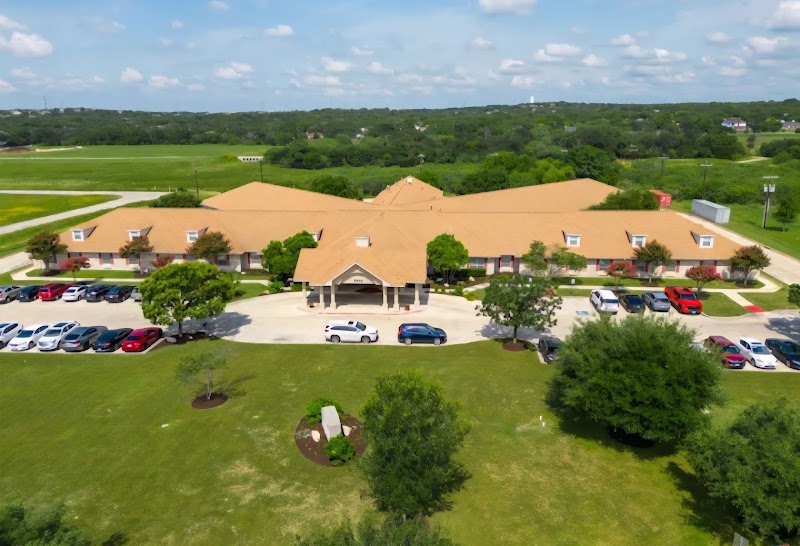
How is Mystic Park Nursing & Rehabilitation Center Staffed?

CMS rates MYSTIC PARK NURSING & REHABILITATION CENTER's staffing level at 3 out of 5 stars, which is average compared to other nursing homes. Staff turnover is 35%, compared to the Texas average of 46%. This relatively stable workforce can support continuity of care. RN turnover specifically is 60%, which is notably high. RNs provide skilled clinical oversight, so turnover in this role can affect medical care quality.

What Have Inspectors Found at Mystic Park Nursing & Rehabilitation Center?

State health inspectors documented 21 deficiencies at MYSTIC PARK NURSING & REHABILITATION CENTER during 2022 to 2025. These included: 2 Immediate Jeopardy (the most serious level, indicating potential for serious harm or death), 18 with potential for harm, and 1 minor or isolated issues. Immediate Jeopardy findings are rare and represent the most serious regulatory concerns. They require immediate corrective action.
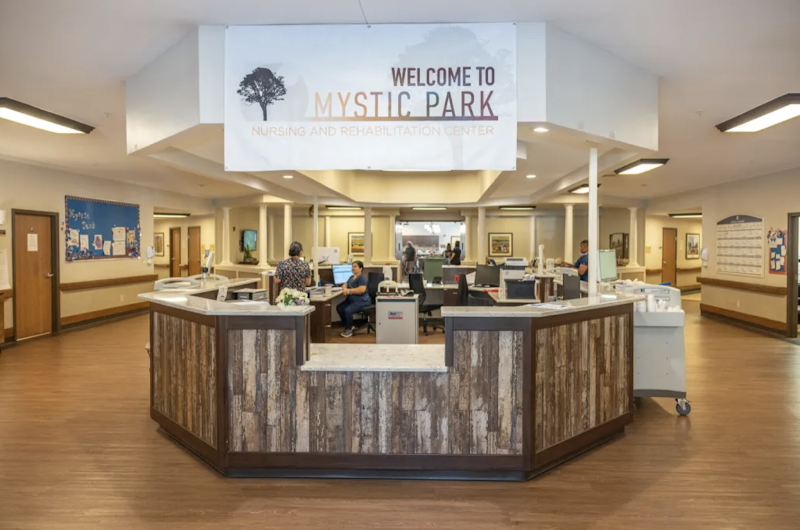
Who Owns and Operates Mystic Park Nursing & Rehabilitation Center?

MYSTIC PARK NURSING & REHABILITATION CENTER is owned by a for-profit company. For-profit facilities operate as businesses with obligations to shareholders or private owners. The facility is operated by THE ENSIGN GROUP, a chain that manages multiple nursing homes. With 119 certified beds and approximately 107 residents (about 90% occupancy), it is a mid-sized facility located in SAN ANTONIO, Texas.
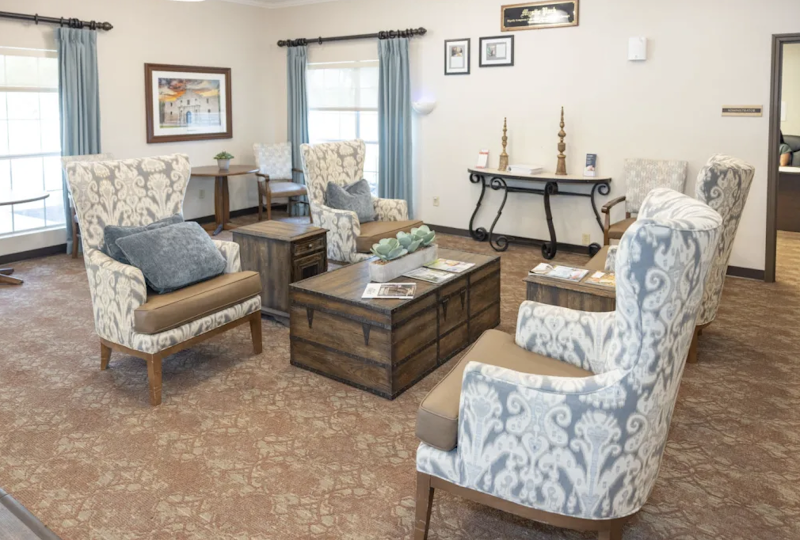
How Does Mystic Park Nursing & Rehabilitation Center Compare to Other Texas Nursing Homes?

Compared to the 100 nursing homes in Texas, MYSTIC PARK NURSING & REHABILITATION CENTER's overall rating (2 stars) is below the state average of 2.8, staff turnover (35%) is significantly lower than the state average of 46%, and health inspection rating (3 stars) is at the national benchmark.

What Should Families Ask When Visiting Mystic Park Nursing & Rehabilitation Center?

Based on this facility's data, families visiting should ask: "What changes have been made since the serious inspection findings, and how are you preventing similar issues?" "Can I visit during a mealtime to observe dining assistance and food quality?" "How do you handle medical emergencies, and what is your hospital transfer rate?" "Can I speak with family members of current residents about their experience?" These questions are particularly relevant given the facility's Immediate Jeopardy citations.

Is Mystic Park Nursing & Rehabilitation Center Safe?

Based on CMS inspection data, MYSTIC PARK NURSING & REHABILITATION CENTER has documented safety concerns. Inspectors have issued 2 Immediate Jeopardy citations (the most serious violation level indicating risk of serious injury or death). The facility has a 2-star overall rating and ranks #100 of 100 nursing homes in Texas. Families considering this facility should ask detailed questions about what corrective actions have been taken since these incidents.

Do Nurses at Mystic Park Nursing & Rehabilitation Center Stick Around?

MYSTIC PARK NURSING & REHABILITATION CENTER has a staff turnover rate of 35%, which is about average for Texas nursing homes (state average: 46%). Moderate turnover is common in nursing homes, but families should still ask about staff tenure and how the facility maintains care continuity when employees leave.

Was Mystic Park Nursing & Rehabilitation Center Ever Fined?

MYSTIC PARK NURSING & REHABILITATION CENTER has been fined $111,121 across 1 penalty action. This is 3.3x the Texas average of $34,190. Fines at this level are uncommon and typically indicate a pattern of serious deficiencies, repeated violations, or failure to correct problems promptly. CMS reserves penalties of this magnitude for facilities that pose significant, documented risk to resident health or safety. Families should request specific documentation of what issues led to these fines and what systemic changes have been implemented.

Is Mystic Park Nursing & Rehabilitation Center on Any Federal Watch List?

MYSTIC PARK NURSING & REHABILITATION CENTER is not on any federal watch list. The most significant is the Special Focus Facility (SFF) program, which identifies the bottom 1% of nursing homes nationally based on persistent, serious quality problems. Not being on this list means the facility has avoided the pattern of deficiencies that triggers enhanced federal oversight. This is a positive indicator, though families should still review the facility's inspection history directly.