NORMANDY TERRACE NURSING & REHABILITATION CENTER
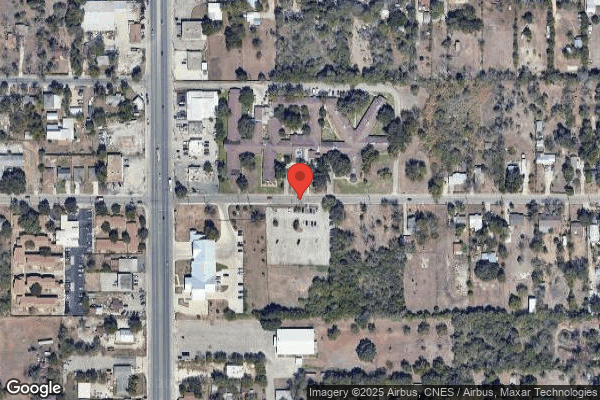
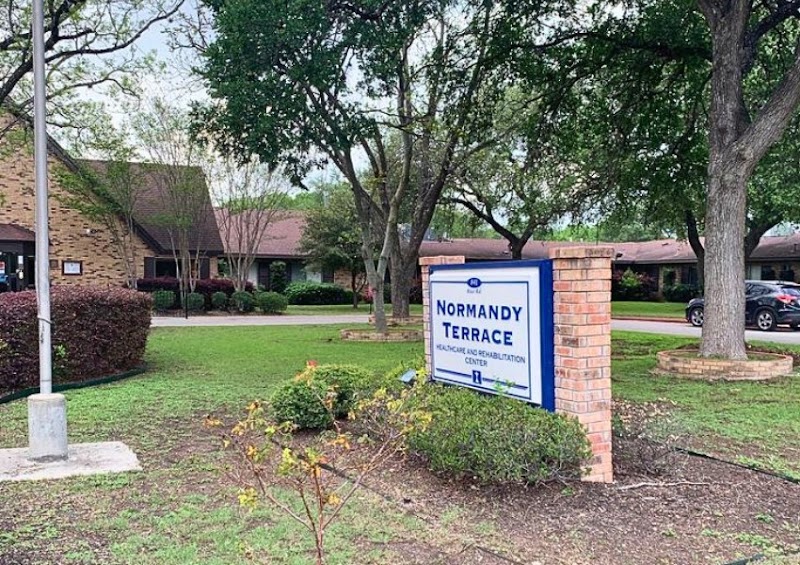
841 RICE RD, SAN ANTONIO, TX 78220 (210) 648-0101
For profit - Limited Liability company 320 Beds CREATIVE SOLUTIONS IN HEALTHCARE Data: November 2025 6 Immediate Jeopardy citations
Trust Grade
0/100
#1051 of 1168 in TX
Last Inspection: July 2025

Inspected within the last 6 months. Data reflects current conditions.

Overview

Normandy Terrace Nursing & Rehabilitation Center has received a Trust Grade of F, indicating poor performance with significant concerns about resident care and safety. Ranking #1051 out of 1168 facilities in Texas places it in the bottom half, and it is #49 out of 62 in Bexar County, suggesting there are many better options nearby. Unfortunately, the facility's situation is worsening, as issues increased from 14 in 2024 to 15 in 2025. Staffing is a relative strength with a 3/5 rating and a turnover rate of 27%, which is significantly lower than the Texas average; however, the alarming $311,769 in fines is concerning and indicates repeated compliance issues. Critical incidents include a failure to protect residents from physical abuse, such as one resident being physically harmed by another, and a lack of proper supervision leading to a resident suffering a heat stroke after eloping from the facility. Overall, while there are some strengths in staffing, the significant fines and troubling incidents highlight serious weaknesses that families should consider carefully.

Trust Score
F
0/100
In Texas
#1051/1168
Bottom 11%
Safety Record
High Risk
Review needed
Inspections
Getting Worse
14 → 15 violations
Staff Stability
✓ Good
27% annual turnover. Excellent stability, 21 points below Texas's 48% average. Staff who stay learn residents' needs.
Penalties
○ Average
$311,769 in fines. Higher than 52% of Texas facilities. Some compliance issues.
Skilled Nurses
○ Average
Each resident gets 34 minutes of Registered Nurse (RN) attention daily — about average for Texas. RNs are the most trained staff who monitor for health changes.
Violations
⚠ Watch
39 deficiencies on record. Higher than average. Multiple issues found across inspections.
★☆☆☆☆
1.0
Overall Rating
★★★☆☆
3.0
Staff Levels
★★★☆☆
3.0
Care Quality
★☆☆☆☆
1.0
Inspection Score
Stable
2024: 14 issues
2025: 15 issues

The Good

  • Low Staff Turnover (27%) · Staff stability means consistent care
  • Full Sprinkler Coverage · Fire safety systems throughout facility
  • No fines on record
  • Staff turnover is low (27%)

    21 points below Texas average of 48%

Facility shows strength in staff retention, fire safety.

The Bad

1-Star Overall Rating

Below Texas average (2.8)

Significant quality concerns identified by CMS

Federal Fines: $311,769

Well above median ($33,413)

Significant penalties indicating serious issues

Chain: CREATIVE SOLUTIONS IN HEALTHCARE

Part of a multi-facility chain

Ask about local staffing decisions and management

The Ugly 39 deficiencies on record

6 life-threatening
Aug 2025 2 deficiencies 1 IJ
CRITICAL (J) 📢 Someone Reported This

A family member, employee, or ombudsman was alarmed enough to file a formal complaint

Immediate Jeopardy (IJ) - the most serious Medicare violation

Accident Prevention (Tag F0689)

Someone could have died · This affected 1 resident

**NOTE- TERMS IN BRACKETS HAVE BEEN EDITED TO PROTECT CONFIDENTIALITY** Based on observation, interview, and record review, the facility failed to ensure the resident environment remained as free of a...

Read full inspector narrative →
**NOTE- TERMS IN BRACKETS HAVE BEEN EDITED TO PROTECT CONFIDENTIALITY** Based on observation, interview, and record review, the facility failed to ensure the resident environment remained as free of accident hazards as possible and each resident received adequate supervision to prevent accidents for 1 of 1 residents (Resident #1) reviewed for accidents and supervision in that: The facility failed to supervise Resident #1 who eloped from the facility on 08/16/25 and was gone from the facility for more than nine hours and found in a closed car and had sustained a heat stroke. The non-compliance was identified as PNC. The Immediate Jeopardy (IJ) began on 08/16/2025 and ended on 08/16/2025. The facility had corrected the non-compliance before the survey began on 08/17/2025. This deficient practice could place residents who were elopement risks at-risk of harm, serious injury, or death. The findings included: Review of Resident's #1 face sheet, dated 8/17/25, revealed a [AGE] year-old female admitted to the facility on [DATE] with diagnoses that included: multiple sclerosis (a condition in which nerve damage affects the communication between the brain and body), type 2 diabetes mellitus (a condition in which the body's blood sugar was not controlled), and unspecified dementia (a condition in which there is a decline in cognition). Record review of Resident #1's quarterly MDS assessment, dated 7/29/25, revealed a blank BIMS score, indicating the resident could not complete the interview. The MDS revealed that Resident #1 was ambulatory and had wandering behavior. Record review of Resident #1's elopement assessment, dated 1/16/25, revealed Resident #1 had the potential for wandering behavior and was at risk for elopement. Record review of Resident #1's care plan, initiated on 1/16/25, revealed Resident #1 had an identified risk for elopement behavior. The interventions for elopement behavior included close supervision, reporting of risk factor such as wandering behavior and requests to leave the facility to the MD, and increased monitoring. The care plan for Resident #1 was updated on 8/16/25 to include the elopement incident. Record review of Physician Order Summary, dated 8/16/25, revealed Resident #1 was taking Depakote Sprinkles 125 mg for (General Anxiety Disorder), Humalog SQ 100 unit/ML for (Diabetes Mellitus), Metformin HCI 500 MG for (Diabetes Mellitus) and Lantus SQ 300 unit for (Diabetes Mellitus). Record review of the facility incident report, dated 8/16/25, revealed Resident #1 eloped from the facility at 5:10 am and that staff first learned of the incident at 7:30 am and a search on the secure unit was initiated with a Code Orange being called at 9:00 am. Record review of the National Weather Service weather data (https://www.weather.gov/wrh/Climate?wfo=ewx) for 8/16/2025 revealed a high temperature that day of 98 degrees Fahrenheit. Record review of the employee statement from CNA P, dated 8/16/25, revealed she said she took out the trash on the secure unit side door shortly after 11:10 pm on 8/15/25 and made sure the door was locked. Record review of the employee statement from LVN B, dated 8/16/25, revealed he said he took out the trash on the morning of 8/16/25 thru the gate in the courtyard and made sure the courtyard gate was closed. The actual time in the morning was not specified on the statement. Observation of the facility's camera footage revealed Resident #1 exiting the secure unit thru the side door on 8/16/25 at 5:04 am and thru the courtyard gate at 5:10 am. Record review of the facility's actual elopement exercise for Resident #1 revealed the drill was initiated on 8/16/25 at 7:30 am and cleared at 2:55 pm. During an interview with Family Member A on 8/17/25 at 8:00 am, Family Member A stated Resident #1 had gotten out of the facility's secure unit door shortly after 5:00 am on 8/16/25 and was not located until 2:30 pm on 8/16/25. Family Member A stated Resident #1 was found by family members inside of a closed car on a private residence that was one block from the facility. Family Member A stated Resident #1 was then transported to the hospital from this location. Family Member A stated Resident #1 would be returned to the same nursing home facility. During an interview with hospital RN B on 8/17/25 at 9:00 am, hospital RN B stated Resident #1 was admitted to the hospital with a diagnosis of heat stroke. Hospital RN B stated Resident #1 would be given IV fluids along with Magnesium, Potassium, and Electrolytes. During an interview with Resident #1 on 8/17/25 at 9:10 am at her hospital room she stated she did not know where she was currently at or what had happened to her on 8/16/25. During an interview with Family Member C on 8/17/25 at 9:15 am, Family Member C stated she was told by the facility administrator that the side door on the secure unit apparently had a malfunction in its locking mechanism which allowed for Resident #1 to be able to leave the facility. Family Member C stated she was told by the Administrator the cameras on the secure unit were not fully operational at the time of Resident #1's elopement on 08/16/25. Family Member C stated Resident #1 would be returning to the same nursing facility upon hospital discharge. Record review of the facility's staff checklist in-service log dated 8/16/25 revealed that 100 percent of the staff had received the in-service on abuse/neglect, elopement protocol, and ensuring exit doors and gates were locked. Record review of the facility's secure unit resident head count form dated 8/17/25 revealed the protocol for the charge nurse on the secure unit conducting the resident head count. Record review of the facility's secure unit resident rounding form completed by Nurses and CNA staff revealed that the form is completed at the end of the shift. Record review of the facility's care plan listing report revealed that all of the residents on the secure unit had their care plan updated on 8/16/25 for elopement status. Record review of the facility's elopement policy in the Nursing Policy and Procedure Manual WA-03-2.0 revealed the intervention steps for staff to take in conducting an internal and external search for a missing resident as well as the need for staff to manually check all exit doors and outside gates for closure and alarm viability. Record review of the facility's Code Orange Drill Elopement Guide that was undated revealed the steps and notifications that staff are to follow when searching for a missing resident. Record review of the facility's process change form dated 8/16/25 revealed the following updates:a. The side door on the secure unit used by Resident #1 to exit the facility is now permanently secured and closed.b. All secure unit door codes were changed.c. Nurse will conduct hourly resident head counts on the unit.d. CNA and Nursing staff will complete resident head counts at the end of their respective 8 hour and 12-hour shifts.e. The Maintenance Director or designated person (Manager on Duty for the weekends) will check all exit doors and outside gates for alarm viability twice a day).f. Nursing staff completed elopement assessments on all residents.g. Care plans were updated for all residents on elopement risks.h. A spring was added on the outside court- yard gate to increase the automatic closure ability of the gate.i. The elopement policy, abuse/neglect policy, and door/gate closure protocol were reviewed with 100 percent of the staff. Record review of the facility's maintenance log exit door check completed on 8/18/25 at 8:30 am revealed all facility exit doors were alarmed. During an interview with the DON on 8/17/25 at 10:15 am, the DON stated that she believed Resident #1 was able to exit the secure unit thru a side door that had a malfunction on the locking mechanism. The DON stated Resident #1 was last seen on the secure unit at 4:00 am and the resident had a habit of wandering into other resident rooms. The DON stated the facility staff began an internal search of the facility for Resident #1 on 08/16/25 at 7:30 am and the official Code Orange was called at 9:00 am. The DON stated 100 percent of the facility's staff had been in-serviced on 8/16/25 on the elopement protocol which included the steps to undertake to complete an internal and external search for missing resident. The DON stated that the in-service also included the need to staff to manually check all facility exit doors and outside gate to ensure that they were closed and alarmed. During an interview with the Administrator on 8/17/25 at 8/17/25 at 11:20 am, the Administrator stated he felt the locking mechanism on the side door on the secure unit malfunctioned which allowed Resident #1 to exit the building. The Administrator stated that courtyard gate was not properly secured which allowed Resident #1 to go thru that gate to the outside. The Administrator stated that he believed a nurse working on a different unit had left the courtyard gate open and that nurse was suspended. The Administrator stated that Resident #1 was last seen on the secure unit at 4:00am and had a habit of wandering into other resident rooms. The Administrator stated that the facility staff began an internal search for Resident #1 on 8/16/25 at 7:30 am and the official Code Orange was called at 9:00 am. The Administrator stated the facility had new cameras installed and the cameras on the secure unit were recording but the playback from the cameras was not fully operational until 8/17/25. The Administrator stated 100 percent of the facility's staff had been in-serviced on 8/16/25 on the elopement protocol which included the steps to undertake to complete an internal and external search for missing resident. The Administrator stated that the in-service also included the need to staff to manually check all facility exit doors and outside gate to ensure that they were closed and alarmed. During an interview with the Maintenance Director on 8/17/25 at 12:20 pm, the Maintenance Director stated he was not sure how Resident #1 had exited the building thru the side door on the secure unit. He stated that he had checked that exit door on 8/15/25 and the alarm was functioning properly. The Maintenance Director stated during the elopement search on 8/16/25 he checked both the side door of the secure unit in which Resident #1 had exited the building as well as the courtyard gate and both were closed and alarmed. During an interview with CNA D on 8/17/25 at 1:15 pm, CNA D stated she had assisted in the elopement search for Resident #1. CNA D stated she had been re-in-serviced on abuse/neglect and elopement protocol including the steps to take to conduct an internal and external search for a missing resident as well as manually checking all exit doors and outside gates to be sure they were closed and alarmed. During an interview with LVN E on 8/17/25 at 1:20 pm, LVN E stated she had assisted in the elopement search for Resident #1. LVN E stated she had been re-in-serviced on abuse/neglect and elopement protocol including the steps to take to conduct an internal and external search for a missing resident as well as manually checking all exit doors and outside gates to be sure they were closed and alarmed. During an interview with ADON F on 8/17/25 at 1:35 pm, ADON F stated she had assisted in the elopement search for Resident #1. ADON F stated she had been re-in-serviced on abuse/neglect and elopement protocol including the steps to take to conduct an internal and external search for a missing resident as well as manually checking all exit doors and outside gates to be sure they were closed and alarmed. ADON F stated during the elopement search she had gone to the side door on the secure unit, and it was properly locked. During an interview with CNA G on 8/17/25 at 1:40 pm, CNA G stated she had assisted in the elopement search for Resident #1. CNA G stated she had been re-in-serviced on abuse/neglect and elopement protocol including the steps to take to conduct an internal and external search for a missing resident as well as manually checking all exit doors and outside gates to be sure they were closed and alarmed. During an interview with Housekeeper H on 8/17/25 at 1:50 pm, Housekeeper H stated she had assisted in the elopement search for Resident #1. Housekeeper H stated she had been re-in-serviced on abuse/neglect and elopement protocol including the steps to take to conduct an internal and external search for a missing resident as well as manually checking all exit doors and outside gates to be sure they were closed and alarmed. During an interview with LVN I on 8/17/25 at 2:00 pm, LVN I stated she had worked as the Charge Nurse during the night shift on 8/16/25 and did not observe Resident #1 leave the unit. LVN I stated she had not participated in the elopement search but had been re-in-serviced on abuse/neglect, elopement protocol including the steps to take to conduct an internal and external search for a missing resident as well as manually checking all exit doors and outside gates to be sure they were closed and alarmed. During an interview with RN J on 8/17/25 at 2:20 pm, RN J stated she had assisted in the elopement search for Resident #1. RN J stated that she had been re-in-serviced on abuse/neglect and elopement protocol including the steps to take to conduct an internal and external search for a missing resident as well as manually checking all exit doors and outside gates to be sure they were closed and alarmed. During an interview with CNA K on 8/17/25 at 2:25 pm, CNA K stated she had been re-in-serviced on abuse/neglect and elopement protocol including the steps to take to conduct an internal and external search for a missing resident as well as manually checking all exit doors and outside gates to be sure they were closed and alarmed. During an interview with RN L on 8/17/25 at 2:30 pm, RN L stated she had been re-in-serviced on abuse/neglect and elopement protocol including the steps to take to conduct an internal and external search for a missing resident as well as manually checking all exit doors and outside gates to be sure they were closed and alarmed. During an interview with CNA M on 8/17/25 at 2:35 pm, CNA M stated she had been re-in-serviced on abuse/neglect and elopement protocol including the steps to take to conduct an internal and external search for a missing resident as well as manually checking all exit doors and outside gates to be sure they were closed and alarmed. During an interview with CNA N on 8/17/25 at 2:40 pm, CNA N stated she had been re-in-serviced on abuse/neglect and elopement protocol including the steps to take to conduct an internal and external search for a missing resident as well as manually checking all exit doors and outside gates to be sure they were closed and alarmed. During an interview with CNA O on 8/17/25 at 2:45 pm, CNA O stated she had been re-in-serviced on abuse/neglect and elopement protocol including the steps to take to conduct an internal and external search for a missing resident as well as manually checking all exit doors and outside gates to be sure they were closed and alarmed. CNA O stated she had worked on the night shift in which Resident #1 had eloped on 8/16/25. CNA O stated she did not remember when she had last seen Resident #1 but that it could have been at 4:00 am, whenever Resident #1 received incontinent care in her room. During an observation with the Administrator and Maintenance Director on 8/18/25 from 8:05 am until 8:30 am all of the facility's exit doors and outside gates were checked for closure and alarm viability and found to be in good working order. The Administrator and Maintenance Director stated that all facility exit doors and outside gates would be checked twice a day seven days a week for closure function and alarm viability. Record review of the facility's policy titled, Nursing Policy and Procedure Manual TG 03-1.0, undated, revealed that Neglect; is the failure of the facility, it's employees or service providers to provide goods and services to a resident that are necessary to avoid physical harm, pain, mental anguish, or emotional distress.
CONCERN (D) 📢 Someone Reported This

A family member, employee, or ombudsman was alarmed enough to file a formal complaint

Potential for Harm - no one hurt, but risky conditions existed

Report Alleged Abuse (Tag F0609)

Could have caused harm · This affected 1 resident

**NOTE- TERMS IN BRACKETS HAVE BEEN EDITED TO PROTECT CONFIDENTIALITY** Based on interviews and record reviews the facility failed to ensure all alleged violations involving abuse, neglect, exploitati...

Read full inspector narrative →
**NOTE- TERMS IN BRACKETS HAVE BEEN EDITED TO PROTECT CONFIDENTIALITY** Based on interviews and record reviews the facility failed to ensure all alleged violations involving abuse, neglect, exploitation, or mistreatment, including injuries of unknown sources are reported immediately but not later than 2 hours to the administrator of the facility and to other officials, including to the State Survey Agency in accordance with State law through established procedures, for 1 of 1 Residents (Resident #1) reviewed for Neglect, in that: The facility did not report an allegation of Neglect to the State Survey Agency (HHSC) within the 2 hours time frame of Resident #1's elopement from the facility This deficient practice could affect any resident and could contribute to further neglect. The findings were: Review of Resident #'s 1 face sheet dated 8/17/25, revealed a [AGE] year-old female admitted to the facility on [DATE] with diagnoses that included: multiple sclerosis (a condition in which nerve damage affects the communication between the brain and body), type 2 diabetes mellitus (a condition in which the body's blood sugar was not controlled), and unspecified dementia (a condition in which there is a decline in cognition). Record review of Resident #1's quarterly MDS assessment dated [DATE] revealed a blank BIMS score, indicating the resident could not complete the interview. The MDS revealed that Resident #1 was ambulatory and had wandering behavior. Record review of Resident # 1's care plan initiated on 1/16/25 revealed Resident #1 had an identified risk for elopement behavior. The interventions for elopement behavior included close supervision, reporting of risk factor such as wandering behavior and requests to leave the facility to the MD, and increased monitoring. The care plan for Resident #1 was updated on 8/16/25 to include the elopement incident. Record review of the facility incident report dated 8/16/25 revealed Resident #1 eloped from the facility at 5:10 am and that staff first learned of the incident at 7:30 am and a search on the secure unit was initiated with a Code Orange being called at 9:00 am. Record review of the e-mail notification by the Administrator of the elopement incident to the Complaint and Incident Intake Department revealed the notification was made on 8/16/25 at 7:00pm. During an interview with Family Member A on 8/17/25 at 8:00 am, Family Member A stated Resident #1 had gotten out of the facility's secure unit door shortly after 5:00 am on 8/16/25 and was not located until 2:30 pm on 8/16/25. Family Member A stated Resident #1 was found by family members inside of a closed car on a private residence that was one block from the facility. Family Member A stated Resident #1 was then transported to the hospital from this location. During an interview with hospital RN B on 8/17/25 at 9:10 am, hospital RN B stated Resident #1 had been admitted to the hospital on [DATE] with a diagnosis of heat stroke related to the elopement incident. Hospital RN B stated Resident #1 would be given IV fluids along with Magnesium, Potassium, and Electrolytes. During an interview on 8/18/25 at 8:40 am the Administrator stated he had e-mailed the initial report to the Complaint and Incident Intake Department of Resident #1's elopement from the facility on 8/16/25 at 7:00 pm. The Administrator stated he felt the notification report could be made once it was determined Resident #1 was safe and accounted for in a hospital setting. During an interview on 8/18/25 at 8:45 am the RN Compliance Nurse stated she thought the facility reporting time frame requirement for missing residents to the Complaint and Incident Intake Department was 24 hours. Record review of the Nursing Policy and Procedure Manual Section TG 03-1.0 titled, Abuse/Neglect that was undated, reflected, If the allegation involve abuse or result in serious bodily injury, the report is to be made within 2 hours of the allegation.
Aug 2025 1 deficiency
MINOR (C) 📢 Someone Reported This

A family member, employee, or ombudsman was alarmed enough to file a formal complaint

Minor Issue - procedural, no safety impact

Staffing Information (Tag F0732)

Minor procedural issue · This affected most or all residents

Based on observation and interview, the facility failed to post on a daily basis information that included the facility name, current date, total number and actual hours worked by registered nurses, l...

Read full inspector narrative →
Based on observation and interview, the facility failed to post on a daily basis information that included the facility name, current date, total number and actual hours worked by registered nurses, licensed practical or licensed vocational nurses, certified nurse aides directly responsible for resident care per shift and the resident census for 1 of 3 days (08/13/2025) reviewed for posting of required information. The facility failed to post the required current nurse staffing and census information on 08/13/2025. This failure could place residents at risk of not having access to information regarding staffing data and the facility census.The findings included: During an observation on 08/13/2025 from 02:24 p.m. to 02:47 p.m. revealed information regarding the current nurse staffing and census information was not found available in a public posting. During an observation and interview on 08/13/2025 at 02:45 p.m., the DON revealed she also could not locate the daily census and nurse staffing posting. She was observed to ask Receptionist A for the posting location. Receptionist A was observed to reply to the DON, it is not up today. During an interview on 08/14/2025 at 03:48 p.m., CNA A stated she was responsible for the staff scheduling but did not state why she did not post the daily schedule and census on 08/13/2025. During an interview on 08/15/2025 at 01:13 p.m., the DON revealed it was the responsibility of the staff scheduler to print and post the daily schedule and census for the following day. The DON stated the facility recognized this task not having been done was an issue. The DON revealed she asked the scheduler on 08/13/2025 (the day the posting was observed not posted at 02:45 p.m.) about the posting and the DON stated the scheduler acted as if she did not know it was one of her tasks. The DON revealed the scheduler knew and completed this task appropriately only a few weeks prior when the facility was going through relicensing certification observations. The DON stated she could not state why the scheduler stopped performing this task but did state the scheduler said she forgot. The DON stated she had not had a resident or facility guest ask to view the posting, but it should be posted daily for a facility guest or resident to view. During an interview on 08/15/2025 at 04:33 p.m., the DON stated the facility did not have a policy on posting the daily census and nurse staffing, but per the facility compliance nurse, the facility was to follow the regulation. During an interview on 08/15/2025 at 04:43 p.m., the ADMIN stated it was the responsibility of the staffing coordinator (staff scheduler) to post the daily census and nurse staffing with the ADONs acting as back-up. The ADMIN stated the necessity for posting this information was because there was a regulation that stated the facility had to post this information daily. The ADMIN stated he did not believe the lack of posting the information would impact the residents but stated he referred to the posting when giving prospective residents and facility guests tours to demonstrate the staffing ratios. The ADMIN stated he was not aware until the current day, 08/15/2025, that the posting was not posted on 08/13/2025, but stated he believed it may have been missed due to the responsibilities of the staff scheduler being transitioned to a different staff member and that the new staff member was not yet fully trained on their new responsibilities.
Jul 2025 10 deficiencies
CONCERN (D) 📢 Someone Reported This

A family member, employee, or ombudsman was alarmed enough to file a formal complaint

Potential for Harm - no one hurt, but risky conditions existed

Deficiency F0557 (Tag F0557)

Could have caused harm · This affected 1 resident

**NOTE- TERMS IN BRACKETS HAVE BEEN EDITED TO PROTECT CONFIDENTIALITY** Based on observation, interview, and record review, the facility failed to promote and maintain the resident's dignity for 1 (Re...

Read full inspector narrative →
**NOTE- TERMS IN BRACKETS HAVE BEEN EDITED TO PROTECT CONFIDENTIALITY** Based on observation, interview, and record review, the facility failed to promote and maintain the resident's dignity for 1 (Resident #10) of 25 residents reviewed for dignity, in that: Resident #10's wheelchair was visibly soiled with dust and food particles. This deficient practice could result in psychosocial harm due to feelings of embarrassment. The findings were: Record review of Resident #10's face sheet, dated 07/25/2025, revealed the resident was admitted to the facility on [DATE] with diagnoses including: Abnormal Posture, Unspecified Lack of Coordination, and Muscle Wasting and Atrophy. Record review of Resident #10's Quarterly MDS, dated [DATE], revealed a BIMS score of 14 which indicated intact cognition. Record review of Resident #10's care plan, revised 07/22/2025, revealed The resident has an ADL self-care performance deficit. Observation on 07/25/2025 at 1:45 p.m. revealed Resident #10 utilized a motorized wheelchair for ambulation. Further observation revealed Resident #10's wheelchair was visibly soiled with dust and food crumbs. During an interview with Resident #10 on 07/25/2025 at 1:45 p.m., Resident #10 stated he was embarrassed that his wheelchair was soiled and expressed frustration because he was not physically able to clean the chair himself. During an interview with LVN D on 07/25/2025 at 1:50 p.m., LVN D conformed Resident #10's wheelchair was soiled with dust and food crumbs. During an interview with the DON on 07/25/2025 at 3:36 p.m., the DON stated it was her expectation that nursing staff clean residents' wheelchairs. The DON stated she was new to the facility and that this incident brought to her attention that the facility did not have a set schedule for cleaning wheelchairs. The DON stated that she had instituted a new policy, as a result of this incident, which was that resident wheelchairs would be cleaned by the night shift nursing staff on a set rotation. Record review of the facility policy, Resident Rights, undated, revealed, The resident has a right to a dignified existence.
CONCERN (D) 📢 Someone Reported This

A family member, employee, or ombudsman was alarmed enough to file a formal complaint

Potential for Harm - no one hurt, but risky conditions existed

Deficiency F0583 (Tag F0583)

Could have caused harm · This affected 1 resident

**NOTE- TERMS IN BRACKETS HAVE BEEN EDITED TO PROTECT CONFIDENTIALITY** Based on observation, interview, and record review, the facility failed to ensure residents had the right to personal privacy an...

Read full inspector narrative →
**NOTE- TERMS IN BRACKETS HAVE BEEN EDITED TO PROTECT CONFIDENTIALITY** Based on observation, interview, and record review, the facility failed to ensure residents had the right to personal privacy and confidentiality of his or her personal and medical records for one of five residents (Resident # 66) reviewed for privacy. The facility failed to ensure MA C locked the computer, which exposed Resident #66's morning medication list after she walked away and left the computer unattended. This failure could place residents at risk of having medical information exposed to others and cause residents to feel uncomfortable and disrespected. The findings include: Record review of Resident #66's face sheet, dated 07/24/25, revealed an [AGE] year-old male admitted to the facility on [DATE]. Resident #66 had diagnoses that included: Hypertension (is when the force of blood against the artery walls is persistently too high), and Depression (is a mood disorder that causes a persistent feeling of sadness and loss of interest), and Dementia (decline in cognitive function, impacting memory, thinking, and reasoning skills, that interferes with daily life). Record review of Resident # 66's Quarterly MDS assessment, dated 7/2/25, reflected a BIMS score of 03 which indicated severe cognitive impairment. Observation on 07/24/25 at 7:15 pm, revealed that MA C prepared Resident's # 66‘s evening medication, walked away from the computer (did not lock screen). During an interview on 07/24/25 at 7:20 pm, MA C mentioned that she was not trained to lock the computer screen and believed that minimizing the screen was enough. MA C acknowledged that when she stepped away from the computer, Resident #66's private medical information may have been exposed. During an interview on 07/24/24 at 8:30 PM, the DON stated that she was not aware Resident #66's records were left open and unattended. The DON mentioned that it was her expectation for the facility nursing staff to uphold HIPAA (Health Insurance Portability and Accountability Act) regulations and lock computer screens when they were away from them. The DON emphasized that all staff members were responsible for protecting residents' information. The DON stated leaving residents' electronic medical records unattended could lead to unauthorized access. Record review of the facility's policy titled Residents' Rights, undated, revealed, The facility must respect the resident's right to personal privacy, including the right to privacy (in his or her oral that is spoken) written, and electronic communications.
CONCERN (D) 📢 Someone Reported This

A family member, employee, or ombudsman was alarmed enough to file a formal complaint

Potential for Harm - no one hurt, but risky conditions existed

Incontinence Care (Tag F0690)

Could have caused harm · This affected 1 resident

Based on observation, interview, and record review, the facility failed to ensure a resident who is incontinent of bladder receives appropriate treatment and services to prevent urinary tract infectio...

Read full inspector narrative →
Based on observation, interview, and record review, the facility failed to ensure a resident who is incontinent of bladder receives appropriate treatment and services to prevent urinary tract infections and to restore continence to the extent possible for 1 of 2 resident (Resident #66) reviewed for incontinent care, in that: While providing incontinent care for Resident #66, CNA E used a back to front motion to clean Resident #66's buttocks. This deficient practice could place residents at-risk for infection and skin break down due to improper care practices.The findings were: Record review of Resident #66's face sheet, dated 07/24/2025, revealed an admission date of 04/01/2024, and, a readmission date of 02/19/2025, with diagnoses which included: Alcoholic cirrhosis of liver (Damage to the liver due to alcohol consumption), Dysphagia (Difficulty swallowing), Sepsis (Body's response to infection causes injury to its own tissues and organs), Dementia (Decline in cognitive abilities), Hyperlipidemia (Elevated level of any or all lipids(fat) in the blood), Hypertension (High blood pressure), Major depressive disorder (mental disorder characterized by at least two weeks of pervasive low mood, low self-esteem, and loss of interest or pleasure). Record review of Resident #66's Quarterly MDS assessment, dated 07/02/2025, revealed the resident had a BIMS score of 03 indicating severe cognitive impairment. Resident #66 required total assistance with ADLs, and was always incontinent of bowel and bladder. Review of Resident #66's care plan, dated 10/17/2024, revealed a problem of The resident is incontinent of bladder and bowel and is at risk for skin breakdown/irritation and an intervention of INCONTINENT care as needed and apply moisture barrier after each episode. Observation on 07/24/2025 at 10:40 a.m. revealed while providing incontinent care for Resident #66, CNA E wiped Resident #66's buttocks in a back to front motion. During an interview on 07/24/2025 at 11:04 a.m. with CNA E, she confirmed she had wiped Resident #66's buttocks in a back to front motion. She said she realized she had used the wrong motion, and it could cause a risk for infection for the resident. She confirmed receiving training on incontinent care from the facility. During an interview with the DON on 07/24/2025 at 4:15 p.m., she confirmed the correct motion to clean the residents during perineal care was front to back to prevent fecal matter from contacting the urethra and possibly causing an infection. The DON revealed the staff received training on infection control and incontinent care at least annually. The staff skills were checked yearly. The DON and ADON spot checked the staff while they provided care for infection control and quality of care. Review of annual skills check for CNA E revealed CNA E passed competency for Perineal care/incontinent care on 08/01/2024. Review of the facility's policy, titled Perineal care, dated 05/11/2022, revealed Gently perform care to the buttocks and anal area, working from front to back without contaminating the perineal area.
CONCERN (D) 📢 Someone Reported This

A family member, employee, or ombudsman was alarmed enough to file a formal complaint

Potential for Harm - no one hurt, but risky conditions existed

Deficiency F0726 (Tag F0726)

Could have caused harm · This affected 1 resident

Based on observations, interviews and record reviews the facility failed to ensure that CNAs were able to demonstrate competency in skills and techniques necessary to care for residents' needs for 1 o...

Read full inspector narrative →
Based on observations, interviews and record reviews the facility failed to ensure that CNAs were able to demonstrate competency in skills and techniques necessary to care for residents' needs for 1 of 6 residents (Resident #66) by 1 of 6 CNAs (CNA E) reviewed for competent staff, in that: The facility failed to ensure CNA E used the right technique to clean Resident #66 while providing incontinent care. This deficient practice could place residents at-risk for infection and skin break down due to improper care practices.The findings were: Record review of Resident #66's face sheet, dated 07/24/2025, revealed an admission date of 04/01/2024, and, a readmission date of 02/19/2025, with diagnoses which included: Alcoholic cirrhosis of liver (Damage to the liver due to alcohol consumption), Dysphagia (Difficulty swallowing), Sepsis (Body's response to infection causes injury to its own tissues and organs), Dementia (Decline in cognitive abilities), Hyperlipidemia (Elevated level of any or all lipids(fat) in the blood), Hypertension (High blood pressure), Major depressive disorder (mental disorder characterized by at least two weeks of pervasive low mood, low self-esteem, and loss of interest or pleasure). Record review of Resident #66's Quarterly MDS assessment, dated 07/02/2025, revealed the resident had a BIMS score of 03 indicating severe cognitive impairment. Resident #66 required total assistance with ADLs and was always incontinent of bowel and bladder. Review of Resident #66's care plan, dated 10/17/2024, revealed a problem of The resident is incontinent of bladder andbowel and is at risk for skin breakdown/irritation and an intervention of INCONTINENT care as needed and apply moisture barrier after each episode. Observation on 07/24/2025 at 10:40 a.m. revealed while providing incontinent care for Resident #66, CNA E wiped Resident #66's buttocks in a back to front motion. During an interview on 07/24/2025 at 11:04 a.m. with CNA E, she confirmed she had wiped Resident #66's buttocks in a back to front motion. She said she realized she had used the wrong motion, and it could cause a risk for infection for the resident. She confirmed receiving training on incontinent care from the facility. During an interview with the DON on 07/24/2025 at 4:15 p.m., she confirmed the correct motion to clean the residents during perineal care was front to back to prevent fecal matter from contacting the urethra and possibly causing an infection. The DON revealed the staff received training on infection control and incontinent care at least annually. The staff skills were checked yearly. The DON and ADON spot checked the staff while they provided care for infection control and quality of care. Review of annual skills check for CNA E revealed CNA E passed competency for Perineal care/incontinent care on 08/01/2024. Review of facility policy, titled Perineal care, dated 05/11/2022, revealed Gently perform care to the buttocks and anal area, working from front to back without contaminating the perineal area. Review of facility's HR- personnel handbook, dated 2019, revealed Each employee should know their level of performance. For this reason, the Company has a Performance Evaluation Program that is intended to keep you informed. A performance evaluation generally will be prepared on each part and full-time employee annually.
CONCERN (D) 📢 Someone Reported This

A family member, employee, or ombudsman was alarmed enough to file a formal complaint

Potential for Harm - no one hurt, but risky conditions existed

Deficiency F0761 (Tag F0761)

Could have caused harm · This affected 1 resident

Based on observation, interview, and record review, the facility failed to ensure drugs and biologicals were stored in accordance with currently accepted professional principles for, 1 of 3 (Hall 300 ...

Read full inspector narrative →
Based on observation, interview, and record review, the facility failed to ensure drugs and biologicals were stored in accordance with currently accepted professional principles for, 1 of 3 (Hall 300 Nurse cart) medication carts observed, in that: The Nurse Medication Cart in the 300-hall contained five loose medication pills. This failure could place residents who receive medications at risk for not receiving the intended therapeutic effects of medications. The findings were: The findings were: Observation on 07/24/2025 at 7:45 p.m. of the 300 Hall Nurse Medication Cart revealed there were five loose medication pills inside one of the drawers. During an interview with MA C on 07/24/2025 at 7:50 p.m., MA C confirmed there were five loose medication pills inside a drawer of the Nurse Medication Cart. MA C stated the pills must have dropped at some point during a medication pass and she had not had a chance to clean the medication cart today. During an interview with the DON on 7/24/2025 at 8:20 p.m., the DON stated medication carts should not have loose medications. The DON stated the medication carts were the responsibility of the Medication Aide that accepted responsibility for the cart, also the medications carts were supposed to be checked bi-weekly by the ADONs' moving forward. Record review of the facility's policy, Medication storage in the facility, dated 2003, revealed, medication storage areas are kept clean and free of clutter.
CONCERN (D) 📢 Someone Reported This

A family member, employee, or ombudsman was alarmed enough to file a formal complaint

Potential for Harm - no one hurt, but risky conditions existed

Deficiency F0813 (Tag F0813)

Could have caused harm · This affected 1 resident

Based on observation and interview, the facility failed to maintain and ensure safe and sanitary storage of residents' food items for 1 ( Resident # 86 ) of 5 resident refrigerators reviewed in that: ...

Read full inspector narrative →
Based on observation and interview, the facility failed to maintain and ensure safe and sanitary storage of residents' food items for 1 ( Resident # 86 ) of 5 resident refrigerators reviewed in that: The personal refrigerator for Resident # 86 contained food items that were unlabeled and undated. This deficient practice could place residents at risk of foodborne illness due to consuming foods which are spoiled. The findings were: Observation on 07/22/2025 at 10:37 a.m. revealed Resident #86 personal refrigerator contained a plastic bowl with lid containing menudo (Mexican tripe soup) without an expiration date, which was unlabeled and undated. Further observation on 07/22/2025 at 1:30 p.m. revealed the plastic bowl in Resident # 86's personal refrigerator was still present without an expiration date, which was unlabeled and undated. Interview on 7/22/25, at 2:00 p.m. CNA B, said the refrigerator in Resident #86's room contained a plastic bowl with lid containing menudo without an expiration date. CNA B said the bowl was unlabeled and undated. CNA B stated it was the resident's family's responsibility to clean out the refrigerator. Interview on 7/22/25 at 2 :50 PM with Resident #86, said he bought the menudo the previous weekend and was unaware that he could ask for assistance if needed to clean out his personal refrigerator. During an interview on 7/22/2025, at 3:00 p.m., the DON said that perishable food in residents' personal refrigerators should be labeled and dated to prevent residents from consuming spoiled foods. However residents families were responsible for overseeing this, and residents should ask for assistance when needed. Record review of the facility policy, Personal Refrigerator Policy, dated 2022, revealed, . the resident and or resident representative should clean and maintain the refrigerators according to the manufacturer's user's manual, if needed, you can ask facility housekeeping or maintenance staff for assistance; expired date - the food items should not be consumed and should be discarded if not eaten by the expiration date.
CONCERN (D) 📢 Someone Reported This

A family member, employee, or ombudsman was alarmed enough to file a formal complaint

Potential for Harm - no one hurt, but risky conditions existed

Medical Records (Tag F0842)

Could have caused harm · This affected 1 resident

**NOTE- TERMS IN BRACKETS HAVE BEEN EDITED TO PROTECT CONFIDENTIALITY** Based on interview and record review, the facility failed to maintain clinical records that were complete and accurately documen...

Read full inspector narrative →
**NOTE- TERMS IN BRACKETS HAVE BEEN EDITED TO PROTECT CONFIDENTIALITY** Based on interview and record review, the facility failed to maintain clinical records that were complete and accurately documented for 1 (Resident #66) of 25 residents reviewed for clinical records, in that: Resident #66's diagnoses of insomnia and aggressiveness /combativeness were not listed in his diagnosis list and Resident #66's physician order for psychotropic medication erroneously read supervised self-administration. This deficient practice could cause miscommunication among the resident's caregivers and result in improper care. The findings were: Record review of Resident #66's face sheet, dated 07/25/2025, revealed the resident was admitted to the facility on [DATE] with diagnoses including: Generalized Anxiety Disorder and Major Depressive Disorder. Record review of Resident #66's Quarterly MDS, dated [DATE], revealed a BIMS score of 03 which indicated severe cognitive impairment. Record review of Resident #66's care plan, revised 08/10/2024, revealed, The resident has a behavior problem r/t dementia to include but not limited to ~ combative with staff. Record review of Resident #66's psychiatric provider note, dated 05/20/2025, revealed, Assessment/Plan.4. Primary Insomnia. Record review of Resident #66's physician orders as of 07/25/2025, revealed, Xanax Oral Tablet 1 MG (Alprazolam) Give 1 tablet by mouth two times a day for increased aggressiveness /combativeness supervised self-administration. Further review of Resident #66's diagnosis list and face sheet revealed neither insomnia nor aggressiveness /combativeness were included. During an interview with the DON on 07/25/2025 at 11:25 a.m., the DON confirmed that Resident #66's diagnoses of insomnia and combativeness should be included in his diagnosis list and on his face sheet so that his caregivers, including outside providers, were fully aware of his medical condition. The DON also stated that Xanax was not self-administered by resident and the order was written incorrectly. Record review of the facility policy, Documentation, undated, revealed, The facility will maintain complete and accurate documentation for each resident on all appropriate clinical record sheets.
CONCERN (E) 📢 Someone Reported This

A family member, employee, or ombudsman was alarmed enough to file a formal complaint

Potential for Harm - no one hurt, but risky conditions existed

Deficiency F0552 (Tag F0552)

Could have caused harm · This affected multiple residents

**NOTE- TERMS IN BRACKETS HAVE BEEN EDITED TO PROTECT CONFIDENTIALITY** Based on observation, interviews and record reviews, the facility failed to ensure the resident had the right to be informed of,...

Read full inspector narrative →
**NOTE- TERMS IN BRACKETS HAVE BEEN EDITED TO PROTECT CONFIDENTIALITY** Based on observation, interviews and record reviews, the facility failed to ensure the resident had the right to be informed of, and participate in, his or her treatment, including: The right to be informed in advance of the care to be furnished and the type of care giver or professional that will furnish the care, and the right to be informed in advance, by the physician or other practitioner or professional, of the risks and benefits of proposed care, of treatment and treatment alternatives, or treatment options and to choose the alternative or options he or she preferred, for 1 (Resident #70) of 8 residents reviewed for resident rights. The facility failed to obtain signed consent from Resident #70 to receive care under secured conditions. This failure could place residents at risk of receiving care under secured conditions without their or their responsible party's prior knowledge or consent, placing residents at risk of inability to make decisions regarding their plan of care. Findings included: 1. Record review of Resident #70's face sheet dated 07/22/2025 revealed Resident #70 was a [AGE] year-old female admitted to the facility on [DATE] with diagnoses including: Dementia (a decline in mental ability severe enough to interfere with daily life), Alzheimer's disease (a progressive brain disorder that damages memory and thinking skills); anxiety disorder (a group of mental health conditions that involve persistent and uncontrollable feelings of fear or worry that can significantly impact a person's life); pseudobulbar affect (a neurological condition characterized by sudden, uncontrollable episodes of laughing, crying, or both, which may be disproportionate to the emotional context) and depression (a serious mood disorder that affects how you feel, think, and handle daily activities). The face sheet indicated the resident was her own responsible party. Record review of Resident #70's quarterly MDS dated [DATE] revealed a BIMS of 00/15, indicating the resident was severely cognitively impaired. Record review of Resident #70's Comprehensive Care Plan, accessed 07/25/2025, indicated Resident #70 resided on the secure unit of the facility related to diagnosis of dementia and risk for elopement. Goals included Resident #70 will not have feelings of isolation and will feel safe and secure in the care received while on the secure unit. Interventions included to admit to the secure unit per MD orders, allow the resident to perform ADLs to her highest ability and offer assistance as needed, involve the resident in daily activities designed for the secure unit, monitor for signs/symptoms of depression and withdrawal from usual activities and to notify the MD of any changes. Review of Resident #70's Order Summary Report dated 07/25/2025 revealed an order for: Admit to Secured Unit DX ALZHEIMERS, Verbal, Active 10/04/2024. Record review of psychiatric note in resident #70's EHR dated 7/16/2025 revealed the resident had recurrent crying symptoms of crying spells and clapping, and diagnoses including major depressive disorder (mild), vascular dementia (severe, with mood disturbance), insomnia due to other mental disorder, and pseudobulbar affect. Record review of Resident #70's EHR revealed a form titled, Consent for Secured Unit - V 1. There were three questions on the form: Whether the resident/RP agreed to receive care under secured conditions and that it was a voluntary admission based on conservatorship request or RP request with physician's orders; agreement to receive treatment under secured conditions will not be meant to prevent leaving the unit for walks, trips or visits with appropriate physicians orders; and the criteria had been reviewed with the resident/RP and it was understood when the resident met the discharge criteria and/or no longer required the specialized services provided on the secure unit he/she may be moved to another room in the facility. None of the questions were marked with yes or no and there were no signatures or date filled out for Resident #70or a RP. The form was uploaded to Resident #70's EHR by the facility's regional nurse consultant in 06/2023. Observation on 07/22/2025 at 12:05 PM revealed Resident #70 sat at a table with other residents in the dining room of the facility's secured unit. She fed herself lunch and clapped her hands loudly while calling out undecipherable words. 2. Record review of Resident #70's Order Summary Report, accessed 07/25/2025, revealed orders for:a. Buspirone HCl Oral Tablet 5 mg, give 1 tablet by mouth two times a day related to anxiety disorder, unspecified. The order and start date were 07/11/2025.b. Remeron Tablet 30 mg (Mirtazapine), give 1 tablet by mouth one time a day for appetite to be given at bedtime. The order date was 09/29/2024 and the start date was 09/30/2024. Record review of Resident #70's Medication Administration Record for July 2025 revealed the resident was administered Buspirone HCL Oral Tablet 5 mg, two times a day, and Remeron Tablet, 30 mg, 1 time a day as ordered by the resident's physician. Record review of a Psychotropic Medication Consent form for the medication Buspirone HCL in Resident #70's EHR revealed date of the order was 03/01/2023, the medication was used as an antidepressant, and the form was signed by ADON A on 06/09/2023. There was no signature from the resident or a RP. Record review of a Psychotropic Medication Consent form for the medication Remeron in Resident #70's EHR revealed the date of the order was 03/01/2023, the medication was used for depression and other - appetite and the form was signed by ADON A on 06/09/2023. There was no signature from the resident or a RP. During an interview on 07/25/2025 at 11:05, the administrator stated the consent form for admission to the secure unit should have been completed by the resident or a RP and consent forms for psychotropic medications should have been signed by the resident or an RP and not by a staff member. He stated he assumed the position of Administrator in March 2025 and was not aware Resident #70 did not have a completed consent form for placement in the secure unit in her EHR. The facility was in the process of seeking guardianship for Resident #70 due to her severe cognitive impairment; however, it was a slow process involving the court system. During an interview on 07/25/2025 at 11:15 AM, the SW stated Resident #70's consent for admission to the secured unit was not completed and should have been completed and uploaded to her EHR prior to her admission to the unit. The resident had a guardian upon her admission who decided to no longer execute that responsibility. The facility was in the process of establishing a new guardian for the resident. During an interview on 07/25/2025 at 11:34 AM, ADON A stated she signed consents for psychotropic medications on behalf of Resident #70 without the consent of the resident. ADON A stated when she signed the forms, the resident's cognition was slightly better but she understood it was not appropriate for staff to sign consent forms for psychotropic medications on behalf of residents because residents and RPs needed to be aware of medication side effects. Record review of the facility's policy Resident Rights, undated, revealed, The resident has a right to a dignified existence, self-determination, and communication with and access to persons and services inside and outside the facility, including those specified in this policy. 1. The facility must ensure that the resident can exercise his or her rights without interference, coercion, discrimination, or reprisal from the facility. Planning and implementing care - The resident has the right to be informed of and participate in. his or her treatment. including: 2. The right to pa1ticipate in the development and implementation of his or her person-centered plan of care, including but not limited to: c. The right to be informed, in advance, of changes to the plan of care. Record review of the facility's policy, Psychotropic Medication, revised 02/12/2025, revealed, Resident's Right to be Informed: Residents have the right to be informed of and participate in their treatment. Prior to initiating or increasing a psychotropic medication, the resident, family, and/or resident representative will be informed of the benefits, risks, and alternatives for the medication, including black box warnings for anti-psychotic medications, in advance of such initiation or increase. The resident has the right to accept or decline the initiation or increase of a psychotropic medication. The resident's medical record will include documentation that the resident or resident's representative was informed in advance of the risks and benefits of the proposed care, the treatment alternatives or other options and was able to choose the option he or she preferred. A written consent form may serve as evidence of a resident's consent to psychotropic medication, but other types of documentation are also acceptable.
CONCERN (E) 📢 Someone Reported This

A family member, employee, or ombudsman was alarmed enough to file a formal complaint

Potential for Harm - no one hurt, but risky conditions existed

Infection Control (Tag F0880)

Could have caused harm · This affected multiple residents

**NOTE- TERMS IN BRACKETS HAVE BEEN EDITED TO PROTECT CONFIDENTIALITY** Based on observation, interviews, and record reviews, the facility failed to maintain an infection prevention and control progra...

Read full inspector narrative →
**NOTE- TERMS IN BRACKETS HAVE BEEN EDITED TO PROTECT CONFIDENTIALITY** Based on observation, interviews, and record reviews, the facility failed to maintain an infection prevention and control program designed to provide a safe, sanitary, and comfortable environment and to help prevent the development and transmission of communicable disease and infection for 2 of 6 residents (Residents #66 and #56) reviewed for infection control, in that: 1. While providing incontinent care for Resident #66, CNA E failed to use proper infection control. 2. While providing incontinent care for Resident #56, CNA F failed to use proper infection control. These deficient practices could place residents at-risk for infection due to improper care practices. The findings were: 1. Record review of Resident #66's face sheet, dated 07/24/2025, revealed an admission date of 04/01/2024, and, a readmission date of 02/19/2025, with diagnoses which included: Alcoholic cirrhosis of liver (Damage to the liver due to alcohol consumption), Dysphagia (Difficulty swallowing), Sepsis (Body's response to infection causes injury to its own tissues and organs), Dementia (Decline in cognitive abilities), Hyperlipidemia (Elevated level of any or all lipids(fat) in the blood), Hypertension (High blood pressure), Major depressive disorder (mental disorder characterized by at least two weeks of pervasive low mood, low self-esteem, and loss of interest or pleasure). Record review of Resident #66's Quarterly MDS, dated [DATE], revealed the resident had a BIMS score of 03 indicating severe cognitive impairment. Resident #66 required total assistance and was always incontinent of bowel and bladder. Review of Resident #66's care plan, dated 10/17/2024, revealed a problem of The resident is incontinent of bladder andbowel and is at risk for skin breakdown/irritation and an intervention of INCONTINENT care as needed and apply moisture barrier after each episode. Observation on 07/24/2025 at 10:40 a.m. revealed while providing incontinent care for Resident #66, CNA E touched the bed remote, and trash can with her gloved hands and did not change her gloves before starting the care. During an interview on 07/24/2025 at 11:04 a.m. CNA E stated the bed remote, and the trashcan were considered dirty, and she should have changed her gloves and sanitized her hands before starting the care. She said, she forgot. She confirmed she received training in infection control and incontinent care within the year. 2. Record review of Resident #56's face sheet, dated 07/24/2025, revealed an admission date of 03/15/2021, and, a readmission date of 05/04/2025, with diagnoses which included: Dementia (decline in cognitive abilities), Hyperlipidemia (Elevated level of any or all lipids(fat) in the blood), Hypothyroidism (under active thyroid), Major depressive disorder (mental disorder characterized by at least two weeks of pervasive low mood, low self-esteem, and loss of interest or pleasure), Anxiety disorder (A group of mental illnesses that cause constant fear and worry). Record review of Resident #56's Quarterly MDS, dated [DATE], revealed the resident had a BIMS score of 05 indicating severe cognitive impairment. Resident #66 required limited to extensive assistance and was frequently incontinent of bladder and occasionally incontinent of bowel. Review of Resident #56's care plan, dated 02/24/2025, revealed a problem of The resident has bladder incontinenceDementia, Disease Process and an intervention of INCONTINENT care at least every 2 hours and apply moisture barrier after each episode. Observation on 07/24/2025 at 11:55 a.m., revealed while providing incontinent care for Resident #56, CNA F changed her gloves multiple time during the care, including after cleaning the resident and before touching the clean briefs, but did not sanitize her hands between change of gloves. During an interview with CNA F, on 07/24/2025 at 12:05 p.m. CNA F stated she did not sanitize her hands because she thought she only had to wash her hands when soiled. CNA F confirmed receiving training on infection control and incontinent care within the year. She said the training was provided by the ADON During an interview with the DON on 07/24/2025 at 4:15 p.m., she sated the bed remote and trash can were considered and the staff should have sanitized their hands and put new gloves on before starting to provide care. The DON stated the staff should sanitize their hands between change of gloves. Not sanitizing their hands before starting care or between change of gloves could cause a risk of cross contamination and infection for the resident. The DON revealed the staff received training on infection control and incontinent care at least annually. The staff skills were checked yearly. The DON and ADON sport checked the staff while they provided care for infection control and quality of care. Review of annual skills check for CNA E revealed CNA E passed competency for Perineal care/incontinent care on 08/01/2024. Review of annual skills check for CNA F revealed CNA F passed competency for Perineal care/incontinent care on 06/01/2025. Review of facility policy, titled Fundamental of infection control precautions, dated 03/2024, revealed The following is a list of some situations that require hand hygiene: [ .] After handling soiled equipment or utensils [ .] after removing gloves.
MINOR (C) 📢 Someone Reported This

A family member, employee, or ombudsman was alarmed enough to file a formal complaint

Minor Issue - procedural, no safety impact

Garbage Disposal (Tag F0814)

Minor procedural issue · This affected most or all residents

Based on observation, interview and record review, the facility failed a to dispose of garbage and refuse properly for 3 of 4 dumpsters (Dumpsters #1, #2 and #3) reviewed for disposal of garbage. The ...

Read full inspector narrative →
Based on observation, interview and record review, the facility failed a to dispose of garbage and refuse properly for 3 of 4 dumpsters (Dumpsters #1, #2 and #3) reviewed for disposal of garbage. The facility failed to ensure:1. Dumpster #1 had a drainage plug that completely covered the drainage hole in the dumpster and the doors were completely shut.2. Dumpster #2 had a drainage plug and the doors were completely shut.3. Dumpster #3 had a drainage plug that completely covered the drainage hole in the dumpster. These deficient practices could place residents at risk for exposure to germs and diseases carried by vermin and rodents. The findings were: 1. Observation on 07/24/2025 at 11:36 AM revealed Dumpster #1 had a drainage hole approximately 2-inches in diameter that was half covered by a piece of metal from inside the dumpster. The other half of the drainage hole was uncovered. The sliding door on the left side of the dumpster was open approximately 4-inches. 2. Observation on 07/24/2025 at 11:37 AM revealed Dumpster #2 had a drainage hole approximately 2-inches in diameter and was missing a drainage plug. The sliding door on the left side of the dumpster was open approximately 4-inches. 3. Observation on 07/24/2025 at 11:38 AM revealed Dumpster #3 had a drainage hole approximately 2-inches in diameter and was half covered by a black barrier from inside the dumpster. The other half of the drainage hole was uncovered. During an interview on 07/24/2025 at 11:38, the DFN stated the doors to Dumpsters #1 and #2 should have been completely closed and all three dumpsters should have had drain plugs that completely sealed the drainage holes in the dumpsters. The DFN stated this was important to ensure trash did not come out of the dumpsters and pests did not go in and potentially spread disease. During an interview on 07/24/2023 at 2:30 PM, the facility's area maintenance supervisor stated he noted the missing and partially missing dumpster drainage plugs the day prior and called the company responsible for supplying the dumpsters to the facility. He was told new dumpsters would be delivered later that day or the next day. The area maintenance supervisor stated drainage plugs were important from an infection control standpoint, to ensure liquid did not leak out and animals did not get into the dumpsters. The facility did not have a specific policy addressing outside receptacles. Record review of the facility's policy IC 00-11.0 Waste Control and Disposal, undated, revealed, Waste control and disposal will be taken care of in a sanitary manner. Record review of the Food Code, U.S. Public Health Service, U.S. FDA, 2022, U.S. Department of H&HS, revealed, 5-501.113 Covering Receptacles. Receptacles and waste handling units for refuse, recyclables, and returnables shall be kept covered: (B) With tight-fitting lids or doors if kept outside the food establishment. 5-501.114 Using Drain Plugs. Drains in receptacles and waste handling units for refuse, recyclables, and returnables shall have drain plugs in place.
Apr 2025 2 deficiencies 1 IJ
CRITICAL (J) 📢 Someone Reported This

A family member, employee, or ombudsman was alarmed enough to file a formal complaint

Immediate Jeopardy (IJ) - the most serious Medicare violation

Accident Prevention (Tag F0689)

Someone could have died · This affected 1 resident

**NOTE- TERMS IN BRACKETS HAVE BEEN EDITED TO PROTECT CONFIDENTIALITY** Based on observation, interview, and record review, the facility failed to ensure each resident receives adequate supervision to...

Read full inspector narrative →
**NOTE- TERMS IN BRACKETS HAVE BEEN EDITED TO PROTECT CONFIDENTIALITY** Based on observation, interview, and record review, the facility failed to ensure each resident receives adequate supervision to prevent accidents for 1 of 6 residents (Resident #1), reviewed for quality of care. The facility failed to supervise Resident #1 who eloped out of a side door of the facility on 2/17/25 at approximately 7:12 p.m. without staff knowledge, through a side door that the alarm had been turned off on and was found ambulating down the sidewalk approximately 400 feet from the facility. An Immediate Jeopardy was identified as past noncompliance on 4/23/25. The IJ began on 2/17/25 and ended on 2/18/25. The facility had corrected the noncompliance before the survey began. This failure could put residents at risk of accidents, and could result in serious injury, harm, impairment, and death. The findings were: Record review of Resident #1's face sheet dated 4/22/25 revealed the resident was a [AGE] year-old female initially admitted to the facility on [DATE] with readmission on [DATE]. The resident's diagnoses included non-traumatic subarachnoid hemorrhage, unspecified (bleeding in the space below one of the thin layers that cover and protect your brain not caused by caused by, or associated with trauma), schizoaffective disorder (mental health disorder that is marked by a combination of schizophrenia symptoms, such as hallucinations or delusions, and mood disorder symptoms, such as depression or mania), muscle weakness, and other abnormalities of gait and mobility (abnormal walking pattern and the ability to move freely, coordination). Record review of Resident #1's quarterly MDS assessment dated [DATE] revealed the resident had a BIMS score of 3 out of 15 indicating the resident was severely cognitively impaired. The resident had no behaviors and no wandering. The resident used a walker and was independent for lying to sitting on side of bed, required supervision, or touching assistance to stand, transfer, and walk 150 feet. Record review of Resident #1's undated care plan revealed a focus initiated on 2/18/25 for the resident to reside in the secure unit due to elopement, and the resident had an actual elopement. Interventions included encourage the resident to participate in activities and monitor for statements of wanting to go home or leave the facility and wandering, and to stay with the resident and notify the charge nurse if exit seeking. (There were no focus's for wandering or exit seeking prior to this incident). Record review of Resident #1 Elopement risk assessment, dated 1/11/25, had a score of 0 indicating the resident was not an elopement risk. (1-9 not a risk, 10 or greater is an elopement risk). Record review of the facility PIR for intake #565261 dated 2/24/25 revealed on 2/17/25 at approximately 7:12 p.m. the facility was notified Resident #1 had left the building by another resident sitting outside. The DON went out the front door and noted the resident walking with her walker on the sidewalk on the same side of the street as the facility walking towards local chicken restaurant next door to the facility. The DON caught up to Resident #1 at approximately 7:20 pm as she was walking down the sidewalk. The DON stayed with the resident and staff brought a wheelchair for the resident and she was back in the facility at 7:28 pm. The resident stated she was going home. The resident was assessed by the DON to have no injuries. The resident was placed on 1:1 supervision until she was moved to the secure unit. The MS checked all facility doors on 2/17/25 at approximately 8:20 p.m. and found the double doors by the B wing by the dining room were not functioning properly and were immediately fixed. Record review of Resident #1's event nurses' note for elopement dated 2/17/25 by the DON revealed she was notified by receptionist Resident #1 had left the building through double doors and was not out of the building more than 15 minutes. The Resident's physician who was also the facility Medical Director and the resident's RP were notified and the resident was moved to the secure unit. Record review of Resident #1's progress notes revealed a nurses' note dated 2/17/25 at 7:56 p.m. by the DON she was notified by the receptionist Resident #1 was outside the facility and she observed her walking on the sidewalk on the same side of the street as the facility and she was redirected back to the facility with no visible injuries. In an observation and interview on 4/22/25 at 11:10 a.m. Resident #1 was lying in bed on top of her covers and was dressed in a t-shirt and pants. Facility staff had assisted Resident #1's roommate and was leaving the room. Resident #1 was alert and oriented to person only. Resident #1 was unable to answer questions about the elopement. The resident stated she was happy living here and liked to watch the birds through the windows, felt safe, and liked the staff pointing to a staff member at the doorway and calling her by the wrong name and stated, she's good people and smiled. The resident was able to communicate well in English despite preferring Spanish. In an interview on 4/22/25 at 3:05 p.m. The DON stated on 2/17/25 at approximately 7:12 p.m. the receptionist was notified by another resident that was sitting outside that Resident #1 had been walking up the sidewalk on the side of the kitchen and lobby but still in front of the facility due to the shape of the building. The DON stated she immediately went out the front door and observed the resident walking on the sidewalk with her walker headed towards local chicken restaurant on the right next door to the facility. The DON stated she was unsure of the timeframes but it did not take her long to catch up to the resident. The DON stated Resident #1 was still in front of the facility on the edge of the property line when she caught up with her. The DON stated the resident did not cross the driveway into the local chicken restaurant that interrupted the sidewalk immediately after the facility fence line. The DON stated she pulled out her phone and called staff who brought out a wheelchair and she brought Resident #1 back inside the facility by wheelchair without resistance or issues. The DON stated Resident #1 had told her she was going home. The DON stated she assessed Resident #1 and she had no injuries. The DON stated she had notified the physician and RP and received verbal consent from the resident's RP to move the resident to the secure unit and the resident was moved that same evening, not sure of the time. The DON stated ADM D was notified and the MS came to the facility at about 8:20 p.m. and checked all the facility doors and found something wrong with the double doors between B wing and the dining room and they were immediately fixed and all doors rechecked and were working properly and all door codes were changed as well. The DON stated she started in-servicing staff the same night on 2/17/25 on ANE, Elopement response policy/code orange, and staff were not allowed to work until training was completed. The DON stated Resident #1 was not an elopement risk prior to this incident the resident would go places in the facility but did not attempt to elope. In an observation and interview on 4/23/25 at 12:30 p.m. the MS stated when he was checking the door alarms on the night of 2/17/25 he found the double doors between B hall and the dining room were not alarmed and had been turned off. He showed me the red stop sign box attached to the doors with a key slot and the words off and on next to the key slot. The key slot was turned to the on position. The MS demonstrated without disarming the alarm that a key had to be inserted to turn it from on to off and vice versa. The MS stated all the nurses had keys to turn the alarm off as well as himself and he was unsure of who else had keys. The MS then showed me the secondary alarms that were placed on all facility exit doors and the secure unit on 2/18/25 and stated they cannot be turned off and the alarms sound the entire time the doors were open. This was demonstrated by opening the secure unit doors after entering the code to enter, an alarm sounded until the door was closed. In an interview on 4/23/25 at 5:00 p.m. the ADM C stated he was not the Administrator at the time of this incident and was hired about 4 weeks ago, around 3/14/25. The ADM C stated he had continued with the elopement plan of action and had further trained staff on ANE and notifications to be made. In an interview on 4/25/25 3:05 p.m. the MS stated he knew the door alarms were working as they had been checked that day on 2/17/25. The alarmed door that was turned off was what the facility calls the kitchen staff emergency exit. The MS stated the front facility entrance already had a secondary alarm. The MS stated the push button release for the front entrance door was relocated on 2/18/25 to a hidden place inside the receptionist desk and mounted in place with screws and the drawer is locked and the receptionist has the key. Review of the facility policy on elopement prevention revised January 2023 indicated under environmental modification . 4. Use door alarms or monitoring devices to notify staff when residents try to leave the facility. It was determined the failure placed Resident #1 in an IJ situation on 4/23/25. The ADM C was notified on 4/23/25 at 3:18 p.m., that a PNC IJ had been identified due to the above failure. The facility implemented the following interventions: 1. Resident #1 was placed on 1:1 monitoring and then moved to the secure unit on 2/17/25. 2. All facility doors were checked and all alarms were verified to be on and working on 2/17/25. 3. The DON began in-servicing all staff on 2/17/25 for ANE, elopement response policy/code orange, elopement prevention policy, and door alarm safety, and staff were not allowed to work until training was completed. 4. On 2/17/25 at 8:50 pm an off-cycle QAPI by phone was conducted with the DON and Medical Director. 5. On 2/18/25 an ADHOC QAPI review of corrective action plan was conducted. 6. All new staff to be in-serviced during orientation and agency staff to have training prior to working if used. 7. On 2/18/25 Elopement risk assessments were completed and evaluated for changes on all residents in the facility. 8. On 2/18/25 secondary alarms were placed on all alarmed doors that cannot be turned off. 9. Door alarm checks daily and as needed 5 times weekly x 4weeks. 10. 5 staff members to be interviewed 3 times weekly on elopement prevention and response 5 times weekly for 4 weeks. Review of facility signature sheet for ADHOC QAPI meeting on 2/18/25 had 14 attendees and included the facility Medical Director, corporate compliance nurse, DON, ADON, director of rehabilitation, MDS nurse, SW, housekeeping, dietary, and nursing staff. Record review of elopement drills revealed drills were completed on 2/18/25, 2/21/25, 2/20/25, 2/28/25, and 3/19/25. Review of facility staff list revealed 8 newly hired staff from 2/17/25 to 4/23/25 employee files reviewed revealed they were ADM C, staff PP, QQ, RR, CNA SS, staff TT, UU, and CNA VV. The orientation training packet was included and signed by each staff for ANE, elopement response policy, elopement prevention policy, door alarms, and elopement drills training was completed. In interviews conducted on 4/24/25 starting at 11:27 p.m. to 4/25/25 at 12:22 a.m., 11 interviews of the night shift staff RN CC, LVN NN, LVN P, LVN DD, LVN Z, CNA X, CNA II, CNA S, CNA JJ, CNA R, and CNA U stated they had been trained on ANE, elopement response policy, elopement prevention policy, door alarms, and elopement drills and were able to state appropriate responses. During these interviews LVN NN, RN CC, CNA S, and CNA II stated they had been participants in elopement drills recently. Record review of the facility door alarm check log completed by MS or maintenance staff revealed they were completed daily on all wings on 2/17/25 through 2/24/25, 2/24/25 (different time) through- 2/27/25, 3/2/25, 3/10/25 through 3/14/25, 3/17/25 through 3/21/25, 3/24/25 through 3/28/25, 3/31/25 through 4/4/25, and 4/7/25 through 4/11/25. In an interview on 4/22/25 at 4:09 p.m. LVN E (6a-6p) stated she had been trained on ANE, elopement response policy, elopement prevention policy, door alarms, and elopement drills and was able to state appropriate responses. In interviews conducted on 4/23/24 starting at 10:30 a.m. to 11:20 a.m. staff from shifts (7a-3p)- AA, Q, OO, FF, W, EE (6a-6p)- BB, LVN KK (8a-5p)- HH, MM, RN V, RN LL, and Y all stated they had been trained on ANE, elopement response policy, elopement prevention policy, door alarms, and elopement drills and were able to state appropriate responses. In an interview on 4/23/25 at 10:03 a.m. RN I (6a-6p) stated she had been trained on ANE, elopement response policy, elopement prevention policy, door alarms, and elopement drills and was able to state appropriate responses. In an interview on 4/23/25 at 3:26 p.m. the SW (8a-5p) stated he had been trained on ANE, elopement response policy, elopement prevention policy, door alarms, and elopement drills and was able to state appropriate responses. In an interview on 4/23/25 at 5:10 p.m. CNA O (3p-11p) stated she had been trained on ANE, elopement response policy, elopement prevention policy, door alarms, and elopement drills and was able to state appropriate responses. In an interview on 4/24/25 at 11:43 a.m. staff M (8a-5p) stated she had been trained on ANE, elopement response policy, elopement prevention policy, door alarms, and elopement drills and was able to state appropriate responses. In an interview on 4/24/25 at 12:04 p.m. RN L (6a-6p) stated she had been trained on ANE, elopement response policy, elopement prevention policy, door alarms, and elopement drills and was able to state appropriate responses. In an interview on 4/24/25 at 12:15 p.m. CNA H (3p-11p) stated she had been trained on ANE, elopement response policy, elopement prevention policy, door alarms, and elopement drills and was able to state appropriate responses. In an interview on 4/24/25 at 12:50 p.m. LVN J (6a-6p) stated she had been trained on ANE, elopement response policy, elopement prevention policy, door alarms, and elopement drills and was able to state appropriate responses. In an interview on 4/24/25 at 1:15 p.m. CNA T (7a-3p) stated she had been trained on ANE, elopement response policy, elopement prevention policy, door alarms, and elopement drills and was able to state appropriate responses. In an interview on 4/24/25 at 3:30 p.m. CNA N (3p-11p) stated she had been trained on ANE, elopement response policy, elopement prevention policy, door alarms, and elopement drills and was able to state appropriate responses. In an interview on 4/25/25 at 11:22 a.m. LVN GG (6a-6p) stated she had been trained on ANE, elopement response policy, elopement prevention policy, door alarms, and elopement drills and was able to state appropriate responses.
CONCERN (E) 📢 Someone Reported This

A family member, employee, or ombudsman was alarmed enough to file a formal complaint

Potential for Harm - no one hurt, but risky conditions existed

Report Alleged Abuse (Tag F0609)

Could have caused harm · This affected multiple residents

**NOTE- TERMS IN BRACKETS HAVE BEEN EDITED TO PROTECT CONFIDENTIALITY** Based on observation, interview, and record review the facility failed to ensure that all alleged violations involving abuse wer...

Read full inspector narrative →
**NOTE- TERMS IN BRACKETS HAVE BEEN EDITED TO PROTECT CONFIDENTIALITY** Based on observation, interview, and record review the facility failed to ensure that all alleged violations involving abuse were reported immediately, but not later than 2 hours after the allegation was made, if the events that caused the allegation involved abuse, to the administrator of the facility and to other officials including to the State Survey Agency where state law provides for jurisdiction in long-term care facilities in accordance with State law through established procedures for 7 of 12 residents (Residents #2, #3, #4, #5, #7, #8, and #9), reviewed for freedom from abuse, neglect, and exploitation. 1. The facility failed to report when Resident #2 physically attacked Resident #3 for 2 days after the incident. 2. Facility failed to report an incident of suspected abuse, from 12/23/2024 when Resident #5 pushed Resident #4 down until 02/24/2025. 3. DON failed to report an incident of suspected abuse, from Saturday 04/19/2025 when Resident #7 accused staff hurting her, until Monday 04/21/2025. 4. The facility failed to report Resident #8 hit Resident #9 on 3/7/25 to the Administrator and to HHSC until 3/10/25. These failures could put the residents at risk of abuse, allegations of abuse not being reported immediately, and could result in physical and psychosocial harm. The findings were: 1. Record review of Resident #2's electronic face sheet dated 12/19/2024 reflected she was initially admitted to the facility on [DATE] and readmitted after a hospitalization on 12/19/2024. Her diagnoses included: moderate dementia (symptoms affecting memory, thinking and social abilities that interfere with daily life) with agitation (severe restlessness, crankiness, or uneasiness), anxiety (feelings of worry, fear, and apprehension) and major depressive disorder (mental disorder characterized by a persistent low mood, loss of interest or pleasure in activities). Review of Resident #2's quarterly MDS assessment with an ARD of 10/01/2024 reflected she was rarely/never understood and sometimes understands. She scored a 3/15 on her BIMS which signified she was severely cognitively impaired. She had little interest or pleasure in doing things. She was dependent on staff for assistance with ADL's. No behaviors were exhibited for the MDS assessment. Review of Resident #2's comprehensive care plan revised date 12/24/2024 reflected: Focus, the resident has potential to demonstrate physical behaviors dementia, poor impulse control. Altercation with another resident per hx. Interventions, intervene to protect the residents involved and call for assistance. If intervening would be unsafe, call out for assistance immediately and notify the charge nurse of any physically abusive behaviors. Review of Resident #2's Psychiatric Initial Assessment dated 12/02/2024 reflected Reason for Referral: Physical Aggression, Risk of Aggression: None. Review of Resident #2's Psychiatric Discharge Summary dated 12/4/2024 reflected Patient IS NOT considered to be at risk of harm to self or others. Record review of LVN B's progress note reflected: 12/7/2024 08:25 pm Nursing Progress Note Note Text: Another resident found by doorway of room [ROOM NUMBER] pulling residents hair. Red scratches on her right arm were noted. CNA separated the alteration. Residents separated by staff and assessed for injuries. Red surface scratches to right upper arm noted. Vital signs completed. Observation on 04/22/2025 at 11:00 am of Resident #2 revealed she was lying in her room, clean and well-groomed on a scoop mattress with a bed in the low position and a mat on the floor beside her bed. Interview on 04/22/2025 at 11:00 am with Resident #2 using direct questions, when asked how she was, she stated good. She did not appear to be restless or agitated. Record review of Resident #3's electronic face sheet dated 04/22/2025 reflected she was initially admitted to the facility on [DATE] and readmitted on readmitted on [DATE]. Her diagnoses included: cerebrovascular disease (conditions that affect blood flow to the brain), severe dementia (late stage of dementia, decline in memory, reasoning, language, coordination, mood, and behavior) and anxiety (common emotional response characterized by feelings of worry, fear, and apprehension). Record review of Resident #3's quarterly MDS assessment with an ARD of 10/01/2024 reflected she could understand and sometimes be understood. She scored a 0/15 on her BIMS which signified she was severely cognitively impaired. She had no noted behaviors. She could independently eat but was dependent on staff for other ADL's. Record review of Resident #3's comprehensive care plan revised date 08/19/2024 reflected Focus, has a behavior problem r/t dx: dementia to include but not limited to frequent hallucinations, removes stitching from helmets and mattresses, and screws from her wheelchair, takes them apart, hits at, kicks and tries to bite staff while performing ADL's, Interventions, intervene as necessary to protect the rights and safety of others. Observation on 04/22/2025 at 11:05 am of Resident #3 revealed she was sitting in her wheelchair in the day room on the secure unit. She was well groomed and clean. She was not interview able. No aggressive behaviors were seen. She appeared calm and not agitated. Interview on 04/23/2025 at 1:22 pm with ADM C revealed he was not here for the incident between Resident #2 and #3. He stated the staff needed to immediately protect the resident. He stated he provided his phone number for staff to call him directly to report an incident. He stated the incident that involved Resident #2 and #3 should have been reported to HHSC within 2 hours if injuries were severe, and within 24 hours and that did not happen. He stated the implications of not reporting within the directed time limit could result in a delayed investigation and further harm to residents. He stated he was accountable for how staff responded to incidents or allegations of abuse or neglect. Interview on 04/23/2025 at 3:26 pm with the SW revealed that the facility had psychiatric services involved to evaluate Resident #2 and #3 after the incident. He stated he checked on Resident #2 and #3 frequently after the incident. He stated staff was trained to report any incident immediately or ASAP to the Administrator so an investigation could begin or more harm would occur. Interview on 04/23/2025 at 4:20 pm with the DON, she stated she was informed about the incident between Resident #2 and #3 on 12/07/2024 and she reported immediately to ADM D. She stated she immediately started to educate staff on abuse and neglect, the policy, procedure, and reporting. She stated she was at home and did not have access to what she needed to report the incident to HHSC. She thought ADM D would report the incident. She stated when an incident was not reported timely it could delay the investigation and training of staff required to stop or prevent further incidents. Interview on 04/24/2025 at 10:57 am with C NA A revealed she was coming out of the shower and heard a commotion. She saw Resident #2 and she had an outburst about her husband and men. Resident #2 was pulling Resident #3's hair and hitting her on the head. She stated she tried to separate them, and it was difficult because Resident #3 was in a wheelchair and sideways. She stated Resident #2 was upset. She stated she redirected Resident #2 and reported the altercation immediately to LVN B. She stated staff was trained on implementation of the abuse and neglect policy and procedure and she was trained to report an incident to the charge nurse. She stated to report abuse and neglect ASAP was important because residents could be harmed further. Interview on 04/22/2025 at 4:09 pm with LVN E, a charge nurse on the secure unit revealed Resident #2 had all her remaining teeth pulled on 12/03/2025 and after the procedure her condition declined. She stated she had her psychiatric medications adjusted and she was monitored for aggression. She stated after the incident between Resident #2 and #3 she was placed on 1:1 supervision. She stated the C NAs were good about reporting incidents to the nurses right away and then the DON would be notified. She stated the importance of reporting incidents immediately to start an investigation into the incident. Interview on 04/24/2025 at 10:00 am with previous Administrator, ADM B revealed she did not remember the DON calling her about the incident on 12/7/2024 between Resident #2 and #3. She stated she first heard about the incident on Monday 12/9/2024 and reported it to HHSC at that time. She stated she realized the reporting was late IAW the facility policy and procedure on abuse and neglect which is 2 hours or 24 hours, but she did not remember being informed of the incident. She stated the importance of reporting an incident immediately, so it was investigated as soon as possible to prevent further harm and to keep residents safe. Record review of the facility PIR for the incident between Resident #2 and Resident #3 reflected the incident occurred on 12/7/2024 and was reported to HHSC on 12/9/2024. Record review of LVN B's training dated 11/18/2024 reflected she was trained on the abuse and neglect policy and procedure titled Abuse and Neglect. Record review of CNA A's training and proficiency audit on abuse and neglect reflected she was trained on the abuse and neglect policy and procedure on 11/18/2024 and successfully completed a proficiency audit to report any incidents to the charge nurse, DON, or administrator on 09/20/2024. 2. Record review of Resident #4's face sheet, dated 04/22/2025, revealed she was admitted on [DATE] with diagnoses which included: unspecified dementia (a general term for the loss of mental abilities, like memory, thinking, and reasoning, that are severe enough to interfere with daily life), , unspecified severity, without behavioral disturbance, psychotic disturbance, mood disturbance, and anxiety, vascular dementia, unspecified severity, with other behavioral disturbance, delusional disorders, and generalized anxiety. Record review of Resident #4's Significant Change MDS assessment, dated 02/07/2025, revealed the resident's BIMS score 6 for severe cognitive impairment with no behaviors coded. Record review of Resident #4's care plan, initiated date of 02/24/2025, revealed Resident #4 had a focus of [Resident's name] has a behavior problem r/t Dementia to include but not limited to verbal behaviors towards staff and other residents, uses racial slurs . and interventions read Intervene as necessary to protect the rights and safety of others. Approach/Speak n a calm manner. Divert attention. Remove from situation and take to alternate location as needed. Record review of Resident #4's progress notes, dated 12/23/2025, revealed Resident had a resident-to-resident event that ended in this resident falling against the cart and landing on bilateral gluteus. Residents separated. Record review of Resident #5's face sheet, dated 04/22/2025, revealed she was admitted on [DATE] with diagnoses which included: vascular dementia (a general term for the loss of mental abilities, like memory, thinking, and reasoning, that are severe enough to interfere with daily life), , moderate, with other behavioral disturbance, dementia in other diseases classified elsewhere, unspecified severity, with agitation and adjustment disorder with disturbance of conduct. Record review of Resident #5's Quarterly MDS assessment, dated 03/17/2025, revealed the resident's BIMS score 4 for severe cognitive impairment with no behaviors coded. Record review of Resident #5's care plan, initiated date of 02/24/2025, revealed Resident #5 had a focus of Resident has potential for trauma, resident is protective of her safe zone, (room, person) she feels a personal intrusion is occurring verbally by others (residents and staff). She will become verbally defensive or physically protective and interventions read Monitor for escalating anxiety, depression, sleep disturbance, substance abuse, or suicidal thoughts and report immediately to the physician and to the mental health provider is applicable. Record review of Resident #5's progress notes, dated 12/23/2025, revealed Resident involved in resident-to-resident event in hallway at nurses' station while arguing with another resident. Residents redirected and both residents continued the behavior. This resident pushed the other resident and other resident fell against med cart and then fell to floor. This resident had no c/o pain or c/o at assessment. residents redirected and separated and continued to argue. no other altercations will continue to monitor. Observation on 04/22/2025 at 11:19 a.m. revealed Resident #4 walking with staff and other residents on the secure unit. Resident #4 smiling and talking with others. Resident #4 very pleasant and neat appearance. Observation on 04/22/2025 at 11:40 a.m. revealed Resident #5 in her room lying in bed with call light in reach. Resident #5 neat appearance and pleasant. During an interview on 04/23/2025 at 10:03 a.m. RN I stated Resident #5 was standing at the nurses' desk when Resident #4 came over and started talking about Resident #5. RN I further stated she separated Resident #4 and Resident #5 when Resident #4 again approached Resident #5 making derogatory statements in which Resident #5 pushed Resident #4. RN I stated she reported the incident to the DON, ADON, Administrator and all nurses using the facility chat. During an interview on 04/23/2025 at 4:20 p.m. the DON stated she was notified during the day and ADM D had told her about it after she went back to the secure unit. The DON stated she did not know why it wasn't reported when it happened. The DON further stated normally the administrator would report allegations of abuse. The DON stated it was reported after another incident occurred with Resident #5 and they realized the incident between Resident #4 and Resident #5 was not reported. The DON stated possible incidents of abuse should be reported within 2 hours of the incident to the State Survey agency (HHSC). During an interview on 04/24/2025 at 10:01 a.m. ADM D stated they did not report the allegation to HHSC State Survey agency at the time did not think it was reportable due to Resident #4's being the instigator, her condition and not being injured. ADM D stated abuse was to be reported anytime the facility suspected abuse. ADM D stated they sought the guidance of corporate office. ADM D further stated the DON had spoken to someone in corporate who informed her based on the BIMS scores of the resident, there being no injuries and Resident #4 was receiving ABT for a UTI it was not reportable. ADM D stated if there were an allegation of abuse the facility should report in 2 hours from the time of the incident. ADM D further stated by not reporting the abuse could the failure of keeping residents safe. ADM D stated she did believe the incident should have been reported the State Survey agency (HHSC). ADM D stated she did not speak with corporate herself but discussed it with the DON. During an interview on 04/25/2025 at 4:12 p.m. RN F stated she was not notified of the incident on 12/23/2025 between Resident #4 and Resident #5. RN F further stated she found out about the incident between Resident #4 and Resident #5 when she was doing clinical reviews of resident records, and it was reported immediately to State Survey agency HHSC after she found it. RN F stated by not reporting possible abuse could hinder it being investigated and it could cause it to happen again. Record review of the facility PIR for the incident between Resident #4 and Resident #5 reflected the incident occurred on 12/23/2024 and was reported to HHSC on 02/24/2025. Record review of DON's training dated 09/10/2024 reflected she was trained on the abuse and neglect policy and procedure titled Abuse and Neglect. Record review of ADM D's orientation training dated 11/11/2024 reflected she was trained on the abuse and neglect policy and procedure titled Abuse and Neglect. Record review of ADM D's training dated 12/08/2024 reflected she was trained on the abuse and neglect policy and procedure titled Abuse and Neglect. 3. Record review of Resident #7's face sheet, dated 04/25/2025, revealed he was admitted on [DATE] with diagnoses which included: Parkinson's disease (a progressive neurodegenerative disorder that primarily affects movement, often starting with tremors, but can also cause slowness, rigidity, and balance problems) without dyskinesia, without mention of fluctuations, delusional disorders without dyskinesia, without mention of fluctuations, delusional disorders, depression, unspecified, and anxiety disorder, unspecified. Record review of Resident #7's revealed a Comprehensive MDS assessment had not been completed due to new admission. Record review of Resident #7's care plan, initiated date of 04/25/2025, revealed Resident #7 had a focus of Resident has a behavioral issue related to making negative statements towards staff at times. resident states that staff have put witchcraft on her. Record review of Resident #7's progress notes, dated 04/19/2025, revealed resident called 911 asking for help. went to check on patient she was crying saying CNA hit her and hurt her arm. Both CNAs in room resident crying and accusing one of them hit her. Other CNA saying that did not happen they just pulled her with the draw sheet. resident now states that something was put on her that burned her, and it was witchcraft. During an interview on 04/22/2025 at 9:00 a.m. ADM C stated he had reported the alleged incident that occurred over the weekend and when he was aware of it on Monday 04/21/2025. ADM C further stated staff were aware they were to contact him immediately with allegations of abuse. Observation and interview on 04/25/2025 at 10:40 a.m. revealed Resident #7 lying in her bed with her call light within reach. Resident #7 was difficult to understand due to flight of thoughts. Resident #7 talking about her brother and sister living in the attic, staff at her prior facility selling drugs, pancakes, lady bugs, then about the facility staff touching her all over and spreading her legs where it smelled like marijuana. Resident #7 further stated the staff caused bruising to her arms, pointing at arms to bruises that look to be from her IVs from recent hospital stay. Resident #7 continued to jump from topic to topic. During an interview on 04/25/2025 at 2:14 PM LVN K stated she was at the nurses' station charting when she received a call from 911 stating they had received a call, and they were informed a resident in [room number] had called them. LVN K stated Resident #7 had told her somebody hit her in the face with her purse and was accusing staff who were not working and did not come in until later. LVN K stated she contacted the DON informing her of the allegation made by Resident #7 and further stated she used the facility chat to communicate the situation. During and interview on 04/25/2025 at 4:00 p.m. the DON stated she was not notified of the incident, but when she came in on 04/19/2025 (Saturday) it was said in conversation. The DON stated she was informed by LVN K Resident #7 had said staff were poisoning her and thinking staff were going to hurt her then calling the police. The DON stated she was notified via text, but it was only regarding Resident #7's fall. The DON stated she did not receive report of the alleged allegations until the morning and when she received the report the resident was placed on 2-person care. The DON further stated Resident #7 was saying CNA H had hurt her however, CNA H had left early that day and was not in the facility at the time of the allegations. The DON stated she should have called ADM C or RN F however, due to Resident #7's clinicals from the hospital Resident #7 had a history of saying these things. The DON stated she took the allegation as just one of Resident #7's behaviors. The DON stated by not reporting allegations of abuse to the State Survey agency (HHSC) there was the risk of penalties, citation and of not being an advocate for the patient. During an interview at 04/25/2025 at 4:24 p.m. ADM C stated allegations of abuse should be reported to him immediately after making sure the resident is safe. ADM C stated the facility was to report to State Survey agency (HHSC) if there was any significant injury or abuse allegations within 2 hours and 24 with anything else. ADM C stated there was a possible consequence when not reporting an allegation in that it might not be thoroughly investigated in a time frame to ensure a patient's safety. Record review of the facility PIR for the alleged incident involving Resident #7 reflected the incident occurred on 04/19/2025 and was reported to HHSC on 04/21/2025. 4. Record review of Resident #8's face sheet dated 4/24/25 revealed the resident was a [AGE] year-old male originally admitted to the facility on [DATE] with readmissions on 7/28/23 and 9/19/24. The resident's diagnoses included hemiplegia and hemiparesis following cerebral infarction affecting right dominant side (hemiplegia and hemiparesis (weakness and loss of strength on one side of the body), cognitive communication deficit (impairment in organization/thought organization, sequencing, attention, memory, planning, problem-solving), and unspecified lack of coordination (a problem with movement, balance, or coordination). Record review of Resident #8's quarterly MDS assessment dated [DATE] revealed the resident had a BIMS score of 11 out of 15, indicating the resident was moderately cognitively impaired. The resident had no physical, verbal, or other behaviors directed towards others. The resident had impairment of his upper extremity and lower extremity on one side of his body, and the resident used a manual wheelchair independently. Record review of Resident #8's undated care plan revealed a focus initiated on 3/10/25 for potential for Resident #8 to become physically aggressive and hit another resident. Interventions included to notify, document, and report to the charge nurse and physician. (There were no other focus's for behaviors prior to the incident on his care plan). Record review of Resident # 8's progress notes revealed no documentation on 3/7/25, 3/8/25, and 3/9/25 that the resident hit another resident. Record review of Resident #9's face sheet dated 4/24/25 revealed the resident was a [AGE] year-old male originally admitted to the facility on [DATE] with readmissions on 8/17/23 and 2/23/25. The resident's diagnoses included ESRD (medical condition in which the kidneys cease functioning on a permanent basis leading to the need for long-term dialysis or a kidney transplant to maintain life), major depressive disorder, recurrent, mild (mental health disorder characterized by persistently depressed mood or loss of interest in activities, causing significant impairment in daily life), unspecified lack of coordination (a problem with movement, balance, or coordination). Record review of Resident #9's quarterly MDS assessment dated [DATE] revealed the resident had a BIMS score of 14 out of 15, indicating the resident was cognitively intact. The resident had no physical, verbal, or other behaviors directed towards others. The resident had impairment of both of his lower extremities and the resident used a wheelchair independently but not documented if manual or electric. Record review of Resident #9's undated care plan revealed a focus initiated on 12/13/24 for the resident had demonstrated verbally aggressive behaviors towards other residents. Interventions included to notify the charge nurse of any abusive behaviors. Another focus initiated on 3/10/25 for the resident having verbal outbursts towards other residents and using his electric wheelchair to express negative emotions. Interventions included if resident to resident physical altercation occurs - separate the residents immediately to different locations, notify MD, Administrator, RP, DON, and if needed call sheriffs. Another focus initiated on 3/10/25 for the resident having a history of attempting to hit other residents with his electric wheelchair with interventions that included notifying the charge nurse of any physically abusive behaviors. Record review of Resident #9's progress notes revealed no documentation on 3/7/25, 3/8/25, and 3/9/25 the resident was hit by another resident. Record review of facility self-reported intake 570022 with a received date of 3/10/25 revealed Resident #8 hit Resident #9 on 3/7/25 with an allegation of abuse. Record review of facility PIR for intake 570022, fax cover dated 3/13/25 revealed the incident was reported to HHSC on 3/10/25 and the incident occurred on 3/7/25 at 5:00 p.m. The PIR named RN L and staff M as witnesses to the incident. The PIR was signed by the DO and dated for 3/14/25. Further review revealed CNA N and CNA O were discussing the incident and RN L had overheard the conversation and immediately asked Resident #9 about it and assessed the resident to have no injuries. In an observation and interview on 4/24/25 at 1:40 p.m. Resident #8 was in bed and stated he did not remember the incident and when asked if he had hit another resident or had been hit or injured the resident stated, I don't know. The Resident was alert and oriented to his name and place. There was no redness, bruising, or injuries noted to the resident's face, arms, neck, or legs. In an observation and interview on 4/24/25 at 1:55 p.m. Resident #9 was sitting outside in his electric wheelchair in a small courtyard in front of the facility under shade trees with his wheelchair leaned back listening to his ear pods. The resident stated he remembered the incident with Resident #8 and stated it had happened on Saturday 3/8/25. Resident #9 stated Resident #8 was in his way and he told him to move and that was when Resident #8 hit him on the right side of his face with a closed fist. Resident #9 stated it did not hurt and he had no pain or discomfort from hit and further stated he did not hit him hard. Resident #9 stated staff separated them and there had been no further issues. There was no redness, bruising, or injuries noted to the resident's face, arms, or neck. In an interview on 4/24/25 at 11:43 a.m. Staff M stated she was on her break in the lobby area and Resident #8 was in his wheelchair near the entrance door and Resident #9 was in his electric wheelchair and the residents were near each other. Staff M stated she did not hear exactly what was said but Resident #9 said something about getting out of his way and moved closer to Resident #8 and all she remembers is it got loud and the residents were talking loudly to each other and were close to each other. Staff M stated she and CNA H separated the residents and Resident #8 left the area and went back to his room and Resident #9 went to sit outside. Staff M stated she did not witness Resident #8 hit Resident #9. Staff M did not report it to anyone as CNA H did . Staff M stated she had been trained on ANE and reporting. In a telephone interview on 4/24/25 at 12:04 p.m. RN L stated she did not recall the details of what she overheard between CNA N and CNA O only that there was an incident on the Saturday (3/8/25) prior. She immediately asked Resident #9 about it and he confirmed Resident #8 had hit him on the side of his face during an altercation at the front entrance. RN L stated she assessed the resident and he had no injuries and denied pain or discomfort and told her he was fine. RN L stated she had asked CNA N and CNA O about it and they both stated it had been reported at the time but she went to double check with the DON as they were between Administrators and she learned it had not been reported. RN L stated it should have been reported immediately to the DON and Administrator and she had been trained on ANE and reporting. RN L stated she had assessed Resident #8 as well and he had no injuries and could not really remember the incident. In an interview on 4/24/25 at 12:15 p.m. CNA H stated on Saturday 3/8/25 she was in the lobby waiting for her time to clock in and Resident #9 approached Resident #8 in the lobby at the front entrance door and told Resident #8 to move and get out of his way. CNA H stated Resident #9 got really close to Resident #8 with his electric wheelchair aggressively and the residents started talking loudly to each other and she did not recall what was said but Staff M and herself separated the residents and Resident #9 stated Resident #8 had hit him. CNA H stated she did not witness Resident #8 hit Resident #9 but it was possible. CNA H stated she sent Resident #8 back to his hallway and Resident #9 went outside and neither resident was injured. CNA H stated she did not tell anyone right away but after clocking in she notified the nurse. CNA H stated she was unsure which nurse but it was probably RN G. CNA H stated she was trained on ANE and stated it was required to be reported immediately but she did notify the nurse within 10-15 minutes after clocking in and going to her assigned hall which was Resident #8 and #9's hall. In an interview on 4/24/25 at 12:20 p.m. the DON stated she was off the week this incident happened and did not return until 3/10/25. The DON stated the nurses for Resident #8 and Resident #9 on 3/7/25 and 3/8/25 was either LVN J or RN G. In an attempted interview on 4/24/25 at 12:44 p.m. a call was placed to RN G and a message left to return call for investigation. In a telephone interview on 4/24/25 at 12:50 p.m. LVN J stated she was not working the day Resident #8 and Resident #9 had an altercation on 3/8/25 and had no firsthand information regarding the incident. In a telephone interview on 4/24/25 at 1:49 p.m. ADM D stated she does not recall being notified of any incident between Residents #8 and #9 from 3/7/25 through 3/10/25 and further stated she would have immediately reported it to HHSC as required. ADM D stated her last day in the facility as the Administrator was 3/10/25 and she would have reported to HHSC any incidents she was notified of prior to that. In an attempted interview on 4/24/25 at 4:32 p.m. a call was placed to RN G, the call was answered and then the call disconnected after introduction, attempted to call back and call went straight to voicemail. A text message was sent to RN G with a return response that she could not talk right now. In an attempted interview 4/24/25 at 7:59 p.m. a call was placed by another surveyor to RN G and she answered the call and when the state surveyor introduced herself, RN G stated, um yeah I'm a little busy and hung up the phone. No further contact with RN G was attempted after this attempt. In an interview on 4/25/25 at 10:16 a.m. ADM C stated RN G went PRN and then quit to work elsewhere and had not worked for the facility since 4/6/25. In an interview on 4/25/25 at 1:35 p.m. the DO stated on 3/10/25 she was at the facility and it was ADM D's last morning and after ADM D left, she was notified of the incident by the DON. The DO stated she had made the report to HHSC according to the information provided to her and completed the investigation. In an interview on 4/25/25 at 4:00 p.m. the DON stated the possible consequences of abuse allegations not being reported to the Administrator immediately or to HHSC within the required timeframes was penalties, citations, and not being an advocate for the residents . In an interview on 4/25/25 at 4:24 p.m. ADM C stated all abuse allegations should be reported immediately to the Administrator after resident safety was ensured and reported to HHSC within 2 hours and 24 hours depending on if the allegation included abuse and injury. ADM C stated the possible consequences of not reporting [TRUNCATED]
Aug 2024 2 deficiencies 2 IJ (2 affecting multiple)
CRITICAL (K) 📢 Someone Reported This

A family member, employee, or ombudsman was alarmed enough to file a formal complaint

Immediate Jeopardy (IJ) - the most serious Medicare violation

Free from Abuse/Neglect (Tag F0600)

Someone could have died · This affected multiple residents

**NOTE- TERMS IN BRACKETS HAVE BEEN EDITED TO PROTECT CONFIDENTIALITY** Based on interview and record review, the facility failed to ensure the residents had the right to be free from abuse, neglect a...

Read full inspector narrative →
**NOTE- TERMS IN BRACKETS HAVE BEEN EDITED TO PROTECT CONFIDENTIALITY** Based on interview and record review, the facility failed to ensure the residents had the right to be free from abuse, neglect and misappropriation of property for 2 of 6 residents (Residents #2 and #3) reviewed for abuse, in that: 1. The facility failed to protect Resident #2 from physical abuse when Resident #1 grabbed, scratched and hit Resident #2 during a smoke break on [DATE]. The facility failed to respond to develop a plan of care, behavior monitoring, interventions or train staff on behaviors to prevent further abuse. 2. The facility failed to protect Resident #3 from physical and psychological abuse when Resident #1 repeatedly hit Resident #3 in the face and head and scratched him on [DATE] which resulted in swelling, redness, bruising to Resident #3's left eye, scratches to his face, neck, chest and arms and trauma. On [DATE] Resident #1 was arrested and charged with a class three felony for abuse of an elderly and currently resided in a local jail waiting indictment. An IJ was identified on [DATE]. The IJ template was provided to the facility on [DATE] at 8:17 p.m. While the IJ was removed on [DATE] at 6:57 p.m., the facility remained out of compliance at a scope of pattern and a severity of no actual harm with potential for more than minimal harm that is not immediate jeopardy because of the facility's need to monitor the implementation of the plan of removal. These deficient practices could affect all residents and place them at risk for abuse, trauma, psychosocial harm, injuries, hospitalization and/or death. The findings included: 1. Record review of form 3613-A Provider Investigative Report dated [DATE] revealed the facility self-report of a resident-to-resident altercation and listed it as incident category other. The report indicated on [DATE] at 4:00 p.m., Resident #1 was found rummaging through another resident's purse during smoke break. Resident #2 intervened to remove the purse from Resident #1. Resident #1 slowly inched his way to Resident #2 striking him several times which resulted in scratches to neck, chest, bilateral arms (both arms) and ripping a small hole in Resident #2's shirt. A former Administrator (Administrator AA) marked the investigation as inconclusive. The facility documented their response as self-report protocols, in-service and re-education of staff initiated for abuse/neglect policy and an AD HOC QAPI meeting held. Record review of Resident #1's face sheet, dated [DATE], revealed a [AGE] year-old male admitted on [DATE] with diagnoses which included: unspecified dementia, unspecified severity, without behavioral disturbance, psychotic disturbance, mood disturbance and anxiety, schizophrenia and depression. Record review of Resident #1's hospital records for admission to the facility, dated [DATE], revealed Diagnosis, Assessment and Plan revealed [AGE] year-old male NF resident with history significant for schizophrenia, cirrhosis of the liver, behavior disorder and dementia brought to the ED for further evaluation of altered mental status. The physician documented he reviewed the electronic medical records from the previous NF that showed Resident #1 had a history of dementia, major depressive disorder, schizoaffective disorder, anxiety disorder, behavioral disturbance and epilepsy. On page 39 of hospital document titled discharge planning: revealed hospital case manager documented Resident #1's previous NF declined to accept Resident #1 back to their facility because they were concerned about the safety of the other residents. Record review of Resident #1's admission MDS, dated [DATE], revealed a BIMS score of 12 which indicated a moderate cognitive impairment without behaviors or evidence of acute change in mental condition. Resident #1's functional status was listed as dependent on staff for ADL care, use of a wheelchair without assessment of transferring or walking functionality. Record review of Resident #1's Nurse Progress Note, dated [DATE] documented by RN C, revealed Resident #1 was seated in his wheelchair in the TV room .noted to have his right hand in a brown backpack on the sofa area. Seen with a soda and 1 dinner item. Verified the bag belonged to a staff (unspecified). Resident #1 advised not to take belongings of other. He stated he understood. Record review of Resident #1's Nurse Progress Noted, dated [DATE], revealed Resident #1 observed entering other resident's room and eating his jalapeno pork skins. Redirected to TV room and reminded not to enter other rooms. Resident pleasant and denies altered mental status. Record review of Resident #1's Physician's Progress Note, dated [DATE], revealed Nurses report some behaviors including going into other resident rooms and taking their things, requesting a visit for psychiatric services. Record review of Resident #1's Care Plan, last revised on [DATE], revealed Resident #1 required anti-psychotic and anti-depressant medications with interventions which included: monitor/record occurrence of target behavior systems (specify: pacing, wandering, disrobing, inappropriate response to verbal communication, violence/aggression towards staff/others, etc.) and document per facility protocol. The care plan did not address any resident behaviors or behavior management. Record review of Resident #1's Nurse Progress Notes, dated [DATE], revealed Resident #1 entered other resident rooms and eats their snacks. Record review of Resident post-incident assessment, dated [DATE], revealed the AD came to nurses' station to inform nurse of an altercation between Resident #2 and another resident that occurred during smoke break. Resident #2 assessed and had noticeable random scratches to neck, chest, bilateral arms and had a torn shirt at the neckline. Resident had no complaints of pain. The assessment noted Resident #2 statement of the event He picked up her purse and hid it and I got it back and gave it back to resident's owner (sic) and the (sic) just started hitting and scratching me! Record Review of Resident #1's Nurse Progress Notes, dated [DATE], revealed LVN B documented that staff (unnamed) reported to nurse that Resident #1 had a physical altercation with another resident while in the smoking area. When asked what happened, Resident #1 stated He started it. Staff reported that Resident #1 had picked up a purse and was getting into it when another resident [Resident #2] took it from him. Resident #1 then stood up and began to hit and scratch the other resident causing scratches and a small bruise under the right eye, redness to the scratched areas and a torn shirt. The residents were separated, and Resident #1 was brought inside. He had no visible injuries. Record review of Resident #1's [DATE] MAR/TARs revealed no evidence of behavior monitoring. Record review of Resident #1's Psychological Initial Assessment, dated [DATE] (after incident with Resident #2 but before the incident with Resident #3), revealed diagnoses treating was antisocial personality disorder. Reason for referral: agitation, irritability, anger, paranoia, physical aggression. RN reports Resident #1 had been stealing from other patients at times and also becomes aggressive. Risk of aggression: None. Insight: Fair. Judgement: Fair. Short term memory: mildly impaired. Long-Term memory: intact. This document was signed by the psychological services physician. Record review of Resident #1 Psychological Services Progress Note, dated [DATE] (after incident with Resident #2 but before incident with Resident #3), revealed aggressive behavior was listed as none. Patient was polite. Patient reports having nothing to talk about and having no problems, struggles or worries. Patient displays depressive symptoms. This document was signed by psychological services LPC. Record review of Resident #2's face sheet, dated [DATE], revealed a [AGE] year-old male admitted on [DATE] with diagnoses which included: sequelae of cerebral infarction, hemiplegia (stroke with resulting paralysis on one side of the body) affecting right dominant side and schizoaffective disorder bipolar type and mild neurocognitive disorder due to known physiological condition with behavioral disturbance. Record review of Resident #2's Care Plan, last revised on [DATE], revealed the resident had wandering behaviors. No other behaviors were part of the plan of care. Record review of Resident #2's Nurse Progress Notes, dated [DATE], revealed Resident #2 was involved in an altercation during smoke break with Resident #1. Resident #2 was not faulted for the incident. Resident #1 was found rummaging through another resident's purse (unnamed). Resident #2 intervened to remove the purse from Resident #1. Resident #1 slowly inched his way to Resident #2, striking him several times, scratching him and ripping a small hole in his shirt. AA D (Activity Assistance D) and Laundry Attendant E peacefully diffused the incident, separating bath parties, Charge nurses notified, DON notified of incident. Documented by AA D. Record review of Resident #2's Psychiatric Clinical Treatment Plan, dated [DATE], revealed he was assessed for current mood and anxiety symptoms to ascertain current emotional functioning and process thoughts and feelings relative to recent physical altercation with another resident. The assessment listed his anxiety was moderate and rated as increased, his emotional withdrawal was listed as moderate and rated as increased, hostility was labeled as moderate and rated as increased and tension was labeled as moderate and rated as increased. The assessment noted he was moderately cognitively impaired. Record review of Resident #2's Quarterly MDS, dated [DATE], revealed a BIMS score of 6 which indicated a severe cognitive impairment, with continuously present behaviors which included inattention, disorganized thinking and altered level of consciousness but no physical, verbal or other behaviors exhibited. Resident #2's functional status was recorded as independent with walking and transferring. During an interview on [DATE] at 11:01 a.m., AA D stated he was responsible for supervising smoke break ([DATE]) when the incident between Resident #1 and Resident #2 occurred. He stated he believed it was the 4:00 p.m. smoke break but could not be certain. He stated another staff in housekeeping (identified as LA E) was also there taking her own personal break. AA D stated it started when one of the female residents left the smoking area because she said it was too hot and she wanted to go back inside where it was cooler, but she left her purse behind on the floor. AA D stated he saw Resident #1 bend over and go through something on the floor. He stated before he could get to Resident #1, he saw Resident #2 grab a purse from Resident #1. Resident #2 then handed the purse to him (AA D). AA D stated, after Resident #2 handed him the purse, both residents sat back down and resumed the smoke break. He stated a little bit later, Resident #1 was quiet and calm but started inching closer and then suddenly took some swipes at Resident #2 but made no contact. AA D stated Resident #1 then grabbed Resident #2 by his shoulder, scratching him in the process. AA D stated both staff immediately pulled the two residents apart and both calmed down quickly. AA D stated Resident #1 stopped his aggressive behavior. AA D stated there had been no other altercations between the two residents who both attended every smoke break. He stated they had never exhibited any aggressive behaviors before. AA D stated he had been told by the nurse (unknown) on Resident #1's unit that Resident #1 had a history of stealing but was not told of any aggressive behaviors. He stated he had been in-serviced on abuse/neglect, reporting and treating residents with respect. He stated he was working on an on-going computerized training program for dementia residents called [NAME] which he believed stood for personal assistance care training. He stated he had not received any facility in-service or training on dealing with physical aggression or behavioral interventions. During an interview on [DATE] at 11:25 a.m., Resident #2 stated he remembered the incident with the purse ([DATE]). He stated he grabbed the purse from that other resident (Resident #1) because it did not belong to him. Resident #2 pointed to his right shoulder and chest indicating where he had been scratched by Resident #1. He stated he feels fine, no pain. Resident #2 stated he thought Resident #1 left because he had not seen him and there were no further incidents with the resident. He stated he felt safe at the facility. During an interview on [DATE] at 11:29 a.m., LVN B stated Resident #1 was very hard to understand. She stated Resident #1 could be aggressive, but she had never had any problems with him. She stated when he would get upset, she would talk to him to calm him down. LVN B stated Resident #1 did have a bad habit of going into other residents' rooms and stealing and he smoked a lot. LVN B stated she was informed he had an altercation with another resident in the smoking area. She stated she could not remember when this occurred or whom the other resident was. She stated she didn't remember a lot about the resident but does remember he could be talked down. LVN B stated for interventions she just kept an eye on him and tried to keep him separated to keep other residents safe. LVN B stated Resident #1 was not like that all the time, just certain things would make him agitated. She stated Resident #1 did not go up to people with no reason. LVN B stated she does not recall if anyone in management gave her any interventions or instructions. LVN B stated she was not sure anything was in his care plan about it. After looking at his care plan, LVN B stated there was nothing in Resident #1's care plan about his klepto or behaviors. LVN B stated she doesn't really use care plans for resident care . She stated she gets to know the residents and their personality and that was how she knows how to care for them. LVN B stated she was trained to separate residents who had conflict and then assess them, speak to both parties and then let the DON and Administrator know and also report to the RP. Record review of Resident #15's face sheet, dated [DATE], revealed an admission date of [DATE] and a readmission date of [DATE] with diagnoses which included: Alzheimer's disease, recurrent depressive disorders and unsteadiness on feet. Record review of Resident #15's Annual MDS, dated [DATE], revealed a BIMS score of 12 which indicated a moderate cognitive impairment. During an interview on [DATE] at 10:48 a.m., Resident #15 stated Resident #1 had sticky fingers (slang term to indicate someone who steals). Resident #15 stated Resident #1 would go into other residents' rooms and had stolen many things. He stated Resident #1 stole some $1 bills from his wallet in his room . He stated he told staff (unknown) and was told to keep his wallet put away and not in the open. He stated it was a resolved issue, but he was glad Resident #1 was gone. Resident #15 stated Resident #1 did not belong at the facility. He stated he had not witnessed any aggression or abuse. He stated he felt safe at the facility. During an interview on [DATE] at 11:00 a.m., CNA G stated she had not witnessed him be mean to residents. She stated she never worked directly with Resident #1. but he was mean (to staff). She stated when she went to check on him, he would tell her to get out and did not want help. She stated she had not received any training on resident behaviors. She stated she did not get any training following either incident with Resident #1. She stated if a resident had a behavior or acted aggressive, she would just go get the nurse to intervene. CNA G stated if she witnessed resident's arguing she would get in between them and try to get the aggressor away and let the nurse know. She stated if she saw a physical incident, she would go get help. She stated she was taught to tell the charge nurse and then let the administrator know if she saw abuse. Record review of Resident #4's face sheet, dated [DATE], revealed an admission date of [DATE] and readmission date of [DATE] with diagnoses which included: end stage renal disease with dependence on renal dialysis, major depressive disorder single episode moderate and generalized anxiety disorder. Record review of Resident #4's Quarterly MDS, dated [DATE], revealed a BIMS score of 00 which indicated a score could not be obtained. During an interview on [DATE] at 11:08 p.m., MA P stated Resident #1 demeanor was quiet. She stated he mumbled a lot. She stated she was in the building following Resident #1's altercation in the smoking area. She stated after the altercation he kept saying I am going to fuck you up. She stated the staff talked to him to get him to calm down and she told him it was considered assault what he did. She stated prior to this event she had never seen him with anger issues. MA P stated Resident #1 was a klepto (used as a slang word in this context, which is a shortened version of the word kleptomania, not the actual diagnosis of a mental health disorder. Kleptomania is a mental health disorder where a person feels an uncontrollable urge to steal things.). She stated he particularly targeted Resident #4's room for stealing. MA P stated Resident #4 went to dialysis three days a week and was gone from the facility a lot. She stated Resident #1 would go into Resident #4's room and steal his stuff. She stated after the second or third time the staff told the DON, and nothing was done. MA P stated the DON said she would speak to him (Resident #1) and the DON told the staff to watch him but nothing changed. MA P stated the CNA's had to handle it themselves. She stated they tried to keep an eye on Resident #1, and she kept Resident #4's door shut. She stated they would also give Resident #4's iPad to the nurses to lock up in their cart when Resident #4 was away. MA P stated she had received behavior training in [DATE]. She stated it was a computer-based training. She stated the training discussed how to interact with residents and how to report behaviors. She stated she was told to intervene and redirect and how to identify aggression when it first started. She stated she was also trained on abuse and was told to report abuse to the charge nurse, then the ADON and DON. Record review of Resident #53's face sheet, dated [DATE], revealed an admission date of [DATE] and readmission date of [DATE] with diagnosis which included: quadriplegia (paralysis of all 4 extremities), major depressive disorder and nicotine dependence. Record review of Resident #53's Annual MDS, dated [DATE], revealed a BIMS score of 15 which indicated the resident was cognitively intact. During an interview on [DATE] at 11:31 a.m., Resident #53 stated he had witnessed the incident involving Resident #1 and Resident #2 ([DATE]). He stated they were all out smoking as usual when a female resident started moving herself in her wheelchair towards the door to go back inside and dropped her purse on the ground. He stated the female resident did not appear to be know she had dropped her purse. Resident #53 stated he saw Resident #1 go towards the purse and start going through it. He stated he then saw Resident #2 get up and grab the purse, hand it to AA D and then sit back down. Resident #53 stated Resident #1 did not do anything at first, he was quiet. He stated a few minutes later he saw Resident #1 scoot his wheelchair towards Resident #2 and then grab his shirt and started hitting him. Resident #53 stated AA D pulled Resident #1 off Resident #2. He stated they (staff) took Resident #1 back inside. Resident #53 stated he felt safe and would tell staff if anyone threatened or hurt him. During an interview on [DATE] at 12:49 p.m., the DON and Regional Compliance Nurse stated the interim Administrator was not in the building. They stated the Administrator was the Abuse Coordinator and staff were trained to report abuse to the Administrator. During an interview on [DATE] at 1:45 p.m., LA E stated she was present during the altercation between Resident #1 and Resident #2 smoke break. She stated she thought it was the 1:30 p.m. smoke break but could not be certain. She stated she was there on her own personal smoke break. She stated she and AA D were talking when she saw a female resident go inside, wheeling herself in her wheelchair, but dropped her purse along the way. She stated AA D had gone to let the female resident inside, when she saw Resident #1 move toward the purse. She stated Resident #2 grabbed the purse from Resident #1 and handed it back to AA D. LA E stated Resident #1 was quiet for about 5 minutes and then started pushing himself in his wheelchair towards Resident #2. She stated as Resident #1 got closer to Resident #2, she saw Resident #1 saying something, like a whisper. She stated she could not hear what he was saying, but Resident #2 leaned forward to hear him. LA E stated Resident #1 stood up and grabbed Resident #2's shirt and started to hit him. She stated she did not know Resident #1 could stand before this occurred. She stated AA D moved Resident #1 away and she moved Resident #2 away and calmed him down by telling him it was going to be okay. LA E stated Resident #1 was moved inside and everyone calmed down. She stated she had not witnessed any other aggressive incidents between residents during smoke breaks and had not witnessed any other incidents involving Resident #1. LA E stated when she was first hired, she received training in abuse/neglect. She described abuse/neglect as a worker hitting a resident or not attending to their needs or even when two residents fought. She stated she was taught to report abuse/neglect immediately to the Administrator. She stated she had not received any training on how to deal with resident behaviors or fights. She stated she just followed her instinct to pull them apart when it happened. LA E stated she was frightened by Resident #1, but then was surprised when she saw both Resident #1 and Resident #2 together the next day at smoke break. She stated they acted like nothing had happened. 2. Record Review of Form 3613-A Provider Investigative Report dated [DATE] revealed the former Administrator self-reported resident-to-resident [abuse] under the category other for an incident that occurred on [DATE] at 5:50 p.m. between Resident #1 and Resident #3, The report indicated Resident #1 and #3 had a verbal altercation that lead to a physical altercation in which Resident #1 punched Resident #3 in the face while he was lying down and resulted in bruising under Resident #3's right eye, swelling aside {sic} of the right eye, and a scratch to the side of the right eyebrow. The report indicated the residents were separated and the aggressor (Resident #1) was placed on 1:1 supervision until police arrived and he was arrested. The investigative findings were listed as confirmed with a note that the aggressor (Resident #1) remained in jail at the time of the report and would not be allowed to return to the facility. The facility was conducting ongoing staff in-service on abuse, neglect and exploitation. Record review of Resident #1's Nurse Progress Notes, dated [DATE] at 5:45 p.m., ADON A documented while sitting in the dining room a CNA notified her that Resident #1 and another resident [Resident #3] had a verbal altercation. She told the CNA to move Resident #1 out of the room and the CNA agreed and stated okay. ADON A indicated she came back from the dining room and was at the nurses' station at 6:15 p.m., while the CNA was moving belongings into another room, she heard a scream for help and all staff ran to the room. ADON A documented Resident #1 was standing over [Resident #3] and throwing punches at the other resident's face. The CNA tried to stop Resident #1 as he continued to punch the other resident in the face. ADON A documented she grabbed Resident #1 by his shirt and pulled him off the other resident causing ADON A and Resident #1 to fall over the wheelchair. Resident #1 was breathing hard and was visibly mad at [Resident #3]. ADON A and the CNA assisted Resident #1 off the floor and back to his wheelchair and removed him from the room. He tried to go back into the room and continue to fight [Resident #3]. ADON A documented she told Resident #1 that she would call the police if he did not stop and he replied I don't care .ADON A notified the DON who stated to call 911. ADON A then notified Resident #1's physician who also stated to call 911. ADON A documented she called 911 and EMS to evaluation the other resident [Resident #3]. A report was made and (police) officers handcuffed Resident #1 while in the wheelchair and escorted him out of the building. Record review of Resident #1's Nurse Progress Notes, dated [DATE], at 8:22 p.m., ADON A documented Resident's #1's guardian was made aware that Resident #1 was arrested by police for attacking another resident [Resident #3] while the other resident was in bed and was currently at the magistrate's office. Record review of Resident #3's face sheet, dated [DATE], revealed a [AGE] year-old male admitted on [DATE] and readmitted on [DATE] and readmission date of [DATE] with diagnoses which included: senile degeneration of brain (dementia), schizoaffective disorder bipolar type (mental health disorder) and acquired absence of right leg below knee. Record review of Resident #3's Annual MDS, dated [DATE], revealed a BIMS of 5 which indicated a severe cognitive impairment with no behavior symptoms. A review of Resident #3's functional status revealed he used a wheelchair, was unable to walk or transfer himself and was totally dependent of staff for movement and ADL care. Record review of Resident #3's Care Plan, last revised on [DATE], revealed had a history of depression and impaired cognitive function related to dementia with impaired thought process with interventions which included monitor for changes in mood, discuss concerns for confusion and use task segmentation to support short term memory deficits. There were no behaviors documented in the plan of care. Record review of Resident #3's TAR for [DATE] revealed behavior monitoring with no behaviors documented on [DATE] (date of incident) or multiple days before and after the incident. Record review of Resident #3's Event Nurse's Note, dated [DATE], revealed Resident #1 was standing over the resident and was throwing punches at the other [Resident #3] face. An assessment was completed with notes of bruising under the right eye, swelling to the right cheek and scratch on the side of the right elbow. Tylenol was administered to Resident #3 for pain. Resident #3's physician was notified, and neuro checks were completed for 72 hours. Record review of Resident #3's Nurse Progress Notes, dated [DATE] documented by ADON A, revealed she was notified of a verbal altercation between Resident #1 and Resident #3 by a CNA. She instructed the CNA to move this resident (unspecified) out of the room and the CAN agreed and said OKAY. While sitting at the nurses' station after coming back from the dining room, she heard a scream for help and all staff ran to the room. She noted Resident #1 standing over Resident #3 throwing punches at his face. The CNA tried to stop the resident and he continued to punch .ADON A grabbed the resident (Resident #1) by the shirt and pulled the resident off the other resident causing them to fall over the wheelchair. After removing Resident #1 from the room, she notified Resident #3's physician and made her aware of the bruising under the right eye, swelling aside (sic) of the right eye, and scratch to the side of the right eyebrow. The physician did a video call with DON and resident (Resident #3), new order neuro's x 72 hours. Record review of Resident #3's Nurse Progress Notes, dated [DATE], revealed Resident #3 was alert and oriented to person, place but not day or time of day. Bruising noted around right orbital fossa (right eye). When asked what happened (sic) That guy that takes me stuff beat me up. I was telling him to stay out of my stuff (sic) he started hitting me. I tried to fight but I (sic) couldn't. The nurses took him away (sic) I am okay now. (sic) Record review of a local police report, dated [DATE], revealed Resident #1 was arrested and charged with Class 3 Felony Texas Penal Code 22.04 (A) (Injury to a child, elderly individual, or disabled individual). The report indicated the police responded to the NF for an assault in progress call. Upon arrival ADON A advised that Resident #1 and Resident #2 shared a room. ADON A advised Resident #3 was bedridden and could not get up on his own and Resident #1 used a wheelchair but could walk from time to time. She reported to police that Resident #1 and Resident #2 got into a verbal argument and Resident #1 had been removed from the room. She stated Resident #1 later returned to the room and she heard a disturbance. She stated when she went into the room, she observed Resident #1 standing over Resident #3's bed, punching Resident #3 multiple times. ADON A advised that her and other nurses had to physically pull Resident #1 away from Resident #3. The police report indicated police contacted Resident #3 who stated he was lying in bed when Resident #1 came into the room. Resident #3 stated they were arguing over whose diaper was changed first. Resident #3 stated Resident #1 went over to his bed and began punching him multiple times. The police officer documented he observed that Resident #3 had a black eye and that his eye was slightly swollen. EMS responded to the scene. The report indicated Resident #1 told police Resident #3 was talking shit about his family member who was deceased . Resident #1 admitted to assaulting Resident #3. The report indicated due to the victim (Resident #3) being [AGE] years of age, the suspect (Resident #1) was placed under arrest, transported to the city detention center and booked. During an interview on [DATE] at 10:47 a.m., Resident #1's legal guardian stated Resident #1 had been arrested at the NF was still in the local jail, charged with a third-degree felony with intent to cause bodily injury. The guardian stated when he had visited with Resident #1 in the past he always presented as very passive. The guardian stated that historically he was very aggressive. He stated he was unsure if the current NF was aware of Resident #1's history of aggression. He stated Resident #1 was discharged from the previous NF for aggression. He stated the previous NF took it upon themselves to discharge Resident #1 from their facility. He stated Resident #1 ended up at a local hospital and the hospital placed Resident #1 at the current NF. The legal guardian stated the incident that ended with Resident #1 in jail was not his first incident at the current NF. He stated he was notified of the incidents but was not given specific details. During an interview on [DATE] at 12:01 p.m., Resident #3's RP described Resident #3 as happy-go-lucky. She stated he liked to talk to people and touch them. She stated when people would pass by, he would hold his hand out to be touched. She stated Resident #3 did have a touch of dementia and had recently had a decline which worried her. She stated he never had any anger management problems. The RP stated staff from the facility had called her and told her Resident #3 had an altercation with a roommate. She stated she was told the roommate attached him while he was laying down and he suffered a black eye. She stated she did not see the eye or the bruises because she had not been able to visit during that time. She stated she did talk to him on the phone about the incident. The RP stated Resident #3 made a joke about it, in a macho sort of way. She stated he did not say anything else to her about the incident. She sta[TRUNCATED]
CRITICAL (K) 📢 Someone Reported This

A family member, employee, or ombudsman was alarmed enough to file a formal complaint

Immediate Jeopardy (IJ) - the most serious Medicare violation

Comprehensive Care Plan (Tag F0656)

Someone could have died · This affected multiple residents

**NOTE- TERMS IN BRACKETS HAVE BEEN EDITED TO PROTECT CONFIDENTIALITY** Based on interview and record review, the facility failed to develop and implement a comprehensive person-centered care plan for...

Read full inspector narrative →
**NOTE- TERMS IN BRACKETS HAVE BEEN EDITED TO PROTECT CONFIDENTIALITY** Based on interview and record review, the facility failed to develop and implement a comprehensive person-centered care plan for each resident, consistent with the resident rights, that includes measurable objective and timeframes to meet a resident's medical, nursing, and mental and psychosocial needs that are identified in the comprehensive assessment for 3 of 4 residents (Residents #1, #2, and #3) reviewed for care plans, in that: 1. Facility failed to develop a person-centered care plan with interventions that addressed Resident #1's diagnoses of mental illness including depression, schizophrenia, dementia or antisocial personality disorder, and behaviors which included stealing, agitation, and aggression. 2. The facility failed to develop a person-centered care plan with interventions that addressed Resident #2's behaviors, specifically associated around smoke breaks, refusal of medications and mental illness or his altercation with Resident #1 associated with a smoke break and interventions to keep him safe from future events. 3. The facility failed to develop a person-centered care plan that addressed Resident #3's behaviors of screaming and crying out and cussing and his diagnosed mental illness, or his altercation with Resident #1 and follow up care for emotional evaluation/PTSD. An IJ was identified on 8/09/2024. The IJ template was provided to the facility on 8/09/2024 at 8:17 p.m. While the IJ was removed on 8/11/2024 at 6:57 p.m., the facility remained out of compliance at a scope of pattern and a severity level of no actual harm with potential for more than minimal harm that is not immediate jeopardy because of the facility's need to monitor the implementation of the plan of removal. These deficient practices could affect residents and place them at risk for not having their needs and preferences met. The findings included: 1. Record review of Resident #1's face sheet, dated 8/08/2024, revealed a [AGE] year-old male admitted on [DATE] with diagnoses which included: unspecified dementia, unspecified severity, without behavioral disturbance, psychotic disturbance, mood disturbance and anxiety, schizophrenia (mental health disorder) and depression. Record review of Resident #1's hospital records for admission to the facility, dated 6/14/2024, revealed Diagnosis, Assessment and Plan revealed [AGE] year-old male NF resident with history significant for schizophrenia, cirrhosis of the liver, behavior disorder and dementia brought to the ED for further evaluation of altered mental status. The physician documented he reviewed the electronic medical records from the previous NF that showed Resident #1 had a history of dementia, major depressive disorder, schizoaffective disorder, anxiety disorder, behavioral disturbance and epilepsy. Record review of Resident #1's admission MDS, dated [DATE], revealed a BIMS score of 12 which indicated a moderate cognitive impairment without behaviors or evidence of acute change in mental condition. The MDS assessment revealed related care area (CAA) triggers included cognitive loss/dementia, behaviors were not triggered on the assessment. Record review of Resident #1's Nurse Progress Note, dated 6/18/2024, revealed Resident #1 observed entering other resident's room and eating his jalapeno pork skins. Redirected to TV room and reminded not to enter other rooms. Resident pleasant and denies altered mental status. Record review of Resident #1's Nurse Progress Note, dated 6/20/2024, documented by RN C revealed Resident #1 was seated in his wheelchair in the TV room .noted to have his right hand in a brown backpack on the sofa area. Seen with a soda and 1 dinner item. Verified the bag belonged to a staff (unspecified). Resident #1 advised not to take belongings of other. He stated he understood. Record review of Resident #1's Physician's Progress Note, dated 6/25/2024, revealed Nurses report some behaviors including going into other resident rooms and taking their things, requesting a visit for psychiatric services. Record review of Resident #1's Care Plan, last revised on 6/25/2024, revealed Resident #1 required anti-psychotic and anti-depressant medications with interventions which included: monitor/record occurrence of target behavior systems (specify: pacing, wandering, disrobing, inappropriate response to verbal communication, violence/aggression towards staff/others, etc.) and document per facility protocol. The care plan did not address any resident behaviors or behavior management. Record review of Resident #1's Nurse Progress Notes, dated 7/01/2024, revealed Resident #1 entered other resident rooms and eats their snacks. Record review of Resident post-incident assessment, dated 7/04/2024, revealed the AD came to nurses' station to inform nurse of an altercation between Resident #2 and another resident that occurred during smoke break. Resident #2 assessed and had noticeable random scratches to neck, chest, bilateral arms and had a torn shirt at the neckline. Resident had no complaints of pain. The assessment noted Resident #2 statement of the event He picked up her purse and hid it and I got it back and gave it back to resident's owner (sic) and the (sic) just started hitting and scratching me! Record Review of Resident #1's Nurse Progress Notes, dated 7/04/2024, revealed LVN B documented that staff (unnamed) reported to nurse that Resident #1 had a physical altercation with another resident while in the smoking area. Staff reported that Resident #1 had picked up a purse and was getting into it when another resident [Resident #2] took it from him. Resident #1 then stood up and began to hit and scratch the other resident causing scratches and a small bruise under the right eye, redness to the scratched areas and a torn shirt. Record review of Resident #1's Psychological Initial Assessment, dated 7/10/2024 (after incident with Resident #2 but before the incident with Resident #3), revealed diagnoses treating was antisocial personality disorder. Reason for referral: agitation, irritability, anger, paranoia, physical aggression. RN reports Resident #1 had been stealing from other patients at times and also becomes aggressive. Record review of Resident #1 Psychological Services Progress Note, dated 7/17/2024 (after incident with Resident #2 but before incident with Resident #3), revealed patient displays depressive symptoms. Record review of Resident #1's Nurse Progress Notes dated 7/23/2024 at 5:45 p.m., ADON A documented while sitting in the dining room a CNA notified her that Resident #1 and another resident [Resident #3] had a verbal altercation. She told the CNA to move Resident #1 out of the room and the CNA agreed and stated okay. ADON A indicated she came back from the dining room and was at the nurses' station at 6:15 p.m., while the CNA was moving belongings into another room, she heard a scream for help and all staff ran to the room. ADON A documented Resident #1 was standing over [Resident #3] and throwing punches at the other resident's face. The CNA tried to stop Resident #1 as he continued to punch the other resident in the face. ADON A documented she grabbed Resident #1 by his shirt and pulled him off the other resident causing ADON A and Resident #1 to fall over the wheelchair. Resident #1 was breathing hard and was visibly made at [Resident #3]. ADON A and the CNA assisted Resident #1 off the floor and back to his wheelchair and removed him from the room. He tried to go back into the room and continue to fight [Resident #3]. ADON A documented she told Resident #1 that she would call the police if he did not stop and he replied I don't care .ADON notified the DON who stated to call 911. ADON then notified Resident #1's physician who also stated to call 911. ADON A documented she called 911 and EMS to evaluation the other resident [Resident #3]. A report was made and (police) officers handcuffed Resident #1 while in the wheelchair and escorted him out of the building. Record review of a local police report dated 7/23/2024 revealed Resident #1 was arrested and charged with Class 3 Felony Texas Penal Code 22.04 (A) (Injury to a child, elderly individual, or disabled individual). Resident #1 admitted to assaulting Resident #3. The report indicated due to the victim (Resident #3) being [AGE] years of age, the suspect (Resident #1) was placed under arrest, transported to the city detention center and booked. During an interview on 8/07/2024 at 11:01 a.m., AA D stated he was responsible for supervising smoke break (7/04/2024) when the incident between Resident #1 and Resident #2 occurred. AA D stated it started when one of the female residents left the smoking area because she said it was too hot and she wanted to go back inside where it was cooler, but she left her purse behind on the floor. AA D stated he saw Resident #1 bend over and go through something on the floor. He stated before he could get to Resident #1, he saw Resident #2 grab a purse from Resident #1. Resident #2 then handed the purse to him (AA D). AA D stated, after Resident #2 handed him the purse, both residents sat back down and resumed the smoke break. He stated a little bit later, Resident #1 was quiet and calm but started inching closer and then suddenly took some swipes at Resident #2 but made no contact. AA D stated Resident #1 then grabbed Resident #2 by his shoulder, scratching him in the process. AA D stated both staff immediately pulled the two residents apart and both calmed down quickly. AA D stated Resident #1 stopped his aggressive behavior. AA D stated there had been no other altercations between the two residents who both attended every smoke break. He stated they had never exhibited any aggressive behaviors before. AA D stated he had been told by the nurse (unknown) on Resident #1's unit that Resident #1 had a history of stealing but was not told of any aggressive behaviors. During an interview on 8/09/2024 at 11:08 p.m., MA P stated she was in the building following Resident #1's altercation in the smoking area (with Resident #2). She stated after the altercation he kept saying I am going to fuck you up. She stated the staff talked to him to get him to calm down and she told him it was considered assault what he did. MA P stated Resident #1 was a klepto (used as a slang word in this context, which is a shortened version of the word kleptomania, not the actual diagnosis of a mental health disorder. Kleptomania is a mental health disorder where a person feels an uncontrollable urge to steal things.). She stated after the second or third time the staff told the DON, and nothing was done. MA P stated the DON said she would speak to him (Resident #1) and the DON told the staff to watch him but nothing changed. MA P stated the CNA's had to handle it themselves. She stated they tried to keep an eye on Resident #1, and she kept Resident #4's door shut. During an interview on 8/09/2024 at 11:29 a.m., LVN B stated Resident #1 could be aggressive, but she had never had any problems with him. LVN B stated Resident #1 did have a bad habit of going into other residents' rooms and stealing and he smoked a lot. LVN B stated she was informed he had an altercation with another resident in the smoking area. She stated she could not remember when this occurred or whom the other resident was. LVN B stated for interventions she just kept an eye on him and tried to keep him separated to keep other residents safe. LVN B stated she was not sure anything was in his care plan about it. After looking at his care plan, LVN B stated there was nothing in Resident #1's care plan about his klepto or behaviors/mental illness. LVN B stated she doesn't really sue care plans for resident care. She stated she gets to know the residents and their personality and that was how she knows how to care for them. LVN B stated charge nurses do not alter care plans and she was not sure who was responsible. During an interview on 8/09/2024 at 1:45 p.m., LA E stated she was present during the altercation between Resident #1 and Resident #2 smoke break. She stated she thought it was the 1:30 p.m. smoke break but could not be certain. She stated she was there on her own personal smoke break. She stated she and AA D were talking when she saw a female resident go inside, wheeling herself in her wheelchair, but dropped her purse along the way. She stated AA D had gone to let the female resident inside, when she saw Resident #1 move toward the purse. She stated Resident #2 grabbed the purse from Resident #1 and handed it back to AA D. LA E stated Resident #1 was quiet for about 5 minutes and then started pushing himself in his wheelchair towards Resident #2. She stated as Resident #1 got closer to Resident #2, she saw Resident #1 saying something, like a whisper. She stated she could not hear what he was saying, but Resident #2 leaned forward to hear him. LA E stated Resident #1 stood up and grabbed Resident #2's shirt and started to hit him. During an interview on 8/07/2024 at 10:47 a.m., Resident #1's legal guardian stated Resident #1 had been arrested at the NF was still in the local jail, charged with a third-degree felony with intent to cause bodily injury. The legal guardian stated the incident that ended with Resident #1 in jail was not his first incident at the current NF. He stated he was notified of the incidents but was not given specific details. 2. Record review of Resident #2's face sheet dated 8/10/2024 revealed a [AGE] year-old male admitted on [DATE] with diagnosis which included: schizoaffective disorder bipolar type (mental illness with features of both schizophrenia and bipolar mood disorder with symptoms that include mania and heightened emotion). Major depressive disorder recurrent, generalized anxiety disorder, paranoid schizophrenia, paraphilia (preference for or obsession with unusual sexual practices) and mild neurocognitive disorder due to known physiological condition with behavioral disturbance (behavioral and psychological symptoms of dementia. Record review of Resident #2's Care Plan last revised on 4/29/2024 revealed the resident had wandering behaviors and exit seeking behaviors and resided in the locked unit. The care plan also addressed the use of antidepressant and anti-anxiety medication. The care plan did not address dementia or cognitive deficits related to understanding/communication, it did not address his mental health diagnoses and how to relate/approach/interventions for depression and anxiety and it did not address mental illness of schizoaffective disorder with bipolar symptoms and it did not address paraphilia or any behavior monitoring. The care plan also did not address Resident #2's altercation with another resident (Resident #1) with interventions to prevent recurrence. Record review of Resident #2's progress note, dated 6/20/2024, revealed Resident #2 actively involved in smoke break. He receives 5 smoke breaks daily. Behaviors (unspecified) present before the start of smoke break, nurse is aware. Record review of Resident #2's progress note, dated 6/21/2024, revealed he was refusing medications. Record review of Resident #2's progress note, dated 6/23/2024, revealed Resident refused all his medications this shift. Record review form 3613-A Provider Investigative Report, dated 7/04/2024, revealed the facility self-report a resident-to-resident altercation and listed it as incident category other. The report indicated on 7/04/2024 at 4:00 p.m., Resident #1 was found rummaging through another resident's purse during smoke break. Resident #2 intervened to remove the purse from Resident #1. Resident #1 slowly inched his way to Resident #2 striking him several times which resulted in scratches to neck, chest, bilateral arms (both arms) and ripping a small hole in Resident #2's shirt. A former Administrator (Administrator AA) marked the investigation as inconclusive. The facility documented their response as self-report protocols, in-service and re-education of staff initiated for abuse/neglect policy and an AD HOC QAPI meeting held. Record review of Resident #2's Nurse Progress Notes, dated 7/04/2024, revealed Resident #2 was involved in an altercation during smoke break with Resident #1. Resident #2 was not faulted for the incident. Resident #1 was found rummaging through another resident's purse (unnamed). Resident #2 intervened to remove the purse from Resident #1. Resident #1 slowly inched his way to Resident #2, striking him several times, scratching him and ripping a small hole in his shirt. AD (Activity Assistance D) and laundry attendant (LA-E) peacefully diffused the incident, separating bath parties, Charge nurses notified, DON notified of incident. Documented by AA D. Record review of Resident #2's Psychiatric Clinical Treatment Plan, dated 7/10/2024, revealed he was assessed for current mood and anxiety symptoms to ascertain current emotional functioning and process thoughts and feelings relative to recent physical altercation with another resident. The assessment listed his anxiety was moderate and rated as increased, his emotional withdrawal was listed as moderate and rated as increased, hostility was labeled as moderate and rated as increased and tension was labeled as moderate and rated as increased. The assessment noted he was moderately cognitively impaired. Record review of Resident #2's progress notes, dated 7/28/2024, revealed Resident #2 upset, yelling, being aggressive when told there was no one to take them to smoke. Resident yelling, cursing and demanding to smoke. Resident easily redirected to room. Record review of Resident #2's quarterly MDS, dated [DATE], revealed a BIMS score of 6 which indicated a severe cognitive impairment, with continuously present behaviors which included inattention, disorganized thinking and altered level of consciousness but no physical, verbal or other behaviors exhibited. Resident #2's functional status was recorded as independent with walking and transferring. 3. Record review of Resident #3's face sheet, dated 8/08/2024, revealed a [AGE] year-old male admitted on [DATE] and readmitted on [DATE] and readmission date of 7/06/2024 with diagnoses which included: senile degeneration of brain (dementia), schizoaffective disorder bipolar type (mental health disorder), and anxiety disorder. Record review of Resident #3's Annual MDS, dated [DATE], revealed a BIMS of 5 which indicated a severe cognitive impairment with no behavior symptoms. Record review of Resident #3's Care Plan, last revised on 5/13/2024, revealed there were no behaviors documented in the plan of care and no interventions for behaviors. The Care Plan also did not address his mental health diagnosis of schizoaffective disorder bipolar type or diagnoses of anxiety. The care plan did not address Resident #3's altercation with another resident and/or interventions for potential PTSD. Record review of Resident #3's progress note dated 7/02/2024 revealed the resident was yelling Let me off this bus. During an interview on 8/09/2024 at 11:57 a.m., the MDS Coordinator stated she began working at the facility on 6/24/2024. She stated there were a lot of assessments (MDS) that were getting behind and since she was new some people in management had been helping her when she asked. She stated when a resident first admitted to the facility the admitting nurses completed a baseline care plan and then she does an admission assessment where she looks at the care plan. She stated she does care plans associated with assessments and the nurses were supposed to do acute care plans. She stated anything not acute and associated with an assessment would be her responsibility. She stated once admitted a comprehensive care plan should be completed by day 21. She stated she reviews all sorts of records for her assessments/care plans including admission records, history and physicals, therapy, nursing documentation, CNA documentation. She then does an interview with the resident or family member, social services, any ancillary services, and reviews dietary notes and assessments. She stated she took in all that knowledge for the MDS assessment and the care plan that followed. She stated she does not complete a physical examination of the resident. She stated she was taught that was not her role. She stated her role was to code what was documented by other nurses. She stated she was unsure if Resident #1's care plan was a baseline care plan or a comprehensive care plan. She stated she had not seen the facilities baseline care plans since she started working at the facility and did not know if the comprehensive was built on the baseline. She stated Resident #1 should have had a comprehensive care plan and acknowledge Resident #1, #2 and #3 were incomplete mental illness nor behaviors were care planned and it was her responsibility. She stated as of this interview, it was the first time she had looked at Resident #1's care plan. The MDS Coordinator stated when she went to write his care plan Resident #1 had already been discharged (7/23/2024) and she had not admitted him. She stated Resident #1 was not part of her assignment and was not on her radar. She stated she did not know who was responsible for completing Resident #1's care plan. The MDS Coordinator stated Resident #2 and Resident #3 did not have care plans that addressed their mental illness, behaviors or interventions. She stated the care plans of all residents should address their mental illness with interventions, not just management of their medication. She stated the facility used to have another MDS Coordinator, but she no longer worked at the facility. She stated she did not really have an assignment, she just worked on whomever was next. She stated Resident #1 was not due for a care plan. The MDS Coordinator stated she had heard about Resident #1's fight where he hit someone while they were in bed (Resident #3). She stated she did not realize there was a previous fight (Resident #2). She stated she did not remember and was not sure but she stated the two people were in the first fight were separated and were not in direct contact with each other so she could not say she would have put that in the resident's care plans. She stated she could not judge what she did not know. She stated it would have been important to add to the care plan so people could be aware Resident #1 was violent. The MDS Coordinator stated she had a lot of MDS assessments to complete and was getting behind. The MDS Coordinator stated she was aware there was a resident at the facility with stealing behaviors because she heard about it during morning meeting, but she did not know it was Resident #1. She stated they might have mentioned Resident #1's name during morning meeting but she was not good with names and could not remember. She stated multiple residents and behaviors were discussed during morning meetings. The MDS Coordinator stated Resident #1's stealing behaviors had not been care planned. The MDS Coordinator stated it was important for residents' behaviors and mental illness to be care planed because it was a behavior and that was reason alone. She stated they should have been care planned but she was completely overwhelmed by the RUGS/MDS system. She stated she was mostly focused on completing assessments and not on the care plans. . During an interview on 8/09/2024 at 11:19 p.m., CNA J stated Resident #1 had a temper and was always stealing money, tennis shoes and food, mostly from Resident #4. CNA J stated he stole tennis shoes from another resident (unknown name) and stole money from another resident. CNA J stated she told ADON A about the stealing and Resident #1 denied it. CNA J stated there was nothing on his Kardex (care plan) about his behaviors. During an interview on 8/09/2024 at 2:56 p.m., the SW stated he did have influence on the care plan and the social worker role was to add interventions especially if it was a social work goal or change in condition. He stated at this facility they documented interventions into the facility investigation incident report but not into the care plan. He said the incident is documented in a binder and not in a residents medical record. He stated he was told by a former administrator (unknown name, not current administrator) not to document behaviors in the care plan. He stated his role at the facility was case management. He stated Resident #3 did not have any behaviors that he was aware of but was grumpy at times. The SW stated the facility did not get much information about him initially because it was an emergency placement. He stated they reviewed the hospital records, and sometimes later, not at admission, they reviewed the records from his previous NF placement. The SW stated the records indicated he had a habit of theft, and he was moved from his last NF placement because he had an altercation at the NF and was either sent to jail or to the hospital. The SW stated the facility got Resident #1 from the hospital. He stated when he reviewed the reports from the previous facility the altercation was a physical altercation with unknown injuries. He stated other residents at the facility were telling him he was stealing. Staff were also reporting he was stealing. The SW stated Resident #1's behaviors were discussed during morning meetings. He stated the discussions were around what he had done. He stated they talked about what he had stolen, and which residents were accusing him of stealing. He stated they also discussed the incident between Resident #1 and #2. When asked if they discussed interventions to keep the other resident's safe the SW stated they encouraged other residents to keep their personal items put away. The SW stated Resident #1 did not have access to Resident #2 because Resident #2 resided in the locked unit and during smoke breaks, they encouraged them to sit farther away from each other. During an interview on 8/09/2024 at 4: 44 p.m., the DON said behaviors were discussed during morning meeting, and it was her expectation for the MDS Coordinator to document them in the residents' care plans. She stated behaviors were also discussed during evening stand down meetings (end of day meetings). The DON stated Resident #1's care plans should have been documented by a former MDS Coordinator. After reviewing the termination date of the former MDS Coordinator (6/22/2024), the DON stated she was not sure who was responsible. She stated she might have been a gap between, or one (MDS Coordinator) might of have in orientation for a few days. She stated right now the facility only had one MDS Coordinator. The DON stated the charge nurses completed the initial care plan and periodically reviewed the care plans as needed. She stated the care plan was part of the POC and Kardex for CNA's to review for care. She stated the staff should document behaviors in their notes, including CNA's who document in POC. The DON stated it was important for resident behaviors and mental illness to be care planned so they didn't have what they currently have going on (in reference to the investigation of the resident-to-resident abuse). She stated when Resident #1 first arrived at the facility he was fine. She stated he was going out for cigarette breaks. She stated on one of those smoke breaks Resident #1 found a purse and was going through it. She stated another resident, Resident #2 intervened and took the purse away. The DON stated Resident #1 retaliated by scratching Resident #2 all up on his arms and neck. The DON stated after this incident occurred, they kept an eye on Resident #1 during smoke breaks and in other areas. The DON stated most of the time Resident #1 was in a good mood. She stated Resident #1 thought everything belonged to him, which meant he stole items. She stated anything left out; he would take. The DON stated a CNA left her bag out and Resident #1 ate her lunch. The DON stated for interventions people were told to put things away and they monitored Resident #1. She stated monitored meant they just watched him through the day. The DON stated she did not think there was a place for staff to document the monitoring. The DON stated Resident #1 did not have any orders for behavior monitoring. She stated they were not doing behavior monitoring because the incident between Resident #1 and Resident #2 was a first-time occurrence and the incident was provoked by Resident #2 when he removed the purse from Resident #1. The DON stated she had not expected behaviors from Resident #1. She stated they were just watching him, not monitoring for behaviors. The DON stated the first time she became aware of the stealing behaviors was when Resident #1 stole the purse and when he stole the CNA's bag. The DON stated she did consider stealing a behavior, but they were just monitoring him as part of the incident reporting and not as part of Resident #1's medical record. The DON stated they had discussed behaviors during morning meetings and had expected the MDS Coordinator to document it in the care plan. The DON stated she expected the charge nurses to review the care plan upon admission and then periodically. She stated the care plan was part of POC and on the Kardex for the CNA's. The DON stated she would expect staff to respond to behaviors by following their dementia training which was to allow the resident space and allow them to calm down. The DON stated the facility was working on dementia training currently and it was not completed. The DON stated she expected the CNAs to report behaviors to the charge nurse and she expected the charge nurses to use basic nursing knowledge to intervene and was not based on interventions documented in a plan of care. The DON stated the staff should have taken Resident #2 out separately from Resident #1. She stated this was a verbal agreement with staff and not part of the care plan. The DON stated, IF I took something your you, you would probably act up too. It was an expected behavior. When asked about the other residents' safety the DON stated she did not feel like other residents were at risk The DON stated she had been monitoring UDAs for behaviors and had not seen any behaviors documented. When asked how she would see a UDA for behaviors if they were not monitoring for behaviors, she stated the ADON's look for behaviors in the medical record and she does the same. She stated if she saw a behavior in the medical record, she would tell the ADON to go check on it. During an interview on 8/12/2024 at 1:10 p.m., the Administrator stated she had been out of the facility from the time of surveyor arrival (8/07/2024) until today. She stated she was the interim Administrator until the facility could find a permanent Administrator. She stated she was hired on 7/20/2024 after the incidents between Resident #1 and #2 had occurred. She stated when she arrived, she did review and discuss the resident-to-resident altercations with the DON prior to surveyor arrival. The Administrator stated the nursing staff, SW and activities were responsible for the resident care plans. She stated all of them could alter/update the care plan. She stated the MDS Coordinator and IDT team provided oversight to ensure accurate and complete care plans. The Administrator stated the ADON and DON were responsible for monitoring nursing staff. She stated the DON could delegate quite a bit of her duties if needed. The Administrator stated the facility prevented harm by reviewing resident history, observation of resident behaviors. She stated everyone was responsible for resident safety. Record review of a facility policy, titled Behavior management Policy last revised April 19, 2005, revealed: Policy: Behavior management includes the management of anger, confusion, hallucination, and other behavior by utilizing techniques such as area limitation, self-responsibility, group interactions, limit setting, and behavior modifications depending on individual needs. Procedures: 15. Develop and facilitate a behavior modification program .19. Document behavior modification on the interdisciplinary plan of care. Monitor effectiveness of interventions. Record review of a facility policy, titled &[TRUNCATED]
Jun 2024 3 deficiencies 1 IJ
CRITICAL (J) 📢 Someone Reported This

A family member, employee, or ombudsman was alarmed enough to file a formal complaint

Immediate Jeopardy (IJ) - the most serious Medicare violation

Notification of Changes (Tag F0580)

Someone could have died · This affected 1 resident

**NOTE- TERMS IN BRACKETS HAVE BEEN EDITED TO PROTECT CONFIDENTIALITY** Based on interviews and record review, the facility failed to consult with the resident's physician when there is a significant ...

Read full inspector narrative →
**NOTE- TERMS IN BRACKETS HAVE BEEN EDITED TO PROTECT CONFIDENTIALITY** Based on interviews and record review, the facility failed to consult with the resident's physician when there is a significant change in the resident's physical, mental, or psychosocial status (that is, a deterioration in health, mental, or psychosocial status in either life-threatening conditions or clinical complications) for 1 (Resident #2) of 7 residents reviewed for resident rights. The facility failed to notify Resident #2's physician of her change of condition on [DATE]. Resident #2 continued to have these symptoms and was sent out to the hospital on [DATE]. On [DATE] at 4:30 pm an Immediate Jeopardy (IJ) was identified. While the IJ was removed on [DATE], the facility remained out of compliance at a scope of isolated and a severity level of potential for more than minimal harm that was not an immediate jeopardy due to the facility continuing to monitor the implementation the effectiveness of their Plan of Removal. This failure could affect residents by placing them at risk for a delay in medical treatment, decline in health, and death. Findings included: Record review of Resident #2's admission Record, dated [DATE], revealed Resident #2 was originally admitted to the facility on [DATE] with the most recent readmission on [DATE]. The diagnoses included: Parkinson's disease (a disorder of the central nervous system that affects movement, often including tremors), acute kidney failure (condition in which kidneys suddenly are unable to filter waste from blood), schizophrenia (a disorder that affects a person's ability to think, feel, and behave clearly), and dementia (group of thinking and social symptoms that interferes with daily functioning). Record review of Resident #2's Quarterly MDS assessment, dated [DATE], revealed Resident #2 had a BIMS score of 6 (suggesting severe impairment). Record review of Resident #2's Order Summary included: Behavior Monitoring Enter the code - 0. None 1. Panic 2. Agitated 3. Angry 4. Anxiety 5. Biting 6. Compulsive 7. Crying 8. Pacing 9. Screaming/yelling 10. Pull IV line/tubes 11. Poor eye contact 12. Depressed/withdrawn 13. Extreme fear 14. False beliefs 15. Fighting 16. Finger painting feces 17. Hallucinations/paranoia/delusion 18. Head banging 19. Insomnia 20. Jittery 21. Kicking 22. Noisy 23. Pinching 24.Restless 25. Scratching 26. Slapping 27. Suspiciousness 28. Throwing objects 29. Wandering 30. Other see progress notes; every shift, if any behaviors are noted, document details in a progress note. Record review of Resident #2's April TAR revealed: Behavior Monitoring Enter the code - 0. None 1. Panic 2. Agitated 3. Angry 4. Anxiety 5. Biting 6. Compulsive 7. Crying 8. Pacing 9. Screaming/yelling 10. Pull IV line/tubes 11. Poor eye contact 12. Depressed withdrawn 13. Extreme fear 14. False beliefs 15. Fighting 16. Finger painting feces 17. Hallucinations/paranoia/delusion 18. Head banging 19. lnsomnia 20. Jittery 21. Kicking 22. Noisy 23. Pinching 24. Restless 25. Scratching 26. Slapping 27. Suspiciousness 28. Throwing objects 29. Wandering 30. Other see progress notes every shift If any behaviors are noted, document details in a progress note. Further review of this document revealed: [DATE] - [DATE]: 0 (None) [DATE] - [DATE]: 19 (Insomnia) [DATE] and [DATE]: 4 and 13 (Anxiety and Extreme fear) [DATE] and [DATE]: 0 (None) [DATE] and [DATE]: 1 and 4 (Panic and Anxiety) Resident #2's April TAR also revealed: Side Effects - Enter the code - 0. None 1. Dystonia 2. Dry mouth 3. Constipation/urinary retention 4. Hypotension 5. Drowsiness/Sedation 6. Dizziness 7. Arrhythmias 8. Tardive dyskinesia 9. Rash 10. Headache 11. Urine retention 12. Weak 13. Cogwheel rigidity 14. Tremor 15. Appetite change 16. Insomnia 17. Confusion 18. Sore throat 19. Seizure 20. Photo-sensitivity 21. Suicidal Ideations 22.GI disturbance 23. Ataxia every shift If any side effects are noted, document details in a progress note. Further review of this document revealed: [DATE] - [DATE]: 0 (None) [DATE]: 5 (Drowsiness) [DATE]: 14 (Tremor) [DATE] - [DATE]: 0 (None) [DATE]: 8 and 14 (Tardive Dyskinesia and Tremor) [DATE] and [DATE]: 14 (Tremor) [DATE] and [DATE]: 0 (None) [DATE]: 6, 14, and 16 (Dizziness, Tremor, and Insomnia) [DATE]: 14 and 16 (Tremor and Insomnia) Record review of Resident #2's Progress Notes revealed: Effective Date: [DATE] 13:25 [1:25 pm] .Note Text: This nurse was called to resident room to assist with a transfer back to w/c from the bed. Once resident was in her w/c her eyes became fixated and shallow breathing. Resident then took her last breath and was placed on the floor. Another CNA went to call for help. This resident is a full code. CPR was initiated, with AED, ambu bag with 02 at 15L. 911 was called, family in hallway. Resident now breathing with a strong heartbeat [sic] EMS arrived and placed resident on stretcher, resident still incoherent. Resident was sent to [hospital] with RP at her side.MD, DON, and administrator aware. Author: [LVN B] . Record review of Resident #2's SBAR, dated [DATE], revealed Resident #2 had mental, functional, and neurological status change, with heightened emotional status of anxiety, panic, dizziness, fear, body was shaking, trembling, perspiring, VS were BP 157/80, Pulse 114-140, and respirations 28, symptoms started [DATE]. Record review of Resident #2's SBAR, dated [DATE], revealed Resident #2 had functional status change, needed more assistance with ADLs, falls, weakness, and was diaphoretic (sweating), VS were BP 109/62, Pulse 92, and respirations 20, symptoms started [DATE]. Further review of this documentation revealed the MD or NP were notified on [DATE] and RP was notified on [DATE]. Review of Resident #2's EMR revealed there was no documentation stating the MD/NP was notified of Resident #2's change in condition on [DATE]. Record review of Resident #2's hospital record, dated [DATE], revealed: .brought to the ED via EMS with reports of altered mental status. Per the ED physician the nursing facility reported that the patient was unresponsive, so EMS was called. The nurse at the outside facility started CPR .Upon arrival to the ED of EMS the patient was found to be hypotensive [low blood pressure] and tachycardic [elevated heart rate] .Initially on arrival the patient was unresponsive .ASSESSMENT/PLAN: 1. Sepsis .2. Acute encephalopathy .3. Dehydration .4. AKI . During interview on [DATE] at 9:38 am, RN A said, on [DATE] at approximately 10:00 am, Resident #2 was sitting in the dining room holding on very tightly to the table and the pillar and said she did not want to be left alone. RN A obtained VS and said the abnormal VS (BP 157/80, Pulse 114-140, and respirations 28) on [DATE] triggered the SBAR. RN A further stated she notified the MD about Resident #2's change in condition after completing the SBAR on [DATE] and did not receive any new orders from the MD. RN A said she must have documented the communication with the MD in a progress note. During interview on [DATE] at 11:57 am, the MD, she was not notified of the change in condition for Resident #2 on [DATE]. The MD said had she been notified; she would have sent Resident #2 to the hospital. The MD further stated there was a possibility the change in condition Resident #2 experienced on [DATE] may have led to the hospitalization on [DATE]. During interview on [DATE] at 4:09 pm, the DON said she was aware of the SBAR for [DATE] and had briefly read it. She further stated RN A reported that on [DATE] Resident #2 had gripped the table and was shaking, and RN A notified the MD. She further stated she was not aware of the symptoms listed on the SBAR for Resident #2 or the lack of documentation regarding notification or follow up to the MD/NP on [DATE] regarding Resident #2. The DON said she expected nurses to contact the MD once the resident was stabilized if there was a change in condition and document on the SBAR what the MD said. The DON further stated she audited resident records at least once a week, reviewed all the nurses notes every morning on Tuesday - Friday, and the 72-hour report on Monday mornings. The DON said she was not aware there were no progress notes for [DATE]. The DON said during her observations Resident #2 was fine but did not remember the exact date of the observation. During interview on [DATE] at 10:27 am, LVN D said Resident #2 had some neurological changes, excessive shaking, and trembling between [DATE] and [DATE]. LVN D further stated Resident #2 was more incontinent and needed more help with ADLs during this time, and on [DATE]. During interview on [DATE] at 10:30 am, CNA C said between [DATE] and [DATE], Resident #2 was shaking a lot, holding on to the table thinking she was going to fall, and was saying the police were coming. CNA C further stated Resident #2 was having delusions and kept saying I'm falling, I'm falling. During interview on [DATE] at 1:30 pm, the NP said she was not notified of the change in condition for Resident #2 on [DATE]. The NP further stated the facility was responsible for notifying the MD/NP of changes in resident condition so that they could intervene if needed. The NP further stated, had she been notified, she would have sent Resident #2 to the hospital. Record review of facility policy, titled Notifying the Physician of Changes in Status and revised [DATE], stated: The nurse will notify the physician immediately with significant changes in status . This was determined to be an Immediate Jeopardy (IJ) on [DATE] at 4:26 pm. The ADO and the DON were notified. The ADO and the DON were provided with the IJ template on [DATE] at 4:30 pm. The following POR submitted by the facility was accepted on [DATE] at 1:06 pm and reflected the following: [Facility] [DATE] Quality Assurance Problem: Facility failed to notify Physician/NP of resident change in condition. Interventions: The following in-services were initiated by the DON and the ADON on [DATE]. Any staff member not present or in-serviced on [DATE] will not be allowed to assume their duties until in-serviced. - In-service completed with the DON and the ADONs by the ADO and the RCN on [DATE] regarding reviewing and monitoring documentation in PCC to include review of the SBAR, and PCC clinical alerts. Licensed Nurses Certified Nurse Aides In-service licensed nursing staff to the following in the event of a resident change in condition: - Promptly and correctly assessing a resident when a change of condition has been identified / reported. - Unless it was an emergency situation, assessing a resident's change in condition and document change using a SBAR, so that all necessary information was communicated to the physician or nurse practitioner. The completion of the SBAR included documentation of the notification to the physician and any new orders, if any, the physician provided. - If an emergency situation, stabilize the resident as much as possible and notify 911. Notify the physician after transfer. - Initiate any orders provided. - Promptly and correctly assessing a resident when a change of condition has been [sic] identified. Communication of change in condition to other nurses, med aides, and nurse aides will occur during shift-to-shift change report. Documentation of change in condition will occur on the 24-hour report in PCC. In-service initiated for Certified Nurse Aides on [DATE] by the DON on the following: Any non-licensed nursing staff not present or in-serviced on [DATE] will not be allowed to assume their duties until in-serviced. - CNAS will verbally communicate any resident change of condition as well as document the change under point of care in PCC. - An adhoc QAPI meeting was conducted on [DATE] regarding this plan and monitoring. - The medical director [Medical Director] was notified of this plan and monitoring on [DATE]. Monitoring: The DON / designee will monitor PCC Dashboard alert documentation for all residents at least 5 times per week to ensure any potential change of condition has been addressed and the physician was notified timely. The DON / designee will ask 10 nursing staff (including at least 6 nurses) per week what they would do if a resident had a change of condition, or it was reported to them that a resident had a change in condition. All monitoring noted above will continue for at least 4 weeks. The QAPI Committee will review the findings and make changes to this plan as needed. The DON/designee will review all SBARs 5 times a week for 4 weeks and periodically there after to ensure all resident change in condition have been addressed. Verification of POR: Record review of facility's sign-in sheets on of [DATE] revealed 65 out of 65 nursing staff (100%) were in-serviced in-person, via text, and via telephone. Record review of facility's in-service Training Attendance Roster, Topic: Reviewing and Monitoring Documentation in PCC, dated [DATE], revealed it was completed by the ADO; Attendees: the DON, LVN D, and LVN H. In interviews between [DATE] at 5:13 pm and [DATE] at 11:34 am, with 4 nursing staff on the 6 am - 6 pm shift (2 RNs and 2 LVNs), 4 nursing staff on the 6 pm - 6 am shift (2 RNs and 2 LVNs), 6 CNAs on the 7 am - 3 pm shift, 4 CNAs on the 3 pm - 11 pm shift, and 5 CNAs on the 11 pm - 7 am shift, staff said they had been in-serviced regarding communication of changes of condition between shifts and to the charge nurse, documentation of SBAR, and notification of changes in resident condition to the MD. During interview on [DATE] at 5:13 pm, LVN A said she received an in-service on [DATE] that included when to complete an SBAR, what it entails (documentation, calling the MD), when to report changes in condition, documenting changes and notifying the MD, and documenting new orders. During interview on [DATE] at 5:16 pm, RN D said she received in-service on [DATE] that included SBAR, changes in condition, identifying changes and need for SBAR, full documentation of the SBAR and notification to the MD, family, and the DON. Communicating with our peers, and shift report. During interview on [DATE] at 5:22 pm, CNA E said she received an in-service on [DATE] that included changes for the residents, reporting changes, such as bruises or wounds, to the nurse and documentation of any changes in POC. During interview on [DATE] at 5:24 pm, CNA F said she received an in-service on [DATE] that included telling the nurse, the DON, or Administrator if we see anything like skin tears or bruising and documentation of changes in POC. During interview on [DATE] at 5:25 pm, LVN F said she received an in-service on [DATE] that included SBAR, changes in condition, calling the MD, documentation, notifying family, calling 911 for emergencies and contacting the RP. Documentation of the SBAR, such as what was going on, the change in condition, notifying the MD and documenting what the MD said regarding orders or what they want us to do, sometimes its medication or monitoring. During interview on [DATE] at 5:29 pm, CNA G said she received an in-service on [DATE] that included notifying the nurse if we see any signs of decline and documenting those changes in POC. During interview on [DATE] at 5:30 pm, CNA H said she received an in-service on [DATE] that included reporting any changes in condition or declines to the nurse and documentation in POC. During interview on [DATE] at 5:34 pm, RN B said she received in-service on [DATE] that included SBAR, calling the MD, the family, and contacting the Medical Director. She stated if the MD did not answer the medical director should be notify, and to notify the resident, family, and the medical director, if needed of new orders. CNAs were supposed to let us know if there were changes in condition, such as: loose stools, pain, fever, bruises, falls, decreases in appetite, and they document those changes in PCC. For emergencies, assess the resident, complete an SBAR, document any new orders, and make notifications. If we need to call 911, call them, document, and notify everyone. It also included the 24-report, which was a communication sheet used during shift change. During an interview on [DATE] at 2:01 am, LVN G said she received an in-service on [DATE] that included recording changes in condition, who to call if there were changes, what to do, notifying the MD, family, and stabilizing the resident. During an interview on [DATE] at 2:03 am, CNA I said she received an in-service on [DATE] that included reporting any changes in resident condition to the nurse and documenting in POC. During an interview on [DATE] at 2:04 am, CNA J said she received an in-service on [DATE] that included reporting of abuse/neglect, reporting any changes in condition to the nurse, and documenting changes in POC. During an interview on [DATE] at 2:06 am, RN F said she received an in-service on [DATE] that included contacting the MD when there were changes in condition, documentation of the changes, and completing the SBAR. During an interview on [DATE] at 2:07 am, CNA K said she received an in-service on [DATE] that included reporting any changes in condition to the nurse and documenting them in POC. During an interview on [DATE] at 2:10 am, RN G said she received an in-service on [DATE] that included how to complete an SBAR and notifying the MD. During an interview on [DATE] at 2:13 am, LVN H said she received an in-service on [DATE] that included SBAR, assessing the resident with changes in condition, notifying the MD, initiating new orders, communication of changes to nurses, Mas, and CNAs during shift report and documentation. During an interview on [DATE] at 2:14 am, CNA L said she received an in-service on [DATE] that included abuse, documentation of changes in condition, reporting to the nurse, and documenting in the POC. During an interview on [DATE] at 2:16 am, CNA M said she received an in-service on [DATE] that included abuse/neglect, documenting changes in condition, and communicating changes to the nurse. During an interview on [DATE] at 11:30 am, CNA N said she received an in-service on [DATE] that included if she saw something, such as skin tears, or if someone was hurt it should be reported to the nurse and documented. During an interview on [DATE] at 11:31 am, CNA O said she received an in-service on [DATE] that included if something happened to the residents or if there was a change in their condition, it should be reported to the nurses and then documented in the POC kiosk. When they shower the residents, if they saw anything, like a bruise, document it and report it to the nurse. During an interview on [DATE] at 11:34 am, CNA R said she received an in-service on [DATE] that included reporting changes in resident condition, such as bruising or changes in health, to the nurse, and documented in POC. During an interview on [DATE] at 11:36 am, CNA S said she received an in-service on [DATE] that included patient care, reporting changes in condition, skin, or health, to the nurses. During an interview on [DATE] at 11:40 am, the DON said she provided an in-service starting on [DATE] that included all nurses and CNAs. Topics included proper documentation and notification of SBARs regarding changes in resident condition and CNAs reporting changes to the nurses and documenting changes in POC. The DON further stated she completed a review of all resident SBARs for the months of April, May, and [DATE] and no concerns were identified. During an interview on [DATE] at 11:46 am, CNA B said she received an in-service on [DATE] that included reporting changes in resident condition to the nurse and documentation of changes in POC. During an interview on [DATE] at 11:47 am, CNA Q said she received an in-service on [DATE] that included a text message to receive an in-service before she started her shift on [DATE] at 7:00 am. She further stated on [DATE] she was told to report any changes that she had not seen before while caring for a resident to the nurse and document the change in Care Tracker/POC. Record review of facility policy, titled Notifying the Physician of Changes in Status and revised [DATE], revealed on was present and in effect. The ADO and the DON were informed the Immediate Jeopardy (IJ) was removed on [DATE] at 1:06 pm. The facility remained out of compliance at a severity of potential for more than minimal harm that was not an immediate jeopardy and a scope of isolated due to the facility's need to evaluate the effectiveness of the corrective systems that were put into place.
CONCERN (D) 📢 Someone Reported This

A family member, employee, or ombudsman was alarmed enough to file a formal complaint

Potential for Harm - no one hurt, but risky conditions existed

ADL Care (Tag F0677)

Could have caused harm · This affected 1 resident

**NOTE- TERMS IN BRACKETS HAVE BEEN EDITED TO PROTECT CONFIDENTIALITY** Based on observations, interviews, and record review, the facility failed to provide the necessary care and services to a reside...

Read full inspector narrative →
**NOTE- TERMS IN BRACKETS HAVE BEEN EDITED TO PROTECT CONFIDENTIALITY** Based on observations, interviews, and record review, the facility failed to provide the necessary care and services to a resident who [NAME] unable to carry out activities of daily living for 1 of 7 residents (Resident #2), reviewed for activities of daily living in the area of incontinent care. Resident #2 was not provided with incontinent care by a nursing staff member on 6/7/24 in a timely manner. This failure could result in residents experiencing a diminished quality of life. Findings included: Record review of Resident #2's admission Record, dated 6/11/24, revealed Resident #2 the resident was originally admitted to the facility on [DATE] with the most recent readmission on [DATE]. , Resident #2 hadwith diagnoses that included: Parkinson's Disease (A disorder of the central nervous system that affects movement, often including tremors) , acute kidney failure (condition in which kidneys suddenly are unable to filter waste from blood) , schizophrenia (a disorder that affects a person's ability to think, feel, and behave clearly) , and dementia (group of thinking and social symptoms that interferes with daily functioning). Record review of Resident #2's Quarterly MDS assessment, dated 5/3/24, revealed Resident #2 had a BIMS score of 6 (suggesting severe impairment). Further review of this record revealed Resident #2 was always incontinent of bowel and bladder. Record review of Resident #2's Care Plan, dated 5/6/24, read: . incontinent of bowel and bladder . INCONTINENT care at least q 2 hrs. Record review of Resident #2's Care Task Record for June 2024 revealed Toilet Use was initialed at 12:31 am on 6/7/24. Record review of Resident #2's [NAME] revealed .TOILET USE: the resident is totally dependent on staff for toilet use . Record review of Resident #2's Progress Notes for 6/7/24 revealed no progress note reflecting that Resident #2 refused incontinent care. Record review of Provider Investigation Report, dated 6/7/24, read: On 6/7/2024 at approximately 4:00pm the resident's daughter reported to the Administrator that she was requesting to transfer to another long-term care facility. Administrator inquired as to the reason for the request to transfer, the daughter replied that she found her mom with a wet brief, wet bed, and the Nurse had to assist because there was only one C.N.A. working on this date. The DON reported to the resident's room and did find the resident with a wet brief and wet bed.; The resident was being changed by the Charge Nurse and new linens provided to the bed. Staffing on this unit on this date was 2 Charge Nurses and 2 C.N.A.s for 33 residents. Record review of the facility's schedule, dated 6/7/24, revealed there were two CNAs scheduled, CNA A and CNA C. Record review of staff statement, undated and signed by the DON, read: When I entered the room [LVN A] the floor nurse was providing perineal care. The brief was very wet, and the sheets were wet. It was obvious to this nurse that it was fresh urine. We are encouraging fluids, due to her having a UTI. On dayshift we had two cna's working and one has been requested not to care for [Resident #2]. Record review of staff statement, undated, read: CNA A statement on the phone I checked her at 1 pm and she was dry. She is resistant to care but I changed her during the day. Record review of staff statement, dated 6/7/24 and signed by the CNA C, read: I [CNA C] was not [Resident #2's] aid on Friday June 7. 2024 . During observation and interview on 6/12/24 at 10:36 am, Resident #2 was sitting up in bed. The resident was alert, there were no visible injuries on Resident #2. The resident's bed and brief were dry and there was no odor of urine. Resident #2 said her needs were met and that she was able to press the call light button when she required assistance. During a telephone interview on 6/11/24 at 9:38 am, Resident #2's family member said when she arrived at the facility on 6/7/24 at approximately 3:15 pm, she saw the resident trying to reach for the covers and the resident was shaking like a leave., The family member said Resident #2 had Parkinson's, but she did not shake that bad. Resident #2's family member further stated when she pulled the covers back, the bed was wet with urine. The family member said the call light was on when she arrived. Resident #2's family member said she reported to LVN A that Resident #2 was soaked in urine., LVN A said CNA A wereas assigned to Resident #2 but had left for the day and the 3:00 pm - 11:00 pm shift had not arrived. Resident #2's family member said the resident did not have skin breakdown. During an interview on 6/12/24 at 11:14 am, LVN A said on 6/7/24 she was asked by Resident#2's family member if she would ask the CNA to change the resident because she was wet. LVN A further stated Resident #2's family member asked to show LVN A the condition Resident #2 was found in. LVN A said Resident #2 was wet, the brief was saturated to the point where it was very heavy, and the resident and the bed were wet from the resident's neck to about her mid-thigh. LVN A said there was a brown ring around the wet area on the bedding. LVN A said check and change was supposed to be every two hours but did not know when Resident #2 was last checked by the CNA. LVN A said she asked CNA A to check on Resident #2 after she was put in bed at 7:00 am and CNA A said he checked Resident #2, and she was dry. LVN A said CNAs were expected to document whether residents were wet or dry in POC, adding the CNAs were responsible for ensuring residents were checked every 2 hours. LVN A said when residents were left wet, they were at risk for UTIs, sepsis, skin breakdown, or yeast infection. During an interview on 6/12/24 at 12:36 pm, CNA A said on 6/7/24 left at 3pm and later received a call from LVN H, who said Resident #2 was found wet at 3:00 pm on 6/7/24. CNA A further stated he changed Resident #2's brief on 6/7/24 at approximately 9:00 am and checked her at approximately 1:30 pm and she her brief was dry. CNA A said he worked the 7:00 am to 3:00 pm shift. CNA A said he was expected to check the resident and change the briefs as needed every 2 hours unless he was too busy. CNA A further stated staff were not expected to document when residents were changed. CNA said he would be expected to check if Resident #2 was wet before he left for the day and he checked her at approximately 1:30 pm, adding the following shift arrived at approximately 2:45 pm -3:00 pm and they would check the residents . During an interview on 6/20/24 at 2:30 pm, the DON said CNAs were expected to check and change resident about every two hours and were also expected to document episodes incontinence but was not sure if they were expected to document when the residents were dry. The DON further stated she expected residents to be checked 3-4 times within every 8 hours shift. The DON said if Resident #2 was only checked twice 6/7/24, that was not acceptable. The DON further stated on changing resident when they [NAME] wet put them at risk for skin breakdown. The DON said the floor nurses, the ADONs, and the DON were responsible for ensuring residents were checked approximately every 2 hours. Record review of the facility's policy, titled Perineal Care dated 4/27/22, read: . It is essential that residents using various devices, absorbent products, external collection devices, etc., be checked (and changed as needed) on a schedule based upon the resident's voiding pattern, professional standards of practice, and the manufacturer's recommendations.
CONCERN (D) 📢 Someone Reported This

A family member, employee, or ombudsman was alarmed enough to file a formal complaint

Potential for Harm - no one hurt, but risky conditions existed

Medical Records (Tag F0842)

Could have caused harm · This affected 1 resident

**NOTE- TERMS IN BRACKETS HAVE BEEN EDITED TO PROTECT CONFIDENTIALITY** Based on interviews, and record review, the facility failed to ensure resident medical records were kept in accordance with acce...

Read full inspector narrative →
**NOTE- TERMS IN BRACKETS HAVE BEEN EDITED TO PROTECT CONFIDENTIALITY** Based on interviews, and record review, the facility failed to ensure resident medical records were kept in accordance with accepted professional standards and practices, the facility must maintain medical records on each resident that are complete and accurately documented for 1 of 7 residents (Resident #2) reviewed for clinical records. The facility failed to ensure Resident #2's vital signs were documented in the EMR on [DATE] and [DATE]. This deficient practice could place residents at risk for improper care due to inaccurate records. Findings included: Record review of Resident #2's admission Record, dated [DATE], revealed Resident #2 was originally admitted to the facility on [DATE] with the most recent readmission on [DATE], with diagnoses that included: Parkinson's Disease (A disorder of the central nervous system that affects movement, often including tremors), acute kidney failure (condition in which kidneys suddenly are unable to filter waste from blood), schizophrenia (a disorder that affects a person's ability to think, feel, and behave clearly), and dementia (group of thinking and social symptoms that interferes with daily functioning). Record review of Resident #2's Quarterly MDS assessment, dated [DATE], revealed Resident #2 had a BIMS score of 6 (suggesting severe impairment). Record review of Resident #2's Progress Notes revealed: Effective Date: [DATE] [12:03 pm] . Note Text: .vs stable. Author: [LVN B] Record review of Resident #2's Progress Notes revealed: Effective Date: [DATE] [10:12 pm] . Note Text: .VS WNL. Author: [RN C] Record review of Resident #2's Progress Notes revealed: Effective Date: [DATE] [1:25 pm] . Note Text: This nurse was called to resident room to assist with a transfer back to w/c from the bed. Once resident was in her w/c her eyes became fixated and shallow breathing. Resident then took her last breath and was placed on the floor. Another CNA went to call for help. This resident is a full code. CPR was initiated, with AED, ambu bag with 02 at 15L. 911 was called, family in hallway. Resident now breathing with a strong heartbeat EMS arrived and placed resident on stretcher, resident still incoherent. Resident was sent to [Hospital] with RP . at her side. [MD], DON, and administrator aware. Author: [LVN B] During a telephone interview on [DATE] at 1:10 pm, LVN B said on [DATE] she checked Resident #2's breathing and pulse before initiating CPR but said she did not document that she checked before initiating CPR. LVN B further stated she thought it needed to be documented but thought it was a given if she was doing CPR. LVN B said she did not know if not documenting VS negatively affected the resident. During a telephone interview on [DATE] at 3:02 pm, LVN B said she usually obtained residents' VS for her knowledge, not to be documented in PCC. During an interview on [DATE] at 4:09 pm, the DON said where nurses documented VS stable and WNL they should have documented a full set of VS, adding if VS were taken they were expected to be documented. The DON further stated the ADONs, and the DON were responsible for ensuring documentation was completed accurately. Record review of the facility's policy, titled Cardiopulmonary Resuscitation , revised [DATE], revealed: . 22. Document all care given and the resident's response to treatment .
May 2024 6 deficiencies
CONCERN (D) 📢 Someone Reported This

A family member, employee, or ombudsman was alarmed enough to file a formal complaint

Potential for Harm - no one hurt, but risky conditions existed

Deficiency F0558 (Tag F0558)

Could have caused harm · This affected 1 resident

**NOTE- TERMS IN BRACKETS HAVE BEEN EDITED TO PROTECT CONFIDENTIALITY** Based on observation, interview, and record review, the facility failed to residents had the right to reside and receive service...

Read full inspector narrative →
**NOTE- TERMS IN BRACKETS HAVE BEEN EDITED TO PROTECT CONFIDENTIALITY** Based on observation, interview, and record review, the facility failed to residents had the right to reside and receive services in the facility with reasonable accommodation of resident needs and preferences except when to do so would endanger the health or safety of the resident or other residents for 1 of 8 residents ( Resident #21) reviewed for reasonable accommodations, in that: The facility failed to ensure Resident #21's call light was within reach. This failure could place residents at risk of not having their needs met Findings include: Record review of Resident #21's face sheet dated 5/28/24 revealed a [AGE] year-old male admitted to the facility 3/14/24 with diagnoses that included: End stage renal disease (disorder when kidneys no longer function on their own), Post Traumatic Stress Disorder (disorder that develops in some people who have experienced a shocking, scary, or dangerous event), and Diabetes Type II (disorder in which body doesn't produce enough insulin or does not use it properly, resulting in high blood sugar levels). Record review of Resident #21's admission MDS, dated [DATE], revealed a BIMS score of 15, which indicated intact cognition. Review of Resident #21's admission MDS, dated [DATE], reflected under section G, G0300, option # 3, which stated that the patient was unsteady on his feet and required assistance X 1. Review of Resident # 21's care plan, dated 3/14/24, revealed, The resident has impaired vision with interventions to place call light within reach at all times. Observation on 5/28/24 at 10:45 a.m. revealed the call light was not visible. Resident #21's call light was wrapped on the call light box on the wall. In an interview with Resident #21 on 5/28/24 at 10:25 a.m., he stated, They always move that call light away from me, So I don't call. During an interview on 5/28/2024 at 10:58 a.m. CNA D, stated she was the assigned nursing assistant for Resident #21, and the call light was wrapped on the wall call light box. CNA D stated, I must have forgotten to move it back to Resident #21's reach when I provided incontinent care this morning. CNA D noted that the lack of accessibility of a call light could negatively affect any resident if they needed assistance. In an interview with the DON on 5/28/24 at 11:05 a.m., she stated it was her expectation call lights should be within arm's length of all residents, she added the lack of a call light could possibly lead to a fall if a resident needed something. The DON stated charge nurses were responsible for overseeing call lights were within residents' reach, which was monitored daily during administration rounding. She did not have a policy to address call lights.
CONCERN (D) 📢 Someone Reported This

A family member, employee, or ombudsman was alarmed enough to file a formal complaint

Potential for Harm - no one hurt, but risky conditions existed

Assessment Accuracy (Tag F0641)

Could have caused harm · This affected 1 resident

**NOTE- TERMS IN BRACKETS HAVE BEEN EDITED TO PROTECT CONFIDENTIALITY** Based on the interview and record review, the facility failed to transmit the resident assessment within the required time frame...

Read full inspector narrative →
**NOTE- TERMS IN BRACKETS HAVE BEEN EDITED TO PROTECT CONFIDENTIALITY** Based on the interview and record review, the facility failed to transmit the resident assessment within the required time frame for 1 of the 2 discharged residents (Resident # 89) reviewed for data encoding and transmission, in that: The facility did not submit a discharge not anticipated MDS for Resident #89. This failure could put residents discharged from the facility at risk of not having their assessments transmitted accurately. Findings included: Record review of Resident #89's face sheet, dated 5/31/2024, revealed a [AGE] year old male admitted to the facility on [DATE] and discharged on 3/12/24 with the diagnoses that included: Alzheimer's Disease (a brain disorder that gradually destroys memory, thinking, and learning skills), General Anxiety Disorder (is a condition that causes people to experience excessive, persistent, and unrealistic worry about everyday things), and Hypertension ( when the pressure in your blood vessels is too high (140/90 or higher). Record review of Resident #89's discharge MDS, dated [DATE], revealed that discharge MDS was completed and submitted for a return anticipated. Record review of Resident #89's nurses' notes for 03/12/2024 revealed 1:00 p.m. that Resident #89 was picked up by ambulance and transferred to hospital. During an interview on 05/29/24 at 10:11 a.m., MDS Nurse A stated Resident #89 was discharged from the facility on 03/14/24. MDS Nurse A stated the discharge MDS was marked as return anticipated because, at times, discharged residents return before 30 days. During an interview on 05/29/24 at 11:57 a.m., the DON stated the MDS was transmitted within the required timeframes and was unaware of marking it return anticipated and he was unable to provide a copy of a policy for transmitting MDS as the facility uses the RAI manual. During an interview on 05/29/24 at 03:30 p.m., the Administrator said the MDS was transmitted within the required timeframes and was unaware of marking it return anticipated. CMS's RAI Version 3.0 Manual CH 2: Assessments for the RAI, Resident Transfers: It has been determined that the resident will not return to the evacuating facility, the evacuating provider will discharge the resident return not anticipated, and the receiving facility will admit the resident.
CONCERN (D) 📢 Someone Reported This

A family member, employee, or ombudsman was alarmed enough to file a formal complaint

Potential for Harm - no one hurt, but risky conditions existed

Deficiency F0645 (Tag F0645)

Could have caused harm · This affected 1 resident

**NOTE- TERMS IN BRACKETS HAVE BEEN EDITED TO PROTECT CONFIDENTIALITY** Based on interview and record review, the facility failed to ensure all Pre-admission Screening and Resident Review (PASRR) Leve...

Read full inspector narrative →
**NOTE- TERMS IN BRACKETS HAVE BEEN EDITED TO PROTECT CONFIDENTIALITY** Based on interview and record review, the facility failed to ensure all Pre-admission Screening and Resident Review (PASRR) Level I residents with mental illness were provided with a PASRR Evaluation assessment for 1 of 2 residents (Residents #21) reviewed for PASRR screening, in that: Resident #21's PASRR Level 1 assessment did not accurately capture the resident's diagnosis of mental illness. These failures could put residents with inaccurate PASRR Level 1 Evaluations at risk of not receiving care and services to meet their needs. The findings were: Record review of Resident #21's face sheet, dated 5/28/24, revealed a [AGE] year-old male admitted to the facility 3/14/24 with diagnoses that included: End stage renal disease (disorder when kidneys no longer function on their own), Post Traumatic Stress Disorder (a disorder that develops in some people who have experienced a shocking, scary, or dangerous event), and Diabetes Type II (disorder in which body doesn't produce enough insulin or does not use it properly, resulting in high blood sugar levels). Record review of Resident #21 admission MDS, dated [DATE], revealed a BIMS score of 15, which indicated intact cognition. Record review of Resident #21's care plan, dated 03/14/3024, revealed requires anti-psychotic medications, interventions administer medication as ordered. Record review of Resident #21's PASRR I screening, completed by the referring entity and dated 03/12/24, before admission on [DATE] indicated in Section C PASRR Screen questions C0100 asks, is there evidence or an indicator this individual has Mental Illness? The answer was 0 (0. No). During an interview with the MDS Coordinator A on 5/29/24 at 3:08 p.m., MDS Coordinator A stated, I work together with the local mental health authority to discuss PASRRs. The local authority can often give us the history of the person. MDS Coordinator A acknowledged Resident #21 had a diagnosis of bipolar disorder and post-traumatic stress disorder and the resident's PASSR 1 screening should have been redone as positive. MDS Coordinator A stated Resident #21 risked the opportunity to be screened by the local health authority for possible services offered, and she would get the PASSR 1 corrected and resubmitted. During an interview with the DON on 5/29/24 at 4:10 p.m., the DON stated it was her expectation that MDS Coordinator A reviewed all residents' medication orders to ensure no possible PASSR positive resident was missed, as Resident #21,risked the possibility of not receiving valuable services offered by the local health authority. Record review of facility's policy titled, PASRR Maintenance in the Active Paper Medical Record, dated , January 2018, revealed, If the Resident is PASRR positive the following forms will follow: Local Health Authority PASRR Evaluation form for all confirmed Negative or Positive, obtained from local health authority.
CONCERN (D) 📢 Someone Reported This

A family member, employee, or ombudsman was alarmed enough to file a formal complaint

Potential for Harm - no one hurt, but risky conditions existed

Deficiency F0687 (Tag F0687)

Could have caused harm · This affected 1 resident

**NOTE- TERMS IN BRACKETS HAVE BEEN EDITED TO PROTECT CONFIDENTIALITY** Based on observation, interview, and record review, the facility failed to ensure residents received proper treatment and care t...

Read full inspector narrative →
**NOTE- TERMS IN BRACKETS HAVE BEEN EDITED TO PROTECT CONFIDENTIALITY** Based on observation, interview, and record review, the facility failed to ensure residents received proper treatment and care to maintain mobility and good foot health for 1 of 1 resident (Resident #1) reviewed for foot care. The facility failed to provide Resident #1 with access to a podiatrist. The deficient practice placed residents at risk of discomfort, poor foot hygiene, and a decline in resident's physical condition. The findings were: Review of Resident #1's face sheet dated 05/28/2024 revealed an [AGE] year old female admitted on [DATE] and readmitted on [DATE] with diagnoses that included: Dementia (impaired ability to remember, think, or make decisions that interfere with doing everyday activities), rheumatoid arthritis (an autoimmune disorder that affects the lining of the joints, causing painful swelling), depression (a mental health disorder characterized by persistently depressed mood or loss of interest in activities, causing significant impairment in daily life), and diabetes mellitus (a metabolic disorder in which the body has high sugar levels for prolonged periods of time). Review of Resident #1's quarterly MDS dated [DATE] revealed she scored a 00 on her BIMS, indicating severe cognitive impairment. Review of Resident #1's comprehensive care plan, updated 02/21/2024, revealed a focus area of ADL self-care performance deficit related to, Impaired balance, limited ROM, and pain (joint pain). The goal was to maintain current level of function. An intervention was, Bathing/Showering: Check nail length and trim and clean on bath day and as necessary. Report any changes to the nurse. Further review of this care plan revealed there was no mention of behaviors or resistance to care. Observation on 05/28/2024 at 1:20 PM revealed Resident #1 was standing in the doorway of her room. She was not wearing shoes or socks. The toenail plates (the visible part of the nail) on both her feet were longer that the nail bed (the skin beneath the nail plate). The left toenail plates were overgrown, thick, curved, ragged, chipped, uneven, cracked, and had a yellowish color. The toenails were approximately ¼ inch to ¾ inch past the nail bed and had reddened areas around the nail bed. The big toenail plate was yellow and approximately ½ inch long and had curled almost completely around the big toe. The second toenail plate was approximately ½ inch long, was growing sideways and stabbing into the big toe. The third toenail plate was approximately ¾ inch long. The fourth toenail plate was approximately ¾ inch long and curved down in front of the toe and under the 2nd toe. The little toenail plate was approximately ½ long. The right foot toenail plates were overgrown, thick, curved, ragged, chipped, uneven, cracked, and had a yellowish color. The big toenail plate was yellow and approximately ½ inch long. The second toenail bed was approximately ¾ inch long and curved down in front of the toe. The third toenail plate was approximately ½ inch long and curved sideways under the second toe. The fourth toenail plate was ½ long. The little toenail plate was approximately ½ inch long. During an interview on 05/28/2024 at 1:23 PM with ADON E, she stated the social worker compiles the list of residents who need to be seen by the consultant podiatrist and Resident #1 had been resistant to staff providing foot care. During a later interview, ADON E stated the contract podiatrist comes every two months, the facility did not know the podiatrist would visit the facility that day, Resident #1 was in need of foot care, she was eligible for care, she would not receive care from the podiatrist that day because she was not on the list of residents to be seen by the podiatrist, and she was unable to find any notes indicating the resident had ever resisted care or had ever been seen by a podiatrist. During an interview on 05/28/2024 at 2:05 PM with the social worker, he stated some providers come every few weeks, some every few months, and getting residents on the list for specialty care providers was critical because they would not be seen otherwise. It was his responsibility to ensure residents who needed care were on the lists to be seen prior to the providers coming to the facility. The consultant podiatrist had visited that day, 05/28/2024, no one in the facility knew she would be there, Resident #1 was not on the list of residents to be seen and was not seen. During an interview on 05/31/2024 at 4:04 PM with the DON, she stated there was no documentation in Resident #1's EHR she had ever received care from a podiatrist. She had seen the resident's toenails after the staff had soaked and cut them, and they are still a bit long, but better. Resident #1 did not resist care from the staff. Review of the facility's policy and procedure for Foot Care dated 2003 revealed: Foot management is the daily assessment, bathing, lubrication, and protection of the feet. It is done to promote cleanliness and peripheral circulation of the feet. Foot care is especially important in those residents with diabetes mellitus or peripheral circulatory conditions because of the susceptibility to infection and skin breakdown. If required, trimming of the toenails is performed by a podiatrist. Goals: The resident will maintain intact skin integrity, be free from infection, and remain free from injury to the feet. The procedures included Daily assessment of the feet should be done when care is given. Any breaks in skin, blisters, cracks, or other abnormalities should be noted and reported to the primary nurse immediately. The primary nurse will advise the physician and obtain a referral to the wound care nurse or the podiatrist.
CONCERN (E) 📢 Someone Reported This

A family member, employee, or ombudsman was alarmed enough to file a formal complaint

Potential for Harm - no one hurt, but risky conditions existed

Deficiency F0679 (Tag F0679)

Could have caused harm · This affected multiple residents

**NOTE- TERMS IN BRACKETS HAVE BEEN EDITED TO PROTECT CONFIDENTIALITY** Based on observations, interviews, and record reviews, the facility failed to provide, based on the comprehensive assessment and...

Read full inspector narrative →
**NOTE- TERMS IN BRACKETS HAVE BEEN EDITED TO PROTECT CONFIDENTIALITY** Based on observations, interviews, and record reviews, the facility failed to provide, based on the comprehensive assessment and care plan and the preferences of each resident, an ongoing program to support residents in their choice of activities for 3 of 22 residents (Residents #14, #48 and #73) reviewed for activities in that: 1. The facility failed to provide Resident #14 activities designed to meet her interests and promote physical, mental, and psychosocial well-being. 2. The facility failed to provide Resident #48 activities designed to meet his interests and promote physical, mental, and psychosocial well-being. 3. The facility failed to provide Resident #73 activities designed to meet her interests and promote physical, mental, and psychosocial well-being. This deficient practice could affect residents at the facility who require assistance to activities to decline in mental acuity due to lack of stimulation, boredom, and depression. The findings included: 1. Record review of Resident #14's face sheet, dated 05/31/2024, revealed the resident was admitted to the facility on [DATE] with diagnoses including: Neurocognitive Disorder with Lewy Bodies, Depression, and Anxiety Disorder. Record review of Resident #14's quarterly MDS assessment dated [DATE] revealed a BIMS of 00, indicating severe cognitive impairment. Record review of Resident #14's comprehensive care plan, revised 04/30/2024, revealed a focus, [Resident #14] needs out of room social, spiritual, and stimulus activities and mental stimulation and interventions, activity director will encourage and remind the resident of current activities. The Activity Director will provide the resident reading material for mental stimulation. The activity will praise the resident for attending activities of their choice. Record review of Resident #14's clinical record revealed a progress notes, dated 05/22/2024, This resident received mail today via [activity volunteer]. Counted as a one-to-one activity. [Resident #14] was observed to be asleep during mail delivery. Mail was left at this resident's bedside. 2. Record review of Resident #48's face sheet dated 05/31/2024 revealed the resident was a [AGE] year old male admitted to the facility on [DATE] with diagnoses that included: Dementia (impaired ability to remember, think, or make decisions that interferes with doing everyday activities), cognitive communication deficit (difficulty with any aspect of communication that is affected by disruption of cognition), epilepsy (a brain disorder that causes recurring, unprovoked seizures) and psychosis (a collection of symptoms that affect the mind, where there has been some loss of contact with reality). Record review of Resident #48's quarterly MDS assessment dated [DATE] revealed a BIMS of 02, indicating severe cognitive impairment. This assessment further revealed Resident #48 had unclear speech, was rarely/never understood by others, and sometimes understood others. Record review of Resident #48's quarterly MDS assessment dated [DATE] revealed a BIMS of 02, indicating severe cognitive impairment. This assessment further revealed Resident #48 had unclear speech, was rarely/never understood by others, and sometimes understood others. Record review of Resident #48's comprehensive care plan revealed a focus area Activities, indicating Resident #48 preferred independent activities or spending time with family rather than doing things in groups but was willing to give joining group activities a chance (initiated: 06/18/2019). Interventions included inviting the resident to sit in during activity programs he might enjoy, allowing him to join in at his own comfort level, offering activities and supplies for things he could do in his room and activities he and his family could do together, assisting the resident in participating in his favorite activities at his highest level and reviewing his participation level in independent activities with him to ensure he could still participate at a high level with no signs of decline. Record review of Resident #1's EHR revealed a progress note from the Assistant Activity Director dated 05/22/2024, 6:06 PM, Type: Activity: This resident received mail today via activity volunteer. Counted as a one to one activity. Informed Resident #48 his mail would be held and given to his daughter. Further review of Resident #48's EHR revealed there were no Activity Assessments completed for this resident since his initial admission of 06/17/2019. One Activity assessment dated [DATE] was blank. Observation on 05/28/2024 at 1:30 PM revealed Resident #48 was sitting in the common area in the secure unit with several other residents watching a movie. He was eating a muffin and he did not respond to questions during an interview attempt. During an interview on 05/31/24 at 03:19 PM with the Activity Director (AD) she stated that the provision of mail was not considered an activity. She further stated Resident #48 should have received an initial activity assessment and quarterly assessments thereafter, and the AD did not have an explanation as to why no assessments were completed. 3. Record review of Resident #73's face sheet, dated 05/31/2024, revealed an admission date of 03/08/2024 with diagnoses including: Mild Cognitive Impairment, Chronic Kidney Disease, and Cognitive Communication Deficit. Record review of Resident #73's annual MDS, dated [DATE], revealed a BIMS of 11 which indicated mild cognitive impairment. Record review of Resident #73's care plan, revised 04/30/2024, revealed a focus, [Resident 73] has little interest in activities but does enjoy at times participating in bingo also likes to work on crosswords and coloring at her leisure and interventions, Establish and record the resident's prior level of activity involvement and interests by talking with the resident caregivers, and family on admission and as necessary; Explain to the resident the importance of social interaction, leisure activity time. Encourage the resident's participation; Invite/encourage the resident's family members to attend activities with resident in order to support participation; Remind the resident that the resident may leave activities at any time and is not required to stay for entire activity. Record review of Resident #73's clinical record revealed a progress notes, dated 05/22/2024, This resident received mail today via [Activity Volunteer]. Counted as a one to one activity. [Resident #73] was observed to be happy to receive her mail. Resident opted to open mail at a later time. During an interview on 05/31/24 at 03:19 PM with the Activity Director (AD) she stated that the provision of mail was not considered an activity and stated she would re-educate the activity aide who authored the notes stating that mail delivery counted as a one-to one activity. Record review of facility policy Activity Documentation - General Guidelines, 2011, revealed: Standard: A qualified Activity professional will complete all required medical record documentation per state and federal regulations. The Activity Director shall coordinate and supervise all documentation and be ultimately responsible for all areas of documentation, according to required timeframes and practice guidelines. Practice Guidelines: The following areas are considered documentation responsibilities of the Activity Director and staff and should be completed in a comprehensive and timely manner. 1. Comprehensive Activity assessments within 14 days of admission or identification of significant change. 2. Comprehensive Activity assessments annually. 3. Interdisciplinary team will assess the need for activities and reflect on the resident of care. A. Problem(s) or need(s) B. Goal(s) C. Appropriate approaches in related problems. 4. Progress notes at least quarterly. 5. Subsequent or intervention notes, when necessary. 8. General guidelines when completing any of the above area of required documentation include: D. If any person writing in the medical record is not qualified, the documentation is reviewed and co-signed by a qualified professional.
CONCERN (F) 📢 Someone Reported This

A family member, employee, or ombudsman was alarmed enough to file a formal complaint

Potential for Harm - no one hurt, but risky conditions existed

Deficiency F0576 (Tag F0576)

Could have caused harm · This affected most or all residents

Based on interview and record review, the facility failed to promote the residents' right to receive mail, for all facility residents, in that: Facility staff did not distribute mail received on Satu...

Read full inspector narrative →
Based on interview and record review, the facility failed to promote the residents' right to receive mail, for all facility residents, in that: Facility staff did not distribute mail received on Saturdays to the residents. This deficient practice could result in residents not receiving mail in a timely manner and a diminished quality of life. The findings were: During a confidential group meeting on 05/30/2024 at 1:30 p.m., members of the resident group stated that they do not receive mail on Saturdays and stated they feel this practice is disrespectful. During an interview with the AD on 05/31/2024 at 3:15 p.m., the AD stated mail is not delivered to resident on Saturdays. During an interview with the ABOM on 05/31/2024 at 3:18 p.m., the ABOM stated she and BOM do not work on Saturdays, and that the mail received at facility on Saturdays was left for them to sort and is given to residents on Mondays. During an interview with the Weekend Receptionist on 05/31/2024 at 3:42 p.m., the Weekend Receptionist stated she receives the mail from the postman/woman on Saturdays and was instructed to leave all of it, including resident mail, for the ABOM and BOM to sort and distribute on Mondays. During an interview with the DON on 05/31/2024 at 3:54 p.m., the DON stated that residents should receive their mail on Saturdays. Record review of the facility policy, Resident Mail Delivery and Distribution, undated, revealed The health care facility will develop a system to deliver and distribute resident mail in accordance with privacy and confidentiality regulations.
Apr 2024 1 deficiency 1 IJ
CRITICAL (J) 📢 Someone Reported This

A family member, employee, or ombudsman was alarmed enough to file a formal complaint

Immediate Jeopardy (IJ) - the most serious Medicare violation

Accident Prevention (Tag F0689)

Someone could have died · This affected 1 resident

**NOTE- TERMS IN BRACKETS HAVE BEEN EDITED TO PROTECT CONFIDENTIALITY** Based on interview and record review, the facility failed to ensure the resident environment remained as free of accident hazard...

Read full inspector narrative →
**NOTE- TERMS IN BRACKETS HAVE BEEN EDITED TO PROTECT CONFIDENTIALITY** Based on interview and record review, the facility failed to ensure the resident environment remained as free of accident hazards as possible and each resident received adequate supervision to prevent accidents for 1 of 2 residents (Resident #1) reviewed for accidents and supervision, in that: Resident #1 eloped from the facility on 02/21/2024 and again on 03/04/2024. The facility failed to prevent Resident #1 from eloping on 2/21/24. Resident #1 eloped again when he was not being monitored on 3/4/24. An Immediate Jeopardy (IJ) was identified as past non-compliance on 04/18/2024. The non-compliance began on 02/21/2024 and ended on 03/05/2024. The facility had corrected the non-compliance before the survey began. This deficient practice could place residents who were elopement risks at-risk of harm, serious injury, or death. The findings were: Record review of Resident #1's face sheet, dated 04/18/2024, revealed the resident was admitted to the facility on [DATE] with diagnoses including: unspecified dementia (memory loss), alcohol dependence, epilepsy (a condition that causes frequent seizures) and depression. Further review revealed the resident was discharged from the facility on 4/11/2024 to home, and the resident's family member was the resident's Responsible Party. Record review of Resident #1's admission MDS, dated [DATE], revealed the resident had a BIMS score of 6 which indicated a sever cognitive impairment. Further review revealed resident did not have any behavioral issues, his level of ambulation was independent. Record review of Resident #1' doctor orders, dated 2/20/2024, revealed the resident was admitted to the secured unit upon admission. Record review of Resident #1's progress notes, dated 02/21/2024, revealed the resident had eloped from the facility via his bedroom window on 2/20/2024 at 5:05 p.m Further review revealed the resident had eloped from the facility by pulling out the glass windowpane from the window frame, and he was found walking back to the facility with beer and cigarettes. Record review of Resident #1's doctor orders, dated 2/21/2024, revealed the resident was placed on 15-minute checks. Record review of Resident #1's progress notes, dated 03/04/2024, revealed Resident #1 eloped on 03/04/2024 at 5:00 p.m Further review revealed the resident had eloped by breaking a window in another resident's room and was found sitting at a bus stop that was down the street from the facility. The resident returned to the facility with staff. Record review of Resident #1' doctor orders, dated 3/5/2024, revealed the resident was placed on 1:1 while in his room. Record review of Resident #1's care plan, dated 03/06/2024, revealed the facility implemented elopement precautions with interventions: the resident was placed on 1:1 observation while in his room and visual checks every 15 minutes checks when he was not in his room. Further review of other interventions also included: redirection, distraction, offering the resident a beer, inquiring as to why the resident wants to leave, phoning the resident's wife to speak to him to discourage the resident from eloping. During an interview with LVN B on 4/17/2024 at 9:40 a.m., LVN B stated Resident #1 was, very difficult to care for. LVN B further stated the resident would threaten staff when he was redirected from attempting to elope. During an interview with the DON on 4/17/2024 at 1:10 p.m., the DON stated that when it became apparent Resident #1 was missing on 2/20/2024 and 3/4/2024 the facility enacted their elopement response policy which included calling a code, Orange, notifying staff, performing a search of the facility and surrounding areas, assessing the resident once found and making notifications. The DON stated the resident had been discharged home after it was deemed safer for the resident. During an interview with CNA C on 04/18/2024 at 11:23 a.m., CNA C stated she was assigned to work on the resident hall where Resident #1 resided. CNA C stated Resident #1 would often verbalize that if he wanted to leave the facility, no one could stop him. During an interview with ADON A, the Unit Manager for the secure unit, on 04/18/2024 at 2:05 p.m., ADON A stated after Resident #1's first elopement on 02/21/2024 one of the interventions the facility implemented was changing the resident's room to a room across the hall from his original room. ADON A stated Resident #1's room, upon admission, had a window which faced the street, however, after the elopement on 02/21/2024 the resident was moved to a room with a window facing the facility's courtyard. ADON A further stated when the resident eloped on 03/04/2024 he went to another resident's room which had a window facing the street. During an interview with Resident #1's Responsible Party on 4/18/2024 at 4:08 p.m., Resident #1's Responsible Party stated the resident was doing fine at home, and he did not try to leave the house. The resident's Responsible Party stated that when the facility notified her of the resident's second elopement, she began going to the facility daily and stayed with the resident. Resident #1's Responsible Party further stated she was trying to find another, more appropriate facility for the resident as she had medical issues which would not allow her to care for the resident. The Administrator and DON were notified on 4/18/2024 at 6:53 p.m., that a past non-compliance IJ situation had been identified due to the above failures. The facility course of action prior to surveyor entrance included: Observations made by staff on the secured unit on 4/16/2024 at 10:11 a.m., showed that the door code, locking mechanism and door alarm were functioning properly. Observations made by staff on the secured unit on 4/17/2024 at 9:38 am, showed that the door code, locking mechanism and door alarm were functioning properly. Observations made by staff on the secured unit on 4/18/2024 at 2:03 p.m., showed that the door code, locking mechanism and door alarm were functioning properly. During an interview with the DON on 04/16/2024 at 12:15 p.m., the DON stated that Resident #1 no longer resided at the facility. During an interview with the DON on 04/17/2024 at 1:45 p.m., the DON stated the two in-service trainings for staff were developed and presented to staff as a result of Resident #1's elopement incidents on 02/21/2024 and 03/04/2024. Record review of the facility's training documentation revealed an in-service titled Elopement Response given by DON on 03/06/2024, which indicated that all 101 staff at the facility had been in-serviced regarding elopements. Summary: Staff must intervene when a resident attempts to elope, must notify Administrator, DON and ADONs and search must be conducted until the resident is found. Record review of document titled, Missing Resident/Elopement Monitoring, was completed 2/28/2024 through 3/31/2024 and included checking that the locking mechanism or alarm function properly, changing the secured unit door code, performing spot checks on Resident #1. Record review of an in-service training, dated 3/5/2024, related to Elopement Response revealed 101 of 101 staff member signatures. Interviews with 12 employees who consisted of RNs, LVNs, CNAs, Housekeeping, Activities and Dietary from 4/17/2024 at 10:30 a.m. to 4/18/2024 at 1:30 p.m. revealed they had received in-services on Elopement Response. All were able to state the key elements of the elopement policy, which include: If a resident is discovered missing: - Immediate search of the resident in resident rooms, bathrooms, showers, closets, recreation areas, outside area - Notify charge nurse/DON - Call Code Orange - Specifically, to the secure unit, since they know what the residents on the unit look like, describe what the resident looks like to staff outside the unit - After 30 minutes, if the resident had not been located, call the police, RP If a resident is observed trying to leave: - Attempt to stop the resident. Speak in a calm voice to the resident. - Get help if needed. - Tell another staff member to inform the charge nurse/DON.
Mar 2024 2 deficiencies
CONCERN (D) 📢 Someone Reported This

A family member, employee, or ombudsman was alarmed enough to file a formal complaint

Potential for Harm - no one hurt, but risky conditions existed

Deficiency F0924 (Tag F0924)

Could have caused harm · This affected 1 resident

Based on observation, record review and interviews, the facility failed to equip corridors with firmly secured handrails for 1 of 4 halls reviewed for environmental conditions. The facility did not en...

Read full inspector narrative →
Based on observation, record review and interviews, the facility failed to equip corridors with firmly secured handrails for 1 of 4 halls reviewed for environmental conditions. The facility did not ensure a handrail found in the Memory Care unit, across from the dining room was firmly affixed to the wall. This failure could place residents at risk for avoidable accidents and decreased quality of life due to environmental hazards. Findings included: An observation on 3/22/24 at 9:34 am revealed a handrail in the Memory Care unit across from dining rooms #1 and 2 was loose and partially detached from the wall. The handrail appeared to be resting on three brackets which was loosely attached to the wall. During an observation and interview on 3/22/24 at 11:43 am, the MD confirmed the handrail in the Memory Care unit across from dining rooms #1 and 2 was loose and partially detached from the wall and called another maintenance staff on the phone to fix the handrail. The MD said he was not aware that the handrail was loose and partially detached from the wall. An observation and interview on 3/22/24 at 3:47 pm revealed the handrail in the Memory Care unit across from dining rooms #1 and 2 was still loose and partially detached from the wall. During an interview on 3/22/24 at 3:52 pm, the MD said maintenance requests were made using a software called Maintenance Care which was available for the staff at every computer and kiosk. He added he checked Maintenance Care every morning for new orders and tasks that needed to be completed, he said he also checked at midday and before he left the facility for the day. During an interview on 3/22/24 at 4:15 pm, the Administrator said maintenance requests were sent using Maintenance Care which was available on all computers and orally. She added the MD reviewed Maintenance Care daily. Record review of the facility maintenance Task Report dated 10/31/23 - 3/22/24, reflected there were no entries about handrails that needed repair. Record review of facility policy, dated 2003 and titled Preventative Measures revealed: .Preventative maintenance will [sic] completed routinely .by the Maintenance Supervisor or qualified designee .
CONCERN (E) 📢 Someone Reported This

A family member, employee, or ombudsman was alarmed enough to file a formal complaint

Potential for Harm - no one hurt, but risky conditions existed

Safe Environment (Tag F0921)

Could have caused harm · This affected multiple residents

**NOTE- TERMS IN BRACKETS HAVE BEEN EDITED TO PROTECT CONFIDENTIALITY** Based on observation, interview, and record review the facility failed to provide a safe, functional, sanitary and comfortable e...

Read full inspector narrative →
**NOTE- TERMS IN BRACKETS HAVE BEEN EDITED TO PROTECT CONFIDENTIALITY** Based on observation, interview, and record review the facility failed to provide a safe, functional, sanitary and comfortable environment for residents, staff, and the public for 6 out of 12 resident rooms (Rooms #203, #207, #211, #213, #225 and #322) and 2 of 4 dining rooms (MC Dining room [ROOM NUMBER] and #3), 1 of 1 nurses' station (200 Wing), and 1 of 3 wings (300 Wing) reviewed for environmental conditions. 1. The ceiling tiles of the 300 Wing contained brown/black colored stains. 2. The floor in Memory Care dining room [ROOM NUMBER] had missing tiles on the floor. 3. The floor in Memory Care dining room [ROOM NUMBER] had debris and food crumbs throughout the floor and the floor was sticky. 4. There were brown colored stains on the ceiling of room [ROOM NUMBER] and #225. 5. The floors in resident rooms #203, #211, #213, and #225 had debris and food crumbs, including under and around beds and fixtures. 6. The floor in the 200 Wing nurses' station contained debris and food crumbs, including under and around furniture. 7. There was a square shaped hole cut out under the sink in room [ROOM NUMBER]. These failures could lead to residents living in and staff working in an environment that is unsafe, unfunctional, and/or unsanitary, and could affect the residents' ability to achieve or maintain their highest practicable physical, mental, and psychosocial well-being resulting in a diminished quality of life. Findings included: 1. Observation on 3/22/24 at 9:13 - 9:29 am revealed the ceiling tiles of the 300 Wing contained black colored stains. Record review of the facility maintenance Task Report dated 10/31/23 - 3/22/24, reflected an entry dated 1/10/24 at 7:35 pm that read: Comments: Ceiling Tiles. The location or specific issue was not specified. Record review of the facility maintenance plan dated 3/21/24 - 2/17/25 reflected roof repairs were not scheduled to begin until 5/20/24. During an interview on 3/22/24 at 3:52 pm, the MD said the facility had an issue with leaks in the ceiling. He added the facility had received a quote for roof repairs and that he had replaced the stained ceiling tiles monthly and as needed. The MD said the ceiling tiles were changed as needed when it rained and from what he understood the roof repairs started a couple of weeks ago, but he did not have documentation related to the roof repairs. 2. Observation on 3/22/24 at 9:37 am of the floor in Memory Care dining room [ROOM NUMBER] had missing tiles on the floor. During observation and interview on 3/22/24 at 3:47 pm, the MD confirmed the floor in MC dining room [ROOM NUMBER] was missing tiles and that he was not aware of this. During observation and interview on 3/22/24 at 3:20 pm, the HS confirmed the floor in MC dining room [ROOM NUMBER] was missing tiles. 3. Observation on 3/22/24 at 9:38 am of the floor in Memory Care dining room [ROOM NUMBER] had debris and food crumbs throughout the room and was sticky. During observation and interview on 3/22/24 at 3:21 pm, the HS confirmed the floor in MC dining room [ROOM NUMBER] had debris and food crumbs, saying the floor was dirty. 4. Observation on 3/22/24 at 9:49 am of room [ROOM NUMBER] revealed a brown colored stain on the ceiling. Observation on 3/22/24 at 10:10 am of room [ROOM NUMBER] revealed a brown colored stain on the ceiling. During observation and interview on 3/22/24 at 12:03 pm, the MD confirmed the ceiling in resident room [ROOM NUMBER] had a brown colored stain on the ceiling. He added the resident had been moved on 3/21/24 due to a leak in the ceiling. During observation and interview on 3/22/24 at 3:49 pm, the MD confirmed the ceiling in resident room [ROOM NUMBER] had a brown colored stain on the ceiling and said he had not been aware of this. 5. Observation on 3/22/24 at 9:52 am of room [ROOM NUMBER] revealed trash, debris and food crumbs on the floor, in the corners, and around the bed. Observation on 3/22/24 at 9:54 am of room [ROOM NUMBER] revealed debris and food crumbs under the beds and the sink found inside the room. Observation on 3/22/24 at 10:05 am in room [ROOM NUMBER] revealed debris and food crumbs throughout the floor and under the bed. Observation on 3/22/24 at 10:10 am of room [ROOM NUMBER] revealed debris and food crumbs throughout the floor, around the bed, and on top of the AC unit. During observation and interview on 3/22/24 at 10:00 am, CNA E said resident room [ROOM NUMBER] had not been cleaned since the beginning of the week. CNA E confirmed there were food crumbs and dust under the bed, saying they don't even move the beds when they clean. During an interview on 3/22/24 at 10:07 am, the resident in room [ROOM NUMBER] said the room had not been cleaned since 3/20/24 and they don't clean under the bed. During observation and interview on 3/22/24 at 1:56 pm, CNA F confirmed the floor in room [ROOM NUMBER] was not clean, saying she eats in the dining room, so that's dirt, I haven't seen anyone in her room cleaning. During an interview on 3/22/24 at 2:54 pm, HSKPR A said resident rooms were cleaned daily, with one resident room assigned for deep cleaning each day for each housekeeper. HSKPR A added when housekeeping staff were finished deep cleaning their assigned rooms for the day it was checked off on the assignment sheet and the HS went through and checked the rooms for cleanliness but was unsure if the HS checked all resident rooms. During an interview on 3/22/24 at 3:01 pm, HSKPR B said resident rooms were cleaned daily, adding there were no specific procedures for cleaning. HSKPR B said the HS was responsible for ensuring resident rooms were clean. During observation and interview on 3/22/24 at 3:25 pm, the HS confirmed resident room [ROOM NUMBER] was not clean, saying there were crumbs all over the AC unit, the floor and around the resident's bed. \ During observation and interview on 3/22/24 at 3:27 pm, the HS confirmed the floor in resident room [ROOM NUMBER] was not clean, saying there were crumbs on the floor, under the sink, and under the bed. During observation and interview on 3/22/24 at 3:28 pm, the HS confirmed the floor in resident room [ROOM NUMBER] was not clean, saying there was trash on the floor, debris, crumbs, and dirt. She added there was also food and dirt around the resident's bed. During observation and interview on 3/22/24 at 3:30 pm, the HS confirmed the floor in resident room [ROOM NUMBER] was not clean, saying there was candy stuck on the floor and debris all under the bed. 6. Observation on 3/22/24 at 10:13 am revealed the floor in the 200 Wing nurses' station contained debris and food crumbs, including under and around furniture and a dried black substance located on the floor in front of a black filing cabinet. During interview on 3/22/24 at 10:17 am, LVN C said the nurses' station was cleaned twice a day, but that housekeeping had not been by yet. 7. During an interview on 3/22/24 at 10:52 pm, the resident in room [ROOM NUMBER] said there was a hole in the wall in his room. Observation on 3/22/24 at 10:59 am in room [ROOM NUMBER] revealed a square-shaped hole under the sink in the bedroom. During observation and interview on 3/22/24 at 11:37 am, the MD confirmed the wall under the sink in resident room [ROOM NUMBER] had a square-shaped hole. During an interview on 3/22/24 at 3:11 pm, the HS said resident rooms were cleaned daily. She added the housekeeping staff were assigned specific halls that were split between 2 housekeepers. The housekeepers assigned to the 300 Wing were also assigned to the public areas, offices, 300 Wing nurses' station, therapy room, and break rooms. On the 200 Wing housekeepers were assigned to 14 resident rooms each, the shower rooms, 200 Wing nurses' station, and the TV area. The HS said there was one housekeeper in MC. The HS said each housekeeper was assigned one room to deep clean each day, she added there was a sheet attached to each cart and rooms were to be checked off as they were deep cleaned. The HS said she inspected resident rooms that were deep cleaned each day and checked every resident room daily. The HS said the procedure for cleaning rooms was to start with high dusting, clean surfaces, clean floors, and then the bathroom. The HS said the housekeeping staff was responsible for the cleanliness of resident rooms and she was responsible for ensuring the rooms were cleaned appropriately. Record review and interview on 3/22/24 at 3:16 pm, revealed HSKPR B's Deep Clean Schedule, dated March 2024, was not checked off. HSKPR B said it should have been checked off, the HS agreed. On 3/22/24 at 1:27 pm the Administrator was asked for a policy related to a safe and clean environment. The Administrator said she had to check if the facility had one. The policy was not received prior to exit. Record review of facility policy, dated 2012, titled Insect and Rodent Control read: .3. Sanitation of facility will be maintained . Record review of facility policy, dated 2012, titled Cleaning the Floor read: The floors are to be mopped when a spill occurs and at the end of each shift . Record review of the Resident Rights, dated 2012, read: A facility must treat each resident with respect and dignity and care for each resident in a manner and in an environment that promotes maintenance or enhancement of his or her quality of life . Safe environment - The resident has a right to a safe, clean, comfortable and homelike environment .2. Housekeeping and maintenance services necessary to maintain a sanitary, orderly, and comfortable interior .
Apr 2023 5 deficiencies
CONCERN (E)

Potential for Harm - no one hurt, but risky conditions existed

Deficiency F0565 (Tag F0565)

Could have caused harm · This affected multiple residents

Based on interview and record review the facility failed to consider the views of a resident group and act promptly upon the grievances and recommendations of such groups concerning issues of resident...

Read full inspector narrative →
Based on interview and record review the facility failed to consider the views of a resident group and act promptly upon the grievances and recommendations of such groups concerning issues of resident care and life in the facility for 3 (01/27/23, 02/15/23 and 03/30/23) of 3 Resident Council meetings reviewed for resident group response. The facility failed to have an effective way to resolve the issues with the resident's meals being cold, late and not palatable to meet the resident's dietary needs and preferences. This deficient practice could place residents at risk for weight loss, food borne illnesses and decreased quality of life and psychosocial well- being. Findings Included: Review of the Facility's Meal Service Times revealed, Breakfast 7 am, Lunch 12 pm and Dinner 5 pm. Observation on 04/04/23 at 9:35 am, several residents were eating breakfast or just completed it and Resident #97 was eating breakfast in her room. Observation on 04/06/23 at 1:35 pm, the last lunch meal was served to a resident in their room on the 300 hall. Review of the Resident Council minutes dated 01/27/23 revealed, the Administrator and Activity Director were in attendance and concerns, Old news: Dietary - Food not cooked all the way .New business: Dietary - The ticket order - sometimes in not on the tray when you get your meals .The resident council meetings form did not document the facility response. Review of the Resident Council minutes dated 02/15/23 revealed, the Activity Director was present and concerns, Old business: Dietary -Resolved . New Business: Dietary - Food still arrives late and never enough silver ware. There was no documentation of the facility response to the residents' concerns. Review of the Resident Council minutes dated 03/20/23 revealed, the Activity Director was present and concerns, Old business: Dietary - unknown (Page missing) .New business: Dietary - Breakfast is always cold and bad, bread is always hard. Oatmeal is always bad as well. In a Confidential group meeting, six residents stated having problems with the meals for the past year, their meals were late getting to them, cold and at times undercooked and was not appetizing and not served meals on the menu. They stated there was not enough dietary staff and the CNA's sat around at the nurse's station and did not get the food to the rooms fast enough. They stated breakfast, lunch and dinner was always late and this past Monday 04/03/23, dinner was served at 8:00 PM and at times they ran out of food because of ordering issues. The residents stated the Administrator's response to their food complaints was that she was not aware and would talk to the dietary director about it. The SW's response was that she did not know or was aware of it and the new Dietary Manager stated things were going to get better and were told the food quality would get better once the new company took over but there were not any improvements with meal services yet. The residents stated the problems with meal service made them feel awful, that dogs were treated better than them .felt aggravated and helpless and spent their money to stay at this facility and was not getting what they ordered or wanted and just wished it would get better. Interview on 04/06/23 at 9:44 am, the Activity Director (AD) stated the residents' reported issues with lunch coming out late during last week's Resident council meeting on 03/30/23. She stated the really big complaint was with breakfast, many residents said the toast was rubbery and the food was really extra cold, it came out late and the eggs were really bad. She stated the Administrator was at the resident council meeting 03/30/23 and the Administrator told the residents she would speak to the Dietary Manager about their meal complaints. She stated the Dietary Director said he was trying to figure out a better way to distribute the resident's food but did not detail how he would resolve. She stated last Thursday during the resident council meeting 03/30/23 the residents said about a week prior their lunch did not start getting served until 1:30 pm and how upset they were about it. She stated she was not sure but thought some of dietary problems was due to them not having enough kitchen staff and stated Resident #37 complained about the cold and late food last week and added the 03/20/23 Resident Council meeting was the first one she had with the residents and had not given the minutes to the department heads yet because she had not had time to talk to all of the department heads yet. She stated the administrator was responsible for ensuring the grievances were completed and the AD said she filled out the resident council minutes and planned to forward them to the Administrator but had not done so yet. She stated at the previous facility she worked at she used to forward the Resident Council minutes to the department heads, and they would get back with her with their responses to present to the residents at the next Resident Council Meeting. She stated she was not sure how this facility wanted her to handle the Resident Council minutes yet because she had just starting working at this facility. Interview on 04/05/23 at 4:47 pm, Dietary Manager stated he was an Executive Chef and just started working at this facility and stated the dietary department had some staffing issues with the cooks being late or not coming in at all and he had to fire few staff because of it. He stated they had enough dietary staff now and things were slowly getting better because the quality of the food was better and had no complaints about the food being cold and not appetizing and would know because the residents were very vocal. He stated this was the hardest building he had to manage, because the previous Dietary Manager was terminated because he was not doing his job right. He stated Resident #3 and #18 said the food had improved, but a few days ago the nursing staff asked why the food was late and the reason why was because one Dietary staff did not show up for work, but he was able to get to this facility at 7:45 am to help cook which caused breakfast to be served around 9:30 am. He stated he had not been to a Resident Council Meeting on 03/30/23 because he had just started working at this facility and added they used the Food Distribution Company's dietary menus, and the dietary consultant reviewed the resident's meals monthly. He stated he ordered food every Wednesday and the food was delivered every Thursday but about 2 ½ weeks ago, the Food Distribution Company had a problem with their computers not being able to accept food orders and during this timeframe this facility went to the store and purchased bread, coffee and eggs for the residents. Interview on 04/06/23 at 10:02 am, the Social Worker (SW) D stated there were complaints about the meals being late this last Monday 04/03/23, breakfast came out late because of the Dietary staff not showing up for work. She stated she attended her first resident council meeting last week 03/30/23 and she explained her role as a Social Worker was responsible for starting the investigation of grievances, getting the grievances to the department heads to address the concerns then for her to document the resolution and follow-up with the resident. Interview on 04/06/23 at 2:16 pm, the DON stated none of the residents complained to her about their meals being late or cold and could not remember the last time they did. She stated last Sunday 04/02/23, she noticed the residents received their meals late around 10:15 am and thought it was late because they had a new Dietary Manager who was in the process of training with his staff to get the meals out on time. She stated the nurses were good about getting the trays out as soon as they were taken out of the kitchen and stated she had not gone to any of the Resident Council Meetings. Interview on 04/06/23 at 3:19 pm, the Administrator stated they have had problems with dietary services but after the new management company started 02/01/23, they got rid of the contracted dietary and housekeeping companies and hired in-house staff for both of those departments and three weeks ago hired a new Dietary Manager. She stated it had still been a challenge getting the meals out on-time and they had been working with the new menus from their Food Distribution Company then about two weeks ago their Food Distribution Company had computer issue which affected their ordering process and menu preferences. She stated the resident's food orders had to be manually entered during that time and stated to prevent the resident's food from being late and cold, they hired more Dietary staff so that the food was prepared and served timely. She stated additionally once the food came out, they needed to ensure the other staff delivered the meals to the residents as fast as they could. She stated the Dietary Manager was responsible for ensuring the meals were hot and not late and the nursing department had a secondary responsibility, to deliver the food to the residents timely. She stated she was not aware of the resident's breakfast being served late this past Sunday 04/02/23 probably because she was on her way to a training out of town and was not sure what happened. She stated there were times in the past the food was so terrible the nurses purchased the resident's food about two months ago and she did not think the nursing staff had purchased food for the residents since then. She stated some of the food complaints may had gone through the SW or Nursing Department and that Resident #37 had a few meal complaints back in January 2023. She stated it was reported to her last month the residents refused to eat the chicken because it looked uncooked, and the nurse's purchased food for the residents. She stated she was in charge of handling grievances, but now her SW was now in charge of handling grievances by giving them to the department heads to address and follow-up with the complainant within two weeks or sooner for the update. She stated for Resident council concerns the AD was expected to give them to the department heads and SW for the resolutions and for the SW to forward it back to the AD to follow- up with the residents. She stated her expectations for grievances and resident council complaints was for them to be resolved timely and communicated with the complainant about the update and the expectations for dietary services was for the residents to be served their meals timely and palatable. Review of the facility's Grievances Policy dated 2003 and revised 11/02/2016 revealed, The resident has the right to voice grievances to the facility of other agency or entity that hears grievances .the residents has the right to, and the facility must make prompt efforts by the facility to resolve grievances the resident may have .maintain evidence demonstrating the results of all grievances .
CONCERN (E)

Potential for Harm - no one hurt, but risky conditions existed

Safe Environment (Tag F0584)

Could have caused harm · This affected multiple residents

**NOTE- TERMS IN BRACKETS HAVE BEEN EDITED TO PROTECT CONFIDENTIALITY** Based on observation, interview, and record review, the facility failed to provide a safe, functional, sanitary, and comfortable...

Read full inspector narrative →
**NOTE- TERMS IN BRACKETS HAVE BEEN EDITED TO PROTECT CONFIDENTIALITY** Based on observation, interview, and record review, the facility failed to provide a safe, functional, sanitary, and comfortable environment for residents for one (Hall 100 memory care unit) of six halls and the dining rooms observed for environment, in that: The facility failed to ensure the shared bathrooms on Halls 100 (memory care unit) were clean, for Rooms 121,123, 122, 124, 128, 125, 110, 112, 115, 113, 106, 108, 102, 104 and the dining rooms. These failures could place residents at risk for diminished quality of life due to the lack of a well-kept environment and equipment. Findings included: An observation on 04/04/23 at 9:57 a.m. in resident's Rooms and 115 and 113's shared bathroom revealed there was a strong smell of urine with sticky floor tiles. The grout around the base of the toilet was black. The co-base in the bathroom is stained with a brown grimy substance. An observation on 04/04/23 at 10:20 a.m. in dining room on the right side of the hallway revealed handwashing sink with a grimy brown stained basin. In an interview on 04/04/23 at 10:28 a.m. with Housekeeper C revealed she was assigned to the memory care unit, and she cleaned every day she worked. Housekeeper C stated she started with the dining rooms and then moves down the rest of the hallway. Housekeeper C stated she cleaned the tables off in the dining room and the cleaned the sinks. Housekeeper C stated when she cleaned the rooms and the bathrooms, she scrubs and mops the floors, she stated that she cannot scrub hard and get down low, because it hurts her back to do so, but she does the best that she can. An observation on 04/04/23 at 10:30 a.m. in resident's rooms [ROOM NUMBERS]'s shared bathroom revealed there was an odor of urine. The floor tiles were stained and sticky. The grout around the base of the toilet was black. An observation on 04/04/23 at 11:22 a.m. in resident's rooms [ROOM NUMBERS]'s bathroom revealed there was an odor of urine, and the bathroom floor was sticky. The toilet bowel was stained with a dark brown substance. An observation on 04/04/23 at 11:25 a.m. in resident's rooms [ROOM NUMBERS]'s shared bathroom revealed an odor of urine, and the floor was sticky. The grout around the base of the toilet was black. An observation on 04/04/23 at 11:29 a.m. in resident's rooms [ROOM NUMBERS]'s shared bathroom revealed the floor tile was sticky and black with grime. An observation on 04/04/23 at 11:31 a.m. in resident's rooms [ROOM NUMBERS]'s shared bathroom revealed there was an odor of urine. The grout around the base of the toilet was black. An observation on 04/04/23 at 11:36 a.m. in resident's rooms [ROOM NUMBERS]'s bathroom revealed t sticky floor tiles. The toilet had a crusted brown stain down the front and the grout at the base of the toilet was black. In an interview on 04/04/22 at 11:49 a.m. with LVN A revealed if she had a bathroom that was dirty, she would tell the housekeeper. She stated the bathrooms could use some cleaning, but it was up to the housekeepers to know that the bathrooms needed to be cleaned. LVN A stated this could effect the residents if the bathrooms had not been cleaned and they had to use a dirty bathroom. Interview on 4/05/22 at 5:24 p.m. with housekeeping supervisor revealed if the bathrooms needed cleaning it was her responsibility. The Housekeeping supervisor stated she was new, and she was aware there were problems with the bathrooms on the memory care unit, the entire facility was dirty when I started working here. She stated they were using new products and was hoping this would make a difference. The housekeeping supervisor stated the bathrooms were really dirty on the memory care unit and she was having the housekeepers to clean the bathrooms every day and she was trying to keep the same housekeepers on the memory care unit. The housekeeping supervisor sated if the bathrooms were not clean that could lead to the residents not having a good environment to live in. Interview on 04/04/23 at 4:52 p.m. with the Administrator revealed the floors in the bathrooms were unacceptable this was a housekeeping problem. The Administrator stated that she had tried to convince the other owners of the facility to cancel the contract for housekeeping, but they would not, the housekeepers at the time were not cleaning effectively for some time. The new owners cancelled the contracted cleaning service and now we have hired new housekeepers and a new supervisor, they are all learning new products and working very hard to clean up the mess. The Administrator stated that this change over had occurred in February. The Administrator stated it is the rights of the residents to have clean bathrooms to use. Review of the Policy and Procedure Daily Cleaning Process-Bathrooms dated 2022 reflected It is the policy of this facility to maintain cleanliness in an orderly manner. The goal is to keep facilities clean and odor free, while providing the residents with the safest environment possible and projecting a positive image .i . 3. scrub the toilet bowl .5.clean exterior of toilet tank, and bowl, top and bottom . 6.spray around the toilet base where it meets the floor on all sides . j. 5. Floors: mop using microfiber mop .
CONCERN (E)

Potential for Harm - no one hurt, but risky conditions existed

Deficiency F0804 (Tag F0804)

Could have caused harm · This affected multiple residents

Based on observation, interview, and record review, the facility failed to provide food that was palatable, attractive and at a safe and appetizing temperature for eight (Residents #3, #18, #31, #37, ...

Read full inspector narrative →
Based on observation, interview, and record review, the facility failed to provide food that was palatable, attractive and at a safe and appetizing temperature for eight (Residents #3, #18, #31, #37, #42, #70, #97, and #101) of nine residents reviewed for Palatable food. 1.The facility failed to provide food to the residents in a timely manner which resulted in the resident's food being cold. 2.The facility failed to ensure the resident's food was cooked thoroughly and not undercooked. These failures could place residents at risk for weight loss, food borne illnesses resulting in gastro-intestinal issues, diminished quality of life and psycho-social well- being. Findings included: Review of the Facility's Meal Service Teams revealed, Breakfast 7 am, Lunch 12 pm and Dinner 5 pm. Observation on 04/04/23 at 9:35 am Resident #97 was eating her breakfast and watching TV. Observation on 04/06/23 at 1:35 pm, the last resident on the 300 Hall received their meal. Interview on 04/04/23 at 9:37 am, Resident #97 stated the meals were late at times and was not sure why. Interview on 04/04/23 at 10:26 am, Resident #70 stated the facility's food was bad and late all the time, that it was at least an hour late and on top of that it was cold. He stated his family brought him food every other day. Interview on 04/04/23 at 10:45 am, Resident #101 stated the food was horrible the breakfast oatmeal was always dried out and sometimes they did not have enough staff which caused meals to be late. He stated their lunch had been two hours late in the past and he's reported it, but it had not improved. Interview on 04/04/23 at 10:45 am, Resident #37 stated the food was good at times and at other times it was bad and said she had spoken to the Dietary Manager, but it was always the same result. In a Confidential group meeting, six residents stated having problems with the meals for the past year, their meals were late getting to them, cold and at times undercooked and was not appetizing and not served meals on the menu. They stated there was not enough dietary staff and the CNA's sat around at the nurse's station and did not get the food to the rooms fast enough. They stated breakfast, lunch and dinner was always late and this past Monday 04/03/23, dinner was served at 8:00 PM and at times they ran out of food because of ordering issues. The residents stated the Administrator's response to their food complaints was that she was not aware and would talk to the dietary director about it. The SW's response was that she did not know or was aware of it and the new Dietary Manager stated things were going to get better and were told the food quality would get better once the new company took over but there were not any improvements with meal services yet. The residents stated the problems with meal service made them feel awful, that dogs were treated better than them .felt aggravated and helpless and spent their money to stay at this facility and was not getting what they ordered or wanted and just wished it would get better. Interview on 04/05/23 at 2:50 pm CNA E stated, sometimes the residents did not get their breakfast trays until after 9:00 am and their portion sizes were too small. She stated Resident #70 complained about his meals all the time. She stated Residents #3, #37, #70 and #101 had complained about their meals did not look appealing and Resident #3 said if the food did not look right, she would not eat it. Interview on 04/05/23 at 3:16 pm, CNA F stated Breakfast was late last week Friday 03/31/23, it did not get out to the residents until 10:00 am and Breakfast started at 8:00 am, but the kitchen was short staffed. She stated lunch last week was not served until 1:30 pm and added the CNA's only had a small enough time to do their last resident's rounds of doing ADL Care before shift end at 2:00 PM, because lunch was so late that day. She stated the residents were asking why their food was late and one of the nurses said she was going to talk to Dietary Manager about the late meals. She stated the residents were upset because they did not have enough kitchen staff. Interview on 04/05/23 at 3:33 pm, CNA G stated the residents complained about the meals being late because the facility did not have enough kitchen staff and at times only had one or two kitchen staff at the facility working which caused the breakfast to be very late. She stated about a month ago (March 2023) Breakfast was served around 9:30 am. She stated the residents complained about their food was cold and asked why their food was late. Interview on 04/05/23 at 3:54 am, RN H stated in mid-February 2023 breakfast was served at 9:30 am or 10:00 am and last Sunday 04/02/23 the resident's breakfast trays came out at 10:00 am and lunch did not come out until 1:30 pm or 2:00 pm. She stated they had minimum dietary staff and with some residents, their medications needed to be taken with food at a certain time and if the food was late, it put the resident's behind with taking their medications. She stated on 01/08/23, none of the Dietary staff showed up and she and other nursing staff ordered outside food for the residents because the residents refused to eat their meals because they did not like the food served and a bunch of trays were sent back because of it. She stated she had spoken to the DON and Administrator about the issues with meal services and was told they would talk to the Dietary Manager. She stated meal services would get better then, it would go back to being late and cold again. Interview on 04/05/23 at 4:34 pm, Dietary Aide I stated this facility ran out of food for the residents for one day and was not sure why, about two months ago (February 2023) and they just improvised what to prepare for the residents. Interview on 04/05/23 at 4:47 pm, Dietary Manager stated he was an Executive Chef had just recently started working at this facility and stated the dietary department had some staffing issues with the cooks being late or not coming in at all and he had to fire few staff because of it. He stated they had enough dietary staff now and things were slowly getting better because the quality of the food was better and he had no complaints about the food being cold and not appetizing, he would know because the residents were very vocal. He stated he had not attended a Resident Council Meeting yet because he had just started working at this facility. He stated this was the hardest building he had to manage, because the previous Dietary Manager was terminated because he was not doing his job right. He stated Residents #3 and #18 said the food had improved, but a few days ago the nursing staff asked why the food was late and the reason why was because one dietary staff did not show up for work, but he was able to get to this facility at 7:45 am to help cook which caused breakfast to be served late around 9:30 am. He stated they used the Food Distribution Company's dietary menus and dietary consultant reviewed the resident's meals monthly. He stated he ordered food every Wednesday and the food was delivered every Thursday but about 2 ½ weeks ago, the Food Distribution Company had a computer problem with not being able to accept orders and during this timeframe this facility went to the store and purchased bread, coffee and eggs for the residents. Interview on 04/06/23 at 10:02 am, the Social Worker (SW) stated there were complaints about the meals being late this last Monday 04/03/23, breakfast came out late because of the Dietary staff not showing up for work. She stated she attended her first resident council meeting last week 03/30/23 and she explained her role as a Social Worker was responsible for starting the investigation of grievances, getting the grievances to the department heads to address the concerns then for her to document the resolution and follow-up with the resident. Interview on 04/06/23 at 2:16 pm, the DON stated none of the residents complained to her about their meals being late or cold food and could not remember the last time they did. She stated last Sunday 04/02/23, she noticed the residents received their meals late around 10:15 am and thought it was late because they had new dietary manager who was in the process of training his staff to get the meals out on time. She stated the nurses were good about getting the trays out as soon as they were taken out of the kitchen and stated she had not gone to any of the Resident Council Meetings. Interview on 04/06/23 at 3:19 pm, the Administrator stated they have had problems with dietary services but after the new management company started 02/01/23, they got rid of the contracted dietary and housekeeping companies and hired in-house staff for both of those departments and three weeks ago hired a new Dietary Manager. She stated it had still been a challenge getting the meals out on-time and they had been working with the new menus from their Food Distribution Company then about two weeks ago their food distributer had computer issue which affected their ordering process and menu preferences. She stated the resident's food orders had to be manually entered during that time to prevent their food from being late and cold, they hired more staff in kitchen so that the food was prepared and served timely. She stated additionally once the food came out, they needed to ensure the other staff delivered the meals to the residents as fast as they could. She stated the Dietary Manager was responsible for ensuring the meals were hot and not late and the nursing department had a secondary responsibility, to deliver the food to the residents. She stated she was not aware of the resident's breakfast being served late this past Sunday 04/02/23 probably because she was on her way to a training out of town and was not sure what happened. She stated there were times in the past the food was so terrible the nurses purchased the resident's food about two months ago and did not think that had happened since then. She stated some of the food complaints may had gone through the SW or Nursing Department and that Resident #37 had a few meal complaints back in January 2023. She stated it was reported to her last month the residents refused to eat the chicken because it looked uncooked, and the nurse's purchased food for the residents. She stated she was in charge of handling grievances, but now her SW was in charge of handling grievances by giving them to the department heads to address and follow-up with the complainant within two weeks or sooner. She stated for Resident council concerns the AD was expected to give to the department heads and SW the complaints for the resolutions and for the SW to forward it back to the AD to follow- up with the residents. She stated her expectations was for grievances to be resolved timely and communicated with the complainant about the update and the expectations for dietary services was for the residents to be served their meals timely and palatable. Review of the facility's January Customer Concerns Log dated 01/02/23 revealed, Resident #18 New Year's Day lunch did not have black eyed peas & the cornbread was a little crumbled, Follow-up dated 01/03/23 - DM visited with resident regarding concern and update of preference .Resident #31 lunch was not very good on New Year's Day. When certain staff cooks it's ok, when someone else does the cooking it's terrible, Follow-up dated 01/03/23: Dietary Manager visited with Resident about concerns and preferences .Resident #18 The food is still not very good and still receiving really small portions, Follow-up dated 01/17/23 -Spoke with resident it's a hit n miss on food but maybe some improvement .01/27/23 the food not cooked completely, Follow-up dated 01/29/23 trying to have competent dietary staff . Review of the facility's February Customer Concerns Log dated 02/10/23 revealed, Resident #42 stated receive scrambled eggs, sausage and toast every day for breakfast also gets dry cereal, would like more of a variety on the breakfast menu, Follow-up dated 02/10/23 -DM states this is on the menu everyday but he will see if he can change it up .02/20/23 Resident #42 stated the meals were very late over the weekend & this food is not getting meals better as previously promised-still getting same for breakfast, Follow-up dated 02/21/23: AD came to speak with Resident regarding changes being made to dietary program, no further concerns at this time from resident . Review of the Resident Council minutes dated 03/20/23 revealed, the Activity Director was present and concerns, Old business: Dietary - unknown (Page missing) .New business: Dietary - Breakfast is always cold and bad, bread is always hard. Oatmeal is always bad as well. Review of the facility's Customer Concerns Log dated March 2023 revealed no concerns for dietary services and two blank pages attached to it. Review of the Resident Meal Service Policy undated revealed, We strive to provide meals and HS snack to all residents in a timely manner. Residents meals will be served at regular hours with a maximum of fourteen hours between evening meal and breakfast the following day .the mealtime will be posted in the dining room .
CONCERN (E)

Potential for Harm - no one hurt, but risky conditions existed

Infection Control (Tag F0880)

Could have caused harm · This affected multiple residents

**NOTE- TERMS IN BRACKETS HAVE BEEN EDITED TO PROTECT CONFIDENTIALITY** Based on observation, interview and record review, the facility failed to maintain an infection prevention and control program d...

Read full inspector narrative →
**NOTE- TERMS IN BRACKETS HAVE BEEN EDITED TO PROTECT CONFIDENTIALITY** Based on observation, interview and record review, the facility failed to maintain an infection prevention and control program designated to provide a safe, sanitary, and comfortable environment and to help prevent the development and transmission of communicable disease and infection for four (Residents #1, #36, #39, and #90) of six residents reviewed for infection control. LVN A failed to disinfect the glucometer machine (an instrument for measuring the concentration of glucose in the blood) between resident use, for resident #36 and #90. RN B failed to disinfect the blood pressure cuff in between blood pressure checks for Residents #1, #39, and unknown resident. This failure could place residents at-risk of cross contamination which could result in infections or illness. Findings included: Review on 04/05/23 of Resident #1's EHR revealed the resident was an [AGE] year-old female that was admitted to the facility on [DATE] with diagnoses including Hypertension, (elevated blood pressure), and congestive heart failure, (constriction of the airway and difficulty in breathing). Review of Resident #1's five-day MDS in progress, undated, revealed a BIMS score of 15, indicating intact cognition for decision making, her functional status indicated she needed one person assist only with her ADLs. Record review of Resident #1's physician orders dated 04/06/23 reflected, entresto (High blood pressure medication) tablet; 24-26 mg, give 1 tablet by mouth one time a day for elevated blood pressure. Hold for blood pressure less than 100/60 or heart rate less than 60. Review on 04/05/23 of Resident #36's EHR revealed the resident was a [AGE] year-old male that was admitted to the facility on [DATE] with diagnoses including Diabetes mellitus (increase in glucose level due to underlying condition with diabetic chronic kidney disorder. Review of Resident #36's quarterly MDS, dated [DATE] revealed a BIMs score of 7, indicating he was severely cognitively impaired for decision making, his functional status indicated he needed assist of one staff with his activities of daily living. Record review of Resident #36's physician orders dated 03/01/23 reflected, Humalog Kwik Pen subcutaneous solution pen-injector100 unit/ml (insulin) as sliding scale, before meals and at bedtime. Following checking fasting blood sugar before meals and at bedtime. Review on 04/05/23 of Resident #39's EHR revealed the resident was a [AGE] year-old female that was admitted to the facility on [DATE], with diagnosis including essential Hypertension (elevated blood pressure). Review of Resident #39's quarterly MDS, dated [DATE] revealed a BIMs score of 99, indicating severe impairment for decision making, her functional status indicated she needed assist of two staff with her ADLs. Record review of Resident #39's physician orders dated 04/06/23 reflected, metoprolol tartrate tablet; 25 mg, give 0.5mg tablet by mouth in the morning and the evening for elevated blood pressure. Review on 04/05/23 of Resident #90's EHR revealed the resident was a [AGE] year-old male that was admitted to the facility on [DATE] with diagnoses including Diabetes mellitus (elevated glucose). Review of Resident #90's quarterly MDS, dated [DATE] revealed a BIMs score of 7, indicating he was severely cognitively impaired for decision making, his functional status indicated he needed assist of one staff with his ADLs. Record review of Resident #90's physician orders dated 04/06/23 reflected, Humalog Kwik Pen subcutaneous solution pen-injector100 unit/ml (insulin) as sliding scale, before meals and at bedtime. Following checking fasting blood sugar before meals and at bedtime. Observation on 04/04/23 at 11:24 a.m. revealed LVN A performed a blood sugar test on Resident #90. LVN A sanitized the glucometer machine (an instrument for measuring the concentration of glucose in the blood) with the appropriate sanitizing wipes, using an alcohol swab instead before and after testing Resident #90's blood. Observation on 04/04/23 at 11:30 a.m. revealed LVN A performed a blood sugar test on Resident #36. LVN A sanitized the glucometer machine (an instrument for measuring the concentration of glucose in the blood) with the appropriate sanitizing wipes, using an alcohol swab instead before and after testing Resident #36's blood. Observation on 04/05/23 at 8:25 a.m. revealed RN B performing morning medication pass, during which time she checked the blood pressures on Resident #1. RN B failed to sanitize the blood pressure cuff before or after using it on Resident #1. Observation on 04/05/23 at 8:33 a.m. revealed RN B performing morning medication pass, during which time she checked the blood pressures on Resident #39. RN B failed to sanitize the blood pressure cuff before or after using it on Resident #39. Observation on 04/05/23 at 8:37 a.m. revealed an unknown resident at the nurse's station using RN B's blood pressure cuff. RN B took the blood pressure cuff from the unknown resident and stated she would assist him to take his blood pressure. RN B failed to sanitize the blood pressure cuff before or after using it on the resident. Interview on 04/04/23 at 11:42 a.m., LVN A stated she always cleans the glucometer with an alcohol swap before and after each use. The LVN stated she had not used the purple top wipes that were on her medication cart, because she thought alcohol would do better for disinfecting the glucometer. She stated there had been in-services on infection control and cleaning equipment, but she still felt that alcohol was better. LVN A stated that is the glucometers were not cleaned appropriate it could spread germs. Interview on 04/06/23 at 10:19 a.m., RN B stated reusable equipment, like blood pressure cuffs, should be sanitized with wipes between each resident use to prevent transmitting an infection from one resident to another. She stated she was supposed to cleanse the blood pressure cuff in-between each usage, but someone had taken the sanitizing wipes off her medications cart. RN B stated she used the blood pressure cuff anyway, she said supplies of the sanitizing wipes was not a problem, she just did not get any wipes for the medication cart. RN B stated that if the equipment that was used on the residents was not cleaned correctly it could cross contaminate causing a spread of infection. Interview on 04/06/23 at 12:19 p.m. with the DON she stated that her expectation was that staff would sanitize all reusable equipment between each resident use. She stated that not doing so placed residents at risk of cross contamination of infections from one resident to another. She stated there was plenty of supplies for the nursing staff to have the sanitization wipes that are EPA-registered disinfectant, on all the medication carts. The DON stated there had recently been conducted an in-service for the staff on infection control and cleaning equipment. Review of the in-service records dated 03/16/23 reflected in service training topic Glucometer Acuchecks [brand name of the glucometer] disinfection RN B's name was on the list and LVN A's name was not further review reflected follow-up activity with competencies review there was no presented follow-up competencies reports. Review of facility's Policies and Procedure titled: cleaning and disinfection of resident care items and equipment, undated, reflected the following: Resident-care equipment, including reusable items Will be cleaned and disinfected according to the . current recommendations .CDC non-critical reusable items are those that come in contact with initial skin but not mucus membranes . (1) non-critical resident-care items include Blood press cuffs . reusable items are cleaned and disinfected . between residents .1. (3) . disinfection is performed with an EPA-registered disinfectant labeled for use in healthcare settings .2. (a) . EPA-registered hospital disinfectants with a HBV and HIV label claim . 5. Reusable items are cleaned and disinfected or sterilized between resident .
CONCERN (E)

Potential for Harm - no one hurt, but risky conditions existed

Safe Environment (Tag F0921)

Could have caused harm · This affected multiple residents

Based on observation, interview, and record review, the facility failed to provide a safe, functional, sanitary, and comfortable environment for two (smoke area and 300 hall) of 13 fire extinguishers,...

Read full inspector narrative →
Based on observation, interview, and record review, the facility failed to provide a safe, functional, sanitary, and comfortable environment for two (smoke area and 300 hall) of 13 fire extinguishers, one (on 300 hall) of two portable ice machines, one (main) of two dining areas reviewed for environment. 1.The facility failed to ensure one fire extinguisher located in the patio smoke area and one fire extinguisher located at the end of the 300 hall exit were both fastened and mounted securely to their posts. 2. The facility failed to ensure one of their portable ice machines, the table it sat on and the flooring underneath it was clean that was located behind the 300 hall nurse's station. 3.The facility failed to ensure the facility's Auto floor scrubber was not stored in the main dining room, where the resident ate their meals. 4. The facility failed to ensure one kitchen door, one dishwasher door and the flooring of the kitchen and dishwasher room entrances were cleaned or replaced. These failures placed residents at risk of safety hazards and cross contamination which could result in falls, incident/accident hazards resulting in injury, discomfort, infections and decreased psycho-social well-being and physical decline. Findings included: Observation on 04/04/23 at 11:19 am, the Fire Extinguisher in the smoke patio area was not secured to the post, missing the front glass cover and was sitting at the bottom of the red casing. Observation on 04/04/23 at 12:39 pm, the Fire Extinguisher at the end of the 300 hall doors was not secured to the post, missing the front glass cover and was sitting at the bottom of the red casing. Observation on 04/04/23 at 11:37 am, the metal Ice machine, table and flooring located behind the 300 hall nurses station revealed dried water stains that appeared clear and white on the sides with greyish three layers of dust buildup and white-water stains and blackish dirt was and on the table under the Ice machine. And the beige and green flooring underneath the ice machine had several areas of brownish and blackish dirt buildup and stains. Observation on 04/04/23 at 9:40 am, the Ice machine, table and flooring located behind the 300 hall nurses station revealed dried water stains that appeared clear and white on the sides with greyish 3 layers of dust buildup and white- water stains and blackish dirt was on the table under the Ice machine. And the beige and green flooring underneath the ice machine had several areas of brownish and blackish dirt buildup and stains. Observation on 04/05/23 at 1:08 pm, in the corner of the main dining room while the residents were eating, there was a grey and black Auto Floor Scrubber machine located in the corner and next to a linen cart with tablecloths inside of it. And the entrance to the kitchen door and the dishwasher had several splash marks of food, brownish and blackish dirt and old food stains on it and a large chip (6 x inches) of the tile flooring was missing. Observation on 04/06/23 at 8:33 am, in the corner of the main dining room while residents were eating, there was a grey and black Auto Floor Scrubber machine located in the corner and next to a linen cart with tablecloths inside of it. Interview on 04/04/23 at 12:30 pm, the Maintenance Supervisor stated he was not aware of the fire extinguisher in the smoke patio area, was not mounted securely to anything. A) Interview on 04/04/23 at 12:39 pm, the Maintenance Supervisor stated he was not aware the fire extinguisher at the end of the 300 hall was sitting on the base of the red cabinet case and was not mounted securely to anything and he proceeded to grab it from the red cabinet and place it down to the ground. He stated the fire extinguishers had a maintenance checkup on January 2023 and he did monthly checks of all of the 13 fire extinguishers and these two fire extinguishers had not been secured to the post since he started working here 10 months ago. He stated he was aware the two fire extinguishers were not mounted and was not able to say why he had not secured them. He stated the Fire extinguisher's contents were under pressure and could become projectile if they were to fall to the ground. Interview on 04/04/23 at 2:10 pm, the DON stated after seeing the Fire extinguishers unsecured, she was not aware that the two fire extinguishers was not mounted to the post and was not sure why because they should be. She stated the fire extinguishers were combustible and the liquid contents in them could definitely go off and cause them to leak if they were to fall onto the ground. Interview on 04/05/23 at 3:54 am, RN H stated the Fire extinguishers should be securely mounted because if a resident was to get ahold of one or the Fire extinguisher fell, the foam from the fire extinguisher could start spraying out of it. And she stated some of the residents complained about the floors not being mopped. B) Interview on 04/06/23 at 8:57 am, RN B stated she retrieved ice from the 300 hall portable ice machine often and was not sure who was responsible for cleaning outside and around the ice machine, and thought maybe the Maintenance Supervisor was responsible because last month (March 2023) she had seen him turn it off and drain the water out before cleaning it. Interview on 04/06/23 at 8:51 am, Housekeeper J stated she worked the 300 hall and common areas and did not clean the ice machine and was not sure who did. She stated she cleaned the resident's room, small dining room, therapy room and offices but the cleaning the ice machine, table and flooring was not on her checklist to do. Interview on 04/06/23 at 9:13 am, the Maintenance Supervisor stated he was responsible for cleaning the 300 hall ice machine and not the housekeepers and was not sure why the outside of the ice machine, table and flooring underneath it appeared dirty and dusty. He stated every month he cleaned the inside of the ice machine but was unsure when the outside of the ice machine, table and flooring had been cleaned. Interview on 04/06/23 at 10:40 am, Housekeeper K stated the Maintenance Supervisor was responsible for cleaning the ice machine on the 300 hall and the housekeepers were responsible for sweeping and mopping the area around the ice machine and cleaning the table underneath it. She stated the Auto floor machine was always stored in the main dining for as long as she's been there (nine years). She stated she hated the floor machine was in the main dining room and knew it did not look good in their because the residents ate in there and were all over the place and could touch it. Interview on 04/06/23 at 11:46 am, the 300 Hall ADON N stated, I do not really like pay attention to the ice machine and had not noticed it was dirty. She stated she thought maintenance was responsible for cleaning the inside of the ice machine on the 300 hall and housekeeping cleaned the table underneath the ice machine and flooring around the ice machine. She stated she went to the kitchen for ice and did not elaborate why and said she noticed the auto floor scrubbing machine in the dining room about two weeks ago and had not really thought much about it because her main focus was getting the residents meals to them. She stated it was odd the auto floor scrubber machine was in the main dining room because it was housekeeping equipment, and someone could trip over it or one of the residents with dementia could try to touch it. She stated the linen cart in the dining room had tablecloths in it and was not sure why it was next to the auto floor scrubbing machine. C) Interview on 04/05/23 at 2:50 pm, CNA E stated sometimes the facility did not have housekeepers in the building and about two Sundays ago 03/19/23, a housekeeper called out because of being out of town. She stated she and the nursing department did what they could to clean dining the room and spot mopped that day. Interview on 04/06/23 at 11:06 am, Floor Tech L stated he cleaned the floors three times daily before breakfast, before lunch and before he left at 4:00 pm. He stated he was not sure who was responsible for cleaning the outside of the ice machine on the 300 Hall floors but said he swept and mopped the flooring under that ice machine three days ago. After looking at the floor under the ice machine, he stated he was not sure why there so much dirt underneath because it was supposed to be mopped daily. He stated the housekeepers were responsible for cleaning the floors in the main dining room, small dining room and trash rounds trash on the floor. He stated for the past three days Floor Tech M used the auto floor machine and plugged it up to charge it in the dining room and added they could put it in the equipment closet. Interview on 04/06/23 at 11:24 am, Floor Tech M stated he swept the floors, then used the auto scrubbing machine and polished them and was responsible for cleaning under the table of the ice machine on the 300 hall. He stated he was behind cleaning the floors because he was the only floor tech but now the new Floor Tech L gave him some relief to do more and stated the last time, he stripped the flooring under the 300 Hall ice machine was about a month ago and the last time he swept and mopped under it was two weeks ago. He stated the auto floor scrubber was stored in the dining room because they had no other place to store it to charge it, because their storage areas did not have any electrical outlets. He stated he was not sure why the linen cart was next to the auto floor scrubbing machine or who put it there and what was in the linen closet. He stated the floor tech was responsible for cleaning the floors in dining room and said he used to use the stripping machine but could not get them any cleaner because they were old and stained. Interview on 04/06/23 at 12:14 pm, the Housekeeping Supervisor stated the Floor Tech and Housekeepers were responsible for cleaning the floors under the ice machine and the dining room and all of the floors were cleaned daily. She stated they would be remodeling the floors soon but was not sure when and the Maintenance Supervisor was supposed to clean the ice machine and the housekeepers was supposed to clean the table underneath the ice machine and the flooring daily and was not aware they were dirty and dusty. She stated the auto floor scrubber in the dining room to keep it charged because their storage areas did not have any outlets. She stated she was not sure why the linen cart with tablecloths was next to the auto floor scrubbing machine in the dining room and felt it did not pose a health risk because they cleaned the auto floor scrubbing machine every day and no chemicals was in but just water. She stated she would rather the auto floor scrubber machine be stored somewhere else and asked multiple times to get a place to move it so it could be out of site out of mind in the dining room. Interview on 04/06/23 at 2:16 pm DON stated at times she received housekeeping complaints about the floors needing to be cleaned. She stated she noticed the 300 Hall ice machine had water stain spots and did not notice anything else wrong with it. She stated the housekeepers was responsible for cleaning the ice machine, the kitchen and laundry room doors. She stated the two doors in front of the kitchen and dishwasher looked old because this facility was an old building and they needed to be replaced. She stated noticing the auto scrubber was in the dining room and was not sure why but knew it was not a good place to be and should be stored somewhere else. She stated the auto floor scrubbing machine was in the corner of the dining room and off to the side and away from where the residents sat and was not sure what the risk would be with the auto floor scrubbing machine being in the dining room. She stated they kept tablecloths on the linen cart in the dining room next to the auto floor scrubber machine and did not realize it was touching the linen cart. Interview on 04/06/23 at 3:19 pm, the Administrator stated she had never seen the fire extinguishers not mounted to the wall and they should be secured to prevent them from falling and hurting someone. She stated after this was brought to her attention, the Maintenance Supervisor checked all of the other fire extinguishers and would start checking them weekly to ensure they were secured and fastened properly. She stated the Maintenance Supervisor was responsible for ensuring the Fire extinguishers were safe. She stated having a lot of housekeeping issues because the former housekeeping provider only gave them two housekeepers for their whole facility and as of 02/01/23 they had their own in-house housekeeping staff and had enough housekeepers now. She stated the Maintenance Supervisor cleaned the inside of the 300 Hall ice machine and the Housekeepers were responsible for cleaning the outside of the ice machine, table and floors. She stated there were no issues with getting the floors cleaned because they now had a second-floor tech. She stated the Housekeeping Supervisor was responsible for making sure the facility was cleaned and her expectations for housekeeping services was to keep the facility neat, clean and disinfected for the residents. The auto floor scrubber machine was in the dining room because it needed to be charged and they have no other places to store it. She stated it was not a good idea to store it there and it needed to be out of site because the residents ate their food there. She stated her expectations for keeping the dining room floor cleaned daily and was currently working on getting new flooring and kitchen doors because they were old and cracking. Record review of the facility's Hazardous Communication Program dated 2003 revealed, Statement of purpose: Hazardous and material are used throughout the facility. The Occupational safety and Health Administration (OSHA) require each employer to communicate information about hazardous materials in the workplace to each employee .this policy will establish, maintain, evaluate and communicate information concerning hazardous chemicals in an effort to reduce or prevent injury . Record review of the facility's Preventive Maintenance Policy dated 2003 revealed, Preventative maintenance is an undeniably critical component to any maintenance strategy .It is key to lowering maintenance costs, reducing equipment downtime improving asset lifespan, efficiency and increasing environmental safety .Maintenance employee will take the necessary precautions and actions to reduce equipment failures from occurring before they happen. For example, performing regular business and equipment inspections, cleaning and lubricating essential equipment, tidying the facility grounds . Record review of the NFPA (National Fire and Protection Association) provided by the Administrator dated 2018 revealed, Standard for Portable Extinguishers: Portable Fire Extinguisher- page 10-8 a portable device .operated by hand, containing an extinguishing agent that can be expelled under pressure for the purpose of suppressing or extinguishing fire .page 10-12 Portable fire extinguishers . (1) Securely on a hanger intended for the extinguisher (2) in a bracket incorporating release straps . Record review of the facility's Cleaning of the Ice machine Policy dated 2012 revealed, the ice machine shall be cleaned and sanitized according to the manufacturer's instruction to maintain sanitary conditions in order to prevent food contamination and the growth of disease producing organisms and toxins . Record review of the facility's housekeeping policy was not completed but was requested from the Administrator and not provided prior to exit.
Jan 2023 4 deficiencies
CONCERN (D) 📢 Someone Reported This

A family member, employee, or ombudsman was alarmed enough to file a formal complaint

Potential for Harm - no one hurt, but risky conditions existed

Deficiency F0802 (Tag F0802)

Could have caused harm · This affected 1 resident

Based on interviews and record reviews, the facility failed to employ sufficient support personnel to carry out the functions of the food and nutrition service safely and effectively for 1 of 1 kitche...

Read full inspector narrative →
Based on interviews and record reviews, the facility failed to employ sufficient support personnel to carry out the functions of the food and nutrition service safely and effectively for 1 of 1 kitchen reviewed for dietary services. The facility failed to provide sufficient dietary staffing for breakfast on 01/08/2023. This failure could place residents at risk of diminished quality of life. The findings included: In an interview on 01/09/2023 at 08:40 a.m., the FSM revealed that he was scheduled to cook breakfast and lunch on Saturday and Sunday (01/07/2023 and 01/08/2023), and the cook scheduled to cook dinner was a no call, no show. The FSM revealed that he came in and cooked Saturday's breakfast but was unable to cook Sunday. The FSM revealed that the facility kitchen was without a cook on the Sunday (01/08/2023) morning. The FSM revealed that it was told to him on Monday morning (01/09/2023) that nursing staff had to come in and prepared breakfast on Sunday (01/08/2023), but it was late. The FSM revealed that the facility kitchen has been struggling with a lack of staff. In an interview on 01/09/2023 at 11:32 a.m., LVN A revealed that she worked Sunday (01/08/2023). LVN A revealed that there was not a cook for breakfast. LVN A revealed that residents did receive breakfast prior to 09:00 a.m. but it was late. In an interview on 01/09/2023 at 05:10 p.m., the FSM revealed that per the schedule, the facility should have had 5 kitchen staff for Sunday (01/08/2023). The FSM revealed that he was out sick, the cook was a no call, no show, and another kitchen staff member was a no call, no show. The FSM revealed that the facility kitchen staff on Sunday (01/08/2023) morning consisted only of a kitchen aide and a drinks staff member. The FSM revealed that due to the only other cook for the facility being a no call, no show, he did not have back up for his Sunday morning breakfast shift. In an interview on 01/09/2023 at 05:37 p.m., the ADMIN revealed that she was notified on Sunday (01/08/2023) that a cook did not come in and that nurses had to go in and prepare breakfast. The ADMIN revealed breakfast was delayed. The ADMIN revealed that the facility kitchen needs additional team members but did have sufficient staff today (01/09/2023). Record review of the facility Detailed Census Report dated 01/09/2023 revealed a census of 107 residents in house. Record review of the January 2023 Kitchen Staffing schedule revealed: one cook, one drinks, and one aide scheduled for the Sunday morning shift and one cook and one drinks scheduled for the Sunday dinner shift of 01/08/2023.
CONCERN (D) 📢 Someone Reported This

A family member, employee, or ombudsman was alarmed enough to file a formal complaint

Potential for Harm - no one hurt, but risky conditions existed

Menu Adequacy (Tag F0803)

Could have caused harm · This affected 1 resident

Based on observation, interviews, and record review, the facility failed to follow menus for 2 of 3 resident meals (breakfast meals on 01/08/2023 and 01/09/2023) reviewed for menus in that: Breakfast ...

Read full inspector narrative →
Based on observation, interviews, and record review, the facility failed to follow menus for 2 of 3 resident meals (breakfast meals on 01/08/2023 and 01/09/2023) reviewed for menus in that: Breakfast items served on 01/08/2023 and 01/09/2023 did not reflect what was on the menu. These deficient practices could place residents who consume food prepared by the facility kitchen at risk of having their nutritional needs unmet. The findings included: Record review of current weekly menu, provided by facility, of week 2, labeled hcsg2southernPlus2022-23, revealed for the breakfast meal, on 01/08/2023, was Baked Cheese Omelet, Sausage Patty, Biscuit. Further record review for the breakfast meal, on 01/09/2023, was Apple Cinnamon French Toast Bake and Bacon. During an observation of breakfast service on 01/09/2023 at 08:08 a.m., revealed residents were served scrambled eggs, a sausage patty, toasted white bread, and oatmeal for breakfast. In an interview on 01/09/2023 at 11:32 a.m., LVN A revealed that residents were served tacos, toast, and eggs yesterday (01/08/2023) for breakfast. In an interview on 01/09/2023 at 12:12 p.m., Resident #1 revealed he received eggs and ham for breakfast the day before. He could not recall his breakfast served today (01/09/2023). Resident #1 revealed he did not know what foods to expect for his meals and he did not care that he did not know because the breakfast meals are typical or predictable. In an interview on 01/09/2023 at 12:18 p.m., Resident #2 revealed he received eggs, oatmeal, milk, juice, and ham or sausage the day before. He further revealed that he received sausage, egg, toast, oatmeal, milk, and orange juice for breakfast today (01/09/2023). Resident #2 revealed he did not know the menu scheduled for his meals. Resident #2 revealed he would just ask the kitchen when he wanted to know what was on the menu. In an interview on 01/09/2023 at 05:10 p.m., the FSM revealed that he is sure there was an alteration in the breakfast menu served on Sunday, 01/08/2023. The FSM revealed that due to there not being a cook, nursing staff came in and put something together. The FSM further revealed that there was an alteration in today's (01/09/2023) breakfast menu. The FSM revealed that he had to get a meal out and wanted to make sure it was something different from yesterday. The FSM revealed that he changed the meal tickets prior to service but did not notify anyone about this change. The FSM revealed menu changes have to be reported to his supervisor and documented for the dietitian to sign-off on. The FSM revealed that he is not aware of the change to the menu on Sunday, 01/08/2023 being reported or documented. The FSM revealed the menu changes on Monday, 01/09/2023 had not been reported or documented. The FSM revealed that changes in the menu may cause confusion to the residents and may result in the residents not receiving the right content of calories and/or protein. The FSM revealed that not reporting the change to the consultant dietitian or corporate may result in an alteration in the menu that they would not authorize. Record review of facility policy Menus provided by facility, effective date 01/01/2017, revealed When it is necessary to make a change or substitution in the menu, the reason for the change or substitution must be recorded. The dietitian will review and sign off on menu changes or substitutions. Further record review revealed Unplanned menu changes or substitutions must provide similar or comparable nutritive value and be compatible with the rest of the meal, while not compromising variety of food for the week.
CONCERN (D) 📢 Someone Reported This

A family member, employee, or ombudsman was alarmed enough to file a formal complaint

Potential for Harm - no one hurt, but risky conditions existed

Food Safety (Tag F0812)

Could have caused harm · This affected 1 resident

Based on observation, interview, and record review, the facility failed to serve food in accordance with professional standards for food service safety for one of one kitchen reviewed for food safety....

Read full inspector narrative →
Based on observation, interview, and record review, the facility failed to serve food in accordance with professional standards for food service safety for one of one kitchen reviewed for food safety. 1. The facility failed to ensure DWR A entered the kitchen and assisted in breakfast service with a beard restraint. 2. The facility failed to provide food service staff proper hand washing facilities with hot water. These failures placed residents at risk of foodborne illness. The findings included: Observation of the kitchen handwashing sink on 01/09/2023 at 07:55 a.m., revealed the water failed to rise above a moderately warm temperature to touch after running on hot, full for greater than 1 minute. Observation in the kitchen on 01/09/2023 at 08:07 a.m., revealed DWR A was observed assisting with breakfast service without a beard restraint. DWR A was observed to have a beard greater than 1 inch in length. In an interview on 01/09/2023 at 08:40 a.m., the FSM revealed he was aware of the kitchen handwashing sink not having hot water. The FSM revealed that the facility had a health inspection around December 14 or 15th and that the hand washing sink not reaching adequate temperature was the only issue the health inspector found. The FSM revealed that he reported the health inspection results to the facility maintenance manager. The FSM revealed that he was not aware of the facility maintenance addressing his report of the kitchen handwashing sink reaching an appropriate hot temperature. The FSM revealed that the handwashing sink had not had hot water since at minimum the health inspection (Health Safety Report dated 12/05/2022). The FSM revealed that he was not aware of the temperature of the handwashing sink being monitored or tested by the facility. The FSM revealed that the facility kitchen only has one hand washing sink and with water not being hot enough, bacteria may be still on your hands, and you cannot wash your hands properly. The FSM further revealed that the facility kitchen has beard guards available, and staff are required to wear them. The FSM revealed that any kind of hair requires a net or guard. The FSM revealed that hair restraints are necessary to avoid getting hair in the food or drinks of the residents. In an interview on 01/09/2023 at 06:08 p.m., the DOM revealed he was told about a problem with the kitchen handwashing sink not having hot water following the heath inspection but could not recall the exact date. The DOM revealed his assistant addressed the issue at the time of the report but did not put the maintenance report into the facility maintenance log. The DOM revealed that he verbally checked with his assistant that the handwashing sink was addressed but did not check himself. The DOM further revealed that he had not checked the kitchen handwashing sink in the past week. The DOM revealed that the temperature needed to be immediately addressed to ensure that food service staff can appropriately sanitize when handwashing. Record review of facility kitchen Health Safety Report, dated 12/05/2022, revealed facility kitchen out of compliance for: 23. Hot and Cold Water available, adequate pressure, safe; 31. Adequate handwashing facilities: Accessible and properly supplied, used; and 43. Physical facilities installed, maintained, and clean. Record review of facility policy Team Member Sanitary Practices provided by facility, effective date 01/01/2017, revealed For all team members: .3. Wear hairnets or restraints, clean attire and clean shoes per center policy. Change aprons when dirty and/or after changing tasks and at the start of each shift. All hair including any facial hair must be completely covered. Review of the 2022 US Food Code reflected the following: 2-301 Hands and Arms 2-301.12 Cleaning Procedure. B) FOOD EMPLOYEES shall use the following cleaning procedure in the order stated to clean their hands and exposed portions of their arms, including surrogate prosthetic devices for hands and arms: (1) Rinse under clean, running warm water; 2-402 Hair Restraints 2-402.11 Effectiveness A) Except as provided in (B) of this section, Food Employees shall wear hair restraints such as hats, hair coverings or nets, beard restraints, and clothing that covers body hair, that are designed and worn to effectively keep their hair from contacting exposed food; clean equipment, utensils, and linens; and unwrapped single-service and single-use articles.
CONCERN (D) 📢 Someone Reported This

A family member, employee, or ombudsman was alarmed enough to file a formal complaint

Potential for Harm - no one hurt, but risky conditions existed

Infection Control (Tag F0880)

Could have caused harm · This affected 1 resident

Based on observation, interview, and record review, the facility did not maintain an infection prevention program designed to provide a safe, sanitary, and comfortable environment to help prevent the ...

Read full inspector narrative →
Based on observation, interview, and record review, the facility did not maintain an infection prevention program designed to provide a safe, sanitary, and comfortable environment to help prevent the development and transmission of communicable diseases and infections for 1 of 3 staff (FSS A) reviewed for infection control, in that: FSS A did not wear a face mask correctly when working in the facility kitchen. This deficient practice could place residents at risk for contracting communicable diseases. The findings included: During an observation of the facility entry on 01/09/2023 at 07:45 a.m., a sign posted on the facility front door revealed masks were required upon entry. During an observation of the facility kitchen on 01/09/2023 at 07:50 a.m.- 09:00 a.m., revealed FSS A was assisting in breakfast service while wearing his surgical face mask down over his chin, not covering his mouth or nose as designed by the manufacturer. In an interview on 01/09/2023 at 08:40 a.m., the FSM revealed he did not believe that masks were required to be worn in the kitchen, but staff are just choosing to wear them. The FSM further stated that the requirement for wearing a mask had been removed a while ago. In an interview on 01/09/2023 at 05:37 p.m., the ADMIN revealed the facility is requiring staff to wear masks while working and while walking around the facility. The ADMIN revealed that the facility is requiring masks per the latest county COVID-19 community transmission status. Record Review of facility policy COVID-19 Education, Prevention & Response Guide provided by facility, dated October 2022, revealed If the center's county COVID-19 community transmission is high, everyone in a healthcare setting must wear face coverings or masks. Record Review of Covid Tracker Community Transmission Rates New 1.3.23, provided by facility Infection Preventionist on 01/09/2023, revealed facility with labeled High Community Transmission Rates for 12/8/22 to 12/14/22, 12/15/22 to 12/21/22, and 12/22/22 to 12/28/22. Record review of HHSC's, COVID-19 Response for Nursing Facilities v4.4, dated 11/28/2022, revealed: - Facemask Do's and Don'ts For Healthcare Professional - Clean your hands and put on your facemask so it fully covers your mouth and nose. - DON'T wear your facemask under your nose or mouth.
Nov 2022 1 deficiency
CONCERN (E) 📢 Someone Reported This

A family member, employee, or ombudsman was alarmed enough to file a formal complaint

Potential for Harm - no one hurt, but risky conditions existed

Safe Environment (Tag F0921)

Could have caused harm · This affected multiple residents

**NOTE- TERMS IN BRACKETS HAVE BEEN EDITED TO PROTECT CONFIDENTIALITY** Based on observation, interview, and record review, the facility failed to provide a safe, functional, sanitary, and comfortable...

Read full inspector narrative →
**NOTE- TERMS IN BRACKETS HAVE BEEN EDITED TO PROTECT CONFIDENTIALITY** Based on observation, interview, and record review, the facility failed to provide a safe, functional, sanitary, and comfortable environment for residents, staff, and public for 4 of 21 residents (Resident #1, #2, #3, #4) and 1 of 1 common area reviewed for environment, in that: The clothes dresser that was built into the wall in Resident #1's room was missing a dresser drawer. The floor behind the bed in Resident #2 room was dirty with an accumulation of dust and dirt particles. The floor molding on the right side for Resident #3's room, one foot in length was not intact on the wall. The bathroom sink in Resident # 4's room was clogged with standing water and the floor molding underneath the sink two feet in length was not intact with the wall. The left side of the Resident wall corridor next to the Activity Director's office on the memory care unit had an open area on the wall that was scraped off and unpainted and measured 60 inches long and 1 foot in height. The air conditioning vent unit measured 3 feet by 5 feet besides the nurse's station on the memory care unit was full of dust particles. This deficient practice could place residents at risk of living in an environment that is not sanitary or comfortable. The findings include: Record review of Resident #1's face sheet, dated 11/4/22 revealed the resident was admitted on [DATE] with diagnoses of chronic obstructive pulmonary disease (a disease that causes airflow blockage and breathing problems) and generalized anxiety disorder (an illness with ongoing anxiety that interfered with daily activities). Record review of Resident #1's MDS, dated [DATE], revealed a BIMS score of 5 which indicated moderate cognitive impairment. Record review of Resident #2's face sheet dated 11/4/22 revealed the resident was admitted on [DATE] with diagnoses of cerebral infarction (a problem of disrupted blood flow to the brain) and diabetes mellitus (a disease that resulted in too much sugar in the blood) Record review of Resident #2 MDS dated [DATE] revealed a BIMS score of 99 which indicated severe cognitive impairment. Record review of Resident #3's face sheet dated 11/4/22 revealed the resident was admitted on [DATE] with diagnoses of unspecified dementia (a cognitive disorder of impaired memory and judgement) and diabetes mellitus (a disease that resulted in too much sugar in the blood). Record review of Resident #3's MDS revealed a BIMS score of 99 which indicated severe cognitive impairment. Record review of Resident #4's face sheet dated 11/4/22 revealed resident admitted on [DATE] with diagnoses of unspecified dementia (a cognitive disorder of impaired memory and judgement) and benign neoplasm of the adrenal gland (a non- cancerous tumor of the adrenal gland). Record review of Resident #4's MDS dated [DATE] revealed a BIMS score of 99 which indicated severe cognitive impairment. Observation on 11/3/22 from 11:45pm through 12:15pm on the memory care unit revealed the following: a- The clothes dresser that was built into the wall in Resident #1's room was missing a dresser drawer. b- The floor behind the bed in Resident #2's room was dirty with an accumulation of dust and dirt particles. c- The floor molding on the right side of Resident #3's room, one foot in length was not intact on the wall. d- The bathroom sink in Resident # 4's room was clogged with standing water and the floor molding underneath the sink, 2 feet in length was not intact with the wall. e- The left side of the Resident wall corridor next to the Activity Director's office had an open area on the wall that was scraped off and unpainted and measured, 60 inches long and 1 foot in height. f- The air conditioning vent unit measured 3 feet by 5 feet besides the nurse's station on the memory care unit was full of dust particles. Interview with the (MCD) on 11/3/22 at 12:20 pm who stated there was a housekeeper today but it is hit and miss in having a housekeeper working on the unit, maybe 3 times a week. The MCD stated that she used an electronic work order system to request maintenance repairs and had done this for the open area on the left side of the resident hall corridor and the clogged sink in Resident #4's room. She stated she called the Housekeeping Director for cleaning requests in the past. Interview on 11/3/22 at 1:30pm with Housekeeper B who stated that the memory care unit's bedrooms are cleaned but not on a daily basis. Interview rounds on 11/4/22 from 8:40am-9:00am with the (MD) on the memory care unit who acknowledged his observation with the Surveyor of noted (items a-f). He stated that he had received the electronic requests for the open area on the resident hall corridor and the clogged sink in Resident #4's room but had not yet been able to repair these areas. The (MD) stated that he will repair Resident 1s dresser, Resident # 3 and 4's floor molding, and the airconditioning vent besides the nurse's station Interview on 11/4/22 at 9:30am with CNA A who stated the memory care unit does not have a housekeeper working on the unit every day. She stated that the nursing staff tried to do cleaning on their own in the resident bathrooms when needed. Interview on 11/4/22 at 10:50am with the Administrator who stated the resident rooms on the Lighthouse unit are probably not cleaned every day. Interview on 11/4/22 at 11:05am with the (HM) who stated that he could not provide documentation that the resident rooms on the memory care unit were cleaned every day. Record review of the facility's TELS-Utilization Guideline dated March 18, 2015 revealed that center personnel can make a maintenance request for service through the electronic work order system for needed repairs.
Understanding Severity Codes (click to expand)
Life-Threatening (Immediate Jeopardy)
J - Isolated K - Pattern L - Widespread
Actual Harm
G - Isolated H - Pattern I - Widespread
Potential for Harm
D - Isolated E - Pattern F - Widespread
No Harm (Minor)
A - Isolated B - Pattern C - Widespread

Questions to Ask on Your Visit

  • "What changes have you made since the serious inspection findings?"
  • "Can I speak with families of current residents?"
  • "What's your RN coverage like on weekends and overnight?"

Our Honest Assessment

Strengths
  • • 27% annual turnover. Excellent stability, 21 points below Texas's 48% average. Staff who stay learn residents' needs.
Concerns
  • • Multiple safety concerns identified: 6 life-threatening violation(s), $311,769 in fines. Review inspection reports carefully.
  • • 39 deficiencies on record, including 6 critical (life-threatening) violations. These warrant careful review before choosing this facility.
  • • $311,769 in fines. Extremely high, among the most fined facilities in Texas. Major compliance failures.
  • • Grade F (0/100). Below average facility with significant concerns.
Bottom line: This facility has 6 Immediate Jeopardy findings. Serious concerns require careful evaluation.

About This Facility

What is Normandy Terrace Nursing & Rehabilitation Center's CMS Rating?

CMS assigns NORMANDY TERRACE NURSING & REHABILITATION CENTER an overall rating of 1 out of 5 stars, which is considered much below average nationally. Within Texas, this rating places the facility higher than 0% of the state's 100 nursing homes. A rating at this level reflects concerns identified through health inspections, staffing assessments, or quality measures that families should carefully consider.
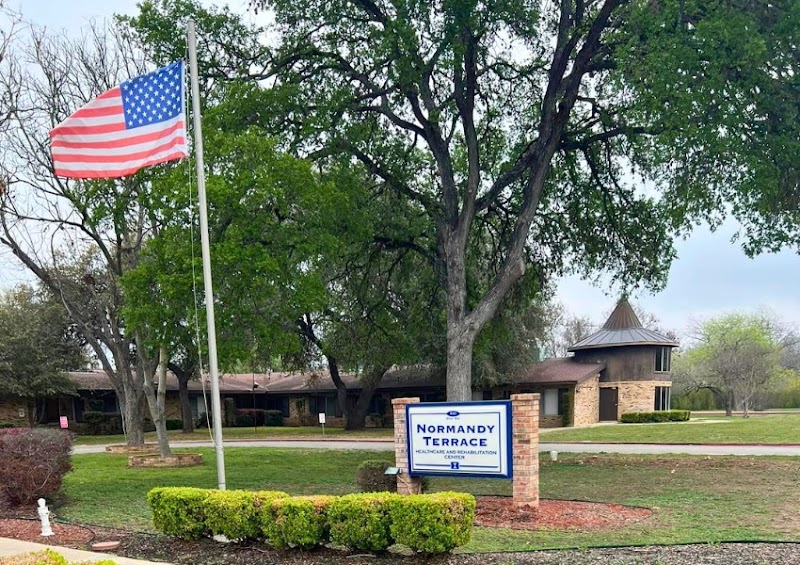
How is Normandy Terrace Nursing & Rehabilitation Center Staffed?

CMS rates NORMANDY TERRACE NURSING & REHABILITATION CENTER's staffing level at 3 out of 5 stars, which is average compared to other nursing homes. Staff turnover is 27%, compared to the Texas average of 46%. This relatively stable workforce can support continuity of care.

What Have Inspectors Found at Normandy Terrace Nursing & Rehabilitation Center?

State health inspectors documented 39 deficiencies at NORMANDY TERRACE NURSING & REHABILITATION CENTER during 2022 to 2025. These included: 6 Immediate Jeopardy (the most serious level, indicating potential for serious harm or death), 31 with potential for harm, and 2 minor or isolated issues. Immediate Jeopardy findings are rare and represent the most serious regulatory concerns. They require immediate corrective action.
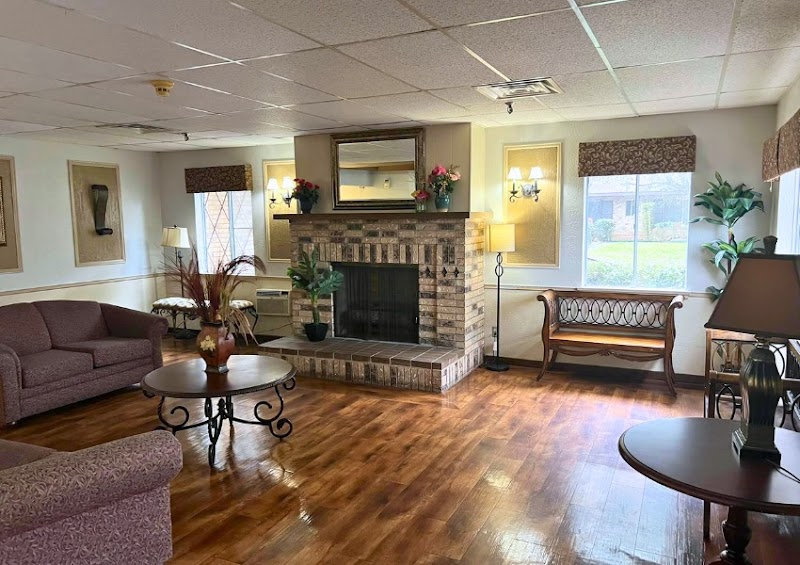
Who Owns and Operates Normandy Terrace Nursing & Rehabilitation Center?

NORMANDY TERRACE NURSING & REHABILITATION CENTER is owned by a for-profit company. For-profit facilities operate as businesses with obligations to shareholders or private owners. The facility is operated by CREATIVE SOLUTIONS IN HEALTHCARE, a chain that manages multiple nursing homes. With 320 certified beds and approximately 94 residents (about 29% occupancy), it is a large facility located in SAN ANTONIO, Texas.
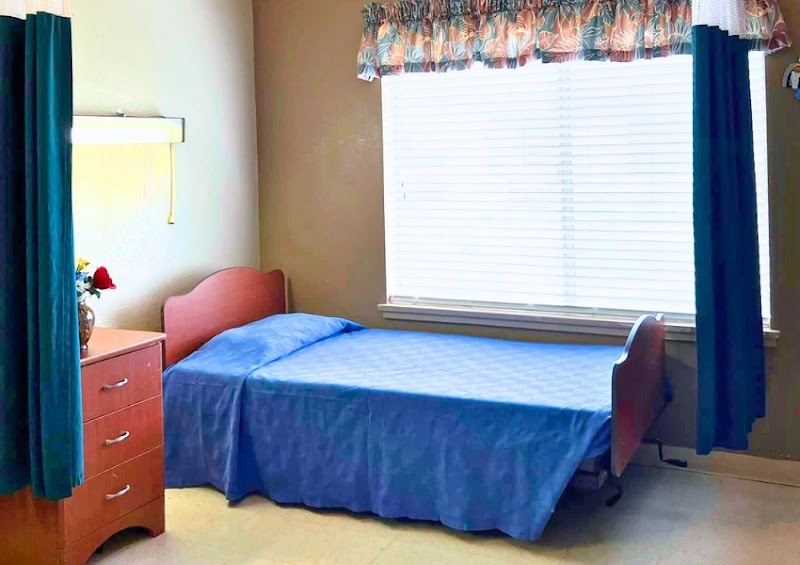
How Does Normandy Terrace Nursing & Rehabilitation Center Compare to Other Texas Nursing Homes?

Compared to the 100 nursing homes in Texas, NORMANDY TERRACE NURSING & REHABILITATION CENTER's overall rating (1 stars) is below the state average of 2.8, staff turnover (27%) is significantly lower than the state average of 46%, and health inspection rating (1 stars) is much below the national benchmark.

What Should Families Ask When Visiting Normandy Terrace Nursing & Rehabilitation Center?

Based on this facility's data, families visiting should ask: "What changes have been made since the serious inspection findings, and how are you preventing similar issues?" "Can I visit during a mealtime to observe dining assistance and food quality?" "How do you handle medical emergencies, and what is your hospital transfer rate?" "Can I speak with family members of current residents about their experience?" These questions are particularly relevant given the facility's Immediate Jeopardy citations.

Is Normandy Terrace Nursing & Rehabilitation Center Safe?

Based on CMS inspection data, NORMANDY TERRACE NURSING & REHABILITATION CENTER has documented safety concerns. Inspectors have issued 6 Immediate Jeopardy citations (the most serious violation level indicating risk of serious injury or death). The facility has a 1-star overall rating and ranks #100 of 100 nursing homes in Texas. Families considering this facility should ask detailed questions about what corrective actions have been taken since these incidents.

Do Nurses at Normandy Terrace Nursing & Rehabilitation Center Stick Around?

Staff at NORMANDY TERRACE NURSING & REHABILITATION CENTER tend to stick around. With a turnover rate of 27%, the facility is 19 percentage points below the Texas average of 46%. Low turnover is a positive sign. It means caregivers have time to learn each resident's needs, medications, and personal preferences. Consistent staff also notice subtle changes in a resident's condition more quickly.

Was Normandy Terrace Nursing & Rehabilitation Center Ever Fined?

NORMANDY TERRACE NURSING & REHABILITATION CENTER has been fined $311,769 across 6 penalty actions. This is 8.6x the Texas average of $36,197. Fines at this level are uncommon and typically indicate a pattern of serious deficiencies, repeated violations, or failure to correct problems promptly. CMS reserves penalties of this magnitude for facilities that pose significant, documented risk to resident health or safety. Families should request specific documentation of what issues led to these fines and what systemic changes have been implemented.

Is Normandy Terrace Nursing & Rehabilitation Center on Any Federal Watch List?

NORMANDY TERRACE NURSING & REHABILITATION CENTER is not on any federal watch list. The most significant is the Special Focus Facility (SFF) program, which identifies the bottom 1% of nursing homes nationally based on persistent, serious quality problems. Not being on this list means the facility has avoided the pattern of deficiencies that triggers enhanced federal oversight. This is a positive indicator, though families should still review the facility's inspection history directly.