NORTHGATE HEALTH AND REHABILITATION CENTER
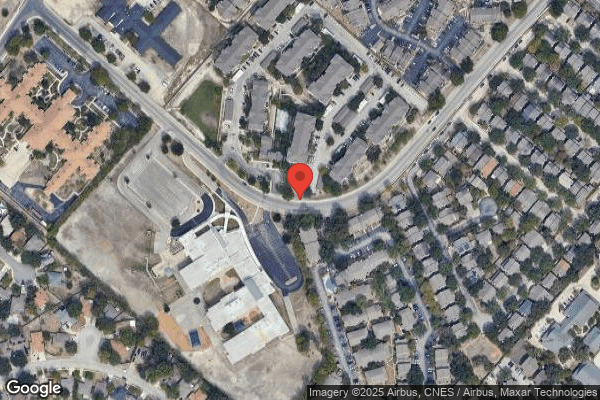
5757 N KNOLL, SAN ANTONIO, TX 78240 (210) 699-8535
For profit - Limited Liability company 120 Beds SUMMIT LTC Data: November 2025 2 Immediate Jeopardy citations
Trust Grade
1/100
#1052 of 1168 in TX
Last Inspection: July 2025

Inspected within the last 6 months. Data reflects current conditions.

Overview

Northgate Health and Rehabilitation Center has a Trust Grade of F, indicating poor performance with significant concerns regarding care and safety. It ranks #1052 out of 1168 facilities in Texas, placing it in the bottom half, and #50 out of 62 in Bexar County, meaning there are only a few local options that are better. The facility is showing an improving trend, having reduced its issues from 13 in 2024 to 10 in 2025. However, staffing is a major concern, with a rating of 1 out of 5 stars and a turnover rate of 71%, much higher than the state average. There is also less RN coverage than 91% of Texas facilities, which may lead to missed health issues that nursing assistants might overlook. Specific incidents include a failure to adequately supervise a resident during meals, which could lead to choking, and another resident who eloped from the facility despite being identified as high risk. On a slightly positive note, the facility has recently made efforts to reduce its compliance issues, but ongoing concerns about safety and staffing remain.

Trust Score
F
1/100
In Texas
#1052/1168
Bottom 10%
Safety Record
High Risk
Review needed
Inspections
Getting Better
13 → 10 violations
Staff Stability
⚠ Watch
71% turnover. Very high, 23 points above average. Constant new faces learning your loved one's needs.
Penalties
✓ Good
$39,165 in fines. Lower than most Texas facilities. Relatively clean record.
Skilled Nurses
⚠ Watch
Each resident gets only 11 minutes of Registered Nurse (RN) attention daily — below average for Texas. Fewer RN minutes means fewer trained eyes watching for problems.
Violations
⚠ Watch
34 deficiencies on record. Higher than average. Multiple issues found across inspections.
★☆☆☆☆
1.0
Overall Rating
★☆☆☆☆
1.0
Staff Levels
★★☆☆☆
2.0
Care Quality
★★☆☆☆
2.0
Inspection Score
Stable
2024: 13 issues
2025: 10 issues

The Good

  • Full Sprinkler Coverage · Fire safety systems throughout facility
  • No fines on record

Facility shows strength in fire safety.

The Bad

1-Star Overall Rating

Below Texas average (2.8)

Significant quality concerns identified by CMS

Staff Turnover: 71%

24pts above Texas avg (46%)

Frequent staff changes - ask about care continuity

Federal Fines: $39,165

Above median ($33,413)

Moderate penalties - review what triggered them

Chain: SUMMIT LTC

Part of a multi-facility chain

Ask about local staffing decisions and management

Staff turnover is very high (71%)

23 points above Texas average of 48%

The Ugly 34 deficiencies on record

2 life-threatening
Jul 2025 5 deficiencies
CONCERN (D)

Potential for Harm - no one hurt, but risky conditions existed

Deficiency F0552 (Tag F0552)

Could have caused harm · This affected 1 resident

**NOTE- TERMS IN BRACKETS HAVE BEEN EDITED TO PROTECT CONFIDENTIALITY** Based on interview and record review the facility failed to ensure residents had the right to be informed in advance of the risk...

Read full inspector narrative →
**NOTE- TERMS IN BRACKETS HAVE BEEN EDITED TO PROTECT CONFIDENTIALITY** Based on interview and record review the facility failed to ensure residents had the right to be informed in advance of the risks and benefits of proposed care, of treatment and treatment alternatives or treatment options for 1 of 6 residents (Resident #39) reviewed for informed consent.The facility failed to ensure a psychotropic medication consent was included in the medical record for Resident #39's Olanzepine (an atypical antipsychotic medication).This failure could place residents at risk of receiving care/treatment without consent and knowledge of adverse side effects.The findings included: Review of Resident #39’s face sheet with an original date of 12/23/24 and a readmission date of 4/2/25, documented a [AGE] year-old female with diagnoses including Type 2 Diabetes Mellitus, Paranoid Schizophrenia (a mental health disorder that affects how a person thinks, feels, and behaves with symptoms that include delusions and auditory hallucinations), and Celiac Disease (a disorder that causes a reaction in your body to the protein, gluten which damages your small intestine and stops it from working properly). Review of Resident #39’s most recent quarterly MDS assessment dated [DATE] documented a BIMS of 6 indicating severe cognitive impairment; a diagnosis of schizophrenia; and the use of an antipsychotic medication. Review of Resident #39’s care plan dated 6/24/25 documented antipsychotic medication usage with interventions including “AIMS every as ordered; Monitor resident’s behavior and response to medication; Pharmacy consultant review.” Review of Resident #39’s electronic medical record documented an order for the antipsychotic medication Olanzepine 10mg daily with a start date of 1/20/25. Review of Resident #39’s progress note initiated on 7/22/25 at 3:00 PM documented “Call placed to [local/contracted psychiatry agency] in regard to 3713 consents for Olanzepine 10mg.” and “Currently awaiting consent form to be sent. Plan of care to continue.” Review of Resident #39's electronic medical record revealed there was no informed consent found for the use of the antipsychotic Olanzepine 10mg QD. During an interview with the MDS Coordinator on 7/22/25 at 2:42 PM, the MDS Coordinator stated if a resident has a consent form for a psychotropic medication it would be found under the psychotropic consents tab in a resident’s documents section of the EMR. During an interview with the DON on 7/24/25 at 9:23 AM, the DON stated there is no specific staff member in charge of obtaining consents for psychotropic medications. The DON stated when a consent is needed for psychotropic medications, the facility will speak to the responsible party and provide them information on the medication including side effects and any other information. The DON stated if consent is granted, they get a verbal consent or written signature on the consent form. The DON stated it was important to get psychotropic medication consents signed quickly, so residents can be aware of what they are taking and how it can affect them. During an interview with the Administrator on 7/24/25 at 9:54 AM, the Administrator stated the nursing staff is primarily responsible for obtaining psychotropic medication consents, and the social worker will sometimes help with those consents. When asked what her expectation is of the timeline for getting psychotropic medication consents, the Administrator stated as soon as possible, within the first few days of admissions. The Administrator stated for any changes to medications, her expectation is for staff to get the consents quickly, within a few days of the change. When discussing the importance of getting psychotropic medication consents signed as soon as possible, the Administrator stated without a signed consent, the facility is unable to give a medication and a breakdown in care could occur for the resident. The Administrator further stated the consent aides the resident in understanding what a medication is for, why they are taking it, and how it can affect them. Review of the facility’s policy titled Statement of Resident Rights, undated, noted “You have a right to: (23) receive information about prescribed psychoactive medication from the person who prescribes the medication or that person's designee, to have any psychoactive medications prescribed and administered in a responsible manner, as mandated by the Texas Health and Safety Code, §242.505, and to refuse to consent to the prescription of psychoactive medications.
CONCERN (D)

Potential for Harm - no one hurt, but risky conditions existed

Deficiency F0558 (Tag F0558)

Could have caused harm · This affected 1 resident

**NOTE- TERMS IN BRACKETS HAVE BEEN EDITED TO PROTECT CONFIDENTIALITY** Based on observation, interview and record review the facility failed to ensure 1 of 8 residents (Resident #2) received services...

Read full inspector narrative →
**NOTE- TERMS IN BRACKETS HAVE BEEN EDITED TO PROTECT CONFIDENTIALITY** Based on observation, interview and record review the facility failed to ensure 1 of 8 residents (Resident #2) received services in the facility reviewed for reasonable accommodation of resident needs related to call lights. The facility failed to ensure the call light was within reach for Resident #2. This deficient practice could affect any resident and place them at risk of not being able to ask for help as needed.The findings were: Record review of Resident #2's face sheet revealed she was admitted to the facility on [DATE] with diagnoses which included: catatonic disorder (person experiences significant disruptions in movement and behavior), Neoplasm of uncertain behavior of parathyroid gland (growth in the parathyroid gland), Sick sinus syndrome (heart's natural pacemaker doesn't work properly). Record review of Resident #2's MDS assessment, dated 05/07/2025, revealed the resident's BIMS score was 99, which indicated severe cognitive impairment. The MDS assessment further revealed Resident #2 required substantial/maximal assistance (helper does more than half the effort) for ADL assistance. Record review of Resident #2's care plan revealed Resident #2 is at risk for falls d/t impaired cognition, impaired mobility, no safety awareness and Keep call light within reachObservation on 07/22/2025 at 1:25 pm. revealed Resident #2 lying in bed with her call light lying on the floor under the head of the bed, out of view and reach of the resident. During an interview on 07/22/2025 at 1:28 pm LVN A she observed the call light was not visible to the resident and the resident was unable to reach it. She stated the potential for harm could be a lack of care due to the resident unable to call for help. During an interview on 07/22/2025 at 1:46 pm the DON stated that the call light should be within resident reach to be able to call for assistance. Record review of facility's Call Light- Use of policy, dated December 2017, showed, When providing care to residents, be sure to position the call light conveniently for the resident to use.
CONCERN (D)

Potential for Harm - no one hurt, but risky conditions existed

Tube Feeding (Tag F0693)

Could have caused harm · This affected 1 resident

**NOTE- TERMS IN BRACKETS HAVE BEEN EDITED TO PROTECT CONFIDENTIALITY** Based on observation, interview, and record review the facility failed to ensure that a resident who is fed by enteral means rec...

Read full inspector narrative →
**NOTE- TERMS IN BRACKETS HAVE BEEN EDITED TO PROTECT CONFIDENTIALITY** Based on observation, interview, and record review the facility failed to ensure that a resident who is fed by enteral means receives the appropriate treatment and services to prevent complications of enteral feeding for 1 of 3 resident (Resident #9) reviewed for enteral feeding:The facility failed to ensure Resident #9's feeding formula and water containers were labeled with the appropriate identifiers and did not discard the feeding containers after the feeding was completed.This deficient practice could place residents who received enteral nutrition at risk of infection, and bloating discomfort.The findings included:Record review of Resident #9's face sheet dated 7/21/25 revealed a [AGE] year-old female admitted to the facility on [DATE] and re-admitted on [DATE] with diagnoses that included nausea, aphasia (medical condition that affects a persons' ability to communicate) following cerebral infarct (a type of stroke that prevents blood flow to a part of the brain), dysphagia(condition that involves difficulty with language), gastro-esophageal reflux (chronic condition where stomach acid or bile flows back into the esophagus causing irritation), and gastrostomy status (a medical procedure in which a surgical opening is made into the stomach through the abdominal wall which allows for the placement of a feeding tube).Record review of Resident #9's most recent quarterly MDS assessment dated [DATE] revealed the resident was severely cognitively impaired for daily decision-making skills and utilized a feeding tube.Record review of Resident #9's comprehensive care plan with edited date 6/29/25 revealed the resident had a feeding tube and approaches that included to provide feedings and water flushes as ordered. Record review of Resident #9's Physician Order Report for July 2025 revealed the following:- Enteral: Free water flushes at 60 ml/hr x 12 hours, special instructions: RUN water at 60 ml per hour from 6:00 p.m. to 6:00 a.m. every night with order date 7/21/25 and no end date.- Nocturnal feedings of Novasource Renal at 45 ml with 60 ml free water flushes x 12 hours feeding tube via dual flow pump (down 6:00 a.m., on 6:00 p.m.) with order date 6/3/25 and end date 7/7/25.Observation on 7/22/25 at 9:29 a.m. revealed Resident #9 in bed and the Novasource formula and water containers were hanging from the feeding pole with the feeding tube connected to the feeding pump and the connecting end of the tube was under the resident's blanket. Resident #9's Novasource formula and water containers were unlabeled, and the feeding pump was turned off.Observation on 7/22/25 at 1:36 p.m. revealed Resident #9's Novasource formula and water containers were hanging from the feeding pole and the feeding pump turned off. During an observation and interview on 7/22/25 at 1:47 p.m., LVN A stated, Resident #9 received nocturnal feedings but was not sure of the time frame. LVN A observed the Novasource formula and water containers hanging from the feeding pole and stated, both the formula and water containers were unlabeled. LVN A stated both the formula and water containers were supposed to be labeled because it was used to identify right person, right rate, right time and right dosage. LVN A stated, without those identifiers, it would not be known how long the formula had been left there. LVN A stated she believed the formula and water had been used/infused even though there was still formula and water seen in the containers. LVN A stated, even though the formula was not finished, they could still use it again, but that would depend on how much of the formula had been infused.During an interview on 7/22/25 at 4:43 p.m. the DON stated Resident #9's feeding formula and water containers should have been labeled with the resident's name, the time, and date the formula was infused. The DON stated, the formula was only good for 24 hours and once it was used, it should be thrown away. The DON stated the resident could be affected if the formula did not have a label that indicated when the formula was given and how much and if the formula was old, it could upset the resident's stomach and make them sick.Record review of the facility document titled Enteral Formula Via: Feeding Tube, Bolus, Gravity, Pump (Closed/Open) Administration, with effective date 12/2017 revealed in part, .It is the policy of this home that the resident, who utilizes enteral nutrition, will be free, to the extent possible, from complications related to enteral nutrition.Pump - administration of formula utilizing a bottle/bag with the tubing placed through the pump device and the rate set on the pump to administer the formula. This method provides a more accurate administration as well as the pump provides the volume administered in a specified time period.The syringe and bag (if used) should be changed every 24 hours. The ready-to-hang bottles should be changed according to the manufacturer recommendations or when total amount has infused if less than the manufacturer recommendation.The syringe, bag, and/or bottle should be labeled with the resident name, room number, date changed, and the nurses' signature/initials. The bag or bottle should also specify the physician order the formula, rate, route, and means of administration.
CONCERN (E)

Potential for Harm - no one hurt, but risky conditions existed

Accident Prevention (Tag F0689)

Could have caused harm · This affected multiple residents

**NOTE- TERMS IN BRACKETS HAVE BEEN EDITED TO PROTECT CONFIDENTIALITY** Based on observation, interview, and record review, the facility failed to ensure the resident environment remained as free of a...

Read full inspector narrative →
**NOTE- TERMS IN BRACKETS HAVE BEEN EDITED TO PROTECT CONFIDENTIALITY** Based on observation, interview, and record review, the facility failed to ensure the resident environment remained as free of accident hazards as was possible for 4 of 7 residents (Resident #23, Resident #9, Resident #37 and Resident #17) reviewed for accidents and hazards: 1. The facility failed to ensure Resident #23 did not have a disposable razor at the bedside.2. The facility failed to ensure Resident #9 did not have a pair of large nail clippers in her room.3. The facility failed to ensure Resident #37 did not have a pair of large nail clippers and a disposable razor in her room.4. The facility failed to ensure Resident #17 did not have a pair of scissors at the bedside.These failures could place residents at risk of harm or injury and contribute to avoidable accidents and a decline in health.The findings included:1. Record review of Resident #23's face sheet dated 7/22/25 revealed a [AGE] year old male admitted to the facility on [DATE] and re-admitted on [DATE] with diagnoses that included schizoaffective disorder (a mental health condition characterized by mood symptoms such as depression or mania), history of suicidal ideations, and dementia (general term for a decline in mental ability that is severe enough to interfere with daily life). Record review of Resident #23's most recent quarterly MDS dated [DATE] revealed the resident was cognitively intact for daily decision-making skills and required setup or clean-up assistance with personal hygiene.Record review of Resident #23's comprehensive care plan with edited date 5/27/25 revealed the resident had an ADL self-care performance deficit related to dementia with approached that included to provide independent/supervision by 1 staff with bathing.During an observation and interview on 7/21/25 at 11:15 a.m. revealed Resident #23 lying in bed and a disposable razor was at the bedside inside of a disposable emesis basin (a shallow, kidney-shaped container use in medical settings to collect vomit, oral secretions, or other bodily fluids). Resident #23 stated he shaved himself but could not recall the last time he had shaved himself. Observations on 7/22/25 at 7:38 a.m. and again at 1:33 p.m. revealed a disposable razor blade inside of a disposable emesis basin at Resident #23's bedside.2. Record review of Resident #9's face sheet dated 7/21/25 revealed a [AGE] year old female admitted to the facility on [DATE] and re-admitted on [DATE] with diagnoses that included type 2 diabetes (a chronic medical condition where the body either does not produce enough insulin or doesn't use insulin effectively), long term use of anticoagulants, contracture of right shoulder, elbow, wrist, and hand, and hemiplegia and hemiparesis following cerebral infarction affecting right dominant side (paralysis or weakness on one side of the body that occurs after a stroke). Record review of Resident #9's most recent quarterly MDS assessment dated [DATE] revealed the resident was severely cognitively impaired for daily decision-making skills and was dependent on staff for personal hygiene.Record review of Resident #9's comprehensive care plan with edited date 6/29/25 revealed the resident had an ADL self-care performance deficit related to cerebral infarction and approaches that included the resident required total assist with ADL's.Observation on 7/21/25 at 11:39 a.m. revealed Resident #9 in bed and a large pair of nail clippers were observed on top of a chest of drawers. Resident #9 could not verbalize if she had used the nail clippers but indicated she needed help to get in and out of bed. Observation on 7/22/25 at 9:29 a.m. revealed Resident #9 in bed and a large pair of nail clippers were observed on the top of a chest of drawers. 3. Record review of Resident #37's face sheet dated 7/22/25 revealed a [AGE] year-old female admitted to the facility on [DATE] with diagnoses that included lack of coordination, cognitive communication deficit, abnormalities of gait and mobility, type 2 diabetes (a chronic medical condition where the body either does not produce enough insulin or doesn't use insulin effectively), and muscle weakness.Record review of Resident #37's most recent comprehensive MDS assessment dated [DATE] revealed the resident was cognitively intact for daily decision-making skills and required substantial/maximal assistance with personal hygiene, and set-up or clean-up assistance with personal grooming.Record review of Resident #37's comprehensive care plan with edited date 6/29/25 revealed the resident had limited physical mobility and required ADL assistance from staff with approaches that included extensive to total assistance by 1 to 2 staff with bathing.Observation and interview on 7/22/25 at 1:23 p.m., Resident #37 stated she used the disposable razor blade seen in a cup on the bedside table to shave her whiskers on her chin. Resident #37 was asked if she trimmed her own nails, and the resident took a pair of large nail clippers stored in the same cup as the disposable razor blade and stated she also trimmed her own nails. Resident #37 stated staff were aware she had the disposable razor blade and the nail clippers in her possession. Resident #37 stated LVN B had given her the large nail clippers when she asked for them.During an interview on 7/22/25 at 1:55 p.m., LVN A stated Resident #23 was alert and oriented and was capable of shaving himself and cutting his own fingernails. LVN A stated Resident #37 was not supposed to cut her own nails or had access to a disposable razor because she could cut herself. LVN A stated Resident #9 could not have nail clippers because the resident had right sided weakness and did not have dexterity. LVN A stated residents who were allowed to use items such as nail clippers, or disposable razor blades were supposed to be addressed on a care plan. LVN A stated the ambassadors were supposed to be looking for those items when they made their rounds. LVN A stated when she saw something a resident was not supposed to have it was reported to the DON or ADON.During an interview on 7/22/25 at 2:13 p.m., the Activity Director stated she was assigned as an ambassador which included making rounds of assigned rooms and checked areas such as making sure the call light was working, cleanliness of resident rooms, and to look for disposable razors, and nail clippers or medications left at the bedside. The Activity Director stated items such as nail clippers and disposable razors were supposed to be disposed of in a sharps container and she was supposed to notify the nurse. The Activity Director stated she was not aware of any residents who were allowed to have disposable razors or nail clippers in their possession because it could be a safety hazard. During an interview on 7/22/25 at 3:25 p.m., CNA D stated she was unsure if there were any residents in the facility who could cut their own nails or shave themselves. CNA D stated she could do nail care on a resident except for those residents who were on blood thinners or who were diabetic. CNA D stated, once nail care was provided to a resident, the nail clippers were supposed to be disposed of in a sharps container. An attempt at a telephone interview on 7/22/25 at 3:40 p.m. with LVN B was unsuccessful. LVN B's voicemail indicated she was not accepting calls.During an interview on 7/22/25 at 4:43 p.m., the DON stated if a resident were allowed to use items such as nail clippers or disposable razors, the resident needed to be assessed, and it had to be care planned. The DON stated the care plan was important because it provided instruction on how to care for the resident. The DON stated there were residents who would do things on their own without asking staff for help but, I prefer staff watch them to make sure they are doing it safely.4. Record review of Resident #17's face sheet dated 7/23/25 revealed a [AGE] year-old female admitted to the facility on [DATE] and re-admitted on [DATE] with diagnoses that included abnormalities of gait and mobility, lack of coordination, and muscle weakness.Record review of Resident #17's most recent quarterly MDS assessment dated [DATE] revealed the resident was cognitively intact for daily decision-making skills, required substantial to maximal assistance with transfers and required substantial/maximal assistance with grooming. Record review of Resident #17's comprehensive care plan with edited date 6/29/25 revealed the resident had limited physical mobility and approaches that included 1 to 2-person assist with mobility, and transfers.Observation on 7/23/25 at 8:33 a.m., during the medication pass revealed Resident #17 sitting up in bed and a pair of scissors were observed on the resident's bedside table. During an interview on 7/23/25 at 8:47 a.m., LVN C stated, he was responsible for cutting resident's fingernails and as far as he knew, residents were not allowed to have items, including nail clippers, or disposable razor blades at the bedside. LVN C stated items such as nail clippers and disposable razor blades were provided to the residents, but staff used those items on the residents and could not have the items in their rooms because they could cut themselves or have an accident.During an interview on 7/23/25 at 9:11 a.m., Resident #17 stated she could cut her own fingernails if she wanted to, and the scissors belonged to her and were used to cut things such as to open packages. Resident #17 stated the scissors were provided to her by a family member.Record review of the facility document untitled and undated, provided by the Activity Director on 7/22/25 at 2:13 p.m. revealed a check list used by the assigned ambassador to monitor during the rounds. The untitled document included to monitor for No ‘dangerous items' chemicals, etc., and instructions with if yes, please fill out form. Record review of the facility document titled Statement of Resident Rights, undated, revealed in part, .You have a right to.all care necessary for you to have the highest possible level of health.safe, decent and clean conditions.
CONCERN (E)

Potential for Harm - no one hurt, but risky conditions existed

Infection Control (Tag F0880)

Could have caused harm · This affected multiple residents

**NOTE- TERMS IN BRACKETS HAVE BEEN EDITED TO PROTECT CONFIDENTIALITY** Based on observation, interview, and record review, the facility failed to establish and maintain an infection control program d...

Read full inspector narrative →
**NOTE- TERMS IN BRACKETS HAVE BEEN EDITED TO PROTECT CONFIDENTIALITY** Based on observation, interview, and record review, the facility failed to establish and maintain an infection control program designed to provide a safe, sanitary, and comfortable environment and to help prevent the development of communicable diseases and infections for 6 of 8 residents (Resident #15, #18, #31, #19, #17 and #9) reviewed for infection control.1. The facility failed to ensure LVN A sanitized the blood pressure cuff when obtaining Resident #15, Resident #18, and Resident #31's blood pressure. 2. The facility failed to ensure LVN A wore gloves when applying a lidocaine patch to Resident #18's lower back. 3. The facility failed to ensure LVN C sanitized the blood pressure cuff when obtaining Resident #19, and Resident #17's blood pressure. 4. The facility failed to ensure LVN C wore a gown while administering a bolus of water to Resident #9's feeding tube who was on EBP (enhanced barrier precautions) on 7/23/25.These deficient practices could affect residents who require assistance and treatments and could place residents at risk for cross contamination and infection or illness.The findings included:1. Observation on 7/22/25 at 7:44 a.m. during the medication pass revealed LVN A obtained Resident #15's blood pressure and did not sanitize the blood pressure cuff after use. LVN A then obtained Resident #18's blood pressure and Resident #31's blood pressure with the same blood pressure cuff without sanitizing the cuff between resident use. During an interview on 7/22/25 at 8:27 a.m., LVN A stated the blood pressure cuff used on the residents was her own personal equipment. LVN A stated she had forgotten to sanitize the blood pressure cuff between the residents and said she should have sanitized the blood pressure cuff because it was considered cross contamination. LVN A stated she had never been instructed by the facility to sanitize the blood pressure cuff between residents. LVN A stated cross contamination meant, whatever somebody got they could give it to somebody else. 2. Record review of Resident #18's face sheet dated 7/24/25 revealed a [AGE] year-old female admitted to the facility on [DATE] with diagnoses that included chronic pain syndrome, muscle spasm, and difficulty in walking.Record review of Resident #18's Physician Order Report dated 6/24/25-7/24/25 revealed the following:- lidocaine adhesive patch, medicated 4%, 1 patch topical twice a day for pain with order date 6/17/25 and no end date.Observation on 7/22/25 at 8:13 a.m. during the medication pass revealed LVN A applied Resident #18's lidocaine patch to the lower back without using gloves. During an interview on 7/22/25 at 8:27 a.m., LVN A stated she did not wear gloves when applying the lidocaine patch to Resident #18's lower back because the gloves stick to the patch. LVN A stated she did not believe she needed to wear gloves when applying the patch because she had washed her hands prior to handling the patch. 3. Observation on 7/23/25 at 8:06 a.m. during the medication pass revealed LVN C obtained Resident #19's blood pressure and did not sanitize the blood pressure cuff after use. LVN C then obtained Resident #17's blood pressure with the same blood pressure cuff used on Resident #19. During an interview on 7/23/25 at 8:47 a.m., LVN C stated the blood pressure cuff used on the residents was his own personal equipment. LVN C stated he had forgotten to sanitize the blood pressure cuff between resident use and not sanitizing the blood pressure cuff was considered cross contamination. 4. Record review of Resident #9's face sheet dated 7/21/25 revealed a [AGE] year old female admitted to the facility on [DATE] and re-admitted on [DATE] with diagnoses that included nausea, aphasia (neurological condition that affects the ability to communicate) following cerebral infarction (a type of stroke causing brain tissue to die due to lack of oxygen and nutrients), dysphagia (partial loss or difficulty with language abilities), gastro-esophageal reflux disease (a chronic digestive disorder where stomach acid or bile flows back into the esophagus), and gastrostomy status (surgical procedure in which a hole [stoma] is created through the abdominal wall directly into the stomach which allows placement for a feeding tube). Record review of Resident #9's Physician Order Report dated 6/22/25-7/22/25 revealed the following:- Enteral: free water flushes at 60 ml per hour every 12 hours. Special Instructions: RUN water at 60 ml per hour from 6:00 p.m. to 6:00 a.m. every night with order date 7/21/25 and no end date.- Enteral: Flush G-tube (feeding tube) with 10-15 cc water before and after medication administration every shift with order date 10/27/24 and no end date.- Enteral: Verify G-tube placement by aspirating stomach contents before feedings/flushes/meds. If residual is more than 60 cc, replace contents, stop feeding and notify MD, every shift with order date 10/27/24 and no end date.- Staff may utilize EBP (enhanced barrier precautions) for high contact resident care, with order date 5/20/25 and no end date.Record review of Resident #9's comprehensive care plan with edited date 6/29/25 revealed the resident required enhanced barrier precautions during contact care related to enteral feeding tube with approaches that included staff to provide/utilize appropriate PPE along with standard precautions while providing resident care including care to enteral tubes.On 7/23/25 at 2:36 p.m. during observation of the water bolus to Resident #9's feeding tube revealed LVN C checked for placement of the resident's feeding tube, checked for residual and administered 15 cc of water without using a gown. During an interview on 7/23/25 at 2:43 p.m., LVN C stated Resident #9 was on enhanced barrier precautions (infection control practices used in healthcare settings to prevent the spread of multi drug-resistant organisms) because she utilized a feeding tube. LVN C stated he should have worn a gown so there was no cross contamination. LVN C stated all residents who had feeding tubes, colostomies, and indwelling urinary catheters were placed on enhanced barrier precautions and during care staff were supposed to wear gloves and gowns. During an interview on 7/24/25 at 10:36 a.m., the ADON, who stated she had obtained certification for infection control prevention, and stated enhanced barrier precautions were utilized when providing direct care to residents who had feeding tubes, wounds, skin issues, or indwelling urinary catheters. The ADON stated, those residents on enhanced barrier precaution required the staff to use gloves and gown when providing direct care to prevent passing an infection. The ADON stated, residents who required the use of a topical medication, such as a patch were supposed to wear gloves because it was considered direct contact with the resident. The ADON stated, applying a lidocaine patch to the resident without using gloves was considered cross contamination.During an interview on 7/24/25 at 10:48 a.m., the DON stated, residents who utilized an indwelling catheter, feeding tubes, and wounds would be considered to be on enhanced barrier precautions. The DON stated it was her expectation that staff should be wearing gloves and gown when providing direct care to the resident on enhanced barrier precautions in case of encountering bodily fluids and to prevent spread of infection. The DON stated, if cross contamination were to occur, the resident could become infected.During an interview on 7/24/25 at 11:18 a.m., the RN Regional Nurse stated, the package for the lidocaine patch applied to Resident #18's lower back did not indicate that gloves needed to be used, but stated the facility policy indicated staff should be wearing gloves because it was considered an infection control issue and, you have to wear gloves and treat everybody as if they ae contagious to prevent cross contamination.Record review of the facility document titled Infection Control - Prevention and Control Program with effective date 12/2017 revealed in part, .The intent of this program is to assure that the home develops, implements, and maintains an Infection Prevention and Control Program to prevent, recognize, and control, to the extent possible, the onset and spread of infection within the facility.The program will.Prevent and control outbreaks and cross-contamination using transmission-based precautions in addition to standard precautions.Record review of the facility document titled Infection Control - Precautions- Categories and Notices with effective date 12/2017 revealed in part, .It is the policy of this home to assure that appropriate precautions will be established to ensure that the necessary isolation techniques are implemented.Standard Precautions will be used in the care of all residents regardless of their diagnosis, or suspected or confirmed infection status.In addition to Standard Precautions, Contact Precautions must be implemented for residents known or suspected to be infected or colonized with microorganisms that can be transmitted by direct contact with the resident or indirect contact with environmental surfaces or patient-care items in the resident's environment.Resident-Care Equipment.non-critical patient-care equipment items such as a.sphygmomanometer (blood pressure cuff).adequately clean and disinfect them before use for another resident.For residents for who EBP are indicated, EBP is employed when performing the following high-contact resident care activities.Device care or use.feeding tube.
Jun 2025 1 deficiency
CONCERN (D) 📢 Someone Reported This

A family member, employee, or ombudsman was alarmed enough to file a formal complaint

Potential for Harm - no one hurt, but risky conditions existed

Deficiency F0628 (Tag F0628)

Could have caused harm · This affected 1 resident

**NOTE- TERMS IN BRACKETS HAVE BEEN EDITED TO PROTECT CONFIDENTIALITY** Based on interviews and record reviews, the facility failed to ensure the discharge of Resident #1 was documented in the EMR for...

Read full inspector narrative →
**NOTE- TERMS IN BRACKETS HAVE BEEN EDITED TO PROTECT CONFIDENTIALITY** Based on interviews and record reviews, the facility failed to ensure the discharge of Resident #1 was documented in the EMR for one resident (#1) of four residents reviewed for discharge. The facility failed to provide Resident #1 with a 30-day discharge notice when he was sent to the hospital for a change in condition and the facility refused to take him back. Documentation of discharge was not present in Resident #1's EMR to include physician's orders or a discharge summary. This failure could affect residents who go to the hospital for a change in condition and result in an unsafe discharge. The findings included: Record review of Resident #1's electronic face sheet dated 06/25/2025 reflected he was a [AGE] year-old male who was admitted to the facility on [DATE] and readmitted on [DATE]. His diagnoses included: Pressure ulcer (a localized injury to the skin and underlying tissue) of other cite, unstageable (depth of wound could not be determined), neurogenic bladder (condition where nerve damage disrupts the normal function of the bladder), neurogenic bowel (condition where nerve damage disrupts the normal function of the bowel), constipation, a (infrequent bowel movements or difficulty passing stools) and quadriplegia (paralysis and/or weakness affecting all four limbs). Record review of Resident #1's quarterly MDS assessment dated [DATE] reflected he scored a fifteen out of fifteen on his BIMS which indicated he was cognitively intact. He could understand and be understood. He had a suprapubic urinary catheter (tube inserted through a small incision in the abdomen, just above the pubic bone to drain urine from the bladder) and was always incontinent of bowel. He had a Stage 4 pressure ulcer to his sacrum (wound is deep and severe, extending beyond skin and fat layers to expose muscle, tendon, or bone). Review of Resident #1's care planning notes dated 04/29/2025 reflected he had a care plan conference which addressed he refused and was non-compliant with following MD orders/recommendations i.e.: repositioning, and lying down to relieve pressure from wounds, resident likes to sit up in his wheelchair for long periods of time. Record review of Resident #1's comprehensive care plan reflected start date, 11/06/24, revised 3/24/25, category Behaviors. Non-compliant with smoking policy and procedures. Record review of Resident #1's comprehensive care plan revised date of 03/24/25 reflected discharge planning: Return to Community Referral desires to transition to community or another nursing facility. Long Term Goal Target Date: 06/11/2025, Approach, assist with discharge planning needs to include coordination of HH, PCP follow up and DME needs. Record review of Resident #1's change in condition Observation Detail List Report dated 06/06/2025 reflected Resident #1 was discharged , Resident requesting to go to ER due to him not feeling well, per family wanting him to go and get checked out, family at bedside, vitals with normal range. Record review of Resident #1's EMR on 06/25/2025 reflected there were no discharge orders or discharge summary for 06/06/2025. The facility provided the surveyor with a discharge order and summary dated 06/26/2025. Record review of Resident #1's hospital review of his encounter in the ER dated 06/06/2025 reflected Social History: Reports that he has never smoked. He has never used smokeless tobacco. He reports that he does not currently use alcohol. He reports current drug use. Frequency: twenty times per week. Drug: Marijuana. During an interview on 06/23/2025 at 4:00 pm with Resident #1 via telephone, he stated he was in the hospital and made a statement about using marijuana, but it was not true, and the facility refused to take him back which impacted his ability to go across the street and pick up his son from school, and there was not many facilities that would do rectal stimulation, which is a part of care he needed. During an interview on 06/25/2025 at 08:28 am with Regional Consultant RN A, she stated Resident #1 was non-compliant with his wound care and does not off load to get pressure off from his bottom and he missed appointments with the wound care doctor. She stated there was suspicion of drug use, and he would leave the facility and return at 3 am. She stated there was concern Resident #1 was selling drugs outside the facility but there was no evidence. She stated there was drug paraphernalia found in his room. She stated, the Administrator, DON and SW decided it was a big liability for the facility, and when his paperwork from the hospital showed he smoked marijuana daily the decision was made to take a citation instead of having him come back. Resident #1 was considered a risk and an endangerment to others. She stated Resident #1 was on psychoactive medications. During an interview on 06/25/2025 at 2:26 pm with Dr. B, who was Resident #1's physician and the Medical Director for the facility stated Resident #1's drug use was highly suspicious, and he would have conversations with the resident about his narcotics. He supported the facility's decision not to readmit Resident #1. He stated he was not aware at the time Resident #1 was discharged , but knew he was sent out for a change in condition. During an interview on 06/26/2025 at 10:44 am with the SW, he stated he had worked at the facility for almost one month and did not know Resident #1 well but supported the decision of not taking the resident back based on his behaviors and suspected drug use. During an interview on 06/26/2025 at 1:16 pm with the DON, she stated the facility received information from the hospital that Resident #1 smoked marijuana about twenty times a week. She stated he was young, and it would be difficult to ensure his safety since he was on narcotics for pain and used an electric wheelchair. She stated she was a new DON and did not realize a discharge order nor summary was done for Resident #1. She stated after the decision not to readmit Resident #1; it was not well communicated. She stated a smooth discharge process for a resident was essential to provide safety and necessary care. During an interview on 06/26/2025 at 2:00 pm with the Administrator, she stated when the hospital reported Resident #1 was smoking marijuana, she and the DON decided it was a safety risk to other residents. She stated she was aware he refused much of his care and was not in the building. Record review of the facility Nursing Policy and Procedure, titled Discharge-Transfer of the Resident dated 10-2020 reflected It is the policy of this home that residents and/or responsible parties will be notified prior to transfer or discharge. discharged residents will have documentation related to discharge or transfer in clinical software., the attending physician is required to write a discharge order, discharge summary completed by DON/designee.
Jun 2025 2 deficiencies
CONCERN (D) 📢 Someone Reported This

A family member, employee, or ombudsman was alarmed enough to file a formal complaint

Potential for Harm - no one hurt, but risky conditions existed

Report Alleged Abuse (Tag F0609)

Could have caused harm · This affected 1 resident

**NOTE- TERMS IN BRACKETS HAVE BEEN EDITED TO PROTECT CONFIDENTIALITY** Based on interview, and record review the facility failed to ensure that all alleged violations involving abuse were reported im...

Read full inspector narrative →
**NOTE- TERMS IN BRACKETS HAVE BEEN EDITED TO PROTECT CONFIDENTIALITY** Based on interview, and record review the facility failed to ensure that all alleged violations involving abuse were reported immediately, but not later than 2 hours after the allegation was made, if the events that caused the allegation involved abuse, to the administrator of the facility and to other officials including to the State Survey Agency where state law provides for jurisdiction in long-term care facilities in accordance with State law through established procedures for 2 of 4 residents (Residents #1 and #2), reviewed for freedom from abuse, neglect, and exploitation. 1. Facility failed to report incident of suspected abuse from Monday 04/12/2025 when Resident #1 stated she had been fondled by man. 2. Facility failed to report an incident of suspected physical abuse from Monday 04/12/2025 when Resident #2 stated he had been hit by a female resident. These failures could put the residents at risk of abuse, allegations of abuse not being reported immediately, and could result in physical and psychosocial harm. The findings were: Record review of Resident #1's face sheet, dated 06/21/2025, revealed she was admitted on [DATE] and the latest admission being 04/02/2025 with diagnoses which included: muscle weakness (generalized), cognitive communication deficit, and paranoid schizophrenia (subtype of schizophrenia characterized by prominent symptoms of paranoia, including delusions and hallucinations, particularly those involving persecution or conspiracy). Record review of Resident #1's Quarterly MDS assessment, dated 06/05/2025, revealed the resident's BIMS score was 15, which indicated intact cognitive impairment. The Quarterly MDS assessment further revealed Resident #1 required substantial/maximal assistance (helper lifts or holds trunk or limbs and provides more than half the effort) for sit to lying, chair/bed to chair transfer, was dependent (helper does all of the effort. Resident does none of the effort to complete the activity) for toileting hygiene, upper body dressing, and lower body dressing. Record review of Resident #1's care plan, problem start date of 02/05/2025, revealed Resident #1 had a problem of [Resident's name] has a hx of calling the police to report false allegations. Resident record review of Resident #1's LVN progress notes, dated 04/12/2025, revealed Res. was heard yelling out and crying in dayroom and res. was asked what wrong. Res. crying and mumble something in low tone. Nurse was unable to hear and asked res. to speak up. Res. blurted out he put his hands on me and tried to touch my breasts, he put his hands on me! Res. Was comforted and asked if she could wait there so nurse could get help. Res. said she didn't want to leave the dayroom anyway. DON was walking towards rosewood nurses' station when she was called and asked to come to dayroom to speak to res. DON was made aware as she also repeated her statement about another res. to DON. Res. was asked by DON if going to her room or nurses' station would help her feel safe. Res. agreed and went to nurses' station then just a few min. later she asked to be taken to her room. Res. asked if I have to talk to the police, will they come to my room? Nurse assured if needed they would be escorted to her room. During an interview on 06/21/2025 at 12:30 PM Resident #1 stated Resident #2 put his hands on her body and he fondled her. Resident #1 further stated he had only bothered her once. Record review of Resident #2's face sheet, dated 06/21/2025, revealed he was admitted on [DATE] with diagnoses which included: vascular dementia (a type of dementia caused by reduced blood flow to the brain, often due to strokes or other conditions affecting blood vessels. This impaired blood flow damages brain cells, leading to problems with memory, thinking, and behavior), unspecified severity, with other behavioral disturbance, alcohol abuse, and generalized anxiety. Record review of Resident #2's admission MDS assessment, dated 04/15/2025, revealed the resident's BIMS score was 04, which indicated severe cognitive impairment. The Quarterly MDS assessment further revealed Resident #2 was independent with toileting hygiene, upper body dressing, lower body dressing and personal hygiene. Record review of Resident #2's care plan, problem start date of 06/13/2025, revealed Resident #2 had a problem of [Resident's name] presents with agitation and verbal behavioral symptoms and racial slurs directed toward staff regarding smoke breaks. Resident record review of Resident #2's progress notes, dated 04/12/2025, revealed Res. came from dayroom and said, that lady is crazy, she just started hitting me for no reason, so I left and I'm not gonna help her anymore. Res. said he was ok and just waiting to go smoke. DON gave instruction to have this res. be moved to [NAME] (hall on opposite side of building) now. Res. and belongings were moved at this x. During an interview on 06/21/2025 at 12:23 PM with Resident #2 stated he had never touched anyone, but a lady had said he had once. Resident #2 stated she was crazy. Resident #2 did not recall having been hit by another resident. Record review of TULIP on 06/21/2025 revealed the facility had not made reports regarding Resident #1 or Resident #2's allegations of abuse. During an interview on 06/21/2025 at 3:58 PM the DON stated when she reviewed the LVN's note from Resident #1's chart that it was the account from the LVN, but it was not the account of what she believed happened. The DON stated she had passed the small dining room where Resident #1 was sitting and spoke to the LVN. The DON reported after she spoke to the LVN she went to talk to Resident #1. The DON stated Resident #1 was not distressed when they spoke Resident #1 did not report to her having been touched and stated she was fine. The DON stated she did not think it was reportable because Resident #1 had a high BIMS and Resident #1 did not express anything to her. The DON further stated she did not feel it should have been reported due it only being something the LVN had said and when she visited Resident #1, she did not mention it. The DON reviewed Resident #2's notes for 04/12/2025 and stated Resident #2's allegation of being hit by another resident had not been reported to her and it was the first time she was hearing abut it. The DON further stated she was not sure why Resident #2 was moved to the other unit. During an interview on 06/21/2025 at 4:30 PM the Administrator stated she was aware of the allegations made by Resident #1. The Administrator stated if it was true, it should have been reported. The Administrator stated according to the LVN's note there was no one in the room with Resident #1 and further stated Resident #1 had a history of coming to her telling her that she saw things. The Administrator stated she had not talked with Resident #1 regarding the alleged incident. The Administrator stated it had been mentioned it was Resident #2, but it was not witnessed. The Administrator stated she did not think the LVN had witnessed Resident #2 coming from the day room. The Administrator stated the two alleged incidents regarding Resident #1 and Resident #2 had been related to each they would have been reported. The Administrator stated Resident #1 had history of making allegations that were untrue and Resident #2 was known to become upset and just say things. The Administrator stated they could have reported the alleged incidents but there were no eyewitnesses, and Resident #2 couldn't tell if he was truly in the room. The Administrator stated only the LVN would have been able to tell if she witnessed it. The Administrator stated she was there the day of the alleged incidents however she did not hear any screaming. The Administrator stated Resident #1 would sometimes sleep in the day room and would wake up startled. During an interview on 06/21/2025 at 5:19 PM the LVN stated Resident #2 came to her while she was standing at the medication cart and told her the woman was crazy and the woman had hit him then further told her this would be the last time, he tried to help the woman. The LVN stated while Resident #2 was talking to her she could hear a female yelling. The LVN stated she did go to talk to the female who was yelling in the day room and Resident #1 told her a man had touched her all over. The LVN stated Resident #1 was upset and had tears in her eyes. The LVN stated there was no one else in the room. The LVN stated she had passed the day room prior to Resident #2 coming to her upset and reported both Resident #1 and Resident #2 were in the day room with Resident #2 standing by a table and Resident #1 sitting in front of a table like she normally did. The LVN further stated the two residents were not near each other when she walked past the day room. The LVN stated she got the DON and stated Resident #1 told the DON the exact thing she told the LVN and when Resident #1 would say the man touched her, she would motion to her chest. The LVN stated Resident #1 was taken to her room and Resident #2 was moved to the other side of the facility. During an interview on 06/21/2025 at 5:52 PM the DON stated the residents BIMS was the determining factor for reporting abuse allegations. The DON further stated she believed Resident #1's BIMS was a 15 and that she was not aware of Resident #2's allegation and further stated the note did not say who hit him. During an interview on 06/21/2025 at 6:00 PM the Administrator stated she was aware of Resident #2's allegation of being hit. The Administrator stated she did not receive report regarding Resident #2's allegation of having been hit but she did see the nursing note. The Administrator stated when she spoke to Resident #2, he did not remember anything regarding his having said he was hit by another resident. The Administrator stated they could have reported the allegation Resident #2 had made and investigated it, but it was just a statement made and there were no witnesses. The Administrator stated she guessed she could have reported the allegations made by Resident #1 and Resident #2 with an unknown perpetrator to HHSC. The Administrator stated regarding the facility's policy if a statement is made regarding alleged abuse they will interview and get information to start the allegation (investigation). The Administrator stated by not reporting the alleged allegations could have led to a resident being abused. Review of the facility policy, Abuse/Reportable Events effective 1/10/2017, read: Policy: All residents have the right to free from abuse, neglect, misappropriation of resident property, and exploitation .The facility will provide and ensure the promotion and protection of resident rights. It is everyone's responsibility to recognize, report, and promptly investigate actual or alleged abuse, neglect, exploitation, mistreatment of residents .that may constitute abuse or neglect in the facility. Prevention: All reports of abuse or suspicion of abuse/neglect or potentially criminal behavior will be investigated as per facility protocol. Investigations will be reviewed by the facility administrator and/or Abuse Preventionist with 24 hours of complaint. Appropriate notification to state and home office will be the responsibility of the administrator. Identification: The facility will identify and investigate events that may constitute abuse/neglect. The facility will determine the direction of the investigation based on a through examination of events. Opportunities to prevent abuse/neglect will be managed accordingly. Any person having reasonable cause to believe an elderly or incapacitated adult is suffering from abuse, neglect, exploitation must report this to the DON, administrator, and state. State law mandates that citizens report all suspected cases of abuse, neglect or financial exploitation of the elderly and incapacitated persons. When suspected abuse, neglected, exploited, misappropriation of property comes to the attention of any employee, that employee will make an immediate verbal report to the Abuse Preventionist or designee . Reporting: Facility employees must report all allegations of: abuse, neglect, exploitation, mistreatment of residents, misappropriation of resident property or injury of unknown source to the facility administrator. The facility administrator or designee will report the allegation of HHSC. If the allegation does not involve abuse or serious bodily injury, the report must be made within 24 hours of the allegation.
CONCERN (D) 📢 Someone Reported This

A family member, employee, or ombudsman was alarmed enough to file a formal complaint

Potential for Harm - no one hurt, but risky conditions existed

Investigate Abuse (Tag F0610)

Could have caused harm · This affected 1 resident

**NOTE- TERMS IN BRACKETS HAVE BEEN EDITED TO PROTECT CONFIDENTIALITY** Based on interviews, and record reviews the facility failed to have evidence all allegations of abuse, neglect or mistreatment w...

Read full inspector narrative →
**NOTE- TERMS IN BRACKETS HAVE BEEN EDITED TO PROTECT CONFIDENTIALITY** Based on interviews, and record reviews the facility failed to have evidence all allegations of abuse, neglect or mistreatment were thoroughly investigated and documented for 2 of 4 residents (Resident #1 and Resident #2) reviewed for abuse. 1. The Facility failed to ensure an allegation of Resident #1 being fondled by a man was thoroughly investigated. 2. The Facility failed to ensure an allegation of Resident #2 having been hit by a female resident was thoroughly investigated. These failures could place residents at risk for abuse and neglect by not investigating allegations of abuse, neglect, exploitation, or mistreatment. The findings were: Record review of Resident #1's face sheet, dated 06/21/2025, revealed she was admitted on [DATE] and the latest admission being 04/02/2025 with diagnoses which included: muscle weakness (generalized), cognitive communication deficit, and paranoid schizophrenia .( subtype of schizophrenia characterized by prominent symptoms of paranoia, including delusions and hallucinations, particularly those involving persecution or conspiracy. Record review of Resident #1's Quarterly MDS assessment, dated 06/05/2025, revealed the resident's BIMS score was 15, which indicated intact cognitive impairment. The Quarterly MDS assessment further revealed Resident #1 required substantial/maximal assistance (helper lifts or holds trunk or limbs and provides more than half the effort) for sit to lying, chair/bed to chair transfer, was dependent (helper does all of the effort. Resident does none of the effort to complete the activity) for toileting hygiene, upper body dressing, and lower body dressing. Record review of Resident #1's care plan, problem start date of 02/05/2025, revealed Resident #1 had a problem of [Resident's name] has a hx of calling the police to report false allegations. Record review of Resident #1's psychiatry progress note dated 04/29/2025, revealed Resident #1's Patient reveals: I'm alright. Appearance/behavior The patient did not appear uncomfortable. Patient was smiling. The appearance was normal and decreased eye-to-eye contact was observed. Orientation: Orientation to person, place, time and situation, Mood: The mood was euthymic. The affect was reactive. Affect is appropriate. Thought Process were not impaired, and a thought disorder was not noted. The thought content revealed no impairment. Resident record review of Resident #1's LVN progress notes, dated 04/12/2025, revealed Res. was heard yelling out and crying in dayroom and res. was asked what wrong. Res. crying and mumble something in low tone. Nurse was unable to hear and asked res. to speak up. Res. blurted out he put his hands on me and tried to touch my breasts, he put his hands on me! Res. Was comforted and asked if she could wait there so nurse could get help. Res. said she didn't want to leave the dayroom anyway. DON was walking towards rosewood nurses' station when she was called and asked to come to dayroom to speak to res. DON was made aware as she also repeated her statement about another res. to DON. Res. was asked by DON if going to her room or nurses' station would help her feel safe. Res. agreed and went to nurses' station then just a few min. later she asked to be taken to her room. Res. asked if I have to talk to the police, will they come to my room? Nurse assured if needed they would be escorted to her room. During an interview on 06/21/2025 at 12:30 PM Resident #1 stated Resident #2 put his hands on her body and he fondled her. Resident #1 further stated he had only bothered her once. Record review of Resident #2's face sheet, dated 06/21/2025, revealed he was admitted on [DATE] with diagnoses which included: vascular dementia (a type of dementia caused by reduced blood flow to the brain, often due to strokes or other conditions affecting blood vessels. This impaired blood flow damages brain cells, leading to problems with memory, thinking, and behavior), unspecified severity, with other behavioral disturbance, alcohol abuse, and generalized anxiety. Record review of Resident #2's admission MDS assessment, dated 04/15/2025, revealed the resident's BIMS score was 04, which indicated severe cognitive impairment. The Quarterly MDS assessment further revealed Resident #2 was independent with toileting hygiene, upper body dressing, lower body dressing and personal hygiene. Record review of Resident #2's care plan, problem start date of 06/13/2025, revealed Resident #2 had a problem of [Resident's name] presents with agitation and verbal behavioral symptoms and racial slurs directed toward staff regarding smoke breaks. Resident record review of Resident #2's LVN progress notes, dated 04/12/2025, revealed Res. came from dayroom and said, that lady is crazy, she just started hitting me for no reason, so I left and I'm not gonna help her anymore. Res. said he was ok and just waiting to go smoke. DON gave instruction to have this res. be moved to [NAME] now. Res. and belongings were moved at this x. During an interview on 06/21/2025 at 12:23 PM with Resident #2 stated he had never touched anyone, but a lady had said he had once. Resident #2 stated she was crazy. Resident #2 did not recall having been hit by another resident. During an intervewi on 06/20/2025 at 10:50 PM CNA stated he remembered Resident #2 being placed on 1 to 1 observation for a few day and having been askekd to assist with the 1 to 1. During an interview on 06/21/2025 at 3:58 PM the DON stated when she reviewed the LVN's note from Resident #1's chart that it was the account from the LVN, but it was not the account of what she believed happened. The DON stated she had passed the small dining room where Resident #1 was sitting and spoke to the LVN. The DON reported after she spoke to the LVN she went to talk to Resident #1. The DON stated Resident #1 was not distressed when they spoke Resident #1 did not report to her having been touched and stated she was fine. The DON stated she did not think it was reportable because Resident #1 had a high BIMS and Resident #1 did not express anything to her. The DON further stated she did not feel it should have been reported due it only being something the LVN had said and when she visited Resident #1, she did not mention it. The DON reviewed Resident #2's notes for 04/12/2025 and stated Resident #2's allegation of being hit by another resident had not been reported to her and it was the first time she was hearing about it. The DON further stated she was not sure why Resident #2 was moved to the other unit. During an interview on 06/21/2025 at 4:30 PM the Administrator stated she was aware of the allegation made by Resident #1. The Administrator stated if it was true, it should have been reported. The Administrator stated according to the LVN's note there was no one in the room with Resident #1 and further stated Resident #1 had a history of coming to her telling her that she saw things. The Administrator stated she had not talked with Resident #1 regarding the alleged incident. The Administrator stated it had been mentioned it was Resident #2, but it was not witnessed. The Administrator stated she did not think the LVN had witnessed Resident #2 coming from the day room. The Administrator stated the two alleged incidents regarding Resident #1 and Resident #2 had been related to each they would have been reported. The Administrator stated Resident #1 had history of making allegations that were untrue and Resident #2 was known to become upset and just say things. The Administrator stated they could have reported the alleged incidents but there were no eyewitnesses, and Resident #2 couldn't tell if he was truly in the room. The Administrator stated only the LVN would have been able to tell if she witnessed it. The Administrator stated she was there the day of the alleged incidents however she did not hear any screaming. The Administrator stated Resident #1 would sometimes sleep in the day room and would wake up startled. During an interview on 06/21/2025 at 5:19 PM the LVN stated Resident #2 came to her while she was standing at the medication cart and told her the woman was crazy and the woman had hit him then further told her this would be the last time, he tried to help the woman. The LVN stated while Resident #2 was talking to her she could hear a female yelling. The LVN stated she did go to talk to the female who was yelling in the day room and Resident #1 told her a man had touched her all over. The LVN stated Resident #1 was not unclothed in anyway but upset and had tears in her eyes. The LVN stated there was no one else in the room. The LVN stated she had passed the day room prior to Resident #2 coming to her upset and reported both Resident #1 and Resident #2 were in the day room with Resident #2 standing by a table and Resident #1 sitting in front of a table like she normally did. The LVN further stated the two residents were not near each other when she walked past the day room. The LVN stated she got the DON and stated Resident #1 told the DON the exact thing she told the LVN and when Resident #1 would say the man touched her, she would motion to her chest. The LVN stated Resident #1 was taken to her room and Resident #2 was moved to the other side of the facility. LVN stated she did do an assessment as much as Resident #1 would allow with no discolorations or bruising noted. LVN further stated Resident #1 was monitored for 72 hours for any changes. During an interview on 06/21/2025 at 5:52 PM the DON stated the residents BIMS was the determining factor for reporting abuse allegations. The DON further stated she believed Resident #1's BIMS was a 15 and that she was not aware of Resident #2's allegation and further stated the note did not say who hit him. During an interview on 06/21/2025 at 6:00 PM the Administrator stated she was aware of Resident #2's allegation of being hit. The Administrator stated she did not receive report regarding Resident #2's allegation of having been hit but she did see the nursing note. The Administrator stated when she spoke to Resident #2, he did not remember anything regarding his having said he was hit by another resident. The Administrator stated they could have reported the allegation Resident #2 had made and investigated it, but it was just a statement made and there were no witnesses. The Administrator stated she guessed she could have reported the allegations made by Resident #1 and Resident #2 with an unknown perpetrator to HHSC. The Administrator stated regarding the facility's policy if a statement is made regarding alleged abuse they will interview and get information to start the allegation (investigation). The Administrator stated by not reporting the alleged allegations could have led to a resident being abused. Review of the facility policy, Abuse/Reportable Events effective 1/10/2017, read: Policy: All residents have the right to free from abuse, neglect, misappropriation of resident property, and exploitation .The facility will provide and ensure the promotion and protection of resident rights. It is everyone's responsibility to recognize, report, and promptly investigate actual or alleged abuse, neglect, exploitation, mistreatment of residents .that may constitute abuse or neglect in the facility. Prevention: All reports of abuse or suspicion of abuse/neglect or potentially criminal behavior will be investigated as per facility protocol. Investigations will be reviewed by the facility administrator and/or Abuse Preventionist with 24 hours of complaint. Appropriate notification to state and home office will be the responsibility of the administrator. Identification: The facility will identify and investigate events that may constitute abuse/neglect. The facility will determine the direction of the investigation based on a thorough examination of events. Opportunities to prevent abuse/neglect will be managed accordingly. Any person having reasonable cause to believe an elderly or incapacitated adult is suffering from abuse, neglect, exploitation must report this to the DON, administrator, and state. State law mandates that citizens report all suspected cases of abuse, neglect or financial exploitation of the elderly and incapacitated persons. When suspected abuse, neglected, exploited, misappropriation of property comes to the attention of any employee, that employee will make an immediate verbal report to the Abuse Preventionist or designee . Investigation: Comprehensive investigations will be the responsibility of the administrator and/or Abuse Preventionist. Allegations of abuse, neglect, exploitation, mistreatment of residents, misappropriation of resident property and injuries of unknown source will be investigated. After receipt of the allegation the Abuse Preventionist and/or administrator will immediately evaluate the resident's situation using the criteria as stated in this policy. Determination will be made for required reporting to HHSC reporting guidelines.
Jan 2025 2 deficiencies
CONCERN (D) 📢 Someone Reported This

A family member, employee, or ombudsman was alarmed enough to file a formal complaint

Potential for Harm - no one hurt, but risky conditions existed

Safe Environment (Tag F0584)

Could have caused harm · This affected 1 resident

**NOTE- TERMS IN BRACKETS HAVE BEEN EDITED TO PROTECT CONFIDENTIALITY** Based on observation, interview, and record review, the facility failed to ensure the resident had a right to a safe, clean, com...

Read full inspector narrative →
**NOTE- TERMS IN BRACKETS HAVE BEEN EDITED TO PROTECT CONFIDENTIALITY** Based on observation, interview, and record review, the facility failed to ensure the resident had a right to a safe, clean, comfortable, and homelike environment for 1 (Resident #1 room) of 4 resident reviewed for resident rights, in that: A pile of yellow liquid was seen on the restroom floor of Resident #1's room. This failure could result in physical and psychosocial harm due to diminished quality of life and increased risk for falls. The findings were: Record review of Resident #1's face sheet, dated 04/06/23, noted the resident was admitted to the facility on [DATE] with diagnoses including: Depression, Anxiety, Tremor, Lack of Coordination, Type 2 Diabetes Mellitus, Hyperlipidemia, Chronic Obstructive Pulmonary Disease (a lung disease that blocks airflow and makes it difficult to breath), Cognitive Communication Deficit (difficult with communication caused by an impairment in cognitive processes), Unsteadiness on Feet, Paranoid Schizophrenia, Seizures, and Abnormalities of Gait and Mobility. Record review of Resident #1's Quarterly MDS assessment, dated 12/23/24, noted a BIMS score of 08 which indicated moderate cognitive impairment. Record review of Resident #1's care plan, dated 01/13/25, noted Resident #1 exhibits functional bowel/bladder incontinence, with a goal, Resident #1 will be free from complications related to bowel incontinence through the review date. Approaches included Check resident frequently and assist with toileting, incontinent, and pericare needs as needed and to Provide loose fitting, easy to remove clothing and to Provide pericare after each incontinent episode. The care plan further noted Resident #1 is at risk for falling R/T unsteady gait. Approaches included Assure the floor is free of glare, liquids, foreign objects. and staff tor perform frequent housekeeping rounds. Observation on 01/22/25 at 11:10 AM revealed the presence of a pile of yellow liquid on the floor of the bathroom. A foul odor was noted in the room, and the floor of the room was sticky underfoot. During an interview with LVN A on 01/22/25 at 11:10 AM, when asked what was on the floor of Resident 1's bathroom, LVN A stated it looked like urine. When asked what could happen if urine was on the floor, LVN A stated a resident could slip and fall and get a fracture. During an interview the DON, on 1/23/25 at 2:15 PM, the DON stated the facility uses the TAC Chapter 554, Subchapter R, Rule 554.1701 as their policy for homelike environment. During an interview with the Regional Consultant Nurse on 1/23/25 at 3:24 PM, the Regional Consultant Nurse stated the facility used the TAC Chapter 554, Subchapter R, Rule 554.1701 as their policy for homelike environment. Record review of the TAC Chapter 554, Subchapter R, Rule 554.1701 on 1/23/25 at 2:15 PM noted The facility must be designed, constructed, equipped, and maintained to protect the health and ensure the safety of residents, personnel, and the public. The TAC further states Resident rooms must be designed and equipped for adequate nursing care, comfort, and privacy of residents.
CONCERN (D) 📢 Someone Reported This

A family member, employee, or ombudsman was alarmed enough to file a formal complaint

Potential for Harm - no one hurt, but risky conditions existed

Deficiency F0761 (Tag F0761)

Could have caused harm · This affected 1 resident

Based on observations, interviews, and record reviews, the facility failed to store all drugs and biologicals in locked compartments under proper temperature controls, and permit only authorized perso...

Read full inspector narrative →
Based on observations, interviews, and record reviews, the facility failed to store all drugs and biologicals in locked compartments under proper temperature controls, and permit only authorized personnel to have access to the keys, for 1 of 2 medication carts (Medication Cart 2), reviewed for security, in that, An unassigned medication cart was unattended and unlocked with medication blister packs inside of the medication cart. This failure placed residents at risk for harm by misappropriation of property of their medications. The findings included: During an observation on 01/23/2025 at 10:51 AM, it was revealed that a medication cart near the nurses' station at the corner of the 100 and 200 hallways, was unattended and unlocked. The medication cart was observed to have the lock button unengaged and unlocked. During an interview and observation on 01/23/2025 at 11:08 AM, LVN A stated he was not assigned to the med cart and was not sure why it was unlocked. LVN A stated that the medication cart should have been locked and that he had not gone into the med cart that day. Observation with LVN A confirmed there was medication being stored inside of the cart, and stated he had been looking for medication and that he did not realize it was in the medication cart. During an interview and observation on 01/23/2025 at 2:16 PM, the DON stated that she was not sure why the med cart was unlocked and confirmed it was being used as medication storage at the time of the observation. The DON stated that the med cart was no longer used and they had planned to get rid of the medication cart but had not yet. The DON stated she also was not aware of the last time a staff member would have gone into the medication cart. The DON stated her expectation was that all medication carts would be locked if staff was not passing medications to residents. The DON stated no one was assigned to this medication cart, as it was only being used as storage for extra medications. Record review of the facility policy titled, Medication Storage - in the Home, dated 10/2020, revealed, It is the policy of this home that medications will be stored appropriately as to be secure from tampering, exposure or misuse.
Jun 2024 5 deficiencies
CONCERN (D)

Potential for Harm - no one hurt, but risky conditions existed

Comprehensive Care Plan (Tag F0656)

Could have caused harm · This affected 1 resident

Based on interviews and record reviews the facility failed to develop and implement a comprehensive person-centered care plan for each resident, consistent with the resident rights, that included meas...

Read full inspector narrative →
Based on interviews and record reviews the facility failed to develop and implement a comprehensive person-centered care plan for each resident, consistent with the resident rights, that included measurable objectives and timeframes to meet a resident's medical, nursing, and mental and psychosocial needs that were identified in the comprehensive assessment for 1 of 19 residents (Resident #48) reviewed for care plans. The facility failed to develop a care plan to address Resident #48's anti-coagulant medication use. This failure could have placed residents at risk of not having their needs identified and met. The findings were: Record review of Resident #48's face sheet, dated 6/26/24, revealed an admission date of 2/06/2024 with diagnosis that included: unspecified dementia ( a condition in which a person can experience memory loss, poor judgement, and confusion), anxiety disorder( a condition in which there are strong feelings of worry, anxiety, or fear), and chronic pain syndrome( a condition in which pain can last for weeks or longer). Record review of Resident's #48's Significant Change MDS assessment, dated 3/28/24, revealed a BIMS score of 3 which indicated severe cognitive impairment Record review of Resident #48's Physician's orders dated 6/6/24 revealed Resident #48 was taking Eliquis, an anticoagulant medication, with a start date on 2/6/24. Record review of Resident #48's ongoing care plan initiated on 2/6/24 revealed that the Resident's anti-coagulant medication use was not documented in the care plan. During an interview with the Director of Nurses on 6/6/24 at 8:35a.m., she stated that Resident # 48's anti-coagulant medication use was not documented on his current care plan. She stated that having the anti-coagulant medication usage on the care plan was important for treatment monitoring purposes. During an interview with the MDS LVN-A on 6/6/24 at 9:00a.m., she stated that Resident #48's anti-coagulant medication use was not documented on his current care plan. She stated that the Resident's medication usages should be documented on the resident's care plan and the anticoagulant medication usage had been omitted. Record review of the facility's policy titled Care Plan-Resident dated 12/2017 revealed staff must develop a comprehensive care plan to meet the needs of the resident with measurable and time limited goals.
CONCERN (E)

Potential for Harm - no one hurt, but risky conditions existed

Deficiency F0801 (Tag F0801)

Could have caused harm · This affected multiple residents

Based on interview and record review, the facility failed to employ staff with the appropriate competencies and skills sets to carry out the functions of the food and nutrition services for 1 of 1 die...

Read full inspector narrative →
Based on interview and record review, the facility failed to employ staff with the appropriate competencies and skills sets to carry out the functions of the food and nutrition services for 1 of 1 dietary manager reviewed for qualified dietary staff. The facility failed to employ a certified dietary manager as required. This failure could place residents who consumed food prepared by staff in the kitchen at increased risk of food borne illness and not receiving adequate nutrition. The findings were: Record Review of the Employee Service List, undated, revealed the Dietary Manager with an initial hire date of 06/17/21. During an interview with the Human Resources Director on 06/06/24 at 10:00a.m., she stated she was not aware the Dietary Director had to have completed a certified Dietary manager course. She stated she along with the Administrator would have been responsible for ensuring the department heads met their certification requirements. During an interview on 06/6/24 at 10:15a.m., the Dietary Manager revealed she had not taken the Dietary Manager Certification course and was unaware she needed to complete this course. She stated her current role as a Dietary Manager, which began in 01/24, was the only Dietary Manager position she had held. She stated all of her previous positions working in kitchens, had been working in the capacity of a cook. During an interview on 06/6/24 at 1:00p.m., the Administrator stated he was not aware the Dietary Director had to have completed a dietary manager certification course. He stated completion of a certification course would help the Dietary Manager to better run the kitchen. Record review of the facility's employee handbook dated 81/21 stated on page 27 all professionally registered, licensed, and certified staff are required to maintain current licensure, registration and/or certification.
CONCERN (E)

Potential for Harm - no one hurt, but risky conditions existed

Food Safety (Tag F0812)

Could have caused harm · This affected multiple residents

Based on observations, interviews, and record review, the facility failed to store, prepare, distribute, and serve food in accordance with professional standards for food service safety for 1 of 1 kit...

Read full inspector narrative →
Based on observations, interviews, and record review, the facility failed to store, prepare, distribute, and serve food in accordance with professional standards for food service safety for 1 of 1 kitchen, in that: 1. A plastic bag of cheese in the refrigerator was not labeled or dated. 2. A plastic bag of beets in the refrigerator was not labeled or dated. 3-A one gallon plastic container of pudding was not labeled or dated 4. The temperature gauge on the dish machine in the dish room was not working as the temperature reading would not advance on the gauge. 5. Snacks in the Nourishment Rooms were not labeled or dated. These deficient practices could place residents who received meals and snacks from the kitchen at risk for food borne illness from improper infection control, from a lack of food label date monitoring, from a lack of equipment maintenance, and improper sanitation in the kitchen area. The findings included: Observation on 06/04/24 from 9:10 am to 9:40 am, during the kitchen tour with the Dietary Manager revealed the following: a. There was a plastic bag of cheese in the refrigerator that was not labeled or dated. b. There was a plastic bag of beets in the refrigerator that was not labeled or dated. c. There was a one- gallon plastic container of pudding that was not labeled or dated. d. The temperature gauge on the dish machine in the dish room was not working. During an interview with the Dietary Manager on 06/04/24 at 9:45 am, she stated the food in the refrigerators must be dated and labeled to determine the food expiration date. She stated the temperature gauge on the dish machine in the dish room had not been working for about one month. The Dietary Manager stated she had informed the Maintenance Director along with the dish machine service representative of the problem. She stated dietary staff had to use a manual thermometer to check for proper cleaning temperature and having a working temperature gauge on the dish machine was important for sanitation purposes. The Dietary Manager stated a working temperature gauge would be installed on 06/04/24. During an interview with the DON on 06/06/24 at 12:40 pm, issues mentioned during the resident meeting were discussed. One of the issues was residents do not consistently get snacks, especially at night. The DON stated snacks are given on a first come first served basis and if a resident has a doctor's order for a snack, then the resident's name is placed on the snack. The DON then showed surveyor a small refrigerator in the nourishment room where facility snacks and personal resident snacks are kept. A tray on the counter in this room revealed a few items that may have been snacks such as cookies but they were not labeled or dated and did not have a resident's name on them. The DON stated these were the snacks that were available but they should have been given to or at least offered to residents unless they were the ones that were just left over. The DON stated she would ensure that snacks were being offered to residents especially at night. On 06/06/24 at 1:30 pm an interview with Dietary Manager revealed snacks are taken to the nourishment rooms at 10:00 am, 2:00 pm and 8:00 pm. The Dietary Manager stated nursing was then responsible to hand out the snacks. During an interview with the Administrator on 06/06/24 at 4:45 pm, he stated having the food labeled and dated was important to determine the food expiration time period. He stated having a working temperature gauge on the dish machine was important for sanitation purposes. During an interview and observation on 06/07/24 at 11:02 am with the Housekeeping Supervisor, the nourishment rooms were discussed along with the lack of cleaning of the refrigerators. The freezer part of the refrigerator in the Nourishment Room on the 100-200 Halls had been observed with a a large build-up of ice and there was a white melted spot of some substance in the bottom of the freezer. There were also spilled liquids on several shelves of the refrigerator part of the device. The Nourishment Room on the 300-400 Halls was observed during this interview and a large full size refrigerator was observed in that room. A tray of snacks were noted on the top shelf of the refrigerator but they were not dated or labeled. The Housekeeping Supervisor stated she had heard that snacks had been delivered about an hour ago so assumed this was the tray that was delivered. The Housekeeping Supervisor stated she and the housekeepers were responsible for keeping the Nourishment Rooms and the refrigerators clean. During an interview with the Dietary Manager on 06/07/24 at 11:30 am, the snack delivery system was discussed and she was asked to view the snacks in the refrigerator in the 300-400 Hall Nourishment Room. The snacks were noted to contain a couple of bowls of pudding, crackers, baggies of cookies, and a couple of baggies of cereal. None of the items were dated or labeled with the name of the item. The Dietary Manager stated when they brought in new snacks, any snacks left over from the previous distribution were taken out and discarded. When asked how anyone would know when these snacks were brought out, she stated she needed to put a date and time they were brought out on each snack so someone would know if it was safe to eat. Record review of the facility's policy on Food Storage, policy number 03.003 dated 2018 revealed food in refrigerators is to be dated and labeled in containers that are approved for food storage. Record review of the Food Code, U.S. Public Health Service, U.S. FDA, 2017, U.S. Department of H&HS, revealed 3-501.17 Ready-to-Eat/Time Temperature Control for Safety Food, Date Marking. (A) Except as specified in (E) -(G) of this section, refrigerated, ready-to-eat, time/temperature control for safety food prepared held in a food establishment for more than 24 hours shall be clearly marked to indicate the date or day by which the food shall be consumed on the premises, sold, or discarded when held at a temperature of 5ºC (41ºF) or less for a maximum of 7 days. The day of preparation shall be counted as Day 1. Record review of facility's policy on General Kitchen Safety Guidelines, policy number 05.001 dated 2018 revealed all equipment is to be kept in working order and malfunctions reported to the Maintenance Department. Record review of facility's Maintenance Log Book for the months of April and May 2024 revealed no work order for repair of the dish machine temperature gauge.
CONCERN (E)

Potential for Harm - no one hurt, but risky conditions existed

Safe Environment (Tag F0921)

Could have caused harm · This affected multiple residents

**NOTE- TERMS IN BRACKETS HAVE BEEN EDITED TO PROTECT CONFIDENTIALITY** Based on observation, interview, and record review, the facility failed to provide a safe, functional, sanitary, and comfortable...

Read full inspector narrative →
**NOTE- TERMS IN BRACKETS HAVE BEEN EDITED TO PROTECT CONFIDENTIALITY** Based on observation, interview, and record review, the facility failed to provide a safe, functional, sanitary, and comfortable environment for residents, staff, and the public for 1 of 1 facility reviewed for environmental concerns. The facility failed to secure a resident's bathroom ceiling fan, replace a resident's bedroom light, fix a resident's window blinds, repair a penetration in a resident's bedroom wall, replace a hallway ceiling panel cover, repair water discoloration marks around a hallway ceiling vent, fix a section of resident hallway floor molding, and replace the light bulbs in a hallway ceiling light unit. This deficient practice could place residents at risk of a diminished quality of life due to exposure to an environment that is unpleasant, unsanitary, and unsafe. The findings included: During an observation on 06/4/24 from 10:20 a.m. to 11:10 a.m. revealed the following the following: 1. Resident room [ROOM NUMBER] had a bathroom ceiling fan which measured approximately 1 foot in diameter which was disconnected from the ceiling on one side. 2. Resident room [ROOM NUMBER] had a broken circular light fixture which measured approximately 5 inches in diameter located on the wall above the bed headboard. 3. Resident room [ROOM NUMBER] had 4 broken window shade vents. 4. Resident room [ROOM NUMBER] had a round penetration which measured approximately 4 inches in diameter located on the bedroom wall adjacent to the bathroom. 5-Resident corridor hall 100 corridor had a missing ceiling panel which measured approximately 4x2 feet located in front of room [ROOM NUMBER]. 6. Resident corridor hall 100 had a ceiling fan which measured approximately 1 foot by 6 inches located in front of room [ROOM NUMBER] that had signs of visible water penetration around the perimeter. 7. Resident corridor hall had missing floor molding which measured approximately 2 feet by 4 inches located in front of room [ROOM NUMBER]. 8-Resident corridor hall had a ceiling light which measured approximately 2x3 feet located in front of room [ROOM NUMBER] which had non-working light bulbs. During an interview with the Administrator on 6/4/24 at 10:20a.m., he stated that the Maintenance Director had self- terminated his position on 6/4/24, The Administrator stated that any broken light fixtures could negatively impact resident safety. He stated that all of the other observed building concerns could negatively impact resident satisfaction and would be addressed immediately for repair. During an interview with the Administrator on 6/5/24 at 9:00a.m., he stated that there was not a facility policy on preventative maintenance but the Maintenance Director had maintained a work order communication log for pending and completed work projects on the resident units. Record review of facility's Maintenance Log Book for the months of February, March, April and May 2024 revealed no work orders for repair of resident bathroom ceiling fans, resident bedroom lights, resident window blinds, resident room penetrations, missing ceiling panels on the resident hall corridors, water damage on the ceiling panel in the resident corridors, missing resident hallway floor molding, or broken ceiling light bulbs in resident hall corridors. Record review of the facility's Maintenance Director's job description date 4/12/19 revealed the Maintenance Director was responsible for ensuring that the facility and equipment were properly maintained for patient/resident comfort and convenience.
CONCERN (E)

Potential for Harm - no one hurt, but risky conditions existed

Deficiency F0925 (Tag F0925)

Could have caused harm · This affected multiple residents

Based on observation and interview, the facility failed to maintain an effective pest control program for 1 of 1 facility in that: 1. Numerous gnats were observed in a resident room on the 200 hall. ...

Read full inspector narrative →
Based on observation and interview, the facility failed to maintain an effective pest control program for 1 of 1 facility in that: 1. Numerous gnats were observed in a resident room on the 200 hall. 2. Numerous flies were observed on the 200 hall. 3. Observed a cockroach in the conference room This deficient practice could place residents at risk of residing in an environment with pests. The findings were: 1. Observation on 06/04/2024 at 9:34 a.m. revealed the presence of numerous flies on the 200 hall. 2. Observation on 06/04/2024 at 9:39 a.m. revealed the presence of gnats in and around residents' room in the 200 hall. 3. Observation on 06/05/2024 at 3:21 pm revealed the presence of a cockroach in the conference room. Records review revealed that the pest control company had been to the facility twice in May 2024 to treat for ants and insects. During an Interview on 06/06/2024 at 1:14 pm with the Administrator stated the maintenance person for the facility quit on 06/04/2024. He stated the facility should not have pests. He stated the facility does have a contract with a pest control company and the company services the facility at least once a month or sooner as needed. He stated it was the maintenance persons responsibility to maintain their pest control program. He stated the facility was utilizing the maintenance supervisor from a sister facility to resume pest control. He also said that he had ordered four blue lights for pest control and that he would have the interim maintenance personnel install them.
Apr 2024 8 deficiencies 1 IJ
CRITICAL (J) 📢 Someone Reported This

A family member, employee, or ombudsman was alarmed enough to file a formal complaint

Immediate Jeopardy (IJ) - the most serious Medicare violation

Accident Prevention (Tag F0689)

Someone could have died · This affected 1 resident

**NOTE- TERMS IN BRACKETS HAVE BEEN EDITED TO PROTECT CONFIDENTIALITY** Based on observation, interviews, and record reviews, the facility failed to ensure each resident received adequate supervision ...

Read full inspector narrative →
**NOTE- TERMS IN BRACKETS HAVE BEEN EDITED TO PROTECT CONFIDENTIALITY** Based on observation, interviews, and record reviews, the facility failed to ensure each resident received adequate supervision to prevent accidents for 1 of 4 residents (Resident #1) reviewed for adequate supervision in that: The facility failed to ensure Resident #1 received supervision during mealtimes to prevent choking or aspiration. An IJ was identified on 4/12/24. The IJ template was provided to the facility on [DATE] at 6:19 PM. While the IJ was removed on 04/14/24 the facility remained out of compliance at a scope of isolated with a severity of potential for more than minimal harm that is not immediate jeopardy, due to the facility's need to evaluate the effectiveness of the corrective systems. This failure could place residents at risk of choking, weight loss, decline in health, and death. The findings included: Record review of Resident #1's face sheet dated 4/10/24 revealed a [AGE] year-old male, admitted on [DATE] and readmitted on [DATE] with diagnoses of seizures, cerebrovascular disease, aphasia following cerebral infarction (a person may be unable to comprehend or unable to formulate language because of damage to specific brain regions), contracture right elbow (shortening of muscles, tendons, skin, and nearby soft tissues that causes the joints to shorten and become very stiff, preventing normal movement), contracture right wrist, hemiplegia (weakness of one entire side of the body) and hemiparesis (complete paralysis of half of the body). The facesheet stated Resident #1 was allergic to morphine, mushrooms, and penicillins. Record review of Resident #1's quarterly MDS assessment dated [DATE] revealed Resident #1 was severely impaired for daily decision making, dependent (Helper does ALL of the effort. Resident does none of the effort to complete the activity. Or, the assistance of 2 or more helpers is required for the resident to complete the activity) with ADLs in the areas of eating and drinking, and was on a mechanically altered diet. Record review of Resident #1's comprehensive person-centered care plan, dated 02/20/24, revealed the resident's interventions for ADLs included REQUIRED***EATING: Resident requires set up assist. Resident #1 had unplanned/unexpected weight loss with interventions for ice cream as ordered, monitor and record food intake at each meal, notify the dietician of the weight loss upon their next visit, notify the physician, resident and family of the weight loss, provide verbal assistance and cues during meals, weigh the resident weekly for at least 4 weeks or until weight has stabilized. Record review of Resident#1's Physician Order, dated 01/18/24 revealed an order for diet-regular, mechanical soft, and thin fluids. Special instructions FMP to all meals. Divided plate for every meal. The order was signed on 02/01/24 by the physician. Record review of a nursing progress note, dated 02/12/2024, stated Patient eating breakfast and begins coughing episode directly after eating. Patient airway patent upon assessment. Patient sitting upright in bed, call light with reach. NP notified RP, MD and staff nurse. Record review of document titled Speech Therapy Plan of Care - 03/13/2024, dated 03/13/2024, revealed profound language impairments and mild pharyngeal swallow function impairments (71-85% ability). Section titled Underlying Impairments listed Verbal Expression- Automatic speech severe impairment, Auditory Comprehension- 1 step commands severe impairment, Auditory Comprehension- wh questions- Severe Impairment, and Pharyngeal Swallow Deficits- after swallow. The reasons for referral were without therapeutic intervention patient at risk for: choking, aspiration, weight loss, inability to meet nutritional needs via PO intake of least restrictive diet .Bedside Swallowing Assessment .Pharyngeal phase: Patient demonstrated no signs or symptoms of aspiration during meal or when drinking . Patient demonstrated strong reflexive coughing episode > 10 minutes after last PO intake with face reddening/eye tearing, suspected aspiration/penetration of secretions vs reflux material. Patient seized coughing and resumed normal breathing pattern within 20 seconds. Conclusion patient demonstrated grossly within functional limits oropharyngeal swallow at his current/baseline diet level however it is strongly recommended that the patient take meals in the dining room with staff supervision going forward, if he were to experience choking/aspiration during a meal in his room, staff would not be able to recognize the signs or help him in a timely manner, increasing his risk of an emergency event. Additionally patient shows signs that he may be aspirating/choking on reflux material after eating, and should be kept in an upright position, such as in his wheelchair and within close proximity to staff for supervision and assistance if necessary. SLP to provide skilled dysphasia intervention to provide staff education on choking/ reflux precautions and order/ complete MBSS to objectively assess for risk of aspiration, reflux, esophageal dysmotility, etc. Record review of Speech Therapy daily notes 03/13/2024 through 04/12/2024 stated: 03/18/2024 patient taken for on site MBSS (Modified Barium Swallow Study (MBSS) is a specialized x-ray procedure that helps both the Radiologist (who specializes in using x-rays) and the Speech Language Pathologist (SLP) identify why someone is having trouble with swallowing). Patient presented with very high anxiety when SLP and transport aide attempted to bring him out- shaking, yelling, waving people away. Patient was briefly calmed while being taken to the van and set up. patient resumed elevated behavior when evaluating SLP presented trials. Patient accepted one teaspoon of thin liquid by cup and began to shout and rock back and forth violently before swallowing. Agitation continued across other trials/ consistencies attempted, and with multiple feeders. results inconclusive due to lack of patient participation, however no penetration/ aspiration observed with 1 swallow. Anatomy noted with cervical osteocytes (Osteophytes are exostoses (bony projections) that form along joint margins) and decreased lordodic curvature nearing pharyngeal space and creating pharyngeal pressure system deficit (the decrease of the normal curvature, near the throat, can cause increased pressure in the airway causing partial or complete block). Recommendations are to continue current diet (mechanical soft and thin liquid, crushed meds) while taking all meals upright and supervised with assistance as needed. 03/21/2024 SLP discussed with CNA recommendations for patient to be up in wheelchair in dining room for lunch period CNA reported patient becoming severely agitated (screaming, shaking, vehemently refusing) during attempts to get him out of bed. CNA attempted again today and reported similar behavior. SLP acknowledged and documented CNA's report. 03/29/2024 SLP assisted patient with lunch at bedside. Patient mostly self-fed with fingers, occasionally accepting prefilled spoons with help from SLP. Patient ate rapidly/ impulsively and was not responsive to verbal/ gestural cues to pace himself or alternate bites/sips. Patient refused liquid wash each time it was offered. No signs or symptoms aspiration T/ O meal, adequate oral clearance at the end of the meal. 04/09/2024 patient had 1/2 PBJ sandwich, unmodified, self-fed. Patient was able to take bites out of the sandwich. Ataxia (neurological sign consisting of lack of voluntary coordination of muscle movements that can include trouble eating and swallowing) evident during mastication but patient still able to manipulate and propel bolus effectively. Patient used liquid wash on his own. SLP checked oral cavity to ensure no pocketing/stasis after he finished. During an observation on 04/10/24 at 11:13 a.m. Resident #1 was in his room alone in bed. Resident #1 was sitting up in bed. Resident #1 had a regular plate (not a divided plate as indicated in the resident's order) with spaghetti, cooked squash, a hard brown piece of toast, a dessert dish with watery gelatin snack, a coffee cup with no top, and a clear cup with a purple liquid drink with no top. The tray of food had liquid spilled all over it. A napkin was soaked with brown liquid and the diet sheet was also stained with brown liquid. Resident #1 grabbed the hard toast, took a bite, and a crunch noise was heard. The resident put the bread down. This survey asked Resident #1 if the bread was too hard and Resident #1 nodded his head yes. Resident #1 lifted his fork with his left hand. Resident #1's hand was shaking, and food fell off the fork. The Resident #1 put the fork down on the tray. Resident #1 grabbed a handful of spaghetti and began to shove it in his mouth. Resident #1 ate quickly. No straws, condiments, or cheesecake were noted on the tray of food. There was a diet sheet from the kitchen which showed Resident #1's name, stated he was on a regular mechanical soft diet with thin liquids, no allergies were listed, adaptive equipment: divided plate, entrée: meat sauce, starch: spaghetti noodles, vegetable: zucchini, bread garlic toast, dessert: cheesecake, condiment salt/pepper/margarine, and beverage: choice of beverage and water. During an observation on 04/11/24 at 11:30 Resident #1 was delivered a meal tray by an unidentified male staff. The staff exited the room right after delivering the tray. Resident #1 was eating in his room alone. At 11:38 a.m. an unidentified female staff went into his room. The resident's plate had no food left. The staff lifted a utensil with the last bite of food for the resident to eat. The staff stated Resident #1 can eat on his own, but she will go in to help him because he made a mess. Resident #1 again had a regular plate. The staff stated the resident chose to eat with his hands. During an interview on 04/11/24 at 2:40 p.m. the Dietary Manager (DM) stated she had a binder of forms with dietary preferences and allergies for some residents but not all. The DM stated if a resident had an allergy, nursing would notify them with a paper . The DM stated she did not have a form in her binder for Resident #1. The DM stated they were not aware of Resident #1's food allergy to mushrooms and the spaghetti did not have mushrooms in it. The DM stated the kitchen did not have any mushrooms in it and it had been a while since the kitchen had any mushrooms. The DM stated the facility had divided plates available. The DM stated Resident #1 was supposed to receive a divided plate and staff needed to pay attention to what the diet sheet showed the resident needed for adaptive equipment. The DM stated the divided plate was needed to help the resident get his food better. The DM stated the cooks had over cooked the bread and needed to pay attention because residents would not be able to eat hard bread especially if they are on a mechanical soft diet. The DM stated the gelatin snack was not made right and was too watery. The DM stated the cooks had substituted the cheesecake with the gelatin snack but the resident should not have been served the watery gelatin snack. During an interview on 04/12/24 at 9:12 a.m. the Speech Therapist stated Resident #1 was evaluated in March. The SP stated she was working with the Resident due to history of stroke and he had dysphagia. The SP stated if Resident #1 was presented food he would not take it and preferred to eat with his hands. The SP stated in March she recommended Resident #1 eat in the dining room per her notes because he could not communicate to staff and in case of an emergency he needed to be with in sight. The SP stated she they attempted to take Resident #1 to the dining room for meals in March after her recommendation but the Resident had a panic attack. The SP stated her recommendations were given to the rehab director and to the DON. The SP stated the Resident should have a divided plate with meals and his cups should have plastic lids and a straw. The SP stated she did go in the room to assist the resident with meals because she also helped with other residents and could not always be in the room with him. During an interview on 04/12/24 at 12:35 a.m. the DON stated the Rehab director would usually let them know what findings they had from an evaluation. The DON stated Resident #1 was supervised only for meals, he was able to feed himself, he could use utensils, staff would set the tray up uncover everything for him, give him the spoon, he would pick it up and feed himself, and she did not see him shake or have tremors. The DON stated they were notified Resident #1 needed to eat in the dining room for queuing (prompting to eat) and or if he dropped his silverware. The DON stated the resident was very contracted and he refused to go to the dining room because it was painful for him to move. The DON stated staff would set the resident up at 90 degrees in bed, would set up his tray, and would go in and out of his room to supervise him during meals in his room. The DON stated they did not document or care plan the resident's refusals to go to the dining room. The DON stated staff would attempt 3 times to get the resident up and then would notify the nurse if he refused. The DON stated the SP would go in the room to sit with the resident and help him eat. The DON stated she had not read the SP evaluation and plan of care for Resident #1. The DON read the POC and stated she did not agree that staff would not be able to assist the resident in an emergency because the staff was CPR certified and could also perform the Heimlich maneuver. The DON stated she had never been notified that the resident would cough or choke while eating and the SP should have reported this to nursing. During a joint interview on 04/12/24 at 4:37 p.m. with Rehab director and SP stated it was the RD's responsibility to communicate any evaluations and recommendations at clinical meetings to the nursing staff. They stated they were unable to get the resident to the recommended barium swallow study because the residents refused cooperate. The SP stated the resident did not want to get into the wheelchair and he had no signs or symptoms of choking such as a pneumonia. The RD stated the evaluation was done in March of 2024 and since then the resident had progressed. The RD stated the resident did not need supervision with meals. The RD stated he would not get supervision from staff they would just check in on him when he ate. The RD stated the doctor signed the SP evaluation on 03/19/24 with no further recommendations. The RD stated she was never notified or told the resident was coughing while eating or choking. Record review of the facility's policy titled 'Nutritional Recommendations, dated 12/2017, stated policy: it is the policy of this home that the deal in/ DON will address recommendations by the console dietitian within three working days, if possible, of the exit of the dietician consult. Procedure: 1. the consultation will complete the nutritional recommendation form and/ or enteral feeding recommendations, sign, and date. 2. The consult dietitian will discuss the recommendations and exit conference with the administrator, director of nursing, and dietary service manager for clarification. After completion of the discussion, each will sign the form. 3. The dietitian will keep one copy of the form and give the other copy to the director of nursing. 4. The director of nursing or designee will contact the physician for orders or denial of the recommendation. The director of nursing or designee will write the physician's response and date and the follow up section. A note should be made regarding the reason for refusal if the physician denies the recommendation. 5. when recommendations have been completed and follow up column filled in, the director of nursing gave a copy to the administrator and dietary service manager. 6. The director of nursing/ designee will write orders in the medical records to initiate the approval recommendations. 7. The [nursing/ dietary communication form] will be completed regarding any diet or supplement changes. The original copy will be placed in dietary section of the medical record and the copy will be given to the dietary. 8. On the console dietitian next visit, the completed recommendations will be reviewed, and if indicated, follow up will be made in the clinical software. 9. It is the administrator's responsibility to see that recommendations are addressed within three business days, if possible, of the consulting dietitians exit conference. The Administrator was given the IJ template and was notified of the IJ on 4/12/24 at 6:19 PM and a POR was requested. On 04/14/24 at 1:35 PM, the POR was accepted. It was documented as follows: 4/12/2024 Plan of Removal - F 689 Immediate Action Taken Resident Specific Resident #1 will be supervised by staff during all 3 meals daily beginning on 4/12/2024 at 7:00 pm. Resident #1 had the appropriate care plan updates completed on 4/13/2024 at 11:20 am. System Changes On 4/12/2024 at 7:00 pm a facility audit took place to ensure that all residents requiring supervision for meals will receive appropriate supervision. On 4/12/2024 at 7:00 pm DON and therapy reviewed all residents who require supervision for meals have had their care plans audited to ensure that the care plans accurately reflect the residents need for supervision with meals. Starting on 4/12/2024 and ongoing therapy will be present in morning meetings to ensure that all orders are communicated directly between nursing and therapy to ensure that residents requiring supervision with meals will have recommendations reviewed and carried out appropriately. Starting on 4/12/2024 and ongoing the DON will monitor two meals daily x 5 days a week to ensure staff compliance with meal supervision for those residents requiring supervision. Starting on 4/12/2024 and ongoing residents dietary and supervision statuses will be audited upon change of condition, appropriate MDS cycles or anytime necessary. Starting 4/13/2024 at 11:00 am the facility's mechanism for ensuring correct diet texture for the residents is that all trays will be compared to the actual plated meal for the resident by a licensed staff member prior to being served to the resident. The meal ticket/diet order will be compared for accuracy. Education On 4/12/2024 at 7:00 pm the Assistant Director of Nursing provided education to all staff regarding residents needing to have supervision at meals to ensure those residents will be supervised at mealtimes. Staff on future shifts will be educated prior to taking the floor. This will be accomplished by having a designated staff member in the building for that purpose and with that specific assignment. Licensed staff will be assigned by the DON to ensure that all trays/plates are correct prior to being served to the residents. Diet orders will match correctly to what is being served to the residents. This assigned licensed staff member will ensure specifically that texture, larger utensils, cup covers etc are being utilized for the residents. On 4/12/2024 at 7:00 pm the Regional Clinical Consultant provided education to Administrator and Director of Nursing regarding residents needing supervision for meals. On 4/12/2024 at 7:15 pm the Regional Clinical Consultant will educate DOR and clinical team as to communication and follow up during morning meetings. Starting on 4/12/2024 at 7:00 pm the regional clinical consultant will be responsible for ensuring that staff receive the in-service/training regarding residents needing supervision during meals. Starting on 4/12/2024 the residents dietary and supervision status will be communicated to facility staff directly by the DON and ADON. This process will be accomplished through photocopy and written communication. Starting on 4/12/2024 the DON will be responsible for ensuring that the residents who require supervision during meals receive supervision. Starting on 4/12/2024 at 7:00 pm during the daily stand up process all recommendations and orders will be audited by the clinical team in consultation with the therapy team to ensure compliance and follow up for all residents with orders and recommendations. The clinical consultant will review orders and recommendations daily x 4 weeks as a tool for oversight to ensure compliance. 100% Staff education compliance of the above mentioned by noon 4/14/24. Verification of Plan of Removal: Confirmed via Observation of lunch and dinner meals on 04/13/2024. Confirmed via Record Review of Resident #1's care plan . Confirmed via Interview with Regional Clinical Consultant and DON. They each had a list of all staff with check marks. Interviewed about their process for identifying residents who needed supervision and how they ensured no one was falling through the cracks. Interviewed each independently and they both said they went through each clinical record looking at: therapy notes and recommendations, physician notes, POC notes from CNAs, progress notes from LVNs and RNs, MDS assessments, and care plans. On 4/12/2024 at 7:00 pm DON and therapy reviewed all residents who require supervision for meals have had their care plans audited. Confirmed via Interview with Dir of Rehab and DON. Record review of the care plans for all eight of the residents (Resident #1 and additional seven who require assistance). Five care plans had been updated - edits were observed - and the updates clarified and added more specific language. For example, instead of saying supervision as needed the language was updated to read supervision at all times by nursing staff. The two that were not updated were already very precise and specific in their wording. Confirmed via Interview with Dir of Rehab DON, and Administrator Confirmed via Interview with DON. Record review of chart of items to check for each resident identified and had filled in the chart for each meal served since IJ was called. Confirmed via Interview with Regional Clinical Consultant, DON, MDS/Care Plan Coordinator, and Administrator. There were 52 total staff members 41 of the 52 staff have received in-service. Interview in person or by phone with 32 of the 52 staff members and confirmed they received the trainings and could verbalize understanding of the training. Of the 11 staff who did not receive the training: 1 FMLA, 1 vacation, and 9 PRN. Observation of a sign on the time clock stated for staff not to clock in for shift until they received in-service trainings dated 04/12/2024. Observation of both lunch and dinner service on 04/13/2024 revealed each meal had an assigned licensed nurse to check meal tickets against trays. Observation of weekend RN meal tickets and trays revealed checking tickets for 15 residents versus what they had been served were completed and all were correct. The DON stated she would personally check two meals per day M-F, and weekend RN would check all three weekend meals (The DON and weekend RN work 6 am to 6 pm ). Observation of the residents who required assistance in dining hall revealed staff were treating them with dignity, their tickets and meals were correct, and assistive devices(e.g. divided plate, built up utensils) were in place. Observation of Resident #1 dining in his room revealed his ticket and meal were correct, a divided plate was in place, covered cups in place, and a member of nursing staff was providing 1 on 1 supervision. Interviews conducted on 4/13/24 from 3:42 p.m. to 7:45 p.m. and on 4/14/24 from 9:03 a.m. to 1:30 p.m. revealed there were 14 nurses on staff, and interviewed 12 of them and all have received the in-service trainings (more detail on trainings below). Interviews conducted on 4/13/24 from 3:42 p.m. to 7:45 p.m. and on 4/14/24 from 9:03 a.m. to 1:30 p.m. revealed there are 17 CNAs on staff, 13 of them were interviewed and all received the in-service trainings. Confirmed via Interview with Regional Clinical Consultant and Record Review of in-service training. Confirmed via Interview with DON and with ADON. Record review of the in-services. One of the in-services which was given to all nursing staff identified all eight residents who require supervision and/or assistance for dining. Confirmed via Interview with DON. Observation of lunch and dinner comparison of their care plans and meal tickets against the meal, assistive devices, and level of supervision for the eight residents who required assistance received during both lunch and dinner, revealed each was correct. Confirmed via Interview with Regional Clinical Consultant and DON, MDS/Care Plan Coordinator, and Administrator. During interviews staff confirmed abuse and neglect training was done in general and every staff member confirmed ANE trainings are provided at least monthly. Regional Clinical Consultant confirmed via interview that she was personally ensuring that all staff received in-service trainings. She was onsite today and planned to stay to catch the oncoming night shift. She provided her documentation via a staff list with check offs. An IJ was identified on 4/12/24. While the IJ was removed on 04/14/24, the facility remained out of compliance at a scope of isolated with a potential for more than minimal harm that is not immediate jeopardy, due to the facility's need to evaluate the effectiveness of the corrective systems.
CONCERN (D) 📢 Someone Reported This

A family member, employee, or ombudsman was alarmed enough to file a formal complaint

Potential for Harm - no one hurt, but risky conditions existed

Comprehensive Care Plan (Tag F0656)

Could have caused harm · This affected 1 resident

**NOTE- TERMS IN BRACKETS HAVE BEEN EDITED TO PROTECT CONFIDENTIALITY** Based on interviews and record reviews, the facility failed to develop and implement a comprehensive person-centered care plan f...

Read full inspector narrative →
**NOTE- TERMS IN BRACKETS HAVE BEEN EDITED TO PROTECT CONFIDENTIALITY** Based on interviews and record reviews, the facility failed to develop and implement a comprehensive person-centered care plan for each resident, that includes measurable objectives and timeframes to meet a resident's medical, nursing, and mental and psychosocial needs that are identified in the comprehensive assessment for 2 of 4 residents (Resident #1 and Resident #5) reviewed for care plans. 1. The facility failed to care plan Resident #1's refusal eating in the dining room for supervision with meals. 2. The facility failed to care plan Resident #5's use or refusal to use fall mats. This failure could place residents at risk of not having their needs met. Finding Included: 1. Record review of Resident #1's face sheet dated 4/10/24 revealed a [AGE] year-old male, admitted on [DATE] and readmitted on [DATE] with diagnoses of seizures, cerebrovascular disease, aphasia following cerebral infarction (a person may be unable to comprehend or unable to formulate language because of damage to specific brain regions), contracture right elbow (shortening of muscles, tendons, skin, and nearby soft tissues that causes the joints to shorten and become very stiff, preventing normal movement), contracture right wrist, hemiplegia (weakness of one entire side of the body) and hemiparesis (complete paralysis of half of the body). Record review of Resident #1's quarterly MDS assessment dated [DATE] revealed Resident #1 was severely impaired for daily decision making, dependent (Helper does ALL of the effort. Resident does none of the effort to complete the activity. Or, the assistance of 2 or more helpers is required for the resident to complete the activity) with ADLs in the areas of eating and drinking, and was on a mechanically altered diet. Record review of Resident #1's comprehensive person-centered care plan, dated 02/20/24, revealed the resident's interventions for ADLs included REQUIRED***EATING: Resident requires set up assist. Resident #1 had unplanned/unexpected weight loss with interventions for ice cream as ordered, monitor and record food intake at each meal, notify the dietician of the weight loss upon their next visit, notify the physician, resident and family of the weight loss, provide verbal assistance and cues during meals, weigh the resident weekly for at least 4 weeks or until weight has stabilized. Record review of Resident#1's Physician Order, dated 01/18/24 revealed an order for diet-regular, mechanical soft, and thin fluids. Special instructions FMP to all meals. Divided plate for every meal. The order was signed on 02/01/24 by the physician. During an observation on 04/10/24 at 11:13 a.m. Resident #1 was in his room alone in bed. Resident #1 was sitting up in bed. Resident #1 had a regular plate (not a divided plate as indicated in the resident's order) with spaghetti, cooked squash, a hard brown piece of toast, a dessert dish with watery gelatin snack, a coffee cup with no top, and a clear cup with a purple liquid drink with no top. The tray of food had liquid spilled all over it. A napkin was soaked with brown liquid and the diet sheet was also stained with brown liquid. Resident #1 grabbed the hard toast, took a bite, and a crunch noise was heard. The resident put the bread down. This survey asked Resident #1 if the bread was too hard and Resident #1 nodded his head yes. Resident #1 lifted his fork with his left hand. Resident #1's hand was shaking, and food fell off the fork. The Resident #1 put the fork down on the tray. Resident #1 grabbed a handful of spaghetti and began to shove it in his mouth. Resident #1 ate quickly. No straws, condiments, or cheesecake were noted on the tray of food. There was a diet sheet from the kitchen which showed Resident #1's name, stated he was on a regular mechanical soft diet with thin liquids, no allergies were listed, adaptive equipment: divided plate, entrée: meat sauce, starch: spaghetti noodles, vegetable: zucchini, bread garlic toast, dessert: cheesecake, condiment salt/pepper/margarine, and beverage: choice of beverage and water. During an observation on 04/11/24 at 11:30 Resident #1 was delivered a meal tray by an unidentified male staff. The staff exited the room right after delivering the tray. Resident #1 was eating in his room alone. At 11:38 a.m. an unidentified female staff went into his room. The resident's plate had no food left. The staff lifted a utensil with the last bite of food for the resident to eat. The staff stated Resident #1 can eat on his own, but she will go in to help him because he made a mess. Resident #1 again had a regular plate. The staff stated the resident chose to eat with his hands. During an interview on 04/12/24 at 9:12 a.m. the Speech Therapist stated Resident #1 was evaluated in March. The SP stated she was working with the Resident due to history of stroke and he had dysphagia. The SP stated if Resident #1 was presented food he would not take it and preferred to eat with his hands. The SP stated in March she recommended Resident #1 eat in the dining room per her notes because he could not communicate to staff and in case of an emergency he needed to be with in sight. The SP stated she they attempted to take Resident #1 to the dining room for meals in March after her recommendation but the Resident had a panic attack. The SP stated her recommendations were given to the rehab director and to the DON. The SP stated the Resident should have a divided plate with meals and his cups should have plastic lids and a straw. The SP stated she did go in the room to assist the resident with meals because she also helped with other residents and could not always be in the room with him. During an interview on 04/12/24 at 12:35 a.m. the DON stated the Rehab director would usually let them know what findings they had from an evaluation. The DON stated Resident #1 was supervised only for meals, he was able to feed himself, he could use utensils, staff would set the tray up uncover everything for him, give him the spoon, he would pick it up and feed himself, and she did not see him shake or have tremors. The DON stated they were notified Resident #1 needed to eat in the dining room for queuing (prompting to eat) and or if he dropped his silverware. The DON stated the resident was very contracted and he refused to go to the dining room because it was painful for him to move. The DON stated staff would set the resident up at 90 degrees in bed, would set up his tray, and would go in and out of his room to supervise him during meals in his room. The DON stated they did not document or care plan the resident's refusals to go to the dining room. The DON stated staff would attempt 3 times to get the resident up and then would notify the nurse if he refused. The DON stated the SP would go in the room to sit with the resident and help him eat. The DON stated she had not read the SP evaluation and plan of care for Resident #1. The DON read the POC and stated she did not agree that staff would not be able to assist the resident in an emergency because the staff was CPR certified and could also perform the Heimlich maneuver. The DON stated she had never been notified that the resident would cough or choke while eating and the SP should have reported this to nursing. During a joint interview on 04/12/24 at 4:37 p.m. with Rehab director and SP stated it was the RD's responsibility to communicate any evaluations and recommendations at clinical meetings to the nursing staff. They stated they were unable to get the resident to the recommended barium swallow study because the resident refused to cooperate. The SP stated the resident did not want to get into the wheelchair and he had no signs or symptoms of choking such as a pneumonia. The RD stated the evaluation was done in March of 2024 and since then the resident had progressed. The RD stated the resident did not need supervision with meals. The RD stated he would not get supervision from staff they would just check in on him when he ate. The RD stated the doctor signed the SP evaluation on 03/19/24 with no further recommendations. The RD stated she was never notified or told the resident was coughing while eating or choking. 2. Record review of Resident #5's face sheet dated 4/12/24 revealed a [AGE] year-old female, admitted on [DATE] and readmitted on [DATE] with diagnoses of cerebral infarction (stroke, is a brain lesion in which a cluster of brain cells die when they don't get enough blood.), Alzheimer's disease late onset (disease that affects memory), insomnia (inability to sleep or stay asleep), unsteadiness on feet, and history of falling. Record review of Resident #5's quarterly MDS dated [DATE] revealed Resident #5 was severely impaired for daily decision making, had 1 fall with no injury, and 1 fall with injury (except major) since admission/entry or reentry or admission. Record review of Resident #5's comprehensive person-centered care plan, dated 04/10/24, revealed the Resident #5 had a history of falls related to Alzheimer's with intervention to ensure proper footwear, staff to increase activities, wedge cushion ordered for chair, staff to ensure resident is positioned at nurses station, staff to provide frequent rounds, keep bed in lowest position with brakes locked, and staff to provide hand activities for resident while up. During an observation on 04/11/24 at 10:33 a.m. Resident #5 was lying in bed. There was a single fall mat folded into a stack of three layers on the ground, aligned on one side of the bed. The mat did not cover the side of the bed because it was folded up. During an observation on 04/11/24 at 11:36 a.m. the mat was observed in the same position and the resident was still laying in the bed. During an interview on 04/12/24 at 12:14 p.m. the DON stated Resident #5 had memory issues and would often get out of bed and kick everything out of the way. The DON stated she had fall matts in her room and they had brought up that the resident would kick them out of the way at a care plan meeting before. The DON stated they should care plan the fall matts. Record review of document titled Speech Therapy Plan of Care - 03/13/2024, dated 03/13/2024, revealed profound language impairments and mild pharyngeal swallow function impairments (71-85% ability). Section titled Underlying Impairments listed Verbal Expression- Automatic speech severe impairment, Auditory Comprehension- 1 step commands severe impairment, Auditory Comprehension- wh questions- Severe Impairment, and Pharyngeal Swallow Deficits- after swallow. The reasons for referral were without therapeutic intervention patient at risk for: choking, aspiration, weight loss, inability to meet nutritional needs via PO intake of least restrictive diet .Bedside Swallowing Assessment .Pharyngeal phase: Patient demonstrated no signs or symptoms of aspiration during meal or when drinking . Patient demonstrated strong reflexive coughing episode > 10 minutes after last PO intake with face reddening/eye tearing, suspected aspiration/penetration of secretions vs reflux material. Patient seized coughing and resumed normal breathing pattern within 20 seconds. Conclusion patient demonstrated grossly within functional limits oropharyngeal swallow at his current/baseline diet level however it is strongly recommended that the patient take meals in the dining room with staff supervision going forward, if he were to experience choking/aspiration during a meal in his room, staff would not be able to recognize the signs or help him in a timely manner, increasing his risk of an emergency event. Additionally patient shows signs that he may be aspirating/choking on reflux material after eating, and should be kept in an upright position, such as in his wheelchair and within close proximity to staff for supervision and assistance if necessary. SLP to provide skilled dysphasia intervention to provide staff education on choking/ reflux precautions and order/ complete MBSS to objectively assess for risk of aspiration, reflux, esophageal dysmotility, etc. Record review of Speech Therapy daily notes 03/13/2024 through 04/12/2024 stated: 03/18/2024 patient taken for on site MBSS (Modified Barium Swallow Study (MBSS) is a specialized x-ray procedure that helps both the Radiologist (who specializes in using x-rays) and the Speech Language Pathologist (SLP) identify why someone is having trouble with swallowing). Patient presented with very high anxiety when SLP and transport aide attempted to bring him out- shaking, yelling, waving people away. Patient was briefly calmed while being taken to the van and set up. patient resumed elevated behavior when evaluating SLP presented trials. Patient accepted one teaspoon of thin liquid by cup and began to shout and rock back and forth violently before swallowing. Agitation continued across other trials/ consistencies attempted, and with multiple feeders. results inconclusive due to lack of patient participation, however no penetration/ aspiration observed with 1 swallow. Anatomy noted with cervical osteocytes and decreased lordodic curvature nearing pharyngeal space and creating pharyngeal pressure system deficit. Recommendations are to continue current diet (mechanical soft and thin liquid, crushed meds) while taking all meals upright and supervised with assistance as needed. 03/21/2024 SLP discussed with CNA recommendations for patient to be up in wheelchair in dining room for lunch period CNA reported patient becoming severely agitated (screaming, shaking, vehemently refusing) during attempts to get him out of bed. CNA attempted again today and reported similar behavior. SLP acknowledged and documented CNA's report. 03/29/2024 SLP assisted patient with lunch at bedside. Patient mostly self-fed with fingers, occasionally accepting prefilled spoons with help from SLP. Patient ate rapidly/ impulsively and was not responsive to verbal/ gestural cues to pace himself or alternate bites/sips. Patient refused liquid wash each time it was offered. No signs or symptoms aspiration T/ O meal, adequate oral clearance at the end of the meal. 04/09/2024 patient had 1/2 PBJ sandwich, unmodified, self-fed. Patient was able to take bites out of the sandwich. Ataxia (neurological sign consisting of lack of voluntary coordination of muscle movements that can include trouble eating and swallowing) evident during mastication but patient still able to manipulate and propel bolus effectively. Patient used liquid wash on his own. SLP checked oral cavity to ensure no pocketing/stasis after he finished. Record review of the facility's care plan policy, dated 12/2017, stated policy: it is the policy of this home that staff must develop a comprehensive care plan to meet the needs of the resident .Note remember the residents care plan is a tool used to coordinate all care provided to the resident to be sure care is necessary, appropriate and planned to meet individual needs of the resident consonant with the physician's plan of care for the resident .12. Resident care plan documentation and use of the plan: a. the residents care plan is used to plan and assign care for all disciplines .c. The resident care plan must be kept current at all times .
CONCERN (D) 📢 Someone Reported This

A family member, employee, or ombudsman was alarmed enough to file a formal complaint

Potential for Harm - no one hurt, but risky conditions existed

Deficiency F0761 (Tag F0761)

Could have caused harm · This affected 1 resident

**NOTE- TERMS IN BRACKETS HAVE BEEN EDITED TO PROTECT CONFIDENTIALITY** Based on observation, interview, and record review the facility failed to ensure the drugs and biologicals used in the facility ...

Read full inspector narrative →
**NOTE- TERMS IN BRACKETS HAVE BEEN EDITED TO PROTECT CONFIDENTIALITY** Based on observation, interview, and record review the facility failed to ensure the drugs and biologicals used in the facility must be labeled and stored in accordance with currently accepted professional principles, and include the appropriate accessory and cautionary instructions and the expiration date when applicable for 1 of 4 resident rooms (Resident #4's room) reviewed for medication storage. The facility failed to ensure Resident #4's medications were stored properly in the facility. This deficient practice could affect residents who received medications for treatments and could result in less potent or an adverse effects and drug diversion. The findings included: Record review of Resident #1's face sheet, dated 4/10/24 revealed a [AGE] year-old female admitted to the facility on [DATE] with diagnoses that included fracture of shaft of fibula (lower leg bone that extends from the knee to the outside of the ankle), closed fracture with routine healing, pain, type 2 diabetes (a long-term condition in which the body has trouble controlling blood sugar and using it for energy), blindness to both eyes, and hypertension (elevated blood pressure). Record review of Resident #4's most recent quarterly MDS assessment, dated 1/10/24 revealed the resident was cognitively intact for daily decision-making skills and had severely impaired vision. Record review of Resident #4's comprehensive care plan, with edited date 4/10/24 revealed the resident had hypertension with approaches that included to give anti-hypertensive medications as ordered and monitor for side effects such as orthostatic hypotension (a form of low blood pressure that happens when standing up from sitting or lying down), increased heart rate and effectiveness. Record review of Resident #4's Physician Order Report, for date range 3/10/24 to 4/10/24 revealed the following: - furosemide tablet, 20 mg, 1 tablet once a day for hypertension, with order date 10/3/23 and no end date During an observation and interview on 4/11/24 at 8:29 a.m., Resident #4 stated, I took a thyroid pill at 6:30 a.m. this morning and a furosemide pill. Resident #4 was noted sitting up in bed with the bedside table over the resident's lap. Resident #4's bedside table had a medication cup with one small, white, round pill in it. Resident #4 identified the pill as the furosemide pill and proceeded to take the pill and put it in her mouth. Resident #4 revealed a male nurse had left the pill in the medication cup at the bedside because the resident was not ready to take the pill at the time the male nurse gave it to her. During an interview on 4/11/24 at 10:12 a.m., LVN A stated he had given Resident #4 a furosemide pill earlier in the morning but Resident #4 told LVN A she wanted to take the furosemide later. LVN A stated, I forgot to check on Resident #4, and left the pill at the bedside. LVN A revealed, he was not supposed to leave the medication at the bedside because another resident could take the furosemide or Resident #4 could lose the pill or throw it away and it could result in Resident #4's blood pressure to increase, which could cause an increase in the furosemide dosage even if she did not need it. During an interview on 4/12/24 at 8:09 a.m., the DON revealed it was her expectation medications were not to be left unattended or at the bedside because anybody can take it and if the medication, such as furosemide was tossed out by the resident it was intended for, the resident could develop fluid overload, congestive heart failure or a heart attack. Record review of the facility policy and procedure titled, Medication Storage - in the Home, effective date 12/2017 revealed in part, .It is the policy of this home that medications will be stored appropriately as to be secure from tampering, exposure or misuse .Only licensed nurses, the consultant pharmacist, and those lawfully authorized to administer medications are allowed access to medications .
CONCERN (D) 📢 Someone Reported This

A family member, employee, or ombudsman was alarmed enough to file a formal complaint

Potential for Harm - no one hurt, but risky conditions existed

Deficiency F0805 (Tag F0805)

Could have caused harm · This affected 1 resident

**NOTE- TERMS IN BRACKETS HAVE BEEN EDITED TO PROTECT CONFIDENTIALITY** Based on observation, interviews, and record reviews, the facility failed to ensure each resident received and the facility prov...

Read full inspector narrative →
**NOTE- TERMS IN BRACKETS HAVE BEEN EDITED TO PROTECT CONFIDENTIALITY** Based on observation, interviews, and record reviews, the facility failed to ensure each resident received and the facility provided food prepared in a form designed to meet individual needs for 1 of 3 residents (Residents #1) reviewed for food and nutrition services. The facility failed to ensure Resident #1 received a mechanical soft diet in the proper consistency. This deficient practice could place residents who received pureed meals at risk of dissatisfaction, poor intake, choking, and/or weight loss. The findings included: Record review of Resident #1's face sheet dated 4/10/24 revealed a [AGE] year-old male, admitted on [DATE] and readmitted on [DATE] with diagnoses of seizures, cerebrovascular disease, aphasia following cerebral infarction (a person may be unable to comprehend or unable to formulate language because of damage to specific brain regions), contracture right elbow (shortening of muscles, tendons, skin, and nearby soft tissues that causes the joints to shorten and become very stiff, preventing normal movement), contracture right wrist, hemiplegia (weakness of one entire side of the body) and hemiparesis (complete paralysis of half of the body). The facesheet stated Resident #1 was allergic to morphine, mushrooms, and penicillins. The facesheet stated Resident #1 was allergic to morphine, mushrooms, and penicillins. Record review of Resident #1's quarterly MDS assessment dated [DATE] revealed Resident #1 was severely impaired for daily decision making, dependent (Helper does ALL of the effort. Resident does none of the effort to complete the activity. Or, the assistance of 2 or more helpers is required for the resident to complete the activity) with ADLs in the areas of eating and drinking, and was on a mechanically altered diet. Record review of Resident #1's comprehensive person-centered care plan, dated 02/20/24, revealed the resident's interventions for ADLs included REQUIRED***EATING: Resident requires set up assist. Resident #1 had unplanned/unexpected weight loss with interventions for ice cream as ordered, monitor and record food intake at each meal, notify the dietician of the weight loss upon their next visit, notify the physician, resident and family of the weight loss, provide verbal assistance and cues during meals, weigh the resident weekly for at least 4 weeks or until weight has stabilized. Record review of Resident#1's Physician Order, dated 01/18/24 revealed an order for diet-regular, mechanical soft, and thin fluids. Special instructions FMP to all meals. Divided plate for every meal. The order was signed on 02/01/24 by the physician. During an observation on 04/10/24 at 11:13 a.m. Resident #1 was in his room alone in bed. Resident #1 was sitting up in bed. Resident #1 was served a hard brown piece of toast with his lunch meal. Resident #1 grabbed the hard toast, took a bite, and a crunch noise was heard. The Resident put the bread down. This survey asked Resident #1 if the bread was too hard and Resident #1 nodded his head yes. Resident #1 lifted his fork with his left hand. Resident #1's hand was shaking, and food fell off the fork. The Resident #1 put the fork down on the tray. Resident #1 grabbed a handful of spaghetti and began to shove it in his mouth. Resident #1 ate quickly. No straws, condiments, or cheesecake were noted on the tray of food. There was a diet sheet from the kitchen which showed Resident #1's name, stated he was on a regular mechanical soft diet. During an interview on 04/11/24 at 2:40 p.m. the Dietary Manager (DM) stated the cooks had over cooked the bread and needed to pay attention because residents would not be able to eat hard bread especially if they are on a mechanical soft diet. The DM stated the gelatin snack was not made right and was too watery.
CONCERN (D) 📢 Someone Reported This

A family member, employee, or ombudsman was alarmed enough to file a formal complaint

Potential for Harm - no one hurt, but risky conditions existed

Deficiency F0806 (Tag F0806)

Could have caused harm · This affected 1 resident

**NOTE- TERMS IN BRACKETS HAVE BEEN EDITED TO PROTECT CONFIDENTIALITY** Based on observations, interviews, and record reviews, the facility failed to accommodate residents' food preferences and allerg...

Read full inspector narrative →
**NOTE- TERMS IN BRACKETS HAVE BEEN EDITED TO PROTECT CONFIDENTIALITY** Based on observations, interviews, and record reviews, the facility failed to accommodate residents' food preferences and allergies for 1 of 3 (Resident #1) residents reviewed for food preferences and allergies, in that: The facility failed to ensure that Resident #1's daily dietary form reflected the residents allergy to mushrooms. These failures could cause an allergic reaction, a decrease in resident choices, and diminished interest in meals. The findings were: The findings included: Record review of Resident #1's face sheet dated 4/10/24 revealed a [AGE] year-old male, admitted on [DATE] and readmitted on [DATE] with diagnoses of seizures, cerebrovascular disease, aphasia following cerebral infarction (a person may be unable to comprehend or unable to formulate language because of damage to specific brain regions), contracture right elbow (shortening of muscles, tendons, skin, and nearby soft tissues that causes the joints to shorten and become very stiff, preventing normal movement), contracture right wrist, hemiplegia (weakness of one entire side of the body) and hemiparesis (complete paralysis of half of the body). The facesheet stated Resident #1 was allergic to morphine, mushrooms, and penicillins. The facesheet stated Resident #1 was allergic to morphine, mushrooms, and penicillins. Record review of Resident #1's quarterly MDS assessment dated [DATE] revealed Resident #1 was severely impaired for daily decision making, dependent (Helper does ALL of the effort. Resident does none of the effort to complete the activity. Or, the assistance of 2 or more helpers is required for the resident to complete the activity) with ADLs in the areas of eating and drinking, and was on a mechanically altered diet. Record review of Resident #1's comprehensive person-centered care plan, dated 02/20/24, revealed the resident's interventions for ADLs included REQUIRED***EATING: Resident requires set up assist. Resident #1 had unplanned/unexpected weight loss with interventions for ice cream as ordered, monitor and record food intake at each meal, notify the dietician of the weight loss upon their next visit, notify the physician, resident and family of the weight loss, provide verbal assistance and cues during meals, weigh the resident weekly for at least 4 weeks or until weight has stabilized. Record review of Resident#1's Physician Order, dated 01/18/24 revealed an order for diet-regular, mechanical soft, and thin fluids. Special instructions FMP to all meals. Divided plate for every meal. The order was signed on 02/01/24 by the physician. During an observation on 04/10/24 at 11:13 a.m. Resident #1 was in his room alone in bed. Resident #1 was sitting up in bed. The resident was eating from a food tray. There was a diet sheet from the kitchen with the food tray which showed Resident #1's name, stated he was on a regular mechanical soft diet with thin liquids, no allergies were listed. During an interview on 04/11/24 at 2:40 p.m. the Dietary Manager (DM) stated she had a binder of forms with dietary preferences and allergies for some residents but not all. The DM stated if a resident had an allergy nursing would notify them with a paper. The DM stated she did not have a form in her binder for Resident #1. The DM stated they were not aware of Resident #1's food allergy to mushrooms an the spaghetti did not have mushrooms in it. The DM stated the kitchen did not have any mushrooms in it and it had been a while since the kitchen had any mushroom. During an interview on 04/12/24 at 12:35 a.m. The DON stated she was pretty sure the mushroom allergy was more of a dislike but could not be sure so they would treat it as an allergy. The DON stated if the resident ate something he was allergic to his throat could close up. Record review of the facility's policy titled 'Nutritional Recommendations, dated 12/2017, stated policy: it is the policy of this home that the deal in/ DON will address recommendations by the console dietitian within three working days, if possible, of the exit of the dietician consult. Procedure: 1. the consultation will complete the nutritional recommendation form and/ or enteral feeding recommendations, sign, and date. 2. The consult dietitian will discuss the recommendations and exit conference with the administrator, director of nursing, and dietary service manager for clarification. After completion of the discussion, each will sign the form. 3. The dietitian will keep one copy of the form and give the other copy to the director of nursing. 4. The director of nursing or designee will contact the physician for orders or denial of the recommendation. The director of nursing or designee will write the physician's response and date and the follow up section. A note should be made regarding the reason for refusal if the physician denies the recommendation. 5. when recommendations have been completed and follow up column filled in, the director of nursing gave a copy to the administrator and dietary service manager. 6. The director of nursing/ designee will write orders in the medical records to initiate the approval recommendations. 7. The [nursing/ dietary communication form] will be completed regarding any diet or supplement changes. The original copy will be placed in dietary section of the medical record and the copy will be given to the dietary. 8. On the console dietitian next visit, the completed recommendations will be reviewed, and if indicated, follow up will be made in the clinical software. 9. It is the administrator's responsibility to see that recommendations are addressed within three business days, if possible, of the consulting dietitians exit conference.
CONCERN (D) 📢 Someone Reported This

A family member, employee, or ombudsman was alarmed enough to file a formal complaint

Potential for Harm - no one hurt, but risky conditions existed

Deficiency F0807 (Tag F0807)

Could have caused harm · This affected 1 resident

**NOTE- TERMS IN BRACKETS HAVE BEEN EDITED TO PROTECT CONFIDENTIALITY** Based on observation, interview and record review, the facility failed to provide drinks, including, water and other liquids, co...

Read full inspector narrative →
**NOTE- TERMS IN BRACKETS HAVE BEEN EDITED TO PROTECT CONFIDENTIALITY** Based on observation, interview and record review, the facility failed to provide drinks, including, water and other liquids, consistent with resident needs and preferences for 1 (Resident #1) of 4 Residents observed for meal service. The facility failed to provide water during lunch on 04/10/24 for Resident #1. This failure could place residents at risk for thirst, dehydration, and decreased quality of life. Findings included: Record review of Resident #1's face sheet dated 4/10/24 revealed a [AGE] year-old male, admitted on [DATE] and readmitted on [DATE] with diagnoses of seizures, cerebrovascular disease, aphasia following cerebral infarction (a person may be unable to comprehend or unable to formulate language because of damage to specific brain regions), contracture right elbow (shortening of muscles, tendons, skin, and nearby soft tissues that causes the joints to shorten and become very stiff, preventing normal movement), contracture right wrist, hemiplegia (weakness of one entire side of the body) and hemiparesis (complete paralysis of half of the body). The facesheet stated Resident #1 was allergic to morphine, mushrooms, and penicillins. The facesheet stated Resident #1 was allergic to morphine, mushrooms, and penicillins. Record review of Resident #1's quarterly MDS assessment dated [DATE] revealed Resident #1 was severely impaired for daily decision making, dependent (Helper does ALL of the effort. Resident does none of the effort to complete the activity. Or, the assistance of 2 or more helpers is required for the resident to complete the activity) with ADLs in the areas of eating and drinking, and was on a mechanically altered diet. Record review of Resident #1's comprehensive person-centered care plan, dated 02/20/24, revealed the resident's interventions for ADLs included REQUIRED***EATING: Resident requires set up assist. Resident #1 had unplanned/unexpected weight loss with interventions for ice cream as ordered, monitor and record food intake at each meal, notify the dietician of the weight loss upon their next visit, notify the physician, resident and family of the weight loss, provide verbal assistance and cues during meals, weigh the resident weekly for at least 4 weeks or until weight has stabilized. Record review of Resident#1's Physician Order, dated 01/18/24 revealed an order for diet-regular, mechanical soft, and thin fluids. Special instructions FMP to all meals. Divided plate for every meal. The order was signed on 02/01/24 by the physician. During an observation on 04/10/24 at 11:13 a.m. Resident #1 had a coffee cup with no top, and a clear cup with a purple liquid drink with no top. The tray of food had liquid spilled all over it. A napkin was soaked with brown liquid and the diet sheet was also stained with brown liquid Resident #1's hand was shaking. There was no straws noted on the tray of food. There was a diet sheet from the kitchen which showed Resident #1's name and beverage: choice of beverage and water. During an observation on 04/13/2024 during lunch and dinner service Resident #1 was dining in his room revealed his ticket and meal was correct, a divided plate was in place, covered cups in place, and a member of nursing staff was providing 1 on 1 supervision. During an interview on 04/12/24 at 9:12 a.m. the Speech Therapist stated Resident #1 was evaluated in March. The SP stated she was working with the Resident due to history of stroke and he had dysphagia. The SP stated if Resident #1 was presented food he would not take it and preferred to eat with his hands. The SP stated the Resident should have a divided plate with meals and his cups should have plastic lids and a straw. The SP stated she did go in the room to assist the resident with meals but she also had to assist other residents and could not always be in the room with him. Record review of the facility's policy titled 'Nutritional Recommendations, dated 12/2017, stated policy: it is the policy of this home that the deal in/ DON will address recommendations by the console dietitian within three working days, if possible, of the exit of the dietician consult. Procedure: 1. the consultation will complete the nutritional recommendation form and/ or enteral feeding recommendations, sign, and date. 2. The consult dietitian will discuss the recommendations and exit conference with the administrator, director of nursing, and dietary service manager for clarification. After completion of the discussion, each will sign the form. 3. The dietitian will keep one copy of the form and give the other copy to the director of nursing. 4. The director of nursing or designee will contact the physician for orders or denial of the recommendation. The director of nursing or designee will write the physician's response and date and the follow up section. A note should be made regarding the reason for refusal if the physician denies the recommendation. 5. when recommendations have been completed and follow up column filled in, the director of nursing gave a copy to the administrator and dietary service manager. 6. The director of nursing/ designee will write orders in the medical records to initiate the approval recommendations. 7. The [nursing/ dietary communication form] will be completed regarding any diet or supplement changes. The original copy will be placed in dietary section of the medical record and the copy will be given to the dietary. 8. On the console dietitian next visit, the completed recommendations will be reviewed, and if indicated, follow up will be made in the clinical software. 9. It is the administrator's responsibility to see that recommendations are addressed within three business days, if possible, of the consulting dietitians exit conference.
CONCERN (D) 📢 Someone Reported This

A family member, employee, or ombudsman was alarmed enough to file a formal complaint

Potential for Harm - no one hurt, but risky conditions existed

Deficiency F0810 (Tag F0810)

Could have caused harm · This affected 1 resident

**NOTE- TERMS IN BRACKETS HAVE BEEN EDITED TO PROTECT CONFIDENTIALITY** Based on observations, interviews, and record reviews the facility failed to provide special eating equipment and utensils for r...

Read full inspector narrative →
**NOTE- TERMS IN BRACKETS HAVE BEEN EDITED TO PROTECT CONFIDENTIALITY** Based on observations, interviews, and record reviews the facility failed to provide special eating equipment and utensils for residents who need them and appropriate assistance to ensure that the resident can use the assistive devices when consuming meals for 1 (Resident #1) of 3 residents reviewed for special eating equipment and assistance when consuming meals, in that: The dietary staff failed to provide Resident #1 with a divided plate to meet Resident #1's need for assistance with eating. This failure could place residents at risk for harm by weight loss, diminished independence, and self-esteem. The findings included: . Record review of Resident #1's face sheet dated 4/10/24 revealed a [AGE] year-old male, admitted on [DATE] and readmitted on [DATE] with diagnoses of seizures, cerebrovascular disease, aphasia following cerebral infarction (a person may be unable to comprehend or unable to formulate language because of damage to specific brain regions), contracture right elbow (shortening of muscles, tendons, skin, and nearby soft tissues that causes the joints to shorten and become very stiff, preventing normal movement), contracture right wrist, hemiplegia (weakness of one entire side of the body) and hemiparesis (complete paralysis of half of the body). The facesheet stated Resident #1 was allergic to morphine, mushrooms, and penicillins. Record review of Resident #1's quarterly MDS assessment dated [DATE] revealed Resident #1 was severely impaired for daily decision making, dependent (Helper does ALL of the effort. Resident does none of the effort to complete the activity. Or, the assistance of 2 or more helpers is required for the resident to complete the activity) with ADLs in the areas of eating and drinking, and was on a mechanically altered diet. Record review of Resident #1's comprehensive person-centered care plan, dated 02/20/24, revealed the resident's interventions for ADLs included REQUIRED***EATING: Resident requires set up assist. Resident #1 had unplanned/unexpected weight loss with interventions for ice cream as ordered, monitor and record food intake at each meal, notify the dietician of the weight loss upon their next visit, notify the physician, resident and family of the weight loss, provide verbal assistance and cues during meals, weigh the resident weekly for at least 4 weeks or until weight has stabilized. Record review of Resident#1's Physician Order, dated 01/18/24 revealed an order for diet-regular, mechanical soft, and thin fluids. Special instructions FMP to all meals. Divided plate for every meal. The order was signed on 02/01/24 by the physician. During an observation on 04/10/24 at 11:13 a.m. Resident #1 was in his room alone in bed. Resident #1's meal was served on a regular plate, not a divided plate, a coffee cup with no top, and a clear cup with a purple liquid drink with no top. The tray of food had liquid spilled all over it. A napkin was soaked with brown liquid and the diet sheet was also stained with brown liquid. Resident #1 lifted his fork with his left hand. Resident #1's hand was shaking, and food fell off the fork. The Resident #1 put the fork down on the tray. Resident #1 grabbed a handful of spaghetti and began to shove it in his mouth. Resident #1 ate quickly. No straws were noted on the tray of food. There was a diet sheet from the kitchen which showed Resident #1's name, adaptive equipment: divided plate. During an observation on 04/11/24 at 11:30 Resident #1 lunch meal was delivered on a regular plate. During an interview on 04/11/24 at 2:40 p.m. the Dietary Manager (DM) stated the facility had divided plates available. The DM stated Resident #1 was supposed to receive a divided plate and staff needed to pay attention to what the diet sheet showed the resident needed for adaptive equipment. The DM stated the divided plate was needed to help the resident get his food better. During an interview on 04/12/24 at 9:12 a.m. the Speech Therapist stated Resident #1 was evaluated in March. The SP stated she was working with the Resident due to history of stroke and he had dysphagia. The SP stated if Resident #1 was presented food he would not take it and preferred to eat with his hands. The SP stated the Resident should have a divided plate with meals and his cups should have plastic lids and a straw. The SP stated she did go in the room to assist the resident with meals but she also helped with other residents and could not always be in the room with him. Record review of the facility's policy titled 'Nutritional Recommendations, dated 12/2017, stated policy: it is the policy of this home that the deal in/ DON will address recommendations by the console dietitian within three working days, if possible, of the exit of the dietician consult. Procedure: 1. the consultation will complete the nutritional recommendation form and/ or enteral feeding recommendations, sign, and date. 2. The consult dietitian will discuss the recommendations and exit conference with the administrator, director of nursing, and dietary service manager for clarification. After completion of the discussion, each will sign the form. 3. The dietitian will keep one copy of the form and give the other copy to the director of nursing. 4. The director of nursing or designee will contact the physician for orders or denial of the recommendation. The director of nursing or designee will write the physician's response and date and the follow up section. A note should be made regarding the reason for refusal if the physician denies the recommendation. 5. when recommendations have been completed and follow up column filled in, the director of nursing gave a copy to the administrator and dietary service manager. 6. The director of nursing/ designee will write orders in the medical records to initiate the approval recommendations. 7. The [nursing/ dietary communication form] will be completed regarding any diet or supplement changes. The original copy will be placed in dietary section of the medical record and the copy will be given to the dietary. 8. On the console dietitian next visit, the completed recommendations will be reviewed, and if indicated, follow up will be made in the clinical software. 9. It is the administrator's responsibility to see that recommendations are addressed within three business days, if possible, of the consulting dietitians exit conference.
CONCERN (E) 📢 Someone Reported This

A family member, employee, or ombudsman was alarmed enough to file a formal complaint

Potential for Harm - no one hurt, but risky conditions existed

Safe Environment (Tag F0584)

Could have caused harm · This affected multiple residents

**NOTE- TERMS IN BRACKETS HAVE BEEN EDITED TO PROTECT CONFIDENTIALITY** Based on observation, interview and record review the facility failed to provide housekeeping and maintenance services necessary...

Read full inspector narrative →
**NOTE- TERMS IN BRACKETS HAVE BEEN EDITED TO PROTECT CONFIDENTIALITY** Based on observation, interview and record review the facility failed to provide housekeeping and maintenance services necessary to maintain a safe, sanitary, orderly, and comfortable interior for 4 of 5 Resident's (Resident #2, Resident #3, Resident #6, and Resident #7) reviewed for environment. 1. The facility failed to prevent Resident #2's bathroom from having a black substance caked over the interior of the toilet bowl and the air conditioning unit was covered in dust. 2. The facility failed to ensure the wall on the back of Resident #3's bed did not have peeling drywall. 3. The facility failed to ensure Resident #6's room floor was cleaned near/under furniture and in the closet. 4. The facility failed to ensure Resident #7's room floor was cleaned. These failures could affect any resident and place them at risk for a diminished quality of life and a diminished clean, homelike environment. The findings included: 1. Record review of Resident #2's face sheet, dated 4/11/24 revealed a [AGE] year-old male admitted to the facility on [DATE] and re-admitted on [DATE] with diagnoses that included cerebral infarction (occurs as a result of disrupted blood flow to the brain due to problems with the blood vessels that supply it), hypertension (elevated blood pressure), seizures (a burst of uncontrolled electrical activity between brain cells that causes temporary abnormalities in muscle tone or movement, behaviors, sensations or states of awareness), hemiplegia and hemiparesis (hemiplegia is defined as paralysis of partial or total body function on one side of the body, whereas hemiparesis is characterized by one?sided weakness, but without complete paralysis) affecting the right dominant side, muscle weakness and abnormalities of gait and mobility. Record review of Resident #2's most recent quarterly MDS assessment, dated 1/27/24 revealed the resident was moderately cognitively impaired for daily decision-making skills, required 1-person assist with mobility and transfers and had bowel and urinary incontinence. Record review of Resident #2's comprehensive care plan, with edited date 1/30/24 revealed the resident had bowel and urinary incontinence with approaches that included to check the resident for incontinence as needed after an incontinence episode. Observation and interview on 4/10/24 at 10:29 a.m. revealed Resident #2 lying in a low bed with a urinal at the bedside on the left side of the bed. Resident #2 stated, the facility staff dump the urine in the toilet, but did not actually use the toilet because he was unable to walk, so had not actually seen the bathroom. Resident #2 revealed, housekeeping staff cleaned the room daily, including sweeping and mopping the floor and emptying the trash. Resident #2 stated a family member who visited had mentioned something about the bathroom being dirty. Observation of Resident #2's bathroom revealed the toilet had a black substance caked over the interior of the toilet bowl. Observation on 4/11/24 at 8:19 a.m. revealed the toilet in Resident #2's room had a black substance caked over the interior of the toilet bowl. Observation on 4/11/24 at 9:58 a.m. revealed two unidentified housekeeping staff on the 200 hall where Resident #2 resided, were providing housekeeping services, including mopping the floor in the hall. Observation and interview on 4/11/24 at 10:48 a.m. revealed, Resident #2 sitting up in bed and two family members at the bedside. Resident #2 revealed, housekeeping staff had been in the room earlier that day and only saw staff go in the bathroom but did not see how the bathroom was cleaned. Observation of Resident #2's bathroom revealed the toilet continued to have a black substance caked over the interior of the toilet bowl. Resident #2's family member stated, I guess they still haven't cleaned the toilet. During an observation and interview on 4/11/24 at 11:32 a.m., Housekeeper B revealed he had cleaned Resident #2's room earlier in the morning, which included mopping the bedroom and bathroom and dusted around the perimeter of the air conditioning unit. Housekeeper B further revealed he cleaned Resident #2's bathroom, including the interior of the toilet bowl. Housekeeper B stated, he was aware of the black substance caked over the interior of the toilet bowl and stated, it was not the first time he had seen it. Housekeeper B revealed he had cleaned the toilet bowl but needed additional materials to scrub the black substance caked over the interior of the toilet bowl. Housekeeper B revealed he could not identify what the black substance was and stated, It looks dirty, I know it's not lime. I would not like that in my house and it would make the resident feel uncomfortable and a little concerned. Housekeeper B revealed he had made the Maintenance Director aware of the issue but had not received additional materials to scrub the toilet. Housekeeper B observed the perimeter of Resident #2's air conditioning unit and confirmed the air conditioning unit was covered in dust. Housekeeper B stated he would ask the Maintenance Director if he was allowed to remove the cover that was over the air conditioning unit so he could clean the dust. During an observation and interview on 4/11/24 at 1:58 p.m., the Maintenance Director revealed he oversaw the Housekeeping Staff in addition to providing maintenance services. The Maintenance Director revealed he was in charge of replacing the air conditioning filters but the Housekeeping Staff were expected to clean around the perimeter of the air conditioning units because it kept the air conditioners working longer. The Maintenance Director revealed, Housekeeping Staff cleaned the rooms daily, including dusting, sweeping and mopping and cleaning the bathroom toilets. Observation of Resident #2's bathroom with the Maintenance Director revealed he believed the interior of the toilet bowl looked like it had mold and had been made aware of it two weeks ago and should have used the pumice stone to clean the toilet. The Maintenance Director observed the air conditioning unit in Resident #2's bedroom and confirmed the perimeter of the unit was covered in dust. 2. Record review of Resident #3's face sheet, dated 4/11/24 revealed a [AGE] year-old female admitted to the facility on [DATE] and re-admitted on [DATE] with diagnoses that included disorder of brain, pneumonia (lung inflammation caused by bacterial or viral infection in which the air sacs fill with pus and may become solid), lack of coordination, muscle wasting and atrophy (wasting or thinning of muscle mass), tremors, cognitive communication deficit, and respiratory disorders. Record review of Resident #3's most recent quarterly MDS assessment, dated 3/21/24 revealed the resident was severely cognitively impaired for daily decision-making skills and required substantial to maximal assistance with activities of daily living. Observation on 4/10/24 at 10:04 a.m. revealed Resident #3 sitting up in the wheelchair in the bedroom. Resident #3's wall behind the bed was observed with peeling drywall. During an observation and interview on 4/11/24 at 2:09 p.m. with the Maintenance Director revealed Resident #3 with peeling drywall on the wall behind the head of the bed. The Maintenance Director stated, I know it is there but I have not gotten to it. The Maintenance Director revealed if his family was living in a facility that looked like that it would be upsetting to him. 3. Record review of Resident #6's face sheet, dated 4/12/24 revealed a [AGE] year-old female admitted to the facility on [DATE] and re-admitted on [DATE] with diagnoses that included excoriation (skin picking) disorder, muscle weakness, type 2 diabetes, and abnormalities of gait and mobility. Record review of Resident #6's most recent quarterly MDS assessment, dated 3/20/24 revealed the resident cognition was intact for daily decision-making skills. Observation and interview on 4/10/24 at 11:30 a.m. Resident #6 stated they last cleaned her room [ROOM NUMBER] days ago. Resident #6 stated they often used dirty mop water to clean the floor. Resident #6 stated they had never cleaned the floor in her closet. Resident #6's closet floor was a darker color than the rest of the floor in her room. A plastic storage container was next to the resident's bed. Behind the container was dark stains on the floor with small debris stuck to it. Resident #6 stated she had never seen anyone clean behind the storage container. 4. Record review of Resident #7's face sheet, dated 4/12/24 revealed a [AGE] year-old female admitted to the facility on [DATE] and re-admitted on [DATE] with diagnoses that included cellulitis (serious bacterial infection of the skin) of right lower limb, sepsis (infection of the blood stream), muscle weakness, unsteadiness on feet, parkinsonism (a clinical syndrome characterized by tremor, bradykinesia (slowed movements), rigidity, and postural instability), and type 2 diabetes. Record review of Resident #7's most recent quarterly MDS assessment, dated 3/19/24 revealed the resident cognition was intact for daily decision-making skills. During an observation on 04/11/24 at 11:44 p.m. Resident #7 was in her room. Resident #7 stated she was using the restroom. Resident #7 was in the room alone and self-toileting. Observation and interview on 4/12/24 at 9:28 a.m. revealed Resident #7's room floor had popcorn, an unknown brown color food, an empty cup, clear shiny unknown substance, brown substance covering 3x3 foot area, a bed pad, and hospital gown on the floor. Resident #7 stated staff came to her room the day before to clean it and she asked them to wait because she was changing her gown. Resident #7 stated they never came back to clean her room. Resident #7 stated it bothered her that her room was dirty. Resident #7 stated she had pain and could not pick up the spilled drink. During a joint interview on 04/12/24 at 9:45 a.m. the Maintenance Supervisor and Housekeeper B stated they attempted to clean Resident #7's room the day before but had to wait for CNAs to change her from an incontinent episode. This surveyor told them the resident was observed self-toileting the day before and they stated they did not know anything about that. They were shown a picture of Resident #6's room floor and stated they were working on moving furniture and cleaning behind it. The Maintenance Supervisor stated he was new and was working on cleaning the facility better. Record review of the facility's policy and procedure titled, Infection Control - Environmental Rounds, effective date 10-2020 revealed in part, .It is the policy of this home that the Administrator or other appropriate designee completes environmental rounds on a regular basis .Environmental rounds will be an integral part of the daily routine and also will be performed regularly throughout the entire home, with detailed reporting to all units and departments as needed .(It is suggested that a selection of individual units as well as the dietary, laundry and housekeeping departments be specifically identified for closer scrutiny each month) .Environmental rounds reports will be retained to illustrate the improvement of quality of life within the facility and for review/comparison purposes within the home over a period of time .
May 2023 2 deficiencies
CONCERN (D) 📢 Someone Reported This

A family member, employee, or ombudsman was alarmed enough to file a formal complaint

Potential for Harm - no one hurt, but risky conditions existed

Report Alleged Abuse (Tag F0609)

Could have caused harm · This affected 1 resident

**NOTE- TERMS IN BRACKETS HAVE BEEN EDITED TO PROTECT CONFIDENTIALITY** Based on interview and record review, the facility failed to ensure that all allegations involving abuse, neglect, and misapprop...

Read full inspector narrative →
**NOTE- TERMS IN BRACKETS HAVE BEEN EDITED TO PROTECT CONFIDENTIALITY** Based on interview and record review, the facility failed to ensure that all allegations involving abuse, neglect, and misappropriation were reported immediately, but no later than 24 hours after the allegation is made to the State Survey Agency for 1 of 6 residents (Resident #1) reviewed for neglect, in that: The facility did not report to the State Survey Agency (HHSC) (Health and Human Services Commission) an incident of Resident #1 choking and dying after being administered by Nurse B routine medications. This deficient practice could place residents at risk for harm to include neglect, a diminished quality of life, and death. The findings were: Record review of Resident #1's Nurse note dated [DATE] revealed: resident was re-admitted to the facility for long term care directly from a local hospital. Hospital diagnoses included: advanced dementia, depression, altered mental state, and a subdural hematoma (bleeding in the brain). Record review of Resident#1's face sheet, dated [DATE], and EMR (electronic medical record) revealed, the resident was admitted on [DATE] with diagnoses that included: traumatic subdural hemorrhage (brain bleed-primary), pneumonia (acquired at the facility on [DATE]) and dementia. Resident was a female; age [AGE]. Advanced Directive was DNR (do not resuscitate). RP (responsible party) was listed as: a family member. Record review of Resident# 1's Care Plan, dated [DATE], revealed goals and interventions that included: Pneumonia. Interventions included: monitor for signs of symptoms of pneumonia. Another goal was administration of psychotropic drugs. Interventions included: behavior management. Record review of Resident#1's admission MDS (minimum data set), dated [DATE], revealed: BIMS (brief interview of mental status) Score was 2 (meaning the resident had severe impairments in cognition). The Resident's ADLs (activities of daily living) revealed: resident was incontinent of bowel and bladder. The resident required assistance with transfer by one staff; and bed mobility required two staff assistance. The resident had no range of motion impairment. Record review of Resident #1's Dietary Flow Sheet revealed a diet order with a start date of [DATE] and an end date of [DATE] for a diet order being regular and thin liquids. Record review of Resident#1's MAR (medication administration record), dated [DATE], revealed, the resident received the following medications prior to the choking incident: *Vitamin C 500 mg daily *Divalproex 500 mg daily (for seizures) *Folic acid 1 mg (vitamin) *Multi-vitamin 0.4 mg daily *Wellbutrin (for depression) 150 mg daily Record review of Resident#1's Nurse Note, dated [DATE], authored by Nurse B, read: at 0705 [7:05 AM] this nurse raises HOB {Head of bed board} and gives pt [patient] water using straw, when pt ready admin meds [medications] po [by mouth] individually, pt sipping between meds. Pt takes meds then nods when asked if would like more water, pt finishes water quickly and at 0712 [7:12 AM] pt sputters water from mouth, pt noted with tongue thrusting, this nurse laid HOB flat rolled pt to L [left] side and cleared water, pt cont [continued]with tongue thrusting, called to LVN [Nurse C] for assistance came to room assist with positioning abd [abdominal] thrust and back thrusting. 0715 [7:15 AM] LVN activate 911, sx [crash cart/suctioning] machine retrieved by this nurse. Additional airway clearing by resident at 0720 [7:20 AM], pulse is weakly noted by LVN, sent RN supervisor to door to allow access for EMS. SX cleared some med residual that had been coughed out, pt lips noted blue tinged with no reading from pulse . 0725 [7:25 AM] EMS arrives sets up leads, 0729 [7:29 AM] SAFD Doc [physician] called with TOD [time of death] 0729 [7:29 AM] . Record review of resident #1's SBAR dated [DATE], authored by Nurse B, read: sputters water, tongue thrusting at 7:12 AM. Record review of Resident #1's DNR was dated [DATE], signed by MD and witnessed; and signed by RP. During an interview on [DATE] at 3:33 PM, Nurse A stated: they read in the progress notes and Nurse D said that Resident #1 was deceased due to choking on pills after the resident was given medications by Nurse B. Nurse A stated that Heimlich maneuver was attempted by Nurse B and Nurse C but with no success. During an interview on [DATE] at 3:49 PM, the Administrator stated: he did not know what caused Resident #1 to die on [DATE]. The Administrator trusted the information given to him by nurse management (DON) that the death was no suspicious. Therefore, the Administrator stated he did not investigate the incident; and did not report the death to HHS. The Administrator added that the facility did contact law enforcement on [DATE]; and law enforcement released the resident's body back to the facility. During an interview on [DATE] at 5:02 PM, Nurse B stated: . I went in at 7:05 AM on [DATE] ; placed the head of the bed at 50 degrees; gave her (Resident #1) the pills in a med- cup ; and gave her water with the straw in a cup; she took the medicine; I asked whether she wanted more water; she started sputtering and then water came out of her mouth; tongue started thrusting out of the mouth .I put the bed flat and she started coughing .I called for help .[Nurse C] came in and we attempted abdominal thrust [which was a modified Heimlich maneuver] . I got the crash cart and [Nurse C] was calling 911 (7:15 AM) .we always maintained observation of the resident .I was setting up the suction machine in the room and EMS arrived at 7:25 AM .they hooked resident to the EKG .I gave them the out-hospital DNR form .resident was not incubated .MD called and resident pronounced deceased by MD (Fire Department) .RP and facility MD called .cause of death was unknown .medication did not require crushing or to be put in a liquid form .I gave her one pill at a time .she got all the pills down .7:12 AM was when the resident started sputtering .DON notified .incident was spontaneous .Fire Department called Law Enforcement . Homicide Unit investigated (Case #2309920)- .Homicide Unit did not suspect that a crime was committed, and the resident was released to the funeral home. Nurse B stated the Administrator and DON did not submit a self-report to HHS. Nurse B stated that Resident #1 did not have a history of aspiration. CPR was not done because the resident was DNR. During an interview on [DATE] at 5:28 PM, Nurse C stated: I arrived around 7:10 AM and at 7:15 AM called 911 .because the resident was turning blue .resident was DNR .I started a modified Heimlich (pushing down on the stomach) .putting pressure on the abdomen in upward .she [Resident #1] would spit up water .once the suctioning machine arrived we hooked her up and started suctioning her month and was able to clear one pill. Nurse C did not know how many pills were given to the resident. Nurse B got a copy of the out-of- hospital DNR for EMS. Nurse B took over the suctioning while Nurse C listened for a heartbeat and heard none and then EMS arrived around at 7:25 AM. The resident was pronounced at 7:27 by the Fire Department physician. Nurse C commented that Law Enforcement and the Homicide Unit arrived and conducted a brief investigation and released the body to the facility. Nurse C expressed the opinion that there might have been a delay in starting the Heimlich maneuver when the resident was choking [ 7:12 AM to 7:13 AM]. Nurse C added that the Resident (#1) had no history of aspiration or choking. During an interview on [DATE] at 8:26 AM, Nurse B stated: the timeline of the incident on [DATE] involving the choking death of Resident #1 was as follows: *7:05 AM-entered residence's room to dispense medications *7:12 AM-Resident #1 started spurting. Nurse B laid resident flat in bed, turned resident to the side, and started back trusts (striking resident on the back). Called for help. *7:13 AM- Nurse C arrived in the room and started abdominal trusts (modified Heimlich maneuver) *7:15 AM- Nurse C called 911 *7:15 AM- Nurse B left to get the crash cart *7:17 AM-crash cart present and suctioning started *7:20 AM-low pulse and resident turning blue *7:25 AM- EMS arrived *7:27 AM-Resident #1 pronounced deceased by Fire Department MD Regarding the 7-minute gap between 7:05 AM to 7:12 AM, Nurse B stated, they dispensed the medication slowly to the Resident (#1) to allow the resident to drink between each pill given. Nurse B stated that the choking incident started at 7:12 AM and not sooner. During an interview on [DATE] at 8:40 AM, Nurse C stated (regarding the timeline). *At 7:13 AM- [Resident #1 started spurting water and was choking. Nurse B laid the resident flat in bed, turned the resident to the side, and started back trusts (striking resident on the back. Nurse B Called for help.) Nurse C saw the resident flat in bed to the side when they arrived at 7:13 AM. Nurse C restated, . she (resident #1) was choking when I entered the room . During an interview on [DATE] at 9:15 AM facility MD stated: putting Resident #1 on the side was appropriate and a safe position. It was a stressful situation and Nurse (B) did her best .in hindsight starting the Heimlich sooner might have been another intervention .but Nurse (B) did call for help . The facility MD added that doing a modified Heimlich early in a crisis does not necessarily result in the resident not choking and not dying. Likewise, in a crisis, the intervention by another professional staff helps in the assessment of the resident and what further interventions are needed. Facility MD said the nurses [Nurse B and Nurse C] did the right procedures and CPR [cardiopulmonary resuscitation] was never given because the Resident was DNR. In the crisis, the facility MD stated, the nurses attempted different interventions; and the resident had symptoms of choking and was alive for a period of time. EMS was also guiding the nurses (Nurse B and C) before their arrival. The facility MD saw no neglect in the tragic death of Resident #1. [The facility MD had no knowledge as to whether the facility made an incident report to HHS [Health and Human Services.] During an interview on [DATE] at 9:43 AM, The DON stated: an investigation was not done by the facility because the facts were known, and the death was not suspicious. HHS was not contacted by the facility because the death was not suspicious. Nursing staff performed as they were trained and in-serviced, according to the DON. During an interview on [DATE] at 9:52 AM, the Administrator stated: there was no suspicion regarding the death of the resident and therefore no need to investigate or to report to the state (HHS). The Administrator relied on the nursing staff for guidance on whether to investigate and to report to HHS. As stated by the Administrator, I did not suspect neglect existed in the death of Resident (#1). The Administrator stated that law enforcement was called, and the Homicide Unit released the body of Resident #1 back to the facility. The Administrator did not report the unexpected death of Resident #1 from choking on routine medications because there was no neglect. However, the Administrator was not certain of the timeline involving the choking and nursing interventions given. He and the DON did not conduct a formal investigation and document their findings. Record review of facility's Incident Log from March-[DATE] revealed, the medication choking incident on [DATE] involving Resident #1 was not recorded or investigated. Record review of facility's Heimlich Maneuver policy dated 12/2017 read: Resident becomes unconscious .Position resident on back, face up, and delegate a person to call 911 .Give 4 abdominal thrusts as described for resident lying down . Record review of facility's Abuse/Reportable Events policy dated [DATE] read: .Neglect: is the failure of the facility .to provide goods and services to a resident that are necessary to avoid physical harm, pain, mental anguish , or emotional distress .Reporting: .The facility Administrator or designee will report the allegation [abuse, neglect, exploitation] to HHSC .
CONCERN (D) 📢 Someone Reported This

A family member, employee, or ombudsman was alarmed enough to file a formal complaint

Potential for Harm - no one hurt, but risky conditions existed

Investigate Abuse (Tag F0610)

Could have caused harm · This affected 1 resident

**NOTE- TERMS IN BRACKETS HAVE BEEN EDITED TO PROTECT CONFIDENTIALITY** Based on interview and record review, the facility failed to provide evidence that all alleged violations of neglect, abuse, mis...

Read full inspector narrative →
**NOTE- TERMS IN BRACKETS HAVE BEEN EDITED TO PROTECT CONFIDENTIALITY** Based on interview and record review, the facility failed to provide evidence that all alleged violations of neglect, abuse, misappropriation of property were thoroughly investigated in order to prevent further potential neglect, abuse, misappropriation while the investigation was in progress for 1 of 6 resident (Resident #1) reviewed for neglect, in that: The facility did not thoroughly investigate an incident that Resident #1 choked and died after receiving routine medications. This deficient practice could place residents at risk for harm to include death. The findings were: Record review of facility's Abuse/Reportable Events policy dated [DATE] read: .Neglect: is the failure of the facility .to provide goods and services to a resident that are necessary to avoid physical harm, pain, mental anguish, or emotional distress .Investigation: Comprehensive investigations will be the responsibility of the administrator and/or Abuse Preventionist. All allegations of abuse, neglect, exploitation, mistreatment of residents, misappropriation of resident property and injuries of unknown source will be investigated . Record review of Resident #1's Nurse note dated [DATE] revealed: resident was re-admitted to the facility for long term care directly from a local hospital. Hospital diagnoses included: advanced dementia, depression, altered mental state, and a subdural hematoma (bleeding in the brain). Record review of Resident#1's face sheet, dated [DATE], and EMR (electronic medical record) revealed, the resident was admitted on [DATE] with diagnoses that included: traumatic subdural hemorrhage (brain bleed-primary), pneumonia (acquired at the facility on [DATE]) and dementia. Resident was a female; age [AGE]. Advanced Directive was DNR (do not resuscitate). RP (responsible party) was listed as: a family member. Record review of Resident# 1's Care Plan, dated [DATE], revealed goals and interventions that included: Pneumonia. Interventions included: monitor for signs of symptoms of pneumonia. Another goal was administration of psychotropic drugs. Interventions included: behavior management. Record review of Resident#1's admission MDS (minimum data set), dated [DATE], revealed: BIMS (brief interview of mental status) Score was 2 (meaning the resident had severe impairments in cognition). The Resident's ADLs (activities of daily living) revealed: resident was incontinent of bowel and bladder. The resident required assistance with transfer by one staff; and bed mobility required two staff assistance. The resident had no range of motion impairment. Record review of Resident #1's Dietary Flow Sheet revealed a diet order with a start date of [DATE] and an end date of [DATE] for a diet order being regular and thin liquids. Record review of Resident#1's MAR (medication administration record), dated [DATE], revealed, the resident received the following medications prior to the choking incident: *Vitamin C 500 mg daily *Divalproex 500 mg daily (for seizures) *Folic acid 1 mg (vitamin) *Multi-vitamin 0.4 mg daily *Wellbutrin (for depression) 150 mg daily Record review of Resident#1's Nurse Note, dated [DATE], authored by Nurse B, read: at 0705 [7:05 AM] this nurse raises HOB {Head of bed board} and gives pt [patient] water using straw, when pt ready admin meds [medications] po [by mouth] individually, pt sipping between meds. Pt takes meds then nods when asked if would like more water, pt finishes water quickly and at 0712 [7:12 AM] pt sputters water from mouth, pt noted with tongue thrusting, this nurse laid HOB flat rolled pt to L [left] side and cleared water, pt cont [continued]with tongue thrusting, called to LVN [Nurse C] for assistance came to room assist with positioning abd [abdominal] thrust and back thrusting. 0715 [7:15 AM] LVN activate 911, sx [crash cart/suctioning] machine retrieved by this nurse. Additional airway clearing by resident at 0720 [7:20 AM], pulse is weakly noted by LVN, sent RN supervisor to door to allow access for EMS. SX cleared some med residual that had been coughed out, pt lips noted blue tinged with no reading from pulse . 0725 [7:25 AM] EMS arrives sets up leads, 0729 [7:29 AM] SAFD Doc [physician] called with TOD [time of death] 0729 [7:29 AM] . Record review of resident #1's SBAR dated [DATE], authored by Nurse B, read: sputters water, tongue thrusting at 7:12 AM. Record review of Resident #1's DNR was dated [DATE], signed by MD and witnessed; and signed by RP. During an interview on [DATE] at 3:33 PM, Nurse A stated: they read in the progress notes and Nurse D said that Resident #1 was deceased due to choking on pills after the resident was given medications by Nurse B. Nurse A stated that Heimlich maneuver was attempted by Nurse B and Nurse C but with no success. [Nurse A had no knowledge as to whether the facility investigated the choking death of Resident #1.] During an interview on [DATE] at 3:49 PM, the Administrator stated: he did not know what caused Resident #1 to die on [DATE]. The Administrator trusted the information given to him by nurse management (DON) that the death was no suspicious. Therefore, the Administrator stated he did not investigate the incident; and did not report the death to HHS. The Administrator added that the facility did contact law enforcement on [DATE]; and law enforcement released the resident's body back to the facility. During an interview on [DATE] at 5:02 PM, Nurse B stated: . I went in at 7:05 AM on [DATE] ; placed the head of the bed at 50 degrees; gave her (Resident #1) the pills in a med cup ; and gave her water with the straw in a cup; she took the medicine; I asked whether she wanted more water; she started sputtering and then water came out of her mouth; tongue started thrusting out of the mouth .I put the bed flat and she started coughing .I called for help .[Nurse C] came in and we attempted abdominal thrust [which was a modified Heimlich maneuver] . I got the crash cart and [Nurse C] was calling 911 (7:15 AM) .we always maintained observation of the resident .I was setting up the suction machine in the room and EMS arrived at 7:25 AM .they hooked resident to the EKG .I gave them the out-hospital DNR form .resident was no incubated .MD called and resident pronounced deceased by MD (Fire Department) .RP and facility MD called .cause of death was unknown .medication did not require crushing or to be put in a liquid form .I gave her one pill at a time .she got all the pills down .7:12 AM was when the resident started sputtering .DON notified .incident was spontaneous .Fire Department called Law Enforcement . Homicide Unit investigated (Case #2309920)- .Homicide Unit did not suspect that a crime was committed and the resident was released to the funeral home. Nurse B stated the Administrator and DON did not submit a self-report to HHS. Nurse B stated that Resident #1 did not have a history of aspiration. CPR was not done by nursing staff because the resident was DNR. Nurse B stated that she gave a verbal accounting of the incident to Nurse D and the DON; and documented the timeline in a nurse note dated [DATE]. [Nurse B had no knowledge as to whether the facility investigated the choking death of Resident #1.] During an interview on [DATE] at 5:28 PM, Nurse C stated: I arrived around 7:10 AM and at 7:15 AM called 911 .because the resident was turning blue .resident was DNR .I started a modified Heimlich (pushing down on the stomach) .putting pressure on the abdomen in upward .she [Resident #1] would spit up water .once the suctioning machine arrived we hooked her up and started suctioning her month and was able to clear one pill. Nurse C did not know how many pills were given to the resident. Nurse B got a copy of the out-of- hospital DNR for EMS. Nurse B she took over the suctioning while Nurse C listened for a heartbeat and heard none and then EMS arrived around at 7:25 AM. The resident was pronounced at 7:27 by the Fire Department physician. Nurse C commented that Law Enforcement and the Homicide Unit arrived and conducted a brief investigation and released the body to the facility. Nurse C expressed the opinion that there might have been a delay in starting the Heimlich maneuver when the resident was choking [ 7:12 AM to 7:13 AM]. Nurse C added that the Resident (#1) had no history of aspiration or choking. [Nurse C had no knowledge as to whether the facility investigated the choking death of Resident #1.] During an interview on [DATE] at 8:26 AM, Nurse B stated: the timeline of the incident on [DATE] involving the choking death of Resident #1 was as follows: *7:05 AM-entered residence's room to dispense medications *7:12 AM-Resident #1 started spurting. Nurse B laid resident flat in bed, turned resident to the side, and started back trusts (striking resident on the back). Called for help. *7:13 AM- Nurse C arrived in the room and started abdominal trusts (modified Heimlich maneuver) *7:15 AM- Nurse C called 911 *7:15 AM- Nurse B left to get the crash cart *7:17 AM-crash cart present and suctioning started *7:20 AM-low pulse and resident turning blue *7:25 AM- EMS arrived *7:27 AM-Resident #1 pronounced deceased by Fire Department MD Regarding the 7-minute gap between 7:05 AM to 7:12 AM, Nurse B stated, they dispensed the medication slowly to the Resident (#1) so as to allow the resident to drink between each pill given. Nurse B stated that the choking incident started at 7:12 AM and not sooner. During an interview on [DATE] at 8:40 AM, Nurse C stated (regarding the timeline). *At 7:13 AM- [Resident #1 started spurting water and was choking. Nurse B laid the resident flat in bed, turned the resident to the side, and started back trusts (striking resident on the back. Nurse B Called for help.) Nurse C saw the resident flat in bed to the side when they arrived at 7:13 AM. Nurse C restated, . she (resident #1) was choking when I entered the room . During an interview on [DATE] at 9:15 AM facility MD stated: putting Resident #1 on the side was appropriate and a safe position. It was a stressful situation and Nurse (B) did her best .in hindsight starting the Heimlich sooner might have been another intervention .but Nurse (B) did call for help . The facility MD added that doing a modified Heimlich early in a crisis does not necessarily result in the resident not choking and not dying. Likewise, in a crisis, the intervention by another professional staff helps in the assessment of the resident and what further interventions are needed. Facility MD said the nurses [Nurse B and Nurse C] did the right procedures and CPR was never given because the Resident was DNR. In the crisis, the facility MD stated, the nurses attempted different interventions; and the resident had symptoms of choking and was alive for a period of time. EMS was also guiding the nurses (Nurse B and C) before their arrival. The facility MD saw no neglect in the tragic death of Resident #1. [The facility MD had no knowledge as to whether the facility investigated of the incident.] During an interview on [DATE] at 9:43 AM, The DON stated: an investigation was not done because the facts were known and the death was not suspicious. HHS was not contacted because the death was not suspicious. Nursing staff performed as they were trained and in-serviced, according to the DON. During an interview on [DATE] at 9:52 AM, the Administrator stated: there was no suspicion regarding the death of the resident and therefore no need to investigate or to report to the state (HHS). The Administrator relied on the nursing staff for guidance on whether to investigate and to report to HHS. As stated by the Administrator, I did not suspect neglect existed in the death of Resident (#1). The Administrator stated that law enforcement was called and the Homicide Unit released the body of Resident #1 back to the facility. The Administrator did not report the unexpected death of Resident #1 from choking on routine medications because there was no neglect. However, the Administrator was not certain of the timeline involving the choking and nursing interventions given. He and the DON did not conduct a formal investigation and document their findings. Record review of facility's Incident Log from March-[DATE] revealed, the medication choking incident on [DATE] involving Resident #1 was not recorded or investigated. Record review of facility's Heimlich Maneuver policy dated 12/2017 read: Resident becomes unconscious .Position resident on back, face up, and delegate a person to call 911 .Give 4 abdominal thrusts as described for resident lying down .
May 2023 3 deficiencies 1 IJ
CRITICAL (J) 📢 Someone Reported This

A family member, employee, or ombudsman was alarmed enough to file a formal complaint

Immediate Jeopardy (IJ) - the most serious Medicare violation

Accident Prevention (Tag F0689)

Someone could have died · This affected 1 resident

**NOTE- TERMS IN BRACKETS HAVE BEEN EDITED TO PROTECT CONFIDENTIALITY** Based on observation, interview, and record review the facility failed to ensure each resident received adequate supervision to ...

Read full inspector narrative →
**NOTE- TERMS IN BRACKETS HAVE BEEN EDITED TO PROTECT CONFIDENTIALITY** Based on observation, interview, and record review the facility failed to ensure each resident received adequate supervision to prevent accidents for 1 of 8 residents (Resident #1) reviewed accidents and hazards in that: The facility failed to ensure Resident #1 did not elope after he was identified to be of high risk for elopement. Resident #1 eloped on 5/3/23 around 9:00 a.m. and was found on 5/4/23 around 6:47 p.m. The facility failed to implement measures to prevent future elopements. These failures resulted in the identification of an Immediate Jeopardy (IJ) on 5/5/23 at 6:06 p.m. While the IJ was removed on 5/7/23, the facility remained out of compliance at a level of potential harm with a scope identified as a pattern due to the facility's need to complete in-service training and evaluate the effectiveness of the corrective systems. This deficient practice could place the residents at risk for harm, serious injury or death. The findings were: Record review of Resident #1's face sheet, dated 5/5/23, revealed Resident #1 was admitted to the facility on [DATE] with diagnoses of complete traumatic amputation at level between knee and ankle, right lower leg, sequela-surgery [sequela is a condition following a previous disease or injury], attention and concentration deficit following cerebral infarction [a disruption in the brain's blood flow], Type 2 Diabetes Mellitus with diabetic neuropathy [nerve damage due to diabetes], unspecified, mild protein-calorie malnutrition, and essential (primary) hypertension. Further record review of this document revealed the following verbiage: Is Responsible for Self: No. Record review of Resident #1's signed admission Agreement, dated 4/17/23, revealed Resident #1 did not sign his admission agreement. CO H signed the admission agreement above the line marked Signature of Responsible Party. Record review of Resident #1's admission MDS, dated [DATE], revealed Resident #1 had a BIMS of 14, signifying little or no cognitive impairment. Record review of Resident #1's physician orders, obtained 5/5/23, revealed Resident #1 had the following medication orders: - Levemir FlexTouch U-100 Insulin (insulin detemir u-100) [a type of injectable, long-acting medication that helps control high blood sugar levels] insulin pen; 100 unit/mL (3 mL); amt: 28 units; subcutaneous . Every 12 Hours; 09:00 [9:00 a.m.], 21:00 [9:00 p.m.]. Started on 4/18/23. - Humalog U-100 Insulin (insulin lispro) [a type of injectable, fast-acting medication that helps control high blood sugar levels] solution; 100 unit/mL; amt: Per Sliding Scale . Before Meals and At Bedtime; 07:30 [7:30 a.m.], 11:30 [11:30 a.m.], 16:30 [4:30 p.m.], 20:00 [8:00 p.m.]. Started on 4/25/23. - Acidophilus-Pectin (lactobacillus acidoph-pectin) [a medication that contains bacteria meant to maintain healthy bacteria in the intestines] capsule; 75 million cell -100 mg; amt: one capsule; oral . Twice A Day; 08:00 [8:00 a.m.], 20:00. Started on 4/18/23. - ascorbic acid (vitamin C) tablet; 500 mg; amt: one tablet; oral Once A Day; 09:00. Started on 4/18/23. - docusate sodium [OTC] capsule [a stool softener]; 100 mg; amt: one capsule; oral . Twice A Day; 09:00, 21:00. Started on 4/18/23. - gabapentin tablet [a medication that can treat seizures and nerve pain]; 600 mg; amt: one tablet; oral . Three Times A Day; 09:00, 13:00 [1:00 p.m.], 21:00. Started on 4/18/23. - melatonin tablet extended release [a hormone in the body that regulates sleep cycles]; 3 mg; amt: one tablet; oral . As Needed. Started on 4/18/23. - multivit-min-iron fum-folic ac tablet [a multivitamin and iron product used to treat or prevent vitamin deficiency due to poor diet, certain illnesses, or during pregnancy]; 7.5 mg iron-400 mcg; amt: one tablet; oral . Once A Day; 09:00. Started on 4/18/23. - oxycodone [a narcotic medication used to treat moderate to severe pain] - Schedule II tablet; 10 mg; amt: one tablet; oral Special Instructions: Give one tablet every 4 hours as needed for pain. Started on 4/18/23. - senna [OTC] tablet [a medication used to treat constipation]; 8.6 mg; amt: two tablets; oral . At Bedtime; 21:00. Started on 4/18/23. - lisinopril tablet [a medication used to treat high blood pressure]; 20 mg; amt: one tablet; oral Special Instructions: Hold if SBP <110. Once A Day; 09:00. Started on 4/20/23. Record review of Resident #1's May 2023 MAR and TAR, obtained 5/5/23, revealed the last time it was documented Resident #1 received his medications was the evening of 5/2/23. There was no documentation Resident #1 received his earliest dose of Insulin Humalog scheduled at 7:30 a.m. on 5/3/23. Record review of Resident #1's vitals documentation, reviewed on 5/5/23, revealed CNA E documented on 5/3/23 at 7:45 a.m. that Resident #3 ate 76% - 100% of his breakfast on 5/3/23. Record review of Resident #1's Elopement/Wandering Observation, completed 4/18/23 at 9:00 a.m. written by LVN D, revealed the following section: High Risk Factors: Residents exhibiting (1) one or more of the listed high-risk behaviors will be classified as HIGH RISK TO WANDER. Facility policy and procedure for wandering residents will be immediately implemented. Within this section the following item was checked off as yes: Resident verbalized the need and/or desire to go home or to another location AND has the ability to act on that verbalization. Further record review of this document revealed the following section: Potential Interventions: Select appropriate interventions. Within this section, the following was checked off: None of the above. There was no verbiage within this document accounting for a high BIMS score. Record review of Resident #1's Care Conference, dated 5/2/23 written by the DON, revealed the following: Pt also verbalized that he does not feel as though he needs to be here and there are many things at home that require his attention and that he needs to leave to [CO H] take care of things at home. Pt was educated on need to sign out if he leaves building to smoke and/or for any other reason. Record review of Resident #1's Safety Event - Elopement electronic document, dated 5/3/23 written by ADON LVN G, revealed the following: DESCRIPTION: elopement. Further record review of this document revealed the following: Did resident exhibit any of the following behaviors prior to elopement? Verbalizing Statements about Leaving . 5/2/23 Care plan completed with this resident where he verbalized, he did not want to be here at the facility anymore. Record review of a typed document regarding Resident #1 titled, [Facility Name] Missing Person Timeline, not dated, revealed the following: 5.3.23 . 8:21am - DON arrived to work and visualized resident. 8:30 am - Resident was seen in the dining room by nurse aide [CNA E.] 9:34am - Nurse [LVN A] pulled up meds, but did not administer them as [Resident #1] had left the dining room, was waiting for [Resident #1] to come to the nurse's med cart like he always does to get them, he never came to get them. 11:00am - Therapy . verbalized she can't find [Resident #1] at this time . 12:24pm - [family member] called back and stated when resident gets his check on the 3rd of every month he takes off with his friends for a few days and that is his M.O. 5.4.23 . 1915 [7:15 p.m.] DON notified pt has been located at local [store] with friend. Pt states that he is ok but will not be returning at this time. 2206 - Pt arrives in house with [CO H] and calls DON. DON instructed pt to go to local ED to for evaluation by a doctor prior to reconsideration of re admit to this facility. There was no documentation in this facility document detailing Resident #1 was offered the AMA form, signed the AMA form, or refused to sign the AMA form. Record review of local law enforcement Offense/Incident Report, dated 5/3/23, revealed the following: UPON MY ARRIVAL I MADE CONTACT WITH (R1) [Reporting Party-1, referring to the DON] WHO INFORMED THAT (SB1) [Subject-1, referring to Resident #1] LEFT THE LISTED LOCATION AGAINST MEDICAL ADVISE AT 0600 HOURS [6:00 a.m.] [The DON] EXPLAINED THAT [Resident #1] DID NOT HAVE A HISTORY OF MENTAL HEALTH RELATED ISSUES, WAS NOT SUICIDAL/HOMICIDAL . [The DON] MENTIONED THAT [CO H] INFORMED THE STAFF THAT AT THE BEGINNING OF THE MONTH WHEN [Resident #1] GETS PAID HE DISAPPEARS FOR A FEW DAYS POSSIBLY RELATED TO HIS HISTORY OF DRUG ABUSE. Record review of Resident #1's care plan, obtained 5/5/23, revealed no care plan for elopement or elopement behavior prior to 5/3/23 at 2:21 p.m., after it was discovered Resident #1 eloped on 5/3/23 at 11:00 a.m. The care plan regarding elopement included the following problem area with a problem start date of 5/2/23: Category: Behavioral Symptoms . Resident is a threat to self and/or others R/T RESIDENT HAS VERBALLY YELLED AT STAFF, THREATENED STAFF. RESIDENT WILL WHEEL OUTSIDE OF FACILITY AND HAS STATED THAT HE CAN GO TO THE STORE HIMSELF. WHEN STAFF ASKS/EDUCATES RESIDENT TO SIGN OUT OF FACILITY SO FACILITY STAFF KNOW WHERE HE IS, RESIDENT STATES I AM A GROWN MAN, I CAN GO AND DO AS I PLEASE. RESIDENT ALSO OCCASIONALLY REFUSES MEDICATIONS/ADL/CARE. This care plan regarding elopement had the following interventions: - Convey an attitude of acceptance toward the resident. - Maintain a calm environment and approach to the resident. - Obtain a psych consult/psychosocial therapy. - Provide care, activities, and a daily schedule that resembles the resident's prior lifestyle. - When resident becomes socially inappropriate/disruptive, move to a quiet, calm environment. Record review of Resident #1's EHR revealed no signed AMA form had been uploaded to Resident #1's EHR. Record review of Resident #1's physical chart revealed no signed AMA form. Record review of Resident #1's progress notes, dated from 4/1/2023 to 5/5/23, revealed no progress note describing that Resident #1 requested for an AMA form, signed an AMA form, or refused to sign an AMA form. Record review of a facility educational in-service titled Elopement, dated 5/3/23, revealed the facility educated 23 of their 49 staff members (which was less than 50% of their staff) on their elopement policy. This elopement policy described what to do if a resident was discovered missing but did not describe interventions to prevent elopement before an elopement occurred. Observation on 5/5/23 at 8:05 a.m. revealed a camera affixed to the ceiling of the entrance lobby. The camera lenses pointed towards the entrance. During an interview on 5/5/23 at 8:38 a.m., this surveyor requested from the Administrator to provide any camera footage about Resident #1's elopement on 5/3/23. The Administrator stated the cameras did not work. During an interview on 5/5/23 at 9:13 a.m., LVN B stated she did not work on 5/3/23, the day Resident #1 left the facility. LVN B stated she worked with Resident #1 before and recalled Resident #1 threatened to leave AMA before because Resident #1 wanted breakfast tacos one morning and he did not receive breakfast tacos. LVN B stated, but then he kind of calmed down. LVN B stated she was not given any direction in regards to Resident #1's verbalization of wanting to leave the facility. LVN B stated she had not received any new education since 5/3/23. During an interview on 5/5/23 at 9:40 a.m., CNA C stated she did not work on 5/3/23. CNA C stated, I remember [Resident #1] was upset about being here . I remember a case where he didn't like the meal and he said 'I'm going to get my stuff, bring me bags so I can pack up. I let the nurse [LVN B] know. But after a while he was fine. I guess he forgot. CNA C stated Resident #1 verbalized his desire to leave the facility last week. CNA C stated she did not receive any new education since 5/3/23. During an interview and record review on 5/5/23 at 10:33 a.m., LVN B stated a resident would sign themselves out using a sign-in sheet (which was titled RELEASE OF RESPONSIBILITY WHILE OUT OF THE FACILITY, not dated) located at the nurses' station in a resident's chart. LVN B stated a resident would sign, then write the date and the time and there would be a staff member's signature next to the resident's signature. LVN B stated the staff member who signed this document was the staff member who was aware the resident was about to leave the facility premises. Resident #1's RELEASE OF RESPONSIBILITY WHILE OUT OF THE FACILITY form was reviewed with LVN B at this time and Resident #1's signature was seen on this form but there was no date or time signifying when Resident #1 signed himself out of the facility. There was no nurse's signature in the sign out section of this form to indicate which staff member was aware Resident #1 was signing himself out at this unknown date and time. There was no resident signature, staff signature, date, or time signifying when Resident #1 signed himself back into the facility. During an interview on 5/5/23 at 10:56 a.m., Resident #1 stated I had an emergency and I had to leave . I had to make a decision. I had business endeavors that I've been neglecting since I left the facility and if I didn't take care of them I would have lost my business. Resident #1 stated he left early in the morning, around 4:00 a.m. - 4:30 a.m. Resident #1 stated he thought he told one of the nurses he was going to leave before he left the premises, but could not recall who he spoke to, only that he thought he spoke to a male nurse and it was still dark outside when he left the facility. Resident #1 stated he was fine but he was currently at the hospital because the DON wanted him to be checked by a doctor to ensure nothing was wrong with his right leg amputation. Resident #1 stated the facility had a meeting with him about his care on 5/2/23 and stated he did not explicitly verbalize a desire to leave in the meeting on 5/2/23. Resident #1 stated, But I threw it out there that there's some things I had to take care of. When asked if he was planning on eloping from the facility again, Resident #1 stated, No, I wouldn't do that. I actually want my medication. I'm off my medication and I want my medication when I leave from there. During an interview on 5/5/23 at 11:50 a.m., when asked how frequently he checked on his residents, LVN A stated, the protocol says at least once every 1 hour . but a lot of it depends on what's going on. LVN A stated he considered Resident #1 an elopement risk because of his history of drug addiction. And I had many years of dealing with addicts. They're always an elopement risk . They always want to have their freedom and get their drug of choice and chase that dragon [a phrase that refers to drug usage.] We were keeping an eye on [Resident #1] about his daily routine. How he moves, how he interacts . He's also a social butterfly. That's why I assumed that's where he was [on 5/3/23.] I figured he would get back to me at some point, especially because he was taking narcotics . I'm supposed to at least be aware and visually see them at least once every 2 hours. But that doesn't always work out based on what's going on. And I had an admission pending. I had a patient that was being discharged . I had a lot going on that morning . And normally I see him going from one end [of the facility] or the other and he's active . I think [Resident #1] probably left right before breakfast or right after. I would think before breakfast. I would think around 6:30ish . I think he went out of the front door . I realized he was missing when I went to his room when I went to give him his morning meds, I would say around 9:00 a.m. But I didn't panic because he was the person who was not really in his room. He's moving constantly . I think it was coming up to around when I was coming to check his blood sugar. It was around 11:00 a.m. or so and then I didn't see him. On 5/5/23 at 12:03 p.m., a phone interview was attempted with CNA E, but there was no answer. A voicemail containing this surveyor's name, phone number, and a brief purpose of call was left. A text message was also sent on 5/5/23 at 12:06 p.m. containing this surveyor's name, phone number, and request to return this surveyor's call. On 5/5/23 at 12:12 p.m., a phone interview was attempted with LVN D, but there was no answer. A text message was also sent on 5/5/23 at 12:14 p.m. containing this surveyor's name, phone number, and request to return this surveyor's call. During an interview on 5/5/23 at 1:42 p.m., this surveyor asked the DON if she [the DON] could have LVN D and CNA E call this surveyor. The DON stated she will try to have the aforementioned staff members call this surveyor back. This surveyor also requested Resident #1's signed admission agreement to include the document titled, Signing Out Policy that either Resident #1 or his Responsible Party must sign. Resident #1's signed Signing Out Policy, was not provided to this surveyor prior to exit. During an interview and record review on 5/5/23 at 2:46 p.m., the DON stated the staff should check on the residents every 2 hours or as needed. The DON stated the facility had an elopement assessment that was done upon admission and quarterly. The DON stated, It's [the Elopement assessment was] a bunch of questions that ask cognition and whether they're ambulatory. It does low, moderate, or high risk. The DON stated Resident #1 did not trigger as a high risk. Resident #1's Elopement/Wandering Observation, dated 4/18/23, was reviewed with the DON at this time. When this surveyor brought to attention that Resident #1 had one high risk factor for elopement checked off (Resident verbalized the need and/or desire to go home or to another location AND has the ability to act on that verbalization), the DON stated, with [Resident #1's] BIMS being as high as he was-Just because they're a high risk on the assessment they're not always listed as high because their BIMS and cognitive is very high . We never saw any exit-seeking behavior. The DON stated, when I came in, I came in through [the double doors], [Resident #1] was sitting in the hallway . Nurse Aide said he saw him in the dining room at 8:30 a.m., usually by then breakfast is over. After that, therapy came down and said 'I went to get [Resident #1], have you seen him?' I said, 'no, have you checked outside in the front?' And then we started looking . We searched the grounds, we searched the building. We went to his house. We called [CO H.] The DON stated, After speaking with [CO H] .she told me that this was a comment event for him. That when he would get his check on the 3rd of the month he'd run off and he'd do 'God knows what with his friends' . Because he'd go and get his check and get drunk and come back and act like nothing happened. The DON stated, After the police came they said they couldn't issue a silver alert [a phrase meant to notify the public of missing older adults with a documented mental condition] because his cognitive status was so high and his BIMS is a 14 and he's ambulatory and able to leave at his own free will. That they were going to treat it as an AMA and they were going to put on a [NAME] as opposed to a silver alert because the patient was cognitive . [Resident #1] did end up coming back last night [5/4/23] at 10:15ish. [CO H] called me and said, 'can he come back?' I said right now I can't say that he can come back because he's left us AMA . So my suggestion is that if you feel like you need medical attention, it's better for you to go to the hospital anyway. The DON stated Resident #1 did not verbalize a desire to leave the premises during the care plan meeting of 5/2/23. The DON stated during his care plan meeting on 5/2/23, she educated Resident #1 to sign out if he left the facility property. The DON stated she was not aware Resident #1 was going to leave the facility on 5/3/23. The DON stated there were no interventions to prevent elopement prior to Resident #1's elopement on 5/3/23. The DON stated He didn't display any elopement-type behaviors so that would have been the only thing we would have done is if we saw behaviors. The DON stated the camera in the entrance lobby was a fake camera. The DON stated after Resident #1 eloped from the facility they completed an in-service on elopement on 5/3/23. The DON stated the facility was considering putting keypads on the entrance door so that way a staff member had to input a keycode in the keypad to open the door from the inside. At this point, this surveyor requested for any construction quotes or emails discussing the addition of a keypad to the entrance door. No construction quotes or emails discussing the addition of a keypad to the entrance door was provided to this surveyor prior to exit. On 5/6/23 at 4:32 p.m., a second phone interview was attempted with CNA E with no answer. A second voicemail was left with this surveyor's name, phone number, and brief purpose of call. This surveyor did not receive a return call prior to exit. On 5/6/23 at 5:13 p.m., a second phone interview was attempted with LVN D with no answer. A second voicemail was left with this surveyor's name, phone number, and brief purpose of call. A successful interview could not be conducted prior to exit. Record review of a facility policy titled, Wandering Resident, dated 12/2017, revealed it is the policy of this home that residents at risk for wandering will be identified and monitored for safety . 1. Residents will be assessed for wandering risk factors upon admission, quarterly and with any change in condition 3. The IDCPT will be responsible to develop a care plan to assure the resident receives the appropriate monitoring to assure safety. Further record review of this document revealed no verbiage accounting for a resident's high BIMS score. Record review of a facility policy titled, Elopement, dated 12/2017, revealed no verbiage regarding the identification of high risk for elopement and interventions to address high risk for elopement. Further record review of this document revealed no verbiage accounting for a resident's high BIMS score. The Administrator was notified of an IJ on 5/5/23 at 5:47 p.m. and was given a copy of the IJ Template and a Plan of Removal (POR) was requested. The Plan of Removal accepted on 5/6/23 at 2:22 p.m. and included the following: Immediate Action Taken Resident Specific - Nurse administering medications to Resident #1 was given a counseling for failing to locate resident when medications were due to be given or notify DON/ADON for assistance - Nurse assigned to resident #1 was given in-service on facility policy for elopement. - Elopement protocols immediately activated when resident identified missing - Immediate search of building & outside parameters - Continued search of all possible areas around the facility the resident may have gone (Appointments, residents previous residence prior to admit & local bus stops and followed sidewalks surrounding facility) - Responsible party was notified - Physician was notified - [local police department] was notified - Resident #1 was located 5/4/23 @ 18:47 pm [6:47 p.m.] at the bus stop at [local street intersection] getting on the [local] bus, staff (Cook) followed the bus to [local store] where resident exited @ 19:04pm [7:04 p.m.] and stated he had an emergency and was not coming back. - Resident #1 came to the facility with [CO H] 5/4/23 @ 21:47pm [9:47 p.m.] to gather his belongings and refused to be assessed at this time, [CO H] encouraged to have resident assessed at the ER as he was refusing to stay or be assessed and refused to sign AMA form. - Resident stated he did not have any reason to be assessed and left the facility with his spouse. System Changes - Residents that sit outside on the porch or in front of the building will be assessed to have a BIMS establishing them to be cognitive to be outside unsupervised - On 5/5/23 100% of residents were audited for a current elopement assessment, then checked for accuracy and completeness. All residents had a current accurate elopement assessment by end of day 5/5/23. - Residents choosing to sit outside will be educated and care planned if they want to leave the facility grounds they will notify the staff and sign out via the accushield [a small computer where people can sign in and sign out of a building.] - If a resident verbalizes refusal to follow the facilities policies related to notifying the facility before leaving will be given a 30-day notice. - If resident is given a 30-day notice they will be supervised outside during the 30-days Staff will be in-serviced on facility elopement policy on hire prior to being placed on the floor alone. Education - DON/Designee will educate staff if a resident cannot be found to immediately initiate an Elopement protocol - DON/Designee will educate staff on elopement protocol - DON/Designee will educate staff on how to identify all residents at risk for elopement (Binder) - All in-servicing will be completed by Saturday 5/6/23 @ 6am and then all staff will receive the education prior to the start of their shift moving forward x 1 week to ensure all staff receives the education. Monitoring - Administrator/Designee will randomly interview staff daily on both shifts x4 weeks on elopement protocols - Maintenance/Designee will conduct elopement drills on both shifts on 5/6/23 with the 1st drill @ 8am and the second drill @ 6pm to ensure both shifts are addressed. - Maintenance/Designee will be responsible for quarterly elopement drills to ensure compliance with elopement protocols - Residents will have an elopement risk observation completed quarterly The surveyor verification of the Plan of Removal from 5/6/23 to 5/7/23 was as follows: Observation on 5/5/23 revealed Resident #1 was no longer in the facility. During an interview on 5/5/23 at 3:23 p.m., LVN A stated he had been counseled the same day Resident #1 eloped from the facility on 5/3/23. During an interview on 5/5/23 at 10:56 a.m. revealed Resident #1 stated he returned to the facility on 5/4/23 at around 10:30 p.m. but was advised by the DON to visit a local hospital. Record review of typed-up document titled [Facility Name] Missing Person Timeline, not dated, revealed the facility grounds were searched, the responsible party was notified, physician was notified, and SAPD was notified. Record review of local law enforcement report, dated 5/3/23, revealed law enforcement was notified and arrived on-site. Record review of Employee Disciplinary Report, dated 5/3/23, revealed LVN A was counseled on the need to notify the ADON/DON to follow the elopement protocol if a resident didn't receive medications within 1 hour window and resident was unable to be located. During interviews conducted from 5/6/23 at 2:05 p.m. - 5/7/23 at 11:00 a.m., 21 of the 49 staff (11 from day shift and 9 from night shift and including CNA, LVN, RNs, Dietary Staff, Housekeeping Staff) were interviewed. All staff members interviewed stated they received education on the elopement protocol and what to do if a resident eloped. During interviews conducted on 5/6/23, 2 residents stated they were educated on the importance of signing out at the nurses' station if they were going to sit outside and stated they were educated that if they had to use the accushield if they were going to leave the premises. During an interview on 5/7/23 at 10:14 a.m., the DON stated she conducted the BIMS audit, stated 6 residents had been identified as residents who like to sit outside in the facility's patio, these 6 residents had been educated on the importance of signing out when leaving the premises, and any residents who did not wish to comply with signing out will be provided with a 30 day discharge. The DON stated knowledge checks on the elopement protocol will be conducted on the staff and will be logged a facility document titled, Administrator/Designee will interview 2 staff member a day 5 times a week for 4 weeks. During an interview on 5/7/23 at 10:36 a.m., the Administrator stated 6 residents had been identified as residents who like to sit outside in the facility's patio, these 6 residents had been educated on signing out when leaving the premises, and any residents who did not wish to comply with signing out will be provided with a 30 day discharge. The Administrator stated knowledge checks on the elopement protocol will be conducted on the staff and will be logged a facility document titled, Administrator/Designee will interview 2 staff member a day 5 times a week for 4 weeks. Record review of facility's POR Binder revealed the facility has identified 6 residents who like to sit outside on the facility's patio had a BIMS score of 12 or greater. Further record review of this POR binder revealed all 50 residents in the facility have an elopement assessment within the last quarter, per their policy. Further record review of this POR binder revealed the facility did not have any residents who refused to follow the new process about signing out. Further record review of this POR binder revealed the facility's current policy titled Elopement, dated 12/20217, which detailed the protocol for residents who eloped as well as a table titled Missing Patient Action Table, not dated, which goes into further detail of what to do if a resident had eloped. Record review of the care plans of 3 of the 6 residents identified as liking to sit outside revealed there was a care plan regarding the resident liked to sit outside. Record review of a facility document titled Facility Observation Summary Report, dated 5/6/23, revealed all residents had an elopement assessment within the last quarter. Record review of Educational In-service, not dated, revealed the facility had educated their staff on the elopement policy and the elopement process. Record review of Education In-service, dated 5/5/23, revealed the facility educated their 6 residents who like to sit outside on signing out if they sit outside and to use the accushield if they have to leave the premises. Observation on 5/6/23 at 2 of 2 nurses stations revealed the facility had their Code Pink (which was the name of the facility's protocol when a resident was discovered missing) emergency code document posted in the nurses station and also a manila folder containing the Code Pink protocol. Observation on 5/6/23 at 6:30 p.m., revealed the Administrator was in-servicing his staff on the elopement (Code Pink) protocol. The elopement binder was observed at the 100-200 Hall nurses station. Record review of a facility document titled, Missing Patient Action Table, not dated, revealed the facility had a protocol listing step-by-step what to do if a resident was missing. Record review of an educational in-service, dated 5/5/23, revealed the facility educated their staff on the elopement protocol and also had post-test to confirm education. Record review of a facility document titled, Administrator/designee will interview 2 staff member a day 5 times a week for 4 weeks, not dated, revealed the facility conducted knowledge checks on 2 staff members a day since 5/5/23. Observation on 5/6/23 at 6:23 p.m. revealed the facility successfully conducted their Code Pink (elopement) Drill. During an interview on 5/6/23 at 5:04 p.m., the Maintenance Staff stated he conducted the Code Pink (elopement) Drill on 5/6/23 and stated the drills will be run quarterly. On
CONCERN (D) 📢 Someone Reported This

A family member, employee, or ombudsman was alarmed enough to file a formal complaint

Potential for Harm - no one hurt, but risky conditions existed

Deficiency F0655 (Tag F0655)

Could have caused harm · This affected 1 resident

**NOTE- TERMS IN BRACKETS HAVE BEEN EDITED TO PROTECT CONFIDENTIALITY** Based on interview and record review the facility failed to develop and implement a baseline care plan which includes the instru...

Read full inspector narrative →
**NOTE- TERMS IN BRACKETS HAVE BEEN EDITED TO PROTECT CONFIDENTIALITY** Based on interview and record review the facility failed to develop and implement a baseline care plan which includes the instructions needed to provide effective and person-centered care of the resident that meet professional standards of quality care for 1 of 8 residents (Resident #5) reviewed for baseline care plans in that: The facility did not develop a baseline care plan for Resident #5. This deficient practice could affect all residents and place them at risk of a care or services not being provided as needed. The findings were: Record review of Resident #5's face sheet, dated 5/5/23, revealed Resident #5 was admitted to the facility on [DATE] with diagnoses of Major Depressive Disorder, recurrent severe without psychotic features, hereditary [genetic] and idiopathic [spontaneous] neuropathy [nerve damage], unspecified, other muscle spasm, pain, unspecified, and schizophrenia [a chronic mental illness characterized by delusions, hallucinations, and disordered thinking], unspecified. Record review of Resident #5's EHR revealed Resident #5 did not have a baseline care plan. During an interview and record review on 5/7/23 at 9:46 a.m., MDS LVN F stated baseline care plans should be created by the admitting nurse within the first 48 hours of a resident's admission. When asked who ensured the baseline care plans were created within 48 hours, MDS LVN F stated, it's an IDT, but really it's the nursing department. MDS LVN F stated the baseline care plan should contain, Name, diagnosis, admitting diagnosis, general allergies, code status, just basic things. Resident #5's EHR was reviewed at this time and MDS LVN F stated she did not see Resident #5's baseline care plan. When asked what negative effects could occur for the resident if the resident did not have a baseline care plan, MDS LVN F stated, It kind of gives us something to go on until we have something-that comprehensive care plan. A synopsis of what's going on with the resident and it's something that we need to know. During an interview with the DON on 5/7/23 at 8:55 a.m., a policy on baseline care plans and comprehensive care plans was requested. The DON stated the facility had only one policy on care plans. At this time the DON provided a policy titled, Care Plan - Resident, dated 12/2017. During an interview with the DON on 5/7/23 at 10:14 a.m., when asked how she provided oversight to the baseline care plan, the DON stated, We do go over them in the morning meeting and ensure the baseline care plan is done for new admissions. When asked what negative effects could occur to the resident if the resident did not have a baseline care plan, the DON stated, staff doesn't know how to care for the patient if there's no care plan. Record review of a facility policy titled, Care Plan - Resident, dated 12/2017, revealed no verbiage regarding the creation of a baseline care plan.
CONCERN (D) 📢 Someone Reported This

A family member, employee, or ombudsman was alarmed enough to file a formal complaint

Potential for Harm - no one hurt, but risky conditions existed

Comprehensive Care Plan (Tag F0656)

Could have caused harm · This affected 1 resident

**NOTE- TERMS IN BRACKETS HAVE BEEN EDITED TO PROTECT CONFIDENTIALITY** Based on interview and record review, the facility failed to develop and implement a person-centered care plan that included mea...

Read full inspector narrative →
**NOTE- TERMS IN BRACKETS HAVE BEEN EDITED TO PROTECT CONFIDENTIALITY** Based on interview and record review, the facility failed to develop and implement a person-centered care plan that included measurable objectives and timeframes to meet a resident's medical, nursing, and mental and psychosocial needs for 1 of 8 residents (Resident #1's) reviewed for comprehensive care plans in that: The facility did not create a care plan after assessing Resident #1 was a high risk for elopement. This deficient practice could affect all residents who are high risk for elopement and place them at risk for not receiving appropriate treatment and services or activities. The findings were: Record review of Resident #1's face sheet, dated 5/5/23, revealed Resident #1 was admitted to the facility on [DATE] with diagnoses of complete traumatic amputation at level between knee and ankle, right lower leg, sequela-surgery [sequela is a condition following a previous disease or injury], disruption of external operation (surgical) wound, not elsewhere classified, initial encounter, personal history of nicotine dependence, acquired absence of right leg below knee, and attention and concentration deficit following cerebral infarction [a disruption in the brain's blood flow]. Record review of Resident #1's admission MDS, dated [DATE], revealed Resident #1 had a BIMS of 14, signifying little or no cognitive impairment. Record review of Resident #1's Elopement/Wandering Observation, completed 4/18/23 at 9:00 a.m. by LVN D, revealed the following section: High Risk Factors: Residents exhibiting (1) one or more of the listed high-risk behaviors will be classified as HIGH RISK TO WANDER. Facility policy and procedure for wandering residents will be immediately implemented. Within this section the following item was checked off as yes: Resident verbalized the need and/or desire to go home or to another location AND has the ability to act on that verbalization. Record review of Resident #1's Care Conference, dated 5/2/23 and written by the DON, revealed the following: Pt also verbalized that he does not feel as though he needs to be here and there are many things at home that require his attention and that he needs to leave to help [CO H] take care of things at home. Pt was educated on need to sign out if he leaves building to smoke and/or for any other reason. Record review of Resident #1's Safety Event - Elopement electronic document, dated 5/3/23 and written by ADON LVN G, revealed the following: DESCRIPTION: elopement. Further record review of this document revealed the following: Did resident exhibit any of the following behaviors prior to elopement? Verbalizing Statements about Leaving . 5/2/23 Care plan completed with this resident where he verbalized, he did not want to be here at the facility anymore. Record review of Resident #1's care plan, obtained 5/5/23, revealed the care plan was not updated for elopement or elopement behavior prior to 5/3/23 at 2:21 p.m., after it was discovered Resident #1 eloped. The care plan regarding elopement included the following problem area with a problem start date of 5/2/23: Category: Behavioral Symptoms . Resident is a threat to self and/or others R/T RESIDENT HAS VERBALLY YELLED AT STAFF, THREATENED STAFF. RESIDENT WILL WHEEL OUTSIDE OF FACILITY AND HAS STATED THAT HE CAN GO TO THE STORE HIMSELF. WHEN STAFF ASKS/EDUCATES RESIDENT TO SIGN OUT OF FACILITY SO FACILITY STAFF KNOW WHERE HE IS, RESIDENT STATES I AM A GROWN MAN, I CAN GO AND DO AS I PLEASE. RESIDENT ALSO OCCASIONALLY REFUSES MEDICATIONS/ADL/CARE. This care plan regarding elopement had the following interventions: - Convey an attitude of acceptance toward the resident. - Maintain a calm environment and approach to the resident. - Obtain a psych consult/psychosocial therapy. - Provide care, activities, and a daily schedule that resembles the resident's prior lifestyle. - When resident becomes socially inappropriate/disruptive, move to a quiet, calm environment. During a record review and interview on 5/7/23 at 9:46 a.m., MDS LVN F stated diagnosis and behaviors should be noted in the comprehensive care plan. When asked if elopement risk was typically noted on the care plan, MDS LVN F stated if it's documented in the progress notes, yes. When asked how the facility assessed a resident's elopement risk, MDS LVN F stated that's done by the nursing staff. They do the quarterly elopement observation. When asked how she would assess if a resident was at high risk, moderate risk, or low risk for elopement, MDS LVN F stated, I have to look into that. When asked what should be done with a care plan if a resident was noted to be high risk for elopement, MDS LVN F stated, of course it would be care-planned. When asked how she would be informed if a resident was identified as a high risk for elopement, MDS LVN F stated, we have a facility activity report. Any orders and progress notes will be pulled up like that and will be reviewed and should be-if they get a progress note it will be in that report. Resident #1's Elopement/Wandering Observation, dated 4/18/23, was reviewed at this time and it was noted that ADON G modified the assessment on 5/5/23 at 1:59 p.m. (after this surveyor entered the facility.) The original documentation noted on 4/18/23 at 9:00 a.m. by LVN D checked off yes to the item Resident verbalized the need and/or desire to go home or to another location AND has the ability to act on that verbalization. On 5/5/23 at 1:59 p.m., ADON G modified the item and checked off no to the item Resident verbalized the need and/or desire to go home or to another location AND has the ability to act on that verbalization. MDS LVN F stated she was not aware Resident #1 was originally marked as a high risk for elopement. When asked how frequently she reviewed a resident's Elopement/Wandering Observation, MDS LVN F stated, This is reviewed when we do the care plan. When we have the care plan meeting it should have triggered. When asked if the facility had a quality assurance that ensured a resident who was identified as a high risk for elopement had a care plan addressing the elopement risk, MDS LVN F stated, I can check on that. When asked what sort of negative effects could happen to a resident who was at high risk for elopement if the elopement risk wasn't noted on their care plan, MDS LVN F stated, I'll get back with you on that one. During an interview with the DON on 5/7/23 at 10:14 a.m., when asked if the facility had a quality assurance that ensured a resident who was identified as a high risk for elopement had a care plan addressing the elopement risk, the DON stated once we generate the high risk assessment that would be something that we would talk to both in QAPI and in morning meeting. When asked what negative effects could occur to a resident who was at high risk for elopement if the elopement risk wasn't noted on their care plan, the DON stated, the staff wouldn't know that the resident was high risk. That's our go-to thing, the care plan, to show the patient is at high risk. Record review of a facility policy titled, Care Plan - Resident, dated 12/2017, revealed it is the policy of this home that staff must develop a comprehensive care plan to meet the needs of the resident . If the interdisciplinary Team . decides to proceed with care planning, list the problem . 1. The specific problem as well as the underlying cause should be listed . b. Sources are, but are not limited to: .7. Behavior control problems . 9. Problems related to provision of safety. Record review of a facility policy titled, Wandering Resident, dated 12/2017, revealed it is the policy of this home that residents at risk for wandering will be identified and monitored for safety . 1. Residents will be assessed for wandering risk factors upon admission, quarterly and with any change in condition 3. The IDCPT will be responsible to develop a care plan to assure the resident receives the appropriate monitoring to assure safety. Record review of a facility policy titled, Elopement, dated 12/2017, revealed no verbiage regarding the identification of high risk for elopement and interventions to address high risk for elopement.
Apr 2023 2 deficiencies
CONCERN (D)

Potential for Harm - no one hurt, but risky conditions existed

Incontinence Care (Tag F0690)

Could have caused harm · This affected 1 resident

Based on observation, interview, and record review, the facility failed to ensure a resident who was incontinent of bladder received appropriate treatment and services to prevent urinary tract infecti...

Read full inspector narrative →
Based on observation, interview, and record review, the facility failed to ensure a resident who was incontinent of bladder received appropriate treatment and services to prevent urinary tract infections and to restore continence to the extent possible for 1 of 6 residents (Resident #44) reviewed for incontinent care, in that: CNA A failed to separate Resident #44's labia to clean between the labia during incontinent care. This deficient practice could place residents at-risk for infection and skin break down due to improper care practices. The findings were: Record review of Resident #44's face sheet, dated 04/27/2023, revealed an admission date of 04/24/2023, with diagnoses which included: Atelectasis (collapse or closure of a lung), Bipolar disorder(mental disorder characterized by periods of depression and periods of abnormally elevated mood) and, Guillain-Barre syndrome( rare disorder in which the body's immune system attacks the nerves). Record review of Resident #44's MDS Log revealed there was no completed MDS. Record review of Resident #44's care plan, dated 04/25/2023, revealed a problem of has urinary incontinence, with an intervention of Monitor/document for s/sx UTI: pain, burning, blood tinged urine, cloudiness, no output, deepening of urine color, increased pulse,increased temp, Urinary frequency, foul smelling urine, fever, chills, altered mental status, change in behavior, change in eating patterns. Observation on 04/27/23 at 02:20 p.m. revealed while providing incontinent care for Resident #44, CNA A did not separate the resident's labia to clean the center, left and right. During an interview on 04/27/2023 at 02:30 p.m. with CNA A, he confirmed he had wiped the center on top of the resident's labia but did not separate the labia. He confirmed he received training in incontinent care. He thought he was using the right technique. During an interview with the Regional Nurse on 04/28/23 at 10:08 a.m., she confirmed the female resident's labia must be separated to properly clean the center and the urethral opening. She confirmed the staff were inserviced in infection control and incontinent care and skills were checked annually and as needed by management. Record review of the annual skills check for CNA A revealed CNA A passed competency for Perineal care/incontinent care on 08/22/2022. Record review of the facility's policy titled incontinent care/perineal care with or without a catheter, dated 11/2021, revealed spread labia and clean center, left and right.
CONCERN (D)

Potential for Harm - no one hurt, but risky conditions existed

Infection Control (Tag F0880)

Could have caused harm · This affected 1 resident

Based on observation, interview, and record review, the facility failed to establish and maintain an Infection prevention and control program designed to provide a safe, sanitary and comfortable envir...

Read full inspector narrative →
Based on observation, interview, and record review, the facility failed to establish and maintain an Infection prevention and control program designed to provide a safe, sanitary and comfortable environment and to help prevent the development and transmission of communicable diseases and infection for 1 of 6 residents (Resident #44) reviewed for infection control, in that: CNA A failed to wash or sanitize his hands or change his gloves after touching the bed's remote and head of the bed and before starting incontinent care. This deficient practice could place residents at-risk for infection due to improper care practices. The findings include: Record review of Resident #44's face sheet, dated 04/27/2023, revealed an admission date of 04/24/2023, with diagnoses which included: Atelectasis (collapse or closure of a lung), Bipolar disorder(mental disorder characterized by periods of depression and periods of abnormally elevated mood) and, Guillain-Barre syndrome( rare disorder in which the body's immune system attacks the nerves). Record review of Resident #44's MDS Log revealed there was no completed MDS. Record review of Resident #44's care plan, dated 04/25/2023, revealed a problem of has urinary incontinence, with an intervention of Monitor/document for s/sx UTI: pain, burning, blood tinged urine, cloudiness, no output, deepening of urine color, increased pulse,increased temp, Urinary frequency, foul smelling urine, fever, chills, altered mental status, change in behavior, change in eating patterns. Observation on 04/27/23 at 02:20 p.m. revealed while providing incontinent care for Resident #44, CNA A washed his hands and put on gloves. CNA A touched the resident's bed's remote and the head of the bed with his gloved hands, then without changing gloves or sanitizing his hands started providing care for the resident. During an interview on 04/27/2023 at 02:30 p.m. with CNA A, he confirmed the environment around the resident was considered dirty and he should have changed his gloves and sanitized his hands prior to providing care. He confirmed he received infection control training within the year. During an interview with the Regional Nurse on 04/28/23 at 10:08 a.m., she confirmed the environment around the resident was considered dirty and the staff should change their gloves and wash. Staff should sanitize their hands after touching anything in the environment, before touching the resident and at the start of care. She confirmed the staff were inserviced in infection control and incontinent care and skills were checked annually and as needed by management Record review of the annual skills check for CNA A revealed CNA A passed competency for Infection control on 08/22/2022. Record review of the facility policy, titled infection control-prevention and control program, dated 12/2017, revealed [ .] 4. Implement hand hygiene (hand washing) practices consistent with accepted standards of practice to reduce the spread of infections and prevent cross-contamination [ .] The director of nursing or designee will perform infection control audits to review staff procedure in observation of standard precautions, infection control and isolation procedures
Mar 2023 2 deficiencies
CONCERN (D) 📢 Someone Reported This

A family member, employee, or ombudsman was alarmed enough to file a formal complaint

Potential for Harm - no one hurt, but risky conditions existed

Report Alleged Abuse (Tag F0609)

Could have caused harm · This affected 1 resident

**NOTE- TERMS IN BRACKETS HAVE BEEN EDITED TO PROTECT CONFIDENTIALITY** Based on interviews and record reviews the facility failed to ensure that all alleged violations involving abuse, neglect, explo...

Read full inspector narrative →
**NOTE- TERMS IN BRACKETS HAVE BEEN EDITED TO PROTECT CONFIDENTIALITY** Based on interviews and record reviews the facility failed to ensure that all alleged violations involving abuse, neglect, exploitation or mistreatment, including injuries of unknown source are reported immediately, to the administrator of the facility and to other officials (including to the State Survey Agency and adult protective services where state law provides for jurisdiction in long-term care facilities) in accordance with State law through established procedures, for 1 of 3 Residents (Resident #1) reviewed for injuries of unknown origin, in that: The facility discovered an injury of unknown origin for Resident #1 and did not report the injury of unknown origin to the abuse, neglect, exploitation coordinator, the Administrator, and/or the state agency. This failure could place residents at risk for further abuse, neglect, exploitation, and/or injuries of unknown origin. The findings included : A record review of Resident #1's face sheet, dated 03/07/2023, revealed an admission date of 12/29/2023 with diagnoses which included dependence on renal dialysis [a blood purifying treatment given when kidney function is not optimum], end stage renal disease [a term for any condition that damages the kidneys, the organs that filter waste and excess fluid from the blood], morbid severe obesity, and chronic pain. A record review of Resident #1's re-entry MDS , dated 01/16/2023, revealed Resident #1 was a [AGE] year-old female who was diagnosed as medically complex. Resident #1 was assessed as a severely morbidly obese person who was non-ambulatory, bedfast, chairfast, and needed assistance with transfers and required dialysis services. Resident #1 was assessed with a Brief Interview for Mental Status with a score of 15 out of 15 indicating no mental cognition impairment. A record review of Resident #1's care plan, dated 03/07/2023, revealed, Resident #1 needs dialysis .encourage Resident to go to dialysis appointments .transport to [dialysis facility] every Monday, Wednesday, Friday with [name of transport contractor], pick up time 1315 [01:15 PM] in wheelchair with Hoyer sling under [a Hoyer lift is a hydraulic lift device which uses a sling for caregivers that transition those with limited mobility to or from a chair, bed, toilet, or a standing position]. A record review of Resident #1's nursing progress notes revealed a note, dated 01/08/2023, authored by LVN A, resident gets anxious at times, making moaning noises when sleeping. this nurse went to check on her and ask if she is OK. resident verbalized she is OK and wanted pain medicine for her legs. pain medicine given; we'll continue to monitor for any changes. A record review of Resident #1's nursing progress notes revealed a note, dated 01/09/2023, authored by LVN B, CNA noted to this nurse large open area with some bleeding. Upon assessment, noted type 2 skin tear 11.5 centimeters by 11.0 centimeters partial flap intact, with scant sanguineous drainage. Patient has no complaint of pain and is not sure what happened. Due to inclusion of open areas in intergluteal cleft, treatment to be close monitoring and use of barrier cream. At the time dialysis transport arrives they tell staff the resident had slid down in wheelchair on return from dialysis. [on Friday 01/06/2023]. A record review of Resident #1's skin integrity event document, dated 01/09/2023, authored by LVN B, revealed new physician's orders for barrier cream and skin tear monitoring for signs and symptoms of infection every shift until healed. A record review of Resident #1's nursing progress notes revealed a note, dated 01/10/2023, authored by ex-DON, Spoke with [name of transport contractors office personnel] at [name of transport contractor] requested the dialysis transport be changed from wheelchair to stretcher van starting tomorrow. She was able to make that change. During an interview on 03/07/2023 at 02:06 PM, Resident #1's Family Member stated Resident #1 was dropped on the floor, neglected, and declined in health. Resident #1's Family Member could not recall any specific dates and or times for the allegations made. During an interview on 03/07/2023 at 04:00 PM, the ADON stated she was not sure of exact details but believed Resident #1 has slid out of her wheelchair during a return transport from dialysis. The ADON stated LVN A, on 01/08/2023, discovered Resident #1 had an injury to her lower back, did not report the incident to the physician, did not document the skin tear injury, but did call the wound care nurse, LVN B, and gave a report. The ADON stated LVN B assessed Resident #1 on 01/09/2023 and gave a report to the physician and received new orders for Resident #1's wound care. The ADON stated LVN B did not document the details of the report given to the doctor in Resident #1's nursing progress notes. The ADON stated the facility currently has a new adjunct DON and at the time of Resident #1's discovered skin-tear the DON was the ex-DON. During an interview on 03/08/2023 at 1:00 PM, LVN A stated she assessed Resident #1 on 01/08/2023 for pain and discovered Resident #1 had a large skin tear and could not assess how the injury occurred. Resident #1 could not state how she received the injury. LVN A medicated Resident #1 for pain, but had not documented the skin injury discovery and supporting details in Resident #1's medical record. LVN A stated she had not called the physician to give a report. LVN A stated she did not give a report to the DON or the Administrator. LVN A stated she did not recognize the injury of unknown origin, where there were no witnesses, and the Resident could not explain the injury was an allegation of abuse and/or neglect and should be reported to the Administrator. LVN A stated she had received training for abuse, neglect, and exploitation prevention but still failed to recognize Resident #1's unwitnessed, unexplainable, skin injury was a reportable discovery. LVN A stated she understands she should have recognized the injury of unknown origin with Resident #1 inability to give an account for the injury, and reported the injury of unknown origin to the Administrator. During an interview on 03/08/2023 the adjunct DON stated she had researched the incident where, on Friday, 01/06/2023, Resident #1 received a skin tear during a return trip from dialysis, via the facility's transportation contractor, where the van driver suddenly came to an abrupt stop, causing Resident #1 to slide down out of her wheelchair. The adjunct DON stated the transportation contractor's driver did not report the incident to anyone until Monday 01/09/2023, when he was questioned by the ex-DON. The driver stated Resident #1 slid out of the wheelchair upon arrival to the facility. The adjunct DON stated the ex-DON did not report the allegation of abuse/neglect to the Administrator and/or the state agency. The adjunct DON stated the expectation is for all staff that have a suspicion of abuse, neglect, exploitation, mistreatment, and injuries of unknown origin are to immediately report the suspicion to the Administrator and to the state agency. The adjunct DON stated the ex-DON was responsible for the failure of not reporting the suspicion of abuse and/or neglect, and as the DON the ex-DON was responsible to review all incidents and at a minimum should have recognized the injury of unknown origin, without Resident #1's ability to give an account for the injury, as a reportable incident and should have at a minimum given the Administrator a report. The adjunct DON stated the failure could have placed residents at risk for further abuse and/or neglect to include injuries. During an interview on 03/08/2023 at 5:00 PM, the Administrator stated he was not aware of the incident on 01/06/2023 where Resident #1 slid out of her wheelchair while being transported by the transportation contractor from Resident #1's dialysis appointment. The Administrator stated the ex-DON did not provide a report or document the details of the incident. The Administrator stated the expectation was for the ex-DON to immediately report the injury and to provide sufficient documentation to support Resident #1's needs for care and safety. the Administrator stated LVN A, LVN B, and the ex-DON all had abuse, neglect, and exploitation, prevention training; all had knowledge of Resident #1's injury of unknown origin, and still no one reported the injury to me [the Administrator]. Record review of the facility's Abuse / Reportable Events policy, dated 01/10/2017, revealed, All residents have the right to be free from abuse, neglect, misappropriation of resident property, and exploitation .the facility will provide and ensure the promotion and protection of resident rights . it is everyone's responsibility to recognize, report, and promptly investigate actual or alleged abuse neglect, exploitation, mistreatment of residents or misappropriation of resident property abuse and situations that may constitute abuse or neglect to any resident in the facility . injury of unknown source, any injury to a resident where; the source of the injury was not observed by any person or the source of the injury could not be explained by the Resident; and the injury is suspicious because of the extent of the injury or the location of the injury for example the injury is located in an area not generally vulnerable to trauma or the number of injuries observed at one particular point in time or the incidence of injuries overtime .facility employees must report all allegations of; abuse, neglect, exploitation, mistreatment of residents, misappropriation of residence property or injury of unknown source to the facility Administrator. The facility administrator or designee will report the allegation to HHSC.
CONCERN (D) 📢 Someone Reported This

A family member, employee, or ombudsman was alarmed enough to file a formal complaint

Potential for Harm - no one hurt, but risky conditions existed

Medical Records (Tag F0842)

Could have caused harm · This affected 1 resident

**NOTE- TERMS IN BRACKETS HAVE BEEN EDITED TO PROTECT CONFIDENTIALITY** Based on interviews and record reviews the facility failed to maintain medical records on each resident that are complete, accur...

Read full inspector narrative →
**NOTE- TERMS IN BRACKETS HAVE BEEN EDITED TO PROTECT CONFIDENTIALITY** Based on interviews and record reviews the facility failed to maintain medical records on each resident that are complete, accurately documented, readily accessible, and systematically organized, for 1 of 3 Residents (Resident #1) reviewed for complete and accurate medical records, in that: Resident #1 medical record did not reflect the communications and details surrounding Resident #1 needs for wound care per physician orders. This failure could place residents at risk for inaccurate medical records. The findings included: A record review of Resident #1's face sheet, dated 03/07/2023, revealed an admission date of 12/29/2023 and a discharge date of 01/16/2023, with diagnoses which included dependence on renal dialysis [a blood purifying treatment given when kidney function is not optimum], end stage renal disease [a term for any condition that damages the kidneys, the organs that filter waste and excess fluid from the blood], morbid severe obesity, and chronic pain. A record review of Resident #1's re-entry MDS, dated [DATE], revealed Resident #1 was a [AGE] year-old female who was diagnosed as medically complex. Resident #1 was assessed as a severely morbidly obese person who was non-ambulatory, bedfast, chairfast, and needed assistance with transfers and required dialysis services. A record review of Resident #1's care plan, dated 03/07/2023, revealed, Resident #1 needs dialysis .encourage Resident to go to dialysis appointments .transport to [dialysis facility] every Monday, Wednesday, Friday with [name of transport contractor], pick up time 1315 [01:15 PM] in wheelchair with Hoyer sling under [a Hoyer lift is a hydraulic lift device which uses a sling for caregivers that transition those with limited mobility to or from a chair, bed, toilet, or a standing position]. A record review of Resident #1's nursing progress notes revealed a note, dated 01/08/2023, authored by LVN A, resident gets anxious at times, making moaning noises when sleeping. this nurse went to check on her and ask if she is OK. resident verbalized she is OK and wanted pain medicine for her legs. pain medicine given; we'll continue to monitor for any changes. A record review of Resident #1's nursing progress notes revealed a note, dated 01/09/2023, authored by LVN B, CNA noted to this nurse large open area with some bleeding. Upon assessment, noted type 2 skin tear 11.5 centimeters by 11.0 centimeters partial flap intact, with scant sanguineous drainage. Patient has no complaint of pain and is not sure what happened. Due to inclusion of open areas in intergluteal cleft, treatment to be close monitoring and use of barrier cream. At the time dialysis transport arrives they tell staff the resident had slid down in wheelchair on return from dialysis. [on Friday 01/06/2023]. A record review of Resident #1's skin integrity event document, dated 01/09/2023, authored by LVN B, revealed new physician's orders for barrier cream and skin tear monitoring for signs and symptoms of infection every shift until healed. During an interview on 03/07/2023 at 02:06 PM, Resident #1's Family Member stated Resident #1 was dropped on the floor, neglected, declined in health, and was admitted to the hospital. Resident #1's Family Member could not recall any specific dates and or times for the allegations made. Resident #1's Family Member stated the hospital RN reported Resident #1 had a pressure ulcer to her lower back. During an interview on 03/07/2023 at 04:00 PM, the ADON stated she was not sure of exact details but believed Resident #1 has slid out of her wheelchair during a return transport from dialysis. The ADON stated LVN A, on 01/08/2023, discovered Resident #1 had an injury to her lower back, did not report the incident to the physician, did not document the skin tear injury, but did call the wound care nurse (LVN B), and gave a report. The ADON stated LVN B assessed Resident #1 on 01/09/2023 and gave a report to the physician and received new orders for Resident #1's wound care. The ADON stated LVN B did not document the details of the report to the doctor in Resident #1's nursing progress notes. The ADON stated the facility currently has a new DON and at the time of Resident #1's discovered skin-tear the DON was ex-DON. During an interview on 03/08/2023 at 1:00 PM, LVN A stated she assessed Resident #1 on 01/08/2023 for pain and discovered Resident #1 had a large skin tear and could not assess how the injury occurred. Resident #1 could not state how she received the injury. LVN A medicated Resident #1 for pain, but had not documented the skin injury discovery and supporting details in Resident #1's medical record. LVN A stated she had not called the physician to give a report. LVN A stated she now understands she must document in residents progress notes any changes of condition and details of communications with residents, physicians, family representatives, and members of the interdisciplinary care team. During an interview on 03/08/2023 the adjunct DON stated she had researched the incident where on Friday, 01/06/2023, Resident #1 received a skin tear during a return trip from dialysis , via the facility's transportation contractor, where the van driver suddenly came to an abrupt stop, causing Resident #1 to slide down out of her wheelchair. The adjunct DON stated the transportation contractor's driver did not report the incident to anyone until Monday 01/09/2023, when he was questioned by the ex-DON. The driver stated Resident #1 slid out of the wheelchair upon arrival to the facility. The adjunct DON stated the ex-DON did not document the details of the discovery in Resident #1's medical record / progress notes. The adjunct DON stated LVN B also did not document the details of her communications with the wound care physician in Resident #1's medical record / progress notes. The adjunct DON stated the expectation is for nurses to document in real time as close as possible with sufficient details to support interdisciplinary care team members continuity of quality care. The adjunct stated the ex-DON was responsible for the failure of accurate timely documentation and as the DON the ex-DON was responsible to review all incidents and verify the accuracy and completeness of documents. The adjunct DON stated the failure could have placed residents at risk for inaccuracy of medical records. During an interview on 03/08/2023 at 5:00 PM, the Administrator stated he was not aware of the incident on 01/06/2023 where Resident #1 slid out of her wheelchair while being transported by the transportation contractor from Resident #1's dialysis appointment. The Administrator stated the ex-DON did not provide a report or document the details of the incident. The Administrator stated the expectation was for the ex-DON to immediately report the injury and to provide sufficient documentation to support Resident #1's needs for care and safety. A record review of the facility's Skin - Treatment Guidelines for Pressure Ulcers, dated 12/2017, revealed, policy: it is the policy of this home to utilize treatment guidelines when providing care for residents with pressure injury and to prevent further deterioration of pressure injury . procedure: identify the underlying cause as pressure, sheer, friction, maceration, or a combination of these factors . reposition turn the resident at least every two hours day and night based on residence specific positioning needs per care plans and physician orders . confirm the resident and interested party of resident has been notified of the pressure injury and is aware of the current status document in the progress note . document dressing completion .
Dec 2022 2 deficiencies
CONCERN (D) 📢 Someone Reported This

A family member, employee, or ombudsman was alarmed enough to file a formal complaint

Potential for Harm - no one hurt, but risky conditions existed

Food Safety (Tag F0812)

Could have caused harm · This affected 1 resident

Based on observation, interview, and record review, the facility failed to store, prepare, distribute and serve food in accordance with professional standards for food service safety for 1 of 1 kitche...

Read full inspector narrative →
Based on observation, interview, and record review, the facility failed to store, prepare, distribute and serve food in accordance with professional standards for food service safety for 1 of 1 kitchen (Main Kitchen), in that: 1. The facility failed to ensure an opened gallon of milk, an opened container of sliced pickles, and a opened container of Cesar dressing, in the reach-in refrigerator were labeled with an opened date. 2. The facility failed to ensure an opened container, dated 08/01/2022, of mustard and an opened container, dated 09/05/2022, of coleslaw in the reach-in refrigerator were labeled with a used by date. This deficient practice could place residents who ate food from the kitchen at risk for foodborne illness. The findings were: During an observation, in the reach-in refrigerator, on 12/07/2022 at 9:35 a.m., revealed an opened gallon of milk, an opened container of sliced pickles, and a opened container of Cesar dressing was not labeled with an opened date. Further observation revealed an opened container, dated 08/01/2022, of mustard and an opened container, dated 09/05/2022, of coleslaw were labeled with a used by date. During an interview and observation on 12/07/2022 at 9:45 a.m., [NAME] A stated the milk was opened this morning. Which he confirmed, at this time, with [NAME] B in Spanish. [NAME] A responded to the undated items and stated he would throw out all these items and proceeded and removed all mentioned items above. During an interview on 12/08/2022 at 12:26 p.m., the DM stated it was standard practice to date/label an item in the kitchen when it was received and opened. He further stated the opened items were supposed to be dated when they were opened. The DM stated the potential harm to residents was food borne illness or expired items. During an interview on 12/08/2022 at 12:53 p.m., the DON stated she was aware of the regulation about items needed to be dated/labeled in the kitchen. The DON stated the potential for harm to residents was items in the kitchen could be spoiled. During an interview on 12/08/2022 at 2:00 p.m., the Administrator stated he was aware of the regulation about items in the kitchen needed to be dated. He further stated kitchen staff were responsible for dating the items in the kitchen. The Administrator stated he was unable to come up with a potential harm to residents, at the moment. Record review of Food Storage Policy provided by facility, revised 06/01/2019, revealed To ensure that all food served by the facility is of good quality and safe for consumption, all food will be stored according to the state, federal and US food codes and HACCP guidelines. Record review of the Texas Food Establishment Rules (TFER), October 2015, §228.75(f)(1)(a) revealed: Refrigerated, ready-to-eat, time/temperature controlled for safety food prepared and packaged by a food processing plant shall be clearly marked, at the time the original container is opened in a food establishment and held at a temperature of 41 degrees Fahrenheit or less if the food is held for more than 24 hours, to indicate the date or day by which the food shall be consumed on the premises A) the day the original container is opened in the food establishment shall be counted as Day 1 (I) A food specified in subsection (g) (1) or (2) of this section shall be discarded if it (B) is in a container or package that does not bear a date or day, or (C) is appropriately marked with a date or day that exceeds a temperature and time combination as specified in subsection (g) (1) of this subsection. Record review of the Texas Food Establishment Rules, section 228.114(a)(5)(D) revealed: Equipment food contact surfaces and utensils shall be cleaned: in equipment such as ice bins: (i) at a frequency specified by the manufacturer, (ii) absent manufacturer specifications, at a frequency necessary to preclude the accumulation of soil or mold.
CONCERN (E) 📢 Someone Reported This

A family member, employee, or ombudsman was alarmed enough to file a formal complaint

Potential for Harm - no one hurt, but risky conditions existed

Menu Adequacy (Tag F0803)

Could have caused harm · This affected multiple residents

Based on observation, interviews and record review the facility failed to follow menus for 2 of 2 resident meals (lunch and dinner meals) reviewed for menus in that: The facility failed to serve the r...

Read full inspector narrative →
Based on observation, interviews and record review the facility failed to follow menus for 2 of 2 resident meals (lunch and dinner meals) reviewed for menus in that: The facility failed to serve the residents what was accurately reflected for the menu for the lunch and dinner meals on 12/07/2022. This deficient practice could place residents who consume food prepared by the facility kitchen at risk of having their nutritional needs unmet. The findings were: Record review of current weekly menu, provided by facility, of week 2, dated Fall/Winter 2022, revealed for the lunch meal, on 12/07/2022, was meat sauce, spaghetti noodles, sliced zucchini, garlic toast half (with) cheesecake. Further record review for the dinner meal, on 12/07/2022, was chicken pot pie, capri vegetable, dinner roll, (with) strawberries and bananas. During an observation on 12/07/2022 at 11:53 a.m., revealed residents were served a light cream gravy that included chicken bits, peas and carrots with spaghetti noodles, a type of roll, (with no garlic) and a chocolate muffin. During an observation on 12/07/2022 at 5:05 p.m., revealed residents were served a pot pie (still with foil bottom), a dinner roll with applesauce. Continued observation revealed when resident used fork to cut into the pot pie it was revealed to include a light cream gravy with cut up chicken, peas and carrots. During an observation on 12/07/2022 at 5:40 p.m., revealed in the refrigerator of kitchen the following vegetable and fruit items: tomatoes, oranges, potatoes, onions, lettuce, coleslaw. Further review in kitchen refrigerator revealed no other vegetables or fruits. Record review of Menu Substitutions Log by facility, undated, which revealed lunch substitution for 12/07/2022 was chicken a la king, and a roll. Further record review revealed there was no substitutions listed for dinner's meal on 12/07/2022. Record review of Resident Council Meeting Forms for the following dates 06/13/2022, 07/11/2022, 08/08/2022, 09/12/2022, and 10/12/2022 revealed all mentioned dated read residents would like more fresh fruit, or residents requested fresh fruit, or resident would like [ .] fresh fruit, During an interview on 12/08/2022 at 12:26 p.m., the DM stated meat sauce was supposed to be ground beef with a type of marinara sauce. The DM was not aware that what was served to the residents for lunch and dinner yesterday was not the items listed on the menu. The DM was unable to state why the residents was serviced the substitutions for yesterdays lunch and dinner meals. The DM stated he would need to ask the cooks from yesterday. The DM also stated the facility was having a difficult time getting fresh fruit from their vendor. He further stated the fruit that was received on the trucks, from their food vendor, on several occasions would be frozen and once thawed would spoil faster than the items were served. The DM was unable to recall how long this had been occurring. During an interview on 12/08/2022 at 12:53 p.m., the DON stated she was aware of the regulation about following menus. The DON stated the potential for harm was because the menus are calculated based on calories that it could affect the nutritional value of resident intake. During an interview on 12/08/2022 at 2:00 p.m., the Administrator stated he was aware of the regulation about following menus, however, he was unable to state why the menus were not followed yesterday. The Administrator stated the only potential harm to residents he was able to think of, at the moment, was residents could get bored. Record review of Menu Retention Policy provided by facility, dated 10/01/2018, revealed the facility believes that menu planning is an essential component of resident food satisfaction. Documentation of the meals served and substitutions made will be maintained to ensure compliance with the menus as planned.
Understanding Severity Codes (click to expand)
Life-Threatening (Immediate Jeopardy)
J - Isolated K - Pattern L - Widespread
Actual Harm
G - Isolated H - Pattern I - Widespread
Potential for Harm
D - Isolated E - Pattern F - Widespread
No Harm (Minor)
A - Isolated B - Pattern C - Widespread

Questions to Ask on Your Visit

  • "What changes have you made since the serious inspection findings?"
  • "Why is there high staff turnover? How do you retain staff?"
  • "Can I speak with families of current residents?"
  • "What's your RN coverage like on weekends and overnight?"

Our Honest Assessment

Strengths
  • • Licensed and certified facility. Meets minimum state requirements.
Concerns
  • • Multiple safety concerns identified: 2 life-threatening violation(s), $39,165 in fines, Payment denial on record. Review inspection reports carefully.
  • • 34 deficiencies on record, including 2 critical (life-threatening) violations. These warrant careful review before choosing this facility.
  • • $39,165 in fines. Higher than 94% of Texas facilities, suggesting repeated compliance issues.
  • • Grade F (1/100). Below average facility with significant concerns.
Bottom line: Trust Score of 1/100 indicates significant concerns. Thoroughly evaluate alternatives.

About This Facility

What is Northgate Center's CMS Rating?

CMS assigns NORTHGATE HEALTH AND REHABILITATION CENTER an overall rating of 1 out of 5 stars, which is considered much below average nationally. Within Texas, this rating places the facility higher than 0% of the state's 100 nursing homes. A rating at this level reflects concerns identified through health inspections, staffing assessments, or quality measures that families should carefully consider.
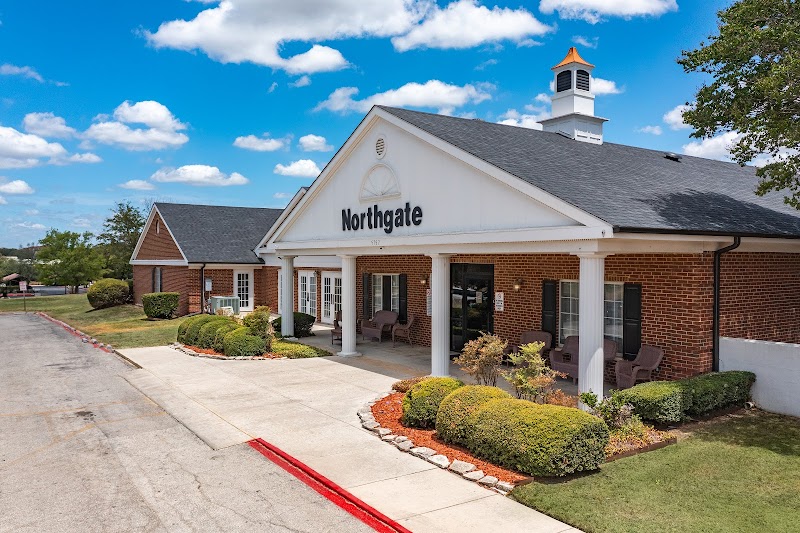
How is Northgate Center Staffed?

CMS rates NORTHGATE HEALTH AND REHABILITATION CENTER's staffing level at 1 out of 5 stars, which is much below average compared to other nursing homes. Staff turnover is 71%, which is 24 percentage points above the Texas average of 46%. High turnover can affect care consistency as new staff learn residents' individual needs.

What Have Inspectors Found at Northgate Center?

State health inspectors documented 34 deficiencies at NORTHGATE HEALTH AND REHABILITATION CENTER during 2022 to 2025. These included: 2 Immediate Jeopardy (the most serious level, indicating potential for serious harm or death) and 32 with potential for harm. Immediate Jeopardy findings are rare and represent the most serious regulatory concerns. They require immediate corrective action.
Who Owns and Operates Northgate Center?

NORTHGATE HEALTH AND REHABILITATION CENTER is owned by a for-profit company. For-profit facilities operate as businesses with obligations to shareholders or private owners. The facility is operated by SUMMIT LTC, a chain that manages multiple nursing homes. With 120 certified beds and approximately 52 residents (about 43% occupancy), it is a mid-sized facility located in SAN ANTONIO, Texas.
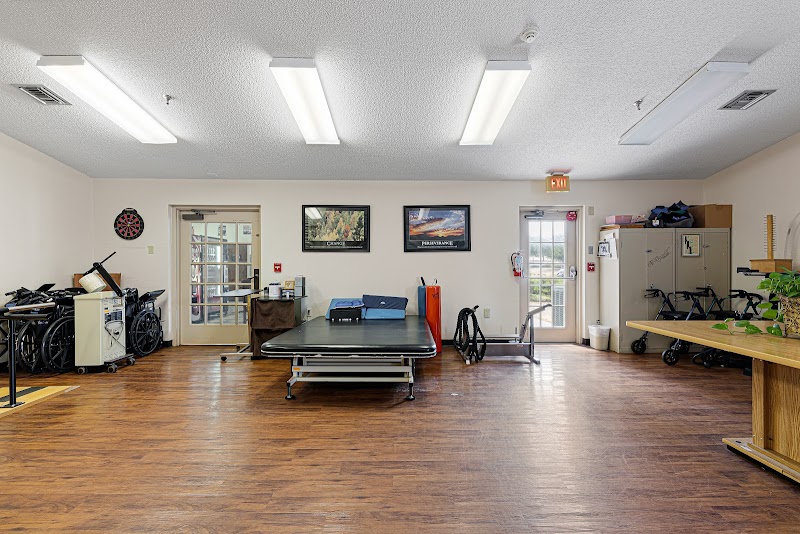
How Does Northgate Center Compare to Other Texas Nursing Homes?

Compared to the 100 nursing homes in Texas, NORTHGATE HEALTH AND REHABILITATION CENTER's overall rating (1 stars) is below the state average of 2.8, staff turnover (71%) is significantly higher than the state average of 46%, and health inspection rating (2 stars) is below the national benchmark.

What Should Families Ask When Visiting Northgate Center?

Based on this facility's data, families visiting should ask: "What changes have been made since the serious inspection findings, and how are you preventing similar issues?" "How do you ensure continuity of care given staff turnover, and what is your staff retention strategy?" "Can you walk me through typical staffing levels on day, evening, and night shifts?" "Can I visit during a mealtime to observe dining assistance and food quality?" These questions are particularly relevant given the facility's Immediate Jeopardy citations, the facility's high staff turnover rate, and the below-average staffing rating.

Is Northgate Center Safe?

Based on CMS inspection data, NORTHGATE HEALTH AND REHABILITATION CENTER has documented safety concerns. Inspectors have issued 2 Immediate Jeopardy citations (the most serious violation level indicating risk of serious injury or death). The facility has a 1-star overall rating and ranks #100 of 100 nursing homes in Texas. Families considering this facility should ask detailed questions about what corrective actions have been taken since these incidents.

Do Nurses at Northgate Center Stick Around?

Staff turnover at NORTHGATE HEALTH AND REHABILITATION CENTER is high. At 71%, the facility is 24 percentage points above the Texas average of 46%. High turnover means new staff may not know residents' individual needs, medications, or preferences. It can also be disorienting for residents, especially those with dementia who rely on familiar faces. Families should ask: What is causing the turnover? What retention programs are in place? How do you ensure care continuity during staff transitions?

Was Northgate Center Ever Fined?

NORTHGATE HEALTH AND REHABILITATION CENTER has been fined $39,165 across 2 penalty actions. The Texas average is $33,471. While any fine indicates a compliance issue, fines under $50,000 are relatively common and typically reflect isolated problems that were subsequently corrected. Families should ask what specific issues led to these fines and confirm they've been resolved.

Is Northgate Center on Any Federal Watch List?

NORTHGATE HEALTH AND REHABILITATION CENTER is not on any federal watch list. The most significant is the Special Focus Facility (SFF) program, which identifies the bottom 1% of nursing homes nationally based on persistent, serious quality problems. Not being on this list means the facility has avoided the pattern of deficiencies that triggers enhanced federal oversight. This is a positive indicator, though families should still review the facility's inspection history directly.