OAK PARK NURSING AND REHABILITATION CENTER
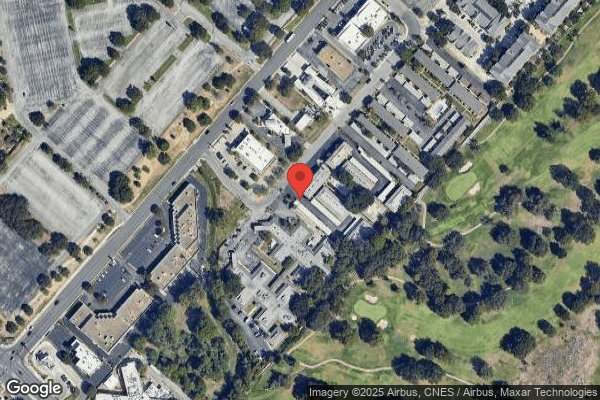
7302 OAK MANOR DR, SAN ANTONIO, TX 78229 (210) 344-8537
For profit - Corporation 170 Beds BOOKER HOSPITAL DISTRICT Data: November 2025 1 Immediate Jeopardy citation
Trust Grade
21/100
#792 of 1168 in TX
Last Inspection: December 2024

Within standard 12-15 month inspection cycle. Federal law requires annual inspections.

Overview

Oak Park Nursing and Rehabilitation Center has received a Trust Grade of F, indicating significant concerns about the quality of care provided. Ranking #792 out of 1168 facilities in Texas places it in the bottom half, and its county rank of #34 out of 62 suggests that there are better options nearby. The facility's situation appears to be worsening, with issues increasing from 17 in 2023 to 18 in 2024. Staffing is a relative strength with a turnover rate of 48%, which is slightly below the Texas average; however, RN coverage is concerning, as it ranks lower than 99% of facilities in the state. There have been serious incidents, including a critical finding where one resident was subjected to sexual abuse because the facility failed to monitor its residents properly. Additionally, staff were observed using personal phones during mealtime, which detracts from the respect and care due to the residents. Furthermore, some residents did not receive their medications as prescribed, putting their health at risk. Overall, while there are some strengths in staffing, the significant issues in care and oversight raise serious concerns for families considering this facility.

Trust Score
F
21/100
In Texas
#792/1168
Bottom 33%
Safety Record
High Risk
Review needed
Inspections
Getting Worse
17 → 18 violations
Staff Stability
⚠ Watch
48% turnover. Above average. Higher turnover means staff may not know residents' routines.
Penalties
✓ Good
$9,280 in fines. Lower than most Texas facilities. Relatively clean record.
Skilled Nurses
⚠ Watch
Each resident gets only 5 minutes of Registered Nurse (RN) attention daily — below average for Texas. Fewer RN minutes means fewer trained eyes watching for problems.
Violations
⚠ Watch
46 deficiencies on record. Higher than average. Multiple issues found across inspections.
★★☆☆☆
2.0
Overall Rating
★★☆☆☆
2.0
Staff Levels
★★☆☆☆
2.0
Care Quality
★★☆☆☆
2.0
Inspection Score
Stable
2023: 17 issues
2024: 18 issues

The Good

  • Full Sprinkler Coverage · Fire safety systems throughout facility
  • No fines on record

Facility shows strength in fire safety.

The Bad

2-Star Overall Rating

Below Texas average (2.8)

Below average - review inspection findings carefully

Staff Turnover: 48%

Near Texas avg (46%)

Higher turnover may affect care consistency

Federal Fines: $9,280

Below median ($33,413)

Minor penalties assessed

Chain: BOOKER HOSPITAL DISTRICT

Part of a multi-facility chain

Ask about local staffing decisions and management

The Ugly 46 deficiencies on record

1 life-threatening
Dec 2024 15 deficiencies
CONCERN (D)

Potential for Harm - no one hurt, but risky conditions existed

Deficiency F0582 (Tag F0582)

Could have caused harm · This affected 1 resident

Based on interview and record review, the facility failed to provide notice to residents of the change as soon as was reasonably possible when changes in coverage were made to items and services cover...

Read full inspector narrative →
Based on interview and record review, the facility failed to provide notice to residents of the change as soon as was reasonably possible when changes in coverage were made to items and services covered by the Medicare and/or Medicaid state plan for 2 of 3 residents [Resident #95, Resident #001] reviewed for Medicaid and Medicare Coverage Liability Notices. The facility failed to ensure Resident # 95 and Resident #001 were provided a Skilled Nursing Facility Advance Beneficiary Notice of non-coverage Form CMS-10055 [SNF ABN] that informs a Medicare beneficiary that Medicare will no longer pay for skilled services when discharged from skilled services at the facility prior to completion of covered stay or covered days being exhausted when he/she was discharged from Medicare Part A skilled nursing services. This failure placed residents, or their representatives, at risk for not being fully informed about services covered by Medicare Part A and not being aware of changes to provided services. Findings included: Record review of the facility Beneficiary Notice Worksheet (undated) revealed Resident #95 and #001 had been discharged from a Medicare covered Part A stay with benefits remaining within the six months prior to survey. Record review of the entrance conference worksheet for the Advanced Benificiary notice for Resident #001 completed a Part A skilled stay on 8/31/24. Record review of the entrance conference worksheet for the Advanced Benificiary notice for Resident #95 completed a Part A skilled stay on 9/30/24. Record Review from June 2024 to December 2024 revealed no documentation of SNF ABN notice isseued for Resident #001. Record Review from June 2024 to December 2024 revealed no documentation of SNF ABN notice isseued for Resident #95. Interview with ADM on 12/19/24 at 2:00 PM revealed that Resident #001 completed his Medicare Part A stay on 8/31/24 and remained in the facility. Resident #001 did not utilize the full 100 days of Medicare part A, so he had days remaining. Resident # 001 should have received a SNF ABN. The facility failed to provide Resident #001 a SNF ABN. ADM confirmed facility is expected to follow the rules of Medicare Part A and the Medicare Claims Processing Manual for financial liability protections. The failure for the SNF ABN having not been provided was human error. Resident #001 was never placed in any harm or at risk for denial to participate in Medicare Part A moving forward. Interview with ADMIN on 12/19/24 2:00 PM revealed that Resident #95 completed her Medicare Part A stay on 9/30/24 and remained in the facility. Resident #95 did not utilize the full 100 days of Medicare part A, so she had days remaining. Resident #95 should have received a SNF ABN. The facility failed to provide Resident #95 a SNF ABN. ADM confirmed facility is expected to follow the rules of Medicare Part A and the Medicare Claims Processing Manual for financial liability protections. The failure for the SNF ABN having not been provided was human error. Resident #95 was never placed in any harm or at risk for denial to participate in Medicare Part A moving forward. Interview with ADMIN on 12/19/24 2:00 PM confirmed facility's guidelines for determination to issue a SNF ABN according to Section 20.2 of the Medicare Claims Processing Manual, Chapter 30 and CMS requirements to issue an ABN when a Medicare service is not reasonable and necessary under program standards, when providing custodial care.
CONCERN (D)

Potential for Harm - no one hurt, but risky conditions existed

Assessment Accuracy (Tag F0641)

Could have caused harm · This affected 1 resident

**NOTE- TERMS IN BRACKETS HAVE BEEN EDITED TO PROTECT CONFIDENTIALITY** Based on interview, and record review the facility failed to ensure the comprehensive assessment accurately reflected the reside...

Read full inspector narrative →
**NOTE- TERMS IN BRACKETS HAVE BEEN EDITED TO PROTECT CONFIDENTIALITY** Based on interview, and record review the facility failed to ensure the comprehensive assessment accurately reflected the resident's status for 2 (Resident #26 and Resident #49) of 3 residents reviewed for accuracy of assessments. 1. The facility failed to accurately code Resident #26's smoking status on his modified significant change comprehensive assessment. 2. The facility failed to accurately code Resident #49's smoking status on his significant change comprehensive assessment. These failures could place residents at risk of improper or incorrect care and services necessary for their physical, mental, and psychosocial well-being. The findings included: 1. Record review of Resident #26's admission Record, dated 12/18/2024, reflected Resident #26 was admitted on [DATE]. Resident #26 was noted to be [AGE] years old. Record review of Resident #26's Diagnosis Report, undated, reflected Resident #26 was diagnosed with right knee effusion (excess fluid accumulates in and around the right knee, can result in swelling, pain, stiffness, or reduced mobility), muscle wasting and atrophy (the shrinking of muscle or nerve tissue), and peripheral vascular disease (a circulatory condition in which narrowed blood vessels reduce blood flow to the limbs). Record review of Resident #26's Modified Significant Change MDS assessment, dated 11/13/2024 and signed as completed on 11/19/2024 by the DON, reflected Resident #26 under Section J- Health Conditions for Current Tobacco Use (J1300), completed by MDS H on 11/15/2024, was not a current tobacco user. Record review of Resident #26's Smoking- Safety Screen, dated 11/08/2024, reflected Resident #26 smoked 5-10 cigarettes per day. Record review of Resident #26's Care Plan, undated, accessed 12/18/2024, reflected Resident #26 was a smoker, had been educated on the facility smoking policy, and was deemed safe to smoke independently; date initiated: 11/04/2024 and date revised: 11/23/2024. 2. Record review of Resident #49's admission Record, dated 12/18/2024, reflected Resident #49 was initially admitted on [DATE] and re-admitted on [DATE]. Resident #49 was noted to be [AGE] years old. Record review of Resident #49's Diagnosis Report, undated, reflected Resident #49 was diagnosed with paraplegia (paralysis of the legs and lower body, typically caused by spinal injury or disease), muscle wasting and atrophy (the shrinking of muscle or nerve tissue), and hepatic encephalopathy (nervous system disorder where the liver can't adequately remove toxins which can lead to brain damage). Record review of Resident #49's Significant Change MDS assessment, dated 09/11/2024 and signed as completed on 09/20/2024 by the DON, reflected Resident #49 under Section J- Health Conditions for Current Tobacco Use (J1300), completed by MDS H on 09/12/2024, was not a current tobacco user. Record review of Resident #49's End of PPS (Prospected Payment System) MDS assessment, dated 11/10/2024 and signed as completed on 11/14/2024 by the DON, does not include a Current Tobacco Use section. Record review of Resident #49's Smoking- Safety Screen, dated 09/04/2024, reflected Resident #49 smoked 2-5 cigarettes per day. Record review of Resident #49's Smoking- Safety Screen, dated 11/08/2024, reflected Resident #49 smoked 2-5 cigarettes per day. Record review of Resident #49's Care Plan, undated, accessed 12/17/2024, reflected Resident #49 was a smoker, had been educated on the facility smoking policy, and was deemed safe to smoke with supervision; date initiated: 08/28/2024 and date revised: 08/28/2024. During an interview on 12/19/2024 at 02:06 p.m., the MDS F stated she started working at the facility on October 1, 2024. She stated it was the responsibility of the person signing off on the MDS Assessment, which would be the RN, to ensure the MDS information was correct. She also stated the person entering the information was responsible for ensuring they entered correct information. She stated for current tobacco use, she would interview the resident and review the resident's safe smoking assessment. She stated for both Resident #26's and Resident #49's MDS assessments, MDS H completed the Current Tobacco Use sections. She stated she did not know why MDS H coded either resident the way he did but that it was most likely a mistake due to MDS H not working in the facility and had missed the necessary documentation. She stated she did not believe these errors would have impacted the residents' care because they were both assessed for smoking status and had care planned appropriate interventions. During an interview on 12/19/2024 at 03:18 p.m., the DON stated when completing the MDS assessments, staff compare documentation of individual assessments. She stated in the end, the RN that signs the assessment was responsible for ensuring accuracy of the assessment, but a corporate MDS nurse also oversaw the MDS assessments. The DON confirmed both Resident #26 and Resident #49 were current smokers. She stated that since both residents have current care planned smoking interventions and safe smoker assessments, the incorrect coding of their MDS assessments would not have impacted their care. During an interview on 12/19/2024 at 05:46 p.m., MDS H stated he worked for another nursing facility. He stated he started as a MDS Nurse in April 2024 and was still in training when he was asked to assist [Nursing Facility R] with their MDS Assessments. He stated that due to his inexperience, he did not know to ask for additional documentation from the facility when completing the resident's risk assessments, such as the smoking status on the MDS assessment. He stated he never reviewed the residents' smoking safety screen assessments at that time and relied on nursing assessments and documentation to complete the MDS assessments. Record review of facility policy, Resident Assessment Instrument, dated revised September 2010, reflected 7. All persons who have completed any portion of the MDS Resident Assessment Form MUST sign such document attesting to the accuracy of such information.
CONCERN (D)

Potential for Harm - no one hurt, but risky conditions existed

Deficiency F0655 (Tag F0655)

Could have caused harm · This affected 1 resident

**NOTE- TERMS IN BRACKETS HAVE BEEN EDITED TO PROTECT CONFIDENTIALITY** Based on interview and record review, the facility failed to develop a baseline care plan including the minimum healthcare infor...

Read full inspector narrative →
**NOTE- TERMS IN BRACKETS HAVE BEEN EDITED TO PROTECT CONFIDENTIALITY** Based on interview and record review, the facility failed to develop a baseline care plan including the minimum healthcare information necessary to properly care for the resident within 48 hours of the resident's admission, for 1 (Resident #30) of 30 residents reviewed, in that: Resident #30's baseline care plan was not completed within 48 hours of the resident's admission on [DATE]. This failure could place newly admitted residents at risks of not receiving the proper care and continuity of services. The findings were: Record review of Resident #30's face sheet, dated 12/19/2024, revealed she was an [AGE] year-old woman admitted to the facility on [DATE] with diagnoses which included: Chronic Kidney Disease-Stage 3; Type 2 Diabetes Mellitus (chronic condition where the body has trouble controlling blood sugar); Dementia (a general term for loss of memory, and other cognitive abilities) ; Schizophrenia (mental illness that affects how a person thinks, feels and behaves); Bipolar Disorder (a disorder associated with episodes of mood swings ranging from depressive lows to manic highs) and Anxiety Disorder (mental health disorder characterized by feelings of worry, fear and anxiety strong enough to interfere with daily life). Record review of Resident #30's Quarterly MDS assessment dated [DATE] revealed a BIMS score of 14, indicating intact cognition. Further review revealed she was assessed as needing a wheelchair for mobility, and was dependent in toileting hygiene, lower body dressing and personal hygiene and needed substantial/maximal assistance with showering, and upper body dressing. Record review of Resident #30's Care Plans Screen in her clinical record as of 12/19/2024, revealed her initial Care Plan completed was her Comprehensive Care Plan completed 08/21/2024, 9 days after her admission on [DATE]. During an interview with MDS-F and MDS-G on 12/19/2024 at 11:39 a.m., MDS-F stated she was one of 2 MDS Nurses at the facility and she had been at the facility 2 months. MDS-G stated he just started in the position 2 weeks ago. MDS-F stated baseline care plans were due within 48 hours of a resident's admission and confirmed that Resident #30's Baseline Care Plan was not done within 48 hours after her admission, and stated Resident #30's first Care Plan done was the Comprehensive Care Plan completed 9 days after her Admission. MDS-F stated that completion of Baseline Care Plans was the responsibility of the MDS Nurse, but noted there has been a lot of turnover in the MDS Nurse position in the past few months and that was probably why Resident #30's Baseline Care Plan was not completed on time. MDS-F further stated that not having the Baseline Care Plan completed within 48 hours could result in staff not having all the information they needed to provide good care to the resident. Record review of the facility policy, Care Plans - Baseline, revised 2016, revealed, To assure that the resident's immediate care needs are met and maintained, a baseline care plan will be developed within forty-eight (48) hours of the resident's admission and The interdisciplinary team will review the healthcare practitioner's orders (e.g., dietary needs, medications, routine treatments, etc.) and implement a baseline care plan to meet the resident's immediate care needs .
CONCERN (D)

Potential for Harm - no one hurt, but risky conditions existed

Deficiency F0712 (Tag F0712)

Could have caused harm · This affected 1 resident

**NOTE- TERMS IN BRACKETS HAVE BEEN EDITED TO PROTECT CONFIDENTIALITY** Based on interview and record review, the facility failed to ensure residents were seen by a physician at least once every 30 da...

Read full inspector narrative →
**NOTE- TERMS IN BRACKETS HAVE BEEN EDITED TO PROTECT CONFIDENTIALITY** Based on interview and record review, the facility failed to ensure residents were seen by a physician at least once every 30 days for the first 90 days after admission for 1 of 2 residents (Resident #13) reviewed for physician services. The facility failed to ensure Resident #13 was seen by a physician within the first 30 days of his admission to the facility. This failure could place the residents at risk for medical conditions not being identified, care needs not being met, and a decline in health status. The findings included: Record review of Resident #13's admission Record, dated 12/16/2024, reflected Resident #13 was admitted on [DATE]. Resident #13 was noted to be [AGE] years old. Record review of Resident #13's Diagnosis Report, undated, accessed 12/19/2024, reflected Resident #13 was diagnosed with quadriplegia (paralysis of all four limbs), polyneuropathy (a disorder that damages the peripheral nerves, which control the movement of the arms and legs), and hypertensive heart disease (heart problems caused by high blood pressure) without heart failure (heart muscle is weakened and cannot pump enough blood to meet the body's needs). Record review of Resident #13's Quarterly MDS assessment, dated 11/13/2024 and signed as completed on 11/15/2024 by the DON, reflected Resident #13 had a BIMS of 15, indicating he was cognitive intact. His primary medical condition for admission was traumatic spinal cord dysfunction (a debilitating condition caused by spinal cord damage). He was noted as having received PRN (as needed) pain medication with reported pain almost constantly over a 5-day period. Record review of Resident #13's Physician Progress Notes, reviewed on 12/18/2024, revealed Resident #13 was first seen by a physician, MD D, on 07/06/2024, 60 days after Resident #13's admission. During an interview with Resident #13 on 12/16/2024 at 12:10 a.m., Resident #13 stated he had problems with his doctor when he was first admitted . He stated the doctor was not responding to his medication concerns and/or the nurses were not telling the doctor about his concerns. He stated he had seen his physician and the nurse practitioners since he was admitted and he was getting better, but he felt the communication with the physician team was a problem. During an interview with MD D on 12/19/2024 at 10:43 a.m., MD D revealed as a group, his team goes to the nursing facility two to three times a week. He stated he goes to the facility every week to two weeks. MD D stated for the initial visit, it would depend on who will see the patient, either himself, one of the nurse practitioners, or another physician. MD D stated he could not recall when he first completed a visit with Resident #13, but he would hate for his documentation to be viewed as if he had not been seeing the resident. MD D stated he would often see and visit with Resident #13 in the hall, but he was not sure if he had documented those visits. MD D confirmed the physician note dated July 2024 was his first comprehensive note for Resident #13. MD D revealed Resident #13's care would not have been impacted by a late physician visit because Resident #13 was seen by the nurse practitioner who was able to provide a high level of care. On 12/19/2024 at 04:14 p.m., a Request List, dated 12/19/2024, was sent to the ADMIN. The list included a request for a facility policy on Physician Services- Frequency of visits and Initial Assessment. The Texas Administrative Code, Title 26, Part 1, Chapter 554, Subchapter M, Rule title Frequency of Physician Visits was provided by the facility. Record review of Texas Administrative Code, Frequency of Physician Visits, dated transferred effective January 15, 2021, reflected Physician visits must confirm to the following schedule: . (2) Medicaid-certified facilities and Medicare skilled nursing facilities. (A) The resident must be seen by a physician at least once every 30 days for the first 90 days after admission, and at least once every 60 days thereafter. (B) A physician visit is considered timely if it occurs no later than ten days after the date the visit was required. (C) Except as provided in paragraph (3) of this section 19.1205(c) of this subchapter (relating to Physician Delegation of Tasks), all required visits must be made by the physician personally. (3) Medicare skilled nursing facilities. At the option of the physician, required visits in Medicare skilled nursing facilities after the initial visit may alternate between personal visits by the physician and visits by a physician assistant or an advanced practice registered nurse in accordance with 19.1205 of this subchapter.
CONCERN (D)

Potential for Harm - no one hurt, but risky conditions existed

Drug Regimen Review (Tag F0756)

Could have caused harm · This affected 1 resident

**NOTE- TERMS IN BRACKETS HAVE BEEN EDITED TO PROTECT CONFIDENTIALITY** Based on interview and record review, the facility failed to ensure residents' pharmacist medication regimen review recommendati...

Read full inspector narrative →
**NOTE- TERMS IN BRACKETS HAVE BEEN EDITED TO PROTECT CONFIDENTIALITY** Based on interview and record review, the facility failed to ensure residents' pharmacist medication regimen review recommendations were reviewed by the resident's attending physician and the physician documented what, if any, action has been taken to address them, for 1 of 6 residents (Residents #2) whose records were reviewed for pharmacy services. After 11/18/24 medication review for Resident #2, the facility failed to add a doctor's order as was recommended by the pharmacist and approved by MD D. This failure could place residents at risk for significant health status declines. The findings included: Record review of Resident #2's admission record, dated 12/19/24, reflected a [AGE] year-old resident initially admitted on [DATE] with diagnosis to include type 2 diabetes, hypertension (high blood pressure), chronic kidney disease. Record review of Resident #2's quarterly MDS Assessment, dated 12/06/24, reflected Resident #2 had a BIMS score of 9 out of 15, indicating moderate cognitive impairment. Record review of Resident #2's Consultant Pharmacist/Physician Communication, signed by MD D on 11/18/24, reflected Resident has an order for Bumetanide and Glipizide. Please consider BMP and [HgbA1c] every 6 months. Record review of Resident #2's doctor's orders as of 12/19/24 reflected no orders of BMP or HgbA1c. Resident #2's doctor's orders reflected Bumetanide Oral Tablet 1 MG and glipizide oral tablet 5 MG. During an interview on 12/18/24 at 06:12 PM, ADON A revealed not updating Resident #2's doctor's orders as was recommended by the pharmacist and approved by MD D was an oversight and they will change Resident #2's doctor's orders immediately. During an interview on 12/19/24 at 11:15 AM, the DON revealed it was important to follow an order to check a resident's A1c to monitor the A1C for the resident's health. During an interview on 12/19/24 at 04:00 PM, the DON revealed she was going to implement audits of various things like the pharmacy reviews to ensure the facility was not overlooking pharmacy and doctor recommendations. Requested policy for pharmacy reviews on 12/23/24 at 12:18 PM. No policy received. Requested policy for following doctor's orders on 12/19/24 at 03:09 PM, 12/19/24 at 04:14 PM, and 12/23/24 at 12:18 PM. No policy received.
CONCERN (D)

Potential for Harm - no one hurt, but risky conditions existed

Laboratory Services (Tag F0770)

Could have caused harm · This affected 1 resident

**NOTE- TERMS IN BRACKETS HAVE BEEN EDITED TO PROTECT CONFIDENTIALITY** Based on interview and record review, the facility failed to ensure labratory services were provided to meet the needs of the re...

Read full inspector narrative →
**NOTE- TERMS IN BRACKETS HAVE BEEN EDITED TO PROTECT CONFIDENTIALITY** Based on interview and record review, the facility failed to ensure labratory services were provided to meet the needs of the resident in accordance with professional standards of practice, and for 1 of 30 residents (Resident #31) reviewed for labratory service. The facility failed to ensure Resident #31's HgA1c lab (a blood test that measure the average blood sugar level of the past 3 months) was drawn every 3 months as per physician order. These failures could place residents at risk of not receiving care to maintain optimum health and placing them at risk for decline in health. Findings included: Record review of Resident #31's face sheet dated 12/18/2024, revealed she was a [AGE] year-old woman initially admitted on [DATE] and re-admitted on [DATE], with diagnoses which included: cerebral infarction (stroke), quadriplegia (paralysis which affects all 4 limbs), and type 1 diabetes mellitus without complications (lifelong condition where the pancreas makes little or no insulin, leading to high blood sugar levels). Record review of Resident #31's Quarterly MDS assessment dated [DATE] revealed a BIMS score of 11, indicating moderate cognitive impairment and active diagnosis of Diabetes Mellitus. Record review of Resident #31's care plan initiated on 08/17/2021 reflected a focus area of Diabetes Mellitus with goal of will have no complications related to diabetes . Record review of Resident #31's Physician Order Summary dated 12/19/2024 revealed an order dated 07/29/2024 for: HgA1C Q 3 months Record review of Resident #31's lab results in her clinical record reveal her only HgA1C lab was drawn 07/27/2024. During an interview with the DON on 12/19/2024 at 10:50 a.m., the DON confirmed the last HgA1C lab for Resident #31 was drawn on 07/27/2024, and that per physician orders, another HgA1C should have been drawn 3 months later in October 2024. She stated she contacted the Doctor, who changed the order effective today to HgA1C every 6 months, however, she confirmed that per existing orders at the time, Resident #31's HgA1C lab was due in October and was not done. The DON stated she did not know why the lab was not drawn but will look into it. The DON further stated that it was important to draw labs as ordered by the Physician to monitor Resident #31's diabetic status.
CONCERN (D)

Potential for Harm - no one hurt, but risky conditions existed

Menu Adequacy (Tag F0803)

Could have caused harm · This affected 1 resident

**NOTE- TERMS IN BRACKETS HAVE BEEN EDITED TO PROTECT CONFIDENTIALITY** Based on observation, interview, and record review, the facility failed to follow menus for 1 of 1 resident meals (dinner meal o...

Read full inspector narrative →
**NOTE- TERMS IN BRACKETS HAVE BEEN EDITED TO PROTECT CONFIDENTIALITY** Based on observation, interview, and record review, the facility failed to follow menus for 1 of 1 resident meals (dinner meal on 12/18/2024) reviewed for menus in that: The facility failed to follow the menu for residents on pureed diets for the dinner meal on 12/18/2024. This failure could place residents who consume food prepared by the facility kitchen at risk of not having their nutritional needs met and/or weight loss. The findings included: Record review of Fall Winter Menu Week 4 2024-2025 for Wednesday (Day 25) Supper reflected Sloppy [NAME], Tater Tots, and Coleslaw. Record review of the pureed substitutes for Day 25 menu was Pureed Sloppy [NAME], Pureed Tater Tots, and Pureed Soft Cooked Vegetables. Record review of Pureed Tater Tots included ingredients Chicken Base, Water, and Tater Tots. Record review of Pureed Soft Cooked Vegetables included ingredients Soft, Cooked vegetable and Margarine, Solids. During an interview while [NAME] Y pureed food preparation for 12/18/24 dinner on 12/18/24 at 02:27 PM, [NAME] Y revealed she did not need to puree tater tots because they were going to make instant mashed potatoes instead. Observation revealed [NAME] Y pureed cabbage for the vegetable portion. [NAME] Y revealed she added 1 tablespoon of chicken base and 1 tablespoon of lemon pepper to the pureed soft, cooked vegetable. During an interview on 12/19/24 at 09:49 AM, the CDM revealed they used instant mashed potatoes instead of pureed tater tots because it was not possible for the pureed tater tots to get to the right pureed consistency. She further revealed this substitution was to ensure resident safety and prevent choking. The CDM revealed the kitchen added lemon pepper and chicken base to the pureed soft, cooked vegetables for flavor and because this would ensure residents would eat these foods. The CDM revealed she did not have a substitution log to reflect using instant mashed potatoes instead of pureed tater tots or the change in the soft, cooked vegetable. During an interview on 12/19/24 at 10:01 AM, the RD revealed the kitchen should have a substitution log if they did not follow the menu. She revealed the kitchen did not substitute frequently so she could not recall the last time she signed this log. During an interview on 12/19/24 at 04:00 PM, ADON B revealed it was important to follow recipes for the health of the residents, to ensure weights were stabilized, and to control sodium intake as needed. Record review of facility's policy, revised April 2007, Standardized Recipes reflected, Standardized recipes shall be developed and used in the preparation of foods.
CONCERN (D)

Potential for Harm - no one hurt, but risky conditions existed

Deficiency F0849 (Tag F0849)

Could have caused harm · This affected 1 resident

**NOTE- TERMS IN BRACKETS HAVE BEEN EDITED TO PROTECT CONFIDENTIALITY** Based on interview and record review, the facility failed to collaborate with hospice representatives and coordinate the hospice...

Read full inspector narrative →
**NOTE- TERMS IN BRACKETS HAVE BEEN EDITED TO PROTECT CONFIDENTIALITY** Based on interview and record review, the facility failed to collaborate with hospice representatives and coordinate the hospice care planning process for each resident receiving hospice services, to ensure quality of care for the resident, ensuring communication with the hospice medical director, the resident's attending physician and others participating in the provision of care for 1 of 2 residents (Resident #22) reviewed for hospice services. The facility failed to maintain required hospice forms and documentation, that included the current hospice plan of care to ensure Resident #22 received adequate end-of-life care. This failure could place the residents who receive hospice services at-risk of receiving inadequate end-of-life care due to a lack of documentation, coordination of care, and communication of resident needs. The findings included: Record review of Resident #22's admission Record, dated 12/18/2024, reflected Resident #22 was initially admitted on [DATE] and readmitted on [DATE]. Resident #22 was noted to be [AGE] years old and on hospice services. Record review of Resident #22's Diagnosis Report, undated, accessed 12/18/2024, reflected Resident #22 was diagnosed with dementia (a general term for impaired ability to remember, think, or make decisions), senile degeneration of brain (loss of intellectual ability associated with old age), and type 2 diabetes mellitus (a condition that develops with the way the body regulates and uses sugar as fuel) with hyperglycemia (high sugar levels in the blood). Record review of Resident #22's Quarterly MDS assessment, dated 09/18/2024 and signed as completed on 09/22/2024 by the DON, reflected Resident #22 had a BIMS of 2, indicating severe cognitive impairment and had a life expectancy of less than 6 months. Record review of Resident #22's Care Plan, undated, accessed 12/18/2024, reflected Resident #22 was on hospice and had a terminal prognosis (medical condition with likely outcome of eventual death) related to senile degeneration of brain; date initiated: 08/21/2024 and revised on 10/26/2024. Record review of Resident #22's Order Summary Report, dated 12/18/2024, reflected order Admit to [Hospice S] dx [diagnosis]: senile degeneration of brain. Order dated 07/31/2024 and status noted as Active. Observation and record review of Resident #22's physical hospice binder on 12/19/2024 at 10:25 a.m. revealed initial hospice plan of care, certification period and current benefit period/range: 07/24/2024 to 10/21/2024. During an interview with LPN J on 12/19/2024 at 10:26 a.m., LPN J stated the Hospice S nurse for Resident #22 had recently changed. LPN J stated she did not know if the Hospice S nurse brought any paperwork with her at her last visit. During an interview with Resident #22 on 12/19/2024 at 10:28 a.m., Resident #22 stated she felt the facility was communicating well with Hospice S and she had not had any problems with her care provided by Hospice S or Nursing Facility R. Record review of Resident #22's electronic record on 12/19/2024 at 01:25 p.m. revealed no evidence of the current hospice plan of care. During an observation and interview with ADON B on 12/19/2024 at 02:14 p.m., ADON B stated he, ADON A, and the DON coordinate with the hospice providers. He stated that the ADONs were typically assigned their own halls, he was assigned Resident #22's hall, but that they coordinated with each other as well. He stated the current care plan should be up to the hospice to bring in. ADON B was observed reviewing Resident #22's hospice binder and confirmed the current plan of care was not present. ADON B stated the facility social worker, SW I, and the MDS Nurse would typically get the forms from the hospice, but it was primarily the social worker, who was involved in the facility contracts. ADON B stated he could call Hospice S and they would send the updated plan of care. During an interview with SW I on 12/19/2024 at 02:23 p.m., SW I stated she communicated with the hospice companies regarding the referral process, but the nursing staff did facilitation of care. SW I stated the facility did review the hospice books, both nursing staff and herself. SW I stated for hospice, she primarily provided assistance with certain forms (identified two Medicare and Medicaid forms that allow for billing), but was unsure who was responsible in verifying a current plan of care form was present. SW I stated that responsibility would be nursing. SW I stated Resident #22 had a care plan meeting since she went on hospice and her hospice care had been very good. SW I stated the facility not having an updated hospice Plan of Care for Resident #22 would not have impacted her care. During an interview with the DON on 12/19/2024 at 03:18 p.m., the DON stated the social worker was in charge of the hospice binders. She stated the nurses help but the system fell on the social worker. The DON stated that the facility had facility care plans for residents, so the hospice care plan would only refer to the hospice's care. The DON stated Resident #22's care would not have been impacted by not having a current hospice plan of care because the facility care was based on the facility care plan. The DON stated that if there were any changes in the hospice's plan of care, it would have been communicated to the nursing staff on the facility's internal communication report. The DON stated there had not been any concerns with communication with the hospice providers. During an observation and record review on 12/19/2024 at 03:48 p.m., received updated hospice plan of care, benefit period dates: 10/22/2024 to 12/19/2024. Document noted to have been printed on 12/19/2024 at 04:18 p.m. Eastern Time Zone (03:18 p.m. Central Standard Time). Nursing Facility R was in Central Standard Time zone. Record review of Hospice S contract with Nursing Facility R, dated as signed 10/21/2022, by Area of [NAME] President of Operations for Hospice S and the ADMIN of Nursing Facility R. The contract reflected under 1. Definitions . 1.11 'Plan of Care' means a written care plan established, maintained, reviewed and modified, if necessary, at intervals identified by the Hospice IDG [group of qualified individuals employed or contracted by Hospice] in coordination with Facility and each Patient's attending physician, if any. The Plan of Care must reflect goals of each Patient and his or her family and interventions based on the problems identified in each Patient's assessments. The Plan of Care will reflect the participation of the Hospice, Facility, a Patient and his or her family to the extent possible. Specifically, the Plan of Care includes: (i) identification of the Hospice Services, including interventions for pain management and symptom relief, and Facility Services needed to meet a Patient's needs and the related needs of his or her family; (ii) a statement of the scope and frequency of such Hospice Services and Facility Services; (iii) measurable outcomes anticipated from implementing and coordinating the Plan of Care; (iv) drugs and treatment necessary to meet the needs of the Patient; (v) medical supplies and appliances necessary to meet the needs of the Patient; and (vi) documentation of the Patient's or representative's level of understanding, involvement and agreement with the Plan of Care . 2. Responsibilities of Facility . 2.1.2.3 Facility Representative. Facility shall designate the Director of Nursing as the individual in Facility who shall be responsible for implementation of the provisions of this Agreement (Facility Representative). Facility shall notify Hospice if an individual other than the Director of Nursing is designated as the Facility Representative . 2.8 Coordination of Care . 2.8.4 Designated Facility Member. Facility shall designate a member of Facility's interdisciplinary team who is responsible for working with Hospice representative to coordinate care to each Patient provided by Facility and Hospice .Facility's designated team member shall be responsible for: .(v) obtaining patient-specific information from Hospice as required by applicable laws and regulations; . Record review of facility policy, Hospice Program, dated revised July 2017, reflected under Policy Interpretation and Implementation, 12. Our facility has designated See Administrator for Contract (Name) (Title) to coordinate care provided to the resident by our facility staff and the hospice staff. (Note: this individual is a member of the IDT [Interdisciplinary Team] with clinical and assessment skills who is operating within the State scope of practice act). He or she is responsible for the following: . d. Obtaining the following information from the hospice: (1) The most recent hospice plan of care specific to each resident;.
CONCERN (E)

Potential for Harm - no one hurt, but risky conditions existed

Resident Rights (Tag F0550)

Could have caused harm · This affected multiple residents

**NOTE- TERMS IN BRACKETS HAVE BEEN EDITED TO PROTECT CONFIDENTIALITY** Based on observation, interviews, and record reviews the facility failed to ensure each resident was treated with respect, digni...

Read full inspector narrative →
**NOTE- TERMS IN BRACKETS HAVE BEEN EDITED TO PROTECT CONFIDENTIALITY** Based on observation, interviews, and record reviews the facility failed to ensure each resident was treated with respect, dignity, and care for 1 of 4 dining rooms (Station 4 dining room) observed for resident rights. The facility failed to ensure CNA W and CNA X were not using their personal phones while in the dining room, sitting with residents on 12/18/24. This failure could place residents at risk of not being treated with dignity and respect. Findings included: Record review of Resident #62's admission Record, dated 12/16/2024, reflected Resident #62 was initially admitted on [DATE] and readmitted on [DATE]. Resident #62 was noted to be [AGE] years old. Resident #62 was diagnosed with mononeuropathy (damage that happens to a single nerve which can cause pain, loss of movement and/or numbness). Record review of Resident #62's Annual MDS assessment, dated 09/30/2024, reflected Resident #62 had a BIMS of 15, indicating intact cognition. Interview and observation on 12/18/24 at 12:26 PM revealed CNA W and CNA X were on their respective personal cell phones while sitting at a dining table with 2 unidentified residents present. CNA X revealed she was not supposed to be on her phone. Attempted interview on 12/18/24 at 12:30PM. The residents did not respond. Interview on 12/18/24 at 12:52 PM with the DON revealed CNAs were not allowed on their phones in the dining room because they were to help the residents with what the residents needed. Interview on 12/19/24 at 04:25 PM with Resident #62 revealed nursing staff stay on their phones. He had seen them answering calls and making calls in the dining room. He had not seen them on their phones while feeding residents but had seen them make phone calls while they were waiting for meal trays. Resident #62 revealed the nursing staff do not seem to care. Record review of the facility's policy Quality of Life-Dignity, revised August 2009, reflected Each resident shall be cared for in a manner that promotes and enhances quality of life, dignity, respect and individuality . 1. Residents shall be treated with dignity and respect at all times. 2. Treated with dignity means the resident will be assisted in maintaining and enhancing his or her self-esteem and self-worth.
CONCERN (E)

Potential for Harm - no one hurt, but risky conditions existed

Quality of Care (Tag F0684)

Could have caused harm · This affected multiple residents

**NOTE- TERMS IN BRACKETS HAVE BEEN EDITED TO PROTECT CONFIDENTIALITY** Based on interview and record review, the facility failed to ensure residents received treatment and care in accordance with pro...

Read full inspector narrative →
**NOTE- TERMS IN BRACKETS HAVE BEEN EDITED TO PROTECT CONFIDENTIALITY** Based on interview and record review, the facility failed to ensure residents received treatment and care in accordance with professional standards of practice, and the comprehensive person-centered care plan for 3 of 30 residents (Resident #22, Resident #31, and Resident #53) reviewed for quality of care. 1. The facility failed to ensure Resident #22's Humalog KwikPen insulin (a lightweight pen that is prefilled with insulin, a hormone that helps the body use glucose for energy) was given per physician order. 2. The facility failed to ensure Resident #31's HgA1c lab (a blood test that measure the average blood sugar level of the past 3 months) was drawn every 3 months as per physician order. 3. The facility failed to ensure Resident #53's Midodrine HCl (a medication used to treat low blood pressure) was given per physician order. These failures could place residents at risk of not receiving care to maintain optimum health and placing them at risk for decline in health. Findings included: 1. Record review of Resident #22's admission Record, dated 12/18/2024, reflected Resident #22 was initially admitted on [DATE] and readmitted on [DATE]. Resident #22 was noted to be [AGE] years old and on hospice services. Record review of Resident #22's Diagnosis Report, undated, accessed 12/18/2024, reflected Resident #22 was diagnosed with dementia (a general term for impaired ability to remember, think, or make decisions), senile degeneration of brain (loss of intellectual ability associated with old age), and type 2 diabetes mellitus (a condition that develops with the way the body regulates and uses sugar as fuel) with hyperglycemia (high sugar levels in the blood). Record review of Resident #22's Quarterly MDS assessment, dated 09/18/2024 and signed as completed on 09/22/2024 by the DON, reflected Resident #22 had a BIMS of 2, indicating severe cognitive impairment, had an active diagnosis of diabetes mellitus, had a life expectancy of less than 6 months, and received insulin injections 7 of the last 7 days monitored for insulin injections. Record review of Resident #22's Care Plan, undated, accessed 12/18/2024, reflected Resident #22 had a history of noncompliance with her medication regimen; date initiated: 12/08/2024. One of the interventions included, Allow the resident to make decisions about treatment regimen, to provide sense of control; date initiated: 12/08/2024. Resident #22 was also noted as having a desired weight loss and on a controlled carbohydrate diet; date initiated: 08/16/2024 and revised on 08/16/2024. One of the interventions included Administer medications as ordered. Monitor/Document for side effects and effectiveness; date initiated: 08/16/2024. Record review of Resident #22's Order Audit Report for physician order, order date 07/10/2024, status noted as active, Humalog KwikPen 100 Unit/Ml Solution pen-injector, revealed the following procedure: Inject as per sliding scale: If 150 - 200 = 2 units; 201 - 250 = 4 units; 251 - 300 = 6 units; 301 - 350 = 8 units, subcutaneously [applied under the skin] before meals and at bedtime related to type 2 diabetes mellitus with diabetic chronic kidney disease. Record review of Resident #22's December 2024 MAR revealed on 12/05/2024 and 12/07/2024, Resident #22's BS (blood sugar) was 150 for her 0600 (06:00 a.m.) administration; however, the code 13, noted under chart codes as No Insulin Required, was coded by LPN K. Record review of Resident #22's Progress Notes on 12/05/2024 and 12/07/2024 did not reveal notes regarding insulin not required. During an interview with Resident #22 on 12/19/2024 at 10:28 a.m., she stated she had no concerns with her insulin administration. She stated her blood sugars go up and down. During an interview with MD D on 12/19/2024 at 10:43 a.m., MD D revealed he had not been notified of any insulin errors or concerns. He stated Resident #22's sliding scale order was arbitrary (based on personal choice) and her having not received her prescribed 2 units when her blood sugar was at 150 would have had no impact on her health. During an interview with LPN K on 12/19/2024 at 11:13 a.m., LPN K stated Resident #22's blood sugars were always in range, and he did not need to administer insulin for her. LPN K stated that to him, when Resident #22's blood sugar was at 150, he did not see a reason to administer insulin because Resident #22 was in range, so he would hold the insulin. He stated that having held the insulin when Resident #22 was at 150 had not caused any harm and Resident #22 was very aware and able to notify him if she had concerns. During an interview with the DON on 12/19/2024 at 03:18 p.m., the DON stated to monitor medication administrations, the facility performed check-offs with the nurses, held in-services, and reviewed daily reports that show which medication administrations were coded with an exception code or those marked as not completed. The DON stated that if the physician order said to give insulin at 150, she would expect the nurse to administer the insulin and follow the physician order. She stated that the nurse was to call the physician and obtain a hold order if they are not giving the insulin. The DON stated that the impact on the resident for not administering the insulin when the blood sugar was 150 would depend on the resident and on when and what the resident's next meal was. 2. Record review of Resident #31's face sheet dated 12/18/2024, revealed she was a [AGE] year-old woman initially admitted on [DATE] and re-admitted on [DATE], with diagnoses which included: cerebral infarction (stroke), quadriplegia (paralysis which affects all 4 limbs), and type 1 diabetes mellitus without complications (lifelong condition where the pancreas makes little or no insulin, leading to high blood sugar levels). Record review of Resident #31's Quarterly MDS assessment dated [DATE] revealed a BIMS score of 11, indicating moderate cognitive impairment and active diagnosis of Diabetes Mellitus. Record review of Resident #31's care plan initiated on 08/17/2021 reflected a focus area of Diabetes Mellitus with goal of will have no complications related to diabetes . Record review of Resident #31's Physician Order Summary dated 12/19/2024 revealed an order dated 07/29/2024 for: HgA1C Q 3 months Record review of Resident #31's lab results in her clinical record reveal her only HgA1C lab was drawn 07/27/2024. During an interview with the DON on 12/19/2024 at 10:50 a.m., the DON confirmed the last HgA1C lab for Resident #31 was drawn on 07/27/2024, and that per physician orders, another HgA1C should have been drawn 3 months later in October 2024. She stated she contacted the Doctor, who changed the order effective today to HgA1C every 6 months, however, she confirmed that per existing orders at the time, Resident #31's HgA1C lab was due in October and was not done. The DON stated she did not know why the lab was not drawn but will look into it. The DON further stated that it was important to draw labs as ordered by the Physician to monitor Resident #31's diabetic status. 3. Record review of Resident #53's admission Record, dated 12/16/2024, reflected Resident #53 was initially admitted on [DATE] and readmitted on [DATE]. Resident #53 was noted to be [AGE] years old. Record review of Resident #53's Diagnosis Report, undated, accessed 12/18/2024, reflected Resident #53 was diagnosed with dysphagia (difficulty swallowing) following cerebral infarction (a disruption in the brain's blood flow), heart failure (heart muscle is weakened and cannot pump enough blood to meet the body's needs), and end stage renal disease (condition where the kidneys reach an advanced state of loss of function) with dependence on renal dialysis (a medical procedure that replicates the function of the kidneys by removing waste products and excess fluid from the blood). Record review of Resident #53's Quarterly MDS assessment, dated 10/02/2024 and signed as completed on 10/07/2024 by the DON, reflected Resident #53 had a BIMS of 15, indicating he was cognitively intact. His primary medical condition for admission was stroke (when blood flow to a part of the brain is interrupted). He had active diagnoses of heart failure, hypertension (high blood pressure), renal insufficiency, renal failure, or end-stage renal disease; and diabetes mellitus. He was taking antianxiety and anticoagulant medications and received dialysis treatment. Record review of Resident #53's Care Plan, undated, accessed 12/16/2024, reflected Resident #53 had several medications with a black box warning (required warnings for certain medications that carry serious safety risks), including Midodrine, which indicated a need for staff to closely evaluate and monitor the potential benefits and risks of the medication; date initiated: 08/16/2022 and date revised: 10/16/2024. Resident #53 was also noted as having congestive heart failure; date initiated: 04/30/2022 and revised on 10/19/2022. One of the interventions included Give cardiac medications as ordered.; date initiated: 04/30/2022. Record review of Resident #53's Order Audit Report for physician order, order date 10/04/2024, status Active, Midodrine HCl Tablet 10 mg, revealed the following procedure: Give 1 tablet by mouth one time a day every Mon [Monday], Wed [Wednesday], Fri [Friday] for hypotension [low blood pressure] give on dialysis days only. Hold if SBP > 110. Record review of Resident #53's December 2024 MAR revealed on 12/06/2024, Resident #53's SBP was 119 for his 0400 (04:00 a.m.) administration; however, his record indicated the medication was checked as Administered by LPN K. Record review of Resident #53's Progress Notes on 12/06/2024 did not reveal notes regarding Midodrine HCl given outside physician order parameters. During an interview with Resident #53 on 12/19/2024 at 10:11 a.m., he stated he only took the blood pressure pill on dialysis days, and it was given only when his blood pressure was low. He stated his blood pressure had been controlled with the medications. During an interview with MD D on 12/19/2024 at 10:43 a.m., MD D revealed he could not recall having been notified of Resident #53's Midodrine HCl having been administered outside parameters. He stated the Midodrine HCl having been administered with Resident #53's systolic blood pressure at 119 would be less worrisome than if it was 130 or 140. He stated 119 was not that high and he did not believe the medication would have caused any harm to Resident #53 with his systolic blood pressure at that level. During an interview with LPN K on 12/19/2024 at 11:13 a.m., LPN K stated he did not recall administering Resident #53's Midodrine HCl on 12/06/2024 with a systolic blood pressure at 119. He stated he did recall holding Resident #53's blood pressure mediation before, and also recalled being called by the dialysis center because Resident #53's blood pressure was bottoming out (getting too low) during his dialysis appointment. LPN K stated, orders are orders but I use my nursing judgment. He stated that he would give Resident #53 his Midodrine HCl because he knows that the dialysis treatment will cause Resident #53's blood pressure to drop. LPN K stated, in his nursing opinion, he would not have held Resident #53's Midodrine HCl when the systolic blood pressure was 119 because Resident #53 would have been going to dialysis right after the medication administration and the dialysis would make Resident #53's blood pressure go down. LPN K stated he would give the medication to ensure Resident #53's blood pressure remained stable at an appropriate level. During an interview with the DON on 12/19/2024 at 03:18 p.m., the DON indicated that if the physician order said to hold the medication if the systolic blood pressure was over 110, then the Midodrine HCl should have been held when the systolic blood pressure was 119. She stated that the nurse was to reach out to the physician and get approval to administer the medication if outside parameters. The DON revealed she was not aware of this medication administration outside parameters. Record review of facility policy, Administering Medications, dated revised December 2012, reflected Policy Statement Medications shall be administered in a safe and timely manner, and as prescribed. Policy Interpretation and Implementation . 3. Medications must be administered in accordance with the orders, including any required time frame.
CONCERN (E)

Potential for Harm - no one hurt, but risky conditions existed

Pharmacy Services (Tag F0755)

Could have caused harm · This affected multiple residents

**NOTE- TERMS IN BRACKETS HAVE BEEN EDITED TO PROTECT CONFIDENTIALITY** Based on observation, interview, and record review, the facility failed to ensure drugs and biologicals used in the facility wer...

Read full inspector narrative →
**NOTE- TERMS IN BRACKETS HAVE BEEN EDITED TO PROTECT CONFIDENTIALITY** Based on observation, interview, and record review, the facility failed to ensure drugs and biologicals used in the facility were labeled in accordance with currently accepted professional principles and included the appropriate identifying accessory and cautionary labeling instructions, and failed to provide pharmaceutical services (including procedures that assure the accurate acquiring, receiving, dispensing and administering of all drugs and biologicals) to meet the needs of each resident for 3 of 30 residents (Residents #37, #22, and #53) reviewed for pharmaceutical services, in that: 1. The Hall 100 Nurse's cart contained a Glargine Kwik Pen for Resident #37 which was marked with an open date of 11/3/2024, making it past 28 days from its open date, meaning it was expired. 2. The facility failed to ensure Resident #22's Humalog KwikPen insulin (a lightweight pen that is prefilled with insulin, a hormone that helps the body use glucose for energy) was given per physician order. 3. The facility failed to ensure Resident #53's Midodrine HCl (a medication used to treat low blood pressure) was given per physician order. These failures could place residents at risk of not receiving care to maintain optimum health and placing them at risk for decline in health. The findings were: 1.Record review of Resident #37's face sheet the revealed resident was a [AGE] year-old woman with a re-admission date of 10/16/2024 and diagnoses that included: Cerebral infarction (stroke) and Type 2 Diabetes Mellitus (chronic condition where the body has trouble controlling blood sugar). Record review of Resident #37's Order Summary dated 12/19/2024 revealed an order for Basaglar Kwik Pen Subcutaneous Solution Pen-injector 100 unit/ml (Insulin Glargine) inject 30 unit subcutaneously at bedtime for DM [Diabetes Mellitus] Observation on 12/17/2024 at 5:15 p.m. of the 100 Hall Nurse's medication cart revealed a Glargine insulin Kwik Pen for Resident #37 with an open date of 11/03/2024 written in black marker on the outside of the pen. During an interview with LVN -M on 12/17/2024 at 5:20 p.m., LVN-M confirmed the Glargine insulin Kwik Pen for Resident #37 had an open date of 11/03/2024 and stated that the insulin is only good for 28 days past its open date, so therefore this Glargine insulin Kwik Pen was expired as it had passed the 28-day mark. LVN-M stated that was it was his responsibility as the Nurse using this cart to ensure that expired medications were removed from the medication cart and that each Nurse was responsible for marking open dates upon initial use for each medication. LVN-M stated that insulin that is expired may not be as effective and should not be administered to residents. During an interview with the DON on 12/17/2024 at 5:30 p.m., the DON stated she had been made aware of the medication storage concerns, and she stated that each Nurse or Medication Aide was responsible for maintaining their medication carts, which included removing any expired medications. The DON stated that all insulin pens should be marked with the open date, and that they were only good for 28 days past their open date and should be removed and disposed of properly after the 28 days had passed. She stated that the insulin could start losing its efficacy past that 28-day mark. Record review of facility policy titled Storage of Medications revised November 2020 revealed Discontinued, outdated, or deteriorated drugs or biologicals are returned to the dispensing pharmacy or destroyed. 2.Record review of Resident #22's admission Record, dated 12/18/2024, reflected Resident #22 was initially admitted on [DATE] and readmitted on [DATE]. Resident #22 was noted to be [AGE] years old and on hospice services. Record review of Resident #22's Diagnosis Report, undated, accessed 12/18/2024, reflected Resident #22 was diagnosed with dementia (a general term for impaired ability to remember, think, or make decisions), senile degeneration of brain (loss of intellectual ability associated with old age), and type 2 diabetes mellitus (a condition that develops with the way the body regulates and uses sugar as fuel) with hyperglycemia (high sugar levels in the blood). Record review of Resident #22's Quarterly MDS assessment, dated 09/18/2024 and signed as completed on 09/22/2024 by the DON, reflected Resident #22 had a BIMS of 2, indicating severe cognitive impairment, had an active diagnosis of diabetes mellitus, had a life expectancy of less than 6 months, and received insulin injections 7 of the last 7 days monitored for insulin injections. Record review of Resident #22's Care Plan, undated, accessed 12/18/2024, reflected Resident #22 had a history of noncompliance with her medication regimen; date initiated: 12/08/2024. One of the interventions included, Allow the resident to make decisions about treatment regimen, to provide sense of control; date initiated: 12/08/2024. Resident #22 was also noted as having a desired weight loss and on a controlled carbohydrate diet; date initiated: 08/16/2024 and revised on 08/16/2024. One of the interventions included Administer medications as ordered. Monitor/Document for side effects and effectiveness; date initiated: 08/16/2024. Record review of Resident #22's Order Audit Report for physician order, order date 07/10/2024, status noted as active, Humalog KwikPen 100 Unit/Ml Solution pen-injector, revealed the following procedure: Inject as per sliding scale: If 150 - 200 = 2 units; 201 - 250 = 4 units; 251 - 300 = 6 units; 301 - 350 = 8 units, subcutaneously [applied under the skin] before meals and at bedtime related to type 2 diabetes mellitus with diabetic chronic kidney disease. Record review of Resident #22's December 2024 MAR revealed on 12/05/2024 and 12/07/2024, Resident #22's BS (blood sugar) was 150 for her 0600 (06:00 a.m.) administration; however, the code 13, noted under chart codes as No Insulin Required, was coded by LPN K. Record review of Resident #22's Progress Notes on 12/05/2024 and 12/07/2024 did not reveal notes regarding insulin not required. During an interview with Resident #22 on 12/19/2024 at 10:28 a.m., she stated she had no concerns with her insulin administration. She stated her blood sugars go up and down. During an interview with MD D on 12/19/2024 at 10:43 a.m., MD D revealed he had not been notified of any insulin errors or concerns. He stated Resident #22's sliding scale order was arbitrary (based on personal choice) and her having not received her prescribed 2 units when her blood sugar was at 150 would have had no impact on her health. During an interview with LPN K on 12/19/2024 at 11:13 a.m., LPN K stated Resident #22's blood sugars were always in range, and he did not need to administer insulin for her. LPN K stated that to him, when Resident #22's blood sugar was at 150, he did not see a reason to administer insulin because Resident #22 was in range, so he would hold the insulin. He stated that having held the insulin when Resident #22 was at 150 had not caused any harm and Resident #22 was very aware and able to notify him if she had concerns. During an interview with the DON on 12/19/2024 at 03:18 p.m., the DON stated to monitor medication administrations, the facility performed check-offs with the nurses, held in-services, and reviewed daily reports that show which medication administrations were coded with an exception code or those marked as not completed. The DON stated that if the physician order said to give insulin at 150, she would expect the nurse to administer the insulin and follow the physician order. She stated that the nurse was to call the physician and obtain a hold order if they are not giving the insulin. The DON stated that the impact on the resident for not administering the insulin when the blood sugar was 150 would depend on the resident and on when and what the resident's next meal was. 3. Record review of Resident #53's admission Record, dated 12/16/2024, reflected Resident #53 was initially admitted on [DATE] and readmitted on [DATE]. Resident #53 was noted to be [AGE] years old. Record review of Resident #53's Diagnosis Report, undated, accessed 12/18/2024, reflected Resident #53 was diagnosed with dysphagia (difficulty swallowing) following cerebral infarction (a disruption in the brain's blood flow), heart failure (heart muscle is weakened and cannot pump enough blood to meet the body's needs), and end stage renal disease (condition where the kidneys reach an advanced state of loss of function) with dependence on renal dialysis (a medical procedure that replicates the function of the kidneys by removing waste products and excess fluid from the blood). Record review of Resident #53's Quarterly MDS assessment, dated 10/02/2024 and signed as completed on 10/07/2024 by the DON, reflected Resident #53 had a BIMS of 15, indicating he was cognitively intact. His primary medical condition for admission was stroke (when blood flow to a part of the brain is interrupted). He had active diagnoses of heart failure, hypertension (high blood pressure), renal insufficiency, renal failure, or end-stage renal disease, and diabetes mellitus. He was taking antianxiety and anticoagulant medications and received dialysis treatment. Record review of Resident #53's Care Plan, undated, accessed 12/16/2024, reflected Resident #53 had several medications with a black box warning (required warnings for certain medications that carry serious safety risks), including Midodrine, which indicated a need for staff to closely evaluate and monitor the potential benefits and risks of the medication; date initiated: 08/16/2022 and date revised: 10/16/2024. Resident #53 was also noted as having congestive heart failure; date initiated: 04/30/2022 and revised on 10/19/2022. One of the interventions included Give cardiac medications as ordered.; date initiated: 04/30/2022. Record review of Resident #53's Order Audit Report for physician order, order date 10/04/2024, status Active, Midodrine HCl Tablet 10 mg, revealed the following procedure: Give 1 tablet by mouth one time a day every Mon [Monday], Wed [Wednesday], Fri [Friday] for hypotension [low blood pressure] give on dialysis days only. Hold if SBP > 110. Record review of Resident #53's December 2024 MAR revealed on 12/06/2024, Resident #53's SBP was 119 for his 0400 (04:00 a.m.) administration; however, his record indicated the medication was checked as Administered by LPN K. Record review of Resident #53's Progress Notes on 12/06/2024 did not reveal notes regarding Midodrine HCl given outside physician order parameters. During an interview with Resident #53 on 12/19/2024 at 10:11 a.m., he stated he only took the blood pressure pill on dialysis days, and it was given only when his blood pressure was low. He stated his blood pressure had been controlled with the medications. During an interview with MD D on 12/19/2024 at 10:43 a.m., MD D revealed he could not recall having been notified of Resident #53's Midodrine HCl having been administered outside parameters. He stated the Midodrine HCl having been administered with Resident #53's systolic blood pressure at 119 would be less worrisome than if it was 130 or 140. He stated 119 was not that high and he did not believe the medication would have caused any harm to Resident #53 with his systolic blood pressure at that level. During an interview with LPN K on 12/19/2024 at 11:13 a.m., LPN K stated he did not recall administering Resident #53's Midodrine HCl on 12/06/2024 with a systolic blood pressure at 119. He stated he did recall holding Resident #53's blood pressure mediation before, and also recalled being called by the dialysis center because Resident #53's blood pressure was bottoming out (getting too low) during his dialysis appointment. LPN K stated, orders are orders but I use my nursing judgment. He stated that he would give Resident #53 his Midodrine HCl because he knows that the dialysis treatment will cause Resident #53's blood pressure to drop. LPN K stated, in his nursing opinion, he would not have held Resident #53's Midodrine HCl when the systolic blood pressure was 119 because Resident #53 would have been going to dialysis right after the medication administration and the dialysis would make Resident #53's blood pressure go down. LPN K stated he would give the medication to ensure Resident #53's blood pressure remained stable at an appropriate level. During an interview with the DON on 12/19/2024 at 03:18 p.m., the DON indicated that if the physician order said to hold the medication if the systolic blood pressure was over 110, then the Midodrine HCl should have been held when the systolic blood pressure was 119. She stated that the nurse was to reach out to the physician and get approval to administer the medication if outside parameters. The DON revealed she was not aware of this medication administration outside parameters. Record review of facility policy, Administering Medications, dated revised December 2012, reflected Policy Statement Medications shall be administered in a safe and timely manner, and as prescribed. Policy Interpretation and Implementation . 3. Medications must be administered in accordance with the orders, including any required time frame.
CONCERN (E)

Potential for Harm - no one hurt, but risky conditions existed

Deficiency F0761 (Tag F0761)

Could have caused harm · This affected multiple residents

**NOTE- TERMS IN BRACKETS HAVE BEEN EDITED TO PROTECT CONFIDENTIALITY** Based on observation, interview and record review, the facility failed to ensure drugs and biologicals used in the facility were...

Read full inspector narrative →
**NOTE- TERMS IN BRACKETS HAVE BEEN EDITED TO PROTECT CONFIDENTIALITY** Based on observation, interview and record review, the facility failed to ensure drugs and biologicals used in the facility were labeled in accordance with currently accepted professional principles and included the appropriate accessory and cautionary instructions for 2 of 4 medication carts (Hall 100 Nurse's and Medication Aide carts) reviewed for medication labeling and storage, in that: 1. The Hall 100 Nurse's cart contained a plastic bag which contained (3) opened and used Lispro insulin Kwik Pens for Resident #29, but only one of the Lispro Kwik Pens had an open date, resulting in no way for the Nurse to tell how long the other (2) pens had been opened, and if they were past their expiration dates. 2. The Hall 100 Medication Aide's cart contained (2) loose pills in single separate blister packs on the bottom of the 3rd drawer of the medication cart, with no pharmacy label on the pills with the resident's name and any cautionary information. These failures could place residents at risk of receiving expired or incorrect medications. Findings included: 1. Record review of Resident #29's face sheet revealed the resident was a [AGE] year-old-woman with an admission date of [DATE] and diagnoses which included: Metabolic Encephalopathy (disturbance of brain function) and Type 2 Diabetes Mellitus. Record review of Resident #29's Order Summary dated [DATE] revealed an order for Humalog Kwik Pen Subcutaneous Solution Pen-injector 100unit/ml (Insulin Lispro) inject as per sliding scale Observation on [DATE] at 5:15 p.m. of the 100 Hall Nurse's medication cart revealed a plastic bag containing (3) Lispro insulin Kwik Pens with a pharmacy label for Resident #29 on the outside of the plastic bag. All three of the Lispro insulin Kwik Pens had been opened and used (as indicated by content of solution in vial), but only one of the pens had an open date written on the outside of the pen of [DATE]. The other two Kwik Pens had no open date. During an interview with LVN -M on [DATE] at 5:20 p.m., LVN-M stated that there should not be more than one insulin pen for each resident opened and being used at any one time, as the insulin pens were to be kept refrigerated until opened, at which time they could be stored at room temperature but were good for only 28 days past their open date. He stated that if the insulin pens did not have an open date, there was no way to tell when the medication would be expired. LVN-M stated that each Nurse was responsible for marking open dates upon initial use for each medication. LVN-M stated that insulin that is expired may not be as effective and should not be administered to residents. 3. Observation on [DATE] at 5:08 p.m. of the 100 Hall Medication Aide medication cart revealed (2) single pills in separate individual blister packs laying loose on the bottom of the 3rd drawer of the medication cart. The pills were labeled as: Diltiazem 120mg and Metoprolol 100mg. The pills were not labeled with pharmacy label with Resident's name or any cautionary information. During an interview with MA-O on [DATE] at 5:13 p.m. MA-O state that the pills should not have been laying loose in the medication cart like that without a corresponding pharmacy label with Resident's name and stated that she did not leave the pills there, noting other medication aides use the same cart on other shifts. She stated she would remove the pills from the medication cart for proper disposal. During an interview with the DON on [DATE] at 5:30 p.m., the DON stated she had been made aware of the medication storage concerns, and she stated that each Nurse or Medication Aide was responsible for maintaining their medication carts, which included ensuring all medications were properly labeled, and marked with open dates and cautionary information. The DON stated that all insulin pens should be marked with the open date, and that they were only good for 28 days past their open date and should be removed and disposed of properly after the 28 days had passed. She stated that the insulin could start losing its efficacy past that 28-day mark, and if the open date was not marked, there was no way to tell when the insulin was expired. The DON further stated that there should not be any loose prescribed medications in the cart that were not labeled with Resident's name and cautionary information. Record review of facility policy titled Storage of Medications revised [DATE] revealed 4. Drug containers that have missing, incomplete, improper, or incorrect labels are returned to the pharmacy for proper labeling before storing.
CONCERN (E)

Potential for Harm - no one hurt, but risky conditions existed

Food Safety (Tag F0812)

Could have caused harm · This affected multiple residents

Based on observation, interview, and record review, the facility failed to store, prepare, distribute, and serve food in accordance with professional standards for food service safety for 1 of 1 kitch...

Read full inspector narrative →
Based on observation, interview, and record review, the facility failed to store, prepare, distribute, and serve food in accordance with professional standards for food service safety for 1 of 1 kitchen reviewed, in that: 1. In a refrigerator, there were foods that were not labeled with the name of the food product and discard dates. 2. In the walk-in refrigerator, there were food products that needed to be discarded as it was past their use-by dates. 3. Dietary Aide T and [NAME] U had nose rings while handling food. 4. In the food preparation area, there were personal beverages and outside food in a to-go container. 5. Dietary Aide V documented the refrigerator temperature was 42*F on 12/01/2024. Dietary Aide V did not assess what could have caused this temperature reading, which was the kitchen's protocol. 6. Dusty debris was on the chains above the food preparation area that held cooking ware. These failures could place residents who consumed meals and/or snacks prepared in the facility kitchen in danger of food-borne illness. The findings were: 1. Interview and observations of one of the refrigerators on 12/16/24 at 10:09 AM (initial kitchen tour) revealed prepared salads were not labeled with a discard date. The only date on the wrapped food product was 12/15/24. The CDM revealed this was the date Dietary Aide T prepared these. The CDM and Dietary Aide T revealed the prepared food products should have a discard date. It was also observed drinks were not labeled correctly as cranberry and apple juice but were labeled as C and A on the lids of these cups. The CDM revealed these should not be labeled as C and A. 2. Interview and observations on 12/16/24 at 10:09 AM (initial kitchen tour) revealed in one of the walk-in refrigerators, ham salad had a use by date of 12/15/24 and cheese with a use by date of 12/13/24. The CDM revealed these food products should not be in the walk-in refrigerator and threw these food products out. 3. Observation on 12/16/24 at 10:09 AM (initial kitchen tour) revealed Dietary Aide T had a nose ring while preparing for 12/16/24 lunch. Interview and observation on 12/18/24 at 11:30 AM revealed [NAME] U had a nose ring while checking temperatures for 12/18/24 lunch. The CDM revealed these nose rings were okay because they were small enough and there was not a regulation that stated facial jewelry was not allowed while working in the kitchen. 4. Interview and observation on 12/18/24 at 11:30 AM revealed a few personal beverages of soda in the food preparation area. There was a bag of condiments and some food in a to-go Styrofoam container in a plastic bag. The CDM revealed the food container should not be there, but it was okay to have the personal beverages in this area. 5. Record Review on 12/18/24 at 11:30 AM of December 2024 Refrigerator temperatures reflected 42*F documented on December 1st for the evening shift by Dietary Aide V. During an interview on 12/18/24 at 02:27 PM, the CDM revealed she asked Dietary Aide V, who works in the evening, about this temperature and Dietary Aide V revealed the temperature was 42*F because they took the temperature after the refrigerator door had been opened. Dietary Aide V revealed she had checked the temperature a little bit later and it was less than 40*F but she did not write this number down. The CDM revealed the temperature may be more than 40*F if the temperature was taken during service or right after the door had been opened for some time. The CDM revealed she trained all the evening staff to call her anytime the temperatures were not within normal limits and the CDM would solve any possible issue. 6. Interview and observation on 12/18/24 at 11:30 AM revealed dusty debris on the apparatus that was holding hanging kitchen utensils. The CDM revealed this needed to be cleaned and maintenance was to come and clean this dust. Record Review of facility's policy, revised November 2022, Preventing Foodborne Illness-Employee Hygiene and Sanitary Practices, reflected Jewelry will be kept to a minimum. Record Review of U.S. Food and Drug Administration's 2022 Food Code reflected, 2-303 Jewelry 2-303.11 Prohibition. Except for a plain ring such as a wedding band, while preparing FOOD, FOOD EMPLOYEES may not wear jewelry . Record Review of U.S. Food and Drug Administration's 2022 Food Code reflected, 2-302.12 Food Storage Containers, Identified with Common Name of Food . working containers holding FOOD or FOOD ingredients that are removed from their original packages for use in the FOOD ESTABLISHMENT . shall be identified with the common name of the FOOD. Record review of facility's policy, revised November 2022, Food Preparation and Service, reflected All food service equipment and utensils will be sanitized according to current guidelines and manufacturers' recommendations. Record Review of U.S. Food and Drug Administration's 2022 Food Code reflected, 3-307 Preventing Contamination from Other Sources 3-307.11 Miscellaneous Sources of Contamination. FOOD shall be protected from contamination that may result from a factor or source not specified under Subparts 3-301-3-306. Record review of facility's policy, revised November 2022, Refrigerators and Freezers reflected, .Refrigerators keep foods at or below 41*F . Record review of facility's policy, revised November 2022, Food Receiving and Storage, reflected, All foods stored in the refrigerator or freezer are covered, labeled, and dated (use by date). Record Review of U.S. Food and Drug Administration's 2022 Food Code reflected, 3-5 Limitation of Growth of Organisms of Public Health Concern 3-501 Temperature and Time Control 3-501.12 Time/Temperature Control for Safety Food, Slacking . (A) Under refrigeration that maintains the FOOD temperature at 5*C (41*F) or less . 3-501.17 Ready-to-Eat, Time/Temperature Control for Safety Food, Date Marking. (A) . READY-TO-EAT, TIME/TEMPERATURE CONTROL FOR SAFETY FOOD prepared and held in a FOOD ESTABLISHMENT for more than 24 hours shall be clearly marked to indicate the date or day by which the FOOD shall be consumed on the PREMISES .
CONCERN (E)

Potential for Harm - no one hurt, but risky conditions existed

Medical Records (Tag F0842)

Could have caused harm · This affected multiple residents

**NOTE- TERMS IN BRACKETS HAVE BEEN EDITED TO PROTECT CONFIDENTIALITY** Based on interviews and record review, the facility failed to ensure resident medical records were kept in accordance with accep...

Read full inspector narrative →
**NOTE- TERMS IN BRACKETS HAVE BEEN EDITED TO PROTECT CONFIDENTIALITY** Based on interviews and record review, the facility failed to ensure resident medical records were kept in accordance with accepted professional standards and practices, the facility must maintain medical records on each resident that are complete and accurately documented for 1 of 5 residents (Resident #62) reviewed for clinical records. 1. The facility failed to ensure LPN J accurately documented on Resident #62's MAR (Medication Administration Record) when on 12/02/2024 she held the physician ordered Losartan Potassium (a blood pressure medication) because the resident's blood pressure was outside the approved range. 2. The facility failed to obtain signed consents for antipsychotic medications for Resident #73 who was administered Risperdal Oral Tablet 0.5 MG (Risperidone) related to bipolar disorder). (Risperidone is an atypical antipsychotic used to treat schizophrenia and bipolar disorder) and required a written signature on Form 3713, Nursing Facility Consent for Antipsychotic or Neuroleptic Medication Treatment. 3. The facility failed to obtain signed consent for Resident #60's antipsychotic medication for Quetiapine fumarate Tablet 50 MG related to Schizoaffective Disorder, Bipolar type. (Quetiapine fumarate (also known as Seroquel) is an atypical antipsychotic used to treat Schizophrenia and Bipolar disorder) and required a written signature on Form 3713, Nursing Facility Consent for Antipsychotic or Neuroleptic Medication Treatment. 4. The facility failed to obtain signed consents for Resident #91's antipsychotic medications Risperdal 1MG for Antipsychotic (Risperdal, also known as Risperidone, is an atypical antipsychotic used to treat schizophrenia and bipolar disorder) and for Paroxetine 10MG (Paroxetine, also known as Paxil, is an antidepressant that belongs to a group of drugs called Selective Serotonin Reuptake Inhibitor (SSRI) and is used to treat depression, anxiety, or other disorders) that were administered to him required a written signature on Form 3713, Nursing Facility Consent for Antipsychotic or Neuroleptic Medication Treatment. These deficient practices could place residents at risk of not receiving the care and services needed due to inaccurate or incomplete clinical records. Findings included: 1. Record review of Resident #62's admission Record, dated 12/16/2024, reflected Resident #62 was initially admitted on [DATE] and readmitted on [DATE]. Resident #62 was noted to be [AGE] years old. Record review of Resident #62's Diagnosis Report, undated, accessed 12/18/2024, reflected Resident #62 was diagnosed with mononeuropathy (damage that happens to a single nerve which can cause pain, loss of movement and/or numbness), chronic obstructive pulmonary disease (a type of progressive lung disease), and peripheral vascular disease (a circulatory condition in which narrowed blood vessels reduce blood flow to the limbs). Record review of Resident #62's Annual MDS assessment, dated 09/30/2024 and signed as completed on 10/07/2024 by the DON, reflected Resident #62 had a BIMS of 15, indicating he was cognitively intact. He had an active diagnosis of hypertension (high blood pressure). Record review of Resident #62's Order Audit Report for physician order, order date 12/01/2023, status Active, Losartan Potassium Oral Tablet 25 mg (Losartan Potassium), revealed the following procedure: Give 25 mg by mouth one time a day related to essential (primary) hypertension .Hold if SBP [systolic blood pressure] less than 110 DBP [diastolic blood pressure] less than 60, or HR [heart rate] less than 60. Record review of Resident #62's December 2024 MAR revealed on 12/02/2024, Resident #62's blood pressure was 104/56 for his 0800 (08:00 a.m.) administration; however, his record indicated the Losartan Potassium medication was checked as Administered by LPN J. Record review of Resident #62's Progress Notes on 12/02/2024 did not reveal notes regarding Losartan Potassium given outside physician order parameters. During an interview with Resident #62 on 12/16/2024 at 11:45 a.m., Resident #62 stated he had no concerns about his medications having been messed up. During an interview with LPN J on 12/19/2024 at 09:57 a.m., LPN J stated when administering medications, she would first click Yes on the medication administration screen when preparing the medication for administration and then click Complete after the medication was administered. She stated for medications with a parameter, such as the Losartan Potassium, she would have kept that medication in a separate container from the other medications ready for administration in case it was required to be held due to the parameters or if the medication was refused by the resident. She stated for Resident #62's Losartan Potassium order, she would have held the medication when his blood pressure was at 104/56 because it was under the administration parameters for the systolic blood pressure and diastolic blood pressure. She stated she did not remember her administration on 12/02/2024, but had to assume she checked the wrong button, Complete, in error. She stated she thinks she held the medication. During an interview with MD D on 12/19/2024 at 10:43 a.m., MD D revealed if Resident #62 had received his Losartan Potassium when his blood pressure was at 104/62, it could have impacted Resident #62 but would not have caused an emergency. MD D stated that if he had been notified of this error, he would have asked the staff to continually check Resident #62's blood pressure and to ask Resident #62 how he was feeling. MD D stated he did not recall any notifications of this error. During an interview with the DON on 12/19/2024 at 03:18 p.m., the DON indicated that if the physician order said to hold the medication if the systolic blood pressure was under 110 and if the diastolic blood pressure was under 60, then the Losartan Potassium should have been held when the blood pressure was 104/56. She stated that if this medication was administered outside of parameters, it could have impacted the resident. She stated that her expectation was for the nurse to reach out to the physician and document what the physician said when administering a medication outside the ordered parameters. The DON revealed she was notified by LPN J of this error on this day, 12/19/2024 about 5 minutes prior to the current interview. Record review of facility policy, Administering Medications, dated revised December 2012, reflected Policy Statement Medications shall be administered in a safe and timely manner, and as prescribed. Policy Interpretation and Implementation . 3. Medications must be administered in accordance with the orders, including any required time frame. 2. Record review of Resident #73's admission record revealed a [AGE] year-old male admitted [DATE] and readmitted [DATE] with diagnoses of Type II Diabetes mellitus, Epilepsy, Generalized anxiety disorder, Unspecified Developmental Delays, bipolar Disorder, current episode depressed, severe, without psychotic features. Record review of Resident #73's Quarterly MDS assessment dated [DATE] revealed the resident had a BIMS score of 4 indicating severe cognitive impairment for daily decision making and took antipsychotic medications during the last 7 days. Record review of Resident #73's care plan reflected it contained a care area under Psychosocial Well-Being, last edited on 8/26/24, that stated the resident has a mood problem r/t anxiety disorder, bipolar disorder without psychotic features and was seen by psych services with interventions to administer medications as ordered. Record review of Resident #73's December active physicians orders as of 12/19/24 revealed an order dated 6/24/24 for Risperdal Oral tablet 0/5 MG (Risperidone) Give 1 tablet by mouth two times a day. Record review of Resident #73's medical record revealed no consent for Risperdal obtained. 3. Record review of Resident #60's admission record revealed an [AGE] year-old male admitted [DATE] and readmitted [DATE] with diagnoses of unspecified Dementia, Schizoaffective Disorder, Bipolar Type, Major Depressive disorder, anxiety disorder, chronic pain syndrome, Hypertension, Congestive heart failure, Hyperlipidemia. Record review of Resident #60's Quarterly MDS assessment dated [DATE] revealed the resident had a BIMS score of 6 indicating severe cognitive impairment for daily decision making and took antipsychotic medications during the last 7 days. Record review of Resident #60's care plan reflected it contained a care area last edited 2/9/22 that stated resident used psychotropic medications: Quetiapine. Record review of Resident #60's December active physicians orders as of 12/19/24 revealed an order dated 10/24/22 for Quetiapine Fumarate Tablet 25 MG, Give 2 tablet my mouth two times a day related to Schizoaffective Disorder, Bipolar Type. Record review of Resident #60's medical record revealed no consent for Quetiapine obtained. 4. Record review of Resident #91's admission record revealed a [AGE] year-old male admitted [DATE] and readmitted [DATE] with diagnoses of Unspecified dementia, major depressive disorder, unspecified psychosis, visual loss, hearing loss, Chronic kidney disease, Stage 4, convulsions, benign prostatic hyperplasia. Record review of Resident #91's Comprehensive MDS assessment dated [DATE] revealed the resident has a BIMS score of 5 indicating severe cognitive impairment for daily decision making and took antipsychotic medications during the last 7 days. Record review of Resident #91's care plan reflected it contained a care area last edited 10/10/24 that stated resident is at risk for potential complications from antipsychotic medication and a care area last edited 10/10/24 that stated resident used antidepressant medication (Paroxetine) r/t depression. Record review of Resident #91's medical record reveal no consent for Risperdal or Paroxetine obtained. Record review of Resident #91's December active physicians orders as of 12/18/24 revealed an order dated 9/30/24 for Risperdal 1 MG (Risperidone) Give 0.5 tablet by mouth at bedtime for Antipsychotics and an order dated 9/30/24 for Paroxetine HCl oral Tablet 10 MG (Paroxetine HCl) Give 1 tablet by mouth at bedtime for depression. During an interview on 12/18/24 at 2:50 PM with LVN C revealed that charge nurses can obtain verbal or written consent from resident and/or responsible party for psychotropic medications. During an interview on 12/18/24 at 3:06 PM, LVN A revealed that floor nurses can obtain the verbal or written consent and that she is reviews the orders every morning to ensure consents are obtained. During an interview on 12/19/24 at 3:30 PM, DON stated that when an order was received, staff reach out to family to let them know of new medications. The DON stated that if resident and/or responsible party decline to give consent, medication is not given. The DON stated consents are kept in a binder and reviewed monthly during time frame when pharmacy review was completed. DON stated that medications cannot be started if consent was not obtained and could adversely affect residents if medication is warranted. DON confirmed that facility did not obtain appropriate consent for psychotropic and antipsychotic medications. Record review did not reveal the required Form 3713 for written consent to receive antipsychotic medication for any of the above medications for resident #60 (Risperdal), #73 (Quetiapine) and #91 (Risperdal) and did not reveal facility consent for psychotropic medications for Resident #91's use of Paroxetine . Record review of the facility's policy titled Behavioral Assessment, Intervention and Monitoring, revised March 2019, stated, Management 4. The resident and family/representatives will be informed of the resident's condition as well as the potential risks and benefits or proposed interventions and 10, When medications are prescribed for behavioral symptoms, considerations will include: a. Rationale for use; d. Potential risks and benefits of medications as discussed with the resident and/or family; f. Dosage; g. Duration. Per LTCR Provider Letter PL 2022-11, Title consent for Antipsychotic and Neuroleptic Medications issued 5/5/22, under 26 TAC 554.1207 a resident receiving antipsychotic or neuroleptic medications must provide written consent. 2.1 Consent for Antipsychotic and Neuroleptic medications with for 3713 revealed if the antipsychotic or neuroleptic medication is being prescribed to a resident for the first time, a nursing facility must complete form 3713 before the first dose is administered.
CONCERN (E)

Potential for Harm - no one hurt, but risky conditions existed

Infection Control (Tag F0880)

Could have caused harm · This affected multiple residents

**NOTE- TERMS IN BRACKETS HAVE BEEN EDITED TO PROTECT CONFIDENTIALITY** Based on observation, interview, and record review, the facility failed to maintain an infection prevention and control program ...

Read full inspector narrative →
**NOTE- TERMS IN BRACKETS HAVE BEEN EDITED TO PROTECT CONFIDENTIALITY** Based on observation, interview, and record review, the facility failed to maintain an infection prevention and control program designed to provide a safe, sanitary, and comfortable environment to help prevent the development and transmission of communicable diseases and infections for 4 of 12 residents (Residents #74, #20, #40 and #54) reviewed for infection control in that: 1. The facility failed to ensure CNA-Q followed proper infection control practices by not changing gloves and sanitizing hands after touching privacy curtain to pull it around the bed, then proceeding with catheter and peri-care with Resident #74. 2. The facility failed to ensure CNA-P followed proper infection control practices while emptying the colostomy bag for Resident #20 by not changing her gloves after emptying the colostomy bag into a basin, and before touching the bathroom door handle and shower handle when taking the basin to the bathroom to empty and rinse the basin. 3. The facility failed to ensure LVN-N washed or sanitize her hands after picking up a pen she dropped from the floor, and before proceeding with medication administration to Resident #40. 4. The facility failed to ensure LVN-L followed Enhanced Barrier Precautions (EBP) when she did not wear a gown while administering medications via g-tube for Resident #54. These failures could place residents at risk for cross contamination and the spread of infection. Finding included: 1. Record review of Resident #74's face sheet, dated 12/19/2024, revealed he was a [AGE] year old man who was initially admitted [DATE], with re-admission [DATE] and with diagnoses which included: Obstructive Hydrocephalus (blockage of flow of cerebrospinal fluid), Obstructive and Reflux Uropathy (condition where flow of urine is blocked) and Hydronephrosis with renal and ureteral calculous obstruction (condition where one or both kidneys swell due to a blockage in urinary tract). Record review of Resident #74's Quarterly MDS dated [DATE] revealed a BIMS score of 5, indicating severe cognitive impairment. Further review revealed Resident #74 was assessed as having an indwelling catheter (including suprapubic catheter - a medical device that drains urine from bladder used when the urethra is damaged or blocked) and being totally dependent with toileting hygiene. Record review of Resident #74's Physician Order Summary dated 12/19/2024 revealed an order to Flush Supra Pubic with 60cc NS for irrigation every shift related to: Obstructive and Reflux Uropathy . Observation on 12/17/2024 at 1:33 p.m. revealed CNA-Q, after washing her hands and applying gloves, grabbed the privacy curtains to pull them around Resident #74's bed, touching the curtain in several places with her gloved hand as she tried to unarm the curtains so that the curtains would close. After pulling the curtains closed, and without changing gloves and re-sanitizing her hands, CNA-Q proceeded to clean Resident #74's supra-pubic catheter and provide peri care. During an interview with CAN-Q on 12/17/2024 at 1:52 p.m., CAN-Q stated she had worked at the facility over 20 years and had been trained in peri and catheter care and infection control, and that they get competency checked all the time. CNA-Q stated she should have sanitized her hands and changed gloves after touching the privacy curtain, but she was focused on getting the catheter care done and had not realized she had touched the curtains. CNA-Q stated that by not changing her gloves and sanitizing her hands after touching the privacy curtain, it could spread germs from the curtain to the resident. 2. Record review of Resident #20's face sheet dated 12/19/2024 revealed he was a [AGE] year-old man with an admission date of 01/04/2024, and with diagnoses which included: Dementia (general term for loss of memory, language and problem solving abilities), Obstructive Uropathy (condition where flow of urine is blocked), Paranormal Hernia (type of incision hernia that allows protrusion of abdominal contents through the abdominal wall defect created during bosomy formation) and Colostomy (surgical procedure that creates a new opening in your abdominal wall for feces to come out and is collected in an attached pouch. Record review of Resident #20's Quarterly MDS assessment dated [DATE] revealed a BIMS score of 9, indicating moderate cognitive impairment and further review revealed he was assessed under Bowel and Bladder as having both a Colostomy and being totally dependent in the care of the colostomy. Observation on 12/17/2024 at 2:27 p.m. revealed CNA-P placed a towel over Resident #20's lap, placed a basin on the towel and under his colostomy pouch, and emptied the contents of Resident #20's colostomy pouch into the basin. After the colostomy pouch was emptied, CNA-P folded/rolled the end of the pouch to seal the pouch wiping away excess feces/liquid with her gloved hand. CNA-P was then observed to carry the basin to the bathroom, opening the bathroom door by turning the handle with the same gloved hand that she had just used to empty the contents of the colostomy bag, emptied the fecal contents of the basin into the toilet, then turned on the shower spray by turning the shower handle on with the same gloved hand to rinse the basin, dumped the rinse water in toilet, then turned off the shower spray by turning the shower handle with the same gloved hand. During an interview with CNA-P on 12/17/2024 at 2:40 p.m., CNA-P stated she did touch the bathroom door handle, and shower handle with the same gloves on she had used to empty the colostomy bag, but she did that because she did not know where to place the basin down so that she could change her gloves. She stated that touching the door and shower handles with the same gloves she used to empty the colostomy pouch could spread germs. Further interview revealed CNA-Q stated she had received training in colostomy care and infection control and had also passed a competency check on colostomy care, but at that time, she did not use a basin, but rather a smaller container. She stated she used a basin this time because the contents of Resident #20's colostomy pouch were very liquid and would splash when emptied. Record review of CNA-P's competency evaluation worksheet in Colostomy Care dated 10/13/2024 revealed CNA-P was checked of as being competent in all steps in the evaluation worksheet, which included: Use toilet tissue to remove excess feces from the end of the pouch opening. Place the toilet tissue in the trash bag and Once the pouch is emptied, place the bedpan on the paper towel on the over-bed table. Cover the bedpan with another paper towel to help minimize odor and Use a pre-moistened washcloth to clean the end of the pouch. Refold the washcloth as necessary. 3. Observation on 12/17/2024 at 4:05 p.m. revealed LVN-N was standing next to the medication cart, preparing Resident #40's medications for administration, when she took a pen from her pocket to punch a hole in a medication blister pack, dropped the pen on the floor, picked up the pen from the floor with her hand, and without sanitizing or washing her hands proceeded to remove the medication from the blister pack, place the medication into a medicine cup and take it into Resident #40's room for administration. During an interview with LVN-N on 12/17/2024 at 4:10 p.m., LVN-N stated she knew she was supposed to wash or sanitize her hands after touching the pen and the floor, but just forgot. She stated she has received training in infection control and medication administration, and that not washing or sanitizing her hands after touching the floor and then administering medications could result in cross contamination and the spread of germs. Record review of LVN-N's Competency Skills Validation for Medication Pass Procedure dated 10/10/2024 revealed she had been checked off as showing competency in all areas of the Medication Pass Procedure. 4. Record review of Resident #54's face sheet dated 12/19/2024 revealed she was a [AGE] year-old woman with an admission date of 03/22/2019 and re-admission on [DATE], and with diagnoses which included: Non-traumatic intracerebral hemorrhage (bleeding in brain), Dysphagia (difficulty swallowing) following intracranial hemorrhage and Gastrostomy status (presence of a surgically created opening into stomach used to provide nutritional support). Record review of Resident #54's Physician Order Summary dated 12/18/2024 revealed an order for Enteral Feed Order three times a day for weight management. Give 1 carton Jevity 1.5 237ml tid with meals. Further review revealed an Order dated 11/18/2024 for Enhanced Barrier Precautions. Observation on 12/18/2024 at 11:41 a.m. revealed LVN-L not wearing a gown, only gloves to administer bolus feeding of Jevity 1.5 via Resident #54's G-tube. There was no EBP sign posted inside or outside her room, no PPE supply available immediately near or outside/inside her room nor trash can near the exit for discarding PPE after removal. Interview with LVN-L on 12/18/2024 at 12:23 p.m. revealed she had been working at the facility only about one month and had heard about Enhanced Barrier Precautions, but thought they were only supposed to be used when working with people who had foley catheters. LVN-L stated she had not received training in Enhanced Barrier Precautions when she was hired, and she did not have a clear understanding of what they were or when they should be used. During an interview with the DON on 12/18/2024 at 12:26 p.m., the DON stated that Enhanced Barrier Precautions should be used whenever administering feedings or medications via a G-tube, and that this entailed wearing both gown and gloves. She stated this is to help prevent the spread of infection and she will ensure staff are trained and the EBP sign is posted inside Resident #54's room above her bed. Upon further interview, the DON stated that Nurse's should wash or sanitize their hands after touching the floor or other objects in environment such as privacy curtains to prevent cross contamination. The DON also stated that staff should change gloves and sanitize their hands after emptying a colostomy bag, and before touching other items in the environment, again to prevent the spread of infection. The DON stated that all the Nurse's and CNA's had received training in hand hygiene, infection control, and all the Nurse's had received training in medication administration and received periodic competency checks. Record review of the facility policy titled Handwashing/Hand Hygiene revised August 2019, revealed under #7 of the policy: Use an alcohol-based hand rub containing at least 62% alcohol; or, alternatively soap (antimicrobial or non-antimicrobial) and water for the following situations: .c. Before preparing or handling medications and .l. After contact with objects in the immediate vicinity of the resident Record review of the facility policy titled Enhanced Barrier Precautions dated 4/2024 revealed a definition of: Enhanced barrier precautions (EBP) refer to an infection control intervention designed to reduce transmission of multidrug-resistant organisms that employs targeted gown and gloves use during high-contact resident care activities. Listed under Initiation of Enhanced Barrier Precautions, included indwelling medical devices (e.g., central lines, urinary catheters, feeding tubes, tracheostomy/ventilator tubes) even if the resident is not known to be infected or colonized with a MDRO. Under the section Implementation of Enhanced Barrier Precautions, the following steps are included: Make gowns and gloves available immediately near or outside/inside of the resident's room and PPE for enhanced barrier precautions is only necessary when performing high-contact care activities and may not need to be donned prior to entering the resident's room. Further steps include: Position a trash can inside the resident's room and near the exit for discarding PPE after removal .
Dec 2024 2 deficiencies 1 IJ
CRITICAL (J) 📢 Someone Reported This

A family member, employee, or ombudsman was alarmed enough to file a formal complaint

Immediate Jeopardy (IJ) - the most serious Medicare violation

Free from Abuse/Neglect (Tag F0600)

Someone could have died · This affected 1 resident

**NOTE- TERMS IN BRACKETS HAVE BEEN EDITED TO PROTECT CONFIDENTIALITY** Based on observation, interview and record review, the facility failed to ensure residents had the right to be free from abuse, ...

Read full inspector narrative →
**NOTE- TERMS IN BRACKETS HAVE BEEN EDITED TO PROTECT CONFIDENTIALITY** Based on observation, interview and record review, the facility failed to ensure residents had the right to be free from abuse, neglect, and misappropriation of property for 1 of 6 residents (R #2) reviewed for abuse. The facility did not properly monitor or put in place preventative measures for R #2 to prevent an act of sexual abuse on 05/04/2024 by R#1. On 05/04/24 around 9:30 PM, R #1, intoxicated and aggressive, was not monitored and left unsupervised in his room for 15 minutes. R #1 left his room and was found at 9:45 PM by CNA C engaged in a sexual act with R#2 (non-consenting adult). R#1 had undressed R#2's top and engaged in sucking her breast. The non-compliance was identified as PNC. The IJ began 05/04/24 and ended 11/25/24. The facility had corrected the non-compliance before the survey began. This failure could place residents at risk for sexual abuse, suffering injury, a diminished quality of life, psychosocial harm, and/or death. The findings were: Record review of R #1's EMR and face sheet, dated 12/02/24, reflected an admission date of 03/14/23, re-admitted [DATE], discharged [DATE] with diagnoses that included: alcohol abuse with alcohol induced anxiety disorder, alcohol use, major depressive disorder, lack of coordination, and difficulty in walking. The resident was a male age [AGE] years old. Resident #1 was his own RP and had a family listed as an emergency contact. Record review of R# 1's Care Plan, dated 04/05/24, did not include the resident drank alcohol. Record review of R#1's MDS, dated [DATE], reflected: the resident's BIMS Score was 15 (cognitively intact). ADLs included: R #1 had a urostomy and was occasionally incontinent of bowel. Range of motion was upper extremity no impairment, lower extremity impairment on one side. R #1 utilized a wheelchair. Independent with walking/transfers (01/20/24 MDS). Record review of R#1's order summary dated 05/06/24 reflected: diagnoses given to the resident included Alcohol Abuse with alcohol-induced anxiety .Alcohol Use, unspecified with unspecified alcohol-induced disorder . No orders were present involving any interventions for alcohol abuse or use. No order to stop medications when the resident was actively drinking. Order existed for managing anxiety and depression. Resident had order for anxiety (Duloxetine 30 mg 1 tab for Major Depression). Record review of R#2's EMR and face sheet, dated 12/02/24, reflected an admission date of 03/21/22 and re-admission [DATE] with diagnoses that included: dementia unspecified severity with other behavioral disturbance, anxiety disorder, need for assistance with personal care, seizures, depression, and history of falling. The resident was a female age [AGE] years old. Resident #2 was listed as her own RP. Record review of R#2's Care Plan, dated 09/26/24, revealed, the goals and interventions included: (hospice care) dementia and administer medications as scheduled, ADL self-care deficit, impaired cognitive function/impaired thought processes related to dementia-administer medications as ordered and keep the routine consistent and try to provide consistent care givers as much as possible to decrease confusion. R#2 had communication problem related to cognition and senile degeneration of brain. R #2 also had impaired visual function. Record review of R#2 's MDS, dated [DATE], reflected: BIMS Score was 00 (severe impairment). ADLs were listed as always incontinent. Transfer and bed Mobility were dependent on staff assistance. ROM was listed as no impairment. Record review of facility's Form 3613 dated 05/10/24 reflected: Incident: R#1went into R#2's room and was witnessed making sexual contact on R#2's breast. R#2 was assessed with no injuries or psychosocial trauma. R#1 was placed on one-to-one monitoring pending arrest by law enforcement. R#1 was arrested for public intoxication and immediately discharged from the facility. Form 3613 read, [R#1] was issued a citation for coming in contact with [R#2's] breast while she was sleeping. Record review of R#1's nurse note dated 5/5/24 authored LVN B reflected: law enforcement was called and Case # assigned (SAPD 24097970 officer #1786). R#2 was arrested for PI. Record review of R#2's nurse note dated 05/04/24 at 10:50 PM, authored by LVN B, reflected resident was assessed and no negative findings. Q 15 minutes checks were initiated. Record review of R#2's 72-hour 15 minutes monitoring sheet revealed checks were done every 15 minutes from 5/04/24 to 5/06/24 every shift. Record review of R#2's nurse note dated 05/05/24 authored by LVN B reflected resident was sent to the ER for an assessment and returned the same day. Observation and interview on 12/02/24 at 2:30 PM, R#2 was in bed, not alert or oriented. Music playing as an activity. Resident yelled out noises with no meaning. Resident could not answer any direct questions. Resident did not recognize or acknowledged the presence of the surveyor in the room. During an interview on 12/02/24 at 2:45 PM, Hospice LVN D stated: the resident was under hospice care for senile degeneration of the brain since May 2024 LVN D stated the resident was unable to protect herself or yell out for help. LVN D stated that another resident [R#1] walked into her room in the past [05/04/24], and the resident [R#2] was sent to the ER for an evaluation involving an allegation of sexual abuse. During an interview on 12/02/24 at 3:15 PM, LVN E stated, nursing practice was to notify the MD and law enforcement when a resident was belligerent, under the influence, and refused an assessment. LVN E stated that a belligerent resident who could be a danger to self or others would need close monitoring pending new orders from the MD; and any directions from law enforcement. During an interview on 12/02/24 at 4:44 PM, the DON stated: she did not know what nurse allowed R#1 who was intoxicated to enter the facility on 05/04/24. The DON stated that the nursing practice for an intoxicated resident was to check vitals, call MD for guidance and monitor the resident for vital sign, and changes and behaviors. The DON stated that resident had to be monitored; but she could not give an explanation why R#1 was not monitored for a lapse of 10-15 minutes on 5/4/24 from 9:30 PM-9:45 PM. During an interview on 12/03/24 at 9:20 AM, LVN D stated she got a call from either LVN E or the DON that R#1 was found in R#2's room and suckling R#2's nipple or breast. LVN D stated by nursing practice the nurse that escorted the resident to the room should had maintain visual contact of the resident pending MD or nurse management guidance. During a telephone interview on 12/03/24 at 9:55 AM, LVN B stated: R#1 returned late at night intoxicated by himself and LVN A let him in the facility. LVN B stated, no assessment outside the facility was done because resident was belligerent. LVN B stated, whenever a resident was drinking an assessment was required; but the resident refused. LVN B sated, We took him [R#1] to his room and call 911 and the MD, because the resident was belligerent and refused an assessment. By the time the police came the resident was not in his room. [ CNA C] found him in another room performing an inappropriate sexual act. LVN B stated I had to do documentation and lost sight of the resident. When the law enforcement arrived, it was when we realized the resident was missing It was 15 minutes I lost sight of the resident. LVN stated, that through hindsight she would have had the other nurse [LVN A] watch over R#1. During an interview on 12/03/24 at 11:00 AM, the Administrator stated: HHS was contacted on 05/04/24 at 11:45 PM; incident occurred on 05/04/24 at 10:30 PM. The Administrator stated the Incident involved R #1 going into R#2's 's room and was witnessed making sexual contact on R#2's breast. R#2 was assessed with no injuries or psychosocial trauma. The Administrator stated R#1 was placed on one-to-one monitoring pending arrest by law enforcement. The Administrator stated that an assessment needed to be completed when a resident returned intoxicated or smelled of alcohol and it required that the MD was notified. The Administrator stated that monitoring of a resident did not require constant visual contact and every two hours check on the resident was nursing practice. The Administrator stated that R#1 had issues with alcohol. The Administrator stated that it was not the first time the resident appeared to use alcohol in the past; but the resident was not a sexual predator. The Administrator stated that in the past the facility would allow the resident back into his room; but there were no documented interventions for R#1's use of alcohol. The Administrator stated the nursing staff based on history believed the resident would remain in his room. The Administrator stated, It did not rise to the level of one-on-one .we let him stay in his room .cannot explain what was going through his head .there was no indication he was going to do this . The Administrator stated that there was no indication that R#1was a danger to self or others requiring constant one on one monitoring. The Administrator stated, after the incident preventative measures put in place included: non-verbal residents were assigned roommates; R#1 was arrested. Staff completed 100 % in-service on abuse and neglect. The Administrator stated a head-to-toe assessment was done on all non-verbal residents. R#1 was assigned a temporary roommate and moved closer to the nurse station. During telephone interview on 12/03/24 at 2:25 PM, Law Enforcement Officer F stated that R#1 was arrested on 05/04/24 for public intoxication and was a suspect for sexual abuse of R#2. During telephone interview on 12/03/24 at 5:00 PM, LVN A stated the timeline was: she and LVN B escorted R#1 into the facility on [DATE] around 8:30 PM. R#1 was intoxicated and belligerent and refused an assessment. The ADON [LVN E] and MD were called. The ADON recommended to LVN A and LVN B to call law enforcement. Pending the arrival of law enforcement R#1 was taken to his room in Hall 300. LVN A stated that she returned to her duties in another hall and expected LVN B to monitor R#1. LVN A stated that when the resident [R#1] was not found in his room around 9:30 PM, she participated in the search of R#1. LVN A stated that around 9:45 PM, R#1 was found in R#2's room by CNA C. During a telephone interview on 12/4/24 at 8:00 PM, CNA C, (employed for 9 weeks), stated,: on 05/4/24 she was in another hall doing ADL care for a resident. She responded to LVN A's request at 9:30 PM to assist in the search for R#1 in Hall 300. CNA C stated she found R#1, at 9:45 PM, in R#2's room kneeling on the floor mat and having in his mouth R#2's breast. CNA C startled R#1 and he stopped the behavior and said nothing about the incident. CNA C requested nursing assistance and R#1 was escorted to his room and monitored one-on-one until law enforcement arrived. Record review of written statement dated 05/04/24 authored by CNA C stated: around 9:30 PM, LVN A walked in the facility with paramedics in search of R#1. LVN A stated that R#1 was not in his room (room [ROOM NUMBER]) and a search was started and R#1 was found in R#2's room where I (CNA C) witnessed [R#2] asleep in bed with her eyes closed and [R#1] on his knees on the floor mat kneeling over [R#2] with her shirt up .I loudly said, what are you doing? [R#1] at this time removed his mouth off [R#2's] left breast . LVN A and LVN B were informed of the incident. CNA C stayed with R#1 until he was escorted by the police out of the facility. Record review of LVN B's written statement undated reflected: R#1 was escorted to facility by [LVN A] given the resident had fallen outside. R#1 was under the influence of alcohol and refused an assessment and was belligerent. LVN B called the ADON and was directed to call 911. LVN B stated, By the time the police arrived, and fire dept. arrived patient went out of his room. The resident was found in R#2's room. Record review of R#1's Nurse note dated 05/05/24 by LVN B repeated the same information as the written statement namely: R#1 was escorted to facility by [LVN A] given the resident had fallen outside. R#1 was under the influence of alcohol and refused an assessment and was belligerent. LVN B called the ADON and was directed to call 911. LVN B stated, By the time the police arrived, and fire dept. arrived patient went out of his room. The resident was found in R#2's room. Observation on 12/05/24 at 1:45 PM to 1:52 PM of Snap shots from the Administrator's iPhone reflected that at 20:30 (8:30 PM) R#1 was at the nurse station near hall 300. Next snapshot reflected that R#1 came out of his room at 21:27 (9:27 PM). No other snapshots were provided by the Administrator after R#1 exited his room at 9:27 PM. During an interview on 12.05/24 at 1:52 PM, after observing the snap shots with the administrator, the administrator stated: from 8:30 PM to 9:27 PM the resident was being monitored by nursing staff. The Administrator stated that based on the CNA's note (CNA C) the resident had left his room between 9:30 PM to 9:45 PM. Administrated stated, based on CNA C's written statement, R#1 was found at 9:45 PM in R#2's room involved in an inappropriate sexual behavior. The Administrator stated that no documentation existed that the facility did 15-minute checks from 8:30 PM to 9:27 PM. [surveyor requested evidence that 15-minute checks were done and documented on 05/04/24 because the facility stated 15 minutes checked were done.]. Record review of the facility's Abuse policy dated April 2001 read: 2. Abuse is defined as the willful infliction of injury, unreasonable confinement, intimidation, or punishment with resulting physical harm, pain or mental anguish. a Abuse also includes the deprivation by an individual, including a caretaker, of goods or services that are necessary to attain or maintain physical, mental, and psychosocial well-being. b. Instances of abuse of all residents, irrespective of any mental or physical condition, cause physical harm, pain or mental anguish. c. Abuse includes verbal abuse, sexual abuse, physical abuse, and mental abuse including abuse facilitated or enabled through the use of technology . 3. Sexual abuse is non-consensual sexual conduct of any type with a resident. a. Sexual contact with a resident who lacks the cognitive ability to consent is considered non-consensual and therefore, constitutes abuse. b. Consent that is obtained through intimidation, coercion or fear is not valid. c. The resident's capacity to consent to sexual conduct is carefully evaluated as part of the initial assessment and care planning process. Verification of PNC Observation on 12/05/24 at 9:50 AM, R#2 was in her room, door open, sitting on a special W/C facing TV (TV was on). R#2 was not alert or oriented. Resident was clean, no smell of odors. There was no signs of pain or distress. Resident did not have a roommate. Observation on 12/05/24 from 3:00 PM-3:15 PM reflected three residents with dementia and a BIMS of zero and could not communicate had a roommate that was alert and oriented. During interviews on 12/03/24 from 11:00 AM to 12/04/24 to 9:30 AM, 9 day shift staff 1 (7 AM-3 PM) (1 SW, 5 LVN, 2 CNA, and 1 Housekeeper), and 2 staff evening shift (3 PM-11PM) and 2 nigh shift staff (2 LVN) reflected return demonstration on abuse and neglect with the highlight to report any act or suspicion of abuse or neglect to the Abuse Coordinator, the Administrator. Record review of facility's investigation file reflected: HHS contacted on 5/4/24 at 11:45 PM; incident occurred on 05/05/24 at 10:30 PM. t R#2 was assessed and showed no signs and symptoms of injuries or change of conditions or behaviors. R#1 was immediately discharged from the facility. Inservice training was started 05/05/24 and ended 11/25/24. Police report # 24097970 was present; type of offense was PI. Head to toe assessment for all non-interview-able residents was completed. Interview with all verbal residents reflect no abuse. Lastly, alert, and oriented residents were placed with residents with dementia that could not communicate. Record review of R#1's nurse note dated 5/5/24 authored LVN B reflected: law enforcement was called and Case # assigned (SAPD 24097970 officer #1786). R#2 was arrested for PI. Record review of R#2's nurse note dated 05/04/24 at 10:50 PM, authored by LVN B, reflected resident was assessed and no negative findings. Q 15 minutes checks were initiated. Record review of R#2's 72-hour 15 minutes monitoring sheet revealed checks were done every 15 minutes from 5/04/24 to 5/06/24 every shift. Record review of R#2's nurse note dated 05/05/24 authored by LVN B reflected resident was sent to the ER for an assessment and returned the same day. Record review of R#2's skin assessments dated 05/01/24 and 05/06/24 reflected skin intact. Record review of R#2's pain assessment dated [DATE] reflected no distress, pain, or discomfort. Record review of facility's assessment of resident safety sheets dated 05/04/24 reflected that 10 interview-able residents were interviewed, and all felt safe. Record review of facility's staff roster dated 12/02/24 reflected 158 employees. Record review of facility's abuse/neglect signed in sheets reflected 100 % of staff attended the training from 05/05/24 to 11/25/25 [total staff on 12/02/24 was 158]. Record review of list provided by facility on 12/05/24 reflected three alert and oriented residents were placed with residents with dementia and a BIMs of zero and could not communicate. R#2 had no roommate. Record review of facility's Abuse, neglect, Exploitation or Misappropriation policy, dated revised April 2021, reflected one was present and in effect and required staff to report incidents or suspicion of abuse and/or neglect. The non-compliance was identified as PNC. The IJ began 05/04/24 and ended 11/25/24. The facility had corrected the non-compliance before the survey began. At exit, the Administrator did not provide written evidence that on 05/04/24 from 8:30 PM to 9:27 PM the facility documented 15-minute checks for R#1 while resident was in his room.
CONCERN (D) 📢 Someone Reported This

A family member, employee, or ombudsman was alarmed enough to file a formal complaint

Potential for Harm - no one hurt, but risky conditions existed

Comprehensive Care Plan (Tag F0656)

Could have caused harm · This affected 1 resident

**NOTE- TERMS IN BRACKETS HAVE BEEN EDITED TO PROTECT CONFIDENTIALITY** Based on interview, and record review, the facility failed to develop and implement a comprehensive person-centered care plan th...

Read full inspector narrative →
**NOTE- TERMS IN BRACKETS HAVE BEEN EDITED TO PROTECT CONFIDENTIALITY** Based on interview, and record review, the facility failed to develop and implement a comprehensive person-centered care plan that includes measurable objectives and timeframes to meet a resident's medical and nursing needs for 1 of 6 residents (R# 1), reviewed for care plans. R#1's care plan did not contain measurable goals and objectives for alcohol use and abuse from, although the resident had five documented episodes of alcohol intoxication or smelled of alcohol. This non compliance was identified and corrected prior to entrance. This failure could place residents at risk for not receiving the care and treatments listed in the care plan and could lead to a diminished quality of life associated with alcohol use and abuse. The findings were: Record review of R #1's EMR and face sheet, dated 12/02/24, revealed an admission date of 3/14/23, re-admitted [DATE], discharged [DATE] with diagnoses that included: alcohol abuse with alcohol induced anxiety disorder, alcohol use, major depressive disorder, lack of coordination, and difficulty in walking. The resident was a male age [AGE] years old. Resident #1 was his own RP and had a family listed as an emergency contact. Record review of R#1's MDS, dated [DATE], reflected: the resident's BIMS Score was 15 (cognitively intact). ADLs included: R #1 had a urostomy and was occasionally incontinent of bowel. Range of motion was upper extremity no impairment, lower extremity impairment on one side. R #1 utilized a wheelchair. Independent with walking/transfers (01/20/24 MDS). Record review of R#1's CP, undated, reflected no goal for alcohol abuse and for alcohol use or behaviors associated with alcohol use. The CP further had no interventions for R#1's history of alcohol abuse and alcohol use. Record review of R#1's order summary dated 5/06/24 reflected: diagnoses given to the resident included Alcohol Abuse with alcohol-induced anxiety .Alcohol Use, unspecified with unspecified alcohol-induced disorder . No orders were present involving any interventions for alcohol abuse or use. No order to stop medications when the resident was actively drinking. Order existed for managing anxiety and depression. Resident had order for anxiety (Duloxetine 30 mg daily). Record review of R#1's nurse notes reflected the resident actively used alcohol on five documented occasions. The five documented occasions were: Nurse Note dated 3/18/23 authored by RN J read: .Resident was found in the common area passed out drunk .Due to the resident being intoxicated, there was no reasoning with him. He continued to yell and be belligerent with staff. After approximately 30-40 minutes of resident yelling, he then went to his room as asked. DON was called and notified as well as [MD]notified. Nurse Note dated 03/21/23 authored by LVN E read: .pt remain [out] entire shift until returned escorted by police due to inebriated. pt returned to room and went to bed. Nurse Note dated 05/5/2023 authored by LVN G read, .Resident [R#1] returned from leave of absence at 11:20pm drunk escorted by wound care nurse . Nurse Note dated 6/4/2023 authored by LVN G read: Resident [R#1] signed himself up on 3-11 shift got back at 3:40am drunk stated that, he had a fall on his way back to facility. Resident appeared very drunk. CNA escorted resident back to his room . Nurse Note dated 08/05/23 authored by LVN H read, .resident [R#1] returned from out on pass smelling of alcohol with small amount of emesis .noted. During an interview on 12/4/24 at 11:55 AM, MDS Nurse I stated: the CP was updated based on new assessments or a change of condition by the ID team; and quarterly. LVN I stated, the ID team included the MD. The MDS Nurse stated based on 5 progress notes stating R #1 was actively using alcohol the CP should have been updated. LVN I stated, the CP should have had interventions dealing with risk of injury to the resident [R#1] or others. LVN I stated, the CP was a tool that coordinated care and communicated to staff the interventions required for R#1. LVN I stated she had no explanation why the CP was not updated the four times the resident actively used alcohol outside the facility and came back to the facility intoxicated. During a telephone interview on 12/4/24 at 12:10 PM, the MD stated: That is a good question that medications should be stopped when the resident was actively using alcohol . The MD stated he could not comment on what needed to be put in the CP as an intervention for alcohol use or abuse. During an interview on 12/04/24 at 1:17 PM, ADON LVN E stated: he had worked in the facility for the past two years and was selected as ADON last year. The ADON stated the CP was updated based on a new assessment, change of condition, or when a resident exhibits negative behavior for example, using drunks, drinking, or wondering into another resident's room. The ADON stated, the purpose of a CP was to capture interventions and coordinate care among the ID team. The ADON stated, yes, the CP required new interventions if the resident [R#1] showed a pattern of drinking. The ADON stated he did not know why the CP was not updated for R#1' drinking behavior. During an interview on 12/04/24 at 1:58 PM, the DON stated that she had been employed for the past three years and became the DON the past 5 months. The DON stated a resident's CP was updated when there was a change of condition, new behaviors affecting residents, new assessments, or when resident displayed signs and symptoms of drug use, alcohol use, or aggression to other residents or staff. The DON stated that the R#1's CP should have been updated to reflect alcohol use on 3/18/23, 5/5/23, 6/4/23, and 8/5/23 because it allowed for the need or no need for interventions. The DON stated the IDT met every 3 months but did not address R#1's drinking behavior. The DON stated the MD was notified and issued no new orders. However, the DON stated the CP should have been updated with interventions; for example, hold the medication with MD approval if the resident was actively drinking. During an interview on 12/04/24 at 3:42 PM, LVN K (ADON, employed 1-year full) time stated: a CP was updated quarterly and when there were incidents or there was a change of condition. LVN K stated the CP needed to be updated if a resident showed a history of repeated alcohol use, drug use, or any inappropriate behaviors. LVN K stated the MD needed to be notified for any recommendations involving the update of the CP. LVN K stated for a resident abusing alcohol over a period to time the CP needed to reflect any new interventions for example, if a resident was suspected of drinking the MD should be consulted about not giving medication until the resident was sober. LVN K stated that, yes the CP should have been updated given there were notes of R#1 using alcohol and smelled of alcohol. LVN K stated the CP needed an update because of safety involving medications. LVN K stated she could not provide a reason why the CP was not updated in the past involving R#1. Verification of PNC Record review of facility's discharge sheet dated 12/02/24 reflected R#1 was discharged on 05/04/24. Record review of R#3's CP (dated 12/15/22), R#4's CP (dated 12/04/24), R#5's CP (dated 6/10/24), R#6's CP (dated 04/29/24), and R#7's CP (dated 12/04/24), captured goals and interventions dealing with alcohol use and/or abuse. Record review of the facility's Care Plans, Comprehensive Person-Centered policy, dated revised December 2026, read: A comprehensive, person-centered care plan that includes measurable objectives and timetables to meet the resident's physical, psychosocial and functional needs is developed and implemented for each resident .13. Assessments of residents are ongoing and care plans are revised as information about the residents and the residents 'condition change.
Nov 2024 1 deficiency
CONCERN (D) 📢 Someone Reported This

A family member, employee, or ombudsman was alarmed enough to file a formal complaint

Potential for Harm - no one hurt, but risky conditions existed

Medical Records (Tag F0842)

Could have caused harm · This affected 1 resident

**NOTE- TERMS IN BRACKETS HAVE BEEN EDITED TO PROTECT CONFIDENTIALITY** Based on interviews and record review, the facility failed to ensure resident medical records were kept in accordance with accep...

Read full inspector narrative →
**NOTE- TERMS IN BRACKETS HAVE BEEN EDITED TO PROTECT CONFIDENTIALITY** Based on interviews and record review, the facility failed to ensure resident medical records were kept in accordance with accepted professional standards and practices, the facility must maintain medical records on each resident that are complete and accurately documented for 1 of 3 residents (Resident #1) reviewed for clinical records. The facility failed to ensure Resident #1's EMR reflected accurate wound care documentation on 10/24/2024,10/26/2024,10/27/2024 and 10/31/2024. These deficient practices could place residents at risk of not receiving the care and services needed due to inaccurate or incomplete clinical records. Findings included: Record review of Resident #1's face sheet, computer dated 11/8/2024, revealed he was a [AGE] year old male with an initial admit date of 2/21/24 and readmitted on [DATE] with diagnoses which included cerebral vascular accident(cva-medical term for a stroke. When blood flow to a part of the brain is stopped.), left side affected, Diabetes Mellitus 2( the body has a problem regulating sugar and the way it uses it.),hyperlipidemia(abnormally high levels of fat in the blood, it can cause blocked arteries and can lead to serious health conditions),anxiety(excessive,persistent and uncontrollable worry and fear about everyday situations),dementia(deterioration in mental status),arterial sclerotic heart disease(plaque buildup in the artery walls. can cause conditions such as heart attack and peripheral artery disease(disorder of blood vessels can affect the legs,feet,brain and other organs.). Record review of Resident #1's Quarterly MDS dated [DATE] revealed a BIMS score of 13, which indicated cognitively intact. Record review of Resident #1's Care plan dated 9/6/2024 with revision 10/10/2024 revealed the resident had a diabetic ulcer of the right lateral foot related to diabetes pressure ulcer or potential for pressure ulcer development. 10/15/24-Stage 4 decubitus left heel. Record review of Resident #1's physician Order Summary Report dated 10/1/2024-10/31/2024 revealed the following wound treatment orders: Right foot diabetic ulcer proximal Phalanx of great toe: cleanse with normal saline, pat dry with 4 x 4 gauze,apply skin prep to peri wound apply santyl to wound bed, cover with calcium alginate and dry dressing every day shift.(start date 9/5/2024 dc date 11/3/2024). Wound care left heel deep tissue injury with open area:cleanse with normal saline and or wound cleanser,pat dry with 4 x 4 gauze, apply santyl nickel thick to wound bed,cover with calcium alginate and cover with bordered gauze dressing every day shift for wound healing.(start date 10/18/2024-10/31/24). (10/15-10/17/2024) Wound care left heel deep tissue injury with open area: cleanse with normal saline and or wound cleanser,pat dry with 4 x 4 gauze apply calcium alginate and cover with bordered gauze dressing every day shift for wound healing. Record review of Resident #1's TAR (treatment administration record) for October 2024 revealed there were blank spaces for Resident #1's treatment administration for the following days:10/24/2024,10/26/2024,10/27/2024 and 10/31/2024. Record review of facility staffing sheet for October 2024 revealed LVN A worked on 10/24/24 and Treatment Nurse worked on 10/26,10/27,10/31. During an interview on 11/12/2024 at 10:15 am LVN A stated she worked on 10/24/2024 but forgot to sign (Resident #1's) TAR after doing Resident #1's treatment on his feet. She further revealed it was a very hectic day and she just did not go back and sign the sheet, but she did do his ordered treatments on his feet. She stated it was important to document when a treatment was done. During an interview on 11/12/2024 at 10:35 am Treatment Nurse stated he worked on 10/26/24,10/27/24 and 10/31/2024 but forgot to sign (Resident #1's) TAR after doing Resident #1's treatment on his feet. He stated it was very important to document when a treatment was done so that it showed it was done. During an interview on 11/12/2024 at 2:00 p.m. facility DON confirmed LVN A and Treatment Nurse did not document on the wound administration record on 10/24/2024,10/26/2024,10/27/2024 and 10/31/2024 for Resident #1. The DON stated the treatments were most likely done but were not documented. Further interview with [NAME] revealed it was her expectation for staff to document in the electronic record of each resident whenever a treatment was done. Record review of the facility's policy titled Charting and Documentation dated 2001 revealed: All services provided to the resident, progress toward the care plan goals, or any changes in the resident's medical, physical, functional or psychosocial condition, shall be documented in the resident's medical record. The medical record should facilitate communication between the interdisciplinary team regarding the resident's condition and response of care. Documentation of procedures and treatments will include care-specific details, including: the date and time the procedure/treatment was provided and the name and title of the individual who provided the care.
Nov 2023 13 deficiencies
CONCERN (D)

Potential for Harm - no one hurt, but risky conditions existed

Safe Environment (Tag F0584)

Could have caused harm · This affected 1 resident

**NOTE- TERMS IN BRACKETS HAVE BEEN EDITED TO PROTECT CONFIDENTIALITY** Based on observations, interviews and record reviews, the facility failed to provide housekeeping and maintenance services neces...

Read full inspector narrative →
**NOTE- TERMS IN BRACKETS HAVE BEEN EDITED TO PROTECT CONFIDENTIALITY** Based on observations, interviews and record reviews, the facility failed to provide housekeeping and maintenance services necessary to maintain a safe, sanitary, orderly, and comfortable interior for 1 of 10 Resident's (Resident #16) reviewed for environment. The facility failed to ensure the broken and missing tiles in the restroom in Resident #16's bathroom was repaired. The facility failed to ensure that Resident #16's shower was clean. These failures could affect the residents and place them at risk for not having a safe and sanitary homelike environment. The findings included: Record review of Resident #16's face sheet, dated 11/14/23 revealed Resident #16 was originally admitted on [DATE] with diagnoses that included reduced mobility, difficulty in walking, muscle weakness, and direct infection of hand. Record review of Resident #16's most recent quarterly MDS assessment, dated 10/2/23, revealed the resident had a BIMS of 15/15 that indicated Resident #16 was cognitively intact. Record review of Resident #16's comprehensive care plan, revised 10/4/22, revealed the resident was a risk for falls with an intervention that included The resident needs a safe environment. During an interview and observation on 11/16/23 at 03:43 PM , Resident #16 revealed cracks in the tile floor in the bathroom/shower area. Resident complained about this and a black substance in the bottom corner of his shower. During an interview and observation on 11/17/23 at 5:15 PM, the MS revealed that resident showers should be safe and clean. Tiles were observed to be missing between the bathroom area and the shower area. The MS revealed that the tiles in Resident #16's bathroom can be replaced, and the shower can be cleaned due to the dirt buildup that was present. The MS reported that housekeepers should have told their supervisor about the condition if Resident #16's bathroom/shower and the HSK would have reported to the MS, as needed. During an interview on 11/17/23 at 5:30 PM, HSK revealed that Resident #16's shower had black dirt build up in the corners. HSK further revealed that this should have been reported to her in order to address this. HSK reported the importance of ensuring showers are clean was to create a homelike environment for the residents. During an interview on 11/17/23 at 6:26 PM, ADM reported the housekeepers should ensure that showers were functional and clean between usage. Record Review of the facility's policy Homelike Environment revealed 2. The facility staff and management maximizes, to the extent possible, the characteristics of the facility that reflect a personalized, homelike setting. These characteristics include: a. clean, sanitary and orderly environment.
CONCERN (D)

Potential for Harm - no one hurt, but risky conditions existed

Assessment Accuracy (Tag F0641)

Could have caused harm · This affected 1 resident

**NOTE- TERMS IN BRACKETS HAVE BEEN EDITED TO PROTECT CONFIDENTIALITY** Based on interview and record review, the facility failed to ensure the assessment accurately reflected the resident's status fo...

Read full inspector narrative →
**NOTE- TERMS IN BRACKETS HAVE BEEN EDITED TO PROTECT CONFIDENTIALITY** Based on interview and record review, the facility failed to ensure the assessment accurately reflected the resident's status for 1 of 7 residents (Resident #38) whose assessments were reviewed, in that: Resident #38's quarterly MDS incorrectly documented the resident as receiving an anticoagulant medication. This failure could place residents at-risk for inadequate care due to an inaccurate assessments. The findings were: 1. Record review of Resident #38's face sheet, dated 11/15/2023, revealed an admission date of 07/08/2014 and, a readmission date of 05/08/2023 with diagnoses that included: Dementia(decline in cognitive abilities), Seizures (uncontrolled shaking movements), Hyperlipidemia(Elevated level of any or all lipids(fat) in the blood), Major depressive disorder (mental disorder characterized by at least two weeks of pervasive low mood, low self-esteem, and loss of interest or pleasure), Hypertension (High blood pressure) and, Malformation of coronary vessels (Heart artery is in the wrong spot or it started in the wrong spot). Record review of Resident #38's Physician orders and Medication administration record for November 2023 revealed orders for: Clopidogrel Bisulfate (used to prevent heart attack and stroke) Tablet 75 MG Give 1 tablet by mouth one time a day. Record review of Resident #38's Medication Administration Record for the month of November 2023 revealed Resident #38 received Clopidogrel Bisulfate Tablet 75 MG everyday, as per order, between 11/01/2023 and 11/07/2023. Record review of Resident #38's Quarterly MDS, dated [DATE], revealed the assessment indicated Resident #38 received an anticoagulant. Record review of Resident #38's Physician orders and Medication administration record for August 2023 revealed orders for: Clopidogrel Bisulfate Tablet 75 MG Give 1 tablet by mouth one time a day. Record review of Resident #38's Quarterly MDS, dated [DATE], revealed the assessment indicated Resident #38 received an anticoagulant. During an interview with the MDS nurse on 11/17/23 at 4:30 p.m., the MDS nurse verbally confirmed she had completed the MDS. The MDS nurse confirmed Resident #38's quarterly MDS was coded as the resident having received an anticoagulant when Resident #38 had received Clopidogrel (an antiplatelet) . The MDS nurse revealed she did not know why she had coded Clopidogrel as an anticoagulant. She verbally confirmed Clopidogrel was an antiplatelet and should not have been coded as an anticoagulant. The MDS nurse revealed the RAI was used as reference for the MDS and she had access electronically to the RAI on her computer. Record review of, Long-Term Care Facility Resident Assessment Instrument 3.0 User's Manual,Version 1.18.11, October 2023, revealed, N0415E1. Anticoagulant (e.g., warfarin, heparin, or low-molecular weight heparin): Check if an anticoagulant medication was taken by the resident at any time during the 7-day look-back period (or since admission/entry or reentry if less than 7 days).
CONCERN (D)

Potential for Harm - no one hurt, but risky conditions existed

Accident Prevention (Tag F0689)

Could have caused harm · This affected 1 resident

**NOTE- TERMS IN BRACKETS HAVE BEEN EDITED TO PROTECT CONFIDENTIALITY** Based on observation, interview, and record review, the facility failed to ensure the resident environment remained as free of a...

Read full inspector narrative →
**NOTE- TERMS IN BRACKETS HAVE BEEN EDITED TO PROTECT CONFIDENTIALITY** Based on observation, interview, and record review, the facility failed to ensure the resident environment remained as free of accident hazards as was possible for 1 of 32 residents (Residents #59) reviewed for accidents and hazards in that: The facility failed to ensure Residents #59 did not have 3 disposable razors in his rooms. This failure could place residents at risk of harm or injury and contribute to avoidable accidents. The findings were: Record review of Resident #59's admission record dated 11/17/23, revealed diagnosis including cerebral infarction due to unspecified occlusion or stenosis of right middle cerebral artery, hemiplegia and hemiparesis following cerebral infarction affecting left non-dominant side, epilepsy, major depressive disorder, hemorrhagic disorder due to extrinsic circulating anticoagulants, and muscle weakness. Record review of Resident #59's MDS, dated [DATE], revealed the residents cognition was intact and the resident required limited assistance with personal hygiene. During an observation on 11/14/23 at 2:29 p.m. a cup contained 3 disposable razors next to the sink in the residents room. During an interview on 11/14/23 at 3:49 p.m. CNA P stated resident #59 should not have disposable razors in his room. CNA P stated the resident did shave himself and she would watch him and dispose of the razor when he was done shaving. CNA P stated she was unsure who left the razors in the resident's room. During an interview on 11/17/23 at 3:19 p.m. the DON stated she was unsure if residents were allowed to keep disposable razors in their rooms. The DON stated she thought they were allowed to keep electric ones. During a follow up interview on 11/17/23 at 3:50 p.m. the DON stated resident #59 has a high BIMS score and was allowed and had the right to have his own items. The DON stated it was a risk to potentially harm or injure other residents in a nursing home who could wonder into the room. During an interview on 11/17/23 at 5:46 p.m. the Administrator stated residents have the right to have razors and they go in the sharps containers when they are done with them. The Administrator stated a resident can go to the store and purchase razors and if staff see them out, they can dispose of the razors. During a follow up interview on 11/17/23 at 6:02 p.m. the Administrator stated if a CNA sees a razor out they educate the resident on how to store it and if the resident continues to leave them out after education, they would take away the razors. The Administrator stated if a CNA is helping the resident they would dispose of the razor in the sharps container. Review of the facility policy titled Statement of resident right, dated 09/2017, revealed You have a right to [ .] (2) safe, decent and clean conditions Record review of the facility's policy title Shaving the Resident, dated 02/2018, stated Purpose: The purpose of this procedure is to promote cleanliness and to provide skin care .Steps in the Procedure .If using a safety razor or disposable razor .11. Dispose of the razor in a designated sharps container.
CONCERN (D)

Potential for Harm - no one hurt, but risky conditions existed

Respiratory Care (Tag F0695)

Could have caused harm · This affected 1 resident

**NOTE- TERMS IN BRACKETS HAVE BEEN EDITED TO PROTECT CONFIDENTIALITY** Based on observation, interview and record review the facility failed to ensure residents who need respiratory care were provide...

Read full inspector narrative →
**NOTE- TERMS IN BRACKETS HAVE BEEN EDITED TO PROTECT CONFIDENTIALITY** Based on observation, interview and record review the facility failed to ensure residents who need respiratory care were provided such care, consistent with professional standards of practice for 1 of 2 resident (Resident #63) reviewed for respiratory care. Facility failed to clean and replace the filter for Resident #63's oxygen concentrator. This deficient practice could affect residents who receive oxygen therapy which could contribute to respiratory infections. The findings were: Record review of Resident #63's face sheet, dated 11/14/2023, revealed Resident #63 was admitted on [DATE] with an original admission date of 02/08/2019 with diagnoses which included: chronic obstructive pulmonary disease with (acute) exacerbation, acute bronchitis, generalized anxiety, acute respiratory failure with hypoxia, personal history of other disease of the respiratory system and dependence on supplemental oxygen. Record review of Resident #63's Quarterly MDS, dated [DATE], revealed Resident #63's BIMS score was 15 with intact cognition with section O Special Treatments, Procedures and Programs of the MDS noting Resident #63 received oxygen therapy while a resident. Record review of Resident #63's care plan with an initiated date of 03/23/2021 and a targeted date 12/24/2023, revealed Resident #63 had a Focus: [resident name] has oxygen therapy r/t COPD and Interventions: Clean Oxygen air filter and change oxygen tubing every Sunday. Record review of Resident #63's physician order summary report, dated, 11/16/2023, revealed an order for Clean Oxygen air filter and change Oxygen tubing every Sunday every night shift every Sun. Observation and interview on 11/14/2023 at 11:31 a.m. Resident #63's oxygen filter noted to have dust particles and white from lint like substance gathered on the filter. Resident #63 stated the nurse changed the tubing every Sunday, but he did not think there was a filter on the concentrator. Observation and interview on 11/16/2023 at 3:50 p.m. Resident #63 was in his bed with oxygen being used watching television with bed in lowest position. Observation revealed Resident #63's filter in the same condition as prior observation with dust particles and covered in white lint like substance having not been changed or cleaned. During the observation LVN G revealed he was not sure when the filters for the concentrators were changed and did not know the protocol. LVN G further stated he would have to probably have to get another concentrator for the resident. During an observation and interview on 11/16/2023 at 4:00 p.m. the ADM stated the filter looked like it needed to be cleaned. The ADM further stated he was not sure of the protocol regarding cleaning or changing the filter and he would get policy. During an observation and interview on 11/16/2023 beginning at 4:05 p.m. the LVN G returned to Resident #63's and stated he did not know how to change the filter and again stated he may have to get another one to replace it. The DON entered Resident #63's room checked the filter on the oxygen concentrator then stated it looked as if it was a washable filter and should be cleaned. The DON stated the filter to the oxygen concentrator was dirty with a lint like substance on it. The DON further stated she felt the filter should have been cleaned when the tubing was changed once a week and as needed, but she would need to review the protocol. During an interview on 11/17/2023 at 10:43 a.m. the ADM stated there was not a policy which address concentrators, however the facility followed the manufacture recommendations and provided recommendations. During an interview on 11/17/2023 at 6:12 p.m. the DON stated by not cleaning or changing the filter of the oxygen concentrator it could cause the machine to malfunction, affect the quality of the air received by the resident and would not provide clean air. Record review of oxygen manufacture recommendations, revealed, under Maintenance section 7.3 Cleaning the Cabinet Filter: Caution! Risk of Damage; To avoid damage to the internal components of the unit: -DO NOT operate the concentrator without the filter installed or with a dirty filter. 1. Remove the filter and clean as needed. Environmental conditions that may require more frequent inspection and cleaning of the filter include, but are not limited to: high dust, air pollutants, etc.
CONCERN (D)

Potential for Harm - no one hurt, but risky conditions existed

Deficiency F0806 (Tag F0806)

Could have caused harm · This affected 1 resident

Based on observations, interviews and record reviews failed to accommodate residents' food preferences for 1 of 8 (Resident #11) residents reviewed for food preferences, in that: Resident #11's lunch ...

Read full inspector narrative →
Based on observations, interviews and record reviews failed to accommodate residents' food preferences for 1 of 8 (Resident #11) residents reviewed for food preferences, in that: Resident #11's lunch meal tray on 11/14/23 did not follow her dislike of chocolate. This could affect all residents with food preferences and could result in a decrease in resident choices and diminished interest in meals. The Findings were: Record review and observation of Resident #11's 11/14/23 lunch meal revealed that Resident #11's tray ticket included a dislike of chocolate, but Resident #11 still received chocolate cake. During an observation and interview on 11/14/23 at 12:56 PM in the 300-hall dining room, the CMA J stated Resident #11's meal tray ticket said that Resident #11 disliked chocolate. CMA J revealed that Resident #11 received chocolate cake for 11/14/23 lunch. Resident #11 stated she did not like chocolate and was not going to eat the chocolate cake. During an interview on 11/14/23 at 1:40 PM, the DM stated Resident #11's 11/14/23 lunch meal tray ticket revealed that Resident #11 did not like chocolate. The DM stated that the kitchen staff made sure that the residents' meal preferences on their meal tray tickets were followed before being sent out to the residents. During a combined interview on 11/17/23 at 4:58 PM, the DON and the ADM revealed that the tray aides and nurses should have checked tray tickets before meals get delivered to the residents. Record review of the facility's policy titled, Food and Nutrition Service, revised October 2017, Each resident is provided with a nourishing, palatable, well-balanced diet that meets his or her daily nutritional and special dietary needs, taking into consideration the preferences of each resident 1. The multidisciplinary staff, including nursing staff, the attending physician, and the dietitian will assess each resident' nutritional needs, food likes, dislikes, and eating habits, as well as physical, functional, and psychosocial factors that affect eating and nutritional intake and utilization . 7. Food and nutrition services staff will inspect food trays to ensure that the correct meal is provided to each resident.
CONCERN (E)

Potential for Harm - no one hurt, but risky conditions existed

Deficiency F0558 (Tag F0558)

Could have caused harm · This affected multiple residents

**NOTE- TERMS IN BRACKETS HAVE BEEN EDITED TO PROTECT CONFIDENTIALITY** Based on observations, interviews and record reviews, the facility failed to provide reasonable accommodation of resident needs ...

Read full inspector narrative →
**NOTE- TERMS IN BRACKETS HAVE BEEN EDITED TO PROTECT CONFIDENTIALITY** Based on observations, interviews and record reviews, the facility failed to provide reasonable accommodation of resident needs 2 of 10 resident rooms (Resident #328 and Resident #26) reviewed for call lights, in that: The facility failed to ensure Resident #328's and Resident #26's call light were within reach and placed for easy access. The deficient practice could place residents at risk of not receiving care or attention when needed. Findings included: 1. Record review of Resident #328's face sheet, dated 11/17/23, revealed the resident was originally admitted to the facility on [DATE] with diagnoses which included: dementia (a decline in cognitive abilities that impacts a person's ability to perform everyday activities). Record review of Resident #328's MDS assessment, dated 11/07/23, revealed the resident's BIMS score was 12/15, which indicated moderate cognitive impairment. The resident needed help with self-care (bathing, dressing, eating, or using the toilet). Record review of Resident #328's care plan revealed Resident #328 had a focus of This resident has an ADL self-care performance deficit r/t UNSPECIFIED DEMENTIA and interventions reflected to Encourage the resident to use bell to call for assistance. During an interview and observation on 11/14/23 at 11:01 AM, Resident #328's call light was on the floor, in the middle of the room, against the wall where the call lights are connected to their respective plugs. Resident #328 reported not knowing where his call light was. During an interview and observation on 11/14/23 at 11:05 AM, CNA L picked up the call light from the floor and tied it to the bed frame where it was within reach of Resident #328. The CNA L revealed that someone else may have left the call light on the floor because she usually tied the call light cord around the resident's bed frame. The CNA L revealed that Resident #328 may end up on the floor because the resident was fidgety, however, if this was the case, the call light would have been next to his bed, on the floor, and not where she found it. 2. Record review of Resident #26's face sheet, dated 11/17/23, revealed the resident was originally admitted to the facility on [DATE] with diagnoses which included: dementia (a decline in cognitive abilities that impacts a person's ability to perform everyday activities), lack of coordination, muscle wasting and atrophy, and muscle weakness. Record review of Resident #26's MDS assessment, dated 9/2/23, revealed the resident's BIMS score was 9/15, which indicated moderate cognitive impairment. The resident was dependent on toileting hygiene. The resident needed partial/moderate assistance for lying to sitting on side of bed, sit to stand, and sit to lying. Record review of Resident #26's care plan, revised 9/19/2022, revealed Resident #26 had a focus of [Resident #26] is high risk for falls . and interventions reflected to Be sure the resident's call light is within reach and encourage the resident to use it for assistance as needed. During an interview and observation on 11/14/23 at 3:33 PM, CNA M placed Resident #26's call light within in their reach. CNA M had to pick up the call light that was on the floor, in between the wall and head of the bed frame, out of reach. CNA M resident revealed that call lights should be near all of the residents. CNA M revealed that Resident #26 used her call light to let staff know when she is wet. During an interview on 11/14/23 starting at 6:26 PM, the ADM revealed that every shift call lights were to be checked that they functioned and that they were within reach of the residents to ensure the safety of the residents. Record Review of the facility's Answering the Call Light policy, revised September 2022, revealed under General Guidelines, 5. Ensure that the call light is accessible to the resident when in bed . Record Review of the facility's Call System, Resident policy, September 2022, revealed under Policy Interpretation and Implementation, 1. Each resident is provided with a means to call staff directly for assistance from his/her bed .
CONCERN (E)

Potential for Harm - no one hurt, but risky conditions existed

Deficiency F0698 (Tag F0698)

Could have caused harm · This affected multiple residents

**NOTE- TERMS IN BRACKETS HAVE BEEN EDITED TO PROTECT CONFIDENTIALITY** Based on observation, interview and record review, the facility failed to ensure that residents who required dialysis received s...

Read full inspector narrative →
**NOTE- TERMS IN BRACKETS HAVE BEEN EDITED TO PROTECT CONFIDENTIALITY** Based on observation, interview and record review, the facility failed to ensure that residents who required dialysis received such services, consistent with professional standards of practice for 3 of 3 residents (Resident #29, Resident #40, Resident #79) reviewed for dialysis in that: The facility did not maintain communication, coordination, and collaboration with the dialysis facility for Resident #29, #40, and #79. This deficient practice could affect residents who received dialysis treatments and place them at risk for complications and not receiving proper care and treatment to meet their needs. The findings were: Record review of Resident #29's face sheet, dated 11/17/23 revealed a [AGE] year-old male admitted to the facility on [DATE] and re-admitted on [DATE] with type 2 diabetes mellites, hyperlipidemia (elevated cholesterol), and Hypertensive chronic kidney disease with stage 5 chronic kidney disease or end stage renal disease (condition in which the kidneys cease functioning on a permanent basis). Record review of Resident #29's most recent admission MDS assessment, dated 10/27/23, revealed the resident cognition was intact for daily decision-making skills and required dialysis treatments. Record review of Resident #29's comprehensive care plan, revision date 11/03/23 revealed the resident needs hemodialysis related to end stage renal disease initiated on 08/05/23 with interventions Encourage resident to go for the scheduled dialysis appointments. Resident receives dialysis Monday, Wednesday, Friday. Record review of Resident #29's Order Summary Report, dated 10/26/23 revealed the following: - Resident receives Dialysis M,W,F . chair time is 11 am with order date of 09/25/23 and no end date. - Resident has dialysis MWF @ 1050am with an order date of 11/10/23 and no end date. - CHECK VITALS POST DIALYSIS every evening shift every Mon, Wed, Fri with an order date of 11/16/23 and no end date. - CHECK VITALS PRE DIAYLSIS every shift every Mon, Wed, Fri with an order date of 11/16/23 and no end date. Record review of Resident #29's Dialysis Communication Form, Resident Assessment and Observation Post-Dialysis revealed incomplete documentation by the facility for: no date listed, 09/06/23, 09/13/23, 10/11/23, 10/16/23, 10/18/23, 10/30/23, 11/08/23, 11/13/23, and 11/15/23. The Post-Dialysis section of the Dialysis Communication form for the aforementioned dates were blank. The post assessment area on the form was to be completed by facility nurse upon return to the facility, requested: Blood pressure, respirations, pulse, temperature, pain, assessment of the AV site (area accessed for dialysis treatment), bruit/thrill (an abnormal sound that can be heard through an artery caused by turbulent blood flow due to narrowing of the artery, a blood clot or aneurysm. Thrill is an abnormal feeling that can be felt when palpating an artery) presence, bleeding, a nurse's signature, date and time. Various forms were also blank in the section for the dialysis center to fill out the resident's vitals and other pertinent information during dialysis. Record review of Resident #40's face sheet, dated 11/17/23 revealed a [AGE] year-old female admitted to the facility on [DATE] and re-admitted on [DATE] with type 2 diabetes mellites with hyperglycemia (high blood sugar), hyperlipidemia (elevated cholesterol), end stage renal disease (condition in which the kidneys cease functioning on a permanent basis), and dependence on renal dialysis. Record review of Resident #40's most recent admission MDS assessment, dated 10/30/23, revealed the resident was severely cognitively impaired for daily decision-making skills and did not indicate the resident required dialysis treatments. Record review of Resident #40's comprehensive care plan, revision date 05/02/23 revealed the resident needs hemodialysis related to renal failure initiated on 03/25/21 with interventions Encourage resident to go for the scheduled dialysis appointments. Resident receives dialysis Monday, Wednesday, Friday. Monitor AV shunt/fistula to site for thrill and bruit Q shift . Record review of Resident #40's Order Summary Report, dated 10/26/23 revealed the following: -Resident attends .dialysis clinic .Monday, Wednesday, and Friday chair time of 1030 with order date 11/10/23 and no end date. - CHECK VITALS POST DIALYSIS every evening shift every Mon, Wed, Fri with an order date of 11/16/23 and no end date. - CHECK VITALS PRE DIAYLSIS every shift every Mon, Wed, Fri with an order date of 11/16/23 and no end date. Record review of Resident #40's Dialysis Communication Form, Resident Assessment and Observation Post-Dialysis revealed incomplete documentation by the facility for: no date listed, 09/06/23, 09/13/23, 09/20/23, 09/29/23, 10/16/23, 10/25/23, 11/10/23, and 11/13/23. The post assessment area on the form was to be completed by facility nurse upon return to the facility, requested: Blood pressure, respirations, pulse, temperature, pain, assessment of the AV site (area accessed for dialysis treatment), bruit/thrill (an abnormal sound that can be heard through an artery caused by turbulent blood flow due to narrowing of the artery, a blood clot or aneurysm. Thrill is an abnormal feeling that can be felt when palpating an artery) presence, bleeding, a nurse's signature, date and time. Various forms were also blank in the section for the dialysis center to fill out the resident's vitals and other pertinent information during dialysis. Record review of Resident #79's face sheet, dated 11/17/23 revealed a [AGE] year-old male admitted to the facility on [DATE] and re-admitted on [DATE] with type 1 diabetes mellites and chronic kidney disease. Record review of Resident #79's most recent admission MDS assessment, dated 09/18/23, revealed intact cognition for daily decision-making skills and indicated the resident required dialysis treatments. Record review of Resident #79's comprehensive care plan, revision date 11/10/23 revealed the resident needs hemodialysis related to renal failure initiated on 04/17/23 with interventions to Encourage resident to go for the scheduled dialysis appointments. Resident receives dialysis Monday, Wednesday, Friday. Assess shunt for any redness, swelling or pain. Record review of Resident #79's Order Summary Report, dated 10/26/23 revealed the following: -Renal Dialysis Monday, Wednesday, and Friday chair time 0530 with order date 07/05/23 and no end date. - CHECK VITALS POST DIALYSIS every evening shift every Mon, Wed, Fri with an order date of 11/16/23 and no end date. - CHECK VITALS PRE DIAYLSIS every shift every Mon, Wed, Fri with an order date of 11/16/23 and no end date. Record review of Resident #79's Dialysis Communication Form, Resident Assessment and Observation Post-Dialysis revealed incomplete documentation by the facility for: 10/16/23, 10/23/23, 10/27/23, 10/30/23, 11/06/23, 11/08/23, and 11/13/23. The post assessment area on the form was to be completed by facility nurse upon return to the facility, requested: Blood pressure, respirations, pulse, temperature, pain, assessment of the AV site (area accessed for dialysis treatment), bruit/thrill (an abnormal sound that can be heard through an artery caused by turbulent blood flow due to narrowing of the artery, a blood clot or aneurysm. Thrill is an abnormal feeling that can be felt when palpating an artery) presence, bleeding, a nurse's signature, date and time. Various forms were also blank in the section for the dialysis center to fill out the resident's vitals and other pertinent information during dialysis. During an interview on 11/16/23 at 1:50 p.m. the DON stated they already had a plan of correction started for the dialysis communication forms. The DON stated they were in contact with the dialysis facilities to fill out their portion of the communication form. The DON stated facility staff is expected to fill out the communication form prior to dialysis and upon return from dialysis. The DON stated one dialysis center stated they had began logging if they received a communication form with the residents upon arrival for dialysis. The DON stated she stated doing an in service on November 13th, 2023 and LVN O had already completed it. The DON stated she had not yet in serviced the night shift nurses. During an interview on 11/16/23 at 1:58 p.m. LVN O stated he looked at resident #29 upon return from dialysis to the facility on [DATE]. LVN O stated looking at the resident meant he took the residents vitals and assessed the resident but did not document the findings. Record review of a nursing progress note, created on 11/16/23 at 2:18 p.m., revealed an effective date of 11/15/23 at 2:45 p.m. and stated Resident arrived at approx. 1045, BP 141/68, P 74, R 18, T 97.6, 96% RA, pt. denies pain, pressure dressing to LUE at HD site, bruit is audible, thrill is palpable, resident is assisted to bed, is assessed for BM incont. episode, is then up to power chair. [Resident] then proceeds to sign self out d/t goes off property to go smoke . The note was created by LVN O. During a follow up interview on 11/17/23 at 9:19 a.m. The DON stated the facility did not have a dialysis policy. Record review of document titled Performance Improvement Plan Pre-Post Dialysis Communication, dated 11/13/23, stated Pre-Post Dialysis Communication to include pre-post dialysis weight, V/S and medications administered and treatment provided to include but not limited to fluid removed and duration of dialysis has been identified as an area of improvement. DON/designee to in-service nursing department on filling the dialysis communication form to include all of the above upon transfer to dialysis and upon returning to the facility. Document will be maintained as part of the medical record. Ongoing visual observation of compliance will be done daily on dialysis days by DON/designee and document will be made part of medical record. Failure to receive the communication document, DON will contact the DON of dialysis center to obtain information needed for compliance. The document was signed by LVN O.
CONCERN (E)

Potential for Harm - no one hurt, but risky conditions existed

Menu Adequacy (Tag F0803)

Could have caused harm · This affected multiple residents

Based on observation, interview, and record review, the facility failed to ensure that the menu was followed for 1 of 1 (lunch meal) observed for planned menus, in that: 1. The facility failed to ens...

Read full inspector narrative →
Based on observation, interview, and record review, the facility failed to ensure that the menu was followed for 1 of 1 (lunch meal) observed for planned menus, in that: 1. The facility failed to ensure all residents received roasted red potatoes with their lunch meal on 11/14/2023. 2. The facility failed to ensure carrot cake was served with their lunch meal on 11/14/2023. These failures could place residents at risk for dissatisfaction, poor intake, and diminished quality of life. The findings included: Record review of the facility's, Fall/Winter 2023, Week 1 Day 3, menu revealed Onion Sage Chicken, Roasted Red Potatoes, Spinach, and Carrot Cake w/Cream Cheese Frosting were to be served with the lunch meal on 11/14/2023. Record review of the November substitution log revealed that substitutions did not include mashed potatoes for roasted red potatoes and chocolate cake for carrot cake w/cream cheese frosting. 1. During an observation and interview on 11/14/23 at 12:47 PM in the 400-hall dining room, the LVN H revealed Resident #9 had a regular diet and had mashed potatoes instead of roasted red potatoes. When compared to Resident #228's lunch meal tray card (regular diet), the LVN H reported that Resident #9 should've received roasted red potatoes instead of mashed potatoes. During an interview on 11/14/23 at 1:40 PM, the DM stated the last few trays in the 400-hall received mashed potatoes instead of roasted red potatoes. The DM was unable to quantify how many trays that this affected. The DM further stated the kitchen sometimes ran out of food because they have about 18 people that had double portions for their meals. The DM revealed that the substitution log was not filled out for the month of November yet, so the mashed potato substitution was not documented and not signed by the RD. During an interview on 11/16/23 at 10:14 AM, [NAME] K revealed during 11/14/23 lunch, the kitchen ran out of roasted red potatoes at the end of lunch service and the kitchen switched to serving mashed potatoes in place of the roasted red potatoes. 2. Record review of the posted 11/14/23 lunch daily menu revealed that chocolate cake was served instead of carrot cake w/cream cheese frosting. During an interview on 11/14/23 at 1:40 PM, the DM reported that the kitchen was not able to serve chocolate cake because the kitchen did not have yellow cake mix. The DM revealed that the substitution log was not filled out for the month of November yet, so the carrot cake substitution was not documented and not signed by the RD. During an interview on 11/14/23 at 1:40 PM, the DM stated Resident #11's 11/14/23 lunch meal tray ticket revealed that Resident #11 did not like chocolate. During a combined interview on 11/17/23 at 4:58 PM, the DON and the ADM revealed that the tray aides and nurses should have checked tray tickets before meals get delivered to the residents. Record review of the facility's policy titled, Standardized Recipes, revised April 2007, Standardized recipes shall be developed and used in the preparation of foods 2. Standardized recipes will be adjusted to the number of portions required for a meal.
CONCERN (E)

Potential for Harm - no one hurt, but risky conditions existed

Food Safety (Tag F0812)

Could have caused harm · This affected multiple residents

Based on observation, interview, and record review, the facility failed to store, prepare, distribute, and serve food in accordance with professional standards for food service safety for 1 of 1 kitch...

Read full inspector narrative →
Based on observation, interview, and record review, the facility failed to store, prepare, distribute, and serve food in accordance with professional standards for food service safety for 1 of 1 kitchen, reviewed for kitchen sanitation, in that: 1. The facility failed to ensure dented cans were not in the dry storage room, on a rack: a. A pineapple tidbits can with a dent in the top corner of the can b. A Manwich original can with small dents in the can. 2. The facility failed to maintain the cleanliness of the ice maker found within the kitchen. 3. The facility failed to ensure that sanitizing buckets were not near containers of food. 4. The facility failed to ensure there were use-by dates in the freezers and refrigerators. 5. The facility failed to ensure a clear, plastic wrapped tuna sandwich, dated 11/12/23, was thrown away. These failures could place residents who received meals and/or snacks from the kitchen at risk for food borne illness. The findings included: 1. During an observation and interview on 11/14/23 during the initial kitchen tour starting at 9:23 AM, a pineapple tidbit cans was dented in the top corner. The DM stated that because the dent was so small that it did not have to be in the section where dented cans are placed. It was observed that other cans that were in the dented can section also had small dents. A Manwich can was also dented and was not put in the dented can section. This can was on the row on top of the dented can section. The DM further revealed that if the can was able to be opened that it was okay to keep. The DM revealed that dented cans needed to be put to the side so that air didn't get where the dent is. Record review of the facility's Food Receiving and Storage policy, revised November 2022, revealed Dry foods and goods are handled and stored in a manner that maintains the integrity of the packaging until they are ready to use. 2. During an observation and interview on 11/14/23 during the initial kitchen tour starting at 9:23 AM, the ice machine had brown stains inside of the ice machine and a white substance inside of ice machine. The DM revealed the ice machine is cleaned once a month. The DM further revealed that the ice machine is old and has brown spots and called the white substance, hard water build-up. The DM wiped the brown stains and some of it was able to disappear. It was observed that the paper towel that was used to clean the ice machine had some brown color on it. Record review of the facility's Food Preparation and Service policy, revised November 2022, revealed all food service equipment and utensils will be sanitized according to current guidelines and manufacturers' recommendations. Record review of US FDA Food Code, dated 2022, revealed Surfaces of utensils and equipment contacting food that is not time/temperature control for safety food such as . ice makers, and ice bins must be cleaned on a routine basis to prevent the development of slime, mold, or soil residues that may contribute to an accumulation of microorganisms. Some equipment manufacturers and industry associations, e.g., within the tea industry, develop guidelines for regular cleaning and sanitizing of equipment . and 3-304.11 Food Contact with Equipment and Utensils. FOOD shall only contact surfaces of: (A) EQUIPMENT and UTENSILS that are cleaned as specified under Part 4-6 of this Code and SANITIZED as specified under Part 4-7 of this Code; P (B) Single-service and single-use articles. 3 During an observation and interview on 11/14/23 during the initial kitchen tour starting at 9:23 AM, 2 sanitizing buckets were on the lower shelf in the food preparation area. The buckets were next to 2 closed containers of individually wrapped food products. The DM revealed that this was okay but then moved these 2 buckets away from the food products. Record Review of the facility's Poisonous and Toxic Materials policy, revised April 2007, revealed 1. Only poisonous and toxic materials that are required to maintain kitchen sanitation shall be permitted in the pot washing and dishwashing areas, but may not be stored or used in the presence of food. And 3. When not in use, poisonous and toxic materials will be stored on shelves that are used for no other purpose, or stored in a place outside the food storage, food preparation, and cleaned equipment and utensil storage areas. Record review of facility's Food Receiving and Storage policy, revised November 2022, revealed soaps, detergents, cleaning compounds or similar substances will be stored in separate storage areas from food storage and labeled clearly. Record review of the Food Code, U.S. Public Health Service, U.S. FDA, 2022, U.S. Department of H&HS, revealed 3-305.1, Food Storage, (A) Food shall be protected from contamination by storing the food: (1) in a clean, dry location; (2) Where it is not exposited to splash, dust, or other contamination. 4. During observations and interviews on 11/14/23 during the initial kitchen tour starting at 9:23 AM and on 11/16/23 at 10:25 AM, all of the prepared food products that were observed, did not quanitfy, did not have a use by date on them. The DM pointed out that the dates on food products in the fridge are when the foods were made and use by dates were not necessary. The DM further revealed the kitchen staff know that the food products are thrown away 3 days after the date on the food products. Record review of the facility's Food Preparation and Service policy, revised November 2022, revealed All foods stored in the refrigerator or freezer are covered, labeled and dated (use by date). Record review of the facility's Refrigerator and Freezers policy, reveised November 2022, revealed, Use by dates are completed with expiration dates on all prepared food in refrigerators. Expiration dates on unopened food are observed and use by dates are indicated once food is opened. 5. During an observation and interview on 11/16/23 at 10:25 AM, there was a tuna sandwich wrapped in a plastic bag for snacks for the residents. It was dated 11/12/23. The DM stated this was when the sandwich was made, and it should have been thrown out 11/15/23. The DM threw this sandwich dated 11/12/23 away. The DM further revealed that the kitchen staff know to throw prepared foods 3 days after the date that is on the food products. Record review of the facility's Food Preparation and Service policy, reivsed November 2022, revealed Refrigerated foods are labeled, dated and monitored so they are used by their use-by date, frozen, or discarded. Record review of the Food Code, U.S. Public Health Service, U.S. FDA, 2022 U.S. Department of H&HS, revealed 3-501.17 Ready-to-Eat/Time Temperature Control for Safety Food, Date Marking. (B) Except as specified in (E) -(G) of this section, refrigerated, ready-to-eat, time/temperature control for safety food prepared and packaged by a food processing plant shall be clearly marked, at the time the original container is opened in a food establishment and if the food is held for more than 24 hours, to indicate the date or day by which the food shall be consumed on the premises, sold, or discarded, based on the temperature and time combinations specified in (A) of this section and: (1) The day the original container is opened in the food establishment shall be counted as Day 1; and (2) The day or date marked by the food establishment may not exceed a manufacturer's use-by date if the manufacturer determined the use-by date based on food safety.
CONCERN (E)

Potential for Harm - no one hurt, but risky conditions existed

Medical Records (Tag F0842)

Could have caused harm · This affected multiple residents

**NOTE- TERMS IN BRACKETS HAVE BEEN EDITED TO PROTECT CONFIDENTIALITY** Based on interview and record review, the facility failed to maintain clinical records in accordance with accepted professional ...

Read full inspector narrative →
**NOTE- TERMS IN BRACKETS HAVE BEEN EDITED TO PROTECT CONFIDENTIALITY** Based on interview and record review, the facility failed to maintain clinical records in accordance with accepted professional standards and practices that were accurately documented for 2 of 32 Residents (Resident #6 and Resident #79) reviewed for medical records, in that: 1. The facility failed to ensure Resident #6's medication administration was documented at the time it was administered. 2. The Facility failed to properly document Resident #79's return from dialysis assessment. This failures could place residents at risk for improper care due to inaccurate records. The findings were: 1. Record review of Resident #6's face sheet, dated 11/17/2023, revealed the resident was admitted [DATE] and readmitted on [DATE] with diagnoses that included: paraplegia, chronic pain, pressure ulcer of right buttock stage 2, pressure ulcer of left ankle stage 4, pressure ulcer of right hip stage 4, pressure ulcer of sacral region stage 4, and pressure ulcer of left hip stage 4. Record review of Resident #6's MDS assessment, dated 10/21/2023, revealed the resident's cognition was intact. Record review of Resident #6's care plan, dated 11/17/2023, revealed Resident is on pain medication therapy. Record review of Resident #6's physician orders, dated 11/15/2023, revealed Norco Oral Tablet 10-325 MG (Hydrocodone- Acetaminophen) Give 1 tablet by mouth every 4 hours as needed for pain, with a start date of 03/13/2023 and no end date. Record review of a document titled Medication Admin Audit Report, dated 11/15/23, revealed LVN S documented on 11/15/2023 at 3:12 p.m. that she administered Norco Oral Tablet 10-325 MG (Hydrocodone- Acetaminophen) at 4:30 p.m. on 11/14/2023 the day before. 2. Record review of Resident #79's face sheet, dated 11/17/23 revealed a [AGE] year-old male admitted to the facility on [DATE] and re-admitted on [DATE] with type 1 diabetes mellites and chronic kidney disease. Record review of Resident #79's most recent admission MDS assessment, dated 09/18/23, revealed intact cognition for daily decision-making skills and indicated the resident required dialysis treatments. Record review of Resident #79's comprehensive care plan, revision date 11/10/23 revealed the resident needs hemodialysis related to renal failure initiated on 04/17/23 with interventions to Encourage resident to go for the scheduled dialysis appointments. Resident receives dialysis Monday, Wednesday, Friday. Assess shunt for any redness, swelling or pain. Record review of Resident #79's Order Summary Report, dated 10/26/23 revealed the following: -Renal Dialysis Monday, Wednesday, and Friday chair time 0530 with order date 07/05/23 and no end date. - CHECK VITALS POST DIALYSIS every evening shift every Mon, Wed, Fri with an order date of 11/16/23 and no end date. - CHECK VITALS PRE DIAYLSIS every shift every Mon, Wed, Fri with an order date of 11/16/23 and no end date. During an interview on 11/16/23 at 1:58 p.m. LVN O stated he looked at resident #29 upon return from dialysis to the facility on [DATE]. LVN O stated looking at the resident meant he took the residents vitals and assessed the resident but did not document the findings. Record review of a nursing progress note, created on 11/16/23 at 2:18 p.m., revealed an effective date of 11/15/23 at 2:45 p.m. and stated Resident arrived at approx. 1045, BP 141/68, P 74, R 18, T 97.6, 96% RA, pt. denies pain, pressure dressing to LUE at HD site, bruit is audible, thrill is palpable, resident is assisted to bed, is assessed for BM incont. episode, is then up to power chair. [Resident] then proceeds to sign self out d/t goes off property to go smoke . The note was created by LVN O. Record review of facility policy titled Administering Medications, dated 04/2019, stated Policy heading, Medications are administered in a safe and timely manner, and as prescribed. Policy Interpretation and Implementation .23. As required or indicated for a medication, the individual administering the medication record in the resident's medical record: a. the date and time the medication was administered .
CONCERN (E)

Potential for Harm - no one hurt, but risky conditions existed

Infection Control (Tag F0880)

Could have caused harm · This affected multiple residents

Based on observation, interview, and record review, the facility failed to maintain an Infection prevention and control program designed to provide a safe, sanitary, and comfortable environment and to...

Read full inspector narrative →
Based on observation, interview, and record review, the facility failed to maintain an Infection prevention and control program designed to provide a safe, sanitary, and comfortable environment and to help prevent the development and transmission of communicable disease and infection for 1 of 4 units (unit 400) reviewed for infection control, in that: 1. The biohazard room for Unit 400 was not kept locked. 2. Staff were not wearing droplet precautions PPE in hallway 200. These failures could place residents at-risk for infection due to improper care practices. The findings include: 1. Observation on 11/16/23 1:45 p.m. revealed the biohazard room on hall 400 was left open. The door had a keypad but the door was left unlocked. Closed boxes marked biohazard were seen in the room as well as closed trash barrels. On the outside of the door there were signs for biohazard and authorized staff only. Observation on 11/16/23 at 2:00 p.m. revealed multiple CNAs seen entering the biohazard room after keying the code on the keypad. This surveyor tried to open the door and the door was still unlocked. During an interview and observation on 11/16/2023 at 2:08 p.m., ADON E. after entering the code, opened the door and stated nobody could enter the biohazard room without the code. This surveyor asked the ADON to open the door without entering the code. The ADON was able to open the door without the code and stated he did not know it was broken but he was going to report it immediately because it needed to be locked. During an interview on 11/17/23 at 4:47 p.m. the Administrator and the DON verbally confirmed the biohazard room should have been locked. They verbally confirmed the staff was trained about infection control annually. Review of facility policy titled Medical Waste Storage, dated May 2012, revealed Access to medical wastes storage areas are limited to facility personnel. 2. During an observation on 11/14/23 at 4:23 p.m. two double door were closed to a hallway and contained a sign that read Stop HOT ZONE PLEASE SEE NURSE BEFORE ENTERING. Another sign on the same door stated STOP DROPLET PRECAUTIONS EVRYONE MUST: clean their hands, including before entering and when leaving the room. Make sure their eyes, nose, and mouth are fully covered before room entry. Remove face protection before room exit. Two other signs showed how to put on PPE and how to remove PPE. A storage cart was located in the hallway outside the doors with PPE. Maintenance worker Q went through the double door into the hot zone with only an N95 mask on. During an observation on 11/14/23 at 4:33 p.m. A resident in the hot zone was heard yelling and banging. His call light was observed on since this surveyor entered the locked unit at 4:14 p.m. CNA R was observed putting on PPE to enter the hot zone. CNA R put on a gown, had on an N95 mask, and gloves. CNA R did not have on any eyewear. LVN S later came to help CNA R with the resident on the hot unit. LVN S put on a gown, had on an N95 mask, and gloves. LVN S did not have on any eyewear. CNA R was observed touching and trying to help the resident off the floor. LVN S was observed entering the resident room on the hot zone to help with the resident on the floor. During an interview on 11/14/23 at 4:23 p.m. Maintenance worker Q stated from his understanding it was discretionary if he needed to put on all the PPE including a gown and eyewear. Maintenance worker Q stated he had no contact wit COVID positive residents behind the double doors and if he went into a resident room, he would put on full PPE. During an interview on 11/15/23 at 2:30 p.m. the DON stated the facility had a designated COVID unit. The DON stated they had a plastic bin outside the units double doors where staff was expected to put on gown, gloves, N95 mask, and a face shield for droplet precautions before going through the double doors onto the unit. The DON stated anyone like a maintenance worker or a doctor needed to put on full PPE before going on the unit. The DON stated it was not at the discretion of the staff if they wanted to put on full PPE. During an interview on 11/17/23 at 3:29 p.m. LVN S stated staff should wear a gown, googles or shield and shoe and hair covers are optional. LVN S stated on 11/14/23 she ran to help CNA R with the resident on the floor and forgot to put on her face shield. LVN S stated she forgot because of the urgency of the situation. LVN S stated the purpose of using eye protection is to protect yourself from droplets. During an interview on 11/17/23 at 3:36 p.m. CNA R on 11/14/23 she did have on eye ware that looked like glasses when she entered the COVID unit. CNA R stated she keeps the glasses in her locker. CNA R stated she did not have them currently because one on was in the COVID unit now and did not need to bring them to work. CNA R stated the purpose of the eye ware was to keep your eye covered and prevent you from getting the virus. Record review of a document titled COVID-19 Interim Infection Prevention and Control Recommendations for Healthcare Personnel During the Coronavirus Disease 2019 (COVID-19) Pandemic, dated 05/08/23, stated .2. Recommended infection prevention and control (IPC) practices when caring for a patient with suspected or confirmed SARS-CoV-2 infection .Personal Protective Equipment Health Care Professionals who enter the room of a patient with suspected or confirmed SARS-CoV-2 infection should adhere to standard precautions and use a NIOSH approved respirator with N95 filters or higher, gown, gloves, and eye protection (i.e., goggles or a face shield that covers the front and sides of the face).
CONCERN (E)

Potential for Harm - no one hurt, but risky conditions existed

Deficiency F0919 (Tag F0919)

Could have caused harm · This affected multiple residents

**NOTE- TERMS IN BRACKETS HAVE BEEN EDITED TO PROTECT CONFIDENTIALITY** Based on observations, interviews, and record reviews the facility failed to be adequately equipped to allow residents to call f...

Read full inspector narrative →
**NOTE- TERMS IN BRACKETS HAVE BEEN EDITED TO PROTECT CONFIDENTIALITY** Based on observations, interviews, and record reviews the facility failed to be adequately equipped to allow residents to call for staff assistance through a communication system which relays the call directly to a staff member or to a centralized staff work area from each resident's bedside, for 1 of 8 Residents (Resident #64) reviewed for the ability to call for staff, in that: The facility failed to ensure that Resident #64 had a functional call light system. This failure could place residents at risk for injury and diminished self-esteem, due to the inability to call for assistance. The findings included: A record review of Resident #64's electronic face sheet, dated 11/14/23, revealed an admission date of 4/28/23, re-admitted [DATE], with diagnoses which included difficulty in walking, lack of coordination, and mild cognitive impairment. A record review of Resident #64's care plan revealed focus of [Resident #64] is high risk for falls r/t mild cognitive impairment with intervention Be sure the resident's call light is within reach and encourage the resident to use it for assistance as needed. Focus of Mrs. [NAME] has had an actual unwitnessed fall with no injury with intervention of Encourage pt to use call light for help. A record review of Resident #64's quarterly MDS assessment, dated 10/23/23, revealed Resident #64 had a BIMS score of 15, cognitively intact. Resident #64 needs set up or clean-up assistance for toileting hygiene. Resident #64 needs supervision or touching assistance for toilet transfer. During an observation and interview on 11/14/23 at 2:34 PM, Resident #64 needed help turning on the television (TV). Resident revealed not having a remote and pressed the call light to get help from staff. Resident revealed that the staff had not responded to her call light in the past, and the staff may not respond to this call light now. No staff appeared to answer the call light. Resident pressed the call light for a second time on 11/14/23 at 2:48 PM. It was observed that the light in the hallway that was triggered by the resident's call light was not turning on, revealing the call light was not turning working properly. During an observation and interview on 11/14/23 at 2:52 PM, LVN O checked to see if Resident #64's call light was working, revealing that Resident #64's call light was not working. LVN O further revealed that Resident #64 needed a functioning call light due to Resident #64 being a fall risk. During an interview on 11/14/23 starting at 6:26 PM, the ADM revealed that every shift call lights were to be checked that they functioned and that they were within reach of the residents to ensure the safety of the residents. A record review of facility's policy, Call System, Resident, dated September 2022, revealed 1. Each resident is provided with a means to call staff directly for assistance from his/her bed .3. The resident call system remains functional at all times . 5. The resident call system is routinely maintained and tested by the maintenance department. A record review of facility's policy, Answering the Call Light, revised September 2022, revealed 4. Be sure that the call light is plugged in and functioning at all times.
CONCERN (E)

Potential for Harm - no one hurt, but risky conditions existed

Safe Environment (Tag F0921)

Could have caused harm · This affected multiple residents

**NOTE- TERMS IN BRACKETS HAVE BEEN EDITED TO PROTECT CONFIDENTIALITY** Based on observation, interview, and record review, the facility failed to provide a safe, functional, sanitary, and comfortable...

Read full inspector narrative →
**NOTE- TERMS IN BRACKETS HAVE BEEN EDITED TO PROTECT CONFIDENTIALITY** Based on observation, interview, and record review, the facility failed to provide a safe, functional, sanitary, and comfortable environment for residents for 1 of 4 units (unit 400) observed for environment, in that: 1. The facility failed to ensure potential hazards were locked up and kept out of resident rooms. This deficient practice could place residents at risk of a diminished quality of life due to an unsafe environment. The findings included: Review of Resident #231's face sheet dated 11/17/2023, revealed an admission date of 11/02/2023 with diagnostics which included: Cerebral ischemia (Insufficient blood flow to the brain), Type 2 diabetes mellitus (high level of sugar in the blood) , Hyperlipidemia (Elevated level of any or all lipids(fat) in the blood), Aphasia (difficulty with language), and Hypertension (High Blood pressure). Review of Resident #231's admission MDS assessment dated [DATE], revealed Resident #231 had memory problem and was severely impaired. She was non verbal. Review of Resident #231's care plan dated 11/04/2023 revealed the resident was depedent of the staff for her acitivities of daily living. Observation on 11/14/2023 at 11:15 a.m. revealed a container of sani cloth (disinfecting wipes) on top of the sink counter in Resident's 231's room. The container had a hazard statement causes eye irritation. During an interview on 11/14/2023 at 11:21 a.m. with CNA F, the CNA verbally confirmed the sani cloth container should not have been left in the room. she did not know why it was left in the room and was going to give it to the nurse. During an interview on 11/17/2023 at 4:47 p.m. with the DON and the Administrator, they verbally confirmed the disinfecting wipes should not have been kept in a resident's room. They verbally confirmed the disinfecting wipes should have been kept under lock. The DON revealed the facility had no policy addressing hazardous items storage. Review of the facility policy titled Statement of resident right, dated 09/2017, revealed You have a right to [ .] (2) safe, decent and clean conditions.
Nov 2023 1 deficiency
CONCERN (E) 📢 Someone Reported This

A family member, employee, or ombudsman was alarmed enough to file a formal complaint

Potential for Harm - no one hurt, but risky conditions existed

Pharmacy Services (Tag F0755)

Could have caused harm · This affected multiple residents

**NOTE- TERMS IN BRACKETS HAVE BEEN EDITED TO PROTECT CONFIDENTIALITY** Based on interview and record review, the facility failed to provide pharmaceutical services to ensure accurate administration a...

Read full inspector narrative →
**NOTE- TERMS IN BRACKETS HAVE BEEN EDITED TO PROTECT CONFIDENTIALITY** Based on interview and record review, the facility failed to provide pharmaceutical services to ensure accurate administration and documentation of medications for 2 of 12 residents (Residents #1 and #2) reviewed for pharmacy services and medication administration in that: The facility failed to administer medications as prescribed for Residents #1 and #2. This failure placed residents at risk of inadequate therapeutic outcomes, increased negative side effects, and a decline in health. The findings included: Record review of the admission face sheet, dated 11/9/2023, reflected Resident #1 was a female initially admitted on [DATE], readmitted [DATE], with a diagnosis included: hypertensive heart disease without heart failure (high blood pressure without affecting the pumping action of the heart muscles), atherosclerotic heart disease of native coronary artery without angina pectoris (the arteries become narrowed and hardened due to buildup of plaque (fats) in the artery wall without chest pain), peripheral vascular disease (slow and progressive circulation disorder), and essential hypertension (high blood pressure). Record review of the care plan with a start date of 11/7/2023, reflected Resident #1 had a Focus of The resident has hypertension (high blood pressure) with associated intervention of: Give anti-hypertensive medications as ordered. had a Focus of The resident has coronary artery disease r/t hypercholesterolemia with associated intervention of: Give all cardiac meds as ordered by the physician Give meds for hypertension Record Review of Resident #1's Order Summary Report dated 11/9/2023 revealed: Isosorbide Dinitrate Oral Tablet 30 MG, Give 1 tablet by mouth one time a day related to HYPERTENSIVE HEART DISEASE WITHOUT HEART FAILURE Hold if SBP less than 110, DBP less than 60 or HR less than 60 and NIFEdipine Oral Capsule 10 MG, Give 3 tablets by mouth one time a day for HTN Administer 3 tablets to equal total dosage of 30mg Hold if SBP less than 110, DBP less than 60 or HR less than 60 Record review of the MAR for Resident #1 from 10/1/2023 to 10/31/2023, reflected the following medications were administered outside of parameters: Isosorbide Dinitrate Oral Tablet 30 MG, Give 1 tablet by mouth one time a day related to HYPERTENSIVE HEART DISEASE WITHOUT HEART FAILURE Hold if SBP less than 110, DBP less than 60 or HR less than 60 *10/18/2023 0900: [SBP/DBP: 135/56 and HR: 48]; *10/22/2023 0900: [SBP/DBP: 121/71 and HR: 53]; *10/28/2023 0900: [SBP/DBP: 133/74 and HR: 52] NIFEdipine Oral Capsule 10 MG, Give 3 tablets by mouth one time a day for HTN Administer 3 tablets to equal total dosage of 30mg Hold if SBP less than 110, DBP less than 60 or HR less than 60 *10/18/2023 0930: [SBP/DBP: 135/56 and HR: 48]; *10/29/2023 0930: [SBP/DBP: 120/70 and HR: 55] Record review of the admission face sheet, dated 11/9/2023, reflected Resident #2 was a male initially admitted on [DATE], readmitted [DATE], with a diagnosis included: pulmonary heart disease, peripheral vascular disease. Record review of the care plan reflected Resident #2 did not mention to Give all cardiac meds as ordered by the physician or Give meds for hypotension. Record Review of Resident #2's Order Summary Report dated 11/9/2023 revealed: Midodrine HCl Oral Tablet, Give 15 mg by mouth three times a day for Hypotension Hold if SBP greater than 120. Record review of the MAR for Resident #2 from 11/1/2023 to 11/9/2023, reflected, the following medication being administered outside of parameters on: Midodrine HCl Oral Tablet, Give 15 mg by mouth three times a day for Hypotension Hold if SBP greater than 120 *11/1/2023 1100: [SBP 129]; *11/3/2023 2200: [SBP 136]; *11/9/2023 1100: [SBP 123] During interview on 11/13/2023 at 10:14 AM, the ADON A revealed that Resident #1 was incorrectly given Isosorbide Dinitrate and Nifedipine on October 28th and 29th , confirming blood pressure was outside of parameters and should not have received heart medications. The ADON A further revealed that Resident #2 was incorrectly given Midodrine on October 26th, 28th, and 30th because blood pressure was outside of parameters. During an interview on 11/13/2023 at 10:58 AM, the LVN A verified that Midodrine was administered to Resident #2 outside of blood pressure parameters on October 26th, 28th , and 30th. During an interview on 11/13/2023 at 1:26 PM, the DON revealed that the nurses were administering heart medications outside of blood pressure parameters. Record Review of Administering Medications policy, revised April 2019, reflected the following step in the preparation stage: 4. Medications are administered in accordance with prescriber orders . and 11. The following information is checked/verified for each resident prior to administering medications: b. Vital signs, if necessary.
Oct 2023 1 deficiency
CONCERN (D) 📢 Someone Reported This

A family member, employee, or ombudsman was alarmed enough to file a formal complaint

Potential for Harm - no one hurt, but risky conditions existed

Deficiency F0564 (Tag F0564)

Could have caused harm · This affected 1 resident

**NOTE- TERMS IN BRACKETS HAVE BEEN EDITED TO PROTECT CONFIDENTIALITY** Based on interview, and record review, the facility failed to ensure that all visitors enjoy full and equal visitation privilege...

Read full inspector narrative →
**NOTE- TERMS IN BRACKETS HAVE BEEN EDITED TO PROTECT CONFIDENTIALITY** Based on interview, and record review, the facility failed to ensure that all visitors enjoy full and equal visitation privileges consistent with resident preferences for 1 of 5 residents (Resident #1) reviewed for Visitation Rights, in that: The facility put stipulations on the form of Resident #1's visits with family members that went against the resident's choices. This deficient practice could place residents at risk for decreased quality of life, depression, and isolation. The findings were: Record review of Resident #1's face sheet, dated 10/30/2023, revealed the resident was admitted [DATE]. Resident #1's diagnoses included: major depressive disorder, schizophrenia, anxiety, and insomnia. Record review of Resident #1's Quarterly MDS Assessment, dated 9/11/2023, revealed Resident #1 had a BIMS of 15 which indicated Resident #1 was cognitively intact. Record review of Resident #1's care plan, with an effective date 8/30/2023, stated, (Resident #1) is independent in activities in room and out of room. (Resident #1) at times requires some encouragement to attend activities. Leads group activities, assists in facilitating BINGO, cooking class or other activities of choice. Assists others in playing or coming to activities. Very helpful personality to both residents and staff. Spends time with family often, frequent visits from family or visits to home. Has two (family members) who visit and (family member) provides with some of her needs. (Resident #1) signs herself out the facility as desired and shops for herself, others. (Resident #1) is President of the Resident Council meeting. Goals included, (Resident #1) will maintain involvement in cognitive stimulation, social activities as desired through review date. Interview on 10/27/2023 at 10:31 AM, SW stated Resident #1 was one of the younger residents and was very helpful with activities. SW said Resident #1 was unhappy with her the last several days because SW required Resident #1 and her (family member) to meet in common areas due to allegations Resident #1's (family member) was coming into the facility and laying next to the resident and taking a shower in the facility, and also eating facility food. SW said she spoke to Resident #1's (family member) in law and said there may be some psychological issues with the Resident #1's (family member). SW indicated she told Resident #1 that she would prefer that if/when her (family member) visits that he do so in the common areas. SW also said there were times when Resident #1 would leave the facility but Resident #1's (family member) would stay at the facility at the time which was prohibited. Observation and interview on 10/27/2023 at 10:48 AM, Resident #1 was observed in her bed. Resident #1 requested this investigator turn on her light and close the door so she could speak in private. Resident #1 said SW required Resident #1's (family member) only visit her in common areas because a staff alleged Resident #1's (family member) was eating facility food, spending the night and sleeping in the bed next to hers, and also taking showers in her room. Resident #1 said her (family member) checks on her because he worries about her and denied all allegations made by staff. Resident #1 expressed that she should be able to meet with her (family member) in her own room as she does not have a roommate. Record review of facility policy, titled, Visitation, revised 2/2021, stated, 2. The facility provides 24-hour access to individuals visiting with the consent of the resident. Some visitation may be subject to reasonable restrictions that protect the safety, security and/or rights of the facility's residents . 9.All visitors are given full and equal visitation privileges consistent with resident preferences.
Oct 2023 2 deficiencies
CONCERN (D) 📢 Someone Reported This

A family member, employee, or ombudsman was alarmed enough to file a formal complaint

Potential for Harm - no one hurt, but risky conditions existed

Comprehensive Care Plan (Tag F0656)

Could have caused harm · This affected 1 resident

**NOTE- TERMS IN BRACKETS HAVE BEEN EDITED TO PROTECT CONFIDENTIALITY** Based on observation, interview, and record review, the facility failed to develop a comprehensive person-centered care plan for...

Read full inspector narrative →
**NOTE- TERMS IN BRACKETS HAVE BEEN EDITED TO PROTECT CONFIDENTIALITY** Based on observation, interview, and record review, the facility failed to develop a comprehensive person-centered care plan for each resident that includes measurable objectives and time frames to meet a resident's medical, nursing, and mental needs that are identified in the comprehensive assessment, and services that are to be furnished to attain or maintain the resident's highest practicable physical, mental, and psychosocial well-being for 2 of 2 residents (Resident #3 and #7) reviewed for care plans. The facility failed to ensure proactive, measurable interventions were in place to address focus areas listed involving falls and other injuries for Residents #3 and #7. Different interventions were not identified after each fall to prevent future falls. This failure could place residents at risk for not receiving proper care and services due to inaccurate or incomplete care plan interventions. The findings included: Record review of Resident #3's face sheet, dated 10/17/23, reflected a [AGE] year-old female initially admitted to facility 03/23/23 with the latest admission of 05/23/23. Resident #3's diagnoses included encephalopathy, unspecified (a term for any brain disease that alters brain function or structure), atherosclerotic heart disease of native coronary artery without angina pectoris (thickening or hardening of the arteries caused by a buildup of plaque in the inner lining of an artery), unspecified dementia (impaired ability to remember, think or make decisions that interferes with everyday activities), generalized anxiety disorder (excessive, and persistent worry and fear about everyday situations), muscle wasting and atrophy, and difficulty in walking, not elsewhere classified. Record review of Resident #3's Quarterly MDS, dated [DATE], reflected a BIMS score of 2 indicating severe cognitive impairment and reception of hospice services. Section J1800 (Any Falls since Admission/Entry or Reentry or Prior Assessment) was coded 1 - Yes and J1900 (Number of Falls Since Admission/Entry or Reentry or Prior Assessment) was coded 1 - A. No injury. Under Section O - O0400 - Therapies - Item B - Occupational Therapy - 116 minutes of therapy was received with a Start Date of 09/11/2023 and Item C - Physical Therapy - 80 minutes of therapy was received with a start date of 09/01/2023. Record review of Resident #3's Care Plan reflected: - Focus: The resident is High risk for falls related to history of multiple falls prior to admission Date Initiated: 03/25/23 - Goal: The resident will be free of falls through the review date. Date Initiated: 03/25/23 Target Date: 12/24/23. - Interventions: Anticipate and meet the resident's needs; Be sure the resident's call light is within reach and encourage the resident to use it for assistance as needed. The resident needs prompt response to all request for assistance. Date initiated: 03/25/23. - Focus: The resident is high risk for falls related to dementia Date Initiated: 05/28/23 and revised on 06/05/23 - Goal: The resident will be free of falls through the review date. - Date Initiated: 03/25/23 Target Date: 12/24/23 - Interventions: Anticipate and meet the resident's needs; Date Initiated: 05/28/23; Be sure the resident's call light is within reach and encourage the resident to use it for assistance as needed. The resident needs prompt response to all request for assistance. Date initiated: 05/28/23. - Focus: 8/9/23 Resident had an actual unwitnessed fall with no injury noted Date Initiated: 08/09/23 - Goal: Resident will remain free from injury through review date Date Initiated: 09/09/23 with Target Date: 12/24/23 - Interventions: Assist resident from floor to w/c X 2; Educate on call light usage for assistance; Head to toe assessment; Notify MD, RP and ADON; Obtain vitals; Perform ROM Date Initiated 09/09/23 - Focus: The resident had an actual fall 08/29/23 unwitnessed fall no injuries Date Initiated: 08/30/23 - Goal: Resident will resume usual activities without further incident through the review date Date Initiated: 08/30/23 with a Target Date of 12/24/23. - Interventions: Monitor/document report PRN x 72 h to MD for s/sx: pain, bruises, change in mental status, new onset: confusion, sleepiness, inability to maintain posture, agitation; Provide activities that promote exercise and strength building where possible. Provide 1:1 activities if bedbound Date Initiated: 08/30/23 - Focus: Resident had an actual witnessed fall with no injury Date Initiated: 10/15/23 - Goal: Resident will resume usual activities without further incident through the review date Date Initiated: 10/18/23 with a Target Date of 12/24/23 - Interventions: Continue interventions on the at-risk plan; Monitor/document report PRN x 72 h to MD for s/sx: pain, bruises, change in mental status, new onset: confusion, sleepiness, inability to maintain posture, agitation; Take BP lying/sitting/standing x 1 in first 24 hr. Date Initiated: 10/16/23 -Focus: 05/15/23 Resident had injury to right hand due to propelling w/c and hand got caught between wheel and chair. Dated Initiated: 05/17/23 -Goal: The resident will have no complications from right hand incident through the review date. Revision on: 05/17/23 Target Date: 12/24/23 -Interventions: Seek medical attention if resident complains of uncontrollable pain. Date Initiated: 05/17/23 Observation and interview on 10/19/23 at 2:25 PM, Resident #3's fall mats were observed on both sides of the bed and the bed was in the low position. Resident #3 stated she felt safe and said the care staff were fine. 2. Record review of Resident #7's Face Sheet dated 10/17/23 documented resident initially admitted to facility 03/28/23 with the latest admission of 03/28/23. Resident #7's diagnoses included difficulty walking, muscle wasting and atrophy, unspecified dementia (impaired ability to remember, think or make decisions that interferes with everyday activities), unspecified lack of coordination, encounter for other orthopedic aftercare, and other specified disorders of bone density and structure. Record review of Resident #7's Quarterly MDS dated [DATE] documented a BIMS score of 0 indicating severe cognitive impairment. Record review of Resident #7's Care Plan revealed: - Focus: 8/18/23- The resident has had an actual fall with no injury Date Initiated: 08/18/23 - Goal: The resident will resume usual activities without further incident through the review date. Date Initiated: 09/05/23 Target Date: 12/06/23 - Interventions: Monitor/document/report PRN x72h to MD for s/sx: Pain, bruises. Change in mental status. New onset: confusion, sleepiness, inability to maintain posture, agitation; Perform head to toe assessment; prn pain med as ordered Date initiated: 08/18/23 - Focus: 8/24/23- The resident has had an actual fall with no injury Date Initiated: 08/24/23 - Goal: The resident will resume usual activities without further incident through the review date. Date Initiated: 09/05/23 Target Date: 12/06/23 - Interventions: Monitor/document/report PRN x72h to MD for s/sx: Pain, bruises. Change in mental status. New onset: confusion, sleepiness, inability to maintain posture, agitation; Perform head to toe assessment; PRN PAIN MED AS ORDERED Date initiated: 08/24/23 During an observation with Resident #7 on 10/18/23 at 11:30 am, resident's bed was in the lowest position. Resident was not able to conversate at this time. Resident #7's RP was present. During an interview with Resident #7's RP on 10/18/23 at 11:30 am, resident was ambulatory prior to 07/31/23. Resident #7's RP revealed that resident had a history of falls. After resident changed rooms, RP reported that resident had received more care. Interview on 10/20/23 at 9:46 AM, the MDS Nurse stated that when care plan meetings were held, the team discussed how they could prevent a fall and injury from happening again such as implementing fall mats. The MDS Nurse stated the DON and ADON wrote Acute Care Plans and that chronic conditions were her own responsibility. The MDS Nurse stated If we see an intervention is not working then we discuss what else can be implemented. The purpose of an intervention is what we do to keep it from happening again. The MDS Nurse further stated that falls and changes in condition were discussed in their morning meeting with the department managers and licensed nurses at shift change. The MDS Nurse further stated that the charge nurses were trained about how to access the care plan and stated, it would be important to have interventions in the care plan to make sure everyone knows the situation - if everyone is not aware of the situation, then they won't know what to do. Interview on 10/20/23 at 11:32 AM, the CCO and DON were interviewed about the lack of measurable interventions in the care plans. The CCO stated the purpose of care plans was to make sure the facility is meeting the resident's needs and was a source of information for nurses. The CCO stated After a fall, we want to make sure of the cause and if needed, to do an SBAR . There should also be interventions and we should be updating interventions. It is important since this is the guide for the plan of care. The CCO further stated a PIP on care plans was completed on 10/19/2023. The CCO stated We make sure staff is following policy and ensuring the residents are safe. Interventions should include doing different things like use of fall mats, check medications, etc and when we exhaust all interventions, we should put we will try to prevent further falls. Interview on 10/20/23 at 1:24 PM, the ADM stated the purpose of care plans was to identify the resident and indicate behaviors. The ADM stated the team gets together with the resident and family to discuss possible interventions and what may work for each resident. The ADM stated the current care plan interventions are more reactive than proactive and do not indicate actions being taken to keep the resident safe. The care plan policy, titled Comprehensive Assessments and the Care Delivery Process, dated as revised December 2016 reflected: Comprehensive assessments will be conducted to assist in developing person centered care plans. Comprehensive Assessments, care planning and the care delivery process involve collecting and analyzing information, choosing and initiating interventions, and then monitoring results and adjusting interventions. Monitoring results and adjusting interventions includes: Periodically reviewing progress and adjusting treatments; Continue to define or refine the objectives of specific treatments as well as overall care and services.
CONCERN (D) 📢 Someone Reported This

A family member, employee, or ombudsman was alarmed enough to file a formal complaint

Potential for Harm - no one hurt, but risky conditions existed

Accident Prevention (Tag F0689)

Could have caused harm · This affected 1 resident

**NOTE- TERMS IN BRACKETS HAVE BEEN EDITED TO PROTECT CONFIDENTIALITY** Based on observations, interviews, and record reviews the facility failed to ensure the resident(s) environment remained as free...

Read full inspector narrative →
**NOTE- TERMS IN BRACKETS HAVE BEEN EDITED TO PROTECT CONFIDENTIALITY** Based on observations, interviews, and record reviews the facility failed to ensure the resident(s) environment remained as free of accident hazards as is possible and each resident received adequate supervision and assistance devices to prevent accidents, for 1 of 16 residents (Resident #12) reviewed for accident hazards and supervision, in that; Resident #12 had one unauthorized, unchaperoned elopement events on 8/12/2023, without the facility providing adequate safety interventions to prevent further elopement risks. This failure placed residents at risk for harm, injury, or death due to elopement. The findings included: Record review of Resident #12's admission record, dated 10/17/2023, reflected a [AGE] year-old female with an admission date of 07/24/2023, and diagnoses which included Alzheimer's disease (a progressive disease beginning with mild memory loss and possibly leading to loss of the ability to carry on a conversation and respond to the environment), unspecified dementia (decline in cognitive abilities that impacts a person's ability to perform everyday activities), and unspecified hallucinations. Record review of Resident #12's MDS, dated [DATE], reflected Resident #12 had a BIMS of 13/15, indicating cognitive intactness. Record review of Resident #12's comprehensive person-centered care plan, dated 08/31/2023, reflected Resident #12 had a focus of Resident #12 is an elopement risk/wanderer r/t Alzheimer's disease and Resident #12 resides in memory care for safety. And 08/12/23 Resident #12 eloped from facility and was found at [a local restaurant across the street from the facility] Date Initiated 07/24/2023 and Revision on 08/15/2023. Goals for this focus included: The resident's safety will be maintained through the review date. Initiated 07/24/2023 and The resident will not leave facility unattended through the review date. Initiated 08/14/2023. Interventions created were: Distract resident from wandering by offering pleasant diversions, structured activities, food, conversation, television, book . initiated 07/24/2023 and Identify pattern of wandering: Is wandering purposeful, aimless, or escapist? Is resident looking for something? Does it indicate the need for more exercise? Intervene as appropriate. Initiated 08/14/2023 . Record review of Resident #12's nursing progress notes reflected a note on 8/10/23 authored by LVN A at 11:45 AM that reflected [Resident #12] pulled fire alarm at the end of 200 Hall. States, I just want to leave. Educated on emergencies for pulling fire alarm. Verbalized understanding. Removed from fire alarm and exit. Record review of Resident #12's nursing progress note dated 08/12/2023 authored by LVN B at 4:34 PM, reflected Resident #12 conts to exit seek, and grabs belongings and bags to exit doors, educated and redirected with soft tones and easily redirect-able, pleasant, sitting in front chairs with basket. No distress. Record review of Resident #12's Late Entry nursing progress note dated 08/12/2023 authored by LVN B at 11:20 PM, revealed during shift change noted resident not in room, this nurse and oncoming nurse began search of other rooms in unit, unable to locate resident, Admin, code gray, notified (doctor), ADON, searched facility with other unit nurses, unable to locate at this time, Admin and social worker assisted with search and while leaving resident was located by night staff nurse. Interview on 10/18/2023 at 2:09 PM, LVN A stated that the memory care unit at this facility is for residents that are actively exit seeking. LVN C revealed that the fire alarm had been pulled multiple times. After the second time Resident #12 pulled the fire alarm, plastic covers were put on the fire alarms so that if the plastic covering was pulled up, it would make a beeping sound. After Resident #12's successful elopement, Resident #12 was supervised 1 on 1. Interview on 10/20/23 at 10:18 AM, the MDS Nurse stated that care plans should be updated within 24 hours. The MDS nurse stated that if preventative measures did not work to prevent wandering, then more preventions were added. The MDS nurse stated that care plan changes are ongoing and communicated with staff in order to know how to care for the residents. New interventions were needed to prevent harm by elopements and find root cause of why an intervention did not work . However, there were no new interventions added after the elopement event on 08/12/2023. Interview on 10/20/2023 at 11:37 AM, the CCO stated that interventions were important to prevent risk of injury and showed plan of care for residents. Interview on 10/20/2023 at 1:30 PM, the ADM stated that the care plan should identify residents and their needs. The care plan should be updated to prevent things that would keep a resident safe. Interventions minimized risks of an injury . Interview on 10/20/2023 at 3:23 PM, ADM stated that if there was a fire alarm that got pulled in the secure unit, they would let everyone know that it was in the secure unit and a code silver would be enacted after verifying with staff that there was no actual fire. Observation on 10/20/2023 at 2:15 PM, all of the doors on the fire exit doors in the woman's secure unit (200 Hall) had fire alarms at each exit. The plastic cover on top of the fire alarms did make a beeping noise when pulled up. Throughout investigation, Resident #12 was no longer present in the facility. Record review of the facility's Comprehensive Assessments and the Care Delivery Process policy, revised December 2016, revealed, 1. Comprehensive assessments, care planning and the care delivery process involve collecting and analyzing information, choosing and initiating interventions, and then monitoring results and adjusting interventions. And 5. Monitoring results and adjusting interventions includes: a. periodically reviewing progress and adjusting treatments. (1) Continue to define or refine the objectives of specific treatments as well as overall care and services. Record review of the facility's Wandering and Elopements policy, revised March 2019, revealed, 1. If identified as at risk for wandering, elopement, or other safety issues, the resident's care plan will include strategies and interventions to maintain the resident's safety.
Sept 2022 11 deficiencies
CONCERN (D)

Potential for Harm - no one hurt, but risky conditions existed

Safe Environment (Tag F0584)

Could have caused harm · This affected 1 resident

**NOTE- TERMS IN BRACKETS HAVE BEEN EDITED TO PROTECT CONFIDENTIALITY** Based on observation, interview and record review revealed the facility failed to ensure that residents had the right to a safe,...

Read full inspector narrative →
**NOTE- TERMS IN BRACKETS HAVE BEEN EDITED TO PROTECT CONFIDENTIALITY** Based on observation, interview and record review revealed the facility failed to ensure that residents had the right to a safe, clean, and comfortable homelike environment for 2 of 7 Residents (Resident #67 and Resident #103) whose rooms and equipment were checked. 1. The MS failed to repair Resident #67's room door and the bathroom door so they did not stick making it difficult to open; and failed to clean the air vent in the Resident's bathroom. 2. The MS failed to ensure Resident #103's wheelchair armrests were replaced and the wheelchair was free of debris and build up. These deficient practices could affect residents in the women's and men's secured unit and could place them at risk of dissatisfaction of their environment. The findings were: 1. Review of Resident #67's face sheet, dated 9/18/22, revealed she was admitted to the facility on [DATE] with diagnoses including unspecified Dementia with behavior disturbance, unspecified Psychosis not due to a substance or known physiological condition and Bipolar disorder. Observation and interview on 09/20/22 at 11:15 AM in Resident #67's room revealed the entry door would get stuck and was hard to open and the bathroom door was also difficult to open. Further observation revealed a vent on the wall by the ceiling in the right hand side of the bathroom was black inside and along the outer edges on the wall. Resident #67's family member stated she told the MS about the doors sticking and the dirty air vent last week. She stated nothing had been done. Interview on 09/22/22 at 09:10 AM with the MS revealed he made daily rounds of resident rooms and would make notes of anything needing repair; anything residents or staff brought to his attention. He stated he also had an automated program in place that he used as a guide for rotating maintenance of facility equipment. The MS stated Resident #67's family member told him last week about the door to the room and the bathroom door sticking and they were hard to open. He stated he did not remember her saying anything about a dirty air vent. The MS stated he had a to do list and made repairs in the order they were reported or according to priority. The MS stated he should have given the doors a higher priority because they could be a safety hazard to Resident #67 who was in the women's secured unit. Interview on 09/22/22 at 04:10 PM with the MS revealed he stated the inside of the air vent in Resident #67's bathroom was black inside and along the outer edges on the wall. He stated the air vent was dirty he had not noticed it during rounds but cleaned it earlier on this date. 2. Review of Resident #103's face sheet, dated 9/22/22, revealed he was admitted to the facility on [DATE] with diagnoses including other specified disorders of the brain, Cerebral vascular disease and unspecified Dementia, unspecified severity w/o behavior disturbance, psychotic disturbance, mood disturbance and anxiety disturbance. Review of Resident #103's quarterly MDS, dated [DATE], revealed his BIMS score was 01 indicating severe cognitive impairment. Observation and interview on 09/20/22 at 04:46 PM revealed Resident #103 sitting in his wheelchair in the dining room in the men's secured unit. The right armrest did not have a cushion and the left armrest was peeling off around the edges. The wheelchair frame and wheels had built up residue. Resident #103 presented as being very confused and did not answer any questions. CNA H stated she started working at the NF 1 month ago and the wheelchair looked cleaner then. CNA H stated the cushion to the right armrest was missing and the left armrest was peeling around the edges. She stated the wheelchair looked very dirty. CNA H stated she thought the MS power washed the wheelchairs once a month but was not sure. She stated Resident #103 often spilled his food while eating. Observation and interview on 09/21/22 at 4:30 PM revealed Resident #103 sitting in his wheelchair in the dining room in the men's secured unit. The right armrest did not have a cushion and the left armrest was peeling off around the edges. The wheelchair frame and wheels had built up residue. LVN C stated the wheelchair was filthy and the right armrest was missing. LVN C also stated the MS was responsible for ensuring all resident wheelchairs were power washed. LVN further stated she had not noticed the condition of the wheelchair. Interview on 09/22/22 at 09:10 AM with the MS revealed he made daily rounds of resident rooms and would make notes of anything needing repair; anything residents or staff brought to his attention. He stated he also had an automated program in place that he used as a guide for rotating maintenance of facility equipment. He stated nursing staff told him about Resident #103's wheelchair on 9/21/22. He believed the wheelchair belonged to Hospice but stated Resident #103 was not on Hospice. The MS stated he was not sure where the wheelchair came from but confirmed the wheelchair had a missing armrest and it was dirty. The MS stated resident's wheelchairs were power washed on a rotating and monthly basis. He stated he had an assistant and they checked the wheelchair in the men's secured unit at the beginning of the month (September 2022) and did not notice the condition of Resident #103's wheelchair. The MS also stated he would replace the armrests as needed. Review of facility policy, Cleaning and Disinfecting of Resident Care Items and Equipment, revised August 2019, read in part: Resident care equipment including reusable items and durable medication equipment will be cleaned and disinfected according to CDC recommendations for disinfection. c. Non-critical items are those that come in contact with intact skin but not mucous membrane.
CONCERN (D)

Potential for Harm - no one hurt, but risky conditions existed

Grievances (Tag F0585)

Could have caused harm · This affected 1 resident

**NOTE- TERMS IN BRACKETS HAVE BEEN EDITED TO PROTECT CONFIDENTIALITY** Based on interview and record review the facility failed to make prompt efforts to resolve grievances the resident may have for ...

Read full inspector narrative →
**NOTE- TERMS IN BRACKETS HAVE BEEN EDITED TO PROTECT CONFIDENTIALITY** Based on interview and record review the facility failed to make prompt efforts to resolve grievances the resident may have for 1 of 1 Resident (Resident #78) whose records were reviewed for grievances. The SW failed to write and follow up on Resident #78's grievance when he reported an expensive gold ring was missing. This deficient practice could affect residents and place them at risk of their concerns being left unresolved and lead to misappropriations's of resident property. The findings were: Review of Resident #78's face sheet, dated 9/22/22, revealed he was admitted to the facility on [DATE] with diagnosis which included Cerebrovascular Disease. Review of Resident #78's quarterly MDS, dated [DATE], revealed his BIMS score was an 8 indicating he had moderate cognitive impairment. Review of Resident grievances from June 2022 to September 2022 did not reveal any grievances provided by Resident #78. Interview on 09/19/22 at 02:02 PM, during a confidential group meeting with 9 residents in attendance, including Resident #78 revealed they were familiar with the grievance process but the residents reported the problem was sometimes there was no follow up only if it was taken up to the ADM. Interview on 09/19/22 at 3:10 PM with Resident #78 revealed he reported a missing gold ring to the SW months ago and she stated they would replace the ring but he had not heard anything back from the SW. Resident #78 stated the ring was a big chunk of gold and he wanted it back. Interview on 09/22/22 at 02:41 PM with the SW revealed she was responsible for ensuring grievance forms were completed per resident/family request and that staff followed up on resident concerns. The SW stated she would talk with unit manager in question and the resident to ensure the grievance was resolved. The SW stated Resident #78 reported a gold ring was missing several months back. She stated she did not write a grievance report and stated I guess I just didn't. The SW also confirmed telling Resident #78 the facility would replace the ring but they had not replaced it. The SW stated she thought she told the ADM but did not remember having any conversations about replacing the ring. Interview on 09/22/22 at 04:13 PM with the ADM revealed he had not heard of Resident #78 missing a gold ring. He stated the SW stated she knew about it and she thought she told him. The ADM further stated it was never reported as stolen but as missing. The ADM stated he talked with a family member who told him Resident #78's other family members had gifted him the ring and it meant a lot to the Resident. Review of facility policy, Grievances/Complaints - Staff Responsibility, revised October 2017, read in part: Staff members are encouraged to guide residents about where and how to file a grievance and or complaint when the resident believes that his/her rights have been violated. 4. Any alleged abuse, neglect, exploitation or mistreatment, including injuries of unknown source and misappropriation of resident property, must be reported to the administrator immediately, but not later than 2 hours after the allegation is made.
CONCERN (D)

Potential for Harm - no one hurt, but risky conditions existed

Abuse Prevention Policies (Tag F0607)

Could have caused harm · This affected 1 resident

**NOTE- TERMS IN BRACKETS HAVE BEEN EDITED TO PROTECT CONFIDENTIALITY** Based on observation, interview, and record review the facility failed to implement written policies and procedures that, establ...

Read full inspector narrative →
**NOTE- TERMS IN BRACKETS HAVE BEEN EDITED TO PROTECT CONFIDENTIALITY** Based on observation, interview, and record review the facility failed to implement written policies and procedures that, establish policies and procedures to investigate any such allegations for 1 of 1 reportable incident reviewed for reporting, in that: The DON did not report a fall with fracture for Resident #98 within 2 hours per the facility policy. This could affect residents and could result in residents decrease in care. The Findings include: Record review of the facility Abuse Prevention Program dated December 2016 revealed Reporting, 2. An alleged violation of abuse, neglect, exploiting or mistreatment (including injury of unknown source) and will be reported immediately, nut not later than two hours if the alleged violation involves abuse or has resulted in serious bodily injury, Record review of Resident #98's face sheet dated 9/22/2022 revealed he was admitted on [DATE], re-admitted on [DATE] with diagnoses of nasal fracture, Parkinson's disease, and neurocognitive disorder with Lewy Bodies. (Google internet dated 10/4/2022- is a disease associated with abnormal deposits of a protein called alpha-synuclein in the brain. These deposits, called Lewy bodies, affect chemicals in the brain whose changes, in turn, can lead to problems with thinking, movement, behavior, and mood. Record review of Resident #98's MDS dated [DATE] revealed his BIMS score was 3 of15 (severely cognitively impaired)., ADLs was extensive assistance with one person assistance, Mobility he required use of a wheelchair, ROM was no limitations, and falls indicated he had a history of falls, had a fall before entering facility and had a fracture in the last 6 months. Record review of Resident # 98's care plan dated 8/30/2022 revealed he was at risk for falls, history of falls, us of psychotropic medications; he was diagnosed with Parkinson's disease intervention was to monitor for falls; and had a fracture as a diagnoses with fall risk interventions in place. Record review of the provider investigation report for Resident #98 indicated the incident occurred on 9/16/2022 at 5:40 PM, this was reported to HHSC on 9/20/2022 at 4:27 PM by the DON. Record review of Resident # 98's progress note dated 9/16/2022 at 7:40 AM written by LVN A noted at 5:40am CNA B on station 2 reported to this nurse that patient fell, upon arrival at resident room resident was on the floor sitting down facing his bed. Nurse asked what happened, but he was unable to tell the nurse. The resident was bleeding from his left side of face. The nurse cleaned and applied pressure. A resident head to toe assessment was completed with a cut noted on the left eyebrow no swelling noted. The resident was alert and oriented. The resident denies pain and states I did not fall patient was assisted from floor to his bed. Resident #98's family member notified and on call RN for MD was also notified with order to start neuro check and also to monitor patient for any changes. I will continue to assess. Record review of Resident #98's progress note dated 9/16/2022 at 9:47 PM written by (LVN D) revealed the nurse followed up with neuros checks & skull series results: question of interval fractures of the Left mandibular ramus/neck and possibly of the left zygomatic arch. Nurse notified family & MD, new orders to send to ER for CT scan. Nurse asked resident what happened? Resident stated, I fell. Nurse asked resident if he had any pain, resident denies pain or discomfort. Resident returned with CT results with facial fracture and contusion this day. Resident to start Augmenting 875 x10days, and Tylenol 500mg 1-2 tabs prn. Nurse did a head-to-toe assessment, bruising above the Left eyebrow, denies pain. -SBAR assessment was completed, he was ordered anticoagulants, sent to ER for CT scan. Record review of Resident #98's incident report dated 9/16/2022 at 7 am by LVN A was documented at 5:40 AM Can B on station 2 reported to Nurse A that Resident #98 fell, upon arrival at resident room resident #98 was on the floor sitting sown facing his bed. Nurse asked wat happened, but he was unable to tell Nurse A. Observation on 9/22/2022 at 11:32 AM Resident # 98 was sitting down at the table getting ready for lunch, he had a bruise on his left eye. Observation of Resident #98's room on 9/22/2022 at 11:43 AM revealed he had a low bed, fall mat, and his fall interventions were in place. Interview on 9/22/2022 at 11:55 AM, the DON stated Resident # 98 was not gone for 24 hours and his fracture was to the jaw area. The DON stated Resident #98's skull series 9/16/22 was completed at the facility and was questionable fracture. The DON stated Resident #98 was sent out to emergency room for CT scan via order from MD on he had a facial fracture and did not have surgery, he was placed on antibiotics for urinary tract infection. The DON stated she called the HHS after 2 hours due to resident was able to say he fell. Interview on 9/22/2022 at 1:30 PM , LVN A stated Resident #98 was in the memory care and fall occurred on the night shift. The LVN A stated the CNA B reported to her she found Resident # 98 on the floor, face on bed, his face was bleeding, and LVN A stated Resident #98 was not able to tell her what happened at the time of incident. LVN A stated she assessed Resident #98 and treated for bleeding. LVN A stated she notified the family, NP, DON, ADON, did incidents/assessment, Interview on 9/22/2022 at 1:40 PM, CNA B stated she was working on the memory care unit when she found Resident #98 on the floor and was not able to explain what happened, she reported to LVN A nurse assessed and cleaned wound, they both picked him up off the floor, put dressing on his face above the eyebrow on left side, nurse notified family, MD, etc. Interview on at 9/22/2022 at 3:01 PM, LVN C stated she assessed Resident # 98 on 9/16/2022 at 3:15pm, he was sent out to emergency room and came back from hospital on 9/16/22 about 8:30/9 PM. LVN C had the results of bruising and facial fracture was faxed on 9/16/2022 at 9:10 PM, she notified the DON on 9/16/2022 at 9:10 PM via text. The LVN C stated Resident #98 sated he fell but was not able to tell her what had happened to cause fall due to dementia diagnoses. LVN C stated Resident #98 only answers in short phrases, he does not explain or describe what occurred. Interview on 9/22/2022 at 2:41 PM with the Administrator and DON stated LVN A text her on 9/16/22 at 8:35pm about Resident #98's facial fracture. The DON stated she did not report Resident #98's fall with fracture because LVN C stated Resident #98 told her he fell, and no Abuse/Neglect occurred. SO, the DON did report to STATED as required due to no Abuse/Neglect. The Administrator stated he followed the ANE protocol form STATE on reporting allegations of Abuse/Neglect/Exploitation.
CONCERN (D)

Potential for Harm - no one hurt, but risky conditions existed

Report Alleged Abuse (Tag F0609)

Could have caused harm · This affected 1 resident

**NOTE- TERMS IN BRACKETS HAVE BEEN EDITED TO PROTECT CONFIDENTIALITY** Based on observations, interviews and record reviews the facility failed to ensure that all alleged violations including injurie...

Read full inspector narrative →
**NOTE- TERMS IN BRACKETS HAVE BEEN EDITED TO PROTECT CONFIDENTIALITY** Based on observations, interviews and record reviews the facility failed to ensure that all alleged violations including injuries of unknown source are reported immediately, but not later than 2 hours after the allegation is made, to other officials (including to the State Survey Agency and adult protective services where state law provides for jurisdiction in long-term care facilities) for 1 of 1 (#98) facility incidents reviewed for reporting in that: The DON did not report a fall with fracture for Resident #98 within 2 hours. This could affect residents and result in abuse, neglect, and decrease in care. The Findings include: Based on observation, interview, and record review the facility failed to implement written policies and procedures that, establish policies and procedures to investigate any such allegations for 1 of 1 reportable incident reviewed for reporting, in that: The DON did not report a fall with fracture for Resident #98 within 2 hours per the facility policy. This could affect residents and could result in residents decrease in care. The Findings include: Record review of the facility Abuse Prevention Program dated December 2016 revealed Reporting, 2. An alleged violation of abuse, neglect, exploiting or mistreatment (including injury of unknown source) and will be reported immediately, nut not later than two hours if the alleged violation involves abuse or has resulted in serious bodily injury, Record review of Resident #98's face sheet dated 9/22/2022 revealed he was admitted on [DATE], re-admitted on [DATE] with diagnoses of nasal fracture, Parkinson's disease, and neurocognitive disorder with Lewy Bodies. (Google internet dated 10/4/2022- is a disease associated with abnormal deposits of a protein called alpha-synuclein in the brain. These deposits, called Lewy bodies, affect chemicals in the brain whose changes, in turn, can lead to problems with thinking, movement, behavior, and mood. Record review of Resident #98's MDS dated [DATE] revealed his BIMS score was 3 of15 (severely cognitively impaired)., ADLs was extensive assistance with one person assistance, Mobility he required use of a wheelchair, ROM was no limitations, and falls indicated he had a history of falls, had a fall before entering facility and had a fracture in the last 6 months. Record review of Resident # 98's care plan dated 8/30/2022 revealed he was at risk for falls, history of falls, us of psychotropic medications; he was diagnosed with Parkinson's disease intervention was to monitor for falls; and had a fracture as a diagnoses with fall risk interventions in place. Record review of the provider investigation report for Resident #98 indicated the incident occurred on 9/16/2022 at 5:40 PM, this was reported to HHSC on 9/20/2022 at 4:27 PM by the DON. Record review of Resident # 98's progress note dated 9/16/2022 at 7:40 AM written by LVN A noted at 5:40am CNA B on station 2 reported to this nurse that patient fell, upon arrival at resident room resident was on the floor sitting down facing his bed. Nurse asked what happened, but he was unable to tell the nurse. The resident was bleeding from his left side of face. The nurse cleaned and applied pressure. A resident head to toe assessment was completed with a cut noted on the left eyebrow no swelling noted. The resident was alert and oriented. The resident denies pain and states I did not fall patient was assisted from floor to his bed. Resident #98's family member notified and on call RN for MD was also notified with order to start neuro check and also to monitor patient for any changes. I will continue to assess. Record review of Resident #98's progress note dated 9/16/2022 at 9:47 PM written by (LVN D) revealed the nurse followed up with neuros checks & skull series results: question of interval fractures of the Left mandibular ramus/neck and possibly of the left zygomatic arch. Nurse notified family & MD, new orders to send to ER for CT scan. Nurse asked resident what happened? Resident stated, I fell. Nurse asked resident if he had any pain, resident denies pain or discomfort. Resident returned with CT results with facial fracture and contusion this day. Resident to start Augmenting 875 x10days, and Tylenol 500mg 1-2 tabs prn. Nurse did a head-to-toe assessment, bruising above the Left eyebrow, denies pain. -SBAR assessment was completed, he was ordered anticoagulants, sent to ER for CT scan. Record review of Resident #98's incident report dated 9/16/2022 at 7 am by LVN A was documented at 5:40 AM Can B on station 2 reported to Nurse A that Resident #98 fell, upon arrival at resident room resident #98 was on the floor sitting sown facing his bed. Nurse asked wat happened, but he was unable to tell Nurse A. Observation on 9/22/2022 at 11:32 AM Resident # 98 was sitting down at the table getting ready for lunch, he had a bruise on his left eye. Observation of Resident #98's room on 9/22/2022 at 11:43 AM revealed he had a low bed, fall mat, and his fall interventions were in place. Interview on 9/22/2022 at 11:55 AM, the DON stated Resident # 98 was not gone for 24 hours and his fracture was to the jaw area. The DON stated Resident #98's skull series 9/16/22 was completed at the facility and was questionable fracture. The DON stated Resident #98 was sent out to emergency room for CT scan via order from MD on he had a facial fracture and did not have surgery, he was placed on antibiotics for urinary tract infection. The DON stated she called the HHS after 2 hours due to resident was able to say he fell. Interview on 9/22/2022 at 1:30 PM, LVN A stated Resident #98 was in the memory care and fall occurred on the night shift. The LVN A stated the CNA B reported to her she found Resident # 98 on the floor, face on bed, his face was bleeding, and LVN A stated Resident #98 was not able to tell her what happened at the time of incident. LVN A stated she assessed Resident #98 and treated for bleeding. LVN A stated she notified the family, NP, DON, ADON, did incidents/assessment, Interview on 9/22/2022 at 1:40 PM, CNA B stated she was working on the memory care unit when she found Resident #98 on the floor and was not able to explain what happened, she reported to LVN A nurse assessed and cleaned wound, they both picked him up off the floor, put dressing on his face above the eyebrow on left side, nurse notified family, MD, etc. Interview on at 9/22/2022 at 3:01 PM, LVN C stated she assessed Resident # 98 on 9/16/2022 at 3:15pm, he was sent out to emergency room and came back from hospital on 9/16/22 about 8:30/9 PM. LVN C had the results of bruising and facial fracture was faxed on 9/16/2022 at 9:10 PM, she notified the DON on 9/16/2022 at 9:10 PM via text. The LVN C stated Resident #98 sated he fell but was not able to tell her what had happened to cause fall due to dementia diagnoses. LVN C stated Resident #98 only answers in short phrases, he does not explain or describe what occurred. Interview on 9/22/2022 at 2:41 PM with the Administrator and DON stated LVN A text her on 9/16/22 at 8:35pm about Resident #98's facial fracture. The DON stated she did not report Resident #98's fall with fracture because LVN C stated Resident #98 told her he fell, and no Abuse/Neglect occurred. SO, the DON did report to STATED as required due to no Abuse/Neglect. The Administrator stated he followed the ANE protocol form STATE on reporting allegations of Abuse/Neglect/Exploitation.
CONCERN (D)

Potential for Harm - no one hurt, but risky conditions existed

Accident Prevention (Tag F0689)

Could have caused harm · This affected 1 resident

**NOTE- TERMS IN BRACKETS HAVE BEEN EDITED TO PROTECT CONFIDENTIALITY** Based on observation, interview and record review the facility failed to ensure the resident environment remained as free of acc...

Read full inspector narrative →
**NOTE- TERMS IN BRACKETS HAVE BEEN EDITED TO PROTECT CONFIDENTIALITY** Based on observation, interview and record review the facility failed to ensure the resident environment remained as free of accident hazards as is possible for 1 of 7 Residents (Resident #77 ) whose rooms were observed for safety hazards. Two bottles of cleansers were found in Resident #77's bathroom on top of the safety grab bar by the toilet. This deficient practice could affect residents in the women's secured unit and could place them at risk of having serious avoidable accidents. The findings were: Review of Resident #77's face sheet, dated 9/20/22, revealed she was admitted to the facility on [DATE] with diagnoses which included unspecified Dementia with behavior disturbance, Anxiety disorder, unspecified Psychosis not due to a known substance or known physiological condition and Schizophrenia (a serious mental disorder in which people interpret reality abnormally). Review of Resident #77's admission MDS, dated [DATE] revealed her BIMS score was 00 indicating severe cognitive impairment. Further review revealed Resident #77 required supervision, oversight or cueing by 1 person physical assist for locomotion on the unit and set up help only for toileting . Further review revealed Resident #77 did not use any devices for mobility. Review of Resident #77's Care Plan, dated 7/30/22, revealed Resident #77 required ADL assistance related to confusion, Dementia, history of wandering and impaired cognition. Further review revealed Resident #77 required assistance with toileting by 1 to 2 staff. Observation on 09/21/22 at 12:28 PM in Resident 77's bathroom revealed two plastic bottles with cleaning chemicals in them on top of the safety grab bar by the toilet. One of the labels on the plastic bottle read in part: Odor Couteractant Concentrate for Professional Use: Warning Harmful if swallowed. Keep out of the reach of children. The label on the second plastic bottled read in part: Crew Clinging Toilet Bowl Cleaner. Keep out of Reach of Children Danger: If swallowed call Poison Control Center immediately and doctor. Interview on 09/21/22 at 12:30 PM with LVN G revealed Resident #77 was very confused. She stated the cleansers could be a safety hazard and harmful to the Resident if ingested. LVN G further stated most of the resident's in the women's secured unit including Resident #77 wandered in and out of each other's rooms. She stated the chemicals presented a potential safety hazard for any resident who wandered into Resident #77's room. LVN G stated the housekeeper must have left them because she had just left the unit. LVN G further stated that although staff closely supervised the residents in the unit they could not guarantee supervision at all times. Interview on 09/21/22 at 1:30 PM with the DON revealed she was aware about the two plastic bottles of cleaning chemicals left in Resident 77's bathroom. She stated the chemicals could harm the residents if ingested and it could potentially be fatal. The DON stated nursing staff knew they should be vigilant about safety hazards in the secured unit. Review of facility policy, Secured Memory Care Neighborhood undated read in part: Policy: To provide a safe environment for all residents living in the secure memory care unit. To prevent accidents related to wandering and cognitive disability. Review of facility policy, Safety and Supervision of Residents revised July 2017 read in part: Our facility strives to make the environment as free from accident hazards as possible. Resident safety and supervision and assistance to prevent accidents are facility wide priorities. 2. Safety risks and environmental hazards are identified on an on-going basis through a combination of employee training, employee monitoring and reporting processes. 4. Employees shall demonstrate competency on how to identify and and report accident hazards and try to prevent avoidable accidents.
CONCERN (D)

Potential for Harm - no one hurt, but risky conditions existed

Incontinence Care (Tag F0690)

Could have caused harm · This affected 1 resident

**NOTE- TERMS IN BRACKETS HAVE BEEN EDITED TO PROTECT CONFIDENTIALITY** Based on observations, interviews and record reviews the facility failed to ensure a resident who is incontinent of bladder rece...

Read full inspector narrative →
**NOTE- TERMS IN BRACKETS HAVE BEEN EDITED TO PROTECT CONFIDENTIALITY** Based on observations, interviews and record reviews the facility failed to ensure a resident who is incontinent of bladder receives appropriate treatment and services to prevent urinary tract infections for 1 of 1 (Resident#84) resident observed for catheter care. Resident #84's indwelling catheter tubing and bag were touching the floor. This failure could place residents at risk of infections. The Findings include: Record review of Resident #84's face sheet dated 9/21/2022 revealed he was admitted on [DATE] with a diagnosis of metabolic encephalopathy, dysphagia due to cerebral vascular disease, major depression disorder, benign prostatic hyperplasia without lower urinary tract symptoms, , and obstructive and reflux uropathy. Record review of Resident #84's consolidated physician orders dated September 2022 revealed he had orders for Foley: change 16f 30 cc catheter and drainage bag based on clinical indications, such as infections as needed related to obstructive and reflux uropathy. Record review of Resident #84's Quarterly MDS dated [DATE] revealed under section Bowel/Bladder revealed he had an indwelling catheter and his BIMS score was 15/15 (cognitively intact), Record review of Resident #84's care plan dated 9/1/2022 revealed he had an indwelling catheter related to obstructive uropathy and interventions were to change catheter and drainage bag as needed. Observation on 9/18/2022 at 4:04 PM revealed Resident #48's indwelling catheter tubing was on the floor while he was lying in bed. Observation on 9/21/2022 a t 11:49 AM revealed Resident #48 was sitting in his wheelchair wheeling himself down the hall to his room, revealed his indwelling catheter tubing was hanging on the floor. Interview on 9/1/2022 at 11:50 AM with Resident #48 was not able to answer questions at the time due to preoccupation with other things related the depression. Interview on 9/21/2022 at 11:51 AM with LVN D stated Resident #48's indwelling catheter tubing was on the floor hanging from his wheelchair. LVN D stated the tubing on the floor could cause infection. Interview on 9/22/2022 at 9:22 AM with the MDS nurse stated if a catheter tubing was on the floor, it's a tripping hazard and infection control issue. Interview on 9/22/2022 at 2:41 PM with the Administrator and DON acknowledged finding and no other comments. Record review of the policy for indwelling catheter provided did not indicate any issues with catheter tubing on the floor and the cause for infection. Record review of the policy on Infection Control dated October 2018 was documented The facility 's infection control policies and practices are intended to facilitate maintaining a safe, sanitary and comfortable environment and to help prevent and manage transmission of disease and infection.
CONCERN (D)

Potential for Harm - no one hurt, but risky conditions existed

Deficiency F0761 (Tag F0761)

Could have caused harm · This affected 1 resident

**NOTE- TERMS IN BRACKETS HAVE BEEN EDITED TO PROTECT CONFIDENTIALITY** Based on observation, record review, and interview, the facility failed to store all drugs and biologicals in locked compartment...

Read full inspector narrative →
**NOTE- TERMS IN BRACKETS HAVE BEEN EDITED TO PROTECT CONFIDENTIALITY** Based on observation, record review, and interview, the facility failed to store all drugs and biologicals in locked compartments in 1 of 10 medication storage carts (Nurses' Treatment Cart) observed for drug security in that: Nurses' Treatment Cart was left unattended and unlocked in the corridor outside room [ROOM NUMBER]. This deficient practice could affect residents at risk of lost medications, drug diversion, or harm due to accidental ingestion of unprescribed medications. The findings included: In an observation on 9/21/2022 at 9:03 AM, the Nurses' Treatment Cart was observed unlocked and unattended with the keys in the lock mechanism in the corridor outside of room [ROOM NUMBER]. The cart did not contain narcotic medications. The cart included over the counter and prescription medications. Staff and visitors were observed in the immediate vicinity. The Nurses' Treatment Cart had multiple over the counter medications for wound care and one Urea Cream, prescription strength medication. In an interview on 9/21/2022 at 9:05 AM, LVN E stated the Nurses' Treatment Cart was his responsibility. LVN E stated the Nurses' Treatment Cart had been left unattended for less than 2 minutes while he disposed of trash from a dressing change he just performed on one of the residents in room [ROOM NUMBER]. LVN E stated he knew he should not have left the keys in the cart. In an interview on 9/21/2022 at 9:08 AM, the DON stated medication carts are to be secured when not in use. The DON stated she would initiate staff In-Servicing immediately. In an interview on 9/21/2022 at 12:21 PM, the DON stated residents could have been negatively impacted if one had obtained a medication from the unattended nurses treatment cart and used it inappropriately. Additionally, the DON stated if a medication were to be stolen from the cart by an unknown person, it might not be available for the residents' immediate use. Record review of the facility's policy, Storage of Medications, revised November 2020, revealed in step 1. Drugs and biologicals .stored in locked compartments .In step 3. Nursing staff is responsible for maintaining medication storage .in a clean safe, sanitary manner. In step 6. Compartments .are locked when not in use. Unlocked medication carts are not left unattended. Record Review of In-Service Attendance dated 9/21/2021 with the Subject of Lock Carts When Unattended revealed staff were trained to lock an unlocked cart no matter who you are. 11 Staff signatures included.
CONCERN (E)

Potential for Harm - no one hurt, but risky conditions existed

Food Safety (Tag F0812)

Could have caused harm · This affected multiple residents

Based on observation, interview and record review the facility failed to store, prepare, distribute, and serve food in accordance with professional standards for food service safety in the facility's ...

Read full inspector narrative →
Based on observation, interview and record review the facility failed to store, prepare, distribute, and serve food in accordance with professional standards for food service safety in the facility's only kitchen. The 3-compartment sink was not maintained in working condition. Undercooked eggs were served to residents. These deficient practices could affect residents who ate from the kitchen and could contribute to food-borne illnesses. The findings include: In an observation on 09/19/22 at 9:43 AM, the 3-compartment sink was revealed to be draining shortly after being filled. In an observation and interview on 09/19/22 at 1:02 PM revealed when [NAME] B added water to the first compartment of the 3-compartment sink, the water started to drain out. [NAME] B stated when he filled the first compartment up, the water will drain down to being half full in a short while. He showed the surveyor the water coming out of the drainpipe underneath the 3-compartment sink. In an interview on 09/19/22 at 01:12 PM, the DM stated he would provide a work order for the 3-compartment sink. Record review of a maintenance work order titled sink drain leaking revealed the order was created on 09/18/2022 3:53 PM by the Maintenance Director and the order was fulfilled on 09/20/2022 at 9:17 AM by the Maintenance Director. Additionally revealed was the request was submitted by the DM with work order #9546 with a priority setting of Medium. In an interview on 09/19/22 at 2:29 PM, the Maintenance Director stated he was told by the kitchen the 3-compartment sink was not operating and proceeded to create a work order and then fix the equipment. In an observation of the kitchen on 09/20/22 at 02:04 PM, the following was noted: The 3-compartment sink was observed to be operating, with a small stream of water draining from the first compartment. Eggs within the walk-in refrigerator had white, unmarked eggshells within a container that stated, Fresh Shell Eggs, USDA AA Grade, Wholesome Farms, and 9/17 on the box. Within the container, approximately 9 of 48 eggs were observed to have broken shells and atop a wet paper egg tray. In an interview on 09/20/22 at 02:26 PM the DM stated he had never had concern with using unpasteurized eggs. He stated he had instructed his staff to make only eggs that will be completely cooked both ways with a mechanism that will cook both sides, describing a hard egg. In an interview on 09/20/22 at 04:06 PM, the Dietician stated the facility ordered pasteurized eggs, but recently since they're being sent unpasteurized eggs, they are not to use them whatsoever. The Dietitian stated that if the facility received unpasteurized eggs, the kitchen was not to use the eggs even indirectly. She stated there was at least 1 resident who had requested over-easy eggs. In an interview on 9/21/2022 at 8:25 AM, Resident #41 stated she understood fried eggs or sunny side up eggs to mean eggs with a liquid yoke. Resident #41 stated she had asked for sunny side eggs but received scrambled eggs this morning. Resident #41 stated she had sunny side eggs the day prior [9/20/2022]. Resident #41 stated she had sunny side up eggs approximately once or twice a week. In an interview on 9/21/2022 at 8:50 AM, Resident #51 stated eggs sunny side up meant an egg where one would use toast to soak up the liquid yoke. Resident #51 stated that he received sunny side up eggs yesterday [9/20/2022] to the best of his recollection. Resident # 51 stated he was not sure, but thought he had sunny side up eggs a few times in the last month but also stated that he had memory problems. Resident #51 stated he would not ever turn down eggs with a runny yoke. Resident #51 stated he received scrambled eggs for breakfast this morning, but he preferred eggs sunny side up. In an interview on 09/21/22 at 9:30 AM, Resident #308 stated she gets her eggs as over-easy and sunny side up where the yolk is runny. In an interview on 09/21/22 at 9:36 AM, Resident #310 stated he gets his eggs over easy, but the yolk is firm and hard In an interview on 09/21/22 at AM, Resident #312 stated he gets his eggs over easy, and the yolk is runny In an interview on 09/21/22 at 9:42 AM, Resident #314 stated she gets her eggs over easy, and the yolk is runny In an interview on 09/21/22 at 9:45 AM, Resident #413 stated he gets his eggs scrambled, but will also like his eggs over easy and that the yolk is runny. In an interview on 9/21/2022 at 9:45 AM, Resident #25 stated he liked sunny side up eggs with a runny [liquid] yoke. Resident # 25 stated he had sunny side up eggs for breakfast the day prior [9/20/2022]. Resident #25 stated he had sunny side up eggs a few times in the past month. In an interview on 09/21/22 at 9:57 AM R#421A stated she gets her eggs over easy, and the yolk is runny In an interview on 09/21/22 at 10:02 AM R#123A stated she gets her eggs scrambled but sometimes over easy but the eggs are firm and hard In an interview on 09/21/22 at 10:19 AM R#127A stated he gets his eggs scrambled but if it's not scrambled, it's firm all the way through In an interview on 09/21/22 at 03:18 PM, the DM stated the 3-compartment sink was reported to him on 09/17/2022 by [NAME] A, and that same day the DM reported the work order request to the Maintenance Director verbally. The DM stated the protocol for equipment that was not operating to manufacturer specifications would be to stop using the equipment immediately and to report the malfunctioning equipment immediately. In an interview on 09/21/22 at 03:22 PM, The DM stated the fried egg that is made is cooked both sides. The DM stated that an over-easy egg is one where it is runny. He stated the last time R#314-B had an over-easy egg was 10-15 days ago. The DM stated that R#128-A told him a month and a half ago, he was told that the resident was telling her she does not like hard eggs. The DM stated that the Dietician has not stated he cannot use unpasteurized eggs. In an interview on 09/22/22 at 11:20 AM, the DON stated she is unaware if the kitchen has made undercooked eggs In an interview on 09/22/22 at 11:21 AM, the DON stated she was not aware of the risks associated with using unpasteurized eggs. The DON stated the risks associated with undercooked eggs would be salmonella, or other foodborne illness. The DON stated that nausea or vomiting would be to call the physician, and such a CoC would be completed. In an interview on 09/22/22 at 11:34 AM, the Admin stated he was unaware if the residents have requested undercooked eggs for meals. The Admin stated he was aware that the kitchen has received unpasteurized eggs and has ordered them. The Admin stated his expectation for the kitchen once received a substitution for eggs, they are to decline it. The Admin stated the policy for having only unpasteurized eggs would be to cook the eggs thoroughly. In an interview on 09/22/22 at 11:37 AM, the Admin stated that he was unaware of a previous deficiency related to the 3-compartment sink. The Admin stated his expectation when equipment was malfunctioning was for the DM to report the equipment as not operating and was to do so either verbally, in paper, or online in the electronic work order system. The Admin stated the risk associated with the 3-compartment sink not operating would be the that the potential for disinfecting not being completed properly. The Admin stated the facility does not have policy for the 3 compartment sink or kitchen equipment. Record review of dietary order submitted on 09/20/2022 revealed a line item described as EGG SHELL LARGE GR AA USDA WHT from brand name WHLFCLS. Record review of the facility's policy, undated, titled [The Facility] Egg Safety revealed that if a [facility] has a resident who prefers undercooked eggs . [The Facility] will use pasteurized eggs when available but if the facility uses unpasteurized eggs eggshells for individual resident consumption, those eggs must be cooked until both the yolk and white are completed firm and served immediately. Record review of the United Stated Food & Drug Administration Food Code dated 01/01/2017 revealed only pasteurized eggs are used in recipes if eggs are undercooked and if eggs are combined, unless there is a cook step or HACCP plan to control Salmonella enteriditis within the section titled Highly Susceptible Population.
CONCERN (E)

Potential for Harm - no one hurt, but risky conditions existed

Infection Control (Tag F0880)

Could have caused harm · This affected multiple residents

**NOTE- TERMS IN BRACKETS HAVE BEEN EDITED TO PROTECT CONFIDENTIALITY** Based on observation, interview and record review the facility failed to ensure they maintained an infection prevention and cont...

Read full inspector narrative →
**NOTE- TERMS IN BRACKETS HAVE BEEN EDITED TO PROTECT CONFIDENTIALITY** Based on observation, interview and record review the facility failed to ensure they maintained an infection prevention and control program designed to provide a safe environment and to help prevent the development and transmission of communicable diseases and infections for 1 of 7 Residents (Resident #207) who was observed for COVID-19 precautions. Resident #207 whose vaccinated status was unknown for COVID-19 upon admission was not placed on isolation precautions. This deficient practice could affect residents in the women's secured unit and could lead to the spread of infections. The findings were: Review of Resident #207's face sheet, dated 9/22/22, revealed he was admitted to the facility on [DATE] with diagnosis, unvaccinated for COVID-19. Review of Resident #207's initial Baseline Advanced Care Plan, dated 9/15/22, revealed the Resident was not on transmission based precautions. Review of a progress note, dated 9/15/22, did not address Resident #207's isolation status. Review of Resident #207's physician orders for September 2022 revealed an order dated 9/19/22 for: Rapid COVID-19 test x 1 Now due to unvaccinated status. Observation on 09/18/22 at 10:05 AM revealed #207 was in the common area along with 7 other residents in the women's secured unit. Interview on 09/18/22 at 10:08 AM with LVN G revealed Resident #207 remained in the women's unit because he was not vaccinated or his vaccination status was unknown. She stated he was most recently admitted to the facility from the hospital and to her knowledge the Resident was named as his own responsible party. LVN G further stated Resident #207 was not transferred to the men's secured unit because at least one of the Resident's was diagnosed with COVID-19 and they did not want to place him at risk for exposure. However, LVN G stated it did not make any sense because he could be placing the women in the secured unit at risk for exposure due to his unknown vaccination status. Observation and interview on 9/19/22 at 12:15 PM with ADON F revealed Resident #207 was still on the unit and was on isolation based on facility protocol. ADON F stated all new and unvaccinated admissions were placed on isolation. ADON F stated Resident #207's family member reported he was vaccinated but they had to secure his immunization record before releasing him from isolation. ADON F stated he added the PPE cart upon reporting to work this morning and stated Resident #207 was also supposed to be on 1 to 1 supervision in his room so that he did not wander out of his room. He stated the Resident was non-complaint about staying in his room. Observation, at this same time, revealed Resident #207's door to his room was closed. There was a sign to see the nurse before entering the room and a PPE cart was outside of his room. ADON F stated he understood staff was not following protocol yesterday (9/18/22) per administrative report and was aware Resident #207 was mingling with other residents in the women's secured unit and could place them at risk of potentially being exposed to COVID-19. Interview on 09/19/22 at 05:05 PM with the ADM revealed Resident #207 was admitted from the hospital and stated he was placed on isolation and his isolation status should have been included on the nursing admission assessment. The ADM stated he learned staff did not place the Resident on isolation but stated that was the plan for Resident #207 upon admission. He stated a PPE cart should have been posted outside his door for nursing staff to access upon entering his room. Interview on 09/19/22 at 05:23 PM with the DON revealed she talked with Resident #207's family member who told her the Resident had received both COVID vaccinations at two different facilities. She stated she called and spoke with a representative at both of facilities and a representative stated Resident #207 received a COVID vaccination at their facility. However, Resident #207's immunization record had not been secured. The DON stated Corporate Office instructed her to place the Resident on isolation until she received his immunization records and could ensure he was fully vaccinated. The DON stated Resident #207 was supposed to be placed on 1 to 1 supervision until his vaccination status was confirmed. Interview on 09/20/22 at 02:29 PM with LVN G revealed Resident #207 was admitted on Thursday, 9/15/22, and was supposed to be placed on isolation precautions. She stated the admission nurse did not document the Resident's isolation status on a nurse's progress note or on the 24 hour report which she should have done. LVN G stated she was not sure why Resident #207 was in the women's secured unit and she inquired about it. She was informed it was because his COVID vaccination status was unknown. LVN G stated after the last interview with Surveyor, she read Resident #207's hospital records and talked with the DON. The DON stated he was supposed to be on isolation and on 1 to 1 supervision in his room. LVN G stated they Made him 1 to 1 supervision as best as they could but did not have the extra person to supervise him. LVN G stated she reached out to a family member, listed in Resident #207's hospital records, who said he had been vaccinated at two different facilities. LVN G stated Resident #207 was sent back out to the hospital on 9/19/22 related to abdominal pain. Further interview with LVN G revealed Resident #207's vaccination status was unknown at the time she talked with the DON. Review of facility policy, Policies and Practices - Infection Control revised on October 2018 read in part: This facilities policies and practices are intended to manage transmission of diseases and infections. 2. The objectives of our infection control policies and practices are to a. prevent, detect, investigate and control infections in the facility. c. establish guidelines for implementing isolation precautions including standard and transmission based precautions.
MINOR (C)

Minor Issue - procedural, no safety impact

Deficiency F0577 (Tag F0577)

Minor procedural issue · This affected most or all residents

Based on observation and interview the facility failed to post a notice of availability to the results of the most recent survey for 4 of 5 (9/18/22, 9/19/22, 9/20/22 and 9/21/22) survey days. The fac...

Read full inspector narrative →
Based on observation and interview the facility failed to post a notice of availability to the results of the most recent survey for 4 of 5 (9/18/22, 9/19/22, 9/20/22 and 9/21/22) survey days. The facility failed to post a sign letting the residents know the location of the most recent survey results. This deficient practice could place residents at risk and could result in the residents not being informed of the facility's survey citation history. The findings were: Interview during a confidential group meeting on 09/19/22 at 02:02 PM with residents revealed the survey results were not posted and they did not know where to find them. Observation of the lobby area on 09/19/22 at 4:00 PM during facility tour revealed there was no posting indicating the location of the survey results. Observation on 09/20/22 at 05:20 PM during a facility tour revealed there was no posting indicating the location of the of the survey results. Observation and interview on 09/21/22 at 4:45 PM revealed the ADM stated the binder with the survey results was on the bottom shelf of a console table in the lobby area. He stated he made sure it was there every day upon walking into the NF. He stated there should be a posting providing Residents with the location of the survey results. Upon further observation the ADM stated he did not see the posting anywhere. Review of a facility policy, Resident Rights, revised December 2016 read in part: Employees shall treat all residents with kindness, respect and dignity. 1. w. examine survey results.
MINOR (C)

Minor Issue - procedural, no safety impact

Staffing Information (Tag F0732)

Minor procedural issue · This affected most or all residents

Based on observations, interviews and record reviews the facility failed to post the following information on a daily basis for nurse staffing data Resident census and facility data retention requirem...

Read full inspector narrative →
Based on observations, interviews and record reviews the facility failed to post the following information on a daily basis for nurse staffing data Resident census and facility data retention requirements. The facility must maintain the posted daily nurse staffing data for a minimum of 18 months, or as required by State law, whichever is greater for 1 of 1 facility in that: The posted nurse staffing data sheet was missing the census. The facility was missing census on from July 20 , 2022 to Septmeber 28, 2022, August 30, 202022 and September 19, 2022. This could and result in resident and cenus not knowing the census for days missing. The Findings were: Interview on 9/19/2022 at 9:21 AM with staffing coordinator I stated sherecently took over being responsible for the nurse staffing data and stated she usually added the census after the morning meeting, The staffing coordinator I stated the census was missing from July 20 , 2022 to Septmeber 28, 2022, and August 30, 2022 and and September 19, 2022. Observtion on 9/20/2202 at 11:51 AM revealed no census on nurse staffing posting for 1 day .(Spetember 19, 2022). Recored review of the posted nurse staffing data sheet from July 20 , 2022 to Septmeber 28, 2022, August 30, 202022 and September 19, 2022 was missing census. Record review of the policy Department of Duty , Nursing Services dated May 2019 revealed the cenus was not mentioned in the policy.
Understanding Severity Codes (click to expand)
Life-Threatening (Immediate Jeopardy)
J - Isolated K - Pattern L - Widespread
Actual Harm
G - Isolated H - Pattern I - Widespread
Potential for Harm
D - Isolated E - Pattern F - Widespread
No Harm (Minor)
A - Isolated B - Pattern C - Widespread

Questions to Ask on Your Visit

  • "What changes have you made since the serious inspection findings?"
  • "What safeguards are in place to prevent abuse and neglect?"
  • "Can I speak with families of current residents?"
  • "What's your RN coverage like on weekends and overnight?"

Our Honest Assessment

Strengths
  • • Licensed and certified facility. Meets minimum state requirements.
Concerns
  • • Multiple safety concerns identified: Federal abuse finding, 1 life-threatening violation(s). Review inspection reports carefully.
  • • 46 deficiencies on record, including 1 critical (life-threatening) violation. These warrant careful review before choosing this facility.
  • • Grade F (21/100). Below average facility with significant concerns.
Bottom line: This facility has a substantiated abuse finding. Extreme caution advised. Explore alternatives.

About This Facility

What is Oak Park's CMS Rating?

CMS assigns OAK PARK NURSING AND REHABILITATION CENTER an overall rating of 2 out of 5 stars, which is considered below average nationally. Within Texas, this rating places the facility higher than 0% of the state's 100 nursing homes. A rating at this level reflects concerns identified through health inspections, staffing assessments, or quality measures that families should carefully consider.
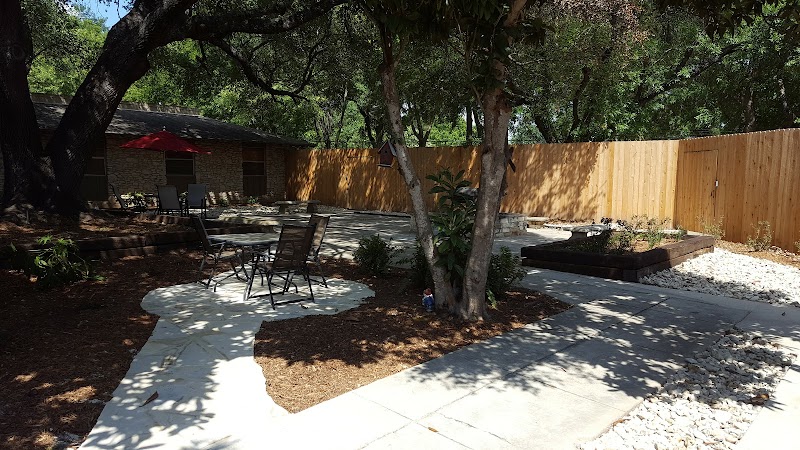
How is Oak Park Staffed?

CMS rates OAK PARK NURSING AND REHABILITATION CENTER's staffing level at 2 out of 5 stars, which is below average compared to other nursing homes. Staff turnover is 48%, compared to the Texas average of 46%.

What Have Inspectors Found at Oak Park?

State health inspectors documented 46 deficiencies at OAK PARK NURSING AND REHABILITATION CENTER during 2022 to 2024. These included: 1 Immediate Jeopardy (the most serious level, indicating potential for serious harm or death), 43 with potential for harm, and 2 minor or isolated issues. Immediate Jeopardy findings are rare and represent the most serious regulatory concerns. They require immediate corrective action.
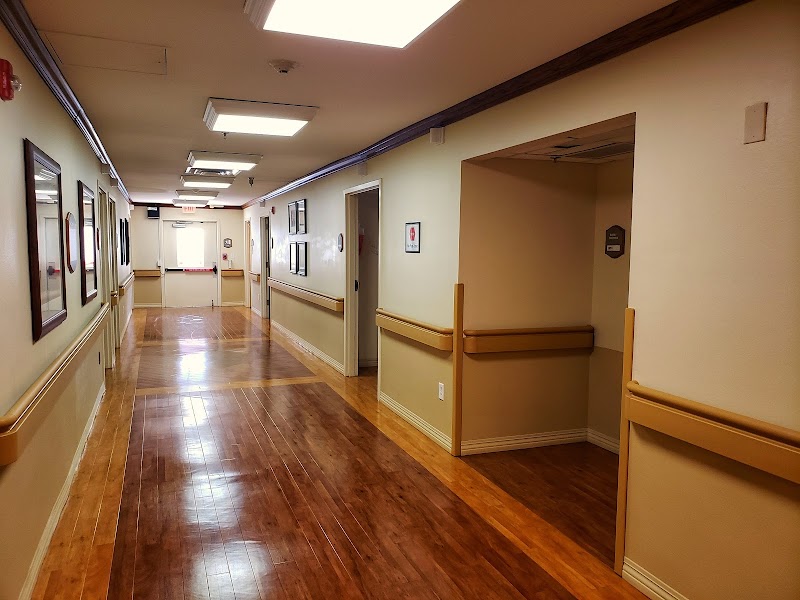
Who Owns and Operates Oak Park?

OAK PARK NURSING AND REHABILITATION CENTER is owned by a for-profit company. For-profit facilities operate as businesses with obligations to shareholders or private owners. The facility is operated by BOOKER HOSPITAL DISTRICT, a chain that manages multiple nursing homes. With 170 certified beds and approximately 118 residents (about 69% occupancy), it is a mid-sized facility located in SAN ANTONIO, Texas.
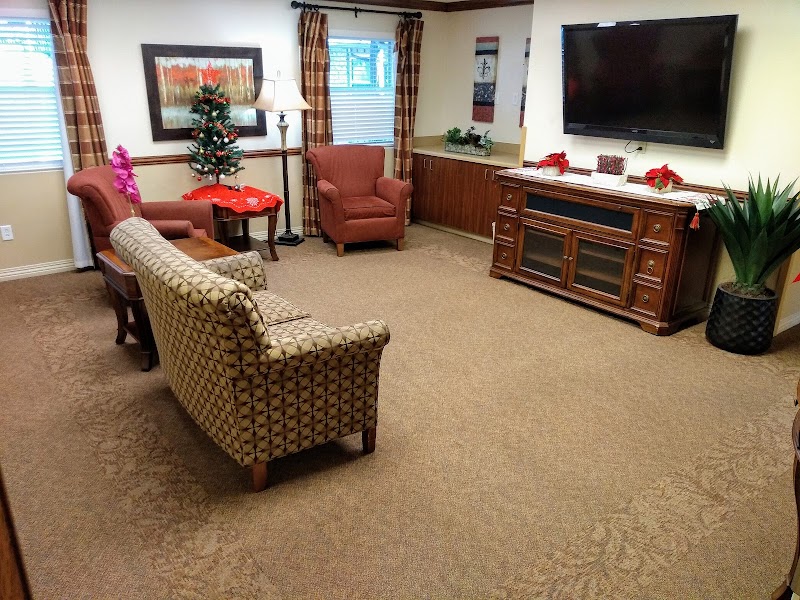
How Does Oak Park Compare to Other Texas Nursing Homes?

Compared to the 100 nursing homes in Texas, OAK PARK NURSING AND REHABILITATION CENTER's overall rating (2 stars) is below the state average of 2.8, staff turnover (48%) is near the state average of 46%, and health inspection rating (2 stars) is below the national benchmark.

What Should Families Ask When Visiting Oak Park?

Based on this facility's data, families visiting should ask: "What changes have been made since the serious inspection findings, and how are you preventing similar issues?" "What safeguards and monitoring systems are in place to protect residents from abuse or neglect?" "Can you walk me through typical staffing levels on day, evening, and night shifts?" "Can I visit during a mealtime to observe dining assistance and food quality?" These questions are particularly relevant given the facility's Immediate Jeopardy citations, the substantiated abuse finding on record, and the below-average staffing rating.

Is Oak Park Safe?

Based on CMS inspection data, OAK PARK NURSING AND REHABILITATION CENTER has documented safety concerns. The facility has 1 substantiated abuse finding (meaning confirmed case of resident harm by staff or other residents). Inspectors have issued 1 Immediate Jeopardy citation (the most serious violation level indicating risk of serious injury or death). The facility has a 2-star overall rating and ranks #100 of 100 nursing homes in Texas. Families considering this facility should ask detailed questions about what corrective actions have been taken since these incidents.

Do Nurses at Oak Park Stick Around?

OAK PARK NURSING AND REHABILITATION CENTER has a staff turnover rate of 48%, which is about average for Texas nursing homes (state average: 46%). Moderate turnover is common in nursing homes, but families should still ask about staff tenure and how the facility maintains care continuity when employees leave.

Was Oak Park Ever Fined?

OAK PARK NURSING AND REHABILITATION CENTER has been fined $9,280 across 1 penalty action. This is below the Texas average of $33,172. While any fine indicates a compliance issue, fines under $50,000 are relatively common and typically reflect isolated problems that were subsequently corrected. Families should ask what specific issues led to these fines and confirm they've been resolved.

Is Oak Park on Any Federal Watch List?

OAK PARK NURSING AND REHABILITATION CENTER is not on any federal watch list. The most significant is the Special Focus Facility (SFF) program, which identifies the bottom 1% of nursing homes nationally based on persistent, serious quality problems. Not being on this list means the facility has avoided the pattern of deficiencies that triggers enhanced federal oversight. This is a positive indicator, though families should still review the facility's inspection history directly.