PARKLANE WEST HEALTHCARE CENTER
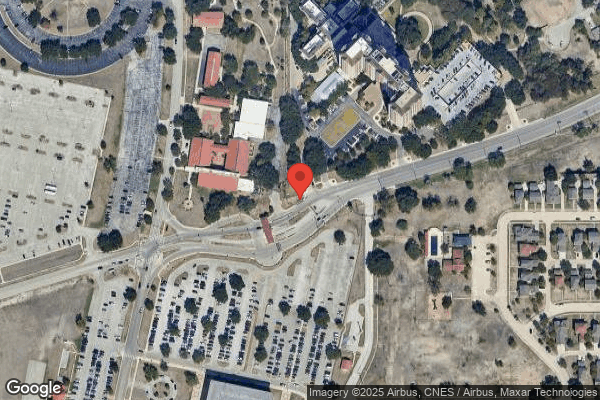
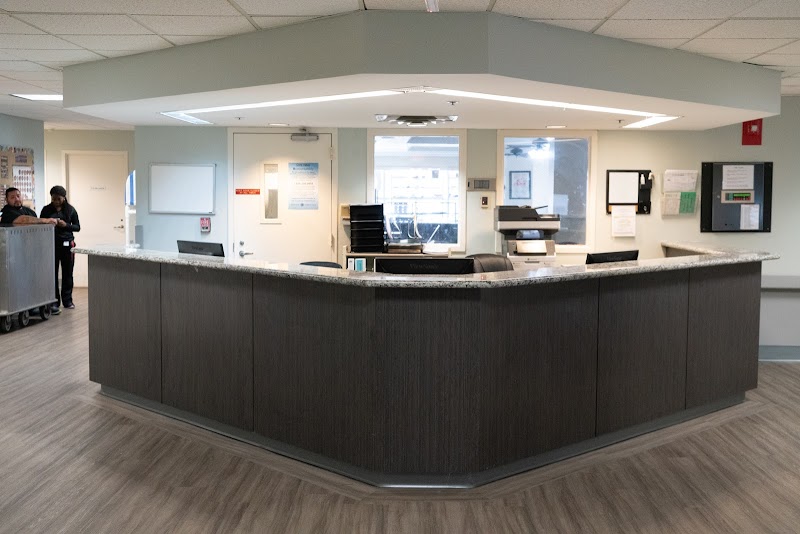
2 TOWERS PARK LN, SAN ANTONIO, TX 78209 (210) 829-1400
Government - Hospital district 124 Beds THE ENSIGN GROUP Data: November 2025
Trust Grade
55/100
#541 of 1168 in TX
Last Inspection: May 2025

Inspected within the last 6 months. Data reflects current conditions.

Overview

Parklane West Healthcare Center has a Trust Grade of C, which means it is average and falls in the middle of the pack among nursing homes. It ranks #541 out of 1168 facilities in Texas, placing it in the top half, and #18 of 62 in Bexar County, indicating that only a few local options are better. Unfortunately, the facility's performance is worsening, with issues increasing from 16 in 2024 to 27 in 2025. Staffing is a concern, with a rating of 2 out of 5 stars and a turnover rate of 62%, significantly higher than the Texas average of 50%. While the facility has not incurred any fines, which is a positive aspect, there are serious concerns regarding resident care; for example, some bathrooms are not properly maintained, and there have been failures to identify mental health diagnoses for residents, potentially leaving them without necessary support. Overall, while there are strengths such as no fines and a decent ranking, the increasing number of issues and staffing concerns are significant weaknesses to consider.

Trust Score
C
55/100
In Texas
#541/1168
Top 46%
Safety Record
Low Risk
No red flags
Inspections
Getting Worse
16 → 27 violations
Staff Stability
⚠ Watch
62% turnover. Above average. Higher turnover means staff may not know residents' routines.
Penalties
✓ Good
No fines on record. Clean compliance history, better than most Texas facilities.
Skilled Nurses
⚠ Watch
Each resident gets only 21 minutes of Registered Nurse (RN) attention daily — below average for Texas. Fewer RN minutes means fewer trained eyes watching for problems.
Violations
⚠ Watch
54 deficiencies on record. Higher than average. Multiple issues found across inspections.
★★★☆☆
3.0
Overall Rating
★★☆☆☆
2.0
Staff Levels
★★★★★
5.0
Care Quality
★★☆☆☆
2.0
Inspection Score
Stable
2024: 16 issues
2025: 27 issues

The Good

  • 5-Star Quality Measures · Strong clinical quality outcomes
  • Full Sprinkler Coverage · Fire safety systems throughout facility
  • No fines on record

Facility shows strength in quality measures, fire safety.

The Bad

3-Star Overall Rating

Near Texas average (2.8)

Meets federal standards, typical of most facilities

Staff Turnover: 62%

16pts above Texas avg (46%)

Frequent staff changes - ask about care continuity

Chain: THE ENSIGN GROUP

Part of a multi-facility chain

Ask about local staffing decisions and management

Staff turnover is elevated (62%)

14 points above Texas average of 48%

The Ugly 54 deficiencies on record

Jul 2025 6 deficiencies
CONCERN (D) 📢 Someone Reported This

A family member, employee, or ombudsman was alarmed enough to file a formal complaint

Potential for Harm - no one hurt, but risky conditions existed

Deficiency F0635 (Tag F0635)

Could have caused harm · This affected 1 resident

**NOTE- TERMS IN BRACKETS HAVE BEEN EDITED TO PROTECT CONFIDENTIALITY** Based on observations, interviews, and record reviews, the facility failed to ensure resident medical records were kept in accor...

Read full inspector narrative →
**NOTE- TERMS IN BRACKETS HAVE BEEN EDITED TO PROTECT CONFIDENTIALITY** Based on observations, interviews, and record reviews, the facility failed to ensure resident medical records were kept in accordance with accepted professional standards and practices, the facility must maintain medical records on each resident that are complete and accurately documented for 3 of 11 residents (Resident #1, Resident #2, and Resident #4) reviewed for clinical records. 1. The facility failed to obtain a physician's order to provide Resident #1 with indwelling catheter care and monitoring for 12 of 12 days (06/28/2025 to 07/09/2025) after admission and failed to ensure Resident #1's daily indwelling catheter care was documented in her medical record for 2 of 12 days (07/08/2025 and 07/09/2025). 2. The facility failed to obtain a physician's order to provide Resident #2 with indwelling catheter and monitoring for 2 of 3 days (06/22/2025 and 06/23/2025) after admission. 3. The facility failed to ensure Resident #4's weekly skin assessments were documented in his medical record for 2 of 15 weeks (the weeks of: 05/15/2025 and 05/22/2025). These failures could place residents at risk of not having accurate medical records and could create confusion in services provided or needed to be provided.The findings included: 1. Record review of Resident #1's admission Record, dated 07/16/2025, reflected Resident #1 was admitted on [DATE] and discharged on 07/10/2025. Resident #1 was noted to be [AGE] years old. Record review of Resident #1's Diagnosis Report, undated and accessed 07/14/2025, reflected Resident #1 was diagnosed with other sequelae of cerebral infarction (long-term complications or effects that can occur after a stroke), acute kidney failure (a sudden condition when the kidneys stop working or being able to filter waste products from the blood), and chronic kidney failure, stage 3 (a condition where the kidneys lose their ability to filter blood and remove wastes). Record review of Resident #1's admission MDS assessment, dated 06/30/2025, reflected it had been completed and signed by MDS Coordinator A on 07/12/2025. Resident #1's BIMS score of 12 indicated she was mildly cognitively impaired, and her bowel and bladder appliances noted she had an indwelling catheter (a tube inserted into the body). Record review of Resident #1's hospital transfer documents, dated 06/25/2025, reflected Resident #1 had a foley (an indwelling catheter to drain urine from the bladder) approved for comfort. Record review of Resident #1's LN- Initial admission Record, signed and dated 06/27/2025 at 06:45 p.m. by LPN D, reflected Resident #1 had a urinary indwelling catheter in place. Record review of Resident #1's Order Recap Report, order dates 06/27/2025 to 07/31/2025, did not reflect physician orders for an indwelling catheter or the care and monitoring of an indwelling catheter. Record review of Resident #1's MAR, dated 06/01/2025- 06/30/2025, did not reflect physician orders for an indwelling catheter or the care and monitoring of an indwelling catheter. Record review of Resident #1's MAR, dated 07/01/2025- 07/31/2025, did not reflect physician orders for an indwelling catheter or the care and monitoring of an indwelling catheter. Record review of Resident #1's Nursing Progress Note, by LPN D, effective 06/27/2025 at 05:55 p.m., reflected .She has an indwelling foley catheter. Record review of Resident #1's Daily Skilled Note Progress Note, by LPN E, effective 06/28/2025 at 10:39 a.m., reflected Urine is [sic] pt has indwelling foley cath, urine is yellow and clear, no foul odor noted, no c/o dysuria [painful urination] [sic] Active SX: retention / distension of bladder. GU appliance used is an indwelling catheter. Other observations and interventions include Indwelling [sic] foley cath is drainingwell [sic] via gravity, no sediment noted, pt is tolerating well, no c/o pain or discomfort. Record review of Resident #1's Daily Skilled Note Progress Note, by LPN E, effective 06/29/2025 at 06:00 p.m., reflected Urine is [sic] pt has indwelling foley cath, urine is yellow and clear, no foul odor noted, no c/o dysuria [sic] No active Genitourinary/Renal symptoms observed. Record review of Resident #1's Daily Skilled Note Progress Note, by LPN D, effective 06/30/2025 at 11:31 p.m., reflected Urine is [sic] pt has indwelling foley cath, urine is yellow and clear, no foul odor noted, no c/o dysuria [sic] Other active symptoms or treatments are described below. GU appliance used is an indwelling catheter. Other observations and interventions include Resident [sic] has wounds and rash to perianal [area surrounding the anus] area- foley is to provide relief and promote skin integrity. Resident response to treatment is indweling [sic] foley catheter. Record review of Resident #1's Daily Skilled Note Progress Note, by LPN D, effective 07/01/2025 at 07:00 p.m., reflected Urine is [sic] pt has indwelling foley cath, urine is yellow and clear, no foul odor noted, no c/o dysuria [sic] No active Genitourinary/Renal symptoms observed. GU appliance used is an indwelling catheter. Other observations and interventions include Resident [sic] has wounds and rash to perianal area- foley is to provide relief and promote skin integrity. Resident response to treatment is indweling [sic] foley catheter. Record review of Resident #1's Daily Skilled Note Progress Note, by ADON G, effective 07/01/2025 at 10:53 p.m., reflected Urine is [sic] pt has indwelling foley cath, urine is yellow and clear, no foul odor noted, no c/o dysuria [sic] No active Genitourinary/Renalsymptoms [sic] observed. GU appliance used is an indwelling catheter. Other observations and interventions include Resident [sic] has wounds and rash to perianal area- foley is to provide relief and promote skin integrity. Resident response to treatment is indweling [sic] foley catheter. Record review of Resident #1's Nursing Progress Note, by LPN H, effective 07/02/2025 at 05:09 a.m., reflected Output noted for this shift was 250ml. Record review of Resident #1's Daily Skilled Note Progress Note, by LPN D, effective 07/02/2025 at 06:35 p.m., reflected Urine is [sic] resident has indwelling foley cath, urine is yellow and clear, no foul odor noted, no c/o dysuria [sic] No active Genitourinary/Renal symptoms observed. Resident response to treatment is indweling [sic] foley catheter. Record review of Resident #1's Daily Skilled Note Progress Note, by LPN D, effective 07/03/2025 at 10:28 p.m., reflected Urine is [sic] resident has indwelling foley cath, urine is yellow and clear, no foul odor noted, no c/o dysuria [sic] No active Genitourinary/Renal symptoms observed. GU appliance used is an indwelling catheter. Resident has wounds and rash to perianal area- foley is to provide relief and promote skin integrity. Record review of Resident #1's Daily Skilled Note Progress Note, by LPN I, effective 07/04/2025 at 02:54 p.m., reflected Urine is [sic] resident has indwelling foley cath, urine is yellow and clear, no foul odor noted, no c/o dysuria [sic] No active Genitourinary/Renal symptoms observed. Record review of Resident #1's Daily Skilled Note Progress Note, by LPN E, effective 07/05/2025 at 02:27 p.m., reflected Urine is [sic] resident has indwelling foley cath, urine is yellow and clear, no foul odor noted, no c/o dysuria [sic] Active SX: retention / distention of bladder. GU appliance used is an indwelling catheter. Other observations and interventions include Indwelling foley cath is draining well via gravity, no sediment noted, pt is tolerating well, no c/o pain or discomfort. Record review of Resident #1's Daily Skilled Note Progress Note, by LPN E, effective 07/06/2025 at 05:41 p.m., reflected Urine is [sic] resident has indwelling foley cath, urine is yellow and clear, no foul odor noted, no c/o dysuria [sic] No active Genitourinary/Renal symptoms observed. Record review of Resident #1's Daily Skilled Note Progress Note, by ADON G, effective 07/07/2025 at 06:27 p.m., reflected Urine is [sic] resident has indwelling foley cath, urine is yellow and clear, no foul odor noted, no c/o dysuria [sic] No active Genitourinary/Renal symptoms observed. GU appliance used is an indwelling catheter. Other observations and interventions include Indwelling foley cath is draining well via gravity, no sediment noted, pt is tolerating well, no c/o pain or discomfort. Record review of Resident #1's Progress Notes did not reveal a Daily Skilled Note or mention of indwelling catheter care or monitoring on 07/08/2025, 07/09/2025, or 07/10/2025. Record review of Resident #1's local hospital History and Physical/admission Notes, dated 07/11/2025, reflected Resident #1 presented at the hospital on [DATE] with a chief complaint of altered mental status. She was found to have a urinary tract infection upon arrival. Her history of present illness included she was recently hospitalized , discharged [DATE], for an acute cerebrovascular accident (a stroke) with altered mental status. During an interview on 07/13/2025 at 02:15 p.m., RN K, a local hospital nurse, revealed she had provided care for Resident #1 during her current and most recent prior hospitalization. RN K stated Resident #1 was being treated for a urinary tract infection during her current hospitalization. RN K stated Resident #1 had the foley inserted during her last hospitalization, after Resident #1 had a stroke. During an interview with Resident #1, at a local hospital, on 07/13/2025 at 02:37 p.m., revealed Resident #1 admitted , on 07/10/2025, to a local hospital. Resident #1 stated she did not feel she had consistent catheter care at the nursing facility; however, Resident #1 was noted as a poor historian and was mixing her complaints about her recent nursing facility admission and a prior assisted living admission. Resident #1 ended conversation by stating she only had complaints regarding the assisted living. During an interview on 07/14/2025 at 12:11 p.m., MD L, a local hospital physician, stated she had provided care for Resident #1 during her current and most recent prior hospitalization. MD L stated she did not believe the reason for Resident #1's return to the local hospital was due to the care provided by the nursing facility. During an interview on 07/14/2025 at 01:00 p.m., NP F stated she had assessed and visited with Resident #1 four times while she was at the nursing facility. NP F stated the last time she saw Resident #1 was the day prior to Resident #1's discharge, discharged [DATE]. NP F stated she recalled Resident #1 was admitted to the nursing facility with a foley from a local hospital due to urinary retention. During an interview on 07/14/2025 at 04:12 p.m., LPN D stated she was the admitting and discharging nurse for Resident #1. LPN D stated she recalled Resident #1 admitted with an indwelling catheter. LPN D stated she was unable to complete a full assessment on Resident #1 prior to her discharge, on 07/10/2025, but did note that Resident #1's urine was amber with no sedimentation, there was no odor, and Resident #1's vitals were normal. During an interview on 07/15/2025 at 12:17 p.m., LPN M stated she recalled providing care for Resident #1 and knew Resident #1 had an indwelling catheter. LPN M stated she did not recall Resident #1 having had any symptoms of an infection. She stated the nurses would monitor for changes in mental status and for resident's with foley catheters, monitor the foley bag for changes in urine color and concentration, and for sediment. LPN M stated she did not recall Resident #1 having had any issues with her foley catheter. She recalled Resident #1's urine was yellow, and Resident #1 was up in her wheelchair for lunch during her shift. LPN M stated Resident #1 did not verbalize any concerns or complaints during her shift and she acted normal, within her baseline. LPN M stated she believed she provided Resident #1 with direct care over 5-7 days and over those days, Resident #1's urine was yellow, not amber or any other concerns. LPN M stated she did not recall if Resident #1 had orders or care planned interventions for her foley catheter, however; she would have still known about the catheter by observing it during her rounds. LPN M stated she would have still checked Resident #1's foley catheter even without an order or care planned intervention. During an interview on 07/15/2025 at 02:43 p.m., the DON stated she could not find foley catheter orders for Resident #1. During an interview on 07/15/2025 at 03:41 p.m., LPN N stated she picked up a 02:00 p.m. to 10:00 p.m. shift on 07/09/2025 and worked on a hall that she did not typically work on. She stated provided care to Resident #1 during that shift. She stated she did not recall providing foley catheter care to Resident #1 during that shift, but she typically provided care per the resident's orders. She stated she would not have known Resident #1 had a foley if she did not have orders to provide foley catheter care, if she did not personally see it during her shift, was told about it by another staff member, or was given the resident's outputs to log. During an interview on 07/15/2025 at 04:04 p.m., CNA O stated she provided care for Resident #1 around 2 times. CNA O stated she also assisted other CNAs with Resident #1's care on other days. CNA O stated she would give Resident #1 showers, check and empty her catheter bag, wipe around the catheter insertion site, and provide perineal care (clean around the resident's genital and anal areas). During an interview on 07/15/2025 at 04:21 p.m., ADON G stated she might have provided care for Resident #1 due to covering the floor Resident #1 was on that day or shift. ADON G stated she did not recall providing foley catheter care for Resident #1. She stated she may not have known Resident #1 had a foley unless it was told to her or unless she had a reason to have checked for it. During an interview on 07/17/2025 at 10:40 a.m., LPN I stated he vaguely recalled Resident #1, but did remember checking her catheter during his shift and completing a routine assessment. LPN I stated he checked Resident #1's catheter bag and did not see any signs of issues, no sediment at that time. He stated he did not remember if Resident #1 had orders for foley catheter care, but he still provided care. During an interview on 07/17/2025 at 11:48 a.m., LPN D stated for admissions, the admitting nurse will get a report sheet when the resident arrives and the nurse will call the physician to obtain verification and depending on the physician, enter the orders for them. LPN D stated the admitting nurse will ask the transferring nurse if the admitting resident has wounds and/or ostomies, and if so, would ask the transferring nurse for the diagnoses and treatment orders for them. Upon the resident's admission, the admitting nurse would review the treatment orders with the physician and determine if the physician would want to continue those treatments or start new treatments per facility protocol. LPN D stated she did not recall Resident #1's admitting orders. She stated she believed the ADONs would follow up after a resident was admitted by completing a chart audit and they would often enter batch orders. LPN D stated the indwelling catheter orders were part of the batch orders. During an interview on 07/17/2025 at 12:10 p.m., LPN H stated she remembered providing Resident #1's foley catheter care. She stated Resident #1 came in with a foley catheter and she had provided care to Resident #1 for a couple of overnight shifts. LPN H stated Resident #1's foley was okay, but Resident #1 did complain of pain, in her back and leg. She stated she did not remember if Resident #1 had orders for foley catheter care. During an interview on 07/17/2025 at 02:07 p.m., CNA P stated she provided care for Resident #1 at least once or twice. CNA P stated she remembered Resident #1 had a foley catheter and providing care for the foley. She stated Resident #1 never complained when she provided Resident #1's foley catheter or perineal care. CNA P stated when providing perineal and foley catheter care, she would wipe from top down, look for redness, look for any redness or cloudiness in the urine, and watch for any complaints of pain when changing the resident or transferring her. During an interview on 07/17/2025 at 03:10 p.m., CNA R stated she provided care for Resident #1 for the two weeks Resident #1 was admitted . CNA R stated she remembered proving foley catheter care for Resident #1. She stated she did not observe Resident #1's urine having an unusual color or cloudiness, and Resident #1 would deny pain when she was cleaning her in that area. During an interview on 07/17/2025 at 05:17 p.m., LPN E revealed he recalled providing care for Resident #1 over two weekends. LPN E stated he was scheduled to work double weekends, 06:00 a.m. to 10:00 p.m. He stated he remembered providing foley catheter care for her and did not note any concerns while providing foley catheter care. He stated he did not remember Resident #1 having an order for her foley catheter to be flushed, so he would use disinfectant wipes to clean the area and clean the tubing. 2. Record review of Resident #2's admission Record, dated 07/16/2025, reflected Resident #2 was admitted on [DATE]. Resident #2 was noted to be [AGE] years old. Record review of Resident #2's Diagnosis Report, undated and accessed 07/16/2025, reflected Resident #2 was diagnosed with displaced intertrochanteric fracture of right femur (a break in the hip bone), thrombocytopenia (a low number of platelets, which are blood cells that cause clotting, in the blood), and dementia (a general term for impaired ability to remember, think, or make decisions). Record review of Resident #2's admission MDS assessment, dated 06/23/2025, reflected Resident #2's BIMS score of 02 indicated she was moderately cognitively impaired. She was noted to have an indwelling catheter and always incontinent of bowel. Record review of Resident #2's LN- Initial admission Record, effective date 06/21/2025, reflected Resident #2 had an indwelling urinary catheter in place upon admission for retention. Record review of Resident #2's Order Recap Report, dated 07/17/2025 for order dates 06/20/2025 to 07/31/2025, reflected the following orders:- CATHETER CARE EVERY SHIFT. MONITOR URETHRAL SITE FOR S/S OF SKIN BREAKDOWN, PAIN/DISCOMFORTS [sic], UNUSUAL ODOR, URINE CHARACTERISTIC OR SECREATIONS, CATHETER PULLING CAUSING TENSION every shift, noted as Active, order and start date 06/23/2025. - CATHETER TYPE: 16 FR # 10 ML_TO CLOSED URINARY DRAINAGE SYSTEM- DIAGNOSIS FOR USE: urinary retention, noted as Active, order and start date 06/21/2025.- CHANGE DRAINAGE BAG MONTHLY ON 15 DAY OF EACH MONTH &PRN [sic] one time a day for urinary retention, noted as Discontinued on 06/24/2025, order date 06/21/2025, start date 06/22/2025, and end date 06/24/2025.- CHANGE DRAINAGE BAG MONTHLY ON 15 DAY OF EACH MONTH &PRN [sic] one time a day every 1 month(s) starting on the 15th for 1 day(s), noted as Active, order date 06/23/2025 and start date 07/15/2025.- CHANGE FOLEY CATHETER MONTHLY ON 15 DAY OF EACH MONTH. REINSERT PRN FOR ACCIDENTAL REMOVAL, DISLODGEMENT, OBSTRUCTION OF URINE FLOW one time a day starting on the 15th and ending on the 15th every month, noted as Active, order date 06/21/2025 and start date 07/15/2025.- CHANGE LEG STRAP EVERY WEEK and AS NEEDED as needed AND one time a day every 7 day(s), noted as Active, order and start date 06/23/2025.- DX TO SUPPORT USE OF INDWELLING CATHETER: RETENTION, noted as Active, order date 06/23/2025.- Enhanced Barrier Precautions: PPE required for high resident contact care activities. Indication: Indwelling Catheter every shift for foley, noted as Active, order and start date 06/21/2025.- MONITOR / RECORD /REPROT TO MD FOR ANY S/S OF UTI: PAIN/DISCOMFORTS [sic], [NAME] BLOOD TINGED URINE, CLOUDINESS, SCANTY OR NO URINARY OUTPUT, DARK URINE COLOR, HIGH TEMP., CHILLS, ALTERED MENTAL STATUS, CHANGES IN BEHAVIOR, CHANGES IN EATING PATTERN, FOUL SMELLING URINE every shift, noted as Active, order and start date 06/23/2025.- Monitor Catheter Output every shift, noted as Active, order and start date 06/23/2025.- POSITION PRIVACY BAG &TUBING [sic] BELOW THE LEVEL OF THE BLADDER every shift, noted as Active, order and start date 06/23/2025.- SECURE CATHETER WITH A LEG STRAP/LEG BAND OR ANCHOR TO MINIMIZE CATHETER RELATED INJURY AND ACCIDENTAL REMOVAL OR OBSTRUCTION OF URINE OUTFLOW, CHECK PLACEMENT as needed AND every shift, noted as Active, order and start date 06/23/2025. Record review of Resident #2's MAR, dated 06/01/2025- 06/30/2025, reflected the following indwelling catheter orders did not start until 06/23/2025 or 06/24/2025:- CHANGE LEG STRAP EVERY WEEK and AS NEEDED as needed AND one time a day every 7 day(s), noted as active, order date 06/23/2025 at 03:10 p.m., noted as Administered once, on 07/24/2025 at AM 07.- CATHETER CARE EVERY SHIFT. MONITOR URETHRAL SITE FOR S/S OF SKIN BREAKDOWN, PAIN/DISCOMFORTS [sic], UNUSUAL ODOR, URINE CHARACTERISTIC OR SECREATIONS, CATHETER PULLING CAUSING TENSION every shift, order date 06/23/2025 at 03:10 p.m., first noted as Administered on 07/23/2025 at NOC2, then noted as Administered three times a day for the remainder of the month.- MONITOR / RECORD /REPROT TO MD FOR ANY S/S OF UTI: PAIN/DISCOMFORTS [sic], [NAME] BLOOD TINGED URINE, CLOUDINESS, SCANTY OR NO URINARY OUTPUT, DARK URINE COLOR, HIGH TEMP., CHILLS, ALTERED MENTAL STATUS, CHANGES IN BEHAVIOR, CHANGES IN EATING PATTERN, FOUL SMELLING URINE every shift, order date 06/23/2025 at 03:10 p.m., first noted as Administered on 07/23/2025 at NOC2, then noted as Administered three times a day for the remainder of the month.- Monitor Catheter Output every shift, order date 06/23/2025 at 03:16 p.m., first noted as Administered on 07/23/2025 at NOC2, then noted as Administered three times a day for the remainder of the month.- POSITION PRIVACY BAG &TUBING [sic] BELOW THE LEVEL OF THE BLADDER every shift, order date 06/23/2025 at 03:10 p.m., first noted as Administered on 07/23/2025 at NOC2, then noted as Administered three times a day for the remainder of the month.- SECURE CATHETER WITH A LEG STRAP/LEG BAND OR ANCHOR TO MINIMIZE CATHETER RELATED INJURY AND ACCIDENTAL REMOVAL OR OSTRUCTION OF URINE OUTFLOW. CHECK PLACEMENT every shift, order date 06/23/2025 at 03:10 p.m., first noted as Administered on 07/23/2025 at NOC2, then noted as Administered three times a day for the remainder of the month.- CHANGE LEG STRAP EVERY WEEK and AS NEEDED as needed, order date 06/23/2025 at 03:10 p.m., noted as scheduled PRN and not noted as Administered. - SECURE CATHETER WITH A LEG STRAP/LEG BAND OR ANCHOR TO MINIMIZE CATHETER RELATED INJURY AND ACCIDENTAL REMOVAL OR OSTRUCTION OF URINE OUTFLOW. CHECK PLACEMENT as needed, order date 06/23/2025 at 03:10 p.m., noted as scheduled PRN and not noted as Administered. Observation and attempted interview with Resident #2 on 07/17/2025 at 09:40 a.m. Resident #2 observed to lying in bed, watching her television. Resident #2 observed to be alert, but her speech was garbled and her response to questions was inconsistent to interview prompt. During an interview on 07/15/2025 at 01:02 p.m., the DON stated the admitting nurse was to put the foley catheter orders in and then the NP or MD would sign off on them. The DON stated if there were not orders, the monitoring orders would not be in place and measuring output wouldn't be triggered for monitoring. She stated the nurses are hands-on, and they continue to monitor even without an order. She stated her expectation was that if a nurse were to observe a foley catheter and identify that there was not an order, the nurse was supposed to put in the order or notify her. During an interview on 07/15/2025 at 02:43 p.m., the DON stated the nurses would have documented the care provided and monitoring of the foley catheter care in their daily skilled note, even if they were not documenting it in the MAR. During an interview on 07/15/2025 at 04:21 p.m., ADON G stated if foley catheter care was not provided per order or care plan intervention, lack of care could result in a larger infection including the development of sepsis. During an interview on 07/17/2025 at 12:17 p.m., NP F stated she deferred to facility protocols for indwelling catheter care unless she identified a need for the orders and care to be changed. NP F stated she expected the facility staff to initiate the orders, generally upon admission. She stated the impact of the facility not putting in the orders could result in the indwelling catheter care was not being done, which could harm the resident. NP F stated she could not necessarily state the degree of harm to a resident if the care was delayed 2-3 days or more; however, she stated that the delay in care would not be best practice. During an interview on 07/17/2025 at 03:34 p.m., the DON stated it was the responsibility of the admitting nurse to put in orders for a resident's foley catheter care. She stated the ADONs or weekend supervisor will then audit the admission the next day; however, for Resident #1 it was missed. The DON stated the orders are patient specific, but even without orders the charge nurses would still see the foley catheter and provide care, including monitoring for signs and symptoms of a urinary tract infection. Record review of facility policy, Indwelling Urinary Catheter Care, dated revised/reviewed April 2025, revealed under Policy, It is the policy of this facility that each resident with an indwelling catheter will receive catheter care daily and as needed (PRN) to promote hygiene, comfort, and decrease the risk of infection.
CONCERN (D) 📢 Someone Reported This

A family member, employee, or ombudsman was alarmed enough to file a formal complaint

Potential for Harm - no one hurt, but risky conditions existed

Comprehensive Assessments (Tag F0636)

Could have caused harm · This affected 1 resident

**NOTE- TERMS IN BRACKETS HAVE BEEN EDITED TO PROTECT CONFIDENTIALITY** Based on observation, interview, and record review, the facility failed to conduct initially and periodically a comprehensive, a...

Read full inspector narrative →
**NOTE- TERMS IN BRACKETS HAVE BEEN EDITED TO PROTECT CONFIDENTIALITY** Based on observation, interview, and record review, the facility failed to conduct initially and periodically a comprehensive, accurate, standardized reproducible assessment of each resident's functional capacity for 2 of 4 (Residents #1 and #2) reviewed for assessments. 1. The MDS Coordinator failed to complete Resident #1's admission comprehensive assessment within 14 days after admission. MDS Coordinator A verified as complete on 07/12/2025. Resident #1 was admitted on [DATE]. 2. The MDS Coordinator failed to complete Resident #2's admission comprehensive assessment within 14 days after admission. MDS Coordinator A verified as complete on 07/13/2025. Resident #2 was admitted on [DATE]. This failure could affect newly admitted residents and result in residents not receiving the care and services as needed.The findings included: 1. Record review of Resident #1's admission Record, dated 07/16/2025, reflected Resident #1 was admitted on [DATE] and discharged on 07/10/2025. Resident #1 was noted to be [AGE] years old. Record review of Resident #1's Diagnosis Report, undated and accessed 07/14/2025, reflected Resident #1 was diagnosed with other sequelae of cerebral infarction (long-term complications or effects that can occur after a stroke), acute kidney failure (a sudden condition when the kidneys stop working or being able to filter waste products from the blood), and chronic kidney failure, stage 3 (a condition where the kidneys lose their ability to filter blood and remove wastes). Record review of Resident #1's admission MDS assessment, dated 06/30/2025, reflected Resident #1 was admitted on [DATE] and had a BIMS score of 12 indicating she was mildly cognitively impaired. The admission MDS assessment was completed and signed by MDS Coordinator A on 07/12/2025; 15 days after Resident #1's admission. Interview with Resident #1, at a local hospital, on 07/13/2025 at 02:37 p.m., revealed Resident #1 admitted , on 07/10/2025, to a local hospital. Resident #1 stated she did not feel she had consistent care at the nursing facility; however, Resident #1 was noted as a poor historian and was mixing her complaints between the recent nursing facility administration and a prior assisted living administration. Resident #1 ended conversation by stating she only had complaints regarding the assisted living. 2. Record review of Resident #2's admission Record, dated 07/16/2025, reflected Resident #2 was admitted on [DATE]. Resident #2 was noted to be [AGE] years old. Record review of Resident #2's Diagnosis Report, undated and accessed 07/16/2025, reflected Resident #2 was diagnosed with displaced intertrochanteric fracture of right femur (a break in the hip bone), thrombocytopenia (a low number of platelets, which are blood cells that cause clotting, in the blood), and dementia (a general term for impaired ability to remember, think, or make decisions). Record review of Resident #2's EMR (electronic medical record) on 07/16/2025, reflected Resident #2 had four MDS Assessments, an Entry MDS, dated [DATE], and noted as Accepted, an admission - None PPS MDS, dated [DATE], and noted as Accepted, a Medicare- 5 Day MDS, dated [DATE], and noted as Completed, and a Discharge Return NotAnticipated [sic] MDS, dated [DATE], and noted as In Progress. Record review of Resident #2's admission MDS assessment, dated 06/23/2025, reflected Resident #2 was admitted on [DATE] and had a BIMS score of 02 indicating she was moderately cognitively impaired. The admission MDS assessment was completed and signed by MDS Coordinator A on 07/13/2025; 23 days after Resident #2's admission. Observation and attempted interview with Resident #2 on 07/17/2025 at 09:40 a.m. Resident #2 observed to lying in bed, watching her television. Resident #2 observed to be alert, but her speech was garbled and her response to questions was inconsistent to interview prompt. During an interview on 07/16/2025 at 09:26 a.m., MDS Coordinator A stated she worked on a PRN (as needed) basis. She revealed she would review the in-progress list and just complete the MDS Assessments that needed to be done. She stated a late MDS Assessment would impact a resident depending on the specific sections of the MDS Assessment that were not completed. She did not clarify how an assessment signed late could impact a resident. During an interview on 07/16/2025 at 09:41 a.m., MDS Coordinator B stated the assessments were scheduled based on the RAI (Resident Assessment Instrument). MDS Coordinator B stated the facility had herself and another MDS Coordinator, MDS Coordinator C, completing the assessments, but MDS Coordinator C was new and still in training. She stated MDS Coordinator A was working PRN and MDS Coordinator A would review and complete the MDS Assessments that were in-progress. MDS Coordinator B stated Resident #1's admission MDS was probably signed late because the MDS Coordinators were behind and still attempting to get caught up. MDS Coordinator B was not asked about Resident #'2's admission MDS. MDS Coordinator B stated a late MDS Assessment could impact a resident because it could delay triggers for care planning. Record review of facility policy, Resident Assessment and Associated Processes, dated revised/reviewed December 2023, revealed under Procedure, 3. Comprehensive assessments will be conducted within 14 days of admission., 7. Each individual who completes a portion of the assessment will electronically sign and certify the accuracy of that portion of the assessment, as well as the date the data was obtained., and 8. A Registered Nurse will electronically sign and certify that the assessment is completed.
CONCERN (D) 📢 Someone Reported This

A family member, employee, or ombudsman was alarmed enough to file a formal complaint

Potential for Harm - no one hurt, but risky conditions existed

Deficiency F0655 (Tag F0655)

Could have caused harm · This affected 1 resident

**NOTE- TERMS IN BRACKETS HAVE BEEN EDITED TO PROTECT CONFIDENTIALITY** Based on interview and record review, the facility failed to develop and implement a baseline care plan for each resident that i...

Read full inspector narrative →
**NOTE- TERMS IN BRACKETS HAVE BEEN EDITED TO PROTECT CONFIDENTIALITY** Based on interview and record review, the facility failed to develop and implement a baseline care plan for each resident that includes the instructions needed to provide effective and person- centered care of the residents that meets professional standards of quality of care within 48 hours of a resident's admission for 1 of 5 (Resident #1) reviewed for baseline care plans. The facility failed to include Resident #1's catheter care and monitoring in her initial baseline care plan dated 06/28/2025, when Resident #1 was admitted on [DATE]. This deficient practice could place residents at risk of not having their individual care needs met in a timely manner or diminished quality of life, infection, and hospitalization.The findings included: Record review of Resident #1's admission Record, dated 07/16/2025, reflected Resident #1 was admitted on [DATE] and discharged on 07/10/2025. Resident #1 was noted to be [AGE] years old. Record review of Resident #1's Diagnosis Report, undated and accessed 07/14/2025, reflected Resident #1 was diagnosed with other sequelae of cerebral infarction (long-term complications or effects that can occur after a stroke), acute kidney failure (a sudden condition when the kidneys stop working or being able to filter waste products from the blood), and chronic kidney failure, stage 3 (a condition where the kidneys lose their ability to filter blood and remove wastes). Record review of Resident #1's hospital transfer documents, dated 06/25/2025, reflected Resident #1 had completed a 5-day course of antibiotics for a urinary tract infection but no growth was found on the culture. She was noted to have genitourinary skin (skin around the genital and urinary organs) breakdown with a foley (an indwelling catheter to drain urine from the bladder) approved for comfort. Record review of Resident #1's LN- Initial admission Record, signed and dated 06/27/2025 at 06:45 p.m. by LPN D, reflected Resident #1 had a urinary indwelling catheter in place. Record review of Resident #1's admission MDS assessment, dated 06/30/2025, reflected it had been completed and signed by MDS Coordinator A on 07/12/2025. Resident #1's BIMS score of 12 indicated she was mildly cognitively impaired, and her bowel and bladder appliances noted she had an indwelling catheter (a tube inserted into the body). Record review of Resident #1's Initial Care Plan., signed and dated 06/28/2025 by the DON, did not reflect a focus or intervention regarding incontinent care or indwelling catheter care. Record review of Resident #1's IDT- Care Plan Review., signed and dated 07/03/2025, did not reflect person-centered comprehensive care planning on Bowel and Bladder Evaluation or Care Plan elements to include indwelling catheter care under additional comments, special treatments, procedures and devices, or additional nursing plan of care. Record review of Resident #1's Care Plan, accessed 07/14/2025, did not reflect a focus or intervention regarding incontinent care or indwelling catheter care. Record review of Resident #1's Nursing Progress Note, by LPN D, effective 06/27/2025 at 05:55 p.m., reflected .She has an indwelling foley catheter. Record review of Resident #1's Daily Skilled Note Progress Note, by LPN E, effective 06/28/2025 at 10:39 a.m., reflected Urine is [sic] pt has indwelling foley cath, urine is yellow and clear, no foul odor noted, no c/o dysuria [painful urination] [sic] Active SX: retention / distension of bladder. GU appliance used is an indwelling catheter. Other observations and interventions include Indwelling [sic] foley cath is drainingwell [sic] via gravity, no sediment noted, pt is tolerating well, no c/o pain or discomfort. Record review of Resident #1's Daily Skilled Note Progress Note, by LPN E, effective 06/29/2025 at 06:00 p.m., reflected Urine is [sic] pt has indwelling foley cath, urine is yellow and clear, no foul odor noted, no c/o dysuria [sic] No active Genitourinary/Renal symptoms observed. Record review of Resident #1's History and Physical Note Progress Note, by NP F, effective 06/30/2025 at 04:42 p.m., reflected While in hospital noted with UTI [urinary tract infection, an infection in any part of the urinary system] treated with Rocephin [antibiotic]. Has been experiencing diarrhea, n/v with no clear reason.foley cath was placed in hospital for skin integrity. Record review of Resident #1's Daily Skilled Note Progress Note, by LPN D, effective 06/30/2025 at 11:31 p.m., reflected Urine is [sic] pt has indwelling foley cath, urine is yellow and clear, no foul odor noted, no c/o dysuria [sic] Other active symptoms or treatments are described below. GU appliance used is an indwelling catheter. Other observations and interventions include Resident [sic] has wounds and rash to perianal [area surrounding the anus] area- foley is to provide relief and promote skin integrity. Resident response to treatment is indweling [sic] foley catheter. Record review of Resident #1's Daily Skilled Note Progress Note, by LPN D, effective 07/01/2025 at 07:00 p.m., reflected Urine is [sic] pt has indwelling foley cath, urine is yellow and clear, no foul odor noted, no c/o dysuria [sic] No active Genitourinary/Renal symptoms observed. GU appliance used is an indwelling catheter. Other observations and interventions include Resident [sic] has wounds and rash to perianal area- foley is to provide relief and promote skin integrity. Resident response to treatment is indweling [sic] foley catheter. Record review of Resident #1's Daily Skilled Note Progress Note, by ADON G, effective 07/01/2025 at 10:53 p.m., reflected Urine is [sic] pt has indwelling foley cath, urine is yellow and clear, no foul odor noted, no c/o dysuria [sic] No active Genitourinary/Renalsymptoms [sic] observed. GU appliance used is an indwelling catheter. Other observations and interventions include Resident [sic] has wounds and rash to perianal area- foley is to provide relief and promote skin integrity. Resident response to treatment is indweling [sic] foley catheter. Record review of Resident #1's Nursing Progress Note, by LPN H, effective 07/02/2025 at 05:09 a.m., reflected Output noted for this shift was 250ml. Record review of Resident #1's Np / PA Progress Note Progress Note, by NP F, effective 07/02/2025 at 10:00 a.m., reflected While in hospital noted with UTI treated with Rocephin. Has been experiencing diarrhea, n/v with no clear reason.foley cath was placed in hospital for skin integrity. Record review of Resident #1's Daily Skilled Note Progress Note, by LPN D, effective 07/02/2025 at 06:35 p.m., reflected Urine is [sic] resident has indwelling foley cath, urine is yellow and clear, no foul odor noted, no c/o dysuria [sic] No active Genitourinary/Renal symptoms observed. Resident response to treatment is indweling [sic] foley catheter. Record review of Resident #1's Daily Skilled Note Progress Note, by LPN D, effective 07/03/2025 at 10:28 p.m., reflected Urine is [sic] resident has indwelling foley cath, urine is yellow and clear, no foul odor noted, no c/o dysuria [sic] No active Genitourinary/Renal symptoms observed. GU appliance used is an indwelling catheter. Resident has wounds and rash to perianal area- foley is to provide relief and promote skin integrity. Record review of Resident #1's Daily Skilled Note Progress Note, by LPN I, effective 07/04/2025 at 02:54 p.m., reflected Urine is [sic] resident has indwelling foley cath, urine is yellow and clear, no foul odor noted, no c/o dysuria [sic] No active Genitourinary/Renal symptoms observed. Record review of Resident #1's Daily Skilled Note Progress Note, by LPN E, effective 07/05/2025 at 02:27 p.m., reflected Urine is [sic] resident has indwelling foley cath, urine is yellow and clear, no foul odor noted, no c/o dysuria [sic] Active SX: retention / distention of bladder. GU appliance used is an indwelling catheter. Other observations and interventions include Indwelling foley cath is draining well via gravity, no sediment noted, pt is tolerating well, no c/o pain or discomfort. Record review of Resident #1's Daily Skilled Note Progress Note, by LPN E, effective 07/06/2025 at 05:41 p.m., reflected Urine is [sic] resident has indwelling foley cath, urine is yellow and clear, no foul odor noted, no c/o dysuria [sic] No active Genitourinary/Renal symptoms observed. Record review of Resident #1's NP / PA Progress Note Progress Note, by NP F, effective 07/07/2025 at 05:50 a.m., reflected While in hospital noted with UTI treated with Rocephin. Has been experiencing diarrhea, n/v with no clear reason.foley cath was placed in hospital for skin integrity. Record review of Resident #1's Daily Skilled Note Progress Note, by ADON G, effective 07/07/2025 at 06:27 p.m., reflected Urine is [sic] resident has indwelling foley cath, urine is yellow and clear, no foul odor noted, no c/o dysuria [sic] No active Genitourinary/Renal symptoms observed. GU appliance used is an indwelling catheter. Other observations and interventions include Indwelling foley cath is draining well via gravity, no sediment noted, pt is tolerating well, no c/o pain or discomfort. Record review of Resident #1's NP / PA Progress Note Progress Note, by NP F, effective 07/09/2025 at 05:16 a.m., reflected While in hospital noted with UTI treated with Rocephin. Has been experiencing diarrhea, n/v with no clear reason.foley cath was placed in hospital for skin integrity.Start bladder retraining dc foley in 2 days. Record review of Resident #1's Nursing Progress Note, by LPN D, effective 07/10/2025 at 05:07 p.m., reflected Family was informed that order was received to send resident out to ER to which the [family member] at bedside stated her [family member] who is also at bedside called 911 for emergency service to transfer resident due to increased thrashing and nausea/vomiting. [ADON J] was informed and paperwork was printed out for EMS. Resident is in bed, HOB [head of bed] in high fowlers [elevated as high as 60 to 90 degrees in relation to lower half of bed] and able to answer quesitons [sic]. Resident was moving around but not thrashing and was not vomiting when this writer was in the room. Record review of Resident #1's local hospital History and Physical/admission Notes, dated 07/11/2025, reflected Resident #1 presented at the hospital on [DATE] with a chief complaint of altered mental status. She was found to have a urinary tract infection upon arrival. Her history of present illness included she was recently hospitalized , discharged [DATE], for an acute cerebrovascular accident (a stroke) with altered mental status. During an interview on 07/13/2025 at 02:15 p.m., RN K, a local hospital nurse, revealed she had provided care for Resident #1 during her current and most recent prior hospitalization. RN K revealed Resident #1 was being treated for a urinary tract infection during her current hospitalization. RN K revealed Resident #1 had the foley inserted during her last hospitalization. Interview with Resident #1 on 07/13/2025 at 02:37 p.m., revealed Resident #1 admitted , on 07/10/2025, to a local hospital. Resident #1 stated she did not feel she had consistent catheter care at the nursing facility; however, Resident #1 was noted as a poor historian and was mixing her complaints about her recent nursing facility admission and a prior assisted living admission. Resident #1 ended conversation by stating she only had complaints regarding the assisted living. During an interview on 07/14/2025 at 12:11 p.m., MD L, a local hospital physician, stated she had provided care for Resident #1 during her current and most recent prior hospitalization. MD L stated she did not believe the reason for Resident #1's return to the local hospital was due to the care provided by the nursing facility. MD L stated residents can get sick regardless of what you do, and Resident #1 was not septic and did not have a fever upon her rehospitalization. MD L stated she did believe Resident #1 was more confused upon her return, with a little more symptoms that might suggest a urinary infection. She stated Resident #1 did not discharge to the nursing home on antibiotics and the current urinary tract infection was not the same that the hospital had treated previously. She stated Resident #1's urinary cultures did not show a clear urinary infection during her last hospitalization, only contamination of the culture. She stated Resident #1's culture from her current hospitalization was growing, indicating a specific bacterial infection. MD L stated Resident #1 [or family member] had asked her when the infection started, and she was unable to provide an answer. MD L stated Resident #1's [family member] clarified that her complaints regarding Resident #1's care were more about Resident #1's care provided at her prior Assisted Living. During an interview on 07/14/2025 at 01:00 p.m., NP F stated she had assessed and visited with Resident #1 four times while she was at the nursing facility. NP F revealed the last time she saw Resident #1 was the day prior to Resident #1's discharge, discharged [DATE]. NP F revealed she recalled Resident #1 was admitted to the nursing facility with a foley from a local hospital due to urinary retention. NP F revealed she recalled looking at Resident #1's catheter bag on 07/09/2025 and the urine was yellow and clear, without cloudiness. NP F revealed from her perspective, Resident #1 did not have any signs of a urinary tract infection. Resident #1's mentation (mental activity) was the same as when she admitted , she had not voiced or expressed any sign of discomfort, she did not have a fever, and her urine was clear. NP F revealed Resident #1 did not have an order for a urinary analysis until the day of her discharge, 07/10/2025, when the nurse, LPN D, called her and said the family was saying Resident #1 did not appear to be herself. NP F revealed she asked LPN D if Resident #1 appeared different than the prior day, 07/09/2025, and the nurse said no. NP F revealed Resident #1 was sent out to the hospital prior to the urine sample having been collected for analysis. During an interview on 07/14/2025 at 04:12 p.m., LPN D stated she was the admitting and discharging nurse for Resident #1. LPN D stated she recalled Resident #1 admitted with an indwelling catheter. LPN D revealed on Resident #1's day of discharge, the only change she noted was Resident #1 was sitting up in her wheelchair in the dining room when she, LPN D arrived for her shift, around 02:00 p.m. LPN D revealed prior to 07/09/2025, she had only observed Resident #1 staying in her bed during her shifts. LPN D revealed she said hello to Resident #1 upon her arrival on 07/10/2025, and Resident #1 appeared to recognize her and did not indicate she was uncomfortable. LPN D stated later during her shift, Resident #1's family arrived and asked for Resident #1 to be assisted back to bed. Resident #1's family later notified her that Resident #1 was anxious and thrashing her head in the bed; and they felt Resident #1 was just not right. LPN D stated she told Resident #1's family she would notify the NP, but also went to check on Resident #1 and noted Resident #1 was moving her head back and forth but not slamming or thrashing it. LPN D stated Resident #1's family approached her again, asked for Resident #1 to be sent out, and then stated the staff were not moving fast enough and notified her the family had called 911. LPN D stated she was unable to complete a full assessment on Resident #1 prior to her discharge but did note that Resident #1's urine was amber with no sedimentation, there was no odor, and Resident #1's vitals were normal. During an interview on 07/15/2025 at 12:17 p.m., LPN M stated she recalled providing care for Resident #1 and knew Resident #1 had an indwelling catheter. LPN M stated she did not recall Resident #1 having had any symptoms of an infection. She stated the nurses would monitor for changes in mental status and for resident's with foley catheters, monitor the foley bag for changes in urine color and concentration, and for sediment. LPN M revealed she did not recall Resident #1 having had any issues with her foley catheter. She recalled Resident #1's urine was yellow, and Resident #1 was up in her wheelchair for lunch during her shift. LPN M stated Resident #1 did not verbalize any concerns or complaints during her shift and she acted normal, within her baseline. LPN M stated she believed she provided Resident #1 with direct care over 5-7 days and over those days, Resident #1's urine was yellow, not amber or any other concerns. LPN M stated she did not recall if Resident #1 had orders or care planned interventions for her foley catheter, however; she would have still known about the catheter by observing it during her rounds. LPN M stated she would have still checked Resident #1's foley catheter even without an order or care planned intervention. During an interview on 07/15/2025 at 12:48 p.m., ADON J stated she had not provided direct care with Resident #1 and had only encountered Resident #1 on the day of her discharge, 07/10/2025. ADON J revealed LPN D notified her Resident #1's family wanted to send Resident #1 out to the hospital due to a change in Resident #1's behaviors, including involuntary movements. ADON J stated her observation of Resident #1 revealed Resident #1 having her hands interlocked and light or subtle rocking back and forth. She stated she told LPN D to notify the NP and to start the process for sending Resident #1 out, per family request. ADON J stated she asked LPN D to complete her assessment, but the family wouldn't wait and called 911 before LPN D could complete the transferring assessment. ADON J stated she asked LPN D about the involuntary movements and LPN D stated they were present upon Resident #1's admission. During an interview on 07/15/2025 at 01:02 p.m., the DON stated the initial care plan had to be opened by an RN, so either herself or the RN MDS Coordinator. She stated the initial care plan or baseline care plan was not fully detailed until the MDS Coordinator and infection control nurse completes their systems, usually within 48 hours. She stated foley catheters would not be specifically on the baseline care plan but there should be orders if a resident was admitted with a foley catheter. She stated the nurses are hands-on, and they continue to monitor even without an order. During an interview on 07/15/2025 at 02:43 p.m., the DON stated the nurses would have documented the care provided and monitoring of the foley catheter care in their daily skilled note, even if they were not documenting it in the MAR. During an interview on 07/15/2025 at 03:41 p.m., LPN N stated she picked up a 02:00 p.m. to 10:00 p.m. shift on 07/09/2025 and worked on a hall that she did not typically work on. She stated provided care to Resident #1 during that shift. She stated she did not recall providing foley catheter care to Resident #1 during that shift, but she typically provided care per the resident's orders. She stated she would not have known Resident #1 had a foley if she did not personally see it during her shift, was told about it by another staff member, or was given the resident's outputs to log. During an interview on 07/15/2025 at 04:04 p.m., CNA O stated she provided care for Resident #1 around 2 times. CNA O stated she also assisted other CNAs with Resident #1's care on other days. CNA O stated she would give Resident #1 showers, check and empty her catheter bag, wipe around the catheter insertion site, and provide perineal care (clean around the resident's genital and anal areas). CNA O stated she remembered Resident's urine to always be a little dark, slightly brownish yellow. She stated she believed it was due to Resident #1 liking to eat snacks and drink soda. She stated she told her nurse about Resident #1's urine color, unable to identify who, and gave the nurse Resident #1's output for the day, unable to provide a date. CNA O stated she did not notice any concerns with Resident #1's foley because the area around the foley was clean and not irritated. During an interview on 07/15/2025 at 04:21 p.m., ADON G stated she might have provided care for Resident #1 due to covering the floor Resident #1 was on that day or shift. ADON G revealed she did not recall providing foley catheter care for Resident #1. She stated she may not have known Resident #1 had a foley unless it was told to her or unless she had a reason to have checked for it. ADON G stated if foley catheter care was not provided per order or care plan intervention, lack of care could result in a larger infection including the development of sepsis. During an interview on 07/17/2025 at 10:40 a.m., LPN I stated he vaguely recalled Resident #1, but did remember checking her catheter during his shift and completing a routine assessment. LPN I stated he checked Resident #1's catheter bag and did not see any signs of issues, no sediment at that time. During an interview on 07/17/2025 at 11:48 a.m., LPN D stated care plans were opened by the facility RNs since that was an RN designated role. She did not believe there was a designated person to complete the resident's care plan, so the resident's care needs were relayed to the RN. LPN D stated she would call the RN. LPN D stated she remembered having called the DON following Resident #1's admission. LPN D stated she told the DON about Resident #1's overcall condition upon admission, including that Resident #1 had a foley and Resident #1's family concerns regarding wounds. During an interview on 07/17/2025 at 12:10 p.m., LPN H stated she remembered providing Resident #1's foley catheter care. She stated Resident #1 came in with a foley catheter and she had provided care to Resident #1 for a couple of overnight shifts. LPN H stated Resident #1's foley was okay, but Resident #1 did complain of pain, in her back and leg. During an interview on 07/17/2025 at 12:17 p.m., NP F stated she deferred to facility protocols for indwelling catheter care unless she identified a need for the orders and care to be changed. NP F stated she expected the facility staff to initiate the orders, generally upon admission. She stated the impact of the facility not putting in the orders could result in the indwelling catheter care was not being done, which could harm the resident. NP F revealed she could not necessarily state the degree of harm to a resident if the care was delayed 2-3 days or more; however, she stated that the delay in care would not be best practice. During an interview on 07/17/2025 at 02:07 p.m., CNA P stated she provided care for Resident #1 at least once or twice. CNA P stated she remembered Resident #1 had a foley catheter and providing care for the foley. She stated Resident #1 never complained when she provided Resident #1's foley catheter or perineal care. CNA P stated when providing perineal and foley catheter care, she would wipe from top down, look for redness, look for any redness or cloudiness in the urine, and watch for any complaints of pain when changing the resident or transferring her. During an interview on 07/17/2025 at 03:10 p.m., CNA R stated she provided care for Resident #1 for the two weeks Resident #1 was admitted . CNA R revealed she had to encourage Resident #1 to eat and drink water because she didn't want to eat or drink a lot. CNA R stated she thought Resident #1 was the same throughout her admission and did not have a change in condition. CNA R revealed she had told the nurse, did not provide a name, that Resident #1 wasn't eating but Resident #1's family would bring her food, and she would eat that. CNA R revealed Resident #1 would love to drink the Coke the family brought for her. CNA R stated she remembered proving foley catheter care for Resident #1. She stated she did not observe Resident #1's urine having an unusual color or cloudiness, and Resident #1 would deny pain when she was cleaning her in that area. CNA R stated Resident #1 was the same throughout her admission and her foley catheter was good. During an interview on 07/17/2025 at 03:34 p.m., the DON stated the baseline care plan would be opened within 24-hours of a resident's admission by an RN and then completed by a MDS Coordinator. She stated the initial care plan would have two names, the person who opened it and the person who last edited it. She stated the signature on the bottom of the initial care plan would be the person who opened it, on Resident #1 it was her, and per the Care Plan tab in the EMR, the person named would be the person that last revised the initial care plan, for Resident #1 it was MDS Coordinator A. The DON stated the initial care plan would populate to the resident's comprehensive care plan, and it was patient specific per the report from the admitting charge nurse. The DON stated the foley catheter would not be included in the baseline care plan. It would be added later to the comprehensive care plan, because it was not one of the selections within the baseline care plan. The DON stated the nurses provide a report following an admission and that would be when additions would be added to the comprehensive care plan. The DON stated she did not receive a report for Resident #1. The DON stated the orders are patient specific, but even without orders the charge nurses would still see the foley catheter and provide care, including monitoring for signs and symptoms of a urinary tract infection. During an interview on 07/17/2025 at 05:17 p.m., LPN E stated he recalled providing care for Resident #1 over two weekends. LPN E stated he was scheduled to work double weekends, 06:00 a.m. to 10:00 p.m. He stated he remembered providing foley catheter care for her and did not note any concerns while providing foley catheter care. He stated he did not remember Resident #1 having an order for her foley catheter to be flushed, so he would use disinfectant wipes to clean the area and clean the tubing. He stated Resident #1 had a baseline of being confused, which he noted the first day he worked with her, the day after her admission to the nursing facility, 06/30/2025. He stated he did not observe a change in her condition during the times he provided care for her. Record review of facility policy, Comprehensive Person-Centered Care Planning, dated revised/reviewed December 2023, revealed under Policy, .The IDT team will also develop and implement a baseline care plan for each resident, within 48 hours of admission, that includes minimum healthcare information necessary to properly care for each resident and instructions needed to provide effective and person-centered care that meet professional standards of quality care. Under Procedure, 3.The facility team will provide a written summary of the baseline care plan to the resident and their representative that includes initial goals of the resident, a summary of medication and dietary instructions, and any services and treatments to be administered.
CONCERN (D) 📢 Someone Reported This

A family member, employee, or ombudsman was alarmed enough to file a formal complaint

Potential for Harm - no one hurt, but risky conditions existed

Incontinence Care (Tag F0690)

Could have caused harm · This affected 1 resident

**NOTE- TERMS IN BRACKETS HAVE BEEN EDITED TO PROTECT CONFIDENTIALITY** Based on observations, interviews, and record review, the facility failed to ensure a resident who had an indwelling catheter re...

Read full inspector narrative →
**NOTE- TERMS IN BRACKETS HAVE BEEN EDITED TO PROTECT CONFIDENTIALITY** Based on observations, interviews, and record review, the facility failed to ensure a resident who had an indwelling catheter received appropriate treatment and services to prevent urinary tract infections for 1 of 2 (Resident #3) reviewed for indwelling catheter care. 1. The facility failed to ensure CNA S cleaned Resident #3's indwelling catheter properly during incontinent care. 2. The facility failed to ensure Resident #3's indwelling catheter was secured appropriately and per physician's order. These failure could place residents with indwelling catheters at risk for pain, infection, injury, and hospitalization. The findings included: 1. Record review of Resident #3's admission Record, dated 07/16/2025, reflected Resident #3 was admitted on [DATE]. Resident #3 was noted to be [AGE] years old. Record review of Resident #3's Diagnosis Report, undated and accessed 07/16/2025, reflected Resident #3 was diagnosed with displacement of indwelling urethral catheter (also known as a foley catheter, a tube inserted in the urethra to drain urine), urinary tract infection, and type 2 diabetes mellitus (a condition that develops with the way the body regulates and uses sugar as fuel). Record review of Resident #3's admission MDS assessment, dated 04/29/2025, reflected Resident #3's had a BIMS score of 14, indicating he was cognitively intact. He was noted to have an indwelling catheter and always incontinent of bowel. Record review of Resident #3's Order Summary Report, dated active orders as of 07/16/2025, reflected the orders: - CHANGE LEG STRAP EVERY WEEK and AS NEEDED as needed [sic], order status noted as Active, order date and start date of 04/28/2025. - CHANGE LEG STRAP EVERY WEEK and AS NEEDED one time a day every 7 day(s), order status noted as Active, order date of 04/28/2025 and start date of 04/29/2025.- SECURE CATHETER WITH A LEG STRAP/LEG BAND OR ANCHOR TO MINIMIZE CATHETER RELATED INJURY AND ACCIDENTAL REMOVAL OR OBSTRUCTION OF URINE OUTFLOW, CHECK PLACEMENT as needed, noted as Active, order date and start date of 04/25/2025.- SECURE CATHETER WITH A LEG STRAP/LEG BAND OR ANCHOR TO MINIMIZE CATHETER RELATED INJURY AND ACCIDENTAL REMOVAL OR OBSTRUCTION OF URINE OUTFLOW, CHECK PLACEMENT every shift, noted as Active, order date and start date of 04/25/2025. During an interview on 07/15/2025 at 01:02 p.m., the DON revealed CNAs were expected to empty the resident foley catheters and record the output. She revealed the facility completed skills checkoffs with the CNAs and they were to notify a nurse if they observed a urine color change, such as blood in the urine. During an observation on 07/16/2025 at 10:52 a.m., CNA S was providing incontinent and foley catheter care to Resident #3. No leg strap was noted to be present, securing Resident #3's catheter tubing in place. CNA S was observed to clean Resident #3's perineum (area between the genitals and anus), thigh folds, shaft and head of the penis, and around the catheter insertion site, but did not clean the catheter. During an interview on 07/16/2025 at 11:58 a.m., CNA S stated she needed to notify the nurse Resident #3 did not have a leg strap on his catheter. She stated residents with catheters should have a leg strap on at all times. She stated Resident #3 had just returned from a shower and sometimes they come loose in the shower, however; he did not have one on this morning, 07/16/2025, before his shower. CNA S stated she did not clean the catheter when providing perineal care. She stated she knew she was supposed to clean the catheter by holding it and wiping from the tip away from the body. She stated she was distracted because there was a lot going on, her gown kept falling off, and she was nervous. During an interview on 07/17/2025 at 09:45 a.m., Resident #3 stated he did not have any concerns about his foley catheter care. He stated the staff check and clean his foley catheter well. During an interview on 07/17/2025 at 09:46 a.m., CNA S stated she messed up. She revealed it was part of her training to always clean the tubing and if the resident complained of pain, clean it and then let the nurse know. She stated there were a lot of distractions with the roommate continuously asking what was going on, her phone alarm going off for her scheduled break, and another CNA had asked for assistance. She stated her nerves just got the best of her. During an interview on 07/17/2025 at 03:34 p.m., the DON stated CNAs were expected to perform foley catheter care, including monitoring. She revealed the CNAs were to empty the foley catheters, but the nurses were to monitor for signs and/or symptoms of urinary tract infections. Record review of facility policy, Indwelling Urinary Catheter Care, dated revised/reviewed April 2025, revealed under Procedure, 9.clean the catheter in a downward motion (front to back) beginning at the urinary meatus (insertion point) and at least 4 inches down (from resident toward the collection bag).12. May secure the tubing with a securement device, as needed (PRN) to prevent migration, friction, or tension of the catheter.
CONCERN (D) 📢 Someone Reported This

A family member, employee, or ombudsman was alarmed enough to file a formal complaint

Potential for Harm - no one hurt, but risky conditions existed

Medical Records (Tag F0842)

Could have caused harm · This affected 1 resident

**NOTE- TERMS IN BRACKETS HAVE BEEN EDITED TO PROTECT CONFIDENTIALITY** Based on observations, interviews, and record reviews, the facility failed to ensure resident medical records were kept in accor...

Read full inspector narrative →
**NOTE- TERMS IN BRACKETS HAVE BEEN EDITED TO PROTECT CONFIDENTIALITY** Based on observations, interviews, and record reviews, the facility failed to ensure resident medical records were kept in accordance with accepted professional standards and practices, the facility must maintain medical records on each resident that are complete and accurately documented for 1 of 11 residents (Resident #4) reviewed for clinical records. The facility failed to ensure Resident #4's weekly skin assessments were documented in his medical record for 2 of 15 weeks (the weeks of: 05/15/2025 and 05/22/2025). These failures could place residents at risk of not having accurate medical records and could create confusion in services provided or needed to be provided.The findings included: Record review of Resident #4's admission Record, dated 07/14/2025, reflected a [AGE] year-old male. He was originally admitted on [DATE] and re-admitted on [DATE]. Record review of Resident #4's Diagnosis Report, undated and accessed on 07/15/2025, reflected Resident #4 was diagnosed with type 2 diabetes mellitus, muscle weakness, and dysphagia (difficulty swallowing). Record review of Resident #4's Annual MDS Assessment, dated 04/30/2025, reflected Resident #4 had a BIMS score of 15 indicating he was cognitively intact. He was noted to be at risk of developing pressure ulcers/injuries but did not have any pressure ulcers/injuries, venous or arterial ulcers, or other ulcers, wounds, or skin problems. Record review of Resident #4's Care Plan, undated and accessed 07/15/2025, reflected a focus Has potential to skin integrity r/t Fragile skin, date initiated and revised 07/17/2025 with interventions to include Monitor/document location, size and treatment of skin injury. Report abnormalities, failure to heal, s/sx of infection, maceration etc. to MD. Record review of Resident #4's EMR Assessment tab, undated and accessed on 07/15/2025, did not reflect a LN- Skin Evaluation - PRN / Weekly or LN- Skin Ulcer Non-Pressure Weekly, assessment dated for the week of 05/15/2025 or for the week of 05/22/2025. Record review of Resident #4's Progress Notes, dated 05/01/2025 to 05/28/2025 did not reveal notes regarding Resident #4's skin status effective on the weeks of 05/15/2025 or 05/22/2025. During an interview on 07/15/2028 at 10:10 a.m., Resident #4 revealed he had not experienced any recent skin issues, and the facility staff had just recently completed his skin assessment without finding concerns. She stated he did not know how often his skin was assessment but believed it was more than once a month. During an interview on 07/14/2025 at 02:46 p.m., Treatment Nurse U stated she had been working as the Treatment Nurse for around 2 months. She stated the floor nurses and her were responsible for completing the weekly skin assessments. She stated she believed the floor nurses had a binder to notify them of the schedule for when the skin assessments were due. She stated she would often complete the weekly skin assessments for residents with wound care, such as those with surgical sites or pressure ulcers. During an interview on 07/15/2025 at 01:02 p.m., the DON stated the resident's skin assessments were to be done upon admission and then upon schedule weekly. She stated the treatment nurse would schedule the weekly skin assessments, and they were to document under the LN- Skin Assessments assessment. The DON stated, if an assessment was not listed under the assessments, the it might indicate there were no skin issues, the resident was out on pass, not available, or refused the assessment and there should be a progress note. The DON stated, if an assessment was not documented it might be due to a computer glitch, but she would have to investigate why the assessment was missed. She stated, if not documented then it (the assessment) didn't happen. She stated a missed skin assessment would result in the staff not having a full picture of the resident's status at that time. During an interview on 07/15/2025 at 02:43 p.m., the DON stated she still had not located Resident #4's skin assessments for the weeks of 05/15/2025 or 05/22/2025. Record review of the facility's policy, Skin and Wound Monitoring and Management, dated revised December 2023, reflected under Procedure, a. Resident Assessment.g. Ongoing Skin and Wound Assessments: A licensed nurse will assess/evaluate a resident's skin at least weekly.4. Documentation.b. Weekly Skin Check - Licensed nurse should document skin evaluations in accordance with this policy and document on the appropriate skin assessment/evaluation weekly/PRN form.6. Monitoring. d. Weekly skin check conducted by a licensed nurse - All resident will have a head to toe skin check performed at least weekly by a licensed nurse. - The licensed nurse should document the findings.
CONCERN (D) 📢 Someone Reported This

A family member, employee, or ombudsman was alarmed enough to file a formal complaint

Potential for Harm - no one hurt, but risky conditions existed

Infection Control (Tag F0880)

Could have caused harm · This affected 1 resident

**NOTE- TERMS IN BRACKETS HAVE BEEN EDITED TO PROTECT CONFIDENTIALITY** Based on observations, interviews, and record reviews the facility failed to establish and maintain an infection prevention and ...

Read full inspector narrative →
**NOTE- TERMS IN BRACKETS HAVE BEEN EDITED TO PROTECT CONFIDENTIALITY** Based on observations, interviews, and record reviews the facility failed to establish and maintain an infection prevention and control program designed to provide a safe, sanitary, and comfortable environment and to help prevent the development and transmission of communicable diseases and infections for 2 of 2 residents (Resident #3 and Resident #5) and 2 of 2 staff (CNA S and CNA T) reviewed for infection control. 1. The facility failed to ensure CNA S properly secured her personal protective equipment during indwelling catheter and incontinent care for Resident #3 on 07/16/2025. 2. The facility failed to ensure CNA T wore appropriate PPE for EBP during indwelling catheter and incontinent care for Resident #5 on 07/16/2025. These failures could place residents at risk of exposure to infectious diseases due to improper infection control practices.Findings included: 1. Record review of Resident #3's admission Record, dated 07/16/2025, reflected Resident #3 was admitted on [DATE]. Resident #3 was noted to be [AGE] years old. Record review of Resident #3's Diagnosis Report, undated and accessed 07/16/2025, reflected Resident #3 was diagnosed with displacement of indwelling urethral catheter (also known as a foley catheter, a tube inserted in the urethra to drain urine), urinary tract infection, and type 2 diabetes mellitus (a condition that develops with the way the body regulates and uses sugar as fuel). Record review of Resident #3's admission MDS assessment, dated 04/29/2025, reflected Resident #3's had a BIMS score of 14, indicating he was cognitively intact. He was noted to have an indwelling catheter and always incontinent of bowel. Record review of Resident #3's Order Summary Report, dated active orders as of 07/16/2025, reflected the order, ENHANCED BARRIER PRECAUTIONS: PPE required for high resident contact care activities. Indication: Indwelling medical device every shift, order status noted as Active, order date and start date of 04/26/2025. During an observation on 07/16/2025 at 10:52 a.m., revealed CNA S was providing incontinent and foley catheter care to Resident #3. CNA S was observed to put on a personal protective gown but did not secure the back ties resulting in the gown falling forward off her shoulders several times, requiring adjustment. During an interview on 07/16/2025 at 11:58 a.m., CNA S stated she was distracted while performing incontinent and foley catheter care for Resident #3 because there was a lot going on, her gown kept falling off, and she was nervous. During an interview on 07/17/2025 at 09:45 a.m., Resident #3 stated he did not have any concerns about his foley catheter care. He stated the staff check and clean his foley catheter well. During an interview on 07/17/2025 at 09:46 a.m., CNA S stated for the gown, she put it on but didn't fasten it. She stated she usually would knot the top fastening of the gown prior to putting it over her head but didn't this time. She stated she was nervous. She stated the facility provided her training on PPE and she took an online PPE (personal protective equipment) training about donning and doffing (putting on and taking off) PPE last month. 2. Record review of Resident #5's admission Record, dated 07/16/2025, reflected Resident #5 was initially admitted on [DATE] and readmitted on [DATE]. Resident #5 was noted to be [AGE] years old. Record review of Resident #5's Diagnosis Report, undated and accessed 07/16/2025, reflected Resident #5 was diagnosed with fluid overload, chronic obstructive pulmonary disease (a type of progressive lung disease), and type 2 diabetes mellitus. Record review of Resident #5's Quarterly MDS assessment, dated 06/04/2025, reflected Resident #5 had a BIMS score of 13, indicating he was cognitively intact. He was noted to have an indwelling catheter and always incontinent of bowel and bladder. Record review of Resident #5's Order Summary Report, dated active orders as of 07/16/2025, reflected the order, ENHANCED BARRIER PRECAUTIONS: PPE required for high resident contact care activities. Indication: Catheter/ wounds every shift, order status noted as Active, order date and start date of 04/15/2025. During an observation on 07/16/2025 at 11:18 a.m., revealed CNA T was providing incontinent and foley catheter care to Resident #5. CNA T was observed to not put on a personal protective gown during care. An EBP (enhanced barrier precaution) sign was noted on Resident #5's door prior to entering room. During an interview on 07/16/2025 at 11:29 a.m., CNA T stated she did not wear a protective gown for enhance barrier precautions. She stated she should have read the sign but missed it. She stated she normally looks for the boxes of PPE outside of the resident room to tell her the resident was on precautions, but did not see one for Resident #5's room. CNA T stated she was new to the facility, did not know anything about EBP, and had never been told. During an interview on 07/17/2025 at 09:50 a.m., Resident #5 stated he did not have any concerns about his foley catheter care. He stated the staff provided good care with emptying and cleaning his catheter. During an interview on 07/17/2025 at 02:58 p.m., CNA T stated the facility had provided her training on perineal and foley catheter care. CNA T stated the perineal and foley catheter care she provided the day prior, 07/16/2025, that was observed was not the best. She stated she forgot to put on her protective equipment. She stated she was not aware that if a resident had a catheter, the staff member automatically needed to wear the equipment. She stated she thought that if a resident had the equipment outside their door, then that indicated you needed to wear the equipment. She stated she was told that if they have a catheter and any injectables, the staff member was to wear PPE automatically. She revealed she was very overwhelmed during the perineal and foley catheter care observation on 07/16/2025. She stated she did not recall the facility going over EBP during training, but did go over infection prevention. She stated the training was more over the computer, not in person with clinicals. Record review of staff trainings from May to July 2025 revealed an undated training on Enhanced Barrier Precautions. The training list included admissions staff, the discharge coordinator, department supervisors for dietary and housekeeping, activities staff, various clinical support staff, and all the nursing staff. 52 staff were noted as trained out of 54. The HR Manager and Maintenance Director did not initial, or sign as having had received the training. CNA S and CNA T were not noted on the training document. During an interview on 07/17/2025 at 03:34 p.m., the DON stated staff were trained upon hire, annually, and as needed on enhanced barrier precautions. She revealed the facility had a recent training on donning and doffing (putting on and taking off) personal protective equipment for residents on EBP and isolation precautions. The DON revealed the staff training included a list of residents on EBP, catheters, IVs (Intravenous, within a vein), and peg tubes (tube to provide nutrition directly to the stomach). She revealed staff also trained to know a resident was on precautions through identifiers on posted signs. The DON stated she expected staff when wearing a gown to secure it themselves, for it to always be tied. She revealed the protective gown was primarily to protect the resident from exposure passed from us, the staff, to them, the resident. She stated the impact of not wearing the protective gown or not properly securing the gown was possible exposure to the resident to open areas of their body. Record review of the facility's policy, IPCP Standard and Transmission-Based Precautions, dated revised March 2024, reflected under Procedure, 1. Standard Precautions. include: a. Proper selection and use of PPE, such as gowns.3. Enhanced Barrier Protection (EBP):.a. PPE: The use of gown and gloves for high-contact resident care activities is indicated, when Contact Precautions do not otherwise apply, for nursing home residents with: i. Wounds and/or indwelling medical devices Indwelling medical devices include, but are not limited to . urinary catheters,.
May 2025 18 deficiencies
CONCERN (D) 📢 Someone Reported This

A family member, employee, or ombudsman was alarmed enough to file a formal complaint

Potential for Harm - no one hurt, but risky conditions existed

Deficiency F0558 (Tag F0558)

Could have caused harm · This affected 1 resident

**NOTE- TERMS IN BRACKETS HAVE BEEN EDITED TO PROTECT CONFIDENTIALITY** Based on observations, interviews, and record review, the facility failed to ensure that residents had the right to reside and r...

Read full inspector narrative →
**NOTE- TERMS IN BRACKETS HAVE BEEN EDITED TO PROTECT CONFIDENTIALITY** Based on observations, interviews, and record review, the facility failed to ensure that residents had the right to reside and receive services in the facility with reasonable accommodation of resident needs and preferences except when to do so would endanger the health or safety of the resident or other residents for 1 of 6 residents (Resident #29) reviewed for call lights. The facility failed to ensure Resident #29's call light was within reach. This failure could place residents at risk of achieving independent functioning, dignity, and well-being. Findings include: Record review of Resident #29's face sheet dated 5/14/25 revealed a [AGE] year-old female admitted to the facility on [DATE]. Resident #29 had diagnoses that included Major Depressive Disorder (a severe mood disorder that can affect a person's thoughts, feelings, and ability to perform daily activities), Dementia (a decline in cognitive function, including thinking, remembering, and reasoning, severe enough to interfere with daily life) and Diabetes Mellitus (is a metabolic disorder characterized by persistently high blood sugar levels). Review of Resident #29 Quarterly MDS assessment, dated 2/10/25, reflected under section G, G0300, option # 3, which stated that the patient was unsteady on their feet, and required assistance X 2. Record review of Resident #29's Quarterly MDS assessment dated [DATE] reflected a BIMS score of 7, which indicated severe cognitive impairment. Record review of Resident #29's care plan, revised 7/25/2024, revealed a care plan with a focus at risk for falls related to muscle weakness, and interventions included to ensure the call light was within reach. Observation and interview on 5/14/25 in Resident #29's room at 11:40 AM revealed that the call light was found on the floor under the bed, Resident was in bed. Resident #29 stated, I yell for help, here. Resident #29 said she did not know how the call light ended up on the floor. During an interview on 05/14/25 at 11:50 AM, ADON stated that he was the assigned nurse for Resident #29. He mentioned that he did not know how Resident #29's call light ended up on the floor, but he picked it up and clipped it to Resident #29's bedspread. He also noted that if Resident #29 lacked access to the call light, it could potentially lead to a fall if Resident #29 needed assistance. During an interview with the DON on 5/16/25, at 1:14 PM, she emphasized the importance of ensuring that the call light was accessible to all residents. She stated that the lack of accessibility to a call light for any resident could lead to a potential negative outcome if assistance was needed. The DON also mentioned that charge nurses currently monitored that task during their daily morning rounds, and she oversees this process. Record review of facility policy Call Light/ Bell,dated 5/2007, revealed, place the call light with in the residents reach before leaving room.
CONCERN (D) 📢 Someone Reported This

A family member, employee, or ombudsman was alarmed enough to file a formal complaint

Potential for Harm - no one hurt, but risky conditions existed

Deficiency F0578 (Tag F0578)

Could have caused harm · This affected 1 resident

**NOTE- TERMS IN BRACKETS HAVE BEEN EDITED TO PROTECT CONFIDENTIALITY** Based on interview and record review, the facility failed to ensure the residents' right to request, refuse, and/or discontinue ...

Read full inspector narrative →
**NOTE- TERMS IN BRACKETS HAVE BEEN EDITED TO PROTECT CONFIDENTIALITY** Based on interview and record review, the facility failed to ensure the residents' right to request, refuse, and/or discontinue treatment, to participate in or refuse to participate in experimental research, and to formulate an advance directive for 1 (Resident #28) of 33 residents reviewed for advanced directives, in that: Resident #28's OOH-DNR was missing a physician's signature and was therefore invalid. This deficient practice could place residents at-risk of having their end of life wishes dishonored and of having CPR performed against their will. The findings were: Record review of Resident #28's face sheet, dated [DATE], revealed the resident was admitted to the facility on [DATE] with diagnoses including end stage renal disease and dependence on renal dialysis. Record review of Resident #28's Quarterly MDS, dated [DATE], revealed a BIMS score of 14 which indicated intact cognition. Record review of Resident #28's care plan, revised [DATE], revealed, [Resident #28] has elected DNR status. Record review of Resident #28's OOH-DNR form, revealed the resident signed the form on [DATE]. Further review revealed the physician signed the upper portion of the form on [DATE] but failed to sign the lower portion of the form. During an interview with the Social Worker on [DATE] at 4:42 p.m., the Social Worker confirmed that two signatures were required for all parties who sign an OOH-DNR form, confirmed the physician signature was missing from the lower portion of the form, and confirmed the missing signature rendered the form invalid. The Social Worker stated it was her responsibility to ensure OOH-DNR forms were correctly executed and stated the invalid form was an oversight. During an interview with the DON on [DATE] at 12:16 p.m., the DON stated that she expected all advance directives, including OOH-DNR forms to be correctly executed so that the residents' end of life wishes would be honored. Record review of the Texas Health and Human Services webpage titled, Out of Hospital Do Not Resuscitate Program, updated [DATE], revealed, Frequently Asked Questions for DNR: What happens if the form is not filled out correctly or EMS has doubts about any of the information? Health professionals can refuse to honor a DNR if they think: The form is not signed twice by all who need to sign it or is filled out incorrectly. Record review of the facility policy, Advanced Directives and Associated Documentation, reviewed [DATE], revealed, It is the policy of this facility that a resident's choice about advanced directives will be recognized and respected.
CONCERN (D) 📢 Someone Reported This

A family member, employee, or ombudsman was alarmed enough to file a formal complaint

Potential for Harm - no one hurt, but risky conditions existed

Deficiency F0583 (Tag F0583)

Could have caused harm · This affected 1 resident

**NOTE- TERMS IN BRACKETS HAVE BEEN EDITED TO PROTECT CONFIDENTIALITY** Based on observation, interview, and record review, the facility failed to ensure residents had the right to personal privacy an...

Read full inspector narrative →
**NOTE- TERMS IN BRACKETS HAVE BEEN EDITED TO PROTECT CONFIDENTIALITY** Based on observation, interview, and record review, the facility failed to ensure residents had the right to personal privacy and confidentiality of his or her personal and medical records for 1 of 5 residents (Resident #72) reviewed for privacy, in that: The facility failed to ensure that MA D locked the computer after she walked away and left the computer unattended , which exposed Resident #72's morning medication list . This failure could place residents at risk of having their medical information exposed to others and cause residents to feel uncomfortable and disrespected. The findings include: Record review of Resident #72's face sheet dated 5/14/25 reflected an [AGE] year-old resident who was admitted to the facility on [DATE] with diagnoses which included: Chronic Obstructive Pulmonary Disease (lung disease that damages the airways or other parts of the lungs, making it difficult to breathe), Heart Failure (condition in which the heart isn't pumping as well as it should) and Atrial Fibrillation (an irregular and often very rapid heart rhythm that can lead to blood clots). Record review of Resident #72's Quarterly MDS assessment, dated 2/26/25, reflected a BIMS score of 9, which indicated moderate cognitive impairment. Observation on 5/14/24 at 9:20 AM, revealed MA D prepared Resident's #72's morning medication and, walked away from the computer leaving screen facing fall , MA D did not lock the computer screen and was away from computer for 7 minutes. During an interview on 5/14/24 at 9:40 AM, MA D stated she was not aware of the option to lock the computer screen and believed minimizing the screen was sufficient. MA D noted Resident #72's private medical information might have been exposed when she stepped away from the computer. During an interview on 05/15/24 at 1:51 PM, the DON stated she was unaware that Resident #72's records had been left open and unattended by MA D. The DON stated her expectation was for the facility nursing staff to uphold HIPAA regulations and lock computer screens when they were away from them. The DON emphasized that all staff members should protect residents' information. The DON expressed concern that leaving residents' charts open and unattended could lead to unauthorized access. The DON also stated that the ADON would be responsible for overseeing compliance with this task, and she would monitor it by conducting random computer screen checks. Record review of the facility's undated policy titled HIPAA reflected: Protected health information that identifies a patient/resident or contains information that can be used to determine the patient/resident must be kept safe, confidential, and protected.
CONCERN (D) 📢 Someone Reported This

A family member, employee, or ombudsman was alarmed enough to file a formal complaint

Potential for Harm - no one hurt, but risky conditions existed

Deficiency F0638 (Tag F0638)

Could have caused harm · This affected 1 resident

**NOTE- TERMS IN BRACKETS HAVE BEEN EDITED TO PROTECT CONFIDENTIALITY** Based on interview and record review, the facility failed to assess each resident using the quarterly review instrument specifie...

Read full inspector narrative →
**NOTE- TERMS IN BRACKETS HAVE BEEN EDITED TO PROTECT CONFIDENTIALITY** Based on interview and record review, the facility failed to assess each resident using the quarterly review instrument specified by the State and approved by CMS in a timely manner for 3 (Resident #54, #40, and #81), of 33 residents reviewed for timely assessment, in that: 1. Resident #54's Quarterly MDS, dated [DATE] and Annual MDS, dated [DATE] had been initiated but not completed. 2. Resident #40's Quarterly MDS, dated [DATE] and Quarterly MDS, dated [DATE] had been initiated but not completed. 3. Resident #81's Quarterly MDS, dated [DATE] had been initiated but not completed. This failure could lead to residents not receiving necessary, complete, or correct care due to lack of current information. The findings were: 1. Record review of Resident #54's face sheet, dated 05/16/2025, revealed the resident was admitted to the facility on [DATE] with diagnoses including Type 2 Diabetes Mellitus with Hyperglycemia and Muscle Weakness. Record review of Resident #54's clinical record, as of 05/14/2025, revealed a list of MDS assessments beginning with the resident's admission. Review of Resident #54's MDS assessments list revealed his Quarterly MDS, dated [DATE] and Annual MDS, dated [DATE] had both been initiated but were not completed. 2. Record review of Resident #40's face sheet, dated 05/16/2025, revealed the resident was admitted to the facility on [DATE] with diagnoses Hemiplegia and Hemiparesis Following Cerebral Infarction Affecting Right Dominant Side and Other Speech and Language Deficits Following Cerebral Infarction. Record review of Resident #40's clinical record, as of 05/14/2025, revealed a list of MDS assessments beginning with the resident's admission. Review of Resident #40's MDS assessments list revealed his Quarterly MDS, dated [DATE] and Quarterly MDS, dated [DATE] had both been initiated but were not completed. 3. Record review of Resident #81's face sheet, dated 05/16/2025, revealed the resident was admitted to the facility on [DATE] with diagnoses including Fracture of Unspecified Part of Neck of Right Femur and Type 2 Diabetes Mellitus Without Complications. Record review of Resident #81's clinical record, as of 05/14/2025, revealed a list of MDS assessments beginning with the resident's admission. Review of Resident #81's MDS assessments list revealed her Quarterly MDS dated [DATE], had been initiated but was not complete. During an interview with MDS C on 05/15/2025 at 2:54 p.m., MDS C confirmed the MDS assessments had been initiated but not completed and stated this was due to an oversight. MDS C stated that MDS assessments should be completed and exported to CMS so that residents may receive services and to aid in the care planning process and confirmed this duty was her responsibility. During an interview with the DON on 05/16/2025 at 12:16 p.m., the DON stated that she expected MDS assessments to be initiated, completed, and exported to CMS in a timely manner. Record review of the facility policy, Resident Assessment and Associated Processes reviewed January 2022, revealed, The facility will electronically transmit encoded, accurate, and complete MDS data to the CMS system .
CONCERN (D) 📢 Someone Reported This

A family member, employee, or ombudsman was alarmed enough to file a formal complaint

Potential for Harm - no one hurt, but risky conditions existed

MDS Data Transmission (Tag F0640)

Could have caused harm · This affected 1 resident

**NOTE- TERMS IN BRACKETS HAVE BEEN EDITED TO PROTECT CONFIDENTIALITY** Based on interview and record review, the facility failed to encode and transmit resident assessments in a timely manner for 3 (...

Read full inspector narrative →
**NOTE- TERMS IN BRACKETS HAVE BEEN EDITED TO PROTECT CONFIDENTIALITY** Based on interview and record review, the facility failed to encode and transmit resident assessments in a timely manner for 3 (Residents #200, #57, and #33) of 33 reviewed for resident assessments, in that: 1. Resident #57's Quarterly MDS, dated [DATE], was completed but not transmitted to CMS as of 05/14/2025. 2. Resident #33's Quarterly MDS, dated [DATE], was completed but not transmitted to CMS as of 05/14/2025. 3. Resident #200's Entry MDS, dated [DATE] was completed, but not transmitted to CMS within 14 days of completion. These deficient practices placed residents at risk of not having assessments completed and submitted in a timely manner as required. The findings were: 1. Record review of Resident #57's face sheet, dated 05/16/2025, revealed the resident was admitted to the facility on [DATE] with diagnoses including Hemiplegia and Lupus Anticoagulant Syndrome. Record review of Resident #57's clinical record, as of 05/14/2025, revealed a list of MDS assessments beginning with the resident's admission. Review of Resident #57's MDS assessments list revealed his Quarterly MDS, dated [DATE] has been completed but not transmitted to CMS and had a status of export ready. 2. Record review of Resident #33's face sheet, dated 05/16/2025, revealed the resident was admitted to the facility on [DATE] with diagnoses including Type 2 Diabetes Mellitus with Diabetic Neuropathy and Unspecified Sequelae of Cerebral Infarction. Record review of Resident #33's clinical record, as of 05/14/2025, revealed a list of MDS assessments beginning with the resident's admission. Review of Resident #33's MDS assessments list revealed his Quarterly MDS, dated [DATE] has been completed but not transmitted to CMS and had a status of export ready. 3. Record review of Resident #200's face sheet dated 05/14/2025 revealed an admission date of 04/30/2025 with diagnoses which included Fracture of neck of right femur (a break in the thigh bone); aftercare following joint replacement surgery and essential hypertension (high blood pressure). Record review of Resident #200's Entry MDS assessment revealed it was completed on 04/30/2025, but its status as of 05/16/2025 was noted as export ready. During an interview with MDS C on 05/15/2025 at 2:54 p.m., MDS C confirmed the MDS assessments had been completed but not transmitted to CMS and stated this was due to an oversight. MDS C stated that MDS assessments should be completed and exported to CMS so that residents may receive services and to aid in the care planning process and confirmed this duty was her responsibility. During an interview with the DON on 05/16/2025 at 12:16 p.m., the DON stated that she expected MDS assessments to be initiated, completed, and exported to CMS in a timely manner. During an interview with the DON and Administrator on 05/16/2025 at 12:16 p.m., the DON stated that the Entry MDS needed to be transmitted within 14 days of admission and stated Resident #200's Entry MDS was export ready, meaning it was complete but had not been transmitted yet. The DON stated it was the MDS Nurse's responsibility for transmitting the MDS assessments, however she stated they were short an MDS Nurse right now, and that the delay in transmitting was due to them having only have one MDS Nurse right now. She stated she used to be the second MDS Nurse, but that position has been vacant since she was promoted to the DON position, but noted the position has been posted. The DON stated that by not transmitting the MDS entry assessment within the 14 days, it could hinder monitoring changes in the resident's status and affects reimbursement. Record review of the facility policy, Resident Assessment and Associated Processes reviewed January 2022, revealed, The facility will electronically transmit encoded, accurate, and complete MDS data to the CMS system .
CONCERN (D) 📢 Someone Reported This

A family member, employee, or ombudsman was alarmed enough to file a formal complaint

Potential for Harm - no one hurt, but risky conditions existed

Assessment Accuracy (Tag F0641)

Could have caused harm · This affected 1 resident

**NOTE- TERMS IN BRACKETS HAVE BEEN EDITED TO PROTECT CONFIDENTIALITY** Based on interview and record review, the facility failed to ensure the assessment accurately reflected the resident's status fo...

Read full inspector narrative →
**NOTE- TERMS IN BRACKETS HAVE BEEN EDITED TO PROTECT CONFIDENTIALITY** Based on interview and record review, the facility failed to ensure the assessment accurately reflected the resident's status for 1 of 20 residents (Resident #72) reviewed for assessments: Resident #72's quarterly MDS, dated [DATE], did not include a diagnosis of depression. This failure could place residents at risk for inadequate care due to inaccurate assessments. The findings included: Record review of Resident #72's face sheet dated 5/14/25 reflected an [AGE] year-old resident who was admitted to the facility on [DATE] with diagnoses which included: Chronic Obstructive Pulmonary Disease (lung disease that damages the airways or other parts of the lungs, making it difficult to breathe), Heart Failure (condition in which the heart isn't pumping as well as it should) and Depression ( a mood disorder that causes a persistent feeling of sadness and loss of interest ) Record review of Resident #72's monthly physician orders, dated 05/15/2025, revealed the resident had medication order for Buspirone 5 mg tablet (depression medication) and Escitalopram 10 mg tablet (depression medication ) both with start date of 12/13/2024. Record review of Resident #72's medication administration record, from 05/01/2025 to 05/15/2025, revealed the resident was receiving Buspirone 5 mg tablet and Escitalopram 10 mg tablet as ordered. Record review of Resident #72's Quarterly MDS assessment, dated 2/26/25, reflected a BIMS score of 9,which indicated moderate cognitive impairment Interview on 05/15/2025 at 2:43 p.m. with MDS nurse confirmed, Resident #72 was receiving Buspirone 5 mg and Escitalopram 10 mg tablet, both for depression. She added that the diagnosis of depression should have been included on the MDS assessment for Resident #72 and was not included as an oversight, which would cause inaccurate billing for the facility to include Resident #72's treatment needs. Interview with the DON on 5/15/25 at 3:30 PM revealed the MDS nurse should have included Resident #72's diagnosis of depression on the MDS assessment to improve care quality and reimbursement outcomes. Record review of the facility policy, titled Resident Assessments, 11/2016, revealed that An accurate Comprehensive Assessment will be made of the residents' needs and will include the following: disease diagnosis and history.
CONCERN (D) 📢 Someone Reported This

A family member, employee, or ombudsman was alarmed enough to file a formal complaint

Potential for Harm - no one hurt, but risky conditions existed

Deficiency F0655 (Tag F0655)

Could have caused harm · This affected 1 resident

**NOTE- TERMS IN BRACKETS HAVE BEEN EDITED TO PROTECT CONFIDENTIALITY** Based on observation, interview and record review the facility failed to develop and implement a baseline care plan for each res...

Read full inspector narrative →
**NOTE- TERMS IN BRACKETS HAVE BEEN EDITED TO PROTECT CONFIDENTIALITY** Based on observation, interview and record review the facility failed to develop and implement a baseline care plan for each resident that includes the instructions needed to provide effective and person-centered care of the resident that meet professional standards of quality care for 2 (Residents #211 and #200) of 8 residents reviewed for baseline care plans. 1. The facility failed to include Resident #211's use of anti-coagulants (medications that prevent or slow down the formation of blood clots) in his baseline care plan. 2. The facility failed to include Resident # 200's preference to receive a Kosher diet in her baseline care plan. This failure could result in residents not receiving needed care and treatment. Findings Included: Record review of Resident #211's admission Record dated 05/14/2025 revealed a [AGE] year-old resident with an admission date of 05/05/2025, with primary diagnoses which included: Heart Failure (condition where heart does not pump as well as it should) and Atrial Fibrillation (an irregular, often rapid heart rate that causes poor blood flow and increased risk for clots). Record review of Resident #211's Order Summary dated 05/14/2025 revealed medication orders which included: Apixaban [anticoagulant] Oral Tablet 5 MG (Apixaban) Give 1 tablet by mouth two times a day for prevent blood clot (order date 05/05/2025) and Clopidogrel Bisulfate [anti-platelet] Tablet 75 MG Give 1 tablet by mouth one time a day for blood clot prevention. Record review of Resident #211's Baseline Care Plan initiated 05/05/2025 revealed the Care Plan did not include use of anti-platelet/anti-coagulant medication. During an interview with LVN-C on 05/16/2025 at 09:02 a.m., LVN-C stated she had only worked at the facility a couple of months and is the only MDS nurse right now, but they have a 2nd MDS Nurse position posted. She stated that baseline care plans are initiated by the DON and completed by the admitting nurse. LVN-C stated that anti-coagulants would not have been triggered by the baseline care plan assessment completed by the admitting nurse, so it would not have automatically be included in the baseline care plan. She stated she did not know if anti-coagulants should be included in the baseline care plan even if not triggered by the assessment, but did state they could have significant side effects such as bleeding which should be monitored. 2. Record review of Resident #200's admission Record, dated 05/14/2025 revealed the resident was admitted on [DATE] with diagnoses which included: Fracture of unspecified part of neck of right femur (thigh) and irritable bowel syndrome (intestinal disorder causing pin, gas, diarrhea and constipation). Record review of Resident #200's Order Summary dated 5/14/2025 revealed an order for REGULAR Diet REGULAR texture, THIN LIQUIDS consistency, no pork-kosher diet religious preference . The date of the order was 05/05/2025. Record review of Resident #200's baseline care plan initiated 05/03/2025 revealed an intervention for .no pork-kosher diet religious preference . but was not added to Care Plan until 05/05/2025, 5 days after her admission. During an interview with the DON, Clinical Resource Nurse and Administrator on 05/16/2025 at 09:15 a.m., the DON stated she opened the baseline care plans, but admitting nurses completed them and they were due within 48 hours of admission. The DON stated the baseline care plan should address potential health and safety concerns like falls and specialized diet orders, but she would have to look into whether the baseline care plan should include anticoagulants. Record review of the facility policy titled Comprehensive Person-Centered Care Planning revised 08/2017 revealed 1. Within 48 hours of the resident's admission, the facility will develop and implement a baseline care plan that includes instructions needed to provide effective and person-centered care. 2. The baseline care plan will include minimum health care information necessary to properly care for a resident including, but not limited to: .physician orders, dietary orders .
CONCERN (D) 📢 Someone Reported This

A family member, employee, or ombudsman was alarmed enough to file a formal complaint

Potential for Harm - no one hurt, but risky conditions existed

Deficiency F0757 (Tag F0757)

Could have caused harm · This affected 1 resident

**NOTE- TERMS IN BRACKETS HAVE BEEN EDITED TO PROTECT CONFIDENTIALITY** Based on interview and record review, the facility failed to ensure each resident's drug regimen was free from unnecessary medic...

Read full inspector narrative →
**NOTE- TERMS IN BRACKETS HAVE BEEN EDITED TO PROTECT CONFIDENTIALITY** Based on interview and record review, the facility failed to ensure each resident's drug regimen was free from unnecessary medications (excessive dose and duplicative therapy) for 1 of 6 residents (Resident #72) reviewed for unnecessary medicines, in that: The facility failed when in May 2025 Resident #72 received buspirone 5 mg twice a day for depression and Resident #72 received escitalopram 10 mg once a day for depression , reflecting a duplication of therapy when Psychotropic medications will not be given in excessive dosage. This failure could place residents at risk for adverse drug consequences and receiving unnecessary medications. The findings included : Record review of Resident #72's face sheet dated 5/14/25 reflected an [AGE] year-old resident who was admitted to the facility on [DATE] with diagnoses which included: Chronic Obstructive Pulmonary Disease (lung disease that damages the airways or other parts of the lungs, making it difficult to breathe), Heart Failure (condition in which the heart isn't pumping as well as it should) and Depression ( a mood disorder that causes a persistent feeling of sadness and loss of interest ) Record review of Resident #72's Quarterly MDS assessment, dated 2/26/25, reflected a BIMS score of 9, which indicated moderate cognitive impairment Record review of Resident #72 's comprehensive physician orders, dated 5/15/25, revealed orders for the following : - Buspirone 5 mg two times a day orally for depression. There was no documentation indicating the need for duplication of therapy. Further review revealed Resident #72 had been on the medication since 12/13/24. - Escitalopram 10 mg once a day orally for depression. There was no documentation indicating the need for duplication therapy. Further review revealed Resident #72 had been on medication since 12/13/24. Record review of Resident #72's comprehensive care plan, dated 12/16/24, revealed a care plan for Depression with interventions to administer medications as ordered. Record review of Resident #72's Medication Administration Record for May 2025 revealed the resident had received Buspirone 5 mg two times a day for depression and Escitalopram 10 mg once a day for depression. Record review of Resident #72's Pharmacy Consultant's Drug Regimen Reviews from 12/01/24 to 04/01/25 revealed no recommendation for Buspirone or Escitalopram, indicating an issue. During an interview with the DON on 05/16/2025 at 11:10 a.m., the DON stated she was unaware Resident #72 was on Buspirone 5 mg two times a day orally for depression and Escitalopram 10 mg once a day orally for depression. The DON stated these medications could be considered a duplication of therapy and could cause possible side effects when used concurrently. Record review of the facility policy dated 12/19, revised 12/23, revealed Psychotropic medications will not be in excessive dosage.
CONCERN (D) 📢 Someone Reported This

A family member, employee, or ombudsman was alarmed enough to file a formal complaint

Potential for Harm - no one hurt, but risky conditions existed

Deficiency F0761 (Tag F0761)

Could have caused harm · This affected 1 resident

**NOTE- TERMS IN BRACKETS HAVE BEEN EDITED TO PROTECT CONFIDENTIALITY** Based on observations, interviews, and record reviews the facility failed to have drugs and biologicals used in the facility lab...

Read full inspector narrative →
**NOTE- TERMS IN BRACKETS HAVE BEEN EDITED TO PROTECT CONFIDENTIALITY** Based on observations, interviews, and record reviews the facility failed to have drugs and biologicals used in the facility labeled in accordance with currently accepted professional principles, and include the appropriate accessory and cautionary instructions, and the expiration date when applicable; and the facility failed to store all drugs and biologicals in locked compartments under proper temperature controls, for 1 of 2 medication rooms (Hall 200 medication room) and 1 of 6 medication carts (300 Hall Nurse cart) reviewed for safe medication storage. The facility failed when: 1. There were 2 expired medications for Resident #72 stored on the shelf in the Hall 200 medication room on 05/15/2025. 2. There was a sealed, unopened box of Semaglutide 4mg/3ml (a prescription medication used to Diabetes Type 2 and manage weight) for Resident #212, stored at room temperature inside the Hall 300 Nurse medication cart on 05/15/2025. There was a blue label marked Refrigerate on the outside of the box. 3. There was an opened bottle of Nasal Saline Spray on 05/15/2025 for Resident #247, marked with just the Resident's first initial and last name handwritten on the side of the bottle with a black Sharpie permanent marker, without any other identifying information. These failures could place residents at risk of receiving medications not having appropriate therapeutic effects. The findings included: 1. Record review of Resident #72's face sheet dated 05/16/2025 revealed an [AGE] year-old resident admitted [DATE] with diagnoses which included: Essential (primary) hypertension (high blood pressure). Record review of Resident #72's Quarterly MDS assessment dated 2/26//2025 revealed a BIMS score of 9 indicating moderate cognitive impairment and was assessed as having hypertension. Record review of Resident #72's Physician Order Summary dated 05/16/2025 revealed an order for Lisinopril Oral Tablet 20mg (Lisinopril) Give 1 tablet by mouth two times a day for Hypertension . Observation on 05/15/2025 at 09:45 a.m. of the Hall 200 medication room with LVN -E, revealed a basket on a shelf in the medication room filled with 4 medications labeled for Resident #72, with 2 of these medications (Lisinopril 20mg) having expiration dates on 02/22/2025. During an interview with LVN-E on 05/15/2025 at 9:50 a.m., LVN-E stated the two Lisinopril containers for Resident #72 expired in February and should not be used, but she did not believe Resident #72 was a current resident and did not know why these medications were still stored in the medication room. She did not know who was responsible for stocking the medication room and removing expired medications. During an interview on 05/15/2025 at 4:52 p.m. with the DON, Administrator and Clinic Resource Nurse, the DON stated Resident #72 was a Hospice patient still at the facility and she was admitted with those medications, but after her admission had been provided with new medications from their pharmacy. The DON stated she did not know why those medications were still being stored in the medication room, and stated the expired medications should have been removed and properly placed for disposal with the other expired medications. The DON stated that not removing and disposing of expired medications, it could result in expired medications being administered, and expired medications may not be as effective. Review of the facility policy titled Medication Access and Storage reviewed 05/2007 revealed Outdated, contaminated, or deteriorated medications and those in containers that are cracked, soiled, or without secure closures are immediately removed from stock, disposed of according to procedures for medication destruction and re-ordered from the pharmacy is a current order exists. 2. Record review of Resident #212's face sheet dated 5/16/2025 revealed a [AGE] year-old resident admitted on [DATE] with diagnoses which included: Type2 Diabetes Mellitus with Diabetic Neuropathy (condition when body cannot use insulin correctly and sugar builds up in blood causing nerve damage). Record review of Resident #212's Physician Order Summary dated 05/16/2025 revealed an order for Semaglutide (1MG/DOSE) Subcutaneous Solution Pen-Injector 4MG/ML (Semaglutide) Inject 1 dose subcutaneously one time a day every Sun[Sunday] for weight loss. Observation on 05/15/2025 at 10:15 a.m. of the Hall 300 Nurse's medication cart with RN -F revealed a sealed, unopened box of Semaglutide 4mg/3ml for Resident #212, stored at room temperature inside the Hall 300 Nurse medication cart. There was a blue label marked Refrigerate on the outside of the box. During an interview with RN-F on 05/15/2025 at 10:15 a.m., RN-F stated that Resident #212 was a new admission and that the Semaglutide had been stored at room temperature inside of the medication cart, but since it was unopened, should have been stored in the refrigerator until opened. RN-F stated there was no way to know how long it had been stored at room temperature so should not be used. RN-F stated that the admitting Nurse or whoever was on duty when the Semaglutide arrived from the pharmacy should have ensured it was stored appropriately in the refrigerator. She stated that medications that have not been stored at the correct temperature may lose it effectiveness or even go bad. During an interview on 05/15/2025 at 4:52 p.m. with the DON, Administrator and Clinical Resource RN, the DON stated that the Semaglutide should have been stored in the refrigerator until opened for use, and that the Charge Nurse on duty when the medications arrived from pharmacy would have been responsible to ensure the medication was placed in the refrigerator for storage until opened. The DON stated medications may not be usable if not stored correctly. Review of the facility policy titled Medication Access and Storage revised 05/2007 revealed It is the policy of this facility to store all drugs and biological in locked compartments under proper temperature controls and Medications requiring refrigeration .are kept in a refrigerator with a thermometer to allow temperature monitoring. 3. Record review of Resident #247's face sheet dated 05/16//2025 revealed a [AGE] year-old resident admitted on [DATE] with diagnoses which included Encephalopathy (a broad term for any brain disease that alters brain function or structure), and Chronic Obstructive Pulmonary Disease (COPD-a group of lung diseases that block airlfow and make it difficult to breathe.) Record review of Resident #247's admission MDS, dated [DATE], revealed a staff assessment for mental status was performed and indicated both short- and long-term memory problems. Record review of Resident #247's Order Summary Report dated 05/16/2025 revealed an order for Saline Nasal Spray Nasal Solution (Saline) 1 spray in both nostrils every 24 hours as needed for congestion, with order start date of 04/25/2025. Observation on 05/15/2025 at 10:15 a.m. with RN-F of the Hall 300 Nurse's medication cart revealed an opened bottle of OTC saline nasal spray marked with Resident #247's first initial and last name handwritten on the side of the bottle with a black Sharpie permanent marker, without any other identifying information. During an interview with RN-F on 05/15/2025 at 10:15 a.m., RN-F stated that the bottle of saline nasal spray was not labeled correctly, having just a handwritten initial and last name on it, and noted that the name handwritten on the bottle matched Resident #247's first initial and last name and he was currently at the facility, but noted it was a very common name and there was no way to confirm that it was to be used for Resident #247 without proper labeling. RN-F stated that nasal sprays should be used for only one person and not shared as that could result in spread of infection. RN-F stated that the medication carts are used by staff on all 3 shifts and that she did not write on or administer that bottle of saline nasal spray. During an interview on 05/15/2025 at 4:52 p.m. with the Clinical Resource RN, DON, and Administrator, the Clinical Resource Nurse noted that if the nasal spray was an OTC medication it did not need to have the dosing and cautionary statements on a separate label, as that information would have been on that Resident's orders, and on the container itself, but she did agree that the bottle should have been labeled properly, not hand-written, with that Resident's full name and other appropriate identifying information to ensure the nasal spray was used only by the right resident.
CONCERN (D) 📢 Someone Reported This

A family member, employee, or ombudsman was alarmed enough to file a formal complaint

Potential for Harm - no one hurt, but risky conditions existed

Menu Adequacy (Tag F0803)

Could have caused harm · This affected 1 resident

**NOTE- TERMS IN BRACKETS HAVE BEEN EDITED TO PROTECT CONFIDENTIALITY** Based on observations, interviews, and record reviews the facility failed to ensure each resident received, and the facility pro...

Read full inspector narrative →
**NOTE- TERMS IN BRACKETS HAVE BEEN EDITED TO PROTECT CONFIDENTIALITY** Based on observations, interviews, and record reviews the facility failed to ensure each resident received, and the facility provided food prepared in a form designed to meet individual religious and cultural nutritional needs for 1 of 8 residents (Resident #200) reviewed for religious and cultural dietary needs. The facility failed to provide Resident #200 with a no pork Kosher diet (a diet which follows Jewish dietary laws, which has as a core principate that meat and dairy cannot be consumed together and only certain animals and birds are considered kosher) for the first 5 days after her admission on [DATE]. This deficient practice could place residents at risk for poor food intake, weight loss, and not having their religious nutritional preferences met. The findings included: Record review of Resident #200's admission Record, dated 05/14/2025 revealed the resident was admitted on [DATE] with diagnoses which included: Fracture of unspecified part of neck of right femur (thigh) and irritable bowel syndrome (intestinal disorder causing pain, gas, diarrhea and constipation. Record review of Resident #200's Order Summary dated 5/14//2025 revealed an order for REGULAR Diet REGULAR texture, THIN LIQUIDS consistency, no pork-kosher diet religious preference . Date of order was 05/05/2025. Record review of Resident #200's Care Plan initiated 05/03/2025 shows an intervention for .no pork-kosher diet religious preference . initiated 05/05/2025. During an interview with Resident #200 on 05/13/2025 at 10:31a.m., Resident #200 stated she was Jewish and was upset that she was still receiving bacon and other pork products on her food trays even though she informed them when she was admitted that she can't eat pork and needs a Kosher diet. She stated that the last time she received bacon on her plate for breakfast, she complained to the CNA who brought her breakfast tray, so the CNA just removed the bacon from her plate. Resident #200 stated that did not solve the problem, as the juices from the bacon had touched her plate and her roll, and thus she could not eat the roll or anything on the plate. Observation of the lunch meal and tray card provided to Resident #200 on 05/14/2025 at 12:11 p.m. revealed she was provided a turkey sandwich, sweet potatoes and applesauce for lunch - no pork. The menu for that day included sliced pork with gravy. Her tray card did not say Kosher diet, but listed pork as a dislike. Interview on with Resident #20 on 05/14/2025 at 12:15 p.m. revealed Resident #200 stated the dietary manager visited her that morning and reviewed her meal preferences and appropriate substitutes. She told him no pork, and she stated he seemed unaware of other parts of Kosher diet when they discussed substitutes, such as not mixing meats with milk (or milk products like cheese) Resident #200 also stated that when pork was taken away, the facility seemed unable to provide her other suitable sources of protein she liked such as cottage cheese and yogurt, which she stated the Dietary Manager did provide to her after he met with her this morning. Resident #200 stated she was happy that today for lunch she was provided a Kosher diet with appropriate substitutes for pork, but stated it should not have taken 5 days after she was admitted to finally receive the correct diet. Interview on 05/15/2025 at 3:21 p.m. with the Dietary Supervisor revealed that he or the admission coordinator try to meet with all new admissions within 48 hours of their admission for food preferences, and he obtains diet slips from the Nurse's regarding dietary orders. He stated he did not know why Resident #200 kept receiving pork products even though it was listed as a dislike on her tray card, other than he checks all trays leaving the kitchen, but notes on some days like the day before when he had 3 staff call-in, he is not always able to check all the meal trays before they leave the kitchen. The Dietary Supervisor stated he does not have a thorough knowledge of Kosher diets, and stated Resident #200 has been the first resident since he has worked at facility to request a Kosher diet, and he was going to research and learn more about Kosher diets to meet the special needs of residents on this diet. He stated it was not acceptable that Resident #200 did not receive a Kosher diet for the first 5 days after she was admitted , because it was matter of respect to honor her religious beliefs about food. He stated that the facility did not have a policy regarding the provision of specialized diets. Interview on 05/15/2025 at 05:19 p.m. with the DON, Administrator and Clinical Resource Nurse revealed that the process for new admissions was for original diet orders to come from documents and verbal report from the transferring hospital or facility or from the family, and then diet orders are updated following physician and dietician assessments. The DON stated it was important for Residents to receive the correct diet and texture and to have their religious dietary preferences honored. Telephone interview on 05/16/2025 at 5:19 p.m. with the Dietician revealed that she was able to meet with Resident #200 this week, and obtained all her information on diet and food preferences. She stated that the facility does not get many requests for Kosher diets, so most of the staff would be unfamiliar with this diet. The Dietician stated she has information regarding Kosher diets that she has provided to the Dietary Supervisor, and stated no one called her after Resident #200's admission to obtain more specific information on Kosher diets. The Dietician stated that not providing the diet that follows a Resident's religious and cultural beliefs could result in the Resident not eating, weight loss and feeling disrespected.
CONCERN (D) 📢 Someone Reported This

A family member, employee, or ombudsman was alarmed enough to file a formal complaint

Potential for Harm - no one hurt, but risky conditions existed

Infection Control (Tag F0880)

Could have caused harm · This affected 1 resident

Based on observation, interviews, and record reviews, the facility failed to maintain an infection prevention and control program designed to provide a safe, sanitary, and comfortable environment and ...

Read full inspector narrative →
Based on observation, interviews, and record reviews, the facility failed to maintain an infection prevention and control program designed to provide a safe, sanitary, and comfortable environment and to help prevent the development and transmission of communicable disease and infection for 1 of 7 residents (Resident #9) reviewed for infection control, in that: The facility failed to ensure CNA-H consistently sanitized her hands in between glove changes while providing wound care for Resident #9 on 05/15/2025, This deficient practice could place residents at-risk for infection due to improper care practices. These findings included: Record review of Resident #9's face sheet, dated 5/14/2025, revealed an admission date of 03/15/2024 with re-admit on 02/17/2025, with diagnoses which included: Sequelae of cerebral infarction; Type 2 Diabetes Mellitus; and Edema Record review of Resident #9's MDS Quarterly assessment, dated 04/02/2025 revealed the resident had a BIMS score of 15, indicating normal cognition. Resident #9 was assessed as having one stage 3 pressure ulcer (full-thickness skin loss where subcutaenous fat may be visible, but bone or muscle not exposed) and one stage 4 pressure ulcer (full thickness tissue loss with exposed bone, tendon or muscle) and one unstageable pressure ulcer (pressure ulcer known but not able to be staged due to coverage of wound bed by dead tissue). Record review of Resident #9's care plan revealed focus areas which included: has actual impairment to skin integrity r/t abscess to left lower shin (initiated 12/20/2024); has wound of the left medical calf r/t vascular ulceration (initiated 03/25/2025) with interventions for wound local to evaluate and treat; has venous ulcer of the left ankle .and has diabetic ulcer of the right plantar [thick tissue that connects heel bone to toes] (initiated 4/14/2025). Record review of Resident #9's Order Summary dated 05/14/2025 included an order to Cleanse left ischium [lower back part of hip] with [wound cleansing solution] gently pat dry with gauze, apply skin prep to periwound [area surrounding wound], apply [ointment that cleanses and removes dead tissue] cover with calcium alginate [key ingredient in wound dressing] and secure with dry dressing daily, one time a day for Stage IV . Observation on 05/15/2025 at 02:47 p.m. of wound care treatment to Resident #9 by LVN-H revealed LVN-H changed gloves multiple times while providing care including after moving from dirty to clean areas and after touching outside environmental objects such as the bedside table, and trash can, but did not sanitize her hands in between each glove change. During an interview with LVN-H on 05/15/2025 at 3:10 p.m. LVN-H stated she had only been working as treatment nurse for a couple of weeks, and stated she did not sanitize her hands after each glove change while providing wound care to Resident #9, because she forgot, but also stated she should have. She stated not sanitizing her hands in between glove changes could result in spread of infection as the hands could be contaminated during process of changing gloves. During an interview with the DON on 05/15/2025 at 5:10 p.m., the DON stated the Nurse should have sanitized her hands in between each glove change. She stated no doing so could result in spread of germs. The DON stated LVN-H has received training in infection control, hand hygiene and wound care. Record review of the facility's Skills Checklist-Treatment dated 05/13/2025 revealed LVN-H demonstrated competency in handwashing and wound treatment. Review of facility policy, titled Hand Hygiene revised 12/2023 revealed Use an alcohol-based hand rub containing at least 62% alcohol; or alternatively, soap (antimicrobial or non-antimicrobial) and water for the following situations: Before donning [putting on] sterile gloves after removing gloves .
CONCERN (D) 📢 Someone Reported This

A family member, employee, or ombudsman was alarmed enough to file a formal complaint

Potential for Harm - no one hurt, but risky conditions existed

Room Equipment (Tag F0908)

Could have caused harm · This affected 1 resident

**NOTE- TERMS IN BRACKETS HAVE BEEN EDITED TO PROTECT CONFIDENTIALITY** Based on observation, interview and record review the facility failed to maintain all mechanical, electrical, and patient care e...

Read full inspector narrative →
**NOTE- TERMS IN BRACKETS HAVE BEEN EDITED TO PROTECT CONFIDENTIALITY** Based on observation, interview and record review the facility failed to maintain all mechanical, electrical, and patient care equipment in safe operating condition for 1 of 8 wheelchairs reviewed for essential equipment. The facility failed to ensure Resident #198's wheelchair brakes were functioning correctly on 05/13/2025. These failures could place residents at risk of not having functional and safe mode of mobility. Findings include: Record review of Resident #198's admission Record dated 05/16/2025 revealed a [AGE] year-old resident admitted on [DATE] with diagnoses which included: Fracture of part of neck of unspecified femur (break in part of thigh bone that connects to hip joint); repeated falls; and unsteadiness on feet. Record review of Resident #198's admission MDS assessment dated [DATE] revealed a BIMS score of 14, indicating normal cognition. She was assessed as using a wheelchair for mobility and needing partial/moderate assistance for bed to chair transfers. Record review of Resident #198's Care Plan revealed a focus area for ADL Self Care Performance Deficit r/t weakness with interventions that included staff assistance for wheelchair transfers. During an interview with Resident #198 on 05/13/2025 at 12:36 p.m., Resident #198 stated that she was at facility for rehabilitation following a hip replacement, and was happy with the therapy she was receiving, but had a concern about the brake on the loaner wheelchair the facility provided to her to use. She stated the right brake on the wheelchair was broken, would not close down sufficiently to stop movement in that tire, so it would move a little on the right side when she was transferred into and out of the wheelchair. Resident #198 stated she informed the therapist the day before (05/12/2025), and the therapist stated she would call to get the wheelchair fixed. Observation on 05/13/2025 at 12:40 p.m. of Resident #198's loaner wheelchair. The right-side brake did not engage completely, providing some, but not complete braking function to keep the tires from moving. During an interview with PT-I on 05/14/2025 at 2:57 p.m., PT-I stated that Resident #198 had her own wheelchair at home, but the wheelchair she was currently using at the facility was a loaner from the facility. She stated that Resident #198 cannot self-transfer, and requires one-person assist for transfers with some weight bearing restrictions. PT-I stated one of the therapists told her about the wheelchair first thing this morning, and she had arranged for their maintenance person to fix the brake, and in the meantime the DOR had requested another replacement loaner wheelchair from one of their sister facilities that was just delivered. PT-I stated that not having both brakes on her wheelchair in good functioning order could increase the risk for falls, especially during transfers. During an interview with COTA-J on 05/14/2025 at 03:02 p.m., COTA-J stated that Resident #198 had told her about the loose wheelchair brake late yesterday afternoon, and she tried to tighten it herself, but did not have the right tools, so informed the DOR this morning. COTA-J stated that she had not noticed the right brake to be loose on the wheelchair when she worked with Resident #198 during previous therapy. Interview on 05/14/2025 at 3:50 p.m. with the DOR, revealed the DOR was in the gym, assisting maintenance to fix the brake on the loaner wheelchair. The DOR stated that they follow the same procedures for broken equipment as the rest of the facility and that was to submit a work order with their maintenance department in TELS, and if it required more specialized intervention could send for repairs with manufacturer or specialty companies as needed. The DOR stated she immediately contacted maintenance when she was told of the loose brake on Resident #198's wheelchair and made arrangements to borrow another wheelchair from one of their nearby sister facilities. The DOR stated they do not have a specific policy regarding wheelchair maintenance, but would refer to the facility maintenance policy. During an interview with the Administrator and DON on 05/15/2025 at 5:25 p.m., the Administrator stated their maintenance department could do repairs on wheelchairs, and although they currently do not have a maintenance supervisor, their regional and sister facility maintenance supervisors were covering maintenance needs. Record review of the facility's policy entitled Equipment Inspection and Maintenance dated 07/2018 revealed It is the policy of this community to maintain all equipment provided by the facility, in good working order to ensure the safety and wellbeing of all residents and staff.
CONCERN (E) 📢 Someone Reported This

A family member, employee, or ombudsman was alarmed enough to file a formal complaint

Potential for Harm - no one hurt, but risky conditions existed

Safe Environment (Tag F0584)

Could have caused harm · This affected multiple residents

**NOTE- TERMS IN BRACKETS HAVE BEEN EDITED TO PROTECT CONFIDENTIALITY** Based on observation, interview, and record review, the facility failed to ensure the residents had a right to a safe, clean, co...

Read full inspector narrative →
**NOTE- TERMS IN BRACKETS HAVE BEEN EDITED TO PROTECT CONFIDENTIALITY** Based on observation, interview, and record review, the facility failed to ensure the residents had a right to a safe, clean, comfortable, and homelike environment for 3 (Residents #147, #148 and #207) of 32 residents reviewed, in that: 1. The bathroom shower faucet handle used by Resident #147 and Resident #148 was broken. 2. The toileting chair used by Resident #207 had a rusty metal support frame with peeling paint in front of and under the seat. This failure could result in psychosocial harm due to diminished quality of life. The findings included: 1. Record review of Resident #147's face sheet, dated 5/16/25, revealed the [AGE] year resident was admitted to the facility on [DATE] with diagnoses including: obstructive hydrocephalus (a condition in which cerebrospinal fluid is blocked in the brain), hypotension (a condition of low blood pressure), and anxiety disorder (a condition in which there is excessive worry about every- day situations). 2. Record review of Resident #148's face sheet dated 5/16/25, revealed the [AGE] year old resident was admitted on [DATE] with diagnoses including: unspecified severe protein-calorie malnutrition (a condition in which there is a significant lack of protein and calories in the body), anemia (a condition in which there is not enough healthy red blood cells), and cognitive communication deficit (a condition in which communication is difficult because of a cognition problem) Record review of Resident #147's Quarterly MDS, dated [DATE], revealed a BIMS score of 11 which indicated moderate cognitive impairment. Record review of Resident #148's Quarterly MDS, dated [DATE], revealed a BIMS score of 14 which indicated intact cognition. Record review of Resident #147's care plan, initiated 07/4/2024, revealed resident had impaired cognitive functioning and was considered a fall risk Record review of Resident #148's care plan, initiated 7/29/24, revealed resident had impaired cognitive functioning and impaired communication. During an interview with the Administrator on 05/13/25 at 10:10 am he revealed that the facility's Maintenance Director's position was vacant. Observation on 05/14/25 at 10:05 am for Resident #147 and #148 revealed there was not a shower handle on the shower in the bathroom. During an interview on 05/15/25 at 10:10 am with Resident #148 he stated that the shower handle had been broken in his bathroom for at least 2 weeks. He stated that he was told the shower handle was leaking and had to be removed. Resident #148 stated he had to use the bathroom shower across the hallway and would feel happier if his own bathroom shower was repaired. During an interview on 05/15/25 at 10:15 am with Resident #147 he stated that his bathroom shower handle had been broken for over a month. He stated he was told by the Maintenance Director that it would be fixed. Resident #147 stated that he had to use the shower in the resident's room across the hallway. During an interview with LVN-A on 5/14/25 at 10:30 am she stated she was not aware Resident's #147 and #148 were using the resident's bathroom shower across the hallway. LVN-A stated that she checked the work order report and noted a request for a shower handle replacement was placed in the TELS work order system on 4/5/25, 4/13/25, and 4/14/25. During an interview CNA-B on 05/14/25 at 10:35 am she stated she was aware that Residents #147 and 148 had to use the resident's bathroom shower across the hallway since their own bathroom shower handle was broken. She stated that both residents are ambulatory, take daily showers, and had coordinated with the resident in the adjoining room to use that resident's bathroom shower. Record review of the facility's TELS work order requests revealed requests on 4/5/25, 4/13/25, and 4/14/25 for bathroom shower handle replacement to be used by Residents #147 and #148. 3. Record review of Resident #207's face sheet revealed a [AGE] year-old resident admitted [DATE] with diagnoses which included: hemiplegia and hemiparesis following cerebral infarction affecting left non-dominant side (weakness or paralysis on one side of body caused by stroke); morbid obesity (severe form of obesity with body mass index of 40 or higher); and urinary tract infection (infection of the urinary tract). Record review of Resident #207's 5-day MDS dated [DATE] revealed she had a BIMS score of 06 indicating moderate cognitive impairment and was assessed as having a urinary tract infection in past 30 days and morbid obesity. Record review of Resident #207's Care Plan initiated 05/05/2025 revealed a focus area for ADL Self Care Performance Deficit r/t weakness and impaired mobility, with interventions which included requires staff participation with bed to chair and toilet transfers. During an interview and observation with Resident #207 on 05/15/2025 at 10:37 AM, Resident #207 complained of the toileting chair she had initially been given to use, noting it was rusty and had peeling paint, and when she used the toileting chair, the peeling paint would scrape against her skin and get into her private parts. She also reported that the toileting chair was too small for her to use, and only after complaining to several staff over several days was she finally provided a larger toileting chair made of PVC pipe, but stated that the original rusty chair was still in her bathroom. She stated she was afraid it would be given to other residents to use in that condition. Observation of Resident #207's bathroom revealed the toileting chair with a rusty metal support frame and peeling paint in front of the seat, was pushed against the side of the bathroom and a larger bariatric toileting chair made of PVC type material was positioned over the toilet. Interview and observation with LVN-C of Resident #207's bathroom on 05/16/2025 at 08:5. revealed Resident #207 had left the facility AMA last night. Observation of the bathroom that had been used by Resident #207 with LVN-C revealed the toileting chair with the rusty support frame next to the seat was still in the bathroom. LVN-C stated that she was not aware of the condition of the toileting chair, and that it was not acceptable to have a rusty frame that could come into contact with resident as it could not be cleaned/sanitized thoroughly. LVN-C stated it would have been the responsibility of the nurses and CNAs who worked with Resident #207 to put in a work request in TELS for it to be repaired or replaced. LVN-C stated they did not currently have a maintenance director, but thought someone should be covering the work orders, just did not know who that was. During an interview and observation with the Administrator on 05/15/2025 at 09:10 a.m., the Administrator observed the rusty toileting chair and stated that was unacceptable as it could not be cleaned well and was rusty and should be replaced. The Administrator stated staff working with Resident #207 should have put in a work request in TELS to have the shower chair repaired/replaced, but also noted that they do not have a current maintenance director, so he and the Maintenance Supervisor from their regional and sister facilities had been filling in. The Administrator immediately removed the toileting chair, and stated he will have a replacement chair provided. Record review of the facility's TELS work order requests revealed there were no requests in April and May 2025 for repair or replacement of the toileting chair. Record review of the facility's policy entitled Equipment Inspection and Maintenance dated 07/18 revealed It is the policy of this community to maintain all equipment provided by the facility, in good working order to ensure the safety and wellbeing of all residents and staff.
CONCERN (E) 📢 Someone Reported This

A family member, employee, or ombudsman was alarmed enough to file a formal complaint

Potential for Harm - no one hurt, but risky conditions existed

Deficiency F0645 (Tag F0645)

Could have caused harm · This affected multiple residents

**NOTE- TERMS IN BRACKETS HAVE BEEN EDITED TO PROTECT CONFIDENTIALITY** Based on interviews and record review, the facility failed to identify a diagnosis of mental illness on the preadmission screeni...

Read full inspector narrative →
**NOTE- TERMS IN BRACKETS HAVE BEEN EDITED TO PROTECT CONFIDENTIALITY** Based on interviews and record review, the facility failed to identify a diagnosis of mental illness on the preadmission screening and resident review (PASRR) assessment for 3 of 3 residents (Resident #34 , Resident #55, and Resident #74) whose records were reviewed for PASRR services. The facility failed to recognize during the Level I PASRR screening that Resident #34 and Resident #55 were diagnosed with major depressive disorder, while Resident #74 was diagnosed with schizoaffective disorder and bipolar disorder. This deficient practice could place residents with mental illness at risk for not obtaining the services needed to treat their mental health diagnosis. The findings included: 1. Record review of Resident #34's admission sheet, dated 5/14/25, noted a [AGE] year-old resident admitted to the facility on [DATE] with a diagnoses of major depressive disorder. Record review of Resident #34's quarterly MDS assessment, dated 2/5/25, noted that the resident's BIMS was 15, indicating intact cognition. The MDS reflected psychiatric / mood disorder , depression other than bipolar was selected. Record review of Resident #34's order summary from May 2025 indicated the resident received fluvoxamine 50mg for major depressive disorder at bedtime. Record review of Resident #34's care plan, revised on 11/01/24, revealed the resident is on antidepressant medication, one approach was to monitor and document targeted behavior. Record review of Resident #34's PASRR 1 screening dated 1/24/20, revealed an answer of 0 (No) in section C0100 Mental Illness in response to the question, Is there evidence or an indicator this is an individual with a Mental Illness? 2. Record review of Resident #55's admission sheet, dated 5/14/25, noted a [AGE] year-old resident admitted to the facility on [DATE] with a diagnosis of major depressive disorder. Record review of Resident #55's quarterly MDS assessment, dated 3/22/25, noted the resident's BIMS was 06, indicating severe cognitive impairment. The MDS reflected psychiatric/mood disorder, depression other than bipolar, selected. Record review of Resident #55's order summary from May 2025 indicated the resident received paroxetine 30 mg at bedtime for major depressive disorder. Record review of Resident #55's care plan, revised on 11/01/24, revealed the resident had Potential for mood problem related to disease process with interventions to administer medications as ordered. Record review of Resident #55's, PASRR 1 screening dated 12/18/23, revealed an answer of 0 (No) in section C0100 Mental Illness in response to the question, Is there evidence or an indicator this is an individual with a Mental Illness? 3. Record review of Resident #74's face sheet, dated 5/16/25, revealed the [AGE] year old resident was admitted to the facility on [DATE] with diagnoses including: schizoaffective disorder (a mental health condition that is marked by a mix of symptoms, such as hallucinations and delusions, and mood disorder symptoms, such as depression) and bipolar disorder (mental disorder that includes bouts of hypomania or mania and sometimes major depression). Record review of Resident #74's Quarterly MDS assessment , dated 03/31/25, revealed a BIMS score of 5, which indicated a low level of cognitive impairment. Record review of the quarterly MDS for Resident #74 revealed a diagnosis of schizoaffective disorder and bipolar disorder. Record review of Resident #74's monthly physician order's for May 2025 revealed Resident #74 was taking an anti-psychotic medication, Seroquel 100mg, each day and at bedtime, for a schizoaffective disorder. Record review of Resident #74's PASRR 1 screening form dated 12/31/23 revealed an answer of 0 (No) in section C0100 Mental Illness in response to the question, Is there evidence or an indicator this is an individual with a Mental Illness? In an interview on 05/16/25 at 12:55 PM, the MDS nurse stated, When residents come here, they should have their PASRR included with their admission paperwork. The MDS coordinator explained that the facility uploads it and sends a copy to the local authority. If the level one screening is negative, the local authority acknowledges receipt. If it is positive, they assess the resident and attend care plan meetings; if negative, there is no follow-up. Regarding whether the PASRR assessment should be left as 'No' for residents with bipolar disorder, major depressive disorder, or schizoaffective disorder, the coordinator stated, Most of the time the PASRR says 'No', and they submit the hospital PASRR to the local authority and the MDS assessment. When asked about the risk of putting 'No' on the level one screening for residents with mental illness, the MDS Coordinator said she has never experienced a negative effect if they answer 'No', as behaviors lead to mental screenings. Lastly, she noted no issues arise from not marking 'Yes' for mental illness, as psych services are available on-site. In an interview on 05/16/25 at 1:20 PM with the DON, she stated she would consult with corporate leadership about training for the MDS nurse because the residents have a mental illness diagnosis on admission. Still, the hospital PASRR assessment is negative. It is not getting updated before being sent to the local authority, who is not coming out to evaluate the resident. The DON stated she would educate them on getting the PASRR fixed moving forward, especially if the residents are on mental illness medications. The DON stated, All residents get assessed for psych services, but moving forward they will make sure they take care of the PASRR correctly. The DON stated she wasn't sure what the risk to the resident was of a negative level one PASRR with evidence of a mental illness diagnosis, but noted, The purpose of PASRR is to get residents services if they have a diagnosis of mental illness. Record review of the facility undated, policy titled PASRR Policy , revealed the facility staff will coordinate with the local Intellectual/Development Disability and/or Local Mental Health Authority to ensure a PASSAR level 2 evaluation is conducted when an individual's PASSAR level 1 screening indicated the individual may have an ID,DD, or MI.
CONCERN (E) 📢 Someone Reported This

A family member, employee, or ombudsman was alarmed enough to file a formal complaint

Potential for Harm - no one hurt, but risky conditions existed

Comprehensive Care Plan (Tag F0656)

Could have caused harm · This affected multiple residents

**NOTE- TERMS IN BRACKETS HAVE BEEN EDITED TO PROTECT CONFIDENTIALITY** Based on observation, interview, and record review the facility failed to develop and implement a comprehensive person-centered ...

Read full inspector narrative →
**NOTE- TERMS IN BRACKETS HAVE BEEN EDITED TO PROTECT CONFIDENTIALITY** Based on observation, interview, and record review the facility failed to develop and implement a comprehensive person-centered care plan that includes measurable objectives and time frames to meet a resident's medical and nursing needs to be furnished to attain or maintain the resident's highest practicable physical, mental, and psychosocial well-being for 4 of 28 residents (Residents #24, #247, #91, and #84) reviewed for comprehensive care plans in that: 1. Resident #24's diagnoses of allergies and constipation were not included in her care plan. 2. Resident #247's care plan was not updated to reflect the removal of his foley catheter. 3. Resident #91's care plan, initiated 03/11/2025 was not updated to reflect an order dated 05/09/2025 for a WanderGuard (a wander management system designed to help prevent residents from wandering off and potentially getting lost or injured). 4. Resident #84 was admitted on [DATE] and re-admitted on [DATE] with a nephrostomy tube (a thin, flexible tube inserted into the kidney to drain urine directly into a collection bag). The nephrostomy tube was not included in her care plan initiated 04/03/2025. These deficient practices could place residents at risk of not being provided with the necessary care or services and having personalized plans developed to address their specific needs. The findings were: 1. Record review of Resident #24's face sheet, dated 05/16/2025, revealed the resident was admitted to the facility on [DATE] with diagnoses including Allergy Unspecified Subsequent Encounter and Constipation Unspecified. Record review of Resident #24's Quarterly MDS, dated [DATE], revealed a BIMS score of 02 which indicated severe cognitive impairment. Record review of Resident #24's care plan, revised 05/05/2025, revealed her diagnoses of allergies and constipation were not included in her care plan. 2. Record review of Resident #247's face sheet, dated 05/16/2025, revealed he was admitted to the facility on [DATE] with diagnoses including Encephalopathy and Cyst of Pancreas. Record review of Resident #247's admission MDS, dated [DATE], revealed a staff assessment for mental status was performed and indicated both short- and long-term memory problems. Record review of Resident #247's care plan, initiated 04/22/2025, revealed [Resident #247] has Condom/Intermittent/Indwelling Suprapubic Catheter. Observation on 05/13/2025 at 9:32 a.m. revealed Resident #247 did not have an indwelling catheter. During an interview with MDS C on 05/15/2025 at 2:54 p.m., MDS C confirmed that Resident #247's indwelling catheter had been removed and that his care plan should have been updated to reflect the removal. 3. Record review of Resident #91's face sheet dated 05/14/2025 revealed an admission date of 03/11/2025 with diagnoses which included: metabolic encephalopathy (a brain disorder causing changes in brain function caused by metabolic disturbances such as illness or chemical imbalance) and alcoholic cirrhosis of liver without ascites (chronic liver damage without excess accumulation of fluid in abdomen). Record review of Resident#91's admission MDS assessment dated [DATE] revealed a BIMS score of 11 indicating moderate cognitive impairment and was assessed as not exhibiting wandering behavior. Record review of Resident #91's Physician Order Summary dated 05/14/2025 revealed an order for Monitor placement and functioning of WanderGuard to RIGHT wrist. Use (+) if in place and function correctly or (-) if not working and replaced every shift with Order date of 05/09/2025. Record review of Resident #91's elopement/wandering risk evaluation dated 05/09/2025 revealed a score of 16 indicating high risk. Record review of Resident #91's Care Plan initiated 03/11/2025 revealed use of a WanderGuard was not included in his Care Plan. Observation and interview with Resident #91 on 05/14/2025 at 11:20 a.m. revealed he was sitting at a dining table in the 2nd floor dining room waiting for lunch, although he resided on the 3rd floor. He was wearing a WanderGuard on his right wrist, but when asked about the WanderGuard, Resident #91 stated the nurse's put it there to make sure he took his medications. During an interview with the DON, Administrator and Clinical Resource Nurse on 05/15/2025 at 4:52 p.m. the DON stated Resident #91 was given on order for placement of the WanderGuard following increased observations of wandering behavior and a high risk score on his elopement/wander evaluation completed on 05/09/2025. The DON and Administrator both confirmed he had not actually ever eloped or exhibited exit-seeking behaviors, but wandered frequently and would not always be aware of where he was. The DON stated that the Care Plan should have been updated to include use of the WanderGuard and stated that it was just overlooked, stating they only have one MDS Nurse currently. The DON stated that not having the Wanderguard included in the Care Plan could affect coordination of care with not every staff having access to the same resident care information. 4. Record review of Resident #84's face sheet dated 05/16/2025 revealed she was admitted on [DATE] with re-admission on [DATE], and with diagnoses which included: Displacement of Nephrostomy catheter, subsequent encounter, and metabolic encephalopathy (a brain disorder causing changes in brain function caused by metabolic disturbances such as illness or chemical imbalance). Record review of Resident#84's 5-day MDS assessment dated [DATE] revealed a BIMS score of 12 indicating moderate cognitive impairment, and was assessed as having an indwelling catheter. Record review of Resident #84's Order Summary dated 05/16/2025 revealed orders which included: Monitor nephrostomy output every shift. The start date of the order was 04/17/2025. Record review of Resident #84's Care Plan initiated 04/03/2025 revealed placement/use of a Nephrostomy tube was not included in her Care Plan. Observation on 05/13/2025 at 10:55 a.m. revealed Resident #84 laying on her side on her bed, with a nephrostomy tube coming from her right flank and into a catheter bag filled with urine. During an interview with the DON and Clinical Resource Nurse on 05/16/2025 at 10:14 a.m., the DON stated that Resident #84 was admitted with a Nephrostomy tube, and that the Nephrostomy tube was not included in her Care Plan, but when asked if it should have been included in the Care Plan, the Clinical Resource Nurse stated they would have to look into it. Record review of the facility policy, Comprehensive Person-Centered Care Planning, revised August 2017, revealed, It is the policy of this facility that the interdisciplinary team shall develop a comprehensive person-centered care plan that includes measurable objectives and time frames to meet a resident's medical, nursing, mental, and psychosocial needs that are identified in the comprehensive assessment .4. Record review of the facility policy, Comprehensive Person-Centered Care Planning, revised August 2017, revealed, It is the policy of this facility that the interdisciplinary team shall develop a comprehensive person-centered care plan that includes measurable objectives and time frames to meet a resident's medical, nursing, mental, and psychosocial needs that are identified in the comprehensive assessment .
CONCERN (E) 📢 Someone Reported This

A family member, employee, or ombudsman was alarmed enough to file a formal complaint

Potential for Harm - no one hurt, but risky conditions existed

Food Safety (Tag F0812)

Could have caused harm · This affected multiple residents

Based on observation, interview, and record review, the facility failed to store, prepare, distribute, and serve food in accordance with professional standards for food service safety for 1 of 1 facil...

Read full inspector narrative →
Based on observation, interview, and record review, the facility failed to store, prepare, distribute, and serve food in accordance with professional standards for food service safety for 1 of 1 facility in that: 1. The facility failed to maintain a garbage bin under the hand sink to collect dirty hand towels after use. 2. The facility failed to date a package of cheese and two 5 lb containers of cottage cheese in the refrigerator. 3. The facility failed to date a container of 7 ounces of dried rice in the dry storage room. 4. The facility failed to replace to overhead light bulbs in the dish machine room 5. The facility failed to cover two sections of floor baseboard in the main kitchen area that had an uncovered paint surface. 6. The facility failed to secure a ceiling tile in the main kitchen that showed exposed insulation underneath the tile. These failures could place residents at risk for food borne illness. The findings included: Observation on 05/013/2025 from 9:15am until 9:50am with the Food Service Director at revealed the following: a. There was not a garbage can underneath the hand sink and after using the sink, the Food Service Director was observed carrying the dirty hand towel to a garbage bin in another section of the kitchen. b. In the refrigerator there were two 5 lb containers of cottage cheese that were undated. c. In the dry storage room there was a plastic container of 7 ounces of dried rice that was undated. d. In the dish machine room there were two florescent light bulbs in an overhead set of three light bulbs that were not working. e. In the main kitchen area there were two sections of floor baseboard measuring approximately 1 foot in length that were uncovered showing an exposed open surface that could collect dust. f. In the main kitchen area there was a 2x2 foot ceiling tile that was not secured to the ceiling and showed exposed insulation underneath the tile. During an interview on 05/03/25 at 9:55am, the Food Service Director stated that all Dietary staff are responsible for ensuring that food items in the refrigerator and dry storage rooms are dated to ensure that food does not expire past the use date. The Food Service Director stated that overhead lights in the dish machine room needed to be working properly to ensure employee safety. The Food Service Director stated that an exposed floor baseboard would not ensure proper kitchen sanitation. The Food Service Director stated that an exposed ceiling tile that could allow insulation to fall on the kitchen floor would not ensure kitchen infection control. During an interview with the Administrator on 5/14/25 at 9:30am he stated that food items must be dated for safe consumption, that overhead lighting must be working for employee safety, that floor baseboards must be covered for kitchen sanitation, and that an exposed ceiling tile with insulation could create an infection control concern. Record review of facility policy Sanitation in Dietary dated 10/2007 stated that All kitchens, kitchen areas, and dining areas shall be kept clean, free from liter and rubbish and protected from rodents, roaches, flies, and other insects. Record review of facility policy Infection Control Policy/Procedure for Dietary Services dated 05/2007 stated that the Director of Food Service is responsible providing for the proper receipt and storage of all food supplies. Record review of facility policy, Frozen and Refrigerated Storage revised 12/05/2017 revealed, Policy: PHF/TCS (Potentially hazardous/Time temperature control for safety) foods will be properly refrigerated or frozen to reduce the potential for food borne illness and maintain product integrity. 7. Proper labeling of cooked foods includes the date placed in the refrigerator, and an expiration or 'use by' date. Refrigerated products that are opened must be labeled with an 'opened on' date. The 'use by' date is 7 days from when the product was opened, unless there is a manufacturer's use by, expiration or sell by date. 13. On a daily basis the Cooks will: b. Check labeling and dating, use any items that are close to their use by date and discard any items that are past their use by date. Record review of facility policy, Dry Food Supplies Storage revised 11/15/2017 revealed, 9. All opened products must be resealed effectively and properly labeled, dated and rotated for use. This may require storage in an approved NSF container or food grade storage bag. 11. Canned goods that have a compromised seal will be removed from service and stored in a separate area, until they are picked up by the distributor of discarded. Record review of the Food Code, U.S. Public Health Service, U.S. FDA, 2022, U.S. Department of H&HS, revealed: 3-305.11, Food Storage, (A) Food shall be protected from contamination by storing the food: (1) in a clean, dry location; (2) Where it is not exposed to splash, dust, or other contamination.
CONCERN (E) 📢 Someone Reported This

A family member, employee, or ombudsman was alarmed enough to file a formal complaint

Potential for Harm - no one hurt, but risky conditions existed

Medical Records (Tag F0842)

Could have caused harm · This affected multiple residents

**NOTE- TERMS IN BRACKETS HAVE BEEN EDITED TO PROTECT CONFIDENTIALITY** Based on interview and record review, the facility failed to maintain medical records that were complete and accurately document...

Read full inspector narrative →
**NOTE- TERMS IN BRACKETS HAVE BEEN EDITED TO PROTECT CONFIDENTIALITY** Based on interview and record review, the facility failed to maintain medical records that were complete and accurately documented for 3 (Resident #10, Resident #24, and Resident #28) of 33 residents reviewed for medical records, in that: 1. Resident #10's clinical record included Nurse Practitioner notes which referred to another resident. 2. Resident #24's diagnosis of Osteoporosis was not included in her diagnoses list. 3. Resident #28's diagnosis of Depression was not included in her diagnoses list. These failures could result in inadequate care due to incomplete and inaccurate medical records. The findings were: 1. Record review of Resident #10's face sheet, dated 05/16/2025, revealed the resident was admitted to the facility on [DATE] with diagnoses including Anemia and Hypertension. Record review of Resident #10's progress notes as of 05/15/2025 revealed the Nurse Practitioner entered visit notes dated 03/11/2025, 01/26/2025, and 12/29/2024 which referred to another resident. 2. Record review of Resident #24's face sheet, dated 05/16/2025, revealed the resident was admitted to the facility on [DATE] with diagnoses including Gastronomy Status and Dysphagia Following Cerebral Infarction. Record review of Resident #24's Quarterly MDS, dated [DATE], revealed a BIMS score of 02 which indicated severe cognitive impairment. Record review of Resident #24's care plan, revised 07/03/2024, revealed, [Resident #24] has Osteoporosis and is at risk for spontaneous fracture. Record review of Resident #24's orders revealed, Alendronate Sodium Oral Tablet 70 MG (Alendronate Sodium) Give 1 tablet by mouth in the morning every 7 day(s) for osteoporosis give it every MONDAY. Further review of Resident #24's face sheet revealed her diagnoses of Osteoporosis was not listed. Record review of Resident #24's clinical record as of 05/16/2025, revealed her diagnosis of Osteoporosis was not reflected in her list of diagnoses. 3. Record review of Resident #28's face sheet, dated 05/16/2025, revealed the resident was admitted to the facility on [DATE] with diagnoses including End Stage Renal Disease and Dependence on Renal Dialysis. Record review of Resident #28's Quarterly MDS, dated [DATE], revealed a BIMS score of 14 which indicated intact cognition. Record review of Resident #28's care plan, revised 05/23/2024, revealed [Resident #28] at risk for depression [related to] Disease Process. Record review of Resident #28's progress notes revealed a note dated 12/02/2024, MD ordered [anti-depressant] .for anxiety related to depression. [Responsible Party] and Resident aware of [diagnosis] and consented. Further review of Resident #28's face sheet revealed her diagnoses of Depression was not listed. Record review of Resident #28's clinical record as of 05/16/2025, revealed her diagnosis of Depression was not reflected in her list of diagnoses. During an interview with the DON on 05/16/2025 at 12:16 p.m., the DON confirmed the findings outlined above and stated that she expected staff to maintain resident clinical records completely and accurately. The DON stated that all diagnoses should be listed on the resident face sheet because the face sheet is sent with the resident when they visit outside medical providers and/or when they are sent to the hospital. The DON stated it is important for outside providers to be aware of all the residents' diagnoses. Record review of the facility policy, Medical Record, Content of, revised August 2007, revealed, It is the policy of this facility that a separate medical record shall be maintained for each resident .all physicians, nursing staff, and other health care professionals involved in the resident's care will be responsible for making prompt, appropriate entries in the record.
CONCERN (E) 📢 Someone Reported This

A family member, employee, or ombudsman was alarmed enough to file a formal complaint

Potential for Harm - no one hurt, but risky conditions existed

Deficiency F0925 (Tag F0925)

Could have caused harm · This affected multiple residents

Based on observation, interview, and record review, the facility failed to provide a resident environment that was free of pests for 1 of 1 facility reviewed for effective pest control in that: The fa...

Read full inspector narrative →
Based on observation, interview, and record review, the facility failed to provide a resident environment that was free of pests for 1 of 1 facility reviewed for effective pest control in that: The facility failed to provide a resident environment that was free of pests as live roaches were observed in Resident #9's bathroom and in the facility conference room This deficient practice could result in illness and/or psychosocial harm for residents living in areas with insects. The findings included: Observation on 05/13/2025 at 11:15 a.m. in Resident #9's bathroom, revealed a live roach crawling on the bathroom wall near a vent in the wall. Observation on 05/13/2025 at 3:40 p.m. revealed a live roach crawling on the surveyor's bag in the facility's first-floor conference room. During an interview with Resident #9 on 05/13/2025 at 11:15 a.m., Resident #9 stated that he had seen roaches coming out of the vents in his shower room and had one crawl on him in bed 2 nights prior. He stated that he has seen the pest control company come out to spray in his room, but did not feel it was effective. During an interview with HSK G on 05/13/2025 at 11:23 a.m., she stated she had worked as a housekeeper at the facility for 2 months and while cleaning has observed roaches under beds, in the breakroom, laundry room and has seen their droppings in some of the bathrooms. She stated she usually sees them when she first walks into a room and turns on the light. Interview with the Administrator on 05/13/2025 at 3:45 p.m. revealed that he has received reports of roaches in the facility, most of those reports coming from residents living on the second floor, and that the facility has a contract with a pest control company which were scheduled to come out to exterminate today. The Administrator stated the pest control company comes out regularly to treat for pests, and compared to other places he has been, he does not feel the pest problem at this facility was a big, big problem. Record review of the facility policy, Maintain Effective Pest Control Program, undated, revealed, Policy: Maintain and effective pest control program so that the facility is free of pests and rodents.
Apr 2025 1 deficiency
CONCERN (E) 📢 Someone Reported This

A family member, employee, or ombudsman was alarmed enough to file a formal complaint

Potential for Harm - no one hurt, but risky conditions existed

Deficiency F0805 (Tag F0805)

Could have caused harm · This affected multiple residents

**NOTE- TERMS IN BRACKETS HAVE BEEN EDITED TO PROTECT CONFIDENTIALITY** Based on observations, interviews, and record reviews the facility failed to ensure each resident received food prepared in a fo...

Read full inspector narrative →
**NOTE- TERMS IN BRACKETS HAVE BEEN EDITED TO PROTECT CONFIDENTIALITY** Based on observations, interviews, and record reviews the facility failed to ensure each resident received food prepared in a form designed to meet individual needs, for 1 of 8 residents (Resident #1) reviewed for nutritional needs. The facility failed to provide a fortified meal plan from 1/4/2025 to 4/24/2025 for Resident #1 as ordered by the physician and the dietician. This failure could place residents at risk for harm by weight loss. The findings included: A record review of Resident #1's admission record, dated 4/23/2025, revealed an admission date of 11/9/2024 with diagnoses which included vascular dementia (a group of symptoms affecting memory, thinking and social abilities caused by strokes), cerebral infarction (strokes), and chronic kidney disease (a condition where the kidneys are damaged and cannot filter blood well). A record review of Resident #1's quarterly MDS assessment dated [DATE] revealed Resident #1 was a [AGE] year-old female admitted for long term care and was assessed with a BIMS score of 7, out of a possible score of 15, which indicated severe cognitive impairment. Further review revealed Resident #1 was assessed as having a therapeutic diet while a resident within the last seven days from the assessment completed 3/7/2025. A record review of Resident #1's physician's order dated 1/2/2025 revealed the physician prescribed Resident #1 to receive a FMP (fortified meal plan). A record review of Resident #1's care plan dated 1/4/2025 revealed (Resident #1) has potential nutritional problem related to therapeutic diet . following cerebral infarction . diet as ordered by the physician: FMP A record review of a progress note dated 2/17/2025 authored by LVN B revealed Resident #1 had lost weight and was assessed with a low albumin level (a blood protein, malnutrition can lead to decreased albumin); Patient has had a gradual weight decline and labs reviewed which were completed on 01/07/25 with abnormal values and reflecting low albumin A record review of Resident #1's breakfast meal ticket dated 4/24/2025 revealed no indication to alert staff for Resident #1's prescribed fortified meal plan. A record review of Resident #1's medical records from 1/2/2025 to 4/25/2025 revealed Resident #1 had triggered for weight loss as documented by the physician's order dated 1/2/2025 for a FMP however, Resident #1 was assessed by the RD on 1/15/2025 to weight 122.1 lbs. with a BMI of 27.4 which indicated her to be 20% overweight for her height. Further review revealed Resident #1 had no further weight loss throughout the period reviewed. During an observation on 4/24/2025 at 8:30 AM revealed Resident #1 seated in the dining room eating her breakfast. The breakfast served was pancakes served with sugar free syrup, bacon, oatmeal, coffee, and juice. During an interview on 4/24/2025 at 8:33 LVN A stated she had reviewed Resident #1's physician's orders and recognized Resident #1 was prescribed by the physician to receive a FMP, however her meal ticket did not reflect the FMP order. LVN A stated the meal ticket guides staff as to what to serve residents. LVN A stated she had reviewed Resident #1's meal ticket prior to serving Resident #1 her breakfast and did not recognize from the meal ticket Resident #1 was to be served a FMP meal. During an interview on 4/24/2025 at 8:40 AM the ADON stated she reviewed Resident #1's physician's order which included a fortified meal plan. The ADON stated the FMP would alert the nurses who would review the meal prior to serving the meal to review the meal for extra calories such as extra servings of fats and carbohydrates, butter, and breads. The ADON stated if the meal ticket did not state FMP then the staff would not know the resident needed to be served a FMP meal. The ADON stated the process would be for the nursing staff to communicate the FMP order to the dietary manager. The ADON stated she reviewed Resident #1's weight status and Resident #1 has gained and maintained her weight since January 2025 and the nursing staff and cooperating registered dietician had been having the nursing staff administer extra calories during Resident #1's medication administration. During an interview on 4/24/2025 at 8:50 AM the Food Service Manager (FSM) stated he had received communication from the nursing department that Resident #1 was prescribed a FMP. The FSM stated a FMP consisted of serving the meal as approved by the registered dietician and to the add extra calories, fats, and carbohydrates to the resident's meal; for example, extra butter, and extra bread, and gravy. The FSM stated he reviewed the dietary resident database and recognized Resident #1's was documented as needing a FMP and could not explain why her meal ticket would print out without the direction for the FMP. The FSM stated the meal tickets would be printed out prior to the serving of the meals and would guide the cook as how to plate the meal and in this case to serve extra calories to the meal, without the FMP on the ticket my staff would not know to add extras. During an interview on 4/25/2025 at 11:00 AM the DON stated her expectation was for the FSM to accurately serve the residents meals per the physician and nursing dietary communications and for the staff to review the residents' meal tickets to their orders after there was a change in the resident's meal plan. The DON stated the risk to residents was they may not have received their meal as prescribed by the physician. A record review of the facility's Dietary Services Meals and Food policy dated 6/2027, revealed, It is the policy of this facility to ensure dietary services are provided to our residents operating within the confines of Texas state regulations. PROCEDURE: I. A dietary manager is responsible for the total food service of this facility . 5. Therapeutic diets as ordered by the resident's physician are provided according to the service plan
Mar 2025 2 deficiencies
CONCERN (D) 📢 Someone Reported This

A family member, employee, or ombudsman was alarmed enough to file a formal complaint

Potential for Harm - no one hurt, but risky conditions existed

Pressure Ulcer Prevention (Tag F0686)

Could have caused harm · This affected 1 resident

**NOTE- TERMS IN BRACKETS HAVE BEEN EDITED TO PROTECT CONFIDENTIALITY** Based on observation, interview, and record review, the facility failed to ensure residents received necessary treatment and ser...

Read full inspector narrative →
**NOTE- TERMS IN BRACKETS HAVE BEEN EDITED TO PROTECT CONFIDENTIALITY** Based on observation, interview, and record review, the facility failed to ensure residents received necessary treatment and services, consistent with professional standards of practice to promote wound healing and to prevent new pressure ulcers from developing for 2 of 3 residents (Resident #1 and #2) reviewed for pressure injuries. 1. The facility nurses did not provide wound care to Resident #1 on 03/20/2025 and 03/24/2025. However, the physician order indicated Cleanse left glute, lateral malleolus, medial calf, and right plantar with wound cleanser, gently pat dry with gauze, apply skin prep to peri wound, apply medi-honey, cover with calcium alginate and secure with dry dressing daily - every day. 2. The facility nurses did not provide wound care to Resident #2 on 03/25/2025. However, the physician order indicated Cleanse third digit right toe with wound cleanser, gently pat dry with gauze, apply betadine and LOTA (leave open to air) daily - every day. This failure could place residents at risk of improper wound management, the development of new pressure injuries, deterioration in existing pressure injuries, infection, and pain. Findings included: 1. Record review of Resident #1's face sheet, dated 03/26/2025, revealed the resident was [AGE] years old, male, originally admitted to the facility on [DATE], and re-admitted to the facility on [DATE] with the diagnosis of cellulitis of left lower limb (skin infection), abnormity of gait and mobility, cerebral infarction (disrupted blood flow to the brain due to problems with the blood vessels that supply it), type 2 diabetes mellitus (uncontrolled blood sugars), and edema (swelling caused by fluid). Record review of Resident #1's Medicare 5 days MDS assessment, dated 02/21/2025, revealed the resident's BIMS was 15 out of 15, indicated the resident's cognition was intact and required supervision or touching assistance (helper provides verbal cues and/or touching/steadying and/or contact guard assistance as resident completes activity) to sit-to-stand, chair-to-bed, and toilet transfer. Record review of Resident #1's comprehensive care plan, dated 03/18/2025, revealed [Resident #1] has pressure ulcer left buttock-stage 4, left malleolus (ankle)-stage 3, right plantar (bottom of foot)-unstageable, and left medical calf related to vascular ulceration. For interventions - Administered medications as ordered. Record review of Resident #1's physician orders, dated 03/13/2025, revealed the resident had the orders of cleanse left glute (buttock) with wound cleanser, gently pat dry with gauze, apply skin prep to peri wound, apply medi-honey, cover with calcium alginate and secure with dressing daily, cleanse left lateral malleolus (ankle) with wound cleanser, gently pat dry with gauze, apply skin prep to peri wound, apply medi-honey, cover with calcium alginate and secure with dressing daily, cleanse left medial calf (side of lower leg) with wound cleanser, gently pat dry with gauze, apply skin prep to peri wound, apply medi-honey, cover with calcium alginate and secure with dressing daily, and cleanse right plantar (bottom of foot) with wound cleanser, gently pat dry with gauze, apply skin prep to peri wound, apply medi-honey, cover with calcium alginate and secure with dressing wrap with kerlix and secure with tape daily. Record review of Resident #1's treatment administration record, from 03/01/2025 to 03/31/2025, revealed there were empty blanks (no nurses' initials) on 03/20/2025 and 03/24/2025 for wound care to Resident #1's left glute (buttock), lateral malleolus (ankle), medial calf (lower leg), and right plantar (bottom of foot) daily - once a day. Observation on 03/26/2025 at 9:53 a.m. revealed wound care nurse was providing wound care to Resident #1 as ordered. The resident had wounds to his left buttock, left lower leg, left ankle, and right bottom of foot. The all wounds were very clean, no signs and symptoms related to infection such as redness, hot, and swelling, and no discharge from all wounds were noted. Interview on 03/26/2025 at 9:55 a.m. with Resident #1 stated he did not have any pain and received wound care from nurses, but sometimes the facility nurses missed his wound care. Interview on 03/26/2025 at 10:00 a.m. with wound care nurse stated wound care nurse started working at the facility as wound care nurse on 03/25/2025, and before the nurse worked as a wound care nurse, the charge nurse provided wound care to Resident #1. Interview on 03/25/2025 at 1:40 p.m. with Resident #1's charge nurse RN-A stated she worked on 03/20/2025 and 03/24/2025 from 6 am to 2 pm and did not provide wound care to Resident #1 because she was very busy at those dates. The RN-A said she did not remember if she passed the information regarding needing Resident #1's wound care to evening shift (2 pm to 10 pm) and might forget telling it to the nurses of evening shift. That was why the resident did not receive wound care on 03/20/2025 and 03/24/2025. Further interview on the RN-A said she should have ensured the resident received wound care as ordered on 03/20/2025 and 03/24/2025 by providing wound care or telling the resident needed to have wound care to nurses of evening shift, so the evening nurses might provide wound care to Resident #1. Resident #1 might have wound infection if he did not receive proper wound care. Interview on 03/26/2025 at 10:52 a.m. with Resident #1's provider NP stated Resident #1 was under the NP's care, and the NP assessed the resident at least two times a week. The latest assessment the NP conducted was 03/25/2025. Further interview with the NP said Resident #1 did not have infection, and his blood sugars were controlled very well; therefore, only two days for missing wound care did not affect any negative outcomes to Resident #1. Interview on 03/26/2025 at 1:27 p.m. with DON stated facility nurses should have provided wound cares to Resident #1 as ordered, which was every day no matter what situation nurses had. Resident #1 did not have any negative effects, such as wound infection, but the resident might have wound infection if nurses did not provide wound care as ordered. 2. Record review of Resident #2's face sheet, dated 03/26/2025, revealed the resident was [AGE] years old, male, and admitted to the facility on [DATE] with diagnosis of hyperkalemia (high level of potassium in the blood), type 2 diabetes mellitus (uncontrolled blood sugars), atrial flutter (heart's upper chambers beat too quickly), hyperlipidemia (high level of fat in the blood), and hypertension (high blood pressure). Record review of Resident #2's admission MDS revealed the resident's MDS was still in progress because he was admitted to the facility on [DATE]. Record review of Resident #2's admission BIMS assessment, dated 03/18/2025, revealed the resident's BIMS was 15 out of 15, indicated the resident's cognitive was intact. Record review of Resident #2's baseline care plan, dated 03/19/2025, revealed [Resident #2] admitted with skin impairment to lower extremities - right middle toe (3rd toe). For intervention - clean right third digit with wound cleanser, gently pat dry with gauze, apply betadine, and leave open to air daily - every day. Record review of Resident #2's physician order, dated 03/18/2025, revealed Wound care: Cleanse third digit right toe with wound cleanser, gently pat dry with gauze, apply betadine and leave open to air daily. Every day for diabetic ulcer. Record review of Resident #2's treatment administration record, from 03/01/2025 to 03/31/2025, revealed wound care nurse documented on 03/25/2025 as 7, which indicated the wound care nurse document to nursing progress note, and the progress note indicted the wound care nurse did not provide the wound care on 03/25/2025 because the nurse could not find the resident at the facility. Observation on 03/26/2025 at 9:27 a.m. revealed wound care nurse was providing wound care to Resident #2 as ordered. The resident had wound to third toe of his right foot with one cent size. No signs and symptoms of infection and no discharge was noted. Wound was very clean. Interview on 03/26/2025 at 9:37 a.m. with Resident #2 stated he did not have any pain, and facility nurses provided wound care every day, but only yesterday (03/25/2025) he did not receive wound care. Further interview with the resident denied any neglect. Interview on 03/26/2025 at 9:47 a.m. with wound care nurse said she tried to find Resident #2 to provide wound care, but the wound care nurse could not find the resident at the facility. The wound care nurse wrote Resident #2 needs to have wound care when he was available to 24-hour nursing shift report to make sure evening or night charge nurse would provide wound care to the resident, but due to lack of communication between the wound care nurse to the charge nurses, the nurses wound not provide the wound care to Resident #2 on 03/25/2025. To prevent wound infection, the nurses should have provided wound care to the resident every day as ordered. Interview on 03/26/2025 at 1:27 p.m. with DON stated she tried to call evening charge nurses or night charge nurses who worked on 03/25/2025 to find out what reason they did not provide the wound care to Resident #2, but nobody answered the phone calls. However, facility nurses should have provided wound cares to Resident #2 as ordered, which was every day and no matter what situation nurses had. Resident #2 did not have any negative effects, such as wound infection at this time, but the resident might have wound infection if nurses did not provide wound care as ordered. Record review of the facility's policy, titled Skin and Wound Monitoring and Management, revised 12/2023, revealed A resident having pressure injury(s) receives necessary treatment and services to promote healing, prevent infection, and prevent new, avoidable pressure injuries from developing.
CONCERN (E) 📢 Someone Reported This

A family member, employee, or ombudsman was alarmed enough to file a formal complaint

Potential for Harm - no one hurt, but risky conditions existed

Medical Records (Tag F0842)

Could have caused harm · This affected multiple residents

**NOTE- TERMS IN BRACKETS HAVE BEEN EDITED TO PROTECT CONFIDENTIALITY** Based on interviews and record reviews, the facility failed to maintain medical records that were complete and accurately docume...

Read full inspector narrative →
**NOTE- TERMS IN BRACKETS HAVE BEEN EDITED TO PROTECT CONFIDENTIALITY** Based on interviews and record reviews, the facility failed to maintain medical records that were complete and accurately documented in accordance with accepted professional standards and practices for one (Resident #1) out of three residents reviewed for documentation of wound care dressing changes. The facility failed to document wound care dressing changes on the Treatment Administration Record (TAR) for Resident #1 on 03/14/2025, 03/15/2025, 03/16/2025, 03/19/2025, 03/22/2025, and 03/23/2025. These failures placed residents at risk for missed treatments and care which could result in the wound deterioration, and development of infection. Findings included: Record review of Resident #1's face sheet, dated 03/26/2025, revealed the resident was [AGE] years old, male, originally admitted to the facility on [DATE], and re-admitted to the facility on [DATE] with the diagnosis of cellulitis of left lower limb (skin infection), abnormity of gait and mobility, cerebral infarction (disrupted blood flow to the brain due to problems with the blood vessels that supply it), type 2 diabetes mellitus (uncontrolled blood sugars), and edema ([NAME] caused by fluid). Record review of Resident #1's Medicare 5 days MDS assessment, dated 02/21/2025, revealed the resident's BIMS was 15 out of 15, indicated the resident's cognitive was intact and required supervision or touching assistance (helper provides verbal cues and/or touching/steadying and/or contact guard assistance as resident completes activity) to sit-to-stand, chair-to-bed, and toilet transfer. Record review of Resident #1's comprehensive care plan, dated 03/18/2025, revealed [Resident #1] has pressure ulcer left buttock-stage 4, left malleolus (ankle)-stage 3, right plantar (bottom of foot)-unstageable, and left medical calf related to vascular ulceration. For interventions - Administered medications as ordered. Record review of Resident #1's physician orders, dated 03/13/2025, revealed the resident had the orders of cleanse left glute (buttock) with wound cleanser, gently pat dry with gauze, apply skin prep to peri wound, apply medi-honey, cover with calcium alginate and secure with dressing daily, cleanse left lateral malleolus (ankle) with wound cleanser, gently pat dry with gauze, apply skin prep to peri wound, apply medi-honey, cover with calcium alginate and secure with dressing daily, cleanse left medial calf (side of lower leg) with wound cleanser, gently pat dry with gauze, apply skin prep to peri wound, apply medi-honey, cover with calcium alginate and secure with dressing daily, and cleanse right plantar (bottom of foot) with wound cleanser, gently pat dry with gauze, apply skin prep to peri wound, apply medi-honey, cover with calcium alginate and secure with dressing wrap with kerlix and secure with tape daily. Record review of Resident #1's treatment administration record, from 03/01/2025 to 03/31/2025, revealed there were empty blanks (no nurses' initials) on 03/14/2025, 03/15/2025, 03/16/2025, 03/19/2025, 03/22/2025, and 03/23/2025 for wound care to Resident #1's left glute (buttock), lateral malleolus (ankle), medial calf (lower leg), and right plantar (bottom of foot) daily - once a day. Interview on 03/26/2025 at 9:55 a.m. with Resident #1 stated he did not have any pain at this time and received wound cares from nurses. Interview on 03/25/2025 at 11:00 a.m. with Resident #1's charge nurse RN-A stated she provided wound care to Resident #1 on 03/14/2025 and 03/19/2025 as ordered, but she forgot documenting on Resident #1's treatment administration record because she was very busy at those dates. Further interview with the RN-A stated she should have documented on Resident #1's treatment administration record after providing wound care on 0314/2025 and 03/19/2025. It was RN-A's mistake, and the resident might have improper wound care due to lack of documentations. Interview on 03/25/2025 at 3:54 p.m. with LVN-B stated he provided wound cares to Resident #1 on 03/15/2025, 03/16/2025, 03/22/2025, and 03/23/2025 but did not document on Resident #1's treatment administration record because he forgot documenting on those dates. Further interview with LVN-B said he generally worked for weekend, and he provided all wound cares during weekend because wound care nurse did not work during weekend. Resident #1 allowed only LVN-B to provide the wound care even though LVN-B was not the resident's charging nurse, and LVN-B provided wound care. However, it made sometimes LVN-B to forget documenting. Interview on 03/26/2025 at 1:27 p.m. with DON stated RN-A and LVN-B should have documented on Resident #1's treatment administration record after they provided wound care to the resident. It was basic nursing responsibility, and if they did not document correctly, it might cause improper wound care to Resident #1 due to lack of communications. Record review of the facility policy, titled Daily Skilled Nursing documentation, effective date 10/01/2013, revealed All skilled services provided to the resident receiving skilled level of care, or any changed in resident/s medical or mental condition shall be documented in the resident's medical record.
Nov 2024 3 deficiencies
CONCERN (D) 📢 Someone Reported This

A family member, employee, or ombudsman was alarmed enough to file a formal complaint

Potential for Harm - no one hurt, but risky conditions existed

Comprehensive Care Plan (Tag F0656)

Could have caused harm · This affected 1 resident

**NOTE- TERMS IN BRACKETS HAVE BEEN EDITED TO PROTECT CONFIDENTIALITY** Based on interview and record review, the facility failed to develop and implement a comprehensive person-centered care plan for...

Read full inspector narrative →
**NOTE- TERMS IN BRACKETS HAVE BEEN EDITED TO PROTECT CONFIDENTIALITY** Based on interview and record review, the facility failed to develop and implement a comprehensive person-centered care plan for each resident, consistent with the resident rights, that includes measurable objective and timeframes to meet a resident's medical, nursing, and mental and psychosocial needs that are identified in the comprehensive assessment for 1 of 7 residents (Resident #3) reviewed for care plans. The facility failed to develop a person-centered care plan with interventions that addressed Resident #3's ADL needs; indwelling catheter use; diagnoses and treatments including blood pressure, antidepressants, and antiplatelet medications; dietary needs, including requiring a mechanically altered diet; therapy; and discharge planning. This deficient practice could affect residents and place them at risk for not having their needs and preferences met. Findings included: Record review of Resident #3's admission Record, dated 10/25/24, revealed the resident was admitted to the facility on [DATE] with diagnoses which included: Acute Kidney Failure (condition in which kidneys suddenly are unable to filter waste from blood), Dysphagia (difficulty swallowing) , cognitive communication deficit (difficulty with thinking and language) , Chronic Obstructive Pulmonary Disease (lung diseases that block airflow and make it difficult to breathe) , Chronic Kidney Disease (condition in which kidneys are damaged and cannot filter blood) , atherosclerotic heart disease (damage in the heart's major blood vessels) , Dementia (group of thinking and social symptoms that interferes with daily functioning) , Hypothyroidism (condition in which the thyroid gland doesn't produce enough thyroid hormone) , Hyperlipidemia (high levels of fat in the blood) , Depression (low mood) , Post-traumatic stress disorder (mental health condition caused by an extremely stressful or terrifying event) , Hypertension (high blood pressure), Angina Pectoris (chest pain caused by reduced blood flow to the heart), Muscle Weakness, Benign Prostatic Hyperplasia (prostate gland enlargement that can cause difficulty with urination), history of falls, and urine retention. Record review of Resident #3's Progress Note, dated 9/27/24, revealed the resident was admitted to the facility for rehabilitation and strengthening due to reoccurring falls. Record review of Resident #3's comprehensive MDS, dated [DATE], revealed the resident had a BIMS score of 13, indicating intact cognition. Further review of the MDS revealed: Resident #3 felt down, depressed, or hopeless on several days; required setup or clean-up assistance with eating and oral/personal hygiene, partial/moderate assistance with toileting hygiene, shower/bathe self, and putting on/taking off footwear; supervision/touch assistance with dressing upper/lower body; indwelling catheter and occasionally incontinent of bowel; active diagnoses included: CAD, Hypertension, BPH, Renal Insufficiency, Renal Failure, or ESRD, Hyperlipidemia, Thyroid Disorder, Dementia, Depression, PTSD, Asthma, COPD, or Chronic Lung Disease, Acute Kidney Failure, Dysphagia, Cognitive Communication Deficit, Muscle Weakness, Repeated Falls, Retention of Urine, and Pyuria; received pain medication regimen in the last 5 days; mechanically altered diet; was at risk of developing pressure ulcers/injuries; received antidepressant and antiplatelet medication; ST to start 9/30/24, PT to start 9/28/24; resident preferred to discharge to the community. The MDS assessment revealed related care area (CAA) triggers included Communication, ADL Function/Rehabilitation Potential, Urinary Incontinence, and Indwelling Catheter, Falls, Nutritional Status, Dehydration/Fluid Maintenance, Pressure Ulcer, and Psychotropic Drug Use. Record review of Resident #3's Care Plan, dated 10/11/24, revealed three focus areas: code status, activity involvement, and an actual fall on 10/6/24. Record review of Resident #3's Order Summary Report, dated 10/26/24, revealed orders for the following: Regular diet (mechanical soft - chopped texture), monitoring for side effects of anti-anxiety and anti-depressant medications, behavior monitoring, monitor/report s/s of bleeding, catheter care, code status, skilled services, may crush medications, activities as tolerated, siderails, pain monitoring/assessment, monitor/record/report s/s of UTI, PT/OT/ST eval/TX, and privacy bag/leg strap for catheter. During an interview on 11/3/24 at 4:08 pm, the MDS Nurse said he remembered completing Resident #3's MDS assessment dated [DATE]. The MDS Nurse further stated resident care plans were completed by the IDT within seven days of completing the MDS assessment. The MDS Nurse said the care plans were based on the MDS assessment. The MDS Nurse further stated he did not develop or modify resident care plans, but the ADON was responsible for the care plans. The MDS Nurse said he believed Resident #3's care plan was completed by LVN L. During a telephone interview on 11/4/24 at 4:06 pm, LVN L said she only completed specific portions of the resident care plans, falls and weights. LVN L further stated she did not know who was assigned to complete the rest of the care plan. LVN L said she was not familiar with Resident #3 but did modify his care plan after he sustained a fall on 10/6/24, adding the fall and interventions to his care plan. During a telephone interview on 11/4/24 at 4:21 pm, the DON said comprehensive care plans were completed after the MDS assessments were completed. The DON further stated the MDS Nurse reviewed the care plans after every annual assessment, but the nurse managers were able to update care plans as well along with the IDT. The DON said there was an ADON responsible for completing the falls and weights section of the care plans, another ADON responsible for completing the psychotropic and infection control section and the wound care nurse completed the skin portion of the care plans. The DON further stated the MDS nurses were responsible for completing a comprehensive review of the care plans to ensure other needs, such as: nutrition, allergies, and diagnoses, were included in the care plans. The DON said reviews were completed with the annual and quarterly assessments, of there was a change in resident condition and as needed. The DON said the completion of Resident #3's care plan was an IDT approach. The DON said she did not believe the MDS assessment was relevant to the care plan unless it was an annual MDS assessment. The DON further stated resident care plans were to be reviewed after each MDS assessment. The DON said upon every annual or new admission MDS assessment there were specific care areas triggered to be added to the care plans if needed. The DON said Resident #3's care plan was completed before she began her employment with the facility and did not know why Resident #3's care plan did not include ADL needs, Indwelling catheter use, diagnoses and treatments including blood pressure, antidepressants, and antiplatelet medications; dietary needs including requiring a mechanically altered diet, therapy, and discharge planning. The DON further stated the MDS nurse was responsible for adding the listed areas to the care plan within 14 days after the MDS assessment was completed. The DON said she did now know why this was not done. The DON further stated she believed staff should audit their own sections of the care plan but was not sure who audited the care plans. The DON said it was important for care plans to be complete/accurate because staff should be able to look at the care plan and know what the residents' needs were. During a telephone interview on 11/6/24 at 11:35 am, the Administrator said his expectation was that once the care plans were executed that they be accurate. The Administrator further stated clinical issues could arise due to inaccuracies in the care plans because the residents' needs were not addressed. The Administrator said there were other ways to know what the residents' needs were, but this included the care plan. Record review of facility's policy, titled Comprehensive Person-Centered Care Planning last revised 12/2023, revealed: It is the policy of this facility that the interdisciplinary team (IDT) shall develop a comprehensive person-centered care plan for each resident that includes measurable objectives and timeframes to meet a resident's medical, nursing, mental and psychosocial needs that are identified in the comprehensive assessment .4. The facility IDT will develop and implement a comprehensive person-centered, culturally-competent, and trauma-informed care plan for each resident within seven (7) days of completion of the Resident Minimum Data Set (MDS) and will include resident's needs identified in the comprehensive assessment .resident's goals and desired outcomes, preferences for future discharge and discharge plan .
CONCERN (D) 📢 Someone Reported This

A family member, employee, or ombudsman was alarmed enough to file a formal complaint

Potential for Harm - no one hurt, but risky conditions existed

Pharmacy Services (Tag F0755)

Could have caused harm · This affected 1 resident

**NOTE- TERMS IN BRACKETS HAVE BEEN EDITED TO PROTECT CONFIDENTIALITY** Based on interview and record review, the facility failed to provide routine and emergency drugs and biologicals to its resident...

Read full inspector narrative →
**NOTE- TERMS IN BRACKETS HAVE BEEN EDITED TO PROTECT CONFIDENTIALITY** Based on interview and record review, the facility failed to provide routine and emergency drugs and biologicals to its residents for 1 of 3 residents (Resident #3) reviewed for medication administration. The facility failed to administer Carvedilol (a medication used to treat HTN) to Resident #3 per physician's orders. This deficient practice could place residents at risk of not receiving the therapeutic benefit of prescribed medication or a decline in health. Findings included: Record review of Resident #3's admission Record, dated 10/25/24, revealed the resident was admitted to the facility on [DATE] with diagnoses which included: Acute Kidney Failure (condition in which kidneys suddenly are unable to filter waste from blood), atherosclerotic heart disease (damage in the heart's major blood vessels), Hypertension (high blood pressure), and Angina Pectoris (chest pain caused by reduced blood flow to the heart). Record review of Resident #3's comprehensive MDS, dated [DATE], revealed the resident had a BIMS score of 13, indicating intact cognition. Further review of the MDS revealed: active diagnoses included Hypertension. Record review of Resident #3's Care Plan, dated 10/11/24, revealed it did not include a focus or interventions for the diagnosis of Hypertension. Record review of Resident #3's Order Summary Report, dated 10/26/24, revealed: Carvedilol oral tablet 12.5 MG two times a day for HTN, verbal order, dated 10/21/24, received by LVN K. Record review of Resident #3's MAR for October 2024, revealed: Carvedilol oral tablet 12.5 MG two times a day for HTN. Further review revealed a 4 was documented by MA C on 10/22/24 for the AM shift. During an interview on 10/26/24 at 1:30 pm, the DON said she thought MA C must have held Resident #3's Carvedilol on 10/22/24 due to best practice, she knew not to give it because of the parameters. The DON further stated MA C probably knew from experience that the medication should not have been given even though there were no parameters. The DON said the physicians enter their own orders in PCC and she did not see any special instructions for the new order, the parameters were left out. The DON further stated the nurse should have followed up with the MD and added parameters to the order. The DON said when LVN K reviewed the order she should have clarified it with the MD because the previous order had parameters. During a telephone interview on 11/2/24 at 2:43 pm, the MD said there may have been a change in Resident #3's Carvedilol but did not have his notes available. The MD said he did not recall discussing parameters with the order change on 10/21/24. The MD further stated he did not typically enter parameters; the nurses had his parameters for the blood pressure medications. The MD said his expectation was for the nurses to apply the parameters to the order when there was a change in the order or a new order. During an interview on 11/3/24 at 3:09 PM, MA C said she did not recall entering 4 for the administration on 10/22/2024 during the AM 07 administration pass. MA C said the staff had parameters and they went by the parameters. MA C further stated if vital signs were below the parameters, she held the medication and notified the nurse that the medication was held. MA C said she did not remember that day (10/22/24) but if she held a medication, she used the below parameters code on the EMAR. MA C said there were numbers used on the EMAR and thought the code for hold was 12. MA C said If the medication was for blood pressure and did not have parameters, she told the nurse but did not remember that day. MA C said the physicians had different parameters, so she always spoke with the nurse to make sure she was doing the right thing. MA C further stated the nurses called the physicians to clarify parameters. MA C said when medications had parameters, they were in the EMAR. During a telephone interview on 11/3/24 at 3:32 pm, RN G said she did not know what medications Resident #3 received on 10/22/24. RN G further stated the MD wrote his own orders and the nurses transcribed them. RN G said most of the nurses knew when a medication should be given and when it should be held and added those parameters to the orders when necessary. The process was if the MA had a question, they went to the nurse and the nurse checked the parameters and called the physician if there were questions. During an interview on 11/3/24 at 4:41 pm, LVN K said she did not know any of Resident #3's medications and did not process an order for his blood pressure medication that she could recall. LVN K said RN G was the nurse that was typically responsible for Resident #3. Record review of the facility's policy, titled Medication Error Reporting and Follow Up, undated, revealed: .2. The Director of Nursing or Designee must immediately implement and follow the physician's orders .
CONCERN (D) 📢 Someone Reported This

A family member, employee, or ombudsman was alarmed enough to file a formal complaint

Potential for Harm - no one hurt, but risky conditions existed

Medical Records (Tag F0842)

Could have caused harm · This affected 1 resident

**NOTE- TERMS IN BRACKETS HAVE BEEN EDITED TO PROTECT CONFIDENTIALITY** Based on interviews, and record review, the facility failed to ensure resident medical records were kept in accordance with acce...

Read full inspector narrative →
**NOTE- TERMS IN BRACKETS HAVE BEEN EDITED TO PROTECT CONFIDENTIALITY** Based on interviews, and record review, the facility failed to ensure resident medical records were kept in accordance with accepted professional standards and practices, the facility must maintain medical records on each resident that are complete and accurately documented for 1 of 7 residents (Resident #3) reviewed for clinical records. The facility failed to ensure Resident #3's EMR reflected accurate HR on 10/20/24. These failures could place residents at risk for improper care due to inaccurate records. Findings included: Record review of Resident #3's admission Record, dated 10/25/24, revealed the resident was admitted to the facility on [DATE] with diagnoses which included: Acute Kidney Failure (condition in which kidneys suddenly are unable to filter waste from blood), atherosclerotic heart disease (damage in the heart's major blood vessels) , Hypertension (high blood pressure), and Angina Pectoris (chest pain caused by reduced blood flow to the heart). Record review of Resident #3's comprehensive MDS, dated [DATE], revealed the resident had a BIMS score of 13, indicating intact cognition. Further review of the MDS revealed: active diagnoses included Hypertension. Record review of Resident #3's Care Plan, dated 10/11/24, revealed it did not include a focus or interventions for the diagnosis of Hypertension. Record review of Resident #3's Order Summary Report, dated 10/26/24, revealed: Carvedilol oral tablet 25 MG two times a day for HTN HOLD for Systolic BP <100, Diastolic <60, Pulse <60, dated 9/27/24 (discontinued) and Carvedilol oral tablet 12.5 MG two times a day for HTN, dated 10/21/24. Record review of Resident #3's Pulse Summary, dated 10/25/24, revealed a HR of 2 bpm documented on 10/20/24 at 6:08 pm by LVN I. Record review of Resident #3's MAR for October 2024, revealed: Carvedilol oral tablet 25 MG two times a day for HTN, hold for systolic BP <100, diastolic <60, pulse <60. Further review of the MAR revealed a pulse of 2 was documented on 10/20/24 for the evening shift by LVN I. During a telephone interview on 10/26/24 at 1:30 pm, the DON said she and the ADONs were responsible for ensuring accuracy of resident records. The DON further stated records were reviewed daily for accuracy. During a telephone interview on 11/3/24 at 3:33 pm, LVN I said the initials craw on Resident #3's MAR on 10/20/24 was likely hers as she just had her last name changed. LVN I said she did not remember documenting a 2 for Resident #3's pulse on 10/20/24 and that it was most likely an error. LVN I said Resident #3 seemed normal. During a telephone interview on 11/6/24 at 11:35 am, the Administrator said he expected medical records to be accurate. The Administrator further stated inaccuracies in resident records may interfere with physician and other practitioners' picture of the residents' status and his expectation was for documentation to be accurate. Record review of the facility's policy titled Charting and Documentation, revised July 2017, revealed: .All services provided to the resident .or any changes in the resident's medical, physical, functional or psychosocial condition, shall be documented in the resident's medical record .2. The following information is to be documented in the resident medical record: a. Objective observations .d. Changes in the resident's condition; e. Events, incidents or accidents involving the resident .3. Documentation in the medical record will be objective .complete, and accurate . Record review of the facility's policy titled Medical Record, Content of, revised 08/2007, revealed: .All physicians, nursing staff and other health care professionals involved in the resident's care will be responsible for making prompt, appropriate entries in the record .
Aug 2024 1 deficiency
CONCERN (E) 📢 Someone Reported This

A family member, employee, or ombudsman was alarmed enough to file a formal complaint

Potential for Harm - no one hurt, but risky conditions existed

Pharmacy Services (Tag F0755)

Could have caused harm · This affected multiple residents

**NOTE- TERMS IN BRACKETS HAVE BEEN EDITED TO PROTECT CONFIDENTIALITY** Based on interview and record review the facility failed to provide pharmaceutical services, including procedures that assured t...

Read full inspector narrative →
**NOTE- TERMS IN BRACKETS HAVE BEEN EDITED TO PROTECT CONFIDENTIALITY** Based on interview and record review the facility failed to provide pharmaceutical services, including procedures that assured the accurate acquiring, receiving, dispensing, and administering of all drugs and biologicals to meet the needs of each resident for 1 (Resident #1) of 5 residents reviewed for pharmacy services. The facility failed to transcribe Resident #1's discharge orders and failed to follow-up to ensure Resident #1's hospital discharge orders were implemented timely, which caused him to miss getting his medications for four (4) to five (5) days. This failure could cause a delay in appropriate medical care and worsening in symptoms, condition, or illness. The findings included: Record review of Resident #1's admission Record, dated 07/30/2024, indicated he was a [AGE] year-old male admitted on [DATE]. Record review of Resident #1's Medical Diagnosis list in the facility's EMR included: COVID-19 (An illness that can affect a person's lungs and airways caused by a virus called the Coronavirus), Pneumonia due to Coronavirus Disease 2019 (a lung infection caused by the coronavirus), muscle weakness, unsteadiness on feet, need for assistance with personal care, type 2 diabetes mellitus (a condition that develops with the way the body regulates and uses sugar as fuel), paroxysmal atrial fibrillation (a rapid, erratic heart rate begins suddenly and then stops on its own within 7 days), and hypothyroidism (when the thyroid does not produce enough hormones). Record review of Resident #1's BIMS (Brief Interview for Mental Status) indicated Resident #1's mental status was moderately impaired (BIMS score 12). Record review on 07/30/2024 of Resident #1's hospital records uploaded to his facility EMR did not reveal a discharge medication list. Record review of an email dated 07/24/2024 at 11:18 p.m. sent by [local hospital] staff member to the ADON included Resident #1's Discharge Medication List dated 07/24/2024 indicated This med [medication] list indicates the medications you should continue taking and new medications you should start taking. The list included: - Amoxicillin/Clavulanate Potassium (Augmentin; a combination antibiotic used to treat various bacterial infections) 875 MG, oral, twice a day through 07/27/2024 - Apixaban (Eliquis; used to prevent serious blood clots) 5 MG, oral, twice a day - Aspirin EC (Ecotrin; used to prevent heart problems) 81 MG, oral, daily - Guaifenesin/DM 100-10 MG/5ML (Robitussin-DM 100-10 MG/5ML; used to thin mucus and relieve coughing) 200 MG, oral, every 4 hours as needed - Levothyroxine Sodium (used to treat underactive thyroid) 175 MCG, oral, daily - Losartan Potassium (used to treat high blood pressure) 25 MG, oral, daily - Metformin HCl (used to lower the amount of sugar the body makes or absorbs) 500 MG, oral, daily - Metoprolol Succinate (Toprol XL; used to treat chest pain, heart failure, and high blood pressure) 25 MG, oral, daily - Rosuvastatin Calcium (used to lower cholesterol and fats in blood) 5 MG, oral, at bedtime Record review of Resident #1's Order Summary Report, active orders, dated 07/30/2024, reflected: - Blood sugar checks QAM (every morning) and HSQ (every evening) in the morning for BS (blood sugar) monitoring, order date 07/29/2024 and start date 07/30/2024. Ordered five (5) days after admission and started six (6) days after admission. - Document Temp (temperature) / O2 sats (oxygen saturation) and monitor for the following symptoms: Fever, Cough, New shortness of breath or difficulty breathing, chills, repeated shaking with chills, muscle pain, headache, sore throat, new loss of taste or smell, congestion, runny nose. GI (Gastrointestinal) symptoms: Diarrhea/Nausea/Vomiting every shift, order and start date 07/24/2024. Ordered and started the day of admission. - Monitor for signs and symptoms of hypo/hyperglycemia (low or high blood pressure) hunger, thirst, sweating, dizziness, changes in vision, headache, irritability, nausea, fatigue, frequent urination q (every) shift, order and start date 07/24/2024. Ordered and started the day of admission. - Amoxicillin-Pot Clavulanate Oral Tablet 875-125 MG, give 1 tablet by mouth every 12 hours for UTI (urinary tract infection), order and start date 07/29/2024. Ordered and started five (5) days after admission and three (3) days after expected end date for treatment per the hospital discharge medication list. - Apixaban Oral Tablet 5 MG, give 1 tablet by mouth two times a day for Afib (atrial fibrillation), order and start date 07/29/2024. Ordered and started five (5) days after admission. - Aspirin 81 Oral Tablet Delayed Release, give 1 tablet by mouth one time a day for heart health, order date 07/29/2024 and start date 07/30/2024. Ordered five (5) days after admission and started six (6) days after admission. - Atorvastatin Calcium 10 MG Tablet, give 1 tablet by mouth at bedtime for HLD (hyperlipidemia; high fat levels in the blood), order and start date 07/29/2024. Ordered and started five (5) days after admission. - Levothyroxine Sodium Oral Tablet 175 MCG, give 1 tablet by mouth in the morning for hypothyroidism, order date 07/29/2024 and start date 07/30/2024. Ordered five (5) days after admission and started six (6) days after admission. - Losartan Potassium Oral Tablet 25 MG, give 1 tablet by mouth one time a day for Hypertension, order date 07/29/2024 and start date 07/30/2024. The order included to hold if SBP (systolic blood pressure) was less than 110 or if DBP (diastolic blood pressure) was less than 60. Ordered five (5) days after admission and started six (6) days after admission. - Metformin HCl Oral Tablet 500 MG, give 1 tablet by mouth one time a day for DM (diabetes mellitus), order date 07/29/2024 and start date 07/30/2024. Ordered five (5) days after admission and started six (6) days after admission. - Metoprolol Succinate ER Oral Tablet Extended Release 24 Hour 25 MG, give 1 tablet by mouth one time a day for hypertension, order date 07/29/2024 and start date 07/30/2024. The order included to hold if SBP (systolic blood pressure) was less than 110, if DBP (diastolic blood pressure) was less than 60, or if HR (heart rate or pulse) was less than 60. Ordered five (5) days after admission and started six (6) days after admission. Record review of Resident #1's July 2024 CMA (Certified Medication Assistant) MAR (Medication Administration Record), accessed on 07/30/2024 at 03:10 p.m., indicated: - Aspirin 81 Oral Tablet was first administered on 07/30/2024. - Atorvastatin Calcium 10 MG Tablet was first administered on 07/29/2024. - Levothyroxine Sodium Oral Tablet 175 MCG was first administered on 07/30/2024. - Losartan Potassium Oral Tablet 25 MG was first administered on 07/30/2024 with blood pressure level documented as 124/83. - Metformin HCl Oral Tablet 500 MG was first administered on 07/30/2024. - Metoprolol Succinate ER Oral Tablet Extended Release 24 Hour 25 MG was first administered on 07/30/2024 with blood pressure level documented as 124/83 and pulse documented as 84. - Rosuvastatin Calcium Oral Tablet 5 MG was documented as discontinued on 07/29/2024 at 04:19 p.m. and was not documented as administered. Record review of Resident #1's July 2024 MAR, accessed on 07/30/2024 at 03:10 p.m., indicated: - Blood Sugar Checks QAM (every morning) and QHS (every night) was first collected on 07/30/2024 with blood sugar level documented as 137 mg/dL (considered normal at 140 or lower). - Amoxicillin-Pot Clavulanate Oral Tablet 875-125 MG was first administered on 07/29/2024 and administered a second time on 07/30/2024. - Apixaban Oral Tablet 5 MG was first administered on 07/29/2024 and administered a second time on 07/30/2024. - Document Temp/O2 Sats (oxygen saturation) and monitor for the following symptoms: Fever, Cough . was first collected and monitored on 07/25/2024. The 11 (eleven) shifts documented: - N for no symptoms, - systolic blood pressures ranging from 114 to 155 (considered normal below 120, elevated from 120 to 129, hypertension stage 1 from 130 to 139, hypertension stage 2 when 140 or more, and hypertensive crisis if 180 or more), - diastolic blood pressure ranging from 71 to 95 (considered normal when lower than 80, stage 1 hypertension from 80 to 89, stage 2 hypertension from 90 or more, and hypertensive crisis if 120 or more), - temperatures ranging from 97.3- 98.3 degrees Fahrenheit (considered normal when between 97.5 to 99.5 degrees Fahrenheit), - pulses ranging from 67 to 103 beats per minute (considered normal when between 60 to 100 beats per minute), - respirations ranging from 14 to 18 breaths per minute (considered normal when between 12 to 20 breaths per minute), - and O2 Sats ranging from 91 to 99 % (percent; considered normal when between 95% to 100%). - Monitor for signs and symptoms of hypo/hyperglycemia (low or high blood pressure) was first monitored on 07/24/2024 during the night shift and continued to be monitored the 16 following shifts with a total of 17 shifts having had monitored. Record review of Resident #1's nursing progress note, dated 07/24/2024 at 06:22 p.m., completed by LVN B indicated Patient has arrived, COVID positive . paperwork did not arrive with patient, called hospital twice to have it faxed over. During an interview on 07/31/2024 at 01:25 p.m., Resident #1 stated that he felt that the facility took a while to get his medications but that he was receiving them now. Resident #1 stated that he didn't know why there was a delay with his medications and that he had told them that he was missing his mediations, but he felt it was a different group he told each time and that they didn't seem to coordinate with each other. Resident #1 stated he did not experience any side effects or complications due to the delay in receiving his medications. During an interview on 07/31/2024 at 01:46 p.m., LVN A stated that the process for admitting a new resident when they came to the facility without a hospital admission packet would be to obtain the hospital floor number (phone number for the nurses' station at the hospital which the resident came from) and to request that they fax the resident's discharge medication list. LVN A stated he was not working the night of Resident #1's admission, but he was made aware that the resident did not receive medications for several days. LVN A stated that the procedural mistake was that the hospital was not called again the next day if the admitting nurse did not receive the discharge medication list on the night of admission. During an interview on 07/31/2024 at 02:51 p.m., the ADON stated Resident #1 arrived from the hospital during the evening shift (of 07/24/2024) and did not arrive with a medication list from the hospital. The ADON stated she was aware that LVN B had called the nurse at the hospital multiple times, but since he had been unsuccessful, she also called the house supervisor for the hospital to obtain the finalized discharge medication list. The ADON stated that the hospital staff tried to fax the medication list a couple of times, but it didn't go through. Around 08:00 p.m., she reached out to the DON about not obtaining the medication list. The DON recommended requesting the house supervisor to email the mediation list to her (the ADON). The ADON stated she received the email with the finalized discharge medication list around 11:00 p.m. The ADON stated she forwarded the medication list to the DON and that she assumed the DON would take the next steps from there. The ADON stated that she would have typically completed a chart review the next day (Thursday, 07/25/2024), which was part of her process following a new admission, but she was scheduled off the next two days (Thursday and Friday, 07/25/2024 and 07/26/2024) due to being scheduled as the weekend supervisor which required working doubles on Saturday and Sunday (07/27/2024 and 07/28/2024). The ADON stated she did come in on her scheduled off days (Thursday and Friday, 07/25/2024 and 07/26/2024) for a few hours but did not follow up with the admission , which was what she would have typically done as part of her process following an admission. The ADON stated she was not sure what happened after she had forwarded the documentation from the hospital to the DON. The ADON stated that her understanding was that the DON was going to take over the next steps with the medication list that night. The ADON stated that the DON was expected to be out of town on Thursday, 07/25/2024, and scheduled off on Friday, 07/26/2024. The ADON stated the DON worked remotely a lot of the time. The ADON stated that due to her belief that the DON took over with the medication list, and because she did not receive any concerns from the staff [nursing staff working Thursday through Sunday (07/25/2024 through 07/28/2024), 6 shifts], she had thought everything was good. The ADON stated that on Monday, 07/29/2024, a nurse notified her that Resident #1 did not have any medications ordered. The ADON stated that she notified the DON and Resident #1's physician. Resident #1's physician requested lab work following the report. The ADON stated Resident #1 had been assessed and his vitals had been reviewed since the medication error was identified but no adverse effects had been found. The ADON stated she had been notified the RP (Responsible Party) had sent an email with concerns, but the email had been forwarded to the wrong [first name of the ADON] resulting in her not receiving it until after the error was identified. During an interview on 08/01/2024 at 03:00 p.m., LVN B stated he was the receiving and admitting nurse for Resident #1. LVN B stated that when Resident #1 arrived for admission, the admitting paperwork only consisted of one page and the transport services staff stated that the one document was all that they received from the hospital. LVN B stated that he called the hospital and requested the discharge paperwork to be faxed over but after several attempts he discovered that the 1st, 2nd, and 3rd floor fax machines were having connection issues. LVN B stated he notified the ADON of the status and passed it over to her due to it being passed his end of shift. LVN B stated the ADON told him that she would email the discharge medication list to the DON and that the DON would email it to the night shift (next shift). He stated the on-call physician was notified when Resident #1 arrived for admission that the discharge medication list was missing, and that they were having difficulties getting the medication list routed to them. LVN B did not state that the physician made any actions following his notification of a lack of medication list. LVN B stated he ended up leaving that night around 11:38 p.m. or a little over an hour and half after the end of his scheduled shift. He stated that he gave a verbal report to the oncoming night shift nurse, reported to her that Resident #1 had pending medications. He stated that he also reported or documented about Resident #1's pending medications on the 24-hour report and on the facility's encrypted administration group chat, which went to every nurse, the DON, both ADONs, and the coordinator for admissions and discharges. LVN B stated that the DON was involved in his chat with the ADON and was constantly monitoring stuff but from home, not within the facility. LVN B stated he did not work again until Saturday (3 days later) and at that time, did not follow up because he did not see how it would not have been resolved over the last two (2) days. LVN B stated that due to residents having medications on either the CMA MAR, the regular MAR, or both; he did not notice that Resident #1 did not have medications ordered on either. LVN B stated it was not unusual to not have a resident listed on the CMA MAR, if all their orders were on the MAR, or for a resident to have all their medications on the CMA MAR and not have any medications on the MAR. LVN B stated that though he distributed both the CMA MAR medications and the MAR medications over the weekend, he was moving non-stop and didn't notice that Resident #1 was on neither MAR, thus not receiving any medications. LVN B stated that no one had mentioned to him that Resident #1 did not have medications orders, it was not brought to his attention. During an interview on 08/01/2024 at 04:16 p.m., the NP stated he had seen Resident #1 on Friday, 07/26/2024 and early in the week of 07/29/2024. The NP stated that Resident #1 was COVID positive but doing okay. The NP stated the medical team had communicated with the discharging hospital prior to Resident #1's discharge to the nursing facility and had received his labs. The NP stated LVN B had notified him upon admission that Resident #1 admitted without a discharge medication list. The NP stated he received another call from the ADON on Tuesday, 07/30/2024 to notify him that she was working on the error. The NP stated that he felt the facility staff could have done more, that they could have gotten more attention on it and done work on it over the weekend. The NP stated he had not received any reports of any issues that were caused by the delay in medications. The NP stated that the facility and resident were fortunate that Resident #1 was stable. The NP stated that the 4-day day (if given on day of discharge from the hospital) in Resident #1's Amoxicillin/Clavulanate Potassium was not detrimental and was mostly prescribed as a preventative measure but could have caused harm. The 4-day gap in Apixaban (Eliquis) could have been significant if Resident #1's blood pressure and pulse were not so stable. The NP stated that the 5-day delay in Resident #1's Aspirin EC 81 MG would have been beneficial for Resident #1 due him having had COVID and could have been serious. The 5-day gap in receiving the Levothyroxine Sodium was okay to have been missed due to the medication's slow breakdown in the body, so Resident #1 would have been fine missing it up to two weeks. The 5-day gap in receiving the Losartan Potassium could have been detrimental, but Resident #1's blood pressures were surprisingly okay during the time that the medication was missed. The 5-day gap in receiving Metformin did not reveal any physical signs for the short-term and Resident #1's labs were not outstanding during this time. The 5-day gap in receiving Metoprolol Succinate did not appear to cause harm with Resident #1 having had his blood pressure and pulse monitored which were okay. The 5-day delay in receiving the Rosuvastatin Calcium which was changed to Atorvastatin Sodium did not cause harm since the delay was a short period of time and this medication was prescribed for managing long-term heart disease. During an interview on 08/01/2024 at 04:50 p.m., the DON stated that Resident #1 was admitted on Wednesday, and she was notified via an encrypted thread (text message chain) set up to go to the facility administration. The DON stated that as far as she knew, the ADON had reported to her that she (the ADON) was having problems getting the discharge medications list that night. The DON stated that she had seen in the EMR that Resident #1 was admitted on Wednesday night and that his diet and code status were entered but that was about all she checked. The DON stated that she did not touch the chart after that and had left to go out of town on Thursday morning. The DON denied receiving an email from the hospital and stated that she may have received something from the ADON, but the ADON was still at the facility late. The DON stated that she did not receive any notifications from Thursday to over the weekend from staff regarding concerns about Resident #1's medications. The DON stated that Resident #1 having missed his prescribed Amoxicillin/Clavulanate Potassium for four (4) days could have made him sick and that there was no excuse for the error. The DON stated that Resident #1 having missed his Apixaban for four (4) days could have resulted in Resident #1 having atrial fibrillation. The DON stated that Resident #1's missed five (5) doses of Aspirin were prophylactic (a measure or substance intended to prevent or protect against undesired effects), meaning it was prescribed as a preventative medication. The DON stated that Resident #1's five (5) missed doses of Metformin does not seem to have been impactful since Resident #1's blood sugars don't indicate that missing the medication changed his blood sugars. The DON stated that Resident #1's vitals seem to indicate that missing five (5) doses of his Metoprolol Succinate was not impactful since Resident #1's vitals were okay. The DON stated that she wouldn't be able to say that Resident #1 missing his statin (Rosuvastatin Calcium and then prescribed Atorvastatin Sodium) was impactful but would say that Resident #1 should have gotten his medications. Record review of facility's policy, Policy / Procedure- Nursing Administration, dated as revised 05/2007, indicated Procedures: .Licensed Nurse Procedure .2. Initiate any required treatments (oxygen, intravenous) necessary at time of admission per transfer orders .4. Inform physician of administration and verify transfer and admission orders. 5. Order medications from resident's pharmacy of choice .9. Note and initiate physician orders. Initiate medications and treatment sheets.
Apr 2024 7 deficiencies
CONCERN (D) 📢 Someone Reported This

A family member, employee, or ombudsman was alarmed enough to file a formal complaint

Potential for Harm - no one hurt, but risky conditions existed

Comprehensive Care Plan (Tag F0656)

Could have caused harm · This affected 1 resident

**NOTE- TERMS IN BRACKETS HAVE BEEN EDITED TO PROTECT CONFIDENTIALITY** Based on interviews and record reviews the facility failed to develop and implement a comprehensive person-centered care plan fo...

Read full inspector narrative →
**NOTE- TERMS IN BRACKETS HAVE BEEN EDITED TO PROTECT CONFIDENTIALITY** Based on interviews and record reviews the facility failed to develop and implement a comprehensive person-centered care plan for each resident, that includes measurable objectives and timeframes to meet a resident's medical, nursing, and mental and psychosocial needs that are identified in the comprehensive assessment for 1 of 5 residents (Resident 4) reviewed for care plans. The facility failed to care plan Resident #4's self-care for colostomy. This failure could place residents at risk of not having their needs met. Finding Included: Record review of Resident #4's face sheet, dated 4/4/24, revealed an [AGE] year-old male admitted to the facility on [DATE] with the diagnoses that included Acute kidney failure (occurs when your kidneys suddenly become unable to filter waste products from your blood), Chronic obstructive pulmonary disease, (refers to a group of diseases that cause airflow blockage and breathing-related problems), and Anxiety disorder (involves a constant feeling of anxiety or fear). Record review of Resident #4's Quarterly MDS, dated [DATE], revealed a BIMS score of 15, which indicated intact cognition. Section H Bowel and Bladder section C selected indicating colostomy status. Record review of Resident #4's Physician Orders for April 2024 revealed an order for, Change Colostomy bag every three days and PRN (as needed). Interview with LVN C on 4/04/24 at 1:44 p.m. revealed Resident #4 completed his own colostomy care and that there was no care plan indicating Resident #4 did his own colostomy care. LVN further stated that by Resident #4's care plan not being updated not all team members would be aware the resident did his own colostomy care. During an interview with Resident #4 on 4/4/24 at 1:35 p.m. revealed the resident had a colostomy for many years and completed his own colostomy care at facility. Interview with the MDS nurse on 4/4/24 at 2:08 p.m., the MDS nurse stated he was responsible for completing care plans and was aware that Resident #4 had a colostomy however he was unaware Resident #4 was completing his own colostomy care. The MDS nurse further stated that by Resident #4 completing his own colostomy care and it not being care planed the care team risked not all being on the same page in regard to patient care. Interview with the DON on 04/04/24 at 2:10 p.m., The DON stated she was unaware that Resident #4 had been completing his own colostomy care. The DON stated that by the care plan not being updated on Resident #4 to reflect the resident did his colostomy care risked not all team members being aware of the resident's needs. Record review of the facility's policy title, Comprehensive Care Planning, dated 8/2017, revealed, The facility will develop and implement a comprehensive person-centered care plan for each resident, consistent with the residents rights that includes measurable objectives and time frames to meet a residence medical, nursing, mental, and psychosocial needs that are identified in the comprehensive assessment . when developing the comprehensive care plan, facility staff will, at a minimum, use the minimum data set to assess the residents clinical condition, cognitive and functional status, and use of services
CONCERN (D)

Potential for Harm - no one hurt, but risky conditions existed

Deficiency F0761 (Tag F0761)

Could have caused harm · This affected 1 resident

**NOTE- TERMS IN BRACKETS HAVE BEEN EDITED TO PROTECT CONFIDENTIALITY** Based on observation, interview, and record review, the facility failed to ensure drugs and biologicals were secured properly fo...

Read full inspector narrative →
**NOTE- TERMS IN BRACKETS HAVE BEEN EDITED TO PROTECT CONFIDENTIALITY** Based on observation, interview, and record review, the facility failed to ensure drugs and biologicals were secured properly for 1 of 5 residents (Resident #4) reviewed for medication storage, in that: The facility failed to ensure medications were not left on Resident #4's bed side table. This failure could place residents at risk for not receiving the intended therapeutic benefit of their medications as ordered. The findings were: Record review of Resident #4's face sheet, dated 4/4/24, revealed an [AGE] year-old male admitted to the facility on [DATE] with the diagnosis that included Acute kidney failure (occurs when your kidneys suddenly become unable to filter waste products from your blood), Chronic obstructive pulmonary disease, (refers to a group of diseases that cause airflow blockage and breathing-related problems), and Anxiety disorder (involves a constant feeling of anxiety or fear). Record review of Resident #4's Quarterly MDS, dated [DATE], revealed a BIMS score of 15 which indicated intact cognition. Record review of Resident #4's physician orders for April 2024, reviewed on 4/3/24 did not reveal an order to self-administer medications. Observation on 04/03/2024 at 11:47 a.m. of Resident #4's room revealed there was a bottle of Fluticasone nasal spray 50 mcg, extra-strength Tylenol, and Voltaren gel 1 % on the bedside table In an interview with Resident #4 on 4/3/24 at 12:05 p.m., the resident stated he purchased the over-the-counter medications from an online store and had them on his bedside table since he was admitted back to the facility sometime in November 2003. The resident further stated no one had given him a self-medication assessment. During an interview with CNA B on 04/03/2024 at 12:55 p.m., CNA B stated a bottle of Fluticasone nasal spray 50 mcg, extra-strength Tylenol, and Voltaren gel 1 % were on the bedside table. CNA B stated the medications had been on Resident #4's bedside table for as long as she could recall but did not know why they were there. During an Interview with LVN C, on 4/3/24 at 1:05 p.m., LVN C stated she was the assigned nurse for Resident # 4, and that a bottle of Fluticasone nasal spray 50 mcg, extra-strength Tylenol, and Voltaren gel 1 % were on the bedside table of Resident #4, because Resident #4 became upset when he was asked to move them to the medication cart for safe keeping. LVN C stated a self-medication assessment had not been conducted before the surveyor's intervention and medications left on the bedside table of Resident #4 risked possibly taking more medication than was ordered by the physician. During an interview with the DON on 04/4/24/ at 9:53 a.m., the DON stated that a bottle of Fluticasone nasal spray 50 mcg, extra-strength Tylenol, and Voltaren gel 1 % were on the bedside table of Resident #4. The DON stated no medication should be left on any resident bedside table without a self-medication assessment, and a signed physician order as lack of risked the resident taking more than the prescribed dosage. Record review of the facility's policy titled, Monitoring a Resident who Self-Administers Medications, undated, revealed, residents who self-administer medications will have a signed physician order.
CONCERN (D)

Potential for Harm - no one hurt, but risky conditions existed

Infection Control (Tag F0880)

Could have caused harm · This affected 1 resident

Based on observation, interview, and record review, the facility failed to maintain an Infection prevention and control program designed to provide a safe, sanitary, and comfortable environment and to...

Read full inspector narrative →
Based on observation, interview, and record review, the facility failed to maintain an Infection prevention and control program designed to provide a safe, sanitary, and comfortable environment and to help prevent the development and transmission of communicable disease and infection for 1 of 7 residents (Resident #58) reviewed for infection control, in that: While administering medications for Resident #58, RN E touched the light fixture pull cord and power plug and, the bed remote with her gloved hands and did not changed her gloves and washed her hands before touching Resident #58's eyes area and administering eye drops to the resident. These failures could place residents at-risk for infection due to improper care practices. The findings include: Record review of Resident #58's face sheet, dated 04/05/2024, revealed an admission date of 12/24/2021, and a readmission date of 06/28/2023, with diagnoses which included: Dysphagia (Difficulty in swallowing), Insomnia (Difficulty sleeping), Hemiplegia (Paralysis of one side of the body), Cerebral infarction (process that result in an area of dead tissue in the brain), Hypertension (High blood pressure), Vascular dementia (Decline in cognition caused by restricted blood flow). Record review of Resident #58's Annual MDS assessment, dated 01/01/2024, revealed the resident had a BIMS score of 5 indicating severe impairment. Resident #58 required extensive assistance to total care. Review of Resident #58's physician order, dated 04/05/2024, revealed an order for Artificial Tears Ophthalmic Solution (Artificial Tear Solution) Instill 1 drop in both eyes four times a day for dry eyes Observation on 04/05/24 at 08:19 a.m. revealed while administering medications to Resident # 58, RN E did not demonstrate proper use of PPE (personal protective equipment) and hand hygiene. She washed her hands and donned gloves then, prior to administer eye drops to the resident, she touched the lights pull cord, the power cord and plug behind the bed on the wall and the bed remote. She did not change her gloves or sanitize her hands and administered the drops to Resident #58 and touched the resident face and eyes areas. During an interview on 04/05/2024 at 8:58 a.m., RN E confirmed the environment around Resident #58 was considered contaminated. She confirmed she should have changed her gloves after touching the pull cord, power cord and the bed remote and before administering the eye drops and touching the resident's face. She confirmed receiving infection control training within the year. During an interview with the DON on 04/05/2024 at 2:00 p.m., the DON confirmed the staff should have changed her gloves after touching the environment and before touching the eyes of the resident. She confirmed Infection control training was provided to the staff yearly and as needed if problem with infection control were noted . The facility checked skills yearly and spot check were by the ADONS. The facility had an infection preventionist overseeing infection control. Review of annual skills check for RN E revealed RN E passed competency for hand hygiene and infection control during medications administration on 03/12/2024. Review of facility policy, titled Hand hygiene, dated 10/2022, revealed Use an alcohol-based hand rub [ .] before preparing or handling medications [ .] after contact with objects in the immediate vicinity of the resident.
CONCERN (E) 📢 Someone Reported This

A family member, employee, or ombudsman was alarmed enough to file a formal complaint

Potential for Harm - no one hurt, but risky conditions existed

Safe Environment (Tag F0584)

Could have caused harm · This affected multiple residents

**NOTE- TERMS IN BRACKETS HAVE BEEN EDITED TO PROTECT CONFIDENTIALITY** Based on observation, interview, and record review, the facility failed to ensure residents had a safe, clean, comfortable, and ...

Read full inspector narrative →
**NOTE- TERMS IN BRACKETS HAVE BEEN EDITED TO PROTECT CONFIDENTIALITY** Based on observation, interview, and record review, the facility failed to ensure residents had a safe, clean, comfortable, and homelike environment, including but not limited to receiving treatment ans supports for daily living safely for 4 of 30 rooms (Rooms #309, #316, #328, and #330) on the third floor of the facility and 1 of 3 halls (Hall C) on the third floor of the facility, in that: 1. The facility failed to repair a wall scrape behind a resident bed in room [ROOM NUMBER]. 2. The facility failed to repair a wall scrape behind a resident bed in room [ROOM NUMBER]. 3. There were 2 of 3 light bulbs burnt in room [ROOM NUMBER]. 4. The wall between Rooms #328 and #330 showed signs of water damaged. These failures could place residents at risk of a diminished quality of life due to exposure to an environment that is unpleasant, unsanitary, and unsafe. The findings included: During an observation tour on 04/05/2024 from 10:45-10:50 a.m. with the Maintenance Director and the Administrator the following was noted: 1. Resident room [ROOM NUMBER] which was occupied had a scrap on the wall which measured 4x1 feet and included paint removal and was located behind the resident's bed. 2. Resident room [ROOM NUMBER] which was occupied had a scrap on the wall which measured 4x1 feet and included paint removal and was located behind the resident's bed. During an interview with the Maintenance Director and Administrator on 04/05/24 at 11:00 a.m. the Administrator stated that staff uses the TELS work order notification system to alert the Maintenance Director of needed repairs. The Maintenance Director stated that he was not aware of a work order that was placed for wall repair on these two rooms. Record review of facility work orders provided by the Maintenance Director for the time period of 6/6/23 through 3/30/24 did not reveal a work order placed for wall repair in room [ROOM NUMBER] and 316. 3. Observation on 04/04/2024 at 01:29 p.m., revealed that in room [ROOM NUMBER] 2 of the 3 light fixtures on top of the resident sink had bulbs that were burnt out and one had a bulb that was very dim. Interview on 04/04/2024 at 1:35 p.m. CNA F and CNA G confirmed 2 of the bulbs were burnt out and the third one was probably going to burn out soon. They confirmed they could electronically report any issue with maintenance. They were not sure how long the bulbs had been burnt Interview on 04/04/2024 at 1:40 p.m. with the resident in room [ROOM NUMBER] revealed she did not have concerns about the bulbs being burnt and revealed that the lights were very dim even with fully functional bulbs. She revealed the bulbs had been burn for 4 to 5 days. Interview with the Administrator on 04/05/2024 at 8:30 a.m. confirmed lights bulbs should not be burnt in residents' rooms and that the staff could report directly to maintenance. 4. Observation on 04/04/2024 at 1:38 p.m. revealed the wall between Rooms #330 and #328 was showing sign of water infiltration. The paint was missing toward the middle of the wall by two power plugs. There was a small open area were the ceiling tiles and wall meet. Interview with the Administrator on 04/05/2024 at 8:30 a.m. confirmed he knew about the damage on the wall between Rooms #328 and #330 and the damages had been there for a few weeks. The Administrator revealed there was a problem overtime it rained and the condensation of the air conditioning was also a problem. Record review of the facility's preventative Maintenance and Inspections Policy dated 05/2007 stated that inspections by the Maintenance Director which include resident rooms are to be completed on a regular basis.
CONCERN (E) 📢 Someone Reported This

A family member, employee, or ombudsman was alarmed enough to file a formal complaint

Potential for Harm - no one hurt, but risky conditions existed

Deficiency F0804 (Tag F0804)

Could have caused harm · This affected multiple residents

**NOTE- TERMS IN BRACKETS HAVE BEEN EDITED TO PROTECT CONFIDENTIALITY** Based on observations, interviews, and record review, the facility failed to ensure that each resident received food that was se...

Read full inspector narrative →
**NOTE- TERMS IN BRACKETS HAVE BEEN EDITED TO PROTECT CONFIDENTIALITY** Based on observations, interviews, and record review, the facility failed to ensure that each resident received food that was served at a safe and appetizing temperature for 2 (Residents #1 and #77) of 22 Residents reviewed for palatable food in that: Residents #1 and #77 reported receiving cold food at mealtimes. This failure could place residents at risk of not being satisfied with their food or encouraged to increase their personal food intake with an outcome of weight loss and a diminished quality of life. The findings were: 1. Record review of Resident #1's face sheet, dated 4/5/24, revealed the resident was last admitted to the facility on [DATE] with diagnoses including cerebral palsy ( a congenital disorder of movement, muscle tone, or posture), generalized anxiety disorder ( a condition of severe ongoing anxiety that interferes with daily activities), and hypertension( a condition of elevated blood pressure). Record review of Resident # 1's Quarterly MDS, dated [DATE], revealed a BIMS score of 15 which indicated intact cognition. During an interview with Resident #1 on 4/4/24 at 4:10 p.m., he stated that he had received a number of meals recently that had been cold. Resident #1 stated sometimes the staff offered to heat up the meals and sometimes they did not do so. The resident stated that if he was hungry enough he would just eat the food when it was cold. 2. Record review of Resident #77's face sheet, dated 4/5/24, revealed the resident was admitted to the facility on [DATE] with diagnoses including atherosclerotic heart disease ( a condition in which the heart's major blood vessels are damaged), hypothyroidism (a condition in which the thyroid gland does not produce enough thyroid hormone), and hyperlipidemia ( a condition in which there are high levels of fat particles in the blood) Record review of Resident #77's admission MDS, dated [DATE], revealed a BIMS score of 14 which indicated intact cognition. During an interview with Resident #77 on 4/4/24 at 4:30 p.m. he stated that before the meals served today, in the last three weeks, he had only had 3 meals that were not cold. The resident stated he would just eat the meals cold but he did not like them served that way. During an interview with CNA D on 4/4/24 at 12:45 p.m., CNA D stated she had offered heat up meals in the micro-wave when residents stated that their breakfast or lunch was cold . During an interview with LVN C on 4/4/24 at 1:50 p.m., she stated that some residents had complained about their breakfast and lunch meals being cold. LVN C stated the CNA staff could heat the meals up in the dining room microwave, or an alternative could be offered. LVN C stated she had gone to the kitchen at times to replace the meal when it was cold. During an observation of breakfast meal service on 4/4/24 at 8:25 a.m. revealed six resident trays were noted to be placed on the top of the closed food cart that was brought to the second floor. During an interview with HR Director who was assisting with passing out the trays, on 4/4/24 at 8:26 a.m., the HR Director stated some of the resident meal trays were placed on top of the food cart to better separate the trays which needed to go into the dining room. During an observation on 4/4/24 at 8:35 a.m. the food temperature taken from one of the trays placed on top of the food cart revealed a temperature of 99.5 for sausage and 116.1 for the egg portion. On another resident's tray which had been on top of the food cart revealed regular sausage with a temp of 102.4 and eggs with a temperature of 122.8. During an observation on 4/4/24 at 8:59 a.m. on the second floor food cart a temperature was taken from a resident's tray noting temperature for sausage of 120.4 and for the egg portion of 119.3 During an interview on 04/05/24 at 7:45 a.m. with the Activity Director she stated that the food being cold had been a voiced concern of the residents for the last several months. Record review of FDA Food Code 2022 Annex 2. Reference 3-501.16-Time/Temperature Control for Safety Food Hot and Cold Holding. Referenced the temperature (165 degrees) that hot foods such as eggs and (155 degrees) for sausage should be served at in a long- term care setting.
CONCERN (E) 📢 Someone Reported This

A family member, employee, or ombudsman was alarmed enough to file a formal complaint

Potential for Harm - no one hurt, but risky conditions existed

Food Safety (Tag F0812)

Could have caused harm · This affected multiple residents

Based on observation, interview, and record review, the facility failed to store, prepare, distribute, and serve food in accordance with professional standards for food service safety for 1 of 1 kitch...

Read full inspector narrative →
Based on observation, interview, and record review, the facility failed to store, prepare, distribute, and serve food in accordance with professional standards for food service safety for 1 of 1 kitchen. 1. [NAME] A was preparing food in the kitchen and did not have a facial hair restraint covering his facial hair. 2. The DM wore jewelry on his wrist while engaged in food preparation in the kitchen. 3. In the walk-in cooler there was a quart of heavy cream that was opened and not labeled with a use-by date and a container of Thickened Dairy Beverage past the use-by date. 4. In the dry storage room there were two small plastic bowls filled with crispy rice cereal that were not sealed, labeled and dated, and a #10 can of tomatoes on the floor. 5. The tabletop can opener blade, bar, and base were covered in sticky black and brown grime. These failures could place residents who received meals and/or snacks from the kitchen at risk for food borne illness. The findings included: 1. Observation on 04/02/2024 at 12:02 PM in the kitchen revealed [NAME] A completed food preparation for the lunch meal and placed pans on the steam table for meal service. [NAME] A had facial hair approximately ¼ to ½ in length that extended along his jawline from his sideburns to his chin. [NAME] A wore a face mask and did not wear a facial hair restraint. During an interview on 04/02/2024 at 12:03 PM with [NAME] A he stated he knew he should have worn a facial hair restraint to cover his facial hair and did not wear one because he was usually clean shaven and his mask covered his facial hair. During an interview on 04/02/2024 at 12:04 PM with the DM he stated [NAME] A had facial hair and should have worn a facial hair restraint. 2. Observation on 04/02/2024 at 12:05 PM in the kitchen revealed the DM was wearing a watch on his left hand while engaged in food preparation. The DM used a thermometer to check the temperature of food items placed on the steam table for the lunch meal and was also wrapped a pan of macaroni and cheese for later use. During an interview on 04/02/2024 at 12:10 PM with the DM he stated he wore a watch and knew he should not have worn one while engaged in food preparation in the kitchen. The DM stated he was trying to help his staff prepare the lunch meal as they were short staffed that day. 3. Observation on 04/02/2024 at 2:15 PM in the walk-in cooler revealed a one-quart container of heavy whipping cream. The container was opened and there was no label or date indicating the use-by date. There was also a one-quart size container of thickened dietary beverage that was opened and labeled 3/22/24. During an interview on 04/02/2024 at 12:16 PM with the DM he stated he did not know when the heavy cream was opened and it was facility policy to discard commercial products 5 days after they were opened. It was the responsibility of the staff member storing the food in the cooler to ensure it was sealed, labeled and dated with a use-by date. 4. Observation on 04/02/2024 at 12:20 PM in the dry storage room revealed on a rack two small plastic bowls filled to the top with a crispy rice breakfast cereal. Both bowls were loosely wrapped with plastic wrap. The bowls were not completely sealed with the wrap and cereal spilled from one bowl when it was lifted from the rack. Neither bowl was labeled with a storage or use-by date. There was also a #10 can of tomatoes on the floor along the back wall of the storage room next to the rack that stored #10 cans. During an interview on 04/02/2024 at 12:21 PM with the DM he stated the bowls of cereal should have been sealed in a bag with a zipper-type closure and dated as to when stored and the use-by date. It was the responsibility of the staff member storing the food in the dry storage room to ensure it was sealed, labeled and dated. The DM further stated he knew the can of tomatoes did not belong on the floor and he inadvertently left the can on the floor when he was sorting and stacking the cans on the rack. 5. Observation on 04/02/2024 at 2:25 PM in the kitchen revealed the tabletop can opener was covered with sticky grime that was black and brown in color. The grime covered the blade, the plastic insert inside the base, and also surrounded the part of the base that was affixed to the table with screws. During an interview on 04/02/2024 at 2:26 PM with the DM he stated that the can opener blade and entire base was covered in grime and in need of cleaning and sanitizing. The DM stated the cooks were responsible for keeping the can opener clean and free of debris and failing to do so could result in cross contamination and foodborne illness. Review of the food handler certificates for the dietary staff revealed they were all current. Record review of the facility policy, Infection Control Policy/Procedure, Subject: Dietary Services, revised 05/2002, revealed: 4. Personal Hygiene. A. Proper attire for food handlers should include a hair covering (hair nets or caps) .moustaches and sideburns must be kept trimmed. Beards must be covered. B. Excess jewelry should not be worn.5. Food Storage. All staple food should be stored in a clean dry place 8 to 12 of the floor on food dollies or shelves. 6. Proper Food Handling. K. Leftovers must be dated, labeled, covered, cooled and stored in a refrigerator. O. All tops of canned foods must be washed before opening; can-opener must be cleaned daily. Review of the Food Code, U.S. Public Health Service, U.S. FDA, 2022, U.S. Department of H&HS, 2-402.11, revealed, (A) Except as provided in (B) of this section, Food employees shall wear hair restraints such as hats, hair coverings or nets, beard restraints, and clothing that covers body hair, that are designed and worn to effectively keep their hair from contacting exposed food; clean equipment, utensils, and linens; and unwrapped single service and single-use articles. Record review of the Food Code, U.S. Public Health Service, U.S. FDA, 2022, U.S. Department of H&HS, revealed, 2-303.11 Jewelry Prohibition. Except for a plain ring such as a wedding band, while preparing food, food employees may not wear jewelry including medical information jewelry on their arms and hands. Record review of the Food Code, U.S. Public Health Service, U.S. FDA, 2022, U.S. Department of H&HS, revealed 3-501.17 Ready-to-Eat/Time Temperature Control for Safety Food, Date Marking. (B) Except as specified in (E) -(G) of this section, refrigerated, , ready-to-eat, time/temperature control for safety food prepared and packaged by a food processing plant shall be clearly marked, at the time the original container is opened in a food establishment and if the food is held for more than 24 hours, to indicate the date or day by which the food shall be consumed on the premises, sold, or discarded, based on the temperature and time combinations specified in (A) of this section and: (1) The day the original container is opened in the food establishment shall be counted as Day 1; and (2) The day or date marked by the food establishment may not exceed a manufacturer's use-by date if the manufacturer determined the use-by date based on food safety. Record review of the Food Code, U.S. Public Health Service, U.S. FDA, 2022, U.S. Department of H&HS, revealed 4-601.11 Equipment, Food-Contact Surfaces, Nonfood-Contact Surfaces, and Utensils. (A) Equipment food contact surfaces and utensils shall be clean to sight and touch. (B) The food-contact surfaces of cooking equipment and pans shall be kept free of encrusted grease deposits and other soil accumulations. (C) Nonfood-contact surfaces of equipment shall be kept free of an accumulation of dust, dirt, food residue, and other debris.
MINOR (C) 📢 Someone Reported This

A family member, employee, or ombudsman was alarmed enough to file a formal complaint

Minor Issue - procedural, no safety impact

Garbage Disposal (Tag F0814)

Minor procedural issue · This affected most or all residents

Based on observation, interview and record review, the facility failed to dispose of garbage and refuse properly for 1 of 1 facility. The facility failed to maintain the garbage storage area in a sani...

Read full inspector narrative →
Based on observation, interview and record review, the facility failed to dispose of garbage and refuse properly for 1 of 1 facility. The facility failed to maintain the garbage storage area in a sanitary condition to prevent the harborage and feeding of pests. This failure could place residents at risk of having contact with pests from an unsanitary garbage storage area. The findings included: During an observation tour of the facility's garbage disposal area on 04/04/2024 at 3:50 p.m., with the Food Service Director noted that the facility's garbage disposal unit had a top attached lid which measured 40x 20 inches and was left open exposing stacked bags of garbage inside the unit. During an interview with the Food Service Director on 4/4/24 at 4:00 p.m., the Food Service Directorstated the top lid of the garbage disposal unit should have remained closed to prevent, varmits, from entering the facility. During an interview with the Administrator on 4/4/24 at 4:45 p.m., the Administrator stated there was only one garbage receptacle used by the facility. The Administrator stated the garbage lid was to remain closed at all times to prevent rodent intrusion into the facility. Record review of the facility's policy titled, Dietary Infection Control Policy/Procedure, dated 05/2007, revealed, food waste may be disposed of in garbage disposal or covered waste cans.
Feb 2024 2 deficiencies
CONCERN (D) 📢 Someone Reported This

A family member, employee, or ombudsman was alarmed enough to file a formal complaint

Potential for Harm - no one hurt, but risky conditions existed

ADL Care (Tag F0677)

Could have caused harm · This affected 1 resident

**NOTE- TERMS IN BRACKETS HAVE BEEN EDITED TO PROTECT CONFIDENTIALITY** Based on observation, interview and record review, the facility failed to provide the necessary care and services to a resident ...

Read full inspector narrative →
**NOTE- TERMS IN BRACKETS HAVE BEEN EDITED TO PROTECT CONFIDENTIALITY** Based on observation, interview and record review, the facility failed to provide the necessary care and services to a resident who is unable to carry out activities of daily living received the necessary services to maintain grooming for 1 of 6 residents (Resident #2), reviewed for activities of daily living, bathing and grooming, in that: Resident #2 was not provided with grooming of her facial chin hair which appeared to measure over a quarter of an inch. This deficient practice could result in residents experiencing a diminished quality of life. The findings were: Record review of Resident #2's face sheet, dated 2/15/24, and EMR revealed, the resident was re-admitted on [DATE] with diagnoses that included: encephalopathy (brain disease that alters brain function or structure), need for assistance with personal care, and chronic kidney disease. Further review revealed the resident was a female; age [AGE], and the resident's RP was listed as: Family Member. Record review of Resident#2's MDS , dated 1/18/24, revealed the resident had a BIMS score of 15, which indicated the resident was cognitively intact, and it was indicated for the resident's ADLs: bowel and bladder was occasionally incontinent of bladder; continent for bowel; transfer was supervision; bed mobility was supervision, and ROM no impairment. Record review of Resident #2's bathing sheets revealed the resident was bathed on 2/14/24; bathing days were Monday, Wednesday and Friday (day shift). Further review revealed LVN A signed off on the shower sheet dated 2/14/24; authored by CNA B. Record review of Resident #2's care plan, dated 2/6/24, revealed: in the area of ADLs to allow the resident to make decisions and to re-assure the resident. Observation and interview on 2/14/24 at 10:36 AM , Resident #2 was in bed, watching TV, alert and oriented to herself, time and place. Observation revealed the resident had facial hair underneath her chin measuring about quarter of an inch. Resident routinely touched her chin with her right hand to cover the facial chin hair. The resident stated, she had a shower that morning (2/14/24). The resident stated the staff (CNA B), . may have not noticed my facial hair . When the surveyor inquired as to whether the resident wanted the chin facial hair removed, the resident responded, I guess they can remove my facial hair . During an interview with LVN C (ADON) and LVN A on 2/14/24 at 10:50 AM, LVN C (ADON) and LVN A stated Resident #2 had facial hair. LVN C stated, it should not be that way .the charge nurse (LVN A) is responsible to check on grooming. LVN A stated, typically female residents should not have facial hair growth. Both LVNs A and C stated ADL grooming involved checking on facial hair growth and whether the resident wanted the facial hair growth. During an interview with CNA B on 2/14/24 at 10:56 AM, CNA B stated she gave a bed bath to Residen #2 on 2/14/24 and noticed the facial hair growth and, did not ask, the resident whether she wanted the facial hair growth removed. CNA B stated part of grooming was to check on a resident's facial hair. During an interview with the DON on 2/15/24 at 10:48 AM, the DON stated nursing staff should, gently explore, the issue of facial hair when providing bathing and grooming to a resident to include Resident #2. During an interview with Community Advocate D on 2/15/24 at 1:00 PM, Community Advocate D stated residents in the past two weeks had complained about not getting regular showers which included grooming. During an interview with the Administrator on 2/15/24 at 2:09 PM, the Administrator stated he was the Abuse Coordinator. The Administrator stated his expectation was that residents be groomed and get showers. The Administrator stated, . we honor resident's rights and dignity .initiated shower logs . The Administrator stated on his rounds he checked for hygiene and sanitation and odors. The Administrator stated, Angel rounds [staff assigned to monitor residents] were also initiated by the facility to check on resident complaints and to check on complaints about ADLs. Record review of facility's ADL's and Staffing policy, undated, revealed: It is the policy of this facility to ensure the safety and comfort of the resident and to assist in continuity of care .Observe grooming and dressing .
CONCERN (D) 📢 Someone Reported This

A family member, employee, or ombudsman was alarmed enough to file a formal complaint

Potential for Harm - no one hurt, but risky conditions existed

Incontinence Care (Tag F0690)

Could have caused harm · This affected 1 resident

**NOTE- TERMS IN BRACKETS HAVE BEEN EDITED TO PROTECT CONFIDENTIALITY** Based on observation, interview, and record review, the facility failed to provide for a resident who is incontinent of bladder ...

Read full inspector narrative →
**NOTE- TERMS IN BRACKETS HAVE BEEN EDITED TO PROTECT CONFIDENTIALITY** Based on observation, interview, and record review, the facility failed to provide for a resident who is incontinent of bladder appropriate treatment, and services to prevent urinary tract infections and to restore continence to the extent possible for 1 of 5 residents (Resident #5) reviewed for catheter care, in that: Resident #5's urinary catheter bag with urine was not anchored to the bed frame and lying on the floor. This deficiency could prevent residents on catheter treatment from receiving appropriate services and could lead to blockage in urine flow and infection. The findings were: Record review of Resident #5's face sheet, dated 2/15/24, and EMR revealed, the resident was admitted on [DATE] with diagnoses that included: hospice, Huntington's disease (a neurological disorder), aphasia (cannot communicate), and stage 4 pressure ulcer (right buttocks). Record review of Resident#1's MDS, dated [DATE], revealed the resident had a BIMS score of 0, which indicated the resident was severely cognitively impaired, and for ADLs: bowel and bladder; catheter for bladder function, bowel was listed as always incontinent; transfer was dependent; bed mobility was dependent, and ROM was listed as impairment of upper and lower extremities. Record review of Resident# 1's Care Plan, undated, revealed a goal and interventions for catheter treatment which included: Position catheter bag and tubing below the level of the bladder . Record review of Resident #5's physician's orders for February 2024 revealed an order for, POSITION PRIVACY BAG & TUBING BELOW THE LEVEL OF THE BLADDER . Observation and interview on 2/14/24 at 11:45 AM revealed Resident #5 was in bed, receiving continuous 02; not alert or oriented. Further observations revealed the resident's room gave off the odor of urine, and the resident's catheter was on the floor not anchored to the bed; there was urine in the bag. The resident could not answer any direct questions. During an interview with RN E on 2/14/24 at 11:47 AM, RN E stated Resident #5's catheter bag was on the floor and should have been anchored. RN E stated there was an odor in the room. RN E stated the catheter bag on the floor could be an infection control concern. During an interview with LVN F on 2/14/24 at 11:50 AM, LVN F stated the resident's catheter bag was on the floor and it could present an infection control concern. LVN F stated the, aides turned the resident and may have forgotten to anchor the bag. LVN F stated the charge nurse [LVN G] on the floor was responsible for checking on nurse aides and there activities around catheter care. During an interview with LVN G (charge nurse) on 2/14/24 at 11:55 AM, LVN G (charge nurse) stated Resident #5's catheter bag was on the floor and it could present an infection control concern. LVN G stated it was his/her responsibility to follow-up on nurse aides when they provided catheter services to Resident #5. During an interview with the DON on 2/15/24 at 10:31 AM, the DON stated Resident #5's catheter bag should have been anchored and the resident's bed was at the lowest position due to fall risk. The DON Stated the resident's catheter bag should be anchored because if exposed on the floor it could create an infection control issue. The DON stated the wound nurse (LVN H) while re-positioning the resident after wound care on 2/14/24 should have anchored the catheter bag to the bed. The DON stated in lowering the bed to a lowered position the bag may have un-hooked off the bed and laid on the floor. The DON did not offer an explanation as to why LVN H did not check the position of the catheter bag before leaving Resident #5's room. Record review of the facility's policy titled, Catheter Care/Indwelling, undated, revealed: It is the policy of this facility that each resident with an indwelling catheter will received catheter care daily .Monitoring of leg strap and level of drainage bag as indicated .Keep tubing below level of bladder .
Jan 2024 3 deficiencies
CONCERN (E) 📢 Someone Reported This

A family member, employee, or ombudsman was alarmed enough to file a formal complaint

Potential for Harm - no one hurt, but risky conditions existed

Deficiency F0558 (Tag F0558)

Could have caused harm · This affected multiple residents

**NOTE- TERMS IN BRACKETS HAVE BEEN EDITED TO PROTECT CONFIDENTIALITY** Based on observation, interviews, and record review, the facility failed to ensure residents' right to reside and receive servic...

Read full inspector narrative →
**NOTE- TERMS IN BRACKETS HAVE BEEN EDITED TO PROTECT CONFIDENTIALITY** Based on observation, interviews, and record review, the facility failed to ensure residents' right to reside and receive services in the facility with reasonable accommodations of residents needs and preferences for 3 of 6 residents (Residents #1 #2, and #4) reviewed for accommodations of needs. The facility failed to ensure Residents (#1, #2, and #4,) call lights were answered in a timely manner when they needed assistance. This failure could place residents at risk of not receiving care or attention needed. The findings were: Record review of Resident #1's face sheet dated 1/6/2024 revealed an [AGE] year-old male with an admission date of 12/29/2023. His diagnosis included chronic kidney disease stage 3(your kidneys have mild to moderate damage, and they are less able to filter waste and fluid out of your blood.), vascular dementia(is a general term describing problems with reasoning, planning, judgment, memory and other thought processes caused by brain damage), polyneuropathy(is when multiple peripheral nerves become damaged. Symptoms include problems with sensation, coordination, or other body functions.), major depressive disorder recurrent, and repeated falls. Record review of Resident #1's admission MDS assessment, dated 1/2/2024, revealed Resident #1's had a BIMS score of 13, which indicated cognitively alert. Section G functional status revealed Resident #1 required one-person physical assist for transfers, bed mobility, and dressing. During an observation/interview on 1/6/2024 at 9:10 a.m. revealed Resident #1 was in his room in bed. He was in a hospital gown. During an interview he stated, the staff do not answer my call light when I need help. It takes them along time. I am unable to get myself dressed, and I need help being changed. He further stated, I don't not like to be wet, or unclean, it makes me sad. Surveyor was in room with call light on for 35 minutes until staff answered it. During an interview on 1/6/2024 at 9:45 a.m. LVN B confirmed Resident #1 was in bed and call light had not been answered by staff. She stated, the nurse aides are very busy, and we try to answer the call lights as quick as we can, but sometimes we do not have enough staff, or we the nurses are passing medications. She further revealed residents call light should be answered by staff within 15 minutes of them turning it on. During an interview on 1/6/2024 at 9:50 am CNA D stated, we answer the call lights as quick as we can. When we are giving residents care, the nurses should answer the residents call lights. During a telephone interview on 1/8/2024 at 9:20 am Resident #1's responsible party, revealed he needed assistance by staff and would turn his call light on, but it would take sometimes an hour for them to answer it. She further revealed that Resident #1 did not like to be unclean as he had always been very conscientious of his appearance and cleanliness. Record review of Resident #2's face sheet revealed a [AGE] year-old female with an original admission date of 12/19/2019 and a recent readmission date of 4/17/2022 with diagnoses of unspecified dementia, Diabetes Mellitus type 2, overflow incontinence, and major depressive disorder recurrent. Record review of Resident #2's Quarterly MDS assessment dated [DATE], revealed she had a BIMS score of 15, which indicated moderately cognitively impaired. Section G mobility revealed she required 2-person physical assist. During an observation/interview on 1/6/2024 at 10:00 a.m. revealed Resident #2 was in her room in her wheelchair. She was alert and oriented. She revealed she was incontinent of bladder and required staff to assist her. She further revealed most of the time it will take at least an hour for the call light to be answer. She stated, I turn my call light on when I need help like changing my brief and it will stay on for an hour and has even stayed on as long as two hours. She stated it makes me mad, because they are here to help me, they need more staff. During an interview on 1/6/2024 at 10:05 a.m. LVN B confirmed Resident #2 would use her call light. She further revealed if the nurse aides are busy with other residents any staff can answer a call light. Record review of Resident #4's face sheet revealed a [AGE] year-old male with an admission date of 6/28/2023 revealed diagnoses of hemiplegia and hemiparesis following cerebral infarction affecting right dominant side, aphasia(difficulty with speech), and Diabetes Mellitus type 2. Record review of Resident #4's quarterly MDS assessment dated [DATE], revealed he had a BIMS score of 15, which indicated moderately cognitively impaired. Section G mobility revealed he required 1-person physical assist. During an observation/interview on 1/6/2024 at 10:15 a.m. revealed Resident #4 was in the hallway in his wheelchair. When asked by surveyor how he was doing, he stated I am mad. Resident #4 revealed he was mad because his call light had not been answered the morning of 1/6/2024 for over 3 hours. He stated, if they come in, they turn it off and then say they will come back, but don't. I need help having my brief changed. Resident #4 further revealed he feels sad and dirty when he is not helped. During an interview on 1/6/2024 at 10:20 a.m. LVN B confirmed Resident #4 required assistance with incontinent care. LVN B revealed a residents call light should be answered by staff within 15-30 minutes of them turning it on. LVN B further revealed if the nurse aides were taking care of other residents, we help them if we can and she did not know why his call light had not been answered. During an observation on 1/8/2024 at 9:30 a.m., Resident #4's call light was on. Surveyor knocked on door and asked to enter. Resident #4 was standing by his bedside. He revealed he had his call light on for an hour. He stated, I have had my call light on and off this morning since 7:00 am, someone will come in and say they will be back but did not come back. During an interview on 1/8/2024 at 9:35 a.m. CNA E stated she was assisting other residents this am and giving showers to residents and could not answer Resident #4's call light. She stated, I am here now to help him. She further revealed if she was busy with other residents the nurses should answer call lights. During an interview on 1/6/2024 at 1:30 p.m. the facility Administrator stated all residents should have call lights answered in a timely manner. He further revealed 30 minutes or less should be the time frame to be answered by staff when a resident calls for assistance. Administrator further revealed we have enough staff working each shift to take care of the current census of residents. During an interview on 1/8/2024 at 3:00 p.m. the facility ADON stated all residents should have call lights answered in a timely manner. She further revealed her expectation was 30 minutes or less to be answered by staff when a resident calls for assistance. During an interview on 1/8/2024 at 3:10 p.m. the facility DON stated all residents should have call lights answered in a timely manner. She further revealed her expectation was 30 minutes or less to be answered by staff when a resident calls for assistance. Record review of facility policy undated, titled: Routine procedures. Subject: Call lights/Bell. It is the policy of this facility to provide the resident a means of communication with nursing staff. 1. Answer the light/bell within a reasonable time.
CONCERN (E) 📢 Someone Reported This

A family member, employee, or ombudsman was alarmed enough to file a formal complaint

Potential for Harm - no one hurt, but risky conditions existed

Grievances (Tag F0585)

Could have caused harm · This affected multiple residents

**NOTE- TERMS IN BRACKETS HAVE BEEN EDITED TO PROTECT CONFIDENTIALITY** Based on observations, interviews, and record review failed to ensure that it was administered in a manner that enables it to us...

Read full inspector narrative →
**NOTE- TERMS IN BRACKETS HAVE BEEN EDITED TO PROTECT CONFIDENTIALITY** Based on observations, interviews, and record review failed to ensure that it was administered in a manner that enables it to use its resources effectively and efficiently to attain or maintain the highest practicable physical, mental, and psychological well-being of each resident for 4 of 6(Residents #1, #2,#3,#4,) residents. 1. The Administrator failed to ensure nursing staff were performing showers on Residents (1,2,3,4) causing the residents to receive no showers or only 3 showers in a two week period. 2. The Administrator failed to ensure all staff were answering resident call lights in a timely manner when they needed assistance. This could place residents at risk of not receiving care or attention needed. The findings were: Record review of Resident #1's face sheet dated 1/6/2024 of an [AGE] year-old male with an admission date of 12/29/2023 revealed diagnoses of chronic kidney disease stage 3(your kidneys have mild to moderate damage, and they are less able to filter waste and fluid out of your blood.), vascular dementia(is a general term describing problems with reasoning, planning, judgment, memory and other thought processes caused by brain damage), polyneuropathy(is when multiple peripheral nerves become damaged. Symptoms include problems with sensation, coordination, or other body functions.), major depressive disorder recurrent, and repeated falls. Record review of Resident #1's admission MDS assessment, dated 1/2/2024, revealed Resident #1's had a BIMS score of 13, which indicated cognitively alert. Section G functional status revealed Resident #1 required one-person physical assist for transfers, bed mobility, and dressing. During an observation/interview on 1/6/2024 at 9:10 a.m. revealed Resident #1 was in his room in bed. He was in a hospital gown. During an interview he stated, the staff do not answer my call light when I need help. It takes them along time. I am unable to get myself dressed, and I need help being changed. He further stated, I don't not like to be wet, or unclean, it makes me sad. Surveyor was in room with call light on for 35 minutes until staff answered it. During an interview on 1/6/2024 at 9:45 a.m. LVN B confirmed Resident #1 was in bed and call light had not been answered by staff. She stated, the nurse aides are very busy, and we try to answer the call lights as quick as we can, but sometimes we do not have enough staff, or we the nurses are passing medications. She further revealed residents call light should be answered by staff within 15 minutes of them turning it on. During an interview on1/6/2024 at 9:50 am CNA D stated, we answer the call lights as quick as we can. When we are giving residents care, the nurses should answer the residents call lights. During a telephone interview on 1/8/2024 at 9:20 am Resident #1's responsible party, revealed her father needed assistance by staff and would turn his call light on, but it would take sometimes an hour for them to answer it. She further revealed that Resident #1 did not like to be unclean as he had always been very conscientious of his appearance and cleanliness. Record review of Resident #2's face sheet revealed a [AGE] year-old female with an original admission date of 12/19/2019 and a recent readmission date of 4/17/2022 with diagnoses of unspecified dementia, Diabetes Mellitus type 2, overflow incontinence, and major depressive disorder recurrent. Record review of Resident #2 Quarterly MDS (minimum data sheet) assessment dated [DATE], revealed she had a BIMS score of 15, which indicated moderately cognitively impaired. Section G mobility revealed she required 2-person physical assist. During an observation/interview on 1/6/2024 at 10:00 a.m. revealed Resident #2 was in her room in her wheelchair. Alert and oriented. She revealed she was incontinent of bladder and required staff to assist her. She further revealed most of the time it will take at least an hour for the call light to be answer. She stated, I turn my call light on when I need help like changing my brief and it will stay on for an hour and has even stayed on as long as two hours. When asked how that made her feel, she stated it makes me mad, because they are here to help me, they need more staff. During an interview on 1/6/2024 at 10:05 a.m. LVN B confirmed Resident #2 will use her call light. She further revealed if the nurse aides are busy with other residents any staff can answer a call light. Record review of Resident #4's face sheet revealed a [AGE] year-old male with an admission date of 6/28/2023 revealed diagnoses of hemiplegia and hemiparesis following cerebral infarction affecting right dominant side, aphasia(difficulty with speech), and Diabetes Mellitus type 2. Record review of Resident #4 quarterly MDS (minimum data sheet) assessment dated [DATE], revealed he had a BIMS score of 15, which indicated moderately cognitively impaired. Section G mobility revealed he required 1-person physical assist. During an observation/interview on 1/6/2023 at 10:15 a.m. revealed Resident #4 was in the hallway in his wheelchair. When asked by surveyor how he was doing, he stated I am mad. Resident #4 revealed he was mad because his call light had not been answered the morning of 1/6/2024 for over 3 hours. He stated, if they come in, they turn it off and then say they will come back, but don't. I need help having my brief changed. Resident #4 further revealed he feels sad and dirty when he is not helped. During an interview on 1/6/2023 at 10:20 a.m. LVN B confirmed Resident #4 required assistance with incontinent care. LVN B revealed a residents call light should be answered by staff within 15-30 minutes of them turning it on. LVN B further revealed if the nurse aides are taking care of other residents, we help them if we can and she did not know why his call light had not been answered. During an observation on 1/8/2024 at 9:30 a.m., Resident #4's call light was on. Surveyor knocked on door and asked to enter. Resident #4 was standing by his bedside. He revealed he had his call light on for an hour. He stated, I have had my call light on and off this morning since 7:00am, someone will come in and say they will be back but did not come back. During an interview on 1/8/2024 at 9:35 a.m. CNA E stated she was assisting other residents this am and giving showers to residents and could not answer Resident #4's call light. She stated, I am here now to help him. She further revealed if she is busy with other residents the nurses should answer call lights. During an interview on 1/6/2024 at 1:30 p.m. the facility Administrator stated all residents should have call lights answered in a timely manner. He further revealed 30 minutes or less should be the time frame to be answered by staff when a resident calls for assistance. During an interview on 1/8/2024 at 3:00 p.m. the facility ADON stated all residents should have call lights answered in a timely manner. She further revealed her expectation is 30 minutes or less to be answered by staff when a resident calls for assistance. During an interview on 1/8/2024 at 3:10 p.m. the facility DON stated all residents should have call lights answered in a timely manner. She further revealed her expectation is 30 minutes or less to be answered by staff when a resident calls for assistance. 1. Resident #1 had no showers between dates of 12/29/2023-1/7/2024 2. Resident #2 had 3 showers between dates of 12/25/2023-1/7/2024 3. Resident #3 had 2 showers between dates of 12/25/2023-1/7/2024 4. Resident #4 had 2 showers between dates of 12/25/2023-1/7/2024 Review of Resident # 1's face sheet dated 1/6/2024 revealed admission into facility on 12/29/2023 with diagnosis to include chronic kidney disease, stage 3(mild to moderate loss of kidney function.),vascular dementia without behavioral disturbance(A condition caused by the lack of blood that carries oxygen and nutrient to a part of the brain. It causes problems with reasoning, planning, judgment, and memory.), major depressive disorder recurrent (a mood disorder that causes a persistent feeling of sadness and loss of interest.) and repeated falls. Review of Resident #1's admission MDS dated [DATE] revealed a BIMS score of 13 indicating minimal cognitive impairment. ADLs not yet determined for assistance on MDS. Record review of Resident #1's EMR for bathing dated 12/29/23- 1/6/2024 revealed dates were marked as not applicable for bathing activity. There was no indication of Resident #1 receiving showers or bed baths on the above dates. Observation/interview on 1/8/2024 at 9:00 a.m. revealed Resident #1 lying in bed in low position. Resident #1 presented as being alert and oriented. He stated he had not had a shower since he had been admitted , until this morning. He further stated, I don't like not having a shower every day. Since I cannot control my bladder, I feel I need to be clean. Phone interview on 1/8/2024 at 9:05 a.m. with Resident #1's responsible party revealed resident #1 had not had a shower until this am since he had been admitted to the facility on [DATE]. She further stated, I expect him to be taken better care of than he has been, and he should get a shower every day if not three times a week as the facility told me. She revealed her father likes to be groomed and dressed every day. She stated, it makes him depressed if he is not clean. Interview on 1/8/2024 at 9:40 am with CNA E confirmed Resident #1 told her he had not had a shower since he had been admitted . She revealed she had been off and did not know why he had not had a shower as he was scheduled for Monday, Wednesday, and Fridays on the 6:00 am to 2:00pm shift. Review of Resident # 2's face sheet dated 1/6/2024 revealed an original admission date of 12/18/2019 with recent re-admission date of 4/17/2022 into facility with diagnosis to include unspecified dementia without behaviors, Diabetes Mellitus type 2, overflow urinary incontinence, chronic gout, major depressive disorder recurrent, and anxiety disorder. Review of Resident #2's Quarterly MDS dated [DATE] revealed a BIMS score of 15 indicating minimal cognitive impairment and that she required extensive assistance by 2 staff for most ADS's including showers. Record review of Resident #2's EMR for bathing dated revealed dates were marked as not applicable for bathing activity. There was as indication of Resident #2 receiving 3 showers on the above dates. Observation/interview on 1/6/2024 at 9:00 a.m. revealed Resident #2 sitting in wheelchair in room beside bed. She was watching T.V. Resident #2 presented as being alert and oriented. She revealed she required assistance from staff for her care. She further revealed she had not had a shower but twice in the last 14 days. When asked why she had not had a shower, she stated because the staff said they did not have enough of help. She further stated, I like to have a shower every other day. Since I cannot control my bladder. I do not want to stink. That embarrass me. Interview on 1/6/2024 at 9:30 am with CNA D confirmed Resident #2 told her she had not had a shower for 2 weeks. CNA D further stated she told Resident #2 that she would be getting a shower on Monday on the 6am-2pm shift as this was her regular day. Interview on 1/6/2024 at 9:50 am with LVN B revealed resident #2 had not had showers as she should have during the past 2 weeks. She further stated, we have been short staffed, so some residents have not gotten their showers like they should . Review of Resident # 3's face sheet dated 1/6/2024 revealed an initial admission date of 11/16/2022 with readmission of 1/24/2023 with diagnosis to include fracture of base of skull right side, dysphagia, Diabetes Mellitus Type 2, depression and anxiety disorder. Review of Resident #3's comprehensive MDS dated [DATE] revealed a BIMS score of 11 indicating minimal cognitive impairment and that she required extensive assistance by 1 or 2 staff for most ADS's including toileting. Observation/Interview on 1/6/2024 at 10:00 am revealed Resident #3 lying down in bed. She presented as being alert and oriented. When asked if she was receiving any showers at the facility by staff , she stated no not really. She stated, I I believe I only have had 2 maybe in the last few weeks. When asked why she had not received more showers. Resident #2 stated, the staff says they are short staff or do not have time to shower me. Resident #2 further revealed she felt she needed to be showered more often because she was incontinent and wanted to be clean. Resident #2 stated it is embarrassing to not have showers and be clean. Interview on 1/6/2024 at 10:10 am CNA E revealed if it is not marked in the residents record as being done on the shower section, then the resident did not get a shower. She further revealed she did not know why Resident #3 did not get a shower on her regular shower days. CNA E stated , we are short staffed sometimes and cannot get to everybody. Record review of Resident #4's face sheet revealed a [AGE] year-old male with an admission date of 6/28/2023 revealed diagnoses of hemiplegia and hemiparesis following cerebral infarction affecting right dominant side, aphasia, and Diabetes Mellitus type 2. Record review of Resident #4 quarterly MDS (minimum data sheet) assessment dated [DATE], revealed he had a BIMS score of 15, which indicated moderately cognitively impaired. Section G mobility revealed he required 1-person physical assist. During an observation/interview on 1/6/2023 at 10:15 a.m. revealed Resident #4 was in the hallway in his wheelchair. When asked by surveyor how he was doing, he stated I am mad. Resident #4 revealed he was mad because he did not get showers like he should. He revealed he should get showers by the staff 3 times a week but only had 2 or 3 in the last 2 weeks. Resident #4 further revealed he feels mad and dirty when he is not helped. When asked why he had not had showers , he revealed the staff tells him they are short or do not have time to shower him. During an interview on 1/6/2023 at 10:20 a.m. LVN B confirmed Resident #4 required assistance with showers. LVN B further revealed the nurse aides have a shower schedule for the residents. She said sometimes the nurse aides may be short staffed and cannot give all the residents their showers. Interview on 1/8/2024 at 2:50 p.m. with facility ADON revealed nurse aides document in residents EMR when a shower or bed bath occurs. She revealed if there is no documentation in the EMR or on shower sheets then the resident did not receive a bath. She further revealed she did not know why residents did not receive a bath/shower. She stated all residents should receive a bed bath or shower on the assigned dates and shift. She stated this is for the resident's dignity and health to be clean and cared for. Interview on 1/8/2024 at 3:00 p.m. with facility DON revealed nurse aides document in residents EMR when a shower or bed bath occurs. She revealed it is her expectation that all residents should receive a bed bath or shower on the assigned dates and shift. She stated this is for the resident's dignity and health to be clean. Record review of Resident Council meeting held on 11/21/23 attended by 10 residents, residents stated that staff come to turn off call light and they never come back. Another resident revealed that staff come to turn off call light and leave without providing assistance. Record review of Resident Council meeting held on 12/5/2023 attended by 7 residents and Administrator, revealed residents state that staff come to turn off call light and they never come back. Record review of Resident Council meeting held on 1/2/2024 attended by 12 residents, revealed one resident said he had not had a shower in 4 days. Staff stated he did not get a shower because there were no staff. A family member attended meeting and revealed staff come turn call light off and they take a long time to come back. Record review of facility policy, titled; Routine procedures, Subject: Bath, Shower: It is the policy of the facility to promote cleanliness, stimulate circulation and assist in relaxation. Record review of facility policy titled: Routine procedures. Subject: Call lights/Bell. It is the policy of this facility to provide the resident a means of communication with nursing staff. 1. Answer the light/bell within a reasonable time.
CONCERN (E) 📢 Someone Reported This

A family member, employee, or ombudsman was alarmed enough to file a formal complaint

Potential for Harm - no one hurt, but risky conditions existed

ADL Care (Tag F0677)

Could have caused harm · This affected multiple residents

**NOTE- TERMS IN BRACKETS HAVE BEEN EDITED TO PROTECT CONFIDENTIALITY** Based on observation, interview and record review the facility failed to provide the necessary services to maintain good persona...

Read full inspector narrative →
**NOTE- TERMS IN BRACKETS HAVE BEEN EDITED TO PROTECT CONFIDENTIALITY** Based on observation, interview and record review the facility failed to provide the necessary services to maintain good personal hygiene for 4 of 5 residents (Residents #1, #2, #3, and #4,) reviewed for activities of daily living. 1. Resident #1 had no showers between dates of 12/29/2023-1/7/2024. 2. Resident #2 had 3 showers between dates of 12/25/2023-1/7/2024. 3. Resident #3 had 2 showers between dates of 12/25/2023-1/7/2024. 4. Resident #4 had 2 showers between dates of 12/25/2023-1/7/2024. This failure could affect residents and contributed to feelings of hopelessness and frustration. The findings were: Review of Resident # 1's face sheet dated 1/6/2024 revealed admission into facility on 12/29/2023 with diagnoses to include chronic kidney disease, stage 3(mild to moderate loss of kidney function.),vascular dementia without behavioral disturbance(A condition caused by the lack of blood that carries oxygen and nutrient to a part of the brain. It causes problems with reasoning, planning, judgment, and memory.), major depressive disorder recurrent (a mood disorder that causes a persistent feeling of sadness and loss of interest.) and repeated falls. Review of Resident #1's admission MDS dated [DATE] revealed a BIMS score of 13 indicating minimal cognitive impairment. ADLs not yet determined for assistance on MDS. Record review of Resident #1's EMR for bathing dated 12/29/23- 1/6/2024 revealed dates were marked as not applicable for bathing activity. There was no indication of Resident #1 receiving showers or bed baths on the above dates. Observation/interview on 1/8/2024 at 9:00 a.m. revealed Resident #1 lying in bed in low position. Resident #1 presented as being alert and oriented. He stated he had not had a shower since he had been admitted , until this morning. He further stated, I don't like not having a shower every day. Since I cannot control my bladder, I feel I need to be clean. Phone interview on 1/8/2024 at 9:05 a.m. with Resident #1's RP revealed Resident #1 had not had a shower until this am since he had been admitted to the facility on [DATE]. She further stated, I expect him to be taken better care of than he has been, and he should get a shower every day if not three times a week as the facility told me. She revealed her likes to be groomed and dressed every day. She stated, it makes him depressed if he is not clean. Interview on 1/8/2024 at 9:40 am with CNA E confirmed Resident #1 told her he had not had a shower since he had been admitted . She revealed she had been off and did not know why he had not had a shower as he was scheduled for Monday, Wednesday, and Fridays on the 6:00 am to 2:00pm shift. Review of Resident # 2's face sheet dated 1/6/2024 revealed an original admission date of 12/18/2019 with recent re-admission date of 4/17/2022 into facility with diagnosis to include unspecified dementia without behaviors, Diabetes Mellitus type 2, overflow urinary incontinence, chronic gout, major depressive disorder recurrent, and anxiety disorder. Review of Resident #2's Quarterly MDS dated [DATE] revealed a BIMS score of 15 indicating minimal cognitive impairment and that she required extensive assistance by 2 staff for most ADS's including showers. Record review of Resident #2's EMR for bathing dated 12/29/23-1/6/2024 revealed dates were marked as not applicable for bathing activity. There was as indication of Resident #2 receiving 3 showers on the above dates. Observation/interview on 1/6/2024 at 9:00 a.m. revealed Resident #2 sitting in wheelchair in room beside bed. She was watching TV Resident #2 presented as being alert and oriented. She revealed she required assistance from staff for her care. She further revealed she had not had a shower but twice in the last 14 days. When asked why she had not had a shower, she stated because the staff said they did not have enough of help. She further stated, I like to have a shower every other day. Since I cannot control my bladder. I do not want to stink. That embarrass me. Interview on 1/6/2024 at 9:30 am with CNA D confirmed Resident #2 told her she had not had a shower for 2 weeks. CNA D further stated she told Resident #2 that she would be getting a shower on Monday on the 6 am-PM shift as this was her regular day. Interview on 1/6/2024 at 9:50 am with LVN B revealed resident #2 had not had showers as she should have during the past 2 weeks. She further stated, we have been short staffed, so some residents have not gotten their showers like they should . Review of Resident # 3's face sheet dated 1/6/2024 revealed an initial admission date of 11/16/2022 with readmission of 1/24/2023 with diagnosis to include fracture of base of skull right side, dysphagia, Diabetes Mellitus Type 2, depression and anxiety disorder. Review of Resident #3's comprehensive MDS dated [DATE] revealed a BIMS score of 11 indicating minimal cognitive impairment and that she required extensive assistance by 1 or 2 staff for most ADS's including toileting. Observation/Interview on 1/6/2024 at 10:00 am revealed Resident #3 lying down in bed. She presented as being alert and oriented. When asked if she was receiving any showers at the facility by staff , she stated no not really. She stated, I I believe I only have had 2 maybe in the last few weeks. When asked why she had not received more showers. Resident #2 stated, the staff says they are short staff or do not have time to shower me. Resident #2 further revealed she felt she needed to be showered more often because she was incontinent and wanted to be clean. Resident #2 stated it is embarrassing to not have showers and be clean. Interview on 1/6/2024 at 10:10 am CNA E revealed if it is not marked in the residents record as being done on the shower section, then the resident did not get a shower. She further revealed she did not know why Resident #3 did not get a shower on her regular shower days. CNA E stated , we are short staffed sometimes and cannot get to everybody. Record review of Resident #4's face sheet revealed a [AGE] year-old male with an admission date of 6/28/2023 revealed diagnoses of hemiplegia and hemiparesis following cerebral infarction affecting right dominant side, aphasia, and Diabetes Mellitus type 2. Record review of Resident #4 quarterly MDS (minimum data sheet) assessment dated [DATE], revealed he had a BIMS score of 15, which indicated moderately cognitively impaired. Section G mobility revealed he required 1-person physical assist. During an observation/interview on 1/6/2023 at 10:15 a.m. revealed Resident #4 was in the hallway in his wheelchair. When asked by surveyor how he was doing, he stated I am mad. Resident #4 revealed he was mad because he did not get showers like he should. He revealed he should get showers by the staff 3 times a week but only had 2 or 3 in the last 2 weeks. Resident #4 further revealed he feels mad and dirty when he is not helped. When asked why he had not had showers , he revealed the staff tells him they are short or do not have time to shower him. During an interview on 1/6/2023 at 10:20 a.m. LVN B confirmed Resident #4 required assistance with showers. LVN B further revealed the nurse aides have a shower schedule for the residents. She said sometimes the nurse aides may be short staffed and cannot give all the residents their showers. Interview on 1/8/2024 at 2:50 p.m. with facility ADON revealed nurse aides document in residents EMR when a shower or bed bath occurs. She revealed if there was no documentation in the EMR or on shower sheets then the resident did not receive a bath. She further revealed she did not know why residents did not receive a bath/shower. She stated all residents should receive a bed bath or shower on the assigned dates and shift. She stated this was for the resident's dignity and health to be clean and cared for. Interview on 1/8/2024 at 3:00 p.m. with facility DON revealed nurse aides document in residents EMR when a shower or bed bath occurs. She revealed it was her expectation that all residents should receive a bed bath or shower on the assigned dates and shift. She stated this was for the resident's dignity and health to be clean. Record review of facility policy, titled; Routine procedures, Subject: Bath, Shower: It is the policy of the facility to promote cleanliness, stimulate circulation and assist in relaxation.
Nov 2023 3 deficiencies
CONCERN (D) 📢 Someone Reported This

A family member, employee, or ombudsman was alarmed enough to file a formal complaint

Potential for Harm - no one hurt, but risky conditions existed

Notification of Changes (Tag F0580)

Could have caused harm · This affected 1 resident

**NOTE- TERMS IN BRACKETS HAVE BEEN EDITED TO PROTECT CONFIDENTIALITY** Based on interview and record review, the facility failed to immediately notify the resident representative for 1 of 1 resident ...

Read full inspector narrative →
**NOTE- TERMS IN BRACKETS HAVE BEEN EDITED TO PROTECT CONFIDENTIALITY** Based on interview and record review, the facility failed to immediately notify the resident representative for 1 of 1 resident (Resident #1) reviewed for changes in condition. The facility failed to notify the Resident's # 1 's family member of a positive pneumonia diagnosis. This deficient practice could result in denial of resident rights of family to be notified with any change of status criteria. Failure to notify family members of significant change of status could affect any resident at risk for hospitalization. Findings Included: Record review of Resident #1's face sheet revealed an [AGE] year-old male admitted to the facility on [DATE] diagnosis that included: [Dementia] a condition characterized by progressive or persistent loss of intellectual functioning, especially with impairment of memory and abstract thinking, [Chronic obstructive pulmonary disease] a chronic inflammatory lung disease that causes obstructed airflow from the lungs, and [Type 2 diabetes] a condition that happens because of a problem in the way the body regulates and uses sugar as a fuel. The face sheet also recorded the Resident's emergency contact and contact information. Record review of Resident #1's quarterly MDS, dated [DATE], revealed a BIMS of 2, suggesting severe cognitive impairment. Record review of Resident #1's progress notes, dated 9/8/2023 at 11:29 a.m. and written by the DON, revealed Abnormal Lung Sounds. Record review of physician's consolidated orders dated September 2023, revealed an order for Chest X - Ray, 2 view on 9/8/2023 . Record review of Resident #1's Chest X-ray results for 9/8/2023 at 12:17 p.m. revealed the impression of Bilateral Pneumonia. Record review of Resident #1's progress notes, dated 9/8/2023 at 12:30 p.m., revealed Resident # 1 Doctor was notified of pneumonia diagnoses, and new orders for incentive spirometer use every 2 hours x 14 days was received. on 9/8/2023 . Record review of Resident #1's progress notes, dated 9/8/2023, did not reveal Resident #1's family was notified of the resident's change of condition. Interview with Resident #1's Responsible Party on 11/8/2023 at 1:00 p.m. did not reveal that Resident #1's family was notified of change of conditon pnumonia diagnosis. Interview with the DON on 11/8/23 at 1:33 PM revealed: When should responsible staff call the family when the change of condition occurs? DON responded Right away. Staff should contact the responsible party listed on the face sheet and document. Interview with the DON on 11/8/2023 at 4:20 p.m. revealed: Staff should conctact the responsiable party listed on face sheet, Right away, and docuemnt - when the resident had a change of condition. Record Review of Facility Policy Titled, Significant Change of Condition, 5/2007 revised 1/2022, revealed: The resident representative will be notified of the change in condition and any changes in the resident's medical or nursing care.
CONCERN (D) 📢 Someone Reported This

A family member, employee, or ombudsman was alarmed enough to file a formal complaint

Potential for Harm - no one hurt, but risky conditions existed

Food Safety (Tag F0812)

Could have caused harm · This affected 1 resident

Based on observation, interview, and record review, the facility failed to store, prepare, distribute, and serve food in accordance with professional standards for food service safety for 1 of 1 kitch...

Read full inspector narrative →
Based on observation, interview, and record review, the facility failed to store, prepare, distribute, and serve food in accordance with professional standards for food service safety for 1 of 1 kitchen, in that: The facility failed to ensure all staff were wearing hairnets while in the kitchen. This failure could place residents who received meals and/or snacks from the kitchen at risk for food borne illness. The findings included: Observation on 11/08/2023 at 8:26 a.m. revealed DA B washing dishes. At 8:28 a.m., DA B stepped into the kitchen area where breakfast trays were being plated by the DS and another dietary aide. DA B was not wearing a hairnet. During an observation and interview with DA B on 11/08/2023 at 8:30 a.m., DA B revealed herself to be a dishwasher. She further explained she had been running late and hurried in to help with the dishes. DA B stepped out of the kitchen and took a hairnet from a box by the kitchen entrance that was labeled for no one to enter kitchen without a hairnet. During an interview with the Dietary Supervisor on 11/08/2023 at 11:11 a.m., the DS revealed it was the expectation that all dietary staff always wear hairnets or caps in the kitchen. The DS stated she had placed the hairnets in a box outside the kitchen door for easy access. The DS explained hairnets to be a necessity to prevent the risk of food contamination. Record review of the facility's policy titled, Dietary Services, revised 05/2007, revealed, 4. Personal Hygiene, A. Proper attire for food handlers should include a hair covering (hair nets or caps), freshly laundered uniform and work shoes and short, clean fingernails. Moustaches and sideburns must be kept trimmed. Beards must be covered.
CONCERN (E) 📢 Someone Reported This

A family member, employee, or ombudsman was alarmed enough to file a formal complaint

Potential for Harm - no one hurt, but risky conditions existed

Safe Environment (Tag F0921)

Could have caused harm · This affected multiple residents

**NOTE- TERMS IN BRACKETS HAVE BEEN EDITED TO PROTECT CONFIDENTIALITY** Based on observation, interview and record review, the facility failed to provide a safe, functional, sanitary, and comfortable ...

Read full inspector narrative →
**NOTE- TERMS IN BRACKETS HAVE BEEN EDITED TO PROTECT CONFIDENTIALITY** Based on observation, interview and record review, the facility failed to provide a safe, functional, sanitary, and comfortable environment for residents, staff, and the public for 1 of 15 residents (Resident #5) and for 1 of 1 facility in that: The facility failed to adequately clean a resident dining room following meal service, clean a table over a two-day period, clean a spilled liquid area in cabinet holding the juice machine pump, repair broken shelving in a kitchen cabinet, repair a broken piece of kitchen cabinet surface, repair a broken kitchen cabinet door hinge, replace three missing ceiling tiles, and repair a resident's broken window blind. This deficient practice could place residents at risk of a diminished quality of life due to exposure to an environment that is unpleasant, unsanitary, and unsafe. The findings included: Record review of Resident #5's face sheet, dated 11/8/23, revealed a [AGE] year old resident who was originally admitted to the facility on [DATE] with diagnoses which included: cerebral infarction (a condition in which the blood flow to the brain was disrupted) and spinal stenosis (a condition of the narrowing of the spinal canal). Record review of the facility's Weekly Menu revealed on 11/06/2023 residents were served Assorted Juice, Cereal of Choice, Egg of choice, Bacon or Sausage, Pancake, Margarine, Syrup, Milk and Beverage. During an observation of the dining room on the second-floor on 11/07/2023 at 10:18 a.m., revealed two masks and crumpled napkins on the floor, uncovered trays and drinks on tables, and a brown sticky substance spilled across a large area of one of the tables. During an observation on 11/7/23 from 1040am until 1055am the following was noted: 1. The second floor dining room had a cabinet holding the juice machine and underneath the cabinet there was a 20'' by 20 middle compartment holding an air pump for the juice machine with spilled liquids on the floor surface and numerous live gnats were observed. 2. The left underneath section of the cabinet had two shelving units that were broken with spilled liquid noted underneath the broken shelves. 3. The top surface of the cabinet holding the juice machine had a broken piece of ceramic tile on the front surface which measured 3 in length. 4. On the third-floor dining room the cabinet holding the juice machine had a lower right cabinet door measured 20'' by 20 '' with a broken door hinge. 5. On the second floor in front of room [ROOM NUMBER] there was a missing ceiling tile which measured 2 ' by 2'. 6. On the third floor between rooms [ROOM NUMBERS] there were two missing ceiling tiles which measured 1' by 2' and 2' by 2' During an observation on 11/08/2023 at 7:06 a.m., revealed the brown sticky substance to still be on the table in the second-floor dining room. During an observation on 11/8/2023 at 2:25 pm., revealed the window blind in the room of Resident #5 was broken and was not able to adjust the individual window vents. During an interview with the ADON on 11/07/2023 at 10:22 a.m., the ADON revealed the CNAs were responsible for clearing tables and housekeeping staff are responsible for the floors after every meal. During an interview on 11/7/23 at 11:00 a.m., the Maintenance Director stated that he was not aware of the dining room cabinets on the second floor having underneath compartments with spilled liquids, the presence of gnats, broken shelving, and the third-floor dining room cabinet with a broken door hinge. He stated that he was aware of the missing ceiling tiles on the second and third floor which were removed due to leakage from a rainstorm. He stated that a roofing contractor will be addressing the roof leakage in the coming week. During an interview on 11/7/23 at 11:10 a.m., the Housekeeping Supervisor stated that she was not aware of liquid spillage in the second-floor dining room cabinets holding the juice machine. She stated housekeeping was responsible for cleaning the area. During an interview with the ADON on 11/08/2023 at 7:11 a.m., the ADON confirmed the substance to still be on the table and stated, this was very disappointing. The ADON attempted to scrub the substance off however revealed it was too thick to wipe away and she would contact housekeeping for a cleaner and disinfectant. The ADON confirmed this table was used for all meals and at least two meals had been served since discovered yesterday. The ADON further confirmed the potential risk to be infection control or food-borne illnesses. During an interview with LVN A on 11/08/2023 at 7:13 a.m., LVN A revealed housekeeping cleaned the dining room following every meal. During an interview with the Administrator on 11/08/2023 at 8:00 a.m., the Administrator revealed housekeeping is responsible for cleaning the floors in the dining room after meals. The Administrator further revealed the dietary staff and CNAs are responsible for the tables. The Administrator stated all staff are expected to work together to provide a clean environment for the residents and confirmed the potential risk for infection control. During an interview with Housekeeper C on 11/08/2023 at 8:03 a.m., Housekeeper C revealed she cleaned the floors, walls, and employee lounge in the second-floor dining room. During an interview with the DS on 11/08/2023 at 11:11 a.m., the DS revealed dietary staff are responsible for cleaning tables after every meal and added, we should have taken care of that. The DS revealed the department had been short staffed but stated that to be no excuse. The DS identified the substance to have likely been pancake syrup since the residents had been served pancakes the day before. During an interview on 11/8/23 at 2:25p.m., family member of Resident #5 stated that the window blind was broken. She stated that he had spoken with several maintenance staff about the issue and was frustrated that it was not repaired. During an interview on 11/9/23 at 9:25am the Maintenance Director noted the window blind for Resident #5 did not allow for the individual window vents to be easily adjusted. He stated that the window blind repair was on his to do list. Review of the facility's policy for Preventative Maintenance and Inspection dated 05/2007 stated a preventative maintenance program was implemented which included inspections to promote safety and keep equipment in good operating order. Record review of the facility's policy titled, Dietary, Sanitation in revised 10/2007, revealed, It is the policy of this facility that the food service area shall be maintained in a clean and sanitary manner. 1. All kitchens, kitchen areas, and dining areas shall be kept clean, free from litter and rubbish and protected from rodents, roaches, flies and other insects. Record review of the facility's policy titled, Housekeeping Services/Cleanliness, revised 10/2007, revealed, It is the policy of this facility that the facility shall be maintained in a clean and sanitary manner. All rooms, living spaces, kitchens, kitchen areas, and dining areas shall be kept clean, free from litter and rubbish and protected from rodents, roaches, flies and other insects.
Jul 2023 1 deficiency
CONCERN (D) 📢 Someone Reported This

A family member, employee, or ombudsman was alarmed enough to file a formal complaint

Potential for Harm - no one hurt, but risky conditions existed

PASARR Coordination (Tag F0644)

Could have caused harm · This affected 1 resident

**NOTE- TERMS IN BRACKETS HAVE BEEN EDITED TO PROTECT CONFIDENTIALITY** Based on interview and record review it was determined the facility failed to coordinate the PASRR assessment for specialized se...

Read full inspector narrative →
**NOTE- TERMS IN BRACKETS HAVE BEEN EDITED TO PROTECT CONFIDENTIALITY** Based on interview and record review it was determined the facility failed to coordinate the PASRR assessment for specialized services for 1 of 1 resident (Resident #1) reviewed for PASRR coordination and assessment, in that: The facility failed to submit a NFSS (Nursing Facility Specialized Services) request for nursing facility specialized services in the LTC Online Portal for Resident #1's customized manual wheelchair (CMWC) by a specific deadline. This failure could place residents with intellectual and developmental disabilities at risk for not receiving specialized PASRR services which would enhance their highest level of functioning and could contribute to a decline in physical, mental, psychosocial well-being and quality of life. Findings included: Record review of Resident #1's undated face sheet reflected Resident #1 was a [AGE] year old male resident who was originally admitted to the facility on [DATE] with diagnoses that included: generalized idiopathic epilepsy and epileptic syndromes (a group of epileptic disorders that are believed to have a strong underlying genetic basis and are prone to have cognitive dysfunctions), vascular dementia (a condition caused by the lack of blood that carries oxygen and nutrient to a part of the brain. It causes problems with reasoning, planning, judgment, and memory), cognitive communication deficit, and muscle weakness. Record review of Resident #1's quarterly MDS assessment, dated 03/02/23, reflected Resident #1 was cognitively intact with a BIMS score of 14/15. Further review revealed the resident required extensive assistance with bed mobility, transfer, dressing and toilet use; supervision with locomotion on and off unit and personal hygiene; limited assistance for eating. Record review of Resident #1's care plan, initiated on 2/22/2023, reflected Resident #1 had a positive PASRR status related to DD. Further review revealed interventions included, IDT (Interdisciplinary team) meeting to be completed as required. PASRR evaluation to be completed by local authority. Specialized services will be provided as determined by IDT meeting. Therapy services as ordered. Record review of Resident #1's initial PCSP form, dated 01/24/2023, reflected Resident #1 required a new CMWC. Review of a PASRR Compliance Call Report for Feb. 2023 spreadsheet for Resident #1's DD services PASRR Unit indicated the following: *IDT meeting was held on 01/24/2023, *PCSP was created on 01/24/2023, *IDT date plus 30 days was 02/23/2023, *NF contacted 05/04/2023, *Due date for NF to submit NFSS form in LTC portal for therapies was 05/10/2023. Further review of the spreadsheet indicated Resident #1 needed a CMWC. Record review of the undated Simple LTC PASRR NFSS Activity Portal History, for Resident #1, reflected services requested for CMWC indicated portal history #7, date 7/11/2023 revealed NFSS form request for CMWC/DME was not submitted within 30 calendar days of the IDT meeting. Interview with the Administrator on 07/11/2023 at 12:08 pm revealed he was not aware of the resident's need for the CMWC, but he would connect the surveyor with their DOR as she would have more insight of the situation. Interview with the DOR and the MDS Coordinator on 7/11/2023 at 2:41 pm revealed the DOR was unaware of the resident needing a CMWC under PASRR as Resident #1 already have a wheelchair that he utilized daily. When asked who would be responsible for making sure PASRR positive residents got their specialized services or DME the DOR said their facility did not have many PASRR residents. The DOR stated the last one they had was around 5 years ago, so they did not have a designated person for the oversight, and sometimes she would look at the request MDS would look at the request. The Surveyor specifically inquired about the IDT meeting held on 01/24/2023, and that was when the DOR found the PCSP dated 01/24/2023 which indicated the resident had added a new request for a CMWC and the DOR said she did not attend the IDT meeting. The DOR stated the MDS Coordinator was listed on the form, so the MDS Coordinator was added to the phone interview. The MDS Coordinator confirmed he attended the IDT meeting on 01/24/2023 for Resident #1. The MDS Coordinator confirmed the CMWC was discussed and added to the resident's PCSP. When asked if he was the person making sure the resident got their PASRR specialized services or DME, the MDS Coordinator stated the facility did not have a designated person but going forward the MDS should be monitoring the process. When asked what could be the adverse effect on the resident if they did not get their specialized services or DME or getting them late, the DOR said the risk would be the residents not getting the services and impact to their health condition. The MDS Coordinator confirmed the NFSS for the CMWC was submitted on 07/11/2023 to the LTC portal. Record review of the facility policy dated 11/2016, and revision date 01/2022, titled, PASRR POLICY AND PROCEDURE, reflected in part: The facility will designate an individual to follow up on ALL residents have received a PASRR Level I screening. If facility serves a resident with a positive PASRR Level I screening, the facility MUST have obtained A PASRR Level II evaluation from the Local Authority or have documented attempts to follow up with the Local Authority to obtain the PASRR Level II evaluation . C. Coordinate with the local authority to ensure that the individual is properly assessed for any specialized services recommended in the Level II evaluation as being needed when a determination of ID, DD, or MI is made. (Under 40 TAC Chapter 19, the NF is responsible for assessing the individual for PT, OT, and ST needs and for Durable Medical Equipment. D. Convene the IDT meeting within 14 days. E. Provide nursing facility specialized services agreed to in the IDT meeting within 30 days after IDT meeting. F. Coordinate and cooperate with the LIDDA/LMHA Service Planning Team (SPT)
May 2023 1 deficiency
CONCERN (D) 📢 Someone Reported This

A family member, employee, or ombudsman was alarmed enough to file a formal complaint

Potential for Harm - no one hurt, but risky conditions existed

Deficiency F0558 (Tag F0558)

Could have caused harm · This affected 1 resident

**NOTE- TERMS IN BRACKETS HAVE BEEN EDITED TO PROTECT CONFIDENTIALITY** Based on observation, interview, and record review, the facility failed to ensure residents' had the right to reside and receive...

Read full inspector narrative →
**NOTE- TERMS IN BRACKETS HAVE BEEN EDITED TO PROTECT CONFIDENTIALITY** Based on observation, interview, and record review, the facility failed to ensure residents' had the right to reside and receive services in the facility with reasonable accommodations of residents needs and preferencesexcept when to do so would endanger the health or safety of the resident or other residents for 2 of 10 residents (Resident #6 and #7 ) reviewed for accommodations of needs in that: The facility failed to ensure Residents (#6 and#7 ) call lights were answered in a timely manner (over an hour) when they needed assistance. This deficient practice could place residents at risk of not receiving care or attention needed. The findings were: Record review of Resident #6's face sheet revealed a [AGE] year-old male with an admission date of 5/8/2023 revealed a diagnosis of neuromuscular dysfunction of bladder (a condition that occurs when either nerves or the brain cannot communicate effectively with the muscles in the bladder. When this happens, a person may find it difficult to control urination), muscle weakness generalized, need for assistance with personal care, other muscle spasm, pain. Record review of Resident #6's admission MDS (minimum data sheet) assessment, dated 5/09/2023, revealed Resident #3's had a BIMS score (brief interview for mental status) of 15, which indicated residner was cognitively alert. Section G functional status revealed Resident #3 required one-person physical assist for transfers, bed mobility, and dressing. Record review of Residnet #6's careplan dated 5/9/2023 did not address call lights. During an observation/interview on 5/24/2023 at 10:00 a.m. revealed Resident #6 was in his room in bed. He was fully dressed and groomed. During an interview he stated, the staff do not answer my call light when I need help. I am unable to get myself dressed, and I need help going to the bathroom. Resident #6 stated , it makes me angry when the staff do not answer my call light. I need help and when i put my call light on, I expect the staff to come help me. The State Surveyor left room at 10:40 a.m. to find staff. Call light was answered by ADON at 11:15 a.m. after surveyor intervention. During an observation/interview on 5/24/2023 at 11:15 a.m. ADON confirmed Resident #6 was in bed and call light had not been answered by staff. After informing ADON that Resident #6's call light had been turned on at 10:02 a.m. by surveyor, and had not been answered as of 11:15 a.m., she stated, that is not acceptable. A residents call light should be answered by staff within 15-30 minutes of them turning it on. Record review of Resident #7's face sheet revealed a [AGE] year-old male with an admission date of 5/5/2023 revealed diagnoses of end stage renal disease ( a condition where the kidney reaches advanced stated of loss of function), chronic kidney disease( a condition characterized by a gradual loss of kidney function), dependance on renal dialysis(dialysis is a treatment for people whose kidneys are failing. A machine is required to filter blood to remove wastes and toxins in the bloodstream since the kidneys cannot.), cerebral infarction (also known as a stroke) is damage to tissues in the brain due to loss of oxygen to the area.), and anemia (low blood count), hypothyroidism (is a condition that occurs when the thyroid gland fails to produce enough thyroid hormone. This can cause fatigue, depression and memory loss.), muscle weakness, unsteadiness on feet, acquired absence of left leg above knee. Record review of Resident #7's admission MDS (minimum data sheet) assessment dated [DATE], revealed he had a BIMS score of 10, which indicated moderately cognitively impaired. Section G mobility revealed he required 2-person physical assist. During an observation/interview on 5/24/2023 at 10:45 a.m. revealed Resident #7 was in his room in his wheelchair. He stated he needed help changing his room around. Asked resident to turn call light on. He stated, they won't answer it. Surveyor turned call light on at 10:45 a.m. Resident #7 stated , it makes me angry when the staff do not answer my call light. I need help and when I put my call light on, that is why I am here . Reccord review of Resident #7's careplan dated 5/12/2023 did not address call lights. During an observation/interview on 5/24/2023 at 11:15 a.m. ADON confirmed Resident #7's call light was on as state surveyor had turned it on at 10:40 a.m. ADON stated, that is not acceptable. A residents call light should be answered by staff within 15-30 minutes of them turning it on. During an interview on 5/24/2023 at 3:30 p.m. the facility DON stated her sexpectation was that all residents should have call lights answered in a timely manner. She further revealed one hour is too long to take to be answered by staff when a resident calls for assistance. During an interview on 5/24/2023 at3:30 p.m. the facility Administrator stated all residents should have call lights answered in a timely manner. He further revealed one hour is too long to take to be answered by staff when a resident calls for assistance. Record review of facility policy titled: Nursing Administration, Section: Care and Treatment, Subject: Rounds and staffing; policy: It is the policy of this facility to ensure the safety and comfort of the resident and to assist in continuity of care and to identify potential change of condition. Staffing assigned due to the acuity in the facility. The facility did not have a policy specific to call lights and a timeframe to answer them in.
Feb 2023 5 deficiencies
CONCERN (D)

Potential for Harm - no one hurt, but risky conditions existed

Assessment Accuracy (Tag F0641)

Could have caused harm · This affected 1 resident

**NOTE- TERMS IN BRACKETS HAVE BEEN EDITED TO PROTECT CONFIDENTIALITY** Based on the interview and record review, the facility failed to ensure the MDS assessments accurately reflected the resident's ...

Read full inspector narrative →
**NOTE- TERMS IN BRACKETS HAVE BEEN EDITED TO PROTECT CONFIDENTIALITY** Based on the interview and record review, the facility failed to ensure the MDS assessments accurately reflected the resident's status for 1 of 8 residents (Resident #230) reviewed for accuracy of assessments. 1. The facility failed to ensure the MDS assessment reflected Resident #230's diagnosis of diabetes Mellitus. 2. The facility failed to ensure the MDS assessment reflected Resident #230's diagnosis of bipolar disorder. These deficient practices could place the residents at risk of not receiving the necessary care and services. The findings included: 1. Record review of Resident #230's face sheet, dated 2/23/2023, revealed a 93- year old male admitted to the facility on [DATE] with diagnoses that included: [Type 2 diabetes mellitus] with hyperglycemia (high blood sugar level), [Atrial fibrillation] is irregular. Often very rapid heart rhythm can lead to blood clots in the heart. [Low Blood Pressure] Low blood pressure is generally considered a blood pressure reading lower than 90 millimeters of mercury (mm Hg) for the top number (systolic) or 60 mm Hg for the bottom number (diastolic) and [Bi-Polar] condition marked by alternating periods of elation and depression. Record review of Resident #230's electronic face sheet, dated 02/23/2023, revealed a diagnosis of diabetes mellitus and bipolar disorder. Record review of Resident #230's baseline care plan, undated, revealed no focus area or instructions for residents diagnosis of diabetes or bipolar disorder. Record review of Resident's #230's electronic medical record Order Summary Report, dated 02/23/2023, revealed an order on 02/14/2023 for Glipizade 2 mg taken daily for diabetes mellitus. Record review of Resident #230's admission MDS, dated [DATE], revealed the resident had a BIMS score blank, which indicated the resident's cognition was severely impaired and could not complete the interview. Further review revealed blank under section 1, metabolic, I2900, section was left unmarked, and section I, Psychiatric / Mood disorder, I5900, was left unmarked. In a phone interview with Resident #230's family member on 02/24/2023 at 10:25 a.m., Resident #230's family member confirmed that Resident #230 was diabetic and bipolar. During an interview and record review on 02/23/23 at 10:58 a.m., The MDS nurse stated it was a collaborative effort between him and the staff nurses to accurately assess residents, which then in turn produced an accurate MDS. the MDS nurse did not know why Resident #230 diagnoses were not included in the admission MDS. During an interview and record review on 02/23/23 at 11:43 a.m., the Administrator stated the lack of documentation risked potential residents' negative outcomes for not accurately completing the MDS. The Administrator stated the expectation was for the MDS nurse to complete the MDS assessments accurately, reflecting the care patients are receiving. Record review of the facility's policy titled, Electronic Transmission of the MDS, revised September 2017, revealed in part, All MDS assessments .will be completed and electronically encoded into our facility's MDS information system .6. The MDS Coordinator is responsible for ensuring that appropriate edits are made before transmitting MDS data .
CONCERN (D)

Potential for Harm - no one hurt, but risky conditions existed

Deficiency F0801 (Tag F0801)

Could have caused harm · This affected 1 resident

Based on interview and record review, the facility failed to employ staff with the appropriate competencies and skills sets to carry out the functions of the food and nutrition services for 1 of 1 die...

Read full inspector narrative →
Based on interview and record review, the facility failed to employ staff with the appropriate competencies and skills sets to carry out the functions of the food and nutrition services for 1 of 1 dietary manager (DM) reviewed for qualified dietary staff, in that: The DM failed to ensure there were recipes for all pureed menu items in the kitchen. This failure could place residents prescribed a pureed diet at risk for not receiving adequate nutrition and/or weight loss. The findings included: Review on 02/23/2023 at 10:45 am of the recipe binder in the facility's only kitchen revealed did not contain recipes with instructions on how to prepare pureed menu items for residents prescribed a pureed diet. Review of the menu for the pureed diet for Day 3, Week 2 of the menu cycle revealed it was: Pureed fried chicken (1/2 cup); cream gravy, 1/4 cup; pureed mashed potatoes, 1/2 cup; pureed honey-glazed carrots, 3/8 cup; pureed roll, 3/8 cup; margarine, 1 each; pureed lemon bar, 1/4 cup. Review of the Resident Diet Roster provided by the facility on 02/21/2023 revealed there were seven residents receiving a pureed diet, comprising 10% of the residents eating meals from the kitchen. Further review of the Resident Diet Roster revealed that six of the seven residents prescribed a pureed diet sustained weight loss over a 6-month period. The weight loss ranged from 4 lbs. - 11 lbs. Interview on 02/23/2023 at 10:45 a.m. with [NAME] A revealed that [NAME] A prepared the pureed chicken for the lunch meal and did not follow a recipe to prepare the pureed chicken. When asked about the method of preparation, [NAME] A stated he used the juices from the pan of the baked chicken to achieve the pureed consistency. [NAME] A stated that he'd worked at the facility for 6 years and had been trained on using recipes from the former DM. Interview on 02/23/2023 at 10:50 a.m. with the DM revealed that she searched thoroughly through the binder of recipes provided by their food supplier and in her office, and she could not find recipes for any of the pureed menu items on the five-week menu cycle. When asked why there were no recipes instructing cooks how to properly prepare pureed food, the DM stated that she'd taken over the position of DM two months prior and did not realize they were missing. The DM stated she understood the importance of providing recipes to the cooks, especially for pureed items, to ensure they are prepared correctly, preserve nutritional adequacy, and result in the appropriate consistency. Interview with the facility's contract registered dietitian (RD) on 02/23/2023 at 11:39 a.m. revealed that the facility did not have the pureed recipes in the kitchen and they should have been present in the kitchen for cooks to use. The RD stated that while the 6 residents on a pureed diet who had lost weight did not sustain a significant weight loss, It is a pattern. Record review of Consulting Dietitian Report dated 01/27/2023 revealed that during this RD visit, the RD had done the following: Planned/revised/reviewed and signed menus; planned and discussed therapeutic diets; designed/revised and reviewed dietary records; observed meal preparation; observed meal service; discussed personnel administration and discussed general dietary department administration. Review of facility policy Dietary Supervision, undated, revealed, Policy: The Dietary Manager is appointed by the Administrator and is responsible for the total Dietary program in the facility. Procedure: All dietary personnel work under the direction of, and are responsible to the dietary manager. The Manager is responsible, either directly or indirectly, for the preparation and serving of all diets; maintenance of acceptable standards of food preparation and service; work assignments, schedules and records; selection, orientation, training and supervision of all dietary employees in the use and care of all equipment. The Dietary manager receives regularly scheduled consultation from a Registered Dietitian. Written reports of visits and recommendations are submitted by the dietitian to the Administrator, Dietary Manager and the Director of Nursing.
CONCERN (E)

Potential for Harm - no one hurt, but risky conditions existed

Deficiency F0655 (Tag F0655)

Could have caused harm · This affected multiple residents

**NOTE- TERMS IN BRACKETS HAVE BEEN EDITED TO PROTECT CONFIDENTIALITY** Based on interview and record review, the facility failed to develop and implement a baseline care plan for each resident that i...

Read full inspector narrative →
**NOTE- TERMS IN BRACKETS HAVE BEEN EDITED TO PROTECT CONFIDENTIALITY** Based on interview and record review, the facility failed to develop and implement a baseline care plan for each resident that includes the instructions needed to provide effective and person-centered care of the resident that meets professional standards of quality care for 3 of 8 residents (Resident #233, Resident #237, and Resident #230) reviewed for a baseline care plan, in that: 1. The facility failed to ensure Resident #237's baseline care plan, undated, revealed no focus area or interventions for resident #237's use of pain medication [Norco]. 2. The facility failed to ensure that Resident #233's baseline care plan included information related to the resident's diagnosis of diabetes mellitus. 3. The facility failed to ensure that Resident #230's baseline care plan included information related to the resident's diagnosis of diabetes mellitus and bipolar disorder. This failure could affect newly admitted residents and place them at risk of not receiving continuity of care and communication among nursing home staff to ensure their immediate care needs are met. The findings included: 1. Record review of Resident #237's Face Sheet, dated 02/23/2023, revealed a [AGE] year-old male resident admitted to the facility on [DATE] with diagnoses: [Osteomyelitis] is an infection in a bone. [Benign prostatic hyperplasia] is an enlarged prostate, and [Hyperlipidemia] is a medical condition in which you have too much fat in your blood. Record review of Resident #237's Baseline Care Plan, undated, revealed no focus area or or instructions for Resident #237's use of pain medication [Norco]. Record review of Resident #237's admission MDS, dated [DATE], revealed the resident had a BIMS score of 15, which indicated intact cognition. Record review of Resident #237's electronic medical record Order Summary Report, dated 02/23/2023, revealed an order on 02/06/2023 for [Norco] to administer every six hours as needed for pain. Record review of Resident #237's admission MDS, dated 0204/2023, revealed under section J, pain management, J 0100, B. received PRN pain med or was offered number one was selected, indicating pain medication was administered. In an interview with Resident #237 on 02/23/2022 at 9:30 a.m., Resident #237 stated he requested his [Norco] about twice a day since it was ordered on 2/6/2023. The resident said, it makes me feel better because if I don't ask for it, I am in pain. 2. Record review of Resident #233's face sheet, dated 02/23/2023, revealed a [AGE] year-old female admitted to the facility on [DATE], with diagnoses that included: [Type 2 diabetes mellitus] with hyperglycemia (high blood sugar level), [Hyperlipidemia] is a medical condition in which you have too much fat in your blood and [Hypertension], also known as high or raised blood pressure, is a condition in which the blood vessels have persistently raised pressure. Record review of Resident #233's electronic face sheet, dated 02/23/2023, revealed a diagnosis of diabetes mellitus. Record review of Resident #233's admission MDS, dated [DATE], revealed the resident had a BIMS score of 7, which indicated the resident's cognition was severely impaired. Further review revealed under section 1, metabolic, I2900, with an X indicating diabetes mellitus. Record review of Resident #233's baseline care plan, undated, revealed no focus area or instructions for the resident's diagnosis of diabetes mellitus. In an interview with Resident #233 on 02/24/2023 at 9:25 a.m., Resident #223 stated she had been diabetic for about forty years. 3. Record review of Resident #230's face sheet, dated 2/23/2023, revealed a [AGE] year-old male admitted to the facility on [DATE] with diagnoses that included: [Type 2 diabetes mellitus] with hyperglycemia (high blood sugar level), [Atrial fibrillation] is irregular. Often very rapid heart rhythm can lead to blood clots in the heart, [Low Blood Pressure] Low blood pressure is generally considered a blood pressure reading lower than 90 millimeters of mercury (mm Hg) for the top number (systolic) or 60 mm Hg for the bottom number (diastolic), and [Bi-Polar]A disorder associated with episodes of mood swings ranging from depressive lows to manic highs. Record review of Resident #230's electronic face sheet, dated 02/23/2023, revealed a diagnosis of diabetes mellitus. Record review of Resident #230's admission MDS, dated [DATE], revealed the resident had a BIMS score blank, which indicated the resident's cognition was severely impaired and could not complete the interview. Further review revealed blank under section 1, metabolic, I2900, section was left empty, and section was left blank under section I , I500. Record review of Resident #230's baseline care plan, undated, revealed no focus area or instructions for the resident's diagnosis of diabetes mellitus or bipolar disorder . Record review of Resident #230's electronic medical record Order Summary Report, dated 02/23/2023, revealed an order on 02/14/2023 for Glipizide 2 mg, take daily for diabetes Mellitus. In a phone interview with Resident #230's family member on 02/24/2023 at 10:25 a.m., Resident #230's family member revealed that Resident #230 was diabetic and bipolar. During an observation and interview with ADON B on 02/24/2023 at 9:47 a.m., ADON B confirmed that the resident's diagnosis of diabetes Mellitus was not included in the baseline care plan for Residents #233 and Resident #230. ADON B also confirmed that there was no baseline care plan to include pain management for Resident #237 ADON B stated that MDS and care plans were not currently in his area of expertise and referred the surveyor to the MDS Coordinator. During a record review interview and confirmation with MDS Coordinator on 02/23/2023 at 10:02 a.m., MDS Coordinator confirmed the diagnosis of Diabetes Mellitus was not on the baseline care plan for Residents #233 and #230. The MDS Coordinator also confirmed no baseline care plan for Resident #237, indicating the use of pain medication [Norco]. The MDS Coordinator stated it was his job to complete the baseline care plan along with key interdisciplinary team members. The MDS Coordinator noted that an incomplete baseline care plan could negatively impact communication among nursing home staff, leading to unmet patient needs. The MDS Coordinator stated he did not know why baseline care plans were incomplete but would promptly complete them. During an interview and confirmation with the DON on 02/24/2023 at 10:25 a.m., the DON confirmed that Residents #233, #230, and #237 needs should have been addressed on their baseline care plans. The DON stated she did not know why it was not completed but expected baseline care plans to reflect the patient's requirements to care for the first 48 hours completed by the MDS nurse. The DON stated the lack of a complete baseline care plan risk's not having all healthcare team members on the same page with residents leading to possible unmet resident needs. Record review of the facility's policy titled, Comprehensive -Person-Centered Care Planning, revised 0/2022, revealed, The IDT team will also develop and implement a baseline care plan for each resident, within 48 hours of admission, that includes minimum healthcare information necessary to properly care for each resident and instructions needed to provide effective and person-centered care that meet professional standards of quality care.
CONCERN (E)

Potential for Harm - no one hurt, but risky conditions existed

Comprehensive Care Plan (Tag F0656)

Could have caused harm · This affected multiple residents

**NOTE- TERMS IN BRACKETS HAVE BEEN EDITED TO PROTECT CONFIDENTIALITY** Based on interview and record review, the facility failed to develop and implement a comprehensive person-centered care plan for...

Read full inspector narrative →
**NOTE- TERMS IN BRACKETS HAVE BEEN EDITED TO PROTECT CONFIDENTIALITY** Based on interview and record review, the facility failed to develop and implement a comprehensive person-centered care plan for each resident that included measurable objectives and timeframes to meet a resident's medical, nursing, mental, and psychosocial needs for 4 of 24 residents (Residents #58, #35, #74, and #233) reviewed for care plans, in that: 1. The facility failed to develop a comprehensive care plan that addressed Residents #58's anti-coagulant therapy. 2. The facility failed to develop a comprehensive care plan that addressed Resident #74's anti-coagulant therapy. 3. The facility failed to develop a comprehensive care plan that addressed Resident #233's anti-coagulant therapy. 4. The facility failed to develop a comprehensive care plan that addressed Resident #35's cognitive communication deficit. These deficient practices could place residents at risk of receiving inadequate interventions that are not individualized to their care needs. The findings included: 1. Record review of Resident #58's face sheet, dated 2/22/2023, revealed the [AGE] year old resident was admitted to the facility on [DATE] with diagnoses including: cerebral infarction (a condition caused by disrupted blood flow to the brain), vascular dementia (a condition in which there is brain damage caused by multiple strokes), and primary hypertension (a condition involving abnormally high blood pressure). Record review of Resident #58's MDS, dated [DATE], revealed a BIMS score of 8, indicating moderate cognitive impairment. Record review of Resident #58's Physician Summary Report, dated 2/22/23, revealed a prescription order for the medication Eliquis, an anticoagulant, with a start date of 9/30/2022. Record review of Resident #58's care plan record on 2/22/23 revealed there was not a care plan for the anticoagulant medication order. During an interview with the MDS Coordinator on 2/23/23 at 3:55 p.m., the MDS Coordinator stated that Resident #58's care plan for alteration in hematological status-thrombosis, dated 10/15/22, addressed the anticoagulant medication order. The MDS Coordinator stated that if the anticoagulant medication order was not care planned, the staff would not be aware of a potential health problem. During an interview with the DON on 2/23/23 at 4:25 p.m. stated that Resident #58's care plan for alteration in hematological status-thrombosis was not a care plan that addressed an anticoagulant medication order. The DON stated that there was not a care plan in place that would address the Physician's anticoagulant order. The DON stated that having an anticoagulant care plan was important to address the resident's overall treatment. 2. Record review of Resident #74's face sheet dated 2/22/2023 revealed the [AGE] year-old Resident admitted on [DATE] with diagnoses that included Thrombocytopenia (a condition in which you have a low blood platelet count), cardiac arrhythmia, (an irregular heartbeat), and atrial fibrillation (arrhythmia occurs when the heart beats too slowly, fast, or irregularly). Record review of Resident #74's admission MDS assessment, dated 01/23/23, revealed BIMS of 12, suggesting moderately impaired cognition. Record review of Resident #74's Physician Orders for February 2023 revealed the order Apixaban with an order date of 01/21/2023 and no end date. Record review of Resident #74's comprehensive person-centered care plan, revision date 02/20/2023, revealed Resident #74 had no care plan to address the use of Apixaban. Record review of Resident #74's MAR (Medication Administration Record) for February 2023 revealed medication Apixaban was given daily in the morning. During an interview on 2/23/2023 at 8:39 a.m., Resident #74 stated, Due to my Atrial Fibrillation, I must take a blood thinner daily. 3. Record review of Resident #233's face sheet, dated 02/23/2023, revealed the [AGE] year old resident admitted to the facility on [DATE], with diagnoses that included: Type 2 diabetes mellitus with hyperglycemia (high blood sugar level), Hyperlipidemia (a medical condition in which you have too much fat in your blood) and Hypertension (also known as high or raised blood pressure, is a condition in which the blood vessels have persistently raised pressure). Record review of Resident #233's admission MDS, dated [DATE], revealed the resident had a BIMS score of seven, which indicated the resident's cognition was severely impaired. Record review of Resident #233's Physician Orders for February 2023 revealed the order Eliquis with an order date of 02/02/2023 and no end date. Record review of Resident #233's comprehensive person-centered care plan, revision date 02/20/2023, revealed Resident #74 had no care plan to address the use of Eliquis. Record review of Resident #233's MAR (Medication Administration Record) for February 2023 revealed medication Eliquis was given daily in the morning. In an interview with Resident #233 on 02/24/2023 at 9:25 a.m., Resident #223 stated, I know I take a blood thinner but can't recall why. During an interview with ADON B on 2/23/2023 at 1:20 p.m., he stated that at this facility, the charge nurse must administer blood thinners to include Residents #74 and #233. ADON B noted that this was done so the licensed nurse could monitor residents for bleeding. ADON B confirmed that this medication should be carefully planned and does not know why it was not done. ADON B stated that care plans were not currently in his area of expertise and referred the surveyor to the MDS Coordinator. During a record review interview and confirmation with MDS Coordinator on 02/23/2023 at 10:02 a.m., MDS Coordinator confirmed that no comprehensive care plan was available to address the blood thinner use of Residents #74 and #233 was completed. MDS Coordinator stated that an incomplete comprehensive plan could negatively impact communication among nursing home staff, leading to unmet patient needs. MDS Coordinator did not know why comprehensive care plans were incomplete but would promptly complete them. During an interview on 2/23/2023 at 3:00 p.m., the DON stated that all residents on blood thinners should be carefully monitored for bleeding precautions; not care planning a resident on a blood thinner was not best practice. The DON did not know why this was not care planned, but lack of care planning risked not everyone being on the same page. The DON stated the comprehensive person-centered care plan gave a true picture of how the resident was cared for. 4. Record review of Resident #35's electronic face sheet, dated 02/24/2023, revealed the [AGE] year-old resident admitted to the facility on [DATE] with diagnoses that included: cerebral infarction (a condition caused by disrupted blood flow to the brain), aphasia (a comprehension and communication disorder resulting from damage or injury to the specific area in the brain), type II diabetes mellitus, cognitive communication deficit, and chronic kidney disease. Record review of Resident #35's comprehensive care plan, updated 11/23/2022, revealed there was no focus area addressing Resident #35's cognitive communication deficit. Record review of Resident #35's MDS (5-day scheduled assessment) dated 12/22/2022 revealed a BIMS of 3, indicating severe cognitive impairment. Record review of this MDS and also the Resident #35's admission MDS dated [DATE] revealed both included under Section I Active Diagnoses, I8000, Additional Diagnoses, E. Cognitive Communication Deficit. Record review of Resident #35's admission physician's orders, dated 05/08/2022, revealed an order for Speech Therapy (ST) effective 05/08/2022. Review of Resident #35's EHR indicated he had received ST 4x/week. An interview attempt on 02/02/21/2023 at 12:45 p.m. with Resident #35 located in the resident's room revealed he had difficulty speaking. The resident became tearful twice while attempting to speak. The surveyor stated, It must be frustrating to not be able to express what you want to say. Resident #35 nodded his head up and down in an affirmative manner. Another interview attempt on 02/24/2023 at 8:20 p.m. with Resident #35 located in the dining room revealed Resident #35 again had difficulty speaking and used hand gestures to attempt to convey displeasure with meal items on his breakfast tray. Resident #35 again expressed distress over his inability to speak. Interview on 02/23/2023 at 3:00 p.m. with the MDS Coordinator revealed when conducted the speech portion of the assessment, asked yes/no questions and understood Resident #35 when he responded, yes or no. The MDS Coordinator confirmed Resident #35 had a diagnosis of Communication Deficit, had an order for ST since 05/08/2022 and was receiving ST 4x/week. The MDS Coordinator further confirmed that there was no mention of a communication deficit in the resident's care plan. When asked why it was not there, the MDS Coordinator stated that he was still in the process of learning. Interview with the MDS Coordinator on 02/24/20223 at 2:30 p.m., the MDS Coordinator stated that Resident #35 triggered for communication deficit during admission and subsequently during his assessments, so communication deficit should have been a focus area in his care plan. Interview on 02/24/2023 at 2:40 p.m. with the ADON for long term care residents revealed that both she and another staff member completed the initial MDS for Resident #35, the resident triggered for Communication Deficit, and We definitely missed this as a team. Interview with the facility's DON on 02/24/2023 at 2:55 p.m. revealed the DON confirmed that communication deficit was not in Resident #35's comprehensive care plan and should have been a focus area in this care plan. Record review of the facility's policy titled Comprehensive -Person-Centered Care Planning, revised 1/2022, revealed, The IDT team will also develop and implement a baseline care plan for each resident, within 48 hours of admission, that includes minimum healthcare information necessary to properly care for each resident and instructions needed to provide effective and person-centered care that meet professional standards of quality care.
CONCERN (E)

Potential for Harm - no one hurt, but risky conditions existed

Food Safety (Tag F0812)

Could have caused harm · This affected multiple residents

Based on observation, interview, and record review, the facility failed to store, prepare, distribute, and serve food in accordance with professional standards for food service safety for 1 of 1 kitch...

Read full inspector narrative →
Based on observation, interview, and record review, the facility failed to store, prepare, distribute, and serve food in accordance with professional standards for food service safety for 1 of 1 kitchen, in that: The facility failed to ensure plastic storage containers used to store dry cereal in the dry storage room of the kitchen were properly sealed. This deficient practice could place residents who received meals and snacks from the kitchen at risk for food borne illness. The findings included: Observation on 02/21/2023 at 10:05 a.m. revealed there were three 6-quart plastic containers used to store dry cereal. One container contained crispy rice dry cereal and was filled to the 2-qt. mark. One container contained corn flakes dry cereal and was filled approximately halfway. One container contained toasted oats dry cereal and was completely full. All three containers had plastic lids that were slightly ajar, revealing an open space at the top of the container. Interview with the Dietary Manager (DM) on 02/21/2023 at 10:07 a.m. confirmed that all three containers of dry cereal were not properly sealed. When asked about the risks associated with food containers not being sealed, the DM stated this failure could result in product deterioration and potential rodent infestation. The DM stated that dietary aides are responsible for ensuring all food items that are stored in the dry storage room that had been opened are properly sealed, labeled and dated. The DM trains all new employees for one week and continuously throughout the year, and the consultant dietitian also provides training on food safety and sanitation. Record review of facility policy Reusable Food Storage Containers, undated, revealed: Procedure: 1. Leftover foods and foods that cannot be restored in their original containers will be stored in nonporous containers that can be completely sealed. Review of the Food Code, U.S. Public Health Service, U.S. FDA, 2017, U.S. Department of H&HS, revealed: 3-305.1, Food Storage, (A) Food shall be protected from contamination by storing the food: (1) in a clean, dry location; (2) Where it is not exposed to splash, dust, or other contamination.
Jan 2023 1 deficiency
CONCERN (D) 📢 Someone Reported This

A family member, employee, or ombudsman was alarmed enough to file a formal complaint

Potential for Harm - no one hurt, but risky conditions existed

Medical Records (Tag F0842)

Could have caused harm · This affected 1 resident

**NOTE- TERMS IN BRACKETS HAVE BEEN EDITED TO PROTECT CONFIDENTIALITY** Based on observation, interview, and record review, the facility failed to maintain medical records, in accordance with accepted...

Read full inspector narrative →
**NOTE- TERMS IN BRACKETS HAVE BEEN EDITED TO PROTECT CONFIDENTIALITY** Based on observation, interview, and record review, the facility failed to maintain medical records, in accordance with accepted professional standards and practices, that are complete; and accurately documented for 1 of 4 residents (Resident #1) reviewed for documentation. Resident #'1's electronic medical record did not contain complete and accurate documentation that RN A recorded the resident's vital signs, follow-up on a STAT (immediate) lab request, kept the DON or MD informed on the monitoring of the resident's change of condition for a period of three hours; before the resident expired. This failure could result in residents' records not accurately documenting interventions, monitoring, and information provided to the MD or DON during a change of condition that could result in a death. Findings included: Record review of Resident #1's Face Sheet, dated 01/12/23, and EMR (electronic medical record) revealed, Resident #1 was a male age [AGE], was admitted on [DATE] with diagnoses that included: acute metabolic acidosis (infection), sepsis (infection of the blood), urinary tract infection, kidney failure, hypertension, anemia ( low red blood count), chronic kidney disease and diabetes 2 . Advanced Directive was DNR (do not resuscitate). RP (responsible party) was listed as: the resident. The date of discharge was 01/07/23 due to resident expiring in the facility. Record review of Resident#1's Care Plan dated 12/31/22 revealed goals of resident being free of antidepressant side effects, diabetic treatment, improving cognition. Record review of Resident #1's Social Services Assessment, dated 12/30/22, revealed resident's BIMS was zero (severely impaired). Record review of Resident #1's MD orders dated 01/01/23 read: Lansoprazole Oral Tablet Delayed Release Disintegrating 30 MG (Lansoprazole) Give 1 tablet by mouth one time a day for stress ulcer p (prophylaxis). Record review of Resident #1's Change of Condition Nurses Note dated 01/07/23 at 1:09 PM read, Resident noted to be sleepy, unable to tolerate food. 02 (oxygen) 89 (percent) RM (room temperature) , HR (heart rate) 120, lung crackles, cough, afebrile. [Change of Condition Nurse Note was authored by RN A] Record review of Resident #1's Physician Progress Note dated 01/07/23 at 9:57 PM read: Earlier in the day [01/07/23] I (MD B) received a text message that (Resident #1) has been asleep since breakfast and his vital signs BP 100/59, HR 120 oxygen sats (saturation) 2L (liters) with 95%. Not in distress. stat labs were ordered and advised to monitor clinically and hold BP meds and sedatives. (8:13 PM) received a text message that pt (patient) had expired .cause of the death is internal upper GI (gastro intestinal) bleeding is more likely even though pt has been taking Lansoprazole for a possible ulcer/prophylaxis ( action taken to prevent a disease) . Record review of Resident #1's Nurse Note dated 01/07/23 at 4:11 PM, authored by RN A, revealed the resident's BP was 90/56, HR was 98 and the lab company had arrived to take a blood specimen of the resident. Record review of Resident #1's Nurse Note dated 01/07/23 at 5:29 PM, authored by RN A, revealed: Resident's 02 saturation was 96 %. RN did not document any other vital signs that could have included: resident's temperature, BP, HR and respiration. Record review of Resident #1's Nurse Notes from 01/07/23 at 5:29 PM to 8:05 PM (time of death) did not document the resident's condition, nursing monitoring or interventions, or follow-up to the lab, MD or DON. Record revie of Resident #1's Nurse Note on 01/07/23 authored by RN A revealed: resident vomited blood, was unresponsible, deceased , and the MD and DON were notified. [MD note dated 01/07/23 at 9:57 PM revealed the . cause of death is internal upper GI (gastro intestinal) bleeding is more likely even though pt (patient) has been taking Lansoprazole for a possible ulcer/prophylaxis .] Record review of Resident #1's labs dated 01/07/23 revealed: labs for Resident #1 was collected on 01/07/23 at 4:28 PM; the lab received the blood specimen at 9:21 PM; and results were reported at 10:07 PM. WBC (white blood count) was 25.3 H (high) .reference range 4.2-9.1 . During a telephone interview on 01/12/23 at 2:59 PM, the MD revealed: (time line) on 01/07/23 at 1:09 PM he was alerted that Resident #1's O2 stats was 89% . The MD ordered stat labs. At 1:25 PM he was informed that Resident (#1)'s BP was 100/59 and heart rate 120 . The MD stated the latter BP was a little low and heart rate a little high . He ordered that the facility monitor the resident and to keep him informed of any change of condition. The MD stated, the last time the facility contacted me by text was at 8:05 PM when he (MD) was informed the resident was deceased . The MD stated, he was told Resident #1 had a little blood on his shirt. The MD recalled that he wrote a physician's note revealing that the resident might have suffered GI bleeding due to ulcer prophylaxis. During an interview on 01/13/23 at 8:40 AM, DON revealed: on 01/07/23 at 1:07 PM the MD was contacted because the resident suffered hypotension (BP was 100/59 and heart rate was 120) and the MD ordered stat labs and to monitor the resident. At 4:11 PM Nurse A recorded that Resident #1's BP was 90/56 and heart rate was 98 (assessment by DON: indication that the BP and had heart were lower. At 5:29 PM Nurse A took vital signs which revealed Resident #1's oxygen saturation was 96 % ( assessment by DON; good oxygen intake) BP was not recorded. At 8:05 PM the resident is deceased . The lack of documentation meant per the DON that she and the MD had no information regarding Resident #1's change of condition and current status for 3 hours (5:29 PM to 8:05 PM). The DON revealed she could not answer for Nurse A as to why she (Nurse A) did not document the BP or other vital signs for the time period 5:29 PM to 8:05 PM. The DON described vital signs as BP, heart rate, respiration, O2 saturation and temperature. The DON stated the labs arrived at 10:07 PM after the resident expired; finding was resident had elevated WBC (white blood count).The DON added the system failure by Nurse A was not documenting completely and accurately between the hours 5:29 PM to 8:05 PM. The responsible party for documentation on 01/07/23 was the charge nurse (Nurse A). During a telephone interview on 01/13/23 at 9:30 AM, Nurse A revealed: on 01/07/23 at 1:07 PM the MD was contacted because Resident #1 suffered hypotension (BP was 100/59 and heart rate was 120) and MD ordered stat labs and to monitor the resident. At 4:11 PM Nurse A recorded that Resident #1's BP was 90/56 and heart rate was 98 (means BP is low but not critical and 98 heart is high but not requiring MD notification). At 5:29 PM, she (Nurse A) recorded that 02 saturation was at 96 % (normal). Nurse A stated other vital signs were normal (temperature, respiration, BP and heart rate) but not recorded. Last not written by Nurse A was 8:05 PM when resident deceased . Nurse A stated, I observed the resident (#1) at 6 PM, 7 PM, 8 PM and in between and resident was stable .I did not record the vitals because I had other residents to take care .I saw the resident at 7:30 PM and vitals were okay and was waiting on the lab results .but did not record my visit at 7:40 PM . vitals were low but not critical .there was no written policy that I call the MD or DON every two hours .or document visits every 2 hours . Further, Nurse A stated she followed up on the stat labs at 7 PM and did not record the contact .it was my fault for not documenting. During a telephone interview on 01/23/23 at 10:46 AM, CNA B revealed: his shift was from 2 PM-10 PM on 01/07/23 and he checked on Resident #1 every 30 minutes to 1 hour. At 7:22 PM, Resident (#1) was asleep, snoring, and not in distress .I did not document my checks with the resident but told Nurse (A) around 8 PM I found resident with a brown substance around his mouth and called the charge nurse .charge nurse said the resident had expired . CNA B stated that Nurse A would document the information he was conveying to her regarding the monitoring of Resident #1. During an interview on 01/23/23 at 11:03 AM, DON revealed: Nurse A called the lab at 1:09 PM per MD request and the lab collected the specimen at 4:28 PM. The lab considers a STAT telephone request to fall within a time window of 4-6 hours. During a telephone interview on 01/23/23 at 11:14 AM, Lab Representative C revealed the lab's policy was to respond to STAT telephone requests by six hours from time of collection to results. Reference # 1893253 revealed (Resident #1's) labs were collected at 4:28 PM. STAT did not mean the lab would immediately go to the facility rather from time of collection to results within a 6 hour timeframe . Follow-up calls from facility checking on STAT orders were not documented by the lab. During an interview on 01/13/23 at 11:40 PM, the Administrator revealed Nurse A forgot to document critical information. He stated, it is a battle we fight on documentation . The Administrator added that complete and accurate documentation would be included in the on-[NAME] in-service training for nursing staff documentation, monitoring, and change of condition. Record review of facility's Significant Change in Condition Response dated 01/2022 read, .The Nurse will perform and document an assessment of the resident and identify need for additional interventions .The resident will then be placed on the 24 Hour Report and Nursing will provide no less than three (3) days of observation, documentation .
Understanding Severity Codes (click to expand)
Life-Threatening (Immediate Jeopardy)
J - Isolated K - Pattern L - Widespread
Actual Harm
G - Isolated H - Pattern I - Widespread
Potential for Harm
D - Isolated E - Pattern F - Widespread
No Harm (Minor)
A - Isolated B - Pattern C - Widespread

Questions to Ask on Your Visit

  • "Why is there high staff turnover? How do you retain staff?"
  • "Can I speak with families of current residents?"
  • "What's your RN coverage like on weekends and overnight?"

Our Honest Assessment

Strengths
  • • No major safety red flags. No abuse findings, life-threatening violations, or SFF status.
  • • No fines on record. Clean compliance history, better than most Texas facilities.
Concerns
  • • 54 deficiencies on record. Higher than average. Multiple issues found across inspections.
  • • Grade C (55/100). Below average facility with significant concerns.
  • • 62% turnover. Above average. Higher turnover means staff may not know residents' routines.
Bottom line: Mixed indicators with Trust Score of 55/100. Visit in person and ask pointed questions.

About This Facility

What is Parklane West Healthcare Center's CMS Rating?

CMS assigns PARKLANE WEST HEALTHCARE CENTER an overall rating of 3 out of 5 stars, which is considered average nationally. Within Texas, this rating places the facility higher than 99% of the state's 100 nursing homes. This mid-range rating indicates the facility meets federal standards but may have areas for improvement.
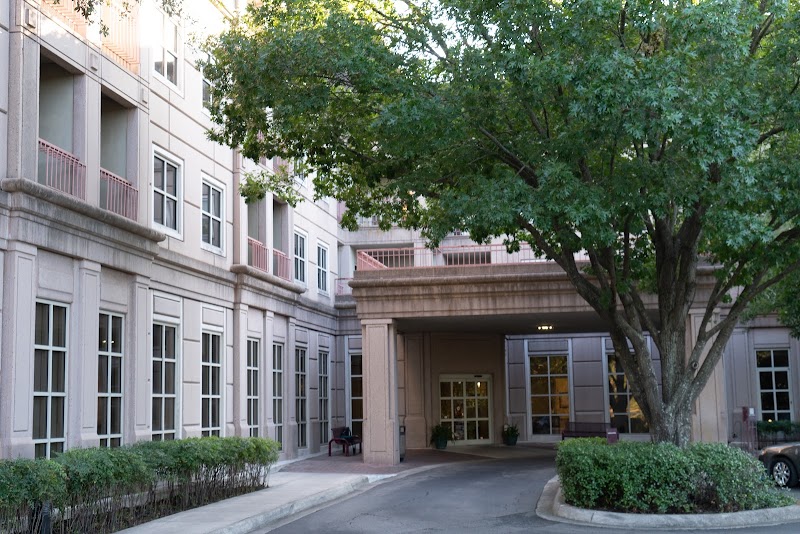
How is Parklane West Healthcare Center Staffed?

CMS rates PARKLANE WEST HEALTHCARE CENTER's staffing level at 2 out of 5 stars, which is below average compared to other nursing homes. Staff turnover is 62%, which is 16 percentage points above the Texas average of 46%. High turnover can affect care consistency as new staff learn residents' individual needs. RN turnover specifically is 78%, which is notably high. RNs provide skilled clinical oversight, so turnover in this role can affect medical care quality.

What Have Inspectors Found at Parklane West Healthcare Center?

State health inspectors documented 54 deficiencies at PARKLANE WEST HEALTHCARE CENTER during 2023 to 2025. These included: 53 with potential for harm and 1 minor or isolated issues. While no single deficiency reached the most serious levels, the total volume warrants attention from prospective families.
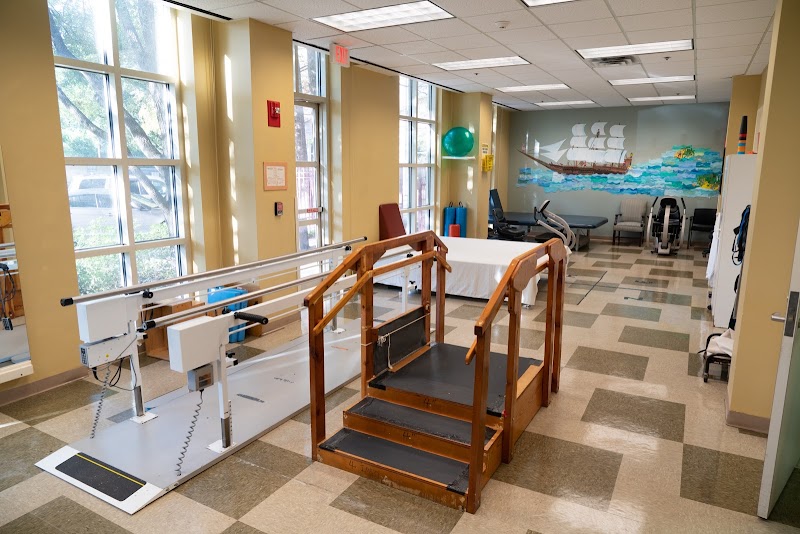
Who Owns and Operates Parklane West Healthcare Center?

PARKLANE WEST HEALTHCARE CENTER is owned by a government entity. Government-operated facilities are typically run by state, county, or municipal agencies. The facility is operated by THE ENSIGN GROUP, a chain that manages multiple nursing homes. With 124 certified beds and approximately 95 residents (about 77% occupancy), it is a mid-sized facility located in SAN ANTONIO, Texas.

How Does Parklane West Healthcare Center Compare to Other Texas Nursing Homes?

Compared to the 100 nursing homes in Texas, PARKLANE WEST HEALTHCARE CENTER's overall rating (3 stars) is above the state average of 2.8, staff turnover (62%) is significantly higher than the state average of 46%, and health inspection rating (2 stars) is below the national benchmark.

What Should Families Ask When Visiting Parklane West Healthcare Center?

Based on this facility's data, families visiting should ask: "How do you ensure continuity of care given staff turnover, and what is your staff retention strategy?" "Can you walk me through typical staffing levels on day, evening, and night shifts?" "Can I visit during a mealtime to observe dining assistance and food quality?" "How do you handle medical emergencies, and what is your hospital transfer rate?" These questions are particularly relevant given the facility's high staff turnover rate and the below-average staffing rating.

Is Parklane West Healthcare Center Safe?

Based on CMS inspection data, PARKLANE WEST HEALTHCARE CENTER has a clean safety record: no substantiated abuse findings (meaning no confirmed cases of resident harm), no Immediate Jeopardy citations (the most serious violation level indicating risk of serious injury or death), and is not on the Special Focus Facility watch list (a federal program monitoring the lowest-performing 1% of nursing homes). The facility has a 3-star overall rating and ranks #1 of 100 nursing homes in Texas. While no facility is perfect, families should still ask about staff-to-resident ratios and recent inspection results during their visit.

Do Nurses at Parklane West Healthcare Center Stick Around?

Staff turnover at PARKLANE WEST HEALTHCARE CENTER is high. At 62%, the facility is 16 percentage points above the Texas average of 46%. Registered Nurse turnover is particularly concerning at 78%. RNs handle complex medical decisions and coordinate care — frequent RN changes can directly impact care quality. High turnover means new staff may not know residents' individual needs, medications, or preferences. It can also be disorienting for residents, especially those with dementia who rely on familiar faces. Families should ask: What is causing the turnover? What retention programs are in place? How do you ensure care continuity during staff transitions?

Was Parklane West Healthcare Center Ever Fined?

PARKLANE WEST HEALTHCARE CENTER has no federal fines on record. CMS issues fines when nursing homes fail to meet care standards or don't correct problems found during inspections. The absence of fines suggests the facility has either maintained compliance or corrected any issues before penalties were assessed. This is a positive indicator, though families should still review recent inspection reports for the full picture.

Is Parklane West Healthcare Center on Any Federal Watch List?

PARKLANE WEST HEALTHCARE CENTER is not on any federal watch list. The most significant is the Special Focus Facility (SFF) program, which identifies the bottom 1% of nursing homes nationally based on persistent, serious quality problems. Not being on this list means the facility has avoided the pattern of deficiencies that triggers enhanced federal oversight. This is a positive indicator, though families should still review the facility's inspection history directly.