PATRIOT HEIGHTS HEALTH CARE CENTER
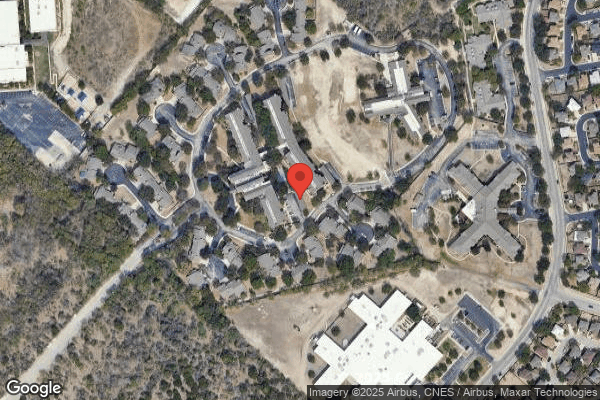
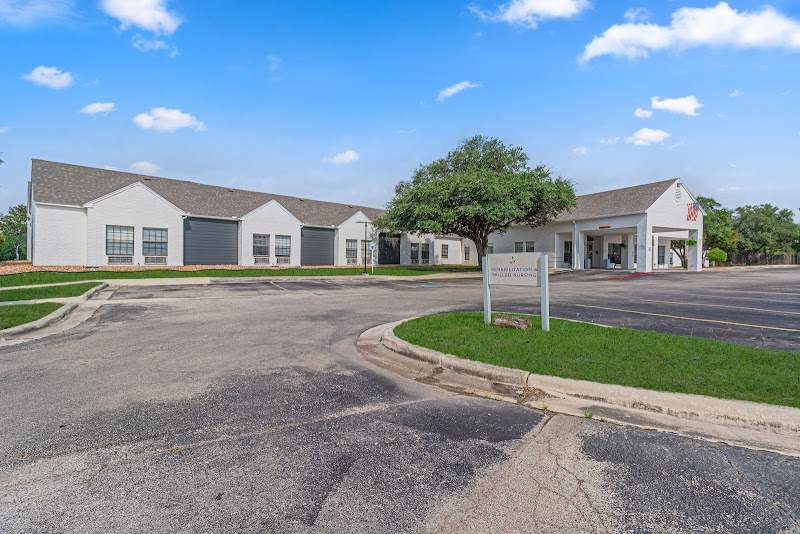
5000 FAWN MEADOW, SAN ANTONIO, TX 78240 (210) 696-6005
For profit - Corporation 74 Beds THE ENSIGN GROUP Data: November 2025 2 Immediate Jeopardy citations
Trust Grade
44/100
#309 of 1168 in TX
Last Inspection: September 2025

Inspected within the last 6 months. Data reflects current conditions.

Overview

Patriot Heights Health Care Center has a Trust Grade of D, indicating below-average performance with some concerns that families should consider. In terms of ranking, it places #309 out of 1168 facilities in Texas, which puts it in the top half, and #13 out of 62 in Bexar County, suggesting that there are only a few local options that are better. The facility is currently improving, having reduced its issues from 10 in 2024 to 3 in 2025. However, staffing is a significant weakness, with a low rating of 1 out of 5 stars and turnover at 52%, which is around the Texas average. There have been critical incidents, including a failure to notify a resident's physician after a fall, resulting in a delay of care, and issues with drug security, where medication carts were left unsecured, potentially risking resident safety. While the facility has strengths in quality measures and health inspections, families should weigh these serious concerns when considering care for their loved ones.

Trust Score
D
44/100
In Texas
#309/1168
Top 26%
Safety Record
High Risk
Review needed
Inspections
Getting Better
10 → 3 violations
Staff Stability
⚠ Watch
52% turnover. Above average. Higher turnover means staff may not know residents' routines.
Penalties
✓ Good
$18,134 in fines. Lower than most Texas facilities. Relatively clean record.
Skilled Nurses
⚠ Watch
Each resident gets only 27 minutes of Registered Nurse (RN) attention daily — below average for Texas. Fewer RN minutes means fewer trained eyes watching for problems.
Violations
⚠ Watch
23 deficiencies on record. Higher than average. Multiple issues found across inspections.
★★★★☆
4.0
Overall Rating
★☆☆☆☆
1.0
Staff Levels
★★★★★
5.0
Care Quality
★★★★☆
4.0
Inspection Score
Stable
2024: 10 issues
2025: 3 issues

The Good

  • 5-Star Quality Measures · Strong clinical quality outcomes
  • Full Sprinkler Coverage · Fire safety systems throughout facility
  • No fines on record

Facility shows strength in quality measures, fire safety.

The Bad

Staff Turnover: 52%

Near Texas avg (46%)

Higher turnover may affect care consistency

Federal Fines: $18,134

Below median ($33,413)

Minor penalties assessed

Chain: THE ENSIGN GROUP

Part of a multi-facility chain

Ask about local staffing decisions and management

The Ugly 23 deficiencies on record

2 life-threatening
Sept 2025 2 deficiencies
CONCERN (D)

Potential for Harm - no one hurt, but risky conditions existed

Assessment Accuracy (Tag F0641)

Could have caused harm · This affected 1 resident

**NOTE- TERMS IN BRACKETS HAVE BEEN EDITED TO PROTECT CONFIDENTIALITY** Based on interview and record review, the facility failed to ensure the resident assessment accurately reflected the resident's ...

Read full inspector narrative →
**NOTE- TERMS IN BRACKETS HAVE BEEN EDITED TO PROTECT CONFIDENTIALITY** Based on interview and record review, the facility failed to ensure the resident assessment accurately reflected the resident's status for 3 of 6 residents (Resident #19, Resident #51, and Resident #55) who were reviewed for resident assessments. 1. The facility failed to document Resident #19's use of pain medication on the MDS assessment.2. The facility failed to document Resident #51's use of hypoglycemic medication on the MDS assessment.3. The facility failed to document Resident #55's use of antiplatelet medication on MDS assessment.This failure could place residents at risk of improper or incorrect care and services necessary for their physical, mental, and psychosocial well-being.The findings included:1. Record review of Resident #19's admission sheet dated 10/08/24 with an original date of 6/23/21 documented a [AGE] year-old female with diagnoses including cerebral infarction (stroke), hyperlipidemia (high cholesterol), seizures, dementia, hypothyroidism (when the thyroid gland does not produce enough hormone leading to a slowdown in metabolism), anxiety, and depression.Record review of Resident #19's MDS dated [DATE] documented a BIMS of 8 indicating moderate cognitive impairment and recorded the use of antidepressant, opioid, and anticonvulsant medications. Further review of Resident #19's MDS documented in section J0.100 Pain Management, an answer of 0 to the question At any time in the last 5 days, has the resident: A. Received scheduled pain medication regimen? 0. No 1. Yes.Record review of Resident #19's order summary documented an active order for Tylenol (a non-opioid analgesic and antipyretic indicated for the treatment of pain and fever).Record review of Resident #19's July 2025 MAR documented the resident had been receiving Tylenol as prescribed. Further review of the July MAR documented Tylenol was ordered as Tylenol 325mg, Give 2 tablet by mouth three times a day for pain.Record review of Resident #19's care plan documented the resident had chronic pain r/t hx of Lumbar fx, muscle wasting and atrophy with interventions including Anticipate need for pain relief and respond immediately to any complaint of pain. Observe and report changes in usual routine, sleep patterns, decrease in functional abilities, decrease ROM, withdrawal or resistance to care. Pain assessment every shift. Report to Nurse any change in usual activity attendance patterns or refusal to attend activities related to s/sx or c/o pain or discomfort.2. Record review of Resident #51's admission sheet dated 8/20/25 with an original date of 4/20/22 documented a [AGE] year-old female with diagnoses including diabetes mellitus, Alzheimer's disease, dementia, anxiety, hyperlipidemia, depression, and hypertension (high blood pressure).Record review of Resident #51's MDS dated [DATE] documented a BIMS of 10 indicating moderate cognitive impairment and recorded the use of antianxiety, antidepressant, antiplatelet, and anticonvulsant medications. Further review of Resident #51's MDS documented in section N0350. Insulin recorded an answer of 2 to the question A. Insulin Injections-Record the number of days that insulin injections were received during the last 7 days or since admission/entry or reentry if less than 7 days. The use of hypoglycemic medications was not recorded on the resident's MDS.Record review of Resident #51's order summary documented an active order for Basaglar ([insulin glargine] a long-acting human insulin analog indicated to improve glycemic control in diabetes mellitus).Record review of Resident#51's August 2025 MAR documented the resident had been receiving Basaglar as prescribed. Further review of the August MAR documented Basaglar was ordered as Basaglar 100units/mL, Inject as per sliding scale: if 1-119=0 units; 120-400=25 units, subcutaneously at bedtime for long-acting insulin. Further review of the Augus MAR documented the resident received 25 units of Basaglar on 8/21/25 for a blood glucose of 185 and 25 units of Basaglar on 8/22/25 for a blood glucose of 178.Record review of Resident #51's care plan documented the resident is at risk for infection, skin impairment, hypo/hyperglycemia, and multi-organ complications r/t DMT2 and Will have no complications related to diabetes.3. Record review of Resident #55's admission sheet dated 12/13/24 documented an [AGE] year-old male with diagnoses including cerebral infarction, dementia, hypertension, diabetes mellitus, and hyperlipidemia.Record review of Resident #55's MDS dated [DATE] documented a BIMS of 9 indicating moderate cognitive impairment and recorded an answer of None of the above in section N0415 High-Risk Drug Classes: Use and Indication 1. Is taking. Further review of the MDS revealed no drug classes were marked in section N0415 including the medication class Antiplatelet.Record review of Resident #55's order summary documented an active order for Clopidogrel (a platelet inhibitor indicated for acute coronary syndrome, recent MI [myocardial infarction or heart attack], recent stroke, or established peripheral arterial disease).Record review of Resident #55's June 2025 MAR documented the resident had been receiving Clopidogrel as prescribed. Further review of the July MAR documented Clopidogrel was ordered as Clopidogrel 75mg, Give 1 tablet by mouth one time a day for prevention of blood clots.Record review of Resident #55's care plan documented the resident Is on antiplatelet therapy and is at risk for bleeding and bruising and Will be free from discomfort or adverse reactions related to antiplatelet use.During an interview with the MDS Coordinator on 9/3/25 at 11:35 AM, the MDS Coordinator stated it was important for the MDS to be accurate, because they need an accurate description of the resident and the level of care they need. During an interview with the DON on 9/3/25 at 2:38 PM the DON stated her expectation for the MDS assessments was that they should be accurate, and that the facility should be looking at all the documentation and records when developing the MDS. The DON further stated it was important for the MDS to be accurate for correct reimbursement and for continuity of care of the resident.Record review of the facility policy titled Resident Assessments with a revision date of 4/2025 noted Comprehensive Assessment: includes the completion of the MDS (Minimum Data Set)as well as the CAA (Care Area Assessment) process, followed by development and/or review of the comprehensive care plan. and An accurate Comprehensive Assessment wil be made of the resident's needs, strengths, goals, life history and preferences, using the RAI (Resident Assessment Instrument) and will include at least the following: Medications.
CONCERN (D)

Potential for Harm - no one hurt, but risky conditions existed

Safe Environment (Tag F0921)

Could have caused harm · This affected 1 resident

Based on observations, interviews, and record review the facility failed to provide a safe, functional, sanitary, and comfortable environment for residents for 1 (West Hall) of 8 shower rooms observed...

Read full inspector narrative →
Based on observations, interviews, and record review the facility failed to provide a safe, functional, sanitary, and comfortable environment for residents for 1 (West Hall) of 8 shower rooms observed for environment. The facility failed to ensure resident shower room on the [NAME] Hall was clean, safe, and in good repair. This failure could place residents at risk for diminished quality of life due to the lack of a well-kept environment. Findings included: Observations made on 9/2/2025, 9/4/2025 and 9/4/2025 of resident room shower in the west hall revealed a missing shower tile in the resident room shower. The Maintenance Director interviewed on 9/4/2025 at 10:40 am. They stated that whoever sees an issue that requires maintenance attention, a work order is supposed to be entered, and that they also inform them verbally, then a work order was issued and completed. They stated that resident rooms should be inspected daily. They stated that the issue with missing tile was it could lead to structural damage if not fixed. Interview with the Administrator on 9/4/2025 at 11:00 am, he stated that for maintenance issues, maintenance should be given a work order to get it fixed. He stated that the residents shower room should not have missing tile, it could lead to damage to the wall structure. Record review of the facility policy titled, Preventive Maintenance Program, showed, Work orders are inputted by all staff which notified Plant manager of any non-working system. The TELS or equivalent will notify the plant manager weekly on inspections and monthly inspections.
Jul 2025 1 deficiency
CONCERN (D) 📢 Someone Reported This

A family member, employee, or ombudsman was alarmed enough to file a formal complaint

Potential for Harm - no one hurt, but risky conditions existed

Report Alleged Abuse (Tag F0609)

Could have caused harm · This affected 1 resident

**NOTE- TERMS IN BRACKETS HAVE BEEN EDITED TO PROTECT CONFIDENTIALITY** Based on interview and record review, the facility failed to ensure that all allegations misappropriation were reported to the S...

Read full inspector narrative →
**NOTE- TERMS IN BRACKETS HAVE BEEN EDITED TO PROTECT CONFIDENTIALITY** Based on interview and record review, the facility failed to ensure that all allegations misappropriation were reported to the State Survey Agency no later than 24 hours after misappropriation was alleged for 1 of 8 residents (Resident #1) reviewed for misappropriation of resident property. The facility failed to report to HHSC when Resident #1's lost gold wedding ring, which was reported missing on [DATE], a replacement was provided on 04-09-2025 the facility did not report to HHSC within 24 hours. This failure could place residents at risk of misappropriation of money, possessions, and feelings of loss.The findings included:Record review of Resident #1's Face Sheet, dated [DATE], reflected a [AGE] year-old resident with an initial admission date of [DATE], with a most recent admission on [DATE], and diagnoses including Chronic Obstructive Pulmonary Disease (COPD; a group of lung diseases that block airflow and make it difficult to breathe), acute and chronic respiratory failure with hypercapnia (respiratory failure which leads to high volumes of carbon dioxide in the body), and type 2 diabetes (a long-term condition in which the body has trouble controlling blood sugar and using it for energy). Further review reflected that Resident #1 expired on hospice at the facility on [DATE]. Record review of Resident #1's MDS Assessment, dated [DATE], reflected Resident #1 had a BIMS score of 7, indicating severe cognitive impairment. Record review of Resident #1's Comprehensive Person-Centered Care Plan, undated, reflected, [Resident #1] has age related cognitive decline and requires assistance and reminders at times to make needs known or complete tasks. Record review of Facility Grievance Resolution Form, for Resident #1 dated [DATE], reflected a summary statement of the grievance, Patient's [family member] reported she noticed residents' gold wedding band was missing from his hand when she went to wash his hands for lunch. With a Summary of Findings and Resolution, SW & wound care nurse searched residents' room & belongings. Maintenance director searched laundry services. SW spoke to CNA's who reported they had not seen the ring while providing care that morning. With corrective action, Checking in laundry and continuing to look for ring. Ordered a replacement ring. Outcome is satisfactory per spouse.Record review of Resident #1's Inventory of Personal Effects, dated [DATE], reflected that Resident #1 admitted with a gold wedding ring.Record review of email invoice dated [DATE] at 9:42 AM reflected that the Administrator bought a replacement ring for Resident #1. Record review of local police department incident report reflected that the Administrator reported to the local police department Resident #1's missing wedding ring on [DATE] at 12:34 PM. Interview on [DATE] at 12:42 PM, LSW stated that she was unsure of where Resident #1's ring went, but that Resident #1 had come back from the hospital 4 days prior to Resident #1's family member noticing his wedding ring was missing and they were uncertain if he was wearing his wedding ring when he was readmitted to the facility. LSW stated that she asked CNA's and Hospice Aides, who had visited earlier in the morning on [DATE] if they had seen Resident #1's ring. LSW stated no one had seen Resident #1's ring after Resident #1 had come back from the hospital. LSW stated that they did not think it needed to be reported, as Resident #1's family member made it seem as though it could possibly be at home, and they replaced the ring immediately which Resident #1's member was satisfied with. Interview on [DATE] at 2:34 PM, the DON stated the missing wedding ring was not reported to the State Survey Agency (Texas HHSC) because Resident #1's family member did not state the ring was stolen, only that she could not locate the ring and thought it was misplaced. The DON stated that the Administrator ordered a replacement and reported the missing ring to the local police department within 24 hours of the grievance describing that Resident #1's wedding ring was missing. The DON stated their expectation, as administration of the facility, was to report misappropriation of resident property to the state survey agency within the timeframe required. Interview on [DATE] at 9:15 AM, the Administrator stated that their top priority was finding the ring when the facility was notified it went missing, and once it was unable to be located, the next priority was providing Resident #1 with a replacement ring. The administrator stated it was not reported sooner due to Resident #1's family member not stating it was stolen, but only that she was unable to locate the ring. The Administrator stated his expectation was to report misappropriation to the state survey agency within 24 hours. Record review of Facility Policy, undated, titled, Reporting Alleged Violations of Abuse, Neglect, Exploitation or Mistreatment reflected, In response to allegations of abuse, neglect, exploitation, or mistreatment, the Facility will: Ensure that all alleged violations involving abuse, neglect, exploitation or mistreatment, including injuries of unknown source and misappropriation of resident property, are reported immediately but.not later than twenty-four (24) hours if the events that cause the allegation does not involve abuse and does not result in serious bodily injury.
Jul 2024 6 deficiencies
CONCERN (D)

Potential for Harm - no one hurt, but risky conditions existed

Assessment Accuracy (Tag F0641)

Could have caused harm · This affected 1 resident

**NOTE- TERMS IN BRACKETS HAVE BEEN EDITED TO PROTECT CONFIDENTIALITY** Based on interview and record review, the facility failed to ensure assessments accurately reflected the resident's status for 1...

Read full inspector narrative →
**NOTE- TERMS IN BRACKETS HAVE BEEN EDITED TO PROTECT CONFIDENTIALITY** Based on interview and record review, the facility failed to ensure assessments accurately reflected the resident's status for 1 of 13 Residents (Resident #4) whose MDS records were reviewed for accuracy. The facility failed to ensure Resident #4's quarterly MDS assessment, dated 06/17/2024, accurately reflected the resident had a significant weight loss. This failure could place residents at risk for inadequate care due to inaccurate assessments. The findings included: Record review of Resident #4's electronic face sheet, dated 07/31/2024, reflected the resident was initially admitted to the facility on [DATE] and readmitted on [DATE]. Resident #4's diagnoses included: urinary tract infection (bladder infection), protein-calorie malnutrition (the state of inadequate intake of food as a source of protein, calories, and other essential nutrients), kidney failure (kidneys stop working), hypokalemia (below normal in potassium), and dementia (a group of symptoms affecting memory, thinking and social abilities). Record review of Resident #4's quarterly MDS assessment with an ARD of 06/17/2024 reflected the resident scored an 1/15 on his BIMS which signified the resident had severe cognitive impairment, and weight loss (loss of 5% or more in the last month or loss of 10% or more in last 6 months) in the section K (Swallowing/Nutritional status) was marked as No or unknown. Record review of Resident #4's comprehensive care plan revised on 06/10/2024 reflected [Resident #4] has unplanned/unexpected weight loss related to recent hospitalization on 6/10/24 - significant weight loss to 17.3 pounds (11%) for 6 months and for interventions Labs as ordered. Report results to physician and ensure dietician is aware, Med pass 120 milliliters by mouth two times a day added, monitor and evaluate any weight loss, and monitor and record food intake at each meal. Record review of Resident #4's weight log revealed the resident weighed 157.3 pounds on 12/06/2023 and 140.0 pounds on 06/03/2024 which the resident had a -11.00% significant weight loss for 6 months. Record review of Resident #4's nutrition assessment, dated on 04/15/2024, revealed At risk of dehydration due to dementia; offer fluids frequently. Weight loss related to inadequate oral intake as evidenced by weight loss for two weeks. Goal - gradual, non-significant weight gain towards ideal body weight. Recommendation - discontinue Renal diet restrictions and add Med Pass 120 milliliters two times a day. Record review of Resident #4's MAR, dated from 07/01/2024 to 07/31/2024, revealed Resident #4 received Med Pass 120 milliliters two times a day as ordered. Interview with the MDS nurse RN A on 07/31/2024 at 5:14 p.m. confirmed Resident #4 had a -11.00% significant weight loss from 12/06/2023 to 06/03/2024, and the quarterly MDS assessment with an ARD of 06/17/2024's weight loss in the section K (Swallowing/Nutritional status) should have been marked as Yes to Loss of 5% or more in the last months or loss of 10% or more in last 6 months. The MDS nurse RN A stated she did not know the reason it was marked No.; it was mistake because the MDS nurse RN A started working as a MDS nurse four months ago and was still on learning processes about MDS. Further interview with the MDS nurse RN A stated the potential harm was Resident #4 might have more weight loss because of no interventions by inaccurate MDS. Record review of the facility's policy, titled Nursing Administrative, undated, revealed To complete a comprehensive assessment of the resident's needs which are based on the State's specific Resident Assessment Instrument and the facility's interdepartmental assessment form, To assess the resident's capability to perform daily functions and significant impairments on function capacity, and this facility will assure the completion of the resident assessment process enabling the development of an individualized comprehensive care plan for residents. Record review of the CMS MDS 3.0 Manual dated October 2023 revealed in part, .The OBRA regulations require nursing homes that are Medicare certified, Medicaid certified or both, to conduct initial and periodic assessments for all their residents. The Resident Assessment Instrument (RAI) process is the basis for the accurate assessment of each resident. The MDS 3.0 is part of that assessment process and is required by CMS .
CONCERN (D)

Potential for Harm - no one hurt, but risky conditions existed

Respiratory Care (Tag F0695)

Could have caused harm · This affected 1 resident

**NOTE- TERMS IN BRACKETS HAVE BEEN EDITED TO PROTECT CONFIDENTIALITY** Based on observation, interview, and record review, the facility failed to ensure that residents who needed respiratory care wer...

Read full inspector narrative →
**NOTE- TERMS IN BRACKETS HAVE BEEN EDITED TO PROTECT CONFIDENTIALITY** Based on observation, interview, and record review, the facility failed to ensure that residents who needed respiratory care were provided such care, consistent with professional standards of practice, for 1 of 2 residents (Residents #11) reviewed for respiratory treatment in that: Resident #11's nebulizing mask and tubing were observed on 07/28/2024, and it was covered in a plastic bag but dated on 05/12/2024. This failure could affect residents who received nebulizing treatment by placing them at risk for respiratory infections. The findings included: Record review of Resident #11's electronic face sheet, dated 07/31/2024, reflected the resident was admitted to the facility on [DATE] with diagnoses included: cerebral infarction (damage to tissues in the brain), dementia (a group of symptoms affecting memory, thinking and social abilities), atherosclerotic heart disease (damage or disease in the heart's major blood vessels), asthma (a person's airways become inflamed, narrow and swell, and produce extra mucus, which makes it difficult to breathe), and sleep apnea (potentially serious sleep disorder in which breathing repeatedly stops and starts). Record review of Resident #11's quarterly MDS assessment with an ARD of 04/27/2024 reflected the resident scored an 10/15 on his BIMS which signified the resident had moderately cognitive impairment, and the resident needed to have supervision or touching assistance to all activities of daily living such as eating, dressing, showering, and transferring. Record review of Resident #11's physician orders, dated 05/11/2024, reflected Ipratropium-Albuterol Solution 0.5 - 2.5 (3) mg/3 ml - 3 milliliters inhale orally every 4 hours as needed for short of breathing or wheezing through nebulizer. Observation on 07/28/2024 at 11:43 a.m. revealed Resident #11's nebulizer was on the nightstand connected to a tubing and mask, and the tubing and mask were covered in a plastic bag. The plastic bag was dated on 05/12/2024. Interview on 07/28/2024 at 11:48 a.m. with RN B saw Resident #11's tubing and mask and confirmed the tubing and mask connected to Resident #11's nebulizer were covered in a plastic bag, and the bag was dated on 05/12/2024. RN B stated Resident #11 used sometimes the nebulizer and mask for breathing treatment. Further interview with the RN B confirmed per the facility policy nurses should have changed a tubing and mask for breathing treatment weekly, and RN B did not know what reason nurses did not change them weekly. The potential harm was Resident #11 might have respiratory infection due to old tubing and mask. Interview on 07/31/2024 at 5:42 p.m. with DON stated facility nurses should have changed Resident #11's tubing and mask for breathing treatment weekly. Record review of the facility policy, titled Nebulizer, undated, reflected . 5. Nebulizer tubing to be changed and dated weekly and kept bagged when not in use.
CONCERN (D)

Potential for Harm - no one hurt, but risky conditions existed

Deficiency F0760 (Tag F0760)

Could have caused harm · This affected 1 resident

**NOTE- TERMS IN BRACKETS HAVE BEEN EDITED TO PROTECT CONFIDENTIALITY** Based on observation, interviews, and record reviews, the facility failed to ensure residents were free of any significant medic...

Read full inspector narrative →
**NOTE- TERMS IN BRACKETS HAVE BEEN EDITED TO PROTECT CONFIDENTIALITY** Based on observation, interviews, and record reviews, the facility failed to ensure residents were free of any significant medication errors for 1 of 5 residents (Resident #1) reviewed for medication administration. During medication administration observation on 07/30/2024, MA hold Resident #1's Metoprolol Tartrate 25 mg because of low blood pressure (118/50), but the MA did not notify holding the medication to the charge nurse, LVN D. This failure could place residents at risk for not receiving the therapeutic effects of their prescribed medications. The findings included: Record review of Resident #1's electronic face sheet, dated 07/31/2024, reflected the resident was initially admitted to the facility on [DATE] and readmitted on [DATE] with diagnoses included: urinary tract infection (bladder infection), type 2 diabetes mellitus (trouble controlling blood sugar), hypertensive (high blood pressure), chronic atrial fibrillation (abnormal heart rhythm), chronic kidney disease state 3 (damage to or disease of a kidney), and hyperlipidemia (high levels of fat). Record review of Resident #1's significant change MDS assessment with an ARD of 06/24/2024 reflected the resident scored an 8/15 on his BIMS which signified the resident had moderately cognitive impairment, and the resident needed to have setup or clean-up assistance (helper sets up or cleans up) for eating and dependent (helper does all of the effort) for hygiene, shower/bathe, and transfer. Record review of Resident #1's physician order, dated 06/21/2024, reflected Metoprolol Tartrate tablet 25 mg - give 1 tablet by mouth two times a day related to hypertensive (high blood pressure). Hold for SBP [systolic blood pressure] less than 110 or pulse less than 60. Record review of Resident #1's MAR, dated from 07/01/2024 to 07/31/2024, reflected Metoprolol Tartrate tablet 25 mg - give 1 tablet by mouth two times a day related to hypertensive (high blood pressure). Hold for SBP [systolic blood pressure] less than 110 or pulse less than 60 - Scheduled AM 07 [from 7 am to 11 am] and PM 15 [from 3 pm to 7 pm]. Observation on 07/30/2024 at 9:12 a.m. revealed MA C took Resident #1's blood pressure before giving the resident's medications, and the blood pressure was 118 (systolic blood pressure) / 50 (diastolic blood pressure) and pulse 62 per minute. MA C held Resident #1's Metoprolol Tartrate tablet 25 mg by saying holding this medication because the resident's diastolic blood pressure was low as 50. Further observation on 07/30/2024 at 9:29 a.m. revealed the MA C did not notify holding Resident #1's Metoprolol Tartrate tablet 25 to the charge nurse. Interview on 07/30/2024 at 2:21 p.m. with MA C stated Resident #1 did not receive his Metoprolol Tartrate tablet 25 mg one tablet because of his low diastolic blood pressure as 50, and MA C did not notify holding this medication due to low diastolic blood pressure to the charge nurse. MA C stated she knew she could hold Resident #1's Metoprolol Tartrate tablet 25 mg when his SBP [systolic blood pressure] less than 110 or pulse less than 60 per the physician order. However, MA C thought that she should hold it because Resident #1's diastolic blood pressure was low as 50. Further interview with the MA C stated she should have notified to the charge nurse immediately and followed the charge nurse's directions. MA C stated she was aware of notifying the charge nurse immediately but totally forgot because she was very nervous. Interview on 07/30/2024 at 2:30 p.m. the DON stated Resident #1 should have received his Metoprolol Tartrate tablet 25 mg because his systolic blood pressure was 118 (more than 110), and his pulse was 62 (more than 60). If MA C thought she should hold the medication because Resident #1's diastolic blood pressure was low as 50, she should have notified it to the charge nurse immediately and followed the charge nurse's directions. Medication aide could not hold medications without nurse's directions and physician orders. It was medication error. Record review of the facility policy, titled Medication Administration, undated, revealed It is the policy of this facility that medications shall be administered as prescribed by the attending physician. 2. Medications must be administered in accordance with the written orders of the attending physician.
CONCERN (D)

Potential for Harm - no one hurt, but risky conditions existed

Deficiency F0813 (Tag F0813)

Could have caused harm · This affected 1 resident

**NOTE- TERMS IN BRACKETS HAVE BEEN EDITED TO PROTECT CONFIDENTIALITY** Based on observation, interview, and record review, the facility failed to enact a policy regarding use and storage of foods bro...

Read full inspector narrative →
**NOTE- TERMS IN BRACKETS HAVE BEEN EDITED TO PROTECT CONFIDENTIALITY** Based on observation, interview, and record review, the facility failed to enact a policy regarding use and storage of foods brought to residents by family and other visitors to ensure safe and sanitary storage, handling, and consumption, for 1 (Resident #1) of 13 residents reviewed, in that: Resident #1's personal refrigerator located in his room was observed on 07/28/2024, and there was a small plastic container inside the refrigerator with olives, but no date on the plastic container. The findings included: Record review of Resident #1's electronic face sheet, dated 07/31/2024, reflected the resident was initially admitted to the facility on [DATE] and readmitted on [DATE] with diagnoses included: urinary tract infection (bladder infection), type 2 diabetes mellitus (trouble controlling blood sugar), hypertensive (high blood pressure), chronic atrial fibrillation (abnormal heart rhythm), chronic kidney disease state 3 (damage to or disease of a kidney), and hyperlipidemia (high levels of fat). Record review of Resident #1's significant change MDS assessment with an ARD of 06/24/2024 reflected the resident scored an 8/15 on his BIMS which signified the resident had moderately cognitive impairment, and the resident needed to have setup or clean-up assistance (helper sets up or cleans up) for eating and dependent (helper does all of the effort) for hygiene, shower/bathe, and transfer. Observation on 07/28/2024 at 11:38 a.m., revealed Resident # 1 was watching on television on the bed, and there was a personal refrigerator in room with undated olives inside a small plastic container on bottom shelf. Interview with Resident # 1 on 07/28/2024 at 11:39 a.m., stated that the olives were brought in by his son and could not recall how long ago that was. Interview on 07/28/2024 at 11:50 a.m. with RN B stated there were seven olives inside a small plastic container in Resident # 1's personal refrigerator, and they should have been thrown out by nursing staff because it was undated. Interview on 07/31/2024 at 5:42 p.m. DON stated night nurses were responsible for overseeing Resident's personal refrigerators and also responsible for monitoring it daily, and the potential harm was Resident # 1 risked possible food - illness by consuming undated food in personal refrigerator. Record review of the facility policy, titled Resident personal food storage, revised 01/2022, revealed 4. Resident and individuals bringing food in from outside sources will be educated on safe food handling and storage techniques by designated facility staff as needed.
CONCERN (D)

Potential for Harm - no one hurt, but risky conditions existed

Medical Records (Tag F0842)

Could have caused harm · This affected 1 resident

**NOTE- TERMS IN BRACKETS HAVE BEEN EDITED TO PROTECT CONFIDENTIALITY** Based on interviews and record review, the facility failed to maintain clinical records on each resident that were complete and ...

Read full inspector narrative →
**NOTE- TERMS IN BRACKETS HAVE BEEN EDITED TO PROTECT CONFIDENTIALITY** Based on interviews and record review, the facility failed to maintain clinical records on each resident that were complete and accurately documented in accordance with accepted professional standards and practices for 1 (Resident #1) of 13 residents reviewed for accuracy and completeness of clinical records. LVN D did not document Resident #1's refusal of wound care on 07/04/2024 to the resident's treatment administration record. This failure placed facility residents at risk for lack of wound care or incorrect wound care due to misinformation by incomplete and inaccurate medical record. Findings included: Record review of Resident #1's electronic face sheet, dated 07/31/2024, reflected the resident was initially admitted to the facility on [DATE] and readmitted on [DATE] with diagnoses included: urinary tract infection (bladder infection), type 2 diabetes mellitus (trouble controlling blood sugar), hypertensive (high blood pressure), chronic atrial fibrillation (abnormal heart rhythm), chronic kidney disease state 3 (damage to or disease of a kidney), hyperlipidemia (high levels of fat), and peripheral vascular disease (circulatory condition in which narrowed blood vessels reduce blood flow to the limbs). Record review of Resident #1's significant change MDS assessment with an ARD of 06/24/2024 reflected the resident scored an 8/15 on his BIMS which signified the resident had moderately cognitive impairment, and the resident needed to have setup or clean-up assistance (helper sets up or cleans up) for eating and dependent (helper does all of the effort) for hygiene, shower/bathe, and transfer. Further record review of the MDS Section M (Skin Conditions) revealed to the question (M0210 - Does this resident have one or more unhealed pressure ulcers/injuries? the answer was Yes, and Resident #1 had one state 3 pressure ulcer (full thickness tissue loss) to left ischium (left buttock area). Record review of Resident #1's physician order, dated 06/26/2024, reflected Left ischium - state 3 - clean with wound cleanser, gently pat dry, apply skin prep to peri wound. Apply Anasept mixed with collagen sprinkles to wound bed, cover with calcium alginate, and secure with bordered foam dressing - every day. Record review of Resident #1's treatment administration record, dated from 07/01/2024 to 07/31/2024, revealed Left ischium - state 3 - clean with wound cleanser, gently pat dry, apply skin prep to peri wound. Apply Anasept mixed with collagen sprinkles to wound bed, cover with calcium alginate, and secure with bordered foam dressing - every day was scheduled to Day, and Resident #1 received the wound care as ordered every day, except 07/04/2024. There was a hole (empty space) on 07/04/2024 to Resident #1's treatment administration record for July 2024. Record review of facility 24-hour nursing report, dated 07/04/2024, revealed 6 am to 2 pm shift nurse documented [Resident #1] refused wound care. Patient stated to tired, and 2 pm to 10 pm nurse documented [Resident #1] refused wound care and patient stated tomorrow. Interview on 07/31/2024 at 4:17 p.m. LVN D stated she worked for Resident #1 on 07/04/2024 from 6 am to 10 pm, and when the LVN D tried to provide the wound care to Resident #1 in the daytime, the resident refused and tried one more time the evening time, but the resident refused again. The LVN D also confirmed LVN D did not document regarding the resident refused wound care on 07/04/2024 in the resident's treatment administration record because wound care nurse usually provided the care to Resident #1, but on 07/04/2024 was holiday, so the wound care nurse did not work. For this reason, LVN D was very busy and totally forgot documenting on the treatment administration record. However, LVN D documented it to the 24-hour nursing report. Further interview with the LVN D stated LVN D should have documented Resident #1's refusal for wound care on the treatment administration record because it was official medical record. Potential harm was Resident #1 could have incorrect wound care or received same wound cares twice because of no charting. Interview on 07/31/2024 at 5:42 p.m. DON stated LVN D should have documented Resident #1's refusal for wound care on 07/04/2024 to the resident's treatment administration record, and the treatment administration record should have been accurate because it was a medical record. Record review of the facility policy, titled Medication Administration, undated, reflected . 13. The nurse must enter an explanatory note on the medication/treatment administration record when drugs are withheld, refused, or given other than at scheduled times.
CONCERN (E)

Potential for Harm - no one hurt, but risky conditions existed

Deficiency F0761 (Tag F0761)

Could have caused harm · This affected multiple residents

**NOTE- TERMS IN BRACKETS HAVE BEEN EDITED TO PROTECT CONFIDENTIALITY** Based on observations, interviews, and record reviews, the facility failed to store all drugs and biologicals in locked compartm...

Read full inspector narrative →
**NOTE- TERMS IN BRACKETS HAVE BEEN EDITED TO PROTECT CONFIDENTIALITY** Based on observations, interviews, and record reviews, the facility failed to store all drugs and biologicals in locked compartments under proper temperature controls and permit only authorized personnel to have access to the keys, for 1 of 4 medication carts (treatment cart) reviewed for drug security and 2 of 13 residents (Resident #16 and Resident #41) reviewed for medications at the bedside. 1. Facility treatment cart was left unattended and unlocked at the North-hall on [DATE] at 9:52 a.m. 2. Resident #16's Triad Hydrophilic wound dressing cream was left unattended and unsecured on the nightstand at the resident's bedside. 3. South-hall nursing cart had Resident #41's insulin pen with open date [DATE], but DON said Novolog insulin pen should have been discarded after 28 days once it was opened. This failure could place residents at risk for misappropriation of property and could place residents at risk for accidents, hazards, and not receiving therapeutic effects. The findings included: 1. Observation on [DATE] at 9:52 a.m. revealed treatment cart was located at the North-hall, and the cart was left unattended and unlocked. Nobody was around the cart, and there were many wound dressings, gauzes, ointments, and cream for wound care inside the cart. Interview on [DATE] at 9:53 a.m. RN B stated facility treatment cart was left unattended and unlocked. The cart was opened, and RN B stated the cart should have been locked all the time. RN B did not know what reason the treatment cart was left unattended and unlocked. Usually treatment nurse used the cart, but [DATE] was Sunday, so the floor charge nurses might unlock the cart after using it. It was nurses' responsibility to lock the cart all the time, and the potential harm was residents could have taken some creams or ointments from the cart, and it could cause harm to residents. Interview on [DATE] at 5:42 p.m. DON stated all facility medication carts and treatment cart should be locked all the time when the carts were left unattended. 2. Record review of Resident #16's electronic face sheet, dated [DATE], reflected the resident was initially admitted to the facility on [DATE] and readmitted on [DATE] with diagnoses included: parkinsonism (clinical syndrome characterized by tremor), hypertension (high blood pressure), muscle wasting and atrophy (the decrease in size and wasting of muscle tissue), and difficulty in walking. Record review of Resident #16's quarterly MDS assessment with an ARD of [DATE] reflected the resident scored an 12/15 on her BIMS which signified the resident had moderately cognitive impairment, and the resident needed to have setup or clean-up assistance (helper sets up or cleans up) for eating and dependent (helper does all of the effort) for hygiene, shower/bathe, and transfer. Record review of Resident #16's physician order, dated [DATE], reflected Triad Hydrophilic wound dress external paste (Wound dressings) - Apply to bilateral buttock topically every shift for prevention cleanse skin completely with peri wipes, pat dry. Mix Triad and antifungal ointment together then apply. Record review of Resident #16's MAR, dated from [DATE] to [DATE], reflected Resident #16 received her Triad Hydrophilic wound dress external paste (Wound dressings) cream to her buttock area every morning, evening, and night shift as ordered. Observation on [DATE] at 10:36 a.m. revealed in Resident #16's room, Triad Hydrophilic wound dress external paste (Wound dressings) cream was on the nightstand at the resident's bedside unattended. Resident #16 was not in her room and attending in the activity. Interview on [DATE] at 10:41 a.m. with ADON and RN B stated Resident #16's Hydrophilic wound dress external paste (Wound dressings) cream was on the nightstand at the resident's bedside unattended. Further interview with ADON and RN B stated it was medication. All medications should not be in resident's room. They did not know what reason the medication was on the nightstand unattended in Resident #16's room. Nurses might forget putting the medication in the cart after using it. The potential harm was that Resident #16 or other residents might use the medication incorrectly even though the resident was alert and oriented and had no roommate. Interview on [DATE] at 5:42 p.m. DON stated all medications should not be in resident's room unattended per the facility policy. 3. Record review of Resident #41's electronic face sheet, dated [DATE], reflected the resident was initially admitted to the facility on [DATE] and readmitted on [DATE] with diagnoses included: malignant neoplasm of prostate (Prostate cancer), dementia (a group of symptoms affecting memory, thinking and social abilities), type 2 diabetes mellitus (trouble controlling blood sugar), and hypertension (high blood pressure). Record review of Resident #41's admission MDS assessment with an ARD of [DATE] reflected the resident scored an 4/15 on his BIMS which signified the resident had severe cognitive impairment, and the resident needed to have supervision or touching assistance (helper provides verbal cues and/or touching/steadying and/or contact guard assistance as resident completes activity) for eating and dependent (helper does all of the effort) for hygiene, shower/bathe, and substantial/maximal assistance (helper does more than half the effort) for transfer. Record review of Resident #41's physician order, dated [DATE], reflected NovoLoG FlexPen Subcutaneous Solution Pen injector 100 unit/ml. Inject as per sliding scale: if 0-89 = 0 unit; 90-400 = 2 unites. If greater than 400 administer 2 units and notify physician for type 2 diabetes mellitus. Record review of Resident #41's MAR, dated from [DATE] to [DATE], reflected Resident #41 received his NovoLoG FlexPen Subcutaneous Solution Pen injector 100 unit/ml as per sliding scale by scheduled 6:30 am, 11:30 am, and 4:30 pm as ordered. Observation on [DATE] at 3:27 p.m. revealed there was Resident #41's Novolog Flex pen with open date [DATE] inside South-hall nursing cart. Interview on [DATE] at 3:40 p.m. ADON stated Resident #41's Novolog Flex pen with open date [DATE] was inside South-hall nursing cart. Further interview with the ADON stated Novolog insulin pen should have been discarded after 28 days once it was opened. The ADON did not know what reason this insulin pen was inside the cart. The potential harm was Resident #41 might have ineffective therapeutic drug result. Interview on [DATE] at 5:42 p.m. DON stated Resident #41's Novolog insulin pen should have been discarded after 28 days once it was opened. Record review of the facility policy, titled Medication Access and Storage, undated, reflected . 2. Only licensed nurses, the consultant pharmacist and those lawfully authorized to administer medications are allowed access to medications. Medication rooms, carts, and medication supplies are locked or attended by persons with authorized access. 6. Except for those requiring refrigeration, medications intended for internal use are stored in a medication cart or other designated area. Record review of health direct pharmacy services' standard of care for insulin pen, dated [DATE], reflected For Novolog Flex pen was expired after 28 days upon opening.
Feb 2024 1 deficiency
CONCERN (D) 📢 Someone Reported This

A family member, employee, or ombudsman was alarmed enough to file a formal complaint

Potential for Harm - no one hurt, but risky conditions existed

Respiratory Care (Tag F0695)

Could have caused harm · This affected 1 resident

**NOTE- TERMS IN BRACKETS HAVE BEEN EDITED TO PROTECT CONFIDENTIALITY** Based on observation, interview and record review the facility failed to ensure residents who needed respiratory care were provi...

Read full inspector narrative →
**NOTE- TERMS IN BRACKETS HAVE BEEN EDITED TO PROTECT CONFIDENTIALITY** Based on observation, interview and record review the facility failed to ensure residents who needed respiratory care were provided such care, consistent with professional standards of practice, the comprehensive person-centered care plan and the residents goals and preferences for 2 of 5 residents (Resident #2 and #3) reviewed for respiratory care. 1. The facility failed to ensure Resident #2's oxygen tubing and concentrator humidifier with connected tubing was not on the floor. 2. The facility failed to ensure Resident #3's oxygen tubing was not on the floor. These deficient practices could place residents at risk of cross contamination, infections, receiving incorrect or inadequate oxygen support and could result in a decline in health. The findings were: 1. Record review of Resident # 2's face sheet reflected he is a [AGE] year old male with an admission date of 05/15/2023 and a readmission date of 12/27/2023. Resident #2 had diagnoses which included chronic pain syndrome (pain that encompasses a range of symptoms that impact daily life), peripheral vascular disease (circulation disorder that affects any blood vessel outside of the heart), type II diabetes mellitus with hyperglycemia (causes high blood sugar due to the pancreas not producing enough insulin), pleural effusion (collection of fluid around the lungs), diabetic neuropathy (nerve damage caused by diabetes), depression (mood disorder characterized by persistent feelings of sadness, emptiness and loss of joy), anxiety disorder (intense, excessive and persistent worry and fear about everyday situations), chronic kidney disease (gradual loss of kidney function) and chronic atrial fibrillation(a disease of the heart characterized by irregular and often faster heartbeat). Record review of Resident # 2's consolidated physician orders for February 2024 reflected orders for O2 at 2 L/MIN continuous every shift (order date 12/27/2023). Further review of the consolidated orders reflected an order to change O2 tubing and humidifier bottle every night shift every Sunday (order date 12/27/2023). Record review of Resident #2's care plan, revised on 11/16/2023, reflected Resident #2 has shortness of breath related to acute respiratory failure due to parotitis (inflammation of one or both parotid glands) and aspiration pneumonia. The goal was he would have no complications related to SOB through the review date and would not have a rehospitalization within 30 days. The interventions reflected check and record O2 saturations as needed for SOB, Cyanosis(a bluish discoloration of the skin resulting from poor circulation or inadequate oxygenation of the blood.), respiratory distress, labored breathing and O2 at 2-4 L/MIN via NC to maintain O2 greater than 92%. Record review of Resident #2's MDS, dated [DATE], reflected a BIMS score of 9, indicating moderately impaired cognition. Resident #2 was on oxygen therapy for respiratory failure. Observation on 02/14/2024 at 11:32 AM revealed Resident # 2's oxygen tubing and concentrator humidifier with connected tubing was on the floor. Resident #2 was observed lying in bed watching TV with his nasal cannula in his nose, the oxygen tubing was lying on the floor, beside the bed and the humidifier bottle sat on the floor in front of the concentrator. Observation on 02/15/2024 at 11:10 AM revealed the oxygen tubing on the floor while Resident #2 was lying in bed. During an interview on 2/14/24 at 1:35 PM with Resident #2, he stated he was on oxygen and he was not aware the tubing and humidifier were on the floor. He stated he did not put the tubing on the floor and said the nurses assisted him with administering the oxygen. During an interview on 02/15/2024 at 12:45 PM with LVN B, LVN B stated oxygen tubing on the floor could cause a resident to get sick from dirty floors or cleaning supplies. She stated she received training on oxygen equipment and tubing and said it was the Charge Nurse and CNA's responsibility to ensure the tubing was not touching the ground. During an interview on 02/15/2024 at 1:00 PM with the ADON, the ADON stated he witnessed the oxygen tubing and the humidifier for the concentrator on the floor the morning of 02/14/2024. The ADON stated he observed the tubing on the floor, picked it up and replaced it with new tubing. The ADON stated the concentrator humidifier attachment was broken and he switched out the concentrator and replaced the humidifier with a new one. The ADON stated this deficient practice could cause bacteria, cross contamination or respiratory infections. He stated staff received training on oxygen equipment and he believed it included not having oxygen tubing touch the floor. 2. Record review of Resident #3's face sheet reflected he is a [AGE] year old male with an initial admission date of 01/19/2023 and a readmission date of 02/08/2024. Resident #3 had diagnoses which included sepsis (the body's extreme response to an infection), acute respiratory failure with hypoxia (a condition where the body cannot respond to O2), aphasia (a comprehension and communication disorder resulting from damage or injury to a specific area of the brain) following cerebral infarction (stroke)and dementia. Record review of Resident #3's MDS, dated [DATE], reflected a BIMS of 6 indicating severely impaired cognition and oxygen therapy with a diagnosis of respiratory failure. Record review of Resident #3's care plan, dated 02/08/24, reflected has altered respiratory status/difficulty breathing related to acute and chronic respiratory failure with hypoxia(below normal levels of oxygen in the blood). The goal was will have no complications related to SOB through the review date. Interventions included provide oxygen as ordered. Observation on 02/14/24 at 11:28 AM revealed Resident #3's oxygen tubing was on the floor. Resident #3 was observed lying in bed watching TV with a nasal canula in his nose. The connected oxygen tubing was lying on the floor beside his bed. During an interview on 02/14/24 at 11:28 AM with Resident #3, he indicated he did not know his oxygen tubing was on the floor. During an interview on 2/14/2024 at 12:11 PM with LVN A, she revealed she received training on oxygen equipment and storage of tubing. She also revealed tubing should not be on the ground because it could get contaminated or get kinked which could reduce oxygen flow. She revealed contamination could introduce a bacterium into the resident's lungs and cause a respiratory infection. During an interview on 02/15/24 at 11:00 AM with LVN A, she revealed she picked up the oxygen tubing off of the floor and changed the tubing on the morning of 02/14/2024 after she observed it on the floor. She stated it was the responsibility of the Charge Nurse and CNA to ensure the oxygen tubing was not on the floor. During an interview on 2/15/24 at 12:10 PM with the DON, the DON stated oxygen tubing should be kept off the ground. She stated oxygen tubing touching the ground could cause infections, trip hazard and kinking in the oxygen line which could lead to a reduced amount of O2 being administered. She stated everyone was responsible for ensuring the tubing was not touching the floor and stated the staff have received training on oxygen equipment and tubing. Record review of the facility's policy on Oxygen Equipment, dated 05/2007, reflected it was the policy of the facility to maintain all oxygen therapy equipment in a clean and sanitary manner and the facility will maintain clean tanks, connectors and concentrators.
Jan 2024 3 deficiencies 2 IJ
CRITICAL (J) 📢 Someone Reported This

A family member, employee, or ombudsman was alarmed enough to file a formal complaint

Immediate Jeopardy (IJ) - the most serious Medicare violation

Notification of Changes (Tag F0580)

Someone could have died · This affected 1 resident

**NOTE- TERMS IN BRACKETS HAVE BEEN EDITED TO PROTECT CONFIDENTIALITY** Based on interview and record review the facility failed to immediately consult with the resident's physician and notify, consis...

Read full inspector narrative →
**NOTE- TERMS IN BRACKETS HAVE BEEN EDITED TO PROTECT CONFIDENTIALITY** Based on interview and record review the facility failed to immediately consult with the resident's physician and notify, consistent with his or her authority, the resident representative when there was an accident with potential for requiring physician intervention for 1 of 6 Residents (Resident #1) whose records were reviewed for accidents. LVN A failed to notify Resident #1's physician and representative when he had a fall on 9/18/23 which resulted in a delay of care. The facility failed to consult the physician when the mobile x-ray did not arrive timely to take the x-ray resulting in Resident #1 waiting 15 1/2 hours for his x-ray to be taken. Resident #1 was hospitalized on [DATE], was diagnosed with a right hip fracture and admitted for surgery. The noncompliance was identified as past noncompliance Immediate Jeopardy (IJ). The noncompliance began on 9/18/23 and ended on 11/30/23. This deficient practice could contribute to residents not receiving the medical care and treatment needed and a decline in physical condition. The findings were: Review of Resident #1's face sheet, dated 9/20/23, revealed he was admitted to the facility on [DATE] with diagnoses including unspecified Dementia (decline in cognitive abilities that impacts a person's ability to perform everyday activities) and Parkinson's (a progressive disorder that affects the nervous system and the parts of the body controlled by the nerves). Further review revealed Resident #1 had a family member who was his Emergency Contact #1. Review of Resident #1's quarterly MDS assessment, dated 8/31/23, revealed he required extensive assistance by 1 person for bed mobility, transfers ambulation and locomotion. He used a walker and wheelchair for locomotion. Further review revealed Resident #1's level of cognition and level of pain was not assessed; he had 1 fall since admission, 2 falls with no injuries and 1 fall with injury but not a major injury. Review of Resident #1's change of condition MDS assessment, dated 10/24/23, revealed his BIMS was 1 of 15 indicative of severe cognitive impairment. Further review revealed Resident #1 used a walker and manual wheelchair for mobility and was admitted with diagnosis which included hip fracture; a pain assessment was not completed, and it reflected that he required major surgery prior to admission to the facility which included a hip replacement. Review of Resident #1's Care Plan revised on 11/28/23 revealed he had self-performance deficit related to Dementia and Parkinson's. He required limited to extensive assistance by 1 or 2 persons with bed mobility and transfers. Further review revealed Resident #1 was a risk for falls reason to unsteady gait/balance, Dementia and Parkinson's. Some of the interventions included to anticipate and meet needs and follow facility fall protocol. Review of Resident #1's fall risk assessment, dated 8/14/23, revealed his score was 16 indicating he was a high fall risk. Review of Resident #1's fall risk assessment, dated 10/18/23, revealed his score was 18 indicating he was a high fall risk. Review of an incident report, dated 9/18/23 at 9:30 AM, revealed that LVN A was passing by Resident #1's room; she saw him sitting on his walker. He bent forward to pick up a wrapper from the floor. The walker started to roll backwards, and she responded, tried to hold him up by his waistline, but was not able to hold him up and lowered him to the floor. LVN A went to get MA B to help transfer Resident #1 safely into his bed. Further review revealed LVN A assessed Resident #1 for range of motion and pain. Assessment was done before and after moving Resident #1 into the bed. Results were within his normal limits. No injuries were observed at the time of incident or post incident. Review of Resident #1's progress note, dated 9/18/23, written by LVN A revealed it was a late entry note. The note reiterated Resident #1 had a fall per the incident report. Further review revealed LVN A did not contact Resident #1's physician or family representative. Review of the SBAR communication form written by LVN A, dated 9/19/23, revealed the change of condition, symptoms or signs observed and evaluated was Pain (uncontrolled). She noted changes in the last week for Resident #1 included mobility decreased and a skin tear (right knee). LVN A conducted a pain evaluation which revealed Resident #1 had a new onset of pain as evidenced by grimacing when attempted to stand, occasional moan and groan, level of speech with negative or disapproving quality, tense, distressed pacing, fidgeting and distracted. Further review revealed a new order for an x-ray of the pelvis and right knee. In addition, it was noted LVN A notified the physician for Resident #1's change of condition on 9/19/23 at 8:35 AM and the family representative on 9/19/23 at 9:00 AM. Review of a an eMAR administration note effective dated 9/19/23 at 12:25 PM revealed LVN A administered Acetaminophen 325 mg., give two tablets every 4 hours as needed for pain. It was noted at 13:27 (1:27 PM) PRN administration was ineffective. Follow up pain scale was: 6. Review of Radiology report, examination dated 9/20/23 at 01:09 (1:09 AM), revealed Single view of the pelvis. Findings: Acute dislocated fracture involving the right femoral neck (right hip fracture). Ortho consultation recommended. Diffuse Osteopenia present. Right Knee X-ray, 2 views of the right knee. Findings: There are no visualized fracture. Review of Provider Investigation Report, dated 9/27/23, revealed that on 9/18/23 Resident #1 was assessed by LVN A. LVN A found there was no pain immediately post fall. Further assessment shows that ROM was not significantly different than baseline. On 9/19/23, LVN A completed another assessment which revealed Resident #1 was showing signs of guarding his right side. Physician notified; new order given to have x-ray of resident's right side. Results showed fracture in right femoral neck. Provider Response: 1. Incident Report Completed 2. Interview Staff 3. Safe Survey 4. In-service staff - Abuse/Neglect, Pain assessment, Fall Risk Assessment, Incident Report, Documentation, Interventions 5. Notified Family 6. Notified Physician 7. Nurse Suspended pending investigation Summary: Upon investigation and completing staff interviews on 9/19/23, it was discovered the nurse did not report the fall when it occurred on the 18th. The nurse was suspended during investigation. Family was notified on the 19th and an x-ray was ordered. Results of x-ray led to resident being sent to the hospital. Staff was in-serviced on incident reports, pain assessment, fall risk assessment, interventions, reporting falls, fall documentation and on abuse and neglect. Review of an in-service dated 9/21/23 related to reporting falls revealed thirteen staff signatures. Further review revealed the in-service was continued on 9/22/23 which revealed fourteen staff signatures. Review of an in-service dated 9/21/23 related to pain/assessment revealed thirteen staff signatures. Further review revealed the in-service was continued on 9/22/23 which revealed thirteen staff signatures. Review of an in-service dated 9/22/23 related to fall interventions/documentation revealed thirty-two staff signatures. Further review revealed the in-service was continued on 9/22/23 which revealed eight staff signatures. Review of an in-service dated 9/22/23 related to falls assisted and unassisted/documentation revealed thirty-two staff signatures. Further review revealed the in-service was continued on 9/22/23 which revealed nine staff signatures. Review of an in-service dated 9/22/23 related to Abuse, Neglect and Reporting revealed ninety-nine staff signatures. Review of a statement, undated, titled Conversation with [name of LVN A] read: I was walking past the room when I noticed resident was sitting on rolling walker, he was bending down to pick up candy wrapper off the floor, I was worried he was going to fall over so I went to the room, the walker was rolling away and he started falling, I grabbed him from the waistband and assisted him to the floor. He was sitting upright on the floor, so I went to get help and when we returned, he was on the right side stretched out. [name of MA B] the med aide helped assist him get back into bed. Did not verbalize pain. Vitals were taken and charted. On Tuesday, he didn't' want to get up, acted stiff, not moving freely, and moaning. I went to check on him, he was guarding his right side. No visible signs of injuries. No edema (swelling) no bruising. PRN medication given at 8:30 am notified [name of NP C] NP, ordered x-ray. I called [name of Emergency Contact #1) and let her know. 9:30 called x-ray, did not come in during 6 to 2 shift. Results did not come in until overnight. Interview on 1/3/24 at 2:21 PM with MA B, he stated Resident #1 was a fall risk. He stated LVN A asked him to help transfer Resident #1 back into bed after he fell and subsequently was diagnosed with a right broken hip. He stated upon entering Resident #1's room, Resident #1 was on the floor. Resident #1 was grimacing and LVN A conducted an assessment. LVN A then administered PRN pain medication. MA B stated it would be LVN A's responsibility to call the physician and responsible party to inform them of the fall and the details of the incident. MA B verbalized the understanding of the facility fall precautions, preventions and protocols to follow. Interview on 1/3/24 at 4:20 PM with LVN D revealed he worked 2 to 10 PM on 9/18/23. He stated LVN A did not report to him that Resident #1 had fallen. He stated it was the following day that LVN A reported Resident #1 had fallen the day before because on this date, 9/19/23, Resident #1 was complaining of pain to his right side. LVN D stated there was no documentation in the 24-hour report, there was no progress note and he did not know anything about an X-ray order which should be noted in the nursing documentation. LVN D stated after a fall, the charge nurse was responsible for notifying the physician, in-house administrative staff and the resident's responsible party. Further interview revealed LVN D verbalized the understanding of the facility fall precautions, preventions and protocols to follow. Interview on 1/3/24 at 7:54 PM with LVN A revealed she worked 6 AM to 2 PM on 9/18/23. She reiterated the details of the incident report and her statement r/t Resident #1's fall. She stated on the morning of 9/18/23 she saw Resident #1 sitting on the rolling walker as she was passing his room. He bent over to pick up a piece of paper from the floor. He was holding onto the handles which engaged the walker and it started to roll backwards. Resident #1 was very unsteady, and it looked like he was going to fall. She stated she assisted him to the floor, and he did not at any point make contact with the floor. She stated she was able to straddle the walker and held Resident #1 up from under his arm pits. She stated he was too heavy and could not hold him up and lowered him down her legs and he came to a sitting position on her feet. LVN A stated he never hit the floor and at the time she did not perceive it as a fall. She stated she had MA B help her transfer Resident #1 back to bed. She stated Resident #1 was able to stand and lift his legs onto the bed. Resident #1 did not exhibit any signs of pain during assessment. He mumbled no and shook his head when she asked about pain. LVN A further stated Resident #1 did not complain of pain the remaining of the shift. LVN A stated the following day on 9/19/23 Resident #1 was in bed asleep when she rounded on him upon starting her shift at 6 AM. She stated later the same morning, Resident #1 complained of excruciating pain when the aides tried to get him up from bed after breakfast. She stated she tried to give him PRN medication, but he would not take it. She stated she called NP C who ordered mobile X-rays. She then called the responsible party and stated the responsible party did not say anything about sending Resident #1 to the hospital. LVN A stated when she talked to the DON about the incident, the DON was upset with her because she did not report the incident the day before. LVN A stated at this point it was clear to her that an assisted fall was considered a fall. The DON instructed her to complete an incident report, enter late entries into the nurse's progress notes and complete a change of condition risk management form r/t Resident #1 complaining of pain. LVN A stated in retrospect, she believed she mishandled the incident and although she did not perceive it as a fall, it was clearly an incident and should have followed protocol by reporting the incident to the physician, responsible party and administrative staff. Then followed up with documenting the incident. The only person she stated she told about the fall was the 2 to 10 PM shift nurse reporting to work on 2/18/23. LVN A stated on 9/20/23 she learned mobile x-ray did not complete imaging until about 1 AM and then he was sent out later that early morning on the 10 PM to 6 AM shift. LVN A stated the X-Ray confirmed he had a right broken hip. Interview on 1/4/24 at 10:16 AM with the previous DON E revealed LVN A did not report Resident #1's fall on the date of the fall. She learned about it when LVN A was completing a Change of Condition report the day after the fall because he was complaining of pain to his right side. The previous DON E confirmed per LVN A's interview, that LVN A did not report the incident to administrative staff, did not call the physician and did not call the family member on the date of the incident. The previous DON E stated it was necessary to follow fall protocol because the physician might have provided orders on the date of the fall which would then delay care. The previous DON E stated Resident #1 sustained a right hip fracture and required surgery. She stated Resident #1 was transferred to a higher level of care acute post op facility for rehabilitation before transferring back to the nursing facility. Further interview revealed the previous DON E stated staff was provided with extensive training related to facility policy and protocols regarding falls including identifying a fall, reporting the fall, preventions, precautions, assessing pain and documentation. DON E further stated she was terminated as the DON. Attempted telephone call on 1/4/24 at 11:22 AM to Resident #1's Emergency Contact. Left a voicemail requesting she return the call. Interview on 1/4/24 at 11:53 AM with the Interim ADM revealed after Resident #1's fall, facility staff followed protocol when Resident #1 experienced a change of condition; he was experiencing pain on 9/19/23. He stated LVN A called the physician, she obtained an order for X-rays, she administered PRN pain medication and nursing staff sent Resident #1 to the hospital once the X-ray results were obtained. The ADM stated he expected nursing staff to use their best nursing judgement to follow up with a call to the physician when asked about the amount of time it took the X-rays to be completed and provided to the facility. The ADM further stated the previous DON remained in communication with the family representative who elected to have Resident #1 returned to the facility and the facility completed extensive training for all nursing staff regarding facility fall protocols. Telephone interview on 1/5/24 at 12:38 PM with Resident #1's Emergency Contact revealed LVN A called her the day after Resident #1 fell (9/19/23). LVN A reported to her Resident #1 was in pain and she called the physician and X-rays were ordered. She stated she asked LVN A if she needed to pick Resident #1 up and take him to the hospital and stated LVN A downplayed it and commented, It's not that serious. Resident #1's Emergency Contact stated she was upset that LVN A did not call her on the date of the fall; that LVN A downplayed it and that it took about 16 hours before the X-ray's were completed while he laid in bed in pain. Resident #1's Emergency Contact stated she had told nursing staff Resident #1 had a high tolerance for pain and again stated she was so upset that it took 2 days to send him out to the hospital. She stated she expressed how unhappy she was with how staff handled Resident #1's incident during a discussion with the previous DON and the Operations Manager after he was released from the hospital. She stated she decided not to transfer Resident #1 because he had Dementia, was comfortable and did not want to disrupt his placement. Review of facility policy, Resident Rights, undated, read It is the policy of this facility that all resident rights be followed per state and federal guidelines as well as other regulative agencies. 26. To be informed of any accident involving Resident resulting in injury or requiring physician intervention, any significant change in Resident's condition, or need to alter treatment significantly. Review of facility policy, Quality of Care, Incident Accident Reporting, revised 05/2007, read 3. Incident/Accident Reports involving residents will have notations in the nurses' notes for a minimum of seventy-two (72) hours, or longer as appropriate, until such time as the resident is deemed stable and/or has returned to their previous level of functioning. Report Incident/Accident 1. The charge nurse on the shift when the incident/accident is discovered is required to complete the incident/accident report, before the end of shift. Notification to the resident's appropriate representative and to the attending physician are to be included on this report. Reviews: 1.Fall policy stated Attending physician and Resident Representative shall be notified. 2.Inservice completed on 9/21/23 -The provider either NP or physician and RP will be notified. 3.Inservice completed on 9/22/23-The DON, MD/NP and RP will be notified. 4.NEW DON -Inservice done on 10/16/23- RP, MD and the DON must be notified. 5.Inservice completed on 11/3/203- RP, MD and the DON must be notified. 6.Inservice completed on 11/16/2023- order x-rays, follow up with needed x-rays and calling for reports and follow up. 7.Inservice completed on 11/30/23- RP and MD notified of Change of Condition (COC). Further review of in-services revealed out of 44 nursing employees (nurses and aides) 41 had signed in-service on fall management. Two staff were no longer working at the facility, and 1 was prn and had not worked. The noncompliance was identified as past noncompliance IJ. The noncompliance began on 9/18/23 and ended on 11/30/23 when all staff had been in-serviced on fall management to include notifying the MD and RP. LVN A resigned, and the DON was terminated prior to surveyor entrance. The facility corrected the noncompliance before survey began.
CRITICAL (J) 📢 Someone Reported This

A family member, employee, or ombudsman was alarmed enough to file a formal complaint

Immediate Jeopardy (IJ) - the most serious Medicare violation

Quality of Care (Tag F0684)

Someone could have died · This affected 1 resident

**NOTE- TERMS IN BRACKETS HAVE BEEN EDITED TO PROTECT CONFIDENTIALITY** Based on interviews and record reviews the facility failed to ensure that residents received treatment and care in accordance wi...

Read full inspector narrative →
**NOTE- TERMS IN BRACKETS HAVE BEEN EDITED TO PROTECT CONFIDENTIALITY** Based on interviews and record reviews the facility failed to ensure that residents received treatment and care in accordance with professional standards of practice, the comprehensive person-centered care plan, and the resident's choices for 1 of 6 Residents (Resident #1) reviewed for treatments and services. LVN A failed to ensure Resident #1 received appropriate assessments and interventions when he had a fall on 9/18/2023, which she did not report as a fall to an oncoming nurse, DON or Administrator. The facility failed to consult the physician when the mobile x-ray did not arrive timely to take the x-ray resulting in Resident #1 waiting 15 1/2 hours for his x-ray to be taken. Resident #1 was hospitalized the following day on 9/19/2023 and diagnosed with a right hip fracture. The noncompliance was identified as past noncompliance Immediate Jeopardy (IJ). The noncompliance began on 9/18/2023 and ended on 11/30/23. This deficient practice could contribute to residents not receiving the necessary medical assessment and treatment and a decline in physical condition. The findings were: Record review of Resident #1's electronic medical record face sheet dated 1/10/2024 revealed a [AGE] year-old male with an initial admission date of 5/10/2023 and a re-admission date of 10/18/2023 with diagnoses to include encounter for closed fracture with aftercare, Parkinson's Disease(a progressive disorder that affects the nervous system and the parts of the body controlled by the nerves.), dysphagia(difficulty with speech), cognitive communication deficit, history of falling, and unspecified dementia(decline in cognitive abilities that impacts a person's ability to perform everyday activities). Review of Resident #1's change of condition MDS assessment, dated 10/24/23, revealed his BIMS score was 1 of 15 indicative of severe cognitive impairment. Further review revealed Resident #1 used a walker with a seat and a manual wheelchair for mobility, he had 3 falls since admission with no injuries and 1 fall with injury but not a major injury. Record review of Resident #1's care plan date initiated 7/18/2023 and revision date of 11/28/2023 revealed Resident #1 was at risk for falls. Interventions were adaptive devices as recommended by therapy or the MD. Monitor for risk of falls. Monitor/document ability to perform ADL's. Report any improvement or decline to the MD. Monitor/document/report to the MD PRN signs or symptoms of Parkinson's complications such as poor balance, poor coordination, gait disturbances, and decline in range of motion. Follow the facility fall protocol. Review of Resident #1's fall risk assessment, dated 8/14/23, revealed his score was 16 indicating he was a high fall risk. Review of Resident #1's fall risk assessment, dated 10/18/23, revealed his score was 18 indicating he was a high fall risk. Review of an incident report, dated 9/18/23(no time documented), revealed that LVN A was passing by Resident #1's room; she saw him sitting on his walker. He bent forward to pick up a wrapper from the floor. The walker started to roll back wards and she responded, tried to hold him up by his waistline, but was not able to hold him up and lowered him to the floor. LVN A went to get MA B to help transfer Resident #1 safely into his bed. Further review revealed no injuries were observed at the time of incident or post incident. Record review of Resident #1's EMR revealed documentation authored by LVN A on 9/18/2023 at 9:30 am of Resident #1's fall. There was documentation of an assessment and responsible party and physician were notified of the fall. There was no documentation for the following shifts on 1/18/2024 on the 2:00 PM-10:00 PM shift or the 10:00 PM-6:00 am shift. Review of the SBAR(Situation-Background-Assessment-Recommendation) communication form written by LVN A, dated 9/19/23, revealed that on 9/18/23 Resident #1's mobility decreased and he had a new onset of pain as evidenced by grimacing when attempted to stand, occasional moan and groan; level of speech with negative or disapproving quality, tense, distressed pacing, fidgeting and distracted. Further review revealed a new order for an x-ray of the pelvis and right knee. Review of a medication administration note effective dated 9/19/23 at 13:27 PM (1:27 PM) revealed LVN A administered Acetaminophen 325 mg., give two tablets every 4 hours as needed for pain for Resident #1's right hip pain, PRN administration was ineffective. Follow up pain scale was: 6. Review of the radiology report, examination date 09/20/23 at 01:09 (1:09 AM), revealed Single view of the pelvis. Findings: Acute dislocated fracture involving the right femoral neck(is a break in the bone that connects the hip joint to the thigh bone). Ortho consultation recommended. Diffuse Osteopenia(means your bones are thinner than normal, but not as weak as osteoporosis) present. Right Knee X-ray, 2 views of the right knee. Findings: There are no visualized fracture( a break in the bone.). Review of a statement, undated, titled Conversation with [name of LVN A] revealed: I was walking past the room when I noticed resident was sitting on rolling walker, he was bending down to pick up candy wrapper off the floor, I was worried he was going to fall over so I went to the room, the walker was rolling away and he started falling, I grabbed him from the waistband and assisted him to the floor. He was sitting upright on the floor, so I went to get help and when we returned, he was on the right side stretched out. [Name of MA B] the med aide helped assist him get back into bed. Did not verbalize pain. Vitals were taken and charted. On Tuesday(9/19/2023), he didn't' want to get up, acted stiff, not moving freely, and moaning. I went to check on him, he was guarding his right side. No visible signs of injuries. No edema (swelling) no bruising. PRN medication given at 8:30 am notified [Name of NP C] NP, ordered x-ray. I called [name of Emergency Contact #1) and let her know. 9:30 am called x-ray, did not come in during 6:00 am to 2:00 PM shifts. Results did not come in until overnight(9/19/2023). Interview on 1/3/24 at 4:20 PM with LVN D revealed he worked 2 to 10 PM on 9/18/23. He stated LVN A did not report to him that Resident #1 had fallen. LVN D stated there was no documentation in the 24-hour report, there was no progress note and he did not know anything about an X-ray order which should be noted in the nursing documentation. During an interview on 1/3/24 at 7:54 p.m.LVN A stated the following day on 9/19/23 Resident #1 was in bed asleep when she rounded on him upon starting her shift at 6 AM. She stated later the same morning, Resident #1 complained of excruciating pain when the aides tried to get him up from bed after breakfast. During a phone interview on 1/10/24 at 9:20 a.m. with the family member of Resident #1, stated the facility did not know that Resident #1 had a right hip fracture on 09/19/2023 until x-ray results were obtained. She further revealed she did not know how long Resident #1 had a fracture to his right hip. During an interview on 1/10/2024 at 1:45 PM with Medication Aide B revealed he worked on 9/18/2023 with LVN A. He stated he was called to assist her in a resident's room (Resident #1) but couldn't recall time, to help get the resident to back to bed. He stated the resident complained of some pain in his right knee and he left to do his medication pass. Medication Aide B was not asked by the nurse to give any pain medications. All staff receive in-services frequently at the facility on falls reporting abuse and neglect by management. Medication Aide B said (Resident #1) stayed in bed the following day as he was not wanting to get up. During an interview on 1/10/2024 at 1:59 PM with Certified Nurse Aide C revealed he worked on 9/18/2023 during the 2-10 PM shift. He stated he was familiar with Resident #1. He stated during the evening of 9/18/2023 he was sleepy, but he did not recall him complaining of pain. Certified Nurse Aide C stated Resident #1 did not want to get out of bed. He stated he usually would walk with a walker and assistance of one staff, or he could fall as he was a fall risk. Certified Nurse Aide C stated he did not remember anything else and could not recall the next day if the resident was in the hospital or at facility. During an interview on 1/10/2024 at 2:56 PM the Director of Rehabilitation revealed Resident #1 was a fall risk due to Parkinson's Disease and dementia(inability to recall) therefore he used a walker while ambulating. During a phone interview on 1/11/2024 at 1:04 p.m. LVN A revealed she was working as a charge nurse on the 6:00 am to 2:00 PM shift, Monday through Friday on 09/18/2023. She stated she was no longer working at the facility as she decided to resign. She further revealed on 09/18/2023 she was walking past Resident #1's room when she noticed Resident #1 was sitting on the seat of his rolling walker, he was bending down to pick up a candy wrapper off the floor. She stated, I was worried he was going to fall over so I went to the room, the walker was rolling away and he started falling. I grabbed him from the waistband and assisted him to the floor. He was sitting upright on the floor, so I went to get help and when we returned, he was on his right side stretched out. She stated [name of MA B] the med aide helped me assist him get back into bed. LVN A said Resident #1 did not verbalize any pain to her at that time. LVN A further revealed she finished the assessment of checking his body for any injuries on the resident and took his vital signs and she charted them. LVN A stated Resident #1 had no complaints of pain during the rest of her shift. She stated she reported to the oncoming nurse(LVN A stated she could not remember who the nurse was) the resident had not had a fall but to watch him in case he sat on floor again. LVN A confirmed on the following day she was working as the charge nurse on the 6 am to PM shift, when she went to check on Resident #1. LVN A stated, He didn't' want to get up, acted stiff, not moving freely, and moaning. There were no visible signs of injuries, no edema (swelling), and no bruising to his right leg or hip. LVN A further revealed she notified the nurse practitioner who ordered an x-ray. She further revealed she notified Resident #1's responsible party. LVN A revealed she should have reported the incident with Resident #1 as a fall to the DON. She stated, The reason I did not is because I did not think it was a true fall, but thinking back I should have treated it like one. LVN A said if a resident had a fall then nurses were to assess them and then follow up by calling the doctor and follow any new orders, the responsible party, and notify the DON. Documentation was done in the resident's electronic medical record and in the 24-hour report. During an interview on 1/10/2024 at 9:40 am with DON she revealed she was not working at the facility during the time when Resident #1 had a fall on 9/18/2023 During an interview on 1/10/2024 at 9:55 am the facility Administrator confirmed he was the Administrator when Resident #1 had a fall on 9/18/2023. He further revealed that LVN A should have notified the DON and Administrator when the fall occurred on 9/18/2023 Record Review of Provider Investigation Report, dated 9/27/23, revealed that on 9/18/23 Resident #1 was assessed by LVN A. LVN A found there was no pain immediately post fall. Further assessment showed that ROM was not significantly different than baseline. On 9/19/23, LVN A completed another assessment which revealed Resident #1 was showing signs of guarding his right side. Physician notified and new order given to have x-ray of residents right side. Results showed fracture in right femoral neck. Provider Response: 1. Incident Report Completed 2. Interviews of Staff 3. Safe Survey with residents 4. In-service staff - Abuse/Neglect, Pain assessment, Fall Risk Assessment, Incident Report, Documentation, Interventions 5. Notified Family 6. Notified Physician 7. Nurse Suspended pending investigation. Summary: Upon investigation and completing staff interviews on 9/19/23, it was discovered that the nurse did not report the fall when it occurred on the 18th. The nurse was suspended during investigation. Family was notified on the 19th and an x-ray was ordered. Results of x-ray led to resident being sent to the hospital. Staff was in-serviced on incident reports, pain assessment, fall risk assessment, interventions, reporting falls, fall documentation and on abuse and neglect. Review of the facility policy titled Significant Change of Condition, Response, dated 05/2007 with revision dates of 06/2019, 01/2022, and 12/2023 revealed: It is the policy of this facility to ensure each resident receives quality of care and services to attain and maintain the highest practible physical mental and psychological well-being in accordance with the interdisciplinaty comprehensive assessment and plan of care. 4. The Medical Director shall be notified in the evenrt that the Attending Physician or on-call Physician cannot be reached. Review of the facility policy titled Fall Management System, dated 06.2018 with revision dates of 1.2022; and 12.2023, revealed: Policy: It is the policy of the facility to provide an environment that remains as free of accident hazards as possible. It is also the policy of this facility to provide each resident with appropriate assessment and interventions to prevent falls and to minimize complications if a fall occurs. Definition: Fall: refers to unintentionally coming to rest on the ground, floor, or other lower level, but not as a result of an overwhelming external force (e.g., resident pushes another resident).An episode where a resident lost his/her balance and would have fallen, if not for another person or if he or she had not caught him/herself, is considered a fall. Procedure section 3. When a resident sustains a fall, a physical assessment will be completed by a licensed nurse, with results documented in the medical record. b. Follow up documentation will be completed for a minimum of 72 hours following the incident. The facility course of action prior to surveyor entrance included: LVN A resigned before she was terminated. The previous DON was terminated. Review of in-services on notifying the MD in the event of a fall, change of condition, and ordering x-rays, follow up with needed x-rays and calling for reports and follow up were completed between 9/21/2023-11/30/23. Review of an in-service, dated 9/21/23 related to reporting falls revealed thirteen staff signatures. Further review revealed the in-service was continued on 9/22/23 which revealed fourteen staff signatures. Review of an in-service, dated 9/21/23 related to pain/assessment revealed thirteen staff signatures. Further review revealed the in-service was continued on 9/22/23 which revealed thirteen staff signatures. Review of an in-service, dated 9/22/23 related to fall interventions/documentation revealed thirty-two staff signatures. Further review revealed the in-service was continued on 9/22/23 which revealed eight staff signatures. Review of an in-service, dated 9/22/23 related to falls assisted and unassisted/documentation revealed thirty-two staff signatures. Further review revealed the in-service was continued on 9/22/23 which revealed nine staff signatures. Review of an in-service, dated 9/22/23 related to Abuse, Neglect and Reporting revealed ninety-nine staff signatures. Review of an in-service , dated 10/16/23 related to reporting falls revealed fourty-eight staff signatures. Review of an in-service , dated 11/3/2023 related to falls and pain management revealed twenty-nine staff signatures. Review of an in-service , dated 11/16/2023 related to order xrays, follow up with needed xrays and calling for reports and follow up revealed fourteen staff signatures. Review of an in-service , dated 11/30/23 related to RP and MD notified of COC revealed nineteen staff signatures. Interviews with 27 employees who consisted of LVNs, RNs, MA, and CNAs from 1/23/24 at 10:00 a.m. to 1/25/24 at 10:30 a.m. revealed that had received in-services on fall management, identifying change of conditions to include pain and behavior, who to notify (DON, doctor, and RP), delay in tests, and abuse and neglect. The noncompliance was identified as past noncompliance IJ. The noncompliance began on 9/18/2023 and ended on 11/30/23 when all staff had been in-serviced on fall management, notifying the MD and RP, pain management, and x-ray ordering/follow-up. LVN A resigned and the DON was terminated before surveyor entrance. The facility had corrected the noncompliance before the survey began.
CONCERN (D) 📢 Someone Reported This

A family member, employee, or ombudsman was alarmed enough to file a formal complaint

Potential for Harm - no one hurt, but risky conditions existed

Safe Transfer (Tag F0626)

Could have caused harm · This affected 1 resident

**NOTE- TERMS IN BRACKETS HAVE BEEN EDITED TO PROTECT CONFIDENTIALITY** Based on interview and record review, the facility failed to establish and follow a written policy on permitting residents to re...

Read full inspector narrative →
**NOTE- TERMS IN BRACKETS HAVE BEEN EDITED TO PROTECT CONFIDENTIALITY** Based on interview and record review, the facility failed to establish and follow a written policy on permitting residents to return to the facility after being hospitalized for 1 of 7 residents (Resident #2) reviewed for transfer/discharge. The facility failed to readmit Resident #2 after an acute care hospital stay resulting in Resident #2 not being permitted to stay in the facility pending placement or appeal. This deficient practice could place residents at risk of being discharged and not allowed to return to the facility causing a disruption in their care and services and potential decline in health. Findings included: Record review of Resident #2's face sheet dated 1/4/24 revealed an [AGE] year old male resident admitted on [DATE] with diagnoses of unspecified cirrhosis of the liver (scarring of the liver interfering with liver function), major depressive disorder (a mental health disorder of persistent depressed mood), and suicidal ideations (thinking about or planning suicide). Record review of Resident #2's MDS completed on 8/20/23 revealed a BIMS score of 11 (a test of mental competency indicating moderate cognitive impairment). Record review of Resident #2's progress notes revealed there was a physician order to send resident to the hospital on [DATE] for evaluation due to the resident's suicidal statements with a plan. The resident's progress notes had no entry that the resident would not be allowed to return to the facility after the hospital stay. During an interview with the Administrator and Operations Manager on 1/4/24 at 10:30am the Administrator stated that an interdisciplinary team had met with a decision to not accept the Resident #2's return to the facility from his last hospital stay. The Administrator stated that the resident had made statements about not wanting to stay at the facility, knowing how to hurt other residents due to his military training, and had a stated plan for suicide. The Administrator stated that the team meeting that generated the decision was not documented. During an interview with the hospital social worker on 1/4/24 at 1:15pm stated that the facility staff had communicated that a 72-hour time frame was needed for further hospital treatment before a decision to return the resident to the facility would be made. The Social Worker stated that on 9/6/23 the facility's DON did advise by phone that the resident would not be accepted back to the facility based on his not wanting to live at the facility and his statements of potential harm to others and himself. The Social worker stated that no written documentation was provided from the facility regarding the decision to not accept the resident back to the nursing facility. During an interview with the Administrator on 1/4/24 at 3:40pm he stated that the facility did not send a written notice to the hospital regarding the return decision. He stated that since the resident was a skilled resident with coverage days remaining, he felt the hospital would be able to place the resident in another nursing facility. During an interview with the DON and Admissions Director on 1/4/24 at 4:25pm, the DON stated that her understanding was that the facility wound not send a discharge notice to a resident who was in the hospital and who was not being returned to the facility after the hospital stay. Record review of the facility's policy entitled Admission, Transfer, and Discharge which was revised on 11/2016 reflected that a copy of the resident's discharge summary and any other documentation to ensure a safe and effective transition of care was to be given to the receiving provider. .
Dec 2023 1 deficiency
CONCERN (D) 📢 Someone Reported This

A family member, employee, or ombudsman was alarmed enough to file a formal complaint

Potential for Harm - no one hurt, but risky conditions existed

Medical Records (Tag F0842)

Could have caused harm · This affected 1 resident

**NOTE- TERMS IN BRACKETS HAVE BEEN EDITED TO PROTECT CONFIDENTIALITY** Based on interview and record review, the facility failed to maintain medical records, in accordance with accepted professional ...

Read full inspector narrative →
**NOTE- TERMS IN BRACKETS HAVE BEEN EDITED TO PROTECT CONFIDENTIALITY** Based on interview and record review, the facility failed to maintain medical records, in accordance with accepted professional standards and practices, which were complete and accurate for two of five residents (Residents #1 and #2) reviewed for accuracy of records, in that: 1. Resident #1's physician orders for [DATE] had both full code and DNR listed as the resident's code status. 2. Resident #2's consent for the anti-depressant medication Sertraline was placed in Resident #1's EMR. These failures could place residents at risk of not having accurate medical records and could create confusion in services provided or needed to be provided. The findings included: 1. Closed record review of Resident #1's face sheet, accessed on [DATE], and EMR revealed a [AGE] year-old male admitted to the facility on [DATE] with diagnoses including: Quadriplegia (a symptom of paralysis that affects all a person's limbs and body from the neck down), pneumocystosis (fungal infection that causes cough, difficulty breathing and fever, and can lead to respiratory failure), and a Stage 3 pressure ulcer (a deep wound that affects the top two layers of skin, as well as fatty tissue). Closed record review of Resident #1's hospital Discharge summary dated [DATE] revealed his BIMS was 15, indicating he was cognitively intact. Closed record review of Resident #1's Care Plan, reviewed on [DATE], revealed no code status was listed as a focus area. Closed record review of Resident #1's admission packet revealed a document entitled Advance Directive Acknowledgement dated [DATE]. The document stated: Please circle the items that apply and listed the options DNR, Directive to Physician and Medical Power of Attorney. None of these options were circled. There was an X in the box next to the statement: Upon my admission, I do not have an Advance Directive. I have been provided information about Advance Directives, if requested, and have had the opportunity to ask questions about Advance Directives. I understand that I may execute these documents at any time so that my health decisions will be followed should I become incapacitated. I can contact the facility Social Worker to assist with these documents. The document was signed by Resident #1 on [DATE] and a facility representative. Closed record review of Resident #1's physician orders revealed under the following order: DNR. The order was confirmed on [DATE], signed by Resident #1's physician on [DATE], and under End was the word Indefinite. The order was confirmed by LVN A. There was also an order for Full Code: Use AED (Automated External Defibrillator) with CPR during sudden cardiac arrest signed by Resident #1's physician on [DATE] with an end date of [DATE]. The order was confirmed by ADON B. During an interview on [DATE] at 11:30 a.m. with the DON she stated that the DNR order was an error. LVN A, who admitted Resident #1 on [DATE], saw a document from another state that the resident had signed prior to his admission. This document was not an Out Of Hospital Do Not Resuscitate form. It was entitled Orders For Life-Sustaining Treatment and not valid documentation for a DNR order. In addition, LVN A had put the order in the wrong category when completing the resident's orders in the EMR. She put the order in the other category instead of the area specifically designated for the resident's code status. As a result, when a nurse reviews the resident's orders, they do not see this order. The DON further stated she contacted LVN A when the error was discovered but LVN A returned the call on [DATE]; she was given an inservice over the phone at this time. The DON stated she understood the confusion having two different code status in a resident's orders could cause and the potential life-threatening repercussions of this error. Interview on [DATE] at 5:04 p.m. with ADON B revealed he was off for a few days and when he returned on [DATE], he reviewed the EMRs for all the new admissions as he always did. ADON B discovered that Resident #1 did not have code status in his EMR, so he put a full code status in the resident's orders. ADON B further stated he spoke with Resident #1, who was alert and oriented, and confirmed with the resident that he desired to be a full code and he knew the paperwork he had brought with him from another state was temporary. The ADON stated he did not see the DNR order in Resident #1's orders. During an interview on [DATE] at 1:20 p.m. with the Administrator he acknowledged Resident #1's orders listed both full code and also DNR and this was an error; when it was discovered Resident #1's desired code status was a full code, the DNR code status should have been removed from Resident #1's orders so there was no confusion regarding the correct code status. 2. Record review of Resident #2's face sheet, accessed on [DATE], revealed an [AGE] year old male admitted to the facility on [DATE] with diagnoses including: Acute kidney failure (a condition when an abrupt reduction in kidneys' ability to filter waste products occurs within a few hours or a few days), Type II diabetes (a condition results from insufficient production of insulin, causing high blood sugar, and depression (a mood disorder that causes a persistent feeling of sadness and loss of interest). Record review of Resident #2's EMR revealed Resident #2's BIMS was 13, indicating the resident was cognitively intact. Record review of Resident #2's care plan, accessed on [DATE], revealed the following: Focus - Resident #2 is taking Sertraline related to depression. Date initiated: [DATE]. Record review of Resident #2's physician orders revealed an order for: Sertraline HCL Tablet 25 mg - Give 1 tablet by mouth one time a day for depression. The order was dated [DATE] and started [DATE]. Record review of Resident #2's MAR for the month of [DATE] revealed Resident #2 was administered Sertraline as ordered daily from [DATE] - [DATE] except for [DATE] when he was absent from the facility. Record review of Resident #2's EMR revealed a progress note signed by LVN C indicating Resident #2 was taking Sertraline 25 mg for depression, the consent was in place, and the resident was being seen by Psych services. Record review of the Misc. section of Resident #2's EMR indicated there was no consent form for Sertraline. Closed record review of the Misc. section of Resident #1's EMR revealed a form entitled, Psychoactive Medication Therapy Informed Consent Form. The name listed on the form was Resident #2's name. The medication listed was Sertraline for the diagnosis of depression. The form indicated that Resident #2 had given verbal consent for this medication on [DATE]. During an interview on [DATE] at 3:20 p.m. with the Administrator and DON they both acknowledged that Resident #2's consent for the medication Sertraline was improperly placed in Resident #1's EMR, it was done in error, and could result in confusion regarding whether an appropriate consent was in place for Resident #2 to receive a psychoactive medication. During an interview on [DATE] at 3:30 p.m. with the Medical Records Clerk, she stated she uploaded Resident #2's consent for Sertraline in Resident #1's EMR in error. She stated she sometimes receives stacks of consents to upload in residents' medical records and probably had the EMRs of both Resident #1 and Resident #2 open. The Medical Records Clerk claimed she was trained by the medical records clerk of a sister facility and she can always contact her if she has questions. Record review of facility policy Medical Record, Content of revised 08/2007 revealed, Policy: It is the policy of this facility that a separate medical record shall be maintained for each resident admitted to the facility and the resident's name will be placed on all medical record forms. All physicians, nursing staff and other health care professionals involved in the resident's care will be responsible for making prompt, appropriate entries in the record. Procedures: 4. Consents/Authorizations/Acknowledgements. Appropriate consent forms, authorizations and acknowledgements signed by the resident or legal representative and entered in the medical record .these include, but are not limited to, the following: Consents for care and treatment, consent for generic drug use, acknowledgement of receipt of advance directive information. 6. List of contents of the medical record: Consent forms (not included in the admission consent); advance directive acknowledgement. Record review of facility policy Advance Directives revised 05/2007 revealed, Policy: It is the policy of this facility that a resident's choice about advance directives will be respected. Procedures: 5. If advance directive documents were developed in another state, the resident must have such documents reviewed and revised by legal counsel in this state before the facility may honor such directives.
Oct 2023 2 deficiencies
CONCERN (D) 📢 Someone Reported This

A family member, employee, or ombudsman was alarmed enough to file a formal complaint

Potential for Harm - no one hurt, but risky conditions existed

Pharmacy Services (Tag F0755)

Could have caused harm · This affected 1 resident

**NOTE- TERMS IN BRACKETS HAVE BEEN EDITED TO PROTECT CONFIDENTIALITY** Based on interview and record review the facility failed to provide pharmaceutical services (including procedures that assure th...

Read full inspector narrative →
**NOTE- TERMS IN BRACKETS HAVE BEEN EDITED TO PROTECT CONFIDENTIALITY** Based on interview and record review the facility failed to provide pharmaceutical services (including procedures that assure the accurate acquiring, receiving, dispensing, and administering of all drugs and biologicals) to meet the needs of each resident, for 1 of 5 residents (Resident #1) reviewed for drug administration in that: Resident #1 did not receive his morning insulin dose on 10/1/23. This failure could affect residents who receive insulin and place them at risk for not receiving a therapeutic effect. The findings were: Record review of Resident #1's face sheet, dated 10/3/23, revealed Resident #1 was a [AGE] year-old male admitted to the facility on [DATE] with diagnoses of atherosclerosis [buildup of fats in the arterial walls] of native arteries of other extremities with ulceration, type 2 diabetes mellitus with diabetic neuropathy [nerve damage due to diabetes], unspecified, hypertensive chronic kidney disease [high blood pressure caused by kidney disease] with stage 1 through stage 4 chronic kidney disease, or unspecified chronic kidney disease, chronic kidney disease, stage 3 unspecified, other acute postprocedural pain. Record review of Resident #1's quarterly MDS, dated [DATE], revealed Resident #1 had a BIMS score of 13, signifying little to no impairment. Record review of Resident #1's physician orders, obtained 10/3/23, revealed the following active order started on 5/30/23: Admelog SoloStar Subcutaneous Solution Peninjector [a type of injectable, fast-acting medication that helps control high blood sugar levels] 100 UNIT/ML (Insulin Lispro) Inject as per sliding scale: if 151 - 200 = 2 units; 201 - 250 = 6 units; 251 - 300 = 10 units; 301 - 350 = 14 units; 351 - 400 = 20 units > 400 = given 10 additional units and call MD, subcutaneously [the tissue layer between the skin and the muscle] before meals and at bedtime. Record review of Resident #1's October 2023 MAR and TAR, dated 10/3/23, revealed the following documentation for Resident #1's 10/1/23 6:30 a.m. dose of Admelog SoloStar insulin: 7. There was no documentation of units given for Resident #1's 10/1/23 6:30 a.m. dose. Further record review of this document revealed the documentation of 7 in the MAR and TAR meant: Other / See Nurse Notes. Resident #1's blood sugar for 6:30 a.m. and 11:30 a.m. on 10/1/23 was 306 mg/dL. Normal range was 70-100 mg/dL. Record review of Resident #1 nursing progress noted, dated 10/1/23 and written by Agency LVN B, revealed the following: Admelog SoloStar Subcutaneous Solution Pen-injector 100 UNIT/ML . running behind on medication, missed pts insulin dose. During an interview on 10/4/23 at 4:01 p.m., Resident #1 stated, this past Sunday [10/1/23], I didn't get my insulin until 11:00 a.m. During an interview on 10/5/23 at 11:44 a.m., Agency LVN B stated she worked with Resident #1 on 10/1/23. Agency LVN B stated when she came to the facility she was told she had to assist in passing out meal trays as per the facility's protocol. Agency LVN B stated when she returned to her assigned resident hall, she realized she was behind on her insulin. Agency LVN B stated the reason Resident #1's blood sugar was high was because she did not give his morning insulin dose. During an interview on 10/5/23 at 3:15 p.m., the DON stated the facility reviews a report for missed medications on a daily basis. The DON stated if the facility identified a missed medication, an investigation would be conducted in order to discern why the dose was missed. The DON stated on 10/2/23, she reviewed Resident #1's MAR and became aware an agency nurse had missed one of Resident #1's insulin doses. When asked what sort of negative effects could occur if a resident did not receive his or her medication on time, the DON stated, It would just depend on the type of medication, but if they were diabetic, they could have signs of high or low blood sugar. Record review of a facility policy titled, Administration of Medication, dated 7/2018, revealed the following: Medications must be administered in accordance with the written orders of the attending physician.
CONCERN (E) 📢 Someone Reported This

A family member, employee, or ombudsman was alarmed enough to file a formal complaint

Potential for Harm - no one hurt, but risky conditions existed

Deficiency F0757 (Tag F0757)

Could have caused harm · This affected multiple residents

**NOTE- TERMS IN BRACKETS HAVE BEEN EDITED TO PROTECT CONFIDENTIALITY** Based on interview and record review, the facility failed to ensure each resident's drug regimen was free from unnecessary medic...

Read full inspector narrative →
**NOTE- TERMS IN BRACKETS HAVE BEEN EDITED TO PROTECT CONFIDENTIALITY** Based on interview and record review, the facility failed to ensure each resident's drug regimen was free from unnecessary medications (excessive dose and duplicative therapy) for 1 of 5 residents (Resident #1) reviewed for unnecessary medication in that: Resident #1 received two types of blood thinners from 9/22/23 to 9/27/23. This failure could affect residents who receive blood thinner medications and place them at risk for adverse drug reaction and being over-medicated. The findings were: Record review of Resident #1's face sheet, dated 10/3/23, revealed Resident #1 was a [AGE] year-old male admitted to the facility on [DATE] with diagnoses of atherosclerosis [buildup of fats in the arterial walls] of native arteries of other extremities with ulceration, type 2 diabetes mellitus with diabetic neuropathy [nerve damage due to diabetes], unspecified, hypertensive chronic kidney disease [high blood pressure caused by kidney disease] with stage 1 through stage 4 chronic kidney disease, or unspecified chronic kidney disease, chronic kidney disease, stage 3 unspecified, and other acute postprocedural pain. Record review of Resident #1's quarterly MDS, dated [DATE], revealed Resident #1 had a BIMS score of 13, signifying little to no impairment. Record review of Resident #1's physician orders, obtained 10/3/23, revealed the following: - An active order ordered on 9/22/23 by PA E: Eliquis [a blood thinner] Oral Tablet 5 MG (Apixaban) Give 2 tablet by mouth two times a day for DVT [a blood clot, usually in the legs] for 7 Days 2 tabs to equal 10mg. - A discontinued order ordered on 5/19/23 by Physician F: Rivaroxaban [a blood thinner] Oral Tablet 2.5 MG (Rivaroxaban) Give 1 tablet by mouth two times a day for Chronic A-Fib [atrial fibrillation: a quivering, irregular heartbeat.] This order was discontinued on 9/27/23 by Physician F. Record review of Resident #1's September 2023 MAR and TAR, dated 10/3/23, revealed Resident #1 received Eliquis and Rivaroxaban from 9/22/23 to 9/27/23. On 10/5/23 at 11:59 a.m., Physician F's office was contacted in order to request an interview with Physician F. No return call was received prior to the end of the investigation. During an interview on 10/5/23 at 1:18 p.m., PA E stated Resident #1 was one of his patients. PA E stated on 9/21/23, the physician's group office was notified Resident #1 had a DVT. PA E stated on 9/22/23, Resident #1 was prescribed Eliquis. PA E stated five days was a little too long for Resident #1 to be on two blood thinner medications. When asked what sort of negative effects could happen to a resident with two blood thinners, PA E stated, the risk is like with any fall, would have been bleeding. Even just on one single blood thinner. During an interview on 10/5/23 at 1:39 p.m., Agency LVN A stated he worked with Resident #1 on 9/22/23. Agency LVN A stated he did not recall what sort of blood thinners Resident #1 was prescribed that day. Agency LVN A stated he only administered insulin to Resident #1, he did not administer blood thinners to Resident #1. Agency LVN A stated Resident #1 had some imaging studies done for a blood clot, which was the reason for the new anticoagulant that day. Agency LVN A stated he did not notice Resident #1 was on two types of anticoagulants. During an interview on 10/5/23 at 1:59 p.m., MA C stated she worked with Resident #1 on 9/22/23. MA C stated on that day she administered Eliquis and another blood thinner medication (whose name she could not recall) to Resident #1. During an interview on 10/5/23 at 2:06 p.m., MA D stated he worked with Resident #1 on 9/22/23, 9/25/23, 9/26/23, and 9/27/23. MA D stated he recalled giving Resident #1 Eliquis, but did not recall giving Resident #1 rivaroxiban. During an interview on 10/5/23 at 3:00 p.m., Pharmacist G stated she performed medication reviews upon admission of a new resident, upon change of condition of a resident, and at least once a month for each resident. Pharmacist G stated she identified medication by reviewing at medication profiles. Pharmacist G stated she hadn't reviewed Resident #1's medication since her last review in early September 2023. When asked what would she do if a resident was already on Eliquis but was then prescribed blood thinners, Pharmacist G stated, you'd pause and consider. It's a lot of factors. When asked what sort of negative effects could occur to the resident if the resident was prescribed two blood thinners, Pharmacist G stated, potential bleeding, abnormal bruising. During an interview on 10/5/23 at 3:15 p.m., the DON stated the facility had a consulting pharmacist agency which reviewed resident medication regimens upon admission and monthly. The DON stated she was not aware Resident #1 had two blood thinners prescribed to him from 9/22/23 to 9/27/23. When asked what sort of negative effects could occur to a resident if they had two blood thinners, the DON stated, increase bleeding. Record review of a facility policy titled, Medication (Drug) Regimen Review (MRR), dated 1/2022, revealed the following: the drug regimen of each resident will be reviewed at least once a month by a licensed pharmacist . Unnecessary drug is defined as medication ordered: .in excessive dosage (including duplicate drug therapy).
Sept 2023 2 deficiencies
CONCERN (D) 📢 Someone Reported This

A family member, employee, or ombudsman was alarmed enough to file a formal complaint

Potential for Harm - no one hurt, but risky conditions existed

Notification of Changes (Tag F0580)

Could have caused harm · This affected 1 resident

**NOTE- TERMS IN BRACKETS HAVE BEEN EDITED TO PROTECT CONFIDENTIALITY** Based interview and record review the facility failed to immediately inform the resident's responsible party when there was a si...

Read full inspector narrative →
**NOTE- TERMS IN BRACKETS HAVE BEEN EDITED TO PROTECT CONFIDENTIALITY** Based interview and record review the facility failed to immediately inform the resident's responsible party when there was a significant change in the resident's physical mental or psychological status for 1 of 1 resident (Resident #1) reviewed for notification of change of condition. The facility failed to notify Resident #1's responsible party when Resident #1 sustained a fall following major hip surgery. This failure placed residents at risk of not being aware of any changes in their conditions and could result in the decline of the residents' health and well-being. Findings included: Record review of Resident #1's face sheet revealed a [AGE] year-old male who was admitted on [DATE]. His diagnoses include fracture of unspecified party of neck of right femur, subsequent encounter for closed fracture with routine healing, unspecified dementia, pain in right hip, and personal history of (healed) traumatic fracture. Record review of Resident #1's Comprehensive MDS, dated [DATE], revealed: Resident #1 had a BIMS score of 3 (severe cognitive impairment), PHQ9 Score (moderate depression), and required extensive two+ person physical assistance with bed mobility, transfers, dressing, toilet use and was totally dependent on staff for personal hygiene. Record review of Resident #1's Care Plan (initiation date 9/16/2023), revealed, (Resident #1) at risk for falls related to weakness. Will not sustain serious injury through the review date. Be sure the call light is within reach and encourage to use it to call for assistance as needed. Bed in lowest position. Record review of the nurse's notes late entry dated 9/19/2023, written by LVN A documented (Resident #1) was found lying on side of bed by CNA, upon assessing patient, patient stated no pain, was not hurt, pt stated his [sic] was trying to get comfortable and slipped out of bed. Upon inspection no bleeding, bumps, or lesions. Placed pt back in bed, vitals are within normal limits. Contacted DON of fall. Started NEUROS. Will continue to monitor. [SIC] Telephone interview on 9/19/2023 at 11:33 AM, Resident #1's Family Member stated she was not notified via telephone that Resident #1 had experienced a fall while in the facility and was very concerned because Resident #1 was extremely confused and had just had a major surgery several days prior to his fall. Family Member #2 indicated she was the responsible party for Resident #1. Interview on 9/20/2023 at 11:45 AM, Resident #1's Family Member #2 said she was not notified by phone when Resident A had fallen in the facility. Family Member #2 explained that she and Family Member both checked their phones and had no record of a missed call from the facility. Interview on 9/20/2023 at 2:06 PM, the DON said staff attempted to call Resident #1's Family Member #2 as she was the only one listed on Resident 1's face sheet as a responsible party. The DON said the facility's phone was unable to complete the call to Resident #1's Family Member #2 because the phone number had an area code the facility's phone did not recognize. Record review of internet website, https://downloads.cms.gov/medicare/your_resident_rights_and_protections_section.pdf, stated: Have Your Representative Notified: The nursing home must notify your doctor and, if known, your legal representative or an interested family member when the following occurs: You're involved in an accident and are injured and/or need to see a doctor. Your physical, mental, or psychosocial status starts to get worse. You have a life threatening condition. You have medical complications. Your treatment needs to change significantly. The nursing home decides to transfer or discharge you from the nursing home.
CONCERN (D) 📢 Someone Reported This

A family member, employee, or ombudsman was alarmed enough to file a formal complaint

Potential for Harm - no one hurt, but risky conditions existed

Accident Prevention (Tag F0689)

Could have caused harm · This affected 1 resident

**NOTE- TERMS IN BRACKETS HAVE BEEN EDITED TO PROTECT CONFIDENTIALITY** Based on observation, interviews and record review, the facility failed to ensure the resident environment remains as free of ac...

Read full inspector narrative →
**NOTE- TERMS IN BRACKETS HAVE BEEN EDITED TO PROTECT CONFIDENTIALITY** Based on observation, interviews and record review, the facility failed to ensure the resident environment remains as free of accident hazards as is possible for one resident (#1) out of 5 residents reviewed for accident hazards in that: Resident #1's bed was left in a high position following a recent fall with contradicted interventions stated in Resident #1's care plan. This deficient practice could affect residents and could result in injury. The findings included: Record review of Resident #1's face sheet revealed a [AGE] year-old male who was admitted on [DATE]. His diagnoses include fracture of unspecified party of neck of right femur, subsequent encounter for closed fracture with routine healing, unspecified dementia, pain in right hip, and personal history of (healed) traumatic fracture. Record review of Resident #1's Comprehensive MDS, dated [DATE], revealed: Resident #1 had a BIMS score of 3 (severe cognitive impairment), PHQ9 Score (moderate depression), and required extensive two+ person physical assistance with bed mobility, transfers, dressing, toilet use and was totally dependent on staff for personal hygiene. Record review of Resident #1's Care Plan (initiation date 9/16/2023), revealed, (Resident #1) at risk for falls r/t weakness. Will not sustain serious injury through the review date. Be sure the call light is within reach and encourage to use it to call for assistance as needed. Bed in lowest position. Record review of the nurse's notes late entry dated 9/19/2023, written by LVN A documented (Resident #1) was found lying on side of bed by CNA, upon assessing patient, patient stated no pain, was not hurt, pt stated his [sic] was trying to get comfortable and slipped out of bed. Upon inspection no bleeding, bumps, or lesions. Placed pt back in bed, vitals are within normal limits. Contacted DON of fall. Started NEUROS. Will continue to monitor. [SIC] Observation and interview on 9/19/2023 beginning at 4:00 PM, the DON revealed Resident #1 had been discharged from the facility to the hospital per Family Member #1's request for imaging following an unwitnessed fall. The DON said Resident #1 was trying to reposition in his bed and ultimately fell onto the floor at around 11:30 PM on 9/18/2023. The DON said Resident #1 had fallen onto his side and had not complained of pain. She also said the fall was unwitnessed but had been reported to the CNA on shift at the time. Observation and interview on 9/20/2023 at 11:25 AM, Resident #1 was observed in his resident room while sitting in his wheelchair. Resident #1 appeared clean and well kept. Resident #1's leg was elevated and observed to have fresh stitches from a recent surgical operation. During an interview at 11:26 AM Resident #1 was in good spirits but could not recall having a fall. Observation on 9/20/2023 at 2:04 PM, Resident #1 was observed lying in his bed. Resident #1's bed was in a high position contrary to interventions documented in his care plan. Additionally, another bed was observed next to Resident #1's bed with a gap approximately 12 inches wide between the two beds. Interview on 9/20/2023 at 2:06 PM, the DON was asked to list interventions put into place for Resident #1 to prevent future falls. The DON responded that Resident #1's bed was to be in the lowest position. Observation and interview with the DON on 9/20/2023 beginning at 2:10 PM, the DON confirmed Resident #1's bed was in the high position which was contrary to interventions documented Resident #1's care plan. Interview on 9/20/2023 at 3:34 PM, the DON agreed Resident #1's bed should have been in the lowest position in accordance with his care plan. The DON was asked why Resident #1's bed was so close to the adjacent bed in his room and responded that Resident #1's Family Member #1 spends the night and requested to combine both beds so she could sleep next to Resident #1. The DON was asked if staff should have separated the beds when not in use and also if the gap between the beds could pose a danger to Resident #1 to which the DON agreed. Record review of an internet website, https://www.cms.gov/Regulations-and-Guidance/Guidance/Transmittals/downloads/R27SOMA.pdf , stated: Supervision is an intervention and a means of mitigating accident risk. Facilities are obligated to provide adequate supervision to prevent accidents. Adequacy of supervision is defined by type and frequency, based on the individual resident's assessed needs, and identified hazards in the resident environment. Adequate supervision may vary from resident to resident and from time to time for the same resident. Tools or items such as personal alarms can help to monitor a resident's activities, but do not eliminate the need for adequate supervision. The resident environment may contain temporary hazards (e.g., construction, painting, housekeeping activities, etc.) that warrant additional supervision or alternative measures such as barriers to prevent access to affected areas of the resident environment. Adequate supervision to prevent accidents is enhanced when the facility: o Accurately assesses a resident and/or the resident environment to determine whether supervision to avoid an accident is necessary; and/or o Determines that supervision of the resident was necessary and provides supervision based on the individual resident's assessed needs and the risks identified in the environment.
May 2023 4 deficiencies
CONCERN (D)

Potential for Harm - no one hurt, but risky conditions existed

Resident Rights (Tag F0550)

Could have caused harm · This affected 1 resident

**NOTE- TERMS IN BRACKETS HAVE BEEN EDITED TO PROTECT CONFIDENTIALITY** Based on observation, interview and record review, the facility failed to treat each resident with respect and dignity and care ...

Read full inspector narrative →
**NOTE- TERMS IN BRACKETS HAVE BEEN EDITED TO PROTECT CONFIDENTIALITY** Based on observation, interview and record review, the facility failed to treat each resident with respect and dignity and care in a manner and in an environment that promoted maintenance or enhancement of his or her quality of life, for 1 of 6 residents (Resident #28) reviewed for resident rights, in that: LVN A obtained a blood sugar check and administered an insulin injection to Resident #28 while the resident was in the dining room participating in an activity. This failure could place residents needing assistance at risk for diminished quality of life, loss of dignity and self-worth. The findings were: Record review of Resident #28's face sheet, dated 5/26/23 revealed a [AGE] year-old female admitted on [DATE] and re-admitted on [DATE] with diagnoses that included cerebral infarction (occurs as a result of disrupted blood flow to the brain due to problems with the blood vessels that supply it), unspecified viral Hepatitis C (liver infection caused by hepatitis C virus, spread through contact with blood from infected person), type 2 diabetes (a chronic, long-lasting health condition that affects how your body turns food into energy), glaucoma (a condition of increased pressure within the eyeball causing gradual loss of sight), visual loss and need for assistance with personal care. Record review of Resident #28's comprehensive care plan, revision date 3/23/23 revealed the resident was at risk for infection related to complications from type 2 diabetes with interventions to administer diabetes medications as ordered by the doctor and had an ADL self-care deficit related to severe vision impairment with interventions that included to promote dignity by ensuring privacy. Record review of Resident #28's most recent annual MDS assessment, dated 3/30/23 revealed the resident was moderately cognitively impaired for daily decision-making skills and was treated with insulin injections. Record review of Resident #28's Order Summary Report, dated 5/26/23 revealed an order for blood sugar check at 1:00 and as needed for low glucose symptoms every 24 hours with order date 3/3/23 and no end date and an order for insulin Glargine Solution 100 units per ml (milliliter), inject 10 units subcutaneously one time a day for diabetes with start date 3/6/23 and no end date. Observation on 5/26/23 at 11:40 a.m., revealed Resident #28 sitting in the dining room with several other residents and an unidentified resident sitting across the table from her, participating in a group activity. LVN A was observed putting a glucometer into a small basket and whispering into Resident #28's ear. LVN A then took an insulin pen from the same basket, pulled Resident #28's left sleeve down to expose her upper left arm and injected the resident. LVN A then replaced the insulin pen into the basket and exited the dining room. During an interview on 5/26/23 at 11:45 a.m., Resident #28, after LVN A obtained a blood sugar check and injected the resident with insulin stated, Yes it bothered me because that should have been done in a private area. I'm blind. I don't know what they do, I can't see. During an interview on 5/26/23 at 11:51 a.m., LVN A stated, against my judgement, I asked Resident #28 if I could check her blood sugar and I asked if she wanted to go to her room and she said no, she wanted to listen to bingo. Resident #28 is blind. LVN A revealed she usually took Resident #28 to a private area but the resident needs to participate in activities and stimulation of being with other people. LVN A revealed, getting blood around other people should have been done in private, it was a privacy situation and other residents might notice. During an interview on 5/26/23 at 12:12 p.m., the interim DON revealed, it was not an appropriate place, the dining room, to obtain a blood sugar check or give insulin, it should have been done in a private room because of privacy and dignity unless the resident consented. Record review of the facility policy and procedure titled, Resident Rights, revision date 1/2022 revealed in part, .It is the policy of this facility to inform the resident both orally and in writing of his/her rights as a resident .
CONCERN (D)

Potential for Harm - no one hurt, but risky conditions existed

Quality of Care (Tag F0684)

Could have caused harm · This affected 1 resident

**NOTE- TERMS IN BRACKETS HAVE BEEN EDITED TO PROTECT CONFIDENTIALITY** Based on observation, interview, and record review, the facility failed to provide treatment and care in accordance with the com...

Read full inspector narrative →
**NOTE- TERMS IN BRACKETS HAVE BEEN EDITED TO PROTECT CONFIDENTIALITY** Based on observation, interview, and record review, the facility failed to provide treatment and care in accordance with the comprehensive person-centered care plan and in accordance with professional standards of practice for 1 of 1 resident reviewed for quality of care (Resident #202). The facility did not maintain physician orders and medical information needed to monitor Resident #202's cardiac pacemaker (electronic device that is implanted in the body to monitor heart rate and rhythm that stimulates the heart with electrical impulses to maintain or restore a normal heartbeat) parameters for proper functioning. This failure could place residents of risk for not receiving proper care and treatment. The findings included: Record review of Resident #202's face sheet, dated 5/26/2023 revealed a [AGE] year-old male admitted [DATE] with diagnoses of; streptococcal infection, type 2 diabetes, cirrhosis of liver (liver damage), ulcerative colitis (inflammation of the large intestine), sequelae of cerebral infarction (residual effects of a stroke), malignant neoplasm of pancreas (pancreatic cancer), atherosclerosis heart disease (thickening of the arteries), angina pectoris (chest pain), presence of other heart valve replacement, paroxysmal atrial fibrillation (rapid, erratic heart rate), presence of aortocoronary bypass graft. Record review of Resident #202's MDS, dated [DATE] revealed MDS had not been completed because Resident #202 was admitted on [DATE]. Record review of Resident #202's Care Plan, dated 5/19/2023 revealed care plan did not address pacemaker. Record review of Resident #202's most recent admission Initial admission assessment, dated 5/18/2023 revealed Pacemaker present. Does not have information. Record review of Resident #202's Skin Evaluation, dated 5/19/2023 and Weekly Skin Evaluation, dated 5/22/2023 revealed Pacemaker to left chest. Record review of Resident #202's Order Summary Report, dated 5/18/2023 did not have orders for the pacemaker or parameters. During an interview on 05/24/23 12:01 PM with Resident #202 - How long have you had the defibrillator? Resident #202 stated 4 years. They were checking it at the hospital. They put a harness that checks the battery. I have a home unit that sends the information to the hospital. Observed defibrillator site to left chest. Resident #202 stated, They have not been checking it here. During an interview on 05/24/23 03:08 PM with DON, she stated I will talk to treatment nurse. We will add monitor S/S (signs and symptoms) of defibrillator. I just added orders to check defibrillator. When asked what should have been done the DON stated, It should have been reported, the doctor should have been called, etc. When asked, what could happen to the resident? DON stated, Pacemaker could fail. Record review of the facility policy and procedure titled, Pacemaker, Care of Permanent dated 5/25/2023 revealed in part, .Monitor pulse daily; report any abnormalities to physician. Examine pacemaker for redness, swelling, drainage or pain. Observe resident for heart rate changes from pacemaker's set rate .
CONCERN (D)

Potential for Harm - no one hurt, but risky conditions existed

Infection Control (Tag F0880)

Could have caused harm · This affected 1 resident

**NOTE- TERMS IN BRACKETS HAVE BEEN EDITED TO PROTECT CONFIDENTIALITY** Based on observation, interview, and record review, the facility failed to establish and maintain an infection prevention and co...

Read full inspector narrative →
**NOTE- TERMS IN BRACKETS HAVE BEEN EDITED TO PROTECT CONFIDENTIALITY** Based on observation, interview, and record review, the facility failed to establish and maintain an infection prevention and control program designed to provide a safe, sanitary and comfortable environment and to help prevent the development and transmission of communicable diseases and infections for 1 of 2 residents (Resident #28) reviewed for infection control practices, in that: LVN A administered an insulin injection to Resident #28 in the dining room without performing hand hygiene or using gloves This failure could place residents at risk for infection, transmission for communicable diseases and or a decline in health The findings were: Record review of Resident #28's face sheet, dated 5/26/23 revealed a [AGE] year-old female admitted on [DATE] and re-admitted on [DATE] with diagnoses that included cerebral infarction (occurs as a result of disrupted blood flow to the brain due to problems with the blood vessels that supply it), unspecified viral Hepatitis C (liver infection caused by hepatitis C virus, spread through contact with blood from infected person), type 2 diabetes (a chronic, long-lasting health condition that affects how your body turns food into energy), glaucoma (a condition of increased pressure within the eyeball causing gradual loss of sight), visual loss and need for assistance with personal care. Record review of Resident #28's most recent annual MDS assessment, dated 3/30/23 revealed the resident was moderately cognitively impaired for daily decision-making skills and was treated with insulin injections. Record review of Resident #28's comprehensive care plan, revision date 3/23/23 revealed the resident was at risk for infection related to complications from type 2 diabetes with interventions to administer diabetes medications as ordered by the doctor and had an ADL self-care deficit related to severe vision impairment with interventions that included to promote dignity by ensuring privacy. Record review of Resident #28's Order Summary Report, dated 5/26/23 revealed an order for insulin Glargine Solution 100 units per ml (milliliter), inject 10 units subcutaneously one time a day for diabetes with start date 3/6/23 and no end date. Observation on 5/26/23 at 11:40 a.m., revealed Resident #28 sitting in the dining room with several other residents and an unidentified resident sitting across the table from her, participating in a group activity. LVN A was observed pulling down Resident #28's left sleeve down to expose her upper left arm and used an insulin pen to inject the resident. LVN A was not observed performing hand hygiene before injecting Resident #28 with the insulin pen nor was LVN A wearing gloves at the time she gave Resident #28 an insulin injection. During an interview on 5/26/23 at 11:51 a.m., LVN A revealed she had been wearing gloves while in the dining room up to the time she injected Resident #28 with an insulin pen. LVN A revealed she had washed her hands prior to putting on the gloves. During an interview on 5/26/23 at 12:12 p.m., the interim DON revealed, LVN A should have been wearing gloves when she administered an insulin injection to Resident #28 because LVN A could have come into contact with blood from the needle stick and wearing gloves was part of practicing universal precautions. The interim DON revealed, the potential for coming in contact with blood or body fluids was considered an infection control issue. Record review of the facility policy and procedure, titled IPCP Standard and Transmission-Based Precautions, Infection Control, revision date 10/22 revealed in part, .It is the policy of this facility to implement infection control measures to prevent the spread of communicable diseases and conditions .Standard Precautions are infection prevention practices that apply to the care of all residents .They are based on the principle that all blood, body fluids, secretions and excretions .may contain transmissible infectious agents .Use and type of PPE is based on the predicted staff interaction with residents and the potential for exposure .gloves are worn when contact with blood, body fluids, mucous membranes, non-intact skin, or potentially contaminated surfaces or equipment are anticipated .
MINOR (B)

Minor Issue - procedural, no safety impact

MDS Data Transmission (Tag F0640)

Minor procedural issue · This affected multiple residents

**NOTE- TERMS IN BRACKETS HAVE BEEN EDITED TO PROTECT CONFIDENTIALITY** Based on interview and record review, the facility failed to ensure a Minimum Data Set (MDS) assessment was electronically compl...

Read full inspector narrative →
**NOTE- TERMS IN BRACKETS HAVE BEEN EDITED TO PROTECT CONFIDENTIALITY** Based on interview and record review, the facility failed to ensure a Minimum Data Set (MDS) assessment was electronically completed and transmitted to the CMS System within 14 days after completion for 2 of 2 Residents (Residents #23 and #39) reviewed for transmitting assessments in that: 1. Resident #23's quarterly MDS assessment was not completed and transmitted within 14 days of completion. 2. Resident #39's quarterly MDS assessment was not completed and transmitted within 14 days of completion. This deficient practice could place residents at risk of not having records completed and submitted to the CMS system in a timely manner as required. The findings were: 1. Record review of Resident #23's face sheet, dated 5/25/23 revealed a [AGE] year old male admitted on [DATE] and re-admitted on [DATE] with diagnoses that included flaccid hemiplegia affecting right non-dominant side (severe or complete loss of motor function on one side of the body), type 2 diabetes (a chronic, long-lasting health condition that affects how your body turns food into energy), hypertension (high blood pressure), hyperlipidemia (high cholesterol), abnormalities of gait and mobility and need for assistance with personal care. Record review of resident #23's quarterly MDS assessment revealed a completion date of 1/18/23. Record review of the most recent quarterly MDS assessment for Resident #23 revealed the target date for completion was 4/20/23 and the assessment was ready to export, meaning the assessment had not been electronically transmitted to CMS. 2. Record review of Resident #39's face sheet, dated 5/25/23 revealed a [AGE] year-old male admitted on [DATE] with diagnoses that included type 2 diabetes (a chronic, long-lasting health condition that affects how your body turns food into energy), necrotizing fasciitis (a serious bacterial infection that destroys tissue under the skin), acquired absence of right leg below knee, type 2 diabetes (a chronic, long-lasting health condition that affects how your body turns food into energy) with foot ulcer (open sores or lesions that will not heal or that return over a long period of time), muscle weakness and need for assistance with personal care. Record review of Resident #39's admission MDS assessment revealed a completion date of 1/19/23. Record review of the most recent quarterly MDS assessment for Resident #39 revealed the target date for completion was 4/21/23 and the assessment was ready to export, meaning the assessment had not been electronically transmitted to CMS. During an interview on 5/25/23 at 10:38 a.m., the full time MDS Coordinator revealed Resident #23's most recent quarterly MDS assessment with target date 4/20/23 was not completed and transmitted within the required 14 days and Resident #39's most recent quarterly MDS with target date 4/21/23 was not completed and transmitted within the required 14 days. The full time MDS Coordinator revealed he had been working as the MDS Coordinator for the past two months and the traveling MDS Coordinator was coming to the facility to assist due to the facility not having a full time MDS Coordinator. During an interview on 5/25/23 at 10:38 am, the traveling MDS Coordinator confirmed Resident #23's most recent quarterly MDS assessment with target date 4/20/23 was not completed and transmitted within the required 14 days and Resident #39's most recent quarterly MDS with target date 4/21/23 was not completed and transmitted within the required 14 days. The traveling MDS Coordinator revealed it was important to submit the MDS assessments in a timely manner to comply with OBRA rules. The traveling MDS Coordinator further revealed, the delay in transmitting the MDS assessment would not have impacted the residents directly. During an interview on 5/25/23 at 11:19 a.m., the interim DON revealed the facility had to follow RAI guidelines. The interim DON further revealed she was not sure a delay in transmitting the MDS assessment would directly impact the resident. Record review of the facility policy and procedure, revision date 1/20/22 revealed in part, .It is the policy of this facility that residents will be assessed, and the findings documented in their clinical health record. These will be comprehensive, accurate standardized, reproducible assessment of each resident and will be conducted initially and periodically as part of an ongoing process through which each resident's preferences and goals of care, functional and health status, strengths and needs will be identified .4. Each resident will be assessed every three months (at least every 92 days) between comprehensive using a standardized quarterly review process .
Jan 2023 1 deficiency
CONCERN (D) 📢 Someone Reported This

A family member, employee, or ombudsman was alarmed enough to file a formal complaint

Potential for Harm - no one hurt, but risky conditions existed

Infection Control (Tag F0880)

Could have caused harm · This affected 1 resident

**NOTE- TERMS IN BRACKETS HAVE BEEN EDITED TO PROTECT CONFIDENTIALITY** Based on observation, interview, and record review, the facility failed to maintain an infection prevention and control program ...

Read full inspector narrative →
**NOTE- TERMS IN BRACKETS HAVE BEEN EDITED TO PROTECT CONFIDENTIALITY** Based on observation, interview, and record review, the facility failed to maintain an infection prevention and control program designed to provide a safe, sanitary and comfortable environment and to help prevent the development and transmission of communicable diseases and infections for 2 of 6 residents (Resident #5 and Resident #6) reviewed for infection control in that: CMA C did not perform hand hygiene before preparing medications and after administering medications to Resident #5 and Resident #6. CMA C did not use gloves when administering Resident #6's nasal medication. This failure could affect all residents and place them at risk for infection. The findings were: Record review of Resident #5's face sheet, dated 1/19/23, revealed Resident #5 was admitted to the facility on [DATE] with diagnoses of other sequelae [a condition following a previous disease or injury] of cerebral infarction [a disruption in the brain's blood flow], hemiplegia [paralysis of one side of the body] and hemiparesis [muscle weakness of one side of the body] following cerebral infarction affecting left non-dominant side, dysarthria [weakness in the muscles used for speech that causes slurred speech] following other cerebrovascular disease [a group of conditions that affect the blood flow and blood vessels in the brain], pain, unspecified, and dysphagia [difficulty swallowing] following cerebral infarction. Record review of Resident #5's Quarterly MDS, dated [DATE], revealed Resident #5 did not have a BIMS score because Resident #5 was rarely/never understood. Record review of Resident #6's face sheet, dated 1/19/23, revealed Resident #6 was originally admitted to the facility on [DATE] with diagnoses of hypertensive heart disease without heart failure, Chronic Obstructive Pulmonary Disease [also known as COPD, a group of lung diseases causing constriction of the airways and difficulty breathing], unspecified, acute respiratory failure with hypoxia [low oxygen in the blood], muscle weakness (generalized), and other lack of coordination. Record review of Resident #6's Quarterly MDS, dated [DATE], revealed Resident #6 had a BIMS score of 4, signifying severe cognitive impact. Observation on 1/19/23 at 2:30 p.m. revealed CMA C was about to prepare Resident #5's afternoon medications. CMA C did not perform hand hygiene before proceeding to prepare Resident #5's afternoon medications. At 2:36 p.m., CMA C entered Resident #5's room and administered Resident #5's medications. CMA C did not perform hand hygiene after administering Resident #5's medications. CMA C then prepared Resident #6's afternoon medications. At 2:48 p.m., without performing hand hygiene prior, CMA C entered Resident #6's room and administered Resident #6's medications, one of which was a nasal spray medication . CMA C did not put on a clean pair of gloves before administering Resident #6's nasal spray medication. After administering Resident #6's medications, CMA C did not perform hand hygiene. During an interview on 1/19/23 at 2:59 p.m., CMA C stated hand hygiene should be performed before and after medication pass. CMA C confirmed she did not perform hand hygiene before and after passing Resident #5 and Resident #6's medications. CMA C stated it was important to perform hand hygiene to prevent infections. CMA C stated she last received education on hand hygiene about 3 months ago. In a follow-up interview on 1/19/23 at 5:00 p.m., when asked when she typically wore gloves during care, CMA C stated, when I wash my hands. [sic] When asked if gloves should be worn when administering nasal spray medication, CMA C stated, I only know to wear gloves when I'm giving eye drops, not the nose. During an interview on 1/19/23 at 7:20 p.m., the DON stated hand hygiene should be done before entering a room, before leaving a room, after care, during perineal care, and throughout the day. The DON stated during medication pass, hand hygiene should be done after each patient and before the next. The DON stated gloves should be used when administering nasal medication. The DON stated he had only been in his current position for about one month and he had not done any quality assurance to ensure hand hygiene and glove usage was being done appropriately. The DON stated he assumed the facility had some sort of quality assurance for hand hygiene and glove usage. When asked what sort of negative effects could occur to residents if hand hygiene or glove usage was not done appropriately, the DON stated, transfer of any communicable disease. Record review of a facility policy titled, Hand Hygiene, dated 10/2022, revealed the following verbiage: Use an alcohol-based hand rub . or, alternatively, soap . and water for the following situations . before and after direct contact with residents . before preparing or handling medications . after contact with a resident's intact skin.
Understanding Severity Codes (click to expand)
Life-Threatening (Immediate Jeopardy)
J - Isolated K - Pattern L - Widespread
Actual Harm
G - Isolated H - Pattern I - Widespread
Potential for Harm
D - Isolated E - Pattern F - Widespread
No Harm (Minor)
A - Isolated B - Pattern C - Widespread

Questions to Ask on Your Visit

  • "What changes have you made since the serious inspection findings?"
  • "Can I speak with families of current residents?"
  • "What's your RN coverage like on weekends and overnight?"

Our Honest Assessment

Strengths
  • • Licensed and certified facility. Meets minimum state requirements.
Concerns
  • • Multiple safety concerns identified: 2 life-threatening violation(s). Review inspection reports carefully.
  • • 23 deficiencies on record, including 2 critical (life-threatening) violations. These warrant careful review before choosing this facility.
  • • $18,134 in fines. Above average for Texas. Some compliance problems on record.
  • • Grade D (44/100). Below average facility with significant concerns.
Bottom line: Trust Score of 44/100 indicates significant concerns. Thoroughly evaluate alternatives.

About This Facility

What is Patriot Heights Health's CMS Rating?

CMS assigns PATRIOT HEIGHTS HEALTH CARE CENTER an overall rating of 4 out of 5 stars, which is considered above average nationally. Within Texas, this rating places the facility higher than 99% of the state's 100 nursing homes. This rating reflects solid performance across the metrics CMS uses to evaluate nursing home quality.
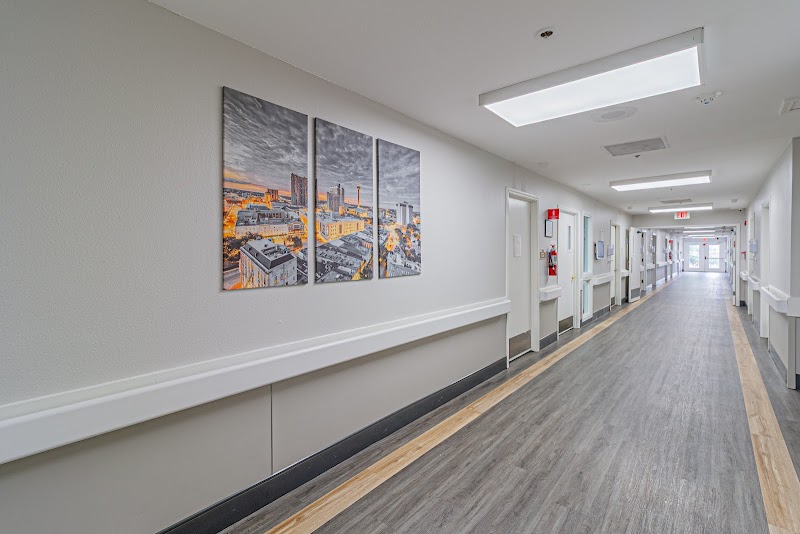
How is Patriot Heights Health Staffed?

CMS rates PATRIOT HEIGHTS HEALTH CARE CENTER's staffing level at 1 out of 5 stars, which is much below average compared to other nursing homes. Staff turnover is 52%, compared to the Texas average of 46%.

What Have Inspectors Found at Patriot Heights Health?

State health inspectors documented 23 deficiencies at PATRIOT HEIGHTS HEALTH CARE CENTER during 2023 to 2025. These included: 2 Immediate Jeopardy (the most serious level, indicating potential for serious harm or death), 20 with potential for harm, and 1 minor or isolated issues. Immediate Jeopardy findings are rare and represent the most serious regulatory concerns. They require immediate corrective action.
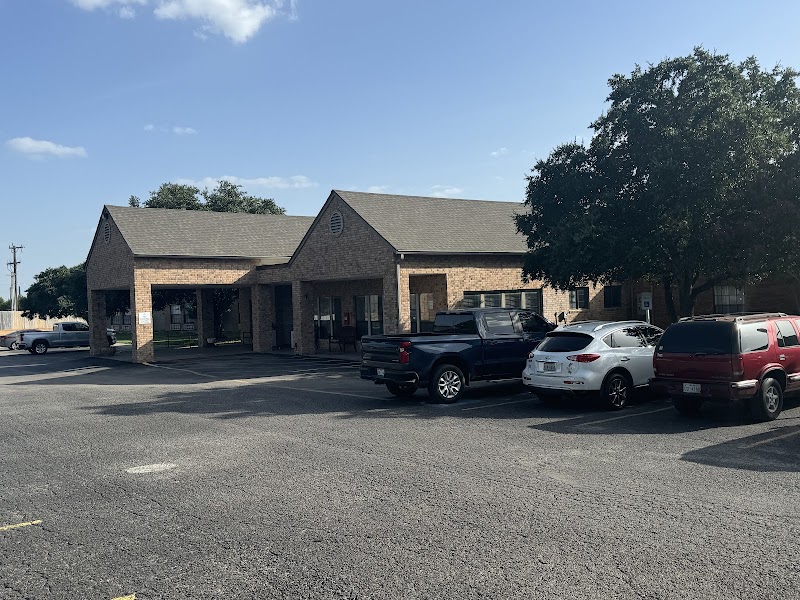
Who Owns and Operates Patriot Heights Health?

PATRIOT HEIGHTS HEALTH CARE CENTER is owned by a for-profit company. For-profit facilities operate as businesses with obligations to shareholders or private owners. The facility is operated by THE ENSIGN GROUP, a chain that manages multiple nursing homes. With 74 certified beds and approximately 52 residents (about 70% occupancy), it is a smaller facility located in SAN ANTONIO, Texas.
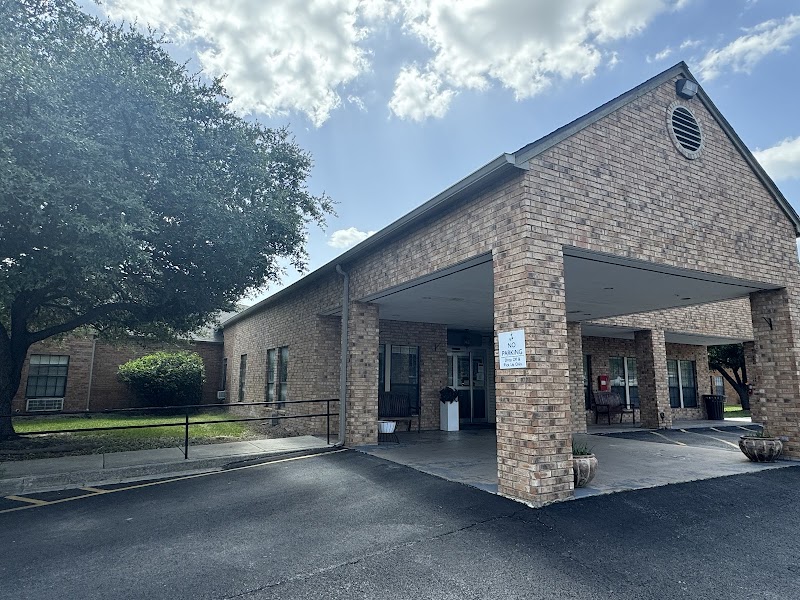
How Does Patriot Heights Health Compare to Other Texas Nursing Homes?

Compared to the 100 nursing homes in Texas, PATRIOT HEIGHTS HEALTH CARE CENTER's overall rating (4 stars) is above the state average of 2.8, staff turnover (52%) is near the state average of 46%, and health inspection rating (4 stars) is above the national benchmark.

What Should Families Ask When Visiting Patriot Heights Health?

Based on this facility's data, families visiting should ask: "What changes have been made since the serious inspection findings, and how are you preventing similar issues?" "Can you walk me through typical staffing levels on day, evening, and night shifts?" "Can I visit during a mealtime to observe dining assistance and food quality?" "How do you handle medical emergencies, and what is your hospital transfer rate?" These questions are particularly relevant given the facility's Immediate Jeopardy citations and the below-average staffing rating.

Is Patriot Heights Health Safe?

Based on CMS inspection data, PATRIOT HEIGHTS HEALTH CARE CENTER has documented safety concerns. Inspectors have issued 2 Immediate Jeopardy citations (the most serious violation level indicating risk of serious injury or death). The facility has a 4-star overall rating and ranks #1 of 100 nursing homes in Texas. Families considering this facility should ask detailed questions about what corrective actions have been taken since these incidents.

Do Nurses at Patriot Heights Health Stick Around?

PATRIOT HEIGHTS HEALTH CARE CENTER has a staff turnover rate of 52%, which is 6 percentage points above the Texas average of 46%. Moderate turnover is common in nursing homes, but families should still ask about staff tenure and how the facility maintains care continuity when employees leave.

Was Patriot Heights Health Ever Fined?

PATRIOT HEIGHTS HEALTH CARE CENTER has been fined $18,134 across 2 penalty actions. This is below the Texas average of $33,260. While any fine indicates a compliance issue, fines under $50,000 are relatively common and typically reflect isolated problems that were subsequently corrected. Families should ask what specific issues led to these fines and confirm they've been resolved.

Is Patriot Heights Health on Any Federal Watch List?

PATRIOT HEIGHTS HEALTH CARE CENTER is not on any federal watch list. The most significant is the Special Focus Facility (SFF) program, which identifies the bottom 1% of nursing homes nationally based on persistent, serious quality problems. Not being on this list means the facility has avoided the pattern of deficiencies that triggers enhanced federal oversight. This is a positive indicator, though families should still review the facility's inspection history directly.