PECAN VALLEY REHABILITATION AND HEALTHCARE

3838 E SOUTHCROSS BLVD, SAN ANTONIO, TX 78222 (210) 581-2273
For profit - Limited Liability company 124 Beds THE ENSIGN GROUP Data: November 2025 3 Immediate Jeopardy citations
Trust Grade
0/100
#802 of 1168 in TX
Last Inspection: October 2024

Within standard 12-15 month inspection cycle. Federal law requires annual inspections.

Overview

Pecan Valley Rehabilitation and Healthcare has received a Trust Grade of F, indicating significant concerns about the quality of care provided at this facility. Ranked #802 out of 1168 facilities in Texas, it falls in the bottom half, and at #35 out of 62 in Bexar County, it has limited competition among local options. While the facility's issues have improved, decreasing from 9 problems in 2024 to 4 in 2025, it still has an alarming total of 32 deficiencies, including critical incidents where residents were not protected from abuse and serious accidents that could lead to harm. Staffing is relatively stable with a 37% turnover rate, which is better than the state average; however, the facility has incurred fines totaling $184,142, indicating compliance issues that are of concern. Additionally, while there is average RN coverage, recent inspector findings revealed serious lapses, such as failing to protect vulnerable residents from abuse and not ensuring a safe environment, which are significant weaknesses that families should carefully consider.

Trust Score
F
0/100
In Texas
#802/1168
Bottom 32%
Safety Record
High Risk
Review needed
Inspections
Getting Better
9 → 4 violations
Staff Stability
○ Average
37% turnover. Near Texas's 48% average. Typical for the industry.
Penalties
⚠ Watch
$184,142 in fines. Higher than 80% of Texas facilities, suggesting repeated compliance issues.
Skilled Nurses
⚠ Watch
Each resident gets only 24 minutes of Registered Nurse (RN) attention daily — below average for Texas. Fewer RN minutes means fewer trained eyes watching for problems.
Violations
⚠ Watch
32 deficiencies on record. Higher than average. Multiple issues found across inspections.
★★☆☆☆
2.0
Overall Rating
★★☆☆☆
2.0
Staff Levels
★★★☆☆
3.0
Care Quality
★★☆☆☆
2.0
Inspection Score
Stable
2024: 9 issues
2025: 4 issues

The Good

  • Full Sprinkler Coverage · Fire safety systems throughout facility
  • No fines on record
  • Staff turnover below average (37%)

    11 points below Texas average of 48%

Facility shows strength in fire safety.

The Bad

2-Star Overall Rating

Below Texas average (2.8)

Below average - review inspection findings carefully

Staff Turnover: 37%

Near Texas avg (46%)

Typical for the industry

Federal Fines: $184,142

Well above median ($33,413)

Significant penalties indicating serious issues

Chain: THE ENSIGN GROUP

Part of a multi-facility chain

Ask about local staffing decisions and management

The Ugly 32 deficiencies on record

3 life-threatening 1 actual harm
Jul 2025 1 deficiency 1 IJ
CRITICAL (J) 📢 Someone Reported This

A family member, employee, or ombudsman was alarmed enough to file a formal complaint

Immediate Jeopardy (IJ) - the most serious Medicare violation

Accident Prevention (Tag F0689)

Someone could have died · This affected 1 resident

**NOTE- TERMS IN BRACKETS HAVE BEEN EDITED TO PROTECT CONFIDENTIALITY** Based on observation, interview, and record review, the facility failed to ensure the resident environment remained as free of a...

Read full inspector narrative →
**NOTE- TERMS IN BRACKETS HAVE BEEN EDITED TO PROTECT CONFIDENTIALITY** Based on observation, interview, and record review, the facility failed to ensure the resident environment remained as free of accident hazards as was possible for 1 of 4 residents (Resident #1) reviewed for accidents and hazards: The facility failed to ensure Resident #1's environment was free of choking hazards when Resident #1 expired on 6/24/2025 as a result of asphyxiation by choking[PH1] [SA2] . An Immediate Jeopardy (IJ) was identified as past non-compliance on 7/07/2025. The Noncompliance began on 6/24/2025 and ended on 6/25/2025. The facility had corrected the noncompliance before the survey began. This failure could place residents at risk of harm or injury and contribute to avoidable accidents and a decline in health and or death. The findings included: Record review of Resident #1's face sheet dated 6/24/2025 revealed a 72- year-old female admitted on [DATE] and readmitted on [DATE] with diagnoses which included: unspecified dementia unspecified severity without behavioral disturbance, psychotic disturbance, mood disturbance and/or anxiety, unspecified pain and primary osteoarthritis left hand. Record review of Resident #1's significant change MDS dated [DATE] revealed a BIMs score could not be determined due to both long-term and short-term memory loss and severely impaired cognitive skills and inattention. The assessment indicated no behaviors exhibited with maximum to total dependance on staff for ADL care. Record review of Resident #1's care plan initialed on 10/21/2021 revealed the resident was full code status with interventions: in the event of cardiac or respiratory arrest, staff will perform cardiopulmonary resuscitation. ADL self-care performance deficit related to dementia, debility and muscle wasting with interventions which included maximal assistance to full dependance on ADL care of one staff person for all ADLs. A potential for pain related to dementia, impaired mobility and stiffness with an intervention of administer medications as ordered by physician. Record review of Resident #1's physician order summary for June 2025 revealed an order with a start date of 10/04/2021 for Lidoderm Patch 5% (Lidocaine) apply to left leg and right shoulder for pain, apply one patch to left leg and one patch to right shoulder, off at HS (bedtime). Record review of Resident #1's June 2025 MAR revealed Lidoderm Patch 5% (Lidocaine) was last documented as administered on the morning of 6/23/2025 by CMA A and last documented as removed by LVN C (time unknown). Record review of Resident #1's Lidoderm Patch 5% time/date CMA Administration Record audit report dated 7/03/2025 revealed: CMA A documented application of Lidoderm Patch 5% to right front shoulder on 6/23/2025 at 11:10 a.m. and LVN C documented handling (unknown handling) of the patch on 6/23/2025 at 7:46 p.m. Record review of Resident #1's nurse progress notes, LVN C documented she made rounds on Resident #1 at 12:57 a.m. and gave the resident acetaminophen. At 2:30 a.m., she documented she was summoned by a CNA, that the resident was not breathing. The residents code status was verified, CPR was initiated, checked the airway and AED was applied. EMS pronounced time of death at 2:49 a.m. and the ME office came to retrieve the body. Record review of form 3613-A Provider Incident Report dated 7/01/2025 revealed a facility self-reported incident that occurred on 6/24/2025 at 2:30 pm resulting in Resident #1's death, signed by the Executive Director. The supporting documents indicated an allegation was confirmed after investigation. The summary stated Resident #1 did not exhibit behaviors of putting foreign items or non-edible foods in her mouth. The report indicated the medical examiner's office verbally informed the facility that Resident #1 expired from accidental asphyxiation choking on 6/24/2025[PH3] . Record review of a witness statement by CMA A dated 6/24/2025, CMA A wrote on 6/23/2025 she administered Resident #1's routine medications and applied two patches to her left leg and to her right shoulder. She wrote Resident #1 appeared to be her normal state of condition. She also wrote she had never witnessed the resident put any object in her mouth. Record review of a written statement by CNA B dated 6/24/2025 revealed he last saw Resident #1 alive and breathing at 1:15 a.m[PH4] [SA5] .(6/24/25). At 2:15 a.m., he noticed the resident was unresponsive, called for a nurse and code and confirmed CPR was initiated and 911 was called. Record review of a written statement by LVN D dated 6/24/2025, LVN D wrote she saw LVN C running up the hallway asking for Resident #1's code status, which was full code. LVN C ran back to the resident room and CPR was initiated. She wrote when she got to the room, Resident #1 was already placed on the floor with a back board and AED in place. She (LVN D) got the ambu bag and connected to the oxygen tank and started breath resuscitation. Upon placing the mask to the resident's face, she noticed a white substance in the resident mouth. She wrote she did a finger sweep of the mouth but was unable to get the white substance out with glove. She wrote EMS arrived and took over. She wrote she assumed the white substance was thrush on her tongue. She wrote she was able to see the chest rise and fall with each breath resuscitation provided. Record review of a written statement by LVN C dated (undated), LVN C wrote on 6/24/2025 at 12:57 a.m. Resident #1 received acetaminophen and then at 2:30 a.m. she was summoned by a CNA (not named) for a change of condition. CPR initiated. She wrote she was doing chest compressions; the AED was initiated and LVN D began using the ambu bag and provided a finger sweep. LVN C wrote LVN D felt it looked like thrush. EMS arrived and took over. They used a suction machine and obtained a Lidoderm patch from Resident #1's mouth. EMS pronounced death at 2:49 a.m. and the medical examiners office came to retrieve her body. Record review of a written statement by LVN C dated 6/25/2025 revealed she was working as a CMA on 6/23/2025 and she took the patch (Lidoderm) to the knee but not to her shoulder. She wrote she did not see a patch on her shoulder. During an interview on 7/03/2025 at 10:37 a.m. CMA A stated she was the medication aide that applied the Lidocaine patch to Resident #1's right shoulder and left leg at approximately 11:00 a.m. on 6/23/2025. She stated she dated the patches with her initials. She stated she was not the same person who removes the patches, she only applies them. CMA A stated Resident #1 used the patches for pain on a routine schedule. She stated when she applied the patches, she looked for old ones and did not see any. CMA A stated she remembers physically putting the patches on the resident. She stated the right shoulder patch was placed on the top right shoulder in the front of the body. CMA A stated she was not working when Resident #1 died. She stated the resident could answer simple yes/no questions but could not make her needs known. She was wheelchair dependent and required staff to move the wheelchair for her. She stated she was not aware of any behaviors other than occasional yelling out. CMA A stated since the incident had occurred, she had completed multiple trainings. She stated the trainings included application of patch, removal and disposal of the patch. She stated now when a patch was removed the new training was for two staff the med aide and the nurse to go together to witness the removal and both have to document the removal. She stated she had also received training on CPR, what to do when they see someone choking which included the Heimlich maneuver. She stated she practiced in person the skills. She stated she had training about resident choking hazards and putting objects in their mouths. She stated they are to keep out of reach and if they see a resident with something that was a choking hazard she should first attempt to take it away and then report immediately to the DON. She stated there were no residents with that behavior currently with known behaviors of putting objects in their mouth. CMA A stated she had received abuse and neglect training which included definitions. She stated neglect was not providing a resident with care, not feeding, or changing them or not answering the call light. She stated she was trained to report any abuse or neglect immediately and within 2 hours to the Abuse Coordinator who was the ED. During an interview on 7/03/2025 at 11:09 a.m., CNA B stated he worked on 6/23/2025-6/24/2025 on night shift. He stated his shift started at 10:00 p.m. He stated at the start of the shift he made rounds and Resident #1 was okay. CNA B stated at approximately 12:00 p.m., he changed her, and she was doing good. He stated she has dementia and would talk to herself at night but was not verbal and could not communicate. He stated the next round was at approximately 2:00-2:15 a.m. He stated he first changed Resident #1's roommate. He stated then he approached Resident #1 and saw she was unresponsive. He stated she was not breathing, and he could just tell she was not ok. He stated her body was warm and he did not notice anything visible outside of her mouth. He stated he immediately notified the nurse, LVN C and called a Code Blue. CNA B stated he stayed in the room with LVN C and LVN D to help with CPR until EMS arrived. He stated the nurses saw something in her mouth and thought it was thrush, he said they knew something was there. He said he could not really describe it. LVN D was using the bag (ambu bag used to provide ventilations during CPR) and he was performing chest compressions. He stated he did not know if Resident #1's chest had a rise and fall with respirations because he was doing compressions. He stated after EMS arrived while EMS was doing CPR, they found something in Resident #1's mouth and pulled it out with a Yanker (suction). He stated he did not know what it was. He stated he left the room at that point with EMS still working on the resident. CNA B stated he did not notice anything wrong or any change in Resident #1 prior to finding her unresponsive. He stated she required full staff assistance for all care. He stated this included feeding. CNA B stated Resident #1 was able to move her hands to her head and touch her hair, scratch her face, etc. but she did not have the cognitive status to be able to feed herself. He stated she was bedbound unless someone moved her or transferred her out of bed. CNA B stated Resident #1 was unable to use the call light and was unable to make her needs known. He stated to meet her needs they had to check on her and make rounds every two hours. CNA B stated Resident #1 did not have any behaviors of putting things in her mouth other than food on a plate in front of her. He stated she would pick up a cup in front of her and chew on it and he has seen her chew on her tongue. CNA B stated he had noticed patches on her body during the daytime but not at night. He stated he did not know what time the patches were normally taken off. CNA B stated before Resident #1 was found unresponsive he had noticed a patch on her inner shoulder. He stated he thought that patch wasn't where it normally goes but he did not say anything to anyone because he thought maybe somebody was going to come back and get it. CNA B stated after she was found unresponsive, he was not paying attention to patches and does not remember if the patch was still there or not. CNA B stated after the incident the facility did an investigation and he was asked the same questions he was asked today. He stated they received a lot of training. He stated the training was what to do in an emergency. He stated as a CNA they told him he could do CPR after notifying the nurse and verifying code status. He stated any staff could perform CPR until EMS arrived. He stated the in-service training included compressions, respirations, oxygen use, emergency procedures, how to use the bubble thing (ambu bag). He stated he received a choking and small object in-service. He stated they were told to immediately perform the Heimlich maneuver until the object was removed and CPR if necessary. Trained to keep small objects out of the reach of dementia residents. He stated he received training on notifying the nurse of small objects including patches. He stated he received abuse/neglect training. He stated he learned about the definition of neglect which was refusing to give care to a resident or not rendering aide. He stated he was not aware of any neglect at the facility. He stated he was trained to notify the Executive Director immediately. During an interview on 7/03/2025 at 1:43 p.m., LVN C stated on 6/24/2025 between 2:00-3:00 a.m., she was summoned by CNA B from the door of the resident room while she was near the nurse's station. She stated she was told it looked like Resident #1 had passed. LVN C stated she immediately asked LVN D to look up the resident's code status which was verified full code and immediately went to the room with CNA B. She stated Resident #1 was warm, was not breathing and had no signs of life. She stated they pulled Resident #1 to the floor and noted she was warm and began CPR. LVN C stated LVN D called 911 and then came to assist with CPR until EMS arrived. LVN C stated LVN D did the ambu bag. LVN C stated she noted something that looked like bubbles in Resident #1's mouth. She stated LVN D did a finger sweep and could not get anything out of the mouth. LVN C stated she did not suction the bubbles because they were able to get air through and into her and she had no color change, was not blue. LVN C stated the resident was pale. LVN C stated the resident had a rise and fall of the chest with ambu bag. She stated the reason a finger sweep was done because they saw the bubbles, they could see something, and they thought what was that? LVN C stated the had brought the crash cart and AED which was applied but did not suction because they were able to get the rise and fall of her chest. LVN C ended the interview at this time and stated she would continue later in the day. During an interview on 7/03/2025 at 3:25 p.m., LVN D stated she was seated at the desk on 6/24/2025 (time unknown) when LVN C came running up to her and asked her to look up code status for Resident #1. She stated she confirmed full code. LVN D stated she called 911 and then went to the room to assist. LVN D stated when she got to the room Resident #1 was on the floor and CNA A and LVN C were doing compressions. She stated she connected the ambu bag (to oxygen). She stated when she tilted Resident #1's head back to use the ambu bag she saw something white in her mouth. She stated she tried to remove it with her finger but could not get it out because it was so slippery. LVN D stated she gave Resident #1 breaths with the ambu bag and got a rise and fall of the chest. She stated she then again tried to remove the substance. She stated the substance was too slippery and she could not grab it. She stated at the same time EMS arrived and took over. LVN D stated she told EMS about the substance in her mouth. She stated EMS asked her for tweezers which she did not have. She stated EMS used the suction from the crash cart with a yanker (type of suction catheter). LVN D stated EMS tried to maneuver the white substance out of her mouth with the suction. She stated the EMS tech finally stuck his whole hand in her mouth and pulled out a white substance that was really gooey and slimy. LVN D stated she thought it looked like a mucous plug. LVN D stated EMS said this was what was in her throat but did not say what it was. LVN D stated she left the room after EMS took over to print paperwork for EMS. LVN D stated she did not normally work that hallway and was unfamiliar with Resident #1. LVN D stated she thought the facility emergency procedures weren't well. She stated they followed facility policy, worked together to notify 911, and do CPR. She stated someone (unknown name) went and held open the front door for EMS personnel who arrived very fast. LVN D stated after the incident she received multiple trainings. She stated she had to perform a demonstration and check off of how to properly put on and take off a patch, how to dispose of it in a trash can with stick sides pressed together and outside of the resident room. She stated she was trained that if they see any object in a residents mouth, they are to notify the DON right away, keep objects out of reach. She stated received CPR, Heimlich training and abuse training. She stated she was instructed where the Abuse Coordinator number was located which was all over the place and to notify him (ED) immediately. During an interview on 7/03/2025 at 3:40 p.m., CMA E stated Resident #1 normally had her shoulder Lidoderm in the front and not in the back. She stated she was not working on the date of the incident. She stated she was not aware of any behaviors of putting objects in the mouth by Resident #1 or any other resident. She stated while working she had never had an incident where one of Resident #1's patches was missing. She described Resident #1 as very confused and unable to say what she needed. CMA E stated following the incident she had received in-service training which included patches, how to put on and take off. She stated two people, one being a nurse had to witness removal of patches. She stated all patches had to be disposed of in the medication cart and not in a resident room and had to be signed off with the nurse. She stated she also received training on CPR, first aide, small objects. She stated she was trained to notify the nurse of objects. And if a resident was choking to initiate the choking protocol, CPR and call 911. She stated during CPR she was trained to call 911, get the crash cared, open doors for EMS and to assist wherever was needed. She stated she did a demonstration for CPR and choking. She stated she had received abuse/neglect training, had no knowledge of any resident abuse or neglect and new to tell the ED immediately. During an interview on 7/03/2025 at 4:02 p.m. LVN C stated Resident #1's Lidoderm patches were applied in the morning and taken off in the evening by the medication aides. She stated she worked the medication aide cart on 6/23/2025 and acknowledged she signed off that the patches in the evening. LVN C stated she removed the one from the left knee but did not see a patch on Resident #1's shoulder to remove. She stated this occurred at approximately 7:00 pm. She stated she looked for the patch on the back of the shoulder and on the arm and did not see it. She stated she did not know where the patch was normally placed on Resident #1 because she normally did not pass the medications. She stated she looked on the resident back but not on her from and not on her chest. She stated she did look on the front of the shoulder but not the chest area. LVN C stated she assumed the Lidoderm patch fell off. She stated Again, I don't know. I don't normally pass the medications when asked how she trained to respond when a patch could not be located. LVN C stated all she knew was that the patch would normally be taken off in the evening. LVN C stated Resident #1 did not have behaviors. She stated the resident would babble to herself until she fell asleep, and night and she never saw her chew on anything or put anything in her mouth. LVN C stated Resident #1 never tried to get up, was not able to use her call light and did not have the ability to make her needs know. LVN C stated no special supervision was required other than meeting all of the residents needs. LVN C stated prior to the incident Resident #1 did not have a change of condition. LVN C stated she last saw Resident #1 well at midnight, when she gave Resident #1 Tylenol. She stated she was supposed to check on the resident every 2 hours. She stated they were doing CPR between 2:00-3:00 a.m. LVN C stated EMS personnel told her they removed a Lidoderm Patch from Resident #1 during CPR. She stated they put it on the bed. LVN C stated she looked at it and agreed with EMS that it was a Lidoderm patch. She stated she could not see the working of the patch, but you could see remnant of the marker and date which were illegible. LVN C stated the patch had turned into a ball of goo and was very sticky. She described it as a blob. She stated when the Medical Examiner arrived, they took the blab with them. LVN C stated she was suspended from working pending the investigation. She stated she was required to complete all the in-services before being allowed to come back to work the next day. She stated she received hands on training for CPR, Heimlich maneuver, patch removal, medication administration, and AED and small objects and abuse. She stated she could not remember the others but had completed them all[PH6] . During an interview on 7/03/2025 at 4:18 p.m., CNA F stated she had no knowledge of the incident. She stated after the situation she had received training on patches. She stated she was trained to notify the nurse if the patch wasn't where it was supposed to be or if they saw a patch off the resident. She stated she would go to the nurse if a patch needed to be removed. CNA F stated she received training on CPR and the Heimlich maneuver. She stated she was trained to look for small objects, look in resident mouths and do the Heimlich maneuver if someone is choking and to continue to do it until the object comes out and notify nurse. She stated she also received training on abuse neglect and definitions and would notify the ED immediately. During an interview on 7/06/2025 at 12:16 p.m. ADON G stated staff should document when the patch was put on and when it was taken off, usually in the evening. She stated Resident #1 was verbal but not understood and not able to make her needs known. She stated the resident spoke in word salad. ADON G stated the staff were trained to use the resident's non-verbal cues, monitor the resident, and look for any change of condition when caring for her. She stated monitoring at night would include ensuring the resident was observed every two hours during the night. She stated the resident herself did not have complaints and had no behaviors she was aware of. A ADON G stated she was not working when the choking incident occurred. She stated she found out about it the next morning when the DON called and asked to have a manager meeting to discuss the incident. ADON G stated she was told staff found a Lidocaine patch in Resident #1's throat. She stated the management pulled all resident orders, specifically residents who had orders for lidocaine patches. She stated the physicians came to the facility and reviewed their orders for residents and changed any orders for patches to creams if the resident allowed. ADON G stated she then assisted with in-serving staff. She stated staff had to actually perform CPR, use the AED. She stated they received training on abuse and neglect, what to do is someone was choking and what to do if they saw a resident put something in their mouth that wasn't supposed to be there. She stated the facility changed their policy for Lidocaine patches for two personnel to do the removals. She stated aides were instructed that while giving showers, if a patch comes off they are to take the patch to the nurse for documentation. ADON G stated the pharmacist came in and did education to the staff on patch use. ADON G stated only one resident remained on a Aspercream patch and was cognitively intact, all others had been changed to cream only. ADON G stated she did not participate in the investigation, just in staff in-services and education. ADON G stated a CPR drill was run, a actual simulation code. She stated each staff member received feedback and anyone who struggled repeated the drill until their response was adequate. ADON G stated each staff had to participate in using the AED, CPR training, crash cart review and assembly. She stated they had a choking vest, and a choking simulation was completed to assess staff on their choking skills. She stated she watched staff put on and properly remove a patch and a medication pass review was completed with staff. She stated all staff participated in the Heimlich skills. ADON G stated the abuse and neglect training was for all staff, who to contact, when and forms of abuse. She stated staff was instructed to report immediately, facility protocol and where the number for the Administrator (ED) was located. She stated this training was completed on 6/25/2025. She stated a few stranglers of staff who were on vacation were completed in the following days. She stated 99% of staff was completed on 6/25/2025. She stated it was important for staff to know and monitor the location of a patch, so staff knows where the patch is, in case it comes off so the facility does not experience a repeated incident. She stated the risk of a loose patch was choking. During an interview on 7/6/2025 at 1:33 p.m., CNA J stated they had completed multiple trainings post incident. He stated about CPR and how to help out in any way he could, preventing choking and what to do in the event of choking, which was to immediately help the resident, do the Heimlich maneuver, get help from the nurse if available, check their airway and start CPR if not breathing. He stated he was trained to look for small objects and keep them out of reach so confused residents could not put them in their mouth. He stated if he saw a resident put something in their mouth, he would check their mouth and let the ADON or DON know immediately. He stated he learned about patches He stated he was trained on abuse and neglect he was instructed to notify the abuse coordinator right away and he would also notify his supervisor. During an interview on 7/06/2025 at 1:47 p.m,. the MDS Coordinator stated she was not in the facility during the incident and did not participate in the investigation or training. She stated she had received training herself which included adding monitoring of patch locations to residents' care plans who used a patch. She stated she also received training on monitoring new admissions for patch use and notification of the DON. She stated she was not aware of any oral behaviors exhibited by Resident #1 and was not aware of any resident in the facility who had oral fixation or oral behaviors. She stated her training also included CPR, code training, choking new patch process with two people as a witness, patch destruction out of the resident room, training of new staff and what to do if someone puts an small object in their mouth. She stated she would notify the ADON and DON so the resident could be assessed. She stated she received abuse/neglect training. She state any allegation or suspicious activity should be reported immediately to the Administrator (ED). She stated she would try to resolve/investigate immediately. She stated CPR training showed how to identify vital signs, initial assessment, rate of breaths/compressions, calling for help, AED, calling 911, teamwork, and Heimlich maneuver. During an interview on 7/06/2025 at 1:57 p.m., ADON H stated she was not at the facility when the incident occurred. She stated she received a call from the DON and came to the facility to assist. She stated she was told Resident #1 had coded and at the time they were not sure what happened. She stated later they learned she had choked on a Lidoderm patch. She stated she was not a witness and did not participate in the investigation. She stated she participated in education to staff post incident. She stated education included abuse neglect, a new system for patch monitoring, choking, CPR, monitoring patches, monitoring patch orders. She stated she taught the call right away to the Abuse Coordinator (ED) for abuse or neglect. She stated reviewed types of abuse, including the definition of neglect which was failure to provide essential care. She stated she told the staff all the multiple placed the ED number was located. ADON H stated choking hazards, Heimlich, CPR, code status, AED skills were all taught and reviewed as skills check off. She stated they reviewed how all departments could help in an emergency like calling 911, holding the doors, showing EMS where to co. She stated the skills check off included a return demonstration of skills by staff. She stated they taught the new procedure for logging of patches. Signing off their removal. She stated CNAs who see a patch off should notify the nurse. She stated if a resident had an altered mental status the nurse should see if they could obtain a different order and keep patches and small objects out of reach. During an interview on 7/06/2025 at 3:38 p.m., the DON stated on 6/24/2025 at 5:00 am she was notified about the incident involving Resident #1 and came to the facility. She stated she began the investigation, found out who the med-aide was which was LVN C and suspended her pending investigation. The DON stated began conducting interviews and notified the Administrator. The DON stated later that same day, they were updated from the Medical Examiner that the cause of death was accidental asphyxiation. She stated they were not told from what. The DON stated one nurse LVN C stated it was a Lidoderm Patch and LVN D stated it was a white substance. She stated the do not have confirmation from the ME that it was a Lidoderm patch. The DON stated the investigation revealed Resident #1 had no known behaviors of putting things in her mouth and had no change in behavior. She also had no change of condition prior to the event. The DON stated she asked staff and got input from therapy and even housekeeping if there was anyone, any resident who put items in their mouth. She stated no residents were identified. She stated they did safe surveys of residents and staff, and no abuse was identified. The DON stated from interviews she believed the facility handled the code appropriately. She stated she did not believe there was deficient practice. She stated they notified the pharmacist and she came to the facility to assist with training on patches and medication administration. The DON stated they reviewed their policy for patch administration and changed their protocols for how patches are handled. She stated they reviewed all orders and got rid of any patch orders that could be changed with the physicians. She stated they adjusted patch removal times on the MARS and included an entry for monitoring placement of the patches during the shifts. She stated all patches need to be disposed of outside of the resident rooms. The DON stated the Medical Director was notified and she informed him of the facilities plan. She stated he reviewed the plan and did not give any instruction, just said they were doing a good job. She stated the education of staff included what staff should do if they see a resident put a foreign object in their mouth. She stated they should notify the nurse and she should also be notified immediately to make sure the patient was safe. She stated someone should stay with the resident to keep them safe. The DON stated now everyone knows if a patch can not be located a through sear of the bedding and a head-to-toe assessment should be completed to try to locate the patch. She stated she protected residents from harm by reviewing charts and staff education. She stated she talks to residents and families about their concerns. She stated this was important for accountability. She stated the risk of an unaccounted for patch was possible choking. The DON stated from that point she proceeded with education of staff which included: -medication pass and observation, disposal of patches, patch protocol 40 of 41 staff completed. -patch protocols with two people as a witness, training CNA to question any patch they see in the room and to pick it up and bring it out of the room, CPR and ensuring everyone knows their part 83/83 nursing staff educated. -Following physician orders, new admission checklist in which any new admission with orders for a patch will be sent to her (DON) for review 32/32 licensed nurses completed. -choking and foreign object/small object in-service all 148/148 staff completed -Abuse/Neglect and Resident Rights- all 148/148 staff completedThe DON stated the training was mandatory and was completed on 6/24/2025-6/25/2025. During an interview on 7/06/2025 at 5:00 p.m., the Executive Director stated at the time of the incident he was out of state for a military obligation. He stated he was notified around
May 2025 2 deficiencies
CONCERN (D) 📢 Someone Reported This

A family member, employee, or ombudsman was alarmed enough to file a formal complaint

Potential for Harm - no one hurt, but risky conditions existed

Quality of Care (Tag F0684)

Could have caused harm · This affected 1 resident

**NOTE- TERMS IN BRACKETS HAVE BEEN EDITED TO PROTECT CONFIDENTIALITY** Based on interviews and record reviews the facility failed to ensure that residents received treatments and care in accordance w...

Read full inspector narrative →
**NOTE- TERMS IN BRACKETS HAVE BEEN EDITED TO PROTECT CONFIDENTIALITY** Based on interviews and record reviews the facility failed to ensure that residents received treatments and care in accordance with professional standards of practice and the residents' choices for 1 of 8 residents (Resident #3) reviewed for quality of care. Resident #3 had a cardiology appointment on 11/13/2024, for an echocardiogram (an exam which uses sound waves to make pictures of the heart), and the facility failed to attempt to provide a chaperone to the appointment when her representative was late; subsequently Resident #3 missed her appointment. This failure could place residents at risk for decreased quality of care due to delayed health status reports to the physicians. The findings included: A record review of Resident #3's admission record dated 5/7/2025 revealed Resident #3 was a [AGE] year-old female admitted [DATE] with diagnoses which included heart failure, cardiomegaly (enlarged heart), and need for assistance with personal care. A record review of Resident #3's physicians order dated 10/28/2024 revealed Resident #3 was scheduled to see her cardiologist on 11/13/2024 at 1:00 PM. Further review revealed the scheduled ambulance pick up was scheduled for noon and Resident #3 was to be escorted by her representative. A record review of Resident #3's nursing notes dated 11/13/2024 at 2:43 PM, revealed LVN F documented Resident #3 missed her cardiology appointment due to Resident #3's representative did not arrive to accompany Resident #3 to her cardiology appointment, The patient had an appointment today. Transportation arrived at the facility one hour prior to the appointment. The patient was cleaned and positioned in her wheelchair and sat by the nursing station awaiting on her [Resident #3's Representative] who was going to escort the patient to the appointment. Writer called the [Resident #3's Representative] several of times, to see if she was going to meet [Resident #3] here or at the doctor's office, but she did not answer. The [Resident #3's Representative] arrived at the facility at 1:40 pm. Requested the number to the Transportation service she was given the number then walked away to [Resident #3's] room. During an interview on 5/7/2025 at 3:01 PM Resident #3 Representative stated she usually accompanies Resident #3 to all her medical appointments. However, on 11/19/2024 she was delayed and arrived at the facility to accompany Resident #3 to her cardiologist appointment and discovered LVN F had dismissed the ambulance and cancelled the cardiologist appointment without attempting to support Resident #3 to attend her cardiologist appointment and did not attempt to send a staff member with Resident #1. During an interview on 5/8/2025 at 11:28 AM ADON E stated the facility's system for appointment coordination had multiple data input points to include appointment information from residents, representatives, doctors, nurses, staff, and the data was recorded on a worksheet and entered into the medical record as an order to be populated on the medication administration record. ADON E stated she was informed Resident #3 missed her cardiology appointment on 11/13/2024 after the missed appointment. ADON E stated had she been given a report she would have tried to organize a chaperone for Resident #3 to attend her appointment. During an interview on 5/8/2025 at 11:40 AM LVN F stated the usual routine for resident's appointments was coordinated by the facility to have transportation take residents to the appointments and if needed the Resident would be chaperoned by a staff member, usually CNA C. LVN F stated all nursing staff could coordinate transportation for residents, but CNA C also assisted to plan transportation for residents. LVN F stated she recalled the incident when Resident #3's representative had not arrived on time to accompany Resident #3 to her cardiologist's appointment. LVN F stated, I don't remember what month, but it was a couple of months ago. LVN F stated Resident #3 could not attend any appointment by herself and needed supervision for safety. LVN F stated the contracted ambulance service waited for Resident #3's representative to arrive to accompany Resident #3 to her appointment but could not wait for an extended time due to scheduling conflicts. LVN F stated she was unsuccessful in contacting Resident #3's representative with phone calls and after 20 to 40 minutes of waiting for Resident #3's representative to arrive she dismissed the ambulance. LVN stated she had not reported the incident to her supervisors and had not attempted to coordinate any staff member to accompany Resident #3 to her appointment because she decided that no staff member was available to accompany Resident #3 to her appointment. LVN F stated, I decided we did not have staff to send with her. I knew CNA C was already going to an appointment with another Resident. During an interview on 5/8/2025 at 3:53 PM the Medical Director stated he consulted with Resident #3's cardiologist and in their professional opinions the missed cardiology appointment on 11/13/2024 was for an echocardiogram and Resident would not have seen the physician. The MD stated the ideal would have been for Resident #3 to have had her images completed sooner rather than later but the delay did not impede her healthcare. During an interview on 5/9/2025 at 9:23 AM, the Administrator and the DON, stated the expectation was for all residents who had a need to attend a medical appointment were supported with their needs to attend their appointment. The DON stated she and her ADONs were not included in the decision to dismiss the ambulance service transportation for Resident #3 on 11/13/2024 and if they had been given a report the facility would have made attempts to chaperone Resident #3 to her appointment. The DON stated the risk to residents missing their appointments was varied and she could not speculate other than residents should be supported in attending their appointments. A record review of the facility's Prevention of Abuse, Neglect and Exploitation policy dated August 2024 revealed, The facility will implement policies and procedures to prevent and prohibit all types of . neglect, . that achieves: . Identifying, correcting and intervening in situations in which . neglect, . is more likely to occur with the deployment of trained and qualified, registered, licensed, and certified staff on each shift in sufficient numbers to meet the needs of the residents, and assure that the staff assigned have knowledge of the individual residents' care needs
CONCERN (E) 📢 Someone Reported This

A family member, employee, or ombudsman was alarmed enough to file a formal complaint

Potential for Harm - no one hurt, but risky conditions existed

Grievances (Tag F0585)

Could have caused harm · This affected multiple residents

**NOTE- TERMS IN BRACKETS HAVE BEEN EDITED TO PROTECT CONFIDENTIALITY** Based on interviews and record reviews the facility failed to ensure the residents had the right to voice grievances to include ...

Read full inspector narrative →
**NOTE- TERMS IN BRACKETS HAVE BEEN EDITED TO PROTECT CONFIDENTIALITY** Based on interviews and record reviews the facility failed to ensure the residents had the right to voice grievances to include those with respect to care and treatment which has been furnished as well as that which has not been furnished, the behavior of staff and of other residents, and other concerns regarding their LTC facility stay, for 2 of 8 residents (Residents #1 and #2) reviewed for grievances. On 11/9/2024 Resident #1 made a grievance to Medication Aide A (MA A) which she did not document or report to the DON. The grievance alleged he did not receive medications on 11/8/2024. On 11/19/2024 Resident #2 made a grievance to Case Manager D (CM D) which she did not document or report to the DON. Resident #2 alleged he was left at the doctor's office for hours without return home transportation. These failures could place residents at risk for harm by leaving residents with frustration and demoralization. The findings included: 1. A record review of Resident #1's admission record dated 5/7/2025 revealed Resident #1 was a [AGE] year-old male admitted to the facility on [DATE] with diagnoses which included blindness, diabetes (high blood sugar concentration which impairs the body functions and could cause blindness and kidney injuries), and chronic kidney disease. A record review of Resident #1's medication administration records for 11/1/2024 through 11/30/2024 revealed Resident #1 received all medications prescribed to him throughout November 2024. A record review of the state regulatory agency's complaint intake dated Wednesday 11/13/2024 revealed Resident called the state regulatory agency to allege he did not receive his medications on Saturday 11/9/2024. A record review of the facility's grievance reports for the month of November 2024 revealed no grievances for Resident #1 regarding not receiving medications. During an interview on 5/7/2025 at 9:20 AM Resident #1 stated he has had many grievances against the facility and does not recall the specific grievance he reported in November 2024 but did recall he did not receive medications during a weekend in November 2024. Resident #1 stated he usually received his medications from MA A but she did not work the weekends and most likely MA A and the nurses would have been the staff who would have heard his grievances concerning the staff on the weekends. Resident #1 stated no one has addressed his concerns for the weekend staff. During an interview on 5/7/2025 at 11:20 AM MA A stated she recalled Resident #1 sometime in November 2024, on a Monday, had made a complaint that the weekend nurse had not administered his medications over the weekend. MA A stated she believed she had not documented a grievance report but had reported the complaint to the weekday nurse she usually worked with, LVN B. During an interview on 5/7/2025 at 4:20 PM LVN B stated she had a good rapport with Resident #1 and MA A. LVN B stated she could not recall if she had received a report from Resident #1 or MA A related to Resident #1 not receiving his medications. LVN B stated had she heard a report of Resident #1 not receiving his medications she would investigate and report the concern to the DON and would have documented a grievance report. 2. A record review of Resident #2's admission record dated 5/9/2025 revealed Resident #2 was an [AGE] year-old male admitted to the facility on [DATE], with diagnoses which included atherosclerotic heart disease (a hardening of the arteries from plaque buildup), dementia (a group of symptoms affecting memory, thinking and social abilities which interfere with activities of daily life), and difficulty walking. A record review of the facility's grievance reports for the month of November 2024 revealed no grievances for Resident #2 regarding being left at the doctor's office for hours. A record review of Resident #2's nursing note dated 11/19/2024 revealed LVN G documented at 2:16 PM, Resident returned from cardiology appointment During an interview on 5/6/2025 at 1:41 PM, Resident #2's representative stated, on 11/19/2024 Resident #2 went to the cardiologist's physician's assistant office for an early morning appointment and after the appointment was confused by the doctor's staff as to where to await the return to home transport and consequently waited for hours within the clinic and missed his transport. Resident #2's representative stated Resident #2 used his cell phone to call family and the family coordinated a pickup and transported Resident #2 back to the facility that afternoon. Resident #2's representative stated she and Resident #2 made a grievance to CM D concerning Resident #2's missed transportation and lack of assistance for hours. Resident #2's representative stated the facility had not responded to the grievance. During an interview on 5/7/2025 at 11:29 AM CM D stated she recalled Resident #2 was upset because his Family member was late to pick him up after a doctor's appointment. CM D stated she could not recall if she received a complaint from Resident #2's representative. CM D stated she did not document Resident #2's complaint on a grievance report but she recalled speaking to Resident #2's representative about the late return to the facility. CM D stated, I don't remember what month, but the incident was around fall 2024. During an interview on 5/9/2025 at 9:23 AM the Administrator and the DON stated they had not received a report on behalf of Resident #1 from November 2024 alleging he did not receive medications nor Resident #2's complaint of missing his return to the facility transport after his cardiology appointment. The Administrator and the DON stated the expectation was all residents who communicated grievances had their grievances heard and for staff to follow the grievance process and at a minimum document a grievance report which would have been reviewed and investigated by the facility leadership. The Administrator and the DON stated the potential risk to residents was their grievances would go unrecognized and unresolved. A record review of the facility's Grievance policy dated June 2023, revealed, It is the policy of this facility to establish a grievance process that allows the resident(s) a way to execute their right to voice concerns or grievances to the facility or other agency/entity without fear of discrimination or reprisal. Such grievances include those with respect to care and treatment which has been furnished as well as that which has not been furnished, the behavior of staff and of other residents, and other concerns regarding their facility stay. The facility will make information on how to file a grievance available to the residents and make prompt efforts to resolve grievances that the resident may have.
Feb 2025 1 deficiency
CONCERN (D) 📢 Someone Reported This

A family member, employee, or ombudsman was alarmed enough to file a formal complaint

Potential for Harm - no one hurt, but risky conditions existed

Medical Records (Tag F0842)

Could have caused harm · This affected 1 resident

**NOTE- TERMS IN BRACKETS HAVE BEEN EDITED TO PROTECT CONFIDENTIALITY** Based on interviews and record review, the facility failed to maintain clinical records in accordance with accepted professional...

Read full inspector narrative →
**NOTE- TERMS IN BRACKETS HAVE BEEN EDITED TO PROTECT CONFIDENTIALITY** Based on interviews and record review, the facility failed to maintain clinical records in accordance with accepted professional standards and practices that were complete and accurately documented for 1 of 5 residents (Resident #3) reviewed for resident records. The facility failed to ensure the wound administration records (WAR) for Resident #3 accurately reflected the wound care that was provided to her sacrum (large triangular bone at base of the spine) wound and ischium (the curved bone forming the base of the pelvis) wound on 5 different treatment days in November and December 2024. This failure could put residents at risk of inaccurate documentation. The findings were: Record review of Resident #3's admission Record (face sheet), dated 02/12/2025, revealed she was admitted to the facility on [DATE] with diagnoses which included End Stage Renal Disease (kidney failure), high blood pressure, diabetes (long-term condition in which the blood sugar level is too high which can result in damage to many of the body's systems especially the nerves and blood vessels), anemia (low iron stores), Von Willebrand Disease (an inherited blood disorder that keeps the blood from clotting), heart failure (chronic condition in which the heart doesn't pump blood as well as it should), severe protein-calorie malnutrition (inadequate intake of protein and calories resulting in depleted body stores of protein), pressure ulcer (bed sore) of sacral region, and pressure ulcer of other site. Record review of Resident #3's electronic clinical record revealed she was discharged to the hospital on [DATE], readmitted on [DATE], discharged to the hospital on [DATE], readmitted on [DATE] and discharged to the hospital on [DATE]. Record review of Resident #3's MD Quarterly assessment dated [DATE], revealed a BIMS score of 12 out of 15, which indicated her cognitive skills for daily decision making were intact; and she was admitted with two stage 4 pressure ulcers (the most severe type where the skin is severely damaged and underlying muscles or bone may also be damaged). Record review of Resident #3's care plans for impairment to the skin integrity related to the stage 4 pressure ulcer to the right ischium (the curved bone forming the base of the pelvis on the right side) and sacrum (large triangular bone at base of the spine), revealed under interventions was to Administer treatment as ordered by MD/NP with a start date of 06/24/2024 and was revised on 09/20/2024. Record review of Resident #3's Weekly Skin Pressure Ulcer assessment dated [DATE], revealed the resident had a stage 4 pressure ulcer on the sacrum which was present upon admission and measured 6 cm length x 3.5 cm width x 2.7 cm depth, a stage 4 pressure ulcer on the right ischium which was present upon admission and measured 5 cm length x 3 cm width x 1.6 cm depth, and interventions included wound care as ordered. Record review of Resident #3's Weekly Skin Pressure Ulcer assessment dated [DATE], revealed the resident had a stage 4 pressure ulcer on the sacrum which was present upon admission and measured 7 cm length x 4 cm width x 3.2 cm depth, a stage 4 pressure ulcer on the right ischium which was present upon admission and measured 5.2 cm length x 4.2 cm width x 1.5 cm depth, and interventions included wound care as ordered. Record review of Resident #3's Weekly Skin Pressure Ulcer assessment dated [DATE], revealed the resident had a stage 4 pressure ulcer on the sacrum which was present upon admission and measured 7.5 cm length x 4 cm width x 2.5 cm depth, a stage 4 pressure ulcer on the right ischium which was present upon admission and measured 5.3 cm length x 5 cm width x 3.1 cm depth, and interventions included wound care as ordered. Record review of Resident #3's Weekly Skin Pressure Ulcer assessment dated [DATE], revealed the resident had a stage 4 pressure ulcer on the sacrum which was present upon admission and measured 5.5 cm length x 4.2 cm width x 2 cm depth, a stage 4 pressure ulcer on the right ischium which was present upon admission and measured 5.5 cm length x 3.5 cm width x 1.5 cm depth, and interventions included wound care as ordered. Record review of Resident #3's Physician Order Listing Report, dated 02/15/2025, revealed the following orders: -Wound Care: Stage 4 Pressure Sacrum: Cleanser with wound cleanser, pat dry, skin pre peri-wound, Collagen particles to entire wound bed ., pack entire wound with calcium alginate or gel fiber ribbon and secure with dry absorbent dressing every day shift every other day with a start date of 11/01/2024 and a discontinue date of 11/12/2024. -Wound Care: Stage 4 Pressure Sacrum: Cleanser with wound cleanser, pat dry, skin prep peri-wound, Collagen particles to entire wound bed .pack entire wound with calcium alginate or gel fiber ribbon and secure dry with absorbent dressing every day shift . with a start date of 11/12/2024 and a discontinue date of 12/17/2024. -Wound Care: Stage 4 Pressure Sacrum: Cleanser with wound cleanser, pat dry, skin prep peri-wound, Collagen Sheet to entire wound bed ., pack entire wound with calcium alginate or gel fiber ribbon and secure with dry absorbent dressing every day shift . with a start date of 12/17/2024 and a discontinue date of 01/29/2025. -Wound Care: Stage 4 Pressure RT [right] Ischium: Cleanse with wound cleanser, pat dry, skin prep peri-wound, place collagen particles to entire wound bed and cover with gel fiber ribbon or calcium alginate and secure with dry dressing every day shift every other day . with a start date of 11/01/2024 and a discontinue date of 11/12/2024. -Wound Care: Stage 4 Pressure RT Ischium: Cleanse with wound cleanser, pat dry, skin prep peri-wound, place collagen particles to entire .wound bed and cover with gel fiber ribbon or calcium alginate and secure with dry dressing every day shift . with a start date of 11/12/2024 and a discontinue date of 12/17/2024. -Wound Care: Stage 4 Pressure RT Ischium: Cleanse with wound cleanser, pat dry, skin prep peri-wound, place collagen sheet to entire .wound bed and cover with gel fiber ribbon or calcium alginate and secure with dry dressing every day shift . with a start date of 12/17/2024 and a discontinue date of 01/29/2025. Record review of Resident #3's November 2024 WAR revealed wound care for the stage 4 pressure ulcers on the right ischium and sacrum were not documented as provided on 11/02/2024 and 11/04/2024. Record review of Resident #3's December 2024 WAR revealed wound care for the stage 4 pressure ulcers on the right ischium and sacrum were not documented as provided on 12/11/2024, 12/12/2024, and 12/30/2024. In an interview on 02/15/2025 from 10:14 a.m. to 10:37 a.m., Wound Care Nurse LVN A stated she would provide wound care to residents Monday through Friday and the weekend supervisor or floor nurse would provide wound care on the weekends. Wound Care Nurse LVN A stated she provided wound care for Resident #3 on 11/04/2024 since it was a Monday and she probably forgot to check off that she had provided the wound care. LVN A said the wound care provided to Resident #3 on 11/02/2024 would have been done by the nurse or weekend supervisor since it was a Saturday. LVN A stated she provided wound care to Resident #3 on 12/11/2024, 12/12/2024, and 12/30/2024 and she probably forgot to document it was completed. Wound Care Nurse LVN A stated the harm of not documenting the wound care was provided is that it would not show the treatment was done. LVN A said she thought the reasons why it was not documented were because she was moving too fast and because she had clicked it was done and did not sign off in the electronic clinical record before she closed her computer. In an interview on 02/15/2025 at 12:22 p.m., the DON stated RN B was Resident #3's nurse on 11/02/2024. In a telephone interview on 02/15/2025 at 2:33 p.m., RN B stated she was Resident #3's nurse on 11/02/2024 and she provided wound care to the resident but was not certain if she had documented the wound care was completed. RN B said the harm of not documenting that wound care was completed was that it would not show the wound care was completed and it would look like the wound care was not done. In an interview on 02/15/2025 at 3:06 p.m. to 3:18 p.m., the DON stated wound care should be documented in the clinical record after it was provided to the resident and the harm of not documenting could result in other staff not knowing the wound care had been provided. In an interview on 02/15/2025 at 3:21 p.m., the Administrator stated he could not think of any harm that could result from wound care not being documented in the resident's clinical record. Record review of the facility's policy Charting and Documentation, revised 05/2007, revealed The resident's clinical record is a concise account of treatment, care, response to care, signs, symptoms and progress of the resident's condition .IMPORTANCE AND USE OF THE RECORD .2. To the institution it reflects the quality of care given to the resident. 3. To the physician, it guides him in his treatment, use and effects of drugs and plan for care. 4. In legal defense, it serves as valid information .6. To the nurse, it provides a multidisciplinary record of the physical and mental status of the resident.
Oct 2024 9 deficiencies
CONCERN (D) 📢 Someone Reported This

A family member, employee, or ombudsman was alarmed enough to file a formal complaint

Potential for Harm - no one hurt, but risky conditions existed

Resident Rights (Tag F0550)

Could have caused harm · This affected 1 resident

**NOTE- TERMS IN BRACKETS HAVE BEEN EDITED TO PROTECT CONFIDENTIALITY** Based on observations, interviews, and record review the facility failed to ensure each resident was treated with respect, digni...

Read full inspector narrative →
**NOTE- TERMS IN BRACKETS HAVE BEEN EDITED TO PROTECT CONFIDENTIALITY** Based on observations, interviews, and record review the facility failed to ensure each resident was treated with respect, dignity, and care for 1 of 6 residents (Resident # 67) observed for resident rights. The facility failed to ensure CNA F sat down while feeding Resident #67 in her room on 10/29/2024. This failure could place residents at risk of not being treated with dignity and respect. Findings included: Record review of Resident #67's face sheet dated 10/28/2024, revealed a [AGE] year-old female with an admission date of 10/17/2022, and diagnoses which included: Dysphagia (difficulty swallowing) following cerebral infarction (stroke); and gastrostomy status (has g-tube to bring nutrition directly into the stomach) Record review of Resident #67's Quarterly MDS assessment dated [DATE] reflected a BIMS score of 4, indicating severe cognitive impairment. Further review under Section GG - Functional Abilities and Goals, shows Resident #67 was assessed as needing Supervision or touching assistance for eating. Record review of Resident #67's Care Plan dated 09/22/2024 reflected a focus area for potential nutritional problem r/t PEG tube, mechanically/therapeutically altered diet, and dysphagia (difficulty swallowing) post CVA (stroke), with interventions that included Patient to be up in chair for all meals. Observation on 10/29/2024 at 12:55 p.m. revealed Resident #67 was lying in her bed, and the bed was in the lowest position closest to floor, the head of bed was elevated, and her lunch tray was in front of her on an overbed table. She was observed to be only picking at her dessert (a square of cake) with her fingers, not eating. CNA F came into her room at 1:02pm and asked Resident #67 if she would like some assistance eating her food, and proceeded to stand next to her bed, bending over at the waist to reach down to her utensils and food and proceeded to feed her. After a few bites, Resident #67 pushed her tray away. During an interview on 10/29/2024 at 1:05 p.m., CNA F stated he had worked at the facility for about 3 years, and they always tried to give Resident #67 time to eat on her own at beginning of meal to encourage independence, but will check on her and if she was not eating, they will offer her assistance. He stated I'm used to standing up when feeding Resident #67, but also stated that he knew he should sit down, to get closer to her level to feed her, and indicated he had received training in feeding residents. CNA F proceeded to obtain a chair from the corner of the room, placed it next to Resident #67's bed and asked her if she wanted to try to eat some more of her meal. She indicated yes, and CNA F proceeded to feed her more of her meal while sitting next to her in a chair. During an interview on10/31/2024 at 12:17 p.m., the DON stated that when staff were assisting a resident with feeding, they should sit, not stand over the resident, because it would make them feel like the staff were towering over the resident, and that all staff should have received training and competency checks on this. Record review of Competency Skill Assist with Meal dated 10/7/2024 indicated CNA F met requirements in this skill area, which included Sits in a chair facing the resident. Record review of facility policy titled Nursing Administration - Resident Rights (undated) indicated, .The resident has the right: 1. To be treated with consideration, respect and full recognition of his or her dignity and individuality.
CONCERN (D) 📢 Someone Reported This

A family member, employee, or ombudsman was alarmed enough to file a formal complaint

Potential for Harm - no one hurt, but risky conditions existed

Deficiency F0583 (Tag F0583)

Could have caused harm · This affected 1 resident

Based on observation, interview, and record review, the facility failed to ensure residents have a right to personal privacy for 1 of 5 residents (Resident #351) reviewed for privacy, in that: 1. LVN ...

Read full inspector narrative →
Based on observation, interview, and record review, the facility failed to ensure residents have a right to personal privacy for 1 of 5 residents (Resident #351) reviewed for privacy, in that: 1. LVN A and LVN B failed to provide privacy to Resident #351 while providing wound care by not closing completely Resident #351's privacy curtain. 2. LVN A failed to protect Resident #351's record by not locking the screen of her laptop. These deficient practices could place residents at-risk of loss of dignity due to lack of privacy. The findings include: Record review of Resident #351's face sheet, dated 10/31/2024, reflected an admission date of 06/28/2023 and, a readmission date of 10/02/2024, with diagnoses which included: Osteomyelitis (infection of bone), Hydronephrosis (kidney swelling), Colostomy status (opening in the large intestine created by surgery), Major depressive disorder (mental disorder characterized by at least two weeks of pervasive low mood, low self-esteem, and loss of interest or pleasure), Chronic kidney disease (gradual loss of kidney function), Type 2 diabetes mellitus (high level of sugar in the blood), Pressure ulcer of sacral region stage 4 (damage of skin and/or underlying tissue over a bony prominence). Record review of Resident #351's Quarterly MDS assessment, dated 10/09/2024, reflected the resident had a BIMS score of 14, indicating he was mildly cognitively impaired. Resident #351 required extensive assistance to total care with his ADLs and, had an ostomy and indwelling catheter. Record review of Resident #351's care plan, dated 06/30/2023, reflected a problem of has a stage 4 pressure ulcer to sacrum, admitted with related to immobility., with an intervention of Administer treatments as ordered and monitor for effectiveness. 1. Observation on 10/29/2024 at 3:25 p.m. reflected LVN A and LVN B did not completely close the privacy curtains while they provided wound care for Resident #351 because the privacy curtain was too short to cover the end of the bed. The resident's roommate was in the room and the resident's buttock was exposed. During an interview with LVN A on 10/29/2024 at 4:40 p.m., LVN A verbally confirmed the privacy curtains was not completely closed while she provided care for Resident #351, but it should have been. She stated she received resident rights training within the year. During an interview on 10/29/2024 at 3:45 p.m., Resident #351 confirmed the privacy curtain had been too short for awhile and he had received care multiple time without the privacy of a full curtain. 2. Observation on 10/29/2024 at 4 p.m. revealed after care was provided, this surveyor walked out of the room and noticed LVN A's laptop's screen was not locked and was showing residents' information. During an interview with LVN A on 10/29/2024 at 4:02 p.m., she verbally confirmed her laptop's screen should have been locked when she was not using it to protect the privacy of information of the residents. During an interview with the DON on 10/31/24 at 9:20 a.m., the DON stated privacy must be provided during nursing care and Resident #351's privacy curtains should have been closed completely. She confirmed Laptop screens should always been locked when not in used to protect residents' information. She stated the staff had received training on resident rights within the year and the training was provided by the DON and ADONs. They also checked the staff skills annually and as needed. Review of the facility's policy titled HIPAA, undated, reflected, Do not leave computers screens open with patient/resident information. Review of facility's care evaluation, undated, revealed provide privacy - pull curtain, shut door and/or window curtain.
CONCERN (D) 📢 Someone Reported This

A family member, employee, or ombudsman was alarmed enough to file a formal complaint

Potential for Harm - no one hurt, but risky conditions existed

Assessment Accuracy (Tag F0641)

Could have caused harm · This affected 1 resident

**NOTE- TERMS IN BRACKETS HAVE BEEN EDITED TO PROTECT CONFIDENTIALITY** Based on interview and record review, the facility failed to ensure the assessment accurately reflected the resident's status fo...

Read full inspector narrative →
**NOTE- TERMS IN BRACKETS HAVE BEEN EDITED TO PROTECT CONFIDENTIALITY** Based on interview and record review, the facility failed to ensure the assessment accurately reflected the resident's status for 1 of 7 residents (Resident #48) whose assessments were reviewed, in that: Resident #48's quarterly MDS assessment incorrectly documented the resident as not receiving an anticoagulant medication. This failure could place residents at-risk for inadequate care due to inaccurate assessments. The findings were: 1. Record review of Resident #48's face sheet, dated 10/28/2024, revealed an admission date of 05/06/2023 and, a readmission date of 01/30/2024 with diagnoses that included: Cerebral infarction (stroke), Deep vein thrombosis (blood clot). Record review of Resident #48's Physician orders and Medication administration record for October 2024 revealed an order for: Eliquis (an anticoagulant) Oral Tablet 5 MG (Apixaban) Give 1 tablet by mouth two times a day for DVT [deep vein thrombosis right popliteal (back of the knee) vein]. Resident #48 had received Eliquis in the month of September 2024. Record review of Resident #48's Quarterly MDS, dated [DATE], revealed the assessment indicated Resident #48 did not receive an anticoagulant. During an interview with MDS nurse C on 10/31/2024 at 6:50 a.m., the MDS nurse verbally confirmed she had completed the MDS. MDS nurse C confirmed Resident #48's quarterly MDS was coded as the resident not receiving an anticoagulant when Resident #48 had received Eliquis (an anticoagulant). MDS nurse C revealed she did not know why she had not coded Eliquis as an anticoagulant. She verbally confirmed Eliquis was an anticoagulant and should have been coded as an anticoagulant. The MDS nurse revealed the RAI was used as reference for the MDS and she had access electronically to the RAI on her computer. Record review of, Long-Term Care Facility Resident Assessment Instrument 3.0 User's Manual,Version 1.18.11, October 2023, revealed, N0415E1. Anticoagulant (e.g., warfarin, heparin, or low-molecular weight heparin): Check if an anticoagulant medication was taken by the resident at any time during the 7-day look-back period (or since admission/entry or reentry if less than 7 days).
CONCERN (D) 📢 Someone Reported This

A family member, employee, or ombudsman was alarmed enough to file a formal complaint

Potential for Harm - no one hurt, but risky conditions existed

ADL Care (Tag F0677)

Could have caused harm · This affected 1 resident

**NOTE- TERMS IN BRACKETS HAVE BEEN EDITED TO PROTECT CONFIDENTIALITY** Based on observations, interview and record review the facility failed to ensure that a resident who was unable to carry out act...

Read full inspector narrative →
**NOTE- TERMS IN BRACKETS HAVE BEEN EDITED TO PROTECT CONFIDENTIALITY** Based on observations, interview and record review the facility failed to ensure that a resident who was unable to carry out activities of daily living received the necessary services to maintain good personal hygiene for 1 of 6 residents (Resident #67) reviewed for hygiene, in that. The facility failed to ensure Resident #67 received a shower or bath as scheduled on 10/12/2024 and 10/14/2024. This deficient practice could place residents who were dependent on staff for ADL care at risk for loss of dignity, and/or a diminished quality of life. The findings were: Record review of Resident #67's face sheet, dated 10/28/2024, revealed a [AGE] year-old female with an admission date of 10/17/2022, and diagnoses which included: Dysphagia (trouble swallowing) following Cerebral Infarction (stroke resulting from blood flow to brain being blocked); Seizures (uncontrolled jerking, loss of consciousness, blank stares or other symptoms caused by abnormal electrical activity in brain); Contracture (fixed tightening of muscle and tissue that prevents normal movement) right hand; Age-Related physical Debility (physical weakness) and Need for Assistance with Personal Care. Record review of Resident #67's Quarterly MDS assessment dated [DATE] reflected a BIMS score of 4, indicating severe cognitive impairment. Further review under Section GG - Functional Abilities and Goals, shows Resident #67 was assessed as being totally dependent in bathing. Record review of Resident #67's Care Plan dated 09/22/2024 reflected a focus area for ADL Self Care Performance Deficit r/t CVA, impaired mobility, with interventions that include Shower/Bathe Self: Dependent x1-2 staff members. Record review of Resident #67's shower and bathing log for October 2024 revealed no showers or full baths were documented as having been given between 10/11/2024 and 10/16/2024. During an interview with LVN H on 10/31/2024 at 9:37a.m., LVN H stated Resident #67 was scheduled to receive showers 3 days a week, and after reviewing the shower/bathing log confirmed Resident #67 did not receive a shower or bath on scheduled days of 10/12 and 10/15 and had not received any bath or shower on non-scheduled days between 10/11/2024 and 10/16/2024. LVN H stated that Resident #67 does not want to get out of bed at times and will refuse her shower, but also stated that refusals should be documented in the POC. Observation and interview on 10/29/2024 at 12:55pm with Resident #67 revealed she was lying in bed, wearing clean clothes and no body odor noted, but was not able to answer questions regarding bathing. Interview on 10/28/2024 at 09:41a.m. with Resident #67's Responsible Party (RP) revealed that Resident #67 was supposed to be bathed three times a week, on Tuesday, Thursday and Saturdays, but she sometimes sees Resident #67 wearing the same clothes with bad body odor and does not believe she is getting showered/bathed as scheduled. During an interview with CNA G on 10/30/2024 at 2:05p.m., CNA G stated that residents on left side of hall where Resident #67's room was located were to receive showers on Tuesday, Thursday, and Saturdays. If resident refused, they were supposed to give resident some time and offer a shower a little later or other option such as a bed bath if they were not feeling well. If resident continued to refuse, they were to notify the Charge Nurse and document in POC (Point of Care electronic record). CNA G stated that Resident #67 did refuse showers and hygiene at times, but she would document the refusal in POC. CNA G stated it was important to document all showers given and any refusals, to make sure care is being provided. During an interview with the DON on 10/30/2024 at 1:30pm, the DON stated that staff should be documenting all hygiene activities, including bathing and oral hygiene and any refusals in the resident's record, and that if not documented, could be considered not done. The DON stated that not showering residents as scheduled could result in residents developing body odor or skin problems. Record review of ADL Policy (undated) revealed under Procedures #6 Nursing assistants will provide assistance with ADL's based on the resident's individualized plan of care. These interventions will be on the [NAME], which is accessed in Point of Care (POC). Any changes noted in the resident's performance or abilities will be reported to the licensed Nurse. Record review of facility Policy titled Charting and Documentation revised 5/2007, revealed the following: The resident's clinical record is a concise account of treatment, care, response to care, signs, symptoms and progress of the resident's condition and Notes to be written on all long-term residents by day, evening and night shifts.
CONCERN (D) 📢 Someone Reported This

A family member, employee, or ombudsman was alarmed enough to file a formal complaint

Potential for Harm - no one hurt, but risky conditions existed

Food Safety (Tag F0812)

Could have caused harm · This affected 1 resident

Based on observation, interview, and record review, the facility failed to store, prepare, distribute, and serve food in accordance with professional standards for food service safety for 1 of 1 kitch...

Read full inspector narrative →
Based on observation, interview, and record review, the facility failed to store, prepare, distribute, and serve food in accordance with professional standards for food service safety for 1 of 1 kitchen reviewed for kitchen sanitation. The facility failed to store, label and date two containers of milk properly in the walk-in cooler. This failure could place residents who received meals and/or snacks from the kitchen at risk for food borne illness. The findings included: Observation on 10/28/2024 at 10:52 AM in the walk-in cooler revealed a one-gallon container of whole milk and a one-gallon container of Lactose-Free whole milk. The container of whole milk was opened, there was approximately 1 cup remaining in the container, and labeled 10/25. The container of Lactose-Free milk was opened, there was approximately one quart of milk remaining in the container and labeled 10/15. During an interview on 10/28/2024 at 10:53 AM, the DS stated the dates on the containers of milk were the dates they were received by the facility and stored in the cooler. They did not indicate the date they were opened or the use-by date. They should have both been labeled with the use-by date. Staff storing opened food in the coolers were responsible for properly labeling and dating all food items in the cooler with the date opened and use-by date; failure to do so could cause proliferation of bacteria that could lead to food borne illness. All staff was trained upon hire and during monthly inservices. All staff had current food-handler certificates. The facility used the TFER as their policy manual. Record review of the TFER, 2015, revealed, §228.75(g)(1) (g) Ready-to-eat, time/temperature controlled for safety food, date marking. (2) Except as specified in paragraphs (5) - (7) of this subsection, refrigerated, ready-to-eat, time/temperature controlled for safety food prepared and packaged by a food processing plant shall be clearly marked, at the time the original container is opened in a food establishment and held at a temperature of 41 degrees Fahrenheit (5 degrees Celsius) or less if the food is held for more than 24 hours, to indicate the date or day by which the food shall be consumed on the premises, sold, or discarded, based on the temperature and time combinations specified in paragraph (I) of this paragraph: A) the day the original container is opened in the food establishment shall be counted as Day 1; and (B) the day or date marked by the food establishment may not exceed a manufacturer's use-by date if the manufacturer determined the use-by date based on food safety. Record review of the Food Code, U.S. Public Health Service, U.S. FDA, 2022, U.S. Department of H&HS, revealed, 3-501.17 Ready-to-Eat/Time Temperature Control for Safety Food, Date Marking. (B) Except as specified in (E) - (G) of this section, refrigerated, ready-to-eat, time/temperature control for safety food prepared and packaged by a food processing plant shall be clearly marked, at the time the original container is opened in a food establishment and if the food is held for more than 24 hours, to indicate the date or day by which the food shall be consumed on the premises, sold, or discarded, based on the temperature and time combinations specified in (A) of this section and: (1) The day the original container is opened in the food establishment shall be counted as Day 1; and (2) The day or date marked by the food establishment may not exceed a manufacturer's use-by date if the manufacturer determined the use-by date based on food safety.
CONCERN (E) 📢 Someone Reported This

A family member, employee, or ombudsman was alarmed enough to file a formal complaint

Potential for Harm - no one hurt, but risky conditions existed

Medical Records (Tag F0842)

Could have caused harm · This affected multiple residents

**NOTE- TERMS IN BRACKETS HAVE BEEN EDITED TO PROTECT CONFIDENTIALITY** Based on interview and record review, the facility failed to maintain medical records on each resident that were complete and ac...

Read full inspector narrative →
**NOTE- TERMS IN BRACKETS HAVE BEEN EDITED TO PROTECT CONFIDENTIALITY** Based on interview and record review, the facility failed to maintain medical records on each resident that were complete and accurately documented for 1 (Resident #67) of 6 residents reviewed for clinical records. The facility failed to ensure CNA F documented oral hygiene care that was offered, performed or refused by Resident #67 on 10/4/2024, 10/7/2024, 10/11/2024, 10/15/2024, 10/25/2024, 10/28/2024 and 10/29/2024. This deficient practice could place residents at risk of improper care due to inaccurate medical records. The findings were: Record review of Resident #67's face sheet, dated 10/28/2024, revealed a [AGE] year-old female with an admission date of 10/17/2022, and diagnoses which included: Dysphagia (trouble swallowing) following Cerebral Infarction (stroke resulting from blood flow to brain being blocked); Non-Traumatic Intracerebral Hemorrhage in Hemisphere (bleeding in the brain); Seizures (uncontrolled jerking, loss of consciousness, blank stares or other symptoms caused by abnormal electrical activity in brain); Type 2 Diabetes mellitus (a long-term condition in which the body has trouble regulating blood sugar); Contracture (fixed tightening of muscle and tissue that prevents normal movement) right hand; Age-Related physical debility (physical weakness) and Need for Assistance with Personal Care. Record review of Resident #67's Quarterly MDS assessment dated [DATE] reflected a BIMS score of 4, indicating severe cognitive impairment. Further review under Section GG - Functional Abilities and Goals, shows Resident #67 was assessed as needing partial to moderate assist in oral hygiene. Record review of Resident #67's care plan dated 09/22/2024 reflected a focus area for ADL Self Care Performance Deficit r/t CVA [cerebrovascular accident], impaired mobility, with interventions that include Oral Hygiene: Dependent x 1 staff member. Record review of Resident #67's oral hygiene log for October 2024 revealed there was no oral hygiene documented as being done on the following days: 10/4/2024, 10/7/2024, 10/11/2024, 10/15/2024, 10/25/2024, 10/28/2024 and 10/29/2024. Interview on 10/28/2024 at 9:41 a.m. with Resident #67's RP revealed she visited often, and was concerned because it did not appear that Resident #67's teeth were being brush daily, noting her teeth did not appear clean sometimes when she visited. During an interview with LVN H on 10/31/2024 at 9:37 a.m., LVN H stated she also was one of the MDS Nurses and helps with training of staff. She reviewed the oral hygiene log for Resident #67 for October 2024 and confirmed that n/a ,(non-applicable), was recorded on the 7 days with no oral hygiene recorded as being completed. LVN H was not able to explain why n/a would be documented for oral hygiene, unless there was a medical reason the resident could not brush her teeth, and stated that oral hygiene should be conducted at least daily, and documented in POC (Point of Care). LVN H reviewed the record and stated the CNA who documented the n/a on Resident #67's on the dates in question on the oral hygiene log was CNA F. Interview with CNA F on 10/31/2024 at 10:00 a.m. revealed he had been working at the facility for about 3 years and stated he did brush Resident #67's teeth every day, but instead of using a toothbrush, he used a sponge stick, because the toothbrush seemed to hurt her, and she would pull away. He stated he used a sponge stick to swab Resident #67's teeth every day when he was on duty, but he documented it as n/a because he did not use a toothbrush. He stated that the log they document tasks performed changed a few months back and he realized now he entered the completed oral hygiene task in wrong section of the log. During an interview with the DON on 10/30/2024, the DON stated oral hygiene should be done at least daily, but ideally both am & pm. She stated staff should be documenting all tasks completed and any refusals. She stated that if not documented, the task could be considered as not being done. Record review of facility policy titled Charting and Documentation revised 5/2007 revealed that The resident's clinical record is a concise account of treatment, care, response to care, signs, symptoms and progress of the resident's condition.
CONCERN (E)

Potential for Harm - no one hurt, but risky conditions existed

Infection Control (Tag F0880)

Could have caused harm · This affected multiple residents

**NOTE- TERMS IN BRACKETS HAVE BEEN EDITED TO PROTECT CONFIDENTIALITY** Based on observation, interview, and record review, the facility failed to maintain an infection prevention and control program ...

Read full inspector narrative →
**NOTE- TERMS IN BRACKETS HAVE BEEN EDITED TO PROTECT CONFIDENTIALITY** Based on observation, interview, and record review, the facility failed to maintain an infection prevention and control program designed to provide a safe, sanitary, and comfortable environment and to help prevent the development and transmission of communicable disease and infection for 3 of 15 residents (Residents #67, #49 and #6) reviewed for infection control, in that: 1. While providing incontinent care for Resident #67, CNA D did not change her gloves or wash her hands after touching the privacy curtain before starting to provide care. 2. While observing LVN I perform an accu-check test on Resident #49, a used lancet (a sharp pointed medical instrument used to puncture the skin to obtain a small amount of blood for testing) was observed on Resident #49's bedside table that was parallel next to her bed, within her reach and lying next to some candy wrappers. 3. While preparing to administer eye drops to Resident #6, MA J took off the lid to the eye dropper, obtained a tissue from the box next to the resident's bed and wiped the top of the eye dropper in a back and forth turning motion, rubbing the tissue across the tip of the eye dropper several times These deficient practices could place residents at-risk for infection due to improper care practices. These findings included: 1. Record review of Resident #67's face sheet, dated 10/31/2024, revealed an admission date of 10/17/2022 with diagnoses which included: Dysphagia (difficulty swallowing), Hypertension (High blood pressure), Type 2 diabetes mellitus (high level of sugar in the blood), Hypothyroidism (under active thyroid), Cerebral infraction (Stroke). Record review of Resident #67's MDS Annual assessment, dated 09/25/2024, revealed the resident had a BIMS score of 4 indicating severe cognitive impairment. Resident #67 required extensive assistance to total care, had an indwelling catheter and, was always incontinent of bowel. Record review of Resident #67's care plan revealed a care plan initiated 11/12/2022 with a problem of has an indwelling Foley catheter 16F (French) with 30cc balloon related to obstructive uropathy and a goal of Will remain free from catheter related trauma/UTI through review date. Observation on 10/30/24 10:12 a.m., revealed while providing catheter/incontinent care for Resident #67, CNA D touched the privacy curtain with her gloved hands. She did not change her gloves or wash her hands, then, started to provide care for Resident #67. During an interview on 10/30/2024 at 10:40 a.m., CNA D verbally confirmed the privacy curtain was considered dirty as part of the environment around the resident and she should have changed gloves and sanitize her hands. She revealed she forgot. She confirmed receiving training on infection control within the year During an interview on 10/31/2024 at 9:20 a.m., the DON verbally confirmed the staff should have changed her gloves and sanitize her hands prior to start providing care for the resident. She confirmed it could cause a risk of cross contamination and infection for the resident. She confirmed they provided training on infection control at least once a year and as needed. She confirmed they checked the skills of the staff annually and as needed with the assistance of her ADONS. Record review of the facility's incontinent care evaluation, undated, revealed wash hands before care, after each gloves change, before reapplying gloves. 2. Record review of Resident #49's face sheet, dated 10/31/2024, revealed an admission date of 01/22/2020 with diagnosis which included: cerebral infarction (stroke); Hemiplegia and Hemiparesis (paralysis or weakness on one-side of the body) following cerebral infarction affecting left non-dominant side; Type 2 diabetes mellitus (high level of sugar in the blood); and glaucoma (disease that damage the eye's optic nerve). Record review of Resident #49's Quarterly MDS assessment dated [DATE] revealed a BIMS score of 10 indicating moderate cognitive impairment. Resident #49 was assessed as having diabetes Mellitus, and glaucoma. Record review of Resident #49's Care Plan initiated 6/20/2020 with a focus area for Diabetes Mellitus, and a goal to have no complications related to diabetes through the review date. Record review of Resident #49's Order Summary dated 10/31/2024 revealed an order for Humalog Kwik Pen Subcutaneous solution Pen-Injection 100 unit/ml (Insulin Lispro) as per sliding scale .subcutaneously before meals and at bedtime related to Type 2 Diabetes Mellitus with other circulatory complications. Observation on 10/30/2024 at 07:05 a.m. revealed that after LVN I administered an accu-check test on Resident #49, she picked up with her gloved hands the used lancet she had just used, and then reached over to pick up another used lancet that was located on Resident #49's bedside table, next to some candy wrappers and within Resident #49's reach. During an interview on 10/30/2024 at 7:09a.m., LVN I stated the lancet should not have been left out on Resident #49's bedside table, and it appeared to have been left out by someone conducting an earlier accu-check. She stated a lancet is considered a sharps, and should be disposed of correctly in sharps container, not left out in open and that is why she picked it up. Interview with Medical Records Specialist K who was also monitoring the accu-check being performed, confirmed that the used lancet should not have been left out on the bedside table, and without proper disposal posed a safety and infection control concern. Review of facility policy titled Infection Control - Sharps Disposal dated 6/2016, revealed under Procedure: 1. Contaminated sharps shall be discarded immediately or as soon as feasible into designated containers. 3. Record review of Resident #6's face sheet dated 10/31/2024 revealed an initial admission date of 12/20/2019 with re-admission on [DATE] and diagnoses which included: Congestive Heart Failure (condition where heart does not pump as it should); Primary open-angle glaucoma bilateral (condition causing increased pressure in eye); Glaucomatous Optic Atrophy (damage to optic nerve affecting vision) bilateral and dementia (loss of cognitive functioning). Record review of Resident #6's Quarterly MDS assessment dated [DATE] revealed a BIMS score of 10 indicating moderate cognitive impairment. Record review of Resident #6's Care Plan Initiated 11/11/2020 revealed a focus area of impaired vision r/t glaucoma, wears prescription glasses and a goal to have no indications of acute eye problems through review date and interventions which I included Administer medications as ordered by physician. Record review of Resident #6's Order Summary dated 10/31/2024 revealed an order for Ofloxacin Ophthalmic Solution 0.3%. Instill 1 drop in both eyes three times a day related to Glaucomatous Optic Atrophy Bilateral. Observation on 10/30/2024 at 3:51p.m. revealed that while administering medications to Resident #6, MA J opened the top of the eye drops (Ofloxacin Ophthalmic Solution 0.3%) and then obtained a tissue from a box next to Resident #6's bed, and wiped the top of the eye dropper in a back and forth turning motion, rubbing the tissue across the tip of the eye dropper several times. During an interview with MA J on 10/30/2024 at 3:51p.m., MA J stated she did not know why she wiped the top of the eye dropper with a tissue, explaining she was nervous and just did it. MA J stated she knows she is not supposed to touch the tip of the eye dropper to any surface, as this may contaminate the eye drops. Interview with the DON on 10/30/2024 at 4:32p.m. revealed that she confirmed that the surface of the eye dropper should not touch any surface, as this may contaminate the eye drops. Further interview with DON revealed that MA J had been trained on medication administration of eye drops and infection control, and she provided Competency Testing with MA J completed 10/07/2024 which showed MA J showed competency with medication administration to include administration of eye drops. Record review of American Academy of ophthalmology article titled How to Put in Eye Drops dated 05/05/2023, revealed instructions which included: Remove the cap of the eye drop medication but do not touch the dropper tip. Further review reveals the dropper tip could pick up bacteria from fingers or other surfaces and contaminate the bottle of medication.
CONCERN (F) 📢 Someone Reported This

A family member, employee, or ombudsman was alarmed enough to file a formal complaint

Potential for Harm - no one hurt, but risky conditions existed

Deficiency F0837 (Tag F0837)

Could have caused harm · This affected most or all residents

Based on interview and record review, the facility failed to ensure the governing body appointed an administrator who was licensed by the State, where licensing is required; responsible for management...

Read full inspector narrative →
Based on interview and record review, the facility failed to ensure the governing body appointed an administrator who was licensed by the State, where licensing is required; responsible for management of the facility; and reports to and is accountable to the governing body for 1 of 1 facility reviewed for the governing body, in that: The governing body failed to appoint an administrator who was responsible for the management of the facility. This deficient practice could result in the facility not being managed in a responsible manner, which could affect the health and safety of all residents. The findings include: During an interview on 10/28/2024 at 9:05 AM, OM L introduced himself to the survey team as the OM of the facility and stated he did not have an administrator license but was in the process of obtaining one. The facility had an administrator who did not work at the facility full-time. He was at the facility full-time and was responsible for the daily management of the facility. During an interview on 10/30/2024 at 12:35 PM, the Administrator stated she assumed the position of administrator for the facility sometime the end of February 2024 but was unsure of the exact date. She had not been in the facility on a daily basis, did not spend 40 consecutive hours per week at the facility, and visited the facility as needed. She was available at home if the facility needed her. During a telephonic interview on 10/30/2024 at 1:47 PM, OM M stated he had taken over leadership of the facility from the previous administrator. He was not a licensed administrator, but in the process of becoming an administrator. He remained the OM when the administrator assumed the position in February 2024, was at the facility daily, and was responsible for the daily operation and management of the facility. The administrator was not at the facility daily. Record review of hire dates provided by the facility revealed the following: - Previous licensed administrator was employed by the facility from 12/27/2022 - 01/16/2024. - OM M became the OM of the facility on 02/11/2024 - 10/01/2024. - OM L became the OM of the facility on 10/08/2024. - The facility's current administrator's hire date was 03/01/2024. During an interview on 10/31/2024 at 1:26 PM, OM L stated the facility did not have a specific policy regarding the administration of the facility, they just followed the regulation.
MINOR (C) 📢 Someone Reported This

A family member, employee, or ombudsman was alarmed enough to file a formal complaint

Minor Issue - procedural, no safety impact

Garbage Disposal (Tag F0814)

Minor procedural issue · This affected most or all residents

Based on observation, interview and record review, the facility failed a to dispose of garbage and refuse properly for 2 of 2 dumpsters (dumpsters #1 and #2) reviewed for disposal of garbage. 1. The ...

Read full inspector narrative →
Based on observation, interview and record review, the facility failed a to dispose of garbage and refuse properly for 2 of 2 dumpsters (dumpsters #1 and #2) reviewed for disposal of garbage. 1. The facility failed to ensure the waste in dumpster #1 was removed to allow the top lid to close 2. The facility failed to ensure dumpster #2 had a drainage plug and the right door was completely shut These deficient practices could place residents at risk for exposure to germs and diseases carried by vermin and rodents. The findings were: 1. Observation on 10/30/2024 at 11:59 AM revealed there was overflowing trash at the top of the dumpster, preventing the lid from closing and leaving a gap approximately 18 in length. There was a piece of cardboard approximately 2' x 3' on the ground in front of dumpster #1, and there were flies circulating between the two dumpsters. During an interview on 10/30/2024 at 12:00 PM, the DS stated the top lid should have been closed, the facility's trash was supposed to be picked up daily, and it did not appear the trash had been picked up recently. She told the maintenance department to contact the local waste management and request two large dumpsters to better manage the amount of trash generated by the facility. The dumpsters were used by both the dietary and nursing departments. 2. Observation on 10/30/2024 at 12:01 PM revealed the sliding door on the right side of dumpster #2 was open approximately 12. There was also a drainage plug missing from right side of the dumpster. During an interview on 10/30/2024 at 12:02 PM, the DS stated the door to the dumpster should not have been open, as it presented an unsanitary condition and an opportunity for the proliferation of rodents. This dumpster had recently been replaced, and the previous one had a drainage plug. During an interview on 10/30/2024 at 12:05 PM, OM L stated the facility's trash was supposed to be picked up daily and it did not appear the trash had been picked up for over a day. Failure to remove trash in a timely manner could attract pests which carry disease. During an interview on 10/31/2024 at 12:50 PM, the DS stated the facility used the Texas Food Establishment Rules as their policy manual. Record review of the Texas Food Establishment Rules, 2015, §228.152(n)(2), revealed: Covering Receptacles. Receptacles and waste handling units for refuse, recyclables, and returnables shall be kept covered: (2) with tight-fitting lids or doors if kept outside the food establishment. (o) Using Drain Plugs. Drains in receptacles and waste handling units for refuse, recyclables, and returnables shall have drain plugs in place. Record review of the Food Code, U.S. Public Health Service, U.S. FDA, 2022, U.S. Department of H&HS, revealed, 5-501.113 Covering Receptacles. Receptacles and waste handling units for refuse, recyclables, and returnables shall be kept covered: (B) With tight-fitting lids or doors if kept outside the food establishment. 5-501.114 Using Drain Plugs. Drains in receptacles and waste handling units for refuse, recyclables, and returnables shall have drain plugs in place.
Sept 2023 5 deficiencies
CONCERN (D)

Potential for Harm - no one hurt, but risky conditions existed

Deficiency F0578 (Tag F0578)

Could have caused harm · This affected 1 resident

**NOTE- TERMS IN BRACKETS HAVE BEEN EDITED TO PROTECT CONFIDENTIALITY** Based on interview and record review, the facility failed to ensure the residents' right to request, refuse, and/or discontinue ...

Read full inspector narrative →
**NOTE- TERMS IN BRACKETS HAVE BEEN EDITED TO PROTECT CONFIDENTIALITY** Based on interview and record review, the facility failed to ensure the residents' right to request, refuse, and/or discontinue treatment, to participate in or refuse to participate in experimental research, and to formulate an advance directive for 1 of 18 residents (Resident #6) reviewed for advanced directives, in that: Resident #6's OOH-DNR form was improperly executed via family member's signature, not Resident #6. This deficient practice could place residents at-risk of having their end of life wishes dishonored and of having CPR performed against their will. The findings were: Record review of Resident #6's face sheet, dated [DATE], revealed an [AGE] year-old female admitted to facility on [DATE] with diagnosis that included: [Insomnia] is a sleep disorder in which you may have trouble falling asleep, staying asleep, or getting good quality sleep, [Chronic obstructive pulmonary disease] a group of diseases that cause airflow blockage and breathing-related problems, and [Alzheimer's Disease] a progressive disease beginning with mild memory loss and possibly leading to loss of the ability to carry on a conversation and respond to the environment. Record review of Resident #6's quarterly MDS, dated [DATE], revealed a BIMS of 15, indicating intact cognition. Record review of Resident #6's care plan, reviewed [DATE], revealed [Resident #6] DNR code status. Record review of Resident #6's physician orders revealed an order dated [DATE], Code Status: DNR. Record review of Resident #6's OOH-DNR form, dated [DATE], revealed, Section B. Declaration by legal guardian, agent, or proxy on behalf of the adult person who is in competent or otherwise incapable of communication. Based upon known desires of the person or a determination of the best interest of the person, direct that none of the following resuscitation measures be initiated or continued for the person: cardiopulmonary resuscitation (CPR), transcutaneous cardia pacing, defibrillation, advanced airway management, artificial ventilation had been signed by the resident's responsible party. Further review revealed Section B of Resident #6's OOH-DNR form had been signed by the resident's family member. An attempted interview with Resident #6's Responsible Party was conducted on [DATE] at 10:36 a.m. The resident's responsible party failed to answer the phone and did not return Surveyor's voicemail prior to the end of survey. During an interview with Resident #6 on [DATE] at 11:00 a.m., the resident stated she was unaware that her family member had signed her DNR, she was ok with the decision but would have liked to be included in the conversation. During an interview with the Social Worker on [DATE] at 11:16 a.m., the Social Worker confirmed Resident #6's OOH-DNR form was invalid because the form had been signed by Residents #6's family member. The Social Worker stated she was responsible for ensuring advanced directives were executed correctly and stated she was not on staff at the facility when Resident #6's OOH-DNR was created and would not have completed the form in that manner. The Social Worker further stated she reviewed advance directives with the resident and their responsible party during quarterly care plan meetings. The Social Worker stated she would immediately initiate a review of every resident's advance directive to ensure the forms had been properly executed. Record review of the facility policy, Advance Directives or associated documentation, revised [DATE], revealed, Advance directives will be respected in accordance with state law and facility policy.
CONCERN (D)

Potential for Harm - no one hurt, but risky conditions existed

Comprehensive Assessments (Tag F0636)

Could have caused harm · This affected 1 resident

**NOTE- TERMS IN BRACKETS HAVE BEEN EDITED TO PROTECT CONFIDENTIALITY** Based on interview and record review, the facility failed to conduct initially and periodically a comprehensive, accurate, stand...

Read full inspector narrative →
**NOTE- TERMS IN BRACKETS HAVE BEEN EDITED TO PROTECT CONFIDENTIALITY** Based on interview and record review, the facility failed to conduct initially and periodically a comprehensive, accurate, standardized, reproducible assessment of each resident's functional capacity, not less than once every 12 months, excluding readmissions in which there is no significant change in the resident's physical or mental condition for 1 of 18 residents (Resident #34) reviewed for comprehensive assessments and timing, in that: The facility failed to ensure an MDS Annual Assessment for Resident #34 was completed every 12 months. This failure could place residents at risk for improper or incorrect care and services necessary for their physical, mental, and psychosocial well-being. Findings include: Record Review of Resident #34's face sheet, dated 9/14/23, revealed an [AGE] year-old male admitted to the facility on [DATE] with diagnoses that included: [Atrial fibrillation] is an irregular and often very rapid heart rhythm, [diabetes mellitus] is a disease in which the body's ability to produce or respond to the hormone insulin is impaired, and [Osteoarthritis] occurs when the cartilage that cushions the ends of bones in your joints gradually deteriorates. Record review of Resident #34's Quarterly MDS dated [DATE] revealed a BIMS score of 5, indicating severe cognitive impairment. Record review of Resident #34's medical record revealed as of 09/15/2023, no Annual Assessment MDS had been completed since 8/12/2022. During an interview with the MDS Coordinator A on 9/14/23 at 3:52 p.m., MDS Coordinator A stated the time frame for an Annual MDS was to be completed not less than once every 12 months from admission. MDS Coordinator A stated due to staffing shortages, she had been working the floor and had gotten behind on her MDS assessments which could possibility affect residents negativity. MDS Coordinator A stated she used the RAI manual as a reference, and she had electronic access to the manual. During an interview with the Administrator on 09/14/2023 at 4:44 p.m., the Administrator stated he was unaware the MDS Coordinator needed help with the assessments for the facility and the facility was trying to hire more floor nurses. During an interview with the DON on 09/14/2023 at 5:00 p.m., the DON stated she was unaware the MDS Coordinator was late on her assessments due to staffing shortages. The DON stated she was in the process of hiring more nurses. The DON stated the risk of not completing MDS on time placed residents at risk of not receiving services needed due to prompt reimbursement. Record review of the mds-3.0-rai-manual-v1.17.1_October_2019 revealed . Comprehensive MDS includes admission and Annual Assessments.
CONCERN (D)

Potential for Harm - no one hurt, but risky conditions existed

Laboratory Services (Tag F0770)

Could have caused harm · This affected 1 resident

**NOTE- TERMS IN BRACKETS HAVE BEEN EDITED TO PROTECT CONFIDENTIALITY** Based on observations, interviews, and record reviews the facility failed to provide or obtain laboratory services for 1 of 18 r...

Read full inspector narrative →
**NOTE- TERMS IN BRACKETS HAVE BEEN EDITED TO PROTECT CONFIDENTIALITY** Based on observations, interviews, and record reviews the facility failed to provide or obtain laboratory services for 1 of 18 residents (Resident #18) reviewed for laboratory services, in that: Resident #18's Depakote levels were not checked every three months while prescribed Depakote as ordered by Resident #18's physician. This failure placed residents at risk for not having lab services completed resulting in delayed treatment or residents' needs not being met. The findings included: Record review of Resident #18's face sheet dated 09/14/2023 revealed an admission date of 07/28/2018 with diagnoses which included dementia (the impaired ability to remember, think, or make decisions that interferes with doing everyday activities), heart failure, hypertension (high blood pressure), chronic kidney disease, and major depressive disorder (a mental health disorder characterized by persistently depressed mood or loss of interest in activities, causing significant impairment in daily life). Record review of Resident #18's care plan, dated 03/01/2023, revealed, Resident #18 receives anti-convulsant medications related mood disorder. Date initiated: 07/18/2022. Revision: 07/18/2022. Goal: Will have no complications related to anticonvulsant medication use through review date. Revision on: 05/17/2023. Interventions: Anticonvulsants: Tremor, abdominal pain, dizziness, drowsiness, blurred vision, nausea, vomiting, increased confusion and increased sedation. NOTIFY PROVIDER IF PRESENT. Date initiated: 07/20/2022. - Administer medication as ordered. Monitor/document side effects and effectiveness. - Discuss with MD, family re ongoing need for use of medication. Date initiated: 7/18/2022. Record review of Resident #18's quarterly MDS, dated [DATE], revealed Resident #18 was assessed as a 5 out of 15 for the BIMS which indicated severe cognitive impairment. Record review of Resident #18's physicians orders, dated 02/21/2023, revealed: Depakote levels every three months every night shift every 3 month(s) starting on the 15th for 29 day(s) related to UNSPECIFIED DEMENTIA WITHOUT BEHAVIORAL DISTURBANCE. Order date: 06/20/2022; start date: 07/15/2022. Review of Resident #18's EHR on 09/12/2023 revealed laboratory tests for Valproic Acid (Depakote/Depakene) had been completed on 10/17/2022 and on 1/17/2023. During an interview on 09/14/2023 at 3:03 p.m. with the DON, the DON provided documentation of a laboratory test that had been taken the previous night, on 09/13/2023 at 6:26 p.m., was received by the laboratory at 9:30 p.m. and the result was listed as pending. The DON acknowledged Resident #18's valproic acid level had not been checked every three months as ordered by the resident's physician and should have been. During an interview on 09/14/2023 at 4:00 p.m. with the facility's Resource RN she clarified the physician's order, stating this particular lab test was to be drawn every three months by a nurse on the night shift. This night shift nurse has from the 15th through the 29th to click on the reminder set up to appear in a banner on the resident's EHR., so the nurse knows to go to the lab book and verify it will be drawn. This way the doctor does not need to keep putting in the order. The lab has a portal whereby the nurse can go into the resident's name and see what laboratory tests need to be drawn and what has been drawn to ensure nothing is missed. The facility does not have a policy that specifically explains this process; the flagging in the EHR should be an alert the lab is due to be drawn. This process functions well in other facilities but there was clearly a failure in this one as Resident #18's labs were not drawn in a timely manner. During an interview on 09/15/2023 at 11:23 a.m. with the administrator he stated there was no follow-through to ensure Resident #18's lab tests for Depakote levels were drawn in a timely manner. The administrator further stated the DON is responsible for making sure the prompts in the residents' EHR are addressed and the DON is also supposed to monitor the residents' dashboard for incomplete tasks. Record review of facility policy Diagnostic Test Results Notification, Revised 01/2022, revealed: It is the policy of this facility to obtain laboratory and radiology services when ordered by a Physician, Physician Assistant (PA), Nurse Practitioner (NP) or Clinical Nurse Specialist (CNS) and to promptly notify the ordering provider of test results. Procedure: 1. Laboratory and radiology services will be arranged as ordered. 2. Results of lab, radiology & diagnostic services shall be made a part of the resident's medical record. Record review of facility policy Medication Review by Physician: Following orders, undated, revealed: It is the policy of this facility to ensure that all orders are to be carried out as per physician orders.
CONCERN (D)

Potential for Harm - no one hurt, but risky conditions existed

Medical Records (Tag F0842)

Could have caused harm · This affected 1 resident

**NOTE- TERMS IN BRACKETS HAVE BEEN EDITED TO PROTECT CONFIDENTIALITY** Based on interview and record review, the facility failed to maintain medical records on each resident that were complete and ac...

Read full inspector narrative →
**NOTE- TERMS IN BRACKETS HAVE BEEN EDITED TO PROTECT CONFIDENTIALITY** Based on interview and record review, the facility failed to maintain medical records on each resident that were complete and accurately documented for 1 (Resident #187) of 29 residents reviewed, in that: Resident #187's medical diagnoses were not reflected on her face sheet. This deficient practice could place residents at risk of improper care due to inaccurate medical records. The findings were: Record review of Resident #187's face sheet, dated 09/12/2023, revealed the resident was admitted to the facility on [DATE]. Further review revealed a single diagnosis was listed: Encounter for Surgical Aftercare Following Surgery on the Circulatory System. Record review of Resident #187's clinical record revealed the resident's admission MDS had not yet been completed due to her status of having been newly admitted to the facility. Record review of Resident #187's care plan as of 09/15/2023, revealed a focus, Anticoagulant therapy (Apixaban) [related to]: post-surgical [coronary artery bypass surgery] and an intervention, Monitor and report [signs and symptoms] of thromboembolism: acute onset of shortness of breath, pleuritic chest pain, cough, coughing up blood, syncope and anxiety. Record review of Resident #187's Order Summary Report, dated 09/12/2023, revealed physician orders addressing twelve medical conditions. During an interview with MDS Coordinator A and MDS Coordinator B on 09/15/2023 at 9:56 a.m., MDS Coordinator A and MDS Coordinator B confirmed Resident #187's clinical record and face sheet did not accurately reflect the resident's status, stated the responsibility for accuracy of records was shared among all the nurses, and indicated this deficient practice was an oversight. During an interview with the DON on 09/15/2023 at 11:20 a.m., the DON confirmed residents' clinical records should be accurate and complete. Record review of the facility policy, Medical Records, undated, revealed, It is the policy of this [sic] Facility to ensure every resident has a record that contains those items required by state regulation.
CONCERN (E)

Potential for Harm - no one hurt, but risky conditions existed

Deficiency F0655 (Tag F0655)

Could have caused harm · This affected multiple residents

**NOTE- TERMS IN BRACKETS HAVE BEEN EDITED TO PROTECT CONFIDENTIALITY** Based on interview and record review, the facility failed to develop and implement a baseline care plan for each resident that i...

Read full inspector narrative →
**NOTE- TERMS IN BRACKETS HAVE BEEN EDITED TO PROTECT CONFIDENTIALITY** Based on interview and record review, the facility failed to develop and implement a baseline care plan for each resident that includes the instructions needed to provide effective and person-centered care of the resident, for 2 of 9 residents (Residents #187 and #81) reviewed for baseline care plan, in that: 1. Resident #187's baseline care plan did not include the resident's code status, diet order, need for care of multiple wound sites, need for sternal precautions due to surgery, or need for isolation due to an infectious disease diagnosis. 2. Resident #81's baseline care plan did not include the resident's need for a gluten free diet due to a diagnosis of celiac disease. This deficient practice could affect all residents who require staff assistance and interventions to maintain the highest practicable level of health and well-being. The findings were: 1. Record review of Resident #187's face sheet, dated 09/12/2023, revealed the resident was admitted to the facility on [DATE] with diagnoses including: Encounter for Surgical Aftercare Following Surgery on the Circulatory System, Cardiomegaly, and Zoster Without Complications. Record review of Resident #187's clinical record revealed the resident's admission MDS had not yet been completed due to her status of having been newly admitted to the facility. Record review of Resident #187's order summary report, dated 09/12/2023, revealed physician orders with a start date of 09/02/2023 and no end date which included: [Low concentrated sweets/no added salt] diet REGULAR texture, THIN LIQUIDS consistency, FULL CODE: USE AED (Automated External Defibrillator) WITH [cardiopulmonary resuscitation] DURING SUDDEN CARDIAC ARREST. Further review revealed physician orders with a start date of 09/04/2023 and no end date which included: Monitor donor surgical incision sites to [bilateral lower extremities] for [signs and symptoms] of infection or dehiscence every shift, Stage II Pressure Ulcer to Sacrum: Cleanse are wound cleanser, pat dry then apply Medi-honey gel to wounds and cover with calcium alginate and secure with foam dressing daily and as needed. as needed for Stage II Pressure Ulcer to Sacrum, STERNAL PRECAUTIONS: Do not lift, push or pull anything more than 10 lbs. Do not [sic] bar any body weight on your arms. hold pillow and use rocking motion to go from sitting to standing position. Do not raise elbows higher than [sic] you shoulders unless you move baith arms in front of your face only. DO not reach behind you. every shift, Surgical Incision Left Upper Thigh (superior):Cleanse with wound cleanser, pat dry, then apply Xeroform dressing and cover with island dressing daily and as needed [sic] as needed, Surgical Incision Left Upper Thigh (superior):Cleanse with wound cleanser, pat dry, then apply Xeroform dressing and cover with island dressing daily and as needed every day shift for Surgical Incision to Left Thigh (superior), Surgical Incision Mid Chest: Cleanse with wound cleanser, pat dry, then pack with Iodoform strips, cover with calcium alginate dressing and secure with island dressing daily and as needed as needed for Surgical Incision Mid Chest, Surgical Incision Right Upper Thigh (superior): Cleanse with wound cleanser, pat dry, then apply Xeroform dressing and cover with island dressing daily and as needed every day shift for Surgical Incision right upper thigh (superior), Surgical Incision Right Upper Thigh Medial: Cleanse with wound cleanser, pat dry, then apply Xeroform dressing and cover with island dressing daily and as needed as needed for SI Right Upper Thigh Medial, Surgical Incision to Left calf: Cleanse with wound cleanser, pat dry, then apply Xeroform dressing and cover with island dressing daily and as needed as needed for Surgical Incision to left calf, Surgical Incision to Left Thigh (medial site #1) Cleanse with wound cleanser, pat dry, then apply Xeroform dressing and cover with island dressing daily and as needed as needed for Surgical Incision to L thigh (medial), Surgical Incision to Left Thigh (medial site #2) Cleanse with wound cleanser, pat dry, then apply Xeroform dressing and cover with island dressing daily and as needed as needed, Surgical Incision to Right Inner Knee (Site 1): Cleanse with wound cleanser, pat dry, then apply Xeroform dressing and cover with island dressing daily and as needed as needed for Surgical Incision to Right Inner Knee (Site 1), Surgical Incision to Right Inner Knee (Site 2): Cleanse with wound cleanser, pat dry, then apply Xeroform dressing and cover with island dressing daily and as needed as needed for Surgical Incision to Right Inner Knee (Site 2). Further review revealed a physician order with a start date of 09/08/2023 and no end date, Contact [isolation] for shingles every shift. Record review of Resident #187's care plan as of 09/12/2023, revealed it did not include the resident's code status, diet order, need for care of multiple wound sites, need for sternal precautions due to surgery, or need for isolation due to a diagnosis of shingles. During an interview with MDS Coordinator A and MDS Coordinator B on 09/15/2023 at 9:56 a.m., MDS Coordinator A and MDS Coordinator B confirmed Resident #187's care plan did not include the resident's code status, diet order, need for care of multiple wound sites, need for sternal precautions due to surgery, or need for isolation due to a diagnosis of shingles. MDS Coordinator A and MDS Coordinator B confirmed there were jointly responsible for ensuring the accuracy of residents' care plans and stated the deficient practice was an oversight. 2. Record review of Resident #81's face sheet, dated 09/12/2023, revealed the resident was admitted to the facility on [DATE] with diagnoses including: Malignant Neoplasm of Unspecified Site of Right Female Breast, Secondary Malignant Neoplasm of Bone, and Celiac Disease. Record review of Resident #81's comprehensive MDS, dated [DATE], revealed a BIMS score of 14 which indicated intact cognition. Record review of Resident #81's order summary report, dated 09/12/2023, revealed a physician order with a start date of 08/04/2023, GLUTEN FREE diet CHOPPED MEAT texture, THIN LIQUIDS consistency, related to UNSPECIFIED SEVERE PROTEIN-CALORIE MALNUTRITION (E43); CELIAC DISEASE (K90.0). Record review of Resident #81 care plan as of 09/12/2023, revealed the resident's physician order for gluten free, chopped meat diet was not included. During an interview with MDS Coordinator A and MDS Coordinator B on 09/15/2023 at 9:56 a.m., MDS Coordinator A and MDS Coordinator B confirmed Resident #81's care plan did not include the resident's physician order for gluten free, chopped meat diet. MDS Coordinator A and MDS Coordinator B confirmed there were jointly responsible for ensuring the accuracy of residents' care plans and stated the deficient practice was an oversight. During an interview with the DON on 09/15/2023 at 11:20 a.m., the DON confirmed residents' care plans should be accurate. Record review of the facility policy, Comprehensive Person-Centered Care Planning, revised 01/2022, revealed, Procedure: Within 48 hours of the resident's admission, the facility will develop and implement a baseline care plan that includes instructions needed to provide effective and person-centered care. The baseline care plan will include he minimum healthcare information necessary to properly care for a resident including, but not limited to a) Initial goals based on admission orders, b) Physician orders, c) Dietary orders, d) Therapy services, e) Social Services .
Apr 2023 10 deficiencies 2 IJ (2 affecting multiple)
CRITICAL (K) 📢 Someone Reported This

A family member, employee, or ombudsman was alarmed enough to file a formal complaint

Immediate Jeopardy (IJ) - the most serious Medicare violation

Free from Abuse/Neglect (Tag F0600)

Someone could have died · This affected multiple residents

**NOTE- TERMS IN BRACKETS HAVE BEEN EDITED TO PROTECT CONFIDENTIALITY** Based on observation, interview, and record review, the facility failed to protect a resident's right to be free from abuse, neg...

Read full inspector narrative →
**NOTE- TERMS IN BRACKETS HAVE BEEN EDITED TO PROTECT CONFIDENTIALITY** Based on observation, interview, and record review, the facility failed to protect a resident's right to be free from abuse, neglect, misappropriation of resident property, and exploitation for 4 of 6 residents (Resident #1, #2, #3, and #4) reviewed for abuse, in that: The facility failed to supervise and protect Resident #1, who did not have the ability to consent, from harm when Resident #2 was observed performing a sex act on Resident #1 on 10/24/2022, and failed to develop/implement interventions to prevent additional residents from harm when Resident #2 (who had dementia) had physical contact with multiple female residents including Resident #3, who did not have the ability to consent and Resident #4 who stated she did not like male attention. An IJ was identified on 4/11/2023. The IJ template was provided to the facility on 4/11/2023 at 4:26 p.m. While the IJ was removed on 4/16/2023 at 7:00 p.m., the facility remained out of compliance at a scope of pattern and severity of no actual harm with a potential for more than minimal harm due to facility's need to evaluate the effectiveness of their plan of removal. These deficient practices placed residents at risk of psychosocial harm and continued abuse. The findings were: Record review of the facility Investigative Summary (undated) revealed: Investigative Summary: Oral sex was occurring. [Resident #1's RP] decided to take her home after this incident occurred. When was the Allegation made? 10/24/2022. Action Post Investigation: Educate resident on the safety of sexual activity. Provide condoms if necessary. Incident Category: other Action to Prevent Recurrence: Made sure they were safe and have a private area. Both patients have dementia with a BIMS of 1. Family and Medical Director notified. Record review of Resident #1's face sheet dated 4/06/2023 revealed an admission date of 10/10/2022, a discharge date of 10/24/2023 with diagnoses which included: unspecified dementia, unspecified severity, without behavioral disturbance, psychotic disturbance, mood disturbance and anxiety [a group of symptoms affecting memory, thinking and social abilities severely enough to interfere with daily life], major depressive disorder [depression], and cerebral infarction [stroke] Record review of Resident #1's Physician Notes (History and Physical), dated 10/02/2022, revealed: Resident was referred for dementia .Difficulty communicating, reverted to Thai (native language), on memantine [also known as Namenda, a medication used to treat symptoms of Alzheimer's disease, which is a progressive disease that affects memory and other important mental functions] and risperidone [a medication used to treat the symptoms of schizophrenia, which is a chronic mental illness characterized by delusions, hallucinations, and disordered thinking] for hallucinations. Rapid dementia progression since 3/2020 . (family member) reported Resident #1 had no short-term memory, getting lost, constantly losing things. Her normal day consists of sitting next to her (family member), talks to him in Thai, seems to have forgotten English. There is very little meaningful communication. She stays mostly silent. She used to watch Thai TV, but more recently lost interest. Mental status: untestable, affect euthymic [a normal, tranquil mental state or mood], Judgement/Insight: untestable. Speech comprehension: poor-would follow some pantomimes [exaggerated gestures] only, no speech produced. PET of brain 9/2020: marked bilateral medial temporal atrophy [a loss of volume in the brain typically seen in people with Alzheimer's disease.] Likely a combination of Alzheimer and Lewy Body disease [a form of dementia associated with abnormal deposits of a protein called Lewy bodies in the brain] given hallucinations, staring spells, resident tremor. Record review of Resident #1's Care Plan dated 10/11/2023 revealed Resident #1 had impaired cognition related to dementia with interventions which included: identify yourself at each interaction, face when speaking and make eye contact .use simple, directive sentences. Provide with necessary cues, stop and return if agitated. Record review of Resident #1's admission MDS, dated [DATE] revealed: a BIMS score of 1 (scale 0-15) which indicated a severe cognitive impairment. Delirium with fluctuating behaviors which included inattention. Wandering 1-3 days which placed the resident at significant risk. Functional status included supervision of one staff person for walking and assistance of one staff person for dressing, toileting, and bathing. Record review of Resident #1's Care Plan dated 10/18/2022 revealed Resident #1 was an elopement risk; wanderer related to dementia and had a wander guard [a monitoring bracelet worn by a resident that alerts staff when a resident attempts to leave a safe area] with interventions which included: Demographic sheet located in binder at nurses' station and front desk in case of elopement. Distract resident from wandering by offering pleasant diversions, structured activities, food, conversation, television, book. Document wandering behavior and attempted diversional interventions. Identify pattern of wandering .intervene as appropriate. Record review of Resident #1's Order Summary for October 2022 revealed: -Order for Wander Guard to prevent resident from wandering outside unattended due to poor safety awareness, secondary to dementia with an order date of 10/10/2022. -Aricept [a medication used to treat Alzheimer's disease] tablet 10 mg, give 2 tablets one time a day for dementia with an order date of 10/10/2022. -Memantine tablet 10 mg, give 1 tablet by mouth one time a day for dementia with an order date of 10/10/2022. -Risperidone tablet 0.5 mg, give 1 tablet at bedtime for hallucinations/dementia with an order date of 10/10/2022. Record review of Resident #1's progress notes revealed: -10/11/2022: Behavior: wandering. Alert x 1 (to self only). Education/teaching provided. Resident #1 unable to verbalize understanding of any teachings. Patient unable to be assessed with questioning, patient unable to respond at this time. Documented by LVN I. -10/12/2022: Resident #1 noted constantly wandering. Found in another resident's room earlier during 1st shift. No injuries or interactions noted but resident needs to be closely followed. Resident noted follows commands but just smiles and will go around, following other residents and nurses. Documented by LVN O (no longer employed at facility). -10/14/2023: MDS notes: Resident #1 responds in English and will speak in English to staff but sometimes due to cognition does not respond appropriately. Documented by MDS Coordinator N. -10/16/2022: Resident noted to wander halls and will follow other residents around. Noted to go into others room and had to be redirected constantly. Documented by LVN O. -10/17/2022: Due to dementia, Resident #1 was up walking constantly. Documented by former SW P (no longer employed at facility). -10/17/2022: Resident is alert and oriented x 1 (oriented to person/herself only). Resident noted to wander halls and will follow other residents around. Noted to go into other rooms and has to be redirected constantly. Documented by LVN O. -10/24/2022 Resident discharged at the request of family. Documented by LVN J Record review of Resident #1's medical record revealed no documentation of sexual contact incident with Resident #2 on 10/24/2022. Record review of Resident #1's medical record revealed there was no evidence Resident #1 had an assessment of skin and body following sexual contact with Resident #2. Record review of Resident #2's face sheet dated 4/06/2023 revealed an admission date of 1/04/2022 with diagnoses which included: unspecified dementia unspecified severity with other behavioral disturbance [a group of symptoms affecting memory, thinking and social abilities severely enough to interfere with daily life and include changes in behavior], major depressive disorder recurrent mild [mild depression], and metabolic encephalopathy [abnormalities in the chemical balances of the brain which affect brain function]. Record review of Resident #2's progress notes dated 9/16/2022 revealed: Resident (#2) observed engaging in displays of affection with another patient (unknown name). The patient involved is alert and oriented x 3 (oriented to person, place, and time) and has also been seen initiating affection with this resident. Both parties involved are cognitively aware of behaviors taking place. Contact between the two is consensual. RP notified and aware of situation. RP stated, 'I am happy he has a companion, thank you for letting me know.' Documented by ADON B. Record review of Resident #2's Care Plan dated 1/14/2022 and last revised on 1/17/2023 revealed: Resident #2 had an impaired cognitive function related to dementia with history of metabolic encephalopathy with interventions which included: monitor, document, report to MD any changes in cognitive function, especially changes in decision making ability, memory, recall and general awareness, difficulty expressing self, difficulty understanding others, level of consciousness, mental status. Social Services to provide psychosocial, psychological support as needed/ordered. Record review of Resident #2's Care Plan dated 1/14/2022 and last revised on 1/17/2023 revealed there was no plan of care to address Resident #2's behaviors related to flirtations, PDA or sexual behaviors or sexual contact with residents. Record review of Resident #2's quarterly MDS, dated [DATE] revealed: BIMS 1 (scale of 0-15) with no documented behaviors. He required supervision with walking and person hygiene and was independent the other ADL's. Record review of Resident #2's Social Worker notes dated 9/21/2022 by former SW P revealed: Resident has engaged in some displays of affection with another resident from a different hall. Resident is alert and seems to know what he is doing and that he wanted to kiss. Family was notified. Family is happy resident has companionship. Record review of Resident #2's psychiatric services note dated 9/26/2022 revealed a BIMS was conducted with resulting score of 1 which indicated a severe cognitive impairment. There was no mention of sexualized behaviors or affections with another resident. Record review of Resident #2's quarterly IDT Care Plan Review dated 10/06/2022 revealed: Resident has engaged in some display of affection with another resident from a different hall. Resident is alert and seems to know what he is going and that he wanted to kiss. Family was notified. Family is happy resident has companionship. Psych Services patient. The review indicated DON, CNA R, the Director of Rehabilitation, former SW P, the Activity Directory, Resident #2's physician, former ADON C, former ADON D and the Resident #2's RP all participated in the review. The document was signed by former ADON C. Record review of a written witness statement, dated 10/24/2022, signed by Housekeeper V read: I . knocked on the room of [resident room] and I said 'hello housekeeping' .The Door was already cracked open. No one said anything, no answer, so I went into [Resident #2's room] to do house cleaning. That's when I saw Resident #2 on his knees, with Resident #1 lying flat on her back .Resident #2 was on his knees, his head was between Resident #1's legs, giving her oral sex .I walked out of the room fast [and] notified LVN W of what I just saw immediately [sic]. Record review of Resident #2's psychiatric services note dated 10/24/2022 revealed the resident was seen for management of psychotropic medications and side effects and to monitor the effect of medication. The report stated staff reported Resident #2 was more confused. The report indicated Resident #2 had moderate dementia. The report indicated Resident #2 was at little to no risk of aggression. There was no documentation or mention of sexual behaviors. The document was signed by NP U. Record review of a typed facility document (untitled) dated 10/24/2022 revealed: At 11:30 a.m., [former Administrator] was notified of an incident that happened .A housekeeper knocked on the room of [Resident #2's room] and announced herself. No one answered so she entered. When she entered, she saw [Resident #2] on his knees between the legs of [Resident #1.] [Resident #1] was lying on the bed with her pants down and feet on the floor. [Resident #2] was performing oral sex on [Resident #1.] [Housekeeper V] immediately exited the room and went and told the nurse, [LVN W.] [LVN W] then notified myself (sic) [presumed to be former Administrator.] [Former SW P] called [RP] of [Resident #1] at 11:45 and left a message. [Resident #1's RP] showed up at noon, so [former SW P] informed [Resident #1's RP] at that time. Both residents have a BIMS of 1 [which indicated a severe cognitive impairment.] Medical Director notified. An in-service is being scheduled with a physician off-site to do training on handling difficult situations with people with dementia. In-service being completed on resident rights. Record review of Resident #2's Visit Note Psychotherapy Treatment Plan dated 10/24/2022 revealed: The purpose of psychotherapy is to alleviate emotional disturbance. Spoke with nurse: patient refuses to talk only gestures, he can speak. She stated patient was observed having oral sex with a resident. Resident was able to consent. Mental Status Exam: Behavior was uncooperative. Patient was oriented to person. Remote and recent memory was moderately impaired. Moderate dementia. Treatment Goals: cognitive deficits, lack of insight into consequences of behavior or impaired judgement. Documented signed by the Behavioral Health SW. Record review of Resident #2's Initial Psychiatric Diagnostic Interview dated 10/27/2022 revealed Patient was referred due to medication management. Patient evaluated via telemetric using secure video and audio. Patient was irritable and refused to answer the provider's questions at this time. Unit nurse denies any AVH/SI/HI, sadness, depression, or anxiety at this time. No delusions noted. No behaviors or rejection of care reported. No other concerns were addressed. Diagnoses: major depressive disorder, dementia in other diseases without behavioral disturbance. Record review of Resident #2's Physician/NP/PA Progress Note dated 11/01/2022 revealed Resident #2 seen for monthly PCP assessment for acute and chronic conditions .info obtained via medical records, patient poor historian. Patient currently seeing alert x 2, Spanish speaking, nods head to simple yes/no questions, forgetful .followed by psychological services .There was no documentation of sexual behaviors. Document signed by NP T. Record review of Resident #2's Psychiatry Visit Note dated 11/11/2022 revealed Resident #2 was seen for dementia, depression/sadness and management of psychotropic medications via telemedicine (video or telephone visit). Staff reports the patient has not displayed worsening behaviors, depression, or insomnia. Nurse denies any concerns with depression or anxiety. No disruptive or aggressive behaviors at time of visit. There are no apparent signs of hallucinations, delusions, bizarre behaviors, or other indicators of psychotic process. Cognition: Patient was oriented to person. Moderate dementia. Counseling/Coordination of Care: The following sources were used to gather information: reviewed chart including relevant labs, other provider notes, medications, consulted with nursing staff on duty. Provider reviewed .progress notes and MARS. Staff was consulted about any behavioral concerns or changes. Documented signed by Behavioral Health MD. Record review of Resident #2's quarterly MDS, dated [DATE] revealed: BIMS 00 (scale of 0-15) with no documented behaviors. He required supervision with walking and personal hygiene and was independent with the other ADL's. Record review of Resident #2's Order Summary for April 2023 revealed physician orders for: -May refer to psychological service to evaluate and treat with an order date of 7/01/2022 -Namenda tablet 5 mg by mouth two times a day for dementia with other behavioral disturbance with an order date of 10/03/2022 -There were no orders to monitor sexual behaviors Record review of 24-hour nurses notes (used for shift change between staff, not part of resident medical record) dated 3/24/2023 revealed for Resident #2: 6 am-2 p.m. shift: inappropriate behaviors with female residents. Documented by unknown staff. 2 p.m.-10 p.m. shift: inappropriate behaviors n/c (no change). Documented by unknown staff. Record review of Resident #2's progress notes revealed: -4/01/2023: Resident was redirected-pushing a female resident (unknown name) to her room. Resident redirected back to his hall. Documented by LVN Q -4/02/23: Resident redirected several times during this shift for inappropriate behavior with female residents. (unknown names) Resident was sitting in the TV room, rubbing a female residents legs. When redirected resident became agitated but went back to his room. Documented by LVN Q -4/03/2023: No noted inappropriate behavior with female residents this shift documented by LVN I There was no other documented monitoring of sexual behaviors or of sexual encounter with Resident #1. Record review of 24-hour nurses notes dated 4/01/2023 revealed for Resident #2: Monitor behavior PDA. 2 p.m.-10 p.m. shift: redirect-pushing 300 hall female resident to her room, monitor behaviors. Documented by unknown staff. Record review of 24-hour nurses notes dated 4/03/2023 revealed for Resident #2: Monitor behavior PDA. Documented by unknown staff. Record review of 24-hour nurses notes dated 4/04/2023 revealed for Resident #2: monitor behavior PDA. Documented by unknown staff. Record review of Resident #2's Kardex dated 4/06/2023 revealed the document did not address sexual behaviors, flirtations or PDA. Record review of Resident #2's medical record from admission to 4/06/2023 revealed no documentation of the sexual act between Resident #2 and Resident #1 on 10/24/2022. Record review of the facility Incident/Accident log from September 2022 to current revealed no documented incidents for Resident #1 or Resident #2. During an interview on 4/05/2023 at 8:04 p.m., Resident #1's RP stated Resident #1 was placed in the nursing home on [DATE] with the intention of long-term care. The RP stated Resident #1 had been at the nursing facility for 2 weeks when he received a call one morning (date unknown) from the HR Coordinator (identified as the Admissions Coordinator) asking him to come to the facility. The RP stated the coordinator stated a male resident with dementia went into a room and locked the door and when staff got in the room, the male resident was on top of Resident #1. The RP stated he asked if Resident #1 was raped and was told by the facility that residents were allowed to have consensual sex. The RP stated he told the staff at the facility (unknown name) that Resident #1 could not consent to sex because she had dementia. The RP stated he spoke to the head honcho (female, unknown name) at the facility about the incident who stated she was very sorry the incident occurred. The RP stated he immediately removed Resident #1 from the facility on 10/24/2022. The RP stated Resident #1 required complete care with eating, bathing, and other personal care, except toileting. The RP stated, due to dementia, Resident #1 was not able to communicate what happened to her. The RP stated the event was very upsetting to him at the time and remains very upsetting to this date. During an observation/interview on 4/06/2023 at 10:20 a.m. Resident #2's room was observed to be at the end of the hallway, directly beside the exit door. Resident #2 was observed walking around his room. He had a large wet stain on the front of his pants. Resident #2 was unable to answer questions due to cognitive status. During an observation/interview on 4/06/2023 at 12:42 p.m., Resident #2 was observed in his room, moving items around in his room/closet. Resident #2 did not respond to questions. When asked his name, Resident #2 shrugged his shoulders and presented his hands in response on two separate attempts. During an observation/interview on 4/07/2023 at approximately 10:45 a.m., Resident #2 was observed laying in the opposite direction of the headboard. He was awake and looking out into the hallway. Resident #2 did not respond to questions. During an interview on 4/06/2023 at 12:47 p.m., LVN I stated Resident #2 had speech that could not be understood and was only able to communicate his name by saying his name and pointing to his chest. LVN I stated Resident #2 was ambulatory (able to walk), and would walk to the dining room and back for meals but spent the rest of his time in his room. LVN I stated Resident #1 had behaviors of being flirtatious with other residents. She stated he liked to sit by females. LVN I stated she was told about the behaviors in report and they were documented in the 24-hour report. She stated the staff had to keep an eye on Resident #2. LVN I stated last week (date unknown) he had some flirtations with a female resident. LVN I stated she was told to monitor his behaviors (unknown staff). LVN I stated monitoring behaviors meant keeping an eye on the resident and making sure he does not do anything inappropriate to another resident. LVN I stated behaviors were documented in nurse progress notes, or as a change of condition for behaviors and also as an incident report. During an interview on 4/06/2023 at 2:15 p.m., the DON stated she was unable to provide 24-hour records from September 2022 to March 2023. She stated they had been shredded. The DON stated the 24-hour books were cleared of 24-hour noted one time a week. The DON stated the 24-hour notes were not part of the resident medical record and were just a way for staff to communicate. During an interview on 4/10/2023 at 9:17 a.m., CNA Y stated Resident #2 had a history of being friendly with the ladies, although he had never witnessed any of these behaviors. CNA Y stated he had been told to watch Resident #2 and keep him away from other residents. He stated he did not remember who told him to watch Resident #2 or when he was told. CNA Y stated he was trained to report abuse to the Administrator immediately. During an interview on 4/10/2023 at 9:26 a.m., CNA F stated there were several residents with behaviors on the hallway. She stated Resident #2 liked to mess with other residents, the women and he liked to rub them and touch their feet. CNA F stated staff try to keep Resident #2 away from certain people (unknown). CNA F stated some of the female residents are friendly and go along with Resident #2's actions, but she tried to keep an eye on Resident #2. CNA F stated one resident (Identified as Resident #1) was taken out of the facility by her family. CNA F stated Resident #1 had dementia and went into everybody's room. She stated the staff had to keep up with her. CNA F stated one morning around shift change (date unknown) she was looking for Resident #1 and found her in the room with Resident #2. CNA F stated Resident #2 was pulling up his pants and Resident #1 did now know what was going on. CNA F stated she got Resident #1 out of Resident #2's room and brushed Resident #1's hair. CNA F stated Resident #1's family came. CNA F stated she reported it to the DON. CNA F stated the DON responded by saying What? and then said something like, they are doing some stuff that they do. CNA F stated she could not remember the date, but remembered it occurred last year during 2022. CNA F stated Resident #2 also liked to talk to Resident #3, although she had not heard Resident #3 complain about the attention. CNA F stated Resident #3 was very outspoken. CNA F stated she was trained to respond to sexual behaviors by separating residents, calming them down, offering a distraction and then reporting to the nurse, ADON and Administrator. CNA F stated she did write a statement about Resident #2's contact with Resident #1. CNA F stated an example of sexual abuse was someone touching inappropriate when the resident says no, and they continue to do it. Record review of Resident #3's face sheet dated 4/10/2023 revealed an admission date of 7/07/2022 with diagnoses which included unspecified dementia unspecified severity without behavioral disturbance psychotic disturbance mood disturbance and anxiety (a group of symptoms that affects memory, thinking and interferes with daily life), expressive language disorder (learning disability affecting communication of thoughts using spoken language) and cognitive communication deficit (difficulty with communication that has an underlying cause in a cognitive deficit which affects one or more cognitive processes such as attention, memory, reasoning, problem-solving, planning, organization and social skills). Record review of Resident #3's quarterly MDS dated [DATE] revealed a BIMS score of 3 which indicated a severe cognitive impairment. Record review of Resident #3's Care Plan dated 7/21/2022 for impaired cognitive function related to dementia. The care plan did not address any sexual behaviors or PDA. Record review of Resident #3's medical record revealed no notes or references to sexualized contact or PDA with Resident #2. During an interview on 4/10/2023 at 9:40 a.m., LVN I stated she had only worked with Resident #2 for 3 weeks and she had not seen any sexual behaviors herself. She stated she was told to watch for PDA around female residents, but she had not seen anything. She stated she does not know the specifics or why she was told to watch for PDA. She stated she was told Resident #2 had flirtations and was very flirtatious and tried to hit on female residents. LVN I stated she thought it was weird because Resident #2 did not talk and mostly slept, and she had not seen him interact with any residents. LVN I stated she just knew it came up recently because he sat too close to a female resident and made someone feel uncomfortable. She stated it happened over the weekend, but it did not involve a resident on her hallway. She stated it might have been in activities. LVN I confirmed Resident #2 did not have a care plan for sexual behavior or PDA prior to surveyor intervention. During an interview on 4/10/2023 at 9:56 a.m. LVN J stated Resident #2 had dementia, had a mental decline, and did not talk very much. She stated he was known to have displays of affection with other female residents. She stated staff would catch him massaging or touching other female residents (location unknown, date unknown, resident unknown). LVN J stated she had witnessed him massaging the leg and caressing the hand of Resident #3 during lunch in dining hall last month (date unknown). LVN J stated she redirected Resident #2 and moved him to another table away from Resident #3. LVN J Stated Resident #3 let him massage her but was fine being separated and started eating her lunch after they were separated. LVN J stated she asked Resident #3 if she felt uncomfortable, and she said no. LVN J stated she documented it in the chart and reported it but could not remember who she reported it to. She stated she also asked Resident #3 if she was in pain, and she replied to no. LVN J stated she did not know of any other incidents but had heard of a previous incident that occurred sometime last year. LVN J stated former ADON C (no longer works at facility) told her to keep an eye on Resident #2 around other female residents. LVN J stated former ADON C told her an aide (unknown name) caught Resident #2 having performed oral sex on another resident (female resident, unknown name, unknown date). When asked how she was trained to respond to an inappropriate act of sexual conduct, LVN J stated to her knowledge the resident had the right to those types of activities as long as it was consented. If it was not consented, the staff separate the residents. She stated if the resident was cognitively intact, they have the right to engage, and staff close the door and let them be. She stated if the resident was not cognitively intact to consent the staff separate the residents and let her superior, the ADON know, write an incident report and document in the medical record a brief description of what was observed in a progress note. LVN J stated Resident #2 was not cognitively intact and the other female resident he performed oral sex on was also not cognitively intact. LVN J stated she did not know how the facility responded to the sexual contact. She stated she believes both families of the residents were notified and that was why the female resident left the facility because the family was not happy about it. LVN J stated to monitor behavior means to keep an eye on him. She stated they are only documenting the monitoring if something was out of the norm but otherwise it was not documented. LVN J stated she had not been trained on behaviors of dementia residents but had received several in-service trainings on abuse, with the last one approximately 3 weeks ago. She stated she was trained to report abuse to the Administrator. She stated sexual abuse meant no consent. During an interview on 4/10/2023 at 10:45 a.m., Resident #2's RP stated Resident #2 was at the facility for rehab because he had trouble with his balance and walking. She stated she was notified by the facility of a situation of inappropriate things that were happening with another resident. She stated the facility had a psychiatrist speak with Resident #2 and put him on some medication. The RP stated this behavior was new and he had not been that way before that she was aware of. She stated prior to coming to the facility he had lived independently at his own house, and she was not aware of his sexual behaviors or contacts at that time. She stated she was shocked at the current behavior. The RP stated she could not remember when this occurred, but it was sometime last year. She stated she was told that a nurse walked in and he was performing oral sex with another resident. The RP stated she had not received any other notification of inappropriate behaviors. During an interview on 4/10/2023 at 11:40 a.m., the Activity Director stated Resident #2 was quiet but had sexual behaviors. She stated he mostly came to activities in the afternoon. She stated he liked activities with food and music and liked bingo. The Activity Director stated on Friday, 3/31/2023 during Happy Hour, she turned her back for just a few minutes and when she turned back to the residents, she saw Resident #3 sitting on Resident #2's lap. The Activity Director stated she was surprised and had to look twice. She stated she does not know how it happened. She stated Resident #3 used a wheelchair, but somehow, she was out of her wheelchair and on Resident #2's lap. The Activity Director stated she told LVN Z who came and separated the residents and moved Resident #3 two tables away. She stated Resident #3 did not want to be separated and was trying to hold on the table. She stated it looked like Resident #3 was the aggressor because she kept going back over to Resident #2. The Activity Director stated when Resident #3 went back over to Resident #2 she put her leg in his lap. She stated Resident #2 began rubbing Resident #3's legs, picking up her pants leg and rubbing at first the lower leg and then working his way up the leg. The Activity Director stated she interviewed, and another resident (unknown name) told Resident #2 to stop it because it was not right. The Activity Director stated she notified ADON B and the ADON B came and removed Resident #3 from activities. She stated shortly after ADON B removed Resident #3; Resident #2 left on his own. She stated she had never seen Resident #3 act that way before. She described Resident #3 as normally very reserved with a flat affect who does not like to visit with others. The Activity Director stated she had heard of othe[TRUNCATED]
CRITICAL (K) 📢 Someone Reported This

A family member, employee, or ombudsman was alarmed enough to file a formal complaint

Immediate Jeopardy (IJ) - the most serious Medicare violation

Abuse Prevention Policies (Tag F0607)

Someone could have died · This affected multiple residents

**NOTE- TERMS IN BRACKETS HAVE BEEN EDITED TO PROTECT CONFIDENTIALITY** Based on observation, interview and record review, the facility failed to develop and implement written policies and procedures ...

Read full inspector narrative →
**NOTE- TERMS IN BRACKETS HAVE BEEN EDITED TO PROTECT CONFIDENTIALITY** Based on observation, interview and record review, the facility failed to develop and implement written policies and procedures that prohibit and prevent abuse, neglect, exploitation of residents and establish policies and procedures to include notification of law enforcement for 5 of 6 residents (Resident #1, #2, #3, #4 and #12) reviewed for complaints of abuse, in that: The facility failed to develop and implement written policies and procedures for abuse to include written definition of sexual abuse including a resident with dementia or impaired cognition or who was not able to give consent, defining how consent was determined in a resident with dementia or impaired cognition and notification of law enforcement for abuse. An IJ was identified on 4/13/2023. The IJ template was provided to the facility on 4/13/2023 at 9:31 a.m. While the IJ was removed on 4/14/2023 at 7:07 p.m. the facility remained out of compliance with a scope identified as a pattern and severity of no actual harm with a potential for more than minimal harm due to the facility's need to evaluate the effectiveness of their plan of removal. This failure could place residents at risk for unidentified sexual abuse in a resident with impaired cognition and at risk for law enforcement not being notified of abuse and could result in continued or sustained harm and continued abuse. The findings were: Record review of a facility policy, titled Abuse Prevention (undated) revealed: it is the policy of this facility that each resident has the right to be free from abuse, neglect, misappropriation of resident property, and exploitation. Residents must not be subjected to abuse by anyone, including, but not limited to, facility staff, other residents, consultants or volunteers, staff of other agencies serving the resident, resident representatives, families, friends, or other individuals. Definitions: Sexual Abuse: is non-consensual sexual contact of any type with a resident. The policy did not address sexual abuse of a resident with dementia/impaired cognitive status or with a resident who was not able to give consent and the policy did not establish how the facility determined the ability to give consent. The abuse policy did not address notification of law enforcement for abuse. Record review of the facility Investigative Summary (undated) revealed: Investigative Summary: Oral sex was occurring. Resident #1's RP decided to take her home after this incident occurred. When was the Allegation made? 10/24/2022. Action Post Investigation: Educate resident on the safety of sexual activity. Provide condoms if necessary. Incident Category: other Action to Prevent Recurrence: Made sure they were safe and have a private area. Both patients have dementia with a BIMS of 1. Family and Medical Director notified. Record review of Resident #1's face sheet dated 4/06/2023 revealed an admission date of 10/10/2022 with diagnoses which included: unspecified dementia, unspecified severity, without behavioral disturbance, psychotic disturbance, mood disturbance and anxiety (a group of symptoms affecting memory, thinking and social abilities severely enough to interfere with daily life), major depressive disorder (depression), and cerebral infarction (stroke). Record review of Resident #1's Care Plan dated 10/11/2023 revealed Resident #1 had impaired cognition related to dementia with interventions which included: identify yourself at each interaction, face when speaking and make eye contact .use simple, directive sentences. Provide with necessary cues, stop, and return if agitated. Record review of Resident #1's admission MDS, dated [DATE] revealed: revealed a BIMS score of 1 (scale 0-15) which indicated a severe cognitive impairment. Delirium with fluctuating behaviors which included inattention. Wandering 1-3 days which placed the resident at significant risk. Functional status included supervision of one staff person for walking and assistance of one staff person for dressing, toileting, and bathing. Record review of Resident #1's progress notes revealed: -10/10/2022: .High risk (elopement) due to exit seeking, statements, and ability to walk unassisted. Resident expressing desire to leave facility. Wander guard placed on right wrist .staff made aware of elopement risk. Documented by MDS Coordinator N. -10/11/2022: Behavior: wandering. Alert x 1 (to self only). Education/teaching provided. Resident #1 unable to verbalize understanding of any teachings. Patient unable to be assessed with questioning, patient unable to respond at this time. Documented by LVN I. -10/12/2022: Resident #1 noted constantly wandering. Found in another resident's room earlier during 1st shift. No injuries or interactions noted but resident needs to be closely followed. Resident noted follows commands but just smiles and will go around, following other residents and nurses. Documented by LVN O (no longer employed at facility). -10/14/2023: MDS notes: Resident #1 responds in English and will speak in English to staff but sometimes due to cognition does not respond appropriately. Documented by MDS Coordinator N. -10/16/2022: Resident noted to wander halls and will follow other residents around. Noted to go into others room and had to be redirected constantly. Documented by LVN O. -10/17/2022: Due to dementia, Resident #1 was up walking constantly. Documented by former SW P (no longer employed at facility). -10/17/2022: Resident is alert and oriented x 1 (oriented to person/herself only). Resident noted to wander halls and will follow other residents around. Noted to go into other rooms and has to be redirected constantly. Documented by LVN O. -10/24/2022 Resident discharged at the request of family. Documented by LVN J There is no documentation in the nurse progress notes of sexual encounter with Resident #2. Record review of Resident #2's face sheet dated 4/06/2023 revealed an admission date of 1/04/2022 with diagnoses which included: unspecified dementia unspecified severity with other behavioral disturbance (a group of symptoms affecting memory, thinking and social abilities severely enough to interfere with daily life and include changes in behavior), major depressive disorder recurrent mild (mild depression), and metabolic encephalopathy (abnormalities in the chemical balances of the brain which affect brain function). Record review of Resident #2's Care Plan dated 1/14/2022 and last revised on 1/17/2023 revealed: Resident #2 had an impaired cognitive function related to dementia with history of metabolic encephalopathy with interventions which included: monitor, document, report to MD any changes in cognitive function, especially changes in decision making ability, memory, recall and general awareness, difficulty expressing self, difficulty understanding others, level of consciousness, mental status. Social Services to provide psychosocial, psychological support as needed/ordered. Record review of Resident #2's Care Plan dated 1/14/2022 and last revised on 1/17/2023 revealed there was no plan of care to address Resident #2's behaviors related to flirtations, PDA or inappropriate sexual behaviors or sexual contact with residents. Record review of Resident #2's progress notes dated 9/16/2022 revealed: Resident (#2) observed engaging in displays of affection with another patient (unknown name). The patient involved is alert and oriented x 3 (oriented to person, place, and time) and has also been seen initiating affection with this resident. Both parties involved are cognitively aware of behaviors taking place. Contact between the two is consensual. RP notified and aware of situation. RP stated, 'I am happy he has a companion, thank you for letting me know.' Documented by ADON B. Record review of Resident #2's quarterly MDS, dated [DATE] revealed: BIMS 1 (scale of 0-15) with no documented behaviors. He required supervision with walking and person hygiene and was independent the other ADL's. Record review of Resident #2's Social Worker notes dated 9/21/2022 by former SW P revealed: Resident has engaged in some displays of affection with another resident from a different hall. Resident is alert and seems to know what he is doing and that he wanted to kiss. Family was notified. Family is happy resident has companionship. Record review of Resident #2's psychiatric services note dated 9/26/2022 revealed a BIMS was conducted with resulting score of 1 which indicated a severe cognitive impairment. There was no mention of sexualized behaviors or affections with another resident. Record review of Resident #2's quarterly IDT Care Plan Review dated 10/06/2022 revealed: Resident has engaged in some display of affection with another resident from a different hall. Resident is alert and seems to know what he is going and that he wanted to kiss. Family was notified. Family is happy resident has companionship. Psych Services patient. The review indicated DON CNA R, the Director of Rehabilitation, former SW P, the Activity Directory, Resident #2's physician, former ADON C, former ADON D and the Resident #2's RP all participated in the review. The document was signed by former ADON C. Record review of a written witness statement, dated 10/24/2022, signed by Housekeeper V stated: I . knocked on the room of [resident room] and I said 'hello housekeeping' .The Door was already cracked open. No one said anything, no answer, so I went into {Resident #2's room] to do house cleaning. That is when I saw Resident #2 on his knees, with Resident #1 lying flat on her back .Resident #2' was on his knees, his head was between Resident #1's legs, giving her oral sex .I walked out of the room fast [and] notified LVN W of what I just saw immediately (sic). Record review of Resident #2's psychiatric services note dated 10/24/2022 revealed the resident was seen for management of psychotropic medications and side effects and to monitor the effect of medication. The report stated staff reported Resident #2 more confused. The report indicated Resident #2 had moderate dementia. The report indicated Resident #2 was at little to no risk of aggression. There was no documentation or mention of sexual behaviors. The document was signed by NP U. Record review of a typed facility document (untitled) dated 10/24/2022 revealed: At 11:30 a.m., former Administrator was notified of an incident that happened .A housekeeper knocked on the room of [Resident #2's room] and announced herself. No one answered so she entered. When she entered, she saw Resident #2 on his knees between the legs of Resident #1. Resident #1 was lying on the bed with her pants down and feet on the floor. Resident #2 was performing oral sex on Resident #1. Housekeeper V immediately exited the room and went and told the nurse, LVN W. LVN W then notified myself (sic) (presumed to be former Administrator). Former SW P called RP of Resident #1 at 11:45 and left a message. RP showed up at noon, so former SW P informed RP at that time. Both residents have a BIMS of 1 (which indicated a severe cognitive impairment). Medical Director notified. An in-service is being scheduled with a physician off-site to do training on handling difficult situations with people with dementia. In-service being completed on resident rights. Record review of Resident #2's Visit Note Psychotherapy Treatment Plan dated 10/24/2022 revealed: The purpose of psychotherapy is to alleviate emotional disturbance. Spoke with nurse: patient refuses to talk only gestures, he can speak. She stated patient was observed having oral sex with a resident. Resident was able to consent. Mental Status Exam: Behavior was uncooperative. Patient was oriented to person. Remote and recent memory was moderately impaired. Moderate dementia. Treatment Goals: cognitive deficits, lack of insight into consequences of behavior or impaired judgement. Documented signed by the Behavioral Health SW. Record review of Resident #2's Physician/NP/PA Progress Note dated 11/01/2022 revealed resident #2 seen for monthly PCP assessment for acute and chronic conditions .info obtained via medical records, patient poor historian. Patient currently seeing alert x 2, Spanish speaking, nods head to simple yes/no questions, forgetful .followed by psychological services .There was no documentation of inappropriate sexual behaviors. Document signed by NP T. Record review of Resident #2's quarterly MDS, dated [DATE] revealed: BIMS 00 (scale of 0-15) which revealed a severe cognitive impairment with no documented behaviors. He required supervision with walking and person hygiene and was independent the other ADL's. Record review of Resident #2's Order Summary for April 2023 revealed physician orders for: -May refer to psychological service to evaluate and teat with an order date of 7/01/2022 -Namenda tablet 5 mg by mouth two times a day for dementia with other behavioral disturbance with an order date of 10/03/2022 -There were no orders to monitor inappropriate sexual behaviors Record review of 24-hour notes (used for shift change between staff, not part of resident medical record) dated 3/24/2023 revealed for Resident #2: 6 am-2 p.m. shift: inappropriate behaviors with female residents. Documented by unknown staff. 2 p.m.-10 p.m. shift: inappropriate behaviors n/c (no change). Documented by unknown staff. Record review of Resident #2's progress notes revealed: -4/01/2023: Resident was redirected-pushing a female resident (unknown name) to her room. Resident redirected back to his hall. Documented by LVN Q -4/02/23: Resident redirected several times during this shift for inappropriate behavior with female residents. (Unknown names) Resident was sitting in the TV room, rubbing a female resident's legs. When redirected resident became agitated but went back to his room. Documented by LVN Q -4/03/2023: No noted inappropriate behavior with female residents this shift documented by LVN I There was no other documented monitoring of sexual behaviors or of sexual encounter with Resident #1. Record review of 24-hour nurses notes dated 4/01/2023 revealed for Resident #2: Monitor behavior PDA. 2 p.m.-10 p.m. shift: redirect-pushing 300 hall female resident to her room, monitor behaviors. Documented by unknown staff. Record review of 24-hour nurses notes dated 4/03/2023 revealed for Resident #2: Monitor behavior PDA. Documented by unknown staff. Record review of Resident #2's medical record from admission to 4/06/2023 revealed no documentation of the sexual act between Resident #2 and Resident #1 on 10/24/2022. Record review of Resident #3's face sheet dated 4/10/2023 revealed an admission date of 7/07/2022 with diagnoses which included unspecified dementia unspecified severity without behavioral disturbance psychotic disturbance mood disturbance and anxiety (a group of symptoms that affects memory, thinking and interferes with daily life) , expressive language disorder (learning disability affecting communication of thoughts using spoken language) and cognitive communication deficit (difficulty with communication that has an underlying cause in a cognitive deficit which affects one or more cognitive processes such as attention, memory, reasoning, problem-solving, planning, organization and social skills). Record review of Resident #3's quarterly MDS dated [DATE] revealed a BIMS score of 3 which indicated a severe cognitive impairment. Record review of Resident #3's Care Plan dated 7/21/2022 for impaired cognitive function related to dementia. The care plan did not address any sexual behaviors or PDA. Record review of Resident #3's medical record revealed no notes or references to sexualized contact or PDA with Resident #2. Record review of Resident #4's face sheet dated 4/10/2023 revealed an admission date of 7/23/2018 with a readmission date of 08/082019 with diagnoses which included: unspecified dementia unspecified severity without behavioral disturbance, psychotic disturbance, mood disturbance and anxiety (a group of symptoms that affects memory, thinking and interferes with daily life), mood disorder due to known physiological condition (depression symptoms that develop during or soon after substance use or withdrawal or after exposure to a medication), and heart failure. Record review of Resident #4's quarterly MDS dated [DATE] (near time of incident) revealed a BIMS score of 10 which indicated a moderate cognitive impairment. Record review of Resident #4's quarterly MDS dated [DATE] (most recent) revealed a BIMS score of 5 which indicated a severe cognitive impairment. Record review of Resident #4's care plan last revised on 4/23/2020 revealed the resident had impaired cognitive function related to dementia. Record review of Resident #4's nurse progress note revealed: Resident #4 found kissing male Resident #2 on the lips. Resident #4 stated Resident #2 was her boyfriend and they have been together for years. Resident alert to self, place, and situation .will continue to monitor. Record review of Resident #12's face sheet dated 4/11/2023 revealed an admission date of 10/07/2022 with a readmission date of 1/28/2023 and a discharge date of 3/22/2023 with diagnoses which included: paranoid personality disorder, cognitive communication deficit and pedestrian injured in unspecified traffic accident subsequent encounter. Record review of Resident #12's admission MDS dated [DATE] revealed a BIMS of 14 which indicated the resident was cognitively intact. Record review of Resident #12's Care Plan dated 2/14/2023 revealed the resident had behaviors which included refusing medication, hoarding, bringing in unsafe items such as clothing dye, irons, tools, steamers, paints with interventions which included intervene as necessary to protect the right and safety of others. There was no mention in the care plan of sexual behaviors. During an interview on 4/05/2023 at 8:04 p.m., Resident #1's RP stated Resident #1 was placed in the nursing home on [DATE] with the intention of long-term care. The RP stated Resident #1 had been at the nursing facility for 2 weeks when he received a call one morning (date unknown) from the HR Coordinator (identified as the Admissions Coordinator) asking him to come to the facility. The RP stated the coordinator stated a male resident with dementia went into a room and locked the door and when staff got in the room, the male resident was on top of Resident #1. The RP stated he asked if Resident #1 was raped and was told by the facility that residents were allowed to have consensual sex. The RP stated he told the staff at the facility (unknown name) that Resident #1 could not consent to sex because she had dementia. The RP stated he spoke to the head honcho (female, unknown name) at the facility about the incident who stated she was very sorry the incident occurred. The RP stated he immediately removed Resident #1 from the facility. The RP stated Resident #1 required complete care with eating, bathing, and other personal care, except toileting. The RP stated, due to dementia, Resident #1 was not able to communicate what happened to her. The RP stated the event was very upsetting to him at the time and remains very upsetting to this date. During an observation/interview on 4/06/2023 at 10:20 a.m. Resident #2's room was observed to be at the end of the hallway, directly beside the exit door. Resident #2 was observed walking around his room. He had a large wet stain on the front of his pants. Resident #2 was unable to answer questions due to cognitive status. During an observation/interview on 4/06/2023 at 12:42 p.m., Resident #2 was observed in his room, moving items around in his room/closet. Resident #2 did not respond to questions. When asked his name, Resident #2 shrugged his shoulders and presented his hands in response on two separate attempts. During an observation/interview on 4/07/2023 at approximately 10:45 a.m., Resident #2 was observed laying in the opposite direction of the headboard. He was awake and looking out into the hallway. Resident #2 did not respond to questions. During an interview on 4/06/2023 at 12:47 p.m., LVN I stated Resident #2 had speech that could not be understood and was only able to communicate his name by saying his name and pointing to his chest. LVN I stated Resident #2 was ambulatory (able to walk), and would walk to the dining room and back for meals but spent the rest of his time in his room. LVN I stated Resident #1 had behaviors of being flirtatious with other residents. She stated he liked to sit by females. LVN I stated she was told about the behaviors in report and they were documented in the 24-hour report. She stated the staff had to keep an eye on Resident #2. LVN I stated last week (date unknown) he had some flirtations with a female resident. LVN I stated she was told to monitor his behaviors (unknown staff). LVN I stated monitoring behaviors meant keeping an eye on the resident and making sure he does not do anything inappropriate to another resident. LVN I stated behaviors were documented in nurse progress notes, or as a change of condition for behaviors and also as an incident report. During an interview on 4/10/2023 at 9:26 a.m., CNA F stated Resident #2 liked to mess with other residents, the women and he liked to rub them and touch their feet. CNA F stated some of the female residents are friendly and go along with Resident #2's actions, but she tried to keep an eye on Resident #2. CNA F stated Resident #1 had dementia and went into everybody's room. CNA F stated one morning around shift change (date unknown) she was looking for Resident #1 and found him in the room with Resident #2. CNA F stated Resident #2 was pulling up his pants and Resident #1 did now know what was going on. CNA F stated she got Resident #1 out of Resident #2's room and brushed Resident #1's hair. CNA F stated she reported it to the DON. CNA F stated the DON responded by saying What? and then said something like, they are doing some stuff that they do. CNA F stated Resident #2 also liked to talk to Resident #3, although she had not heard Resident #3 complain about the attention. CNA F stated Resident #3 was very outspoken. CNA F stated she was trained to respond to sexual behaviors by separating residents, calming them down, offering a distraction and then reporting to the nurse, ADON and Administrator. CNA F stated she did write a statement about Resident #2's contact with Resident #1. CNA F stated an example of sexual abuse was someone touching inappropriate when the resident says no, and they continue to do it. During an interview on 4/10/2023 at 9:40 a.m., LVN I stated she was told to watch for PDA around female residents, but she had not seen anything. She stated she does not know the specifics or why she was told to watch for PDA. She stated she was told Resident #2 had flirtations and was very flirtatious and tried to hit on female residents. LVN I stated she thought it was weird because Resident #2 did not talk and mostly slept, and she had not seen him interact with any residents. LVN I stated she just knew it came up recently because he sat too close to a female resident and made someone feel uncomfortable. She stated it happened over the weekend, but it did not involve a resident on her hallway. She stated it might have been in activities. LVN I confirmed Resident #2 did not have a care plan for sexually inappropriate behavior of PDA prior to surveyor intervention. During an interview on 4/20/2023 at 9:56 a.m. LVN J stated Resident #2 had dementia, had a mental decline, and did not talk very much. She stated he was known to have inappropriate displays of affection with other female residents. She stated staff would catch him messaging or touching other female residents (location unknown, date unknown, resident unknown). LVN J stated she had witnessed him messaging the leg and caressing the hand of Resident #3 during lunch in dining hall last month (date unknown). LVN J stated she redirected Resident #2 and moved him to another table away from Resident #3. LVN J Stated Resident #3 let him message her but was fine being separated and started eating her lunch after they were separated. LVN J stated she asked Resident #3 if she felt uncomfortable, and she said no. LVN J stated she documented it in the chart and reported it (unknown). She stated she also asked Resident #3 if she was in pain, and she replied to no. LVN J stated she did not know of any other incidents but had heard of a previous incident that occurred sometime last year. LVN J stated former ADON C (no longer works at facility) told her to keep an eye on Resident #2 around other female residents. LVN J stated former ADON C told her an aide (unknown name) caught Resident #2 performing oral sex on another resident (female resident, unknown name, unknown date). When asked how she was trained to respond to an act of sexual conduct, LVN J stated to her knowledge the resident had the right to those types of activities if it was consented. If it was not consented, the staff separate the residents. She stated if the resident was cognitively intact, they have the right to engage, and staff close the door and let them be. She stated if the resident was not cognitively intact to consent the staff separate the residents and let her superior, the ADON know, write an incident report and document in the medical record a brief description of what was observed in a progress note. LVN J stated Resident #2 was not cognitively intact and the other female resident he performed oral sex on was also not cognitively intact. LVN J stated she did not know how the facility responded to the sexual contact. She stated she believes both families of the residents were notified and that was why the female resident left the facility because the family was not happy about it. LVN J stated to monitor behavior means to keep an eye on him. She stated they are only documenting the monitoring if something was out of the norm but otherwise no, it was not documented. LVN J stated she had not been trained on behaviors of dementia residents but had received several in-service trainings on abuse, with the last one approximately 3 weeks ago. She stated she was trained to report abuse to the Administrator. She stated sexual abuse meant no consent. During an interview on 4/10/2023 at 11:40 a.m., the Activity Director stated Resident #2 was quiet but had sexual behaviors. She stated he mostly came to activities in the afternoon. She stated he liked activities with food and music and liked bingo. The Activity Director stated on Friday, 3/31/2023 during Happy Hour, she turned her back for just a few minutes and when she turned back to the residents, she saw Resident #3 sitting on Resident #2's lap. The Activity Director stated she was surprised and had to look twice. She stated she does not know how it happened. She stated Resident #3 used a wheelchair, but somehow, she was out of her wheelchair and on Resident #2's lap. The Activity Director stated she told LVN Z who came and separated the residents and moved Resident #3 two tables away. She stated Resident #3 did not want to be separated and was trying to hold on the table. She stated it looked like Resident #3 was the aggressor became she kept going back over to Resident #2. The Activity Director stated when Resident #3 went back over to Resident #2 she put her leg in his lap. She stated Resident #2 began rubbing Resident #3's legs, picking up her pants leg and rubbing at first the lower leg and then working his way up the leg. The Activity Director stated she intervened, and another resident (unknown name) told Resident #2 to stop it because it was not right. The Activity Director stated she notified ADON B and the ADON came and removed Resident #3 from activities. She stated shortly after ADON N removed Resident #3, resident #2 left on his own. She stated she had never seen Resident #3 act that way before. She described Resident #3 as normally very reserved with a flat affect who does not like to visit with others. The Activity Director stated she had heard of other sexual behavior with Resident #2 with a female resident (name unknown) who was no longer at the facility. The Activity Director stated she did not know the details of the encounter. She stated she had not received any instruction from nursing staff prior to 3/31/2023 on behavior monitoring for Resident #2. She stated after the 3/31/2023 incident she was told by nursing staff to monitor his behaviors. The Activity Director stated Resident #3 was able to make simple yes/no decisions for herself but had dementia. She stated she did not know if Resident #3 was ablet to consent to sexual activities. The Activity Director stated Resident #3 had cognitive fluctuations. Sometimes she was on the low side and sometimes he was not acclimated to day or activity. She stated Resident #2 was mostly Spanish speaking and followed directions. She stated she thought Resident #2 knew what he was doing but there was a language barrier and prevented him from answering questions. She stated she had received abuse training and was trained to report allegations of abuse to the Administrator. She stated she reported the incident on 3/31/2023 to LVN Z, ADON B and the Administrator because he walked into the area right after it occurred. She stated the Administrator told her to call nursing for assistance and to keep the residents separated. During an interview on 4/10/2023 at 12:11 p.m., Staff V (former Housekeeper V, now Activity Aide V) stated she became the assistant Activity Assistant in October 2022, prior to becoming the assistant she was a housekeeper at the facility. Staff V stated in October 2022 between breakfast and lunch service, she knocked on Resident #2's door and did not receive an answer. She stated the door was cracked and she entered the room. Upon entering the room, she saw Resident #2 on his knees between Resident #1's legs. She stated Resident #1 was lying on her back. Staff V stated Resident #2 was using both hands to hold Resident #1's legs apart and he had his mouth on her vaginal area. Staff V stated she had never seen that type of behavior before, and she ran out of the room. Staff V stated she was shocked when she saw it. She stated Resident #2 froze. She stated she went got CNA F and told her what she saw. Staff V stated CNA F went into the room and told Resident #2 to stop it and told him to get up. She stated Resident #2 was fussing at CNA F and he told her to move and get away. Staff V stated Resident #1's pants and undergarments were complete off the resident and Resident #2 was fully clothed. She stated the sexual act looked like oral sex. She stated Resident #1 was just looking up at the ceiling and looked spaced out like she was in another world. She did not seem to be in any distress. She stated CNA F made Resident #2 leave his room and she stayed in the room with Resident #1. Staff V stated she does not know what happened after because she left and reported the incident immediately to the former SW P, the former Administrator, and a nurse (unknown name, no longer works at facility). The assistant stated the nurse told her to write everything down on a piece of paper. She stated she did and gave it to the SW. She stated the former Administrator interviewed her and asked her to write everything down. During an interview on 4/10/2023 at 12:38 p.m., former ADON C stated she was aware of an act of sexual conduct by Resident #2 when on an unknown date the activity assistant (identified as Staff V) entered a resident room and witnessed a sex act performed on Resident #1. She stated she found out when the DON notified her. The former ADON stated she was shocked. She stated another ADON (unknown name) gave an in-service to staff about Resident Rights. She stated it was a thin line about allowing residents privacy. She stated the resident rights in-service included sex intimacy was part of resident rights. Former ADON C stated they were [TRUNCATED]
SERIOUS (G) 📢 Someone Reported This

A family member, employee, or ombudsman was alarmed enough to file a formal complaint

Actual Harm - a resident was hurt due to facility failures

Accident Prevention (Tag F0689)

A resident was harmed · This affected 1 resident

**NOTE- TERMS IN BRACKETS HAVE BEEN EDITED TO PROTECT CONFIDENTIALITY** Based on interview and record review the facility failed to ensure the resident environment remained as free of accident hazards...

Read full inspector narrative →
**NOTE- TERMS IN BRACKETS HAVE BEEN EDITED TO PROTECT CONFIDENTIALITY** Based on interview and record review the facility failed to ensure the resident environment remained as free of accident hazards as is possible and each resident received adequate supervision and assistance devices to prevent accidents for 2 of 28 residents (Resident #8 and #7) reviewed for accidents and hazards in that: 1. CNA G utilized a Hoyer lift by herself when transferring Resident #8 from bed to chair and chair to bed. 2. CNA G and CNA H did not utilize a Hoyer lift when transferring Resident #7 from the shower chair to the bed resulting in an unsuccessful transfer and Resident #7 fracturing her right leg. These deficient practices could place the residents at risk for pain, and serious injury. The findings were: 1. Record review of Resident #8's face sheet, dated 4/10/23, revealed Resident #8 was admitted to the facility on [DATE] with diagnoses of unspecified dementia [a general term for impaired ability to remember, think, or make decisions], unspecified severity, without behavioral disturbance, psychotic disturbance, mood disturbance, and anxiety, essential (primary) hypertension, mild protein-calorie malnutrition, muscle weakness (generalized), and muscle wasting and atrophy [shrinking of muscle or nerve tissue], not elsewhere classified, multiple sites. Record review of Resident #8's quarterly MDS, dated [DATE], revealed Resident #8 had a BIMS score of 8, signifying moderate cognitive impairment. During an interview on 4/10/23 at 2:51 p.m., CNA G stated, If it's a Hoyer, we have to use two people. CNA G stated she thought she used the Hoyer lift on Resident #8 either on 3/30/23 or 3/31/23. CNA G stated she used a Hoyer for Resident #8 one day to transfer her out of bed for dinner and back into bed once dinner was finished because she's extremely heavy for me . I asked permission from therapy and I asked permission from the office and everyone thought it would be best because I can't transfer her myself. [Resident #8] was scared. CNA G stated she used the Hoyer by herself because she worked alone. During an interview on 4/11/23 at 1:56 p.m., Resident #8 stated she was assisted out of bed by one of the staff members. Resident #8 stated a staff member used a Hoyer lift with her once, but could not recall the exact date or time. Resident #8 stated, I got scared once. They [the staff] were right there with me, but I felt like I was slipping. During an interview on 4/11/23 at 2:52 p.m., the DON stated the facility did not have a manufacturer's instruction for use for the Hoyer lifts used within the facility. The DON stated the facility used their Hydraulic Lift policy in place of a manufacturer's instructions for use. When asked how the staff ensure safety when using a Hoyer lift, the DON stated, It's supposed to be a two-person transfer. When asked how the facility ensured two staff members utilize the Hoyer lift, the DON stated, It's part of their skills check off and during our rounds we always make sure there's two people. I do morning rounds as soon as I get here. I check the staff, check the things routinely. And throughout the day, I walk around the building. When asked what sort of negative effects could occur if one staff member used a Hoyer lift instead of two staff members, the DON stated, the resident could get hurt. The DON stated Resident #8 was not a Hoyer lift transfer. The DON stated, I'm not sure if [CNA G] used the Hoyer by herself or not. I'm not sure why she used it. 2. Record review of Resident #7's demographics, dated 4/13/23, revealed Resident #7 was admitted to the facility on [DATE]. Record review of Resident #7's care plan, dated 4/17/23, revealed Resident #7 had the following diagnoses: vascular dementia [brain damage typically caused by multiple strokes], unspecified severity, without behavioral disturbance, psychotic disturbance, mood disturbance, and anxiety, and other chronic pain, muscle wasting and atrophy not elsewhere classified, unspecified site, and peripheral vascular disease [a circulatory condition in which narrowed blood vessels reduce blood flow to the limbs], unspecified. Further record review of this care plan revealed the following Focus area: [Resident #7] has an ADL self care deficit r/t [related to] muscle weakness/wasting, impaired mobility. This Focus area had the following intervention: TRANSFER: requires total assistance via hoyer, x2 staff members. Record review of Resident #7's quarterly MDS, dated [DATE], revealed Resident #7 had a BIMS score of 4, signifying severe cognitive impairment. Record review of Resident #7's incident report, dated 8/31/22 and written by LVN K, revealed the following verbiage: CNA notified nurse that resident had a witnessed fall in shower room was assisted to floor by CNAs. Record review of Resident #7's X-ray results of right femur [the bone that runs from the hip to the knee], dated 9/1/22, revealed the following: HISTORY: post fall/pain . IMPRESSION: Acute fracture of the right distal femur. Record review of a statement written by CNA H, dated 9/2/22, revealed After [Resident #7] was done showering I assisted [CNA G] again in transferring [Resident #7] back to her wheelchair but had a harder time transferring [Resident #7] back into her wheelchair and she couldn't bear any weight so we slowly eased her to the ground. Record review of a statement written by CNA G, not dated, revealed I transfer [Resident #7] back to her chair. As doing that [Resident #7] was holding onto shower chair therefore cause her chair to move with nothing close to sit her on as both chairs were out of reach we calmly and as gentle as possible sat her to the floor. A phone interview was attempted with CNA H on 4/17/23 at 11:49 a.m. No return call was received prior to the end of the investigation. During an interview on 4/17/23 at 12:49 a.m., Resident #7's RP stated [Resident #7] was dropped . on 8/31/22 . At that point it was my understanding that she complained about her knee hurting and x-rays were going to be done. During an interview on 4/17/23 at 2:06 p.m., the DON stated When they [the CNAs] got her in the shower they didn't use the Hoyer. They started to lose the grip, that's when they eased her to the floor . They said they thought it would be faster to self-transfer her. The DON stated Resident #7 typically required a Hoyer lift to transfer. During an interview on 4/17/23 at 2:59 p.m., when asked how she knew which residents required a one-person, two-person, or Hoyer lift transfer, CNA G stated, we go to the little care plan. When asked about Resident #7, CNA G stated, They said it was a Hoyer, but at that time [of the incident], I didn't know. She didn't have a [hoyer] sling underneath her, and that usually is the telltale sign if [the resident is] a hoyer lift. When asked about the incident involving Resident #7, CNA G stated, [Resident #7] was already bathed and [CNA H and I] were putting her back into her chair. [Resident #7] was in the shower chair and finished, dressed, and the wheels of both the wheelchair and the shower chair were locked . The gait belt was under the waist, [CNA H] had one side and I had one side. We lifted her up and transferred her. That's when she [Resident #7] grabbed the wheelchair and the other one [the shower chair] moved away and we couldn't hold her weight any longer because the chair was out of reach. We eased her to the floor and I sat with her and waited until the nurse got there. During an interview on 4/18/23 at 11:02 a.m., LVN K stated, I remember that day it was [Resident #7's] shower day . [CNA G and CNA H] went in and they gave her a shower. While transferring her back to the wheelchair, she had a fall and both of them let her down to the floor, due to the fall I believe she had a fracture to one of her hips or her leg . The thing that happened was that they didn't use a Hoyer. I believe she was a Hoyer lift. During an interview on 4/18/23 at 3:54 p.m., the DON stated CNAs are able to find a resident's transfer status using a [NAME] (a type of document summarizing the resident and certain types of care the resident required.) The DON stated the facility had done in-services to educate the staff on how to find the [NAME]. The DON stated the facility ensured staff are performing transfers safely during the staff members' skills check-offs. Record review of an educational in-service, dated 9/2/22, revealed the facility educated their staff on a list of residents who required a Hoyer lift. Resident #7 was one of the residents listed. This educational in-service also included the following verbiage: REMEMBER: ALL HOYER TRANSFERS REQUIRE 2 STAFF MEMBERS AT ALL TIMES. Record review of an educational in-service, dated 4/4/23, revealed the following verbiage: CNA to check transfer status, check with nurse if unsure. CNA G's signature was not seen on this sign-in sheet of this educational in-service. Record review of a facility policy titled, Hydraulic Lift, not dated, revealed the following: Hydraulic Lift: 2 person at all times.
CONCERN (D) 📢 Someone Reported This

A family member, employee, or ombudsman was alarmed enough to file a formal complaint

Potential for Harm - no one hurt, but risky conditions existed

Deficiency F0657 (Tag F0657)

Could have caused harm · This affected 1 resident

**NOTE- TERMS IN BRACKETS HAVE BEEN EDITED TO PROTECT CONFIDENTIALITY** Based on interview and record review, the facility failed to review and revise the person-centered care plan to reflect the curr...

Read full inspector narrative →
**NOTE- TERMS IN BRACKETS HAVE BEEN EDITED TO PROTECT CONFIDENTIALITY** Based on interview and record review, the facility failed to review and revise the person-centered care plan to reflect the current condition for 2 of 12 resident's (Resident #2 and #12) reviewed for care plan revisions, in that: 1. The facility failed to update Resident #2's care plan to reflect kissing, touching, flirting and inappropriate sexual behaviors directed towards female residents and interventions which included increased monitoring of the resident. 2. The facility failed to update Resident #12's care plan to include sexual behaviors. This deficient practice could place residents at risk of not receiving appropriate interventions to meet their current needs. The findings were: 1. Record review of Resident #2's face sheet dated 4/06/2023 revealed an admission date of 1/04/2022 with diagnoses which included: unspecified dementia unspecified severity with other behavioral disturbance (a group of symptoms affecting memory, thinking and social abilities severely enough to interfere with daily life and include changes in behavior), major depressive disorder recurrent mild (mild depression), and metabolic encephalopathy (abnormalities in the chemical balances of the brain which affect brain function). Record review of Resident #2's progress notes dated 9/16/2022 revealed: Resident (#2) observed engaging in displays of affection with another patient (unknown name). The patient involved is alert and oriented x 3 (oriented to person, place, and time) and has also been seen initiating affection with this resident. Both parties involved are cognitively aware of behaviors taking place. Contact between the two is consensual. RP notified and aware of situation. RP stated, 'I am happy he has a companion, thank you for letting me know.' Documented by ADON B. Record review of Resident #2's Social Worker notes dated 9/21/2022 by former SW P revealed: Resident has engaged in some displays of affection with another resident from a different hall. Resident is alert and seems to know what he is doing and that he wanted to kiss. Family was notified. Family is happy resident has companionship. Record review of Resident #2's quarterly IDT Care Plan Review dated 10/06/2022 revealed: Resident has engaged in some display of affection with another resident from a different hall. Resident is alert and seems to know what he is going and that he wanted to kiss. Family was notified. Family is happy resident has companionship. Psych Services patient. The review indicated DON, CNA R, the Director of Rehabilitation, former SW P, the Activity Directory, Resident #2's physician, former ADON C, former ADON D and the Resident #2's RP all participated in the review. The document was signed by former ADON C. Record review of a typed facility document (untitled) dated 10/24/2022 revealed: At 11:30 a.m. [Former Administrator] was notified of an incident that happened .A housekeeper knocked on the room of [Resident #2's room] and announced herself. No one answered so she entered. When she entered, she saw [Resident #2] on his knees between the legs of [Resident #1.] [Resident #1] was lying on the bed with her pants down and feet on the floor. [Resident #2] was performing oral sex on [Resident #1.] [Housekeeper V] immediately exited the room and went and told the nurse, [LVN W.] [LVN W] then notified myself (sic) [presumed to be former Administrator.] [Former SW P] called [RP] of [Resident #1] at 11:45 and left a message. [Resident #1's RP] showed up at noon, so [former SW P] informed [Resident #1's RP] at that time. Both residents have a BIMS of 1 [which indicated a severe cognitive impairment.] Medical Director notified. An in-service is being scheduled with a physician off-site to do training on handling difficult situations with people with dementia. In-service being completed on resident rights. Record review of Resident #2's quarterly MDS, dated [DATE] revealed: BIMS 00 (scale of 0-15) which revealed a severe cognitive impairment with no documented behaviors. He required supervision with walking and person hygiene and was independent the other ADL's. Record review of Resident #2's Care Plan dated 1/14/2022 and last revised on 1/17/2023 revealed there was no plan of care to address Resident #2's behaviors related to flirtations, PDA or sexual behaviors or sexual contact with residents. Record review of Resident #2's progress notes revealed: -4/01/2023: Resident was redirected-pushing a female resident (unknown name) to her room. Resident redirected back to his hall. -4/02/23: Resident redirected several times during this shift for inappropriate behavior with female residents. Resident was sitting in the TV room, rubbing a female resident's legs. When redirected resident became agitated but went back to his room. -4/03/2023: No noted inappropriate behavior with female residents this shift documented by LVN I. There was no other documented monitoring of sexual behaviors or of sexual encounter with Resident #1. During an interview on 4/06/2023 at 12:47 p.m., LVN I stated Resident #2 was flirtatious with other residents. She stated he likes to sit by females. She stated she was told in report, and it was documented in the 24-hour report about his flirtations. She stated the staff had to keep an eye on him. She stated last week on an unknown date and time, Resident #2 had some flirtations with female resident, and she was told to monitor his behaviors. She stated monitoring included keeping an eye on him and making sure he does not do anything in appropriate to another resident. During an interview on 4/10/2023 at 9:40 a.m. LVN I stated Resident #2 did not have a care plan to address Resident #2's sexual behaviors, flirtations, or PDA. (prior to surveyor intervention on 4/06/2023). LVN I stated Resident #2's sexual behaviors had come up recently because he sat too close to a female resident which made someone feel uncomfortable. During an interview on 4/10/2023 at 12:11 p.m., Staff V stated in October 2022 she observed Resident #2 perform oral sex on Resident #1. She stated she notified a nurse, whose name was unknown and the former Administrator. During an interview on 4/10/2023 at 12:38 p.m., former ADON C stated Resident #2 had oral sex with Resident #1. She stated the facility provided an in service to staff about the incident. During an interview on 4/10/2023 at 11:40 a.m., the Activity Director stated Resident #2 had sexual behaviors. She stated on 3/31/2023 Resident #3 was observed in the lap of Resident #2. She stated Resident #2 was observed rubbing Resident #3's lower leg, then pulling up her pants leg and working his way up her leg when she intervened. The Activity Director stated she notified LVN Z, ADON B and the Administrator. During an interview on 4/10/2023 at 1:57 p.m., LVN Q stated she had observed Resident #2 rubbing Resident #3's leg up her thigh and clothing during dining on approximately 4/01/2023 and holding hands, pushing Resident #3 down the hall to her room on a separate occasion on the same date. She stated Resident #3 did not seem to be bothered by the before, but she was not surer if Resident #3 was cognitively intact. She stated it was documented in 24-hour notes to monitor for PDA. During an interview on 4/10/2023 at 3:37 p.m. the Assistant Director of Rehab stated she observed Resident #2 and Resident #4 give a peck (kiss) on each other's cheek. She stated Resident #2 went through a phase of trying to be around women a little more. During an interview on 4/10/2023 at 4:34 p.m., ADON B stated Resident #2 had a couple of incidents with a resident who was no longer at the facility (Resident #1) where he was inappropriate with her. ADON B stated on the weekend of 4/01/2023 they had to redirect Resident #2 from pushing residents down the hall. She stated it was documented in the 24-hour reports. During an interview on 4/10/2023 at 5:10 p.m., the DON stated Resident #2 had an encounter where he performed oral sex on Resident #1. The DON stated Resident #2 had been observed pushing a female resident down the hallway and staff redirected him to the dining room (date unknown). The DON stated the 24-hour notes say to monitor for behaviors of PDA. She stated she expected residents with repeated displays of affection to redirect the resident and keep the residents separate. During an interview on 4/11/2023 at 1:46 p.m., MDS Coordinator GG stated she was aware Resident #2 had oral sex with another resident. She stated the behavior was not care planned because it was a one-time even that had never happened before. MDS Coordinator GG stated they did not want to label Resident #2 as a behavior patient. She stated the more recent touching of female resident was not care planned because Resident #2 had a physician order to be reevaluated by psychological services and the same day she spoke to the IDT meeting about Resident #2's behaviors. She stated she considered the IDT meeting conversation to be more of a personal conversation as opposed to an actual meeting. MDS Coordinator GG stated they thought Resident #2 might need talking therapy. She stated on 4/06/2023 (after surveyor intervention) they reviewed Resident #2's care plan and noticed notes from 4/01/2023-4/02/2023. She stated the notes did not necessarily mean sexual things, but personal space issues. During an interview on 4/11/2023 at 2:43 p.m., the DON stated she considered contact with another resident as worthy of a care plan update. The DON stated she viewed Resident #2's oral sex incident as a one-time incident that did not need to be care planned. She stated she was not sure how she knew it was going to be a one-time event. The DON stated care plan revisions were important, so staff know of any changes to resident care. 2. Record review of Resident #12's face sheet dated 4/11/2023 revealed an admission date of 10/07/2022 with a readmission date of 1/28/2023 and a discharge date of 3/22/2023 with diagnoses which included: paranoid personality disorder, cognitive communication deficit and pedestrian injured in unspecified traffic accident subsequent encounter. Record review of Resident #12's admission MDS dated [DATE] revealed a BIMS of 14 which indicated the resident was cognitively intact. Record review of Resident #12's Care Plan dated 2/14/2023 revealed the resident had behaviors which included refusing medication, hoarding, bringing in unsafe items such as clothing dye, irons, tools, steamers, paints with interventions which included intervene as necessary to protect the right and safety of others. There was no mention in the care plan of sexual behaviors. During an interview on 4/10/2023 at 1:19 pm the former Administrator stated a resident with an unknown name (identified as Resident #12 by description) had sexual behaviors with a someone, possibly Resident #2 although she could not remember. She stated she did an investigation of the event which was left in her office in a soft file when she left the facility. She stated the DON had access to the files. During an interview on 4/10/2023 at 5:10 p.m., the DON stated Resident #12 had sex with a visitor. She stated they investigated the incident but did not document the findings because the resident had the right to have sex. The DON stated she could not remember any details about the incident. During an interview on 4/11/2023 at 12:20 p.m., the former SW stated Resident #12 had intercourse with an Uber driver or someone who brought the resident something. She stated she spoke with Resident #12 who declined the encounter. The former SW stated she spoke to Resident #12 about condoms. She stated she could not remember the other details. The former SW stated she did not remember if she updated Resident #12's care plan. She stated if it was not documented she did not do it. She stated she did have the ability to alter and make changes to resident care plans when she worked at the facility. During an interview on 4/11/2023 at 1:46 p.m., MDS Coordinator GG stated her job responsibilities included MDS assessments, care plans, collaborate with IDT to complete care plans and other duties. MDS Coordinator GG stated she attended morning meetings, weekly standards of care meetings, communicated with facility staff, reviewed nurses notes for information about resident behaviors. She stated before documenting in the care plan they had to make sure the information was not hearsay. MDS Coordinator stated the facility would discuss hearsay as a team to ensure behaviors were care planned. She stated she was not familiar with Resident #12. She stated she heard Resident #12 had a sexual conduct. She stated it occurred months ago and she could not remember from whom she heard it. The MDS Coordinator stated she did not know if the sexual behavior should be put into a care plan. She stated it might be normal for them, especially if they were in the facility as skilled (short term, rehabilitative stay). She stated it was tricky and the sexual contact was with a visitor, and she did not know the nature of the contact. MDS Coordinator GG stated Resident #12's care plan did not include sexual behaviors. During an interview on 4/11/2023 at 2:43 p.m., the DON stated her expectation of staff was to revise or update a resident care plan if the resident had a change. Record review of a facility policy, titled Behavioral health Services last revised 4/2019 revealed: It is the policy of this facility to provide residents with necessary behavioral health care and services to attain or maintain the highest practicable physical, mental, and psychosocial well-being, in accordance with the comprehensive assessment and plan of care. 2. Staff will observe resident for any mood or behavioral problems and interview resident and/or resident representative for any history of the condition(s). Nursing to identify possible underlying medical problems which may be causing the behavior problems. 3. The Social Service designee will also meet with resident and/or resident representative and attempt to identify possible psychosocial issues and needs that may be causing the behaviors or having an impact on resident's function, mood, and cognition. 5. The plan of care will include non-pharmacological interventions and individualized person-centered care approaches as well as trauma-informed approaches in accordance with resident's customary routines, with input from the resident and/or resident representative. The policy did not define how consent was defined. Record review of a facility policy, titled Comprehensive Resident Centered Care Plan, dated 11/2016, last revised 1/2022 revealed: It is the policy of this facility that the interdisciplinary team (IDT) shall develop a comprehensive person-centered care plan for each resident that includes measurable objectives and timeframes to meet a resident's medical, nursing, mental and psychosocial needs that are identified in the comprehensive assessment. The policy did not address care plan revisions.
CONCERN (D) 📢 Someone Reported This

A family member, employee, or ombudsman was alarmed enough to file a formal complaint

Potential for Harm - no one hurt, but risky conditions existed

Deficiency F0761 (Tag F0761)

Could have caused harm · This affected 1 resident

Based on observation, interview and record review the facility failed to ensure, in accordance with State and Federal laws, all drugs and biologicals were stored in locked compartments under proper te...

Read full inspector narrative →
Based on observation, interview and record review the facility failed to ensure, in accordance with State and Federal laws, all drugs and biologicals were stored in locked compartments under proper temperature controls and permitted only authorized personnel to have access to the keys in 1 of 1 medication storage carts (Nurses Treatment Cart) reviewed for medication storage. 1. The facility failed to ensure the Nurses Treatment Cart was locked when it was left unattended in the 300-hallway hallway outside the conference room. This deficient practice could place residents at risk of medication misuse and diversion. The findings were: In an observation on 4/15/2023 at 5:15 PM the Nurses Treatment Cart was unlocked and unattended in the 300-hallway outside of the conference room. Residents, staff, and visitors were observed in the immediate vicinity. The Nurses Treatment Cart included prescription and over the counter medications typically used for wound care. In an observation and interview on 4/15/2023 at 5:20 PM, the Nurses Treatment Cart was unlocked and unattended located outside the conference room on the 300-hallway. The DON stated Nurses Treatment Cart was unlocked and unattended. The DON stated the Nurses Treatment Cart should be kept locked when not in active use. The DON stated the Treatment Nurse is currently on duty and is responsible for Nurses Treatment Cart. The DON stated the Treatment Nurse may have left it unlocked for another staff to gather necessary supplies. The DON stated she would find out which nurse left the cart unlocked and unattended and have that person present themselves for an interview. The DON engaged the lock on the Nurses Treatment Cart and ensured the drawers were secure before exiting the area. In an interview on 4/15/2023 at 5:30 PM, LVN J stated she was responsible for the Nurses Treatment Cart. LVN J stated the Nurses Treatment Cart had been left unlocked and unattended for only a few minutes. LVN J stated the call light was activated in the bathroom for a resident that normally did not require help and she ran to that room to check on that resident leaving the cart unattended and unlocked in her rush. LVN J stated the Nurses Treatment Cart was just a few doors down from that residents' room. Record review of Record Review of In-Service, entitled Nurse/med[ication]/TX [treatment] carts dated 4/15/2023, revealed objectives included: All carts must be locked at all times when not in use; Do no leave any medications .on cart when not directly in front of cart/in use. Included 9 signatures of all on duty staff responsible for treatment or medication carts; included LVN J's signature. Record review of Policy/Procedure dated 7/2017, with the subject line of Storing and Controlling Medications, revealed in step 4. Medications .will be stored in a locked cabinet; only authorized personnel will have access to the locked cabinet.
CONCERN (D) 📢 Someone Reported This

A family member, employee, or ombudsman was alarmed enough to file a formal complaint

Potential for Harm - no one hurt, but risky conditions existed

Medical Records (Tag F0842)

Could have caused harm · This affected 1 resident

**NOTE- TERMS IN BRACKETS HAVE BEEN EDITED TO PROTECT CONFIDENTIALITY** Based on interview and record review, the facility failed to maintain medical records on each resident that are complete, accura...

Read full inspector narrative →
**NOTE- TERMS IN BRACKETS HAVE BEEN EDITED TO PROTECT CONFIDENTIALITY** Based on interview and record review, the facility failed to maintain medical records on each resident that are complete, accurately documented, readily accessible and systematically organized for 3 of 12 residents (Resident #1, #2 and #3) reviewed for accuracy of medical records and 24-hour notes, in that: 1. The facility failed to retain 24-hour notes that were used to document Resident #2's behaviors. 2. The facility failed to document in Resident #1's or Resident #2's medical record an incident of sexual abuse, when Resident #2 performed a sex act on Resident #1 who was not able to consent due to cognitive status. These deficient practices could affect residents whose records were maintained by the facility and place them at risk for errors in care and treatment. The findings were: 1. During an observation of 24-hour reports located four binders, one binder for each hallway, found at the nurse's station, revealed the binders contained 24-notes for the past 3 weeks only. During an interview on 4/06/2023 at 2:15 p.m., the DON stated she was unable to provide 24-hour notes as requested between September 2022 through March 2023 because the 24-hour notes had been shredded. She stated the 24-hour books were cleared out one time a week. She stated the task was not an assigned task, but it was usually a manager who removed and shredded the documents. The DON stated she had not personally shredded the notes. She stated the shredding task was performed by either the ADON's or medical records. The DON stated the facility did not have a policy on 24-hour notes. She stated the 24-hour notes were just a way for staff to communicate and were not part of the resident medical records. The DON stated she was unsure if the facility had a policy on retention of facility records. During an interview on 4/06/2023 at approximately 2:30 p.m., Medical Records LVN X stated she was new to the position of Medical Records and held the position for approximately 1 month. LVN X stated she thinned and removed the 24-hour notes from the nurse's station and that was a task she has assigned to complete since she started in Medical Records. She stated there was no set date on the shredding on the thinning and shredding of the documents. She stated she knew it needed to be done when the 24-hour books were full. LVN X stated she was instructed to shred the documents by the DON. She stated the instructions were verbal and she did not remember the date the instructions were given. LVN X stated she had read and was familiar with the facility policy on retention of records. She stated records should be kept for one year. LVN X stated she was not sure why 24-hour notes were treated differently than the rest of the records. During an interview on 4/10/2023 at 1:19 p.m., the former Administrator stated the facility did not have a policy on retention of records while she was at the facility. She stated the facility should retain a copy of self-reported events and facility investigations forever and should retain 24-hour notes for about a year. 2. Record review of Resident #2's face sheet dated 4/06/2023 revealed an admission date of 1/04/2022 with diagnoses which included: unspecified dementia unspecified severity with other behavioral disturbance (a group of symptoms affecting memory, thinking and social abilities severely enough to interfere with daily life and include changes in behavior), major depressive disorder recurrent mild (mild depression), and metabolic encephalopathy (abnormalities in the chemical balances of the brain which affect brain function). Record review of a handwritten witness statement by Staff V dated 10/24/2023 revealed: I .knocked on the door of Resident #2's room, and I said, hello housekeeping. The Door was already cracked open. No one said anything, no answer, so I went into the room to do house cleaning. That's when I saw Resident #2 on his knees, with Resident #1 lying flat on her back with her feet on the floor and Resident #2 was on his knees, his head was between Resident #1's legs giving her oral sex. They didn't hear me knock or say anything. I walked out of the room fast, notified (sic) LVN W of what I just saw immediately. Record review of a typed facility document (untitled) dated 10/24/2022 revealed: At 11:30 a.m. [Former Administrator] was notified of an incident that happened .A housekeeper knocked on the room of [Resident #2's room] and announced herself. No one answered so she entered. When she entered, she saw [Resident #2] on his knees between the legs of [Resident #1.] [Resident #1] was lying on the bed with her pants down and feet on the floor. [Resident #2] was performing oral sex on [Resident #1.] [Housekeeper V] immediately exited the room and went and told the nurse, [LVN W.] [LVN W] then notified myself (sic) [presumed to be former Administrator.] [Former SW P] called [RP] of [Resident #1] at 11:45 and left a message. [Resident #1's RP] showed up at noon, so [former SW P] informed [Resident #1's RP] at that time. Both residents have a BIMs of 1 [which indicated a severe cognitive impairment.] Medical Director notified. An in-service is being scheduled with a physician off-site to do training on handling difficult situations with people with dementia. In-service being completed on resident rights. Record review of Resident #2's quarterly MDS, dated [DATE] revealed: BIMs 00 (scale of 0-15) which revealed a severe cognitive impairment with no documented behaviors. He required supervision with walking and person hygiene and was independent the other ADL's. Record review of Resident #2's Care Plan dated 1/14/2022 and last revised on 1/17/2023 revealed there was no plan of care to address Resident #2's behaviors related to flirtations, PDA or sexual behaviors or sexual contact with residents. Record review of Resident #2's progress notes revealed no documentation of the oral sex incident on 10/24/2022. Record review of Resident #2's medical record revealed no documentation of the oral sex incident on 10/24/2022. Record review of a facility staff schedule revealed LVN J was the charge nurse assigned to Resident #1 and Resident #2 during day shift on 10/24/2022. Record review of Resident #1's face sheet dated 4/06/2023 revealed an admission date of 10/10/2022 with diagnoses which included: unspecified dementia, unspecified severity, without behavioral disturbance, psychotic disturbance, mood disturbance and anxiety [a group of symptoms affecting memory, thinking and social abilities severely enough to interfere with daily life], major depressive disorder [depression], and cerebral infarction [stroke]. Record review of Resident #1's admission MDS, dated [DATE] revealed: a BIMs score of 1 (scale 0-15) which indicated a severe cognitive impairment. Record review of Resident #1's progress notes revealed no documentation of the oral sex incident with Resident #2. Record review of Resident #1's medical record revealed no documentation of the oral sex incident with Resident #2 on 10/24/2023 During an interview on 4/10/2023 at 12:11 p.m., Staff V stated in October 2022 she observed Resident #2 perform oral sex on Resident #1. She stated she notified a nurse, whose name she did not remember and the former Administrator. During an interview on 4/06/2023 at 12:47 p.m. LVN I stated behaviors were documented in the progress notes or change of condition. During an interview on 4/10/2023 at 9:56 a.m., LVN J stated in October 2022 on a date she could not remember, Resident #2 was caught performing oral sex on Resident #1 by an aide. LVN J stated she was told about the incident but did not recall by whom. LVN J stated if the sex act was not consented, she would document the incident in the nurse progress notes a brief descript of what they saw. LVN J stated they only document if something was out of the nor, otherwise they do not document. During an interview on 4/10/2023 at 5:10 p.m., the DON stated Resident #2 had an encounter where he performed oral sex on Resident #1. During an interview on 4/12/2023 at 2:17 p.m., the Administrator stated he did not what the facility policy was for retention of records or retention of 24-hour reports. He stated, That is a good question. During an interview on 4/17/2023 at 10:02 a.m., the DON stated nurses should document behaviors in the progress notes. She stated the ADON's and herself were responsible for reviewing the notes to ensure accuracy. The DON stated the notes were reviewed daily. The DON stated resident-to-resident behaviors were documented as a facility incident and not documented in the resident medical record. The DON stated documenting as a risk management incident was preference. The DON stated a physician reviewing the medical record would not be able to access the risk management note or incident. She stated facility management would have to provide the note/incident to the requestor/physician. She stated events that should be documented in the nurse progress notes was a really broad question. She stated everything such as a fall. The DON stated the oral sex incident on 10/24/2023 was documented in risk assessment and not in Resident #1 or Resident #2's medical record. The DON stated she did not know what the facility policy was for accuracy of documentation in the medical record. She stated she trained the staff to document facts. She stated this training was verbal and was not documented. During an interview on 4/17/2023 at 10:30 p.m., the DON stated the requested incident report/risk management report for the oral sex incident that occurred on 10/24/2023 between Resident #1 and Resident #2 was never created and did not exist. Record review of a facility policy, titled Medical Records revealed It was the policy for this facility to ensure every resident has a record that contains those items required by state regulation. Records are available to residents, their legal representatives and TX DADs staff upon request. A policy for record retention was not received prior to surveyor exit.
CONCERN (D) 📢 Someone Reported This

A family member, employee, or ombudsman was alarmed enough to file a formal complaint

Potential for Harm - no one hurt, but risky conditions existed

Deficiency F0849 (Tag F0849)

Could have caused harm · This affected 1 resident

**NOTE- TERMS IN BRACKETS HAVE BEEN EDITED TO PROTECT CONFIDENTIALITY** Based on interview and record review, the facility failed to collaborate with hospice representatives and coordinating LTC facil...

Read full inspector narrative →
**NOTE- TERMS IN BRACKETS HAVE BEEN EDITED TO PROTECT CONFIDENTIALITY** Based on interview and record review, the facility failed to collaborate with hospice representatives and coordinating LTC facility staff participation in the hospice care planning process for each resident receiving hospice services, to ensure quality of care for the resident, ensuring communication with the hospice medical director, the resident's attending physician, and others participating in the provision of care for 1 of 28 residents (Resident #11) reviewed for hospice services, in that: The facility did not obtain Resident #11's most recent hospice Plan of Care. This deficient practice could place residents who receive hospice services at risk of receiving inadequate end-of-life care due to a lack of accurate documentation. The findings were: Record review of Resident #11's face sheet, dated 4/11/23, revealed Resident #11 was admitted to the facility on [DATE] with diagnoses of Alzheimer's Disease [a progressive disease that affects memory and other important mental functions] with late onset, hypothyroidism [when the thyroid does not produce enough hormones], unspecified, other chronic pain, anxiety disorder, unspecified, and Gastro-Esophageal Reflux Disease [also known as acid-reflux disease or GERD] without esophagitis [inflammation of the esophagus]. Record review of Resident #11's Quarterly MDS, dated [DATE], revealed Resident #11 had a BIMS score because Resident #11 could not complete the BIMS score interview. Record review of Resident #11's physical hospice chart within the facility revealed only a document titled Aide Care Plan Report, which was dated 7/19/22. Record review of Resident #11's EHR revealed the latest hospice care plan titled Hospice IDG Comprehensive Assessment and Plan of Care Update Report, dated 12/27/22. Record review of Resident #11's hospice care plan, dated 4/13/23 and provided by Resident #11's hospice services, revealed Resident #11's care plan was last updated 4/13/23. During an interview on 4/13/23 at 1:41 p.m. Local Hospice Representative L stated care plans are updated every two weeks and there should be a care plan from March 2023. During an interview and record review on 4/13/23 at 3:45 p.m., Resident #11's hospice chart was reviewed with LVN M. LVN M stated there was no hospice care plan in the chart. During an interview and record review on 4/17/23 at 12:23 p.m., Resident #11's EHR was reviewed with LVN I. LVN I confirmed there was no current hospice care plan on file. During an interview on 4/17/23 at 2:06 p.m., the DON stated the facility kept a mix of physical and electronic copies of hospice care plans. The DON stated the facility asked their [the residents'] hospice teams to bring them [the care plans] to us on a weekly basis or if there's any changes . The staff should follow-up. When asked how frequently a staff member should follow up, the DON stated, I don't have a set system in place. When asked how frequently a resident's hospice chart would be checked for the most current hospice care plan, the DON stated, Just routinely. We're trying to do it at the same time as the quarterly care plan meetings. The DON stated the ADONs were responsible for checking the hospice charts. When asked what sort of negative effects could occur if a facility did not have a resident's most updated hospice care plan, the DON stated we could miss giving them proper treatment. Record review of a facility policy titled, End of Life Care; Hospice and/or Palliative Care, dated 1/2022, revealed the following verbiage: The facility will continue . to update and implement an individualized, interdisciplinary plan of care.
CONCERN (D) 📢 Someone Reported This

A family member, employee, or ombudsman was alarmed enough to file a formal complaint

Potential for Harm - no one hurt, but risky conditions existed

Infection Control (Tag F0880)

Could have caused harm · This affected 1 resident

**NOTE- TERMS IN BRACKETS HAVE BEEN EDITED TO PROTECT CONFIDENTIALITY** Based on observation, interview, and record review, the facility failed to maintain an infection prevention and control program ...

Read full inspector narrative →
**NOTE- TERMS IN BRACKETS HAVE BEEN EDITED TO PROTECT CONFIDENTIALITY** Based on observation, interview, and record review, the facility failed to maintain an infection prevention and control program designed to provide a safe, sanitary and comfortable environment and to help prevent the development and transmission of communicable diseases and infections for 1 of 28 residents (Resident #9) reviewed for infection control in that: While caring for Resident #9's gastrostomy tube site, LVN I did not perform hand hygiene between glove changes. This deficient practice could affect all residents and place them at risk for infection. The findings were: Record review of Resident #9's face sheet, dated 4/6/23, revealed Resident #9 was admitted to the facility on [DATE] with diagnoses of nontraumatic intracerebral hemorrhage [brain bleed] in hemisphere [one half of the brain], subcortical [beneath the outer layer of the brain], essential (primary) hypertension, dysphagia [difficulty speaking] following cerebral infarction [a disruption in the brain's blood flow], other seizures [a sudden, uncontrolled electrical disturbance in the brain which can causes changes in behavior, movements or feelings], and gastrostomy [an artificial opening to the stomach from the abdominal wall] status. Record review of Resident #9's quarterly MDS, dated [DATE], revealed Resident #9 had a BIMS score of 0, signifying severe cognitive impairment. Observation on 4/10/23 at 9:27 a.m. revealed LVN I cleaned Resident #1's gastrostomy tube site with 4x4 gauze soaked in normal saline (a mixture of sodium chloride and water used to cleanse wounds, flush lines, and treat dehydration). LVN I removed her contaminated gloves, did not perform hand hygiene, and put on a new pair of gloves. LVN I then put a clean split 4x4 gauze around Resident #1's gastrostomy tube site. During an interview on 4/10/23 at 9:32 a.m., LVN I stated she was educated on hand hygiene this year but was unable to recall the exact time. LVN I stated hand hygiene should be done before and after care, between patients, before passing medications, and between glove changes. LVN I stated she forgot to perform hand hygiene between glove changes. During an interview on 4/11/23 at 2:52 p.m., the DON stated the facility did routine hand-washing observations to ensure hand hygiene was done appropriately. The DON stated the facility did not document these hand hygiene observations. When asked what sort of negative effects could occur to the residents if a staff member did not perform hand hygiene appropriately, the DON stated, the residents or the staff could get sick or they could spread something. Record review of a facility policy titled, Hand Hygiene, dated 10/2022, revealed the following verbiage: use alcohol-based hand rub . or, alternatively soap (antimicrobial or non-antimicrobial) and water for the following situations: .after removing gloves.
CONCERN (E) 📢 Someone Reported This

A family member, employee, or ombudsman was alarmed enough to file a formal complaint

Potential for Harm - no one hurt, but risky conditions existed

Investigate Abuse (Tag F0610)

Could have caused harm · This affected multiple residents

**NOTE- TERMS IN BRACKETS HAVE BEEN EDITED TO PROTECT CONFIDENTIALITY** Based on interview and record review, the facility failed to provide evidence that all allegations of abuse were thoroughly inve...

Read full inspector narrative →
**NOTE- TERMS IN BRACKETS HAVE BEEN EDITED TO PROTECT CONFIDENTIALITY** Based on interview and record review, the facility failed to provide evidence that all allegations of abuse were thoroughly investigated and failed to report the results of all investigations to the State Survey Agency within five working days for 5 of 18 residents (Residents #1, #2, #7, #10, and #12) reviewed for abuse, in that: 1. The facility failed to provide evidence of thorough investigation when Resident #2 performed a sex act on Resident #1 who was cognitively impaired and not able to give consent. 2. The facility failed to provide evidence of thorough investigation when Resident #12 was observed in a sex act with an Uber driver/visitor or resident. 3. The facility did not maintain their information on the results of their investigation for their self-report of incident (involving Resident #7 and incident involving Resident #10. These failures could place residents at risk for continued abuse, neglect, and exploitation. The findings were: 1. Record review of Resident #2's face sheet dated 4/06/2023 revealed an admission date of 1/04/2022 with diagnoses which included: unspecified dementia unspecified severity with other behavioral disturbance (a group of symptoms affecting memory, thinking and social abilities severely enough to interfere with daily life and include changes in behavior), major depressive disorder recurrent mild (mild depression), and metabolic encephalopathy (abnormalities in the chemical balances of the brain which affect brain function). Record review of Resident #2's quarterly MDS, dated [DATE] revealed: BIMS 00 (scale of 0-15) which revealed a severe cognitive impairment with no documented behaviors. He required supervision with walking and person hygiene and was independent the other ADL's. Record review of Resident #1's face sheet dated 4/06/2023 revealed an admission date of 10/10/2022 with diagnoses which included: unspecified dementia, unspecified severity, without behavioral disturbance, psychotic disturbance, mood disturbance and anxiety [a group of symptoms affecting memory, thinking and social abilities severely enough to interfere with daily life], major depressive disorder [depression], and cerebral infarction [stroke]. Record review of Resident #1's admission MDS, dated [DATE] revealed: a BIMS score of 1 (scale 0-15) which indicated a severe cognitive impairment. Record review of a handwritten witness statement by Staff V dated 10/24/2023 revealed: I .knocked on the door of Resident #2's room, and I said, hello housekeeping. The Door was already cracked open. No one said anything, no answer, so I went into the room to do house cleaning. That's when I saw Resident #2 on his knees, with Resident #1 lying flat on her back with her feet on the floor and Resident #2 was on his knees, his head was between Resident #1's legs giving her oral sex. They didn't hear me knock or say anything. I walked out of the room fast, notified (sic) LVN W of what I just saw immediately. Record review of a typed facility document (untitled) dated 10/24/2022 revealed: At 11:30 a.m. [Former Administrator] was notified of an incident that happened .A housekeeper knocked on the room of [Resident #2's room] and announced herself. No one answered so she entered. When she entered, she saw [Resident #2] on his knees between the legs of [Resident #1.] [Resident #1] was lying on the bed with her pants down and feet on the floor. [Resident #2] was performing oral sex on [Resident #1.] [Housekeeper V] immediately exited the room and went and told the nurse, [LVN W.] [LVN W] then notified myself (sic) [presumed to be former Administrator.] [Former SW P] called [RP] of [Resident #1] at 11:45 and left a message. [Resident #1's RP] showed up at noon, so [former SW P] informed [Resident #1's RP] at that time. Both residents have a BIMS of 1 [which indicated a severe cognitive impairment.] Medical Director notified. An in-service is being scheduled with a physician off-site to do training on handling difficult situations with people with dementia. In-service being completed on resident rights. During an interview on 4/10/2023 at 12:11 p.m., Staff V stated in October 2022 she observed Resident #2 perform oral sex on Resident #1. She stated she notified a nurse, whose name she did not remember and the former Administrator. During an interview on 4/10/2023 at 1:19 p.m., the former Administrator stated she completed the investigation of the sexual incident between Resident #2 and a female resident (name unknown) and a female resident (described as Resident #12) with a resident. She stated the files were left in the Administrators office when she left, and she did not retain a copy of the investigations. She stated she may have gotten the files confused and did not remember the details of the events. The former Administrator stated the DON had access to the files. She stated the facility should retain a copy of self-reported events and facility investigations forever. During an interview on 4/10/2023 at 5:10 p.m., the DON stated the facility called in a self-report in October 2022 because Resident #2 had an encounter with a female resident performing oral sex. The DON stated she did not know the results of the facility investigation and did not have her notes. The DON stated she was not in the facility when the incident occurred and was notified by someone whom she could not remember. The DON stated a head-to-toe assessment was not completed of Resident #1 because the family removed her from the facility right away. She stated they did an in-service for staff on the types of abuse, including sexual abuse but did not remember any other trainings. She stated the facility was not able to find the investigation folder or information about this incident. The DON stated the facility did not have the HHSC provider investigative report. During an interview on 4/11/2023 at 12:20 p.m. former SW P stated she remembered Resident #1 and #2. She stated she spoke with both the families and to the former Administrator. She stated she does not remember the details of the incident, but she knows the family of Resident #1 was upset and discharged her because they did not feel comfortable after learning about what happened. Former SW P stated she could not remember what she completed or what was done after the incident. She stated if she did not document it was not done. 2. Record review of Resident #12's face sheet dated 4/11/2023 revealed an admission date of 10/07/2022 with a readmission date of 1/28/2023 and a discharge date of 3/22/2023 with diagnoses which included: paranoid personality disorder, cognitive communication deficit and pedestrian injured in unspecified traffic accident subsequent encounter. Record review of Resident #12's admission MDS dated [DATE] revealed a BIMS of 14 which indicated the resident was cognitively intact. Record review of Resident #12's Care Plan dated 2/14/2023 revealed the resident had behaviors which included refusing medication, hoarding, bringing in unsafe items such as clothing dye, irons, tools, steamers, paints with interventions which included intervene as necessary to protect the right and safety of others. There was no mention in the care plan of sexual behaviors. During an interview on 4/10/2023 at 5:10 p.m., the DON stated Resident #12 had sex with a visitor. She stated she could not remember when the event occurred. The DON stated the facility investigated the event but did not document the investigation. She stated she could not remember how they investigated the event or the details of the event. She stated they did not do a thorough investigation of the event because Resident #12 had the right to have sex. During an interview on 4/11/2023 at 12:20 p.m., former SW P stated Resident #12, it was told to her that she had intercourse with an Uber driver or someone who brought her something. She stated she spoke with the resident who denied the encounter and spoke with her about condoms. SW P stated she could not remember the details around the event. During an interview on 4/11/2023 at approximately 3:30 p.m., the Administrator stated the abuse policy indicated the facility should investigate and report allegations of abuse including sexual abuse. He stated he completed an investigation by getting together with the DON, SW and another nurse from the IDT team and do a quick run through of what they know. He stated the victim, assailant, other residents, and staff are then interviewed. He stated they take all that information, look at clinical records, facts, form, and opinion and make a decision. He stated it was a group decision and never just his decision. During an interview on 4/12/2023 at 2:17 p.m., the Administrator stated, no, law enforcement was not notified of the sexual incidents. He stated it was appropriate to notify law enforcement . going forward we should notify them each time. During an interview on 4/12/2023 at 2:43 p.m., the Administrator stated he was not the Administrator of the facility when the incidents of sexual contact of Resident #1, Resident #2 and Resident #12 occurred. The Administrator stated the facility self-reports should be retained for 3 years. He stated he did not see any interviews of any other staff member other than Staff V who was a direct witness. The Administrator stated typically other staff interviews are part of the investigation. The Administrator stated he did not know how to answer the questions about Resident #1. #2 or #12 because he was not at the facility when the events occurred. 3. Record review of Resident #7's EHR, dated 4/13/23, revealed Resident #7 was admitted to the facility on [DATE]. Record review of Resident #7's care plan, dated 4/17/23, revealed Resident #7 had the following diagnoses: vascular dementia [brain damage typically caused by multiple strokes], unspecified severity, without behavioral disturbance, psychotic disturbance, mood disturbance, and anxiety, and other chronic pain, muscle wasting and atrophy [shrinking of muscle or nerve tissue] not elsewhere classified, unspecified site, and peripheral vascular disease [a circulatory condition in which narrowed blood vessels reduce blood flow to the limbs], unspecified. Record review of Resident #7's quarterly MDS, dated [DATE], revealed Resident #7 had a BIMS score of 4, signifying severe cognitive impairment. Record review of facility document for their facility-reported incident intake #374605, dated 9/2/22 and involving Resident #7, revealed no Provider Investigation Report Form 3613-A, which would contain the results of the investigation. Record review of Resident #10's face sheet, dated 4/6/23, revealed Resident #10 was admitted to the facility on [DATE] with diagnosis of Alzheimer's Disease [a progressive disease that affects memory and other important mental functions], unspecified, unspecified glaucoma [a group of eye conditions that can cause blindness], unspecific macular degeneration [an eye disease that affects the light-sensitive layers of nerve tissue in the back of the eye and causes vision loss], personal history of transient ischemic attack (TIA) [a brief, stroke-like attack that resolves itself], cerebral infarction [a disruption in the brain's blood flow] without residual deficits, and hypothyroidism [when the thyroid does not produce enough hormones.] Record review of Resident #10's annual MDS, dated [DATE], revealed Resident #10 had no BIMS score. Record review of facility document for their facility-report incident intake #374227, dated 9/1/22 and involving Resident #10, revealed no Provider Investigation Report Form 3613-A, which would contain the results of the investigation. During an interview on 4/11/23 at 9:09 a.m., the DON stated the facility did not retain physical copies of their PIRs. The DON stated, the former ED would submit the PIR into TULIP and would only print out the email confirmation of the PIR from TULIP. During an interview and record review with the Administrator on 4/12/23 at 2:24 p.m., the Administrator reviewed the files for investigation intakes #364705 and #374227 and stated there were no completed PIRs within the files. During an interview on 4/12/23 at 3:07 p.m., the DON stated both she and the Administrator do not have access to a TULIP account. The DON stated when the former Administrator left in November 2022, she was provided an email to TULIP in order to report incidents. The DON stated the current Administrator had followed up with TULIP about 1 month ago through email. This email regarding the TULIP follow-up was requested at this point but no email was provided prior to exit. During a follow-up interview on 4/12/23 at 3:15 p.m., the Administrator stated the facility does not have a process to ensure all elements of the investigation, including the results of the investigation are physically available within the facility. When asked why it was important to have all elements of the PIR physically available in the facility, the Administrator stated, just to show there was a thorough investigation. Record review of a facility policy titled, Abuse Prevention, not dated, revealed no verbiage in regard to the retention of the Provider Investigation Report Form 3613-A. Record review of facility policy titled Abuse: Prevention of and Prohibition Against, dated 4/2023, revealed the investigation, and the results of the investigation, will be documented. Record review of a facility policy titled Abuse Prevention (undated) revealed: It is the policy of this facility that each resident has the right to be free from abuse, neglect, misappropriation of resident property, and exploitation. The policy included procedures to included: Employee Screening, Training, Prevention, Investigation, Protection, and Reporting. the policy did not address reporting to of abuse to law enforcement personnel.
MINOR (B) 📢 Someone Reported This

A family member, employee, or ombudsman was alarmed enough to file a formal complaint

Minor Issue - procedural, no safety impact

Staffing Information (Tag F0732)

Minor procedural issue · This affected multiple residents

Based on observation and interview the facility failed to ensure Nurse Staffing Information was posted daily, including the current date and the total number and the actual hours worked by nursing sta...

Read full inspector narrative →
Based on observation and interview the facility failed to ensure Nurse Staffing Information was posted daily, including the current date and the total number and the actual hours worked by nursing staff responsible for resident care per shift, and maintained for a minimum of 18 months for 1 of 1 building, in that: The facility failed to post nurse staffing information for 20 days (since 3/16/2023) and then did not post again for an additional 6 days (since 4/6/23) This failure could result in residents not being aware of the date and how many nursing staff are working on that date. The findings were: During an observation on 4/06/2023 at 9:25 a.m. revealed a nurse staff posting located on a door near the main nurse's station with a date of 3/16/2023. During an observation on 4/12/2023 at 9:56 a.m. revealed a nurse staff posting located on a door near the main nurse's station with a date of 4/06/2023. During an interview on 4/12/2023 at 9:57 a.m., ADON A stated the nurse staff posting at the time of the interview was dated 4/06/2023. ADON A reviewed a photograph of the nurse staff posting taken on 4/06/2023. ADON A stated the photograph of the nurse posting indicated a date of 3/16/2023. ADON A confirmed today's date of 4/12/2023. She stated the Staffing Coordinator was responsible for updating the nurse staff postings, but he had quit 2 days ago. ADON A stated she did not know if anyone other than the Staffing Coordinator was assigned to verify the posting was updated. During an interview on 4/12/2023 at 1:25 p.m., the DON stated the Staffing Coordinator was responsible for ensuring daily staff postings were up to date. The DON stated no one was assigned to verify the Staffing Coordinator was posting the nurse staff posting. The DON stated as of the date of this interview she had assigned the task to the two ADON's to complete (after surveyor intervention). The DON stated the daily nurse staffing posting should be posted daily. She stated she did not know what the facility policy said about the postings. She stated the nurse staffing postings were important to ensure adequate staff. Attempted contact with the Staffing Coordinator on 4/12/2023 at 10:30 a.m. yielded no return call Record review of a facility policy, titled Staffing Numbers, Posting, last revised 05/2007 revealed: it is the policy of this facility to post staffing numbers. The policy does not indicate how frequently the posting should be updated.
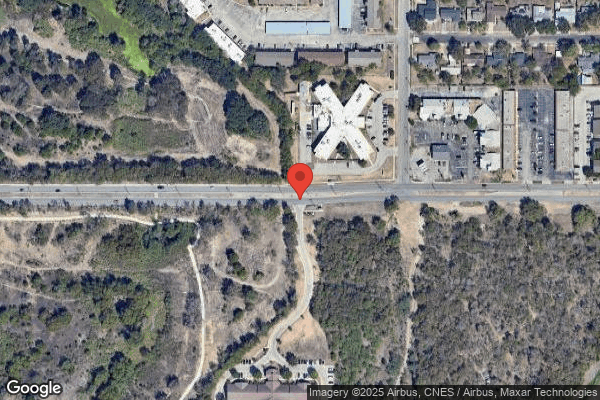
Jul 2022 4 deficiencies
CONCERN (D)

Potential for Harm - no one hurt, but risky conditions existed

Deficiency F0578 (Tag F0578)

Could have caused harm · This affected 1 resident

**NOTE- TERMS IN BRACKETS HAVE BEEN EDITED TO PROTECT CONFIDENTIALITY** Based on interview and record review, the facility failed to ensure residents' right to formulate an advance directive for 2 of ...

Read full inspector narrative →
**NOTE- TERMS IN BRACKETS HAVE BEEN EDITED TO PROTECT CONFIDENTIALITY** Based on interview and record review, the facility failed to ensure residents' right to formulate an advance directive for 2 of 8 residents (Resident #25 and Resident #85) reviewed for advanced directives, in that: 1. Resident #25's Out-of-Hospital Do Not Resuscitate (OOHDNR) was not signed, by the attending physician, at the bottom of the form. 2. The facility failed to ensure Resident #85's OOH-DNR was signed by the attending physician. These deficient practices could place residents at-risk for residents' rights not being honored. The findings were: 1. Record review of Resident #25's face sheet, dated [DATE], revealed an admission date of [DATE] with diagnoses that included: intellectual disabilities (term used when there are limits to a person's ability to learn at an expected level and function in daily life) , epilepsy (brain disorder characterized by repeated seizure), and need for assistance with personal care. Record review of Resident #25's Comprehensive MDS, dated [DATE], revealed a Staff Assessment for Mental Status was completed for this resident because resident is rarely/never understood. Record review of Resident #25's care plan, undated, revealed a problem which read, [Resident #25] is a DO NOT RESUSCITATE. Date initiated: [DATE], a goal which read, preferences will be honored to not receive CPR in event of cardiac or respiratory arrest through next review date. Record review of Resident #25's clinical record revealed physician's orders for DNR status Active and dated [DATE]. Further review revealed no DNR form in this resident's EHR. During an interview on [DATE] at 5:56 p.m., the SW stated Resident 25's DNR form was just signed by his family and faxed to the Dr today. However, the SW confirmed, being that there was no actual signed DNR, then this resident would need to be a full code until the document is completed. The SW further stated she is responsible for initiating the DNR paperwork. She then stated the potential harm to the resident was his wishes would not be honored, should he code prior to the DNR being completed. 2. Record review of Resident #85's face sheet, dated [DATE], revealed an initial admission date of [DATE], and recent admission date of [DATE] with diagnoses which included: hemiplegia/hemiparesis (paralysis of one side of the body) following cerebral infarction (ischemic stroke) affecting right dominant side, aphasia (inability to comprehend or formulate language because of damage to specific brain regions), essential hypertension (abnormally high blood pressure) and hyperlipidemia (high cholesterol). Record review of Resident #85's admission MDS, dated [DATE], revealed the resident was unable to complete the BIMS score interview. Further review revealed the staff assessment for mental status indicated severe cognitive impairment. Record review of Resident #85's care plan revealed a problem which read, [Resident #85] is a DO NOT RESUSCITATE. Date initiated: [DATE], a goal which read, preferences will be honored to not receive CPR in event of cardiac or respiratory arrest through next review date. Record review of Resident #85's clinical record, revealed a physician's order, dated [DATE], DNR-DO NOT RESUSITATE. Record review of Resident #85's OOH-DNR, signed by the resident and two witness on [DATE], revealed the Physician's Statement was signed by a Family Nurse Practitioner instead of the resident's attending physician. Further review of the OOH-DNR revealed there was no signature in the physician's area at the bottom of the document. During an interview on [DATE] at 2:50 p.m., the SW stated she is the one responsible for advanced directives adding that nursing sometimes helps get the documents signed when I am not here. The SW revealed that either herself or the medical records staff will then upload the document into the electronic record. The SW confirmed she was not able to find another version of the OOH-DNR and stated the document would not be valid with the Family Nurse Practitioner's signature in place of the attending physician. The SW stated the resident's code status would need to be changed to Full Code, stating the potential harm could be not following the resident's wishes. During an interview on [DATE] at 3:02 p.m., the DON confirmed the OOH-DNR would not be valid and the resident's code status would be changed to Full Code until the family and physician could be notified to redo the OOH-DNR. During an interview on [DATE] at 6:28 p.m., the Administrator stated the SW was responsible for ensuring a resident's DNR was completed. She further stated the potential for harm was risk being sued because what the resident wanted was not completed. Record review of the Texas Health and Safety Code Title 2 Health, Subtitle H Public Health Provisions, Chapter 166 Advance Directives, Section 166.083 Form of Out-Of-Hospital DNR order, effective [DATE], revealed, (a) A written out-of-hospital DNR order shall be in the standard form specified by department rule as recommended by the department. (b) The standard form of an out-of-hospital DNR order specified by department rule must, at a minimum, contain the following: . (13) a statement at the bottom of the document, with places for the signature of each person executing the document, that the document has been properly completed. Record review of the Texas Health and Human Services webpage titled, Out of Hospital Do Not Resuscitate Program, updated [DATE], revealed, Frequently Asked Questions for DNR: What is an out-of-hospital setting? The law defines out-of-hospital as a location in which health care professionals are called for assistance, including long-term care facilities, in-patient hospice facilities, private homes, hospital out-patient or emergency departments, physician's offices and vehicles during transport. Can a physician's assistant or nurse practitioner sign the physician's statement? No. Only the attending physician can sign in this section. What happens if the form is not filled out correctly or EMS has doubts about any of the information? Health professionals can refuse to honor a DNR if they think: The form is not signed twice by all who need to sign it or is filled out incorrectly. Record review of the facility's policy titled, Advance Directives, undated, which read It is the policy of this facility that a resident's choice about advance directives will be recognized and respected. Further, it is the policy of this facility to inform and provide written information to all adult residents concerning the right to accept or refuse medical or surgical treatment and, at the resident's option, formulate an advance directive. The facility recognizes and respects the resident's right to choose his/her treatment and make decisions about care to be received at the end of his/her life.
CONCERN (D)

Potential for Harm - no one hurt, but risky conditions existed

Deficiency F0919 (Tag F0919)

Could have caused harm · This affected 1 resident

**NOTE- TERMS IN BRACKETS HAVE BEEN EDITED TO PROTECT CONFIDENTIALITY** Based on observation, interview, and record review, the facility failed to ensure resident rooms were adequately equipped to all...

Read full inspector narrative →
**NOTE- TERMS IN BRACKETS HAVE BEEN EDITED TO PROTECT CONFIDENTIALITY** Based on observation, interview, and record review, the facility failed to ensure resident rooms were adequately equipped to allow residents to call for staff assistance through a communication system which relayed the call directly to a staff member or to a centralized staff work area for 1 of 20 residents (Resident #3) reviewed for resident call systems, in that: The facility failed to ensure Resident #3's call button was functioning. This failure could have placed residents at risk of being unable to obtain assistance when needed. The findings were: Record review of Resident #3's face sheet, dated 07/20/2022, revealed an initial admission date of 03/18/2019 and most recent admission of 06/09/2021 with diagnoses that included: chronic right heart failure, chronic obstructive pulmonary disease, emphysema (lung condition that causes shortness of breath) and type 2 diabetes mellitus. Record review of Resident #3's Quarterly MDS, dated [DATE], revealed the resident had a BIMS score of 10, which indicated the resident had moderate cognitive deficits. Further review revealed Resident #3 required extensive assistance of two persons for bed mobility and transfers. Record review of Resident #3's Care Plan, undated, revealed Focus: [Resident #3] is at risk for falls r/t impaired mobility, impaired cognition, medication use, hx of falls. Intervention: Be sure the call light is within reach and encourage to use it to call for assistance as needed. In an observation and interview with Resident #3 on 07/20/2022 at 11:33 a.m. revealed the resident sitting in her wheelchair next to the air conditioning unit between the bed and window. Resident #3 was holding the call light in her hand and calling out can someone turn on my heater, I'm freezing. Resident was asked if she had used the call light and Resident #3 stated, I pushed it over and over and they won't come. Resident's bed was observed in high position with back raised and the call light that was attached to the wall was clipped to the left side of the resident's bed however it did not have a red button in the holder to push. The cord of the call light the resident was holding was wrapped inside the bottom of the bed and not plugged into the wall. In an observation and interview with CNA B and RN C on 07/20/2022 at 11:36 am, CNA B pressed the call light Resident #3 was holding and confirmed it did not illuminate on the wall behind the resident's bed and stated the call light clipped to the left side of the resident's bed belonged to the other bed however there is not a resident in that bed at the moment, so she has been using both. RN C confirmed the call light on the left would need to be repaired since it didn't have a button in the center to press. RN C confirmed the call light Resident #3 was attempting to use was not plugged into the wall and stated it must have been pulled out when the head of the bed was raised. RN C was asked about potential harm if resident not able to call for assistance and RN C stated resident usually will wheel self out to hallway to ask for help or call out to someone. RN C did confirm no one had heard resident calling for help to adjust thermostat in her room. In an interview with the Maintenance Director on 07/20/2022 at 11:42 am, the Maintenance Director revealed the problem with the resident's call light was the cord was too short and when her bed was sat up the call light was pulled from the wall. The Maintenance director stated all staff are assigned a group of rooms to make angel rounds and report things that need Maintenance attention however this had not been identified. Record review of the facility's policy titled, Care and Treatment; Rounds undated, revealed, Note positioning, proper placement of Foley, IV's and feeding tube, restraint application & call lights are within resident's reach.
CONCERN (D)

Potential for Harm - no one hurt, but risky conditions existed

Safe Environment (Tag F0921)

Could have caused harm · This affected 1 resident

**NOTE- TERMS IN BRACKETS HAVE BEEN EDITED TO PROTECT CONFIDENTIALITY** Based on observation, interview, and record review, the facility did not provide a safe, functional, sanitary comfortable, envir...

Read full inspector narrative →
**NOTE- TERMS IN BRACKETS HAVE BEEN EDITED TO PROTECT CONFIDENTIALITY** Based on observation, interview, and record review, the facility did not provide a safe, functional, sanitary comfortable, environment for residents, staff, and the public for 1 of 5 residents (Resident #81) reviewed for environment, in that: An electrical outlet was missing a faceplate for 3 of 4 days in Resident #81's room. This failure could place residents at risk of a diminished quality of life due to exposure to an environment that is uncomfortable, unsafe, and unsanitary. The Findings Were: Record review of Resident #81's undated face sheet revealed he was admitted to the facility on [DATE] and readmitted on [DATE] with diagnoses which included below-the-knee amputation of the left and right leg, high blood pressure, anemia (low level of iron in the blood) swallowing difficulty, and pain. Record review of Resident #81's consolidated July 2022 Physician Orders revealed there was no order for the mobility bars. Record review of Resident #81's Significant Change MDS dated [DATE] revealed his cognitive skills for daily decision making were moderately impaired, required extensive assistance of 1 staff member for bed mobility and transfer. Observation on 7/19/22 at 2:41 p.m. revealed the electrical outlet on the wall by Resident #81's nightstand was missing the face plate. Observation and in an interview on 7/21/22 at 9:51 a.m. with the Maintenance Director in Resident #81's room, after the surveyor pointed out the missing face plate on the electrical outlet, the Maintenance Director stated, Oh my God! He bent over to look at the electrical outlet closer and stated, the plate must have broken off because the screw is still in it [the outlet]. The Maintenance Director stated he was not aware the electrical outlet plate cover was missing. He stated department heads were assigned rooms to monitor and the person who did the rounds for Resident #81's room did not inform him or did not notice the missing wall plate. In an interview on 7/21/22 at 10:07 a.m. the Maintenance Director stated the electrical outlet plate cover would protect the outlet from surging, which could cause a small electrical shock if water or liquid was spilled into the outlet and it served as a barrier to decrease entry of insects and other pests. In an interview on 7/21/22 at 2:20 p.m. the Administrator stated the Social Worker was assigned to do rounds to Resident #81's room. The Administrator stated if anything was wrong with the resident's rooms, the manager who was doing the rounds should fix it or put a maintenance request into the computer so the Maintenance Director could fix it. The Administrator stated she would check the computer to see if the missing electrical outlet cover in Resident 81's room was entered into the computer as a maintenance request. In an interview on 7/21/22 at 3:10 p.m. the Administrator stated there had not been a maintenance request in the computer to replace the missing electrical outlet cover in Resident #81's room. In an interview on 7/21/22 at 3:55 p.m. the Social Worker stated she had not noticed the missing electrical outlet plate covering in Resident #81's room. Record review of the undated policy titled Maintenance revealed It is the policy of this community to maintain all equipment provided by the facility, in good working order to ensure the safety and wellbeing of all residents and staff. .
CONCERN (E)

Potential for Harm - no one hurt, but risky conditions existed

Deficiency F0700 (Tag F0700)

Could have caused harm · This affected multiple residents

**NOTE- TERMS IN BRACKETS HAVE BEEN EDITED TO PROTECT CONFIDENTIALITY** Based on observations, interviews, and record reviews the facility failed to review the risks and benefits of bed rails with the...

Read full inspector narrative →
**NOTE- TERMS IN BRACKETS HAVE BEEN EDITED TO PROTECT CONFIDENTIALITY** Based on observations, interviews, and record reviews the facility failed to review the risks and benefits of bed rails with the resident or resident representative and obtain informed consent prior to installation for 6 of 7 residents (Resident #66, #72, #81, #82, #90 and #140) reviewed for bed rails, in that: 1. Resident #66 did not have an initial assessment for his mobility bar bed rails on his bed. 2. Resident #72 did not have an initial assessment for his mobility bar bed rails on his bed. 3. Resident #81 did not have an initial assessment for his mobility bar bed rails on his bed. 4. Resident #82 did not have an initial assessment for his mobility bar bed rails on his bed. 5. Resident #90 did not have a consent and initial assessment for the mobility bar bed rails on his bed. 6. Resident #140 did not have an initial assessment for her mobility bars bed rails on her bed. This could affect residents with bed rails and could result in a resident right to consent to bed rails. The Findings were: 1. Record review of Resident #66's undated face sheet revealed he was admitted to the facility on [DATE] and readmitted on [DATE] with diagnoses which included swallowing difficulty, high blood pressure, ear infection, and pain. Record review of Resident #66's consolidated July 2022 Physician Orders revealed an order initiated 6/16/22 for Mobility bars [bed rails] to aide in easy turning & repositioning while in bed. Record review of Resident #66's Significant Change MDS dated [DATE] revealed his cognitive skills for daily decision making were moderately impaired, required extensive assistance of 1 staff member for bed mobility, and bed rails were not used as a restraint. Record review of Resident #66's care plans revealed a care plan for the focus area of ADL [Activities of Daily Living] Self Care Performance Deficit . initiated 5/25/22. Under Interventions was Mobility bars to aide in easy turning and repositioning while in bed with an initiation date of 5/25/22. Record review of Resident #66's Bed Side Rail Permission [consent] dated 6/16/22 revealed he was informed of the risk of the bed rails and had signed the consent on 6/16/22. Record review of Resident #66's clinical record revealed there was no Bed Rail Assessment. Observation on 7/19/22 at 11:17 a.m. revealed Resident #66 was in bed which had a mobility bar on the right side of the bed. Observation and interview on 7/20/22 at 11:45 a.m. revealed Resident #66 was lying in bed with a mobility bar on the right side of the bed. Resident #66 stated he used the bed rail for repositioning. In an interview on 7/21/22 at 2:47 p.m., the DON stated she could not find a bed rail assessment for Resident #66. The DON stated the facility would obtain the bed rail assessment and consent upon admission by nurse who completed the admission paperwork. In an interview on 7/21/22 at 2:57 p.m. the DON stated not having a bed rail assessment completed could result in a risk of entrapment of the resident in the bed rails. 2. Record review of Resident #72's undated face sheet revealed he was admitted to the facility on [DATE] with diagnoses which included swallowing difficulty, heart disease, and pain. Record review of Resident #72's consolidated July 2022 Physician Orders revealed an order initiated 6/28/22 for Mobility bars [bed rails] to aide in easy turning & repositioning while in bed. Record review of Resident #72's admission MDS dated [DATE] revealed his cognitive skills for daily decision making was severely impaired, required extensive assistance of 2 staff members for bed mobility, and bed rails were not used as a restraint. Record review of Resident #72's care plans revealed a care plan for the focus area of I require assistance with all ADL . initiated 6/28/22. Under Interventions was Mobility bars to aide in easy turning and repositioning while in bed with an initiation date of 7/17/22. Record review of Resident #72's Bed Side Rail Permission dated 6/27/22 revealed the resident's representative was informed of the risk of the bed rails and had signed the consent on 6/27/22. Record review of Resident #72's clinical record revealed there was no Bed Rail Assessment. Observation on 7/19/22 at 2:41 p.m. revealed Resident #72 was in bed with a mobility bar on the left side of the bed. Observation on 7/20/22 at 11:55 a.m. revealed Resident #72 was in bed with a mobility bar on the left side of his bed. In an interview at that time, Resident #72 did not respond to the surveyor's question. In an interview on 7/21/22 at 2:47 p.m., the DON stated she could not find a bed rail assessment for Resident #72. 3. Record review of Resident #81's undated face sheet revealed he was admitted to the facility on [DATE] and readmitted on [DATE] with diagnoses which included below-the-knee amputation of the left and right leg, high blood pressure, anemia (low level of iron in the blood) swallowing difficulty, and pain. Record review of Resident #81's consolidated July 2022 Physician Orders revealed there was no order for the mobility bars. Record review of Resident #81's Significant Change MDS dated [DATE] revealed his cognitive skills for daily decision making was moderately impaired, required extensive assistance of 1 staff member for bed mobility, and bed rails were not used as a restraint. Record review of Resident #81's care plans revealed a care plan for the focus area of I require assistance with all ADL . initiated 7/5/22. Under Interventions was Mobility bars to aide in easy turning and repositioning while in bed with an initiation date of 7/5/22. Record review of Resident #81's Bed Side Rail Permission dated 6/30/22 revealed he was informed of the risk of the bed rails and had signed the consent on 6/30/22. Record review of Resident #81's clinical record revealed there was no Bed Rail Assessment. Observation on 7/19/22 at 9:22 a.m. revealed Resident #81 was in bed with mobility bars on both sides of the bed. Observation and interview on 7/20/22 at 8:59 a.m. revealed Resident #81 was in bed with a mobility bar on the each side of his bed. Resident #81 stated he used the mobility bars to pull himself up in bed. In an interview on 7/21/22 at 2:47 p.m., the DON stated she could not find a bed rail assessment for Resident #81. 4. Record review of Resident #82's undated face sheet revealed he was admitted to the facility on [DATE] with diagnoses which included swallowing difficulty, high blood pressure, liver failure and pain. Record review of Resident #82's consolidated electronic Physician Orders revealed an order initiated 6/30/22 for Mobility bars [bed rails] to aide in easy turning & repositioning while in bed. Record review of Resident #82's admission MDS dated [DATE] revealed his cognitive skills for daily decision making was moderately impaired, required extensive assistance of 2 staff members for bed mobility, and bed rails were not used as a restraint. Record review of Resident #82's care plans revealed a care plan for the focus area of I require assistance with all ADL . initiated 7/1/22. Under Interventions was Mobility bars to aide in easy turning and repositioning while in bed with an initiation date of 7/18/22. Record review of Resident #82's Bed Side Rail Permission dated 6/30/22 revealed the resident's representative was informed of the risk of the bed rails and had signed the consent on 6/30/22. Record review of Resident #82's clinical record revealed there was no Bed Rail Assessment. Observation on 7/19/22 at 9:53 p.m. revealed Resident #82 was in bed with a mobility bar on the left side of the bed. Observation and interview on 7/20/22 at 10:13 a.m. revealed Resident #82 was in bed with a mobility bar on the left side of his bed. Resident #82 stated he used the mobility bar to hold on to while care was provided to him. In an interview on 7/21/22 at 2:47 p.m., the DON stated she could not find a bed rail assessment for Resident #82. 5. Record review of Resident #90's undated face sheet revealed he was admitted to the facility on [DATE] with diagnoses which included swallowing disorder, bladder disorder, fever and pain. Record review of Resident #90's consolidated July 2022 Physician Orders revealed an order initiated 7/18/22 for Mobility bars [bed rails] to aide in easy turning & repositioning while in bed. Record review of Resident #90's MDS revealed an admission MDS was initiated 7/20/22 and was not yet completed. Record review of Resident #90's care plans revealed a care plan for the focus area of I require assistance with ADLs . Under Interventions was Mobility bars to aide in easy turning and repositioning while in bed with an initiation date of 7/19/22. Record review of Resident #90's clinical record revealed there was no Bed Rail Consent and no Bed Rail Assessment. Observation on 7/19/22 at 9:40 a.m. revealed Resident #90 was in bed with a mobility bar on the left side of the bed. In an interview on 7/21/22 at 2:41 p.m., the DON stated the facility had obtained the Bed Rail consent for Resident #90 today (7/21/22) from his responsible party and verified it had not been obtained upon admission. Record review of Resident #90's Bed Side Rail Permission dated 7/21/22 revealed the resident's representative was informed of the risk of the bed rails and had signed the consent on 7/21/22. In an interview on 7/21/22 at 2:47 p.m., the DON stated she could not find a bed rail assessment for Resident #90. 6. Record review of Resident #140's undated face sheet revealed she was admitted to the facility on [DATE] with diagnoses which included heart disease, swallowing difficulty, high blood pressure and pain. Record review of Resident #140's consolidated July 2022 Physician Orders revealed an order initiated 7/7/22 for Mobility bars [bed rails] to aide in easy turning & repositioning while in bed. Record review of Resident #140's admission MDS dated [DATE] revealed her cognitive skills for daily decision making were severely impaired, required limited assistance of 1 staff member for bed mobility, and bed rails were not used as a restraint. Record review of Resident #140's care plans revealed a care plan for the focus area of Resident #140 requires assistance with ADLs . initiated 7/8/22. Under Interventions was Mobility bars to aide in easy turning and repositioning while in bed with an initiation date of 7/20/22. Record review of Resident #140's Bed Side Rail Permission dated 7/8/22 revealed the resident was informed of the risk of the bed rails and had signed the consent on 7/8/22. Record review of Resident #140's clinical record revealed there was no Bed Rail Assessment. Observation and interview on 7/20/22 at 2:41 p.m. revealed Resident #140 was in bed with a mobility bar on the left side of her bed. Resident #140 stated she used the mobility bar for repositioning. In an interview on 7/21/22 at 2:47 p.m., the DON stated she could not find a bed rail assessment for Resident #140. In an interview on 7/21/22 at 2:20 p.m. the Administrator stated bed rails would be placed on a resident's bed if the resident needed them. The Administrator stated an assessment and consent would be done prior to the bed rail installation. In an interview on 7/21/22 at 2:49 p.m. the Administrator stated she could not think of any risk to a resident if a bed rail assessment had not been done. Record review of the undated policy titled Restraints revealed under Procedure was Mobility enabling bars are used to aide in turning and repositioning. Consent will be obtained upon admission. Assessment will be completed to identify need upon admission and quarterly.
Understanding Severity Codes (click to expand)
Life-Threatening (Immediate Jeopardy)
J - Isolated K - Pattern L - Widespread
Actual Harm
G - Isolated H - Pattern I - Widespread
Potential for Harm
D - Isolated E - Pattern F - Widespread
No Harm (Minor)
A - Isolated B - Pattern C - Widespread

Questions to Ask on Your Visit

  • "What changes have you made since the serious inspection findings?"
  • "Can I speak with families of current residents?"
  • "What's your RN coverage like on weekends and overnight?"

Our Honest Assessment

Strengths
  • • 37% turnover. Below Texas's 48% average. Good staff retention means consistent care.
Concerns
  • • Multiple safety concerns identified: 3 life-threatening violation(s), 1 harm violation(s), $184,142 in fines. Review inspection reports carefully.
  • • 32 deficiencies on record, including 3 critical (life-threatening) violations. These warrant careful review before choosing this facility.
  • • $184,142 in fines. Extremely high, among the most fined facilities in Texas. Major compliance failures.
  • • Grade F (0/100). Below average facility with significant concerns.
Bottom line: This facility has 3 Immediate Jeopardy findings. Serious concerns require careful evaluation.

About This Facility

What is Pecan Valley Rehabilitation And Healthcare's CMS Rating?

CMS assigns PECAN VALLEY REHABILITATION AND HEALTHCARE an overall rating of 2 out of 5 stars, which is considered below average nationally. Within Texas, this rating places the facility higher than 0% of the state's 100 nursing homes. A rating at this level reflects concerns identified through health inspections, staffing assessments, or quality measures that families should carefully consider.

How is Pecan Valley Rehabilitation And Healthcare Staffed?

CMS rates PECAN VALLEY REHABILITATION AND HEALTHCARE's staffing level at 2 out of 5 stars, which is below average compared to other nursing homes. Staff turnover is 37%, compared to the Texas average of 46%. This relatively stable workforce can support continuity of care.

What Have Inspectors Found at Pecan Valley Rehabilitation And Healthcare?

State health inspectors documented 32 deficiencies at PECAN VALLEY REHABILITATION AND HEALTHCARE during 2022 to 2025. These included: 3 Immediate Jeopardy (the most serious level, indicating potential for serious harm or death), 1 that caused actual resident harm, 26 with potential for harm, and 2 minor or isolated issues. Immediate Jeopardy findings are rare and represent the most serious regulatory concerns. They require immediate corrective action.

Who Owns and Operates Pecan Valley Rehabilitation And Healthcare?

PECAN VALLEY REHABILITATION AND HEALTHCARE is owned by a for-profit company. For-profit facilities operate as businesses with obligations to shareholders or private owners. The facility is operated by THE ENSIGN GROUP, a chain that manages multiple nursing homes. With 124 certified beds and approximately 101 residents (about 81% occupancy), it is a mid-sized facility located in SAN ANTONIO, Texas.

How Does Pecan Valley Rehabilitation And Healthcare Compare to Other Texas Nursing Homes?

Compared to the 100 nursing homes in Texas, PECAN VALLEY REHABILITATION AND HEALTHCARE's overall rating (2 stars) is below the state average of 2.8, staff turnover (37%) is near the state average of 46%, and health inspection rating (2 stars) is below the national benchmark.

What Should Families Ask When Visiting Pecan Valley Rehabilitation And Healthcare?

Based on this facility's data, families visiting should ask: "What changes have been made since the serious inspection findings, and how are you preventing similar issues?" "Can you walk me through typical staffing levels on day, evening, and night shifts?" "Can I visit during a mealtime to observe dining assistance and food quality?" "How do you handle medical emergencies, and what is your hospital transfer rate?" These questions are particularly relevant given the facility's Immediate Jeopardy citations and the below-average staffing rating.

Is Pecan Valley Rehabilitation And Healthcare Safe?

Based on CMS inspection data, PECAN VALLEY REHABILITATION AND HEALTHCARE has documented safety concerns. Inspectors have issued 3 Immediate Jeopardy citations (the most serious violation level indicating risk of serious injury or death). The facility has a 2-star overall rating and ranks #100 of 100 nursing homes in Texas. Families considering this facility should ask detailed questions about what corrective actions have been taken since these incidents.

Do Nurses at Pecan Valley Rehabilitation And Healthcare Stick Around?

PECAN VALLEY REHABILITATION AND HEALTHCARE has a staff turnover rate of 37%, which is about average for Texas nursing homes (state average: 46%). Moderate turnover is common in nursing homes, but families should still ask about staff tenure and how the facility maintains care continuity when employees leave.

Was Pecan Valley Rehabilitation And Healthcare Ever Fined?

PECAN VALLEY REHABILITATION AND HEALTHCARE has been fined $184,142 across 1 penalty action. This is 5.3x the Texas average of $34,920. Fines at this level are uncommon and typically indicate a pattern of serious deficiencies, repeated violations, or failure to correct problems promptly. CMS reserves penalties of this magnitude for facilities that pose significant, documented risk to resident health or safety. Families should request specific documentation of what issues led to these fines and what systemic changes have been implemented.

Is Pecan Valley Rehabilitation And Healthcare on Any Federal Watch List?

PECAN VALLEY REHABILITATION AND HEALTHCARE is not on any federal watch list. The most significant is the Special Focus Facility (SFF) program, which identifies the bottom 1% of nursing homes nationally based on persistent, serious quality problems. Not being on this list means the facility has avoided the pattern of deficiencies that triggers enhanced federal oversight. This is a positive indicator, though families should still review the facility's inspection history directly.