RIVER CITY CARE CENTER

921 NOLAN ST, SAN ANTONIO, TX 78202 (210) 226-6397
For profit - Individual 92 Beds CREATIVE SOLUTIONS IN HEALTHCARE Data: November 2025 2 Immediate Jeopardy citations
Trust Grade
12/100
#823 of 1168 in TX
Last Inspection: July 2025

Inspected within the last 6 months. Data reflects current conditions.

Overview

River City Care Center has a Trust Grade of F, indicating poor performance with significant concerns about resident safety and care. They rank #823 out of 1168 facilities in Texas, placing them in the bottom half, and #36 out of 62 in Bexar County, which suggests there are many better options nearby. However, the facility is showing improvement, with the number of reported issues decreasing from 18 in 2024 to just 6 in 2025. Staffing is rated average with a turnover rate of 28%, which is better than the Texas average of 50%, indicating that staff tend to stay longer and may have better familiarity with residents’ needs. On the downside, the facility has faced serious incidents, including a critical finding where a resident was subjected to abuse by staff, and another incident where a resident was able to leave the premises unnoticed, raising concerns about supervision. Additionally, food safety practices were criticized, with issues such as expired and improperly labeled food, which could jeopardize residents' health. Overall, while there are some strengths in staffing and a positive trend in reducing issues, the serious nature of the deficiencies highlights the need for careful consideration.

Trust Score
F
12/100
In Texas
#823/1168
Bottom 30%
Safety Record
High Risk
Review needed
Inspections
Getting Better
18 → 6 violations
Staff Stability
✓ Good
28% annual turnover. Excellent stability, 20 points below Texas's 48% average. Staff who stay learn residents' needs.
Penalties
○ Average
$23,133 in fines. Higher than 56% of Texas facilities. Some compliance issues.
Skilled Nurses
⚠ Watch
Each resident gets only 26 minutes of Registered Nurse (RN) attention daily — below average for Texas. Fewer RN minutes means fewer trained eyes watching for problems.
Violations
⚠ Watch
32 deficiencies on record. Higher than average. Multiple issues found across inspections.
★★☆☆☆
2.0
Overall Rating
★★★☆☆
3.0
Staff Levels
★★★★☆
4.0
Care Quality
★★☆☆☆
2.0
Inspection Score
Stable
2024: 18 issues
2025: 6 issues

The Good

  • 4-Star Quality Measures · Strong clinical quality outcomes
  • Low Staff Turnover (28%) · Staff stability means consistent care
  • Full Sprinkler Coverage · Fire safety systems throughout facility
  • No fines on record
  • Staff turnover is low (28%)

    20 points below Texas average of 48%

Facility shows strength in quality measures, staff retention, fire safety.

The Bad

2-Star Overall Rating

Below Texas average (2.8)

Below average - review inspection findings carefully

Federal Fines: $23,133

Below median ($33,413)

Minor penalties assessed

Chain: CREATIVE SOLUTIONS IN HEALTHCARE

Part of a multi-facility chain

Ask about local staffing decisions and management

The Ugly 32 deficiencies on record

2 life-threatening
Jul 2025 5 deficiencies 1 IJ
CRITICAL (J) 📢 Someone Reported This

A family member, employee, or ombudsman was alarmed enough to file a formal complaint

Immediate Jeopardy (IJ) - the most serious Medicare violation

Free from Abuse/Neglect (Tag F0600)

Someone could have died · This affected 1 resident

**NOTE- TERMS IN BRACKETS HAVE BEEN EDITED TO PROTECT CONFIDENTIALITY** Based on interview, and record review the facility failed to ensure the resident had the right to be free from abuse, neglect, m...

Read full inspector narrative →
**NOTE- TERMS IN BRACKETS HAVE BEEN EDITED TO PROTECT CONFIDENTIALITY** Based on interview, and record review the facility failed to ensure the resident had the right to be free from abuse, neglect, misappropriation of resident property, and exploitation for 1 out of 8 residents (Resident #12) reviewed for abuse/neglect as evidenced by:The facility failed to ensure Resident #12 was free from abuse when CNA A squirted Resident #12 with a water gun in her mouth while she slept on 5/24/25. The facility failed to ensure Resident #12 was free from abuse when Resident #12 made an allegation of abuse by CNA C. The allegation was reported to the Administrator on 05/31/2025 by CNA C and on 06/19/2025 by HHSC Surveyor L.An Immediate Jeopardy (IJ) was identified on 07/08/2025 at 4:40 p.m. The IJ template was provided to the facility on [DATE] at 5:06 p.m. While the IJ was removed on 07/10/2025 at 4:10 p.m., the facility remained out of compliance at a severity level of no actual harm with the potential for more than minimal harm that is not immediate jeopardy and a scope of isolated due to the facility continuing to monitor the implementation and effectiveness of its Plan of Removal (POR). This failure could place residents at risk of abuse, injury, and psychosocial harm. Findings included: 1). Record review of Resident #12's admission record, dated 6/18/2025, reflected a [AGE] year-old female who was admitted to the facility on [DATE] and readmitted on [DATE]. Resident #12 had diagnoses which included: type 2 diabetes mellitus chronic kidney disease (disease that affects how the body uses blood sugar), seizures (sudden surge of abnormal electrical activity in the brain), COPD (chronic obstructive pulmonary disease is a lung condition caused by damage to the lungs), and dementia (loss of cognitive functioning). Record review of Resident #12's quarterly MDS, dated [DATE], revealed the resident had severely impaired cognition for daily decision-making skills with a BIMS score of 5.Record review of Resident #12's care plan, dated 06/18/2025, reflected Resident #12 had impaired cognitive function/dementia or impaired thought process, BIMS score severe cognitive impairment, and at times resident made statements that were far from reality or are nonsensical, with an initiated date of 01/16/2025, and revised on 06/06/2025. Record review of the facility's investigation report, dated 06/04/2025, stated On the afternoon of 05/28/2025, CNA [B] reported to Administrator's office with ., Business Office Manager/HR informing that resident [#12] stated that on Saturday, 5/23 [sic], CNA [A] had dropped the bed remote on her left arm. She reported that, when she told him not to do that again, he stated that he would do it as many times as he wanted. Later that day while she was taking a nap, [Resident #12] reported that [CNA A] entered her room and woke up her by shooting a water gun in her mouth .Record review of witness statement summaries: [CNA A] stated that he works weekends only. He denied ever dropping a remote on [Resident #12]'s arm or making statements about continuing to do so despite the protest. When asked if he had ever brought a water gun to work, he stated that he had only squirted residents with it in the kitchen area. He denied squirting [Resident #12] or having the water gun in her room.[Resident #33] a resident in the same section of hallway/CNA assignment as the alleged victim, was asked if she knew [CNA A]. She confirmed that he was her CNA .When asked if she had ever seen him with a water gun, she stated that he had brought one into her room recently and squirted her with it while she laid in bed. She reported that she was not bothered by this act but did think it bizarre behavior.[Resident #16] a resident on the same section of hallway/CNA assignment as the alleged victim, acknowledged that he knew [CNA A] as his weekend CNA. He confirmed that [CNA A] had brought a water gun to the facility and squirted him with it while in his room. He did not feel negatively toward this act and asked that [CNA A] not get in no trouble for this behavior . During an interview on 06/18/2025 at 11:44 a.m. Resident #12 stated she was terrified and scared when she awoke in her room to CNA A splashing water into her mouth with a pistol. Resident #12 stated CNA A had dropped a remote on her arm that caused her pain earlier that day and she told him not to do that again. Resident #12 stated CNA A told her he would do it as many times as he wanted. Resident #12 stated she reported the incident to CNA B on 05/28/2025. During an interview on 06/19/2025 at 12:08 p.m. CNA D stated she knew of an outdoor water activity where they threw water balloons but never saw or knew of any activities that involved water guns. CNA D stated no residents ever reported to her being squirted with a water gun. CNA D stated Resident #12 hallucinated before, but they did a UA (urine analysis), and she had a UTI. During an interview on 06/19/2025 at 1:01 p.m. CNA A stated there was an outdoor activity Resident #12 was never involved in and the water gun was left over from the facility activity. He stated he never sprayed any residents with a water gun only other staff in the dining room area. CNA A stated Resident #33 vouched for him that he never sprayed any residents with the water gun. He stated he was suspended pending the investigation around 05/29/2025 and terminated on 06/05/2025. CNA A stated if residents were squirted with a water gun and did not approve of it, it could make them mad and it would bother them. During an interview on 06/19/2025 at 1:24 p.m. Resident #33 stated she used to share a room with Resident #12, but she had since been moved due to her watching the TV loudly. Resident #33 stated Resident #12 had delusions of a man in the window or her family in the room that was not there. Resident #33 stated Resident #12 had a UTI that had caused her delusions and once treated she did not have any more. Resident #33 stated CNA A did squirt them with a water gun before, but she had fun and only wished she had a water gun to squirt him back. During an interview on 06/19/2025 at 3:06 p.m. the Administrator stated Resident #12 told her about the incident during her afternoon rounds . The Administrator stated Resident #12 told her about how the CNA A dropped the remote on her arm and the resident found it to be malicious. The Administrator stated Resident #12 told her about being squirted in the mouth by CNA A. The Administrator stated Resident #12 felt humiliated, embarrassed, and annoyed by CNA A's childish behavior. The Administrator stated Resident #12 had issues with clarity but after she interviewed a few other residents they also stated CNA A had squirted them with a water gun while they were in bed. The Administrator stated CNA A worked weekends only and was suspended during the investigation and later terminated after the investigation was completed. Record review of a facility incident summary for intake #1012723, dated 06/03/2025, revealed the immediate actions taken regarding CNA A and Resident #12 included: Nursing staff performed head to toe assessment on resident. CNA A was contacted and suspended. Trauma informed PRN assessment was completed with the resident. A report was filed with [city] police department. Messaged were left to inform family of alleged incident. RP [name] returned call and was notified on 06/02/2025. The conclusion revealed, The allegation that [CNA A] dropped a bed remote on resident's arm and stated that he would ‘do it as many times as he wanted' despite her protest is UNCONFIRMED. Findings: [CNA A] denies the allegation. There were no eyewitnesses to the alleged incident. No physical injury consistent with the event was documented during the head-to-toe assessment. No corroborating witness statements exist. The document also revealed, The allegation that, later the same day, [CNA A] entered [Resident #12]'s room while she was sleeping and squirted a water gun in her mouth is PARTIALLY CONFIRMED. The use of a water gun on residents was confirmed by multiple witnesses, which lends credibility to [Resident #12]'s claim. However, the specific act of squirting water into her mouth while asleep could not be directly verified. The overall behavior pattern was confirmed, though the specific incident remains UNCONFIRMED. Findings: [CNA A] denies this specific incident but admits to having used a water gun on residents in common areas. Two other residents [#33, #16] independently confirmed that [CNA A] had brought a water gun into their rooms and squirted them with it. While those residents did not find the behavior harmful, they substantiated the pattern of bringing and using a water gun in resident areas. Staff members interviewed had no witnessed the behavior but also did not directly contradict the claims. The Administrator completed the summary. 2) During an interview on 6/18/25 at 11:44 a.m., Resident #12 stated CNA A's family member, CNA C after the incident, delivered a food tray to her room and put it down so hard she thought the food was going to fall off the tray. Resident #12 stated CNA C stated she would not come into the resident's room alone because the resident may tell people she hit her. The resident stated this made her feel guilty and a little afraid because she does not like to argue with people. During an interview on 07/08/2025 at 12:52 p.m., the Administrator stated she did not recall being informed on 06/19/2025 by HHSC Surveyor L that Resident #12 reported to the HHSC Surveyor L that CNA C had put Resident #12's food down so hard she thought the food would fall off the tray, CNA C told Resident #12 she could not take care of Resident #12 alone because Resident #12 may tell people CNA C hit her and Resident #12 reported feeling guilty and afraid after the interaction. The Administrator stated if she had been notified, she would have suspended CNA C and started an investigation into the allegation. During an interview on 07/08/2025 at 1:30 p.m., Resident #12 stated she remembered a female CNA going into her room and stated, she slammed my tray down really hard, and she had an angry look on her face. Resident #12 stated CNA C said, I just cannot be in here I have to have someone else with me because I don't want you to say I hit you. Resident #12 stated it scared her when the incident occurred and stated, she doesn't take care of she and she doesn't like to take care of me. Someone else brings me my meals. Resident #12 stated she told someone about the incident but did not remember who she told. During an interview on 07/08/2025 at 1:50 p.m., CNA C stated she had received training on abuse and neglect and reporting abuse and neglect to the Abuse Prevention Coordinator that CNA C identified as the Administrator. CNA C stated she was notified by RN K on 05/31/2025 that Resident #12 reported to RN K that CNA C was being mean to her. CNA C stated she immediately called the Administrator to report the allegation Resident #12 made against her and the Administrator told CNA C that she could not refuse to provide care to Resident #12. CNA C stated she also called and reported the allegation to the DON. CNA C stated she had the phone call logs to prove that she contacted the Administrator and the DON to report the allegation. CNA C stated she was never interviewed or suspended related to the allegation. During an interview on 07/08/2025 at 2:15 p.m., the Administrator stated she was presented an IJ template on 06/20/2025 and stated she signed the template without reading the information on the template that included the allegation against CNA C. The Administrator stated, after reading the template on 07/08/2025, the Administrator acknowledged that the allegation toward CNA C was on the template and stated she was suspending CNA C on 07/08/2025 and initiated an investigation into the allegation. The Administrator stated she recalled having a conversation with CNA C around the time of the investigation into CNA A but did not recall CNA C reporting to the Administrator that Resident #12 was alleging that CNA C was mean to Resident #12. During an interview on, 07/08/2025 at 2:39 p.m., the DON stated staff had received training on abuse and neglect and all abuse allegations should be reported immediately to the Abuse Prevention Coordinator who was the Administrator. The DON stated she did not recall receiving a call from CNA C regarding an allegation made by Resident #12 on 05/31/2025. The DON stated intimidation was a form of abuse and should have been investigated immediately. During an interview, 07/08/2025 at 2:54 p.m., HHSC Surveyor L stated she met with the Administrator on 06/19/2025 at 3:06 p.m. and notified the Administrator of the allegation Resident #12 was making toward CNA C. HHSC Surveyor L stated she discussed retaliation with the Administrator due to the incident with CNA C occurring after CNA A was suspended and the fact that CNA C and CNA A were in a relationship. Record review of a facility IJ Template, dated 06/19/2025 at 11:06 a.m., revealed, Resident #12 stated CNA A's [family member], CNA C after the incident, delivered a food tray to her room and put it down so hard she thought the food was going to fall off the tray. Resident #12 stated CNA C stated she would not come into the resident's room alone because the resident may tell people she hit her. The resident stated this made her feel guilty and a little afraid because she does not like to argue with people. The template revealed, The Administrator stated CNA A was terminate and CNA C had called in for most of her shifts since the incident and has not worked with the resident. The template revealed, Resident #12 was terrified and scared. She also felt guilty and afraid from CNA C's visit. The template was signed by the Administrator and HHSC Surveyor L on 06/20.2025. Record review of the facility's Abuse/Neglect policy, dated 3/29/18, reflected The resident has the right to be free from abuse, neglect, misappropriation of resident property, and exploitation as defined in this subpart. This includes but is not limited to freedom from corporal punishment, involuntary seclusion and any physical or chemical restraint not required to treat the resident's medical symptoms. Residents should not be subjected to abuse by anyone, including, but not limited to, facility staff, other residents, consultants or volunteers, staff of other agencies serving the resident, family members or legal guardians, friends, or other individuals. The facility will provide and ensure the promotion and protection of resident rights. It is each individual's responsibility to recognize, report, and promptly investigate actual or alleged abuse, neglect, exploitation, mistreatment of residents or misappropriation of resident property abuse and situations that may constitute abuse or neglect to any resident in the facility . This was determined to be an Immediate Jeopardy on 07/08/2025 at 4:40 p.m. The Administrator was notified of the IJ and provided the IJ Template 07/08/2025 at 5:06 p.m.On 07/08/2025 the facility provided a plan of removal titled: Plan of Removal F600. The plan of removal was accepted on 07/09/2025 at 2:18 p.m. It was documented as follows: Plan of Removal F600Problem: FREE FROM ABUSE AND NEGLECTInterventions:One on One in-service on Abuse Investigation with the Administrator/DON was conducted by the Regional Compliance Nurse on 7/8/2025. This in-service included reviewing and conducting timely investigations for allegations. Staff working with Alleged perpetrators (CNA A and CNA C) have been interviewed on 7/8/2025.The alleged perpetrator, CNA C, was suspended on 7/8/25.Resident safe surveys were completed on 7/8/25.Un-interviewable residents had a head-to-toe assessment completed on 7/8/25.The following in-services were initiated on 7/8/25 and any staff member not present or in-serviced on 7/8/25, will not be allowed to assume their duties until in-services have been completed. Any new employees or agency staff if utilized will receive the following in-services before first shift to be worked.All StaffAbuse/NeglectAbuse/Neglect ReportingWho to Report Abuse/Neglect toInservice included reporting timelines and abuse and neglect coordinator notification. The medical director was notified of the immediate jeopardy situation on 7/8/25 at 4:40 pm. Followed by a text message notification to him on 7/8/2025 notifying him of the active IJ issuance. On 5/28/2025, CNA A was presented with suspension via telephone. On 6/2/25 CNA A was terminated from employment. On 5/29/2025, a police report was filed regarding allegation of abuse from CNA A. Report Case Number: [case number] was taken by [Officer Name]. On 5/29/2025, a trauma informed assessment was completed for Resident #12 which was negative for findings that required follow up interventions. On 7/8/25 a second Trauma Informed Assessment was completed for resident #12.CNA C was interviewed by the Administrator and refused to comment or give a statement on 7/8/25.7/8/25 Staff that worked with perpetrator were interviewed and asked if they had noted any abuse by the alleged perpetrator.ADHOC QAPI discussed with IDT on 7/8/25. MonitoringDON/Admin/Designee will interview 5-10 staff weekly x 6-week situational abuse scenarios had how to address effective 7/8/25.DON/Admin/Designee will interview 5 residents how staff treat them weekly x 6 weeks effective 7/8/25.ADO/Regional Compliance Nurse will monitor weekly x 6 weeks monitoring tools for staff and resident interviews effective 7/8/25.The QA committee will review the findings monthly x 3 months and makes changes as needed. The Administrator will resolve once no further issues have been identified. Effective 7/8/25 The facility's POR verification was as follows: Record review of a facility in-service training attendance record, dated 07/08/2025 revealed it was conducted by RCN and was signed by the Administrator and DON. The topic was abuse and neglect to include timely reporting. Record review revealed 13 staff members were interviewed between 07/08/2025 -07/09/2025 regarding witnessing abuse or neglect by a staff member and all responses were no. Record review revealed 13 staff interviews were conducted, and no additional findings were identified with the staff interviews. Record review of an Employee Disciplinary Report, dated 07/08/2025 listed CNA C as the employee and revealed that CNA C was placed on an investigatory suspension. Record review of facility safe survey questions revealed 27 resident interviews were conducted. Resident # 45, 30, 47 and 46 voiced allegations toward staff members. All other interviews revealed no identified allegations of abuse or neglect. Record review revealed 13 residents had skin assessments completed on 07/08/2025 and 07/09/2025 and no concerns were identified. Record review of a facility in-service, dated 07/08/2025, instructed by the DON, listed the topic of the in-service Abuse and Neglect, and included the Administrator as the Abuse Coordinator and to report any and all abuse to the Administrator. The in-service contained 54 staff signatures. Record review of CNA A's employee disciplinary report revealed CNA A received an investigatory suspension on 05/28/2025. Record review of CNA A's payroll/personnel action form revealed CNA A was terminated from the facility with an effective date of 05/26/2025. Record review of a [city] police report revealed an Officer provided an intake [case number] on 05/29/2025. Type of offense was described as assault. Record review of Resident #12's trauma informed prn assessment, dated 05/29/2025 at 7:52pm revealed resident #12 voiced no trauma concerns. Record review of Resident #12's trauma informed prn assessment, dated 07/08/2025 revealed Resident #12 and Resident #12 ‘s RP identified childhood trauma. Record review of Resident #12 progress note, dated 07/08/2025, by the DON revealed [behavioral health company] and [psychiatry company] were called to follow up on recent allegations, behavioral changes and follow up on Resident #12's trauma informed assessment from 07/08/2025. Record review of a statement by the Administrator, dated 07/08/2025, revealed when CNA C was brought into the office to discuss the allegation against her on 07/08/2025, CNA C got upset and stated it was the Administrator's fault because the resident is making false accusations against staff, CNA C declined to sign the suspension paperwork and left the facility stating I need to get out of here before I say something I regret. Record review of an email from CNA C to the DON, dated 07/08/2025 at 10:18 p.m. revealed CNA C reported an incident with Resident #12 on 05/31/2025 to the DON and the Administrator in which Resident #12 was reporting to staff that CNA C was being mean to her. Record review revealed an Ad Hoc QAPI sign in sheet dated 07/08/2025 and listed 10 names that included the Administrator, DON, Medical Director via phone, Dietary, Activity Director, MDS, Housekeeping, Regional Compliance Nurse, other and BOM/HR. Record review of the facility document revealed a weekly monitoring sheet for staff where it would be tracked for 6 weeks regarding abuse and neglect. The document revealed 3 staff members were interviewed on 07/09/2025 and indicated staff responded correctly to interview questions. Record review of a facility document revealed a weekly monitoring sheet where it would be tracked for 6 weeks which residents were monitored for abuse and neglect. The starting date was 07/09/2025 and listed 2 interviews conducted with no negative response and no incidents reviewed in stand up on 07/09/2025 or identified on facility rounds on 07/09/2025. During an interview with the Administrator on, 07/09/2025 at 3:27 p.m., the Administrator stated she and the DON were in-serviced by the Regional Compliance Nurse on 07/08/2025 regarding reviewing and conducting timely observations. The Administrator stated staff who worked with the alleged perpetrators CNA A and CNA C were interviewed on 07/08/2025 regarding observing or witnessing any abuse or neglect in relation to CNA A and CNA C. No additional allegations were identified or voiced. The Administrator stated the interviews were conducted with 13 employees. The Administrator stated CNA C was suspended on 07/08/2025 pending an investigation into the allegation. The Administrator stated safe surveys were conducted with 27 residents and 3 allegations of abuse were identified and reported to HHSC on 07/08/2025 and 07/09/2025 that included Resident #30, 45, 46 and 47. The identified employees were suspended, and an investigation was initiated. The Administrator said non-interviewable residents received a head-to-toe assessment that was completed on 7/8/25 and no issues or concerns were identified. The Administrator stated staff in-servicing began on 07/08/2025 and included all staff members. The Administrator verified there were 52 staff members, and all staff also received training on the [alert system notification] that was sent by text and email to all staff and included a PDF of the abuse policy. The Administrator stated there were 54 wet signatures on the in-services. The in-services topics included reporting on abuse and neglect, reporting protocols, who to report to and definitions of abuse and neglect. The Administrator stated the Medical Director was notified of the immediate jeopardy on 7/8/2025 at 4:40pm. The Administrator stated CNA A was suspended by telephone on 5/28/2025 and was terminated from employment on 6/2/2025 after the investigation. The Administrator stated a police report was filed on 5/29/2025 regarding an allegation of abuse by CNA A. The Administrator stated a case number was provided, and the resident declined to press charges. The Administrator stated a trauma informed assessment was completed on 5/29/2025 for Resident #12 and was negative for any findings at that time. The Administrator stated a second trauma informed assessment was completed for Resident #12 on 7/8/25 and the findings included mention of childhood trauma and resident was seen by an LPC on 07/08/2025 and 07/09/2025. The Administrator stated she attempted to interview CNA C on 07/08/2025 and CNA C refused to provide a statement. The Administrator stated she received a statement from CNA C on 07/08/2025 at 10:18 p.m. that was emailed to the DON. Staff members who had worked with CNA C were interviewed regarding observations of abuse or neglect and no allegations were identified from staff interviews. An Ad Hoc QAPI meeting was held on 07/08/2025 and staff in attendance included the MD by phone, Administrator, DON, Dietary Manager, Activity Director, Regional Compliance Nurse, Maintenance Director, MDS Coordinator, Housekeeping Supervisor and HR Director. The Administrator stated the Administrator or DON would interview 5-10 staff members weekly for 6 weeks. The interviews would consist of situational abuse scenarios and how to address abuse scenarios. The finding would be brought to the monthly QAPI meeting to review for 3 months. The Administrator stated the Administrator or DON would interview 5 residents weekly for 6 weeks related to staff treatment and the finding would be brought to the monthly QAPI meeting for review for 3 months. The Administrator stated the Regional Compliance Nurse or ADO would monitor the monitoring tools weekly for 6 weeks to ensure compliance. The Administrator stated the QA committee would be reviewing findings from the monitoring tools monthly for 3 months and will make changes to the plan as needed. During interviews on 07/10/2025 from 9:04 a.m. to 1:05 p.m., with 10 employees (2 CNAs , 1 MA, 2 LVNs, 2 housekeeping staff, 1 cook, 1 Dietary Aide, 1 Hospitality Aide) from the day shift (6 AM to 2 PM) and 4 employees (1 CNA, 2 LVNs and 1 RN) from 2pm -10 pm, and 2 employees (1 LVN and 1 CNA) who work double weekend shifts from 6a-10pm and 1 CNA from the night shift (10 PM to 6 AM) revealed staff had received in-service education on Abuse and Neglect, identified the Abuse Coordinator, how and when to contact the Abuse Coordinator. The staff members were able to identify and define types of abuse and neglect. During an interview, 07/10/2025 at 10:11 a.m., the RCN stated the Administrator and DON were reeducated on abuse and neglect on 07/08/2025. The RCN stated the education included the importance of the Administrator and DON ensuring facility staff were reporting abuse to them timely and reviewed the timeline they had to report. The RCN stated the Administrator and DON were told they had 2 hours to report abuse or neglect, and they were to report first and then investigate the allegations. The RCN stated she notified the Medical Director of IJ on 07/08/2025 and stated an Ad Hoc QAPI meeting was held at that time with the Medical Director. The RCN stated RCN and/or the ADO would review the facility monitoring tools weekly and would verify the monitoring tools by interviewing a random sample of residents and staff to validate the interviews are occurring weekly. The RCN and/or ADO would sign the weekly template to validate their review of the tools. During an interview on 07/10/2025 at 10:40 a.m., the Medical Director stated he was notified by the DON and RCN on 07/08/2025 about the IJ and discussed the plan of action and training conducted to address the IJ concerns. During an interview on 07/10/2025 at 11:37 a.m., CNA C stated she was suspended on 07/08/2025. CNA C stated she wrote a statement and sent it by email to the DON and CNA C stated her statement included information on CNA C reporting Resident #12's allegation on 05/31/2025 to the DON and the Administrator on that date. CNA C stated she provided the DON phone records to prove that CNA C called and spoke to the Administrator and DON on 05/31/2025. CNA C stated the phone records revealed CNA C called the Administrator on 05/31/2025 at 11:56 a.m. and there was no answer. The Administrator returned CNA C's call at 1:58 p.m. and the length of the call was 21 minutes. During an interview on 07/10/2025 at 1:55 p.m., the Administrator stated the training she received on 07/08/2025 by RCN included how to conduct investigations of abuse and neglect and the steps that needed to be included when conducting investigations. The Administrator stated 13 residents had head to toe assessments completed and no concerns were identified. The Administrator and DON were informed the Immediate Jeopardy was removed on 07/10/2025 at 4:10 p.m. The facility remained out of compliance at a severity level of no actual harm with the potential for more than minimal harm that is not immediate jeopardy and a scope of isolated due to the facility's need to evaluate the effectiveness of the corrective systems that were put in place.
CONCERN (D)

Potential for Harm - no one hurt, but risky conditions existed

Infection Control (Tag F0880)

Could have caused harm · This affected 1 resident

**NOTE- TERMS IN BRACKETS HAVE BEEN EDITED TO PROTECT CONFIDENTIALITY** Based on observation, interview, and record review, the facility failed to maintain an infection prevention and control program ...

Read full inspector narrative →
**NOTE- TERMS IN BRACKETS HAVE BEEN EDITED TO PROTECT CONFIDENTIALITY** Based on observation, interview, and record review, the facility failed to maintain an infection prevention and control program designed to provide a safe, sanitary, and comfortable environment and to help prevent the development and transmission of communicable disease and infection for 1 of 8 residents (Resident #21) reviewed for infection control: The facility failed to ensure Resident #21's indwelling urinary catheter bag was not on the floor. These failures could place residents at-risk for infection due to improper care practices. The findings included: Record review of Resident #21's face sheet dated 6/20/25 revealed a [AGE] year-old male admitted to the facility on [DATE] and readmitted on [DATE] with diagnoses that included sepsis due to streptococcus pneumoniae (life threatening condition that arises when the body's response to infection can cause tissue damage, organ failure, or even death), urinary tract infection (infection of the urinary tract), vesicoureteral-reflux with reflux nephropathy with hydroureter, bilateral (condition where urine flows backwards from the bladder to both ureters (muscular tubes that transport urine from the kidneys to the bladder)), dementia, and Parkinson's disease without dyskinesia (progressive movement disorder of the nervous system). Record review of Resident #21's significant change MDS assessment, dated 6/3/25, revealed the resident cognition was severely impaired for daily decision-making skills, required substantial assistance with bed mobility and transfers and utilized a catheter. Record review of Resident #21's Physician Order, dated 6/20/25, revealed the following: -Ensure foley bag is in privacy bag while in bed or wheelchair every shift, with a start date of 6/1/25, and no end date. -may change foley catheter using 16 fr 10mL bulb if leaking or blockage as needed for foley care, with a start date of 6/1/25, and no end date. Record review of Resident #21's comprehensive care plan revealed a care area, initiated 6/13/25, the resident had a indwelling catheter due to recurrent UTI infection and neurogenic bladder with interventions to Position catheter bag and tubing below the level of the bladder and in a privacy bag, and check tubing for kinks and maintain the drainage bag off the floor. Observation on 6/17/25 at 11:20 a.m. revealed Resident #21 was in bed sleeping and the indwelling urinary catheter draining to gravity on the left side of the bed. The catheter bag was visible from the doorway. The catheter bag was not in a dignity bag and was touching the floor. During an interview on 6/19/25 at 12:05 p.m., CNA D stated catheter bags should be inside a dignity bag and have a basin under them. CNA D stated a dignity bag and basin were added to the resident's catheter bag, but she was unsure who fixed it. CNA D stated the catheter bag needed a dignity bag and or basin so contamination from the floor would not happen or so no one could step on the bag. During an interview on 6/20/25 at 1:25 p.m., the DON stated the indwelling urinary catheter bag should not be touching the floor because there was a potential for infection. The DON stated there was a basin and dignity bag on the catheter at that time and someone probably moved it the other day. Record review of the facility policy titled Catheter Care, dated 2/13/2007, stated General Guidelines .10. 10. Be sure the catheter tubing and drainage bag are kept off the floor .
CONCERN (E)

Potential for Harm - no one hurt, but risky conditions existed

Deficiency F0761 (Tag F0761)

Could have caused harm · This affected multiple residents

Based on observation, interview and record review, the facility failed to ensure all drugs and biologicals were stored in accordance with currently accepted professional principles for 2 of 3 medicati...

Read full inspector narrative →
Based on observation, interview and record review, the facility failed to ensure all drugs and biologicals were stored in accordance with currently accepted professional principles for 2 of 3 medication cart (west medication cart and nursing treatment cart) and 1 of 2 medication (west medication storage room) storage rooms reviewed for storage of drugs. 1. The facility failed to ensure the west medication cart did not have loose pills and did not have an insulin vial with no open date. 2. The facility failed to ensure the west hall medication storage room fridge had a permanently affixed narcotic lock box. The box contained vials of liquid lorazepam (controlled benzodiazepine tranquilizer medication used to treat anxiety or seizures). 3. The facility failed to ensure the nurse treatment cart did not store the keys to the cart on the cart. This deficient practice could place residents at risk of medication misuse and diversion. The findings were: 1. Observation and interview on 6/20/25 at 9:35 a.m. revealed the west medication cart had two loose white pills and two loose pink pills in the top drawer. A vial of insulin belonging to Resident #23 did not have an open date on the vial. LVN E stated she was unsure where the pills came from or what they were. LVN E stated any loose pills should be discarded, not administered to residents, and threw them in the sharp's container. LVN E stated the insulin vials should have a open date written on the box and vial in case the box and vial get separated and you do not know when it was opened. During an interview on 6/20/25 at 1:28 p.m. the DON stated there should not be loose pills in the medication storage carts because they do not know what they are, and they should not be used. The DON stated staff were expected to label both the insulin vial and the box with an open date in case they get separated. 2. During an observation on 6/20/25 at 9:58 a.m. the west hall medication storage room contained a refrigerator for resident medications. Inside the fridge was a plastic box with a chain. The chain was connected to the inside of the fridge with a pad lock. The pad lock was not completely closed and the screws that secured the bracket to the fridge were weak, and came loose and unscrewed when the pad lock was manipulated. Resident's liquid lorazepam was in the cold narcotic storage box. During an observation and interview on 6/20/25 at 10:28 a.m. the DON demonstrated the lock was not fully closed or engaged but could not be opened. When the DON manipulated the pad lock one screw came out of the side of the fridge. The DON stated the nurses had the keys to the pad lock inside the fridge. The DON stated she was not sure why it was not fully locked but the way it was you could not turn the lock to open it. The DON stated she thought the box was still permanently affixed inside the fridge. 3. During an observation on 6/20/25 at 1:49 p.m. the nursing treatment cart had a white container on the side of it. LVN F walked up to the cart grabbed the container, opened it, took the keys to the cart out, and unlocked the cart. LVN F stated residents did not know they keys were in the container to open the cart. During an interview on 6/20/25 at 1:53 p.m. the DON stated the key for the nursing treatment cart were not in the line of sight and residents did not know it was there. The DON stated it was acceptable to have the keys in an unlocked container on the cart. Record review of the facility's policy titled Medication Storage in the Facility, dated 2025, stated: Medications and biologicals are stored safely, securely, and properly following manufacturer's recommendations or those of the supplier. The medication supply is accessible only to license nursing personnel, pharmacy personnel, or staff members lawfully authorized to administer medications .9. Each States rule vary on securing the classes of controlled substances the facility will adhere to their individual State's rules as it relates, some states require that ALL classes of controlled substances be stored in the lock-box located in the medication cart to adhere to the required double locked/secured storage .13. outdated, contaminated, or deteriorated medications and those in containers that are cracked, soiled, or without secure closures. are immediately removed from stock, disposed of according to the procedures for medication destruction . Record review of the facility's policy titled Recommended Medication Storage, dated 7/2012, stated Medications that require an open date as directed by the manufacturer should be dated when opened in a manner that it is clear when the medication was opened. Below is a list of medications that require a date when opening and the recommended time frame the medication should be used. This is not an all-inclusive list and the manufacturer recommendations will supersede this list .INSULINS (Vials, Cartridge, Pens) .
CONCERN (E)

Potential for Harm - no one hurt, but risky conditions existed

Food Safety (Tag F0812)

Could have caused harm · This affected multiple residents

Based on observation, interview, and record review, the facility failed to store, prepare, distribute, and serve food in accordance with profession standards for food service safety for 1 of 1 facilit...

Read full inspector narrative →
Based on observation, interview, and record review, the facility failed to store, prepare, distribute, and serve food in accordance with profession standards for food service safety for 1 of 1 facility in that: 1. The facility failed to clean a ceiling vent. 2. The facility failed to clean a side wall panel air vent. 3. The facility failed to date an opened jar on mayonnaise in the refrigerator. 4. The facility failed to date two bags of cookie pieces in the storage room. 5. The facility failed to maintain a dish machine sanitation unit. These failures could place residents at risk for food borne illness. The findings included: Observation on 06/17/2025 from 9:15am until 9:45am with the Food Service Director revealed the following: a. There was a 3x2 foot overhead ceiling vent in the main kitchen area that was covered with dirt and dust particles. b. There was a 3x3 foot side wall ceiling vent next to the dish machine that was covered with dirt and dust particles. c. There was an opened one gallon jar of mayonnaise in the refrigerator that was not dated. d. There were 2 bags of 2 gallon size Oreo piece cookies in the storage room that were not dated. e. The dish machine did not record the sanitizer concentrate level after the dish machine cycle. During an interview on 06/17/25 at 9:50am, the Food Service Director stated the dirty ceiling and side wall vents did not allow a clean kitchen environment to be maintained The Food Service Director stated food items in the refrigerator and storage room had to be labeled for use by dates to be followed. The Food Service Director stated he was unaware of the dish machine sanitizer not working after each wash cycle and it was working properly the day before which was confirmed. The Food Service Director stated the sanitizer unit on the dish machine would be immediately fixed. He stated that the dish machine's use of the sanitizer was necessary for proper cleaning of dishware. During an interview with the Administrator on 6/17/25 at 10:00am stated that the dirty ceiling and side wall vents would be cleaned for a clean kitchen environment. She stated that dating of all food was necessary for the use by dates to be followed. The Administrator stated that the dish machine sanitizer unit would be immediately fixed and a same day repair by the dish machine service vendor was confirmed. During an interview with the Maintenance Director on 6/18/25 at 7:25am stated he had not received a previous work order to clean the ceiling and side vents in the kitchen. Record review of facility policy entitled Cleaning Schedules in the Dietary Services Policy and Procedure Manual dated 2012 stated The Dietary department and all equipment in the dietary department will be cleaned on a regular scheduled basis. Record review of the facility policy entitled Left-Over Foods in the Dietary Services Policy and Procedure Manual dated 2012 stated Left-over foods shall be refrigerated, dated, label and properly covered promptly after meal service.
MINOR (C)

Minor Issue - procedural, no safety impact

Deficiency F0912 (Tag F0912)

Minor procedural issue · This affected most or all residents

Based on interview and record review, the facility failed to provide the required 80 square feet per resident in 45 of 46 resident rooms (Rooms #2-5, #7, #9-30, #32, #34, #36-51) reviewed for bedroom ...

Read full inspector narrative →
Based on interview and record review, the facility failed to provide the required 80 square feet per resident in 45 of 46 resident rooms (Rooms #2-5, #7, #9-30, #32, #34, #36-51) reviewed for bedroom measurement . The facility failed to ensure rooms measured the required 80 square feet per resident. This failure could impede the ability of residents living in these rooms to attain their highest practicable well-being. Findings included: During an interview on 6/18/25 at 4:00pm with Life Safety Inspector-G stated that all of the room measurements were taken for the listed rooms. Rooms: #2 (146) 73 square feet with 2 beds in the room #3 (147) 73.5 square feet with 2 beds in the room #4 (147.6) 73.8 square feet with 2 beds in the room #5 (147.1)73.5 square feet with 2 beds in the room #7 (147) 73.5 square feet with 2 beds in the room #9 (146.3) 73.1 square feet with 2 beds in the room #10 (146.3) 73.15 square feet with 2 beds in the room #11 (147.1) 73.5 square feet with 2 beds in the room #12 (147.1) 73.5 square feet with 2 beds in the room #13 (146.9) 73.4 square feet with 2 beds in the room #14 (146) 73 square feet with 2 beds in the room #15 (145.77) 72.82 square feet with 2 beds in the room #16 (145.77) 72.82 square feet with 2 beds in the room #17 (146.27) 73 square feet with 2 beds in the room #18 (145.23) 72.62 square feet with 2 beds in the room #19 (145.23) 72.62 square feet with 2 beds in the room #20 (145.23) 72.62 square feet with 2 beds in the room #21 (145.53) 72.76 square feet with 2 beds in the room #22 (148.403) 74.20 square feet with 2 beds in the room #23 (147.811) 73.91 square feet with 2 beds in the room #24 (148.282) 74.14 square feet with 2 beds in the room #25 (147.465) 73.73 square feet with 2 beds in the room #26 (148.664) 74.33 square feet with 1 bed in the room #27 (147.919) 73.96 square feet with 2 beds in the room #28 (146.937) 73.47 square feet with 2 beds in the room #29 (147.571) 73.79 square feet with 2 beds in the room #30 (152.176) 76.09 square feet with 2 beds in the room #32 (158.190) 79.10 square feet with 2 beds in the room #34 (149.669) 74.83 square feet with 2 beds in the room #36 (148.516) 74.26 square feet with 2 beds in the room #37 (155.894) 77.95 square feet with 2 beds in the room #38 (140.45) 70.23 square feet with 2 beds in the room #39 (147.921) 73.96 square feet with 2 beds in the room #40 (147.244) 73.62 square feet with 2 beds in the room #41 (149.234) 74.62 square feet with 2 beds in the room #42 (157.707) 78.85 square feet with 2 beds in the room #43 (160.834) 80.42 square feet with 2 beds in the room #44 (157.169) 78.58 square feet with 2 beds in the room #45 (157.169) 78.58 square feet with 2 beds in the room #46 (155.038) 77.52 square feet with 2 beds in the room #47 (153.302) 76.65 square feet with 2 beds in the room #48 (153.728) 76.86 square feet with 2 beds in the room #49 (149.055) 74.53 square feet with 2 beds in the room #50 (148.311) 74.311 square feet with 2 beds in the room #51 (159.466) 79.73 square feet with 2 beds in the room Record review of the Provider History Profile which was updated on 4/8/24 revealed an existing room size waiver from the re-certification survey with an exit date of 4/08/24. Interview and record review with the Administrator on 6/19/25 at 4:00pm provided a signed Form 3762-Room Size Waiver request form dated 6/4/25. The Administrator stated that the facility requested the same room size waiver be continued for the next year. The Administrator stated there had been no change in the number or size dimensions of the affected rooms requested for waiver consideration.
Feb 2025 1 deficiency 1 IJ
CRITICAL (J) 📢 Someone Reported This

A family member, employee, or ombudsman was alarmed enough to file a formal complaint

Immediate Jeopardy (IJ) - the most serious Medicare violation

Accident Prevention (Tag F0689)

Someone could have died · This affected 1 resident

**NOTE- TERMS IN BRACKETS HAVE BEEN EDITED TO PROTECT CONFIDENTIALITY** Based on observation, interview, and record review, the facility failed to ensure the environment was as free of accident hazard...

Read full inspector narrative →
**NOTE- TERMS IN BRACKETS HAVE BEEN EDITED TO PROTECT CONFIDENTIALITY** Based on observation, interview, and record review, the facility failed to ensure the environment was as free of accident hazards as is possible and each resident receives adequate supervision to prevent accidents for 1 of 1 resident (Resident #1) reviewed for accidents and hazards, in that: Resident #1 was able to leave the front porch of the facility on 09/09/2024 without staff's knowledge and go to a grocery store 1.7 miles away, then became confused when leaving the grocery store as to where he resided. Resident was found at the homeless shelter where he had previously lived. Resident #1 had a cognitive decline and that although staff were concerned about letting the resident sit out on the front porch, they continued to do so prior to his elopement. An IJ was identified on 02/27/2025. The IJ template was provided to the facility on [DATE] at 2:12 PM. While the IJ was removed on 02/28/2024, the facility remained out of compliance at a scope of isolated and a severity level of no actual harm with the potential for more than minimal harm that is not immediate jeopardy because the facility needed to evaluate the effectiveness of their corrective actions. This failure could place residents at risk of accidents that could result in serious injury, harm, impairment, or death. Findings were: Record review of Resident #1's admission record, dated 02/25/2025, reflected a [AGE] year-old resident with an admission date of 07/15/2024, and diagnoses of unspecified dementia, moderate, without behavioral disturbance, psychotic disturbance (a mental health condition characterized by a loss of contact with reality), mood disturbance, and anxiety, alcohol abuse, uncomplicated, hypertensive crisis (severely elevated blood pressure), unspecified, unspecified dementia, unspecified, severity, without behavioral disturbance, psychotic disturbance, mood disturbance, and anxiety, essential (primary) hypertension (high blood pressure that develops gradually over time and has no clear cause), disorientation, unspecified. Resident #1's Quarterly MDS assessment with a completion date of 09/02/2024 reflected a male with a BIMS of 08, which indicated moderate cognitive impairment, and had exhibited behaviors of wandering type occurred daily. Further review of Resident #1's MDS reflected he required supervision or touch assistance with mobility. Record review of Resident #1's Comprehensive Person-Centered Care Plan, dated 08/21/2024, reflected nothing related to do with wandering or being an elopement risk. Record review of Resident #1's Comprehensive Person-Centered Care Plan, dated 09/09/2024, reflected Focus: Resident has had an actual elopement. The incident: During an interview on 02/25/2025 at 1: 31 PM, the DON stated Resident #1 went out on 09/09/2024 to sit on the front patio the day of the incident with another resident (Resident #1 now resides at a memory care facility. The other resident has been discharged .) and was observed to be gone from the front porch by the receptionist. DON stated the staff looked for Resident #1 everywhere, called the police, called the homeless community where he had been prior informing them, he was missing in case he went there, and when they received a call from the police and the homeless community, he had returned to the homeless community they went and picked up the resident. DON further stated Resident #1 had left the front patio to go to the store and reported he did not know where to go when he came out of the store. During an interview on 02/25/2025 at 2:21 PM LVN P stated he had been working for the facility for about a month. LVN P further stated he had not received training during his orientation on elopements, however then stated he was to notify the administrator, look for the resident and figure out what was going on. LVN P stated to determine if a resident should be out on the front patio would be based on the resident's cognition and if they were an elopement risk. LVN P stated they had a list at the nurses' station with names of residents who were an elopement risk and he had 2 residents on his unit. During an interview on 02/25/2025 at 3:19 PM CNA J stated the facility did not really have elopements too often, stating the receptionist during the day watched the residents when they were outside. CNA J further stated prior to letting residents sit on the front porch they would ask the nurse. He stated if they felt a resident would wander off, they would have to sit with the resident. CNA J stated he believed there was a list of residents at risk of eloping. During an interview on 02/26/2025 at 1:06 PM the corporate nurse revealed all residents were assessed after the incident for elopement risk, elopement risk was to be conducted on admission, quarterly and when incidents occurred. She stated a sign had been placed on the door alerting staff and families to speak with nurse prior to assisting residents outside. Staff had been in-serviced on elopement prevention, elopement response, and elopement codes. The corporate nurse stated the Kardex informed staff of residents who were an elopement risk and there haven't been any issues since this was put in place. During an interview on 02/27/2025 at 5:39 AM CNA Q stated if she was not able to find a resident, she would tell the nurse and look for the resident. She stated they would look everywhere for the resident. CNA Q stated residents who were more focused and not confused were able to go outside to the front, however the courtyard was safer and fenced in. She stated she would ask the nurse prior to assisting and if a resident was more alert, they were able to go out. During an interview on 02/27/2025 at 9:20 AM with the MDS Coordinator revealed the BIMS for Resident #1 changed from an 11 in July 2024 to an 8 in September 2024 and it was not a significant change in cognition. Stating depending on the time of day a person's BIMS could vary on score if done in morning or the afternoon. Stating he (Resident #1) liked to go outside and sit with his pal, and this would occur several times a day. Stated Resident #1 had not been showing signs of wanting to leave. During an interview on 02/27/2025 at 10:01 AM the ADON stated a resident who was an elopement risk would be someone who actually was exit seeking, states they want to leave and attempts. The ADON stated cognitive issues would affect the residents being able to go out on the front porch. The ADON further stated the nurses knew to review the elopement assessment. The ADON stated Resident #1 was smart and intact in the mornings, but in the evenings, he could have some confusion on time, regarding if he had coffee or if he had eaten. During an interview on 02/27/2025 at 10:35 AM LVN A stated the determination on whether a resident was able to go out on the front porch was based on the elopement risk, assessments, and nursing judgement at the time depending on the actions of the resident. LVN A further stated she had access to the residents' assessments and care plans on the computer. During an interview on 02/27/2025 at 10:42 AM interview with DON revealed she did not feel Resident #1 was able to be out on the porch alone. The DON stated he had become friends with another resident who he would sit outside with. The DON described Resident #1 as forgetful and would basically walk back and forth around the facility, she would not have considered his behavior wandering he was just walking. The DON stated the determination on if a resident was able to sit on the front porch would be by looking at the BIMS, looking at the assessments and what was going on in the moment. The DON further stated if the individual was not making sense, she would not recommend them sitting on the front porch. The DON further stated staff were made aware of changes through the UDAs (user defined assessment) under the assessment section of PCC (point click care). The DON stated the BIMS can always change throughout the day depending on when you ask the resident. The DON stated she always encouraged the nurses to check the assessment and listen to the resident/observe the resident before making a decision. During an interview on 02/27/2025 at 10:58 AM with MA B revealed she didn't feel Resident #1 was safe to be out front alone. The MA B stated Resident # 1 would ask to go outside every couple of minutes and staff would redirect him. The MA B stated Resident #1 would talk about before he came to the facility how he went everywhere, and he did not like to be told what to do. MA B stated she knew if an individual was able to go out front through her nurse. She stated the nurse would let them know along with the administrative staff. MA B further stated they had in-services and would talk about this quite often. MA B stated everything went through the charge nurse. During an interview on 02/27/2025 at 11:05 CNA I stated to prevent elopements the staff received updates through a group chat and verbally letting them know if they had a new resident if they were on elopement protocol. CNA I stated the nurses would let them know who was able to sit on the front porch. During an interview on 02/27/2025 at 11:20 AM the Dietary Supervisor stated Resident #1 was always moving around and would move a lot through the facility. The Dietary Supervisor stated he would notify the nurse if someone wanted to go outside, and they would tell him if they could. He further stated the nurse would look at assessments and see who could or could not. During an interview on 02/27/2025 at 11:30 AM with CNA C further stated Resident #1 was not safe to go out on the front porch alone and the nurse would go out on the front porch with him. CNA C stated Resident #1 always had to be redirected and would ask people to let him outside. CNA C stated before opening the doors she would notify the nurse and ask who was allowed to go outside. Record review of the Provider Investigation Report dated 9/12/2024 revealed Resident #1 was last seen at 1:50 p.m. He was found at a local homeless shelter at 3:55 p.m. and returned to the facility at 4:45 p.m. Record review of google maps reflected the local store was 1.7 miles from the facility. Record review of facility in-service training named Elopement Prevention dated 09/09/2025, revealed 63 staff had signed the in-service. Record review of facility in-service training named Emergency Codes, dated 09/09/2025, revealed 62 staff had signed the in-service. Record review of facility in-service training named Elopement Response, dated 09/09/2025 revealed 63 staff had signed the in-service. Record review of facility's employee roster revealed the facility had 63 employees. During an interview on 02/27/2025 at 11:48 AM the Administrator revealed Resident #1 had a different cognitive level at different times of the day without an assessment it would not have been safe for him to be out at that time. The Administrator further stated one of the changes they had made was people were to be assessed prior to being outside unattended. This was determined to be an Immediate Jeopardy (IJ) on 02/27/2025 at 2:12 PM. Administrator was provided with the IJ template on 02/27/2025. The following Plan of Removals was accepted on 02/27/2025 at 7:32 PM. Plan of Removal: River City Care Center 2/27/25 POR-Elopement (Incident Date 9/9/24) Problem: On 9/9/24 at approximately. 1:50 pm resident [resident initials] was seen sitting out front right in the front walkway area, at approximately. 2:05 pm the receptionist noticed that resident [resident initials] was no longer sitting there. Interventions: On 2/27/25 100% of residents in facility assessed for any active exit seeking behaviors or any active wandering behaviors by DON or designee, none noted. On 2/27/25 Elopement assessments completed for 100% of residents in facility, By DON or Designee- Any resident at risk for elopement has interventions in place to include risk for elopement on residents Kardex and care plan. On 2/27/25 100 % of resident current BIMS assessments reviewed to determine Cognitive status by MDS nurse. On 2/27/25 Medical Director [Directors Name] Notified of Immediate Jeopardy Situation on by RCN. On 2/27/25 ADHOC QA completed with IDT team on Regarding Immediate Jeopardy Situation. Inservice's: in services initiated on 2/27/25 with an anticipated completion date of 2/27/25, staff will receive in servicing either in person or via phone by DON or Designee. If staff is in serviced via phone, they will sign in-services prior to their next working shift. No staff will be allowed to work until they receive the in-services- (Includes any agency staff or new hires) - Elopement policy - Elopement prevention - How to identify a resident at risk for Elopement in PCC Via POC task (Non licensed nursing staff) - How to identify a resident bims score in pcc via POC task, BIMS Assessment score ( 0-7 Severe cognitive impairment or 8-12 Moderate cognitive impairment) Will utilize the back courtyard to sit outside upon their request or staff supervision. - (Non-Licensed nursing staff) - All other non-licensed staff will inquire with licensed nurses for questions regarding resident bims score. - How to Identify a resident at risk for Elopement in PCC Via Elopement assessment, POC task and Care plan (Licensed Nurses) - How to identify resident BIMS assessment score located in special instructions tab in residents' chart in pcc. (Licensed Nurse) - All non-licensed staff to notify licensed nurses prior to letting any resident go outside of facility. (Non-licensed staff) - - Resident who have been identified as cognitively impaired via BIMS Assessment score (0-7 Severe cognitive impairment or 8-12 Moderate cognitive impairment) Will utilize the back courtyard to sit outside upon their request or staff supervision. - Inservice completed with DON/ADON and MDS nurse regarding entering BIMS score in special instruction tab in pcc by RCN on. - BIMS assessment score will be located in the special instructions tab in each patient's chart. (licensed nurses.) *** Facility patio/ back courtyard is located on facility premises within a secure gate not considered leaving facility property*** Monitoring: All monitoring will be maintained on a monitoring log. Monitoring will begin on 2/27/25. DON and or Designee will review all elopement assessments weekly to ensure any residents at risk for elopement have proper interventions in place. (Includes new admissions) x 4 weeks and periodically thereafter to ensure compliance. DON and or Designee will review all residents BIMS assessments to ensure residents identified with cognitive impairment have interventions in place (Special instructions in place in pcc) weekly x 4 weeks and periodically thereafter to ensure compliance (Includes new admissions) DON or Designee will be responsible to update special instructions tab in pcc if a change in BIMS score is identified, weekly x 4 weeks and periodically thereafter to ensure compliance. DON/Designee will notify staff if any BIMS score change is noted upon review of assessments and on an as needed basis via communication board in pcc. DON/Designee will ask 4 non licensed nursing staff situational questions related to elopement (How to identify a resident at risk for elopement in pcc, what to do if a resident elopes) x 4 weeks and periodically thereafter to ensure compliance. DON/Designee will ask 4 licensed nurses situational questions regarding elopement and cognition (How to identify a resident at risk for elopement in pcc, how to identify a resident with a cognitive deficit in pcc) x 4 weeks and periodically thereafter to ensure compliance. DON/Designee will Monitor once a day 3xs a week to ensure there is no evidence of facility staff or visitors allowing residents to go outside without notifying nurse x 4 weeks and periodically thereafter to ensure compliance. All findings will be reviewed in monthly QA and changes will be made to the plan if needed. Verification: Interview with the Corporate Nurse Liaison on 02/28/2025 at 9:00 AM revealed the facility started in-services on 02/27/2025. Corporate Nurse Liaison stated all staff had been in-serviced in person and via phone. She stated staff who were in-serviced via phone were to sign the in-services prior to starting their shifts. Observations of the facility front porch and courtyard on 02/28/2025 at 11:30 AM, 2:00 PM and 6:00 PM revealed no one sitting on the front porch or in the courtyard of the facility. Interview with MA D on 02/28/2025 at 10:21 AM revealed they receive training after the IJ was identified on 02/27/2025. In-services were on staff to notify licensed nurses prior to letting any resident go outside of the facility, residents who have been identified as cognitively impaired via BIMS assessment score, Elopement Policy, how to identify a resident at risk for elopement in PCC via POC task, Elopement Prevention, and how to identify a resident BIMS Score in PCC via POC task. MA D was able to demonstrate an understanding of the in-service materials. Interview with LVN E on 02/28/2025 at 11:04 AM revealed they receive training after the IJ was identified on 02/27/2025. In-services were on staff to notify licensed nurses prior to letting any resident go outside of the facility, residents who have been identified as cognitively impaired via BIMS assessment score, Elopement Policy, how to identify a resident at risk for elopement in PCC via POC task, how to identify a resident at risk for elopement in PCC via elopement assessment, POC task and care plan, Elopement Prevention, BIMS assessment score will be located in the special instructions tab, how to identify resident BIMS assessment score located in special instructions tab, how to identify a resident BIMS Score in PCC via POC task, and DON/Designee will notify staff if any BIMS score change is noted upon review of assessment and on as needed basis via communication board in PCC. LVN E was able to demonstrate an understanding of the in-service materials. Interview with Housekeeping Supervisor on 02/28/2025 at 1:25 PM revealed they receive training after the IJ was identified on 02/27/2025. In-services were on staff to notify licensed nurses prior to letting any resident go outside of the facility, residents who have been identified as cognitively impaired via BIMS assessment score, Elopement Policy, Elopement Prevention, and all other non-licensed staff will inquire with licensed nurse for questions regarding resident BIMS score. The Housekeeping Supervisor was able to demonstrate an understanding of the in-service materials. Interview with Housekeeper F on 02/28/2025 at 1:30 PM revealed they receive training after the IJ was identified on 02/27/2025. In-services were on staff to notify licensed nurses prior to letting any resident go outside of the facility, residents who have been identified as cognitively impaired via BIMS assessment score, Elopement Policy, Elopement Prevention, and all other non-licensed staff will inquire with licensed nurse for questions regarding resident BIMS score. Housekeeper F was able to demonstrate an understanding of the in-service materials. Interview with Laundry G on 02/28/2025 at 1:35 PM revealed they receive training after the IJ was identified on 02/27/2025. In-services were on staff to notify licensed nurses prior to letting any resident go outside of the facility, residents who have been identified as cognitively impaired via BIMS assessment score, Elopement Policy, Elopement Prevention, and all other non-licensed staff will inquire with licensed nurse for questions regarding resident BIMS score. Laundry G was able to demonstrate an understanding of the in-service materials. Interview with DA H on 02/28/2025 at 1:40 PM revealed they receive training after the IJ was identified on 02/27/2025. In-services were on staff to notify licensed nurses prior to letting any resident go outside of the facility, residents who have been identified as cognitively impaired via BIMS assessment score, Elopement Policy, Elopement Prevention, and all other non-licensed staff will inquire with licensed nurse for questions regarding resident BIMS score. DA H was able to demonstrate an understanding of the in-service materials. Interview with LVN A on 02/28/2025 at 1:55 PM revealed they receive training after the IJ was identified on 02/27/2025. In-services were on staff to notify licensed nurses prior to letting any resident go outside of the facility, residents who have been identified as cognitively impaired via BIMS assessment score, Elopement Policy, how to identify a resident at risk for elopement in PCC via POC task, how to identify a resident at risk for elopement in PCC via elopement assessment, POC task and care plan, Elopement Prevention, BIMS assessment score will be located in the special instructions tab, how to identify resident BIMS assessment score located in special instructions tab, how to identify a resident BIMS Score in PCC via POC task, and DON/Designee will notify staff if any BIMS score change is noted upon review of assessment and on as needed basis via communication board in PCC. LVN A was able to demonstrate an understanding of the in-service materials. Interview with CNA I on 02/28/2025 at 2:00 PM revealed they receive training after the IJ was identified on 02/27/2025. In-services were on staff to notify licensed nurses prior to letting any resident go outside of the facility, residents who have been identified as cognitively impaired via BIMS assessment score, Elopement Policy, how to identify a resident at risk for elopement in PCC via POC task, Elopement Prevention, and how to identify a resident BIMS Score in PCC via POC task. CNA I was able to demonstrate an understanding of the in-service materials. Interview with MA B on 02/28/2025 at 2:05 PM revealed they receive training after the IJ was identified on 02/27/2025. In-services were on staff to notify licensed nurses prior to letting any resident go outside of the facility, residents who have been identified as cognitively impaired via BIMS assessment score, Elopement Policy, how to identify a resident at risk for elopement in PCC via POC task, Elopement Prevention, and how to identify a resident BIMS Score in PCC via POC task. MA B was able to demonstrate an understanding of the in-service materials. Interview with Medical Records on 02/28/2025 at 2:10 PM revealed they receive training after the IJ was identified on 02/27/2025. In-services were on staff to notify licensed nurses prior to letting any resident go outside of the facility, residents who have been identified as cognitively impaired via BIMS assessment score, Elopement Policy, how to identify a resident at risk for elopement in PCC via POC task, Elopement Prevention, and how to identify a resident BIMS Score in PCC via POC task. Medical Records was able to demonstrate an understanding of the in-service materials. Interview with MDS Coordinator on 02/28/2025 at 2:20 PM revealed they receive training after the IJ was identified on 02/27/2025. In-services were on staff to notify licensed nurses prior to letting any resident go outside of the facility, residents who have been identified as cognitively impaired via BIMS assessment score, Elopement Policy, how to identify a resident at risk for elopement in PCC via POC task, how to identify a resident at risk for elopement in PCC via elopement assessment, POC task and care plan, Elopement Prevention, BIMS assessment score will be located in the special instructions tab, how to identify resident BIMS assessment score located in special instructions tab, how to identify a resident BIMS Score in PCC via POC task, DON/Designee will notify staff if any BIMS score change is noted upon review of assessment and on as needed basis via communication board in PCC and the DON/ADON and or MDS nurse will be responsible for entering BIMS score in special instruction tab in PCC. The MDS coordinator was able to demonstrate an understanding of the in-service materials. Interview with CNA J on 02/28/2025 at 2:30 PM revealed they receive training after the IJ was identified on 02/27/2025. In-services were on staff to notify licensed nurses prior to letting any resident go outside of the facility, residents who have been identified as cognitively impaired via BIMS assessment score, Elopement Policy, how to identify a resident at risk for elopement in PCC via POC task, Elopement Prevention, and how to identify a resident BIMS Score in PCC via POC task. CNA J was able to demonstrate an understanding of the in-service materials. Interview with LVN K on 02/28/2025 at 3:00 PM revealed they receive training after the IJ was identified on 02/27/2025. In-services were on staff to notify licensed nurses prior to letting any resident go outside of the facility, residents who have been identified as cognitively impaired via BIMS assessment score, Elopement Policy, how to identify a resident at risk for elopement in PCC via POC task, how to identify a resident at risk for elopement in PCC via elopement assessment, POC task and care plan, Elopement Prevention, BIMS assessment score will be located in the special instructions tab, how to identify resident BIMS assessment score located in special instructions tab, how to identify a resident BIMS Score in PCC via POC task, and DON/Designee will notify staff if any BIMS score change is noted upon review of assessment and on as needed basis via communication board in PCC. LVN K was able to demonstrate an understanding of the in-service materials. Interview with CNA L on 02/28/2025 at 3:15 PM revealed they receive training after the IJ was identified on 02/27/2025. In-services were on staff to notify licensed nurses prior to letting any resident go outside of the facility, residents who have been identified as cognitively impaired via BIMS assessment score, Elopement Policy, how to identify a resident at risk for elopement in PCC via POC task, Elopement Prevention, and how to identify a resident BIMS Score in PCC via POC task. CNA L was able to demonstrate an understanding of the in-service materials. Interview with CNA M on 02/28/2025 at 3:36 PM revealed they receive training after the IJ was identified on 02/27/2025. In-services were on staff to notify licensed nurses prior to letting any resident go outside of the facility, residents who have been identified as cognitively impaired via BIMS assessment score, Elopement Policy, how to identify a resident at risk for elopement in PCC via POC task, Elopement Prevention, and how to identify a resident BIMS Score in PCC via POC task. CNA M was able to demonstrate an understanding of the in-service materials. Interview with CNA N on 02/28/2025 at 3:49 PM revealed they receive training after the IJ was identified on 02/27/2025. In-services were on staff to notify licensed nurses prior to letting any resident go outside of the facility, residents who have been identified as cognitively impaired via BIMS assessment score, Elopement Policy, how to identify a resident at risk for elopement in PCC via POC task, Elopement Prevention, and how to identify a resident BIMS Score in PCC via POC task. CNA N was able to demonstrate an understanding of the in-service materials. Interview with the DON on 02/28/2025 at 4:00 PM revealed the monitoring logs had been started on 02/27/2025, all residents had been reassessed for elopement, BIMS and care plans had been updated. The DON further stated the Medical Director had been notified of the current IJ. She stated PCC and POC had been updated on all residents with special instructions along with the task had been updated. Interview with LVN O on 02/28/2025 at 4:30 PM revealed they receive training after the IJ was identified on 02/27/2025. In-services were on staff to notify licensed nurses prior to letting any resident go outside of the facility, residents who have been identified as cognitively impaired via BIMS assessment score, Elopement Policy, how to identify a resident at risk for elopement in PCC via POC task, how to identify a resident at risk for elopement in PCC via elopement assessment, POC task and care plan, Elopement Prevention, BIMS assessment score will be located in the special instructions tab, how to identify resident BIMS assessment score located in special instructions tab, how to identify a resident BIMS Score in PCC via POC task, and DON/Designee will notify staff if any BIMS score change is noted upon review of assessment and on as needed basis via communication board in PCC. LVN O was able to demonstrate an understanding of the in-service materials. Record review of all residents' Elopement Risk assessments on 02/28/2025 revealed the facility completed the re-assessments of all residents on 02/27/2025. Record review of all residents' Special Instructions in PCC on 02/28/2025 revealed the facility had updated the Special Instructions with BIMS and Elopement Risk of all residents on 02/27/2025. Record review of all residents' BIMS Assessments in PCC on 02/28/2025 revealed the facility had completed re-assessments of all residents' BIMS on 02/27/2025. Record review of in-service training on Staff to notify licensed nurses prior to letting any resident go outside of facility, dated 02/27/2025, on 02/28/2025 revealed 40 of 56 staff had signed the in-service training and 16 staff members had been notified by phone. Record review of in-service training on Resident who have been identified as cognitively impaired via BIMS Assessment score (0-7 Severe cognitive impairment or 8-12 Moderate cognitive impairment) Will utilize the back courtyard to sit outside upon their request or staff supervision, dated 02/27/2025, on 02/28/2025 revealed 40 of 56 staff had signed the in-service training and 16 staff members had been notified by phone. Record review of in-service training on Elopement Policy dated 02/27/2025, on 02/28/2025 revealed 40 of 56 staff had signed the in-service training and 16 staff members had been notified by phone. Record review of in-service training on How to identify a resident at risk for Elopement in PCC via POC task (non-licensed nursing staff), dated 02/27/2025, on 02/28/2025 revealed 11 of 17 non-licensed nursing staff had signed the in-service training and 6 staff members had been notified by phone. Record review of in-service training on How to identify a resident at risk for Elopement in PCC via Elopement assessment, POC task and Care plan (Licensed Nurses), dated 02/27/2025, on 02/28/2025 revealed 11 of 17 licensed nurses had signed the in-service training and 6 staff members had been notified by phone. Record review of in-service training on Elopement Prevention, dated 02/27/2025, on 02/28/2025 revealed 40 of 56 staff had signed the in-service training and 16 staff members had been notified by phone. Record review of in-service training on BIMS assessment score will be located in the special instructions tab in each patients chart (licensed nurses), dated 02/27/2025, on 02/28/2025 revealed 11 of 17 licensed nurses had signed the in-service training and 6 staff members had been notified by phone. Record review of in-service training on How to identify a resident BIMS assessment core located in special instructions tab in residents' chart in PCC. (Licensed Nurses), dated 02/27/2025, on 02/28/2025 revealed 11 of 17 licensed nurses had signed the in-service [NAME][TRUNCATED]
May 2024 16 deficiencies
CONCERN (D)

Potential for Harm - no one hurt, but risky conditions existed

Deficiency F0578 (Tag F0578)

Could have caused harm · This affected 1 resident

**NOTE- TERMS IN BRACKETS HAVE BEEN EDITED TO PROTECT CONFIDENTIALITY** Based on observation, interview and record review, the facility failed to ensure residents' right to formulate an advance direct...

Read full inspector narrative →
**NOTE- TERMS IN BRACKETS HAVE BEEN EDITED TO PROTECT CONFIDENTIALITY** Based on observation, interview and record review, the facility failed to ensure residents' right to formulate an advance directive for 1 of 8 residents (Resident #146) reviewed for advanced directives, in that: The facility failed to ensure Resident #146's Out-of-Hospital Do Not Resuscitate (OOH DNR) was dated and signed by a witness, 2nd physician, and or notary public which made the document invalid. This failure could place residents at-risk of having their end of life wishes dishonored, and of having CPR performed against their wishes. The findings included: Record review of Resident #146's face sheet, dated [DATE] revealed a [AGE] year-old male admitted to the facility on [DATE] with diagnoses that included acute respiratory failure (serious condition in which your lungs cannot release enough oxygen into your blood or remove carbon dioxide effectively), acute kidney failure with tubular necrosis (a condition that causes the lack of oxygen and blood flow to the kidneys, damaging them. Tube-shaped structures in the kidneys, called tubules, filter out waste products and fluid. These structures are damaged in acute tubular necrosis), and cardiomyopathy (disease of the heart muscle which makes it difficult for the heart to pump blood to other parts of the body). Further review of Resident #146's face sheet revealed the resident was identified as DNR status. Record review of Resident #146's admission MDS assessment, dated [DATE] revealed the resident was severely cognitively impaired for daily decision-making skills. Record review of Resident #146's comprehensive care plan, updated [DATE] revealed the resident was DNR status with interventions which included in absence of b/p, pulse, and respiration, CPR will not be initiated. Record review of Resident #146's Order Summary Report, dated [DATE] revealed the following: - DNR (Do Not Resuscitate), with order date [DATE] and no end date. Record review of Resident #146's OOH DNR, dated [DATE] revealed it was signed by the nearest living relative on [DATE] and by the physician on [DATE]. The areas for two witnesses, a notary, or 2nd physician were all blank. During an interview on [DATE] at 4:13 p.m. the DON confirmed they had deleted the DNR document from the electronic medical record so they could fix it. The DON stated they were waiting for hospice to fix the DNR. The DON stated at the facility it was still considered valid but if they called the city, they would perform CPR and that would not be honoring the resident's wishes. Record review of the facility policy titled DNR, undated, stated There are 2 ways we can obtain a DNR order: 1. The Out of Hospital DNR used on the Texas form. This version is universally accepted for all medical personnel in all settings 2. Physician's order for DNR. This can only be honored by your facility. I have attached the policy for DNR that covers both of these in detail. Below is a summary of requirements of a standalone physician order for DNR: (this does not apply to Out of Hospital DNR. That process remains unchanged). It can no longer just be a standalone physician order. There are certain components that must, be met. We need to have it documented in the clinical record: That the resident or resident representative is requesting the DNR. Where we contacted the physician with that request. The physician's response to the request. Use the [electronic medical record program] UDA Request for DNR in order to have all the components. This is active in [electronic medical record program] now. Scan completed Request for DNR forms into the residents document tab of PCC. The order: The DNR order takes effect at the time the order is issued. It does not need to be signed in order to be valid .This link will take you directly to the regulation. https://statutes.capitol.texas.gov/Docs/HS/htm/HS.166.htm#166.201 I have attached the OOH DNR form and Frequently Asked Questions. These only apply to the OOH DNR .The stand alone physician order DNR should be a temporary solution for a residents wishes while the OOH DNR is obtained.
CONCERN (D)

Potential for Harm - no one hurt, but risky conditions existed

PASARR Coordination (Tag F0644)

Could have caused harm · This affected 1 resident

**NOTE- TERMS IN BRACKETS HAVE BEEN EDITED TO PROTECT CONFIDENTIALITY** Based on interview and record review, the facility failed to ensure individuals with mental health disorders were provided an ac...

Read full inspector narrative →
**NOTE- TERMS IN BRACKETS HAVE BEEN EDITED TO PROTECT CONFIDENTIALITY** Based on interview and record review, the facility failed to ensure individuals with mental health disorders were provided an accurate Preadmission Screening and Resident Review (PASRR) Screening for 1 of 3 residents reviewed for PASRR (Residents #16). The facility failed to ensure Residents #16 had an accurate PASRR Level 1 Screenings indicating diagnoses of mental illness and refer the residents to the state designated authority. This failure could place residents at risk of not receiving needed assessments (PASRR Evaluation), individualized care, and specialized services to meet their needs. Findings included: Record review of Resident #16's face sheet, dated 5/1/24 indicated Resident #16 was an [AGE] year-old male who was admitted to the facility on [DATE] with diagnoses which included bipolar disorder (A serious mental illness characterized by extreme mood swings) and age related cognitive decline. Record review of Resident #16's quarterly MDS assessment, dated 2/5/24, indicated Resident #16's cognition was intact for daily decision making and had a diagnosis of bipolar disorder. Record review of Resident #16's a physician's order dated 5/1/2021 indicated Resident #16 took Depakote daily for bipolar disorder. Record review of Resident #16's PASRR Level 1 Screening completed on 1/16/23 indicated in section C0100 there was no evidence of this individual having mental illness. During an interview on 5/3/24 at 1:11 p.m. the DON stated Resident #16's bipolar diagnosis was added a few days after his PASRR level 1 was completed. The DON stated they should have resubmitted a new level 1 when the diagnosis was added. The DON stated they should have done this because the resident could miss out on PASRR services.
CONCERN (D)

Potential for Harm - no one hurt, but risky conditions existed

Incontinence Care (Tag F0690)

Could have caused harm · This affected 1 resident

**NOTE- TERMS IN BRACKETS HAVE BEEN EDITED TO PROTECT CONFIDENTIALITY** Based on observation, interview, and record review, the facility failed to ensure a resident who was incontinent of bladder rece...

Read full inspector narrative →
**NOTE- TERMS IN BRACKETS HAVE BEEN EDITED TO PROTECT CONFIDENTIALITY** Based on observation, interview, and record review, the facility failed to ensure a resident who was incontinent of bladder receives appropriate treatment and services to prevent urinary tract infections and to restore continence to the extent possible for 2 of 3 residents (Resident #21 and Resident #35) reviewed for indwelling urinary catheter care, in that: 1. The facility failed to ensure Resident #21's and Resident #35's indwelling urinary catheter drainage bags were not touching the floor and were in a dignity bag. This failure could place residents with indwelling urinary catheter devices at risk for the development of new or worsening urinary tract infections. The findings included: Record review of Resident #21's face sheet, dated 05/01/2024, revealed a [AGE] year-old female with an original admission date of 1/06/23 and a readmission date of 1/19/23 with diagnoses including chronic kidney disease stage 3 (kidneys are damaged and can't filter blood the way they should), dementia, and urinary tract infection. Record review of Resident #21's most recent quarterly MDS assessment, dated 4/19/24 revealed the resident was severely cognitively impaired for daily decision-making skills and indicated she had an indwelling urinary catheter. Record review of Resident #21's comprehensive care plan, with revision date 4/20/24 revealed the resident had Indwelling Catheter: wound management, with interventions to position the catheter bag and tubing below the level of the bladder and in a privacy bag, change the catheter as ordered, and check tubing for kinks and maintain the drainage bag off the floor. Record review of Resident #21's order summary report, dated 4/30/24 revealed the following: - Ensure foley bag was in privacy bag while in bed or w/c every shift, with an order date of 2/1/23, and no end date. - Urinary Catheter 16F/10ml to gravity drainage every shift for fc, with an order date of 2/1/23 and no end date. - provide catheter care every shift, with order date 2/1/23 and no end date. Observation on 5/01/24 at 11:24 a.m. revealed Resident #21 was in her bedroom and the indwelling urinary catheter was draining via gravity on the right side of the bed, in a dignity bag, touching the floor. Record review of Resident #35's most recent MDS assessment, dated 4/16/24 revealed a recent admission date of 11/13/23, diagnoses of diabetes and asthma. The MDS revealed the resident's cognition was intact and he had an indwelling catheter. Record review of Resident #35's comprehensive care plan, with revision date 4/20/24 revealed the resident had obstructive uropathy (excess urine accumulation in kidney(s) that causes swelling of kidneys) Catheter:20F/30cc and with interventions that included position catheter bag and tubing below the level of the bladder and in a privacy bag, change catheter as ordered, check tubing for kinks and maintain the drainage bag off the floor. Record review of Resident #35's order summary report, dated 5/2/24 revealed the following: - Urinary Catheter 20F/30cc to gravity drainage every shift for Neurogenic bladder, with an order date of 9/22/23, and no end date. - provide catheter care every shift, with order date 9/23/23 and no end date. - Ensure foley bag is in privacy bag while in bed or w/c every shift, with a start date of 9/22/23 and no end date. Observation on 4/30/24 at 11:41 a.m. revealed Resident #35 in the hallway outside his room while staff H cleaned his room. Resident #35 was sitting in his wheelchair and his catheter was hanging on the bottom of his chair touching the floor. The catheter bag was a solid color purple on one side and clear on the other side and urine was visible from the clear side. During an interview on 4/30/24 at 11:47 a.m. RN F stated CNA G transferred Resident #35 to his wheelchair that day and hung his catheter on his wheelchair. RN F stated the catheter bag should not be touching the floor because it could become contaminated. RN F then called CNA G into the room to help her adjust the catheter so it would not touch the floor. During an interview on 5/1/24 at 11:26 a.m. CNA G stated Resident #21's catheter bag was touching the floor. CNA G stated he had a basin to use to keep the catheter and dignity bag from touching the floor, but he did not use it. CNA G stated resident's catheters should not be touching the floor because they could get damaged. During an interview on 5/2/23 at 6:13 p.m. the DON stated the catheter bags they have were covered on one side. The DON stated it provided privacy while the resident was in bed but not full privacy when the resident was out of bed. The DON stated the catheters should still be placed in a dignity bag for privacy and the catheters should not be touching the floor because it could tear or rip open. The DON stated they had basins they could use to put under the catheters to keep them from touching the floor. Record review of the facility's policy titled Catheter Care, dated 2/13/07, stated General Guide lines .keep tubing off floor .10. Be sure the catheter tubing and drainage bag are kept off the floor .
CONCERN (D)

Potential for Harm - no one hurt, but risky conditions existed

Tube Feeding (Tag F0693)

Could have caused harm · This affected 1 resident

**NOTE- TERMS IN BRACKETS HAVE BEEN EDITED TO PROTECT CONFIDENTIALITY** Based on observation, interview and record review the facility failed to ensure that a resident who was fed by enteral means rec...

Read full inspector narrative →
**NOTE- TERMS IN BRACKETS HAVE BEEN EDITED TO PROTECT CONFIDENTIALITY** Based on observation, interview and record review the facility failed to ensure that a resident who was fed by enteral means received the appropriate treatment and services to prevent complications of enteral feeding for 1 of 2 residents (Resident #39) reviewed for enteral feeding tubes in that: 1. RN F did not ensure Resident #39's head of bed was elevated to at least 30 degrees. These failures could place residents at risk for complications of enteral feeding. The findings included: Record review of Resident #39's face sheet, dated 5/3/24 revealed a [AGE] year-old female admitted to the facility on [DATE] and re-admitted on [DATE] with diagnoses that included dysphagia (difficulty swallowing) following cerebrovascular disease (disorders in which an area of the brain is affected by bleeding of the brain), gastro-esophageal reflux disease (occurs when stomach acid repeatedly flows back into the tube connecting your mouth and stomach) and protein-calorie malnutrition. Record review of Resident #39's most recent quarterly MDS assessment, dated 4/3/24 revealed the resident was severely cognitively impaired for daily decision-making skills and had a feeding tube. Record review of Resident #39's comprehensive care plan, with revision date 12/22/23 revealed the resident had gastroesophageal reflux with interventions that included to avoid lying down for at least 1 hour after eating, and to keep the head of bed elevated and give medications as ordered. Record review of Resident #39's order summary report, dated 5/3/24 revealed the following: - enteral feed order, every night shift change syringe every 24 hours with order date 11/27/23 and no end date - enteral feed order, every shift, flush tube with 30 ml water before and after medication and feedings, with order date 11/27/23 and no end date - enteral feed order, every shift head of bed up at least 30 degrees during administration of enter formula or water, with order date 11/27/23 and no end date - Carvedilol 25 mg, give 1 tablet via g-tube (feeding tube) two times a day related to hypertension, with order date 12/13/23 and no end date -Isosource 1.5, 250 ml via g-tube five times per day per family request, with order date 1/22/24 and no end date - Aspirin 81 mg, give 1 tablet via g-tube every day shift related to hypertension, with order date 11/27/23 and no end date - Atorvastatin Calcium tablet 40 mg, give 1 tablet every day shift via g-tube related to cerebral infarction, with order date 11/27/23 and no end date - Glipizide 5 mg tablet via g-tube every day shift related to type 1 diabetes, with order date 11/27/23 and no end date - Lisinopril 20 mg, give 1 tablet via g-tube two times a day, with order date 1/4/24 and no end date - Lactulose 10 mg/15 ml, give 30 milliliters by mouth one time a day for constipation, with order date 1/15/24 and no end date Observation on 5/3/24 at 9:01 a.m. revealed RN F administered medications to Resident #39 via the feeding tube but did not elevate the resident's head of the bed to 30 degrees. Resident #39 was observed laying flat on the bed and two pillows were observed on either side of the resident's head. During an interview on 5/3/24 at 9:13 a.m., RN F revealed Resident #39's head of the bed might not have been elevated to 30 degrees and if not, the resident could regurgitate. During a follow up interview on 5/3/24 at 12:34 p.m., the DON revealed it was her expectation for the nursing staff to ensure the head of the bed was elevated when providing feedings or medications to a resident who had a feeding tube to prevent aspiration.
CONCERN (D)

Potential for Harm - no one hurt, but risky conditions existed

Respiratory Care (Tag F0695)

Could have caused harm · This affected 1 resident

**NOTE- TERMS IN BRACKETS HAVE BEEN EDITED TO PROTECT CONFIDENTIALITY** Based on observation, interview, and record review the facility failed to ensure that a resident who needs respiratory care, inc...

Read full inspector narrative →
**NOTE- TERMS IN BRACKETS HAVE BEEN EDITED TO PROTECT CONFIDENTIALITY** Based on observation, interview, and record review the facility failed to ensure that a resident who needs respiratory care, including tracheostomy care and tracheal suctioning, was provided such care, consistent with professional standards of practice, the comprehensive person-centered care plan, the resident's goals, and preferences for 1 of 2 residents (Resident #15) reviewed for oxygen therapy in that: Resident #15's oxygen concentrator filter was covered in a thick white substance and the oxygen setting was lower than the physician's orders. This failure could affect residents who received respiratory therapy and put them at risk for inadequate or inappropriate amounts of oxygen delivery. The findings included: Record review of Resident #15's face sheet, dated 5/1/24 revealed a [AGE] year-old female admitted to the facility on [DATE] with diagnoses that included chronic obstructive pulmonary disease (diseases that cause airflow blockage and breathing-related problems), heart disease, and age-related cognitive decline. Record review of Resident #15's most recent quarterly MDS assessment, dated 4/19/24 revealed the resident was moderately cognitively impaired for daily decision-making skills. Record review of Resident #15's order summary report, dated 5/1/24 revealed the following: - change or clean the filter of the nebulizer machine every night shift every Sunday, with order date 6/8/23 and no end date - may use oxygen at 4 liters per minute via nasal canula every shift for shortness of breath, with order date 2/27/24 and no end date - per hospice MD, keep patient O2 saturation at 88%-92% every shift, with order date 4/10/24 and no end date Record review of Resident #15's comprehensive care plan, with revision date 4/12/24 revealed the resident received oxygen therapy per hospice services and interventions to include oxygen at 4 liters per minute via nasal canula. Observation on 4/30/24 at 9:42 a.m. revealed Resident #15 and the oxygen concentrator operating via nasal canula at 3 liters per minute. Resident #15's oxygen concentrator had two filters and the filter on the right of the concentrator was covered in a white substance. Observation on 5/1/24 at 8:43 a.m. revealed Resident #15 and the oxygen concentrator operating via nasal canula at 3 liters per minute. Resident #15's oxygen concentrator had two filters and the filter on the right of the concentrator was covered in a white substance. During an observation and interview on 5/1/24 at 3:40 p.m., revealed Resident #15 and the oxygen concentrator operating via nasal canula at 3 liters per minute. Resident #15's oxygen concentrator had two filters and the filter on the right of the concentrator was covered in a white substance. LVN A observed Resident #15 and revealed the resident was receiving hospice services and the oxygen concentrator would be operating at 3 liters to 4 liters depending on the resident's oxygen saturation. LVN A stated she had never checked the oxygen concentrator filters and stated, my main job is to make sure the concentrator is working. LVN A further stated she didn't even know where the filters were located on the oxygen concentrators. LVN A, after observing the oxygen filters stated, the oxygen filter on the right of the concentrator needs to be cleaned, it looks like dust. LVN A further stated, since Resident #15 was receiving hospice services, and the oxygen concentrator was provided by hospice, it's hospice equipment and they should be checking and changing the oxygen filter. During an observation and interview on 5/1/24 at 3:54 p.m., the DON confirmed Resident #15 was receiving hospice services and was receiving continuous oxygen. The DON stated the facility nursing staff were responsible for ensuring the oxygen filters on the concentrators were kept clean and believed it was even included in the physician's orders. The DON stated, she could not tell what the gray stuff on the oxygen filters were and confirmed the oxygen concentrator was set at 3 liters and should have been set at 4 liters per the physician's orders. The DON stated, though the oxygen concentrator was set at different liters, if the resident were not getting enough oxygenation, the resident could have labored breathing and confusion.
CONCERN (D)

Potential for Harm - no one hurt, but risky conditions existed

Deficiency F0698 (Tag F0698)

Could have caused harm · This affected 1 resident

**NOTE- TERMS IN BRACKETS HAVE BEEN EDITED TO PROTECT CONFIDENTIALITY** Based on observations, interviews and record review, the facility failed to ensure that residents who required dialysis received...

Read full inspector narrative →
**NOTE- TERMS IN BRACKETS HAVE BEEN EDITED TO PROTECT CONFIDENTIALITY** Based on observations, interviews and record review, the facility failed to ensure that residents who required dialysis received such services, consistent with professional standards of practice for 1 of 1 resident (Resident #16) reviewed for dialysis: The facility did not maintain communication, coordination, and collaboration with the dialysis facility for Resident #16. This deficient practice could affect residents who received dialysis treatments and place them at risk for complications and not receiving proper care and treatment to meet their needs. The findings included: Record review of Resident #16's face sheet, dated 5/1/24 indicated Resident #16 was an [AGE] year-old male who was admitted to the facility on [DATE] with diagnoses which included acute kidney failure, hyperlipidemia (elevated cholesterol), glaucoma (increased pressure within the eyeball causing gradual loss of sight), end stage renal disease (condition in which the kidneys cease functioning on a permanent basis), and dependence on renal dialysis. Record review of Resident #16's quarterly MDS assessment, dated 2/5/24, indicated Resident #17 cognition was intact for daily decision making and received dialysis. Record review of Resident #16's comprehensive care plan, with revision date 4/20/24 revealed: -the resident received hemodialysis related to renal failure with interventions to monitor/document/report to MD PRN any s/sx of infection to access site: redness, swelling, warmth or drainage, monitor/document/report to MD PRN for s/sx of renal insufficiency: changes in level of consciousness, changes in skin turgor, oral mucosa, changes in heart and lung sounds, Monitor/document/report to MD PRN for s/sx of the following: Bleeding, Hemorrhage, Bacteremia, septic shock, Obtain vital signs and weight per protocol. Report significant changes in pulse, respirations, and BP immediately. -Resident #16 is resistive to care, refuses dialysis, vitals .with intervention to allow the resident to make decisions about treatment regime, to provide sense of control. Record review of Resident #16's a physician's order dated 5/1/2021 indicated to assess dialysis device to his right chest with a start date of 1/27/23 and no end date, and an order for dialysis every Tuesday, Thursday, and Saturday. During an interview on 4/30/24 at 10:49 a.m. Resident #16 stated he started going to dialysis in November. Resident #16 stated staff used to take his blood pressure before dialysis, at dialysis, and upon return from dialysis. Resident #16 stated they had stopped taking his vitals before he went to dialysis. Record review of Resident #16's Dialysis Communications Record revealed dates 3/5/24 through 4/27/24 contained no pre assessment vitals done by the nursing facility nurse. During an interview on 5/3/24 at 4:25 p.m. the DON stated Resident #16 refused his vitals before dialysis. The DON stated staff should document he refused his vitals. The DON stated if staff did not obtain the residents vitals prior to dialysis they would not notice a change from the time he left the facility to the time they were taken at the dialysis center. A dialysis policy was requested and not provided.
CONCERN (D)

Potential for Harm - no one hurt, but risky conditions existed

Unnecessary Medications (Tag F0759)

Could have caused harm · This affected 1 resident

**NOTE- TERMS IN BRACKETS HAVE BEEN EDITED TO PROTECT CONFIDENTIALITY** Based on observation, interview, and record review the facility failed to ensure that it was free of medication error rate of 5 ...

Read full inspector narrative →
**NOTE- TERMS IN BRACKETS HAVE BEEN EDITED TO PROTECT CONFIDENTIALITY** Based on observation, interview, and record review the facility failed to ensure that it was free of medication error rate of 5 percent or greater. The facility had a medication error rate of 7.14% based on 2 out of 28 opportunities, which involved 2 of 5 Residents (Resident #18 and #28) reviewed for medication administration, in that: Med Aide D failed to ensure Resident #18, and Resident #28 received the correct dosage of Vitamin D. These failures could place residents at risk for not receiving the intended therapeutic effects of their medications and could contribute to possible adverse reactions. The findings included: a. Record review of Resident #18's face sheet, dated 5/3/24 revealed a [AGE] year-old female admitted to the facility on [DATE] with diagnoses that included type 2 diabetes (a long-term condition in which the body has trouble controlling blood sugar and using it for energy), personal history of infectious and parasitic diseases and morbid obesity. Record review of Resident #18 s order summary report, dated 5/2/24 revealed the following: - Vitamin D (Cholecalciferol) oral tablet 50 mcg (2000 Unit) give 1 tablet by mouth one time a day for supplement, with order date 8/22/23 and no end date b. Record review of Resident #28's face sheet, dated 5/3/24 revealed a [AGE] year-old female admitted to the facility on [DATE] with diagnoses that included protein-calorie malnutrition, type 2 diabetes (a long-term condition in which the body has trouble controlling blood sugar and using it for energy), and dementia. Record review of Resident #28's order summary report, dated 5/2/24 revealed the following: - Cholecalciferol (Vitamin D) 1000 Unit, give 1 tablet by mouth one time a day for supplement, with order date 8/7/22 and no end date. Observation on 5/2/24 at 7:23 a.m., revealed Med Aide D obtained the Vitamin D bottle labeled 10 mcg (400 Unit) and administered 2 tablets to Resident #18 which equaled to 20 mcg (800 Unit), instead of the scheduled 50 mcg (2000 Unit). Observation on 5/2/24 at 7:36 a.m., revealed Med Aide D obtained the Vitamin D bottle labeled 10 mcg (400 Unit) and administered 1 tablet to Resident #28 instead of the scheduled 1000 Unit. During an interview on 5/2/24 at 10:29 a.m., Med Aide D revealed she had used the same bottle of Vitamin D for Resident #18 and Resident #28 and realized she had underdosed both residents. Med Aide D revealed the cap on the top of the bottle had 1000 Units written on the top and followed what was written on the cap and not what was noted on the label. Med Aide D revealed Resident #18 and Resident #28 did not receive the intended dose and could result in a Vitamin D deficiency. During an interview on 5/2/24 at 5:42 p.m., the DON revealed it was her expectation for staff, when administering medications, they should be checking the order and the label on the medication for accuracy. The DON further revealed, under dosing Vitamin D could result in the resident not receiving the therapeutic dose as prescribed. Record review of the facility policy and procedure titled Medication Administration Procedures, dated 2003 revealed in part, .The 10 rights of medication should always be adhered to .Right dose .
CONCERN (D)

Potential for Harm - no one hurt, but risky conditions existed

Deficiency F0761 (Tag F0761)

Could have caused harm · This affected 1 resident

**NOTE- TERMS IN BRACKETS HAVE BEEN EDITED TO PROTECT CONFIDENTIALITY** Based on observation, interview and record review, the facility failed to ensure all drugs and biologicals were stored in accord...

Read full inspector narrative →
**NOTE- TERMS IN BRACKETS HAVE BEEN EDITED TO PROTECT CONFIDENTIALITY** Based on observation, interview and record review, the facility failed to ensure all drugs and biologicals were stored in accordance with currently accepted professional principles for 1 of 4 medication carts (West Wing medication cart) and 1 of 21 resident rooms (Resident #11) reviewed for storage of drugs. 1. The [NAME] Wing medication cart was left unlocked and unattended. 2. The facility failed to ensure medications were not left at the bedside for Resident #11. This deficient practice could place residents at risk of medication misuse or drug diversion. The findings included: 1. Observation on 5/2/24 at 11:18 a.m., during the medication pass, revealed LVN A opened the [NAME] Wing medication cart to administer medications to a resident on the [NAME] Wing. LVN A then walked across the hall to the resident's room to administer medications. LVN A left the [NAME] Wing medication cart unlocked and unattended in the main hall between the units and the dining room area. During an interview on 5/2/24 at 11:29 a.m., LVN A revealed she had left the [NAME] Wing medication cart unlocked and unattended because she was nervous. LVN A revealed the [NAME] Wing medication cart should never be left unlocked and unattended because residents were known to wander the unit and I could be robbed; people could take stuff and overdose. LVN A further stated, we have true addicts here in the facility. 2. Record review of Resident #11's face sheet, dated 5/3/24 revealed a [AGE] year-old male admitted to the facility on [DATE] with diagnoses that included Parkinson's disease (a progressive disease of the nervous system marked by tremor, muscular rigidity, and slow, imprecise movement, chiefly affecting middle-aged and elderly people), blindness in one eye and anxiety disorder (a normal reaction to stress in an intense, excessive, and persistent worry and fear about everyday situations). Record review of Resident #11's most recent quarterly MDS assessment, dated 2/16/24 revealed the resident was cognitively intact for daily decision-making skills. Record review of Resident #11's Order Summary Report, dated 5/3/24 revealed the following: - Benadryl allergy oral tablet 25 mg, give 1 tablet by mouth every 6 hours as needed for itching, with order date 4/3/23 and no end date During an observation and interview on 5/1/24 at 3:14 p.m., revealed Resident #11 sitting up in bed and a medication cup observed on the bedside table with two pink oval tablets at the foot of the bed. Resident #11 stated, he had been given the pills by Med Aide D earlier that morning but had forgotten to take them because he fell asleep. Resident #11 identified the two pink oval tablets as Benadryl. Resident #11 further stated, Med Aide D gave him a bunch of other medications but had not taken those either. Resident #11 stated, with me they leave medications. During an observation and interview on 5/1/24 at 3:31 p.m., Med Aide Q revealed Resident #11 usually went to the medication cart and received his medications from her. Med Aide Q stated, Resident #11 could not self-medicate because all the resident's medications were kept in the medication cart. Med Aide Q revealed she had given Resident #11 medications that morning but I never leave anything (medications) in the room with him, we can't do that, I was taught not to leave medications in the room, you have to watch them take it. Med Aide Q revealed, another resident could take the Benadryl pills and have an allergic reaction or Resident #11 could forget to take them. During an interview on 5/2/24 at 6:00 p.m., the DON revealed there were no residents in the facility who were able to self-medicate. The DON stated, medications cannot be left at the bedside, it shouldn't happen, and anybody could take them and have an adverse reaction or overdose. Record review of the facility policy and procedure, titled Medication Administration Procedures, 2003 revealed in part, .All medications are administered by licensed medical or nursing personnel .During the medication administration process, the unlocked side of the cart must always be in full view of the nurse .After the medication administration process is completed, the medication cart must be completely locked, or otherwise secured .
CONCERN (D)

Potential for Harm - no one hurt, but risky conditions existed

Medical Records (Tag F0842)

Could have caused harm · This affected 1 resident

**NOTE- TERMS IN BRACKETS HAVE BEEN EDITED TO PROTECT CONFIDENTIALITY** Based on observation, interview and record review, the facility failed to maintain clinical records in accordance with accepted ...

Read full inspector narrative →
**NOTE- TERMS IN BRACKETS HAVE BEEN EDITED TO PROTECT CONFIDENTIALITY** Based on observation, interview and record review, the facility failed to maintain clinical records in accordance with accepted professional standards and practices that are complete and accurately documented for 1 of 6 residents (Resident #11) reviewed for accuracy of medical records in that: Med Aide Q documented she gave Resident #11's afternoon dose of Methadone (prescribed for pain) on 4/30/24 and 5/1/24 after Resident #11 received his last dose of Methadone on 4/30/24 during the scheduled morning dose. This deficient practice could affect residents whose records are maintained by the facility and could place them at risk for errors in care and treatment. The findings included: Record review of Resident #11's face sheet, dated 5/3/24 revealed a [AGE] year-old male admitted to the facility on [DATE] with diagnoses that included Parkinson's disease (a progressive disease of the nervous system marked by tremor, muscular rigidity, and slow, imprecise movement, chiefly affecting middle-aged and elderly people), blindness in one eye and anxiety disorder (a normal reaction to stress in an intense, excessive, and persistent worry and fear about everyday situations). Record review of Resident #11's most recent quarterly MDS assessment, dated 2/16/24 revealed the resident was cognitively intact for daily decision-making skills, was treated with opioids and required medication for pain management. Record review of Resident #11's comprehensive care plan, revision date 5/1/24 revealed the resident had a potential for uncontrolled pain with interventions that included to anticipate the resident's need for pain relief and respond immediately to any complaint of pain and to monitor/record/report to Nurse resident complaints of pain or requests for pain treatment. Further review of comprehensive care plan revealed Resident #11 was on pain medication therapy with intervention to administer medications as ordered. Record review of Resident #11's Order Summary Report, dated 5/3/24 revealed the following: - Methadone 10 mg oral tablet, give 1 tablet by mouth two times a day for pain, with order date 4/3/23 and no end date Record review of Resident #11's Methadone narcotic log for April 2024 revealed the resident had a 60-day supply of Methadone, beginning 4/1/24, to be administered twice a day. Further review of Resident #11's Methadone narcotic log revealed the resident received the last dose of Methadone on 4/30/24 at 7:00 a.m. Record review of Resident #11's Medication Administration Record (MAR) for April 2024 revealed Med Aide Q documented the code 9 on the Methadone scheduled evening dose for 4/30/24 which indicated Other/See Nurse Notes. Record review of the nursing progress note, dated 4/30/24 and authored by Med Aide Q revealed, in response to the MAR code 9 revealed the following: Administered, Med Aide Q Record review of Resident #11's MAR for May 2024 revealed the morning dose for Methadone scheduled on 5/1/24 was blank. Record review of Resident #11's MAR for May 2024 revealed Med Aide Q documented the code 9 on the Methadone scheduled evening dose for 5/1/24 which indicated Other/See Nurse Notes. Record review of the nurse's progress note dated 5/1/24 at 2:57 p.m. and authored by Med Aide Q revealed the following: Methadone HCl Oral Tablet 10 MG, Give 1 tablet by mouth two times a day for Pain. See Nurse's Notes Med Aide Q During an interview on 4/30/24 at 10:48 a.m., Resident #11 revealed he was having issues with the facility obtaining Methadone prescribed for pain and was told the facility ran out of the medication on the morning of 4/30/24. Resident #11 stated an unidentified nurse had been telling me for 3 days that it (Methadone) needed to be filled. During a follow-up interview on 5/1/24 at 3:14 p.m., Resident #11 stated he did not receive the scheduled morning dose of Methadone for 5/1/24. During an interview on 5/1/24 at 3:31 p.m., Med Aide Q revealed she had administered Resident #11 an evening dose of Methadone on 4/30/24 and an evening dose of Methadone on 5/1/24. Med Aide Q stated, the nursing progress notes she had written indicated she gave Resident #11 his scheduled Methadone. Med Aide Q revealed the last dose of Methadone received by Resident #11 was the evening dose scheduled on 5/1/24. Med Aide Q revealed, at the time of the interview, Resident #11 was out of Methadone medication. Med Aide Q stated, not sure what would happen to Resident #11 if he were not taking it (Methadone), I know it's only scheduled two times daily with me, don't know what it's for. During a follow-up interview on 5/2/24 at 6:00 p.m., the DON stated the documentation on the narcotic log should match the documentation on the nursing progress notes. The DON revealed she needed to look more into the situation to determine any discrepancy and only stated, the narcotic log should match the MAR. Record review of the facility policy and procedure titled Medication Administration Procedures, dated 2003 revealed in part, .If a dose of regularly scheduled medication is withheld .the nurse is to initial and circle the front of the medication administration record in the space provided for that dosage administration and an explanatory note is to be entered in the nursing notes .
CONCERN (D)

Potential for Harm - no one hurt, but risky conditions existed

Deficiency F0949 (Tag F0949)

Could have caused harm · This affected 1 resident

Based on interview and record review, the facility failed to provide mandatory effective behavioral health training for 1 of 14 employees (DON) reviewed for training, in that: The facility failed to ...

Read full inspector narrative →
Based on interview and record review, the facility failed to provide mandatory effective behavioral health training for 1 of 14 employees (DON) reviewed for training, in that: The facility failed to ensure effective behavioral health training was provided to the DON. This failure could place residents at risk of not attaining or maintaining their highest practicable physical, mental, and psychosocial well-being due to lack of staff training. The findings included: Review of the DON's personnel record had a hire date of 10/19/23 revealed no evidence of behavioral health training. During a record review and interview on 5/3/24 at 10:25 a.m. the BOM/HR Personnel revealed the DON did not have the required behavioral health training. During an interview on 5/3/24 at 4:36 p.m. the DON stated she completed training that was assigned to her. The DON stated she was unsure why she had not done the training but had received it at other places she had worked at and was also unsure how it could affect the residents. A policy for training was requested and not provided.
CONCERN (E)

Potential for Harm - no one hurt, but risky conditions existed

Resident Rights (Tag F0550)

Could have caused harm · This affected multiple residents

**NOTE- TERMS IN BRACKETS HAVE BEEN EDITED TO PROTECT CONFIDENTIALITY** Based on observation, interview and record review, the facility failed to treat each resident with respect and dignity and care ...

Read full inspector narrative →
**NOTE- TERMS IN BRACKETS HAVE BEEN EDITED TO PROTECT CONFIDENTIALITY** Based on observation, interview and record review, the facility failed to treat each resident with respect and dignity and care in a manner and in an environment that promoted maintenance or enhancement of his or her quality of life, for 3 of 6 residents (Resident #22, #40, and #39) reviewed for resident rights, in that: 1. LVN A did not knock on Resident #22's door prior to entering his room. 2. CNA R stood while she fed Resident #40 at dinner time. 3. LVN A stood while she fed two unidentified residents at dinner time. 4. RN E did not knock on Resident #39's door prior to entering her room. This failure could place residents needing assistance at risk for diminished quality of life, loss of dignity and self-worth. The findings included: 1. Record review of Resident #22's face sheet, dated 5/4/23 revealed a [AGE] year-old male admitted to the facility on [DATE] with diagnoses that included hemiplegia and hemiparesis (hemiplegia is defined as paralysis of partial or total body function on one side of the body, whereas hemiparesis is characterized by one-sided weakness, but without complete paralysis), type 2 diabetes (a long-term condition in which the body has trouble controlling blood sugar and using it for energy) and disorders of visual pathways due to vascular disorders (slow/progressive disease of narrowing/blockage of blood vessels). Record review of Resident #22's most recent quarterly MDS assessment, dated 4/19/24 revealed the resident was moderately cognitively impaired for daily decision-making skills. Observation on 4/30/24 at 3:40 p.m., during initial tour, revealed Resident #22 sitting up in bed. As Resident #22 was being interviewed by the State Surveyor, LVN A entered Resident #22's room without knocking on the door. LVN A, after realizing the State Surveyor was in the room, excused herself and left the room. During an interview on 4/30/24 at 3:40 p.m., Resident #22 was asked if staff usually entered his room without knocking and Resident #22 replied, yes, they do it all the time and I hate it. During an interview on 4/30/24 at 4:05 p.m., LVN A confirmed she had not knocked on Resident #22's door before entering his room and further stated, I had been in there several times and Resident #22 was expecting me. That was my third time going in there. I do knock on the door just to let you know. 2. Record review of Resident #40's face sheet, dated 5/3/24 revealed a [AGE] year-old male admitted to the facility on [DATE] with diagnoses that included Parkinsonism (a progressive disease of the nervous system marked by tremor, muscular rigidity, and slow, imprecise movement, chiefly affecting middle-aged and elderly people) Bell's Palsy (weakness in the muscles on one half of the face), protein-calorie malnutrition, dysphagia (difficulty swallowing) and cognitive communication deficit. Record review of Resident #40's most recent quarterly MDS assessment, dated 2/12/24 revealed the resident was severely cognitively impaired for daily decision-making skills. Record review of Resident #40's comprehensive care plan, with revision date 3/5/24 revealed the resident had an ADL self-care performance deficit with interventions that included the resident required staff participation to eat. During an observation and interview on 4/30/24 at 5:18 p.m., CNA R was observed standing while feeding Resident #40. CNA R stated she was standing while feeding Resident #40 because there were no available chairs to sit on. CNA R further stated she could not leave Resident #40's side because she had already started feeding him. CNA R revealed she should not have been standing while feeding Resident #40 because she needed to be at his eye level. 3. Observation and interview on 5/1/24 at 5:02 p.m., revealed LVN A was standing while feeding two unidentified residents during dinner time. LVN A stated she could not find a chair to sit on and was supposed to be sitting down while feeding the residents for the resident's comfort. 4. Record review of Resident #39's face sheet, dated 5/3/24 revealed a [AGE] year-old female admitted to the facility on [DATE] and re-admitted on [DATE] with diagnoses that included cerebral infarction (occurs as a result of disrupted blood flow to the brain due to problems with the blood vessels that supply it), dysphasia (difficulty swallowing), and lack of coordination. Record review of Resident #39's most recent quarterly MDS assessment, dated 4/3/24 revealed the resident was severely cognitively impaired for daily decision-making skills. Observation on 5/3/24 at 8:48 a.m., revealed RN F, during the medication pass, entered Resident #39's room to administer medications without knocking. During an interview on 5/3/24 at 9:13 a.m., RN F stated she had announced herself to Resident #39 but realized she had not knocked on the door before entering the room. RN F stated, it's a big deal because you are going into somebody else's space and their space needs to be respected. During an interview on 5/1/24 at 5:31 p.m. the Administrator responded they shouldn't be doing that regarding staff standing while feeding the residents. During an interview on 5/2/24 at 5:55 p.m., the DON revealed it was her expectation for staff to knock and announce themselves before entering a resident's room because you don't know what the resident is doing and that is their room. It's their right to privacy. The DON further revealed, staff should be sitting when feeding the residents because it's a dignity thing. Record review of the facility policy and procedure titled, Resident Rights, revision date 11/28/16 revealed in part, .The resident has the right to exercise his or her rights as a resident of the facility and as a citizen or resident of the United States .The resident has the right to be informed of, and participate in, his or her treatment .The resident has a right to be treated with respect and dignity .
CONCERN (E)

Potential for Harm - no one hurt, but risky conditions existed

Comprehensive Care Plan (Tag F0656)

Could have caused harm · This affected multiple residents

**NOTE- TERMS IN BRACKETS HAVE BEEN EDITED TO PROTECT CONFIDENTIALITY** Based on observation, interview and record review the facility failed to develop and implement a comprehensive person-centered c...

Read full inspector narrative →
**NOTE- TERMS IN BRACKETS HAVE BEEN EDITED TO PROTECT CONFIDENTIALITY** Based on observation, interview and record review the facility failed to develop and implement a comprehensive person-centered care plan that includes measurable objectives and time frames to meet a resident's medical and nursing needs to be furnished to attain or maintain the resident's highest practicable physical, mental, and psychosocial well-being for 8 of 13 residents (Resident #14, #19, #21, #23, #31, #34, #35, and #41) reviewed for comprehensive care plans in that: The facility failed to update a plan of care to address Resident #14, #19, #21, #23, #31, #34, #35, and #41 for enhanced barrier precautions. This deficient practice could place residents at risk of not being provided with the necessary care or services and having personalized plans developed to address their specific needs. The findings included: a. Record review of Resident #14's face sheet, dated 05/01/2024, revealed a [AGE] year old female with an original admission date of 08/05/2022 and a readmission date of 02/01/2024 with diagnoses including acute kidney failure (kidneys suddenly become unable to filter waste products from your blood) and neuromuscular dysfunction of bladder (problems due to disease or injury of the central nervous system or peripheral nerves involved in the control of urination). Record review of Resident #14's most recent quarterly MDS assessment, dated 4/21/24 revealed the resident was moderately cognitively impaired for daily decision-making skills and indicated she had an indwelling urinary catheter. Record review of Resident #14's order summary report, dated 5/01/24 revealed the following: - Ensure foley bag is in privacy bag while in bed or w/c every shift, with an order date of 1/19/24, and no end date. - Urinary Catheter 16F/10cc to gravity drainage every shift, with an order date of 2/01/24 and no end date. - provide catheter care every shift, with order date 1/19/24 and no end date. Record review of Resident #14's comprehensive care plan, with revision date 04/30/24 revealed the resident had an Indwelling Catheter: due to neuromuscular dysfunction of bladder with interventions to position catheter bag and tubing below the level of the bladder and in a privacy bag, change the catheter as ordered, and check tubing for kinks and maintain the drainage bag off the floor. The care plan did not mention the resident was on enhanced barrier precautions. Record review of the facility document titled, Enhanced Barrier Precautions, undated, revealed Resident #14 had been identified requiring Enhanced Barrier Precautions related to having an indwelling catheter. Observation on 5/01/24 at 11:16 a.m. revealed Resident #14 was in her bedroom and the indwelling urinary catheter was draining via gravity on the left side of the bed and there were no enhanced barrier precaution signs or any indication the resident was on enhanced barrier precautions. No PPE storage with gowns was noted in or around the room. b. Record review of Resident #19's face sheet, dated 4/30/24 revealed an [AGE] year-old male admitted to the facility on [DATE] and re-admitted on [DATE] with diagnoses that included heart disease and chronic kidney disease stage 3 (kidneys are damaged and can't filter blood the way they should) Record review of Resident #19's most recent quarterly MDS assessment, dated 2/28/24 revealed the resident was severely cognitively impaired for daily decision-making skills and had an indwelling urinary catheter. Record review of Resident #19's order summary report, dated 4/30/24 revealed the following: - may change foley (indwelling urinary) catheter as needed for leakage sediment buildup or blockage with order date 8/12/23 and no end date. - ensure supra pubic catheter is in privacy bag while in bed or wheelchair every shift with order date 9/22/22 and no end date. - provide catheter care every shift, with order date 9/22/22 and no end date. Record review of Resident #19's comprehensive care plan, with revision date 11/30/22 revealed the resident had a supra pubic catheter related to obstructive and reflux uropathy with interventions that included to change the catheter as ordered, check tubing for kinks and maintain the drainage bag off the floor. The care plan did not mention the resident was on enhanced barrier precautions. Record review of the facility document titled, Enhanced Barrier Precautions, undated, revealed Resident #19 had been identified requiring Enhanced Barrier Precautions. Observation on 4/30/24 at 11:38 a.m. revealed Resident #19 in his bedroom and the indwelling urinary catheter was draining via gravity on the left side of the bed, and there were no enhanced barrier precaution signs or any indication the resident was on enhanced barrier precautions. Observation on 5/1/24 at 9:19 a.m. revealed Resident #19 in his bedroom and there were no enhanced barrier precaution signs or any indication the resident was on enhanced barrier precautions. c. Record review of Resident #21's face sheet, dated 05/01/2024, revealed a [AGE] year old female with an original admission date of 1/06/23 and a readmission date of 1/19/23 with diagnoses including chronic kidney disease stage 3 (kidneys are damaged and can't filter blood the way they should), dementia, and urinary tract infection. Record review of Resident #21's most recent quarterly MDS assessment, dated 4/19/24 revealed the resident was severely cognitively impaired for daily decision-making skills and indicated she had an indwelling urinary catheter. Record review of Resident #21's order summary report, dated 4/30/24 revealed the following: - Ensure foley bag is in privacy bag while in bed or w/c every shift, with an order date of 2/1/23, and no end date. - Urinary Catheter 16F/10ml to gravity drainage every shift for fc, with an order date of 2/1/23 and no end date. - provide catheter care every shift, with order date 2/1/23 and no end date. Record review of Resident #21's comprehensive care plan, with revision date 4/20/24 revealed the resident had an Indwelling Catheter: wound management, with interventions to position the catheter bag and tubing below the level of the bladder and in a privacy bag, change the catheter as ordered, and check tubing for kinks, and maintain the drainage bag off the floor. The care plan did not mention the resident was on enhanced barrier precautions. Record review of the facility document titled, Enhanced Barrier Precautions, undated, revealed Resident #21 had been identified requiring Enhanced Barrier Precautions related to having a wound and indwelling catheter. Observation on 5/01/24 at 11:24 a.m. revealed Resident #21 was in her bedroom and the indwelling urinary catheter was draining via gravity on the right side of the bed, in a dignity bag, touching the floor, and there were no enhanced barrier precaution signs or any indication the resident was on enhanced barrier precautions. No PPE storage with gowns was noted in or around the room. d. Record review of Resident #23's face sheet, dated 5/02/24 revealed a [AGE] year-old male admitted to the facility on [DATE] and re-admitted on [DATE] with diagnoses that included diffuse traumatic brain injury with loss of consciousness greater than 24 hours without return to pre-existing conscious level with patient surviving and gastrostomy status (insertion is the placement of a feeding tube through the skin and the stomach wall). Record review of Resident #23's most recent quarterly MDS assessment, dated 4/16/24 revealed the resident was severely cognitively impaired for daily decision-making skills and had a feeding tube. Record review of Resident #23's order summary report, dated 5/2/24 revealed the following: - Enteral Feed Order every shift Cleanse g-tube site- Monitor for any signs and symptoms of infection including redness, warmth, or drainage. If noted notify MD, with an order date of 12/28/22, and no end date. Record review of Resident #23's comprehensive care plan, with revision date 4/20/24 revealed the resident required tube feeding related to swallowing problems, with interventions to provide local care to G-Tube site as ordered and monitor for signs and symptoms of infection. The care plan did not mention the resident was on enhanced barrier precautions. Record review of the facility document titled, Enhanced Barrier Precautions, undated, revealed Resident #23 had been identified requiring Enhanced Barrier Precautions related to having a feeding tube. Observation on 4/30/24 at 11:35 a.m. revealed Resident #23 was in his bedroom and a feeding tube syringe was on his bedside table. An unidentified nurse confirmed Resident #23 had a g tube. There were no enhanced barrier precaution signs or any indication the resident was on enhanced barrier precautions and no PPE gowns noted in the room or nearby. e. Record review of Resident #31's face sheet, dated 5/2/24 revealed a [AGE] year-old female admitted to the facility on [DATE] with diagnoses that included retention of urine and senile degeneration of brain. Record review of Resident #31's most recent quarterly MDS assessment, dated 4/17/24 revealed the resident was severely cognitively impaired for daily decision-making skills and had an indwelling urinary catheter. Record review of Resident #31's order summary report, dated 5/2/24 revealed the following: - may change foley (indwelling urinary) catheter as needed for leakage sediment buildup or blockage with order date 8/12/23 and no end date. - provide catheter care every shift, with order date 6/10/22 and no end date. Record review of Resident #31's comprehensive care plan, with revision date 4/12/24 revealed the resident had bladder incontinence and had an indwelling urinary catheter with interventions that included to position the catheter bag and tubing below the level of the bladder and in a privacy bag and to provide incontinent care frequently and apply moisture barrier cream after each episode. The care plan did not mention the resident was on enhanced barrier precautions. Record review of the facility document titled, Enhanced Barrier Precautions, undated, revealed Resident #31 had been identified requiring Enhanced Barrier Precautions related to having an indwelling catheter. Observation on 4/30/24 at 11:43 a.m. revealed Resident #31 in her room with the indwelling urinary catheter on the left side of the bed draining to gravity and there were no enhanced barrier precaution signs or any indication the resident was on enhanced barrier precautions. Observation on 5/1/24 at 9:19 a.m. revealed Resident #31 in her bedroom and there were no enhanced barrier precaution signs or any indication the resident was on enhanced barrier precautions. During an observation and interview on 5/2/24 at 12:54 p.m., revealed Resident #31 in the bed with the indwelling urinary catheter on the left side of the bed. CNA B was in Resident #31's room to provide catheter care but Resident #31 refused care. CNA B then stated, she would empty Resident #31's indwelling urinary catheter bag. CNA B washed her hands, put on a pair of gloves and emptied Resident #31's indwelling urinary catheter bag of urine and emptied the contents into the toilet. CNA B did not wear a gown per enhanced barrier precautions. During a follow-up interview on 5/2/24 at 1:09 p.m., CNA B revealed she believed enhanced barrier precautions applied to residents who received barrier cream. CNA B believed those residents identified on enhanced barrier precautions were identified on the POC (Point of Care) used by the CNA staff. CNA B stated, enhanced barrier precautions were to do with barrier cream and not anything to do with PPE (personal protective equipment). CNA B further revealed, whenever a resident had an open wound and also during wound care, then we would be wearing a gown and shield with the gloves. CNA B revealed for a resident on isolation due to an infection, there would be a yellow isolation sign on the resident's door with precautions and a cart set up with PPE on the outside of the room. f. Record review of Resident #34's face sheet, dated 4/30/24 revealed a [AGE] year-old female admitted to the facility on [DATE] and re-admitted on [DATE] with diagnoses that included neuromuscular dysfunction of bladder, and acute respiratory failure with hypoxia (develops when the lungs can't get enough oxygen into the blood). Record review of Resident #34's most recent quarterly MDS assessment, dated 4/20/24 revealed the resident was moderately cognitively impaired for daily decision-making skills, had an indwelling urinary catheter and had a feeding tube. Record review of Resident #34's order summary report, dated 4/30/24 revealed the following: - enteral feed order every shift check residual before medications and feedings; return contents after each check. Hold feeding if residual greater than 100 ml's, with order dated 9/8/22 and no end date. - enteral feed order every shift cleanse g-tube site and change dressing, with order date 11/24/23 and no end date. - Change foley (indwelling urinary catheter) as needed or for leakage, sediment, clogged with order date 4/30/24 and no end date. - Change foley catheter every month every night shift starting on the 10th and ending on the 10th every month for peri care with order date 3/1/23 and no end date. -Clean peg tube site with normal saline, pat dry, apply clean/dry split gauze every night shift with order date 11/24/23 and no end date. Record review of Resident #34's comprehensive care plan, with revision date 2/5/24 revealed the resident had an indwelling urinary catheter with interventions to change the catheter as ordered, check tubing for kinks and maintain the drainage bag off the floor. Further review of Resident #34's comprehensive care plan revealed the resident required enteral feedings with interventions to check for tube placement and gastric contents/residual volume per facility protocol and the comprehensive care plan did not include interventions for enhanced barrier precautions. The care plan did not mention the resident was on enhanced barrier precautions. Observation on 4/30/24 at 11:42 a.m. revealed Resident #34 in her bedroom and there were no enhanced barrier precaution signs or any indication the resident was on enhanced barrier precautions. Record review of the facility document titled, Enhanced Barrier Precautions, undated, revealed Resident #34 had been identified requiring Enhanced Barrier Precautions related to having an indwelling catheter. Observation on 5/1/24 at 9:19 a.m. revealed Resident #34 in her bedroom and there were no enhanced barrier precaution signs or any indication the resident was on enhanced barrier precautions. Observation on 5/2/24 at 8:39 a.m., LVN C washed her hands, then took a paper towel to dry her hands, and then used the same paper towel to turn off the water faucet. LVN C then provided medications to Resident #34 via a feeding tube but did not wear a gown per enhanced barrier precautions. During an interview on 5/2/24 at 8:55 a.m., LVN C stated, she should have grabbed another paper towel to turn off the faucet because it could be considered cross contamination. LVN C further stated, whatever residue was left on my hand from drying it could be on the faucet. g. Record review of Resident #35's most recent MDS assessment, dated 4/16/24 revealed a recent admission date of 11/13/23, diagnoses of diabetes and asthma. The MDS revealed the resident's cognition was intact and he had an indwelling catheter. Record review of Resident #35's order summary report, dated 5/2/24 revealed the following: - Urinary Catheter 20F/30cc to gravity drainage every shift for Neurogenic bladder, with an order date of 9/22/23, and no end date. - provide catheter care every shift, with order date 9/23/23 and no end date. Record review of Resident #35's comprehensive care plan, with revision date 4/20/24 revealed the resident had obstructive uropathy (excess urine accumulation in kidney(s) that causes swelling of kidneys) Catheter:20F/30cc and with interventions that included to Position catheter bag and tubing below the level of the bladder and in a privacy bag, change catheter as ordered, check tubing for kinks and maintain the drainage bag off the floor. The care plan did not mention the resident was on enhanced barrier precautions. Record review of the facility document titled, Enhanced Barrier Precautions, undated, revealed Resident #35 had been identified requiring Enhanced Barrier Precautions related to having an indwelling catheter. Observation on 4/30/24 at 11:41 a.m. revealed Resident #35 in the hallway outside of his room while Staff H cleaned his room. Resident #35 was sitting in his wheelchair and his catheter was hanging on the bottom of his chair touching the floor. The catheter bag was a solid color purple on one side and clear on the other side and urine was visible from that side. There were no enhanced barrier precaution signs or any indication the resident was on enhanced barrier precautions. RN F and CNA G assisted resident with his catheter that was touching the floor. The staff did not have on gowns. h. Record review of Resident #41's face sheet dated 5/02/24 revealed a [AGE] year-old male admitted to the facility on [DATE] with diagnoses that included gastrostomy status (insertion is the placement of a feeding tube through the skin and the stomach wall). Record review of Resident #41's admission MDS assessment, dated 4/15/24 revealed the resident was severely cognitively impaired for daily decision-making skills and had a feeding tube. Record review of Resident #41's MAR dated 5/2/24 revealed an order for enteral feed order every night shift cleanse g-tube site and was marked as completed last on 5/1/24. Record review of Resident #41's comprehensive care plan, with revision date 4/30/24 revealed the resident required tube feeding related to swallowing problems, with interventions clean insertion site daily as ordered, monitoring for s/s infection or breakdown. The care plan did not mention the resident was on enhanced barrier precautions. Record review of the facility document titled, Enhanced Barrier Precautions, undated, revealed Resident #41 had been identified requiring Enhanced Barrier Precautions related to having an indwelling catheter. Observation on 4/30/24 at 10:37 a.m. revealed Resident #41 was in his bedroom and a feeding tube syringe was on his bedside table. There were no enhanced barrier precaution signs or any indication the resident was on enhanced barrier precautions and no PPE gowns noted in the room or nearby. During an interview on 5/2/24 at 1:43 p.m., the DON revealed the facility had received a provider letter from corporate on enhanced barrier precautions, recently. The DON stated the nurse managers were responsible for updating the care plans and the DON was responsible for checking they were added to the care plans. The DON stated she thought she checked the care plans to see if enhanced barrier precautions were added to the residents' plan of care. The DON further revealed, residents were at risk for infection if staff were not following the enhanced barrier precautions. During an interview on 5/2/24 at 2:17 p.m., the ADON revealed residents on enhanced barrier precautions should have it care planned because it was part of their plan of care. The ADON stated she was a nurse manager but was not tasked with adding the enhanced barrier precautions to the care plans. Record review of the facility training document titled Enhanced Barrier Precaution, dated 3/27/24 revealed in part, .Enhanced Barrier Precautions (EBP) refer to an infection control intervention designed to reduce transmission of multidrug-resistant organisms that employ targeted gown and glove use during high contact resident care activities . The facility will utilize postings outside the room and [electronic medical record program] to communicate to staff if a resident requires EBP.
CONCERN (E)

Potential for Harm - no one hurt, but risky conditions existed

Pharmacy Services (Tag F0755)

Could have caused harm · This affected multiple residents

**NOTE- TERMS IN BRACKETS HAVE BEEN EDITED TO PROTECT CONFIDENTIALITY** Based on observation, interview and record review, the facility failed to provide routine and emergency drugs and biologicals to...

Read full inspector narrative →
**NOTE- TERMS IN BRACKETS HAVE BEEN EDITED TO PROTECT CONFIDENTIALITY** Based on observation, interview and record review, the facility failed to provide routine and emergency drugs and biologicals to its residents for 1 of 5 residents (Resident #11) reviewed for medication administration, in that: The facility failed to ensure Resident #11 was administered Methadone (an opioid prescribed for pain) as ordered by the physician. This deficient practice could place residents at risk of not receiving the intended therapeutic effect of medications and could result in diminished health and well-being. The findings included: Record review of Resident #11's face sheet, dated 5/3/24 revealed a [AGE] year-old male admitted to the facility on [DATE] with diagnoses that included Parkinson's disease (a progressive disease of the nervous system marked by tremor, muscular rigidity, and slow, imprecise movement, chiefly affecting middle-aged and elderly people), blindness in one eye and anxiety disorder (a normal reaction to stress in an intense, excessive, and persistent worry and fear about everyday situations). Record review of Resident #11's most recent quarterly MDS assessment, dated 2/16/24 revealed the resident was cognitively intact for daily decision-making skills, was treated with opioids and required medication for pain management. Record review of Resident #11's comprehensive care plan, revision date 5/1/24 revealed the resident had a potential for uncontrolled pain with interventions that included to anticipate the resident's need for pain relief and respond immediately to any complaint of pain and to monitor/record/report to Nurse resident complaints of pain or requests for pain treatment. Further review of comprehensive care plan revealed Resident #11 was on pain medication therapy with intervention to administer medications as ordered. Record review of Resident #11's Order Summary Report, dated 5/3/24 revealed the following: - when alert, monitor for pain every shift using a scale of 0-10, if anything greater than 0 is noted, indicate in the space provided, provide relief and document in progress notes every shift, with order date 4/3/23 and no end date - Methadone 10 mg oral tablet, give 1 tablet by mouth two times a day for pain, with order date 4/3/23 and no end date Record review of Resident #11's Methadone narcotic log for April 2024 revealed the resident had a 60-day supply of Methadone, beginning 4/1/24, to be administered twice a day. Further review of Resident #11's Methadone narcotic log revealed the resident received the last dose of Methadone on 4/30/24 at 7:00 a.m. Record review of Resident #11's Medication Administration Record (MAR) for April 2024 revealed Med Aide Q documented the code 9 on the Methadone scheduled evening dose for 4/30/24 which indicated Other/See Nurse Notes. Record review of the nursing progress note, dated 4/30/24 and authored by Med Aide Q revealed, in response to the MAR code 9 revealed the following: Administered, Med Aide Q Record review of Resident #11's MAR for May 2024 revealed the morning dose for Methadone scheduled on 5/1/24 was blank. Record review of Resident #11's MAR for May 2024 revealed Med Aide Q documented the code 9 on the Methadone scheduled evening dose for 5/1/24 which indicated Other/See Nurse Notes. Record review of the nurse's progress note dated 5/1/24 at 2:57 p.m. and authored by Med Aide Q revealed the following: Methadone HCl Oral Tablet 10 MG, Give 1 tablet by mouth two times a day for Pain. See Nurse's Notes Med Aide Q During an interview on 4/30/24 at 10:48 a.m., Resident #11 revealed he was having issues with the facility obtaining Methadone prescribed for pain and was told the facility ran out of the medication on the morning of 4/30/24. Resident #11 stated an unidentified nurse had been telling me for 3 days that it (Methadone) needed to be filled. During a follow-up interview on 5/1/24 at 3:14 p.m., Resident #11 stated he did not receive the scheduled morning dose of Methadone. During an interview on 5/1/24 at 3:31 p.m., Med Aide Q revealed she had administered Resident #11 an evening dose of Methadone on 4/30/24 and an evening dose of Methadone on 5/1/24. Med Aide Q stated, the nursing progress notes she had written indicated she gave Resident #11 his scheduled Methadone. Med Aide Q revealed the last dose of Methadone received by Resident #11 was the evening dose scheduled on 5/1/24. Med Aide Q further revealed Resident #11's Methadone was out and should be coming in tonight. Med Aide Q revealed the DON and the ADON had been notified Resident #11's Methadone medication had run out. Med Aide Q stated, not sure what would happen to Resident #11 if he were not taking it (Methadone), I know it's only scheduled one time daily with me, don't know what it's for. During an interview on 5/1/24 at 4:02 p.m., the DON revealed the NP had been notified about Resident #11 running out of Methadone and was waiting for the MD to sign for the prescription. The DON stated she had talked to the NP and had been told the prescription would be signed by the MD and the Methadone should arrive later in the day. The DON stated if the Resident #11 did not receive the Methadone as scheduled, the resident could suffer withdrawals. During a follow-up interview on 5/2/24 at 6:00 p.m., the DON stated the documentation on the narcotic log should match the documentation on the nursing progress notes. The DON revealed she needed to look more into the situation to determine any discrepancy and only stated, the narcotic log should match the MAR. Record review of the facility policy and procedure titled, Medication Administration Procedures, dated 2003 revealed in part, .All medications are administered by licensed medical or nursing personnel .If a dose of regularly scheduled medication is withheld .the nurse is to initial and circle the front of the medication administration record in the space provided for that dosage administration and an explanatory note is to be entered in the nursing notes .Defining the schedules for administering medications to .Maximize the effectiveness (optimal therapeutic effect) of the medication .The 10 rights of medication should always be adhered to .Right documentation .Any deviation from specified and recommended procedures in dispensing or administering medications to the resident requires documented approval .and shall be in concurrence with current statutes and regulations .
CONCERN (E)

Potential for Harm - no one hurt, but risky conditions existed

Infection Control (Tag F0880)

Could have caused harm · This affected multiple residents

**NOTE- TERMS IN BRACKETS HAVE BEEN EDITED TO PROTECT CONFIDENTIALITY** Based on observation, interview, and record review, the facility failed to maintain an infection prevention and control program ...

Read full inspector narrative →
**NOTE- TERMS IN BRACKETS HAVE BEEN EDITED TO PROTECT CONFIDENTIALITY** Based on observation, interview, and record review, the facility failed to maintain an infection prevention and control program designed to provide a safe, sanitary, and comfortable environment to help prevent the development and transmission of communicable diseases and infections for 10 of 13 residents (Resident #14, #19, #18, #21, #22, #23, #31, #34, #35, and #41) reviewed for infection control, in that: 1. The facility failed to utilize enhanced barrier precautions for Resident #14, #19, #21, #23, #31, #34, #35, and #41. 2. LVN A failed to utilize appropriate hand hygiene and infection control principles. LVN A did not perform hand hygiene between glove changes and obtained an accu check (a test used to obtain a rapid assessment of blood glucose concentration results; finger stick blood sampling) on Resident #22 without properly sanitizing the site. 3. LVN C failed to utilize appropriate hand hygiene and infection control principles. LVN C washed her hands and used the same paper towel to dry her hands and to turn off the water faucet. 4. Med Aide D failed to utilize appropriate hand hygiene and infection control principles. Med Aide D washed her hands and used the same paper towel to dry her hands and to turn off the water faucet. These deficient practices could place residents at risk of infection for transmission of communicable diseases and a decline in health. The findings included: 1. a. Record review of Resident #14's face sheet, dated 05/01/2024, revealed a [AGE] year-old female with an original admission date of 08/05/2022 and a readmission date of 02/01/2024 with diagnosis including acute kidney failure (kidneys suddenly become unable to filter waste products from your blood ) and neuromuscular dysfunction of bladder (problems due to disease or injury of the central nervous system or peripheral nerves involved in the control of urination). Record review of Resident #14's most recent quarterly MDS assessment, dated 4/21/24 revealed the resident was moderately cognitively impaired for daily decision-making skills and indicated she had an indwelling urinary catheter. Record review of Resident #14's order summary report, dated 5/01/24 revealed the following: - Ensure foley bag is in privacy bag while in bed or w/c every shift, with an order date of 1/19/24, and no end date. - Urinary Catheter 16F/10cc to gravity drainage every shift, with an order date of 2/01/24 and no end date. - provide catheter care every shift, with order date 1/19/24 and no end date. Record review of Resident #14's comprehensive care plan, with revision date 04/30/24 revealed the resident had Indwelling Catheter: due to neuromuscular dysfunction of bladder with interventions to position catheter bag and tubing below the level of the bladder and in a privacy bag, change the catheter as ordered, and check tubing for kinks and maintain the drainage bag off the floor. Record review of the facility document titled, Enhanced Barrier Precautions, undated, revealed Resident #14 had been identified requiring Enhanced Barrier Precautions related to having an indwelling catheter. Observation on 5/01/24 at 11:16 a.m. revealed Resident #14 was in her bedroom and the indwelling urinary catheter was draining via gravity on the left side of the bed and there were no enhanced barrier precaution signs or any indication the resident was on enhanced barrier precautions. No PPE storage with gowns was noted in or around the room. b. Record review of Resident #19's face sheet, dated 4/30/24 revealed an [AGE] year-old male admitted to the facility on [DATE] and re-admitted on [DATE] with diagnoses that included heart disease and chronic kidney disease stage 3 (kidneys are damaged and can't filter blood the way they should) Record review of Resident #19's most recent quarterly MDS assessment, dated 2/28/24 revealed the resident was severely cognitively impaired for daily decision-making skills and had an indwelling urinary catheter. Record review of Resident #19's order summary report, dated 4/30/24 revealed the following: - may change foley (indwelling urinary) catheter as needed for leakage sediment buildup or blockage with order date 8/12/23 and no end date. - ensure supra pubic catheter is in privacy bag while in bed or wheelchair every shift with order date 9/22/22 and no end date. - provide catheter care every shift, with order date 9/22/22 and no end date. Record review of Resident #19's comprehensive care plan, with revision date 11/30/22 revealed the resident had a supra pubic catheter related to obstructive and reflux uropathy with interventions that included to change the catheter as ordered, check tubing for [NAME] and maintain the drainage bag off the floor. Record review of the facility document titled, Enhanced Barrier Precautions, undated, revealed Resident #19 had been identified requiring Enhanced Barrier Precautions related to having an indwelling catheter. Observation on 4/30/24 at 11:38 a.m. revealed Resident #19 in his bedroom and the indwelling urinary catheter was draining via gravity on the left side of the bed and there were no enhanced barrier precaution signs or any indication the resident was on enhanced barrier precautions. Observation on 5/1/24 at 9:19 a.m. revealed Resident #19 in his bedroom and there were no enhanced barrier precaution signs or any indication the resident was on enhanced barrier precautions. c. Record review of Resident #21's face sheet, dated 05/01/2024, revealed an [AGE] year old female with an original admission date of 1/06/23 and a readmission date of 1/19/23 with diagnosis including chronic kidney disease stage 3 (kidneys are damaged and can't filter blood the way they should), dementia, and urinary tract infection. Record review of Resident #21's most recent quarterly MDS assessment, dated 4/19/24 revealed the resident was severely cognitively impaired for daily decision-making skills and indicated she had an indwelling urinary catheter. Record review of Resident #21's order summary report, dated 4/30/24 revealed the following: - Ensure foley bag is in privacy bag while in bed or w/c every shift, with an order date of 2/1/23, and no end date. - Urinary Catheter 16F/10ml to gravity drainage every shift for fc, with an order date of 2/1/23 and no end date. - provide catheter care every shift, with order date 2/1/23 and no end date. Record review of Resident #21's comprehensive care plan, with revision date 4/20/24 revealed the resident had Indwelling Catheter: wound management, with interventions to position catheter bag and tubing below the level of the bladder and in a privacy bag, change the catheter as ordered, and check tubing for kinks and maintain the drainage bag off the floor. Record review of the facility document titled, Enhanced Barrier Precautions, undated, revealed Resident #21 had been identified requiring Enhanced Barrier Precautions related to having wounds and an indwelling catheter. Observation on 5/01/24 at 11:24 a.m. revealed Resident #21 was in her bedroom and the indwelling urinary catheter was draining via gravity on the right side of the bed, in a dignity bag, touching the floor, and there were no enhanced barrier precaution signs or any indication the resident was on enhanced barrier precautions. No PPE storage with gowns was noted in or around the room. d. Record review of Resident #23's face sheet, dated 5/02/24 revealed an [AGE] year-old male admitted to the facility on [DATE] and re-admitted on [DATE] with diagnoses that included diffuse traumatic brain injury with loss of consciousness greater than 24 hours without return to pre-existing conscious level with patient surviving and gastrostomy status (insertion is the placement of a feeding tube through the skin and the stomach wall). Record review of Resident #23's most recent quarterly MDS assessment, dated 4/16/24 revealed the resident was severely cognitively impaired for daily decision-making skills and had a feeding tube. Record review of Resident #23's order summary report, dated 5/2/24 revealed the following: - Enteral Feed Order every shift Cleanse g-tube site- Monitor for any s/s of infection including redness, warmth, or drainage. If noted notify MD, with an order date of 12/28/22, and no end date. Record review of Resident #23's comprehensive care plan, with revision date 4/20/24 revealed the resident required tube feeding related to swallowing problems, with interventions Provide local care to G-Tube site as ordered and monitor for s/sx of infection. Record review of the facility document titled, Enhanced Barrier Precautions, undated, revealed Resident #23 had been identified requiring Enhanced Barrier Precautions related to having a feeding tube. Observation on 4/30/24 at 11:35 a.m. revealed Resident #23 was in his bedroom and a feeding tube syringe was on his bedside table. An unidentified nurse confirmed Resident #23 had a g tube. There were no enhanced barrier precaution signs or any indication the resident was on enhanced barrier precautions and no PPE gowns noted in the room or nearby. e. Record review of Resident #31's face sheet, dated 5/2/24 revealed a [AGE] year-old female admitted to the facility on [DATE] with diagnoses that included retention of urine and senile degeneration of brain. Record review of Resident #31's most recent quarterly MDS assessment, dated 4/17/24 revealed the resident was severely cognitively impaired for daily decision-making skills and had an indwelling urinary catheter. Record review of Resident #31's order summary report, dated 5/2/24 revealed the following: - may change foley (indwelling urinary) catheter as needed for leakage sediment buildup or blockage with order date 8/12/23 and no end date. - provide catheter care every shift, with order date 6/10/22 and no end date. Record review of Resident #31's comprehensive care plan, with revision date 4/12/24 revealed the resident had bladder incontinence and had an indwelling urinary catheter with interventions that included to position catheter bag and tubing below the level of the bladder and in a privacy bag and to provide incontinent care frequently and apply moisture barrier cram after each episode. Record review of the facility document titled, Enhanced Barrier Precautions, undated, revealed Resident #31 had been identified requiring Enhanced Barrier Precautions related to having an indwelling catheter. Observation on 4/30/24 at 11:43 a.m. revealed Resident #31 in her room with the indwelling urinary catheter on the left side of the bed draining to gravity and there were no enhanced barrier precaution signs or any indication the resident was on enhanced barrier precautions. Observation on 5/1/24 at 9:19 a.m. revealed Resident #31 in her bedroom and there were no enhanced barrier precaution signs or any indication the resident was on enhanced barrier precautions. During an observation and interview on 5/2/24 at 12:54 p.m., revealed Resident #31 in the bed with the indwelling urinary catheter on the left side of the bed. CNA B was in Resident #31's room to provide catheter care but Resident #31 refused care. CNA B then stated, she would empty Resident #31's indwelling urinary catheter bag. CNA B washed her hands, put on a pair of gloves and emptied Resident #31's indwelling urinary catheter bag of urine and emptied the contents into the toilet. CNA B did not wear a gown per enhanced barrier precautions. During a follow-up interview on 5/2/24 at 1:09 p.m., CNA B revealed the believed enhanced barrier precautions applied to residents who received barrier cream. CNA B believed those residents identified on enhanced barrier precautions were identified on the POC (Point of Care) used by the CNA staff. CNA B stated, enhanced barrier precautions were to do with barrier cream and not anything to do with PPE (personal protective equipment). CNA B further revealed, whenever a resident had an open wound and also during wound care, then we would be wearing a gown and shield with the gloves. CNA B revealed for a resident on isolation due to an infection, there would be a yellow isolation sign on the resident's door with precautions and a cart set up with PPE on the outside of the room. f. Record review of Resident #34's face sheet, dated 4/30/24 revealed a [AGE] year-old female admitted to the facility on [DATE] and re-admitted on [DATE] with diagnoses that included neuromuscular dysfunction of bladder, and acute respiratory failure with hypoxia (develops when the lungs can't get enough oxygen into the blood). Record review of Resident #34's most recent quarterly MDS assessment, dated 4/20/24 revealed the resident was moderately cognitively impaired for daily decision-making skills, had an indwelling urinary catheter and had a feeding tube. Record review of Resident #34's order summary report, dated 4/30/24 revealed the following: - enteral feed order every shift check residual before medications and feedings; return contents after each check. Hold feeding if residual greater than 100 ml's, with order dated 9/8/22 and no end date. - enteral feed order every shift cleanse g-tube site and change dressing, with order date 11/24/23 and no end date. - Change foley (indwelling urinary catheter) as needed or for leakage, sediment, clogged with order date 4/30/24 and no end date. -Change foley catheter every month every night shift starting on the 10th and ending on the 10th every month for peri care with order date 3/1/23 and no end date. -Clean peg tube site with normal saline, pat dry, apply clean/dry split gauze every night shift with order date 11/24/23 and no end date. Record review of Resident #34's comprehensive care plan, with revision date 2/5/24 revealed the resident had an indwelling urinary catheter with interventions to change the catheter as ordered, check tubing for kinds and maintain the drainage bag off the floor. Further review of Resident #34's comprehensive care plan revealed the resident required enteral feedings with interventions to check for tube placement and gastric contents/residual volume per facility protocol and the comprehensive care plan did not include interventions for enhanced barrier precautions. Record review of the facility document titled, Enhanced Barrier Precautions, undated, revealed Resident #34 had been identified requiring Enhanced Barrier Precautions related to having an indwelling catheter. Observation on 4/30/24 at 11:42 a.m. revealed Resident #34 in her bedroom and there were no enhanced barrier precaution signs or any indication the resident was on enhanced barrier precautions. Observation on 5/1/24 at 9:19 a.m. revealed Resident #34 in her bedroom and there were no enhanced barrier precaution signs or any indication the resident was on enhanced barrier precautions. Observation on 5/2/24 at 8:39 a.m., LVN C washed her hands, then took a paper towel to dry her hands, and then used the same paper towel to turn off the water faucet. LVN C then provided medications to Resident #34 via a feeding tube but did not wear a gown per enhanced barrier precautions. During an interview on 5/2/24 at 8:55 a.m., LVN C stated, she should have grabbed another paper towel to turn off the faucet because it could be considered cross contamination. LVN C further stated, whatever residue was left on my hand from drying it could be on the faucet. g. Record review of Resident #35's most recent MDS assessment, dated 4/16/24 revealed a recent admission date of 11/13/23, diagnoses of diabetes and asthma. The MDS revealed the resident's cognition was intact and he had an indwelling catheter. Record review of Resident #35's order summary report, dated 5/2/24 revealed the following: - Urinary Catheter 20F/30cc to gravity drainage every shift for Neurogenic bladder, with an order date of 9/22/23, and no end date. - provide catheter care every shift, with order date 9/23/23 and no end date. Record review of Resident #35's comprehensive care plan, with revision date 4/20/24 revealed the resident had obstructive uropathy (excess urine accumulation in kidney(s) that causes swelling of kidneys) Catheter:20F/30cc and with interventions that included to the resident has 20F/30cce. Position catheter bag and tubing below the level of the bladder and in a privacy bag, change catheter as ordered, check tubing for kinks and maintain the drainage bag off the floor. Record review of the facility document titled, Enhanced Barrier Precautions, undated, revealed Resident #35 had been identified requiring Enhanced Barrier Precautions related to having an indwelling catheter. Observation on 4/30/24 at 11:41 a.m. Resident #35 in the hallway outside his room while staff H cleaned his room. Resident #35 was sitting in his wheelchair and his catheter was hanging on the bottom of his chair touching the floor. The catheter bag was a solid color purple on one side and clear on the other side and urine was visible from that side. There were no enhanced barrier precaution signs or any indication the resident was on enhanced barrier precautions. RN F and CNA G assisted resident with his catheter that was touching the floor. The staff did not have on gowns. h. Record review of Resident #41's face sheet, dated 5/02/24 revealed an [AGE] year-old male admitted to the facility on [DATE] with diagnoses that included gastrostomy status (insertion is the placement of a feeding tube through the skin and the stomach wall). Record review of Resident #41's admission MDS assessment, dated 4/15/24 revealed the resident was severely cognitively impaired for daily decision-making skills and had a feeding tube. Record review of Resident #41's MAR dated 5/2/24 revealed an order for enteral feed order every night shift cleanse g-tube site and was marked as completed last on 5/1/24. Record review of Resident #41's comprehensive care plan, with revision date 4/30/24 revealed the resident required tube feeding related to swallowing problems, with interventions clean insertion site daily as ordered, monitoring for s/s infection or breakdown. Record review of the facility document titled, Enhanced Barrier Precautions, undated, revealed Resident #41 had been identified requiring Enhanced Barrier Precautions related to having an indwelling catheter. Observation on 4/30/24 at 10:37 a.m. revealed Resident #41 was in his bedroom and a feeding tube syringe was on his bedside table. There were no enhanced barrier precaution signs or any indication the resident was on enhanced barrier precautions and no PPE gowns noted in the room or nearby. During an interview on 5/2/24 at 1:17 p.m. CNA G stated no residents were on enhanced precautions and were on standard precautions only. CNA G stated he only needed to wear gloves during care with all residents. CNA G stated he had recently started and was trained over contact precautions and droplet precautions but had never heard of enhanced barrier precautions and did not know what enhanced barrier precautions was. During an interview on 5/2/24 at 1:21 p.m. LVN A stated no residents (resident # 14, #21, #23, #35, and #41) under her care required staff to wear a gown for care. LVN A stated PPE gowns were available for use if needed on the other side of the building at a different nurse's station, but they did not need them. LVN A stated she started 2 weeks prior and did not know what enhanced barrier precautions were and had received not training on enhanced barrier precautions. During an interview on 5/2/24 at 1:43 p.m., the DON revealed the facility had received a provider letter from corporate on enhanced barrier precautions, recently. The DON stated she and the ADON were responsible for in-service training, but the enhanced barrier precautions training was done by the facility computer training program. The DON stated she had a list of those residents who were supposed to be on enhanced barrier precautions and was in the process of implementing by adding signage and PPE supplies for each resident bedroom identified. The DON stated, I don't know why it wasn't done, I'm responsible, but we're working on it. The DON further revealed, residents were at risk for infection if staff were not following the enhanced barrier precautions. During an interview on 5/2/24 at 2:17 p.m., the ADON revealed enhanced barrier precautions training was provided to the staff on the facility computer training program. The ADON further revealed she was responsible for ensuring new staff were in-serviced for following enhanced barrier precautions. The ADON revealed the enhanced barrier precautions was in place for infection control purposes. 2. Record review of Resident #22's face sheet, dated 5/3/24 revealed a [AGE] year-old male admitted to the facility on [DATE] with diagnoses that included, type 2 diabetes (a long-term condition in which the body has trouble controlling blood sugar and using it for energy), muscle wasting, lack of coordination and adult failure to thrive. Record review of Resident #22's most recent quarterly MDS assessment, dated 4/19/24 revealed the resident was moderately cognitively impaired for daily decision-making skills. Record review of Resident #22's Order Summary Report, dated 5/3/24 revealed the following: - Triamcinolone Acetonide External Ointment 0.1%, apply to left arm and left thigh topically two times a day for rash, with order date 3/12/24 and no end date - Voltaren External Gel 1%, apply to right knee topically two times a day for pain - May apply barrier cream as needed, with order date 10/28/21 and no end date Record review of Resident #22's comprehensive care plan revealed the resident had diabetes with interventions that included to monitor for signs and symptoms of infection to any open areas. Observation on 4/30/24 at 3:48 p.m., revealed Resident #22 on the bed and LVN A entered the room to obtain an accu check. LVN A put on a pair of gloves, did not utilize proper hand hygiene, and then obtained a sample of blood from Resident #22's finger without properly sanitizing the area. LVN A then removed her gloves, did not utilize proper hand hygiene and put on a pair of gloves and applied topical medication to resident #22's left forearm and thigh. LVN A then removed her gloves, did not utilize proper hand hygiene, put on a pair of gloves, and applied topical medication to Resident #22's back. During an interview on 4/30/24 at 3:48 p.m., Resident #22 stated, LVN A did not use an alcohol wipe to clean his finger before obtaining an accu check and further stated, most of the nurses used an alcohol wipe, but LVN A did not. During an interview on 4/30/24 at 4:05 p.m., LVN A stated she had not used an alcohol wipe to sanitize Resident #22's finger before obtaining the accu check and further stated, I was afraid you were going to catch that. LVN A revealed, the area used for the accu check needed to be sanitized prior to prevent infection. LVN A confirmed she had not washed or sanitized her hands before and after glove changes and had read somewhere that it was not necessary, only to change gloves because I am going to different parts of the body. LVN A revealed she was not sure what the facility policy was on hand hygiene between glove changes. During an interview on 5/2/24 at 5:42 p.m., the DON revealed it was her expectation, when obtaining an accu check from the resident, staff must sanitize the area first with an alcohol wipe before the area is punctured with a needle. The DON stated, if the area was not cleaned before punctured with a needle the area could become infected. The DON further revealed, hand hygiene should be utilized before and after glove changes to prevent cross contamination and was considered an infection control issue resulting in the resident getting an infection. 3. Record review of Resident #34's face sheet, dated 4/30/24 revealed a [AGE] year-old female admitted to the facility on [DATE] and re-admitted on [DATE] with diagnoses that included neuromuscular dysfunction of bladder, and acute respiratory failure with hypoxia (develops when the lungs can't get enough oxygen into the blood). Record review of Resident #34's most recent quarterly MDS assessment, dated 4/20/24 revealed the resident was moderately cognitively impaired for daily decision-making skills, had an indwelling urinary catheter and had a feeding tube. Record review of Resident #34's order summary report, dated 4/30/24 revealed the following: - enteral feed order every shift check residual before medications and feedings; return contents after each check. Hold feeding if residual greater than 100 ml's, with order dated 9/8/22 and no end date. - enteral feed order every shift cleanse g-tube site and change dressing, with order date 11/24/23 and no end date. -Clean peg tube site with normal saline, pat dry, apply clean/dry split gauze every night shift with order date 11/24/23 and no end date. Record review of Resident #34's comprehensive care plan, with revision date 2/5/24 revealed the resident required enteral feedings with interventions to check for tube placement and gastric contents/residual volume per facility protocol. Observation on 5/2/24 at 8:39 a.m., during the medication pass revealed LVN C washed her hands, then took a paper towel to dry her hands, and then used the same paper towel to turn off the water faucet. LVN C then provided medications to Resident #34 via a feeding tube. During an interview on 5/2/24 at 8:55 a.m., LVN C stated, she should have grabbed another paper towel to turn off the faucet because it could be considered cross contamination. LVN C further stated, whatever residue was left on my hand from drying it could be on the faucet. 4. Record review of Resident #18's face sheet, dated 5/3/24 revealed a [AGE] year-old female admitted to the facility on [DATE] with diagnoses that included type 2 diabetes (a long-term condition in which the body has trouble controlling blood sugar and using it for energy), personal history of infectious and parasitic diseases and morbid obesity. Record review of Resident #18's most recent quarterly MDS assessment, dated 4/10/24 revealed the resident was cognitively intact for daily decision-making skills. Observation on 5/2/24 at 7:23 a.m., during the medication pass revealed Med Aide D washed her hands, then took a paper towel to dry her hands, and then used the same paper towel to turn off the water faucet. Med Aide D then provided medications to Resident #18. During an interview on 5/2/24 at 7:50 a.m., Med Aide D revealed she had used a paper towel to dry her hands and then used the same paper towel to turn off the water faucet. Med Aide D revealed, using the same paper towel to dry her hands and to turn off the water faucet was considered cross contamination and could result in spreading germs. Med Aide D then stated, we were taught that when we finished drying our hands with the towel, I could use the same towel to turn off the faucet. During an interview on 5/2/24 at 5:42 p.m., the DON revealed it was her expectation for staff to toss out the paper towel after drying their hands and get a new towel to turn off the faucet because it was considered going from a clean area to a dirty area. The DON stated, there's always a potential for something, like cross contamination or infection. Record review of the facility training document titled Enhanced Barrier Precaution, dated 3/27/24 revealed in part, .Enhanced Barrier Precautions (EBP) refer to an infection control intervention designed to reduce transmission of multidrug-resistant organisms that employ targeted gown and glove use during high contact resident care activities .EBP are used in conjunction with standard precautions and expand the use of PPE to donning of gown and gloves during high-contact resident care activities that provide opportunities for transfer of MDRO's to staff hands and clothing .A single set of PPE cannot be used for more than 1 patient .EBP are indicated for residents with any of the following Wounds and/or indwelling medical devices even if the resident is not known to be infected .Wounds generally include chronic wounds .pressure ulcers .Indwelling medical device examples include central lines, urinary catheters, feeding tubes .The facility will ensure PPE and alcohol-based hand rub are readily accessible to staff prior to entry to their room .Donning PPE for residents on EBP based on activity provided/Assistance while in resident room .perform wound care; any skin opening requiring a dressing .device care or use: central line, urinary catheter, feeding tube .The facility will utilize postings outside the room .and to communicate to staff if a resident requires EBP . Record review of the facility policy and procedure titled, Hand Hygiene, undated, revealed in part, .You may use alcohol-based hand cleaner or soap/water for the following .before and after performing any invasive procedure (e.g. fingerstick blood sampling) .after removing gloves .
CONCERN (F)

Potential for Harm - no one hurt, but risky conditions existed

Food Safety (Tag F0812)

Could have caused harm · This affected most or all residents

Based on observation, interview, and record review, the facility failed to store, prepare, distribute, and serve food in accordance with professional standards for food service safety for 1 of 1 kitch...

Read full inspector narrative →
Based on observation, interview, and record review, the facility failed to store, prepare, distribute, and serve food in accordance with professional standards for food service safety for 1 of 1 kitchen. 1. The facility failed to ensure food was properly labeled. 2. The facility failed to ensure expired food products were discarded. 3. The facility failed to ensure food with freezer burn was discarded. 4. The facility failed to ensure a bag of spaghetti was not spilled on the shelf and a container of sugar was closed. 5. The facility failed to ensure staff did not keep personal drinks on the food prep tables. 6. The facility failed to ensure staff did not lick their fingers while placing dietary cards on resident food trays. These failures could place residents who received meals and/or snacks from the kitchen at risk for food borne illness. The findings included: During an observation on 4/30/24 at 9:01 a.m. in the walk in fridge/freezer a pound of strawberries were observed with no date, one bag of leafy greens contained no date or label, a plastic bag of mixed frozen vegetables had ice buildup on it, was open and were not able to read an expiration date, and a bag of croissant dough had no date on it and had ice buildup on it. An open box with a date of 12/27/23 contained 1 container of hummus with expiration date of 2/24/24. In the dry food storage, a bag of spaghetti was open and spilled onto the shelf and an open bag of sugar was seen on the shelf. During an observation and interview on 4/30/24 at 9:01 a.m. the DM stated the strawberries belonged to a staff member, they were not supposed to be in there, and he would throw them out. The DM stated the bag of leafy greens belonged to the activities director and it should have been sealed in a bag, dated, and he would throw it out. The DM stated the bag of mixed vegetables had ice on it and he could not identify a date. The DM stated if they could not see a date then it had to be thrown out. The DM stated opened items were kept for 6 days and then discarded. The DM stated the bag of croissant dough did not have a date that could be read, had ice on it, and should be thrown out. The DM stated the box of hummus was placed in the fridge by the activities director and they should not keep expired items. The DM stated spaghetti was the alternative meal for the day and picked up the open package of spaghetti and threw it out. During an observation on 4/30/24 at 9:58 a.m. a container of sugar was open. During an interview on 4/30/24 at 9:58 a.m. Dietary Aide N stated the sugar container should be covered and then covered the sugar container. During an observation on 5/2/24 at 10:39 a.m. a cart in the kitchen next to the food prep table had a green metal cup with a straw. There was a green sanitizer bucket next to the cup and two oven mitts on top of the cart. During an observation on 5/2/24 at 10:58 a.m. Dietary Aide L placed dietary preference sheets on the resident food tray. Dietary Aide L licked her finger then grabbed a sheet and placed it on the tray. This surveyor asked Dietary Aide L if she was licking her fingers. Dietary L stated she was and continued to place the papers on the tray. Temporary Dietary Manager O asked Dietary Aide L to go wash her hands. During an interview on 5/2/24 at 10:58 a.m. Dietary Aide L stated she should not have licked her fingers when she placed the dietary preference sheets on the resident food trays because it was not sanitary, and residents could get sick. During an interview on 5/2/24 at 11:38 a.m. [NAME] K stated the green cup was hers and she removed it from the kitchen because it was not supposed to be in the kitchen. During an interview on 5/3/24 at 12:25 p.m. the Activity Director stated she had a current food handlers' certificate. The Activity Director stated the DM instructed her to place any of the food items she used for residents together in a bag and put a date on it. The Activity Director stated the leafy greens and hummus were not items she had used for residents. The Activity Director stated dietary staff were responsible for the kitchen. Record review of the facility's policy, titled Dietary Food Service Personnel Policy and Procedures, dated 2012, stated The next pages of information are designed for dietary employees to acquaint you with the rules and personnel procedures of this department. It is important that these be followed at all times in order to . maintain the efficiency of the department and make this a pleasant place for you and others to work. The resident is the reason that we are here and our job in the residents' care plan is to serve attractive, appetizing, nourishing, and high-quality food to help keep them healthy .Sanitation and Food Handling .3. Wash your hands (with soap and hot water) before starting work, after coughing, or sneezing .touching something that is not clean and then handling food can cause food poisoning .8. Work surfaces must be kept as neat and clean as possible during preparation and service .11. All unused food must be securely covered. All items are to be dated and labeled as to their content. Store items in their original container unless instructed to do otherwise .
MINOR (C)

Minor Issue - procedural, no safety impact

Deficiency F0912 (Tag F0912)

Minor procedural issue · This affected most or all residents

Based on observation, interview, and record review the facility failed to ensure that 46 of 49 multiple occupancy Resident rooms provided a minimum of 80 square feet per resident room. This deficient...

Read full inspector narrative →
Based on observation, interview, and record review the facility failed to ensure that 46 of 49 multiple occupancy Resident rooms provided a minimum of 80 square feet per resident room. This deficient practice could affect all residents in need of at least 80 square feet of living space and could pose problems in the Residents' activities of daily living. The findings were: During an interview with the Administrator on 4/30/24 at the Administrator revealed he wanted to continue with the room waiver on all resident rooms, which did not meet the required square footage. Information provided revealed the following measurements for resident rooms: Rooms: #2 (146) 73 square feet with 2 beds in the room #3 (147) 73.5 square feet with 2 beds in the room #4 (147.6) 73.8 square feet with 2 beds in the room #5 (147.1)73.5 square feet with 2 beds in the room #7 (147) 73.5 square feet with 2 beds in the room #9 (146.3) 73.1 square feet with 2 beds in the room #10 (146.3) 73.15 square feet with 2 beds in the room #11 (147.1) 73.5 square feet with 2 beds in the room #12 (147.1) 73.5 square feet with 2 beds in the room #13 (146.9) 73.4 square feet with 2 beds in the room #14 (146) 73 square feet with 2 beds in the room #15 (145.77) 72.82 square feet with 2 beds in the room #16 (145.77) 72.82 square feet with 2 beds in the room #17 (146.27) 73 square feet with 2 beds in the room #18 (145.23) 72.62 square feet with 2 beds in the room #19 (145.23) 72.62 square feet with 2 beds in the room #20 (145.23) 72.62 square feet with 2 beds in the room #21 (145.53) 72.76 square feet with 2 beds in the room #22 (148.403) 74.20 square feet with 2 beds in the room #23 (147.811) 73.91 square feet with 2 beds in the room #24 (148.282) 74.14 square feet with 2 beds in the room #25 (147.465) 73.73 square feet with 2 beds in the room #26 (148.664) 74.33 square feet with 1 bed in the room #27 (147.919) 73.96 square feet with 2 beds in the room #28 (146.937) 73.47 square feet with 2 beds in the room #29 (147.571) 73.79 square feet with 2 beds in the room #30 (152.176) 76.09 square feet with 2 beds in the room #32 (158.190) 79.10 square feet with 2 beds in the room #34 (149.669) 74.83 square feet with 2 beds in the room #35 (162.480) 81.24 square feet with 2 beds in the room #36 (148.516) 74.26 square feet with 2 beds in the room #37 (155.894) 77.95 square feet with 2 beds in the room #38 (140.45) 70.23 square feet with 2 beds in the room #39 (147.921) 73.96 square feet with 2 beds in the room #40 (147.244) 73.62 square feet with 2 beds in the room #41 (149.234) 74.62 square feet with 2 beds in the room #42 (157.707) 78.85 square feet with 2 beds in the room #43 (160.834) 80.42 square feet with 2 beds in the room #44 (157.169) 78.58 square feet with 2 beds in the room #45 (157.169) 78.58 square feet with 2 beds in the room #46 (155.038) 77.52 square feet with 2 beds in the room #47 (153.302) 76.65 square feet with 2 beds in the room #48 (153.728) 76.86 square feet with 2 beds in the room #49 (149.055) 74.53 square feet with 2 beds in the room #50 (148.311) 74.311 square feet with 2 beds in the room #51 (159.466) 79.73 square feet with 2 beds in the room Information provided by the facility on 04/30/24 revealed a census of 42 Residents.
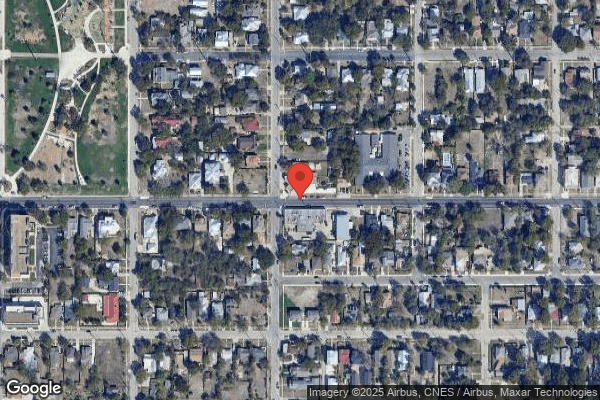
Apr 2024 2 deficiencies
CONCERN (D) 📢 Someone Reported This

A family member, employee, or ombudsman was alarmed enough to file a formal complaint

Potential for Harm - no one hurt, but risky conditions existed

Deficiency F0657 (Tag F0657)

Could have caused harm · This affected 1 resident

**NOTE- TERMS IN BRACKETS HAVE BEEN EDITED TO PROTECT CONFIDENTIALITY** Based on observation, interviews and record reviews, the facility failed to ensure the care plan reflected the resident's status...

Read full inspector narrative →
**NOTE- TERMS IN BRACKETS HAVE BEEN EDITED TO PROTECT CONFIDENTIALITY** Based on observation, interviews and record reviews, the facility failed to ensure the care plan reflected the resident's status for 1 of 3 residents (Resident #1) reviewed for care plan assessments. The facility failed to accurately document Resident #1's care plan dated 2/21/2024 which revealed the resident needed appropriate footwear and was ambulatory and could propel her wheelchair. This deficient practice could place residents at risk of inadequate care. Findings included: Record review of Resident #1's face sheet revealed resident was a [AGE] year-old female admitted to the facility 01/06/2023 with diagnoses that included: pulmonary embolism (a blood clot that traveled to the lung), stage 3 chronic kidney disease, dementia without behaviors, and protein-calorie malnutrition. During an interview on 4/18/2024 at 3:13:PM with the POA of Resident #1, stated Resident #1 stopped walking in December of 2022 around the week of Christmas. Record review of Resident #1's Annual MDS dated [DATE], the resident had a BIMS (Brief Interview of Mental Status) score of 99(resident was unable to complete the interview), she was coded for upper and lower extremity impairments, and mobility device was coded as a wheelchair. Record review of Resident #1's Care Plan dated 2/21/2024 revealed the resident was at risk for falls with the interventions that included appropriate footwear for locomotion in wheelchair and ambulation in the halls. Record review of Resident #1's Care Plan dated 2/21/2024 revealed the resident was care planned for limited physical mobility with interventions that stated resident was totally dependent on staff for ambulation/locomotion, she was dependent on staff for bed mobility with 2 person assistance; all transfers using a lift. Record review of Resident #1's physician orders revealed the resident was admitted to hospice on 10/28/2023 with the diagnosis of senile degeneration of the brain. During observation on 4/12/2024 at 9:05AM Resident #1 was in bed laying on her right side. The bed was at a safe height and a fall mat was in place adjacent to the bed. She was contracted in fetal position with her knees to her chest. During an interview on 4/12/2024 at 12:24PM the DON stated Resident #1 was not ambulatory, and she was not able to propel her wheelchair. The DON stated the resident was totally dependent on staff for repositioning, feeding, ADLs, and transfers. The DON stated it was important for the Care Plans to be accurate because it provided information on how to care for the residents and the [NAME] were provided for the CNAs with the information for them to be able to provide the care needed for the residents. Record review of facility's policy dated Comprehensive Care Planning from Nursing Policy & Procedure Manual (no date) stated: The facility will develop and implement a person centered care plan for each resident, consistent with the resident rights, medical, nursing, and mental and psychosocial needs that are identified in the comprehensive assessment. When developing the comprehensive care plan, the facility staff will at a minimum use the Minimum Data Set (MDS) to assess the resident's clinical condition, cognitive and functional status, and use of services.
CONCERN (D) 📢 Someone Reported This

A family member, employee, or ombudsman was alarmed enough to file a formal complaint

Potential for Harm - no one hurt, but risky conditions existed

Deficiency F0761 (Tag F0761)

Could have caused harm · This affected 1 resident

Based on observations, interviews, and record review the facility failed to store all drugs and biologicals in locked compartments and permit only authorized personnel to have access to the treatment ...

Read full inspector narrative →
Based on observations, interviews, and record review the facility failed to store all drugs and biologicals in locked compartments and permit only authorized personnel to have access to the treatment cart for 1 of 1 treatment cart reviewed for drug storage. The facility failed to ensure staff locked the treatment cart when it was left unattended. Findings included: During an observation and interview on 4/11/2024 at 10:20AM the nurse treatment cart was unlocked and there was no nurse in the area. The Administrator approached the unit and stated the nurse was not on the unit and he locked the cart. This failure could result in harm due to unauthorized access to medications, misappropriation, and drug diversion. During an interview on 4/11/2024 at 1:30PM Nurse A stated she did Resident #1's wound care, cleaned the cart and she thought she locked it. Nurse A stated she would accept the responsibility for not locking the treatment cart and stated it was important to lock the treatment cart because medications and scissors were stored in the cart and if someone gets in the cart, it could cause harm by swallowing the medication or cutting themselves with the scissors. Nurse A stated it can also be contaminated if someone gets into the cart. She stated she had training for locking the medication cart and the treatment cart and the importance of locking them when they are not being used. During an interview with DON on 4/1/22024 at 12:24PM she stated it was important to ensure the cart was locked because it contained medications and scissors that residents could access and it should be locked for safety. Record review of facility policy titled, Medication Carts from Pharmacy Policy & Procedure Manual 2023 stated in part; 2. The carts are to be locked when not in use or under the direct supervision of the designated nurse and 3. Carts must be secured.
Dec 2023 1 deficiency
CONCERN (D) 📢 Someone Reported This

A family member, employee, or ombudsman was alarmed enough to file a formal complaint

Potential for Harm - no one hurt, but risky conditions existed

Deficiency F0810 (Tag F0810)

Could have caused harm · This affected 1 resident

**NOTE- TERMS IN BRACKETS HAVE BEEN EDITED TO PROTECT CONFIDENTIALITY** Based on observations, interviews, and record reviews the facility failed to provide special eating equipment and utensils for r...

Read full inspector narrative →
**NOTE- TERMS IN BRACKETS HAVE BEEN EDITED TO PROTECT CONFIDENTIALITY** Based on observations, interviews, and record reviews the facility failed to provide special eating equipment and utensils for residents who need them and appropriate assistance to ensure that the resident can use the assistive devices when consuming meals for 1 (Resident #1) of 5 residents reviewed for special eating equipment and assistance when consuming meals, in that: The dietary staff failed to provide Resident #1 with a plate guard to meet Resident #1's need for assistance with eating related to Resident #1's right side weakness. This failure could place residents at risk for harm by weight loss, diminished independence, and self-esteem. The findings included: A record review of Resident #1's admission record dated 12/11/2023 revealed an admission date of 07/21/2023 with diagnoses which included hemiplegia following cerebral infarction [ right sided paralysis after a stroke]. A record review of Resident #1's quarterly MDS assessment dated [DATE] revealed Resident #1 was a [AGE] year-old male admitted for long term care and assessed with a BIMS score of 06 out of a possible score of 15 which indicated severe cognitive impairment. A record review of Resident #1's care plan dated 12/11/2023 revealed Resident #1 was to have a plate guard attached to his meal plate [a device that clips around the edge of the plate where a person can scoop food against using only 1 hand]. During an observation on 12/11/2023 at 12:02 PM revealed Resident #1 seated in the dining room with a plate of food before him. Continued observation revealed resident #1 was not eating but just sat staring at the plate of food. Further observation revealed there were no assistive devices for facilitation of eating on the plate and or table. A record review of Resident #1's meal ticket upon the table revealed Resident #1 was to have a plate guard on the plate, Adaptive Equipment: Plate Guard. During an interview on 12/11/2023 at 12:03 PM Resident #1 stated he was not eating due to the food being cold after he could not scoop his food. During an interview on 12/11/2023 at 12:05 PM the food service manager stated Resident #1 was to have a plate guard on his plate to assist Resident #1 develop independence with eating his meal. The FSM stated there was no plate guard and removed Resident #1's meal and had Dietary Aide A prepare a new lunch meal to include the plate guard. During an observation and interview on 12/11/2023 at 12:11 PM revealed Resident #1 eating his meal from the plate affixed with a plate guard. Resident stated he was enjoying his meal, stated it's good. During an interview on 12/12/2023 at 4:45 PM the FSM stated Dietary Aide A was responsible to ensure residents, including Resident #1, received their meals as printed out on their meal tickets. The FSM stated Resident #1's meal ticket called for a plate guard to which Dietary Aide A did not read and or recognize and did not provide the assistive device. The FSM stated assistive devices help Resident consume their meals and develop independence and build self-esteem. The FSM stated the risk to residents who do not receive their meals which meet their dietary needs was possible weight loss, diminished independence, and diminished self-esteem. The FSM stated he would develop an in-service to provide further education and set expectations for the dietary staff to ensure residents receive their meals to meet their individual needs. The FSM stated he and the staff were responsible to ensure residents meals met their needs prior to the meal leaving the kitchen. A record review of the facility's Nursing Responsibilities at Meal Services policy dated 2012, revealed, Nursing services will cooperate with the dietary department to ensure that each resident is served according to regulations. The use of properly trained and supervised volunteers, family members, and other individuals can enhance the quality of life and the quality of care for residents. Procedure: Nursing service associates should follow these guidelines regarding meal service: .adapt space and equipment to assist residents in maintaining independent functioning, dignity, well-being, and self-determination .if a resident has a critical care need related to their ability to consume and process food, that resident should receive assistance from appropriately trained and experienced staff and or individuals. The facility needs to address these concerns when conducting the resident assessment and the required services should be included in the resident's care plan.
Mar 2023 7 deficiencies
CONCERN (D)

Potential for Harm - no one hurt, but risky conditions existed

Accident Prevention (Tag F0689)

Could have caused harm · This affected 1 resident

Based on observation, record review and interviews, the facility failed to ensure an environment that was free of accident hazards and that each resident received adequate supervision to prevent accid...

Read full inspector narrative →
Based on observation, record review and interviews, the facility failed to ensure an environment that was free of accident hazards and that each resident received adequate supervision to prevent accident for 33 of 33 residents living in the facility. There were 2 yellow gas cans containing 5 gallons of gasoline each observed in the laundry room. This deficient practice could affect residents who lived in the facility. The findings were: Observation on 03/31/2021 at 11:53 a.m. revealed two 2 yellow gas cans containing 5 gallons of gasoline each near the doorway of the laundry room where dirty laundry is brought in. During an interview with the Housekeeping Supervisor on 03/31/2023 at 12:10 p.m., the Housekeeping Supervisor explained, the two yellow containers in the laundry room, belonged to the Maintenance Department and had been in the laundry room since the previous morning. During an interview with the Maintenance Supervisor on 3/31/2023 at 12:30 p.m., the Maintenance Supervisor explained the two yellow containers, containing gasoline, were used for the generator during the power outage, the previous morning. He said, he placed them in the laundry area, the previous morning, after refilling them. He said, they should not have been placed there. During an interview with the Administrator on 03/21/2023 at 1:10 p.m., the Administrator explained the Maintenance Supervisor should not have stored the two yellow containers, containing gasoline, in the laundry area. The Administrator further stated , there is a specific designated separate storage area for items such as gas cans.
CONCERN (D)

Potential for Harm - no one hurt, but risky conditions existed

Incontinence Care (Tag F0690)

Could have caused harm · This affected 1 resident

**NOTE- TERMS IN BRACKETS HAVE BEEN EDITED TO PROTECT CONFIDENTIALITY** Based on observation, interview, and record review, the facility failed to ensure each resident who was incontinent of bowel/bla...

Read full inspector narrative →
**NOTE- TERMS IN BRACKETS HAVE BEEN EDITED TO PROTECT CONFIDENTIALITY** Based on observation, interview, and record review, the facility failed to ensure each resident who was incontinent of bowel/bladder received appropriate treatment and services to prevent urinary tract infections for 1 of 2 residents (Resident #32) reviewed for incontinent care, in that: CNA C did not use proper technique when providing incontinent care and catheter care to Resident #32. This deficient practice could place residents at risk for infection and skin break down due to improper care practices. The findings were: Record review of Resident #32's face sheet, dated 03/31/2023, revealed an initial admission date of 09/21/2022 with diagnoses that included neuromuscular dysfunction of bladder (occurs when a person's nerves, spinal cord, or brain have problems sending electrical signals to the bladder. This causes difficulty with urination). Record review of Resident #32's MDS, a Quarterly assessment dated [DATE], revealed under Section C her BIMS score was 03 out of 15, which indicated severe impaired cognition. Review of Section G functional status revealed the resident required extensive assistance and 2 plus person assist with toileting. Review of Section H urinary continence and bowel continence showed the resident had an indwelling catheter (a closed sterile system with a catheter and retention balloon that is inserted either through the urethra or suprapubically (above the pubic area) to allow for bladder drainage). Record review of Resident #32's care plan, dated 01/18/2023, revealed Indwelling Catheter and bowel incontinence with intervention to provide pericare after each incontinent episode. During an observation on 03/02/2023 at 4:07 p.m. CNA C provided incontinent care to Resident #32. Resident #32 had indwelling catheter through the urethra. CNA C washed her hands and explained the care she would be providing to Resident #32. CNA C cleansed Resident #32's anterior (front) perineal area and between the vaginal labia wiping front to back direction. CNA C then cleaned the posterior (back) perineal and buttocks area wiping in a back to front direction stopping at the perineum (area between the vaginal opening and anus) area each time. During an interview on 03/29/2023 at 12:11 p.m. CNA C stated she wiped the resident in a downward motion, from back to front, and swirl at the end. CNA C stated they were trained this was acceptable as long as they turned in an outward direction before they got all the way to the front vaginal area. During an interview on 03/02/2023 at 4:32 p.m. the DON stated CNA C had been a CNA for about a year. The DON stated she would need to check into how they were being trained with the turning motion. The DON stated regardless peri care should always be a front to back wiping motion to prevent moving germs towards the catheter or vaginal area. Record review of a document titled Inservice Training Attendance Roster, dated 08/14/2022, and contained a checklist with CNA C's signature on it. Attached was a facility's policy titled Perineal Care, dated 02/2018, that reflected, Purpose: The purpose of this procedure are to provide cleanliness and comfort to the resident, to prevent infections and skin irritation, and to observe the resident skin condition. Preparation 1. review the resident's care plan to assess for any special needs of the resident . for a. female resident: a wet washcloth and apply soap or skin cleansing agent. B. Wash perineal area, wiping from front to back. 1) separate the labia and wash area downward from front to back. [note: if the resident has an indwelling catheter, gently wash the juncture of the tubing from the urethra down to the catheter about 3 inches gently rinse and dry the area.] continue to wash the perineum moving from inside outward to the thighs, rinse the perineum thoroughly in the same direction, using fresh water and a clean washcloth. The resident has an indwelling catheter, hold the tubing to one side and support the tubing against the leg to avoid traction or unnecessary movement of the catheter. 4. Gently dry the perineum. C. Ask the resident to turn on her side with her top leg slightly bent able. D. rinse wash cloth and apply soap or skin cleansing agent. E. wash the rectal area thoroughly wiping from the base of the labia towards an extending over the buttocks. F. rinse and dry thoroughly. Record review of facility's policy tiled Catheter Care, dated 02/13/2007, reflected General Guidelines: 7. provide perineal care to the incontinent resident to prevent skin rashes and breakdown.
CONCERN (D)

Potential for Harm - no one hurt, but risky conditions existed

Deficiency F0761 (Tag F0761)

Could have caused harm · This affected 1 resident

**NOTE- TERMS IN BRACKETS HAVE BEEN EDITED TO PROTECT CONFIDENTIALITY** Based on observation, interview, and record review the facility failed to assure that drugs and biologicals used in the facility...

Read full inspector narrative →
**NOTE- TERMS IN BRACKETS HAVE BEEN EDITED TO PROTECT CONFIDENTIALITY** Based on observation, interview, and record review the facility failed to assure that drugs and biologicals used in the facility were labeled in accordance with currently accepted professional principles, for 2 of 9 residents (Resident #4 and Resident #17) reviewed for labeling and storage, in that: 1. The pharmacy label for Resident #4's prescription was missing an expiration date. 2. Resident #17's Carvedilol (medication used to lower blood pressure) was incorrectly labeled to administer the medication through the route of a percutaneous endoscopic gastrostomy (an endoscopic medical procedure in which a tube (PEG tube) is passed into a patient's stomach through the abdominal wall) instead of by mouth. This deficient practice could affect residents prescribed medications in the facility and place them at risk for not receiving the correct medications. The findings were: 1. Record review of Resident #4's admission record, dated [DATE], revealed an admission date of [DATE] with diagnoses that included dementia (group of symptoms affecting memory, thinking and social abilities severely enough to interfere with your daily life), type 2 diabetes (a condition results from insufficient production of insulin, causing high blood sugar), and hypertension (high blood pressure). Record review of Resident's #4's physician's order summary, dated, [DATE], revealed an order for insulin aspart solution n100 unit/mL inject as per sliding scale: if 150 - 200 = 2 units; 201 - 250 = 4 units; 251 - 300 = 6units; 301 - 350 = 8 units; 351 -400 = 10 units., subcutaneously before meals related to TYPE 2 DIABETES MELLITUS WITHOUT COMPLICATIONS with a start date of [DATE] and no end date. During an observation on [DATE] at 4:15 p.m. revealed LVN A administered aspart insulin to Resident #4. The vial of insulin contained the Resident information, the name of the medication aspart solution, the concentration 100 units/mL, and the expiration date had a black line through it and was not visible on the pharmacy label. During an observation and interview with LVN A on [DATE] at 9:12 a.m. revealed the cart contained several blister packs of medications and the expiration dates were not visible or had a black line through them. LVN A stated she could not see the expiration dates and was not sure why one had a black line through it. LVN A stated she knew they were not expired because she looked at the date on the pharmacy label for when it was dispensed from the pharmacy. LVN A stated she would notify the DON to alert the pharmacy of this issue. During an interview on [DATE] at 3:48 p.m. the DON stated they would need to talk to the pharmacy about the expiration dates not being visible on the prescription pharmacy labels. The DON stated the pharmacy said they did this when they were not able to read the expiration date. The DON stated the pharmacy stated they should also be adding an orange label that contained the missing information. The DON stated none of the prescriptions were coming with the orange labels and they planned to address that with the pharmacy. 2. Record review of Resident #17's admission record, dated [DATE], revealed an admission date of [DATE] with diagnoses that included dissection of cerebral arteries (is a tear of the inner layer of the wall of an artery) and essential hypertension (high blood pressure). Record review of Resident's #17's physician's order summary, dated, [DATE], revealed an order for Carvedilol Tablet 25 MG Give 1 tablet by mouth two times a day for htn May hold for Sbp<110 or HR < 60 with a start date of [DATE]. During an observation on [DATE] at 8:25 a.m. revealed MA B administered Resident #17 25 mg of Carvedilol. The blister pack of medication contained a label with directions to administered the 25 mg of carvedilol per the PEG tube twice a day. MA B stated Resident #17 used to have a PEG tube but had not had it for a while. MA B stated she would notify the charge nurse and place a order change sticker on the blister pack. During an interview on [DATE] at 3:48 p.m. the DON stated Resident #17 had a PEG tube when he was first admitted to the facility. The DON stated the pharmacy needed to correct the order on their end. The DON stated they had updated the order in the EMR and was not sure how the pharmacy had not had it updated on their end. The DON stated they should have put a change of direction sticker to eliminate any confusion. Record review of the Facility's policy titled Storage of Medications, dated 11/2022, stated Policy Heading: The facility stores all drugs and biologics in a safe, secure, and orderly manner. Policy interpretation and implementation: .4. drug containers that have missing, incomplete, improper, or incorrect labels are returned to the pharmacy for proper labeling before storing.
CONCERN (D)

Potential for Harm - no one hurt, but risky conditions existed

Safe Environment (Tag F0921)

Could have caused harm · This affected 1 resident

Based on observation and interview the facility did not provide a safe, functional, sanitary comfortable, environment for residents, staff, and the public for 1 of 1 laundry facilities reviewed for en...

Read full inspector narrative →
Based on observation and interview the facility did not provide a safe, functional, sanitary comfortable, environment for residents, staff, and the public for 1 of 1 laundry facilities reviewed for environment, in that: 1. Inside 2 of 2 dryers contained multiple area of unknown dark hard substance and medical tape. 2. 2 of 2 dryers had a thick layer of lint in the lint trap. This failure could place residents at risk of a diminished quality of life due to exposure to an environment that is uncomfortable, unsafe, and unsanitary. The Findings Were: During an observation on 03/31/23 at 11:45 a.m. revealed the facility's laundry room contained two dryers. The lint trap under both dryers was covered in a thick layer of lint. Some lint had fallen on the bottom of the dryer. A note was hanging on the side of the dryer reflecting to clean the lint trap every hour. The inside of one dryer contained 8 different areas of an unknown dark brown hard substance and medical tape stuck inside. The 2nd dryer had 5 areas of an unknown dark brown hard substance. The floor was dirty. The folding table had a package of crackers on it and a cup of condiments. The bottom shelf of the laundry folding table had unknown white substance. The top of one dryer had a toolbox and cardboard box stacked on top of each other and wedged in between the top of the dryer and ceiling. During an interview with the Housekeeping Supervisor on 03/31/23 at 12:07 p.m. she stated the dryer vents should not contain that much lint and should have been cleaned out so they would not catch fire. She stated they did not have a log to track when the lint was cleaned out. She stated the brown stains inside the dryers were melted plastic. She stated the substance should be removed to prevent it from ruining any residents' clothes. No policy was provided.
CONCERN (E)

Potential for Harm - no one hurt, but risky conditions existed

Quality of Care (Tag F0684)

Could have caused harm · This affected multiple residents

**NOTE- TERMS IN BRACKETS HAVE BEEN EDITED TO PROTECT CONFIDENTIALITY** Based on interview and record review the facility failed to ensure residents received treatment and care in accordance with prof...

Read full inspector narrative →
**NOTE- TERMS IN BRACKETS HAVE BEEN EDITED TO PROTECT CONFIDENTIALITY** Based on interview and record review the facility failed to ensure residents received treatment and care in accordance with professional standards of practice and the comprehensive person-centered care plan for 1 of 12 residents (Resident #13) reviewed for treatment and services in that: The facility did not maintain physician's orders and medical information needed to monitor Resident #13's cardiac pacemaker (electronic device that is implanted in the body to monitor heart rate and rhythm that stimulates the heart with electrical impulses to maintain or restore a normal heartbeat) parameters for proper functioning. This failure could place residents of risk for not receiving proper care and treatment. The findings were: Record review of Resident #13's face sheet, dated 03/28/23, revealed an [AGE] year old male admitted to the facility on [DATE] and re-admitted on [DATE] with diagnoses that included hemiplegia and hemiparesis following cerebral infraction affecting left non-dominant side (weakness of one entire side of the body or complete paralysis of half of the body from a stroke), type 2 diabetes, and heart failure, hypertension (high blood pressure). The face sheet did not indicate a diagnosis for presence of a cardiac pacemaker. Record review of Resident #13's most recent quarterly MDS assessment, dated 01/19/23 revealed the resident had severely impaired cognition. Further review of the quarterly MDS did not contain information about a cardiac pacemaker. Record review of Resident #13's comprehensive person-centered care plan, revision date 05/12/22 revealed the resident had a pacemaker related to heart failure. The pacemaker was placed in 1990 with interventions that included Monitor vital signs as ordered/per facility protocol and record. Notify MD of significant abnormalities. Record review of Resident #13's Order Summary Report, dated 03/28/23, revealed there were not orders for the pacemaker or parameters. During an interview on 03/29/23 at 1:55 p.m., the DON stated Resident #13 did have a pacemaker. The DON stated it had been a struggle to get the pacemaker information from the family or previous providers. The DON stated the previous primary care physician did not have the pacemaker information and the pacemaker was over [AGE] years old. The DON stated it had been difficult to get the resident into a primary care provider due to him not having his pacemaker information. They had an appointment scheduled with the previous primary care doctor in May of 2023. The DON stated the resident had not seen a cardiologist. The DON stated they normally took vitals on the resident to monitor his pacemaker. The DON stated they monitor for vitals for pulse below 60 beats per minute. The DON stated they would contact the provider if the pulse was below 60 bmp. The DON they stated should have been notifying the provider but there was no nursing notes documented for contacting the provider for pulse vitals that read below 60 beats per minute (bpm) in September of 2022. The DON stated the resident was sent to the ER on [DATE] for respiratory distress. The DON stated they did not need to perform cardiac resuscitation. Record review of Resident #13's pulse vitals below 60 bpm, dated 03/28/23, revealed .06/17/22-58 bpm irregular-new onset .06/23/22-59 bpm irregular-new onset .06/28/22-bpm irregular-new onset .06/29/22-58 bpm irregular-new onset .08/6/22-59 bpm regular .09/07/22-16 bpm regular .09/11/22-58 bpm regular .09/25/22-59 bpm regular .10/17/22-59 bpm regular .10/29/22-56 bpm regular .11/6/22-56 bpm regular . 01/15/23-56 bpm regular .01/28/23- 59 bpm regular Record review of the Facility's policy titled Pacemaker, Care of a Resident with a: the purpose of this procedure is to provide information about and guidance for the care of a resident with a pacemaker. Definition 1. an abnormality in the conduction of electrical impulses that affects the normal heart rate rhythm is an arrhythmia. 2. The two most common arrhythmias that require a pacemaker are sinus bradycardia and heart block. A. Sinus bradycardia occurs when the sinoatrial node is not functioning properly, resulting in an abnormally slow heart rhythm .3. Pacemakers are electronic devices that artificially stimulate the heart muscles with electrical impulses when the heart rhythm is too slow ([NAME] cardia). 4. pacemakers are programmed to sense the heart and respiratory rate and to administer electrical pulses when the heart rate falls below a set threshold. 5. pacemakers can be permanently implanted or temporary . Complications: 1. if the pulse generator or battery fails, or if the leads become displaced the pacemaker will not work properly, leading to [NAME] arrhythmias. Monitoring: 1. monitor the resident for pacemaker failure by monitoring for signs and symptoms of [NAME] arrhythmias .3. The pacemaker battery will be monitored remotely through telephone or an Internet connection. The resident cardiologist will provide instructions on how and when to do this. 4. The Resident will have an EKG as ordered, to monitor for changes in the heart's electrical activity. 5. Make sure the resident has a medical identification card that indicates he or she has a pacemaker. The medical record must contain this information as well. When the resident is transferred to another facility, this information must be communicated to the receiving facility in the discharge summary. 6. Pacemaker batteries and generator will be replaced by a cardiologist as needed, usually every five to eight years. Documentation: 1. for each resident with a pacemaker, document the following in the medical record and on a pacemaker identification card upon admission: a. the name, address and telephone number of the cardiologist; b. type of pacemaker; c. type of leads; d. manufacturer and model; e. serial number; f. date of implant; g. paced rate;
CONCERN (E)

Potential for Harm - no one hurt, but risky conditions existed

Food Safety (Tag F0812)

Could have caused harm · This affected multiple residents

Based on observation, interview and record review, the facility failed to store, prepare, distribute, and serve food in accordance with professional standards for food safety in the facility's only ki...

Read full inspector narrative →
Based on observation, interview and record review, the facility failed to store, prepare, distribute, and serve food in accordance with professional standards for food safety in the facility's only kitchen. The facility failed to ensure food items in the freezer were dated, labeled, and sealed appropriately. These failures could affect residents who received their meals from the facility's only kitchen, by placing them at risk for food-borne illness, and food contamination. Findings included: Observations of the facility's kitchen freezer on 03/28/2023 at 10:35 a.m. revealed the following items were not labeled and or dated: - One bag of approximately 25 brown round items approximately 1.68 inches in diameter, identified as meatballs by the CDM, partially open, not completely sealed, (exposing the items previously identified as meatballs to air), unlabeled and undated. - One 5lb bag of item labeled heat and serve brats ,(a type of link like sausage also called bratwurst), approximately 50 percent full, unlabeled, and undated , with a white substance identified as ice (by the CDM), covering the items in the bag. - One unlabeled and undated gallon size plastic bag, enclosing items identified by the CDM as maybe tamales, with a white powdery substance identified as ice inside the bag. - One unlabeled and undated plastic bag of what was identified by the CDM as sausage rings - One unlabeled and undated package of approximately 50 items approximately 1 inch in diameter identified as flatwater cornbread by the DM, each covered in a white substance identified as ice by the DM. In an interview and observation on 3/28/2023 at 10:35 a.m., the CDM said, if we question an items in any way we just throw it away. She explained, the items described above should not have remained in the freezer and if at any point it was noted the items appeared to be compromised, in any way, they should be discarded to prevent compromising the Residents well- being. She further stated items in the freezer should have been closed, labeled, and dated but were not as they should have been. She threw them away after viewing them the items with Surveyor . According to the DM all kitchen staff was responsible for ensuring kitchen items were labeled and dated. In an interview on 03/30/23 11:04 a.m., the DM stated, the food items,stacked in front of the fans within the freezer, made the ice get in the bags I think . The DM further stated, Someone could get sick if they were served the food with the ice on it, and went on to say we would not serve the stuff that had the ice on it, but it should have been thrown away. The DM also stated, we should have had them in bags and labeled with name and date on each one when referring to the items viewed in the kitchen with the Surveyor. Food Storage and Supplies Policy provided by the facility Administrator revealed: 1. Open packages of food are stored in closed containers with covers or in sealed bags and dated as to when opened. 6. If an item does not have a dated designated by the manufacture as an expiration date, then the item should be dated when it is received. A record review of the August 2021 version of the TFER reflected the following: (b) The department adopts by reference the U.S. Food and Drug Administration (FDA) Food Code 2017 (Food Code) and the Supplement to the 2017 Food Code. The U.S. Public Health Service, Food Code, dated 2017 revealed the following regarding marking the date of food when prepared and when the original container was opened: 3-501.17 Ready-to-Eat, Time/Temperature Control for Safety Food, Date Marking (D) A date marking system that meets the criteria stated in (A) and (B) of this section may include: (2) Marking the date or day of preparation, with a procedure to discard the FOOD on or before the last date or day by which the FOOD must be consumed on the premises, sold, or discarded as specified under (A) of this section; (3) Marking the date or day the original container is opened in a FOOD ESTABLISHMENT, with a procedure to discard the FOOD on or before the last date or day by which the FOOD must be consumed on the premises, sold, or discarded as specified under (B) of this section.
MINOR (C)

Minor Issue - procedural, no safety impact

Deficiency F0912 (Tag F0912)

Minor procedural issue · This affected most or all residents

Based on observation , interview, and record review the facility failed to ensure that 47 of 49 multiple occupancy Resident rooms provided a minimum of 80 square feet per resident room. This deficien...

Read full inspector narrative →
Based on observation , interview, and record review the facility failed to ensure that 47 of 49 multiple occupancy Resident rooms provided a minimum of 80 square feet per resident room. This deficient practice could affect all residents in need of at least 80 square feet of living space and could pose problems in the Residents' activities of daily living. The findings were: During an interview with the Administrator on 3/28/2023 at 6:10 p.m. the Administrator revealed she wanted to continue with the room waiver on all resident rooms, which did not meet the required square footage. Information provided revealed the following measurements for resident rooms: Rooms: #1 (146) 73 square feet with 1 bed in the room #2 (146) 73 square feet with 2 beds in the room #3 (147) 73.5 square feet with 2 beds in the room #4 (147.6) 73.8 square feet with 2 beds in the room #5 (147.1)73.5 square feet with 2 beds in the room #7 (147) 73.5 square feet with 2 beds in the room #9 (146.3) 73.1 square feet with 2 beds in the room #10 (146.3) 73.15 square feet with 2 beds in the room #11 (147.1) 73.5 square feet with 2 beds in the room #12 (147.1) 73.5 square feet with 2 beds in the room #13 (146.9) 73.4 square feet with 2 beds in the room #14 (146) 73 square feet with 2 beds in the room #15 (132.6) 66.3 square feet with 2 beds in the room #16 (138.4) 69.2 square feet with 2 beds in the room #17 (138.5) 69.2 square feet with 2 beds in the room #18 (139.4) 69.7 square feet with 2 beds in the room #19 (139.6) 69.8 square feet with 2 beds in the room #20 (139.6) 69.8 square feet with 2 beds in the room #21 (142.4) 71.2 square feet with 2 beds in the room #22 (148.403) 74.20 square feet with 2 beds in the room #23 (147.811) 73.91 square feet with 2 beds in the room #24 (148.282) 74.14 square feet with 2 beds in the room #25 (147.465) 73.73 square feet with 2 beds in the room #26 (148.664) 74.33 square feet with 1 bed in the room #27 (147.919) 73.96 square feet with 2 beds in the room #28 (146.937) 73.47 square feet with 2 beds in the room #29 (147.571) 73.79 square feet with 2 beds in the room #30 (152.176) 76.09 square feet with 2 beds in the room #32 (158.190) 79.10 square feet with 2 beds in the room #34 (149.669) 74.83 square feet with 2 beds in the room #35 (162.480) 81.24 square feet with 2 beds in the room #36 (148.516) 74.26 square feet with 2 beds in the room #37 (155.894) 77.95 square feet with 2 beds in the room #38 (150.499) 75.25 square feet with 2 beds in the room #39 (147.921) 73.96 square feet with 2 beds in the room #40 (147.244) 73.62 square feet with 2 beds in the room #41 (149.234) 74.62 square feet with 2 beds in the room #42 (157.707) 78.85 square feet with 2 beds in the room #43 (160.834) 80.42 square feet with 2 beds in the room #44 (157.169) 78.58 square feet with 2 beds in the room #45 (157.169) 78.58 square feet with 2 beds in the room #46 (155.038) 77.52 square feet with 2 beds in the room #47 (153.302) 76.65 square feet with 2 beds in the room #48 (153.728) 76.86 square feet with 2 beds in the room #49 (149.055) 74.53 square feet with 2 beds in the room #50 (148.311) 74.311 square feet with 2 beds in the room #51 (159.466) 79.73 square feet with 2 beds in the room Information provided by the facility on 03/28/2023 revealed a census of 33 Residents.
Understanding Severity Codes (click to expand)
Life-Threatening (Immediate Jeopardy)
J - Isolated K - Pattern L - Widespread
Actual Harm
G - Isolated H - Pattern I - Widespread
Potential for Harm
D - Isolated E - Pattern F - Widespread
No Harm (Minor)
A - Isolated B - Pattern C - Widespread

Questions to Ask on Your Visit

  • "What changes have you made since the serious inspection findings?"
  • "What safeguards are in place to prevent abuse and neglect?"
  • "Can I speak with families of current residents?"
  • "What's your RN coverage like on weekends and overnight?"

Our Honest Assessment

Strengths
  • • 28% annual turnover. Excellent stability, 20 points below Texas's 48% average. Staff who stay learn residents' needs.
Concerns
  • • Multiple safety concerns identified: Federal abuse finding, 2 life-threatening violation(s). Review inspection reports carefully.
  • • 32 deficiencies on record, including 2 critical (life-threatening) violations. These warrant careful review before choosing this facility.
  • • $23,133 in fines. Higher than 94% of Texas facilities, suggesting repeated compliance issues.
  • • Grade F (12/100). Below average facility with significant concerns.
Bottom line: This facility has a substantiated abuse finding. Extreme caution advised. Explore alternatives.

About This Facility

What is River City's CMS Rating?

CMS assigns RIVER CITY CARE CENTER an overall rating of 2 out of 5 stars, which is considered below average nationally. Within Texas, this rating places the facility higher than 0% of the state's 100 nursing homes. A rating at this level reflects concerns identified through health inspections, staffing assessments, or quality measures that families should carefully consider.

How is River City Staffed?

CMS rates RIVER CITY CARE CENTER's staffing level at 3 out of 5 stars, which is average compared to other nursing homes. Staff turnover is 28%, compared to the Texas average of 46%. This relatively stable workforce can support continuity of care.

What Have Inspectors Found at River City?

State health inspectors documented 32 deficiencies at RIVER CITY CARE CENTER during 2023 to 2025. These included: 2 Immediate Jeopardy (the most serious level, indicating potential for serious harm or death), 27 with potential for harm, and 3 minor or isolated issues. Immediate Jeopardy findings are rare and represent the most serious regulatory concerns. They require immediate corrective action.

Who Owns and Operates River City?

RIVER CITY CARE CENTER is owned by a for-profit company. For-profit facilities operate as businesses with obligations to shareholders or private owners. The facility is operated by CREATIVE SOLUTIONS IN HEALTHCARE, a chain that manages multiple nursing homes. With 92 certified beds and approximately 41 residents (about 45% occupancy), it is a smaller facility located in SAN ANTONIO, Texas.

How Does River City Compare to Other Texas Nursing Homes?

Compared to the 100 nursing homes in Texas, RIVER CITY CARE CENTER's overall rating (2 stars) is below the state average of 2.8, staff turnover (28%) is significantly lower than the state average of 46%, and health inspection rating (2 stars) is below the national benchmark.

What Should Families Ask When Visiting River City?

Based on this facility's data, families visiting should ask: "What changes have been made since the serious inspection findings, and how are you preventing similar issues?" "What safeguards and monitoring systems are in place to protect residents from abuse or neglect?" "Can I visit during a mealtime to observe dining assistance and food quality?" "How do you handle medical emergencies, and what is your hospital transfer rate?" These questions are particularly relevant given the facility's Immediate Jeopardy citations and the substantiated abuse finding on record.

Is River City Safe?

Based on CMS inspection data, RIVER CITY CARE CENTER has documented safety concerns. The facility has 1 substantiated abuse finding (meaning confirmed case of resident harm by staff or other residents). Inspectors have issued 2 Immediate Jeopardy citations (the most serious violation level indicating risk of serious injury or death). The facility has a 2-star overall rating and ranks #100 of 100 nursing homes in Texas. Families considering this facility should ask detailed questions about what corrective actions have been taken since these incidents.

Do Nurses at River City Stick Around?

Staff at RIVER CITY CARE CENTER tend to stick around. With a turnover rate of 28%, the facility is 18 percentage points below the Texas average of 46%. Low turnover is a positive sign. It means caregivers have time to learn each resident's needs, medications, and personal preferences. Consistent staff also notice subtle changes in a resident's condition more quickly.

Was River City Ever Fined?

RIVER CITY CARE CENTER has been fined $23,133 across 2 penalty actions. This is below the Texas average of $33,310. While any fine indicates a compliance issue, fines under $50,000 are relatively common and typically reflect isolated problems that were subsequently corrected. Families should ask what specific issues led to these fines and confirm they've been resolved.

Is River City on Any Federal Watch List?

RIVER CITY CARE CENTER is not on any federal watch list. The most significant is the Special Focus Facility (SFF) program, which identifies the bottom 1% of nursing homes nationally based on persistent, serious quality problems. Not being on this list means the facility has avoided the pattern of deficiencies that triggers enhanced federal oversight. This is a positive indicator, though families should still review the facility's inspection history directly.