SAN ANTONIO NORTH NURSING AND REHABILITATION
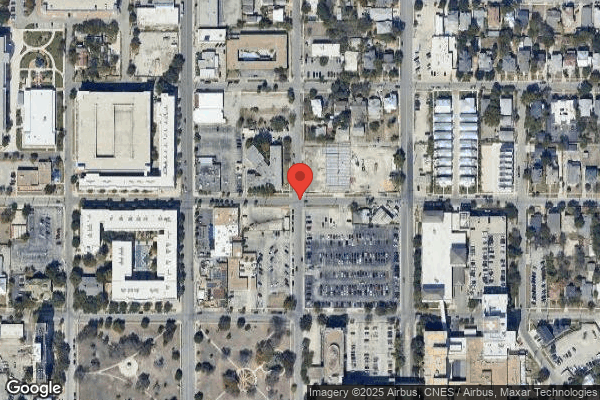
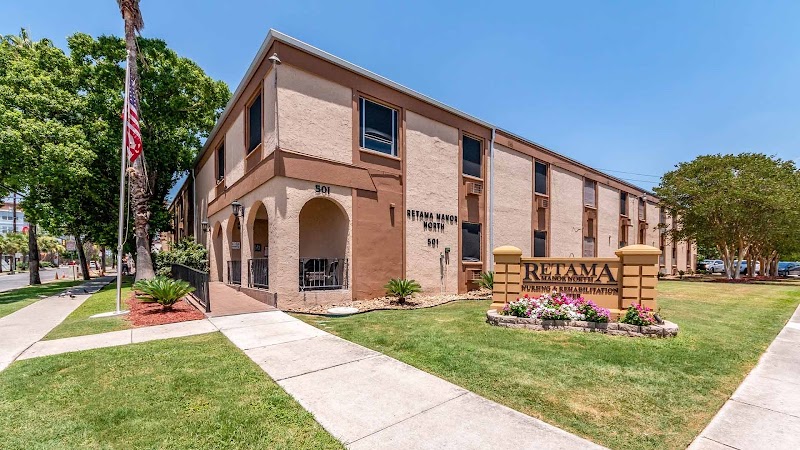
501 OGDEN, SAN ANTONIO, TX 78212 (210) 225-4588
For profit - Limited Liability company 118 Beds EDURO HEALTHCARE Data: November 2025 5 Immediate Jeopardy citations
Trust Grade
0/100
#1094 of 1168 in TX
Last Inspection: July 2025

Inspected within the last 6 months. Data reflects current conditions.

Overview

San Antonio North Nursing and Rehabilitation has received a Trust Grade of F, which indicates significant concerns about the facility's care quality. Ranking #1094 out of 1168 in Texas places it in the bottom half for nursing homes in the state, and #53 out of 62 in Bexar County means there are almost no better local options. Although the facility is reportedly improving, with a reduction in issues from 17 in 2024 to 13 in 2025, it still has a lot of problems to address. Staffing is a weakness, with a low rating of 1 out of 5 stars and a turnover rate of 53%, close to the state average. The facility has faced serious incidents, including failing to follow a care plan that led to a resident's suicide attempt and improperly discharging another resident, leaving them unaccounted for for several days, indicating a lack of adequate care and oversight.

Trust Score
F
0/100
In Texas
#1094/1168
Bottom 7%
Safety Record
High Risk
Review needed
Inspections
Getting Better
17 → 13 violations
Staff Stability
⚠ Watch
53% turnover. Above average. Higher turnover means staff may not know residents' routines.
Penalties
✓ Good
$60,140 in fines. Lower than most Texas facilities. Relatively clean record.
Skilled Nurses
⚠ Watch
Each resident gets only 19 minutes of Registered Nurse (RN) attention daily — below average for Texas. Fewer RN minutes means fewer trained eyes watching for problems.
Violations
⚠ Watch
52 deficiencies on record. Higher than average. Multiple issues found across inspections.
★☆☆☆☆
1.0
Overall Rating
★☆☆☆☆
1.0
Staff Levels
★★☆☆☆
2.0
Care Quality
★★☆☆☆
2.0
Inspection Score
Stable
2024: 17 issues
2025: 13 issues

The Good

  • Full Sprinkler Coverage · Fire safety systems throughout facility
  • No fines on record

Facility shows strength in fire safety.

The Bad

1-Star Overall Rating

Below Texas average (2.8)

Significant quality concerns identified by CMS

Staff Turnover: 53%

Near Texas avg (46%)

Higher turnover may affect care consistency

Federal Fines: $60,140

Above median ($33,413)

Moderate penalties - review what triggered them

Chain: EDURO HEALTHCARE

Part of a multi-facility chain

Ask about local staffing decisions and management

The Ugly 52 deficiencies on record

5 life-threatening
Jul 2025 5 deficiencies
CONCERN (D)

Potential for Harm - no one hurt, but risky conditions existed

Deficiency F0583 (Tag F0583)

Could have caused harm · This affected 1 resident

**NOTE- TERMS IN BRACKETS HAVE BEEN EDITED TO PROTECT CONFIDENTIALITY** Based on observation, interview, and record review, the facility failed to ensure residents had the right to personal privacy an...

Read full inspector narrative →
**NOTE- TERMS IN BRACKETS HAVE BEEN EDITED TO PROTECT CONFIDENTIALITY** Based on observation, interview, and record review, the facility failed to ensure residents had the right to personal privacy and confidentiality of his or her personal and medical records for two of seven residents (Resident # 41 and Resident #2) reviewed for privacy. 1.The facility failed to ensure MA B locked the computer, after he walked away and left the computer unattended, which exposed Resident #41's morning medication list. 2.The facility failed to ensure the privacy curtains in Resident #2's room were able to completely close around his bed to provide Resident #2 privacy during wound care. These failures could place residents at risk of having medical information exposed to others and of loss of personal privacy, causing residents to feel uncomfortable and disrespected. The findings include: 1.Record review of Resident # 41's face sheet dated 07/30/25 revealed an [AGE] year-old male admitted to the facility on [DATE]. Resident # 41 had diagnoses that included: Schizophrenia (is a severe and chronic mental disorder characterized by disruptions in thought processes, perceptions, emotional responses, and social interactions) , Chronic obstructive pulmonary disease (is a progressive lung disease characterized by persistent airflow limitation, making it difficult to breathe) and Anxiety disorder (a group of mental health conditions characterized by excessive and persistent worry, fear, and nervousness). Record review of Resident # 41's Quarterly MDS assessment dated [DATE] reflected a BIMS score of 99 which indicated Resident # 41 was unable to complete the interview. Observation on 07/30/25 at 8:48 am, revealed that MA B prepared Resident's # 41‘s morning medication, walked away from the computer and did not lock the screen. During an interview on 07/30/25 at 8:55 am, MA B mentioned that he was not trained to lock the computer screen and believed that minimizing the screen was enough. He acknowledged that when he stepped away from the computer, Resident #41's private medical information may have been exposed. During an interview on 07/30/25 at 10:30 AM, the DON stated that she was not aware Resident #41's records were left open and unattended by MA B. The DON mentioned that it was her expectation for the facility nursing staff to uphold HIPAA (health insurance portability and accountability act) regulations and lock computer screens when they were away from them. She emphasized that all staff members were responsible for protecting residents' information. The DON stated leaving residents' electronic medical records unattended could lead to unauthorized access. Record review of the facility policy titled HIPAA Security Measures , 2005, revealed . All work stations that access electronic health information will have restricted access. 2. Record review of Resident #2's admission Record dated 07/30/2025 revealed he was a [AGE] year-old man with an admission date of 06/27/2025, and with diagnoses which included: Metabolic Encephalopathy (brain dysfunction resulting from systemic illness or organ problems causing chemical imbalances in the blood); and (Type 2 Diabetes Mellitus (chronic condition resulting in persistently high blood sugar levels) with foot ulcer (wound on foot). Record review of Resident #2's admission MDS dated [DATE] revealed he was unable to complete the Brief Interview for Mental Status and was assessed as having an unstageable pressure injury presenting as deep tissue injury, present upon admission. Record review of Resident #2's Order Summary dated 07/30/2025 revealed an order for R heel - Cleanse with normal saline or wound cleanser, pat dry, apply anasept [broad-spectrum antimicrobial gel] and collagen mixture, apply calcium alginate [type of special absorption dressing used for wounds], cover with dry protective dressing daily and PRN until resolved every day shift. Record review of Resident #2's Care Plan initiated 06/27/2025 revealed Focus areas that included:-risk for alteration in blood glucose due to diabetes mellitus-will be treated with dignity and respect while at the facility, which included a goal will have the right to privacy-has pressure ulcer to right heel - admitted with deep tissue injury. Observation on 07/30/2025 at 3:10 p.m. of wound care for Resident #2, revealed LVN-C attempted, but was not able to completely close the privacy curtain in front of Resident #2's bed, as the privacy curtain was tangled in the rungs where it hung from the ceiling, and would not completely extend the distance needed to block visual view from the door to middle curtain which divided the room. LVN-C positioned the curtain directly in front of the foot of his bed, covering the width of the bed, which left an approximately 2-foot opening between the curtains and entry door, and curtains to midline dividing curtains. Resident #2's roommate was also in room, on other side of the midline privacy curtain. LVN-C covered Resident #2's upper body and legs with a sheet, but Resident #2 pulled it off, exposing his incontinent briefs, which could have been seen by his roommate or anyone entering the room. During an interview on 07/30/2025 at 3: 41 p.m., LVN-C stated she was not able to completely close Resident #2's privacy curtain while providing wound care treatment to his right heel because the privacy curtain was tangled at the top and would not extend the distance needed to provide privacy to Resident #2. She stated she has not put in a maintenance request to have the privacy curtains fixed, because that was the first time she had noticed the privacy curtains not closing completely and she would put in a work order. LVN-C stated that it was important for the privacy curtains to close completely, in order to provide privacy and dignity to the residents during care. During an interview on 07/30/2025 at 4:24 p.m., the DON stated that the privacy curtain needs to be able to close completely around the resident's bed during wound care to provide privacy and maintain dignity to the resident. The DON stated she would ensure the privacy curtains in Resident #2's room were repaired. Record review of the facility policy titled Promoting/Maintaining Resident Dignity dated 05/16/2025 revealed under section Compliance Guidelines 1. All staff members are involved in providing care to residents to promote and maintain resident dignity and respect resident rights. 12. Maintain resident privacy
CONCERN (D)

Potential for Harm - no one hurt, but risky conditions existed

Safe Environment (Tag F0584)

Could have caused harm · This affected 1 resident

**NOTE- TERMS IN BRACKETS HAVE BEEN EDITED TO PROTECT CONFIDENTIALITY** Based on observation, interview, and record review, the facility failed to ensure the residents had a right to a safe, clean, co...

Read full inspector narrative →
**NOTE- TERMS IN BRACKETS HAVE BEEN EDITED TO PROTECT CONFIDENTIALITY** Based on observation, interview, and record review, the facility failed to ensure the residents had a right to a safe, clean, comfortable, and homelike environment for 2 (Residents #52 and #87) of 30 residents reviewed, in that: 1. The bathroom door facing the interior of the bathroom used by Resident #52 had scrape marks and the lower section of the door was unpainted. 2. The entrance to the bathroom used by Resident #87 had a 3inch rust area on the left door post and the toilet was not secured to the floor base. These failures could result in residents not having a safe, clean, homelike environment which could result in low self esteem and a diminished quality of life. The findings included:1. Record review of Resident #52's face sheet, dated 7/29/25, revealed the [AGE] year resident was originally admitted to the facility on [DATE] with diagnoses including: expressive language disorder( a condition that affects a person's ability to use language), essential hypertension( a condition characterized by high blood pressure), and dysphagia( a condition in which it is difficult to swallow). Record review of Resident #52's Quarterly MDS, initiated on 6/6/25, revealed a BIMS score of 0 which indicated severe cognitive impairment. Record review of Resident #52's's care plan, initiated 09/21/23, revealed resident had plan for long term care stay at the facility. 2. Record review of Resident #87's face sheet dated 7/29/25, revealed the [AGE] year old resident was originally admitted on [DATE] with diagnoses including: alcoholic cirrhosis of the liver( a condition in which the liver damage is related to alcohol use), unspecified protein-calorie malnutrition( a condition in which there is not enough protein and calories in the diet), and chronic pulmonary edema( a condition in which the lungs have fluids built up). Record review of Resident #87's Quarterly MDS, initiated on 6/27/25, revealed a BIMS score of 10 which indicated moderate intact cognition. Record review of Resident #87's care plan, initiated 5/3/24, revealed resident had plan for long term stay at the facility. Observation on 07/28/25 at 1:25 pm for Resident #52 revealed the lower third of the interior facing bathroom door was unpainted with multiple scratch mark on the door surface. Observation on 7/28/25 at 2:00pm for Resident# 87 revealed that the left side of the bathroom door entry post had an approximate 3 inch area of rust on the door entry surface. The toilet used by Resident #87 was not secured to the floor surface and manually moved in place. Interview on 7/28/25 at 2:05pm Resident #87 stated that the rusted area on the door post was visible for one month. Resident #87 stated the toilet moved while in use and he would like it to be repaired During an observation on 7/31/25 from 9:05am to 9:10am with the Administrator and Maintenance Director confirmed the interior facing bathroom door used by Resident #52 needed repair and the bathroom door entry post and toilet used by Resident #87 needed repair. During an interview on 7/31/25 at 9:15am the Maintenance Director stated that repairs in the bathrooms used by Residents #52 and #87 would improve the resident's homelike environment. During an interview on 7/31/25 at 9;20am the Administrator stated that repairs in the bathrooms used by Residents # 52 and #87 would improve the resident's perception of living in a homelike environment. Record review of the facility's policy entitled Preventative Maintenance Program reviewed on 7/25/25 revealed A Preventative Maintenance Program shall be developed and implemented to ensure the provision of a safe, functional, sanitary, and comfortable environment for residents, staff, and the public.
CONCERN (D)

Potential for Harm - no one hurt, but risky conditions existed

Food Safety (Tag F0812)

Could have caused harm · This affected 1 resident

Based on observation, interview, and record review, the facility failed to store, prepare, distribute, and serve food in accordance with professional standards for food service safety for 1 of 1 facil...

Read full inspector narrative →
Based on observation, interview, and record review, the facility failed to store, prepare, distribute, and serve food in accordance with professional standards for food service safety for 1 of 1 facility in that: 1. The facility failed to replace dirty overhead ceiling tiles in the main kitchen area. 2. The facility failed to replace a light bulb fixture in the main kitchen area. 3. The facility failed to clean an overhead ceiling vent in the dish room. 4. The facility failed to repair a wall penetration and broken floor molding in the employee bathroom in the main kitchen area. These failures could place residents at risk for food borne illness. The findings included: Observation on 07/28/25 from 9:15am until 9:35am with the Food Service Director revealed the following: a. There were 6 ceiling tiles which each measured approximately 2x2 ft in the main kitchen area that had dirt particles on the surface and were stained.b. There was a missing florescent light bulb in a overhead ceiling light fixture which measured approximately 4x2 ft in length in the main kitchen area.c. There was a ceiling air vent which measured approximately 2 ft in diameter in the dish room that had rust on the vent blades.d. There was a section of missing floor molding measuring approximately 1x2.5 ft with a wall penetration that measured approximately 3 inches in diameter in the employee bathroom in the main kitchen area. During an interview on 07/28/25 at 9:40am, the Food Service Director stated that she had placed a work order for the dirty ceiling tiles to be replaced. The Food Service Director stated the areas which needed repair or cleaned would affect the cleanliness of the kitchen. During an interview on 7/28/25 at 9:45am the Administrator stated that all kitchen areas needing repaired or cleaned would affect the cleanliness of the kitchen During an interview with the Maintenance Director on 6/6/25 at 10:35am he stated he had received a work order to replace the 6 overhead ceiling tiles that were dirty. The Maintenance Director stated that areas needing repaired or cleaned in the kitchen would affect the cleanliness of the kitchen. Record review of facility policy entitled Sanitization dated 2001 in the Dietary Policy and Procedures Manual revealed The food service area shall be maintained in a clean and sanitary manner. Record review of the Food Code, U.S. Public Health Service, U.S. FDA, 2022, U.S. Department of H&HS, revealed 4-601.11 Equipment, Food-Contact Surfaces, Nonfood-Contact Surfaces, and Utensils. (A) EQUIPMENT FOOD-CONTACT SURFACES and UTENSILS shall be clean to sight and touch. (B) The FOOD-CONTACT SURFACES of cooking EQUIPMENT and pans shall be kept free of encrusted grease deposits and other soil accumulations. (C) Non-FOOD-CONTACT SURFACES of EQUIPMENT shall be kept free of an accumulation of dust, dirt, FOOD residue, and other debris.
CONCERN (D)

Potential for Harm - no one hurt, but risky conditions existed

Medical Records (Tag F0842)

Could have caused harm · This affected 1 resident

**NOTE- TERMS IN BRACKETS HAVE BEEN EDITED TO PROTECT CONFIDENTIALITY** Based on interview and record review, the facility failed to maintain clinical records that were complete and accurately documen...

Read full inspector narrative →
**NOTE- TERMS IN BRACKETS HAVE BEEN EDITED TO PROTECT CONFIDENTIALITY** Based on interview and record review, the facility failed to maintain clinical records that were complete and accurately documented for 1 (Resident #11) of 25 residents reviewed for clinical records, in that: Resident #11's Medication Administration Record, dated July 2025, had blank spaces on July 5, 2025 rather than documentation. This deficient practice could cause miscommunication among the resident's caregivers and result in improper care.The findings were: Record review of Resident #11's face sheet, dated 07/31/2025, revealed the resident was admitted on [DATE] with diagnoses including: Essential Primary Hypertension, Generalized Anxiety Disorder, and Type 2 Diabetes Mellitus. Record review of Resident #11's Quarterly MDS, dated [DATE], revealed a BIMS score of 15 which indicated intact cognition.Record review of Resident #11's care plan, revised 05/17/2024, revealed [Resident #11] receives anti-anxiety medications r/t anxiety. Administer ANTI-ANXIETY medications as ordered by physician. Observe for side effects and effectiveness Q-SHIFT. [Resident #11] receives pain medication therapy. Administer ANALGESIC medications as ordered by physician. Observe/document side effects and effectiveness Q-SHIFT. [Resident #11] has Potential for complication hypo-hyperglycemia r/t DM. Medications/blood sugar check as ordered and as needed. Record review of Resident #11's Order Summary, dated 07/31/2025, revealed, (sic) amLODIPine Besylate Oral Tablet 5 MG (Amlodipine Besylate) Give 1 tablet by mouth at bedtime related to ESSENTIAL (PRIMARY) HYPERTENSION, clonazePAM Oral Tablet 1 MG Give 1 tablet by mouth at bedtime for anxiety, ANTIANXIETY MEDICATION - MONITOR FOR DROWSINESS, SLURRED speech. DIZZINESS, NAUSEA, AGGRESSIVE/IMPULSIVE BEHAVIOR. Anxiety: Monitor for episodes of anxiousness (restlessness, nervousness, increased heart rate, sweating, trembling, concentration difficulties, sleeping difficulties, worrying, avoidance, etc.), PAIN SCALE Q SHIFT, ACCUCHECKS before meals and at bedtime for Diabetes. Record review of Resident #11's Medication Administration Record, dated 07/31/2025, revealed blank spaces rather than documentation on 07/05/2025 for medications and monitoring: (sic) amLODIPine Besylate Oral Tablet 5 MG (Amlodipine Besylate) Give 1 tablet by mouth at bedtime related to ESSENTIAL (PRIMARY) HYPERTENSION, clonazePAM Oral Tablet 1 MG Give 1 tablet by mouth at bedtime for anxiety, ANTIANXIETY MEDICATION - MONITOR FOR DROWSINESS, SLURRED speech. DIZZINESS, NAUSEA, AGGRESSIVE/IMPULSIVE BEHAVIOR. Anxiety: Monitor for episodes of anxiousness (restlessness, nervousness, increased heart rate, sweating, trembling, concentration difficulties, sleeping difficulties, worrying, avoidance, etc.), PAIN SCALE Q SHIFT, ACCUCHECKS before meals and at bedtime for Diabetes. Record review of Resident #11's progress notes for July 2025 revealed no notes regarding medication administration on July 5, 2025. During an interview with the HR Director on 07/31/2025 at 10:05 a.m., the HR Director stated that RN A was assigned to care for Resident #11 on 07/05/2025. During an attempted interview with RN A on 07/31/2025 at 10:18 a.m., RN A did not answer the telephone and there was no option for voicemail. During an interview with Resident #11 on 07/31/2025 at 10:36 a.m., Resident #11 stated she had no concerns regarding her medications and did not recall a time when she did not receive her medications. During an interview with the DON on 07/31/2025 at 2:00 p.m., the DON confirmed there were blank spaces where documentation should have been on Resident #11's Medication Administration Record for 07/05/2025. The DON stated it was her expectation that nursing staff document when a medication or ordered monitoring was provided to the resident or refused by the resident. Record review of the facility policy, Documentation in Medical Record, 06/06/2025, revealed, Each resident's medical record shall contain an accurate representation of the actual experience of the resident.through complete, accurate, and timely documentation.
MINOR (C)

Minor Issue - procedural, no safety impact

Garbage Disposal (Tag F0814)

Minor procedural issue · This affected most or all residents

Based on observation, interview and record review, the facility failed in 1 of 2 garbage dumpsters to dispose of garbage and refuse properly. The facility failed to ensure the sliding doors on both si...

Read full inspector narrative →
Based on observation, interview and record review, the facility failed in 1 of 2 garbage dumpsters to dispose of garbage and refuse properly. The facility failed to ensure the sliding doors on both sides of the dumpster were completely closed. This deficient practice could place residents at risk for exposure to germs and diseases carried by vermin and rodents.The findings were: Observation on 07/29/25 at 10:30am with the Food Service Director revealed the sliding door which measured approximately 4x4 ft on one of the two standing garbage bins was open. The garbage bin with the open sliding door was full of garbage bags. During an interview on 7/29/25 at 10:35am with the Food Service Director stated that she was aware that the garbage lid should have been closed for pest control prevention. During an interview on 07/29/25 at 11:25am with the Administrator stated he was not aware of the reason for the requirement to keep the garbage lids closed. The Administrator stated he agreed keeping the garbage lids closed would maintain pest control. Record review of facility policy Food-Related Garbage and Refuse Disposal dated 2001 revealed All garbage and refuse containers are provided with tight-fitting lids or covers and must be kept covered when stored or not in continuous use. Record review of the Food Code, U.S. Public Health Service, U.S. FDA, 2022, U.S. Department of H&HS, revealed, 5-501.113 Covering Receptacles. Receptacles and waste handling units for refuse, recyclables, and returnables shall be kept covered: (B) With tight-fitting lids or doors if kept outside the food establishment. 5-501.114 Using Drain Plugs. Drains in receptacles and waste handling units for refuse, recyclables, and returnables shall have drain plugs in place
May 2025 3 deficiencies
CONCERN (D) 📢 Someone Reported This

A family member, employee, or ombudsman was alarmed enough to file a formal complaint

Potential for Harm - no one hurt, but risky conditions existed

Incontinence Care (Tag F0690)

Could have caused harm · This affected 1 resident

**NOTE- TERMS IN BRACKETS HAVE BEEN EDITED TO PROTECT CONFIDENTIALITY** Based on interview, and record review, the facility failed to ensure resident who is incontinent of bladder receives appropriate...

Read full inspector narrative →
**NOTE- TERMS IN BRACKETS HAVE BEEN EDITED TO PROTECT CONFIDENTIALITY** Based on interview, and record review, the facility failed to ensure resident who is incontinent of bladder receives appropriate treatment and services to prevent urinary tract infections and to restore continence to the extent possible for 1 of 6 residents (Resident #2) reviewed for incontinent care. The facility failed to ensure Resident #2 was not left sitting in urine in a chair in the dining room on the evening of 05/18/2025. This failure could place residents at risk of skin breakdown and infection. Findings include: Record review of Resident #2's admission Record dated 05/23/2025 revealed she was admitted [DATE] with diagnoses which included: Moderate Intellectual Disability (a condition that limits intelligence, defined as IQ between 36-51 and disrupts ability necessary for independent living) and Anxiety Disorder (a group of mental health conditions that cause fear, dread and other symptoms that our out of proportion to the situation). Record review of Resident #2's admission and baseline care plan dated 05/16/2025 revealed diagnoses of Moderate Intellectual Disability and Anxiety Disorder, and she was assessed as being disoriented x3 at all times and of having communication concerns relating to difficulty understanding others and difficulty being understood. She was also assessed as being continent of bowel and bladder. Record review of Resident #2's Nursing note dated 05/18/2025 at 8:47 p.m. by RN -B revealed: family members visited resident. resident was in the dining hall. resident was wet with urine on the floor. family was upset how they found resident. nurse told cna to clean and change resident . Telephone interview on 05/21/2025 at 10:45 a.m. with Family Member #1 revealed Resident #2 was admitted to the facility on [DATE] and she and another family member went to visit her Sunday evening 05/18/2025. She stated when she arrived at the facility about 7:30p.m. that evening, Resident #2 was not in her room, so she started looking for her everywhere and found her in the TV room, sitting on a chair, with a table in front of her and a male staff member sitting nearby working on a computer. She stated she saw a big puddle of liquid on floor under Resident #2's chair with a white blanket on the floor. Family Member #1 stated she asked the male staff if that was water or urine on the floor under Resident #2's chair, and if she had urinated on herself. She stated she asked how long Resident #2 had been sitting wet like that, and the male staff person never answered her questions, only looked up and told her they would clean her up. She stated a CNA arrived a few minutes later to help change Resident #2. Family member #1 stated when Resident #2 was assisted to stand up, they noticed a balled up wet diaper around her ankle, and noted she was wearing pants. Family Member #1 stated she asked to speak to the Charge Nurse and was told that the male staff member that had been working on the computer in the dining room was the Charge Nurse. Record review of the facility Nursing Schedule for 05/18/2025 revealed that for the 2p-10p shift on the second floor, RN-B was the only male Nurse scheduled. During a telephone interview with RN -B on 05/22/2025 at 4:02 p.m., RN-B stated that on that Sunday evening, 05/18/2025 around 9:30 p.m., Resident #2 was sitting in a chair in the dining room, when her family came in and found her sitting on the chair with a puddle of urine on the floor under her. RN-B stated the family was upset to find her wet, and he asked the CNA to clean and change her. RN-B stated that when the family arrived, the CNA was doing check and change, and he had been checking blood sugars, giving medications, but was charting in the dining room when the family came in. RN-B stated he did not know how long Resident #2 had been sitting there wet and asked the CNA to change her as soon as the family brought it to his attention. Interview with CNA-C on 05/22/2025 at 4:51 p.m. revealed she was the CNA assigned to Resident #2 on the evening of 05/18/2025 and was in the process of check and change and getting all the residents ready for bed when Resident #2's family arrived awhile after dinner, and the family told her they found Resident #2 in the dining room sitting at the dining table wet. CNA-C stated she had last changed Resident #2 just prior to the evening meal and had assisted her to the dining room for her meal. CNA-C stated she did not work with Resident #2 after that until asked to clean and change her after the family arrived. She stated she did not know why Resident #2 was still in the dining room at that time, and stated she goes room to room working her way down the hallway after dinner performing check and change, and the dining room is at the end of the hallway. CNA-C stated Resident #2's pants were wet in the groin area, and she cleaned her with periwipes and changed her brief and clothes. Interview on 05/23/2025 at 2:31 p.m. with LVN-D, revealed she was the Admitting Nurse for Resident #2, and had completed Resident #2's admission and Baseline Care Plan Summary. LVN-D stated Resident #2 had an intellectual disability, spoke only Spanish and needed cueing to do tasks. LVN-D stated Resident #2 was continent, but needed cues, or reminders to use the toilet. During an interview with the DON on 05/23/2025 at 3:11 p.m., the DON stated she was aware of the incident on 05/18/2025, and that she had spoken with RN-B on the night of the incident, and he had told her he was passing medications when the family arrived and found her sitting in urine. The DON stated it was not acceptable for Resident #2 to be sitting in urine, and in this instance, the expectation was for staff, if they were working with another resident, to finish with that resident then go and clean and change Resident #2, but if the RN was charting, the expectation would be for him to stop charting and immediately clean and change the resident sitting in urine. Record review of the facility policy titled Activities of Daily Living (ADL's), Supporting dated Qtr. 3, 2018, revealed Residents who are unable to carry out activities of daily living independently will receive the services necessary to maintain good nutrition, grooming and personal and oral hygiene. Further review revealed Appropriate care and services will be provided for residents who are unable to carry out ADL's independently, with the consent of the resident and in accordance with the plan of care, including appropriate support and assistance with: hygiene (bathing, dressing, grooming, and oral care); .elimination (toileting) .
CONCERN (D) 📢 Someone Reported This

A family member, employee, or ombudsman was alarmed enough to file a formal complaint

Potential for Harm - no one hurt, but risky conditions existed

Medical Records (Tag F0842)

Could have caused harm · This affected 1 resident

**NOTE- TERMS IN BRACKETS HAVE BEEN EDITED TO PROTECT CONFIDENTIALITY** Based on observations, interviews and record reviews, the facility failed to ensure resident medical records were kept in accord...

Read full inspector narrative →
**NOTE- TERMS IN BRACKETS HAVE BEEN EDITED TO PROTECT CONFIDENTIALITY** Based on observations, interviews and record reviews, the facility failed to ensure resident medical records were kept in accordance with accepted professional standards and practices, maintaining medical records on each resident that are complete and accurately documented for 1 of 2 residents (Residents #1) reviewed for clinical records. The facility failed to ensure Resident #1's completion or refusal of prescribed wound care was accurately documented on her Treatment Administration Record (TAR) for 4 (4/11/2025, 4/18/2025, 4/29/2025 and 5/2/2025) of 14 treatment days between 04/01/2025 through 05/20/2025. This failure could place residents at risk of not receiving the care and services needed due to inaccurate or incomplete clinical records. Findings included: Record review of Resident #1's admission Record, dated 05/20/2025, revealed she was initially admitted on [DATE] and re-admitted on [DATE], with diagnoses which included: Chronic Systolic (congestive) Heart Failure (chronic condition where heart does not pump as well as it should); Type 2 Diabetes Mellitus with Diabetic Neuropathy (nerve damage caused by consistently high blood sugar levels); Lymphedema (swelling, most often in arm or leg caused by a lymphatic system blockage); and Peripheral Vascular Disease (condition where narrowed blood vessels reduce blood flow to limbs). Record review of Resident #1's annual MDS assessment, dated 12/15/2024, revealed a BIMS score of 14, indicating no cognitive impairment. Section C - Cognitive Patterns revealed Resident #1 had difficulty focusing attention and had disorganized thinking, defined on the MDS as rambling or irrelevant conversation, unclear or illogical flow of ideas or unpredictable switching from subject to subject, and that these symptoms fluctuated in severity. Section E- Behavior revealed Resident #1 rejected care (e.g., bloodwork, taking medications, ADL assistance) 4 to 6 days a week. Section GG revealed Resident #1 was dependent on staff assistance for toileting, lower body dressing, putting on or taking off footwear, and chair/bed to chair transfers. Record review of Resident #1's Care Plan revealed a focus area initiated 04/07/2023 for Altered skin integrity non pressure related to : BLE Vascular Wounds .frequent fungal infections, pruritis [irritating sensation that creates an urge to scratch] and dry skin with interventions which included Treatment as ordered. Record review of Resident #1's Order Summary Report for Active Orders as of 05/20/2025 revealed the following order: BLE-Cleanse with normal saline, pat dry, apply lotrisone cream [topical medication that combines an antifungal with a corticosteroid used to treat fungal skin infections], wrap with kerlix [brand of bulky gauze rolls used for wound care and bandaging], and wrap with ace bandage twice weekly and PRN until resolved every day shift every Tue, Fri. Record review of Resident #1's April and May 2025 Nurse Treatment Administration Records (TAR) revealed blanks which indicated the TAR was not initialed by a nurse as completed on the following designated wound care treatment dates: 4/11/2025, 4/18/2025, 4/29/2025 and 5/2/2025. Observation and interview with Resident #1 on 05/20/2025 at 10:28 a.m. revealed she was lying in a bariatric bed, and had both lower legs dressed (wrapped in ace wrap with visible gauze bandage underneath). The dressing on her right leg was dated 05/16/2025 and had the initials corresponding to LVN-A written next to the date. Resident #1 stated that she is supposed to receive wound care on Tuesdays and Fridays, but stated it wasn't always done when it was supposed to be done. She pointed to the label on her right leg dressing which documented a date of 05/16/2025 to show when was the last time her dressings were changed. This date indicated that her dressing had been changed that previous Friday, so would be due again today. Interview on 05/20/2025 at 12:50 p.m. with the DON revealed that the Treatment nurse was on leave today, so another Nurse attempted to provide wound care to Resident #1, but she refused. During an interview with Resident #1 on 05/20/2025 at 1:03 p.m., Resident #1 stated she wanted to have the wound care done the next morning to give them time to get all the supplies together. During an interview with LVN-A on 05/21/2025 at 03:58 p.m., LVN-A stated she was the Treatment Nurse and stated that Resident #1's TAR did contain blanks on 4/11/2025, 4/18/2025, 4/29/2025 and 5/2/2025. She stated Resident #1's orders were to receive prescribed wound care treatment on Tuesdays and Fridays. LVN-A stated she always completes Resident #1's wound care as ordered when she was at the facility, and that the blanks were due to either she was not at facility on those dates, or she did the treatment but forgot to document on the TAR. LVN-A stated if she was not available, then one of the Floor Nurses were supposed to provide the treatment. LVN-A stated that Resident #1 will often refuse or not let other Nurses do her wound care in her absence. In that case, the Nurse should document the refusal on the TAR. LVN-A stated that if treatment is not documented on the TAR, it would look like the treatment had not been done, and stated she needed to improve the accuracy and completion of her documentation. During an interview with the DON on 05/23/2025 at 1:20 p.m., the DON verified the presence of blanks on Resident #1's April and May 2025 TAR, and stated that if Resident #1 had refused treatment, that should be documented on the TAR with the correct code of 3, and that if wound care treatment was provided, it needed to be documented on the TAR. She stated that not documenting correctly on the TAR could be interpreted as the treatment was not done and it would make it hard to track how often she refused treatment. Record review of a facility policy titled Wound Care, dated Qtr 3, 2021, under the section labeled, Documentation, the policy stated The following information may be recorded in the resident's medical record, if applicable: 1. The type of wound care given. 2. The date and time the wound care was given. 3. The position in which the resident was placed. 4. The name and title of the individual performing the wound care. 5. Any changes in resident's condition. 6. All assessment data (i.e., wound bed color, size, drainage, etc.) obtained when inspecting the wound. 7. How the resident tolerates the procedure. 8. Any problems or complaints made by the resident related to the procedure. 9. If the resident refused the treatment and the reason (s) why. 10. The signature and title of the person recording the data.
CONCERN (E) 📢 Someone Reported This

A family member, employee, or ombudsman was alarmed enough to file a formal complaint

Potential for Harm - no one hurt, but risky conditions existed

Safe Environment (Tag F0921)

Could have caused harm · This affected multiple residents

Based on observation, interview, and record review, the facility failed to provide a safe, functional, sanitary, and comfortable environment for 1 of 1 Maintenance and Housekeeping Office reviewed, in...

Read full inspector narrative →
Based on observation, interview, and record review, the facility failed to provide a safe, functional, sanitary, and comfortable environment for 1 of 1 Maintenance and Housekeeping Office reviewed, in that: The Maintenance and Housekeeping Office, in which were stored tools and cleaning equipment, was observed with the door ajar and no staff in attendance. This deficient practice could result in residents, staff, or the public coming into contact with tools and cleaning equipment that were unsafe. The findings were: Observation on 05/21/2025 at 9:15 a.m. revealed the Maintenance and Housekeeping Office was located on the facility's second floor, was the first room of a hallway with resident room, was adjacent from the nurses' desk, and across the hall from a resident room. Further observation revealed the office door was ajar and no staff were in the office. Further observation revealed Housekeeper E was in the hallway between the Maintenance and Housekeeping Office and a resident's room. During an interview with Housekeeper E on 05/21/2025 at 9:15 a.m., Housekeeper E confirmed the office was unlocked and the door was ajar. She stated that the office was usually kept locked because it contained tools and cleaning equipment which were potentially unsafe for residents to handle. During an interview with the Maintenance Director on 05/21/2025 at 11:30 a.m., the Maintenance Director confirmed he had left the Maintenance and Housekeeping Office open and unattended. He stated that he had seen Housekeeper E in the hallway outside the office and believed it was safe to leave the office open due to her presence. The Maintenance Director confirmed that the office contained tools and cleaning equipment which were potentially unsafe for residents to handle. During an interview with the DON on 05/23/2025 at 3:30 p.m. the DON stated that her expectation was for the Maintenance and Housekeeping Office to be secured at all times when not in use by staff. The DON confirmed that was was potentially unsafe for residents to have access to tools and cleaning supplies. Record review of the facility policy, Hazardous Areas, Devices, and Equipment, revised July 2017, revealed, All hazardous areas, devices, and equipment in the facility will be identified and addressed appropriately to ensure resident safety and mitigate accident hazards to the extent possible.
May 2025 1 deficiency
CONCERN (D) 📢 Someone Reported This

A family member, employee, or ombudsman was alarmed enough to file a formal complaint

Potential for Harm - no one hurt, but risky conditions existed

Deficiency F0761 (Tag F0761)

Could have caused harm · This affected 1 resident

Based on observation, interview, and record review the facility failed to store all drugs and biologicals in locked compartments for 1 of 4 medication carts (Med Cart 1) reviewed for medication storag...

Read full inspector narrative →
Based on observation, interview, and record review the facility failed to store all drugs and biologicals in locked compartments for 1 of 4 medication carts (Med Cart 1) reviewed for medication storage. The facility failed to ensure Med Cart 1 was locked while unattended on 5/11/25. This failure could place residents at risk of medication misuse and drug diversion. Findings included: Observation on 5/11/25 at 10:07 am revealed Med Cart 1 was in front of the nurses', across from the elevator on the second floor. Further observation revealed Med Cart 1 was unlocked and contained OTC medications and supplies in the first draw and resident medications in the second drawer. Further observation revealed one resident sitting in a chair close to the nurses' station, another resident walking past the nurses' station, five residents in the TV room located next to the nurses' station, the housekeeper, and CNA A. At 10:09 am a resident was observed as he wheeled himself in his wheelchair toward Med Cart 1 and placed his right hand on Med Cart 1 as he wheeled by it. During an interview and observation on 5/11/25 at 10:10 am, CNA A said he was a CNA. Observation during the interview revealed four residents walking around the nurses' station. CNA A said there were residents walking about the facility. Observation and interview on 5/11/25 at 10:11 am, revealed LVN B stepping out of the elevator. LVN B said Med Cart 1 was assigned to her. LVN B further stated Med Cart 1 was not supposed to be unlocked because residents can get in there and take medications or supplies. LVN B said there were mobile/ambulatory residents in the halls. LVN B said if a resident accessed the medication cart, a variety of things could happen, such as adverse effects to medications. During an interview on 5/12/25 at 2:00 pm, the ADON said medication carts were not supposed to be unlocked when unattended. The ADON further stated the nurses and MAs assigned to the carts were responsible for ensuring medication carts were locked when unattended. The ADON said it was important to keep medication carts locked when unattended because they contained medications that residents/unlicensed staff could get in to and should not be taking. The ADON further stated some of the facility's residents were not completely alert and oriented. The ADON said resident could have allergies to medications or could get a hold of a blood pressure medication, the effects could be endless. The ADON said the facility had mobile/ambulatory residents. During an interview on 5/12/25 at 2:10 pm, the DON said she expected medication/treatments carts be locked and secured when unattended. The DON further stated the nurse or MA assigned to the cart was responsible for ensuring the cart was locked when unattended to ensure no one has access to medications or other items contained in the medication cart. The DON said residents could get a hold of anything in the medication cart, such as, medication and syringes. The DON further stated resident may have allergies and could had an adverse effect from any medication that was not prescribed to them. The DON said the facility had mobile/ambulatory residents throughout the facility. Record review of the facility's policy titled Medication Storage, copyright 2025, revealed: .1. General Guidelines: a. All drugs and biologicals will be stored in locked compartments (i.e., medication carts .) .
Feb 2025 1 deficiency
CONCERN (D) 📢 Someone Reported This

A family member, employee, or ombudsman was alarmed enough to file a formal complaint

Potential for Harm - no one hurt, but risky conditions existed

Dental Services (Tag F0791)

Could have caused harm · This affected 1 resident

**NOTE- TERMS IN BRACKETS HAVE BEEN EDITED TO PROTECT CONFIDENTIALITY** Based on observation, interviews, and record reviews, the facility failed to assist residents in obtaining routine and 24- hour ...

Read full inspector narrative →
**NOTE- TERMS IN BRACKETS HAVE BEEN EDITED TO PROTECT CONFIDENTIALITY** Based on observation, interviews, and record reviews, the facility failed to assist residents in obtaining routine and 24- hour emergency dental care to meet the needs of 1 of 3 residents (Resident #1) reviewed for dental services in that: The facility did not assist Resident #1 with obtaining dental services when her top dentures were reported missing on 9/29/24 . This failure could place residents at risk of not having their oral health care needs met. The findings included: Record review of Resident #1's electronic medical record revealed she was a [AGE] year-old female admitted to the facility on [DATE] with diagnoses which included: Cerebral infarction (is a medical condition where blood flow to the brain is interrupted), kidney disease (is a condition where the kidneys are damaged and cannot function properly), and Dementia (condition that cause a progressive decline in cognitive function, memory, and behavior). Record review of Resident #1's inventory sheet, 9/10/24 , revealed Resident #1 had a top denture upon admission. Record review of Resident #1's Quarterly MDS, dated [DATE], revealed the resident had a BIMS score of 15, which indicated intact cognition. Further review revealed Section L did not indicate the resident had upper or lower dentures. Record review of Resident #1's care plan, dated 9/25/2024, revealed, [Name of resident] is at risk for oral health problems related to no natural teeth. Interventions: Coordinate arrangements for dental care. Further review revealed the resident's dentures were not mentioned. Record review of Resident #1's physician monthly orders from February 2025 revealed a diet order for a regular diet. Record review of Resident #1's weight record from 9/9/24 to 2/19/25 revealed resident #1 gained 3 lbs. Record review of an email conversation between the previous Texas area president and a family representative for Resident #1, dated 9/27/24, revealed, It appears she is missing top dentures. During an interview with the DON on 2/28/25 at 10:10 a.m., revealed she was unaware Resident #1 was missing her top dentures, and by Resident #1 continuing to eat without her top dentures could risk possible choking. During an interview with the Texas area president on 2/28/25 at 12:55 p.m. revealed she recalled email conversations between Resident #1 family representative but could not recall the contents of the email conversation. During an interview with Resident #1 on 2/28/2025 at 11:41 a.m., Resident #1's revealed, The current nursing home lost my top false teeth. I'm worried that I could choke while eating. During an interview with Resident #1's representative on 2/28/25 at 12:30 p.m., revealed she notified the Texas area president (previous administrator) on 9/27/24 top dentures for Resident #1 were missing. Observation on 2/28/2025 at 11:42 a.m. revealed Resident #1 had no natural teeth on the top of her mouth. During an interview with CNA A on 2/28/25, at 11:55 a.m., CNA A stated Resident #1 had upper dentures at the time of her admission in September 2024 but could not remember when they went missing. CNA A expressed concern Resident #1 was at risk of choking if she continued to eat without her upper dentures. During an interview with the Administrator on 2/28/25, at 12:00 p.m., the Administrator indicated he was unaware Resident #1 was missing her upper dentures. The Administrator further noted Resident #1 could potentially choke if she continued to eat without her upper dentures. The Administrator highlighted the importance of assessing residents' oral health, stating that if a dental consultation was necessary, the facility should arrange for one. Record review of the facility's policy titled Dental Services revised 2018, revealed, Dentures will be protected from loss or damage to the extent practicable, while being stored.
Jan 2025 3 deficiencies
CONCERN (D) 📢 Someone Reported This

A family member, employee, or ombudsman was alarmed enough to file a formal complaint

Potential for Harm - no one hurt, but risky conditions existed

Deficiency F0583 (Tag F0583)

Could have caused harm · This affected 1 resident

**NOTE- TERMS IN BRACKETS HAVE BEEN EDITED TO PROTECT CONFIDENTIALITY** Based on observations, interviews, and record review the facility failed to ensure residents had the right to personal privacy d...

Read full inspector narrative →
**NOTE- TERMS IN BRACKETS HAVE BEEN EDITED TO PROTECT CONFIDENTIALITY** Based on observations, interviews, and record review the facility failed to ensure residents had the right to personal privacy during personal care for 1 of 3 residents (Resident #3) reviewed for privacy, in that: CNA E and CNA J did not maintain privacy while providing incontinent care for Resident #3. This failure could place residents who require assistance with incontinent care at risk of being exposed. Findings included: Record review of Resident #3's undated face sheet revealed Resident #3 was a [AGE] year old female who admitted to the facility on [DATE] with diagnoses that included anoxic brain damage (occurs when your brain loses oxygen and could cause serious, permanent brain damage), schizoaffective disorder (a chronic mental illness involving symptoms of schizophrenia and bipolar disorder and characterized by symptoms such as delusions, hallucinations, depression, and high-energy mood), bipolar disorder (a mental illness characterized by alternating periods of elation and depression), and depression (mood disorder that causes a persistent feeling of sadness and loss of interest in activities). Record review of Resident #3's quarterly MDS assessment, dated 11/26/2024, revealed a BIMS score of 5, indicating severe cognitive impairment. Section GG - Functional Abilities revealed Resident #2 required substantial to maximum assistance with toileting hygiene, bathing and dressing, and Resident #3 was dependent on staff for transfers. Section H- Bladder and Bowel revealed Resident #3 was always incontinent of bowel and bladder. Record review of Resident #3's comprehensive care plan revealed a care plan that stated, Resident will be treated with dignity and respect while at the facility, date initiated 09/11/2024. During an observation by Surveyor L on 01/09/2025 at 1:40 p.m., Surveyor L observed incontinent care provided to Resident #3 by CNA J and CNA E. Resident #3 was observed lying in the middle bed, Bed B, of a room with 3 residents. CNA J and CNA E were observed pulling the privacy curtain closed for bed A and for bed C to provide privacy for Resident #3 from her roommates. Surveyor L observed that Resident #3 did not have a privacy curtain on the track above her bed that would have provided Resident #3 privacy if a person opened Resident #3's bedroom door during care. During an interview with CNA J on 01/09/2025 at 2:01 p.m., CNA J told Surveyor L that CNA E made sure the other curtains were closed all the way during incontinent care and stated there was no curtain available for Resident #3. During an interview with CNA E on 01/09/2025 at 2:02 p.m., CNA E told Surveyor L that the windows and privacy curtains should be closed when providing incontinent care to residents. During an interview with the Housekeeping Director on 01/09/2025 at 2:43 p.m., the Housekeeping Director told Surveyor K that he ordered privacy curtains and stated every resident room and bed should have a privacy curtain. The Housekeeping Director stated he made rounds daily to make sure privacy curtains were in place. The Housekeeping Director and Surveyor K entered Resident #3's room on 01/09/2025 at 2:46 p.m., and the Housekeeping Director observed Resident #3's privacy curtain was missing and stated, I have been trying to order more hooks for the track. The Housekeeping Director stated the curtain had been down for about a month. The Housekeeping Director stated he would check the housekeeping and maintenance work order system to see if there was a work order for the missing privacy curtain. The Housekeeping Director stated it was important for each resident to have a privacy curtain to maintain their privacy. During an interview with the Housekeeping Director on 01/09/2025 at 3:15 p.m., the Housekeeping Director provided a work order and stated, based on the work order, the privacy curtain had been missing from Resident #3's bed since 2022. He stated, if anyone would have told me I would have added it and stated he had the parts and was going to install the privacy curtain. During an interview with the Administrator on 01/10/2025 at 1:48 p.m., the Administrator stated each resident should have a privacy curtain and the privacy curtain should be used to provide privacy to the resident during care and at the resident's request. The Administrator stated the use of privacy curtains were important so the residents felt dignified in their personal care and space and stated staff were trained on privacy during new hire orientation, competency checks, and resident rights training. During an interview with the DON on 01/10/2025 at 2:28 p.m., the DON stated the expectation for staff was to use the resident privacy curtain when providing incontinent care and the staff should have reported any issues with the privacy curtain to the Housekeeping Director. The DON stated it was important that each resident had a privacy curtain because we can provide the resident privacy during any treatment or care and so they have a curtain to close if they want the privacy in their own space. The DON stated staff were trained on resident privacy. During an interview with Resident #3 on 01/10/2025 at 2:50 p.m., Resident #3 stated she was happy with her new privacy curtain. Record review of a facility document titled CNA/Nurse Aide Orientation/Annual Sills Competency Checklist revealed a Skill/Task listed on the competency check off that stated Promotes and protects participant's dignity and privacy (knocks on doors, pulls curtains during care, and speaks respectfully to participants). Record review of a facility policy titled Resident Rights, 2001 MED-PASS, Inc. (Revised February 2021), revealed a policy statement that stated, Employees shall treat all residents with kindness, respect, and dignity. Policy Interpretation and Implementation stated, 1. Federal and state laws guarantee certain basic rights to all residents of this facility. These rights include the resident's right to: a. a dignified existence; b. be treated with respect, kindness, and dignity; t. privacy and confidentiality. Record review of a facility policy titled Dignity, 2001 MED-PASS, Inc. (Revised February 2021), revealed a policy statement that stated, Each resident shall be cared for in a manner that promotes and enhances his or her sense of well-being, level of satisfaction with life, and feelings of self-worth and self-esteem. Policy Interpretation and Implementation stated, 11. Staff promote, maintain, and protect resident privacy, including bodily privacy during assistance with personal care and during treatment procedures.
CONCERN (D) 📢 Someone Reported This

A family member, employee, or ombudsman was alarmed enough to file a formal complaint

Potential for Harm - no one hurt, but risky conditions existed

Medical Records (Tag F0842)

Could have caused harm · This affected 1 resident

**NOTE- TERMS IN BRACKETS HAVE BEEN EDITED TO PROTECT CONFIDENTIALITY** Based on interviews, observations, and record review, the facility failed to maintain clinical records in accordance with accept...

Read full inspector narrative →
**NOTE- TERMS IN BRACKETS HAVE BEEN EDITED TO PROTECT CONFIDENTIALITY** Based on interviews, observations, and record review, the facility failed to maintain clinical records in accordance with accepted professional standards and practices that were complete and accurately documented for 1 of 11 residents (Resident #1) reviewed for accuracy of records, in that: The facility failed to ensure the treatment administration records (TAR) for Resident #1 accurately reflected the administration of the bilateral wound treatment on 01/03/2025 and 01/07/2025. This deficient practice could place residents receiving treatments at risk for not receiving appropriate care. The findings were: Record review of Resident #1's undated face sheet revealed Resident #1 was a [AGE] year-old female who admitted to the facility on [DATE] with diagnoses that included congestive heart failure (a condition in which the heart doesn't pump blood as well as it should), type 2 diabetes (a condition that occurs when the body does not regulate or use sugar properly), bipolar disorder (a mental illness characterized by alternating periods of elation and depression), and lymphedema (swelling due to the build-up of fluid in the body due to a problem with the lymphatic system, which is a network of tubes throughout the body that drains fluid). Record review of Resident #1's annual MDS assessment, dated 12/15/2024, revealed a BIMS score of 14, Indicating no cognitive impairment. Section C - Cognitive Patterns revealed Resident #1 had difficulty focusing attention and had disorganized thinking, defined on the MDS as rambling or irrelevant conversation, unclear or illogical flow of ideas or unpredictable switching from subject to subject, and that these symptoms fluctuated in severity. Section E- Behavior revealed Resident #1 rejected care (e.g., bloodwork, taking medications, ADL assistance) 4 to 6 days a week. Section GG - Functional Abilities revealed Resident #1 used a wheelchair for mobility and had impaired range of motion on both sides of her lower extremities. Section GG also revealed Resident #1 was dependent on staff assistance for toileting, lower body dressing, putting on or taking off footwear, and chair/bed to chair transfers. Record review of Resident #1's comprehensive care plan revealed the following care plans [Resident #1] is at risk for pressure injuries due to impaired mobility, morbid obesity, dated 04/05/2023 and revised 04/29/2023. Altered skin integrity non pressure related to: BLE vascular wounds, dated 04/07/2023 and revised 05/04/2024. [Resident #1] has a behavior problem. She will refuse wound tx, refuse weekly wound measurements, refuse ADL assistance, say derogatory terms to staff, argue with roommate, dated 04/29/2023 and revised 09/09/2024. Altered skin integrity non pressure related to: vascular wound Lt lower leg circumferential, dated 07/24/2023 and revised 12/24/2024. Altered skin integrity non pressure related to: vascular wounds Rt lower leg circumferential, dated 07/24/2023 and revised 12/24/2024. Record review on 01/08/2025 at 10:49 a.m., of Resident #1's December TAR revealed the following orders scheduled for 6 a.m. to: A) Wound #1 right lower leg circumferential cleanse with wound cleanser, pat dry and appl zinc cream to the entire leg. Gauze may weave between toes and cap toes. Use ABD pad, Kerlix to heel. Compression wrap to the affected leg to apply compression wrap from the base of the toes to 2 finger length below the knee covering the heel. Every day shift every Tue, Fri for wound care, start date 12/10/2024. The TAR was initialed by the Wound Care LVN as completed on 12/24/2024 and coded 3- refused and initialed by the Wound Care LVN on 12/27/2024. B) Wound #1 left lower leg circumferential cleanse with wound cleanser, pat dry and appl zinc cream to the entire leg. Gauze may weave between toes and cap toes. Use ABD pad, Kerlix to heel. Compression wrap to the affected leg to apply compression wrap from the base of the toes to 2 finger length below the knee covering the heel. Every day shift every Tue, Fri for wound care, start date 12/10/2024. The TAR was initialed by the Wound Care LVN as completed on 12/24/2024 and coded 3- refused and initialed by the Wound Care LVN on 12/27/2024. The TAR revealed the following orders scheduled PRN: A) Wound #1 right lower leg circumferential cleanse with wound cleanser, pat dry and appl zinc cream to the entire leg. Gauze may weave between toes and cap toes. Use ABD pad, Kerlix to heel. Compression wrap to the affected leg to apply compression wrap from the base of the toes to 2 finger length below the knee covering the heel. Every day shift every Tue, Fri for wound care, start date 12/09/2024. The TAR revealed Resident #1 received a prn treatment, 12/23/2024 at 5:42 p.m. by Wound Care LVN. B) Wound #1 left lower leg circumferential cleanse with wound cleanser, pat dry and appl zinc cream to the entire leg. Gauze may weave between toes and cap toes. Use ABD pad, Kerlix to heel. Compression wrap to the affected leg to apply compression wrap from the base of the toes to 2 finger length below the knee covering the heel. Every day shift every Tue, Fri for wound care, start date 12/09/2024. The TAR revealed Resident #1 received a prn treatment, 12/23/2024 at 5:42 p.m. by Wound Care LVN. Record review, on 01/08/2025 at 10:49 a.m., of Resident #1's January TAR revealed the following orders scheduled for 6 a.m. to: A) Wound #1 right lower leg circumferential cleanse with wound cleanser, pat dry and appl zinc cream to the entire leg. Gauze may weave between toes and cap toes. Use ABD pad, Kerlix to heel. Compression wrap to the affected leg to apply compression wrap from the base of the toes to 2 finger length below the knee covering the heel. Every day shift every Tue, Fri for wound care, start date 12/10/2024. The TAR was not initialed by a nurse as completed on 01/03/2025 and 01/07/2025. B) Wound #1 left lower leg circumferential cleanse with wound cleanser, pat dry and appl zinc cream to the entire leg. Gauze may weave between toes and cap toes. Use ABD pad, Kerlix to heel. Compression wrap to the affected leg to apply compression wrap from the base of the toes to 2 finger length below the knee covering the heel. Every day shift every Tue, Fri for wound care, start date 12/10/2024. The TAR was not initialed by a nurse as completed on 01/03/2025 and 01/07/2025. Record review, on 01/09/2025 at 11:45 a.m., of Resident #1's January TAR revealed the following orders scheduled for 6 a.m. to: A) Wound #1 right lower leg circumferential cleanse with wound cleanser, pat dry and appl zinc cream to the entire leg. Gauze may weave between toes and cap toes. Use ABD pad, Kerlix to heel. Compression wrap to the affected leg to apply compression wrap from the base of the toes to 2 finger length below the knee covering the heel. Every day shift every Tue, Fri for wound care, start date 12/10/2024. The TAR is initialed as completed on 01/03/2024 and initialed with '19-other see progress note' by Wound Care LVN. B) Wound #1 left lower leg circumferential cleanse with wound cleanser, pat dry and appl zinc cream to the entire leg. Gauze may weave between toes and cap toes. Use ABD pad, Kerlix to heel. Compression wrap to the affected leg to apply compression wrap from the base of the toes to 2 finger length below the knee covering the heel. Every day shift every Tue, Fri for wound care, start date 12/10/2024. The TAR is initialed as completed on 01/03/2024 and initialed with '19-other see progress note' by Wound Care LVN. The TAR revealed the following orders scheduled PRN: A) Wound #1 right lower leg circumferential cleanse with wound cleanser, pat dry and appl zinc cream to the entire leg. Gauze may weave between toes and cap toes. Use ABD pad, Kerlix to heel. Compression wrap to the affected leg to apply compression wrap from the base of the toes to 2 finger length below the knee covering the heel. Every day shift every Tue, Fri for wound care, start date 12/09/2024. The TAR revealed Resident #1 received a prn treatment, 01/08/2024 at 12:35 a.m. by RN C. Record review of the facility wound care log, dated 01/03/2025, revealed Resident #1 had a venous wound to the right lower circumferential and a venous wound to the left lower circumferential. The log revealed Resident #1 admitted with the wounds on 12/22/2023 and the wounds measured 45 x 35 x 0.2cm. Record review of Resident #1's progress note, 12/27/2024 at 3:21 p.m. by Wound Care LVN, stated resident refused wound care. [physician group name] RN notified. No new orders. During an observation on 01/08/2025 at 11:25 a.m., Resident #1 was observed lying in bed with bilateral lower legs wrapped in compression wraps and toes were wrapped in gauze. The wraps and gauze were clean and intact and dated 01/08/2025 at 12:35 a.m. During an interview with RN B on 01/08/2025 at 2:20 p.m., RN B stated she worked with Resident #1 on the overnight shift of 01/07/2025. RN B stated RN C completed Resident #1's wound care and RN B stated she did not see the dates on Resident #1's bilateral dressings prior to RN C completing Resident #1's wound care. RN B stated Resident #1 refused care and refused for wound care to be completed at times but did allow RN C to complete wound care on the overnight shift on 01/07/2025. During an interview with RN C on 01/08/2025 at 2:35 p.m., RN C stated he completed Resident #1's wound care on 01/08/2025 around 12:30 a.m. RN C stated he did Resident #1's wound care if Resident #1 refused wound care earlier in the day and was told by Wound Care LVN that Resident #1 had refused wound care during the day shift. RN C stated he did not document that he completed the wound care on the TAR. He stated he texted Wound Care LVN to notify the Wound Care LVN the wound care was completed and Wound Care LVN would document on Resident #1's TAR. RN C stated the TAR was only managed by the Wound Care LVN and RN C did not document on the TAR. RN C stated he can view the TAR to follow the treatment order and was notified when a treatment needed to be completed by the Wound Care LVN. RN C stated he did not pay attention to the date of the previous bandage on Resident #1's bilateral legs when he completed the treatment on 01/08/2025. He stated he could not remember the last time he was asked to complete Resident #1's wound care but stated her wounds looked the same in appearance as he had observed in previous observations. During an interview with Resident #1 on 01/09/2025 at 8:05 a.m., Resident #1 stated RN C completed Resident #1's bilateral leg treatments overnight on 01/08/2025. Resident #1 stated the Wound Care LVN would usually complete her dressing changes on Tuesdays and Fridays, but sometimes RN C will do it. Resident #1 stated she did not think her wound care had been completed since 12/23/2024 and stated, that is the date I remember Wound Care LVN doing it. Resident #1 denied refusing wound care or refusing dressing changes. Resident #1 stated she has had the bilateral venous wounds since 2008 and Resident #1 stated she had refused to be seen by the wound care physician at the facility for several months. During an interview with the Wound Care LVN on 01/09/2025 at 11:50 a.m., the Wound Care LVN stated she was responsible for providing wound care to Resident #1 and if she was not able to complete the wound care, Resident #1 refused or Wound Care LVN was not scheduled to work, Wound Care LVN would assign a nurse to complete wound care. Wound Care LVN stated she attempted to complete wound care on Resident #1 on 01/07/2025 in the afternoon and stated Resident #1 said she was not ready and did not want Wound Care LVN completing the wound care at that time. Wound Care LVN asked Resident #1 if RN C could do the wound care for Resident #1 later in the day and Resident #1 agreed. Wound Care LVN stated RN C let her know the following day that the wound care was completed and Wound Care LVN initialed 01/07/2025 with a 19- other see progress note and Wound Care LVN stated she added a late entry progress to document that she had asked RN C to complete the wound care. Wound Care LVN stated she educated RN C to document the treatment RN C completed on Resident #1's TAR on the prn orders for the bilateral wound care for 01/08/2025. Wound LVN C stated she also initialed Resident #1's TAR for bilateral wound care as completed on 01/03/2025 because I noticed I had not signed off on the TAR. Wound Care LVN stated Resident #1's bilateral venous wound measurements remain at 45 x 35 x 0.2 cm. Wound Care LVN stated she knew she completed the wound care because she would have entered a progress note for the refusal if Resident #1 had refused the treatment. She stated she had written it down in her personal notes and stated the wound size had not changed. Wound Care LVN stated she had been trained on documenting wound care in the TAR at the time of the wound care and stated it was important to document the treatments at the time they were completed to make sure the treatments are done and report any changes in a timely manner. During an interview with the DON on 01/10/2025 at 2:28 p.m., the DON stated missing documentation on the TAR was monitored by nursing managers who run a missing documentation report daily. The DON stated she ran the report on 01/08/2025 after having a conversation with RN C about RN C not documenting Resident #1's treatment on Resident #1's TAR. The DON stated RN C and Wound Care LVN were provided reeducation on 01/08/2025 regarding documentation of treatments on the TAR and documentation of treatments would be completed at the time the wound care was provided. The DON stated she reviewed Resident #1's January TAR with Wound Care LVN and stated Wound Care LVN stated she had completed the treatment on 01/03/2025. The DON stated documentation of wound care should occur right after the treatment has been completed and stated it was important to document timely because we are able to show that the treatment was done or that the treatment was refused and so the physician can see if the treatment is effective for the benefit of the patient. Record review of a facility document titled Licensed Nurse Orientation/Annual Skills/Competency Checklist for Wound Care LVN, dated 2/14/2024, revealed Wound Care LVN successfully completed Skill/Task #10. Review shift documentation process, requirements of obtaining physician orders (dx, location, parameters, monitoring, dose, freq, medication times, entering onto MAR/TAR, etc.). Record review of a facility document titled Competency Assessment Wound Care, signed by Wound Care LVN listed the date completed as 10/2024. The competency assessment revealed check marks indicating the competency had been demonstrated by Wound Care LVN for E. Documentation. The following information should be recorded in the resident's medical record: 1. The type of wound care given. 2. The date and time the wound care was given. 3. The position in which the resident was placed. 4. The name and title of the individual performing the wound care. 5. Any changes in resident's condition. 6. All assessment data (i.e., wound bed color, size, drainage, etc.) obtained when inspecting the wound. 7. How the resident tolerated the procedure. 8. Any problems or complaints made by the resident related to the procedure. 9. If the resident refused the treatment and the reason (s) why. 10. The signature and title of the person recording the data. Record review of a facility policy titled Wound Care, 2001 Med-Pass, Inc. Revised October 2010, under the section labeled, Documentation, the policy stated The following information should be recorded in the resident's medical record: 1. The type of wound care given. 2. The date and time the wound car was given. 3. The position in which the resident was placed. 4. The name and title of the individual performing the wound care. 5. Any changes in resident's condition. 6. All assessment data (i.e., wound bed color, size, drainage, etc.) obtained when inspecting the wound. 7. How the resident tolerates the procedure. 8. Any problems or complaints made by the resident related to the procedure. 9. If the resident refused the treatment and the reason (s) why. 10. The signature and title of the person recording the data.
CONCERN (E) 📢 Someone Reported This

A family member, employee, or ombudsman was alarmed enough to file a formal complaint

Potential for Harm - no one hurt, but risky conditions existed

Deficiency F0558 (Tag F0558)

Could have caused harm · This affected multiple residents

**NOTE- TERMS IN BRACKETS HAVE BEEN EDITED TO PROTECT CONFIDENTIALITY** Based on observations, interviews, and record review the facility failed to provide reasonable accommodation of resident needs a...

Read full inspector narrative →
**NOTE- TERMS IN BRACKETS HAVE BEEN EDITED TO PROTECT CONFIDENTIALITY** Based on observations, interviews, and record review the facility failed to provide reasonable accommodation of resident needs and preferences for 3 of 37 residents (Residents #3, #6, and #8) reviewed for reasonable accommodations, in that: 1. Resident #3 had no access to her call light that was observed on the floor approximately four feet away from Resident #3. 2. Resident # 6 had no access to his call light that was observed on the floor behind the headboard of Resident #6's bed. 3. Resident #8 had no access to his call light that was observed on the floor approximately five feet away from Resident #8. This deficient practice could place residents not being able to use call lights for assistance in maintaining and/or achieving independent functioning, dignity, and well-being. Findings included: 1. Record review of Resident #3's undated face sheet revealed Resident #3 was a [AGE] year old female who admitted to the facility on [DATE] with diagnoses that included anoxic brain damage (occurs when your brain loses oxygen and could cause serious, permanent brain damage), schizoaffective disorder (a chronic mental illness involving symptoms of schizophrenia and bipolar disorder and characterized by symptoms such as delusions, hallucinations, depression, and high-energy mood), bipolar disorder (a mental illness characterized by alternating periods of elation and depression), and depression (mood disorder that causes a persistent feeling of sadness and loss of interest in activities). Record review of Resident #3's quarterly MDS assessment, dated 11/26/2024, revealed a BIMS score of 5, indicating severe cognitive impairment. Section GG - Functional Abilities revealed Resident #2 required substantial to maximum assistance with toileting hygiene, bathing and dressing, and Resident #3 was dependent on staff for transfers. Section GG also revealed Resident #3 required partial to moderate assistance from staff for bed mobility. Section H- Bladder and Bowel revealed Resident #3 was always incontinent of bowel and bladder indicating Resident #1 would have required assistance from staff for incontinent care. Record review of Resident #3's comprehensive care plan revealed a care plan that stated, Resident will be treated with dignity and respect while at the facility, date initiated 09/11/2024. During an observation of Resident #3 on 01/08/2025 at 12:00 p.m., Resident #3 was lying in her bed asleep and Resident #3's call light was observed on the ground approximately four feet away from Resident #3 in front of her dresser. During an interview with PTA, 01/08/2025 at 12:02 p.m., PTA confirmed that he observed Resident #3's call light out of the reach of Resident #3. During an interview with CNA A on 01/08/2025 at 12:03 p.m., CNA A stated CNA A and CNA D were working B and C hall and stated resident call lights should be placed within reach of the resident when a resident was in their room. CNA A stated she had received training on call lights. CNA A stated she rounded on her patients at least every 2 hours. During an interview with CNA D on 01/08,2025 at 12:20 p.m., CNA D stated it was his second day working on the 1st floor and stated call lights should be within reach of the residents. He stated he made rounds during his shift by going up and down the halls checking on people and CNA D stated he had been answering call lights that morning when he was making rounds. During an interview with Resident #3 on 01/10/2025 at 2:50 p.m., Resident #3 stated that she used her call light to call for assistance and indicated that her call light was usually placed on her chest by pointing to her chest and stated here. 2. Record review of Resident #6's face sheet revealed Resident #6 was a [AGE] year old male who admitted to the facility on [DATE] with diagnoses that included lymphedema, (swelling due to the build-up of fluid in the body due to a problem with the lymphatic system, which is a network of tubes throughout the body that drains fluid), schizoaffective disorder (a chronic mental illness involving symptoms of schizophrenia and bipolar disorder and characterized by symptoms such as delusions, hallucinations, depression, and high-energy mood), and depression (mood disorder that causes a persistent feeling of sadness and loss of interest in activities). Record review of Resident #6's quarterly MDS assessment, dated 11/07/2024, revealed a BIMS score of 14, indicating no cognitive impairment. Section GG- Functional Abilities revealed Resident #6 was ambulatory and was independent with ADL's and transfers. Section H - Bladder and Bowel indicated Resident #6 had frequent bowel incontinence. Record review of Resident #6's comprehensive care plan revealed the following care plans: 1) [Resident #6] is at risk for falls r/t medications, occasional incontinence, insomnia, impaired cognition-schizophrenia, psych meds and psychosis, date initiated 03/15/2023. An intervention listed was be sure the resident's call light is within reach and encourage the resident to use it for assistance as needed. The resident needs prompt response to all requests for assistance, date initiated 06/12/2021. 2) [Resident #6] has an ADL self-care performance deficit medication, psychological dx and needs set up to limited assist at times, date initiated 06/12/2021. An intervention listed was encourage the resident to use bell to call for assistance, date initiated 06/12/2021. During an observation and interview with Resident #6 on 01/08/2025 at 12:35 p.m., Resident #6's was observed sitting on the side of his bed eating lunch and Resident #6's call light was observed to be on the floor behind the head of Resident #6's bed. Resident #6 stated he did not place the call light behind his bed and stated staff usually place his call light on his bed. Resident #6 stated he did use his call light at times to call for assistance and stated he could not reach his call light from his seated position while eating lunch. 3. Record review of Resident #8's undated face sheet revealed Resident #8 was an [AGE] year old male who had an initial admission date of 02/16/2001, admission date of 04/12/2018, and admitted with diagnoses that included senile degeneration of brain (a term used to describe a cognitive decline, memory loss and difficulty learning, and problem solving in older adults), Alzheimer's disease (a progressive disease that affects memory and other important mental functions), legal blindness (a specific level of visual impairment that includes both people who are totally blind and those who have some vision but with significant limitations), depression (mood disorder that causes a persistent feeling of sadness and loss of interest in activities), and disorganized schizophrenia (disorganization of thought processes, behavior, and emotions). Record review of Resident #8's quarterly MDS assessment, dated 12/09/2024, revealed a BIMS score of 02, which indicated the resident was severely cognitively impaired. Section B- Hearing, Speech, and Vision revealed Resident #8 was sometimes able to make himself understood and express his ideas and wants and sometimes able to understand others. Section B also revealed Resident #8 had severely impaired vision. Section GG - Functional Abilities revealed Resident #8 required partial/moderate assistance with bathing and dressing and required supervision or touching assistance with bed mobility and transfers. Section H -Bladder and Bowel revealed Resident #8 was frequently incontinent of his bowel and bladder indicating Resident #8 would require staff assistance with incontinent care. Record review of Resident #8's comprehensive care plan revealed the following care plans: 1. [Resident #8] has an ADL self-care performance deficit r/t cognition and blindness, dated initiated 9/19/2017 and revised 6/07/2021. An intervention listed was encourage the resident to use bell to call for assistance, dated initiated 6/07/2021 and revised 6/15/2023. 2. [Resident #8 is at risk for falls r/t blindness, incontinence, medications, unsteady gait, and Parkinson's, date initiated 6/07/2021 and revised 9/09/2021. An intervention listed was be sure the resident's call light is within reach and encourage the resident to use it to call for assistance as needed. The resident needs prompt response to all requests for assistance, date initiated 6/07/2021. During an observation on 01/08/2025 at 1:16 p.m., Resident #8 was observed lying in bed asleep and Resident #8's call light was observed lying on the floor underneath a wheelchair approximately five feet away from Resident #8's bed. During an interview with RN C on 01/08/2025 at 2:35 p.m., RN C stated he was the Charge Nurse on the first floor and stated, I educate my staff about keeping the call lights in reach at all times. During an interview with the Administrator on 01/10/2025 at 1:48 p.m., the Administrator stated call lights should have been within reach of a resident when the resident was in their room. He stated it was important for the call light to be in reach so the resident can access the light whenever they need to meet their needs. The Administrator stated the facility staff had received training on call light placement and would receive additional training during an in-service scheduled for 1/17/2025. During an interview with the DON on 01/10/2025 at 2:28 p.m., the DON stated she ensured call lights were in reach of facility residents by rounding and made sure call lights were attached to the resident bed or wheelchair. The DON stated the call light should have been in reach of each resident and it was important for the call light to be in reach so the resident could call for help when needed. The DON stated when she started in her role 2 weeks ago, the DON rounded with staff in resident rooms to demonstrate observations each staff member should have made when rounding in rooms and that included call light placement. The DON also stated call light placement was a part of the skills competency check off trainings completed by direct care staff. Record review of a facility policy titled Call System, Resident, MED-PASS, Inc. (September 2022), revealed a policy heading that stated, Residents are provided with a means to call staff for assistance through a communication system that directly calls a staff member or a centralized workstation. Listed under, Policy Interpretation and Implementation, the policy stated, 1. Each resident is provided with a means to call staff directly for assistance from his/her bed, from toileting/bathing facilities and from the floor.
Jun 2024 1 deficiency
CONCERN (D) 📢 Someone Reported This

A family member, employee, or ombudsman was alarmed enough to file a formal complaint

Potential for Harm - no one hurt, but risky conditions existed

Deficiency F0624 (Tag F0624)

Could have caused harm · This affected 1 resident

**NOTE- TERMS IN BRACKETS HAVE BEEN EDITED TO PROTECT CONFIDENTIALITY** Based on record review, interview, and observation, the facility failed to provide and document sufficient preparation and orien...

Read full inspector narrative →
**NOTE- TERMS IN BRACKETS HAVE BEEN EDITED TO PROTECT CONFIDENTIALITY** Based on record review, interview, and observation, the facility failed to provide and document sufficient preparation and orientation to residents to ensure safe and orderly discharge from the facility for 1 of 3 residents (Resident #1) reviewed for discharge rights, in that: The facility failed to ensure Resident #1's legal guardian was sufficiently prepared and oriented for Resident #1's transfer to hospital. This failure could place residents at risk of being discharged without preparation, causing a disruption in their care and services and denying them a voice regarding their treatment plan. The findings were: Record review of Resident #1's admission record, dated 06/29/24, reflected a [AGE] year-old male admitted to the facility on [DATE] with diagnoses to include dementia (loss of thinking, remembering, and reasoning skills), schizoaffective disorder (a chronic mental illness that causes a person to experience dramatic changes in their thoughts, moods, and behaviors). Record review of Resident #1's MDS assessment (Nursing Home Comprehensive), dated 04/25/24, reflected she had a BIMS score of 10 out of 15, indicating moderately impaired cognition. Record review of Resident #1's care plan, dated 06/29/24, reflected Resident #1 had impaired cognitive function/dementia or impaired thought processes [related to] schizophrenia, dementia, initiated 04/19/24, with an intervention [Resident #1[ needs supervision/assistance with all decision making. Record review of Resident #1's Letter of Guardianship, dated 01/24/24, reflected [Guardianship Program] was appointed as guardian of Resident #1, an incapacitated person. There was no record of a written discharge/transfer notice for Resident #1's legal guardian. There was no record of the facility making efforts to get an accurate state of the resident's condition while he was in the hospital. During an interview on 06/28/24 at 09:03 PM, Resident #1's legal guardian revealed he was not aware Resident #1 was not resident at this nursing home facility anymore. He revealed he was not told Resident #1 was transferred to a hospital so he was unable to follow up with resident. When he came to visit the facility on 06/24/24 at 01:30 PM, he found Resident #1 was not in the facility. He revealed ADON A did not know Resident #1's whereabouts at this time. The legal guardian further revealed he was unable to locate resident and filed a missing person's report to the local Police Department on 06/26/24 at 10:30 AM. During an interview on 06/29/24 at 11:15 AM, the Administrator revealed Resident #1 was anticipated to return to the facility and there was no reason for the facility to not take this resident back. She revealed they had communication with the hospital and the case manager there was finding placement for Resident #1. The Administrator revealed she assumed the hospital was working with Resident #1's legal guardian to ensure the guardian knew where Resident #1 would be discharged to, from the hospital. She further revealed another nursing home facility accepted Resident #1 to be admitted to their facility. There was no documentation of any of these actions being done. During a record review, interview, and observation on 06/29/24 at 04:18 PM, Resident #1 was observed at a different nursing home facility. He revealed he did not remember anything about the facility he was prior to hospitalization. He revealed he did not have a legal guardian and he was responsible for himself. Record review of his admission record at this second nursing home facility reflected Resident #1 was his own responsible party with no mention of a legal guardian. During an interview on 06/29/24 at 04:55 PM, Resident #1's legal guardian revealed he was not notified Resident #1 was discharged to a hospital on [DATE]. He revealed he would have followed up with Resident #1 at the hospital. He further revealed he was not notified Resident #1 was at another facility. During an interview and record review on 06/29/24 at 06:26 PM, ADON A confirmed she spoke to the legal guardian about Resident #1 discharging to a hospital on [DATE] at 09:15 PM (per a nursing progress note authored by ADON A). She revealed she sent the hospital all pertinent paperwork, including Resident #1's admission record that listed legal guardian's contact information. She further revealed she expected and assumed the hospital would contact the legal guardian and discharge residents appropriately. Record review of grievances since January 2024 revealed no grievances regarding discharges. Record Review of facility's policy, Transfer or Discharge, Facility-Initiated, dated October 2022, reflected Notice of Transfer is provided to the resident and representative as soon as practicable before the transfer . and Notice of Facility Bed-Hold and return policies are provided to the resident and representative within 24 hours of emergency transfer. 4. If the facility determines that the resident cannot return to the facility, the medical record will indicate the facility made efforts to: b. ascertain an accurate status of the resident's condition, which can be accomplished via communication between hospital and facility staff and/or through visits by facility staff to the hospital.
Jun 2024 8 deficiencies
CONCERN (D) 📢 Someone Reported This

A family member, employee, or ombudsman was alarmed enough to file a formal complaint

Potential for Harm - no one hurt, but risky conditions existed

Deficiency F0558 (Tag F0558)

Could have caused harm · This affected 1 resident

**NOTE- TERMS IN BRACKETS HAVE BEEN EDITED TO PROTECT CONFIDENTIALITY** Based on Observations, Interview and record review , the facility failed to residents had the right to reside and receive servic...

Read full inspector narrative →
**NOTE- TERMS IN BRACKETS HAVE BEEN EDITED TO PROTECT CONFIDENTIALITY** Based on Observations, Interview and record review , the facility failed to residents had the right to reside and receive services in the facility with reasonable accommodation of resident needs and preferences except when to do so would endanger the health or safety of the resident or other residents for 2 of 2 residents (Residents #46 and #55) reviewed for call light. The facility failed to ensure Residents #46's and #55's call lights were within reach. This failure could place residents at risk of achieving independent functioning, dignity, and well-being. Findings include: 1. Record review of Resident #46's face sheet dated 6/11/24 revealed a [AGE] year old female admitted to the facility on [DATE] with a diagnosis that included: Schizoaffective disorder (is a mental health condition that is marked by a mix of hallucinations and mood disorder symptoms, such as depression, Dysphagia (difficulty swallowing), and Unsteady on feet (pattern of walking that is unsteady). Record review of Resident #46 Quarterly MDS assessment, dated 3/15/24, revealed a BIMS score of 10, indicating , moderately impaired cognition. Record review of Residents #46's care plan, dated 3/4/24, revealed that [Resident's Name] is at risk for injury interventions Keep the call light on and within reach. Review of Resident #46's Quarterly MDS assessment, dated 3/15/24, reflected under section G, G0300, option # 3, which stated that the patient was unsteady on her feet and required assistance X 1. Observation on 6/11/24 at 8:45 a.m. revealed the call light was not visible. Resident #46's call light was wrapped on the call light box on the wall. In an interview with Resident #46 on 6/11/24 at 9:25 a.m., she stated, They always move that call light away from me, So I don't call. During an interview on 6/11/2024 at 9:58 a.m. with CNA B, she stated she was the assigned nursing assistant for Resident #46, and the call light was wrapped on the wall call light box. She said, I must have forgotten to move it back to resident #46's reach when I provided incontinent care this morning. She noted that the lack of accessibility of a call light could negatively affect any resident if they needed assistance. 2. Record review of Resident #55's face sheet dated 6/11/24 revealed a [AGE] year-old male admitted to the facility on [DATE] readmitted on [DATE] with the diagnosis that included Muscle weakness (a decrease in muscle strength and the ability to move your body), Insomnia (a sleep disorder in which you have trouble falling and/or staying asleep) and Type II Diabetes (a disease that occurs when your blood glucose, is too high). Record review of Resident #55 Quarterly MDS assessment, dated 2/20/24, revealed a BIMS score of 14, indicating intact cognition. Record review of Resident's #55 care plan, dated 9/26/19, revealed that [Resident's Name] is at risk for injury interventions Keep the call light on and within reach. Review of Resident #55's Quarterly MDS, dated [DATE], reflected under section G, G0300, option # 3, which stated that the patient was unsteady on hid feet and required assistance X 1. Observation on 6/11/24 at 8:55 a.m. revealed that the call light was not visible. Resident #55's call light was out of reach on the nightstand. In an interview with Resident #55 on 6/11/24 at 9:55 a.m., he stated, They always move that call light away from me, So I don't call. During an interview on 6/11/2024 at 10:10 a.m. with CNA B, she stated she was the assigned nursing assistant for Resident #55, and the call light was on the nightstand, as that was where it was usually kept. She noted that the lack of accessibility of a call light could negatively affect any resident who needed assistance. In an interview with the DON on 6/12/24 at 10:05 a.m., she stated it was her expectation that call lights should be within arm's length of all residents, She added the lack of a call light could possibly lead to a fall if a resident needed something. The DON stated charge nurses were responsible for overseeing call lights were within residents' reach, which was monitored daily during administration rounding. Record review of the facility's policy titled Answering the call light, dated 2001, revised July 2023, reflected, Ensure call light is accessible to the resident.
CONCERN (D) 📢 Someone Reported This

A family member, employee, or ombudsman was alarmed enough to file a formal complaint

Potential for Harm - no one hurt, but risky conditions existed

Safe Environment (Tag F0584)

Could have caused harm · This affected 1 resident

Based on observation, interview, and record review, the facility failed to protect the residents' right to reside in a safe, clean, comfortable, and homelike environment for 2 residents (Residents #14...

Read full inspector narrative →
Based on observation, interview, and record review, the facility failed to protect the residents' right to reside in a safe, clean, comfortable, and homelike environment for 2 residents (Residents #14 and #33), in that: 1. Barrels of soiled linens and trash were stored in the shower area of Resident #14's restroom. 2. Resident #33's shower chair and the floor of the shower area in her restroom were soiled with a dark brown substance which appeared to be mud or feces. These deficient practices could lead to diminished quality of life and psychosocial harm. The findings were: 1. Observation of Resident #14's restroom on 06/10/2024 at 1:00 p.m., revealed the presence of two wheeled barrels, one with soiled linen and the other with trash. During an interview with the Director of Housekeeping on 06/10/2024 at 1:04 p.m., the Director of Housekeeping confirmed the presence of two wheeled barrels, one with soiled linen and the other with trash in Resident #14's restroom and stated, I keep telling them not to do that. 2. Observation of Resident #33's restroom on 06/10/2024 at 1:12 p.m., revealed Resident #33's shower chair and the floor of the shower area in her restroom were soiled with a dark brown substance which appeared to be mud or feces. During an interview with the ADON on 06/10/2024 at 1:15 p.m., the ADON confirmed Resident #33's shower chair and the floor of the shower area in her restroom were soiled with a dark brown substance which appeared to be mud or feces and should not have been. During an interview with the Administrator on 06/13/2024 at 3:36 p.m., the Administrator stated that her expectation is for resident living spaces to be clean, well-kept, and free of debris. Record review of the facility's policy titled, Resident Rights, dated 2/20/2021, revealed, 8. Safe Environment. The resident has a right to a safe, clean, comfortable and homelike environment, including but not limited to receiving treatment and supports of daily living safely.
CONCERN (D) 📢 Someone Reported This

A family member, employee, or ombudsman was alarmed enough to file a formal complaint

Potential for Harm - no one hurt, but risky conditions existed

Accident Prevention (Tag F0689)

Could have caused harm · This affected 1 resident

**NOTE- TERMS IN BRACKETS HAVE BEEN EDITED TO PROTECT CONFIDENTIALITY** Based on observation, interview, and record review, the facility failed to ensure the resident environment remained as free of a...

Read full inspector narrative →
**NOTE- TERMS IN BRACKETS HAVE BEEN EDITED TO PROTECT CONFIDENTIALITY** Based on observation, interview, and record review, the facility failed to ensure the resident environment remained as free of accident hazards as possible for 1of 6 residents (Resident #55) reviewed for accidents and hazards. The facility failed to ensure Resident #55 did not have access to an electronic cigarette. This failure could place residents at risk of injury or harm, as well as contribute to avoidable accidents. Findings included: Record review of Resident #55's face sheet, dated 6/11/24, revealed a [AGE] year-old male admitted to the facility on [DATE] readmitted on [DATE] with the diagnosis that included Muscle weakness (a decrease in muscle strength and the ability to move your body), Insomnia (a sleep disorder in which you have trouble falling and/or staying asleep) and Type II Diabetes (a disease that occurs when your blood glucose, is too high). Record review of Resident #55 Quarterly MDS assessment, dated 2/20/24, revealed a BIMS score of 14, indicating intact cognition. Record review of Resident #55's care plan, dated 2/6/23, revealed [Name of Resident] was a supervised smoker Instruct resident on smoking locations. Observation of an interview with Resident #55 on 06/10/24 at 9:30 AM revealed Resident #55 lying in bed while smoking an electronic cigarette. He stated that he makes his own rules and smokes in his room. Interview with RN C on 6/11/24 at 10:15 a.m. RN C confirmed she was the assigned nurse for Resident #55 and he was assessed to be a supervised smoker and sometimes did not comply. Interview with the Administrator on 06/12/24 at 7:22 AM revealed facility staff were responsible for taking supervised smokers out side. She stated her DON was responsible for overseeing that, and she monitored it daily. The Administrator stated that Resident #55 risked a possible fire hazard if he was to continue using his electronic cigarette in the room. Review of the facility's policy titled, Safety and Supervision of Residents, dated 2001, revised July 2017, revealed, Due to their complexity and scope, certain resident risk factors and environmental hazards are addressed in dedicated smoking areas.
CONCERN (D) 📢 Someone Reported This

A family member, employee, or ombudsman was alarmed enough to file a formal complaint

Potential for Harm - no one hurt, but risky conditions existed

Deficiency F0757 (Tag F0757)

Could have caused harm · This affected 1 resident

**NOTE- TERMS IN BRACKETS HAVE BEEN EDITED TO PROTECT CONFIDENTIALITY** Based on interview and record review, the facility failed to ensure the resident was not given a psychotropic drug unless the me...

Read full inspector narrative →
**NOTE- TERMS IN BRACKETS HAVE BEEN EDITED TO PROTECT CONFIDENTIALITY** Based on interview and record review, the facility failed to ensure the resident was not given a psychotropic drug unless the medication was necessary to treat a specific condition as diagnosed and documented in the clinical record for 1 of 3 residents (Resident #20) reviewed for unnecessary medications, in that: The facility failed to ensure Resident #20 was prescribed a psychotropic drug for anxiety no longer than 14 days PRN . This deficient practice could place residents at risk of receiving unnecessary psychotropic medications. The findings were: Record review of Resident #20's face sheet dated 6/11/24, revealed a [AGE] year-old female admitted to the facility on [DATE] with the diagnosis that included: Congestive heart failure (is a long-term condition that happens when your heart can't pump blood well enough to give your body a normal supply), Chronic Pain Syndrome (long-standing pain that persists beyond the usual recovery period), and Muscle Weakness (a decrease in muscle strength or a reduced ability to move your body, even when you try hard). Record review of Resident #20's Quarterly MDS assessment, dated 4/13/24, revealed a BIMS score of 12, which indicated cognition was moderately impaired. Record review of Resident #20 care plan, dated 5/24/24, revealed, Potential for drug related complication associated with antianxiety medication. Record review of Resident #20 order summary, dated June 2024, revealed an order for Xanax oral tablet 2 mg, Give one tablet by mouth every 8 hours as needed for anxiety indefinite. During an Interview with the DON on 6/12/24 at 10:25 a.m., the DON confirmed that Resident # 20 had an order for Xanax 2 mg every 8 hours PRN indefinite, and the order should have only been for 14 days. She did not know why the order was written over 14 days as overuse can place Resident # 20 at risk for respiratory depression. The DON confirmed that ADON was responsible for overseeing this task daily and she currently monitors this at random which is why the deficient practice was an oversight. Record review of the facility's policy titled, Psychotropic Medication Use Policy, dated 2001 revised July 2022, revealed, .PRN orders for psychotropic medication are limited to 14 days.
CONCERN (D) 📢 Someone Reported This

A family member, employee, or ombudsman was alarmed enough to file a formal complaint

Potential for Harm - no one hurt, but risky conditions existed

Deficiency F0813 (Tag F0813)

Could have caused harm · This affected 1 resident

**NOTE- TERMS IN BRACKETS HAVE BEEN EDITED TO PROTECT CONFIDENTIALITY** Based on observation, interview, and record review, the facility failed to maintain and ensure safe and sanitary storage of resi...

Read full inspector narrative →
**NOTE- TERMS IN BRACKETS HAVE BEEN EDITED TO PROTECT CONFIDENTIALITY** Based on observation, interview, and record review, the facility failed to maintain and ensure safe and sanitary storage of residents' food items for 1 (refrigerator in resident room [ROOM NUMBER]B) of 3 residents' reviewed in that: The facilty failed to ensure the personal refrigerators in one residents' rooms contained food items which were unlabeled and undated. This deficient practice could place residents at risk of foodborne illness due to consuming spoiled foods. The findings were: Observation on 06/11/24 at 9:02 a.m. revealed the personal refrigerator in resident room [ROOM NUMBER] B contained open lunch meat undated. Further observation on 06/11/2024 at 10:36 a.m. revealed a container with lunch meat undated . During an interview with CNA A on 06/11/2024 at 10:45 a.m., CNA A confirmed that the personal refrigerator in resident room [ROOM NUMBER]B contained an open package of lunch meat which was unlabeled and undated. During an interview with the DON and ADON on 06/11/2024 at 1:47 p.m., the DON and ADON confirmed that perishable food and drinks in residents' personal refrigerators should be labeled and dated to prevent residents from consuming spoiled foods. The DON stated the night shift nurses were responsible for overseeing this and at thtat time it this was not being monitore . Record review of the facility's policy titled, Foods Brought by Family/Visitors, dated 2001 and revised March 2022, revealed, .Food brought to the facility by visitors and family is permitted. The nursing staff will discard perishable foods on or before the use by date .
CONCERN (E) 📢 Someone Reported This

A family member, employee, or ombudsman was alarmed enough to file a formal complaint

Potential for Harm - no one hurt, but risky conditions existed

Respiratory Care (Tag F0695)

Could have caused harm · This affected multiple residents

**NOTE- TERMS IN BRACKETS HAVE BEEN EDITED TO PROTECT CONFIDENTIALITY** Based on observation, interview, and record review, the facility failed to ensure that residents who needed respiratory care wer...

Read full inspector narrative →
**NOTE- TERMS IN BRACKETS HAVE BEEN EDITED TO PROTECT CONFIDENTIALITY** Based on observation, interview, and record review, the facility failed to ensure that residents who needed respiratory care were provided such care, consistent with professional standards of practice, for 2 of 3 the residents (Residents #4 and #56) reviewed for oxygen in that: The facility faield to ensure Residents #4 and #56 did not have an empty oxygen humidifier bottle on the oxygen concentrator dated 5/12/24 while in use. This deficient practice could place residents who received oxygen therapy at risk for an increase in respiratory complications. The findings were: 1. Record review of Resident #4's face sheet, dated 6/10/24, revealed a [AGE] year old male admitted to the facility on [DATE] with the diagnosis that included: Acute Kidney Failure (when your kidneys suddenly become unable to filter waste products from your blood), Respiratory Failure (a serious condition that makes it difficult to breathe on your own), and Atrial Fibrillation (an irregular and often very rapid heart rhythm). Record review of Resident #4's Physician's monthly orders, dated June 2024, revealed an order with a start date of 03/22/24, Oxygen at 2 liters per nasal cannula as needed for Shortness of breath. Record review of Resident #4's Quarterly MDS assessment, dated 4/12/24, revealed a BIMS score of 15, indicating intact cognition. Observation on 6/10/24 at 10:55 a.m. revealed Resident #4 oxygen concentrator at the bedside, with the humidifier bottle empty, dated 5/12/24. 2. Record review of Resident #56's face sheet, dated 6/10/24, revealed a [AGE] year old male admitted to the facility on [DATE] with diagnoses that included: Respiratory Failure (a serious condition that makes it difficult to breathe on your own), Cirrhosis of the Liver (permanent scarring that damages your liver and interferes with its functioning), and Depression (a common and serious medical illness that negatively affects how you feel, the way you think and how you act). Record review of Resident #56's Quarterly MDS, dated [DATE], revealed a BIMS score of 7, indicating severe cognitive impairment. Observation on 6/10/24 at 9:50 a.m. revealed Resident #56's oxygen concentrator at the bedside, with the humidifier bottle empty, dated 5/12/24. During an interview with RN C on 6/10/24 at 10:58 a.m., it was revealed that oxygen tubing and humidifier bottles for Residents #4 and #56 were changed and dated by the night shift. An interview with the DON on 6/10/24 at 11:20 AM revealed Residents #4 and #56 oxygen concentrator bottles should have been changed by the night shift weekly. The DON was unaware of why the humidifier bottles were not changed for Residents #4 and #56. She added that the ADON oversaw this task and that she would be monitoring it for compliance. The DON stated that residents risked possible dry nasal passages by having their oxygen humidifier bottles emptied for Residents #4 and #56. Record review of the facility's policy titled, Departmental (Respiratory Therapy)-Prevention of Infection, dated 2001 and revised November 2011, revealed, Mark Bottle with date/initials upon opening and discard.
CONCERN (E) 📢 Someone Reported This

A family member, employee, or ombudsman was alarmed enough to file a formal complaint

Potential for Harm - no one hurt, but risky conditions existed

Safe Environment (Tag F0921)

Could have caused harm · This affected multiple residents

**NOTE- TERMS IN BRACKETS HAVE BEEN EDITED TO PROTECT CONFIDENTIALITY** Based on observation, interview, and record review, the facility failed to provide a safe, functional, sanitary, and comfortable...

Read full inspector narrative →
**NOTE- TERMS IN BRACKETS HAVE BEEN EDITED TO PROTECT CONFIDENTIALITY** Based on observation, interview, and record review, the facility failed to provide a safe, functional, sanitary, and comfortable environment for residents, staff, and the public for 1 of 1 facility reviewed for environmental concerns. The facility failed to repair a broken electrical outlet in a Resident's room, fix a roof leak in a resident's room, repair a section of broken floor paneling in a resident hallway corridor, replace a damaged section of ceiling tile in a resident hallway corridor. This deficient practice could place residents at risk of not living in a safe, functional, sanitary, and comfortable environment. The findings included: During an observation on 06/10/24 from 10:10 a.m. to 10:55 a.m. revealed the following: 1. Resident room [ROOM NUMBER] had a broken electrical outlet that showed an open electrical connection without an outlet cover. 2. Resident room [ROOM NUMBER] had a roof leaf that involved a 3x3 section of roof panels with an active leak occurring which created a puddle of water on the floor near the room entrance. 3. Hallway E had a missing section of floor paneling in front of room [ROOM NUMBER] which measured 2x2 feet. 4. Hallway E had a section of ceiling paneling which measured 2x1 feet with water stain marks on the ceiling panel in front of room [ROOM NUMBER] located in the hall corridor. During an interview with Resident # 62 on 6/10/24 at 1100a.m., he stated that the roof ceiling in his room had been leaking for several weeks. He did not state that he had informed facility staff about the leakage. During an interview with the Maintenance Director on 6/10/24 at 2:15p.m., he stated that he had just moved the bed in room [ROOM NUMBER] that morning which broke the electrical outlet. He stated that he had just become aware on 6/10/24 of the roof leakage and would check on it. The Maintenance Director stated that he would repair the missing floor paneling in front of room [ROOM NUMBER] in the hall corridor and would replace the ceiling panel that had water marks on it in front of room [ROOM NUMBER] in the hall corridor. During an interview with the Administrator on 6/10/24 at 2:20p.m., she stated that she had just become aware of the roof leakage in room [ROOM NUMBER] on 6/10/24. The Administrator stated that the roof leakage in room [ROOM NUMBER] would be investigated, the floor paneling repaired in the hall corridor in front of room [ROOM NUMBER], and the ceiling paneling replaced in the hall corridor in front of room [ROOM NUMBER]. Record review of the facility's policy on Maintenance Service dated 2001 revealed that maintenance service was to be provided to all areas of the building, grounds, and equipment. Maintenance personnel should follow established safety regulations to ensure the safety and well-being of all concerned.
MINOR (C) 📢 Someone Reported This

A family member, employee, or ombudsman was alarmed enough to file a formal complaint

Minor Issue - procedural, no safety impact

Garbage Disposal (Tag F0814)

Minor procedural issue · This affected most or all residents

Based on observation, interview, and record review, the facility failed to maintain the garbage storage area in a manner to prevent the harborage of pests for 1 of 1 facility. The facility failed to c...

Read full inspector narrative →
Based on observation, interview, and record review, the facility failed to maintain the garbage storage area in a manner to prevent the harborage of pests for 1 of 1 facility. The facility failed to close a garbage bin lid on a separate garbage disposal unit on two separate occasions. This deficient practice could place residents at risk of not living in a safe, functional, sanitary, and comfortable environment. Findings included: An observation with the Dietary Director on 06/11/24 at 11:15a.m, revealed that one of the two garbage bins used by the facility had a side-lid covering which measured 35x23 inches which was left open exposing bags of garbage. An observation with the Dietary Director on 6/12/24 at 11:00a.m., revealed that one of the two garbage bins used by the facility had a side-lid covering which was left open exposing bags of garbage. During an interview with the Dietary Director on 06/12/24 at 11:00a.m., she stated that she was aware that the garbage bin lids had to stay closed at all times to prevent problems with pests. During an interview with the Administrator on 6/12/24 at 4:30 p.m., she stated that she understood the regulation that the garbage bins had to remain closed to prevent problems with pests. Record review of the facility's policy on Food-Related Garbage and Refuse Disposal revealed that all garbage and refuse containers must be kept covered with a tight-fitted lid when stored and not in continuous use.
Jun 2024 1 deficiency
CONCERN (D) 📢 Someone Reported This

A family member, employee, or ombudsman was alarmed enough to file a formal complaint

Potential for Harm - no one hurt, but risky conditions existed

Deficiency F0687 (Tag F0687)

Could have caused harm · This affected 1 resident

**NOTE- TERMS IN BRACKETS HAVE BEEN EDITED TO PROTECT CONFIDENTIALITY** Based on observation, interview, and record review, the facility failed to ensure residents received proper treatment and care t...

Read full inspector narrative →
**NOTE- TERMS IN BRACKETS HAVE BEEN EDITED TO PROTECT CONFIDENTIALITY** Based on observation, interview, and record review, the facility failed to ensure residents received proper treatment and care to maintain mobility and good foot health for 1 of 6 residents (Resident #1) reviewed for foot care. The facility failed to ensure Resident #1 was provided with adequate foot care and access to podiatry services. This failure could place residents at risk of discomfort, poor foot hygiene, or a decline in residents' physical condition. The findings were: Record review of the admission Record, printed 6/04/2024, reflected Resident #1 was a [AGE] year-old female, originally admitted on [DATE]. Record review of the quarterly MDS, dated [DATE], reflected Resident #1 had a BIMS summary score of 4, indicative of severe cognitive impairment. Resident #1's primary medical condition category that best described the primary reason for admission was coded as medically complex conditions related to a diagnosis of paranoid schizophrenia. Other active diagnoses included Huntington's Disease. Resident #1 had a clinical assessment that indicated she was at risk of developing pressure injuries. Record review of the Care Plan reflected a focus area for Resident #1 potential for pressure ulcer development, with a revision date of 7/19/2023; with the following interventions: Administer treatments as ordered; educate as to causes of skin breakdown; monitor nutritional status; obtain lab/diagnostic work as ordered. Additional focus area of ADL self-care performance deficit; with the following interventions: bathing - check nail length and trim and clean on bath day and as necessary, last revised 7/19/2023. Record review of the Order Summary Report, active as of 6/04/2024, reflected Resident #1 had orders may see podiatrist, dentist, audiologist, ophthalmologist, with a start date of 7/06/2023. In an interview and observation on 6/06/2024 at 9:20 AM, Hospital RN A removed bilateral heel protector boots from Resident #1's feet to inspect and assess pressure injuries. Hospital RN A pointed out that Resident #1 had long curving toenails. Resident #1 had a scabbed over sore to the anterior surface of the distal end of the 2nd toe, caused by the thick and overgrown toenail of the hallux (great toe). Hospital RN A stated that all of Resident #1's toenails needed to be trimmed and filed smooth, but the hospital does not allow hospital staff to do that procedure; Resident #1 was not expected to be admitted long enough to be seen by the hospitals' podiatrist for treatment. Hospital RN A stated the length of her toenails would have grown out slowly over several months. Hospital RN A stated the scabbed over sore could have been prevented by routine foot care. In an interview on 6/05/2024 at 10:45 AM, the Family Member stated she had requested months ago for Resident #1 to be seen by the podiatrist. The family member stated that the last two times a podiatrist was in the building, Resident #1 was not seen by the podiatrist. The family member stated that Resident #1's roommate was seen the last time the podiatrist was on site, which prompted Family Member to inquire as to when Resident #1 would be seen; Family Member was told Resident #1 would not be seen that day because she was not on the list to be seen by the podiatrist. The family member stated Resident #1 was not seen the time before that when the podiatrist was in the building. The family member stated that no one at the facility could tell her when Resident #1 would be seen by a podiatrist next. In a joint interview on 6/06/2024 at 11:30 AM, the DON stated that nurses were responsible for trimming or filing residents' fingernails and toenails on a weekly basis. The DON stated he cleaned Resident #1's nails on 5/29/2024 which was the date of the last skin assessment. The DON stated he did not recall if there was anything concerning about Resident #1's fingernails or toenails. The Treatment Nurse stated she may have forgotten to document the last time she trimmed Resident #1's nails, but she recalled that, it was several months ago, and I asked the SW we had at the time to put Resident #1 on the list to be seen by podiatry. The ADON stated the previous SW was only employed for 90 days or less before she was terminated. The ADON stated Resident #1 was not placed on the list to be seen by the podiatrist at that time. The ADON stated she could find no documentation as to why this was not done. The ADON stated she could find no documentation that Resident #1 had ever been seen by a podiatrist. The ADON stated Resident #1 would be seen during the podiatrist's next visit on site. The ADON stated she was not sure of when that would be. The DON stated that the podiatrist would be next on site sometime during the month of July. The Treatment Nurse stated she was responsible for spot checking that assessments were completed timely. The Treatment Nurse stated she expected the nurses to document at the time the assessment or a treatment was done. The ADON stated the risk to residents not getting a documented skin assessment could be result in missed care or treatment. The ADON stated that if nails cause skin breakdown there was a risk for infection or pain to the resident. Record review of policy Foot Care, revised October 2022, reflected the following: 4. Trained staff may provide routine foot care (e.g., toenail clipping) for residents without complicating disease process; 5. Residents with foot disorders or medical conditions associated with foot complications are referred to qualified professionals.
May 2024 6 deficiencies 2 IJ
CRITICAL (J) 📢 Someone Reported This

A family member, employee, or ombudsman was alarmed enough to file a formal complaint

Immediate Jeopardy (IJ) - the most serious Medicare violation

Comprehensive Care Plan (Tag F0656)

Someone could have died · This affected 1 resident

**NOTE- TERMS IN BRACKETS HAVE BEEN EDITED TO PROTECT CONFIDENTIALITY** Based on interview and record review, the facility failed to implement a comprehensive person-centered care plan for each reside...

Read full inspector narrative →
**NOTE- TERMS IN BRACKETS HAVE BEEN EDITED TO PROTECT CONFIDENTIALITY** Based on interview and record review, the facility failed to implement a comprehensive person-centered care plan for each resident, that includes measurable objectives and timeframes to meet a resident's medical, nursing, and mental and psychosocial needs for 1 (Resident #1) of 13 residents reviewed for comprehensive care plan, in that: LVN A failed to follow the plan of care on 05/01/2024 which required Resident #1 to be monitored and a PCP to be notified if Resident demonstrated a fear of being alone. Resident #1 attempted suicide on 05/02/2024. This failure resulted in the identification of Immediate Jeopardy (IJ) on 05/26/2024 at 06:00 p.m. While the IJ was removed on 05/28/2024, the facility remained out of compliance at a scope of isolated and a severity level of potential for more than minimal harm because the facility's need to monitor the implementation of the plan of removal. This failure could result in residents not receiving the necessary care to prevent a decline in health due to failure to follow a resident's care plan. Findings included: Record review of Resident #1's admission Record, dated 05/24/2024 revealed the resident was a [AGE] year-old male admitted to the facility on [DATE] with diagnoses which included dementia (a general term for impaired ability to remember, think, or make decisions), depression, and anxiety (a condition in which a person has excessive worry and feelings of fear, dread, and uneasiness) disorder. Resident #1 was noted as discharged on 05/02/2024 to an acute care hospital. Record review of Resident #1's State Optional MDS, dated [DATE], revealed the resident had a BIMS score of 8, which indicated the resident was mildly cognitively impaired for daily decision-making skills. Record review of Resident #1's MDS PHQ9 (Resident Mood Interview), dated 03/12/2024, revealed the resident had a score of 18, which indicated the resident had moderate severe depression. Further review revealed the SW wrote under explanation, He said that he is hearing voices and forgetting things that he does not want to live. He is open to getting psych services. Record review of Resident #1's care plan revealed: - A focus, initiated on 03/13/2024, revealed Resident #1 had impaired cognitive function/dementia or impaired thought processes related to dementia, difficulty making decisions with intervention, date initiated 03/13/2024, Monitor/document/report to MD any changes in cognitive function, specifically changes in: decision making ability, memory, recall and general awareness, difficulty expressing self, difficulty understanding others, level of consciousness, mental status. - A focus, initiated on 03/15/2024 and revised on 04/30/2024, revealed Resident #1 used anti-histamine medications related to anxiety/agitation with interventions, date initiated 03/15/2024, [Resident #1] is taking Anti-anxiety meds which are associated with an increased risk of confusion, amnesia .Monitor for safety and Monitor/record occurrence of for target behavior symptoms and document per facility protocol. - A focus, initiated on 03/19/2024, revealed Resident #1 used antidepressant medication related to depression with interventions, date initiated 03/19/2024, Give antidepressant medications ordered by physician. Monitor/document side effects and effectiveness ., and Monitor/document/report to MD prn ongoing s/sx of depression unaltered by antidepressant meds: sad, .suicidal ideations, .fear of being alone or with others .anxiety . - A focus, initiated on 03/19/2024, revealed Resident #1 had a potential psychosocial well-being problem related to depression, anxiety, inability to problem solve, ineffective coping, and lack of acceptance to current condition with intervention, date initiated 03/19/2024, Consult with: Pastoral care, Social services, Psych services. Record review of Resident #1's MAR/TAR for April and May 2024 did not reveal behavior was being monitored according to the care plan. Record review of Resident #1's Psychiatry Follow-Up note, dated 04/29/2024 revealed a note by Psych NP that stated He was recently in an altercation and he was not the aggressor .No increased depression. He is sleeping and eating well. He is nervous about the aggressors hurting him again. He is having some anxiety regarding the situation. Further review revealed Resident #1 was noted as not currently a danger to self/others, not a risk factor for self-harm, and not a risk factor for suicidal ideation. Under assessment and plan, increased anxiety due to altercation was noted. Record review of Resident #1's progress note, dated 05/01/2024 did not reveal an entry by LVN A and did not reveal a notation regarding Resident #1 displaying increased fear or a request for a staff member to stay with him. Record review of Resident #1's progress note, dated 05/02/2024 revealed a note by LVN A that stated he asked me the previous evening to stay in the room with him because he was scared. He did not clarify what he was scared of, only that he was afraid and wanted me to stay with. The note revealed Further review revealed Resident #1 attempted suicide on 05/02/2024 by tying a shirt, fashioned to look like a rope, around his neck in a noose fashion and pulling hard on the shirt to make it tighten enough to cut off his airflow. Attempted interview of LVN A on 05/22/2024 at 10:01 p.m., on 05/23/2024 at 08:07 a.m., and on 05/25/2024 at 10:59 p.m. and 11:03 p.m. was unsuccessful. LVN A worked night shift (10:00 p.m. to 6:00 a.m.). Interview with Psych NP on 05/23/2024 at 04:33 p.m., revealed the Psych NP stated she had assessed Resident #1 on 04/29/2024 and found that he had been okay. The Psych NP stated Resident #1 had initially been very anxious and impulse upon admission to the facility but with medication therapy he had been fine and no longer had depression. The Psych NP stated she thought Resident #1 was anxious after the altercation on 04/28/2024 and he did not want to be alone with anyone with aggression. The Psych NP stated Resident #1 did not have any indication of being at risk for self-harm. The Psych NP stated she never observed, and no one ever reported to her that Resident #1 was at risk for self-harm or suicidal. The Psych NP stated that the facility had standard orders for behavioral monitoring for residents on psychotropics. The Psych NP stated the facility staff was really good at notifying her of any issues when she was in the facility, at least weekly, or calling her. The Psych NP stated the nurses could contact the psych care team twenty-four hours, seven days a week by calling the call center. Interview with MD E on 05/25/2024 at 12:52 p.m., MD E stated she had received notification by a facility nurse on 05/02/2024 that Resident #1 had been sent out to the hospital. MD E stated she had not seen Resident #1 but that he was being seen by the Psych NP, who last saw the resident on 04/29/2024. MD E stated the facility nurses reported incidents or changes of conditions to the medical team's call center. MD E stated the reported information would disseminate to the entire care team, including the psychiatric services team. MD E stated she deferred to the psychiatric services team for behavioral issues or concerns. MD E stated the facility nurses' process of charting in the facility EHR and reporting to the care team or medical call center any changes was adequate for behavioral monitoring. Interview with LVN B on 05/26/2024 at 04:15 p.m., LVN B stated she reviewed resident care plans when she had a question about the resident's care but would only review the specific parts of care plan that she needed information on. Interview with ADON C on 05/26/2024 at 04:58 p.m., ADON C stated her expectation was that direct care staff were to follow the care plan. Interview with MD E on 05/28/2024 at 12:33 p.m., MD E stated she did not recall being notified of Resident #1 ever saying that he did not want to live, per his 03/12/2024 PHQ9 Assessment, or received a report the resident was afraid on the night of 05/01/2024. MD E stated she would have to check her notes. A return call was not received by [Investigator I] prior to the investigation exit, 05/28/2024 at 06:00 p.m. Interview with the Psych NP on 05/28/2024 at 01:44 p.m., the Psych NP stated she did not recall Resident #1 ever saying that he did not want to live. The Psych NP stated Resident #1 was referred to psych services on 03/14/2024 by a facility nurse and could not recall a staff member reporting to her that during his PHQ9 Assessment, Resident #1 said he did not want to live. The Psych NP stated she had a hard time seeing Resident #1 making that statement and stated that she felt the screening assessments could sometimes lead to a response or misunderstanding due to the wording of the questions. The Psych NP stated she did not feel that people with dementia could complete those screeners appropriately. Record review of facility's policy titled, Care Plans, Comprehensive Person-Centered, revised March 2022, revealed. A comprehensive, person-centered care plan that includes measurable objectives and timetables to meet the resident's physical, psychosocial and functional needs is developed and implemented for each resident .7. The comprehensive, person-centered care plan: a. includes measurable objectives and timeframes; b. describes the services that are to be furnished to attain or maintain the resident's highest practicable physical, mental, and psychosocial well-being, including .(3) which professional services are responsible for each element of care; . This was determined to be an Immediate Jeopardy (IJ) and the ADMIN was provided with the IJ template on 05/26/2024 at 6:00 p.m. The plan of removal was accepted on 05/27/2024 at 1:18 p.m. and read as follows: Summary of details which leads to outcomes. On 5/17/24 an investigation on a facility reported incident was initiated at [the facility]. On 5/26/2023 at 6:00pm, [Investigator I] provided an IJ Template notification that the Survey Agency has determined that the conditions at the center constitute immediate jeopardy to resident health. The Immediate Jeopardy findings were identified in the following areas: F656: The facility failed to implement a comprehensive person-centered care plan for each resident, that includes measurable objectives and timeframes to meet a resident's medical, nursing, and mental and psychosocial needs for Resident #1. Immediate Corrective Actions for Removal of Immediate Jeopardy: On May 25, 2024, at approximately 12:00 [p.m.] the following actions were initiated upon facility identification of concern: - Ad hoc QAPI meeting held with Administrator, Regional Director of Clinical Operations, ADONs and MD to review process for psychosocial management to include monitoring orders for side effects and effectiveness of medications, and psychosocial assessments. - All resident charts were audited to ensure that care plans include measurable objective and timeframes to meet a resident's medical, nursing, mental and psychosocial needs. - All residents who are currently prescribed psychotropic medication were audited to ensure side effect monitoring and effectiveness of medication monitoring were in place and care planned. - All residents who did not currently have side effects and medication effectiveness monitoring were assessed for adverse effects to psychosocial wellbeing related to monitoring orders not being in place. All residents remained at base line with no adverse effects noted. - Education was initiated immediately with licensed nursing staff, on side effect monitoring and medication effectiveness and reporting psychosocial changes to provider with a completion date of 05/26/2024. - Education initiated to nursing staff on comprehensive care planning and identification of psychosocial interventions with a completion date of 05/26/2024 Identification of Other Affected: All residents who are diagnosed with a mental disorder or psychosocial adjustment have the potential to be affected. Systemic Changes and/or Measures: - Education provided to all nursing staff on May 26, 2024, on Behavioral monitoring, including the requirement to monitor resident for altered mood, behavior, and function and alert the physician via phone with any observations noted, with a completion date of 05/27/2024. - Education provided to all nursing staff on May 26, 2024, on Comprehensive, person-centered care planning, and requirement that nursing staff is aware of residents' plan of care when providing resident care. Education also included that care plans include measurable, person-centered, objectives and timetables to assure residents highest functional, and psychosocial well-being are attained, with a completion date of 05/24/2024. - Ad hoc QAPI meeting held with IDT team and MD to review findings of immediate jeopardy, and to review Plan of Removal/response to Immediate Jeopardy Citation on 5/26/24 @ 8:00 p.m. Tracking and Monitoring: - Assistant Director of Nursing, or designee, will monitor daily through daily clinical meeting and review, Monday through Friday, all new admissions, and new orders, for any psychotropic medications, to validate all residents on psychotropics, have behavior monitoring, monitoring for adverse side effects, and care plan is person-centered and addresses specific behaviors being monitored. Any identified concerns will be addressed immediately, and physician will be notified via phone with any observations noted. - Assistant Director of Nursing, or designee, will review 24 hours report in EHR, to identify any new, acute, mental, or psychosocial concerns from previous day, to validate they were addressed and follow up with provider/physician was completed as indicated. Physician will be notified via phone with any observations noted. The 24 hours report shall include indication of monitoring orders in place and verification of observations noted. Any identified concerns will be addressed immediately. The facility's POR verification was as follows: Interview with the ADMIN on 05/27/2024 at 03:00 p.m., the ADON stated all the nursing staff had received education on behavioral monitoring and care plans. The Administrator stated that the facility had a QAPI meeting on 05/26/2024 and discussed the findings of the deficient practice and the plan of removal. The Administrator stated MD E was the facility medical director. Record review of facility POR Binder on 05/27/2024 at 03:00 p.m. revealed: 1. A copy of the two Ad hoc QAPI Meetings: - The first Ad hoc QAPI document was dated 05/24/2024 and noted with an agenda: Psychotropic Medications, Monitoring and Observations Orders, Auditing, and Psych. Services auditing. Attendees were noted as: the ADMIN, MD E, ADON C, ADON D, and the RDCS. - The second Ad Hoc QAPI document was dated 05/26/2024 and noted with agenda: Immediate Jeopardy Citations- F656, F742, and Plan of Removal. Attendees were noted as: the ADMIN, MD E, ADON C, ADON D, and the RDCS. The binder contained a list of 19 licensed nursing staff. 2. An In-service document, dated 05/26/2024 and titled All nurses must monitor residents for psych issues such as withdrawn behaviors, signs/symptoms or verbalization of fear, depression, anxiety, anger/aggressive behavior, self-harm or attempted self-harm, suicidal ideation or statements and must else report it to nurse managers, administrator, doctor/nurse practitioner, and responsible party. The in-service document included a note *orders for monitoring psych diagnosis and psych meds must be added on admission or new orders. MD must be notified if behaviors observed and included 19 (9 LVN and 10 RN) licensed nurses noted as had received the training. 3. A document titled F656 Develop/Implement Comprehensive Care Plans revealed care plans were audited on 05/26/2025, the corrected care plans were noted on the order listing report, and the reviewer was the ADON and MDS staff. The document noted the care plans were audited on 05/27/2024 and found to be up to date by the ADON and MDS staff. A facility report, Daily Census, dated 05/26/2024 was included with the audit document with each resident name checked off. 4. A document titled F742 Treatment/Services for Mental/Psychosocial Concerns revealed psychosocial monitoring orders were audited on 05/25/2025, 05/26/2024, and 05/27/2024. For 05/25/2024 and 05/26/2024, the audit form indicated the need for psychosocial assessments. A facility report, Order Listing Report, dated 05/24/2024 - 05/25/2024 was included with the audit document with 36 resident names highlighted and checked off and 14 residents were noted as having a current monitoring order. Interviews with 17 of 19 licensed nursing staff from different shifts was completed on 05/27/2024 and 05/28/2024 which consisted of 2 of 3 licensed nursing staff from morning shift (6:00 a.m. to 2:00 p.m.), 5 of 5 licensed nursing staff from afternoon shift (2:00 p.m. to 10:00 p.m.), 1 of 2 licensed nursing staff from night shift (10:00 p.m. to 6:00 a.m.), 4 of 4 PRN licensed nursing staff, 2 of 2 weekend licensed nursing staff, and 3 of 3 administrative (MDS, ADON C, ADON D) licensed nursing staff. All 17 staff members reported they received education and were trained on behavioral monitoring, notifying the physician of behaviors, and reviewing and updating the residents' care plan. Attempted interview of RN G on 05/27/2024 at 06:19 p.m. and LVN A on 05/27/2024 at 7:11 p.m. to confirm training was unsuccessful. RN G worked morning shift (6:00 a.m. to 2:00 p.m.) and LVN A worked night shift (10:00 p.m. to 6:00 a.m.). Interview with ADON D on 05/28/2024 at 10:48 a.m., ADON D stated she received training from the RDCS regarding behavioral monitoring and care planning, and she provided the training to ADON C and facility licensed nursing staff. ADON D stated the ADONs will be monitoring the psychosocial medications by reviewing the facility 24-hour, 72-hour, and Order Listing reports to identify if there were any new psychosocial mediations, reported behaviors, new treatment orders, new antibiotic medications, new monitoring orders, and any reported behaviors. The report on incidents would also be reviewed. ADON D stated the reports would be reviewed in the morning clinical meeting with the floor nurses and ADON C, to discuss if any changes or incidents occurred the prior day and/or over the weekend. ADON D revealed that by reviewing the Order Listing report and 24-hour or 72-hour report, the ADONs were able to audit that if a new medication order was entered, a progress note for that new medication was entered and verify that additional orders for monitoring the side effects, behaviors, and efficacy were entered. ADON D stated that by reviewing the Order Listing report and 24-hour or 72-hour report, the ADONs were able to review that when a PRN psychosocial medication was provided, a monitor for the behavior and efficacy was entered, and if needed, a progress note indicating that the physician was notified and description of the behavior or reason for providing the PRN medication was documented. ADON D stated that after the IJs were called, each residents' chart was audited for monitoring orders. ADON D stated that for some residents' charts, behavior monitoring, or side effect monitoring was found but not both, and for those residents the other monitor was added. ADON D revealed that the Psych NP was asked to also complete an audit, checking her records and notes to verify that all the monitoring orders were in. She revealed for the care plan audit, she and the MDS nurse reviewed the care plans for every resident and ensured that the interventions in the care plans were also in the orders. ADON D stated they only identified Resident #1 as having the type of monitoring language for sadness and fear of being alone in his care plan. ADON D stated that it was discussed with the Psych NP on how the facility would going forward word their monitor and interventions to reflect the facility's resident's needs and behaviors more accurately. Interview with the RDCS on 05/28/2024 at 06:08 p.m., the RDCS stated she had attended Ad hoc QAPI Meetings on 05/25/2024 and 05/26/2024. The RDCS stated she provided training to ADON D on behavioral monitoring and care planning so ADON D could train the licensed nursing staff. Interview with the MD E on 05/28/2024 at 12:36 p.m., MD E stated she had attended Ad hoc QAPI Meetings on 05/25/2024 and 05/26/2024. MD E stated she was informed of the IJ and the plans for removal. Interview with the Psych NP on 05/28/2024 at 01:44 p.m., the Psych NP stated she was notified of the IJ at the facility and was contacted by her supervisor regarding a request that she provide follow up assessments on specific residents to review current behaviors and monitoring orders. Interview with the ADMIN and record review of facility report Order Summary Report on 05/28/2024 at 04:50 p.m. revealed the facility staff did not create a tracking log of resident orders that were entered as a part of their plan of correction but stated the Order Summary Report start date 05/25/2024 with active orders as of 05/25/2024 captured the new orders created per the order audit. The report noted five (5) residents (Resident #2, Resident #3, Resident #4, Resident #5, and Resident #6) with new orders ordered on 05/24/2024 or 05/25/2024 with start dates 05/25/2024. New orders included observation for anti-depressant medication, observation for anti-anxiety medication, monitor for depression, monitor for anxiety, and monitor for side effects of sedative/hypnotics. The ADMIN revealed a new psychosocial assessment was completed on the five (5) identified residents. 1. Record review of Resident #2's admission Record, dated 05/24/2024, revealed the resident was a [AGE] year-old male admitted to the facility on [DATE] with diagnoses which included dementia (a general term for impaired ability to remember, think, or make decisions), depression, and post-traumatic stress disorder (a condition characterized by intrusive thoughts about the incident, recurrent distress/anxiety, flashback and avoidance of similar situations). Record review of Resident #2's State Optional MDS, dated [DATE], revealed Resident #2 had a BIMS score of 99, which indicated the resident was severely cognitively impaired for daily decision-making skills and/or unable to complete the interview. Record review of Resident #2's MDS PHQ9 (Resident Mood Interview), dated 04/11/2024, revealed Resident #2 had a score of NA. Record review of Resident #2's care plan revealed: - A focus, initiated on 04/15/2024, revealed Resident #2 used antidepressant medication related to depression with interventions, date initiated 04/15/2024, Give antidepressant medications ordered by physician. Monitor/document side effects and effectiveness ., and Monitor/document/report to MD prn ongoing s/sx of depression unaltered by antidepressant meds: sad, .suicidal ideations, .fear of being alone or with others .anxiety . - A focus, initiated on 04/15/2024, revealed Resident #2 had impaired cognitive function/dementia or impaired thought processes related to dementia, difficulty making decisions, impaired decision making, long term memory loss, psychotropic drug use, short term memory loss with interventions, date initiated 04/15/2024, Administer meds as ordered and Review medications and record possible causes of cognitive deficit .adverse drug reactions, drug toxicity. - A focus, initiated on 04/17/2024 and revised on 04/23/2024, revealed Resident #2 used anti-anxiety medications and anti-convulsant medications related to anxiety disorder with interventions, date initiated 04/17/2024, [Resident #2] is taking Anti-anxiety meds which are associated with an increased risk of confusion, amnesia .Monitor for safety, Give anti-anxiety medications ordered by physician. Monitor/document side effects and effectiveness .Paradoxical side effects: mania, hostility and rage, aggressive or impulsive behavior, hallucinations, and Monitor/record occurrence of for target behavior symptoms and document per facility protocol. -A focus, initiated 04/15/2024, revealed Resident #2 had potential mood problems related to PTSD and dementia with intervention, date initiated 04/15/2024, Monitor/record/report to MD prn acute episode feelings or sadness . Record review of facility report Order Summary Report, start date on 05/25/2024 and active orders as of 05/25/2024, revealed two (2) orders for Resident #2, ordered on 05/24/2024 to start on 05/25/2024. The first order was: Observation: AntiDepressant Medication- Observe for behavior WITHDRAWN/ AGITATION. Observe for side effects .every shift. The second order was: Observation: Antianxiety Medication- Observe for behavior AGITATION. Observe for side effects .every shift. Record review of Psychosocial Assessment, dated 05/25/2024, revealed Resident #2 was unable to participate in assessment due to severe cognitive impairment directly related to admitting diagnosis of dementia. Resident remained at baseline. No adverse psychosocial effects noted. Plan of Care revealed continue with current care plan and psych services involvement. Provide quiet space if resident appears to become overstimulated. Monitor for adverse effects to psychosocial well being. 2. Record review of Resident #3's admission Record, dated 05/24/2024, revealed the resident was a [AGE] year-old male admitted to the facility on [DATE] with diagnoses which included anxiety (a condition in which a person has excessive worry and feelings of fear, dread, and uneasiness) disorder, depression, and mild cognitive impairment (difficulty with language, memory, and thinking). Record review of Resident #3's State Optional MDS, dated [DATE], revealed Resident #3 had a BIMS score of 15, which indicated the resident was cognitively intact for daily decision-making skills. Record review of Resident #3's MDS PHQ9 (Resident Mood Interview), dated 01/03/2024, revealed Resident #3 had a score of 4, which indicated the resident was minimally depressed. Record review of Resident #3's care plan revealed: - A focus, initiated on 11/13/2023 and revised 05/07/2024, revealed Resident #3 had impaired cognitive function/ impaired thought processes related to difficulty making decisions, impaired decision making, mild cognitive impairment caused by history of alcoholic intoxication with interventions, date initiated 11/13/2023, Administer meds as ordered, Monitor/document/report to MD any changes in cognitive function ., and Review medications and record possible causes of cognitive deficit: .adverse drug reactions, drug toxicity. -A focus, initiated on 11/16/2023, revealed Resident #3 had potential psychosocial well-being problem related to illness/disease Process, disease process with intervention, date initiated 11/16/2023, Consult with .Psych services, Other. - A focus, initiated on 12/11/2023, revealed Resident #3 used antidepressant medication related to depression with interventions, date initiated 12/11/2023, Give antidepressant medications ordered by physician. Monitor/document side effects and effectiveness ., and Monitor/document/report to MD prn ongoing s/sx of depression unaltered by antidepressant meds: sad, .suicidal ideations, .fear of being alone or with others .anxiety . Record review of facility report Order Summary Report, start date on 05/25/2024 and active orders as of 05/25/2024, revealed two (2) orders for Resident #3, ordered on 05/24/2024 to start on 05/25/2024. The first order was: Depression: Monitor for depressive symptomology .every shift Enter progress note describing behaviors observed if applicable. The second order was: Observation: AntiDepressant Medication- Observe for side effects .every shift. Record review of Psychosocial Assessment, dated 05/25/2024, revealed Resident #3 remained at baseline for psychosocial well-being with no adverse effects noted. Plan of Care revealed continue with current care plan. 3. Record review of Resident #4's admission Record, dated 05/24/2024, revealed the resident was a [AGE] year-old male admitted to the facility on [DATE] and readmitted on [DATE] with diagnoses which included dementia (a general term for impaired ability to remember, think, or make decisions), insomnia (trouble falling and/or staying asleep), major depressive disorder(a mood disorder that causes a persistent feeling of sadness and loss of interest), anxiety (a condition in which a person has excessive worry and feelings of fear, dread, and uneasiness) disorder, and suicide attempt, noted as initial encounter and dated 02/28/2024. Record review of Resident #4's State Optional MDS, dated [DATE], revealed Resident #4 had a BIMS score of 1, which indicated the resident was moderately cognitively impaired for daily decision-making skills. Record review of Resident #4's MDS PHQ9 (Resident Mood Interview), dated 04/08/2024, revealed Resident #4 had a score of 4, which indicated the resident was minimally depressed. Record review of Resident #4's care plan revealed: - A focus, initiated on 02/28/2024 and revised on 05/18/2024, Resident #4 needed pain management and monitoring related depression with intervention, date initiated 02/28/2024, Observe for potential medication side effects. - A focus, initiated on 02/29/2024, revealed Resident #4 had impaired cognitive function/dementia or impaired thought processes related to dementia, difficulty making decisions, impaired decision making, psychotropic drug use, short term memory loss with interventions, date initiated 02/29/2024, Administer meds as ordered, Monitor/document/report to MD any changes in cognitive function ., and Review medications and record possible causes of cognitive deficit: .adverse drug reactions, drug toxicity. - A focus, initiated on 03/04/2024 and revised on 04/18/2024, revealed Resident #4 used anti-histamine medications related to adjustment issues and anxiety disorder with interventions, date initiated 03/04/2024, Give anti-anxiety medications ordered by physician. Monitor/documents side effects and effectiveness ., Monitor/record occurrence of for target behavior symptoms and document per facility protocol, and [Resident #4] is taking Anti-anxiety meds which are associated with an increased risk of confusion, amnesia .Monitor for safety. - A focus, initiated on 03/06/2024, revealed Resident #4 used antidepressant and antiseizure medication related to depression and poor adjustment to admission with interventions, date initiated 03/06/2024, Give antidepressant medications ordered by physician. Monitor/document side effects and effectiveness ., and Monitor/document/report to MD prn ongoing s/sx of depression unaltered by antidepressant meds: sad, .suicidal ideations, .fear of being alone or with others .anxiety . - A focus, initiated 03/13/2024, revealed Resident #4 was at risk for psychosocial well-being problems related to dependent behavior, lack of acceptance to current condition, recent admission, dementia, and depression with intervention, date initiated 03/13/2024, Consult with .Psych services. - A focus, initiated 02/29/2024, revealed Resident #4 had potential mood problems related to dementia with behaviors and history or suicidal behaviors with interventions, date initiated 02/29/2024, Monitor/record/report to MD prn acute episode feelings or sadness ., Monitor/record/repo[TRUNCATED]
CRITICAL (J) 📢 Someone Reported This

A family member, employee, or ombudsman was alarmed enough to file a formal complaint

Immediate Jeopardy (IJ) - the most serious Medicare violation

Deficiency F0742 (Tag F0742)

Someone could have died · This affected 1 resident

**NOTE- TERMS IN BRACKETS HAVE BEEN EDITED TO PROTECT CONFIDENTIALITY** Based on interviews and record review the facility failed to ensure a resident who displayed or was diagnosed with a mental diso...

Read full inspector narrative →
**NOTE- TERMS IN BRACKETS HAVE BEEN EDITED TO PROTECT CONFIDENTIALITY** Based on interviews and record review the facility failed to ensure a resident who displayed or was diagnosed with a mental disorder or psychosocial adjustment difficulty received appropriate treatment and services to correct the assessed problem or to attain the highest practicable mental and psychosocial well-being for 1 (Resident #1) of 13 residents reviewed for psychosocial concerns. LVN A failed to put interventions in place or promptly arrange for psychiatric services for Resident #1 after he displayed increased signs of fear on 05/01/2024. Resident #1 attempted suicide on 05/02/2024. This failure resulted in the identification of Immediate Jeopardy (IJ) on 05/26/2024 at 06:00 p.m. While the IJ was removed on 05/28/2024, the facility remained out of compliance at a scope of isolated and a severity level of potential for more than minimal harm because the facility's need to monitor the implementation of the plan of removal. This failure to ensure interventions were implemented or psychiatric services were promptly arranged can result in the individual not receiving the necessary care to prevent a decline in health. Findings included: Record review of Resident #1's admission Record, dated 05/24/2024 revealed the resident was a [AGE] year-old male admitted to the facility on [DATE] with diagnoses which included dementia (a general term for impaired ability to remember, think, or make decisions), depression, and anxiety (a condition in which a person has excessive worry and feelings of fear, dread, and uneasiness) disorder. Resident #1 was noted as discharged on 05/02/2024 to an acute care hospital. Record review of Resident #1's State Optional MDS, dated [DATE], revealed the resident had a BIMS score of 8, which indicated the resident was mildly cognitively impaired for daily decision-making skills. Record review of Resident #1's MDS PHQ9 (Resident Mood Interview), dated 03/12/2024, revealed the resident had a score of 18, which indicated he had moderately severe depression. Further review revealed the SW wrote under explanation, He said that he is hearing voices and forgetting things that he does not want to live. He is open to getting psych services. Record review of Resident #1's care plan revealed: - A focus, initiated on 03/13/2024, revealed Resident #1 had impaired cognitive function/dementia or impaired thought processes related to dementia, difficulty making decisions with intervention, date initiated 03/13/2024, Monitor/document/report to MD any changes in cognitive function, specifically changes in: decision making ability, memory, recall and general awareness, difficulty expressing self, difficulty understanding others, level of consciousness, mental status. - A focus, initiated on 03/15/2024 and revised on 04/30/2024, revealed Resident #1 used anti-histamine medications related to anxiety/agitation with interventions, date initiated 03/15/2024, [Resident #1] is taking anti-anxiety meds which are associated with an increased risk of confusion, amnesia .Monitor for safety and Monitor/record occurrence of for target behavior symptoms and document per facility protocol. - A focus, initiated on 03/19/2024, revealed Resident #1 used antidepressant medication related to depression with interventions, date initiated 03/19/2024, Give antidepressant medications ordered by physician. Monitor/document side effects and effectiveness ., and Monitor/document/report to MD prn ongoing s/sx of depression unaltered by antidepressant meds: sad .suicidal ideations .fear of being alone or with others .anxiety . - A focus, initiated on 03/19/2024, revealed Resident #1 had a potential psychosocial well-being problem related to depression, anxiety, inability to problem solve, ineffective coping, and lack of acceptance to current condition with intervention, date initiated 03/19/2024, Consult with: Pastoral care, Social services, Psych services. Record review of Resident #1's MAR/TAR for April and May 2024 did not reveal behavior was being monitored according to the care plan. Record review of Resident #1's Psychiatry Follow-Up note, dated 04/29/2024 revealed a note by Psych NP that stated He was recently in an altercation, and he was not the aggressor .No increased depression. He is sleeping and eating well. He is nervous about the aggressors hurting him again. He is having some anxiety regarding the situation. Further review revealed Resident #1 was noted as not currently a danger to self/others, not a risk factor for self-harm, and not a risk factor for suicidal ideation. Under assessment and plan, increased anxiety due to altercation was noted. Record review of Resident #1's progress note, dated 05/01/2024 did not reveal an entry by LVN A and did not reveal a notation regarding Resident #1 displaying increased fear or a request for a staff member to stay with him. Record review of Resident #1's progress note, dated 05/02/2024 revealed a note by LVN A that stated he asked me the previous evening to stay in the room with him because he was scared. He did not clarify what he was scared of, only that he was afraid and wanted me to stay with. Further review revealed Resident #1 attempted suicide on 05/02/2024 by tying a shirt, fashioned to look like a rope, around his neck in a noose fashion, and pulling hard on the shirt to make it tighten enough to cut off his airflow. Attempted interview of LVN A on 05/22/2024 at 10:01 p.m., on 05/23/2024 at 08:07 a.m., and on 05/25/2024 at 10:59 p.m. and 11:03 p.m. was unsuccessful. LVN A worked night shift (10:00 p.m. to 6:00 a.m.). In an interview with Psych NP on 05/23/2024 at 04:33 p.m., revealed the Psych NP stated she had assessed Resident #1 on 04/29/2024 and found that he had been okay. The Psych NP stated Resident #1 had initially been very anxious and impulse upon admission to the facility but with medication therapy he had been fine and no longer had depression. The Psych NP stated she thought Resident #1 was anxious after the altercation on 04/28/2024 and he did not want to be alone with anyone with aggression. The Psych NP stated Resident #1 did not have any indication of being at risk for self-harm. The Psych NP stated she never observed, and no one ever reported to her that Resident #1 was at risk for self-harm or suicidal. The Psych NP stated that the facility had standard orders for behavioral monitoring for residents on psychotropics. The Psych NP stated the facility staff were really good at notifying her of any issues when she was in the facility, at least weekly, or calling her. The Psych NP stated the nurses could contact the psych care team twenty-four hours, seven days a week by calling the call center. In an interview with MD E on 05/25/2024 at 12:52 p.m., MD E stated she had received notification by a facility nurse on 05/02/2024 that Resident #1 had been sent out to the hospital. MD E stated she had not seen Resident #1 but that he was being seen by the Psych NP, who last saw the resident on 04/29/2024. MD E stated the facility nurses reported incidents or changes of conditions to the medical team's call center. MD E stated the reported information would disseminate to the entire care team, including the psychiatric services team. MD E stated she deferred to the psychiatric services team for behavioral issues or concerns. MD E stated the facility nurses' process of charting in the facility EHR and reporting to the care team or medical call center any changes was adequate for behavioral monitoring. In an interview with LVN B on 05/26/2024 at 04:15 p.m., LVN B stated she reviewed resident care plans when she had a question about the resident's care but would only review the specific parts of the care plan that she needed information on. In an interview with ADON C on 05/26/2024 at 04:58 p.m., ADON C stated her expectation was that direct care staff were to follow the care plan. In an interview with MD E on 05/28/2024 at 12:33 p.m., MD E stated she did not recall being notified of Resident #1 ever saying that he did not want to live, per his 03/12/2024 PHQ9 Assessment, or received a report the resident was afraid on the night of 05/01/2024. MD E stated she would have to check her notes. A return call was not received by [Investigator I] prior to the investigation exit, 05/28/2024 at 06:00 p.m. In an interview with the Psych NP on 05/28/2024 at 01:44 p.m., the Psych NP stated she did not recall Resident #1 ever saying that he did not want to live. The Psych NP stated Resident #1 was referred to psych services on 03/14/2024 by a facility nurse and could not recall a staff member reporting to her that during his PHQ9 Assessment, Resident #1 said he did not want to live. The Psych NP stated she had a hard time seeing Resident #1 making that statement and stated that she felt the screening assessments could sometimes lead to a response or misunderstanding due to the wording of the questions. The Psych NP stated she did not feel that people with dementia could complete those screeners appropriately. Record review of facility's policy titled, Care Plans, Comprehensive Person-Centered, revised March 2022, revealed A comprehensive, person-centered care plan that includes measurable objectives and timetables to meet the resident's physical, psychosocial, and functional needs is developed and implemented for each resident .7. The comprehensive, person-centered care plan: a. includes measurable objectives and timeframes; b. describes the services that are to be furnished to attain or maintain the resident's highest practicable physical, mental, and psychosocial well-being, including (3) which professional services are responsible for each element of care . This was determined to be an Immediate Jeopardy (IJ) and the ADMIN was provided with the IJ template on 05/26/2024 at 6:00 p.m. The plan of removal was accepted on 05/27/2024 at 1:18 p.m. and read as follows: Summary of details which lead to outcomes. On 5/17/24 an investigation on a facility reported incident was initiated at [the facility]. On 5/26/2023 at 6:00pm, [Investigator I] provided an IJ Template notification that the Survey Agency has determined that the conditions at the center constitute immediate jeopardy to resident health. The Immediate Jeopardy findings were identified in the following areas: 0742: The facility failed to ensure a resident who displayed or was diagnosed with a mental disorder or psychosocial adjustment difficulty received appropriate treatment and services to correct the assessed problem or to attain the highest practicable mental and psychosocial well-being for Resident #1. Immediate Corrective Actions for Removal of Immediate Jeopardy: On May 25, 2024, at approximately 12:00 [p.m.] the following actions were initiated upon facility identification of concern: - Ad hoc QAPI meeting held with Administrator, Regional Director of Clinical Operations, ADONs and MD to review process for psychosocial management to include monitoring orders for side effects and effectiveness of medications, and psychosocial assessments. - All resident charts were audited to ensure that care plans include measurable objective and timeframes to meet a resident's medical, nursing, mental, and psychosocial needs. - All residents who are currently prescribed psychotropic medication were audited to ensure side effect monitoring and effectiveness of medication monitoring were in place and care planned. - All residents who did not currently have side effects and medication effectiveness monitoring were assessed for adverse effects to psychosocial wellbeing related to monitoring orders not being in place. All residents remained at base line with no adverse effects noted. - Education was initiated immediately with licensed nursing staff, on side effect monitoring and medication effectiveness, and reporting psychosocial changes to provider with a completion date of 5/26/2024. - Education initiated to nursing staff on comprehensive care planning and identification of psychosocial interventions with a completion date of 5/26/2024. Identification of other affected: All residents who are diagnosed with a mental disorder or psychosocial adjustment have the potential to be affected. Systemic Changes and/or Measures: - Education provided to all nursing staff on May 26, 2024, on behavioral monitoring, including the requirement to monitor resident for altered mood, behavior, and function and alert the physician via phone with any observations noted with a completion date of 5/27/2024. - Education provided to all nursing staff on May 26, 2024, on Comprehensive, person-centered care planning, and requirement that nursing staff is aware of residents' plan of care when providing resident care. Education also included that care plans include measurable, person-centered, objectives, and timetables to assure residents highest functional, and psychosocial well-being are attained with a completion date of 5/27/2024. - Ad hoc QAPI meeting held with IDT team and MD to review findings of immediate jeopardy, and to review Plan of removal/response to Immediate Jeopardy Citation on 5/26/24 @ 8:00 pm Tracking and Monitoring: - Assistant Director of Nursing, or designee, will monitor daily through daily clinical meeting and review, Monday through Friday, all new admissions, and new orders, for any psychotropic medications, to validate all residents on psychotropics, have behavior monitoring, monitoring for adverse side effects, and care plan is person-centered and addresses specific behaviors being monitored. Any identified concerns will be addressed immediately and physician will be notified via phone with any observations noted. - Assistant Director of Nursing, or designee, will review 24 hours report in EHR, daily Monday through Friday, to identify any new, acute, mental, or psychosocial concerns from previous day, and validate they were addressed to include follow up with provider/physician was completed as indicated. The 24 hours report shall include indication of monitoring orders in place and verification of observations noted. Any identified concerns will be addressed immediately and physician will be notified via phone with any observations noted. The facility's POR Verification was as follows: Interview with the ADMIN on 05/27/2024 at 03:00 p.m., the ADON stated all the nursing staff had received education on behavioral monitoring and care plans. The Administrator stated that the facility had a QAPI meeting on 05/26/2024 and discussed the findings of the deficient practice and the plan of removal. The Administrator stated MD E was the facility medical director. Record review of facility POR Binder on 05/27/2024 at 03:00 p.m. revealed: 1. A copy of the two Ad hoc QAPI Meetings: - The first Ad hoc QAPI document was dated 05/24/2024 and noted with an agenda: Psychotropic Medications, Monitoring and Observations Orders, Auditing, and Psych. Services auditing. Attendees were noted as: the ADMIN, MD E, ADON C, ADON D, and the RDCS. - The second Ad Hoc QAPI document was dated 05/26/2024 and noted with agenda: Immediate Jeopardy Citations- F656, F742, and Plan of Removal. Attendees were noted as: the ADMIN, MD E, ADON C, ADON D, and the RDCS. The binder contained a list of 19 licensed nursing staff. 2. An In-service document, dated 05/26/2024 and titled All nurses must monitor residents for psych issues such as withdrawn behaviors, signs/symptoms or verbalization of fear, depression, anxiety, anger/aggressive behavior, self-harm or attempted self-harm, suicidal ideation or statements and must else report it to nurse managers, administrator, doctor/nurse practitioner, and responsible party. The in-service document included a note *orders for monitoring psych diagnosis and psych meds must be added on admission or new orders. MD must be notified if behaviors observed and included 19 (9 LVN and 10 RN) licensed nurses noted as had received the training. 3. A document titled F656 Develop/Implement Comprehensive Care Plans revealed care plans were audited on 05/26/2025, the corrected care plans were noted on the order listing report, and the reviewer was the ADON and MDS staff. The document noted the care plans were audited on 05/27/2024 and found to be up to date by the ADON and MDS staff. A facility report, Daily Census, dated 05/26/2024 was included with the audit document with each resident name checked off. 4. A document titled F742 Treatment/Services for Mental/Psychosocial Concerns revealed psychosocial monitoring orders were audited on 05/25/2025, 05/26/2024, and 05/27/2024. For 05/25/2024 and 05/26/2024, the audit form indicated the need for psychosocial assessments. A facility report, Order Listing Report, dated 05/24/2024 - 05/25/2024 was included with the audit document with 36 resident names highlighted and checked off and 14 residents were noted as having a current monitoring orders. Interviews with 17 of 19 licensed nursing staff from different shifts were completed on 05/27/2024 and 05/28/2024 which consisted of 2 of 3 licensed nursing staff from morning shift (6:00 a.m. to 2:00 p.m.), 5 of 5 licensed nursing staff from afternoon shift (2:00 p.m. to 10:00 p.m.), 1 of 2 licensed nursing staff from night shift (10:00 p.m. to 6:00 a.m.), 4 of 4 PRN licensed nursing staff, 2 of 2 weekend licensed nursing staff, and 3 of 3 administrative (MDS, ADON C, ADON D) licensed nursing staff. All 17 staff members reported they received education and were trained on behavioral monitoring, notifying the physician of behaviors, and reviewing and updating the residents' care plan. Attempted interview of RN G on 05/27/2024 at 06:19 p.m. and LVN A on 05/27/2024 at 7:11 p.m. to confirm training was unsuccessful. RN G worked morning shift (6:00 a.m. to 2:00 p.m.) and LVN A worked night shift (10:00 p.m. to 6:00 a.m.). In an interview with ADON D on 05/28/2024 at 10:48 a.m., ADON D stated she received training from the RDCS regarding behavioral monitoring and care planning, and she provided the training to ADON C and facility licensed nursing staff. ADON D stated the ADONs will be monitoring the psychosocial medications by reviewing the facility 24-hour, 72-hour, and Order Listing reports to identify if there were any new psychosocial medications, reported behaviors, new treatment orders, new antibiotic medications, new monitoring orders, and any reported behaviors. The report on incidents would also be reviewed. ADON D stated the reports would be reviewed in the morning clinical meeting with the floor nurses and ADON C, to discuss if any changes or incidents occurred the prior day and/or over the weekend. ADON D revealed that by reviewing the Order Listing report and 24-hour or 72-hour report, the ADONs were able to audit that if a new medication order was entered, a progress note for that new medication was entered, and verify that additional orders for monitoring the side effects, behaviors, and efficacy were entered. ADON D stated that by reviewing the Order Listing report and 24-hour or 72-hour report, the ADONs were able to review that when a PRN psychosocial medication was provided, a monitor for the behavior and efficacy was entered, and if needed, a progress note indicating that the physician was notified and description of the behavior or reason for providing the PRN medication was documented. ADON D stated that after the IJs were called, each residents' chart was audited for monitoring orders. ADON D stated that for some residents' charts, behavior monitoring, or side effect monitoring was found but not both, and for those residents the other monitor was added. ADON D revealed that the Psych NP was asked to also complete an audit, checking her records, and notes to verify that all the monitoring orders were in. She revealed for the care plan audit, she and the MDS nurse reviewed the care plans for every resident and ensured that the interventions in the care plans were also in the orders. ADON D stated they only identified Resident #1 as having the type of monitoring language for sadness and fear of being alone in his care plan. ADON D stated that it was discussed with the Psych NP on how the facility would going forward with their monitoring and interventions to reflect the facility's resident's needs and behaviors more accurately. In an interview with the RDCS on 05/28/2024 at 06:08 p.m., the RDCS stated she had attended Ad hoc QAPI Meetings on 05/25/2024 and 05/26/2024. The RDCS stated she provided training to ADON D on behavioral monitoring and care planning so ADON D could train the licensed nursing staff. In an interview with the MD E on 05/28/2024 at 12:36 p.m., MD E stated she had attended the Ad hoc QAPI Meetings on 05/25/2024 and 05/26/2024. MD E stated she was informed of the IJ and the plans for removal. In an interview with the Psych NP on 05/28/2024 at 01:44 p.m., the Psych NP stated she was notified of the IJ at the facility and was contacted by her supervisor regarding a request that she provide follow up assessments on specific residents to review current behaviors and monitoring orders. Interview with the ADMIN and record review of facility report Order Summary Report on 05/28/2024 at 04:50 p.m. revealed the facility staff did not create a tracking log of resident orders that were entered as a part of their plan of correction but stated the Order Summary Report dated start date 05/25/2024 with active orders as of 05/25/2024 captured the new orders created per the order audit. The report noted five (5) residents (Resident #2, Resident #3, Resident #4, Resident #5, and Resident #6) with new orders on 05/24/2024 or 05/25/2024 with start dates 05/25/2024. New orders included observation for anti-depressant medication, observation for anti-anxiety medication, monitor for depression, monitor for anxiety, and monitor for side effects of sedative/hypnotics. The ADMIN revealed a new psychosocial assessment was completed on the five (5) identified residents. 1. Record review of Resident #2's admission Record, dated 05/24/2024, revealed the resident was a [AGE] year-old male admitted to the facility on [DATE] with diagnoses which included dementia (a general term for impaired ability to remember, think, or make decisions), depression, and post-traumatic stress disorder (a condition characterized by intrusive thoughts about the incident, recurrent distress/anxiety, flashback and avoidance of similar situations). Record review of Resident #2's State Optional MDS, dated [DATE], revealed Resident #2 had a BIMS score of 99, which indicated the resident was severely cognitively impaired for daily decision-making skills and/or unable to complete the interview. Record review of Resident #2's MDS PHQ9 (Resident Mood Interview), dated 04/11/2024, revealed Resident #2 had a score of NA. Record review of Resident #2's care plan revealed: - A focus, initiated on 04/15/2024, revealed Resident #2 used antidepressant medication related to depression with interventions, date initiated 04/15/2024, Give antidepressant medications ordered by physician. Monitor/document side effects and effectiveness ., and Monitor/document/report to MD prn ongoing s/sx of depression unaltered by antidepressant meds: Sad .suicidal ideations .fear of being alone or with others .anxiety . - A focus, initiated on 04/15/2024, revealed Resident #2 had impaired cognitive function/dementia or impaired thought processes related to dementia, difficulty making decisions, impaired decision-making, long-term memory loss, psychotropic drug use, short term memory loss with interventions, date initiated 04/15/2024, Administer meds as ordered and Review medications and record possible causes of cognitive deficit .adverse drug reactions, drug toxicity. - A focus, initiated on 04/17/2024 and revised on 04/23/2024, revealed Resident #2 used anti-anxiety medications and anti-convulsant medications related to anxiety disorder with interventions, date initiated 04/17/2024, [Resident #2] is taking anti-anxiety meds which are associated with an increased risk of confusion, amnesia .Monitor for safety, Give anti-anxiety medications ordered by physician. Monitor/document side effects and effectiveness .Paradoxical side effects: mania, hostility, and rage, aggressive or impulsive behavior, hallucinations, and Monitor/record occurrence of for target behavior symptoms and document per facility protocol. -A focus, initiated 04/15/2024, revealed Resident #2 had potential mood problems related to PTSD and dementia with intervention, date initiated 04/15/2024, Monitor/record/report to MD prn acute episode feelings or sadness . Record review of facility report Order Summary Report, start date on 05/25/2024 and active orders as of 05/25/2024, revealed two (2) orders for Resident #2, ordered on 05/24/2024 to start on 05/25/2024. The first order was: Observation: antidepressant medication- observe for behavior WITHDRAWN/ AGITATION. Observe for side effects .every shift. The second order was: Observation: antianxiety medication- observe for behavior AGITATION. Observe for side effects .every shift. Record review of Psychosocial Assessment, dated 05/25/2024, revealed Resident #2 was unable to participate in assessment due to severe cognitive impairment directly related to admitting diagnosis of dementia. Resident remained at baseline. No adverse psychosocial effects noted. Plan of Care revealed continue with current care plan and psych services involvement. Provide quiet space if resident appears to become overstimulated. Monitor for adverse effects to psychosocial well-being. 2. Record review of Resident #3's admission Record, dated 05/24/2024, revealed the resident was a [AGE] year-old male admitted to the facility on [DATE] with diagnoses which included anxiety (a condition in which a person has excessive worry and feelings of fear, dread, and uneasiness) disorder, depression, and mild cognitive impairment (difficulty with language, memory, and thinking). Record review of Resident #3's State Optional MDS, dated [DATE], revealed Resident #3 had a BIMS score of 15, which indicated the resident was cognitively intact for daily decision-making skills. Record review of Resident #3's MDS PHQ9 (Resident Mood Interview), dated 01/03/2024, revealed Resident #3 had a score of 4, which indicated the resident was minimally depressed. Record review of Resident #3's care plan revealed: - A focus, initiated on 11/13/2023 and revised 05/07/2024, revealed Resident #3 had impaired cognitive function/ impaired thought processes related to difficulty making decisions, impaired decision making, mild cognitive impairment caused by history of alcoholic intoxication with interventions, date initiated 11/13/2023, Administer meds as ordered, Monitor/document/report to MD any changes in cognitive function ., and Review medications and record possible causes of cognitive deficit .adverse drug reactions, drug toxicity. -A focus, initiated on 11/16/2023, revealed Resident #3 had potential psychosocial well-being problem related to illness/disease process, disease process with intervention, date initiated 11/16/2023, Consult with .Psych services, Other. - A focus, initiated on 12/11/2023, revealed Resident #3 used antidepressant medication related to depression with interventions, date initiated 12/11/2023, Give antidepressant medications ordered by physician. Monitor/document side effects and effectiveness ., and Monitor/document/report to MD prn ongoing s/sx of depression unaltered by antidepressant meds: Sad .suicidal ideations .fear of being alone or with others .anxiety . Record review of facility report Order Summary Report, start date on 05/25/2024 and active orders as of 05/25/2024, revealed two (2) orders for Resident #3, ordered on 05/24/2024 to start on 05/25/2024. The first order was: Depression: Monitor for depressive symptomology .every shift enter progress note describing behaviors observed if applicable. The second order was: Observation: antidepressant medication- observe for side effects .every shift. Record review of Psychosocial Assessment, dated 05/25/2024, revealed Resident #3 remained at baseline for psychosocial well-being with no adverse effects noted. Plan of Care revealed continue with current care plan. 3. Record review of Resident #4's admission Record, dated 05/24/2024, revealed the resident was a [AGE] year-old male admitted to the facility on [DATE] and readmitted on [DATE] with diagnoses which included dementia (a general term for impaired ability to remember, think, or make decisions), insomnia (trouble falling and/or staying asleep), major depressive disorder (a mood disorder that causes a persistent feeling of sadness and loss of interest), anxiety (a condition in which a person has excessive worry and feelings of fear, dread, and uneasiness) disorder, and suicide attempt, noted as initial encounter and dated 02/28/2024. Record review of Resident #4's State Optional MDS, dated [DATE], revealed Resident #4 had a BIMS score of 1, which indicated the resident was moderately cognitively impaired for daily decision-making skills. Record review of Resident #4's MDS PHQ9 (Resident Mood Interview), dated 04/08/2024, revealed Resident #4 had a score of 4, which indicated the resident was minimally depressed. Record review of Resident #4's care plan revealed: - A focus, initiated on 02/28/2024 and revised on 05/18/2024, Resident #4 needed pain management and monitoring related depression with intervention, date initiated 02/28/2024, Observe for potential medication side effects. - A focus, initiated on 02/29/2024, revealed Resident #4 had impaired cognitive function/dementia or impaired thought processes related to dementia, difficulty making decisions, impaired decision making, psychotropic drug use, short term memory loss with interventions, date initiated 02/29/2024, Administer meds as ordered, Monitor/document/report to MD any changes in cognitive function ., and Review medications and record possible causes of cognitive deficit: .adverse drug reactions, drug toxicity. - A focus, initiated on 03/04/2024 and revised on 04/18/2024, revealed Resident #4 used anti-histamine medications related to adjustment issues and anxiety disorder with interventions, date initiated 03/04/2024, Give anti-anxiety medications ordered by physician. Monitor/documents side effects and effectiveness ., Monitor/record occurrence of for target behavior symptoms and document per facility protocol, and [Resident #4] is taking anti-anxiety meds which are associated with an increased risk of confusion, amnesia .Monitor for safety. - A focus, initiated on 03/06/2024, revealed Resident #4 used antidepressant and antiseizure medication related to depression and poor adjustment to admission with interventions, date initiated 03/06/2024, Give antidepressant medications ordered by physician. Monitor/document side effects and effectiveness ., and Monitor/document/report to MD prn ongoing s/sx of depression unaltered by antidepressant meds: Sad .suicidal ideations .fear of being alone or with others .anxiety . - A focus, initiated 03/13/2024, revealed Resident #4 was at risk for psychosocial well-being problems related to dependent behavior, lack of acceptance to current condition, recent admission, dementia, and depression with intervention, date initiated 03/13/2024, Consult with .Psych services. - A focus, initiated 02/29/2024, revealed Resident #4 had potential mood proble[TRUNCATED]
CONCERN (D) 📢 Someone Reported This

A family member, employee, or ombudsman was alarmed enough to file a formal complaint

Potential for Harm - no one hurt, but risky conditions existed

Report Alleged Abuse (Tag F0609)

Could have caused harm · This affected 1 resident

**NOTE- TERMS IN BRACKETS HAVE BEEN EDITED TO PROTECT CONFIDENTIALITY** Based on observations, interviews, and record review, the facility failed to ensure that all allegations involving abuse, neglec...

Read full inspector narrative →
**NOTE- TERMS IN BRACKETS HAVE BEEN EDITED TO PROTECT CONFIDENTIALITY** Based on observations, interviews, and record review, the facility failed to ensure that all allegations involving abuse, neglect, and misappropriation were reported immediately, but no later than 2 hours after the allegation was made to the State Survey Agency for 1 (Resident #1) of 13 residents reviewed for abuse and neglect. The facility did not report to the State Survey Agency (HHSC) an incident in which Resident #1 attempted suicide. This failure could place residents at risk for abuse/neglect and could lead to a diminished quality of life and psychosocial harm. The findings included: Record review of Resident #1's admission Record, dated 05/24/2024, revealed the resident was a [AGE] year-old male admitted to the facility on [DATE] with diagnoses which included dementia (a general term for impaired ability to remember, think, or make decisions), depression, and anxiety (a condition in which a person has excessive worry and feelings of fear, dread, and uneasiness) disorder. Resident #1 was noted as discharged on 05/02/2024 to an acute care hospital. Record review of Resident #1's State Optional MDS, dated [DATE], revealed the resident had a BIMS score of 8, which indicated the resident was mildly cognitively impaired for daily decision-making skills. Record review of Resident #1's MDS PHQ9 (Resident Mood Interview), dated 03/12/2024, revealed Resident #1 with score of 18, he had moderately severe depression. The SW wrote under explanation, He said that he is hearing voices and forgetting things that he does not want to live. He is open to getting psych services. Record review of Resident #1's care plan revealed: - A focus, initiated on 03/13/2024, revealed Resident #1 had impaired cognitive function/dementia or impaired thought processes related to dementia, difficulty making decisions with intervention, date initiated 03/13/2024, Monitor/document/report to MD any changes in cognitive function, specifically changes in: decision making ability, memory, recall and general awareness, difficulty expressing self, difficulty understanding others, level of consciousness, mental status. - A focus, initiated on 03/19/2024, revealed Resident #1 had a potential psychosocial well-being problem related to depression, anxiety, inability to problem solve, ineffective coping, and lack of acceptance to current condition with intervention, date initiated 03/19/2024, Consult with: Pastoral care, Social services, Psych services. Record review of Resident #1's progress note, dated 05/02/2024 and authored by LVN A, revealed Incident of apparent suicide attempt. Resident #1 attempted suicide on 05/02/2024 by tying a shirt, fashioned to look like a rope, around his neck in a noose fashion, and pulling hard on the shirt to make it tighten enough to cut off his airflow. Record review of Resident #1's progress note, dated 05/02/2024 and authored by the ADMIN, revealed Resident #1 was admitted and stable at a local hospital. Attempted interview of LVN A on 05/22/2024 at 10:01 a.m., on 05/23/2024 at 08:07 a.m., and on 05/25/2024 at 10:59 p.m. and 11:03 p.m. was unsuccessful. LVN A worked night shift (10 p.m. to 6 a.m.). In an interview with Director of Case Management at local hospital on [DATE] at 05:40 p.m., the Director of Case Management at local hospital stated Resident #1 was admitted to the hospital for suicide attempt. She stated that Resident #1 had confirmed that he attempted suicide. In an interview with the ADMIN on 05/28/2024 at 06:26 p.m., the ADMIN stated she had reviewed the pathway to determine if an attempted suicide was reportable and didn't see it qualifying as a reportable incident. The ADMIN stated she had discussed the incident with the RDCS, but it was her decision to not report. The ADMIN stated she followed the facility's prior procedures for attempted suicides, which occurred prior to her employment at the facility, and if there were future incidents, she and the management staff would still follow the pathways and determine if the management team missed anything in regard to reporting incidents. Record review of the facility's policy, Abuse, Neglect, Exploitation and Misappropriation Prevention Program, revised April 2021, revealed Residents have the right to be free from abuse, neglect, misappropriation of resident property and exploitation .The resident abuse, neglect and exploitation prevention program consists of a facility-wide commitment and resource allocation to support the following objectives: 1. Protect residents from abuse, neglect, exploitation or misappropriation of property by anyone including, but not limited to: .j. any other individual .8. Identify and investigate all possible incidents of abuse, neglect, mistreatment, or misappropriation of resident property. 9. Investigate and report any allegations within timeframes required by federal requirements. Record review of the facility's policy, Recognizing Signs and Symptoms of Abuse/Neglect, revised April 2021, revealed 4. The following are signs and symptoms of abuse/neglect that should be promptly reported .d. Psychological or behavioral signs of abuse or neglect .(10) Suicidal ideation. Record review of the HHSC Long-Term Care Regulatory Provider Letter, Number PL 19-17, date issued 7/10/19 and titled Abuse, Neglect, Exploitation, Misappropriation of Resident Property and Other Incidents that a Nursing Facility (NF) Must Report to the Health and Human Services Commission (HHSC), revealed in part, .This letter provides guidance for reporting incidents to HHSC .A NF must report to HHSC the following types of incidents, in accordance with applicable state and federal requirements: Abuse, Neglect, .The following table describes required reporting timeframes for each incident type .abuse (with or without serious bodily injury) .Immediately, but not later than two hours after the incident occurs or is suspected .Attachment 1: Definitions and Examples of ANE and other Reportable Incidents .Abuse: HHSC rules define abuse as: 'The negligent or willful infliction of injury .with resulting physical or emotional harm or pain to a resident .' .CMS defines abuse as: 'The willful infliction of injury .instances of abuse of all residents, irrespective of any mental or physical condition, cause physical harm, pain or mental anguish .'.
CONCERN (D) 📢 Someone Reported This

A family member, employee, or ombudsman was alarmed enough to file a formal complaint

Potential for Harm - no one hurt, but risky conditions existed

Investigate Abuse (Tag F0610)

Could have caused harm · This affected 1 resident

**NOTE- TERMS IN BRACKETS HAVE BEEN EDITED TO PROTECT CONFIDENTIALITY** Based on interviews and record reviews, the facility failed to thoroughly investigate allegations of abuse and neglect for 1 (Re...

Read full inspector narrative →
**NOTE- TERMS IN BRACKETS HAVE BEEN EDITED TO PROTECT CONFIDENTIALITY** Based on interviews and record reviews, the facility failed to thoroughly investigate allegations of abuse and neglect for 1 (Resident #1) of 13 residents reviewed. The facility did not have evidence that a thorough investigation was completed for Resident #1 who had attempted suicide. This failure could place residents at risk of incidents not being thoroughly investigated. The findings included: Record review of Resident'#1's admission Record, dated 05/24/2024, revealed the resident was a [AGE] year-old male admitted to the facility on [DATE] with diagnoses which included dementia (a general term for impaired ability to remember, think, or make decisions), depression, and anxiety (a condition in which a person has excessive worry and feelings of fear, dread, and uneasiness) disorder. Resident #1 was noted as discharged on 05/02/2024 to an acute care hospital. Record review of Resident #1's State Optional MDS, dated [DATE], revealed the resident had a BIMS score of 8, which indicated the resident was mildly cognitively impaired for daily decision-making skills. Record review of Resident #1's MDS PHQ9 (Resident Mood Interview), dated 03/12/2024 revealed Resident #1 with score of 18, he had moderately severe depression. The SW wrote under explanation He said that he is hearing voices and forgetting things that he does not want to live. He is open to getting psych services. Record review of Resident #1's care plan revealed: - A focus, initiated on 03/13/2024, revealed Resident #1 had impaired cognitive function/dementia or impaired thought processes related to dementia, difficulty making decisions with intervention, date initiated 03/13/2024, Monitor/document/report to MD any changes in cognitive function, specifically changes in: decision making ability, memory, recall and general awareness, difficulty expressing self, difficulty understanding others, level of consciousness, mental status. - A focus, initiated on 03/19/2024, revealed Resident #1 had a potential psychosocial well-being problem related to depression, anxiety, inability to problem solve, ineffective coping, and lack of acceptance to current condition with intervention, date initiated 03/19/2024, Consult with: Pastoral care, Social services, Psych services. Record review of Resident #1's progress note, dated 05/02/2024 and authored by LVN A, revealed Incident of apparent suicide attempt. Resident #1 attempted suicide on 05/02/2024 by tying a shirt, fashioned to look like a rope, around his neck in a noose fashion, and pulling hard on the shirt to make it tighten enough to cut off his airflow. Record review of Resident #1's progress note, dated 05/02/2024 and authored by the ADMIN, revealed Resident #1 was admitted and stable at a local hospital. Record review of the facility report Incidents by Incident Type, dated 02/01/2024 to 05/17/2024, revealed no evidence of an incident on 05/02/2024 involving Resident #1. Record review of Resident #1's documentation in the facility EHR revealed no evidence of an investigation of an incident on 05/02/2024 involving Resident #1. In an interview with the ADMIN on 05/22/2024 between 9:00 a.m. - 10:00 a.m., the ADMIN stated Resident #1's incident on 05/02/2024 had been reported to her by the reporting nurse (LVN A); however, his report was inconsistent with the charge nurse, RN F. The ADMIN revealed the incident was not further investigated or reported because the incident was believed to have been incorrectly documented as an attempted suicide. Attempted interview of LVN A on 05/22/2024 at 10:01 p.m., on 05/23/2024 at 08:07 a.m., and on 05/25/2024 at 10:59 p.m., and 11:03 p.m. was unsuccessful. LVN A worked night shift (10 p.m. to 6 a.m.). In an interview with RN F on 05/23/2024 at 02:39 p.m., RN F stated he was working on the first floor of the facility on the night of Resident #1's attempted suicide. When he was called upstairs for the incident, he did not see any physical signs expected on Resident #1 from someone that tried to hurt themselves. RN F stated Resident #1 did not have a mark on his body, had no redness around his neck, did not appear in distress, and was lying perfectly in bed. RN F stated he took Resident #1's vitals, which were okay. In an interview with Director of Case Management at local hospital on [DATE] at 05:40 p.m., the Director of Case Management at local hospital stated Resident #1 was admitted to the hospital for suicide attempt. She stated that Resident #1 had confirmed that he attempted suicide. Attempted record request on 05/24/2024 at 09:11 a.m. for local hospital admission records for Resident #1. Records not received prior to investigation exit. In an interview with the ADMIN on 05/28/2024 at 06:26 p.m., the ADMIN stated she had discussed Resident #1's incident on 05/02/2024 with the RDCS but it was her decision to not report. The ADMIN stated she followed the facility's prior procedures for attempted suicides, which occurred prior to her employment at the facility, and if there were future incidents, she and the management staff would still follow the pathways and determined if the management team missed anything in regard to reporting incidents. Record review of the facility's policy, Abuse, Neglect, Exploitation and Misappropriation Prevention Program, revised April 2021, revealed Residents have the right to be free from abuse, neglect, misappropriation of resident property and exploitation .The resident abuse, neglect and exploitation prevention program consists of a facility-wide commitment and resource allocation to support the following objectives: 1. Protect residents from abuse, neglect, exploitation or misappropriation of property by anyone including, but not limited to: .j. any other individual .8. Identify and investigate all possible incidents of abuse, neglect, mistreatment, or misappropriation of resident property. 9. Investigate and report any allegations within timeframes required by federal requirements. Record review of the facility's policy, Recognizing Signs and Symptoms of Abuse/Neglect, revised April 2021, revealed 4. The following are signs and symptoms of abuse/neglect that should be promptly reported .d. Psychological or behavioral signs of abuse or neglect .(10) Suicidal ideation.
CONCERN (D) 📢 Someone Reported This

A family member, employee, or ombudsman was alarmed enough to file a formal complaint

Potential for Harm - no one hurt, but risky conditions existed

Unnecessary Medications (Tag F0759)

Could have caused harm · This affected 1 resident

**NOTE- TERMS IN BRACKETS HAVE BEEN EDITED TO PROTECT CONFIDENTIALITY** Based on observations, interviews, and record review the facility failed to ensure that the medication error rate was not five p...

Read full inspector narrative →
**NOTE- TERMS IN BRACKETS HAVE BEEN EDITED TO PROTECT CONFIDENTIALITY** Based on observations, interviews, and record review the facility failed to ensure that the medication error rate was not five percent or greater. The facility had a medication error rate of 44% based on 11 errors out of 25 opportunities, which involved 1 (Resident #7) of 4 residents reviewed for medication errors. CMA H failed to administer medication as ordered to Resident #7 by administering Amlodipine (a treatment for high blood pressure), Buspirone HCl (a treatment for mood disorder), Calcium-Vitamin D supplement, Clonidine (a treatment for high blood pressure), Docusate Sodium (a treatment for constipation), Divalproex Sodium (a treatment for mood disorder), Furosemide (a treatment for edema or fluid retention), Metoprolol Tartrate (a treatment for high blood pressure), Multivitamin, Sodium Supplement, Spironolactone (a treatment for edema or fluid retention) over 1½ hours after the scheduled time. These failures could place residents at risk of not receiving the desired therapeutic effect of their medications and uncontrolled pain. Findings included: Record review of Resident #7's admission Record, dated 05/23/2024, revealed the resident was a [AGE] year-old male admitted to the facility on [DATE] and readmitted on [DATE] with diagnoses which included paranoid schizophrenia (a chronic mental illness involving symptoms of schizophrenia and characterized by symptoms such as a persistent and irrational fear or suspicion of others, delusions, and hallucinations), atherosclerotic heart disease (a buildup of fats in the arterial walls), peripheral vascular disease (a circulatory condition in which narrowed blood vessels reduce blood flow to the limbs), localized edema (swelling caused by excess fluid trapped in the body's issues), and constipation. Record review of Resident #7's MDS, dated [DATE], revealed Resident #7 had a BIMS score of 15, which indicated the resident was cognitively intact for daily decision-making skills. Record review of Resident #7's May MAR revealed, Resident #7's Lasix Tablet 40 MG (Furosemide), Norvasc Tablet 10 MG (Amlodipine Besylate), Aldactone Tablet 50 MG (Spironolactone), Buspirone HCl Tablet 5 MG, Calcium Carbonate-Vitamin D Tablet 600-400 MG, Clonidine HCl Tablet 0.1 MG, Colace Capsule 100 MG (Docusate Sodium), Depakote ER Tablet Extended Release 24 Hour 500 G (Divalproex Sodium ER), Metoprolol Tartrate Tablet 25 MG, Multivitamin with Minerals Tablet, and Sodium Chloride Tablet was scheduled for 7:00 a.m. Record review of Resident #7's Order Summary Report, dated as Active Orders as of 05/23/2024 and accessed on 05/23/2024, revealed Resident #7 orders included: - An order for Aldactone Tablet 50 MG (Spironolactone), ordered and started on 02/16/2022 and no end date. The order was for 1 tablet to be given by mouth two times a day for edema. - An order for Buspirone HCl Tablet 5 MG, ordered 12/28/2020 and started on 12/30/2020 and no end date. The order was for 1 tablet to be given by mouth two times a day for anxiety. - An order for Calcium Carbonate-Vitamin D Tablet 600-400 MG-UNIT, ordered and started on 04/17/2019 and no end date. The order was for 1 tablet to be given by mouth two times a day for supplement. - An order for Clonidine HCl Tablet 0.1 MG, ordered and started on 11/16/2022 and no end date. The order was for 1 tablet to be given by mouth two times a day for hypertension (high blood pressure) and to be held if systolic blood pressure was below 110, diastolic blood pressure was below 60, and/or heart rate was below 60. - An order for Colace Capsule 100 MG (Docusate Sodium), ordered and started on 01/11/2022, and no end date. The order was for 1 capsule to be given by mouth two times a day for bowel management. - An order for Depakote ER Tablet Extended Release 24 Hour 500 MG (Divalproex Sodium ER), ordered and started on 09/08/2020, and no end date. The order was for 1 tablet to be given by mouth two times a day for Schizophrenia. - An order for Lasix Tablet 40 MG (Furosemide), ordered and started on 09/28/2020, and no end date. The order was for 1 tablet to be given by mouth in the morning for edema. - An order for Metoprolol Tartrate Tablet 25 MG, ordered and started on 09/28/2020, and no end date. The order was for 1 tablet to be given by mouth two times a day for hypertension and to be held if blood pressure was below 100/60 and/or pulse below 60. - An order for Multivitamins with Minerals Tablet, ordered and started on 09/23/2020, and no end date. The order was for 1 tablet to be given by mouth two times a day for health supplement. - An order for Norvasc Tablet 10 MG (Amlodipine Besylate), ordered on 07/05/2023 and started on 07/06/2023, and no end date. The order was for 1 tablet to be given by mouth one time a day for blood pressure and to be held if systolic blood pressure was below 110 and/or heart rate was below 60. - an order for Sodium Chloride oral Tablet 1 GM (Sodium Chloride), ordered on 05/22/2024 and started on 05/23/2024, and no end date. The order was for 2 tablets to be given by mouth two times a day related to hypo-osmolality (low levels of electrolytes, proteins, and nutrients in the blood) and hyponatremia (low levels of sodium in the blood). In an interview with CMA H on 05/22/2024 at 7:55 a.m., CMA H stated that she started her shift at 6:00 a.m., and after completing her cart counts, she started passing medications around 6:30 a.m. every day. CMA H stated that due the number of residents she was assigned with medications scheduled at 7:00 a.m., she had late administrations daily. CMA H stated that she started her medication administration on E-hall, but by the time she reached F-hall, the medications scheduled on F-hall for 7:00 a.m. were late. CMA H stated that she had reported the late medication administrations to the shift nurses, did not provide names, but had not told the ADONs, the prior DON, or the ADMIN. Observation and interview with CMA H on 05/22/2024 at 8:28 a.m., revealed CMA H preparing medication for administration to Resident #7 with the resident's MAR red indicating late medication administration on the EHR. CMA H confirmed the red in the MAR indicated the medication administration was late. CMA H administered the medications to Resident #7 at 08:35 a.m. Interview with MD E 5/25/2024 at 12:52 p.m., MD E stated medications had a two-hour window for administration. After review of the medications administered late to Resident #7 and the time of order and administration, MD E stated she did not have any concerns about side effects or medication interactions with the subsequent issuances or timeliness for this amount of time late. Record review of the facility's policies, Medication Orders, dated revised November 2014, and Documentation Medication Administration, dated revised November 2022, did not reference administration timeliness or late medication administration.
CONCERN (E) 📢 Someone Reported This

A family member, employee, or ombudsman was alarmed enough to file a formal complaint

Potential for Harm - no one hurt, but risky conditions existed

Medication Errors (Tag F0758)

Could have caused harm · This affected multiple residents

**NOTE- TERMS IN BRACKETS HAVE BEEN EDITED TO PROTECT CONFIDENTIALITY** Based on observations, interviews, and record review, the facility failed to monitor based on the comprehensive assessment of a ...

Read full inspector narrative →
**NOTE- TERMS IN BRACKETS HAVE BEEN EDITED TO PROTECT CONFIDENTIALITY** Based on observations, interviews, and record review, the facility failed to monitor based on the comprehensive assessment of a resident, residents who use psychotropic drugs for the efficacy and adverse consequences of prescribed psychotropic medications for 6 (Resident #1, Resident #2, Resident #3, Resident #4, Resident #5, and Resident #6) of 12 residents reviewed for medication management. - The facility failed to monitor Resident #1 for side effects and observe for the behaviors of the antidepressant medication Sertraline HCl and the antianxiety medication Hydroxyzine HCl. - The facility failed to monitor Resident #2 for side effects and observe for the behaviors of the antianxiety medication Ativan, the antidepressant medication Citalopram, and the anticonvulsant medication Trileptal. - The facility failed to monitor Resident #3 for side effects and observe for the behaviors of the antidepressant medication Mirtazapine. - The facility failed to monitor Resident #4 for side effects and observe for the behaviors of the anticonvulsant medication Depakote, the antianxiety medication Hydroxyzine HCl, the antidepressant medication Mirtazapine, and the antidepressant medication Trazodone. - The facility failed to monitor Resident #5 for side effects and observe for the behaviors of the antianxiety medication Ativan and the anticonvulsant medication Valproic Acid. - The facility failed to monitor Resident #6 for side effects and observe for the behaviors of the antidepressant medication Mirtazapine and the anticonvulsant medication Trileptal. This failure could place residents at risk for adverse consequences such as dizziness, drowsiness, oversedation, agitation, restlessness, and suicidal thoughts related to the use of psychotropic medications. Findings included: Resident #1 Record review of Resident #1's admission Record, dated 05/24/2024 revealed the resident was a [AGE] year-old male admitted to the facility on [DATE] with diagnoses which included dementia (a general term for impaired ability to remember, think, or make decisions), depression, and anxiety (a condition in which a person has excessive worry and feelings of fear, dread, and uneasiness) disorder. Resident #1 was noted as discharged on 05/02/2024 to an acute care hospital. Record review of Resident #1's State Optional MDS, dated [DATE], revealed the resident had a BIMS score of 8, which indicated the resident was mildly cognitively impaired for daily decision-making skills. The resident's PHQ9 (Resident Mood Interview) revealed the resident nearly every day showed little interest or pleasure in doing things, felt bad about himself, had trouble concentrating on things, moved or spoke so slowly that other people could have noticed or the opposite- been fidgety or restless, and had thoughts that he would be better off dead or of hurting himself in some way. Record review of Resident #1's care plan revealed: - A focus, initiated on 03/15/2024 and revised on 04/30/2024, revealed Resident #1 used anti-histamine medications related to anxiety/agitation with interventions, date initiated 03/15/2024, [Resident #1] is taking Anti-anxiety meds which are associated with an increased risk of confusion, amnesia .Monitor for safety and Monitor/record occurrence of for target behavior symptoms and document per facility protocol. - A focus, initiated on 03/19/2024, revealed Resident #1 used antidepressant medication related to depression with interventions, date initiated 03/19/2024, Give antidepressant medications ordered by physician. Monitor/document side effects and effectiveness ., and Monitor/document/report to MD prn ongoing s/sx of depression unaltered by antidepressant meds: Sad .suicidal ideations .fear of being alone or with others .anxiety . Record review of Resident #1's Order Recap Report, dated 03/11/2024 - 05/31/2024 and accessed 05/21/2024, revealed Resident #1 had two (2) active psychotropic medications on the day of his discharge, 05/02/2024. - No orders were found for monitoring for target behavior symptoms or side effects and effectiveness for either medication. 1. An order for Hydroxyzine HCl Oral Tablet 24 MG, ordered and started on 04/29/2024, and ended on 05/13/2024. The order was for 1 tablet to be given by mouth every 12 hours as needed for anxiety and agitation for 14 days. 2. An order for Sertraline HCl Oral Tablet 50 MG, ordered 04/16/2024 and started on 04/17/2024. The order was for 1 tablet to be given by mouth one time a day for anxiety. Record review of Resident #1's MAR/TAR for April and May 2024 revealed side effects, effectiveness, or behaviors were not being monitored according to the care plan. Resident #1 was found to have received Sertraline HCl daily at 9:00 a.m. from 04/17/2024 - 05/01/2024, except on 04/20/2024 and 04/22/2024 and received Hydroxyzine HCl on 04/29/2024 at 9:22 p.m., on 09/30/2024 at 10:33 a.m., and on 05/01/2024 at 8:00 a.m. Resident #2 Record review of Resident #2's admission Record, dated 05/24/2024, revealed the resident was a [AGE] year-old male admitted to the facility on [DATE] with diagnoses which included dementia (a general term for impaired ability to remember, think, or make decisions), depression, and post-traumatic stress disorder (a condition characterized by intrusive thoughts about the incident, recurrent distress/anxiety, flashback, and avoidance of similar situations). Record review of Resident #2's State Optional MDS, dated [DATE], revealed Resident #2 had a BIMS score of 99, which indicated the resident was severely cognitively impaired for daily decision-making skills and/or unable to complete the interview. The resident's PHQ9 (Resident Mood Interview) revealed the resident over the last two weeks, either never or just once, felt down, depressed, or hopeless, and felt tired or had little energy. Record review of Resident #2's care plan revealed: - A focus, initiated on 04/15/2024, revealed Resident #2 used antidepressant medication related to depression with interventions, date initiated 04/15/2024, Give antidepressant medications ordered by physician. Monitor/document side effects and effectiveness ., and Monitor/document/report to MD prn ongoing s/sx of depression unaltered by antidepressant meds: Sad .suicidal ideations .fear of being alone or with others .anxiety . - A focus, initiated on 04/17/2024 and revised on 04/23/2024, revealed Resident #2 used anti-anxiety medications and anti-convulsant medications related to anxiety disorder with interventions, date initiated 04/17/2024, [Resident #2] is taking Anti-anxiety meds which are associated with an increased risk of confusion, amnesia .Monitor for safety, Give anti-anxiety medications ordered by physician. Monitor/document side effects and effectiveness .Paradoxical side effects: mania, hostility, and rage, aggressive or impulsive behavior, hallucinations, and Monitor/record occurrence of for target behavior symptoms and document per facility protocol. Record review of Resident #2's Order Recap Report, dated 04/10/2024 - 05/31/2024 and accessed 05/24/2024, revealed Resident #2 had three (3) active psychotropic medications on the day accessed. - No orders were found for monitoring for target behavior symptoms or side effects and effectiveness for the following medications. 1. An order for Ativan Oral Tablet 0.5 MG (Lorazepam), ordered on 05/22/2024, started on 05/23/2024, and no end date. The order was for 1 tablet to be given by mouth two times a day for anxiety. 2. An order for Citalopram Hydrobromide Oral Tablet 10 MG, ordered 04/30/2024 and started on 05/01/2024, and no end date. The order was for 1 tablet to be given by mouth in the morning for depression. 3. An order for Trileptal Oral Tablet 150 MG, ordered 04/29/2024 and started on 04/30/2024, and no end date. The order was for 1 tablet to be given by mouth two times a day for agitation. Resident #3 Record review of Resident #3's admission Record, dated 05/24/2024, revealed the resident was a [AGE] year-old male admitted to the facility on [DATE] with diagnoses which included anxiety (a condition in which a person has excessive worry and feelings of fear, dread, and uneasiness) disorder, depression, and mild cognitive impairment (difficulty with language, memory, and thinking). Record review of Resident #3's State Optional MDS, dated [DATE], revealed Resident #3 had a BIMS score of 15, which indicated the resident was cognitively intact for daily decision-making skills. The resident's PHQ9 (Resident Mood Interview) revealed the resident over the last two weeks did not experience any mood problems. Record review of Resident #3's care plan revealed: - A focus, initiated on 12/11/2023, revealed Resident #3 used antidepressant medication related to depression with interventions, date initiated 12/11/2023, Give antidepressant medications ordered by physician. Monitor/document side effects and effectiveness ., and Monitor/document/report to MD prn ongoing s/sx of depression unaltered by antidepressant meds: Sad .suicidal ideations .fear of being alone or with others .anxiety . Record review of Resident #3's Order Recap Report, dated 11/11/2023 - 05/31/2024 and accessed 05/24/2024, revealed Resident #3 had one (1) active psychotropic medication on the day accessed. - No orders were found for monitoring for target behavior symptoms or side effects and effectiveness for the following medication. 1. An order for Mirtazapine Oral Tablet 7.5 MG, ordered and started on 11/22/2023 and no end date. The order was for 1 tablet to be given by mouth at bedtime for depression and anxiety. Resident #4 Record review of Resident #4's admission Record, dated 05/24/2024, revealed the resident was a [AGE] year-old male admitted to the facility on [DATE] and readmitted on [DATE] with diagnoses which included dementia (a general term for impaired ability to remember, think, or make decisions), insomnia (trouble falling and/or staying asleep), major depressive disorder(a mood disorder that causes a persistent feeling of sadness and loss of interest), anxiety (a condition in which a person has excessive worry and feelings of fear, dread, and uneasiness) disorder, and suicide attempt, noted as initial encounter and dated 02/28/2024. Record review of Resident #4's State Optional MDS, dated [DATE], revealed Resident #4 had a BIMS score of 1, which indicated the resident was moderately cognitively impaired for daily decision-making skills. The resident's PHQ9 (Resident Mood Interview) revealed the resident over the last two weeks, for 2 - 6 days, had trouble falling or staying asleep, slept too much, and had a poor appetite or overate. Record review of Resident #4's care plan revealed: - A focus, initiated on 03/04/2024 and revised on 04/18/2024, revealed Resident #4 used anti-histamine medications related to adjustment issues and anxiety disorder with interventions, date initiated 03/04/2024, Give anti-anxiety medications ordered by physician. Monitor/documents side effects and effectiveness ., Monitor/record occurrence of for target behavior symptoms and document per facility protocol, and [Resident #4] is taking anti-anxiety meds which are associated with an increased risk of confusion, amnesia .Monitor for safety. - A focus, initiated on 03/06/2024, revealed Resident #4 used antidepressant and antiseizure medication related to depression and poor adjustment to admission with interventions, date initiated 03/06/2024, Give antidepressant medications ordered by physician. Monitor/document side effects and effectiveness ., and Monitor/document/report to MD prn ongoing s/sx of depression unaltered by antidepressant meds: Sad .suicidal ideations .fear of being alone or with others .anxiety . Record review of Resident #4's Order Recap Report, dated 04/04/2024 - 05/31/2024 and accessed 05/21/2024, revealed Resident #4 had four (4) active psychotropic medications on the day accessed. - No orders were found for monitoring for target behavior symptoms or side effects and effectiveness for the following medications. 1. An order for Depakote Oral Tablet Delayed Release 250 MG (Divalproex Sodium), ordered and started on 04/09/2024 and no end date. The order was for 1 tablet to be given by mouth two times a day for agitation. 2. An order for Hydroxyzine HCl Oral Tablet 25 MG, ordered and started on 05/20/2024 and no end date. The order was for 1 tablet to be given by mouth every 8 hours for anxiety and agitation. 3. An order for Mirtazapine Oral Tablet 7.5 MG, ordered and started on 04/04/2024 and no end date. The order was for 1 tablet to be given by mouth at bedtime for depression. 4. An order for Trazodone HCl Oral Tablet 50 MG, ordered and started on 04/04/2024 an no end date. The order was for 1 tablet to be given by mouth at bedtime for insomnia. Record review of Resident #4's MAR/TAR for May 2024, accessed on 05/24/2024 at 6:18 p.m., did not reveal side effects, effectiveness, or behaviors were being monitored according to the care plan. Resident #4 was found to have received Depakote twice a day at 9:00 a.m. and 5:00 p.m. from 05/01/2024 - 05/22/2024, then twice a day at 7:00 a.m. and 7:00 p.m. on 05/23/2024, and one time at 7:00 a.m. on 05/24/2024. He received Hydroxyzine HCl twice on 05/20/2024 at 3:00 p.m. and 11:00 p.m.; then three times a day from 05/21/2024 - 05/23/2024 at 7:00 a.m., 3:00 p.m., and 11:00 p.m.; and twice on 05/24/2024 at 7:00 a.m. and 3:00 p.m. He received Mirtazapine and Trazodone HCl daily at 8:00 p.m. from 05/01/2024 - 05/23/2024. Resident #5 Record review of Resident #5's admission Record, dated 05/24/2024, revealed the resident was a [AGE] year-old male initially admitted to the facility on [DATE] and re-admitted on [DATE] with diagnoses which included expressive language disorder (condition that affects the ability to use language to communicate), restlessness and agitation, and aphasia (inability to understand or express speech). Record review of Resident #5's State Optional MDS, dated [DATE], revealed the resident had a BIMS score of 00, which indicated the resident was severely cognitively impaired for daily decision-making skills. The resident's PHQ9 (Resident Mood Interview) revealed the resident was not able to be complete the interview. Record review of Resident #5's care plan revealed: - A focus, initiated on 02/20/2024 and revised 02/23/2024, revealed Resident #5 used antidepressant and antiseizure medications related to depression with interventions, date initiated 02/20/2024, Give antidepressant medications ordered by physician. Monitor/document side effects and effectiveness ., and Monitor/document/report to MD prn ongoing s/sx of depression unaltered by antidepressant meds: Sad .suicidal ideations .fear of being alone or with others .anxiety . - A focus, initiated 04/02/2024, revealed Resident #5 had potential for drug related complications associated with use of psychotropic medications anti-anxiety medication with intervention, date initiated 04/02/2024, Monitor for side effects related to psychotropic medications and report to physician . Record review of Resident #5's Order Recap Report, dated 01/01/2024 - 05/31/2024 and accessed 05/24/2024, revealed Resident #5 had two (2) active psychotropic medications on the day accessed. - No orders were found for monitoring for target behavior symptoms or side effects and effectiveness for the following medications. 1. An order for Ativan Oral Tablet 0.5 MG (Lorazepam), ordered and started on 04/09/2024 and no end date. The order was for 1 tablet to be given by mouth two times a day for anxiety and agitation. 2. An order for Valproic Acid Oral Solution 250 MG/5ML (Valproate Sodium), ordered on 04/29/2024 and started on 04/30/2024 and no end date. The order was for 5 ml to be given via PEG-Tube two times a day for agitation. Resident #6 Record review of Resident #6's admission Record, dated 05/24/2024, revealed the resident was a [AGE] year-old male admitted to the facility on [DATE] with diagnoses which included major depressive disorder (a mood disorder that causes a persistent feeling of sadness and loss of interest), alcohol use, and opioid use. Record review of Resident #6's State Optional MDS, dated [DATE], revealed Resident #6 had a BIMS score of 14, which indicated the resident was cognitively intact for daily decision-making skills. Record review of Resident #6's care plan revealed: - A focus, initiated on 02/23/2024 and revised 04/12/2024, revealed Resident #6 used antidepressant and anticonvulsant medication related to depression with interventions, date initiated 02/23/2024, Give antidepressant medications ordered by physician. Monitor/document side effects and effectiveness ., and Monitor/document/report to MD prn ongoing s/sx of depression unaltered by antidepressant meds: Sad .suicidal ideations .fear of being alone or with others .anxiety . Record review of Resident #6's Order Recap Report, dated 11/10/2023 - 05/31/2024 and accessed 05/24/2024, revealed Resident #6 had two (2) active psychotropic medications on the day accessed. - No orders were found for monitoring for target behavior symptoms or side effects and effectiveness for the following medications. 1. An order for Mirtazapine Oral Tablet 7.5 MG, ordered and started on 12/13/2023 and no end date. The order was for 1 tablet to be given by mouth at bedtime for depression and anxiety. 2. An order for Trileptal Oral Tablet 150 MG (Oxcarbazepine), ordered and started on 04/09/2024 and no end date. The order was for 1 tablet to be given by mouth two times a day for mood. Ativan Oral Tablet 0.5 MG (Lorazepam), ordered and started on 04/09/2024 and no end date. The order was for 1 tablet to be given by mouth two times a day for anxiety and agitation. In an interview with the Psych NP on 05/23/2024 at 4:33 p.m., the Psych NP stated the nursing facility had standard orders for the psychotropic medications, orders that the nurses at the facility follow. The Psych NP stated she was unsure how the psychotropic monitoring orders were generated but stated that the staff were pretty good about monitoring their residents. The Psych NP stated the facility staff were really good at notifying her of any issues by calling her or would tell her when she was in the facility for her assessments, which was generally at least one time a week. The Psych NP stated that the majority of residents at the facility were psychiatric patients, so the nurses would report to her continuously of the resident's behaviors. The Psych NP stated that she did not feel that there had to be an order for monitoring because the nurses knew to call her or call the call center, which could be reached 26 hours a day, seven days a week. In an interview with MD E on 05/25/2024 at 12:52 p.m., MD E stated the nursing staff monitored and checked on residents daily so they would chart if there were any changes. MD E stated she felt the residents were being monitored adequately and if there was a change, the staff would have reported those changes. In an interview with LVN B on 05/26/2024 at 4:15 p.m., LVN B stated she monitored for side effects based on the specific medications. LVN B stated she looked at what was entered into the facility's MAR to know what to look for. LVN B stated she monitored her residents for having signs and symptoms, and if they did, she reported it to the doctor. LVN B stated she documented her observations in a note and completed a change of condition form. LVN B stated if a resident were having behaviors, she would document those behaviors. Record review of the facility's policy, Behavioral Monitoring, revised March 2019, revealed 6. The facility will comply with regulatory requirements related to the use of medications to manage behavioral changes .Monitoring .4. If antipsychotic medications are used to treat behavioral symptoms, the IDT, incoordination, and alongside behavioral health services, will monitor their indication .a. The IDT and behavioral health services will monitor for side effects and complications related to psychoactive medications .b. if such symptoms are identified, and some medication is still needed, the IDT and behavioral health services will adjust the current regimen to try to minimize side effects while maintaining therapeutic effectiveness.
Feb 2024 1 deficiency
CONCERN (E) 📢 Someone Reported This

A family member, employee, or ombudsman was alarmed enough to file a formal complaint

Potential for Harm - no one hurt, but risky conditions existed

Infection Control (Tag F0880)

Could have caused harm · This affected multiple residents

**NOTE- TERMS IN BRACKETS HAVE BEEN EDITED TO PROTECT CONFIDENTIALITY** Based on observations, interviews, and record reviews the facility failed to maintain an infection prevention and control to pro...

Read full inspector narrative →
**NOTE- TERMS IN BRACKETS HAVE BEEN EDITED TO PROTECT CONFIDENTIALITY** Based on observations, interviews, and record reviews the facility failed to maintain an infection prevention and control to provide a safe, sanitary, and comfortable environment and to help prevent the development and transmission of communicable diseases and infections for 3 of 4 residents (Residents #2, #3, #1) reviewed for infection control, in that: 1. During wound care of Resident #3, LVN D made several passes in multiple directions with the same gauze to clean the wound; she made several passes in multiple directions to dry the wound, and when applying the ointment to the wound, she made several passes with the tongue depressor with ointment on it without discarding the used tongue depressor and using a new one with each new pass. 2. During incontinent care for Resident #2, CNA C washed her hands before starting care and dried her hands with one soaked paper towel for both hands; after washing her hands, she closed the privacy curtain; she donned gloves without using hand sanitizer. CNA F washed his hands for only 7 seconds and used the same soaked paper towel to dry both hands. CNA C wiped areas multiple times with the same wipe. 3. During nephrostomy care for Resident #1, LVN E did not change gloves to go from the resident's left nephrostomy to the right nephrostomy; LVN E double gloved her hands before starting care on the resident's right side. These failures could place residents at risk of infection due to improper infection control practices. Findings include: 1. Record review of Resident #3's face sheet, dated 2/2/2024, revealed the resident was admitted to the facility on [DATE] with diagnoses that included: Bi-polar disorder, Cerebral Palsy, Epilepsy, and anxiety disorder. Record review of Resident #3's consolidated physician orders for February 2024 revealed an order for Wound Care: NON-PRESSURE WOUND OF THE LEFT, UPPER FACE-Cleanse site with wound cleanser, pat dry apply anasept, and leave open to air, dated 1/2/2024. Record review of Resident #3's Quarterly MDS, dated [DATE], revealed the resident had a BIMS of 99, which indicated the resident was not able to complete the cognitive assessment, and was indicated to have a non pressure ulcer wound for care. Record review of Resident #3's Care Plan,dated 1/24/2024, revealed the resident's care plan addressed altered skin integrity non pressure related with a skin abrasion to upper left face. Observation on 1/31/2024 at 2:34 PM of wound care for Resident #3 by LVN D revealed that while performing wound care to a wound on the resident's left forehead, LVN D made several passes in multiple directions with the same gauze with wound cleanser without discarding the used gauze. Further observation revealed LVN D patted the wound dry and applied the anasept ointment using a tongue depressor making several passes in multiple directions with the same tongue depressor with the ointment on it without discarding the used tongue depressor and using a new one with each pass. During an interview with LVN D and ADON B on 1/31/2024 at 2:34 PM, at the same time as the observation, LVN D stated she understood by saying, oh yeah, I knew what I did wrong. LVN D further stated she had been employeed with the facility for 3 years. ADON B was in the room during observation, and also stated, yes, she [LVN D] wiped for too many times on the wound. ADON B stated the last inservice for infection control was in November 2023. 2. Record review of Resident #2's face sheet, dated 2/2/2024, revealed the resident was admitted to the facility on [DATE] with diagnoses that included: Traumatic brain injury, schizoaffective disorder, and anxiety disorder. Record review of Resident #2's consolidated physician orders for February 2024 revealed an order, to have barrier cream applied daily to perineum and buttocks after each incontinent episode, dated 05/10/2023. Record reviewof Resident #2's Quarterly MDS, dated [DATE], revealed the resident had a BIMS of 11, which indicated the resident was mildly cognitively impaired, and was indicated to be a two-person assist with all ADLs. Record review of Resident #2's Care plan, dated 1/26/2024, revealed the resident's care plan addressed that barrier cream was to be applied after each incontinent episode. Observation on 1/31/2024 at 2:46 PM of incontinent care for Resident #2 by CNAs C and F revealed prior to incontinent care for Resident #2 CNA F did not wash his hands according to the facility's infection control policy. CNA F used one water soaked paper towel to dry both hands. CNA C after washing her hands correctly, she used her clean hands to close the privacy curtain, contaminating her hands once more and she did not use hand sanitizer or rewash her hands before donning gloves to perform incontinent care. Further observation revealed CNA C wiped Resident #2's penis shaft multiple time with one wipe, in a back and forth wiping motion. CNA C then used another wipe to clean the glans foreskin and the urethra opening, using a circular motion several times with the same wipe. CNA C got a clean wipe to clean the scrotum. CNA C wiped the scrotum up and down several times with the same cloth. During an interview with CNAs C and F on 1/31/2024 at 2:46 PM,at the same time of the observation,CNA F confirmed he did not wash his hands according to the facility's infection control policy. CNA C confirmed she did not use hand sanitizer after touching Resident #2's privacy curtain and did not realize she made the mistake. CNA C further confirmed she wiped Resident #2's penis shaft multiple times with one cloth, in a back and forth wiping motion, then she used another cloth to clean the glans foreskin and the urethra opening, using a circular motion several times with the same cloth; then she got a clean cloth to clean the scrotum and she wiped the scrotum up and down several times with the same cloth. 3. Record review of Resident #1's face sheet, dated 1/30/2024, revealed the resident was admitted to the facility on [DATE] with diagnoses that included: Obstructive and reflux uropathy, chronic systolic heart failure, and spinal stenosis. Record review of Resident #1's consolidated physician orders for February 2024 revealed an order for, cleanse nephrostomy sites with normal saline, pat dry with gauze and apply clean dry split gauze and secure with tape daily. Record review of Resident #1's Annual MDS, dated [DATE], revealed the resident had a BIMS of 13, which indicated the resident was cognitively intact, required a two-person assisted with ADLs, and required an indwelling catheter. Record review of Resident #1's Care Plan, dated 1/12/2024, revealed the resident's care plan addressed that the resident had bilateral nephrostomy tubes related to obstructive uropathy (difficulty passing urine), and pyelonephritis (inflamation of the substance of the kidney as a result of bacterial infection). Observation on 1/31/2024 at 3:30 PM of nephrostomy care for Resident #1 by LVN E and assisting her was CNA/Med Aide G revealed LVN E went to right side nephrostomy to do care after completing care on the left side nephrostomy (tube that was placed in the kidney because the person was unable to urinate due to obstruction or other issues preventing them from urinating through the bladder) wearing the same gloves. LVN E proceeded to remove the gloves and then after sanitizing her hands,and she put on two pairs of gloves. LVN E cleaned the site and removed the top layer of gloves and wiped the nephrostomy site to dry with one dry gauze with two motions up and down with the same gauze. During an interview with LVN E on 1/31/2024 at 3:30 PM, at the same time as the observation, when asked by the Surveyor about not changing her gloves, LVN E denied wrongdoing of not removing her gloves after nephrostomy care on the left side and going over to the right side to do nephrostomy care. LVNE stated she did not feel she did anything wrong with wearing two pairs of gloves. During an interview on 1/31/2024 at 3:55 PM with DON A regarding the observation of nephrostomy care, the surveyor explained the failures of the observations, DON A stated, Oh my God. No, that is not how it should be done. And double gloves should not be worn. No. The surveyor also informed DON A about incontinent care observation and explained the failures, and DON A stated, Oh, no. They know they are to only wipe in one direction and use only one wipe for each area. She stated the last inservice for infection control was done in November of 2023 and it is usually done every 3 months where the staff goes on the computer to do the inservice or they do spot checks where they go and follow a staff member and have them wash their hands or do incontinent care and are signed off on the task. If they fail the task, and in person training would be done with staff for each shift. The ADON is the Infection Control Preventionist but the DON assists her with the task. Record review of the facility's policy titled, Handwashing/Hand Hygiene, dated August 2019- Revised, revealed: All employees are to follow the handwashing/ had hygiene procedures to help prevent the spread of infections to personnel, residents, and visitors. Record review of the facility's policy titled, Handwashing Competency, (no date), revealed: hands are to be vigorously washed with soap and water, creating friction to all surfaces for a minimum of 20 seconds (or longer) under a moderate stream of running water at a comfortable temperature. Record review of the facility's policy titled, Care of Nephrostomy Tube, dated October 2020- Revised, revealed: Nephrostomy care should be done using sterile technique after removing soiled dressing from nephrostomy site. Once removed, wash hands and don sterile gloves and clean area, doffing gloves when done, clean hands and don new gloves to apply dressing. Record review of facility's training titled, Incontinent Care, no date, revealed: Peri care is done with one wipe front to back, always away from the urethral opening.
Sept 2023 1 deficiency
CONCERN (D) 📢 Someone Reported This

A family member, employee, or ombudsman was alarmed enough to file a formal complaint

Potential for Harm - no one hurt, but risky conditions existed

Infection Control (Tag F0880)

Could have caused harm · This affected 1 resident

**NOTE- TERMS IN BRACKETS HAVE BEEN EDITED TO PROTECT CONFIDENTIALITY** Based on observation, interviews and record reviews, the facility failed to establish and maintain an infection prevention and c...

Read full inspector narrative →
**NOTE- TERMS IN BRACKETS HAVE BEEN EDITED TO PROTECT CONFIDENTIALITY** Based on observation, interviews and record reviews, the facility failed to establish and maintain an infection prevention and control program designed to provide a safe, sanitary and comfortable environment and to help prevent the development and transmission of communicable diseases and infections for one resident (#1) of four residents reviewed for infection control. CNA A did not change her gloves or sanitize her hands when she finished cleaning Resident #1's feces from his anus and placed a clean brief onto him This deficient practice could place residents at risk of developing a urinary tract infection. The findings were: Record review of Resident #1's electronic face sheet dated 09/07/2023 revealed a male resident who was admitted to the facility initially on 12/10/2022 and readmitted on [DATE]. Resident #1 had diagnoses which included cerebrovascular disease (a group of conditions that affect blood flow and the blood vessels to the brain), pressure ulcer to right heel, stage 3 (affects the top two layers of skin, as well as fatty tissue), visual and auditory hallucinations (seeing and hearing things that are not there), and dementia (a group of symptoms that affects memory, thinking and interferes with daily life). Record review of Resident #1's quarterly MDS assessment with an ARD of 09/05/2023 revealed he scored an 8/15 on his BIMs which indicated he was moderately cognitively impaired. Further review revealed he was always incontinent of bowel and bladder. Record review of Resident #1's comprehensive care plan with a revision date of 12/27/22 reflected Focus .has alteration in elimination of bowel and bladder r/t incontinence .Interventions .check and change for incontinence as needed. Observation on 09/07/2023 at 11:25 a.m. of C NA A and C NA B revealed they performed incontinent care for Resident #1, CN A A wiped Resident #1's feces from his anal area and did not change gloves or sanitize hands. She continued his care and took his clean brief with her soiled gloves and proceeded to place it onto him and finish his care. Interview on 09/07/2023 at 11:29 a.m. with CN A A revealed she was trained to change her gloves and sanitize her hands between glove changes and to change her gloves after working on a dirty area prior to working on a clean. She stated she did not know why she did not change her gloves or sanitize her hands after wiping feces from Resident #1's anal area and it could cause cross contamination and the resident could get an infection. Interview on 09/07/2023 at 11:30 a.m. with CN A B revealed she saw CN A A did not change her gloves and she knew she should have because it could cause cross contamination of bacteria or viruses. She stated she did not know if she should have said something to CN A A at the time. Interview on 09/07/2023 at 11:40 a.m. with the NC revealed staff were trained on changing gloves and sanitizing hands between glove changes to prevent cross contamination which could result in infection. Interview on 09/07/2023 at 1:46 p.m. with ADON C revealed staff were trained on changing gloves and sanitizing hands between glove changes to prevent cross contamination which could result in infection. She stated that CN A A needed to change her gloves, sanitize her hands, and put on clean gloves after cleaning the feces from Resident #1 before placing a clean brief onto the resident. Record review of CN A A's Competency Assessment .Perineal Care dated 06/14/2023, reflected The purpose of this procedure is to provide cleanliness and comfort to the resident, to prevent infections and skin irritations. Record review of the facility policy and procedure titled Handwashing/Hand Hygiene revised August 2019 revealed Use an alcohol-based hand rub containing at least 62% alcohol; or, alternatively, soap and water for the following situations .before moving from a contaminated body site to a clean body site during resident care.
Aug 2023 5 deficiencies 1 IJ
CRITICAL (J) 📢 Someone Reported This

A family member, employee, or ombudsman was alarmed enough to file a formal complaint

Immediate Jeopardy (IJ) - the most serious Medicare violation

Deficiency F0624 (Tag F0624)

Someone could have died · This affected 1 resident

**NOTE- TERMS IN BRACKETS HAVE BEEN EDITED TO PROTECT CONFIDENTIALITY** Based on record review and interview, the facility failed to provide and document sufficient preparation and orientation to resi...

Read full inspector narrative →
**NOTE- TERMS IN BRACKETS HAVE BEEN EDITED TO PROTECT CONFIDENTIALITY** Based on record review and interview, the facility failed to provide and document sufficient preparation and orientation to residents to ensure safe and orderly discharge from the facility for 1 of 5 residents (Resident #1) reviewed for discharge rights, in that: The facility failed to ensure Resident #1 was safely discharged to a homeless shelter on 8/15/23. Resident #1's whereabouts remained unknown until 8/18/23, when he was found at a local park. These failures resulted in the identification of an Immediate Jeopardy (IJ) on 8/18/23 at 6:32 p.m. While the IJ was removed on 8/19/23, the facility remained out of compliance at a level of no actual harm with potential for more than minimal harm with a scope identified as a isolated until interventions were put in place to ensure residents were discharged safely. These failures could place residents at risk of being discharged without preparation, causing a disruption in their care and services and denying them a voice regarding their treatment plan. The findings were: Record review of Resident #1's face sheet, dated 8/17/23, revealed Resident #1 was admitted to the facility on [DATE] with diagnoses of metabolic encephalopathy [a chemical imbalance in the blood that causes problems in the brain], thrombocytopenia [a low amount of platelets, which are blood cells that cause clotting, in the blood], unspecified, essential (primary) hypertension, muscle weakness (generalized), and dysphagia [difficulty swallowing], oral phase. Further record review of this document revealed Resident #1 did not have a responsible party or a guardian. Further record review of this face sheet revealed Resident #1 was discharged on 8/15/23 and his length of stay was 20 days. Record review of Resident #1's entry MDS, dated [DATE], revealed Resident #1 had a BIMS score of 8, signifying moderate cognitive impairment. Record review of this same document, revealed the following items: - Section G, Item G0110. Activities of Daily Living (ADL) Assistance. Review of this item revealed Resident #1 required one-person physical assist with the following activities of daily living: bed mobility, transfer, walking in room, walking in corridor, dressing, eating, toilet use, and personal hygiene. - Item Q0300A. Resident's Overall Expectation: Select one for resident's overall goal established during assessment process. The answer to this item was: Unknown or uncertain. The other options which were not selected for item Q0300 were: Expects to be discharged to the community, expects to remain in this facility, and expects to be discharged to another facility/institution. - Item Q0300B. Indicate information source for Q0300A. The answer to this item was: Resident. - Item Q0400A. Discharge Plan: Is active discharge planning already occurring for the resident to return to the community? The answer to this item was: No. - Items Q0500B. Return to the community: Ask the resident . 'Do you want to talk to someone about the possibility of leaving this facility and returning to live and receive services in the community?' The answer to this item was Unknown or uncertain. Record review of Resident #1's MoCA assessment [which is a test used to detect mild cognitive decline and early signs of issues with the ability to remember, think, or make decisions], dated 8/9/23, revealed Resident #1 had a MoCA score of 6 out of 30, signifying severe cognitive deficits. Record review of Resident #1's care plan, dated 8/15/23, revealed the following Focus area initiated on 8/8/23: Resident will be assessed for discharge needs, included in the discharge planning process, and educated appropriately to ensure a successful discharge. This Focus area was associated with the following intervention initiated on 8/8/23: Resident's discharge plan will be discussed with physician and orders will be obtained if needed. Record review of Resident #1's Discharge Planning and Summary, dated 8/15/23 at 11:27 a.m., revealed an incomplete and unsigned Discharge Planning and Summary form. There was no documentation regarding a discharge location or coordination of care to the local homeless shelter. Record review of Care Conference Summary, dated 8/16/23 at 11:01 a.m., revealed the DOR documented the following in the section titled: Summary of Therapy and/or Restorative: Resident was on therapy and was D/C on 8/11/23; Resident was on OT ST and PT; Resident is not a safe DC secondary to the Montreal Cognitive Assessment (MOCA) which the resident scored 6/30 which is severe cognitive deficits. Per IDT; it was determined that the resident was not a safe DC. There was no documentation on this Care Conference regarding a future discharge location or coordination of care for a safe discharge. Record review of Resident #1's orders, obtained on 8/17/23, revealed no physician order for Resident #1's discharge. Further record review of this document revealed Resident #1 had the following medications: - AmLODIPine Besylate Tablet 5 M [G [a medication used to lower blood pressure] Give 1 tablet by mouth one time a day for hypertention hold if bp below. Ordered on 7/27/23. - Bisacodyl Suppository [a medication used to relieve constipation] 10 MG Insert 1 suppository rectally every 24 hours as needed for constipation Bowel Protocol #3: Give if constipation unrelieved by oral laxative; If ineffective after 4 hours then do assessment. Ordered on 7/26/23. - cloNIDine [a medication used to treat hypertension] Transdermal Patch Weekly 0.1 MG/24HR (Clonidine) Apply 1 patch transdermally one time a day every Mon for hypertension notify provider if BP less than 110/60, pulse less thab 60 and remove per schedule. Ordered on 8/4/23. - Fleet Oil Enema (Mineral Oil) [a medication used to treat constipation] Insert 1 application rectally every 24 hours as needed for constipation Bowel Protocol #4: Give if constipation unrelieved by suppository: If ineffective, call provider. Ordered on 7/26/23. - Lactulose Oral Solution 10 GM/15ML (Lactulose) [a medication used to treat constipation] Give 30 ml by mouth one time a day for elevated ammonia. Ordered on 7/27/23. - Milk of Magnesia Concentrate Suspension (Magnesium Hydroxide) [a medication used to treat constipation] Give 30 ml by mouth every 12 hours as needed for constipation Bowel Protocol #2: Give if no BM in last 3 days. Ordered on 7/26/23. - Multi-Vitamin/Iron Tablet (Multiple Vitamins-Iron) Give 1 tablet by mouth one time a day for supplement. Ordered on 7/27/23. - Thiamine HCl Oral Tablet 100 MG (Thiamine HCl) [a type of vitamin] Give 1 tablet by mouth two times a day for Supplement. Ordered on 7/27/23. Record review of ST Progress Report, dated 8/8/23 and written by ST K, revealed the following: Remaining Impairments: Patient Demonstrates with severe cognitive deficits . Due to the documented physical impairments and associated functional deficits, without skilled therapeutic intervention, the patient is at risk for: decreased ability to return to prior level of supervision/assistance, decrease leisure task participation and decreased participation with functional tasks. Record review of Speech Therapy Discharge summary, dated [DATE] and written by ST K, revealed the following: How often does patient demonstrate adequate cog/com skills to complete age-appropriate complex living tasks?=26-49% of the time; How often does patient function safely without additional assistance/supervision due to cognitive deficits?=26-49% of the time. Memory= Impaired. Record review of OT Therapy Progress Note, dated 8/8/23 and signed by OT H, revealed: Patient characteristics that may Impact Treatment=Lacks capacity for chronic disease management, lacks insight into condition and risk factors. Record review of Resident #1's Occupational Therapy Treatment Encounter Note, dated 8/10/23 and written by COTA I, revealed: Pnt confused, disoriented to time and place, easily distracted, needs constant redirection, verbal and visual cues to follow one-step instructins [sic], sequencing of task. Record review of Resident #1's OT Discharge summary, dated [DATE] and signed by OT H, revealed the following documentation in regards to Resident #1's ability to perform ADLs: - Lower body dressing: supervision or touching assistance. - Shower/bathe self: supervision or touching assistance. - Discharge Recommendations: 24 hour care. Record review of Physical Therapy Treatment Encounter Note(s), dated 8/11/23 and written by PTA J, revealed the following: Precautions: Confusion and Fall Risk. Record review of Resident #1's PT Discharge summary, dated [DATE] and signed by PT A, revealed the following: -12 steps [referring to the patient's ability to safely go up and down twelve steps]: Partial/moderate assistance [which the resident does 50% of the work the rehabilitation therapist is doing 50% of the exercise or activity.] - Patient will exhibit improved dynamic activity/ambulation tolerance as evidenced by increase in distance on the Six Minute Walk Test to 1590 feet . Pt unable to follow test instructions on DC. - Assessment and summary of Skilled Services .Pt requires S/U - SUP for functional mobility due to cognitive deficits. - Discharge Recommendation and Status . Discharge Recommendations: Assistance with IADLs and 24 hour care. Record review of Resident #1's progress notes from 7/26/23 to 8/17/23, revealed the following progress notes: - Nursing Progress Note dated 8/15/23 at 4:17 p.m. and written by LVN G: This nurse was informed that pt was d/c to [local homeless shelter.] - Nursing Progress Note dated 8/15/23 at 11:29 a.m. and written by the DON: This nurse with the IDT agreed that this was an unsafe DC. - Discharge Plan Update Note dated 8/14/23 at 3:29 p.m. and written by the SW: In anticipation of upcoming discharge of resident, the following agencies were contacted for possible housing for resident: [8 local agencies were listed here, including the local homeless shelter Resident #1 was ultimately discharged to.] SW was informed by agencies ID is required or other forms of identification and would have to register, and resident had no form of ID. Administrator was informed of requirements for housing and that resident had none. SW told Adm. this is an unsafe discharge Adm. responded [Resident #1] had no payor source and would have to be discharged today. Adm. stated he should have been out yesterday because we are not getting paid. SW will continue to follow closely. Further record review of these progress notes ranging from 7/26/23 to 8/17/23 revealed no documentation that written records were provided to Resident #1's discharge location: the local homeless shelter. During an interview on 8/17/23 at 2:51 p.m., PT A stated Resident #1 had problems with sequencing . If you handed him a list of instructions, I don't think he would sequence things like that. Like pick this up, bring it over here, bring it back to me. PT A stated Resident #1 required queuing. PT A stated Resident #1 was on physical therapy for generalized weakness . just seeing if he had deficits and balance deficits. PT A stated Resident #1 had physical therapy from 7/27/23 until 8/11/23. PT A stated Resident #1 was discharged from physical therapy because per physician or case manager. They just discharged from the facility. I don't have a whole lot to do on that end. During an interview on 8/17/23 at 2:59 p.m., COTA B stated Resident #1 had occupational therapy from 7/27/23 to 8/11/23 and he had several goals such as increasing his ability to maintain balance, increase ability to perform lower body dressing, and bathe himself with the use of a bath bench. COTA B stated Resident #1 was discharged from the facility because he achieved his highest practicable level. During an interview on 8/17/23 at 3:15 p.m., the DOR stated, in the morning it's usually [the Administrator] . myself, the BOM, the SW, who attended that meeting because we talk about discharges, where they're [the residents are] at, and what's the plan. Well, that day [8/15/23] . we talked about [Resident #1] and that it's an unsafe discharge and [Resident #1] needs help with feeding in terms of verbal queues and he's at risk for failure to thrive. And I said that his last day for us would be at 8/11/23, and he'd need to be a long-term . We talked about him being long-term and the money. No one knew nothing about it [Resident #1's discharge.] [Resident #1] was gone before we ever walked out of the room. During an interview on 8/17/23 at 3:36 p.m., the Driver stated he transported Resident #1 to the local homeless shelter on 8/15/23 between 2:00 - 3:00 p.m. The Driver stated that his direct supervisor, the Maintenance Director, said he [the Driver] needed to transport Resident #1 to [the local homeless shelter]. The Driver stated he transported Resident #1's to the local homeless shelter's intake area, but did not see if Resident #1 entered the premises before leaving the area. The Driver stated he did not know why Resident #1 was discharged and stated Resident #1 only had the clothes he [Resident #1] was wearing when Resident #1 left the facility. The Driver sated he did not see Resident #1's nurse provide him with medications. During an interview on 8/17/23 at 4:01 p.m., CNA C stated she helped Resident #1 with changing his clothes, but did not assist him with eating. CNA C stated on 8/15/23 she was asked to pack Resident #1's belongings. CNA C stated, we were in the room and I was like, 'this man don't have any belongings. He don't have no clothes.' .So he didn't leave with any belongings.So we were like, 'where's he going?' And they said he was going to the homeless shelter. And then I went back to working. CNA C stated she did not see if Resident #1's nurse provided him with medications when he left. During a confidential interview on 8/17/23 on 4:38 p.m., the confidential interviewee stated they worked on 8/15/23. The interviewee stated, if we know the patient is discharged , then we have to do the necessary documentation, like the discharge papers and anything, prepare all of those that needs to be done, like the medications and everything, if they will go with their medications . [The DON or ADON] will inform us beforehand so we can prepare the necessary materials and the documentations that go with that and we can give report to the facility where they're going, but in that case [of Resident #1] nobody said nothing. Usually we have this discharge paper form that we need to fill out-all the departments, the nursing, everything-so we have to consolidate that discharge paper form. But at that point, I was surprised and I wasn't able to prepare anything for [Resident #1.] The interviewee stated Resident #1 was alert and oriented by 1 . He can answer his name and simple questions, he can answer that. But he has a Wanderguard [a monitoring bracelet worn by a resident that alerts staff when a resident attempts to leave a safe area] on. And most of the time he wants in my hallway and back and forth. And we can just redirect him and he will follow. But he always forget easily . He doesn't take that much medications . but I know he's taking blood pressure pills . He could still manage to put on his clothes, but there should be somebody because he might put it on upside down or something like that.He can do it, but someone has to supervise him. Just for him to know what he needs to do . He could eat by himself . maybe he could [bathe] himself, but there has to be somebody to queue him. During he his stay he is polite. He is a happy person. Every time he always smiles. I feel so sorry that he's gone because he's easy to be with. He didn't give you any problems at all. The interviewee stated on 8/15/23, she was assisting someone with their lunch meal and thought Resident #1 went to therapy. The interviewee stated, I didn't know he was discharged until someone told me. And I said 'discharged ? Where?' And it was the med aide who told me he was discharged . So I said, 'to where?' And she goes, 'I don't know but he was discharged . So when I looked back and checked the orders, there was no order from the doctor to discharge. The interviewee stated she did not prepare Resident #1 for discharge. The interviewee stated she did not know who prepared Resident #1 for discharge. During an interview on 8/17/23 at 5:05 p.m., the SW stated the discharge planning process started at time of admission. The SW stated, I ask what their [the resident's] plans are once they meet their goals. Well, I follow up with the family and see what the family says and sometimes we have to wait until they [the resident] finish their therapy and see how they're doing if they're going to stay for long term. When asked when a resident is able to discharge, the SW stated, If they [the residents] come in for therapy, once they've met their goals on therapy, and this population, the psychiatric ones, they're long-term. Meaning they'll stay here unless the family wants them to go to another facility. When asked what was the facility's policy on facility-initiated discharges, the SW stated, Well, like in 30 days, behaviors, non-payment, once they met their needs, and if we're not able to meet their needs. I issue [the 30 day discharge.] I present it to the resident. And then I tell him this is the 30-day discharge and I tell him the reason and I tell him I will assist them in finding alternative placement. When asked if a resident was able to appeal a discharge notice, the SW stated, Yes. When asked how a resident would appeal a discharge, the SW stated I don't know, but if they [the residents] tell me they want to appeal, I'm going to find out real fast. Continuing the interview with the SW on 8/17/23 at 5:05 p.m., when asked if Resident #1 required 24-hour care, the SW stated, I'm going to say no, because he is a street person. He can survive by himself. When asked if Resident #1 met criteria for long-term care, the SW stated, Well, this is my conundrum: he could do everything, but his-he was confused. Yet, he could function. When asked if Resident #1 had medically necessity to stay, the SW stated, I personally don't think so. Just because you're confused and a street person, why does that give you medical necessity? Now I may be wrong. When asked what were Resident #1's discharged goals, the SW stated, He wanted to leave . Back to the community. When asked why Resident #1 was discharged , the SW stated, Because he had already used up his Medicare days and he had no funding and there was no family member to help him get his financial Medicaid. I would have said that he has the right to leave. You may want him on Medicaid or think that he's better her, but the man has a right to leave. We can't tell him what's best for him and the way to live. That's my opinion. The SW stated, Medicare pays for 100% for the first day until the 20th day and 80% from the 21st day to the 100th day. When asked who initiated Resident #1's discharge, the SW stated, I guess I did. I was told [by the Administrator] that 'it's time for him to go and do what you need to do.' When asked how the Administrator made the determination to discharge Resident #1, the SW stated, when he [Resident #1] ran out of his Medicare. When asked how Resident #1 was involved in his discharge, the SW stated, He couldn't say he just-he just wanted to go And he made that clear throughout his stay . he said that he's a drifter and lives out in the streets. Continuing the interview with the SW on 8/17/23 at 5:05 p.m., when asked how she ensured Resident #1 had a safe discharge, the SW stated, I told the Administrator it was not a safe discharge. Over and over, multiple times. Not only me, but the Director of Nurses, the ADON, the IDT kept saying it's not a safe discharge. [The Administrator] just said he had to go. He had to be discharged because of the money. The SW stated Resident #1 went to the local homeless shelter. The SW stated she started reaching out to multiple agencies on 8/14/23, the day before Resident #1 was discharged . The SW stated, I called multiple places but they required an ID, or some sort of ID which he didn't have, or some type of money, so he ended up having to go [the local homeless shelter.] When asked about what she knew about the day Resident #1 was discharged , the SW stated, All I know is that our van was going to take him to [the local homeless shelter.] When asked how the local homeless shelter could address Resident #1's needs, the SW stated, he would at least get a place to sleep. It was the best place that I was able to locate for him, period. All these agencies require ID. They have all these requirements that he didn't have it. That was the very best that I could do for him. When asked if Resident #1 had medications or medical records when he was discharged , the SW stated, No. During an interview on 8/18/23 at 8:50 a.m., the Maintenance Director stated he worked on 8/15/23. The Maintenance Director stated, when I got to the meeting on Tuesday morning [8/15/23] . I guess [the SW] raised questions of what we're going to do with [Resident #1.] And I think [the Administrator] stated [the local homeless shelter.] Then they went on and went on . So at the end of the meeting . I said, 'what do you want me to do for [Resident #1?] Do you want me to take him to [the local homeless shelter?] And [the Administrator] basically said 'yes.' .He looked at me and nodded, like yes. And so then I proceeded by leaving the meeting. I went to the second floor, I found [the Driver], I said, 'you need to go [Resident #1's room] and find [Resident #1] to take him to [the local homeless shelter]' and [the Driver] brought [Resident #1] down in the hallway. [Resident #1] was at the elevator, I cut the bracelet [the Wanderguard] off his arm and that was the end of it.And [Resident #1] was a flight risk, and that stuff on his arm [the Wanderguard], he didn't like it. He said, 'I need to leave, I want to leave,' even the day before that. Because he left previously before that. And I thought, 'well, it's an agreement they made with [Resident #1] to take him to [the local homeless shelter.] During an interview on 8/18/23 at 9:43 a.m., a representative from the local homeless shelter, Representative E, stated Resident #1 was not at the local homeless shelter. Representative E stated, we have a discharge process for our intake center since we're not a medical facility. We want to make sure that people who are discharged from a medical facility, we have a form that is submitted. We didn't have any records that the form was submitted [for Resident #1.] And we did search for [Resident #1] . we searched by the date of birth and SSN provided and we didn't have anyone there . And then usually the facility, they will transport by non-emergency vehicle or ambulance and they'll usually pull up in front of our intake center and then walk the individual inside, like a 'warm hand-off.' We don't have a record of anyone bringing him into our intake center and that paperwork . I believe [the facility] should know our process, because [Resident #1] wouldn't have been accepted here, it would have been an inappropriate placement. We do have our [clinic] that will come and look at him, but our ADLs are just different than the standard ADLs. It mainly comes down to how far they can walk on their own and things like that. During an interview on 8/18/23 at 10:56 a.m., the Administrator stated he was currently on suspension due to Resident #1's discharge on [DATE]. The Administrator stated typically discharge planning started even before the resident was admitted to the facility. The Administrator stated, There's a process to it. Sometimes they come in long-term but then they become short-term because of the resident's wishes. We have meetings. We talk about discharging if they're going to be short-term or long-term . The social worker helps with the discharge planning. When asked when a resident was able to be discharged , the Administrator stated, If the resident is expressing they want to leave and they don't want to be there anymore, obviously we can't hold them hostage in the building or keep them there. We have to find a plan and get them to a place they want to be . or if their skilled stay is up. And if it comes down to financial or behavioral, where we can't meet their needs, we've had to issue a 30-day notice. When asked what were the state guidelines for facility-initiated discharges, the Administrator stated, I know there's 30-day notices. If it's an immediate discharge there's a letter you can send out or write up. Continuing the interview with the Administrator on 8/18/23 at 10:56 a.m., when asked if Resident #1 had medical necessity, the Administrator stated, I do believe he met medical necessity. I want to say he was on skilled services. I don't know if he was all three therapies or just one. When asked what were Resident #1's discharge goals, the Administrator stated, I do recall that he wanted to leave. I know we had an elopement at one point with him. He wanted to leave and I know the [resident's] hospital paperwork said Resident #1 worked for [the local homeless shelter] and resided there. That was one of the things he wanted. Personally, I wasn't the one who sat down with him and asked him what were his goals. When asked why Resident #1 was discharged , the Administrated stated, He was a short-term resident. When he first got here we saw that he was going to be potentially a long-term but due to him not having co-insurance and things, we looked at that. But he also verbalized to our social worker and the business office manager that he wanted to leave and I was aware the resident was homeless. And during our PDPM meeting it was discussed that the resident had to be discharged after 20 days. And according to the SW and BOM that he had expressed a desire to leave. The DON and SW, we made that decision to find placement for him. That's when I looked at my SW . for discharge planning and she looked at multiple different facilities and [the local homeless shelter] came up and it seemed like she [the SW] had it under control and taken care of it and I trusted that and that's when we made the decision. When asked if Resident #1 was discharged because he (Resident #1) could not pay for his stay, the Administrator stated, It was part of that yeah . But I took the fact that he wanted to leave into consideration into it, too. When asked when was the decision made to discharge Resident #1, the Administrator stated, Maybe the week before because we had those daily meetings. The Administrator was not sure exactly when the SW began looking for alternative placement for Resident #1. The Administrator stated he was aware Resident #1 was going to the local homeless shelter before Resident #1 was discharged but did not check if arrangements were made for Resident #1 to discharge. The Administrator stated, When my social worker said that [Resident #1] was ready to go to [the local homeless shelter] and we just needed someone to transport him there. Right then and there I was thinking plans had been arranged and we can proceed with this. I didn't question it. When asked how Resident #1 was involved in his discharge, the Administrator stated, I heard that he was ready to go and happy to leave over there. But I'm not sure involved he personally was. Continuing the interview with the Administrator on 8/18/23 at 10:56 a.m., the Administrator stated at 9:00 a.m. during the usual morning meeting, the SW stated Resident #1 was ready to go to [the local homeless shelter] and they just needed someone to pick up Resident #1 and take him to [the local homeless shelter.] The Administrator stated, And that's when the [Maintenance Director] stood up and got someone and they went upstairs to discharge him. The Administrator stated Resident #1 was discharged around the afternoon, but did not recall exactly when Resident #1 discharged . When asked what sort of items went with Resident #1, the Administrator stated, he didn't have anything. He didn't have much to begin with. When asked if Resident #1 went with any medications or medical records, the Administrator stated, I wasn't present at the time of his actual discharge. Continuing the interview with the Administrator on 8/18/23 at 10:56 a.m., when asked how he ensured Resident #1's discharged was safe, the Administrator stated, I look at his past. That he was homeless before and this was his home base . And to me it was like he's been to [the local homeless shelter] before. He's been homeless before. He wants to leave. When asked how the local homeless shelter Resident #1 was discharged to would have been able to address his needs, the Administrator stated, I don't know, I honestly don't know. When [the SW] said he was ready to go to [the local homeless shelter], I trusted it. When asked if he felt Resident #1's discharge location was safe for Resident #1, the Administrator stated, Because I heard that he was a homeless resident before, and that was his baseline, I did, but I knew that-ok, being homeless, regardless, is not safe . I don't know much about [the local homeless shelter], I don't know anything about it. I assumed he was going there and that he'd be taken care of. Instead of just discharging him to a street . The fact that I saw it as a place he could go to, I took that as okay. When asked if anyone protested Resident #1's discharge, the Administrator stated, I know that there was talk of it being an unsafe discharge. But it was just-as an IDT team we have to discuss the pros and cons of things and there were some [the DON and the SW] that discussed and said it was unsafe. But when I spoke to [the SW] to find placement she said she'd be happy to look and see what she can find . That's when she said he's ready to go for [the local homeless shelter.'] That's when I dropped it. I'm sure they all thought regardless this was an unsafe discharge just because he-in our minds he was homeless before . And it seemed after the fact that this was an unsafe discharge. When asked if there was anything he could have changed about Resident #1's discharge, the Administrator stated, Definitely trusting and verifying . micromanaging, diving into every detail. When asked if he would have considered another place to discharge Resident #1 the Administrator stated, I think, sure, yeah, if our sister facilities would have taken him. If he wanted to go . at that point, we were looking for anywhere he wanted to go. During an interview on 8/18/23 at 12:08 p.m., the DON stated the discharge planning process started at the point of admission. When asked when a resident was able to be discharged , the DON stated, they [the residents] can be discharged at their request, but there's safety criteria that we have to meet. When asked what were the state guidelines for facility-initiated discharges, the DON stated, they have to be planned, it has to be a safe discharge, it cannot be not because of funds . It has to be safe. That's why we do PDPM to make sure we're following the plans . You have to give a 30 day [notice] and you have to assist in finding placement. When asked what typically happened when a resident is discharged , the DON stated, we [TRUNCATED]
CONCERN (D) 📢 Someone Reported This

A family member, employee, or ombudsman was alarmed enough to file a formal complaint

Potential for Harm - no one hurt, but risky conditions existed

Notification of Changes (Tag F0580)

Could have caused harm · This affected 1 resident

**NOTE- TERMS IN BRACKETS HAVE BEEN EDITED TO PROTECT CONFIDENTIALITY** Based on interview and record review, the facility failed to immediately inform a resident's physician when there was a signific...

Read full inspector narrative →
**NOTE- TERMS IN BRACKETS HAVE BEEN EDITED TO PROTECT CONFIDENTIALITY** Based on interview and record review, the facility failed to immediately inform a resident's physician when there was a significant change in resident's physical, mental, or psychosocial status for 1 of 5 residents (Resident #1) reviewed for notification of changes in that: The facility did not notify Resident #1's physician (Physician F) prior to Resident #1's discharge on [DATE]. This deficient practice could place residents at risk of not having their physician notified of discharge resulting in a delay in continuity of care. The findings were: Record review of Resident #1's face sheet, dated 8/17/23, revealed Resident #1 was admitted to the facility on [DATE] with diagnoses of metabolic encephalopathy [a chemical imbalance in the blood that causes problems in the brain], thrombocytopenia [a low amount of platelets, which are blood cells that cause clotting, in the blood], unspecified, essential (primary) hypertension, muscle weakness (generalized), and dysphagia [difficulty swallowing], oral phase. Further record review of this document revealed Resident #1 did not have a responsible party or a guardian. Further record review of this document revealed Resident #1's primary physician was Physician F. Record review of Resident #1's entry MDS, dated [DATE], revealed Resident #1 had a BIMS score of 8, signifying moderate cognitive impairment. Record review of this same document, revealed the following item: - Section G, Item G0110. Activities of Daily Living (ADL) Assistance. Review of this item revealed Resident #1 required one-person physical assist with the following activities of daily living: bed mobility, transfer, walking in room, walking in corridor, dressing, eating, toilet use, and personal hygiene. Record review of Resident #1's MoCA assessment [which is a test used to detect mild cognitive decline and early signs of issues with the ability to remember, think, or make decisions], dated 8/9/23, revealed Resident #1 had a MoCA score of 6 out of 30, signifying severe cognitive deficits. Record review of Resident #1's orders, obtained on 8/17/23, revealed no physician order for Resident #1's discharge. Record review of Resident #1's care plan, dated 8/15/23, revealed the following Focus area initiated on 8/8/23: Resident will be assessed for discharge needs, included in the discharge planning process, and educated appropriately to ensure a successful discharge. This Focus area was associated with the following intervention initiated on 8/8/23: Resident's discharge plan will be discussed with physician and orders will be obtained if needed. Record review of Resident #1's Discharge Planning and Summary, dated 8/15/23 at 11:27 a.m., revealed an incomplete and unsigned Discharge Planning and Summary. There was no documentation indicating Physician F, was notified of any discharge plans prior to Resident #1's discharge or upon Resident #1's discharge on [DATE]. Record review of Resident #1's Progress Notes from 7/26/23 to 8/17/23, obtained 8/17/23, revealed no progress note which indicated Physician F was notified of Resident #1's discharge. During a confidential interview on 8/17/23 on 4:38 p.m., the confidential interviewee stated they worked on 8/15/23. The interviewee stated Resident #1 did not have a discharge order. During an interview on 8/18/23 at 10:56 a.m., the Administrator stated there was no discharge order for Resident #1. The Administrator stated he did not know if Physician F was notified regarding Resident #1's discharge. The Administrator stated, if there was no order in place, I'm assuming [Physician F] wasn't [notified]. During an interview with the DON on 8/18/23 at 12:08 p.m., when asked what typically happened when a resident was discharged , the DON stated, we have to have an order in place. We have to call the physician and let him know. There's always an order. During an interview on 8/19/23 at 5:09 p.m., Physician F stated Resident #1 was one of his patients. Physician F stated he was not notified of Resident #1's discharged on 8/15/23 until either 8/17/23 or 8/18/23. Physician F stated, They said he was discharged and the nursing was very disappointed in it, but [Resident #1] was discharged by the Administrator. And I'm like, why am I not being notified? The nursing said they didn't feel like it was a safe discharge. I don't know what interventions they did to prevent that from happening. Physician F stated he would have wanted to be notified before Resident #1 left. Physician F stated, They [the residents] don't get discharged without a physician discharge. Physician F stated he did not recall issuing a discharge order. Record review of a facility policy titled, Transfer or Discharge, Facility-Initiated, dated October 2022, revealed no verbiage regarding the notification of the resident's primary care physician. Record review of a facility policy titled, Discharging the Resident, dated December 2016, revealed no verbiage regarding the notification of the resident's primary care physician.
CONCERN (D) 📢 Someone Reported This

A family member, employee, or ombudsman was alarmed enough to file a formal complaint

Potential for Harm - no one hurt, but risky conditions existed

Transfer Requirements (Tag F0622)

Could have caused harm · This affected 1 resident

**NOTE- TERMS IN BRACKETS HAVE BEEN EDITED TO PROTECT CONFIDENTIALITY** Based on interview and record review, the facility did not ensure residents were permitted to remain in the facility, and not tr...

Read full inspector narrative →
**NOTE- TERMS IN BRACKETS HAVE BEEN EDITED TO PROTECT CONFIDENTIALITY** Based on interview and record review, the facility did not ensure residents were permitted to remain in the facility, and not transfer or discharge the resident from the facility unless the transfer or discharge was necessary for the resident's welfare and the resident's needs could not be met in the facility and the facility also did not provide written records when a resident was discharged for 1 of 5 residents (Resident #1) reviewed for discharge rights, in that: The facility failed to have a valid circumstance to support discharging Resident #1 to the local homeless shelter on 8/15/23. The facility did not provide written records to the local homeless shelter upon discharging Resident #1. This failure could result in residents being discharged without appropriate reasons and documentation communicated to help with the transition of care and could place a medically compromised resident at risk of a decline due to changing clinical environments and care continuity. The findings were: Record review of Resident #1's face sheet, dated 8/17/23, revealed Resident #1 was admitted to the facility on [DATE] with diagnoses of metabolic encephalopathy [a chemical imbalance in the blood that causes problems in the brain], thrombocytopenia [a low amount of platelets, which are blood cells that cause clotting, in the blood], unspecified, essential (primary) hypertension, muscle weakness (generalized), and dysphagia [difficulty swallowing], oral phase. Further record review of this document revealed Resident #1 did not have a responsible party or a guardian. Further record review of this face sheet revealed Resident #1 was discharged on 8/15/23 and his length of stay was 20 days. Record review of Resident #1's entry MDS, dated [DATE], revealed Resident #1 had a BIMS score of 8, signifying moderate cognitive impairment. Record review of this same document, revealed the following items: - Section G, Item G0110. Activities of Daily Living (ADL) Assistance. Review of this item revealed Resident #1 required one-person physical assist with the following activities of daily living: bed mobility, transfer, walking in room, walking in corridor, dressing, eating, toilet use, and personal hygiene. - Item Q0300A. Resident's Overall Expectation: Select one for resident's overall goal established during assessment process. The answer to this item was: Unknown or uncertain. The other options which were not selected for item Q0300 were: Expects to be discharged to the community, expects to remain in this facility, and expects to be discharged to another facility/institution. - Item Q0300B. Indicate information source for Q0300A. The answer to this item was: Resident. - Item Q0400A. Discharge Plan: Is active discharge planning already occurring for the resident to return to the community? The answer to this item was: No. - Items Q0500B. Return to the community: Ask the resident . 'Do you want to talk to someone about the possibility of leaving this facility and returning to live and receive services in the community?' The answer to this item was Unknown or uncertain. Record review of Resident #1's MoCA assessment [which is a test used to detect mild cognitive decline and early signs of issues with the ability to remember, think, or make decisions], dated 8/9/23, revealed Resident #1 had a MoCA score of 6 out of 30, signifying severe cognitive deficits. Record review of Resident #1's care plan, dated 8/15/23, revealed the following Focus area initiated on 8/8/23: Resident will be assessed for discharge needs, included in the discharge planning process, and educated appropriately to ensure a successful discharge. This Focus area was associated with the following intervention initiated on 8/8/23: Resident's discharge plan will be discussed with physician and orders will be obtained if needed. Record review of Care Conference Summary, dated 8/16/23 at 11:01 a.m., revealed the DOR documented the following in the section titled: Summary of Therapy and/or Restorative: Resident was on therapy and was D/C on 8/11/23; Resident was on OT ST and PT; Resident is not a safe DC secondary to the Montreal Cognitive Assessment (MOCA) which the resident scored 6/30 which is severe cognitive deficits. Per IDT; it was determined that the resident was not a safe DC. There was no documented on this Care Conference regarding of a future discharge location or coordination of care for a safe discharge. Record review of Resident #1's Discharge Planning and Summary, dated 8/15/23 at 11:27 a.m., revealed an incomplete and unsigned Discharge Planning and Summary. There was no documentation regarding a discharge location or coordination of care to the local homeless shelter. Record review of Resident #1's OT Discharge summary, dated [DATE] and signed by OT H, revealed the following: Discharge Recommendations: 24 hour care. Record review of Resident #1's PT Discharge summary, dated [DATE] and signed by PT A, revealed the following: Discharge Recommendations: Assistance with IADLs and 24 hour care. Record review of Resident #1's progress notes from 7/26/23 to 8/17/23, revealed the following progress notes: - Nursing Progress Note dated 8/15/23 at 4:17 p.m. and written by LVN G: This nurse was informed that pt was d/c to [local homeless shelter.] - Nursing Progress Note dated 8/15/23 at 11:29 a.m. and written by the DON: This nurse with the IDT agreed that this was an unsafe DC. - Discharge Plan Update Note dated 8/14/23 at 3:29 p.m. and written by the SW: In anticipation of upcoming discharge of resident, the following agencies were contacted for possible housing for resident: [8 local agencies were listed here, including the local homeless shelter Resident #1 was ultimately discharged to.] SW was informed by agencies ID is required or other forms of identification and would have to register, and resident had no form of ID. Administrator was informed of requirements for housing and that resident had none. SW told Adm. this is an unsafe discharge Adm. responded [Resident #1] had no payor source and would have to be discharged today. Adm. stated he should have been out yesterday because we are not getting paid. SW will continue to follow closely. Further record review of these progress notes ranging from 7/26/23 to 8/17/23 revealed no documentation that written records were provided to Resident #1's discharge location: the local homeless shelter. During an interview on 8/17/23 at 3:36 p.m., the Driver stated he transported Resident #1 to the local homeless shelter on 8/15/23. The Driver stated that his direct supervisor, the Maintenance Director, said he [the Driver] needed to transport Resident #1 to [the local homeless shelter]. The Driver stated he transported Resident #1's to the local homeless shelter's intake area, but did not see if Resident #1 entered the premises prior to leaving the area. The Driver stated he did not know why Resident #1 was discharged and stated Resident #1 only had the clothes he [Resident #1] was wearing when Resident #1 left the facility. During a confidential interview on 8/17/23 on 4:38 p.m., the confidential interviewee stated they worked on 8/15/23. The interviewee stated, if we know the patient is discharged , then we have to do the necessary documentation, like the discharge papers and anything, prepare all of those that needs to be done, like the medications and everything, if they [the residents] will go with their medications. The interviewee stated she had assisted someone with their lunch meal and thought Resident #1 went to therapy. The interviewee stated, I didn't know he was discharged until someone told me. And I said 'discharged ? Where?' And it was the med aide who told me he was discharged . So I said, 'to where?' And she goes, 'I don't know but he was discharged .' So when I looked back and checked the orders, there was no order from the doctor to discharge. The interviewee stated she did not know who prepared Resident #1 for discharge. During an interview on 8/17/23 at 5:05 p.m., the SW stated the discharge planning process started at time of admission. The SW stated, I ask what their [the resident's] plans are once they meet their goals. Well, I follow up with the family and see what the family says and sometimes we have to wait until they [the resident] finish their therapy and see how they're doing if they're going to stay for long term. When asked when a resident was able to discharge, the SW stated, If they [the residents] come in for therapy, once they've met their goals on therapy, and this population, the psychiatric ones, they're long-term. Meaning they'll stay here unless the family wants them to go to another facility. When asked what was the facility's policy on facility-initiated discharges, the SW stated, Well, like in 30 days, behaviors, non-payment, once they met their needs, and if we're not able to meet their needs. I issue [the 30 day discharge.] I present it to the resident. And then I tell him this is the 30-day discharge and I tell him the reason and I tell him I will assist them in finding alternative placement. When asked if a resident was able to appeal a discharge notice, the SW stated, Yes. When asked how would a resident appeal a discharge, the SW stated I don't know, but if they [the residents] tell me they want to appeal, I'm going to find out real fast. When asked if Resident #1 required 24-hour care, the SW stated, I'm going to say no, because he is a street person. He can survive by himself. When asked if Resident #1 met criteria for long-term care, the SW stated, Well, this is my conundrum: he could do everything, but his-he was confused. Yet, he could function. When asked if Resident #1 had medical necessity to stay, the SW stated, I personally don't think so. Just because you're confused and a street person, why does that give you medical necessity? Now I may be wrong. When asked what were Resident #1's discharged goals, the SW stated, He wanted to leave . Back to the community. When asked why Resident #1 was discharged , the SW stated, Because he had already used up his Medicare days and he had no funding and there was no family member to help him get his financial Medicaid. I would have said that he has the right to leave. You may want him on Medicaid or think that he's better here, but the man has a right to leave. We can't tell him what's best for him and the way to live. That's my opinion. The SW stated, Medicare pays for 100% for the first day until the 20th day and 80% from the 21st day to the 100th day. When asked how Resident #1 was notified of his non-payment, the SW stated, we just tell him that his therapy was terminated and he can now be discharged . When asked if Resident #1 understood the explanation, the SW stated, No. When asked who initiated Resident #1's discharge, the SW stated, I guess I did. I was told [by the Administrator] that 'it's time for him to go and do what you need to do.' When asked how the Administrator made the determination to discharge Resident #1, the SW stated, when he [Resident #1] ran out of his Medicare. When asked how Resident #1 was involved in his discharge, the SW stated, He couldn't say he just-he just wanted to go And he made that clear throughout his stay . he said that he's a drifter and lives out in the streets. When asked how she ensured Resident #1 had a safe discharge, the SW stated, I told the Administrator it was not a safe discharge. Over and over, multiple times. Not only me, but the Director of Nurses, the ADON, the IDT kept saying it's not a safe discharge. [The Administrator] just said he had to go. He had to be discharged because of the money. The SW stated Resident #1 went to the local homeless shelter. The SW stated, I called multiple places but they required an ID, or some sort of ID which he didn't have, or some type of money, so he ended up having to go [the local homeless shelter.] The SW stated she started reaching out to multiple agencies on 8/14/23, the day before Resident #1 was discharged . During an interview on 8/18/23 at 9:43 a.m., a representative from the local homeless shelter, Representative E, stated Resident #1 was not at the local homeless shelter. Representative E stated, we have a discharge process for our intake center since we're not a medical facility. We want to make sure that people who are discharged from a medical facility, we have a form that is submitted. We didn't have any records that the form was submitted [for Resident #1.] And we did search for [Resident #1] . we searched by the date of birth and SSN provided and we didn't have anyone there . And then usually the facility, they will transport by non-emergency vehicle or ambulance and they'll usually pull up in front of our intake center and then walk the individual inside, like a 'warm hand-off.' We don't have a record of anyone bringing him into our intake center and that paperwork . [Resident #1] wouldn't have been accepted here, it would have been an inappropriate placement. We do have our [clinic] that will come and look at him, but our ADLs are just different than the standard ADLs. It mainly comes down to how far they can walk on their own and things like that. During an interview on 8/18/23 at 10:56 a.m., the Administrator stated typically discharge planning started even before the resident was admitted to the facility. The Administrator stated, There's a process to it. Sometimes they come in long-term but then they become short-term because of the resident's wishes. We have meetings. We talk about discharging if they're going to be short-term or long-term . The social worker helps with the discharge planning. When asked when a resident was able to be discharged , the Administrator stated, If the resident is expressing they want to leave and they don't want to be there anymore, obviously we can't hold them hostage in the building or keep them there. We have to find a plan and get them to a place they want to be . or if their skilled stay is up. And if it comes down to financial or behavioral, where we can't meet their needs, we've had to issue a 30-day notice. When asked what were the state guidelines for facility-initiated discharges, the Administrator stated, I know there's 30-day notices. If it's an immediate discharge there's a letter you can send out or write up. When asked if Resident #1 had medical necessity, the Administrator stated, I do believe he met medical necessity. I want to say he was on skilled services. I don't know if he was all three therapies or just one. When asked what were Resident #1's discharge goals, the Administrator stated, I do recall that he wanted to leave. I know we had an elopement at one point with him. He wanted to leave and I know [Resident #1's] hospital paperwork said Resident #1 worked for [the local homeless shelter] and resided there. That was one of the things he wanted. Personally, I wasn't the one who sat down with him and asked him what were his goals. When asked why Resident #1 was discharged , the Administrated stated, He was a short-term resident. When he first got here we saw that he was going to be potentially a long-term but due to him not having co-insurance and things, we looked at that. But he also verbalized to our social worker and the business office manager that he wanted to leave and I was aware [Resident #1] was homeless. And during our PDPM meeting it was discussed that the resident had to be discharged after 20 days. The DON and SW, we made that decision to find placement for him. That's when I looked at my SW . for discharge planning and she looked at multiple different facilities and [the local homeless shelter] came up and it seemed like she [the SW] had it under control and taken care of it and I trusted that and that's when we made the decision. When asked if Resident #1 was discharged because he (Resident #1) could not pay for his stay, the Administrator stated, It was part of that yeah . But I took the fact that he wanted to leave into consideration into it, too. When asked when was the decision made to discharge Resident #1, the Administrator stated, Maybe the week before because we had those daily meetings. The Administrator stated he was not sure exactly when the SW began looking for alternative placement for Resident #1. The Administrator stated he was aware Resident #1 was going to the local homeless shelter before Resident #1 was discharged but did not check if arrangements were made for Resident #1 to discharge. The Administrator stated, When my social worker said that [Resident #1] was ready to go to [the local homeless shelter] and we just needed someone to transport him there. Right then and there I was thinking plans had been arranged and we can proceed with this. I didn't question it. When asked how Resident #1 was involved in his discharge, the Administrator stated, I heard that he was ready to go and happy to leave over there. But I'm not sure involved he personally was. When asked what sort of items went with Resident #1, the Administrator stated, he didn't have anything. He didn't have much to begin with. When asked if Resident #1 went with any medications or medical records, the Administrator stated, I wasn't present at the time of his actual discharge. During an interview on 8/18/23 at 12:08 p.m., the DON stated the discharge planning process started at the point of admission. When asked when a resident was able to be discharged , the DON stated, they [the residents] can be discharged at their request, but there's safety criteria that we have to meet. When asked what were the state guidelines for facility-initiated discharges, the DON stated, they have to be planned, it has to be a safe discharge, it cannot be not because of funds . It has to be safe. That's why we do PDPM to make sure we're following the plans . You have to give a 30 day [notice] and you have to assist in finding placement. When asked if Resident #1 required 24-hr care, the DON stated, yes, at first. Because of his cognition. When asked if Resident #1 had medical necessity, the DON stated, he had medications that we were giving. Basic ADLs and his food . I know he was hypertensive. He was unsteady on his feet too.And his confusion. He had a lot of queuing to sit down and eat because he'd like to walk. He'd like to go up and down the hall. I know they had to assist him with dressing, but I don't know what level. When asked what were Resident #1's discharge goals, the DON stated, He wanted to go to [the local homeless shelter.] He would say that he used to live there. When asked why Resident #1 was discharged , the DON stated, because he did not have a payer. They thought he was private pay, I believe. It was about getting him out because there was no one to pay. But he had his copay days. The DON stated she was not sure how the facility assisted in helping Resident #1 apply for another payer source such as Medicaid. The DON stated to send a resident to the local homeless shelter, the social worker will reach out to the shelter to see if the shelter can accept the resident. When asked how Resident #1 was involved in his discharge, the DON stated, he wasn't, to my knowledge. The DON stated she saw Resident #1 just as he was about to leave on 8/15/23 and stated Resident #1 did not have any medications or paperwork. Record review of a facility policy titled, Transfer or Discharge, Facility-Initiated, dated October 2022, revealed the following: Each resident will be permitted to remain in the facility, and not be transferred or discharged unless: a. the transfer or discharge is necessary for the resident's welfare and the resident's needs cannot be met in this facility; b. the transfer or discharge is appropriate because the resident's health has improved sufficiency so the resident no longer needs the services provided by this facility; c. the safety of individuals in the facility is endangered due to the clinical or behavioral status of the resident; d. the health of individuals in the facility would otherwise be endangered; the resident has failed, after reasonable and appropriate notice, to pay for (or to have paid under Medicare or Medicaid) a stay at this facility . f. the facility ceases to operate. Further record review of this policy revealed the following, should a resident be transferred or discharged for any reasons, the following information is communicated to the receiving facility or provider: a. the basis for the transfer or discharge . b. contact information of the practitioner responsible for the care of the resident; c. resident representative information including contact information; d. advanced directive information; e. all special instructions or precautions for ongoing care, as appropriate . f. comprehensive care plan goal; and g. all other information necessary to meet the resident's needs, including but not limited to: (1) resident status, including baseline and current mental, behavioral, and functional status; (2) recent vital signs; (3) diagnosis and allergies; (4) medications (including when last received); (5) most recent relevant labs, other diagnostic tests, and recent immunizations; (6) a copy of the residents' discharge summary; and (7) any other documentation, as applicable to ensure a safe and effective transition of care.
CONCERN (D) 📢 Someone Reported This

A family member, employee, or ombudsman was alarmed enough to file a formal complaint

Potential for Harm - no one hurt, but risky conditions existed

Transfer Notice (Tag F0623)

Could have caused harm · This affected 1 resident

**NOTE- TERMS IN BRACKETS HAVE BEEN EDITED TO PROTECT CONFIDENTIALITY** Based on interviews and record review, before the facility transferred or discharged a resident, the facility failed to notify t...

Read full inspector narrative →
**NOTE- TERMS IN BRACKETS HAVE BEEN EDITED TO PROTECT CONFIDENTIALITY** Based on interviews and record review, before the facility transferred or discharged a resident, the facility failed to notify the local Ombudsman of the transfer or discharge and failed to issue a notice of discharge to 1 of 5 residents (Resident #1) reviewed for discharge rights in that: The facility did not issue a discharge notice to Resident #1 at least 30 days prior to his discharge to the local homeless shelter on 8/15/23. The facility did not send a copy of the discharge notice to a representative of the Office of the State Long-Term Care Ombudsman. This failure could place the residents at risk of being discharged and not having access to available advocacy services, discharge/transfer options and appeal process, and being discharged without alternate placement. The findings were: Record review of Resident #1's face sheet, dated 8/17/23, revealed Resident #1 was admitted to the facility on [DATE] with diagnoses of metabolic encephalopathy [a chemical imbalance in the blood that causes problems in the brain], thrombocytopenia [a low amount of platelets, which are blood cells that cause clotting, in the blood], unspecified, essential (primary) hypertension, muscle weakness (generalized), and dysphagia [difficulty swallowing], oral phase. Further record review of this document revealed Resident #1 did not have a responsible party or a guardian. Further record review of this face sheet revealed Resident #1 was discharged on 8/15/23 and his length of stay was 20 days. Record review of Resident #1's entry MDS, dated [DATE], revealed Resident #1 had a BIMS score of 8, signifying moderate cognitive impairment. Record review of Resident #1's MoCA assessment [which is a test used to detect mild cognitive decline and early signs of issues with the ability to remember, think, or make decisions], dated 8/9/23, revealed Resident #1 had a MoCA score of 6 out of 30, signifying severe cognitive deficits. Record review of Resident #1's care plan, dated 8/15/23, revealed the following Focus area initiated on 8/8/23: Resident will be assessed for discharge needs, included in the discharge planning process, and educated appropriately to ensure a successful discharge. This Focus area was associated with the following intervention initiated on 8/8/23: Resident's discharge plan will be discussed with physician and orders will be obtained if needed. Record review of Care Conference Summary, dated 8/16/23 at 11:01 a.m., revealed there was no documentation on this Care Conference regarding whether Resident #1 received a 30-day discharge notice or if the Ombudsman was provided a copy of the discharge notice. Record review of Resident #1's Discharge Planning and Summary, dated 8/15/23 at 11:27 a.m., revealed an incomplete and unsigned Discharge Planning and Summary form. There was no documentation regarding whether Resident #1 received a 30-day discharge notice or if the Ombudsman was provided a copy of the discharge notice. Record review of Resident #1's Progress Notes from 7/26/23 to 8/17/23, obtained 8/17/23, revealed no progress note which indicated whether Resident #1 received a 30-day discharge notice or if the Ombudsman was provided a copy of the discharge notice. Record review of Resident #1's electronic miscellaneous documents revealed no documentation of a 30-day discharge notice form or proof that the ombudsman was provided a copy of a 30-day discharge notice. During an interview on 8/17/23 at 5:05 p.m., when asked what did the facility policies stated about facility-initiated discharges, the SW stated, Well, like the 30-days [notice], behaviors, non-payment, once they met their needs, and if we're not able to meet their needs. SW stated she typically issued the 30-day discharge notice. The SW stated, I present it to the resident, and then I tell him this is the 30-day discharge and I give him the reason and I tell them I will assist them in finding alternative placement. When asked if a resident was able to appeal the discharge notice, the SW stated, yes. When asked how would a resident appeal a discharge notice, the SW stated, I don't know, but if they [the residents] tell me that they want to appeal, I'm going to find out real fast. The SW stated Resident #1 was discharged because he had already use dup his Medicare days and he had no funding and there was no family member to help him get his financial Medicaid . Medicare pays 100% for the first day to the 20th, and 80% from the 21st to the 100th day. The SW stated a discharge notice was not issued to Resident #1. When asked why a discharge notice wasn't issued to Resident #1, the SW stated, We don't give discharge notices when their [the residents'] therapy had ended. When asked who initiated Resident #1's discharge, the SW stated, I guess I did. I was told [by the Administrator] that 'it's time for him to go and do what you need to do.' When asked how the Administrator made the determination to discharge Resident #1, the SW stated, when he [Resident #1] ran out of his Medicare. During an interview on 8/18/23 at 10:56 a.m., the Administrator stated, if it comes down to financial or behaviors, we've had to issue a 30-day notice. When asked what were the state guidelines about facility-initiated discharges, the Administrator stated, I know there's a 30 day notice. If it's an immediate discharge there's a letter than you can set out or write up. That's just kind of brief. When asked when was the decision made to discharge Resident #1, the Administrator stated, maybe the week before. When asked if Resident #1 was discharged because he could not pay for his stay, the Administrator stated, It was part of that, yeah. It was that-in our meetings it was discussed that he was private pay . but I took the fact that he wanted to leave into consideration into it too. When asked if Resident #1 received a 30-day notice, the Administrator stated, You know, I wouldn't say there was a 30-day discharge. The Administrator stated he did not know if the ombudsman was notified of Resident #1's discharge. During an interview on 8/18/23 at 9:28 a.m., the facility's Volunteer Ombudsman stated he was not notified of Resident #1's discharge until 8/16/23, the day after Resident #1 had already been discharged on 8/15/23. The Volunteer Ombudsman stated he was notified of the discharge through several phone calls from the facility staff. The Volunteer Ombudsman stated he did not receive a 30 day discharge notice for Resident #1. Record review of the facility's admission Packet, dated 11/2022, revealed the following: discharged for Failure to Pay: If you are required to vacate for failure to pay, the facility will provide at least 30 days advance noticed as set forth in the Resident's Rights section of this Agreement. Record review of a facility summary titled Transfer or Discharge, Facility-Initiated, October 2022, revealed the following, The resident and his or her representative are given thirty (30)-day advance written notice of an impending transfer or discharge from this facility . a copy of the notice is sent to the Office of the State Long-Term Care Ombudsman at the same time the notice of transfer or discharge is provided to the resident and representative.
CONCERN (D) 📢 Someone Reported This

A family member, employee, or ombudsman was alarmed enough to file a formal complaint

Potential for Harm - no one hurt, but risky conditions existed

Deficiency F0661 (Tag F0661)

Could have caused harm · This affected 1 resident

**NOTE- TERMS IN BRACKETS HAVE BEEN EDITED TO PROTECT CONFIDENTIALITY** Based on interview and record review, the facility failed to ensure a resident had a discharge summary that included a final sum...

Read full inspector narrative →
**NOTE- TERMS IN BRACKETS HAVE BEEN EDITED TO PROTECT CONFIDENTIALITY** Based on interview and record review, the facility failed to ensure a resident had a discharge summary that included a final summary of the resident's status at the time of the discharge for 1 of 5 residents (Resident #1) reviewed for discharge in that: The facility failed to ensure Resident #1 had a discharge summary, medication reconciliation, information on Resident #1's permanent medical necessity (PMN) status, and a post-discharge plan of care at the time of his discharge to the local homeless shelter on 8/15/23. This deficient practice could place discharged residents at risk for a lack of continued care and services. The findings were: Record review of Resident #1's face sheet, dated 8/17/23, revealed Resident #1 was admitted to the facility on [DATE] with diagnoses of metabolic encephalopathy [a chemical imbalance in the blood that causes problems in the brain], thrombocytopenia [a low amount of platelets, which are blood cells that cause clotting, in the blood], unspecified, essential (primary) hypertension, muscle weakness (generalized), and dysphagia [difficulty swallowing], oral phase. Further record review of this face sheet revealed Resident #1 was discharged on 8/15/23 and his length of stay was 20 days. Record review of Resident #1's entry MDS, dated [DATE], revealed Resident #1 had a BIMS score of 8, signifying moderate cognitive impairment. Record review of Resident #1's MoCA assessment [which is a test used to detect mild cognitive decline and early signs of issues with the ability to remember, think, or make decisions], dated 8/9/23, revealed Resident #1 had a MoCA score of 6 out of 30, signifying severe cognitive deficits. Record review of Resident #1's care plan, dated 8/15/23, revealed the following Focus area initiated on 8/8/23: Resident will be assessed for discharge needs, included in the discharge planning process, and educated appropriately to ensure a successful discharge. This Focus area was associated with the following intervention initiated on 8/8/23: Resident's discharge plan will be discussed with physician and orders will be obtained if needed. Record review of Care Conference Summary, dated 8/16/23 at 11:01 a.m., revealed no documentation indicating Resident #1 had a discharge summary, medication reconciliation, information on Resident #1's permanent medical necessity (PMN) status, and a post-discharge plan of care when he was discharged to the local homeless shelter. There was no documentation indicating a discharge summary, medication reconciliation, information on Resident #1's permanent medical necessity (PMN) status, and a post-discharge plan of care was sent to the local homeless shelter. Record review of Resident #1's Discharge Planning and Summary, dated 8/15/23 at 11:27 a.m., revealed an incomplete and unsigned Discharge Planning and Summary form. There was no documentation indicating Resident #1 had a discharge summary, medication reconciliation, information on Resident #1's permanent medical necessity (PMN) status, and a post-discharge plan of care when he was discharged to the local homeless shelter. There was no documentation indicating a discharge summary, medication reconciliation, information on Resident #1's permanent medical necessity (PMN) status, and a post-discharge plan of care was sent to the local homeless shelter. Record review of Resident #1's progress notes from 7/26/23 to 8/17/23, revealed the following progress notes: - Nursing Progress Note dated 8/15/23 at 4:17 p.m. and written by LVN G: This nurse was informed that pt was d/c to [local homeless shelter.] - Nursing Progress Note dated 8/15/23 at 11:29 a.m. and written by the DON: This nurse with the IDT agreed that this was an unsafe DC. - Discharge Plan Update Note dated 8/14/23 at 3:29 p.m. and written by the SW: In anticipation of upcoming discharge of resident, the following agencies were contacted for possible housing for resident: [8 local agencies were listed here, including the local homeless shelter Resident #1 was ultimately discharged to.] SW was informed by agencies ID is required or other forms of identification and would have to register, and resident had no form of ID. Administrator was informed of requirements for housing and that resident had none. SW told Adm. this is an unsafe discharge Adm. responded [Resident #1] had no payor source and would have to be discharged today. Adm. stated he should have been out yesterday because we are not getting paid. SW will continue to follow closely. Further record review of these progress notes ranging from 7/26/23 to 8/17/23 revealed no documentation that written records were provided to Resident #1's discharge location: the local homeless shelter. There was no documentation indicating Resident #1 had a discharge summary, medication reconciliation, information on Resident #1's permanent medical necessity (PMN) status, and a post-discharge plan of care when he was discharged to the local homeless shelter. There was no documentation indicating a discharge summary, medication reconciliation, information on Resident #1's permanent medical necessity (PMN) status, and a post-discharge plan of care was sent to the local homeless shelter. During an interview on 8/17/23 at 3:36 p.m., the Driver stated he transported Resident #1 to the local homeless shelter on 8/15/23. The Driver stated that his direct supervisor, the Maintenance Director, said he [the Driver] needed to transport Resident #1 to [the local homeless shelter]. The Driver stated he transported Resident #1 to the local homeless shelter's intake area, but did not see if Resident #1 entered the premises. The Driver stated he did not know why Resident #1 was discharged and stated Resident #1 only had the clothes he [Resident #1] was wearing when Resident #1 left the facility. During a confidential interview on 8/17/23 on 4:38 p.m., the confidential interviewee stated they worked on 8/15/23. The interviewee stated, if we know the patient is discharged , then we have to do the necessary documentation, like the discharge papers and anything, prepare all of those that needs to be done, like the medications and everything, if they will go with their medications. The interviewee stated she had assisted someone with their lunch meal and thought Resident #1 went to therapy. The interviewee stated, I didn't know he was discharged until someone told me. And I said 'discharged ? Where?' And it was the med aide who told me he was discharged . So I said, 'to where?' And she goes, 'I don't know but he was discharged .' The interviewee stated she did not know who prepared Resident #1 for discharge. During an interview on 8/17/23 at 5:05 p.m., the SW stated the discharge planning process started at time of admission. The SW stated, I ask what their [the resident's] plans are once they meet their goals. Well, I follow up with the family and see what the family says and sometimes we have to wait until they [the resident] finish their therapy and see how they're doing if they're going to stay for long term. When asked when a resident was able to discharge, the SW stated, If they [the residents] come in for therapy, once they've met their goals on therapy, and this population, the psychiatric ones, they're long-term. When asked if Resident #1 met criteria for long-term care, the SW stated, Well, this is my conundrum: he could do everything, but his-he was confused. Yet, he could function. When asked if Resident #1 had medical necessity to stay, the SW stated, I personally don't think so. Just because you're confused and a street person, why does that give you medical necessity? Now I may be wrong. When asked what were Resident #1's discharged goals, the SW stated, He wanted to leave . Back to the community. When asked why Resident #1 was discharged , the SW stated, Because he had already used up his Medicare days and he had no funding and there was no family member to help him get his financial Medicaid. I would have said that he has the right to leave. You may want him on Medicaid or think that he's better her, but the man has a right to leave. We can't tell him what's best for him and the way to live. That's my opinion. The SW stated, Medicare pays for 100% for the first day until the 20th day and 80% from the 21st day to the 100th day. When asked who initiated Resident #1's discharge, the SW stated, I guess I did. I was told [by the Administrator] that 'it's time for him to go and do what you need to do.' When asked how the Administrator made the determination to discharge Resident #1, the SW stated, when he [Resident #1] ran out of his Medicare. The SW stated Resident #1 went to the local homeless shelter. The SW stated, I called multiple places but they required an ID, or some sort of ID which he didn't have, or some type of money, so he ended up having to go [the local homeless shelter.] The SW stated she started reaching out to multiple agencies on 8/14/23, the day before Resident #1 was discharged . The SW stated Resident #1 did not leave with any medications or medical records. During an interview on 8/18/23 at 9:43 a.m., a representative from the local homeless shelter, Representative E, stated Resident #1 was not at the local homeless shelter. Representative E stated, we have a discharge process for our intake center since we're not a medical facility. We want to make sure that people who are discharged from a medical facility, we have a form that is submitted. We didn't have any records that the form was submitted [for Resident #1.] And we did search for [Resident #1] . we searched by the date of birth and SSN provided and we didn't have anyone there . And then usually the facility, they will transport by non-emergency vehicle or ambulance and they'll usually pull up in front of our intake center and then walk the individual inside, like a 'warm hand-off.' We don't have a record of anyone bringing him into our intake center and that paperwork . [Resident #1] wouldn't have been accepted here, it would have been an inappropriate placement. We do have our [clinic] that will come and look at him, but our ADLs are just different than the standard ADLs. It mainly comes down to how far they can walk on their own and things like that. During an interview on 8/18/23 at 10:56 a.m., the Administrator stated typically discharge planning started even before the resident was admitted to the facility. The Administrator stated, There's a process to it. Sometimes they come in long-term but then they become short-term because of the resident's wishes. We have meetings. We talk about discharging if they're going to be short-term or long-term . The social worker helps with the discharge planning. When asked if Resident #1 had medical necessity, the Administrator stated, I do believe he met medical necessity. I want to say he was on skilled services. I don't know if he was all three therapies or just one. When asked what were Resident #1's discharge goals, the Administrator stated, I do recall that he wanted to leave. I know we had an elopement at one point with him. He wanted to leave and I know the [resident's] hospital paperwork said Resident #1 worked for [the local homeless shelter] and resided there. That was one of the things he wanted. Personally, I wasn't the one who sat down with him and asked him what were his goals. When asked why Resident #1 was discharged , the Administrated stated, He was a short-term resident. When he first got here we saw that he was going to be potentially a long-term but due to him not having co-insurance and things, we looked at that. But he also verbalized to our social worker and the business office manager that he wanted to leave and I was aware the resident was homeless. And during our PDPM meeting it was discussed that the resident had to be discharged after 20 days . The DON and SW, we made that decision to find placement for him. That's when I looked at my SW . for discharge planning and she looked at multiple different facilities and [the local homeless shelter] came up and it seemed like she [the SW] had it under control and taken care of it and I trusted that and that's when we made the decision. When asked when was the decision made to discharge Resident #1, the Administrator stated, Maybe the week before because we had those daily meetings. The Administrator was not sure exactly when the SW began looking for alternative placement for Resident #1. The Administrator stated he was aware Resident #1 was going to the local homeless shelter before Resident #1 was discharged but did not check if arrangements were made for Resident #1 to discharge. The Administrator stated, When my social worker said that [Resident #1] was ready to go to [the local homeless shelter] and we just needed someone to transport him there. Right then and there I was thinking plans had been arranged and we can proceed with this. I didn't question it. When asked what sort of items went with Resident #1, the Administrator stated, he didn't have anything. He didn't have much to begin with. When asked if Resident #1 went with any medications or medical records, the Administrator stated, I wasn't present at the time of his actual discharge. During an interview on 8/18/23 at 12:08 p.m., the DON stated the discharge planning process started at the point of admission. When asked when a resident was able to be discharged , the DON stated, they [the residents] can be discharged at their request, but there's safety criteria that we have to meet. When asked what were the state guidelines for facility-initiated discharges, the DON stated, they have to be planned, it has to be a safe discharge, it cannot be not because of funds . It has to be safe. That's why we do PDPM to make sure we're following the plans . You have to give a 30 day [notice] and you have to assist in finding placement. When asked if Resident #1 required 24-hr care, the DON stated, yes, at first. Because of his cognition. When asked if Resident #1 had medical necessity, the DON stated, he had medications that we were giving. Basic ADLs and his food . I know he was hypertensive. He was unsteady on his feet too.And his confusion. He had a lot of queuing to sit down and eat because he'd like to walk. He'd like to go up and down the hall. I know they had to assist him with dressing, but I don't know what level. The DON stated to send a resident to the local homeless shelter, the social worker will reach out to the shelter to see if the shelter can accept the resident. The DON stated she saw Resident #1 just as he was about to leave on 8/15/23 and stated Resident #1 did not have any medications or paperwork. Record review of a facility policy titled, Discharge Summary and Plan, dated October 2022, revealed the following: a copy of the following is provided to the resident and receiving facility and a copy will be filed in the resident's medical records: a. An evaluation of the resident's discharge needs; b. the post-discharge plan; and c. the discharge summary. Record review of a facility policy titled, Transfer of Discharge, Facility-Initiated, dated October 2022, revealed the following: should a resident be transferred or discharged for any reasons, the following information is communicated to the receiving facility or provider: a. the basis for the transfer or discharge . g. all other information necessary to meet the resident's needs, including but not limited to: (1) resident status, including baseline and current mental, behavioral, and functional status; (2) recent vital signs; (3) diagnosis and allergies; (4) medications (including when last received); .(6) a copy of the residents' discharge summary; and (7) any other documentation, as applicable to ensure a safe and effective transition of care.
Aug 2023 2 deficiencies 1 IJ
CRITICAL (J) 📢 Someone Reported This

A family member, employee, or ombudsman was alarmed enough to file a formal complaint

Immediate Jeopardy (IJ) - the most serious Medicare violation

Accident Prevention (Tag F0689)

Someone could have died · This affected 1 resident

**NOTE- TERMS IN BRACKETS HAVE BEEN EDITED TO PROTECT CONFIDENTIALITY** Based on observation, interview, and record review, the facility failed to ensure the resident environment remained as free of a...

Read full inspector narrative →
**NOTE- TERMS IN BRACKETS HAVE BEEN EDITED TO PROTECT CONFIDENTIALITY** Based on observation, interview, and record review, the facility failed to ensure the resident environment remained as free of accident hazards as possible, and each resident received adequate supervision to prevent accidents for 1 of 6 residents (Resident #1) reviewed for wandering, in that: Resident #1 eloped from the facility, traveled approximately 1.5 miles away from the facility and required medical treatment in emergency room for hypokalemia [low potassium] and hypotension [low blood pressure]. An Immediate Jeopardy (IJ) was identified on 08/03/2023 at 4:41 p.m. While the IJ was removed on 08/05/2023 at 6:34 p.m., the facility remained out of compliance at a severity level of actual harm that was not Immediate Jeopardy and a scope of isolated. This deficient practice could place residents at risk of harm, serious injury, or death. The findings were: Record review of Resident #1's face sheet, dated 08/04/2023, revealed the resident was admitted to the facility on [DATE] with diagnoses including: [Metabolic Encephalopathy] occurs when problems with your metabolism cause brain dysfunction, [Thrombocytopenia] a condition that occurs when the platelet count in your blood is too low; [ Metabolic acidosis] a condition in which acids build up in your body. Record review of Resident #1's admission MDS, dated [DATE], revealed the resident had a BIMS of 8, indicating moderately impaired cognition. Further review of the MDS revealed the resident's balance during transfers and walking was not steady, but he was able to stabilize without staff assistance, and he required assistance from others to complete activities such as planning regular tasks (shopping or remembering to take medication). Record review of LN-Elopement/Wandering Evaluation-V2, in Resident #1's clinical record, revealed an admission date of 7/26/2023; The elopement wandering assessment on 7/26/2023 revealed Resident #1 was assessed at a score of 4, at risk for elopement. Record review of orders dated 8/1/2023 did not reveal orders for the wandering guard. Record review of the care plan dated 7/26/23 did not reveal a care plan to address elopement. Record Review of the resident sign-out log for dates 7/26/23 to 8/1/23 found at Receptionist desk', did not reveal any sign-out signatures for Resident #1. Record review of the initial facility report to the State Agency, dated 08/2/2022, revealed, The reporter [Administrator] first learned of the incident on 08/1/2023 at 11:30 a.m. [Resident #1] was last seen on the morning of 08/01/2023. The resident was noted to be missing on 08/01/2023 at 11:30 a.m. It is unknown what time he left the facility since he did not notify anyone .There were no witnesses to the incident. During an interview with the Facility Administrator and DON on 08/02/2023 at 9:45 a.m., the Administrator stated he was notified by facility staff that they were unable to locate Resident #1 on 08/01/2023 at approximately 11:30 am. The Administrator stated he did not know how Resident #1 exited the building. The DON stated the facility knew Resident #1's had been indigent prior to his admission. The DON stated Resident #1 had not voiced his desire to return to the community. The DON stated that Resident #1 had frequently wandered within the facility since his admission but that there had not been any reports of exit-seeking behavior. The DON stated that resident #1 did not have a care plan or wander guard system as he was not considered an elopement risk at admission on [DATE]. Surveyor requested hospital discharge records from elopement on 8/1/2023, and DON stated that since he was not admitted , no discharge paperwork was provided at discharge. During an interview with Local police officer on 8/2/23 at 12:10 pm stated he arrived at Name of Facility on 8/1/2023 at 10:35 am to file a missing person's report. He stated it was unclear on how resident #1 eloped from the facility. The Police Officer stated he had one helicopter and three patrol officers searching the area for Resident #1, when on 8/1/2023, at approximately 11:30 am, an elderly man was found by name of the street, meeting the resident's description was found by emergency department and taken to name of the hospital. Police officer stated that when he arrived at the name of the hospital to confirm the identity of Resident #1, he was welcomed by the name of nursing facility nursing scheduler, who had just located the resident moments prior. During an interview with the Nursing scheduler on 8/2/2023 at 10:05 am revealed she had left the facility to search for Resident #1 at nearby hospitals she stated this was helpful last time an incident like this occurred, and she found Resident #1 at local hospital on 8/1/2023 at approximately 11:35 a.m. and notified the Administrator and DON via text message. During an interview with CNA C on 08/02/2023 at 1:45 p.m., CNA C stated she was assigned to work on the resident hall where Resident #1 resided on 8/1/23. CNA C reported that Resident #1 was not known to exit seek within the facility. CNA C stated she notified the Charge nurse when Resident #1 could not be located at lunchtime. CNA C further reported that the Charge nurse immediately instructed staff members to search the facility and the grounds. During an interview with LVN A on 08/02/2023 at 11:45 a.m., LVN A stated she was the assigned nurse for Resident #1 on 8/1/23. LVN A did not know how Resident #1 eloped as he was in the facility at one minute and not there the next minute other. LVN A stated that Resident #1 did not have a history of attempting to leave the facility. During an interview with Receptionist B on 08/02/2023 at 11:08 a.m., Receptionist B reported she worked from 8 a.m. to 5 p.m. Monday through Friday. Receptionist B stated she was at her workstation by the entrance door, monitoring staff, visitors, and patients that went outside. Receptionist B stated she did not see Resident #1 leave the facility as residents signed themselves out on the Resident's sign-out book. During an interview with the Maintenance Director on 08/02/2023 at 1:50 p.m., the Maintenance Director stated that all doors in the facility opened after 15 seconds of applying pressure on the breaker bar following the elopement incident; Maintenance Director demonstrated to the Surveyor that both door alarms were in working order. Observation on 08/02/2023 at 5:30 p.m. revealed that the alarm on the front door and back door leading to the outside emitted a loud sound when engaged, and two staff members immediately responded to the alarm. Record review of Hospital discharge paperwork dated 08/01/2023 revealed Resident #1 arrived in emergency room triage at approximately 11:35 a.m. via ambulance, and he was discharged on 8/1/2023 at 11:00 p.m. Resident #1 was found on the street by an emergency response team at a time unknown, approximately 1.5 miles from the facility. Resident #1 was found oriented to person only and was treated with epinephrin x 2 via intramuscular route, 1500 ML of intravenous fluids, and taken to the hospital emergency room. Record review of Hospital Medication administration records dated 8/1/23 revealed resident # 1 was administered potassium bicarbonate 40 MEQ orally for hypokalemia and Sodium Chloride 1,000 ML via the intravenous route for hypotension . Record review of the facility policy titled Elopement/Unsafe Wandering, dated 2001; revised March 2019, revealed, If Identified as a risk for wandering, elopement or other safety issues, the resident's care plan will include strategies and interventions to maintain the resident's safety. This was determined to be an Immediate Jeopardy (IJ) on 08/03/2023 at 4:41 p.m. and the Administrator was notified at 4:58 p.m. and was provided with the IJ template on 08/03/2023. The following Plan of Removal (POR) was accepted on 08/04/2023 at 2:23 p.m. and indicated the following: Immediate Corrections Implemented for Removal of Immediate Jeopardy. On August 1, 2023, at approximately 9:00pm Resident #1 returned to the facility from the Emergency Department. Action: Resident #1 is a current resident and was readmitted to second floor on August 1, 2023. The director of nursing reassessed Resident #1 for Elopement risk and wander guard was placed on Left ankle on 8/2/2023 to monitor for resident exiting facility. IDT reviewed and interventions initiated, and care plan updated reflect elopement risk. On August 3, 2023, at approximately 5:30pm the following actions were taken; Action: Education initiated Elopement risk, Abuse/Neglect/Exploitation, Signs to watch for with residents exhibiting potential for elopement, increased wandering, exit seeking, increased behaviors. Education will be completed prior to staff working next scheduled shift, and ongoing with general orientation for all new hires. Start Date: 8/3/2023 Completion Date: 8/4/2023 Responsible: Director of Nursing/designee Action: Administrator validated that exit doors are functioning with wander guard system and alarms placed on exit emergency release doors and placed audio alarm for notification of opening doors. Start Date: 8/3/2023 Completion Date: 8/4/2023 Responsible: Administrator/Designee IDENTIFICATION OF OTHER AFFECTED: All residents have the potential to be affected. Action: Completed Elopement Risk Assessment on all residents and validated all residents at risk of elopement, score of 3 or greater, have appropriate interventions and plan of care in place per risk assessment. Start Date: 8/3/2023 Completion Date: 8/3/2023 Responsible: Director of nursing/designee SYSTEMIC CHANGES AND/OR MEASURES: Action: In-service and education was provided to facility staff and residents regarding the process for safe discharge as well as risks associated with heat exhaustion including signs and symptoms to watch for. Start Date: 8/3/2023 Completion Date: Ongoing until all staff have received education prior to their next scheduled shift. Responsible Party: Director of Nursing/Designee Action: Education was provided to all staff on Elopement policy, Abuse/Neglect/Exploitation. Start Date: 8/3/2023 Completion Date: 8/4/2023 and Ongoing until staff have received training prior to the start of their next shift. Responsible Party: Director of Nursing/Designee Action: Ad hoc QAPI meeting held with IDT team and MD to review policy on Elopement, Abuse and neglect, and Plan of removal/response to Immediate Jeopardy Citation on 8/3/2023 Start Date: 8/3/2023 Completion Date: 8/3/2023 Responsible: Administrator/Designee Tracking and Monitoring * Director of Nursing/Designee will review residents with At Risk for wandering or elopement identified or newly admitted with history of elopements to assure appropriate interventions and plan of care are in place 5 times per week beginning 8/4/2023. * Director of Nursing/Designee will complete audits for those residents who wear a wander guard to ensure electronic monitoring device is functioning every shift for 7 days beginning 8/4/23 then will monitor electronic monitoring devices daily 5 times per week. * Administrator/designee will complete random audit every shift for 7 days, beginning 8/4/2023, for appropriate staff response to wandering or potentially exit seeking residents, immediate education will be provided, if necessary, then will monitor random shifts, 5 times a week. * Administrator/designee will complete audit of exits for proper functioning of doors, alarms and wander guard system for proper functioning every shift for 7 days, beginning 8/4/2023 then will monitor random shifts, 5 times a week. * Any trends or concerns were/will be addressed with Quality Assurance Performance Committee and continue until a lessor frequency deemed appropriate through QAPI review On 08/04/2023 through 08/05/2023 the surveyor confirmed the facility implemented their plan of removal sufficiently to remove the IJ after verifying their POR had been initiated and or completed. Verification: Record review of the face sheet with Resident #1's room change to 35B. Reviewed Resident #1's updated care plan and Elopement risk assessment dated [DATE]. Observation and interview on 08/04/2023 at 11:30 a.m. of Resident #1 in his room on the second floor with wander guard in place. Resident #1 stated he liked being at the facility but that he liked to be outside also. An interview with the Corporate Registered Nurse (CRN) on 08/05/2023 at 5:22 p.m. revealed the activity department was available to take a walk around the building or sit in the courtyard with residents who enjoy spending time outdoors. Residents that received therapy services could request to do some of their therapy outside, weather permitting. Smoking times were also an opportunity for any resident to go outdoors regardless of if they chose to smoke. Record review of in-services titled Wandering and Elopements and Abuse, Neglect, Exploitation and Misappropriation Prevention Program, revealed 64 of 93 staff signatures. Of the employees in-serviced in person currently; 31 are nursing/direct care staff, 11 are therapy/activities staff, 6 are administrative staff, and 16 are ancillary staff. In an interview with the Corporate Registered Nurse (CRN) on 08/04/2023 at 3:45 pm revealed all staff training began on 08/03/2023. Employees who have not worked since the incident have been in-serviced via phone however all will be trained in person on a one-to-one basis by the DON/designee before they are allowed to work their next shift. Of the employees in-serviced via telephone currently; 13 are nursing/direct care staff, 2 are therapy/activities staff, 1 is administrative/office staff, and 4 are ancillary staff. There are 9 employees, 2 CNAs, 2 housekeepers, the Marketer, 2 physical therapists, and 2 nurses) that the DON/designee has been unable to reach via telephone at this time. Interviews with 18 employees were conducted on 08/04/2023 by surveyor, all were able to verbalize an understanding of elopement risk and stated they were provided handouts to reference as needed. Of the employees interviewed all shifts were covered, including: (4) 6am - 2pm, (2) 2pm - 10pm, (2) 10pm - 6pm, (1) 6am - 6pm (12-hour shift), (1) 6am - 10pm (doubles), (7) 8am - 5pm/8pm (office staff). An interview with the Administrator on 08/04/2023 at 4:45 pm revealed wander guard system and alarms had been tested and were operational. An interview with the CRN on 08/04/2023 at revealed additional alarms had been purchased to increase the volume and ensure alarm could be heard in all areas of the building. Observations on 08/04/2023 through 08/05/2023 revealed the alarms were being tested frequently. In an interview with the DON on 08/04/2023 at 5:40 pm, the DON revealed all wander guard systems had been tested with the additional alarms installed and there was a noticeable difference in the volume. Observation by surveyor on 08/04/23 at 12:30 pm of the DON testing the wander guard system with a resident near the front entrance revealed the wander guard system was operational. An interview with CRN on 08/04/2023 at 3:45 pm revealed nursing had completed new Elopement Risk Assessments on all residents in the facility on 08/03/2023. Record review of the Resident Listing Report revealed an updated list of each resident's elopement risk status. Record review for all residents identified as high risk revealed care plans had been updated. Record review of in-services titled Transfer or Discharge, Resident-Initiated and Heat Exhaustion, revealed 64 of 93 staff signatures. In an interview with the Corporate Registered Nurse on 08/04/2023 at 4:20 pm, the CRN stated employees were trained on this policy to ensure the employee's ability to educate residents prior to them leaving AMA or signing out on leave/pass since sometimes residents choose to not return. The CRN revealed this staff training began on 08/03/2023 and employees who have not worked since the incident will be trained in person on a one-to-one basis by the DON/designee before they are allowed to work their next shift. Record review of in-services titled Wandering and Elopements and Abuse, Neglect, Exploitation and Misappropriation Prevention Program, revealed 64 of 93 staff signatures. An interview with the Corporate Registered Nurse revealed all staff training began on 08/03/2023. Employees who have not worked since the incident have been in-serviced via phone however all will be trained in person by the DON/designee on a one-to-one basis before they are allowed to work their next shift. Record review of additional in-services initiated on 08/04/2023 titled Use of the door alarm and Responding to all door alarms, targeted for completion by 08/07/2023. In an interview with the CRN on 08/04/2023 at 03:45 pm revealed an Ad hoc QAPI meeting had been held on 08/03/2023 to review the IJ and POR. At that time, the Administrator in-serviced all managers on the wandering and elopement and abuse and neglect policies. Medical Director, attended via phone. Record review completed of the sign-in sheets provided by the Administrator of the Ad hoc QAPI meeting on 08/03/2023. In an interview with CRN on 08/04/2023 at 3:45 pm the CRN stated all residents in the facility had been reviewed to determine At Risk for wandering or elopement on 08/04/2023 to assure appropriate interventions were in place. The CRN provided Resident Listing Report for review. The DON/Designee will continue reviewing residents At Risk 5 times per week. In an interview with the DON on 08/05/2023 at 12:05 pm she stated audits were being completed each shift for residents who wear a wander guard to ensure devices are functioning. She stated most can be tested with a tester that was brought to the resident however one resident becomes agitated if they attempt to interfere with her personal space and layers of clothing she wears so they take her near the door to test her device. Observation on 08/04/23 at 12:30 pm of the DON testing the wander guard system with a resident near the front entrance revealed the wander guard system was operational. Record review on 08/05/2023 of monitoring logs revealed four (2) audits completed by the DON and (2) completed by the treatment nurse, who the Administrator stated has been assigned several administrative duties in recent months, one for each shift beginning with 08/04/2023. In an interview with the Administrator on 08/04/2023 at 5:25 pm he stated he was completing audits of staff response each shift. Record review on 08/05/2023 of a monitoring log revealed four (4) audits completed by the Administrator, one for each shift beginning with 08/04/2023. In an interview with the Administrator on 08/04/2023 at 5:25 pm he stated he had gone through the facility on 08/03/2023 to ensure all wander guard system doors were working properly. The Administrator stated the doors were working however he wanted to improve the overall system and added extra alarms on 08/04/2023. Observation on 08/04/2023 by surveyors revealed the alarms had been purchased, were being tested and operational. Record review on 08/05/2023 of a monitoring log revealed four (4) audits completed by the Administrator, one for each shift beginning with 08/04/2023. The Administrator was informed the Immediate Jeopardy was removed on 08/05/2023 at 6:34 p.m. While the IJ was removed the facility remained out of compliance at a severity level of actual harm that was not an Immediate Jeopardy and a scope of isolated, due to the facility was still monitoring the effectiveness of their Plan of Removal.
CONCERN (D) 📢 Someone Reported This

A family member, employee, or ombudsman was alarmed enough to file a formal complaint

Potential for Harm - no one hurt, but risky conditions existed

Infection Control (Tag F0880)

Could have caused harm · This affected 1 resident

Based on observation, interview, and record review, the facility failed to establish and maintain an infection prevention and control program designed to provide a safe, sanitary, and comfortable envi...

Read full inspector narrative →
Based on observation, interview, and record review, the facility failed to establish and maintain an infection prevention and control program designed to provide a safe, sanitary, and comfortable environment and to help prevent the development and transmission of communicable diseases and infections for 2 of 6 staff (Housekeeper D and Receptionist B) reviewed for infection control, in that: 1. Receptionist B was sitting at the entrance desk wearing a facemask inappropriately leaving nose uncovered. 2. Housekeeper D was observed wearing a facemask inappropriately down around her neck. These deficient practices could place residents at risk of illness from communicable diseases. The findings were: 1. During an observation on 08/01/2023 at 9:55 a.m. revealed, Receptionist B in the receptionist's desk Further observation revealed Receptionist B's facemask was not covering her nose. During an interview with Receptionist B on 08/01/2023 at the same time, Receptionist B confirmed she knew she was supposed to always have her facemask on. Receptionist B stated, I sometimes let my face mask down so that people can hear me, I must have forgotten to bring it back up Receptionist B further stated in-services are held on a regular basis regarding PPE and infection control. Record review of New Hire Orientation for Receptionist B, revealed that she received Infection Prevention and control Inservice on 6/16/23 . 2. During an observation on 8/3/2023 with Housekeeper D, at 11:30 a.m. she was observed on the second floor moping the TV room not wearing a mask. During an Interview Housekeeper D, she stated she had just started employment 3 days ago and thought she had to only wear face mask on floor with COVID. During an observation on 8/3/20023 at 1:30 p.m. with Housekeeper D, she was observed on hall with COVID patients moping room and not wearing a mask. During an Interview with Housekeeper D on 08/03/2023 at 1:30 p.m., Housekeeper D stated that the mask was hot and decided to remove it. Housekeeper D stated she understood the risk to residents however thought removing mask for a small period would not cause any harm. Record review of New Hire Orientation for Housekeeper D revealed that she received Infection Prevention and Control Inservice on 7/28/23. During an interview with the DON on 08/03/2022 at 2:05 p.m., the DON confirmed all staff members must wear masks at all times to help prevent the spread of COVID-19. The DON further stated the facility follows Infection Prevention and Control Program and provided Surveyor with Policy. DON further stated in-services are held on a regular basis regarding PPE and infection control. Record Review of facility policy tilted Infection Prevention and Control Program , dated 2001, revised October, 2018; revealed under section Out Break Management Preventing the spread to residents .
Jul 2023 1 deficiency
CONCERN (D) 📢 Someone Reported This

A family member, employee, or ombudsman was alarmed enough to file a formal complaint

Potential for Harm - no one hurt, but risky conditions existed

Deficiency F0558 (Tag F0558)

Could have caused harm · This affected 1 resident

**NOTE- TERMS IN BRACKETS HAVE BEEN EDITED TO PROTECT CONFIDENTIALITY** Based on observation, interview, and record review, the facility failed to have reasonable accommodation of resident needs and p...

Read full inspector narrative →
**NOTE- TERMS IN BRACKETS HAVE BEEN EDITED TO PROTECT CONFIDENTIALITY** Based on observation, interview, and record review, the facility failed to have reasonable accommodation of resident needs and preferences except when to do so would endanger the health or safety of the resident or other residents for 1 of 8 residents (Resident #7), reviewed for a call light system, in that: Resident #7 could not reach or trigger the call light installed near his bed. Resident #8 found the call light under Resident #7's blanket near the resident's feet. This deficiency could result in residents not receiving timely care and nursing interventions; and could result in falls, injuries, a diminished quality of life, and incontinent episodes. The findings included: Record review of Resident#7's face sheet, dated 07/25/23 and EMR revealed, the resident was re-admitted on [DATE] with diagnoses that included: CVA (stroke), osteoarthritis (degenerative joint disease), and cognitive deficits (difficulties in memory and communication). Resident was a male; age [AGE]. Record review of Resident# 7's Care Plan, dated 7/18/23 , revealed, the goals and interventions included: ADL care and the intervention for call light read, Resident has difficulty using the call light, make frequent rounds to check for his needs . Record review of Resident#7's MDS , dated 05/29/23, revealed: the residents BIMS score was 7 (moderate impairment). In the area of ADLs the resident was incontinent of both bowel and bladder, and needed extensive assistance for transfer (mechanical lift). Range of motion noted that resident had impairment to both lower extremities. Record review of Resident#8's face sheet, dated 07/25/23, and EMR revealed, the resident was admitted on [DATE] with diagnoses that included: epilepsy, cognitive deficits, and anxiety disorder. The Resident was a male age [AGE]. Record review of Resident#8's MDS , dated 6/8/23 , revealed: the BIMS score was 13-15 (cognitively intact). Observation during the initial tour on 07/25/23 at 10:50 AM, revealed Resident # 7 was yelling for help. Resident #7 was in bed covered in a blanket, alert and oriented to self and place. The call light was not visible. Resident #8 (roommate ) stated the call light was underneath the resident's blanket by his feet and that the resident could not reach the call light. Resident # 8 lifted the blanket and gave the call light to the surveyor. [Surveyor triggered the call light at 10:51 AM; the call light was visible outside the resident's room and sounded at the nurse's station].Temperature in the room was 74 degrees F (reading from the window AC unit) During an interview on 07/25/23 at 10:50 AM, Resident #7 stated: he had been calling for help for over one hour because his room was cold. He stated he could not reach the call light and did not know where it was located. He wanted the temperature raised in his room. The resident stated the staff usually took a long time to answer the call light. The resident gave no explanation as to how the call light was near his feet. During an interview on 07/25/23 at 10:52 AM, Resident #8 (roommate) stated Resident #7 had been yelling for help for over one hour and no staff responded. Resident #7 was cold, per Resident #8, and wanted the AC temperature raised. Resident #8 stated that staff usually took some time before answering call lights. Observation and interview on 07/25/23 at 11:03AM revealed Nurse Aide A responded to the call light. She placed the call light near the resident and attached it to the resident's T-shirt. The resident [per surveyor's request] triggered the call to ensure it was working. Nurse Aide A at the resident's request raised the AC temperature to 80 degrees F. Nurse Aide A stated: the call light needed to be within reach of the resident. She was not sure as to when nursing staff checked the positioning of the call light. She added that the call light should never be out of the reach of the resident. She could not remember the last time she checked on the placement of the call light for Resident #7. During an interview on 07/25/23 at 11:51 AM, LVN B stated: the expectation for answering a call light was as soon as possible and the call light should be within reach of the resident. As the charge nurse (LVN B) was responsible to check on the placement of the call light. LVN B stated she could not verify the last time she saw the positioning of the call light on 7/25/23. The expectation from nursing staff was that the placement of the call was checked every shift and every two hours. She provided no explanation as to why the call light was not checked by nursing staff for Resident # 7 on 07/25/23. Record review of facility's Answering Call Light policy dated revised July 2023 read:, .Ensure that the call light is accessible to the resident when in bed . Record review of facility's Resident Rights policy dated revised February 2021 read: .Employees shall treat all residents with kindness, respect and dignity .resident's right to be free from .neglect .
Jun 2023 1 deficiency
CONCERN (E) 📢 Someone Reported This

A family member, employee, or ombudsman was alarmed enough to file a formal complaint

Potential for Harm - no one hurt, but risky conditions existed

Safe Environment (Tag F0921)

Could have caused harm · This affected multiple residents

**NOTE- TERMS IN BRACKETS HAVE BEEN EDITED TO PROTECT CONFIDENTIALITY** Based on observation, interview, and record review, the facility failed to provide a safe, functional, sanitary, and comfortable...

Read full inspector narrative →
**NOTE- TERMS IN BRACKETS HAVE BEEN EDITED TO PROTECT CONFIDENTIALITY** Based on observation, interview, and record review, the facility failed to provide a safe, functional, sanitary, and comfortable environment for residents, staff, and the public for 1 of 2 Biohazard Rooms (Second floor Biohazard Room), 1 of 2 Ceiling Vents ( Second floor), and 1 of 5 resident rooms (room [ROOM NUMBER] on the second floor) reviewed for safety and sanitation, in that: 1. The second floor biohazard room did not lock and there were four full sharps containers in the room. 2. The vent on the second floor near the elevator was covered with dust and a black substance. 3. Resident room [ROOM NUMBER] (E Hall on second floor) was hot and measured an average air temperature of 85 degrees F. [There was no resident in the room on 06/28/23] These failures could lead to a diminished quality of life and could affect the residents' safety; and the residents' need to feel comfortable. The findings included: 1. Observation on 06/28/23 at 6:14 PM of the environment revealed that the second floor biohazard room did not lock. The door to the biohazard room did not fit into the door frame. Inside the biohazard room were four full sharps containers. No residents were near the biohazard room. Resident rooms were in the vicinity of the biohazard room; no resident was observed near the biohazard room. During an interview on 06/28/23 at 6:14 PM, the DON stated the biohazard room on the second floor needed to be locked by staff but the door and frame were not aligned correctly which prevented the locking of the door. The DON stated there were four full sharps containers in the room that could pose a hazard to residents if the residents entered the unlocked biohazard room. The DON did not know how long the problem existed regarding the said biohazard room. The DON stated nursing staff were responsible for ensuring the sharps containers were emptied and replaced timely. During an interview on 06/29/23 at 10:00 AM, the Maintenance Director stated the biohazard room did not lock on 06/28/23 because the self-closer arm was in the wrong angle. The Maintenance Director stated nursing staff had never submitted a work order to address the self-closer arm issue that left the biohazard room unlocked. The Maintenance Director stated she was not aware of the problem with the biohazard room until it was pointed out by the surveyor. Record review of the facility's work order log undated revealed there was no work order for the biohazard room prior to 6/28/23. Record review of facility's Medical Waste policy, dated May 2021, reflected: Upstairs 2nd Floor Designated Biohazard Closet. 2. Observation on 06/29/23 at 12:00 PM of the facility's second floor revealed one vent near the elevator was covered in dust and a black substance. During an interview on 06/29/23 at 12:08 PM, the DON stated she started employment on 06/26/26 and noticed that the environment required a lot of attention to include the dirty air vents. She said she had gotten the nursing team to begin deep cleaning of rooms and the vents in the hallway. The DON stated the responsibility to clean the environment was that of the Administrator and the DON. The DON stated the vents had not been totally cleaned by housekeeping staff as of 06/29/23. During an interview on 06/29/23 at 12:15 PM, the Administrator stated he was aware of the dirty vents and the facility started addressing the vent cleanliness the week on 06/26/23. The Administrator stated he had been on the job for one year and was responsible for the maintenance of the building and the environment. The Administrator stated housekeeping was responsible for cleaning of the vents; but he provided no information as to how often the vents should be cleaned. Record review of the facility's Maintenance Service policy dated December 2009 reflected: The Maintenance Department is responsible for maintaining the buildings, grounds, and equipment in a safe and operable manner at all times. [Requested policy on general cleanliness from the Administrator was not provided to the surveyor involving the cleaning of the vent by the time of exit on 06/29/23. The said policy was requested from the Administrator on 06/29/23 at 12:15 PM] 3. Observation on 06/28/23 at 5:30 PM of facility revealed that room [ROOM NUMBER] in Hall E was hot; and laser temperature readings taken by the surveyor revealed an average temperature of 85 degrees F. The AC window unit was blowing warm air. The AC Unit was not properly mounted in the wall frame and allowed air from the outside to enter the around the unsealed AC Unit frame. There was no resident housed in room [ROOM NUMBER] in Hall E. During an interview on 06/28/23 at 5:30 PM, the Administrator stated there were no residents in room [ROOM NUMBER] on Hall E and the resident had been moved by nursing staff that morning (06/28/23) to another room because of the hot conditions in room [ROOM NUMBER]. The Administrator did not provide an explanation as to why the AC Unit was not properly secured to the wall frame, blowing hot air, and allowing air from the outside to seep into the wall frame. The Administrator stated that he was not aware of the environmental issues involving the AC in room [ROOM NUMBER] until 06/16/23 when the resident who previously lived in room [ROOM NUMBER] had filed a grievance. During an interview on 06/29/23 at 10:00 AM, the Maintenance Director stated: the maintenance department had switched the AC Unit at least three times to resolve the warm air in room [ROOM NUMBER]. The resident was moved by nursing staff from room [ROOM NUMBER] to another room prior to the surveyor's arrival on 06/28/23 in the afternoon. The resident was moved out of room [ROOM NUMBER] in the morning. The Maintenance Director stated the resident had complained about the hot room for about two weeks and the facility had tried to fix the AC issue. A verbal work order was received on 06//23/23 from the nursing staff; but not documented in the work order log. The Maintenance Director stated, it was unfortunate that the AC problem in room [ROOM NUMBER] was not fixed by the maintenance department by the time the surveyor entered the facility. The Maintenance Director stated the facility became aware of the AC issue in room [ROOM NUMBER] on 6/26/23 and started to fix the problem. The Maintenance Director stated that monitoring and documenting of room [ROOM NUMBER]'s temperatures were not done from 06/26/23 until 06/28/23. Record review of facility's Air Temperature log, undated, revealed: room [ROOM NUMBER] was checked on 6/21/23 and had a temperature reading of 76 F. Interview on 6/28/23 at 6:00 PM revealed the resident who previously lived in room [ROOM NUMBER] stated his former room, room [ROOM NUMBER], was hot for a, couple of weeks, and he had complained in writing to the Administrator; and verbally that morning, 06/28/23, prior to the surveyor's arrival. Record review of the Grievance Log dated May 2023-June 2023 revealed: on 06/16/23 the resident who previously lived in room [ROOM NUMBER] filed a grievance that reflected, my ac is not cooling [room [ROOM NUMBER]]. Immediate action taken was: Maintenance department attempted to clean the AC. Record review of the Facility's work order log undated revealed: there was no work order for room [ROOM NUMBER] involving AC not working. Record review of the facility's Maintenance Service policy dated December 2009 reflected: The Maintenance Department is responsible for maintaining the buildings, grounds, and equipment in a safe and operable manner at all times
Jun 2023 3 deficiencies 1 IJ
CRITICAL (J) 📢 Someone Reported This

A family member, employee, or ombudsman was alarmed enough to file a formal complaint

Immediate Jeopardy (IJ) - the most serious Medicare violation

Deficiency F0678 (Tag F0678)

Someone could have died · This affected 1 resident

**NOTE- TERMS IN BRACKETS HAVE BEEN EDITED TO PROTECT CONFIDENTIALITY** Based on interview and record review the facility personnel failed to provide basic life support, including CPR, to a resident r...

Read full inspector narrative →
**NOTE- TERMS IN BRACKETS HAVE BEEN EDITED TO PROTECT CONFIDENTIALITY** Based on interview and record review the facility personnel failed to provide basic life support, including CPR, to a resident requiring such emergency care prior to the arrival of emergency medical personnel and subject to related physician orders follow physician orders and the resident's advance directives for 1 of 14 residents (Resident #1) whose records were reviewed for Full code status. The facility failed to ensure nursing staff followed emergency protocol and failed to ensure staff provided Resident #1, who had a Full Code in place, CPR, after the resident was found unresponsive with no pulse or respirations, according to professional standards of practice. An Immediate Jeopardy (IJ) situation was identified on [DATE] at 2:07 p.m. While the IJ was removed on [DATE] at 9:23 p.m., the facility remained out of compliance at a severity level of actual harm that was not Immediate Jeopardy and a scope of isolated. These deficient practices could contribute to a resident's decline in emotional, physical, and psychological health and result in serious injury and or death. Findings include: Record review of Resident #1's face sheet in her electronic medical record, dated [DATE] revealed a 57-year female who was initially admitted to the facility on [DATE] with diagnoses to include senile degeneration of brain (a term used to describe the mental deterioration that is associated with old age.), impulse behavior(an improvised or unpredicted course of action that's not based on logic.), dysphagia(inability to speak), unspecified dementia(general name for a decline in cognitive abilities that impacts a person's ability to do every day activities.), and need for assistance with personal care. Record review of Resident #1's Quarterly MDS assessment dated [DATE] revealed her BIMS score was 0 reflective of severe cognitive impairment and was rarely or never understood. She required extensive assistance by 2 persons for ADL's. The MDS did not reflect code status. Record review of Resident #1's Care Plan, date initiated [DATE], with a revision date of [DATE], revealed Focus: Advanced Directives: Full Code Status, Goal: Resident will maintain their optimal level of comfort, advanced directive will be honored, and resident/family will be advised of Advanced Directive Forms upon admission, annual review, or significant change in status through next review. Interventions: MD and staff to be made aware of code status/treatment decisions. Staff will start CPR should cardiac arrest occurs and/or breathing independently cease, call EMS and transport to hospital as ordered. Staff will maintain all advanced directives in a prominent location in the medical record. Record review of Resident #1's active physician orders for [DATE] revealed she had an order for Full code with original date [DATE]. Record review of Resident #1's Resident admission Agreement, signed by Resident #1 on [DATE],revealed on page 5-6 of 41; section titled: Care Planning, Refusal of Treatment and Issuance of Advance Directive; The Resident may issue an Advance Directive in accordance with state law that describes the Resident's wishes with respect to treatments that may be administered or withheld in the event the Resident becomes unable to make health care decisions for him or herself. Further review of Resident #1's medical record revealed there was no Advance Directive. Record review of Resident #1's progress notes, dated [DATE], at 9:00 a.m. authored by Agency LVN A, read as follows: -Resident #1 was found unresponsive by Nurse Aide F and Nurse Aide G. They both informed charge nurse Agency LVN A immediately of Resident #1 not breathing and cold to touch. Agency LVN A went to Resident #1's room immediately, checked Resident #1 finding Resident #1 in semi-Fowler's, with eyes open and fixed, mouth open, cold and stiff to touch with no spontaneous to rigor mortis setting in, did not initiate CPR. Agency LVN A alerted ADON LVN B and was advised to place call to hospice. Hospice was notified at 10:00 a.m. on [DATE]. During an interview on [DATE] at 1:00 p.m. CNA F revealed he was working during the 6:00 a.m. to 2:00 p.m. shift. He was asked by Agency LVN A to give a bed bath to Resident #1 around 7:30 a.m. as she had an incontinent episode. He stated he provided Resident #1 a bed bath at that time with assistance from CNA G. He further revealed Resident #1 tolerated the bed bath and was resting in bed afterwards. He stated when he returned to check Resident #1 at approximately 9:00 a.m. she was not breathing appeared pale in color and was cool to touch. He stated he immediately told Agency LVN A and she immediately went to Resident #1's room. He stated he did not know the code status of the resident , Agency LVN A left Resident #1's room after checking for pulse respirations. CNA F stated , Agency LVN A stated that Resident #1 did not have any signs of life at that time. He stated she did not do any CPR. When asked if CNA F was CPR certified, he stated yes. When asked if he started CPR on Resident #1, he stated no because he did not know the code status on Resident #1 at the time and he was not directed by Agency LVN A to do any first aide. During an interview on [DATE] at 1:07 p.m. CNA G revealed she was working during the 6:00 a.m. to 2:00 p.m. shift. She was asked by Agency LVN A to assist CNA F in giving a bed bath to Resident #1 around 7:30 a.m. as she had an incontinent episode. She stated she provided Resident #1 a bed bath at that time with assistance from CNA F. She further revealed Resident #1 tolerated the bed bath and was resting in bed afterwards. She stated when she returned to check Resident #1, with CNA F at approximately 9:00 a.m. she was not breathing appeared pale in color and was cool to touch. She stated CNA F immediately told Agency LVN A and she immediately went to Resident #1's room. She stated she did not know the code status of the resident, Agency LVN A left Resident #1's room after checking for pulse respirations. CNA G stated, Agency LVN A stated that Resident #1 did not have any signs of life at that time. He stated she did not do any CPR CNA G stated she was not CPR certified and did not perform first aide on Resident #1 because she was not directed by Agency LVN A to do anything. During an interview on [DATE] at 1:12 p.m. Hospice RN revealed she was informed via telephone call from Agency LVN A that Resident #1 had expired and would need an RN from hospice to pronounce her. Hospice RN stated she arrived at facility and pronounced Resident #1 at 10:16 a.m. on [DATE]. Hospice RN stated Resident #1 was full code. During an interview on [DATE] at 1:21 p.m. Agency LVN A revealed she found Resident #1 in semi-Fowler's position in bed with eyes open and fixed, mouth open, cold and stiff to touch with no spontaneous movement. No respiratory sounds on auscultation, no pulses palpable in carotid or femoral arteries. Agency LVN A stated, due to rigor mortis setting in, she did not initiate CPR even though she was aware that Resident #1 was a Full Code from her medical record. She further revealed she had last seen Resident #1 at 8:30 a.m. and she was in no distress. She stated rigor mortis had set in. When asked if she knew how to determine if rigor mortis is present or how long it would take for rigor mortis to be present, she stated, I just know stiffening occurs with the body, I am not sure how long it actually takes. Agency LVN A stated she then went downstairs to speak with ADON LVN B to ask her for recommendations on what she should do about Resident #1, as she felt that she had expired. She stated ADON LVN B told her to contact hospice, as Resident #1 was under the services of hospice care. During an interview on [DATE] at 3:00 p.m. with ADON-LVN B revealed Agency LVN A did not perform CPR after assessment of Resident #1, when she was found unresponsive by CNA F and CNA G. ADON-LVN B stated she was in the management role of ADON and there was no current DON working at the facility. ADON-LVN B further revealed there was no RN in the building at the time of the incident with Resident #1. During an interview on [DATE] at 3:00 p.m. the facility ADON LVN B revealed, if a resident is found to be unresponsive and is a Full Code, the primary nurse should begin CPR and contact 911. She further revealed staff should follow the protocol of a Full code and receive interventions such as CPR. During an interview on [DATE] at 3:02 p.m. the facility Administrator stated staff should follow the protocol of a Full code and receive interventions such as CPR. Record review of CPR certification status for Agency LVN A revealed she had a current active CPR certification with an issue date of [DATE] and renew by 8/2024 provided by the American Heart Association. Record review of facility policy titled, Emergency Procedure- Cardiopulmonary Resuscitation. Section General Guidelines: 6. If an individual (resident, visitor, or staff member) is found unresponsive and not breathing normally, a licensed staff member who is CPR certified in CPR/BLS shall initiate CPR unless: a: It is known that a Do Not Resuscitate order that specifically prohibits CPR and/or external defibrillation exists for that individual: or b. There are obvious signs of irreversible death (e.g., rigor mortis). Review of website: https://www.medicinenet.com/what_are_the_stages_of_rigor_mortis/article.htm, revealed the definition of Rigor Mortis to be in stages: Pallor mortis: The main change that occurs is increased paleness because of the suspension of blood circulation. This is the first sign and occurs quickly, within 15-30 minutes of death.Algor mortis: Humans are warm-blooded creatures, which means that we keep a consistent body temperature, regardless of the external environment. The brain is our temperature regulator, and the circulatory framework is the principal heat dissipator. After death, the brain cells stop signaling, and the heart stops pumping blood, which means the body begins to match the external temperature. Our normal body temperature level is 98.6°F (37°C). Assuming the surrounding temperature around the dead body is not exactly the same, it normally takes somewhere in the range of 18-20 hours for the body's temperature to match the external temperature. Rigor mortis: Following death, the body will turn stiff. The muscles become loose and limp, yet the entire body will stiffen after a couple of hours. This was determined to be an Immediate Jeopardy (IJ) on [DATE] at 2:07 p.m. and the Administrator was notified at 2:07 p.m. and was provided with the IJ template on [DATE]. The following Plan of Removal(POR) was accepted on [DATE] at 9:23 p.m. and indicated the following: Immediate corrective actions for removal of immediate jeopardy: On [DATE], at approximately 3:00 p.m. the following actions were taken: Director of Nursing/designee completed immediate education with LVN A, and CNA B who were in attendance on proper response to emergency situation, when to initiate CPR on a resident and including the following steps for emergency response. a. Instruct a staff member to activate the emergency response system (code) and call 911. b. Instruct a staff member to retrieve the automatic external defibrillator. c. Verify or instruct a staff member to verify the DNR or code status of the individual. d. Initiate the basic life support (BLS) sequence of events. e. LVN role in determining when to initiate CPR. o Director of Nursing/designee validated all resident current Code status were up to date and in EHR, including care planned and on direct care [NAME] on [DATE]. o The Corporate Clinical Resource completed education with Assistant Director of nursing regarding requirements on Emergency response, including, following policy titled: Emergency Procedure-Cardiopulmonary Resuscitation on [DATE]. o Administrator/designee completed sweep of all licensed staff to verify CPR certification status is up to date on [DATE]. IDENTIFICATION OF OTHER AFFECTED: All residents have the potential to be affected. o The Director of nursing/designee validated that all residents had up to date code status in EHR, their code is reflected in both care plan and direct care staff [NAME] care record on [DATE]. SYSTEMIC CHANGES AND/OR MEASURES: o The Corporate Registered Nurse/Designee will complete education with all staff to include agency staff on proper procedures to follow in case of Emergency, including initiation of emergency response system, validating resident code status in EHR, appropriate initiation of CPR, and designating staff in emergent situations to these tasks. Education will specify that any staff responsibility in performing CPR will be delegated to certified personnel, with additional staff to aid in support areas, such as initiating 911, validating code status, etc. Education will be initiated on [DATE] to ensure that staff have a clear understanding of how they should respond during an emergency once they have established a resident's code status. This education will be ongoing with all staff to include agency prior to working their next scheduled shift. o The Corporate Registered Nurse/Designee will complete education regarding initiation of CPR/Emergency response based on resident's code status and wishes, emphasis will be placed on staff understanding of following resident code status indicated in EHR. Education will be initiated on [DATE] and be ongoing will all staff prior to working next scheduled shift. o Administrator/Designee will upload policy on Emergency Procedure-Cardiopulmonary resuscitation policy to agency website for new agency staff to review and acknowledge prior to working shift. o Ad hoc QAPI meeting held with IDT team and MD to review policy on Emergency Procedure-Cardiopulmonary resuscitation and Plan of removal/response to Immediate Jeopardy Citation on [DATE] @ 4:00 pm o The Corporate Registered Nurse/Designee will initiate a process to conduct quarterly Mock Code training with clinical staff beginning the week of [DATE]-[DATE]. o The Corporate Registered Nurse/Designee will conduct post code blue debriefing with staff following a code blue events to ensure proper procedures were followed. TRACKING AND MONITORING: o The Corporate Registered Nurse/Designee will, through record review, monitor resident code status in PCC to validate codes are in place and on plan of care, daily x 7 days, then 5 x per week beginning [DATE]. o The Corporate Registered Nurse/Designee will conduct observational rounds and interviews, daily x 7 days, then 5 x per week beginning [DATE], to validate that staff can verbalize understanding of how and where to find resident code status and proper steps for initiating emergency response if needed. Are they keeping a list of staff they have conducted observational rounds and interviews with this is supposed to be post in-service training? o The Administrator/designee will monitor that licensed staff are certified and certifications are up to date, to perform CPR, for all current staff, then weekly for all new hires. o The Administrator/designee will conduct a monthly audit to ensure staff that have CPR certifications that are going to be expiring soon will be set up to take CPR recertification. o Any trends or concerns were/will be addressed with the Quality Assurance Performance Committee and monitoring will continue until a lessor frequency is deemed appropriate. The Administrator will be responsible for ensuring the adequate process regarding Emergency Response, including initiation of CPR are followed per policy. The education on process/system was initiated on [DATE]. Verification: Verified; Record review of in-service titled Emergency Procedures - Cardiopulmonary Resuscitation, staff signatures and interviews with ADON and the Corporate Registered Nurse on [DATE] revealed LVN A and CNA B were trained step by step in the emergency response procedure via phone initially on [DATE] to cover immediacy, by the ADON, the Corporate Registered Nurse and Administrator. Upon returning for their next shift, LVN A on [DATE] and CNA B on [DATE], they were brought into the office, provided a copy of the procedure and were able to verbalize understanding of procedure. See in-service sheets attached. Verified; Record review of resident's code status in EHR however, surveyor discovered that one OOH-DNR was completed incorrectly/invalid. Interview with ADON and Corporate Registered Nurse on [DATE] acknowledged the deficiency, and this deficient practice will be cited. Verified; Record review of an in-service titled Emergency Procedures - Cardiopulmonary Resuscitation, staff signatures and interviews with the Corporate Registered Nurse and ADON on [DATE] revealed the ADON and Treatment Nurse were immediately trained on [DATE] in the emergency response procedures to ensure they were able to train other staff. Verified; Record review of the staff schedule dated [DATE] - [DATE] revealed at least one CPR certified staff was scheduled on each shift. CPR cards for each of these staff members were attached to the schedule as well. Interview with the Corporate Registered Nurse on [DATE] verified that all staff not fully certified at this time are scheduled to attend CPR on [DATE] at 10:30 with [name of company]. Record review of a confirmation text from [name of company] verified CPR is scheduled for [DATE] at 10:30 am at the facility. Verified; Record review of resident's code status in EHR however, surveyor discovered that one OOH-DNR was completed incorrectly/invalid. Interview with ADON and Corporate Registered Nurse on [DATE] acknowledged the deficiency, and this deficient practice will be cited. Verified; Record review of an in-service titled Emergency Procedures - Cardiopulmonary Resuscitation, revealed 44 of 87 staff signatures. Interviews with the Corporate Registered Nurse and ADON on [DATE] revealed all staff training began immediately on [DATE]. The ADON reported she and the Treatment Nurse went to each employee together to instruct in the emergency procedures and make sure they understood the importance of the situation. The ADON added that each staff member had to be able to verbalize understanding of the procedure. Copies of the procedure were provided to each staff member. Staff members who have not worked since the incident have been in-serviced via phone however all will be trained in person on a one-to-one basis before they are allowed to work their next shift. On [DATE], 17 direct care staff members, including RNs, LVNs, CNAs and an Activity Director, to include all shifts at the facility were interviewed and verified they had received inservice training on the facility's Emergency Procedures for CPR. Verified; record review of a printout from the [name of agency] website revealed link that agency staff are required to review and acknowledge Emergency Procedure-Cardiopulmonary resuscitation policy prior to being able to choose a shift on the schedule. Interview with Corporate Registered Nurse on [DATE] revealed all staff that had previously read and accepted the previous version must now read and accept the updated policy prior to working. Verified; record review of the [name of agency] site (agency website) and interview with Corporate Registered Nurse [DATE] revealed agency staff are required to review and acknowledge Emergency Procedure-Cardiopulmonary resuscitation policy prior to being able to choose a shift on the schedule. Verified; Record review of sign-in sheets provided by the Administrator of Ad hoc QAPI meeting on [DATE]. The Administrator in-serviced all managers on emergency procedures for CPR policy and POR for IJ. Medical Director, Physician J attended via phone. Verified; Record review Ad hoc QAPI meeting and interview with Corporate Registered Nurse on [DATE] revealed Mock code scheduled for [DATE] (1st shift), [DATE] (2nd shift) and [DATE] (3rd shift). Verified; Each mock code packet contains a debriefing sheet that staff will complete following code to discuss what occurred and any improvements that could be made. This will be presented at QA. These sheets are also to be used in the event of an actual code. Verified; Interview with Corporate Registered Nurse on [DATE] acknowledged the invalid OOH-DNR and initiated correction of document immediately. Verified; record review of Observational Rounds/Interviews CPR logs for [DATE] (13 staff) and [DATE] (14 staff) revealed ADON (the designee) rounded to ensure staff continued to verbalize understanding of content from previous in-service training on [DATE]. Verified; record review of CPR audit completed on [DATE] and interview with the Corporate Registered Nurse on [DATE] revealed a CPR course is scheduled for [DATE] at 10:30 with [name of company]. On [DATE] the surveyor confirmed the facility implemented their plan of removal sufficiently to remove the IJ after verifying their POR had been initiated and or completed. The Administrator was informed the Immediate Jeopardy was removed on [DATE] at . While the IJ was removed the facility remained out of compliance at a severity level of actual harm that was not an Immediate Jeopardy and a scope of isolated, due to the facility was still monitoring the effectiveness of their Plan of Removal .
CONCERN (D) 📢 Someone Reported This

A family member, employee, or ombudsman was alarmed enough to file a formal complaint

Potential for Harm - no one hurt, but risky conditions existed

Deficiency F0578 (Tag F0578)

Could have caused harm · This affected 1 resident

**NOTE- TERMS IN BRACKETS HAVE BEEN EDITED TO PROTECT CONFIDENTIALITY** Based on interviews and record reviews, the facility failed to ensure residents' right to formulate an advance directive for 1 o...

Read full inspector narrative →
**NOTE- TERMS IN BRACKETS HAVE BEEN EDITED TO PROTECT CONFIDENTIALITY** Based on interviews and record reviews, the facility failed to ensure residents' right to formulate an advance directive for 1 of 13 residents (Resident #9) reviewed for advanced directives, in that: Resident #9's Out-of-Hospital Do Not Resuscitate (OOH-DNR) was invalid. This failure could place residents at-risk of having their end of life wishes dishonored, and of having CPR performed against their wishes. The findings include: Record review of Resident #9's face sheet dated [DATE] revealed an original admission date of [DATE] and a most recent admission date of [DATE] with diagnoses that included: hypertensive heart disease (heart problems that occur because of high blood pressure that is present over a long time) and cognitive communication deficit (difficulty paying attention to a conversation, staying on topic, remembering information, responding accurately, or following directions). Further review of Resident #9's face sheet revealed under the section ADVANCE DIRECTIVE: Do Not Resuscitate - DNR. Record review of Resident #9's Quarterly MDS, dated [DATE], revealed a BIMS score of 14, which indicated the resident was cognitively intact. Record review of Resident #9's Care Plan, last review date [DATE], revealed a focus: Patient has an advance Directive as evidenced by: Do not Resuscitate. Patient's wishes will be honored. Further review revealed interventions obtain advance directive with physician order and resident/responsible party signature and review code status quarterly. Record review of Resident #9's electronic medical record Order Summary Report, Active Orders as of [DATE], revealed an order dated [DATE] for Do Not Resuscitate - DNR. Record review of Resident #9's electronic clinical record revealed an OOH-DNR for Resident #9, was signed by the resident at the top of the document on [DATE] and by the physician in the two places required on [DATE]. Further review revealed the resident had not signed at the bottom of the document and the physician had not printed his name in the Physician's statement section. Two witnesses had signed at the bottom of the form however had not printed and signed their names and had not dated the document in the witness section in the upper part of the document. In an interview with the DON on [DATE] at 2:02 p.m., the DON confirmed Resident #9's OOH-DNR had only been signed once by Resident #9 and the witnesses. The DON stated the OOH-DNR would not be valid missing the signatures and Resident #9's code status would have to change back to full code. In an interview with the Corporate Registered Nurse on [DATE] at 4:10 p.m., the Corporate Nurse revealed the facility staff had just completed an audit for code status and was surprised this had been missed. The Corporate Nurse stated she and the DON had visited with Resident #9 and the resident agreed to sign another OOH-DNR because she wanted to make sure everyone knew her wishes. The Corporate Nurse revealed the new OOH-DNR had been completed with Resident #9 and sent to the physician for his signature. Record review of the Texas Health and Human Services webpage, www.dshs.texas.gov/emstraumasystems/dnr.shtm, titled, Out of Hospital Do Not Resuscitate Program, updated [DATE], revealed, Frequently Asked Questions for DNR: Why does everyone have to sign twice? All persons who have signed the DNR form must sign at the bottom of the page to acknowledge that the document has been properly completed. Further review revealed in the section, Filling out the Out-of-Hospital Do-Not-Resuscitate Form. Signatures: The statute requires that everyone who signed the form MUST sign the form again in the bottom section to acknowledge that the form has been completed. Record review of the Texas Health and Safety Code Title 2 Health, Subtitle H Public Health Provisions, Chapter 166 Advance Directives, Section 166.083 Form of Out-Of-Hospital DNR order, effective [DATE], revealed, (a) A written out-of-hospital DNR order shall be in the standard form specified by department rule as recommended by the department. (b) The standard form of an out-of-hospital DNR order specified by department rule must, at a minimum, contain the following: . (6) places for the printed names and signatures of the witnesses or the notary public's acknowledgment and (13) a statement at the bottom of the document, with places for the signature of each person executing the document, acknowledging that the document has been properly completed. Record review of the facility's policy titled, Do Not Resuscitate Order, revised [DATE], revealed, 2. A Do Not Resuscitate (DNR) order form must be completed and signed by the attending physician and resident (or resident's legal surrogate, as permitted by state law) and placed in the front of the resident's medical record.
CONCERN (E) 📢 Someone Reported This

A family member, employee, or ombudsman was alarmed enough to file a formal complaint

Potential for Harm - no one hurt, but risky conditions existed

Safe Environment (Tag F0921)

Could have caused harm · This affected multiple residents

**NOTE- TERMS IN BRACKETS HAVE BEEN EDITED TO PROTECT CONFIDENTIALITY** Based on observation, interview, and record review the facility failed to provide a safe, functional, sanitary and comfortable e...

Read full inspector narrative →
**NOTE- TERMS IN BRACKETS HAVE BEEN EDITED TO PROTECT CONFIDENTIALITY** Based on observation, interview, and record review the facility failed to provide a safe, functional, sanitary and comfortable environment for daily living for 4 out of 14 resident rooms (Resident #6, #10,#13,#14) reviewed for environmental conditions in that: 1. The resident shower in room [ROOM NUMBER] (Resident # 13) had a black substance on the shower walls and shower floor. The resident shower in room [ROOM NUMBER] (Resident #13) did not have a shower head attached for resident use. The emergency call light string in the shower in room [ROOM NUMBER] (resident 13) had a black substance on it, revealing a partially coated white string with a black substance. The toilet in room [ROOM NUMBER] did not have a lid on the tank of the toilet. 2. The resident shower in room [ROOM NUMBER] (Resident #14) had a black substance on the tile of the shower walls and shower floor. 3. The bathroom in room [ROOM NUMBER] (Resident 10) had 6 pieces of PVC (Polyvinyl chloride or simply vinyl piping for plumbing.) piping loosely under the resident sink on the floor. The closet in room [ROOM NUMBER] (Resident #10) had no bar to hang personal clothes on. 4. The shower in room [ROOM NUMBER] (Resident #6) had a black substance on the tile of the shower walls and shower floor. The drain in room [ROOM NUMBER] did not have a cover over it and there was a black substance around the edges of the drain. These failures could lead to residents living in and staff working in an environment that is unsafe, unfunctional, and/or unsanitary, and could impact the resident's ability to achieve or maintain their highest practicable physical, mental, and psychosocial well-being resulting in a diminished quality of life. The findings were: 1. During an observation of the resident shower in room [ROOM NUMBER] on 6/20/2023 at 9:20 a.m. (Resident # 13) there was a black substance on the shower walls and shower floor. The shower did not have a shower head attached for resident use. The emergency call light string in the shower in room [ROOM NUMBER] had a black substance on it, revealing a coated white string with a black substance and the toilet in room [ROOM NUMBER] (resident #13) did not have a lid on the tank of the toilet. During an interview on 6/20/2023 at 9:20 a.m. revealed resident #13 was in room, laying on her bed. She was alert and oriented. She confirmed there was a black substance on the shower walls and shower floor. The shower did not have a shower head attached for resident use. The emergency call light string in the shower in room [ROOM NUMBER] had a black substance on it, revealing a coated white string with a black substance and the toilet in her bathroom did not have a lid on the tank of the toilet. Resident #13 stated she had to put a towel on the floor when she was showering because she did not want to make her feet get sick. She stated she felt that it was dirty to have the black stuff on the shower floor and walls. When asked if she knew if housekeeping cleaned her shower, she stated she did not know. She said the tank lid on the toilet had been broken for a while. She further revealed she did not have a shower head but did not know who to ask but would like to have one. During an interview on 6/20/2023 at 9:45 a.m. with the housekeeping supervisor, he confirmed there was a black substance on the shower walls and shower floor, the shower did not have a shower head attached for resident use, the emergency call light string in the shower in room [ROOM NUMBER] had a black substance on it, revealing a coated white string with a black substance and the toilet in room [ROOM NUMBER] (resident #13) did not have a lid on the tank of the toilet. He stated he did not know why all the items were like this. He further revealed that for resident safety and a clean safe atmosphere that there should be no black substance on the shower walls and shower floor or the call light string. He said residents should have a shower head, He stated the toilet tank should have a lid on it for cleanliness, safety and proper function of the toilet. Record review of Resident #13's EMR revealed an admission date of 5/5/2023 with diagnosis which included alcoholic cirrhosis of liver without ascites (liver damage due to alcohol use, ascites is fluid swelling in the abdominal area.) major depressive disorder (a mood disorder that causes persistent sadness and hopelessness.), rheumatoid arthritis (a long-term autoimmune disorder that primarily affects joints.), and lack of coordination. Record review of Resident # 13's initial comprehensive MDS dated [DATE] revealed a BIMS score of 14 which indicated she is cognitively intact. ADLS indicated minimal supervision for showering only. 2. During an observation on 6/20/2023 at 9:25 a.m. of room [ROOM NUMBER]'s resident shower (Resident #14) there was a black substance on the tile of the shower walls and shower floor. During an interview attempt with Resident #14 on 6/20/2023 at 9:25 a.m. was unsuccessful as resident refused. During an observation and interview on 6/20/2023 at 9:40 a.m. the housekeeping supervisor confirmed there was a black substance on the tile of the shower walls and shower floor in the bathroom of room [ROOM NUMBER]. He stated he did not know what it was, but the housekeeping staff should clean the showers daily and as needed for the safety of the residents and staff. Record review of Resident #14's EMR revealed an initial admission date of 11/02/2016 with diagnosis which included dementia (is the loss of cognitive functioning, thinking, remembering), dysphagia(refers to a difficulty in swallowing), Diabetes Mellites type 2( a condition that happens because of a problem in the way the body regulates and uses sugar.), unsteadiness on feet, and schizophrenic disorder(a psychotic disorder that affects how you act, think, relate to others, express emotions and perceive reality.) Record review of Resident #14's Quarterly MDS dated [DATE] revealed a BIMS score of 7 which indicated severe impairment. ADL s with bathing required supervision with minimal assistance from 1 staff. 3. During an observation on 6/20/2023 at 9:30 a.m. the bathroom in room [ROOM NUMBER] (Resident #10) had 6 pieces of pvc piping loosely laying under the resident sink on the floor. The closet in room [ROOM NUMBER] (Resident #10) had no bar to hang personal clothes on. During an interview on 6/20/2023 at 9:30 a.m. #10 resident stated there was some sort of pipes under his sink in his bathroom. He further revealed there was no bar in his closet to hang his clothing. He stated he did not like the pipes on the floor because he could trip and he did not like not having a bar to hang his clothes on. He said, I feel like I don't belong here with these things like this, and I wish someone would fix them. During an interview on 6/20/2023 at 9:45 a.m. the housekeeping supervisor stated he would get Resident #10 and clothes bar for his closet and also remove the pvc piping under his sink. He stated he did not know why the piping was left there. He said he felt that one of his maintenance team members might have left it there when working on the sink. He further revealed the resident could trip on the pipes. He stated the residents need a clothing bar in their closets so they could hang their clothes on. Record review of Resident #10's EMR revealed an admission date of 6/16/2023 with diagnosis which included disease of biliary tract (pancreatic juices to help break down food in the small intestine Biliary disease describes any condition that affects the gallbladder, bile ducts, and other structures needed to produce and transport bile.), chronic obstructive pulmonary disease (is a chronic inflammatory lung disease that causes obstructed airflow from the lungs. Symptoms include breathing difficulty, cough, mucus (sputum) production and wheezing.), cirrhosis of liver (liver cells are replaced by scars causing the liver to have difficulty to function.), and emphysema a lung condition that causes shortness of breath. In people with emphysema, the air sacs in the lungs (alveoli) are damaged.). Record review of Resident #10's initial MDS dated [DATE] revealed a BIMS score of 15 which indicated cognitively intact. ADLS were minimal supervision. 4. During an observation on 6/20/2023 at 9:50 a.m. of the shower in room [ROOM NUMBER] (Resident #6) there was a black substance on the tile of the shower walls and shower floor. The drain in room [ROOM NUMBER] shower did not have a cover over it and there was a black substance around the edges of the drain. During an interview attempt on 6/20/2023 at 9:50 a.m. with Resident #6 it was unsuccessful as the resident was unable to answer questions appropriately. During an interview/observation on 6/20/2023 at 9:55 a.m. the housekeeping supervisor confirmed there was a black substance on the tile of the shower walls and shower floor. He confirmed the drain in room [ROOM NUMBER] shower did not have a cover over it and there was a black substance around the edges of the drain. The housekeeping supervisor stated the residents' showers should not have black substance in the shower for their safety and the shower drain should have a cover on it and no black substance. He stated he did not know why the shower had the black substance and why the drain did not have a cover. Record review of Resident #6's face sheet revealed he was admitted on [DATE] with diagnoses which included Parkinson's disease, difficulty walking, dementia and schizoaffective disorder, bipolar type. Record review of Resident #6's quarterly MDS dated [DATE] revealed a BIMS score of 10 which indicated moderately impaired cognitively. ADLs required 2 staff for care. During an interview on 6/20/2023 at 1:27 p.m. the facility Administrator revealed residents should have clean showers with no black substance in them. He further revealed residents should have functional safe equipment such as shower heads, and toilet tank covers. He stated all residents should have a safe clean atmosphere. Record review of facility policy titled Cleaning and Disinfection of Environmental Surfaces dated 2001(MED-PASS, Inc) revised August 2019. Policy statement: Environmental surfaces will be cleaned and disinfected according to current CDC recommendations for disinfection of healthcare facilities and the OSHA Bloodborne Pathogens Standard. Section 10: Environmental surfaces will be disinfected (or cleaned) on a regular basis (e.g. daily, three times per week) and when surfaces are visibly soiled.
Apr 2023 8 deficiencies
CONCERN (D)

Potential for Harm - no one hurt, but risky conditions existed

Deficiency F0583 (Tag F0583)

Could have caused harm · This affected 1 resident

**NOTE- TERMS IN BRACKETS HAVE BEEN EDITED TO PROTECT CONFIDENTIALITY** Based on observation, interview, and record review the facility failed to ensure residents had the right to personal privacy and...

Read full inspector narrative →
**NOTE- TERMS IN BRACKETS HAVE BEEN EDITED TO PROTECT CONFIDENTIALITY** Based on observation, interview, and record review the facility failed to ensure residents had the right to personal privacy and confidentiality of his or her personal and medical records for 1 of 5 residents (Resident #58) reviewed for personal privacy and confidentiality of records. The facility failed to protect the personal healthcare information of Resident #58 which was visible on a computer screen in the hallway while MA D went into his room to administer medications. This failure could place residents at risk for loss of privacy and dignity. Findings included: Record review of the Resident #58's, undated, face sheet reflected a [AGE] year-old male who was admitted to the facility on [DATE] with diagnoses which included Type 2 Diabetes without complications (a chronic condition that affects the way the body processes blood sugar), muscle weakness, lack of coordination, symptoms and signs involving cognitive (relating to conscious mental activities) functions and awareness, Chronic Kidney Disease (condition characterized by gradual loss of kidney function over time), Gastro-Esophageal Disease without Esophagitis (digestive disease in which stomach acid or bile flows into the food pipe, Esophagus, without causing inflammation of the food pipe), and Hypertension (high blood pressure). Record review of the Quarterly MDS for Resident #58, dated 04/02/2023, reflected he had a BIMS score of 12, which indicated moderate cognitive impairment. Observation on 04/13/2023 at 7:15 AM revealed MA D left the screen open on her computer outside Resident #58's room while she went into the room to administer medications. The computer screen exposed Resident #58's personal healthcare information including medications. MA D returned to her cart and locked the computer screen at 7:20 AM. Interview on 04/13/2023 at 7:35 AM, MA D stated she had been an MA for nine years but had only been at the facility for a month and a half. She stated by leaving the computer screen open it was a HIPAA violation and violated the resident's personal privacy. Interview on 04/14/2023 at 9:34 AM, LVN A stated staff were trained to put the screen down on the computer for privacy. She stated resident information could be stolen and someone could look at the medications a resident was taking and have their confidentiality violated. Interview on 04/14/2023 at 12:50 PM, the ADON stated she had worked at the facility in that position since December 2022. She stated the computer screen should not be left open because the resident information could be exposed, and it was a HIPAA violation of confidentiality. Interview on 04/14/2023 at 10:14 AM, the DON stated the screen on the computer should be closed when not in use. She stated if staff left the computer screen open someone could see everything about the resident. She stated the facility required HIPAA training and Human Resources trained everyone on HIPAA. Interview on 04/14/2023 at 2:40 PM, the ADM stated it was a HIPAA violation if the computer screen was left open as confidential information could be exposed. Record review of the facility Policy Statement titled HIPAA Training Program, dated 2021 and revised on 04/2007, reflected to ensure the confidentiality of our residents protected healthcare information (PHI) and facility information, a HIPAA and data security training program will be provided for all employees and business associates who have access to protected health and facility information.
CONCERN (D)

Potential for Harm - no one hurt, but risky conditions existed

Incontinence Care (Tag F0690)

Could have caused harm · This affected 1 resident

**NOTE- TERMS IN BRACKETS HAVE BEEN EDITED TO PROTECT CONFIDENTIALITY** Based on observation, interview, and record review the facility failed to ensure a resident who was incontinent of bladder recei...

Read full inspector narrative →
**NOTE- TERMS IN BRACKETS HAVE BEEN EDITED TO PROTECT CONFIDENTIALITY** Based on observation, interview, and record review the facility failed to ensure a resident who was incontinent of bladder received appropriate treatment and services to prevent urinary tract infections and to restore continence to the extent possible for 2 of 2 residents (Resident #10 and Resident #8) reviewed for incontinence care. 1. The facility failed to ensure Resident #10's urinary catheter bag was emptied and not backing up into the catheter tubing. 2. The facility failed to ensure Resident #8 received timely incontinent care, which led to a strong foul odor about her person. This failure could place residents at risk of urinary tract infections. Findings include: 1. Record review of Resident #10's, undated, face sheet reflected a [AGE] year-old male resident who was admitted to the facility on [DATE] with diagnoses which included Congenital and Developmental Myasthenia (inherited disorder that usually develops at or near birth and involves muscle weakness and fatigue), Type 2 Diabetes Mellitus (chronic condition that affects the way body processes blood sugar), Schizoaffective Disorder, Depressive type (chronic mental health condition characterized by symptoms of schizophrenia such as hallucinations or delusions with symptoms of mood disorder), low back pain, Essential Hypertension (high blood pressure), Neuromuscular dysfunction of bladder (lack of bladder control due to a brain, spinal cord or nerve problem) and need for assistance with personal care. Record review of Resident #10's Care Plan reflected he had an indwelling catheter related to neuromuscular dysfunction bladder. Goal: (He) will show no signs/symptoms of urinary function through review date 06/22/2023. Interventions: none were noted regarding emptying the urinary catheter bag. Record review of Resident #10's Comprehensive MDS assessment, dated 03/20/2023, reflected a BIMS score of 14, which indicated intact cognitive status. Observation and interview on 04/12/2023 at 9:35 AM in Resident #10's room revealed his urinary catheter bag totally full, stretched out like a blown-up balloon with urine backing up into the catheter tubing. The resident complained that no one would empty his catheter bag and he had to empty it himself. He stated when he was admitted to the facility, he had an E-coli (type of bacteria) infection in his urine and had received intravenous antibiotics at the hospital for a urinary tract infection. He stated sometimes the urine backed up into his bladder, leaked out and wet his bed. Interview on 4/12/2023 at 9:40 AM, the MDSN observed Resident #10's full urinary catheter bag and stated it could cause him discomfort, and a urinary tract infection by urine backing up into bladder. Interview on 04/12/2023 at 9:45 AM, LVN A stated she came to work at the facility at 6:10 am. She observed the full, stretched tight urinary catheter bag for Resident #10, and stated the aides were supposed to empty the bags. She stated the urine could back up into his bladder and cause infections. She stated he had finished his oral antibiotic for a urinary tract infection. Interview on 04/14/2023 at 9:44 AM, CNA E stated she had been at the facility since February 2022. She stated she emptied the catheter bags by the end of her shift because she did not want them to fill up and bust. She stated the resident could get an infection because there was a lot of bacteria in the bag. Interview on 04/14/2023 at 9:49 AM, CNA F stated she emptied the urinary catheter bags first thing in the morning and at the end of the shift. She stated if the urinary catheter bag got too full it could backflow into the bladder and cause an infection. She stated urine could end up on the floor and a resident could slip on it. She stated most CNAs checked the bags during the shift and at the end of the shift and it was rare to see them totally full. Interview on 04/14/2023 at 10:14 AM, the DON stated the CNAs were responsible for emptying urinary catheters at the end of the shift and the nurses should make sure they were doing it. She stated the potential risk to the resident if they were too full was a urinary tract infection. Interview on 04/14/2023 at 2:40 PM, the ADM stated if urinary catheter bags were not being emptied the urine could get on the floor and the resident could get a urinary tract infection. He stated his expectation was for the staff to empty the catheters. Record review of the facility policy and procedure titled Catheter care, Urinary, dated Quarter 3, 2018, stated The purpose of this procedure is to prevent catheter-associated urinary tract infections. Infection control: Empty the collection bag at least every eight (8) hours. 2. Record review of Resident #8's, undated, face sheet reflected a [AGE] year-old female who was admitted to the facility on [DATE] with diagnoses which included cellulitis, cerebral ischemia memory deficits, need for assistance with personal care, type two diabetes mellitus, anxiety disorder, and schizoaffective disorder. Record review of the quarterly MDS for Resident #8, dated 03/22/23, reflected a BIMS score of 13, which indicated mild cognitive impairment. It also reflected she required extensive assistance of one person for toileting. Record review of the care plan for Resident #8, dated 09/14/22, reflected the following: [Resident #8] has an ADL self-care performance deficit related impaired mobility, obesity. [Resident #8] will maintain current level of function through the review date. Toilet Use: The resident requires limited to extensive assist x 1 staff for toileting. [Resident #8] is resistive to care r/t schizophrenia. At times will refuse to shower, follow diet a recommended, follow fluid restriction as recommended. Resident will participate in her plan of care daily and ongoing. Allow the resident to make decisions about treatment regime, to provide sense of control. o Encourage as much participation/interaction by the resident as possible during care activities. o Give clear explanation of all care activities prior to an as they occur during each contact. o If possible, negotiate a time for ADLs so that the resident participates in the decision making process. Return at the agreed upon time. o If resident resists with ADLs, reassure resident, leave and return 5-10 minutes later and try again. o Provide consistency in care to promote comfort with ADLs. Maintain consistency in timing of ADLs, caregivers and routine, as much as possible. o psych services as ordered. Record review of POC (CNA) tasks for Resident #8 from 03/15/23 to 04/13/23 reflected provision of incontinent care twice a day for eight days, three times per day for 17 days, four times per day for three days, and one time per day for two days. Observations on 04/12/23 at 09:41 AM, 12:03 PM, and 02:24 PM revealed a strong unpleasant odor in the hall surrounding and inside the room of Resident #8. Observation and interview on 04/13/23 at 08:36 AM revealed Resident #8 was in her room, and the unpleasant odor was still strong. There was a sign on the bathroom with the title Toileting Schedule and one X: written for Tuesday 9:00 AM with dry erase marker. There were no dates or year on the schedule. When asked if the staff were helping her get to the toilet, Resident #8 stated they sometimes did and sometimes did not. Resident #8 stated she had not been changed today and was in a diaper. Resident #8 stated she did not remember when she last had her brief changed, but she did not need a change. Observation on 04/14/23 at 08:11 AM revealed a strong unpleasant odor lingered in the hall outside and inside the room for Resident #8. During an interview on 04/14/23 at 08:25 AM, CNA G stated he smelled the foul odor and knew it was urine. He stated housekeeping had a closet right near Resident #8's room and maybe that was the source of the odor. He stated he thought there could be an old mattress in the closet or something. CAN G stated he had walked int the building thought something smelled really bad, and he guessed it could be one or more of the residents producing the odor, but he was not sure. During observation and interview on 04/14/23 at 08:43 AM, the DON stated she did sometimes smell the foul odor in the hall near Resident #8's room, and she wondered if it was the janitorial closet. The DON had the housekeeping supervisor open the closet, and the foul odor was not stronger or present inside. The DON stated the odor might be Resident #8, and there may have been some issues with incontinent care. The DON stated the CNAs who usually work in that area were not in that day. During an interview on 04/14/23 at 08:59 AM, CNA F stated her opinion was that the foul odor, which she could detect, was Resident #8. CNA F stated Resident #8 urinated a lot and will soak four to five briefs in one shift and will still be soaking wet. CNA F stated they get the size 3X briefs for Resident #8, but it is still hard to ensure they work properly, but the bigger problem is that Resident #8 will receive incontinent care but not get her clothes changes, so the soaked clothing stays on her and creates the odor. CNA F stated the CNAs were trying everything they knew to do to help with the situation. CNA F stated it was an obvious problem, and management knew about it and had not provided the CNAs with any specific guidance about it. CNA F stated she was not sure what management had come up with to try to help Resident #8. CNA F stated Resident #8's roommate complained about the odor. CNA F stated Resident #8's roommate was very neat and tidy. During an interview on 04/14/23 at 11:03 AM, LVN C stated she has noticed the foul odor in the hall and in Resident #8's room since she began working there three months prior. LVN C stated she was not sure why it happened, but she thought it might be because housekeeping was not cleaning the bed when they changed the sheets. LVN C stated Resident #8 wet her brief very heavily during the night, and every morning it reeked of urine. LVN C stated they have a toileting schedule for Resident #8, and it should be followed, but a lot of times Resident #8 would say she did not need to go. LVN C stated there were also times when Resident #8 would not let them know ahead of time. LVN C stated she had suggested a bedside commode but she did not know if Resident #8 would make the effort. LCN C stated Resident #8 needed to be checked and changed more often at night, but she could not say exactly how often would be enough. LVN C stated her opinion was Resident #8 was probably changed only three times each night and probably needed more frequent changes. LVN C stated Resident #8 did not have skin breakdown currently, but potential negative impacts of the failure were skin issues, excoriation, and it could have become worse and developed ulcers. LVN C stated she had never had anyone complain about the odor, but she was sure it bothered anyone who came down the hall. During an interview on 04/14/23 at 12:32 PM, the ADON stated she had been at the facility since December 2022. The ADON stated she had noticed the odor in the hallway around Resident #8's room. When asked what she thought was causing the odor, she stated she assumed it was residents using the toilet. The ADON stated the residents who lived on this hall could use the toilet, including Resident #8. The ADON stated she and the other managers went down each hall to make sure they were clean. The ADON stated she had not specifically looked into why there was always an odor of urine around Resident #8's room. The ADON stated she had never had any residents, staff, or visitors complain about the odor. The ADON stated she did not have any knowledge of Resident #8 being on a toileting program. She stated her expectation was for incontinent residents to be checked and changed every two hours and then as needed. The ADON stated potential negative impacts were skin breakdown, infections, and wounds. The ADON stated other residents could feel frustrated and morale could go down. During an interview on 04/14/23 at 01:49 PM, the DON stated if Resident #8 was refusing to change clothes or refusing to use the toilet, what should have been happening was they should be getting the nurse on duty. The [NAME] stated when she went looking for the source of the odor, she thought it was possible that it might be the floor and that urine may have soaked in. The DON stated she told the staff to document in the progress notes and the nurse to let them know in the morning meeting if there were refusals or issues. The DON stated the nurses checked the shower sheets for refusals and they tried to do in-services and talk about it with staff to help them learn how to approach refusals. The DON stated potential negative impacts were unpleasant smells, UTIs, rashes, and chafing. During an interview on 04/14/23 at 02:24 PM, the ADM stated he had never perceived the smell of urine or other foul odors in the facility. He stated a strong unpleasant odor could have a negative impact on residents and staff alike. Record review of the facility policy titled Activities of Daily Living, dated 2018, reflected the following: Residents will be provided with care, treatment and services as appropriate to maintain or improve their ability to carry out activities of daily living. Residents who are unable to carry out activities of daily living independently will receive the services necessary to maintain good nutrition, grooming, and personal and oral hygiene. Appropriate care, and services will be provided for residents who are unable to carry out ADLs independently, with the consent of the resident, and in accordance with the plan of care, including appropriate support and assistance with: a. hygiene (bathing, dressing, grooming, and oral care); b. mobility; c. elimination (toileting): d. dining: e. and communication.
CONCERN (D)

Potential for Harm - no one hurt, but risky conditions existed

Deficiency F0761 (Tag F0761)

Could have caused harm · This affected 1 resident

Based on observation, interview, and record review the facility failed to ensure, in accordance with State and Federal laws, all drugs and biologicals were stored in locked compartments under proper t...

Read full inspector narrative →
Based on observation, interview, and record review the facility failed to ensure, in accordance with State and Federal laws, all drugs and biologicals were stored in locked compartments under proper temperature controls and permitted only authorized personnel to have access to the keys for one of two medication carts (2nd floor cart) reviewed for medication storage. The facility failed to ensure the Medication Aide cart for the 2nd floor was locked and supervised. This failure could place residents at risk of ingesting unprescribed and/or expired medications resulting in adverse health consequences. Findings included: Observation on 04/13/2023 at 7:16 AM revealed MA D left the medication cart unlocked while she administered medications to Resident #58. Interview on 04/13/2023 at 7:35 AM, MA D stated she had been a Medication Aide for 9 years but had worked at the facility for 1 ½ months. She stated she should not have left the medication cart unlocked and unattended as it was a safety issue and someone could come along and get into it, ingest the medications, and make them sick, or they could have an allergic reaction. Interview on 4/14/2023 at 9:34 AM, LVN A stated they were trained to lock the medication carts. Interview on 4/14/2023 at 10:14 AM, the DON stated if the medication cart was left unlocked someone can could get pills off the cart, take the pills, sell them, swallow them, and overdose. She stated they could get sick and have an allergic reaction. Interview on 4/14/2023 at 12:50 PM, the ADON stated the medication cart should be locked because people could walk off with medications, take them, and have an adverse reaction. Interview on 4/14/2023 at 2:40 PM, the ADM stated if the medication cart was left unlocked the resident could open the cart, get medications out, take them and get sick. He stated they could overdose. He stated staff could take the medications. Record review of the facility policy and procedure titled Administering Medications, dated 2001 and revised December 2012, reflected During administration of medications, the medication cart will be kept closed and locked when out of sight of the medication nurse or aid.
CONCERN (E)

Potential for Harm - no one hurt, but risky conditions existed

Deficiency F0675 (Tag F0675)

Could have caused harm · This affected multiple residents

**NOTE- TERMS IN BRACKETS HAVE BEEN EDITED TO PROTECT CONFIDENTIALITY** Based on observation, interview and record review the facility failed to ensure each resident was provided the necessary care an...

Read full inspector narrative →
**NOTE- TERMS IN BRACKETS HAVE BEEN EDITED TO PROTECT CONFIDENTIALITY** Based on observation, interview and record review the facility failed to ensure each resident was provided the necessary care and services to attain or maintain the highest practicable physical, mental, and psychosocial well-being, consistent with the resident's comprehensive assessment and plan of care for three of eight residents (Residents #8, #54 and #48) reviewed for quality of life. 1. The facility failed to ensure the environment in and around Residents #8 and #54's room was free of unpleasant odors. 2. The facility failed to ensure Resident #48 was able to spend time outside per his preferences and care plan. These failures could place residents at risk of a diminished quality of life, indignity, and depression. Findings include: 1. Record review of Resident #8's, undated, face sheet reflected a [AGE] year-old female who was admitted to the facility on [DATE] with diagnoses which included cellulitis (bacterial skin infection), cerebral ischemia (brain injury from impaired blood flow) memory deficits, need for assistance with personal care, type two diabetes mellitus (condition which affects the way the body processes sugar), anxiety disorder, and schizoaffective disorder (mental illness including symptoms of schizophrenia and mood disorder). Record review of the quarterly MDS for Resident #8, dated 03/22/23, reflected a BIMS score of 13, which indicated a mild cognitive impairment. It also reflected she required the extensive assistance of one person for toileting. Record review of the care plan for Resident #8, dated 09/14/22, reflected the following: [Resident #8] has an ADL self-care performance deficit related impaired mobility, obesity. [Resident #8] will maintain current level of function through the review date. Toilet Use: The resident requires limited to extensive assist x 1 staff for toileting. [Resident #8] is resistive to care r/t schizophrenia. At times will refuse to shower, follow diet as recommended, follow fluid restriction as recommended. Resident will participate in her plan of care daily and ongoing. Allow the resident to make decisions about treatment regime, to provide sense of control. o Encourage as much participation/interaction by the resident as possible during care activities. o Give clear explanation of all care activities prior to an as they occur during each contact. o If possible, negotiate a time for ADLs so that the resident participates in the decision making process. Return at the agreed upon time. o If resident resists with ADLs, reassure resident, leave and return 5-10 minutes later and try again. o Provide consistency in care to promote comfort with ADLs. Maintain consistency in timing of ADLs, caregivers and routine, as much as possible. o psych services as ordered. Record review of POC (CNA) tasks for Resident #8, from 03/15/23 to 04/13/23, reflected provision of incontinent care twice a day for eight days, three times per day for 17 days, four times per day for three days, and one time per day for two days. Record review of Resident #54's, undated, face sheet reflected an [AGE] year-old female who was admitted to the facility on [DATE] with diagnoses which included dementia, insomnia, cognitive communication deficit, and recurrent depressive disorders. Record review of the quarterly MDS for Resident #54, dated 01/09/23, reflected a BIMS score of 11, which indicated a mild cognitive impairment. Record review of the care plan for Resident #54, dated 11/11/22, reflected the following: Resident will be treated with dignity and respect while at the facility. Resident will be treated with dignity and respect. Staff will treat resident with dignity and respect. Resident will be able to have visitors in their room or common areas. Observations on 04/12/23 at 09:41 AM, 12:03 PM, and 02:24 PM revealed a strong unpleasant odor in the hall surrounding and inside the room of Resident #8. Observation and interview on 04/13/23 at 08:36 AM revealed Resident #8 was in her room, and the unpleasant odor was still strong. There was a sign on the bathroom with the title Toileting Schedule and one X: written for Tuesday 9:00 AM with dry erase marker. There were no dates or year on the schedule. Resident #8 stated staff sometimes helped her get to the toilet and sometimes did not. Resident #8 stated she had not been changed today and was in a diaper. Resident #8 stated she did not remember when she last had her brief changed, but she did not need a change. Observation on 04/14/23 at 08:11 AM revealed a strong unpleasant odor lingered in the hall outside and inside the room for Resident #8. During an interview on 04/14/23 at 09:13 AM, Resident #54 stated she was aware of the bad smell in her room and it was horrible. She stated she had tried to tell them at the facility, but they did not do anything about it. She stated she could not remember exactly who she told but thought it was probably a nurse. She stated the smell was because her roommate peed everywhere. During an interview on 04/14/23 at 08:25 AM, CNA G stated he smelled the foul odor and knew it was urine. He stated housekeeping had a closet right near Resident #8's room and maybe that was the source of the odor. He stated he thought there could be an old mattress in the closet or something. CNA G stated he walked in the building thought something smelled really bad, and he guessed it could be one or more of the residents producing the odor, but he was not sure. During observation and interview on 04/14/23 at 08:43 AM, the DON stated she did sometimes smell the foul odor in the hall near Resident #8's room, and she wondered if it was the janitorial closet. The DON had the housekeeping supervisor open the closet, and the foul odor was not stronger or present inside. The DON stated the odor might be Resident #8, and there may have been some issues with incontinent care. The DON stated the CNAs who usually worked in that area were not in that day. During an interview on 04/14/23 at 08:59 AM, CNA F stated her opinion was the foul odor, which she could detect, was Resident #8. CNA F stated Resident #8 urinated a lot and would soak four to five briefs in one shift and would still be soaking wet. CNA F stated they got the size 3X briefs for Resident #8, but it was still hard to ensure they worked properly, but the bigger problem was Resident #8 would receive incontinent care but not get her clothes changed, so the soaked clothing stayed on her and created the odor. CNA F stated the CNAs tried everything they knew to do to help with the situation. CNA F stated it was an obvious problem, and management knew about it and had not provided the CNAs with any specific guidance. CNA F stated she was not sure what management had come up with to try to help Resident #8. CNA F stated Resident #8's roommate complained about the odor. CNA F stated Resident #8's roommate was very neat and tidy. During an interview on 04/14/23 at 11:03 AM, LVN C stated she noticed the foul odor in the hall and in Resident #8's room since she began working at the facility three months prior. LVN C stated she was not sure why it happened, but she thought it might be because housekeeping was not cleaning the bed when they changed the sheets. LVN C stated Resident #8 wet her brief very heavily during the night, and every morning it reeked of urine. LVN C stated they had a toileting schedule for Resident #8, and it should be followed, but a lot of times Resident #8 would say she did not need to go. LVN C stated there were also times when Resident #8 would not let them know ahead of time. LVN C stated she suggested a bedside commode but she did not know if Resident #8 would make the effort. LVN C stated Resident #8 needed to be checked and changed more often at night, but she could not say exactly how often would be enough. LVN C stated her opinion was Resident #8 was probably changed only three times each night and probably needed more frequent changes. LVN C stated Resident #8 did not have skin breakdown currently, but potential negative impacts of the failure were skin issues, excoriation, and it could have become worse and developed ulcers. LVN C stated she had never had anyone complain about the odor, but she was sure it bothered anyone who came down the hall. During an interview on 04/14/23 at 12:32 PM, the ADON stated she had been at the facility since December 2022. The ADON stated she noticed the odor in the hallway around Resident #8's room. She stated she assumed the odor was residents using the toilet. The ADON stated the residents who lived on the hall could use the toilet, including Resident #8. The ADON stated she and the other managers went down each hall to make sure they were clean. The ADON stated she had not specifically looked into why there was always an odor of urine around Resident #8's room. The ADON stated she had never had any residents, staff, or visitors complain about the odor. The ADON stated she did not have any knowledge of Resident #8 being on a toileting program. She stated her expectation was for incontinent residents to be checked and changed every two hours and then as needed. The ADON stated potential negative impacts were skin breakdown, infections, and wounds. The ADON stated other residents could feel frustrated and morale could go down. During an interview on 04/14/23 at 01:49 PM, the DON stated if Resident #8 refused to change clothes or refused to use the toilet, what should have been happening was they should be getting the nurse on duty. The DON stated when she went looking for the source of the odor, she thought it was possible that it might be the floor and that urine may have soaked in. The DON stated she told the staff to document in the progress notes and the nurse to let them know in the morning meeting if there were refusals or issues. The DON stated the nurses checked the shower sheets for refusals and they tried to do in-services and talked about it with staff to help them learn how to approach refusals. The DON stated potential negative impacts were unpleasant smells, UTIs, rashes, and chafing. During an interview on 04/14/23 at 02:24 PM, the ADM stated he never perceived the smell of urine or other foul odors in the facility. He stated a strong unpleasant odor could have a negative impact on residents and staff alike. 2. Record review of Resident #48's, undated, face sheet reflected an [AGE] year-old male who was admitted to the facility on [DATE] with diagnoses which included post-traumatic stress disorder, panic disorder, radiculopathy, intervertebral, disc, degeneration, spinal stenosis, vascular, dementia, need for assistance with personal care, difficulty walking, depression, reduced mobility, frontal, lobe and executive function, deficits, following cerebrovascular disease, and pain in both knees. Record review of the annual MDS for Resident #48, dated 11/17/22, reflected a BIMS score of 10, which indicated a moderate cognitive impairment. Record review of the care plan for Resident #48, dated 09/14/22, reflected the following: am dependent on staff for meeting emotional, intellectual, physical, and social needs r/t Intervertebral disc degeneration, Vascular dementia, depression, and PTSD. [Resident #48's] preferred activities are: listening to old country music, watching western movies, going out doors for fresh air, snacking. During an interview on 04/12/23 at 03:53 PM, Resident #48 stated he was in the military when he was younger and then was a fishing guide and a steel guitarist for a country music band as his career. Resident #48 stated he did not get to go outside at all in the facility. He stated he could go outside if staff escorted him but there was hardly ever anyone to do that, and he could not remember the last time he went outside. He stated it was incredibly important to him to get outside and just sit and listen to the birds and the wind in the trees. He stated this was the only thing he did not like about the facility. Resident #48 stated he would like to go outside with the smokers when they smoked so he could just get some outside time and would not mind the smell of smoke at all. During an interview on 04/14/23 at 09:13 AM, CNA F stated Resident #48 was really confused when he first moved in, and she thought they did not want him to go out by himself. CNA F stated he had to be accompanied by somebody when outside, and sometimes when he had the opportunity to go outside for a few minutes, he would say he was worried it would be too much trouble and take the person who monitored him away from the other residents. CNA F stated the last time she offered to take him outside was a week ago, and she might have five minutes to sit with him if they went outside. She stated it was not cool to be stuck inside 24/7. During an interview on 04/14/23 at 09:23 AM, the AD stated she did not know the last time Resident #48 went outside and did not know the last time he was offered to go outside. The AD stated the weekend activity assistant took residents out on Saturdays, and if she took Resident #48 outside, it would be documented on their activity log. She stated they should do everything they could to help him get outside, because she knew that was important to him. The AD stated she took several residents out for a walk on Wednesday 04/12/23, but she did not invite Resident #48 and did not have a reason. During an interview on 04/14/23 at 02:01 PM, the DON stated she occasionally took Resident #48 outside with a root beer. She stated she thought the last time she took him outside was two and a half weeks ago onto the front porch, and she thought it was probably for a few minutes. During an interview on 04/14/23 at 02:14 PM, the ADM stated he felt it was important to carry over former life to current nursing facility life, especially because if residents had behaviors, it helped to understand them better. The ADM stated it could also help with dementia or Alzheimer's symptoms to some extent. The ADM stated he tried to remember Resident #48 going outside, but he was sure he had seen it. The ADM stated Resident #48 did not spend a lot of time outside. The ADM stated he would have a problem if it were him, because he loved being outside. The ADM stated as the administrator, he ensured quality of life for residents, and he monitored quality of life by doing a root cause analysis into problems, hiring a social worker, and speaking about the issue in morning meetings. Record review of the facility policy titled Quality of life- Accommodation of Needs, dated 2018, reflected the following: Our facilities, environment and staff behaviors are directed toward assisting the resident in maintaining and/or achieving independent functioning, dignity, and well-being. The resident's individual needs and preferences shall be accommodated to the extent possible, except when the health and safety of the individual or other residents would be endangered. In order to accommodate individual needs and preferences, staff, attitudes, and behaviors must be directed towards assisting the residents and maintaining independence, dignity and well-being to the extent possible, and in accordance with the resident's wishes. Record review of the facility policy titled Quality of Life- Homelike Environment, dated 2018, reflected the following: Residents are provided with a safe, clean, comfortable and home like environment and encouraged to use their personal belongings to the extent possible.
CONCERN (E)

Potential for Harm - no one hurt, but risky conditions existed

ADL Care (Tag F0677)

Could have caused harm · This affected multiple residents

**NOTE- TERMS IN BRACKETS HAVE BEEN EDITED TO PROTECT CONFIDENTIALITY** Based on observation, interview, and record review, the facility failed to ensure a resident who was unable to carry out activit...

Read full inspector narrative →
**NOTE- TERMS IN BRACKETS HAVE BEEN EDITED TO PROTECT CONFIDENTIALITY** Based on observation, interview, and record review, the facility failed to ensure a resident who was unable to carry out activities of daily living received the necessary services to maintain good nutrition, grooming, and personal and oral hygiene for 5 of 5 residents (Residents #6, 8, 9, 14, and 27) reviewed for ADLS. The facility failed to ensure Residents #6, #8, #9, #14, and #27's fingernails were trimmed, smooth, and clean. This failure could place residents at risk of scratches, infection, and indignity. Findings included: 1. Record review of Resident #8's, undated, face sheet reflected a [AGE] year-old female who was admitted to the facility on [DATE] with diagnoses which included cellulitis (infection of the deeper layers of skin most commonly caused by bacteria that normally live on the skins surface), cerebral ischemia (impaired blood flow to the brain) memory deficits, need for assistance with personal care, type two diabetes mellitus (a chronic condition that affects the way the body processes blood sugar), anxiety disorder (a mental health disorder characterized by feelings of worry, anxiety or fear that are strong enough to interfere with one's daily activities) and schizoaffective disorder (cycles of severe symptoms that may include delusions, hallucinations, depressed episodes, and manic periods of high energy). Record review of the quarterly MDS for Resident #8, dated 03/22/2023, reflected a BIMS score of 13, which indicated a mild cognitive impairment. It also reflected she required the extensive assistance of one person for activities of personal hygiene. Record review of the care plan for Resident #8, dated 09/14/2022, reflected the following: [Resident #8] has an ADL self-care performance deficit related to impaired mobility, obesity. [Resident #8] will maintain current level of function through the review date. Check nail length and trim and clean on bath day and as necessary. Report any changes to the nurse. Observation and interview on 04/13/2023 at 01:07 PM revealed Resident #8's fingernails were long and jagged with very chipped nail polish. Resident #8 stated she liked to have her fingernails done but she had not gotten them done. When asked if she had talked to any staff in the facility about having them done, she shrugged her shoulders. 2. Record review of Resident #6's, undated, face sheet reflected a [AGE] year-old male who was admitted to the facility on [DATE] with diagnoses which included Parkinson's disease (a disorder of the central nervous system that affects movement, often including tremors), need for assistance with personal care, cellulitis (infection of the deeper layers of skin most commonly caused by bacteria that normally live on the skins surface), dementia (a group of thinking and social symptoms that interfere with daily functioning), bipolar disorder (a disorder associated with episodes of mood swings ranging from depressive lows to manic highs), and spastic quadriplegic cerebral palsy (a developmental disorder caused by damage to the brain before birth, during delivery or within the first few years of life that prevents the normal development of motor function affecting all four limbs, characterized by jerky movements, muscle tightness and joint stiffness). Record review of the annual MDS for Resident #6, dated 12/22/2022, reflected a BIMS of 3, which indicated a severe cognitive impairment. It also reflected he required the extensive assistance of one person for activities of personal hygiene. Record review of the care plan for Resident #6, dated 10/19/2022, reflected the following: [Resident #6) has an ADL self-care performance deficit r/t guillian (sic) barre syndrome, quadriplegia, depression, Parkinson's. I will maintain current level of function in w/c [wheelchair] mobility through the review date. Keep resident's nail trimmed and cleaned d/t [due to] resident will scratch himself to point of bleeding. Observation on 04/13/2023 at 01:40 PM revealed Resident #6's fingernails were long with a dark brown substance underneath all of them. He was scratching his arms and had scratched scabs off in some places which were now lightly bleeding. When asked if he liked to have his fingernails cut and cleaned, he said yes. He did not answer any follow up questions. 3. Record review of Resident #27's, undated, face sheet reflected a [AGE] year-old male who was admitted to the facility on [DATE] with diagnoses which included unspecified injury of head, drug-induced subacute dyskinesia (involuntary movement disorder), anxiety disorder (a mental health disorder characterized by feelings of worry, anxiety or fear that are strong enough to interfere with one's daily activities), need for assistance with personal care, schizoaffective disorder (cycles of severe symptoms that may include delusions, hallucinations, depressed episodes, and manic periods of high energy), Parkinson's disease (a disorder of the central nervous system that affects movement, often including tremors). Record review of the quarterly MDS for Resident #27, dated 01/20/2023, reflected a BIMS of 5, which indicated a severe cognitive impairment. It also reflected he required limited assistance of one person for activities of personal hygiene. Record review of the care plan for Resident #27, dated, reflected the following: [Resident #27] has an ADL self-care performance deficit r/t Parkinson's and general weakness. Check nail length and trim and clean on bath day and as necessary. Report any changes to the nurse. It also reflected the following item, dated 06/07/21,: [Resident #27] has potential/actual impairment to skin integrity due to venous insuffenciey (sic) and atherosclerosis BLE. [Resident #27) will maintain or develop clean and intact skin by the review date. Avoid scratching and keep hands and body parts from excessive moisture. Keep fingernails short. Observation and interview on 04/12/2023 at 02:26 PM revealed Resident #27's fingernails were long, jagged, and dirty. Resident #27 said he liked them trimmed, and the staff did cut them sometimes. He stated he could not remember when they last cut them. 4 Record review of Resident #9's, undated, face sheet reflected a [AGE] year-old female who was admitted to the facility on [DATE] with diagnoses which included age related to cataract (medical condition in which the lens of the eye becomes progressively opaque [not able to be seen through] resulting in blurred vision), left hand contracture (a condition of shortening and hardening of muscles, tendons or other tissue often leading to deformity and rigidity of joints), dementia (a group of thinking and social symptoms that interferes with daily functioning), need for assistance with personal care, anxiety disorder (a mental health disorder characterized by feelings of worry, anxiety, or fear that are strong enough to interfere with one's daily activities), schizophrenia (disorder that is characterized by thoughts or experiences that seem out of touch with reality, disorganized speech or behavior and decreased participation in daily activities), pain in right arm, pain in left shoulder, severe intellectual disabilities (difficulty thinking and understanding). Record review of the quarterly MDS for Resident #9, dated 01/26/2023, reflected she required the extensive assistance of one person for activities of personal hygiene. Record review of the care plan for Resident #9, dated 06/21/26, reflected the following: [Resident #]) has an ADL self-care performance deficit r/t Confusion, Fatigue, Impaired balance, Pain. Check nail length and trim and clean on bath day and as necessary. Report any changes to the nurse. Observation on 04/12/2023 at 02:55 PM revealed Resident #9's hands were contracted, and her fingernails were long and dirty. When asked if the staff ever helped her clean and trim her fingernails, she smiled broadly but did not answer. 5. Record review of the Resident #14's, undated, face sheet reflected a [AGE] year-old male admitted to the facility on [DATE] and readmitted on [DATE]. Resident #14 had diagnoses which included schizophrenia (disorder that is characterized by thoughts or experiences that seem out of touch with reality, disorganized speech or behavior and decreased participation in daily activities), unsteadiness on feet, altered mental status, contracture (a condition of shortening and hardening of the muscles, often leading to deformity and rigidity of joints) of muscle right forearm, gastro-esophageal reflux disease without esophagitis (digestive disease in which stomach acid or bile flows into the food pipe, esophagus, without causing inflammation of the food pipe), bradycardia (slower than expected heart rate, fewer than 60 beats per minute), atherosclerotic heart disease of native coronary artery without angina pectoris (buildup of fats, cholesterol and other substances in and on the artery walls without causing pain in the chest due to inadequate blood supply to the heart), and need for assistance with personal care. Record review of the care clan for Resident #14, dated 11/16/2022, reflected the following: Focus: potential impairment to skin integrity. Goal: maintain or develop clean and intact skin by the review date, target date 06/19/23. Interventions: Avoid scratching and keep hands and body parts for excessive moisture. Keep fingernails short. Record review of the quarterly MDS for Resident #14, dated 01/29/2023, reflected he had a BIMS score of 7, which indicated severe cognitive impairment. It also reflected he required the limited assistance of one person for activities of personal hygiene. Observation on 04/12/2023 at 10:10 AM of Resident #14 in his room revealed his fingernails were ¾ to 1-inch long with a brown substance under them. His hair was disheveled looking, and he had a blue sock on his right foot with an unknown brown substance streaked down the side. During an interview on 04/14/2023 at 08:25 AM, CNA G stated the staff were responsible for nail care. CNA G stated the procedure was when they showered the residents, they were supposed to check fingernails, and if time permitted, they cleaned and trimmed nails. CNA G stated if there was not time on the regular shower days, they did fingernails on Sundays when no showers were scheduled. CNA G stated if you saw grime or dirt under the fingernails, they needed to get it out right then. CNA G stated there was a supply closet upstairs that had all the materials they needed for nail care. CNA G stated a great many of the residents refused, but they had plans to work with the refusals. CNA G stated the aides should have consulted the nurses if residents refused nail care. CNA G stated he did not usually work with Residents #8, #6, #27, or #9, but Resident #14 refused a lot of care. CNA G stated Resident #14 would usually allow care from certain people or if you gave him a few minutes. CNA G stated it was important to clean and trim resident fingernails, because they could scratch themselves. During an interview on 04/14/2023 at 08:59 AM, CNA F stated the procedure for nail care was it should be done every day. CNA F stated the CNA job was to wash and clean the nails, and if the resident did not have diabetes, the CNAs should also cut the nails. CNA F stated only nurses could cut diabetic nails. CNA F stated it was important to offer and provide nail care every day in the same way she cleaned the dried mucus out of resident eyes and helped them brush their teeth. CNA F stated there were materials for nail care in the supply closet which included clippers and sticks to clean nails, and the nurse on duty always had a key. CNA F stated she did not have any residents who refused nail care. She stated Resident #6 complied with nail care, and it was important to provide it as he scratched his body. She stated she had not provided him nail care, because she did not know his fingernails were long and dirty. CNA F stated Resident #27 did sometimes refuse nail and other care due to his feelings of dignity and manliness. CNA F stated they were supposed to notify the nurse if the resident refused nail care, and she notified the nurse about Resident #27. CNA F stated Resident #8 enjoyed getting her nails and hair done and never refused. NA F stated she did not know why Resident #8's nails were long and jagged. During an interview on 04/14/2023 at 11:03 AM, LVN C stated she had worked at the facility for three months. LVN C stated fingernail care was the responsibility of the CNAs. LVN C stated the schedule was usually to perform nail care on Sundays, but it was also PRN. LVN C stated she would sometimes do nail care herself if needed. LVN C stated she monitored for compliance with nail care procedure by spot checking that her CNAs did nails, especially with Resident #6 because his nails needed to be kept short so he would not scratch his skin off. LVN C stated she made rounds for the residents and checked their nails. LVN C stated if a resident refused nail care, they charted it, left it alone for an hour, and came back. LVN C stated a potential negative impact of not providing nail care was infection, cross contamination, or itching and scratching. During an interview on 04/14/2023 at 12:32 PM, the ADON said she had been working at the facility since December 2022. She stated part of her duties was to oversee the floor staff. She stated she monitored by rounding, talking to residents, talking to nurses, and checking paperwork. The ADON stated nail care should have been on Sundays, and CNAs did it for most residents who did not have diabetes. She stated the podiatrist clipped nails for residents with diabetes, but the CNAs still made sure the nails were clean. The ADON stated she monitored to make sure the residents' nails were trimmed and cleaned by following up if anything was brought to her attention. The ADON stated she did not have a system in place for ensuring nail care was completed. The ADON stated the staff were supposed to report to her if residents refused, and to her knowledge, nobody had been brought to her attention. The ADON stated a potential negative impact for residents not getting their fingernails cleaned and trimmed was an increased risk of infection and tearing skin. During an interview on 04/14/2023 at 01:56 PM, the DON stated nail care should happen every time each resident had a shower and on Sundays. The DON stated nurses did the diabetic nail trimming. The DON stated when a resident refused nail care, staff tried it again and came back later in the day. The DON stated it was the resident's right to refuse, but they should have encouraged and used interventions to get compliance. The DON stated interventions for Resident #27 were to give him a cigarette or a sweet snack. For Resident #6, bringing him to visit his female friend in the facility was an incentive. The DON stated Resident #14 might respond to sodas or yogurt as an intervention. The DON stated a potential impact of not providing nail care was infection. During an interview on 04/14/2023 at 02:32 PM, the ADM stated his expectation for the provision of nail care was it should be provided and followed through. The ADM stated nurses should have done the care for diabetics and should have met with and educate residents who refused nail care. The ADM stated some of the residents became a little defensive about nail care, and staff could not force them but they documented if the resident insisted on the refusal. The ADM stated he monitored nail care each morning by reading progress notes and seeing documentation to see if there were behaviors and interventions were being done. He stated they talked about it in their morning clinical meetings. Record review of the facility policy titled Activities of Daily Living, dated 2018, reflected the following: Residents will be provided with care, treatment, and services as appropriate to maintain or improve their ability to carry out activities of daily living. Residents who are unable to carry out activities of daily living independently will receive the services necessary to maintain good nutrition, grooming, and personal and oral hygiene. Appropriate care, and services will be provided for residents who are unable to carry out ADLs independently, with the consent of the resident, and in accordance with the plan of care, including appropriate support and assistance with: a. hygiene (bathing, dressing, grooming, and oral care); b. mobility; c. elimination (toileting): d. dining: e. and communication. Record review of the facility policy titled Fingernails/Toenails, Care of, dated 2018, reflected the following: The purposes of this procedure are to clean the nail bed, to keep nails, trimmed, and to prevent infections. General Guidelines 1. Nail care includes cleaning and regular trimming. 2. Proper nail care can aid in the prevention of skin problems around the nail bed. 4. Trimmed and smooth nails prevent the resident from accidentally scratching and injuring his or her skin.
CONCERN (F)

Potential for Harm - no one hurt, but risky conditions existed

Food Safety (Tag F0812)

Could have caused harm · This affected most or all residents

Based on observation, interview and record review the facility failed to store, prepare, distribute and serve food in accordance with professional standards for food service safety in 1 of 1 kitchen r...

Read full inspector narrative →
Based on observation, interview and record review the facility failed to store, prepare, distribute and serve food in accordance with professional standards for food service safety in 1 of 1 kitchen reviewed for kitchen sanitation. 1. The facility failed to ensure stored food was properly labeled and dated. 2. The facility failed to ensure frozen foods were properly labeled and dated. 3. The facility failed to ensure expired foods were not in the pantry, refrigerator, and freezer. These failures could place residents at risk for food-borne illness. Findings include: Observations on 04/12/2023 at 9:40 AM until 10:25 AM revealed 1. A partially used 5 lb. bag of salad mix of red cabbage, romaine lettuce, and shredded carrots in clear plastic manufactures bag with plastic tied at the top to seal the package located in refrigerator 1. The white label on the outside of bag revealed, R 4/10/23, the only date on the package. There was not a use by date on the package the product was wet with moisture and the color of the lettuce was changing darker. 2. Three unopened clear plastic 5 lb. bags each with one white label that revealed, Coleslaw mix 3/26/23 in refrigerator 1. The label did not indicate if this was the received date or the use by date. There was no second label with a date on any of the bags. 3. A clear bag with approximately 6 zucchinis tied with a knot at the top of the clear bag located in refrigerator 1. One of the zucchinis had burst and was laying at the bottom of the bag. The bag had one white label that revealed the date, 4/13/23. This was the only date on the bag. 4. A partially used 5 lb. clear bag in refrigerator 1 with a white label revealed, carrots and cabbage 3/26/23. 5. A Tupperware container approximately 8 tall and 6 wide contained an opened and partially used 6 oz. package of sliced ham. A white label on top of the container revealed, ham 4/10/23. There was no second date on the container. 6. A Tupperware container in refrigerator 1 approximately 8 tall and 6 wide with white label revealed, tomato sauce date 4/1/23 and no second date. Interview on 04/12/2023 at 9:40 AM until 10:25 AM with the DS revealed she thought the date of 03/26/2023 was the received date. The DS stated seventeen days had passed from 03/26/2023, the date the DS thought was the received date, until 04/12/2023, and there was no use by date on the bags. 7. A box of 16 bananas. A white label on the outside of the box which contained the bananas revealed, R 4/10/23. All the bananas were heavily covered in brown spots and the peeling of six of the bananas had burst and the meat of the banana was exposed. 8. Three cups of milk, one cup orange juice, and one cup of cranberry juice in refrigerator 1, all 6-ounce service sizes were covered with plastic wrap and all undated. 9. In the freezer were unopened manufactures clear plastic container of pie shells had a white label that revealed pie shells 2/25/23. There was no second date on the clear package. 10. An open container of ice cream sandwiches were in the freezer. Twelve sandwiches remained in the package were undated. 11. Six containers of English muffins, each contained 8 muffins in the freezer were undated. 12. One gallon plastic container of Worcestershire sauce in the pantry with a white label revealed, open 10-20-22 UB 12-20-22. 13. One gallon plastic container of Red Wine Vinegar revealed R 1-30-23 written in black marker directly on the container and no use by date written. 14. One gallon plastic container of La Choy Sweet & Sour Sauce revealed, 2/9/23 written in black marker directly on the container. There was no indication this was the received by date or the opened dated. There was no use by date indicated. Interview on 04/12/2023 at 9:40 AM until 10:25 AM with the DS revealed all food items in the pantry needed both a received date and a use by date. Interview with the DS on 04/12/2023 at 9:40 AM until 10:25 AM revealed the R 4/10/23 written on a partially used 5 lb. bag of salad mix of red cabbage, romaine lettuce, and shredded carrots in clear plastic manufactures bag with plastic tied at the top to seal the package indicated the salad mix was received on 04/10/2023. The DS revealed that the R means the date the kitchen received the delivery of the food. DS revealed that the package should have been labeled with a second date, a use by date. She said the contents looked to be going bad. The DS said the product was too wet with moisture and the color of the lettuce was changing darker. The DS said she would not serve the contents contained in the 5 lb. bag of salad mix to the residents. Interview on 04/12/2023 at 9:40 AM until 10:25 AM with the DS revealed she thought the date of 03/26/2023 on a clear plastic 5 lb. bags labeled Coleslaw mix was the received date. The DS stated seventeen days had passed from 03/26/2023, the date the DS thought was the received date, until 04/12/2023, and there was no use by date on the bags. Interview on 04/12/2023 at 9:40 AM until 10:25 AM with the DS revealed the date of 04/13/2023 on a clear bag with approximately 6 zucchinis tied with a knot at the top of the clear bag located in refrigerator 1 was not the correct date. The DS revealed the date should have been the received date of 04/11/2023 and should have had a second date that indicated the use by date. The DS further said the zucchini that had burst should have been discarded. Interview on 04/12/2023 at 9:40 AM until 10:25 AM with the DS revealed she thought the date of 03/26/2023 on a partially used 5 lb. clear bag in refrigerator 1 with a white label that revealed, carrots and cabbage 3/26/23 was the received date of the contents in the bag. The DS stated seventeen days had passed from 03/26/2023, the date the DS thought was the received date, until 04/12/2023 and there was no use by date on the bag. Interview on 04/12/2023 at 9:40 AM until 10:25 AM with the DS revealed she thought the date of 4/10/23 on a Tupperware container in refrigerator 1 approximately 8 tall and 6 wide that contained an opened and partially used 6 oz. package of sliced ham was the date the ham was opened but she was unsure. Interview on 04/12/2023 at 9:40 AM until 10:25 AM with the DS revealed she thought the 04/01/2023 date on a Tupperware container approximately 8 tall and 6 wide with white label that revealed, tomato sauce was the date the tomato sauce was first used and was left over from a meal but was unsure. The DS revealed the tomato sauce should be discarded. Interview on 04/12/2023 at 9:40 AM until 10:25 AM with the DS revealed even though the white label revealed a received date of 04/10/2023, the box of 16 bananas were heavily covered in brown spots and the peeling of six of the bananas had burst and the meat of the banana was exposed were spoiled and could not be served to the residents and should be discarded. Interview on 04/12/2023 at 9:40 AM until 10:25 AM with the DS revealed she did not know why three cups of milk, one cup orange juice, and one cup of cranberry juice in refrigerator 1, all 6-ounce service sizes were not dated but believed they were left over from breakfast but was unsure, she knew they should have two dates on them. Interview on 04/12/2023 at 9:40 AM until 10:25 AM with the DS revealed she believed the 02/25/2023 date on the unopened manufactures clear plastic container of pie shells in the freezer that had a white label that revealed pie shells was the received dated and she did not know what the use by date should be for the pie shells. Interview on 04/12/2023 at 9:40 AM until 10:25 AM with the DS revealed all food items in the pantry needed both a received date and a use by date. In an interview on 4/12/2023 at 10:25 AM with the DS revealed she oversaw the facility as the DS for 4 months and had worked in the kitchen as a dietary aide for 4 years. She knew food should be kept for different periods of time depending on the type of food, the stage of the food (i.e., thawed, frozen, leftovers) but did not know the facility food expiration standards. She knew all food should be labeled with a received date and a use by date and the food in the facility refrigerator, freezer, and pantry were not all labeled with these two dates and if the food did have one date, it was unclear if the date was the received date or the use by date. She knew there was a facility policy for food labeling but did not know what that policy was. She revealed if residents ate food that was out of date and had gone bad, they could suffer food poisoning, have stomach aches, and get sick or vomit. She felt the staff needed some retraining. In an interview on 04/12/2023 at 10:45 AM with DA B revealed she did not know the facility policy for dating foods, but dated foods based on what she personally knew from her life experience, and no one corrected her and explained foods were labeled with both a received date and a used by date. She said she was trained according to facility kitchen policy procedure regarding food dating when she began working at the facility about 6 years ago but has not received any updated training. She said that if you feed residents food that was out of date it might make them very sick. In an interview on 04/12/2023 at 11:39 AM with DA A revealed he has worked at the facility for 5 years. He revealed when you put food left over food in the refrigerator it should have two dates, the date it was put in the refrigerator and the use by date. The use by date was two days after the date that it was put in the refrigerator. He said he did not know why the food in the refrigerator two dates did not have written on them. He said he was trained when he was hired at the facility about dating foods in the refrigerator, freezer, and panty but was not trained since he was hired. Interview and observation with the ADM on 04/14/2023 at 1:15 AM revealed the facility policy reflected there should be two dates listed on food items stored in the refrigerator, the freezer, and the pantry. According to facility policy, there should be both a received date and a use by date on all food stored. The ADM observed items contained in the refrigerator only had one date and many items did not indicate if the date was the received date or the use by date. The ADM said he did not know why the food items were not dated according to facility policy. The Admin said residents could become sick if they consumed food that was out of date and spoiled. Record review of in-service meeting sign-in sheet, dated 03/24/2023, attended by the DS and DS B, revealed the subject of the in-service was food labeling and storage, and the facilitator was the DS. Attached to the training sign-in sheet was the facility policy titled Food Receiving and Storage, dated October 2017. The policy revealed all food stored in the refrigerator or freezer will be covered, labeled, and dated (used by date). Record review of the facility policy titled Refrigerators and Freezers, dated December 2014, revealed, all food should be appropriately dated to ensure proper rotation by expiration dates. 'Received' dates (dates of delivery) will be marked on cases and on individual items removed from cases for storage. Use by dates will be completed with expiration dates on all prepared food and refrigerator. Expiration dates on unopened food will be observed and 'use by' date indicated once food is opened.
CONCERN (F)

Potential for Harm - no one hurt, but risky conditions existed

Room Equipment (Tag F0908)

Could have caused harm · This affected most or all residents

Based on observation, interview and record review the facility failed to maintain all mechanical, electrical and patient care equipment in safe operating condition for one of two ovens (oven #1 and ov...

Read full inspector narrative →
Based on observation, interview and record review the facility failed to maintain all mechanical, electrical and patient care equipment in safe operating condition for one of two ovens (oven #1 and oven #2) reviewed in the facility's only kitchen for essential equipment 1. The facility failed to ensure oven #2 was maintained, and the griddle grease can was properly cleaned in accordance with manufacturer's instructions. 2. The facility failed to ensure that one of the two ovens in the kitchen could be safely operated after the griddle grease can was welded to the oven and can't be removed. These failures could place residents at risk of not having their food send out timely. The findings include: Observation on 04/12/2023 at 9:40 AM revealed a Vulcan brand oven. The oven was one unit with two ovens side by side. The larger unit on the right had a griddle on the top and a grease can that caught grease below the griddle. The grease can was extended approximately 4 -6 inches from the front of the larger oven on the right that had the griddle on top. The grease can was frozen, it could not be pulled out or pushed into the oven to close. The can permanently extended from the top of the right oven. The grease can contained a layer of approximately 1.5 inches of grease. On the floor surrounding the right side of the oven were 3 to 4 white cotton towels stained with intermittent spattering of a brown grease like substance. Inside of the right oven about halfway up revealed a small puncture to the inside in the metal material of the oven. The oven interior was saturated with grease on the interior door opening, on the bottom tray that was covered with aluminum foil and on the elongated metal strip directly under the grease can. The oven was not in use. There was no signage that indicated the right oven should not be used. Oven #2 was observed on four different occasions and at no time was it observed that Oven #2 was in use. Interview and observation on 04/13/2023 at 1:15 PM with DS stated she was aware of the issue with the grease can on the right oven. The DS stated that because they could not remove the grease can entirely, she had a cleaning schedule that included using a long utiensil and parer towels to scrape out the grease. She stated the inside of the grease can could not get sparkling clean, but the process prevented build up from occuring. The DS demonstrated the process on the grease can, which was already empty of any standing grease or food particles. The DS stated the grease did drip into the back of the oven as a result of the grease can not being in place, but they never turned on that oven. The DS stated she had been working at the facility for many years, and the oven had been this way for at least four months, and there had never been a fire or any smoking, ebcause they did not use the right oven. Interview on 04/14/2023 at 10:05 AM with MAINT revealed prior to her position as the facility the grease can was stuck and could not be moved forward or backwards. She did not have the service records and was unable to confirm the dates of the service and was not present at the time the grease can was serviced. She understood from the kitchen staff the company hired to repair the grease can used a blow torch to soften the metal and then pull the grease can lose but instead soldered the grease can permanently to the oven rendering it immobile in its current position. MAINT revealed because the grease can could not be removed, the grease cavity (the area that the grease can is slid into and out from) could not be cleaned. She said she inspected the kitchen once a week for safety and looked at the oven and asked the kitchen staff if they had any problems with the oven. She felt the oven was safe because, even though they were using the griddle on top of the oven that created the grease that was caught in the grease can, they were not using the oven itself. She revealed the kitchen staff cleaned the grease can every day by scooping out as much grease as they could with a small cup and then inserting a towel into the space to absorb as much of the grease as possible. She revealed the grease can was not being cleaned according to the manufacturer's instructions because the grease can could not be removed and washed with soap and water then be reinserted into its space. Interview on 04/14/2023 with DC I at 1:51 PM revealed he was the cook. He said the grease can could not be removed from the right oven under the griddle because it was stuck. He said the grease cavity could not be cleaned because the grease can could not be removed. He was not present at the time, but it was his understanding, that a company was called to remove the grease can when it was originally stuck to the oven. A blow torch was used to soften the metal to remove the grease can however the can became permanently adhered to the oven. The can was jutted approximately 4 - 6 inches out from the oven. The can was unable to be pushed in further or removed. DC I revealed there were towels under the right oven because the oven leaks grease. He understood when the company used a blow torch to remove the grease can, a hole was poked in the right side of the right oven about halfway up and the towels were placed to catch the grease. He revealed they do not use the right oven. When they had tried to use it, it smoked. He said he cleaned the grease can at the end of his workday. He did it at the end of the day to give the grease time to cool. He used a small plastic cup and scooped out as much grease as possible. He then used napkins to make sure, all the gunk is out. He revealed the maintenance person came to the kitchen about once a week, looked at the grease can and oven and asked if there had been any concerns. DC I said the oven was safe if you do not use the oven. DC I said you couldn't get all the grease out of the grease can because you can't remove the grease can from the oven and wash it with soap and water, dry it and return it to it to its space. DC I said it was messy and dirty and wished they could get another oven. He said he was not concerned about the safety because they did not use the oven that has the grease can and even though they couldn't remove the grease can clean it, most of the grease was removed with the napkins. Interview and observation on 04/14/2023 with ADM at 2:15 PM revealed he did not know when the right oven was turned on, it began smoking, and the kitchen staff did not use it for this reason. The ADM revealed the oven was not maintained according to manufacturer's recommendations because it smoked when it was used, and it was not maintained in a safe operating condition because the right oven could not be used. Observed the ADM attempt to pull the grease can out from the oven and it would not move. The ADM revealed because the grease can could not be removed from the oven it could not be washed with soap and water, dried, and returned to its place in the oven. The ADM revealed because towels were placed at the bottom of the oven #2 to catch grease that leaked from the oven #2 because oven #2 was not maintained according to manufactures instructions. Record review of the, undated, Installation & Manual of Vulcan Endurance gas restaurant ranges, revealed under cleaning instructions to daily clean and empty grease can as needed throughout the day and regularly clean at least once daily. Remove, empty, and wash grease can in the same manner as an ordinary cooking utensil. In addition to grease can cleaning, inspect and clean grease can cavity weekly, or as needed. Once the unit is cool, use an appropriate brush, towel, or cleaning device to endure all visible surfaces are wiped clean and that any buildup is removed from the cavity. This includes the cavity top and around the griddle chute. Record review of the facility policy for maintenance service, revised December 2009, revealed the maintenance department was responsible for maintaining the buildings, grounds, and equipment in a safe and operable manner at all times. The maintenance director is responsible for developing and maintaining a schedule of maintenance service to assure that the buildings, grounds, and equipment are maintained in a safe and operable manner. Maintenance personnel shall follow the manufacturer's recommended maintenance schedule. The maintenance directors are responsible for maintaining the following records/reports warranties and guarantees. Maintenance personnel shall follow established safety regulations to ensure the safety and well-being of all concerned.
MINOR (B)

Minor Issue - procedural, no safety impact

Deficiency F0912 (Tag F0912)

Minor procedural issue · This affected multiple residents

**NOTE- TERMS IN BRACKETS HAVE BEEN EDITED TO PROTECT CONFIDENTIALITY** Based on observation and interview and record review the facility failed to ensure resident rooms measured at least 80 square fe...

Read full inspector narrative →
**NOTE- TERMS IN BRACKETS HAVE BEEN EDITED TO PROTECT CONFIDENTIALITY** Based on observation and interview and record review the facility failed to ensure resident rooms measured at least 80 square feet per resident in multiple resident bedrooms and at least 100 square feet in single resident rooms for 8 of 59 resident rooms (Rooms 8, 9, 10, 33, 40, 41, 42 and 43) reviewed for square footage. The facility failed to ensure resident rooms 8, 9, 10, 33, 40, 41, 42, and 43 were the required 80 square feet per resident. This failure could place residents at-risk for problems in residents' activities of daily living and could compromise resident's privacy. The findings include: Observation on 04/12/23 at 10:00AM revealed room measurements for the following rooms: - room [ROOM NUMBER] - 20.778 x 11.25 = 77.915 (approximately 77.915 square feet for each resident). - room [ROOM NUMBER] - 20.789 x 11.265 feet = 234.175 (approximately 76.61 square feet for each resident). - room [ROOM NUMBER] - 15.072 x 15.831 = 238.606 (approximately 79.535 square feet for each resident). - room [ROOM NUMBER] - 20.644 x 11.217 = 231.553 (approximately 77.184 square feet for each resident). - room [ROOM NUMBER] - 20.672 x 11.240 = 232.357 (approximately 77.452 square feet for each resident). - room [ROOM NUMBER] - 20.737 x 11.270 = 233.707 (approximately 77.902 square feet for each resident). - room [ROOM NUMBER] - 20.715 x 11.234 = 232.711 (approximately 77.570 square feet for each resident). During an interview on 04/12/23 at 9:30 a.m., the ADM stated he was new to the facility and was not aware there was a room waiver in place, but he understood a room waiver was needed for the rooms in the building with less than 80 square feet per resident. He stated rooms 9, 10, 33, 40, 41, 42 and 43 had less than 80 square feet per resident and required the room size waiver. The ADM requested a room size waiver. Record review of the facility census, dated 04/12/23, reflected rooms 9, 10, 33, 40, 41, 42 and 43 had three beds in each room.
Mar 2023 1 deficiency
CONCERN (D) 📢 Someone Reported This

A family member, employee, or ombudsman was alarmed enough to file a formal complaint

Potential for Harm - no one hurt, but risky conditions existed

Food Safety (Tag F0812)

Could have caused harm · This affected 1 resident

Based on observation, interview, and record review, the facility failed to store, prepare, distribute, and serve food in accordance with professional standards for food service safety for 1 of 1 facil...

Read full inspector narrative →
Based on observation, interview, and record review, the facility failed to store, prepare, distribute, and serve food in accordance with professional standards for food service safety for 1 of 1 facility, in that: The facility failed to store non-refrigerated food in a manner that protected it from contamination. This deficient practice could place residents who received meals and snacks from the facility at risk for food borne illness. The findings included: Observation on 03/15/2023 at 10:20 a.m. revealed there were nine cases of food stored on the floor in a closet located inside the facility's conference room. None of the cases were marked with dates indicating when were received by the facility. The cases of food were: - Two cases, each containing six #10 cans*, of Pineapple Tidbits - One case of six #10 cans of Unsweetened Applesauce - One case of six #10 cans of Chunk Light Tuna in Water - Four cases, each containing six #10 cans of Deluxe Pulled Chicken - One case of six #10 cans of Pinto Beans *The #10 can is the standard size can for commercial food service, measuring approximately 6 3/16 x 7 inches with a volume capacity of 104-117 fluid ounces. Further observation 03/15/2023 at 10:20 a.m. inside the closet where the food was stored revealed there were cobwebs in the right front corner of the room, approximately 2 - 3 from where the cases of food were stored on the floor. The cobwebs had small insects trapped in them that were too numerous to count. Interview on 03/16/2023 at 12:40 p.m. with the Dietary Manager (DM) revealed she confirmed there were cases of food on the floor in the closet in the conference room, and that they should not have been there. The DM stated she was unaware the cases of food were there and that she had been in the position for four months. The DM stated that when she was a Dietary Aide, she would put cases of food on the rack in that area, but never on the floor. The DM also stated the cans and cases were not dated with the date they were received and should have been, and that there were cobwebs in the corner of the closet that had trapped many small insects and that could potentially lead to the contamination of the food on the floor. Interview on 03/16/2023 at 4:25 p.m. with the Administrator and DON revealed they confirmed the presence of the cases of food on the floor. The Administrator stated that this food was for emergency purposes, and that it should not have been on the floor. The administrator also confirmed that the room where the food was stored was not climate controlled, and the presence of the cobwebs and insects trapped inside the cobwebs. Review of facility policy Food Receiving and Storage revised October 2017 revealed, Food shall be received and stored in a manner that complies with safe food handling practices. 5. Non-refrigerated foods, disposable dishware and napkins will be stored in a designated dry storage unit which is temperature and humidity controlled, free of insects and rodents and kept clean. 6. Food in designated dry storage areas shall be kept off the floor (at least 18 inches) and clear of sprinkler heads, sewage/waste disposal pipes and vents. Review of the Food Code, U.S. Public Health Service, U.S. FDA, 2017, U.S. Department of H&HS, revealed: 3-305.11, Food Storage, (A) Except as specified in (B) and (C) of this section, FOOD shall be protected from contamination by storing the food: (1) In a clean, dry location; (2) Where it is not exposed to splash, dust, or other contamination; and (3) At least 15 cm (6 inches) above the floor. (B) Food in packages and working containers may be stored less than 15 cm (6 inches) above the floor on case lot handling equipment as specified under § 4-204.122.
Understanding Severity Codes (click to expand)
Life-Threatening (Immediate Jeopardy)
J - Isolated K - Pattern L - Widespread
Actual Harm
G - Isolated H - Pattern I - Widespread
Potential for Harm
D - Isolated E - Pattern F - Widespread
No Harm (Minor)
A - Isolated B - Pattern C - Widespread

Questions to Ask on Your Visit

  • "What changes have you made since the serious inspection findings?"
  • "Can I speak with families of current residents?"
  • "What's your RN coverage like on weekends and overnight?"

Our Honest Assessment

Strengths
  • • Licensed and certified facility. Meets minimum state requirements.
Concerns
  • • Multiple safety concerns identified: 5 life-threatening violation(s), $60,140 in fines, Payment denial on record. Review inspection reports carefully.
  • • 52 deficiencies on record, including 5 critical (life-threatening) violations. These warrant careful review before choosing this facility.
  • • $60,140 in fines. Extremely high, among the most fined facilities in Texas. Major compliance failures.
  • • Grade F (0/100). Below average facility with significant concerns.
Bottom line: This facility has 5 Immediate Jeopardy findings. Serious concerns require careful evaluation.

About This Facility

What is San Antonio North Nursing And Rehabilitation's CMS Rating?

CMS assigns SAN ANTONIO NORTH NURSING AND REHABILITATION an overall rating of 1 out of 5 stars, which is considered much below average nationally. Within Texas, this rating places the facility higher than 0% of the state's 100 nursing homes. A rating at this level reflects concerns identified through health inspections, staffing assessments, or quality measures that families should carefully consider.
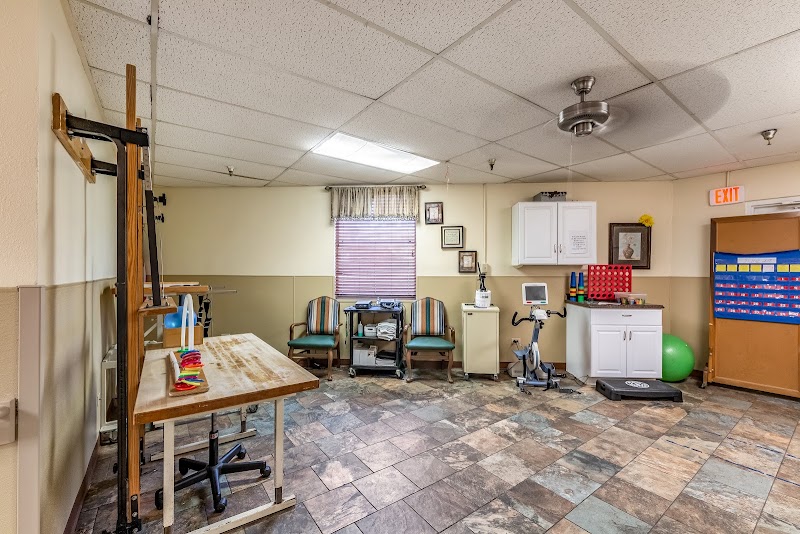
How is San Antonio North Nursing And Rehabilitation Staffed?

CMS rates SAN ANTONIO NORTH NURSING AND REHABILITATION's staffing level at 1 out of 5 stars, which is much below average compared to other nursing homes. Staff turnover is 53%, compared to the Texas average of 46%. RN turnover specifically is 70%, which is notably high. RNs provide skilled clinical oversight, so turnover in this role can affect medical care quality.

What Have Inspectors Found at San Antonio North Nursing And Rehabilitation?

State health inspectors documented 52 deficiencies at SAN ANTONIO NORTH NURSING AND REHABILITATION during 2023 to 2025. These included: 5 Immediate Jeopardy (the most serious level, indicating potential for serious harm or death), 44 with potential for harm, and 3 minor or isolated issues. Immediate Jeopardy findings are rare and represent the most serious regulatory concerns. They require immediate corrective action.
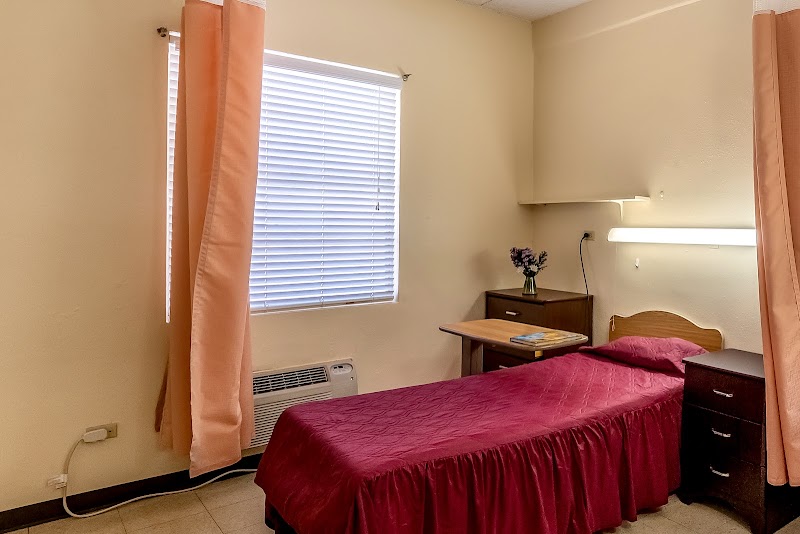
Who Owns and Operates San Antonio North Nursing And Rehabilitation?

SAN ANTONIO NORTH NURSING AND REHABILITATION is owned by a for-profit company. For-profit facilities operate as businesses with obligations to shareholders or private owners. The facility is operated by EDURO HEALTHCARE, a chain that manages multiple nursing homes. With 118 certified beds and approximately 103 residents (about 87% occupancy), it is a mid-sized facility located in SAN ANTONIO, Texas.
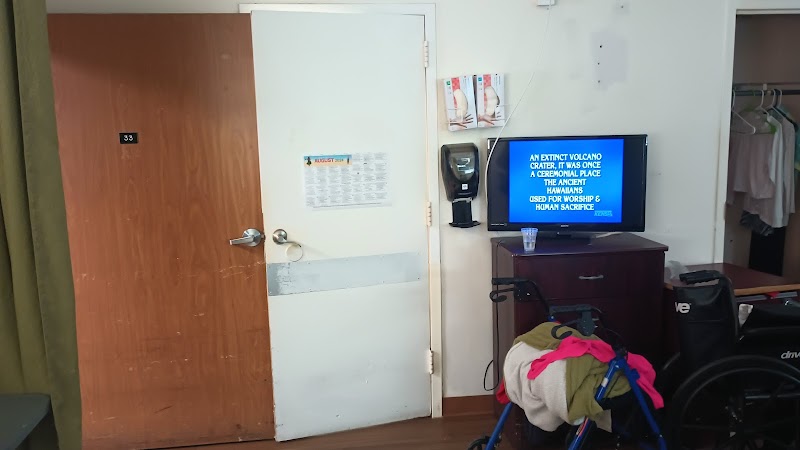
How Does San Antonio North Nursing And Rehabilitation Compare to Other Texas Nursing Homes?

Compared to the 100 nursing homes in Texas, SAN ANTONIO NORTH NURSING AND REHABILITATION's overall rating (1 stars) is below the state average of 2.8, staff turnover (53%) is near the state average of 46%, and health inspection rating (2 stars) is below the national benchmark.

What Should Families Ask When Visiting San Antonio North Nursing And Rehabilitation?

Based on this facility's data, families visiting should ask: "What changes have been made since the serious inspection findings, and how are you preventing similar issues?" "Can you walk me through typical staffing levels on day, evening, and night shifts?" "Can I visit during a mealtime to observe dining assistance and food quality?" "How do you handle medical emergencies, and what is your hospital transfer rate?" These questions are particularly relevant given the facility's Immediate Jeopardy citations and the below-average staffing rating.

Is San Antonio North Nursing And Rehabilitation Safe?

Based on CMS inspection data, SAN ANTONIO NORTH NURSING AND REHABILITATION has documented safety concerns. Inspectors have issued 5 Immediate Jeopardy citations (the most serious violation level indicating risk of serious injury or death). The facility has a 1-star overall rating and ranks #100 of 100 nursing homes in Texas. Families considering this facility should ask detailed questions about what corrective actions have been taken since these incidents.

Do Nurses at San Antonio North Nursing And Rehabilitation Stick Around?

SAN ANTONIO NORTH NURSING AND REHABILITATION has a staff turnover rate of 53%, which is 7 percentage points above the Texas average of 46%. Moderate turnover is common in nursing homes, but families should still ask about staff tenure and how the facility maintains care continuity when employees leave.

Was San Antonio North Nursing And Rehabilitation Ever Fined?

SAN ANTONIO NORTH NURSING AND REHABILITATION has been fined $60,140 across 4 penalty actions. This is above the Texas average of $33,680. Fines in this range indicate compliance issues significant enough for CMS to impose meaningful financial consequences. Common causes include delayed correction of deficiencies, repeat violations, or care failures affecting resident safety. Families should ask facility leadership what changes have been made since these penalties.

Is San Antonio North Nursing And Rehabilitation on Any Federal Watch List?

SAN ANTONIO NORTH NURSING AND REHABILITATION is not on any federal watch list. The most significant is the Special Focus Facility (SFF) program, which identifies the bottom 1% of nursing homes nationally based on persistent, serious quality problems. Not being on this list means the facility has avoided the pattern of deficiencies that triggers enhanced federal oversight. This is a positive indicator, though families should still review the facility's inspection history directly.