SAN ANTONIO WELLNESS & REHABILITATION
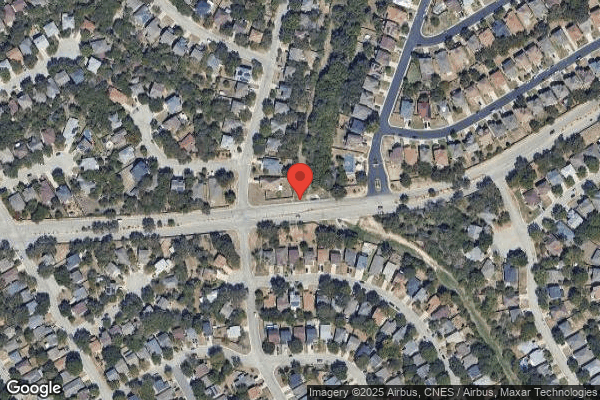
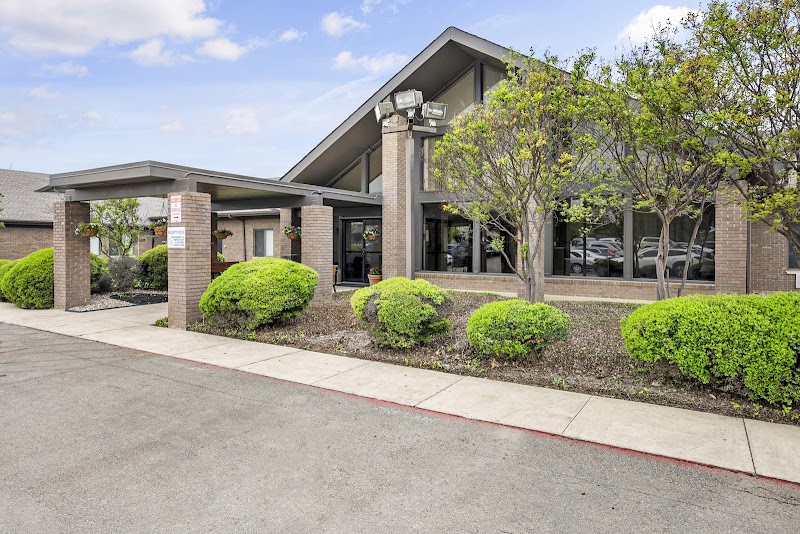
ONE HEARTLAND DR, SAN ANTONIO, TX 78247 (210) 653-1219
For profit - Corporation 154 Beds OPCO SKILLED MANAGEMENT Data: November 2025 1 Immediate Jeopardy citation
Trust Grade
26/100
#831 of 1168 in TX
Last Inspection: November 2024

Within standard 12-15 month inspection cycle. Federal law requires annual inspections.

Overview

San Antonio Wellness & Rehabilitation has received a Trust Grade of F, indicating significant concerns about its quality of care. It ranks #831 out of 1168 facilities in Texas, placing it in the bottom half, and #37 out of 62 in Bexar County, meaning there are better options nearby. The facility is improving, having reduced its number of issues from 12 in 2024 to 3 in 2025. Staffing is a relative strength, with a turnover rate of 28%, significantly lower than the Texas average, but it has received concerning fines totaling $104,627, which is higher than 77% of Texas facilities, suggesting repeated compliance issues. Specific incidents include a critical medication error that sent a resident to the hospital and failures in maintaining a safe environment, such as locked patios that could entrap residents, and inadequate food safety practices that risked foodborne illnesses.

Trust Score
F
26/100
In Texas
#831/1168
Bottom 29%
Safety Record
High Risk
Review needed
Inspections
Getting Better
12 → 3 violations
Staff Stability
✓ Good
28% annual turnover. Excellent stability, 20 points below Texas's 48% average. Staff who stay learn residents' needs.
Penalties
✓ Good
$104,627 in fines. Lower than most Texas facilities. Relatively clean record.
Skilled Nurses
⚠ Watch
Each resident gets only 18 minutes of Registered Nurse (RN) attention daily — below average for Texas. Fewer RN minutes means fewer trained eyes watching for problems.
Violations
⚠ Watch
48 deficiencies on record. Higher than average. Multiple issues found across inspections.
★★☆☆☆
2.0
Overall Rating
★★☆☆☆
2.0
Staff Levels
★★★★☆
4.0
Care Quality
★★☆☆☆
2.0
Inspection Score
Stable
2024: 12 issues
2025: 3 issues

The Good

  • 4-Star Quality Measures · Strong clinical quality outcomes
  • Low Staff Turnover (28%) · Staff stability means consistent care
  • Full Sprinkler Coverage · Fire safety systems throughout facility
  • No fines on record
  • Staff turnover is low (28%)

    20 points below Texas average of 48%

Facility shows strength in quality measures, staff retention, fire safety.

The Bad

2-Star Overall Rating

Below Texas average (2.8)

Below average - review inspection findings carefully

Federal Fines: $104,627

Well above median ($33,413)

Significant penalties indicating serious issues

Chain: OPCO SKILLED MANAGEMENT

Part of a multi-facility chain

Ask about local staffing decisions and management

The Ugly 48 deficiencies on record

1 life-threatening
Jul 2025 3 deficiencies
CONCERN (D) 📢 Someone Reported This

A family member, employee, or ombudsman was alarmed enough to file a formal complaint

Potential for Harm - no one hurt, but risky conditions existed

Report Alleged Abuse (Tag F0609)

Could have caused harm · This affected 1 resident

**NOTE- TERMS IN BRACKETS HAVE BEEN EDITED TO PROTECT CONFIDENTIALITY** Based on interview and record review the facility failed to ensure that all alleged violations involving abuse were reported imm...

Read full inspector narrative →
**NOTE- TERMS IN BRACKETS HAVE BEEN EDITED TO PROTECT CONFIDENTIALITY** Based on interview and record review the facility failed to ensure that all alleged violations involving abuse were reported immediately, but not later than 2 hours after the allegation was made, if the events that caused the allegation involved abuse, or not later than 24 hours if the events that cause the allegation do not involve abuse and do not result in serious bodily injury, to the administrator of the facility and to other officials including to the State Survey Agency where state law provides for jurisdiction in long-term care facilities in accordance with State law through established procedures for 2 of 6 residents (Residents #12, and #18) reviewed for freedom from abuse and misappropriation.1. The facility failed to report the incident of misappropriation on 5.2.25 for Resident # 12 missing a gold diamond necklace. 2. The facility failed to report the incident of alleged abuse on 05/01/2025 for Resident #18.These failures could put the residents at risk of abuse, allegations of abuse not being reported immediately, and could result in physical and psychosocial harm. The findings were:Based on, interview, and record review the facility failed to ensure that all alleged violations involving abuse were reported immediately, but not later than 2 hours after the allegation was made, if the events that caused the allegation involved abuse,or not later than 2 hours if the events that cause the allegation do not involve abuse and do not result in serious bodily injury , to the administrator of the facility and to other officials including the state Survey Agency where state law provides for jurisdiction in long term care facilities in accordance with State law through established procedures doe 2 of 6 (Residents #12, and #18) reviewed for freedom from abuse, neglect, and misappropriation. 1. The facility failed to report the incident of misappropriation on 5.2.25 for Resident # 12 missing a gold diamond necklace. 2. The facility failed to report the incident of alleged abuse on 05/01/2025 for Resident #18.These failures could put the residents at risk of abuse, allegations of abuse not being reported immediately, and could result in physical and psychosocial harm. The findings were:1. Record review of Resident # 12's face sheet, dated 7/02/25, revealed an [AGE] year-old female admitted to the facility on [DATE] with diagnoses which included: Dementia (is the loss of thinking, remembering, and reasoning to such an extent that it interferes with a person's daily life and activities) , hypertension. (happens when the force of your blood pushing against the walls of your blood vessels is too high) and Osteoporosis ( a bone disease that develops when bone mineral density and bone mass decrease. Record review of Resident #12's admission MDS assessment, dated 05/02/2025, revealed the resident's BIMS score was 13, which indicated intact cognition. Record review of the facility's inventory sheet for Resident # 12, dated 4.30.25, did not reveal a gold diamond cross necklace on the inventory sheet . Record review of the facility's grievance's dated 5.13.25 revealed an allegation of a missing gold diamond necklace for Resident # 12 . Further review revealed the Administrator reimbursed the family for Resident # 12 , $1500 , for the missing gold diamond cross necklace. Record review of Texas Unified Licensure Information Portal (TULIP) on 7/02/25 at 8:25 A.M. revealed that no self-reported incidents regarding allegations of misappropriation were reported for Resident #12. An interview with Resident #12's representative party was attempted via phone on 7.2.25 at 9:30 AM and was unsuccessful. Resident # 12 was discharged to another facility on 5.15.25. During an interview on 07/02/2025 at 1:25 PM, the Administrator confirmed he received a report from Resident #12's representative party regarding a missing diamond gold necklace on 5/13/25 . The Administrator stated he did not report the misappropriation to HHSC because of the internal arbitration agreement, and because he reimbursed Resident # 12's family for the gold diamond necklace. After the Administrator familiarized himself with the Long-term care provider letter dated 8/29/25, he acknowledged that incidents that must be reported are exploitation, misappropriation, and failing to report the allegation could have resulted in Resident #12 being subjected to abuse. 2. Record review of Resident #18's Face Sheet, dated 07/02/2025, reflected a [AGE] year-old resident with an initial admission date of 12/16/2023 and diagnosis including Chronic Obstructive Pulmonary Disease (a group of lung diseases that block airflow and make it difficult to breathe), Depression, and morbid obesity. Record review of Resident #18's Comprehensive Person-Centered Care Plan, dated printed 07/01/2025, reflected Resident #18, consistently denies assistance with care tasks, including hygiene, repositioning, and transfers.Record review of facility grievance written by the LSW and dated 05/01/2025 revealed:This writer spoke with [Resident #18] at her request this morning. She stated she had not had a shower in three weeks, and she would like to have a shower today. When asked what days she has her showers, she stated, 'Monday, Wednesday, and Friday in the morning.'She stated the CNA ([CNA A]) today did not put her brief on correctly, and she went on to show this writer how the brief was placed on her (it was very low in the front and she stated it was up to her shoulder blades in the back.) She stated the CNA was 'rough' with her while providing care. She specifically stated the CNA 'pushes and squeezes' her when she does give her a shower, and [Resident #18] tries to explain to her (even though she knows she does not understand English) how to assist her without hurting her due to her diagnosis of fibromyalgia and arthritis. She stated [CNA A] only 'gives me a deadpan look and goes 'uh' in response.'SW asked [Resident #18] if she feels [CNA A] is rough with her on purpose, and [Resident #18] responded, 'Oh yes. She knows what she is doing. She doesn't listen. Today, when I was asking to have my diaper fixed, I kept saying wait, wait. She just kept doing it. When I said wait over and over and she didn't stop, I finally told her to leave. After telling her to leave three times, I thought maybe she didn't understand what 'please leave' meant, so I said, 'go'. She just stared at me. After I said 'go' a few times, I said go and did this (she made a motion with her hand). [CNA A] then said 'go' and did the same motion with both her hands.She makes fun of me like that.' SW asked [Resident #18] if this has happened before (being made fun of). [Resident #18] stated [CNA A] has done it many times before.[Resident #18] stated she no longer wants [CNA A] to take care of her in any way. She stated today was 'the last straw' and she doesn't want her in her room at all any longer.Interview on 07/02/2025 at 7:46 AM, LSW stated she is not aware of a follow-up to the grievance she wrote on behalf of Resident #18. LSW stated that after she told the Administrator about the incident and handed off the grievance to him, that is where her role in the grievance process stops. The LSW stated when a resident addresses a concern to her, she will generally inform the DON/ADON and write a grievance and from there the Administrator handles it.Interview on 07/02/2025 at 8:18 AM, the Administrator stated they would not ordinarily report a grievance such as the one described with Resident #18 to the state because they did a grievance, the resident has a history of false reporting, and because once he interviewed the resident she was happy with the resolution of CNA A not working with her any longer. The Administrator stated that it was likely that Resident #18 felt as though CNA A was rough because Resident #18 was overweight. The Administrator stated after the resolution with the resident they completed the grievance process and there was no further investigation. Interview attempt on 07/02/2025 at 8:30 AM, Resident #18 did not remember the incident occurring and stated she did not have any concerns for her care.Interview on 07/02/2025 at 2:27 PM, CNA A stated she has never been rough with a resident and would report to the DON and Administrator if she saw another staff member become rough with a resident. Record review of Texas Unified Licensure Information Portal (TULIP) on 07/02/2025 at 8:25 AM revealed that no self-reported incidents regarding allegations of neglect were reported for Resident #18. A review of the facility policy, Abuse Prevention and Prohibition Program, dated October 24, 2024, read: Each resident has the right to be free from mistreatment, neglect, abuse, involuntary seclusion, and misappropriation of property. The facility has zero tolerance for abuse, neglect, mistreatment, and/or misappropriation of residents' property.
CONCERN (D) 📢 Someone Reported This

A family member, employee, or ombudsman was alarmed enough to file a formal complaint

Potential for Harm - no one hurt, but risky conditions existed

Investigate Abuse (Tag F0610)

Could have caused harm · This affected 1 resident

**NOTE- TERMS IN BRACKETS HAVE BEEN EDITED TO PROTECT CONFIDENTIALITY** Based on interview and record review, the facility failed to have evidence that all allegations of abuse, neglect, exploitation,...

Read full inspector narrative →
**NOTE- TERMS IN BRACKETS HAVE BEEN EDITED TO PROTECT CONFIDENTIALITY** Based on interview and record review, the facility failed to have evidence that all allegations of abuse, neglect, exploitation, or mistreatment, were thoroughly investigated for 1 of 8 residents (Resident #18) reviewed for abuse and neglect. The facility did not investigate an incident in which Resident #18 made a grievance that a staff member was rough with her and did not stop perineal care when requested. This failure could place residents at risk for abuse/neglect and could lead to a diminished quality of life and psychosocial harm. The findings included:Record review of Resident #18's Face Sheet, dated 07/02/2025, reflected a [AGE] year-old resident with an initial admission date of 12/16/2023 and diagnoses including Chronic Obstructive Pulmonary Disease (a group of lung diseases that block airflow and make it difficult to breathe), Depression, and morbid obesity. Record review of Resident #18's Comprehensive Person-Centered Care Plan, dated printed 07/01/2025, reflected Resident #18, consistently denies assistance with care tasks, including hygiene, repositioning, and transfers.Record review of facility's grievance written by the LSW and dated 05/01/2025 revealed:This writer spoke with [Resident #18] at her request this morning. She stated she had not had a shower in three weeks, and she would like to have a shower today. When asked what days she has her showers, she stated, 'Monday, Wednesday, and Friday in the morning.' She stated the CNA ([CNA A]) today did not put her brief on correctly, and she went on to show this writer how the brief was placed on her (it was very low in the front, and she stated it was up to her shoulder blades in the back.) She stated the CNA was 'rough' with her while providing care. She specifically stated the CNA 'pushes and squeezes' her when she does give her a shower, and [Resident #18] tries to explain to her (even though she knows she does not understand English) how to assist her without hurting her due to her diagnosis of fibromyalgia and arthritis. She stated [CNA A] only 'gives me a deadpan look and goes 'uh' in response.' SW asked [Resident #18] if she feels [CNA A] is rough with her on purpose, and [Resident #18] responded, 'Oh yes. She knows what she is doing. She doesn't listen. Today, when I was asking to have my diaper fixed, I kept saying wait, wait. She just kept doing it. When I said wait over and over and she didn't stop, I finally told her to leave. After telling her to leave three times, I thought maybe she didn't understand what 'please leave' meant, so I said, 'go'. She just stared at me. After I said 'go' a few times, I said go and did this (she made a motion with her hand). [CNA A] then said 'go' and did the same motion with both her hands. She makes fun of me like that.' SW asked [Resident #18] if this has happened before (being made fun of). [Resident #18] stated [CNA A] has done it many times before.[Resident #18] stated she no longer wants [CNA A] to take care of her in any way. She stated today was 'the last straw' and she doesn't want her in her room at all any longer.Interview on 07/02/2025 at 7:46 AM, LSW stated she was not aware of a follow-up to the grievance she wrote on behalf of Resident #18. LSW stated that after she told the Administrator about the incident and handed off the grievance to him, that was where her role in the grievance process stops. The LSW stated when a resident addresses a concern to her, she will generally inform the DON/ADON and write a grievance and from there the Administrator handles it.Interview on 07/02/2025 at 8:18 AM, the Administrator stated they would not ordinarily report a grievance such as the one described with Resident #18 to the State because they did a grievance, the Resident has a history of false reporting, and because once he interviewed the Resident she was happy with the resolution of CNA A not working with her any longer. The Administrator stated that it was likely that Resident #18 felt as though CNA A was rough because Resident #18 was overweight. The Administrator stated after the resolution with the Resident they completed the grievance process and there was no further investigation. Interview attempt on 07/02/2025 at 8:30 AM, Resident #18 did not remember the incident occurring and stated she did not have any concerns for her care.Interview on 07/02/2025 at 2:27 PM, CNA A stated she has never been rough with a resident and would report to the DON and Administrator if she saw another staff member become rough with a resident. Record review of Texas Unified Licensure Information Portal (TULIP) on 07/02/2025 at 8:25 AM revealed that no self-reported incidents regarding allegations of neglect were reported for Resident #18.Record review of facility policy titled, Abuse, Neglect, Exploitation and Misappropriation Prevention Program, dated revised 4/20212, reflected, If the Administrator receives a report of an incident or suspected incident of resident abuse, mistreatment, neglect, injuries of an unknown source of crime, the Administrator or designee, may appoint a member of the Facility's management team (the investigator) to investigate the alleged incident.
CONCERN (D) 📢 Someone Reported This

A family member, employee, or ombudsman was alarmed enough to file a formal complaint

Potential for Harm - no one hurt, but risky conditions existed

Deficiency F0657 (Tag F0657)

Could have caused harm · This affected 1 resident

**NOTE- TERMS IN BRACKETS HAVE BEEN EDITED TO PROTECT CONFIDENTIALITY** Based on interview and record review the facility failed to ensure the comprehensive care plan was reviewed and revised by the i...

Read full inspector narrative →
**NOTE- TERMS IN BRACKETS HAVE BEEN EDITED TO PROTECT CONFIDENTIALITY** Based on interview and record review the facility failed to ensure the comprehensive care plan was reviewed and revised by the interdisciplinary team after each assessment including both the comprehensive and quarterly review assessments to reflect the current condition for 1 of 6 residents (Resident #15) reviewed for care plan revisions.The facility failed to ensure Resident #15's care plan was comprehensive and updated to reflect Resident #15 had an incident of resident-to-resident aggression. This deficient practice could place residents at risk of not receiving appropriate interventions to meet their current needs. The findings included:Record review of Resident #15's face sheet dated 07/02/2025 revealed an [AGE] year-old admitted to the facility on [DATE] with diagnoses that included unspecified dementia (group of thinking and social symptoms that interferes with daily functioning), anxiety disorder, and personal history of covid-19. Record review of Resident #15's most recent admission MDS assessment dated [DATE] revealed the resident was severely cognitively impaired. Record review of Resident #15's comprehensive care plan, undated, did not reveal anything related to aggression or altercations with other residents. Record review of Resident #15's progress note, dated 5/6/2025, reflected, While in the dinning [sic] room for dinner, patient was involved in a physical altercation with another patient after an accidental bumping into the other patient wheelchair. In response, this patient wrapped his hands around the other patient's neck. Staff intervened immediately, separating the individuals and redirecting both patients to ensure safety. During the incident, this resident sustained an abrasion to his left cheek, likely resulting from the physical struggle. The area was assessed and cleaned per protocol; no active bleeding was noted. The Administrator, MD, D.O.N and family was notified. Monitoring will continue per protocol. During an interview on 07/02/2025 at 7:18 AM, MDS Coordinator B stated they go through incident reports during their morning meeting. MDS Coordinator B stated she remembers the incident and believes that MDS Coordinator C was in charge of changing Resident #15's comprehensive care plan, as she changed the other resident involved in the resident-to-resident altercation's care plan. During an interview on 07/02/2025 at 7:41 AM, MDS Coordinator C stated because Resident #15 did not have any psychological trauma or physical injuries they did not update his care plan. Record review of the facility document titled Care Planning with revision date 10/24/2022 revealed in part, The IDT will revise the Comprehensive Care Plan as needed at the following intervals: . D. To address changes in behavior and care
Nov 2024 5 deficiencies
CONCERN (D)

Potential for Harm - no one hurt, but risky conditions existed

Resident Rights (Tag F0550)

Could have caused harm · This affected 1 resident

**NOTE- TERMS IN BRACKETS HAVE BEEN EDITED TO PROTECT CONFIDENTIALITY** Based on observation, interview and record review, the facility failed to treat each resident with respect and dignity and care ...

Read full inspector narrative →
**NOTE- TERMS IN BRACKETS HAVE BEEN EDITED TO PROTECT CONFIDENTIALITY** Based on observation, interview and record review, the facility failed to treat each resident with respect and dignity and care for each resident in a manner and in an environment that promotes maintenance or enhancement of his or her quality of life, recognizing each resident's individuality for 1 of 6 Residents (Resident #48) reviewed for dignity. CNA F walked into Resident #48's room without knocking and while Surveyor and Resident #48 were having a discussion about his medical concerns. This deficient practice could affect any resident and contribute to residents feeling like their feelings, privacy or dignity does not matter. The findings were: Record review of Resident #48's face sheet, dated 11/8/24, revealed he was admitted to the facility on [DATE] with diagnoses including Diabetes Mellitus with Diabetic Neuropathy and Major Depressive Disorder, recurrent, moderate, Record Review of Resident #48's annual MDS, dated [DATE] revealed his BIMS was 14 reflecting minimal cognitive impairment, he did not have mood or behavior problems and for activities it reflected Resident #48 found it very important to chose how to spend his days and what activities were important to him. Observation and interview on 11/07/24 at 03:26 PM revealed Resident was sitting in a wheelchair and was talking about the rash on his upper body, hands and legs. Further observation revealed CNA F walked into Resident #48's room without knocking. He had a container of water in his hand. Surveyor and Resident #48 both quit talking. Resident #48 commented, it's like we're not Important and I don't even matter. It's my room. Resident #48 stated he wished staff would knock before they entered his room. Interview on 11/08/24 at 04:42 PM with CNA F revealed he stated he did not knock on Resident #48's room yesterday while he and Surveyor were talking. He stated he stepped out to get Resident #48 water and the Resident knew he was returning. Surveyor proposed CNA F a question: how would you like it if someone walked into your living room without knocking? CNA F stated he would not like it. CNA F apologized and stated he would not do it again. Interview on 11/08/24 at 04:55 PM with the DON revealed CNA F told her about walking into Resident #48's room without knocking. She stated it was a dignity/privacy issue and she expected all staff to knock before entering a Resident's room. The DON stated the charge nurses should be watching out for any incidents. Record review of a facility policy, Resident Rights, revised 8/2020, read in relevant part: The facility must treat each resident with respect and dignity and care for each resident in a manner and in an environment, that promotes maintenance or enhancement of his or her quality of life, recognizing each resident's individuality. The Facility will ensure that the resident can exercise his or her rights without interference, coercion, discrimination, or reprisal from the Facility. Employees are to treat all residents with kindness, respect, and dignity and honor the exercise of resident's rights.
CONCERN (D)

Potential for Harm - no one hurt, but risky conditions existed

Grievances (Tag F0585)

Could have caused harm · This affected 1 resident

**NOTE- TERMS IN BRACKETS HAVE BEEN EDITED TO PROTECT CONFIDENTIALITY** Based on observation, interviews, and record reviews the facility failed to ensure residents had the right to voice grievances t...

Read full inspector narrative →
**NOTE- TERMS IN BRACKETS HAVE BEEN EDITED TO PROTECT CONFIDENTIALITY** Based on observation, interviews, and record reviews the facility failed to ensure residents had the right to voice grievances to the facility or other agency or entity that hears grievances without discrimination or reprisal and without fear of discrimination or reprisal. Such grievances include those with respect to care and treatment which has been furnished as well as that which has not been furnished, the behavior of staff and of other residents, and other concerns regarding their LTC facility stay for 1 of 8 residents (Resident #4) reviewed for grievances. The facility failed to create a greience for Resident #4 who made a grievance to LVN D, LVN C, CNA A, and The BOM alleging she did not receive medications on Sunday 10/27/2024. This failure could place residents at risk for not having their grievances heard and or resolved. The findings included: A record review of Resident #4's quarterly MDS assessment dated [DATE] revealed Resident #4 was an [AGE] year-old female admitte d on 09/19/2022 for long term care and assessed with a BIMS score of 12 out of a possible 15 which indicated moderate cognitive impairment. Further review revealed Resident #4 was assessed as medically complex with diagnoses which included generalized pain, osteoarthritis, atrophy (weaking) of the eyes complicated by Presbyopia (not able to see close), Hypermetropia (only having the ability to see objects far away) and glaucoma (a condition where the eye's optic nerve, which provides information to the brain, is damaged). Resident #4 was assessed as dependent - helper does ALL of the effort to complete the activity for the following: Toileting and Bathing and was assessed without the ability to stand or walk. A record review of Resident #4's care plan conference dated 07/25/2024 revealed, (Resident #4) is here for LTC (long Term Care). She was discharged from (name of hospice care) hospice in June for stability. She remains on her pain management. She is bed bound and doesn't like to do therapy or get out of bed. (family) visits often. She is able to make her needs known. She prefers in room activities. She remains DNR (do not resuscitate) and regular diet. During an observation and interview on 11/05/24 at 10:39 AM revealed Resident #4 laying in her bed. Resident #4 stated she had not received medications and stated, you could have them give me my meds. Resident #4 continued to explain on 10/27/2024 she had not received her medications and she had complained to (name of family relative) and nurse that day (LVN D). Resident #4 detailed she believed she did not receive her medications and the next morning 10/28/2024 she made the same complaint to her CNA, CNA A, and then again to the BOM. Resident #4 stated no one gave her a report regarding her grievances. Resident #4 stated she did not fill out a grievance report and no one had assisted her in filling out a report. During an interview on 11/06/24 at 01:40 PM CNA A stated she recalled sometime last week - on a Monday Resident #4 made a complaint she had not received her medications that weekend, Sunday (10/27/2024). CNA A stated on Monday 10/28/2024 while she recovered Resident #4's breakfast tray Resident #4's ambassador the BOM entered the room to check in with Resident #4. CNA A stated she then introduced the BOM to Resident #4's complaint. CNA A stated she was a long-term employee of the facility and was not aware of the facility's grievance policy and or procedures. CNA A stated she had not assisted Resident #4 to fill out a grievance form. During an interview on 11/07/24 at 11:45 AM the Administrator stated he had provided the survey team all the grievance forms for the past months of May through November. A record review of the facility's grievance logbook revealed grievances for the time between May 2024 and November 2024 and no grievances were revealed for Resident #4's grievance made on 10/27/ 2024 and 10/28/2024. During an interview on 11/07/24 at 12:00 PM the BOM stated she was the ambassador for Resident #4 and on the Morning of 10/28/2024 she visited with resident #4 who stated she had a suspicion she did not receive her medications Sunday yesterday (10/27/2024). The BOM stated she checked with Resident #4's nurse that day Monday 10/28/2024 LVN C. LVN C reviewed Resident #4's medication administration record for 10/27/2024 and revealed LVN D had documented Resident #4 received her medications. The BOM stated she had not assisted Resident #4 to fill out a grievance form. The BOM stated she had not considered Resident #4's complaint of not receiving her medications as a grievance which needed to be documented since the record revealed she had received her medications. During an Interview on 11/07/2024 at 12:54 PM LVN D stated on 10/27/2024 Resident 4's (family member) called the nurses station and reported her (Resident #4) had alleged she had not received her morning medications. LVN D stated he reported to Resident 4's (family member) he had administered the medications also Resident #4 was a little sleepy that morning and may have not remembered. LVN D stated he did not document the report in any notes and had not generated a grievance report nor reported the allegation of neglect to his superior because he did not recognize the allegation of neglect because he had direct knowledge of the medication administration. During an interview on 11/07/2024 at 4:00 PM the DON stated she expected all the staff to assist residents document grievances made and to submit those grievances to the administrator. The DON stated she was surprised because the staff have been in-serviced on grievances and the facility had many grievances documented and resolved. The DON stated she would follow up with CNA A and LVN D. During an interview on 11/07/2024 at 04:10 PM the administrator stated he was the grievance officer and had not received a grievance report on behalf of Resident #4 regarding her suspicion of not receiving her medications and expected LVN D and the BOM to have generated a grievance report once the administrator received the surveyors report detailing the events on 10/27/2024 and 10/28/2024. A record review of the facility's policy dated August 2020, revealed, Purpose: To ensure that residents, family members, and representatives know about the procedure for filing grievances and complaints. Policy The Facility advises residents and their representatives (including family, legal representatives, and advocates) of their right to file grievances without discrimination or reprisal, and of the process for filing grievances or complaints. and ensures that there is a prompt review, investigation and response to and resolution of grievances and complaints. The disposition of all resident grievances and/or complaints is recorded in the Facility's Resident Grievance/Complaint Log. Grievances and/or complaints may be submitted orally or in writing and can be made anonymously through the Compliance Hotline. Individuals will use Facility complaint forms or may use Resident Grievance/Complaint Form to submit written grievance reports. VI. Duties and Obligations of Staff; A. When a Facility Staff member overhears or receives a complaint from a resident, a resident's representative, another interested family member or visitor of a resident concerning the resident's medical care, treatment, food, clothing, or behavior of other residents, etc., the Facility Staff member is encouraged to advise the resident/concerned party that they may file a complaint or grievance without fear of reprisal or discrimination, and will assist the resident, or person acting on the resident's behalf, in filing a written complaint with the Facility. C. Staff members inform the resident or the person acting on the resident's behalf where to obtain a Resident Grievance/Complaint Form and where to locate the procedures for filing a grievance or complaint (e.g., posted on the consumer bulletin board). D. All alleged abuse, mistreatment, neglect, injuries of unknown source, and misappropriation of property will be reported to the Administrator immediately. See Policy Abuse Prevention Program. F. The Facility will inform the resident or his or her representative or concerned party of the findings of the investigation and any corrective actions recommended in a timely manner. IX. Grievance Complaint Log A. The disposition of all written grievances and/or complaints is recorded on the Resident Grievance/Complaint Log.
CONCERN (D)

Potential for Harm - no one hurt, but risky conditions existed

Deficiency F0805 (Tag F0805)

Could have caused harm · This affected 1 resident

**NOTE- TERMS IN BRACKETS HAVE BEEN EDITED TO PROTECT CONFIDENTIALITY** Based on observations, interviews, and record reviews the facility failed to ensure each resident received, and the facility pro...

Read full inspector narrative →
**NOTE- TERMS IN BRACKETS HAVE BEEN EDITED TO PROTECT CONFIDENTIALITY** Based on observations, interviews, and record reviews the facility failed to ensure each resident received, and the facility provided food prepared in a form designed to meet individual needs for 1 of 8 residents (Resident #16) reviewed for mechanical soft diet needs. 1. The facility failed to follow the physicians' orders and the Speech Language Pathologist's (SLP) recommendations for Resident #16's mechanical soft diet and served Resident #16 potato chips on 11/05/2024 for lunch. 2. The facility failed to follow the physicians' orders and the Speech Language Pathologist's (SLP) recommendations for Resident #16's mechanical soft diet and served Resident #16 potato chips on 11/05/2024 for dinner. This failure could place residents at risk for harm by aspiration of food into the lungs due to swallowing difficulties. The findings included: A record review of Resident #16's admission record dated 11/05/2024, revealed an admission date of 09/04/2024 with diagnoses which included dysphagia oropharyngeal phase (swallowing difficulties), dementia (A group of symptoms that affects memory, thinking and interferes with daily life), and intellectual disabilities. A record review of Resident #16 quarterly MDS assessment dated [DATE] revealed Resident #16 was a [AGE] year-old male admitted for long term care and assessed with a BIMS score of 10 out of a possible 15 which indicated moderate cognitive impairment. Resident # 16 was assessed with signs and symptoms of possible swallowing disorder coughing or choking during meals or when swallowing medications. And required a mechanically altered diet, require change in texture of foods or liquids. A record review of Resident #16's physicians orders dated 11/06/2024 revealed the physician ordered for Resident #16 to receive a regular diet with a mechanical soft texture, with thin liquids. A record review of Resident #16's care plan dated 11/06/2024 revealed Resident #16 was at risk for falls and had interventions for fall preventions, the resident needs a safe environment with: even floors free from spills and or clutter; adequate glare free light; . (Resident #16) has potential nutritional problem r/t (related to) dementia, dysphagia, GERD (gastroesophageal reflux disease) . provide serve diet as ordered A record review of Resident #16's SLP (Speech Language Pathologist) Recert, Progress, Report & Updated Therapy Plan dated 09/05/2024, revealed a new goal for Resident #16 as Patient will demonstrate ability to safely swallow mechanical safe foods and thin liquids using compensatory strategies in 95% of opportunities to maintain adequate nutrition / hydration. A record review of Resident #16's lunch meal ticket dated 11/05/2024 revealed . Notes: Send only peanut butter and jelly sandwich and chips on plate; cottage cheese, dessert During an observation on 11/05/2024 at 12:16 PM revealed Resident #16 seated in the dining room and was served a lunch plate which included a peanut butter sandwich accompanied by potato chips. Continued observation revealed Resident #16 consumed the meal. During an interview on 11/05/2024 12:20 PM with the facility's SLP and the Dietician, the SLP stated she did not believe potato chips were consistent with a mechanical soft diet. The dietician disagreed and stated Resident #16 was fine with potato chips and bread. A record review of Resident #16's dinner meal ticket dated 11/05/2024 revealed . Notes: Send only egg salad sandwich and chips; cottage cheese, ice cream During an observation on 11/05/2024 at 05:46 PM revealed Resident #16 seated in the dining room and was served a dinner plate which included an egg salad sandwich accompanied by potato chips. Continued observation revealed Resident #16 consumed the meal. During an interview on 11/05/2024 at 05:50 PM the ADON E stated Resident #16 was served [potato chips and was assessed a needing a mechanical soft diet texture. The ADON E stated she needed to confirm if potato chips were consistent with a mechanical soft diet. During an interview on 11/08/2024 at 04:00 PM the DON stated she did not believe potato chips were consistent with a mechanical soft diet and would ask Resident #16's physician for a new SLP evaluation and potential swallow study. The DON stated the risk for a Resident with needs for a mechanical soft diet not receiving mechanical soft foods was aspiration and potential lung infections. A record review of the facility's Dental Soft (Mechanical Soft) Diet policy dated 2022 revealed, Indications for Use: The Dental Soft (Mechanical Soft) Diet is for individuals with limited or difficulty in chewing regular consistency foods. If a Mechanical Soft Diet is ordered, the Dental Soft (Mechanical Soft) Diet would be appropriate if there is a chewing/dentition problem. This diet may also be used by a Speech Language Pathologist (SLP) in the treatment of dysphagia with individualization per recommendations by the SLP. This diet may be used for those experiencing mouth irritation and dentition problems including lack of teeth or poor fitting dentures. Individualization for specific food tolerances is required. For individuals that have any swallowing problems or dysphagia, it is recommended that a SLP be consulted and one of the Dysphagia Level Diets may need to be implemented. General Principles & Guidelines: . 3. The diet consists of food of nearly regular textures but excludes very hard, sticky, crunchy or hard to chew foods. Foods should be moist and fork tender. 10. Hard crisp fried potatoes and potato skins are excluded. Food Guide: . not allowed: . Hard crisp fried potatoes
CONCERN (E)

Potential for Harm - no one hurt, but risky conditions existed

Accident Prevention (Tag F0689)

Could have caused harm · This affected multiple residents

Based on observation, interview, and record review, the facility failed to ensure the resident environment remained as free of accident hazards as possible and each resident received adequate supervis...

Read full inspector narrative →
Based on observation, interview, and record review, the facility failed to ensure the resident environment remained as free of accident hazards as possible and each resident received adequate supervision to prevent accidents for 2 of 3 patios reviewed for entrapment and lack of supervision. 1. The secured enclosed patio by the 100-300 hall dining room was accessed by a door that would allow residents, staff, and the public to exit to the secured enclosed patio but would lock behind anyone and would prevent access back into the dining room. 2. The secured enclosed patio by the 400-600 hall dining room was accessed by a door that would allow residents, staff, and the public to exit to the secured enclosed patio but would lock behind anyone and would prevent access back into the dining room. This failure could place residents, staff, and the public at risk for entrapment. The findings included: During an observation of the facility during initial rounds on 11/05/2024 from 09:00 to 06:00 PM revealed 3 secured patios. One enclosed secured patio was located by the 100-300 hall dining room. One enclosed secured patio was located by the 400-600 hall dining room. One secured enclosed patio was located within the memory care secured unit. During an observation on 11/05/24 at 05:30 PM revealed staff and residents gathered at the 100-300 hall dining room. Staff assisted some residents to their tables and other independent residents self-ambulated to the dining room and sat themselves at dining room tables and awaited the dinner meal. Approximately 20 residents were observed in the dining room. Further observation revealed Resident #16 walked in the dining room with his rollator walker and sat down for the dinner meal service. The surveyor observed the door at the end of the dining room which was used to access the adjacent enclosed secured patio. The surveyor exited the door and walked out into the patio. Further observation of the patio revealed a large patio with a concrete patio and walkways around a garden and shrubbery. The walkway led to a fenced in yard secured by a six-foot wooden privacy fence with a secured magnetically locked gate which could not be opened. The surveyor walked back to the door to the facility's 100-300 hall dining room to discover the door had locked behind the surveyor when the surveyor exited the door. Residents and staff could be visualized through the glass locked door. The door presented with a numbered push pin lock. The door presented without any signage to reveal a phone number and or access code. The surveyor had to knock on the glass door to gain the attention of staff. ADON E answered the knock and opened the door. During an interview on 11/05/2024 at 05:40 PM ADON E stated the door was free to exit and would lock behind anyone who would exit. ADON E stated staff would escort residents out to the patio for outdoor activities. ADON E stated there was a code for the door, but it was not posted. ADON E stated Resident #16 could exit to the secured patio and was not aware of the code. ADON E stated Resident #16 had no history of going outside without staff. ADON E stated some residents were aware of the code to enter back into the facility. During an observation on 11/06/2024 at 12:36 pm revealed the enclosed secured patio located by the 300-600 hall dining room. The patio could be accessed by residents, staff, and the public through a glass metal door. The surveyor observed the door needed no code to exit but the door locked behind whoever exited the facility into the garden patio. The patio presented with concrete patios and walkways and features a six-foot privacy wooden fence which was electronically magnetically locked and could not be unlocked. The door back into the facility presented without any signage to advertise an access code and or facility phone number. During an interview on 11/07/2024 at 11:20 AM the Maintenance Director stated the doors to the secured enclosed patios by the 100-300 and 400-600 dining rooms had locks designed to allow anyone out but locked behind anyone who exited and could only be unlocked from the inside or by using a code from the outside. The Maintenance Director stated someone who did not know the code could be locked out of the facility and could not get out of the patio unless someone unlocked the door from the inside. The maintenance director stated he was in the process of removing the locks. The Maintenance Director stated the facility leadership met and decided to remove the locks on 11/07/2024 and provide a handle which would allow free movement in and out. During an interview on 11/8/2024 at 04:00 PM the Administrator stated the doors to the enclosed secured patios by the dining rooms had been locked and were now free to allow exit and entrance to the facility. The locks were changed yesterday 11/07/2024. the administrator stated the decision was made to improve supporting resident's rights of free movement and access to the patios. A record review of the facility's safe environment policy was requested on 11/08/2024 at 09:26 AM via email. A record review of the email dated 11/08/2024 time 09:31 authored by the administrator revealed, the policy was not provided.
CONCERN (E)

Potential for Harm - no one hurt, but risky conditions existed

Food Safety (Tag F0812)

Could have caused harm · This affected multiple residents

Based on observation, interview, and record review, the facility failed to store, prepare, distribute, and serve food in accordance with professional standards for food service safety for 1 of 1 kitch...

Read full inspector narrative →
Based on observation, interview, and record review, the facility failed to store, prepare, distribute, and serve food in accordance with professional standards for food service safety for 1 of 1 kitchen observed. The facility failed to ensure dietary staff used proper hand hygiene during meal preparation. This failure could place residents who received meals and/or snacks from the kitchen at risk for food borne illness. The findings included: Observation on 11/07/2024 at 12:08 p.m. revealed the DA carried a bag of hamburger buns from the pantry, placed them on the counter, after she placed the bag down, pulled back plastic wrap from a sandwich on a plate reached up, grabbed a knife by the blade from the magnetic knife holder on the wall, cut the sandwich in half and then placed the plastic wrap back over the sandwich. The DA did not stop to remove gloves and wash her hands or change gloves. Observation on 11/07/2024 at 12:12 p.m. revealed the DA while wearing gloves she went into the pantry, brought back a loaf of bread, opened the bread removed the bread from the bag placed it on a plate, then got a slice of cheese from a zip lock bag, placed the cheese on the bread with her gloved hands and placed the sandwich on the griddle to grill the cheese sandwich. The DA did not stop to remove gloves and wash her hands or change gloves. Observation on 11/07/2024 at 12:16 p.m. revealed the DNS when the DA left kitchen to take items to dish room. The DNS reminded the DA to remove her gloves and wash her hands. The DA then removed her gloves, washed her hands and returned to the kitchen and put on new gloves. During an interview on 11/07/2024 at 1:42 p.m. the DA stated she should have washed her hands once she returned from the pantry and put on new gloves before taking the bread and cheese out to cook the sandwich. The DA stated by not washing her hands and changing her gloves it could cause cross contamination and could cause a resident to get sick. The DA further stated she had been trained on handwashing and cross contamination. During an interview on 11/07/2024 at 1:49 p.m. the DNS stated the DA should have removed her gloves and washed her hands after getting the bread from the pantry before preparing the sandwiches. The DNS further stated the staff had been trained on handwashing, cross contamination and the use of gloves. The DNS stated this practice could cause cross contamination and could cause a resident to get sick. Review of facility's policy Dining Services Standards, revised 12/2022, read Policy: The facility staff will ensure the prevention of infection in the food service department to ensure the residents are provided with a positive meal experience, Procedure: A. Personnel: 4. Nutrition and Food Services personnel in direct contact with food will wear plastic or vinyl disposable gloves. Gloves should be removed upon leaving the work area and hand hygiene performed. Hand hygiene should be performed when returning to the work area and new gloves should be worn. Gloves should be changed, and hands washed with soap and water whenever the gloves are contaminated by touching potentially soiled surfaces such as cashier surfaces, floors, waste cans, cardboard boxes, etc.
Oct 2024 1 deficiency
CONCERN (D) 📢 Someone Reported This

A family member, employee, or ombudsman was alarmed enough to file a formal complaint

Potential for Harm - no one hurt, but risky conditions existed

Infection Control (Tag F0880)

Could have caused harm · This affected 1 resident

**NOTE- TERMS IN BRACKETS HAVE BEEN EDITED TO PROTECT CONFIDENTIALITY** Based on observation, interview, and record review, the facility failed to maintain an infection prevention and control program ...

Read full inspector narrative →
**NOTE- TERMS IN BRACKETS HAVE BEEN EDITED TO PROTECT CONFIDENTIALITY** Based on observation, interview, and record review, the facility failed to maintain an infection prevention and control program designed to provide a safe, sanitary, and comfortable environment and to help prevent the development and transmission of communicable disease and infection for 1 of 1 resident (Resident #1) reviewed for infection control, in that: The facility failed to ensure LVN A changed her gloves when moving from a dirty to clean task and failed to use appropriate hand hygiene between glove changes when she provided incontinent care to Resident #1. This deficient practice could place residents at risk for infection due to improper care practices. The findings included: Record review of Resident #1's face sheet dated 10/15/24 revealed a [AGE] year-old male admitted to the facility on [DATE] and re-admitted on [DATE] with diagnoses that included cognitive communication deficit, profound intellectual disabilities, and benign prostatic hyperplasia without lower urinary tract symptoms. Record review of Resident #1's most recent quarterly MDS assessment, dated 9/27/24 revealed the resident was severely cognitively impaired for daily decision-making skills and was always incontinent of bowel and utilized an indwelling urinary catheter. Observation on 10/16/24 at 9:25 a.m., during incontinent care revealed LVN A removed Resident #1's soiled brief, removed her gloves, did not wash, or sanitize her hands and put on a new pair of gloves. LVN A then obtained a clean brief and placed it on the resident's bed. LVN A continued with incontinent care and wiped the stool from Resident #1's left upper thigh and between the buttocks and anus. LVN A then removed her gloves, washed her hands and left the bedside to obtain a topical medication. LVN A returned with Resident #1's topical medication, went into the bathroom to wash her hands, and used her wet right hand to turn off the faucet. LVN A then put on a new pair of gloves, returned to the resident's bedside and applied the topical medication to the resident's buttocks. LVN A then removed her gloves, did not wash or sanitize her hands and put on a new pair of gloves. LVN A completed incontinent care to Resident #1, took the soiled brief and placed it in a plastic bag, and then with the same gloves took the clean brief and placed it on the resident. During an interview on 10/16/24 at 9:51 a.m., LVN A stated she realized she had missed sanitizing her hands between gloves changes and revealed it was important to do so because it was infection control issue and could result in the resident getting an infection. LVN A further stated she should not have turned off the water faucet with her bare hand because you don't know who else had touched the faucet. LVN A stated she had not realized she did not change her gloves after removing Resident #1's soiled brief and before touching the clean brief, and that it was also considered an infection control issue resulting in the resident vulnerable to infection. LVN A stated she had been in-service and had competency training on infection control almost every week if not once a month. LVN A stated she had been involved in providing training to staff and had been in-serviced by the ADON and DON. During an interview on 10/16/24 at 10:08 a.m., the DON stated, no hand washing between glove changes, going from a dirty area to a clean area during a task, and using your bare hand to turn off the water faucet after washing your hands were all a potential for spread of infection due to improper infection control practices. Record review of LVN A's clinical competency validation document for Hand Hygiene dated 8/15/24 revealed LVN A had satisfied the requirement for proper hand hygiene. Record review of the facility policy and procedure titled Infection Prevention and Control Program, revision date 6/2020 revealed in part, Purpose .ensure the Facility establishes and maintains an Infection Control Program designed to provide a safe, sanitary and comfortable environment and to help prevent the development and transmission of disease and infection in accordance with Federal and State requirements . Record review of the facility policy and procedure titled, Perineal Care, revision date 6/2020, revealed in part, .Purpose .to maintain cleanliness of the genital area, to reduce odor, and to prevent infection or skin breakdown .Wash hands .put on gloves .Remove gloves. Wash hands or use alcohol-based hand sanitizer .Note: Do not touch anything with soiled gloves after a procedure .
Jan 2024 6 deficiencies
CONCERN (D) 📢 Someone Reported This

A family member, employee, or ombudsman was alarmed enough to file a formal complaint

Potential for Harm - no one hurt, but risky conditions existed

Report Alleged Abuse (Tag F0609)

Could have caused harm · This affected 1 resident

**NOTE- TERMS IN BRACKETS HAVE BEEN EDITED TO PROTECT CONFIDENTIALITY** Based on interview and record review the facility failed to ensure in response to allegations of abuse, were reported immediatel...

Read full inspector narrative →
**NOTE- TERMS IN BRACKETS HAVE BEEN EDITED TO PROTECT CONFIDENTIALITY** Based on interview and record review the facility failed to ensure in response to allegations of abuse, were reported immediately, but not later than 2 hours after the allegation was made, when the events that caused the allegation involved abuse for 1 of 5 Residents (Resident #1) whose records were reviewed for abuse. CNA A reported to nursing staff that CNA B slapped Resident #1 on the right upper thigh. Nursing staff failed to follow the chain of command and report it to the ADM right away which delayed the ADM in reporting the allegation of abuse to the State Survey Agency within 2 hours. This deficient practice could affect any resident and contribute to further resident abuse. The findings were: Review of Resident #1's face sheet, dated 1/16/24, revealed she was admitted to the facility on [DATE] with diagnoses including Dementia and Personal History of (healed) traumatic fracture. Review of Resident #1's quarterly MDS assessment, dated 12/12/23 with a BIMS score of 2 reflective of severe cognitive impairment. Review of Resident #1's Care Plan revised 12/13/23 revealed she had severe impaired cognitive function or thought process related to cognitive decline and she was resistive to care related to dementia. One of the interventions included for staff to allow the resident to make decisions about treatment regimen, to provide sense of control. Review of Review of PIR involving Resident #1 revealed on 1/1/24, revealed CNA A alleged CNA B slapped Resident #1 on her right thigh during care when Resident became combative. Further review revealed CNA A also reported the allegation of abuse to LVN D and LVN E. Both staff advised CNA A to report it to the ADM; however, neither one of the charge nurse's reported the allegation of abuse to the ADM. Review of facility in-service on their policy, Abuse Prevention and Prohibition Program, dated 1/2/24 revealed the ADM reviewed the policy including reporting abuse and neglect with nursing staff. It was noted the designated abuse coordinator was the ADM and staff who had knowledge of abuse and or neglect should report directly to him. Observation and interview on 1/10/24 at 11:26 AM revealed Resident #1 sitting in a wheelchair along the wall in front of the nurses station. She was friendly and engaged in simple conversation. Resident #1 presented as being alert and oriented to self. She stated she was doing well and did not express any concerns related to abuse/neglect. Resident #1 did not answer any questions pertaining to the allegation of abuse. She starred blankly when asked questions and did not respond. Interview on 1/10/24 at 4 PM with the ADM revealed the allegation of resident abuse involving Resident #1 was reported late and not within 2 hours as required per regulation because nursing staff failed to report the allegation to him right away. He stated he learned about the incident on the morning of 1/2/24, the day after the incident, 1/1/24. He stated CNA A approached 2 separate LVN's on the night of the incident, LVN D and LVN E and both instructed her to report it directly to him. The ADM stated CNA A did not contact him to report what she witnessed. The ADM stated staff should report any allegations of abuse directly to him. However, in this case the charge nurses should have also reported the allegation to ensure it was reported right away. He stated he provided had a lengthy in-service for staff regarding reporting abuse and neglect. Interview on 1/11/24 at 12:30 PM with CNA B, AP, involving Resident #1 revealed she worked 3:00 PM to 11:00 PM on the night of the incident. She stated the on-coming CNA B came in early and was already on the hall. She stated Resident #1 was yelling and screaming. She stated she had just showered Resident #1 about 30 minutes prior. CNA B was already on the hall and was walking towards Resident #1's room. She walked in right behind CNA B. She stated Resident #1 was still on the bed but had stripped her bed, taken off her brief and clothes and was completely nude on the bed. CNA B stated Resident #1 was combative, striking out and kicking. She told the Resident stop it, you weren't acting like this when your {family member} was here. CNA B stated Resident #1 at one point kicked towards her stomach and she caught her leg and told Resident #1 you can't kick me on the stomach, I'm pregnant. She stated the CNA B told her she couldn't hit the Residents and responded and said I didn't hit her. I caught her leg so she wouldn't kick me in the stomach. CNA B stated she would never hit any of her residents, she stated she had a good rapport with them and would not hurt them in any way. Interview on 1/12/24 at 10:01 AM with CNA A revealed she confirmed she reported to work early for the 11 PM to 7 AM shift on 1/1/24. Her and CNA B went into Resident #1's room together. Resident #1 was yelling and screaming. Upon entering the room Resident #1 had thrown her belongings including linens on the floor and she was nude. She was very aggravated. CNA A stated Resident #1 was kicking her legs and CNA B told the Resident you're not going to hurt my baby and slapped the Resident on the right thigh. She commented, and no she was not trying to block her kick, she raised her hand and slapped the Resident on the thigh. CNA A stated she did not see any marks on Resident #1. She stated she got mad and left and reported what she saw to LVN D and LVN E. She stated she did not report the allegation to the ADM and later learned she was supposed to also call the ADM. She stated she had been in-serviced about reporting allegations of abuse and neglect right to the charge nurse and the ADM right away. Interview on 1/13/24 at 11:55 AM with LVN D revealed CNA A reported she witnessed CNA B slap Resident #1 on the right thigh when she became combative. LVN D stated she pulled CNA A aside and made sure she understood correctly because it was not in CNA B's character to hit a resident. LVN D stated CNA A reiterated she saw CNA B hit Resident #1. At this point she instructed CNA A to report it to her charge nurse and the ADM because she was not working on the same side of the facility. LVN D stated she should have also directly reported the allegation of abuse to the ADM to ensure it was reported per facility policy. LVN D stated she attended an in-service regarding reporting allegations of abuse and neglect to the ADM right away. Review of a facility policy, Abuse Prevention and Prohibition Program, undated, read: IX Reporting/Response, B. Administrator, or his/her designee, as Abuse Coordinator i. in order to facilitate reporting, ensure confidentiality and promote order at the Facility, the Administrator, or his/her designee, shall be the individual who reports known or suspected instances of abuse of resident at the facility to the proper authorities. ii. Facility Staff will report known or suspected instances of abuse to the Administrator, or his/her designee. D. The Facility will report allegations of abuse, neglect, exploitation,, mistreatment, injuries of unknown source, misappropriation of resident property, or other incidents that qualify as a crime. See AN-01-Form E-Initial Report-Facility Reported incident. i. immediately, but no later than 2 hours after forming the suspicion-if the alleged violation involves abuse or results in serious bodily injury to the state survey agency.
CONCERN (D) 📢 Someone Reported This

A family member, employee, or ombudsman was alarmed enough to file a formal complaint

Potential for Harm - no one hurt, but risky conditions existed

ADL Care (Tag F0677)

Could have caused harm · This affected 1 resident

**NOTE- TERMS IN BRACKETS HAVE BEEN EDITED TO PROTECT CONFIDENTIALITY** Based on observation, interview and record review the facility failed to ensure a resident who was unable to carry out activitie...

Read full inspector narrative →
**NOTE- TERMS IN BRACKETS HAVE BEEN EDITED TO PROTECT CONFIDENTIALITY** Based on observation, interview and record review the facility failed to ensure a resident who was unable to carry out activities of daily living received the necessary services to maintain good oral hygiene for 1 of 5 Residents (Resident #2) whose records were reviewed for adl care. Nursing staff failed to clean Resident #2's lips and brush her teeth after breakfast. This deficient practice could affect dependent residents and contribute to poor oral hygiene, tooth decay, infections and decline in physical condition The findings were: Review of Resident #2's face sheet, dated 1/16/24, revealed she was admitted to the facility on [DATE] with diagnoses including Dementia and Cognitive Communication Deficit. Review of Resident #2's annual MDS assessment, dated 12/22/23, revealed her BIMS score was severely cognitively impaired and she was dependent for oral care. Review of Resident #2's Care Plan, revised on 12/20/23 revealed she had a communication problem and one of the interventions was to anticipate needs. Further review revealed Resident #2 had a self-care ADL performance deficit but did not address her need for assistance with oral care. Review of Resident #2 task form (including personal hygiene, including combing hair, brushing teeth, shaving, applying makeup, washing/drying face and hands) dated 1/3/24 to 1/16/24 revealed Resident #1 was totally dependent and required full staff assistance for oral care. Further review revealed on 1/10/24 it reflected Resident #2 received assistance at one time at 9:27 AM. Observation and interview on 1/10/24 at 10:50 AM revealed Resident #2 was lying in bed in a low position. Observation of Resident #2's mouth revealed her top front teeth were crooked and protruding; her lips had a white hardened film around her top and lower lips outlining the entire mouth; lower teeth had brown build up. Resident #2 was Spanish speaking and presented as alert to self with confusion. Resident #2 answered yes/no to questions and when asked if someone had cleaned her mouth, she said, no. When asked if she wanted her teeth cleaned she said, yes. Interview on 1/10/24 at 11:10 AM with LVN C revealed she had rounded on residents on her hall this morning including Resident #2. LVN C asked what was going on with Resident #2's lips. LVN C stated she probably needed oral care. Observation on 1/10/24 at 11:11 AM revealed LVN C entered Resident #2's room LVN C stated Resident #2 had lost a lot of weight and maybe that's why her top teeth were protruding. LVN C stated Resident #2 needed oral care evidenced by the white film. She stated Resident #2's lips looked dry and needed swabbing to remove the white film. LVN C stated Resident #2 would get a lot of build up daily and the aides should clean her lips every morning. She had Resident #2 open her mouth and LVN C stated it did not look like staff had provided oral care deeply; thorough cleaning. She stated Resident #2 had brown build up on her lower teeth. LVN C stated usually the aides would provide oral care but she would also assist when she fed Resident #2 but did not provide oral care on this date. Interview on 1/10/24 at 11:15 AM with CNA F revealed she would assist residents with hygiene first thing in the morning by wiping down their face and she would brush their teeth as needed. She stated technically she was supposed to brush the resident's teeth after meals but did not usually get to it twice daily rather once daily. CNA F stated she had not completed oral care for Resident #2 and stated she would get build up around her lips. She stated Resident #2 was dependent on staff to clean her lips and brush her teeth. CNA F stated she concentrated on completing showers after making her 1st round and had not had a chance to get back to assist Resident #2. Interview on 1/12/24 at 2:48 PM with ADON G revealed it was standard practice for the CNA's to assist residents who required assistance with hygiene including oral care and showers. She stated the charge nurses were responsible for ensuring it was done and to report any problems to her. ADON G stated no one had said anything to her about the CNA's not providing Resident #2 with oral care. Interview on 1/16/24 at 11:25 AM with the DON revealed she expected staff to provide residents who required assistance with adl care including oral care as needed and per resident preference. Review of a facility policy, Care and Services, undated, read: Purpose is to ensure through an interdisciplinary team (IDT) process, that all residents receive the necessary care and services based on an individualized comprehensive assessment process. Policy Residents are provided with the necessary care and services to maintain the highest practicable physical, mental, and social well-being of in an environment that enhances quality of life in the scope of a long-term care facility. Care and services are provided inn a manner that consistently enhances self-esteem and self-worth.
CONCERN (D) 📢 Someone Reported This

A family member, employee, or ombudsman was alarmed enough to file a formal complaint

Potential for Harm - no one hurt, but risky conditions existed

Incontinence Care (Tag F0690)

Could have caused harm · This affected 1 resident

**NOTE- TERMS IN BRACKETS HAVE BEEN EDITED TO PROTECT CONFIDENTIALITY** Based on observation, interview, and record review, the facility failed to ensure a resident who is incontinent of bladder recei...

Read full inspector narrative →
**NOTE- TERMS IN BRACKETS HAVE BEEN EDITED TO PROTECT CONFIDENTIALITY** Based on observation, interview, and record review, the facility failed to ensure a resident who is incontinent of bladder receives appropriate treatment and services to prevent urinary tract infections and to restore continence to the extent possible for 2 of 4 resident (Residents #3 and #20) reviewed for incontinent care, in that: 1. While providing incontinent care for Resident #3, CNA H did not pull back Resident #3's foreskin. 2. While providing incontinent care for Resident #20, CNA G used a back to front motion to clean Resident #'s buttocks. CNA G did not clean Resident #20's anal area. This deficient practice could place residents at-risk for infection and skin break down due to improper care practices. The findings were: 1. Record review of Resident #3's face sheet, dated 01/16/2024, revealed an admission date of 05/04/2021, and a readmission date of 12/03/2023, with diagnoses which included: Hemiplegia (Paralysis of one side of the body),Dementia (decline in cognitive abilities), Anxiety (A group of mental illnesses that cause constant fear and worry), Macular degeneration (medical condition which may result in blurred or no vision in the center of the visual field), Type 2 diabetes mellitus (high level of sugar in the blood), Hyperlipidemia (Elevated level of any or all lipids(fat) in the blood), chronic kidney disease(gradual loss of kidney function). Record review of Resident #'3's Quarterly MDS, dated [DATE], revealed the resident had a BIMS score of 3 indicating severe impairment. Resident #3 required extensive assistance and was frequently incontinent of bladder and bowel. Review of Resident #3''s care plan, dated 06/05/2023, revealed a problem of has occasional bladder incontinence and is at increased risk for UTI (unrinary tract infection) or impaired skin integrity and an intervention of OCCASIONAL INCONTINENCE: Check [ .] frequently and as required for incontinence. Wash, rinse and dry perineum. Change clothing PRN after incontinence episodes. Observation on 1/12/2024 at 2:15 p.m. revealed while providing incontinent care for Resident #3, CNA H did not pull back Resident #3's foreskin and did not clean Resident #3's glans.(distal end of the human penis) During an interview on 1/12/2024 at 2:27 p.m., CNA H confirmed she had not pulled the foreskin of the resident. She stated she did not know she had to pull back the foreskin. She confirmed receiving training in infection control and incontinent care. During an interview with the DON on 01/12/2024 at 3:27 p.m., ., she confirmed the foreskin, if present had to be pulled back to clean the resident's glans. The DON revealed the staff received training on infection control and incontinent care at least annually. The staff skills were check yearly. The ADON spot check the staff while they provided care for infection control and quality of care. Review of annual skills check for CNA H revealed CNA H passed competency for Perineal care/incontinent care on 08/16/2023. Review of facility policy, titled Perineal care, dated 06/2020, revealed pull back the foreskin on uncircumcised male and clean under it. 2. Record review of Resident #20's face sheet, dated 01/16/2024, revealed an admission date of 07/27/2023, and a readmission date of 12/22/2023, with diagnoses which included: Metabolic encephalopathy (brain function is disturbed by another health condition), Hypothyroidism (under active thyroid), Type 2 diabetes mellitus (high level of sugar in the blood), Peripheral vascular disease (narrowing of blood vessels), Hyperlipidemia (high level of lipids (fat) in the blood), Hypertension (high blood pressure). Record review of Resident #'20's 5 days MDS, dated [DATE], revealed the resident had a BIMS score of 12 indicating mild impairment. Resident #20 required extensive assistance and was always incontinent of bladder and bowel. Review of Resident #20''s care plan, dated 01/10/2024, revealed a problem of has bowel and bladder incontinence r/t Confusion. She is at risk for UTI's and impaired skin integrity and an intervention of Monitor/document for s/sx UTI: pain, burning, blood tinged urine, cloudiness, no output, deepening of urine color, increased pulse,increased temp, Urinary frequency, foul smelling urine, fever, chills, altered mental status, change in behavior, change in eating patterns. Observation on 1/12/2024 at 2 p.m. revealed while providing incontinent care for Resident #20, CNA G wiped Resident #20's buttocks in a back to front motion. She also did not clean between Resident #20's butt cheeks (anal and peri anal area) During an interview on 01/12/2024 at 2:09 p.m. with CNA G, she confirmed she had wiped Resident #20's buttocks in a back to front motion She said she thought she was using the correct technique. She confirmed receiving training on incontinent care from the facility. During an interview with the DON on 01/12/2024 at 3:27 p.m., ., she confirmed the correct motion to clean the residents during perineal care was front to back to prevent fecal matter from contacting the urethra and possibly cause an infection. The DON revealed the anal and peri anal area had to be clean. The DON revealed the staff received training on infection control and incontinent care at least annually. The staff skills were check yearly. The ADON spot check the staff while they provided care for infection control and quality of care. Review of annual skills check for CNA G revealed CNA G passed competency for Perineal care/incontinent care on 08/16/2023. Review of facility policy, titled Perineal care, dated 06/2020, revealed moving from front to back, using a clean wash cloth/cleansing wipe for each stroke. Further review revealed wash, rinse and dry buttocks an peri anal area without contaminating the perineal are.
CONCERN (D) 📢 Someone Reported This

A family member, employee, or ombudsman was alarmed enough to file a formal complaint

Potential for Harm - no one hurt, but risky conditions existed

Deficiency F0726 (Tag F0726)

Could have caused harm · This affected 1 resident

**NOTE- TERMS IN BRACKETS HAVE BEEN EDITED TO PROTECT CONFIDENTIALITY** Based on observations, interview and record review the facility failed to ensure that nurse aides were able to demonstrate compe...

Read full inspector narrative →
**NOTE- TERMS IN BRACKETS HAVE BEEN EDITED TO PROTECT CONFIDENTIALITY** Based on observations, interview and record review the facility failed to ensure that nurse aides were able to demonstrate competency in skillss and techniques to provide nursing and related services for 2 of 4 residents (Residents #3 and #20) by 2 of 4 certified staff (CNA G and CNA H) reviewed for competent staff, in that: 1. While providing incontinent care for Resident #3, CNA H did not pull back Resident #3's foreskin. 2. While providing incontinent care for Resident #20, CNA G used a back to front motion to clean Resident #'s buttocks. CNA G did not clean Resident #20's anal area. These failures could place residents at risk for not receiving nursing services by adequately trained and certified aides and could result in a decline in health and infection. The findings included: 1. Record review of Resident #3's face sheet, dated 01/16/2024, revealed an admission date of 05/04/2021, and a readmission date of 12/03/2023, with diagnoses which included: Hemiplegia (Paralysis of one side of the body),Dementia (decline in cognitive abilities), Anxiety (A group of mental illnesses that cause constant fear and worry), Macular degeneration (medical condition which may result in blurred or no vision in the center of the visual field), Type 2 diabetes mellitus (high level of sugar in the blood), Hyperlipidemia (Elevated level of any or all lipids(fat) in the blood), chronic kidney disease(gradual loss of kidney function). Record review of Resident #'3's Quarterly MDS, dated [DATE], revealed the resident had a BIMS score of 3 indicating severe impairment. Resident #3 required extensive assistance and was frequently incontinent of bladder and bowel. Review of Resident #3''s care plan, dated 06/05/2023, revealed a problem of has occasional bladder incontinence and is at increased risk for UTI (urinary tract infection) or impaired skin integrity and an intervention of OCCASIONAL INCONTINENCE: Check [ .] frequently and as required for incontinence. Wash, rinse and dry perineum. Change clothing PRN (as needed) after incontinence episodes. Observation on 1/12/2024 at 2:15 p.m. revealed while providing incontinent care for Resident #3, CNA H did not pull back Resident #1's foreskin and did not clean Resident #3's glans (distal end of human penis) During an interview on 1/12/2024 at 2:27 p.m., CNA H confirmed she had not pulled the foreskin of the resident. She stated she did not know she had to pull back the foreskin. She confirmed receiving training in infection control and incontinent care. During an interview with the DON on 01/12/2024 at 3:27 p.m., she confirmed the foreskin, if present had to be pulled back to clean the resident's glans. The DON revealed the staff received training on infection control and incontinent care at least annually. The staff skills were check yearly. The ADON spot check the staff while they provided care for infection control and quality of care. Review of annual skills check for CNA H revealed CNA H passed competency for Perineal care/incontinent care on 08/16/2023. Review of facility policy, titled Perineal care, dated 06/2020, revealed pull back the foreskin on uncircumcised male and clean under it. 2. Record review of Resident #20's face sheet, dated 01/16/2024, revealed an admission date of 07/27/2023, and a readmission date of 12/22/2023, with diagnoses which included: Metabolic encephalopathy (brain function is disturbed by another health condition), Hypothyroidism (under active thyroid), Type 2 diabetes mellitus (high level of sugar in the blood), Peripheral vascular disease (narrowing of blood vessels), Hyperlipidemia (high level of lipids (fat) in the blood), Hypertension (high blood pressure). Record review of Resident #'20's 5 days MDS, dated [DATE], revealed the resident had a BIMS score of 12 indicating mild impairment. Resident #20 required extensive assistance and was always incontinent of bladder and bowel. Review of Resident #20''s care plan, dated 01/10/2024, revealed a problem of has bowel and bladder incontinence r/t Confusion. She is at risk for UTI's and impaired skin integrity and an intervention of Monitor/document for s/sx UTI: pain, burning, blood tinged urine, cloudiness, no output, deepening of urine color, increased pulse,increased temp, Urinary frequency, foul smelling urine, fever, chills, altered mental status, change in behavior, change in eating patterns. Observation on 1/12/2024 at 2 p.m. revealed while providing incontinent care for Resident #20, CNA G wiped Resident #20's buttocks in a back to front motion. She also did not clean between Resident #20's butt cheeks (anal and peri anal area) During an interview on 01/12/2024 at 2:09 p.m. with CNA G, she confirmed she had wiped Resident #20's buttocks in a back to front motion She said she thought she was using the correct technique. She confirmed receiving training on incontinent care from the facility. During an interview with the DON on 01/12/2024 at 3:27 p.m., ., she confirmed the correct motion to clean the residents during perineal care was front to back to prevent fecal matter from contacting the urethra and possibly cause an infection. The DON revealed the anal and peri anal area had to be clean. The DON revealed the staff received training on infection control and incontinent care at least annually. The staff skills were check yearly. The ADON spot check the staff while they provided care for infection control and quality of care. Review of annual skills check for CNA G revealed CNA G passed competency for Perineal care/incontinent care on 08/16/2023. Review of facility policy, titled Perineal care, dated 06/2020, revealed moving from front to back, using a clean wash cloth/cleansing wipe for each stroke. Further review revealed wash, rinse and dry buttocks an peri anal area without contaminating the perineal are.
CONCERN (D) 📢 Someone Reported This

A family member, employee, or ombudsman was alarmed enough to file a formal complaint

Potential for Harm - no one hurt, but risky conditions existed

Infection Control (Tag F0880)

Could have caused harm · This affected 1 resident

**NOTE- TERMS IN BRACKETS HAVE BEEN EDITED TO PROTECT CONFIDENTIALITY** Based on observation, interview, and record review, the facility failed to maintain an Infection prevention and control program ...

Read full inspector narrative →
**NOTE- TERMS IN BRACKETS HAVE BEEN EDITED TO PROTECT CONFIDENTIALITY** Based on observation, interview, and record review, the facility failed to maintain an Infection prevention and control program designed to provide a safe, sanitary, and comfortable environment and to help prevent the development and transmission of communicable disease and infection for 1 of 4 residents (Resident #3) reviewed for infection control, in that: While providing incontinent care for Resident #3, CNA H touched the fall matt on the floor with her bare hands and did not wash her hands before putting her gloves on and starting providing care. CNA H did not change gloves and sanitize or wash her hands before touching Resident #3's clean brief. These failures could place residents at-risk for infection due to improper care practices. The findings include: Record review of Resident #3's face sheet, dated 01/16/2024, revealed an admission date of 05/04/2021, and a readmission date of 12/03/2023, with diagnoses which included: Hemiplegia (Paralysis of one side of the body),Dementia (decline in cognitive abilities), Anxiety (A group of mental illnesses that cause constant fear and worry), Macular degeneration (medical condition which may result in blurred or no vision in the center of the visual field), Type 2 diabetes mellitus (high level of sugar in the blood), Hyperlipidemia (Elevated level of any or all lipids(fat) in the blood), chronic kidney disease(gradual loss of kidney function). Record review of Resident #'3's Quarterly MDS, dated [DATE], revealed the resident had a BIMS score of 3 indicating severe impairment. Resident #3 required extensive assistance and was frequently incontinent of bladder and bowel. Review of Resident #3''s care plan, dated 06/05/2023, revealed a problem of has occasional bladder incontinence and is at increased risk for UTI (urinary tract infection) or impaired skin integrity and an intervention of OCCASIONAL INCONTINENCE: Check [ .] frequently and as required for incontinence. Wash, rinse and dry perineum.(space between the anus and scrotum in the male ) Change clothing PRN (as needed) after incontinence episodes. Observation on 1/12/2024 at 2:15 p.m. revealed while providing incontinent care for Resident #3, CNA H touched the fall matt on the floor with her bare hands and moved it away from the bed. CNA H, then, put her gloves on and started to provide care for Resident #1 but did not sanitize or wash her hands. Further observation revealed CNA H, after cleaning Resident #3's buttocks, touched Resident #3's clean brief without changing her gloves and sanitizing or washing her hands. The resident had a large loose bowel movement. During an interview on 1/12/2024 at 2:27 p.m., CNA H confirmed she had touched the fall matt with her bare hands and did not clean her hands before putting her gloves on and starting care. CNA H verbally confirmed she did not change her gloves and sanitize her hands after cleaning Resident #3's buttocks. She confirmed receiving training in infection control and incontinent care. During an interview with the DON on 01/12/2024 at 3:27 p.m., ., she confirmed staff should sanitize or wash their hands after touching a fall matt and before putting gloves on. The DON confirmed staff should change gloves and sanitize or wash their hands after cleaning a resident and before touching clean briefs. The DON revealed the staff received training on infection control and incontinent care at least annually. The staff skills were check yearly. The ADON spot check the staff while they provided care for infection control and quality of care. Review of annual skills check for CNA H revealed CNA H passed competency for Perineal care/incontinent and infection control care on 08/16/2023. Review of facility policy, titled Hand hygiene, dated 06/2020, revealed facility staff and volunteers must perform hand hygiene procedures in the following circumstances [ .] after contact with [ .] after contact with intact and non intact skin, clothing and environmental surfaces of residents with active diarrhea even if gloves are worn
CONCERN (E) 📢 Someone Reported This

A family member, employee, or ombudsman was alarmed enough to file a formal complaint

Potential for Harm - no one hurt, but risky conditions existed

Dental Services (Tag F0791)

Could have caused harm · This affected multiple residents

**NOTE- TERMS IN BRACKETS HAVE BEEN EDITED TO PROTECT CONFIDENTIALITY** Based on observation, interview and record review the facility failed to ensure they assisted residents in obtaining routine den...

Read full inspector narrative →
**NOTE- TERMS IN BRACKETS HAVE BEEN EDITED TO PROTECT CONFIDENTIALITY** Based on observation, interview and record review the facility failed to ensure they assisted residents in obtaining routine dental care for 1 of 5 Resident (Resident #2) whose records were review for dental services. Nursing staff failed to refer Resident #2 for dental services since her admission; for 6 months. This deficient practice could affect residents in need of dental services and result in the development of infections and a decline in physical condition The findings were: Review of Resident #2's face sheet, dated 1/16/24, revealed she was admitted to the facility on [DATE] with diagnoses including Dementia and Cognitive Communication Deficit. Review of Resident #2's annual MDS assessment, dated 12/22/23, revealed her BIMS score was severely cognitively impaired and she was dependent for oral care. Review of Resident #2's Care Plan, revised on 12/20/23 revealed she had a communication problem and one of the interventions was to anticipate needs. Further review revealed Resident #2 had a self-care ADL performance deficit but did not address her need for dental care as evidenced by the condition of her teeth. Review of Resident #2 task form (including personal hygiene, including combing hair, brushing teeth, shaving, applying makeup, washing/drying face and hands) dated 1/3/24 to 1/16/24 revealed Resident #1 was totally dependent and required full staff assistance for oral care. Further review revealed on 1/10/23 it reflected Resident #2 received assistance one time at 9:27 AM. Review of in-house dental visit dated 11/1/23 and 11/22 /23 revealed Resident #2 was not seen by the in-house dentist. Review of the list of residents to be seen by the dentist on 1/17/24 revealed Resident #2 was not on the list. Observation and interview on 1/10/24 at 10:50 AM revealed Resident #2 was lying in bed in low position. Observation of Resident #2's mouth revealed her top front teeth were crooked and protruding and her lower teeth had brown build up. Resident #2 was Spanish speaking and presented as alert to self with confusion. Resident #2 answered yes/no to questions and when asked if she had pain in her mouth, she stated no. Observation on 1/10/24 at 11:11 AM revealed LVN C entered Resident #2's room LVN C stated Resident #2 had lost a lot of weight and maybe that's why her top teeth were protruding. LVN C stated Resident #2 needed oral care evidenced by the white film. She stated Resident #2's lips looked dry and needed swabbing to remove the white film. LVN C stated Resident #2 would get a lot of build up daily and the aides should clean her lips every morning. She had Resident #2 open her mouth and LVN C stated it did not look like staff had provided oral care deeply; thorough cleaning. She stated Resident #2 had brown build up on her lower teeth. LVN C stated usually the aides would provide oral care but she would also assist when she fed Resident #2 but did not provide oral care on this date. Observation and interview on 1/12/24 at 3:00 PM revealed ADON G assessed the condition of Resident #2's teeth and gums. ADON G stated Resident #2's upper teeth were crooked and protruding making it difficult for Resident #2 to keep her mouth closed. ADON G further stated Resident #2 had corrosion to the upper teeth; she had a receding gum line on her lower gum and build up on her lower teeth. She stated Resident #2 needed to see a dentist. ADON G stated usually nursing staff would let the SW know of a resident's need for dental care. The SW would refer the resident to the facility dentist for dental care. ADON G stated the dentist made quarterly visits but commented the dentist had not been in the facility for months. ADON G stated she would ensure Resident #2 was put on the list for residents needed dental care for the next visit. Interview on 1/16/24 at 11:25 AM with the DON revealed she was brand new to the facility and was not sure about the referral process for dental care but usually the SW would take care of the referrals. The DON stated she expected staff to let the SW know when residents required dental care so the SW would refer the resident to the in-house dentist. The DON stated they had a newly hired SW as of last week and stated she was not sure the last time the dentist was in the building because she was also a new hire. Interview on 1/16/24 at 12:00 PM with the ADM revealed he was not sure who was responsible for referring residents for dental services but stated he took the task on upon hire. He stated the next in-house dental visit would take place on 1/17/24. He provided a list of residents who received dental care on 11/1/23, 11/22/23 and he provided a list of residents who were on the list to be seen on 1/17/24. Upon review Resident #2 was not on any of the list. Review of the list of residents to be seen by the dentist on 1/17/24 revealed Resident #2 was not on the list. Interview on 1/16/24 at 2:45 PM with the ADM revealed he stated that nursing staff had not told him that Resident #2 needed dental care so he did not added her to the list for dental care on 1/17/24. Review of a facility policy, Dental Services, undated, read: Purpose: All residents receive appropriate oral care, including denture care, if applicable on a daily basis. Policy: 1. It is the responsibility of each staff member within the nursing department to ensure good oral care for each resident. Procedure: Refer and/or assist residents to obtain dental services as indicated for routine and emergency dental care including making appointments for the resident, if needed or requested. A. Routine services include but are not limited to: i. Annual inspections, ii. Dental cleaning, fillings, and x-ray as needed, iii. Minor dental plate adjustments, iv. smoothing of broken teeth.
Dec 2023 4 deficiencies 1 IJ (1 affecting multiple)
CRITICAL (K) 📢 Someone Reported This

A family member, employee, or ombudsman was alarmed enough to file a formal complaint

Immediate Jeopardy (IJ) - the most serious Medicare violation

Deficiency F0760 (Tag F0760)

Someone could have died · This affected multiple residents

**NOTE- TERMS IN BRACKETS HAVE BEEN EDITED TO PROTECT CONFIDENTIALITY** Based on observation, interview, and record review the facility failed to ensure that residents are free of any significant medi...

Read full inspector narrative →
**NOTE- TERMS IN BRACKETS HAVE BEEN EDITED TO PROTECT CONFIDENTIALITY** Based on observation, interview, and record review the facility failed to ensure that residents are free of any significant medication errors for 1 of 12 residents (Resident #1) reviewed for significant medication errors, in that: The facility did not administer Resident #1's recommended doses for dexlansoprazole [a medication used to reduce stomach acidity and prevent stomach ulcers] and sucralfate [a medication used to coat the lining of the stomach and intestinal ulcers by forming a barrier over the ulcers and protecting the ulcer from further injury] from 11/11/2023 to 11/27/2023, resulting in the resident being sent out to the hospital on [DATE]. These failures resulted in the identification of an Immediate Jeopardy (IJ) on 12/1/23 at 5:37 p.m. While the IJ was removed on 12/2/23 at 9:48 p.m., the facility remained out of compliance at a scope of pattern and a severity level of actual harm that is not immediate jeopardy because the facility needed to monitor their corrective actions. This deficient practice could affect residents and place them at risk for not receiving a therapeutic effect. The findings were: Record review of Resident #1's face sheet, dated 12/1/23, revealed Resident #1 was admitted to the facility on [DATE] with diagnoses of Alzheimer's disease, lamellar ichthyosis [a rare skin condition that causes dark, plate-like scales on the body], gastrointestinal hemorrhage, unspecified, Barrett's esophagus with dysplasia [a condition where damage by acid reflux causes the esophagus to become red and thick and it also causes the cells in the esophagus to become abnormal], unspecified, and congenital hiatus hernia [also known as a hiatal hernia, when the upper part of the stomach bulges through the large muscle separating the abdomen from the chest]. Record review of Resident #1's Quarterly MDS, dated [DATE], revealed Resident #1 had a BIMS of 11, signifying moderate cognitive impairment. Record review of all of Resident #1's active and discontinued physician orders, obtained 12/1/23, revealed the following: - Dexlansoprazole Oral Capsule Delayed Release 30 MG (Dexlansoprazole) Give 1 capsule by mouth in the morning for gerd [also known as GERD, Gastro-Esophageal Reflux Disease, which is acid reflux.] This was ordered on 9/29/23 and there were no other updates or changes to this medication's dosage or schedule since it was ordered on 9/29/23. - Sucralfate 1 GM Tablet Give 1 tablet by mouth two times a day for ESOPHAGITIS [inflammation of the esophagus] GIVE 1 TABLET BY MOUTH TWO TIMES A DAY FOR ESOPHAGITIS***MAY CRUSH AND DISSOLVE IN 10ML OF WATER TO FORM A SLURRY*** This medication was ordered on 9/30/23. Record review of Resident #1's nursing progress notes revealed the following: - Nursing Progress Note, dated 11/8/23 and written by LVN D: pt had coffee ground emesis, no signs of distress noted New order to send Pt to [local hospital emergency room] for eval and treat. There was no progress note regarding any medication reconciliation when Resident #1 returned from the hospital on [DATE]. Record review of Resident #1's electronic health records revealed the facility had a copy of Resident #1's hospital records from his admission to the hospital from [DATE] to 11/11/23. Record review of Resident #1's hospital records, dated 11/9/23, revealed the following: PRINCIPAL OBSERVATION ADMIT DIAGNOSIS: Coffee ground emesis . ALL PRINCIPAL OBSERVATION DISCHARGE DIAGNOSES: erosive esophagitis [damage to the lining of the esophagus, typically caused by acid reflux]. PERTINENT admission HISTORY & PHYSICAL EXAM . [Resident #1] is a [AGE] year old MALE patient with [past medical history] of dementia, upper GI bleeding and recurrent episodes of coffee-ground emesis due to LA-D erosive esophagitis [LA is a type of grading system for esophagitis; a grade of a D indicates damage to 75%or more of the esophagus' perimeter], hiatal hernia . sent in . for episode of coffee-ground emesis today. Active Outpatient Medications . Dexlansoprazole 60 mg EC Cap take one capsule by mouth twice a day for stomach . Sucralfate Oral susp 1gm/10mL take 10 mL by mouth four times a day before meals for stomach ulcer. Please make sure that patient takes sucralfate 30 minutes before meals. Record review of Resident #1's electronic Admission/readmission Evaluation, dated 11/12/23 and signed by LVN A, revealed no documentation of medication reconciliation or review of Resident #1's discharge documentation immediately following his return to the facility on [DATE]. Record review of Resident #1's November 2023 MAR and TAR, dated 12/1/23, revealed Resident #1 received the following medications: - 30 mg of Dexlansoprazole once every morning throughout the month of November 2023 except when he refused the medication on 11/1/23, when he went to the hospital from [DATE] to 11/11/23, and when he went to the hospital again from the late morning of 11/27/23 through 11/30/23. - 1 GM tablet of Sucralfate twice a day throughout the month of November 2013 except when he went to the hospital from [DATE] to the morning of 11/11/23, when he refused the medication on 11/17/23, when he refused the medication on 11/27/23, and when he went to the hospital from late morning of 11/27/23 through 11/30/23. Record review of Resident #1's nursing progress notes revealed the following: - Nursing Progress Note, dated 11/27/23 and written by LVN E: it was noted that the patient had emesis x2 [two times] during the morning 6 and 7 am, a call was placed to the on call for [Physician B] and gave order to send out to the emergency room. There were no progress notes between 11/11/23 to 11/27/23 indicating any changes to Resident #1's dexlansoprazole and sucralfate. Record review of Resident #1's hospital Gastroenterology Consultation note, dated 11/27/23, revealed the following: This is a [AGE] year-old male with [past medical history] of advanced dementia . erosive esophagitis, hiatal hernia . admitted from . nursing home for coffee ground emesis. [Family member] mentions . [Resident #1] likely is not getting the 'right doses of meds.' .On review of the patient's med rec dated 11/27, he appears to be on Dexlansoprazole 30 mg qAM; however per his . med rec as well as our previous notes, he has been recommended Dexlansoprazole 60 mg PO BID (and would need BID dosing in the setting of high-grade esophagitis.) . Active Problems . 2. Acute upper gastrointestinal hemorrhage, 3. Gastro-esophageal reflux disease [acid reflux] with esophagitis . Likely etiology [cause] of bleed is still likely to be high grade esophagitis demonstrated on repeat EGD [a procedure that visualizes the upper part of the digestive tract to the beginning of the small intestine], especially in the setting of underdosing of his PPI [referring to Dexlansoprazole.] Record review of Resident #1's hospital History and Physical, dated 11/27/23, revealed the following: per records for the facility, patient has been receiving dexlansoprazole 30 mg daily instead of prescribed dose of 60 mg bid, possibly contributing to recurrence of coffee ground emesis and melena [blood in the stool.] During an interview on 12/1/23 at 12:40 p.m., Resident #1's family member stated Resident #1 went to the hospital on [DATE] because Resident #1 had bloody emesis. Resident #1's family member stated Resident #1 went to the hospital on [DATE] because of the same reason, the bloody emesis. Resident #1's family member stated the cause of the bloody emesis was because of Resident #1's compromised esophagus and the ulcer. Resident #1's family member stated she was not sure if the ulcer was a new or chronic condition. Resident #1's family member stated, I do know that this time in the hospital, in the ER, one of the doctors came in and he was aghast and said, 'they're not giving him the right doses on his medication,' and he lamented that they were only giving a fourth of the dose that they prescribed.That particular medication was that it helps soothe the lining of the esophagus because he has a compromised esophagus and eating sometimes irritates it and he throws up blood emesis. Resident #1's family member stated she did not want Resident #1 to return to the facility. During an interview on 12/1/23 at 1:34 p.m., LVN A stated when a resident was admitted an assessment was done and the medication records were reviewed. LVN A stated, You go over [the records] and see if anything's changed or anything's different. LVN A stated he would review the discharge documentation and the final medication list and if there were any changes he would call the physician and let the physician know a medication had changed. LVN A stated usually a second per son also reviewed the documentation. LVN A stated he recalled Resident #1 went to the hospital on [DATE] due to coffee ground emesis, but did not recall if he was the nurse who readmitted Resident #1 back to the facility on [DATE]. LVN A stated he was not working on 11/11/23. LVN A stated he did not know why his name was on Resident #1's electronic readmission form dated 11/12/23. LVN A stated, Maybe I was trying to backdate something. I couldn't remember. During an interview on 12/1/23 at 2:02 p.m., the interim DON stated upon admission an assessment of the resident, a review of the orders, and a medication reconciliation was done. The interim DON stated the discharge summary or clinical packet from the hospital should be reviewed. The interim DON stated, Most of the time [the hospital] fax[ed] over a clinical packet with an order from the doctor that says 'continue orders as per discharge summary' or some randomness that we go through to make sure the orders are correct. Then we can clarify with the physician. The interim DON stated the ADONs reviewed the new admission either the same day or the next business day and if the resident returned to the facility after business hours or during the weekend then the ADONs reviewed the new admission the next business day. The interim DON stated the nurse who admitted Resident #1 back to the facility on [DATE] was LVN A. The interim DON stated, a dose was changed on [Resident #1's] dexlansoprazole that was not-the reconciliation did not happen and his dose continued at his previous dose. The interim DON stated she did not know exactly when the dexlansoprazole dosage was changed. When asked what could have caused Resident #1's medication reconciliation to be missed on 11/11/23, the interim DON stated, the fact that it was a Saturday night, towards the end of the shift, and the process wasn't followed Monday morning. That's my deduction was that they weren't following the in-place policy and procedure. When asked if the facility had a quality assurance process that ensured medication reconciliation was done upon readmission, the interim DON stated, the ADONs reviewed all orders. When asked what sort of negative effect could occur to the resident if medication reconciliation wasn't done after readmission, the interim DON stated, The resident's condition could worsen. When asked what sort of negative affect could occur if a resident was receiving a medication at a lower dose, the interim DON stated, They [the resident] could not be treated effectively. In a follow-up interview on 12/1/23 at 3:15 p.m., the interim DON stated she was not aware there was a change in Resident #1's sucralfate dose. The interim DON stated following Resident #1's admission to the hospital on [DATE], the facility had not completed an in-service for ensuring medication reconciliation. During an interview on 12/1/23 at 3:21 p.m., the interim Administrator stated he knew Resident #1's recent admissions to the hospital were related to the gastrointestinal issues and emesis. The interim Administrator stated he was not aware of any medication issues when Resident #1 returned to the facility on [DATE]. The interim Administrator stated, clearly our process didn't work for reviewing the readmitted patients for [Resident #1] because the medication-it was for stomach acid-it was 30 mg when he left, when he came back it had been changed to 60 mg, I think it was. In the morning meeting, in clinical, we should have reviewed that. And we should have caught it at that point. That was the safety net because the nurse, when they readmitted the patient, they failed to put the new orders in. I think the administrative nurses were working the floor and it got overlooked. The interim Administrator stated he was not aware Resident #1's sucralfate dose was also increased. When asked if the facility had completed education on medication reconciliation, the interim Administrator stated he personally didn't conduct any education but he stated the clinical or regional nurse could have conducted the education. During an interview on 12/1/23 at 2:56 p.m., Physician B stated Resident #1 was one of the patients seen by himself as well as the group of physicians he was a part of. Physician B stated he heard Resident #1 was sent out to the hospital. Physician B stated he was not aware of any issues with Resident #1's medications and was not aware of any changes to Resident #1's dexlansoprazole or sucralfate doses. Physician B stated a proton pump inhibitor (like dexlansoprazole) would be necessary if a resident had an ulcer. During an interview on 12/2/23 at 2:10 p.m., ADON F stated the day Resident #1 returned to the hospital on [DATE] was a weekend. ADON F stated the admitting nurse must have received the packet and Resident #1 was on 30 mg of dexlansoprazole before. ADON F stated when Resident #1 came back from the hospital the dose was changed to 60 mg. ADON F stated she believed the change was omitted by the nurse, meaning the 60 mg change was not done and Resident #1 continued on the 30 mg dose. During an interview on 12/2/23 at 3:54 p.m., LVN E stated she sent Resident #1 to the hospital because he had black emesis. LVN E stated she was not aware of any concerns about Resident #1's gastrointestinal medication. LVN E stated she did not notice Resident #1's dexlansoprazole and sucralfate medication doses had increased. Record review of the facility's staff roster, dated 12/2/23, revealed the facility had 33 nurses. Record review of an educational in-service, dated 11/28/23, revealed 12 staff members were educated on the medication administration policy and on medication reconciliation. Of the 12 staff members, 8 were nurses. Record review of a facility policy titled, Medication - Administration, not dated, revealed the following: Medications may be administered one hour before or after the scheduled medication administration time. Record review of a facility policy titled, Drug Regimen Review, dated 6/2020, revealed the following: Upon admission, medications will be reviewed with the attending physician to identify clinically significant risks and/or actual potential adverse consequences which may result from or be associated with medications. The Administrator was notified of an IJ on 12/1/23 at 5:30 p.m. and was given a copy of the IJ Template and a Plan of Removal (POR) was requested. The Plan of Removal was accepted on 12/2/23 at 9:34 a.m. and included the following: Identify residents who could be affected. Residents who are admissions or readmissions have the potential to be affected. Identify responsible staff/ what action taken. 1. Director of Nurses and Assistant Director of Nursing (ADON) re-educated by the Regional Clinical Nurse on the facility policy for reconciliation of medications on admission/readmission on [DATE]. 2. All RN and LVN's educated on procedure of reconciliation of medications on all admission/readmission on [DATE] by Regional Clinical Nurse/DON. 3. ADON's were re-educated on medication reconciliation of all admission/readmissions to ensure reconciliation. Education was completed on 12/1/2023. 4. An audit on all admissions/readmissions in past 30 days to ensure accuracy of medication reconciliation was started on 12/1/2023 and will be completed 12/2/23. 5. All new hires will be educated on this process by DON/Designee prior to starting work. This will be ongoing. In-Service conducted. 1. Director of Nurses and ADON's re-educated by the Regional Clinical Nurse on the facility policy for reconciliation of medications on admission/readmission on [DATE]. 2. All RN and LVN re-educated on procedure of reconciliation of medications on all admission/readmission on [DATE] by Regional clinical Nurse/ DON. 3. ADON's were re-educated on medication reconciliation of all admission/readmissions to ensure reconciliation. Education was completed on 12/1/2023. Implementation of Changes Director of Nurses and Regional Nurse Consultant were re-educated on the facility policy for reconciliation of medications on admission/readmission on [DATE] by Director of Clinical Education. All RN and LVN re-educated on procedure of reconciliation of medications on all admission/readmission on [DATE] by Regional clinical Nurse/ DON. ADON's were re-educated on review of all new admission/readmissions, medications to be checked to ensure reconciliation is completed on 12/1/2023. All new hires will be educated on this process by DON/Designee prior to starting work. This will be ongoing. An audit on all admissions/readmissions in past 30 days to ensure accuracy of medication reconciliation was started on 12/1/2023 and will be completed on 12/2/23. DON/ADON's will review all admission/readmission orders to ensure accuracy of medication reconciliation within 24 hours of admission/readmission. All re-education and audits were initiated 12/1/2023 by the Regional Nurse Consultant/DON. The changes were implemented effective on 12/1/2023 and re-education is ongoing. Staff will not be allowed to work until they have been fully re-educated. All new hires will be educated on medication reconciliation, prior to working the floor by DON/Designee. The DON/Designee will ensure competency through signing of in service and verbalization of understanding. DON/Designee will complete audit of all admissions/readmissions daily. Monitoring The Administrator/DON/Designee will be responsible for monitoring the implementation and effectiveness of in-service conducted on 12/1/2023 and ongoing. -The Director of Nursing/Assistant Director of Nursing/Regional Nurse Consultant will monitor/review all new admission/readmission daily x4 weeks, then weekly thereafter to be ongoing and report any adverse findings to the QAPI committee. Involvement of Medical Director The Medical Director met with the Interdisciplinary team on 12/1/2023 and conducted an Ad HOC QAPI regarding ensuring orders on all new admissions/readmissions are reconciled accurately and in a timely manner. The Medical Director was notified about the immediate Jeopardy on 12/1/2023, the Plan of removal was reviewed and accepted by Medical Director. Involvement of QA An Ad Hoc QAPI meeting was held with the Medical Director, facility administrator, director of nursing, to review the plan of removal on 12/1/2023. Who is responsible for the implementation of the process? The Director of Nursing and Administrator will be responsible for the implementation of New Process. The New Process/ system was started on 12/1/2023. The surveyor verification of the Plan of Removal on 12/2/23 was as follows: During an interview on 12/2/23 at 2:10 p.m., ADON F stated she received education on the medication reconciliation policy. ADON F stated she received education to include the review of all new admission/readmissions to ensure medication reconciliation. ADON F was able to explain the process for medication reconciliation. During an interview on 12/2/23 at 2:20 p.m., the Director of Clinical Education stated she educated the DON, ADON, and the Regional Clinical Nurse on the facility policy for reconciliation of medications on admission/readmission on [DATE]. During an interview on 12/2/23 at 3:09 p.m., the interim DON stated she received education on the medication reconciliation policy. The interim DON stated she had informed all staff that they were not allowed to work until they received the new education on medication reconciliation. The interim DON stated she planned on being present at the change of shift to ensure all staff members are educated prior to the start of the shift. The interim DON stated the audits would be conducted daily, including the weekends by herself and the ADONs. The interim DON stated an audit of residents who were admitted /readmitted within 30 days was completed by several administrative nurses. The interim DON stated the facility had a new addition to the new hire education to include education for the medication reconciliation. The interim DON stated the admission/readmission audits would be done daily and the resultswouldl be reported to the QAPI meeting. The interim DON stated she would provide oversight over the ADONs to ensure the completion of the admission/readmission audits. These audits will then be presented to the facility's morning meeting. During an interview on 12/2/23 at 2:24 p.m., the interim Administrator stated he was responsible for the implementation of the New Process. The interim Administrator stated the audits would be reviewed in the morning meeting and the nursing staff attending the morning meeting will be reviewing the resident's medical chart at the same time to ensure the medication reconciliation was completed. During an interview on 12/2/23 at 4:05 p.m., the interim Administrator stated an adhoc QAPI meeting was completed on 12/1/23 to discuss the findings of the immediacy and POR. During interviews conducted on 12/2/23 from 12:57 p.m. to 7:53 p.m., a total of 20 LVNs and RNs were interviewed. This included 4 administrative nurses, 3 7am - 3pm nurses, 4 3pm - 11pm nurses, 4 11pm - 7am nurses, and 5 double-shift nurses (7am - 3pm, 3pm - 11pm) were interviewed. All staff interviewed confirmed they received education on medication reconciliation for admissions and readmissions. All staff were able to verbalize understanding of the in-service and the medication reconciliation process. Record review of the facility's educational sign-in sheet, dated 12/2/23, revealed the facility had 33 RNs and LVNs employed. Of the 33 staff, 33 had been educated as of 12/2/23. Record review of educational sign-in sheet, dated 12/1/23, revealed the Regional Clinical Nurse and the DON were re-educated on the admission and Transfer policy and Medication Drug Regimen Review policy. ADON F was educated the admission and Transfer policy and Medication Drug Regimen Review policy on 12/2/23. Record review of educational in-services, dated 12/2/23, revealed the facility's ADONs have received the education on admission/readmission and medication reconciliation. Record review of an untitled facility report revealed 60 residents had been admitted within the last 30 days. Record review of an untitled document, dated 12/2/23, revealed the facility completed its audit to ensure medication reconciliation was completed for admissions and readmissions within the last 30 days. Record review of 3 residents who were recently admitted /readmitted within the last 30 days revealed all medications appeared to be current and ordered as prescribed. Record review of untitled document, not dated, revealed the facility had an audit form in place for readmissions and admissions including a column to ensure orders were reconciled by the nurse, completed by the DON, discrepancies were noted, and that the MD and nurse manager were notified. Record review of a facility document, titled [facility name] New Hire Nurse Education, not dated, revealed a new document had been created to accommodate the new education on medication reconciliation for new hires. Record review of QAPI form, dated 12/1/23, revealed a QAPI meeting was conducted regarding the IJ and the plan of removal. Record review of the facility's QAPI agenda, dated for 12/19/23, revealed the facility will discuss the results of their admission/readmission audits int eh QAPI Meeting. On 12/2/23 at 9:48 p.m., the interim Administrator and the interim DON were notified the IJ was removed. While the IJ was removed on 12/02/2023, the facility remained out of compliance at a scope of pattern and a severity level of actual harm that is not immediate jeopardy because the facility needed to monitor their corrective actions.
CONCERN (D) 📢 Someone Reported This

A family member, employee, or ombudsman was alarmed enough to file a formal complaint

Potential for Harm - no one hurt, but risky conditions existed

Deficiency F0761 (Tag F0761)

Could have caused harm · This affected 1 resident

**NOTE- TERMS IN BRACKETS HAVE BEEN EDITED TO PROTECT CONFIDENTIALITY** Based on observation, interview, and record review, the facility failed to ensure all drugs and biologicals were stored in accor...

Read full inspector narrative →
**NOTE- TERMS IN BRACKETS HAVE BEEN EDITED TO PROTECT CONFIDENTIALITY** Based on observation, interview, and record review, the facility failed to ensure all drugs and biologicals were stored in accordance with currently accepted professional principles in locked compartments and permit only authorized personnel to have access to the keys for 1 of 12 residents (Resident #5) reviewed for storage of drugs, in that: While preparing Resident #5's morning medications, LVN C left 1 of Resident #5's furosemide pill unattended and unsecured on top of her medication cart. This deficient practice could place residents at risk of medication misuse and diversion. The findings were: Record review of Resident #5's face sheet, dated 12/1/23, revealed Resident #5 was admitted to the facility on [DATE] with diagnoses of cellulitis [inflammation of the skin] of left lower limb, unspecified protein-calorie malnutrition, muscle weakness (generalized), heart failure, unspecified, and peripheral vascular disease [a circulatory condition in which narrowed blood vessels reduce blood flow to the limbs], unspecified. Record review of Resident #5's Quarterly MDS, dated [DATE], revealed Resident #5 had a BIMS score of 9, signifying moderate cognitive impairment. Record review of Resident #5's physician orders, obtained on 12/1/23, revealed Resident #5 had the following medication ordered on 8/12/23: Furosemide Oral Tablet 20 MG (Furosemide) Give 3 tablet by mouth two times a day for Heart failure Give 3 tablets to equal 60 mg. Observation on 12/1/23 at 9:23 a.m., revealed LVN C took out Resident #5's furosemide blister pack from the medication cart drawer. While pushing each 10 mg furosemide pill from the individual blister into the small medication cup, one of the furosemide pills missed the medication cup, rolled, and landed behind LVN C's laptop on the medication cart. The pill was visible from the opposite side of the medication cart. LVN C did not notice only 2 tablets of furosemide (a total of only 20 mg) was in the medication cup and continued to prepare the rest of Resident #5's morning medication. At 9:38 a.m., LVN C administered only 20 mg of furosemide and the rest of Resident #5 morning medications to Resident #5. During an interview on 12/1/23 at 9:40 a.m., LVN C stated she thought she administered all 3 of Resident #5's 10 mg furosemide pills. LVN C stated she did not notice one of Resident #5's 10 mg furosemide pills was not in the medication cup. When asked why it was important to give medications appropriately, LVN C stated, some of it affects the blood pressure, they affect the heart. [sic] During an interview on 12/1/23 at 2:17 p.m., the interim DON stated the facility ensured medications were secured properly through the facility's consulting pharmacist, who conducted audits on the medication carts and the medication pass. The interim DON stated she also checked the medication carts whenever she rounded on the units. When asked what sort of negative effects could occur to the residents if medications weren't secured properly, the interim DON stated it could get knocked to the floor, a resident could pick it up. It could have negative effects. Record review of a facility policy titled, Medication - Administration, not dated, revealed no verbiage in this policy regarding medication security.
CONCERN (D) 📢 Someone Reported This

A family member, employee, or ombudsman was alarmed enough to file a formal complaint

Potential for Harm - no one hurt, but risky conditions existed

Medical Records (Tag F0842)

Could have caused harm · This affected 1 resident

**NOTE- TERMS IN BRACKETS HAVE BEEN EDITED TO PROTECT CONFIDENTIALITY** Based on interviews and record reviews, the facility failed to maintain medical records on each resident that are-accurately doc...

Read full inspector narrative →
**NOTE- TERMS IN BRACKETS HAVE BEEN EDITED TO PROTECT CONFIDENTIALITY** Based on interviews and record reviews, the facility failed to maintain medical records on each resident that are-accurately documented for 1 (Resident #1) of 3 residents reviewed for accurate medical records in that: LVN A initialed off on Resident #1's MAR indicating she had provided the medication when she had not provided the medication. This deficient practice could result in misinformation about professional care provided. The findings included: Record review of Resident #1's electronic face sheet dated 01/09/2024 reflected she was admitted to the facility on [DATE]. Her diagnoses included: displaced bimalleolar fracture of right lower leg (type of ankle fracture), hypothyroidism (when the thyroid gland does not make enough thyroid hormones to meet the body's needs), and cardiomyopathy (disease of heart that causes the heart muscle to lose ability to pump blood). Record review of Resident #1's care plan dated 01/09/2024 reflected Focus .Pain and Discomfort .Interventions .Pain medication as ordered. Record review of Resident #1's admission MDS assessment dated [DATE] reflected she scored a 15/15 on her BIMs which signified she was cognitively intact. Interview on 01/09/2024 at 10:00 a.m. with Resident #1, she stated she had not yet received her cream to her knees. She stated the cream helped her discomfort in her knees and especially after physical therapy. She stated that she did not ask the nurse on duty for the cream because LVN A was always good about applying the cream, and she did not want to bother LVN A, and thought the cream was discontinued. Record review of Resident #1's physician orders Active as of 12/18/2023 reflected Lidocaine External Cream 4 % (Lidocaine) Apply to knees, back topically three times a day for pain .Verbal Active 12/27/2023. Record review of Resident #1's MAR dated 01/01/2024 to 01/31/2024 reflected Lidocaine External Cream 4% (Lidocaine) Apply to knees, back topically three times a day for pain .Order Date-12/27/2023 and it was initialed off for 01/09/2024 for the 07:00 a.m. application and the 1:00 p.m., indicating it had been administered. Interview on 01/09/2024 at 3:00 p.m. with Resident #1, she stated she had still not received the cream to her knees, but she received other pain medication, so she was not having a high level of pain, but the cream made her knees feel more comfortable. Interview on 01/09/2024 at 3:12 p.m. with LVN A, she stated she had not administered Resident #1's Lidocaine cream to her knees because she was busy with a new admission. She stated she was going to do it and then was so busy she forgot. She stated that is why the medication was initialed off in the MAR. LVN A stated she provided Resident #1 with her oral pain medications, and the resident had not complained of pain. LVN A stated it was important to follow physician orders and for the resident to be provided the medications they needed for improvement and comfort. She stated that the record was a legal document and that she should not have initialed off that the pain cream was provided when it was not. Interview on 01/09/2024 at 3:40 p.m. with the DON, she stated that medications are administered within one hour of the scheduled time and she would in-service nursing staff on the issue. The DON stated the physician's order was for needed medications and care for the resident and LVN A should not have initialed off on the MAR when she had not provided the medication to the resident. Review of the facility policy and procedure titled Documentation-Nursing (undated) reflected Nursing documentation will be concise, clear, pertinent, accurate and evidence based .medication administration records and treatment administration records are completed with each medication or treatment completed.
CONCERN (E) 📢 Someone Reported This

A family member, employee, or ombudsman was alarmed enough to file a formal complaint

Potential for Harm - no one hurt, but risky conditions existed

Pharmacy Services (Tag F0755)

Could have caused harm · This affected multiple residents

**NOTE- TERMS IN BRACKETS HAVE BEEN EDITED TO PROTECT CONFIDENTIALITY** Based on observation, interview, and record review the facility failed to provide pharmaceutical services (including procedures ...

Read full inspector narrative →
**NOTE- TERMS IN BRACKETS HAVE BEEN EDITED TO PROTECT CONFIDENTIALITY** Based on observation, interview, and record review the facility failed to provide pharmaceutical services (including procedures that assure the accurate acquiring, receiving, dispensing, and administering of all drugs and biologicals) to meet the needs of each resident, for 4 of 12 residents (Resident #4, #5, #10, and #11) reviewed for pharmacy services in that: 1. The facility did not ensure LVN C did not administer Resident #4's medicated eye drops Brimonidine Tartrate-Timolol [a medication used to treat high fluid pressure in the eye] and Dorzolamide HCl-Timolol [a medication used to treat high fluid pressure in the eye] 5 minutes apart, as per physician's orders. 2. The facility did not ensure LVN C did not administer Resident #5's complete morning dose of furosemide [a medication used to reduce extra fluid in the body caused by conditions such as heart failure, liver disease, and kidney disease]. 3. The facility did not ensure Resident #10 and Resident #11 received their 8:00 a.m. medications within the appropriate timeframe on 12/1/23. This deficient practice could affect residents and place them at risk for not receiving a therapeutic effect. The findings were: 1. Record review of Resident #4's face sheet, dated 12/1/23 revealed Resident #4 was admitted to the facility on [DATE] with diagnoses of atherosclerosis [buildup of fats in the arterial walls] of aorta [a large, cane-shaped blood vessel that delivers oxygen-rich blood to the body], difficulty in walking, not elsewhere classified, unspecified abnormalities of gait [a person's manner of walking ] and mobility, and legal blindness, as defined in the USA. Record review of Resident #4's MDS, dated [DATE], revealed Resident #4 had a BIMS of 15, signifying no cognitive impairment. Record review of Resident #4's physician orders, dated 12/1/23, revealed Resident #4 had the following orders: - Ordered on 8/24/23, Brimonidine Tartrate-Timolol Ophthalmic Solution 0.2-0.5 % (Brimonidine Tartrate-Timolol Maleate) [a medication used to treat high fluid pressure in the eye] Instill 1 drop in both eyes two times a day for GLAUCOMA [a group of eye conditions that can cause blindness ] WAIT 5 MINUTES BETWEEN EYE DROPS - Ordered on 8/24/23, Dorzolamide HCl-Timolol Mal Ophthalmic Solution 22.3-6.8 MG/ML (Dorzolamide HCl-Timolol Maleate) [a medication used to treat high fluid pressure in the eye] Instill 1 drop in both eyes two times a day for GLAUCOMA WAIT 5 MINUTES BETWEEN EYE DROPS Observation on 12/1/23 at 9:17 a.m. revealed LVN C administered Resident #4's first eye drop medication at 9:17 a.m. Then, at 9:19 a.m., LVN C administered Resident #4's second eye drop medication. 2. Record review of Resident #5's face sheet, dated 12/1/23 revealed Resident #5 was admitted to the facility on [DATE] with diagnoses of cellulitis [inflammation of the skin] of left lower limb, unspecified protein-calorie malnutrition, muscle weakness (generalized), heart failure, unspecified, peripheral vascular disease [a circulatory condition in which narrowed blood vessels reduce blood flow to the limbs], unspecified. Record review of Resident #5's Quarterly MDS, dated [DATE], revealed Resident #5 had a BIMS score of 9, signifying moderate cognitive impairment. Record review of Resident #5's physician orders, obtained on 12/1/23, revealed Resident #5 had the following medication ordered on 8/12/23: Furosemide Oral Tablet 20 MG (Furosemide) Give 3 tablet by mouth two times a day for Heart failure Give 3 tablets to equal 60 mg. Observation on 12/1/23 at 9:23 a.m., revealed LVN C took out Resident #5's furosemide blister pack from the medication cart drawer. While pushing each 10 mg furosemide pill from the individual blister into the small medication cup, one of the furosemide pills missed the medication cup, rolled, and landed behind LVN C's laptop on the medication cart. LVN C did not notice only 20 mg of furosemide was in the medication cup and continued to prepare the rest of Resident #5's morning medication. At 9:38 a.m., LVN C administered only 20 mg of furosemide and the rest of Resident #5 morning medications to Resident #5. 3. Record review of Resident #10's face sheet, dated 12/3/23, revealed Resident #10 was admitted to the facility on [DATE] with diagnoses of hemiplegia [paralysis of one side of the body] and hemiparesis [muscle weakness of one side of the body] following cerebral infarction [stroke] affecting right dominant side, muscle wasting and atrophy [shrinking of muscle or nerve tissue], not elsewhere classified, unspecified site, muscle weakness, and unspecified dementia [a general term for impaired ability to remember, think, or make decisions], unspecified severity, without behavioral disturbance, psychotic disturbance [a disconnection from reality], mood disturbance, and anxiety. Record review of Resident #10's quarterly MDS, dated [DATE], revealed Resident #10 had a BIMS of 4, signifying severe cognitive impairment. Record review of Resident #10's physician orders, obtained 12/3/23, revealed Resident #10 had the following medication ordered on 11/22/23: levETIRAcetam Oral Tablet 500 MG (Levetiracetam) [a medication used to treat seizures] Give 1 tablet by mouth two times a day for seizures. Record review of Resident #10's December 2023 MAR and TAR, dated 12/3/23, revealed Resident #10's levetiracetam was scheduled to be given at 8:00 a.m. Record review of Resident #10's electronic health record revealed Resident #10 did not receive his 12/1/23 morning dose of levetiracetam until 10:11 a.m. Record review of Resident #11's face sheet, dated 12/3/23, revealed Resident #11 was admitted to the facility on [DATE] with diagnoses of unspecified dementia, unspecified severity, without behavioral disturbance, psychotic disturbance, mood disturbance, and anxiety, muscle wasting and atrophy, not elsewhere classified, unspecified, unspecified lack of coordination, and unsteadiness on feet. Record review of Resident #11's Quarterly MDS, dated [DATE], revealed Resident #11 had a BIMs score of 11, signifying moderate cognitive impairment. Record review of Resident #11's physician orders, dated 12/3/23, revealed the following medication ordered on 9/20/23: Docusate Sodium Oral Capsule 100 MG (Docusate Sodium) [a stool softener] Give 1 capsule by mouth two times a day for constipation. Record review of Resident #11's December 2023 MAR and TAR, dated 12/3/23, revealed Resident #11's docusate sodium was to be administered at 8:00 a.m. Record review of Resident #11's electronic health record revealed Resident #11 did not receive his 12/1/23 morning dose of docusate sodium until 9:58 a.m. During an interview and record review on 12/1/23 at 9:40 a.m., LVN C stated she would usually wait 3-5 minutes between administering Resident #4's two medication eye drops. LVN C stated she thought she waited about 3-4 minutes after administering Resident #4's first medication eye drops before giving Resident #4's second medication eye drops. LVN C reviewed Resident #4's medical record and stated the order was to wait 5 minutes between administering the medicated eye drops. LVN C stated she should have waited 5 minutes between administering Resident #4's first and second medicated eye drops. LVN C stated she did not notice one of Resident #5's 10 mg furosemide pills was missing from the cup. The medication administration record of Resident #10 and Resident #11 were reviewed with LVN C and it was noted that Resident #10's 8:00 a.m. dose of levetiracetam and Resident #11's 8:00 a.m. dose of docusate sodium were colored red. LVN C stated the red color indicated the medications were late and Resident #10 and Resident #11 had medications due at 8:00 a.m. LVN C stated if medications were scheduled at 8:00 a.m., she had until 9:00 a.m. to administer Resident #10 and Resident #11's medications. LVN C stated she was late because she had a lot of patients today. When asked why it was important to give medications appropriately, LVN C stated, some of it affects the blood pressure, they affect the heart. [sic] During an interview on 12/1/23 at 2:17 p.m., the interim DON stated if a resident's medication was colored red in the resident's medication administration record, then the medication was late. The interim DON stated the facility ensured medications were given as prescribed by reviewing a medication dashboard, which provided information on unadministered medications as well as current feedback of medication administration. The interim DON stated she was responsible for reviewing this dashboard. The interim DON stated the staff were educated on the rights of medication administration at least annually. When asked what kind of negative effects could occur to the resident if two eye drop medications were given to closely to one another, the interim DON stated, the first medication could not do its job before the second medication was administered. Record review of the facility's staff roster, dated 12/2/23, revealed the facility had 33 nurses. Record review of an educational in-service, dated 11/28/23, revealed 12 staff members were educated on the medication administration policy and on medication reconciliation. Of the 12 staff members, 8 were nurses. Record review of a facility policy titled, Medication - Administration, not dated, revealed the following: Medications may be administered one hour before or after the scheduled medication administration time. Record review of a facility policy titled, Drug Regimen Review, dated 6/2020, revealed the following: Upon admission, medications will be reviewed with the attending physician to identify clinically significant risks and/or actual potential adverse consequences which may result from or be associated with medications.
Oct 2023 18 deficiencies
CONCERN (D) 📢 Someone Reported This

A family member, employee, or ombudsman was alarmed enough to file a formal complaint

Potential for Harm - no one hurt, but risky conditions existed

Deficiency F0561 (Tag F0561)

Could have caused harm · This affected 1 resident

**NOTE- TERMS IN BRACKETS HAVE BEEN EDITED TO PROTECT CONFIDENTIALITY** Based on observations, interviews, and record reviews, the facility failed to promote resident self-determination through suppor...

Read full inspector narrative →
**NOTE- TERMS IN BRACKETS HAVE BEEN EDITED TO PROTECT CONFIDENTIALITY** Based on observations, interviews, and record reviews, the facility failed to promote resident self-determination through support of family choice for 1 of 8 residents (Resident #56) reviewed for resident rights. The facility did not follow Resident #56's and the family's request to not have resident be tube fed. This failure could place residents at risk for feelings of depression, lack self-determination and decreased quality of life. The findings included: Record review of Resident #56's electronic face sheet dated 10/05/23 revealed Resident #56 was initially admitted on [DATE] and was re-admitted [DATE]. His diagnoses included unspecified dementia, expressive language disorder, aphasia(loss of ability to understand or express speech), dysphagia(impairment in the production of speech), and unspecified protein-calorie malnutrition. Record review of Resident #56's quarterly MDS assessment, dated 09/21/23, revealed that BIMS should not be conducted and staff assessment for mental status was that resident's cognitive skills were moderately impaired, where decisions are poor, and cues/supervision was required. During an observation on 10/04/23 at 10:43 a.m., Resident #56 was receiving nutrition from tube feeding. There was an attempt to interview Resident #56. Resident was not appropriate for interview as evidenced by resident's inability to communicate during interview attempt. During a phone interview on 10/06/23 at 12:18 p.m., Resident #56's Responsible Party (RP) reported coming into the facility every morning, from 9 a.m. to 10 a.m., and resident ate breakfast during this time when she helps feed him, with no problem. Resident #56's RP felt that the tube feeding caused Resident #56 to have diarrhea and didn't want Resident to be tube fed. Resident #56's RP requested for Resident #56 to not be tube fed and said, but what can I do?. During a phone interview on 10/06/23 at 4:21 p.m., the RD revealed that she had tried many things for Resident #56 because of resident's poor intake and weight loss. She adjusted the tube feeding in various ways to make up for Resident #56's poor intake, but decided that nutrition provided to Resident #56 through tube feeding, solely, was the answer. The RD denied hearing concerns from Resident #56's wife about his tube feeding. During an interview on 10/06/23 at 8:17 p.m., the SW revealed that she was not familiar with Resident #56's tube feeding order and had not had a conversation with Resident #56's RP. The SW revealed that residents have the right to their own choices. Record Review of active orders as of: 10/06/2023 revealed an enteral feed order of Jevity 1.5 @60mls/hr x22hrs/day via pump to provide 1320ml, 1980kcals, 84g protein, and 1003ml free water per day. Record Review of a Nutrition/Weight Progress note, dated 09/18/23, by the RD recorded Some staff denies that resident asked to be removed from feeding but others say he asks all the time. They also say that wife asks for TF to stop so she can see if resident will eat but he is on TF d/t poor po intake. Record Review of Resident #56's Consent to Treatment, last revised Dec. 2018, was signed 08/25/23 by Resident's RP (wife). Consent to Treatment revealed, .you have the right, to the extent permitted by law, to refuse any treatment and the right to be informed of potential medical consequences should you refuse treatment. Record Review of the 'Resident Rights-Accommodation of Needs' facility policy dated 08/202 indicated, V. In order to accommodate residents' individual needs and preferences, Facility Staff attitude and behavior are directed towards assisting the residents in maintaining independence, dignity, and well-being to the extent possible according to residents' wishes.
CONCERN (D) 📢 Someone Reported This

A family member, employee, or ombudsman was alarmed enough to file a formal complaint

Potential for Harm - no one hurt, but risky conditions existed

Assessment Accuracy (Tag F0641)

Could have caused harm · This affected 1 resident

**NOTE- TERMS IN BRACKETS HAVE BEEN EDITED TO PROTECT CONFIDENTIALITY** Based on observation, interviews and record reviews, the facility failed to accurately reflect the resident's status on the quar...

Read full inspector narrative →
**NOTE- TERMS IN BRACKETS HAVE BEEN EDITED TO PROTECT CONFIDENTIALITY** Based on observation, interviews and record reviews, the facility failed to accurately reflect the resident's status on the quarterly MDS for one (Resident #25) of 8 residents reviewed for MDS assessments in that: The facility failed to properly code Resident #25's quarterly MDS assessment a 3 for always incontinent instead of 9 for not rated since he had an indwelling urinary catheter. This deficient practice could result in missed or inaccurate care. The findings included: Record review of Resident #25's electronic face sheet dated 10/04/2023 reflected he was initially admitted to the facility on [DATE]. His diagnoses included: unspecified focal traumatic brain injury (localized damage and includes contusion and lacerations), hemiplegia (one sided paralysis), aphasia (loss of ability to understand or express speech, caused by brain damage), and neuromuscular dysfunction of bladder (nerves and muscles do not work together well and may result in the bladder not filling or emptying correctly). Record review of Resident #25's quarterly MDS assessment with an ARD of 08/02/2023 reflected he scored a 4 out of 15 on his BIMS which signified his cognition was severely impaired. Further review reflected he had an indwelling urinary catheter. Record review of Resident #25's comprehensive care plan revised on 06/19/2023 revealed Focus .has a suprapubic catheter related to neurogenic bladder .position catheter bag and tubing below the level of the bladder. Review of Resident #25's Active Orders as of: 10/04/2023 reflected he had physician orders for his supra pubic catheter which was dated 05/09/2022. Observation on 10/04/2023 at 10:58 a.m. of Resident #25 revealed he was lying in bed getting a bed bath from CPS C. He had an indwelling urinary catheter. Interview on 10/6/2023 at 4:53 p.m. with MDS D, she stated that Resident #25's quarterly MDS was inaccurately coded a (3) instead of a (9) under the section for bladder incontinence because he had an indwelling urinary catheter. She stated it was important to know what the resident's condition is to provide the best care. Interview on 10/06/2023 at 6:00 p.m. with the DON, she stated that the MDS needed to accurately reflect the resident's condition and needs because the care areas go into the resident's comprehensive care plan which indicated the specific care for the resident. She stated that an inaccurate assessment could have resulted in resident #25 not not receiving the care he needed. She stated she was ultimately responsible to review the MDS data to ensure it was accurate. Record review of CMS Long-Term Care Facility Resident Assessment Instrument 3.0 User's Manual, Version 1.17.1, October 2019 revealed The RAI process has multiple regulatory requirements .the assessment accurately reflects the resident's status.
CONCERN (D) 📢 Someone Reported This

A family member, employee, or ombudsman was alarmed enough to file a formal complaint

Potential for Harm - no one hurt, but risky conditions existed

Deficiency F0655 (Tag F0655)

Could have caused harm · This affected 1 resident

**NOTE- TERMS IN BRACKETS HAVE BEEN EDITED TO PROTECT CONFIDENTIALITY** Based on interviews, and record reviews, the facility failed to develop and implement a baseline care plan for each resident tha...

Read full inspector narrative →
**NOTE- TERMS IN BRACKETS HAVE BEEN EDITED TO PROTECT CONFIDENTIALITY** Based on interviews, and record reviews, the facility failed to develop and implement a baseline care plan for each resident that includes the instructions needed to provide effective and person-centered care of the resident that meet professional standards of quality care for 1 (Resident #95) out of 16 residents reviewed for care plans in that: The facility failed to ensure Resident #95 had a baseline care plan created within 48 hours when she was readmitted to the facility from the hospital. This deficient practice affects residents who are readmitted or new admissions and could result in decreased quality of care. The findings included: Record review of Resident #95's electronic face sheet dated 10/06/2023 reflected she was initially admitted to the facility on [DATE] and readmitted from the hospital on [DATE]. Her diagnoses included: cerebrovascular disease (a group of conditions that affect blood flow and the blood vessels in the brain), vascular dementia (problems with reasoning, planning, judgment, memory, and other thought processes caused by brain damage from impaired blood flow to the brain) and chronic cystitis without hematuria (a chronic condition causing bladder pressure, bladder pain and sometimes pelvic pain without blood in the urine). Record review of Resident #95's quarterly MDS assessment with an ARD of 09/02/2023 reflected she scored a 15out of 15 on her BIMS which indicated she was cognitively intact. Further review reflected she required extensive assistance with toilet use and personal hygiene. Record review of Resident #95's comprehensive care plan revealed she did not have a baseline care plan, and her comprehensive care plan from May 2023 had focused problems cancelled or resolved. Interview on 10/6/2023 at 4:53 p.m. with MDS D, she stated that Resident #95's baseline care plan was missed and her comprehensive care plan was not reactivated. She stated Resident #95's care plan should have been reactivated when she was readmitted to the facility on [DATE], but the MDS nurses were trying to catch up because the care plan person had recently left. Interview on 10/06/2023 at 6:00 p.m. with the DON, she stated that Resident #95 required a care plan and it was missed. She stated without a care plan, staff would not know what the resident needs were in response to her preferences and medical or psychological condition. Record review of the facility policy and procedure titled Care Planning revised October 24, 2022, reflected The facility will develop a person-centered Baseline Care Plan for each resident within 48 hours of admission. The Baseline Care Plan will include at least the following information: initial goals, physician orders, dietary orders, therapy services, social services and PASARR recommendations if applicable.
CONCERN (D) 📢 Someone Reported This

A family member, employee, or ombudsman was alarmed enough to file a formal complaint

Potential for Harm - no one hurt, but risky conditions existed

Comprehensive Care Plan (Tag F0656)

Could have caused harm · This affected 1 resident

**NOTE- TERMS IN BRACKETS HAVE BEEN EDITED TO PROTECT CONFIDENTIALITY** Based on observation, interview, and record review, the facility failed to develop and implement a comprehensive person-centered...

Read full inspector narrative →
**NOTE- TERMS IN BRACKETS HAVE BEEN EDITED TO PROTECT CONFIDENTIALITY** Based on observation, interview, and record review, the facility failed to develop and implement a comprehensive person-centered care plan for each resident, consistent with resident rights, that include measurable objectives and time frames to meet residents' mental, nursing, and mental and psychosocial needs that are identified in the comprehensive assessment and to ensure that the comprehensive care plan described the services that were to be furnished to attain or maintain the resident's highest practicable physical, mental, and psychosocial well-being, including the right to refuse treatment for 1 of 8 residents (Resident #56) reviewed for care plans, in that: The facility failed to implement Resident #56's comprehensive person-centered care plan to address ADL self-care of eating. This failure could affect residents who have care areas not addressed by the care plan by not having their needs met and putting them at risk of not receiving appropriate care. The findings included: Record review of Resident #56's face sheet dated 10/05/23 revealed Resident #56 was initially admitted on [DATE] and was re-admitted [DATE]. His diagnoses included unspecified dementia, expressive language disorder, aphasia, dysphagia, and unspecified protein-calorie malnutrition. Record review of Resident #56's quarterly MDS assessment, dated 09/21/23, revealed that BIMS should not be conducted and staff assessment for mental status was that resident's cognitive skills are moderately impaired, where decisions are poor and cues/supervision was required. Observation for 10/05/23 dinner revealed that resident ate 0-25% of his meal. During a phone interview on 10/06/23 beginning at 12:18 p.m., Resident #56's wife/responsible party (RP) reported coming into the facility every morning, 9 a.m. to 10 a.m., and resident ate breakfast during this time when she helps feed him, with no problem. During an interview on 10/06/23 at 3:43 p.m., CNA Z revealed that Resident #56 gets meal trays but doesn't eat them. CNA Z revealed that they kept these meal trays in his room throughout mealtime, even though he didn't eat. CNA Z revealed that resident didn't get assistance with eating. During a phone interview on 10/06/23 beginning at 4:21 p.m., the RD revealed that Resident #56 refuses to eat and doesn't need help with eating. Record Review of a Nutrition/Weight Progress note, dated 09/18/23, by the RD recorded Intake is poor at 0-25% of his regular, mechanical soft diet with thin liquids. Record Review of Resident #56's comprehensive care plan, dated 10/05/23, revealed a focus of ADL self care performance deficit r/t femure fx, CVA with hemi, muscle wasting and weakness. With an Intervention/task EATING: The resident requires (1) staff participation to eat. This intervention/task was initiated on 07/13/23. In an interview with MDS-LVN K on 10/06/2023 at 4:56 p.m., MDS-LVN K revealed IDT meetings are held daily to discuss all skilled residents and their care areas. She stated care plans would be updated at that time. She added that recently the person responsible for these care plans had left and the team was trying to keep up. In an interview with the DON on 10/06/2023 at 6:08 p.m., the DON revealed the care plans were not in compliance but stated the importance of the care plan for staff to have the needed information regarding resident's specific needs. She added that a new staff member had been hired to focus on care plans and to make sure all were up to date. However, until she was fully oriented the team had continue to work to keep up with care plan updates. Record review of the facility's policy titled, Care Planning, revised October 24, 2022, revealed, To ensure that a comprehensive person-centered Care Plan is developed for each resident based on their individual assessed needs. IX. Each resident's Comprehensive Care Plan will describe the following: A. Services that are to be furnished to attain or maintain the resident's highest practicable, physical, mental, and psychosocial well-being; and The resident has the right to receive the services and/or items included in the plan of care.
CONCERN (D) 📢 Someone Reported This

A family member, employee, or ombudsman was alarmed enough to file a formal complaint

Potential for Harm - no one hurt, but risky conditions existed

Deficiency F0657 (Tag F0657)

Could have caused harm · This affected 1 resident

**NOTE- TERMS IN BRACKETS HAVE BEEN EDITED TO PROTECT CONFIDENTIALITY** Based on interviews and record reviews, the facility failed to review and revise the comprehensive person-centered care plan for...

Read full inspector narrative →
**NOTE- TERMS IN BRACKETS HAVE BEEN EDITED TO PROTECT CONFIDENTIALITY** Based on interviews and record reviews, the facility failed to review and revise the comprehensive person-centered care plan for 2 (Resident #74 and #101) out of 16 residents reviewed for comprehensive care plans in that: 1. The facility failed to ensure Resident #74's comprehensive care plan Interventions/Tasks were revised to reflect interventions taken after falls have occurred. 2. The facility failed to ensure Resident #101's comprehensive care plan was revised within the required timeframe. These failures could affect residents who are assessed and have care plans and places them at risk for not receiving necessary care. The findings included: 1. Record review of Resident #74's electronic face sheet dated 10/06/23 reflected he was initially admitted to the facility on [DATE] and readmitted on [DATE]. His diagnoses included muscle wasting and atrophy, difficulty in walking, unspecified lack of coordination, other mechanical complication of surgically created age-related osteoporosis (a medical condition in which the bones become brittle and fragile from loss of tissue) without current pathological fractures, osteoarthritis (degeneration of joint cartilage and the underlying bone) of the knee. Record review of Resident #74's quarterly MDS assessment, dated 08/28/23 a BIMS score of 15/15, indicating Resident #74 was cognitively intact. Record review of Resident #74's comprehensive care plan revised on 08/24/23 reflected a focus of actual fall r/t incontinence, impaired mobility., 7/17/23 FALL IN RESTROOM SELF TX NO INJURY, and 8/22/23 fall from bed no injury. However, there were no revisions to add to 'Interventions/Tasks' revealed after 7/17/23 fall and 8/22/23 fall. During an interview and record review on 10/06/23 beginning at 6:08 p.m., the DON revealed that after a fall, there should be an immediate intervention, an incident report created, family contacted. The interventions should be documented in the care plan. Upon the DON's review of the Resident #74's care plan, the DON revealed that she didn't know why there were not any interventions to prevent future falls in Resident #74's care plan. During an interview on 10/06/23 at 7:18 p.m., MDS-LVN K revealed that the care plans hadn't been updated correctly by previous MDS nurse. During a record review and interview on 10/06/23 beginning at 9:45 p.m., the DON presented progress notes that showed interventions done for 07/17/23 and 08/22/23 falls. The progress note was created 7/19/2023 and 8/23/2023, respectively. The DON stated that the interventions were not documented in the care plan but were put in place for Resident #74. Record review of the facility's Nursing Manual-Nursing Care 'Fall Evaluation and Prevention' policy revealed The care plan should only specify a few interventions at a time so that the staff can determine what intervention is not successful and needs to be changed FOLLOWING A FALL, THE FOLLOWING STEPS SHOULD BE UNDERTAKEN .The IDT team will review the plan of care and update the interventions as appropriate. Record review of CMS Long-Term Care Facility Resident Assessment Instrument 3.0 User's Manual, Version 1.17.1, October 2019 revealed Care Plan Completion .the resident's care plan must be reviewed after each assessment, as required by §483.20, except discharge assessments, and revised based on changing goals, preferences and needs of the resident and in response to current interventions. 2. Record review of Resident #101's face sheet, dated 10/06/2023, revealed an admission date of 09/07/2023 and diagnoses that included acute cholecystitis, other specified sepsis, hemiplegia and hemiparesis following cerebral infarction affecting left non-dominant side, Type 2 diabetes mellitus with hyperglycemia and morbid (severe) obesity. Record review of Resident #101's admission MDS, dated [DATE], revealed the resident had a BIMS score of 15, which indicated the resident was cognitively intact. Further review revealed under Section M, resident was at risk of developing pressure ulcers/injures and had a surgical wound. Resident #101 had a pressure reducing device for the bed and applications of ointments/medications. Review of Section N revealed resident had orders for and received insulin injections. Further review revealed under Section O that Resident #101 had orders for and received OT and PT services. Record review of Resident #101's Comprehensive Care Plan, date initiated 09/07/2023, revealed focus areas related to code status, allergies, anticoagulants, and antibiotic treatments. Physician orders for insulin/diabetic care, PT, OT, WBAT, skin treatments and jp drain were not addressed on the comprehensive care plan. Record review of Resident #101's Order Summary Report, Active Orders as of 10/06/2023, revealed orders with a start date of 09/08/2023 to include: apply barrier cream to abdominal folds, coccyx area, and groin area bid and PRN every day and evening shift, clean around jp drain site with N/S pat dry LOTA daily and PRN every day shift, clean removed jp drain site with N/S pat dry cover with dry dressing daily and PRN every day shift, OT to treat 5-7x/week for 60 days, skilled PT services 5x/week for 60 days, WBAT and insulin orders for Lispro Insulin per sliding scale and Tresiba FlexTouch at bedtime for Diabetes. Further review revealed orders dated 09/14/2023, resident may have Freestyle Libre blood sugar monitor at bedside every shift for bs monitoring. In an interview with MDS-LVN K on 10/06/2023 at 4:56 p.m., MDS-LVN K revealed IDT meetings are held daily to discuss all skilled residents and their care areas. She stated care plans would be updated at that time. She added that recently the person responsible for these care plans had left and the team was trying to keep up. MDS-LVN K confirmed Resident #101's care plan would have been prior to the staff member leaving and stated, that was a failure on his part. In an interview with the DON on 10/06/2023 at 6:08 p.m., the DON revealed the care plans were not in compliance but stated the importance of the care plan for staff to have the needed information regarding resident's specific needs. She added that a new staff member had been hired to focus on care plans and to make sure all were up to date. However, until she was fully oriented the team had continue to work to keep up with care plan updates. Record review of the facility's policy titled, Care Planning, revised October 24, 2022, revealed, To ensure that a comprehensive person-centered Care Plan is developed for each resident based on their individual assessed needs. X. The Comprehensive Care Plan must be completed within 7 days after completion of the Comprehensive admission Assessment and must be periodically reviewed and revised by a team of qualified persons after each assessment, including the comprehensive and quarterly review assessments. V. The IDT will revise the Comprehensive Care Plan as needed at the following intervals: B. As dictated by changes in the resident's condition, D. to address changes in behavior and care and E. other times as appropriate or necessary.
CONCERN (D) 📢 Someone Reported This

A family member, employee, or ombudsman was alarmed enough to file a formal complaint

Potential for Harm - no one hurt, but risky conditions existed

Pressure Ulcer Prevention (Tag F0686)

Could have caused harm · This affected 1 resident

**NOTE- TERMS IN BRACKETS HAVE BEEN EDITED TO PROTECT CONFIDENTIALITY** Based on observations, interviews and record reviews, the facility failed to ensure that a resident receives care consistent wit...

Read full inspector narrative →
**NOTE- TERMS IN BRACKETS HAVE BEEN EDITED TO PROTECT CONFIDENTIALITY** Based on observations, interviews and record reviews, the facility failed to ensure that a resident receives care consistent with professional standards of practice, to prevent pressure ulcers and does not develop pressure ulcers unless the individual's clinical condition demonstrates that they were unavoidable for 1 (Resident #25) of 4 residents reviewed for pressure sore prevention and management in that: The facility failed to ensure Resident #25's heel protectors were on his feet during the 3 days of observations. This deficient practice affects residents at risk for skin breakdown and could result in pressure sores. The findings included: Record review of Resident #25's electronic face sheet dated 10/04/2023 reflected he was initially admitted to the facility on [DATE]. His diagnoses included: unspecified focal traumatic brain injury (localized damage and includes contusion and lacerations), hemiplegia (one sided paralysis), aphasia (loss of ability to understand or express speech, caused by brain damage), and neuromuscular dysfunction of bladder (nerves and muscles do not work together well and may result in the bladder not filling or emptying correctly). Record review of Resident #25's quarterly MDS assessment with an ARD of 08/02/2023 reflected he scored a 4/15 on his BIMS which signified he was severely cognitively impaired. Further review reflected he was at risk for developing pressure ulcers and required extensive assistance with his care. Record review of Resident #25's comprehensive care plan revised on 06/19/2023 revealed Focus .has potential/actual impairment to skin integrity r/t fragile skin .Interventions .heel protectors per orders .date initiated 09/12/2023. Record review of Resident #25's Active Orders as of: 10/04/2023 reflected HEEL PROTECTORS to bi-lateral feet always while in bed. every shift for preventative .Active 07/24/2023. Record review of Resident #25's Wound Consultation Form dated 06/28/2023 reflected he had a pressure sore to his sacrum. Under recommendations .low air loss mattress, gel cushion and heel protectors where checked. Observation on 10/03/2023 at 12:15 p.m. of Resident #25 revealed no heel protectors were on his feet. Observation on 10/04/2023 at 10:58 a.m. of Resident #25 revealed he was lying in bed on a low air loss mattress getting a bed bath performed by CPS C. No heel protectors were observed on his feet or in his room. Interview on 10/04/2023 at 11:00 a.m. with CPS C, he stated he was with Resident #25 five days a week. When asked where Resident #25's heel protectors were, CPS C stated he did not know about any heel protectors. Observation on 10/05/2023 at 4:25 p.m. with LVN D of Resident #25 revealed he did not have heel protectors on his feet. In an interview on 10/05/2023 at 4:30 p.m. with LVN D, she stated Resident #25 should have had heel protectors on and she did not check. In an interview on 10/06/2023 at 6:00 p.m. with the DON, she stated the nurses needed to check residents and follow the provider orders. She further stated Resident #25 had previously had skin breakdown and he should have had the heel protectors on while in bed to prevent the development of pressure sores. Record review of the facility policy and procedure titled Pressure Injury Prevention revised 06/2020 reflected Purpose .to identify residents at risk for skin breakdown, implement measures to prevent and/or manage pressure injury and minimize complications. Record review of the facility policy and procedure titled Support Surface Guidelines revised on 06/2020 reflected The purpose of this procedure is to provide guidelines for the assessment of appropriate pressure reducing and relieving devices for residents at risk for skin breakdown .protection devices .pillows, foam wedges and heel protectors can be placed between the knees, ankles or heels when residents are supine or on their side.
CONCERN (D) 📢 Someone Reported This

A family member, employee, or ombudsman was alarmed enough to file a formal complaint

Potential for Harm - no one hurt, but risky conditions existed

Incontinence Care (Tag F0690)

Could have caused harm · This affected 1 resident

**NOTE- TERMS IN BRACKETS HAVE BEEN EDITED TO PROTECT CONFIDENTIALITY** Based on observations, interviews and record reviews, the facility failed to ensure a resident who is incontinent of bladder rec...

Read full inspector narrative →
**NOTE- TERMS IN BRACKETS HAVE BEEN EDITED TO PROTECT CONFIDENTIALITY** Based on observations, interviews and record reviews, the facility failed to ensure a resident who is incontinent of bladder receives appropriate treatment and services to prevent urinary tract infections for 1 ( Resident #25) out of 3 residents reviewed for indwelling urinary catheters in that: The facility failed to ensure Resident #25 had a leg strap to secure his indwelling urinary catheter tubing. The facility failed to ensure C NA B did not lift Resident #25's urinary catheter bag and tubing with urine in it above the resident's bladder when he assisted with incontinent care for the resident. This deficient practice affects residents with indwelling urinary catheters and could result in urinary tract infections and trauma to the stoma site. The findings included: Record review of Resident #25's electronic face sheet dated 10/04/2023 reflected he was initially admitted to the facility on [DATE]. His diagnoses included: unspecified focal traumatic brain injury (localized damage and includes contusion and lacerations), hemiplegia (one sided paralysis), aphasia (loss of ability to understand or express speech, caused by brain damage), and neuromuscular dysfunction of bladder (nerves and muscles do not work together well and may result in the bladder not filling or emptying correctly). Record review of Resident #25's quarterly MDS assessment with an ARD of 08/02/2023 reflected he scored a 4/15 on his BIMS which signified he was severely cognitively impaired. Further review reflected he had an indwelling urinary catheter. He was checked off as (3), always incontinent of bladder. Record review of Resident #25's comprehensive care plan revised on 06/19/2023 revealed Focus .has a suprapubic catheter related to neurogenic bladder .position catheter bag and tubing below the level of the bladder. Review of Resident #25's Active Orders as of: 10/04/2023 reflected he had physician orders for his supra pubic catheter which was dated 05/09/2022. Observation on 10/04/2023 at 10:58 a.m. of Resident #25 revealed he was lying in bed getting a bed bath from CPS C. His indwelling urinary catheter did not have a leg strap in place to anchor his tubing. Interview on 10/04/2023 at 11:00 a.m. with CPS C, he stated he was with Resident #25 five days a week. When asked by the surveyor CPS C stated he did not remember a leg strap for Resident #25's catheter tubing. Observation on 10/5/2023 at 2:00 p.m. of C NA A and C NA B perform catheter and incontinent care for Resident #25 revealed C NA A wiped the indwelling urinary catheter tubing toward the stoma site instead of away. C NA B lifted the indwelling urinary catheter tubing and drainage bag with urine above the level of Resident #25's bladder twice when he turned the resident onto his left and right sides for cleaning. Interview on 10/05/2023 at 2:10 p.m. with C NA A, she stated she knew she should not have wiped toward the stoma site since it could bring bacteria into the site from the tubing and result in a bladder infection. She stated she was trained on catheter care. Interview on 10/05/2023 at 2:15 p.m. with C NA B, he stated he knew the catheter bag should not be lifted higher than Resident #25's bladder level because old urine could flow back into the bladder and cause an infection. He stated he was trained on catheter care. Observation on 10/05/2023 at 4:25 p.m. with LVN D of Resident #25 revealed he did not have a leg strap to secure his catheter tubing. In an interview on 10/05/2023 at 4:30 p.m. with LVN D, she stated Resident #25 needed to have a leg strap to secure his catheter tubing because it could be dislodged and cause pain. She stated that she would get one and did not know why he did not have one. In an interview on 10/06/2023 at 6:00 p.m. with the DON, she stated the nurses needed to check residents and follow the provider orders. She further stated Resident #25 needed to have a leg strap on his catheter tubing to prevent it from being dislodged. She stated that the C NA's do the catheter care and are trained. She further stated that the catheter tubing needed to be cleaned away from the stoma site not toward because of infection and the drainage bag should not be lifted higher than Resident #25's bladder level for the same reason. Review of C NA A's Skills Checks dated 05/2023 reflected she met all areas on the competency checklist which was dated 05/03/2023 for Catheter: Indwelling Urinary - Care of .Cleanse the proximal third of the catheter with soap and water, washing away from the insertion site. Review of C NA B's Skills Checks dated 05/2023 reflected he met all areas on the competency checklist which was dated 05/05/2023 for Catheter: Indwelling Urinary - Care of .Secure tubing to keep the drainage bag below the level of the bladder. Record review of the facility policy and procedure titled Catheter-Care revised on 06/2020 reflected Position the catheter, drainage system and bag utilizing gravity to facilitate drainage. The collecting bag will be kept below the level of the bladder .Anchor the catheter with a leg strap to prevent excessive tension on the catheter, which can lead to urethral tears or dislodging of the catheter.
CONCERN (D) 📢 Someone Reported This

A family member, employee, or ombudsman was alarmed enough to file a formal complaint

Potential for Harm - no one hurt, but risky conditions existed

Deficiency F0726 (Tag F0726)

Could have caused harm · This affected 1 resident

**NOTE- TERMS IN BRACKETS HAVE BEEN EDITED TO PROTECT CONFIDENTIALITY** Based on observations, interviews, and record reviews, the facility failed to ensure nurse aides can demonstrate competency in s...

Read full inspector narrative →
**NOTE- TERMS IN BRACKETS HAVE BEEN EDITED TO PROTECT CONFIDENTIALITY** Based on observations, interviews, and record reviews, the facility failed to ensure nurse aides can demonstrate competency in skills and techniques necessary to care for resident's needs, as identified through resident assessments and described in the plan of care for 2 residents (#25 and #92) of 2 residents observed for incontinent care and catheter care in that: 1. The facility faled to ensure C NA A did not wipe Resident #25's catheter tubing toward the site and not away to prevent contamination and C NA B raised the urinary drainage bag above the resident's bladder twice when turning him side to side. 2. The facility failed to ensure CNA B did not raide Resident #25's urinary drainage bag above the resident's bladder twice when turning him side to side. 3. The facility failed to ensure C NA A wiped Resident #92 thouroughly cleaned the Resident's perineal area and then turned the resident over and cleaned her anal area from back to front once when she performed incontinent care. These deficient practices affect residents who require catheter and incontinent care and could result in infection. The findings included: 1. Record review of Resident #25's electronic face sheet dated 10/04/2023 reflected he was initially admitted to the facility on [DATE]. His diagnoses included: unspecified focal traumatic brain injury (localized damage and includes contusion and lacerations), hemiplegia (one sided paralysis), aphasia (loss of ability to understand or express speech, caused by brain damage), and neuromuscular dysfunction of bladder (nerves and muscles do not work together well and may result in the bladder not filling or emptying correctly). Record review of Resident #25's quarterly MDS assessment with an ARD of 08/02/2023 reflected he scored a 4/15 on his BIMS which signified he was severely cognitively impaired. Further review reflected he had an indwelling urinary catheter. Record review of Resident #25's comprehensive care plan revised on 06/19/2023 revealed Focus .has a suprapubic catheter related to neurogenic bladder .position catheter bag and tubing below the level of the bladder. Review of Resident #25's Active Orders as of: 10/04/2023 reflected he had physician orders for care of his supra pubic catheter which was dated 05/09/2022. Observation on 10/5/2023 at 2:00 p.m. of C NA A and C NA B perform catheter and incontinent care for Resident #25 revealed C NA A wiped the indwelling urinary catheter tubing toward the stoma site instead of away. C NA B lifted the indwelling urinary catheter tubing and drainage bag with urine above the level of Resident #25's bladder twice when he turned the resident onto his left and right sides for cleaning. Interview on 10/05/2023 at 2:10 p.m. with C NA A, she stated she knew she should not have wiped Resident toward the stoma site since it could bring bacteria into the site from the tubing and result in a bladder infection. She stated she was trained on catheter care. Interview on 10/05/2023 at 2:15 p.m. with C NA B, he stated he knew the catheter bag should not be lifted higher than Resident #25's bladder level because old urine could flow back into the bladder and cause an infection. He stated he was trained on catheter care. 2. Record review of Resident #92's electronic face sheet dated 10/05/2023 reflected she was admitted to the facility on [DATE]. Her diagnoses included: dementia (loss of cognitive functioning, thinking, remembering, and reasoning, to such an extent that it interferes with a person's daily life and activities), psychotic disturbance (affects brain function by altering thoughts, beliefs, or perceptions), and anxiety (a feeling of fear, dread, and uneasiness). Record review of Resident #92's quarterly MDS assessment with an ARD of 09/05/2023 reflected she was not a candidate for a BIMS which signified she was severely cognitively impaired. Further review reflected she was always incontinent of bowel and bladder and required extensive assistance with her care. Record review of Resident #92's comprehensive care plan revised on 09/12/2023 reflected Focus .has bladder incontinence .Interventions .check resident as required for incontinence. Wash, rinse, and dry perineum/ Observation on 10/05/2023 at 2:25 p.m. of C NA A perform incontinent care for Resident #92 revealed she went to put on her gloves and asked the surveyor if she should put the hand sanitizer on her gloves. She then used a clean wipe and wiped once down the middle of Resident #92's vaginal area, then turned the resident to her side and wiped once from the back to front over the anus to the vagina. In an interview on 10/505/2023 at 2:30 p.m. with C NA A, she stated she should have wiped more and from front to back to prevent cross contamination which could have resulted in a urinary infection. She stated she was trained on incontinent care. In an interview on 10/06/2023 at 6:00 p.m. with the DON, she stated that the C NA's did the catheter care and are trained. She further stated that the catheter tubing needed to be cleaned away from the stoma site not toward it because of the risk of introducing bacteria causing infection and the drainage bag should not be lifted higher than Resident #25's bladder level for the same reason. She stated that C NA A did not perform proper incontinent care for Resident #92 or catheter care for Resident #25 and would need to be retrained. She further stated that C NA B also did not appear to manage the catheter drainage bag appropriately and would require training. Review of C NA A's Skills Checks dated 05/2023 reflected she met all areas on the competency checklist which was dated 05/03/2023 for Catheter: Indwelling Urinary - Care of .Cleanse the proximal third of the catheter with soap and water, washing away from the insertion site. Further review of C NA's checklist reflected Perineal Care .for a female resident .separate labia, wash area downward from front to back .Continue to wash the perineum moving from inside outward to and including thighs, alternating from side to side. Do not reuse the same washcloth or water to clean the urethra or labia .rinse thoroughly and gently dry perineum .wash the rectal area thoroughly, wiping from the base of the labia toward and extending over the buttocks. Review of C NA B's Skills Checks dated 05/2023 reflected he met all areas on the competency checklist which was dated 05/05/2023 for Catheter: Indwelling Urinary - Care of .Secure tubing to keep the drainage bag below the level of the bladder. Record review of the facility policy and procedure titled Catheter-Care revised on 06/2020 reflected Position the catheter, drainage system and bag utilizing gravity to facilitate drainage. The collecting bag will be kept below the level of the bladder. Record review of the facility policy and procedure titled Perineal Care reflected For female residents: Separate the labia. Wash with soapy washcloth/cleansing wipe, moving from front to back, on each side of the labia and in the center over the urethra and vaginal opening, using a clean washcloth/cleansing wipe for each stroke, rinse thoroughly and dry. Turn resident to side, wash, rinse and dry buttocks and peri-anal area without contaminating perineal area.
CONCERN (D) 📢 Someone Reported This

A family member, employee, or ombudsman was alarmed enough to file a formal complaint

Potential for Harm - no one hurt, but risky conditions existed

Medical Records (Tag F0842)

Could have caused harm · This affected 1 resident

**NOTE- TERMS IN BRACKETS HAVE BEEN EDITED TO PROTECT CONFIDENTIALITY** Based on observations, interviews, and record reviews the facility failed to keep information that is resident-identifiable from...

Read full inspector narrative →
**NOTE- TERMS IN BRACKETS HAVE BEEN EDITED TO PROTECT CONFIDENTIALITY** Based on observations, interviews, and record reviews the facility failed to keep information that is resident-identifiable from the public for one Hallway (600) of 6 hallways observed and failed to maintain medical records in accordance with professional standards and practices for 1 resident (#25) out of 8 resident records reviewed in that: 1. The facility failed to prevent RN G from having identifiable resident information on top of her medication cart unattended. 2. The facility failed to ensure Resident #25's heel protectors were not initialed on his nursing MAR and that were never applied to his feet. These deficient practices could affect all residents whose records are maintained by the facility and could place them at risk for violation of privacy and errors in care and treatment. The findings included: 1. Observation on 10/05/2023 at 5:12 p.m. of the 600 Hall medication cart, sitting in the hallway outside of the nurse's station, unattended, revealed a printed list of resident's names by room number, physician, diagnosis, code status and precautions lying on top of the cart. Further review revealed additional hand-written information, such as the times medications were given. In an interview with RN G on 10/05/2023 at 5:15 p.m., RN G stated she had to go down the hall to tell a resident she couldn't have her medications now. In an attempt to interview RN G regarding the harm of leaving information accessible RN G pointed out that her computer screen wasn't open, adding and that's a good thing and avoided any direct questions. In an interview with the DON on 10/05/2023 at 6:10 p.m., the DON confirmed resident information should not be left out unattended and in full view. The DON stated that would be a risk of a resident's privacy being violated. Observation on 10/06/2023 at 4:23 p.m. of the 600 Hall medication cart, sitting in the hallway outside of the nurse's station, unattended, revealed an incident report propped up against the computer screen and a 3-ring binder with resident information folded open lying on top of the cart. In an interview with ADON J on 10/06/2023 at 4:29 p.m., ADON J picked up the binder and report, walked away from the cart and then returned and revealed the cart belonged to RN G who was down 600 Hall with a resident. ADON proceeded to walk down the hall towards RN G and stated confidential information should never be left out in view unattended. In an interview with RN G, ADON J and DON on 10/06/2023 at 4:32 p.m., RN G revealed she had recently been given the incident report to complete and then had to provide medication to a resident. The DON stated, this won't happen again, we have higher expectations of our nurses. 2. Record review of Resident #25's electronic face sheet dated 10/04/2023 reflected he was initially admitted to the facility on [DATE]. His diagnoses included: unspecified focal traumatic brain injury (localized damage and includes contusion and lacerations), hemiplegia (one sided paralysis), aphasia (loss of ability to understand or express speech, caused by brain damage), and neuromuscular dysfunction of bladder (nerves and muscles do not work together well and may result in the bladder not filling or emptying correctly). Record review of Resident #25's quarterly MDS assessment with an ARD of 08/02/2023 reflected he scored a 4/15 on his BIMS which signified he was severely cognitively impaired. Further review reflected he was at risk for developing pressure ulcers and required extensive assistance with his care. Record review of Resident #25's comprehensive care plan revised on 06/19/2023 revealed Focus .has potential/actual impairment to skin integrity r/t fragile skin .Interventions .heel protectors per orders .date initiated 09/12/2023. Record review of Resident #25's Active Orders as of: 10/04/2023 reflected HEEL PROTECTORS to bi-lateral feet always while in bed. every shift for preventative .Active 07/24/2023. Record review of Resident #25's MAR dated 10/04/2023 revealed his heel protectors were signed off by nursing staff LVN D and RN H. Record review of Resident #25's Wound Consultation Form dated 06/28/2023 reflected he had a pressure sore to his sacrum. Under recommendations .low air loss mattress, gel cushion and heel protectors where checked. Observation on 10/03/2023 at 12:15 p.m. of Resident #25 revealed no heel protectors were on his feet. Observation on 10/04/2023 at 10:58 a.m. of Resident #25 revealed he was lying in bed on a low air loss mattress getting a bed bath performed by CPS C. No heel protectors were observed on his feet or in his room. Interview on 10/04/2023 at 11:00 a.m. with CPS C, he stated he was with Resident #25 five days a week. When asked where Resident #25's heel protectors were, CPS C stated he did not know about any heel protectors. Observation on 10/05/2023 at 4:25 p.m. with LVN D of Resident #25 revealed he did not have heel protectors on his feet. In an interview on 10/05/2023 at 4:30 p.m. with LVN D, she stated Resident #25 needed to have heel protectors on and she did not check. She admitted to signing off in his MAR that he had them on for October 3rd and 4th, but she did not know for sure. She stated she was too busy and just signed off on his clinical record. She stated he was at risk for skin breakdown and needed to have the heel protectors on and she would obtain them and put them on his feet. In an interview on 10/06/2023 at 3:58 p.m. with RN H who worked night shift on October 3rd and initialed off on Resident #25's heel protectors, she stated she never looked to see if the heel protectors were on the resident and admitted to initialing off on his MAR. She stated she was busy and realized it was the wrong thing to do. In an interview on 10/06/2023 at 6:00 p.m. with the DON, she stated the nurses needed to check residents and follow the provider orders. She further stated Resident #25 had previously had skin breakdown and he should have the heel protectors on while in bed to prevent the development of pressure sores. She stated nurses should not falsify information in the clinical record because then the clinical record would not be accurate. Request on 10/06/2023 at 6:00 p.m. to the DON for a facility policy and procedure for Hipaa or clinical documentation in medical record yielded no results. Review of the facility policy and procedure titled Physician Orders revised date 6/2020 reflected the Licensed Nurse receiving the order will be responsible for documenting and implementing the order.
CONCERN (D) 📢 Someone Reported This

A family member, employee, or ombudsman was alarmed enough to file a formal complaint

Potential for Harm - no one hurt, but risky conditions existed

Infection Control (Tag F0880)

Could have caused harm · This affected 1 resident

Based on observations, interviews, and record reviews, the facility failed to establish and maintain an infection prevention and control program designed to provide a safe, sanitary, and comfortable e...

Read full inspector narrative →
Based on observations, interviews, and record reviews, the facility failed to establish and maintain an infection prevention and control program designed to provide a safe, sanitary, and comfortable environment and to help prevent the development and transmission of communicable diseases and infections for 2 ( Residents #228 and #244) of 7 residents observed for infection control in that: 1. The facility failed to ensure MA I did not pull plastic drinking cups from the side of her cart by sticking her finger in one pulling it apart from the others. MA I stacked up her medication cups with medications in them and carried them with her fingers around the rims when she brought them in to Resident #228. 2. The facility failed to ensure RN G did not contaminated the medication cup by placing her finger in the medication cup with medications prior to giving them to Resident #244. This deficient practice had the potential to affect residents in the facility by placing them at risk of contracting pathogens that could lead to infection. The findings included: 1. In an observation during medication pass on 10/04/2023 at 08:49 a.m. of MA I, revealed she took plastic drinking cups which were stacked from the side of her medication cart and pulled them apart from each other placing her bare finger in the cup she was going to use for Resident #244's medications. MA I put her medications into medication cups, stacked them on top of each other and carried them to the resident's room with her fingers around the rims. In an interview with MA I on 08:55 a.m., she stated she should not have fingered the drinking cup and the medication cups because of cross contamination and the potential for spreading infection. 2. In an observation during medication pass on 10/04/2023 at 4:00 p.m. of RN G, revealed she took Resident #228's medications into his room and decided to go and fill his water pitcher. She picked up his medication cup with medications inside to take back to her cart so that she could get water by her fingers and one finger was inside the cup. In an interview on 10/04/2023 at 4:15 p.m. with RN G, she stated she should not have picked up his medication cup with her two fingers, one inside and one outside because of cross contamination. In an interview on 10/06/2023 at 6:00 p.m. with the DON, she stated that medication aides and nurses know not to put hands or fingers in the cups to prevent the spread of pathogens that could cause infection. Review of the facility policy and procedure titled Medication-Administration (undated) reflected Purpose: To provide practice standards for safe administration of medications for residents in the facility.
CONCERN (E) 📢 Someone Reported This

A family member, employee, or ombudsman was alarmed enough to file a formal complaint

Potential for Harm - no one hurt, but risky conditions existed

Deficiency F0761 (Tag F0761)

Could have caused harm · This affected multiple residents

Based on observations and interviews, the facility failed to ensure the drugs and biologicals used in the facility must be labeled and stored in accordance with currently accepted professional princip...

Read full inspector narrative →
Based on observations and interviews, the facility failed to ensure the drugs and biologicals used in the facility must be labeled and stored in accordance with currently accepted professional principles, and include the appropriate accessory and cautionary instructions and the expiration date when applicable and for 3 (200 Hall, 300 Hall and 600 Hall) of 6 medication carts in that: 1. The facility failed to ensure expired medications were not found on the 200 Hall and 300 Hall medication carts. 2. The facility failed to ensure the nurse and medication aide medication carts for 600 Hall were not left unattended and unlocked. These deficient practices affect residents who receive medications and could result in less potent or adverse effects and drug diversion. The findings included: 1. Observation on 10/06/2023 at 11:17 a.m. of medications in Hall 300 medication cart revealed a bottle of Retaire PM lubricant eye ointment for dry eyes with an expiration date of 02/2023. Interview on 10/06/2023 at 11:20 a.m. with MA E, revealed a new resident came in and he brought his own medications, and it was missed and still on the cart. She stated expired medications needed to be disposed of because their effectiveness may have diminished or they may cause and adverse response if taken. Observation on 10/06/2023 at 11:30 a.m. of medications in Hall 200 medication cart revealed a Lantus insulin pen 100 units/ml with a pharmacy sticker Once opened refrigerated or not discard in 28 days. The opened date on the box and on the vial was 07/28/2023. Further inspection revealed a bottle of atropine sulfate 1% solution, expiration date 09/16/2022. Interview on 10/06/2023 with LVN F revealed she did not know why the medications were on the cart. She stated that the expired medications needed to be removed because they could cause adverse reactions or be less effective. 2. Observation on 10/06/2023 at 4:23 p.m. of the 600 Hall Nurse's cart, sitting in the hallway outside of the nurse's station, revealed it was unlocked and unattended. In an interview with ADON J on 10/06/2023 at 4:29 p.m., ADON J locked the cart, walked away from the cart, and then returned and revealed the cart belonged to RN G who was down 600 Hall with a resident. ADON stated carts should never be left unlocked and unattended and proceeded to walk down the hall towards RN G. In an interview with RN G, ADON J, and the DON on 10/06/2023 at 4:32 p.m., RN G revealed she had gone down the hall and provided medication to a resident and did not realize she left the cart unlocked. The DON stated, this won't happen again, we have higher expectations of our nurses. Observation on 10/06/2023 at 4:25 p.m. of 600 Hall Nurse's Medication cart revealed it was left unlocked and unattended. Interview on 10/06/2023 at 4:30 p.m. with RN G, she stated she was in a resident room and forgot to lock the medication cart. She stated that someone could have taken any medications because it was not secured. Interview on 10/06/2023 at 5:30 p.m. with the DON, she stated medications should be secured and stored properly. She stated expired medications needed to be taken off the cart. She stated the medication carts were checked routinely by the pharmacy consultant. She stated that the Medication Aide called in sick and so RN G administered medications from both carts. Review of facility policy and procedure titled Storage of Medications effective date 09/2018 reflected expiration dates (beyond-use dates) shall be determine by the pharmacist at the time of dispensing .all expired medications will be removed from the active supply and destroyed in accordance with facility policy, regardless of amount remaining .medication room, carts, and medication supplies are locked when they are not attended by persons with authorized access.
CONCERN (E) 📢 Someone Reported This

A family member, employee, or ombudsman was alarmed enough to file a formal complaint

Potential for Harm - no one hurt, but risky conditions existed

Menu Adequacy (Tag F0803)

Could have caused harm · This affected multiple residents

Based on observation, interview, and record review, the facility failed to ensure that the menu was followed for 1 of 1 meal observed in that: 1. The facility failed to ensure all residents received [...

Read full inspector narrative →
Based on observation, interview, and record review, the facility failed to ensure that the menu was followed for 1 of 1 meal observed in that: 1. The facility failed to ensure all residents received [NAME] Peas with Sauteed Onions with their lunch meal on 10/03/2023. 2. The facility failed to ensure [NAME] Peas with Sauteed Onions was prepared by the recipe. These failures could place residents at risk for dissatisfaction, poor intake, and diminished quality of life. The findings were: Record review of the facility's Day 10 menu for Tuesday 10/03/23 lunch meal revealed Meatloaf with Tomato Sauce, Scalloped Potatoes, [NAME] Peas with Sauteed Onions, Bread Slice/Margarine, Chocolate Pudding, Beverage of Choice, Water were to be served. Record review on 10/03/2023 at 12:32 p.m. revealed a daily menu board in the dining room that listed Meatloaf with Tomato Sauce, Scalloped Potatoes, [NAME] Peas with Sauteed Onions, Bread Slice/Margarine, Chocolate Pudding, Beverage of Choice, Water for the lunch meal. The menu revealed no indication that [NAME] Peas without Sauteed Onions were to be served. Record review of the recipe for [NAME] Peas with Sauteed Onions revealed that Onion, Yellow Fresh, peeled and diced was one of the ingredients for this recipe. During an observation of Tuesday 10/03/23 lunch at 12:32 p.m., revealed that the 15 residents in the dining room with [NAME] Peas with Sauteed Onions on their meal ticket did not receive this food item. These residents received [NAME] Peas without Sauteed Onions. During an observation and interview with Resident #35 on 10/03/2023 at 12:34 p.m., revealed Resident #35 lunch trays did not include green peas with sauteed onions. Resident #35's green peas were not eaten. Resident #35's visitor revealed that Resident #35 did not eat the peas because there was no salt and no pepper. Resident #35's visitor further revealed that the sauteed onions may have help the resident's intake, however, they were unable to know for sure. During an interview on 10/03/23 at 12:32 p.m., the DON revealed that the tray tickets for the lunch meal included [NAME] Peas with Sauteed Onions. DON stated that the food trays of a few residents did not have [NAME] Peas with Sauteed Onions. During an interview on 10/03/23 at 12:54 p.m., the Director of Nurtition Services (DNS) revealed that there were no sauteed onions put in the green peas and that sauteed onions should have been added to the green peas. Record Review of Nutrition Services Operational Manual policy titled Menus, dated 12/2020 revealed Food served should adhere to the written menu.
CONCERN (E) 📢 Someone Reported This

A family member, employee, or ombudsman was alarmed enough to file a formal complaint

Potential for Harm - no one hurt, but risky conditions existed

Food Safety (Tag F0812)

Could have caused harm · This affected multiple residents

Based on observation, interview, and record review, the facility failed to store, prepare, distribute, and serve food in accordance with professional standards for food service safety for 1 of 1 kitch...

Read full inspector narrative →
Based on observation, interview, and record review, the facility failed to store, prepare, distribute, and serve food in accordance with professional standards for food service safety for 1 of 1 kitchen reviewed for food nutrition services, in that: 1. The facility failed to ensure [NAME] Y's hairnet was covering his mustache while preparing for lunch. 2. The facility failed to ensure that staff didn't wear facial jewelry while preparing foods. 3. The facility failed to maintain the cleanliness of the ice machine found within the kitchen. These failures could place residents at risk for food contamination and foodborne illnesses. The findings included: 1. Observation on 10/03/23 at 11:03 a.m. revealed [NAME] Y standing by the stove preparing lunch without his mustache covered by a hairnet. During an interview and observation on 10/03/23 beginning at 11:14 a.m., Director of Nursing Services (DNS) told [NAME] Y to cover his mustache and DNS revealed that [NAME] Y's hairnet that covered his mustache and beard sometimes fell down his face, exposing his mustache, because the hair net is too big to stay over his mustache. DNS further revealed that she had to keep an eye out for [NAME] Y's hairnet so that his mustache remained covered while working in the kitchen. During an interview on 10/06/23 at 7:07 p.m., DNS revealed that if staff don't wear hairnets that food is at risk for being contaminated and would affect the residents in a negative way. Record Review revealed that staff were trained on dress code on 9/14/23 at 2 p.m., including [NAME] Y. 2. During an observation on 10/05/23 at 10:15 a.m., Dietary Aide revealed that she wore a nose ring while she was preparing for lunch. Observation beginning at 11:57 a.m. on 10/05/23, the DNS told the Dietary Aide that she could not have a nose ring on while preparing food. Observation on 10/05/23 at 12:03 p.m. revealed that the Dietary Aide put a face mask on to cover her nose, after DNS told Dietary Aide that she could not wear a nose ring in the kitchen. 3. During an interview and observation with the DNS of the ice machine on 10/03/23 at 11:14 a.m., at least 6 black circles smaller than the size of a penny, inside of the ice machine, were pointed out to the DNS. DNS stated that if the ice machine was not cleaned daily, the condensation turned into black spots. DNS stated that the ice machine was probably not cleaned yesterday and today yet. DNS properly washed her hands and wiped down the inside of the ice machine with a paper towel without a sanitized paper towel. DNS stated that gloves are needed to clean the inside of the ice machine with a partially sanitized towel. DNS further revealed that they put a clean bag on top of the ice while they cleaned the inside of the ice machine. DNS also revealed that maintenance did a deep clean of the ice machine every week but that the maintenance staff member that deep cleaned the ice machine left last week. During an interview and observation with the DNS on 10/05/23 at 10:25 a.m., the ice machine had a sign that read DO NOT USE on it. The DNS revealed that the ice machine had to be deep cleaned. Record Review of Nutrition Services Operational Manual policy titled Nutrition Services Personnel Guidelines, dated 12/2020 revealed 5. Facial hair is to be closely trimmed and beards are to be covered with hair restraint and 7. Jewelry, except for a watch and a plain ring, is prohibited. Dangling earrings and other body jewelry are not permitted for safety reasons. Record review of the Food Code, U.S. Public Health Service, U.S. FDA, 2017, U.S. Department of H&HS, 2-402.11, revealed, (A) Except as provided in (B) of this section, Food employees shall wear hair restraints such as hats, hair coverings or nets, beard restraints, and clothing that covers body hair, that are designed and worn to effectively keep their hair from contacting exposed food; clean equipment, utensils, and linens; and unwrapped single service and single-use articles. Record Review of Nutrition Services Operational Manual policy titled Ice Machine-Operation and Cleaning, dated 12/2020 revealed F. On no less than a monthly basis, remove the ice to wash the inside of the machine, G. Wash the inside of the machine using pot and pan washing solution and rinse well, H. Sanitize the inside of the machine using a sanitizing solution and a clean cloth., I. Allow the inside of the machine to air dry. Then refill machine with ice. Record review of US FDA Food Code, dated 2022, revealed Surfaces of utensils and equipment contacting food that is not time/temperature control for safety food such as . ice makers, and ice bins must be cleaned on a routine basis to prevent the development of slime, mold, or soil residues that may contribute to an accumulation of microorganisms. Some equipment manufacturers and industry associations, e.g., within the tea industry, develop guidelines for regular cleaning and sanitizing of equipment . and 3-304.11 Food Contact with Equipment and Utensils. FOOD shall only contact surfaces of: (A) EQUIPMENT and UTENSILS that are cleaned as specified under Part 4-6 of this Code and SANITIZED as specified under Part 4-7 of this Code; P (B) Single-service and single-use articles.
CONCERN (E) 📢 Someone Reported This

A family member, employee, or ombudsman was alarmed enough to file a formal complaint

Potential for Harm - no one hurt, but risky conditions existed

Deficiency F0941 (Tag F0941)

Could have caused harm · This affected multiple residents

Based on interview and record review, the facility failed to provide effective communications mandatory training for 8 of 24 employees (MA L, CNA M, CNA N, CNA Q, CNA R, CNA B, ADON W and ADON X) revi...

Read full inspector narrative →
Based on interview and record review, the facility failed to provide effective communications mandatory training for 8 of 24 employees (MA L, CNA M, CNA N, CNA Q, CNA R, CNA B, ADON W and ADON X) reviewed for training, in that: The facility failed to ensure effective communication training was provided to MA L, CNA M, CNA N, CNA Q, CNA R, CNA B, ADON W and ADON X. This failure could place residents at risk of miscommunication and social isolation due to lack of staff training. The findings included: Review of Facility Staff Roster, undated, revealed: MA L - date of hire - 10/03/2022 CNA M - date of hire - 08/16/2018 CNA N - date of hire - 09/23/2022 CNA Q - date of hire - 08/16/2022 CNA R - date of hire - 07/26/2019 CNA B - date of hire - 12/13/2019 ADON W - date of hire - 07/10/2020 ADON X - date of hire - 05/15/2019 During a record review and interview with the HR Personnel on 10/06/2023 at 8:15 p.m., the HR Personnel revealed each month the corporate office would send down which trainings staff were to be completed and the DON would ensure trainings were completed. The HR Personnel stated since the DON just started a few weeks ago those trainings were completed by the previous DON and the records provided were all they were able to find. The HR Personnel further revealed the organization's orientation set, however the HR Personnel stated communication was not a part of that training. During an interview with the Administrator on 10/06/2023 at 8:40 p.m., the Administrator stated he was not aware of any other trainings other than those provided, however he would ensure communication was added to the list of required training for all staff. Request on 10/06/2023 at 8:55 p.m. to the DON and Administrator for a facility policy for staff training and development yielded no results.
CONCERN (E) 📢 Someone Reported This

A family member, employee, or ombudsman was alarmed enough to file a formal complaint

Potential for Harm - no one hurt, but risky conditions existed

Deficiency F0942 (Tag F0942)

Could have caused harm · This affected multiple residents

Based on interview and record review, the facility failed to provide the required education on the rights of the resident and the responsibilities of a facility to properly care for its resident for 8...

Read full inspector narrative →
Based on interview and record review, the facility failed to provide the required education on the rights of the resident and the responsibilities of a facility to properly care for its resident for 8 of 24 employees (MA L, CNA M, CNA N, CNA Q, CNA R, CNA B, ADON W and ADON X) reviewed for training, in that: The facility failed to ensure education on the rights of the resident and the responsibilities of a facility to properly care for its residents was provided to MA L, CNA M, CNA N, CNA Q, CNA R, CNA B, ADON W and ADON X. This failure could affect residents and place them at risk of being uninformed due to lack of staff training. The findings included: Review of Facility Staff Roster, undated, revealed: MA L - date of hire - 10/03/2022 CNA M - date of hire - 08/16/2018 CNA N - date of hire - 09/23/2022 CNA Q - date of hire - 08/16/2022 CNA R - date of hire - 07/26/2019 CNA B - date of hire - 12/13/2019 ADON W - date of hire - 07/10/2020 ADON X - date of hire - 05/15/2019 During a record review and interview with the HR Personnel on 10/06/2023 at 8:15 p.m., the HR Personnel revealed each month the corporate office would send down which trainings staff were to be completed and the DON would ensure trainings were completed. The HR Personnel stated since the DON just started a few weeks ago those trainings were completed by the previous DON and the records provided were all they were able to find. The HR Personnel further revealed the organization's orientation set included resident rights training however confirmed MA L, CNA M, CNA N, CNA Q, CNA R, CNA B, ADON W and ADON X had all been employed longer than one year. During an interview with the Administrator on 10/06/2023 at 8:40 p.m., the Administrator stated he was not aware of any other trainings other than those provided and confirmed the staff had been employed longer than one year therefore would have needed their annual resident's rights training. Request on 10/06/2023 at 8:55 p.m. to the DON and Administrator for a facility policy for staff training and development yielded no results.
CONCERN (E) 📢 Someone Reported This

A family member, employee, or ombudsman was alarmed enough to file a formal complaint

Potential for Harm - no one hurt, but risky conditions existed

Deficiency F0944 (Tag F0944)

Could have caused harm · This affected multiple residents

Based on interviews and record reviews, the facility failed to ensure Quality Assurance and Performance Improvement (QAPI) training that outlines and informs staff of the elements and goals of the fac...

Read full inspector narrative →
Based on interviews and record reviews, the facility failed to ensure Quality Assurance and Performance Improvement (QAPI) training that outlines and informs staff of the elements and goals of the facility's QAPI program for 8 of 24 employees (MA L, CNA M, CNA N, CNA Q, CNA R, CNA B, ADON W and ADON X) reviewed for training, in that: The facility failed to ensure that quality assurance and performance improvement training was provided to MA L, CNA M, CNA N, CNA Q, CNA R, CNA B, ADON W and ADON X. This failure could place residents at risk for injury or improper care due to a lack of training. The findings were: Review of Facility Staff Roster, undated, revealed: MA L - date of hire - 10/03/2022 CNA M - date of hire - 08/16/2018 CNA N - date of hire - 09/23/2022 CNA Q - date of hire - 08/16/2022 CNA R - date of hire - 07/26/2019 CNA B - date of hire - 12/13/2019 ADON W - date of hire - 07/10/2020 ADON X - date of hire - 05/15/2019 During a record review and interview with the HR Personnel on 10/06/2023 at 8:15 p.m., the HR Personnel revealed each month the corporate office would send down which trainings staff were to be completed and the DON would ensure trainings were completed. The HR Personnel stated since the DON just started a few weeks ago those trainings were completed by the previous DON and the records provided were all they were able to find. The HR Personnel further revealed the organization's orientation set, however the HR Personnel stated quality assurance and performance improvement was not a part of that training. During an interview with the Administrator on 10/06/2023 at 8:40 p.m., the Administrator stated he was not aware of any other trainings other than those provided. However, he would ensure QAPI was added to the list of required training for all staff. Request on 10/06/2023 at 8:55 p.m. to the DON and Administrator for a facility policy for staff training and development yielded no results.
CONCERN (E) 📢 Someone Reported This

A family member, employee, or ombudsman was alarmed enough to file a formal complaint

Potential for Harm - no one hurt, but risky conditions existed

Deficiency F0946 (Tag F0946)

Could have caused harm · This affected multiple residents

Based on interview and record review, the facility failed to provide the required compliance and ethics training for 8 of 24 employees (MA L, CNA M, CNA N, CNA Q, CNA R, CNA B, ADON W and ADON X) revi...

Read full inspector narrative →
Based on interview and record review, the facility failed to provide the required compliance and ethics training for 8 of 24 employees (MA L, CNA M, CNA N, CNA Q, CNA R, CNA B, ADON W and ADON X) reviewed for training requirements, in that: The facility failed to ensure compliance and ethics training was provided to MA L, CNA M, CNA N, CNA Q, CNA R, CNA B, ADON W and ADON X. This failure could affect residents and place them at risk of poor care or victimization due to lack of staff training. The findings included: Review of Facility Staff Roster, undated, revealed: MA L - date of hire - 10/03/2022 CNA M - date of hire - 08/16/2018 CNA N - date of hire - 09/23/2022 CNA Q - date of hire - 08/16/2022 CNA R - date of hire - 07/26/2019 CNA B - date of hire - 12/13/2019 ADON W - date of hire - 07/10/2020 ADON X - date of hire - 05/15/2019 During a record review and interview with the HR Personnel on 10/06/2023 at 8:15 p.m., the HR Personnel revealed each month the corporate office would send down which trainings staff were to be completed and the DON would ensure trainings were completed. The HR Personnel stated since the DON just started a few weeks ago those trainings were completed by the previous DON and the records provided were all they were able to find. The HR Personnel further revealed the organization's orientation set, however the HR Personnel stated compliance and ethics was not a part of that training. During an interview with the Administrator on 10/06/2023 at 8:40 p.m., the Administrator stated he was not aware of any other trainings other than those provided. However, he would ensure ethics was added to the list of required training for all staff. Request on 10/06/2023 at 8:55 p.m. to the DON and Administrator for a facility policy for staff training and development yielded no results.
CONCERN (E) 📢 Someone Reported This

A family member, employee, or ombudsman was alarmed enough to file a formal complaint

Potential for Harm - no one hurt, but risky conditions existed

Deficiency F0949 (Tag F0949)

Could have caused harm · This affected multiple residents

Based on interview and record review, the facility failed to provide mandatory effective behavioral health training for 8 of 24 employees (MA L, CNA M, CNA N, CNA Q, CNA R, CNA B, ADON W and ADON X) r...

Read full inspector narrative →
Based on interview and record review, the facility failed to provide mandatory effective behavioral health training for 8 of 24 employees (MA L, CNA M, CNA N, CNA Q, CNA R, CNA B, ADON W and ADON X) reviewed for training, in that: The facility failed to ensure effective behavioral health training was provided to MA L, CNA M, CNA N, CNA Q, CNA R, CNA B, ADON W and ADON X. This failure could place residents at risk of not attaining or maintaining their highest practicable physical, mental, and psychosocial well-being due to lack of staff training. The findings included: Review of Facility Staff Roster, undated, revealed: MA L - date of hire - 10/03/2022 CNA M - date of hire - 08/16/2018 CNA N - date of hire - 09/23/2022 CNA Q - date of hire - 08/16/2022 CNA R - date of hire - 07/26/2019 CNA B - date of hire - 12/13/2019 ADON W - date of hire - 07/10/2020 ADON X - date of hire - 05/15/2019 During a record review and interview with the HR Personnel on 10/06/2023 at 8:15 p.m., the HR Personnel revealed each month the corporate office would send down which trainings staff were to be completed and the DON would ensure trainings were completed. The HR Personnel stated since the DON just started a few weeks ago those trainings were completed by the previous DON and the records provided were all they were able to find. The HR Personnel further revealed the organization's orientation set. However, he stated behavioral health was not a part of that training. During an interview with the Administrator on 10/06/2023 at 8:40 p.m., the Administrator stated he was not aware of any other trainings other than those provided however would ensure training on behavioral health was added to the list of required training for all staff. Request on 10/06/2023 at 8:55 p.m. to the DON and Administrator for a facility policy for staff training and development yielded no results.
Sept 2023 1 deficiency
CONCERN (D) 📢 Someone Reported This

A family member, employee, or ombudsman was alarmed enough to file a formal complaint

Potential for Harm - no one hurt, but risky conditions existed

Infection Control (Tag F0880)

Could have caused harm · This affected 1 resident

**NOTE- TERMS IN BRACKETS HAVE BEEN EDITED TO PROTECT CONFIDENTIALITY** Based on observation, interview, and record review, the facility failed to maintain an infection prevention and control program ...

Read full inspector narrative →
**NOTE- TERMS IN BRACKETS HAVE BEEN EDITED TO PROTECT CONFIDENTIALITY** Based on observation, interview, and record review, the facility failed to maintain an infection prevention and control program designed to provide a safe, sanitary and comfortable environment and to help prevent the development and transmission of communicable diseases and infections for 1 of 1 residents (Resident #1) reviewed for infection control in that: During Resident #1's incontinent care, CNA A did not perform hand hygiene between glove changes. This deficient practice could affect residents who require incontinent care and place them at risk for infection. The findings were: Record review of Resident #1's face sheet, dated 9/20/23, revealed Resident #1 was admitted to the facility on [DATE] with diagnoses of other sequelae [a condition following a previous disease or injury] of cerebral infarction [a disruption in the brain's blood flow], unspecified protein-calorie malnutrition, unspecified dementia [a general term for impaired ability to remember, think, or make decisions], unspecified severity, without behavioral disturbance, psychotic disturbance, mood disturbance, and anxiety, anxiety disorder, unspecified, and essential (primary) hypertension. Record review of Resident #1 admission MDS, dated [DATE], revealed Resident #1 had a BIMS score of 8 signifying moderate cognitive impairment. Record review of Section G, Item G0110. Activities of Daily Living (ADL) Assistance, I. Toilet use - how resident uses the toilet room, commode, bedpan, or urinal; transfers on/off toilet; cleanses self after elimination; changes pad; manages ostomy or catheter; and adjusts clothes. Do not include emptying of bedpan, urinal, bedside commode, catheter bag or ostomy bag, revealed the following answers: - 1. Self Performance . Activity occurred only once or twice - activity did occur but only once or twice. - 2. Support . One person physical assist. Observation on 9/19/23 at 4:17 p.m. revealed CNA A cleaned Resident #1's front groin area. CNA A removed her soiled gloves, did not perform hand hygiene, and put on a new pair of gloves. CNA A then cleansed Resident #1's buttocks. CNA A removed her soiled gloves, did not perform hand hygiene, and put on a new pair of gloves. CNA A then applied skin protectant cream to Resident #1's buttocks and groin area, and secured a new adult brief to Resident #1. During an interview on 9/19/23 at 4:27 p.m., CNA A stated hand hygiene should be done before and after incontinent care. When asked about performing hand hygiene between glove changes, CNA A stated, I was supposed to. I didn't do it. I should have used hand sanitizer. CNA A stated she was last educated on hand hygiene during the facility's latest COVID-19 outbreak. During an interview on 9/19/23 at 4:49 p.m., when asked if the facility had any quality assurance processes to ensure hand hygiene was done appropriately, the DON stated the facility did hand hygiene in-services every 2 weeks. When asked what sort of negative affects could occur to the resident if hand hygiene was not done appropriately, the DON stated, they [the residents] can have an infection. Record review of a facility policy titled, Hand Hygiene, dated 6/2020, revealed the following: facility staff and volunteers must perform hand hygiene procedures in the following: the use of gloves does not replace hand hygiene procedures.
Aug 2023 2 deficiencies
CONCERN (D) 📢 Someone Reported This

A family member, employee, or ombudsman was alarmed enough to file a formal complaint

Potential for Harm - no one hurt, but risky conditions existed

Staffing Information (Tag F0732)

Could have caused harm · This affected 1 resident

Based on observation, interview, and record review the facility failed to post nurse staffing information to include the facility name, current date, total number and actual hours worked by registered...

Read full inspector narrative →
Based on observation, interview, and record review the facility failed to post nurse staffing information to include the facility name, current date, total number and actual hours worked by registered nurses, licensed practical or licensed vocational nurses, certified nurse aides per shift and the resident census on a daily basis for one of two days (08/21/2023) reviewed for nurse staffing information. The facility did not post the required current nurse staffing information on 08/21/2023. This failure could place residents at risk of not having access to information regarding staffing data and the facility census. Findings include: Observation on 08/21/2023 at 03:37 p.m., revealed a document labeled Daily Associates Posting dated 08/18/2023, was posted on a wall next to the facility receptionist's desk and above the electronic sign-in machine. During an interview on 08/21/2023 at 06:58 p.m., the ADMIN stated the posted nurse staffing document was dated 08/18/2023. The ADMIN revealed she was unaware if the nurse staffing information was posted in another location at the facility. During an interview on 08/21/2023 at 07:00 p.m., the DON stated the posted nurse staffing document was only posted next to the sign-in and receptionist desk. During an interview on 08/21/2023 at 07:01 p.m., the SC stated she was responsible for posting the nursing staffing and census data daily. The SC stated she typically posted the information when she arrived at the facility but would sometimes post it at the end of the day. The SC stated she was at fault for not posting today's [08/21/2023] document. The SC stated she did not have a back-up for this responsibility but would need to train the on-call nursing staff for the weekends and the ADON and DON for during the week. During an interview on 08/23/2023 at 02:31 p.m., the DON revealed posting the daily census and nurse staffing information was important for facility visitors, in the case of a fire, and to show the facility had adequate staffing. During an interview on 08/23/2023 at 02:37 p.m., the ADMIN revealed posting the daily census and nurse staffing information was to show that facility was adequately staffed; so, family members were aware of the staffing available for their loved ones. Record review of the facility's policy Nursing Department- Staffing, Scheduling & Postings, date revised 10/24/2022, read in part: . III. Nurse Staffing Postings A. The Facility will post the following information on a daily basis: i. Facility name. ii. The current date. iii. The total number and actual hours worked by the following categories of licensed and unlicensed staff directly responsible for resident care per shift: a. Registered Nurses b. Licensed Practical Nurses or Licensed Vocational Nurses (as defined under State law) c. Certified Nurse Aides iv. Resident Census B. Posting Requirements i. The Facility will post the nurse staffing data specified above, on a daily basis at the beginning of each shift.
CONCERN (D) 📢 Someone Reported This

A family member, employee, or ombudsman was alarmed enough to file a formal complaint

Potential for Harm - no one hurt, but risky conditions existed

Deficiency F0761 (Tag F0761)

Could have caused harm · This affected 1 resident

Based on observation, interview, and record review, the facility failed to ensure, in accordance with State and Federal laws, all drugs and biologicals were stored in locked compartments under proper ...

Read full inspector narrative →
Based on observation, interview, and record review, the facility failed to ensure, in accordance with State and Federal laws, all drugs and biologicals were stored in locked compartments under proper temperature controls, and permitted only authorized personnel to have access to the keys on for 1 medication cart (500-hall Medication Cart) of 6 medication carts (500-hall Medication Cart) reviewed for medication storage. The facility failed to ensure the medication cart was locked when unattended. This failure could place residents at risk of having access to unauthorized medications and/or lead to possible harm or drug diversions. Findings include: Observation on 08/21/2023 at 05:25 p.m. revealed an unlocked medication cart on 500-hall, with the lock not pushed in and no facility staff standing next to the cart. Multiple medication drawers were unsecured which contained multi-patient bottles which included over the counter bottles and prescription pill packs. The drawer with controlled substances was found to be accessible but controlled substances were in a separate internal, locked container. No residents were observed near the cart. Observation and interview with CMA A on 08/21/2023 at 05:35 p.m. revealed CMA A exited an unoccupied resident room across the hall from the unsecured 500-hall Medication Cart. CMA A locked the cart upon return and stated she was assigned the unlocked medication cart. CMA A revealed she left the cart to answer an emergency call on her personal phone. CMA A revealed the over the counter and routine medications for residents residing in the 500 and 600 halls were left unsecured. CMA A stated medications were required to be secured so the residents did not have access to the medications in the cart. CMA A revealed one resident on the 500-hall was able to walk independently and staff and facility visitors would frequently walk down the 500-hall. During an interview on 08/23/2023 at 02:30 p.m., the DON revealed it was important the medication carts were secured when unattended because there were medications in the cart that could be harmful. During an interview on 08/23/2023 at 02:37 p.m., the ADMIN revealed it was important to secure carts when unattended for the safeguarding of the medications. The ADMIN also stated it was important to prevent drug diversion or drugs being misplaced. Record review of facility's policy Storage of Medications, date revised 08/2020, read in part: 2. Only licensed nurses, pharmacy personnel, and those lawfully authorized to administer medications (such as medication aides) are permitted to access medications. Medication rooms, carts, and medication supplies are locked when they are not attended by persons with authorized access.
Apr 2023 2 deficiencies
CONCERN (D) 📢 Someone Reported This

A family member, employee, or ombudsman was alarmed enough to file a formal complaint

Potential for Harm - no one hurt, but risky conditions existed

Respiratory Care (Tag F0695)

Could have caused harm · This affected 1 resident

**NOTE- TERMS IN BRACKETS HAVE BEEN EDITED TO PROTECT CONFIDENTIALITY** Based on observation, interview, and record review the facility failed to ensure a resident who needed respiratory care was prov...

Read full inspector narrative →
**NOTE- TERMS IN BRACKETS HAVE BEEN EDITED TO PROTECT CONFIDENTIALITY** Based on observation, interview, and record review the facility failed to ensure a resident who needed respiratory care was provided such care, consistent with professional standards of practice for 1 of 1 resident (Resident #1) reviewed for respiratory care. The facility failed to properly secure Resident #1's oxygen tubing off the floor. This failure could place residents at risk for respiratory infections and falls. Findings include: Record review of Resident #1 face sheet, dated 04/07/2023, revealed a [AGE] year-old female who was admitted to the facility on [DATE]. Her diagnoses included chronic diastolic (congestive) heart disease (a long-tasting condition resulting from the gradual decrease in the heart's ability to pump blood), malignant neoplasm (cancerous tumor) of the colon, and hypertension (condition of high pressure in the vessels that carry blood from the heart to the rest of the body). Record review of Resident #1's physician orders, reviewed 04/07/2023, revealed an order for 2-5L of O2 via nasal cannula PRN. Record review of Resident #1's EMR, reviewed 04/07/2023, revealed initial MDS and Care Plan in-edit status. Record review of Resident #1's BIMS, dated 04/04/2023, revealed Resident #1 had a BIMS score of 9.0, which indicated the resident was moderately impaired. Record review of Resident #1's O2 stats summary, reviewed 04/07/2023, revealed Resident #1 received oxygen via nasal cannula on 04/04/2023 at 10:27 p.m., 04/05/2023 at 8:24 a.m., 04/05/2023 at 6:24 p.m., and on 04/06/2023 at 1:04 p.m. Observation in Resident #1's room on 04/04/2023 at 3:45 p.m. revealed a portion of the oxygen tubing connected to an oxygen concentrator on one side and a nasal cannula on the other side to be on Resident #1's floor. The oxygen was observed to be provided at the time of observation with a nasal cannula in place. Attempted interview with Resident #1 on 04/04/2023 at 3:34 p.m. revealed Resident #1 spoke Spanish and acknowledged presence, but Resident #1's responses did not correlate with interviewer's questions. Interview and observation with CNA B on 04/04/2023 at 3:48 p.m. revealed Resident #1's oxygen tubing should not be touching the floor. CNA B was observed to pick up the tubing, wrap it up, and secure it to the concentrator. Interview with LVN C on 04/07/2023 at 11:17 a.m. revealed oxygen tubing on the floor would be considered contaminated. LVN C revealed oxygen tubing on the floor could result in being snagged, pulled, or tugged; and could cause a resident or a staff member assisting the resident to become tangled resulting in an injury. LVN C revealed facility staff are to use the proper tubing and set it up next to the bed. Interview with ADON A on 04/07/2023 at 12:15 p.m. revealed oxygen tubing on the floor would be considered an infection control and trip hazard. Interview with the DON on 04/07/2023 at 1:37 p.m. revealed oxygen tubing on the floor would be an infection control issue and it could be a trip hazard. Record review of the facility Oxygen Administration policy, dated revised 06/2020, revealed .B. oxygen items will be stored in a plastic bag at the resident's bedside to protect the equipment from dust and dirt when not in use. Record review of Lippincott procedures - Oxygen Therapy, Home Care revised 11/27/22 revealed Complications associated with oxygen therapy may include the following: . Infection (from contaminated equipment) .
CONCERN (D) 📢 Someone Reported This

A family member, employee, or ombudsman was alarmed enough to file a formal complaint

Potential for Harm - no one hurt, but risky conditions existed

Deficiency F0761 (Tag F0761)

Could have caused harm · This affected 1 resident

Based on observation, interview, and record review, the facility failed to ensure all drugs and biologicals were stored in locked compartments on for 1 medication cart (200-hall Medication Cart) of 10...

Read full inspector narrative →
Based on observation, interview, and record review, the facility failed to ensure all drugs and biologicals were stored in locked compartments on for 1 medication cart (200-hall Medication Cart) of 10 carts reviewed for storage. The facility failed to ensure the medication cart was locked when unattended. This failure could place residents at risk of having access to unauthorized medications and/or lead to possible harm or drug diversions. Findings included: Observation on 04/04/2023 at 3:38 p.m. revealed an unlocked medication cart on 200-hall, with the lock not pushed in and no facility staff standing at the cart. Observation revealed the medication drawer unsecured contained multi-patient bottles including over-the-counter vitamin bottles. Observation and interview with RN D on 04/04/2023 at 3:40 p.m. revealed RN D exit a resident room and locked 200-hall Medication Cart. RN D revealed she was assigned the unlocked medication cart. RN D revealed she had left the cart to provide care to a resident. RN D revealed that regardless of the type of medications that were left unsecured, a resident having access would be a concern. RN D revealed that there was a resident on 200-hall that had a history of taking items off carts. Interview with ADON A on 04/07/2023 at 12:15 p.m. revealed residents or anyone could get into an unlocked medication cart. ADON A revealed that people could experience an adverse reaction to medications and that the facility had residents that are not mentally aware and could get into an unsecured medication drawer. ADON A revealed that even vitamins are a concern because they could present a choke risk, a resident could attempt to swallow a pill bottle top, and a resident could give what they find to another resident. Interview with the DON on 04/07/2023 at 1:37 p.m. revealed an unsecured medication cart could result in someone that may not be alert and oriented having access to the medications in the cart, and potentially getting something that may harm them. Record Review of CMS Appendix PP State Operations Manual Medication Access and Storage last revised 02/03/2023, revealed A facility is required to secure all medications in a locked storage area and to limit access to authorized personnel .During a medication pass, medications must be under the direct observation of the person administering the medications or locked in the medication storage area/cart.
Mar 2023 2 deficiencies
CONCERN (D) 📢 Someone Reported This

A family member, employee, or ombudsman was alarmed enough to file a formal complaint

Potential for Harm - no one hurt, but risky conditions existed

Deficiency F0558 (Tag F0558)

Could have caused harm · This affected 1 resident

**NOTE- TERMS IN BRACKETS HAVE BEEN EDITED TO PROTECT CONFIDENTIALITY** Based on observation, interviews, and record review, the facility failed to ensure residents' right to reside and receive servic...

Read full inspector narrative →
**NOTE- TERMS IN BRACKETS HAVE BEEN EDITED TO PROTECT CONFIDENTIALITY** Based on observation, interviews, and record review, the facility failed to ensure residents' right to reside and receive services in the facility with reasonable accommodations of residents needs and preferences for 2 of 14 residents (Resident #2 and #3) reviewed for accommodations of needs in that: The facility failed to ensure Residents (#2 and #3) had a call light within reach preventing them from calling for assistance. This deficient practice could place residents at risk of not receiving care or attention needed. The findings were: Record review of Resident #2's face sheet revealed an admission day of 11/25/2013 and a diagnosis of Alzheimer's Disease (A type of brain disorder that causes problems with memory, thinking and behavior. This is a gradually progressive condition.), muscle wasting and atrophy (Loss of muscle leading to its shrinking and weakening.), major depressive disorder (Depression is a mood disorder that causes a persistent feeling of sadness and loss of interest.), anxiety (is the mind and body's reaction to stressful, dangerous, or unfamiliar situations.), malignant neoplasm of brain (cancer of the brain), legal blindness (is a level of visual impairment that has been defined by law either to limit allowed activities (such as driving) for safety reasons or to determine eligibility for government-funded disability benefits in the form of educational, service, or monetary assistance.), diabetes mellitus 2 (A metabolic disorder in which the body has high sugar levels for prolonged periods of time.), and hypertension (High pressure in the arteries (vessels that carry blood from the heart to the rest of the body). Symptoms vary from person to person and generally include unexplained fatigue and headache.). Record review of Resident #2's MDS assessment, dated 12/15/2022, revealed Resident #2's had a BIMS of 0, which indicated she was severely cognitively impaired. Section B :vision: moderately impaired, limited vision not able to see newspaper headlines but can identify objects. Record review of Resident #2's care plan dated 1/4/2023 revealed Goal: Resident is at risk for falls related to confusion, gait balance problems, incontinence, poor safety awareness, and history of falls. Goal: Resident will be free of falls through the review date. Interventions: Be sure the residents call light is within reach and encourage the resident to use it for assistance as needed. During an observation/interview on 3/1/2023 at 1:50 p.m. revealed Resident #2 was in bed and her call light was on top of her personal refrigerator which was out of reach for her. When asked if she knew where her call light was she stated, no. During an observation/interview on 3/1/2023 at 1:52 p.m. LVN A confirmed Resident #2 was in bed and her call light was on top of her personal refrigerator which was out of reach for her. LVN A stated, even though the resident may not use the call light it should be within reach of the resident. LVN A further revealed Resident #2 did not use a regular call light but could potentially use a padded call light for easy access. Record review of Resident #3's face sheet with an admission date of 8/22/2022 revealed a diagnosis of schizoaffective disorder bipolar type (a mental health disorder that is marked by a combination of schizophrenia symptoms, such as hallucinations or delusions, and mood disorder symptoms, such as depression or mania.), vascular dementia (A condition caused by the lack of blood that carries oxygen and nutrient to a part of the brain. It causes problems with reasoning, planning, judgment, and memory.), unspecified lack of coordination (Uncoordinated movement), left hip prosthesis (During hip replacement, a surgeon removes the damaged sections of the hip joint and replaces them with parts usually constructed of metal, ceramic and very hard plastic. This artificial joint (prosthesis) helps reduce pain and improve function), history of falling. Record review of Resident #3's MDS assessment dated [DATE], revealed she had a BIMS of 3, which indicated she was severely cognitively impaired. Record review of Resident #3's care plan dated 2/3/2023 revealed Focus: Resident is at risk for falls related to dementia, muscle wasting and weakness, osteoarthritis, obesity, incontinence. Goals: Resident will not sustain serious injury through the review date. Intervention: Be sure the resident's call light is within reach and encourage the resident to use it for assistance as needed. During an observation/interview on 3/1/2023 at 1:55 p.m. revealed Resident #3 was in bed and her call light was attached to her privacy curtain, out of reach for her. When asked if she knew where her call light was, she said, over there where I can't reach it. During an observation/interview on 3/1/2023 at 1:57 p.m. LVN A confirmed Resident #3's call light was attached to her privacy curtain, out of reach for her. LVN A stated Resident #3 could use her call light if it were in reach. LVN A stated the resident should have the call light within her reach so she could call for assistance. During an interview on 3/1/2023 at 2:00 p.m. the facility DON stated all residents should have call lights within their reach. She further revealed all staff are aware that they should place the residents' call light within the residents' reach. The call lights are used for communication with staff when the residents need something. She further revealed residents could not have their needs met if they did not have their call lights in reach. Record review of facility policy titled: Communication-Call System date revised 06/2020; Purpose: To provide a mechanism for residents to promptly communicate with nursing staff. Policy: The facility will provide a call system to enable residents to alert the nursing staff from their rooms and toileting/bathing facilities. Procedure: 2. Call cords will be placed within the resident's reach in the resident's room.
CONCERN (D) 📢 Someone Reported This

A family member, employee, or ombudsman was alarmed enough to file a formal complaint

Potential for Harm - no one hurt, but risky conditions existed

Medical Records (Tag F0842)

Could have caused harm · This affected 1 resident

Based on interview and record review, the facility failed to maintain clinical records in accordance with accepted professional standards and practices that are complete and accurately documented for ...

Read full inspector narrative →
Based on interview and record review, the facility failed to maintain clinical records in accordance with accepted professional standards and practices that are complete and accurately documented for 1 of 4 residents (Resident #2) reviewed for accuracy of medical records in that: The facility failed to prevent Electronic Medical Records from having blanks in the time slots for physician ordered procedures with no documentation of chart codes that indicated reasons for no documentation. This deficient practice could affect Residents whose records are maintained by the facility and could place them at risk for errors in care and treatment. The findings were: Record review of Resident #2's face sheet revealed an admission date of 11/25/2013 and a diagnosis of Alzheimer's Disease (A type of brain disorder that causes problems with memory, thinking and behavior. This is a gradually progressive condition.), muscle wasting and atrophy (Loss of muscle leading to its shrinking and weakening.), major depressive disorder (Depression is a mood disorder that causes a persistent feeling of sadness and loss of interest.), anxiety (is the mind and body's reaction to stressful, dangerous, or unfamiliar situations.), malignant neoplasm of brain (cancer of the brain), legal blindness (is a level of visual impairment that has been defined by law either to limit allowed activities (such as driving) for safety reasons or to determine eligibility for government-funded disability benefits in the form of educational, service, or monetary assistance.), diabetes mellitus 2 (A metabolic disorder in which the body has high sugar levels for prolonged periods of time.), and hypertension (High pressure in the arteries (vessels that carry blood from the heart to the rest of the body). Symptoms vary from person to person and generally include unexplained fatigue and headache.). Record review of Resident #2's MDS assessment, dated 12/15/2022, revealed Resident #2's had a BIMS of 0, which indicated she was severely cognitively impaired. Record review of Resident #2's Nursing Administration Record for 2/1/2023-2/28/2023 revealed a physician order for offer fluids every 2 hours for hydration and no documentation on 2/18/2023 at 12:00 p.m, 2:00 a.m., 4:00 a.m., 6:00 a.m., 2/19/2023 at 10:00 p.m., 2/20/2023 at 4:00 a.m., 6:00 a.m., 2/24/2023 at 6:00 a.m., 2/25/2023 at 6:00 a.m. and at 2:00 p.m. Anticoagulation monitoring every shift , blank on 2/17/2023 at night, Check air mattress setting and function every shift blank on 2/17/2023 at night. Resident to be in dining room for breakfast and lunch. Nurse to ensure resident is assisted with feeding when tray offered. If resident eats less than 50% please notify daughter: no documentation for 6:30 a.m. for 2/5/2023, 2/6, 2/11, 2/13, 2/15-2/28/2023. For 2/7/2023 at 5:30 p.m. there was no documentation. During an interview on 3/1/2023 at 1:00 p.m. the DON stated nurses are to document in the Residents' Nursing Administration Record whenever they provide medication or treatments for residents. This is to ensure residents are receiving physician ordered care. The DON further revealed it was her expectation for the Nursing staff to properly document medications and treatments so that the residents receive physician ordered care. Record review of facility policy titled: Documentation-Nursing; dated 6/2020, H. Medication administration records and treatment administration records are completed with each medication or treatment completed.
Nov 2022 1 deficiency
CONCERN (D) 📢 Someone Reported This

A family member, employee, or ombudsman was alarmed enough to file a formal complaint

Potential for Harm - no one hurt, but risky conditions existed

ADL Care (Tag F0677)

Could have caused harm · This affected 1 resident

**NOTE- TERMS IN BRACKETS HAVE BEEN EDITED TO PROTECT CONFIDENTIALITY** Based on observation, interview, and record review, the facility failed to ensure a resident who is unable to carry out ADL's (a...

Read full inspector narrative →
**NOTE- TERMS IN BRACKETS HAVE BEEN EDITED TO PROTECT CONFIDENTIALITY** Based on observation, interview, and record review, the facility failed to ensure a resident who is unable to carry out ADL's (activities of daily living) received the necessary services to maintain good nutrition for 1 of 4 Residents (Resident # 2) reviewed for assistance with activities of daily living, in that: Staff failed to ensure Resident # 2 was placed in front of her and assisted with her meal. This deficient practice could place residents who required assistance with eating at risk for loss of dignity, malnutrition and decreased quality of life. The findings were: Record review of Resident # 2's face sheet, dated 11/24/22 revealed the resident was admitted on [DATE] with diagnoses which included Alzheimer's Disease (a brain disorder that slowly destroys memory and thinking skills, and, eventually, the ability to carry out the simplest tasks), depression (mood disorder), anxiety (a normal reaction to stress an intense, excessive, and persistent worry and fear about everyday situations), chronic obstructive pulmonary disease (COPD) (diseases that cause airflow blockage and breathing-related problems), malignant neoplasm of the brain (a cancerous tumor. It develops when abnormal cells grow, multiply and spread to other parts of your body), legally blind (a person has a corrected vision of 20/200 in their best-seeing eye), chronic ischemic heart disease (inadequate supply of blood to the myocardium (the muscular tissue of the heart), due to obstruction of the epicardial (layer of fat between the coronary arteries), usually from atherosclerosis (a build -up of cholesterol plaque in the walls of arteries causing obstruction of blood flow), osteoporosis (causes bones to become weak and brittle), diabetes (a chronic (long-lasting) health condition that affects how your body turns food into energy), hypothyroidism (a condition in which the thyroid gland doesn't produce enough thyroid hormone), high blood pressure (a common condition in which the long-term force of the blood against your artery walls is high enough that it may eventually cause health problems, such as heart disease) and left hand contracture (a condition of shortening and hardening of muscles, tendons, or other tissue, often leading to deformity and rigidity of joints). Record review of Resident #2's most recent Quarterly Minimum Data Set (MDS), dated [DATE] revealed a BIMS score of 04 indicating the resident had severe cognitive impact for daily decision-making skills. Further review of the MDS quarterly assessment revealed Resident #2 required one-person physical assist with eating. Record review of Resident #2's care plan, review start dated 05/12/2022 revealed the resident had an ADL self-care performance related to impaired mobility due to Alzheimer's disease, contracture and being legally blind, The resident requires (1) staff participation to eat. Record review of the facility Monthly Weight Report dated 11/24/2022 Resident # 2's weights from 06/2022 to 11/2022 revealed the weights were (06/22) 90.4 pounds; (07/22) 88.0 pounds; (08/22) 88.0 pounds; (09/22) 91.0 pounds; (10/22) 90.0 pounds and for 11/22 92.0 pounds. Indicating the resident was already with low weight. Record review of a list of the residents in the facility requiring somone to feed them revealed Resident # 2 was on the list. Observation on 11/24/2022 at 5:30 p.m. during the dinner meal, revealed Resident #2 in bed on the 300 Hall. Resident # 2 was laying with her head slightly up and her over bed table was sitting on the right side of the bed perpendicular (at an angle of 90° to a given line, plane, or surface) to the bed and raised up in the high position with the cover on the meal and her drinking mug sitting directly beside the food tray. Both the food tray and her drinking mug were out of Resident # 2's reach. Interview with Resident # 2's roommate Resident # 5 on 11/24/2022 at 5:31 p.m. revealed Resident # 2 had not eaten her dinner this evening. Observation on 11/24/2022 at 5:32 p.m. of Resident # 2's dinner food tray revealed the food had not been touched. The drinks were still covered with plastic. Observation on 11/24/2022 at 5:34 p.m. in the 300 hall revealed no one was in the hall and there was an insulated food cart sitting down close to the end of the hall. After finding ADON A sitting in her office, this surveyor asked her to accompany the surveyor down the hall to Resident #2's room. Interview on 11/24/2022 at 5:38 p.m. with ADON A revealed ADON A shaking her head sideways and saying no, that is not right, the resident's tray should have been left on the insulated food cart until they were ready to assist or feed Resident # 2. ADON A further stated we have just in-serviced all the aides on keeping the food tray on the cart until ready to assist or feed the residents. ADON A stated when food trays are left like that another aide could walk into the room and pick the tray up and walk out thinking the resident had already eaten or was fed. Observation and interview on 11/24/2022 at 5:42 p.m. with ADON A as she and the surveyor walked down the hall toward the insulated cart revealed both door on the insulated cart were completely open and folded to each side of the cart, revealing two food trays still sitting in the cart. ADON A stated if the doors are not closed, food could not only get cold but, could also spoil. Record review of the facility staffing from 10/01/2022 to 11/24/2022 revealed on 11/24/2022 7-3 p.m. shift there were 6 LVNs and 11 CNAs; 3-11p.m. shift there was 2 RNs, 4 LVNs and 11 CNAs and 11-7 a.m. shift the facility was to have 4 LVNs and 6 CNAs. Indicating for dinner there was plenty of staff to be able to feed the resident without leaving the tray on the overbed table. During an interview on 11/24/2022 at 6:15 p.m., with the Administrator concerning the issue of meal trays being left in the rooms, for residents that need assistance with their meals or fed, she stated we just got through having an in-service on this. Record review of the facility policy and procedure titled, Care Standards, revision date 6/2020 , Policy Number- NP-296, revealed in part, .Purpose .To ensure all residents receive necessary care and services that are evidence-based and in accordance with accepted professional clinical standards of practice .Policy .All residents shall receive necessary care and services to assist them in attaining or maintaining the highest practicable level of physical, mental and psychosocial well-being in accordance with a comprehensive assessment and plan of care .
Aug 2022 3 deficiencies
CONCERN (D)

Potential for Harm - no one hurt, but risky conditions existed

ADL Care (Tag F0677)

Could have caused harm · This affected 1 resident

**NOTE- TERMS IN BRACKETS HAVE BEEN EDITED TO PROTECT CONFIDENTIALITY** Based on observation, interview, and record review, the facility failed to ensure a resident who is unable to carry out ADL's (a...

Read full inspector narrative →
**NOTE- TERMS IN BRACKETS HAVE BEEN EDITED TO PROTECT CONFIDENTIALITY** Based on observation, interview, and record review, the facility failed to ensure a resident who is unable to carry out ADL's (activities of daily living) received the necessary services to maintain good nutrition for 1 of 6 Residents (Resident #13) reviewed for assistance with activities of daily living, in that: Staff failed to assist Resident #13 with eating. This deficient practice could place residents who were dependent on staff for assistance with eating at risk for loss of dignity, malnutrition and decreased quality of life. The findings were: Record review of Resident #13's face sheet, dated 8/23/22 revealed an [AGE] year old female, admitted on [DATE] with diagnoses that included Guillain-Barre Syndrome (condition in which the immune system attacks the nerves causing weakness and often paralysis of the limbs), protein-calorie malnutrition (deficient protein and calorie intake that can lead to muscle loss and fat loss), anxiety disorder, paraplegia (paralysis of the legs and lower body), muscle wasting and weakness, lack of coordination and respiratory failure with hypoxia (absence of enough oxygen in the tissues to sustain bodily functions). Record review of Resident #13's most recent MDS admission assessment, dated 6/20/22 revealed a BIMS score of 15 which indicated the resident was cognitively intact for daily decision-making skills. Further review of the MDS admission assessment revealed Resident #13 required one-person physical assist with eating. Record review of Resident #13's care plan, review start dated 6/28/22 revealed the resident had an ADL self-care performance related to impaired mobility and Guillain-Barre and interventions included, The resident requires (1) staff participation to eat. Record review of Resident #13's Nutritional assessment, dated 7/1/22 revealed the resident was fed by staff. Observation and interview on 8/23/22 at 11:20 a.m., revealed Resident #13 in bed in the 200 hall. Resident #13 stated, I have not had breakfast. I can't move my hands and I need to be fed and nobody fed me. I haven't even had a cup of coffee. Resident #13 stated she had been moved to the 100 hall the evening of 8/22/22 because her air mattress had malfunctioned and was sent back to the 200 hall on the morning of 8/23/22. Resident #13 stated she had told everybody she had not been given breakfast. During an interview on 8/23/22 at 11:26 a.m., CNA C stated she usually worked the 200 hall and was aware Resident #13 was moved from the 100 hall to the 200 hall after breakfast on 8/23/22. CNA C stated breakfast was usually served between 7:30 a.m. and 7:35 a.m. CNA C stated Resident #13's breakfast tray was on the food cart in the 200 hall and was sent to the 100 hall but could not recall by whom or if the resident received her breakfast. CNA C stated she was not allowed to leave the 200 hall where she had been assigned. CNA C confirmed Resident #13 could not feed herself and needed help to be fed. During an interview on 8/23/22 at 11:41 a.m., LVN H stated she was aware Resident #13 had been moved from the 200 hall to the 100 hall the evening of 8/22/22 due to the resident's air mattress having malfunctioned. LVN H stated breakfast was usually served between 7:00 a.m. and 7:30 a.m. LVN H stated Resident #13 was moved back to the 200 hall on 8/23/22 around 10:30 a.m. LVN H stated, Resident #13's breakfast tray was delivered to the 200 hall, but CNA C was supposed to deliver the tray to the 100 hall. LVN H confirmed Resident #13 was supposed to be fed by staff and the 100 hall CNA was supposed to assist the resident. LVN H stated she did not know which CNA was scheduled on the 100 hall. During an interview on 8/23/22 at 11:59 a.m., CNA B stated she was aware Resident #13 had been moved from the 200 hall to the 100 hall on the evening of 8/22/22. CNA B stated breakfast was usually served between 7:30 a.m. and 8:00 a.m. CNA B stated she did not know if Resident #13 had been fed breakfast and was not sure which CNA was working on the 100 hall on 8/23/22. During an interview on 8/23/22 at 12:04 p.m., LVN Staff Coordinator I stated she was responsible for making the nursing and CNA staff schedule. LVN Staff Coordinator I stated CNA A and CNA B were assigned to the 100 hall on 8/23/22. LVN Staff Coordinator I stated she was aware Resident #13 had been moved from the 200 hall to the 100 hall on the evening of 8/22/22 due to the resident's air mattress malfunctioning. LVN Staff Coordinator I stated the resident was moved back to the 200 hall on 8/23/22 around 8:00 a.m. or 8:30 a.m., but could not remember who moved the resident. LVN Staff Coordinator I stated, if the resident was still on the 100 hall during breakfast, CNA A or CNA B would have been tasked to feed her. LVN Staff Coordinator I stated breakfast was usually served at 7:30 a.m. LVN Staff Coordinator I confirmed Resident #13 needed assistance with eating and was responsible for ensuring Resident # 13 was fed breakfast. During a follow up interview on 8/23/22 at 12:37 a.m., Resident #13 stated, nobody came with a breakfast tray when I was in the 100 hall. There were several ladies in the room, don't know their names. I asked them for water they didn't give me any. I guess they were there to move me. CNA C usually feeds me. During an interview on 8/23/22 at 2:02 p.m., LVN MDS Coordinator F stated she had assisted in moving Resident #13 from the 100 hall back to the 200 hall on the morning of 8/23/22. LVN MDS Coordinator F stated she checked the breakfast trays for the 200 hall and noted Resident #13's tray was on the 200 hall. LVN MDS Coordinator F stated she told CNA C to take Resident #13's food tray to the 100 hall but did not actually see CNA C take the tray. LVN MDS Coordinator F stated once she checked the trays the CNA's were left to distribute them. LVN MDS Coordinator F stated she helped to assist in moving Resident #13 back to the 200 hall and was told by the resident at the time that she had not had breakfast. LVN MDS Coordinator F stated she made the ADON aware Resident #13 had not received her breakfast. LVN MDS Coordinator F confirmed Resident #13 could not feed herself and needed assistance and was not sure who was assigned to the 100 hall. LVN MDS Coordinator F stated there were only 2 residents on the 100 hall, including Resident #13. During an interview on 8/23/22 at 2:12 p.m., the ADON stated CNA B was scheduled to work on the 100 hall. The ADON stated she was informed by LVN MDS Coordinator F that Resident #13 was hungry and had not eaten breakfast. The ADON stated, it was very chaotic this morning and I followed up by ensuring there was a tray on the cart for Resident #13 but that's when I kind of stopped. The ADON stated there was no CNA assigned to take the overflow of the residents in the 100 hall and there should have been better communication. The ADON confirmed Resident #13 was supposed to be fed by staff and relied on good nutrition to help with wound healing. The ADON further stated Resident #13 might have felt like she was being dismissed. During an interview on 8/24/22 at 10:03 a.m., CNA A stated she was not assigned to the 100 hall on the morning of 8/23/22 and did not know who was working the 100 hall. Record review of the Daily Nursing Schedule for day shift 7:00 a.m. to 3:00 p.m., dated 8/23/22 revealed there was no nurse or CNA assigned to the 100 hall. During an interview on 8/25/22 at 11:59 a.m., the DON stated she was aware Resident #13 had been moved from the 200 hall to the 100 hall on the evening of 8/22/22. The DON stated Resident #13 did not receive a breakfast tray on 8/23/22 due to lack of communication between staff. The DON stated, if Resident #13 did not receive her meals consistently it could cause her to become malnourished and could delay wound healing. Record review of the facility policy and procedure titled, Care Standards, revision date 6/2020 revealed in part, .Purpose .To ensure all residents receive necessary care and services that are evidence-based and in accordance with accepted professional clinical standards of practice .Policy .All residents shall receive necessary care and services to assist them in attaining or maintaining the highest practicable level of physical, mental and psychosocial well-being in accordance with a comprehensive assessment and plan of care .
CONCERN (D)

Potential for Harm - no one hurt, but risky conditions existed

Medical Records (Tag F0842)

Could have caused harm · This affected 1 resident

**NOTE- TERMS IN BRACKETS HAVE BEEN EDITED TO PROTECT CONFIDENTIALITY** Based on observation, interview and record review, the facility failed to maintain clinical records in accordance with accepted ...

Read full inspector narrative →
**NOTE- TERMS IN BRACKETS HAVE BEEN EDITED TO PROTECT CONFIDENTIALITY** Based on observation, interview and record review, the facility failed to maintain clinical records in accordance with accepted professional standards and practices that are complete and accurately documented for 1 of 6 residents (Resident #13) observed for accuracy of medical records in that: The facility did not accurately document Resident #13's use of oxygen within the MAR/TAR. This deficient practice could affect residents whose records were maintained by the facility and place them at risk for errors in care and treatment. The findings were: Record review of Resident #13's face sheet, dated 8/23/22 revealed an [AGE] year old female, admitted on [DATE] with diagnoses that included Guillain-Barre Syndrome (condition in which the immune system attacks the nerves causing weakness and often paralysis of the limbs), protein-calorie malnutrition (deficient protein and calorie intake that can lead to muscle loss and fat loss), anxiety disorder, paraplegia (paralysis of the legs and lower body), muscle wasting and weakness, lack of coordination and respiratory failure with hypoxia (absence of enough oxygen in the tissues to sustain bodily functions). Record review of Resident #13's most recent MDS admission assessment, dated 6/20/22 revealed a BIMS score of 15 which indicated the resident was cognitively intact for daily decision-making skills. Further review of the MDS admission assessment revealed Resident #13 required oxygen therapy. Record review of Resident #13's care plan, review start dated 6/28/22 revealed the resident used oxygen therapy related to respiratory failure with interventions to administer oxygen at 2 liters per minute via nasal canula. Record review of Resident #13's Order Summary Report, dated 8/25/22 revealed an order for oxygen at 2 liters per minute via nasal canula every shift for shortness of breath with order date 6/22/22 and no end date. Record review of Resident #13's medication administration record for August 2022 revealed the resident had been administered oxygen during the day shift from 8/1/22 through 8/24/22. During an observation and interview on 8/23/22 at 11:20 a.m., during initial tour, Resident #13 had an oxygen concentrator on the left side of the bed, not operating. Resident #13 stated she only used the oxygen at night. During a follow-up observation and interview on 8/24/22 at 10:01 a.m. revealed Resident #13 in bed with no oxygen concentrator in the room. Resident #13 stated she only used the oxygen at night, don't need it during the day and further stated it had been a while since she needed to use the oxygen during the day, possibly when first admitted on [DATE]. During an observation and interview on 8/24/22 at 11:54 a.m., LVN H stated she had provided care to Resident #13 on a regular basis and further stated the resident had previously been on continuous oxygen but switched to oxygen as needed approximately 3 weeks ago. LVN H reviewed the medication administration record for August 2022 for Resident #13 and confirmed she had documented she administered oxygen to the resident during the day shift on 8/1/22 through 8/5/22, 8/8/22 through 8/12/22, 8/15/22 through 8/19/22 and 8/23/22 and 8/24/22. LVN H stated Resident #13 had not been receiving oxygen therapy during the day shift and the oxygen order should have been fixed. LVN H stated she had inaccurately been signing the medication administration record as if the resident were receiving oxygen therapy. LVN H stated, if the resident's medication administration record was being checked off for something she was not getting, that is my problem. LVN H stated she had not verified the correct order. During an interview on 8/25/22 at 11:59 a.m., the DON stated Resident #13 had been on continuous oxygen but there was discussion during a morning meeting about changing the oxygen orders to read as needed by a nurse who regularly cared for the resident. The DON stated she had only been working for the facility for a couple of days and could not recall which nurse had given her the information. The DON stated the nurse who made the request to change the oxygen order from continuous to as needed should have been the nurse to call the doctor to change the order. The DON stated the order to change from continuous oxygen to as needed obviously did not get done because the order still showed continuous. Record review of the facility policy and procedure document, titled Documentation-Nursing, revision dated 6/2020 revealed in part, .Purpose .To provide documentation of resident status and care given by nursing staff .Policy .Nursing documentation will be concise, clear, pertinent, accurate and evidence based .Nursing staff will not falsify or improperly correct nursing documentation .H. Medication administration records and treatment administration records are completed with each medication or treatment completed .
CONCERN (D)

Potential for Harm - no one hurt, but risky conditions existed

Infection Control (Tag F0880)

Could have caused harm · This affected 1 resident

**NOTE- TERMS IN BRACKETS HAVE BEEN EDITED TO PROTECT CONFIDENTIALITY** Based on observation, interview, and record review, the facility failed to ensure residents who were at risk for pressure injuri...

Read full inspector narrative →
**NOTE- TERMS IN BRACKETS HAVE BEEN EDITED TO PROTECT CONFIDENTIALITY** Based on observation, interview, and record review, the facility failed to ensure residents who were at risk for pressure injuries received appropriate treatment and services to prevent pressure injuries for 2 of 2 Residents (Resident #12 and #51) reviewed for pressure injuries in that: LVN Treatment Nurse E did not provide proper care to Resident #12 and Resident #15's pressure ulcer and failed to utilize hand hygiene during wound care. This deficient practice could place residents at risk for infection, skin break down due to improper care practices and result in cross contamination and infection related illnesses. The findings were: a. Record review of Resident #51's face sheet, dated 8/25/22 revealed a [AGE] year old female admitted on [DATE] with diagnoses that included urinary tract infection, dementia, major depressive disorder, weakness, gout (a form of arthritis characterized by severe pain, redness and tenderness in joints), muscle wasting and muscle weakness. Record review of Resident #51's most recent MDS admission assessment, dated 6/20/22 revealed BIMS score of 15, which indicated the resident was cognitively intact for daily decision-making skills and had a stage 3 pressure ulcer (full thickness skin loss). Record review of Resident #51's care plan, with review start date 6/28/22 revealed the resident had a right heel pressure ulcer related to disease process and immobility with interventions that included to administer treatments as ordered and monitor for effectiveness. Record review of Resident #51's Order Summary Report dated 8/26/22 revealed an order for Wound care for pressure ulcer to right heel: Cleanse with normal saline or wound cleanser; Apply Santyl Ointment (medication used to remove damaged tissue from skin ulcers), calcium alginate (wound dressing derived from seaweed used to absorb wound fluid) and bordered gauze (adhesive bandage), daily and as needed every day shift, with start date 8/11/22 and no end date. Observation on 8/26/22 at 9:31 a.m. revealed LVN Treatment Nurse E obtained wound supplies from the treatment cart and took a handful of gloves and placed them in her left pocket. LVN Treatment Nurse E then entered Resident #51's room, placed the wound supplies on the resident's bedside table without cleaning the bedside table and put on a pair of gloves removed from her left pocket. LVN Treatment Nurse E then took the bed remote to raise the resident's bed, pulled back the bed sheet to expose the resident's lower extremities, took a small bottle of hand sanitizer from her left pocket and placed on the resident's bedside table. LVN Treatment Nurse E then removed the resident's bandage from the right heel, removed her gloves, sanitized her hands, put on a pair of gloves that were retrieved from her left pocket and continued with wound care. LVN Treatment Nurse E then proceeded to prepare to perform wound care for Resident #12. b. Record review of Resident #12's face sheet, dated 8/26/22 revealed a [AGE] year old male admitted on [DATE] with diagnoses that included traumatic brain injury, hyperlipidemia (high cholesterol), mild cognitive impairment, epileptic seizures and hypertension (high blood pressure). Record review of Resident #12's most recent quarterly MDS assessment, dated 6/12/22 revealed a BIMS score of 5 which indicated the resident was severely cognitively impaired for daily decision-making skills and had a stage 4 pressure ulcer (full thickness skin loss with extensive destruction). Record review of Resident #12's care plan, review start date 6/13/22 revealed the resident had a pressure ulcer to the sacrum related to immobility and incontinence with interventions that included, follow facility policies/protocols for the prevention/treatment of skin breakdown. Record review of Resident #12's Order Summary Report, dated 8/26/22 revealed an order for wound care for sacral pressure ulcer. Cleanse with normal saline or wound cleanser, pat dry. Lightly pack wound with calcium alginate (wound dressing derived from seaweed used to absorb wound fluid) and bordered gauze (adhesive bandage) daily and as needed with order date 8/24/22 and no end date. Observation on 8/26/22 at 9:47 a.m., revealed LVN Treatment Nurse E obtained wound supplies from the treatment cart and took a handful of gloves and placed them in her right pocket. LVN Treatment Nurse E then took the wound supplies and entered Resident #12's room and placed the wound care supplies and took the gloves out of her right pocket and placed on the dresser. LVN Treatment Nurse E then retrieved a small bottle of hand sanitizer from her right pocket, sanitized her hands, put on a pair of gloves, removed the resident's call light attached to the resident's bed sheet, removed the wedge from the resident's right upper shoulder and placed the wedge on the floor. LVN Treatment Nurse E then unfastened the resident's brief to expose the wound to the sacral area, touched the area around the wound to take a closer look at the wound, removed her gloves, did not perform hand hygiene and retrieved the wound supplies from the dresser and placed them on top of the resident's bed. LVN Treatment Nurse E then proceeded to perform wound care. During an interview on 8/26/22 at 10:15 a.m., LVN Treatment Nurse E stated she had placed gloves in her pockets because she didn't want to drop anything but then realized her pockets may have been dirty. LVN Treatment Nurse E stated a drape should have been placed on top of Resident #12's mattress or the bedside table in Resident #51's room to keep the supplies from getting contaminated. LVN Treatment Nurse E stated she was supposed to sanitize her hands between glove changes and if the hands were visibly soiled then she needed to wash with soap and water. LVN Treatment Nurse E stated, It's ok to go from one resident to the other and sanitize and not wash hands with soap and water unless the hands are visibly soiled. During an interview on 8/26/22 at 11:06 a.m., the DON stated it was the expectation of the treatment nurse, when changing gloves to perform hand hygiene between gloves changes and to wash hands with soap and water between residents when performing wound care. The DON stated the treatment nurse should have placed the wound care supplies on a clean surface, even though the supplies were in an opened package because the items could have been contaminated if placed on a dirty surface and it was considered an infection control issue. The DON stated, placing the gloves and the small bottle of sanitizer in the pockets were considered dirty and could result in the resident's wound becoming infected. The DON stated, the Wound Care Practitioner had trained the nurses in doing treatments, but the DON was responsible for ensuring the nurses were trained when hired, quarterly and as needed. Record review of LVN Treatment Nurse E's competency checklist titled, Donning and Doffing PPE (Personal Protective Equipment) Competency Validation Checklist, dated 5/11/22 revealed LVN Treatment Nurse E had satisfied the requirement for proper hand hygiene. Record review of LVN Treatment Nurse E's competency checklist titled, Skin Integrity and Wound Management Skills Checklist, dated 5/11/22 revealed LVN Treatment Nurse E had satisfied the requirement for proper wound care treatment, including hand hygiene and places new dressing supplies on non-permeable drape or dressing tray in resident's room. Record review of the facility policy and procedure titled, Hand Hygiene, Infection Control Manual, revision date 6/2020 revealed in part, .Purpose .To ensure that all individuals use appropriate hand hygiene while at the Facility .Policy .The Facility considers hand hygiene the primary means to prevent the spread of infections .Procedure .I. Facility Staff are trained and regularly in-serviced on the importance of hand hygiene in preventing the transmission of healthcare-associated infections .VII. The use of gloves does not replace hand hygiene procedures .
Understanding Severity Codes (click to expand)
Life-Threatening (Immediate Jeopardy)
J - Isolated K - Pattern L - Widespread
Actual Harm
G - Isolated H - Pattern I - Widespread
Potential for Harm
D - Isolated E - Pattern F - Widespread
No Harm (Minor)
A - Isolated B - Pattern C - Widespread

Questions to Ask on Your Visit

  • "What changes have you made since the serious inspection findings?"
  • "Can I speak with families of current residents?"
  • "What's your RN coverage like on weekends and overnight?"

Our Honest Assessment

Strengths
  • • 28% annual turnover. Excellent stability, 20 points below Texas's 48% average. Staff who stay learn residents' needs.
Concerns
  • • Multiple safety concerns identified: 1 life-threatening violation(s), $104,627 in fines, Payment denial on record. Review inspection reports carefully.
  • • 48 deficiencies on record, including 1 critical (life-threatening) violation. These warrant careful review before choosing this facility.
  • • $104,627 in fines. Extremely high, among the most fined facilities in Texas. Major compliance failures.
  • • Grade F (26/100). Below average facility with significant concerns.
Bottom line: Trust Score of 26/100 indicates significant concerns. Thoroughly evaluate alternatives.

About This Facility

What is San Antonio Wellness & Rehabilitation's CMS Rating?

CMS assigns SAN ANTONIO WELLNESS & REHABILITATION an overall rating of 2 out of 5 stars, which is considered below average nationally. Within Texas, this rating places the facility higher than 0% of the state's 100 nursing homes. A rating at this level reflects concerns identified through health inspections, staffing assessments, or quality measures that families should carefully consider.
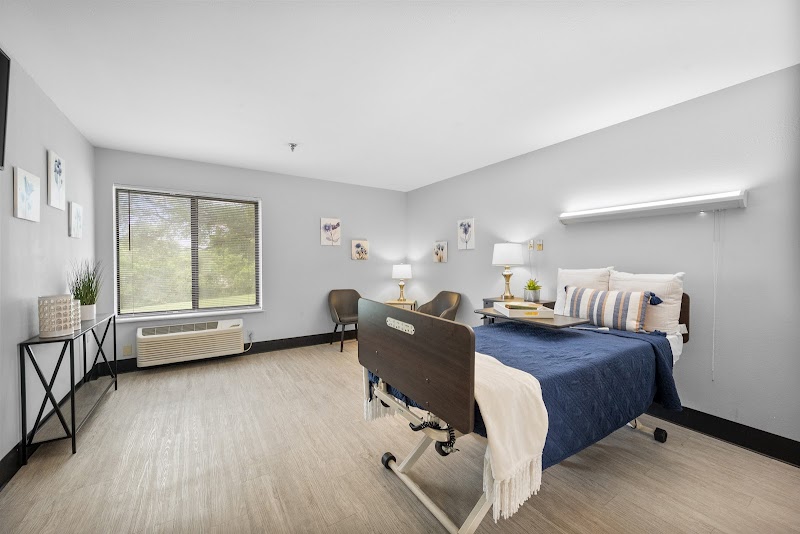
How is San Antonio Wellness & Rehabilitation Staffed?

CMS rates SAN ANTONIO WELLNESS & REHABILITATION's staffing level at 2 out of 5 stars, which is below average compared to other nursing homes. Staff turnover is 28%, compared to the Texas average of 46%. This relatively stable workforce can support continuity of care.

What Have Inspectors Found at San Antonio Wellness & Rehabilitation?

State health inspectors documented 48 deficiencies at SAN ANTONIO WELLNESS & REHABILITATION during 2022 to 2025. These included: 1 Immediate Jeopardy (the most serious level, indicating potential for serious harm or death) and 47 with potential for harm. Immediate Jeopardy findings are rare and represent the most serious regulatory concerns. They require immediate corrective action.
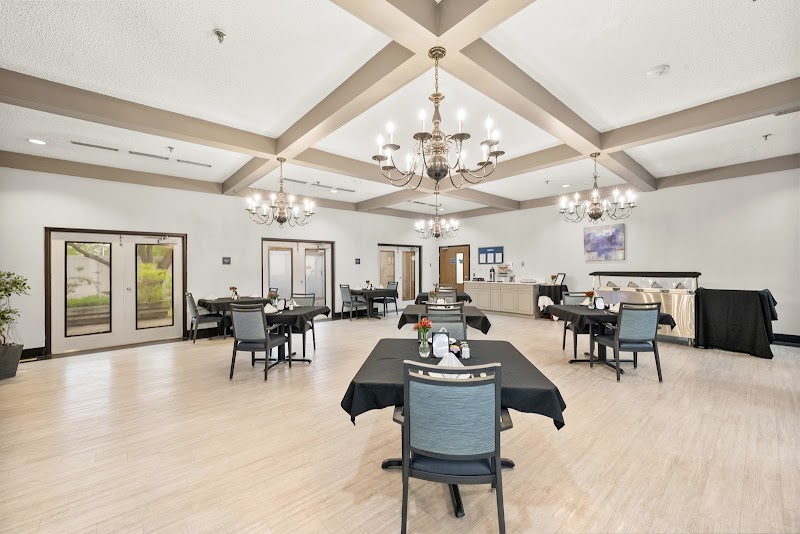
Who Owns and Operates San Antonio Wellness & Rehabilitation?

SAN ANTONIO WELLNESS & REHABILITATION is owned by a for-profit company. For-profit facilities operate as businesses with obligations to shareholders or private owners. The facility is operated by OPCO SKILLED MANAGEMENT, a chain that manages multiple nursing homes. With 154 certified beds and approximately 125 residents (about 81% occupancy), it is a mid-sized facility located in SAN ANTONIO, Texas.
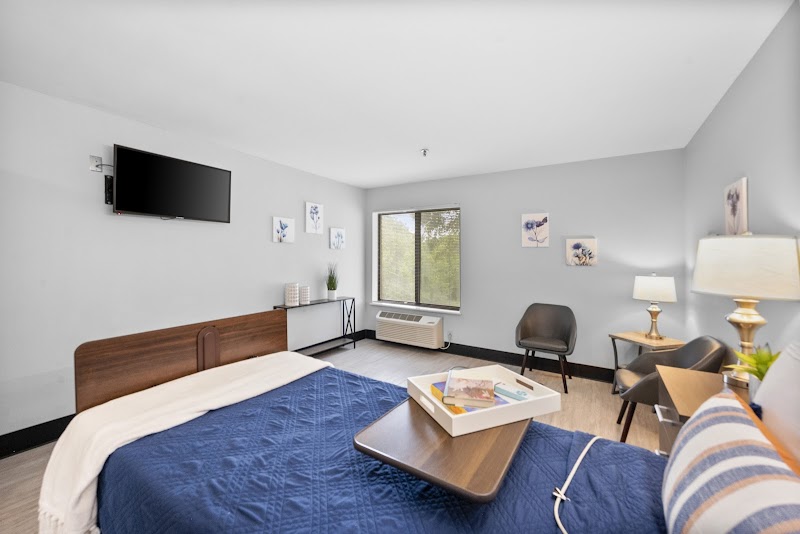
How Does San Antonio Wellness & Rehabilitation Compare to Other Texas Nursing Homes?

Compared to the 100 nursing homes in Texas, SAN ANTONIO WELLNESS & REHABILITATION's overall rating (2 stars) is below the state average of 2.8, staff turnover (28%) is significantly lower than the state average of 46%, and health inspection rating (2 stars) is below the national benchmark.

What Should Families Ask When Visiting San Antonio Wellness & Rehabilitation?

Based on this facility's data, families visiting should ask: "What changes have been made since the serious inspection findings, and how are you preventing similar issues?" "Can you walk me through typical staffing levels on day, evening, and night shifts?" "Can I visit during a mealtime to observe dining assistance and food quality?" "How do you handle medical emergencies, and what is your hospital transfer rate?" These questions are particularly relevant given the facility's Immediate Jeopardy citations and the below-average staffing rating.

Is San Antonio Wellness & Rehabilitation Safe?

Based on CMS inspection data, SAN ANTONIO WELLNESS & REHABILITATION has documented safety concerns. Inspectors have issued 1 Immediate Jeopardy citation (the most serious violation level indicating risk of serious injury or death). The facility has a 2-star overall rating and ranks #100 of 100 nursing homes in Texas. Families considering this facility should ask detailed questions about what corrective actions have been taken since these incidents.

Do Nurses at San Antonio Wellness & Rehabilitation Stick Around?

Staff at SAN ANTONIO WELLNESS & REHABILITATION tend to stick around. With a turnover rate of 28%, the facility is 18 percentage points below the Texas average of 46%. Low turnover is a positive sign. It means caregivers have time to learn each resident's needs, medications, and personal preferences. Consistent staff also notice subtle changes in a resident's condition more quickly.

Was San Antonio Wellness & Rehabilitation Ever Fined?

SAN ANTONIO WELLNESS & REHABILITATION has been fined $104,627 across 1 penalty action. This is 3.1x the Texas average of $34,125. Fines at this level are uncommon and typically indicate a pattern of serious deficiencies, repeated violations, or failure to correct problems promptly. CMS reserves penalties of this magnitude for facilities that pose significant, documented risk to resident health or safety. Families should request specific documentation of what issues led to these fines and what systemic changes have been implemented.

Is San Antonio Wellness & Rehabilitation on Any Federal Watch List?

SAN ANTONIO WELLNESS & REHABILITATION is not on any federal watch list. The most significant is the Special Focus Facility (SFF) program, which identifies the bottom 1% of nursing homes nationally based on persistent, serious quality problems. Not being on this list means the facility has avoided the pattern of deficiencies that triggers enhanced federal oversight. This is a positive indicator, though families should still review the facility's inspection history directly.