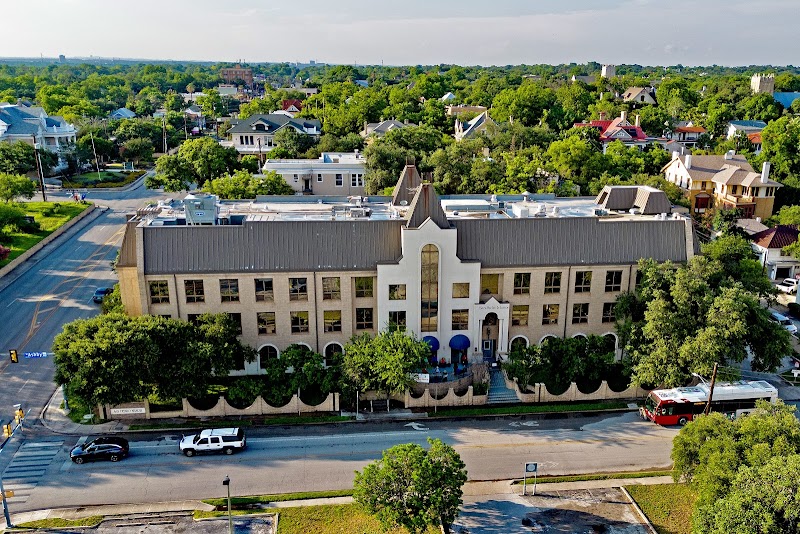
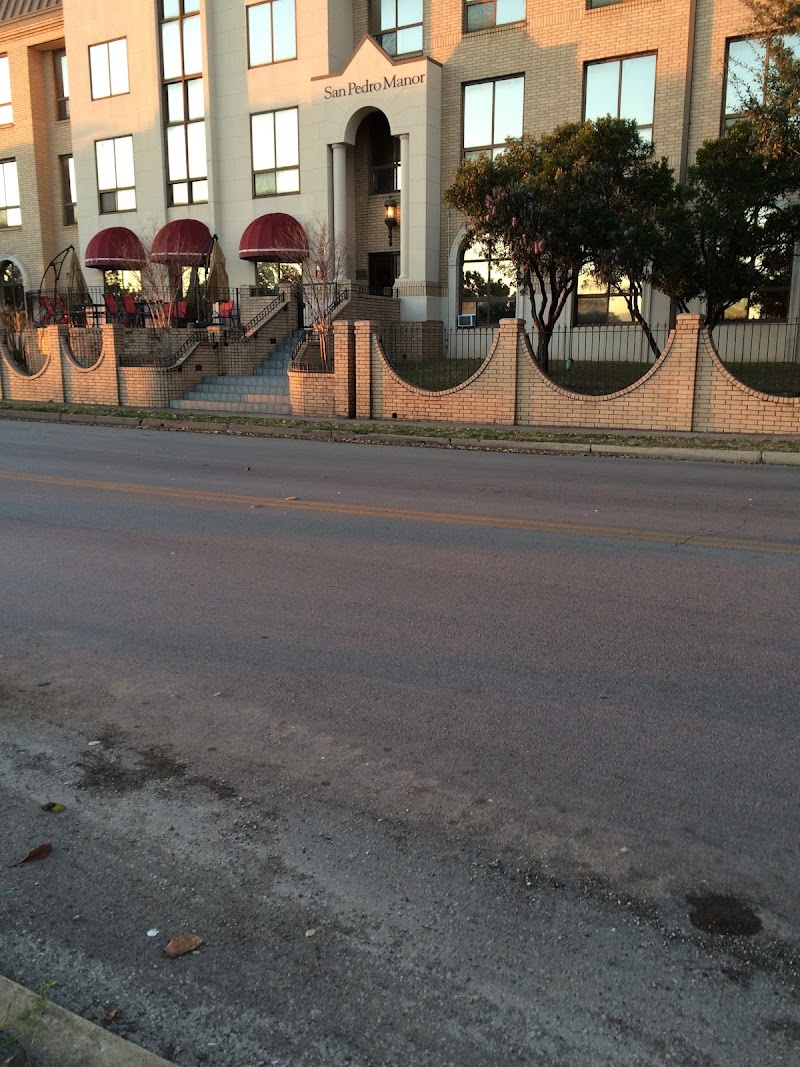

SAN PEDRO MANOR

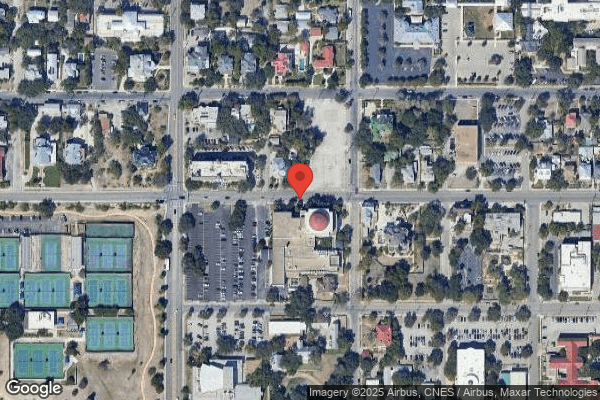
515 W ASHBY PL, SAN ANTONIO, TX 78212 (210) 732-5181
Government - Hospital district 150 Beds THE ENSIGN GROUP Data: November 2025 1 Immediate Jeopardy citation
Trust Grade
0/100
#1095 of 1168 in TX
Last Inspection: August 2025

Inspected within the last 6 months. Data reflects current conditions.

Overview

San Pedro Manor has received a Trust Grade of F, indicating significant concerns about the facility's quality and care. It ranks #1095 out of 1168 nursing homes in Texas, placing it in the bottom half of facilities statewide, and #54 out of 62 in Bexar County, suggesting very limited local competition. Although the facility's trend is improving, having reduced its issues from 15 in 2024 to 9 in 2025, it still has a long way to go. Staffing ratings are poor, with a 1/5 star rating and a troubling turnover rate of 50%, which means staff may not be consistently familiar with the residents' needs. The facility has incurred $53,867 in fines, which is concerning and indicates potential compliance issues. There have been serious incidents reported, including a critical failure to ensure adequate supervision, resulting in a resident eloping, and a situation where a resident was injured during transportation due to inadequate safety measures. Additionally, another resident was not protected from being hit by another resident, raising concerns about safety and abuse. While there are some strengths in quality measures rated at 4/5 stars, these weaknesses should be carefully considered by families looking for a nursing home for their loved ones.

Trust Score
F
0/100
In Texas
#1095/1168
Bottom 7%
Safety Record
High Risk
Review needed
Inspections
Getting Better
15 → 9 violations
Staff Stability
⚠ Watch
50% turnover. Above average. Higher turnover means staff may not know residents' routines.
Penalties
✓ Good
$53,867 in fines. Lower than most Texas facilities. Relatively clean record.
Skilled Nurses
⚠ Watch
Each resident gets only 22 minutes of Registered Nurse (RN) attention daily — below average for Texas. Fewer RN minutes means fewer trained eyes watching for problems.
Violations
⚠ Watch
43 deficiencies on record. Higher than average. Multiple issues found across inspections.
★☆☆☆☆
1.0
Overall Rating
★☆☆☆☆
1.0
Staff Levels
★★★★☆
4.0
Care Quality
★★☆☆☆
2.0
Inspection Score
Stable
2024: 15 issues
2025: 9 issues

The Good

  • 4-Star Quality Measures · Strong clinical quality outcomes
  • Full Sprinkler Coverage · Fire safety systems throughout facility
  • No fines on record

Facility shows strength in quality measures, fire safety.

The Bad

1-Star Overall Rating

Below Texas average (2.8)

Significant quality concerns identified by CMS

Staff Turnover: 50%

Near Texas avg (46%)

Higher turnover may affect care consistency

Federal Fines: $53,867

Above median ($33,413)

Moderate penalties - review what triggered them

Chain: THE ENSIGN GROUP

Part of a multi-facility chain

Ask about local staffing decisions and management

The Ugly 43 deficiencies on record

1 life-threatening 4 actual harm
Aug 2025 6 deficiencies
CONCERN (D)

Potential for Harm - no one hurt, but risky conditions existed

Deficiency F0583 (Tag F0583)

Could have caused harm · This affected 1 resident

Based on observation, interview, and record review, the facility failed to ensure residents have a right to personal privacy for 1 of 6 residents (Resident #92) reviewed for privacy, in that: CNA E an...

Read full inspector narrative →
Based on observation, interview, and record review, the facility failed to ensure residents have a right to personal privacy for 1 of 6 residents (Resident #92) reviewed for privacy, in that: CNA E and CNA F did not close completely Resident #92's privacy curtain while providing incontinent care. This deficient practice could place residents at-risk of loss of dignity due to lack of privacy.The findings include: Record review of Resident #92's face sheet, dated 08/07/2025, revealed an admission date of 01/09/2025, with diagnoses which included: Wernicke's encephalopathy (brain and memory disorder due to a lack of vitamin B1), Dysphagia (difficulty swallowing), Hypothyroidism (under active thyroid), Hyperlipidemia (Elevated level of any or all lipids(fat) in the blood), Hypertension (High blood pressure), and Asthma (Long-term inflammatory disease of the airways restricting airflow). Record review of Resident #92's Quarterly MDS assessment, dated 07/08/2025, revealed the resident had a BIMS score of 08, indicating she was moderately cognitively impaired. Resident #92 was always incontinent of bladder and bowel and, required total assistance with her ADLs. Record review of Resident #92's care plan, dated 01/17/2025, revealed a problem of has ADL Self Care Performance Deficit related to Wernicke's encephalopathy, Muscle weakness, with an intervention of Toileting Hygiene: Dependent. Observation on 08/07/2025 at 3:24 p.m. revealed CNA E and CNA F did not completely close the privacy curtains while they provided incontinent care for Resident #92, exposing the resident who could be seen if somebody entered the room. The privacy curtain was broken and was blocked on the rail, it could only be halfway closed. During an interview with CNA E and CNA F on 08/07/2025 at 3:38 p.m., CNA F confirmed the privacy curtains was not completely closed while they provided care for Resident #92 but it should have been to protect the resident's privacy. They did not know how long the privacy curtain had been broken. They confirmed they received resident rights training within the year. During an interview with the DON on 08/07/2025 at 3:40 p.m., she said privacy must be provided during care and Resident #92's privacy curtains should have been closed completely. She said she provided training, the staff received training on resident rights within the year and they do staff skills checks annually and as needed. Review of a policy, titled Resident Rights, undated, revealed They also will have the right to privacy, maintain privacy curtains for dressing and when providing care.
CONCERN (E)

Potential for Harm - no one hurt, but risky conditions existed

Incontinence Care (Tag F0690)

Could have caused harm · This affected multiple residents

**NOTE- TERMS IN BRACKETS HAVE BEEN EDITED TO PROTECT CONFIDENTIALITY** Based on observation, interview, and record review, the facility failed to ensure a resident who is incontinent of bladder recei...

Read full inspector narrative →
**NOTE- TERMS IN BRACKETS HAVE BEEN EDITED TO PROTECT CONFIDENTIALITY** Based on observation, interview, and record review, the facility failed to ensure a resident who is incontinent of bladder receives appropriate treatment and services to prevent urinary tract infections and to restore continence to the extent possible for 2 of 2 resident (Residents #12 and #92 ) reviewed for incontinent care, in that: 1.While providing incontinent care, CNA G made multiple passes with the same wipe while cleaning Resident #12's buttocks. 2. While providing incontinent care for Resident #92, CNA E did not separate Resident #92's labias to clean the meatus (urinary opening) This deficient practice could place residents at-risk for infection and skin break down due to improper care practices. The findings were: 1.Record review of Resident #12's face sheet, dated 08/07/2025, revealed an admission date of 04/25/2024, and, a readmission date of 07/29/2025, with diagnoses which included: Type 2 diabetes mellitus (high level of sugar in the blood) , Dysphagia (difficulty swallowing), Hemiplegia (Paralysis of one side of the body), Resistance to multiple antimicrobial drugs, Hyperlipidemia(Elevated level of any or all lipids(fat) in the blood), Hypertension (high blood pressure), Chronic kidney disease stage 2 (gradual loss of kidney function). Record review of Resident #12's Quarterly MDS, dated [DATE], revealed the resident had a BIMS score of 00 indicating severe cognitive impairment. Resident #12 required total assistance and was always incontinent of bowel. The resident had an indwelling catheter. Review of Resident #12's care plan, dated 05/09/2025, revealed a problem of has an indwelling urinary catheter due to urinary obstruction and an intervention of Monitor/record/report to MD for s/sx UTI: pain, burning, blood tinged urine, cloudiness, no output, deepening of urine color, increased pulse, increased temp, Urinary frequency, foul smelling urine, fever, chills, altered mental status, change in behavior, change in eating patterns. Observation on 08/07/2025 at 10:48 a.m. revealed while providing incontinent care for Resident #12, CNA G wiped Resident #12's buttocks making multiple passes with the same wet wipe. During an interview on 08/07/2025 at 11:07 a.m. CNA G, he said he had wiped Resident #12's buttocks making multiple passes with the same wet wipe. He said he was nervous and he knew to only do one pass per wipe. He stated doing multiple passes could cause a risk for infection for the resident. CNA G confirmed receiving training on incontinent care from the facility. During an interview with the DON on 08/07/2025 at 3:40 p.m., she confirmed a wet wipe should only be used for one pass, during perineal care. She stated doing multiple passes could possibly cause an infection. The DON revealed the staff received training on infection control and incontinent care at least annually. The staff skills were checked yearly. The DON said she spot checked the staff while they provide care for infection control and quality of care. Review of annual skills check revealed CNA G passed competency for Perineal care/incontinent care on 01/20/2025. Review of facility policy, titled Perineal care, undated, revealed wash peri-area using front to back strokes. 2.Record review of Resident #92's face sheet, dated 08/07/2025, revealed an admission date of 01/09/2025, with diagnoses which included: Wernicke's encephalopathy (brain and memory disorder due to a lack of vitamin B1), Dysphagia (difficulty swallowing), Hypothyroidism (under active thyroid), Hyperlipidemia (Elevated level of any or all lipids(fat) in the blood), Hypertension (High blood pressure), and Asthma (Long-term inflammatory disease of the airways restricting airflow). Record review of Resident #92's Quarterly MDS assessment, dated 07/08/2025, revealed the resident had a BIMS score of 08, indicating she was moderately cognitively impaired. Resident #92 was always incontinent of bladder and bowel and, required total assistance with her ADLs. Record review of Resident #92's care plan, dated 01/17/2025, revealed a problem of has ADL Self Care Performance Deficit related to Wernicke's encephalopathy, Muscle weakness, with an intervention of Toileting Hygiene: Dependent. Observation on 08/07/2025 at 3:24 p.m., revealed while providing incontinent care for Resident #92, CNA E did not separate Resident #92's labia to clean the meatus (urinary opening). During an interview on 08/07/2025 at 3:37 a.m. CNA E, said she did not separate Resident #92's labia. She said she was nervous but she knew she had to clean between the resident's labia. She stated not cleaning between the labia could cause a risk for infection for the resident. She said she received training on incontinent care from the facility. During an interview with the DON on 08/07/2025 at 3:40 p.m., the DON said the staff had to clean between the resident's labia during female incontinent care. She stated not cleaning between the labia could cause a risk for infection for the resident. The DON revealed the staff received training on infection control and incontinent care at least annually. The DON said the staff skills were checked yearly. The DON said she spot checked the staff while they provided care for infection control and quality of care. Review of annual skills check revealed CNA E passed competency for Perineal care/incontinent care on 02/19/2025. Review of Facility's policy Perineal care - female, undated, revealed First separate inner labia and wash down the center over the urethral area.
CONCERN (E)

Potential for Harm - no one hurt, but risky conditions existed

Deficiency F0804 (Tag F0804)

Could have caused harm · This affected multiple residents

**NOTE- TERMS IN BRACKETS HAVE BEEN EDITED TO PROTECT CONFIDENTIALITY** Based on observations, interviews, and record reviews the facility failed to prepare and provide food and drink that was palatab...

Read full inspector narrative →
**NOTE- TERMS IN BRACKETS HAVE BEEN EDITED TO PROTECT CONFIDENTIALITY** Based on observations, interviews, and record reviews the facility failed to prepare and provide food and drink that was palatable, attractive, and at a safe and appetizing temperature, for 3 of 29 residents (Resident #6, #43, and #93) reviewed for palatable and appetizing food, in that: 1. The facility served Resident #6 meals that were cold. 2. The facility served Resident #43 meals that were cold 3. The facility served Resident #93 meals that were cold. These failures could place residents at risk for a diminished quality of life by not receiving food and drink that is palatable, attractive, and at a safe and appetizing temperature. The findings included: 1. A record review of Resident #6's face sheet dated 08/05/25 revealed the latest admission date of 3/26/25 for a 54- year -old male with diagnoses which included type 2 diabetes mellitus( a condition in which the body has trouble controlling blood sugar), depression disorder (a condition in which there is persistent feeling of sadness) and chronic kidney disease( a condition in which the kidney function is impaired). A record review of Resident #6's quarterly MDS assessment dated [DATE] revealed Resident #6 had a BIMS of 15 (a condition in which the cognition is intact). A record review of Resident #6's care plan initiated on 2/28/21 revealed a deficit in activities of daily living. A record review of Resident #43's face sheet dated 8/5/25 revealed an admission date of 5/29/24 for a [AGE] year old male with diagnoses of anemia (a condition in which there is not enough red blood cells), COPD (a condition in which the lung function is diminished) , and muscle weakness ( a condition in which the muscle strength is poor). 2. A record review of Resident #43's annual MDS completed on 5/29/25 revealed a BIMS score of 13 (a condition in which the cognition is intact). A record review of Resident #43's care plan initiated on 7/4/23 revealed a deficit in activities of daily living. A record review of Resident #93's face sheet dated 8/5/25 revealed an admission date of 4/25/24 for a [AGE] year old female resident with diagnoses of blindness in the right eye, ( a loss of vision in one eye), essential hypertension ( a condition in which the blood pressure is high), and syncope ( a condition of temporary loss of consciousness) 3. A record review of Resident #93's quarterly MDS dated [DATE] revealed a BIMS of 13 (a condition in which cognition is intact). A record review of Resident #93's care plan initiated on 4/30/24 revealed a deficit in activities of daily living. During an interview on 8/5/25 at 12:15pm Resident # 6 stated that he eats in his room and his meals are often cold when served. Resident #6 stated that today's lunch was cold and he did not want to eat it. During an interview on 8/5/25 at 1:15pm Resident #93 stated she eats in the room and the breakfast when served is almost always cold. During an interview on 8/6/25 at 7:25am C.N.A.-A stated that the food tray racks have a plastic cover which is removed and when on the resident hallways the food trays are held in an open tray rack cart. During an observation on 8/6/25 at 7:40 am revealed a resident's serving of eggs had a recorded temperature of 94.82F (eggs per CMS should be maintained at 135F) and a resident's serving of sausage had a recorded temperature of 90.32F ( sausage per CMS should be maintained at 140F) During a phone interview on 8/6/25 at 10:15am a family member for Resident #93 stated the meals served are often cold. During a phone interview on 8/6/25 at 11:10am Resident #43 stated he eats in his room and the lunch and supper meals when served are sometimes cold. During an interview on 8/6/25 at 2:45pm the Activity Director stated that resident council meetings were held on 5/5/25 and 8/5/25 in which multiple residents reported that food is often cold when served. Record review of facility dietary policy noted under the Texas Food Establishment Rules dated 10/11/25 pages 68-73 revealed that food served would follow the established guidelines for temperature control.
CONCERN (E)

Potential for Harm - no one hurt, but risky conditions existed

Food Safety (Tag F0812)

Could have caused harm · This affected multiple residents

Based on observation, interview, and record review, the facility failed to store, prepare, distribute, and serve food in accordance with professional standards for food service safety for 1 of 1 facil...

Read full inspector narrative →
Based on observation, interview, and record review, the facility failed to store, prepare, distribute, and serve food in accordance with professional standards for food service safety for 1 of 1 facility in that: 1. The facility failed to replace or clean dirty overhead ceiling vents in the main kitchen area. 2. The facility failed to clean a rusty overhead ceiling vent cover in the dish room. These failures could place residents at risk for food borne illness. The findings included: Observation on 08/05/2025 from 9:20am until 9:45am of the kitchen with the Food Service Director revealed the following: a. There were 7 ceiling vents which each measured approximately 2x2 ft in the main kitchen area with visible dirt and dust particles and was stained. One of the 7 ceiling vents which was located over the standing floor freezer was not completely attached to the ceiling surface.b. There was a vent cover over the dish machine located in the dish room that had several spots of rust accumulation on the inside and outside of the vent cover. During an interview on 08/05/25 at 9:50am, the Food Service Director stated that she had placed a work order for the ceiling vents to be either cleaned/replaced but was not sure of the work order date. The Food Service Director stated she was responsible to submitting the work order request and having the ceiling vents cleaned or replaced which would promote cleanliness in the food service environment. During an interview on 8/5/25 at 10:50am the Maintenance Director stated that he had received a work order request to clean or replace the kitchen ceiling vents but did not know the date of the work order. The Maintenance Director stated that having clean ceiling vents would promote kitchen cleanliness in the food service environment. Record review of facility policy which referenced Texas Food Establishment Rules effective date 10/11/25 , Section 228.114 page 109 revealed the kitchen environment will be kept clean for all non-food contact surfaces. Record review of the Food Code, U.S. Public Health Service, U.S. FDA, 2022, U.S. Department of H&HS, revealed 4-601.11 Equipment, Food-Contact Surfaces, Nonfood-Contact Surfaces, and Utensils. (A) EQUIPMENT FOOD-CONTACT SURFACES and UTENSILS shall be clean to sight and touch. (B) The FOOD-CONTACT SURFACES of cooking EQUIPMENT and pans shall be kept free of encrusted grease deposits and other soil accumulations. (C) Non-FOOD-CONTACT SURFACES of EQUIPMENT shall be kept free of an accumulation of dust, dirt, FOOD residue, and other debris.
CONCERN (E)

Potential for Harm - no one hurt, but risky conditions existed

Infection Control (Tag F0880)

Could have caused harm · This affected multiple residents

Based on observation, interviews, and record reviews, the facility failed to maintain an infection prevention and control program designed to provide a safe, sanitary, and comfortable environment and ...

Read full inspector narrative →
Based on observation, interviews, and record reviews, the facility failed to maintain an infection prevention and control program designed to provide a safe, sanitary, and comfortable environment and to help prevent the development and transmission of communicable disease and infection for 1 of 6 residents (Resident #92 ) reviewed for infection control, in that: The facility failed to ensure CNA E used proper infection control while providing incontinent care for Resident #92. These deficient practices could place residents at-risk for infection due to improper care practices The findings include: Record review of Resident #92's face sheet, dated 08/07/2025, revealed an admission date of 01/09/2025, with diagnoses which included: Wernicke's encephalopathy (brain and memory disorder due to a lack fo vitamin B1), Dysphagia (difficulty swallowing), Hypothyroidism (under active thyroid), Hyperlipidemia (Elevated level of any or all lipids(fat) in the blood), Hypertension (High blood pressure), Asthma (Long-term inflammatory disease of the airways restricting airflow). Record review of Resident #92's Quarterly MDS assessment, dated 07/08/2025, revealed the resident had a BIMS score of 08, indicating she was moderately cognitively impaired. Resident #92 was always incontinent of bladder and bowel and, required total assistance with her ADLs. Record review of Resident #92's care plan, dated 01/17/2025, revealed a problem of has ADL Self Care Performance Deficit related to Wernicke's encephalopathy, Muscle weakness, with an intervention of Toileting Hygiene: Dependent. Observation on 08/07/2025 at 3:24 p.m. revealed CNA E, after washing her hands, touched the room's door with her bare hands, did not sanitize her hands before putting gloves on and started to provide care for Resident #92. While providing incontinent care for Resident #92, CNA E changed her gloves multiple times but did not sanitize between change of gloves. After cleaning Resident #92's buttocks, CNA E removed the soiled briefs and without changing gloves and sanitizing her hands, she touched the clean brief to place them on Resident #92. During an interview with CNA E on 08/07/2025 at 3:38 p.m., CNA E stated she forgot to sanitize her hands before putting gloves on and between change of gloves because she was nervous. She stated not sanitizing her hands and change gloves could cause a risk of infection for the resident. She stated she received infection control from the DON with the last year. During an interview with the DON on 08/07/2025 at 3:40 p.m., the DON stated the door of the room was considered dirty and the CNA should have sanitized her hands prior to put her gloves on. The DON stated, the staf needed to sanitize their hands between change of gloves and they needed to change gloves and sanitize when going from a soiled area to a clean one. She confirmed the staff had received training on infection control within the year and the training was provided by herself. They also check the staff skills annually and as needed. Review of Facility's policy, titled Infection control, dated 03/2024, revealed Standard Precautions are infection prevention practices that apply to the care of all residents, regardless of suspected or confirmed infection or colonization status. They are based on the principle that all blood, body fluids, secretions, and excretions (except sweat) may contain transmissible infectious agents. Standard Precautions include:a. Proper selection and use of PPE, such as gowns, gloves, facemasks, respirators, and eye protectioni. Use and type of PPE is based on the predicted staff interaction with residents and the potential for exposure to blood, body fluids, or pathogens (e.g., gloves are worn when contact with blood, body fluids, mucous membranes, non-intact skin, or potentially contaminated surfaces or equipment are anticipated).b. Hand hygiene; [ .]
MINOR (C)

Minor Issue - procedural, no safety impact

Deficiency F0576 (Tag F0576)

Minor procedural issue · This affected most or all residents

Based on interview and record review, the facility failed to ensure residents had the right to send and receive mail, and to receive letters, package and other materials delivered to the facility or t...

Read full inspector narrative →
Based on interview and record review, the facility failed to ensure residents had the right to send and receive mail, and to receive letters, package and other materials delivered to the facility or the resident through a means other than a postal service, including the right to privacy of such communications for 5 of 5 residents (confidential residents) reviewed for resident rights. The facility failed to ensure staff distributed mail received on Saturdays to the residents. This deficient practice could result in residents not receiving mail in a timely manner and a diminished quality of life. These findings included: During a confidential resident council meeting, 5 of 5 residents present stated that they do not get mail on Saturdays, if mail comes on Saturday, it is not given out until Monday. During an interview via phone call on 8/7/2025 at 10:00 am Receptionist D-stated she worked weekends and the mail on the weekends usually comes in bulk and has a rubber band on it. She stated she does not go through the mail, and she puts it in the drawer for them to distribute on Monday. During a staff interview on 8/7 2025 at 11:12 am Receptionist C -stated that she worked Monday through Friday and every third weekend. She stated that on weekends, the mail is put in the drawer for distribution on Monday by the social worker. During a staff interview on 8/7 2025 at 11:17 am HR-stated mail is supposed to be distributed on Saturdays. She said she was not sure why it was not being done. She stated it is the residents right to receive their mail on Saturdays. During a staff interview on 8/7 2025 at 11:40 am SS -stated that residents should get their mail on Saturday. She stated they should be holding the facility mail and giving resident mail to activities for distribution. Record review of Resident Mail Policy revealed, When mail is delivered to the facility for residents, it is given to Activities Dept. Activities Dept. will hand deliver to resident rooms day of delivery.
Jul 2025 1 deficiency
CONCERN (D) 📢 Someone Reported This

A family member, employee, or ombudsman was alarmed enough to file a formal complaint

Potential for Harm - no one hurt, but risky conditions existed

Infection Control (Tag F0880)

Could have caused harm · This affected 1 resident

**NOTE- TERMS IN BRACKETS HAVE BEEN EDITED TO PROTECT CONFIDENTIALITY** Based on observation, interview and record review the facility failed to maintain an infection prevention and control program de...

Read full inspector narrative →
**NOTE- TERMS IN BRACKETS HAVE BEEN EDITED TO PROTECT CONFIDENTIALITY** Based on observation, interview and record review the facility failed to maintain an infection prevention and control program designed to provide a safe, sanitary, and comfortable environment to help prevent the development and transmission of communicable diseases and infections for 1 of 4 residents (Resident #8) reviewed for infection control, in that: The facility failed on 07-29-2025 when CNA D failed to wear a gown while caring for Resident #8 who had a surgical chest incision and required the use of PPE., In-addition there was no EBP sign posted outside or inside the resident's room or no PPE readily available for staff or visitors use. This failure placed residents at risk of transmission of communicable diseases, a decline in health status, and hospitalization. Findings included: Record review of Resident #8's admission record dated 07/29/2025 reflected an [AGE] year-old male with an admission date of 07/24/2025. Record review of Resident #8's Medical Diagnosis tab in the EHR dated 07/29/2025, reflected diagnoses which included malignant neoplasm of retroperitoneum, chronic lymphocytic leukemia of B-Cell type, and rheumatoid arthritis. Record review of Resident #8's IDT-BIMS form, dated 07/25/2025, reflected no documented BIMS score, although all questions were answered. Further review of the document reflected Resident #8 was cognitively intact (no problems making decisions about care or activities that affected daily life). Record review of Resident #8's Initial Baseline Care Plan, dated 07/25/2025, documented a focus on skin due to the potential for pressure ulcer development, with interventions including:- Educating the resident, family/caregivers as to causes of skin breakdown; including transfer/positioning requirements; importance of taking care during ambulating/mobility, good nutrition and frequent repositioning.- Monitor nutritional status. Serve diet as ordered, monitor intake and record.- Weekly head to toe skin at risk assessment Record review of Resident #8's Order Summary Report, dated 07/29/2025, reflected doctor's orders, including the following:- Surgical Incision to abdomen: change dry dressing and monitor for s/s of infection Q MWF (Monday, Wednesday, Friday).and pm as needed, dated 07/25/2025.- Surgical incision to abdomen: change dry dressing and monitor for s/s of infection Q MWF and pm one time a day every Mon, Wed, Fri (Monday, Wednesday, Friday). During an observation on 07/29/2025 at 12:55 p.m. outside Resident #8's room, there was no EBP sign to indicate to staff that the resident required staff to wear extra PPE for high-contact care activities and no PPE readily available, Resident #8 was in the room getting assistance from CNA D to change clothes and get re-dressed, Resident #8's shirt was open and a long vertical dressing was noted to the middle of his chest. During an interview on 07/29/2025 at 12:55 p.m. Resident #8 was A & O x 4 (person, place, time, and situation) stated he had dropped cobbler all over his clothes, CNA D was present for assistance with changing the resident's clothes Resident #8 stated the staff changed the dressing to the middle of his chest about every other day, but he had not seen staff wear a gown before. During an interview on 07/29/2025 at 1:00 p.m., the MDS RN stated residents with wounds and who received high-contact care activity should be on EBP, due to Resident #8's wounds and high care activities. The MDS RN stated PPE was not readily available near the Resident's door at that time, and the risks of not using PPE for a resident who needed EBP was the risk of infection, and decreased protection of the resident. During an interview and observation at the same time the ADON stated Resident #8 should have been on EBP, and that the nurse aides and other staff would know that if there was a sign posted to let them know the resident required EBP, but there was not a sign. When asked where the PPE for EBP was, the ADON stated, it was usually on the nurse aide's clean linen carts. During an observation the ADON and MDS RN checked both nurse aide clean carts and there were no disposable gowns available. Continued observation revealed gowns were in a locked linen closet on the opposite side of the hall from where Resident #8 was. During an interview and observation on 7/29/25 at 1:05 p.m. the ADON reviewed the facility's Infection Control Policy for transmission-based precautions and stated that EBP should be used for residents with wounds during high contact activities such as dressing. transferring. providing hygiene. During an interview on 07/29/2025 at 1:07 p.m. CNA D stated he assisted Resident #8 with getting dressed and positioning in bed. CNA D was able to demonstrate knowledge of EBP, but stated he did not see a sign outside or inside Resident #8's room so he did not know to put on a gown to assist Resident #8. CNA D stated he did not know if any risks to the resident if he did not wear EBP PPE. Record review of an example of the facility's Enhanced Barrier Precautions posting, with no date, revealed providers and staff must also: wear gloves and a gown for the following high-contact resident care activities. Record review of the facility's policy titled . Standard and Transmission-Based Precautions, dated March 2024, reflected that EBP applied to . Wounds and/or indwelling medical devices. and PPE (gloves and gown) should be used during Dressing. transferring. Providing hygiene. Record review of the facility's In-service Education Record, dated 07/23/2025, reflected multiple areas of infection control were discussed with the staff, including EBP. Further review showed CNA D and MDS RN signed the in-service as attended, there was no documented evidence that the ADON attended the training.
Jul 2025 1 deficiency
CONCERN (D) 📢 Someone Reported This

A family member, employee, or ombudsman was alarmed enough to file a formal complaint

Potential for Harm - no one hurt, but risky conditions existed

Medical Records (Tag F0842)

Could have caused harm · This affected 1 resident

**NOTE- TERMS IN BRACKETS HAVE BEEN EDITED TO PROTECT CONFIDENTIALITY** Based on observation, interview, and record review, the facility failed to maintain medical records, in accordance with accepted...

Read full inspector narrative →
**NOTE- TERMS IN BRACKETS HAVE BEEN EDITED TO PROTECT CONFIDENTIALITY** Based on observation, interview, and record review, the facility failed to maintain medical records, in accordance with accepted professional standards and practices, which are complete; and accurately documented for 1 of 4 residents (Resident #1) reviewed for documentation. Resident #1's electronic medical record did not contain complete and accurate documentation regarding whether his falls on 5/28/25 and 7/12/25 were witnessed by nursing staff or unwitnessed. This failure could result in residents' records not accurately documenting interventions, monitoring, and information provided to the interdisciplinary team as to whether a resident fall was witnessed or unwitnessed. The findings were:Record review of Resident #1's face sheet, dated 7/17/25, reflected resident was a male aged 74 admitted on [DATE] and re-admitted [DATE] and discharged [DATE] (hospital) with diagnoses that included: nontraumatic intracranial hemorrhage (residual effects from a stroke), epilepsy (seizure disorder), abnormalities of gait and mobility (difficulty with ambulation), lack of coordination, and tinnitus (ringing in the ear). The RP was listed as: Guardian. Record review of Resident #1's quarterly MDS dated [DATE] reflected the resident's BIMS score was 1 which indicated severe cognitive impairment. The resident required set-up for transfer and had no impairments in range of motion. W/C was listed as an assistive device. Record review of Resident #1's fall risk score dated 7/12/25 reflected a score of 11 which indicated high risk for fall. Record review of Resident #1's Nurse Note dated 5/28/25 authored by LVN A reflected: resident had a witnessed fall without injury in the common area. Record review of Resident #1's CP dated 5/28/25 reflected witnessed fall with the new intervention of staff to be in-serviced, and optometry referral. Record review of Resident #1's Incident report authored by LVN A documented a conflict on whether the resident's fall on 5/28/25 was witnessed or unwitnessed. The incident report Box for fall was checked for unwitnessed. Record review of Resident #1's CP dated 7/12/25 reflected an unwitnessed fall with no injury; intervention was the placement of Dycem (adhesive) on the resident's W/C. Record review of Resident #1's Nurse Note dated 7/12/25 at 5:45 PM authored by LVN B reflected the fall was witnessed. Record review of the Resident's Incident Report dated 7/12/25 reflected the fall was not witnessed. Observation and interview of Resident #1 on 7/16/25 at 1:00 PM reflected, resident was in an ICU bed, alert and oriented to self. An O2 pulse meter was placed on the resident's head. His left elbow had multiple scratches and generalized bruising and was red in color. The resident could not recall any information regarding his falls on 5/28/25 and 7/12/25. The resident was able to state that he was not abused or neglected in the facility. The resident was unable to state any fall prevention measures that were in place at the nursing home. During an interview on 7/16/25 at 1:05 PM, the ICU RN stated: Resident #1 was admitted on [DATE] around midnight and given a CT scan at 2:00 AM. The CT scan revealed a small hemorrhagic contusion in the right frontal lobe (small bleeding in the front of the brain) not requiring a surgical intervention, The RN stated that the resident had dementia and was confused most of the time. The RN stated that the resident had a history of stroke in the year 2022. The RN stated the resident was scheduled to be transferred to a medical bed out of ICU on 7/16/25. Record review of Resident #1's ER report dated 713/25 at 26 minutes past midnight reflected: resident presented to ER from fall from his W/C on 7/12/25 around 10:20 PM. CT scan performed; no acute neurosurgical intervention was indicated at the time. The CT scan reflected a small hemorrhagic contusion in the anterior lateral inferior right frontal lobe (section of the brain involved in speech). Lab results reflected the resident had low potassium and high sodium [indicators of confusion]. Diagnoses included: hemorrhagic contusion after fall, history of CVA, and dementia. During an interview on 7/17/25 at 2:23 PM, LVN C (MDS) stated that: for the 5/28/25 fall there was a conflict in the incident report with the other documents (CP and Nurse Note). LVN C stated he could not explain the inaccurate documentation for the 5/28/25 fall. Regarding the fall incident on 7/12/25 at 5:45 PM, LVN C stated he could not explain why there was inaccurate documentation between the nurse note and the CP and the incident report. During an interview on 7/17/25 at 3:00 PM, the DON stated she was not aware of the inaccurate documentation for Resident #1's fall on 5/28/25. Regarding the inaccurate documentation on 7/12/25, the DON stated the MDS Nurse (LVN C) made an error in documentation that was immediately corrected on 7/17/25 [surveyor entered the facility on 7/16/25] which reflected that Resident #1's fall on 7/12/25 at 5:45 PM was witnessed. The DON stated that documentation required that the fall assessment, CP, and Kardex (nursing tool that summarizes resident information) were to be accurate. The DON stated the facility kept a binder of high-risk residents at the Nurse Station which captured the interventions for high fall risk residents. During a telephone interview on 7/17/25 at 3:18 PM, LVN A stated the nurse note for Resident #1 for the fall on 5/28/25 was accurate. LVN A stated, Resident #1's fall was witnessed by a CNA [LVN A could not recall the name of the CNA [CNA E] in the common (front lobby) and there was no injury to the resident. LVN A stated Resident #1 tried to ambulate and tripped on a W/C footrest. LVN A stated she documented the fall was witnessed; but could not explain why the box in the incident report was not checked which resulted in the fall being listed as unwitnessed. Attempted telephone interview on 7/17/25 at 3:25 PM, message left for CNA E to return call to surveyor. During a telephone interview on 7/17/25 at 3:28 PM, LVN B stated the note written on 7/12/25 at 5:45 PM was accurate regarding Resident #1's fall on 7/12/25 at 5:45 PM. LVN B stated Resident #1's fall was witnessed by CNA D. LVN stated the fall was without injury. LVN B stated she accurately documented the fall in Resident #1's clinical record. Attempted telephone interview on 7/17/25 at 3:30 PM, message left for CNA D to return call to surveyor. During an interview on 7/17/25 at 4:23 PM, the Administrator stated: regarding the finding of inaccurate clinical records for Resident #1's falls on 5/28/25 and 7/12/25, he had no explanation and would in-service staff on accuracy of clinical records. Record review of facility's Nursing Documentation policy, undated, read: It is the policy of this facility to document pertinent information in the resident chart.Change of Condition.Incidents.
May 2025 1 deficiency
CONCERN (E) 📢 Someone Reported This

A family member, employee, or ombudsman was alarmed enough to file a formal complaint

Potential for Harm - no one hurt, but risky conditions existed

Safe Environment (Tag F0921)

Could have caused harm · This affected multiple residents

**NOTE- TERMS IN BRACKETS HAVE BEEN EDITED TO PROTECT CONFIDENTIALITY** Based on observations, interviews, and record reviews the facility failed establish and maintain an infection prevention and con...

Read full inspector narrative →
**NOTE- TERMS IN BRACKETS HAVE BEEN EDITED TO PROTECT CONFIDENTIALITY** Based on observations, interviews, and record reviews the facility failed establish and maintain an infection prevention and control program designed to provide a safe, sanitary, and comfortable environment and to help prevent the development and transmission of communicable diseases and infections for 1 of 2 (3rd floor)community shower rooms in that: The 3rd floor shower room had 2 shower stalls that had drains with gobs of hair. There was brown substance under 1 shower chair, and floors were dirty with darkened areas and brown substance droppings on 1 of the shower stalls. 30 possible residents could use the 3rd floor shower room. This could affect all resident that shower in the 3rd floor shared shower and could result in infections. The Findings were: Observation on 5/6/2025 at 4:21 PM The 3rd floor shower room had 2 shower stalls that had drains with gobs of hair. There was brown substance under 1 shower chair, and floors were dirty with darkened areas and brown substance droppings on 1 of the shower stalls. Interview on 5/6/2025 at 4:22 PM with CNA A stated he provided a resident a shower earlier today, he cleaned the shower chair with shampoo and had not disinfectant the shower chair, because the facility did not have anymore products to disinfect the shower chair. CNA A stated the night shifts were to stock the shower rooms. CNA A stated after each resident use, the shower chairs were cleaned between residents. CNA A stated the hsk staff clean the shower stalls and the CNAs clean any feces and shower chairs. Interview on 5/6/2025 at 4:31 PM with RN B observed the 3rd floor shower room, floors were dirty, shower grates had lots of hair, and feces on the shower room floor. RN B notified maintenance the shower room on 3rd floor needed a deep cleaning. Interview on 5/6/2025 at 4:36 PM, the ADON stated CNAs were supposed wipe the resident shower chairs after each use with disinfectant wipes. The Hsk clean the shower stalls, floors, and drainage. The ADON stated the Hsk staff leaves at 4:00 PM. The ADON stated the DON was in charge of the nursing task and the Maintenance/Hsk supervisor was in charge of the hsk task in the shower rooms. Interview on 5/6/2025 at 4:42 PM, the Maintenance Assistant C stated staff were supposed to use disinfected wipes to disinfect the resident shower chairs, between use. Hsk did not clean up feces, the CNAs do. Maintenance Assistant C stated the Hsk staff cleaned the shower rooms and mop the floor. He stated the hsk staff had left for the day. Interview on 5/6/2025 at 5:00 PM with the ADM and DON, the ADM and DON stated they would make sure the Maintenance/Hsk supervisor was aware and to educate the staff on cleaning/disinfecting resident shower rooms. Interview on 5/8/25 at 12:59 PM a with Maintenance/Hsk Supervisor stated the resident Showers floors had buildup. He cleaned the floors before lunch, and the floor tech does the floors before he leaves between 4:00-5:00 PM. The Hsk sanitizes everything in the shower room, take-out trash, touch up shower chairs, sanitize using 9name of company) chemical. The floor tech checks the floors before-4pm, one last time before he leaves for the day. The Maintenance/Hsk Supervisor stated he was not sure about the buildup on the floors, he cleans the dirt build up and he used a cleaning product that was easy to clean up. The Maintenance/Hsk Supervisor stated the CNAs were responsible for cleaning up the resident feces and urine. The Maintenance/Hsk Supervisor stated the [NAME] staff disinfect and move the cover/grates/drains and clean out the hairs. The Maintenance/Hsk Supervisor stated the female residents had quite a bit of hair that was caked up hair/shampoo on shower drains. The Maintenance/Hsk Supervisor stated the CNAs clean the shower chairs between use with the disinfectant wipes at nurse's station. Policy for CNA responsibilities for cleaning/disinfecting the shower rooms between staff was not provided before exit by the ADM/DON. Record review of policy for Housekeeping Services (no date) was documented Policy: It is the policy of this facility to maintain a clean environment for the residents. 7. Floors, are cleaned according to an established schedule. 8. Cleaning agents approved by the Infections Control Committee are in areas known to be contaminated with pathogenic bacteria. Record review of policy Cleaning Checklist for Housekeeping, (no date) was documented floor care: sweep the floor, and mop the floor, Shower area task: remove hair form drains, and disinfect shower stalls.
Jun 2024 12 deficiencies 1 Harm
SERIOUS (G)

Actual Harm - a resident was hurt due to facility failures

Accident Prevention (Tag F0689)

A resident was harmed · This affected 1 resident

**NOTE- TERMS IN BRACKETS HAVE BEEN EDITED TO PROTECT CONFIDENTIALITY** Based on observation, interview, and record review, the facility failed to ensure the resident environment remained as free of a...

Read full inspector narrative →
**NOTE- TERMS IN BRACKETS HAVE BEEN EDITED TO PROTECT CONFIDENTIALITY** Based on observation, interview, and record review, the facility failed to ensure the resident environment remained as free of accident hazards as was possible and failed to ensure each resident received adequate supervision and assistance devices to prevent accidents for one of three residents (Resident #40) reviewed for accidents. The transportation driver failed to ensure Resident #40 was safely transferred onto the transportation van on 06/21/24 when he was picked up for dialysis. The resident sprained his foot when it got caught in the van gap where the ramp met the van. This failure could place residents at risk for serious injury or harm, decline in health, and decreased quality of life. Findings included: Record review of Resident #40's MDS, dated [DATE], reflected the resident was a [AGE] year-old male who was admitted to the facility on [DATE]. His diagnoses included end stage renal disease (kidney failure), diabetes, osteoporosis, stroke, and seizure disorder. The MDS further Resident #40 had a BIMS of 14, which indicated his cognition was intact. Resident #40 used a manual wheelchair. Record review of Resident #40's care plan, dated 08/29/23, reflected he had osteoporosis and interventions included to protect the resident from injury avoiding sudden bumps, jarring with transfers. The care plan further reflected Resident #40 attended dialysis Mondays, Wednesdays, and Fridays. Record review of Resident #40's progress note, dated 06/21/24, documented by LVN A, reflected the following: Notified by 1st floor nurse that resident had an incident getting onto the transportation bus. This nurse went down to the 1st floor to assess the resident noted resident sitting in wheelchair, leaned over holding onto right foot, when assessed the right foot noted swelling to the right ankle, very sensitive to touch, able to wiggle toes and pedal pulse 3+. Took resident to his room, assisted him to bed, resident cannot bare weight on right foot .Resident stated 'driver of the van was pushing me onto the ramp but had to push me a little fast because there's a little bump to get over on the ramp when my foot got caught in the ramp and pushed my foot all the way back.' MD notified ordered STAT x-ray to right foot .Asked resident pain level from 0-10 resident stated a 10, administered Acetaminophen-Codeine Tablet 300-30MG per resident request for pain. Record review of radiology results, dated 06/21/24, reflected there were no fractures and no new orders given. Record review of the Transportation Company's Accident/Incident Report Form, dated 06/21/24, reflected the following: .Incident Information Incident Description [Resident #40] right ankle was injured while being rolled into the rear ramp of the wheelchair van by driver, [Driver]. As [Resident #40] crested the top of the ramp to enter the van, his right foot was not high enough, which caused his foot to roll under the leg. Driver took [Resident #40] back into the facility for examination by a nurse to determine the severity of his injury. Observation and interview with Resident #40 on 06/25/24 at 11:23 AM revealed when he was picked up for dialysis last Friday, 06/21/24, the transportation driver pushed him into the transportation van too fast and his foot got caught where the lift and the van connected. The resident said he immediately felt pain because it sprained his ankle. The facility ordered x-rays to ensure it was not broken due to the swelling. Observation of Resident #40's ankle revealed there was some swelling but there was no bruising noted at the time, but there was a pain patch on his ankle. The resident said he got some pain relief with the pain medications and pain patch. Resident #40 said the same transportation driver took him to dialysis on Monday, 06/24/24. Interview on 06/26/24 at 4:04 PM with LVN B revealed the transportation van had arrived to pick up Resident #40 to take him to dialysis on, 06/21/24, and they were loading the resident into the van. Shortly after, the transportation driver brought Resident #40 back into the facility and said as he was pushing the resident into the van, his foot had gotten caught and twisted up on the ramp and Resident #40 had immediately expressed pain. LVN B said she looked at the resident's ankle and noticed swelling on the outer side so she called to let his nurse, LVN A, know what had occurred. Interview on 06/26/24 at 2:51 PM with LVN A revealed she got a call from LVN B on, 06/21/24, and said Resident #40 had hurt his ankle when the transportation driver was pushing him up the ramp into the van. When she was downstairs she asked the resident what had occurred and he said the transportation had pushed him faster to get onto the van, causing his foot to get stuck in the gap where the ramp meets the van and his foot had bent back. LVN A said she assessed the resident's ankle and noted swelling around it. Resident #40 told LVN A he was having pain to his ankle and he was medicated and they ordered x-rays to ensure it was not fractured. Interview with the DON on 06/26/24 at 3:20 PM revealed she was told about Resident #40's incident and they had called the doctor for x-rays to ensure his ankle was not broken. The DON stated she called the transportation company to find out what happened but said she had not heard back but would be calling them again for a statement. Record review of the facility's policy titled Transportation to and from an off-site certified dialysis facility revised November 2017 reflected the following: POLICY: It is the policy of this facility to assist residents in arranging transportation to/from an off-site dialysis facility.
CONCERN (D) 📢 Someone Reported This

A family member, employee, or ombudsman was alarmed enough to file a formal complaint

Potential for Harm - no one hurt, but risky conditions existed

Safe Environment (Tag F0584)

Could have caused harm · This affected 1 resident

**NOTE- TERMS IN BRACKETS HAVE BEEN EDITED TO PROTECT CONFIDENTIALITY** Based on observation, interview and record review the facility failed to provide comfortable and safe temperature levels between...

Read full inspector narrative →
**NOTE- TERMS IN BRACKETS HAVE BEEN EDITED TO PROTECT CONFIDENTIALITY** Based on observation, interview and record review the facility failed to provide comfortable and safe temperature levels between a range of 71 to 81 degrees Fahrenheit for one of ten residents (Resident #2) reviewed for environment. The facility failed to ensure Resident #2's room remained at a comfortable temperature. This failure could place residents at risk of experiencing decreased comfort and could affect the well-being of residents. Findings include: Record review of Resident #2's MDS, dated [DATE], reflected the resident was a [AGE] year-old male who was admitted to the facility on [DATE]. Resident #2 had diagnoses which included hypertension (high blood pressure), anxiety disorder, and chronic obstructive pulmonary disease. Observation and interview on 06/25/24 at 10:40 AM with Resident #2 revealed he was in his room sitting in his bed. The resident said his room had been hot for a while and he had let the Maintenance Assistant know but the AC in his room had not been fixed. Observation of the thermostat on the wall of his room showed the temperature in the room was 80 degrees Fahrenheit. Resident #2 said he had a fan in his room but said it was not helping him keep cool. Observation on the following dates and times with an ambient thermometer in Resident #2's room revealed the following: 06/25/24 at 2:28 PM - 80 degrees 06/26/24 at 3:28 PM - 82 degrees Interview on 06/27/24 at 5:02 PM with the Maintenance Assistant revealed Resident #2 told him multiple times that his AC was not working, and one of those dates was 06/14/24. The Maintenance Assistant stated every time he checked Resident #2's AC, it was running good. The Maintenance Assistant said when he checked with his thermometer, the temperature out of the vent was 66 degrees. He stated he did not know why Resident #2's room was reading 80 degrees. The Maintenance Assistant further stated he told the Maintenance Director of Resident #2's AC but did not state when. Interview on 06/27/24 at 5:02 PM with the Maintenance Director revealed he was made aware today, 06/27/24, that Resident #2's AC was not working. The Maintenance Director said they had just called in an AC repairman who was still at the facility and he would have Resident #2's AC checked out. Interview on 06/27/24 at 3:42 PM with the Operations Manager revealed she was not made aware Resident #2's AC was not working. She said risks of a hot room could cause the resident to feel uncomfortable in his room. Record review of the facility's, undated, policy titled Environmental Service reflected the following: It is the policy of this facility to maintain a clean and comfortable environment . 2. Temperatures in the common areas must remain between 70F-78F.
CONCERN (D)

Potential for Harm - no one hurt, but risky conditions existed

Deficiency F0645 (Tag F0645)

Could have caused harm · This affected 1 resident

**NOTE- TERMS IN BRACKETS HAVE BEEN EDITED TO PROTECT CONFIDENTIALITY** Based on interview and record review, the facility to ensure a new resident was not admitted with a mental disorder, unless the ...

Read full inspector narrative →
**NOTE- TERMS IN BRACKETS HAVE BEEN EDITED TO PROTECT CONFIDENTIALITY** Based on interview and record review, the facility to ensure a new resident was not admitted with a mental disorder, unless the state mental health authority determined, based on an independent physical and mental evaluation performed by a person or entity other then the State mental health authority prior to admission for one of six residents (Resident #63) reviewed for Preadmission Screening and Resident Review (PASRR) screening . The Social Worker failed to ensure Resident #63's PL1 was accurate with the proper metal illness diagnosis when he was admitted . This failure could place residents at risk of not receiving specialized services. Findings included: Record review of Resident #63's MDS, dated [DATE], reflected the resident was a [AGE] year-old male who was admitted to the facility on [DATE]. His diagnoses included schizoaffective disorder, schizophrenia and depression. Record review of Resident #63's care plan, revised on 11/27/24, reflected the resident was at risk for impaired cognitive function/dementia or impaired thought processes related to schizoaffective disorder. Interventions included social services to provide psychosocial support as needed. Record review of Resident #63's PASRR Level 1 Screening, dated 10/19/23, reflected NO had been marked for the question if there was evidence or an indicator the individual had a mental illness. Interview on 06/26/24 at 3:15 PM with the Social Worker revealed she was responsible for looking at the PASSR Level 1 Screenings before residents were admitted . She stated she did not read through Resident #63's clinical records prior to being admitted so she did not see the resident had a diagnosis of schizophrenia. The Social Worker further said Resident #63 should have been referred to case management for a PASRR Evaluation because the resident could have been overseen for services from the Local Authority . Record review of the facility's policy titled PASRR, revised January 2022, reflected the following: .Policy: The facility will designate an individual to follow up on ALL residents that received a PASRR Level 1 screening. If Facility serves a resident with a positive PASRR Level 1 screening, the facility MUST obtain A PASRR Level II evaluation from the Local Authority or have documented attempts to follow up with the Local Authority to obtain PASRR Level II evaluation.
CONCERN (D)

Potential for Harm - no one hurt, but risky conditions existed

Tube Feeding (Tag F0693)

Could have caused harm · This affected 1 resident

**NOTE- TERMS IN BRACKETS HAVE BEEN EDITED TO PROTECT CONFIDENTIALITY** Based on observation, interview and record review, the facility failed to ensure a resident who was fed by enteral means, receiv...

Read full inspector narrative →
**NOTE- TERMS IN BRACKETS HAVE BEEN EDITED TO PROTECT CONFIDENTIALITY** Based on observation, interview and record review, the facility failed to ensure a resident who was fed by enteral means, received the appropriate treatment and services to restore, if possible, oral eating skills and to prevent complications of enteral feeding, including but not limited to aspiration pneumonia, diarrhea, vomiting, dehydration, metabolic abnormalities and nasal-pharyngeal ulcers for one of four residents (Resident #19) reviewed for enteral feeding. The facility failed to ensure nursing staff provided g-tube (a tube into the stomach that delivers formula for nutrition) care for Resident #19 per physician orders. This failure could result in the spread of resident infections. Findings included: Record review of Resident #19's face sheet, dated 06/27/24, reflected the resident was an [AGE] year-old female who was admitted to the facility on [DATE] and readmitted on [DATE]. Record review of Resident #19's quarterly MDS, dated [DATE], reflected she had a BIMS score of 03, which indicated her cognition was severely impaired. She had active diagnoses which included dysphagia (difficulty swallowing) following nontraumatic intracerebral hemorrhage (stroke), cognitive communication deficit, and hydrocephalus (fluid in the brain). The MDS assessment Section K - Nutritional approaches reflected Resident #19 had a feeding tube and was also on a mechanically altered diet. Record review of Resident #19's care plan, revised on 05/07/24, reflected Focus: [Resident #19] requires tube feeding PRN r/t poor PO intake secondary to intracranial hemorrhage. Goal: Feeding Tube insertion site will be free of s/sx of infection through the review date. Interventions: Bolus Feeding Of: Glucerna 1.5 at 237 cc if patient does not consume 50% of meal. Flush with 120mL of H20 with each bolus feeding in pt . eats less than 50%. Provide local care to Feeding Tube site as ordered and monitor for s/sx of infection. Record review of Resident #19's physician order, dated 09/15/23, reflected: Cleanse G-tube stoma with NSS, Pat dry and apply dry dressing every day shift. Record review of Resident #19's physician order, dated 09/15/23, reflected: Enteral Feed Order every shift Inspect and monitor gastrostomy stoma for signs and symptoms of local infection [NAME] as: redness; pain; tenderness; unusual odor, drainage; or discharge; hypergranulation of tissue surrounding stoma. Notify MD if S/S noted. Record review of Resident #19's June 2024 MAR/TAR reflected Resident #19 was provided with her g-tube care/treatment on 06/26/24 and 06/27/24. Observation and interview on 06/25/24 at 3:29 PM revealed Resident #19 sitting in the dining area. Resident #19 stated she was doing well. Resident #19 stated she had a g-tube; however, Resident #19 was unable to respond to further questions. Resident #19 was not a good historian. Observation on 06/27/24 at 11:53 AM of Resident #19's g-tube stoma with LVN revealed gastric tube insertion site revealed no dressing was in place, yellow exudate noted to site. No redness noted and Resident #19 denied any pain or discomfort. Interview on 06/27/24 at 11:47 AM with LVN F stated she was the nurse assigned to Resident #19. LVN F stated Resident #19 had a g-tube; however, the resident did not utilize her g-tube since the resident was able to eat and took medications by mouth. LVN F stated she was unsure if Resident #19 had orders for g-tube care. LVN F reviewed Resident #19 orders and stated Resident #19 had orders to clean g-tube stoma; however, she had not done it since being employed. LVN F stated she had been employed for 4 weeks and today (06/27/24) was her second day working by herself. Follow-up interview on 06/27/24 at 12:22 PM, LVN F stated she was the nurse assigned to Resident #19 yesterday (06/26/24) and did not provide g-tube care. LVN F stated she was aware Resident #19 had a g-tube but since Resident #19 ate by mouth the g-tube was not prioritized. She stated she documented on the resident MAR/TAR that she completed the treatment even though she did not. LVN F stated she overlooked the order and clicked that she completed the treatment. LVN F stated the risk of not providing g-tube care could lead to an infection. Interview on 06/27/24 at 1:44 PM with the ADON revealed she was the ADON assigned for the third floor. She stated she was not aware Resident #19's g-tube stoma had not been cared for until today (06/27/24). The ADON stated Resident #19's g-tube was not being utilized unless the resident ate less than 50% of a meal then the resident required a bolus feeding. She stated it was the nurse's responsibility to follow physician orders. The ADON stated if the residents g-tubes were not being cared for it could lead to an infection. Interview on 06/27/24 at 2:02 PM with the DON revealed her expectations were for her nurses to follow physician orders. She stated they had a system in place were once a week every Tuesday the ADONs were responsible to check residents g-tubes. She stated she was unaware Resident #19's g-tube had not been cared for. She stated the risk of not providing g-tube care could lead to infection. Follow-up interview on 06/27/24 at 2:22 PM with the ADON revealed once a week on every Tuesday she was responsible to complete rounds and check residents g-tubes were being cared for. She stated she could not recall if she observed Resident #19's g-tube on Tuesday (06/25/24). The ADON stated it was her responsibility to follow-up and ensure g-tube care were being provided to residents. Record review of LVN F's Licensed Nurse Comprehensive Clinical Competency Review -Skills Checklist reflected LVN F completed Confirm placement of feeding tubes, Enteral Feedings-Safety Precautions on 06/15/24. Record review of the facility's Gastrostomy Tube policy, revised May 2007, reflected the following: It is the policy of this facility to provide proper care and maintenance of a gastrostomy tube. Daily checklist for gastrostomy tubes: Check the following each day. This information covers: PEG , Surgical, Balloon, and Low-profile gastrostomy tubes. -Daily, all stoma sites will be cleaned with NS , pat dry with dry clean 4 x 4, apply protective ointment If indicated (some resident will require Anti-fungal Protective Ointment). Apply sterile dressing. Flextrak (optional) anchoring device may to be used to anchor G-tube to prevent tugging effect.
CONCERN (D)

Potential for Harm - no one hurt, but risky conditions existed

Deficiency F0760 (Tag F0760)

Could have caused harm · This affected 1 resident

**NOTE- TERMS IN BRACKETS HAVE BEEN EDITED TO PROTECT CONFIDENTIALITY** Based on interview and record review, the facility failed to ensure residents were free of any significant medication errors for...

Read full inspector narrative →
**NOTE- TERMS IN BRACKETS HAVE BEEN EDITED TO PROTECT CONFIDENTIALITY** Based on interview and record review, the facility failed to ensure residents were free of any significant medication errors for 1 of 4 residents (Resident #9) reviewed for pharmacy services. LVN A failed to administer the correct physician ordered medication (Pantoprazole Sodium Delayed Release 40 mg tablet and Tramadol HcL 50 mg tablet), and she instead administered Alprazolam Oral Tablet 0.5 mg (anti-anxiety medication), and Hydrocodone-Acetaminophen 10-325 mg (narcotic pain medication), which was another resident's medication on 04/22/24. This failure could place residents at risk for significant medication errors and jeopardize the resident health and safety. Finding included: Record review of Resident #9's face sheet, dated 06/27/24, reflected the resident was an [AGE] year-old male who was admitted to the facility on [DATE] and readmitted on [DATE]. Record review of Resident #9's quarterly MDS, dated [DATE], reflected she had a BIMS score of 03, which indicated his cognition was severely impaired. Resident #9 had active diagnoses which included chronic obstructive pulmonary disease (lung disease), dysphagia (difficulty swallowing), gastro-esophageal reflux disease (acid reflux), type 2 diabetes mellitus with diabetic neuropathy (nerve damage) and essential hypertension (high blood pressure). Record review of Resident #9's care plan, revised on 05/07/24, reflected: Focus: [Resident #9] is taking medication for the management of GERD (Gastroesophageal Reflux Disease). Goal: Will remain free from discomfort, complications or s/sx related to dx of GERD through review date. Interventions: Give medications as ordered. Monitor/document side effects and effectiveness. Focus: [Resident #9] is on Pain medication Therapy r/t back, joint and muscle pain secondary to CVA (stoke) and DM (diabetic) Neuropathy. Goal: Will be free of any discomfort or adverse side effects from pain medication through the review date. Interventions: Administer medication as ordered. Record review of Resident #9's April 2024 MAR reflected: Pantoprazole Sodium Oral Tablet Delayed Release 40 MG (Pantoprazole Sodium) Give 1 tablet by mouth one time a day for GERD ***DO NOT CRUSH*** and traMADol HCl Oral Tablet 50 MG (Tramadol HCl) Give 1 tablet by mouth every 6 hours for Pain were held on 04/22/24 and to see nurses' notes. Record review of Resident #9's progress notes, dated 04/22/24 at 5:39 AM, by LVN A, reflected: Resident was given wrong medications, resident was supposed to be give PANTOPRAZOLE SOD DR 40 MG TAB , and TRAMADOL HCL 50 MG TABLET for 6am medication. Instead, was given ALPRAZolam Oral Tablet 0.5 MG, and HYDROCODONE- ACETAMIN 10-325 MG. Resident has no known allergies to the medications. Resident lying in bed, eyes closed, respirations even and unlabored vitals within normal ranges BP 121/52, P 63, O2 97, R 18, T 97.5. Dr. [Name] notified wants patient monitored for any reactions to medications, DON notified as well. Interview on 06/25/24 at 2:55 PM of Resident #9 revealed he was doing well. Resident #9 did not appear to recall or know if he had been given the wrong medication in April. Resident #9 stated he had no concerns regarding his medications. Interview on 06/26/24 at 4:32 PM with LVN A revealed she administered Resident #9 the wrong medications the morning of 04/22/24. She stated she was giving morning medication pass and was prepping another resident's medication when a staff came up to her to ask her a question, she got distracted and gave the medications to Resident #9 instead of the other resident. She stated she administered Resident #9 a narcotic pain pill and a Xanax. She stated she made the mistake of not double checking the resident and ended up giving the medication to Resident #9. She stated she realized the mistake and notified the doctor and the DON. She stated Resident #9 was monitored for 72 hours, she stated resident slept throughout the day. She stated Resident #9 was not allergic to the medications and there were no side effects to the medications. She stated she was in-serviced the same day (04/22/24) on medication error. She stated the risk of giving a resident the wrong medication could lead to side effects or the resident being allergic to it. Interview on 06/27/24 at 1:44 PM with the ADON revealed she was made aware of Resident #9's medication error. She stated LVN A realized right away she had given Resident #9 the wrong medications. She stated LVN A notified the doctor and the DON immediately. She stated all nurses were in-serviced on medication administration. She stated the risk of giving the wrong medication could be an allergic reaction. Interview on 06/27/24 at 2:02 PM with the DON revealed she could not recall all the details; however, LVN A administered Resident #9 the wrong medication back in April 2024. She stated the LVN A contacted her right away and informed her she had given the wrong medication to Resident #9. She stated Resident #9 was placed on observation for 72 hours. She stated she in-serviced all the nursing staff on medication administration. The DON stated the risk of giving the wrong medication could lead to unconsciousness or an allergic reaction. Record review of In-service Education Record Medication Errors, dated 04/22/24, reflected LVN A and 21 other nursing staff were in-serviced on 04/22/24. Record review of the facility's policy titled Care and Treatment, Medication & Treatment Orders, revised on May 2007, reflected the following: It is the policy of this facility that medications and treatments are administered only upon the clear, complete, and signed order of a person lawfully authorized to prescribe . .6. Residents shall be identified prior to administration of a medication or treatment . .8. Documentation of the Medication Order. - Each medication order is documented in the resident's medical order with the date, time, and signature of the person receiving the order. The order is recorded on the physician order sheet, or the telephone order sheet if it is a verbal order and the medications Administration Record (MAR).
CONCERN (D) 📢 Someone Reported This

A family member, employee, or ombudsman was alarmed enough to file a formal complaint

Potential for Harm - no one hurt, but risky conditions existed

Medical Records (Tag F0842)

Could have caused harm · This affected 1 resident

**NOTE- TERMS IN BRACKETS HAVE BEEN EDITED TO PROTECT CONFIDENTIALITY** Based on observation, interview and record review, the facility failed to ensure, in accordance with accepted professional stand...

Read full inspector narrative →
**NOTE- TERMS IN BRACKETS HAVE BEEN EDITED TO PROTECT CONFIDENTIALITY** Based on observation, interview and record review, the facility failed to ensure, in accordance with accepted professional standards and practices, the medical record was maintained on each resident that were complete and accurately documented for 1 of 4 residents (Resident #19) records reviewed for treatment documentation. The facility failed to ensure LVN F accurately documented Resident #19's g-tube (a tube into the stomach that delivers formula for nutrition) care. This failure could affect any resident, placing them at risk of inaccurate information and resulting inappropriate care. Findings included: Record review of Resident #19's face sheet, dated 06/27/24, reflected the resident was an [AGE] year-old female who was admitted to the facility on [DATE] and readmitted on [DATE]. Record review of Resident #19's quarterly MDS, dated [DATE], reflected she had a BIMS score of 03, which indicated her cognition was severely impaired. She had active diagnoses which included dysphagia (difficulty swallowing) following nontraumatic intracerebral hemorrhage (stroke), cognitive communication deficit, and hydrocephalus (fluid in the brain). The MDS assessment Section K - Nutritional approaches reflected Resident #19 had a feeding tube and was also on a mechanically altered diet. Record review of Resident #19's care plan, revised on 05/07/24, reflected: Focus: [Resident #19] requires tube feeding PRN r/t poor PO intake secondary to intracranial hemorrhage. Goal: Feeding Tube insertion site will be free of s/sx of infection through the review date. Interventions: Bolus Feeding Of: Glucerna 1.5 at 237 cc if patient does not consume 50% of meal. Flush with 120mL of H20 with each bolus feeding in pt. eats less than 50%. Provide local care to Feeding Tube site as ordered and monitor for s/sx of infection. Record review of Resident #19's physician order, dated 09/15/23, reflected: Cleanse G-tube stoma with NSS , Pat dry and apply dry dressing every day shift. Record review of Resident #19's physician order, dated 09/15/23, reflected: Enteral Feed Order every shift Inspect and monitor gastrostomy stoma for signs and symptoms of local infection [NAME] as: redness; pain; tenderness; unusual odor, drainage; or discharge; hypergranulation of tissue surrounding stoma. Notify MD if S/S noted. Record review of Resident #19's June 2024 MAR/TAR reflected Resident #19's was provided with her g-tube care/treatment for 06/26/24 and 06/27/24 by LVN F. Observation and interview on 06/25/24 at 3:29 PM revealed Resident #19 sitting in the dining area. Resident #19 stated she was doing well. Resident #19 stated she had a g-tube; however, Resident #19 was unable to respond to further questions. Resident #19 was not a good historian . Observation on 06/27/24 at 11:53 AM of Resident #19's g-tube stoma with LVN revealed the gastric tube insertion site revealed no dressing was in place, yellow exudate noted to site. No redness noted and Resident #19 denied any pain or discomfort. Interview on 06/27/24 at 11:47 AM, LVN F stated she was the nurse assigned to Resident #19. LVN F stated Resident #19 had a g-tube; however, the resident did not utilize her g-tube since the resident was able to eat and take medications by mouth. LVN F stated she was unsure if Resident #19 had orders for g-tube care. LVN F reviewed Resident #19 orders and stated Resident #19 had orders to clean the g-tube stoma; however, she had not done it since being employed. LVN F stated she had been employed for 4 weeks and today (06/27/24) was her second day working by herself. Follow-up interview on 06/27/24 at 12:22 PM, LVN F stated she was the nurse assigned to Resident #19 yesterday (06/26/24) and did not provide g-tube care. LVN F stated she was aware Resident #19 had a g-tube but since Resident #19 ate by mouth the g-tube was not prioritized. She stated she documented on the resident MAR/TAR she completed the treatment even though she did not. LVN F stated she overlooked the order and clicked that she completed the treatment. LVN F stated the risk of documenting something that was not provided could lead to her getting in trouble and other nurses not knowing if something was done or not. Interview on 06/27/24 at 1:44 PM with ADON revealed she was the ADON assigned for the third floor. She stated she was not aware Resident #19's g-tube stoma had not been cared for until today (06/27/24). The ADON stated Resident #19's g-tube was not being utilized unless the resident ate less than 50% of the meal then the resident required a bolus feeding. She stated it was the nurse's responsibility to follow physician orders. She stated she reviewed Resident #19's MAR and it was documented the care was provided. The ADON stated by not accurately documenting was considered falsification. Interview on 06/27/24 at 2:02 PM with the DON revealed her expectations were for her nurses to follow physician orders and document accurately. She stated everyday she reviewed the MAR report and she checked for any missed medications, any holes/refusals and ensured it was documented in the residents' charts. She stated if nurses documented the medications or treatment were provided, she would be unable to know if it was accurate. She stated they had a system in place were once a week every Tuesday the ADONs were responsible to check residents g-tubes. She stated she was unaware Resident #19's g-tube had not been cared for. According to the DON by not accurately documenting was considered falsification. Record review of the facility's policy titled Care and Treatment, Medication & Treatment Orders revised on 05/2007, reflected the following: It is the policy of this facility that medications and treatments are administered only upon the clear, complete, and signed order of a person lawfully authorized to prescribe . 8. Documentation of the Medication Order. - Each medication order is documented in the resident's medical order with the date, time, and signature of the person receiving the order. The order is recorded on the physician order sheet, or the telephone order sheet if it is a verbal order and the medications Administration Record (MAR).
CONCERN (E)

Potential for Harm - no one hurt, but risky conditions existed

Abuse Prevention Policies (Tag F0607)

Could have caused harm · This affected multiple residents

**NOTE- TERMS IN BRACKETS HAVE BEEN EDITED TO PROTECT CONFIDENTIALITY** Based on observation, interview and record review the facility failed to implement written policies and procedures that prohibit...

Read full inspector narrative →
**NOTE- TERMS IN BRACKETS HAVE BEEN EDITED TO PROTECT CONFIDENTIALITY** Based on observation, interview and record review the facility failed to implement written policies and procedures that prohibit, prevent abuse, neglect and exploitation of residents for three of three incidents (Resident #40, Resident #36, and Resident #9) reviewed for reporting. 1. The facility failed to follow their policy to report to the State Survey Agency when Resident #40 sprained his ankle when he got his foot caught in the van ramp while being pushed by the transportation driver. 2. The facility failed to follow their policy to report to the State Survey Agency when Resident #36 was found to have ant bites on her body. 3. The facility failed to follow their policy to report to the State Survey Agency when Resident #9 was given the wrong medications on 04/22/24. These failures could place residents at risk of lacking timely reporting of incidents. Findings include: 1. Record review of the facility's, undated, policy titled Reporting Alleged Violations of Abuse, Neglect, Exploitation, or Mistreatment reflected the following: Ensure that all alleged violations involving abuse, neglect, exploitation or mistreatment, including injuries of unknown source and misappropriation of resident property, are reported to: .The State Survey Agency Record review of Resident #40's MDS, dated [DATE], reflected the resident was a [AGE] year-old male who was admitted to the facility on [DATE]. His diagnoses included end stage renal disease (kidney failure), diabetes, osteoporosis, stroke, and seizure disorder. The MDS further reflected Resident #40 had a BIMS of 14, which indicated his cognition was intact. Resident #40 used a manual wheelchair. Record review of Resident #40's care plan, dated 08/29/23, reflected he had osteoporosis and interventions included to protect the resident from injury avoiding sudden bumps, jarring with transfers. The care plan further reflected Resident #40 attended dialysis Mondays, Wednesdays, and Fridays. Record review of Resident #40's progress note, dated 06/21/24, documented by LVN A, reflected the following: Notified by 1st floor nurse that resident had an incident getting onto the transportation bus. This nurse went down to the 1st floor to assess the resident noted resident sitting in wheelchair, leaned over holding onto right foot, when assessed the right foot noted swelling to the right ankle, very sensitive to touch, able to wiggle toes and pedal pulse 3+. Took resident to his room, assisted him to bed, resident cannot bare weight on right foot . Resident stated 'driver of the van was pushing me onto the ramp but had to push me a little fast because there's a little bump to get over on the ramp when my foot got caught in the ramp and pushed my foot all the way back.' MD notified ordered STAT x-ray to right foot Asked resident pain level from 0-10 resident stated a 10, administered Acetaminophen-Codeine Tablet 300-30MG per resident request for pain. Record review of radiology results dated 06/21/24, reflected there were no fractures and no new orders given. Record Review of the Transportation Company's Accident/Incident Report Form, dated 06/21/24, reflected the following: Incident Information Incident Description [Resident #40] right ankle was injured while being rolled into the rear ramp of the wheelchair van by driver, [Driver]. As [Resident #40] crested the top of the ramp to enter the van, his right foot was not high enough, which caused his foot to roll under the leg. Driver took [Resident #40] back into the facility for examination by a nurse to determine the severity of his injury. Observation and interview with Resident #40 on 06/25/24 at 11:23 AM revealed when he was picked up for dialysis last Friday, 06/21/24, the transportation driver pushed him into the transportation van too fast and his foot got caught where the lift and the van connected. The resident said he immediately felt pain because it sprained his ankle. The facility ordered x-rays to ensure it was not broken due to the swelling. Observation of Resident #40's ankle revealed there was some swelling but there was no bruising noted at the time, but there was a pain patch on his ankle. The resident said he got some pain relief with the pain medications and pain patch. Resident #40 said the same transportation driver took him to dialysis on Monday, 06/24/24. Interview on 06/26/24 at 4:04 PM with LVN B revealed the transportation van arrived to pick up Resident #40 to take him to dialysis on 06/21/24, and they were loading the resident into the van. Shortly after, the transportation driver brought Resident #40 back into the facility and said as he was pushing the resident into the van, his foot got caught and twisted up on the ramp and Resident #40 immediately expressed pain. LVN B said she looked at the resident's ankle and noticed swelling on the outer side so she called to let his nurse, LVN A, know what had occurred. Interview on 06/26/24 at 2:51 PM with LVN A revealed she got a call from LVN B on 06/21/24, and said Resident #40 had hurt his ankle when the transportation driver was pushing him up the ramp into the van. When she was downstairs, she asked the resident what occurred and he said the transportation had pushed him faster to get onto the van, causing his foot to get stuck in the gap where the ramp meets the van and his foot had bent back. LVN A said she assessed the resident's ankle and noted swelling around it. Resident #40 told LVN A he was having pain to his ankle and he was medicated and they ordered x-rays to ensure it was not fractured. Interview with the DON on 06/26/24 at 3:20 PM revealed she was told about Resident #40's incident and they called the doctor for x-rays to ensure his ankle was not broken. The DON stated she called the transportation company to find out what happened but said she had not heard back but would be calling them again for a statement. 2. Record review of Resident #36's, undated, admission Record reflected she was a [AGE] year-old female who was admitted to the facility on [DATE]. Resident #36 had with diagnoses which included diabetes, stroke, and muscle wasting. Record review of Resident #36's quarterly MDS, dated [DATE], reflected a BIMS score of 11, which indicated moderate cognitive impairment. Her Functional Status reflected she required total assistance with all of her ADLs except eating and oral hygiene. Record review of Resident #36's care plan, dated 05/24/24, reflected the resident had behaviors of scratching and picking at her legs, and delusions involving staff and family. Record review of Resident #36's nursing notes reflected documentation on 05/12/24 resident with sugar ants all over her bed, moved resident to bed A temporarily, residents left arm with red raised itchy bumps. This Nurse notified MD new T.O.: Benadryl 25 mg PO PRN q8hours. DON was also informed. Interview on 06/25/24 at 10:28 AM revealed Resident #36 stated she had ants in her bed a few weeks ago, and she had ant bites all over her legs and arms. The facility treated her room, and she had no problems since then. Interview on 06/27//24 at 2:30 PM, the DON stated the incident with Resident #36 and the ants was not reported because the resident was able to tell them what happened. The DON did not feel reporting the injury to the resident was significant enough to rise to the level of reporting. Record review of the facility's pest control logs for January-June 2024 reflected the facility was treated for ants twice a month. 3. Record review of Resident #9's face sheet, dated 06/27/24, reflected the resident was an [AGE] year-old male who was admitted to the facility on [DATE] and readmitted on [DATE]. Record review of Resident #9's quarterly MDS, dated [DATE], reflected she had a BIMS score of 03, which indicated cognition was severely impairment. She had active diagnoses which included chronic obstructive pulmonary disease (lung disease), dysphagia (difficulty swallowing), gastro-esophageal reflux disease (acid reflux), type 2 diabetes mellitus (high blood sugar) with diabetic neuropathy (nerve damage) and essential hypertension (high blood pressure). Record review of Resident #9's care plan, revised on 05/07/24, reflected: Focus: [Resident #9] is taking medication for the management of GERD (Gastroesophageal Reflux Disease). Goal: Will remain free from discomfort, complications or s/sx related to dx of GERD through review date. Interventions: Give medications as ordered. Monitor/document side effects and effectiveness. Focus: [Resident #9] is on Pain medication Therapy r/t back, joint and muscle pain secondary to CVA (stroke) and DM (diabetic) Neuropathy. Goal: Will be free of any discomfort or adverse side effects from pain medication through the review date. Interventions: Administer medication as ordered. Record review of Resident #9's April 2024 MAR reflected: Pantoprazole Sodium Oral Tablet Delayed Release 40 MG (Pantoprazole Sodium) Give 1 tablet by mouth one time a day for GERD ***DO NOT CRUSH*** and traMADol HCl Oral Tablet 50 MG (Tramadol HCl) Give 1 tablet by mouth every 6 hours for Pain were held on 04/22/24 and to see nurses' notes. Record review of Resident #9's progress notes, dated 04/22/24 at 05:39 AM, by LNV A, reflected: Resident was given wrong medications, resident was supposed to be give PANTOPRAZOLE SOD DR 40 MG TAB, and TRAMADOL HCL 50 MG tablet for 6am medication. Instead, was given ALPRAZolam Oral Tablet 0.5 MG, and HYDROCODONE- ACETAMIN 10-325 MG. Resident has no known allergies to the medications. Resident lying in bed, eyes closed, respirations even and unlabored vitals within normal ranges BP 121/52, P 63, O2 97, R 18, T 97.5. Dr. [Name] notified wants patient monitored for any reactions to medications, DON notified as well. Interview on 06/25/24 at 2:55 PM with Resident #9 revealed he was doing well. Resident #9 did not appear to recall or know if he was given the wrong medication in April. Interview on 06/26/24 at 4:32 PM with LVN A revealed she administered Resident #9 the wrong medications the morning of 04/22/24. She stated she was giving morning medication pass and was prepping another resident medication when a staff went up to her to ask her a question, she got distracted and gave the medications to Resident #9 instead of the other resident. She stated she administered Resident #9 a narcotic pain pill and a Xanax. She stated she made the mistake of not double checking the resident and ended up giving the medication to Resident #9. She stated she realized the mistake and notified the doctor and the DON. She stated Resident #9 was monitored for 72 hours. She stated Resident #9 was not allergic to the medications and there were no side effects to the medications. She stated she was in-serviced the same day (04/22/24) on medication errors. She stated the risk of giving a resident the wrong medication could lead to side effects or resident being allergic to it. Interview on 06/27/24 at 2:02 PM with the DON revealed she could not recall all the details; however, LVN A administered Resident #9 the wrong medication back in April 2024. She stated LVN A contacted her right away and informed her she had given the wrong medication to Resident #9. She stated Resident #9 was placed on observation for 72 hours. She stated she in-serviced all the nursing staff on medication administration. The DON stated the risk of giving the wrong medication could lead to unconsciousness or an allergic reaction. The DON stated it was her and the Operational Manager responsibility to report any incidents to the state survey agency. She stated since there was no harm to Resident #9 and resident did not need to be sent to the hospital, they did not feel it needed to be reported to the state. Interview on 06/27/24 at 3:49 PM with the Operations Manager revealed she was the abuse coordinator, and it was her and the DON responsibility to report to the state survey agency. She stated she could not recall if she was notified that Resident # 9 was given the wrong medication. She stated she was unsure if it was something that needed to be reported to the state, she stated she would have to look into it.
CONCERN (E) 📢 Someone Reported This

A family member, employee, or ombudsman was alarmed enough to file a formal complaint

Potential for Harm - no one hurt, but risky conditions existed

Report Alleged Abuse (Tag F0609)

Could have caused harm · This affected multiple residents

**NOTE- TERMS IN BRACKETS HAVE BEEN EDITED TO PROTECT CONFIDENTIALITY** Based on observation, interview and record review, the facility failed to ensure all alleged violations involving abuse, and neg...

Read full inspector narrative →
**NOTE- TERMS IN BRACKETS HAVE BEEN EDITED TO PROTECT CONFIDENTIALITY** Based on observation, interview and record review, the facility failed to ensure all alleged violations involving abuse, and neglect, exploitation or mistreatment, including injuries of unknown source and misappropriation of resident property, were reported immediately but not later than 24 hours if the events that caused the allegation did not involve abuse and did not result in serious bodily injury to the State Survey Agency in accordance with State law through established procedures for three (Resident #40, Resident #36, and Resident #9) of three incidents (Resident #40, Resident #36, and Resident #9) reviewed for reporting. 1. The facility failed to report to the State Survey Agency when Resident #40 sprained his ankle when he got his foot caught in the van ramp while being pushed by the transportation driver. 2. The facility failed to report to the State Survey Agency when Resident #36 was found to have ant bites on her body. 3. The facility failed to report to the State Survey Agency when Resident #9 was given the wrong medications on 04/22/24. These failures could affect place residents by resulting inat risk of a delay of identification of abuse or neglect and lack of timely follow-up on recommended interventions to prevent harm, or impairment. Findings included: 1. Record review of Resident #40's MDS dated [DATE] reflected the resident was a [AGE] year-old male who admitted to the facility on [DATE]. His diagnoses included end stage renal disease, diabetes, osteoporosis, stroke, and seizure disorder. The MDS further reflected Resident #40 had a BIMS of 14, whick indicated his cognition was intact, and used a manual wheelchair. Record review of Resident #40's care plan dated 08/29/23 reflected he had osteoporosis and interventions included to protect the resident from injury avoiding sudden bumps, jarring with transfers. The care plan further reflected Resident #40 attended dialysis Mondays, Wednesdays, and Fridays. Record review of Resident #40's progress note dated 06/21/24 documented by LVN A revealed the following: Notified by 1st floor nurse that resident had an incident getting onto the transportation bus. This nurse went down to the 1st floor to assess the resident noted resident sitting in wheelchair, leaned over holding onto right foot, when assessed the right foot noted swelling to the right ankle, very sensitive to touch, able to wiggle toes and pedal pulse 3+. Took resident to his room, assisted him to bed, resident can not bare [sic] weight on right foot Resident stated 'driver of the van was pushing me onto the ramp but had to push me a little fast because there's a little bump to get over on the ramp when my foot got caught in the ramp and pushed my foot all the way back.' MD notified ordered STAT x-ray to right foot Asked resident pain level from 0-10 resident stated a 10, administered Acetaminophen-Codeine Tablet 300-30MG per resident request for pain. Record review of radiology results dated 06/21/24 revealed there were no fractures and no new orders given. Record review of the Transportation Company's Accident/Incident Report Form dated 06/21/24 reflected the following: .Incident Information Incident Description [Resident #40] right ankle was injured while being rolled into the rear ramp of the wheelchair van by driver, [Driver]. As [Resident #40] crested the top of the ramp to enter the van, his right foot was not high enough, which caused his foot to roll under the leg. Driver took [Resident #40] back into the facility for examination by a nurse to determine the severity of his injury. Observation and interview with Resident #40 on 06/25/24 at 11:23 AM revealed when he was picked up for dialysis last Friday, 06/21/24, the transportation driver pushed him into the transportation van too fast and his foot got caught where the lift and the van connected. The resident said he immediately felt pain because it sprained his ankle. The facility ordered x-rays to ensure it was not broken due to the swelling. Observation of Resident #40's ankle revealed there was some swelling but there was no bruising noted at the time, but there was a pain patch on his ankle. The resident said he got some pain relief with the pain medications and pain patch. Resident #40 said the same transportation driver took him to dialysis on Monday, 06/24/24. Interview on 06/26/24 at 4:04 PM with LVN B revealed the transportation van had arrived to pick up Resident #40 to take him to dialysis on, 06/21/24, and they were loading the resident into the van. Shortly after, the transportation driver brought Resident #40 back into the facility and said as he was pushing the resident into the van, his foot had got caught and twisted up on the ramp and Resident #40 immediately expressed pain. LVN B said she looked at the resident's ankle and noticed swelling on the outer side so she called to let his nurse, LVN A, know what had occurred. Interview on 06/26/24 at 2:51 PM with LVN A revealed she got a call from LVN B, 06/21/24, and said Resident #40 had hurt his ankle when the transportation driver was pushing him up the ramp into the van. When she was downstairs she asked the resident what had occurred and he said the transportation had pushed him faster to get onto the van, causing his foot to get stuck in the gap where the ramp meets the van and his foot had bent back. LVN A said she assessed the resident's ankle and noted swelling around it. Resident #40 told LVN A he was having pain to his ankle and he was medicated and they ordered x-rays to ensure it was not fractured. Interview with the DON on 06/26/24 at 3:20 PM revealed she was told about Resident #40 incident and they had called the doctor for x-rays to ensure his ankle was not broke. The DON stated she called the transportation company to find out what happened but said she had not heard back but would be calling them again for a statement. 2. Record review of Resident #36's, undated, admission Record reflected the resident was a [AGE] year-old female who was admitted to the facility on [DATE]. Resident #36 had diagnoses which included diabetes, stroke, and muscle wasting. Record review of Resident #36's quarterly MDS, dated [DATE], reflected a BIMS score of 11, which indicated moderate cognitive impairment. Her Functional Status reflected she required total assistance with all of her ADLs except eating and oral hygiene. Record review of Resident #36's care plan, dated 05/24/24, reflected the resident had behaviors of scratching and picking at her legs, and delusions involving staff and family. Record review of Resident #36's nursing notes reflected documentation on 05/12/24 resident with sugar ants all over her bed, moved resident to bed A temporarily, residents left arm with red raised itchy bumps. This Nurse notified MD new T.O: Benadryl 25mg PO PRN q8hours. DON was also informed. Interview on 06/25/24 at 10:28 AM with Resident #36 revealed she had ants in her bed a few weeks ago, and she had ant bites all over her legs and arms. The facility treated her room, and she had no problems since then. Interview on 06/27//24 at 2:30 PM, the DON stated the incident with Resident #36 and the ants was not reported because the resident was able to tell them what happened. The DON did not feel reporting the injury to the resident was significant enough to rise to the level of reporting. Record review of the facility's pest control logs for January-June 2024 reflected the facility was treated for ants twice a month. 3. Record review of Resident #9's face sheet, dated 06/27/24, reflected the resident was an [AGE] year-old male who was admitted to the facility on [DATE] and readmitted on [DATE]. Record review of Resident #9's quarterly MDS, dated [DATE], reflected she had a BIMS score of 03, which indicated cognition was severely impairment. She had active diagnoses which included chronic obstructive pulmonary disease (lung disease), dysphagia (difficulty swallowing), gastro-esophageal reflux disease (acid reflux), type 2 diabetes mellitus (high blood sugar) with diabetic neuropathy (nerve damage) and essential hypertension (high blood pressure). Record review of Resident #9's care plan, revised on 05/07/24, reflected: Focus: [Resident #9] is taking medication for the management of GERD (Gastroesophageal Reflux Disease). Goal: Will remain free from discomfort, complications or s/sx related to dx of GERD through review date. Interventions: Give medications as ordered. Monitor/document side effects and effectiveness. Focus: [Resident #9] is on Pain medication Therapy r/t back, joint and muscle pain secondary to CVA (stroke) and DM (diabetic) Neuropathy. Goal: Will be free of any discomfort or adverse side effects from pain medication through the review date. Interventions: Administer medication as ordered. Record review of Resident #9's April 2024 MAR reflected: Pantoprazole Sodium Oral Tablet Delayed Release 40 MG (Pantoprazole Sodium) Give 1 tablet by mouth one time a day for GERD ***DO NOT CRUSH*** and traMADol HCl Oral Tablet 50 MG (Tramadol HCl) Give 1 tablet by mouth every 6 hours for Pain were held on 04/22/24 and to see nurses' notes. Record review of Resident #9's progress notes, dated 04/22/24 at 05:39 AM, by LNV A, reflected: Resident was given wrong medications, resident was supposed to be give PANTOPRAZOLE SOD DR 40 MG TAB, and TRAMADOL HCL 50 MG tablet for 6am medication. Instead, was given ALPRAZolam Oral Tablet 0.5 MG, and HYDROCODONE- ACETAMIN 10-325 MG. Resident has no known allergies to the medications. Resident lying in bed, eyes closed, respirations even and unlabored vitals within normal ranges BP 121/52, P 63, O2 97, R 18, T 97.5. Dr. [Name] notified wants patient monitored for any reactions to medications, DON notified as well. Interview on 06/25/24 at 2:55 PM with Resident #9 revealed he was doing well. Resident #9 did not appear to recall or know if he was given the wrong medication in April. Interview on 06/26/24 at 4:32 PM with LVN A revealed she administered Resident #9 the wrong medications the morning of 04/22/24. She stated she was giving morning medication pass and was prepping another resident medication when a staff went up to her to ask her a question, she got distracted and gave the medications to Resident #9 instead of the other resident. She stated she administered Resident #9 a narcotic pain pill and a Xanax. She stated she made the mistake of not double checking the resident and ended up giving the medication to Resident #9. She stated she realized the mistake and notified the doctor and the DON. She stated Resident #9 was monitored for 72 hours. She stated Resident #9 was not allergic to the medications and there were no side effects to the medications. She stated she was in-serviced the same day (04/22/24) on medication errors. She stated the risk of giving a resident the wrong medication could lead to side effects or resident being allergic to it. Interview on 06/27/24 at 2:02 PM with the DON revealed she could not recall all the details; however, LVN A administered Resident #9 the wrong medication back in April 2024. She stated LVN A contacted her right away and informed her she had given the wrong medication to Resident #9. She stated Resident #9 was placed on observation for 72 hours. She stated she in-serviced all the nursing staff on medication administration. The DON stated the risk of giving the wrong medication could lead to unconsciousness or an allergic reaction. The DON stated it was her and the Operational Manager responsibility to report any incidents to the state survey agency. She stated since there was no harm to Resident #9 and resident did not need to be sent to the hospital, they did not feel it needed to be reported to the state. Interview on 06/27/24 at 3:49 PM with the Operations Manager revealed she was the Abuse Coordinator, and it was her and the DON responsibility to report to the State Survey Agency. She stated she could not recall if she was notified that Resident # 9 was given the wrong medication. She stated she was unsure if it was something that needed to be reported to the state, she stated she would have to look into it. Review of the facility's undated policy titled Reporting Alleged Violations of Abuse, Neglect, Exploitation, or Mistreatment reflected the following: Policy: It is the policy of this Facility that each resident has the right to be free from abuse, neglect, misappropriation of resident property, exploitation, and mistreatment .Resident must not be subjected to abuse by anyone, including, but not limited to Facility staff, other resident representatives, consultants, or volunteers, staff of other agencies serving the resident representatives, families, friends, or other individuals. .Ensure that all alleged violations involving abuse, neglect, exploitation or mistreatment, including injuries of unknown source and misappropriation of resident property, are reported to: .The State Survey Agency .
CONCERN (E)

Potential for Harm - no one hurt, but risky conditions existed

Infection Control (Tag F0880)

Could have caused harm · This affected multiple residents

**NOTE- TERMS IN BRACKETS HAVE BEEN EDITED TO PROTECT CONFIDENTIALITY** Based on observation, interview and record review, the facility failed to establish and maintain an infection prevention and con...

Read full inspector narrative →
**NOTE- TERMS IN BRACKETS HAVE BEEN EDITED TO PROTECT CONFIDENTIALITY** Based on observation, interview and record review, the facility failed to establish and maintain an infection prevention and control program designed to provide a safe, sanitary and comfortable environment and to help prevent the development and transmission of communicable diseases and infections for 2 (Residents # 57 and # 185) of 8 residents reviewed for infection control. Staff failed to don appropriate Personal Protective Equipment (PPE) while providing care to Resident #57, who had a colostomy, and Resident #185, who had a catheter. This failure could place residents at risk of contracting an infection from residents on Enhanced Barrier Precautions (EBP). Findings included: Record review of Resident #57's undated admission Record reflected the resident was a [AGE] year-old female who was admitted to the facility on [DATE]. Resident #57 had diagnoses which included spinal bifiida (birth defect causing the spinal cord to not develop), paraplegia (paralysis below the waist), and bowel impairment requiring a colostomy (bag for collecting stooll, attached to the abdomen). Record review of Resident #57's quarterly MDS, dated [DATE], reflected a BIMS score of 12 which indicated she was cognitively intact. Her Functional Status reflected she was dependent on staff for all of her ADLs except eating and hygiene. Her Bowel and Bladder Assessment indicated she was always incontinent and had a colostomy. Record review of Resident #57's care plan, dated0 4/15/24, reflected she had an alteration in her gastro-intestinal status related to colostomy. It also indicated she was incontinent of bladder related to her paraplegia. Observation on 06/25/24 at 110:17 AM Resident revealed #57 had signage outside her room which indicated she was on EBP and staff should wear a gown and gloves while providing care. CNA C entered the resident's room to empty the resident's colostomy bag. CNA C donned gloves only, no gown, and provided the care to Resident #57. CNA C continued to care for other residents after completing Resident #57's care. Record review of Resident #185's undated admission Record reflected he was a [AGE] year-old male who admitted to the facility on [DATE] with diagnoses that included stroke, diabetes, and high blood pressure. Record review of Resident #185's admission MDS, dated [DATE], revealed a BIMS score of 4 indicating severe cognitive impairment. His Bowel and Bladder assessment indicated he was admitted with an indwelling catheter. Record review of Resident #185's baseline care plan revealed he had a self-care deficit, and had an indwelling catheter. Observation on 06/27/24 at 10:54 AM of peri care and catheter care provided by LVN D and CNA E revealed both donned gloves, but no gowns. Care was provided appropriately with proper hand hygiene observed. Per facility policy, the resident also required EBP due to the catheter. Interview on 06/27/24 at 11:00 AM both LVN D and CNA E stated they were in-serviced on infection control recently. Neither one of them could say why they did not don the appropriate PPE based on the signage on the door. LVN D stated PPE was available on the nurse cart as well as the linen cart on the hall. Interview on 06/27/24 at 11:20 AM the Infection Preventionist stated she performed an in-service on Infection Prevention on 06/19/24 at the All Staff meeting. She stated there was no reason the staff should not know the appropriate use of PPE between her in-service and the signage posted outside the resident's room. The Infection Preventionist stated the risk of not wearing the appropriate PPE was spreading infection to other residents. Interview on 06/27/24 at 12:15 PM the DON stated there was no cause for the staff not to use PPE when needed. She stated staff were in-serviced frequently on infection control, but were obviously not retaining the knowledge. She stated the risk of not wearing appropriate PPE was spreading infections. Record review of the facility's policy IPCP Standard and Transmission-Based Precautions, dated December 2023, reflected: .3. Enhanced Barrier Precautions (EBP) expand the use of PPE and refer to the use of gown and gloves during high-contact resident care activities .(e.g., residents with wounds and indwelling medical devices .)
CONCERN (E) 📢 Someone Reported This

A family member, employee, or ombudsman was alarmed enough to file a formal complaint

Potential for Harm - no one hurt, but risky conditions existed

Room Equipment (Tag F0908)

Could have caused harm · This affected multiple residents

**NOTE- TERMS IN BRACKETS HAVE BEEN EDITED TO PROTECT CONFIDENTIALITY** Based on observation, interview and record review the facility failed to maintain all mechanical, electrical, and patient care e...

Read full inspector narrative →
**NOTE- TERMS IN BRACKETS HAVE BEEN EDITED TO PROTECT CONFIDENTIALITY** Based on observation, interview and record review the facility failed to maintain all mechanical, electrical, and patient care equipment in safe operating condition for 1 of 6 residents (Resident #8) reviewed for safe and functional equipment. The facility failed to ensure Resident #8's bed was in proper working condition. This failure could place residents at risk for skin tears, injury, falls and discomfort during transfers. Findings included: Record review of Resident #8's face sheet, dated 06/27/24, reflected the resident was a [AGE] year-old female who was admitted to the facility on [DATE]. Record review of Resident #8's quarterly MDS, dated [DATE], reflected she had a BIMS score of 15, which indicated cognition was intact. Resident #8 had active diagnoses which included biliary cirrhosis (chronic liver disease), chronic pain syndrome, fibromyalgia (pain and tenderness all over the body). Resident #8 required the use of a wheelchair and required assistance of 2 or more helpers with bed mobility, toileting, transfers and dressing. Record review of Resident #8's care plan, revised on 05/07/24, reflected: Focus: ADL Self Care Performance Deficit r/t generalized weakness. Goal: Will safely perform Bed Mobility, Transfers, Eating, Dressing, Grooming, Toilet Use and Personal Hygiene with modified independence through the review date. Interventions: Bed Mobility (Roll Left And Right, Sit To Lying, Lying To Sitting On Side Of Bed): Requires staff participation to reposition and turn in bed. Focus: [Resident #8] has Liver Disease r/t Biliary Cirrhosis. Focus: Will be free from s/sx of liver complications, including infection, abnormal or unexplained bleeding, malnutrition, anemia, cognitive decline or mental status changes through review date. Interventions: Monitor/document/report to MD s/sx of complications: Malaise (discomfort), Fatigue (tiredness), Anorexia (eating disorder), Weight loss, Edema (fluid buildup), Nosebleeds, Bleeding gums, constipation or diarrhea, Ascites (fluid in abdomen, Altered LOC (level of consciousness), Confusion/disorientation. Observation and interview on 06/25/24 at 10:18 AM revealed Resident #8 sitting in her wheelchair. She stated she was doing well. Resident #8 stated she had been at the facility for 3 months and her bed had not been fixed. She stated her bed did not go up or down. Observed Resident #8 use the bed remote to adjust the end of the bed, however, it would only make a noise and would not move. She stated she would like to be able to elevate her legs at night due to her edema while lying in bed. She stated she needed her bed to work. Resident #8 stated she told the staff and a maintenance person but could not recall names. Interview on 06/27/24 at 1:50 PM with CNA G revealed she was the CNA assigned to Resident #8. She stated a couple of weeks ago Resident #8 mentioned to her that her bed was not working. She stated she notified the Maintenance Director and she believed the Maintenance Director looked at it but she was unsure if he fixed it. She stated when Resident #8 went to bed they elevated her legs with pillows. Interview on 06/27/24 at 2:42 PM with RN H revealed Resident #8 had not mentioned anything to her regarding her bed not working. She stated Resident #8 was able to voice her needs and the resident was known to report any concerns to management. She stated she had not noticed Resident #8's bed not working, she stated they elevated Resident #8 legs with pillows at night. She stated there was no risk to the resident since the resident legs were being elevated with pillows. She stated as far as she knew the bed was working last week. Interview on 06/27/24 at 2:50 PM with the DON revealed she was not aware Resident #8's bed was not working. She stated staff had not mentioned anything to her regarding Resident #8's bed. She stated they had an online system where they log any maintenance concerns and they choose the priority. She stated all staff were responsible to notify maintenance. Interview on 06/27/24 at 3:51 PM with the Operations Manager revealed Resident #8 had not mentioned anything to her regarding her bed. She stated all staff were responsible to notify maintenance of any environmental concerns. She stated they had an online system staff used to input work orders and maintenance staff were responsible to review the report. She stated all staff had access to it. She stated she had not seen anything regarding Resident #8 bed. Interview on 06/27/24 at 4:48 PM with the Maintenance Director revealed about a month ago Resident #8 mentioned something about her bed not working. He stated he went to check the bed and the head of the bed was working properly. He stated he was unaware the end of the bed was the part that was not working. He stated they had an online system where staff were able to input any work order s and he reviewed it daily . Record review of facility Work Orders from 04/01/24 - 06/21/24 revealed no orders pertaining Resident #8's bed. Record review of the facility's, undated, policy titled Environmental Service reflected the following: It is the policy of this facility to maintain a clean and comfortable environment .3. When a maintenance issue arises, the resident, staff member or family member must put in a work order at the front desk with the receptionist. 4. The maintenance department will complete the work order or find a resolution within 72 hours from the time it was reported.
CONCERN (E) 📢 Someone Reported This

A family member, employee, or ombudsman was alarmed enough to file a formal complaint

Potential for Harm - no one hurt, but risky conditions existed

Deficiency F0925 (Tag F0925)

Could have caused harm · This affected multiple residents

**NOTE- TERMS IN BRACKETS HAVE BEEN EDITED TO PROTECT CONFIDENTIALITY** Based on observation, interview and record review, the facility failed to maintain an effective pest control program so the faci...

Read full inspector narrative →
**NOTE- TERMS IN BRACKETS HAVE BEEN EDITED TO PROTECT CONFIDENTIALITY** Based on observation, interview and record review, the facility failed to maintain an effective pest control program so the facility was free of pests and rodents for 1 of 1 facility kitchen and 1 (Resident #36) of 5 residents reviewed for pest control. 1. Resident #36 repored her bed was infested with ants and she had numerous bites to her arms and legs. 2. There were multiple gnats observed in the kitchen food preparation area, storage area room, dishwasher room and floor drain This failure could place residents at risk of a decreased quality of life and cross contamination of food. Findings include: 1. Record review of Resident #36's, undated, admission Record reflected she was a [AGE] year-old female who was admitted to the facility on [DATE]. Resident #36 had with diagnoses that which included diabetes, stroke, and muscle wasting. Record review of Resident #36's quarterly MDS, dated [DATE], reflected a BIMS score of 11, which indicated moderate cognitive impairment. Her Functional Status reflected she required total assistance with all of her ADLs except eating and oral hygiene. Record review of Resident #36's care plan, dated 05/24/24, reflected the resident had behaviors of scratching and picking at her legs, and delusions involving staff and family. Record review of Resident #36's nursing notes reflected documentation on 05/12/24 resident with sugar ants all over her bed, moved resident to bed A temporarily, residents left arm with red raised itchy bumps. This Nurse notified MD new T.O.: Benadryl 25mg PO PRN q8hours. DON was also informed. Interview and observation on 06/25/24 at 10:28 AM revealed Resident #36 stated she had ants in her bed a few weeks ago, and she had ant bites all over her legs and arms. The facility treated her room, and she had no problems since then. Observed Resident #36 extremities and had no visible bite marks. Interview on 06/27//24 at 2:30 PM, the DON stated the incident with Resident #36 and the ants was not reported because the resident was able to tell them what happened. The DON did not feel reporting the injury to the resident was significant enough to rise to the level of reporting . Record review of the facility's pest control logs for January- June 2024 reflected the facility was treated for ants twice a month. 2. Observation of kitchen area on 06/25/24 at 8:43 AM revealed several gnats in the kitchen food prep area, storage area room and dishwasher room. No food was observed in the prep area. Follow-up observation of kitchen area on 06/25/24 at 10:33 AM revealed staff prepping for lunch, staff were waving their hands in the air to move the gnats. Food was observed on the steam table; however, the food was covered. Interview on 06/25/24 at 11:28 AM with [NAME] revealed they have had an issue with gnats for a couple of months however, it had gotten better. He stated pest control went out about once or twice a month and was treating them. He stated they tried to always keep the kitchen clean to reduce the gnats. He stated the risk of having pests in the kitchen was it could get in the residents' foods. Interview on 06/25/24 at 11:23 AM with the Dietary Supervisor revealed pest control service went by yesterday (06/24/24) to treat the gnats. She stated the gnats used to be worse, and they come and go. She stated maintenance had been addressing the gnats and ensuring pest control services went out. She stated the risk of having pests in the kitchen would be pests getting in the resident's food. Interview on 06/25/24 at 11:36 AM with the Maintenance Supervisor revealed pest control service went out twice a month or as needed. He stated they had a drip system in place where they pour a chemical in the dishwasher room drains. He stated they were responsible to treat and notify the pest control service company when needed. He stated he had not had any complaints regarding pests in the facility . Record review of Pest Control Service Invoices, for 03/04/24 through 06/24/24, reflected evidence of treatment for pests in the kitchen. Record review of the facility's Physical Environment policy, revised May 2007, reflected the following: It is the policy of this facility to provide an environment free of pests. 1. The facility will have a pest control contract that provides frequent treatment of the environment for pests. 2. The pest control visits will occur at least monthly. 3. It will allow for additional visits when a problem is detected. 4. Monitoring of the environment will be done by the facility's staff. 5. Pest control problems will be reported promptly to the administrator.
CONCERN (F) 📢 Someone Reported This

A family member, employee, or ombudsman was alarmed enough to file a formal complaint

Potential for Harm - no one hurt, but risky conditions existed

Food Safety (Tag F0812)

Could have caused harm · This affected most or all residents

Based on observation, interview and record review, the facility failed to store, prepare, distribute, and serve food in accordance with professional standards for food service safety for 1 of 1 kitche...

Read full inspector narrative →
Based on observation, interview and record review, the facility failed to store, prepare, distribute, and serve food in accordance with professional standards for food service safety for 1 of 1 kitchen reviewed for kitchen sanitation. The facility failed to ensure food items were kept away from potential airborne contaminants (dust and fuzz) on the ceiling vents. This failure could place residents at risk for food contamination and food-borne illness. Findings included: Observation on 06/25/24 at 8:43 AM revealed five air conditioning vents over the food preparation area in the kitchen were observed to have built-up fuzz and dust stuck to them. Interview on 06/25/24 at 11:18 AM with [NAME] revealed a couple of months ago, exact date unknown, the kitchen was remodeled. He stated he could not recall if the air vents were replaced or cleaned but that was the last time the air vents were cleaned. He stated it was the responsibility of the maintenance staff to clean the air vents. He stated he had not reported to maintenance staff that air vents needed to be cleaned. [NAME] stated the risk of air vents not being cleaned could lead to build-up falling in the food. Interview on 06/25/24 at 11:23 AM with the Dietary Supervisor revealed the facility kitchen was remodeled and the air vents were cleaned and painted. The Dietary Supervisor could not recall when the kitchen was remodeled, it had been a couple of months ago. She stated air vents should be cleaned once a month or as needed by maintenance staff. She stated air vents were last cleaned May 2024. She stated the risk of air vents not being cleaned could lead into dust falling in the food. Interview on 06/25/24 at 11:36 AM with the Maintenance Supervisor revealed the air vents in the kitchen were cleaned by the kitchen staff. He stated kitchen staff were responsible to clean the air vents unless they asked for help to assist on cleaning them. He stated kitchen staff have not reported anything to him regarding the air vents needing to be cleaned . Record review of the facility's policy titled General Sanitation of Kitchen dated 2013, reflected the following: The staff shall maintain the sanitation of the kitchen through compliance with a written, comprehensive cleaning schedule. 1. Cleaning and sanitation tasks for the kitchen will be recorded. 2. Tasks will be assigned to be the responsibility of specific positions. 3. Frequency of cleaning for each task will be defined. Record review of the Federal Food Code 2022 reflected the following: 4-601.11 Equipment, Food-Contact Surfaces, Nonfood-Contact Surfaces, and Utensils. (A) EQUIPMENT FOOD-CONTACT SURFACES and UTENSILS shall be clean to sight and touch. (B) The FOOD-CONTACT SURFACES of cooking EQUIPMENT and pans shall be kept free of encrusted grease deposits and other soil accumulations. (C) NonFOOD-CONTACT SURFACES of EQUIPMENT shall be kept free of an accumulation of dust, dirt, FOOD residue, and other debris.
May 2024 2 deficiencies 1 IJ
CRITICAL (J) 📢 Someone Reported This

A family member, employee, or ombudsman was alarmed enough to file a formal complaint

Immediate Jeopardy (IJ) - the most serious Medicare violation

Accident Prevention (Tag F0689)

Someone could have died · This affected 1 resident

**NOTE- TERMS IN BRACKETS HAVE BEEN EDITED TO PROTECT CONFIDENTIALITY** Based on interview and record review, the facility failed to ensure the resident environment remained as free of accident hazard...

Read full inspector narrative →
**NOTE- TERMS IN BRACKETS HAVE BEEN EDITED TO PROTECT CONFIDENTIALITY** Based on interview and record review, the facility failed to ensure the resident environment remained as free of accident hazards as possible and each resident received adequate supervision to prevent accidents for 1 of 2 residents (Resident #1) reviewed for accidents and supervision. The facility failed to prevent Resident #1 from eloping on 12/04/2023. The non-compliance was identified as PNC. The Immediate Jeopardy (IJ) began on 12/4/2023 and ended on 12/22/2023. The facility had corrected the non-compliance before the survey began. This deficient practice could place residents who were elopement risks at-risk of harm, serious injury, or death. The findings were: Record review of Resident #1's face sheet, dated 05/14/2024, revealed the resident was admitted to the facility on [DATE] with diagnoses including: acute kidney failure (occurs when the kidneys suddenly become unable to filter waste products from the blood), chronic obstructive pulmonary disease (a common lung disease causing restricted airflow and breathing problems), epilepsy (a condition that causes frequent seizures) and depression (a depressed mood or loss of pleasure or interest in activities for long periods of time). Further review revealed the resident was his own RP. Record review of Resident #1's admission MDS, dated [DATE], revealed the resident had a BIMS score of 5 which indicated a severe cognitive impairment. Further review revealed resident did not have any behavioral issues and his level of ambulation was independent. Record review of Resident #1's progress notes revealed a note dated 12/04/2023 at 02:30 AM indicated the DON was notified at approximately 1:00 AM the staff could not locate the resident. The code for elopement had already been initiated. A thorough search was conducted in the facility. Two staff members were assigned to drive around the neighborhood. During this process the police department arrived with the resident. The resident was happy to return to the facility and could not verbalize why he had left. A head-to-toe assessment was performed. All vital signs were within normal limits. The resident appeared unharmed and did not verbalize any pain. Record review of Resident #1's medical record revealed he was found at a gas station approximately one quarter of a mile from the facility. Record review of Resident #1's doctor orders, dated 12/04/2023, revealed the resident was placed on 1:1 supervision wherever he went. In addition, the resident was also placed on 15-minute checks from 12/04/2023 - 12/10/2023. Record review of Resident #1's comprehensive care plan dated 10/19/2023 noted resident identified as an elopement risk. The care plan was updated on 12/04/2023 to include the elopement incident. During an interview on 05/14/2024 at 2:00 PM with the DON she stated the charge nurse on the 3rd floor was the last one to see the resident; the resident was sitting in a chair by the nurses' station and she had chatted with him. Shortly thereafter the resident walked past the nurses' station, took the elevator from the 3rd floor to the first floor, and exited the building. The alarm was found to be working but was not heard. During an interview on 05/14/2024 at 2:40 PM with the maintenance director he stated since Resident #1's elopement he conducted three elopement drills. A Code Silver is called. The drills were scheduled in the facility's building management system, like fire drills. During an interview on 05/14/2024 at 3:15 PM with the HR Director she stated that since the elopement incident the hours at the reception desk in the front lobby of the facility were extended to 9:00 PM. During an interview on 05/17/2024 at 12:42 PM with LVN C she stated Resident #1 was able to verbalize his needs, was easily redirected, and had no behaviors. He had never shown any inclination to leave the facility prior to the elopement incident and had not since. He does not leave the 3rd floor and go to the first floor of the facility without a staff member and was able to verbalize to staff when he would like to leave the floor. Observation on 05/15/2024 at 2:30 PM of the alarm response at the front door of the facility revealed it was functional and sufficiently loud to alert the staff of a potential elopement. Observation on 05/15/2024 at 2:40 PM of Resident #1 in his room revealed the resident was alert, oriented and well groomed. In an interview on 05/15/2024 at 2:41 PM with Resident #1 revealed he was very happy at the facility and the staff cared for him well. The DON was notified on 05/15/2024 at 2:45 PM that a past non-compliance IJ situation had been identified due to the above failures. The facility course of action prior to surveyor entrance included: -Resident #1 was initial placed on 1:1 supervision and moved to the closest room next to the nurses' station. -The facility contacted the alarm company, who significantly increased the volume of the alarm system, and changed the method of activating a code so it now goes through the phone system for broadcasting throughout the facility. Since the elopement incident, this resident has not had another elopement attempt and no other resident attempted to elope from the facility. -Immediately after the elopement incident, the reception desk was manned for 24 hours. It was changed to 9:00 PM 2 1/2 weeks later, on 12/22/2023. -The facility increased training on the elopement policy to every other month. Training was conducted on 01/04/2024, 03/27/2024, and 05/08/2024. Record review of an in-service training, dated 12/04/2024, related to Elopement Policy and Protocol revealed 103 of 103 staff member signatures. Interviews were conducted with 22 employees who consisted of: ADONs (2), LVNs (3), Medication Aides (2), CNAs (3), HR Director, Social Worker, Activities Director, Medical Records Manager, Housekeeping Supervisor, OT (1), ST (1), PTA (1), Housekeepers (2), Laundry Aide (1) and Floor Technician (1) on 05/15/2024 from 10:00 AM to 12:30 PM revealed they had received in-services on Elopement Response. All were able to state the key elements of the Emergency Response Plan and elopement policy, which included: If a resident was discovered missing: - Note the last time the resident was seen - verify the resident didn't sign out, is at an appointment or had been discharged . Conduct a census verification and roll call. - Activate emergency response plan - Call Code Silver - Notify Administrator/DON/Maintenance Director - Search for the resident in resident rooms, bathrooms, showers, closets, recreation areas, and outside area - After 30 minutes, if the resident had not been located, call 9-11 - Call the resident's RP
CONCERN (D) 📢 Someone Reported This

A family member, employee, or ombudsman was alarmed enough to file a formal complaint

Potential for Harm - no one hurt, but risky conditions existed

Infection Control (Tag F0880)

Could have caused harm · This affected 1 resident

Based on observations, interviews, and record reviews, the facility failed to maintain an Infection prevention and control program designed to provide a safe, sanitary, and comfortable environment and...

Read full inspector narrative →
Based on observations, interviews, and record reviews, the facility failed to maintain an Infection prevention and control program designed to provide a safe, sanitary, and comfortable environment and to help prevent the development and transmission of communicable disease and infection for 1 of 2 residents (Resident #2) reviewed for infection control, in that: CNA A did not change her gloves or wash her hands after touching Resident #2's privacy curtain, between change of gloves and, after providing incontinent care for Resident #2. These deficient practices could place residents at-risk for infection due to improper care practices. The findings included: Record review of Resident #2's face sheet, dated 05/16/2024, revealed an admission date of 01/20/2020 and, a readmission date of 09/30/2023, with diagnoses which included: Dislocation of right hip (thighbone separates from the hip bone), Chronic pain, History of urinary tract infection (infection in any part of the urinary system), Cerebellar ataxia (Lack of voluntary coordination of muscles movements originating in the cerebellum part of the brain)and, Hypertension (High blood pressure). Record review of Resident #2's Quarterly MDS assessment, dated 02/12/2024, revealed Resident #2 had a BIMS score of 15, which indicated no cognitive impairment. Resident #2 was indicated to always be incontinent of bowel and bladder and, required extensive assistance to total care with her acclivities of daily living. Review of Resident #22's care plan, dated 12/27/2021, revealed a problem of has bladder incontinence related to muscle weakness and debility with an intervention of Check as required for incontinence. Wash, rinse and dry perineum. Change clothing as needed after incontinence episodes Observation on 05/16/2024 at 10:52 a.m. revealed, while providing incontinent care for Resident #2, CNA A did not change her gloves or wash her hands after touching the privacy curtain to close it and before providing incontinent care for Resident #2. CNA A changed her gloves after cleaning Resident #2's genitals but did not sanitize her hands before putting clean gloves on. Further observation revealed CNA A changed her gloves after cleaning Resident #2's buttocks but did not sanitize her hands before putting clean gloves on and touching the new brief to fasten them for the resident. During an interview on 05/16/2024 at 11:00 a.m. CNA A confirmed she did not change her gloves or wash her hands after touching the privacy curtain and before starting to provide care. CNA A also confirmed she did not sanitized between change of gloves or before touching Resident #2's clean brief. She confirmed receiving infection control training within the year. During an interview with the DON on 05/16/2024 at 11:05 a.m., the DON confirmed the staff should have changed her gloves after touching the privacy curtain to prevent contamination and infection to the resident. She confirmed staff should sanitize their hands between change off gloves to prevent infection to the resident. The DON revealed the DON and the ADON provided training on infection control to the staff at least once a year. They checked the staff's skills once a year and did spot check when problems with infection control were noticed. Review of facility Nurse aide competency checklist perineal care-female (with or without catheter, undated, revealed wash hands. Wear gloves and follow Standard Precautions if contact with blood or body fluids is likely [ .] wash hands and put on clean gloves for perineal care. During an interview on 05/16/2024 at 1:38 p.m. with the DON, she revealed there was no other policy regarding when to change gloves and practice hand hygiene during incontinent care.
Apr 2024 1 deficiency
CONCERN (D) 📢 Someone Reported This

A family member, employee, or ombudsman was alarmed enough to file a formal complaint

Potential for Harm - no one hurt, but risky conditions existed

Pharmacy Services (Tag F0755)

Could have caused harm · This affected 1 resident

**NOTE- TERMS IN BRACKETS HAVE BEEN EDITED TO PROTECT CONFIDENTIALITY** Based on observation, interview, and record review, the facility failed to provide pharmaceutical services to ensure the accurat...

Read full inspector narrative →
**NOTE- TERMS IN BRACKETS HAVE BEEN EDITED TO PROTECT CONFIDENTIALITY** Based on observation, interview, and record review, the facility failed to provide pharmaceutical services to ensure the accurate administration of medications for 1 of 4 residents (Resident #1) reviewed for medication administration. The facility failed to ensure Resident #1 received his scheduled Alprazolam Oral Tablet .5 MG in accordance with his physician's orders. This failure could place residents at risk of not receiving the therapeutic benefits of their medications. Findings included: Record review of Resident #1's electronic face sheet, not dated, indicated Resident #1 was a [AGE] year-old male originally admitted on [DATE]. Resident #1's diagnoses included: Quadriplegia, muscle weakness, myocardial infarction, schizoaffective disorder, psychotic disorder, major depress, pain, and anxiety. Record review of a significant change MDS assessment dated [DATE] indicated Resident #1 had a BIMS score of 14, which indicated Resident #1 was cognitively intact. Further review revealed Resident #1 had a PHQ9 Score of 8 which indicated a depression severity of mild. Record review of a care plan dated 1/2/2024, stated, (Resident #1) is at risk for impaired cognitive function/dementia or impaired thought processes r/t major depressive disorder with psychosis, anxiety, depression. Interventions included, Administer medications as ordered. Record review of physician order dated 2/12/2024, stated, ALPRAZolam Oral Tablet 0.5 MG - Give 1 tablet by mouth every 8 hours for anxiety. Record review of MAR/TAR dated 3/2024 revealed, ALPRAZolam Oral Tablet 0.5 MG - Give 1 tablet by mouth every 8 hours for anxiety, had an 2 (Hold/See Nurses Notes) entered for dose on 3/21/2024 for scheduled administration at 2:00 PM. Record review of MAR/TAR dated 3/2024 revealed, ALPRAZolam Oral Tablet 0.5 MG - Give 1 tablet by mouth every 8 hours for anxiety, had an H entered (On hold by physician) for dose on 3/22/2024 for scheduled administration at 6:00 AM. Record review of MAR/TAR dated 3/2024 revealed, ALPRAZolam Oral Tablet 0.5 MG - Give 1 tablet by mouth every 8 hours for anxiety, had an H' entered (On hold by physician) for doses on 3/22/2024 for scheduled administration at 2:00 PM. Record review of Resident #1's progress note for 3/21/2024 at 10:30 PM, drafted by LVN, A, stated, Patient pending medication to be delivered and advised on call placed to hospice in effort to obtain as required. Patient states understanding. Continuous monitoring in place for delivery. Record review of Resident #1's progress note for 3/22/2024 at 2:14 PM, drafted by LVN B, stated, Pending delivery of medication from hospice. Spoke to social worker from hospice who stated he would relay the message to nurse. Med on hold until delivered. Will resume once received. Observation and interview on 3/27/2024 at 2:52 PM, Resident #1 was observed in a shower chair pending a shower. During an interview at this time, Resident #1 was pleasant and denied experiencing pain at the time. Resident #1 mentioned that he had several missed doses of his prescribed ALPRAZolam several days prior. Resident #1 was asked if he knew why this occurred and responded, I'm not sure if hospice messed up or the facility. When asked how Resident #1 felt during as a result of his missed doses, he responded, I sort of felt crazy. Interview on 4/1/2024 at 10:55 AM, LVN A (Treatment Nurse), said Resident #1 was very pleasant and seemed to have been adapting more over time. She said her and the resident had a good relationship and he was on hospice services. LVN A said the Resident #1 frequently refused wound care at times and had some weight loss lately due to refusal to eat at times but said she would document when that occurred and would also inform the other nurses. LVN A said Resident #1 was good at asking for assistance and when he needed to have his needs met. LVN A said Resident #1 was very alert and oriented. When asked if Resident #1 ran out of medication recently, LVN A said staff had been calling Resident #1's hospice provider to refill the medications. She said staff usually contact the hospice provider to ensure meds are ordered 5 days before running out and said staff were attempting to contact the hospice provider but were unsuccessful. LVN A said it would be a concern if Resident #1 was without both his anti-anxiety medications for an extended period of time because he depended on the medication for a significant amount of time. LVN A stated Resident #1 went several days without the medications but was unsure how long. When asked if she had noticed a change in Resident #1's behaviors when he ran out of medication, LVN A responded that she did not and denied ever hearing the LVN A express suicidal ideations. LVN A said Resident #1 only asked about his medication one time to follow up on the status of his medications and said she and Resident #1's charge nurses were following up with the resident during that time. When asked if the facility had a backup plan in anticipation of residents running out of controlled medications, such as an ekit, LVN A said the facility had a machine which was stocked with multiple medications including narcotics but said she did not pass medications and did not have access to the machine. LVN A stated that if Resident #1 were to run out of medications, staff should be able to access the machine to administer the needed medications until they are filled. When asked if LVN A knew why staff did not access this machine to administer Resident #1's prescribed medications, LVN A replied, no sir, I don't know. Interview and record review on 4/1/2024 at 12:51 PM, the DON agreed Resident #1 did not receive his scheduled Alprazolam Oral Tablet .5 MG on 3/21/2024 at 2:00 PM, 3/22/2024 at 6:00 AM, and 3/22/2024 at 2:00 PM. Telephone interview on 4/2/2024 at 8:11 AM, RN C confirmed Resident #1 had missed several doses of his prescribed Alprazolam Oral Tablet .5 MG on 3/21/2024 and 3/22/2024. RN C said Resident #1 was upset about missing his medications but said the resident did not appear anxious during that time but said Resident #1 felt like facility staff had done this on purpose. Telephone interview on 4/2/2024 at 11:15 AM, Hospice Nurse D said her agency had no record of facility staff notifying their agency to fill a prescription of ALPRAZolam prior to Resident #1 running out. Hospice Nurse D confirmed the ALPRAZolam was delivered to the facility on 3/22/2024 and said it was the facility's responsibility to ensure Resident #1 received his ordered doses even if/when he ran out. Record review of facility policy, Nursing Clinical - Administration of Drugs, (not dated), stated, It is the policy of this facility that medications shall be administered as prescribed by the attending physician.
May 2023 5 deficiencies
CONCERN (D)

Potential for Harm - no one hurt, but risky conditions existed

Resident Rights (Tag F0550)

Could have caused harm · This affected 1 resident

**NOTE- TERMS IN BRACKETS HAVE BEEN EDITED TO PROTECT CONFIDENTIALITY** Based on observation, interview and record review the facility failed to promote care for residents in a manner and in an enviro...

Read full inspector narrative →
**NOTE- TERMS IN BRACKETS HAVE BEEN EDITED TO PROTECT CONFIDENTIALITY** Based on observation, interview and record review the facility failed to promote care for residents in a manner and in an environment that maintained or enhanced dignity and respect for 1 of 19 Residents (Resident #72) reviewed for resident rights in that: LVN A stood while feeding Resident #72 on 05/09/2023 during the noon meal. This failure could affect residents who required assistance with eating and could contribute to feelings of poor self-esteem and decreased self-worth. The findings included: Record review of Resident #72's face sheet, dated 05/09/2023, revealed he was admitted to the facility on [DATE] and again on 07/22/2022 with diagnoses which included autistic disorder (a developmental disability caused by differences in the brain), cerebral palsy (a group of disorders that affect a person's ability to move and maintain balance and posture), and scoliosis (a sideways curvature of the spine). Record review of Resident #72's physician's orders, dated 07/22/2022, revealed an order for a diet: FMP, pureed texture diet with thin liquids, double portions, med pass 90 ml TID, health shakes BID & health shakes with meals, magic up with meals. Record review of Resident #72's MDS, a Quarterly assessment dated [DATE] revealed a BIMS of 02, indicating his cognitive skills for daily decision making were severely impaired and also that the resident required extensive assistance of one person to feed the resident. Record review of Resident #72's Care Plan revised 02/05/2023 revealed for the problem area of ADL self-care performance deficit due to IDD, cerebral palsy and impaired balance & coordination that the resident required total assistance to eat. Observation in the dining room on 05/09/2023 from 12:00 p.m. to 12:15 p.m. revealed LVN A stood next to Resident #72, above the resident's eye, level while the resident was fed. Interview on 05/09/2023 at 12:10 p.m. with ADON B revealed she observed LVN A standing above Resident #72's eye level while feeding him and that feeding method was inappropriate, as it could promote a feeling of loss of dignity. ADON B further stated that all aides and nurses at the facility had been trained on the proper way to feed residents requiring feeding assistance, which was to feed them from a seated position. Interview on 05/09/2023 at 12:15 p.m. with LVN A revealed Resident #72 needed feeding assistance. LVN A stated she was trained to feed residents while in a seated position; however there was no space to put a chair next to the resident. Interview with Resident #72 on 05/09/2023 at 2:00 p.m. revealed Resident #72 did not respond to the surveyor's questions. In an interview on 05/12/2023 with the DON and Administrator, they stated that staff feeding residents in a standing position was inappropriate and it was a matter of dignity for the residents. Record review of the facility's policy 2-4 The Person Centered Dining Approach, 2013 revealed Person centered care allows individuals to live as normal a life as possible. To that end, person entered care and hospitality services are adapted as much as possible into the everyday living arrangement, including dining. The person centered dining approach focuses on each individual's needs related to food, nutrition and dining. 6. Staff will promote resident independence and dignity while dining, such as avoiding: Staff standing over residents while assisting them to eat. Record review of the facility's Resident Rights policy, revised 01/28/2021, revealed Resident Rights: (4) be treated with courtesy, consideration and respect . Respect and Dignity. You have the right to be treated with respect and dignity .
CONCERN (D)

Potential for Harm - no one hurt, but risky conditions existed

Assessment Accuracy (Tag F0641)

Could have caused harm · This affected 1 resident

**NOTE- TERMS IN BRACKETS HAVE BEEN EDITED TO PROTECT CONFIDENTIALITY** Based on interview and record review, the facility failed to ensure the assessment accurately reflected the resident's status fo...

Read full inspector narrative →
**NOTE- TERMS IN BRACKETS HAVE BEEN EDITED TO PROTECT CONFIDENTIALITY** Based on interview and record review, the facility failed to ensure the assessment accurately reflected the resident's status for 1 of 6 residents (Residents #74) whose assessments were reviewed. Resident #74's Significant Change MDS dated [DATE], was coded to not be considered by the state level II PASRR while Resident #74 received PASRR services. This deficient practice could place residents at-risk for inadequate care due to inaccurate assessments. The findings included: Record review of Resident #74's face sheet, dated 05/10/2023, revealed the resident was admitted to the facility on [DATE] (original admission [DATE]) with diagnoses which included: attention deficit hyperactivity disorder, schizoaffective disorder, epilepsy, and unspecified mood affective disorder. Record review of Resident #74's PASRR Level 1 Screening, dated 09/01/2022, revealed there was evidence or an indicator Resident #74 was an individual that had an Intellectual Disability and there was evidence or indicators that Resident #74 was an individual that had a Developmental Disability (related condition) other than an Intellectual Disability. Record review of Resident #74's PASRR Evaluation dated 09/08/2022, revealed Resident #74 had a Developmental Disability other than an Intellectual Disability that manifested before the age of 22 with recommended services provided/coordinated by local authority being habilitation coordination, independent living skills training and specialized speech therapy. Record review of Resident #74's PASRR Comprehensive Service Plan dated 12/27/2022 revealed individual was PASRR positive for IDD (Intellectual Developmental Disability) and the MDS Coordinator was a meeting participant. Record review of Resident #74's Significant Change MDS, dated [DATE], revealed the resident was not considered by the state level II PASRR process to have a serious mental illness and/or intellectual disability or a related condition. Record review of Resident #74's comprehensive care plan revised 02/10/2023 revealed Focus: PASRR Resident receiving ID/DD PASRR services for dx attention deficit hyperactivity disorder. During an interview on 05/12/2023 at 1:27 p.m. the MDS Coordinator stated he was not sure why he had marked no on the MDS for Resident #74. The MDS Coordinator further stated he was responsible for the completion of the MDS, and he might have just missed it. The MDS Coordinator stated he had just recently learned what to look for and he went to the Simple portal (program for PASRR documents and referrals) to check resident PASRR status. Record review of the facility's Resident Assessment and Associated Processes policy, revision/review dated 1.2022, revealed Policy: It is the policy of this facility that resident's will be assessed, and the finding documented in their clinical health record. These will be comprehensive, accurate, standardized reproducible assessment of each resident and will be conducted initially and periodically as part of an ongoing process through which each resident's preferences and goals of care, functional and health status, and strengths and needs will be identified. Procedure: Comprehensive Assessment: includes the completion of the MDS (Minimum Data Set) .followed by and/or review of the comprehensive care plan. Comprehensive MDS assessments include Admission, Annual, Significant Change in Status Assessments and Significant Corrections to prior Comprehensive Assessment. 5. Assessment information will be used to develop, review, and revise the resident's comprehensive care plan. When applicable, recommendations from the pre-admission screening and resident review (PASARR) evaluation report will be incorporated into the resident's assessment, care planning and transitions of care.
CONCERN (D)

Potential for Harm - no one hurt, but risky conditions existed

Garbage Disposal (Tag F0814)

Could have caused harm · This affected 1 resident

Based on observation, interviews, and record review, the facility failed to dispose of garbage and refuse properly for 3 of 4 waste receptacles in that: There were two waste receptacles filled with w...

Read full inspector narrative →
Based on observation, interviews, and record review, the facility failed to dispose of garbage and refuse properly for 3 of 4 waste receptacles in that: There were two waste receptacles filled with waste that did not have tight fitting lids and one waste receptacle was overfilled and could not be closed outside the facility. These failures could place residents at risk for exposure to germs and diseases carried by vermin and rodents. The findings included: Observation on 05/10/2023 at 08:50 a.m. revealed there were four waste receptacles next to the dumpster outside the facility. One receptacle was closed with a lid; one receptacle could not be closed because the amount of waste in plastic bags inside the receptacle surpassed the top of the receptacle; one receptacle was overflowing with waste in plastic bags beyond the top and did not have a lid; and one receptacle was filled approximately 1/4th with loose waste and debris not sealed in a plastic bag. There were gnats too numerous to count flying around the dumpster and waste receptacles. Interview on 05/10/2023 at 9:12 a.m. with the Maintenance Director revealed the dumpster was usually emptied daily; however, the company that empties it did not come the day prior due to the weather. The Maintenance Director further stated his Maintenance Resource Advisor observed the previous day that the Dumpster was full and there was trash around the dumpster that needed to be disposed of properly. Interview on 05/10/2023 at 9:23 a.m. with the Administrator revealed he was aware there were waste receptacles without tight-fitting lids next to the dumpster that contained waste and that could potentially cause the proliferation of rodents and pests. Interview on 05/10/2023 at 9:27 a.m. with the DM revealed she was not aware there were waste receptacles without lids that were full of waste that morning, and this could contribute to the spread of disease from rodents and pests. Review of facility policy 4-25 Waste Disposal, 2013, revealed, 1. Prior to disposal, all waste shall be kept in leak-proof, non-absorbent, fireproof containers that are kept covered. 2. These containers are emptied as often as necessary throughout the day. Trash bags shall be sealed prior to removing them from the facility. Trash will be deposited into a sealed container outside the premises. Record review of the Food Code, U.S. Public Health Service, U.S. FDA, 2017, U.S. Department of H&HS, revealed: 5-501.13 (A) Receptacles. Receptacles and waste handling units for REFUSE, recyclables, and returnables and for use with materials containing FOOD residue shall be durable, cleanable, insect-and rodent-resistant, leakproof, and nonabsorbent. 5-501.112 Outside Storage Prohibitions. (A) REFUSE receptacles not meeting the requirements specified under 5-501.13(A) such as receptacles that are not rodent-resistant, unprotected plastic bags and paper bags, or baled units that contain materials with FOOD residue may not be stored outside. 5-501.113 Covering Receptacles. Receptacles and waste handling units for REFUSE, recyclables, and returnables shall be kept covered: (B) With tight-fitting lids or doors if kept outside the FOOD ESTABLISHMENT. 5-501.15 Outside Receptacles. (A) Receptacles and waste handling units for REFUSE, recyclables, and returnables used with materials containing FOOD residue and used outside the FOOD ESTABLISHMENT shall be designed and constructed to have tight-fitting lids, doors, or covers.
CONCERN (E)

Potential for Harm - no one hurt, but risky conditions existed

Medical Records (Tag F0842)

Could have caused harm · This affected multiple residents

Based on observation and interview the facility failed to keep confidential all information contained in the resident's records, regardless of the form or storage method of the records and failed to s...

Read full inspector narrative →
Based on observation and interview the facility failed to keep confidential all information contained in the resident's records, regardless of the form or storage method of the records and failed to safeguard medical record information against loss, destruction, or unauthorized use for 1 of 1 facility. Residents' medical records were stored in an unlocked room on the 3rd floor that was being remodeled. Medical record sheets were out of their files and scattered on the floor in multiple places in the room. This failure could place resident identifiable information at risk of unauthorized use. The findings were: Observation on 5/9/23 at 9:20 a.m. revealed surveyors had been placed in a conference room on the 3rd floor. There were no residents on the floor as it was being remodeled and under construction. Observation on 5/9/23 at 3:30 p.m. revealed construction workers were working on the 3rd floor and walking in the hallway. An unknown staff member was standing in the hallway waiting on the elevator. Observation on 5/10/23 at 4:34 p.m. revealed on the 3rd floor directly across from the conference room hallway a door was open and revealed what appeared to be residents' records on the floor and in file boxes stacked in the room. There were boxes labeled medical records and boxes labeled 2015 and 2020 GA-GR and other boxes labeled with residents' names and dates and others not labeled. Observation further revealed signed Physician's Telephone order forms on the floor and other residents' medical records scattered on the floor. Some boxes were observed to be tilted and stacked up to 6 ft tall in different parts of the room and falling over. There were residents' medical records on the floor and scattered in the corner of the room between boxes. There was a bathroom and the light was on and the new floors in the room had been covered with paper protection and taped together at the seams. Multiple areas of the room had residents' medical records with diagnoses, medications, lab and x-ray results on the floor and footprints on them in one area as if they had been stepped on. Observed several boxes also labeled business office and what looked like thin folders with staff names as well. Many of the boxes were missing lids and had files sticking up out of them as if they had been gone through and not placed back in the box. The door did not have a lock. Observation on 5/10/23 at 4:34 p.m. revealed there were several construction workers walking in the hallway on the 3rd floor. In an interview on 5/10/23 at 4:45 p.m. the Administrator was notified of the opened and unlocked room with the medical records and stated he would take care of it. Observation on 5/11/23 at 8:40 a.m. revealed a worker was changing the doorknob on the room with the medical records and replacing it with a doorknob that had a key lock. In an interview on 05/11/23 at 1 p.m. Staff D stated the medical records in the room across from the conference room hallway were her shred records, and then stated the records in the room were from the previous facility owners and Staff D confirmed what the surveyor saw regarding 2015 and 2020 dates on boxes and stated again they were from previous facility owners and not current resident records. Staff D reported current residents' records were locked in her office and she and the Administrator were the only ones with keys to it. Staff D stated the medical records in the room on the 3rd floor should be locked and secured especially with the construction on the 3rd floor. Staff D stated the facility had contacted the previous facility owners to let them know the medical records were at the facility but had not heard anything back from them. Staff D stated the facility would not be shredding anything and would follow the medical records retention policy. Observation on 5/11/23 at 3:00 p.m. revealed in the conference room with the surveyors had been a metal shopping cart style cart with accordion files, binders, and boxes. On the top of the cart was a resident's large medical record. Upon examining the accordion folder type file, there was no cover and noted it was a resident's medical record and the resident's name is on the accordion file. There was also a large file box that had a resident's name; handwriting and different forms could be seen sticking out. There were no residents by those names on current resident roster dated 5/9/23 for this survey. Interview on 5/11/23 at 3:45 p.m. the DON and Staff D were informed of the cart in the conference room with resident's medical records in it. Staff D stated it might be from the audit and stated she would secure the records immediately. Observation on 5/11/23 at 5:30 p.m. revealed the metal cart in the conference room with resident's medical records on it was gone from the conference room. In an interview on 5/12/23 at 2:00 p.m. the Administrator stated the medical records that were in the room on the 3rd floor should have been secured. The Administrator further stated the facility's plan was to continue going through the medical records per retention policy and then calling the previous company again to ask them to collect their residents' and staff records. The Administrator stated the facility had a safe storage company they used and the previous company did not but if the records were sent to their safe storage company, they would be kept separate in case the company comes to get them. Review of the facility HIPAA compliance policy and procedure dated January 2017 indicated, Policy Statement Protected Health Information (PHI) will be safeguarded against unauthorized use, access, or disclosure in accordance with federal and state laws to prevent access by unauthorized persons.Secure shall be defined as inaccessible to unauthorized individuals, protected shall be defined as safe from environmental damage.2. Store all documents containing PHI in a secure, locked location with limited access to authorized workforce members. 9. Keep records and other documents out of public view and reach. 16. Secure and protect all records and documents from damage, loss, or destruction when an alternative storage space is needed.
CONCERN (F)

Potential for Harm - no one hurt, but risky conditions existed

Food Safety (Tag F0812)

Could have caused harm · This affected most or all residents

Based on observation, interview, and record review, the facility failed to store, prepare, distribute, and serve food in accordance with professional standards for food service safety for 1 of 1 kitch...

Read full inspector narrative →
Based on observation, interview, and record review, the facility failed to store, prepare, distribute, and serve food in accordance with professional standards for food service safety for 1 of 1 kitchen, in that: 1. There was a bag of shredded cheese past its use-by date in the walk-in cooler. 2. There were two containers of milk that had been opened that were without labels indicating the date they had been opened. 3. The dish machine failed to reach the proper temperature during the wash cycle. 4. [NAME] C was wearing jewelry on her hand while preparing food in the kitchen. These failures could place residents who received meals and/or snacks from the kitchen at risk for food borne illness. The findings included: 1. Observation on 05/09/2023 at 9:00 a.m. revealed there was a bag of shredded Mozzarella cheese on a shelf in the walk-in cooler. The cheese had been removed from its original package and placed in a clear, gallon-sized, zipper-sealed bag. On the bag was hand-written, Came in 3/10, opened 3/15, exp. 4/5/23. Interview on 05/09/2023 at 9:02 a.m. with the DM revealed based on the facility's food storage policy, the cheese was well past its use-by date and should have been discarded. The DM further stated any staff member who stored food in the cooler was responsible for properly labeling and dating food and discarding food that was past its use-by date to prevent the food from potentially causing foodborne illness. 2. Observation on 05/09/2023 at 9:05 a.m. in the walk-in cooler revealed two one-gallon containers of milk; one gallon was 2% milkfat, and there was approximately one quart left in the container, and one gallon was whole milk, and there was half the container left. There was no label indicating the dates the gallons of milk came in, the dates they were opened, or the use-by dates. Interview on 05/09/2023 at 9:08 a.m. with the DM revealed the dietary staff who opened and stored the gallons of milk in the walk-in cooler should have labeled the milk with the dates they were opened and the use-by dates, because even though there was a best-by date on the milk, the quality of the milk began to deteriorate once the container is opened. The DM further revealed she had been in the position one month, and she trained all dietary staff on food safety and sanitation. 3. Observation on 05/09/2023 from 9:25 a.m. to 9:35 a.m. in the dish room revealed the temperature of the dish machine did not reach 120 degrees Fahrenheit during the wash cycle (the gauge on the dish machine indicated the minimum temperature during the wash cycle was 120 degrees Fahrenheit - at that temperature, the color on the gauge was green). The DM ran the dish machine four times in succession and the highest temperature the machine reached during the wash cycle as indicated by the gauge on the machine was 111 degrees Fahrenheit. Interview on 05/09/2023 at 9:35 a.m. with the DM revealed she knew the machine needed to reach at least 120 degrees Fahrenheit during the wash cycle to ensure proper cleaning of the dishes and utensils, and she believed the machine was reaching the proper temperature because there was steam coming out of the machine, and she speculated that it was possible that the gauge on the machine was malfunctioning. Observation on 05/09/2023 at 9:40 a.m. revealed the DM ran the dish machine again and used her digital thermometer to measure the temperature of the water. The temperature on the thermometer read 110.5 degrees Fahrenheit. Record review of the Dish Machine Temperature Sanitation Log posted in the dish room revealed that the last posted temperature, taken during the dinner meal on 05/08/2023, was 120 degrees Fahrenheit for both the washing and rinse cycle. 4. Observation on 05/11/2023 at 10:30 a.m. in the kitchen revealed [NAME] C was standing in front of a steel food preparation table. [NAME] C was using the table-mounted can opener to open cans of sweet potatoes and pouring the contents into pans for the lunch meal. [NAME] C had two bracelets on her left wrist. Interview on 05/11/2023 at 10:32 a.m. with the DM revealed she observed [NAME] C with the bracelets on her left wrist, stating, I told her to take them off earlier. I trained her. She is new; only been here a few months. Interview on 05/11/2023 at 10:40 a.m. with [NAME] C revealed she knew she was not supposed to wear jewelry on her hands and arms while preparing food in the kitchen because of potential food contamination and transmission of foodborne illness, and she had forgotten to take them off before her shift. Review of facility policy 3-17 Food Storage, 2013, revealed, 14. Refrigerated Food Storage: f. All foods should be covered, labeled and dated. All foods will be checked to assure that foods (including leftovers) will be consumed by their safe use by dates, or frozen (where applicable), or discarded. Review of Refrigerator & Freezer Storage Chart, undated, revealed, Product: Shredded cheese; Refrigerator: 1 month; Freezer: Don't freeze well. Product: Milk; Refrigerator: 7 days; Freezer: Don't freeze. Review of facility policy Resource: Sanitation of Dishes/Dish Machine, 2013, revealed: Type of Dish Machine: Low Temperature Dishwasher, Spray Type Dish Machines Using Chemicals to Sanitize; Wash Temperature - 120 degrees Fahrenheit; Finale Rinse Temperature or Sanitization: 50 ppm Hypochlorite. Review of facility policy 4-4 Employee Sanitation Practices, 2013, revealed, 3. Jewelry is kept at a minimum. Only a plain band such as a wedding band is allowed to be worn. Medical alert bracelets may not be worn. Record review of the Food Code, U.S. Public Health Service, U.S. FDA, 2017, U.S. Department of H&HS, revealed 3-501.17 Ready-to-Eat/Time Temperature Control for Safety Food, Date Marking. (B) Except as specified in (E) -(G) of this section, refrigerated, , ready-to-eat, time/temperature control for safety food prepared and packaged by a food processing plant shall be clearly marked, at the time the original container is opened in a food establishment and if the food is held for more than 24 hours, to indicate the date or day by which the food shall be consumed on the premises, sold, or discarded, based on the temperature and time combinations specified in (A) of this section and: (1) The day the original container is opened in the food establishment shall be counted as Day 1; and (2) The day or date marked by the food establishment may not exceed a manufacturer's use-by date if the manufacturer determined the use-by date based on food safety. Record review of the Food Code, U.S. Public Health Service, U.S. FDA, 2017, U.S. Department of H&HS, revealed:4-501.114 Manual and Mechanical Warewashing Equipment, Chemical Sanitization -Temperature, pH, Concentration, and Hardness. A chemical SANITIZER used in a SANITIZING solution for a manual or mechanical operation at contact times specified under 4-703.11(C) shall meet the criteria specified under §7-204.11 Sanitizers, Criteria, shall be used in accordance with the EPA-registered label use instructions, and shall be used as follows: (A) A chlorine solution shall have a minimum temperature based on the concentration and PH of the solution as listed in the following chart; mg/L pH 10 or Less pH 8 or Less 25-49 120 degrees F 120 degrees F 50-99 100 degrees F 75 degrees F Record review of the Food Code, U.S. Public Health Service, U.S. FDA, 2017, U.S. Department of H&HS, revealed, 2-303.11 Jewelry Prohibition. Except for a plain ring such as a wedding band, while preparing food, food employees may not wear jewelry including medical information jewelry on their arms and hands.
Mar 2023 3 deficiencies
CONCERN (D) 📢 Someone Reported This

A family member, employee, or ombudsman was alarmed enough to file a formal complaint

Potential for Harm - no one hurt, but risky conditions existed

Resident Rights (Tag F0550)

Could have caused harm · This affected 1 resident

**NOTE- TERMS IN BRACKETS HAVE BEEN EDITED TO PROTECT CONFIDENTIALITY** Based on observation, interview and record review, the facility failed to treat each resident with respect and dignity and care ...

Read full inspector narrative →
**NOTE- TERMS IN BRACKETS HAVE BEEN EDITED TO PROTECT CONFIDENTIALITY** Based on observation, interview and record review, the facility failed to treat each resident with respect and dignity and care in a manner and in an environment that promoted maintenance or enhancement of his or her quality of life, for 1 of 6 residents (Resident #6) reviewed for resident rights, in that: ADON B was engaged in a personal telephone conversation on a cell phone while feeding Resident #6, instead of socializing with the resident during care. This failure could place residents needing assistance at risk for diminished quality of life, loss of dignity and self-worth. The findings included: Record review of Resident #6's face sheet dated 3/22/2023 revealed an admission date of 11/16/2021 with readmission date of 2/23/2023 with diagnoses which included: hemiplegia and hemiparesis following cerebral infarction affecting left non-dominant side (weakness and paralysis that occurs after a stroke, aphasia following cerebral infarction (loss of ability to understand or express speech after brain damage caused by a stroke), and type 2 diabetes mellitus. Record review of Resident #6's significant change in status MDS dated [DATE] revealed Resident #6 had a BIMs score of 8 (scale of 0-15) which indicated a moderate cognitive impairment. Record review of Resident #6's significant change in status MDS dated [DATE] revealed Resident #6 required extensive assistance with eating which included one person physical assistance to eat. Record review of Resident #6's Care Plan dated 11/16/2021, last revised on 11/29/2022 revealed the resident had an ADL self-care performance deficit with interventions which included: Eating: requires extensive assistance with one person staff participation with feeding. Record review of Resident #6's Care Plan dated 1/13/2022 revealed the resident had disruptive verbal behaviors which included: yells out for assistance or attention/company with interventions which included: Staff with respond to resident and socialize during care as able. During an observation on 3/21/2023 at 12:35 p.m., ADON B was heard engaging in personal conversation while in Resident #6's room. Upon further observation, ADON was observed feeding Resident #6 his lunch meal. Resident #6 was sitting up in bed, he was awake, alert and able to interact and respond to conversation with simple responses. ADON B's cell phone was observed on Resident #6's bedside table, directly beside the meal tray. ADON's cell phone was lit up on an active call with Wifey was observed with the phone on speaker. During an interview on 3/21/2023 at 12:38 p.m. Resident #1 was able to engage in conversation about his food preferences but was not able to answer detailed interview questions due to his cognitive status. During an interview on 3/21/2023 at 1:24 p.m., ADON B stated she was on a personal call with her mother in Resident #6's room while she was feeding Resident #6. She stated she knew she should not have answered the call, but it was her mother whom she described as very demanding. ADON B stated she did not know the facility policy for personal cell phone use while in a resident room or while providing feeding assistance. ADON B stated she did not want to be on a personal call while feeding a resident, but it was her mom and her mom just kept talking. During a follow-up interview on 3/21/2023 at approximately 3:30 p.m. Resident #6 was unable to recall lunch and was unable to state his preferences for care due to his cognitive status. During an interview on 3/22/2023 at 3:13 p.m., the DON stated her expectation was that staff do not use personal cell phones while providing nursing care or interacting with residents. The DON stated staff should step out of the room or away from the resident if the phone call was an emergency. The DON stated it was important for staff to provide the residents with their full attention, especially during feeding to ensure the resident's safety. Record review of a facility policy, titled Personal Cell Phone/Electronic Communication Device use by Employees (undated) revealed: To ensure the safety and security of the therapeutic treatment environment and to ensure patient and employee privacy and confidentiality. Use of personal cell phones/electronic communication devices by facility employees is to be used only in rare situations while employees are working. Employees may use cell phones/electronic communication devices during their shift but recommended only during lunch or break periods (unless specifically authorized by a supervisor for work-related purpose or other rate situation related to their personal family needs). Personal cell phones/electronic communication devices are recommended to be turned off and stored during working hours . Record review of a facility policy, titled Resident Rights (undated) revealed: The Resident has the right: 1. To be treated with consideration, respect, and full recognition of his or her dignity and individuality.
CONCERN (D) 📢 Someone Reported This

A family member, employee, or ombudsman was alarmed enough to file a formal complaint

Potential for Harm - no one hurt, but risky conditions existed

Pharmacy Services (Tag F0755)

Could have caused harm · This affected 1 resident

**NOTE- TERMS IN BRACKETS HAVE BEEN EDITED TO PROTECT CONFIDENTIALITY** Based on observation, interview, and record review the facility failed to provide pharmaceutical services to include procedures ...

Read full inspector narrative →
**NOTE- TERMS IN BRACKETS HAVE BEEN EDITED TO PROTECT CONFIDENTIALITY** Based on observation, interview, and record review the facility failed to provide pharmaceutical services to include procedures that assured the accurate dispensing and administering of all drugs to meet the needs of 1 of 6 residents (Resident #5) reviewed for medication administration in that: MA A left Resident #5's medication at the bedside without ensuring the resident consumed the medication. This deficient practice could affect residents and place them at risk of not receiving the therapeutic dosage and drug diversion. The findings included: Record review of Resident #5's face sheet dated 3/23/2023 revealed an admission date of 1/20/2020 with readmission date of 1/07/2022 with diagnoses which included: personal history of urinary tract infections, gastro-esophageal reflux disease without esophagitis, and mechanical loosening of internal right hip prosthetic joint subsequent encounter. Record review of Resident #5's quarterly MDS, dated [DATE] revealed a BIMs score of 15 (scale of 0-15) which indicated the resident was cognitively intact. Record review of Resident #5's Care Plan dated 12/19/2022 stated: Administer medication as ordered. Record review of Resident #5's Order Summary for March 2023 revealed physician orders for the administration of the following medication: -simethicone tablet (used to treat gas) with a start date of 9/26/2022. Give 2 tablets by mouth 3 times a day for gas. -gabapentin capsule (anticonvulsant medication often used off label to treat nerve pain) 100 mg with a start date of 1/08/2022. Give 1 capsule by mouth 3 times a day related to pain in right hip. -macrodantin capsule (nitrofurantoin macrocrystal) (antibiotic used to treat UTI's) 100 mg with a start date of 12/11/2022. Give 1 capsule by mouth one time a day for prophylactic for multiple UTI's. -florastor capsule (probiotic used to support digestive health) with a start date of 9/19/2022. Give 1 capsule by mouth two times a day for stomach (sic). During an observation/interview on 3/21/2023 at 9:58 a.m. Resident #5 was observed in her bed with the head of the bed elevated, utilizing her personal cell phone. On the bedside table directly beside Resident #5's bed were two medication cups with pills in them. Medication cup #1 had two nickel sized white round pills. Medication cup #2 had one capsule that contained a beige bead like substance, one oblong pill and one round tablet. Resident #5 quickly took the medication cups and consumed the contents of medication cup while this surveyor was observing. Resident #5 stated the two round nickel sized pills in medication cup #1 were gas pills. She stated the pills in medication cup #2 was one pill for her stomach, one antibiotic. She stated she did not know what the 3rd pill was used for right now. Resident #5 stated it was her fault the medication was at the bedside. She stated MA A gave her the medication and she did not take them right away because she was busy playing on her phone. During an interview on 3/22/2023 at 11:47 a.m., MA A stated confirmation that she had left Resident #5's medication at the bedside without ensuring the resident consumed the medication on 3/21/2023. MA A stated she does not normally leave medication at the bedside, but Resident #5 was complaining of an upset stomach and waited to eat something before taking her morning medication. MA A stated she normally makes sure the resident swallows the pills but on 3/21/2023 she was called out of the room for something and left the pills with the resident. MA A stated she estimated the time the medication was left on the beside to be approximately 20 minutes. MA A stated Resident #5 was not cleared to self-administer medications. MA A identified the medication as: simethicone gas pills which were nickel size round white tablets, florastor a probiotic which was a capsule with beige colored beads, gabapentin, and nitro mac an antibiotic used to treat a UTI. MA A stated she was trained and knew she was supposed to stay in the room with the resident until she swallowed the pills. During an interview on 3/22/2023 at 4:15 p.m., the DON stated her expectations for medication administration was for staff to remain in the resident room until medications were taken (consumed). The DON stated it was important for staff to ensure the medication was consumed to ensure a dosage of medication was not missed and so someone else could not get a hold of the medication. Record review of a facility policy, titled Administration of Medications (undated) revealed: 2. Medications must be given in accordance with the resident's service plan.
CONCERN (E) 📢 Someone Reported This

A family member, employee, or ombudsman was alarmed enough to file a formal complaint

Potential for Harm - no one hurt, but risky conditions existed

Deficiency F0839 (Tag F0839)

Could have caused harm · This affected multiple residents

**NOTE- TERMS IN BRACKETS HAVE BEEN EDITED TO PROTECT CONFIDENTIALITY** Based on interview and record review, the facility failed to ensure the nursing staff were licensed to provide nursing and relat...

Read full inspector narrative →
**NOTE- TERMS IN BRACKETS HAVE BEEN EDITED TO PROTECT CONFIDENTIALITY** Based on interview and record review, the facility failed to ensure the nursing staff were licensed to provide nursing and related services to assure resident safety and attain or maintain the highest practicable physical, mental, and psychosocial well-being of each resident, for 1 of 21 staff (Staff C) reviewed for licensure. The facility failed to ensure Staff C was appropriately supervised as a Graduate Vocational Nurse (GVN) and maintained a valid nursing license to practice nursing, as a result Staff C worked on 28 occasions without a valid nursing license. These failures placed residents at the facility at risk of not receiving care and services from staff who are properly trained and supervised. The findings included: Record review of the staff roster provided by the facility listed Staff C, as a Licensed Vocational Nurse, with a hire date of [DATE]. Record review of Staff C's employee file revealed a job application for employment. GVN was handwritten into the space for position desired. The question, do you currently hold a valid professional license or certification was marked yes and a box X mark indicated a LVN/LPN license and was signed by Staff C on [DATE]. Staff C indicated her previous job experience was working for another rehab facility as a GVN from 7/22 to 10/22. Record review of Staff C's employee file revealed a Texas Board of Nursing licensure verification for Staff C dated Tuesday, [DATE], at 1:13 p.m. The report indicated Staff C, from the Board of Nursing had a Grad Permit Pre-Exam as a LVN/LPN with a current license that was issued on [DATE] and expired [DATE] for Staff C. The report stated, This permit is issued until the applicant meets all of the licensure requirements for a permanent license. Record review of the website on https://txbn.boardsofnursing.org/licenselookup for verification of nursing license revealed that Staff C was issued a Board of Nursing- Grad Permit Pre Exam on [DATE] with expiration date of [DATE]. The license was listed a Inactive. Record review of a facility document titled Labor Hours Report for Staff C revealed Staff C had worked on the following dates after her license expired: [DATE] [DATE] [DATE] [DATE] [DATE] 2/022023 [DATE] [DATE] [DATE] [DATE] [DATE] [DATE] [DATE] [DATE] [DATE] [DATE] [DATE] [DATE] [DATE] [DATE] [DATE] [DATE] [DATE] [DATE] [DATE] [DATE] [DATE] [DATE] for a total of 221.63 hours on 28 days before surveyor intervention. Record review of the facility schedule for [DATE] revealed Staff C was scheduled to work on the date of surveyor entrance to the facility from 6 am-2 p.m. During an interview on [DATE] at 2:05 p.m. Staff C stated she was hired as a GVN (graduate vocational nurse (pre-exam)) in October or November of 2022. She stated she presented the facility with her nursing license number but did not present documentation or proof of licensure to the facility. Staff C stated she took the LVN NCLEX (licensing exam) in January of 2023 and failed the examination. Staff C stated she was not licensed as a LVN. Staff C stated she thought her license expired in 4/2023 and was unaware that it had expired in January of 2023. Staff C stated she was supposed to work today ([DATE]) but had called in. She stated the last time she worked in the facility was Friday [DATE]. During an interview on [DATE] at 5:12 p.m., ADON B stated new nurses upon hired are trained on the floor. ADON B stated she had the new staff demonstrate with stuff (nursing procedures) they had (residents who requrired the specific procedure) and for stuff (nursing procures that were unable to be performed for current residents) they did not have she verbally walked them threw the stops of care. She stated observations of new staff would include catheters, peri-care, tube feedings and medications. She stated observations she did not make of new staff were trach and ventilators because those things were not readily available in the facility. ADON B stated new staff gets 3 days of orientation and then she asks them if they feel competent. She stated she could give extra training if they indicate they need it. ADON B stated she was not doing another different with any of the staff and not doing anything extra for any staff members. During an interview on [DATE] at 3:15 p.m., the DON stated Staff C was a GVN who had not yet taken her nursing license exam. The DON stated she was not aware that Staff C's GVN permit had expired. She stated the HR person, who no longer works at the facility must have obtained the document indicating a LVN permit license that expired 4/2023. The DON stated since she became the DON in February, she had not looked any anyone's license unless there was a problem. She stated she had not looked or verified Staff C's license. The DON stated license verification was an HR responsibility and she left approximately 3 weeks ago. The DON stated it was also an HR responsibility to monitor the nursing staff license. The DON stated it was her responsibility, along with the ADON to monitor clinical's. The DON stated she did not have any monitoring in place for a Staff C (as a GVN) because she had already been at the facility for a while before the DON got to the facility. The DON stated she watched Staff C, and she was a good nurse. The DON stated she did not document the observations of Staff C. The DON stated she had not done anything extra with Staff C and had not assigned her a preceptor. The DON stated she did not know what training had occurred when Staff C first came to the facility, but she had already been there over 3 months. The DON stated it was a liability for staff to work without a license. The DON stated Staff C technically did not have a license to treat patients and the license was what gives a person the right to treat patients. The DON stated Staff C had no disciplinary action or complaints that she was aware of at this time. During an interview on [DATE] at 4:05 p.m., the DON with the Corporate Compliance Nurse stated since Staff C had failed her licensing exam the Texas Board of Nursing likely rescinded her license. During an interview on [DATE] at 4:07 p.m., the Administrator stated he was not aware Staff C had failed her licensing exam. The Administrator stated just last week she was telling him she was preparing for the exam and getting ready to test (date unknown). During a follow-up interview on [DATE] at 4:36 p.m., Staff C stated the DON had called her (after surveyor intervention) and told her the license was expired. Staff C stated she had previously talked to the HR Director (name and date unknown) who told her she could continue to work until she failed the test 3 times. Staff C stated she was under the impression she had one year from being given the GVN license. Staff C stated she had never seen a copy of her license and only had her license number. Staff C stated her nursing school also told her she had one year to work. Staff C stated she looked up her nursing license online in January, but she could not remember the date. Staff C stated she had graduated from a local nursing school in [DATE]. Staff C stated as of the date of this intervention she had still never received her test results in the mail from the Board of Nursing even though she knew she had failed. Staff C stated she had no malicious intent. She stated because she spoke with ADON B and the HR director she thought she was okay to continue to work. During an interview on [DATE] at 5:01 p.m. Staff C stated when she was first hired, she trained with ADON B for approximately one week. She stated ADON had her return demonstrated some things (unknown) and gave her verbal instructions. Staff C stated she was not given any facility policies or procedures or any written guidelines, guidebooks, or training materials. Staff C stated after the one week of training, ADON B told her to ask the nurse she was working with, or she could call her if she had any questions. Staff C stated at the time she was hired the facility had a temporary DON (name unknown) who told her she could ask questions and bring any forms to her to make sure they were filled out correctly. Staff C stated no one at the facility had been assigned to her as a preceptor and no one was signing off on her work. She stated the current DON gave her in-service training that included all staff but did not give her any special instructions as a GVN. During an interview on [DATE] at 3:36 p.m., ADON B stated she never asked Staff C when she was testing for her LVN exam and Staff C had never discuss testing with her. ADON B stated Staff C did not tell her she had failed her licensing exam. ADON B stated she thought HR was supposed to keep up with licensed staff. During an interview on [DATE] at 4:26 p.m., the Administrator stated he did not know Staff C had failed her licensing exam. He stated it was new to him that a GVN's license ends the day they fail the test. Record review of a facility document, titled Graduate Nurse (undated) revealed: Qualifications: Permit/Certificates and Licenses: Must possess an active permit to practice as a graduate Vocational Nurse valid in this state. This document was bland and was not signed. Record review of a facility document, titled License Vocational Nurse/Licensed Practical Nurse (undated) revealed: Qualifications: Certificates and Licenses: Must possess an active license to practice as a Licensed Vocational Nurse or a Licensed Practical Nurse valid in this state. This document was blank and was not signed. During an interview on [DATE] at 10:39 a.m., the DON stated the facility did not have a signed job description for Staff C. Record review of a facility document, titled Verification of Licenses (undated) revealed: It is the policy of the company to verify that all employees in positions which require licensure or certification, have a current license or other authorization to practice in the state(s) in which they work. 6. The department manager or designee should monitor expiration dates of all licenses and credentials and notify employees in advance of such dates. 9. The employee must notify his or her supervisor if his or her license is no longer valid based on state recommendation. During an interview on [DATE] at 10:23 a.m., the DON stated the facility did not have a policy for GVN's, LVN's or nursing staff. Review of the Board of Nursing Rules and Guidelines Governing the Graduate Vocational Nurse Candidates and Newly Licensed Vocational Nurse at https://www.bon.texas.gov/practice_guidelines.asp.html#:~:text=Rule%20217.3%20%28a%29%20%283%29%2C%20Temporary%20Authorization%20to%20Practice%2C,under%20the%20direct%20supervision%20of%20a%20licensed%20nurse as viewed on [DATE] revealed: In accordance with Rule 217.3(a): A new graduate who completes an accredited basic nursing education program within the United States, its Territories, or Possessions and who applies for initial licensure by examination in Texas may be temporarily authorized to practice nursing as a graduate vocational nurse (GVN) pending the results of the licensing examination. This temporary authorization is not renewable and will expire the earliest date of any of the following: (1) when the candidate passes the NCLEX-PN® test; (2) when the candidate fails the NCLEX-PN® test; (3) or on the 75th day following the effective date of the temporary authorization [217.3(2)]. Expired or Invalid Permission to Practice: New graduates may not continue to practice as GVNs after failing the NCLEX-PN® , even if the expiration date of the temporary permission to practice has not expired. Employers must follow-up on the results of the new graduate's test results, either by asking to see the new graduate's test results, monitoring the issuance of a license using the automated phone line or utilizing the on-line licensure verification process on the Board's web page. If the new graduate is allowed to continue to practice after receiving notice of failing the NCLEX-PN® , both the nurse manager and the new graduate may be subject to disciplinary action by the Board. Integration of the GVN, GN, or Newly Licensed Nurse into Practice: Both the graduate nurse (GVN or GN) and the newly licensed nurse are in a transitional process from student to professional. As a novice practitioner, the GVN, GN or new LVN or RN is inexperienced and not fully integrated into his/her professional nursing role and setting. The Board believes it is essential during this transitional period for the new graduate or newly licensed nurse to seek and receive direction, supervision, consultation, and collaboration from experienced nurses.
Jan 2023 4 deficiencies 1 Harm
SERIOUS (G) 📢 Someone Reported This

A family member, employee, or ombudsman was alarmed enough to file a formal complaint

Actual Harm - a resident was hurt due to facility failures

Accident Prevention (Tag F0689)

A resident was harmed · This affected 1 resident

**NOTE- TERMS IN BRACKETS HAVE BEEN EDITED TO PROTECT CONFIDENTIALITY** Based on observation, interview and record reviews the facility failed to the ensure the resident received assistance devices to...

Read full inspector narrative →
**NOTE- TERMS IN BRACKETS HAVE BEEN EDITED TO PROTECT CONFIDENTIALITY** Based on observation, interview and record reviews the facility failed to the ensure the resident received assistance devices to prevent accidents and the resident environment remained as free of accident hazards as was possible and each resident received adequate supervision and assistance for 2 of 5 Residents (Resident #1 & Resident #2) whose records were reviewed for falls. 1. Resident #1 had 4 falls within 24 hours upon admission related to nursing staff not providing Resident #1's fall history through report, lack of staffing and staff not initiating appropriate safety interventions to keep Resident #1 as safe as possible. As a result, he sustained multiple fractures. 2. Resident #2 had a history of falling out of his wheelchair. Nursing staff failed to ensure his wheelchair was in the locked position and placed away from his bed to prevent further falls. These deficient practices could affect any resident and potentially contributed to avoidable falls and injuries. The findings were: 1. Review of Resident #1's face sheet, dated 1/19/23, revealed he was admitted to the facility on [DATE] with diagnoses including unspecified Dementia and Chronic Systolic (congestive) Heart Failure. Review of Resident #1's admission assessment, dated 12/30/22 at 3:49 PM, revealed Resident #1 was alert 1-2, understood had memory loss which caused agitation and impulsiveness, complained of dizziness in past 3 days, wore glasses, had moderate hearing impairment, no use of assuasive device noted, history of falls, unable to determine weight bearing limitations and it was noted he had limited range of motion on both legs and feet. Further review revealed LVN F completed the assessment. Review of Resident #1's 5-day MDS, dated [DATE], revealed he had vision impairment; his BIMS was 00 (out of 15) indicative of severe cognitive impairment; he exhibited inattention and disorganized thinking; transfers only happened once or twice by 1 person; he was not steady moving from seated to standing position, moving off and on the toilet and surface to surface transfer; he used a wheelchair for mobility; was incontinent of urine; he had a fall in the last month, 2-6 months, fracture related to a fall in the last 6 months prior to admission and he had a fall since admission; he had one fall with no injury and one fall with a major injury. Review of Resident #1's 48-hour Care Plan, dated 12/30/22, revealed he was a risk for falls related to history of falls, generalized weakness, poor safety awareness and impulsiveness and the intervention implemented was to keep needed items water, etc., in reach. Review of Resident #1's incident log revealed he had a fall on 12/30/22 at 19:51 (7:51 PM), at 12/31/22 at 0:00 (!2 PM) and on 12/31/22 at 10:03 AM. Review of incident report for Resident #1, dated 12/30/22 at 7:51 PM revealed, This writer was called due to roommate hollering. Upon entering the room resident was one foot away from mattress, head pointed towards the wall and feet over by the privacy curtain and laying on the floor on stomach but favoring the right side. Right arm was folded under the resident. Resident still has red slip grip socks from hospital and the roommates bedside table was pulled away from the wall and the small refrigerator was knocked over on the floor. This writer and CNA attempted to assist the resident up but stated that he wanted a moment to lay on the floor because he was in a great deal of pain. Does attempt to explain what he was trying to do but gets lost in thought and cannot recall the right words so he stops explaining and sighs heavily. Immediate action taken: Resident stood himself up and walked himself back to bed and laid down, covered himself and keeps saying, there was something I was going to do. Injury Type: Unable to Determine. Injury Location: Right hand palm. Level of pain based on observing the resident was a 5. Mental Status: Oriented to Person. Notes: Resident has history of falls due to impulsivity. Further review revealed LVN F completed this report. Review of Resident #1's order summary for December 2022 revealed an order dated 12/30/22 for an x-ray to the right shoulder and right hand due to fall and complaint to pain one time only until 12/31/22. Review of an X-ray report for Resident #1, dated 12/30/22, revealed no acute fracture or dislocation of right shoulder and no acute fracture or dislocation of right hand. Interview on 1/19/23 at 11:30 AM with Resident #1's RP revealed she was not happy with the fact Resident #1 fell within 2 hours upon admission and then fell again later. She stated Resident #1 had a history of falling at home because he could not walk on his own and he had severe Dementia. She stated she let nursing staff know about his history of falling. The RP stated she did not believe they took care of him the way he needed. Furthermore, she did not believe he would be safe if he returned to the facility so she secured alternative placement. Interview on 1/19/23 at 1:15 PM with LVN F revealed she admitted Resident #1 on a Friday and no one was with him upon admission from the hospital. He did not have any visitors. A family member called about a visit and she let him know Resident #1's roommate went to bed early and told the son if he visited it would have to be a quick visit or he could visit early next morning. LVN F stated Resident #1 had a communication deficit (lack of expressive language) and would get agitated. She stated the bed was in the lowest position and the urinal was at bedside within reach. She demonstrated how to use the call light; had it pinned to his gown and provided the bed remote. LVN F stated Resident #1 was a 2 person assist and not able bare weight; he could not stand for long without his knees buckling. She stated Resident #1 was thin but tall. He could follow commands and seemed to understand. LVN F stated Resident #1 fell within 2 hours after admission before dinnertime. She had put him to bed about 2 hours prior to the fall and he was talking on the phone. LVN F stated Assistant MS saw Resident #1 on the floor and told her. LVN F stated she talked with Resident #1's RP about the fall and she stated Resident #1 had fallen at home. LVN F stated Resident #1 was sleeping by the time she left at 10 PM. She stated Resident #1 requested that she leave the overhead light on. LVN F stated she asked the MS about fall mats and he told her she could find them in central supply. She stated she did not implement fall mats. Interview on 1/19/23 at 2:13 PM with CNA G revealed she was on duty on 12/30/22 from 2 PM to 10 PM when Resident #1 fell. She stated LVN F told her he was a fall risk. She stated fall protocol usually required the use of a low bed in the lowest position, fall mat, call within reach and more frequent visual checks. She stated she was not sure if the bed was in the lowest position and there was not a fall mat in place. She stated the call light was clipped to Resident #1's gown ad he had 2 urinals by the bedside. CNA B stated Resident #1 got up twice during the shift and did not seem to understand what he was doing. She stated the first time she caught Resident #1 up and she put him back to bed. CNA G stated she thought Resident #1 fell after dinner between 6 PM to 7 PM and had checked on him about an hour before he fell. Resident #1 was found on the floor and he did not say how he fell. He seemed confused. She stated she alerted LVN F who came right away. CNA G stated she thought Resident #1 sustained an injury but could not remember what type of injury. Interview on 1/19/23 at 2:35 PM with LVN F revealed she did not get a fall mat from central supply and did not have the CNA get a fall mat because they were the only ones on duty. She stated she did not implement a fall mat. She stated typically there were 2 aides on duty but was not sure if someone called in or what happened. She stated there were three or four other residents who were a fall risk so it made it difficult for her and the 1 aide to complete tasks and do as many visual checks as required on the residents who were a fall risk. Interview on 1/19/23 at 6:10 PM with LVN F revealed she did not know Resident #1 was a fall risk until he fell. She stated she knew she would be getting a new admission but nursing staff including the AM nurse did not provide any descriptive information about Resident #1. She stated the hospital nurse also did not tell her in report that Resident #1 was a fall risk. She clarified that she asked the MS about the mats to ensure they were available as needed. She stated she did not know enough about Resident #1 to determine whether the use of a fall mat was beneficial or a safety hazard. LVN F confirmed Resident #1 was not able to bare weight and was unsteady on his feet. However, stated he continued to try and walk on his own and was concerned a mat would be more of a safety hazard. LVN F further stated that she believed Resident #1 was going to fall no matter what because he was so unsteady on his feet and could not bare weight for long. Review of incident report for Resident #1, dated 12/31/22 at 0:00 (12 PM) revealed CNA found resident sitting on floor. Immediate action taken: Assessed had small abrasion to forehead. Cleansed with normal saline and pat dried. Bleeding stopped. Vital signs 103/66, 76, 18, 98.2, 97 RM air, Assisted back to bed. Neuros started again. Mental Status: Oriented to Person. Further review revealed the family representative, the resident physician and DON were notified of the incident. Further review revealed LVN D completed this report. Review of Fall Risk Evaluation dated 12/31/22 0:00 (12 PM) revealed Resident #1 was a high risk for falls with a score of 18. He was noted to be disoriented x 2, had poor vision with or without glasses, history of 3 or more falls in the past 3 months and he had balance problems while standing/walking. Review of incident reports for Resident #1 did not reveal an incident report dated 12/31/22 at 2:05 AM. Review of Fall Risk Evaluation dated 12/31/22 2:05 AM revealed Resident #1 was a high risk for falls with a score of 18. He was noted to be disoriented x 2, had poor vision with or without glasses, history of 3 or more falls in the past 3 months, he had balance problems while standing/walking and requires use of assistive devices (i.e., cane, walker or wheelchair). Review of incident report for Resident #1, dated 12/31/22 at 4:30 AM revealed Resident #1's roommate came yelling down hall that resident was on his side and going to fall again. Resident observed holding onto wheelchair very unsteady gait. 'I immediately ran to his side. Resident stated, hurry up get me to bed. Immediate action taken: Resident had to be eased to sitting position too heavy to try continuing to walk to bed as he was not following direction, please slow down and let go of wheelchair. Abrasion to back observed/scratch. Has swelling to head in between eyebrows. Redness to right hip observed. Injury Type: Abrasion. Injury Location: scapula. Mental Status: Oriented to Person. Notes: Abrasion noted to right hip and abrasion to upper back/scratch, swelling now in between eyebrows. NP notified, requested X-RAY to head and Right hip. Further review revealed the family representative, the resident physician and DON were notified of the incident. Further review revealed LVN D completed this report. Review of Fall Risk Evaluation dated 12/31/22 4:30 AM revealed Resident #1 was a high risk for falls with a score of 15. He was noted to be disoriented x 3, had adequate vision, history of 3 or more falls in the past 3 months and he had balance problems while standing/walking. Review of Resident #1's order summary for December 2022 revealed an order dated 12/31/22 for STAT X-RAY to right hand, digits, wrist and forearm. Review of an X-ray report for Resident #1, dated 12/31/22, revealed acute fracture of distal radius of the right forearm; acute fracture of distal radius of the right wrist and of the 5th digit at the PIP joint. Review of hospital transfer form dated 12/31/22 revealed Resident #1 was transferred to the hospital at 2:44 PM. Interview on 1/20/23 at 8:10 AM with LVN D revealed she worked at the overnight shift and worked on 12/30/22 and 12/31/22. She stated Resident #1 was extremely confused, impulsive and did not retain instruction. She stated Resident #1 was difficult to redirect based on impulsiveness. He also seemed anxious and she suspected it was because he was in a new environment. LVN D stated Resident #1 had his first fall during her shift around midnight. She stated the CNA on duty reported Resident #1 was sitting next to his bed. She assessed Resident #1, started neurochecks and transferred him back into bed. LVN D stated the bed was in the lowest position and she educated Resident #1 about using the call light to ask for assistance. She encouraged Resident #1 to allow them to help him so he would not fall. LVN D stated she changed Resident #1 and continued to encourage him to use the call light before getting up. She stated later on in the shift the roommate came out into the hallway yelling that Resident #1 was up and was going to fall. She ran to the room and saw Resident #1 using the roommate's wheelchair to ambulate. He was walking towards his bed but was extremely wobbly. LVN D stated she walked up beside Resident #1 and held on to his arm. He was clinching on to the wheelchair and she attempted to lock the wheelchair cut could not reach to secure the lock. LVN D stated it was not a good situation and was afraid they were both going to fall. She was able to get Resident #1 to release the wheelchair and she eased him down to the floor. The roommate reported that Resident #1 darted up from the bed and fell trying to get to the restroom and hit his head prior to her entering the room. LVN D stated upon assessment she noted redness to his right hip and ordered x-rays. She passed on the events that took place during her shift, in report, to the morning nurse, LVN E LVN D stated she notified the RP about the falls and she stated he fell at the hospital. The RP said Resident #1 had really bad Dementia. LVN D stated Resident #1 required 1 on 1 supervision and was probably a good candidate for a memory care unit. LVN D stated LVN F told her in report she did not use a fall mat because it would be a tripping hazard. She stated based on her experience with Resident #1 the one night she believed he was going to fall no matter what. She also thought a fall mat would probably have been more of a safety/trip hazard because he was on a mission to get up and go. Although, she stated it might have cushioned his fall. LVN D stated she talked with the ADON and DON both and they did not instruct her to implement any other interventions than were already in place: bed to the lowest position, clipped the call light to his gown, continue to instruct to use it and increase visual checks. Interview on 1/20/23 at 9:21 AM with the ADM revealed the Admissions Coordinator would round on the residents in the hospital and get as much information as possible prior to admission. He stated it became obvious very quickly that they were not going to be able to meet his needs in the facility due to Resident #1's impulsivity and not following directives. Interview on 1/20/23 at 10:41 AM with the Admissions Coordinator (AC) revealed he started working for the facility during October 2022. He stated he was also an LVN. The AC stated he would get a referral from the hospital, review the clinical documents, visit the patient at the hospital, talk to the aide, nurse and doctor per availability to determine any special needs/equipment the patient might need. He would also talk with family. The AC stated he would present the patient information to the IDT team (department heads) including ADON, DON, ADM, Rehab Director, MDS Coordinator and the SW. The AC stated Resident #1 was referred for skilled nursing for PT/OT with the plan to return home. He had a history of falls at home and had fallen in the hospital 3 times. The hospital had him on 1 on 1 supervision for a period of time but when he visited Resident #1 he was not on 1 to 1 supervision any longer. The AC stated he talked to the nurse who stated Resident #1 was no longer trying to get out of bed. He also spoke with the case manager, with Resident #1 and the RP around 12/22/22 to 12/23/22. He stated he was in contact with the case manager off and on until Resident #1 was ready to be released to determine his discharge plan. The AC stated Resident #1 seemed really nice, able to answer questions, was always in bed, calm and progressing in therapy at the hospital. Resident #1 did not display any agitation or behavior issues and was compliant with treatments per report from nursing. He stated the case manager stated Resident #1 had been on 1 on 1 supervision and it was discontinued on 12/22/23. The AC stated he was not sure if the supervision was continuous but the nurse told him they would be taking him off 1 to 1 supervision. The AC stated per his own experience the Resident would need to be off 1 to 1 supervision 24 hours prior to placement. The AC stated there was not a facility policy that he knew of regarding the supervision and he had not received direction from the nursing facility. The AC stated he presented Resident #1's information to the IDT team on 12/23/22 or 12/24/22. He stated he did not remember everyone who attended the IDT meeting but again stated it was usually the department heads. The IDT reached a consensus that they would accept Resident #1 but stated the admission took place at the end of the month after they secured the contract with Resident #1's insurance provider. Interview on 1/20/23 at 1:06 PM with LVN H revealed she worked on 12/30/22 from 6 AM to 2 PM. She stated she knew Resident #1 was admitted on 12/3022 but it was not on her shift. LVN H stated she was not provided any information about Resident #1 including that he had a history of falling. Interview on 1/20/23 at 1:43 PM with the Interim DON stated she knew Resident #1 was being admitted but was not sure if she was part of the IDT meeting when staff discussed his appropriateness for placement. She stated the day of admission the floor nurse would receive an admission packet. The first shift nurse would pass on in report that they were expecting a new admission if the resident did not arrive during the first shift and so on. The admitting nurse would document the resident's admission in the 24- hour report and any significant information. Interview on 1/20/23 at 2:10 PM with the ADON revealed she was part of the IDT meeting when they discussed Resident #1's placement. She stated she was not sure who all attended but usually it included the DON, SW, therapy, ADM and the BOM. The ADON stated she told LVN H know about Resident #1's admission on [DATE]. LVN H worked the 6 AM to 2 PM shift. The ADON stated she would have provided specifics about Resident #1 including that he was a fall risk. LVN H should have passed the information on in report to LVN F. The ADON stated LVN F asked about implementing a fall mat after Resident #1 fell the first time but she advised her to wait until therapy assessed him. She stated Resident #1 was referred for therapy services with the focused areas being strength and mobility. The ADON stated nursing staff would have to get clearance from management before implementing a floor mat. She stated the interventions in place for Resident #1 included clipping the call light to his gown and increasing rounding on him. She stated they did not put the bed in the lowest position because he was a tall man and would often get up on his own. She stated Resident #1 did not have the strength to get up from the bed in the lowest position and it would be considered a restraint. Interview on 1/20/23 at 3:10 PM with the ADM revealed they conducted a fall management in-service on 12/31/22 for the nurses. He stated they had not provided another in-service since to include the CNA's or other staff. Interview on 1/20/23 at 3:15 PM with the SC revealed a CNA called in 12/30/22 for the 2 PM to 10 PM shift. He stated they had to make some changes to the assignments and LVN F and CNA G were the only two staff working the hall from 2 PM to 10 PM shift. The SC stated it would have made it difficult to complete normal tasks and to provide the level of supervision Resident #1 required in addition to the 3 or 4 other residents on the hall that were also a fall risk. He stated the census was probably like over 30 residents. Interview on 1/20/23 at 4 PM with the Interim DON revealed a fall risk assessment was completed for every resident upon admission and after any fall. She stated nursing staff were to gather information to determine the root cause of the fall. Nursing staff was supposed to ask the who, what, when, where and why and implement interventions according to the root cause analysis. Interview on 1/20/23 at 4:09 PM with the Staffing Coordinator (SC) revealed he worked the second floor from 10 PM to 6 AM as a CNA on 12/31/22. He stated upon beginning his shift he would usually make a sweep of all residents, checking on residents to ensure they were in their room, in bed and were ok. He remembered Resident #1 talking to himself and fidgeting with his gown. He asked the Resident if he was ok and the Resident said yes. The SC stated he completed his sweep and then started with incontinent care. He stated Resident #1's roommate came out and asked for help while he was in another resident room by the nurse's station. The SC stated Resident #1 was lying on the floor on his right side by the roommate's bed . Resident #1 said I'm hurting but could not say what happened. The SC stated there was not a fall mat in place. The bed was in the lowest position about 1 foot off the floor. He stated the nurse responded and assessed Resident #1 while on the floor. He and the nurse transferred Resident #1 to bed and the Resident complained of pain to his wrist. The SC stated after the second fall he answered the call light. The roommate was out in the hallway yelling for help. The SC stated when he entered the room he saw Resident #1 crawling on the floor. He stepped out of the room to get the nurse to help and when they returned Resident #1 had put himself back to bed. The SC stated Resident #1 was very confused. The roommate reported he saw Resident #1 crawling on the floor when he woke up. The SC stated he had checked in on Resident #1 about an hour before he was observed crawling on the floor. He stated Resident #1 was wide awake and restless. The SC stated he would round on residents every two hours and in between changing residents. He stated the nurse would also make her own rounds. The SC could not remember if the nurse told him Resident #1 was a fall risk. He stated the fall protocol required they put the resident bed to the lowest position, ensure the environment was clutter free and a fall mat was used if it was not a safety hazard. The SC further stated Resident #1 had the call light clipped to his gown and his overhead light was on. The SC stated Resident #1 was not able to walk and during transfer he was able to bare weight for a short time. He stated the nurse did not implement the use of the fall mat after the additional 2 falls. Interview on 1/20/23 at 4:40 PM with the Interim DON revealed she assumed her position on 12/27/22 or 12/28/22. She stated she reviewed Resident #1's hospital documentation after it was faxed to the facility and stated Resident #1 had 3 falls while at the hospital related to impulsivity. She stated Resident #1 had heart failure and his heart was operating at 30 %. The Interim DON stated LVN F called her late in the evening after Resident #1 had his first fall. She understood Resident #1 was using his bedside table to walk and he fell into the roommate's mini refrigerator. The nurse educated Resident #1 on the use of the call light. She stated X-rays were ordered and they were negative for any fractures. The Interim DON stated staff found Resident #1 sitting next to his bed after his 2nd fall and LVN D reported she guided Resident #1 to the floor which was considered to be his 3rd fall. LVN D stated Resident #1 was using his roommate's wheelchair/ to ambulate and was very unsteady. Interim DON stated the last two falls took place during the overnight shift. She stated Resident #1 had 3 falls altogether while at the facility. The Interim DON stated a 2nd set of X-rays were positive for a fracture but was not sure about the exact location. She stated the interventions in place for Resident #1 included: call light was clipped to his gown; he had 2 urinals at bedside and his overnight light was on. She stated nursing staff believed Resident #1 required 1 to 1 supervision because he was determined to get up and walk. He was able to ambulate somewhat; not safely but he could walk. Interim DON stated they obviously could not provide 1 to 1 supervision. Furthermore, nursing staff was not convinced using a fall mat was a safe intervention which she discussed with nursing staff. The Interim DON stated she did not know who received Resident #1's clinical's to determine whether he was appropriate for placement. Interview on 1/23/23 at 1:39 PM with the SC revealed he confirmed that on Saturday, 12/31/22, he found Resident #1 on the floor after the first fall during the night shift; later he observed Resident #1 crawling on the floor and then LVN D called him over to Resident #1's room to help transfer Resident #1 to bed after reporting she had lowered him to the floor. The SC stated technically Resident #1 had 3 falls during the night shift. Interview on 1/23/23 at 1:42 PM with Resident #4 revealed he remembered Resident #1 after cueing. He stated Resident #1 kept falling. He would get out of bed and would hold on to everything to keep from falling but he fell anyway. Resident #4 stated Resident #1 was not steady and could not walk very good. He stated Resident #1 knocked his mini refrigerator over from on top of his dresser. Resident #4 stated Resident #1 did not want to be in bed. Resident #4 stated he kept calling staff for help because it usually took staff over an hour to respond when he used the call light. He stated the staff responded to his call for help. 2. Review of Resident #2's face sheet, dated 1/23/23, revealed he was admitted to the facility on [DATE] with diagnoses including muscle wasting and atrophy and repeated falls. Review of Resident #2's admission quarterly MDS, dated [DATE], revealed his BIMS was 8 (out of 15) indicative of severe cognitive impairment; he required extensive assistance by 1 person for bed mobility and transfers; he was unsteady moving from sitting to standing position, on and off the toilet and surface to surface transfer and only able to stabilize with staff assistance. Review of Resident #2's Care Plan, revised 11/8/22, revealed he required extensive assistance by 2 persons for bed mobility and transfers. Resident #2 was identified as being a fall risk and interventions included: anticipate and meet needs, avoid rearranging furniture, be sure the call light is within reach and encourage to use it to call for assistance as needed, educate resident and caregivers about safety reminders and what to do if a fall occurs, maintain a clear pathway, free of obstacles. Further review revealed Resident #2 had a fall on 1/13/23 and the interventions included: Call don't fall signs next to bed, check range of motion, monitor/document /report to MD for s/sx: pain, bruises, change in mental status, new onset: confusion, sleepiness, inability to maintain posture, agitation, neuro-checks as ordered and vital signs as ordered. Review of an incident report, dated 1/13/23, revealed LVN E heard Resident #2 yelling out for nurse at 6:30 AM. She found him on the floor laying on his left side with wheelchair beside him. The wheelchair brakes were not locked. The Resident was wearing non-skid socks. Resident #2 was able to make his needs known and stated he hit his head on the floor. Resident #2's description: I don't know, I just fell. Immediate Action Taken: assessed Resident #2 and observed bump on left side of forehead and purple discoloration to left knee upon sitting Resident #2 up. Resident #2 denied pain. He was assisted to the wheelchair by 2 persons and neurochecks initiated. It was noted he did not have any injuries. Further review revealed LVN E notified Resident #2's physician, family member and the DON about the incident. Observation on 1/18/23 at 2:05 PM revealed Resident #2 sitting in a wheelchair by the nurse's station. Further observation revealed he had bruising over his left eye. Interview with Resident #2's family member revealed Resident #3 had a fall. Observation and interview on 1/20/23 at 11:40 AM revealed Resident #2 was lying in bed on his left side with eyes closed and his bed in a low position. The wheelchair was a couple of feet from the bedside. Interview with CNA I revealed she worked Monday through Friday from 8 AM to 5 PM. She stated she noted bruising over Resident #2's left eye on Monday, 1/17/23, and did not know if he had a fall. She stated the nurse did not say anything to her. CNA I stated Resident #2 was able to make his needs known, would use his call light to ask for assistance, was a 1 or 2 person assist with transfers. She stated the following interventions were used when a resident was identified as being a fall risk: call light within reach, low bed to lowest position and talk to nurse about using a fall mat. LVN I stated she would think Resident #2 was a fall risk because she had seen him try to self-transfer without assistance. She stated he was unsteady on his feet. Further observation revealed Resident #2's bed was not in the lowest position. She stated Resident #2 would sit up and the bed was in the position which allowed him to sit up and place his feet on the floor. CNA I stated there was no fall mat and his call light (touch pad) was placed underneath his left hand. Observation and interview on 1/20/23 at 1:06 PM revealed Resident #2 was lying in bed on his left side with eyes closed and his bed in a low position. The wheelchair was a couple of feet from the bedside. Interview with LVN H revealed Resident #2 was a fall risk per nursing report. He required assistance with transfers and stated he was able to pivot at one point but not so much anymore. LVN H stated she was aware Resident #2 had bruising over his left eye but did not talk to CNA I about his fall history because it took place earlier in the month. She stated the information would be available in Resident #2's POC. She stated this was the program the aides documented on which provided them with resident ADL information and any special circumstances. LVN H stated the aides should report any change of condition to them when they noted any changes. She stated CNA I should have reported the bruising over Resident #2's left eye if she had not noted the bruising during her previous shift. LVN H stated she understood LVN E found Resident #2 on the floor by the bed but was not sure if he fell out of the bed or the wheelchair. She did not know all of the details and had not looked at his chart. LVN H stated a low bed to the lowest position would be utilized if Resident #2 fell from the bed and if he fell from the wheelchair then it should be positioned out of the reach/sight from Resident #2 and in the locked position. Further observation revealed Resident #2's bed was not in the lowest position, his wheelchair was by his bedside in front of the night stand, his call light was under his left hand and the bed remote was on the floor. LVN H further stated the wheelchair was not in the locked position and a safety hazard if Resident attempted to transfer to the wheelchair. Interview on 1/20/23 at 1:20 PM with CNA J revealed she and CNA I were working together on the same hall. She stated she did not know Resident #2 had fallen and had not noted the bruising to his forehead. She stated she would ask the nurse on duty of any new resident changes upon returning from her days off. CNA J review[TRUNCATED]
CONCERN (D) 📢 Someone Reported This

A family member, employee, or ombudsman was alarmed enough to file a formal complaint

Potential for Harm - no one hurt, but risky conditions existed

Deficiency F0558 (Tag F0558)

Could have caused harm · This affected 1 resident

**NOTE- TERMS IN BRACKETS HAVE BEEN EDITED TO PROTECT CONFIDENTIALITY** Based on observation, interview and record review the facility failed to ensure residents received services in the facility with...

Read full inspector narrative →
**NOTE- TERMS IN BRACKETS HAVE BEEN EDITED TO PROTECT CONFIDENTIALITY** Based on observation, interview and record review the facility failed to ensure residents received services in the facility with reasonable accommodation of resident needs and preferences for 1 of 1 Resident (Resident #3) who was observed for services. Nursing staff failed to ensure that Resident #3's call light was within reach preventing him from calling for assistance. This deficient practice could affect any resident and could contribute to resident not receiving the needed services. The findings were: Review of Resident #3's face sheet, dated 1/19/23, revealed he was admitted to the facility on [DATE] with diagnoses including Hemiplegia and Hemiparesis (paralysis) following Cerebral Infarction (Stroke) affecting left non-dominant side and Cognitive Communication Deficit. Review of Resident #3's quarterly MDS, dated [DATE] revealed his BIMS was 12 (out of 15) indicating some cognitive impairment; he required limited assistance with eating and had limited range of motion to his upper and lower extremities on one side. Review of Resident #3's Care Plan, dated 10/4/22, revealed he had an ADL Self Care Performance Deficit related to muscle weakness, cognitive impairment and hemiparesis. One of the staff interventions included: required supervision/set up to limited assistance by one staff participation to eat. Observation on 1/20/23 at 2:45 PM revealed Resident #3 was lying in bed. He easily engaged in conversation but his speech was not clear. Resident #3 stated sometimes it would take nursing staff up to an hour to answer the call light. He stated he wanted ice and water but stated he could not reach the call light. Resident #3 stated sometimes nursing staff would not place the call light close to him. Further observation revealed Resident #3's specialized wheelchair was parked beside the bed. The call light was dangling along the wall behind the wheelchair closer to bed A and not within Resident #3's reach. Interview on 1/20/23 at 3 PM with LVN C revealed he was walking down the hall and motioned him into the room. LVN C stated he was not sure why the call light was by bed A and not clipped to Resident #3's sheet (in bed B). He stated the aides usually clipped the call light to the sheet so Resident #3 could reach it. He stated Resident #3 was able to use the call light and would use it to get staff assistance. Resident #3 asked LVN C if he would fill up his jug with ice and water. LVN C stated having a call light ensured Resident #3 would have his needs met. Review of facility policy, Care and Treatment, undated, read in part: It is the policy of this facility to ensure the safety and comfort of the resident and to assist in continuity of care and to identify potential change in condition. Staffing is assigned due to the acuity of care. 3. Note positioning, proper placement of Foley, IV's, feeding tube, restraint application & call lights are within resident's reach.
CONCERN (D) 📢 Someone Reported This

A family member, employee, or ombudsman was alarmed enough to file a formal complaint

Potential for Harm - no one hurt, but risky conditions existed

Assessment Accuracy (Tag F0641)

Could have caused harm · This affected 1 resident

**NOTE- TERMS IN BRACKETS HAVE BEEN EDITED TO PROTECT CONFIDENTIALITY** Based on interview and record review revealed the facility failed to ensure the assessment accurately reflected the resident's s...

Read full inspector narrative →
**NOTE- TERMS IN BRACKETS HAVE BEEN EDITED TO PROTECT CONFIDENTIALITY** Based on interview and record review revealed the facility failed to ensure the assessment accurately reflected the resident's status for 1 of 8 Residents (Resident #2) whose records were reviewed for accuracy of assessments, in that: Resident #2's MDS reflected that he required extensive assistance by 1 person for transfers but he actually required extensive assistance by 2 persons. This deficient practice could affect any resident and could contribute to residents not receiving care and services as needed. The findings were: Review of Resident #2's face sheet, dated 1/23/23, revealed he was admitted to the facility on [DATE] with diagnoses including muscle wasting and atrophy and repeated falls. Review of Resident #2's admission quarterly MDS, dated [DATE], revealed his BIMS was 8 (out of 15) indicative of severe cognitive impairment; he required extensive assistance by 1 person for bed mobility and transfers; he was unsteady moving from sitting to standing position, on and off the toilet and surface to surface transfer and only able to stabilize with staff assistance. Review of Resident #2's Care Plan, revised 11/8/22, revealed he required extensive assistance by 2 persons for bed mobility and transfers. Resident #2 was identified as being a fall risk and interventions included: anticipate and meet needs, avoid rearranging furniture, be sure the call light is within reach and encourage to use it to call for assistance as needed, educate resident and caregivers about safety reminders and what to do if a fall occurs, maintain a clear pathway, free of obstacles. Further review revealed Resident #2 had a fall on 1/13/23 and the interventions included: Call don't fall signs next to bed, check range of motion , monitor/document /report to MD for s/sx: pain, bruises, change in mental status, new onset: confusion, sleepiness, inability to maintain posture, agitation, neuro-checks as ordered and vital signs as ordered. Interview on 1/20/23 at 3:20 PM with LVN E revealed Resident #2 was confused and required extensive assistance with transfers by 2 persons because he was not able to bare weight and was not able to pivot. Interview on 1/20/23 at 3:31 PM with CNA K revealed Resident #3 had been a 1 person assist for transfers but noted when she transferred him he was dead weight. CNA K stated it seemed to her like he had a decline in condition but did not tell LVN E about the change. Interview on 1/23/23 at 12:50 PM with the MDS Coordinator revealed Resident #2 required extensive assistance by 2 persons for transfers. He stated anytime a resident required extensive assistance they would assign the task to two staff. The MDS Coordinator reviewed Resident #2's quarterly MDS, dated [DATE] and his Care Plan revised on 11/8/22 and stated the MDS should reflect extensive assistance by 2 persons for transfers. He further stated that the POC used by the aides self-populated with the information inputted into MDS. Therefore, Resident #2's POC would provide the aides with wrong information and could contribute to the aides not providing the care Resident #2 needed and potentially contribute to avoidable falls. The MDS Coordinator stated he used the RAI as a policy for completed the MDS assessments.
CONCERN (E) 📢 Someone Reported This

A family member, employee, or ombudsman was alarmed enough to file a formal complaint

Potential for Harm - no one hurt, but risky conditions existed

Food Safety (Tag F0812)

Could have caused harm · This affected multiple residents

Observation, interview and record review revealed the facility failed to store, prepare, distribute and serve food in accordance with professional standards for food service safety in 1 of 1 kitchen. ...

Read full inspector narrative →
Observation, interview and record review revealed the facility failed to store, prepare, distribute and serve food in accordance with professional standards for food service safety in 1 of 1 kitchen. 1. The floors in the kitchen had food debris on them throughout the kitchen; on the floors in the chemical/storage area and the floors had a greasy appearance to them. The tile was stained underneath the 3 -compartment sink by the stove. 2. The air vent partitions were a rust color and the vent covers had built up lent on them throughout the kitchen and dishwashing room. Some of the vent covers were modified by using duct tape and zip ties. 3. There were dirty cooking trays piled up on the 3- compartment sink and inside the sink of the dishwasher. There were black stains on the walls in the dishwashing room. 4. In the chemical/storage room there were multiple brown (filthy) mop heads inside a food bin; there were empty boxes, empty grease containers, a pot full of used grease on the floor; the 3 metal shelving units had built up lent; the floor mat was overturned onto the bottom shelf of one of the shelving units and looked dirty. 5. [NAME] A and DA B had hair coming out of the hairnet and baseball cap on the side of their head. DA B was not wearing a beard guard. 6. The convection oven and the two ovens on the stove had built up burned food debris on the walls. These deficient practices could affect resident who ate their meals prepared in the kitchen and could contribute to cross contamination and the spread of foodborne illnesses. Review of an audit conducted by the Dietician, dated 12/28/22, revealed there were many areas of the kitchen that points were deducted because the kitchen was not in compliance including; the floors were dirty, there were boxes and items on the floor in the storage areas, air vents had dust, shelving units had dust and staff did not always wear hairnets while in the kitchen. Interview on 1/18/23 at 11:13 AM with the Dietician revealed she conducted an audit of the kitchen on 12/28/22 to include the cleanliness of the kitchen. She stated she inquired about the kitchen sanitation including the condition of the floor under the 3- compartment sink. She stated she noted the tile under the sink was stained and there were areas in the kitchen that had not been swept. The Dietician stated there were other areas of concern and stated she provided the DM with a written report. Observation on 1/18/23 at 11:30 AM revealed the DM, 1 [NAME] 3 Dietary Aides were on duty. The following was noted during the kitchen observation: the floors throughout the kitchen, the chemical/supply room and in the dishwashing room were full of debris. There was a built- up greasy appearance on the floors and there were stains on the tile in multiple areas including under the 3- compartment sink closest to the stove. There were dirty cooking trays and pots in the 3 compartment sink. There was food debris behind the stove, the convection oven, deep fryer and the prep tables along the far wall and under the prep tables positioned in front of the stove. There were multiple used/brown/filthy mop heads in a food storage bin in the chemical/supply room. There was a rubber floor mat overturned onto the bottom shelf on one of the shelving units. There were 3 shelving units that had built up lent on them. In the dishwashing room, there were black stains along the wall. There were multiple dirty cooking sheets and dishes in the sink for the dishwasher. The air vent metal partitions on the ceiling holding the ceiling panels in place throughout the kitchen were a rust color and the vent covers had built up lent on them,. There were two air vents over the prep table in front of the stove. The vent covers had built up lent on them. Further observation revealed black residue on the walls of the convection oven and on the walls in the two ovens of the stove. It appeared like burnt up burned food residue. Observation on 1/18/23 at 11:45 AM revealed the [NAME] and two Dietary Aides wore hairnets. The two Dietary Aides had hair coming out of the hairnet along the sides and the back of their head. Interview on 1/18/23 at 11:50 AM with the DM revealed he had worked at the facility for about 60 days. He toured the kitchen with the Surveyor and stated staff was supposed to clean in between breakfast and lunch meals. He stated based on the amount of dirty dishes at the 3-compartment sink and in the sink for the dishwasher, it looked like staff did not clean after the breakfast meal. He stated kitchen staff was also supposed to sweep and spot mop as needed and at the end of the day. The DM further stated one of the DA's and pointed to DA B had swept and mopped the floors this morning. Interview with the DA B at this same time, revealed he had just arrived to the facility and had not done any cleaning. Then the DM stated that it did not look like the floors had been swept or mopped based on the amount of food debris behind the appliances and the greasy appearance on the floor. The DM stated he had a deep cleaning schedule but could not find it at the time. He stated night staff was supposed to deep clean the ovens and ensure the floors were clean but further stated the night cook called in yesterday evening. The DM stated staff was to deep clean all appliances at least once weekly but after looking inside the convection oven and in the two ovens on the stove, he stated the ovens did not look like they had been cleaned in a long while. The DM stated there was black burnt food debris in the all the ovens. The DM pointed out two vent covers that he had to modify by using duct tape and zip ties to hold the covers in place. He stated the MS was responsible for cleaning the vents covers. He stated that he saw maintenance staff clean them maybe 1 month ago. The DM stated the lent on the vent covers that were over the steam table could blow into the food and contaminate the food possibly making residents sick. Interview on 1/18/23 at 12:15 PM with the MS revealed he was responsible for replacing the filters inside the vents in the kitchen and repair broken kitchen equipment. He stated he was not responsible for cleaning the vent covers. He stated the kitchen staff was solely responsible for cleaning the kitchen since he had been in his position for 3 years. Interview on 1/19/23 at 10:45 AM with DA B revealed he worked from 12 PM to 7:30 or 8 PM. He stated he would sweep and mop the floor in the main kitchen area, wipe down all stations, break down and clean the dishwasher, and would take out the trash before leaving for the day. DA B stated they did not have a morning DA and the DM had been filling this position. He stated he was allowed to use a baseball cap instead of a hairnet. He wore a mask but not a beard guard. DA B stated he understood the purpose of the hairnet and beard guard was to ensure facial hair from falling into the food while prepping the meal trays. DA B stated he had hair that was longer than the bottom of his baseball cap and he confirmed he was not wearing a beard guard. He stated if hair fell into the food it could make residents sick. DA B reviewed the deep cleaning schedule for the week of 1/16/23. He stated the DM had him initial the log yesterday and he mistakenly initialed on Tuesday, 1/17/23, but stated he did not work on 1/17/23. He stated he meant to initial on 1/18/23. Interview on 1/19/23 at 10:59 AM with [NAME] A revealed she had worked at the facility for about 1 year. She stated as a [NAME] she was responsible for sweeping, mopping, wiping down the steam table, 3 compartment sink and organizing different areas in the kitchen. [NAME] A stated the DA was supposed to wash dishes between the breakfast and lunch meals but they did not have a morning DA and the DM was filling the position. [NAME] A stated the dishes were not washed after the breakfast meal on 1/18/23. [NAME] A stated not all kitchen staff followed the cleaning schedule and the DM did not enforce it. She stated no one listened and there were no consequences which was why the kitchen was dirty on 1/18/23 [NAME] A stated the vent covers in the kitchen were clean once since she had been working and it was done while the previous DM was working. [NAME] A also stated she understood the hairnet was designed to keep hair from falling in the food. She stated her hair was coming out on the sides of her head and on the back of her head. She stated she would take it on and off when she used the bathroom and sometimes was in a hurry. [NAME] A stated if hair fell in the food it could contaminate the food and make the residents sick. [NAME] A also stated the DM had her initial the cleaning schedule yesterday, 1/18/23, but stated she had not completed tasks per the cleaning schedule. Interview on 1/19/23 at 12:15 PM with the ADM revealed he had observed the kitchen on 1/18/23 and believed the debris on the floor was a result of kitchen staff actively working in the kitchen. He state he talked with the DM about the audit completed by the Dietician on 12/28/22 and the DM was supposed to be working on cleaning and making necessary changes to the areas that were marked as not done including cleaning the floors. He stated he provided the DM with guidance according to his job description as part of his training. The ADM stated the DM was fairly new to the facility but had many years of experience as a DM in long term care. Review of a facility policy, Cleaning and Disinfection of Kitchen Equipment, undated, read in part: Purpose: To provide information on how to clean and disinfect kitchen equipment. This may include food prep areas, tables, sinks, ovens, floors and other kitchen equipment. Procedure: Equipment used for food preparation must be wiped with a facility-approved cleaning supplies after each use and when visibly soiled. Review of the job description for Dietary Supervisor, dated 12/27/21, read in part: Position Summary: To direct the overall operation of the Dietary Department in accordance with current applicable federal, state, and local standards, guidelines and regulations governing the facility and as may be directed by the Administrator and Dietician. To assure that quality nutritional services are provided on a daily basis and that the dietary department is maintained in a clean, safe, and sanitary manner. As the Dietary Supervisor, you are delegated the administrative authority, responsibility, and accountability necessary for carrying out your assigned duties.
Dec 2022 7 deficiencies 2 Harm
SERIOUS (G) 📢 Someone Reported This

A family member, employee, or ombudsman was alarmed enough to file a formal complaint

Actual Harm - a resident was hurt due to facility failures

Quality of Care (Tag F0684)

A resident was harmed · This affected 1 resident

**NOTE- TERMS IN BRACKETS HAVE BEEN EDITED TO PROTECT CONFIDENTIALITY** Based on observation, interview and record review failed to ensure resident receive treatment and care in accordance with profes...

Read full inspector narrative →
**NOTE- TERMS IN BRACKETS HAVE BEEN EDITED TO PROTECT CONFIDENTIALITY** Based on observation, interview and record review failed to ensure resident receive treatment and care in accordance with professional standards of practice, based on the comprehensive assessment of a resident, the comprehensive person-centered care plan, and the resident's choices for 1 of 10 residents (Resident #2) reviewed for quality of care, in that: 1. The facility did not identify 2 shearing wounds on Resident #2 buttocks prior to surveyor intervention. 2. LVN D did not immediately notify the physician and receive treatment orders for Resident #2 upon identification of open areas on her buttocks. 3. The facility did not implement interventions to prevent further breakdown for Resident #2 after identifying wounds on her buttocks. 4. The facility did not identify 4 more open areas to Resident #2 ' s buttocks 2 days later and prior to surveyor intervention. These deficient practices could result in pressure ulcer development and decline in the resident's physical condition. The findings included: Record review of Resident #2's electronic face sheet with an admission date of 10/28/2022 and diagnosis which included cerebral criptococcosis(Cryptococcosis is a disease caused by fungi from the [NAME] Cryptococcus that infect humans and animals, usually by inhalation of the fungus, which results in lung infection that may spread to the brain), rheumatoid arthritis(a chronic inflammatory disorder that can affect more than just your joints.),metabolic encephalopathy(abnormalities of the water, electrolytes, vitamins, and other chemicals that adversely affect brain function.), and dysphagia(A condition with difficulty in swallowing food or liquid. This may interfere in a person ' s ability to eat and drink.) Review of Resident #2's admission MDS, dated [DATE] revealed a BIMS score of 8 indicating cognitive impairment. Record review of Resident #2's Care Plan, dated 11/2/2022, revealed, Focus: Has pressure ulcer or for potential pressure ulcer development. Goal: Will have intact skin, free of redness blisters or discoloration through review date. Interventions: Notify nurse immediately of any new areas of skin breakdown: redness, blisters, bruises, discoloration during bath or daily care. Weekly head to toe skin assessment. Record review of Resident #2's electronic medical record nursing progress notes dated 11/1, 11/2, 11/4, 11/6,11/7,11/8/2022, documented as: overall skin description is: skin intact with no breakdown noted. There are no active symptoms effecting the integumentary system observed. Record reveiw of Resident #2's Skin evaluation-prn weekly dated 11/2/2022, documented as new admit skin assessment. no redness noted to bilateral heels. Wearing pressure reducing boots. Remaining skin intact. No indication of presure wounds. Record review of Resident #2's electronic medical nursing progress notes from Registered Dietician on 11/9/2022, documented as: No pressure wounds, though with skin tears to bilateral buttocks. Record reveiw of Resident #2's Skin evaluation-prn weekly dated 11/10/2022, documented as groin abdomen, and left front thigh with bruising. No indication of buttock wounds. Record review of wound record provided by DON on 11/9/2022 at 11:30 a.m. revealed no documentation regarding Resident #2 having any wounds. Record review of Resident #2's score on the Braden Scale for predicating pressure risk, dated 10/28/2022 revealed a score of 17, which indicated a low risk. During an interview on 11/8/2022 at 2:15 p.m. with Resident #2 she stated she had sores on her bottom and that they hurt and no one was helping her. When asked how long she had the sores, Resident #2 stated, I do not know, I just know it hurts. Permission was asked by surveyor to see the sores and Resident #2 stated yes. Informed her this surveyor would have staff present. During an observation on 11/8/2022 at 2:24 p.m., Resident #2 had two, 2cm (centimeters) long by 1/2 cm wide oblong open areas to her right upper buttock and one, 2cm long by 1/2cm wide oblong open area to her left buttock. LVN D was present with surveyor during observation of skin on Resident #2. LVN D stated yes there are open areas to her buttocks, she further revealed she was not aware of any open areas to Resident #2's buttocks. She stated I see barrier cream on the areas to the buttocks that the nurse aides must have put on them. LVN D stated she was not told by any nurse aides that Resident #2 had a need for a treatment to her buttocks. She stated the treatment nurse would be in facility tomorrow and would get an order for a treatment. When asked what the charge nurse would do if the treatment nurse was not available, LVN D stated we would call the doctor and do the treatment ourselves. When asked why she did not want to call the doctor today, she said because the resident has barrier cream now and the treatment nurse will be here tomorrow. During an interview on 11/8/2022 at 3:35 p.m. with LVN F she revealed she was aware that Resident #2 had red areas on her buttocks but not aware if they were open. She further revealed she was not aware of any treatment orders for her buttocks . She stated she had not seen Resident #2 on 11/8/2022. During an interview on 11/8/2022 at 3:55 pm CNA I stated the sores on Resident #2 's buttocks were not open when she first came in(admission [DATE]). She further revealed they were only red. She stated I told the LVN D and CNA I put barrier cream until the treatment nurse could assess the resident. CNA I revealed she was aware of Resident #2 had blisters type on her right and left buttock . She stated she was to place barrier cream on her, she was told to do this by LVN F. She further revealed we are to turn and change her every 2 hours and as needed. When asked how long the areas have been open to Resident #2's buttocks , CNA I stated, I am not sure exactly but several days. During an interview on 11/10/2022 at 11:01am, Treatment Nurse C stated he worked Monday through Friday 8am to 5 pm normally. He further revealed the Wound Doctor comes every Thursday. He stated he was off work Friday, 11/5//22 and returned to the facility on [DATE]. Treatment Nurse C stated, the nurses do the skin and wound treatments when I am off. The aides have shower sheets that they do on bath days for the residents, and they give those to the charge nurse and then that is given to the DON. He further stated, If I am not here the nurse should call the Dr. and get a treatment for the Residents whenever a skin issue is identified. During an observation on 11/10/2022 at 11:15 am, Resident #2 was in bed. Treatment Nurse and surveyor asked permission to see wounds on the buttocks. Resident #2 agreed. Resident #2 complained of pain during the observation. Observation of Resident #2's buttocks revealed a 2cm long by 1/2 cm wide oblong open areas to her right upper buttock and one, 2cm long by 1/2cm wide oblong open area to her left buttock. There were also 4 new areas open to the buttocks that were not there on initial assessment of 11/8/2022. Treatment Nurse stated he was not aware and had not been told that Resident #2 had any skin issues. He stated he was going to call the Doctor now and get a treatment plan for Resident #2. During an interview on 11/10/2022 at 2:30 p.m. with DON revealed she was not aware that Resident #2 had any open areas to her buttocks. The DON stated nurses should check residents' skin weekly and document in weekly skin report or progress notes in the electronic medical record. She further revealed if there is a treatment nurse on staff then they would document the assessment and call the physician for any orders for the residents. She stated it is her expectation that staff including nurses and nurse aides should notify their superior of any skin changes in residents. The facility DON stated our team of department heads discuss any skin issues in our morning meetings daily, Monday through Friday. Review of facility policy titled Infection Control Policy/Procedure, Section: Resident Care, Subject: Wound Care and Treatment Guidelines: Policy: It is the policy of this facility to provide excellent wound care to promote healing. Procedures: A weekly assessment should be done on all wounds requiring treatment. The careplan should reflect the current status of the wound and appropriate goals.
SERIOUS (H) 📢 Someone Reported This

A family member, employee, or ombudsman was alarmed enough to file a formal complaint

Actual Harm - a resident was hurt due to facility failures

Free from Abuse/Neglect (Tag F0600)

A resident was harmed · This affected multiple residents

**NOTE- TERMS IN BRACKETS HAVE BEEN EDITED TO PROTECT CONFIDENTIALITY** Based on observation, interview, and record review, the facility failed to protect a resident's right to be free from abuse, neg...

Read full inspector narrative →
**NOTE- TERMS IN BRACKETS HAVE BEEN EDITED TO PROTECT CONFIDENTIALITY** Based on observation, interview, and record review, the facility failed to protect a resident's right to be free from abuse, neglect, misappropriation of resident property, and exploitation for 1 of 5 residents (Resident #4) reviewed for abuse. 1. The facility failed to protect Resident #4 from being hit by Resident #5 with a walking stick on his right hand on 10/31/22. 2. The facility failed to protect Resident #4 from being fearful (psychosocial harm) of Resident #5 from 10/31/22 through 11/10/22 when Resident #4 filed a grievance. These failures could place residents at risk for continued abuse, undetected abuse, neglect and/or decline in feelings of safety and well-being; and psychosocial harm. Findings were: 1. Record review of Resident # 4's face sheet dated 11/08/2022 revealed a [AGE] year old male with an admission date of 7/20/2022 with diagnoses which included: chronic kidney disease stage 3, type 2 diabetes mellitus and major depressive disorder recurrent mild Record review of Resident #4's revised admission MD'S dated 7/31/2022 revealed a BIMs score of 14 (scale of 0-15) which indicated the resident was cognitively intact. As for ADLs: bed mobility was extensive with two staff assistance; transfer was extensive two staff assistance; resident unable to walk. Range of motion: resident had contractures to both legs. Record review of Resident #4's CP, dated 07/26/22, revealed the goal and intervention for a resident to resident incident on 10/31/22 read: Roommate [Resident #5] was moved to different room after alleged altercation on [10/31/22] . Referral to an appropriate psychiatric provider as needed .[no documented referral in the clinical record to deal with Resident #4's fear or psychosocial harm] . Stop and talk with resident when passing by . [CP dated 10/31/22 revealed that no thorough investigation was completed and no new interventions were put in place to protect R#4 from further abuse from R#5]. Record review of Resident #4's Physician Progress Note dated 11/20/22 revealed: no diagnoses of paranoia. The resident was described as pleasant and cooperative, flat affect. Record review of Resident #4's Nurse Progress Notes from 10/31/22 (date of incident) to 12/02/22 (survey exit date) revealed: no documented referral for Psych services or mental status examination focused on the resident's fear (psychosocial harm) and anxiety involving Resident #5. Record review Resident #4's MAR, dated November 2022, revealed the resident received the psychotropic medication fluoxetine 20 mgs daily at bedtime for depression. Record review of a local police report dated 10/31/2022 revealed a call was received on 10/31/2022 at 11:11 p.m. from Resident #4 who stated his male roommate [Resident #5] had been threatening to him and assaulted him with a cane. Resident #4 stated he wanted the incident documented in case something happened later. The local police notified both parties that the light can stay on if one party wants it on and the other party can leave the room if they do not like it. Record review of TULIP (Texas Unified Licensure Information Portal) a computerized program facilities utilize to report incidents to HHSC revealed an allegation of abuse occurred on 10/31/2022 at 1:00 p.m. involving Residents #5 and #4 was reported to HHSC on 11/01/2022 at 11:00 p.m. The incident involved Resident #5 who wanted to go to sleep and asked Resident #4 to turn off the light on his side of the bed. Resident #4 did not want to turn it off and they began arguing about it. Resident #5 were both egging each other on. Resident #4 stated that Resident #5 poked him with his cane in his stomach and hit his hand. Resident #4 called the police, and the police came [to the facility].[Record review of incident report did not reveal effective interventions put in place to deal with mental health referral for R#4 and psychosocial harm]. Record review of Resident #4's grievance filed on 11/10/22 revealed: he was fearful and felt that Resident #5 was sitting outside his room. Facility's actions were: to speak to Resident #5 and to instruct Resident #5 not to visit Resident #4. Resident #4 was informed that Resident #5 did not sit or would not sit outside his door; grievance was recorded as resolved. During an interview on 11/8/2022 at 1:00 p.m., Resident #4 stated Resident #5 had hit him with his cane. He stated he was in his room in bed and [Resident #5] got mad at him because he would not turn his light off. Resident #4 stated the nurses moved Resident #5 to another room. During an interview on 11/8/2022 at 1:30 p.m., Resident #5 stated he did hit Resident #4 with his cane because he wanted the light turned off in his room. During an interview on 11/10/2022 at 12:45 p.m., the Administrator confirmed the abuse incident was not reported within 2 hours. During an observation and interview on 12/01/22 at 10:25 a.m., Resident #4 was in bed with a cellophane. Resident was bedbound. Resident #4 had contractures to both legs. The resident was alert and oriented; no bruises, wounds or skin tears were present. The resident stated that he still did not feel safe because Resident # 5 still roamed the hallway on the first floor of the facility. Resident #4 stated that there have been no incidents with Resident #5 since the 10/31/22 incident of physical abuse. Resident #4 stated he was thinking about moving to another nursing home because the facility was short staff and could not be assured that Resident #5 would not again strike him. Resident #5 had not physically abused him (Resident #4) since 10/31/22, but he was fearful that (R#5) might enter his room at night. His (R#4) medications were not changed after the 10/31/22 incident; and R#4 did not want to see a psychiatrist or psychologist. Likewise, R#4 did not want this room changed. During an interview on 12/01/22 at 12:25 p.m., the SW stated: prior to the incident on 10/31/22, R#5 and R#4 were roommates. According to the SW, the incident of physical abuse was not predicted. After the incident, preventative measures put in placed included: R# 5 was moved to the second floor; a Guardian Angel was posted outside R#4's room during the day Monday through Friday; staff were alerted to monitor R#4's movements; and there had been no other incidents. The SW intended on exploring a discharge plan for R#4 if he continued to remain fearful of R#5; and would explore with him a discharge plan. [SW plan was to explore discharging Resident #4 and keeping Resident #5 in the facility]. During a joint interview on 12/01/22 at 2:20 PM, the DON revealed: preventative measures after the Incident on 10/31/22 included: Resident #5 was moved to another floor; the wooden stick (tall walking stick) used in the incident belonged to Resident #5 and was voluntarily given to the Administrator by Resident #5; close monitoring of the first floor was put in place; when Resident #5 smoked outside near the first floor a staff member was present in the smoking area. As for Resident #4, the facility attempted a Psych referral around the day of the incident but the resident refused. No new medications were added to deal with any signs of paranoia or fear/anxiety exhibited by Resident #4. The DON commented, the Police only investigated a verbal argument over the back light of the room and the sound from the TV or radio. She stated no evidence surfaced that Resident #4 was struck by Resident #5. Resident #4's Skin assessment done on 11/01/22 was negative; and Resident #4 was not sent to ER on [DATE]. [Skin assessment was done one day after the incident-reason not given by the DON] From 11/15/22 to 12/01/22, staff have visited Resident #4 and reports he never expressed fear of Resident #5. The Administrator responded that he would make a referral to Psych services to check on Resident #4's fear of Resident #5 and to rule-out paranoia. During an interview on 12/01/22 at 4:40 PM, the facility MD revealed she saw Resident #4 on 11/20/22 and the resident did not express any paranoia or fear of other residents or raised the 10/31/22 incident with her. In the past the resident refused psychiatric evaluations because he stated nothing was wrong with him. The MD said Resident #4) had not expressed any desires for discharge. The intervention the facility put in place was to separate the residents and move Resident #5 to a separate floor. The MD added that the resident was not prescribed medications to control anxiety or his fears because, he did not want to see a psychiatrist. During an interview on 12/01/22 at 4:45 p.m., the Business Office Manager said she made ambassador rounds on Resident #4 (to check on concerns) and he never expressed any fears about other residents or Resident #5. She participated in the discussion on the grievance Resident #4 filed against Resident #5 and the resident revealed he felt safe. She said she spoke to Resident #4 on 11/10/22 about the grievance and on 12/01/22 (day of surveyor's entrance into the facility) as a follow-up on any concerns. She said she did not document her follow-up on 12/1/22, but Resident #4 said he felt safe and did not want to be referred to psychiatric services. She said he did not want any resident wondering into his room; he does not have a roommate. The Business Office Manager stated, given the Responsible Party was the resident and he did not consent to a psychiatric referral we have made none .and there was no special Care Plan meeting to discuss the 10/31/22 incident and possible interventions other than those that were in place. During an interview on 12/01/22 at 4:53 p.m., the SW said she visited Resident #4 as needed from the day of the incident 10/31/22 to the present 12/01/22 to check on concerns and safety; but did not document the encounters with the resident or psychosocial harm. [The SW was trained to document but did not give a reason for not documenting her encounters with Resident #4.] During a joint interview on 12/02/22 at 10:30 a.m., the DON stated a referral was not made for Resident #4 for Psych services because resident rights, she said Resident #4 refused Psych services verbally, but no documentation of refusal was documented in the clinical record. The Administrator stated Resident #4 did not want a Psych referral and he left it up to the clinical staff to document and follow-up on any Psych referral. During an observation and interview on 12/02/22 at 2:50 PM, Resident #4 was in bed trying to fall asleep. Resident #4 revealed that he was still afraid of Resident #5 and that he had been told by other residents that Resident #5 comes down to the first floor. Resident #4 said he does not want his room changed. He said he is weighing whether a transfer to another nursing home was the best option for his fear. He stated, in the best of [NAME], my desire is that Resident #5 would go away . Resident #4 said he will give the facility a chance to see whether they keep him safe before making a final decision on a transfer. During an interview on 12/2/22 at 5:30 PM, the DON said the Elder Care Program was a mental health community provider that visited the facility weekly to provide mental health services to residents. She said Resident #4 and Resident #5 were not provided mental health services because, they refused Psych services. When asked whether a documented referral was made for mental health services to the Elder Care Program, or any other community mental health provider, the DON revealed that no written documentation existed. Record review of Resident #4's wound care physician email dated 12/02/22 at 8:01 AM (after surveyor's entrance) revealed: weekly wound care visits were done and Resident #4 had not expressed any fears of other residents [not documented in the clinical record] to the Wound Care Physician. Record review of Resident #4's grievance filed on 11/10/22 revealed: he was fearful and felt that Resident #5 was sitting outside his room. Facility's actions were: to speak to Resident #5 and to instruct Resident #5 not to visit Resident #4. Resident #4 was informed that Resident #5 did not sit or would not sit outside his door; grievance was recorded as resolved. Record review of the Administrators written note dated 11/01/22 in reference to Resident #4 and incident on 10/31/22 revealed: Resident #4 accused Resident #5 of hitting him in the hand .with a cane the previous night (10/31/22). The DON assessed resident and did not see anything on the hand any redness, swelling, or discoloration . [written statement dated 11/01/22 was not documented in the clinical record.] 2. Record review of Resident #5's face sheet dated 11/09/2022 revealed a [AGE] year-old male with an admission date of 7/23/2022 with diagnoses which included: acute pancreatitis without necrosis or infection (inflammation of the pancreas), Chronic obstructive pulmonary disease (persistent respiratory symptoms like progressive breathlessness and cough), diaphragmatic hernia without obstruction or gangrene (hernia in the muscle that separates the lungs from the abdominal cavity) and unspecified dementia unspecified severity without behavioral disturbance, psychotic disturbance, mood disturbance and anxiety (dementia without behaviors). Record review of Resident #5's revised admission MDS dated [DATE] revealed a BIMs of 11 (scale of 0-15) which indicated a moderate cognitive impairment. As for ADLs: Resident #5 required only supervision for ambulation and transfer. Record review of R#5's CP dated 11/01/22 revealed the goal and intervention around resident-to-resident altercation read: Psychiatric consult as indicated Resident moved to different room r/t (related to) resident to resident on 11/1/22. [record review of CP did not reveal that a thorough investigation was conducted and the interventions put in place to prevent R#5 for wanting to harm R#4; also the CP did not document that a mental health referral was made for R#5 afer the incident on 10/31/22.] Record review of R#5's PT (physical Therapy) certification dated 12/02/22 revealed: resident required a single point cane for ambulation and to prevent falls. Record review of R#5's PT Evaluation and Plan of treatment dated 7/26/22 read: Patient will safely ambulate on level surfaces 100 feet using SPC (single point cane) with Partial/Moderate Assistance . Record review of R#5's SW notes revealed the last SW entry was made on 10/30/22. [no notes documented to evaluate any safety concerns towards R#4 or any referral to Psych services]. Record review of R#5's incident record for falls past 90 days ( 09/1/22 to 12/2/22) revealed the resident had no falls from the use of a walking cane or wheelchair ambulation. Record review of R#5's Wound Care Physician email dated 12/02/22 at 8:01 AM revealed: R#5 used a cane to get out of his wheelchair. Record review of facility's weekly behavior meetings revealed meetings were held in the month of November 2022. Record review of facility's standard of care sign-in sheet (same as weekly behavior meeting) revealed a meeting was held on 11/17/22. [the tracking of residents with behaviors started 11/16/22] R#5 was listed on the Behavior sheet with the comments: hx (history) of physical aggression, does not like to be challenged .interventions: leave him alone when upset .refuses psych services . [The behavior monitoring meeting did not specifically deal with the incident on 10/31/22 and the need for a mental health referral; and protective measures put in placed to protect R#4 from harm from R#5]. Record review of the Administrators written note dated 11/01/22 in reference to R#5 and incident on 10/31/22 revealed: R#5 said that R#4 was a liar. During an interview on 11/08/2022 at 4:00 p.m., CNA I stated that Resident #5 moves around the facility with his wheelchair. He carries a walking single point cane with him. [The cane was used for mobility when the resident was out of the wheelchair. CNA I did not witness Resident #5 striking Resident #4; and she had received training on abuse and neglect.] During an interview on 11/09/2022 at 12:21 p.m. the Administrator acknowledged he was the abuse coordinator. During an observation and interview on 12/01/22 at 10:51 a.m., Resident # 5 was attending bingo. Resident #5 was sitting in a W/C with a walking cane, he spoke in Spanish, was alert and oriented to person and place. Resident #5 had no wounds, bruises or skin tears, he stated that he was treated well, had no fears and denied being struck by other residents. Resident #5 stated that he had no intentions of harming other residents. He recalled the incident with Resident #4 because he was bothering me .I hit him with my cane . He added his room was changed and he has not bothered the other resident (R#4) who was his [former] roommate. He said he only goes down to the first floor to the smoking area and had not had any altercations with other residents. He (R#5) does not hate other residents. He stated that the walking cane helped him with mobility especially when he wanted to get out of the wheelchair. The resident added that he tried to control his anger; and he did not feel unsafe in the facility. [Resident #5 did not want to see a mental health provider because he had no mental health concerns.] During an interview on 12/01/22 at 11:05 AM, LVN E revealed R#5 carried a walking cane while sitting in his wheelchair; the walking cane was used for ambulation. LVN E said interventions the facility put in place for the safety of residents from R#5 included: close monitoring, being aware when he wanted to get a smoke break and staff supervised him at the smoke area; no changes in medications [resident room is at the end of the hall]; hall cameras were present monitored from the DON's office. According to LVN E, R#5 has had no altercations in Hall 200 with other residents. During an interview on 12/01/22 at 12:33 PM, the SW revealed: R#4 and R#5 were roommates; an un-expected incident of resident-to-resident altercation occurred on 10/31/22. After the incident, R# 5 was moved to another floor; no other incidents occurred after the room change. During an interview on 12/01/22 at 5:05 PM, the SW revealed she had not documented in the clinical record (from 10/31/22 to 12/01/22 (entrance date of surveyor) her encounters with R#5 involving safety and any encounters with R#4. During a joint interview on 12/02/22 at 10:50 a.m. , the Director of Rehab and PT O revealed: R#5 had a wheelchair based on a physician's order and a physical therapy assessment. R#4 was ambulatory and had instability when standing; and had impaired endurance. Physical Therapy department had assessed R#5 for the single point cane. The single point cane was necessary for assisting R#5 with ambulation. R#5 did not require physical assistance to transfer out of the W/C. The cane helped the resident avoid falls which he had none in 90 days (September, October, and November 2022). During an observation and interview on 12/02/22 at 3:10 p.m., R#5 was participating in a bingo activity sitting in his wheelchair and holding his walking cane. R#5 agreed to briefly speak to the surveyor. R#5 revealed that he was fine and had no anger towards anyone. He had no complaints and ended the interview and returned to the bingo activity. Record review of grievance log from 11/01/22 to 12/01/22 revealed: only one grievance filed by R#4 on 11/10/22 against R#5 revealing that he (R#4) was afraid that R#5 was sitting outside his room; Resolution: no evidence surfaced that R#4 was not outside the room; and R#5 educated not to visit R#4. Also, staff sat outside R#4's room during the day [Surveyor observed on 12/02/22 a staff member sitting outside of Resident #4's room.] Record review of Incident log from 11/05/22-12/01/22 revealed no incidents involving Resident #4 and #5 after 10/31/22. Record review of facility's Reliance Computer courses on the topics of: behaviors, resident-to Resident, de-escalation revealed 100% of the staff (Total paid staff of 89 (time frame 11/05/22-11/12/22 ) received the training prior to surveyor's entry on 12/01/22. Record review of weekly behavior meetings revealed meetings were held in the month of November 2022. Record review of facility's standard of care sign-in sheet (same as weekly behavior meeting) revealed a meeting was held on 11/17/22. [the tracking of residents with behaviors started on 11/16/22]. Record review of a facility policy titled Reporting Alleged Violations of Abuse, Neglect, Exploitation or Mistreatment dated 11/28/2017 revealed: It is the policy of this Facility that each resident has the right to be free from abuse, neglect, misappropriation of resident property, exploitation and mistreatment. Residents must not be subjected to abuse by anyone, including, but not limited to, facility staff, other residents .Procedures: In response to allegations of abuse, neglect, exploitation or mistreatment, the Facility will: Ensure that all alleged violations involving abuse, neglect, exploitation or mistreatment including injuries of unknown source and misappropriation of resident property are reported immediately but not later than two (2) hours after the allegation is made if the events that cause the allegation involves abuse or results in serious bodily injury. Ensure that all alleged violation involving abuse .are reported to the State Survey Agency.
CONCERN (E) 📢 Someone Reported This

A family member, employee, or ombudsman was alarmed enough to file a formal complaint

Potential for Harm - no one hurt, but risky conditions existed

Report Alleged Abuse (Tag F0609)

Could have caused harm · This affected multiple residents

**NOTE- TERMS IN BRACKETS HAVE BEEN EDITED TO PROTECT CONFIDENTIALITY** Based on interview and record review, the facility failed to ensure all alleged violations involving abuse were reported immedia...

Read full inspector narrative →
**NOTE- TERMS IN BRACKETS HAVE BEEN EDITED TO PROTECT CONFIDENTIALITY** Based on interview and record review, the facility failed to ensure all alleged violations involving abuse were reported immediately, but not later than 2 hours if the alleged violation involved abuse to other officials (including to the State Survey Agency) for 7 of 8 residents (Residents #3, #4, #5, #6, #7, #8, and #12) reviewed for reporting of alleged violations of abuse, in that; 1. The facility failed to report immediately or within 2 hours for an allegation of abuse when Resident #12 beat Resident #3 with a lawn chair resulting in injury. 2. The facility failed to report immediately or within 2 hours for an allegation of abuse when Resident #5 and Resident #7 had a resident-to resident altercation in a shared bathroom which resulted in injury to both residents. 3. The facility failed to report immediately or within 2 hours for an allegation of abuse when Resident #7 hit Resident #6 with his Reacher (handheld tool used to pick items up) tool. 4. The facility failed to report immediately or within 2 hours for an allegation of abuse when Resident #8 hit Resident #6 in the face. 5. The facility failed to report immediately or within 2 hours for an allegation of abuse when Resident#4 notified the local police that Resident #5 poked him with a cane to his stomach and hit his hand after a verbal argument. These failures could place residents at risk for continued abuse, undetected abuse, neglect and/or decline in feelings of safety and well-being. The findings included: 1. Record review of Resident #3's face sheet dated 11/09/2022 revealed an admission date of 10/22/2022 with diagnoses which included: schizoaffective disorder (mental health disorder). Bipolar disorder (mental health disorder with fluctuations in mood), seizures and fracture of upper end of left humorous subsequent encounter for fracture with routine healing (broken arm). Record review of Resident #3's 5-day admission MDS dated [DATE] revealed a BIMs score of 9 (scale of 0-15) which indicated a moderate cognitive impairment. Record review of Resident #3's nurse progress notes dated 11/03/2022 at 8:02 p.m. revealed Resident #3 was outside on the patient, he stated he doesn't know what happened and that another resident started hitting him with a chair. Laceration noted to his right hand between thumb and index finger, hematoma (swelling of blood) x 2 noted to right side of head and hematoma x a to left side of his head. MD (physician) aware, new order to send resident to ER (emergency room) for evaluation and treatment. Record review of Resident #3's nurse progress note dated 11/04/2022 at 2:22 a.m. revealed Resident #3 returned from the hospital with his right hand and arm splinted and wrapped in kerlix. Per ER resident had a laceration to the right hand that required stitches and a fracture to the right thumb and 4th metacarpals (4th finger). Record review of Resident #12's face sheet dated 11/10/2022 revealed an admission date of6/03/2020 with diagnoses which included: type 2 diabetes mellitus, Schizophrenia, unspecified dementia unspecified severity without behavioral disturbance, psychotic disturbance, mood disturbance and anxiety. Record review of Resident #12's quarterly MDS dated [DATE] revealed a BIMs score of 13 (scale of 0-15) which indicated the resident was cognitively intact. Record review of Resident #12's nurse progress notes dated 11/02/2022 at 7:51 p.m. revealed While sitting outside on the patio Resident #12 said another resident (unidentified) spit near him and he told the resident to stop. Resident #12 stated the other resident told him Fuck you nigger and raised his cane at him and took a few steps towards him. Resident #12 stated they began to tussle and the other resident fell to the floor. As the other resident was getting up Resident #12 got a chair and started to hit the resident with the chair. Record review of Resident #12's nurse progress notes dated 11/04/2022 at 12:54 a.m. revealed the physician at the ER called and asked why the resident was in the ER. He stated the resident appeared medically stable and was sitting in bed laughing and talking with staff and did not appear to be any threat to himself or others. The physician stated Resident #12 stated he felt threatened by the other resident and took action to defend himself. The physician stated he was sending the resident back to the facility with no new orders. Record review of a staff written witness statement dated 11/03/2022 revealed CNA N wrote she was in the dining room when she heard someone yell help outside. She wrote she saw Resident #12 standing over Resident #3 striking him with a chair .As staff was running to help Resident #12 struck Resident #3 two more times with the chair. Record review of TULIP (computerized program facilities utilize to report incidents to HHSC) revealed an allegation of abuse occurred on 11/03/2022 at 7:00 a.m. involving Residents #12 and #3 was reported to HHSC on 11/03/2022 at 10:44 p.m. The report revealed there were two differing accounts from the residents on what happened while the two residents were out on the porch. Resident #3 alleged Resident #12 just started hitting him with a chair for no reach and it happened out of nowhere. Resident #12 alleged Resident #3 came out and spit at him, so he told Resident #3 to get out of there and Resident #3 told him Fuck off nigger. He stated Resident #3 raised his cane at Resident #12 and stepped towards him. Resident #112 got up from his char and they had a tussle and Resident #3 fell to the ground. Resident #12 stated he grabbed a char and started to hit Resident #3 so he could not hit him with his cane. Resident #3 had abrasion from being hit on the leg, head, hand and a cut on the hand. Police and an ambulance were called. Both residents were sent to the hospital. During an interview on 11/9/2022 at 4:38 p.m. Resident #12 was in his room on his bed. Resident #12 agreed to interview and stated he did not like getting into fights. He stated aww it was just man stuff you know. He called me a nigger and I didn't like that, so I hit him (resident #3) with a chair. When asked if he understood what had happened, he stated yes. He further revealed he did not like people to get in his space, that makes me nervous. Resident #12 further stated he had been asked to go to another facility because he wanted to smoke more than they do here. He stated he was ok with moving. During an interview on 11/9/2022 at 4:50 p.m. Resident #3 stated he had been hit with a chair by a man (resident #12) because I guess I got in his space. I did not do anything to him or say anything to him before he hit me. During an interview on 11/9/2022 at 4:00 p.m. CNA J stated she was working when Residents #3 and #12 were on the patio with the canopy. She stated she was in the dining room at dinner time at approximately 5:30 p.m. and she heard a noise and looked out window and saw Resident #12 with a lawn chair hit Resident #3 with it. She stated she ran and called for a nurse and the two residents were separated. She further revealed she did not know why or did not hear what happened to provoke the incident. She stated there had not been any other incident between the two residents (Resident #3 and #12) before. During an interview on 11/8/2022 at 12:09 p.m. with LVN G she stated she heard someone call for a nurse coming from the patio where canopy is. She stated she got up and went to the areas and separated Resident #3 and Resident #12 and then did a nursing assessment on both of them as there was blood on Resident #3. During an interview on 11/10/2022 at 12:27 p.m. the Administrator confirmed the resident abuse altercation between Resident #3 and #12 was not reported within 2 hours. 2. Record review of Resident #7 face sheet dated 11/14/2022 revealed an admission date of 11/20/2021 and a readmission date of 5/13/2022 with diagnoses which included: chronic kidney disease stage 3, epilepsy and hemiplegia and hemiparesis following cerebral infarction affecting left non-dominant side. Record review of Resident #7's quarterly MDS dated [DATE] revealed a BIMs score of 11 (scale of 0-15) which indicated a moderate cognitive impairment. Record review of Resident #7's nurse progress notes dated 10/21/2022 at 12:55 p.m. revealed Resident #7 struck another resident (Resident #6) several times with a Reacher. Resident separated from other resident. Record review of Resident #6 face sheet dated 11/14/2022 revealed an admission date of 1/03/2018 with diagnoses which included: dementia without behavioral disturbance, cerebrovascular disease (disease that affects blood flow to the brain), and anxiety. Record review of Resident #6's quarterly MDS dated [DATE] revealed a BIMs was not assessed because the resident was rarely or never understood. Record review of Resident #6's nurse progress note dated 10/21/2022 at 12:45 p.m. notes revealed Resident #6 was struck several times by another resident. Resident #6 was noted to be bleeding from the top of his head and noted to have a small laceration and hematoma to the top of his head. Also noted to have lacerations to the 3rd and 4th fingers on right hand and bruising to right forearm. Laceration of left hand. Record review of TULIP (computerized program facilities utilize to report incidents to HHSC) revealed an allegation of abuse occurred on 10/20/2022 at 11:15 p.m. involving Residents #6 and #7 was reported to HHSC on 10/22/2022 at 12:11 p.m. The report indicated Resident #7 struck Resident #6 on the head and arms with a reach. Upon assessment Resident #6 sustained a 2 x 2 laceration to the top of the head. he was also noted to have several areas of discoloration to both forearms. During an interview on 11/9/2022 at 3:44 p.m. CNA K stated that Resident #6 is confused. He stated he has to be redirected and watched so that he does not go into another resident's room or go where he shouldn't. During an interview on 11/10/2022 at 1:05 p.m., the Administrator confirmed he did not report the abuse incident between Resident #6 and #7 within 2 hours of the incident. 3. Record review of Resident #8's face sheet dated 11/14/2022 revealed an admission date of 8/13/2020 with a readmission date of 10/19/2021 with diagnoses which included: multiple fractures of pelvis with routine healing (broken bones of pelvis), unspecified intracranial injury with loss of consciousness of unspecified duration sequela (brain injury), and major depressive disorder recurrent (depression). Record review of Resident #8's quarterly MDS dated [DATE] revealed a BIMs of 13 (scale of 0-15) which indicated the resident was cognitively intact. Record review of Resident #8's nurse progress notes dated 10/20/2022 at 6:41 a.m. revealed commotion was heard coming from resident's room and CN (unknown) was first to enter the room to find resident hitting roommate (name undisclosed). Resident was asked for his version of story and was asked to exit the room. Resident #8 did oblige staff. No further details were documented. Record review of Resident #6's nurse progress notes dated 10/20/2022 at 7:01 a.m. Resident #6 found standing by roommate's bed being hit in the face by roommate after Resident #6 attempted to climb into bed with the roommate. Resident #6 was redirected toward his side of the room and bed. Record review of TULIP (computerized program facilities utilize to report incidents to HHSC) revealed an allegation of abuse occurred on 10/20/2022 at 12:00 p.m. involving Residents #6 and #8 was reported to HHSC on 10/22/2022 at 12:11 p.m. The report indicated Resident #6 was going back to his room and wanted to go to bed. he started to get into his roommate Resident #8's bed. Resident #8 was in bed taking a nap and was startled by Resident #6 getting into his bed. He hit Resident #6 in the face after trying to redirect the resident to his own bed. During an interview on 11/8/2022 at 5:00 p.m. Resident #8 stated that he remembered hitting a man who had got in his bed. He stated he did not like that, so he hit him. During an interview on 11/8/2022 at 3:38 p.m. LVN F stated that Resident #8 had hit Resident #6 in the face because Resident #6 had mistakenly gotten into Resident #8's bed. She further revealed she felt that because Resident #6 was confused, it was an accident. She stated neither Residents #6 nor #8 were confrontational. During an interview on 11/10/2022 at 11:20 a.m. the Administrator confirmed the abuse incident between Resident #8 and #6 was not reported to HHSC within 2 hours. 4. Record review of Resident # 4's face sheet dated 11/08/2022 revealed an admission date of 7/20/2022 with diagnoses which included: chronic kidney disease stage 3, type 2 diabetes mellitus and major depressive disorder recurrent mild. Record review of Resident #4's revised admission MDS dated [DATE] revealed a BIMs score of 14 (scale of 0-15) which indicated the resident was cognitively intact. Record review of a local police report dated 10/31/2022 revealed a call was received on 10/31/2022 at 11:11 p.m. from Resident #4 who stated his male roommate [Resident #5] had been threatening to him and assaulted him with a cane. Resident #4 stated he wanted the incident documented in case something happened later. The local police notified both parties that the light can stay on if one party wants it on and the other party can leave the room if they do not like it. Record review of TULIP (computerized program facilities utilize to report incidents to HHSC) revealed an allegation of abuse occurred on 10/31/2022 at 1:00 p.m. involving Residents #5 and #4 was reported to HHSC on 11/01/2022 at 11:00 p.m. The incident involved Resident #5 who wanted to go to sleep and asked Resident #4 to turn off the light on his side of the bed. Resident #4 did not want to turn it off and they began arguing about it. Resident #5 were both egging each other on. Resident #4 stated that Resident #5 poked him with his cane in his stomach and hit his hand. Resident #4 called the police, and the police came [to the facility]. During an interview on 11/8/2022 at 1:00 p.m. Resident #4 stated Resident #5 had hit him with his cane. He stated he was in his room in bed and [Resident #5] got mad at him because he would not turn his light off. Resident #4 stated the nurses moved Resident #5 to another room. During an interview on 11/8/2022 at 1:30 pm Resident #5 stated he did hit Resident #4 with his cane because he wanted the light turned off in his room. During an interview on 11/10/2022 at 12:45 p.m. the Administrator confirmed the abuse incident was not reported within 2 hours. 5. Record review of Resident #5 face sheet dated 11/09/2022 revealed an admission date of 7/23/2022 with diagnoses which included: acute pancreatitis without necrosis or infection (inflammation of the pancreas), Chronic obstructive pulmonary disease (persistent respiratory symptoms like progressive breathlessness and cough), diaphragmatic hernia without obstruction or gangrene (hernia in the muscle that separates the lungs from the abdominal cavity) and unspecified dementia unspecified severity without behavioral disturbance, psychotic disturbance, mood disturbance and anxiety (dementia without behaviors). Record review of Resident #5's revised admission MDS dated [DATE] revealed a BIMs of 11 (scale of 0-15) which indicated a moderate cognitive impairment. Record review of a Resident #5's nurse progress notes dated 9/02/2022 at 3:15 p.m. revealed two residents (names not identified) were in a verbal and physical altercation, which resulted in both residents bleeding and upset. Resident (unidentified) opened the restroom door and asked Resident (unidentified) who was sitting in his wheelchair if he could use the restroom. Resident (unidentified) said no and struck Resident (unidentified) with the footrest of his wheelchair hitting Resident (unidentified) in the side of the mouth and the right forearm. Record review of Resident #7's weekly skin assessment dated [DATE] revealed facial swelling to left side of face near ear measuring approximately 4 cm with bruising and superficial lacerations x 3 measuring approximately 1.5 cm, 3 cm and 2.5 cm. Small circular area with bruising/redness to neck measuring approximately 0/25 cm. Bruising x 3 to left should area. Hematoma to top of head. Record review of Resident #7's nurse progress notes dated 9/02/2022 at 3: 30 p.m. revealed Resident (unidentified) stated he opened the restroom door and Resident (unidentified) said What? Do you want to look at it? And then struck Resident (unidentified) with his cane hitting the resident on op of the head, left side of chest, neck, face and shoulder. Record review of TULIP (computerized program facilities utilize to report incidents to HHSC) revealed an allegation of abuse occurred on 9/02/2022 at 2:00 p.m. involving Residents #5 and #7 was reported to HHSC on 9/03/2022 at 12:23 p.m. The report indicated staff heard commotion coming from a resident room and shared bathroom and saw Resident #5 and Resident #7 holding a cane with blood coming from both residents. During an interview on 11/14/2022 at 9:10 am LVN G stated on 9/02/2022 at approximately 11 a.m.-2 p.m. Resident #5 and #7 had an unwitnessed altercation in a resident shared bathroom. LVN G stated the two residents had different stories. She stated Resident #5 stated he was using the bathroom when Resident #7 opened the door and hit Resident #5 with a wheelchair footrest. Resident #5 stated he hit Resident #7 back with his cane. LVN G stated Resident #7 stated he opened the bathroom door and Resident #5 stated Do you want to look at it? which angered him. Resident #7 stated Resident #5 hit him with his cane but had no answer to how the wheelchair footrest got in the bathroom. LVN G stated Resident #7 had a busted lip and scratches on his neck and forehead. LVN G stated Resident #5 had a busted lip and bruises on the face. LVN G stated she immediately reported the incident to ADON B. During an interview on 11/8/2022 at 10:10 a.m. Resident #5 stated he had gotten hit by a man (Resident #7) when he wanted to go to the bathroom. He stated he could not remember when. He further stated the other man moved to another room. During an interview on 11/8/2022 at 3:39 P.M. LVN F stated Resident #5 had gotten in a couple of confrontations with other residents (#4 and #7) She stated he poked one with a cane (Resident #4) and wasn't sure about the other. She stated she was not present when they happened. She further revealed Resident #5 refuses to take his medications to help him with impulses. We try to divert or redirect residents but sometimes when they are in the bathroom or where we do not see them, things can happen like hitting or yelling or falls. During an interview on 11/8/2022 at 4:00 p.m. CNA I stated that Resident #5 moves around the facility with his wheelchair. He carries a cane with him. She stated she had not seen him hit anyone but had heard through report that he had poked someone with a cane recently. She further revealed we try to keep residents from having fights or distract them by activities or by anticipating their needs. During an interview on 11/10/2022 at 11:35 a.m., the Administrator confirmed the resident-to resident incident was not reported within the two-hour time frame for reporting abuse. During an interview on 11/09/2022 at 12:21 p.m. the Administrator acknowledged he was the abuse coordinator and stated he did not know exactly what his abuse policy stated regarding reporting incidents of abuse. He stated 2 hours and 24 hours are the times that get beat in the head. He stated the time frame for reporting abuse was 24 hours, is it not? During an interview on 11/09/2022 at 12:45 p.m. the Administrator stated he utilized the HHSC abuse provider letter decision tree for reporting abuse. He stated it was his understanding that abuse only needed to be reported in 24 hours if there was no serious injury. After reviewing the decision tree, he stated, I apologize, that is my mistake. Record review of PL 19-17 titled Abuse, Neglect, Exploitation, Misappropriation of Resident Property and other Incidents that a Nursing Facility Must Report to the Heal and Human Services Commission (HHSC) dated July 10, 2019, with decision tree revealed, Abuse (with or without serious bodily injury, report immediately, but not later than two hours after the incident or occurs or is suspected. Record review of a facility policy titled Reporting Alleged Violations of Abuse, Neglect, Exploitation or Mistreatment dated 11/28/2017 revealed: It is the policy of this Facility that each resident has the right to be free from abuse, neglect, misappropriation of resident property, exploitation and mistreatment. Residents must not be subjected to abuse by anyone, including, but not limited to, facility staff, other residents .Procedures: In response to allegations of abuse, neglect, exploitation or mistreatment, the Facility will: Ensure that all alleged violations involving abuse, neglect, exploitation or mistreatment including injuries of unknow source and misappropriation of resident property are reported immediately but not later than two (2) hours after the allegation is made if the events that cause the allegation involves abuse or results in serious bodily injury. Ensure that all alleged violation involving abuse .are reported to the State Survey Agency.
CONCERN (E) 📢 Someone Reported This

A family member, employee, or ombudsman was alarmed enough to file a formal complaint

Potential for Harm - no one hurt, but risky conditions existed

Investigate Abuse (Tag F0610)

Could have caused harm · This affected multiple residents

**NOTE- TERMS IN BRACKETS HAVE BEEN EDITED TO PROTECT CONFIDENTIALITY** Based on observation, interview, and record review, the facility failed to ensure all alleged violation of abuse were thoroughly...

Read full inspector narrative →
**NOTE- TERMS IN BRACKETS HAVE BEEN EDITED TO PROTECT CONFIDENTIALITY** Based on observation, interview, and record review, the facility failed to ensure all alleged violation of abuse were thoroughly investigated and failed to report the results of all investigations to other officials in accordance with State law, including to the State Survey Agency, within 5 working days of the incident for 7 of 8 (Resident #3, #4, #5, #6, #7, #8 and #12) residents reviewed investigating alleged violations of abuse, in that; 1. The facility failed to report have evidence that a thorough investigation was conducted, failed to complete a provider investigative report (Form 3613A) and failed to report the results of the investigation to the State Survey Agency within 5 working days the results of the investigation for an allegation of abuse when Resident #5 and Resident #7 had a resident-to resident altercation in a shared bathroom which resulted in injury to both residents. 2. The facility failed to report have evidence that a thorough investigation was conducted, failed to complete a provider investigative report (Form 3613A) and failed to report the results of the investigation to the State Survey Agency within 5 working days the results of the investigation for an allegation of abuse when Resident #7 hit Resident #6 with his Reacher tool (tool used to aid in grabbing objects out of reach). 3. The facility failed to report have evidence that a thorough investigation was conducted, failed to complete a provider investigative report (Form 3613A) and failed to report the results of the investigation to the State Survey Agency within 5 working days the results of the investigation for an allegation of abuse when Resident #8 hit Resident #6 in the face. 4. The facility failed to report have evidence that a thorough investigation was conducted, failed to complete a provider investigative report (Form 3613A) and failed to report the results of the investigation to the State Survey Agency within 5 working days the results of the investigation for an allegation of abuse when Resident #4 notified the local police that Resident #5 poked him with a cane to his stomach and hit his hand after a verbal argument. 5. The facility failed to complete a provider investigative report (Form 3613A) and failed to report the results of the investigation to the State Survey Agency within 5 working days the results of the investigation for an allegation of abuse when Resident #12 beat Resident #3 with a lawn chair resulting in injury. These failures could place residents at risk for allegations of abuse not being thoroughly investigated by the facility and reported as required. The findings were: 1. Record review of Resident #5 face sheet dated 11/09/2022 revealed an admission date of 7/23/2022 with diagnoses which included: acute pancreatitis without necrosis or infection (inflammation of the pancreas), Chronic obstructive pulmonary disease (respiratory disease with progressive symptoms of shortness of breath and cough), diaphragmatic hernia without obstruction or gangrene and unspecified dementia unspecified severity without behavioral disturbance, psychotic disturbance, mood disturbance and anxiety. Record review of Resident #5's revised admission MDS dated [DATE] revealed a BIMs of 11 (scale of 0-15) which indicated a moderate cognitive impairment. Record review of a Resident #5's nurse progress notes dated 9/02/2022 at 3:15 p.m. revealed two residents (names not identified) were in a verbal and physical altercation, which resulted in both residents bleeding and upset. Resident (unidentified) opened the restroom door and asked Resident (unidentified) who was sitting in his wheelchair if he could use the restroom. Resident (unidentified) said no and struck Resident (unidentified) with the footrest of his wheelchair hitting Resident (unidentified) in the side of the mouth and the right forearm. Record review of Resident #7 face sheet dated 11/14/2022 revealed an admission date of 11/20/2021 and a readmission date of 5/13/2022 with diagnoses which included: chronic kidney disease stage 3, epilepsy and hemiplegia and hemiparesis following cerebral infarction affecting left non-dominant side (seizures and paralysis on one side of the body following a stroke). Record review of Resident #7's quarterly MDS dated [DATE] revealed a BIMs score of 11 (scale of 0-15) which indicated a moderate cognitive impairment. Record review of Resident #7's weekly skin assessment dated [DATE] revealed facial swelling to left side of face near ear measuring approximately 4 cm with bruising and superficial lacerations x 3 measuring approximately 1.5 cm, 3 cm and 2.5 cm. Small circular area with bruising/redness to neck measuring approximately 0/25 cm. Bruising x 3 to left should area. Hematoma to top of head. Record review of Resident #7's nurse progress notes dated 9/02/2022 at 3: 30 p.m. revealed Resident (unidentified) stated he opened the restroom door and Resident (unidentified) said What? Do you want to look at it? And then struck Resident (unidentified) with his cane hitting the resident on top of the head, left side of chest, neck, face and shoulder. Record review of TULIP (computerized program facilities utilize to report incidents to HHSC) revealed an allegation of abuse occurred on 9/02/2022 at 2:00 p.m. involving Residents #5 and #7. The report indicated staff heard commotion coming from a resident room and shared bathroom and saw Resident #5 and Resident #7 holding a cane with blood coming from both residents. Record review of a facility document (untitled) dated 9/02/2022 revealed the resident's injuries were assessed, the right side of Resident #5's mouth and right arm were cleaned with wound cleanser for a small 0.5 cm laceration to the right lower lip and a 2 cm x 2 cm bruise with 0.5 cm laceration to the right forearm, vital signs were obtained the DON, RP and MD were all notified of the incident. Record review of a facility document (untitled) dated 9/02/2022 revealed Resident #7 was assessed, vitals were obtained, and he was treated with wound cleanser to the top of head, left side of chest, neck, face and shoulder, skull x-rays completed (results negative) with notifications to DON and MD. Record review of a witness statement dated 9/02/2022 and signed by the Social Worker revealed I heard yelling down the hall and saw a leg rest thrown out of room [resident room number]. When I walked in Resident #7 had blood on his neck and hand. I saw Resident #5 in the shared bathroom yelling in Spanish at Resident #7. Resident #7 was removed from the room and the DON and ED [Administrator] were notified. Record review of the facility investigation packet provided by the Administrator of the alleged abuse between Resident #5 and Resident #7 revealed there was no Provider Investigative Report (Form 3613A). The packet also did not contain evidence of any interviews or witness statements from staff (with exception of Social Worker) or residents. During an interview on 11/8/2022 at 10:10 a.m. Resident #5 stated he had gotten hit by a man (Resident #7) when he wanted to go to the bathroom. He stated he could not remember when. Resident #5 stated the other man moved to another room. During an interview on 11/8/2022 at 9:45 a.m. Resident #5 had no recollection of any incident with another resident. During an interview on 11/10/2022 at 11:35 a.m., the Administrator stated confirmed there was no information documented on interviews with Resident #5 and no documentation of interviews/witness statements with staff. The Administrator stated this incident is not suspected abuse but rather an isolated incident where one resident was defending himself. He stated, I want you to know we do not feel like we are holding back any information. The Administrator stated Resident #5 was not the aggressor, he was using the restroom when Resident #7 came in with the wheelchair thing and Resident #5 grabbed it and threw it out into the hall. Resident #5 was trying to defend himself because they share a [NAME] and [NAME] bathroom. The Administrator stated the wheelchair thing was a snap on wheelchair leg rest that was made of metal. The Administrator stated the facility assessed for injuries and the physicians were notified and it was decided the two residents should not be in the same area together. During an interview on 11/14/2022 at 9:10 am LVN G stated on 9/02/2022 at approximately 11 a.m.-2 p.m. Resident #5 and #7 had an unwitnessed altercation in a resident shared bathroom. LVN G stated the two residents had different stories. She stated Resident #5 stated he was using the bathroom when Resident #7 opened the door and hit Resident #5 with a wheelchair footrest. Resident #5 stated he hit Resident #7 back with his cane. LVN G stated Resident #7 stated he opened the bathroom door and Resident #5 stated Do you want to look at it? which angered him. Resident #7 stated Resident #5 hit him with his cane but had no answer to how the wheelchair footrest got in the bathroom. LVN G stated Resident #7 had a busted lip and scratches on his neck and forehead. LVN G stated Resident #5 had a busted lip and bruises on the face. LVN G stated she immediately reported the incident to ADON B. 2. Record review of Resident #6 face sheet dated 11/14/2022 revealed an admission date of 1/03/2018 with diagnoses which included: dementia without behavioral disturbance, cerebrovascular disease (disease which affects blood flow to the brain), and anxiety. Record review of Resident #6's quarterly MDS dated [DATE] revealed a BIMs was not assessed because the resident was rarely or never understood. Record review of Resident #6's nurse progress note dated 10/21/2022 at 12:45 p.m. notes revealed Resident #6 was struck several times by another resident. Resident #6 was noted to be bleeding from the top of his head and noted to have a small laceration and hematoma to the top of his head. Also noted to have lacerations to the 3rd and 4th fingers on right hand and bruising to right forearm. Laceration of left hand. Record review of Resident #7's nurse progress notes dated 10/21/2022 at 12:55 p.m. revealed Resident #7 struck another resident (Resident #6) several times with a Reacher. Resident separated from other resident. Record review of TULIP (computerized program facilities utilize to report incidents to HHSC) revealed an allegation of abuse occurred on 10/20/2022 at 11:15 p.m. involving Residents #6 and #7. The report indicated Resident #7 struck Resident #6 on the head and arms with a Reacher. Upon assessment Resident #6 sustained a 2 x 2 laceration to the top of the head. he was also noted to have several areas of discoloration to both forearms. Record review of a facility document (untitled) date illegible, revealed a nurse (unidentified) was at the nurse's station when she heard a CNA (unidentified) yell he is hitting him. Saw Resident #6 sitting in a chair in the hallway and saw another resident (Resident #7) in his hand about to strike Resident #6. Resident #6 stated he doesn't know what brought on him being hit. He stated it came out of nowhere. Record review of the facility provided incident investigation packet revealed there was no Provider Investigative Report and no documented interviews with staff or with Resident #7 or any other resident except Resident #6. During an interview on 11/8/2022 at 9:48 a.m. Resident #7 stated he never hit anyone. He stated, I don't know what you're talking about. During an observation on 11/8/2022 at 10:02 a.m. was unable to do interview Resident #6 due to cognitive impairment. During an interview on 11/9/2022 at 3:44 p.m. CNA K stated that Resident #6 was confused. CNA K stated Resident #6 has to be redirected and watched so that he does not go into another resident's room or go where he shouldn't. During an interview on 11/10/2022 at 1:05 p.m., the Administrator stated he interviewed the residents but Resident #6 could not remember what had happened and Resident #7 knew what he did. The Administrator stated the interviews were completed but not documented by the Social Worker. He stated based on the investigation they felt like Resident #7 would be better served in a smaller locked down unit. We had tried multiple roommates and multiple moves. He was discharged from the facility on 10/21/2022. 3. Record review of Resident #8's face sheet dated 11/14/2022 revealed an admission date of 8/13/2020 with a readmission date of 10/19/2021 with diagnoses which included: multiple fractures of pelvis with routine healing, unspecified intracranial injury with loss of consciousness of unspecified duration sequela (brain injury), and major depressive disorder recurrent. Record review of Resident #8's quarterly MDS dated [DATE] revealed a BIMs of 13 (scale of 0-15) which indicated the resident was cognitively intact. Record review of Resident #8's nurse progress notes dated 10/20/2022 at 6:41 a.m. revealed commotion was heard coming from resident's room and CN (unknown) was first to enter the room to find resident hitting roommate (name undisclosed). Resident was asked for his version of story and was asked to exit the room. Resident #8 did oblige staff. No further details were documented. Record review of Resident #6's nurse progress notes dated 10/20/2022 at 7:01 a.m. Resident #6 found standing by roommate's bed being hit in the face by roommate after Resident #6 attempted to climb into bed with the roommate. Resident #6 was redirected toward his side of the room and bed. Record review of TULIP (computerized program facilities utilize to report incidents to HHSC) revealed an allegation of abuse occurred on 10/20/2022 at 12:00 p.m. involving Residents #6 and #8. The report indicated Resident #6 was going back to his room and wanted to go to bed. he started to get into his roommate Resident #8's bed. Resident #8 was in bed taking a nap and was startled by Resident #6 getting into his bed. He hit Resident #6 in the face after trying to redirect the resident to his own bed. Record review of a witness statement (undated) written by an unidentified staff revealed Resident #8 had Resident #6 by his hair striking Resident #6 in the face with the palm of his hand. I removed Resident #6 from Resident #8's bed and directed him outside of his room to cool down. I then went and told my nurse (unidentified) of the situation. Record review of the facility provided incident investigation revealed there was no Provider Investigative Report (Form 3613A), no other interviews with staff other than the one from a CNA and no interviews with any residents. During an interview on 11/8/2022 at 5:00 p.m. Resident #8 stated that he remembered hitting a man who had got in his bed. He stated he did not like that, so he hit him. During an observation on 11/8/2022 at 10:02 a.m. was unable to interview Resident #6 due to cognitive impairment. During an interview on 11/8/2022 at 3:38 p.m. LVN F stated that Resident #8 had hit Resident #6 in the face because Resident #6 had mistakenly gotten into Resident #8's bed. She further revealed she felt that because Resident #6 was confused, it was an accident. She stated neither Residents #6 nor #8 were confrontational. During an interview on 11/10/2022 at 11:20 a.m. the Administrator stated he thought the Social Worker did talk about some things (parts of investigation) but they were not documented. He stated the incident was discussed during IDT meeting also know as the morning meeting with department heads and it was collectively decided to move Resident #6 to another room. The Administrator stated he could not remember the reasoning behind the move. He stated Resident #6 was not cognitively intact and has a history of using choice words due to alcohol induced dementia. He further stated Resident #6 had walked into the shared bedroom and got in the wrong bed. The Administrator stated Resident #6 had not been physically aggressive towards people. He stated the incident was not normal or typical behavior for Resident #8. The Administrator stated Resident #8 was asleep and it was an accident where Resident #6 crawled into the wrong bed. The Administrator stated as an intervention staff placed a piece of paper on Resident #6's room to assist him in identifying the right place. The Administrator stated during his investigation of the event he found that Resident #6 had crawled into the wrong bed due to dementia. 4. Record review of Resident # 4's face sheet dated 11/08/2022 revealed an admission date of 7/20/2022 with diagnoses which included: chronic kidney disease stage 3, type 2 diabetes mellitus and major depressive disorder recurrent mild. Record review of Resident #4's revised admission MDS dated [DATE] revealed a BIMs score of 14 (scale of 0-15) which indicated the resident was cognitively intact. Record review of TULIP (computerized program facilities utilize to report incidents to HHSC) revealed an allegation of abuse occurred on 10/31/2022 at 1:00 p.m. involving Residents #4 and #5. The incident involved Resident #5 who wanted to go to sleep and asked Resident #4 to turn off the light on his side of the bed. Resident #4 did not want to turn it off and they began arguing about it. Resident #5 were both egging each other on. Resident #4 stated that Resident #5 poked him with his cane in his stomach and hit his hand. Resident #4 called the police, and the police came [to the facility]. Record review of a local police report dated 10/31/2022 revealed a call was received on 10/31/2022 at 11:11 p.m. from Resident #4 who stated his male roommate [Resident #5] had been threatening to him and assaulted him with a cane. Resident #4 stated he wanted the incident documented in case something happens later. The local police notified both parties that the light can stay on if one party wants it on and the other party can leave the room if they do not like it. Record review of an information obtained from Resident #4 by the Social Worker, dated 11/01/2022 revealed I spoke with Resident #4 in his room with the Administrator. Resident #4 indicated that him and his roommate got into a verbal altercation over his radio being too loud .Resident #4 then said that Resident #5 poked at his hand with his cane. Resident #5 was moved to a new room on the second floor to avoid further issues. Record review of the facility provided incident investigation revealed there was no Provider Investigative Report (Form 3613A), no interview with Resident #5 and no interviews with additional residents or facility staff. During an interview on 11/8/2022 at 10:10 a.m. Resident #5 stated he had poked another resident (Resident #4) with his cane because the other resident would not turn his light off. Resident #5 stated he was moved to another room [ROOM NUMBER] (after the incident). He further stated he did not mean to hurt anyone; he was just trying to make a point. During an interview on 11/8/2022 at 1:00 p.m. Resident #4 stated Resident #5 poked him in the stomach with his personal cane. He stated, he wanted me to turn the light off above my bed, but I did not want to. Resident #4 said that Resident #5 would get agitated at him if he had music on or lights on at different times of the day. During an interview on 11/10/2022 at 12:45 p.m. the Administrator stated he talked to both Resident #4 and #5 after the incident. When asked why there was no documented interview with Resident #5, the Administrator stated, when he interviewed Resident #5 he said my roommate is a liar and that was all he said. 5. Record review of Resident #3's face sheet dated 11/09/2022 revealed an admission date of 10/22/2022 with diagnoses which included: schizoaffective disorder. Bipolar disorder, seizures and fracture of upper end of left humorous subsequent encounter for fracture with routine healing. Record review of Resident #3's 5-day admission MDS dated [DATE] revealed a BIMs score of 9 (scale of 0-15) which indicated a moderate cognitive impairment. Record review of Resident #3's nurse progress notes dated 11/03/2022 at 8:02 p.m. revealed Resident #3 was outside on the patio, he stated he doesn't know what happened and that another resident started hitting him with a chair. Laceration noted to his right hand between thumb and index finger, hematoma x 2 noted to right side of head and hematoma x a to left side of his head. MD aware, new order to send resident to ER for evaluation and treatment. Record review of Resident #12's face sheet dated 11/10/2022 revealed an admission date of6/03/2020 with diagnoses which included: type 2 diabetes mellitus, Schizophrenia (mental health disorder) unspecified dementia unspecified severity without behavioral disturbance, psychotic disturbance, mood disturbance and anxiety. Record review of Resident #12's quarterly MDS dated [DATE] revealed a BIMs score of 13 (scale of 0-15) which indicated the resident was cognitively intact. Record review of Resident #12's nurse progress notes dated 11/02/2022 at 7:51 p.m. revealed while sitting outside on the patio Resident #12 said another resident (unidentified) spit near him and he told the resident to stop. Resident #12 stated the other resident told him Fuck you nigger and raised his cane at him and took a few steps towards him. Resident #12 stated they began to tussle and the other resident fell to the floor. As the other resident was getting up Resident #12 got a chair and started to hit the resident with the chair. Record review of an untitled facility document dated 11/03/2022 revealed Resident #3 was outside on the patio. While outside Resident #3 stated he did not know what happened and that another resident (Resident #12) just started hitting him with a char. Resident #3 was on the ground under the patio cover leaning on his left arm. Laceration noted to right hand between thumb and index finger and hematoma x 2 noted to right side of head and hematoma x 1 to the left side of his head. Resident #3 stated he was minding his own business and another resident (Resident #12) came and started hitting him with a chair. Nursing staff ensured resident safety. Assisted resident to chair .wound to hand cleansed with normal saline, patted dry and covered with gauze. Md notified, stated to send resident to local ER. Record review of an untitled facility document dated 11/03/2022 revealed Resident #12 signed out to go smoke outside. While sitting outside on the patio, he said another resident (Resident #3) spit near him, and he told the resident to stop. Resident #12 said the other resident (Resident #3) told him f**k you ni**er. He stated the other resident (Resident #3) raised his cane at him and took a few steps towards him. Resident #12 stated they began to tussle and the other resident (Resident #3) fell to the floor. As Resident #3 began getting up, Resident #12 got a chair and started to hit the resident with the chair. Head to toe assessment completed, no injury noted. MD and DON aware. Record review of a witness statement dated 11/03/2022, signed by LVN G revealed, I was alerted by CNA N that something was happening outside .I saw Resident #12 using a patio chair to strike Resident #3 twice. Resident #3 was laying on the ground holding up his right hand to protect himself. Resident were separated. Noted Resident #3 was bleeding from his right hand .laceration on the webbing between his thumb and index finger, an abrasion to right shin, and multiple abrasions to forehead .police were notified. Record review of a staff written witness statement dated 11/03/2022 revealed CNA N wrote she was in the dining room when she hears someone yell help outside. She wrote she saw Resident #12 standing over Resident #3 striking him with a chair .As staff was running to help Resident #12 struck Resident #3 two more times with the chair. Record review of the incident investigation packet provided by the facility revealed there was no Provider Investigative Report (Form 3613A), and no interviews from other staff other than the two who were direct witnesses and there were no interviews from other residents, except Resident #3 and #12. During an interview on 11/8/2022 at 3:14 p.m. with Resident #12 he stated he was doing ok and he did not have anything else to say about (the incident) when he hit that other man (Resident #3). During an interview on 11/9/2022 at 4:50 p.m. Resident #3 stated he had been hit with a chair by a man (resident #12) because I guess I got in his space. I did not do anything to him or say anything to him before he hit me. During an interview on 11/9/2022 at 4:00 p.m. CNA J stated she was working when Residents #3 and #12 were on the patio with the canopy. She stated she was in the dining room at dinner time at approximately 5:30 p.m. and she heard a noise and looked out window and saw Resident #12 with a lawn chair hit Resident #3 with it. She stated she ran and called for a nurse and the two residents were separated. She further revealed she did not know why or did not hear what happened to provoke the incident. She stated there had not been any other incident between the two residents (Resident #3 and #12) before. During an interview on 11/8/2022 at 12:09 p.m. with LVN G she stated she heard someone call for a nurse coming from the patio. She stated she got up and went to the area and separated Resident #3 and Resident #12 and then did a nursing assessment on both of them as there was blood on Resident #3. During an interview on 11/09/2022 at 11:12 a.m. the Administrator confirmed he had not completed and did not submit Provider Investigative Reports (Form 3613A) or evidence of a completed investigation to the State Survey Agency (HHSC) for any of the allegations of abuse. He stated he had trouble with his emails since he renewed his license and had a ton of issues which were super frustrating. He stated CII (HHSC) had communicated with him that they were not getting the information. The Administrator stated he was having to complete one file at a time, but it was a lot of work. He stated he had emailed someone (unknown) about the email issue, but he did not know the date or remember with whom he had contact. The Administrator stated he could have completed a Provider Investigative Report (Form 3613A) manually but did not. He stated he performed investigations by reviewing with reviewing in incidents morning meetings with IDT. He stated there was a lot that could go on in the investigations such as looking at the room, therapy, etc. The Administrator stated he looked at situation with the room, track and trends what time of day, looks for pattens, talked to residents and staff if they were there during the incident. During this interview the Administrator was asked if there were any other documents for the investigations including witness statements or documentation of resident and staff interviews. He stated, he believed the packets were complete, but he would look in his files. The Administrator stated he documented investigations by having the Social Worker completed interview and DON and himself also would get statements from staff. During an interview on 11/09/2022 at 12:21 p.m. the Administrator acknowledged he was the abuse coordinator and stated he did not know exactly what his abuse policy stated regarding abuse. The Administrator stated he was aware of the 5-day reporting guidelines for the completed investigations and stated, I failed to do that. The Administrator stated the incident investigation reports were complete and he had no further interviews/witness statements. During an interview on 11/09/2022 at 5:19 p.m. the Social Worker stated she was the facility grievance coordinator but grievances/issues involving abuse go to the Administrator immediately and an investigation was started immediately. She stated she was involved in the investigative process for abuse. She stated for resident-to-resident altercations she would interview both residents involved if they were interviewable to get the story and situation. The Social Worker stated she was involved in getting the residents away from one another, making referrals as needed including psych referrals. The Social Worker stated she documented with handwritten notes. The Social Worker stated the handwritten notes were turned in to the Administrator and she usually kept a copy. She stated she sometimes interviews staff as part of the investigations. She stated the staff interviews were documented as statements and turned in to the Administrator. During an interview on 11/09/2022 at 6:00 p.m. the Social Worker stated the DON completed interviews for residents and staff for the incident between Resident #6 and #7. The Social Worker stated she did not interview Resident #5 because on the night of the incident she did not know there was physical contact between the residents. She stated later Resident #5 stated there was physical contact. She stated she did not have a good answer as to why she did not interview Resident #5. She stated the residents were separated. The Social Worker stated she did not interview other residents or staff except those involved because she only interview residents and staff based on people who were there (at incident). When asked how she know if other residents felt safe or had issues with the same resident without interviewing additional residents the Social Worker stated, I guess I would not know. She stated she had a good relationship with the residents and felt like they would tell her. The Social Worker stated she was not familiar with abuse policy part on investigations and did not know what the facility policy said about conducting investigations of abuse. She stated she had been a Social Worker for 5 years and felt like she had the guidance and training needed to complete a thorough investigation. She stated the incidents were discussed in IDT meetings with facility management. During an interview on 11/10/2022 at 11:35 a.m. when asked whether the interviews should have been documented, the Administrator stated, I do not want to say .I feel like we intervened, we reported. I do not feel like we are holding back information. During an interview on 11/10/2022 at 12:27 p.m. the Administrator stated, when asked if/why additional residents and staff were not interviewed as part of the investigation, that Resident #12 had not had any event like this since he had been an Administrator at the facility and Resident #3 was new and was still settling in which could take time. The Administrator stated the residents were separated and Resident #3 was moved down to the first floor from the second floor so additional things from happening since Resident #3 liked to sit in the hallways. The Administrator stated they wanted to minimize contact. In addition, the Administrator stated both residents were evaluated at the hospital, a pharmacist review of medications was completed and both residents were seen by psychological services. During an interview on 11/10/2022 at 1:05 p.m. the Administrator stated the facility process was the Social Worker completed and documented resident interviews. During an interview on 11/15/2022 at 10:11 a.m., the DON stated she expected nursing staff to immediately notify the Administrator first because he was the abuse coordinator for any resident-to-resident incidents. She stated the staff should then notify her. The DON stated they make sure interventions are in place and ensure safety for both residents. The DON stated she did not know if resident-to resident physical interaction were considered abuse because they were isolated events between two residents. She stated when she thought of abuse, she thought of a staff member or resident going to different resident and hitting them or bullying. The DON stated she had full participation in these incident investi[TRUNCATED]
CONCERN (E) 📢 Someone Reported This

A family member, employee, or ombudsman was alarmed enough to file a formal complaint

Potential for Harm - no one hurt, but risky conditions existed

Accident Prevention (Tag F0689)

Could have caused harm · This affected multiple residents

**NOTE- TERMS IN BRACKETS HAVE BEEN EDITED TO PROTECT CONFIDENTIALITY** Based on observation, interview, and record review, the facility to ensure each resident received adequate supervision and assis...

Read full inspector narrative →
**NOTE- TERMS IN BRACKETS HAVE BEEN EDITED TO PROTECT CONFIDENTIALITY** Based on observation, interview, and record review, the facility to ensure each resident received adequate supervision and assistance devices to prevent accidents for 3 of 3 residents (Residents #6, #7, and #8) reviewed for supervision, in that: Resident #6 was involved in two separate resident-to-resident altercations, one with Resident #7 and one with Resident #8, due to his mental status, and failed to develop and implement care plan interventions for his safety related to wandering. This failure could place residents at risk risk of injury and lack of supervision. The findings were: 1. Record review of Resident #6 face sheet dated 11/14/2022 revealed an admission date of 1/03/2018 with diagnoses which included: dementia without behavioral disturbance, cerebrovascular disease (disease that affects blood flow to the brain), and anxiety. Record review of Resident #6's quarterly MDS dated [DATE] revealed a BIMs was not assessed because the resident was rarely or never understood. Record review of Resident #6's nurse progress note dated 10/21/2022 at 12:45 p.m. notes revealed Resident #6 was struck several times by another resident. Resident #6 was noted to be bleeding from the top of his head and noted to have a small laceration and hematoma to the top of his head. Also noted to have lacerations to the 3rd and 4th fingers on right hand and bruising to right forearm. Laceration of left hand. Record review of Resident #7 face sheet dated 11/14/2022 revealed an admission date of 11/20/2021 and a readmission date of 5/13/2022 with diagnoses which included: chronic kidney disease stage 3, epilepsy and hemiplegia and hemiparesis following cerebral infarction affecting left non-dominant side. Record review of Resident #7's quarterly MDS dated [DATE] revealed a BIMs score of 11 (scale of 0-15) which indicated a moderate cognitive impairment. Record review of Resident #7's nurse progress notes dated 10/21/2022 at 12:55 p.m. revealed Resident #7 struck another resident (Resident #6) several times with a Reacher. Resident separated from other resident. Record review of TULIP (computerized program facilities utilize to report incidents to HHSC) revealed an allegation of abuse occurred on 10/20/2022 at 11:15 p.m. involving Residents #6 and #7 was reported to HHSC on 10/22/2022 at 12:11 p.m. The report indicated Resident #7 struck Resident #6 on the head and arms with a reach. Upon assessment Resident #6 sustained a 2 x 2 laceration to the top of the head. he was also noted to have several areas of discoloration to both forearms. Record review of a facility document (untitled) date illegible, revealed a nurse (unidentified) was at the nurse's station when she heard a CNA (unidentified) yell he is hitting him. Saw Resident #6 sitting in a chair in the hallway and saw another resident (Resident #7) in his hand about to strike Resident #6. Resident #6 stated he doesn't know what brought on him being hit. He stated it came out of nowhere. Record review of the facility provided incident investigation packet revealed there was no Provider Investigative Report and no documented interviews with staff or with Resident #7 or any other resident except Resident #6. During an interview on 11/8/2022 at 9:48 a.m. Resident #7 stated he never hit anyone. He stated, I don't know what you're talking about. During an observation on 11/8/2022 at 10:02 a.m. was unable to do interview Resident #6 due to cognitive impairment. During an interview on 11/9/2022 at 3:44 p.m. CNA K stated that Resident #6 is confused. He stated he has to be redirected and watched so that he does not go into another resident's room or go where he should not. During an interview on 11/10/2022 at 1:05 p.m., the Administrator stated he interviewed the residents but Resident #6 could not remember what had happened and Resident #7 knew what he did. The Administrator stated the interviews were completed but not documented by the Social Worker. He stated based on the investigation they felt like Resident #7 would be better served in a smaller locked down unit. We had tried multiple roommates and multiple moves. He was discharged from the facility on 10/21/2022. 2. Record review of Resident #6 face sheet dated 11/14/2022 revealed an admission date of 1/03/2018 with diagnoses which included: dementia without behavioral disturbance, cerebrovascular disease (disease that affects blood flow to the brain), and anxiety. Record review of Resident #6's quarterly MDS dated [DATE] revealed a BIMs was not assessed because the resident was rarely or never understood. Record review of Resident #6's nurse progress notes dated 10/20/2022 at 7:01 a.m. Resident #6 found standing by roommate's bed being hit in the face by roommate after Resident #6 attempted to climb into bed with the roommate. Resident #6 was redirected toward his side of the room and bed. Record review of Resident #8's face sheet dated 11/14/2022 revealed an admission date of 8/13/2020 with a readmission date of 10/19/2021 with diagnoses which included: multiple fractures of pelvis with routine healing (broken bones of pelvis), unspecified intracranial injury with loss of consciousness of unspecified duration sequela (brain injury), and major depressive disorder recurrent (depression). Record review of Resident #8's quarterly MDS dated [DATE] revealed a BIMs of 13 (scale of 0-15) which indicated the resident was cognitively intact. Record review of Resident #8's nurse progress notes dated 10/20/2022 at 6:41 a.m. revealed commotion was heard coming from resident's room and CN (unknown) was first to enter the room to find resident hitting roommate (name undisclosed). Resident was asked for his version of story and was asked to exit the room. Resident #8 did oblige staff. No further details were documented. Record review of TULIP (computerized program facilities utilize to report incidents to HHSC) revealed an allegation of abuse occurred on 10/20/2022 at 12:00 p.m. involving Residents #6 and #8 was reported to HHSC on 10/22/2022 at 12:11 p.m. The report indicated Resident #6 was going back to his room and wanted to go to bed. he started to get into his roommate Resident #8's bed. Resident #8 was in bed taking a nap and was startled by Resident #6 getting into his bed. He hit Resident #6 in the face after trying to redirect the resident to his own bed. Record review of a witness statement (undated) written by an unidentified staff revealed Resident #8 had Resident #6 by his hair striking Resident #6 in the face with the palm of his hand. I removed Resident #6 from Resident #8's bed and directed him outside of his room to cool down. I then went and told my nurse (unidentified) of the situation. During an observation on 11/8/2022 at 10:02 a.m. was unable to interview Resident #6 due to cognitive impairment. During an interview on 11/8/2022 at 3:38 p.m. LVN F stated that Resident #8 had hit Resident #6 in the face because Resident #6 had mistakenly gotten into Resident #8's bed. She further revealed she felt that because Resident #6 was confused, it was an accident. She stated neither Residents #6 nor #8 were confrontational. During an interview on 11/8/2022 at 5:00 p.m. Resident #8 stated that he remembered hitting a man who had got in his bed. He stated he did not like that, so he hit him. During an interview on 11/10/2022 at 11:20 a.m. the Administrator stated he thought the Social Worker had talked about some things (parts of investigation) but they were not documented. He stated the incident was discussed during IDT meeting also know as the morning meeting with department heads and it was collectively decided to move Resident #6 to another room. The Administrator stated he could not remember the reasoning behind the move. He stated Resident #6 was not cognitively intact and has a history of using choice words due to alcohol induced dementia. He further stated Resident #6 had walked into the shared bedroom and got in the wrong bed. The Administrator stated Resident #6 had not been physically aggressive towards people. He stated the incident was not normal or typical behavior for Resident #8. The Administrator stated Resident #8 was asleep and it was an accident where Resident #6 crawled into the wrong bed. The Administrator stated as an intervention staff placed a piece of paper on Resident #6's room to assist him in identifying the right place. The Administrator stated during his investigation of the event he found that Resident #6 had crawled into the wrong bed due to dementia. Record review of a facility policy titled Reporting Alleged Violations of Abuse, Neglect, Exploitation or Mistreatment dated 11/28/2017 revealed: It is the policy of this Facility that each resident has the right to be free from abuse, neglect, misappropriation of resident property, exploitation and mistreatment. Residents must not be subjected to abuse by anyone, including, but not limited to, facility staff, other residents .Procedures: In response to allegations of abuse, neglect, exploitation or mistreatment, the Facility will: Ensure that all alleged violations involving abuse, neglect, exploitation or mistreatment including injuries of unknow source and misappropriation of resident property are reported immediately but not later than two (2) hours after the allegation is made if the events that cause the allegation involves abuse or results in serious bodily injury. Ensure that all alleged violation involving abuse .are reported to the State Survey Agency.
CONCERN (E) 📢 Someone Reported This

A family member, employee, or ombudsman was alarmed enough to file a formal complaint

Potential for Harm - no one hurt, but risky conditions existed

Deficiency F0727 (Tag F0727)

Could have caused harm · This affected multiple residents

Based on interview and record review, the facility failed to use the services of a Registered Nurse (RN) for at least eight consecutive hours a day, seven days a week in the facility for 9 (10/5,10/15...

Read full inspector narrative →
Based on interview and record review, the facility failed to use the services of a Registered Nurse (RN) for at least eight consecutive hours a day, seven days a week in the facility for 9 (10/5,10/15,10/16,10/22, 10/24,10/29,10/30,11/06 and 11/12/2022) of 42 days reviewed for RN coverage. The facility failed to maintain RN coverage of eight hours a day (10/5,10/15,10/16,10/22,10/24,10/29,10/30,11/06 and 11/12/2022). This failure could place residents at risk of not having their nursing and medical needs met and receiving improper care. Findings included: Record review of facility's Time Detail Report dated 11/15/2022 revealed there was not an RN scheduled to work on (10/5,10/15,10/16,10/22,10/24,10/29,10/30,11/06 and 11/12/2022). Interview with the DON on 11/15/2022 at 8:32 a.m. revealed she and ADON B were responsible for nurse scheduling at the facility. She stated it was her responsibility to make sure the facility had an RN coverage 8 hours a day , and 7 days a week. The DON further revealed the purpose of RN is coverage was to ensure continuity of care for residents and staff. She stated she came in on the weekends when there was not an RN scheduled for a few hours. The DON further revealed there was a manager on duty on the weekends for 4 hours per day and they would communicate with her or the Administrator with any concerns. The DON stated that there had been three RN's on staff that covered when she was not working. She stated they all are not working at the facility now due to personal reasons. When asked if the facility used agency staff for RN coverage , the DON stated at this time the facility did not use agency coverage because she felt that the continuity was not there when agency staff was used. She further revealed there was coverage with nursing by the LVN's on duty and she was accessible by phone. During an interview on 11/15/2022 at 9:12 a.m. the Administrator stated he felt the culture and continuity of care that was being done at the facility by the current management was important instead of using agency staff who were not as committed. He further revealed the facility had contracts with 2 agency companies for RN staffing if needed. The Administrator stated the facility had been without full RN coverage since mid October this year. He stated the company has offered a $5000.00 dollar sign on bonus for RN's. The Administrator stated on 11/15/2022 at 9:12 a.m. there was no policy on RN coverage but we follow Policy: Texas Administrative Code -2. Registered Nurse. (A) The facility must use the services of a registered nurse for at least eight consecutive hours a day, seven days a week, except when waived.
CONCERN (E) 📢 Someone Reported This

A family member, employee, or ombudsman was alarmed enough to file a formal complaint

Potential for Harm - no one hurt, but risky conditions existed

Medical Records (Tag F0842)

Could have caused harm · This affected multiple residents

**NOTE- TERMS IN BRACKETS HAVE BEEN EDITED TO PROTECT CONFIDENTIALITY** Based on observation, interview, and record review, the facility failed to maintain medical records, in accordance with accepted...

Read full inspector narrative →
**NOTE- TERMS IN BRACKETS HAVE BEEN EDITED TO PROTECT CONFIDENTIALITY** Based on observation, interview, and record review, the facility failed to maintain medical records, in accordance with accepted professional standards and practices, that are complete; and accurately documented for 2 of 5 residents (Resident #4 and Resident# 5) reviewed for completeness. Resident #4's and Resident#5's medical record did not contain evidence of staff visits to assess psychosocial harm (Resident#4) and referral for Psych services (Resident#4 and Resident#5). This failure could result in the residents not being assessed for psychosocial harm, not being referred for mental health services, and could lead to resident decline in the quality of life. Findings were: 1. Record review of Resident # 4's face sheet dated 11/08/2022 revealed a [AGE] year old male with an admission date of 7/20/2022 with diagnoses which included: chronic kidney disease stage 3, type 2 diabetes mellitus and major depressive disorder recurrent mild Record review of Resident #4's revised admission MDS dated [DATE] revealed a BIMs score of 14 (scale of 0-15) which indicated the resident was cognitively intact. As for ADLs: bed mobility was extensive with two staff assistance; transfer was extensive two staff assistance; resident unable to walk. Range of motion: resident had contractures to both legs. Record review of a local police report dated 10/31/2022 revealed a call was received on 10/31/2022 at 11:11 p.m. from Resident #4 who stated his male roommate [Resident #5] had been threatening to him and assaulted him with a cane. Resident #4 stated he wanted the incident documented in case something happened later. The local police notified both parties that the light can stay on if one party wants it on and the other party can leave the room if they do not like it. Record review of TULIP (Texas Unified Licensure Information Portal) a computerized program facilities utilize to report incidents to HHSC revealed an allegation of abuse occurred on 10/31/2022 at 1:00 p.m. involving Residents #5 and #4 was reported to HHSC on 11/01/2022 at 11:00 p.m. The incident involved Resident #5 who wanted to go to sleep and asked Resident #4 to turn off the light on his side of the bed. Resident #4 did not want to turn it off and they began arguing about it. Resident #5 were both egging each other on. Resident #4 stated that Resident #5 poked him with his cane in his stomach and hit his hand. Resident #4 called the police, and the police came [to the facility]. Record review of Resident #4's grievance filed on 11/10/22 revealed: he was fearful and felt that Resident #5 was sitting outside his room. Facility's actions were: to speak to Resident #5 and to instruct Resident #5 not to visit Resident #4. Resident #4 was informed that Resident #5 did not sit or would not sit outside his door; grievance was recorded as resolved. Record review of facility's Daily Skilled Nursing Documentation policy dated 2013 read, All skilled services provided to the resident receiving skilled level care, or any changes in the resident's medical or mental condition shall be documented in the resident's medical record. During a joint interview on 12/01/22 at 2:20 PM, The DON revealed: facility attempted a Psych referral around the day of the incident but the resident refused; the referral and refusal were not documented in the clinical record. The DON commented, the Police only investigated a verbal argument over the back light of the room and the sound from the TV or radio. The DON added, from 11/15/22 to 12/01/22, staff had visited the resident and he (Resident#4) never expressed fear of Resident #5. The DON confirmed the staff visits to assess psychosocial harm and safety were not documented in the clinical record. The Administrator responded that he would make a referral to Psych services to check on R#4's fear of R#5 and to rule-out paranoia. During an interview on 12/01/22 at 4:45 p.m., Business Office Manager revealed that: she made ambassador rounds on R#4 [Acronym R means Resident] (to check on concerns) and he (R#4) never expressed any fears about other residents or (R#5). She participated in the discussion on the grievance R#4 filed against R#5 and the resident (R#4) revealed he felt safe. She spoke to resident on 11/10/22 about the grievance and did on 12/01/22 (day of surveyor's entrance into the facility) as a follow-up on any concerns. Her follow-up, undocumented in the clinical record, revealed the resident (R#4) felt safe and did not want to be referred to psychiatric services. He did want any resident wondering into his room; he does not have a roommate. The Business Office Manager stated, given the Responsible Party was the resident and he did not consent to a psychiatric referral we have made none .and there was no special Care Plan meeting to discuss the 10/31/22 incident and possible interventions other than those that were in place . Business Office Manager confirmed the clinical record was not updated to reflect her encounters with R#4. During an interview on 12/01/22 at 4:53 p.m., the SW revealed: she visited R#4 as needed from the day of the incident 10/31/22 to the present 12/01/22 to check on concerns and safety; but did not document the encounters with the resident or psychosocial harm in the clinical record. During a joint meeting on 12/02/22 at 10:06 AM, the DON responded to in-accurate clinical records: staff does not understand the importance of documentation. The Administrator added that it was a leadership to educate staff on proper documentation and follow and will be addressed at QAPI. During a joint interview on 12/02/22 at 10:30 a.m., the DON stated: a referral was not made for R#4 for Psych services because resident rights [R#4 had refused Psych services verbally] but no documentation of refusal by R#4 was documented in the clinical record. The Administrator stated that the resident (R#4) did not want a Psych referral and he left it up to the clinical staff to document and follow-up on any Psych referral. During an interview on 12/02/22 at 2:31 p.m., LNV P revealed: nurses should document change of condition, vital signs, and anything pertinent involving the resident's needs or care. A lot of time nurses get busy and documentation is put in the back seat and they forget to do a late entry .I have noticed the lack of documentation when I worked the halls in the past .I noticed information given at shift change but in the electronic record . During an interview on 12/02/22 at 2:43 p.m., LVN Q revealed: nursing staff should document new admissions, change of condition, vitals, accidents and hazards and critical items involving patient care, She had noticed that new nurses tended not to document all encounters because they get busy and need to monitor residents. She gave the example of some vital sign information missing in records. LVN Silva did not want to give specific names of nurses or dates and times. During an interview on 12/2/22 at 5:30 PM, the DON revealed: the Elder Care Program was a mental health community provider that visited the facility weekly to provide mental health services to residents. R#4 and R#5 were not provided mental health services because, they, according to the DON, refused Psych services. When asked whether a documented referral was made for mental health services to the Elder Care Program, or any other community mental health provider, the DON revealed that no written documentation existed of a referral for (R#4) or that the written documentation in the clinical record existed that R#4 or R#5 had residents refused mental health services. Record review of R#4's wound care physician email dated 12/02/22 at 8:01 AM (after surveyor's entrance) revealed: weekly wound care visits were done and R#4 had not expressed any fears of other residents [not documented in the clinical record] to the Wound Care Physician. Record review of Administrators written note dated 11/01/22 in reference to R#4 and incident on 10/31/22 revealed: R#4 accused R#5 of hitting him in the hand .with a cane the previous night (10/31/22). The DON assessed resident and did not see on the hand any redness, swelling, or discoloration . [written statement dated 11/01/22 was not documented in the clinical record.] Record review of R#4's Nurse Progress Notes from 10/31/22 (date of incident) to 12/02/22 (survey exit date) revealed: no documented referral for Psych services or mental status examination focused on the resident's fear (psychosocial harm) and anxiety involving R#5. Record review of R#4's CP, dated 07/26/22, revealed the goal and intervention for a resident to resident incident on 10/31/22 read: Roommate [R#5] was moved to different room after alleged altercation on [10/31/22] . Referral to an appropriate psychiatric provider as needed .[no documented referral in the clinical record to deal with R#4's fear or psychosocial harm] . Stop and talk with resident when passing by . 2. Record review of Resident #5 face sheet dated 11/09/2022 revealed an admission date of 7/23/2022 with diagnoses which included: acute pancreatitis without necrosis or infection (inflammation of the pancreas), Chronic obstructive pulmonary disease (persistent respiratory symptoms like progressive breathlessness and cough), diaphragmatic hernia without obstruction or gangrene (hernia in the muscle that separates the lungs from the abdominal cavity) and unspecified dementia unspecified severity without behavioral disturbance, psychotic disturbance, mood disturbance and anxiety (dementia without behaviors). Record review of Resident #5's revised admission MDS dated [DATE] revealed a BIMs of 11 (scale of 0-15) which indicated a moderate cognitive impairment. As for ADLs: R#5 required only supervision for ambulation and transfer. age [AGE]. RP listed as family member. Advanced Directive was Full Code. During an interview on 12/01/22 at 12:33 PM, SW revealed: R#4 and R#5 were roommates; an un-expected incident of resident-to-resident altercation occurred on 10/31/22. After the incident, R# 5 was moved to another floor; no other incidents occurred after the room change. During an interview on 12/01/22 at 5:05 PM, the SW revealed she had not documented in the clinical record (from 10/31/22 to 12/01/22 (entrance date of surveyor) her encounters with R#5 involving safety and any encounters with R#4. Record review of R#5's SW notes revealed the last SW entry was made on 10/30/22. [no notes documented to evaluate any safety concerns towards R#4 or any referral to Psych services]. Record review of R#5's CP revealed the goal and intervention around resident-to-resident altercation read: Psychiatric consult as indicated Resident moved to different room r/t (related to) resident to resident on 11/1/22. Record review of facility's weekly behavior meetings revealed meetings were held in the month of November 2022. Record review of facility's standard of care sign-in sheet (same as weekly behavior meeting) revealed a meeting was held on 11/17/22. [the tracking of residents with behaviors started 11/16/22] R#5 was listed on the Behavior sheet with the comments: hx (history) of physical aggression, does not like to be challenged .interventions: leave him alone when upset .refuses psych services . [R#5's refusal of Psych services and facility's referral for Psych services was not documented in the clinical record]. Record review of Administrators written note dated 11/01/22 in reference to R#5 and incident on 10/31/22 revealed: R#5 said that R#4 was a liar. [Administrator's written statement was not documented in the clinical record.] Record review of R#5's Ambassador encounters in November 2022 were not documented in the clinical record. [Ambassador rounds were recorded on an internal checklist formed used by the facility] Record review of R#5's nurse notes from 11/01/22 to 12/02/22 did not reveal any recorded referral for Psych services or that a nurse had evaluated R#5's mental status or discussed need to avoid contacts with R#4.
Understanding Severity Codes (click to expand)
Life-Threatening (Immediate Jeopardy)
J - Isolated K - Pattern L - Widespread
Actual Harm
G - Isolated H - Pattern I - Widespread
Potential for Harm
D - Isolated E - Pattern F - Widespread
No Harm (Minor)
A - Isolated B - Pattern C - Widespread

Questions to Ask on Your Visit

  • "What changes have you made since the serious inspection findings?"
  • "Can I speak with families of current residents?"
  • "What's your RN coverage like on weekends and overnight?"

Our Honest Assessment

Strengths
  • • Licensed and certified facility. Meets minimum state requirements.
Concerns
  • • Multiple safety concerns identified: 1 life-threatening violation(s), 4 harm violation(s), $53,867 in fines, Payment denial on record. Review inspection reports carefully.
  • • 43 deficiencies on record, including 1 critical (life-threatening) violation. These warrant careful review before choosing this facility.
  • • $53,867 in fines. Extremely high, among the most fined facilities in Texas. Major compliance failures.
  • • Grade F (0/100). Below average facility with significant concerns.
Bottom line: Trust Score of 0/100 indicates significant concerns. Thoroughly evaluate alternatives.

About This Facility

What is San Pedro Manor's CMS Rating?

CMS assigns SAN PEDRO MANOR an overall rating of 1 out of 5 stars, which is considered much below average nationally. Within Texas, this rating places the facility higher than 0% of the state's 100 nursing homes. A rating at this level reflects concerns identified through health inspections, staffing assessments, or quality measures that families should carefully consider.

How is San Pedro Manor Staffed?

CMS rates SAN PEDRO MANOR's staffing level at 1 out of 5 stars, which is much below average compared to other nursing homes. Staff turnover is 50%, compared to the Texas average of 46%. RN turnover specifically is 75%, which is notably high. RNs provide skilled clinical oversight, so turnover in this role can affect medical care quality.

What Have Inspectors Found at San Pedro Manor?

State health inspectors documented 43 deficiencies at SAN PEDRO MANOR during 2022 to 2025. These included: 1 Immediate Jeopardy (the most serious level, indicating potential for serious harm or death), 4 that caused actual resident harm, 37 with potential for harm, and 1 minor or isolated issues. Immediate Jeopardy findings are rare and represent the most serious regulatory concerns. They require immediate corrective action.

Who Owns and Operates San Pedro Manor?

SAN PEDRO MANOR is owned by a government entity. Government-operated facilities are typically run by state, county, or municipal agencies. The facility is operated by THE ENSIGN GROUP, a chain that manages multiple nursing homes. With 150 certified beds and approximately 93 residents (about 62% occupancy), it is a mid-sized facility located in SAN ANTONIO, Texas.

How Does San Pedro Manor Compare to Other Texas Nursing Homes?

Compared to the 100 nursing homes in Texas, SAN PEDRO MANOR's overall rating (1 stars) is below the state average of 2.8, staff turnover (50%) is near the state average of 46%, and health inspection rating (2 stars) is below the national benchmark.

What Should Families Ask When Visiting San Pedro Manor?

Based on this facility's data, families visiting should ask: "What changes have been made since the serious inspection findings, and how are you preventing similar issues?" "Can you walk me through typical staffing levels on day, evening, and night shifts?" "Can I visit during a mealtime to observe dining assistance and food quality?" "How do you handle medical emergencies, and what is your hospital transfer rate?" These questions are particularly relevant given the facility's Immediate Jeopardy citations and the below-average staffing rating.

Is San Pedro Manor Safe?

Based on CMS inspection data, SAN PEDRO MANOR has documented safety concerns. Inspectors have issued 1 Immediate Jeopardy citation (the most serious violation level indicating risk of serious injury or death). The facility has a 1-star overall rating and ranks #100 of 100 nursing homes in Texas. Families considering this facility should ask detailed questions about what corrective actions have been taken since these incidents.

Do Nurses at San Pedro Manor Stick Around?

SAN PEDRO MANOR has a staff turnover rate of 50%, which is about average for Texas nursing homes (state average: 46%). Moderate turnover is common in nursing homes, but families should still ask about staff tenure and how the facility maintains care continuity when employees leave.

Was San Pedro Manor Ever Fined?

SAN PEDRO MANOR has been fined $53,867 across 5 penalty actions. This is above the Texas average of $33,618. Fines in this range indicate compliance issues significant enough for CMS to impose meaningful financial consequences. Common causes include delayed correction of deficiencies, repeat violations, or care failures affecting resident safety. Families should ask facility leadership what changes have been made since these penalties.

Is San Pedro Manor on Any Federal Watch List?

SAN PEDRO MANOR is not on any federal watch list. The most significant is the Special Focus Facility (SFF) program, which identifies the bottom 1% of nursing homes nationally based on persistent, serious quality problems. Not being on this list means the facility has avoided the pattern of deficiencies that triggers enhanced federal oversight. This is a positive indicator, though families should still review the facility's inspection history directly.