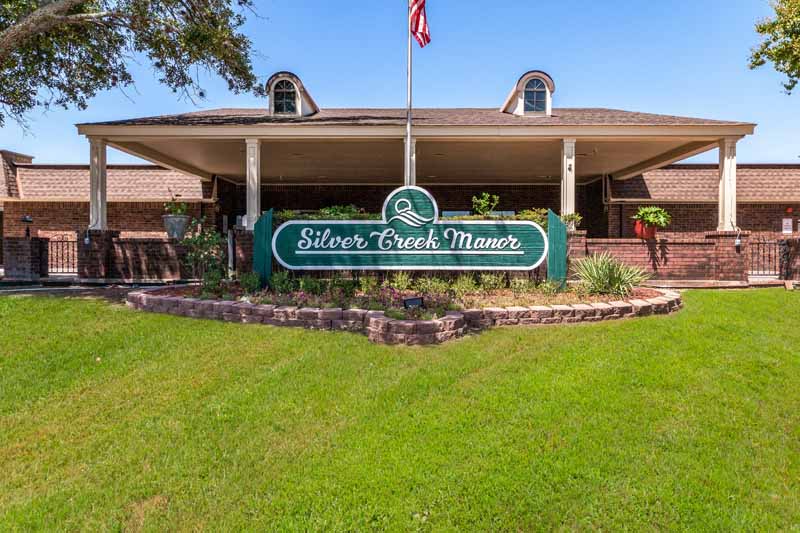


SILVER CREEK MANOR

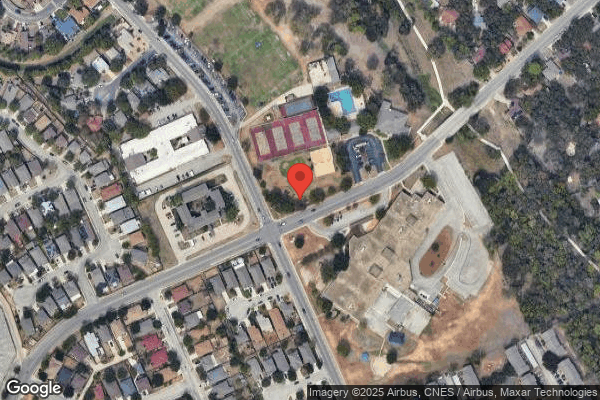
9014 TIMBER PATH, SAN ANTONIO, TX 78250 (210) 523-2455
For profit - Limited Liability company 120 Beds EDURO HEALTHCARE Data: November 2025 1 Immediate Jeopardy citation
Trust Grade
43/100
#560 of 1168 in TX
Last Inspection: July 2025

Inspected within the last 6 months. Data reflects current conditions.

Overview

Silver Creek Manor has a Trust Grade of D, indicating below-average quality and some concerns about care. It ranks #560 out of 1168 facilities in Texas, placing it in the top half, and #20 out of 62 in Bexar County, meaning there are only 19 local options performing better. Unfortunately, the facility is worsening, with issues increasing from 5 in 2024 to 9 in 2025. Staffing is a weak point, with a low rating of 1 out of 5 stars, but the turnover rate of 35% is better than the Texas average of 50%, suggesting that some staff do stay long-term. The facility has accumulated $43,284 in fines, which is concerning but somewhat typical compared to other facilities in the area. Several serious incidents have been reported. For example, a resident went without a bowel movement for 72 hours due to a failure in communication among staff, leading to emergency surgery. Additionally, the kitchen was found to have multiple sanitation issues, including unclean vents and broken fixtures, which compromise food safety. Lastly, lapses in infection control procedures were noted, including improper storage of clean linens and failure to provide appropriate personal protective equipment, potentially putting residents at risk for infections. Overall, while there are strengths in some areas, the facility has significant weaknesses that families should carefully consider.

Trust Score
D
43/100
In Texas
#560/1168
Top 47%
Safety Record
High Risk
Review needed
Inspections
Getting Worse
5 → 9 violations
Staff Stability
○ Average
35% turnover. Near Texas's 48% average. Typical for the industry.
Penalties
✓ Good
$43,284 in fines. Lower than most Texas facilities. Relatively clean record.
Skilled Nurses
⚠ Watch
Each resident gets only 20 minutes of Registered Nurse (RN) attention daily — below average for Texas. Fewer RN minutes means fewer trained eyes watching for problems.
Violations
⚠ Watch
22 deficiencies on record. Higher than average. Multiple issues found across inspections.
★★★☆☆
3.0
Overall Rating
★☆☆☆☆
1.0
Staff Levels
★★★★★
5.0
Care Quality
★★★☆☆
3.0
Inspection Score
Stable
2024: 5 issues
2025: 9 issues

The Good

  • 5-Star Quality Measures · Strong clinical quality outcomes
  • Full Sprinkler Coverage · Fire safety systems throughout facility
  • No fines on record
  • Staff turnover below average (35%)

    13 points below Texas average of 48%

Facility shows strength in quality measures, fire safety.

The Bad

3-Star Overall Rating

Near Texas average (2.8)

Meets federal standards, typical of most facilities

Staff Turnover: 35%

11pts below Texas avg (46%)

Typical for the industry

Federal Fines: $43,284

Above median ($33,413)

Moderate penalties - review what triggered them

Chain: EDURO HEALTHCARE

Part of a multi-facility chain

Ask about local staffing decisions and management

The Ugly 22 deficiencies on record

1 life-threatening
Jul 2025 6 deficiencies
CONCERN (D)

Potential for Harm - no one hurt, but risky conditions existed

Pressure Ulcer Prevention (Tag F0686)

Could have caused harm · This affected 1 resident

**NOTE- TERMS IN BRACKETS HAVE BEEN EDITED TO PROTECT CONFIDENTIALITY** Based on observation, interview, and record review, the facility failed to ensure a resident with pressure ulcers received neces...

Read full inspector narrative →
**NOTE- TERMS IN BRACKETS HAVE BEEN EDITED TO PROTECT CONFIDENTIALITY** Based on observation, interview, and record review, the facility failed to ensure a resident with pressure ulcers received necessary treatment and services, consistent with professional standards of practice, to promote healing, prevent infection and prevent new ulcers from developing for 1 of 4 residents (Resident #13) reviewed for pressure ulcers. The facility failed to implement the repositioning schedule indicated in Resident #13's comprehensive care plan. This failure could place residents at risk of hindered healing of the residents with existing pressure ulcers or lead to the development of additional skin injuries.Findings included:Record review of Resident #13's face sheet, date printed 7/2/2025, revealed resident was a [AGE] year-old female originally admitted on [DATE]. Record review of the quarterly MDS submitted on 6/1/2025 reflected a BIMS score of 02. Section M of the MDS indicated Resident #13 had 2 unstageable pressure ulcers and 1 unstageable pressure ulcer presenting as a deep tissue injury. Record review of Resident #13's comprehensive care plan, date printed 6/30/2025, revealed the following intervention: [Resident #13] requires extensive assistance by 1-2 staff to turn and reposition in bed Q2hrs and as necessary. Record review of Resident #13's scheduled tasks and treatment record for June 2025 did not reveal documentation of resident repositioning.Observations of Resident #13 on 7/1/2025 revealed the following:a) 8:13: AM: the resident was lying flat on her back with a neck pillow in place and additional pillow positioned under right elbow, the head of the bed was elevated to approximately 45 degrees. b) 10:15 AM the resident was lying flat on her back with a neck pillow in place and additional pillow positioned under right elbow, the head of the bed was elevated to approximately 45 degrees, which indicated no change in position.c) 12:20 PM the resident was lying flat on her back with a neck pillow in place and additional pillow positioned under right elbow, the head of the bed was elevated to approximately 45 degrees, which indicated no change in position.An attempt was made on 7/1/2025 at 8:13 AM to interview Resident #13, but she was unable to participate due to cognitive decline.In an interview with CNA E on 7/1/2025 at 8:00 AM, she stated Resident #13 required repositioning every 2 hours. She stated she was unsure where to document this intervention in the medical record. In an interview with RN G on 7/1/2025 at 8:20 AM, she stated CNAs were responsible for repositioning the residents. She also stated she had conversations with the CNAs to ensure this task was being completed. In an interview with the DON on 7/1/2025 at 3:30 PM, she stated her expectation was for staff to adhere to the Q2hrs turning schedule, as tolerated by the resident. She stated the medical record does not contain a place for documentation, but the nurse should be overseeing the task and ensuring it is being performed. She reported the potential harm of residents not being repositioned was skin breakdown. Record review of the facility policy titled Pressure Injury Prevention and Management (revised 6/1/2025) revealed interventions will be documented in the care plan and communicated to all relevant staff. Compliance with interventions will be documented in the weekly summary charting.
CONCERN (D)

Potential for Harm - no one hurt, but risky conditions existed

Deficiency F0692 (Tag F0692)

Could have caused harm · This affected 1 resident

**NOTE- TERMS IN BRACKETS HAVE BEEN EDITED TO PROTECT CONFIDENTIALITY** Based on observation, interview, and record review, the facility failed to provide nutritional and hydration care and services t...

Read full inspector narrative →
**NOTE- TERMS IN BRACKETS HAVE BEEN EDITED TO PROTECT CONFIDENTIALITY** Based on observation, interview, and record review, the facility failed to provide nutritional and hydration care and services to each resident, consistent with the resident's comprehensive assessment for 1 of 4 residents (Resident #39) reviewed for nutrition. The facility failed to assess and document the restricted fluid intake for Resident #39, as ordered by the physician.This failure could place residents at risk of impaired cardiovascular function, impaired breathing, and decreased quality of life. Findings included: Record review of Resident #39's face sheet, date printed 6/29/2025, revealed a [AGE] year-old male who was originally admitted to the facility on [DATE]. A relevant diagnosis included chronic diastolic (congestive) heart failure (weakening of the heart muscle leading to impaired function and fluid overload). Record review of the annual MDS submitted 6/19/2025 revealed a BIMS score of 15, which indicated intact cognition. Additional record review of Resident #39's comprehensive care plan, date of completion 5/16/2025, revealed an intervention as follows: 1500mL fluid restriction: total nursing = 780mL per day, total dietary = 720mL per day. Please document in PN if resident in non-compliant with fluid restriction and notify MD [sic]Record review of Resident #39's active physician orders revealed the following associated order: 1500ml Fluid RESTRICTION: Total Nursing = 780ml per day, Total Dietary = 720ml per day. Please document in PN if resident in non-compliant with fluid restriction and notify MD. every shift related to HEART FAILURE, UNSPECIFIED [sic] (order start date 8/23/2024)Record review of Resident #39's progress notes for April-June 2025 did not reveal any documentation regarding the resident's fluid intake. A record review of Resident #39's lunch dining ticket on 7/1/2025 reflected instruction to provide the resident with 8 ounces (240mL) due to the fluid restriction. In an observation and interview on 7/1/2025 at 12:20 PM, CNA F was observed serving Resident #39 two glasses of water with his lunch tray, totaling 16 ounces (480mL). CNA F stated she was aware of the fluid restriction for Resident #39. She stated she monitored his fluid intake by answering his call light promptly and conversing with the other nursing staff. She was not sure if the two cups of water were within the limits of his ordered fluid restriction. She also stated Resident #39 had never exceeded the 1500mL fluid restriction when she was on shift. In an interview with CNA E on 7/1/2025 at 8:00 AM, she reported she was not aware of any residents on the hall which Resident #39 resided who were on fluid restrictions. In an interview with RN G on 7/1/2025 at 8:54 AM, she stated she tracked Resident #39's fluid intake by documenting progress notes and monitoring the documentation entered by the CNAs. Resident #39 was interviewed on 7/1/2025 at 8:39 AM. He stated the staff never went into his room to ask him how much fluid he had to drink. He reported they would frequently remind him to limit his intake, but they do not ask specifically how many beverages he consumed. CNA H was interviewed on 7/1/2025 at 3:01 PM. She stated she was not told during shift report how much fluid Resident #39 consumed during the prior shift, but she was aware of the restriction. She stated she tracked his fluid intake by communicating with the nurse. LVN I was interviewed on 7/1/2025 at 2:58 PM. She stated she was not told during shift report how much fluid Resident #39 had consumed during the prior shift. She stated she monitored the fluid intake by communicating with the CNAs. She was unsure how she would know if he exceeded 1500mL of fluid for the day. ADON J was interviewed on 7/1/2025 at 3:30 PM. He stated the staff were made aware of Resident #39's fluid restriction via the care plan. He reported Resident #39 is frequently non-compliant and consumes beverages without notifying the staff, but the staff should notify the provider if he displayed symptoms of fluid overload, like shortness of breath, or abnormal laboratory results. He stated the staff should be communicating his intake across shifts and recording it on paper. He reported the potential harm of not monitoring the fluid intake for Resident #39 was fluid retention and shortness of breath. Record review of the facility's policy titled Provision of Quality of Care (implemented 6/10/2025) revealed the following: Qualified persons will provide the care and treatment in accordance with professional standards of practice, the resident's care plan, and the resident's choices.
CONCERN (D)

Potential for Harm - no one hurt, but risky conditions existed

Deficiency F0813 (Tag F0813)

Could have caused harm · This affected 1 resident

**NOTE- TERMS IN BRACKETS HAVE BEEN EDITED TO PROTECT CONFIDENTIALITY** Based on observation, interview, and record review, the facility failed to enact a policy regarding use and storage of foods bro...

Read full inspector narrative →
**NOTE- TERMS IN BRACKETS HAVE BEEN EDITED TO PROTECT CONFIDENTIALITY** Based on observation, interview, and record review, the facility failed to enact a policy regarding use and storage of foods brought to residents by family and other visitors to ensure safe and sanitary storage, handling, and consumption, for 1 (Resident # 33) of 3 residents reviewed, in that:Resident # 33's personal refrigerator located in her room observed on 06/29/2025, revealed food items, with no date and no label. This failure could place residents at risk of foodborne illness due to consuming foods which might be spoiled. The findings included: Record review of Resident #33's face sheet, dated 06/29/2025, reflected the resident was an [AGE] year old female and was initially admitted to the facility on [DATE] with diagnoses that included: dementia (loss memory or problem solving and other thinking abilities), muscle wasting and atrophy (loss of muscle tissue and strength), and Type 2 Diabetes Mellitus(not control blood sugar in the body). Record review of Resident #33's quarterly MDS assessment, dated 04/18/2025, reflected the resident's BIMS score was 13 out of 15 which indicated the resident cognitive function is intact. The resident needs Supervision with eating and was Maximal assistance (helper does more than half the effort) for dressing and transfers.Observation on 06/29/2025 at 10:07 a.m. revealed Resident #33 was not in her room. There was a personal refrigerator in the room, and inside the refrigerator was ham in an unlabeled and undated clear plastic bag. Also inside the refrigerator was green salsa in 3 small clear plastic round containers with a lid, but it was unlabeled and undated. Observation on the temperature log on the outside of the refrigerator revealed the log was last filled out on 06/26/2025.Interview on 07/01/2025 at 11:00 a.m. the DON stated that food in resident refrigerators should be dated and labeled. She also confirmed the temperature log should be filled out daily. When asked who is responsible for checking the refrigerator on the hallway, she told me she was responsible for checking the refrigerator and updating the temperature log. Record review of the facility policy titled Foods Brought by Family/Visitors, revised October 2017, revealed .6. Food brought by family/visitors that is left with the resident to consume later will labeled and stored in a manner that is clearly distinguishable from facility-prepped food. 7. The nursing staff will discard perishable foods on or before the se by or expiration date. Record review of the facility policy titled Food Receiving and Storage, revised October 2017, revealed .8. All foods stored in the refrigerator or freezer will be covered, labeled, and dated (use by date).This failure could place residents at risk of consuming spoiled foods which could cause food borne illness.
CONCERN (E)

Potential for Harm - no one hurt, but risky conditions existed

Food Safety (Tag F0812)

Could have caused harm · This affected multiple residents

Based on observation, interview, and record review, the facility failed to store, prepare, distribute, and serve food in accordance with professional standards for food service safety for 1 of 1 facil...

Read full inspector narrative →
Based on observation, interview, and record review, the facility failed to store, prepare, distribute, and serve food in accordance with professional standards for food service safety for 1 of 1 facility reviewed for food and nutrition services.1.-The facility failed to ensure an overhead ceiling vent in the main kitchen area was cleaned2. The facility failed to ensure a side wall vent in the main kitchen area was cleaned3. The facility failed to ensure overhead lighting in the main kitchen area was repaired.4. The facility failed to ensure overhead lighting in the dish room area was repaired5. The facility failed to repair broken side wall tiles in the main kitchen area.6-The facility failed to ensure two ceiling vents in the dry storage room were repaired.7-The facility failed to ensure two ceiling vents in the employee bathroom were repaired8-The facility failed to ensure broken floor molding in the main kitchen area was repaired.9-The facility failed to ensure broken floor molding in the dietary manager's office was repaired.10-The facility failed to ensure a side wall crack in the main kitchen area was repaired.These failures could place residents at risk for food borne illness.The findings include:Observation on 06/29/2025 from 9:05am until 9:15am with Cook-A revealed the following: a. There was a overhead ceiling vent which measured approximately 3x4 ft in the main kitchen area that was covered with dust and dirt.b. There was a side wall vent which measured approximately 4x2 ft in the main kitchen area that was covered with dust and dirt.c. There were 4 overhead ceiling lights which measured approximately 5x2 ft in the main kitchen area that had non-working light bulbs.d. There was 1 overhead ceiling light which measured approximately 5x2 ft in the dish room area that had non-working light bulbs.e. There were missing side wall tiles under the two basin sink which measured approximately 4x2 ft in length and height in the main kitchen area. f- There were two ceiling vents in the dry storage room which measured approximately 8x8 inches in diameter. One of the vents was not attached to the ceiling. The other vent was covered with rust.g. There were two ceiling vents in the employee bathroom which measured approximately 4x8 inches in diameter and 6x6 inches in diameter. The ceiling vent which measured approximately 4x8 inches in diameter was covered with rust. The ceiling vent which measured approximately 6x6 inches in diameter was covered with dirt and dust.h. There was area under the walk-in refrigerator which measured approximately 1.5 ft by 3 inches in the main kitchen area where a section of floor molding was missing.i. There was an area on a side wall which measured approximately 1 ft by 3 inches in the dietary manager's office where the floor molding was not attached to the side wall.j. There was an area which measured approximately 1x4 inches on a side wall next to the kitchen entrance in which the wall was cracked.Observation on 06/29/2025 from 9:05am until 9:15am with the Food Service Director revealed the following: a. There was a overhead ceiling vent which measured approximately 3x4 ft in the main kitchen area that was covered with dust and dirt.b. There was a side wall vent which measured approximately 4x2 ft in the main kitchen area that was covered with dust and dirt.c. There were 4 overhead ceiling lights which measured approximately 5x2 ft in the main kitchen area that had non-working light bulbs.d. There was 1 overhead ceiling light which measured approximately 5x2 ft in the dish room area that had non-working light bulbs.e. There were missing side wall tiles under the two basin sink which measured approximately 4x2 ft in length and height in the main kitchen area. f- There were two ceiling vents in the dry storage room which measured approximately 8x8 inches in diameter. One of the vents was not attached to the ceiling. The other vent was covered with rust.g. There were two ceiling vents in the employee bathroom which measured approximately 4x8 inches in diameter and 6x6 inches in diameter. The ceiling vent which measured approximately 4x8 inches in diameter was covered with rust. The ceiling vent which measured approximately 6x6 inches in diameter was covered with dirt and dust.h. There was an area under the walk-in refrigerator which measured approximately 1.5 ft by 3 inches in the main kitchen area where a section of floor molding was missing.i. There was an area on a side wall which measured approximately 1 ft by 3 inches in the dietary manager's office where the floor molding was not attached to the side wall.j. There was an area which measured approximately 1x4 inches on a side wall next to the kitchen entrance in which the wall was cracked.During an interview with the Food Service Director on 6/29/25 at 1:20pm she stated she was responsible for notifying the Maintenance Director if any repairs were needed in the kitchen. The Food Service Director stated all of the identified areas in the kitchen needing repair could affect kitchen cleanliness for food preparation as well as impact employee safety.During an interview with the Administrator on 6/29/25 at 1:30pm she stated she observed all of the areas needing repair in the kitchen. The Administrator stated all of the identified areas needing repair could affect maintaining a clean kitchen for food preparation. The Administrator stated she would have the kitchen repairs completed by the Maintenance Director.During an interview with the Maintenance Director on 6/29/25 at 1:45pm he stated he would be responsible for completing the kitchen repairs and had not received a work order request for the needed repairs.During an interview with [NAME] B on 6/29/25 at 1:00pm she stated she would advise the Food Service Director if she became aware of a needed repair in the kitchen. She stated the Food Service Director was responsible for notifying the Maintenance Director to complete the repairs.Record review of facility's policy titled Food Receiving and Storage dated 2001 stated Food Services, or other designated staff, will maintain clean food storage areas at all times.Record review of facility's policy entitled Preventing Foodborne Illness-Food Handling dated 2001 reflected Food will be stored, prepared, handled and served so that the risk of foodborne illness is minimized.Record review of facility's policy entitled General Kitchen Sanitation Policy Number 04.003 reflected All Nutrition and Foodservice employees will maintain clean, sanitary kitchen facilities in accordance with the state and US Food Codes in order to minimize the risk of infection and food borne illness. Clean non-food-contact surfaces of equipment at intervals as necessary to keep them free of dust, dirt, insects and other contaminants.Record review of the Food Code, U.S. Public Health Service, U.S. FDA, 2022, U.S. Department of H&HS, reflected 4-601.11 Equipment, Food-Contact Surfaces, Nonfood-Contact Surfaces, and Utensils. (A) EQUIPMENT FOOD-CONTACT SURFACES and UTENSILS shall be clean to sight and touch. (B) The FOOD-CONTACT SURFACES of cooking EQUIPMENT and pans shall be kept free of encrusted grease deposits and other soil accumulations. (C) Non-FOOD-CONTACT SURFACES of EQUIPMENT shall be kept free of an accumulation of dust, dirt, FOOD residue, and other debris.
CONCERN (E)

Potential for Harm - no one hurt, but risky conditions existed

Infection Control (Tag F0880)

Could have caused harm · This affected multiple residents

**NOTE- TERMS IN BRACKETS HAVE BEEN EDITED TO PROTECT CONFIDENTIALITY** Based on observation, interview, and record review, the facility failed to maintain an infection prevention and control program ...

Read full inspector narrative →
**NOTE- TERMS IN BRACKETS HAVE BEEN EDITED TO PROTECT CONFIDENTIALITY** Based on observation, interview, and record review, the facility failed to maintain an infection prevention and control program designed to provide a safe, sanitary and comfortable environment and to help prevent the development and transmission of communicable diseases and infections for 1 of 1 laundry areas, 1 of 5 facility hallways (300 hall), and 3 of 6 residents (Residents #37, #191, and #78) reviewed for infection control. 1. The facility failed to ensure clean linen in the laundry area was stored in a method to reduce the risk of contamination.2. The facility failed to ensure PPE was readily available to staff caring for residents identified as requiring EBP in the 300 hallway.3. The facility failed to ensure staff members were following TBP procedures and donning PPE when providing high contact care for Residents #37, #191, and #78. These failures could place residents at risk for the transmission of infection, infection, or illness. Findings included:1. In an observation of the facility's only laundry area on 6/30/2025 at 1:00 PM with Laundry Aide C it was revealed clean bath towels were being stored in a lint trap of a non-working clothes dryer. The lint trap was observed to contain debris and dust. The Laundry Aide stated the dryer being used for storage had not been functional for a while, but he was unsure of the exact length of time. He also stated he stored the towels here in order to hide them and prevent staff from taking all of the clean towels during a single shift. The Laundry Aide reported no concerns with possible contamination of the towels. In an interview with the Admin and Maintenance Director on 6/30/2025 at 3:00 PM, both staff stated Laundry Aide C should not be storing linen in the lint trap of the dryer due to potential for contamination. Observations on 6/29/2025 at 11:16 AM revealed four resident rooms in the 300 hallway had signage posted which indicated EBP. There was no PPE cart present in the hallway. In an interview with the DON on 7/1/2025 at 3:30 PM, she reported awareness that the PPE cart was not present on 6/29/2025 She speculated staff had been utilizing PPE from a neighboring hallway when providing high contact care for residents and that the cart had been mistakenly moved. She stated every hall should have at least one PPE cart and not having a cart could be a barrier to staff utilizing PPE. Record review of the facility's policy titled Transmission-Based (Isolation) Precautions (implemented 4/18/2025, revised 4/18/2025) reflected the followingF. The facility will have PPE readily available near the entrance of the resident's room and will don appropriate PPE before or upon entry into the environment of a resident on transmission-based precautions. 2. Record review of Resident #37's face sheet reflected a [AGE] year-old female who was admitted to the facility on [DATE]. Resident #37 had a relevant diagnosis which included gastrostomy status (a surgical opening to the stomach to allow the intake of food/medications).Record review of Resident #37's physician orders reflected the following: Enhanced barrier precautions r/t G-tube status, chronic-wound-coccyx (start date 3/28/2025)In an observation on 7/1/2025 at 8:46 AM, CNA E and CNA F were observed entering Resident #37's room to perform incontinent care without PPE. In an interview with CNA E and CNA F on 7/1/2025 at 8:50 AM, they stated they did not wear PPE while providing incontinent care to Resident #37. They stated they were aware she required EBP precautions, but they were in a hurry. They reported the potential harm of not using PPE for residents requiring EBP was the spread of infection. 3. Record review of Resident #78's face sheet, dated 6/29/2025, reflected a [AGE] year-old female who was admitted to the facility on [DATE]. Resident #78 had relevant diagnoses which included encounter for gastrostomy and non-pressure chronic ulcer of unspecified ankle with unspecified severity. In an observation on 06/29/25 at 12:00 PM, revealed CNA D entered Resident #78's room without donning PPE. She was then observed exiting the room with bagged linen.CNA D was interviewed on 6/29/2025 at 12:03 PM, she reported she assisted Resident #78 with incontinence care. She stated neither resident in Resident #78's room required EBP precautions, despite the signage posted on the door. She stated the signage indicated a resident had an indwelling foley catheter, which neither resident had. She then stated the proper PPE when providing care for residents on EBP was to wear gloves. She reported she was a new hire and had received infection control training and TBP training during orientation. 4. Record review of Resident #191's face sheet, dated 7/2/2025, reflected a [AGE] year-old female who was admitted to the facility on [DATE]. Resident #191 had relevant diagnoses which included retention of urine and gastrostomy status.Record review of Resident #191's physician orders reflected the following:Enhanced barrier precautions r/t gastrostomy status, indwelling foley catheter (start date 5/19/2025)Observation on 07/01/2025 at 2:42 PM revealed CNA K and LVN L performed catheter care for Resident #191. Neither staff members donned gowns prior to performing care.In an interview on 7/1/2025 at 2:50 PM, CNA K and LVN L stated Resident #191 required EBP precautions due to the presence of the foley catheter. CNA K stated they should have worn gowns in addition to gloves, but they forgot due to feeling nervous about being observed. Both staff members stated the potential harm to residents of not wearing proper PPE was the spread of infection.During an interview with the DON on 7/1/2025 at 3:30 PM, she stated her expectation was staff utilized PPE when performing care for residents requiring TBP. She stated all staff received training upon hire and periodically throughout the year. She stated CNA D was recently hired and received training about TBP, but she would reinforce the training to ensure compliance. Record review of the facility's policy titled Enhanced Barrier Precautions (date revised 4/10/2025) reflected the following: Enhanced barrier precautions (EBP) refer to an infection control intervention designed to reduce transmission of multi-drug-resistant organisms that employed targeted gown, and gloves use during high contact resident care activity.
CONCERN (E)

Potential for Harm - no one hurt, but risky conditions existed

Safe Environment (Tag F0921)

Could have caused harm · This affected multiple residents

**NOTE- TERMS IN BRACKETS HAVE BEEN EDITED TO PROTECT CONFIDENTIALITY** Based on observations, interviews, and record review, the facility failed to provide a safe, functional, sanitary, and comfortab...

Read full inspector narrative →
**NOTE- TERMS IN BRACKETS HAVE BEEN EDITED TO PROTECT CONFIDENTIALITY** Based on observations, interviews, and record review, the facility failed to provide a safe, functional, sanitary, and comfortable environment for residents, staff, and the public for 2 of 5 resident hallways (100 and 500 hallways) and 2 of 2 shower room (West and East Wing shower rooms) reviewed for environmental concerns in that:1-The facility failed to clean a bathroom ceiling vent in room [ROOM NUMBER].2-The facility failed to replace a bathroom light bulb and repair a piece of bathroom floor molding in room [ROOM NUMBER].3-The facility failed to clean a bathroom vent in room [ROOM NUMBER].4-The facility failed to replace a bedroom side wall light in room [ROOM NUMBER].5-The facility failed to clean a ceiling vent and and sprinkler head on the [NAME] Wing shower room.6-The facility failed to clean the ceiling vents and replace light bulbs in the East Wing shower room.These failures could place residents at risk of not residing in a safe, comfortable, and homelike environment.The findings included:Observation on 7/1/25 from 8:05am until 8:20am with the Administrator and Maintenance Director revealed the following:a-There was a bathroom ceiling vent which measured approximately 2x2 ft that was covered with dust in room [ROOM NUMBER].b-There was a bathroom light bulb not working and a missing piece of floor molding which measured approximately 1 ft by 1 inch near the bathroom entrance in room [ROOM NUMBER].c-There was a bathroom ceiling vent which measured approximately 2x2 ft that was covered with dust in room [ROOM NUMBER].d-There was a light on the B-side of the bedroom adjacent to the bed that would not turn on in room [ROOM NUMBER].Observation on 7/1/25 from 1040am until 10:55am with the Administrator and Maintenance Director revealed the following:e-There was a ceiling vent which measured approximately 2x2 ft that was covered with dust and a sprinkler head that measured 2 inches in diameter that had a rusted base cover in the [NAME] Wing shower room.f-There were a two ceiling vents which each measured approximately 2x2 ft that were covered with dust/dirt and two of three bathroom sink light bulbs out on the East Wing shower room.During an interview on 7/2/25 at 11:00 with the Administrator and Maintenance Director, the Maintenance Director stated he was responsible for repairs in the Resident room and the facility shower rooms. He stated he had not received any work order requested for any repairs on the resident rooms on the 100 and 500 hallways and the shower rooms. The Maintenance Director and Administrator both stated completing the repairs would provide a more homelike environment for the residents.Record review of the facility's policy for Maintenance Service dated 2009 reflected Maintenance service shall be provided to all areas of the building, grounds, and equipment. The Maintenance Department is responsible for maintaining the buildings, grounds, and equipment in a safe and operable manner at all time.
Mar 2025 2 deficiencies
CONCERN (D) 📢 Someone Reported This

A family member, employee, or ombudsman was alarmed enough to file a formal complaint

Potential for Harm - no one hurt, but risky conditions existed

Report Alleged Abuse (Tag F0609)

Could have caused harm · This affected 1 resident

**NOTE- TERMS IN BRACKETS HAVE BEEN EDITED TO PROTECT CONFIDENTIALITY** Based on interviews and record reviews the facility failed to ensure all alleged violations involving abuse, neglect, exploitati...

Read full inspector narrative →
**NOTE- TERMS IN BRACKETS HAVE BEEN EDITED TO PROTECT CONFIDENTIALITY** Based on interviews and record reviews the facility failed to ensure all alleged violations involving abuse, neglect, exploitation, or mistreatment, including injuries of unknown sources are reported not later than 24 hours to the administrator of the facility and to other officials, including to the State Survey Agency in accordance with State law through established procedures, for 1 of 3 Residents (Resident #1) reviewed for Abuse, in that: The facility did not report an allegation of abuse not later than 24 hours to the State Survey Agency (HHSC) when Resident #1 fell off the bed. This deficient practice could affect any resident and could contribute to further abuse. The findings were: Review of Resident #1's face sheet, dated 3/19/25, revealed a [AGE] year old female admitted to the facility on [DATE] with diagnoses that included: Major Depressive Disorder (a mental health condition that causes a persistently low or depressed mood and a loss of interest), Epilepsy (a brain disease where nerve cells don't signal properly). Review of Resident #1's quarterly MDS assessment, dated 1/30/25, revealed a BIMS score of 10, which indicated that cognition was moderately intact. Record review of Resident # 1's quarterly MDS dated [DATE] revealed section GG - Functional Abilities/section toileting hygiene number 1 was selected, indicating that the resident is dependent - and requires the assistance of 2 staff. Record review of Resident # 1's care plan dated 4/4/24 revealed [resident's name] is at risk for falls with interventions X 2 staff assistance for all ADLs. Record review of Texas Unified Licensure Information Portal (TULIP) on 3/19/25 at 10:30 A.M. revealed that no self-reported incidents regarding allegations of abuse were reported. Interview with CNA A on 3/18/25 at 11:20 A.M. revealed that on 3/14/25 at approximately 4:30 AM, she was providing incontinence care for Resident # 1, turning her on her left side when Resident # 1 fell on the floor. Interview with Resident #1 on 3/19/25 at 9:20 A.M. revealed when CNA A was providing incontinent care on 3/14/25 she could not recall the time when she was turned on her left side and fell to the floor. Interview with LVN B on 3/18/25 at 11:45 AM revealed she assessed resident for injuries reported the incident to her administrator and sent Resident # 1 to hospital for evaluation as a safety precaution because she was on blood thinners. Interview with the DON on 3/18/25 at 12:15 PM revealed the administrator was responsible for reporting allegations of abuse to HHSC; however she stated her understanding was allegations of abuse should be reported within 2 hours. Interview with the Administrator on March 19, 2025, at 12:35 P.M. revealed that she did not report the fall involving Resident #1, as it was witnessed by a staff member. However, upon reviewing the abuse guidelines from HHSC, she acknowledged that she should have reported the fall within two hours. Record review of facility policy titled, Abuse, Neglect, and Exploitation, dated 2021, reflected, Reporting of all alleged violations to the Administrator, state agency, adult protective services, and to all other required agencies (e.g. law enforcement when applicable) within specified timeframes.
CONCERN (D) 📢 Someone Reported This

A family member, employee, or ombudsman was alarmed enough to file a formal complaint

Potential for Harm - no one hurt, but risky conditions existed

Accident Prevention (Tag F0689)

Could have caused harm · This affected 1 resident

**NOTE- TERMS IN BRACKETS HAVE BEEN EDITED TO PROTECT CONFIDENTIALITY** Based on observation, interview, and record review, the facility failed to ensure that each resident received adequate supervisi...

Read full inspector narrative →
**NOTE- TERMS IN BRACKETS HAVE BEEN EDITED TO PROTECT CONFIDENTIALITY** Based on observation, interview, and record review, the facility failed to ensure that each resident received adequate supervision and assistive devices to prevent accidents for 1 of 3 residents (Resident #1) reviewed for accidents. The facility failed to ensure CNA A provided adequate supervision and assistance devices for Resident #1 when CNA A failed to use two staff during incontinent care on 03/14/2025 resulting in Resident #1 falling off the bed. The non-compliance was identified as past non-compliance. The noncompliance began on 3/14/25 and ended on 3/16/25. The facility had corrected the non-compliance before the survey began. This failure could lead to injury or death to residents. Findings included: Review of Resident #1's face sheet, dated 3/19/25, revealed a [AGE] year old female admitted to the facility on [DATE] with diagnoses that included: Major Depressive Disorder (a mental health condition that causes a persistently low or depressed mood and a loss of interest), Epilepsy (a brain disease where nerve cells don't signal properly). Review of Resident #1's quarterly MDS assessment, dated 1/30/25, revealed a BIMS score of 10, which indicated that cognition was moderately intact. Record review of Resident # 1's quarterly MDS dated [DATE] revealed section GG - Functional Abilities/section toileting hygiene number 1 was selected, indicating that the resident is dependent - and requires the assistance of 2 staff. Record review of Resident # 1's care plan dated 4/4/24 revealed [resident's name] is at risk for falls with interventions X 2 staff assistance for all ADLs. Record review of progress note dated 03/14/2025 at 04:30 AM. CNA reported that the resident fell, upon entering the room, observed the resident lying down in a supine position with the back of the head against the dresser, MD notified and ordered for the resident to be sent to ER. Record review of hospital records for Resident # 1, dated 3/19/2025 at 12:31 PM, revealed Resident # 1 had been admitted to [Hospital Name] for a fall, no other diagnosis available . Interview with Resident #1 on 3/19/25 at 9:20 A.M. revealed when CNA A was providing incontinent care on 3/14/25 she could not recall the time when she was turned on her left, fell to the floor and was not in any pain . Interview with LVN B on 3/18/25 at 11:45 AM revealed she assessed resident for injuries, completed nursing assessment reported the incident to her administrator and sent Resident # 1 to hospital for evaluation as a safety precaution because she was on blood thinner. Interview with CNA A on 03/18/2025 at 1:30 PM, revealed she was aware Resident # 1 was to be a two-person assist but forgot on 3/14/25 at 4:30 AM when she was assisting with incontinent care. Interview with the DON on 03/18/2025 at 2:20 PM stated that CNA A should have provided incontinent care for Resident # 1 using 2 staff members as per Resident #1's Care Plan. The DON also stated that if CNAs do not follow the care plan, injury to residents may occur. The facility put interventions in place prior to the survey entrance on 3/18/25. Facility in-serviced all direct care staff on 3/14/25 - 3/16/25, inservice Always Follow POC (Plan of Care), CNAs reviewing the [NAME], Hoyer lifts being used when indicated, 2-person transfers, where to find POC (Plan of Care), and positioning competencies. Record review of CNA A performance improvement note 3/14/25 at 8:30 AM reflected she was counseled and retrained on following POC. The facility put a system into place for PRN (as needed) staff to review [NAME] before their shift to identify the care needs of each resident. Record review of facility provided in-services that include Always Follow POC (Plan of Care), CNAs reviewing the [NAME], Hoyer lifts being used when indicated, 2-person transfers, where to find POC (Plan of Care), and positioning competencies, as well as demonstration of mechanical lift transfers. Record review revealed 40 of 40 staff members and 2 of 2 PRN. staff (as needed). Interviews with 16 staff members on 03/19/25 from 7:00 a.m. to 12:00 p.m. the following staff MA C, MA D, MA E, MA F, MA G, MA H, MA I, CNA J, CNA K, CNA L, CNA M, CNA N, CNA O, CNA P, CNA Q, CNA R confirmed completion of in services/training: Always Follow POC (Plan of Care), CNA's look at [NAME], mechanical lifts have to use if indicated 2 people, where to find POC (Plan of Care) and positioning competencies. Staff were able to verbalize understanding and the information provided in the in-service/training. Observations by the surveyor on 03/19/25 at 11:30 am - 12:30 PM of 2 of the residents (Resident # 2, # 3) revealed incontinent care was done with 2 staff members, MA E and CNA I, as indicated on POC. The non-compliance was identified as past non-compliance. The noncompliance began on 3/14/25 and ended on 3/16/25. The facility had corrected the non-compliance before the survey began. Record review of the facility's policy titled: Assistive Devices and Equipment, Undated , revealed Recommendations for the use of devices and equipment are based on the comprehensive assessment and documented in the president's plan of care .
Mar 2025 1 deficiency
CONCERN (E) 📢 Someone Reported This

A family member, employee, or ombudsman was alarmed enough to file a formal complaint

Potential for Harm - no one hurt, but risky conditions existed

Safe Environment (Tag F0921)

Could have caused harm · This affected multiple residents

**NOTE- TERMS IN BRACKETS HAVE BEEN EDITED TO PROTECT CONFIDENTIALITY** Based on observations, interviews, and record review, the facility failed to provide a safe, functional, sanitary, and comfortab...

Read full inspector narrative →
**NOTE- TERMS IN BRACKETS HAVE BEEN EDITED TO PROTECT CONFIDENTIALITY** Based on observations, interviews, and record review, the facility failed to provide a safe, functional, sanitary, and comfortable environment for residents, staff, and the public on 4 (Hallways 100, 200, 400, 500) of 5 resident hallways reviewed for environmental concerns. The facility failed to replace dirty ceiling tiles and clean rusted air vents on halls 100, 200, 400, and 500. These failures could place residents at risk of a diminished quality of life due to exposure to an environment that was unpleasant and unsafe. The findings included: During an observation on 03/12/25 from 5:30 am-6:00 am the following observations were made on resident hallways 100, 200, 400, and 500. 1-On the 100- resident hallway: a-there was a dirty 2x2 ft ceiling tile and a rusted ceiling air vent across from the storage room and a dirty 2x2 ft ceiling tile and a rusted air vent at the nurse's station. 2-On the 200- resident hallway: a-there was a rusted air vent across from room [ROOM NUMBER], a rusted air vent across from room [ROOM NUMBER], and a rusted air vent across from room [ROOM NUMBER]. 3-On the 400- resident hallway: a-there was there was a dirty 2x2 ft ceiling tile and rusted air vent at the nurse's station and a dirty 2x2 ft ceiling tile and rusted air vent across from the therapy room, a rusted ceiling vent across from room [ROOM NUMBER], a dirty 2x2 ceiling tile across from room [ROOM NUMBER], and a dirty ceiling tile across from room [ROOM NUMBER]. 4-On the 500- resident hallway: a-there was a dirty 2x2 ceiling tile across from room [ROOM NUMBER], a rusted ceiling vent across from room [ROOM NUMBER], two dirty 2x2 ft ceiling tiles and a rusted ceiling vent across from room [ROOM NUMBER]. During observation rounds with the Maintenance Director on 3/12/25 from 8:55 am to 9:05 am the following observations were made on resident hallways 100, 200, 400, and 500: 1-On the 100- resident hallway: a-there was a dirty 2x2 ft ceiling tile and a rusted ceiling air vent across from the storage room and a dirty 2x2 ft ceiling tile and a rusted air vent at the nurses station. 2-On the 200- resident hallway: a-there was a rusted air vent across from room [ROOM NUMBER], a rusted air vent across from room [ROOM NUMBER], and a rusted air vent across from room [ROOM NUMBER]. 3-On the 400- resident hallway: a-there was there was a dirty 2x2 ft ceiling tile and rusted air vent at the nurse's station and a dirty 2x2 ft ceiling tile and rusted air vent across from the therapy room, a rusted ceiling vent across from room [ROOM NUMBER], a dirty 2x2 ceiling tile across from room [ROOM NUMBER], and a dirty ceiling tile across from room [ROOM NUMBER]. 4-On the 500- resident hallway: a-there was a dirty 2x2 ceiling tile across from room [ROOM NUMBER], a rusted ceiling vent across from room [ROOM NUMBER], two dirty 2x2 ft ceiling tiles and a rusted ceiling vent across from room [ROOM NUMBER]. During an interview with the Maintenance Director on 3/12/25 at 9:10 am he stated that he felt the dirty ceiling tiles were caused by dirt from the air ducts in the ceiling that had not been cleaned in several years. He stated that the rusted ceiling vents needed to be cleaned or re-painted. The Maintenance Director stated that he was responsible for cleaning or replacing the ceiling tiles and cleaning or re-painting the ceiling air vents. The Maintenance Director stated that cleaning or replacing the ceiling tiles and cleaning or repainting the air vents had not been a work priority. The Maintenance Director stated that cleaning or replacing the ceiling tiles and cleaning or re-painting the air vents would improve the homelike environment for the residents. During an interview with the Administrator on 3/13/25 at 10:00am she stated she had not been aware of the dirty ceiling tiles or rusted ceiling vents. She stated that staff had used the TELS work order system to request repairs in the building and to her knowledge there were no pending work order requests related to the ceiling tiles or ceiling vents. The Administrator stated that cleaning or replacing the ceiling tiles and cleaning or repainting the ceiling vents would positively impact the resident's homelike environment. During an interview with the Maintenance Director on 3/14/25 at 8:30 am he stated that the dirty ceiling tiles that were noted during observation with the surveyor were cleaned and replaced as needed. The Maintenance Director stated that the facility would explore the process of having the ceiling air ducts cleaned. Record review of the facility policy on Maintenance Service dated 12/09 revealed: The Maintenance Department is responsible for maintaining the buildings, grounds, and equipment in a safe and operable manner at all times. The building is to be maintained in good repair and free from hazards.
Aug 2024 3 deficiencies
CONCERN (D) 📢 Someone Reported This

A family member, employee, or ombudsman was alarmed enough to file a formal complaint

Potential for Harm - no one hurt, but risky conditions existed

Quality of Care (Tag F0684)

Could have caused harm · This affected 1 resident

**NOTE- TERMS IN BRACKETS HAVE BEEN EDITED TO PROTECT CONFIDENTIALITY** Based on observation, interviews, and record review, the facility failed to ensure that residents received treatment and care in...

Read full inspector narrative →
**NOTE- TERMS IN BRACKETS HAVE BEEN EDITED TO PROTECT CONFIDENTIALITY** Based on observation, interviews, and record review, the facility failed to ensure that residents received treatment and care in accordance with professional standards of practice for 1 (Resident #2) of 8 residents reviewed for quality of care. 1) The facility failed to ensure LVN C labeled and dated Resident #2's wound treatment dressing after completing wound care on 08/25/24. 2) The facility failed to ensure LVN C followed Resident #2's physician order for wound treatment. These failures could affect residents who receive wound care treatments by placing them at risk for receiving inadequate treatments resulting in the worsening of wounds. The findings were: Review of Resident #2's undated face sheet reflected Resident #2 was a [AGE] year-old female who originally admitted to the facility on [DATE] and readmitted on [DATE] with diagnoses that included metabolic encephalopathy (a chemical imbalance in the blood that causes problems in the brain), type 2 diabetes (a condition resulting from insufficient production of insulin, causing high blood sugar), displaced avulsion fracture of right talus (when a small part of the ankle bone pulls away from the rest of the bone where it is attached to a ligament or tendon), bipolar disorder (a mental illness characterized by alternating periods of elation and depression) and dementia(a general term for impaired ability to remember, think, or make decisions). Review of Resident #2's quarterly MDS assessment, dated 07/17/2024, reflected a BIMS score of 15, indicating no cognitive impairment. Section GG, titled Functional Abilities and Goals, of the MDS reflected Resident #2 required staff assistance for transfers, bathing, toileting, hygiene and dressing. Section M, titled Skin Conditions, indicated Resident #2 had a surgical wound. Review of Resident #2's care plan, initiated date 07/17/2024, reflected Resident #2 had altered skin integrity non-pressure related to surgical wound to right lateral ankle and right medial ankle. The interventions included monitor for signs and symptoms of infection such as swelling, redness, warm, discharge, odor and notify physician of significant findings and treatments as ordered. Review of Resident #2's August 2024 physician orders reflected an order for right lateral leg cleanse with normal saline or wound cleanser, pat dry and apply Medi-honey followed by alginate and cover with a protective dressing every day, start date 08/16/2024. Review of Resident #2's weekly wound review report, dated 08/20/2024 and completed by RN A, revealed Resident #2 had a right lateral ankle surgical incision measuring 6 centimeters. Review of a progress note for Resident #2, dated 08/23/2024, and completed by a wound care nurse practitioner reflected surgical wound continues to improve and healing well with no acute changes. Continue POC. Will continue to monitor wound healing progress. During an observation of a wound treatment for Resident #2, 08/26/2024 at 10:55 a.m., completed by RN A and CNA B, Resident #2's had a right ankle wound dressing that was observed without a date or initial. RN A completed the wound treatment, redressed the wound, and initialed and dated the newly applied dressing. During an interview with RN A, 08/26/2025 at 11:00 a.m., RN A verified Resident #2's wound dressing did not have a date or initial on it prior to RN A initiating wound care. During an interview with Resident #2, 08/26/2024 at 11:11 a.m., Resident #2 stated LVN C performed wound care on 08/24/24 and 08/25/24. Resident #2 stated she was not aware the dressing was not dated but could confirm the treatment was completed by LVN C. In addition, Resident #2 stated her wound care was completed daily and staff had not missed a daily treatment. During an interview with CNA B, 08/26/2024 at 11:16 a.m., CNA B stated she observed Resident #2's treatment dressing was not dated or initialed. During an interview with LVN C, 08/26/2024 at 1:40 p.m., LVN C stated she provided wound care to Resident #2's surgical wound on her right ankle over the weekend on 08/24/2024 and 08/25/24. LVN C said she worked 2pm-10 pm on both days and said she was aware Resident #2 had a daily dressing to her right ankle. LVN C said she did not look at the physician order prior to performing the wound dressing and said she cleaned the wound with normal saline and wrapped it in kerlix. LVN C said she did not date or initial the dressing because she did not have a sharpie on her at the time. LVN C stated it was important to follow physician orders to make sure we don't cause infections or make a wound worse and the importance of labeling the wound dressing was so staff know when the treatment was done. During an interview with the facility DON, 08/27/2024 at 2:50 p.m., the DON stated the facility protocol was to initial and date wound dressings at the time the dressings were administered. The DON said the importance of dating and initialing the wound dressings was because it is the process and it shows that the dressing was done. The DON also said the importance of initiating the TAR and follow the physician orders was it is our job to make sure whatever is ordered by the doctor is done for the wellbeing of the patient. Record review of a facility document titled, RN/LVN Proficiency Audit, reflected the name of LVN C. The document listed skills observed and included dressing changes/staple and suture removal. This skill was marked satisfactory, initialed by an observer, and dated 12/21/2023. Review of facility policy titled, Wound Care, copyright 2001 Med-Pass and revised October 2010, reflected verify that there is a physician's order for this procedure under the preparation section of the policy. Under the steps in the procedure section, the policy reflected, mark tape with initials, time and date and apply to dressing.
CONCERN (D) 📢 Someone Reported This

A family member, employee, or ombudsman was alarmed enough to file a formal complaint

Potential for Harm - no one hurt, but risky conditions existed

Infection Control (Tag F0880)

Could have caused harm · This affected 1 resident

**NOTE- TERMS IN BRACKETS HAVE BEEN EDITED TO PROTECT CONFIDENTIALITY** Based on observations, interviews, and record review, the facility failed to maintain an infection control program designed to e...

Read full inspector narrative →
**NOTE- TERMS IN BRACKETS HAVE BEEN EDITED TO PROTECT CONFIDENTIALITY** Based on observations, interviews, and record review, the facility failed to maintain an infection control program designed to ensure enhanced barrier precaution procedures were followed by staff in direct care of 1 resident (Resident #2) of 8 reviewed for infection control in that: The facility failed to ensure Resident #2 had a sign on the room door indicating Resident #2 required enhanced barrier precautions per the facility's policy. The deficient practice could place the staff and residents at risk for infection. The findings were: Review of Resident #2's undated face sheet reflected Resident #2 was a [AGE] year old female who originally admitted to the facility on [DATE] and readmitted on [DATE] with diagnoses that included metabolic encephalopathy (a chemical imbalance in the blood that causes problems in the brain), type 2 diabetes (a condition resulting from insufficient production of insulin, causing high blood sugar), displaced avulsion fracture of right talus (when a small part of the ankle bone pulls away from the rest of the bone where it is attached to a ligament or tendon), bipolar disorder (a mental illness characterized by alternating periods of elation and depression) and dementia(a general term for impaired ability to remember, think, or make decisions). Review of Resident #2's quarterly MDS, dated [DATE], reflected a BIMS score of 15, indicating no cognitive impairment. Section GG, titled Functional Abilities and Goals, of the MDS reflected Resident #2 requires staff assistance for transfers, bathing, toileting, hygiene and dressing. Section H of the MDS revealed Resident #2 was always incontinent of bladder and frequently incontinent of bowels. Section M, titled Skin Conditions, indicated Resident #2 had a surgical wound. Review of Resident #2's care plan, initiated date 07/01/2024, reflected Resident #2 was on enhanced barrier precautions related to infection or colonization of urine. The interventions in place were listed as: don gown and gloves during high contact resident care activities, enhanced barrier precautions and monitor/document/report bodily excretions or sections that cannot be contained. The care plan also reflected Resident #2 had altered skin integrity non pressure related to surgical wound to right lateral ankle and right medial ankle, initiated 07/17/2024. The interventions included monitor for signs and symptoms of infection such as swelling, redness, warm, discharge, odor and notify physician of significant findings and treatments as ordered. Review of Resident #2's August 2024 physician orders reflected an order for enhanced barrier precautions related to colonized urine every shift, initiated 05/15/2024. Review of Resident #2's August 2024 physician orders reflected an order for right lateral leg cleanse with normal saline or wound cleanser, pat dry and apply Medi-honey followed by alginate and cover with a protective dressing every day, start date 08/16/2024. Review of Resident #2's weekly wound review report, dated 08/20/2024 and completed by RN A reflected Resident #2 had a right lateral ankle surgical incision measuring 6 centimeters. During an observation on initial rounds, 08/26/2024 at 10:20 a.m., enhanced barrier precaution signs were observed on multiple resident room doors throughout the facility. The signs included two stop signs in the top corners of the legal sized orange paper and read, ENHANCED BARRIER PRECAUTIONS EVERY MUST: clean their hands, including before entering and when leaving the room. PROVIDERS AND STAFF MUST ALSO: Wear gloves and gown for the following high-contact resident care activities. Dressing, bathing/showering, transferring, changing linens, providing hygiene, changing briefs, or assisting with toileting, device care or use: central line, urinary catheter, feeding tube, tracheostomy, wound care: any skin opening requiring a dressing. The sign had a CDC, U.S. Department of Health and Human Services Center for Disease Control and Prevention logo in the bottom right corner. During an observation, 08/26/2024 at 10:47 a.m., RN A and CNA B were observed donning PPE prior to entering Resident #2's room. Resident #2 did not have an enhanced barrier precaution sign on her door. When asked why RN A and CNA B were donning PPE, RN A stated because [Resident #2] was on enhanced barrier precautions and she had a wound. When asked if Resident #2 should have had a sign on her door indicating enhanced barrier precautions, RN A stated yes. Upon entering Resident #2's room, Resident #2 was heard stating to RN A and CNA B, oh, you all are going to gown up today, you all are doing the works today. During an interview with RN A, 08/26/2024 at 11:00 a.m., RN A stated residents on enhanced barrier precautions were identified by a sign on their door that says enhanced barrier precautions. RN A said the importance of enhanced barrier precautions was to prevent the spread of infection and should have been used for any resident with a wound or any opening to the body like a feeding tube. RN A stated she did not know who was responsible for placing the signs on resident doors. During an interview with CNA B, 08/26/2024 at 11:16 a.m., CNA B stated residents on enhanced barrier precautions had a sign on their door and said it was important to identify those residents so the staff knew before entering the room that staff were to use PPE to protect the resident and themselves from infection. CNA B said she had received training on enhanced barrier precautions. During an interview with RN B, 08/27/24 at 12:55 p.m., RN B stated she was the facility's Infection Preventionist. RN B stated any resident with an indwelling device, artificial portal to the body, or wounds was placed on enhanced barrier precautions and the staff were able to identify these residents by a sign placed on their door stating enhanced barrier precautions. RN B stated the Charge Nurses or management was responsible for placing the signs on the doors and said it was important to identify those residents in order to protect staff and resident from transferring infections to other residents or staff members. RN B revealed, not following enhanced barrier precautions, could cause a person to contract a bacteria or infection and spread it to other people. During an interview with the facility's DON, 08/27/2024 at 2:50 p.m., the DON stated the facility rolled out the CMS guidance on enhanced barrier precautions on 04/02/2024 and all direct care staff were educated on the precautions and the use of a sign on the door to identify the residents on enhanced barrier precautions. The DON stated, the facility completed an audit the prior day after the missing sign was observed for Resident #2 and observed a total of three residents without the sign on their door. The DON revealed the importance of identifying residents on enhanced barrier precautions was to prevent further infections or complication for the residents or others. Review of the facility's policy titled Enhanced Barrier Precautions, dated August 2022, reflected EBP's were indicated (when contact precautions do not otherwise apply) for residents with wounds and/or indwelling medical devices regardless of MDRO colonization. The policy also reflected, signs were posted in the door or wall outside the resident room indicating the type of precautions and PPE required.
CONCERN (E) 📢 Someone Reported This

A family member, employee, or ombudsman was alarmed enough to file a formal complaint

Potential for Harm - no one hurt, but risky conditions existed

Medical Records (Tag F0842)

Could have caused harm · This affected multiple residents

**NOTE- TERMS IN BRACKETS HAVE BEEN EDITED TO PROTECT CONFIDENTIALITY** Based on interview and record review, the facility failed to maintain clinical records in accordance with accepted professional ...

Read full inspector narrative →
**NOTE- TERMS IN BRACKETS HAVE BEEN EDITED TO PROTECT CONFIDENTIALITY** Based on interview and record review, the facility failed to maintain clinical records in accordance with accepted professional standard and practices that are complete and accurately documented for 7 (#1, #2, #3, #4, #5, #6 #8) of 8 residents reviewed for treatment administration. The facility failed to ensure the treatment administration records (TAR) for Residents #1, #2, #3, #4, #5, #6, and #8 reflected that the administration of the treatment orders were accurately documented. This deficient practice could place residents receiving treatments at risk for not receiving appropriate care. The findings were: 1) Review of Resident #1's undated face sheet revealed Resident #1 was a [AGE] year-old male who originally admitted to the facility 07/28/2023 and readmitted , 01/09/2024 with diagnoses that included Parkinsonism (an umbrella term that refers to brain conditions causing slowing movements, rigidity, tremors), type 2 diabetes (a condition resulting from insufficient production of insulin, causing high blood sugar)and osteomyelitis (bone infection) of vertebra (one of the bones composing of the spinal column), sacral (end of the spine in the pelvic area) and sacrococcygeal region (sacrum and coccyx area). Review of Resident #1's quarterly MDS assessment, dated 06/24/2024, reflected Resident #1 had a BIMS score of 10, indicating moderate cognitive impairment. Section M, titled Skin Conditions, reflected Resident #1 had two Stage 4 pressure ulcers, two stage 2 pressure ulcers and one unstageable pressure ulcer that were present upon admission. Review of Resident # 1's care plan, initiated 07/28/2023, reflected Resident #1 had a pressure ulcer to his sacrum and the intervention included treatments as ordered. Review of Resident #1's August 2024 TAR reflected the following orders: A) cleanse left ischium stage 4 pressure ulcer with wound cleanser, pat dry, apply double antibiotic ointment and cover with protective dressing, every shift, every Tuesday, Thursday, Saturday for wound healing. The order had a start date of 07/20/2024. B) cleanse pressure ulcer to mild upper spine with wound cleanser, pat dry, and apply ordered foam dressing every day shift, every Tuesday, Thursday, Saturday for stage 3 pressure wound with a start date of 06/08/2024. C) cleanse pressure ulcer to right ischium with wound cleanser, pat dry, apply double antibiotic ointment and cover with protective dressing every day shift, every Tuesday, Thursday, Saturday for stage 2 pressure wound with a start date of 07/20/2024. D) cleanse pressure ulcer to sacrum (proximal) with wound cleanser, pat dry and apply bordered foam dressing every day shift on Tuesday, Thursday, Saturday with a start date of 03/14/2024. E) left lateral foot: cleanse with normal saline, pat dry, apply betadine and leave open to air daily every day shift for DTI with a start date of 07/16/2024. The TAR for each order was not initialed off on 08/15/2024. Record review of Resident #1's weekly wound review, dated 08/21/2024, indicated Resident #1's wounds were improving and decreasing in size. During an interview with RN A, 08/26/2024 at 1:20 p.m., RN A stated she was the treatment nurse and responsible for administering wound care treatments during the week and the facility Charge Nurses were responsible for administering wound care treatments on the weekend. RN A stated she was the treatment nurse for 8/15/2024 and was confident that she completed wound care and stated she did not know why the TAR was blank and stated I always do my treatments every day for my residents. That is really strange, I don't know. 2) Review of Resident #2's undated face sheet reflected Resident #2 was a [AGE] year-old female who originally admitted to the facility on [DATE] and readmitted on [DATE] with diagnoses that included metabolic encephalopathy (a chemical imbalance in the blood that causes problems in the brain), type 2 diabetes (a condition resulting from insufficient production of insulin, causing high blood sugar), displaced avulsion fracture of right talus (when a small part of the ankle bone pulls away from the rest of the bone where it is attached to a ligament or tendon), bipolar disorder (a mental illness characterized by alternating periods of elation and depression) and dementia(a general term for impaired ability to remember, think, or make decisions). Review of Resident #2's quarterly MDS, dated [DATE], reflected a BIMS score of 15, indicating no cognitive impairment. Section M, titled Skin Conditions, indicated Resident #2 had a surgical wound. Review of Resident #2's care plan, initiated date 07/01/2024, reflected Resident #2 had altered skin integrity non pressure related to surgical wound to right lateral ankle and right medial ankle, initiated 07/17/2024. The interventions included treatments as ordered. Review of Resident #2's August 2024 physician orders reflected an order for right lateral leg cleanse with normal saline or wound cleanser, pat dry and apply Medi-honey followed by alginate and cover with a protective dressing every day, start date 08/16/2024. Record review of Resident #2's August 2024 TAR reflected the following order, right lateral leg cleanse with normal saline or wound cleanser, pat dry and apply Medi-honey followed by alginate and cover with protective dressing every day shift for surgical wound, start date 0814/2024. The TAR for each order was not initialed off on 08/18/2024, 08/22/2024, 08/24/2024 and 08/25/2024. Review of a progress note for Resident #2, dated 08/23/2024, and completed by a wound care nurse practitioner reflected surgical wound continues to improve and healing well with no acute changes. Continue POC. Will continue to monitor wound healing progress. During an interview with Resident #2, 08/26/2024 at 11:11 a.m., Resident #2 stated LVN C performed wound care on 08/24/24 and 08/25/24. In addition, Resident #2 stated her wound care was completed daily and staff had not missed a daily treatment. During an interview with LVN C, 08/26/2024 at 1:40 p.m., LVN C stated she provided wound care to Resident #2's surgical wound on her right ankle over the weekend on 08/24/2024 and 08/25/24. LVN C said she worked 2pm-10 pm on both days and said she was aware Resident #2 had a daily dressing to her right ankle. 3) Record review of Resident #3's undated face sheet revealed Resident #3 was a [AGE] year-old male who admitted to the facility 05/08/2024 with diagnoses that included acute osteomyelitis (bone infection) of multiple sites and paraplegia (paralysis of the legs and lower body). Record review of Resident #3's quarterly MDS, dated [DATE], reflected a BIMS score of 15, indicating no cognitive impairment. Record review of resident #3's care plan, initiated 05/09/2024, reflected Resident #3 had pressure ulcers and the interventions included treatments as ordered. Record review of Resident #3's August 2024 TAR reflected the following orders: A) left hip cleanse with normal saline or wound cleanser, pat dry and pack undermining with 1-inch iodoform strip then apply wet to moist vashe dressing followed by protective dressing every day shift for stage 4 pressure wound, start date 07/20/204. B) right buttock cleanse with normal saline or wound cleanser, pat dry, pack tunneling with 1-inch iodoform strip then apply medi-honey followed by alginate and cover with protective dressing every shift for stage 4 wound, start date 06/20/2024. C) Sacrum cleanse with normal saline or wound cleanser, pat dry and apply Medi honey followed by alginate and cover with Abd pad and secure with tape every day for stage 4 pressure wound, start date 05/25/2024. The TAR for each order was not initialed off on 08/15/2024 and 08/22/2024. Record review of Resident #3's progress notes reflected an entry by a wound care nurse practitioner on 08/23/2024 that stated no wound complaints or concerns reporting by nursing. Chronic pressure injury wounds remain stable with no acute changes. No s/s of acute infection. Continue current treatment and offloading measures. Will continue to monitor wound healing progress. During an interview with Resident #3, 08/27/2024 at 11:50 a.m., Resident #3 stated facility staff performed his wound care daily, have not missed a daily treatment, and his wounds were improving. 4) Record review of Resident #4's undated face sheet reflected Resident #4 was a [AGE] year-old male who originally admitted to the facility on [DATE] and readmitted , 08/04/2024 with diagnoses that included abscess of epididymis or testis (inflammation of the long coiled tube that attached to the upper part of each testicle), hemiplegia (one sided muscle paralysis or weakness) and type 2 diabetes (a condition resulting from insufficient production of insulin, causing high blood sugar). Record review of Resident #4's annual MDS, dated [DATE], reflected a BIMS score of 04, indicating severe cognitive impairment. Record review of Resident #4's care plan reflected Resident #4 had a surgical wound to the scrotum, initiated 08/12/2024. Interventions included treatments as ordered. Record review of Resident #4's progress notes reflected an entry by a wound care nurse practitioner on 08/23/2024 that stated surgical wound crotal area continues to decrease in size dimension and healing well with no acute changes. Continue POC. Will continue to monitor wound healing progress. Record review of Resident #4's August 2024 TAR reflected an order for scrotum cleanse with normal saline or wound cleanser, pat dry, apply vashe wet to moist dressing every day shift for surgical wound, start date 08/13/2024. The TAR for each order was not initialed off on 08/17/2024, 08/18/2024, 08/22/2024, 08/24/2024 and 08/25/2024. 5) Record review of Resident #5's undated face sheet reflected Resident #5 was a [AGE] year-old male who originally admitted to the facility 02/29/2024 and readmitted [DATE] with diagnoses that included osteomyelitis (bone infection) of vertebra (one of the bones composing of the spinal column), sacral (end of the spine in the pelvic area) and sacrococcygeal region (sacrum and coccyx area), type 2 diabetes (a condition resulting from insufficient production of insulin, causing high blood sugar) , dysphagia (difficulty swallowing) and cerebral infarction (a disruption in the brain's blood flow). Record review of Resident #5's quarterly MDS, dated [DATE], reflected a BIMS score of 6, indicating severe cognitive impairment. Section M, titled Skin Conditions, reflected Resident #5 ad a stage 2 pressure ulcer, stage 3 pressure ulcer, stage 4 pressure ulcer, and two unstageable pressure ulcers. Record review of Resident #5's care plan, initiated 03/01/2024, revealed Resident #5 had an unstageable wound to his sacrum, unstageable wound to right malleolus, left heel dti, dti right medial knee, left lateral ankle stage 2, right ischium dti, left ischium dti, left hallux unstageable, buttock unstageable, left lateral knee unstageable, left lateral leg stage 2. Interventions include treatments as ordered. Record review of Resident #5's August 2024 TAR reflected the following orders: A) Aquaphor ointment 40 oz refills- apply to the feet daily x 3 months in the morning for Xerosis bilat feet, start date 06/15/2024. B) Left buttock cleanse with normal saline and wound cleanser, pat dry and apply Medi-honey followed by alginate and cover with protective dressing every day shift for unstageable, start date 08/06/2024. C) left hallux cleanse with normal saline or wound cleanser, pat dry and apply betadine and LOTA every day shift for unstageable wound, start date 08/06/2024. D) left heel cleanse with normal saline or wound cleanser, pat dry, apply Medi-honey followed b alginate and cover with protective dressing every day shift for stage 3, start date 08/16/2024. E) Left lateral knee cleanse with normal saline or wound cleanser, pat dry and apply betadine and LOTA every day shift for unstageable, start date 08/06/2024. F) Right ischium cleanse with normal saline or wound cleanser, pat dry and apply Medi-honey followed by alginate and cover with protective dressing every day shift for unstageable wound, start date 08/06/2024. G) Right malleolus cleanse with normal saline or wound cleanser, pat dry and apply collagen followed by alginate cut to fit and cover with protective dressing every day shift for stage 3 pressure wound, start date 05/23/2024. The TAR for each order was not initialed off on 08/11/2024, 08/17/2024, 08/18/2024, 08/22/2024, 08/24/2024 and 08/25/24. Record review of Resident #3's progress notes reflected an entry by a wound care nurse practitioner on 08/23/2024 that stated reevaluate multiple pressure injury wounds which remain stable with no acute changes. No s/s of acute infection. 6) Record review of Resident #6's undated face sheet reflected Resident #6 was a [AGE] year-old male who originally admitted to the facility on [DATE] and readmitted , 05/10/2024 with diagnoses that included metabolic encephalopathy (a chemical imbalance in the blood that causes problems in the brain), pneumonia (a lung infection), sepsis ( a condition in which the body's extreme response to an infection becomes life threatening), type 2 diabetes (a condition resulting from insufficient production of insulin, causing high blood sugar) , and acute respiratory failure (gas exchange between the lungs and the blood). Record review of Resident #6's quarterly MDS, dated [DATE], revealed a BIMS score of 12, indicating mild cognitive impairment. Section M, titled Skin Conditions, revealed Resident #6 had a stage 2 pressure ulcer upon admission to the facility. Record review of Resident #6's care plan reflected Resident #6 has altered skin integrity non pressure related to penile shaft, initiated 08/23/2024, and interventions included treatments as ordered. The care plan revealed Resident #6 had a stage 2 pressure wound to his right buttock and left heel, initiated 05/10/2024 and reflected stage 2 pressure to right buttocks resolved 06/04/2024. Record review of Resident #6 August 2024 TAR reflected an order for left heel cleanse with normal saline or wound cleanser, pat dry and apply alginate with silver and cover with protective dressing every day shift for DTI, start date 05/11/2024. The order was not initialed off on 08/22/2024. Order for mupirocin external ointment 2 % apply to scrotum/groin topically every day shift for abrasion, start date 006/28/2024 and d/c date 08/23/2024, was not initialed off on 08/22/2024. Order for sacrum cleanse with normal saline or wound cleanser, pat dry and apply triad and lota every day shift for preventative measures, start date 07/08/2023, was not initialed off on 08/22/2024. Order for right buttock cleanse with normal saline or wound cleanser, pat dry and apply triad and lota every shift for preventative measures, start date 06/04/2024, was not signed off on 6am shift 8/22/2024, 2 pm shift 08/02/2024, 08/23/2024, 10pm shift 08/02/2024, 08/03/2024, 08/04/2024, 08/05/2024, 08/08/2024, 08/09/2024, 08/10/2024,08/14/2024, 08/15/2024, 08/16/2024, 08/17/2024, 08/20/2024, 08/21/2024, 08/22/2024, 08/23/2024. Record review of Resident #6's progress notes reflected an entry by a wound care nurse practitioner on 08/23/2024 that stated abscess groin area was resolved. New MDRI penile shaft noted. Pressure injury left heel remains stable with no acute changes. Record review of weekly wound review, dated 08/23/2024 and completed by RN A, reflected Resident #6's stage 3 coccyx wound measured 0 x 0 x 0 and was healed. During an interview with Resident #6 on 08/27/2024 at 12:04 p.m., Resident #6 said he received wound care daily including the weekends and said his wound had been improving and he said he had been happy with the wound care he was receiving. 7) Record review of Resident #8's undated face sheet reflected Resident #8 was a [AGE] year-old female who originally admitted tot eh facility on 02/12/2022 with a readmit date of 05/08/2023 with diagnoses that included multiple sclerosis (autoimmune disease that affects the central nervous system), schizophrenia (mental disorder characterized by significant alterations in perception, thoughts, moods and behavior) and paraplegia (paralysis of the legs and lower body). Record review of Resident #8's quarterly MDS, dated [DATE], reflected a BIMS score of 15 indicating no cognitive impairment. Record review of Resident #8's care plan reflected Resident #8 had a stage 3 pressure wound, date initiated 06/03/2024, altered skin integrity related to right gluteal fold, abscess to right groin, date initiated 04/11/2024. The interventions for both care plans included treatments as ordered. Record review of Resident #8's August 2024 TAR reflected and order for coccyx cleanse with normal saline or wound cleanser, pat dry and [NAME] collagen followed by alginate and cover with protective dressing every day shift for stage 3 pressure wound, start date 06/04/2024 and d/c date 08/23/2024. The order was not initialed off on 08/22/2024. An order for right gluteal fold cleanse with normal saline or wound cleanser, pat dry and apply hydroferablue and cover with protective dressing every day shift for abrasion, start date 07/27/2024 and was not initialed off on 08/22/2024. During an interview with Resident #8, 08/27/2024 at 12:15 p.m., Resident #8 stated she was receiving wound care daily by the facility nurses and stated her wounds are improving with the treatments. During an interview with RN A, 08/26/2024 at 1:20 p.m., RN A said she was responsible for performing wound care on residents with wound care orders Monday through Friday and validated wound care was completed on the weekend when she did wound care on Mondays. RN A stated wound care should have been initialed off on the TAR when wound care was completed. RN A stated if she did not see it initialed off in the TAR, she would have asked the resident if wound care was completed and observe the dressing date. RN A was asked what it meant if the administration record had no initials for a certain day and she said I guess it would mean it was not clicked off on or overlooked but in my case I always do my treatments so I don't know why there are blanks. During an interview with LVN C, 08/26/2024 at 1:40 p.m., LVN C stated Charge Nurses were responsible for completing wound care on the weekends if no one is assigned to wound care. LVN C said she checked the TARs to ensure wound care had been administered and if it was not administered prior to her shift on 2 p.m. to 10 p.m., LVN C would complete the wound care for her residents. LVN C stated she completed wound care over the weekend. During an interview with the DON, 08/27/2024 at 2:50 p.m., the DON stated RN A was responsible for the wound care system and administered wound care Monday - Friday. The DON stated if RN A identified a concern with wound care she would notify the DON and the DON would address the concern immediately. When asked who validated wound care had been completed for the prior day, the DON said every nurse was responsible on their shift to ensure the TAR was completed and said every nurse should not leave their shift without signing off on the TAR. The DON said he believed it was human error that the nurses did not initial off on the administration record and said, there is obviously room for improvement, but no wound is getting worse, and we have not grown any wounds. The DON said the importance of initialing the TAR and following the physician orders was it is our job to make sure whatever is ordered by the doctor is done for the wellbeing of the patient. During an interview with the Administrator, 08/27/2024 at 3:20 p.m., the Administrator said she ensured wound care was being completed timely and as ordered by the physician by monitoring the wound logs and discussing wounds during QA, observing trends with wounds and ensuring wounds were improving. The Administrator stated her expectation was nurses were to initial off on wound care on the TAR when the wound care was administered. The Administrator stated her expectation was the treatment nurse or nurse management would be checking the TARs to ensure treatments were completed the prior day and over the weekend. Record review of the facility's policy titled, Wound Care, dated 2001 Med-pass, Inc. (revised October 2010), under a section related to documentation of wound care, stated the name and title of the individual performing the wound care should be recorded in the resident medical record.
Jun 2024 2 deficiencies
CONCERN (D)

Potential for Harm - no one hurt, but risky conditions existed

Deficiency F0761 (Tag F0761)

Could have caused harm · This affected 1 resident

Based on and biologicals were stored properly for 2 of 6 medication carts (400 hall medication cart, 100 hall nurse medication cart). 1. An expired bottle of medication was stored in the drawer of the...

Read full inspector narrative →
Based on and biologicals were stored properly for 2 of 6 medication carts (400 hall medication cart, 100 hall nurse medication cart). 1. An expired bottle of medication was stored in the drawer of the 400-hall medication cart . 2. The medication cart assigned to hall 100 had a loose pill. This failure could place residents at risk of not receiving prescribed medications as ordered, receiving medications that were less effective or have altered composition, and drug diversions. The findings included : 1. During an observation on 06/05/24 at 9:37 AM of the medication cart for hall 400 with CMA A, an expired bottle of Healthy Eyes Mineral Supplement with Lutein and Antioxidants was found in the cart drawer. The expiration date on the bottle was observed to be 2/2024. CMA A removed the expired medication bottle from the cart and stated it would be given to the DON for destruction. During an interview on 06/05/24 at 02:48 PM with CMA A, he stated there should not be expired medications on the cart. He stated he put the expired bottle of medication in the bottom cart drawer with the intention to remove it from the cart but failed to do so. He stated it was the responsibility of the nursing staff and CMA's to ensure medications on the cart were within date and removed when out of date. He stated he has been trained by the facility DON to monitor the expiration dates for medications on the cart. He stated a potential negative outcome of expired medications on the cart was that the medications could be administered and cause harm to a resident. During an interview on 06/06/24 at 10:30 AM, the DON stated it was the responsibility of the CMA's and nursing staff to ensure expired medications were removed from the medication cart. He stated the staff were trained annually and as needed on proper storage of medications. He stated his expectation of staff was to stay on top of cart checks and monitor for expired medications daily. The DON stated the nurse auditor, pharmacy consultant, and the weekend supervisor each conduct cart audits monthly. He stated a potential negative outcome of expired medications on the cart was that an expired medication could be administered to a resident. During an interview on 06/06/24 at 11:20 AM, the ADM stated there should not be any expired medications stored on the cart. She stated staff were trained on proper medication storage by the DON. The ADM stated her expectation of staff was that all medications were properly labeled and expired medications were removed from the cart. She stated a potential negative outcome of expired medications on the cart would be residents being administered expired medications and having an adverse reaction. 2. During an observation on 06/05/24 at 10:06 AM of the medication cart for hall 100 with RN A, one loose pill was found in the medication cart drawer. RN A placed the loose pill in a dispensing cup and the DON identified the medication as Gabapentin. The DON took the medication to be destroyed. During an interview on 06/05/24 at 10:10 AM with RN A, she stated she wasn't sure why there was a loose pill on the cart. She stated it was her responsibility to check the medication cart for loose medications. She stated she had been trained by the DON to check the cart for proper medication storage daily. She stated a potential negative outcome of loose medications on the cart would be that a resident may not have enough medication, or the medication may be given to the wrong resident. During an interview on 06/06/24 at 10:30 AM, the DON stated there should not be loose medications on the cart. He stated staff were trained annually and as needed on proper storage of the medications. He stated his expectation of staff was to stay on top of cart checks and monitor for proper storage of medications daily. The DON stated the nurse auditor, pharmacy consultant, and the weekend supervisor each conduct cart audits monthly. He stated a potential negative outcome of loose medications on the cart was that a resident could miss a dose. During an interview on 06/06/24 at 11:20 AM, the ADM stated there should not be any loose medications on the cart. She stated staff were trained on proper medication storage by the DON. The ADM stated her expectation of staff was that all medications were properly labeled and stored on the cart. She stated a potential negative outcome of loose medications on the cart would be that the medication was not administered to the resident. Record review of the facility provided policy labeled, Medication Labeling and Storage, date revised, February 2023, revealed: Policy Interpretation and Implementation: 1. Medications and biologicals are stored in the packaging, containers, or other dispensing systems in which they are received. Only the issuing pharmacy is authorized to transfer medication between containers. 2. The nursing staff is responsible for maintaining medication storage and preparation areas in a clean, safe, and sanitary manner. 3. If the facility has discontinued, outdated, or deteriorated medications or biologicals, the dispensing pharmacy is contacted for instructions regarding returning or destroying these items. 5. Medications are stored in an orderly manner in cabinets, drawers, carts, or automatic dispensing systems. Each resident's medications are assigned to an individual cubicle, drawer, or other holding area to prevent the possibility of mixing medication of several residents. observations, interviews, and record review, the facility failed to ensure all drugs
CONCERN (D)

Potential for Harm - no one hurt, but risky conditions existed

Food Safety (Tag F0812)

Could have caused harm · This affected 1 resident

Based on observations, interviews, and record review, the facility failed to store, prepare, distribute, and serve food in accordance with professional standards for food service safety in 1 of 1 kitc...

Read full inspector narrative →
Based on observations, interviews, and record review, the facility failed to store, prepare, distribute, and serve food in accordance with professional standards for food service safety in 1 of 1 kitchen reviewed for dietary services. The facility failed to ensure foods were processed and pureed under sanitary conditions. These failures could place residents at risk for food contamination and foodborne illness. The findings included: The following observations were made on 06/04/24 at 11:15 AM during observation of puree meal preparation: After pureeing garlic bread sticks, [NAME] A took processor bowl, lid, and blade to 3-compartment sink and cleaned all 3 parts. [NAME] A took all there parts back to processor base and assembled. Observed liquid in bottom of bowl, lid and blade was dripping liquid on floor and countertop. [NAME] A removed processor bowl and lid and poured liquid into sink. [NAME] A placed processor bowl and blade back on the processor base. [NAME] A prepared puree spaghetti then took processor bowl, lid, and blade to 3 compartments sink and cleaned all 3 parts. She then took bowl, lid, and blade to processor base and assembled. Observed bowl, lid, and blade had liquid dripping off onto floor and countertop. [NAME] A prepared puree veggies then took processor bowl, lid, and blade to 3 compartments sink and cleaned all 3 parts. She then took bowl, lid, and blade to processor base and assembled. Observed bowl, lid, and blade had liquid dripping off onto floor and countertop. During an interview on 06/06/24 at 09:15 AM with the [NAME] A, she stated all puree processor parts should be air dried before using. She stated she has only worked in the kitchen a couple of weeks and had not been trained on allowing puree processor parts to air dry before use until yesterday (6/5/24). She stated she was not sure why the processor needs to air dry before use. She stated she did complete her safe serve certificate. She stated the potential negative outcome could be chemical in water mixing with the food. During an interview on 06/06/24 at 09:20 AM with the DM, she stated any items washed in the 3-compartment sink needed to air dry before using. She stated they currently only have one bowl, lid, and blade for puree processor. She stated the reason the cook did not allow the bowl, lid, and blade to dry was because she was pressed on time. She stated all staff have been trained during orientation. She stated the potential negative outcome could be bacteria and sanitation on bowl, lid, and blade mixing with the puree food. During an interview on 06/06/24 at 09:30 with the ADM, she stated she was not sure if items washed in the 3-compartment sink needed to be air dried before use. She stated the DM was responsible for training all staff. She stated new staff were trained in orientation. She stated the potential negative outcome could be chemical mixing with the puree causing the resident to become ill. Record review of the facility policy, titled Sanitization, revised November 2022, revealed the following: Policy Statement: The food service area is maintained in a clean and sanitary manner . 7. Food preparation equipment and utensils that are manually washed are allowed to air dry whenever practical. Drying food preparation equipment and utensils with a towel or cloth may increase risks for cross contamination.
Nov 2023 2 deficiencies
CONCERN (D) 📢 Someone Reported This

A family member, employee, or ombudsman was alarmed enough to file a formal complaint

Potential for Harm - no one hurt, but risky conditions existed

Notification of Changes (Tag F0580)

Could have caused harm · This affected 1 resident

**NOTE- TERMS IN BRACKETS HAVE BEEN EDITED TO PROTECT CONFIDENTIALITY** Based on interview and record review, the facility failed to immediately consult the resident's physician and notify the residen...

Read full inspector narrative →
**NOTE- TERMS IN BRACKETS HAVE BEEN EDITED TO PROTECT CONFIDENTIALITY** Based on interview and record review, the facility failed to immediately consult the resident's physician and notify the resident's responsible party when there was a need to alter treatment significantly for 1 of 5 residents (Resident #1) reviewed for notification of changes in that: The facility failed to consult Resident #1's primary physician and inform the responsible party prior to placing an indwelling urinary catheter in Resident #1. This deficient practice could affect residents and place them at risk for untimely and inappropriate care leading to injury and or death. The findings were: Record review of Resident #1's face sheet, dated 11/19/23, revealed Resident #1 was admitted to the facility on [DATE] with diagnoses of other sequelae [a condition following a previous disease or injury] of cerebral infarction [stroke], dysphagia [difficulty swallowing] following cerebral infarction, heart failure, unspecified, unspecified atrial fibrillation [a quivering, irregular heartbeat], and muscle weakness (generalized.) Further record review of this face sheet revealed Resident #1's primary physician was Physician I and Resident #1 had an RP. Record review of Resident #1's quarterly MDS, dated [DATE], revealed Resident #1 had a BIMS score of 2, signifying severe cognitive impairment. Further record review of Section H, revealed Resident #1 did not have an indwelling catheter. Record review of Resident #1's Change in Condition Form, dated 11/14/23 and written by ADON E revealed the following: discussed care with MD and received N.O. as follows: 1) STAT CBC, BMP, UA C&S (may use in and out catheter [a tube that is temporarily inserted through the urethra and into the bladder and then removed once the bladder is empty]). Record review of Resident #1's orders, dated 11/19/23, revealed no order for an indwelling urinary catheter. Record review of Resident #1's nursing progress notes, obtained 11/19/23, revealed the following progress notes: - Nursing Progress Note, dated 11/15/23 and written by LVN A: Tried to collect a UA sample X2 it was only sedimentation no urine. Put a foley catheter to collect UA sample encouraged fluids. - Nursing Progress Note, dated 11/16/23 and written by RN J: cooperated with indwelling catheter. - Nursing Progress Note, dated 11/17/23 and written by LVN G: foley cath inserted on 2-10- pm shift. Record review of Resident #1's hospital records, dated 11/18/23, revealed the following: Approximately 4 days ago patient was noted to irritable [sic] and not quite herself by family members. [The facility] staff placed a foley [an indwelling urinary catheter] . and found that patient had a UTI with elevated WBCs. During an interview on 11/19/23 at 2:50 p.m., CNA C stated she thought she took care of Resident #1 on Thursday morning (11/16/23). CNA C stated Resident #1 had a foley bag at the time and that was the first time she (CNA C) was working with the resident with the indwelling catheter bag. During an interview on 11/19/23 at 3:07 p.m., RN D stated the catheter was inserted on Thursday (11/16/23) to collect Resident #1's urine and was left in. During an interview on 11/20/23 at 3:55 p.m., LVN A stated he thought on 11/15/23 Resident #1's physician gave the order for an in-and-out catheter. LVN A stated he tried to do the in-and-out catheter once by himself and he was not successful. Then he went and consulted LVN B and they tried the in-and-out catheter again and about 10 mL of thick sedimentation-fluid came out during this second attempt. LVN A stated there was no order for the [indwelling] catheter and there was only an order for an in-and-out catheter. LVN A stated, we decided to leave it in and then take it out when enough urine had collected. LVN A stated on 11/16/23 the indwelling catheter was draining. LVN A stated on 11/17/23 he thought of discontinuing Resident #1's indwelling catheter that day but he forgot because he was a newly admitted resident. During an interview on 11/21/23 at 3:50 p.m., CNA K stated she worked with Resident #1 on 11/16/23 and 11/17/23. CNA K stated Resident #1 had an indwelling catheter during that time. During an interview on 11/22/23 at 10:21 a.m., Resident #1's RP stated she was Resident #1's POA and she was not aware Resident #1 had an indwelling catheter inserted until she visited Resident #1 and saw the foley catheter on Thursday, 11/16/23. Resident #1's RP stated she would like to be notified if the facility was going to insert an indwelling catheter in Resident #1. During an interview on 11/22/23 at 10:53 a.m., LVN G stated he worked with Resident #1 on Thursday and Friday and Resident #1 had an indwelling catheter at that time. During an interview on 11/22/23 at 11:20 a.m., Physician I stated she did not witness that Resident #1 had a foley catheter but had heard about what happened from the DON and ADON E. Physician I stated she heard Resident #1 had a UTI and was sent to the hospital. Physician I stated, I heard the night nurse went to get the urine sample and she used a foley catheter instead of doing and in-and-out [catheter] and she left the foley in and when the patient was sent out [to a local hospital] she had a foley. Physician I stated she was not notified of Resident #1's indwelling catheter being placed. Physician I stated he would like to be informed if an indwelling catheter being placed. During a follow-up interview on 11/22/23 at 11:53 a.m., LVN A stated he thought the foley catheter was in the correct place because there was a drainage coming through the indwelling catheter. During an interview on 11/22/23 at 12:34 p.m., the DON stated an order was needed for an indwelling catheter. The DON stated when a staff member placed an indwelling catheter the physician, the patient, the family member, and the POA should be notified. When asked if he knew if anyone was notified of the insertion of Resident #1's indwelling catheter, the DON stated, we received an order to get an in and out [catheter] or to get into a cath. [The physician] knew that's how it was going to get it. When asked if Resident #1's family member was informed of the indwelling catheter placement, the DON stated, I don't know. When asked if the facility had a quality assurance process to ensure the appropriate parties are notified of an indwelling catheter placement, the DON stated ,we have our process for the change in condition to notify the family. When asked what sort of negative effects could occur to the patient if the appropriate parties aren't notified of the foley catheter placement, the DON stated, If I insert an [indwelling catheter] into the patient appropriately, I don't know if there's going to be a negative effect. But there's always a risk for any device going into the orifice . trauma, discomfort, whatever, but when it's done right, it's a sterile technique. Record review of a facility policy titled, Resident Rights, dated February 2021, revealed the following: These rights include the resident's right to: .be notified of his or her medical condition and of any changes in his or her condition.
CONCERN (D) 📢 Someone Reported This

A family member, employee, or ombudsman was alarmed enough to file a formal complaint

Potential for Harm - no one hurt, but risky conditions existed

Incontinence Care (Tag F0690)

Could have caused harm · This affected 1 resident

**NOTE- TERMS IN BRACKETS HAVE BEEN EDITED TO PROTECT CONFIDENTIALITY** Based on interview, and record review, the facility failed to ensure incontinent care was provided in accordance with appropriat...

Read full inspector narrative →
**NOTE- TERMS IN BRACKETS HAVE BEEN EDITED TO PROTECT CONFIDENTIALITY** Based on interview, and record review, the facility failed to ensure incontinent care was provided in accordance with appropriate treatment and service practices to prevent urinary tract infections and to restore continence to the extent possible for 1 of 5 residents (Resident #1) reviewed for incontinent care and catheter care, in that: Resident #1 had an indwelling urinary catheter inserted without a physician's order. This deficient practice could place residents at-risk for infection due to improper care practices. The findings were: Record review of Resident #1's face sheet, dated 11/19/23, revealed Resident #1 was admitted to the facility on [DATE] with diagnoses of other sequelae [a condition following a previous disease or injury] of cerebral infarction [stroke], dysphagia [difficulty swallowing] following cerebral infarction, heart failure, unspecified, unspecified atrial fibrillation [a quivering, irregular heartbeat], and muscle weakness (generalized.) Further record review of this face sheet revealed Resident #1's primary physician was Physician I and Resident #1 had an RP. Record review of Resident #1's quarterly MDS, dated [DATE], revealed Resident #1 had a BIMS score of 2, signifying severe cognitive impairment. Further record review of Section H, revealed Resident #1 did not have an indwelling catheter. Record review of Resident #1's Change in Condition Form, dated 11/14/23 and written by ADON E revealed the following: discussed care with MD and received N.O. as follows: 1) STAT CBC, BMP, UA C&S (may use in and out catheter). Record review of Resident #1's orders, dated 11/19/23, revealed no order for an indwelling urinary catheter. Record review of Resident #1's care plan, dated 10/18/23, revealed no care plan in regards to an indwelling urinary catheter. Record review of Resident #1's nursing progress notes, obtained 11/19/23, revealed the following progress notes: - Nursing Progress Note, dated 11/15/23 and written by LVN A: Tried to collect a UA sample X2 it was only sedimentation no urine. Put a foley catheter to collect UA sample encouraged fluids. - Nursing Progress Note, dated 11/16/23 and written by RN J: cooperated with indwelling catheter. - Nursing Progress Note, dated 11/17/23 and written by LVN G: foley cath inserted on 2-10 pm shift. Record review of Resident #1's hospital records, dated 11/18/23, revealed the following: Approximately 4 days ago patient was noted to irritable [sic] and not quite herself by family members. [The facility] staff placed a foley [an indwelling urinary catheter] . and found that patient had a UTI with elevated WBCs. During an interview on 11/19/23 at 2:50 p.m., CNA C stated she thought she took care of Resident #1 on Thursday morning (11/16/23). CNA C stated Resident #1 had a foley bag at the time and that was the first time she (CNA C) was working with the resident with the indwelling catheter bag. During an interview on 11/19/23 at 3:07 p.m., RN D stated the catheter was inserted on Thursday (11/16/23) to collect Resident #1's urine and was left in. During an interview on 11/20/23 at 8:06 a.m., Hospital Nurse F stated she did not know why the facility had a urinary catheter in Resident #1 because Resident #1 did not have a stage 4 pressure ulcer and was not on any medications that reduce fluid in the body. During an interview on 11/20/23 at 10:22 a.m., LVN B stated she assisted Resident #1's nurse in placing an indwelling catheter in Resident #1. LVN B stated she did not know what the order was for the indwelling catheter as she was just assisting the other nurse. During an interview on 11/20/23 at 11:53 a.m., LVN G stated he took care of Resident #1 on Friday 11/17/23. LVN G stated there was no order for Resident #1's indwelling catheter and did not know why the indwelling catheter was placed. LVN G stated the only reason he could think of as to why Resident #1 had an indwelling catheter was because it was difficult to convince Resident #1 to eat or drink. When asked about the risk of not having an order for a urinary catheter, LVN G stated it could result in an increased risk of infection and injury to the urethra or bladder area if it is not put in correctly. During an interview on 11/20/23 at 3:55 p.m., LVN A stated he thought on 11/15/23 Resident #1's physician gave the order for an in-and-out catheter. LVN A stated he tried to do the in-and-out catheter once by himself and he was not successful. Then he went and consulted LVN B and they tried the in-and-out catheter again and about 10 mL of thick sedimentation-fluid came out during this second attempt. LVN A stated there was no order for the [indwelling] catheter and there was only an order for an in-and-out catheter. LVN A stated, we decided to leave it in and then take it out when enough urine had collected. LVN A stated he was thinking of discontinuing the indwelling catheter on 11/17/23, but he forgot because he had a new admission. LVN A stated he was supposed to get an order for the indwelling catheter but never got the order. During an interview on 11/22/23 at 11:20 p.m., Physician I stated she did not witness that Resident #1 had a foley catheter but had heard about what happened from the DON and ADON E, that Resident #1 had a UTI and was sent to the hospital. Physician I stated, I heard the night nurse went to get the urine sample and she used a foley catheter instead of doing and in-and-out [catheter] and she left the foley in and when the patient was sent out [to a local hospital] she had a foley. Physician I stated she was not notified of Resident #1's indwelling catheter being placed. During an interview on 11/22/23 at 12:34 p.m., the DON stated an order was needed for an indwelling catheter. The DON stated the usual criteria required to insert an indwelling catheter was: Obstruction [of the urinary tract], documented urinary retention, multiple wounds, if we noticed that [the resident] had abdominal pain and they haven't voided, end of life, monitoring [intake and output.] The DON stated on 11/15/23, Resident #1 had an order for a urine analysis and urine culture and sensitivity. When asked if he knew why the foley catheter was inserted, the DON stated, What I know is that they [the staff] left it. It was an order to get a [urine analysis.] I didn't know anything Saturday [11/18/23] except [Resident #1] had an [indwelling catheter] and I was thinking she needed to go out. Now I know [Resident #1] had an [indwelling catheter] without an order. You can't get a clean catch [urine sample[ from [Resident #1], so it was supposed to be an in-and-out [catheter.] I don't know what [the staff] thought, other than that the [indwelling] catheter was left in and the night nurse collected the sample. When asked if the facility had a quality assurance process to ensure orders were in place for an indwelling catheter insertion, the DON stated, it's a policy that if you're going to insert a foley or do an in and out catheter or a process, it requires a doctor's order. Record review of a facility policy titled, Catheter Care, Urinary, revealed no verbiage regarding a valid rationales for the placement of an indwelling urinary catheter.
May 2023 4 deficiencies
CONCERN (D)

Potential for Harm - no one hurt, but risky conditions existed

Deficiency F0698 (Tag F0698)

Could have caused harm · This affected 1 resident

**NOTE- TERMS IN BRACKETS HAVE BEEN EDITED TO PROTECT CONFIDENTIALITY** Based on interview and record review, the facility failed to ensure that residents who required dialysis received such services,...

Read full inspector narrative →
**NOTE- TERMS IN BRACKETS HAVE BEEN EDITED TO PROTECT CONFIDENTIALITY** Based on interview and record review, the facility failed to ensure that residents who required dialysis received such services, consistent with professional standards of practice for 1 of 1 resident (Resident #27) reviewed for dialysis in that: The facility did not maintain communication, coordination and collaboration with the dialysis facility for Resident #27. This deficient practice could affect residents who received dialysis treatments and place them at risk for complications and not receiving proper care and treatment to meet their needs. The findings were: Record review of Resident #27's face sheet, dated 5/11/23 revealed a [AGE] year old female admitted on [DATE] and re-admitted [DATE] with diagnoses that included metabolic encephalopathy (an alteration in consciousness caused by diffuse or global brain dysfunction), heart failure, type 2 diabetes (a chronic (long-lasting) health condition that affects how your body turns food into energy), chronic kidney disease (longstanding disease of the kidneys leading to kidney failure) and need with assistance with personal care. Record review of Resident #27's most recent quarterly MDS assessment, dated 4/4/23 revealed the resident was moderately cognitively impaired for daily decision-making skills, had kidney disease and required dialysis treatments. Record review of Resident #27's comprehensive care plan, revision date 3/27/23 revealed the resident had an alteration in kidney function related to end stage renal disease and was on dialysis with interventions that included dialysis treatments as scheduled with observations for post dialysis side effects. Record review of Resident #27's Order Summary Report, dated 5/11/23 revealed the resident attended dialysis treatments on Monday, Wednesday and Friday with chair time at 12:30 p.m., and order date 3/27/23 and no end date. Record review of the facility Dialysis Communication Record revealed 3 sections on the form. The top section of the Dialysis Communication Record was for General Information to be Completed by the Facility. The second section of the form was for Resident Specific Pre-Dialysis Information (Completed by Facility). The third section of the form was for Information to be Completed by the Dialysis Center. Record review of Resident #27's Dialysis Communication Record, on the third section of the form for Information to be Completed by the Dialysis Center, dated 4/12/23, 4/26/23 and 5/8/23 were blank. During an interview and observation on 5/10/23 at 8:31 a.m., Resident #27 revealed she received dialysis treatments on Monday, Wednesday and Friday and pointed to a bandage on the right upper chest she identified as the access used for dialysis treatments. During an interview on 5/11/23 at 2:17 p.m., RN A revealed, Resident #27 would sometimes return to the facility without the dialysis communication record after having been to dialysis. RN A revealed, when the dialysis records are not returned, we do our due diligence to get the dialysis sheets back, but the dialysis clinics are so busy. RN A revealed the dialysis communication records were placed in a basket at the nurse's station and the records clerk would pick them up and scan them into the electronic record. RN A did not elaborate or offer information on what nursing was supposed to do when the dialysis communication forms were blank. During an interview on 5/11/23 at 3:13 p.m., LVN B revealed Resident #27 had dialysis treatments on Monday, Wednesday and Fridays. LVN B revealed, residents who went to dialysis were given a Dialysis Communication Record to take with them to dialysis and were to return the record to nursing after dialysis. LVN B revealed the third section of the Dialysis Communication Record was supposed to be filled out by the dialysis clinic staff. LVN B revealed she worked the evening shift and would receive the Dialysis Communication Record from Resident #27 after returning from dialysis. LVN B revealed, if the Dialysis Communication Record was not completed, she would make an attempt to call the dialysis clinic to get the information. LVN B revealed if she was unable to make contact with the dialysis clinic she would then pass the information in report to the oncoming shift to follow up on obtaining the information required on the Dialysis Communication Report. LVN B stated it was important for the Dialysis Communication Record be completed because it provided information on how much fluid the resident had, what their weight was pre and post dialysis, if any dietary recommendations were made or orders for labs or upcoming appointments. During an interview on 5/11/23 at 4:44 p.m., the DON revealed Resident #27 had scheduled dialysis treatments on Monday, Wednesday and Friday. The DON revealed Resident #27 had recently started having dialysis treatments beginning March 2023. The DON revealed, the third section of the Dialysis Communication Record was supposed to be completed by the dialysis clinic and the evening nurse who received the record in the facility should have called the dialysis clinic or notified the ADON or the DON that the record was incomplete. The DON stated it was important the Dialysis Communication Record was fully completed because the record provided information on baseline weights or new orders. The DON stated, the information obtained from the Dialysis Communication Record was important to determine the plan of care for Resident #27. Record review of the facility policy and procedure titled, End-Stage Renal Disease, Care of a Resident with, dated Quarter 2, 2022 revealed in part, .Resident with end-stage renal disease (ESRD) will be care for according to currently recognized standards of care .4. Agreements between this facility and the contracted ESRD facility include all aspects of how the resident's care will be managed, and may include: a. How the care plan will be developed and implemented .b. How information will be exchanged between the facilities .
CONCERN (D)

Potential for Harm - no one hurt, but risky conditions existed

Menu Adequacy (Tag F0803)

Could have caused harm · This affected 1 resident

Based on observations, interviews, and record reviews, the facility failed to ensure that the menus were followed for 1 of 2 meals observed in that: The findings were: Residents were served an item ...

Read full inspector narrative →
Based on observations, interviews, and record reviews, the facility failed to ensure that the menus were followed for 1 of 2 meals observed in that: The findings were: Residents were served an item called Homestyle Macaroni & Cheese which did not follow the recipe provided and was identified as a vegetarian option on the recipe provided by the facility, however contained meat. This deficient practice could affect all residents who received meals and snacks from the kitchen by contributing to dissatisfaction, poor intake, and/or weight loss. The findings were: Observation in the kitchen on 05/10/2023 at 5:00 p.m. revealed meat was being prepared as part of the meal and was not included in the recipe for Homestyle Macaroni & Cheese but had been added to the dish. Observation in the dining room on 05/10/2023 at approximately 5:50 p.m. revealed Residents in the dining room were served Homestyle Macaroni & Cheese with added meat. Record Review of the Fall/Winter 22-23 menu, provided by the facility, revealed Homestyle Macaroni and Cheese would be served on 05/10/2023. Record Review of the Recipe for Homestyle Mac & Cheese did not include meat. Record Review of the facilities dietary substitution log did not include and correspondence regarding a substitution or addition of meat on the day Homestyle Macaroni & Cheese was listed on the daily menu or was served. The document provided did not show there had been any addition of meat to any item prepared in the previous month. Interview with the DM on 05/10/2023 at 5:03 p.m. revealed the DM did not call the dietician on that day or prior to 05/10/2023 to seek approval for adding meat to the recipe. During the interview with the DM, the DM stated the contracted dietician was busy and did not reply to her call initially, but then stated she did not call her to get approval for a change to the recipe. The DM stated she did not write the change to the recipe on the log. She said the residents did have a right to know what they are being served and she was supposed to have all substitutions approved by the dietician. The DM went on to say she served it two weeks ago and the residents liked it so she considered it a preference, she could not remember if she talked to the dietician about that change to the recipe either and could not provide documentation showing she addressed the recipe change with the dietician. When asked during the same interview, the DM was unable to state how much meat was added to the recipe in ounces or pounds, she stated she did not know how much the tube of meat she added weighed. Interview with the Administrator on 05/10/2023 at 5:29 p.m. revealed the kitchen staff should have called the dietician before changes were made to the facility menu. The Administrator did not know if the kitchen staff called the dietician but stated the staff should have called the dietician prior to making a change to the menu. When asked if residents had a right to know what they were going to be served for meals, the Administrator stated, Yes. Interview with Resident # 7 on 05/12/2023 at 11:09 a.m. stated, the other night we were supposed to get macaroni and cheese and it wasn't macaroni an cheese. Resident # 7 said, everybody feels like shit about the food, we don't get good meals around here and we don't get always what they say they are going to serve us. Interview with Resident # 182 on 05/12/2023 at 3:36 p.m. stated he did not like the food at all. Resident # 182 stated he felt angry and helpless because he cannot get food for himself and he felt the staff did not listen or care when he complained about the food or asked for a substitution. Record review of the training certificate provided for the DM revealed the DM had completed a dietary training course and was not a Registered Dietitian.
CONCERN (D)

Potential for Harm - no one hurt, but risky conditions existed

Infection Control (Tag F0880)

Could have caused harm · This affected 1 resident

**NOTE- TERMS IN BRACKETS HAVE BEEN EDITED TO PROTECT CONFIDENTIALITY** Based on observation, interviews and record reviews, the facility failed to establish and maintain an infection control program ...

Read full inspector narrative →
**NOTE- TERMS IN BRACKETS HAVE BEEN EDITED TO PROTECT CONFIDENTIALITY** Based on observation, interviews and record reviews, the facility failed to establish and maintain an infection control program designed to provide a safe, sanitary, and comfortable environment and to help prevent the development and transmission of communicable diseases and infections for one resident (#71) of 4 observed for infection control in that: CNA D failed to follow infection control requirements while performing incontinent care for Resident #71. This deficient practice could place residents at risk for infection. The findings were: Record Review of Resident #71's electronic face sheet dated 05/12/2023 revealed she was admitted to the facility on [DATE] with diagnoses of dementia, hydronephrosis (a condition where one or both kidneys become stretched or swollen as a result of build-up of urine inside them), ulcerative proctitis (an idiopathic mucosal inflammatory disease involving only the rectum), type 2 diabetes mellitus with hypoglycemia, need for assistance with personal care and muscle weakness. Record Review of Resident #71's quarterly MDS assessment with an ARD of 04/19/2023 revealed Resident #71 was always incontinent of bowel and bladder. Further review of the MDS revealed Resident #71's score was 99 indicating resident was unable to complete the interview on her BIMS. Record Review of Resident #71's comprehensive person-centered care plan revised date 04/08/2023 revealed At risk for impaired skin r/t bowel incontinence .will remain free from new areas of skin breakdown .Peri care as needed. Observation on 05/11/2023 at 12:39 p.m. of CNA D performed peri care for Resident #71. Peri care was performed on backside using single wipe each time. New brief put into place without changing gloves or sanitizing hands. Interview on 05/11/2023 at 12:50 p.m. with CNA D revealed they had training on hand hygiene and perineal care. CNA D stated she should have sanitized her hands and changed gloves prior to managing new brief. She stated not sanitizing her hands and donning new gloves could cause cross contamination and could result in the resident getting an infection. Interview on 5/11/2023 at 5:07 p.m. with DON regarding peri care performed by CNA D- he stated, CNA D should have changed her gloves due to infection control. Resident #71 could get an infection. Staff has had training for hand hygiene, facility policy/procedure, in-service. Record Review of CNA D's comprehensive clinical reviews dated 03/29/2023 revealed they were checked off for completing hand hygiene and perineal care. Review of the facility competency check list and procedure titled Perineal Care dated 3/2018, revealed wash and dry hands thoroughly. At anytime your hands/gloves get soiled, stop, remove gloves, hand hygiene, and start over again or resume. Review of the facility Handwashing/Hand Hygiene dated 8/2015 revealed .follow the handwashing/hand hygiene procedures to help prevent the spread of infections . Use an alcohol-based hand rub .After contact with a resident's intact skin.
CONCERN (E)

Potential for Harm - no one hurt, but risky conditions existed

Food Safety (Tag F0812)

Could have caused harm · This affected multiple residents

Based on observation, interviews and record review, the facility failed to store, prepare, distribute and serve food in accordance with professional standards for food service safety for 1 of 1 kitche...

Read full inspector narrative →
Based on observation, interviews and record review, the facility failed to store, prepare, distribute and serve food in accordance with professional standards for food service safety for 1 of 1 kitchen reviewed for sanitation in that: 1. Three 35-ounce bags of cereal in plastic bags opened and in plastic bags that were open. 2. One bag of macaroni noodles opened not labeled dated twisted at the top but not completely closed. 3. One 16-ounce bag of potato chips with no open date. 4. One 30-ounce Mexican style dehydrated beans, opened and partially used, with no open date or expirations date. 5. One box or grits opened and not completely sealed with no open date. 6. One package of hot dog buns partially covered with a green powdery substance varying in shades of green, covering approximately ninety percent of the remaining buns in the package. These failures could place residents at risk for food-born illness, and food contamination. Findings included: Observation on 05/09/2023 at 8:45 a.m. in the dry storage room revealed: -Three 35-ounce bags of cereal partially used and plastic bags opened and in plastic bags that were open, -One bag of macaroni noodles opened not labeled or dated twisted at the top but not completely closed, -One 16-ounce bag of potato chips with no open date, -One 30-ounce bag of Mexican style dehydrated beans opened and partially used with no open date or expirations date, -One box or grits opened and not completely sealed with no open date, and -One package of hot dog buns partially covered with a green powdery substance varying in shades of green on approximately ninety percent of the remaining buns in the package. During an interview on 05/09/2023 at 9:00 a.m., the DM stated all food in the dry storage area should be labeled and dated according to the policy and that food in the dry storage area should be completely sealed before it is put in that room if it is open or any portion is used. The DM further stated there should not be any molded bread in the dry storage room and further stated the staff need to be trained again on FIFO (first in first out) and labeling and dating again. During an interview on 05/10/2023 at 5:29 p.m., the Administrator stated all items should be stored according to the facility policy and that the DM had told her upon this surveyor's observation on 05/09/2023 that there were items not stored as they should be and about the old bread. Review of the facility policy titled Food Receiving and Storage, revealed 7. Dry food that are stored in bins will be removed from original packaging, labeled and dated (use by date). Such food will be rotated using a first in -first out system; 14. e. Other opened containers must be dated and sealed or covered during storage. Record Review Revealed The U.S. Public Health Service, Food Code, dated 2017 revealed the following regarding marking the date of food when prepared and when the original container was opened: 3-501.17 Ready-to-Eat, Time/Temperature Control for Safety Food, Date Marking (D) A date marking system that meets the criteria stated in (A) and (B) of this section may include: (2) Marking the date or day of preparation, with a procedure to discard the FOOD on or before the last date or day by which the FOOD must be consumed on the premises, sold, or discarded as specified under (A) of this section; (3) Marking the date or day the original container is opened in a FOOD ESTABLISHMENT, with a procedure to discard the FOOD on or before the last date or day by which the FOOD must be consumed on the premises, sold, or discarded as specified under (B) of this section.
Apr 2023 2 deficiencies 1 IJ
CRITICAL (J) 📢 Someone Reported This

A family member, employee, or ombudsman was alarmed enough to file a formal complaint

Immediate Jeopardy (IJ) - the most serious Medicare violation

Quality of Care (Tag F0684)

Someone could have died · This affected 1 resident

**NOTE- TERMS IN BRACKETS HAVE BEEN EDITED TO PROTECT CONFIDENTIALITY** Based on interviews, and record reviews, the facility failed to ensure that, based on the comprehensive assessment of a resident...

Read full inspector narrative →
**NOTE- TERMS IN BRACKETS HAVE BEEN EDITED TO PROTECT CONFIDENTIALITY** Based on interviews, and record reviews, the facility failed to ensure that, based on the comprehensive assessment of a resident, the resident received treatment and care in accordance with professional standards of practice, the comprehensive person-centered care plan, and the resident's choices for 1 of 4 residents (Resident #1) reviewed for receiving nursing services in that: 1. The facility failed to ensure the nurses reported that Resident #1 went without a BM for 72 hours as per facility's PCC alert system to the physician which resulted in a change of condition of abnormal vitals and vomiting. Resident #1 was sent to the ER and had emergency surgery that resulted in a colostomy. 2. The facility did not document in the nurses' notes from 04/10/23 to 04/12/23 and from 04/15/23 to 04/18/24 regarding the BM status for Resident #1. 3. The nurses did not report, to the physician, Resident #1's assessments. 4. The facility discontinued a physician's order dated from 08/15/18 to 10/30/22 to check for Resident's BM every day, if no BM give PRN laxative, and if no result notify MD or NP. These failures resulted in the identification of an Immediate Jeopardy (IJ) on 04/27/2023 at 6:42 PM. While the IJ was removed on 04/30/2023, the facility remained out of compliance at actual harm that was not immediate jeopardy with a scope of isolated due to the facility's need to monitor the implementation and effectiveness of its corrective systems. These failures could place residents at risk for health status decline and deny the physician opportunities to intervene on behalf of the resident(s). The findings were: Record review of Resident#1's face sheet, dated 9/18/21 and EMR revealed, the resident was admitted on [DATE] with diagnoses that included: cerebral infarction ( stroke), type 2 diabetes mellitus (sugar in the blood), spastic hemiplegia (muscle stiffness), ileus (lack of muscle contraction in the intestines) unspecified, and constipation unspecified. Resident was a Male; age [AGE]. Advanced Directive was Full Code. RP was listed as: a family member. [Resident #1 was not in the facility at the time of the investigation] Record review of Resident#1's MDS assessment, dated 07/25/22, revealed: o BIMS (brief interview of mental status) Score was not completed. o ADLs (activities of daily living): B/B (bowel and bladder): bowel was frequently incontinent; bladder was catheter. Transfer was extensive with 2-person assistance. Bed Mobility was extensive assistance 1 person assistance. ROM (range of motion) Record review of Resident# 1's Care Plan, dated 2/11/22, revealed goals and interventions did not include history of ileus or constipation. Record review of Resident#1's Physician' Orders, dated *8/15/18 revealed: Bisacodyl Suppository 10 MG, Suppository 10 MG, Insert 1 suppository rectally one time a day for constipation. *5/7/22-4/20/23 revealed: Sennosides Tablet 8.6 MG, give 2 tablets by mouth at bedtime related to ILEUS, UNSPECIFIED *5/7/22-4/20/23 revealed: Docusate Calcium Capsule 240 MG, give 1 capsule by mouth one time a day related to ILEUS, UNSPECIFIED *8/15/18- 10/30/2022, revealed: Bowel Management, check for BM Q Day, if no BM, give PRN laxative, if no result notify MD/NP, every shift for chronic distended colon. *10/30/2022-10/31/22, revealed: Bowel Management, check for BM Q Day, if no BM, give PRN laxative, if no result notify MD/NP, every shift for chronic distended colon. *4/21/22-4/30/22, revealed: Bowel Routine as per policy, check for BM Q Mon/Wed/Fri, if no BM, give PRN laxative, if no result notify MD/NP, every shift every Mon, Wed, Fri for bowel assessment. Record review of Resident#1's MAR (medication administration record), dated April 2023, revealed: *Bisacodyl Tablet Delayed Release 5 MG Give 1 tablet by mouth one time a day related to ILEUS, UNSPECIFIED was administered 4/1-4/21/23. *Docusate Calcium Capsule 240 MG, give 1 capsule by mouth one time a day related to ILEUS, UNSPECIFIED was administered 4/1-4/20/23 *Sennosides Tablet 8.6 MG, give 2 tablets by mouth at bedtime related to ILEUS, UNSPECIFIED was administered 4/1-4/20/23 Record review of Resident#1's MD Progress Notes revealed: *11/2/22: Constipation - Chronic: Chronic constipation controlled continue docusate, bisacodyl, sennosides and monitor. *3/15/23: Constipation - Chronic: Chronic constipation controlled continue docusate, bisacodyl, sennosides and monitor. *4/5/23: Constipation - Chronic: Chronic constipation controlled continue docusate, bisacodyl, sennosides and monitor. Record review of The Facility's Bowel Movement Log dated, 4/6/23 - 4/21/23, revealed Resident #1 did not have a bowel movement for over 72 hours on 4/16/2023 - 4/18/2023. Record review of Resident#1's Nurse Notes, dated 4/21/23, revealed Resident #1 was sent to ER via EMS due to Abdominal pain, Abnormal vital signs (Low/high BP, heart rate, respiratory rate, weight change), Nausea/Vomiting, Shortness of breath. Record review of Resident#1's hospital record, dated 4/21/23, revealed: *CC (Chief Complaint): Dyspnea (difficult of labored breathing), hypoxemia (low level of oxygen in the blood), vomiting, abdominal pain, and distention. *Assessment: Sigmoid Volvulus (portion of the intestine twists around its blood supply), Abdominal distention causing restrictive ventilation *Plan/Disposition: Surgery taking patient to the OR from ER, will admit. *Emergency surgery resulted in the resident getting a colostomy. Record review of Resident#1's CT, dated 4/21/23, revealed: *Sigmoid Volvulus (twisting of the intestines that causes necrotic tissues) During a telephone interview on 04/26/23 at 3:42 PM, the Complainant stated: same information detailed in the associated intake; however, Resident #1 was in the hospital status post colostomy surgery and possible sepsis. Community Nurse U informed the Complainant that the facility had a history of waiting until residents were severely sick before sending them to the hospital. During an interview on 04/27/23 at 2:20 PM, LVN A stated: Based on a PCC alert for Resident #1 (04/18/23) the resident should have been assessed, abdomen checked with all 4 quads; touched for firmness, and explored pain, done an SBAR, if applicable, and notified MD for further instructions; which could include can give a PRN laxative. LVN A stated, the facility had no explanation as to why the physician was not notified after the PCC alert of Resident #1 not having a BM on two occasions (04/10/23-04/12/23 and 04/15/23 to 04/18/23. LVN A stated the charge nurse was responsible (RN C) to respond to the PCC alerts. LVN A added there was no documentation that the nursing followed the BM protocol. LVN A further stated, the expected nursing practice was to check every day, take vitals if in a change of condition occurred, and check-off vitals in the PCC (point click care). According to LVN A, nursing management was not aware that the resident triggered for the 72 hour protocol on 4/18/23 (shifts are 6 AM-2 PM, 2 PM-10 PM, and 10 PM-6 AM). [the monitoring of Resident #1's BM was documented in PCC and not in a TAR]. During an interview on 04/27/23 at 3:51 PM, LVN B stated: .not aware that Resident (#1) had no BM from 4/15/23-4/18/23 .the floor nurse (RN C) should have contacted the MD [LVN B but did not know the facts around Resident #1's BM triggers] LVN B stated that the RP notified the facility on 04/21/23 that Resident #1 had an emergency placement of a colostomy. Community Nurse U showed up at the facility on 04/26/23 to gather information as to the events that lead to Resident #1 being sent to the ER on [DATE]. During an interview on 04/27/23 at 4:09 PM, the DON stated: there were no nursing notes in the clinical record for Resident #1 from 04/10/23 to 04/21.23. The DON stated: we chart by exception for custodial stable patients .we had enough opportunities to document on 3 shifts .we did not did chart or assess [Resident #1] .no one called the MD on [04/18/23] there were missed opportunities . after 7 shifts we should have taken action .it was on 4/25/23 that this (BM incident) came to my attention .the (Community Nurse U) told us [on 04/26/23] that the resident had emergency surgery resulting in an emergency colostomy .we failed to assess, we failed to document .we started training on 4/25/23 [abuse/neglect and BM protocol] .Resident (#1) was high risk .had ileus and constipation history . During an interview on 04/27/23 at 3:46 PM,. RN C stated: Resident #1 had to be monitored for constipation. RN C was not sure Resident #1 had a scheduled suppository on 04/10/23 to 04/12/23 and from 04/15/23 to 04/18/24. RN C was not aware that Resident #1 was not having BMs. RN C was aware of the 72-hour alert system in PCC for Resident #1 involving BM. RN C stated, if a resident did not have had a BM after 7 shifts (shifts are 8 hours long), nursing would assess bowel sounds, nausea and vomiting, palpitation to see if it (abdomen) felt hard and non-tender. Of course, if they had those signs, I would call the doctor for orders, for change in condition . RN C also stated, Yes, I am required to document no BM, notifications, interventions, medications in the MAR. [for] continuation of care we have 24 hours to document, q shift summaries (24-hour report/change in condition). If there is a change in condition, we are to notify the MD and document the change in condition RN C added that nursing needed to document interventions, MD notification and any response such as orders for medication or tests in a progress note. [RN C did not call the MD after the 72 PCC alert for Resident #1 because they (RN C) was not tracking the PCC alert system] During an interview on 04/27/23 at 3:51 PM, LVN M stated: they (LVN M) was not aware of the PCC alert on 04/15/23-04/18/23; but the charge nurse (RN C) was responsible to check on the PCC alert system. During an interview on 4/30/23 at 9:20 AM, MD K (Medical Director and Resident #1's primary physician) revealed the hospital records showed that there was no output into the colostomy, having a bowel movement every day is not the norm for everyone. Therapy was assessing Resident #1 every day, and there were no complaints of him not eating, vomiting, distended, grimacing, there was no complaints from therapy that there was a change in this resident. MD K stated Resident #1 went 3 days without a BM (04/15/23-4/18/23) [when asked by surveyors whether MD K was alerted by nursing staff that Resident #1 had no BM for a 72-hour period 04/15/23-04/18/23, MD K did not respond]. During an interview on 05/01/23 at 9:35 AM, Community Nurse U stated: visit was made to the facility on [DATE] to inform the facility that Resident #1 underwent emergency surgery for placement of a colostomy bag. Community Nurse U relayed to the facility the concerns involving Resident # 1 around: neglect due to resident not having a BM for over 72 hours, abdomen was extended, history of constipation and ileus, and according to Resident #1's clinical chart the resident did not have a BM for 3 days (4/10/23 to 4/12/23) and 4 days (from 4/15/23 to 4/18/23). Community Nurse U added that the physician was not notified about the latter days Resident #1 had no BM for 3 to 4 days. Neglect resulted, according to Community Nurse U, because the facility was not monitoring its PPC alert system and involving the MD in treatment of Resident #1's BM episodes. During an interview on 05/01/23 at 10:08 AM, the RP stated: they did not know why the Resident (#1) underwent emergency surgery. The facility called the RP and informed them that the Resident (#1) was under respiratory distress and had an extended abdomen and needed to go to the ER. The DON was given the IJ template and was notified of the Immediate Jeopardy {IJ} on 04/27/23 at 6:42 PM; and a plan of removal was requested. On 04/27/23, the facility provided a POR, and it was accepted on 04/28/23 at 3:36 PM It was documented as follows: Date 4/27/2023 PLAN OF REMOVAL FOR IMMEDIATE JEOPARDY To Whom it May Concern, Summary of details which leads to outcomes On 4/27/2023 an abbreviated survey was initiated at [facility], [address]. On 4/27/2023, a surveyor provided an IJ Template notification that the Survey Agency has determined that the conditions at the center constitute immediate jeopardy to resident health. The notification of the alleged immediate jeopardy states as follows: F684 Quality of Care The facility failed to provide quality of care for Resident #1 in that it did not follow its Bowel Movement policy which included: assessment, notifying MD, and documentation. Problem The Facility's Bowel Movement Log revealed Resident #1 did not have a bowel movement for over 72 hours on 4/16/2023 - 4/18/2023. Resident #1's Nursing Notes from 4/16/2023 - 4/20/2023 reviewed no documentation of assessments, interventions, MD notification, and any orders received for constipation. Immediate Corrections Implemented for Removal of Immediate Jeopardy. *Once the facility was made aware of the deficient practice, the Director of Nursing/ designee updated care plans for those residents identified at risk for digestive /constipation issues and updated as needed. *The facility Director of Nursing/designee completed a 100% audit of residents who trigger for having no BM or small BM in seven shifts by reviewing the ADL Documentation Report and Clinical Alert Report. This audit was completed on 4/25/2023. Residents who did not have a BM or small BM in seven shifts were assessed and attending physician notified. *Director of Nursing/Designee initiated education with all nursing staff on proper assessment, monitoring, and notifications to MD, for bowel protocol Identification of Others: *Residents identified at risk for constipation or with diagnosis of constipation have the potential to be impacted by the alleged deficient practice. *Director of nursing/designee completed review of all residents to validate if no BM in last 72 hours, physician has been notified, resident assessed, and appropriate interventions have been initiated. Systemic Changes *The Director of Nursing/ designee initiated immediate training with Clinical Alerts, Bowel Assessment, and Documentation to nursing staff on 4/25/2023 and Abuse and Neglect Policy with all staff on 4/27/2023. All educations are at 100% completions as of 4/28/2023. Staff who are on leave or off-site have been notified and provided education via phone call. *All education and training was started on 4/27/23 and will continue until all nursing staff have received training prior to the start of their work shift.? *The facility Director of Nursing, Corporate Clinical Director and Administrator met on 4/27/2023 to evaluate the facility policy and procedures regarding bowel movement resident examination and assessment. *The Director of nursing/designee will complete education and training with all licensed nurses and newly hired licensed nurses over facility bowel movement policy and procedure. The education will be provided by DON or designee with the necessary skill set related to assessments and documentation of resident bowel movement. The Resident Exam competency will be initiated on 4/27/2023 and completed by 4/29/2023. These competencies will be kept with the ADON. *The Administrator, DON, and designee will develop and ensure an ongoing long-term monitoring and oversight system is in place by 4/28/2023 to review and address concerns related to the deficient practices identified in F684. Monitoring will include a system to ensure deficient practice is prevented and residents are being monitored for bowel movements. The monitoring and oversight system will gather measurable data for review of patterns or trending. Concerns identified will be presented by the DON or designee to the QAPI committee monthly, for a minimum of 6 months, for the discussion of sustaining compliance or correction of concerns identified. Monitoring *The DON or designee will develop a short-term monitoring system for all areas of deficient practice identified for this deficiency. Monitoring will include a system to observe all residents especially those without a bowel movement within 72 hours. This monitoring system will begin 4/28/2023. Those who have triggered for no bowel within 72 hours will be assessed, MD notified, and intervention put in place to alleviate signs and symptoms. Data gathered will be measurable and monitoring will occur at least 3 times a week and include weekend days and alternate shifts over the next 6 months. All concerns identified during the monitoring process will be addressed timely and documented for correction. The monitoring process, findings, and corrections will be presented to the facility QAPI committee each month for a minimum of 6 months for this plan of correction. Administrator will be responsible for monitoring DON compliance with system weekly. System compliance will be documented and discussed. *The Administrator/ designee will develop or ensure an ongoing long-term monitoring and oversight system is in place by 4/28/2023 to review and address concerns related to the deficient practices identified in F684. *Clinical Director of Operations will in-service Admin and DON over Quality of Care Policy and Bowl Movement Policy and Procedure on 4/27/2023. Monitoring will be conducted weekly for 4 weeks to determine if compliance is being sustained. Sustained compliance or corrective actions will be discussed and documented in QAPI Meeting. *The QAPI committee will meet monthly, and facility interdisciplinary team will meet daily to review the ongoing status of the corrections for this deficiency with the purpose to identify, evaluate, plan, implement, and address concerns or deficient practices identified as it relates, or to determine if compliance is being sustained. All corrections or steps taken and identified by QAPI will be documented. *Ad Hoc QAPI meeting will be held on 4/28/23 with the Medical Director, Administrator, Director of Nursing, and Dietary Director to review and validate the plan of removal. Involvement of Medical Director The Director of Nursing notified the facility's Medical Director, [MD K], of the Immediate Jeopardy tag on 4/27/2023. The Administrator will be responsible for implementation of ensuring the adequate process regarding Bowel Movement Assessment and Evaluation. The new process/system were initiated on 4/27/2023. Please accept this letter as our plan of removal for determination of the alleged Immediate Jeopardy issued 4/27/2023. Validation of POR Interviews: During an interview on 4/28/23 at 9:40 AM, Administrator and DON revealed that Care Plans for residents on diuretics, dialysis, fluid restriction, stool softeners, those with history of CVA, and diagnosis of colostomy, pain, constipation, dementia, or other cognitive deficits were required as part of documentation. During an Interview on 04/28/23 at 11:20 AM, MD L revealed that they were not notified by nursing staff of the incidents of no BM for Resident #1 on 4/15/23-4/18/23. When asked by Nurse Surveyor how often they should have been assessing Resident #1 given his history, MD L stated, I would assume they were assessing daily, right. Nursing staff should have notified us, usually that is what happens, they let us know and we order a KUB to see if there is a blockage. I (MD L) knew he was in the hospital, but I was unaware he had a colostomy. During an interview on 04/28/23 at 2:48 PM, LVN G revealed Resident #1's abdomen was distended on 04/21/23 [date resident sent to ER]. During an interview on 4/28/23 at 3:11 PM, LVN H revealed: on 04/21/23 Resident #1 was sweating, labored breathing and placed on O2 per NC 6 liters. Resident #1's abdomen was distended, almost like he was pregnant . LVN H added the PCC system will alert nursing after 7 or 9 shifts of no BMs; when the nurses receive an alert, they will follow up with MD. LVN H added that they could not recall whether a PCC alert for Resident #1 occurred 4/10-4/12/23 and 4/15-4/18/23). Resident # 1 should have been assessed by nursing staff every 72 hours for BM change of condition. During an interview on 04/28/23 at 3:28 PM, MD K stated, they did not know whether they were notified of the incidents of no BMs on 4/10-4/12/23 and 4/15-4/18/23. During an interview on 04/29/23 at 10:23 PM, the DON stated: the CPs were updated and nursing staff who worked with the Residents #3, #4, and #5 were alerted to the updated CP's during the training on BM protocol. During an interview on 04/29/23 at 10:32 AM, the DON stated the MDs (MD K and MD S) were notified that an audit was done and only three residents (Resident #3, #4, and #5) had a history of constipation and were at risk for impaction. During telephone interview on 04/28/23 at 11:20 AM, MD L revealed: the facility failed to notify the MD L of the changes of condition involving Resident #1 on 04/18/23; but the facility is aware of the need to contact the MD when there is a change of condition involving no BMs for a period of 72 hours. During an interview on 04/29/23 at 10:50 AM, the DON stated: completed review of all residents to validate if no BM in last 72 hours, physician has been notified, resident assessed, and appropriate interventions have been initiated. During a joint interview on 04/29/23 at 11:58 AM, the DON stated: we clarified that the BM policy needed to be updated to reflect the MD needed to be notified during a change of condition involving constipation . maybe there was a failure of leadership to following up on documentation and routine to assessments and documents .and the CP were updated upon Resident #1's admission in 2020 .a systematic failure on documentation .on 4/25/23 the community VA nurse pointed out that there was a lack of assessments and failure to call the physician and it was not CP .I did not think it was reportable .because he said that it would be reported .I felt we had to fix our problem. The Administrator that: some documentation was missing for 72 hours constipation .do not know the reason the documentation missing from 4/16/23, 4/17/23, and 4/18/23 .the 4/25/23 I was not present .I am the abuse coordinator .I reported it to HHS once I was notified .4/27/28 intake #421083. During a joint interview on 04/30/23 at 9:50 AM, DON stated: clinical alert reports were run daily and discussed with nursing management when there is a documented alert. The monitoring system started 04/28/23. [POC: data collection for 6 months] During a joint interview on 04/30/23 at 9:59 AM, the Administrator and DON confirmed they received in-service over Quality of Care Policy and Bowl Movement Policy and Procedure on 4/27/2023. Joint interview on 4/30/23 at 10:01 AM, the DON stated an ad-hoc QAPI was held 04/28/23; attendees were Administrator, DON, ADON, and physicians by telephone MD K and MD S. The POR was discussed at the meeting. During interview on 04/30/23 at 9:20 AM, MD K[Resident #1's physician] revealed she was aware of the IJ. Confirmation of Training: Interview on 4/28/23 at 2:48 PM, LVN G (10pm-6am shift) revealed stated: Yes; LVN G stated they received training on Abuse, and Neglect, bowel assessment, documentation. Interview on 4/28/23 at 3:11 PM, LVN H (6am-2pm and 10pm-6am shift) revealed I received in-services, skill checks, GI assessment, full head to toe assessment, abuse and neglect, documentation, non-verbal resident, and PCC alerts. Interview on 4/28/23 at 3:32 PM with RN I (6am-2pm and 10pm-6am shift) revealed that: nursing staff did training on assessment, head to toe assessment, abuse and neglect, and documentation. Interview on 4/29/23 at 9:59 AM, LVN N (6am 10pm shift) stated: LVN N did receive training related to bowel protocol. LVN N commented that: Assess resident, auscultate all 4 quadrants, feel to see if the stomach is distended, if the abdomen is hard or soft. Ask when the last BM was, ask them how they feel. Check system to see when their last BM was, if they have not had a BM in 3 days, 2 days was monitoring and 3 days. LVN N added, I would see if they had a PRN ordered; if they do not, I would contact the physician to get an order, administer medication and monitor the resident and document. Depending on the orders the interventions might be different, so you have to keep following up with the doctor and the CNA . I tell the CNAs to tell me when they have had a BM so that I can check the consistency so that I can check the effectiveness of the interventions. If they are constipated, I would have to do a change in condition and include everything I have done in that assessment in the documentation . Interview on 4/29/23 at 10:07 AM with LVN B (8am-5pm and 10pm-6am shift) stated: I did receive training related to bowel protocol Initial assessment, speak with the individual to see what the symptoms are, residents with history of diarrhea, incontinence, IBS, pain with defecation, bloody stools, change in BM, and if they are taking any antidiarrheals and then we would assess vs, how many episodes and what type of diarrhea someone might be having, if there is change in LOC, signs of fecal impaction, or dehydration, the abdominal evaluation would be to palpate and auscultate all 4 quads for bowel sounds, long has the issue has been going on, how severe are the symptoms, diagnoses, labs, we would give prn if they need it and monitor . If there are not any PRNs we would contact the physician for orders, they usually order a KUB. LVN B remarked that an MD needed to be notified when the BM interventions were not effective; but when there was a PCC alert. Interview on 4/29/23 at 11:14 AM LVN R (8am-5pm shift) stated: I did receive training related to bowel protocol . VVN R added that a BM assessment included: bowel sounds, abdominal distention, hydration, eating, mobility, and other risk factors. LVN R stated that: notify a physician after 72 hours when a PPC alert occurred around a residents BM. Interview on 4/29/23 at 11:17 AM, LVN A (8am-5pm shift) stated: I did receive training related to bowel protocol We touch their tummy, watch for grimacing, listen to sounds in all four quadrants, see if there's abdominal distention, check if there are any triggers such as fluid restriction, thickened liquids, post stroke, dialysis LVN A stated, any resident with a constipation history was at risk at risk and a physician needed to be notified after the PCC alert for BM. Interview on 4/29/23 at 9:52 AM with CNA O (6AM -2PMshift), stated: I did receive training related to bowel protocol. Highlights of the training included: distended stomach, not wanting to eat, hard stool, decrease in BM; notify nursing staff. Interview on 4/29/23 at 9:54 AM, CMA P (6AM-2PM and 2PM-10PM shift) stated: I did receive training related to bowel protocol. The highlights of the training included: no BM in 2-3 days, nausea, not eating; notify nursing staff. Interview on 4/29/23 at 9:55 AM, CMA Q (2PM-10PM shift) stated: yes, I did receive training related to bowel protocol. The highlights of the training included reporting to nursing if a resident has not had a BM for 72 hours or they are not eating, have abdominal bloating, or back pain. Interview on 4/29/23 at 12:16 PM, CNA T (10PM-6AM shift) stated: I did receive training related to bowel protocol. It consisted of knowing they are having BMs, the type like if it is hard or soft or if they are having diarrhea. The highlights of the training also included: I document in the computer, and I let the nurses any concerns with the resident's BM episodes. Confirmation- Record Review Record review of Resident #3's, #4's, and #5's CP revealed: Nursing staff updated the CPs. Record review of facility's resident list revealed that a 100 % audit was done by nursing management from 04/25/23. Record review of Resident #3's BM report revealed she triggered for the 72-hour protocol and the MD was notified by nursing staff. Record review of Resident #3's April 2023 MAR revealed nursing staff gave resident a PRN Dulcolax depository on 04/27/23 and had a BM; physician notified. Record review of facility's training on Clinical Alerts, Bowel Assessment, and Documentation, and Abuse and Neglect Policy was completed on 04/28/23 (100%; total nursing staff was 64 on 04/29/23) (Clinical Alerts N=39 100%); Bowel Assessment N=39 100%; Documentation N=86 100%; and Abuse/Neglect N=96 100%) Record review of updated Facility Bowel policy undated read: Report an abnormal finding to the Physician. [policy was updated after surveyor entrance on 04/27/23] Record review of nursing competency assessments from 4/27/2023 and completed by 4/29/2023 skill set related to assessments and documentation of resident bowel movement were completed. Record review of QAPI sign-in sheet on 04/28/23 revealed signatures: Administrator, DON, ADON, and Regional Nurse. On 04/30/23 at 12:55 PM, the Administrator was informed that the IJ was removed. However, the facility remained out of compliance at a severity of actual harm that is not immediate and a scope of isolated due to the facility's need to monitor the implementation and effectiveness of its Plan of Removal.
CONCERN (D) 📢 Someone Reported This

A family member, employee, or ombudsman was alarmed enough to file a formal complaint

Potential for Harm - no one hurt, but risky conditions existed

Notification of Changes (Tag F0580)

Could have caused harm · This affected 1 resident

**NOTE- TERMS IN BRACKETS HAVE BEEN EDITED TO PROTECT CONFIDENTIALITY** Based on interview and record review, the facility failed to immediately inform the resident's physician when there was a signif...

Read full inspector narrative →
**NOTE- TERMS IN BRACKETS HAVE BEEN EDITED TO PROTECT CONFIDENTIALITY** Based on interview and record review, the facility failed to immediately inform the resident's physician when there was a significant change in the resident's physical, mental, or psychosocial status for 1 of 4 residents (Resident #1) reviewed for notification of changes in that: The facility did not notify Resident #1's physician when Resident #1 presented with no BM during the following dates: 4/10/23 - 4/12/23 and 4/15/23 - 4/18/23. This deficient practice could place residents at risk of not having their physician informed when there was a change in condition resulting in a delay in medical intervention and decline in health. The findings were: Record review of Resident#1's face sheet dated 9/18/21 and EMR revealed, the resident was admitted on [DATE] with diagnoses that included: cerebral infarction (stroke), type 2 diabetes mellitus (sugar in the blood), spastic hemiplegia (muscle stiffness), ileus (lack of muscle contraction in the intestines) unspecified, and constipation unspecified. Resident was a Male; age [AGE]. Advanced Directive was Full Code. RP was listed as: a family member. [Resident #1 was not in the facility at the time of the investigation] Record review of Resident#1's MDS assessment, dated 07/25/22, revealed: *BIMS (brief interview of mental status) Score was not completed. *ADLs (activities of daily living): B/B (bowel and bladder): bowel was frequently incontinent; bladder was catheter. Transfer was extensive with 2-person assistance. Bed Mobility was extensive assistance 1 person assistance. ROM (range of motion) Record Review of Resident# 1's BM log dated 4/6/23 - 4/21/23 revealed resident did not have a BM 4/10/23 - 4/12/23 (3 days) and 4/15/23 - 4/18/23 (4days). Record review of Resident# 1's Care Plan, dated 2/11/22, revealed goals and interventions did not include history of ileus or constipation. Record review of Resident #1's nursing progress notes from 4/10/23 to 4/16/23 revealed no documentation that the physician was notified of Resident #1's lack of BM. Record review of Resident #1's nursing progress notes from 4/16/23 to 4/20/23 revealed no documentation that the physician was notified of Resident #1's lack of BM. Record review of Resident#1's Physician' Orders, dated: *8/15/18- 10/30/2022, revealed: Bowel Management, check for BM Q Day, if no BM, give PRN laxative, if no result notify MD/NP, every shift for chronic distended colon. *10/30/2022-10/31/22, revealed: Bowel Management, check for BM Q Day, if no BM, give PRN laxative, if no result notify MD/NP, every shift for chronic distended colon. *4/21/22-4/30/22, revealed: Bowel Routine as per policy, check for BM Q Mon/Wed/Fri, if no BM, give PRN laxative, if no result notify MD/NP, every shift every Mon, Wed, Fri for bowel assessment. Record review of Resident#1's Nurse Notes, dated 4/21/23, revealed Resident #1 was sent to ER via EMS due to Abdominal pain, Abnormal vital signs (Low/high BP, heart rate, respiratory rate, weight change), Nausea/Vomiting, Shortness of breath. Record review of Resident#1's CT, dated 4/21/23, revealed: Sigmoid Volvulus (twisting of the intestines that causes necrotic tissues) During an interview on 04/27/23 at 2:20 PM, LVN A stated: Based on a PCC alert for Resident #1 (04/18/23) the resident should have been assessed, abdomen checked with all 4 quads; touched for firmness, and explored pain, done an SBAR, if applicable, and notified MD for further instructions; which could include can give a PRN laxative. LVN A stated, the facility had no explanation as to why the physician was not notified after the PCC alert of Resident #1 not having a BM on two occasions (04/10/23-04/12/23 and 04/15/23 to 04/18/23. During an interview on 04/27/23 at 3:51 PM, LVN B stated: .not aware that Resident (#1) had no BM from 4/15/23-4/18/23 .the floor nurse (RN C) should have contacted the MD [LVN B but did not know the facts around Resident #1's BM triggers] LVN B stated that the RP notified the facility on 04/21/23 that Resident #1 had an emergency placement of a colostomy. Community Nurse U showed up at the facility on 04/26/23 to gather information as to the events that lead to Resident #1 being sent to the ER on [DATE]. During an interview on 04/27/23 at 4:09 PM, the DON stated: there were no nursing notes in the clinical record for Resident #1 from 04/10/23 to 04/21.23. The DON stated: we chart by exception for custodial stable patients .we had enough opportunities to document on 3 shifts .we did not chart or assess [Resident #1] .no one called the MD on [04/18/23] there were missed opportunities . after 7 shifts we should have taken action .it was on 4/25/23 that this (BM incident) came to my attention .the (Community Nurse U) told us [on 04/26/23] that the resident had emergency surgery resulting in an emergency colostomy .we failed to assess, we failed to document .we started training on 4/25/23 [abuse/neglect and BM protocol] .Resident (#1) was high risk .had ileus and constipation history . During an interview on 04/27/23 at 3:46 PM, RN C stated: RN C stated, if a resident did not have had a BM after 7 shifts (shifts are 8 hours long), nursing would assess bowel sounds, nausea and vomiting, palpitation to see if it (abdomen) felt hard and non-tender. Of course, if they had those signs, I would call the doctor for orders, for change in condition . If there is a change in condition, we are to notify the MD and document the change in condition RN C added that nursing needed to document interventions, MD notification and any response such as orders for medication or tests in a progress note. During an interview on 4/28/23 @ 11:20 am, MD L stated that he was not notified of the incidents of no BM on 4/10-4/12 and 4/15-18/23 for Resident #1. When asked how often they should have been assessing Resident #1 given his history he stated, I would assume they were assessing daily, right. We should have been notified, usually that's what happens, they let us know and we order a KUB (Kidney, Ureter and Bladder x-ray) to see if there is a blockage. I knew he was in the hospital, but I was unaware he had a colostomy.
Understanding Severity Codes (click to expand)
Life-Threatening (Immediate Jeopardy)
J - Isolated K - Pattern L - Widespread
Actual Harm
G - Isolated H - Pattern I - Widespread
Potential for Harm
D - Isolated E - Pattern F - Widespread
No Harm (Minor)
A - Isolated B - Pattern C - Widespread

Questions to Ask on Your Visit

  • "What changes have you made since the serious inspection findings?"
  • "Can I speak with families of current residents?"
  • "What's your RN coverage like on weekends and overnight?"

Our Honest Assessment

Strengths
  • • 35% turnover. Below Texas's 48% average. Good staff retention means consistent care.
Concerns
  • • Multiple safety concerns identified: 1 life-threatening violation(s), $43,284 in fines. Review inspection reports carefully.
  • • 22 deficiencies on record, including 1 critical (life-threatening) violation. These warrant careful review before choosing this facility.
  • • $43,284 in fines. Higher than 94% of Texas facilities, suggesting repeated compliance issues.
  • • Grade D (43/100). Below average facility with significant concerns.
Bottom line: Trust Score of 43/100 indicates significant concerns. Thoroughly evaluate alternatives.

About This Facility

What is Silver Creek Manor's CMS Rating?

CMS assigns SILVER CREEK MANOR an overall rating of 3 out of 5 stars, which is considered average nationally. Within Texas, this rating places the facility higher than 99% of the state's 100 nursing homes. This mid-range rating indicates the facility meets federal standards but may have areas for improvement.

How is Silver Creek Manor Staffed?

CMS rates SILVER CREEK MANOR's staffing level at 1 out of 5 stars, which is much below average compared to other nursing homes. Staff turnover is 35%, compared to the Texas average of 46%. This relatively stable workforce can support continuity of care.

What Have Inspectors Found at Silver Creek Manor?

State health inspectors documented 22 deficiencies at SILVER CREEK MANOR during 2023 to 2025. These included: 1 Immediate Jeopardy (the most serious level, indicating potential for serious harm or death) and 21 with potential for harm. Immediate Jeopardy findings are rare and represent the most serious regulatory concerns. They require immediate corrective action.

Who Owns and Operates Silver Creek Manor?

SILVER CREEK MANOR is owned by a for-profit company. For-profit facilities operate as businesses with obligations to shareholders or private owners. The facility is operated by EDURO HEALTHCARE, a chain that manages multiple nursing homes. With 120 certified beds and approximately 89 residents (about 74% occupancy), it is a mid-sized facility located in SAN ANTONIO, Texas.

How Does Silver Creek Manor Compare to Other Texas Nursing Homes?

Compared to the 100 nursing homes in Texas, SILVER CREEK MANOR's overall rating (3 stars) is above the state average of 2.8, staff turnover (35%) is significantly lower than the state average of 46%, and health inspection rating (3 stars) is at the national benchmark.

What Should Families Ask When Visiting Silver Creek Manor?

Based on this facility's data, families visiting should ask: "What changes have been made since the serious inspection findings, and how are you preventing similar issues?" "Can you walk me through typical staffing levels on day, evening, and night shifts?" "Can I visit during a mealtime to observe dining assistance and food quality?" "How do you handle medical emergencies, and what is your hospital transfer rate?" These questions are particularly relevant given the facility's Immediate Jeopardy citations and the below-average staffing rating.

Is Silver Creek Manor Safe?

Based on CMS inspection data, SILVER CREEK MANOR has documented safety concerns. Inspectors have issued 1 Immediate Jeopardy citation (the most serious violation level indicating risk of serious injury or death). The facility has a 3-star overall rating and ranks #1 of 100 nursing homes in Texas. Families considering this facility should ask detailed questions about what corrective actions have been taken since these incidents.

Do Nurses at Silver Creek Manor Stick Around?

SILVER CREEK MANOR has a staff turnover rate of 35%, which is about average for Texas nursing homes (state average: 46%). Moderate turnover is common in nursing homes, but families should still ask about staff tenure and how the facility maintains care continuity when employees leave.

Was Silver Creek Manor Ever Fined?

SILVER CREEK MANOR has been fined $43,284 across 1 penalty action. The Texas average is $33,512. While any fine indicates a compliance issue, fines under $50,000 are relatively common and typically reflect isolated problems that were subsequently corrected. Families should ask what specific issues led to these fines and confirm they've been resolved.

Is Silver Creek Manor on Any Federal Watch List?

SILVER CREEK MANOR is not on any federal watch list. The most significant is the Special Focus Facility (SFF) program, which identifies the bottom 1% of nursing homes nationally based on persistent, serious quality problems. Not being on this list means the facility has avoided the pattern of deficiencies that triggers enhanced federal oversight. This is a positive indicator, though families should still review the facility's inspection history directly.