SONTERRA HEALTH CENTER
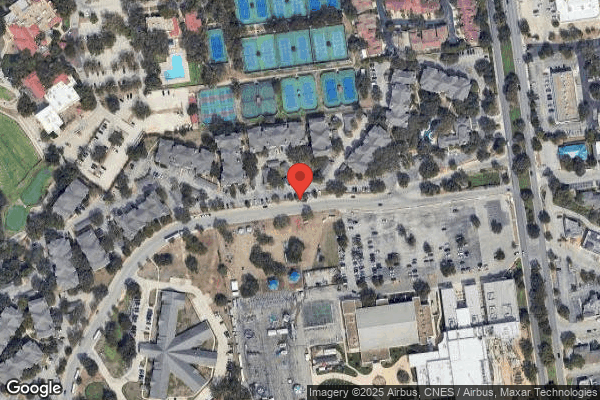
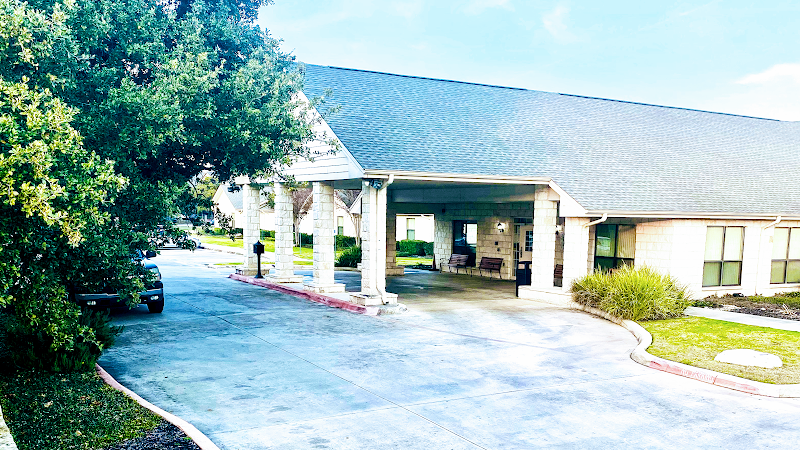
18514 SONTERRA PLACE, SAN ANTONIO, TX 78258 (210) 545-4800
Government - Hospital district 124 Beds THE ENSIGN GROUP Data: November 2025 3 Immediate Jeopardy citations
Trust Grade
4/100
#564 of 1168 in TX
Last Inspection: May 2025

Inspected within the last 6 months. Data reflects current conditions.

Overview

Sonterra Health Center has received a Trust Grade of F, indicating significant concerns regarding the quality of care provided. Ranking #564 out of 1168 facilities in Texas places it in the top half, but the grade suggests that it falls well short of acceptable standards. The facility's trend is worsening, with the number of issues increasing from 15 in 2024 to 20 in 2025. While staffing has a below-average rating of 2 out of 5 stars and a turnover rate of 51% is about average for Texas, the RN coverage is concerning, being lower than 76% of state facilities. Notably, the facility has faced $98,328 in fines, which is higher than 79% of Texas facilities, indicating repeated compliance issues. Specific incidents include a failure to administer critical medications that resulted in a resident being hospitalized and not providing adequate supervision during meals, which contributed to the death of a resident. Overall, while there are some strengths in quality measures, the facility's serious violations and trends are alarming for potential residents and their families.

Trust Score
F
4/100
In Texas
#564/1168
Top 48%
Safety Record
High Risk
Review needed
Inspections
Getting Worse
15 → 20 violations
Staff Stability
⚠ Watch
51% turnover. Above average. Higher turnover means staff may not know residents' routines.
Penalties
○ Average
$98,328 in fines. Higher than 73% of Texas facilities. Some compliance issues.
Skilled Nurses
⚠ Watch
Each resident gets only 18 minutes of Registered Nurse (RN) attention daily — below average for Texas. Fewer RN minutes means fewer trained eyes watching for problems.
Violations
⚠ Watch
51 deficiencies on record. Higher than average. Multiple issues found across inspections.
★★★☆☆
3.0
Overall Rating
★★☆☆☆
2.0
Staff Levels
★★★★★
5.0
Care Quality
★★☆☆☆
2.0
Inspection Score
Stable
2024: 15 issues
2025: 20 issues

The Good

  • 5-Star Quality Measures · Strong clinical quality outcomes
  • Full Sprinkler Coverage · Fire safety systems throughout facility
  • No fines on record

Facility shows strength in quality measures, fire safety.

The Bad

3-Star Overall Rating

Near Texas average (2.8)

Meets federal standards, typical of most facilities

Staff Turnover: 51%

Near Texas avg (46%)

Higher turnover may affect care consistency

Federal Fines: $98,328

Well above median ($33,413)

Moderate penalties - review what triggered them

Chain: THE ENSIGN GROUP

Part of a multi-facility chain

Ask about local staffing decisions and management

The Ugly 51 deficiencies on record

3 life-threatening 2 actual harm
May 2025 16 deficiencies 2 Harm
SERIOUS (G)

Actual Harm - a resident was hurt due to facility failures

Deficiency F0578 (Tag F0578)

A resident was harmed · This affected 1 resident

**NOTE- TERMS IN BRACKETS HAVE BEEN EDITED TO PROTECT CONFIDENTIALITY** Based on observation, interview and record review the facility failed to ensure the right for a resident to refuse or discontinu...

Read full inspector narrative →
**NOTE- TERMS IN BRACKETS HAVE BEEN EDITED TO PROTECT CONFIDENTIALITY** Based on observation, interview and record review the facility failed to ensure the right for a resident to refuse or discontinue treatment for 1 of 6 Residents (Resident #155) whose records were reviewed for resident rights. LVN H/Treatment Nurse, failed to stop wound treatment after Resident #155 yelled out in pain multiple times for her to stop on 5/13/25. This deficient practice could affect any resident and could result in residents believing their right to say stop does not matter. The findings were: Review of Resident #155's face sheet, dated 5/14/25, revealed she was admitted to the facility on [DATE] with diagnoses including Metabolic Encephalopathy (according to Cleveland Clinic: it is a change in how your brain works due to an underlying condition. It can cause confusion, memory loss and loss of consciousness) and Heart Failure. Review of Resident #155's, initial admission record, dated 5/8/25, revealed she was alert, but confused, oriented to person and able to follow simple commands. Review of Resident #155's Care Plan, initiated 5/9/25, included several risk factors: Resident #155 is at risk for impaired cognitive function/dementia or impaired thought processes r/t Metabolic Encephalopathy, anemia, CKD 3, CHF, OSA. Interventions included Identify yourself at each interaction. Face when speaking and make eye contact. Reduce any distractions Provide with necessary cues- stop and return if agitated. Social Services to provide psychosocial support as needed. Resident #155 has acute/chronic pain r/t metabolic encephalopathy, anemia, CKD 3, CHF, OSA. Interventions included Administer analgesia medication as per orders. Follow pain scale to medicate as ordered. Monitor/document for side effects of pain medication. Observe for constipation; new onset or increased agitation, restlessness, confusion, hallucinations, dysphoria; nausea; vomiting; dizziness and falls. Report occurrences to the physician. Monitor/record pain characteristics: Quality (e.g. sharp, burning); Severity (1 to 10 scale); Anatomical location; Onset; Duration (e.g., continuous, intermittent); Aggravating factors; Relieving factors. Monitor/record/report to Nurse any s/sx of non-verbal pain: Changes in breathing (noisy, deep/shallow, labored, fast/slow); Vocalizations (grunting, moans, yelling out, silence); mood/behavior (changes, more irritable, restless, aggressive, squirmy, constant motion); Eyes (wide open/narrow slits/shut, glazed, tearing, no focus); Face (sad, crying, worried, scared, clenched teeth, grimacing) Body (tense, rigid, rocking, curled up, thrashing). Observe and report changes in usual routine, sleep patterns, decrease in functional abilities, decrease ROM, withdrawal, or resistance to care. Further review of Resident #155's Care Plan revealed she had an actual fall with no Injury, on 5/12/25 related to poor communication/comprehension. Interventions included Floor mats, Neuro-checks as ordered. Therapy consult for strength and mobility and Vital signs as ordered. Review of Resident #155's physician orders for May 2025 revealed the following orders: Acetaminophen-Codeine Tablet 300-30 MG Give 1 tablet by mouth every 8 hours as needed for Severe Pain DNE 4 gm/24 hrs; and Gabapentin Oral Tablet 100 MG (Gabapentin) Give 1 capsule by mouth three times a day for neuropathy. Cefdinir Oral Capsule 300 MG (Cefdinir) Give 300 mg by mouth two times a day for increased wbc for 7 Days; and Monitor & Assess level of pain using the 0-10 scale: 0=No Pain, 1-3=Mild Pain, 4- 6=Moderate Pain, 7-10=Severe Pain every shift -Order Date-05/08/2025 at 1815 (6:15 PM). Review of Resident #155's medication administration record and treatment administration record for May 2025 revealed she received Gabapentin the morning of 5/13/25; she refused the Cefdinir at 9:00 A< and the Acetaminophen-Codeine Tablet 300-30 MG at 10:35 AM. Further review revealed Resident #155's pain level on 05/13/25 was 5 of 10 in the morning. Review of a progress note dated 05/13/25 written by LVN H at 12:25 read Note Text: Treatment nurse followed up with patient for skin assessment. Upon attempting to remove the blanket, patient began yelling, stop, hurts. Explained to patient the need for a skin assessment. Noted DTI to left lateral heel. Patient continued to yell stop, hurts Upon initial touch. Was able to complete assessment, obtain measurements, and apply a skin barrier to the affected area. Offloading boots were also applied to relieve pressure. Review of facility document, Nursing Home to Hospital Transfer Form, dated 5/13/25 revealed LVN A sent Resident #155 to the hospital. Observation and interview on 05/13/25 at 10:05 AM revealed yelling coming from Resident #155's room. Resident #155 cried and yelled out loudly stop, it hurts, stop,several times. Upon entering her room, Resident #155 was lying in bed. LVN H/Treatment nurse was in the room with Resident #155. She introduced herself as the treatment nurse and stated rehabilitation staff noted a DTI on Resident #155's left heel. She stated she was trying to get measurements and apply skin prep. She stated she tried to assess Resident #155 yesterday but the Resident would stiffen up and told her, leave me alone. LVN H stated she left Resident #155 alone. LVN H stated she managed to get the measurement and apply skin prep. She then pointed to a scratch Resident #155 had on the back of her right ear. LVN H was not addressing Resident #155 during this discussion. LVN H pulled Resident #155's blanket back and Resident #155 quickly grabbed the blanket and covered herself back up and made a noise indicating she was agitated. LVN H let go of the blanket and put her hands up. Resident #155 never opened her eyes or engaged in conversation. LVN H stated she was barely touching her. Interview on 5/14/25 at 11 AM with LVN H/Treatment Nurse revealed the DOR texted her that one of the rehab staff noted Resident #155 had a DTI on her left lateral heel. She stated she went in to assess Resident #155 and as soon as she approached Resident #155 even before touching her,Resident #155 started yelling out. LVN H stated she tried to assess Resident #155 the day before and the Resident told her don't touch me so she left the Resident alone. LVN H stated she wanted to assess Resident #155's heel so that she could obtain an order and Resident #155 would receive treatment. LVN H stated she understood Resident #155 had the right to refuse treatment and she should have stopped when the Resident told her to stop. LVN H stated Resident #155 yelled out several times that it hurt and to stop. LVN H stated she was aware Resident #155 had a fall the weekend prior to the assessment and stated maybe Resident #155 was in pain. She stated during the assessment she noted bruising to Resident #155's upper extremities. LVN H stated she was not sure but guessed they were from the fall. She stated the DOR was supposed to assist during the assessment but the DOR was delayed with helping another resident. She stated she did not talk with LVN A about whether or not Resident #155 had received any PRN pain medications before she assessed Resident #155. She stated protocol required a resident receive pain medication prior to treatment as needed. Interview on 5/15/25 at 9:30 AM with the DON revealed he was made aware that Resident #155 was yelling out when LVN H/Treatment Nurse was assessing her left heel. He stated LVN H should have checked with the nurse to ensure Resident #155 received a PRN pain medication before assessing Resident #155. He stated LVN H should have also stopped when Resident #155 told her to stop. He stated Resident #155 had a right to refuse treatment. The DON further stated LVN H should have stopped and engaged other staff to help and could have attempted the assessment at a later time when Resident #155 was calmer. The DON stated LVN A attempted to give Resident #155 pain medication after LVN H assessed her but Resident #155 refused it. Interview on 05/15/25 at 03:13 PM with LVN A revealed therapy sent her a text message they found a reddened area on Resident #155's left heel. LVN A stated she heard Resident #155 yelling down the hallway the morning of 5/13/25 and went to her room to find out what was going on. She stated she heard Resident #155 say she hurt and to stop. LVN A stated after LVN H assessed Resident #155 she tried to give the Resident a Tylenol 3 PRN and a schedule antibiotic. She stated Resident #155 refused all medications. LVN A stated she found that as odd behavior. It appeared to her that Resident #155 was experiencing AMS, combination of anxiety and change in behavior from when she last worked with Resident #155 which was on Friday, 5/9/25. LVN A stated Resident #155 also did not want to eat her breakfast and was not wanting to wake up that morning either. LVN A stated she sent Resident #155 out to the hospital on 5/13/25. Telephone interview on 05/15/25 at 03:38 PM with Resident #155's RP revealed staff called to tell her Resident #155 had a fall early morning on 05/12/25 but did not sustain any injuries. The RP stated Resident #155 was still at the hospital with a UTI and that hospital staff took X-rays of her left and right side and a took a CT of her head. All findings were negative. The RP stated Resident #155 was supposed to have a left hip replacement months prior but was delayed due to other health complications. She stated Resident #155 often complained about pain around her left hip and would yell out when she did not want to be bothered usually related to having pain. Review of facility policy, Resident Rights, undated, read in relevant part POLICY: It is the policy of this facility that all resident rights be followed per state and federal guidelines as well as other regulative agencies. The Resident has the right: 1. To be treated with consideration, respect, and full recognition of his or her dignity and individuality. 14. To refuse medical treatment and to participate in experimental research.
SERIOUS (G)

Actual Harm - a resident was hurt due to facility failures

Deficiency F0697 (Tag F0697)

A resident was harmed · This affected 1 resident

**NOTE- TERMS IN BRACKETS HAVE BEEN EDITED TO PROTECT CONFIDENTIALITY** Based on observation, interview and record review the facility failed to ensure that pain management was provided to residents w...

Read full inspector narrative →
**NOTE- TERMS IN BRACKETS HAVE BEEN EDITED TO PROTECT CONFIDENTIALITY** Based on observation, interview and record review the facility failed to ensure that pain management was provided to residents who required such services, consistent with professional standards of practice, the comprehensive person-centered care plan, and the residents' goals and preferences for 1 of 6 Residents (Resident #155) whose records were reviewed for pain management. LVN H/Treatment Nurse, failed to ensure Resident #155 received a PRN pain medication prior to assessment Resident #155 and then failed to stop wound treatment when Resident #155 yelled out in pain multiple times for her to stop on 5/13/25. This deficient practice could affect any resident experiencing pain and undue pain and mental distress. The findings were: Review of Resident #155's face sheet, dated 5/14/25, revealed she was admitted to the facility on [DATE] with diagnoses including Metabolic Encephalopathy (according to Cleveland Clinic: it is a change in how your brain works due to an underlying condition. It can cause confusion, memory loss and loss of consciousness) and Heart Failure. Review of Resident #155's, initial admission record, dated 5/8/25, revealed she was alert, but confused, oriented to person and able to follow simple commands. Review of Resident #155's Care Plan, initiated 5/9/25, included several risk factors: Resident #155 is at risk for impaired cognitive function/dementia or impaired thought processes r/t Metabolic Encephalopathy, anemia, CKD 3, CHF, OSA. Interventions included Identify yourself at each interaction. Face when speaking and make eye contact. Reduce any distractions Provide with necessary cues- stop and return if agitated. Social Services to provide psychosocial support as needed. Resident #155 has acute/chronic pain r/t metabolic encephalopathy, anemia, CKD 3, CHF, OSA. Interventions included Administer analgesia medication as per orders. Follow pain scale to medicate as ordered. Monitor/document for side effects of pain medication. Observe for constipation; new onset or increased agitation, restlessness, confusion, hallucinations, dysphoria (according to microsoft [NAME]: a state of unease or generalized dissatisfaction with life); nausea; vomiting; dizziness and falls. Report occurrences to the physician. Monitor/record pain characteristics: Quality (e.g. sharp, burning); Severity (1 to 10 scale); Anatomical location; Onset; Duration (e.g., continuous, intermittent); Aggravating factors; Relieving factors. Monitor/record/report to Nurse any s/sx of non-verbal pain: Changes in breathing (noisy, deep/shallow, labored, fast/slow); Vocalizations (grunting, moans, yelling out, silence); mood/behavior (changes, more irritable, restless, aggressive, squirmy, constant motion); Eyes (wide open/narrow slits/shut, glazed, tearing, no focus); Face (sad, crying, worried, scared, clenched teeth, grimacing) Body (tense, rigid, rocking, curled up, thrashing). Observe and report changes in usual routine, sleep patterns, decrease in functional abilities, decrease ROM, withdrawal, or resistance to care. Further review of Resident #155's Care Plan revealed she had an actual fall with no Injury, on 5/12/25 related to poor communication/comprehension. Interventions included Floor mats, Neuro-checks as ordered. Therapy consult for strength and mobility and Vital signs as ordered. Review of Resident #155's physician orders for May 2025 revealed the following orders: Acetaminophen-Codeine Tablet 300-30 MG Give 1 tablet by mouth every 8 hours as needed for Severe Pain DNE 4 gm/24 hrs; and Gabapentin Oral Tablet 100 MG (Gabapentin) Give 1 capsule by mouth three times a day for neuropathy (according to the center for Bone and Joint Surgery). Cefdinir Oral Capsule 300 MG (Cefdinir) Give 300 mg by mouth two times a day for increased wbc for 7 Days; and Monitor & Assess level of pain using the 0-10 scale: 0=No Pain, 1-3=Mild Pain, 4- 6=Moderate Pain, 7-10=Severe Pain every shift -Order Date-05/08/2025 at 1815 (6:15 PM). Review of Resident #155's medication administration record and treatment administration record for May 2025 revealed she received Gabapentin the morning of 5/13/25; she refused the Cefdinir at 9:00 AM. Review of administration of the Acetaminophen-Codeine Tablet 300-30 MG revealed Resident #155 recieved Acetaminophen-Codine tablet 300-30mg on 05/09/2025 at 06:24 AM, 05/10/2025 at 09:56 AM, 05/10/2025 at 11:46 PM, 05/12/025 at 04:05 AM, 05/12/2025 at 11:33 PM. Further review of medication administration record shows Resident #155 refused Acetaminoph-Codeine Tablet 300-30MG on 05/13/2025 at 10:35 AM. Further review revealed Resident #155's pain level on 05/13/25 was 5 of 10 in the morning. Review of a progress note dated 05/13/25 written by LVN H at 12:25 read Note Text: Treatment nurse followed up with patient for skin assessment. Upon attempting to remove the blanket, patient began yelling, stop, hurts. Explained to patient the need for a skin assessment. Noted DTI to left lateral heel. Patient continued to yell stop, hurts Upon initial touch. Was able to complete assessment, obtain measurements, and apply a skin barrier to the affected area. Offloading boots were also applied to relieve pressure. Observation and interview on 05/13/25 at 10:05 AM revealed yelling coming from Resident #155's room. Resident #155 cried and yelled out loudly stop, it hurts, stop, several times. Upon entering her room, Resident #155 was lying in bed. LVN H/Treatment nurse was in the room with Resident #155. She introduced herself as the treatment nurse and stated rehabilitation staff noted a DTI on Resident #155's left heel. She stated she was trying to get measurements and apply skin prep. She stated she tried to assess Resident #155 yesterday (5/12/25) but the Resident would stiffen up and told her, leave me alone. LVN H stated she left Resident #155 alone. LVN H stated she managed to get the measurement and apply skin prep. She then pointed to a scratch Resident #155 had on the back of her right ear. LVN H was not addressing Resident #155 during this discussion. LVN H pulled Resident #155's blanket back and Resident #155 quickly grabbed the blanket and covered herself back up and made a noise indicating she was agitated. LVN H let go of the blanket and put her hands up. Resident #155 never opened her eyes or engaged in conversation. LVN H stated she was barely touching her. Interview on 5/14/25 at 11 AM with LVN H/Treatment Nurse revealed the DOR texted her that one of the rehab staff noted Resident #155 had a DTI on her left lateral heel. She stated she went in to assess Resident #155 and as soon as she approached Resident #155 even before touching her, Resident #155 started yelling out. LVN H stated she tried to assess Resident #155 the day before (5/12/25) and the Resident told her don't touch me so she left the Resident alone. LVN H stated she wanted to assess Resident #155's heel so that she could obtain an order and Resident #155 would receive treatment. LVN H stated she understood Resident #155 had the right to refuse treatment and she should have stopped when the Resident told her to stop. LVN H stated Resident #155 yelled out several times that it hurt and to stop. LVN H stated she was aware Resident #155 had a fall the weekend prior to the assessment and stated maybe Resident #155 was in pain. She stated during the assessment she noted bruising to Resident #155's upper extremities. LVN H stated she was not sure but guessed they were from the fall. She stated the DOR was supposed to assist during the assessment but the DOR was delayed with helping another resident. She stated she did not talk with LVN A about whether or not Resident #155 had received any PRN pain medications before she assessed Resident #155. She stated protocol required a resident receive pain medication prior to treatment as needed. Interview on 5/15/25 at 9:30 AM with the DON revealed he was made aware that Resident #155 was yelling out when LVN H/Treatment Nurse was assessing her left heel. He stated LVN H should have checked with the nurse to ensure Resident #155 received a PRN pain medication before assessing Resident #155. He stated LVN H should have also stopped when Resident #155 told her to stop. He stated Resident #155 had a right to refuse treatment. The DON further stated LVN H should have stopped and engaged other staff to help and could have attempted the assessment at a later time when Resident #155 was calmer. The DON stated LVN A attempted to give Resident #155 pain medication after LVN H assessed her but Resident #155 refused it. Interview on 05/15/25 at 03:13 PM with LVN A revealed therapy sent her a text message they found a reddened area on Resident #155's left heel. LVN A stated she heard Resident #155 yelling down the hallway the morning of 5/13/25 and went to her room to find out what was going on. She stated she heard Resident #155 say she hurt and to stop. LVN A stated after LVN H assessed Resident #155 she tried to give the Resident a Tylenol 3 PRN and a schedule antibiotic. She stated Resident #155 refused all medications. Telephone interview on 05/15/25 at 03:38 PM with Resident #155's RP revealed staff called to tell her Resident #155 had a fall early morning on 05/12/25 but did not sustain any injuries. The RP stated Resident #155 was supposed to have a left hip replacement months prior but was delayed due to other health complications. She stated Resident #155 often complained about pain around her left hip and would yell out when she did not want to be bothered usually related to having pain. Review of facility policy, Pain Recognition and Management, undated read Policy It is the policy of this facility to ensure that pain management is provided to residents who require such services, consistent with professional standards of practice, the comprehensive person-centered care plan, and the residents' goals and preferences. Purpose The facility assists each resident with pain management to maintain or achieve the highest practicable level of well-being and functioning by: Interviewing or observing the resident to determine if pain is present; Identifying circumstances when pain can be anticipated; Evaluating pain and working with the resident to develop a plan of care that considers their needs preferences and goals; Developing and implementing a plan, using non-pharmacologic and/or pharmacologic interventions to manage and/or prevent pain. Procedure 1. The resident will be evaluated for pain upon admission, quarterly, and with any change in their status. 2. Pain will be documented in the electronic health record (EHR) using a scale of 1 - 10. 3. For the resident who is unable to communicate verbally or understand abstract concepts, the PAINAD scale for the cognitively impaired will be used and documented in the resident's EHR. 4. Management: a. The Care Plan will include preventative or care interventions (pharmacological and non-pharmacological) for any resident admitted with pain. b. Medication(s) received, refused and response to medication will be documented on the Electronic Medication Administration Record (e-MAR). c. If the pain management program is not effective, the licensed nurse will contact the resident's physician. 5. Monitoring: a. Monitor pain status every shift using either the numerical pain rating (1-10) or PAINAD scale. (Pain Advanced Dementia scoring guide) b. Consult physician for additional interventions if pain is not relieved by current orders. c. The Interdisciplinary Care Plan will reflect the location and type of pain, pharmacological, and non-pharmacological interventions, with evaluation and revision as indicated.
CONCERN (D)

Potential for Harm - no one hurt, but risky conditions existed

Resident Rights (Tag F0550)

Could have caused harm · This affected 1 resident

**NOTE- TERMS IN BRACKETS HAVE BEEN EDITED TO PROTECT CONFIDENTIALITY** Based on observation, interview and record review the facility failed to treat each resident with respect and dignity and care f...

Read full inspector narrative →
**NOTE- TERMS IN BRACKETS HAVE BEEN EDITED TO PROTECT CONFIDENTIALITY** Based on observation, interview and record review the facility failed to treat each resident with respect and dignity and care for each resident in a manner and in an environment that promotes maintenance or enhancement of his or her quality of life, recognizing each resident's individuality for 1 of 6 Residents (Resident #150) who were reviewed for dignity. The facility failed to ensure Resident #150 had clothes to wear while providing physical therapy out in the hallway. This deficient practice could affect any resident and contribute to feelings of dissatisfaction or poor self-esteem. The findings were: Review of Resident #150's face sheet, dated 5/15/25, revealed he was admitted to the facility on [DATE] with diagnoses including Infection and inflammatory reaction due to other cardiac and vascular devices, implants and grafts, subsequent encounter and Cognitive communication deficit. Review of Resident #150's initial admission record, dated 5/4/25, revealed he was alert, oriented to time able to follow simple commands. Review of Resident #150's Care Plan, initiated 5/5/25, revealed he was At risk for impaired cognitive function/dementia or impaired thought processes r/t infection of cardiac device, liver cirrhosis, HTN, CKD 3. Interventions included Identify yourself at each interaction. Face when speaking and make eye contact. Reduce any distractions, Social Services to provide psychosocial support as needed. During an interview on 5/12/2025 at 9:34 AM with OTA F revealed she showered Resident #150 on the morning of 5/12/2025. She stated she tried to dress him afterwards and discovered he had no clean clothes so she went to the laundry and could not find any clothes to fit him he is tall. OTA F stated she dressed him in a double gown after she conferred with LVN A. During an interview on 5/12/2025 at 10:00 AM with the ADM revealed the morning of 5/12/2025 he was alerted that Resident #150 had been dressed in a double gown because he had no clean clothes at the time and was in the rehabilitation gym. The ADM stated he gave a peer administrator in training some money to purchase clothing for Resident #150. The ADM stated it was his expectation to have Residents treated with dignity and thus provided clothing for Resident #150. During an observation and interview on 5/12/2025 at 11:00 AM revealed Resident # 150 was dressed in a cloth double gown and was ambulating with a gait belt and wheelchair with PT G. PT G stated OTA F showered Resident #150 and dressed him in double gowns. During an interview on 5/12/2025 at 11:05 AM, LVN A stated she knew why Resident #150 had no clothes because his wife had not brought him any. Observation and interview on 05/12/25 11:18 AM revealed Resident #150 was lying in bed with gown on. Resident #150 presented as being anxious and irritable. During an interview on 5/12/2025 at 11:20 AM revealed Housekeeper Supervisor stated and demonstrated the laundry had lost and found clothes available for residents who needed clothes. She stated the laundry had a turnaround from 1 day to the next. Observation and interview on 05/14/25 at 03:20 PM revealed Resident #150 was in the therapy gym. Resident #150 was wearing a pair of faded sweat pants and shirt that appeared small for his height. During an interview on 5/15/2025 at 09:30 AM with the DOR revealed OTA F showered Resident #150 and dressed him in a double gown due to not having clothes that morning, on 5/12/2025. The DOR stated Resident #150 received treatment in his gown, in public hallway and therapy gym. Observation and interview on 05/15/25 at 11:02 AM with Resident #150 revealed he was sitting in a wheelchair by the bed. He was wearing a pair of sweat pants and a t-shirt. Resident was talkative during this visit. Asked him about his preference r/t wearing gowns vs. regular clothes. Resident #150 commented Well, I don't even know what I was wearing yesterday, but I hate those things. Asked what he meant and he stated the gowns, Hate those things. I would rather wear clothes. Interview on 05/15/25 at 03:01 PM with LVN A revealed she called Resident #150's family member the first day back on duty after Resident #150's admission. She let the family member know Resident #150 would need more clothes. She stated he only had 2 outfits. She was not sure if they were his own or if staff obtained them from lost and found. She stated the CNA's knew to look in the laundry for clothes for residents who needed clothes. She stated she did not give them instructions to get him some clothes and did not talk to the ADON about the fact Resident #150 had no clothes or limited clothes. However, she stated it came up during a morning meeting and the SW became involved. LVN A stated obtaining clothes for residents was not a priority once she made initial contact with a family member. She stated she had too many other residents and duties to perform. LVN A stated nursing staff worked together to obtain clothes as needed. She stated based on a reasonable person concept most people would want to wear clothes while receiving therapy out in public in a hallway. She stated it was a matter of preserving the resident's dignity. Interview on 05/15/25 at 3:31 PM with the DOR revealed Resident #150's rehabilitation was initiated on 5/5/25. Initially, rehabilitation staff met with him in his room because he was not able to tolerate getting out of bed because he had surgery prior to admission. She stated this was the first week Resident #150 started receiving therapy out of his room, in the hallway and in the gym. She stated rehabilitation staff got involved in looking for clothes that fit him but were not able to find any because he was such a big/tall man. Interview on 5/15/25 at 3:46 PM with the SSS revealed she learned about Resident #150 not having clothes during the morning meeting on 5/14/25. She stated Resident #150's family member was in the facility on the same date, 5/14/25, and she talked with the family member about providing clothes. The family member commented she thought the facility would provide gowns. The SSS told her the facility preferred residents wore clothes during therapy. She stated the family member told her she would bring some clothes in a couple of days. Interview on 05/16/25 at 3:00 PM with the DON revealed he did not know Resident #150 did not have any clothes until the survey team entered on 5/12/25. He stated it was their policy residents wear clothes while receiving therapy especially out in public to preserve their dignity. He stated even though some residents might not have a problem with it, they would want the residents to wear clothes. The DON stated Resident #150 was cognitively impaired and might not be able to tell someone his preference but again it was their policy to maintain the dignity of the residents. Review of facility policy, Resident Rights, undated, read in relevant part POLICY: It is the policy of this facility that all resident rights be followed per state and federal guidelines as well as other regulative agencies. The Resident has the right: 1. To be treated with consideration, respect, and full recognition of his or her dignity and individuality.
CONCERN (D)

Potential for Harm - no one hurt, but risky conditions existed

Deficiency F0558 (Tag F0558)

Could have caused harm · This affected 1 resident

**NOTE- TERMS IN BRACKETS HAVE BEEN EDITED TO PROTECT CONFIDENTIALITY** Based on observation, interview, and record review, the facility failed to ensure residents received services in the facility wi...

Read full inspector narrative →
**NOTE- TERMS IN BRACKETS HAVE BEEN EDITED TO PROTECT CONFIDENTIALITY** Based on observation, interview, and record review, the facility failed to ensure residents received services in the facility with reasonable accommodation of resident needs for 1 of 8 residents (Resident #8) who were observed for call light placement. The facility failed to ensure the call light was within reach for Resident #8. This deficient practice could place residents at risk of keeping them from calling for help as needed. The findings were: Record review of Resident #8's face sheet, dated 05/15/2025, revealed she was admitted to the facility on [DATE] with diagnoses which included: unspecified dementia (a general term for a progressive decline in mental abilities, impacting memory, thinking, and reasoning to the point of interfering with daily life), unspecified severity, without behavioral disturbance, psychotic disturbance, mood disturbance, and anxiety, unspecified lack of coordination, unsteadiness on feet, unspecified diastolic (congestive) heart failure (occurs when the left ventricle, the heart's main pumping chamber, struggles to relax and fill with blood during the diastole phase of the heartbeat), heart failure, unspecified, pain in joints of right hand, pain in joints of left hand, and other abnormalities of gait and mobility. Record review of Resident #8's Annual MDS assessment, dated 03/31/2025, revealed the resident's BIMS score was 8, which indicated moderate cognitive impairment. The Annual MDS assessment further revealed Resident #8 required substantial/maximal assistance (helper does more than half the effort) for toileting hygiene, upper body dressing, lower body dressing, putting on/taking off footwear, personal hygiene, sit to lying, sit to stand, chair/bed-to-chair transfer, toilet transfer, and tube/shower transfer. Record review of Resident #8's care plan, target date of 06/30/2025, revealed Resident #8 did not reflect the use of the call light. Observation and interview on 05/12/2025 at 11:36 a.m. revealed Resident #8 sitting in her wheelchair next to her bed with over bed table in front of her and call light hanging down from the grab bar at the top of her bed resting on the floor behind Resident #8's wheelchair. Resident #8 stated she did not use her call light much, but if the staff do not get to her fast enough, she would use her call light. Resident #8 attempted to maneuver her wheelchair and reach her call light. Resident #8 stated she was not able to get to it. Observation and interview on 05/12/2025 at 11:45 a.m. revealed MA B and LVN D in Resident #8's room with MA B picking up the call light off the floor and discussed with LVN D the call light did not have a clip. MA B placed the call light on the side of the bed next Resident #8 near her wheelchair. LVN D stated resident did use her call light. LVN D further stated the call light should be placed right next to residents. LVN D stated the purpose of the call light was if residents needed anything it would notify the staff. LVN D stated it was everyone's responsibility to ensure the call lights were within reach of residents. MA B stated Resident #8's call light was on the floor behind her wheelchair when she entered the room and Resident #8 would not have been able to use the call light. MA B further stated the call light was for in case a resident needed anything, and Resident #8 was able to use her call light. During an interview on 05/15/2025 at 2:28 p.m. the DON stated the call lights were to alert the staff residents needed help. The DON stated anyone who was to go into the rooms was responsible for call light placement. The DON further stated by not having a call light could cause a delay in care. The DON stated as far as he was aware Resident #8 did typically use her call light and theoretically it could have dropped behind her chair. The DON stated a clip could be used to prevent the call light from falling. During an interview on 05/15/2025 at 2:55 p.m. the Administrator stated call lights needed to be within reach or they needed to be able to demonstrate they could get to the call light. The Administrator stated the purpose of the call lights were to alert staff of any needs that may arise with a resident. The Administrator state a resident could potentially attempt to perform the care themselves and fall or prolong them from receiving the care they needed. The Administrator further stated everyone was responsible for the placement of the call light. Record review of facility's Routine Procedures Call Light/Bell policy, revised 05/2007, read Policy: It is the policy of this facility to provide the resident a means of communication with nursing staff. Procedures: #5. Leave the resident comfortable. Place the call device within resident's reach before leaving room. If the call light/bell is defective, immediately report this information to the unit supervisor.
CONCERN (D)

Potential for Harm - no one hurt, but risky conditions existed

Grievances (Tag F0585)

Could have caused harm · This affected 1 resident

**NOTE- TERMS IN BRACKETS HAVE BEEN EDITED TO PROTECT CONFIDENTIALITY** Based on observations, interviews and record reviews the facility failed to ensure the residents had the right to voice grievanc...

Read full inspector narrative →
**NOTE- TERMS IN BRACKETS HAVE BEEN EDITED TO PROTECT CONFIDENTIALITY** Based on observations, interviews and record reviews the facility failed to ensure the residents had the right to voice grievances to include those with respect to care and treatment which has been furnished as well as that which has not been furnished, the behavior of staff and of other residents, and other concerns regarding their LTC facility stay, for 1 of 8 residents (Residents #259) reviewed for grievances. On 5/10/2025 Resident #259 made a grievance to the cook to which he did not document and/or report the grievance. This failure could place residents at risk for harm by leaving residents with frustration and demoralization. The findings included: A record review of Resident #259's admission record dated 5/15/2025 revealed Resident #259 was a [AGE] year-old male admitted to the facility on [DATE] with diagnoses which included major depressive disorder, anxiety, and post-traumatic stress disorder (PTSD). A record review of Resident #259's care plan dated 5/8/2025 revealed, [sic(Resident #259)] is at risk for re traumatization related to history of trauma PTSD related to disasters . caregivers to provide opportunity for positive interaction, attention. Stop and talk with him as passing by. document behaviors and resident response to interventions. [sic(Resident #259)] has history of major depressive disorder encouraged to express feelings. monitor document report to nurse doctor signs and symptoms of depression . as potential nutritional problem . honor resident rights to make personal dietary choices A record review of the facility's grievance records for the month of May 2025 revealed no evidence of any grievance report for Resident #259 for the complaints made on 5/10/2025. During an observation and interview on 5/12/2025 at 11:59 AM revealed Resident #259 was in his room seated in his wheelchair. Resident #259 stated, that earlier in the day, he reported to the assistant food service manager (AFSM) that he was served raw chicken for lunch on 5/10/2025 and the [NAME] was rude and yelled. Resident #259 stated the Food Service Manager had come to speak with him that morning and heard his complaints. Resident #259 stated, I took a picture of the pink in the middle chicken breast and went to the kitchen and complained to the cook. he then came to my room and took the chicken in his hand and shredded the chicken and yelled 'I cooked the f***ing chicken myself and this is not raw,' . CNA E saw and heard him . During interview on 5/14/2025 at 1:38 PM the FSM stated the AFSM had reported to him on Monday 5/12/2025 that Resident #259 had complained he was served undercooked chicken on Saturday 5/10/2025. The FSM stated he spoke with Resident #259 and heard the report that the cook had served Resident #259 undercooked chicken. The FSM stated he began an in-service for his team to reinforce training for checking temperatures of meals served and had reviewed the temperature logs for Saturday's lunch and the temperatures were safe. The FSM stated he had not documented a grievance report and was not aware if anyone had documented a grievance report. During interview on 5/14/2025 at 1:44 PM the AFSM stated she was approached by Resident #259 on the morning of Monday 5/12/2025 and was told Resident #259 was served raw chicken for lunch on Saturday 5/10/2025. The AFSM stated Resident #259 was upset and claimed the cook came to his room and shredded the chicken breast and was rude and yelled. The AFSM stated she spoke with the [NAME] and the FSM, and the cook stated he had not yelled and shredded the chicken to demonstrate the chicken was cooked thoroughly. The AFSM stated she had not documented the complaint on a grievance form and stated she was not aware of where the forms were kept nor how to use the form. During an interview on 5/14/2025 at 1:52 PM the [NAME] stated on Saturday during the lunch service Resident #259 came to the kitchen to complain the chicken was undercooked. The [NAME] stated he went with Resident #259 to his room to see the meal. The [NAME] stated he took the chicken and pulled it apart to reveal the chicken was fully cooked. The [NAME] stated he was accompanied by CNA E. The [NAME] stated he was not rude, nor did he raise his voice. The [NAME] stated he did not document a grievance report because he did not know about the form. During an interview on 5/15/2025 at 10:42 AM CNA E stated she was a witness to the Saturday 5/10/2025 incident where Resident #259 was in his room with the [NAME] and they were reviewing the lunch meal served. CNA E stated the [NAME] was not rude nor did he raise his voice. CNA E stated Resident #259 was upset and believed the chicken lunch was undercooked. CNA E stated she had not documented a grievance form and in retrospect she could have alerted the nurse to document a grievance form. During an interview on 5/15/2025 at 11:00 AM the Administrator stated the expectation was for any staff member who heard a complaint to document the complaint on a grievance form which would then be submitted to himself for review. The Administrator stated he was not aware of the complaint until the surveyor's investigation. The administrator stated the potential for harm to residents would be their grievances would go unheard, undocumented, and unreviewed for resolution. A record review of the facility's Grievances policy dated 12/2023, revealed, It is the policy of this facility to establish a grievance process that allows the resident(s) a way to execute their right to voice concerns or grievances to the facility or other agency/entity without fear of discrimination or reprisal. Such grievances include those with respect to care and treatment which has been furnished as well as that which has not been furnished, the behavior of staff and of other residents, and other concerns regarding their facility stay. The facility will make information on how to file a grievance available to the residents and make prompt efforts to resolve grievances that the resident may have
CONCERN (D) 📢 Someone Reported This

A family member, employee, or ombudsman was alarmed enough to file a formal complaint

Potential for Harm - no one hurt, but risky conditions existed

Report Alleged Abuse (Tag F0609)

Could have caused harm · This affected 1 resident

**NOTE- TERMS IN BRACKETS HAVE BEEN EDITED TO PROTECT CONFIDENTIALITY** Based on observations , interviews and record reviews the facility failed to ensure alleged violations involving abuse or mistre...

Read full inspector narrative →
**NOTE- TERMS IN BRACKETS HAVE BEEN EDITED TO PROTECT CONFIDENTIALITY** Based on observations , interviews and record reviews the facility failed to ensure alleged violations involving abuse or mistreatment were reported immediately, but not later than 2 hours after the allegation is made, if the events that cause the allegation involved abuse or not later than 24 hours if the events that cause the allegation do not involve abuse to the administrator of the facility and to other officials (including to the State Survey Agency and adult protective services where state law provides for jurisdiction in long-term care facilities) in accordance with State law through established procedures, for 1 of 8 residents (Resident #259 ) reviewed for reporting alleged verbal abuse. On Monday 5/12/2025 Resident #259 reported to the assistant food service manager (AFSM) that on Saturday 5/10/2025 the cook was rude and yelled while in his room reviewing the lunch meal served. The AFSM did not report the alleged verbal abuse and or mistreatment. The failure could place residents at risk for verbal abuse. The findings included: A record review of Resident #259's admission record dated 5/15/2025 revealed Resident #259 was a [AGE] year-old male admitted to the facility on [DATE] with diagnoses which included major depressive disorder, anxiety, and post-traumatic stress disorder (PTSD). A record review of Resident #259's care plan dated 5/8/2025 revealed, [sic(Resident #259)] is at risk for re traumatization related to history of trauma PTSD related to disasters . caregivers to provide opportunity for positive interaction, attention. Stop and talk with him as passing by. document behaviors and resident response to interventions. [sic(Resident #259)] has history of major depressive disorder encouraged to express feelings. monitor document report to nurse doctor signs and symptoms of depression . as potential nutritional problem . honor resident rights to make personal dietary choices A record review of the facility's grievance records for the month of May 2025 revealed no evidence of any grievance report for Resident #259 for the complaints made on 5/10/2025. A record review of the Texas Unified Licensure Information Portal website accessed 5/14/2025 revealed no evidence for a facility related incident report on behalf of Resident #259. During an observation and interview on 5/12/2025 at 11:59 AM revealed Resident #259 was in his room seated in his wheelchair. Resident #259 stated, that earlier in the day, he reported to the assistant food service manager (AFSM) that he was served raw chicken for lunch on 5/10/2025 and the [NAME] was rude and yelled. Resident #259 stated the Food Service Manager had come to speak with him that morning and heard his complaints. Resident #259 stated, I took a picture of the pink in the middle chicken breast and went to the kitchen and complained to the cook. he then came to my room and took the chicken in his hand and shredded the chicken and yelled 'I cooked the f***ing chicken myself and this is not raw,' . CNA E saw and heard him. During interview on 5/14/2025 at 1:44 PM the AFSM stated she was approached by Resident #259 on the morning of Monday 5/12/2025 and was told Resident #259 was served raw chicken for lunch on Saturday 5/10/2025. The AFSM stated Resident #259 was upset and claimed the cook came to his room and shredded the chicken breast and was rude and yelled. The AFSM stated she spoke with the [NAME] and the FSM and the [NAME] stated he had not yelled and shredded the chicken to demonstrate the chicken was cooked thoroughly. The AFSM stated she had not reported to anyone that Resident #259 alleged he was yelled at by the [NAME] because, I know the [sic(Cook)] and he is not the kind of person to cuss or yell. During an interview on 5/15/2025 at 11:00 AM the Administrator stated the expectation was for any staff member who heard an allegation of abuse, neglect, and or exploitation (ANE) to immediately report the allegation to himself the Administrator. The Administrator stated he was not aware of the allegation until the surveyor's investigation. The Administrator stated the potential for harm to residents would be their allegations of ANE would go unheard, undocumented, and uninvestigated. A record review of the facility's undated Abuse: Prevention of and Prohibition Against revealed, Policy: it is the policy of this facility that each resident has the right to be free from abuse, neglect, misappropriation of resident property, and exploitation. The facility will provide oversight and monitoring to ensure that its staff, who are agents of the facility, deliver care and services in a way that promotes and respects the rights of the residents to be free from abuse, neglect, misappropriation of resident property, and exploitation. all allegations of abuse, neglect, misappropriation of resident property, or exploitation should be reported immediately to the administrator
CONCERN (D) 📢 Someone Reported This

A family member, employee, or ombudsman was alarmed enough to file a formal complaint

Potential for Harm - no one hurt, but risky conditions existed

Investigate Abuse (Tag F0610)

Could have caused harm · This affected 1 resident

**NOTE- TERMS IN BRACKETS HAVE BEEN EDITED TO PROTECT CONFIDENTIALITY** Based on observations , interviews and record reviews the facility failed to have evidence that all allegations of abuse, neglec...

Read full inspector narrative →
**NOTE- TERMS IN BRACKETS HAVE BEEN EDITED TO PROTECT CONFIDENTIALITY** Based on observations , interviews and record reviews the facility failed to have evidence that all allegations of abuse, neglect, exploitation, or mistreatment, were thoroughly investigated, for 1 of 8 residents (Resident #259 reviewed for investigating alleged verbal abuse. On Monday 5/12/2025 Resident #259 reported to the assistant food service manager (AFSM) that on Saturday 5/10/2025 the cook was rude and yelled while in his room reviewing the lunch meal served. The AFSM did not report the alleged verbal abuse and or mistreatment. The facility did not investigate the allegation of verbal abuse. The failure could place residents at risk for verbal abuse. The findings included: A record review of Resident #259's admission record dated 5/15/2025 revealed Resident #259 was a [AGE] year-old male admitted to the facility on [DATE] with diagnoses which included major depressive disorder, anxiety, and post-traumatic stress disorder (PTSD). A record review of Resident #259's care plan dated 5/8/2025 revealed, [sic(Resident #259)] is at risk for re traumatization related to history of trauma PTSD related to disasters . caregivers to provide opportunity for positive interaction, attention. Stop and talk with him as passing by. document behaviors and resident response to interventions. [sic(Resident #259)] has history of major depressive disorder encouraged to express feelings. monitor document report to nurse doctor signs and symptoms of depression . as potential nutritional problem . honor resident rights to make personal dietary choices A record review of the facility's grievance records for the month of May 2025 revealed no evidence of any grievance report for Resident #259 for the complaints made on 5/10/2025. A record review of the Texas Unified Licensure Information Portal website accessed 5/14/2025 revealed no evidence for a facility related incident report on behalf of Resident #259. During an observation and interview on 5/12/2025 at 11:59 AM revealed Resident #259 was in his room seated in his wheelchair. Resident #259 stated, that earlier in the day, he reported to the assistant food service manager (AFSM) that he was served raw chicken for lunch on 5/10/2025 and the [NAME] was rude and yelled. Resident #259 stated the Food Service Manager had come to speak with him that morning and heard his complaints. Resident #259 stated, I took a picture of the pink in the middle chicken breast and went to the kitchen and complained to the cook. he then came to my room and took the chicken in his hand and shredded the chicken and yelled 'I cooked the f***ing chicken myself and this is not raw,' . CNA E saw and heard him. During interview on 5/14/2025 at 1:44 PM the AFSM stated she was approached by Resident #259 on the morning of Monday 5/12/2025 and was told Resident #259 was served raw chicken for lunch on Saturday 5/10/2025. The AFSM stated Resident #259 was upset and claimed the cook came to his room and shredded the chicken breast and was rude and yelled. The AFSM stated she spoke with the [NAME] and the FSM and the cook stated he had not yelled and shredded the chicken to demonstrate the chicken was cooked thoroughly. The AFSM stated she had not reported to anyone that Resident #1 alleged he was yelled at by the [NAME] because, I know the [sic(Cook)] and he is not the kind of person to cuss or yell. During an interview on 5/15/2025 at 11:00 AM the Administrator stated the expectation was for any staff member who heard an allegation of abuse, neglect, and or exploitation (ANE) to immediately report the allegation to himself the Administrator. The Administrator stated he was not aware of the allegation until the surveyor's investigation. The Administrator stated he had not begun his investigation until 5/14/2025 and has not yet completed his report to the state regulatory agency. The Administrator stated the potential for harm to residents would be their allegations of ANE would go unheard, undocumented, and uninvestigated. A record review of the facility's undated Abuse: Prevention of and Prohibition Against revealed, Policy: it is the policy of this facility that each resident has the right to be free from abuse, neglect, misappropriation of resident property, and exploitation. The facility will provide oversight and monitoring to ensure that its staff, who are agents of the facility, deliver care and services in a way that promotes and respects the rights of the residents to be free from abuse, neglect, misappropriation of resident property, and exploitation. investigation: all identified events are reported to the administrator immediately. all allegations of abuse, neglect, this appropriation of resident property, end exploitation will be promptly and thoroughly investigated by the administrator for his her designee
CONCERN (D)

Potential for Harm - no one hurt, but risky conditions existed

MDS Data Transmission (Tag F0640)

Could have caused harm · This affected 1 resident

Based on interview and record review, the facility failed to transmit encoded, accurate, and complete MDS data to the CMS System for 1 of 24 residents (Resident #84) reviewed for MDS transmission. Res...

Read full inspector narrative →
Based on interview and record review, the facility failed to transmit encoded, accurate, and complete MDS data to the CMS System for 1 of 24 residents (Resident #84) reviewed for MDS transmission. Resident #84's discharge MDS assessment was completed but not transmitted within 14 days of completion. This failure could place residents at risk of not having assessments completed and submitted in a timely manner as required. The findings were: Review of Resident #84's face sheet, dated 05/15/2025, revealed an admission date of 12/15/2024 and a discharge date of 12/20/2024, with diagnoses that included: Type 2 diabetes mellitus (high level of sugar in the blood), Hyperlipidemia (Elevated level of any or all lipids(fat) in the blood), Post-traumatic stress disorder ( psychiatric condition that may occur in people who have experienced or witnessed a traumatic event or series of traumatic events). Review of Resident #84's Discharge MDS Assessment, dated 12/20/2024, revealed the assessment had been completed but not transmitted to CMS. During an interview on 05/15/2025 at 1:37 p.m. MDS Nurse B revealed the Discharge MDS assessment was completed for Resident #84, but it was not transmitted. MDS Nurse B further stated the Discharge MDS assessment should have been transmitted within 14 days after completion. MDS nurse B stated she did not really know how it was overlooked. MDS Nurse B stated it was the MDS Nurses' responsibility to complete and transmit the Discharge MDS assessment. During an interview on 05/15/2025 at 2:30 p.m. the DON stated the MDS Nurses were responsible for the accuracy and completion of MDS assessments. The DON was not sure why Resident #84's Discharge MDS assessment would have been missed. MDS Nurse B revealed she used the RAI as resource and could electronically access it on her laptop. Record review of Long-Term Care Facility Resident Assessment Instrument 3.0 User ' s Manual Version 1.19.1, dated October 2024, revealed 09. Discharge Assessment Return Not Anticipated (A0310F = 10) [ .] Must be submitted within 14 days after the MDS completion date (Z0500B + 14 calendar days).
CONCERN (D)

Potential for Harm - no one hurt, but risky conditions existed

Deficiency F0655 (Tag F0655)

Could have caused harm · This affected 1 resident

**NOTE- TERMS IN BRACKETS HAVE BEEN EDITED TO PROTECT CONFIDENTIALITY** Based on observation, interview and record review the facility failed to develop and implement a baseline care plan for each res...

Read full inspector narrative →
**NOTE- TERMS IN BRACKETS HAVE BEEN EDITED TO PROTECT CONFIDENTIALITY** Based on observation, interview and record review the facility failed to develop and implement a baseline care plan for each resident that included the instructions needed to provide effective and person-centered care of the resident that meet professional standards of quality care for 2 of 4 Residents (Resident 150 and Resident #155) whose records were reviewed. 1. The facility failed to ensure Resident #150's baseline CP included the use of side rails. 2. The facility failed to ensure Resident #155's baseline CP included the use of side rails. This deficient practice could affect any resident and contribute to residents not having their needs met based on their assessment. The findings were: 1. Review of Resident #150's face sheet, dated 5/15/25, revealed he was admitted to the facility on [DATE] with diagnoses including Infection and inflammatory reaction due to other cardiac and vascular devices, implants and grafts, subsequent encounter and Cognitive communication deficit. Review of Resident #150's initial admission record, dated 5/4/25, revealed he was alert, oriented to time and able to follow simple commands. Review of Resident #150's Care Plan, initiated 5/5/25, revealed there was no indication he used side rails for bed mobility. Observation on 05/12/25 at 11:18 AM revealed Resident #150 was lying in bed with 1/4 SR's up on both sides of his bed. Resident #150 presented as being alert but confused. Interview on 05/15/25 at 04:13 PM with the DON revealed he wrote Resident #150's Care Plan. He stated Resident #150's Care Plan did not reflect he used side rails for bed mobility, but stated it should to ensure nursing staff understood Resident #150's needs. He stated nursing staff had access to the residents care plans and were supposed to follow them when providing assistance with ADL's. 2. Review of Resident 155's face sheet, dated 5/14/25, revealed she was admitted to the facility on [DATE] with diagnoses including Metabolic Encephalopathy (according to Cleveland Clinic: it is a change in how your brain works due to an underlying condition. It can cause confusion, memory loss and loss of consciousness and Heart Failure. Review of Resident #155's, initial admission record, dated 5/8/25, revealed she was alert, but confused, oriented to person and able to follow simple commands. Review of Resident #155's Care Plan, initiated 5/9/25, revealed there was no indication she used side rails for bed mobility. Interview on 05/15/25 at 04:20 PM with the DON revealed he wrote Resident #155's CP. He stated the CP did not reflect the use of side rails for mobility. He stated it was important so staff could know how to care for Resident #155. He stated the CP provided instructions on how Resident #155 used the side rails and would ensure nursing staff was using them appropriately. Review of facility policy, Comprehensive Person-Centered Care Planning, revised 08/2017, read in relevant part The IDT team will also develop and implement a baseline care plan for each resident, within 48 hours of admission, that includes minimum healthcare information necessary to properly care for each resident and instructions needed to provide effective and person-centered care that meet professional standards of quality care. PROCEDURES: 1. Within 48 hours of the resident's admission, the facility will develop and implement a baseline care plan that includes instructions needed to provide effective and person- centered care. 2. The baseline care plan will include minimum healthcare information necessary to properly care for a resident including, but not limited to: a) Initial goals based on admission orders, b) Physician orders, c) Dietary orders, d) Therapy services, e) Social services; and f) PASARR recommendations, if applicable. 3. The facility team will provide a written summary of the baseline care plan to the resident or resident representative by completion of the comprehensive care plan.
CONCERN (D)

Potential for Harm - no one hurt, but risky conditions existed

Comprehensive Care Plan (Tag F0656)

Could have caused harm · This affected 1 resident

**NOTE- TERMS IN BRACKETS HAVE BEEN EDITED TO PROTECT CONFIDENTIALITY** Based on observation, interview and record review the facility failed to develop and implement a comprehensive person-centered c...

Read full inspector narrative →
**NOTE- TERMS IN BRACKETS HAVE BEEN EDITED TO PROTECT CONFIDENTIALITY** Based on observation, interview and record review the facility failed to develop and implement a comprehensive person-centered care plan for each resident, that included measurable objectives and timeframe's to meet a resident's medical and nursing needs for 1 of 6 Residents #Resident #21 whose records were reviewed. The facility failed to include the use of 1/2 side rails on Resident #21's Care Plan since his admission, 3/28/25. This deficient practice could affect any resident and contribute to residents not having their needs met according to their assessment. The findings were: Review of Resident #21's face sheet, dated 5/15/25, revealed he was admitted to the facility on [DATE] with diagnoses including Metabolic Encephalopathy (according to Cleveland Clinic: it is a change in how your brain works due to an underlying condition. It can cause confusion, memory loss and loss of consciousness}, Muscle weakness (generalized), Other lack of coordination and Other abnormalities of gait and mobility. Review of Resident #21's quarterly MDS assessment revealed his BIMS score was 14 of 15 reflective of minimal cognitive impairment; he required partial to moderate assistance with rolling left and right and required substantial to maximal assistance with from sitting to lying and from lying to sitting on side of bed. Review of Resident #21's Care Plan, initiated on 3/30/25 revealed there was no indication Resident #21 used SR's. Observation and interview on 05/13/25 at 09:45 AM revealed Resident #21 lying in bed with 1/2 SR's up on both sides of the bed. Interview with Resident #21 revealed he used the SR's for bed mobility. He stated the SR's were on the bed upon admission. Interview on 05/15/25 04:24 PM with the DON revealed he wrote Resident #21's Care Plan and stated he identified on this date, 5/15/25, the use of SR's was not on the CP. He stated it should be on the CP prior to implementing the use of side rails to ensure staff was aware Resident #21 was using side rails and the reason he was using them. This would ensure nursing staff provided the help needed when providing Resident #21 with ADL assistance. Review of facility policy, Comprehensive Person-Centered Care Planning, revised 08/2017, read in relevant part POLICY: It is the policy of this facility that the interdisciplinary team (IDT) shall develop a comprehensive person-centered care plan for each resident that includes measurable objectives and timeframe's to meet a resident's medical, nursing, mental and psychosocial needs that are identified in the comprehensive assessment. PROCEDURES: 4. The comprehensive care plan will be developed by the IDT within seven (7) days of completion of the Resident Minimum Data Set (MDS) and will include resident's needs identified in the comprehensive assessment, any specialized services as a result of PASARR recommendation, and resident's goals and desired outcomes, preferences for future discharge and discharge plans. 7. The facility IDT includes, but is not limited to the following professionals: A. Attending Physician or Non-Physician Practitioner (NPP) designee involvd in resident's care; B. Registered Nurse responsible for the resident; C. Nurse Aide responsible for the resident; D. Member of the Food and Nutrition services staff; E. To the extent practicable, resident and/or resident representative; F. Other appropriate staff or professionals in disciplines as determined by the resident's needs or as requested by the resident. 8. The facility will provide the resident and resident representative, if applicable, advance notice of care planning conference to encourage resident and/or resident representative participation. Care conference may be in the form of face to face meeting, conference calls or video conferencing. If not practicable, reason will be documented in the medical record.
CONCERN (D)

Potential for Harm - no one hurt, but risky conditions existed

Accident Prevention (Tag F0689)

Could have caused harm · This affected 1 resident

**NOTE- TERMS IN BRACKETS HAVE BEEN EDITED TO PROTECT CONFIDENTIALITY** Based on observation, interview and record review the facility failed to ensure that the resident's environment remained as free...

Read full inspector narrative →
**NOTE- TERMS IN BRACKETS HAVE BEEN EDITED TO PROTECT CONFIDENTIALITY** Based on observation, interview and record review the facility failed to ensure that the resident's environment remained as free of accident hazards as was possible for 1 of 7 Residents (Resident #80) whose environment was reviewed for safety hazards. Nursing staff failed to remove 3 razors from Resident #80's bathroom. This deficient practice could affect residents exposed to the razors and could contribute to avoidable accidents. The findings were: Review of Resident #80's face sheet, dated 5/15/25, revealed he was admitted to the facility on [DATE] with diagnoses including Vascular Dementia and Visual Hallucinations. Review of Resident #80's MDS assessment, dated 3/27/25, revealed his BIMS was 8 of 15 reflective of moderate cognitive impairment. Review of Resident #80's Care Plan, revised on 1/2/25 revealed he was at risk for impaired cognitive function/dementia or impaired thought processes r/t Dementia. Interventions included COMMUNICATION: Identify yourself at each interaction. Face when speaking and make eye contact. Reduce any distractions- turn off TV, radio, close door etc. Use simple, directive sentences. Provide with necessary cues- stop and return if agitated. Observation on 05/12/25 at 11:41 revealed 3 razors in a cup on top of the sink in Resident #80's bathroom. Interview on 05/12/25 at 11:50 AM with RN I revealed Resident #80 went OOP this past weekend and his family probably provided him with the razors. She stated staff should ensure Resident #80 did not have any sharps in his possession upon returning from being OOP. She stated nursing staff should also be on the look out during rounding. RN I stated she was the floor nurse on duty on this date, 05/12/25, and did not notice the razors because she had not been in the bathroom. She stated she was not sure if the residents were allowed to have razors in their possession but would check. She stated Resident #80 and his roommate were fairly independent but questioned their level of cognition. Follow up interview on 05/12/25 at 12:30 PM with RN I revealed residents were not able to have razors in their possession according to facility policy. She stated there were residents on the hallway that had Dementia, were confused and who wandered. She stated it would be a safety hazard for the residents so it was up to nursing staff to ensure the environment was safe. Interview on 05/14/25 at 11:50 AM with the DON revealed it was facility policy that residents were not allowed to have sharps in their possession or in their room to prevent accidents and to keep the residents environment safe. The DON stated he was not sure if there were residents who wandered who lived on the same hall as Resident #80. However, he stated there were Residents who were confused and who had Dementia. Review of facility policy, Accident Intervention, undated, read in relevant part, POLICY: It is the policy of this facility that the resident environment remains as free of accident hazards as is possible and that each resident receives adequate supervision and assistance devices to prevent accidents PURPOSE: The purpose is to ensure that the facility provides an environment that is free from hazards over which the facility has control and provides appropriate supervision to each resident to prevent avoidable accidents. This includes systems and processes designed to: Identify hazard(s) and risk(s); Evaluate and analyze hazard(s) and risk(s); Implement interventions to reduce hazard(s) and risk(s); and Monitor for effectiveness and modify approaches as indicated
CONCERN (D)

Potential for Harm - no one hurt, but risky conditions existed

Respiratory Care (Tag F0695)

Could have caused harm · This affected 1 resident

**NOTE- TERMS IN BRACKETS HAVE BEEN EDITED TO PROTECT CONFIDENTIALITY** Based on observation, interview and record review the facility failed to ensure that a resident who needed respiratory care, was...

Read full inspector narrative →
**NOTE- TERMS IN BRACKETS HAVE BEEN EDITED TO PROTECT CONFIDENTIALITY** Based on observation, interview and record review the facility failed to ensure that a resident who needed respiratory care, was provided such care, consistent with professional standards of practice, the comprehensive person-centered care plan for 1 of 6 Residents (Resident #80) whose records were reviewed for CPAP care. Nursing staff failed to store Resident #80's CPAP mask in a plastic bag and failed to clean it per facility policy. This deficient practice could affect residents with respiratory needs and could contribute to upper respiratory infections. The findings were: Review of Resident #80's face sheet, dated 5/15/25, revealed he was admitted to the facility on [DATE] with diagnoses including Vascular Dementia (according to microsoft [NAME]: type of dementia caused by problems in the blood supply to the brain, resulting from a cerebrovascular disease) and Obstructive Sleep Apnea (People with obstructive sleep apnea repeatedly stop and start breathing while they sleep). Review of Resident #80's MDS assessment, dated 3/27/25, revealed his BIMS was 8 of 15 reflective of moderate cognitive impairment. Review of Resident #80's Care Plan, initiated on 11/12/24 revealed he was Resident #80 has ineffective breathing pattern r/t sleep apnea as evidence by loud snoring, choking episodes, frequent awakenings, and daytime fatigue. Interventions included CPAP at home settings at bedtime and remove per schedule. Educate and assist the resident or family with the use of the CPAP machine if necessary. Elevate HOB. Encourage sustained deep breaths by: Using demonstration (emphasizing slow inhalation, holding end inspiration for a few seconds, and passive exhalation); Using incentive spirometer (handheld medical device designed to help patients improve lung function by encouraging slow and deep breathing) (place close for convenient resident use); Asking resident to yawn. Ensure [Resident #80's] CPAP (Continuous Positive Airway Pressure) machine is functioning properly. HOB elevated when in bed due to shortness of breath when lying flat. Review of Resident #80's physician orders for May 2025 revealed an order Apply CPAP with home settings at bedtime and remove per schedule. Change Distilled Water in CPAP Nightly and as needed. Observation on 05/12/25 at 11:41 AM revealed Resident #80's CPAP mask on the top of his pillow. Resident #80 was not in the room. There was a plastic bag on top of the night stand but It did not have a date on it. Interview on 05/12/25 at 11:50 AM with RN I revealed Resident #80 used a CPAP every night for sleep apnea. She stated he had physician orders for it and also stated it was his personal machine. RN I stated nursing staff should ensure the mask was stored in the plastic bag so that it did not become contaminated in order to prevent infections. RN I staked the plastic bag should have a date on it to indicate the last time the mask was cleaned otherwise ther was no way to know for sure when it was last cleaned. RN I stated she did not know what days nursing staff should clean the mask. Interview on 5/15/25 at 9:30 AM with the DON revealed nursing staff should secure a resident's CPAP mask in a plastic bag when not in use to prevent contamination and upper respiratory infections. He stated nursing staff should clean the mask weekly and write a date on the plastic bag to reflect the date the mask was cleaned. Review of facility policy, Bilevel Positive Airway Pressure (BIPAP)/ Continuous Positive Airway Pressure (CPAP), undated, read: POLICY: It is the policy of this facility to use BIPAP/CPAP for breathing by delivering two different levels of air pressure during inhalation and exhalation as ordered by physician. PROCEDURES: Equipment: BIPAP/CPAP Machine (per physician orders) Mask 1. Obtain appropriate physician's order. 2. Identify resident and explain procedure to resident. Provide privacy and wash hands. 3. Apply BIPAP/CPAP mask and ensure proper seal. 4. Turn on machine and ensure settings are as per physician orders. 8. Change distilled water in BIPAP/CPAP nightly and as needed 9. Empty and rinse the chamber prior to refilling 10. Clean mask after each use. 11. Mask to be kept in bag when not in use.
CONCERN (D)

Potential for Harm - no one hurt, but risky conditions existed

Deficiency F0700 (Tag F0700)

Could have caused harm · This affected 1 resident

**NOTE- TERMS IN BRACKETS HAVE BEEN EDITED TO PROTECT CONFIDENTIALITY** Based on observation, interview and record review the facility failed to assess the resident for risk of entrapment from bed rai...

Read full inspector narrative →
**NOTE- TERMS IN BRACKETS HAVE BEEN EDITED TO PROTECT CONFIDENTIALITY** Based on observation, interview and record review the facility failed to assess the resident for risk of entrapment from bed rails prior to installation. Review the risks and benefits of bed rails with the resident or resident representative and obtain informed consent prior to installation for 2 of 6 Residents (Resident #21 and Resident #153) whose records were reviewed for the use of side rails. 1. Nursing staff failed to obtain physician orders, a consent, and did not make other efforts prior to the implementing the use of SRs for Resident #21. 2. Nursing staff failed to obtain physician orders and a consent for the use of SRs for Resident #153. These deficient practices could affect any resident and could contribute to unavoidable accidents. The findings were: 1. Review of Resident #21's face sheet, dated 5/15/25, revealed he was admitted to the facility on [DATE] with diagnoses including Metabolic Encephalopathy (according to Cleveland Clinic: it is a change in how your brain works due to an underlying condition. It can cause confusion, memory loss and loss of consciousness), Muscle weakness (generalized), Other lack of coordination and Other abnormalities of gait and mobility. Review of Resident #21's quarterly MDS assessment revealed his BIMS score was 14 of 15 reflective of minimal cognitive impairment; he required partial to moderate assistance with rolling left and right and required substantial to maximal assistance with from sitting to lying and from lying to sitting on side of bed. Review of Resident #21's Care Plan, initiated on 3/30/25 revealed there was no indication Resident #21 used SRs. Review of Resident #21's physician orders for May 2025 revealed there was not an order for the use of SRs. Review of consents in Resident #21's EHR under the miscellaneous section revealed there was no indication there was a consent for use of SR's. Review of Resident #21's Restraint / Enabling Device / Safety Device Evaluation, dated 4/6/25 revealed Resident #21's use of 1/4 SRs to enhance bed mobility but there was no indication anything other efforts were implemented prior to the use of SRs. Observation and interview on 05/13/25 at 09:45 AM revealed Resident #21 lying in bed with 1/2 SR's up on both side of the bed. Interview with Resident #21 revealed he used the SRs for bed mobility. Interview on 05/15/25 04:24 PM with the DON revealed facility policy required that nursing staff obtain physician orders, an assessment, a consent which provided risks and benefits and should try other methods prior to implementing the use of SRs. The DON stated the Resident's Care Plan should also reflect the use of SRs. The DON stated the primary reason for following protocol was to ensure Resident #21 used the SRs safely to avoid any accidents. 2. Review of Resident #153's face sheet, dated 5/15/25, revealed he was admitted to the facility on [DATE] with diagnoses including Traumatic Subdural Hemorrhage (according to Cleveland clinic: type of bleeding near your brain that can happen after a head injury) without loss of consciousness, subsequent encounter and Muscle wasting and atrophy. Review of Resident #153's admission MDS, dated [DATE], revealed his BIMS score was 14 of 15 reflective of minimal cognitive impairment, he had functional limited range of motion of his upper extremities and he was dependent on staff for roll rolling left and right in bed and changing positions, sitting to lying position in bed and from lying to sitting on side of bed. Review Resident #153's physician orders for May 2025 did not reveal orders for the use of SRs. Review of consents in Resident #153's EHR under the miscellaneous section revealed there was no indication there was a consent for use of SRs. OB and interview on 05/15/25 at 02:05 PM with Resident #153 revealed he was lying in bed in low position. mats and 1/4 SRs on both sides of the bed Resident #153 stated staff would help him with ADL's and he would use the SRs to hold on. Interview on 05/15/25 04:24 PM with the DON revealed facility policy required that nursing staff obtain physician orders, an assessment, a consent which provided risks and benefits for the use of SRs. The Resident's Care Plan should also reflect the use of SRs. The DON stated the primary reason for following protocol was to ensure Resident #153 used the SRs safely to avoid any accidents. Review of facility policy, Mobility bars/Side rails, undated read in relevant part POLICY: It is the policy of this facility to refuse to restrain residents for any cause. PROCEDURE: Mobility enabling bars or quarter side rails are used to aide in turning and repositioning. Consent will be obtained upon admission Assessment will be completed to identify need and safety upon admission and quarterly.
CONCERN (D)

Potential for Harm - no one hurt, but risky conditions existed

Deficiency F0757 (Tag F0757)

Could have caused harm · This affected 1 resident

**NOTE- TERMS IN BRACKETS HAVE BEEN EDITED TO PROTECT CONFIDENTIALITY** Based on interview and record review the facility failed to ensure each resident's drug regimen must be free from unnecessary dr...

Read full inspector narrative →
**NOTE- TERMS IN BRACKETS HAVE BEEN EDITED TO PROTECT CONFIDENTIALITY** Based on interview and record review the facility failed to ensure each resident's drug regimen must be free from unnecessary drugs without adequate indications for its use for 1 of 6 Resident (Resident #151) whose records were reviewed. Nursing staff failed to obtain a consent from Resident #151's family representative for the use of Hydorxyzine (used for anxiety). This deficient practice could affect any resident who received psychotropic medications and could contribute to the use of unnecessary medications. Review of Resident #151's face sheet, dated 5/15/25, revealed she was admitted to the facility on [DATE] with diagnosis including unspecified Dementia. Review of Resident #151's physician orders for May 2025 revealed an order hydrOXYzine HCl Oral Tablet 25 MG (HydrOXYzine HCl) Give 1 tablet by mouth every 8 hours as needed for anxiety for 14 Days. Review of Resident #151's MAR for May 2025 revealed Resident #151 received HydrOXYzine from 05/12/25 to 05/15/25. Review of Resident #151's consent form for HydrOXYzine, dated 5/12/25 revealed it was not signed by Resident #151's representative. Interview on 05/15/25 at 02:35 PM with the DON revealed a consent for the use of psychotropic medication had to be signed by the resident or representative prior to administration. The DON stated the consent form for HydrOXYzine, dated 5/12/25 was not signed by Resident #151's representative. He stated it was not a valid consent. He stated the potential outcome was that the representative did not agree with the medication administration and the resident would receive a medication unnecessarily. Review of facility policy, Psychotropic Medications, revised on 12/23 read in relevant part It is the policy of this facility to ensure that residents who have not used psychotropic drugs are not given these drugs unless the medication is necessary to treat a specific condition as diagnosed and documented in the clinical record. Procedure: 1. Psychotropic medications shall not be administered for the purpose of discipline or convenience. They are to be administered only when required to treat the resident's medical symptoms and will be considered only after nonpharmacological interventions have been attempted and failed. 2. On admission, the admitting nurses will review the transfer orders for any psychotropic medications. All effort will be made by the Licensed Nurses (LN) to obtain as much history regarding these medications, including prior informed consents, from the previous facility or through resident or resident representative interview. Any information obtained will be documented in the resident's clinical record.
CONCERN (D)

Potential for Harm - no one hurt, but risky conditions existed

Deficiency F0761 (Tag F0761)

Could have caused harm · This affected 1 resident

Based on observation, interview, and record review, the facility failed to ensure all drugs and biological were stored in locked compartments for 1 of 24 residents (Resident #150) reviewed for medicat...

Read full inspector narrative →
Based on observation, interview, and record review, the facility failed to ensure all drugs and biological were stored in locked compartments for 1 of 24 residents (Resident #150) reviewed for medications storage. During medications administration, LVN A left medications at bedside of Resident #150. This deficient practice could place residents at risk of misappropriation of medications or harm due to accidental ingestion of medications. The findings included: Record review of Resident #150's face sheet, dated 05/14/2025, revealed an admission date of 05/04/2025, with diagnoses which included: Cirrhosis of liver (permanent scarring that damages the liver and interferes with its functioning) , Dysphagia (Difficulty swallowing), Hyperlipidemia (Elevated level of any or all lipids(fat) in the blood), Hypertension (High blood pressure), Chronic kidney disease stage 3 (gradual loss of kidney function). Review of MDS log revealed Resident #150's admission assessment was not due yet. Review of BIMS assessment, dated 05/05/2025, revealed Resident #150 had a BIMS score of 9 and was moderately cognitively impaired. Review of Functional abilities assessment, dated 05/08/2025, revealed Resident #150 required limited to extensive assistance with his activities of daily living. Review of Resident #150's physician orders for the month of May 2025 revealed REINSERT PERIPHERAL IV LINE. NOTIFY MD IF UNABLE TO REINSERT AFTER ATTEMPTS. as needed for INFILTRATION OR ACCIDENTAL REMOVAL and, Cefepime HCl (an antibiotic) Intravenous Solution Reconstituted 2 GM (Cefepime HCl) Use 2 gram intravenously one time a day for infection of the AICD site until 05/15/2025 23:59 (11:59 p.m.). Review of Resident #150's care plan, dated 05/05/2025, revealed a problem of At risk for impaired cognitive function/dementia or impaired thought processes r/t infection of cardiac device, liver cirrhosis, Hypertension, Chronic kidney disease stage 3 and a goal of Will remain oriented to (person,place, situation, time) through the review date. Observation on 05/14/25 at 9:06 a.m., revealed while administering IV Antibiotic for Resident # 150, LVN A went to the resident's bathroom to change her gloves and left the medication on the bed next to the resident therefore losing sight of the medication. While administering the flush before administering the medication by IV, the IV line came out and the LVN had to leave the room to get supply for a new IV insertion, She left the antibiotic in the room with the resident. During an interview with LVN A on 05/14/2025 at 9:30 a.m., LVN A stated she left the medications in the room without supervision. She was under the impression since the resident was on enhanced barrier precaution she could not move the medication out of the room and was not sure how to proceed. She revealed she received Medication diversion prevention training within the year. During an interview with the DON on 05/14/2025 at 4:45 p.m., the DON stated medications should not be left resident's bedside without supervision. He stated the nursing staff had received training on medication administration and drug diversion. Record review of the facility's policy titled, Medications access and storage, dated 05/2017, revealed Only licensed nurses, the consultant pharmacist and those lawfully authorized to administer medications (e.g., medication aides) are allowed access to medications. Medication rooms, carts, and medication supplies are locked or attended by persons with authorized access.
CONCERN (D)

Potential for Harm - no one hurt, but risky conditions existed

Infection Control (Tag F0880)

Could have caused harm · This affected 1 resident

Based on observation, interviews, and record reviews, the facility failed to maintain an infection prevention and control program designed to provide a safe, sanitary, and comfortable environment and ...

Read full inspector narrative →
Based on observation, interviews, and record reviews, the facility failed to maintain an infection prevention and control program designed to provide a safe, sanitary, and comfortable environment and to help prevent the development and transmission of communicable disease and infection for 2 of 5 residents (Resident #23 and #150) reviewed for infection control, in that: 1. While administering medications for Resident #23, MA B did not sanitize the mobile blood pressure machine. 2. While Administering medications for Resident #150, LVN A did not sanitize of wash her hands between change of gloves. LVN A did not change her gloves prior to start care on Resident #150 These deficient practices could place residents at-risk for infection due to improper care practices. These findings included: 1. Record review of Resident #23's face sheet, dated 05/14/2025, revealed an admission date of 12/21/2021, and a readmission date of 09/22/2024, with diagnoses which included: Dementia (decline in cognitive abilities), Major depressive disorder (mental disorder characterized by at least two weeks of pervasive low mood, low self-esteem, and loss of interest or pleasure), Hyperlipidemia (Elevated level of any or all lipids(fat) in the blood), Hypertension (High blood pressure), Acquired absence of left leg above knee. Record review of Resident #23's MDS Quarterly assessment, dated 04/01/2025, revealed the resident had a BIMS score of 4, indicating severe cognitive impairment. Resident #23 required extensive to total care with his activities of daily living, and was always incontinent of bowel and bladder. Record review of Resident #23's care plan revealed a care plan initiated 01/04/2022 with a problem of on Antihypertensive medications r/t hypertension.and, an intervention of Obtain blood pressure readings. Take blood pressure readings under the same conditions each time. Review of Resident #23's physician orders for May 2025 revealed Losartan Potassium Oral Tablet 50 MG (Losartan Potassium) (A blood pressure medication) Give 1 tablet by mouth one time a day for Hypertension hold systolic blood pressure <100 -Order Date-05/12/2025 Observation on 05/14/25 at 9:38 a.m., revealed while administering medications for Resident # 23, MA B used a mobile vitals machine used by other staff on hall 400. She did not sanitize the blood pressure cuff prior to take a blood pressure measure on the resident. She sanitize the machine and cuff after using it. During an interview on 05/14/2025 at 9:45 a.m. MA B stated she used a blood pressure machine used by others. She stated she did not sanitize the machine prior to using it but it was policy to sanitize after use. She agreed she had no way to know for sure the previous user had followed policy and sanitize the machine after using it. She stated she had received Infection control training within the year. During an interview on 05/14/2025 at 4:45 p.m., the DON stated the staff should sanitize the blood pressure machine prior to using it. He stated that not sanitizing the blood pressure machine and cuff between uses could cause a risk of cross contamination and infection for the resident. He revealed they provided training on infection control at least once a year and as needed. He revealed they checked the skills of the staff annually and as needed with the assistance of his ADONS. Review of facility policy, titled Cleaning & Disinfection of Resident Care Items & Equipment, undated, revealed Reusable resident items are cleaned and disinfected between residents. 2. Record review of Resident #150's face sheet, dated 05/14/2025, revealed an admission date of 05/04/2025, with diagnoses which included: Cirrhosis of liver (permanent scarring that damages the liver and interferes with its functioning) , Dysphagia (Difficulty swallowing), Hyperlipidemia (Elevated level of any or all lipids(fat) in the blood), Hypertension (High blood pressure), Chronic kidney disease stage 3 (gradual loss of kidney function). Review of MDS log revealed Resident #150's admission assessment was not due yet. Review of BIMS assessment, dated 05/05/2025, revealed Resident #150 had a BIMS score of 9 and was moderately cognitively impaired. Review of Functional abilities assessment, dated 05/08/2025, revealed Resident #150 required limited to extensive assistance with his activities of daily living. Review of Resident #150's care plan, dated 05/05/2025, revealed a problem of Has infection of the: AICD site, with an intervention of Maintain standard precautions when providing resident care. Observation on 05/14/25 at 9:06 a.m., revealed while administering IV Antibiotic for Resident #150, LVN A touched the resident's feet to assess them, changed her gloves before administering the IV but did not sanitize her hands. While preparing to insert the new IV for Resident #150, LVN A had to reposition the resident in his wheel chair. LVN A touched the brake of the wheel chair with her gloved hands and did not change her gloves or sanitize her hands before starting the procedure. During an interview on 05/14/2025 at 9:30 a.m., LVN A stated she did not use sanitizer between change of gloves and she should have. She stated she touched the brake of the wheel chair and did not change gloves before starting the procedure. She revealed she received Infection control training within the year. During an interview on 05/14/2025 at 4:45 p.m., the DON stated the staff should have used sanitizer between change of gloves and should have changed her gloves after touching the Resident's wheelchair's brake. He stated not sanitizing or washing your hands between change of gloves and not changing gloves if they are possibly infected could cause a risk of cross contamination and infection for the resident. The DON stated Resident #150 was on enhanced barrier precaution. He revealed they provided training on infection control at least once a year and as needed. He revealed they checked the skills of the staff annually and as needed with the assistance of his ADONS. Review of facility policy. titled Hand hygiene, dated 12/2023, revealed Use an alcohol-based hand rub containing at least 62% alcohol; or, alternatively, soap (antimicrobial or non-antimicrobial) and water for the following situations: [ .] k.After handling used dressings, contaminated equipment, etc.; l.After contact with objects (e.g., medical equipment) in the immediate vicinity of the resident; m.After removing gloves;.
Apr 2025 2 deficiencies
CONCERN (D) 📢 Someone Reported This

A family member, employee, or ombudsman was alarmed enough to file a formal complaint

Potential for Harm - no one hurt, but risky conditions existed

Deficiency F0657 (Tag F0657)

Could have caused harm · This affected 1 resident

**NOTE- TERMS IN BRACKETS HAVE BEEN EDITED TO PROTECT CONFIDENTIALITY** Based on interviews and record reviews, the facility failed to prepare a comprehensive care plan that included to the extent pra...

Read full inspector narrative →
**NOTE- TERMS IN BRACKETS HAVE BEEN EDITED TO PROTECT CONFIDENTIALITY** Based on interviews and record reviews, the facility failed to prepare a comprehensive care plan that included to the extent practicable, the participation of the resident and the resident's representative(s) and failed to review and revise resident care plans after each assessment, for 2 of 4 residents (Resident #1 and #2) reviewed for care plan revision/timing. The facility failed to ensure Resident #1 had quarterly care plan reviews in February 2024 and May 2024 (2 out of 5), and Resident #2 had quarterly care plan reviews in March 2024, June 2024 and January 2025 (3 out of 6). This failure could affect residents care/services and may cause a delay in treatment and/or decline in health. Findings included: Record review of Resident #1's admission Record, dated 04/23/25, reflected a [AGE] year-old female initially admitted [DATE] with diagnoses to include muscle wasting and atrophy, personal history of urinary (tract) infections, and mild cognitive impairment. Record review of Resident #1's quarterly MDS assessment, dated 03/25/25, revealed the resident had a BIMS score of 7 out of 15, indicating severely impaired cognition. Record review of Resident #1's IDT Care Plan Review assessments reflected Resident #1 had care plan reviews in 2024 on 08/06/2024 and 11/11/2024. It further reflected she had a care plan review in 2025 on 02/04/2025. Record review of Resident #2's admission Record, dated 04/23/25, reflected a [AGE] year-old female initially admitted [DATE] with diagnoses to include epilepsy, history of falling, and hypertensive heart disease. Record review of Resident #2's annual MDS assessment, dated 03/10/25, revealed the resident had a BIMS score of 14 out of 15, indicating intact cognition. Record review of Resident #2's IDT Care Plan Review assessments reflected Resident #2 had care plan reviews in 2024 on 09/05/2024 and 10/24/2024. It further reflected she had a care plan review in 2025 on 03/17/2025. Interview on 04/24/25 on 03:44PM, Resident #1's RP stated she could not recall a care plan meeting she had been involved in for Resident #1. She revealed the last care plan review meeting she was involved in was in October 2024. Resident #1's RP revealed it was important to be involved in Resident #1's care so they could provide insight for the facility to provide care they knew Resident #1 needed. Interview on 04/25/25 at 12 PM, Director of Social Services said she was a social worker at this facility since 2023 and she oversaw scheduled care plan review meetings for the residents. She revealed she was trying to play catch up with IDT Care Plan Review assessments. She revealed some care plan review meetings were missed and they did not have a schedule to follow. She revealed she had an open-door policy with residents and families so she could address any concerns they had right away. She further revealed she did not think there needed to be a care plan meeting when she would address grievances and recommendations from family as needed. She revealed it was important to have regular care plan meeting reviews so the facility could review each section of a resident's care plan and get input from family and resident. She further revealed they also printed doctor's orders to review with the resident and the resident's RP to ensure everyone approved of the resident's care. Interview on 04/25/25 at 05:26PM, Resident #2's RP said she had not had a care plan meeting for Resident #2 and had to ask for a meeting to be scheduled to have one in March. She did not know exactly how long it had been and she did not find the resident's care was affected negatively during this time. She revealed the facility addressed her concerns for having care plan meetings moving forward. Interview on 04/25/25 at 06:01PM, the DON and the ADM stated they identified issues with care plan meetings not being on a regular basis for residents in quarter 3 of last year. They revealed regular care plan meetings were important so the loved ones could be aware of their resident's care. Record review of a QAPI meeting sign in sheet, dated 08/26/24, reflected a QAPI meeting occurred. The Administrator revealed via email on 04/25/25 at 07:36PM their QAPI meeting on 08/26/24 included reviewing the new care plan meeting process to ensure every resident had regular care plan meetings. The ADM provided a care plan review meeting schedule via email. Record review of facility's policy Care Planning, revised 05/2007, reflected Scheduling and preparation of the care plan meeting calendar is completed by the MDS Coordinator. Request for a policy reflecting updating care plans and having regular care plan meetings was requested to the DON and Administrator on 04/25/25 at 06:54PM. No policy had been received.
CONCERN (D) 📢 Someone Reported This

A family member, employee, or ombudsman was alarmed enough to file a formal complaint

Potential for Harm - no one hurt, but risky conditions existed

Medical Records (Tag F0842)

Could have caused harm · This affected 1 resident

**NOTE- TERMS IN BRACKETS HAVE BEEN EDITED TO PROTECT CONFIDENTIALITY** Based on interview and record review the facility failed to ensure medical records were kept in accordance with professional sta...

Read full inspector narrative →
**NOTE- TERMS IN BRACKETS HAVE BEEN EDITED TO PROTECT CONFIDENTIALITY** Based on interview and record review the facility failed to ensure medical records were kept in accordance with professional standards and practices and were complete and accurately documented for 1 of 6 residents (Resident #1) reviewed for accuracy of records. The facility failed to ensure Resident #1 had documented weekly skin evaluations per the facility policy on 6 out of 7 occasions (08/24/24, 08/31/24, 09/07/24, 09/14/24, 09/21/24, 09/28/24) from 08/21/24 to 10/05/24. This failure could place residents at risk for improper care due to inaccurate records. Findings included: Record review of Resident #1's admission Record, dated 04/23/25, reflected a [AGE] year-old female initially admitted [DATE] with diagnoses to include muscle wasting and atrophy, personal history of urinary (tract) infections, and mild cognitive impairment. Record review of Resident #1's quarterly MDS assessment, dated 03/25/25, revealed the resident had a BIMS score of 7 out of 15, indicating severely impaired cognition. Record review of Resident #1's care plan reflected [Resident #1] has potential for pressure ulcer development r/t personal history of urinary (tract) infections, dated 06/22/23, with intervention to Notify nurse immediately of any new areas of skin breakdown. Record review of Resident #1's August-October 2024 MAR WEEKLY SKIN EVALUATION : (COMPLETE WEEKLY SKIN EVALUATION UDA), order date 08/21/24, reflected LVN A documented I (skin was intact) on 08/24/24, 08/31/24, 09/07/24, 09/14/24, 09/21/24, and 10/05/24 and LVN B documented I (skin was intact) on 09/28/24. Record review of Weekly Skin evaluation (assessments) from August- October 2024 revealed there were no Weekly Skin Evaluations done for any of these dates (08/24/24, 08/31/24, 09/07/24, 09/14/24, 09/21/24, 09/28/24) except for 10/5/24 which reflected skin clean and intact. Interview on 04/24/25 at 01:45PM, the DON confirmed the facility did not do Weekly Skin Evaluations in August or September 2024. Interview on 04/24/25 at 03:03PM, LVN A stated she worked PRN had worked at the facility since July 2024. She revealed she did not recall documenting skin assessments but did assess residents' skin while she worked, reporting, and documenting any changes. She revealed she learned to start documenting skin assessments sometime last year and was currently doing them per doctor's orders and as needed. Interview on 04/25/25 at 10:56AM, LVN C stated she has been the treatment nurse from August 19, 2024-beginning of March 2025, LVN C stated she oversaw nursing staff completing skin assessments for residents per doctor's orders. She revealed at some point she had to educate staff on completing skin assessments per doctor's orders but could not recall the exact time. Interview on 04/25/25 at 06:01PM, the DON stated completed skin assessments were important because skin could breakdown and become worse, and the skin assessments would help nursing staff track and address any concerns with residents' skin. Record review of facility's policy Skin and Wound Monitoring and Management, revised 12.2023, reflected 1. Resident Assessment f. Skin and wound assessment on admission and readmission: A licensed nurse must assess/evaluate a resident's skin on admission. All areas of breakdown, excoriation, or discoloration, or other unusual findings, will be documented on the Initial admission Record . g. Ongoing Skin and Wound Assessments: Areas of breakdown, excoriation, or discoloration, or other unusual findings must be documented in the nursing notes or on the appropriately weekly assessment form. A licensed nurse will assess/evaluate at least weekly each area of alteration/injury, whether present on admission or developed after admission, which exists on the resident.
Mar 2025 2 deficiencies 1 IJ
CRITICAL (J) 📢 Someone Reported This

A family member, employee, or ombudsman was alarmed enough to file a formal complaint

Immediate Jeopardy (IJ) - the most serious Medicare violation

Deficiency F0760 (Tag F0760)

Someone could have died · This affected 1 resident

**NOTE- TERMS IN BRACKETS HAVE BEEN EDITED TO PROTECT CONFIDENTIALITY** Based on observation, interview, and record review, the facility failed to ensure residents were free from significant medicatio...

Read full inspector narrative →
**NOTE- TERMS IN BRACKETS HAVE BEEN EDITED TO PROTECT CONFIDENTIALITY** Based on observation, interview, and record review, the facility failed to ensure residents were free from significant medication errors for 1 of 5 residents (Resident #1) reviewed for significant medication errors, in that: The facility failed to ensure that Resident #1 was administered Touch U-200 (long-acting insulin) and Novo Log (rapid-acting insulin) for 2 days from 3/12/25 to 3/14/25. The resident was sent to the hospital, admitted and diagnosed with Diabetic [NAME] Acidosis. The non-compliance was identified as IJ past non-compliance. The noncompliance began on 3/12/2025 and ended on 3/17/25. The facility had corrected the non-compliance before the survey began. This failure placed resident at risk for adverse side effects, and life-threatening complications . Findings include: Record review of resident #1's face sheet dated 3/20/25 revealed a [AGE] year-old male admitted to the facility on [DATE] with diagnoses that included dependence on renal dialysis (an illness where kidneys don't function, and a machine is required to filter blood through an artificial kidney), diabetes type 1 ( Illness where the pancreas does not produce insulin) and Hypertension (a long-term medical condition in which the blood pressure in the arteries is persistently elevated). Record review of Resident # 1's hospital discharge instructions, reviewed 3/20/25 at 9:30 AM, dated 3/12/25, revealed an order for insulin Flex Touch U-200 administer 18 units subcutaneously daily, and Novo Log to be administered per sliding scale. Record review of Resident # 1's care plan dated 3/13/25 revealed [resident's name] has diabetes; interventions include administering diabetes medication as ordered. Record review of Resident # 1 admission MDS dated [DATE] revealed BIMS assessment was left blank, indicating resident # 1 was unable to complete the interview. Record review of Resident #1's 3/14/25 blood sugar readings were as follows: at 12:45 PM 600 mg/dl, @ 230 PM 600 mg/dl Record review of Resident # 1 progress note 3/14/25 at 2 PM revealed Resident # 1 was returned to the facility early from dialysis due to hyperglycemia ( high blood sugar ) and sent to ER for evaluation. Record review of Resident # 1 hospital records revealed he was admitted to [local hospital] on 3/14/25 at 3:45 PM and diagnosed with Diabetic [NAME] Acidosis (a complication of diabetes in which acids build up in the blood to levels that can be life-threatening.) Review of hospital records reveled Resident # 1 remained in the hospital as of 03/21/2025. A record review of Resident #1's medication administration record conducted on March 19, 2025, revealed no orders for Novo Log per the sliding scale and no orders for Flex Touch U-200 for the dates March 13, 2025, to March 14, 2025. Interview with LVN (A ) on 3/20/25 at 3:50 PM, revealed that on 3/14/25 1235 PM, she was taking vital signs for Resident # 1, when he stated, I don't feel well. This is when resident # 1's family member asked LVN (A), Have you given him his Insulin ? LVN (A ) went to check the hospital admission orders for Resident #1 and discovered that the hospital orders for insulin had not been transcribed. LVN (A ) contacted ADON. Interview with ADON on 3/20/25 at 4:15 PM revealed that LVN (A ) contacted him on 3/14/25, estimated time of 12:45 PM, that orders for insulin for resident # 1 had not been transcribed. ADON advised LVN (A) to call the Nurse Practitioner for orders. Interview with NP B was attempted on 3/20/25, 3:00 PM but unsuccessful Interview with LVN (B), admitting nurse on 3/18/25 at 1:10 PM, revealed she entered orders for Resident # 1 on Electronic Medical Record (EMR) system when he was admitted on [DATE], she does not know if she possibly missed a page of the admission orders, LVN (B) stated that if a nurse does not transcribe MD orders upon admission, medication errors by omission may occur, leading to the unknown. In an interview with ADON on 03/18/25 at 11:45 PM, the ADON stated he was informed by LVN (A) of the missed order for Touch U-200 (long-acting insulin) 18 units subcutaneously daily and Novo Log (rapid-acting insulin) for Resident # 1 from 3/12/25 to 3/14/25. The ADON confirmed Resident # 1 had not received insulin for 2 days from 03/12/25-03/14/25, putting Resident # 1 at risk for hyperglycemia (elevated blood sugar levels). The ADON stated he expected all nursing staff to confirm discharge instructions and transcribe them to the EMR to ensure the administration of medications. Interview with DON on 3/19/25 at 10:25 A.M. revealed that on 3/14/24, he could not recall a time, ADON notified him that orders for insulin for Resident # 1 had not been transcribed, The DON stated that he expected all Licensed Nurses to follow policy and procedure regarding medication administration as failure to do so could negatively impact residents. DON had the ADON review all new admission orders, and the ADON audited all diabetic residents to ensure their orders were correct. In an interview with the Administrator on 03/19/25 at 1:00 PM, the Administrator stated the facility failed to provide necessary medication to Resident #1 per the Physician's order. The Administrator stated he expected nursing staff to follow Physicians' orders. In an interview with the Medical Director on 3/19/25 at 3:15 PM, he stated he did not recall exactly what Resident #1's admitting orders were, but recalled he did ask the facility to continue hospital orders, and he was not concerned when they told him about the missed long acting and short acting insulin because long-acting insulin continues to work for 36-40 hours. Prior to survey entrance, the facility provided in-service to 100 % of Nursing staff on 3/14/24 - 3/17/24 regarding transcribing MD orders and entering orders on to the Electronic Medical Record (Orders), audit of all new admission and Residents with diagnosis of Diabetes for order accuracy. Record review of the facility policy named Nursing Administration, revised May 2007, revealed, note and initiate physician orders . This was verified by the following : Interview with LVN (A) on 3/20/25 at 6:10 AM, confirmed completion of in-services regarding transcribing MD orders, entering orders on EMR system, admission checklist / Procedure: LVN ( A ) was able to verbalize understanding and the information provided in the in-service/training. Interview with LVN (C) on 3/20/25 at 6:20 AM, confirmed completion of in-services regarding transcribing MD orders, entering orders on EMR system, admission checklist / Procedure: LVN ( C ) was able to verbalize understanding and the information provided in the in-service/training. Interview with LVN (D) on 3/20/25 at 6:30 AM, confirmed completion of in-services regarding transcribing MD orders, entering orders on EMR system, admission checklist / Procedure: LVN (D ) was able to verbalize understanding and the information provided in the in-service/training. Interview with LVN (E) on 3/20/25 at 7:05 AM, confirmed completion of in-services regarding transcribing MD orders, entering orders on EMR system, admission checklist / Procedure: LVN ( E ) was able to verbalize understanding and the information provided in the in-service/training. Interview with LVN (F) on 3/20/25 at 8:15 AM, confirmed completion of in-services regarding transcribing MD orders, entering orders on EMR system, admission checklist / Procedure: LVN ( F ) was able to verbalize understanding and the information provided in the in-service/training. Interview with LVN (G) on 3/20/25 at 8:30 AM, confirmed completion of in-services regarding transcribing MD orders, entering orders on EMR system, admission checklist / Procedure: LVN ( G ) was able to verbalize understanding and the information provided in the in-service/training. Interview with LVN (H) on 3/20/25 at 9:20 AM, confirmed completion of in-services regarding transcribing MD orders, entering orders on EMR system, admission checklist / Procedure: LVN ( H ) was able to verbalize understanding and the information provided in the in-service/training. Interview with LVN (I) on 3/20/25 at 9:30 AM, confirmed completion of in-services regarding transcribing MD orders, entering orders on EMR system, admission checklist / Procedure: LVN ( I ) was able to verbalize understanding and the information provided in the in-service/training. Interview with LVN (J) on 3/20/25 at 9:45 AM, confirmed completion of in-services regarding transcribing MD orders, entering orders on EMR system, admission checklist / Procedure: LVN ( J ) was able to verbalize understanding and the information provided in the in-service/training. Interview with LVN (K) on 3/20/25 at 10:00 AM, confirmed completion of in-services regarding transcribing MD orders, entering orders on EMR system, admission checklist / Procedure: LVN ( K ) was able to verbalize understanding and the information provided in the in-service/training. Interview with LVN (L) on 3/20/25 at 10:15 AM, confirmed completion of in-services regarding transcribing MD orders, entering orders on EMR system, admission checklist / Procedure: LVN ( L ) was able to verbalize understanding and the information provided in the in-service/training. Interview with RN (M) on 3/20/25 at 11:00 AM, confirmed completion of in-services regarding transcribing MD orders, entering orders on EMR system, admission checklist / Procedure: RN ( M ) was able to verbalize understanding and the information provided in the in-service/training. Record review on 03/19/2025 of audit performed by ADON revealed admissions from 03/14/2025, to 03/16/2025, new admissions and all diabetic residents electronic medical record was reviewed for accuracy and completion. Observation on 3/19/25 at 1230 PM revealed LVN (B) and RN (M) transcribing and entering MD orders on EMR system . Observation on 3/19/25 at 2:30 P.M. revealed DON randomly checking new admission orders, ensuring MD orders were transcribed and entered on EMR system. The non-compliance was identified as past non-compliance. The noncompliance IJ began on 3/12/25 and ended on 3/17/25. The facility had corrected the non-compliance before the survey began.
CONCERN (D) 📢 Someone Reported This

A family member, employee, or ombudsman was alarmed enough to file a formal complaint

Potential for Harm - no one hurt, but risky conditions existed

Report Alleged Abuse (Tag F0609)

Could have caused harm · This affected 1 resident

**NOTE- TERMS IN BRACKETS HAVE BEEN EDITED TO PROTECT CONFIDENTIALITY** Based on interviews and record reviews the facility failed to ensure all alleged violations involving abuse, neglect, exploitati...

Read full inspector narrative →
**NOTE- TERMS IN BRACKETS HAVE BEEN EDITED TO PROTECT CONFIDENTIALITY** Based on interviews and record reviews the facility failed to ensure all alleged violations involving abuse, neglect, exploitation, or mistreatment, including injuries of unknown sources are reported immediately to the administrator of the facility and to other officials, including to the State Survey Agency in accordance with State law through established procedures, for 1 of 3 Residents (Resident #1) reviewed for Neglect, in that: The facility did not report an allegation of neglect per facility policy to the State Survey Agency (HHSC) when a medication error for Resident # 1 occurred. This deficient practice could affect any resident and could contribute to further neglect. The findings were: Record review of Resident # 1's face sheet dated 3/20/25 revealed a [AGE] year-old male admitted to the facility on [DATE] with diagnoses that included dependence on renal dialysis (an illness where kidneys don't function, and a machine is required to filter blood through an artificial kidney), diabetes type 1 ( Illness where the pancreas does not produce insulin) and Hypertension (a long-term medical condition in which the blood pressure in the arteries is persistently elevated). Record review of Resident # 1's hospital discharge instructions reviewed 3/20/25 at 9:30 AM, dated 3/12/25, revealed an order for insulin Flex Touch U -200 administer 18 units subcutaneously daily and Novo Log administer per sliding scale. Record review of Resident # 1's care plan dated 3/13/25 revealed Resident # 1 has diabetes; interventions administer diabetes medication as ordered. Record review of Resident # 1 admission MDS dated [DATE] revealed BIMS assessment was left blank, indicating Resident # 1 was unable to complete the interview. Interview with LVN (A) 3/20/25 350 PM revealed that on 3/14/25 1235 PM, she was taking vital signs for Resident # 1, he stated, I Don't Feel well, this is when Resident # 1's family member asked LVN A, Have you given him his Insulin ? LVN (A) went to check the hospital admission orders for Resident #1 and discovered that the hospital orders for insulin had not been transcribed. LVN (A) contacted ADON. Record review of Resident # 1 progress note 3/14/25 at 2 PM revealed Resident # 1 was returned to the facility early from dialysis due to hyperglycemia ( high blood sugar ) and sent to ER for evaluation. Record review of Resident # 1 hospital records revealed he was admitted to [local hospital] on 3/14/25 at 3:45 PM and diagnosed with Diabetic [NAME] Acidosis (a complication of diabetes in which acids build up in the blood to levels that can be life-threatening. Record review of Texas Unified Licensure Information Portal (TULIP) on 3/20/25 at 12:30 P.M. revealed that no self-reported incidents regarding allegations of Neglect were reported. Interview with NP (B) was attempted on 3/20/25 , 3:00 PM but unsuccessful. Interview with ADON on 3/20/25 at 4:15 PM revealed that LVN (A) contacted him on 3/14/25 estimated time of 12:45 PM that orders for insulin for Resident # 1 had not been transcribed. ADON advised LVN (A) to call the nurse practitioner for orders. Interview with the DON on 3/21/25 at 11:15 AM revealed the administrator was responsible for reporting allegations of Neglect to HHSC; as this is why he did not report the medication error for Resident # 1, however he stated his understanding was allegations of neglect should be reported. Interview with the Administrator on 3/21/25 , at 11:45 A.M. revealed that he did not report the medication error Involving Resident #1, as incident was corrected. However, upon reviewing the neglect guidelines from HHSC, he acknowledged that he should have reported the incident. Record review of facility policy titled, Abuse, Neglect: Prevention of and Prohibition against, dated 2017, revised 10/2022, reflected, Allegations of abuse, neglect, misappropriation of residents property, or exploitation will be reported outside the facility and to the appropriate State or Federal agencies in the applicable time frames.
Sept 2024 1 deficiency
CONCERN (D) 📢 Someone Reported This

A family member, employee, or ombudsman was alarmed enough to file a formal complaint

Potential for Harm - no one hurt, but risky conditions existed

Deficiency F0761 (Tag F0761)

Could have caused harm · This affected 1 resident

**NOTE- TERMS IN BRACKETS HAVE BEEN EDITED TO PROTECT CONFIDENTIALITY** . Based on observations, interviews, and record reviews, the facility failed to store all drugs and biologicals in locked compar...

Read full inspector narrative →
**NOTE- TERMS IN BRACKETS HAVE BEEN EDITED TO PROTECT CONFIDENTIALITY** . Based on observations, interviews, and record reviews, the facility failed to store all drugs and biologicals in locked compartments under proper temperature controls and permit only authorized personnel to have access to the keys, for 1 of 4 medication carts (400 hall medication cart) reviewed for drug security. The 400 Hall nurse's medication cart was left unattended with a blister package of medication Tamulosin HCL for Resident #4 on top of the cart. This failure could place residents at risk for misappropriation of property and could place residents at risk for accidents, hazards, and not receiving therapeutic effects. The findings included: Record review of Resident #4's admission Record (face sheet), dated 9/14/24, revealed he was admitted to the facility on [DATE] with diagnoses which included Benign Prostatic Hypertrophy (an enlarged prostate) and history of lung cancer. Record review of Resident #4's Physician Order Summary, dated 09/14/2024, revealed an order for Tamulosin HCL capsule 0.4 mg give 1 capsule by mouth once a day for urine retention with a start date of 09/13/2024. Observation on 09/14/2024 at 5:21 a.m. of the 400 hall medication cart revealed that it was at the end of the hall. A blister package of Tamulosin HCL 0.4 mg (medication to treat Benign Prostatic Hypertrophy-enlarged prostate) with 14 tablets for Resident #4 was on top of the cart. Observation of the hallway at this time revealed there was no nurse in sight of the cart, there were no residents in the hallway, and anyone who walked by could have grabbed the medications. Observation and interview on 9/14/2024 at 5:23 a.m. revealed RN A came out of a nearby room. RN A, stated the cart with the medications on it was her medication cart, the medication on top of the cart were for Resident #4 that she was going to put back into the cart but didn't because it had been a crazy night. RN A said the medication should have been locked in the medication cart and should not have been left on top of the cart unattended. In an interview on 09/14/2024 at 2:16 p.m., the DON stated medications should be stored inside the medication cart and not on top of the cart because residents could take the medications and ingest the medication, or the medications could be diverted. The DON stated the nurse, or the medication aide were responsible for ensuring the medications were secured. The DON said the nursing staff were monitored by the nurse managers who did rounds on the halls. In an interview on 09/14/2024 at 2:33 p.m., the Administrator stated medications should be stored inside the medication cart or in the medication room and they should not be stored outside the cart or on top of the cart. The Administrator stated the harm that could happen with medications stored on top of a medication cart could result in drug interactions [if ingested]. The Administrator said the nurse who had the keys to the medication cart was responsible for ensuring medications were secured and the clinical leadership team was responsible for monitoring medication was stored securely. Record review of the facility's undated Medication Access and Storage Policy revealed It is the policy of this facility to store all drugs and biological in locked compartments under proper temperature controls. The medication supply is accessible only to licensed nursing personnel, pharmacy personnel, or staff members lawfully authorized to administer medications .2. Only licensed nurses, the consultant pharmacist and those lawfully authorized to administer medications (e.g., medication aides) are allowed access to medications. Medication rooms, carts, and medication supplies are locked or attended by persons with authorized access.
Aug 2024 2 deficiencies 2 IJ
CRITICAL (J) 📢 Someone Reported This

A family member, employee, or ombudsman was alarmed enough to file a formal complaint

Immediate Jeopardy (IJ) - the most serious Medicare violation

Comprehensive Care Plan (Tag F0656)

Someone could have died · This affected 1 resident

**NOTE- TERMS IN BRACKETS HAVE BEEN EDITED TO PROTECT CONFIDENTIALITY** Based on observations, interviews, and record review the facility failed to implement a comprehensive person-centered care plan ...

Read full inspector narrative →
**NOTE- TERMS IN BRACKETS HAVE BEEN EDITED TO PROTECT CONFIDENTIALITY** Based on observations, interviews, and record review the facility failed to implement a comprehensive person-centered care plan for 2 of 8 residents (Resident #1 and Resident #2) reviewed for Care Plans. 1. The facility failed to ensure Resident #1 was receiving assistance with eating as detailed in his Care Plan and was left unsupervised in his room during the evening meal on 8/6/24. Resident #1 was pronounced deceased at the facility on 8/6/24. 2. The facility failed to ensure Resident #2 was receiving assistance with eating as detailed in her Care Plan. On 8/11/24 at 12:13 pm an Immediate Jeopardy (IJ) was identified. While the immediacy was removed on 8/12/24 at 7:42 pm, the facility remained out of compliance at a scope of isolated and a severity level of no actual harm with a potential for more than minimal harm due to the facility continuing to monitor the implementation and effectiveness of their Plan of Removal. This failure placed all residents at risk for weight loss, malnutrition, and/or dehydration due to lack of proper assistance. Findings included: 1. Record review of Resident #1's admission Record, dated 8/9/24, revealed the resident was admitted to the facility on [DATE] with diagnoses which included: Dementia (group of thinking and social symptoms that interferes with daily functioning), dysphagia (difficulty swallowing), lack of coordination, depression (low mood), anxiety (feeling of dread, fear, or uneasiness), PTSD, and cognitive communication dysfunction (difficulty with thinking and language). Record review of Resident #1's imaging report, dated 2/15/24, revealed: .Swallowing Function .HISTORY: s/s of aspiration at bedside, dysphagia [difficulty swallowing]. Feeding difficulties .Difficulty swallowing . Record review of Resident #1's Care Plan, dated 2/19/24, revealed: [Resident #1] has elected DNR status .ADL Self Care Performance Deficit .Will safely perform ADLs .EATING: requires staff assistance . Record review of Resident #1's Quarterly MDS assessment, dated 6/13/24, revealed a BIMS score of 14, suggesting intact cognition. Further review of this assessment revealed Resident #1 required partial/moderate assistance with eating. Record review of Resident #1's Speech Therapy Notes, dated: 6/5/24, revealed: .Required verbal cues to complete mastication and swallow bolus .Patient at risk of aspiration of food, liquids, and secretions due to delayed movements and delayed swallow reflex . 6/7/24, revealed: Patient protruding tongue from oral cavity when trying to consume food requiring tactile cues to move tongue posteriorly to allow for intake . 6/14/24, revealed: Requires verbal cues to swallow secretions to reduce anterior leakage or episodes of coughing .Patient requiring increase time to facilitate A-P propulsion [second step in the oral phase of swallowing] in order to manage secretions. Frequently exhibits coughing when attempting to swallow built up saliva . Record review of Resident #1's Progress Note, dated 7/13/24, revealed, .ADLs .Eating: Limited assistance .One-person physical assist . Record review of facility's 24-hour log, dated 8/1/24, revealed: . [Resident #1] .Assist with feedings . Record review of Resident #1's Progress Notes revealed, Effective Date: 08/06/2024 [11:19 pm] . While in another residents [sic] room assisting CNA's, another staff member called me into another residents [sic] room d/t resident choking. This nurse entered residents' [sic] room approx. [6:57 pm] resident was occasionally coughing and choking. Large amounts of secretions noted expelling from resident's mouth, this nurse wiping secretions from mouth. This nurse instructed staff member to call another nurse for assistance at [6:58 pm]. Resident coughed up dime size piece of broccoli. Other nurse came to render aide immediately, while other and [sic] staff members remained with resident, this nurse called 911 at [7:01 pm]. While on the phone with 911, other nurse and CNA's were performing the Heimlich maneuver. Once this nurse ended call with 911, applied O2 nasal cannula @3-4 LPM while suctioning secretions from residents [sic] mouth. Resident noted with occasional breath and cough. [Fire Department] arrived approximately [7:11 pm], who then attempted to obtain o2 sat via pulse ox, and applied EKG leads to resident. On call [Physician] called at [8:00 pm] left message for on call physician, and wife [Resident #1's wife] after to inform of incident. Medic [ .] stated resident with asystole, [Fire Department] ME pronounced TOD @ [7:16 pm]. ME investigator [sic] notified [ .], instructed this nurse to call [Police Department] .Author: [LVN A] . During telephone interview on 8/9/24 at 10:34 am, LVN A said she was called by MA A and told Resident #1 was choking. When she arrived in Resident #1's room, she found Resident #1 sitting up in the wheelchair with his tray in front of him. LVN A stated due to Resident #1's condition he was unable to make the universal sign for choking, adding average person would wail or put their hands on their throat LVN A Resident #1 was tense and was holding the seat of the chair tight and we instructed him to let go and sat him up a little more, he had a lot of secretions in his mouth she saw a piece of broccoli come out of his mouth. LVN A said she instructed MA A to get RN A and RN A came immediately. RN A said 911 should be called because Resident #1 was not making the traditional choking signs, LVN A said she was unable to explain the noise Resident #1 was making. LVN A said she called 911 at 7:01 pm and then retrieved the crash cart to give oxygen and suctioning. LVN A said Resident #1 had a lot of secretions, and he took occasional breaths. LVN A stated when EMS arrived, they connected Resident #1 to the pulse oximeter and the EKG leads and EMS stated that he was asystole (absence of heartbeat). LVN A said Resident #1 required assistance with eating but was not sure if it was in his care plan. LVN A said she was not familiar with resident care plans and was not sure if staff were required to review care plans. LVN A added she had not been told resident care plans needed to be reviewed. LVN A said the Kardex did not sound familiar to her. During telephone interview on 8/9/24 at 12:18 pm, CNA A said on 8/6/24 she was feeding Resident #1 dinner when a coworker asked for help with a lift transfer, adding she left Resident #1's room and went to help with the other resident. CNA A said while they were in the other resident's room, she heard someone yell out for the nurse and followed the nurse into Resident #1's room. She noticed Resident #1 was having a hard time breathing, adding the resident had some saliva coming out of his mouth. CNA A said she and CNA N attempted to open Resident #1's mouth using a tongue depressor, adding she patted the resident's back and noticed he was having a hard time breathing. CNA A further stated MA A and CNA N stood Resident #1 up and CNA started the Heimlich for a few seconds, no more than 5 she believed, because it was hard to hold him up. CNA A said the nurse instructed someone to get the crash cart and LVN A started suctioning. CNA A and LVN A began to pat Resident #1 on the back. CNA A said when RN A arrived, she told LVN A to call 911. CNA A said she did not know if Resident #1 lost consciousness because she left the resident's room before EMS arrived to assist other residents. CNA A said staff initiated the Heimlich Maneuver because they were not sure if he was choking or if it was saliva. She said she figured if Resident #1 was choking it would make the obstruction come out, but she did not see any food just saliva. CNA A said CNAs did not have individual cards printed for the residents, so she just went by what she was told, adding the only ones that have information regarding the residents' level of assistance required were the nurses. During telephone interview on 8/9/24 at 2:01 pm, RN A said she was called by MA A and was told they needed help because Resident #1 was making weird noises. When she arrived in Resident #1's room, he was making weird noises and LVN A and MA A were in the room when she arrived. RN A said she tried to assess Resident #1 and noted he had a lot of secretions coming out of his mouth and he was coughing. She provided Resident #1 with back thrusts. RN A said she told LVN A to call 911. She said CNA N and CNA A entered Resident #1's room and while RN A was thrusting the resident's back the CNAs attempted finger sweeps. RN A said she told LVN A to get the crash cart for the suction. In the meantime, CNA A started the Heimlich, but he did not cough anything up. RN A said LVN A arrived with the suction to see if there was anything in his mouth. RN A said she got secretions and the tiniest piece of broccoli, like half the size of her thumb nail, less than dime size. RN A said she stood behind Resident #1 while he was seated in his wheelchair and tried the Heimlich. RN A said Resident #1's lips were getting cyanotic (blue discoloration) but did not think the resident lost consciousness because his eyes were open and moving around and he was trying to breath and cough the whole time. RN A said she was called to help with Resident #1 but was not familiar with his care plan because she was assigned to another hall. During interview on 8/9/24 at 3:17 pm, CNA A said every resident had a Kardex in POC where information regarding ADLs was found. CNA A said the Kardex would have said the level of assistance Resident #1 required but did not remember what his Kardex said on 8/6/24. 2. Record review of Resident #2's admission Record, dated 8/10/24, revealed the resident was admitted to the facility on [DATE] with diagnoses which included: Encephalopathy (conditions that cause brain dysfunction), dysphagia (difficulty swallowing), dementia (group of thinking and social symptoms that interferes with daily functioning), and cognitive communication deficit (difficulty with thinking and language). Record review of Resident #2's Care Plan, dated 7/29/24, revealed: [Resident #2] ADL Self Care Performance Deficit r/t ENCEPHALOPATHY .EATING: requires x1 staff assistance with feeding . Record review of Resident #2's Comprehensive MDS assessment, dated 7/29/24, revealed a BIMS score of 5, suggesting severe cognitive impairment. Record review of Resident #2's Kardex, dated 8/10/24, revealed: EATING: level of assistance ranges from substantial/maximal assistance to complete dependence on staff . Record review of Resident #2's Progress Notes, dated 8/10/24 and 8/11/24, revealed, .ADLs .Eating: Extensive assistance .One-person physical assist . During observation and interview on 8/9/24 at 8:34 am, Resident #2 was sitting in the hallway with another resident eating breakfast on her own. LVN D said Resident #2 and the other resident enjoyed eating in the hallway together and added Resident #2 did not require assistance during meals. Further observation at 8:55 am revealed Resident #2 was still eating her breakfast in the hallway unassisted. During an interview on 8/9/24 at 12:22 pm, CNA B said Resident #2 was not assigned to her but to her knowledge Resident #2 was required to be fed all three meals. Observation on 8/9/24, beginning at 12:40 pm and ending at 12:53 pm, revealed Resident #2 sitting at a table in the dining room eating without staff assistance. Resident #2 was observed eating very slowly, taking her second bite at 12:43 pm. At 12:46 pm, Resident #2 attempted to take a third bite but brought the empty spoon to her mouth. Resident #2 took a third bite of food at 12:47 pm, followed by 2 empty spoons at 12:50 pm and 12:51 pm. During an interview on 8/9/24 at 1:35 pm, LVN C said he had not heard nurses were required to review care plans. LVN C further stated he did know where resident care plans were found and reviewed care plans when there was additional information, he needed to learn about a particular resident. LVN C said he felt care plans should always be reviewed prior to providing care. LVN C further stated, as a nurse, reviewing care plans would probably be expected to learn what the residents' needs were. LVNC further stated it was important to review care plans so that care was provided according to the residents' needs. During an interview on 8/9/24 at 2:13 pm, LVN D said if a care plan said a resident required staff assistance for eating it could be for set up or encouragement, cuing, or actual feeding and if a resident required assistance x1, staff fed the resident. During interview on 8/9/24 at 2:29 pm, (translated from Spanish) Resident #2 nodded her head when asked by the state investigator if she needed help eating and shook head, as in no when asked if she received help. Another resident which sat next to Resident #2 in the hallway said Resident #2 did not receive assistance with meals and so she did not eat unless she received encouragement. During an interview on 8/9/24 at 2:38 pm LVN O said nurses were shown how to find resident care plans but did not know if they were required to review care plans. LVN O further stated care plans were where all the information about the residents' care was found. During interview on 8/9/24 at 2:52 pm, CNA C said she told the nurse Resident #2 seemed to be declining, sometimes the resident ate and others she sat in a daze. CNA C further stated she chose to start assisting Resident #2 with dinner because she did not want her to lose weight. CNA C said she did not know what Resident #2's Kardex said regarding eating, adding she fed the resident due to decline and not due to what the Kardex said. During observation and interview on 8/9/24 at 5:46 pm, CNA C was assisting Resident #2 with her evening meal. CNA C said Resident #2 required assistance with eating because otherwise she would not eat or brought the spoon to her mouth empty. During interview on 8/9/24 at 6:17 pm, LVN C said he did pass out the lunch trays to the residents in the dining room on 8/9/24 but was not familiar with the residents and was not aware Resident #2 required assistance with eating. During interview on 8/11/24 at 12:12 pm, CNA E said she did not know how to access the residents' Kardex prior to 8/11/24 and had just learned because she only worked on the weekends. CNA E said if she was not familiar with a resident, she asked the nurse about the residents' level of care. CNA E further stated she fed Resident #2 because the family said that she would not eat. CNA E said Resident #2's plan said assisted feeder but that she fed Resident#2 because she wanted to make sure she ate. CNA E said assisted feeder meant that the resident was able to eat independently but needed cues. She stated it was required that someone sit with Resident #2 through all her meals. CNA E demonstrated how to access POC, Resident #2's POC notes on 8/11/24 in the eating tab said Resident #2 was dependent on staff for eating. Record review of facility's policy, titled Policy/Procedure - Nursing Administration .Care and Treatment .ADL's & Staffing, undated, revealed: .4. Assist with care as required based off resident needs that include but not limited to .feeding . This was determined to be an Immediate Jeopardy (IJ) on 8/11/24 at 12:13 pm. The DON was notified and was provided with the IJ template on 8/11/24 at 1:05 pm. The following Plan of Removal submitted by the facility was accepted on 8/11/24 at 4:47 pm and included the following: [Facility] Plan of Removal 8/9/2024 Per the information provided in the IJ Template given on 8/9/2024, the facility failed to keep Resident #1 safe from Accident Hazards by not providing the proper supervision during evening meal on 8/06/24. Immediate Action o Medical Director notified of Immediate Jeopardy on 8/9/24 at 8 :26pm. o Resident #1 is no longer in the facility. o Resident# 2 was assessed for signs of aspiration. o Resident's# 2 Primary Care Physician will be notified resident wasn't assisted for 12min with feeding, o 100 % audit was completed on care plans to ensure care plan is resident specific to residents [sic] need of assistance with eating. Audit was started on 8/9/2024 and will be completed by 8/10/24 at noon. The MDS nurse will be responsible for completing the care plan audit by 8/10/24 at 12 (noon). o The MDS nurse will revise the care plan [sic] and Kardex to ensure all needs are being meet [sic]. This process started on 8/9/24 and will be ongoing. o CNA C received a one-on-one in-service [sic] on 8/11/2024, on remaining with the resident through the whole entire meal when assisting a resident with eating. o All licensed staff and CNAS were in-serviced [sic] on accessing the Kardex. Ln-services [sic] started on 8/9/24 at 12 (noon) and will be completed 8/10/24 By 12 (noon). Any staff not receiving in-service [sic] will be removed from the schedule until the in-service [sic] has been completed. o 100 % of Licensed Nurses were in-serviced [sic] on how to access the care plans and review the plan of care. In-service [sic] started on 8/9/24 and will be completed by 8/10/24. Any staff not receiving in-service will be removed from the schedule until the in-service [sic] has been completed. o Ln-service [sic] on verification of meal trays was completed with 100 % Licensed and registered nurses. In-service [sic] started on 8/7 /24 and completed on 8/9/24. Any staff not receiving in-service [sic] will be removed from the schedule until the in-service [sic] has been completed. o ln-service [sic] on assisting a resident with feeding was done 100 % with licensed staff and CNAS. ln-service [sic] started on 8/7/24 at 12 (noon) and will be completed 8/9/24 By 12 (noon). o ln-service [sic] on ADL coding for Licensed staff and CNAs' for [sic] eating was started 8/9/24 and will be completed by 8/10/24. Any staff not receiving in-service [sic] will be removed from the schedule until the in-service [sic] has been completed. o The assistant director of nursing will be responsible to ensure that PRN staff, agency staff, and any new hires receive all training related to the IJ. Any staff not receiving in-service [sic] will not be on the schedule until all in-services [sic] have been completed. The DON and the Administrator will monitor this process starting 8/9/24. o Any resident who requires assisted dining and choses to stay in the room will have a CNA assigned to assist with dinning [sic] in their room and will be logged in a log with the name of the CNA assigned to feed. Process started on 8/9/24. This will be monitored by the nurse managers daily and charge nurses will assign CNAs to residents who need assisted dining and want to dine in their room. o LVN C received one on one in-serviced [sic] regarding Kardex and care plans to learn levels of assistance for resident cares and ADL's, completed 8/11/24. Identification of Others Affected All residents have the potential to be affected by this alleged deficient practice. Systemic Change to Prevent Re-occurrence. 1. The dietary manager will update meal ticket to reflect resident need for assisted dinning [sic]. This will begin on 8/10/24. Meal tickets will be audited weekly by the ADON and the dietary manager to ensure residents needs are reflected. 2. Charge Nurses will initial meal ticket to ensure proper meal is served and will document by checking residents name and signing log once meal has been verified. This process started on 8/9/24. 3. Kardex have been updated to reflect ADL specific assistance for eating. Kardex update was started on 8/9/24 and will be completed by 8/10/24 at noon. 4. Any resident who requires assisted dining and choses [sic] to stay in the room will have a CNA assigned to assist with dining [sic] in their room and will be logged in a log with the name of the CNA assigned to feed. Process started on 8/9/24. 5. An off cycle QAPI was conducted on 8/11/24 to review Plan of removal. 6. A log was created that contains the date/start/end of shift, Kardex, care plan, any changes, if any and nurse manager signature, this process started on 8/10/24. 7. The DON created a mandated schedule for a nurse manager to hold huddles at start and end of shift in order to review and ensure staff know of any changes/updates to the care plan and to ensure current interventions in place, this process was started 8/10/24. 8. Nurse managers at that time will be responsible to updating care plans and flagging care plans for the next shift to review, this process started on 8/10/24. 9. Any agency/contract, new hired staff is required to see nurse manager prior to start of shift for care plan and Kardex review, this process started on 8/10/24. 10. Kardex to be used for shift change report, this process started on 8/10/24. 11. All nursing staff was in-serviced [sic] on how to refer to Kardex in POC and care plan in PCC, in addition to the care plan binder printed out and stored at the nurse's station, this process started on 8/10/24 and will be at 100% by 8/11/24 at 3:00PM. Monitoring 1. Nurse manager will be present for every meal to ensure residents that require assisted dining [sic] are assisted. This process was started on 8/9/24. 2. MDS nurse and Nurse Managers will monitor Kardex daily to ensure any changes needed if any, have been updated to Kardex. This was process started on 8/9/24. 3. Nurse Manager and MDS nurse would review care plan/Kardex binder daily to ensure if any changes needed and if any will be updated. This process started on 8/10/24 at 6pm. 4. Nurse managers will review log daily for residents eating in room to ensure they are being assisted by a staff member. This Process was started on 8/9/24. 5. Nurse Manager will monitor Kardex to ensure it is being used for shift change report, this process started on 8/10/24 at 10:00PM. 6. Nurse Managers will be monitoring staff to ensure care plans and Kardex are being reviewed by staff. 7. Nurse Managers will ensure Kardex binders are at each nurse's station daily with Kardex report, which pulls directly from the care plans, this process started on 8/10/24. 9. Summary of IJ and corrective action to be reviewed by QAPI monthly until substantial compliance established and continue monthly for 90 days to ensure ongoing compliance, process started 8/11/24. Verification of POR: Record review of facility's In-service Training Report sign-in sheets dated 8/7/24-8/12/24, revealed 87 out of 87 active nursing/therapy staff were in-serviced in-person and via telephone regarding the following topics: Kardex, Care Plans, feeding residents, assisting residents with meals, and ADL coding. During interviews between 8/11/24 and 8/12/24, with 6 nursing staff and 2 therapy staff on the 6 am - 2 pm shift (4 LVNs, 2 CNAs, 1 ST, and 1 PT), 7 nursing staff on the 2 pm - 10 pm shift (1 RNs, 2 LVNs, 3 CNAs, and 1 CMA), and 3 CNAs on the 10 pm - 6 am shift, staff said they had been in-serviced regarding how to access the residents' Kardex and Care Plans in PCC, ADL coding, and feeding residents. During an interview on 8/11/24 at 1:49 pm, LVN E said she had received in-services on 8/10/24 regarding how to find care plans and Kardex, and everything on how to take care of the residents. LVN E said she was expected to review care plans at the beginning of the shift, after report and prior to care. LVN E further stated changes to the care plans should be communication during shift change. LVN E said the nurse must assign a CNA to each resident that required assistance with meals and ensure that residents were not left alone during meals and that they are positioned correctly. During an interview on 8/11/24 at 2:02 pm, LVN F said she had received in-services during the last three days (starting Thursday or Friday). LVN F further stated the in-services were about care plans, ADL coding, and the Kardex. She said the in-services also included where the care plans and Kardex were located. LVN F said they were expected to review care plans and Kardex every day for changes at the beginning at the shift. During an interview on 8/11/24 at 2:06 pm, LVN G said he had received in-service yesterday 8/10/24 regarding how to access the care plans, the Kardex, and how mealtimes would operate. During an interview on 8/11/24 at 11:12 pm, CNA J said she received in-service over the past 4 days regarding the Kardex and how to access it. CNA J further stated ADL terms were reviewed, adding if a resident required assistance with eating, staff assisted as needed and if a resident required one-person assist staff were to assist them to eat and were required to stay with the resident during the meal. During meal observation on 8/11/24, beginning at 1:15 pm, Residents #2, 3, and 4 were fed their meals by staff. Residents' meal tickets read assisted dining. During an interview on 8/11/24 at 5:09 pm, RN B said she assisted in the dining room and remained in the dining room through the entirety of the meal service to ensure CNAs were feeding appropriately and for safety (choking, etc.). RN B said the floor nurses were responsible for the residents eating in their rooms and assignments for the CNAs assisting residents eating in their rooms. During an interview on 8/12/24 at 6:29 am, CNA L said he received in-services regarding where to find resident information in POC and added staff were not allowed to leave the resident unattended during meals if they required assistance. During an interview on 8/12/24 at 11:58 am, CNA H said she was in-serviced regarding ADLs, Kardex, and determining how much assistance the residents required during meals. CNA H further stated the in-services included assisting residents with feeding, communicating with residents, and providing cues during meals. CNA H said staff were not allowed to leave residents unattended when assisting with eating because the resident could choke or put something in their mouth that they should not be eating. CNA H said she was able to check the Kardex at any time and during shift report and was expected to review the Kardex during shift change to familiarize herself with resident care required. CNA H said staff were now expected to review the Kardex with the oncoming shift prior to providing care. During interview on 8/12/24 at 12:39, pm CNA H said she received several in-services on 8/11/24 and 8/12/24 regarding the Kardex and care plans, adding they were available in a binder at the nurses' station. CNA H further stated the in-services included ADL coding and said the definitions of each term was located on the wall by the nurses' station. CNA H said the Kardex included how residents transferred, hygiene (showers), and if they needed assistance with eating. CNA H said supervision while eating meant staff watched while the resident ate (they might have swallowed issues) and staff had to stay with the resident for the whole meal. CNA H said if a resident required assistance, it could be just for cues and reminders (like if they had dementia, they might need reminders) or if they needed help using utensils. CNA H said when a resident was assisted with meals they should not be left alone; you should finish the meal with them. CNA H said extensive/dependent meant the resident needed to be fed small bites, making sure they were clearing their mouth (not pocketing) and giving sips in between every few bites (like 3 or 4). CNA H said the residents' Kardex needed to be reviewed every day during report because it could change every day, and staff needed to ensure there were not any changes to resident care. During interview on 8/12/24 on 1:38 pm, LVN L said she did receive in-services regarding shift report, Kardex and care plans, including changes. LVN L further stated staff were to review care plans and Kardex, including changes, with the oncoming shift during report. LVN L said care plans were expected to be reviewed before care was provided to residents, adding this was always the expectation. LVN L said she assigned CNAs to assist residents that required assistance with eating. LVN L said supervision during meals meant residents needed to be overseen while they ate. LVN L further stated if a resident required assistance, it meant the resident was taken to the dining room or assigned a CNA to help them eat, adding the staff was required to stay with the resident during the entire meal. During interview on 8/12/24 at 1:46 pm, the ST said she received in-services regarding ADL coding, Kardex, and care plans. The ST said the care plans and Kardex were found in PCC under the resident's tab. The ST further stated the care plans/Kardex contained information regarding the residents' level of care, such as, transfers, eating, and bed mobility. During an interview on 8/12/24 at 1:52 pm, the PT said he received in-service regarding ADL coding (defined the functional levels) and making sure they had a list of residents that required assistance with eating. During an interview on 8/12/24 at 2:56 pm, LVN J said each nurse manager was assigned a shift and were to observe shift change report, provide education, and answer questions. During joint interview on 8/12/24 at 3:34 pm, LVN D said he received in-services regarding the Kardex and care plans. LVN B said the in-services included ADL coding, updating the Kardex and care plans, nurse rounds, and observing huddles (shift change report) for CNAs and nurses. LVN B said if a resident required assistance with feedings, staff were not allowed to leave the resident unattended during the meal. LVN B said she and LVN D were responsible for updates to the care plans and communication with the therapy team and nursing staff regarding any changes. LVN B said the audits of the care plans and Kardex were completed, and no discrepancies were found. LVN D said care plans were made more specific and resident driven. During interview on 8/12/24 at 3:53 pm, MA A said she did receive in-services on 8/10/24 and 8/12/24 regarding the Kardex, where to find them in the POC, and if she was unable to locate it, it was at each nurses' station in a binder. MA A demonstrated how to access the Kardex in POC and where to find binder at the nurses' station with each resident's care plan and Kardex. During interview on 8/12/24 at 4:00 pm, LVN A said she did receive in-services regarding the Kardex and care plans, how to access them, and what they each included. LVN A said the care plans were more detailed, for nursing, and the Kardex were for CNAs. LVN A further stated it was her responsibility, as the nurse, to ensure CNAs assisted residents that required assistance with meals and ensured that they stood with the residents until the meal was completed. LVN A said she was expected to review care plans during shift change report for each resident she was assigned to and notified management if there were any changes that needed to be made. During interview on 8/12/24 at 4:08 pm, CNA B said she did receive in-services
CRITICAL (J) 📢 Someone Reported This

A family member, employee, or ombudsman was alarmed enough to file a formal complaint

Immediate Jeopardy (IJ) - the most serious Medicare violation

Accident Prevention (Tag F0689)

Someone could have died · This affected 1 resident

**NOTE- TERMS IN BRACKETS HAVE BEEN EDITED TO PROTECT CONFIDENTIALITY** Based on observations, interviews, and record reviews, the facility failed to ensure residents received adequate supervision to ...

Read full inspector narrative →
**NOTE- TERMS IN BRACKETS HAVE BEEN EDITED TO PROTECT CONFIDENTIALITY** Based on observations, interviews, and record reviews, the facility failed to ensure residents received adequate supervision to prevent accidents for 1 of 8 residents (Residents #1) reviewed for accidents and supervision. The facility failed to ensure Resident #1 was not left unsupervised in his room during the evening meal on 8/6/24. Resident #1 was pronounced deceased at the facility on 8/6/24. On 8/9/24 at 4:21 pm an Immediate Jeopardy (IJ) was identified. While the immediacy was removed on 8/12/24 at 7:42 pm, the facility remained out of compliance at scope of isolated and a severity level of no actual harm with potential for more than minimal harm due to the facility continuing to monitor the implementation and effectiveness of their Plan of Removal. This failure placed all residents at risk for serious injury, harm, and/or death due to lack of appropriate supervision. Findings included: Record review of Resident #1's admission Record, dated 8/9/24, revealed the resident was admitted to the facility on [DATE] with diagnoses which included: Dementia (group of thinking and social symptoms that interferes with daily functioning), Dysphagia (difficulty swallowing), lack of coordination, Depression (low mood), Anxiety (feeling of dread, fear, or uneasiness), PTSD, and cognitive communication dysfunction (difficulty with thinking and language). Record review of Resident #1's imaging report, dated 2/15/24, revealed: .Swallowing Function .HISTORY: s/s of aspiration at bedside dysphagia. Feeding difficulties .Difficulty swallowing . Record review of Resident #1's Care Plan, dated 2/19/24, revealed: [Resident #1] has elected DNR status .ADL Self Care Performance Deficit .Will safely perform ADLs .EATING: requires staff assistance . Record review of Resident #1's Quarterly MDS assessment, dated 6/13/24, revealed a BIMS score of 14, suggesting intact cognition. Further review of this assessment revealed Resident #1 required partial/moderate assistance with eating. Record review of Resident #1's Speech Therapy Notes, dated: 6/5/24, revealed: .Required verbal cues to complete mastication and swallow bolus .Patient at risk of aspiration of food, liquids and secretions due to delayed movements and delayed swallow reflex . 6/7/24, revealed: Patient protruding tongue from oral cavity when trying to consume food requiring tactile cues to move tongue posteriorly to allow for intake . 6/14/24, revealed: Requires verbal cues to swallow secretions to reduce anterior leakage or episodes of coughing .Patient requiring increase time to facilitate A-P propulsion in order to manage secretions. Frequently exhibits coughing when attempting to swallow built up saliva . Record review of Resident #1's Progress Note, dated 7/13/24, revealed, .ADLs .Eating: Limited assistance .One person physical assist . Record review of facility's 24-hour log, dated 8/1/24, revealed: . [Resident #1] .Assist with feedings . Record review of Resident #1's Progress Notes revealed, Effective Date: 08/06/2024 [11:19 pm] . While in another residents [sic] room assisting CNA's, another staff member called me into another residents [sic] room d/t resident choking. This nurse entered residents' [sic] room approx. [6:57 pm] resident was occasionally coughing and choking. Large amounts of secretions noted expelling from resident's mouth, this nurse wiping secretions from mouth. This nurse instructed staff member to call another nurse for assistance at [6:58 pm]. Resident coughed up dime size piece of broccoli. Other nurse came to render aide immediately, while other and [sic] staff members remained with resident, this nurse called 911 at [7:01 pm]. While on the phone with 911, other nurse and cna's were performing the Heimlich maneuver. Once this nurse ended call with 911, I applied O2 nasal cannula @3-4 LPM while suctioning secretions from residents [sic] mouth. Resident noted with occasional breath and cough. [Fire Department] arrived approximately [7:11 pm], who then attempted to obtain o2 sat via pulse ox, and applied EKG leads to resident. On call [Physician] called at [8:00 pm] left message for on call physician, and wife [Resident #1's wife] after to inform of incident. Medic [ .] stated resident with asystole, [Fire Department] ME pronounced TOD @ [7:16 pm]. ME investigator [sic] notified [ .], instructed this nurse to call [Police Department] .Author: [LVN A] . During an interview on 8/8/24 at 3:36 pm, RN D said Resident #1 required staff assistance with meals because he ate very slow. RN D further stated if a resident required assistance with meals staff were expected to be with the resident throughout the entire meal. During a telephone interview on 8/9/24 at 10:34 am, LVN A said she was called by MA A and told Resident #1 was choking. When she arrived in Resident #1's room, she found Resident #1 sitting up in the wheelchair with his tray in front of him, LVN A further stated due to Resident #1's condition he was unable to make the universal sign for choking, he was tense, average person would wail or put their hands on their throat, but Resident #1 was holding the seat of the chair tight and we instructed him to let go and sat him up a little more, he had a lot of secretions in his mouth she saw a piece of broccoli come out of his mouth. LVN A said she instructed MA A to get RN A she came immediately and said we should call 911 because he was not making the traditional choking signs, LVN A said she was unable to explain the noise Resident #1 was making. LVN A said she called 911 at 7:01 pm and then retrieved the crash cart to give oxygen and suctioning. LVN A said Resident #1 had a lot of secretions, and he took occasional breaths. LVN A when EMS arrived, they connected Resident #1 to the pulse oximeter and the EKG leads and EMS stated that he was asystole (absence of heartbeat). LVN A said Resident #1 needed some assistance with meals but was able to feed himself, he moved very slow due to his condition, he opened his mouth really slow, and he chewed very slow, and drooling was normal for him, so he did have a lot of secretions. LVN A said Resident #1 did require assistance with eating. LVN A further stated Resident #1 was on a mechanical soft diet and received mechanical soft diet on 8/6/24. LVN A said if a resident required assistance with eating the staff were required to sit with the resident for the entire meal but did not know if they were able to leave the room or not. LVN A said she was not specifically told Resident #1 required assistance with eating, but it was in the reports that he needed assistance. LVN A further stated she was not sure why Resident #1 required assistance with eating but said it might have been for safety. During a telephone interview on 8/9/24 at 12:18 pm, CNA A said on 8/6/24 she was feeding Resident #1 dinner when a coworker asked for help with a lift transfer, adding she left Resident #1's room and went to help with the other resident. CNA A said while they were in the other resident's room, she heard someone yell out for the nurse and followed the nurse into Resident #1's room and noticed Resident #1 was having a hard time breathing, adding the resident had some saliva coming out of his mouth. CNA A said she and CNA N attempted to open Resident #1's mouth using a tongue depressor, adding she patted the resident's back and noticed he was having a hard time breathing, CNA A further stated MA A and CNA N stood Resident #1 up and CNA started the Heimlich for a few seconds, no more than 5 she believed because it was hard to hold him up. CAN A the nurse instructed someone to get the crash cart and LVN A started suctioning and CNA A and LVN A began to pat Resident #1 the back. CNA A said when RN A arrived, she told LVN A to call 911. CNA A said she did not know if Resident #1 lost conscience because she left the resident's room before EMS arrived to assist other residents. CNA A said Resident #1 was assisted with meals because he was a slow eater and required assistance guiding the spoon or cup to his mouth. CNA A said she was told to assist Resident #1 and she did, she added that as far as she knew she was not expected to stay with Resident #1 while she assisted him with his meal. CNA said she did not know what the facility's protocol was regarding assisted dining and no one had told her what the procedures were for assisting residents with meals. CNA A further stated she was not specifically told to stay in the room, just to assist Resident #1 with meals. CNA A said staff initiated the Heimlich Maneuver because they were not sure if he were choking or if it were saliva, so said figured if Resident #1 were choking it would make the obstruction come out, but she did not see any food just saliva. CNA A said CNAs did not have individual cards printed for the residents, so she just went by what she was told, adding the only ones that have information regarding the residents' level of assistance required were the nurses. During a telephone interview on 8/9/24 at 2:01 pm, RN A said she was called by MA A and was told they needed help because Resident #1 was making weird noises, adding when she arrived in Resident #1's room he was making weird noises and LVN A and MA A were in the room when she arrived. RN A said she tried to assess Resident #1 and noted he had a lot of secretions coming out of his mouth and he was coughing, adding she provided Resident #1 with back thrusts. RN A said she told LVN A to call 911 and CNA N and CNA A entered Resident #1's room and while RN A was thrusting the resident's back the CNAs attempted finger sweeps. RN a said she told LVN A to get the crash cart for the suction and in the meantime CNA A started the Heimlich, but he did not cough anything up. RN A said LVN A arrived with the suction to see if there was anything in his mouth. RN A said she got secretions and the tiniest piece of broccoli, like half the size of her thumb nail, less than dime size. RN A said she stood behind Resident #1 while he was seared in his wheelchair and also tried the Heimlich. RN A said Resident #1's lips were getting cyanotic (blue discoloration) but did not think the resident lost consciousness because his eyes were open and moving around and he was trying to breath and cough the whole time. RN A said she was called to help with Resident #1 but was not familiar with him because she was assigned to another hall. During an interview on 8/9/24 at 2:45 pm, CNA B said when assisting residents with eating staff were not allowed to leave the resident's room for any reason because they can choke or aspirate. During an interview on 8/9/24 at 3:17 pm, CNA A said she did know that staff were required to stay with the residents for the entire meal if the resident was dependent on staff for eating. but if the resident just needed assistance with eating, the staff monitored the resident in case the resident needed help; in which case the staff were allowed to leave the room if needed. CNA A further stated Resident #1 was not dependent on staff for eating and just needed assistance with eating. CNA A said on 8/6/24, before she left the room, she left the table in front of Resident #1 in case he needed a drink but moved the plate back where he was unable to reach it. During an interview on 8/9/24 at 11:03 am, LVN B said if a resident required assistance with eating it meant they required staff assistance, and some residents needed to be fed. LVN B further stated this information was found in the residents' Kardex. LVN B said when a resident required assistance with eating it meant staff just helped the resident with setting up their tray or if the resident needed water, adding staff were not required to stay in room with the resident. LVN B said Resident #1 required assistance with eating, but he ate by himself or was sometimes fed by the family. LVN B said staff were not required to stay with Resident #1 during meals and as far as she knew he did not require supervision while eating. During an interview on 8/9/24 at 2:13 pm, LVN D said if a resident required staff assistance for eating staff were required to be in the room with the resident throughout the entire meal. LVN D further stated if they had to leave the resident's room during a meal, the staff needed to get someone to relieve them, adding the resident should not be left alone at any time during the meal. During an interview on 8/9/24 at 2:38 pm, LVN O said if a resident required assistance with eating and staff were required to stay with the resident for the entire meal and were not allowed to leave the room unless there was an emergency. LVN O further stated this was important because staff were to monitor the resident for choking, signs of aspiration, and how much he ate. LVN O said nurses were responsible for ensuring staff stayed in the room when assisting residents with eating. LVN O said she did not believe Resident #1 was able to feed himself. LVN O further stated if the staff were feeding Resident #1 on 8/6/24, her expectation was for the staff to stay in room with him for the entire meal, adding this was important in case anything happened, such as aspiration or the incident on 8/6/24. LVN O said the nurses on the floor were responsible for ensuring staff were with the resident's during meals if they required assistance. During interview on 8/8/24 at 4:06 pm, the DM said Resident #1 was supervised when he ate in the dining room because he was a very slow eater but did not know if he required assistance or supervision. The DM said Resident #1 received a mechanical soft diet on 8/6/24 which he ate in his room. During interview on 8/8/24 at 5:11 pm, the DOR said she was not very familiar with Resident #1, but the ST worked with him during his stay and was told by the ST Resident #1 fluctuated, sometimes he ate independently and sometimes he needed assistance. The DOR further stated he needed supervision for verbal cues and assistance with eating. The DOR said supervision with eating meant someone should be sitting with the resident throughout the entire meal and the expectation was that staff was to remain in the room with Resident #1 while he ate, adding staff should not have left the room. The DOR further stated it was important that staff remained with Resident #1 to monitor his eating, to ensure he swallowed his food, was drinking between bites, safety, and to ensure he tolerated the diet he was ordered without any risks, such as aspiration. During a telephone interview on 8/9/24 at 9:58 am, the ST said Resident #1 was very slow to move due to his disease process and she worked with him on communication and eating. The ST said Resident #1 did require some cueing to swallow his saliva. The ST said Resident #1 he did not require someone with him while he ate. The ST further stated Resident #1 did not have issues with mastication or aspiration and her only requirement was that he be up in his wheelchair. The ST said there was always a risk for choking due to of Resident #1's disease process. During a telephone interview on 8/9/24 at 11:49 am, the ST said the details of her 6/5/24 progress note was communicated to nursing, adding CNAs on the floor were very good with Resident #1 and went into his room several times to check on him. The ST further stated Resident #1 had a lot of saliva and needed cues to swallow throughout the day. The ST said in her opinion Resident #1 did not require constant supervision during meals, but staff always checked on him because he was slow to eat and spent more time with him when he was having a hard day. The ST said Resident #1 aspirated on his own secretions but there is nothing that could done about that. Record review of facility's policy, titled Policy/Procedure - Nursing Administration .Care and Treatment .ADL's & Staffing, undated, revealed: It is the policy of this facility to ensure the safety and comfort of the resident .2. Observe resident for .safety .4. Assist with care as required based off resident needs that include but not limited to .feeding . This was determined to be an Immediate Jeopardy (IJ) on 8/9/24 at 4:21 pm. The DON was notified and was provided with the IJ template on 8/9/24 at 7:45 pm. The following Plan of Removal submitted by the facility was accepted on 8/11/24 at 11:04 am and included the following: [Facility] Plan of Removal 8/9/2024 Per the information provided in the IJ Template given on 8/9/2024, the facility failed to keep Resident #1 safe from Accident Hazards by not providing the proper supervision during evening meal on 8/06/24. Immediate Action o Medical Director notified of Immediate Jeopardy on 8/9/24 at 8 :26pm. o Resident #1 is no longer in the facility. o Resident# 2 was assessed for signs of aspiration. o Resident's# 2 Primary Care Physician will be notified resident wasn't assisted for 12 min with feeding, o 100 % audit was completed on care plans to ensure care plan is resident specific to residents 'need of assistance with eating. Audit was started on 8/9/2024 and will be completed by 8/10/24 at noon. The MDS nurse will be responsible for completing the care plan audit by 8/10/24 12 noon. o The MDS nurse will revise the care plan and Kardex to ensure all needs are being met. This process started on 8/9/24 and will be ongoing. o CNA A received a one-on-one in-service on 8/9/2024, on remaining with the resident through the whole entire meal when assisting a resident with eating. o All licensed staff and CNAS were in-serviced on accessing the Kardex. In-service started on 8/9/24 at 12 noon and will be completed 8/10/24 By 12 NOON. Any staff not receiving in-service will be removed from the schedule until in-service has been completed. o 100 % of Licensed Nurses were in-serviced on how to access the care plans and review the plan of care. In-service started on 8/9/24 and will be completed by 8/10/24. Any staff not receiving in-service will be removed from the schedule until in-service has been completed. o in-service on verification of meal trays was completed with 100 % Licensed and registered nurses. in-service started on 8/7 /24 and completed on 8/9/24. Any staff not receiving in-service] will be removed from the schedule until in-service has been completed. o in-service on assisting a resident with feeding was done 100 % with licensed staff and CNAS. in-service started on 8/7 /24 at 12 noon and will be completed 8/9/24 By 12 (noon). o in-service on ADL coding for Licensed staff and CNAs for eating was started 8/9/24 and will be completed by 8/10/24. Any staff not receiving in-service will be removed from the schedule until in-service has been completed. o The assistant director of nursing will be responsible to ensure that PRN staff, agency staff, and any new hires receive all training related to the IJ. Any staff not receiving in-service will not be on the schedule until all in-services have been completed. The DON and Administrator will monitor this process starting 8/9/24. o Any resident who requires assisted dining and choses to stay in the room will have a CNA assigned to assist with dining in their room and will be logged in a log with the name of the CNA assigned to feed. Process started on 8/9/24. This will be monitored by the nurse managers daily and charge nurses will assign CNAs to residents who need assisted dining and want to dine in their room. Identification of Others Affected All residents have the potential to be affected by this alleged deficient practice. Systemic Change to Prevent Re-occurrence. 1. Dietary manager will update meal ticket to reflect resident need for assisted dining. This will begin on 8/10/24. Meal tickets will be audited weekly by the ADON and the dietary manager to ensure residents needs are reflected. 2. Charge Nurses will initial meal ticket to ensure proper meal is served and will document by checking residents name and signing log once meal has been verified. This process started on 8/9/24. 3. Kardex have been updated to reflect ADL specific assistance for eating. Kardex update-was started on 8/9/24 and will be completed by 8/10/24 at noon. 4. The Nurse Managers will monitor staff to ensure the Kardex and care plan are followed this will occur every shift, they will sign a log once they have observed staff this will be started on 8/10/24 at 2:00PM. 5. Any resident who requires assisted dining and chooses to stay in the room will have a CNA assigned to assist with dining in their room and will be logged in a log with the name of the CNA assigned to feed. Process started on 8/9/24. 6. An off cycle QAPI was conducted on 8/9/24 to review Plan of removal. Monitoring 1. Nurse manager will be present for every meal to ensure residents that require assisted dining are assisted. This process was started on 8/9/24. 2. MDS nurse and Nurse Managers will monitor Kardex daily to ensure any changes needed if any, have been updated to Kardex. This was process started on 8/9/24. 3. Nurse managers will review log daily for residents eating in room to ensure they are being assisted by a staff member. This process was started on 8/9/24. 4. Nurse Managers will be monitoring staff to ensure care plans and Kardex are being reviewed by staff. 5. Any issues identified with residents dining needs will be corrected immediately on the meal ticket Kardex and care plan. This process will start 8/9/24 and will be on going. Any issues identified will be reviewed in the QAPI monthly meeting. 6. Summary of IJ and corrective action to be reviewed by QAPI monthly until substantial compliance established and continue monthly for 90 days to ensure ongoing compliance. Verification of POR: Record review of facility's In-service Training Report sign-in sheets dated 8/7/24-8/12/24, revealed 87 out of 87 active nursing/therapy staff were in-serviced in-person and via telephone regarding the following topics: feeding residents, assisting residents with meals, abuse/neglect, and ADL coding. During interviews between 8/11/24 and 8/12/24, with 6 nursing staff and 2 therapy staff on the 6 am - 2 pm shift (4 LVNs, 2 CNAs, 1 ST, and 1 PT), 7 nursing staff on the 2 pm - 10 pm shift (1 RNs, 2 LVNs, 3 CNAs, and 1 CMA), and 3 CNAs on the 10 pm - 6 am shift, staff said they had been in-serviced regarding ADL coding, and feeding residents. During interview on 8/11/24 at 1:49 pm, LVN E said she had received in-services on 8/10/24 regarding resident diets, and reviewing care plans. LVN E said she must assign a CNA to each resident that required assistance with meals and ensure that residents was not left alone during meals and they are positioned correctly. During interview on 8/11/24 at 2:02 pm, LVN F said she had received in-services during the last three days (starting Thursday or Friday) regarding feeding residents and ADL coding. LVN F further state she was expected to review care plans every day for changes at the beginning at the shift. During interview on 8/11/24 at 2:06 pm, LVN G said he had received in-service on 8/10/24 regarding how mealtimes would operate, the duties of the nurses and CNAs during meals, and protocols regarding feeding residents. LVN G further stated staff were instructed on how to feed residents and staff were expected to stay with the resident for the entire meal. During interview on 8/11/24 at 11:03 pm, CNA F said when staff were feeding residents they were not allowed to leave a resident alone and must stay with the resident throughout the entire meal. During interview on 8/11/24 at 11:12 pm, CNA J said she received in-service regarding taking care of the resident and feeding if the resident needed help eating. CNA J further stated she staff were not allowed to leave a resident unattended while assisting them with eating. CNA J said ADL terms were reviewed during the in-service. CNA J said if a resident required supervision it meant the staff just watched because the resident was able to eat independently (monitoring for choking of if help was needed) . CNA J further stated a if a resident required 1-person assist then one staff was required to be with that resident assisting them to eat and was required to stay with the resident during the entire meal. During meal observation on 8/11/24, beginning at 1:15 pm, Residents #2, 3, and 4 were fed their meals by staff. Residents' meal tickets read assisted dining. During interview on 8/11/24 at 5:09 pm, RN B said she assisted in the dining room and I remained in the dining room through the entirety of the meal service to ensure the CNAs were feeding appropriately and for safety (choking, etc.). RN B said the floor nurses were responsible for the residents eating in their rooms. RN B further stated the charge nurses made assignments for the CNAs assisting residents eating in their rooms. During interview on 8/12/24 at 6:29 am, CNA L said he received in-service regarding feeding residents, adding staff were not allowed to leave residents unattended during meals if they required assistance. During interview on 8/12/24 at 11:58 am, CNA H said she was in-serviced regarding ADLs, determining how much assistance the resident requires during meals and assisting the residents with feeding. CNA H said staff were not allowed to leave residents when assisting with eating because they can choke or put something in their mouth that they should not be eating. During interview on 8/12/24 at 12:39, pm CNA H said she received several in-services on 8/11/24 and 8/12/24 regarding ADL coding, that was located by the nurses station, posted on the wall. CNA H said if a resident required supervision when eating staff watched while they ate because they might have issues with swallowing and were required to stay with the resident the whole time. CNA H further stated if a resident required assistance with eating it could mean the resident needed cues or reminders (like if they had dementia) or if they needed help using utensils. CNA H said when assisting resident with eating, the resident must not be left alone; you should finish the meal with them. CNA H said if a resident required extensive/dependent assistance, it meant staff fed the resident small bites and made sure the resident was clearing their mouth (not pocketing food) and was required to stay with the resident throughout the meal. During an interview on 8/12/24 on 1:38 pm, LVN L said she received in-service . LVN L said her responsibility was to ensure a can was assigned to assist residents that require assistance with eating. LVN L further stated if a resident required supervision during meals they needed to be overseen when eating. LVN L said if a resident required assistance when eating she took the resident to the dining room or assigned a CNA to assist them with their meal. LVN L further stated if a resident required assistance when eating staff were required to stay with the resident for the entirety of the meal. During an interview on 8/12/24 at 1:46 pm, the ST said she received in-service regarding ADL coding and feeding residents. The SR said the facility added the level of assistance each resident needed to the meal tickets. The different types of abuse and who we report it to, the administrator/abuse coordinator. The ST said the definitions for the ADL coding was on the wall by the kiosks and the nurses' station. During an interview on 8/12/24 at 1:52 pm, the PT said he received in-service regarding ADL coding (defined the functional levels) and received a list of residents that required assistance with eating. During joint interview on 8/12/24 at 3:34 pm, LVN D said he received in-services regarding ADL coding,. LVN B said if a resident required assistance with feedings staff were not allowed to leave the resident unattended during the meal. LVN D said care plans were made more specific and resident driven. During interview on 8/12/24 at 4:00 pm, LVN A said she did receive in-services. LVN A said CNAs were assigned to the residents that required assistance with eating and the nurses ensured the CNAs stood with the resident until the meal was complete. During interview on 8/12/24 at 4:08 pm, CNA B said she did receive in-service over the last few days regarding feeding residents and definitions of ADL terms. CNA B demonstrated how to access the Kardex, said she was expected to review it during shift change report and as needed. During interview on 8/12/24 at 4:14 pm, CNA A said she did receive in-service regarding feeding residents. CNA A said if a resident required assistance with eating staff we are not supposed to leave their side and had to stay attentive to the resident. During interview on 8/12/24 at 4:25 pm, LVN N said she did receive in-service regarding ADLs coding and feeding assistance. LVN N said she was now required to identify which residents required assistance with eating, who wanted to stay in their room and who wanted to go to the dining room. LVN N further stated those residents that chose to eat in their room and required assistance was assigned a staff to stay in the room whole they ate. During interview on 8/12/24 at 4:35 pm, RN A said she did receive in-service regarding resident that eat in the dining room, documenting residents eating in their rooms and assigning CNAs to assist with eating. RN A said if a resident was not eating independently, she assigned a CNA to assist that resident. RN A further stated she was required to keep a log of each resident that required assistance with eating and the CNA assigned to assist with the meal. During interview on 8/12/24 at 4:44 pm, CNA M said she received in-service regarding how to feed residents and ADL coding, which describes how to assist the resident and how to feed them. CNA M said staff could not leave a resident alone when they assisted them with their meals. During a joint interview on 8/12/24 at 5:17 pm with the nurse managers, LVN K said the charge nurse logged each residents who chose to eat in their room and required assistance with eating. LVN K further stated the charge ensured staff stayed in the room with the resident throughout the entire meal. LVN J said they had to sign the log after the meal verifying the nurse managers checked to ensure the residents were assisted and the staff remained with them in the room for the entity of the meal. During a joint interview on 8/12/24 at 5:23 pm, the DON said an audit of all of the care plans was completed to ensure that all the Kardex had clear verbiage of the ADL coding and in-serviced the staff as well so that they are more familiar with the functional level meanings. The DON further stated he would be auditing the logs and conducting meal observations (making sure that the staff are staying with the residents and not leaving the residents unattended. The DON said there will be a nurse manager in the dining room for all meals to ensure the CNAs assisted residents without distractions and ensured safety. During an interview on 8/12/24 at 5:34 pm, the DM said management made sure residents were not left alone if they required assistance with dining. The DM further stated the meal tickets now said if the resident required assistance with eating, adding,
Jun 2024 3 deficiencies
CONCERN (D) 📢 Someone Reported This

A family member, employee, or ombudsman was alarmed enough to file a formal complaint

Potential for Harm - no one hurt, but risky conditions existed

Food Safety (Tag F0812)

Could have caused harm · This affected 1 resident

Based on observations, interviews, and record reviews the facility failed to store, prepare, distribute, and serve food in accordance with professional standards for food service safety for 1 of 10 sn...

Read full inspector narrative →
Based on observations, interviews, and record reviews the facility failed to store, prepare, distribute, and serve food in accordance with professional standards for food service safety for 1 of 10 snacks reviewed for preparation, distribution, and storage. The facility prepared and distributed sandwiches without labeling the sandwiches with the dates they were prepared and the dates the foods should not be served and thrown out. This deficient practice could place residents at risk for food borne illnesses. The findings included: During an observation on 06/13/2024 at 01:10 AM revealed a sandwich wrapped in clear plastic cling wrap stored at room temperature on a plastic tray on a wheeled shelf table. Further observation revealed the sandwich was not labeled in any fashion. During an interview on 06/13/2024 at 01:15 AM CNA B stated sandwiches were prepared and delivered to the hallway snack carts by kitchen staff. CNA B stated the sandwich on the snack cart was not labeled with any information. CNA B stated the sandwich was not safe to serve due to the lack of information. She stated, I don't know how old the sandwich is. CNA B stated she would dispose of the sandwich. During an interview on 06/13/2024 at 06:10 PM the Food Service Manager stated all snacks prepared by the kitchen should have been labeled with 2 dates - the date the snack was prepared and the date it was no longer safe to serve . The FSM stated she had provided the kitchen staff with re-enforced training for food and resident safety regarding the mandatory labeling of snacks prepared and distributed by the kitchen. A record review of the facility's undated Food Preparation and Storage policy, revealed, It is the policy of this facility to properly date and label food for resident consumption .Food or beverage items without a manufacturer's expiration date should be dated upon arrival in the facility and thrown away three days after the date marked. Foods in unmarked or unlabeled containers should be marked with the current date the food item was stored. Food prepared for resident consumption, such as snacks, that aren't in the original packaging should be dated and labeled before being presented to the residents to eat. Any suspicious or obviously contaminated food or beverages should be thrown away immediately A record review of the United States Food and Drug Administrations 2022 Food code accessed 06/17/2024, revealed, On-premises preparation; Prepare and hold cold .Ready-to-Eat, Time/Temperature Control for Safety Food, Date Marking .refrigerated, READY-TO-EAT, TIME/TEMPERATURE CONTROL FOR SAFETY FOOD prepared and held in a FOOD ESTABLISHMENT for more than 24 hours shall be clearly marked to indicate the date or day by which the FOOD shall be consumed on the PREMISES, sold, or discarded when held at a temperature of 5ºC (41ºF) or less for a maximum of 7 days. The day of preparation shall be counted as Day 1.
CONCERN (E) 📢 Someone Reported This

A family member, employee, or ombudsman was alarmed enough to file a formal complaint

Potential for Harm - no one hurt, but risky conditions existed

Staffing Information (Tag F0732)

Could have caused harm · This affected multiple residents

Based on observations, interviews, and record reviews the facility failed to post the following information on a daily basis: Facility name, the current date, the total number, and the actual hours wo...

Read full inspector narrative →
Based on observations, interviews, and record reviews the facility failed to post the following information on a daily basis: Facility name, the current date, the total number, and the actual hours worked by the following categories of licensed and unlicensed nursing staff directly responsible for resident care per shift: Registered nurses, Licensed practical nurses, Certified nurse aides, and Resident census. For 1 of 1 daily nursing staff posting. The facility failed to coordinate the generation and posting of the nursing daily staffing report. This deficient practice could deny residents and visitors nurse staffing information readily available in a readable format at any given time. The findings included: During an observation on 06/13/2024 at 01:00 AM revealed the facility's Daily Nursing Care Hours public posting hung on the wall behind the nurse's station. Further observation revealed the posting was dated Tuesday 06/11/2024. During an interview on 06/13/2024 at 01:30 PM the ADON stated the posting should be daily. During an interview on 06/14/2024 at 06:00 PM the Administrator stated CNA D was the scheduling coordinator and was responsible for generating and posting the facility's Daily Nursing Care Hours public posting and failed to coordinate the task to fellow team members when CNA D had scheduled time off. The Administrator stated the lack of a daily posting could deny residents and visitors nurse staffing information readily available in a readable format at any given time. A record review of the facility's Nursing Staffing Information policy, dated 05/2007, revealed, It is the policy of this facility to post the nurse staffing data in a clear and readable format in a prominent place accessible to residents and visitors on a daily basis at the beginning of each shift. PROCEDURES: Data must be posted as follows: 1. Daily the Staffing Coordinator or designee will post nurse staffing data. 2. The posting will be in a clear and readable format. 3. The staffing data will be in a prominent place readily accessible to residents and visitors. 4. The data will be accessible to the public. 5. The facility must, upon oral or written request, make nurse staffing data available to the public for review at a cost not to exceed the community standard.
CONCERN (E) 📢 Someone Reported This

A family member, employee, or ombudsman was alarmed enough to file a formal complaint

Potential for Harm - no one hurt, but risky conditions existed

Deficiency F0761 (Tag F0761)

Could have caused harm · This affected multiple residents

Based on observations, interviews, and record reviews the facility failed to ensure all drugs and biologicals were stored in locked compartments under proper temperature controls and permit only autho...

Read full inspector narrative →
Based on observations, interviews, and record reviews the facility failed to ensure all drugs and biologicals were stored in locked compartments under proper temperature controls and permit only authorized personnel to have access to the keys, for 3 (100 Hall medication aide cart, nurse medication cart, and treatment cart) of 8 medication and treatment carts reviewed for drugs and biologicals were stored in locked compartments. The 100-hall medication aide cart, the nurse medication cart, and the treatment cart were unlocked and unsupervised. This failure could place residents at risk for harm by unsecured and uncontrolled medications. The findings included: During an observation on 06/13/2024 at 12:51 AM revealed the 100-hall nurse LVN A seated at the nurses' station documenting at the computer. Further observation revealed the medication aide cart, nurse medication cart, and treatment cart positioned at the near end of the 100-hall. All 3 carts were observed to be out of LVN A's line of sight. All 3 carts were unattended and unlocked. 1 of the 3 medication carts had approximately 15 medication cards sitting atop of the unlocked, unattended medication cart . Further observation revealed the medication cards contained approximately 30 pills each for an estimated total of 450 pills. During an observation on 06/13/2024 at 01:10 AM revealed LVN A securing the medication cards into the medication cart and then locking all three carts. During an interview on 06/13/2024 at 01:15 AM LVN A stated I know, it's a bad habit to leave the carts unlocked .I just have a lot to do with 2 halls. During an interview on 06/13/2024 at 02:00 AM the ADON stated the medication carts were to be locked whenever the medication carts were not attended. The ADON stated the risk for residents was the potential harm by not having medications secured and controlled. During an interview on 06/14/2024 at 06:00 PM the Administrator stated all medications should be secured and medication carts were to be secured whenever unattended. The Administrator stated the risk for residents was the potential harm by not having medications secured and controlled. A record review of the facility's Medication Access and Storage policy, dated 05/2007, revealed, It is the policy of this facility to store all drugs and biological in locked compartments under proper temperature controls. The medication supply is accessible only to licensed nursing personnel, pharmacy personnel, or staff members lawfully authorized to administer medications: PROCEDURES: .Only licensed nurses, the consultant pharmacist and those lawfully authorized to administer medications (e.g., medication aides) are allowed access to medications. Medication rooms, carts, and medication supplies are locked or attended by persons with authorized access
Apr 2024 6 deficiencies
CONCERN (D)

Potential for Harm - no one hurt, but risky conditions existed

Deficiency F0657 (Tag F0657)

Could have caused harm · This affected 1 resident

**NOTE- TERMS IN BRACKETS HAVE BEEN EDITED TO PROTECT CONFIDENTIALITY** Based on observation, interviews and record reviews, the facility failed to review and revise the comprehensive person-centered ...

Read full inspector narrative →
**NOTE- TERMS IN BRACKETS HAVE BEEN EDITED TO PROTECT CONFIDENTIALITY** Based on observation, interviews and record reviews, the facility failed to review and revise the comprehensive person-centered care plan for one (Resident #56) out of 24 residents reviewed for comprehensive care plans. Resident #56's comprehensive care was not revised to reflect he was on an LCS/NAS regular texture diet. This deficient practice could affect residents placing them at risk for not receiving necessary care. The findings included: Record review of Resident #56's electronic face sheet dated 04/17/2024 reflected he was admitted to the facility on [DATE]. His diagnoses included: dementia (impaired ability to remember, think, or make decisions that interferes with doing everyday activities), syncope and collapse (fainting and passing out), dysphagia (difficulty swallowing) and weakness (lack of strength). Record review of Resident #56's quarterly MDS assessment with an ARD of 01/03/2024 reflected he scored a 04/15 on his BIMS which signified he was severely cognitively impaired. He could understand and be understood. He only required setup for eating or clean up assistance. He was on a therapeutic diet but not on a mechanically altered diet. Record review of Resident #56's comprehensive care plan revised date 06/23/23 reflected Focus, is at risk for impaired nutrition r/t GERD (gastro esophageal reflux disease (stomach acid repeatedly flows back into the tube connecting the mouth and stomach), Interventions, diet as ordered by the physician NAS (no added salt), mechanical soft texture, thin liquids. Record review of Resident #56's Active Orders as of 04/17/2024 reflected NAS diet, regular texture, thin liquids, start date 06/28/2023. Observation on 04/16/2024 at 1:00 PM of Resident #56's lunch revealed he had meatloaf with tomato sauce, scalloped potatoes, peas and sliced peaches, regular texture. Record review of Resident #56's meal ticket on 04/16/2024 reflected NAS, regular texture, thin liquids. Interview on 04/19/2024 at 1:30 PM with Resident #56 revealed he was always on a regular diet texture and could not remember getting soft textured food. Interview on 04/19/2024 at 02:53 PM with MDS B revealed Resident #56's comprehensive care plan should have reflected he was on a diet with regular texture not mechanical soft. She stated the care plan needed to be updated right after the quarterly MDS which was in January. She stated the care plan needed to reflect the MDS assessment so the resident would get appropriate care and not the wrong diet. Interview on 04/19/2024 at 03:27 PM with the DON revealed it was important for staff to know that Resident #56 was on a regular texture diet. She stated his quality of life could be affected with the wrong diet texture. Record review of CMS Long-Term Care Facility Resident Assessment Instrument 3.0 User's Manual, Version 1.17.1, October 2019 revealed Care Plan Completion .the resident's care plan must be reviewed after each assessment, as required by §483.20, except discharge assessments, and revised based on changing goals, preferences and needs of the resident and in response to current interventions.
CONCERN (D)

Potential for Harm - no one hurt, but risky conditions existed

Incontinence Care (Tag F0690)

Could have caused harm · This affected 1 resident

**NOTE- TERMS IN BRACKETS HAVE BEEN EDITED TO PROTECT CONFIDENTIALITY** Based on observation, interview, and record review, the facility failed to ensure a resident who is incontinent of bladder recei...

Read full inspector narrative →
**NOTE- TERMS IN BRACKETS HAVE BEEN EDITED TO PROTECT CONFIDENTIALITY** Based on observation, interview, and record review, the facility failed to ensure a resident who is incontinent of bladder receives appropriate treatment and services to prevent urinary tract infections and to restore continence to the extent possible for 1 of 2 resident (Residents #53) reviewed for incontinent care.: While providing incontinent care for Resident #53, CNA C did not return Resident #53's foreskin to the original position. This deficient practice could place residents at-risk for infection, paraphimosis (urologic emergency in uncircumcised males) and skin break down due to improper care practices. The findings were: Record review of Resident #53's electronic face sheet dated 04/18/2024 reflected he was originally admitted to the facility on [DATE] and readmitted on [DATE]. His diagnoses included: epilepsy (a neurological disorder marked by sudden episodes of sensory disturbance, loss of consciousness or convulsions associated with abnormal electrical activity in the brain), unsteadiness on feet (a pattern of walking that's unstable), repeated falls (older adults who fall more than once per year), weakness (state of condition of lacking strength) and other malaise (a general feeling of discomfort). Record review of Resident #53's quarterly MDS assessment with an ARD of 03/16/2024 reflected he scored a 15/15 on his BIMS which signified he was cognitively intact. He was frequently incontinent of bowel and bladder. He was dependent for his ADLS's except for eating which he only required set up. Toilet transfer was not attempted. Record review of Resident #53's comprehensive care plan revised date 12/11/23 did not reflect he was incontinent of bowel and bladder, and only reflected Focus, ADL self-care performance deficit r/t epilepsy (a neurological disorder that causes seizures or unusual sensations and behaviors), Interventions, Toilet Use, requires staff assistance. Observation on 04/18/2024 at 03:59 PM of CNA C and CNA D performing incontinent care for Resident #53 revealed CNA C pulled Resident #53's foreskin back to clean his penis and did not return the foreskin to its original position. Interview on 04/18/2024 at 4:15 PM with CNA C, she stated she did not know why she did not return Resident #53's foreskin to its original position after she retracted it to clean his penis. She stated she was nervous. She stated she was trained to return the foreskin of a male during incontinent care and if it were not returned it could cause irritation, swelling and infection of the penis. Interview on 04/18/2024 at 4:20 PM with CNA D, she stated she assisted CNA C with Resident #53's incontinent care and did not realize CNA C had not pulled the foreskin back down after cleaning Resident #53's penis. She stated she was trained on how to pull the foreskin back down on an uncircumcised (refers to penis that has a foreskin) male during incontinent care and she was not thinking at the time. She stated if the foreskin does not get pulled back to the original position, Resident #53 could get an infection or irritation to the area. Interview on 04/19/2024 at 03:27 PM with the DON revealed she stated C NA C needed to put Resident #53's foreskin back to the normal position because of the potential complications such as infection and prevention of blood circulation to the area. She stated competencies were completed for CNA C and CNA D and provided a copy to the surveyor. Record review of CNA C's Competency Checklist dated 04/08/2024 reflected she satisfactorily completed the checklist for incontinent care for a male to include: Reposition foreskin if retracted. Record review of CNA D's Competency Checklist dated 04/08/2024 reflected she satisfactorily completed the checklist for incontinent care for a male to include: Reposition foreskin if retracted. Record review of the facility policy and procedure titled Perineal Care (undated) reflected procedures, male without catheter, dry area carefully, remembering to draw foreskin of the uncircumcised male back over the head of the penis.
CONCERN (E)

Potential for Harm - no one hurt, but risky conditions existed

Assessment Accuracy (Tag F0641)

Could have caused harm · This affected multiple residents

**NOTE- TERMS IN BRACKETS HAVE BEEN EDITED TO PROTECT CONFIDENTIALITY** Based on observations, interviews and record reviews, the facility failed to ensure the assessment accurately reflected the resi...

Read full inspector narrative →
**NOTE- TERMS IN BRACKETS HAVE BEEN EDITED TO PROTECT CONFIDENTIALITY** Based on observations, interviews and record reviews, the facility failed to ensure the assessment accurately reflected the resident's status for 5 (Residents #6, #17, #19, #53 and #67) out of 24 residents reviewed for MDS assessments. 1. Facility failed to ensure Resident #6's quarterly MDS assessment with an ARD of 03/23/2024 reflected resident receiving hospice services. 2. Facility failed to ensure Resident #17's significant change MDS assessment with an ARD of 03/12/2024 reflected resident receiving hospice services. 3. Resident #19's quarterly MDS assessment with an ARD of 04/01/2024 inaccurately reflected her pressure sore status, interventions, and treatments as none when she had a Stage 3 (full thickness tissue loss) pressure sore to her sacrum (a shield shaped bony structure located at the base of the spine and connects the pelvis (the area of the body below the abdomen that contains the hip bones, bladder and rectum)), with interventions and treatment. 4. Resident #53's quarterly MDS assessment with an ARD of 03/16/2024 inaccurately reflected he was frequently incontinent of bowel and bladder when he was always incontinent of bowel and bladder. 5. Resident #67's admission MDS assessment dated [DATE] inaccurately reflected he was always incontinent of bladder instead of not rated because he had an indwelling urinary catheter. These deficient practices could affect residents with MDS assessments and could result in inaccurate care. The findings included: 1. Record review of Resident #6's physician orders dated 04/17/2024 revealed Resident #6 was admitted to the facility on [DATE] with diagnoses that included: acute pulmonary edema, heart failure, unspecified, chronic kidney disease stage 3 unspecified, dementia, acute kidney failure, hyperlipidemia, type 2 diabetes mellitus with hyperglycemia, unspecified atrial fibrillation, essential hypertension, and type 2 diabetes mellitus with other circulatory complications. Record review of Resident #6's Quarterly MDS assessment, dated 03/23/2024, documented hospice care was not performed during the last 14 days. Record review of Resident #6's physician order summary active as of 03/23/2024, dated 04/17/2024, revealed an order dated 09/19/2023 to Admit to [company name] Hospice for Palliative Care Hospice Terminal Diagnosis: Diastolic Heart Failure with preserved ejection fraction. Record review of Resident #6's comprehensive care plan initiated on 02/19/2024 revealed Focus: [resident's name] has a terminal prognosis r/t heart failure. [resident's name] has elected the services of [company name] Hospice: During an interview on 04/19/2024 at 3:10 p.m. with MDS A and MDS B. MDS A stated Resident #6's Quarterly MDS assessment was coded incorrectly but was not sure why he miscoded it. MDS B stated Resident #6's should have been coded for hospice due she was receiving hospice at the time. MDS B further stated the importance of coding it properly was to trigger the care plan. 2. Record review of Resident #17's face sheet, dated 04/19/2024, revealed Resident #17 was admitted to the facility on [DATE] with diagnoses which included: dementia, atherosclerotic heart disease of native coronary artery without angina pectoris, peripheral vascular disease, chronic kidney disease stage 3, essential hypertension, acute kidney failure, and Alzheimer's disease. Record review of Resident #17's Significant Change MDS assessment, dated 03/12/2024, documented hospice care was not performed during the last 14 days. Record review of Resident #17's physician order summary, dated 04/19/2024, revealed an order dated 03/07/2024 to Admit Patient to [company name] Hospice with dx of dementia. Record review of Resident #17's comprehensive care plan initiated on 03/18/2024, revealed Focus [resident's name] has admitted to [company name] Hospice Services /c terminal prognosis r/t dementia. During an interview on 04/19/2024 at 3:06 p.m. with MDS A and MDS B. MDS A stated hospice should have been coded on Resident #17's significant change MDS assessment and he had coded it wrong. MDS A stated it was the reason for the significant change MDS as resident was place on hospice services. MDS B stated Resident #17 had been receiving hospice services since 03/07/2024. MDS B further stated the importance of proper coding was based on CMS guidelines and it would also trigger the care plan. MDS B stated both her and MDS A were responsible for the MDS for this section of the MDS assessment. During an interview on 04/19/2024 at 3:30 p.m. with the DON stated MDS accuracy was a reflection of patients condition and patients care whether it was improvement. The DON further stated the interdisciplinary team is responsible for the accuracy of the MDS assessments. The DON stated the MDS assessment affects the care plan if it was inaccurate as it helped with the direction of the care plan. 3. Record review of Resident #19's electronic face sheet dated 04/16/2024 reflected she was originally admitted to the facility on [DATE] and readmitted on [DATE]. Her diagnoses included: dementia (impaired ability to remember, think, or make decisions that interferes with doing everyday activities), psychotic disorder with hallucinations (where a person hears, sees, and, in some cases, feels, smells, tastes things that do not exist outside their mind but it can feel very real for the person affected), muscle weakness (commonly due to lack of exercise, ageing or muscle injury), myocardial infarction (occurs when blood flow decreases or stops in one of the coronary arteries of the heart causing tissue death) and unsteadiness on feet (a pattern of walking that is unstable). Record review of Resident #19's quarterly MDS assessment with an ARD of 04/01/2024 reflected Section M-Skin Conditions, Resident #19 was at risk of developing pressure ulcers and did not have any unhealed pressure ulcers. 1200-Skin and ulcer Treatments did not reflect any treatment or intervention such as a pressure reducing device on bed or turning or repositioning. She scored a 02/15 on her BIMS which signified she was severely cognitively impaired. Record review of Resident #19's comprehensive care plan revised on 03/28/2024 reflected Focus, has stage 3 pressure ulcer to sacrum r/t immobility, Interventions, LAL mattress, administer treatments as ordered. Record review of Resident #19's Weekly Pressure Ulcer Review dated 04/04/2024 reflected Onset Date: 01/30/2024, Site 1, Sacrum, Stage 3, 1.8x1.4 cm by .6 cm's deep .Interventions: Medi honey/Alginate/Dry dressing daily (supports removal of necrotic tissue and aides in wound healing), LAL mattress and Turn and Reposition. Record review of Resident #19's Active Orders as of: 04/16/2024 reflected wound care to sacrum: cleanse with ns or wound cleanser, pat dry, Medi honey, calcium alginate, cover with foam dressing QD and PRN, active date 03/21/2024. Observation on 04/17/2024 at 03:15 PM of Resident #19 as she received her wound care treatment revealed she had a healing stage 3 wound to her sacrum. Interview on 04/19/2024 at 02:53 PM with MDS A revealed he did not know how Resident #19's stage 3 wound, treatment and interventions were missed on the quarterly MDS. He stated the MDS needed to be accurate to show the resident and their condition to guide and communicate their care needs to staff and an inaccurate MDS could lead to missed care. He stated that he and MDS B were accountable for the MDS's. Interview on 04/19/2024 at 03:27 PM with the DON revealed she reviewed the MDS's and signed off on them. She stated all the staff was accountable to provide accurate information so that the MDS was an accurate clinical picture of the resident, so the resident received the required care or it could be missed. 4. Record review of Resident #53's electronic face sheet dated 04/18/2024 reflected he was originally admitted to the facility on [DATE] and readmitted on [DATE]. His diagnoses included: epilepsy (a neurological disorder marked by sudden episodes of sensory disturbance, loss of consciousness or convulsions associated with abnormal electrical activity in the brain), unsteadiness on feet (a pattern of walking that's unstable), repeated falls (older adults who fall more than once per year), weakness (state of condition of lacking strength) and other malaise (a general feeling of discomfort). Record review of Resident #53's quarterly MDS assessment with an ARD of 03/16/2024 reflected he scored a 15/15 on his BIMS which signified he was cognitively intact. He was frequently incontinent of bowel and bladder. He was dependent for his ADLS's except for eating which he only required set up. Toilet transfer was not attempted. Record review of Resident #53's comprehensive care plan revised date 12/11/23 did not reflect he was incontinent of bowel and bladder, and only reflected Focus, ADL self-care performance deficit r/t epilepsy (a neurological disorder that causes seizures or unusual sensations and behaviors), Interventions, Toilet Use, requires staff assistance. Observation on 04/18/2024 at 03:59 PM of CNA C and CNA D perform incontinent care for Resident #53 revealed he was totally dependent on bowel and bladder care and did not get transferred to the toilet or use a urinal or bedpan. Interview on 04/19/2024 at 10:00 AM with Resident #53 revealed he was incontinent since he was readmitted to the facility and his legs did not support weight, and he did not get transferred to the toilet. He stated he was always incontinent of bowel and bladder, and did not use the toilet, urinal, or bedpan. Interview on 04/19/2024 at 1:00 PM with CNA E who worked with Resident #53 during the look back period of his quarterly MDS dated [DATE] revealed Resident #53 was always incontinent of bowel and bladder and did not get taken to the toilet. Interview on 04/19/2024 at 02:53 PM with MDS B revealed she knew at one time therapy was working with Resident #53 to try to toilet him, when asked about the week of 03/16/2024, she stated no and the MDS should have reflected he was always incontinent of bowel and bladder. She stated the MDS needed to be accurate to show the resident and their condition to guide and communicate their care needs to staff and an inaccurate MDS could lead to missed care. Interview on 04/19/2024 at 03:27 PM with the DON revealed she reviewed the MDS's and signed off on them. She stated all the staff was accountable to provide accurate information so that the MDS was an accurate clinical picture of the resident, so the resident received the required care or it could be missed. She stated it was important for staff to know that Resident #53 did not get taken to the toilet and was dependent on incontinent care. 5. Record review of Resident #67's electronic face sheet dated 04/16/2024 reflected he was originally admitted to the facility on [DATE] and readmitted on [DATE]. His diagnoses included: lack of coordination (a neurological sign of impaired muscle movements), muscle weakness (decrease in strength in one or more muscles), anxiety (a feeling of worry, nervousness, or unease) and neurogenic bladder. Record review of Resident #67's comprehensive care plan with a revised date of 02/19/2024 reflected Focus, has an indwelling urinary catheter r/t neurogenic bladder (normal bladder function is disrupted due to nerve damage). Record review of Resident #67's admission MDS assessment dated [DATE] reflected he scored a 15/15 on his BIMS which signified he was cognitively intact. He was marked a 3 for Section H - Bladder and Bowel which signified he was always incontinent, when he should have been marked a 9 which signified not rated related to having an indwelling catheter. He required extensive assistance with his ADL's. Record review of Resident #67's re-admission nursing assessment dated [DATE] reflected he had an indwelling urinary catheter. Observation on 04/18/2024 at 09:42 AM of CNA F and CNA D perform catheter care for Resident #67 revealed he had an indwelling urinary catheter. Interview on 04/19/2024 at 10:15 AM with Resident #67 revealed he had an indwelling urinary catheter since his re-admission to the facility. Interview on 04/19/2024 at 02:53 PM with MDS A revealed he did not know why he did not mark a 9 instead of a 3 on Resident #67's admission MDS dated [DATE]. He stated that was inaccurate. He stated the MDS needed to be accurate to show the resident and their condition to guide and communicate their care needs to staff and an inaccurate MDS could lead to missed care. He stated that he and MDS B were accountable for the MDS's. Interview on 04/19/2024 at 03:27 PM with the DON revealed she reviewed the MDS's and signed off on them. She stated all the staff was accountable to provide accurate information so that the MDS was an accurate clinical picture of the resident, so the resident received the required care or it could be missed. During an interview on 04/19/2024 at 3:30 p.m. with the DON stated MDS accuracy was a reflection of patients condition and patients care whether it was improvement. The DON further stated the interdisciplinary team is responsible for the accuracy of the MDS assessments. The DON stated the MDS assessment affects the care plan if it was inaccurate as it helped with the direction of the care plan. Record review of the CMS Long-Term Care Facility Resident Assessment Instrument 3.0 User's Manual Version 1.17.1, October 2019 reflected The RAI process has multiple regulatory requirements . (1) the assessment accurately reflects the resident's status.
CONCERN (E)

Potential for Harm - no one hurt, but risky conditions existed

Comprehensive Care Plan (Tag F0656)

Could have caused harm · This affected multiple residents

**NOTE- TERMS IN BRACKETS HAVE BEEN EDITED TO PROTECT CONFIDENTIALITY** Based on observation, interviews, and record reviews, the facility failed to develop and implement a comprehensive person-center...

Read full inspector narrative →
**NOTE- TERMS IN BRACKETS HAVE BEEN EDITED TO PROTECT CONFIDENTIALITY** Based on observation, interviews, and record reviews, the facility failed to develop and implement a comprehensive person-centered care plan for each resident, consistent with the resident rights, that includes measurable objective and timeframes to meet a resident's medical, nursing, and mental and psychosocial needs that are identified in the comprehensive assessment for 3 residents (Residents #19, #53 and 127) of 24 residents reviewed for care plans. 1. Facility failed to implement Resident #19's care plan which reflected she required a floor mat beside her bed as a fall prevention. 2. Facility failed to ensure Resident #53's bowel and bladder incontinence was reflected in his comprehensive care plan with a revised date of 12/11/2023. 3. Facility failed to ensure Resident #127's hospice services were reflected in his comprehensive care plan with a revised date of 02/18/2024. These deficient practices could affect residents who required specific care, services and interventions by placing them at risk of not receiving necessary care and services. The findings included: 1.Record review of Resident #19's electronic face sheet dated 04/16/2024 reflected she was originally admitted to the facility on [DATE] and readmitted on [DATE]. Her diagnoses included: dementia (impaired ability to remember, think, or make decisions that interferes with doing everyday activities), psychotic disorder with hallucinations (where a person hears, sees, and, in some cases, feels, smells, tastes things that do not exist outside their mind but it can feel very real for the person affected), muscle weakness (commonly due to lack of exercise, ageing or muscle injury), myocardial infarction (occurs when blood flow decreases or stops in one of the coronary arteries of the heart causing tissue death) and unsteadiness on feet (a pattern of walking that is unstable). Record review of Resident #19's quarterly MDS assessment with an ARD of 04/01/2024 reflected she scored a 02/15 on her BIMS which signified she was severely cognitively impaired. She had 2 or more falls since admission and was dependent on care for her ADL's. Record review of Resident #19's comprehensive care plan revised on 02/29/24 reflected Focus, had actual fall on 02/29/2024 r/t poor safety awareness, Interventions, environmental check completed, fall mat placed. Record review of Resident #19's Active Orders as of: 04/2024 reflected fall mat, check placement active date 02/29/2024. Record review of Resident #19's Fall Risk Assessment dated 04/11/2024 reflected she scored a 17 which signified she was at high risk for falls. Observation on 04/18/2024 at 10:00 AM revealed Resident #19 was lying on a LAL mattress, in a low bed, and a floor mat was partially folded up between the nightstand and the head of the bed. Observation on 04/18/2024 at 2:00 PM revealed Resident #19 was lying in bed on a LAL mattress, in a low bed, and a floor mat was completely folded up between the nightstand and the head of the bed. Observation on 04/18/2024 at 2:30 PM with the DON and CNA G revealed Resident #19 was lying in bed on a LAL mattress, in a low bed, and a floor mat was completely folded up between the nightstand and the head of the bed. Interview on 04/18/2024 at 2:35 PM with CNA G, who was assigned to Resident #19 revealed she was so busy making rounds, she did not even notice Resident #19's floor mat was not in place. She stated the resident could fall and hurt herself if the mat were not in place. Interview on 04/19/2024 at 03:27 PM with the DON revealed the resident's care plans are focused on the care and interventions they require, along with goals. She stated Resident #19 had falls and it was an intervention that required staff to be aware of to prevent her from being hurt from her bed if she did have a fall. 2. Record review of Resident #53's electronic face sheet dated 04/18/2024 reflected he was originally admitted to the facility on [DATE] and readmitted on [DATE]. His diagnoses included: epilepsy (a neurological disorder marked by sudden episodes of sensory disturbance, loss of consciousness or convulsions associated with abnormal electrical activity in the brain), unsteadiness on feet (a pattern of walking that's unstable), repeated falls (older adults who fall more than once per year), weakness (state of condition of lacking strength) and other malaise (a general feeling of discomfort). Record review of Resident #53's quarterly MDS assessment with an ARD of 03/16/2024 reflected he scored a 15/15 on his BIMS which signified he was cognitively intact. He was frequently incontinent of bowel and bladder. He was dependent for his ADLS's except for eating which he only required set up. Toilet transfer was not attempted. Record review of Resident #53's comprehensive care plan revised date 12/11/23 did not reflect he was incontinent of bowel and bladder, and only reflected Focus, ADL self-care performance deficit r/t epilepsy (a neurological disorder that causes seizures or unusual sensations and behaviors), Interventions, Toilet Use, requires staff assistance. Observation on 04/18/2024 at 03:59 PM of CNA C and CNA D perform incontinent care for Resident #53 revealed he was dependent on bowel and bladder care and did not get transferred to the toilet or use a urinal or bedpan. Interview on 04/19/2024 at 10:00 AM with Resident #53 revealed he was incontinent since he was readmitted to the facility and his legs did not support weight, and he did not get transferred to the toilet. He stated he was always incontinent of bowel and bladder, and did not use the toilet, urinal, or bedpan. Interview on 04/19/2024 at 1:00 PM with CNA E who collaborated with Resident #53 revealed he was always incontinent of bowel and bladder and did not get taken to the toilet. Interview on 04/19/2024 at 02:53 PM with MDS B revealed Resident #53's comprehensive care plan should have reflected he was incontinent of bowel and bladder because that was the care he required. Interview on 04/19/2024 at 03:27 PM with the DON revealed it was important for staff to know that Resident #53 did not get taken to the toilet and was dependent on incontinent care and that his comprehensive care plan was inaccurate and this could result in missed care or communication. 3. Record review of Resident #127's electronic face sheet dated 04/17/2024 reflected he was admitted to the facility on [DATE]. His diagnoses included: myopathy (disease of muscle fiber), hemiplegia and hemiparesis following cerebral infarction affecting left non-dominant side (paralysis of partial or total body function on one side of the body and one-sided weakness from a stroke to the brain), muscle weakness (lack of muscle strength) and anxiety (a feeling of worry, nervousness, or unease). Record review of Resident #127's admission MDS assessment dated [DATE] reflected he scored a 10/15 on his BIMS which signified he was moderately cognitively impaired. He was dependent on staff for his ADL's. Record review of Resident #127's comprehensive care plan revised date 02/19/24 did not reflect he was on hospice services. Record review of Resident #127's Physician Telephone/Verbal Order dated 03/12/2024 reflected he was admitted to hospice services with a terminal diagnosis of cardiovascular accident (a stroke or brain attack, an interruption in the flow of blood cells in the brain). Interview on 04/19/2024 at 02:53 PM with MDS B revealed Resident #127's comprehensive care plan should have reflected he was on hospice services. She stated when there is an order change by the provider or services, then it should be reflected in the care plan as soon as possible. Interview on 04/19/2024 at 03:27 PM with the DON revealed it was important for staff to know that Resident #127 received hospice services because that was part of his care. Record review of the facility policy and procedure titled Care Planning (undated) revealed It is the policy of this facility that the interdisciplinary team shall develop a comprehensive care plan for each resident.
CONCERN (E)

Potential for Harm - no one hurt, but risky conditions existed

Deficiency F0727 (Tag F0727)

Could have caused harm · This affected multiple residents

Based on interview, and record review, the facility failed to ensure the services of a registered nurse for at least 8 consecutive hours a day, 7 days a week for 1 of 1 facility, reviewed for register...

Read full inspector narrative →
Based on interview, and record review, the facility failed to ensure the services of a registered nurse for at least 8 consecutive hours a day, 7 days a week for 1 of 1 facility, reviewed for registered nurse coverage. RN 8-hour coverage was not available for 7 days in the period 11/04/23 to 12/15/23. This deficient practice had the potential to affect all residents in the facility by leaving staff without supervisory coverage of an RN. The findings included: Record review of facility's RN hour time sheets from November 2023 to March 2024 revealed no 8 hours of RN coverage on the following days: 11/04/23=0 hours 11/05/23=0 hours 11/18/23=0 hours 11/19/23=0 hours 11/25/23=0 hours 11/26/23=0 hours 12/07/23=0 hours 12/15/23=0 hours Interview with DON on 4/19/24 at 12:45PM revealed the facility had a scheduler that was responsible to ensure RN coverage of at least 8 hours per day. The DON stated she worked Monday to Friday 8 hours a day and covered weekends if RN hours were not covered. The DON also stated she was on-call when there was no RN on duty. The DON confirmed that there were no RN hours listed for 11/4/23, 11/5/23, 11/18/23, 11/19/23, 11/25/23, 11/26/23, 12/7/23, 12/15/23 and did not provide evidence that RN hours were covered. DON stated it was important to have an RN on duty at least 8 hours to ensure that a qualified person completes treatments. Interview with CNA H, on 4/19/24 at 1:52 PM revealed she was the scheduler in November and December 2023. CNA H stated that she scheduled RN coverage at least 8 hours per day but the RN scheduled might be scheduled for administrative duties, not on the floor. CNA H did not recall any day where there was not RN coverage at least 8 hours a day in November or December 2023. CNA H did not provide evidence that there was RN coverage on 11/04/23, 11/5/23, 11/18/23, 11/19/23, 11/25/23, 11/26/23, 12/7/23, 12/15/23. Interview with Administrator, on 4/19/24 at 2:30 PM revealed the facility did not have a policy regarding RN coverage but the facility follows the SOM (State Operations Manual) Appendix PP and TAC (Texas Administrative Code) regarding RN hour regulation. The Administrator stated the scheduler was responsible for scheduling RN's at least 8 hours a day and if coverage was not found the DON was responsible to cover. The Administrator also stated there was no evidence that the facility had RN coverage on 11/04/23, 11/5/23, 11/18/23, 11/19/23, 11/25/23, 11/26/23, 12/7/23, 12/15/23. Record review of facility provided SOM Appendix PP, page and date not listed, revealed Per F727 (rev. 211; Issued: 02-03-23; Effective: 10-21-22; Implementation: 10-24-22), §483.35(b)(l) Except when waived under paragraph (e) or (f) of this section, the facility must use the services of a registered nurse for at least 8 consecutive hours a day, 7 days a week.
CONCERN (E)

Potential for Harm - no one hurt, but risky conditions existed

Food Safety (Tag F0812)

Could have caused harm · This affected multiple residents

**NOTE- TERMS IN BRACKETS HAVE BEEN EDITED TO PROTECT CONFIDENTIALITY** Based on observation, interview, and record review, the facility failed to store, prepare, distribute, and serve food in accorda...

Read full inspector narrative →
**NOTE- TERMS IN BRACKETS HAVE BEEN EDITED TO PROTECT CONFIDENTIALITY** Based on observation, interview, and record review, the facility failed to store, prepare, distribute, and serve food in accordance with professional standards for food service safety for 1 of 1 kitchen observed for kitchen sanitation. The facility failed to ensure [NAME] I prepared the pureed pasta salad in a sanitary fashion. The facility failed to ensure insulated plate lids and insulated plate bases were air dried prior to stacking them with water droplets and meal prep. These failures could place resident who received meals and/or snacks from the kitchen at risk for food borne illness. The findings included: Observation on 04/18/2024 at 9:47 a.m. revealed DA J take the washed insulated plate lids and insulated bases after coming out of the dish washing machine and stacked them on top of each other on a 3-tiered cart without allowing them to air dry with water droplets visible on both. Observation on 04/18/2024 at 11:30 a.m. revealed the insulated plate lids and insulated bases had been moved to the serving line from the 3-tiered cart face up with droplets of water still on them. Observation and interview on 04/18/2024 at 11:35 a.m. revealed [NAME] A while he prepared the puree pasta salad took the lid off the robo [NAME], then took his bare finger, ran it up the bowl scrapper which was attached to the lid of the robo [NAME], and tasted the pasta salad, then placed the lid with scrapper attached back on to the machine, ran it again, then placed the pasta salad in to the serving container, wrapped with plastic wrap, dated it and placed in the refrigerator. [NAME] I stated having taken his finger, tasted the pasta, and replaced the lid and running the machine again he contaminated the pasta salad. [NAME] I further stated he could have risked bacteria getting into the food that might have been on his hands and make the residents sick who ate it. Observation on 04/18/2024 at 12:30 p.m. during lunch meal service revealed DA J placing the insulated plate lids and insulated bases with droplets of water remaining on them over and under plates as the plates were prepared. DS observed the water droplets and provided staff towels to dry the lids off prior to serving the remaining plates. During an interview on 04/18/2024 at 2:12 p.m. DA J stated he would typically place the plate lids and bases on the cart and there was no where in the kitchen for them to air dry. DA J further stated if the food was to come in contact with the water on the lids or bases it could cause cross contamination. During an interview on 04/18/2024 at 3:50 p.m. with the DS stated the kitchen staff are supposed to let the lids and bases sit and dry prior to stacking when they come out of the dishwasher. The DS further stated she believed they were rushed, and DA J just pulled them and stacked them. The DS stated the reason for air drying was due to the droplets could drop on the food and cause cross contamination. The DS stated this could cause the resident to get sick. The DS stated regarding [NAME] I having placed the lid with scraper back in the machine running it after having taken his finger and tasted the pasta by licking his finger was cross contamination. The DS further stated [NAME] I should have washed the lid off and could have made a new puree pasta salad. During an interview on 04/19/2024 at 3:50 p.m. the ADM stated it was not sanitary to place the insulated lids and the insulated bases on the plates with water droplets. The ADM further stated it could cause food borne illness. The ADM stated it was policy items must be air dried completely. Review of facility policy Cleaning Dishes/Dish Machine, no date, Policy: All flatware, serving dishes, and cookware will be washed, rinsed, and sanitized after each use .Procedure: Allow the dishes to air dry on the dish racks. Do not dry with towels. Review of facility policy Employee Sanitary Practices, no date, Policy: All kitchen employees will practice standard sanitary procedures. Procedure: 7. Use clean spoons when tasting food and do not return them to the food.
Mar 2024 3 deficiencies
CONCERN (D) 📢 Someone Reported This

A family member, employee, or ombudsman was alarmed enough to file a formal complaint

Potential for Harm - no one hurt, but risky conditions existed

Deficiency F0583 (Tag F0583)

Could have caused harm · This affected 1 resident

**NOTE- TERMS IN BRACKETS HAVE BEEN EDITED TO PROTECT CONFIDENTIALITY** Based on observation, interview and record review the facility failed to ensure personal privacy during personal care for 1 of 5...

Read full inspector narrative →
**NOTE- TERMS IN BRACKETS HAVE BEEN EDITED TO PROTECT CONFIDENTIALITY** Based on observation, interview and record review the facility failed to ensure personal privacy during personal care for 1 of 5 resident (Resident #1) observed for personal privacy in that: While performing the incontinent care for Resident #1, CNA A and CNA B did not ensure Resident #1's personal privacy. This deficient practice could affect residents and could result in loss of dignity and low self-esteem. The findings were: Record review of Resident #1's face sheet, dated 3/20/24, Resident #1 was admitted to the facility on [DATE] with diagnoses of muscle wasting and atrophy [shrinking of muscle or nerve tissue], not elsewhere classified, multiple sites, unspecified speech disturbances, history of falling, and cognitive communication deficit [difficulty communicating due to injury to the brain]. Record review of Resident #1's quarterly MDS, dated [DATE], revealed Resident #1's BIMS score was 6, signifying severe cognitive impairment. Observation on 3/19/24 at 1:39 p.m. revealed CNA A and CNA B entered Resident #1's room. At 1:44 p.m., Resident #1's roommate, Resident #4, went to the restroom inside their (Resident #1's and Resident #4's) room. At 1:45 p.m., CNA A and CNA B pulled Resident #1's privacy curtain most of the way, but left an opening in the curtain. CNA A and CNA B then began Resident #1's incontinent care. At 1:49 p.m., while Resident #1's perineal area was uncovered and the staff were still performing Resident #1's incontinent care, Resident #4 exited the bathroom and walked passed the opening in the curtains. During a joint interview on 3/19/24 at 1:56 p.m., CNA A confirmed Resident #1's privacy curtain was open during Resident #1's incontinent care. CNA B confirmed the privacy curtain should have been completely closed. CNA B stated it was important to close the curtain for the purposes of privacy and stated she did notice with Resident #4 walked passed the opening in the privacy curtain during Resident #1's incontinent care. During an interview on 3/22/24 at 11:15 a.m., when asked if the facility had a quality assurance process for privacy, the DON stated, In-servicing everybody on the rights of the resident to privacy and we have that on [the facility's online education portal] in our resident rights. We do a lot of in-service huddles with the staff. And some of those are randomly when we're rounding or if the patient complains about something. When asked what sort of negative effects could occur to the resident if privacy was not assured, the DON stated, it's dignity. It's not just physical and psychological dignity that we're here to protect and we're advocating for them. Record review of a facility policy titled, Resident Rights, not dated, revealed the following verbiage: [The residents] will also have the right to privacy, maintain privacy curtains for dressing and when providing care.
CONCERN (D) 📢 Someone Reported This

A family member, employee, or ombudsman was alarmed enough to file a formal complaint

Potential for Harm - no one hurt, but risky conditions existed

Deficiency F0761 (Tag F0761)

Could have caused harm · This affected 1 resident

**NOTE- TERMS IN BRACKETS HAVE BEEN EDITED TO PROTECT CONFIDENTIALITY** Based on observation, interview and record review, the facility failed to ensure all drugs and biologicals were stored in accord...

Read full inspector narrative →
**NOTE- TERMS IN BRACKETS HAVE BEEN EDITED TO PROTECT CONFIDENTIALITY** Based on observation, interview and record review, the facility failed to ensure all drugs and biologicals were stored in accordance with currently accepted professional principles in locked compartments and permit only authorized personnel to have access to the keys for 1 of 4 residents (Resident #2) reviewed for storage of drugs. LVN C left Resident #2's morning medications at bedside. This deficient practice could place residents at risk of medication misuse and diversion. The findings were: Record review of Resident #2's face sheet, dated 3/20/24, revealed Resident #2 was admitted to the facility on [DATE] with diagnoses of acute pulmonary edema [excess fluid in the lungs], chronic kidney disease, stage 3 unspecified, history of falling, and presence of cardiac pacemaker [a device that regular's the heart's beat]. Record review of Resident #2's BIMs score, dated 3/19/24, revealed Resident #2 had a BIMS score of 15, signifying no cognitive impairment. Record review of Resident #2's physician orders, dated 3/20/24, revealed the following medications: - Protonix [a medication used to acid reflux disease] Oral Tablet Delayed Release 40 MG (Pantoprazole Sodium) Give 1 tablet by mouth in the morning. This order was dated 3/18/24. - HumaLOG [a type of injectable, fast-acting medication that helps control high blood sugar levels] Injection Solution 100 UNIT/ML (Insulin Lispro) Inject as per sliding scale. This order was dated 3/18/24. - Ipratropium-Albuterol Inhalation Solution 0.5-2.5 (3) MG/3ML (Ipratropium-Albuterol) [a medication to make breathing easier] 1 application inhale orally via nebulizer four times a day. This order was dated 3/19/24. Observation on 3/20/24 at 6:23 a.m. revealed LVN C prepared Resident #2's morning medications: one Protonix pill, insulin Humalog pen, and one ipratropium-albuterol nebulizer dose. LVN C entered Resident #2's room and placed the three medications on Resident #2's bedside table. LVN C realized she did not bring a cup of water for Resident #2's Protonix pill and left the medications on Resident #2's bedside table to obtain a cup of water. LVN C returned with a cup of water and administered Resident #2's three morning medications. During an interview on 3/20/24 at 6:39 a.m., when asked how she made sure medications were secured, LVN C stated, by reading the expiration dates, the right dose, the right patient. Making sure the time, like the insulin we write when we open it. LVN C stated medications were left in the resident room and she should have brought Resident #2's medications with her when she went to get water for Resident #2. LVN C stated it was important to make sure medications were not left in the resident room so the resident did not take the medications or take the medications in a different route. During an interview on 3/22/24 at 11:15 a.m., the DON stated the facility had a policy to ensure medications were stored in a box that was locked. When asked what sort of negative effects could occur to the residents if medications were left unsecured, the DON stated, it can be a simple effect, it can be a huge effect. Whatever it is we have to make sure the medication is secured. Record review of a facility policy titled, Medication Access and Storage, not dated, revealed the following: medication rooms, carts, and medication supplies are locked or attended by persons with authorized access.
CONCERN (D) 📢 Someone Reported This

A family member, employee, or ombudsman was alarmed enough to file a formal complaint

Potential for Harm - no one hurt, but risky conditions existed

Medical Records (Tag F0842)

Could have caused harm · This affected 1 resident

**NOTE- TERMS IN BRACKETS HAVE BEEN EDITED TO PROTECT CONFIDENTIALITY** Based on interview and record review, the facility failed to maintain clinical records in accordance with accepted professional ...

Read full inspector narrative →
**NOTE- TERMS IN BRACKETS HAVE BEEN EDITED TO PROTECT CONFIDENTIALITY** Based on interview and record review, the facility failed to maintain clinical records in accordance with accepted professional standards and practices that are complete and accurately documented for 1 of 4 residents (Resident #3) reviewed for accuracy of medical records in that: CNA D documented she gave Resident #3's clonazepam (a medication for seizures) on 2/20/24, which was after Resident #3 ran out of clonazepam on 2/19/24 and before the medication was restocked on 2/22/24. This deficient practice could affect residents whose records are maintained by the facility and could place them at risk for errors in care and treatment. The findings were: Record review of Resident #3's face sheet, dated 3/19/24, revealed Resident #3 was admitted to the facility on [DATE] with diagnoses of cerebral palsy [a disorder that affects a person's ability to move and maintain balance and posture], unspecified, dysphagia [difficulty swallowing], unspecified, weakness, unspecified convulsions, and muscle weakness (generalized.) Record review of Resident #3's physician orders, dated 3/19/24, revealed the following order dated 12/28/23: clonazePAM Oral Tablet 0.5 MG (Clonazepam) Give 1 tablet by mouth two times a day. Record review of Resident #3's February 2024 MAR and TAR, obtained on 3/19/24, revealed the following documentation on Resident #3's clonazepam on the following days: - On 2/19/24, 7 was documented for both the morning and evening dose. - On 2/20/24, 7 was documented for the morning. The dose was documented with a checkmark on the evening dose. - On 2/21/24, 7 was documented for the morning and evening dose. Further record review of Resident #3's February 2024 MAR and TAR revealed, 7=Other / See Nurse Notes. Record review of Resident #3's nursing progress notes from 2/1/24 to 3/20/24, obtained on 3/20/24, revealed the following: - Progress Note written on 2/19/24 11:05 a.m. by CMA E, revealed: Note Text : clonazePAM Oral Tablet 0.5 MG Give 1 tablet by mouth two times a day related to UNSPECIFIED CONVULSIONS. There was no further documentation to clarify what happened during this medication administration or if there were any supply issues. - Progress Note written on 2/19/24 at 8:52 p.m. by CMA D, revealed: Note Text : clonazePAM Oral Tablet 0.5 MG Give 1 tablet by mouth two times a day related to UNSPECIFIED CONVULSIONS . on order. - Progress Note written on 2/20/24 at 7:43 a.m. by CMA E revealed: Note Text : clonazePAM Oral Tablet 0.5 MG Give 1 tablet by mouth two times a day related to UNSPECIFIED CONVULSIONS. There was no further documentation to clarify what happened during this medication administration or if there were any supply issues. - Progress Note written on 2/21/24 at 7:35 a.m. by CMA E revealed: Give 1 tablet by mouth two times a day related to UNSPECIFIED CONVULSIONS. There was no further documentation to clarify what happened during this medication administration or if there were any supply issues. - Progress Note written on 2/21/24 at 7:45 p.m. by CMA D revealed: Note Text : clonazePAM Oral Tablet 0.5 MG Give 1 tablet by mouth two times a day related to UNSPECIFIED CONVULSIONS . on order. During an interview on 3/20/24 at 9:05 a.m., CMA E stated she would normally re-order medications once a resident had about 8-7 doses left of the medication. CMA E stated she recalled Resident #3 did not have her clonazepam medication for a few days, and could not recall the specific dates when Resident #3 did not receive her medication. CMA E stated the first day Resident #3 did not receive her clonazepam, she reported the issue to the nurse on schedule at the time, which was an agency nurse whose name she could not recall. CMA E stated only a nurse could order the clonazepam and she did not know what was the cause of the delay in obtaining the medication supply. CMA E stated she notified the ADON and DON about the issue. During an interview on 3/20/24 at 10:27 a.m., CMA D stated she usually reordered medication when the resident had about one week supply left. CMA D stated she recalled Resident #3 did not have her medication for a little bit and could not recall which specific dates Resident #3 ran out of her medication. CMA D stated she believed there might have been an issue with Resident #3's insurance. CMA D stated she mistakenly documented she gave Resident #3's medications on 2/20/24. CMA D confirmed she should not checking off medications in the MAR as administered when she did not actually administer the medication. During an interview on 3/22/24 at 11:15 a.m., the DON stated the staff document medication administration after the resident received the medication. The DON stated a checkmark on the Medication Administration Record meant that the medication was given, an x meant the medication was not due, but she was not sure what 7 meant. The DON stated when the resident did not receive the medication, then the staff must document the reason. The DON stated if the medication was not given because of an issue with supply, it should be documented in the electronic medical record. The DON stated she was not aware of any issues with Resident #3's medications in February 2023. When asked if the facility had a quality assurance process that ensured accurate documentation of medication administration, the DON stated the facility had in-services on medication administration and the facility reviewed their 24-hour report. Record review of a facility policy titled, Administration of Drugs, not dated, revealed the following: should a drug be withheld, refused, or given other than at the scheduled time, the nurse must note it in the MAR for that particular drug.
Dec 2023 2 deficiencies
CONCERN (D) 📢 Someone Reported This

A family member, employee, or ombudsman was alarmed enough to file a formal complaint

Potential for Harm - no one hurt, but risky conditions existed

Comprehensive Care Plan (Tag F0656)

Could have caused harm · This affected 1 resident

**NOTE- TERMS IN BRACKETS HAVE BEEN EDITED TO PROTECT CONFIDENTIALITY** Based on interview and record review, the facility failed to develop and implement a comprehensive person-centered care plan for...

Read full inspector narrative →
**NOTE- TERMS IN BRACKETS HAVE BEEN EDITED TO PROTECT CONFIDENTIALITY** Based on interview and record review, the facility failed to develop and implement a comprehensive person-centered care plan for each resident, which includes measurable objectives and timeframes to meet a resident's medical, nursing, and mental and psychosocial needs that are identified in the comprehensive assessment for 2 of 4 Residents (Resident #1 and #2), reviewed for care plan development. 1. The facility failed to ensure Resident #1's comprehensive care plan included a plan of care for a diagnoses GERD (gastro-esophageal reflux disease, also known as acid reflux), eosinophilic esophagitis (inflammation of the esophagus) and history of GI (gastro-intestinal) bleeding. 2. The facility failed to ensure Resident #2's diagnoses of hypertension/hypotension and the resident's use of midodrine (medication used to increase blood pressure) that included physician ordered parameters for administration were addressed in the care plan. This failure could place residents at risk for lack of coordination of services and continuity of care. The findings included: 1. Record review of Resident #1's face sheet dated 12/01/2023 revealed an admission date of 4/09/2018 with readmission date of 09/19/2023 with diagnoses which included: eosinophilic esophagitis (1/12/2022), gastro-esophageal reflux disease without esophagitis (04/09/2018) and Alzheimer's disease. Record review of Resident #1's hospital records upon readmission dated 3/14/2023 located in the residents facility medical records revealed Resident #1 had a history of coffee-ground emesis (vomit that resembles the appearance of coffee grounds that indicates bleeding from the stomach/GI track) .found to have esophagitis .we recommend an anti-reflux lifestyle: elevate the head of the bed when going to sleep, no tight fitting clothing, avoid foods that precipitate heartburn/reflux such as coffee, chocolate, mint, etc., avoid eating for 3 hours prior to sleeping .avoid NSAIDS (aspirin, ibuprofen, etc). Record review of Resident #1's hospital records upon readmission dated 9/19/2023 revealed Resident #1 discharge diagnoses included: coffee-ground emesis, erosive esophagitis (injury to the esophagus), hiatal hernia (hernia of stomach which increases risk for heartburn/acid reflux). Record Review of Resident #1's quarterly MDS dated [DATE] revealed the resident had a BIMS score which could not be assessed which indicated a severe cognitive impairment. Record review of Resident #1's physician orders revealed an order with a start date of 9/19/2023 for dexlansoprazole delayed release 30 mg (medication used to decrease the amount of stomach acid produced by the body, also known as a PPI (proton pump inhibitor), give one capsule by mouth in the morning for GERD and an order with a start date of 9/19/2023 for sucralfate oral suspension 1mg/10 ml (anti-ulcer medication used to treat GERD, stomach ulcers that coats the lining of the stomach), give 10 ml by mouth two times a day related to eosinophilic esophagitis. Record review of Resident #1's quarterly MDS dated [DATE] revealed active diagnoses which included: eosinophilic esophagitis and gastro-esophageal reflux disease without esophagitis. The MDS was completed and signed by MDS Coordinator LVN A. Record review of Resident #1's Care Plan created on 1/05/2022 revealed there was no plan of care for the eosinophilic esophagitis, gastro-intestinal reflux disease, history of GI bleeding or medications to treat the disease process which included the use of a PPI and sucralfate. During an interview on 12/01/2023 at 1:35 p.m., MDS Coordinator B stated during an IDT meeting Resident #1's preferences were discussed , and the plan was to continue with the plan of care. MDS Coordinator declined to answer direct questions about Resident #1's care plan. During an interview on 12/01/2023 at 1:42 p.m., MDS Coordinator A acknowledged he completed Resident #1's MDS assessment dated [DATE] which included active diagnoses of eosinophilic esophagitis and gastro-esophageal reflux disease. MDS Coordinator A stated he did not see anywhere in Resident #1's care plan where these diagnoses or his history of GI bleeding or GERD lifestyle recommendations were included. He stated he does review hospital records, admission history and orders when a resident was admitted to the facility. He stated the care plan was updated within 15 days on either side of each MDS assessment. He stated he does not use the MDS assessment to guide the comprehensive care plan. He stated he would include any treatments or medications in the care plan. MDS Coordinator A stated it was important for information regarding diagnoses and lifestyle to be included in the care plan because they (facility) were following orders and treating a condition. 2. Record review of Resident #2's face sheet dated 12/01/2023 revealed an admission date of 7/18/2023 with diagnoses which included: unspecified dementia, malignant neoplasm of colon (cancer of colon), and hypertension (high blood pressure). Record review of Resident #2's physician order summary for November 2023 revealed an order for midodrine (medication used to increase blood pressure when it is low) give 5 mg by mouth for hypotension, hold if systolic blood pressure (top number in a blood pressure reading) is greater than 105 with a start date of 10/15/2023. Record review of Resident #2's admission quarterly MDS dated [DATE] revealed an active diagnoses of hypertension. The MDS assessment was signed by MDS Coordinator B. Record review of Resident #2's care plan initiated on 7/19/2023 revealed there was no plan of care to address the residents diagnoses of hypertension (elevated blood pressure) or use of midodrine to treat low blood pressure. During an interview on 12/01/2023 at 1:48 p.m. MDS Coordinator A stated she did not see a plan of care for hypotension or the use of medication midodrine. She stated the medication midodrine should be care planned to include parameters for medication use. She stated usually whatever the physician orders were what she care planned. MDS Coordinator B stated it was important to have an accurate care plan because it was what the facility was doing for the patient. During an interview on 12/01/2023 at 3:20 p.m., the DON stated she was new to the facility and had worked there for approximately two weeks. The DON stated every resident should have a plan of care. She stated care areas should be applied to the care plan and communicated to the nursing team. The DON stated anything that affected the resident should be care planned. She stated the MDS Coordinators were responsible for writing the care plans but the information in the care plans were a team approach. She stated the MDS Coordinators were the scribers of the information. Record review of a facility policy, titled Comprehensive Person-Centered Care Planning) last revised on 1/2022 revealed: It is the policy of this facility that the interdisciplinary team (IDT) shall develop a comprehensive person-centered care plan for each resident that includes measurable objectives and timeframes to meet a resident's medical, nursing, mental and psychosocial needs that are identified in the comprehensive assessment. 4. The facility IDT will develop and implement a comprehensive person-centered care plan for each resident within seven (7) days of completion of the Resident Minimum Data Set (MDS) and will include resident's needs identified in the comprehensive assessment .resident's goals and desired outcomes .
CONCERN (D) 📢 Someone Reported This

A family member, employee, or ombudsman was alarmed enough to file a formal complaint

Potential for Harm - no one hurt, but risky conditions existed

Pharmacy Services (Tag F0755)

Could have caused harm · This affected 1 resident

**NOTE- TERMS IN BRACKETS HAVE BEEN EDITED TO PROTECT CONFIDENTIALITY** Based on observation, interviews and record reviews, the facility failed to provide pharmaceutical services (including procedure...

Read full inspector narrative →
**NOTE- TERMS IN BRACKETS HAVE BEEN EDITED TO PROTECT CONFIDENTIALITY** Based on observation, interviews and record reviews, the facility failed to provide pharmaceutical services (including procedures that assure the accurate acquiring, receiving, dispensing, and administering of all drugs and biologicals) to meet the needs of each resident for 1 of 3 residents (Residents #2) reviewed for medication administration. The facility failed to ensure Resident #2 was administered midodrine (a medication used to increase blood pressure) by LVN C who had dispensed the medication. This failure could place residents at risk for a delay in medication administration and medication error and could result in a decline in health. The findings include: Record review of Resident #2's face sheet dated 12/01/2023 revealed an admission date of 7/18/2023 with diagnoses which included: unspecified dementia, malignant neoplasm of colon (cancer of colon), and hypertension (high blood pressure). Record review of Resident #2's physician order summary for November 2023 revealed an order for midodrine (medication used to increase blood pressure when it is low) give 5 mg by mouth for hypotension, hold if systolic blood pressure (top number in a blood pressure reading) is greater than 105 with a start date of 10/15/2023. Record review of Resident #2's admission quarterly MDS dated [DATE] revealed an active diagnosis of hypertension. Record review of Resident #2's care plan initiated on 7/19/2023 revealed there was no plan of care to address the residents diagnoses of hypertension (elevated blood pressure) or use of midodrine to treat low blood pressure. Record review of a Medication Audit for Resident #2 dated 12/01/2023 revealed midodrine oral tablet 5 mg was documented as administered on 12/01/2023 at 9:46 a.m. by LVN C. During an observation of medication pass on 12/01/2023 at 11:53 a.m. MA D asked LVN C if she still wanted her to give a medication as she (MA D) held up a medication cup that she had in her hand with one small tablet that was orangish/pinkish in color. LVN C stated yes. During an observation of medication pass on 12/01/2023 at 11:57 a.m. MA D crushed the small tablet that was in the medication cup that was orangish/pinkish in color that was not observed dispensed along with other medications dispensed by MA D. The observation further revealed MA D mixed the crushed medication in applesauce and administered to Resident #2. During an observation/interview on 12/01/2023 at 12:14 p.m., Resident #1 stated she felt fine and had no concerns for illness or the administration of medications by facility staff. Resident #1 was in bed with the head of the bed raised to approximately 75 degrees and was alert without signs and symptoms of illness or distress. During an interview on 12/01/2023 at 12:33 p.m., MA D stated she was not certain what the orangish/pinkish color tablet was that she administered to Resident #2 but assumed it was midodrine to treat Resident #2's low blood pressure. MA D stated LVN C gave her the medication (after LVN C dispensed it) to give to the resident. MA D stated she did not know what Resident #2's blood pressure was because LVN C had taken it. MA D stated she did not know why LVN C did not give Resident #2 the medication except that LVN C knew she (MA D) was going to go into the room (Resident #2's room). MA D stated this was not the first time LVN C had dispensed a medication and gave it to MA D to administer. She stated it had happened with other medication like pantoprazole (used to treat acid reflux) and other residents (unknown) but did not happen very often. MA D stated she was trained to give the medication and trust the nurse. She stated she was never trained to not give a medication that the nurse dispensed. MA D stated other nurses (unknown) would stop her while she was administering medications and ask her to give a medication with the residents' morning meds. During an interview on 12/01/2023 at 1:02 p.m., LVN C stated Resident #2 rarely had to take midodrine. LVN C stated when she took Resident #2's blood pressure this morning her blood pressure was low at 80/58. She stated she then asked the medication aide (MA D) if she would mind giving the medication if she was going in Resident #2's room. LVN C described the medication as a pink tablet. LVN C stated she took Resident #2's blood pressure at approximately 10:30 and acknowledged the delay of administration. LVN C stated midodrine was important to administer to increase her blood pressure. LVN C acknowledged that the medication should have been given when she first noted the low blood pressure. LVN C stated they assist each other because the resident takes her meds crushed. She stated she had also given MA D omeprazole (medication used to treat acid reflux) to administer to another resident (unknown) in the past. LVN C stated she was trained to not administer medication that she had not popped (dispensed) herself because she would not know what the medication was or the dosage. LVN C stated MA D had never refused to give the medications for her. During an interview on 12/01/2023 at 3:20 p.m., the DON stated for medication administration she believed in doing the right thing all the time. The DON stated the MA D should not have administered medication prepared by LVN C. The DON stated this was important because it was a fundamental skill. She stated the nurse should also document the time the medication was administered to the resident, not when she prepared it. The DON stated this was important because a resident could refuse medication and it was already documented as given and circumstances change. Record review of a facility policy, titled Specific Medication Administration Procedures, dated October 2017 revealed: Oral Medication Administration: Procedures: B. Review and confirm medication orders for each individual resident on the Medication Administration Record prior to administering medications to each resident. 1. Pour or push the correct number of tablets or capsules into the soufflé cup .F. Administer medication and remain with resident while medication is swallowed .I. Chart medication administration on Medication Administration Record.
Aug 2023 2 deficiencies
CONCERN (D) 📢 Someone Reported This

A family member, employee, or ombudsman was alarmed enough to file a formal complaint

Potential for Harm - no one hurt, but risky conditions existed

Notification of Changes (Tag F0580)

Could have caused harm · This affected 1 resident

**NOTE- TERMS IN BRACKETS HAVE BEEN EDITED TO PROTECT CONFIDENTIALITY** Based on interview and record review, the facility failed to immediately inform the resident's representative where there is a d...

Read full inspector narrative →
**NOTE- TERMS IN BRACKETS HAVE BEEN EDITED TO PROTECT CONFIDENTIALITY** Based on interview and record review, the facility failed to immediately inform the resident's representative where there is a decision to transfer or discharge the resident from the facility for 1 of 6 residents (Resident #1) reviewed for notification, in that: The facility failed to contact Resident #1's emergency contact when the resident was transferred to the hospital. This deficient practice could place residents at risk of improper discharge planning and diminished quality of life. Findings included: Closed record review of Resident #1's undated face sheet revealed the resident was a [AGE] year old female admitted to the facility on [DATE] with diagnoses that included acute pulmonary edema (a condition caused by too much fluid in the lungs), congestive heart failure (a long-term condition whereby the heart can't pump blood well enough to supply the body a normal supply), and anxiety (the body's response to stress; a feeling of fear or apprehension about what's to come). Further review of this face sheet revealed the resident had one female family member listed as an emergency contact. Closed record review of Resident #1's admission MDS dated [DATE] revealed a BIMS of 13, indicating the resident had intact cognition. Closed record review of Resident #1's care plan, undated, revealed Resident #1 had acute and chronic pain related to acute pulmonary edema, anxiety, and multiple allergies that included medications (penicillin) and food (fish and seafood). Closed record review of Resident #1's EHR revealed progress note dated 03/09/2023 at 21:00 (9:00 p.m.) a.m. by LVN A revealed LVN A observed the resident in respiratory distress upon entering the room. The resident was cyanotic (bluish discoloration due to insufficient oxygen levels) and limp. The resident did not respond to verbal/tactile stimuli, sternal rub or oxygen therapy. EMS was contacted and the resident was transferred to the hospital for further evaluation and treatment. The resident's NP was made aware of the resident's condition. Concerns were addressed via phone with Resident #1's male family member. Report called into nurse at the hospital for continuity of care. Further closed record review of Resident #1's EHR revealed the family member contacted by phone was not Resident #1's family member, and there was no documentation that Resident #1's emergency contact was ever notified of Resident #1's discharge from the facility and transfer to the hospital. Record review of Resident #1's hospital ED record dated 03/10/2023 at 23:08 (11:08 p.m.) revealed Resident #1 was registered under the wrong name. The note was copied from Resident #2's chart. Resident #1 was given an incorrect arm band and name leading to this confusion. The hospital records further read Resident #1 was a [AGE] year old woman with a history of a colonoscopy and knee replacement, medical history that was not present in Resident #1's EHR. Record review of Resident #1's hospital ED dated 03/10/2023 at 12:00 a.m. revealed Resident #1 noticed the name on her wristband was not correct. Her real name was not Resident #2's name. Resident #1 was asked if the family member contacted was her family member; she stated it was not. She is AOx3. Discussed with nursing facility. Also discussed with Resident #1 they might have given her the wrong identification. Resident #1 stated she has a family member who lived in town. That family member was called and asked to come to ED to see if this is actually Resident #1 and not Resident #2. The family member Resident #1 requested we call arrived and confirmed they were not contacted earlier. Called nursing home about miscommunication. They told EMS the wrong resident and wrong information. They also needed to tell the first family member they contacted they got the residents confused, and the resident they are related to is not in the hospital. Record review of a photograph provided by Resident #1's family member revealed the name on the wristband was Resident #2's name. Interview with Resident #1's family member revealed they were never contacted by the nursing facility that Resident #1 was discharged from the facility and transferred to the hospital at any time or manner (by phone call, voice message, text message or mail). Resident #1's family member stated the only notification they received was from the hospital on [DATE] at approximately 12:10 a.m., at which time they were asked to come to the ED for Resident #1 to identify the family member as being her family due to Resident #1 receiving a wristband with Resident #2's name on it. Resident #1's family member further stated that Resident #1's correct paperwork was faxed from the facility to the hospital at approximately 1:14 a.m. Resident #1 remained at the hospital until she passed away on 03/13/2023. Closed review of Resident #2's face sheet, undated, revealed she was [AGE] year old female admitted to the facility on [DATE] with diagnoses that included traumatic subarachnoid hemorrhage with loss of consciousness of unspecified duration (Bleeding within the subarachnoid space, which is the area between the brain and the tissue covering the brain), dementia (a term used to describe a group of symptoms affecting memory, thinking and social abilities), and Type II diabetes (a condition that happens because of a problem in the way the body regulates and uses sugar as a fuel). Further review of this face sheet revealed Resident #2 had one male family member identified as an emergency contact. Closed record review of Resident #2's admission MDS dated [DATE] revealed the resident's BIMS could not be assessed due to her severely impaired cognition. Closed record review of Resident #2's progress notes in her EHR revealed the resident was admitted to the nursing facility from an outpatient rehabilitation facility and was not transferred to any hospital until her discharge on [DATE], at which time she was discharged to a different outpatient rehabilitation facility. Interview on 08/31/2023 at 3:25 p.m. with the Administrator and DON revealed they acknowledged an error had occurred whereby Resident #2's family member was notified that this resident had been transferred to the hospital on [DATE] while Resident #1 had actually been transferred to the hospital, and Resident #1's family was not notified of this transfer at any time. The DON could offer no explanation for this error and the administrator had not been employed by the facility when this error occurred. The DON stated LVN A, who committed the error, was no longer employed by the facility and could not be interviewed. Record review of the facility's policy titled, Admission, Transfer and Discharge Rights, Subject: Discharge Planning, revised 05/2007, revealed: It is the policy of this facility that discharge planning and evaluation will be provided by the social services staff for each resident. Discharge planning involves the resident, family or responsible party, IDT, and others involved in the resident's care plan. 5. All transfers/discharges are coordinated by the Social Services staff and implemented in accordance with the following steps: a. Provide discharge counseling to the resident and family. b. Inform appropriate persons including the charge nurse. Resident, family or responsible party, and other staff involved who participate in discharge planning. Review of the facility's policy titled, Resident Assessment, Subject: Discharge and Post Discharge Plan, revised 10/2010, revealed: 8. A post-discharge plan of care is developed with the participation of the resident and his/her family, which will assist the resident to adjust to his/her new living environment and minimize unnecessary and avoidable anxiety/depression. The facility must provide sufficient preparation and orientation to residents to ensure a safe and orderly transfer, which includes a. Steps taken to ensure safe transport, b. Involvement of the resident/family to the extent possible.
CONCERN (D) 📢 Someone Reported This

A family member, employee, or ombudsman was alarmed enough to file a formal complaint

Potential for Harm - no one hurt, but risky conditions existed

Medical Records (Tag F0842)

Could have caused harm · This affected 1 resident

**NOTE- TERMS IN BRACKETS HAVE BEEN EDITED TO PROTECT CONFIDENTIALITY** Based on interviews and record reviews the facility failed to maintain medical records on each resident that are complete; accur...

Read full inspector narrative →
**NOTE- TERMS IN BRACKETS HAVE BEEN EDITED TO PROTECT CONFIDENTIALITY** Based on interviews and record reviews the facility failed to maintain medical records on each resident that are complete; accurately documented; readily accessible; and systematically organized, for 1 of 6 residents (Resident #1) reviewed for accurate medical records, in that: Resident #1's electronic medical record revealed Resident #1's medical condition and subsequent transfer to the hospital were addressed via phone to a male family member when the resident did not have a male family member identified as an emergency contact or responsible party. This failure could cause confusion about the residents' diagnoses and care and place residents at risk for harm due to inaccurate records. The findings included: Closed record review of Resident #1's undated face sheet revealed the resident was a [AGE] year old female admitted to the facility on [DATE] with diagnoses that included acute pulmonary edema (a condition caused by too much fluid in the lungs), congestive heart failure (a long-term condition whereby the heart can't pump blood well enough to supply the body a normal supply), and anxiety (the body's response to stress; a feeling of fear or apprehension about what's to come). Further review of this face sheet revealed the resident had one female family member listed as an emergency contact. Closed record review of Resident #1's admission MDS dated [DATE] revealed a BIMS of 13, indicating the resident had intact cognition. Closed record review of Resident #1's care plan, undated, revealed Resident #1 had acute and chronic pain related to acute pulmonary edema, anxiety, and multiple allergies that included medications (penicillin) and food (fish and seafood). Closed record review of Resident #1's EHR revealed progress note dated 03/09/2023 at 21:00 (9:00 p.m.) a.m. by LVN A revealed LVN A observed the resident in respiratory distress upon entering the room. The resident was cyanotic (bluish discoloration due to insufficient oxygen levels) and limp. The resident did not respond to verbal/tactile stimuli, sternal rub or oxygen therapy. EMS was contacted and the resident was transferred to the hospital for further evaluation and treatment. The resident's NP was made aware of the resident's condition. Concerns were addressed via phone with Resident #1's male family member. Report was called into nurse at the hospital for continuity of care. Record review of Resident #1's hospital ED record, dated 03/10/2023 at 23:08 (11:08 p.m.), revealed Resident #1 was registered under the wrong name. The note was copied from Resident #2's chart. Resident #1 was given an incorrect arm band and name leading to this confusion. The hospital records further read that Resident #1 was a [AGE] year old woman with a history of a colonoscopy and knee replacement, medical history that was not present in Resident #1's EHR. Closed record review of Resident #2's face sheet, undated, revealed she was [AGE] year old female admitted to the facility on [DATE] with diagnoses that included traumatic subarachnoid hemorrhage with loss of consciousness of unspecified duration (Bleeding within the subarachnoid space, which is the area between the brain and the tissue covering the brain), dementia (a term used to describe a group of symptoms affecting memory, thinking and social abilities), and Type II diabetes (a condition that happens because of a problem in the way the body regulates and uses sugar as a fuel). Further review of this face sheet revealed Resident #2 had one male family member identified as an emergency contact. Closed record review of Resident #2's admission MDS dated [DATE] revealed the resident's BIMS could not be assessed due to her severely impaired cognition. Closed record review of Resident #2's progress notes in her EHR revealed the resident was admitted to the nursing facility from an outpatient rehabilitation facility and was not transferred to any hospital until her discharge on [DATE], at which time she was discharged to another outpatient rehabilitation facility. Interview on 08/31/2023 at 3:25 p.m. with the administrator and DON revealed they acknowledged an error had occurred whereby Resident #2's family member was called and notified their family member was transferred to the hospital when in fact Resident #1 had been transferred to the hospital, and documentation in Resident #1's EHR revealed a call to a male family member when this resident had only a female family member identified as an emergency contact. The DON could offer no explanation for this error and the administrator had not been employed by the facility when this error occurred. The DON Stated LVN A, who committed the error, was no longer employed by the facility and could not be interviewed. Record review of the facility's policy titled, Access to Electronic Health Record Policy, undated, revealed, 1. The protection of all resident data is the responsibility of the facility and shall be protected from accidental or malicious destruction, disclosure or modification. The electronic information for an individual is confidential and shall be protected to the extent that a hard copy is protected and disclosed only when required for authorized purposes. 2. The computerized data base/electronic records system that includes patient records, as well as secondary patient records, shall be monitored by the facility to provide a comprehensive program oversight, responsibility of designation, and protective measure to foster data integrity and security. 4. Employees using the data base/electronic records system shall receive training in the operation, data protection/confidentiality, storage and system security.
Feb 2023 11 deficiencies
CONCERN (D) 📢 Someone Reported This

A family member, employee, or ombudsman was alarmed enough to file a formal complaint

Potential for Harm - no one hurt, but risky conditions existed

Resident Rights (Tag F0550)

Could have caused harm · This affected 1 resident

**NOTE- TERMS IN BRACKETS HAVE BEEN EDITED TO PROTECT CONFIDENTIALITY** Based on observation, interview and record review the facility failed to treat each resident with respect and dignity and care f...

Read full inspector narrative →
**NOTE- TERMS IN BRACKETS HAVE BEEN EDITED TO PROTECT CONFIDENTIALITY** Based on observation, interview and record review the facility failed to treat each resident with respect and dignity and care for each resident in a manner and in an environment that promotes maintenance or enhancement of his or her quality of life, recognizing each resident's individuality for 1 of 6 Residents (Resident #260) whose records were reviewed for personal privacy. Staff failed to replace a window blind slat in Resident #260's room to provide privacy during personal care. This deficient practice could affect any resident and contribute to poor self-esteem and feelings of helplessness. The findings were: Review of Resident #260's face sheet, dated 2/24/23, revealed she was admitted to the facility on [DATE] with diagnoses including unspecified fracture of shaft of humerus right arm and Cognitive communication deficit. Review of Resident #260's admission MDS, dated [DATE], revealed her BIMS was 11 (out of 15) indicating some cognitive impairment and she required extensive to total care with most ADL's except for eating. Review of Resident #260's Care Plan revised on 1/25/22 confirmed Resident #260 required assistance with ADLs. Observation and interview on 02/21/23 at 10:41 AM revealed Resident #260 was sitting up in bed close to the window. Resident #260 stated one of the slats on the window blinds was broken and when staff change her someone walking by would get a free show. Resident #260 stated the MS was supposed to fix it and furthermore stated CNA G reported it last Thursday (2/16/23). Resident #260 stated it bothered her that someone might see her during care. Further observation revealed one of the slats on the left side was not in place leaving a gap between slats. Observation and interview on 02/23/23 at 04:41 PM in Resident #260's room revealed there was no longer a gap in the window blinds. A slat had been replaced on the blinds. The MS stated he could not remember if he replaced a window slat in Resident #260's room. He stated if one of the slats was missing then it would be a privacy issue and had told the nurses to call/text him and he would replace it right away. The MS stated the nurses could enter a work order in their internal application which would alert him of the problem or staff would also call or text him directly with any concerns. Interview on 2/23/23 at 3:44 PM with the DOR revealed she was assigned as Resident #260's ambassador. She would check in on the Resident every morning. She checked to make sure everything was ok with the Resident and would scan the room for anything needing repair. The DOR stated she did not notice one of the window blind slats was broken/missing. She stated Resident #260 had not said anything to her. She stated the blinds were usually opened when she made her rounds in the morning but she should have noticed . She stated she noted the missing slat on Tuesday, 2/21/23, and replaced it on Wednesday, 2/22/23. Interview on 2/23/23 at 4 PM with CNA H revealed she noticed one of the window blind slats was broken;missing in Resident #260's room earlier in the week. She stated she tried to fix it by hooking it back on but it would not stay in place. CNA H stated she let one of the housekeepers know about it and the housekeeper said they would fix it. Interview on 2/23/23 at 4:15 PM with the MS revealed he reviewed his voice mails and text's and did not find anything related to Resident #260. He also checked TELS and did not find anything on it either. He again stated nursing staff were to report any problems to him via phone call, text or through their internal application. He again stated he did not remember anyone approaching him about the problem. Review of facility policy: Notice to Employees of Resident Rights, dated January 10, 2018 read: Respect and Dignity: reside and receive services in the facility with reasonable accommodation of their needs and preferences except when to do so would endanger their or other residents' health or safety.
CONCERN (D) 📢 Someone Reported This

A family member, employee, or ombudsman was alarmed enough to file a formal complaint

Potential for Harm - no one hurt, but risky conditions existed

Deficiency F0578 (Tag F0578)

Could have caused harm · This affected 1 resident

**NOTE- TERMS IN BRACKETS HAVE BEEN EDITED TO PROTECT CONFIDENTIALITY** Based on interview and record review the facility failed to inform all adult residents concerning the right to at the resident's...

Read full inspector narrative →
**NOTE- TERMS IN BRACKETS HAVE BEEN EDITED TO PROTECT CONFIDENTIALITY** Based on interview and record review the facility failed to inform all adult residents concerning the right to at the resident's option formulate an advance directive for 1 of 6 residents (Resident #41) whose records were reviewed for advance directives. The SW did not complete a DNR, advance directive, per Resident #41 and Resident #41's family representative for almost 1 month. This deficient practice could affect any resident requesting a DNR, advance directive and could result in the residents wishes not being honored. The findings were: Review of Resident #41's face sheet, dated [DATE], revealed Resident #41 was admitted to the facility on [DATE] with diagnoses including fracture of one rib, right side and Cognitive communication deficit. Further review revealed Resident #41's advance directive was CPR/full code. Review of Resident #41's admission MD'S, dated [DATE], revealed Resident #41's BIMS was 12, indicating some cognitive impairment. Review of Resident #41's Care Plan, revised on [DATE], revealed he had elected full code status. One of the interventions included for nursing staff to initiate full code measures in case of cardiac arrest, to include CPR and AED use. Further review revealed staff and nursing staff was to update resident's chart to reflect elected code status, staff must be aware of code status election. Review of a social services progress note, dated [DATE], read Report pt to be a DNR & signed paperwork in the hospital. SW educated difference of inpatient DNR & OOH-DNR. Pt is A&Ox 4 and able to sign own paperwork. SW to look into hospital records to see if pt has OOH-DNR. Pt & dtr aware pt to be Full Code at the moment until paperwork is either re-signed or verified through hospital records. Interview on [DATE] at 12:28 PM with Resident #41's family representative revealed she visited Resident #41 from [DATE] to [DATE] and requested a Care Plan meeting which they had on [DATE]. She stated she talked with the SW; she and Resident #41 elected a DNR status. The family representative stated the SW told her she would check the hospital DNR and if the hospital DNR status was not in effect at the facility then she would initiate one for them. Interview on [DATE] at with the SW revealed she remembered meeting with Resident #41 and the family representative. They discussed his code status and thought the family representative told her she would check the hospital DNR and would get back with her about completing a DNR, advance directive, at the facility as needed. The SW stated she had not been back in touch with the family representative and did not complete an advance directive for DNR status for Resident #41. Interview on [DATE] at with the DON revealed the SW was responsible for completing an advance directive according to the resident's wishes. She stated she did not know Resident #41 had elected a DNR status and stated they had him as a full code status. She confirmed nursing staff would initiate CPR if he experienced cardiac arrest. Review of facility policy: Resident Services, Advanced Directives: It is the policy of this facility to educate residents and families on Advance Directives and how to excecute an Advanced Directive. Information about advance directives will be given to each resident as part of the admission paperwork. If not, social service will initiate advance directive conversation.
CONCERN (D) 📢 Someone Reported This

A family member, employee, or ombudsman was alarmed enough to file a formal complaint

Potential for Harm - no one hurt, but risky conditions existed

Notification of Changes (Tag F0580)

Could have caused harm · This affected 1 resident

**NOTE- TERMS IN BRACKETS HAVE BEEN EDITED TO PROTECT CONFIDENTIALITY** Based on observation, interview, and record review, the facility failed to immediately consult with the resident's physician and...

Read full inspector narrative →
**NOTE- TERMS IN BRACKETS HAVE BEEN EDITED TO PROTECT CONFIDENTIALITY** Based on observation, interview, and record review, the facility failed to immediately consult with the resident's physician and notify, consistent with his or her authority, the resident representative when there is a significant change in the resident's physical status for 1 of 6 Residents (Resident #41) whose records were reviewed for change of condition, in that: ADON did not consult with Resident #41's doctor and the representative responsible party when Resident #41 experienced a significant weight loss. This deficient practice could affect any resident and could contribute to necessary parties not being able to assist with interventions contributing to the residents' health. The findings were: Review of Resident #41's face sheet, dated 2/24/23, revealed Resident #41 was admitted to the facility on [DATE] with diagnoses including fracture of one rib, right side and Cognitive communication deficit. Further review revealed Resident #41's advance directive was CPR, full code. Review of Resident #41's admission MDS, dated [DATE], revealed Resident #41's BIMS was 12, indicating some cognitive impairment. Review of Resident #41's Care Plan, revised on 1/26/23, he was at risk of a potential nutritional problem and the goal was to maintain adequate nutritional status by maintaining weight without signs or symptoms of of malnutrition. Review of Resident #41's weights revealed the following: 1/18/23, 123.6 pounds; 2/6/23, 115.8 pounds and on 2/21/23 Resident 41's weight was 112.4 pounds. Observation and interview on 02/21/23 at 11:41 AM revealed Resident #41 lying in bed. Resident #41 stated he was weighed yesterday and his weight was 112 pounds and he was 6 ft tall. Resident #41 stated he was very concerned and stated his weight had never been that low. Resident #41 stated he wanted to call his doctor and was not sure how it worked since he was a resident at the facility. Further observation revealed Resident #41 appeared [NAME] (very thin and ill). Interview on 02/23/23 at 02:16 PM with ADON E would usually get 4 weights in house before she talked with the Dietary Consultant and the doctor to ensure there was a true weight loss. She stated Resident #41 had refused weights but confirmed he had triggered for significant weight loss with the weights on hand which was considered to be a significant change in condition. ADON E stated once a resident trended for weight loss she called the RD, the doctor and family member. She stated she had not done that because she was waiting on a 2nd weight in house. ADON E stated one of the restorative aides took weights on Monday, 2/20/23 but the aide had not provided Resident #41's weight. She looked at the restorative aides clipboard located on top of a desk in the same office as she was in and confirmed Resident #41 weighed 112.4 on 2/20/23. ADON E stated it was her responsibility to call the doctor and family member about Resident #41's weight loss. Interview on 02/23/23 at 02:45 PM with CNA I revealed she took Resident #41's weight on Monday, 2/20/23 and completed all weights by Tuesday morning. She stated she provided ADON E the clipboard with resident weights on Monday. Interview on 02/24/23 at 12:28 PM with Resident #41's family member revealed she learned Resident #41 weighed 112 pounds this week through the Resident's friend. She stated staff had not called to talk with her about it. She stated Resident #41's weight usually hovered between 128 pounds and 135 pounds so when she heard 112 pounds she stated she was alarmed. She stated she talked with Resident #41 yesterday (2/23/23) and he told her they had started him on a double portion meal plan and was receiving more food as of yesterday. The family member stated she visited with Resident #41 from 2/6/23 to 2/9/23 and requested a Care Plan meeting which the facility arranged for on 2/8/23 and nothing was said about a weight loss. Interview on 02/24/23 at 11:15 AM with the DON revealed the Dietician reviewed Resident #41's weights but wanted to make sure it was a true weight loss and get another weight in-house since returning from the hospital. The DON stated the procedure was to get a re-weigh to determine true weight loss and then staff would confer with the RD, PCP and family. The DON stated staff reweighed Resident #41 yesterday and he weighed 113 pounds. The DON confirmed he had experienced a significant weight loss. Review of facility policy: Resident Rights and Protections, dated 12/2014, read: 9. Have a physician and/or representative notified anytime a resident is: Declining in physical, mental or psychosocial status.
CONCERN (D) 📢 Someone Reported This

A family member, employee, or ombudsman was alarmed enough to file a formal complaint

Potential for Harm - no one hurt, but risky conditions existed

Report Alleged Abuse (Tag F0609)

Could have caused harm · This affected 1 resident

**NOTE- TERMS IN BRACKETS HAVE BEEN EDITED TO PROTECT CONFIDENTIALITY** Based on interview and record review the facility failed to ensure that all alleged violations involving abuse, neglect, or mist...

Read full inspector narrative →
**NOTE- TERMS IN BRACKETS HAVE BEEN EDITED TO PROTECT CONFIDENTIALITY** Based on interview and record review the facility failed to ensure that all alleged violations involving abuse, neglect, or mistreatment are reported immediately, but not later than 2 hours after the allegation is made, if the events that cause the allegation involve abuse to other officials (including to the State Survey Agency and adult protective services where state law provides for jurisdiction in long-term care facilities) in accordance with State law through established procedures for 1 of 4 residents (Resident #1) reviewed for abuse, neglect. The facility failed to report an allegation of abuse, neglect, and mistreatment made by Resident #1 to the State Survey Agency. This failure could put residents at risk of abuse, neglect, and mistreatment. The findings included: Closed record review of Resident #1's face sheet dated 2/24/23 revealed the resident was a [AGE] year-old male with an admission date of 9/7/22. Diagnoses included unspecified fracture of first lumbar vertebra, subsequent encounter for fracture with routine healing, unspecified lack of coordination, other abnormalities of gait and mobility, cognitive communication deficit (impairment in organization/thought organization, sequencing, attention, memory, planning, problem-solving), weakness, and type 2 diabetes mellitus (chronic impairment in the way the body regulates and uses sugar [glucose] as a fuel). The resident was discharged on 9/12/22 and did not return. Closed record review of Resident #1's undated care plan revealed a focus initiated on 9/8/22 for an ADL self-performance deficit with interventions the resident required staff assistance with washing hands, adjusting clothing, cleaning self, transfers, and toilet use. Closed record review of Resident #1's admission MDS dated [DATE] revealed the resident's BIMS was 15 out of 15 indicating the resident was cognitively intact. Resident #1 required extensive assistance for bed mobility, transfers, toilet use, and personal hygiene and was occasionally incontinent of bowel and bladder. Record review of facility grievances revealed a grievance dated 9/9/22 by Resident #1 for Resident #1. Under the comment, concern, or complaint section was 5 numbered complaints. 1. Worker came in and said, what is it now, you've called too much, you've called 10 times (very insulting tone). 2. Would not assist in helping me urinate, ended up spilling urine all over self. 3. Would not empty urinal. 4. Left me with urine all over bed and dressing gown until morning workers came. 5. Asked for pain meds and her response was they are at break, you're just going to have to wait (very rude tone again) over [turning over, the grievance supplied to surveyor was blank]. The grievance was received, signed, and dated by the SW on 9/9/22. Further review of the grievance by Resident #1 revealed it was referred to the ED 9/9/22 and under the action taken section was 1. Educated staff in resident dignity, 2. Educated staff on resident checks of room and monitor call lights closely, 3. Educated staff on emptying urinal when used, 4. Educated staff on bed and linen checks to avoid spills in bed and keeping dry environment, 5. Educated staff to monitor pain during shift and provide time of meds to resident. Follow up contact by the ED on 9/9/22. Continued review of the grievance by Resident #1 revealed under the resolution or final outcome was documented the staff understood directions and resident agreed to solutions and was satisfied with results. And under Administrator's signature the ED signed and dated it 9/9/22. Record review of facility investigation supplied to surveyor revealed a single typed page signed and dated by the ED on 9/9/22. Documentation was Conversation with [wrong first name of resident #1 with correct last name] On 9/9/22 I spoke with resident and resident did not voice the same concerns as described on the grievance. Resident was asked if he felt as if he was abused or neglected and resident stated no, he just felt there was bad customer service. Resident was satisfied with education provided to staff and was grateful for the solution. Social worker was educated on proper ways to take a grievance and proper ways of completing them. In an interview on 2/23/23 at 2:30pm the ED stated the allegations in the grievance for Resident #1 were not reported to the state agency because the allegations came from a family member and the ED had interviewed the resident and the resident denied being abused. In a telephone interview on 2/24/23 at 1:10pm the SW stated she did not have access to her notes but if she wrote Resident #1's name on the grievance as the reporter then the allegations came from the resident and not a family member and she wrote what the resident stated to her. The SW stated she reported the allegations to the ED and did not know the outcome. The SW stated she does not have access to her notes and unsure if the accused staff member was identified in the facility investigation. In an interview on 2/24/23 at 2:00pm the DON stated there was no staff identified in the investigation as the ED had interviewed the resident and he had denied the allegations. In an interview on 2/24/23 at 2:30pm the ED stated he had no further documentation regarding the investigation for Resident #1's grievance and there was no staff member identified in the accusations in the grievance as the resident had denied it when the ED had interviewed the resident. Review of facility policy titled Abuse: prevention of and prohibition against revised 10/2022 indicated . The facility will provide oversight and monitoring to ensure that it's staff, who are agents of the facility, deliver care and services in a way that promotes and respects the rights of the residents to be from abuse, neglect, . H. Reporting/response . 2 Allegations of abuse, neglect, misappropriation of resident property, or exploitation will be reported outside the facility and to the appropriate state or federal agencies in the applicable timeframes, as per this policy and applicable regulations.
CONCERN (D) 📢 Someone Reported This

A family member, employee, or ombudsman was alarmed enough to file a formal complaint

Potential for Harm - no one hurt, but risky conditions existed

Investigate Abuse (Tag F0610)

Could have caused harm · This affected 1 resident

**NOTE- TERMS IN BRACKETS HAVE BEEN EDITED TO PROTECT CONFIDENTIALITY** Based on interview and record review the facility failed in response to allegations of abuse, neglect, exploitation, or mistreat...

Read full inspector narrative →
**NOTE- TERMS IN BRACKETS HAVE BEEN EDITED TO PROTECT CONFIDENTIALITY** Based on interview and record review the facility failed in response to allegations of abuse, neglect, exploitation, or mistreatment, to have evidence that all alleged violations are thoroughly investigated for 1 of 4 residents (Resident #1) reviewed for abuse and neglect. The facility failed to complete an investigation of allegations made by Resident #1 for abuse, neglect, and mistreatment. This failure could place resident at risk of abuse, neglect, and mistreatment. The findings included: Closed record review of Resident #1's face sheet dated 2/24/23 revealed the resident was a [AGE] year-old male with an admission date of 9/7/22. Diagnoses included unspecified fracture of first lumbar vertebra, subsequent encounter for fracture with routine healing, unspecified lack of coordination, other abnormalities of gait and mobility, cognitive communication deficit (impairment in organization/thought organization, sequencing, attention, memory, planning, problem-solving), weakness, and type 2 diabetes mellitus (chronic impairment in the way the body regulates and uses sugar [glucose] as a fuel). The resident was discharged on 9/12/22 and did not return. Closed record review of Resident #1's undated care plan revealed a focus initiated on 9/8/22 for an ADL self-performance deficit with interventions the resident required staff assistance with washing hands, adjusting clothing, cleaning self, transfers, and toilet use. Closed record review of Resident #1's admission MDS dated [DATE] revealed the resident's BIMS was 15 out of 15 indicating the resident was cognitively intact. Resident #1 required extensive assistance for bed mobility, transfers, toilet use, and personal hygiene and was occasionally incontinent of bowel and bladder. Record review of facility grievances revealed a grievance dated 9/9/22 by Resident #1 for Resident #1. Under the comment, concern, or complaint section was 5 numbered complaints. 1. Worker came in and said, what is it now, you've called too much, you've called 10 times (very insulting tone). 2. Would not assist in helping me urinate, ended up spilling urine all over self. 3. Would not empty urinal. 4. Left me with urine all over bed and dressing gown until morning workers came. 5. Asked for pain meds and her response was they are at break, you're just going to have to wait (very rude tone again) over [turning over, the grievance supplied to surveyor was blank]. The grievance was received, signed, and dated by the SW on 9/9/22. Further review of the grievance by Resident #1 revealed it was referred to the ED 9/9/22 and under the action taken section was 1. Educated staff in resident dignity, 2. Educated staff on resident checks of room and monitor call lights closely, 3. Educated staff on emptying urinal when used, 4. Educated staff on bed and linen checks to avoid spills in bed and keeping dry environment, 5. Educated staff to monitor pain during shift and provide time of meds to resident. Follow up contact by the ED on 9/9/22. Continued review of the grievance by Resident #1 revealed under the resolution or final outcome was documented the staff understood directions and resident agreed to solutions and was satisfied with results. And under Administrator's signature the ED signed and dated it 9/9/22. Record review of facility investigation supplied to surveyor revealed a single typed page signed and dated by the ED on 9/9/22. Documentation was Conversation with [wrong first name of resident #1 with correct last name] On 9/9/22 I spoke with resident and resident did not voice the same concerns as described on the grievance. Resident was asked if he felt as if he was abused or neglected and resident stated no, he just felt there was bad customer service. Resident was satisfied with education provided to staff and was grateful for the solution. Social worker was educated on proper ways to take a grievance and proper ways of completing them. In an interview on 2/23/23 at 2:30pm the ED stated the allegations in the grievance for Resident #1 were not reported to the state agency because the allegations came from a family member and the ED had interviewed the resident and the resident denied being abused. In a telephone interview on 2/24/23 at 1:10pm the SW stated she did not have access to her notes but if she wrote Resident #1's name on the grievance as the reporter then the allegations came from the resident and not a family member and she wrote what the resident stated to her. The SW stated she reported the allegations to the ED and did not know the outcome. The SW stated she does not have access to her notes and unsure if the accused staff member was identified in the facility investigation. In an interview on 2/24/23 at 2:00pm the DON stated there was no staff identified in the investigation as the ED had interviewed the resident and he had denied the allegations. In an interview on 2/24/23 at 2:30pm the ED stated he had no further documentation regarding the investigation for Resident #1's grievance and there was no staff member identified in the accusations in the grievance as the resident had denied it when the ED had interviewed the resident. Review of facility policy titled Abuse: prevention of and prohibition against revised 10/2022 indicated . F. Investigation .2. After receiving the allegation, and during and after the investigation, the Administrator will ensure that all residents are protected from physical and psychosocial harm .5. The investigation will include the following: An interview with the person reporting the incident; . Interviews with any witnesses to the incident, including the alleged perpetrator, as appropriate; A review of the resident's medical record; An interview with staff members (on all shifts) who may have information regarding the alleged incident; Interviews with other residents to whom the accused employee provides care or services or who may have information regarding the alleged incident; .A review of all circumstances surrounding the incident .8. The investigation, and the results of the investigation will be documented.
CONCERN (D) 📢 Someone Reported This

A family member, employee, or ombudsman was alarmed enough to file a formal complaint

Potential for Harm - no one hurt, but risky conditions existed

Comprehensive Care Plan (Tag F0656)

Could have caused harm · This affected 1 resident

**NOTE- TERMS IN BRACKETS HAVE BEEN EDITED TO PROTECT CONFIDENTIALITY** Based on observation, interview and record review the facility failed to develop and implement a person-centered comprehensive c...

Read full inspector narrative →
**NOTE- TERMS IN BRACKETS HAVE BEEN EDITED TO PROTECT CONFIDENTIALITY** Based on observation, interview and record review the facility failed to develop and implement a person-centered comprehensive care plan for the resident, with no interventions to attain or maintain the resident's highest practical physical, mental and psychosocial well-being, for 2 of 12 residents (Resident #41, Resident #44) reviewed for comprehensive care plans, in that: 1. Nursing staff failed to update Resident #41's comprehensive care plan after experiencing a significant weight loss. 2. The facility failed to develop a comprehensive care plan that addressed Resident #44's communication language barrier in relation to being an Arabic speaker. These deficient practices could affect resident at the facility who require a care plan and place them at risk for not receiving the appropriate care and services needed to maintain optimal health. The findings included: 1. Review of Resident #41's face sheet, dated [DATE], revealed Resident #41 was admitted to the facility on [DATE] with diagnoses including fracture of one rib, right side and Cognitive communication deficit. Further review revealed Resident #41's advance directive was CPR, full code. Review of Resident #41's admission MDS, dated [DATE], revealed Resident #41's BIMS was 12, indicating some cognitive impairment. Review of Resident #41's Care Plan, revised on [DATE], he was at risk of a potential nutritional problem and the goal was to maintain adequate nutritional status by maintaining weight without signs or symptoms of of malnutrition. Review of Resident #41's weights revealed the following: [DATE], 123.6 pounds; [DATE], 115.8 pounds and on [DATE] Resident 41's weight was 112.4 pounds. Observation and interview on [DATE] at 11:41 AM revealed Resident #41 was lying in bed. Resident #41 stated he was weighed yesterday and his weight was 112 pounds and he was 6 ft tall. Resident #41 stated he was very concerned and stated his weight had never been that low. Resident #41 stated he wanted to call his doctor and was not sure how it worked since he was a resident at the facility. Further observation revealed Resident #41 appeared [NAME] (very thin and ill). Interview on [DATE] at 02:16 PM with ADON E stated once a resident trended for weight loss it would flag for an updated Care Plan. She stated she was waiting for Resident #41's 2nd weight in house so she could enter his weight. ADON E stated one of the restorative aides took weights on Monday, [DATE] but the aide had not provided Resident #41's weight. She looked at the restorative aides clipboard located on top of a desk in the same office as she was in and confirmed Resident #41 weighed 112.4 on [DATE]. ADON E stated it was her responsibility to follow up with ensuring she entered the weight which she had not done. Interview on [DATE] at 02:45 PM with CNA I revealed she took Resident #41's weight on Monday, [DATE] and completed all weights by Tuesday morning. She stated she provided ADON E the clipboard with resident weights on Monday. Interview on [DATE] at 03:10 PM with MDS Coordinator revealed she used the RAI for guidance on completing the MDS and Care Plan timely. She stated she was not aware Resident #41 had triggered for weight loss until today which she stated the entry was made by ADON E. Therefore, Resident #41's weight loss had not been care planned. MDS Coordinator stated she would receive the triggers right away and would update resident care plans accordingly. 2. Record review of Resident #44's face sheet, dated [DATE], revealed the resident was admitted to the facility on [DATE] with diagnoses that include: unspecified dementia, unspecified severity, without behavioral disturbance, psychotic disturbance, mood disturbance and anxiety, psychotic disorder with delusions due to known physiological condition, major depressive disorder, recurrent severe without psychotic features, unspecified sequelae of cerebral infarction and multiple sclerosis. Record review of Resident #44's Quarterly MDS (Minimum Data Set), dated [DATE], revealed the resident's BIMS score was 03, which indicated severe cognitive impairment. Record review of Resident #44's Care Plan, initiated date [DATE], and revision date [DATE] revealed it did not address Resident #44's requiring the use of an interpreter due to the language barrier. Record review of Resident #44's Social Services Assessment/Evaluation V 2 dated [DATE] with admission date of [DATE] read Resident Information .C. Language Resident has the need of an interpreter to communicate with a doctor or health care staff. Yes. C b. If YES, indicate the Primary Language: Arabic During interview on [DATE] at 11:09 a.m. LVN B stated there was a housekeeper and a therapist she believed spoke Arabic. The LVN B further stated the CNA will use the cell phone and call the daughter. The LVN B stated staff know when a resident speaks another language through the nursing report. During an interview on [DATE] at 11:35 a.m. with the MDS coordinator stated typically a resident's language was care planned. The MDS coordinator further stated language barrier was not care planned, but it would not be triggered by the MDS to be care planned. During an interview on [DATE] at 2:09 p.m. the DON stated it was the responsibility of the IDT team to care plan communication and it was important to care plan the language barrier. The DON further stated it was important to care plan the language barrier to identify how to communicate with the resident. Record review of the facility's Policy/Procedure-Nursing Administration policy, section Care and Treatment, Subject: Comprehensive Person-Centered Care Planning, revealed It is the policy of this facility that the interdisciplinary team (IDT) shall develop a comprehensive person-centered care plan for each resident that includes measurable objectives and timeframe's to meet a resident's medical, nursing, mental and psychosocial needs that are identified in the comprehensive assessment Procedures: 3. The comprehensive care plan will be developed by the IDT within seven (7) days of completion of the Resident Minimum Data Set (MDS) and will include resident's needs identified in the comprehensive assessment . and resident's goals and desired outcomes, .
CONCERN (D) 📢 Someone Reported This

A family member, employee, or ombudsman was alarmed enough to file a formal complaint

Potential for Harm - no one hurt, but risky conditions existed

Deficiency F0692 (Tag F0692)

Could have caused harm · This affected 1 resident

**NOTE- TERMS IN BRACKETS HAVE BEEN EDITED TO PROTECT CONFIDENTIALITY** Based on observation, interview and record review the facility failed to maintain acceptable parameters of nutritional status, s...

Read full inspector narrative →
**NOTE- TERMS IN BRACKETS HAVE BEEN EDITED TO PROTECT CONFIDENTIALITY** Based on observation, interview and record review the facility failed to maintain acceptable parameters of nutritional status, such as usual body weight or desirable body weight range for 1 of 6 residents (Resident #41) whose record was reviewed for weight loss. Nursing staff failed to implement their weight loss protocol and intervention measures when Resident #41 experienced a significant weight loss. This deficient practice could affect any resident and could result in residents' continued weight loss and decline in physical health. The findings were: Review of Resident #41's face sheet, dated 2/24/23, revealed Resident #41 was admitted to the facility on [DATE] with diagnoses including fracture of one rib, right side, Chronic Systolic (Congestive) Heart Failure, Malignant Neoplasm of Rectum and Cognitive communication deficit. Review of Resident #41's admission MDS, dated [DATE], revealed Resident #41's BIMS was 12 (out of 15), indicating some cognitive impairment and he required supervision and setup by 1 person for eating. Review of Resident #41's Care Plan, revised on 1/26/23, revealed he was at risk of a potential nutritional problem and the goal was to maintain adequate nutritional status by maintaining weight without signs or symptoms of malnutrition. Further review revealed Resident #41 refused to be weighed on 1/27/23. There was nothing documented about weight loss or referral to the Dietary Consultant. Review of Resident #41's weights revealed the following: On 1/18/23, he weighed 123.6 pounds; on 2/6/23, he weighed 115.0 pounds and on 2/21/23 Resident #41 weighed 112.4 pounds. Further review revealed there were no other weights recorded. Review of Resident #41's physician orders for February 2023 revealed an order for health shake with medpass (medication pass) twice daily with start date of 2/13/23. Further review revealed Resident #41's was on a regular diet with regular consistency and thin liquids. Review of Resident #41's Nutrition/Hydration Risk Evaluation (undated) revealed his score was 5.0 indicating medium risk: recorded intake by mouth was 50% to 75% of all meals. Review of Resident #41 intake from 1/25/23 to 2/23/23 revealed he ate between 45% to 100 % of his meals. He ate closer to 100 % of his meals on more days than not. Review of Resident #41's progress notes revealed Resident #41 was initially admitted to the facility on [DATE] and sent to hospital on 1/18/23 with exacerbation of COPD. He returned to the facility on 1/25/23 on antibiotics for Pneumonia. Further review revealed no documentation about an attempt to obtain Resident #41's weight upon admission or days after his return to the facility. Review of SS note, dated 2/7/23 read in part: Report pt to have lost significant amount of weight and strength. Pt currently drinking supplement shakes and would like double portions of food on meal trays. Review of a NP note, dated 2/23/23, revealed the PCP did not address a concern for weight loss. Further review of PCP and NP progress notes revealed the NP visited Resident #41 weekly. Observation and interview on 02/21/23 at 11:41 AM revealed Resident #41 lying in bed. Resident #41 stated he was weighed yesterday and his weight was 112 pounds and he was 6 ft tall. Resident #41 stated he was very concerned and stated his weight had never been that low. Resident #41 stated he wanted to call his doctor and was not sure how it worked since he was a resident at the facility. Further observation revealed Resident #41 appeared [NAME] (very thin and ill). Interview on 2/23/23 at 2 PM with agency LVN J revealed she had worked at the facility twice and today was her first day on the rehabilitation hall. She stated there were no flags on a resident's record that would tell her a resident had lost weight. She stated she would know if she looked directly at a resident's weights, social history etc. The diet card would also tell her if a resident was on fortified meal plan such as double portions that would suggest the resident was trending for weight loss. LVN J stated she was not familiar with Resident #41 and did not know if he had trended for weight loss. Interview on 02/23/23 at 02:16 PM with ADON E revealed she would usually get 4 weights in house before she talked with the Dietary Consultant, the doctor and family representative to ensure there was a true weight loss. She stated Resident #41 had refused weights but confirmed he had triggered for significant weight loss with the weights on hand. She stated Resident #41's weight upon admission on [DATE] was 123.6 pounds and on 2/6/23, he weighed 115.0 pounds. ADON E stated weight loss was considered to be a significant change in condition. ADON E again stated once a resident trended for weight loss she would call the RD, the doctor, family member and she would have the DM talk to the resident about food preferences. She stated she had not done any of this for Resident #41 because she was waiting on a 2nd weight in house since he returned from the hospital on 1/25/23. ADON E stated RA I took weights on Monday, 2/20/23 but RA I had not provided her Resident #41's weight. She looked at the RA I's clipboard located on top of a desk in the same office she was in, when asked where RA I kept the weight log. ADON E confirmed Resident #41 weighed 112.4 pounds on 2/20/23 which was his second weight taken in house. ADON E stated it was her responsibility to call the doctor and family member about Resident #41's weight loss. Interview on 02/23/23 at 02:45 PM with CNA I revealed she took Resident #41's weight on Monday, 2/20/23 and completed all weights by Tuesday morning. She stated she provided ADON E the clipboard with the resident's weights on Monday. Interview on 02/24/23 at 12:28 PM with Resident #41's family member revealed she learned Resident #41 weighed 112 pounds this week through the Resident's friend. She stated staff had not called to talk with her about it. She stated Resident #41's weight usually hovered between 128 pounds and 135 pounds so when she heard 112 pounds she stated she was alarmed. She stated she talked with Resident #41 yesterday (2/23/23) and he told her they had started him on a double portion meal plan and was receiving more food as of yesterday. The family member stated she visited with Resident #41 from 2/6/23 to 2/9/23 and requested a Care Plan meeting which the facility arranged for on 2/8/23 and nothing was said about a weight loss. Interview [NAME] 02/24/23 at 11:15 AM with the DON revealed Resident #41 was sent out to the hospital on 1//18/23 due to respiratory distress related to diagnosis of Congestive Health Failure. The DON stated Resident #41 had fluid in his lungs; diagnosis of pleural infusion (a buildup of fluid between the layers of tissue that line the lungs and chest cavity). Hospital staff extracted 250 ml of fluid so she would expect a weight variance. Resident #41 did not comply with having his weight taken on 1/27/23 and it was Care Planned. The DON stated she was not sure if staff tried to take a weight upon his return to the hospital on 1/25/23. However, stated it was protocol to weigh all residents upon initial admission and upon re-admission from the hospital. She stated there were no other weights documented on Resident #41's record. The DON stated she talked with the Dietician who said she reviewed Resident #41's weights but stated she wanted to make sure it was a true weight loss, but she started Resident #41 on a health shake twice daily on 2/13/23. The Dietician stated she did not want to overload him due to diagnosis of Congestive Heart Failure. She stated they did not consider vitamins because not all residents did well on vitamins. The DON stated she talked with Resident #41 yesterday and told him the PCP and the Dietician were not very concerned about his weight loss because of the procedure he had at the hospital. He had 250 ml extracted and had been receiving Lasix in the facility. The DON confirmed the facility procedure per the ADON E was to get a second weight in house and determine if Resident #41 had a true weight loss. Then they would confer with the RD, PCP and family. The DON stated staff re-weighed Resident #41 yesterday (2/23/23) and he weighed 113 pounds. She started Resident #41 was placed on a double portion meal plan and they received a new order for Remeron used as an appetite stimulant because he reported he did not have an appetite and he did not like a lot of the foods. The DON stated the DM met with Resident #41 and asked about his likes and dislikes. Interview on 02/24/23 at 01:26 PM with the SW revealed she remembered Resident #41 telling her he wanted double portions. She stated she would have put it on the thread (in house application) and alerted the entire team. Interview on 02/24/23 at with the Dietary Consultant (RD) revealed she re-iterated what the DON reported. In addition, she stated Resident #41 was receiving 2000 calories a day per the 3 meals provided a day. The Dietary Consultant stated she believed he received enough calories to sustain his weight. She stated Resident #41's was eating between 75 % to 100% of his meals since his return from the hospital but had still experienced a significant weight loss. The Dietary Consultant stated per discussion with Resident #41 on 2/23/23, he elected a double portion meal plan and there was a new order for Remeron, an appetite stimulant. Review of facility policy: Significant Change in Condition, Response. Quality of Care. review date: 1/2022. read: It is the policy of this facility to ensure each resident receives quality of care and services to attain and maintain the highest practicable physical mental and psychosocial well-being in accordance with the interdisciplinary comprehensive assessment and plan of care. 1. If, at any time,, it is recognized by any one of the team members that the condition or care needs of the resident have changed, the Licensed Nurse of Nurse Supervisor should be made aware. Examples would be the following (but not limited to): Change in ability to or decline in physical function. 3. The nurse will communicate the change to other departments as appropriate and updated communications will be available during morning report. 4. The resident/resident representative will be notified of the change of condition and any changes in the resident's medical or nursing care.
CONCERN (D) 📢 Someone Reported This

A family member, employee, or ombudsman was alarmed enough to file a formal complaint

Potential for Harm - no one hurt, but risky conditions existed

Respiratory Care (Tag F0695)

Could have caused harm · This affected 1 resident

**NOTE- TERMS IN BRACKETS HAVE BEEN EDITED TO PROTECT CONFIDENTIALITY** Based on observation, interview and record review to ensure that a resident who needs respiratory care is provided such care con...

Read full inspector narrative →
**NOTE- TERMS IN BRACKETS HAVE BEEN EDITED TO PROTECT CONFIDENTIALITY** Based on observation, interview and record review to ensure that a resident who needs respiratory care is provided such care consistent with professional standards of practice and the comprehensive person-centered care plan for 1 of 6 Residents (Resident #261) whose records were reviewed for oxygen care. Nursing staff failed to ensure Resident #261's filter on the oxygen concentrator was clean and free of lint build up. In addition, the oxygen tubing and humidifier bottle were not dated on the date they were changed out. This deficient practice could affect residents who received oxygen therapy and could contribute to difficulty breathing; shortness of breath and ultimately a decline in physical condition. The findings were: Review of Resident #261's face sheet, dated 2/24/23, revealed she was admitted to the facility on [DATE] with diagnosis including acute and chronic respiratory failure with hypoxia (below-normal level of oxygen in your blood). Review of Resident #261's electronic medical record revealed her admission MDS had not been completed. Review of Resident #261's BIMS, dated 2/16/23, revealed her score was 10 (out of 15) indicating moderate cognitive impairment. Review of Resident #261's Care Plan, dated 2/16/23, revealed a focused area: Oxygen Therapy r/t CHF. One of the interventions included Change O2 Tubing & Humdifier bottle Q-Saturday. Review of Resident #261's physician orders for February 2023 revealed an order, dated 2/22/23, 02 at 2 liters/minute continuous per nasal cannula every shift. Further review revealed an entry dated 2/16/23 to change tubing and humidifier bottle every night shift every Saturday. Observation and interview on 02/21/23 at 10:21 AM revealed Resident #261 sitting up in her wheelchair with oxygen concentrator on at 2 liters and nasal canula in the Resident's nostrils. Resident #261 stated she had been in the facility for about 3 weeks and did not remember anyone cleaning the filter or changing out the humidifier bottle and oxygen tubing. Further observation revealed the filter had white residue (lint built up covering the entire filter). There were white flakes observed all over the concentrator. Observation and interview on 02/22/23 at 04:40 PM revealed Resident #261 sitting up in her wheelchair with oxygen concentrator on 2 liters and nasal canula in the Resident's nostrils. RN J stated the filters were cleaned and the humidifier bottles and tubing were changed during the overnight shift on Saturday night every week. The reason for ensuring everything was clean was to prevent build up of bacteria which could lead to a respiratory infection. RN J stated the O2 filter was full of lint and that it did not look like it had been cleaned but stated she could not say for sure because the filters could get dirty pretty quickly. RN J stated the humidifier bottle and the tubing was not dated and should be dated to indicate when it was all changed out. RN J stated Resident #261 used between 2 and 3 liters depending on her saturation level which should be taken every shift. RN J stated she had not checked Resident #261's oxygen level and stated the oxygen concentrator was infusing at 2 liters. Furthermore, she had not checked the equipment to ensure it was clean. Interview on 02/24/23 at 11:15 AM with the DON revealed nursing staff changed out oxygen tubing, humidifier bottle and cleaned the oxygen filter on weekly. She stated it was the responsibility of nursing staff to ensure the equipment was kept clean. Review of facility policy: Oxygen Administration It is the policy of this facility that oxygen therapy is administered, as ordered by the physician or as an emergency measure until the order can be obtained. 1. Label humidifier with the day. Change pre-filled humidifier per manufacturer's recommendation. Other humidifiers must be cleaned and distilled water replaced every twenty-four (24 hours) hours and replaced every thirty (30) days. 2. Oxygen tubing is to be replaced every seven (7) days. Oxygen masks or nasal prongs are to be replaced every seven (7 ) days.
CONCERN (D) 📢 Someone Reported This

A family member, employee, or ombudsman was alarmed enough to file a formal complaint

Potential for Harm - no one hurt, but risky conditions existed

Deficiency F0849 (Tag F0849)

Could have caused harm · This affected 1 resident

**NOTE- TERMS IN BRACKETS HAVE BEEN EDITED TO PROTECT CONFIDENTIALITY** Based on observation, interview, and record review, the facility failed to collaborate with hospice representatives and coordina...

Read full inspector narrative →
**NOTE- TERMS IN BRACKETS HAVE BEEN EDITED TO PROTECT CONFIDENTIALITY** Based on observation, interview, and record review, the facility failed to collaborate with hospice representatives and coordinate the hospice care planning process for each resident receiving hospice services, to ensure quality of care for the resident, ensuring communication with the hospice medical director, the resident's attending physician, and others participating in the provision of care for 1 of 1 (Resident #31) reviewed for hospice services, in that: The facility failed to obtain Resident #31's most recent hospice Plan of Care, Hospice Consent and Election Form and Physician Certification of Terminal Illness. This failure could place the resident who received hospice services at-risk of receiving inadequate end-of-life care due to a lack of documentation, coordination of care and communication of resident needs. The findings were: Record review of Resident #31's face sheet, dated 02/22/2023, revealed the resident was initially admitted to the facility on [DATE], and re-admitted on [DATE], with diagnoses that included: multiple sclerosis (disabling disease of the brain and spinal cord that causes person to lose the ability to walk independently or ambulate at all), dysphagia (difficulty swallowing), cognitive communication deficit (difficulty paying attention to a conversation, staying on topic, remembering information, responding accurately or following directions), respiratory failure (lungs have a hard time loading blood with oxygen or removing carbon dioxide) with hypoxia (decreased level of oxygen in all or part of your body), chronic obstructive pulmonary disease (COPD, a group of lung diseases that block airflow and make it difficult to breathe). Record review of Resident #31's Significant Change MDS, dated [DATE], revealed the resident had an uncompleted BIMS score, and uncompleted staff assessment for mental status. Further review revealed the resident had a life expectancy of less than 6 months and had received hospice care while a resident at the facility. Record review of Resident #31's Care Plan initiated/created on 10/12/2022, revised on 12/28/2022, revealed a focus area, [Resident #31] has a terminal prognosis r/t COPD. [Resident #31] is on [Hospice Company]. Further review revealed hospice point of contact and telephone number, hospice diagnosis, goals to provide dignity and comfort and visit frequencies for Nurse, CNA, SW/Chaplain. Record review of Resident #31's electronic medical record Order Summary Report of Active Orders as of 02/22/2023, revealed an order on 08/26/2022 for: Admit to [Hospice Company] with terminal DX of COPD. Record review of Resident #31's handwritten order from [Hospice Company] scanned into electronic medical record, dated 08/26/2022, revealed an order: Admit to [Hospice Company] with a terminal Dx of COPD. Record review of the facility's hospice services agreement with [Hospice Company], with effective date August 25, 2022, revealed, in Definitions. 1.2. Clinical Record means an individual, comprehensive compilation of information established and maintained by Hospice for each patient receiving services from hospice. The clinical record contains (i) the initial and subsequent assessments; (ii) the Plan of Care; (iii) identification data; (iv) consent and authorization and election forms; (v) pertinent medical history; and (vi) complete documentation of all services and events including, but not limited to, evaluations, treatments and progress notes. Exhibit A: Services provided by hospice, Nursing services, 2. Coordination and implementation of each hospice patient's POC with facility staff. Exhibit E: Designation of hospice and facility roles and responsibilities. Hospice and facility agree to develop a plan of communication for each hospice patient and further agree as required by state or federal regulations, to enter all necessary information into the patients' medical chart. An observation and interview with LVN F and ADON E on 02/22/2023 at 4:31 p.m., revealed a [Hospice Company] binder with Resident #31's name on the outside of the binder and sign in sheets for hospice staff visits. Further review revealed five blank documents in the front cover of the binder titled; facility forms (a check off list of the forms to be completed), facility notification form, comprehensive palliative plan of care, palliative care form and hospice plan for coordination of care. The table of contents for the binder revealed that in addition to the sign in/out sheets included in the binder, there should have been vital signs, coordination note/orders, legals, face sheet/medication profile, IDG and recerts, Nursing, Hospice Aide POC, Spiritual Counselor Assessment and Social Worker Assessment. LVN F stated he had rarely met any of the hospice staff because they usually come in the morning. LVN F added that hospice staff usually tells us how the resident is doing the day they see them. When asked about a hospice POC, LVN F was not aware of where to find one and stated he checks the resident's electronic care plan. ADON E arrived on hallway and was asked about Resident #31's plan of care, hospice consent/election form and certificate of terminal illness. ADON E reviewed the binder and confirmed the documents were not there and stated she would check with other departments and contact the hospice agency to see if they were aware if the documents had been left at the facility. Record review of Resident #31's electronic medical record, miscellaneous documents, category Hospice, revealed two hospice documents uploaded, both non-certifying progress notes from a NP visit. Fax stamp on documents revealed they were received 02/22/2023 at 22:49 and 02/23/2023 at 00:05. In a follow up interview with ADON E on 02/23/2022 at 10:24 a.m., ADON E asked if this surveyor had seen hospice documents in electronic record. ADON E confirmed records were faxed to facility from [Hospice Company] following surveyor request. In an interview with the DON on 02/23/2023 at 1:10 pm, the DON stated the SW was the staff responsible to coordinate hospice services and then added that the staff SW had just walked out two days ago. The DON identified the potential harm as there could be problems with continuity of care for the resident. Record review of the facility's policy titled, Residents with Hospice Services, undated, noted as Page 1 of 1, revealed, 1. A copy of the Hospice Plan of Care is obtained and kept in the resident's file. The facility administrator will follow state regulation with regards to retaining a resident on Hospice services.
CONCERN (E) 📢 Someone Reported This

A family member, employee, or ombudsman was alarmed enough to file a formal complaint

Potential for Harm - no one hurt, but risky conditions existed

Food Safety (Tag F0812)

Could have caused harm · This affected multiple residents

Based on observation, interview, and record review, the facility failed to store, prepare, distribute, and serve food in accordance with professional standards for food service safety for 1 of 1 kitch...

Read full inspector narrative →
Based on observation, interview, and record review, the facility failed to store, prepare, distribute, and serve food in accordance with professional standards for food service safety for 1 of 1 kitchen, in that: 1. The facility failed to ensure the reach in milk refrigerator was equipped with a temperature measuring device. 2. The facility failed to ensure utensils used for dispensing foods were stored to prevent contamination a. a metal scoop lying on the lid of a plastic container marked flour. b. a metal scoop lying in the plastic container marked sugar. These failures could place residents who received meals and/or snacks from the kitchen at risk for food borne illness. The findings were: 1. An observation and interview with the Dietary Supervisor on 02/21/2023 at 10:38 a.m., revealed there was no temperature measuring device in the reach in cooler for the milk. Further observation revealed a temperature log with recordings of measurements as recent as 8 am the same morning. The DS revealed the facility milk delivery comes every Tuesday morning and the thermometer had probably been knocked off into one of the crates. The DS moved crates around and attempted to locate the thermometer however was unable to find a thermometer in the cooler. She then stated, it may have gotten carried out with the old crates. 2. An observation and interview with the DS on 02/21/2023 at 10:46 a.m., revealed a metal scoop lying on the lid of a plastic container marked flour, with the container lid not securely closed and there was flour on the lid. Further observation revealed a metal scoop inside a plastic container marked sugar with the lid sitting on top of the container, not securely closed. The DS revealed the cooks are trained to keep the scoops in a Ziploc bag when not in use. The DS added, they were probably in a hurry, but it shouldn't happen. When asked if there could be harm from storing utensils as found between use and the DS stated, yes, something could drop on them, the humidity, bacteria, they could become contaminated in several ways. In an interview with the DS on 02/23/2023 at 02:29 p.m., the DS revealed the facility did not have a policy and procedure manual for the kitchen. The DS stated the kitchen followed the (TFER) Texas Food Establishment Rules. Record review of the Texas Food Establishment Rules (TFER), August 2021, §228.106(l)(2), .cold or hot holding equipment used for time/temperature controlled for safety (TCS) food shall be designed to include and shall be equipped with at least one integral or permanently affixed temperature measuring device that is located to allow easy viewing of the device's temperature display. Record review of the Texas Food Establishment Rules (TFER), August 2021, §228.68(b)(2), Preventing contamination from equipment, utensils, and linens. (b) in-use utensils, between-use storage. During pauses in food preparation or dispensing, food preparation and dispensing utensils shall be stored: in food that is not time/temperature controlled for safety with their handles above the top of the food within containers or equipment that can be closed, such as bins of sugar, flour, or cinnamon; Review of the Food Code, U.S. Public Health Service, U.S. FDA, 2017, U.S. Department of H&HS, revealed, 3-304.12, In-use Utensils, Between-use Storage. During pauses in food preparation or dispensing, food preparation and dispensing utensils shall be stored: in food that is not time/temperature controlled for safety with their handles above the top of the food within containers or equipment that can be closed, such as bins of sugar, flour, or cinnamon; Review of the Food Code, U.S. Public Health Service, U.S. FDA, 2017, U.S. Department of H&HS, revealed, 4-204.112, Temperature Measuring Devices.cold or hot holding equipment used for time/temperature control for safety food shall be designed to include and shall be equipped with at least one integral or permanently affixed temperature measuring device that is located to allow easy viewing of the device's temperature display.
CONCERN (F) 📢 Someone Reported This

A family member, employee, or ombudsman was alarmed enough to file a formal complaint

Potential for Harm - no one hurt, but risky conditions existed

Deficiency F0837 (Tag F0837)

Could have caused harm · This affected most or all residents

**NOTE- TERMS IN BRACKETS HAVE BEEN EDITED TO PROTECT CONFIDENTIALITY** Based on interview and record review, the facility failed to ensure that the governing body appointed an administrator who was l...

Read full inspector narrative →
**NOTE- TERMS IN BRACKETS HAVE BEEN EDITED TO PROTECT CONFIDENTIALITY** Based on interview and record review, the facility failed to ensure that the governing body appointed an administrator who was licensed by the State, where licensing is required; responsible for management of the facility; and reports to and is accountable to the governing body for 1 of 1 facility reviewed for the governing body, in that: The governing body did not appoint an administrator (Executive Director) who was licensed by the state. This deficient practice could result in the facility not being managed in a responsible manner, which could affect the health and safety of all residents. The findings include: Record review of the Executive Director's employee file revealed the Executive Director did not have a hire date with no license present. During an interview on [DATE] at 10:20 a.m. the ED introduced himself to the survey team and stated he did not have an administrator license, however there was an administrator who goes back and forth between some of the nursing facilities. During an interview on [DATE] at 9:49 a.m. the ED stated the administrator comes to the facility about once a month or maybe twice a month depending on what was going on during the month. The ED further stated the administrator goes back and forth between Utah, Texas, and California. During an interview on [DATE] at 9:00 a.m. the HR stated the ED was the facility manager and he was unable to remember the last time the administrator was last in the building but, he helps with other facilities. The HR further stated the administrator's license was over the building, he would have to ask the ED to see how often the administrator had visited the facility. During record review and interview on [DATE] at 10:08 a.m. the HR brought a copy of license of the administrator and stated he wished he had better news, but the administrator's licensed had expired. Record review revealed administrator's license had expired [DATE]. During an interview via phone on [DATE] at 2:17 p.m. the administrator stated he had not been in the facility this year. The administrator stated his license was over the facility, but he had not been in the facility for 40 hours in a consecutive week all last year. The administrator further stated the ED had applied for the AIT (administrator in training) program however, it had not been approved yet and it could be a few more weeks. Record review of the facility's policy titled Administrator policy, section 483.70 Administration, Policy: It is the policy of this facility that a licensed administrator shall be responsible for the day-to-day functions of the facility. Procedure: 1. An administrator will be appointed to the facility. 2. He/she is a dully licensed administrator in this stated and is responsible for: a. Managing the day-to-day functions of the facility;.
Dec 2022 1 deficiency
CONCERN (D) 📢 Someone Reported This

A family member, employee, or ombudsman was alarmed enough to file a formal complaint

Potential for Harm - no one hurt, but risky conditions existed

Respiratory Care (Tag F0695)

Could have caused harm · This affected 1 resident

**NOTE- TERMS IN BRACKETS HAVE BEEN EDITED TO PROTECT CONFIDENTIALITY** Based on interview and record review, the facility failed to ensure that a resident who needs respiratory care, including trache...

Read full inspector narrative →
**NOTE- TERMS IN BRACKETS HAVE BEEN EDITED TO PROTECT CONFIDENTIALITY** Based on interview and record review, the facility failed to ensure that a resident who needs respiratory care, including tracheostomy care and tracheal suctioning, is provided such care, consistent with professional standards of practice, the comprehensive person-centered care plan, the residents' goals and preferences for 1 of 6 residents (Resident #1) reviewed for medical records, in that: Resident #1 did not have an order for oxygen that was administered to the resident for 3 days. This failure could place residents at-risk of improper care due to inaccurate and incomplete records, and breaches of confidentiality. The findings were: Record review of Resident #1's face sheet dated 12/4/2022 revealed he was admitted to the facility on [DATE] with diagnoses which included anemia and heart disease. He was discharged to the hospital on [DATE]. Record review of Resident #1's Physician Order Summary of all orders from 11/17/2022 to 11/25/2022, revealed there was no order for oxygen administration. Record review of Resident #1's November 2022 Treatment Administration Record revealed there was no documentation the resident received oxygen. Record review of Resident #1's vital signs for blood oxygen saturation in the electronic clinical record, revealed he received oxygen via nasal cannula (a tubing device connected to an oxygen concentrator with prongs that are placed in the nose to deliver supplemental oxygen to a person in need of respiratory help) on 11/23/2022, 11/24/2022 and 11/25/2022. Record review of a nurse's progress note, dated 11/23/22, written by LVN D revealed Resident #1 received oxygen via nasal cannula continuously at 2 LPM. Record review of a nurse's progress note, dated 11/24/22, written by LVN C revealed Resident #1 received oxygen via nasal cannula and did not specify the rate it was administered. Record review of a nurse's progress note, dated 11/25/22, written by LVN B revealed Resident #1 received oxygen via nasal cannula continuously at 3 LPM. In an interview on 12/4/22 at 12:01 p.m., RN A stated Resident #1 was placed on oxygen during his stay at the facility due to shortness of breath. In an interview on 12/4/22 at 3:20 p.m. with the DON, after she reviewed Resident #1's electronic clinical record, stated Resident #1 received oxygen during his stay and she did not see an order for oxygen. The DON stated if a resident received oxygen, they should have an order from the physician for the oxygen. In an interview on 12/4/22 at 4:24 p.m., the DON stated the reason why she thought there was no order for Resident #1's oxygen was because the nurse might have thought the physician had standing orders for oxygen. In an interview on 12/4/22 at 4:32 p.m., the Executive Director stated the DON would monitor the residents' clinical records for accuracy. Record review of the facility's undated Medical Records policy revealed It is the policy of this facility to ensure every resident has an accurate record that contains those items required by state regulations. The resident record will contain: .4. Physician orders .7. Documentation by health care professionals of any services delivered in accordance with the licensing, certification, or other regulatory standards applicable to the health care profession under law. 8. Records should reflect accurate and timely updates as per physician orders. Record review of the facility's undated Oxygen Administration policy revealed It is the policy of this facility that oxygen therapy is administered, as ordered by the physician or as an emergency measure until the order can be obtained.
Understanding Severity Codes (click to expand)
Life-Threatening (Immediate Jeopardy)
J - Isolated K - Pattern L - Widespread
Actual Harm
G - Isolated H - Pattern I - Widespread
Potential for Harm
D - Isolated E - Pattern F - Widespread
No Harm (Minor)
A - Isolated B - Pattern C - Widespread

Questions to Ask on Your Visit

  • "What changes have you made since the serious inspection findings?"
  • "Can I speak with families of current residents?"
  • "What's your RN coverage like on weekends and overnight?"

Our Honest Assessment

Strengths
  • • Licensed and certified facility. Meets minimum state requirements.
Concerns
  • • Multiple safety concerns identified: 3 life-threatening violation(s), 2 harm violation(s), $98,328 in fines, Payment denial on record. Review inspection reports carefully.
  • • 51 deficiencies on record, including 3 critical (life-threatening) violations. These warrant careful review before choosing this facility.
  • • $98,328 in fines. Extremely high, among the most fined facilities in Texas. Major compliance failures.
  • • Grade F (4/100). Below average facility with significant concerns.
Bottom line: This facility has 3 Immediate Jeopardy findings. Serious concerns require careful evaluation.

About This Facility

What is Sonterra's CMS Rating?

CMS assigns SONTERRA HEALTH CENTER an overall rating of 3 out of 5 stars, which is considered average nationally. Within Texas, this rating places the facility higher than 99% of the state's 100 nursing homes. This mid-range rating indicates the facility meets federal standards but may have areas for improvement.
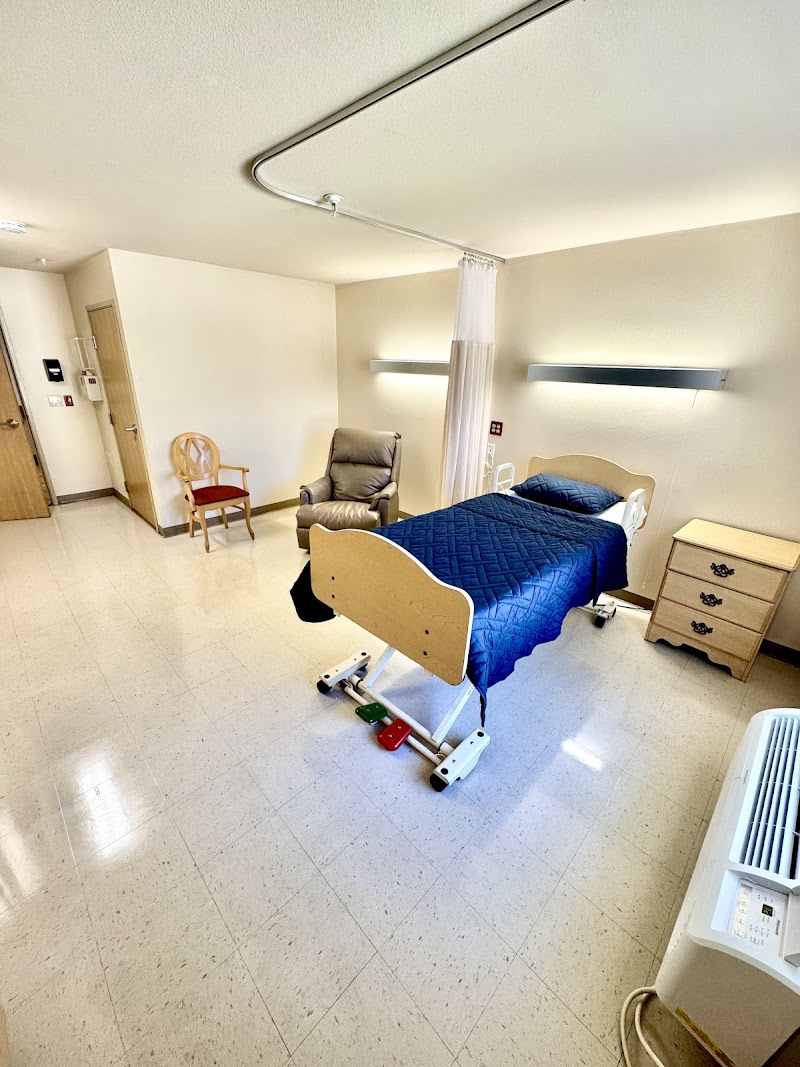
How is Sonterra Staffed?

CMS rates SONTERRA HEALTH CENTER's staffing level at 2 out of 5 stars, which is below average compared to other nursing homes. Staff turnover is 51%, compared to the Texas average of 46%.

What Have Inspectors Found at Sonterra?

State health inspectors documented 51 deficiencies at SONTERRA HEALTH CENTER during 2022 to 2025. These included: 3 Immediate Jeopardy (the most serious level, indicating potential for serious harm or death), 2 that caused actual resident harm, and 46 with potential for harm. Immediate Jeopardy findings are rare and represent the most serious regulatory concerns. They require immediate corrective action.
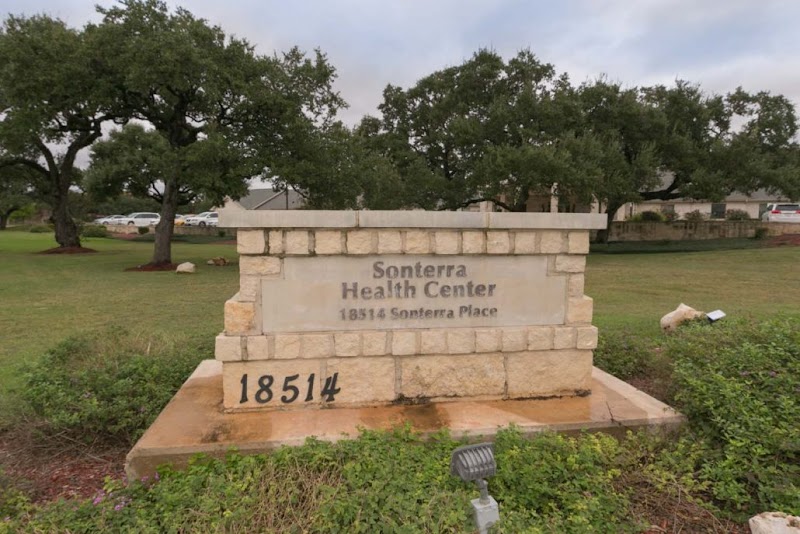
Who Owns and Operates Sonterra?

SONTERRA HEALTH CENTER is owned by a government entity. Government-operated facilities are typically run by state, county, or municipal agencies. The facility is operated by THE ENSIGN GROUP, a chain that manages multiple nursing homes. With 124 certified beds and approximately 97 residents (about 78% occupancy), it is a mid-sized facility located in SAN ANTONIO, Texas.
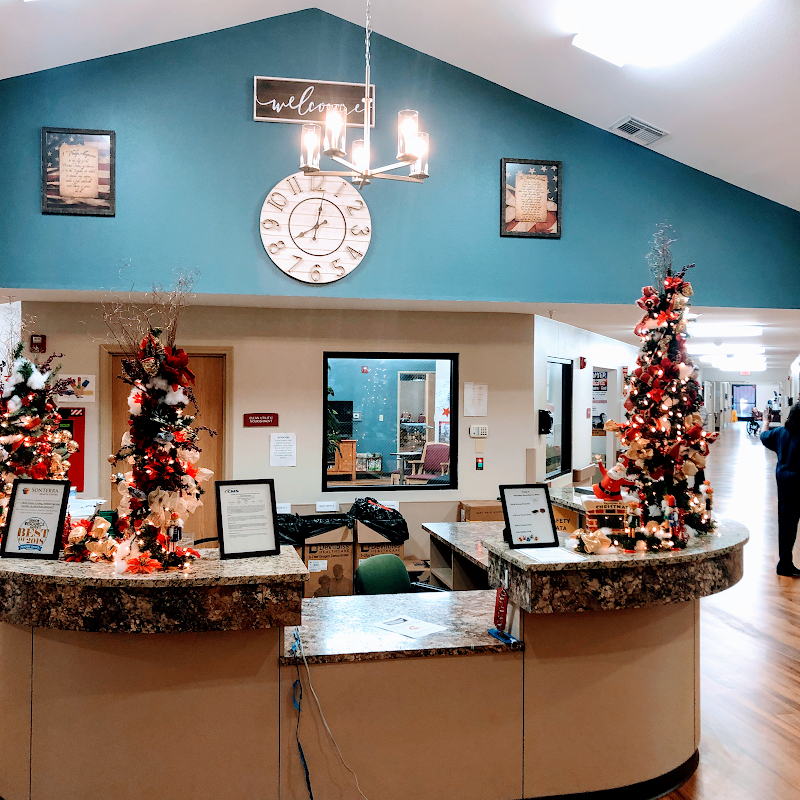
How Does Sonterra Compare to Other Texas Nursing Homes?

Compared to the 100 nursing homes in Texas, SONTERRA HEALTH CENTER's overall rating (3 stars) is above the state average of 2.8, staff turnover (51%) is near the state average of 46%, and health inspection rating (2 stars) is below the national benchmark.

What Should Families Ask When Visiting Sonterra?

Based on this facility's data, families visiting should ask: "What changes have been made since the serious inspection findings, and how are you preventing similar issues?" "Can you walk me through typical staffing levels on day, evening, and night shifts?" "Can I visit during a mealtime to observe dining assistance and food quality?" "How do you handle medical emergencies, and what is your hospital transfer rate?" These questions are particularly relevant given the facility's Immediate Jeopardy citations and the below-average staffing rating.

Is Sonterra Safe?

Based on CMS inspection data, SONTERRA HEALTH CENTER has documented safety concerns. Inspectors have issued 3 Immediate Jeopardy citations (the most serious violation level indicating risk of serious injury or death). The facility has a 3-star overall rating and ranks #1 of 100 nursing homes in Texas. Families considering this facility should ask detailed questions about what corrective actions have been taken since these incidents.

Do Nurses at Sonterra Stick Around?

SONTERRA HEALTH CENTER has a staff turnover rate of 51%, which is 5 percentage points above the Texas average of 46%. Moderate turnover is common in nursing homes, but families should still ask about staff tenure and how the facility maintains care continuity when employees leave.

Was Sonterra Ever Fined?

SONTERRA HEALTH CENTER has been fined $98,328 across 3 penalty actions. This is above the Texas average of $34,062. Fines in this range indicate compliance issues significant enough for CMS to impose meaningful financial consequences. Common causes include delayed correction of deficiencies, repeat violations, or care failures affecting resident safety. Families should ask facility leadership what changes have been made since these penalties.

Is Sonterra on Any Federal Watch List?

SONTERRA HEALTH CENTER is not on any federal watch list. The most significant is the Special Focus Facility (SFF) program, which identifies the bottom 1% of nursing homes nationally based on persistent, serious quality problems. Not being on this list means the facility has avoided the pattern of deficiencies that triggers enhanced federal oversight. This is a positive indicator, though families should still review the facility's inspection history directly.