
SORRENTO

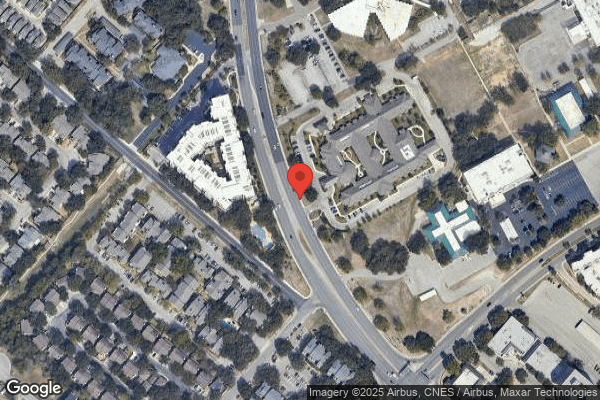
2739 BABCOCK, SAN ANTONIO, TX 78229 (210) 616-3250
For profit - Limited Liability company 112 Beds CANTEX CONTINUING CARE Data: November 2025
Trust Grade
60/100
#565 of 1168 in TX
Last Inspection: August 2025

Inspected within the last 6 months. Data reflects current conditions.

Overview

Sorrento Nursing Home has a Trust Grade of C+, indicating it is slightly above average, although it is not without its concerns. It ranks #565 out of 1,168 facilities in Texas, placing it in the top half, and #22 out of 62 in Bexar County, meaning there are only a few local options that perform better. The facility is improving, as the number of issues has decreased from 24 in 2024 to 20 in 2025. Staffing is a relative strength, with a turnover rate of 44%, which is below the Texas average, although they hold a below-average rating of 2 out of 5 stars for staffing overall. On the downside, the facility has faced 51 reported issues, primarily concerning food safety practices, such as improper food storage and cleanliness of the ice machine, which could risk foodborne illnesses. Additionally, there was a failure to ensure accurate health assessments for several residents and to provide dialysis services as required, which raises concerns about potential neglect. While there are notable strengths, families should weigh these concerns carefully when considering Sorrento for their loved ones.

Trust Score
C+
60/100
In Texas
#565/1168
Top 48%
Safety Record
Low Risk
No red flags
Inspections
Getting Better
24 → 20 violations
Staff Stability
○ Average
44% turnover. Near Texas's 48% average. Typical for the industry.
Penalties
✓ Good
No fines on record. Clean compliance history, better than most Texas facilities.
Skilled Nurses
⚠ Watch
Each resident gets only 27 minutes of Registered Nurse (RN) attention daily — below average for Texas. Fewer RN minutes means fewer trained eyes watching for problems.
Violations
⚠ Watch
51 deficiencies on record. Higher than average. Multiple issues found across inspections.
★★★☆☆
3.0
Overall Rating
★★☆☆☆
2.0
Staff Levels
★★★★★
5.0
Care Quality
★★☆☆☆
2.0
Inspection Score
Stable
2024: 24 issues
2025: 20 issues

The Good

  • 5-Star Quality Measures · Strong clinical quality outcomes
  • Full Sprinkler Coverage · Fire safety systems throughout facility
  • No fines on record
  • Staff turnover below average (44%)

    4 points below Texas average of 48%

Facility shows strength in quality measures, fire safety.

The Bad

3-Star Overall Rating

Near Texas average (2.8)

Meets federal standards, typical of most facilities

Staff Turnover: 44%

Near Texas avg (46%)

Typical for the industry

Chain: CANTEX CONTINUING CARE

Part of a multi-facility chain

Ask about local staffing decisions and management

The Ugly 51 deficiencies on record

Aug 2025 11 deficiencies
CONCERN (D)

Potential for Harm - no one hurt, but risky conditions existed

Resident Rights (Tag F0550)

Could have caused harm · This affected 1 resident

**NOTE- TERMS IN BRACKETS HAVE BEEN EDITED TO PROTECT CONFIDENTIALITY** Based on observations, interviews, and record review, the facility failed to treat each resident with respect and dignity and ca...

Read full inspector narrative →
**NOTE- TERMS IN BRACKETS HAVE BEEN EDITED TO PROTECT CONFIDENTIALITY** Based on observations, interviews, and record review, the facility failed to treat each resident with respect and dignity and care in a manner and in an environment that promoted maintenance or enhancement of his or her quality of life for 1 of 8 residents (Resident #36) reviewed for resident rights. CNA M told Resident #36, just go in your brief and I'll come back to change you when Resident #36 asked to be taken to the restroom. This failure could place residents at risk for diminished quality of life, loss of dignity, and self-worth. The findings included: Record Review of Resident #36's admission Record, dated 08/22/2025, reflected a [AGE] year-old resident with an admission date of 08/08/2025 and diagnoses including: acute and chronic respiratory failure, type 2 diabetes, irritable bowel syndrome, and hyperlipidemia. Record Review of Resident #36's MDS Assessment, dated 08/12/2025, reflected that Resident #36 had, No impairment in her upper and lower extremities and used a walker as a mobility device. Further review reflected that Resident #36 required, Partial/Moderate assistance for the functional ability, Sit to stand. Section H, Bowel and Bladder, reflected that the resident was always incontinent of bowel and bladder. Resident #36's BIMS score was reflected to be a 9, indicating moderate cognitive impairment. Record review of Resident #36's Comprehensive Person-Centered Care Plan, dated 08/22/2025, reflected that Resident #36 had an ADL self-care performance deficit r/t unsteady gait, poor trunk control, with interventions including, Encourage the resident to participate to the fullest extent possible with each interaction. Observation on 08/21/2025 at 3:58 PM, Resident #36 was observed to be vocalizing in her room with her call light on. Staff member CNA M responded to the call light and Resident #36 asked to be taken to the restroom. CNA M told Resident #36 to, just go in your brief and I'll come back to change you. Interview on 08/21/2025 at 4:01 PM, CNA M stated she was uncertain if Resident #36 was a fall risk and was having a more difficult time ambulating, so she told the resident to use her brief yesterday and today. CNA M stated she felt that if someone asked to be taken to the restroom they should be taken to the restroom. In an interview on 08/21/2025 at 4:03 PM, the ADON stated that if a resident was able to transfer safely, they should be taken to the restroom. The ADON stated it was a dignity concern if residents were not taken to the restroom and just told to use their own brief, and that it was not acceptable to tell a resident to use their brief if they requested to be taken to the toilet. Interview on 08/22/2025 at 11:53 AM, the DON stated it was not acceptable to tell a resident to just use their brief and his expectation was that, if the resident was incontinent or not, to let them know they would be back and look at the resident's functional toileting ability and get help if necessary. Record review of the facility's policy, revised February 2021, reflected, Employees shall treat all residents with kindness, respect, and dignity.
CONCERN (D)

Potential for Harm - no one hurt, but risky conditions existed

Deficiency F0578 (Tag F0578)

Could have caused harm · This affected 1 resident

**NOTE- TERMS IN BRACKETS HAVE BEEN EDITED TO PROTECT CONFIDENTIALITY** Based on interview and record review, the facility failed to promote the resident's right to request, refuse, and/or discontinue...

Read full inspector narrative →
**NOTE- TERMS IN BRACKETS HAVE BEEN EDITED TO PROTECT CONFIDENTIALITY** Based on interview and record review, the facility failed to promote the resident's right to request, refuse, and/or discontinue treatment and to formulate an advance directive for 1 (Resident #25) of 22 residents reviewed for advance directives, in that:Resident #25's OOH-DNR was not signed twice by all parties and was therefore invalid.This deficient practice could result in the resident's wishes regarding end-of-life treatment being dishonored.The findings were:The findings were:Record review of Resident #25's face sheet, dated 08/22/2025, revealed the resident was admitted to the facility on [DATE] with diagnoses including: Paraplegia, Unspecified Cirrhosis of Liver, and Sepsis Unspecified Organism.Further review revealed, Advance Directive: DNR (Do Not Resuscitate).Record review of Resident #25's comprehensive MDS assessment, dated 08/08/2025, revealed a BIMS score of 14 which indicated intact cognition.Record review of Resident #25's care plan, initiated 04/14/2025, revealed [Resident #25] requests Code Status of: DNR.Record review of Resident #25's OOH-DNR, dated 06/23/2023, revealed the instructions for the last section of the document, All persons who have signed above must sign below, acknowledging that this document has been properly completed.Further review of Resident #25's OOH-DNR revealed the resident, two witnesses, and the resident's physician had signed above the last section, but only the physician's signature was present in the last section.During an interview with the Social Worker on 08/22/2025 at 10:20 a.m., the Social Worker confirmed that two signatures were required for all parties who signed an OOH-DNR form, the resident's signature and the witnesses' signatures were missing from the last section of Resident #25's OOH-DNR., and the missing signature rendered the form invalid. The Social Worker stated it was her responsibility to ensure OOH-DNR forms were correctly executed and the invalid form was an oversight.During an interview with the Administrator on 08/22/2025 at 3:00 p.m., the Administrator confirmed that she expected all OOH-DNR forms to be completed fully and accurately.Record review of the Texas Health and Human Services webpage titled, Out of Hospital Do Not Resuscitate Program, updated 03/25/2019, revealed, Frequently Asked Questions for DNR: What happens if the form is not filled out correctly or EMS has doubts about any of the information? Health professionals can refuse to honor a DNR if they think: The form is not signed twice by all who need to sign it or is filled out incorrectly.Record review of the facility's policy, Advance Directives, dated March 2025, revealed, The Social Worker or designee must verify the Advance Directive report for accuracy.
CONCERN (D)

Potential for Harm - no one hurt, but risky conditions existed

Safe Environment (Tag F0584)

Could have caused harm · This affected 1 resident

**NOTE- TERMS IN BRACKETS HAVE BEEN EDITED TO PROTECT CONFIDENTIALITY** Based on observation, interview, and record review, the facility failed to provide a safe, functional, sanitary, and comfortable...

Read full inspector narrative →
**NOTE- TERMS IN BRACKETS HAVE BEEN EDITED TO PROTECT CONFIDENTIALITY** Based on observation, interview, and record review, the facility failed to provide a safe, functional, sanitary, and comfortable environment for residents for 1 of 8 residents (Resident #79) reviewed for environment. Resident #79's recliner's footrest was broken and had a metal piece sticking out of it. This failure could place residents at risk of a diminished quality of life due to an exposure to an environment that is unpleasant, unsanitary, or unsafe. The findings included:Record review of Resident #79's admission Record, dated 08/21/2025, reflected an [AGE] year-old resident, initially admitted on [DATE], with diagnoses including muscle wasting and atrophy, chronic obstructive pulmonary disease, type 2 diabetes, and hypothyroidism. Record review of Resident #79's MDS Assessment, dated 08/06/2025, reflected that Resident #79 had a BIMS score of 15, indicating that the resident's cognition was intact. Record review of Resident #79's Comprehensive Person-Centered Care Plan, dated 08/21/2025, reflected that Resident #79, expresses desire for little or no activity involvement. Interview and observation on 08/20/2025 at 9:40 AM, reflected that Resident #79's foot rest for her recliner was broken and had a metal piece, which was typically part of the mechanical system that held up the foot rest sticking out. Resident #79 stated her foot rest had been broken since she was moved to this room [ROOM NUMBER] days prior. Resident #79 stated she had not told anyone about it, and that it had not hurt her as she was careful not to hit her leg against the metal piece. Record review of Resident #79's Census Report reflected Resident #79 had been moved into her room on 08/15/2025. Interview on 08/21/2025 at 1:00 PM, the Maintenance Director stated that Resident #79's recliner was replaced on 08/20/2025 after it was found to have been broken. The Maintenance Director stated he typically tried to fix things such as this as soon as he was made aware of them, which is what happened with Resident #79's recliner. Interview on 08/21/2025 at 1:30 PM, the Administrator stated they had replaced Resident #79's recliner as soon as they realized it had been broken. The Administrator stated no one noticed the recliner was broken until 08/20/2025, and it was immediately replaced to prevent any injury to the resident. The Administrator stated that her expectation was for staff to report any concerns with the resident environment to the Maintenance Director so that it is addressed accordingly. Record review of the facility's policy titled, Homelike Environment, dated revised 02/2021, reflected, The facility staff and management maximizes, to the extent possible, the characteristics of the facility that reflect a personalized, homelike setting. These characteristics include: .clean, sanitary, and orderly environment.
CONCERN (D)

Potential for Harm - no one hurt, but risky conditions existed

Comprehensive Care Plan (Tag F0656)

Could have caused harm · This affected 1 resident

**NOTE- TERMS IN BRACKETS HAVE BEEN EDITED TO PROTECT CONFIDENTIALITY** Number of residents sampled: Number of residents cited: Based on interview, observation, and record review, the facility failed ...

Read full inspector narrative →
**NOTE- TERMS IN BRACKETS HAVE BEEN EDITED TO PROTECT CONFIDENTIALITY** Number of residents sampled: Number of residents cited: Based on interview, observation, and record review, the facility failed to ensure the facility failed to develop and implement a comprehensive person-centered care plan for each resident, consistent with resident rights, that included measurable objectives and time frames to meet a resident's medical, nursing, mental, and psychosocial needs that were identified in the comprehensive assessment for 1 (Residents #12) of 8 residents reviewed for care plans. The facility failed to implement fall interventions ( Lateral Supports as appropriate, initiated 08/13/25, Provide Reclining W/C as appropriate, initiated 08/13/25, Tilt Wheelchair, initiated 08/13/24, Raised Toilet Seat, initiated 08/13/25) from Resident #12's care plan. This failure could place residents at risk of not receiving care and services related to their identified needs to maintain or reach their highest practicable physical, mental, and psychosocial wellbeing. The findings included: Record Review of Resident #12's admission record, dated 08/22/25, reflected Resident #12 was an [AGE] year-old female, initially admitted [DATE] and re-admitted [DATE], with diagnosis to include restlessness and agitation, lack of coordination, muscle weakness, reduced mobility, and need for assistance with personal care. Record Review of Resident #12's MDS assessment for significant change in status, dated 08/01/25, reflected resident had a BIMS of 08 out of 15, indicating moderate impaired cognition. Record Review of Resident #12's care plan reflected The resident is risk for falls r/t decreased mobility. 7/14/25 ACTUAL FALL UNWITNESSED8/7/25 actual fall unwitnessed OOB no injury8/8/25 un-witnessed fall with no injury8/13/25 un-witnessed fall, initiated 08/08/25 and revised 08/14/25. With interventions to include Lateral Supports as appropriate, initiated 08/13/25, Provide Reclining W/C as appropriate, initiated 08/13/25, Tilt Wheelchair, initiated 08/13/24, Raised Toilet Seat, initiated 08/13/25. Observation on 08/19/25 at 03:24 PM revealed Resident #12 had her bed in lowest position, 2 quarter handrails, and a scoop mattress. Resident #12 appeared confused and was trying to get up on her own. Interview on 08/22/25 at 11:07 AM, LVN D and LVN A revealed after a fall occurred, they filled out the fall incident report, which triggered fall risk assessment and fall intervention checklist. They reflected they looked at Kardex, care plans, and fall intervention checklist for fall interventions for residents. LVN A revealed Resident #12 was non-compliant with her care plan interventions like she did not like her fall mats, but Resident #12 had good days and bad days and would cooperate on her good days. Interview on 08/22/25 at 11:13 AM, CNA B and CNA C revealed they did not work in Resident #12's hallway, but for fall interventions they used residents' Kardex to ensure residents' interventions were in place. They further revealed they also did the basics like made sure resident had water close to them, call light within reach, remove obstacles, and frequent monitoring. Interview on 08/22/25 at 12:17 PM, ADON F revealed the IDT discussed falls in the morning meetings and updated interventions in the care plans. He revealed CNAs used the Kardex to ensure they were implementing fall interventions, and the nurses used the care plans to ensure they were implementing fall interventions. Interview and observation on 08/22/25 at 02:56 PM, Hospice CNA P revealed Resident #12 did not have a raised toilet seat or tilted wheelchair. She revealed the facility was in charge of ensuring Resident #12 had their appropriate interventions implemented. Interview and observation on 08/22/25 at 03:06 PM, CNA R and LVN Q revealed they did not know what a tilted wheelchair or lateral supports looked like. CNA R revealed Resident #12 did not have a raised toilet but Resident #12 would throw the raised toilet seat so it would not help Resident #12. CNA R revealed she did not tell anyone that this intervention was not working, and to take it off Resident #12's care plan and Kardex. CNA R and LVN Q revealed they did not know Resident #12 needed a raised toilet seat, tilted wheelchair, or lateral supports. Interview on 08/22/25 at 04:45 PM, the ADM and Regional Director of Clinical Services stated they were aware that the care plans needed to be updated prior to the beginning of survey and were updating residents' care plans but had not gotten to every resident yet. They revealed CNAs looked at the Kardex and nurses looked at the care plan for resident care. The Regional Director of Clinical Services revealed the goal for Resident #12 was to prevent fall with injury because the resident was going to fall due to her current health condition. Interview on 08/22/25 at 05:08PM, the ADM, DON, and Regional Director of Clinical Services revealed interventions were in incident reports but not in care plans or Kardex and should have been. They revealed there was no concern that Resident #12 would injure herself because staff were able to tell them what fall interventions to do for Resident #12 and there was only a concern of updating the care plans. Record Review of the facility's policy Fall Management Guidelines, dated November 2022, reflected 3. Initiate Fall Risk Plan of Care for each Patient at risk for falls and update as needed. Include those interventions listed on the Intervention Check List as part of the Fall Risk Plan of Care. Record Review of the facility's policy Care Plans-Comprehensive, revised September 2010, reflected 3. Each resident's comprehensive care plan is designed to: f. Identify the professional services that are responsible for each element of care.
CONCERN (D)

Potential for Harm - no one hurt, but risky conditions existed

Deficiency F0760 (Tag F0760)

Could have caused harm · This affected 1 resident

**NOTE- TERMS IN BRACKETS HAVE BEEN EDITED TO PROTECT CONFIDENTIALITY** Based on interview and record review, the facility failed to ensure residents were free of any significant medication errors for...

Read full inspector narrative →
**NOTE- TERMS IN BRACKETS HAVE BEEN EDITED TO PROTECT CONFIDENTIALITY** Based on interview and record review, the facility failed to ensure residents were free of any significant medication errors for 1 of 8 residents (Resident #79) reviewed for medication administration. The facility provided Resident #79 with the medication Hydralazine HCl outside of physician parameters. This failure could place residents at risk for not receiving the therapeutic effects of their prescribed medications. The findings included: Record review of Resident #79's admission Record, dated 04/04/2025, reflected an [AGE] year-old resident with diagnoses including muscle wasting and atrophy, chronic obstructive pulmonary disease, type 2 diabetes, and hypothyroidism . Record review of Resident #79's quarterly MDS assessment, dated 08/06/2025, reflected Resident #79 was assessed with a BIMS score of 15, indicating the resident was cognitively intact. Record review of Resident #79's Comprehensive Person-Centered Care Plan, dated 08/21/2025, reflected Resident #79 had hypertension with interventions including, Give all anti-hypertensive medications as ordered. Record review of Resident #79's Medication Administration Record , dated printed 08/20/2025, reflected an order for hydralazine HCl Oral Tablet 50 MG (Hydralazine HCl) Give 1 tablet by mouth at bedtime for Hold SBP <110 DBP <60 and HR 60 related to ESSENTIAL (PRIMARY) HYPERTENSION for 30 days, indicating the medication should not be provided to the resident if their systolic blood pressure (the top number, which measures the pressure in your arteries when your heart beats) was over 110, their diastolic blood pressure (bottom number) was over 60, or when the residents heart rate was under 60 beats per minute with a start date of 08/03/2025.Further review of Resident #79's Medication Administration Record for August 2025, dated 08/20/2025, reflected that Resident #72 could have been provided Hydralazine 15 times from 08/01/2025 through 08/20/2025 and was administered Hydralazine outside of parameters as follows: 1. On 08/06/2025, LVN N administered Hydralazine to Resident #79 while her DBP was 57.2. On 08/07/2025, LVN O administered Hydralazine to Resident #79 while her DBP was 53.3. On 08/15/2025, LVN N administered Hydralazine to Resident #79 while her DBP was 53.4. On 08/19/2025, LVN O administered Hydralazine to Resident #79 while her DBP was 56. Interview on 08/22/2025 at 11:53 AM, the DON stated that his expectation was for medications to be given within parameters and if parameters were not clear, to reach out to the physician. Record review of facility policy titled, Medication Administration,, undated, did not reflect information regarding medication parameters.
CONCERN (D)

Potential for Harm - no one hurt, but risky conditions existed

Deficiency F0761 (Tag F0761)

Could have caused harm · This affected 1 resident

**NOTE- TERMS IN BRACKETS HAVE BEEN EDITED TO PROTECT CONFIDENTIALITY** Based on observations, interviews and record reviews the facility failed to ensure all drugs and biologicals were stored and loc...

Read full inspector narrative →
**NOTE- TERMS IN BRACKETS HAVE BEEN EDITED TO PROTECT CONFIDENTIALITY** Based on observations, interviews and record reviews the facility failed to ensure all drugs and biologicals were stored and locked in compartments under proper temperature controls and permitted only authorized personnel to have access to the keys for 1 of 7 medication carts (800 hall medication cart) reviewed for safe and secure drug storage. The facility failed to ensure the 800-hall medication cart was secured and locked when LVN L utilized it and left it unlocked and unattended. This failure could place residents at risk for harm by accessing medications not prescribed for them, misappropriation, and not receiving the therapeutic effects of the medications as prescribed by their physicians. The finding included: During an observation on 8/19/2025 at 12:16 PM revealed the 800-hall medication cart was in the 800-hallway by a resident's room with a closed door. The medication cart was unattended and out of line of sight by the nurse who was assigned the cart. The drawers of the medication cart were able to be opened revealing many medications prescribed to residents of the 800-hall. A brief review reveled acetaminophen, aspirin, docusate, and vitamin c. During an observation and interview on 8/19/2025 at 12:22 PM LVN L exited resident room [ROOM NUMBER] and recognized the 800-hall medication cart was unattended and unlocked. LVN L stated the lock had malfunctioned and could not lock. LVN L stated she was assigned the medication cart at 6:00 AM and had not reported the malfunction and believed the facility had known of the malfunction. During an interview on 8/19/2025 at 12:28 PM ADON F stated he was not aware the 800-hall medication cart lock had malfunctioned. ADON F stated he would immediately address the issue and either correct the failed lock or replace the medication cart. During an interview on 8/22/2025 at 7:00 PM the DON stated the expectation for nursing staff who were assigned medication carts was for the cart to be locked whenever the nurse was away from the medication cart. The DON stated if a cart was to malfunction the nurse should immediately report the malfunction. The DON stated the potential risk to residents was the loss of security for their medications. A policy was requested of the Administrator via email on 8/22/2025 at 3:34 PM and, as of 8/25/2025, a policy had not been provided.
CONCERN (D)

Potential for Harm - no one hurt, but risky conditions existed

Infection Control (Tag F0880)

Could have caused harm · This affected 1 resident

**NOTE- TERMS IN BRACKETS HAVE BEEN EDITED TO PROTECT CONFIDENTIALITY** Based on observations, interviews, and record reviews the facility failed to ensure the establishment and maintenance of an infe...

Read full inspector narrative →
**NOTE- TERMS IN BRACKETS HAVE BEEN EDITED TO PROTECT CONFIDENTIALITY** Based on observations, interviews, and record reviews the facility failed to ensure the establishment and maintenance of an infection prevention and control program designed to provide a safe, sanitary, and comfortable environment and to help prevent the development and transmission of communicable diseases and infections for 1 of 8 [KA1] (Resident #139) residents reviewed for infection isolation protocols. HK S failed to wear a N95 FFR while providing housekeeping services for Resident #139. This failure could place residents and staff at risk for harm by contracting and spreading the Covid-19 virus. The findings included: A record review of Resident #139's admission record dated 8/22/2025, revealed an admission date of 8/15/2025 with diagnoses which included Covid-19 (a contagious disease caused by the coronavirus SARS-CoV-2.) A record review of Resident #139's admission MDS dated [DATE] revealed Resident #139 was an [AGE] year-old male admitted for covid-19 recovery. A record review of Resident #139's physician order dated 8/19/2025 revealed the physician prescribed for Resident #139 to be under isolation droplet protocol, order summary: Droplet precautions every shift for Covid . A record review of Resident #139's care plan dated 8/19/2025 revealed, The Resident has infection - COVID . During an interview on 8/19/2025 at 10:00 AM ADON F stated Resident #139 was under droplet precautions isolation due to his diagnosed Covid-19 infection. ADON F stated Resident #139 was admitted with Covid-19 and the physician had ordered Covid-19 isolation until the doctor would order the discontinuation of the isolation. During an observation on 8/20/2025 at 10:03 PM revealed Resident #139's room was designated to be under droplet precautions. The room presented with signage at the door prior to entry which read, STOP DROPLET PRECAUTIONS. During an observation and interview on 8/20/2025 at 3:09 PM revealed Resident #139's room door opened with HK S walking in and out of Resident #139's room to utilize the housekeeping cart stationed directly outside of Resident #139's room. HK S was observed to wear PPE which included a gown, gloves, face shield, and a surgical mask. Resident #139 was observed to be in his room and did not wear a respiratory mask. Resident #139 was observed to have a visitor who identified herself as a private care giver. The private care giver was observed to wear a surgical mask as her only PPE. The private care giver stated she was not trained on what PPE to wear while in Resident #139's room and wore the surgical mask as her own common sense. During an interview HK S stated she was providing housekeeping services for Resident #139 and wore her PPE which included her surgical mask as per the signage posted. HK S stated she used the PPE stored in the 2-drawer cabinet at Resident #139's doorway. An observation of the storage cabinet revealed no N95 FFR's. During an interview and observation on 8/20/2025 at 3:13 PM LVN T stated she was the charge nurse for Resident #139 and Resident #139 was under droplet precautions for a positive covid-19 infection. LVN T observed Resident #139's door opened with the housekeeping cart directly outside of the door and observed HK S to wear a surgical mask as a PPE FFR. LVN T stated HK S's PPE FFR should have been an N95 FFR. LVN T reviewed the PPE cabinet and stated there were no N95 FFR's within the cabinet. LVN T alerted ADON F and the DON. During an interview on 8/20/2025 at 3:29 PM ADON F stated Resident #139 was recovering from a Covid infection and all staff who entered his room should wear PPE to include a N95 FFR and not a surgical mask. ADON F stated the signage for the droplet precaution outside of Resident #139's room had not specified Covid-19 precautions which included the use of N95 FFR for the Prevention of Covid-19 cross-contamination. ADON F reviewed the PPE cabinet by Resident #139's room and stated the cabinet had no N95 FFR's within. During an interview on 8/22/2025 at 5:10 PM the DON stated Resident #139 was recovering from a Covid-19 infection on 8/20/2025 and was ordered by the physician to be under Covid-19 isolation precautions. The DON stated residents who were on Covid-19 precautions should have their door closed, should be encouraged to wear a surgical mask as source control measures, and all staff should wear Covid-19 isolation precautions PPE which included the use of a N95 FFR. The DON stated the potential risk for residents who received care from staff who had not worn Covid-19 PPE could be cross-contamination and spread of Covid-19. A record review of the Untied States of America's Centers for Disease Control and Prevention's website titled Covid-19; Infection Control Guidance: SARS-CoV-2 accessed 8/20/2025 https://www.cdc.gov/covid/hcp/infection-control/ revealed, Personal Protective Equipment; HCP who enter the room of a patient with suspected or confirmed SARS-CoV-2 infection should adhere to Standard Precautions and use a NIOSH Approved particulate respirator with N95 filters or higher, gown, gloves, and eye protection (i.e., goggles or a face shield that covers the front and sides of the face).
CONCERN (E)

Potential for Harm - no one hurt, but risky conditions existed

MDS Data Transmission (Tag F0640)

Could have caused harm · This affected multiple residents

Based on interview and record review, the facility failed to transmit encoded, accurate, and complete MDS data to the CMS System for 5 (Resident #2, #44, #54, #136, #310) of 24 residents reviewed for ...

Read full inspector narrative →
Based on interview and record review, the facility failed to transmit encoded, accurate, and complete MDS data to the CMS System for 5 (Resident #2, #44, #54, #136, #310) of 24 residents reviewed for MDS accuracy and completion. Residents #2, #44, #54, #136, and #310 did not have discharge MDS's completed. This failure could result in MDS inaccuracies. The findings included: Record review of Resident #2's Electronic Health Record did not reveal a completed discharge MDS, at least 30 days after discharge. Record review of Resident #44's Electronic Health Record did not reveal a completed discharge MDS, at least 30 days after discharge. Record review of Resident #54's Electronic Health Record did not reveal a completed discharge MDS, at least 30 days after discharge.Record review of Resident #136's Electronic Health Record did not reveal a completed discharge MDS, at least 30 days after discharge.Record review of Resident #310's Electronic Health Record did not reveal a completed discharge MDS, at least 30 days after discharge. Record Review of the facility's policy titled, Electronic Transmission of the MDS, dated revised November 2019, reflected, All MDS assessments (e.g., admission, annual, significant change, quarterly review, etc.) and discharge and reentry records are completed and electronically encoded into our facility's MDS information system and transmitted to CMS' QIES Assessment Submission and Processing (ASAP) system in accordance with current OBRA regulations governing the transmission of MDS data. Record review of the RAI Manual OBRA Assessment Summary, dated October 2019, revealed, Discharge refers to the date a resident leaves the facility or the date the resident ' s Medicare Part A stay ends but the resident remains in the facility. A day begins at 12:00 a.m. and ends at 11:59 p.m. Regardless of whether discharge occurs at 12:00 a.m. or 11:59 p.m., this date is considered the actual date of discharge. There are three types of discharges: two are OBRA required-return anticipated and return not anticipated; the third is Medicare required-Part A PPS Discharge. A Discharge assessment is required with all three types of discharges. Further review revealed Discharge Assessment refers to an assessment required on resident discharge from the facility, or when a resident ' s Medicare Part A stay ends, but the resident remains in the facility (unless it is an instance of an interrupted stay, as defined below). This assessment includes clinical items for quality monitoring as well as discharge tracking information. Continued review revealed OBRA Discharge assessments consist of discharge return anticipated and discharge return not anticipated. [ .] Must be completed (item Z0500B) within 14 days after the discharge date (A2000 + 14 calendar days).
CONCERN (E)

Potential for Harm - no one hurt, but risky conditions existed

Deficiency F0698 (Tag F0698)

Could have caused harm · This affected multiple residents

**NOTE- TERMS IN BRACKETS HAVE BEEN EDITED TO PROTECT CONFIDENTIALITY** Based on interviews and record reviews, the facility failed to ensure that residents who required dialysis received such service...

Read full inspector narrative →
**NOTE- TERMS IN BRACKETS HAVE BEEN EDITED TO PROTECT CONFIDENTIALITY** Based on interviews and record reviews, the facility failed to ensure that residents who required dialysis received such services, consistent with professional standards of practice, the comprehensive person-centered care plan, and the residents' goals and preferences, for 1 of 3 residents (Resident #11) reviewed for dialysis services. The facility failed to complete Resident #11's post dialysis assessment on 8/4/2025, 8,6/20205, 8/8/2025, and 8/11/2025. This failure could place residents at risk for neglect by not being assessed and documenting the assessment. The findings included:A record review of Resident #1's admission record dated 8/22/2025 revealed an admission date of 5/21/2025 with diagnoses which included end stage renal disease with dialysis (kidney failure with a medical treatment that acts as artificial kidneys, removing waste products and excess fluid from the blood when the kidneys are unable to perform these functions.) A record review of Resident #11's quarterly MDS assessment dated [DATE] revealed Resident #11 was a [AGE] year-old female admitted for long term care and assessed with a BIMS score of 14 out of a possible 15 which indicated no cognizant impairment. A record review of Resident #11's care plan dated 8/22/2025 revealed Resident #11 received recurring dialysis services three times a week on Monday, Wednesday, and Fridays, (Resident #11) needs hemodialysis related to end stage renal disease, dialysis Mondays Wednesdays and Fridays . monitor document report as needed the following signs and symptoms; edema, weight gain of over 2 pounds a day, neck vein distension, difficulty breathing, increased heart rate, elevated blood pressure, skin temperature, peripheral pulses, level of consciousness, monitor breath sounds for crackles . A record review of Resident #11's medical record from 5/21/2025 through 8/22/2025 revealed LVN assessed and documented Resident #11's pre dialysis assessments on 8/4/2025, 8/6/2025, 8/8/2025, and 8/11/2025. Further review revealed no post dialysis assessments for those dates. During an interview on 8/22/2025 at 10:36 AM with LVN I, he stated he was the Monday through Friday 6:00 AM through -2:00 PM nurse for Resident #11. LVN I stated Resident #11 was diagnosed with ESRD and was supported with offsite dialysis 3 times a week from 10:00 AM to 3:00 PM. LVN I stated prior to Resident #11's dialysis, he would initiate a dialysis communication record, assess Resident #11, and document the assessment. LVN I stated he would give report to the 2:00 PM to 10:00 PM nurse that Resident #11 was attending dialysis and had an open dialysis communication form which required a post dialysis assessment. LVN I stated Resident #11 would be assessed at the dialysis center by the dialysis nurse and would be sent back to the facility with a dialysis summary report. LVN I stated there was no dedicated 2:00 PM to 10:00 PM nurse and some of the 2:00 PM to 10:00 PM nurses were LVN A, LVN J, and LVN K. LVN I stated the policy and expectation for the post dialysis communication was for the 2:00 to 10:00 PM nurse to assess Resident #11 after the dialysis treatment, to document the assessment, and to include the data transcription from the dialysis summary form sent with the Resident from the dialysis center. During an interview on 08/22/2025 at 1:00 PM with ADON G, she stated she was the ADON for Resident #11 who was diagnosed with ESRD and was supported with dialysis services on Mondays, Wednesdays, and Fridays from mid-morning to midafternoon. ADON G stated the expectation for dialysis communication assessments was for the 6:00 AM to 2:00 PM nurse to assess residents prior to dialysis treatment and for the 2:00 PM to 10:00 PM nurse to assess residents post dialysis treatments which included the transcription of data from the post dialysis summary report sent by the dialysis center. ADON G stated every morning she would generate an audit report for incomplete assessments from the previous day and recognized that on 8/4/2025, 8/6/2025, 8/8/2025 and 8/11/2025, the post dialysis assessment was not completed. ADON G stated LVN A worked on 8/4/2025 and had failed to assess Resident #11 after dialysis and failed to document the assessment. ADON G stated she also recognized the dialysis center had failed to send the post dialysis documentations and had called the DON at the dialysis center to report the failures. During an interview on 8/22/2025 at 1:56 PM, LVN A stated he worked the 2:00 PM to 10:00 PM shift on 8/4/2025 and received Resident #11 back from dialysis therapy. LVN A stated Resident #11 was sent back from dialysis without any post dialysis report. LVN A stated he could not recall if he had assessed and documented Resident #11's post dialysis status. LVN A stated the expectation for the post dialysis nurse would be to transcribe the report into the residents' medical record. LVN A stated the post dialysis expectation was for nursing to assess post dialysis and to document the assessment. LVN A stated the assessment would include the condition of the dialysis port, vital signs, respirations, and swelling. LVN A stated the possible potential negative outcome for failing to document a post dialysis status for residents could be bleeding. During an interview on 8/22/2025 at 7:00 PM, the DON stated the expectation and policy for post dialysis assessments and documentation was for nurses to assess residents after they returned from dialysis therapy to include the transcription of the dialysis summary report to the residents' medical record. The DON stated if the dialysis center had not provided the summary report, the nurse was to assess the Resident and to document the assessment and the lack of a dialysis summary report. The DON stated the lack of assessment and documentation could potentially have a negative outcome for complications of dialysis therapy, cramps, nausea, and or headaches. A record review of the facility's Dialysis Protocol policy dated February 2024, revealed, POLICY: The Community will provide proper care of patients receiving dialysis. PROCEDURE The Director of Nursing Services will establish and maintain communication with the dialysis facilities to ensure continuity of care for all dialysis Patients. The charge nurse will monitor the patient's condition upon return from dialysis. The (Facility) DON, RODS and attending MD will review the dialysis recommendations, reports, labs and care plans as indicated. The Administrator and Dietary Services Manager will ensure that the Dietary Department follows the dialysis policies and procedures located in the Dietary Policy & Procedure Manual. The (Facility) DON or designee will periodically audit all charts for patients on dialysis. The facility DON, Medical Records or designee will contact the dialysis facility if a report has not been received.
CONCERN (E)

Potential for Harm - no one hurt, but risky conditions existed

Deficiency F0726 (Tag F0726)

Could have caused harm · This affected multiple residents

**NOTE- TERMS IN BRACKETS HAVE BEEN EDITED TO PROTECT CONFIDENTIALITY** Based on interview and record review, the facility failed to ensure that all licensed staff possessed the competency, and specif...

Read full inspector narrative →
**NOTE- TERMS IN BRACKETS HAVE BEEN EDITED TO PROTECT CONFIDENTIALITY** Based on interview and record review, the facility failed to ensure that all licensed staff possessed the competency, and specific skill sets necessary to care for resident's needs for all nursing staff for 1 of 1 facility reviewed for competencies. The facility failed to ensure licensed nurses were appropriately updating Resident #12 for fall interventions when they were filling out the Nursing Fall Intervention Checklist. This failure could place residents at risk for harm due to staff who lack the appropriate skills, knowledge, and competencies to safely meet the residents' needs. Findings included: Record Review of Resident #12's admission record, dated 08/22/25, reflected Resident #12 was an [AGE] year-old, initially admitted [DATE] and re-admitted [DATE], with diagnoses to include restlessness and agitation, lack of coordination, muscle weakness, reduced mobility, and need for assistance with personal care. Record Review of Resident #12's MDS assessment for significant change in status, dated 08/01/25, reflected the resident had a BIMS of 08 out of 15, indicating moderate impaired cognition. Record Review of Resident #12's care plan, undated, reflected The resident is risk for falls r/t decreased mobility. 7/14/25 ACTUAL FALL UNWITNESSED8/7/25 actual fall unwitnessed [sic] no injury8/8/25 un-witnessed fall with no injury8/13/25 un-witnessed fall, initiated 08/08/25 and revised 08/14/25. With interventions to include Lateral Supports as appropriate, initiated 08/13/25, Provide Reclining W/C as appropriate, initiated 08/13/25, Tilt Wheelchair, initiated 08/13/24, Raised Toilet Seat, initiated 08/13/25. Record review of In-Service Training Report on 07/18/25 reflected the nursing department was educated on Post Fall Intervention Checklist to include Do not complete the fall interventions checklist Section B is completed by IDT. It further reflected 12 licensed nurses to not include nurses on the IDT signed that they received this training. Record review of staff roster, undated, reflected 35 licensed nurses to not include nurses on the IDT. Interview on 08/22/25 at 10:13 AM, LVN A revealed Resident #12 had interventions to include fall mats, bed in lowest position, and scoop mattress. He revealed the IDT were the ones to add appropriate fall interventions. Interview on 08/22/25 at 11:07 AM, LVN D and LVN A revealed after a fall occurred, they filled out the incident report for the fall, which triggered fall risk assessment and fall intervention checklist. They revealed they looked at Kardex, care plans, and fall intervention checklist for fall interventions for residents. LVN A revealed he followed the prompts to fill out the Nursing Fall Intervention Checklist. He was not aware if Intervention Checklist was for interventions in place or for suggested interventions. Interview on 08/22/25 at 11:15 AM, LVN D revealed for fall interventions he looked at a residents' care plan and Kardex. He revealed the nurse manager oversaw completing the fall intervention checklist and made sure the interventions on the care plan were added appropriately. He further revealed after a new fall, there would be new interventions like if resident already had a low bed and falls mats, the facility would add a new intervention. Interview on 08/22/25 at 12:17 PM, ADON F revealed the IDT discussed falls in the morning meetings and updated interventions in the care plans during the meeting. He revealed CNAs used the Kardex for fall interventions and the nurses used the care plans for fall interventions. He revealed the ADONs and DONs were able to oversee care plans to ensure they were updated, as needed. Interview on 08/22/25 at 12:31 PM, ADON G revealed witnessed and unwitnessed falls were documented in the incident reports. She revealed nurse managers (ADON, MDS, DON) and therapy discussed falls in the morning meetings. She revealed they added interventions for falls in the morning as they pertained to the circumstances that caused a fall. She revealed nursing staff were in-serviced on fall interventions after the IDT decided what interventions to add to residents' care plans. She revealed the MDS nurse oversaw updating care plans but the ADONs could also ensure the care plans were updated appropriately. She revealed the nurses looked at care plans for updated interventions and CNAs looked at the Kardex for updated interventions. She revealed she was not aware of the Nursing Fall Intervention Checklist entailed. Interview on 08/22/25 at 01:41 PM, the MDS nurse revealed Nursing Fall Intervention Checklist was a new assessment and she was not aware of what the fall intervention checklist was. She revealed falls were discussed the next day with the IDT team so they could review interventions. She revealed they would analyze what had been working and what not, and add interventions as needed. Interview and observation on 08/22/25 at 03:06 PM, CNA R and LVN Q revealed they did not know what a tilted wheelchair or lateral supports looked like. CNA R revealed Resident #12 did not have a raised toilet but would throw this raised toilet seat if she had it in her restroom, so it would not help the resident. CNA R revealed she did not tell anyone that this intervention was not working to take this intervention off Resident #12's care plan and Kardex. CNA R and LVN Q revealed they did not know Resident #12 needed a raised toilet seat, tilted wheelchair, or lateral supports. Interview on 08/22/25 at 03:51 PM, the MDS nurse revealed she was able to find out the Nursing Fall Intervention Checklist assessment revealed the interventions chosen to add to the residents' care plan. Interview on 08/22/25 at 04:10 PM, Regional Director of Clinical Services revealed the Nursing Fall Intervention Checklist assessment should not be able to be filled out by the licensed nurses, because the nurses were unknowingly adding inappropriate interventions to residents' care plans. She revealed the licensed nurses were supposed to be educated to not fill this assessment out. She revealed the IDT were supposed to fill out the Nursing Fall Intervention Checklist assessment, because the IDT were the ones responsible for reviewing falls and adding appropriate interventions to residents' care plan. She further revealed Resident #12's fall interventions that were not being implemented by the nursing staff were not added by the IDT and should not have been in Resident #12's care plan. Interview on 08/22/25 at 09:34 PM, the ADM and DON revealed they did not educate nurses on how to fill out the assessment Nursing Fall intervention checklist so the IDT had to review the falls and care plans to see if they needed to fix any care plan interventions that were inappropriately added. Record review of facility's policy Care Plans-Comprehensive, dated September 2010, reflected 6. Identifying problem areas and their cause and developing interventions that are targeted and meaningful to the resident are interdisciplinary processes that require careful data gathering, proper sequencing of events and complex clinical decision making. No single discipline can manage the task in isolation. The resident's physician (or primary healthcare provider) is integral to this process. Record review of facility's policy Fall Management Guidelines, dated November 2022, 3. Initiate Fall Risk Plan of Care for each Patient at risk for falls and update as needed. Include those interventions listed on the Intervention Check List as part of the Fall Risk Plan of Care. Policies for nurse training in general and nurse training regarding who can initiate care plan interventions were requested from the ADM on 08/22/25 at 10:10 PM. These were not provided.
CONCERN (E)

Potential for Harm - no one hurt, but risky conditions existed

Deficiency F0809 (Tag F0809)

Could have caused harm · This affected multiple residents

**NOTE- TERMS IN BRACKETS HAVE BEEN EDITED TO PROTECT CONFIDENTIALITY** Based on record review, interview and observation, the facility failed to ensure that residents (1 of 1 facility) had suitable, ...

Read full inspector narrative →
**NOTE- TERMS IN BRACKETS HAVE BEEN EDITED TO PROTECT CONFIDENTIALITY** Based on record review, interview and observation, the facility failed to ensure that residents (1 of 1 facility) had suitable, nourishing meals and snacks outside of scheduled meal service times. The facility failed to ensure residents were offered snacks at bedtimes. This failure could affect all residents who received meals served from the facility's only kitchen by placing residents at risk for, unplanned weight loss, and side effects from medication given without food, and diminished quality of life. The findings were:Record review of [NAME] PATIENT MEAL TIMES, revised 5/16, reflected Breakfast, Lunch, Dinner, and no snack time. Interview and observation on 08/21/25 at 07:10 PM, Confidential Resident #144 was observed to not have a snack and they revealed they did not receive a snack, but they would like one. They revealed they did not want the facility to know that they were asking for a snack. Interview and observation on 08/21/25 at 07:10 PM, Confidential Resident #145 was observed to not have a snack and they revealed they did not know if the facility was giving out snacks at night, but they would like to be offered one when they get hungry at night. They revealed they would like to not let the facility know it was them that mentioned having nighttime snacks. Interview on 08/21/25 at 7:34 PM, the ADM and ADON F revealed they gave snacks to all the diabetics and then gave leftover snacks to whoever asked for them. The ADM revealed they did not go to every resident's room to offer snacks. They revealed snacks get passed out by nursing staff around at about 8PM typically, when the kitchen is done cleaning up after dinner. Interview and observation on 08/21/25 at 07:36 PM, the Certified Dietary Manager (CDM) was pushing the snack cart and revealed they only made snacks that came from doctor's orders. She further revealed there were some extra snacks too. Record review of the facility's Order Listing Report, dated 08/22/25, reflected 39 residents (total census was 96 residents) were listed for an evening snack. Policy for snack was requested from the ADM on 08/22/25 at 10:11 PM.
Jul 2025 5 deficiencies
CONCERN (D) 📢 Someone Reported This

A family member, employee, or ombudsman was alarmed enough to file a formal complaint

Potential for Harm - no one hurt, but risky conditions existed

Comprehensive Care Plan (Tag F0656)

Could have caused harm · This affected 1 resident

**NOTE- TERMS IN BRACKETS HAVE BEEN EDITED TO PROTECT CONFIDENTIALITY** Based on observation, interview and record review the facility failed to develop and implement a comprehensive person-centered c...

Read full inspector narrative →
**NOTE- TERMS IN BRACKETS HAVE BEEN EDITED TO PROTECT CONFIDENTIALITY** Based on observation, interview and record review the facility failed to develop and implement a comprehensive person-centered care plan for each resident, consistent with the resident rights set forth, that included measurable objectives and timeframes to meet a resident's medical, nursing, and mental and psychosocial needs that were identified in the comprehensive assessment and described the services that were to be furnished to attain or maintain the resident's highest practicable physical, mental, and psychosocial well-being for 1 of 6 residents (Resident #6) reviewed for care plans 1. The facility failed to ensure CNA D and CNA E implemented Resident #6's care plan when they used a gait belt instead of a mechanical lift to transfer the resident. 2. The facility failed to ensure Resident #6 had her oxygen tubing on as care planned. These failures could place residents at risk of a decrease in independence and injury. The findings include Record review of Resident #6's admission Record, dated 07/15/2025, she was [AGE] year documented a female resident who was admitted to the facility on [DATE] and re-admitted on [DATE]. Resident #6 had diagnoses which included acute respiratory failure with hypoxia (a condition where the body, or a region of the body, is deprived of adequate oxygen supply.), history of pneumonia, cognitive communication deficit, limitation of activates due to disability, dementia (a general term for a decline in mental ability severe enough to interfere with daily life), shortness of breath, muscle weakness, dependence on other enabling machines and devices.Record review of Resident #6's consolidated orders for July 2025 was documented Oxygen at 2-4 liters per nasal cannula, every shift related to acute respiratory failure with hypoxia, shortness of breath. Record review of Resident #6's Quarterly MDS dated [DATE], was documented she had a BIMS of 6/15 (severely cognitively impaired), she required a wheelchair to mobilize, he required partial/moderate assistance (does less than half the effort, helper lifts or holds trunk or limbs and provided more than half the effort) for chair/bed to chair transfer and was on oxygen therapy. Record review of Resident #6's care plan dated 5/26/2025 has altered acute respiratory status/difficulty breathing related to hypoxia also had obstructive sleep apnea-Interventions provide oxygen as ordered per MD orders. Resident [NAME] had an ADL self-care performance deficit related to decrease in mobility-Intervention was Transfer, the resident required a mechanical lift with 2 person staff assistance for transfers.A.Observation on 7/15/2025 at 12:21 PM with Resident #6, sitting on bed, CNA D and CNA E and observed a mechanical lift in the room. CNA D came back into Resident #6's room with CAN E and had a gait belt with him. Observation of a 2 person transfer with gait belt from Resident #6's bed to her wheelchair. No observations of harm during transfer.Interview on 7/16/2025 at 10:22 AM with CNA D stated he could not find a mechanical lift sling for Resident #6, so he was going use the gait belt. CAN D stated they did not have a lot of mechanical slings, and he had looked in the linen closet. CAN D stated Resident #6 usually is transferred with a mechanical lift. He had to leave because he was busy with resident. CNA D stated Resident #6 is stronger today and was able to pivot. Interview on 7/16/2025 at 10:42 AM with CNA E stated she did assist CNA D with Resident #6's transfer from bed to wheelchair. CNA E stated Resident #6 needs a mechanical lift transfer with a sling. CNA E stated she did report to her charge nurse. B. Observation on 7/15/25 at 1:17 PM in Resident #6's room revealed the oxygen concentrator was at 2 LPM (liters per minute) and the oxygen tubing was not on the resident nasal area. The oxygen was laying across her bed. Observation on 7/15/2025 at 1:35 PM with Resident #6 was sitting in her wheelchair, eating lunch and she was not wearing her oxygen tubing on her nasal area. Interview on 7/15/2025 at 1:36 PM with Resident #6 stated she wears her oxygen tubing on at night. Interview on 7/15/25 at 1:38 PM with ADON stated Resident #6 confirmed resident did not have the oxygen tubing in place as ordered with no response to risk. Interview on 7/16/2025 at 5:17 PM with ADM/DON stated they updated the care plan for Resident #6 and the risk would be resident could fall, and staff could fall with her. Interview with DON did not respond to risk of resident transfers. Interview with ADM/DON did not provide a policy for care plans. Interview with ADM stated the long-term care plan staff was not working any longer, as of last Friday. Record review of policy, Protocol for Oxygen Administration dated March 2019 was documented was documented, Patients with oxygen therapy will have their plan of care updated to reflect their oxygen use. When not in use, oxygen cannulas. will be stored in plastic bags attached to oxygen concentrator tank.
CONCERN (D) 📢 Someone Reported This

A family member, employee, or ombudsman was alarmed enough to file a formal complaint

Potential for Harm - no one hurt, but risky conditions existed

Accident Prevention (Tag F0689)

Could have caused harm · This affected 1 resident

**NOTE- TERMS IN BRACKETS HAVE BEEN EDITED TO PROTECT CONFIDENTIALITY** Based on observations, interviews, and record review the facility failed to ensure the resident environment remains as free of a...

Read full inspector narrative →
**NOTE- TERMS IN BRACKETS HAVE BEEN EDITED TO PROTECT CONFIDENTIALITY** Based on observations, interviews, and record review the facility failed to ensure the resident environment remains as free of accident hazards as is possible for 1 of 2 (#6) residents in the 500 hall in that: Resident #6 was not transferred with Mechanical lift (Hoyer) during a transfer as care planned. This could affect all residents with Hoyer transfers and could result in accidents/injury. The Failures included: Record review of Resident #6's admission Record, dated 07/15/2025, she was [AGE] year documented a female resident who was admitted to the facility on [DATE] and re-admitted on [DATE]. Resident #6 had diagnoses which included acute respiratory failure with hypoxia (a condition where the body, or a region of the body, is deprived of adequate oxygen supply.), history of pneumonia, cognitive communication deficit, limitation of activates due to disability, dementia (a general term for a decline in mental ability severe enough to interfere with daily life), shortness of breath, muscle weakness, dependence on other enabling machines and devices. Record review of Resident #6's Quarterly MDS, dated [DATE] documented she had a BIMS of 6/15, which indicated the resident was severely cognitively impaired. Resident #6 required a wheelchair to mobilize, she required partial/moderate assistance (does less than half the effort, helper lifts or holds trunk or limbs and provided more than half the effort) for chair/bed to chair transfer and was on oxygen therapy. Record review of Resident #6's care plan, dated 5/26/2025. Documented the resident #6 had an ADL self-care performance deficit related to decrease in mobility-Intervention was Transfer, the resident required a mechanical lift with 2 person staff assistance for transfers. Observation on 7/15/2025 at 12:21 PM of Resident #6 revealed the resident was sitting on her bed, CNA D and CNA E observed a mechanical lift in the room. CNA D came back into Resident #6's room with CNA E and had a gait belt with him. Observation of a 2 person transfer with gait belt from Resident #6's bed to her wheelchair. No observations of harm during transfer. Interview on 7/16/2025 at 10:22 AM, CNA D stated he could not find a mechanical lift sling for Resident #6, so he was going use the gait belt. CNA D stated they did not have a lot of mechanical slings, and he looked in the linen closet. CNA D stated Resident #6 usually was transferred with a mechanical lift. He had to leave because he was busy with a resident. CNA D stated Resident #6 was stronger today and was able to pivot. Interview on 7/16/2025 at 10:42 AM, CNA E stated she assisted CNA D with Resident #6's transfer from bed to wheelchair. CNA E stated Resident #6 needed a mechanical lift transfer with a sling]. CNA E stated she did report to her charge nurse. Interview on 7/16/2025 at 2:21 PM Physical Therapist stated Resident #6 stated she could pivot and be transferred with 2 staff with gait belt. Interview with Physical Therapist stated it depended on Resident #6's transfer depended on her anxiety or if she is in pain. Interview with Physical Therapist was off services at this time. Interview on 7/16/2025 at 5:17 PM with ADM/DON stated they updated the care plan for Resident #6 and the risk would be resident could fall, and staff could fall with her. Interview on 7/17/2025 at 9:08 AM with ADM stated no policy.
CONCERN (D) 📢 Someone Reported This

A family member, employee, or ombudsman was alarmed enough to file a formal complaint

Potential for Harm - no one hurt, but risky conditions existed

Respiratory Care (Tag F0695)

Could have caused harm · This affected 1 resident

**NOTE- TERMS IN BRACKETS HAVE BEEN EDITED TO PROTECT CONFIDENTIALITY** Based on observations, interviews, and record reviews failed to ensure the facility must ensure that a resident who needs respir...

Read full inspector narrative →
**NOTE- TERMS IN BRACKETS HAVE BEEN EDITED TO PROTECT CONFIDENTIALITY** Based on observations, interviews, and record reviews failed to ensure the facility must ensure that a resident who needs respiratory care, including tracheostomy care and tracheal suctioning, is provided such care, consistent with professional standards of practice, the comprehensive person-centered care plan, the residents' goals and preferences for 1 of 18 (#6) residents with oxygen orders in that: Resident #6 was not wearing her oxygen tubing as ordered. This could affect all resident with Oxygen and could result in residents as ordered. The findings included:Record review of Resident #6's admission Record, dated 07/15/2025, she was [AGE] year documented a female resident who was admitted to the facility on [DATE] and re-admitted on [DATE]. Resident #6 had diagnoses which included acute respiratory failure with hypoxia (a condition where the body, or a region of the body, is deprived of adequate oxygen supply.), history of pneumonia, cognitive communication deficit, limitation of activates due to disability, dementia (a general term for a decline in mental ability severe enough to interfere with daily life), shortness of breath, muscle weakness, dependence on other enabling machines and devices.Record review of Resident #6's consolidated orders for July 2025 documented Oxygen at 2-4 liters per nasal cannula, every shift related to acute respiratory failure with hypoxia, shortness of breath. Record review of Resident #6's Quarterly MDS, dated [DATE] documented she had a BIMS of 6/15, which indicated the resident was severely cognitively impaired. Resident #6 required a wheelchair to mobilize, she required partial/moderate assistance (does less than half the effort, helper lifts or holds trunk or limbs and provided more than half the effort) for chair/bed to chair transfer and was on oxygen therapy. Record review of Resident #6's care plan, dated 5/26/2025. Documented resident #6 had altered acute respiratory status/difficulty breathing related to hypoxia and also had obstructive sleep apnea-Interventions provide oxygen as ordered per MD orders. Observation on 7/15/25 at 1:17 PM in Resident #6's room revealed the oxygen concentrator was at 2 LPM (liters per minute and the oxygen tubing was not on the resident nasal area. The oxygen was laying across her bed. Observation on 7/15/2025 at 1:35 PM revealed Resident #6 was sitting in her wheelchair, eating lunch and she was not wearing her oxygen tubing on her nasal area. Interview on 7/15/2025 at 1:36 PM, Resident #6 stated she wore her oxygen tubing on at night. Interview on 7/15/25 at 1:38 PM, the ADON stated Resident #6 did not have the oxygen tubing in place as ordered. she had not response to questions.Interview on 7/16/2025 at 5:17 PM with DON stated she updated care plan to say Resident #6 tries to take off oxygen tubing. Interview with DON stated the care plan staff for 500 hall was no longer working as of this last Friday. Interview with DON did not respond to the risk of residents that did not wear their oxygen tubing as ordered. Record review of the facility's policy, Protocol for Oxygen Administration, dated March 2019, documented, Patients with oxygen therapy will have their plan of care updated to reflect their oxygen use. When not in use, oxygen cannulas. will be stored in plastic bags attached to oxygen concentrator tank.
CONCERN (D) 📢 Someone Reported This

A family member, employee, or ombudsman was alarmed enough to file a formal complaint

Potential for Harm - no one hurt, but risky conditions existed

Deficiency F0810 (Tag F0810)

Could have caused harm · This affected 1 resident

**NOTE- TERMS IN BRACKETS HAVE BEEN EDITED TO PROTECT CONFIDENTIALITY** Based on observation, interview and record review the facility failed to provide special eating equipment and utensils for resid...

Read full inspector narrative →
**NOTE- TERMS IN BRACKETS HAVE BEEN EDITED TO PROTECT CONFIDENTIALITY** Based on observation, interview and record review the facility failed to provide special eating equipment and utensils for residents who needed them and appropriate assistance to ensure that the resident could use the assistance devices when consuming meals and snacks for 1 of 6 residents (Resident #7) reviewed for assistive devices. The facility failed to ensure Resident #7 had her 2 handed drinking cup as ordered. This failure could place residents at risk of a decrease in independence. The findings includeRecord review of Resident #7's [TF1] [RV2] admission record documented a female resident [AGE] years old, who was admitted to the facility on [DATE]. Resident #7 had diagnoses which included Hemiplegia and Hemiparesis following cerebral infarction affecting left non-dominate side (conditions affecting one side of the body. Hemiplegia is characterized by paralysis, while hemiparesis involves weakness, both impacting mobility and daily activities.), need for assistance with personal care, muscle weakness, low vision right eye, contracture of muscle on left hand, muscle wasting and atrophy (the wasting away or decrease in size of a body part, typically a muscle, organ, or tissue, due to cell degeneration, disease, or lack of use) on right and left hand, lack of coordination, cognitive communication deficit and age-related physical debility[TF3] [RV4] . Record review of Resident #7's admission MDS, dated [DATE], documented her BIMS was 12/15, which indicated moderate cognitive impairment. Resident #7 had no range of motion impairments and no mobility devices. Resident #17 ADLs where she required set-up and clean up assistance for eating, and she required partial/moderate assistance upper/lower body dressing. Record review of Resident #7's telephone order, dated 6/16/2025, documented Dietary Adaptive-Two handle plastic cup by LVN F. Record review of Resident #7's lunch ticket dated 7/15/2025, was documented 2 handle cup. Record review of Resident #7's care plan, dated 6/17/2025, documented the resident had an ADL self-care performance deficit and intervention was for Dressing-assist, the resident to choose simple comfortable clothes that enhances the resident ability to dress self and allow sufficient time for dressing and undressing. The resident requires assistance of 1 to 2 staff to dress, and this may fluctuate with weakness, fatigue, and weight bearing status. Resident #7 had potential nutritional problems interventions were OT, PT and ST to screen and provide adaptive equipment for feeding as needed. Observation on 7/15/2025 at 12:30 PM in the main dining room revealed Resident #7's lunch area did not include a 2-handle cup. Observation of Resident #7 had a regular plastic cup. Observation and interview on 7/15/2025 at 12:45 PM, Resident #7 stated her right hand was broken and her left hand was contracted from stroke. Resident #7 stated she could not pick up the plastic cup but could push the cup closer and could drink with a straw. Interview on 7/15/2025 at 12:40 PM, the DM stated the OT provided the 2-handle cup and she was not sure why Resident #7 did not have one at lunch. Attempted interview on 7/16/2025 at 9:37 AM with LVN F was unsuccessful. A voicemail was left. Interview on 7/16/25 at 11:16 AM, the OT stated he did not put the 2-handle cup order in Resident #7's consolidated orders. The OT stated any therapy discipline could address the need for adaptive equipment while eating. The OT stated Resident #7 was not on OT services at this time. The OT stated the risk for residents not having an order available was she would not be able to feed herself while in the dining room. The OT stated Resident #7 had tremors, lack of coordination and it could decrease her independence in feeding herself. Interview on 7/16/2025 at 1:42 PM, the DM stated she did not have the 2 handle cup, so she went to get five of the 2 handle cups from a sister facility. The DM stated she was not sure when the therapy department brought the order for a 2 handed cup. The DM stated the process was the therapy handed the dietary department the order for any equipment required for residents during meals. Record review of the facility's policy, admission protocol, dated January 20024, reflected To ensure the patient and family feel welcome and care is based on physician's admission orders instituted by all departments upon admission. under Dietary, upon admission of the patient, dietary will ensure the following are completed and in place: check diet orders and notify kitchen, proper diet/tray card. Record review of the facility's policy, Dining program, dated April 2025, reflected, 5. A diet rooster must be maintained and audited by the nutrition service director at least once monthly, utilizing the diet listing from the electronic medical record the meal ticket software. 8. A list of adaptive equipment for dining must be maintained and audited by the Nutrition Service Director at least once monthly, unitizing the diet listing form the electronic medical record and the meal ticket software. Record review of the facility policy, Adaptive equipment, dated November 3, 2004, reflected, The facility shall provide adaptive equipment as orders. Recommended by the therapist and/or physician. The ensure that all Residents receive the proper utensils/equipment for meals. 1. Residents are reviewed on admission, an as needed for need of adaptive devices. Referrals for need equipment may come for occupational or speech therapy, nursing physician or Dietician. 3. The Dietary Services Manager shall purchase and keep in inventory certain adaptive equipment. 4. Physician order is obtained for adaptive devices as per Therapist plan of care. 5. Adaptive devices in use are . provided for each meal by the Dietary Department. Adaptive devices are noted on each Resident Diet Card and medical record.
CONCERN (E) 📢 Someone Reported This

A family member, employee, or ombudsman was alarmed enough to file a formal complaint

Potential for Harm - no one hurt, but risky conditions existed

Medical Records (Tag F0842)

Could have caused harm · This affected multiple residents

**NOTE- TERMS IN BRACKETS HAVE BEEN EDITED TO PROTECT CONFIDENTIALITY** Based on interview and record review, the facility failed to, in accordance with accepted professional standards and practices, ...

Read full inspector narrative →
**NOTE- TERMS IN BRACKETS HAVE BEEN EDITED TO PROTECT CONFIDENTIALITY** Based on interview and record review, the facility failed to, in accordance with accepted professional standards and practices, maintain medical records on each resident that were complete and accurately documented for 1 of 3 residents (Resident #1) reviewed for medical records. The facility failed to document all medications administered or withheld in the July 2025 MAR for Resident #1. This failure could place residents at risk of medication errors.Findings included: Record review of Resident #1's face sheet, dated 7/15/2025, reflected a [AGE] year-old female who was admitted to the facility on [DATE]. Diagnoses included bipolar disorder (a mental health condition causing mood swings), type 2 diabetes mellitus (a condition resulting from the body's resistance to insulin), and hypertension (high blood pressure). Record review of the quarterly MDS submitted 5/6/2025 reflected a BIMS score of 14, which indicated intact cognition. Record review of Resident #1's July 2025 MAR, printed 7/15/2025, revealed the following: Amoxicillin-Potassium Clavulanate tablet 500-125mg, give one tablet by mouth one time a day for bacterial infection related to pneumonia for 7 days (start date 7/4/2025) 8 PM7/4/2025 8:00 PM: no entry/blankFamotidine oral tablet 40mg, give 1 tablet by mouth at bedtime related to gastroesophageal reflux disease (chronic heartburn)7/14/2025 8:00 PM: no entry/blankInvega oral tablet extended release 24 hour 3mg, give 4 tablets by mouth at bedtime related to bipolar disorder, give 4 tabs to = 12mg (start date 6/30/2025)7/4/2025 8:00 PM: no entry/blank7/14/2025 8:00 PM: no entry/blankLetrozole oral tablet 2.5mg, give 2.5mg by mouth at bedtime for hormone therapy (start date 6/11/2025)7/14/2025 8:00 PM: no entry/blankZetia oral tablet 10mg, give 1 tablet by mouth at bedtime related to hyperlipidemia (high cholesterol) (start date 5/22/2025)7/14/2025 7:00 PM: no entry/blankBenztropine Mesylate oral tablet 0.5mg, give 0.5mg by mouth two times a day for tremors7/14/2025 7:00 PM: no entry/blankCalcium oral tablet 600mg, give 600mg by mouth two times a day for supplement (start date 6/11/2025)7/14/2025 9:00 PM: no entry/blankColace capsule 100mg, give 1 capsule by mouth every 12 hours for constipation (start date 5/22/2025)7/14/2025 8:00 PM: no entry/blankMetoprolol tartrate oral tablet 50mg, give 1 tablet by mouth two times a day related to hypertensive chronic kidney disease (high blood pressure resulting from kidney disease) (start date 5/22/2025)7/5/2025 4:00 PM: no entry/blankOmega 3 oral capsule 1000mg, give 1 capsule by mouth two times a day for prophylaxis (start date 5/22/2025) 7/14/2025 8:00 PM: no entry/blankTegretol-XR tablet extended release 12 hour 400mg, give 1 tablet by mouth every 12 hours related to epilepsy (seizures) (start date 5/22/2025)7/14/2025 8:00 PM: no entry/blankDiclofenac sodium external gel 1%, apply to affected areas topically three times a day for pain related to pain in unspecified joint (start date 6/08/2025)7/4/2025 7:00 PM: no entry/blank7/14/2025 7:00 PM: no entry/blankGlucosamine capsule 500mg, give 1 capsule by mouth with meals related to pain unspecified joint (start date 5/22/2025)7/14/2025 5:30 PM: no entry/blankHydralazine HCl oral tablet 100mg, give 1 tablet by mouth three times a day related to hypertensive chronic kidney disease (start date 5/22/2025)7/5/2025 8:00 PM: no entry/blank7/14/2025: 8:0 PM: no entry/blankSevelamer HCl oral tablet 800mg, give 1 tablet by mouth with meals related to disorder of phosphorus metabolism (start date 5/22/2025)7/14/2025 5:00 PM: no entry/blankHumalog injection solution 100unit/mL, inject as per sliding scale four times a day for DM-2 (start date 5/30/2025)7/5/2025 5:00 PM: no entry/blank7/5/2025 9:00 PM: no entry/blank7/14/2025 5:00 PM: no entry/blank7/14/2025 9:00 PM: no entry/blankRecord review of the facility staffing schedule reflected the following staff members were responsible for administering Resident #1's medications on the following days/shifts:LVN C: 7/4/2025 2:00 PM to 10:00 PMLVN B: 7/5/2025 2:00 PM to 10:00 PMLVN A: 7/14/2025 2:00 PM to 10:00 PMRecord review of Resident #1's progress notes from 7/4/2025 to 7/15/2025 did not reveal documentation regarding missed dosages of medications or documentation regarding the resident being away from the facility during the above listed times. Resident #1 was interviewed on 7/16/2025 at 8:35 AM. She reported the only medication she had not been administered during July 2025 was an unknown antibiotic on the evening of 7/5/2025. She said she reported it to the nurse on duty, but the nurse disagreed with her and told her she received it. She reiterated that all other days in July 2025 she had received her ordered medications, to the best of her knowledge. She denied lingering symptoms of pneumonia, such as cough or shortness of breath, as a result from allegedly not receiving the dose of antibiotic. Resident #1 was unsure if she had been away from the facility in July 2025 during medication administration times. LVN A was interviewed on 7/16/2025 at 8:30 AM. He stated he was the nurse responsible for administering medications to Resident #1 from 2:00 PM to 10:00 PM on 7/14/2025. He stated Resident #1 received all of her medications, as ordered, except the insulin because her blood sugar level did not require administration. He was unsure why he did not document the administration of the medications in the MAR. He reported the potential harm to the resident of incomplete documentation was the possibility of Resident #1 receiving duplicate doses of medication. LVN B was interviewed on 7/16/2025 at 2:28 PM. She stated she was the nurse responsible for administering medications to Resident #1 from 2:00 PM to 10:00 PM on 7/5/2025. She was unable to recall administering medications to Resident #1 on that date, but she stated if her documentation reflected a medication was administered, which included the antibiotics, then she was certain Resident #1 received the antibiotics. LVN B was unsure why she did not document administration notes for the metoprolol, hydralazine, and insulin that were due to be administered during the shift. She speculated that perhaps Resident #1 was not at the facility during that time, and she should have documented accordingly by using a code to indicate the medications were not administered due to the resident being away from the facility. She stated the potential harm to the resident was that administrators would not be able to determine why a medication was not administered from the documentation. Attempted interview with LVN A on 7/17/2025 at 1:31 PM was unsuccessful. LVN A did not respond to request for interview made by voicemail. The DON was interviewed on 7/17/2025 at 8:55 AM. She stated the facility policy and her expectation of staff is the MAR would reflect all medication administrations, including medications not administered. She was not aware of a complaint from Resident #1 regarding a missed dosage of antibiotics. She reported the potential harm to residents from having incomplete documentation on the MAR was the possibility of residents receiving an additional dosage of medication. Record review of the facility's policy titled Medications (dated November 2017) did not reveal guidance related to the documentation of routine scheduled medications.
Jun 2025 2 deficiencies
CONCERN (D) 📢 Someone Reported This

A family member, employee, or ombudsman was alarmed enough to file a formal complaint

Potential for Harm - no one hurt, but risky conditions existed

Deficiency F0604 (Tag F0604)

Could have caused harm · This affected 1 resident

**NOTE- TERMS IN BRACKETS HAVE BEEN EDITED TO PROTECT CONFIDENTIALITY** Based on interview and record review the facility failed to ensure the residents had a right to be treated with respect and dign...

Read full inspector narrative →
**NOTE- TERMS IN BRACKETS HAVE BEEN EDITED TO PROTECT CONFIDENTIALITY** Based on interview and record review the facility failed to ensure the residents had a right to be treated with respect and dignity, including the right to be free from any physical restraints imposed for purposes of convenience, and not required to treat the resident's medical symptoms and to use the least restrictive alternate for the least amount of time and document ongoing re-evaluation of the need for restraints for 1 of 9 residents (Resident #6) whose care was reviewed in that: CNA G restrained Resident #6 by tying trash bags around Resident #6's wheelchair wheels to reduce Resident #6's independent mobility in the facility. This deficit practice could potentially affect residents who required wheelchairs for mobility evidenced by restricting movement, a decline in ADL function and psychological distress. The findings were: Record Review of Resident #6's undated face sheet revealed Resident #6 was a [AGE] year-old male who admitted to the facility on [DATE] with diagnoses that included a Nontraumatic Intracerebral Hemorrhage (bleeding into the substance of the brain/stroke), Hemiplegia (paralysis on one side of the body), Hemiparesis (muscle weakness of one side of the body), Schizophrenia (a chronic mental illness characterized by delusions, hallucinations and disorganized thinking) and Epilepsy (a brain disorder that causes seizures). Record review of Resident #6's admission MDS assessment, dated 05/14/2025, revealed a BIMS score of 03, indicating severe cognitive impairment. Section GG- Functional Abilities revealed Resident #6 had impairment on both sides of his upper and lower extremities that interfered with daily functions or placed the resident at risk of injury in the prior 7 days of the assessment date. Section GG also revealed Resident #6 required substantial assistance with dressing, showers and sit to stand. Section J- Health Conditions revealed Resident #6 had one fall without injury since admission to the facility. Record review of Resident #6's comprehensive care plan care plan revealed a care plan, dated 05/08/2025 and revised 05/18/2025, Resident #6 required 1 person assistance from staff for transfers to move between surfaces. Resident #6 had a care plan for falls related to generalized weakness, dated 06/11/2025 and revised 06/12/2025, and revealed resident had a fall on 05/12/2025, 05/18/2025, 05/22/2025, 05/25/2025, 06/06/2025, 06/07/2025 and 06/11/2025. An intervention included to keep the resident in common areas for maximum observation opportunities, date initiated 05/30/2025. Record review of Resident #6's fall risk assessment, dated 06/10/2025, revealed Resident #6 was a high fall risk and had 3 or more falls in the past 3 months. The assessment revealed Resident #6 was chair bound. Record review of Resident #6's Occupational Therapy Treatment Encounter Note, dated 06/11/2025, revealed Resident #6 had poor standing balance and fair sitting balance. The note revealed complexities /barriers impacting the session included fall risk, reduced cognition, and LUE weakness. Record review of Resident #6's progress note, dated 06/17/2025 at 1:00 p.m. revealed Resident #6 was discharged to a rehabilitation center with all personal belongings and medications. Record review of a letter provided to the HHSC Investigator by a COTA, 06/18/2025 at 1:07 p.m., revealed On July 11, 2025, during 2 pm to 10 pm shift, this incident occurred at [facility] SNF in [city and state]. [CNA G] restrained [Resident #6 name] (patient) in one of the following ways: [CNA G name] tied patient arms to his hospital bed with trash bags. [CNA G name] tied patient arms to the wheelchair with trash bags. [CNA G] tied up patient w/c wheels so that patient could not move his w/c. [Resident #6 name] is cognitively impaired following a stroke and has hemiplegia. He is unable to recall information and events that have occurred. He can communicate basic wants and needs. [CNA G name] claims that [LVN G name] gave him permission to do so. Patient had been roaming the halls, opening med carts and taking items from the nurse's station. [LVN C name] witnessed [CNA G name] restraining patient and reported incident to Administrator. On another occasion, [CNA D name] overheard [CNA G name] tell the same patient that he was going to kill the patient. [CNA D name] reported this incident to [UM name]. [CNA G name] was suspended on July 12, 2025, pending investigation, however, he returned to work on July 15, 2025, during 2pm-10pm shift. During an interview with the COTA, 06/18/2025 at 1:10 p.m., the COTA stated the dates on her letter were for June 2025 and not July 2025 and stated she was informed by CNA D on 06/12/2025 that Resident #6 was restrained by CNA G on 06/11/2025. COTA stated LVN C witnessed the incident and reported it to the UM and CNA G was suspended but was allowed to return to work. The COTA stated she provided therapy services to Resident #6 on Friday 6/13/2025 and Resident #6 was not exhibiting any emotional distress. The COTA stated she did not witness the restraint but felt like it should have been reported to the state. The COTA stated she was not sure if any of the witnesses reported it, but she wanted to report it today. The COTA stated CNA D told her that CNA D witnessed CNA G tell Resident #6 that he was going to kill him and CNA D reported it to the UM. The COTA stated she should have reported it to the state when she became aware of the allegation so it could have been investigated at that time because the patients cannot advocate for themselves. The COTA stated she was not aware of any other residents being restrained or abused and stated she had been trained on abuse and neglect. During an interview with LVN C, 06/18/2025 at 2:56 p.m., LVN C stated she had suspected another employee of abusing a resident and stated she reported the incident to the UM and DON. LVN C stated on July 11, 2025, around 8 p.m., LVN C was walking by the café day room close to the nurse's station and observed Resident #6 sitting in his wheelchair with trash bags wrapped around the wheelchair tires. LVN C stated Resident #6 was unable to move and was observed trying to move his chair, appeared distressed and agitated and was leaning out of his chair reaching toward the coffee bar. LVN C stated the trash bags were looped throughout the wheels and tied to the center bar in the back of the chair and some bags were tied together from one wheel to the other. LVN C said there were so many trash bags used, and the bags were woven together like a spider web. LVN C stated the bags were so thick that she had to hack at the trash bags with her scissors to cut the bags off. LVN C stated CNA G came over to Resident #6 while LVN C was trying to cut the bags off, and CNA G was laughing and told LVN C not to cut the bags off and told LVN C that LVN E knew about it and to talk to LVN E about it. LVN C stated she was not talking to LVN E about it, briefly assessed Resident #6 to see that he did not have any markings on him and said Resident #6 regained his mobility and got himself a cup of coffee. LVN C stated she immediately reported the incident to the DON and UM and was told to send CNA G home. LVN C said she was under the impression an investigation would be conducted, and CNA G would be terminated but CNA G was allowed to return to work. During an interview with LVN C, 06/19/2025 at 11:43 a.m., LVN C stated CNA G stated he tied the trash bags to Resident #6's wheelchair because Resident #6 was going in and out of other resident rooms. LVN C stated Resident #6's primary mode of mobility was his wheelchair and Resident #6 was not ambulatory and was a fall risk. During an interview with CNA M, 06/19/2025 at 1:30 p.m., CMA M stated she arrived at work early on 06/11/2025 around 8 p.m. for her 10 p.m. - 6 a.m. shift. CNA M stated she was walking by the café day room and observed Resident #6 in the day room with his wheelchair wheels tied up with trash bags in all different directions in his wheels. CNA M stated Resident #6 was trying to move in the chair and could not move and appeared distressed. CNA M stated Resident #6 could not walk, and the trash bags were preventing Resident #6 from being about to move independently. CNA M stated she went to LVN E and told LVN E what she observed and LVN E said it was because he was going into other people's room and taking stuff. CNA M stated she told LVN E that was abuse and LVN E did not respond. CNA M stated another nurse was by Resident #6 and the nurse told CNA M that she reported the incident, so CNA M did not report it. CNA M stated she felt like the incident was a restraint and abuse and stated she should have reported the incident to the Administrator and DON. CNA M stated she had received training on reporting abuse and neglect prior to witnessing the incident and knew that abuse should be reported immediately to the Abuse Coordinator who was the Administrator. During an interview with the UM, 06/19/2025 at 2:00 p.m., the UM said the definition of a physical restraint was impeding a patient from being able to move freely and stated facility staff received training on abuse and neglect upon hire and anytime there was an investigation. The UM stated LVN C called the UM and DON on 06/11/2025 around 8 p.m. and reported observing CNA G place trash bags around Resident #6's wheelchair wheels and stated LVN C was instructed to send CNA G home. The UM stated he met with CNA G on 06/12/2025 and CNA G explained the situation to me and I suspended him and notified the DON of what he said. The UM stated CNA G said Resident #6 had increased behaviors during the shift and was going in other resident rooms and being disruptive so he attempted to slow him down from going into other rooms by getting some trash bags and wrapped them around the wheelchair wheels to slow him down from being able to move in the wheelchair. The UM stated the wheelchair was Resident #6's primarily mode for mobility and Resident #6 was not able to ambulate safely. The UM stated he was not sure if the Administrator was notified and stated the DON conducted the investigation, staff received in servicing on abuse and restraints and CNA G was placed on a final disciplinary warning. The UM stated CNA D did not report an allegation of CNA G being rough with Resident #6 or telling Resident #6 that CNA G would kill him. The UM stated if that was reported to him, he would have suspended CNA G and notified the DON and the Administrator. The UM stated he was not aware of any other restraints methods being used and stated a resident who was improperly restrained could fall, get a fracture, or skin tear while trying to get out of the restraint depending on the type of restraint used. During an interview with LVN E, 06/19/2025 at 2:56 p.m., LVN E stated Resident #6 had a witnessed fall in his room at the beginning of LVN E's shift on 06/11/2025 at 2 p.m. LVN E stated Resident #6 was brought out of his room and placed in the café day room so he could be observed. LVN E stated Resident #6 was observed throughout the shift going in and out of other resident rooms, turning water faucets on and off and LVN E observed Resident #6 propelling himself around the unit during the shift. LVN E stated she was not aware that Resident #6 had trash bags tied to his wheelchair wheels on the night of 6/11/2025 until this HHSC Investigator asked her about it. LVN E stated she did not observe anything tied to Resident #6's chair, no one called her and notified her that Resident #6 had trash bags tied to his chair and no one had contacted her and asked her to suspend CNA G. LVN E stated she observed CNA G leaving the facility around 9 pm and said CNA G told her he was leaving and LVN E assumed he was being sent home because census was low. LVN E stated she spoke to the UM and DON about Resident #6 having a fall on the shift but was not questioned or notified about the observation of trash bags being tied to Resident #6's wheelchair wheels. LVN E stated she was not asked to complete a head-to-toe assessment after the incident. LVN E stated she did not instruct CNA G to restrain Resident #6 and LVN E stated tying trash bags on the wheels of a resident wheelchair was a restraint and abuse and LVN E stated she would have notified the DON and abuse prevention coordinator. LVN E stated no other staff members had reported any allegations of abuse regarding CNA G and Resident #6 to her and she was not aware of any other restraint methods ever used in the facility. LVN E stated she had been trained on restraints, restraints were not allowed at the facility and a resident who was improperly restrained could cause bruising, fractures, or aggression when the resident tried to get out of the restraint or cause the resident to fall and get injured. During an interview with CNA G, 06/19/2025 at 4:22 p.m. CNA G stated Resident #6 was roaming around in different patient rooms on the evening of 06/11/2025 so CNA G redirected him to the café day room so we could keep a better eye on him. CNA G stated he put trash bags in the resident wheelchair wheels gently and stated he did it so we would be able to see him if he tried to leave again so we could see him and help him. CNA G said he placed the trash bags in the wheels to do something like slow the resident down. CNA G stated he had received training on restraints prior to this incident and stated the definition of a restraint was when a patient cannot move or get up or do anything on their own. CNA G stated he was not told to add the trash bags by anyone else and did not tell anyone else that he did it because he did not feel like it was a restriction. CNA G stated he had never tied Resident #6's arms to his bed or wheelchair, never placed trash bags in any other resident wheelchair wheels and had never restrained another resident. CNA G stated he was notified by LVN C that he restrained a resident and was being suspended. CNA G stated he met with the UM on 06/12/2025 and received training on abuse, neglect, and restraints. CNA G stated a resident who was improperly restrained could harm themselves mentally or physically. During an interview with the UM, 06/20/2025 at 3:11 p.m., UM stated he conducted a psychosocial wellbeing assessment for Resident #6 on 06/12/2025 as part of the investigation policy whenever there is an allegation or a concern. UM stated no one asked him to complete the assessment and stated it was usually completed by the Social Worker, but the Social Worker was not available. UM stated he completed patient safe survey questionnaires and employee abuse investigation questionnaires for a few employees on 06/12/2025 as part of the investigative protocols and turned the forms into the DON. UM stated Resident #6 did not recall the incident and was not exhibiting any emotional or psychosocial distress and no additional allegations were identified during the questionnaires. During an interview with the DON, 06/20/2025 at 9:33 a.m., the DON stated, staff received training on abuse/neglect, behavior management and restraints upon hire and throughout the year. The DON stated staff had received training on reporting abuse to the abuse coordinator and any allegations of abuse should have been reported immediately. The DON stated the facility was restraint free and described a physical restraint as any type of device used in contact with the body that limits the movement of the resident. The DON stated it would be considered a restraint if a resident's primary mode of mobility was his wheelchair and the resident was unable to move in the chair due to the wheelchair wheels being compromised by a staff member. The DON stated Resident #6 was a fall risk, had several falls at the facility, was able to propel himself in his wheelchair and was not able to ambulate safely. The DON stated LVN C sent the DON and UM a text on 06/11/2025 around 8:15 p.m. and said, someone needs to deal with [CNA G], he restrained a patient and he put trash bags on [Resident #6]'s wheelchair and it is not okay to tie him down and he cannot move. The DON said, I responded and said this is not acceptable behavior and please send him home and [UM] responded and said, yes send him home. The DON said LVN C informed her that she was not CNA G's nurse so the DON stated she called LVN E and asked LVN E to send him home and LVN E said she could see Resident #6 and he was moving around freely but I didn't think about the fact that LVN C had already cut the trash bags off so when I heard LVN E say he could move freely I thought it was with the trash bags on. The DON stated she did not notify the Administrator of the allegation and did not report the allegation to HHSC. The DON stated CNA G received a write up on 06/12/2025 by the UM and the DON met with CNA G when he returned to work on 6/16/25 after a 3-day suspension and in serviced him on customer service and what LVN C observed. The DON stated CNA G apologized and stated he was just trying to slow Resident #6 down. The DON said she did not instruct anyone to complete a head-to-toe assessment, psychosocial assessment after the incident but in servicing was started on 06/12/2025 on abuse and neglect and did not cover restraints. The DON said the Administrator became aware of the allegation after LVN C met with this HHSC investigator on 06/18/2025 and the DON stated they had CNA G come in and demonstrate how he placed the trash bags in the wheels and CNA G was suspended again on 06/18/2025. The DON stated the staff began receiving education on restraints after this HHSC investigator entered the facility. The DON stated [psychiatric company name] visited Resident #6 on 06/13/2025 on a routine visit and it was not related to the incident on 06/11/2025. The DON stated LVN E signed a head-to-toe assessment on 6/11/2025 that was completed by a CNA after a shower earlier in the day and the head-to-toe assessment in the investigation summary was not completed after the incident by LVN E. The DON stated an emergency QAPI was held on 6/19/2025 with the physician, behavior management education was initiated and [psychiatric company name] was conducting an in-service for the staff at 2:00 p.m. on 06/20/2025. The DON stated a question about restraints was added to the employee abuse questionnaire. The DON stated safe surveys were initiated for all interviewable patients on 06/19/2025 on 2 p.m.- 10 p.m. shift and non interviewable residents received head to toe assessments to ensure there were no further allegations. The DON said the allegation regarding the restraint was reported to HHSC on the evening of 06/19/2025. The DON stated she was never notified of any other allegation of abuse from any other employees and had not received any other reports of restraints. The DON stated physical injury or psychosocial injury could occur for residents who are improperly restrained. During an interview with the Administrator, 06/20/2025 at 12:23 p.m., the Administrator stated she is the Regional [NAME] President and became the acting Administrator on 5/23/2025 when the previous Administrator left the position and would remain in the position until the new Administrator started on 06/23/2025. The Administrator stated staff had received training on abuse and neglect, restraints and reporting abuse and neglect upon hire and throughout the year. The Administrator stated the expectation was for all allegations to be reported directly to the Administrator, who was the Abuse Prevention Coordinator and stated the facility was restraint free. The Administrator stated she was notified by the Regional Corporate Nurse on 06/18/2025 that a nurse had reported we had restrained a patient. The Administrator stated she spoke to the DON who told her a trash bag was used in a resident's wheelchair tires and the DON thought it was a customer service issue and did not report it. The Administrator stated, when I got here yesterday, my understanding is that they initiated an investigation and that there was a head to toe that night and that psych services saw him the next day to make sure there was no emotional distress. The Administrator stated she should have been notified on 06/11/2025 and she would have reported the incident to HHSC and completed an investigation. The Administrator stated she was not sure what harm could come to a resident who was improperly restrained because her understanding was that Resident #6 was able to propel himself in the wheelchair with the trash bags in place, but the investigation was ongoing. Record review of a facility incident report for Resident #6, dated 06/12/2025 at 2:00 p.m. and completed by the UM, categorized the incident as alleged abuse and described the incident as charge nurse reported that employee had wrapped trash bag around pt wheelchair wheel as a restraint to keep patient from moving in w/c. Immediate action taken revealed, employee was send home and suspended during investigation, head to toe assessment was performed on patient and patient was interviewed. The report revealed the physician and DON were notified on 06/13/2025 at 1:11 p.m. Record review of a facility document titled Employee Coaching and Counseling revealed CNA G placed a resident in small dining room then placed trash bags on wheelchair wheels to attempt to keep patient from going into other patient rooms. Action taken revealed employee was suspended x 3 days, in serviced regarding abuse and restraints and placed on final warning. The form was signed by the UM on 06/12/2025 and signed by CNA G, undated. Record review revealed CNA G signed a facility document titled, [Company name] Acknowledgement of Abuse Policy and Reporting Requirements, on 06/12/2025. Record review revealed CNA G completed a Restraint Quiz on 06/16/2025 that included the question, 2. It's okay to prevent a patient from roaming freely within the facility? A. true B. False. CNA G marked the question as B. False. Record review of an undated statement signed by CNA G revealed, on 6/11 [Resident #6] was having increased behaviors throughout the shift and going to other patient rooms and been inappropriate/disruptive, with guest and patients. [Resident #6] was redirected numerous times and taken out of patient's rooms and he kept going back to the rooms. In an attempt to help other patient and keep close watch on [Resident #6], I put him in café where he likes to drink coffee. I tried to slow him down by putting trash bags at the bottom of the wheelchair, but he was never restrained and could get up and move freely if he wanted to. Record review of an undated statement signed by LVN E revealed, on 06/11/25 I was the nurse for [Resident #6 name] on the 2-10 shift. The patient had an unwitnessed fall at the beginning of the shift. After doing a thorough head to toe assessment on the resident, the aide and I place him in his w/c and placed him in the café next to the nurse's station so I could monitor him closely. The measure did not disable the patient's movement or restrict him from using his limbs. He was still doing things like turning the water on in the sink, getting up out of the wheelchair to fetch coffee, opening p the creams & sugars & pouring them on al the tables, and able to stand briefly. I witnessed this throughout the remainder for the shift. At no point was the resident's limbs compromised or he was confined to the café. I check on him frequently throughout the shift due to his fall risk until it was time for him to be put to bed. Record review of a statement dated 06/19/2025, and signed by LVN C revealed, On 06/11/2025 @ 8:00 pm I was walking down 700 hall to the Nurse's station when I passed the café and saw patient [Resident #6 last name] with 2 CNAs [CNA G and CNA H]. I hard [CNA G and CNA H] laughing in which case I came over and then had point [CNA G] point out to me that he had tied up the patient's wheelchairs together with trash bags. The trash bags were tied to each of the wheels and then tied to the center piece of the wheelchair limiting the patients ROM. Patient appeared aggravated while attempting to reach for the coffee cups and was seen attempting to scoot himself off his wheelchair in order to reach the coffee. I demanded that [CNA G] remove the trash bags, [CNA G] refused. I attempted to tear the trash bags with my hands and was unable to because of how many trash bags were used. I then proceeded to grab a pair of scissors, when [CNA G] attempted to stop me telling me 'ASK [LVN E first two letters of name]! ASK [LVN E first two letters of name]! ASK [LVN E first two letters of name]! BEFORE YOU CUT THEM OFF!' I told [CNA G] that I was not going to ask [LVN E first two letters of name] anything and if she did not want me to cut off the trash bags she can come over and discuss it with me. I then proceeded to cut off and remove the trash bags, and quickly looked over patient, no apparent injury was noted right after incident. I reported to DON and UM on 06/11/2025 at 8:15 p.m. Record review of a statement dated 06/12/2025 and signed by the UM revealed, This nurse conducted an interview with [Resident #6], patient stated that he is satisfied with all the services been provided by employees. Patient was asked if he feels safe as a patient here at the facility and he said yes, pt was asked if he ever has been mistreated, pt responded that it has never happened. [Resident #6] was asked if he has ever been restricted of kept from moving freely throughout the facility, and he responded no. that he can move around in his w/c at all times and that he transfers self from w/c to bed but has been told not to do that on his own because he can fall. Record review of a facility document titles, Psychosocial Well-Being, revealed the UM completed the assessment for Resident on 06/12/2025 and revealed Resident #6 had no change in his psychosocial well-being. Record review revealed 6 facility residents were administered a patient abuse questionnaire on 06/12/2025, completed by UM and included Resident #6. The questionnaires revealed no additional allegations. Record review of an employee abuse questionnaire revealed 39 employees completed the questionnaires dated 06/12/2025. Record review of an in-service roster, presented by the DON and dated 06/12/2025, revealed the topic was abuse and neglect, reporting abuse and neglect and the use of restraints and revealed 43 names. Record review of an in-service roster, presented by the DON on 6/12/25, revealed the topic was incident/accidents and revealed 27 names. Record review of facility document titled, Job Description Certified Nursing Assistant, revealed CNA G's signed the job description on 10/23/2024. The job description revealed the essential function of the role included promote and support the greatest possible degree of independence for patients and responsible for assuring patient/resident safety. Record review revealed CNA G completed a Restraint Competency Quiz on 10/15/2024. Record review revealed CNA G signed Senate [NAME] 9 of Nursing Home Policy on 10/14/2024 that included remember our policy that all patients/residents of this community are to be always treated with dignity and respect under all circumstances. Mistreatment or abuse of any nature will not be tolerated. Any employee guilty of abusing, neglecting or not disclosing such acts is subject to immediate discharge. Local authorities will be notified, and criminal charges may be filed. Record review of the facility's policy titled, [company name] Abuse Prohibition Protocol dated August 2024, revealed, The patient has the right to be free from abuse, neglect, mistreatment of resident property, and exploitation. This includes but is not limited to freedom from corporal punishment, involuntary seclusion, and any physical or chemical restraint not required in treating the Patient's symptoms. The protocol revealed, Abuse is defined as the willful infliction of injury, unreasonable confinement, intimidation, or punishment with resulting physical harm or pain or mental anguish, or deprivation by an individual, including a caretaker, of goods or services that are necessary to attain or maintain physical, mental, and psychosocial wellbeing. Instances of abuse of all patient/resident, irrespective of any physical or mental condition, cause physical harm, pain, or mental anguish. 'Willful' as used in this definition of abuse, means the individual must have acted deliberately, not that the individual must have intended to inflect injury or harm. Mistreatment means inappropriate treatment or exploitation of a patient. Record review of the facility's policy titled, [company name] Physical Restraints dated November 2016, revealed, 1. The facility promotes and adheres to restraint free care for the patient's overall well-being. 2. The patient must be free from physical restraints imposed for purposes of discipline or convenience and that are not required to treat the patient's medical symptoms .
CONCERN (E) 📢 Someone Reported This

A family member, employee, or ombudsman was alarmed enough to file a formal complaint

Potential for Harm - no one hurt, but risky conditions existed

Report Alleged Abuse (Tag F0609)

Could have caused harm · This affected multiple residents

**NOTE- TERMS IN BRACKETS HAVE BEEN EDITED TO PROTECT CONFIDENTIALITY** Based on interview and record review, the facility failed to ensure that all alleged violations involving abuse, neglect, exploi...

Read full inspector narrative →
**NOTE- TERMS IN BRACKETS HAVE BEEN EDITED TO PROTECT CONFIDENTIALITY** Based on interview and record review, the facility failed to ensure that all alleged violations involving abuse, neglect, exploitation or mistreatment, including injuries of unknown source, are reported immediately, but not later than 2 hours after the event, if the events result in serious bodily injury, or no later than 24 hours if the events and do not result in serious bodily injury, to the administrator of the facility and to other officials (including to the State Survey Agency) in accordance with state law through established procedures for 1 of 9 residents (Residents #6) reviewed for abuse and neglect, in that: 1. CNA D observed CNA G yank Resident #6 out of bed and overheard CNA G tell Resident #6 he was going to kill him in Spanish. CNA D did not report the allegation timely and did not report to the Administrator. 2. CNA M observed Resident #6 with wheelchair wheels tied together with plastic bags, restricting Resident #6's mobility, and CNA M did not report the incident to the DON or Administrator. 3. The DON was notified by LVN C that Resident #6 was observed with his wheelchair wheels tied together, restricting Resident #6's mobility and the DON did not report the allegation to the Administrator. 4. The UM was notified by LVN C that Resident #6 was observed with his wheelchair wheels tied together, restricting Resident #6's mobility and the UM did not report the allegation to the Administrator. This failure/deficient practice could place residents at risk for not having allegations of abuse or neglect reported to the State Agency to ensure that allegations are fully investigated. The findings were: 1. Record Review of Resident #6's undated face sheet revealed Resident #6 was a [AGE] year old male who admitted to the facility on [DATE] with diagnoses that included a Nontraumatic Intracerebral Hemorrhage (bleeding into the substance of the brain/stroke), Hemiplegia (paralysis on one side of the body), Hemiparesis (muscle weakness of one side of the body), Schizophrenia (a chronic mental illness characterized by delusions, hallucinations and disorganized thinking) and Epilepsy (a brain disorder that causes seizures). Record review of Resident #6's admission MDS assessment, dated 05/14/2025, revealed a BIMS score of 03, indicating severe cognitive impairment. Section GG- Functional Abilities revealed Resident #6 had impairment on both sides of his upper and lower extremities that interfered with daily functions or placed the resident at risk of injury in the prior 7 days of the assessment date. Section GG also revealed Resident #6 required substantial assistance with dressing, showers and sit to stand. Section J- Health Conditions revealed Resident #6 had one fall without injury since admission to the facility. Record review of Resident #6's comprehensive care plan care plan revealed a care plan, dated 05/08/2025 and revised 05/18/2025, Resident #6 required 1 person assistance from staff for transfers to move between surfaces. Resident #6 had a care plan for falls related to generalized weakness, dated 06/11/2025 and revised 06/12/2025, and revealed resident had a fall on 05/12/2025, 05/18/2025, 05/22/2025, 05/25/2025, 06/06/2025, 06/07/2025 and 06/11/2025. An intervention included to keep the resident in common areas for maximum observation opportunities, date initiated 05/30/2025. Record review of Resident #6's fall risk assessment, dated 06/10/2025, revealed Resident #6 was a high fall risk and had 3 or more falls in the past 3 months. The assessment revealed Resident #6 was chair bound. Record review of Resident #6's Occupational Therapy Treatment Encounter Note, dated 06/11/2025, revealed Resident #6 had poor standing balance and fair sitting balance. The note revealed complexities /barriers impacting the session included fall risk, reduced cognition, and LUE weakness. Record review of Resident #6's progress note, dated 06/17/2025 at 1:00 p.m. revealed Resident #6 was discharged to a rehabilitation center with all personal belongings and medications. Record review of a letter provided to the HHSC Investigator by a COTA, 06/18/2025 at 1:07 p.m., revealed On July 11, 2025, during 2pm to 10 pm shift, this incident occurred at [facility name] SNF in [city and state name]. [CNA G name] restrained [Resident #6 name] (patient) in one of the following ways: [CNA G name] tied patient arms to his hospital bed with trash bags. [CNA G name] tied patient arms to the wheelchair with trash bags. [CNA G] tied up patient w/c wheels so that patient could not move his w/c. [Resident #6 name] is cognitively impaired following a stroke and has hemiplegia. He is unable to recall information and events that have occurred. He can communicate basic wants and needs. [CNA G name] claims that [LVN G name] gave him permission to do so. Patient had been roaming the halls, opening med carts and taking items from the nurse's station. [LVN C name] witnessed [CNA G name] restraining patient and reported incident to Administrator. On another occasion, [CNA D name] overheard [CNA G name] tell the same patient that he was going to kill the patient. [CNA D name] reported this incident to [UM name]. [CNA G name] was suspended on July 12, 2025, pending investigation, however, he returned to work on July 15, 2025, during 2pm-10pm shift. During an interview with the COTA, 06/18/2025 at 1:10 p.m., the COTA stated the dates on her letter were for June 2025 and not July 2025 and stated she was informed by CNA D on 06/12/2025 that Resident #6 was restrained by CNA G on 06/11/2025. COTA stated LVN C witnessed the incident and reported it to the UM and CNA G was suspended but was allowed to return to work. The COTA stated she provided therapy services to Resident #6 on Friday 6/13/2025 and Resident #6 was not exhibiting any emotional distress. The COTA stated she did not witness the restraint but felt like it should have been reported to the state. The COTA stated she was not sure if any of the witnesses reported it, but she wanted to report it to the HHSC investigator. The COTA stated CNA D told her that CNA D witnessed CNA G tell Resident #6 that he was going to kill him and CNA D reported it to the UM. The COTA stated she should have reported it to the state when she became aware of the allegation so it could have been investigated at that time because the patients cannot advocate for themselves. The COTA stated she was not aware of any other residents being restrained or abused and stated she had been trained on abuse and neglect prior to being told about the allegations by CNA D. During an interview with CNA D, 06/18/2025 at 2:07 p.m., CNA D stated she had suspected another employee of abusing a resident and stated she reported the incident to the UM and DON. CNA D stated a few weeks ago CNA D was with CNA G around 7 p.m. in Resident #6's room and observed CNA G yank Resident #6 up off of the bed so hard I thought [CNA G] was going to break his back. CNA D said CNA G also said I am going to kill you in Spanish to Resident #6. CNA D stated she reported the incident to LVN E at the time of the incident, 2 days later reported the incident to the UM and then reported the incident to the DON one week later. CNA D stated the UM said he would send CNA G home. CNA D stated when she notified the DON the following week, the DON told CNA D that CNA D should have reported it to the DON at the time of the incident so she could have properly handled it. CNA D stated she did not know if anyone took her report seriously and stated she should have reported it to the Administrator but did not know who that was at the time and said, I did not know anyone's name or who to call. CNA D stated it was important to report abuse because CNA G could of literally hurt him and I left the room, so who knows what even happened after that. During an interview with the UM, 06/19/2025 at 2:00pm, the UM stated he was not notified of CNA G being rough with Resident #6 or telling Resident #6 that CNA G would kill him. The UM stated it that was reported to him he would have suspended CNA G and notified the DON and the Administrator. During an interview with LVN E, 06/20/2025 at 2:56 p.m., LVN E stated she was not notified of CNA G being rough with Resident #6 or telling Resident #6 that CNA G would kill him. LVN E stated CNA D reported to her that CNA G was not a team player but did not make any allegations of abuse toward CNA G. LVN E stated she had not received any reports of abuse or concerns regarding CNA G as the Charge Nurse. LVN E said she would have reported the incident to the DON if she was notified of an allegation of abuse and stated it was important to report abuse and neglect because the patients are our number one priority and we have to protect them from harm. During an interview with the DON, 06/20/2025 at 9:33 a.m., the DON stated CNA D did not report any allegations against CNA G regarding Resident #6 and had not received any other allegations of abuse or resident concerns regarding CNA G. The DON stated if CNA D reported any allegations of abuse to her, she would have notified the Administrator and suspended the employee. The DON stated employees received training on abuse and neglect when hired and throughout the year and the expectation was for employees to report abuse immediately to the Administrator. The DON stated allegations of abuse that were not investigated could cause psychological and physical harm to facility residents. Record review of facility document titled, Job Description Certified Nursing Assistant, revealed CNA D's signed the job description on 04/15/2025. The job description revealed an essential function as, has reviewed [company name] clinical policies and procedures for abuse prevention and knows the employee's responsibility to enforce it and responsible for assuring patient/resident safety. Record review revealed CNA D signed Senate [NAME] 9 of Nursing Home Policy on 04/15/2025 that included remember our policy that all patients/residents of this community are to be always treated with dignity and respect under all circumstances. Mistreatment or abuse of any nature will not be tolerated. Any employee guilty of abusing, neglecting or not disclosing such acts is subject to immediate discharge. Local authorities will be notified, and criminal charges may be filed. Record review revealed CNA D signed the facility Abuse Prohibition Protocol on 04/15/2025. 2. During an interview with CNA M, 06/19/2025 at 1:30 p.m., CMA M stated she arrived at work early on 06/11/2025 around 8 p.m. for her 10 p.m. - 6 a.m. shift. CNA M stated she was walking by the café day room and observed Resident #6 in the day room with his wheelchair wheels tied up with trash bags in all different directions in his wheels. CNA M stated Resident #6 was trying to move in the chair and could not move and appeared distressed. CNA M stated Resident #6 could not walk, and the trash bags were preventing Resident #6 from being about to move independently. CNA M stated she went to LVN E and told LVN E what she observed and LVN E said it was because he was going into other people's room and taking stuff. CNA M stated she told LVN E what she witnessed was abuse and LVN E did not respond. CNA M stated another nurse by Resident #6 and the nurse told her that she reported the incident, so CNA M did not report it. CNA M stated she felt like the incident was a restraint and abuse and stated she should have reported the incident to the Administrator and DON. CNA M stated she had received training on reporting abuse and neglect prior to witnessing the incident and knew that abuse should be reported immediately to the Abuse Coordinator who was the Administrator. During an interview with LVN E, 06/19/2025 at 2:56 p.m., LVN E stated no one reported observing Resident #6 with trash bags tied around his wheelchair wheels and stated she would have notified the DON and abuse prevention coordinator. LVN E stated she had been trained on restraints, restraints were not allowed at the facility and a resident who was improperly restrained could cause bruising, fractures, or aggression when the resident tried to get out of the restraint or cause the resident to fall and get injured. During an interview with the DON, 06/20/2025 at 9:33 a.m., the DON stated after this HHSC investigator entered the facility, the DON interviewed other employees at the facility on the night of 06/11/2025 and said, no one else admitted seeing it to me anyway, I don't know if they were scared of what, CNA G admitted to putting the trash bags on the chair though. 3. During an interview with LVN C, 06/18/2025 at 2:56 p.m., LVN C stated she had suspected another employee of abusing a resident and stated she reported the incident to the UM and DON. LVN C stated on July 11, 2025, around 8 p.m., LVN C was walking by the café day room close to the nurse's station and observed Resident #6 sitting in his wheelchair with trash bags wrapped around the wheelchair tires. LVN C stated Resident #6 was unable to move and was observed trying to move his chair, appeared distressed and agitated and was leaning out of his chair reaching toward the coffee bar. LVN C stated the trash bags were looped throughout the wheels and tied to the center bar in the back of the chair and some bags were tied together from one wheel to the other. LVN C said there were so many trash bags used, and the bags were woven together like a spider web. LVN C stated the bags were so thick that she had to hack at the trash bags with her scissors to cut the bags off. LVN C stated CNA G came over to Resident #6 while LVN C was trying to cut the bags off, and CNA G was laughing and told LVN C not to cut the bags off and told LVN C that LVN E knew about it and to talk to LVN E about it. LVN C stated she was not talking to LVN E about it, briefly assessed Resident #6 to see that he did not have any markings on him and said Resident #6 regained his mobility and got himself a cup of coffee. LVN C stated she immediately reported the incident to the DON and UM and was told her to send CNA G home. LVN C said she was under the impression an investigation would be conducted and CNA G would be terminated but CNA G was allowed to return to work. During an interview with LVN E, 06/19/2025 at 2:56 p.m., LVN E stated Resident #6 had a witnessed fall in his room at the beginning of LVN E's shift on 06/11/2025 at 2 p.m. LVN E stated Resident #6 was brought out of his room and placed in the café day room so he could be observed. LVN E stated Resident #6 was observed throughout the shift going in and out of other resident rooms, turning water faucets on and off and LVN E observed Resident #6 propelling himself around the unit during the shift. LVN E stated she was not aware that Resident #6 had trash bags tied to his wheelchair wheels on the night of 6/11/2025 until this HHSC Investigator asked her about it. LVN E stated she did not observe anything tied to Resident #6's chair, no one called her and notified her that Resident #6 had trash bags tied to his chair and no one had contacted her and asked her to suspend CNA G. LVN E stated she observed CNA G leaving the facility around 9 pm and said CNA G told her he was leaving and LVN E assumed he was being sent home because census was low. LVN E stated she spoke to the UM and DON about Resident #6 having a fall on the shift but was not questioned or notified about the observation of trash bags being tied to Resident #6's wheelchair wheels. LVN E stated she was not asked to complete a head-to-toe assessment after the incident. LVN E stated she did not instruct CNA G to restrain Resident #6 and LVN E stated tying trash bags on the wheels of a resident wheelchair was a restraint and abuse and LVN E stated she would have notified the DON and abuse prevention coordinator. During an interview with CNA G, 06/19/2025 at 4:22 p.m. CNA G stated Resident #6 was roaming around in different patient rooms on the evening of 06/11/2025 so CNA G redirected him to the café day room so we could keep a better eye on him. CNA G stated he put trash bags in the resident wheelchair wheels gently and stated he did it so we would be able to see him if he tried to leave again so we could see him and help him. CNA G said he placed the trash bags in the wheels to do something like slow the resident down. CNA G stated he had received training on restraints prior to this incident and stated the definition of a restraint was when a patient cannot move or get up or do anything on their own. CNA G stated he was not told to add the trash bags by anyone else and did not tell anyone else that he did it because he did not feel like it was a restriction. CNA G stated he had never placed trash bags in any other resident wheelchair wheels and had never restrained another resident. CNA G stated he was notified by LVN C that he restrained a resident and was being suspended. CNA G stated he met with the UM on 06/12/2025 and received training on abuse, neglect, and restraints. CNA G stated a resident who was improperly restrained could harm themselves mentally or physically. CNA G stated he never threatened to kill Resident #6 and denied ever handling Resident #6 roughly during a transfer. CNA G stated he used a gait belt any time he transferred Resident #6. During an interview with the DON, 06/20/2025 at 9:33 a.m., the DON stated, staff received training on abuse/neglect, behavior management and restraints upon hire and throughout the year. The DON stated staff had received training on reporting abuse to the abuse coordinator and any allegations of abuse should have been reported immediately. The DON stated the facility was restraint free and described a physical restraint as any type of device used in contact with the body that limits the movement of the resident. The DON stated it would be considered a restraint if a resident's primary mode of mobility was his wheelchair and the resident was unable to move in the chair due to the wheelchair wheels being compromised by a staff member. The DON stated Resident #6 was a fall risk, had several falls at the facility, was able to propel himself in his wheelchair and was not able to ambulate safely. The DON stated LVN C sent the DON and UM a text on 06/11/2025 around 8:15 p.m. and said, someone needs to deal with [CNA G], he restrained a patient and he put trash bags on [Resident #6]'s wheelchair and it is not okay to tie him down and he cannot move. The DON said, I responded and said this is not acceptable behavior and please send him home and [UM] responded and said, yes send him home. The DON said LVN C informed her that she was not CNA G's nurse so the DON stated she called LVN E and asked LVN E to send him home and LVN E said she could see Resident #6 and he was moving around freely but I didn't think about the fact that LVN C had already cut the trash bags off so when I heard LVN E say he could move freely I thought it was with the trash bags on. The DON stated she did not notify the Administrator of the allegation and did not report the allegation to HHSC. The DON reviewed an in-service conducted by the Regional Nurse Manager regarding reporting abuse and neglect, dated 06/16/2025, and said, the in-service was because I did not report it and this was her telling me and [UM name] we should have reported this to the ED and said oh that must be a mistake because they didn't know about it until after you got here regarding the in service date. The DON stated In lieu of the concerns and the UM telling me the concerns of what happened we went ahead and reported it to HHS on 06/19/2025 regarding [CNA G] restraining the resident and I called the HHSC Liaison, and she said it definitely needed to be reported and should have been reported within the 2-hour window. She asked me if I thought I should have reported it and I said yes. The DON stated an emergency QAPI was held on 6/19/2025 with the physician, behavior management education was initiated and [psychiatric company name] was conducting an in service for the staff at 2:00 p.m. on 06/20/2025. 4. During an interview with the UM, 06/19/2025 at 2:00 p.m., the UM stated LVN C called the UM and DON on 06/11/2025 around 8 p.m. and reported observing CNA G place trash bags around Resident #6's wheelchair and stated LVN C was instructed to send CNA G home. The UM stated he met with CNA G on 06/12/2025 and CNA G explained the situation to me and I suspended him and notified the DON of what he said. The UM stated CNA G said Resident #6 had increased behaviors during the shift and was going in other resident rooms and being disruptive so he attempted to slow him down from going into other rooms by getting some trash bags and wrapped them around the wheelchair wheels to slow him down from being able to move in the wheelchair. The UM stated the wheelchair was Resident #6's primarily mode for mobility and Resident #6 was not able to ambulate safely. The UM stated he was not sure if the Administrator was notified and stated the DON conducted the investigation, staff received in servicing on abuse and restraints and CNA G was placed on a final disciplinary warning. The UM stated he did not notify the Administrator of the allegation of abuse and stated the Administrator was the Abuse Prevention Coordinator and all allegations should be reported to the Administrator immediately. The UM stated he was responsible for reporting abuse and neglect to the Administrator when I am notified and if the staff cannot get ahold of the Administrator. The UM stated, when allegations of abuse and neglect or restraints are not reported and investigated properly, the issues could continue to happen, and the employee could place other residents in danger. Record review of a facility incident report for Resident #6, dated 06/12/2025 at 2:00 p.m. and completed by the UM, categorized the incident as alleged abuse and described the incident as charge nurse reported that employee had wrapped trash bag around pt wheelchair wheel as a restraint to keep patient from moving in w/c. Immediate action taken revealed, employee was send home and suspended during investigation, head to toe assessment was performed on patient and patient was interviewed. The report revealed the physician and DON were notified on 06/13/2025 at 1:11 p.m. Record review of an undated statement signed by CNA G revealed, on 6/11 [Resident #6] was having increased behaviors throughout the shift and going to other patient rooms and been inappropriate/disruptive, with guest and patients. [Resident #6] was redirected numerous times and taken out of patient's rooms and he kept going back to the rooms. In an attempt to help other patient and keep close watch on [Resident #6], I put him in café where he likes to drink coffee. I tried to slow him down by putting trash bags at the bottom of the wheelchair, but he was never restrained and could get up and move freely if he wanted to. Record review of a statement dated 06/19/2025, and signed by LVN C revealed, On 06/11/2025 @ 8:00 pm I was walking down 700 hall to the Nurse's station when I passed the café and saw patient [Resident #6 last name] with 2 CNAs [CNA G and CNA H]. I heard [CNA G and CNA H] laughing in which case I came over and then had [CNA G] point out to me that he had tied up the patient's wheelchairs together with trash bags. The trash bags were tied to each of the wheels and then tied to the center piece of the wheelchair limiting the patients ROM. Patient appeared aggravated while attempting to reach for the coffee cups and was seen attempting to scoot himself off his wheelchair in order to reach the coffee. I demanded that [CNA G] remove the trash bags, [CNA G] refused. I attempted to tear the trash bags with my hands and was unable to because of how many trash bags were used. I then proceeded to grab a pair of scissors, when [CNA G] attempted to stop me telling me 'ASK [LVN E first two letters of name]! ASK [LVN E first two letters of name]! ASK [LVN E first two letters of name]! BEFORE YOU CUT THEM OFF!' I told [CNA G] that I was not going to ask [LVN E first two letters of name] anything and if she did not want me to cut off the trash bags she can come over and discuss it with me. I then proceeded to cut off and remove the trash bags, and quickly looked over patient, no apparent injury was noted right after incident. I reported to DON and UM on 06/11/2025 at 8:15 p.m. Record review of in-service roster, presented by the Regional Corporate Nurse on 06/16/2025, revealed the topic was abuse and neglect reporting, incident and accidents, restraints and was signed by the DON and UM. Record review of a facility document titled, [facility name] Emergency QAPI Plan Reporting of Abuse and Neglect, dated 06/19/2025, revealed, Problem: Facility not reporting abuse/neglect allegations as required and are unsure of the policy and procedures associated. The document also revealed, Education: On 06/19/2025 the Director of Nursing and Unit Manager of in serviced by the Regional Director of Clinical services on the Abuse Prevention Protocol, Reporting of Abuse allegations, to include a questionnaire and statement ensuring understanding and knowing who the abuse coordinator is along with the contact information. Being on 6/19/25 - All staff were re-in serviced by the Director of Nursing Services and/or Nurse Manager on the following: *Abuse Prevention Protocol and reporting of abuse allegations to include a questionnaire and statement ensuring understanding and knowing who the abuse coordinator is along with their contact information. *Dealing with patients with behaviors to include a post test for understanding. The document was signed by 6 employees including the Medical Director, Director of Nursing, Regional [NAME] President, Regional Director of Clinical Services, Assistant Director of Nursing and Unit Manager. Record review of a facility document titled, [company name] Abuse Prohibition Protocol (Company Name Protocol 3-B August 2024), revealed, The patient has the right to be free from abuse, neglect, mistreatment of resident property, and exploitation. This includes but is not limited to freedom from corporal punishment, involuntary seclusion, and any physical or chemical restraint not required in treating the Patient's symptoms. The protocol revealed, Abuse is defined as the willful infliction of injury, unreasonable confinement, intimidation, or punishment with resulting physical harm or pain or mental anguish, or deprivation by an individual, including a caretaker, of goods or services that are necessary to attain or maintain physical, mental, and psychosocial wellbeing. Instances of abuse of all patient/resident, irrespective of any physical or mental condition, cause physical harm, pain, or mental anguish. 'Willful' as used in this definition of abuse, means the individual must have acted deliberately, not that the individual must have intended to inflect injury or harm. Mistreatment means inappropriate treatment or exploitation of a patient. Record review of a facility document, [Company name] Reportable Incident Protocol, revealed, External Reportable Incidents: In response to allegations of abuse, neglect, exploitation, or mistreatment the facility must: 1. Ensure all alleged violations involving abuse, neglect, exploitation or mistreatment, including injuries of unknown source and misappropriation of patient property, are reported immediately, but no later than 2 hours after allegation is made, if the events that cause the allegation involve abuse or result in serious bodily injury, or not later than 24 hours if the events that cause the allegation do not involve abuse and do not result in serious bodily injury, to the Executive Director of the facility to other officials (including State Survey Agency and adult protective services where state law provides for jurisdiction in long term care facilities) in accordance with State law through established procedures. 2. Have evidence that all alleged violations are thoroughly investigated. 3. Prevent further potential abuse, neglect, exploitation, or mistreatment while investigation is in progress. 4. Report the results of all investigations to the ED or his or her designee and to other officials in accordance with State law, including the State Survey Agency within 5 working days of the incident, and if the alleged violation is verified appropriate corrective action must be taken.
May 2025 2 deficiencies
CONCERN (E) 📢 Someone Reported This

A family member, employee, or ombudsman was alarmed enough to file a formal complaint

Potential for Harm - no one hurt, but risky conditions existed

Pharmacy Services (Tag F0755)

Could have caused harm · This affected multiple residents

**NOTE- TERMS IN BRACKETS HAVE BEEN EDITED TO PROTECT CONFIDENTIALITY** Based on observation, interview, and record review, the facility failed to provide pharmaceutical services (including procedures...

Read full inspector narrative →
**NOTE- TERMS IN BRACKETS HAVE BEEN EDITED TO PROTECT CONFIDENTIALITY** Based on observation, interview, and record review, the facility failed to provide pharmaceutical services (including procedures that assure the accurate acquiring, receiving, dispensing, and administering of all drugs and biologicals) to meet the needs of each resident for 1 (Resident #1) of 4 residents reviewed for pharmacy services. 1. The facility failed to ensure Resident #1's medications administered to him were consumed and were not left in the resident's room. 2. The facility failed to ensure Resident #1 received acetaminophen-hydrocodone 10/325 tablets as prescribed by a physician. These failures could place residents at risk for medication error and drug diversion. The findings included: 1. Record review of Resident #1's face sheet dated 5/21/2025 revealed a [AGE] year-old male admitted on [DATE] with diagnoses which included: metabolic encephalopathy (a condition where underlying health issues disrupts the brain's normal function), anxiety disorder and acute kidney failure. Record review of Resident #1's 5-day admission MDS assessment dated [DATE] revealed a BIMS score of 14 which indicated the resident was cognitively intact with no symptoms of delirium. The assessment indicated Resident #1 had rejection of care behaviors 1 to 3 days a week. Record review of Resident #1's care plan dated 5/12/2025 revealed: hypertension with unrelated interventions and GERD with interventions to give medications as ordered. Record review of Resident #1's physician order summary dated 5/21/2025 revealed orders which included: -simethicone 80 mg chewable tablet, give one tablet by mouth every 8 hours as needed for gas with a start date of 5/06/2025. -tamsulosin 0.4 mg, give one tablet orally two times a day for benign prostatic hyperplasia with lower urinary tract symptoms (enlarged prostate with difficulty urinating) with a start date of 5/02/2025. -losartan 50 mg, give one tablet by mouth every 12 hours related to essential hypertension with a start date of 5/02/2025. -famotidine 20 mg, give one tablet orally every 12 hours for indigestion related to GERD (with a start date of 5/01/2025. -metoprolol 25 mg, give one tablet orally one time a day related to essential hypertension with a start date of 5/01/2025. -vitamin C (ascorbic acid) 500 mg, give one tablet by mouth one time a day for vitamin deficiency with a start date of 5/03/2025. -Zyrtec (cetirizine) 10 mg, give one tablet by mouth at bedtime related to allergy with start date 5/02/2025. -Lasix (furosemide 40 mg, give one tablet by mouth in the morning for edema related to essential hypertension with a start date of 5/03/2025. Hydrocodone-acetaminophen (Norco) 10/325, give two tablets orally every four hours as needed for pain with a start date of 5/02/2025. Record review of Resident #1's May 2025 MARS revealed: -simethicone 80 mg was documented as administered PRN with last dose documented on 5/19/2025 at 12:44 p.m. by LVN A. -tamsulosin 0.4 mg was documented as administered daily including last dose on 5/21/2025 at 7:00 a.m. by LVN B. -losartan 50 mg tablet was documented as administered daily including the last dose on 5/21/2025 at 7:00 a.m. by LVN B. -famotidine 20 mg was documented as administered daily including the last dose on 5/21/2025 at 7:00 a.m., by LVN B. -metoprolol 25 mg was documented as administered daily including the last dose on 5/21/2025 at 7:00 a.m. by LVN B. -vitamin C (ascorbic acid) 500 mg was documented as administered daily including last dose on 5/21/2025 at 7:00 a.m. by LVN B. -Zyrtec (cetirizine) 10 mg was documented as administered daily including the last dose at 7:00 p.m. on 5/20/2025 by LVN D -Lasix (furosemide) 40 mg was documented as administered daily including the last dose at 7:00 a.m. by LVN B. -hydrocodone-acetaminophen 10/325 mg was documented as administered PRN with last dose documented on 5/20/2025 at 8:00 p.m. by LVN D. During an observation and interview on 5/21/2025 at 10:21 a.m., Resident #1 was observed laying on his bed, awake and alert. There were two medication cups with pills to the right side of the resident's bed on the nightstand. One medication cup with two pills across the bed on the dresser under the TV, and several medication cups on the left nightstand with various pills (identified below). Two pills were noted on a piece of paper, not in a medication cup. One of those pills, a white oblong tablet stamped M365 and identified as hydrocodone-acetaminophen (narcotic for the treatment of pain) The other pill was a multi-colored capsule identified as tamsulosin . (relaxes muscles of prostate and bladder neck) Resident #1 acknowledged the pills but declined questions at this time. He stated he would take the pills in a little bit. Resident #1 then picked up one of the medication cups to the right side of his bed and brought it towards his mouth. This surveyor intervened and asked him not to consume any of the pills at the moment and wait until a nurse could confirm what the pills were for. Resident #1 agreed and stated he only knew the white capsule, marked M365 was Norco (hydrocodone-acetaminophen). During an observation and interview on 5/21/2025 at 10:27 a.m., the ADON stated he observed the pills in the room. He stated the multicolored pill was tamsulosin and stated the white oblong pill was a vitamin. Resident #1 corrected the ADON and stated it was Norco. The ADON asked the resident why he had Norco. Resident #1 stated the nurse gave him two pills and he only took one Norco. The ADON collected all the pills and medication cups and exited room. During an observation and interview on 5/21/2025 at 10:35 a.m., the ADON stated Resident #1 was not supposed to self-administer medication. The ADON sorted, separated the pills and the pills were matched with Resident #1's medication in the medication cart by color, size and markings. The 16 pills included: -four large white pills labeled 44-137, identified as simethicone 80 mg. -three multi-colored pink and brown capsules marked D53-3 identified as tamsulosin 0.4 mg -two white oval table 5-1, identified as losartan 50 mg -two small beige tablets marked 60/00 identified as famotidine 20 mg -one small pink tablet identified as metoprolol 25 mg -one white tablet identified as Vitamin C 500 mg -one white tablet marked D-4 identified as Zyrtec 10 mg -one white tablet marked 17, identified as Lasix 40 mg -one white oblong tablet marked M365 identified as hydrocodone-acetaminophen 5/325 mg. During an interview on 5/21/2025 at 10:47 a.m., LVN A stated the medication cart that he currently held the keys for was the one identified as containing Resident #1's medications. LVN A stated he had not administered any medication to Resident #1 today (5/21/2025). He stated LVN B had administered the medications. LVN A stated he had administered the medications in the two prior days. He stated Resident #1 does not always take his medications and tends to do that. He stated Resident #1 will say just leave them. LVN A stated he has not left any medication at the bedside. He stated he takes them with him and will bring them back when the resident wants them. LVN A stated if Resident #1 takes too long, he will document them as a refusal. During an interview on 5/21/2025 at 10:49 a.m., LVN B stated Resident #1 came to the nurse's station this morning for his medications. She stated she gave him his medications including two Norco tablets. She stated she also gave him a cup of water; he took a sip and then declined the water. She stated Resident #1 said he would drink his own water. LVN B stated she thought Resident #1 took his medication. She stated, I know I saw him take his morning meds. She stated she did not look in his mouth and was not aware of any pocketing behaviors. LVN B stated Resident #1 had a history of not taking his medication and refusing. She stated the Resident had requested two Norco's and she gave them to him for a pain level of 6 out of 10 for lower back and leg pain. LVN B stated she did see a medication cup on his dresser, and she asked him about the medications. She stated Resident #1 said he would get to it. She stated she did not see the other medication in the room. She stated she was sidetracked and on the phone with dialysis because Resident #1 had refused dialysis today. LVN B stated she was trained on the medication rights and to make sure Resident #1 took the medications. She stated she deviated from her training because she was sidetracked . During an interview on 5/21/2025 at 1:53 p.m., the ADON stated medication rights should be followed when administering medications regardless of whether it was a medication aide or a nurse. He stated the rights included: right patient, right route, right medication, right dose, right form and documentation. She stated they should make sure every medication given was verified. He stated if a medication was refused the nurse would discard the medication. He stated medications should not be signed off until consumed. He stated the staff were trained to watch the resident swallow the pills. He stated that was nursing 101. He stated the staff should not walk away from a resident without knowing if the medication was taken or not. He stated what went wrong in this situation was the nurse left the medications at bedside. He stated the nurse should have taken the medications if the resident was not ready and not leaving them in the room. The ADON stated Resident #1 was cognitively intact. He stated it was a frequent behavior by the resident. He stated the nurses were aware. The ADON stated the risk of leaving the medication at bedside was too much medication at one time or the wrong patient could get a hold of the medications. During an interview on 5/21/2025 at 2:33 p.m., LVN C stated Resident #1 would approach him for medications. He stated when he administered medication, he would stay in the room just to talk even after the medications were taken. He stated he never saw Resident #1 putting any medications to the side or sorting the medications before taking. He stated he would just throw them back. He stated he did not look under a resident tongue for medications. He stated he was trained to make sure all medications were taken. He said it was important for the therapeutic range of the medications. During an interview on 5/21/2025 at 2:26 p.m. LVN D stated she administered Norco to Resident #1 on 5/20/2025 and a couple of days prior along with other medications. She stated she watched the resident swallow his pills but did not check his mouth to ensure they were swallowed. She stated Resident #1 sorts out his medication and only took certain medication but did not see the resident set any medications aside. She stated he did not refuse any of the medications. She stated she sat and watched him as she was trained and was under the assumption the medications were all swallowed. During an interview on 5/21/2025 at 3:11 p.m., LVN E stated he was trained to watch residents swallow their pills when administered. He stated he does not leave medications at bedside for any resident. He denied knowing who Resident #1 was. During an interview on 5/21/2025 at 3:26 p.m., the DON stated leaving medications at bedside was not best practice and should be stored on the medication cart. She stated she expected the nurses to take (remove) the medications and discharge. She stated when the resident was ready, the nurse should re-dispense and administer. She said this applied even to cognitively intact residents. She said it was not safe to leave meds at the bedside. 2. Record review of Resident #1's care plan dated 4/15/2025 revealed: pain management acute/chronic with interventions which included: Resident will participate actively in making choices/decision for care regarding pain management. Record review of Resident #1's physician order summary dated 5/21/2025 revealed orders which included: Hydrocodone-acetaminophen (Norco) 10/325, give two tablets orally every four hours as needed for pain with a start date of 5/02/2025. Record review of Resident #1's Controlled Drug Record revealed a pharmacy label for hydrocodone-acetaminophen 5/325, take 1-2 tablets every four hours as needed by mouth and was documented as administered on 10 occasions between 5/16/2025 and 5/20/2025 by unknown staff due to illegible signatures. Record review of Resident #1's May 2025 MAR revealed hydrocodone-acetaminophen 5/325 mg was documented as a administered by LVN D and LVN A between 5/16/2025 and 5/21/2025 for a total of 3 occasions. During an observation and interview on 5/21/2025 at 10:21 a.m., Resident #1 was observed laying on his bed, awake and alert. A white oblong tablet was noted on a piece of paper on the bedside table. The pill was stamped M365 and identified a 5/325 mg of hydrocodone-acetaminophen. He stated the pill was Norco that he intended to take in a little bit. He stated the nurse gave him two pills and he only took one. He declined to answer any other questions at this time. During an observation and interview on 5/21/2025 at 10:27 a.m., the ADON stated observed the pills in the room. Resident #1 stated to the ADON that the pill was Norco. The ADON asked the resident why he had Norco. Resident #1 stated the nurse gave him two pills and he only took one Norco. The ADON collected the pill and exited room. During an observation and interview on 5/21/2025 at 10:35 a.m., the ADON stated Resident #1 was not supposed to self-administer medication. The matched with Resident #1's medication in the medication cart by color, size and markings and stated the M365 pill was 5/325 of hydrocodone-acetaminophen. The original blister pack in the medication cart was labeled 5/325 and dated 5/16/2025. An amount of Norco in the blister packet matched the number of Norco of the narcotic record indicating a correct count. The ADON identified the nurse signatures on the narcotic record as belonging to LVN A, LVN B, LVN C, LVN D and LVN E. During an interview on 5/21/2025 at 10:49 a.m., LVN B stated administered two hydrocodone-acetaminophen tablets 5/325 mg with Resident #1's morning medications. She stated she did not realize the physician order was for hydrocodone-acetaminophen 10/325 mg. She stated she assumed the medication in the med cart was the accurate dose and did not double check. She stated she was trained on the medication rights and knew she was supposed to check the dosage against the physician's order. During an interview on 5/21/2025 at 12:34 p.m., the ADON stated the resident's physician order was for hydrocodone-acetaminophen 10/325 mg and not 5/325 mg. He stated confirmation that the medication on hand and signed out by several nursing staff was for 5/325 mg. The ADON stated the pharmacy sent over to the facility the 10/325 mg on 4/21/2025. He stated the resident exhausted the supply of medication on 5/15/2025 and a new prescription was requested by the provider. He stated the new blister packet was received on 5/16/2025 for 5/325 instead of 10/325 and that was what the staff had been using (5/325). The ADON stated the order in the medical record for 10/325 mg did not match what was on hand. He stated when the new blister packet was received by the pharmacy, the receiving nurse, who was unknown, should have double checked the medication delivered against the physician order. He stated this was important to ensure the resident was receiving the right dosage for pain management. During an interview on 5/21/2025 at 12:40 p.m., a pharmacy tech stated hydrocodone-acetaminophen was delivered to the facility for Resident #1 on 5/16/2025. She stated just because the resident had an order at the facility for 10/325 mg did not mean that was what would get filled at the pharmacy. She stated what got filled was the physical prescription that was sent to the pharmacy by the physician. She stated each refill required a new written prescription because hydrocodone-acetaminophen was a narcotic and a controlled substance. She stated she tells the nurses that even if they have an order for one thing, the pharmacy might not fill it, depending on the script. She stated Resident #1 had no pending prescriptions. She stated the pharmacy received a script for 5/325 mg and not 10/325 for the refill on 5/16/2025. During an interview on 5/21/2025 at 12:55 p.m., Resident #1 stated his pain was absolutely controlled. He stated Norco (acetaminophen-hydrocodone) was essential for him. He stated he did not know what dosage he was on. He stated he tried to take the medication only when needed and to be cautious with it. During an interview on 5/21/2025 at 1:53 p.m., the ADON stated when staff administers medication, they should very the right dose, the right medication and right resident. He stated they have to make sure every medication given is verified as ordered vs. what is on hand. He stated if the facility did not have on hand what was written in the electronic medical record by the physician, the nurse should notify the physician for clarification. During an interview on 5/21/2025 at 2:33 p.m., LVN C stated he had administered hydrocodone-acetaminophen 5/325 mg to Resident #1, date unknown for pain. He stated he had assumed the medication had already been check and was the right dose by the nurse who received it. LVN C stated it was an honest mistake. He stated he got too comfortable knowing with Resident #1's medications. LVN C stated Resident #1's pain had been controlled on the 5/325 mg dosage. He stated Resident #1 was very vocal when about pain. LVN C stated he was trained to verify the order and the medication including the dosage to make sure he was administering the right one. He stated it was important for patient safety and so their pain was controlled correctly. During an interview on 5/21/2025 at 2:26 p.m., LVN D stated she administered pain medication to Resident #1 yesterday (5/20/2025) and on a Saturday (date unknown). She stated each time she administered two 5/325 mg of hydrocodone -acetaminophen when apparently the order was for 10/325 mg. She stated she was trained to compare the medication on hand to the order in the computer and she did not do that. She stated it was a very hectic day and she guess she was just careless. She stated she was made at herself and learned from her mistakes. She stated she was trained to do it the correctly. During an interview on 5/21/2025 at 2:36 p.m. LVN A stated he administered Norco 5/325 mg when the order was for 10/325 mg. LVN A stated Resident #1 was seen by on pain management and seen by a pain management physician. He stated the nurses notify the physician when the medication was running low for a new script. LVN A verified the order stated 10 mg hydrocodone and the medication was for 5 mg of hydrocodone. He stated he was not certain when the mix up or change of dosage occurred. LVN A stated he did not check the medication to the order for dosage. He stated he had Resident #1 all week. He stated he did not realize there were two different dosages. He stated he was trained on medication rights. He stated it was really easy to miss and he admitted he missed it. LVN A stated Resident #1 had never complained about pain. He stated the resident did go to dialysis and that was when he would request pain meds. During an interview on 5/21/2025 at 3:11 p.m., LVN E stated he had just been made aware of the medication error by the facility. He stated he was not aware prior to today. He stated he was trained to check the order, date of birth , check the patient, the room number, look for correct route, time, side effects and correct dose. He stated he does not know why the correct dose was missed. LVN E stated he could assume he did not look at the blister pack. During an interview on 5/21/2025 at 3:26 p.m., the DON stated it was her expectation for a resident to get the right dosage of their medication, period. She stated the staff should verify if a discrepancy is noted between the electronic medication administration record and the medication on hand. She stated the nurse should not give the medication until the discrepancy was clarified. The DON stated she did not know why so many of the nurses missed the correct dose. She stated it was important for the resident to receive the right dosage of medication because adverse things could happen. Record review of a facility policy, titled Medication Administration (undated) revealed: 2. The 7 Rights of Medication Administration: 3. Right Dose. Verify the label and the MAR match 3. Oral Administration: e. ensure the resident swallows medications before walking away and drinks all of the liquid medication/supplement due.
CONCERN (E) 📢 Someone Reported This

A family member, employee, or ombudsman was alarmed enough to file a formal complaint

Potential for Harm - no one hurt, but risky conditions existed

Medical Records (Tag F0842)

Could have caused harm · This affected multiple residents

**NOTE- TERMS IN BRACKETS HAVE BEEN EDITED TO PROTECT CONFIDENTIALITY** Based on interviews and record reviews, the facility failed to maintain medical records that were complete and accurately docume...

Read full inspector narrative →
**NOTE- TERMS IN BRACKETS HAVE BEEN EDITED TO PROTECT CONFIDENTIALITY** Based on interviews and record reviews, the facility failed to maintain medical records that were complete and accurately documented in accordance with accepted professional standards and practices for 1 (Resident #1) of 5 residents reviewed for medical records. The facility failed to ensure LVN A documented Resident #1's acetaminophen-hydrocodone in the electronic medical record. This failure placed resident at risk for delayed or inaccurate medication administration which could result in decline in health and well-being. The findings included: Record review of Resident #1's face sheet dated 5/21/2025 revealed a [AGE] year-old male admitted on [DATE] with diagnoses which included: metabolic encephalopathy (a condition where underlying health issues disrupts the brain's normal function), anxiety disorder and acute kidney failure. Record review of Resident #1's 5-day admission MDS assessment dated [DATE] revealed a BIMS score of 14 which indicated the resident was cognitively intact with no symptoms of delirium. The assessment indicated Resident #1 had rejection of care behaviors 1 to 3 days a week. Record review of Resident #1's care plan dated 4/15/2025 revealed: pain management acute/chronic with interventions which included: Resident will participate actively in making choices/decision for care regarding pain management. Record review of Resident #1's physician order summary dated 5/21/2025 revealed orders which included: Hydrocodone-acetaminophen (Norco) 10/325, give two tablets orally every four hours as needed for pain with a start date of 5/02/2025. Record review of Resident #1's Controlled Drug Record revealed a pharmacy label for hydrocodone-acetaminophen 5/325, take 1-2 tablets every four hours as needed by mouth and was documented as administered on: -5/16/2025 at 5:00 p.m. by an unknown nurse due to illegible signature -5/18/2025 at 8:20 a.m. and 9:30 p.m by an unknown nurse due to illegible signature -5/21/2025 at 8:50 a.m. by LVN B. Record review of Resident #1's May 2025 MAR revealed hydrocodone-acetaminophen 5/325 mg was missing documentation for administration on 5/16/2025, 5/18/2025 and 5/21/2025. During an interview on 5/21/2025 at 10:35 a.m., the ADON identified the nurse signatures on the narcotic record as belonging to LVN A, LVN B, LVN C. During an interview on 5/21/2025 at 10:49 a.m., LVN B stated administered two hydrocodone-acetaminophen tablets 5/325 mg with Resident #1's morning medications on 5/21/2025 with his morning medication. She stated she forgot to document in the electronic medical record after administering the medication. She stated she was trained to sign out the medication on the narcotic record and then come back and sign the electronic medical record after the resident swallowed the medication. During an interview on 5/21/2025 at 12:55 p.m., Resident #1 stated his pain was absolutely controlled. He stated Norco (acetaminophen-hydrocodone) was essential for him. He stated he did not know what dosage he was on. He stated he tried to take the medication only when needed and to be cautious with it. During an interview on 5/21/2025 at 1:53 p.m., the ADON stated when staff administers medication, they should document in the electronic medical record. He stated he did not know why the hydrocodone-acetaminophen was not documented in the medical record for Resident #1, but it should be documented once the resident swallows the medication. During an interview on 5/21/2025 at 2:33 p.m., LVN C stated he had administered hydrocodone-acetaminophen 5/325 mg to Resident #1. He stated he could not remember what date. He stated he was trained to ensure the resident took the medication and then document. During an interview on 5/21/2025 at 2:36 p.m., LVN A stated he administered Norco 5/325 mg to Resident #1 because he had him all week. He stated he was trained to utilize the medication rights, including documentation. During an interview on 5/21/2025 at 3:26 p.m., the DON stated it was her expectation for staff to sign off medications in the electronic medical record after the medication was given. Record review of a facility policy titled Medication Administration (undated) revealed: 2. The 7 Rights of Medication Administration: 7. Right Documentation. Once you have prepared each medication/dose document the MAR and after med is taken complete MAR documentation.
Jul 2024 9 deficiencies
CONCERN (D)

Potential for Harm - no one hurt, but risky conditions existed

Assessment Accuracy (Tag F0641)

Could have caused harm · This affected 1 resident

**NOTE- TERMS IN BRACKETS HAVE BEEN EDITED TO PROTECT CONFIDENTIALITY** Based on interviews and record reviews, the facility failed to ensure the assessment accurately reflected the resident's status ...

Read full inspector narrative →
**NOTE- TERMS IN BRACKETS HAVE BEEN EDITED TO PROTECT CONFIDENTIALITY** Based on interviews and record reviews, the facility failed to ensure the assessment accurately reflected the resident's status for 1 (Resident#15) out of 24 residents reviewed for MDS assessments. Resident #15's quarterly MDS assessment with an ARD of 05/03/2024 inaccurately reflected he was ordered a therapeutic diet when he was ordered a regular diet. This failure could affect residents with MDS assessments and could result in inaccurate care. The findings included: Record review of Resident #15's EMR dated 07/25/2024 reflected he was admitted to the facility on [DATE]. His diagnoses included: anemia (a blood disorder that occurs when the body doesn't have enough red blood cells or red blood cells do not function properly), chronic kidney disease (kidneys are damaged and cannot filter blood the way they should), atrial fibrillation (a common type of irregular heart rhythm), and functional dyspepsia (a common gastrointestinal disorder defined by symptoms such as burning, pain and fullness). Record review of Resident #15's quarterly MDS assessment with an ARD of 05/03/2024 reflected he scored a 12 out of 15 on his BIMS which signified he was cognitively intact. He was on a therapeutic diet. Record review of Resident #15's comprehensive care plan (undated) inaccurately reflected he was on a therapeutic diet. Record review of Resident #15's diet orders dated 07/25/2024 and previous reflected he was ordered a regular NSOT on 02/15/2023. He was ordered a regular diet on 12/21/2023. Observation on 07/24/2024 at 1:00 pm of Resident #15 in his room revealed he had a regular meal for lunch. Interview on 07/24/2024 at 1:05 pm with Resident #15, he stated he was on a regular diet and ate what he wanted. Interview on 07/26/2024 at 12:30 pm with RN A who covered for the MDS nurse who was not available revealed that the NSOT was no longer the current diet and the MDS was inaccurate when it reflected Resident #15 was ordered a therapeutic diet. She stated the NSOT order was never taken out of the system, but the regular diet was ordered after and was the accurate diet. She stated it was important for the MDS to be accurate because it was based on an assessment of the resident and told staff what Resident #15's care needs were, and they could be overlooked. Interview on 07/26/2024 at 1:09 PM with the DON, she stated the order was not updated in the MDS and the care plan for Resident #15 and it was important for those to be accurate because it could result in missed care. Record review of the CMS Long-Term Care Facility Resident Assessment Instrument 3.0 User's Manual Version 1.18.11, October 2023 reflected The RAI process has multiple regulatory requirements . (1) the assessment accurately reflects the resident's status.
CONCERN (D)

Potential for Harm - no one hurt, but risky conditions existed

Comprehensive Care Plan (Tag F0656)

Could have caused harm · This affected 1 resident

**NOTE- TERMS IN BRACKETS HAVE BEEN EDITED TO PROTECT CONFIDENTIALITY** Based on observation, interviews and record reviews, the facility failed to develop and implement a comprehensive person-centere...

Read full inspector narrative →
**NOTE- TERMS IN BRACKETS HAVE BEEN EDITED TO PROTECT CONFIDENTIALITY** Based on observation, interviews and record reviews, the facility failed to develop and implement a comprehensive person-centered care plan for 2 (Residents#35 and #71) of 24 residents reviewed for care plans. 1. Resident #35's supra-pubic (above the pelvic bone) indwelling urinary catheter (tube inserted into bladder through abdomen) was not reflected in her (current) (undated) comprehensive person-centered care plan. 2. Resident #71's PASRR services was not reflected in his (current) (undated) comprehensive person-centered care plan. These failures could affect residents who reside at the facility and require care and result in missed or inaccurate care. The findings included: 1.Record review of Resident #35's EMR reflected she was admitted to the facility on [DATE]. Her diagnoses included: dysphagia (difficulty swallowing), vascular dementia (a condition that affects the brain due to damaged blood vessels that disrupt blood flow and oxygen supply), and neuropathic bladder (lack of bladder control due to a brain, spinal cord, or nerve problem). Record review of Resident #35's quarterly MDS assessment with an ARD of 7/16/2024 reflected she had a catheter. She was not a candidate for a BIMS which signified she was severely cognitively impaired. Record review of Resident #35's comprehensive person-centered care plan (current) (undated) did not reflect she had a supra-public indwelling urinary catheter. Record review of Resident #35's physician orders active as of 07/25/2024 reflected she had a suprapubic catheter and it was active as of 02/08/2024. Observation of Resident #35 receive catheter care on 07/25/24 at 08:42 AM revealed she had a supra-pubic catheter. Interview on 07/26/2024 at 12:30 pm with RN A who covered for the MDS nurse who was not available revealed that when Resident #35's supra-pubic catheter was placed in February 2024, the comprehensive care plan was not updated to reflect the change. She stated the care plan needed to accurately reflect a resident's required care based on the assessment and observations, and care could be missed. Interview on 07/26/2024 at 1:09 PM with the DON, she stated Resident #35's care plan needed to reflect she had a supra-pubic catheter because it was a special part of the resident's care and could be missed. 2.Record review of Resident #71's EMR reflected he was admitted to the facility on [DATE]. His diagnoses included: heart disease (conditions that include diseased vessels, structural problems, and blood clots), disorders of the peritoneum (pain and discomfort in the area between the anus and genitals), atrial fibrillation (a heart condition that causes an irregular and often rapid heartbeat) and intellectual disability (a chronic neurodevelopmental disorder that affects a person's intellectual and adaptive functioning). Record review of Resident #71's admission MDS assessment dated [DATE] reflected under Preadmission Screening and Resident Review a yes related to intellectual disability and was PASRR positive with level II screening. Record review of Resident #71's comprehensive person-centered care plan (current) (undated) did not reflect he was PASRR positive or has an intellectual disability. Interview on 07/26/2024at 12:30 pm with RN A who covered for the MDS nurse who was not available revealed that Resident #71's comprehensive care plan needed to include his PASRR services. She stated it was important for the care plan to be accurate because it was based on an assessment of the resident and told staff what Resident #15's care needs were, and they could be overlooked. Interview on 07/26/2024 at 1:09 PM with the DON, she stated Resident #71's comprehensive care plan needed to reflect his PASRR services and intellectual disability because that was part of his care, and it could be missed. Record review of the facility policy and procedure titled Comprehensive Care Planning (undated) reflected The facility will develop and implement a comprehensive person-centered care plan for each resident, consistent with the resident rights that includes measurable objectives and time frames to meet a resident's medical, nursing, and mental and psychosocial needs that are identified in the comprehensive assessment.
CONCERN (D)

Potential for Harm - no one hurt, but risky conditions existed

Deficiency F0657 (Tag F0657)

Could have caused harm · This affected 1 resident

**NOTE- TERMS IN BRACKETS HAVE BEEN EDITED TO PROTECT CONFIDENTIALITY** Based on observations, interviews, and record reviews the facility failed to ensure the comprehensive care plan was reviewed and...

Read full inspector narrative →
**NOTE- TERMS IN BRACKETS HAVE BEEN EDITED TO PROTECT CONFIDENTIALITY** Based on observations, interviews, and record reviews the facility failed to ensure the comprehensive care plan was reviewed and revised by the interdisciplinary team after each assessment including both the comprehensive and quarterly review assessments person-centered care plan to reflect the current condition for 2 of 12 residents (Resident #15 and Resident #70) reviewed for care plan revisions. 1.Resident #15's comprehensive person-centered care plan was not revised after his quarterly MDS assessment dated [DATE] to reflect he was ordered a regular diet instead of a therapeutic. 2.Resident #70's comprehensive person-centered care plan was not revised after his annual MDS assessment dated [DATE] to reflect he was on a therapeutic diet. This failure could affect residents with MDS assessments and could result in missed of required care. The findings included: 1. Record review of Resident #15's EMR dated 07/25/2024 reflected he was admitted to the facility on [DATE]. His diagnoses included: anemia (a blood disorder that occurs when the body doesn't have enough red blood cells or red blood cells do not function properly), chronic kidney disease (kidneys are damaged and cannot filter blood the way they should), atrial fibrillation (a common type of irregular heart rhythm), and functional dyspepsia (a common gastrointestinal disorder defined by symptoms such as burning, pain and fullness). Record review of Resident #15's quarterly MDS assessment with an ARD of 05/03/2024 reflected he scored a 12 out of 15 on his BIMS which signified he was cognitively intact. He was on a therapeutic diet. Record review of Resident #15's comprehensive care plan (undated) inaccurately reflected he was on a therapeutic diet. Record review of Resident #15's diet orders (current) and previous reflected he was ordered a regular NSOT on 02/15/2023. He was ordered a regular diet on 12/21/2023. Observation on 07/24/2024 at 1:00 pm of Resident 15 in his room revealed he had a regular meal for lunch. Interview on 07/24/2024 at 1:05 pm with Resident #15, he stated he was on a regular diet and ate what he wanted. Interview on 07/26/2024 at 12:30 pm with RN A who covered for the MDS nurse who was not available revealed that the NSOT was no longer the current diet for Resident #15 and the MDS was inaccurate. She stated Resident #15's care plan was inaccurate, but his physician orders for a regular diet was dated 12/2023, so the care plan should have been revised to reflect Resident #15 was on a therapeutic diet after the MDS assessment. Interview on 07/26/2024 at 1:09 PM with the DON, she stated Resident #15's diet order was not updated in the MDS or the care plan for Resident #15. She stated not having an accurate MDS or care plan could result in missed care. 2. Record review of Resident #70's EMR reflected he was admitted to the facility on [DATE]. His diagnoses included: Down Syndrome, hypotension, hydrocephalus, and depression. Record review of Resident #70's annual MDS assessment dated [DATE] reflected he was on a therapeutic and mechanically altered diet. He was not able to complete the BIMS interview and was sometimes understood and sometimes understands. Record review of Resident #70's diet order dated 5/2/24 reflected Pureed LCS. Record review of Resident #70's diet order dated 12/20/23 reflected Nectar Thickened Liquids, Puree. Record review of Resident #70's comprehensive care plan (undated) reflected Problem, on a therapeutic diet as evidenced by Puree, regular, Nectar thickened liquids, interventions, serve diet per order. Observation on 07/26/2024 at 12:45 PM of Resident #70 reflected he had pureed fish, creamed corn, bread, okra, and cake. Record review of Resident #70's lunch meal ticket reflected LCS pureed. Interview on 07/26/2024 at 12:30 pm with RN A who covered for the MDS nurse who was not available revealed that Resident #70's diet was changed to LCS, and the care plan needed to be revised after the MDS assessment because care could be missed. Interview on 07/26/2024 at 1:09 PM with the DON, she stated Resident #70's care plan needed to be revised after his MDS assessment to reflect he was on a therapeutic diet. She stated missed care could occur or he could be given the wrong diet. Record review of the CMS MDS 3.0 Manual dated October 2023 revealed in section 2-44, Care plan completion based on the CAA process is required for OBRA-required comprehensive assessments. It is not required for non-comprehensive assessments (Quarterly, SCQA), PPS assessments, Discharge assessments, or Tracking records. However, the resident's care plan must be reviewed after each assessment, as required by §483.20, except discharge assessments, and revised based on changing goals, preferences and needs of the resident and in response to current interventions.
CONCERN (D)

Potential for Harm - no one hurt, but risky conditions existed

Deficiency F0761 (Tag F0761)

Could have caused harm · This affected 1 resident

Based on observation, interview, and record review, the facility failed to ensure drugs and biologicals were secured properly within 1 of 4 medication carts (med cart in hall 100) observed for medicat...

Read full inspector narrative →
Based on observation, interview, and record review, the facility failed to ensure drugs and biologicals were secured properly within 1 of 4 medication carts (med cart in hall 100) observed for medication storage. RN B pre-poured medication for Resident #13 then stored it in the top drawer of the medication cart in hallway 100. This failure could place residents at risk of not receiving the intended therapeutic benefit of the medications as ordered. The findings were: Observation of the medication cart on 100 hall on 07/26/2024 at 10:49 AM revealed a medication cup with one small yellow pill in the cup. Medication cup was not labeled and had no identifying markers to indicate what was within the cup. Medication cart was locked and secured. Interview with RN B on 07/26/2024 at 11:11 AM revealed RN B poured Resident #13's Eliquis 25 mg but when she attempted to pass the medication Resident #13 was sleeping. RN B stated she placed the medication in the medication cart planning to give the medication when the resident woke up for lunch at 11:30 AM. RN B stated that pre-pouring medications was not allowed, and she should have disposed of the medication when she was unable to give it to Resident #13. RN B stated the pre-pouring medications could result in resident's not getting their medications as prescribed or the wrong resident getting the medication. Record review of Resident #13's MAR on 07/26/24 revealed RN B did not document Resident #13's Eliquis 25 mg as being given to resident. Record review of facility policy named Storage of Medications dated April 2007 revealed Drugs and biologicals shall be stored in the packaging, containers or other dispensing systems in which they are received.
CONCERN (D)

Potential for Harm - no one hurt, but risky conditions existed

Garbage Disposal (Tag F0814)

Could have caused harm · This affected 1 resident

Based on observations, interviews and record reviews the facility failed to dispose of garbage and refuse properly to ensure the residents were free from pests and rodents and to live in a safe and cl...

Read full inspector narrative →
Based on observations, interviews and record reviews the facility failed to dispose of garbage and refuse properly to ensure the residents were free from pests and rodents and to live in a safe and clean evironment. Garbage was observed on the ground with used incontinent briefs and other debris on the ground around the dumpsters. This deficient practice could cause the facility to have pests and rodents in and around the facility preventing a clean and safe homelike environment for the residents. The findings included: During an observation 7/23/2024 9:40 AM there was garbage outside around the dumpsters in the back of the building through doors leading from the kitchen with incontinent briefs and plates and other debris on the ground. During an interview 7/23/2024 9:40 AM the NSD stated there was an overflow of garbage in the dumpsters and when the garbage truck dumped the garbage, it fell out on the ground. The NSD stated when she saw the garbage on the ground before the morning meeting that started at 8:00 AM and she did not clean it because she did not want to be late to the morning meeting. She agreed it could bring pests and rodents if garbage is left on the ground. The NSD stated Dietary Services was responsible of making sure the area around the dumpsters were clean and free from garbage on the ground. During an interview 7/26/2024 at 10:24 AM the RD stated that the garbage dumpster should be free from debris on the ground to prevent pests and rodents from entering the building. Record review 7/26/2024 at 10:00AM of policy titled: Dumpster Protocol dated 12/2023 stated Dumpster area perimeter should remain free of debris; Director of Maintenance/designee should make daily rounds to check for debris; Any facility staff should report observations of debris to the Executive Director/Director of Maintenance / designee.
CONCERN (D)

Potential for Harm - no one hurt, but risky conditions existed

Medical Records (Tag F0842)

Could have caused harm · This affected 1 resident

**NOTE- TERMS IN BRACKETS HAVE BEEN EDITED TO PROTECT CONFIDENTIALITY** Based on observation, interview, and record review the facility failed to, in accordance with accepted professional standards an...

Read full inspector narrative →
**NOTE- TERMS IN BRACKETS HAVE BEEN EDITED TO PROTECT CONFIDENTIALITY** Based on observation, interview, and record review the facility failed to, in accordance with accepted professional standards and practices, maintain medical records on each resident that were accurately documented for 1 of 5 residents (Resident #96), reviewed for administration. Wound assessments for Resident #96 were documented as the family was notified when they were not. This failure could result in confusion, decreased continuity of care, and result in anger, frustration, poor quality of life and a delay in decision making. The findings were: Record review of Resident #96's undated face sheet revealed the resident was a [AGE] year-old male admitted to the facility on [DATE] from an acute care hospital. His diagnoses included stage 4 pressure ulcer to sacral region (area just above the tailbone with Full-thickness skin loss extends through the fascia with considerable tissue loss. There may be muscle, bone, tendon, or joint involvement.), Type 2 diabetes without complications (chronic condition that affects the way the body processes blood sugar), unstageable right heel pressure ulcer (pressure ulcer or injury in which staging is not possible either due to dead tissue obstructing the wound bed or where the skin is intact as in a deep tissue injury), and gastrostomy malfunction (malfunction of an opening into the stomach from the abdominal wall, made surgically for the introduction of food via a tube). The resident was a full code and discharged to the hospital on 7/23/24 at the request of the resident's representative. Record review of Resident #96's care plan with an effective date of 7/2/24 revealed a problem for the resident being at risk of pressure ulcers with a goal the resident will be free from further skin breakdown for the next 90 days. Another problem for the resident being at risk of skin breakdown with a goal the resident's skin would remain dry and intact and have no further breakdown over the next 90 days. Both had multiple interventions. Further review revealed a problem for potential for surgical site infection and interventions included to discuss with resident and family any concerns related to wound healing. A problem for the resident being a full code with interventions to notify the doctor and responsible party of a change in condition. Record review of Resident #96's admission MDS assessment undated with an observation end date of 7/7/24 revealed the resident had a BIMS of 15 indicating the resident was cognitively intact. The resident had limited range of motion to bilateral upper extremities. The resident was dependent - helper did all of the effort. Resident did none of the effort to complete the activity or the assistance of 2 or more helpers is required for the resident to complete the activity for rolling left and right, sit to lying, lying to sitting and all transfers. The resident had an ostomy, indwelling foley catheter, and a gastrostomy tube for feedings. The resident had 1 stage 4 pressure ulcer on admission and no stage 1, 2, or 3 pressure ulcers. The resident had 2 unstageable deep tissue injuries on admission. Participation in assessment and goal setting were the resident and family with a goal to discharge to the community with active discharge planning already occurring for the resident to return to the community. The MDS was signed as completed on 7/16/24. In an observation and interview on 7/23/24 at 10:40 a.m. Resident #96 was lying in bed, watching tv, head of bed was flat, the resident stated he was pretty terrible at the moment because he was in pain and waiting for the pain meds to kick in, Tube feeding hanging on a pole with pump but was not hooked up or running. The resident had his remote and his call light in reach. The resident also had a Reacher-grabber at bedside. Record review of Resident #96's progress notes revealed a note by an unknown nurse dated 7/23/24 at 8:06 p.m. the resident's family had concerns with the sacral wound and new wounds and requested the resident be sent to the emergency room for evaluation and treatment. Record review of Resident #96's progress notes revealed a note by the SW dated 7/24/24 at 10:09 a.m. indicated the SW had met with the resident's family the night before and they were concerned with his condition due to the sacral wound getting worse and new wounds had developed. SW and wound care nurse had a difficult conversation with them last night about how he (the resident) is in skin failure. The note went on it was discussed that his decline is indicative of him transitioning. The Nurse Practitioner was contacted and agreed to do a direct admit to the hospital if the family wanted. The note further indicated They were very concerned they were not notified of his condition change. Wound care nurse and SW calmed them down and they agreed to send him to the hospital and have a palliative consult at the hospital. Record review of Resident #96's wound assessments all completed by RN C indicated the deep tissue injury to the left dorsal foot and right dorsal foot both developed on 7/10/24, the deep tissue injury to the left lateral leg developed on 7/15/24, and the deep tissue injuries to the left heel, right lateral knee, and left flank developed on 7/21/24. Record review of Resident #96's wound assessments revealed assessments completed and signed by RN C for the deep tissue injuries to the left and right dorsal feet dated 7/10/24 and under date family notified was 7/10/24. Further review revealed wound assessments for these same wounds dated 7/15/24 and under date family notified was 7/15/24. Record review of Resident #96's wound assessments revealed an assessment dated [DATE] completed and signed by RN C for a deep tissue injury to the left lateral leg with date of onset 7/15/24, under date family notified was 7/15/24. Record review of Resident #96's wound assessments revealed an assessments dated 7/22/24 completed and signed by RN C revealed a new documented left heel deep tissue injury to the left heel with a date of onset of 7/21/24 and a right lateral knee, deep tissue injury with a date of onset of 7/21/24 and under date family notified was documented 7/22/24 on both. In an interview on 7/25/24 at 4:30 p.m. RN C stated she did document the wound assessments and stated it was a general form and confirmed despite the documentation that she had notified the family, she had not. RN C stated sometimes she does not leave until 10:00 p.m. ensuring the wound care was completed and documented and she did not have time to notify the family. In an interview on 7/26/24 at 2:25 p.m. the DON stated possible consequences of the documentation of the notification being done when it was not could cause a possible miscommunication among staff. Review of the facility policy on charting and documentation revised July 2017 indicated . 7. Documentation of procedures and treatments will include care-specific details, including: . f. Notification of family, physician, or other staff, if indicated; .
CONCERN (D)

Potential for Harm - no one hurt, but risky conditions existed

Deficiency F0925 (Tag F0925)

Could have caused harm · This affected 1 resident

**NOTE- TERMS IN BRACKETS HAVE BEEN EDITED TO PROTECT CONFIDENTIALITY** During observations, interviews, and record reviews, the facility failed to maintain an effective pest control program so that t...

Read full inspector narrative →
**NOTE- TERMS IN BRACKETS HAVE BEEN EDITED TO PROTECT CONFIDENTIALITY** During observations, interviews, and record reviews, the facility failed to maintain an effective pest control program so that the facility is free of pests and rodents. In the dry storage area of the kitchen, about 5 gnats were observed flying around the food on the top shelf near packages of pasta and dry foods. This deficient practice could put residents at risks of food borne illness due infection control for the residents eating food from the kitchen. The findings were: During observation 07/23/24 09:30 AM gnats were in the dry storage room flying around foods on the top shelf. During an interview 07/23/24 09:30 AM the NSD stated ,oh no. I will take care of this right away because that is not clean to have bugs anywhere around food. She stated she had not requested for pest control services on the maintenance log for the gnats. During an interview 7/26/2024 at 10:03AM the NSD stated gnats may come because an area was not clean, maybe from the drains in the kitchen. She stated it would be due to improper cleaning. She stated when things are not cleaned properly in the kitchen, it could cause illness to the residents. During an interview on 7/26/2024 at 10:24AM the Registered Dietician stated the gnats could get in the residents' food and cause food borne illnesses due to improper cleaning that may include the drains in the kitchen. She stated the kitchen should be kept clean to protect the residents from food borne illnesses. Record review of policy for pest control on 7/26/2024 at 8:50AM titled Pest Control dated 11/3/2004 stated: If pests are seen in the kitchen, the Dietary Services Manager, or designee and Managed Director are informed in writing, describing where the pest was seen and when. The Procedure stated: 1. The Dietary Services Manager or designee informs the maintenance Director and the administrator. During an interview on 7/26/2024 at 1:46PM Maintenance Supervisor stated [NAME] Pest Control would come monthly and as needed with a response time within 24 hours. He stated he was not aware of the gnats in the kitchen until today. He stated had he been told sooner, he would have called for [NAME] to come out and eradicate the gnats.
CONCERN (E)

Potential for Harm - no one hurt, but risky conditions existed

Notification of Changes (Tag F0580)

Could have caused harm · This affected multiple residents

**NOTE- TERMS IN BRACKETS HAVE BEEN EDITED TO PROTECT CONFIDENTIALITY** Based on observation, interview, and record review the facility failed to immediately notify, consistent with his or her authori...

Read full inspector narrative →
**NOTE- TERMS IN BRACKETS HAVE BEEN EDITED TO PROTECT CONFIDENTIALITY** Based on observation, interview, and record review the facility failed to immediately notify, consistent with his or her authority, the resident representative(s) when there was a significant change in the resident's physical, mental, or psychosocial status (that is, a deterioration in health, mental, or psychosocial status in either life-threatening conditions or clinical complications) for 1 of 5 residents (Resident #96), reviewed for resident rights. The facility failed to notify Resident #96's resident representative of facility acquired pressure ulcers to his left foot, left lateral leg, left heel, right lateral knee, and left flank From 7/10/24 through 7/22/24 (12 days). This failure could place residents at risk of delays in decision making, and could cause anxiety, grief, and a poor quality of care and life. The findings were: Record review of Resident #96's undated face sheet revealed the resident was a [AGE] year-old male admitted to the facility on [DATE] from an acute care hospital. His diagnoses included stage 4 pressure ulcer to sacral region (area just above the tailbone with Full-thickness skin loss extends through the fascia with considerable tissue loss. There may be muscle, bone, tendon, or joint involvement.), Type 2 diabetes without complications (chronic condition that affects the way the body processes blood sugar), unstageable right heel pressure ulcer (pressure ulcer or injury in which staging is not possible either due to dead tissue obstructing the wound bed or where the skin is intact as in a deep tissue injury), and gastrostomy malfunction (malfunction of an opening into the stomach from the abdominal wall, made surgically for the introduction of food via a tube). The resident was a full code and discharged to the hospital on 7/23/24 at the request of the resident's representative. Record review of Resident #96's care plan with an effective date of 7/2/24 revealed a problem for the resident being at risk of pressure ulcers with a goal the resident will be free from further skin breakdown for the next 90 days. Another problem for the resident being at risk of skin breakdown with a goal the resident's skin would remain dry and intact and have no further breakdown over the next 90 days. Both had multiple interventions. Further review revealed a problem for potential for surgical site infection and interventions included to discuss with resident and family any concerns related to wound healing. A problem for the resident being a full code with interventions to notify the doctor and responsible party of a change in condition. Record review of Resident #96's admission MDS assessment undated with an observation end date of 7/7/24 revealed the resident had a BIMS score of 15 indicating the resident was cognitively intact. The resident had limited range of motion to bilateral upper extremities. The resident was dependent - helper did all of the effort. Resident did none of the effort to complete the activity or the assistance of 2 or more helpers is required for the resident to complete the activity for rolling left and right, sit to lying, lying to sitting and all transfers. The resident had an ostomy, indwelling foley catheter, and a gastrostomy tube for feedings. The resident had 1 stage 4 pressure ulcer on admission and no stage 1, 2, or 3 pressure ulcers. The resident had 2 unstageable deep tissue injuries on admission. Participation in assessment and goal setting were the resident and family with a goal to discharge to the community with active discharge planning already occurring for the resident to return to the community. The MDS was signed as completed on 7/16/24. Record review of Resident #96's hospital discharge paperwork with a print date of 7/1/24 detailed the resident diagnoses included multiple myeloma with metastasis to bone, was post chemotherapy and in remission, diverting colostomy on 5/24/24, stage 4 pressure ulcer with exposed bone, that had been debrided and now had a wound vac, history of left lower extremity deep vein thrombosis, and a slow healing surgical wound to the back of his neck. Record review of wound care list provided by facility dated 7/23/24 revealed Resident #96 had a stage 4 sacrum ulcer, an unstageable right heal deep tissue injury, and a right dorsal foot deep tissue injury, all present on admission. The right dorsal foot was resolved on 7/22/24. The facility acquired pressure ulcers were as follows: a left dorsal foot deep tissue injury, an unstageable left lateral leg, a left heel deep tissue injury, a right lateral knee, deep tissue injury, and a left flank deep tissue injury. Also documented on this form was the right heel and left lateral leg were changed to unstageable on 7/22/24. Record review of Resident #96's progress notes revealed a note by an unknown nurse dated 7/23/24 at 8:06 p.m. the resident's family had concerns with the sacral wound and new wounds and requested the resident be sent to the emergency room for evaluation and treatment. Record review of Resident #96's progress notes revealed a note by the SW dated 7/24/24 at 10:09 a.m. indicated the SW had met with the resident's family the night before and they were concerned with his condition due to the sacral wound getting worse and new wounds had developed. SW and wound care nurse had a difficult conversation with them last night about how he (the resident) is in skin failure. The note went on it was discussed that his decline is indicative of him transitioning. The Nurse Practitioner was contacted and agreed to do a direct admit to the hospital if the family wanted. The note further indicated They were very concerned they were not notified of his condition change. Wound care nurse and SW calmed them down and they agreed to send him to the hospital and have a palliative consult at the hospital. Record review of Resident #96's wound assessments all completed by RN C indicated the deep tissue injury to the left dorsal foot and right dorsal foot both developed on 7/10/24, the deep tissue injury to the left lateral leg developed on 7/15/24, and the deep tissue injuries to the left heel, right lateral knee, and left flank developed on 7/21/24. Record review of Resident #96's wound assessments revealed assessments completed and signed by RN C for the deep tissue injuries to the left and right dorsal feet dated 7/10/24 and under date family notified was 7/10/24. Further review revealed wound assessments for these same wounds dated 7/15/24 and under date family notified was 7/15/24. Record review of Resident #96's wound assessments revealed an assessment dated [DATE] completed and signed by RN C for a deep tissue injury to the left lateral leg with date of onset 7/15/24, under date family notified was 7/15/24. Record review of Resident #96's wound assessments revealed an assessments dated 7/22/24 completed and signed by RN C revealed a new documented left heel deep tissue injury to the left heel with a date of onset of 7/21/24 and a right lateral knee, deep tissue injury with a date of onset of 7/21/24 and under date family notified was documented 7/22/24 on both. In an observation and interview on 7/23/24 at 10:40 a.m. Resident #96 was lying in bed, watching tv, head of bed was flat, the resident stated he was pretty terrible at the moment because he was in pain and waiting for the pain meds to kick in, Tube feeding hanging on a pole with pump but was not hooked up or running. The resident had his remote and his call light in reach. The resident also had a Reacher-grabber at bedside. In an interview on 7/24/24 at 11:30am the Resident's representative family who was his durable and medical Power of Attorney stated they were never notified of his new wounds, or his sacral wound getting worse and was tearful and expressed anger and frustration and further stated the resident was supposed to be discharged back to his assisted living but now was told by the SW and wound care nurse at the facility basically hospice and end of life were his only options and she had him sent to the hospital. In an observation and interview on 7/24/24 at 4:00 p.m. the resident's representative family stated a friend of the family came to visit Resident #96 on 7/23/24 and called the RP and stated she was informed the resident was on end-of-life services and could not have visitors. Unsure of who had told the visitor this but stated she came to the facility and was at that time informed of the worsening sacral wound and new wounds by the SW and the wound care nurse and the RP stated she was angry, shocked, and hurt. The RP stated she insisted the resident be sent back to the hospital for evaluation and he was sent. The RP stated she had never been notified of any new wounds and thought everything was going well. The RP stated she visited and others at least once a week and she had been notified when the resident started antibiotics for an infection but never about the wounds or that the resident would need end of life services. The RP further stated Resident #96 was still in the emergency room waiting on a bed and was alert and oriented and the plan was to surgically debride the sacral wound tomorrow and the resident would be staying in the hospital. At this time, the RP facetime called the resident and put surveyor on with Resident #96 and the resident stated he was doing well and his pain was much better at this time and he remembered speaking with surveyor at the facility. Resident #96 stated he had made his family member his durable and medical power of attorney but no one had communicated with her and he asked this surveyor if he needed to fill out another one and asked if it expires. Surveyor explained we could not give advice but that it did not expire unless he revoked it. The resident then stated he wanted to do new ones now just in case. In an interview on 7/25/24 at 9:31 a.m. RN C stated she was not sure if the family had ever been notified of Resident #96's new wounds and stated she had apologized to the resident's family because she was not aware they did not know and she was not sure who was responsible for notifying the resident's family. In an interview on 7/25/24 at 9:55 a.m. the SW stated the wound care nurse came and got her when the family was upset prior to sending the resident to the hospital and together they explained the resident's decline and the family was upset they were not notified of the residents change of condition. The SW stated she was unsure who was responsible for notifying the resident's family and RP of his change of condition and confirmed she (SW) had not notified the resident's family. In an interview on 7/25/24 at 10:10 a.m. LVN D stated he was familiar with the resident and takes care of him. LVN C stated he had not notified the resident's family of his new wounds and thought it was basically if you find it and deal with it that you were responsible for notifying the family. LVN D stated he had called the RP and notified her when the lab results were abnormal and antibiotics were started. In an interview on 7/25/24 at 10:25 a.m. the ADON stated the nurse was ultimately responsible for notifying the family of changes in condition, even wounds. In an interview on 7/25/24 at 1:45 p.m. the DON stated the wound care nurse was responsible for notifying the family's of wound care changes of condition and the nurses were also responsible. In an interview on 7/25/24 at 4:30 p.m. RN C stated she did document the wound assessments and stated it was a general form and confirmed despite the documentation that she had notified the family, she had not. RN C stated sometimes she does not leave until 10:00 p.m. ensuring the wound care was completed and documented and she did not have time to notify the family. In an interview on 7/26/24 at 2:25 p.m. the DON stated possible consequences of the family not being notified of a resident's change of condition would be the family would be upset and the documentation of it being done when it was not could cause a possible miscommunication among staff. Review of the facility policy on change of condition revised January 2024 indicated a . a significant change in a resident's status is any acute or sudden change . examples included pressure injury .The licensed nurse will . 3. Document date, time provider, responsible party was notified of findings .
CONCERN (F)

Potential for Harm - no one hurt, but risky conditions existed

Food Safety (Tag F0812)

Could have caused harm · This affected most or all residents

**NOTE- TERMS IN BRACKETS HAVE BEEN EDITED TO PROTECT CONFIDENTIALITY** Based on observations, interview and record review the facility's Dietary Services failed to store, prepare, distribute and serv...

Read full inspector narrative →
**NOTE- TERMS IN BRACKETS HAVE BEEN EDITED TO PROTECT CONFIDENTIALITY** Based on observations, interview and record review the facility's Dietary Services failed to store, prepare, distribute and serve food in accordance with professional standards for food service safety. 1. The freezer in the kitchen had a packages of frozen foods that were opened and not sealed. 2. The ice machine had black substance that appeared to spread across in the area where ice was dispensed and hard water stains on the outside. 3. The ice machine in the nutrition room of the [NAME] Neighborhood had black substance on the hood of the unit where ice is dispensed. 4. The [NAME] neighborhood had food in the nutrition room in the freezer that was unlabeled. 5. In the dry storage area were gnats flying above the food. 6. There was a drainage trap with a plastic top for cups and paper near on the floor beneath the juice machines. This deficient practice could cause food borne illness for the residents that receive food from the kitchen. The findings included: During initial tour on 07/23/24 09:30 AM of the kitchen with the Nutritional Services Director (NSD) revealed the freezer had a package of frozen pork sausage patties and a package chicken nuggets that were opened and not sealed. During an interview 07/23/24 09:30 AM the NSD stated that the frozen bag of chickent nuggets and the frozen bag of pork sausage was supposed to be closed to prevent freezer burn and contamination and could cause food borne illness. During observation 07/23/24 09:30 AM there were gnats flying in the dry storage room. During an interview 07/23/24 09:30 AM the NSD stated,oh no. I will take care of this right away because that is not clean to have bugs anywhere around food. The NSD stated it may be due to the drains not being cleaned. During observation on 7/23/2024 09:30 AM There was a drainage trap with a plastic top for cups and paper that was underneath the juice machines. She stated the drains traps were cleaned once per week on Thursdays and that may be the reason there were gnats because it had not been cleaned. During observation 07/26/2024 09:30 AM the ice machine in the kitchen had black substance that appeared to spread across in the area where ice was dispensed and hard water stains on the outside of the machine. During observation on7/23/2024 at 9:55AM the Nutrition Room had food in the freezer unlabeled. The ice machine in the nutrition room had black substance that appeared to spread across in the area on the hood of the unit where ice was dispensed. During an interview 7/26/2024 at 10:03AM the Nutrition Services Director stated gnats may come because an area was not clean, maybe from the drains in the kitchen. She stated it would be due to improper cleaning. She stated when things are not cleaned properly in the kitchen, it could cause illness to the residents. She stated food in the freezer should be stored properly because of cross contamination, could become freezer burned, and could cause food borne illness to the residents. She stated it was important to keep the area around the dumpsters clean to prevent rodents and pests from entering the building. She stated she did not put the issue of gnats on the maintenance log because she did not know the gnats were there. She stated dietary was responsible for cleaning the fridges on the units' nutrition rooms daily in the morning and at night when they leave the evening snacks. She stated it had not been done. She stated the dietary was responsible for cleaning the ice machines as well and that the black substance that was spread across the hood of the ice dispenser in the kitchen and the nutrition room had not been cleaned. She stated the ice machines that were not cleaned could cause food borne illness. During an interview on 7/26/2024 at 10:24AM the Registered Dietician stated the ice machines should be kept clean to prevent food borne illnesses. She stated the gnats could get in the residents' food and cause food borne illnesses due to improper cleaning that may include the drains in the kitchen. She stated the kitchen should be kept clean to protect the residents from food borne illnesses. She stated improper food storage from dry to frozen foods could cause cross contamination and food borne illness and would be considered an infection control issue. Record review of dietary policy on 7/26/2024 at 8:30AM titled Sanitation of Dietary Department dated 11/3/2004 stated: The dietary staff shall maintain the sanitation of the Dietary Department through compliance with a written, comprehensive cleaning schedule. Record review of policy for ice machines on 7/26/2024 at 8:40AM titled Ice Machines and Ice Storage Chests dated revised 1/2012 stated: Ice machines and ice storage/distribution containers will be used and maintained to assure a safe and sanitary supply of ice. Policy Interpretation and Implementation stated: Ice making machines, ice storage chests/containers, and ice can all become contaminated by: a. unsanitary manipulation by employees, residents and visitors; b. waterborne microorganisms naturally occurring in the water source; c. colonization by microorganisms; and/or d. improper storage or handling of ice.
Jul 2024 5 deficiencies
CONCERN (D) 📢 Someone Reported This

A family member, employee, or ombudsman was alarmed enough to file a formal complaint

Potential for Harm - no one hurt, but risky conditions existed

Deficiency F0578 (Tag F0578)

Could have caused harm · This affected 1 resident

**NOTE- TERMS IN BRACKETS HAVE BEEN EDITED TO PROTECT CONFIDENTIALITY** Based on interview and record review, the facility failed to ensure residents' right to formulate an advance directive for 1 of ...

Read full inspector narrative →
**NOTE- TERMS IN BRACKETS HAVE BEEN EDITED TO PROTECT CONFIDENTIALITY** Based on interview and record review, the facility failed to ensure residents' right to formulate an advance directive for 1 of 5 residents (Resident #2) reviewed for advanced directives, in that: The facility failed to ensure Resident #2's Out-of-Hospital Do Not Resuscitate (OOH DNR) was honored. This failure could place residents at-risk of having their end of life wishes dishonored, and of having CPR performed against their wishes. The findings included: Record review of Resident #2's face sheet, dated [DATE] revealed a [AGE] year-old female admitted to the facility on [DATE] with diagnoses that included hemiplegia following nontraumatic subarachnoid hemorrhage affecting the left non dominate side (partial or total paralysis on one side of the boday after a brain bleed), cerebrovascular disease, and seizures. The advanced directive was blank on the face sheet. Record review of Resident #2's admission MDS assessment, dated [DATE] revealed the resident was severely cognitively impaired for daily decision-making skills. Record review of Resident #2's baseline care plan, reviewed [DATE] revealed the resident was a full code. Record review of Resident #2's comprehensive care plan, reviewed [DATE] did not contain any advanced directive information. Record review of Resident #2's Order Summary Report, dated [DATE] revealed no code status order. Record review Resident #2's admission packet, dated [DATE], revealed it was signed and dated 5 days after the resident was admitted . The admission packet stated the resident was her own RP. The Resident or RP signature line contained the resident's own signature. Pages 11-20 of the admission packet contained information about an OOH DNR. The pages with DNR information were not signed. During an interview on [DATE] at 10:15 a.m. Resident #2's RP stated they did not complete any paperwork on admission and were not asked about Resident #2's code status. The RP stated Resident #2 was not in her right mind to make decisions on her own about her care. The RP stated she attempted to reach the social worker several time and stated when she finally spoke to the SW, she only went over her Medicaid coverage and therapy services. The RP stated they wished to have Resident #2's code status as a DNR. The RP stated Resident #2 was a DNR in the hospital. The RP stated no one asked them about code status for Resident #2 since admission on [DATE]. During an interview on [DATE] at 11:17 a.m. the CRC stated the SW would complete paperwork for advance directives or DNRs. The CRC stated in the past the advance directive acknowledgement paperwork was in the admission packet but the current electronic packet did not have advance directive information in it. The CRC stated it was now the responsibility of the SW to complete advance directive paperwork. During an interview on [DATE] at 12:41 p.m. the SW stated normally would run an advance directive report to look for any residents who needed orders for a code status. The SW stated she could not recall the last time she ran the report and had not done it the last time she worked. The SW stated they added an order for code status that day for full code. The SW stated she was not aware Resident #2 was supposed to be a DNR. The SW stated she had not spoken to Resident #2's RP. The SW stated she was busy at the facility and had many residents to see at the facility. The SW stated if a resident wanted a DNR and it was not honored they could receive CPR. During an interview on [DATE] at 12:11 p.m. the DON stated the SW was responsible for resident's code status. The DON stated if there was no advanced directive staff would perform CPR. The DON stated if the resident wanted a DNR and there was no discussion prior they would not be honoring their wishes. Record review of the facility policy titled Advanced Directives, dated 6/2016, stated 1. An Acknowledgement Receipt for Advance Directives/Medical Treatment Decisions must be completed for each Patient upon admission and upon any change in the status of the Patient's Advance Directives. 2. The Advance Directives Decision Tree Protocol (see Protocol 13-A) must be used for each Patient at any time a question arises with respect to whether a Patient has Advance Directives, should have Advance Directives, or has requested to have Advance Directives .4. Upon completion of an Out-of-Hospital DR (OOH); a telephone order must be entered into the electronic medical record (EMR. 5. The Advanced Directive report must be reviewed daily for all Patients. The Social Worker or designee must verify the Advance Directive report for accuracy to ensure the clinical record reflects the current advanced directive status and use it to monitor the existence of a DR. 6. A Patient's Advance Directives choice must be care planned and updated as warranted with any changes in the Advance Directives .8. The Monthly Quality Assurance & Performance Improvement meeting (see PCMS 19) must include a review of the consistent, accurate and timely use of the Advance Directives Decision Tree, Acknowledgement of Receipt, an updated care plan, and the maintenance of an accurate and up-to-date Advanced Directive Report.
CONCERN (D) 📢 Someone Reported This

A family member, employee, or ombudsman was alarmed enough to file a formal complaint

Potential for Harm - no one hurt, but risky conditions existed

Deficiency F0620 (Tag F0620)

Could have caused harm · This affected 1 resident

**NOTE- TERMS IN BRACKETS HAVE BEEN EDITED TO PROTECT CONFIDENTIALITY** Based on observation, interview and record review, the facility failed to ensure an admission policy was implemented for 1 of 5 ...

Read full inspector narrative →
**NOTE- TERMS IN BRACKETS HAVE BEEN EDITED TO PROTECT CONFIDENTIALITY** Based on observation, interview and record review, the facility failed to ensure an admission policy was implemented for 1 of 5 Resident (Resident #2), in that: The facility failed to ensure Resident #2's RP was provided admission documents on admission. This deficient practice could place residents at risk who are not being informed of the admission requirements, services, and processes. Findings Include: Record review of Resident #2's face sheet, dated 7/19/24 revealed a [AGE] year-old female admitted to the facility on [DATE] with diagnoses that included hemiplegia following nontraumatic subarachnoid hemorrhage affecting the left non dominate side (partial or total paralysis on one side of the boday after a brain bleed), cerebrovascular disease, and seizures. The advanced directive was blank on the face sheet. Record review of Resident #2's admission MDS assessment, dated 7/16/24 revealed the resident was severely cognitively impaired for daily decision-making skills. Record review Resident #2's admission packet, dated 7/12/24, revealed it was signed and dated 5 days after the resident was admitted . The admission packet stated the resident was her own RP. The Resident or RP signature line contained the resident's own signature. During an observation and interview on 7/19/24 at 10:42 a.m. Resident #2 was sitting in her bad. The resident was not able to answer any questions. During an interview on 7/19/24 at 10:15 a.m. Resident #2's RP stated they did not complete any paperwork on admission. The RP stated Resident #2 was not in her right mind to make decisions on her own about her care. The RP stated she was confused on what was going on with Resident #2's plan of care at the facility. The RP stated she felt there was a lack of communication from the facility. During an interview on 7/19/24 at 11:01 a.m. LVN B stated Resident #2 could speak but her responses were not appropriate. LVN B stated she would speak to the resident about her blood glucose and the resident would talk about outside. LVN B stated Resident #2 should not be her own RP. LVN B stated the office staff in the front handled admission paperwork documents. During an interview on 7/19/24 at 11:17 a.m. the CRC stated Resident #2 was her own RP and could make her own decisions. The CRC stated Resident #2 understood everything in the admission packet and was able to sign it on her own. The CRC stated the family refused to sign the admission packet because they did not want the financial responsibility. During a follow up interview on 7/19/24 at 12:31 p.m. Resident #2's RP stated she was unsure if they had the resident sign her own admission paperwork, but the resident was very confused and not in her right mind to sign anything or understand what was going on. The RP stated she was never asked to sign admission paperwork and never refused to sign any admission paperwork. Record review of the facility policy titled admission Agreement, dated 8/2018, stated Policy statement: All residents have a signed and dated admission agreement on file. Policy Interpretation and Implementation 1. At the time of admission, the resident (or his/her representative) must sign an admission agreement (contract) .4. A copy of the admission agreement is provided to the resident or his/her representative (sponsor), and a copy placed in the resident's permanent file .
CONCERN (D) 📢 Someone Reported This

A family member, employee, or ombudsman was alarmed enough to file a formal complaint

Potential for Harm - no one hurt, but risky conditions existed

PASARR Coordination (Tag F0644)

Could have caused harm · This affected 1 resident

**NOTE- TERMS IN BRACKETS HAVE BEEN EDITED TO PROTECT CONFIDENTIALITY** Based on interview and record review, the facility failed to incorporate the recommendations from the PASRR level II determinati...

Read full inspector narrative →
**NOTE- TERMS IN BRACKETS HAVE BEEN EDITED TO PROTECT CONFIDENTIALITY** Based on interview and record review, the facility failed to incorporate the recommendations from the PASRR level II determination and the PASRR evaluation report into a resident's assessment, care planning and transitions of care for 1 of 2 residents (Resident #1) reviewed for PASRR. The facility failed to submit NFSS forms timely to the TMHP Long Term Care Portal for Resident #1 to ensure payment for specialized services throught the PASRR program. This failure could place residents at risk for not receiving specialized services in a timely manner. Findings included: Record review of Resident #1's admission record, dated 07/19/24, revealed a [AGE] year-old male who admitted on [DATE] with diagnoses that included Down Syndrome (a genetic chromosome 21 disorder causing developmental and intellectual delays), hydrocephalus (a buildup of fluid in the cavities deep with the brain), contracture of muscle, left lower leg, muscle weakness, and mixed receptive-expressive language disorder (a communication disorder which results in difficulty understanding words and sentences). Record review of Resident #1's Annual MDS assessment, dated 07/02/24, reflected a BIMS score of 99 indicating resident was unable to complete the assessment requiring a Staff Assessment for Mental Status. The Staff Assessment revealed Resident #1 was severely impaired for cognitive skills for daily decision making. Record review of Resident #1's care plan, effective 02/17/23 to Present, revealed Resident #1 has been identified as PASRR positive status related to an ID/D with a diagnosis of Down Syndrome with interventions that included Resident #1 has been approved for a new CMWC related to increased weight, current CMWC right arm rest broke, seat is uncomfortable. Interview with the MDS Nurse on 07/18/24 at 2:06 pm revealed the IDT team had discussed getting Resident #1 an air mattress through PASRR but the vendor never came out. The facility decided to give him an overlay air mattress with bolsters rather than waiting for the PASRR vendor. The MDS Nurse also stated they had submitted paperwork for a custom wheelchair since the one he had no longer fit him due to weight gain and due to wear and tear. The vendor came out the previous month to measure him so the MDS Nurse felt the wheelchair would be delivered some time soon. The facility did not have an expected delivery date. The emails and phone calls from the PASRR office were discussed. The MDS Nurse stated she had received several emails through the TMHP portal and two phone calls from the PASRR office but did not submit required paperwork by the due date which was supposed to be within 20 days of the IDT care plan meeting. The MDS Nurse stated she checked the TMHP portal several times a day and was responsible for ensuring that the PASRR process was followed. Record review of the emails from the PASRR office at HHSC revealed the facility needed to submit a NFSS form for PASRR Specialized Services DME for Mattress by 09/21/23 and another revealed the facility needed to submit a NFSS request form for PASRR Specialized Services for CMWC (Customized Manual Wheelchair) by 01/25/24. Record review of policy for Assessments dated November 2017 documented: .8. Any specialized services or specialized rehabilitative serves the nursing facility will provide as a result of PASRR recommendations. If a facility disagrees with the findings of the PASRR, it must indicate its rationale in the Patient's/Resident's Medical Record. In addition, the facility must provide or obtain the required services from an outside resource from a Medicare and/or Medicaid provider to provide any rehabilitative services such as physical therapy, speech-language pathology, occupational therapy, and rehabilitative services for mental disorders and intellectual disability, required in the Patient's comprehensive plan of care.
CONCERN (D) 📢 Someone Reported This

A family member, employee, or ombudsman was alarmed enough to file a formal complaint

Potential for Harm - no one hurt, but risky conditions existed

Deficiency F0655 (Tag F0655)

Could have caused harm · This affected 1 resident

**NOTE- TERMS IN BRACKETS HAVE BEEN EDITED TO PROTECT CONFIDENTIALITY** Based on observation, interview, and record review, the facility failed implement a baseline care plan for each resident that in...

Read full inspector narrative →
**NOTE- TERMS IN BRACKETS HAVE BEEN EDITED TO PROTECT CONFIDENTIALITY** Based on observation, interview, and record review, the facility failed implement a baseline care plan for each resident that includes the instructions needed to provide effective and person-centered care of the resident that meet professional standards of quality care for 1 of 1 newly admitted residents (Residents #2) reviewed for baseline care plan. The facility failed to ensure Resident #2's baseline care plan contained the correct code status. These deficient practices could place residents at-risk for decreased quality of life, improper care, and injury. The findings were: Record review of Resident #2's face sheet, dated [DATE] revealed a [AGE] year-old female admitted to the facility on [DATE] with diagnoses that included hemiplegia following nontraumatic subarachnoid hemorrhage affecting the left non dominate side, cerebrovascular disease, and seizures. The advanced directive was blank on the face sheet. Record review of Resident #2's admission MDS assessment, dated [DATE] revealed the resident was severely cognitively impaired for daily decision-making skills. Record review of Resident #2's baseline care plan, reviewed [DATE] revealed the resident was a full code. The baseline care plan contained a line for a resident or RP signature. The line contained a written X and no signature. Record review of Resident #2's comprehensive care plan, reviewed [DATE] did not contain any advanced directive information. Record review of Resident #2's Order Summary Report, dated [DATE] revealed no code status order. Record review of Resident #2's Order summary report, dated [DATE], revealed an order for full code was added and signed at 11:40 a.m. and stated, RP aware. Record review Resident #2's admission packet, dated [DATE], revealed it was signed and dated 5 days after the resident was admitted . The admission packet stated the resident was her own RP. The Resident or RP signature line contained the resident's own signature. Pages 11-20 of the admission packet contained information about an OOH DNR. The pages with DNR information were not signed. Record review of the MD's note for Resident #2, dated [DATE], stated code status full code was a DNR/DNI in hospital, will need OOH DNR if wishes. During an interview on [DATE] at 10:15 a.m. Resident #2's RP stated they did not complete any paperwork on admission and were not asked about Resident #2's code status. The RP stated Resident #2 was not in her right mind to make decisions on her own about her care. The RP stated she attempted to reach the social worker several time and stated when she finally spoke to the SW, she only went over her Medicaid coverage and therapy services. The RP stated they wished to have Resident #2's code status as a DNR. The RP stated Resident #2 was a DNR in the hospital. The RP stated no one asked them about code status for Resident #2 since admission on [DATE]. During an interview on [DATE] at 11:17 a.m. the CRC stated the SW would complete paperwork for advance directives or DNRs. The CRC stated in the past the advance directive acknowledgement paperwork was in the admission packet, but the current electronic packet did not have advance directive information in it. The CRC stated it was now the responsibility of the SW to complete advance directive paperwork. During a follow up interview on [DATE] at 12:31 p.m. Resident #2's RP stated she was unsure if they had the resident sign her own admission paperwork, but the resident was very confused and not in her right mind to sign anything or understand what was going on. The RP stated she was never asked to sign any paperwork and never refused to sign any paperwork. The RP stated she was confused on what was going on with Resident #2's plan of care at the facility. The RP stated she felt there was a lack of communication from the facility. During an interview on [DATE] at 12:41 p.m. the SW stated normally would run an advance directive report to look for any residents who needed orders for a code status. The SW stated she could not recall the last time she ran the report and had not done it the last time she worked. The SW stated they added an order for code status that day for full code. The SW stated she was not aware Resident #2 was supposed to be a DNR. The SW stated she had not spoken to Resident #2's RP. The SW stated she was busy at the facility and had many residents to see at the facility. The SW stated if a resident wanted a DNR and it was not honored they could receive CPR. During an interview on [DATE] at 12:11 p.m. the DON stated the SW was responsible for resident's code status. The DON stated if there was no advanced directive staff would perform CPR. The DON stated if the resident wanted a DNR and there was no discussion prior they would not be honoring their wishes. Record review of the facility's policy titled Assessments, dated 11/2017, stated 1. A Nursing Assessment must be completed within 24 hours of admission (including readmission) of a Patient/Resident .4. A Baseline, Person-centered Plan of Care for each patient that includes the instructions needed to provide effective and person-centered care of the patient that meet professional standards of quality care. The baseline care plan must be initiated within 48 hours of admission (including re-admission). The care plan must include Initial goals be based on admission orders, physician orders, dietary orders, therapy services, social services and PASRR recommendation if applicable. The Baseline Care Plan must be derived from the Nursing Assessment Form, Fall Assessment, Braden Assessment, Bowel/Bladder Assessment, Pain Assessment and Medication orders. If the comprehensive, Person-centered plan of care is developed within 48 hours of admission the baseline care plan is not required. 5. The facility must provide the patient and their representative with a summary of the baseline care plan that includes the initial goals of the patient, a summary of the patient's medications and dietary instructions, any services and treatments to be administered by the facility and personnel acting on behalf of the facility, and updated information based on the details of the comprehensive care plan as necessary .
CONCERN (D) 📢 Someone Reported This

A family member, employee, or ombudsman was alarmed enough to file a formal complaint

Potential for Harm - no one hurt, but risky conditions existed

Medical Records (Tag F0842)

Could have caused harm · This affected 1 resident

**NOTE- TERMS IN BRACKETS HAVE BEEN EDITED TO PROTECT CONFIDENTIALITY** Based on interviews and record reviews, the facility failed to maintain medical records on each resident that are-accurately doc...

Read full inspector narrative →
**NOTE- TERMS IN BRACKETS HAVE BEEN EDITED TO PROTECT CONFIDENTIALITY** Based on interviews and record reviews, the facility failed to maintain medical records on each resident that are-accurately documented for 1 of 5 residents (Resident #2) reviewed for accurate medical records in that: The facility failed ensure Resident #2's emergency contacts were updated and accurate. The deficient practices place residents at risk of misinformation about professional care provided. The findings included: Record review of Resident #2's face sheet, dated [DATE] revealed a [AGE] year-old female admitted to the facility on [DATE] with diagnoses that included hemiplegia following nontraumatic subarachnoid hemorrhage affecting the left non dominate side (partial or total paralysis on one side of the boday after a brain bleed), cerebrovascular disease, and seizures. The emergency contacts listed were family member A and family member B. Record review of Resident #2's admission MDS assessment, dated [DATE] revealed the resident was severely cognitively impaired for daily decision-making skills. During an observation and interview on [DATE] at 10:42 a.m. Resident #2 was sitting in her bad. The resident was inconsolable because she did not remember her family member had passed away a few years ago. The resident was not able to answer any questions. Resident #2's family was in the room and stated her family member had died a few years before. The family stated after her recent stroke her memory was bad and she would ask for her deceased family member and they would inform her they had passed a few years before. During an interview on [DATE] at 11:17 a.m. the CRC stated she used hospital paperwork to fill out emergency contact information. The CRC stated she spoke to Resident #2 for a while when they filled out the admission packet and the resident stated her family member had passed. The CRC stated in an emergency they would go down the list of emergency contacts and they would contact family member A before the deceased family member B. A policy for accuracy of medical records was requested and not provided.
Jul 2024 2 deficiencies
CONCERN (D) 📢 Someone Reported This

A family member, employee, or ombudsman was alarmed enough to file a formal complaint

Potential for Harm - no one hurt, but risky conditions existed

Transfer Notice (Tag F0623)

Could have caused harm · This affected 1 resident

**NOTE- TERMS IN BRACKETS HAVE BEEN EDITED TO PROTECT CONFIDENTIALITY** Based on interview and record review, the facility failed to notify the resident and the resident's representative/s of the disc...

Read full inspector narrative →
**NOTE- TERMS IN BRACKETS HAVE BEEN EDITED TO PROTECT CONFIDENTIALITY** Based on interview and record review, the facility failed to notify the resident and the resident's representative/s of the discharge and the reasons for the move in writing and in a language and manner they understand, failed to update the recipients of the notice as soon as practicable once the updated information became available, and failed to send a copy of the notice to a representative of the Office of the State Long-Term Care Ombudsman for 1 of 5 residents (Residents #1) reviewed for discharge. The facility failed to notify Resident #1's RP in writing and did not notify the State Long-Term Care Ombudsman by phone or in writing of Resident #1's discharge due to safety concerns. This deficient practice could place residents at risk of being discharged and not allowed to return to the facility, causing a disruption in their care and services and potential decline in health. Findings included: Closed record review of Resident #1's undated face sheet revealed the resident was a [AGE] year old female admitted to the facility on [DATE] with diagnoses that included spondylosis of the lumbar region (age-related degeneration of the vertebrae and disks of the lower back), vascular dementia (problems with reasoning, planning, judgment, memory and other thought processes caused by brain damage from impaired blood flow to the brain) and borderline personality disorder (a mental health condition that affects the way people feel about themselves and others with symptoms including a strong fear of abandonment, mood swings and impulsiveness). Resident #1 discharged to a hospital on [DATE] and from there to another long-term care. Further review of this face sheet revealed the resident's primary payer source was Medicaid. Closed record review of Resident #1's care plan, undated, revealed focus areas that included Resident #1's dependence on staff for ADL care, a history of falls and pain management. There were no focus areas indicating behaviors towards self, other residents or staff prior to the incident leading to her admission to the hospital on [DATE]. Closed record review of Resident #1's quarterly MDS dated [DATE] revealed the resident had a BIMS of 15, indicating she was cognitively intact. Further review of this MDS revealed the resident had no symptoms of delirium, no behaviors documented, no documented rejection of care and a mood score of 00. Closed record review of Resident #1's EHR revealed a physician's note dated 5/21/2024 indicated the resident had intact judgment and insight; AO x 2 with a cordial affect, and no depression. Closed record review of a progress note in Resident #1's EHR dated 06/09/2024 by LVN A revealed Resident #1 was observed lying on the bathroom floor in prone position next to a wheelchair. Resident #1 was hollering, crying, and when assisted back to the wheelchair, Resident #1 stated, I drank bleach. There was an odor of bleach in the room. Vitals: 163/66, 94, 97.8, 98%, 20, Code Status: DNR, neurological assessment WNL, no respiratory distress noted, skin assessment clear, no abnormalities noted. EMS initiated and Resident #1 was transported to the hospital in stable condition. The resident's RP, MD, Administrator and DON were notified of the resident's clinical situation and transfer to the hospital. Closed record review of Resident #1's EHR revealed there was no documentation of written notification to the resident's RP or the LTC Ombudsman of the resident's discharge from the facility. Record review of hospital records revealed Resident #1 was admitted and treated for psychiatric illness after an alleged suicide attempt where she informed facility, EMS and hospital staff she ingested bleach because she was frustrated with the alleged lack of care at the facility. She reported severe nausea and vomiting but there was no evidence Resident #1 actually consumed bleach. The resident did not have trouble with breathing or swallowing and there was no damage to her esophagus. Testing revealed no issues. She consumed a regular diet without difficulty. The hospital tried to admit her to the psychiatric unit for extended evaluation but Resident #1 lost the ability to ambulate or stand and had a past history of stroke, and further evaluation by psychiatry services revealed she did not require a sitter or inpatient psychiatric care. Due to the sudden inability to stand and history of stroke she was not eligible to be admitted to psychiatric unit. She was initially on 1:1 supervision due to threat of harm. Once at the hospital Resident #1 stated she no longer wanted to harm herself. Record review clinical note by MD B in Resident #1's hospital records dated 6/13/2024 11:51 AM: Resident #1 was ready for discharge from the hospital on [DATE]. The resident wanted to return to the facility and her RP wanted her to return to the facility. Record review of clinical note by MD B in Resident #1's hospital record dated 06/14/2024 revealed, Medically ready for discharge but her NH will not take her back. Record review of progress note in Resident #1's EHR dated 06/14/2024 at 10:25 AM from the facility's SW revealed the SW witnessed the DON call Resident #1's RP and tell her the facility would not be able to readmit her mother due to the RP's disclosure of the resident's suicidal ideation and attempts. The resident's RP stated her understanding and asked that her belongings be left in the room until her friend could come and pack things up. The DON agreed that her room would be left as is for up to a week. During a telephone interview on 07/02/2024 at 12:25 PM with Resident #1's RP, she stated Resident #1 was unhappy at the facility and did not feel she was getting adequate care. She'd had diarrhea for an extended period of time, had another accident a nurse came to her room she refused to let enter and she had to wait for another nurse. Out of exasperation she told the facility she drank bleach and texted her she drank bleach and did not want to live. She had a history of threatening harm as a cry for help but has never followed through. She went to the hospital on [DATE]. On 06/12/2024 the SW and DON called her and told her they were not going to take Resident #1 back and stated they were denied admission by a lot of other facilities who all refused to take her. A resident care advocate got involved. She was placed in one facility for 24-hours, and was then moved to another one, where she remains and was happy there. During an interview on 07/02/2024 at 1:42 PM with the Ombudsman, she stated the facility was required to send her discharge notices and had no residents with specific concerns about admission/transfer/discharge. She had not been informed of Resident #1's discharge. During an interview on 07/05/2024 at 1:45 PM, the Administrator stated Resident #1 and her RP had a contentious relationship. The RP had sent the resident the bleach, laundry soap and a knife. Resident #1 did not have a history of psychiatric issues or care, behaviors or suicidal ideation; in fact, when she was on and wanted to be fancy, she would dress up with makeup and wigs and was even featured in the facility's promotional materials. She was in the hospital over a week. The Administrator stated, We did not want her back. We did not give her a 30-day notice. During an interview on 07/05/2024 at 2:37 PM, the SW stated the DON had asked her to witness the call she placed to Resident #1's RP during which she told the RP that the facility would not be able to readmit the resident because the RP had disclosed her history of past suicidal ideation and attempts. The DON also asked the SW to document the conversation, and this was the only documentation of Resident #1's transfer to the hospital. It was possible Resident #1 requested her RP send her the bleach and laundry detergent so she could wash her own clothes due to her repeated bouts of diarrhea. Sometimes women have incontinent episodes and don't want anyone to know so they will wash their own clothes. If the resident required 1:1 care post admission, it was he facility's responsibility to provide that care. To her knowledge, no other residents had been transferred to the hospital under emergency conditions and refused readmission to the facility. During an interview on 07/05/2024 at 3:17 PM, the DON stated she requested the SW witness and document in Resident #1's EHR on 07/14/2024 the call she placed to the resident's RP informing her the facility would not take the resident back due to the facility learning she had a history of suicidal ideation and attempts. During an interview on 07/05/2024 at 3:35 PM, LVN C stated after Resident #1 was sent to the hospital, he checked with the DON and was told the resident could be readmitted after she was seen by psychiatric services at the hospital and was cleared by them. He was told on 06/14/2024 by the DON that the facility would not be readmitting Resident #1 after speaking with the Resident's RP and learning the Resident had a history of suicidal ideation they were not aware of until recently. He informed the case manager at the hospital the facility would not be taking the resident back. Record review of facility policy Transfer or Discharge, Facility-Initiated, dated October 2022, revealed: Notice of Transfer or Discharge (Emergent or Therapeutic Leave) I. When residents who are sent emergently to an acute care setting, these scenarios are considered facility initiated transfers, NOT discharges, because the resident's return is generally expected. 2. Residents who are sent emergently to an acute care setting, such as a hospital, are permitted to return to the facility. Residents who are sent to the acute care setting for routine treatment/planned procedures are also allowed to return to the facility. 3. Under the following circumstances, the notice is given as soon as it is practicable but before the transfer or discharge: a. The health and/or safety of individuals in the facility would be endangered due to the clinical or behavioral status of the resident; c. An immediate transfer or discharge is required by the resident's urgent medical needs; 4. Notice of Transfer is provided to the resident and representative as soon as practicable before the transfer and to the long-term care (LTC) ombudsman when practicable (e.g., in a monthly list of residents that includes all notice content requirements). 5 Notice of Facility Bed-Hold and Return policies are provided to the resident and representative within 24 hours of emergency transfer. 6. Notices are provided in a form and manner that the resident can understand, taking into account the resident's educational level, language, communication barriers, and physical or mental impairments. 7. Nursing notes will include documentation of appropriate orientation and preparation of the resident prior to transfer or discharge. Notice of Discharge after Transfer 1. If discharge is initiated by the facility after an emergency transfer to the hospital, the reason for discharge is based on the resident's status at the time the resident seeks return to the facility (not at the time the resident was transferred to acute care). 2. If the facility does not permit a resident's return to the facility (i.e., initiates a discharge) based on inability to meet the resident's needs, the facility will notify the resident, and/or his or her representative in writing of the discharge, including notification of appeal rights. 3. The facility will send a copy of the discharge notice to a representative of the Office of the State LTC Ombudsman. 4. Notice to the Office of the State LTC Ombudsman will occur at the same time the notice of discharge is provided to the resident and resident representative. 5. If a resident chooses to appeal a discharge, the facility will not discharge residents while the appeal is pending. 6. If the resident chooses to appeal the discharge, the facility will allow the resident to return to his or her room or an available bed in the facility during the appeal process, unless there is documented evidence that the resident's return would endanger the health or safety of the resident or other individuals in the facility.
CONCERN (D) 📢 Someone Reported This

A family member, employee, or ombudsman was alarmed enough to file a formal complaint

Potential for Harm - no one hurt, but risky conditions existed

Safe Transfer (Tag F0626)

Could have caused harm · This affected 1 resident

**NOTE- TERMS IN BRACKETS HAVE BEEN EDITED TO PROTECT CONFIDENTIALITY** Based on interview and record review, the facility failed to establish and follow written policy on permitting residents to retu...

Read full inspector narrative →
**NOTE- TERMS IN BRACKETS HAVE BEEN EDITED TO PROTECT CONFIDENTIALITY** Based on interview and record review, the facility failed to establish and follow written policy on permitting residents to return to the facility after they were hospitalized for one (Resident #1) of five residents reviewed for transfer/discharge. The facility failed to readmit Resident #1 to the facility after she was sent to the hospital on [DATE]. This deficient practice could place residents at risk of being discharged and not allowed to return to the facility, causing a disruption in their care and services and potential decline in health. Findings included: Closed record review of Resident #1's undated face sheet revealed the resident was a [AGE] year old female admitted to the facility on [DATE] with diagnoses that included spondylosis of the lumbar region (age-related degeneration of the vertebrae and disks of the lower back), vascular dementia (problems with reasoning, planning, judgment, memory and other thought processes caused by brain damage from impaired blood flow to the brain) and borderline personality disorder (a mental health condition that affects the way people feel about themselves and others with symptoms including a strong fear of abandonment, mood swings and impulsiveness). Resident #1 discharged to a hospital on [DATE] and from there to another long-term care. Further review of this face sheet revealed the resident's primary payer source was Medicaid. Closed record review of Resident #1's care plan, undated, revealed focus areas that included Resident #1's dependence on staff for ADL care, a history of falls and pain management. There were no focus areas indicating behaviors towards self, other residents or staff prior to the incident leading to her admission to the hospital on [DATE]. Closed record review of Resident #1's quarterly MDS dated [DATE] revealed the resident had a BIMS of 15, indicating she was cognitively intact. Further review of this MDS revealed the resident had no symptoms of delirium, no behaviors documented, no documented rejection of care and a mood score of 00. Closed record review of Resident #1's EHR revealed a physician's note dated 5/21/2024 indicated the resident had intact judgment and insight; AO x 2 with a cordial affect, and no depression. Closed record review of a progress note in Resident #1's EHR dated 06/09/2024 by LVN A revealed Resident #1 was observed lying on the bathroom floor in prone position next to a wheelchair. Resident #1 was hollering, crying, and when assisted back to the wheelchair, Resident #1 stated, I drank bleach. There was an odor of bleach in the room. Vitals: 163/66, 94, 97.8, 98%, 20, Code Status: DNR, neurological assessment WNL, no respiratory distress noted, skin assessment clear, no abnormalities noted. EMS initiated and Resident #1 was transported to the hospital in stable condition. The resident's RP, MD, Administrator and DON were notified of the resident's clinical situation and transfer to the hospital. Closed record review of Resident #1's EHR revealed there was no documentation of written notification to the resident's RP or the LTC Ombudsman of the resident's discharge from the facility. Record review of hospital records revealed Resident #1 was admitted and treated for psychiatric illness after an alleged suicide attempt where she informed facility, EMS and hospital staff she ingested bleach because she was frustrated with the alleged lack of care at the facility. She reported severe nausea and vomiting but there was no evidence Resident #1 actually consumed bleach. The resident did not have trouble with breathing or swallowing and there was no damage to her esophagus. Testing revealed no issues. She consumed a regular diet without difficulty. The hospital tried to admit her to the psychiatric unit for extended evaluation but Resident #1 lost the ability to ambulate or stand and had a past history of stroke, and further evaluation by psychiatry services revealed she did not require a sitter or inpatient psychiatric care. Due to the sudden inability to stand and history of stroke she was not eligible to be admitted to psychiatric unit. She was initially on 1:1 supervision due to threat of harm. Once at the hospital Resident #1 stated she no longer wanted to harm herself. Record review clinical note by MD B in Resident #1's hospital records dated 6/13/2024 11:51 AM: Resident #1 was ready for discharge from the hospital on [DATE]. The resident wanted to return to the facility and her RP wanted her to return to the facility. Record review of clinical note by MD B in Resident #1's hospital record dated 06/14/2024 revealed, Medically ready for discharge but her NH will not take her back. Record review of progress note in Resident #1's EHR dated 06/14/2024 at 10:25 AM from the facility's SW revealed the SW witnessed the DON call Resident #1's RP and tell her the facility would not be able to readmit her mother due to the RP's disclosure of the resident's suicidal ideation and attempts. The resident's RP stated her understanding and asked that her belongings be left in the room until her friend could come and pack things up. The DON agreed that her room would be left as is for up to a week. During a telephone interview on 07/02/2024 at 12:25 PM, Resident #1's RP stated Resident #1 was unhappy at the facility and did not feel she was getting adequate care. She'd had diarrhea for an extended period of time, had another accident a nurse came to her room she refused to let enter and she had to wait for another nurse. Out of exasperation she told the facility she drank bleach and texted her she drank bleach and did not want to live. She had a history of threatening harm as a cry for help but has never followed through. She went to the hospital on [DATE]. On 06/12/2024 the SW and DON called her and told her they were not going to take Resident #1 back and stated they were denied admission by a lot of other facilities who all refused to take her. A resident care advocate got involved. She was placed in one facility for 24-hours, and was then moved to another one, where she remains and was happy there. During an interview on 07/05/2024 at 1:45 PM, the Administrator stated Resident #1 and her RP had a contentious relationship. The RP had sent the resident the bleach, laundry soap and a knife. Resident #1 did not have a history of psychiatric issues or care, behaviors or suicidal ideation; in fact, when she was on and wanted to be fancy, she would dress up with makeup and wigs and was even featured in the facility's promotional materials. She was in the hospital over a week. The Administrator stated, We did not want her back. We did not give her a 30-day notice. During an interview on 07/05/2024 at 2:37 PM, the SW, stated the DON had asked her to witness the call she placed to Resident #1's RP during which she told the RP that the facility would not be able to readmit the resident because the RP had disclosed her history of past suicidal ideation and attempts. The DON also asked the SW to document the conversation, and this was the only documentation of Resident #1's transfer to the hospital. It was possible Resident #1 requested her RP send her the bleach and laundry detergent so she could wash her own clothes due to her repeated bouts of diarrhea. Sometimes women have incontinent episodes and don't want anyone to know so they will wash their own clothes. If the resident required 1:1 care post admission, it was he facility's responsibility to provide that care. To her knowledge, no other residents had been transferred to the hospital under emergency conditions and refused readmission to the facility. During an interview on 07/05/2024 at 3:17 PM, the DON stated she requested the SW witness and document in Resident #1's EHR on 07/14/2024 the call she placed to the resident's RP informing her the facility would not take the resident back due to the facility learning she had a history of suicidal ideation and attempts. During an interview on 07/05/2024 at 3:35 PM, LVN C stated after Resident #1 was sent to the hospital, he checked with the DON and was told the resident could be readmitted after she was seen by psychiatric services at the hospital and was cleared by them. He was told on 06/14/2024 by the DON that the facility would not be readmitting Resident #1 after speaking with the Resident's RP and learning the Resident had a history of suicidal ideation they were not aware of until recently. He informed the case manager at the hospital the facility would not be taking the resident back. Record review of facility policy Transfer or Discharge, Facility-Initiated, dated October 2022, revealed: Notice of Transfer or Discharge (Emergent or Therapeutic Leave) I. When residents who are sent emergently to an acute care setting, these scenarios are considered facility initiated transfers, NOT discharges, because the resident's return is generally expected. 2. Residents who are sent emergently to an acute care setting, such as a hospital, are permitted to return to the facility. Residents who are sent to the acute care setting for routine treatment/planned procedures are also allowed to return to the facility. 3. Under the following circumstances, the notice is given as soon as it is practicable but before the transfer or discharge: a. The health and/or safety of individuals in the facility would be endangered due to the clinical or behavioral status of the resident; c. An immediate transfer or discharge is required by the resident's urgent medical needs; 4. Notice of Transfer is provided to the resident and representative as soon as practicable before the transfer and to the long-term care (LTC) ombudsman when practicable (e.g., in a monthly list of residents that includes all notice content requirements). 5 Notice of Facility Bed-Hold and Return policies are provided to the resident and representative within 24 hours of emergency transfer. 6. Notices are provided in a form and manner that the resident can understand, taking into account the resident's educational level, language, communication barriers, and physical or mental impairments. 7. Nursing notes will include documentation of appropriate orientation and preparation of the resident prior to transfer or discharge. Notice of Discharge after Transfer 1. If discharge is initiated by the facility after an emergency transfer to the hospital, the reason for discharge is based on the resident's status at the time the resident seeks return to the facility (not at the time the resident was transferred to acute care). 2. If the facility does not permit a resident's return to the facility (i.e., initiates a discharge) based on inability to meet the resident's needs, the facility will notify the resident, and/or his or her representative in writing of the discharge, including notification of appeal rights. 3. The facility will send a copy of the discharge notice to a representative of the Office of the State LTC Ombudsman. 4. Notice to the Office of the State LTC Ombudsman will occur at the same time the notice of discharge is provided to the resident and resident representative. 5. If a resident chooses to appeal a discharge, the facility will not discharge residents while the appeal is pending. 6. If the resident chooses to appeal the discharge, the facility will allow the resident to return to his or her room or an available bed in the facility during the appeal process, unless there is documented evidence that the resident's return would endanger the health or safety of the resident or other individuals in the facility.
Jun 2024 1 deficiency
CONCERN (E) 📢 Someone Reported This

A family member, employee, or ombudsman was alarmed enough to file a formal complaint

Potential for Harm - no one hurt, but risky conditions existed

Accident Prevention (Tag F0689)

Could have caused harm · This affected multiple residents

**NOTE- TERMS IN BRACKETS HAVE BEEN EDITED TO PROTECT CONFIDENTIALITY** Based on interview, and record review, the facility failed to ensure the resident's environment remained as free of accident haz...

Read full inspector narrative →
**NOTE- TERMS IN BRACKETS HAVE BEEN EDITED TO PROTECT CONFIDENTIALITY** Based on interview, and record review, the facility failed to ensure the resident's environment remained as free of accident hazards as was possible for two of six residents (Resident #s 2 and 3), reviewed for accidents and hazards: The facility failed to ensure Resident #2 did not have 15 disposable razors stored in his restroom drawer and a pair of scissors. The facility failed to ensure Resident #3 did not have 5 disposable razors stored in his restroom drawer. These failures placed residents at risk of injury. The findings: Resident #2 Record review of Resident #2's electronic facesheet revealed Resident #2 was admitted to the facility on [DATE] and was [AGE] years of age. Further review revealed Resident #2's diagnoses included: vascular dementia with behavioral disturbance, anxiety disorder, cognitive communication disorder, and recurrent depression. Record review of Resident #2's MDS (Comprehensive), printed 6/14/2024, revealed Resident #2 had a BIMs Score of 9 which indicated moderate cognitive impairment. Further review revealed no history or ongoing concerns specific to suicidal ideation or a desire to harm others. Record review of Resident #2's Careplan, printed 6/14/2024, page 4 of 24, stated: (Resident #2) is currently taking psychotropic medication as evidenced by: Depression. Goals included, (Resident #2) will not experience adverse side effects over the next 90 days. Interventions included, Protect (Resident #2) from self harm or harm to others. Further review revealed no history or ongoing concerns specific to suicidal ideation or a desire to harm others. Observation and interview on 6/13/2024 at 10:08 AM of Resident #2's restroom revealed, 15 disposable razors in the top drawer located under Resident #2's sink. During an interview at this time, Resident #2 denied any thoughts of suicidal ideation or a desire to harm others. Observation and interview on 6/14/2024 at 1:30 PM, ADON, LVN A, confirmed the presence of 15 disposable razors in the top drawer located under Resident #2's sink. LVN A confiscated the razors and confirmed Resident #2 should not have unsupervised access to the disposable razors or other sharp objects as they could result in harm to Resident #2 or others. During an interview on 6/28/2024 at 9:28 AM, the Social Worker was asked if staff was aware of Resident #2 had shaving razors in his room. The Social Worker asked if they were blue/disposable and said that if they were, they were issued by the facility and that staff would assist Resident #2 with shaving. When asked if Resident #2 had ever been a threat to self or others, the Social Worker said that he had not. When asked how this could be determined, the Social Worker stated Resident #2 was followed by psych services and would have been receiving therapy for suicidal ideation or aggression towards others if those interventions were needed. The Social Worker said there also would have been documentation indicating such a history when Resident #2 was admitted , which there was not. The Social Worker said Resident #2 had been thoroughly screened and was recently assessed to rule out the potential of him being a threat to himself or others at which time she said Resident #2 responded, I could never do that, I am catholic. Resident #3 Record review of Resident #3's electronic facesheet revealed Resident #3 was admitted on [DATE] and was [AGE] years old. Resident #3's diagnoses included: Paranoid Schizophrenia, dementia, convulsions, depression, bipolar disorder, anxiety disorder, and manic episode - severe with psychotic symptoms. Record review of Resident #3's MDS (Comprehensive), printed 6/14/2024, revealed Resident #3 had a BIMs Score of 4 which indicated severe cognitive impairment. Further review revealed no history or ongoing concerns specific to suicidal ideation or a desire to harm others. Record review of Resident #3's Careplan, printed 6/14/2024, page 13 of 21 stated: (Resident #3) is currently taking psychotic medication as evidenced by depression, anxiety, schizophrenia/bipolar disorder. Goals included, (Resident #3) will not experience adverse side effects over the next 90 days. Interventions included, Protect (Resident #3) from self harm or harm to others. Further review revealed no history or ongoing concerns specific to suicidal ideation or a desire to harm others. Observation on 6/13/2024 at 10:40 AM of Resident #3's restroom revealed, 5 disposable razors in the top drawer located under Resident #3's sink. During an interview at this time, Resident #3 denied any thoughts of suicidal ideation or a desire to harm others. Observation and interview on 6/14/2024 at 1:34 PM, ADON, LVN A confirmed the presence of 5 disposable razors in the top drawer located under Resident #2's sink. LVN A confiscated the razors and confirmed Resident #3 should not have unsupervised access to the disposable razors as they could result in harm to Resident #3 or others. Duriing an interview on 6/14/2024 at 2:00 PM, the DON was informed this investigator discovered disposable razors in Resident #2 and #3's restrooms and agreed they should not have been there given the diagnoses of both residents as they potentially injure themselves or others. During an interview on 6/28/2024 at 9:33 AM, the Social Worker said Resident #3 was being followed by psych services but not for suicidal ideation or aggression towards others. The Social Worker said Resident #3, .had zero history of suicidal ideation, and informed this investigator Resident #3 was in law school when he first started experiencing his current diagnosis of schizophrenia. The Social Worker said Resident #3 was very friendly and would assist a blind female resident in his hall to the dining room and eat with her at the same table on a daily basis. During an interview on 6/28/2024 at 10:17 AM with the DON revealed Resident #s 2 and 3 were very self-sufficient. The DON said she would have no concerns with Resident #3 shaving his self as he was very high functioning and has never triggered as a threat to self or others. The DON described the shaving razors as bio-medical equipment and not cutlery. The DON was asked to define cutlery, as it was on a list of prohibited items in the facility's admission packet and responded that cutlery would include knives or silverware. The DON said it would be a different scenario had the shavers been the ones where the actual blade is accessible and large like the traditional old-fashioned razors. The DON further stated both Resident #s 2 and 3 both had a social and psychological assessment that was done each quarterly. Additionally, the DON said the facility utilized the PHQ9 assessment, which was done on admission, quarterly, and for a change of conditions. The DON indicated, since removing all resident shaving devices, a lot of tension had occurred, especially on the rehab/short-term side of the facility. The DON said however, that both Residents #2 and 3 understood and had acquiesced with this new intervention. The DON mentioned that both Resident #s 2 and 3 had been care-planned for shaving since this investigator's findings for the use of shaver razors and would implement once the plan of correction was received and hopefully approved by HHS. The DON further stated that all residents are monitored and spoken to on an hourly basis to include nursing rounds, CNA observations and care, and daily angel rounds. Record review of facility policy, Safety and Supervision of Residents, revised 7/2017, stated, Systems Approach to Safety . 2. Resident supervision is a core component of the systems approach to safety. The type and frequency of resident supervision is determined by the individual resident's assessed needs and identified hazards in the environment.
Apr 2024 4 deficiencies
CONCERN (D) 📢 Someone Reported This

A family member, employee, or ombudsman was alarmed enough to file a formal complaint

Potential for Harm - no one hurt, but risky conditions existed

Transfer Requirements (Tag F0622)

Could have caused harm · This affected 1 resident

**NOTE- TERMS IN BRACKETS HAVE BEEN EDITED TO PROTECT CONFIDENTIALITY** Based on interview, and record review, the facility failed to ensure residents were permitted to remain in the facility, and not...

Read full inspector narrative →
**NOTE- TERMS IN BRACKETS HAVE BEEN EDITED TO PROTECT CONFIDENTIALITY** Based on interview, and record review, the facility failed to ensure residents were permitted to remain in the facility, and not transfer or discharge the resident from the facility unless the transfer or discharge was necessary for the resident's welfare and the resident's needs could not be met in the facility and failed to ensure a resident was not transferred or discharged while the appeal was pending for 1 of 3 residents (Resident #3) reviewed for discharges, in that: The facility failed to wait to transfer Resident #3 to another facility until he was out of Medicaid pending status. These failures could result in residents being discharged without appropriate notice and while they were waiting for approval from Medicaid could place residents at risk being discharged against their wishes. The findings were: Record review of Resident #3's face sheet dated 4/04/2024 revealed an admission date of 4/11/2023 with diagnoses which included: heart failure, type 2 diabetes mellitus and generalized osteo-arthritis and a discharge date of 3/13/2024. Record review of Resident #3's comprehensive care plan dated 4/20/2024 revealed there was no plan of care. Record review of Resident #3's quarterly MDS assessment dated [DATE] revealed a BIMS of 12 which indicated a moderate cognitive impairment. Record review of Resident #3's Nursing Home Transfer and Discharge Notice dated 3/08/2024 revealed the resident was given a notice to discharge to his home address by 4/07/2024 for an unpaid balance. The notice did not include the email or address of State Long-Term Care Ombudsman, or the phone number and email address of the office of Texas Health and Human Services in order to file the appeal and the notice did not include instructions or information or how to obtain an appeal form or information about assistance with completing and submitting the appeal form. The notice also did not include information that if the resident requested a hearing before the discharge date , the resident had the right to remain in the facility until the hearing officer made the final determination. Resident #3 stated the facility told him he could apply for Medicaid. He stated he filled out the application, gave the facility all the required documents including information about his home and bank information. He stated no one ever got back with him with the results of the application. He stated he was very frustrated. He stated he had wanted to stay at the facility but after months of not getting any information about his application he finally agreed to the transfer. During an interview on 4/05/2024 at 1:28 p.m., Resident #3 stated the nursing facility had transferred him to another nursing home in March 2024. He stated he originally went into the nursing facility after a fall at home, a hospital stay and wound which left him in need of therapy services. He stated he had completed therapy services; his wound had healed but he still did not have any strength and was wheelchair bound and could not clean or wipe himself. He stated his ultimate goal was to go home but right now he could not take care of himself. Resident #3 stated he was given a 30-day discharge and that said they wanted him out by 4/07/2024. He stated he spoke to the Ombudsman about the discharge notice who advised him not to worry about the notice and that the facility could not just kick him out. Resident #3 stated he was transferred to the new facility almost immediately after the conversation with the Ombudsman. He stated no one discussed anything about anything when asked if he understood his right to appeal. During an interview on 4/04/2024 at 4:29 p.m. the Financial Manager stated he had not reviewed the facility policy for discharges. He stated Resident #3 was Medicaid pending but according to the MDS Coordinator C did not meet medical necessity. He stated medical necessity was determined by the MDS Coordinator C. He stated because the MDS Coordinator C determined there was no medical necessity the applications for required to show medical necessity were never sent to Medicaid as required. The Finance Manager stated he didn't completely understand how medical necessity worked. He stated he thought medical necessity forms needed to be sent by the MDS Coordinator C. He stated he asked the MDS Coordinator C what was going on with the applications and she just said Residents #3 did not meet medical necessity. The Financial Manager stated he was the person responsible for the Medicaid applications. He stated he has not sent the financial portion into Medicaid because the MDS Coordinator C had not sent in the medical necessity portion. The Financial Manager stated Resident #3 was transferred to another facility before they determined he did not meet medical necessity but while he was Medicaid pending. He stated Resident #3 was transferred on 3/13/2024. During an interview on 4/04/2024 at 4:50 p.m., the Social Worker (SW) stated she started working at the facility on 1/08/2024. The SW stated she was aware a new discharge notice was issued to Resident #3 with a discharge date of 4/07/2024. The SW stated she had not spoken to Resident #3 about the discharge notices or right to appeal. The SW stated the MDS Coordinator C said Resident #3 did not meet medical necessity. The SW stated they sent Resident #3 to another facility where he received Medicaid. She stated, she wondered how the new facility was able to obtain medical necessity when they were not, but they new facility accepted him Medicaid pending. During an interview on 4/04/2024 at 5:37 p.m., the MDS Coordinator C stated she had worked at the facility since 2017 as the MDS coordinator C. She stated she had been a MDS Coordinator C for a long time at another facility. She stated she received her training from a DON at the other facility, whom she felt taught her very well. She stated, to determine medical necessity, she looked at the resident's diagnoses, their BIMS score, if they had any visual impairment, neuropathy, or if they were unable to draw up insulin in a syringe. She said then she will tell her boss if the resident meets medical necessity or not. The MDS Coordinator C stated her boss was the Administrator. She stated she knew from her experience what will be accepted and what will not. She stated she had to paint picture and send that picture of the resident (figuratively) online on why the resident needed to be at the facility. The MDS Coordinator C stated Resident #3 came to the facility as a skilled patient and had wounds when he was admitted . She stated he also had a BIMS of 12 which to her meant he had borderline cognitive impairment. She stated a BIMS of 11 or higher would not meet medical necessity. She stated she knew his medical necessity was iffy. The MDS Coordinator C stated if a resident had wounds and a low BIMS score, she could get medical necessity, but his wounds had resolved. The MDS Coordinator C stated Medicaid did not care if someone was completely bedbound, used a wheelchair or what level of care they required for activities of daily living. She stated they required necessity of a skilled nurse 24/7 (24 hours a day, 7 days a week). The MDS Coordinator C stated she will also look to see if the resident is PASRR positive or had a mental disability that put them in harm's way. She stated she would ask the nurses if the resident was able to identify their pills and if they knew what their pills do. The MDS Coordinator C stated she looked at all of this information and determined the residents did not meet medical necessity. She stated for Resident #3 it was because his wounds had healed. The MDS Coordinator C stated she informed her boss Resident #3 met medical necessity and they replied nonchalantly, ok. During an interview on 4/05/2024 at 12:54 p.m., the Ombudsman stated she was unable to talk about the discharges of Resident #3 at the time of the call. She stated she would return the call later in the day. No return call was received prior to exit. During an interview on 4/05/2024 at 1:18 p.m., with the MDS Coordinator B at the facility who received Resident #3 on 3/13/2024 stated their facility received Resident #3 as Medicaid pending and he received certification/approval for Medicaid on 3/28/2024. She stated Resident #3 had a fluctuating BIMS which at times could be as high as 15. She stated at their facility they work directly with the BOM to qualify someone for Medicaid. She stated the SW was also involved and they had financial meetings for anyone who wanted to stay in the facility long term. She stated for medical necessity she assessed the resident to see if they could open their own pill bottles and administer their own medications. She stated she also looked at hearing and visual impairments, reviewed their diagnoses, BIMS, and medications. She stated a high BIMS does not automatically disqualify a resident from meeting medical necessity. She stated Resident #3 took the medication coumadin and was not safe to recognize the dangers and make the adjustments, or monitor labs for his diagnoses. She stated bed-bound status will not qualify for medical necessity but if the resident was bed bound it was likely they would not be able to manage their medications. She stated it was not hard to meet medical necessity. She stated at their facility if they were not comfortable with being able to obtain medical necessity for the resident, they sent their application to Corporate for review. She stated they tried to do what was best to meet the needs of the resident. During an interview on 4/05/2024 at 2:09 p.m., the Administrator stated he was new to the facility as of 3/25/2024. He stated the facility did not have a policy for Medicaid applications, or application assistance or Medicaid pending residents and he had not reviewed the facility policy on discharges. Record review of a facility policy, titled Transfer or Discharge, Facility-Initiated dated October 2022 revealed: 1. Each resident will be permitted to remain in the facility, and not be transferred or discharged unless: e. the resident has failed, after reasonable and appropriate notice, to pay for (or to have paid under Medicare or Medicaid) a stay at this facility 1. Nonpayment applies if the resident does not submit the necessary paperwork for third party payment or after the third party, including Medicare or Medicaid, denies the claim and the resident refuses to pay for his or her stay. 2. Transfer and discharges includes movement of a resident .b. discharge refers to the movement of a resident from a bed in one certified facility to a bed in another certified facility or another location in the community, when return to the original facility is not expected. 2. In some cases residents are admitted for short-term, skilled rehabilitation under Medicare, but, following completion of the rehabilitation program, they communicate that they are not ready to leave the facility. In these situations, if the facility proceeds with discharge, it is considered a facility-initiated discharge.
CONCERN (E) 📢 Someone Reported This

A family member, employee, or ombudsman was alarmed enough to file a formal complaint

Potential for Harm - no one hurt, but risky conditions existed

Transfer Notice (Tag F0623)

Could have caused harm · This affected multiple residents

**NOTE- TERMS IN BRACKETS HAVE BEEN EDITED TO PROTECT CONFIDENTIALITY** Based on interview and record review, the facility failed to ensure 30-day discharge notices included a statement of the residen...

Read full inspector narrative →
**NOTE- TERMS IN BRACKETS HAVE BEEN EDITED TO PROTECT CONFIDENTIALITY** Based on interview and record review, the facility failed to ensure 30-day discharge notices included a statement of the resident's right to appeal which included the name, address (mailing and email), and telephone number of the entity which receives such requests: and information on how to obtain an appeal form and assistance in completing the form and submitting the appeal hearing request and name, address (mailing and email) and telephone number of the Office of the State Long-Term Care Ombudsman for 3 of 3 residents (Resident's #1, #2, and #3) reviewed for discharge. The facility failed to include in 30-day discharge notices to Resident's #1, #2, and #3 the email or address for the State Long-Term Care Ombudsman or the email address and phone number of the agency in which to file an appeal or instructions or information on how to file the appeal. These failures could affect residents by placing them at risk of being discharged and not having access to available advocacy services, discharge/transfer options, and the appeal processes. The findings included: 1. Record review of Resident #1's face sheet dated 4/04/2024 revealed an admission date of 2/02/2023 with diagnoses which included: type 2 diabetes mellitus with complications, end stage renal disease, hypotension of hemodialysis and dependance on renal dialysis. Record review of Resident #1's comprehensive care plan initialized on 2/19/2023 revealed there was no plan of care for the resident's discharge or goals for discharge. Record review of Resident #1's annual MDS assessment dated [DATE] revealed a BIMS score of 12 which indicated a moderate cognitive impairment. Record review of Resident #1's Nursing Home Transfer and Discharge Notice dated 3/08/2024 revealed the resident was given a notice to discharge to her home address by 4/07/2024 for an unpaid balance. The notice did not include the email or address of State Long-Term Care Ombudsman, or the phone number and email address of the office of Texas health and Human Services in order to file the appeal and the notice did not include instructions or information or how to obtain an appeal form or information about assistance with completing and submitting the appeal form. The notice also did not include information that if the resident requested a hearing before the discharge date , the resident had the right to remain in the facility until the hearing officer made the final determination. During an interview on 4/04/2024 at 2:18 p.m., Resident #1 stated her goals were to remain in the facility long term as she had been placed in the facility by APS. She stated before coming to the facility she had fallen and could not get up. She stated she had advised the facility that she was not leaving because she was a renal patient that needed help with getting up in the morning and taking care of basic needs. She stated she had received a 30-day discharge letter previously (date unknown) and then one in March 2024 which told her she had to leave by April 2024. She stated she had spoken to the Ombudsman about the previous discharge because she wanted to appeal., but nothing had come from the encounter. She stated she did not appeal to the Ombudsman this time because nothing was done to help her. 2. Record Review of Resident #2's face sheet dated 4/04/2024 revealed an admission date of 8/29/2023 with diagnoses which included: obstructive and reflux uropathy, noninfective gastroenteritis and colitis, and chronic kidney disease. Record review of Resident #2's comprehensive care plan initiated on 8/29/2023 revealed there was no plan of care for the resident's discharge or goals for discharge. Record review of Resident #2's Nursing Home Transfer and Discharge Notice dated 3/08/2024 revealed the resident was given a notice to discharge to her home address by 4/07/2024 for an unpaid balance. The notice did not include the email or address of State Long-Term Care Ombudsman, or the phone number and email address of the office of Texas health and Human Services in order to file the appeal and the notice did not include instructions or information or how to obtain an appeal form or information about assistance with completing and submitting the appeal form. The notice also did not include information that if the resident requested a hearing before the discharge date , the resident had the right to remain in the facility until the hearing officer made the final determination. Record review of Resident #2's quarterly MDS dated [DATE] revealed a BIMS score of 15 which indicated the resident was cognitively intact. During an interview on 4/04/2024 at 2:44 p.m., Resident #2 stated she came to the facility in August 2023 after a severe infection left her without the ability to walk. She stated she had not achieved her goal of walking and was bed bound. She stated she was being kicked out of the facility for nonpayment. Resident #2 stated the Ombudsman started helping her in December 2023 but later learned that if she applied for Medicaid she would lose her house, so she refused to apply for Medicaid. She stated she wanted to stay in the facility but acknowledged she was refusing to cooperate with the facility to find a payor source. She stated she had spoken to the Ombudsman who started helping her appeal the discharge in December. She stated no one else from the facility had spoken to her about her right to appeal or had offered assistance with the appeals. She stated she did not think she had appealed this time because she had to leave the facility by 4/07/2024. 3. Record review of Resident #3's face sheet dated 4/04/2024 revealed an admission date of 4/11/2023 with diagnoses which included: heart failure, type 2 diabetes mellitus and generalized osteo-arthritis and a discharge date of 3/13/2024. Record review of Resident #3's comprehensive care plan dated 4/20/2024 revealed there was no plan of care for Resident #1's plans for discharge or goals for discharge. Record review of Resident #3's quarterly MDS assessment dated [DATE] revealed a BIMS of 12 which indicated a moderate cognitive impairment. Record review of Resident #3's Nursing Home Transfer and Discharge Notice dated 3/08/2024 revealed the resident was given a notice to discharge to his home address by 4/07/2024 for an unpaid balance. The notice did not include the email or address of State Long-Term Care Ombudsman, or the phone number and email address of the office of Texas health and Human Services in order to file the appeal and the notice did not include instructions or information or how to obtain an appeal form or information about assistance with completing and submitting the appeal form. The notice also did not include information that if the resident requested a hearing before the discharge date , the resident had the right to remain in the facility until the hearing officer made the final determination. During an interview on 4/05/2024 at 1:28 p.m., Resident #3 stated the nursing facility had transferred him to another nursing home in March 2024. He stated he originally went into the nursing facility after a fall at home, a hospital stay and wound which left him in need of therapy services. He stated he had completed therapy services; his wound had healed but he still did not have any strength and was wheelchair bound. He stated his ultimate goal was to go home but right now he could not take care of himself. Resident #3 stated he was given a 30-day discharge and that said they wanted him out by 4/07/2024. He stated he spoke to the Ombudsman about the discharge notice who advised him not to worry about the notice and that the facility could not just kick him out. Resident #3 stated he was transferred to the new facility almost immediately after the conversation with the Ombudsman. He stated no one discussed anything about anything when asked if he understood his right to appeal. During an interview on 4/02/2024 at 1:11 p.m., the Ombudsman stated in December 2023 the facility issued multiple discharge notices. The Ombudsman stated she asked the former Social Worker to rescind the notices because they were not safe discharges. She stated all the discharges had been rescinded and the facility now had a new Social Worker who was working on providing safe discharges. The Ombudsman stated she had spoken to multiple residents about discharges but declined to give the name of the residents. During an interview on 4/04/2024 at 4:29 p.m. the Financial Manager stated he used a facility pre-written form to fill out the 30-day discharge notices for Residents #1, #2, and #3. He stated he knew the reason for discharge and the signatures from the Administrator and the resident needed to be included in the notice. He stated he relied on the form for the other information and was not entirely sure what was required to be in the notices. During an interview on 4/04/2024 at 4:50 p.m., the Social Worker (SW) stated she started working at the facility on 1/08/2024. She stated when she started working, she was made aware discharge notices had been issued to Resident #1, #2, and #3. The SW stated the Ombudsman came in and stated she had not received notices of the discharge. She stated the facility let the discharges go but did not officially rescind them. The SW stated she was aware new discharge notices were issued to Resident #1, #2, and #3 with a discharge date of 4/07/2024. The SW stated she did not know who drove the issuance of the 30-day discharges and did not have anything to do with issuing the discharge letters. The SW stated she had not spoken to any of the residents about the discharge notices or right to appeal. During an interview on 4/05/2024 at 12:54 p.m., the Ombudsman stated she was unable to talk about the discharges of Resident's #1, #2, and #3 at the time of the call. She stated she would return the call later in the day. No return call was received prior to exit. During an interview on 4/05/2024 at 2:09 p.m., the Administrator stated he was new to the facility as of 3/25/2024. He stated the discharge notices for Residents #1, #2, and #3 were already in place. He stated he was told about the 30-day discharge notices issued by the previous Administrator. He stated he had reviewed the documents. The Administrator stated all 3 discharges were for nonpayment. He stated he contacted the Ombudsman who said to make sure it was a safe discharge. The Administrator stated he had not reviewed the facility discharge policy. After reviewing the discharge notices with the surveyor, the Administrator acknowledged the discharge notices were missing key information such as the address and email address of the State Long-Term Care Ombudsman and HHSC and information on how to obtain an appeal form and information on how to obtain assistance with filling out and submitting the appeal application. He stated the Administrator was responsible for signing discharge notices. Record review of a facility policy, titled Transfer or Discharge, Facility-Initiated dated October 2022 revealed: 2. The resident and representative are notified in writing of the following information: d. an explanation of the resident's rights to appeal the transfer or discharge to the state, including the name, address, email and telephone number of the entity which receives such appeal hearing requests 2. Information on how to obtain an appeal form 3. How to get assistance in completing and submitting the appeal hearing requests. F. The name, address, and telephone number of the Office of the State Long-term Care Ombudsman .
CONCERN (E) 📢 Someone Reported This

A family member, employee, or ombudsman was alarmed enough to file a formal complaint

Potential for Harm - no one hurt, but risky conditions existed

Deficiency F0660 (Tag F0660)

Could have caused harm · This affected multiple residents

**NOTE- TERMS IN BRACKETS HAVE BEEN EDITED TO PROTECT CONFIDENTIALITY** Based on interview and record review, the facility failed to develop and implement an effective person-centered discharge plan t...

Read full inspector narrative →
**NOTE- TERMS IN BRACKETS HAVE BEEN EDITED TO PROTECT CONFIDENTIALITY** Based on interview and record review, the facility failed to develop and implement an effective person-centered discharge plan that included measurable objectives and timeframes to meet a resident's medical, nursing, and mental and psychosocial needs for 3 of 3 residents (Resident's #1, #2 and #3) reviewed for comprehensive care plans in that: 1. The facility failed to ensure Resident #1's care plan included discharge planning and goals. 2. The facility failed to ensure Resident #2's care plan included discharge planning and goals. 3. The facility failed to ensure Resident #3's care plan included discharge planning and goals. These failures could affect residents and place them at risk of their discharge wishes not being honored and not receiving appropriate treatment and services on discharge: The findings included: 1. Record review of Resident #1's face sheet dated 4/04/2024 revealed an admission date of 2/02/2023 with diagnoses which included: type 2 diabetes mellitus with complications, end stage renal disease, hypotension of hemodialysis and dependance on renal dialysis. Record review of Resident #1's comprehensive care plan initialized on 2/19/2023 revealed there was no plan of care for the resident's discharge or goals for discharge. Record review of Resident #1's annual MDS assessment dated [DATE] revealed a BIMS score of 12 which indicated a moderate cognitive impairment. Record review of Resident #1's Nursing Home Transfer and Discharge Notice dated 3/08/2024 revealed the resident was given a notice to discharge to her home address by 4/07/2024 for an unpaid balance. During an interview on 4/04/2024 at 2:18 p.m., Resident #1 stated her goals were to remain in the facility long term. She stated she had advised the facility that she was not leaving because she was a renal patient that needed help with getting up in the morning and taking care of basic needs. She stated she had received a 30-day discharge letter. She stated she had spoken to the Ombudsman about her discharge, but nothing had come from the encounter. She stated she knew she had an unpaid balance at the facility but felt like no one was doing anything to help her. She stated someone from the facility (unknown name) told her they found another facility for her to transfer to but she had declined stating it was in another city and too far from her family and friends (date unknown). She stated she had not spoken to anyone else about discharge plans. 2. Record Review of Resident #2's face sheet dated 4/04/2024 revealed an admission date of 8/29/2023 with diagnoses which included: obstructive and reflux uropathy, noninfective gastroenteritis and colitis, and chronic kidney disease. Record review of Resident #2's comprehensive care plan initiated on 8/29/2023 revealed there was no plan of care for the resident's discharge or goals for discharge. Record review of Resident #2's Nursing Home Transfer and Discharge Notice dated 3/08/2024 revealed the resident was given a notice to discharge to her home address by 4/07/2024 for an unpaid balance. Record review of Resident #2's quarterly MDS assessment dated [DATE] revealed a BIMS score of 15 which indicated the resident was cognitively intact. During an interview on 4/04/2024 at 2:44 p.m., Resident #2 stated she came to the facility in August 2023 after a severe infection with left her without the ability to walk. She stated she had not achieved her goal of walking and was bed bound. She stated she was being kicked out of the facility for nonpayment. Resident #2 stated the Ombudsman started helping her in December 2023 but later learned that if she applied for Medicaid she would lose her house, so she refused. She stated she wanted to stay in the facility but acknowledged she was refusing to cooperate with the facility to find a payor source. She stated she had several options for discharge but did not know what she was going to do. She stated she could go to her home and her family member could come by to check on her, she could go to her other family members house but felt like it was not the best solution because another family member who also lived in the home. Resident #2 stated the facility had not been doing discharge planning with her. 3. Record review of Resident #3's face sheet dated 4/04/2024 revealed an admission date of 4/11/2023 with diagnoses which included: heart failure, type 2 diabetes mellitus and generalized osteo-arthritis and a discharge date of 3/13/2024. Record review of Resident #3's comprehensive care plan dated 4/20/2024 revealed there was no plan of care for Resident #1's plans for discharge or goals for discharge. Record review of Resident #3's quarterly MDS assessment dated [DATE] revealed a BIMS of 12 which indicated a moderate cognitive impairment. Record review of Resident #3's Nursing Home Transfer and Discharge Notice dated 3/08/2024 revealed the resident was given a notice to discharge to his home address by 4/07/2024 for an unpaid balance. Record review of Resident #3's progress note dated 3/13/2024 revealed Resident #3 was transferred to another NF via ambulance transport service. During an interview on 4/05/2024 at 1:28 p.m., Resident #3 stated the nursing facility had transferred him to another nursing home in March 2024. He stated he originally went into the original nursing facility after a fall at home, a hospital stay and wound which left him in need or therapy services. He stated he had completed therapy services, his wound had healed but he still did not have any strength and was wheelchair bound. He stated his ultimate goal was to go home but right now he could not take care of himself. Resident #3 stated he was given a 30-day discharge and said they wanted him out by 4/07/2024. He stated he spoke to the Ombudsman about it and then was transferred to the new facility but did not know what the plans were until he was transferred. He stated the facility never discussed his application with Medicaid with him or the results. During an interview on 4/04/2024 at 4:50 p.m., the SW stated she was aware of all three resident discharges (Resident #1, #2 and #3). She stated she was aware 30-day discharge notices had been given. The SW stated Resident #3 was sent to another NF. She stated Resident's #2 and #1 were complicated discharges. The SW stated it was the responsibility of either the MDS Coordinator or herself to document discharge planning in the residents care plans. She stated she had not been shown how to do care plans and had not documented discharge planning in any of the resident's care plans. She stated after reviewing the care plans online that the residents did not have a care plan for discharge documented. During an interview on 4/04/2024 at 5:37 p.m., the MDS Coordinator stated Resident #1, #2 and #3 did not have discharge planning or plans for discharge in their comprehensive care plans. She stated she does not document a resident's plan for long term care in their care plans because it was not on her radar. She stated she was not responsible for care plans. She stated the facility management was responsible for comprehensive care plans. The MDS Coordinator stated the SW might be responsible because the SW was the person who initialed discharges. The MDS Coordinator stated having a plan of care for discharges was important so they knew what the plans for the resident for were. During an interview on 4/05/2024 at 2:49 p.m., the DON stated the MDS Coordinator was not responsible for updating care plans in the facility. The DON stated the management team including herself was responsible. The DON stated she was aware discharge planning should be included in the comprehensive care plan and did not know why it was missed. The DON stated discharge planning in the comprehensive care plan was important because the care plan told them what to do and care was based on the care plan. Record review of a facility policy, titled Assessments dated November 2017 revealed: 6. A comprehensive, person-centered plan of care, consistent with the resident rights must be completed by the 21st day after admission (or, within 7 days of the CAA completion date) and must include discharge planning, as appropriate.
CONCERN (E) 📢 Someone Reported This

A family member, employee, or ombudsman was alarmed enough to file a formal complaint

Potential for Harm - no one hurt, but risky conditions existed

Deficiency F0839 (Tag F0839)

Could have caused harm · This affected multiple residents

**NOTE- TERMS IN BRACKETS HAVE BEEN EDITED TO PROTECT CONFIDENTIALITY** Based on observation, interview, and record review the facility failed to ensure professional staff were licensed, certified, or...

Read full inspector narrative →
**NOTE- TERMS IN BRACKETS HAVE BEEN EDITED TO PROTECT CONFIDENTIALITY** Based on observation, interview, and record review the facility failed to ensure professional staff were licensed, certified, or registered in accordance with applicable State laws for 1 of 8 staff (LVN A reviewed for staff qualifications. The facility failed to ensure LVN A renewed his nursing license before the expiration date in order to practice nursing in the State of Texas. This failure could place residents at risk of not receiving care and services from staff who were properly licensed The findings included: Record review of LVN A personnel file revealed a Texas LVN nursing license which had expired on [DATE]. Record review of the Texas Board of Nursing website license verification portal on [DATE] at 12:16 p.m. revealed LVN A Texas nursing license was listed as delinquent with a license expiration date of [DATE]. During an observation/interview on [DATE] at 10:10 a.m., LVN A was observed in the nursing facility with a name badge on. LVN A stated he was currently on duty as an LVN. He stated his license was current and in good standing. During an interview on [DATE] at 12:31 p.m., LVN A stated he thought his LVN nursing license expired in 2025. He stated he was not aware that it had already expired as of [DATE]. LVN A stated he was currently working on the 600 hallway and his assignment included charge nurse for 14 skilled patients (residents). LVN A stated he had worked all week on day shift with an assignment. He stated no one in the facility reminded him to renew his license and no one told him his license was expired. During an interview on [DATE] at 12:38 p.m., the HR Coordinator stated she was not aware LVN A nursing license was expired. She stated she normally verifies all staff license on the Texas Board of Nursing website on a monthly and annual basis and upon hire. The HR Coordinator stated the nurse (LVN A) was responsible for renewing their license and she was responsible for verifying. After reviewing the Texas Board of Nursing website, the HR Coordinator stated, yes LVN A's license was currently delinquent and expired. She stated LVN A needed to be removed from the floor (working with residents). The HR Coordinator stated she did not notify LVN A that his license was due, about the expire because she did not know. She stated the nurses were usually really good about taking care of it. The HR Coordinator stated she does not send a license report to the DON or any other member of management. She stated she was the only person looking at licenses. The HR Director stated LVN A was hired prior to their computer system and required a manual license verification. She stated she did not catch it because the computer did not flag it. The HR Coordinator stated LVN A worked for 5 days at the facility with a delinquent license including: Monday [DATE], Tuesday [DATE], Wednesday [DATE], Thursday [DATE] and Friday [DATE] before surveyor intervention. During an interview on [DATE] at 2:02 p.m., the Administrator stated LVN A was sent home due to a delinquent license (after surveyor intervention). The Administrator stated he (Administrator) was new to the facility of a week and and was not familiar with facility policies. During an interview on [DATE] at 2:49 p.m., the DON stated LVN A was sent home immediately when she was notified (after surveyor intervention) of the expired license. The DON stated the HR Coordinator was responsible for verification of license. The DON stated the HR Coordinator does not give her a report or communicate with her when a nurse license needed to be renewed. The DON stated the nurse was responsible for updating their license and HR was responsible for verifying. The DON stated it was important to have a valid nursing license because it was required. Record review of LVN A's employee time card revealed hours worked since license became delinquent included: Monday, [DATE] 9.38 hours worked Tuesday, [DATE] 10.05 hours worked Wednesday, [DATE] 11.50 hours worked Thursday, [DATE] 9.95 hours worked Friday, [DATE] 6.27 hours worked Total hours 47.15 hours worked Record review of a facility policy, titled Recruitment Policy dated February 2016 revealed: The Recruiter or HR Coordinator is responsible for confirming all applicants are qualified with necessary license/certification upon hire and to monitor expirations on a monthly basis. HR Coordinator will need to maintain a log of all employee license/certification and reviewed on a monthly basis to ensure active renewal has been completed. This verification should be placed in the employee's personnel file.
Mar 2024 3 deficiencies
CONCERN (D) 📢 Someone Reported This

A family member, employee, or ombudsman was alarmed enough to file a formal complaint

Potential for Harm - no one hurt, but risky conditions existed

Respiratory Care (Tag F0695)

Could have caused harm · This affected 1 resident

**NOTE- TERMS IN BRACKETS HAVE BEEN EDITED TO PROTECT CONFIDENTIALITY** Based on observation, interviews and record review, the facility failed to ensure that a resident who needs respiratory care, is...

Read full inspector narrative →
**NOTE- TERMS IN BRACKETS HAVE BEEN EDITED TO PROTECT CONFIDENTIALITY** Based on observation, interviews and record review, the facility failed to ensure that a resident who needs respiratory care, is provided such care, consistent with professional standards of practice for 1 of 5 residents (Resident #4) reviewed for respiratory care in that: The facility did not ensure Resident #4's oxygen nasal cannula tubing (a small, flexible tube that contains two open prongs intended to sit just inside the nostrils) was dated, as ordered by the physician. This deficient practice could affect residents who receive oxygen therapy and result in infection and respiratory compromise. The findings were: Record review of Resident #4's face sheet, dated 3/12/24, revealed resident #1 was admitted to the facility on [DATE] with diagnoses of: hypertensive heart and chronic kidney disease with heart failure and with stage five chronic kidney/end stage renal disease, type 2 diabetes mellitus, dependence on renal dialysis, and anemia in chronic kidney disease. Record review of Resident #4's comprehensive MDS, dated [DATE], revealed Resident #4 had a BIMS score of 15, signifying no cognitive impairment. Record review of Resident #4's March 2024 Treatments document, obtained on 3/12/24 at 12:19 p.m., revealed no documentation of an order to date Resident #4's oxygen nasal cannula tubing. Record review of Resident #4's March 2024 Physician order Sheet, obtained on 3/13/23, revealed the following order dated 3/4/24: Oxygen - Tubing Change . Notes: Change Oxygen tubing weekly on 10-6 shift bag and date accordingly. Record review of another copy of Resident #4's March 2024 Treatments document, dated 3/13/24 and provided to this surveyor by the DON on 3/13/24 at 11:53 a.m., revealed the following order dated 3/4/24: Oxygen - Tubing Change () As needed one time weekly starting 3/4/2024 . Notes: change Oxygen tubing weekly on 10-6 shift Bag and Date Accordingly. During an observation on 3/12/24 at 11:46 a.m., Resident #4's oxygen nasal cannula tubing did not have a date. There was no date on the humidifier bottle attached to the oxygen nasal cannula tubing. During an interview on 3/12/24 at 12:04 p.m., Staffing Coordinator A checked Resident #4's oxygen nasal cannula tubing and humidifier bottle. Staffing Coordinator A stated there was no date on the oxygen nasal cannula tubing and humidifier bottle. During an observation and interview on 3/12/24 at 12:08 p.m., the DON stated the date Resident #4's oxygen nasal cannula was changed was on the prongs of the nasal cannula, where oxygen was delivered to the resident. Closer observation of Resident #4's oxygen nasal cannula tubing revealed smudged, unclear markings. This marking was located at the end of the tubing where it connected to the humidifier bottle. Not on the nasal prongs as the DON stated. This marking did not have anything resembling a 3, 24, or a 2024. The DON stated the marking was a date in March 2024. During an interview and record review on 3/12/24 at 12:14 p.m., Nurse Manager LVN C stated he checked Resident #4's oxygen nasal cannula tubing today, 3/12/24, and stated the tubing was dated 3/12/24. A photograph of the vague marking on Resident #4's oxygen nasal cannula tubing was reviewed with Nurse Manager LVN C. Nurse Manager LVN C stated the vague marking read 3-12. When asked to explain where he saw a 3 in the smudged marking of I.K, Nurse Manager LVN C stated oxygen nasal cannula tubings were changed every Sunday and were documented in a resident's Medication Administration Record. During an interview on 3/13/24 at 10:30 a.m., the DON stated when the leadership staff were assigned to particular resident rooms and the leadership staff will then check the oxygen nasal cannula tubing and the date and make sure the oxygen nasal cannula tubing was in a bag when not in use. When asked what sort of negative effects could occur to the residents if their oxygen nasal cannula tubings were not dated properly, the DON stated, to be quite honest, I can't really say. Record review of a policy titled, Protocol for Oxygen Administration, last updated March 2023, revealed the following: Oxygen tubing, cannulas, nebulizer tubing's, and face masks will be changed monthly and as needed. There was no mention of dating the oxygen nasal cannula tubing.
CONCERN (D) 📢 Someone Reported This

A family member, employee, or ombudsman was alarmed enough to file a formal complaint

Potential for Harm - no one hurt, but risky conditions existed

Deficiency F0712 (Tag F0712)

Could have caused harm · This affected 1 resident

**NOTE- TERMS IN BRACKETS HAVE BEEN EDITED TO PROTECT CONFIDENTIALITY** Based on interviews and record reviews the facility failed to ensure residents were seen by a physician for the resident's initi...

Read full inspector narrative →
**NOTE- TERMS IN BRACKETS HAVE BEEN EDITED TO PROTECT CONFIDENTIALITY** Based on interviews and record reviews the facility failed to ensure residents were seen by a physician for the resident's initial comprehensive visit for 1 of 5 residents (Resident #1) whose care was reviewed in that: Resident #1's initial comprehensive visit was not conducted by a physician. This deficient practice could affect residents and could lead to a decline in health status. The findings were: Record review of Resident #1's face sheet, dated 3/12/24, revealed Resident #1 was admitted to the facility on [DATE]. There was no diagnoses listed on this face sheet. Further record review of this document revealed Resident #1's attending physician was Physician F and Resident #1's care level was Skilled Care. Record review of Resident #1's care plan, dated 3/12/24, revealed Resident #1 had the following diagnoses: acute cholecystitis [an inflammation of the gallbladder], acute kidney failure, unspecified, anxiety disorder, unspecified, atypical atrial flutter [an abnormal heartbeat], and constipation. Record review of Resident #1's Quarterly MDS, dated [DATE], revealed Resident #1 had a BIMS score of 6, signifying severe cognitive impairment. Record review of Resident #1's electronic health record revealed NP E conducted Resident #1's history and physical on 2/10/24. During an interview on 3/13/24 at 11:35 a.m., NP E stated she worked under Physician F. NP E stated Resident #1 was one of her patients and confirmed Resident #1 was a skilled patient (meaning he was receiving skilled services.) NP E stated she conducted Resident #1's history and physical on 2/9/24 or 2/10/24. NP E stated she was the first one to see Resident #1 and confirmed Physician F saw Resident #1 after she saw Resident #1. During an interview on 3/13/24 at 11:53 a.m., the DON stated Resident #1 was a skilled patient. The DON stated a nurse practitioner saw Resident #1 first and then Physician F saw Resident #1 afterwards. The DON stated the facility did not have a policy on physician visits or a policy on when a nurse practitioner could see a resident. The DON stated she had good working knowledge of the physician visit guidelines of the Standard Operations Manual. When asked if she was aware the Standard Operations Manual did not allow a nurse practitioner to see a skilled services resident on the first visit, the DON stated, I cannot say that I do not know that. [sic.] The surveyor requested a policy on physicians visits at this time and no policy was provided to this surveyor prior to exit.
CONCERN (D) 📢 Someone Reported This

A family member, employee, or ombudsman was alarmed enough to file a formal complaint

Potential for Harm - no one hurt, but risky conditions existed

Infection Control (Tag F0880)

Could have caused harm · This affected 1 resident

**NOTE- TERMS IN BRACKETS HAVE BEEN EDITED TO PROTECT CONFIDENTIALITY** Based on observation, interview, and record review, the facility failed to maintain an infection prevention and control program ...

Read full inspector narrative →
**NOTE- TERMS IN BRACKETS HAVE BEEN EDITED TO PROTECT CONFIDENTIALITY** Based on observation, interview, and record review, the facility failed to maintain an infection prevention and control program designed to provide a safe, sanitary and comfortable environment and to help prevent the development and transmission of communicable diseases and infections for 1 of 5 residents (Resident #3) reviewed for infection control in that: After cleansing Resident #3's perineal area, CNA D did not perform hand hygiene before applying Resident #3's clean brief. This deficient practice could affect residents and place them at risk for infection. The findings were: Record review of Resident #3's face sheet, dated 3/12/24 revealed Resident #3 was admitted to the facility on [DATE] with diagnoses of sepsis [a condition in which the body's extreme response to an infection become life-threatening], unspecified, urinary tract infection, diabetes mellitus with diabetic nephropathy [deterioration of kidney function due to diabetes], and essential (primary) hypertension. Record review of Resident #3's comprehensive MDS, dated [DATE], revealed Resident #3 had a BIMS score of 6, signifying severe cognitive impairment. Further record review revealed Resident #3 was always incontinent of urine and always incontinent of bowel. Record review of Resident #3's care plan, obtained on 3/12/24 revealed the following undated problem area: [Resident #3] is at risk for skin breakdown related to: incontinence. This problem area has the following undated intervention: Monitor for incont. frequently and prn, change promptly. Observation on 3/12/24 at 2:45 p.m. revealed CNA D used hand sanitizer and put on a clean pair of gloves. CNA D began Resident #3's incontinent care. Then CNA D cleansed Resident #3's front perineal area, Resident #3 turned to her left side, and CNA D removed Resident #3's soiled adult brief. CNA D cleansed Resident #3's buttocks area. CNA D did not remove her soiled gloves, did not perform hand hygiene, and did not put on a new pair of clean gloves. With her soiled gloves, CNA D applied skin protectant to Resident #3's perineal area and secured a new brief on Resident #3. During an interview on 3/12/24 at 2:54 p.m., when asked when was the last time she was educated on hand hygiene, CNA D stated, all the time. CNA D stated she performed hand hygiene before putting on gloves and between patient rooms. CNA D stated she performed hand hygiene with soap and water after every fourth use of hand sanitizer, or every second or third use of hand sanitizer. When asked when would she perform hand hygiene during incontinent care, CNA D stated, changing gloves if we're changing [a resident] that has a bowel movement and it's a lot. We have to change gloves and keep going with the pericare [perineal care] or changing the diaper. CNA D stated she did not feel she needed to do hand hygiene during Resident #3's incontinent care because Resident #3 was clean. CNA D stated it was important to perform hand hygiene because she did not want to get sick or pass germs to anyone else. During an interview on 3/13/24 at 10:30 a.m., the DON stated staff members should perform hand hygiene anytime [the staff] touch a patient. You need to have some form of hand hygiene. Either hand-washing or the alcohol-based gel. When asked when should the staff perform hand hygiene during incontinent care, the DON stated, There's a total of three times. Before, when they take the brief off . then prior to them leaving the room or after they finish incontinent care. The DON stated she, the unit managers, and the Staffing Coordinator A conducted at least ten hand hygiene observations per month, which were documented on an electronic spreadsheet. The DON stated if she would randomly check to hand hygiene was done appropriately if she saw staff members were changing a resident's brief or she would check in the dining room to observe if staff members were doing hand hygiene appropriately. Record review of CNA D's educational in-service titled, Perineal Care Skills Checklist, dated 1/4/24, revealed hand hygiene should be done after cleaning the buttocks area and prior to applying the new clean brief. CNA D was deemed proficient in perineal care skills by the DON. Record review of a facility policy titled, Hand washing, dated August 2012, revealed no verbiage on when to perform hand hygiene. Record review of a facility policy titled, Perineal Care Protocol, dated March 2013, revealed the following: With new wipe, cleanse the entire buttock area and surrounding hip area. Turn over surface of wipe to cleanse other side of buttock. Wash / sanitize hands. Apply clean gloves. Apply barrier cream to perineal and buttock area, disposes of gloves, sanitizes hands and applies clean gloves.
Nov 2023 1 deficiency
CONCERN (D) 📢 Someone Reported This

A family member, employee, or ombudsman was alarmed enough to file a formal complaint

Potential for Harm - no one hurt, but risky conditions existed

ADL Care (Tag F0677)

Could have caused harm · This affected 1 resident

**NOTE- TERMS IN BRACKETS HAVE BEEN EDITED TO PROTECT CONFIDENTIALITY** Based on interview and record review, the facility failed to ensure residents who were unable to carry out activities of daily l...

Read full inspector narrative →
**NOTE- TERMS IN BRACKETS HAVE BEEN EDITED TO PROTECT CONFIDENTIALITY** Based on interview and record review, the facility failed to ensure residents who were unable to carry out activities of daily living were provided with the necessary services to maintain good personal hygiene for 1 of 2 resident (Resident #1) reviewed for assistance with ADL care, in that: The facility failed to prevent Resident #1 from missing scheduled showers between 10/20/2023 and 11/02/2023. The noncompliance was identified as PNC. The noncompliance began on 10/20/2023 and ended on 11/02/2023. The facility had corrected the noncompliance before the survey began. This failure could place residents who require assistance from staff for personal hygiene at risk of not receiving care and services contributing to overall poor hygiene, risk of experiencing a diminished quality of life, and possible skin infections. The findings included: Record review of Resident #1's face sheet dated 11/8/2023 reflected a [AGE] year-old resident admitted on [DATE] with diagnosis of sepsis due to other specified staphylococcus (a life-threatening organ dysfunction caused by a dysregulated host response to Infection), and end stage renal disease (the final, permanent stage of chronic kidney disease, where kidney function has declined to the point that the kidneys can no longer function on their own). Record review of Resident #1's MDS, dated [DATE], revealed a BIMS Assessment summary score of 07 indicating severe cognitive impairment. Further reflected was a rating of '2' indicating 'substantial/maximal assistance' on the functional abilities and goals 'ability to bathe self, including washing, rinsing, and drying self'. Record review of Resident #1's comprehensive person-centered care plan, effective date 10/21/2023, reflected a problem area of Bathing - [Resident #1] requires extensive assistance with correlated goals of [Resident #1] will be bathed/showered with the assistance of 1-2 people. Interview on 11/8/2023 at 9:50 AM, Resident #1 stated she had previously not received showers at the facility from the time she arrived until the 2nd or 3rd of this month. Interview on 11/8/2023 at 10:18 PM, LVN B revealed he received no concerns for residents not receiving showers. LVN B stated she regularly checked shower sheets to ensure they occur on schedule. Interview attempted on 11/10/2023 at 10:30 AM with CNA #1 by phone. The phone call was not answered or returned. Interview on 11/10/2023 at 11:40 AM, the ADON revealed that based on the evidence gathered, the facility was unable to determine whether Resident #1 had been showered since her arrival at the facility. The ADON stated CNA A was unable to provide evidence of offering the resident showers throughout her time here. Due to this, the staff member was terminated on 11/2/2023. The ADON stated his expectation was for residents to be offered showers, and for staff to document any refusals. Interview on 11/10/2023 at 1:45 PM, the Administrator stated after it was discovered Resident #1 had not been receiving showers, training was completed with staff to ensure the incident would not occur again. The Administrator stated his expectations are for the nursing team to follow policy and for nursing leadership to ensure showers and other activities of daily living occur as scheduled. Record review of Grievance Report, dated 11/02/2023, revealed the resident had stated she had not been showered since last week. The Action Taken subsection on the grievance report revealed that an investigation report was completed, and CNA A had stated that Resident #1 had been refusing showers. The facility found that there was no evidence to support that CNA A had offered Resident #1 showers, and the employee was terminated. Record review of facility document titled ADL Verification Worksheet, dated 11/8/2023, revealed NO for bathing on dates 10/21/2023, 10/22/2023, 10/24/2023, 10/25/2023, 11/01/2023, and YES for bathing on 11/02/2023. No dates but those listed were provided on the ADL Verification Worksheet. Record review of Facility Policy titled, SHOWERS, undated, reflected each patient will be offered a shower and/or bed bath at a minimum of three times a week. Record review of CNA A personnel file revealed termination paperwork dated 11/02/2023. Record review of training documentation, dated 11/02/2023, revealed staff was provided training on shower expectations.
Jun 2023 3 deficiencies
CONCERN (D)

Potential for Harm - no one hurt, but risky conditions existed

Deficiency F0582 (Tag F0582)

Could have caused harm · This affected 1 resident

**NOTE- TERMS IN BRACKETS HAVE BEEN EDITED TO PROTECT CONFIDENTIALITY** Based on interview and record review the facility failed to ensure the notice to residents was provided when changes in coverage...

Read full inspector narrative →
**NOTE- TERMS IN BRACKETS HAVE BEEN EDITED TO PROTECT CONFIDENTIALITY** Based on interview and record review the facility failed to ensure the notice to residents was provided when changes in coverage were made to items and services covered by Medicare as soon as reasonable possible was provided to 2 of 2 residents (Resident#42, and Resident #76) reviewed for Medicare/Medicaid. The facility failed to give Resident #42 and Resident #76 a Skilled Nursing Facility advance Beneficiary Notice (SNF ABN) when discharged from skilled services at the facility prior to covered days being exhausted. This failure could affect residents who use skilled services and could place them at risk of not being aware of changes to provided services. The findings included: Record review of Resident #42's face sheet, dated 06/02/2023, revealed the resident was admitted [DATE] with diagnosis that included: cerebral infarction (stroke), altered mental status (change in mental function), hypertension (high blood pressure), Parkinson's disease (chronic and progressive movement disorder that initially causes tremor in one hand, stiffness or slowing of movement), schizophrenia (mental disorder characterized by delusions, hallucinations, disorganized thoughts, speech and behavior), acute respiratory failure with hypoxia(condition in which a patient's lungs have difficulty exchanging oxygen and carbon dioxide with the blood), diabetes mellitus type 2 with hyperglycemia (high blood sugars), edema (observable swelling from fluid accumulation in body tissues), heart failure, acute kidney failure, sepsis and pneumonia. Record review of the Notice of Medicare Non-Coverage (NOMNC) for Resident #42 revealed it had been completed with signature confirmation of understanding from Resident #42 on 03/29/2023 with services ending on 04/01/2023. However, the Skilled Nursing facility Advanced Beneficiary Notice (SNF ABN) was not completed which would have informed Resident #42 of the option to continue services at a private pay rate. Record review of Resident #76's face sheet, dated 06/02/2023, revealed the resident was admitted [DATE] with diagnosis that included: chronic kidney disease (loss of kidney function) with heart failure, acute kidney failure, pressure ulcer of unspecified site stage 3, acute on chronic combined systolic and diastolic heart failure (progressive heart disease that affects pumping action of the heart muscles), type 2 diabetes mellitus (problem in the way the body regulates and uses sugar), encephalopathy (general term that refers to brain disease damage or malfunction) unspecified, dyspnea (shortness of breath), chronic pain syndrome, malignant neoplasm of prostate, hypertension, and chronic obstructive pulmonary disease. Record review of the Notice of Medicare Non-Coverage (NOMNC) for Resident #76 revealed it had been completed with signature confirmation of understanding from Resident #76 on 05/25/2023 with services ending on 05/27/2023. However, the Skilled Nursing facility Advanced Beneficiary Notice (SNF ABN) was not completed which would have informed Resident #42 of the option to continue services at a private pay rate. During an interview on 05/31/2023 at 3:05 p.m. the FM (finance manager) revealed she had only started in December and was not aware of the SNF ABN form and the need for completion. However, she imagined she would be responsible for its completion as she was responsible for the NOMNCs. FM stated both Resident #42 and Resident #76 did not have SNF ABN forms completed. Record review of the Medicare Advance Beneficiary and Medicare Non-Coverage Notices policy revision date September 2022 that was provided by the interim administrator revealed Policy Statement Residents are informed in advance when changes will occur to their bills, Policy Interpretation and Implementation, Skilled Nursing Facility Advance Beneficiary Notice (CMS form 1005) #3. The resident (or representative) is informed that they may choose to continue receiving the skilled services that may not be paid for Medicare and assume financial responsibility.
CONCERN (D)

Potential for Harm - no one hurt, but risky conditions existed

MDS Data Transmission (Tag F0640)

Could have caused harm · This affected 1 resident

Based on interview and record review, the facility failed to ensure a Minimum Data Set (MDS) assessment was electronically completed and transmitted to the CMS System within 14 days after completion f...

Read full inspector narrative →
Based on interview and record review, the facility failed to ensure a Minimum Data Set (MDS) assessment was electronically completed and transmitted to the CMS System within 14 days after completion for 2 of 2 Residents (Residents #50 and #54) reviewed for transmitting assessments. 1. Resident #50's quarterly MDS assessment was not completed and transmitted within 14 days of completion. 2. Resident #54's death in facility MDS assessment was not completed and transmitted within 14 days of completion. This deficient practice could place residents at risk of not having records completed and submitted in a timely manner as required. The findings included: 1. Review of Resident #50's face sheet, dated 06/01/2023 revealed an admission date of 06/15/2021 with diagnoses that included: acute on chronic diastolic (congestive) heart failure, type 2 diabetes mellitus with unspecified complications, hyperlipidemia, unspecified atrial fib, hypertension (high blood pressure), major depressive disorder recurrent psych symptoms, obstructive hydrocephalus, atrial flutter, and anxiety disorder. Review of Resident #50's electronic quarterly MDS assessment revealed an observation end date of 12/25/2022. Review of the most recent electronic quarterly MDS assessment revealed the target date for completion was 01/24/2023 and the assessment was complete not accepted, meaning it had not been electronically transmitted to CMS. 2. Review of Resident #54's face sheet, dated 06/01/2023 revealed an admission date of 10/16/2022 with diagnoses that included: chronic kidney disease stage 3, epilepsy (seizure disorder), metabolic encephalopathy, myopathy, hypertension (high blood pressure), diabetes mellitus type 1, cerebral infarction (stroke), arthritis, rheumatoid arthritis, hyperlipidemia, peripheral vascular disease, major depressive disorder, nutritional deficiency, and adult failure to thrive. Review of Resident #54's electronic death in facility MDS assessment revealed a discharge date of 02/23/2023. Review of the most recent electronic death in facility MDS assessment revealed the completion was 02/23/2023 and the assessment was complete not accepted, meaning it had not been electronically transmitted to CMS. During an interview on 06/01/2023 at 3:32 p.m. the MDS Coordinator stated Resident #50's MDS had not been completed and transferred to the CMS system. MDS Coordinator further stated Resident #54's death in facility MDS assessment was not completed as she had been told by her consultant, she did not have to complete it. MDS Coordinator stated she was responsible for ensuring the MDS were complete and transferred to CMS for approval, of which she would follow up frequently by going to the website to see if the MDS had been accepted by CMS however, she was not why she had not caught these. During an interview on 06/02/2023 at 2:00 p.m. the DON stated typically it was the MDS Coordinator's responsibility to ensure the MDS' are transmitted to CMS and follow up regarding CMS accepting the MDS, however this was her first week at the facility and was still learning the facility's processes. Record review of the RAI (Resident Assessment Instrument) Version 3.0 Manual Chapter 5: Submission and Correction of the MDS Assessments provided by the interim administrator revealed Chapter 5: Submission and Correction of the MDS Assessments, Nursing homes are required to submit Omnibus Budget Reconciliation Act (OBRA) required Minimum Data Set (MDS) records for all residents in Medicare - or Medicaid -certified beds regardless of the pay source. Skilled nursing facilities (SNFs) and hospitals with swing bed agreement (swing beds) are required to transmit additional MDS assessments for all Medicare beneficiaries in a Part a Stay reimbursable under the SNF Prospective Payment System (PPS). 5.2 Timeliness Criteria .Transmitting Data: Submission files are transmitted to the QIES ASAP system using the CMS wide area network. Providers must transmit all sections of the MDS 3.0 required for their State-specific instrument, including Care Area Assessment (CAA) Summary (Section V) and all tracking or correction information. Transmission requirements apply to all MDS 3.0 records used to meet both federal and state requirements. Care plans are not required to be transmitted. Assessment Transmission: Comprehensive assessments must be transmitted within 14 days of the Care Plan Completion Date .All other MDS assessments must be submitted within 14 days of the MDS Completion Date.
CONCERN (D)

Potential for Harm - no one hurt, but risky conditions existed

Infection Control (Tag F0880)

Could have caused harm · This affected 1 resident

Based on observation, interview, and record review, the facility failed to establish and maintain an Infection prevention and control program designed to provide a safe, sanitary and comfortable envir...

Read full inspector narrative →
Based on observation, interview, and record review, the facility failed to establish and maintain an Infection prevention and control program designed to provide a safe, sanitary and comfortable environment and to help prevent the development and transmission of communicable diseases and infection for 1 of 5 residents (Resident #47) reviewed for infection control, in that: CNA B failed to wash or sanitize her hands or change her gloves after touching the trash can and before starting catheter care. This deficient practice could place residents at-risk for infection due to improper care practices. The findings included: Record review of Resident #47's face sheet, dated 06/01/2023, revealed an admission date of 04/15/2023, with diagnoses which included: Urinary tract infection(an infection in any part of the urinary system), Chronic kidney disease(gradual loss of kidney function), Hypertension(High blood pressure), Hyperlipidemia(Elevated level of any or all lipids(fat) in the blood), Sepsis(blood poisoning) Record review of Resident #47's admission MDS assessment, dated 04/22/2023, revealed resident #47 had a BIMS score of 1, indicating severe cognitive impairment, required extensive assistance for his activities of daily living, had an indwelling catheter and was frequently incontinent of bowel. Record review of Resident #47's care plan, dated 06/01/2023, revealed a problem of has Foley catheter and is at risk for increased UTI's., with a goal of Foley catheter will remain patent and, resident #47 will not develop increased incidence of UTI's over the next 90 days. Observation on 06/01/23 at 10:42 a.m. revealed while providing catheter care for Resident #47, CNA B washed her hands and put on gloves. CNA B touched the resident's trash can with her gloved hands, then without changing gloves or sanitizing her hands started providing care for the resident. During an interview on 06/01/2023 at 10:53 a.m. with CNA B, she confirmed the environment around the resident was considered dirty and she should have changed her gloves and sanitized her hands prior to providing care. She confirmed she received infection control training within the year. During an interview with the DON on 06/01/23 at 11:20 a.m., she confirmed the environment around the resident was considered dirty and the staff should change their gloves and wash. Staff should sanitize their hands after touching anything in the environment, before touching the resident and at the start of care. She confirmed the staff were in-serviced in infection control and incontinent care and skills were checked annually and as needed by the ADON. Record review of the annual skills check for CNA B revealed CNA B passed competency for Infection control on 11/13/2022. Record review of the facility policy, titled Hand washing/Hand hygiene, dated 08/2019, revealed Use an alcohol-based hand rub [ .] for the following situations: [ .] After contact with objects in the immediate vicinity of the resident.
May 2023 1 deficiency
CONCERN (D) 📢 Someone Reported This

A family member, employee, or ombudsman was alarmed enough to file a formal complaint

Potential for Harm - no one hurt, but risky conditions existed

Report Alleged Abuse (Tag F0609)

Could have caused harm · This affected 1 resident

**NOTE- TERMS IN BRACKETS HAVE BEEN EDITED TO PROTECT CONFIDENTIALITY** Based on observation, interview, and record review the facility failed to ensure allegations of abuse, neglect, exploitation, or...

Read full inspector narrative →
**NOTE- TERMS IN BRACKETS HAVE BEEN EDITED TO PROTECT CONFIDENTIALITY** Based on observation, interview, and record review the facility failed to ensure allegations of abuse, neglect, exploitation, or mistreatment are reported immediately, but not later than 2 hours after the allegation is made, if the events that cause the allegation involve abuse for 1 of 4 residents (Resident #1) reviewed for abuse. The facility did not report an allegation to HHSC made by Resident #1 that a staff member was rough with her and when turning her had pushed her and hurt her. This failure could place residents at risk of abuse, neglect, and mistreatment. The findings were: Record review of Resident #1's face sheet dated 5/18/23 indicated the resident was a [AGE] year-old female admitted to the facility on [DATE]. Her diagnoses included hemiplegia following cerebral infarction affecting right dominant side (type of stroke that occurs as a result of disrupted blood flow to the brain due to problems with the blood vessels that supply it with resulting paralysis on the right side of the body), dysarthria following cerebral infarction (a speech impairment that sometimes occurs after a stroke), and unspecified convulsions (a condition in which muscles contract and relax quickly and cause uncontrolled shaking of the body). Record review of Resident #1's admission MDS undated but signed on 3/10/23 revealed the resident had a BIMS of 5 indicating the resident was severely cognitively impaired but did not have inattention, disorganized thinking, or an altered level of consciousness. Section D indicated for the previous 2 weeks the resident felt down, depressed, or hopeless, had trouble falling or staying asleep or slept too much for 7 to 11 days. Section G indicated the resident required extensive one-person physical assistance for bed mobility, transfer, dressing, toilet use, and personal hygiene. And the resident required set-up help and supervision for eating. Record review of Resident #1's care plan with a start date of 3/23/23 indicated the resident required extensive 1-to-2-person assistance with turning and positioning in bed. Record review of Resident #1's EHR for March of 2023 revealed no documentation regarding the resident reporting any allegations or being interviewed by facility staff. Record review of Resident #1's progress notes for March of 2023 did not reveal any notes by the Social Worker regarding the allegations made by Resident #1 of being turned roughly, pushed, or any mistreatment by a staff member. Review of TULIP on 5/16/23 at 6:00 p.m. revealed no facility reported intakes regarding Resident #1 making an allegation against a facility staff member. Observation and interview on 5/16/23 at 3:48 p.m. revealed Resident #1 was in bed, well-groomed, HOB slightly elevated, watching TV and had a stuffed cat next to her right side, and her family was at bedside. The resident stated someone had hurt her, and she did not remember who hurt her or how they hurt her. The resident also stated it was 1 person and then a few minutes later said it was more than one but was unsure and then stated another time it was 1 person . The resident stated she did not remember what the person looked like or if it was a man or a woman. The resident began petting a stuffed cat in increasing frequency and was slower to respond to questions and the resident was thanked for her time as she repeated she did not remember. Observation and interview on 5/17/23 at 10:29 a.m. revealed Resident #1 was sitting in a chair at her bedside, with no visitors in the room. The resident smiled and stated she remembered the surveyor from the previous visit. Resident #1 was alert to person and place. The resident's speech was slightly slurred but able to be easily understood. Resident #1 stated a man during the daytime treated her badly verbally but not physically. The resident did not remember who the man was or what the man looked like or what he had said to her. The resident was able to repeat this many times with emphasis of shaking her head in the negative or nodding her head in the positive while simultaneously speaking the words. In an anonymous interview it was stated Resident #1's report of staff turning her and pushing her that the resident was referring to when she stated that someone had hurt her had been investigated by the facility and the results were inconclusive. It was further stated that Resident #1 had made the allegation on Sunday 3/26/23 and Staff A had interviewed the resident the same day and stated the facility was going to investigate the allegations. In an anonymous interview it was stated the results of the investigation for Resident #1's allegations were verbally given by the Administrator and stated to be inconclusive. It was further stated the person had no knowledge if the allegation had been reported to the HHSC, but the person did not feel that a priority was placed on the investigation by the facility and the facility was more concerned with other things. It was also stated the resident might have been unsure on who did it but had never deviated that someone had mistreated her. In an interview on 5/16/23 at 10:08 a.m. the Administrator stated Resident #1's family had reported a CNA was rough with the resident. The Administrator stated the resident denied the allegation when interviewed by Staff A who was on duty that day. The Administrator was unsure if it had been reported to HHSC and already investigated. In an interview on 5/17/23 at 10:29 a.m. Staff A stated he interviewed Resident #1 regarding the allegation and stated the family did not like the way the resident was turned but when interviewing the resident, she said nothing happened and the resident denied the allegation. Staff A stated the Administrator was the abuse prevention coordinator and he had reported everything to her immediately. In an interview on 5/17/23 at 2:00 p.m. the Administrator stated the allegation made by Resident #1 was not reported to HHSC because the resident denied the allegation when interviewed by staff and she did not think it was reportable. The Administrator further stated she did not feel it met the criteria for reporting. In an interview on 5/17/23 at 6:05 p.m. Staff A stated he wanted to let surveyor know that on 3/26/23 when the resident had made the allegations, he had gone back into Resident #1's room and had asked the family if they wanted to report the allegation made by the resident as abuse and the family said no. In an interview on 5/18/23 at 10:41 a.m. Staff A stated on 3/26/23 he had originally gone to Resident #1's room to deliver supplies and stated the family told him the resident had reported being turned too hard by a staff member and at first the resident said it was a man and then said it was a woman. Staff A stated he interviewed the resident in English and Spanish and the resident had denied anything had happened. Staff A stated the Administrator was the abuse prevention coordinator for the facility and he immediately reported it to her. Staff A stated the wound care nurse assessed the resident and there were no injuries. Staff A further stated the Administrator told him to ask the family if they wanted to make a formal complaint of abuse and he went back to the room and asked the family and they said they did not. Staff A stated he documented his interview with the resident on a piece of paper but could not find it and had written a new statement yesterday regarding the interview. In an interview on 5/18/23 at 11:08 a.m. the SW stated she interviewed Resident #1 regarding the allegation the following day after the resident reported it which would have been Monday (3/27/23) and had filled out an abuse questionnaire and the resident denied that it happened and said the staff were nice to her. The SW stated she notified the Administrator and she followed up in a couple of days but the resident stated she felt safe. The SW stated she would have made a note in the resident's chart as well. The SW was unable to find any social service documentation in Resident #1's progress notes regarding the investigation and her interview with the resident. The SW stated she had filled out an abuse questionnaire during her interview with Resident #1 and had given it to the Administrator a few minutes prior to this interview. Review of the facility's policy titled Abuse Protocol dated April 2019 indicated . 10. The Abuse Prevention Coordinator will (a) report alleged incidents of patient abuse to DADS .The facility will monitor through its Quality Assurance Committee and identify and correct: (c) inappropriate staff behaviors, such as derogatory language, rough handling
Mar 2023 1 deficiency
CONCERN (D) 📢 Someone Reported This

A family member, employee, or ombudsman was alarmed enough to file a formal complaint

Potential for Harm - no one hurt, but risky conditions existed

Medical Records (Tag F0842)

Could have caused harm · This affected 1 resident

**NOTE- TERMS IN BRACKETS HAVE BEEN EDITED TO PROTECT CONFIDENTIALITY** Based on interview, and record review, the facility failed to in accordance with accepted professional standards and practices, ...

Read full inspector narrative →
**NOTE- TERMS IN BRACKETS HAVE BEEN EDITED TO PROTECT CONFIDENTIALITY** Based on interview, and record review, the facility failed to in accordance with accepted professional standards and practices, maintain medical records on each resident that are complete and accurately documented for 1 of 4 residents (Resident #1), reviewed for medical records. Residents #1's vital signs were documented as the same on different shifts on the same day. This failure could place residents at risk for decreased continuity of care, inaccurate health assessments, and could result in missed signs and symptoms of illness delaying needed treatment. The findings included: Closed record review of Resident #1's face sheet dated 3/30/23 revealed the resident was a [AGE] year-old male admitted to the facility on [DATE] from an acute care hospital for rehabilitation after a fall at home. His diagnoses included intertrochanteric fracture of left femur (type of hip fracture or broken hip), emphysema (the alveoli (tiny air sacs) of the lungs become abnormally inflated, damaging their walls and making it harder to breathe), shortness of breath (difficulty breathing or catching your breath), anorexia nervosa (eating disorder characterized by restriction of food intake leading to low body weight), and elevated white blood cell count unspecified (more white blood cells than normal). The resident also had a recent history of Chronic Lymphocytic Leukemia or CLL (type of cancer that starts from white blood cells in the bone marrow) per hospital documentation and had received treatment previously. The resident was discharged to the hospital on 3/24/23. Closed record review of Resident #1's admission MDS dated [DATE] revealed a BIMS score of 13 indicating the resident was cognitively intact. Section D0200 indicated the resident had trouble falling or staying asleep, or sleeping too much, feeling tired or having little energy, and poor appetite or overeating 2-6 days out of the last 14 days. Section G0110 indicated the resident required extensive 1-person physical assistance for bed mobility, transfers, dressing, toilet use, and personal hygiene. Section H indicated the resident had an indwelling catheter and was always continent of bowel. Closed record review of Resident #1's care plan dated 2/23/23 indicated the resident was at risk for hypertension (high blood pressure) and hypotension (low blood pressure) and interventions to monitor B/P, increased edema, dizziness, headache, chest pain and report anything abnormal to the MD. Closed record review of Resident #1's ETAR for March 2023 revealed vital signs documented by RN A for nights on 3/1/23 were B/P 148/77, P- 76, O2 Sat-97%, R-17, and T-97.6. Further review revealed documentation by RN A with those same vital signs on 3/2/23 for days and again for evenings. Closed record review of Resident #1's ETAR for March 2023 revealed vital signs documented by LVN B on 3/8/23 for days were B/P 121/64, P-81, O2 Sat-95%, R-17, and T-97.5. Further review revealed documentation by a different nurse on 3/8/23 for evenings with the same vital signs documented. Closed record review of Resident #1's ETAR for March 2023 revealed vital signs documented by LVN C on 3/11/23 for days and evenings were B/P-159/76, P-83, O2 Sat-96%, R-16, and T-97.8. Closed record review of Resident #1's ETAR for March 2023 revealed vital signs documented by LVN C on 3/12/23 for days and evenings were B/P-137/71, P-83, O2 Sat-96%, R-15, and T-97.9. Closed record review of Resident #1's ETAR for March 2023 revealed vital signs documented by LVN C on 3/18/23 for days and evenings B/P-128/60, P-88, O2 Sat-99%, R-16, and T-97.9. Closed record review of Resident #1's ETAR for March 2023 revealed vital signs documented by LVN C on 3/19/23 for days and evenings were B/P-114/42 P-82, O2 Sat-95%, R-17, and T-97.5. Closed record review of Resident #1's ETAR for March 2023 revealed the B/P documented by RN A on 3/19/23 for nights was B/P-126/56. Further review revealed vital signs documented by the ADON on 3/20/23 for days and evenings were B/P-126/56, P-98, O2 Sat-98%, R-18, and T-96.2. Closed record review of Resident #1's EHR under the vital signs section revealed documentation of a time stamp when vital signs were entered. Further review revealed the ADON entered the B/P-126/56 for days and evenings both entries were time stamped entered on 3/20/23 at 1:52pm. In an interview on 3/30/23 at 12:27pm LVN B stated he takes the residents vital signs due to passing meds. Stated he was unaware of any way to copy the previous shift or nurse's vital signs and did not know why some vital signs were the same on different shifts. In an interview on 3/30/23 at 2:40pm the ADON stated he did not know why the vital signs were the same on some shifts and days. The ADON stated if you are not careful and hit the document all button in the computer it documents the vitals for the following shift as well. In a telephone interview on 3/31/23 at 1:57am RN A stated she does not copy and paste vital signs and stated there was no way to do so in the computer system. RN A stated Sometimes the system auto populates but she was unsure of everything it auto populated. RN A stated she was looking at the vital signs and trying to figure out why it would say she was on dayshift because she works nights and comes in on evening shifts to help. RN A stated after reviewing the vital signs for Resident #1 on other dates she was able to see where the blood pressures and vital signs were the exact same for days and evenings, but the documented time stamp was the exact same with 2 or 3 entries with the same time stamp. In a telephone interview on 3/31/23 at 12:26pm LVN C stated did not know why the blood pressures or vital signs would be documented as the same on days and evenings for Resident #1 LVN C stated there was no way to copy and paste previous vital signs of which she was aware. In an interview on 3/31/23 at 1:30pm The DON stated the expectation is for the nurses to take and record a new set of vital signs each entry as many of the residents take heart medications or blood pressure medications and it could affect them. The DON further stated she was unaware of any way to copy and paste vital signs and would not know how to copy previous vital signs. In an interview on 3/31/23 at 1:45pm the RD stated the facility had been investigating the vital sign entries and there was a button that will fill in more than just the current entry, but the nurses have to hit submit and there would be training for the nurses. Review of facility vital sign policy dated June 14, 2006, under blood pressure documentation was to include Time, date, blood pressure reading with systolic/diastolic pressure . Signature and title. Pulse documentation Date, time, rhythm . Signature and title. Respirations and temperature were to include time, date, and signature.
Feb 2023 1 deficiency
CONCERN (D) 📢 Someone Reported This

A family member, employee, or ombudsman was alarmed enough to file a formal complaint

Potential for Harm - no one hurt, but risky conditions existed

Infection Control (Tag F0880)

Could have caused harm · This affected 1 resident

**NOTE- TERMS IN BRACKETS HAVE BEEN EDITED TO PROTECT CONFIDENTIALITY** Based on observation, interview, and record review, the facility failed to maintain an infection prevention and control program ...

Read full inspector narrative →
**NOTE- TERMS IN BRACKETS HAVE BEEN EDITED TO PROTECT CONFIDENTIALITY** Based on observation, interview, and record review, the facility failed to maintain an infection prevention and control program designed to provide a safe, sanitary and comfortable environment and to help prevent the development and transmission of communicable diseases and infections for 1 of 1 staff member reviewed for infection control in that: CNA C did not wear an isolation gown while feeding Resident #1. This deficient practice could affect all staff members and place them at risk for infection. The findings were: Record review of Resident #1's face sheet, dated 2/9/23, revealed Resident #1 was admitted to the facility on [DATE] with diagnoses of urinary tract infection, multiple sclerosis, history of falling, hypothyroidism, and dysuria. Record review of Resident #1's MDS, dated [DATE], revealed Resident #1 had a BIMS score of 7, signifying severe cognitive impact. Record review of Resident #1's physician order, obtained 2/9/23, revealed an active order for contact isolation ordered on 2/11/23. Further record review of this ordered revealed the contact isolation was for ESBL [Extended-Spectrum Beta Lactamase, a multi-drug resistant organism] of the urine. Record review of Resident #1's hospital Discharge summary, dated [DATE], revealed the following: Urine culture was positive for ESBL E. coli [E. coli is a type of bacteria that can become resistant to multiple antibiotics.] Record review of Resident #1's progress notes revealed the following progress note dated 2/9/23 and written by LVN D: on contact precautions for ESBL of the urine. Observation on 2/10/23 at 1:00 p.m., revealed Resident #1 was in a private room. A sign was posted on the door which read: Report to Nurse Before Entering. A plastic bin of PPE (including isolation gowns) was in front of Resident #1's room. Observation on 2/14/23 at 1:07 p.m. revealed CNA C was in Resident #1's room, wearing gloves but not wearing an isolation gown. CNA C was at Resident #1's bedside, feeding Resident #1. During an interview on 2/14/23 at 1:10 p.m., CNA C stated she was only supposed to wear the gown when she was changing Resident #1, not when she was feeding her. CNA C stated, [Resident #1] has an infection in the urine. CNA C stated she was feeding Resident #1. During an interview on 2/14/23 at 1:13 p.m., LVN C stated when residents are on contact isolation, the staff should wear an isolation gown while in the room. LVN C stated she saw CNA C in Resident #1's room without a gown and educated her to wear the gown. LVN C stated, [CNA C] thought she didn't have to wear. She thought she had to wear only gloves. LVN C stated it was important to wear PPE appropriately for infection control, so they don't pass it to someone else. During an interview on 2/14/23 at 1:16 p.m., when asked if the facility had a quality assurance process to ensure PPE was worn appropriately, the DON stated she was only aware that the facility conducted hand hygiene audits. During an interview and record review on 2/14/23 at 2:04 p.m., the Administrator stated the facility's policy states that the staff do not have to wear an isolation gown unless they are performing incontinent care. Administrator stated the facility follows CDC guidelines. At this time, the surveyor and the Administrator reviewed the facility's policy titled CONTACT PRECAUTIONS, dated March 2019, and the surveyor directed the Administrator to the portion of the policy which stated, For ill residents (e.g. those totally dependent upon healthcare personnel for healthcare activities of daily living, ventilator dependent) and for those residents whose infected secretions or drainage cannot be contained, use Contact Precautions in addition to Standard Precautions . wear a gown . when entering a room if you anticipate your clothing will have substantial contact with the Patient, environmental surfaces, or items in the Patient's room. Administrator continued to state staff do not have to wear an isolation gown unless they were performing incontinent care. Record review of a facility policy titled, CONTACT PRECAUTIONS, dated March 2019, revealed the following verbiage: For ill residents (e.g. those totally dependent upon healthcare personnel for healthcare activities of daily living, ventilator dependent) and for those residents whose infected secretions or drainage cannot be contained, use Contact Precautions in addition to Standard Precautions . In addition to wearing a gown as outline under Standard Precautions, wear a gown (a clean, non sterile gown is adequate) when entering a room if you anticipate your clothing will have substantial contact with the Patient, environmental surfaces, or items in the Patient's room. Record review of CDC Document titled, Implementation of Personal Protective Equipment (PPE) Use in Nursing Homes to Prevent the Spread of Multidrug-resistant Organisms (MDROs), dated 7/12/2022, revealed the following: Additional epidemiologically important MDROs may include, but are not limited to: .ESBL-producing Enterobacterales [a group of bacteria that includes Escherichia coli, another type of bacteria that can cause infections.] .Contact Precautions are intended to prevent transmission of infectious agents, like MDROs, that are spread by direct or indirect contact with the resident or the resident's environment . Contact precautions require the use of gown and gloves on every entry into a resident's room.
Understanding Severity Codes (click to expand)
Life-Threatening (Immediate Jeopardy)
J - Isolated K - Pattern L - Widespread
Actual Harm
G - Isolated H - Pattern I - Widespread
Potential for Harm
D - Isolated E - Pattern F - Widespread
No Harm (Minor)
A - Isolated B - Pattern C - Widespread

Questions to Ask on Your Visit

  • "Can I speak with families of current residents?"
  • "What's your RN coverage like on weekends and overnight?"

Our Honest Assessment

Strengths
  • • No major safety red flags. No abuse findings, life-threatening violations, or SFF status.
  • • No fines on record. Clean compliance history, better than most Texas facilities.
  • • 44% turnover. Below Texas's 48% average. Good staff retention means consistent care.
Concerns
  • • 51 deficiencies on record. Higher than average. Multiple issues found across inspections.
Bottom line: Mixed indicators with Trust Score of 60/100. Visit in person and ask pointed questions.

About This Facility

What is Sorrento's CMS Rating?

CMS assigns SORRENTO an overall rating of 3 out of 5 stars, which is considered average nationally. Within Texas, this rating places the facility higher than 99% of the state's 100 nursing homes. This mid-range rating indicates the facility meets federal standards but may have areas for improvement.

How is Sorrento Staffed?

CMS rates SORRENTO's staffing level at 2 out of 5 stars, which is below average compared to other nursing homes. Staff turnover is 44%, compared to the Texas average of 46%. This relatively stable workforce can support continuity of care.

What Have Inspectors Found at Sorrento?

State health inspectors documented 51 deficiencies at SORRENTO during 2023 to 2025. These included: 51 with potential for harm. While no single deficiency reached the most serious levels, the total volume warrants attention from prospective families.

Who Owns and Operates Sorrento?

SORRENTO is owned by a for-profit company. For-profit facilities operate as businesses with obligations to shareholders or private owners. The facility is operated by CANTEX CONTINUING CARE, a chain that manages multiple nursing homes. With 112 certified beds and approximately 102 residents (about 91% occupancy), it is a mid-sized facility located in SAN ANTONIO, Texas.

How Does Sorrento Compare to Other Texas Nursing Homes?

Compared to the 100 nursing homes in Texas, SORRENTO's overall rating (3 stars) is above the state average of 2.8, staff turnover (44%) is near the state average of 46%, and health inspection rating (2 stars) is below the national benchmark.

What Should Families Ask When Visiting Sorrento?

Based on this facility's data, families visiting should ask: "Can you walk me through typical staffing levels on day, evening, and night shifts?" "Can I visit during a mealtime to observe dining assistance and food quality?" "How do you handle medical emergencies, and what is your hospital transfer rate?" "Can I speak with family members of current residents about their experience?" These questions are particularly relevant given the below-average staffing rating.

Is Sorrento Safe?

Based on CMS inspection data, SORRENTO has a clean safety record: no substantiated abuse findings (meaning no confirmed cases of resident harm), no Immediate Jeopardy citations (the most serious violation level indicating risk of serious injury or death), and is not on the Special Focus Facility watch list (a federal program monitoring the lowest-performing 1% of nursing homes). The facility has a 3-star overall rating and ranks #1 of 100 nursing homes in Texas. While no facility is perfect, families should still ask about staff-to-resident ratios and recent inspection results during their visit.

Do Nurses at Sorrento Stick Around?

SORRENTO has a staff turnover rate of 44%, which is about average for Texas nursing homes (state average: 46%). Moderate turnover is common in nursing homes, but families should still ask about staff tenure and how the facility maintains care continuity when employees leave.

Was Sorrento Ever Fined?

SORRENTO has no federal fines on record. CMS issues fines when nursing homes fail to meet care standards or don't correct problems found during inspections. The absence of fines suggests the facility has either maintained compliance or corrected any issues before penalties were assessed. This is a positive indicator, though families should still review recent inspection reports for the full picture.

Is Sorrento on Any Federal Watch List?

SORRENTO is not on any federal watch list. The most significant is the Special Focus Facility (SFF) program, which identifies the bottom 1% of nursing homes nationally based on persistent, serious quality problems. Not being on this list means the facility has avoided the pattern of deficiencies that triggers enhanced federal oversight. This is a positive indicator, though families should still review the facility's inspection history directly.