SOUTHEAST NURSING & REHABILITATION CENTER
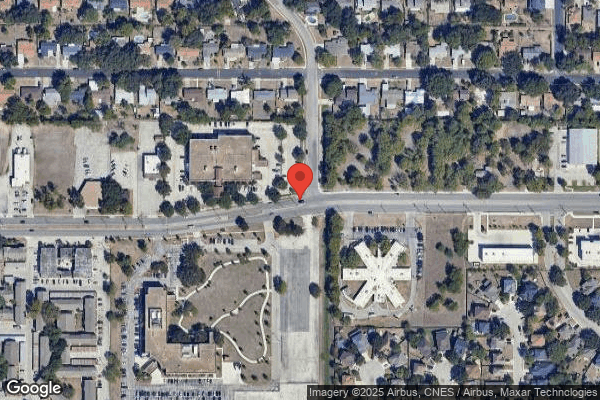
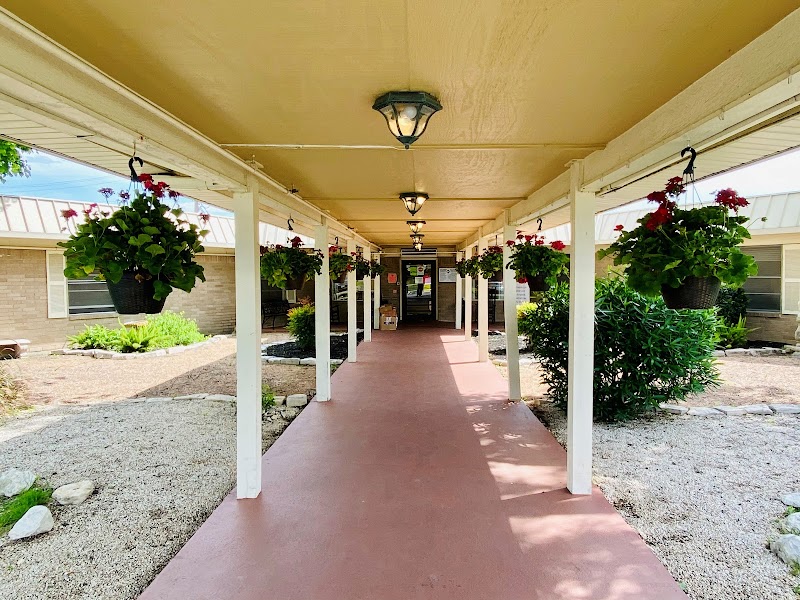
4302 E SOUTHCROSS BLVD, SAN ANTONIO, TX 78222 (210) 333-1223
Government - Hospital district 116 Beds RUBY HEALTHCARE Data: November 2025 4 Immediate Jeopardy citations
Trust Grade
0/100
#840 of 1168 in TX
Last Inspection: February 2025

Within standard 12-15 month inspection cycle. Federal law requires annual inspections.

Overview

Southeast Nursing & Rehabilitation Center has received a Trust Grade of F, indicating significant concerns about the facility's quality of care. They rank #840 out of 1168 nursing homes in Texas, placing them in the bottom half for care quality, and #38 out of 62 in Bexar County, meaning only a few local options rank lower. Although the facility is showing some improvement, with issues decreasing from 16 in 2024 to 12 in 2025, it still faces serious concerns, including $188,383 in fines, which is higher than 91% of Texas facilities. Staffing is below average with a rating of 2 out of 5 stars, and the facility has less RN coverage than 99% of Texas facilities, raising concerns about the quality of care residents receive. Notably, there have been critical incidents where the facility failed to treat a resident's wound properly, leading to severe health consequences, including hospitalization and amputation, highlighting significant deficiencies in care.

Trust Score
F
0/100
In Texas
#840/1168
Bottom 29%
Safety Record
High Risk
Review needed
Inspections
Getting Better
16 → 12 violations
Staff Stability
⚠ Watch
51% turnover. Above average. Higher turnover means staff may not know residents' routines.
Penalties
○ Average
$188,383 in fines. Higher than 55% of Texas facilities. Some compliance issues.
Skilled Nurses
⚠ Watch
Each resident gets only 7 minutes of Registered Nurse (RN) attention daily — below average for Texas. Fewer RN minutes means fewer trained eyes watching for problems.
Violations
⚠ Watch
60 deficiencies on record. Higher than average. Multiple issues found across inspections.
★★☆☆☆
2.0
Overall Rating
★★☆☆☆
2.0
Staff Levels
★★★★★
5.0
Care Quality
★☆☆☆☆
1.0
Inspection Score
Stable
2024: 16 issues
2025: 12 issues

The Good

  • 5-Star Quality Measures · Strong clinical quality outcomes
  • Full Sprinkler Coverage · Fire safety systems throughout facility
  • No fines on record

Facility shows strength in quality measures, fire safety.

The Bad

2-Star Overall Rating

Below Texas average (2.8)

Below average - review inspection findings carefully

Staff Turnover: 51%

Near Texas avg (46%)

Higher turnover may affect care consistency

Federal Fines: $188,383

Well above median ($33,413)

Significant penalties indicating serious issues

Chain: RUBY HEALTHCARE

Part of a multi-facility chain

Ask about local staffing decisions and management

The Ugly 60 deficiencies on record

4 life-threatening
Feb 2025 12 deficiencies
CONCERN (D)

Potential for Harm - no one hurt, but risky conditions existed

Deficiency F0578 (Tag F0578)

Could have caused harm · This affected 1 resident

**NOTE- TERMS IN BRACKETS HAVE BEEN EDITED TO PROTECT CONFIDENTIALITY** Based on interview and record review, the facility failed to ensure residents' right to formulate an advance directive for 1 of ...

Read full inspector narrative →
**NOTE- TERMS IN BRACKETS HAVE BEEN EDITED TO PROTECT CONFIDENTIALITY** Based on interview and record review, the facility failed to ensure residents' right to formulate an advance directive for 1 of 22 residents (Resident #175) reviewed for advanced directives, in that: The facility failed to ensure Resident #175's signature on his Out-of-Hospital Do Not Resuscitate (OOH DNR) was properly witnessed as Resident #175's signature was dated [DATE], and the two witness's signatures were dated [DATE]. This failure could place residents at risk of having their end of life wishes dishonored, and of having Cardiopulmonary resuscitation (CPR) performed against their wishes. The findings included: Record review of Resident #175's admission record, dated [DATE] revealed he was a [AGE] year-old man who had an initial admission dated of [DATE] with re-admission on [DATE], with diagnoses which included: Chronic Kidney Disease, Stage 5 (the most advanced stage of chronic kidney disease and indicates the kidneys are no longer able to perform their essential function), Hemiplegia and Hemiparesis following cerebral infarction affecting right non-dominant side (Partial paralysis or weakness on one side of body: and chronic ischemic heart disease (heard damage caused by poor blood flow to heart. Further review of Resident #175's admission record revealed the resident was identified as DNR status. Record review of Resident #175's discharge MDS assessment dated [DATE] revealed the resident had a BIMS score of 15 indicating intact cognition. Record review of Resident #175's care plan initiated [DATE], revealed the resident had a focus area for: Resident has physician's orders that include an order for DNR. Date initiated: [DATE]. Record review of Resident #175's Order Summary Report, dated [DATE], revealed an Order for DNR with start date of [DATE]. Record review of Resident #175's OOH DNR revealed that Resident #175's signature was dated [DATE], and the two witness's signatures were dated [DATE]. Further review of the witness section of the document revealed a statement listed above the witness signatures that read: We have witnessed the above-noted competent adult person or authorized declarant making his/her signature above and if applicable, the above-noted adult person making an OOH-DNR by nonwritten communication to the attending physician. During an interview with the SW on [DATE] at 12:52 p.m., the SW stated the signature dates of the witnesses on Resident #175's OOH-DNR was not the same date as the Resident's signature, and she noted that the OOH-DNR for Resident #175 was completed and provided to the facility by his Hospice provider. Further interview revealed that even though it was completed by the Hospice Provider it was still the facility's responsibility to ensure there was a valid OOH-DNR for Resident #175, and that having the witness signatures on a different date than the Resident's signature on the DNR could indicate that they did not actually witness the Resident's signature, making it invalid. During an interview with the DON on [DATE] at 3:55p.m., the DON stated she had been made aware of the concerns with Resident #175's DNR, and she had corrected his DNR by re-verifying with the resident his wish for DNR status, asked him to re-sign the DNR with a Notary witness and have his physician sign. The DON provided a copy of the new DNR dated [DATE], but also stated that prior to [DATE], Resident #175 did not have a valid OOH-DNR. Record review of the Texas Department of State Health Services Document titled Honoring an Out-of-Hospital DNR Order A guide for Health Care Professionals, two witnesses or a notary public must sign that they have witnessed the patient's signature or the signature of a person(s) acting on the patient's behalf in sections A-E. Further review revealed Incomplete or incorrect forms: Medical professionals can refuse to honor a OOH-DNR if it is: -Not signed properly by all required parties. - Filled out incorrectly. -Suspected to be fraudulent (e.g., unnatural circumstances surrounding death).
CONCERN (D)

Potential for Harm - no one hurt, but risky conditions existed

Comprehensive Care Plan (Tag F0656)

Could have caused harm · This affected 1 resident

**NOTE- TERMS IN BRACKETS HAVE BEEN EDITED TO PROTECT CONFIDENTIALITY** Based on observation, interview, and record review the facility failed to develop and implement a comprehensive person-centered ...

Read full inspector narrative →
**NOTE- TERMS IN BRACKETS HAVE BEEN EDITED TO PROTECT CONFIDENTIALITY** Based on observation, interview, and record review the facility failed to develop and implement a comprehensive person-centered care plan for each resident, consistent with the resident rights that includes measurable objectives and timeframes to meet a resident's medical, nursing, and mental and psychosocial needs that are identified in the comprehensive assessment and described the services that are to be furnished to attain or maintain the resident's highest practicable physical, mental, and psychosocial well-being for 1 (Resident #42) of 8 residents reviewed for care plans. The facility failed to include oxygen treatment in Resident #42's comprehensive care plan initiated 02/10/2022. This deficient practice could affect residents who received oxygen and could result in residents receiving incorrect or inadequate oxygen support and could result in a decline in health. Findings Included: Record review of Resident #42's admission record dated 02/09/2025 revealed he was a [AGE] year-old man initially admitted to the facility on [DATE] and re-admitted on [DATE], with diagnoses which included: malignant neoplasm of colon (colon cancer); and dementia (a general term to describe loss of memory, thinking, language and ability to perform daily activities). Record review of Resident #42's Quarterly MDS assessment dated [DATE] revealed a BIMS score of 7 indicating moderate cognitive impairment. Record review of Resident #42's Order Summary Report dated 02/11/2025 revealed an order for May use supplemental oxygen 2-4L NC for SOB dated 01/30/2025. Record review of Resident #42's Care Plan initiated 02/10/2022 revealed there was no focus area for oxygen therapy. Observation on 02/09/2025 at 2:14 p.m. in Resident #42's room revealed an oxygen concentrator not currently in use next to his bed, with no date on the humidifier bottle but the oxygen tubing was dated 2/4/2025. The oxygen tubing and connected nasal cannula were hanging loosely over the humidifier bottle, not in a bag. Observation on 02/11/2025 at 11:05 a.m. in Resident #42's room revealed his oxygen concentrator was next to his bed, the oxygen tubing and nasal cannula were hanging loosely over the concentrator and extending down behind the concentrator almost touching the floor. The oxygen tubing was not dated, and the humidifier bottle was dated 02/01/2025. During an interview with the DON on 02/11/2025 at 11:10a.m., the DON confirmed Resident #42's use of oxygen and stated she would address the problems noted with the oxygen tubing storage and dating. Interview on 02/11/2025 at 01:04 p.m. with LVN E revealed she was one of 2 MDS Nurse's at the facility. LVN E stated that she was not aware that Resident #42 had been ordered PRN oxygen, and that if he was using oxygen, it should be included in his Care Plan, so that all the staff had the information on the need for and care of his oxygen. She stated she would look into and add it to his Care Plan. Record review of the facility policy titled Comprehensive Care Plans dated 02/10/2021 revealed The comprehensive care plan will describe, at a minimum, the following: a. The services that are to be furnished to attain or maintain the resident's highest practicable physical, mental and psychosocial well-being.
CONCERN (D)

Potential for Harm - no one hurt, but risky conditions existed

Respiratory Care (Tag F0695)

Could have caused harm · This affected 1 resident

**NOTE- TERMS IN BRACKETS HAVE BEEN EDITED TO PROTECT CONFIDENTIALITY** Based on observation, interview, and record review, the facility failed to ensure that residents who need respiratory care were ...

Read full inspector narrative →
**NOTE- TERMS IN BRACKETS HAVE BEEN EDITED TO PROTECT CONFIDENTIALITY** Based on observation, interview, and record review, the facility failed to ensure that residents who need respiratory care were provided such care consistent with professional standards of practice for 1 (Resident #42) of 3 residents reviewed for respiratory care. The facility failed to ensure Resident #42's oxygen tubing and nasal cannula were stored properly and that the humidifier bottle or tubing were dated on 02/09/2025 and 02/11/2025 This failure could affect residents on respiratory therapy by placing them at risk for respiratory compromise and infection. Findings included: Record review of Resident #42's admission record dated 02/09/2025 revealed he was a [AGE] year-old man initially admitted to the facility on [DATE] and re-admitted on [DATE], with diagnoses which included: malignant neoplasm of colon (colon cancer); and dementia (a general term to describe loss of memory, thinking, language and ability to perform daily activities). Record review of Resident #42's Quarterly MDS assessment dated [DATE] revealed a BIMS score of 7 indicating moderate cognitive impairment. Record review of Resident #42's Order Summary Report dated 02/11/2025 revealed an order for May use supplemental oxygen 2-4L NC for SOB dated 01/30/2025. Observation on 02/09/2025 at 2:14 p.m. in Resident #42's room revealed an oxygen concentrator not currently in use next to his bed, with no date on the humidifier bottle but the oxygen tubing was dated 2/4/2025. The oxygen tubing and connected nasal cannula were hanging loosely over the humidifier bottle, not in a bag. Observation on 02/11/2025 at 11:05 a.m. in Resident #42's room revealed his oxygen concentrator was next to his bed, the oxygen tubing and nasal cannula were hanging loosely over the concentrator and extending down behind the concentrator almost touching the floor. The oxygen tubing was not dated, and the humidifier bottle was dated 02/01/2025. Observation and interview with the DON on 02/11/2025 at 11:10 a.m. in Resident #42's room revealed she confirmed the oxygen tubing and nasal cannula were hung loosely over the concentrator and she stated they should have been stored in a bag off the floor, and the oxygen tubing should be dated. The DON stated the tubing should be dated because it needs to be changed out once a week, and if not dated cannot tell when it was last changed. She further stated that if the tubing was not stored in a bag it could lead to cross contamination and if the tubing was not changed weekly, it could lead to the tubing becoming a breeding ground for infection. Record review of the facility policy titled Oxygen Administration reviewed 1/5/2020 revealed the following: - Use pre-filled humidifier bottle. Label bottle with date. Change bottle when empty. - When oxygen not in use, store oxygen tubing and nasal cannula or mask in small plastic bag. - Change disposable parts once a week and label with date (tubing, plastic bag, mask or cannula)
CONCERN (D)

Potential for Harm - no one hurt, but risky conditions existed

Pharmacy Services (Tag F0755)

Could have caused harm · This affected 1 resident

**NOTE- TERMS IN BRACKETS HAVE BEEN EDITED TO PROTECT CONFIDENTIALITY** Based on observation, interviews and record review, the facility failed to provide pharmaceutical eservices (including procedure...

Read full inspector narrative →
**NOTE- TERMS IN BRACKETS HAVE BEEN EDITED TO PROTECT CONFIDENTIALITY** Based on observation, interviews and record review, the facility failed to provide pharmaceutical eservices (including procedures that assure the accurate acquiring, receiving, dispensing and administering of all drugs and biologicals) to meet the needs of each resident for 1 of 1 medication rooms reviewed for pharmacy services. Inspection on 02/11/2025 of the facility medication storage room revealed two expired vials Lorazepam 2mg/ml for Resident #50. This failure could place resident at risk of residents not receiving appropriate therapeutic effects from their medications. The findings include: Record review of Resident #50's admission record dated 01/12/2025 revealed he was a [AGE] year-old man initially admitted on [DATE] with re-admit on 09/12/2024 and with diagnoses which included: Dementia (a condition that causes memory loss and other cognitive decline); Epilepsy (seizure disorder); and Anxiety Disorder (mental health disorder characterized by feelings of worry anxiety, or fear strong enough to interfere with daily activities). Record review of Resident #50's quarterly MDS assessment dated [DATE] revealed he had a BIMS score of 2, indicating severe cognitive impairment. Record review of Resident #50's Order Summary dated 02/12//2025 revealed an order for LORazepam Oral Tablet 1 MG (Lorazepam) Give 1 tablet by mouth two times a day related to DEMENTIA IN OTHER DISEASES CLASSIFED ELSEWHERE, SEVERE, WITH ANXIETY. Observation with the DON on 02/11/2025 at 3:19 p.m. of the facility's medication storage room revealed inside the locked compartment inside the refrigerator was a sealed bag containing 5 vials of Lorazepam 2mg/ml for Resident #50. Further inspection revealed 2 of the 5 vials of Lorazepam were expired, with expiration dates of 11/2024 on their labels. During an interview with the DON on 02/11/2025 at 3:38 p.m., the DON confirmed the 2 vials of Lorazepam were expired, and she stated that the Pharmacist Consultant had just audited the medication room last Friday and did not find any expired medications. The DON stated that expired medications may not be as effective if administered or could even cause an adverse effect. Record review of the facility policy titled Medication Storage dated 01/20/2021 revealed: -It is the policy of this facility to ensure all medications housed on our premises will be stored, dated and labeled according to the manufacturer's recommendations and sufficient to ensure proper sanitation, temperature, light, ventilation, moisture control, segregation, and security. -During a medication pass, medications must be under the direct observation of the person administering medications or locked in the medication storage area/cart; and - .The pharmacy and all medication rooms are routinely inspected by the consultant pharmacist for discontinued, outdated, defective, or deteriorated medications with worn, illegible, or missing labels. These medications are destroyed in accordance with facility policy.
CONCERN (D)

Potential for Harm - no one hurt, but risky conditions existed

Deficiency F0761 (Tag F0761)

Could have caused harm · This affected 1 resident

Based on observation, interview and record review, the facility failed to ensure drugs and biologicals were stored in locked compartments and labeled in accordance with correctly accepted professional...

Read full inspector narrative →
Based on observation, interview and record review, the facility failed to ensure drugs and biologicals were stored in locked compartments and labeled in accordance with correctly accepted professional principles reviewed for 1 of 4 medication carts (E-Hall Nurse's medication cart) reviewed for secure storage. The facility failed on 02/11/2025 to ensure LVN G secured Resident #'13's Fiasp Insulin (a synthetic form of rapid-acting insulin used to treat diabetes mellitus), when it was left unattended on top of the Nurse's medication cart when LVN G entered Resident #13's room and the medication cart remained outside the room out of line of sight from LVN G. This failure could place residents at risk for drug diversion or misuse of medications. Findings include: Observation on 02/11/2025 at 11:44 a.m. revealed LVN G removed from the medication cart all the supplies she would need to do an accu-check on Resident #13, and also removed Resident 13's Flex Touch pen of FIASP insulin, placing it on top of the medication cart. LVN G then gathered up the accu-check supplies, entered Resident #13's room to conduct the accu-check, and left the FIASP insulin Flex Touch pen out on top of the medication cart unsecured. The medication cart was not in line of sight of LVN G during the time she was inside Resident #13's room conducting the accu-check. During an interview with LVN G on 02/11/2025 at 11:49 a.m., LVN G stated she knew she was not supposed to leave the FIASP insulin pen out unsecured on top of the medication cart, but had initially planned to take it inside the room with her in case Resident #13's blood sugar reading was high enough to need an insulin injection based on her sliding scale, but then forgot to take it with her. LVN G stated medications should always be kept locked up when not directly supervised by the Nurse because one of the patients could have walked by and taken in. LVN G stated she had received training in medication administration which included keeping medications locked at all times. During an interview with the DON on 02/11/2025 at 12:15 p.m., the DON, after first questioning the position of the medication cart while LVN G was conducting the accu-check, did state that the insulin should not have been left out unsecured on top of the medication cart while LVN G entered the resident's room at conduct the accu-check. The DON stated not securing medications could result in theft of the medication. The DON stated that LVN G had received training in medication administration and keeping medications secure. Record review of the facility policy titled Medication Storage dated 01/20/2021 revealed: -It is the policy of this facility to ensure all medications housed on our premises will be stored, dated and labeled according to the manufacturer's recommendations and sufficient to ensure proper sanitation, temperature, light, ventilation, moisture control, segregation, and security. -During a medication pass, medications must be under the direct observation of the person administering medications or locked in the medication storage area/cart;
CONCERN (D)

Potential for Harm - no one hurt, but risky conditions existed

Garbage Disposal (Tag F0814)

Could have caused harm · This affected 1 resident

Based on observation, interview and record review, the facility failed a to dispose of garbage and refuse properly. The facility failed to ensure the sliding doors on both sides of the dumpster were ...

Read full inspector narrative →
Based on observation, interview and record review, the facility failed a to dispose of garbage and refuse properly. The facility failed to ensure the sliding doors on both sides of the dumpster were completely closed. This deficient practice could place residents at risk for exposure to germs and diseases carried by vermin and rodents. The findings were: Observation on 02/11/2025 at 12:13 PM revealed the sliding doors on both sides of the facility's dumpster were completely open, exposing bags of refuse reaching approximately halfway up the inside of the dumpster. During an interview on 02/11/2025 at 12:14 PM, the Regional DM stated the doors on the sides of Dumpster #1 were both open and should not have been. It was important for the doors to be completely shut to prevent pests from entering the dumpsters and potentially spreading foodborne illness. During an interview on 02/12/2025 at 9:30 AM, the Administrator and DON stated the facility had a resident with a behavior of frequently opening the dumpster doors when they were shut, as he believed this made the staff's job easier. They understood the doors needed to remain shut and would seek a solution to ensure they remained closed. Record review of facility policy Dispose of Garbage and Refuse dated October 2019 revealed, It is the center policy all garbage and refuse will be collected and disposed in a safe and efficient manner. 2. The Dining Services Director will ensure proper practice for handling garbage and refuse. Record review of the Food Code, U.S. Public Health Service, U.S. FDA, 2022, U.S. Department of H&HS, revealed, 5-501.113 Covering Receptacles. Receptacles and waste handling units for refuse, recyclables, and returnables shall be kept covered: (B) With tight-fitting lids or doors if kept outside the food establishment. 5-501.114 Using Drain Plugs. Drains in receptacles and waste handling units for refuse, recyclables, and returnables shall have drain plugs in place.
CONCERN (D)

Potential for Harm - no one hurt, but risky conditions existed

Infection Control (Tag F0880)

Could have caused harm · This affected 1 resident

**NOTE- TERMS IN BRACKETS HAVE BEEN EDITED TO PROTECT CONFIDENTIALITY** Based on observation, interview, and record review, the facility failed to establish and maintain an infection prevention and co...

Read full inspector narrative →
**NOTE- TERMS IN BRACKETS HAVE BEEN EDITED TO PROTECT CONFIDENTIALITY** Based on observation, interview, and record review, the facility failed to establish and maintain an infection prevention and control program designed to provide a safe, sanitary, and comfortable environment and to help prevent the development and transmission of communicable diseases and infections for 1 of 8 residents (Resident #43) reviewed for infection prevention. The facility failed to ensure Enhanced Barrier Precautions (EBP) were implemented and used when LVN B provided Enteral feeding via a G-tube (a gastrostomy tube - a flexible tube inserted through abdominal wall and into stomach to provide a direct route for delivering food and medications) to Resident #43. This deficient practice could place residents at-risk for spread of infection. Findings include: Record review of Resident #43's admission record dated 02/10/2025 revealed a [AGE] year old man, with an initial admission date of 12/30/2022 and re-admit on 12/17/2024. Resdient #42 had diagnoses which included: Cerebral Palsy (a congenital disorder of movement and muscle tone); [NAME] Syndrome (disorder which mimics intestinal blockage without a physical blockage) and Gastrostomy status (presence of a G-tube for nutrition and medication). Record review of Resident #43's Quarterly MDS assessment dated [DATE] revealed a BIMS score of 0, which indicated severe cognitive impairment. Resident #43 was assessed as receiving 51% or more of his total calories and fluid intake through tube feeding. Record review of Resident #43's Order Summary dated 02/10/2025 revealed orders which included: .NPO [Nothing by Mouth] diet; and Enteral Feed Order three times a day for feeding and fwf [free water flush] bolus intermittent Gravity (Bolus) Enteral Feeding: Formula Jevity 1.5 Amount: 30ml. Frequency q 4 hr. Followed by 120ml free water flush. Record review of Resident #43's Care Plan with focus areas which included: requires the use of a feeding tube and is at risk for aspirations, weight loss and dehydration r/t dx of [NAME]'s Syndrome initiated 06/06/2023 and the resident requires Enhanced Barrier Precautions d/t Feeding tube initiated 04/01/2024. Observation on 02/10/2025 at 04:01 p.m. of Resident #43's G-tube feeding and water flush by LVN B revealed LVN B sanitized his hands and put on gloves but did not put on a gown to administer the feeding via his G-tube. Further observation revealed there was an Enhanced Barrier Protection sign posted on Resident #43's door, as well as a supply of PPE. Interview on 02/10/2025 at 4:36 p.m. with LVN B revealed he stated that he realized that he forgot to wear a gown while administering Resident #43's G-tube feeding and stated wearing a gown and gloves was part of Enhanced Barrier Precautions and was needed to help stop the spread of infection when working directly with residents who had in-dwelling devices such as G-tubes. LVN B stated he had worked at the facility less than a week, but had received training in EBP, and just got nervous and forgot to put on a gown. During an interview with the DON on 02/10/2025 at 4:42p.m., the DON stated LVN B should have followed EBP precautions while administering Resident #43's G-tube feeding, which included wearing both a gown and gloves, and stated LVN B was a new hire and had just received training in infection control, which included EBP precautions. Record review of the facility's policy titled Infection Prevention and Control Program dated 10/24/2022 revealed EBP are used in conjunction with standard precautions and expand the use of PPE to donning of gown and gloves during high-contact resident care activities that provide opportunities for transfer of MDRO's to staff hands and clothing. Further review revealed EBP are indicated for residents with any of the following: b. Wounds and/or indwelling medical devices (e.g., central lines, urinary catheter, feeding tube, tracheostomy/ventilator) regardless of MDRO colonization status. and During high-contact resident care activities: Device care of use: central line, urinary catheter, feeding tube .
CONCERN (D)

Potential for Harm - no one hurt, but risky conditions existed

Deficiency F0919 (Tag F0919)

Could have caused harm · This affected 1 resident

**NOTE- TERMS IN BRACKETS HAVE BEEN EDITED TO PROTECT CONFIDENTIALITY** Based on observations, interviews, and record review, the facility failed to ensure resident rooms were adequately equipped to a...

Read full inspector narrative →
**NOTE- TERMS IN BRACKETS HAVE BEEN EDITED TO PROTECT CONFIDENTIALITY** Based on observations, interviews, and record review, the facility failed to ensure resident rooms were adequately equipped to allow residents to call for staff assistance through a communication system which relayed the call directly to a staff member or to a centralized staff work area for one (Resident #14) of 8 residents reviewed for resident call system. The facility failed to ensure Resident #14's call light system was working properly. This failure could place resident at risk for delay in assistance and decreased quality of life, self-worth, and dignity. Findings included: Record review of Resident #14's face sheet dated 02/09/2025 revealed she was a [AGE] year old woman originally admitted to the facility on [DATE] with re-admit on 08/24/2020 and with diagnoses which included: Conversion Disorder with Seizures (a psychiatric condition where psychological stressors manifest as physical symptoms that can't be explained medically); Dementia (general term for impairment of brain function such as memory, thinking and ability to perform daily activities); Generalized Anxiety Disorder (Severe, ongoing anxiety that interferes with daily activities); and repeated falls. Record review of Resident #14's Significant Change MDS assessment dated [DATE] revealed a BIMS score of 15 indicating intact cognition and was assessed as needing supervision or touching assistance for toileting hygiene. Record review of Resident #14's Care Plan initiated 11/29/2019 revealed resident had visual impairment, risk for falls, fragile skin and may require assistance with her activities of daily living. Observation and interview with Resident #14 on 02/09/2025 at 10:14 a.m. revealed she was sitting on the side of the bed, and stated that her bathroom did not have any toilet paper and she wanted staff to bring her some. She stated she could not call for staff because her call light was broken and had been broken for 3-4 days. She pressed the call light next to her bed, and the red light inside her room did light up, but the light outside above her door did not come on, and the hall call light did not have a cover over the light, revealing exposed light bulb and wires. During an observation and interview with CNA C on 02/09/2025 at 10:30 a.m., CNA C tested Resident #14's call light in the room and confirmed the call light in the hall did not activate and did not have a cover over the light. She stated that she had not been aware the call light was not working and will notify the Nurse. Observation and interview with the Maintenance Director on 02/09/2025 at 10:42 a.m. revealed that he stated the Nurse had contacted him to check the call light in Resident #14's room. He pressed the call light in Resident #14's room, stated the red light came on inside the room indicating it activated, but confirmed that the call light in the hallway did not come on, did not have a cover over the light and did not activate at the Nurse's station. He stated all the call lights were supposed to have covers on them and he had some on order. He left briefly and returned quickly with a replacement light bulb and cover and replaced both. The call light still did not work, and after the Maintenance Director investigated further, he stated he found that the emergency light button in the bathroom was pressed partially down and that was blocking the signal, and that he had fixed it. The Maintenance Director stated that he had not been informed of the call light not working, and there had been no work orders placed in the maintenance log kept by the Nurse's station. He further stated he does not make routine checks of the call lights, but staff were supposed to record any problems with call lights in the maintenance log which he checked frequently. The Maintenance Director further stated that it was important to have a functioning call light so the resident could call for help if needed. Record review of the maintenance book hanging on the wall across from the Nurse's station revealed that there were no notations regarding a malfunctioning call light in Resident #14's room. Record review of the facility's policy on Maintenance Inspection dated 01/02/25 revealed that the Director of Maintenance Services will perform routine inspections of the physical plant and opportunities will be corrected as soon as possible.
CONCERN (E)

Potential for Harm - no one hurt, but risky conditions existed

Safe Environment (Tag F0584)

Could have caused harm · This affected multiple residents

**NOTE- TERMS IN BRACKETS HAVE BEEN EDITED TO PROTECT CONFIDENTIALITY** Based on observation, interview, and record review, the facility failed to ensure the residents had a right to a safe, clean, co...

Read full inspector narrative →
**NOTE- TERMS IN BRACKETS HAVE BEEN EDITED TO PROTECT CONFIDENTIALITY** Based on observation, interview, and record review, the facility failed to ensure the residents had a right to a safe, clean, comfortable, and homelike environment for 2 of 24 residents (Residents #10 and #14 ) reviewed for a safe, clean, comfortable, and homelike environment, in that: 1. The bed-side dresser of Resident #10 was broken with drawers that would not stay closed. 2. Resident #14's bathroom did not have any toilet paper, and her waste basket was filled with used paper towels that she stated she had been using because she had no toilet paper. This failure could result in psychosocial harm due to diminished quality of life. The findings included: 1. Record review of Resident #10's face sheet, dated 2/12/25, revealed the [AGE] year female resident was originally admitted to the facility on [DATE] with diagnoses including: Parkinson's disease ( a disorder of the central nervous system that affects movements), type 2 diabetes mellitus ( a condition in which the body has trouble controlling blood sugar), and major depressive disorder (a mental health condition with persistent depressed mood). Record review of Resident #10's Quarterly MDS, dated [DATE], revealed a BIMS score of 12 which indicated mild cognitive impairment. Record review of Resident #10's care plan, initiated 02/1/2024, revealed resident had impaired visual function and was at risk for falls. Observation on 2/10/25 at 11:45 a.m., revealed that a 3 drawer bed-side dresser for Resident #10 had a hand towel placed between the first and second drawer and a hand towel placed between the second and third drawers. During an interview on 2/10/25 at 11:4.5 a.m., with Resident #10 she stated that the hand towels were placed in her bed-side dresser drawers to keep the drawers from opening on their own. Resident #10 stated that she wanted the drawers fixed and was afraid her belongings would fall out. Resident #10 stated she believed that maintenance was made aware of the broken bed-side dresser. Record review of the Resident Council Meeting notes dated 12/13/24 revealed an entry stating that the bedside dresser for Resident #10 needed balancing. Record review of the Maintenance Log noted an entry for 2/4/25 that the bed-side dresser for Resident #10 was unsteady. During an interview on 2/10/25 at 12:00 noon LVN-B stated she was not aware the bed-side dresser drawers for Resident #10 were broken and would notify maintenance in the work order request log. During an interview on 2/10/25 at 12:10 p.m., the Maintenance Director stated that he was aware of the problem with the bed-side dresser for Resident #10 for about a week and would immediately address the problem. During an interview on 2/11/25 at 12:50 p.m., with the Administrator he stated that he had not reviewed the resident council minute notes dated 12/13/24 which indicated a problem with the bed-side dresser for Resident #10. The Administrator stated that if he had reviewed these notes in December 2024, he would have directed the bed-side dresser for Resident #10 to be fixed at that time. Record review of the facility policy named Maintenance Inspections dated 1/2/25 revealed the Maintenance Director would perform routine inspections and correct all opportunities as soon as possible. 2. Record review of Resident #14's face sheet dated 02/09/2025 revealed she was a [AGE] year old woman originally admitted to the facility on [DATE] with re-admit on 08/24/2020 and with diagnoses which included: Conversion Disorder with Seizures (a psychiatric condition where psychological stressors manifest as physical symptoms that can't be explained medically); Dementia (general term for impairment of brain function such as memory, thinking and ability to perform daily activities); Generalized Anxiety Disorder (Severe, ongoing anxiety that interferes with daily activities). Record review of Resident #14's Significant Change MDS assessment dated [DATE] revealed a BIMS score of 15 indicating intact cognition and was assessed as needing supervision or touching assistance for toileting hygiene. Record review of Resident #14's Care Plan initiated 11/29/2019 revealed resident had visual impairment, risk for falls, fragile skin and may require assistance with her activities of daily living. Observation on 02/09/2025 at 10:20 a.m., in room [ROOM NUMBER] revealed the toilet paper holder was empty, the trash can was overflowing with used brown paper towels, and the floor had 4 used paper towels on the floor. During an interview on 02/09/25 at 10:23 a.m., with Resident #14 in room [ROOM NUMBER], she stated she had been without toilet paper for about 4 days and had to use the brown paper towels to wipe herself which she did not like, they felt rough. Resident #14 stated she had asked the Nurse for more toilet paper, but no one has come to bring her more. During an interview on 02/09/2025 at 10:30 a.m. with CNA C, and after observation of the bathroom in room [ROOM NUMBER], CNA C stated that she had not been aware of the condition of the bathroom and found it to be unacceptable. She stated Resident #14 should have been provided with toilet paper, and they were just lucky she had put the used paper towels in the trash can and not try to flush them down the commode as it would cause a clog. CNA C stated that it was housekeeping's responsibility to restock toilet paper in the restrooms and clean the bathrooms. Interview on 02/09/2025 at 10:35 a.m. with Housekeeper D revealed that he stated that the resident has had diarrhea and goes through a lot of toilet paper, but stated it was not acceptable that she had to use paper towels instead because she did not have any toilet paper. He stated that he cleans all the restrooms on the halls he was assigned starting in the morning, and then returns as needed after he has cleaned all the restrooms and rooms. He stated the last time he cleaned and stocked the bathroom in room [ROOM NUMBER] was the prior morning, but he could not remember if he left an extra roll out for the resident. He stated that working today, were 2 full-time housekeepers and 1 just working half-day and one in the laundry. During an interview with the EVS Manager on 02/12/2025 at 11:25a.m., the EVS Manager stated that the housekeepers clean and re-stock the bathrooms with toilet paper as they go room to room down the hallway cleaning. She stated that if the housekeepers are aware the resident has diarrhea, they are to make more frequent rounds to see if they need to be re-stocked and have bathroom cleaned. She stated extra toilet paper rolls are stocked on the housekeepers' carts and in the laundry area, and Nurse's and CNA's could ask the housekeepers for some toilet paper off their housekeeping cart if a resident was requesting additional toilet paper. The EVS Manager stated that the resident should not have been without toilet paper and that by not providing her with toilet paper, it increased the risk that she could clog the toilet which could affect everyone as the system was all connected. Record review of the facility policy titled Resident Rights dated 02/23/2026 revealed The facility will ensure that all staff members are educated on the rights of residents and the responsibility of the facility to properly care for its residents.
CONCERN (E)

Potential for Harm - no one hurt, but risky conditions existed

Safe Environment (Tag F0921)

Could have caused harm · This affected multiple residents

**NOTE- TERMS IN BRACKETS HAVE BEEN EDITED TO PROTECT CONFIDENTIALITY** Based on observations, interviews, and record review, the facility failed to provide a safe, functional, sanitary, and comfortab...

Read full inspector narrative →
**NOTE- TERMS IN BRACKETS HAVE BEEN EDITED TO PROTECT CONFIDENTIALITY** Based on observations, interviews, and record review, the facility failed to provide a safe, functional, sanitary, and comfortable environment for residents, staff, and the public on 2 of 6 resident hallways (Hallway A and Hallway F) reviewed for environmental concerns. 1. The facility failed to ensure resident rooms #104 and #107, located on hallway A, had back lids covers for the toilet bowl and room [ROOM NUMBER], also located on hallway A, did not have a 2 foot strip of floor baseboard molding attached to the wall. 2. The facility failed to ensure the bottom half of the bathroom door in room [ROOM NUMBER], on hallway F, was repaired and did not have numerous horizontal linear scrapes and a jagged opening near the door hinge where the outer cover of the door was partially missing, and failed to ensure the wall opposite the toilet inside the bathroom did not have numerous scrapes and small holes in the wall. These failures could place residents at risk of a diminished quality of life due to exposure to an environment that is unpleasant, unsanitary, and unsafe. The findings included: 1. During an observation on 02/10/25 from 11:00 a.m. to 11:05 a.m. with LVN A revealed the following: a. In room [ROOM NUMBER] on Hallway A the bathroom toilet had no back lid cover for the toilet bowl. b. In room [ROOM NUMBER] on Hallway A there was a 2-foot strip of floor baseboard molding in the bathroom that was not attached to the side of the wall. c. In room [ROOM NUMBER] on Hallway A the bathroom toilet had no back lid cover for the toilet bowl. During an interview with LVN A on 02/10/25 at 11:10 a.m. revealed that repairs were needed in room #'s 104, 106, and 107 for a more pleasant environment for the residents. During an observation with the Maintenance Director on 02/10/25 from 11:10 a.m., to 11:15 revealed the following: a. In room [ROOM NUMBER] on Hallway A the bathroom toilet had no back lid cover for the toilet bowl. b. In room [ROOM NUMBER] on Hallway A there was a 2 foot strip of floor baseboard molding in the bathroom that was not attached to the side of the wall, c. In room [ROOM NUMBER] on Hallway A the bathroom toilet had no back lid cover for the toilet bowl. During an interview with the Maintenance Director on 02/10/25 at 11:20 a.m., he stated the process of being alerted to a problem that needed repair required a staff member to tell him about it or to write it down in the Maintenance Book kept at the Nurses station; the Maintenance Director stated he had not been made aware of the problems on the secure unit and would address the repairs immediately. 2. Observation on Hallway F on 02/09/2025 at 12:32 p.m., revealed in room [ROOM NUMBER], the bottom part of the bathroom door had numerous horizontal linear scrapes and a jagged opening near the door hinge where the outer cover of the door was missing which revealed the hollow inside of the door; and numerous scrapes and small holes in the wall opposite the toilet. Interview on 02/10/2025 at 12:32 p.m. with the Maintenance Director revealed that he was made aware the day before (02/09/2025) of the condition of the bathroom door and wall in room [ROOM NUMBER] after the State Surveyor had been observed looking at it and had replaced the door with another door that he had available and patched the wall. The Maintenance Director stated the resident in room [ROOM NUMBER] uses a wheelchair and had impaired vision and would frequently run into the door and wall with his wheelchair causing damage to the door and wall, and frequent repair was needed. He stated he was in the process of updating and making repairs to the entire facility, noting that it was an old building, and he had just not gotten to room [ROOM NUMBER] yet for needed repairs. Record review of the facility maintenance request log did not reveal any requests logged for repair of the door and wall in room [ROOM NUMBER]. Record review of the facility's policy on Maintenance Inspection dated 1/2/25 stated the Director of Maintenance Services will perform routine inspections of the physical plant and opportunities will be corrected as soon as possible.
CONCERN (F)

Potential for Harm - no one hurt, but risky conditions existed

Deficiency F0801 (Tag F0801)

Could have caused harm · This affected most or all residents

Based on interview and record review, the facility failed to employ staff with the appropriate competencies and skill sets to carry out the functions of the food and nutrition service, taking into con...

Read full inspector narrative →
Based on interview and record review, the facility failed to employ staff with the appropriate competencies and skill sets to carry out the functions of the food and nutrition service, taking into consideration resident assessments, individual plans of care, and the number, acuity and diagnoses of the facility's resident population in accordance with the facility assessment required for 1 of 1 facility reviewed for dietary requirements. The DM did not have the appropriate certification, education, or qualifications to serve as the Director of Food and Nutrition Services. This deficient practice could place the residents who consume food prepared from the kitchen at risk of food borne illness and not receiving adequate nutrition. The findings included: During an interview on 02/09/2025 at 10:50 AM, the DM stated he was not a certified dietary manager or certified food service manager, he did not have an associate's or higher degree in food service management or in hospitality, and he had not been a dietary manager in a long-term care facility for over two years. This was his first position as the DM in a nursing facility and his hire date was 01/02/2025. He was enrolled in a certified dietary manager program but had not completed any classes at that time. During an interview on 02/11/2025 at 3:30 PM, the consultant RD stated she did not work at the facility full time. She provided approximately 12 - 16 hours of consultative hours to the facility per month. During an interview on 02/12/2025 at 9:40 AM, the administrator stated he was not aware the DM was not a CDM and was also not aware the requirement had changed requiring the individual in the position to have this certification upon hire. The facility contracted with a foodservice company, and all the dietary staff, including the DM, were employed by the contractor. He understood it was critical the DM be proficient in food sanitation, safety, and how to meet the individual dietary needs of the residents. Record review of the Job Description for Job Title: Director of Food and Nutrition Services provided by the facility, undated, revealed: Qualifications: Must be a Registered Dietitian or CDM or other per Federal and State Regulation. Record review of the Food Code, U.S. Public Health Service, U.S. FDA, 2022, U.S. Department of H&HS, revealed 1-201.10.10(B) Accredited Program. (1) Accredited program means a food protection manager certification program that has been evaluated and listed by an accrediting agency as conforming to national standards for organizations that certify individuals. Record review of the Food Code, U.S. Public Health Service, U.S. FDA, 2022, U.S. Department of H&HS, revealed 2-102.12 Certified Food Protection Manager. (A) The PERSON IN CHARGE shall be a certified FOOD protection manager who has shown proficiency of required information through passing a test that is part of an ACCREDITED PROGRAM. 2-102.20 Food Protection Manager Certification. (B) A FOOD ESTABLISHMENT that has a PERSON IN CHARGE that is certified by a FOOD protection manager certification program that is evaluated and listed by a Conference for FOOD Protection-recognized accrediting agency as conforming to the Conference for FOOD Protection Standard for Accreditation of FOOD Protection Manager Certification Programs is deemed to comply with §2-102.12.
CONCERN (F)

Potential for Harm - no one hurt, but risky conditions existed

Food Safety (Tag F0812)

Could have caused harm · This affected most or all residents

Based on observation, interview, and record review, the facility failed to store, prepare, distribute, and serve food in accordance with professional standards for food service safety. 1. The facilit...

Read full inspector narrative →
Based on observation, interview, and record review, the facility failed to store, prepare, distribute, and serve food in accordance with professional standards for food service safety. 1. The facility failed to store plastic bowls to allow for air-drying in the dish room. 2. The facility failed to use the correct log to record the dish machine wash cycle temperatures and chlorine sanitizer concentrations, resulting in no record of chlorine sanitizer concentrations recorded. 3. The facility failed to properly store an opened package of cream cheese and pre-packaged hard-boiled eggs in the reach-in cooler. 4. The facility failed to discard hard-boiled eggs past their use-by date. 5. The facility failed to ensure the tabletop can opener blade and base were free of grime and debris. 6. The facility failed to ensure an opened bag of powdered sugar was properly sealed in the dry storage room. 7. The facility failed to remove a dented #10 can of beans from the rack of canned goods in the dry storage room. These failures could place residents at risk for food borne illness. The findings included: 1. Observation on 02/09/2025 at 10:28 AM revealed a plastic three with nine overturned plastic bowls on the clean side of the dish machine. There was not an air-drying net separating the bowls from the tray to allow for air circulation. During an interview on 02/09/2025 at 10:230 AM, the DM stated the wet, plastic bowls should not have been placed face-down on a wet tray without an air-drying net separating the bowls from the tray to prevent the potential accumulation of bacteria which could lead to food borne illness. Staff working in the dish room were trained on how to store clean but damp dishware. They were trained upon hire and periodically throughout there year. The facility had an adequate supply of air-drying nets. 2. Observation of the dish machine in the dish room revealed it utilized a chemical sanitizer (chlorine) used in a sanitizing solution for ware washing. Record review on 02/09/2025 at 10:31 AM of the Dishmachine Temperature Log for the dates 02/03/2025 - 02/09/2025 provided by the facility revealed it stated, High-Temperature Dishmachine Temperature Log and had the following columns: Day (three spaces per day), Time, Date, Final Rinse (Thermolabel or Thermometer Temperature Reading), Wash Water Temperature, Initials and Corrective Action. There was no column to record the concentration of the chemical sanitizer and none were recorded for any day. During an interview on 02/09/2025 at 10:33 AM, the DM stated he understood the facility was using the incorrect temperature log for the type of machine in the dish room, there was no record any measurements of chemical sanitizer concentration recorded, and this failure could result in inadequate or no sanitizing of dishes and flatware, potentially causing foodborne illness. The DM further stated he had been in the position approximately one month and was in the process of resolving issues in the kitchen. Further observation at 10:35 AM revealed the concentration of the chlorine sanitizer in the machine was 50 ppm, which was within the acceptable range. 3. Observation on 02/09/2025 at 10:38 AM in the reach-in cooler revealed an opened container of cream cheese stored in a plastic bag that was not sealed. There were also two separate packages of commercially procured hard boiled eggs in packages that were opened and stored in clear plastic bags that were not sealed. 4. Observation on 02/09/2025 at 10:38 AM in the reach-in cooler revealed he date on one package containing three hard boiled eggs was 01/30. During an interview on 02/09/2025 at 10:40 AM, the DM stated the packages of cream cheese and hard-boiled eggs should have been sealed, and the eggs dated 01/30 should have been discarded. Ensuring opened foods returned to the cooler for storage were properly labeled, dated and sealed was critical to prevent spoilage and potential foodborne illness. All employees storing food in the coolers were responsible for labeling and dating. 5. Observation on 02/09/2025 at 10:41 AM in the kitchen revealed the tabletop can opener was covered with sticky grime that was black and brown in color. The grime covered the blade portion of the can opener, the adjustable bar, and also surrounded the base that was affixed to the table with screws. During an interview on 02/09/2025 at 10:42 AM, the DM stated that the can opener blade, bar and base were covered in sticky grime and should not have been. The DM stated the cooks were responsible for ensuring the can opener and area surrounding the base remained clean and free of debris, and that failing to do so could result in contamination of food from bacteria lingering on the blade and potential foodborne illness. 6. Observation on 02/09/2025 at 10:44 AM in the dry storage room revealed an opened 2 lb. bag of powdered sugar on a shelf. The bag was approximately ¾ full, had been opened, and placed inside a bag with a zip lock that was not sealed. During an interview 02/09/2025 at 10:44 AM, the DM stated the bag of powdered sugar was not sealed, and the bag should have been stored either in a larger bag with a zip lock or a sealed container. All kitchen staff stored food in the dry storage room, and failing to ensure food was properly sealed could result in deterioration in food quality and potential contamination from pests. 7. Observation on 02/09/2025 at 10:45 AM in the dry storage room revealed a #10 can (6 lbs.) of pinto beans with a large dent in the bottom third of the can in close proximity to the seal. The can was stored on the same rack with the other cans of various foods. During an interview 02/09/2025 at 10:44 AM, the DM stated the dented can should have been removed from the rack of canned goods and stored separately for return to the facility's food supplier, as dented cans could potentially harbor harmful bacteria that could lead to serious foodborne illness. He did not know why the dented can was in the dry storage room, as all dietary employees were trained to remove them upon identification. Record review of facility policy, Ware Washing dated October 2019 revealed, Action Steps: 3. The Dining Services Director is responsible for insuring appropriate completion of temperature and/ or sanitizer concentration logs as appropriate. 4. The Dining Services Director ensures that all dishware is air dried and properly stored. Record review of the Job Description, Job Title: Director of Food and Nutrition Services, undated, revealed, Essential Duties and Responsibilities: Unit Supervision. Ensures equipment and work areas are clean, safe and orderly; and strict adherence to procedures regarding cleaners or hazardous materials or objects; ensure standard precautions and infection control, isolation, fire, safety and sanitation practices and procedures are followed; and promptly address any hazardous conditions and equipment. Record review of facility policy, Frozen and Refrigerated Storage revised 12/05/2017 revealed, Policy: PHF/TCS (Potentially hazardous/Time temperature control for safety) foods will be properly refrigerated or frozen to reduce the potential for food borne illness and maintain product integrity. 7. Proper labeling of cooked foods includes the date placed in the refrigerator, and an expiration or 'use by' date. Refrigerated products that are opened must be labeled with an 'opened on' date. The 'use by' date is 7 days from when the product was opened, unless there is a manufacturer's use by, expiration or sell by date. 13. On a daily basis the Cooks will: b. Check labeling and dating, use any items that are close to their use by date and discard any items that are past their use by date. Record review of facility policy, Dry Food Supplies Storage revised 11/15/2017 revealed, 9. All opened products must be resealed effectively and properly labeled, dated and rotated for use. This may require storage in an approved NSF container or food grade storage bag. 11. Canned goods that have a compromised seal will be removed from service and stored in a separate area, until they are picked up by the distributor of discarded. Record review of the Food Code, U.S. Public Health Service, U.S. FDA, 2022, U.S. Department of H&HS, revealed: 4-901.11 Equipment and Utensils, Air-Drying Required. Items must be allowed to drain and to air-dry before being stacked or stored. Stacking wet items such as pans prevents them from drying and may allow an environment where microorganisms can begin to grow. Cloth drying of equipment and utensils is prohibited to prevent the possible transfer of microorganisms to equipment or utensils. Record review of the Food Code, U.S. Public Health Service, U.S. FDA, 2022, U.S. Department of H&HS, revealed, 3-501.17 Ready-to-Eat/Time Temperature Control for Safety Food, Date Marking. (B) Except as specified in (E) - (G) of this section, refrigerated, ready-to-eat, time/temperature control for safety food prepared and packaged by a food processing plant shall be clearly marked, at the time the original container is opened in a food establishment and if the food is held for more than 24 hours, to indicate the date or day by which the food shall be consumed on the premises, sold, or discarded, based on the temperature and time combinations specified in (A) of this section and: (1) The day the original container is opened in the food establishment shall be counted as Day 1; and (2) The day or date marked by the food establishment may not exceed a manufacturer's use-by date if the manufacturer determined the use-by date based on food safety. Record review of the Food Code, U.S. Public Health Service, U.S. FDA, 2022, U.S. Department of H&HS, revealed 4-601.11 Equipment, Food-Contact Surfaces, Nonfood-Contact Surfaces, and Utensils. (A) EQUIPMENT FOOD-CONTACT SURFACES and UTENSILS shall be clean to sight and touch. (B) The FOOD-CONTACT SURFACES of cooking EQUIPMENT and pans shall be kept free of encrusted grease deposits and other soil accumulations. (C) Non-FOOD-CONTACT SURFACES of EQUIPMENT shall be kept free of an accumulation of dust, dirt, FOOD residue, and other debris. Record review of the Food Code, U.S. Public Health Service, U.S. FDA, 2022, U.S. Department of H&HS, revealed: 3-305.11, Food Storage, (A) Food shall be protected from contamination by storing the food: (1) in a clean, dry location; (2) Where it is not exposed to splash, dust, or other contamination. Record review of the Food Code, U.S. Public Health Service, U.S. FDA, 2022, U.S. Department of H&HS, revealed: 3-205.15 Package Integrity. Damaged or incorrectly applied packaging may allow the entry of bacteria or other contaminants into the contained food. If the integrity of the packaging has been compromised, contaminants such as Clostridium botulinum may find their way into the food. In anaerobic conditions (lack of oxygen), botulism toxin may be formed. Packaging defects may not be readily apparent. This is particularly the case with low acid canned foods. Close inspection of cans for imperfections or damage may reveal punctures or seam defects .Suspect cans must be returned and not offered for sale.
Jan 2024 16 deficiencies
CONCERN (D) 📢 Someone Reported This

A family member, employee, or ombudsman was alarmed enough to file a formal complaint

Potential for Harm - no one hurt, but risky conditions existed

Deficiency F0558 (Tag F0558)

Could have caused harm · This affected 1 resident

**NOTE- TERMS IN BRACKETS HAVE BEEN EDITED TO PROTECT CONFIDENTIALITY** Based on observation, interview, and record review, the facility failed to provide reasonable accommodation of resident needs fo...

Read full inspector narrative →
**NOTE- TERMS IN BRACKETS HAVE BEEN EDITED TO PROTECT CONFIDENTIALITY** Based on observation, interview, and record review, the facility failed to provide reasonable accommodation of resident needs for 2 of 15 residents reviewed for call light (Residents #13 and #19) reviewed for reasonable accommodations, in that: 1. Resident #13's call light was on the floor of the resident's room and not within the resident's reach on 01/10/2024. 2. Resident #19's call light was on the floor on the resident's room and not within the resident's reach on 01/10/2024. This failure could place residents who used call lights for assistance in maintaining and/or achieving independent functioning, dignity, and well-being. Findings included: 1. Record review of Resident #13's face sheet, dated 01/10/2023, revealed a [AGE] year-old male admitted on [DATE] with diagnoses that included: [Peripheral Vascular Disease] a disorder of narrowed peripheral blood vessels resulting from a buildup of plaque, [Muscle atrophy] is the wasting or thinning of muscle mass, and [Muscle weakness] occurs when total effort doesn't produce a normal muscle contraction or movement. Record review of Resident #13's admission MDS, dated [DATE], revealed a BIMS score of 11, which indicated the resident was moderately cognitively impaired. Further review revealed that under section G, G0300, option #2 was selected, stating the patient was unsteady on feet and required assistance X 2. Record review of Resident #13's care plan, dated 11/20/2023, revealed ADL self-care deficit: keep call light within reach of resident. Observation and interview on 01/10/2024 beginning at 9:51 AM in Resident #13's room revealed that the call light was not visible. Further observation revealed Resident #13's call light was on the floor. Resident #13 stated that he did not have a call light and did not know where his call light was. Resident #13 stated that, they (staff) took the call light, and he had last seen the call light, a while back. Resident #13 further commented, The call light is for when you need assistance from the staff, I guess I will have to yell for help. During an interview with CNA F on 01/10/2024 at 10:55 AM, CNA F stated she was the assigned nursing assistant for Resident #13 and call light was on the floor. CNA F stated the resident's call light must have fallen to the floor when performing incontinent care this morning. CNA F further stated the lack of accessibility of a call light could negatively affect any resident if they needed assistance. During an interview with LVN D on 01/10/2024 at 11:01 AM, LVN D stated she was the assigned nurse for Resident #13 and the resident's call light was out of reach for Resident #13. LVN D confirmed that it was not normal nursing practice for one resident to be left without a call light. LVN D stated the absence of the call light could constitute potential harm if the resident needed assistance. 2. Record review of Resident #19's face sheet, dated 01/10/2023, revealed a [AGE] year-old female admitted on [DATE] with diagnoses that included: [schizoaffective disorder] is a mental health condition where you experience psychosis as well as mood symptoms, [Depression] is a mood disorder that causes a persistent feeling of sadness and loss of interest, and [ bipolar disorder] condition with extreme mood swings that include emotional high and lows. Record review of Resident #19's Quarterly MDS, dated [DATE], revealed a BIMS score 15, which indicated the resident was cognitively intact. Further review revealed that under section G, G0300, option #3 was selected, stating the patient was unsteady on feet and required assistance X 1. Record review of Resident #19's care plan, dated 11/02/2023, revealed Visual Function impairment. Keep call light within reach of resident. Observation and interview on 01/10/2024 beginning at 8:31 AM in Resident #19's room revealed the resident's call light was not visible. Further observation revealed Resident #19's call light was wrapped around the call light box. Resident #19 stated she did not have a call light and did not know where her call light was. Resident #19 stated, they (staff) took the call light, and she had last seen the call light, at night. During an interview with CNA E on 01/10/2024 at 8:55 AM, CNA E stated she was the assigned CNA for Resident #19 and noted the resident's call light was on the floor. CNA E stated Resident #19's call light must have fallen to the floor when making the resident's bed this morning. CNA E stated the lack of accessibility of a call light could negatively affect any resident if they needed assistance. During an interview with LVN D on 01/10/2024 at 11:01 AM, LVN D stated she was the assigned nurse for Resident #19's and that the call light was out of reach of Resident #19. LVN D stated it was not normal nursing practice for one resident to be left without a call light. LVN D stated the absence of the call light could constitute a potential fall if the resident needed assistance. During an interview with the DON on 01/10/2024 at 1:49 PM, the DON stated the facility had a call light policy and staff had been in-service many times to keep the call light within residents' reach. The DON stated Residents #13's and #19's care plan addressed the need for a call light within reach. The DON stated she did not know why the call lights were not within Residents #13's and #19's reach and the residents risked not having a way to ask for assistance if they needed some thing. Record review of the facility's policy, Call Light Response, dated 02/10/2021, revealed, Staff will ensure the call light is within reach of resident.
CONCERN (D) 📢 Someone Reported This

A family member, employee, or ombudsman was alarmed enough to file a formal complaint

Potential for Harm - no one hurt, but risky conditions existed

Deficiency F0578 (Tag F0578)

Could have caused harm · This affected 1 resident

**NOTE- TERMS IN BRACKETS HAVE BEEN EDITED TO PROTECT CONFIDENTIALITY** Based on interview and record review, the facility failed to ensure residents' right to formulate an advance directive for 1 of ...

Read full inspector narrative →
**NOTE- TERMS IN BRACKETS HAVE BEEN EDITED TO PROTECT CONFIDENTIALITY** Based on interview and record review, the facility failed to ensure residents' right to formulate an advance directive for 1 of 8 residents (Resident #40) reviewed for advanced directives, in that: Resident #40's Out-of-Hospital Do Not Resuscitate (OOHDNR) was not dated by the resident and the physician at the time it was signed, and did not have the resident's name printed, rendering the document invalid. This failure could place residents at-risk of having their end of life wishes dishonored, and of having CPR performed against their wishes. The findings include: Record review of Resident #40's face sheet, dated [DATE], revealed an initial admission date of [DATE] with a recent admission of [DATE] and diagnoses which included: atherosclerotic heart disease (narrowing or hardening of coronary arteries), tachycardia (heart rate that exceeds the normal resting rate), dysphasia with oropharyngeal phase (swallowing problems occurring in the mouth and/or the throat) and peripheral vascular disease (PVD, systemic disorder that involves the narrowing of peripheral blood vessels). Further review of Resident #40's face sheet, revealed under the section, ADVANCE DIRECTIVE: DNR. Record review of Resident #40's Annual MDS, dated [DATE], revealed the resident's BIMS score was 04, which indicated severe cognitive impairment. Record review of Resident #40's Care Plan, with last review completed on [DATE], revealed, DNR: Date initiated: [DATE]. Do Not resuscitate orders will be honored per resident or legally appointed guardian's wishes. Update code status on a quarterly basis or as changes occur. Review of Resident #40's Order Summary Report, Active Orders as of [DATE], revealed an order, DNR, dated [DATE] with no end date. Record review of Resident #40's electronic clinical record revealed an OOH-DNR for Resident #40, signed by Resident #40, two witnesses and the physician. Further review revealed the physician had not dated the OOH-DNR and in Section A, Resident #40's name was not printed and there was no date. In an interview with the DON on [DATE] at 4:23 p.m., the DON confirmed all sections of the OOH-DNR must be fully completed to be valid. The DON revealed at the time Resident #40's OOH-DNR was completed the facility SW would have been responsible to assist with the completion and accuracy of the document. The DON further stated the SW had resigned unexpectedly last month and since that time nursing staff was responsible to assist residents with advanced directives. The DON stated there might be another copy of the OOH-DNR in medical records and would have them pull Resident #40's chart for review. In a follow up interview with the DON on [DATE] at 11:15 a.m., the DON revealed medical records had been unable to locate another copy of the OOH-DNR and Resident #40's code status was changed to FULL CODE. The DON revealed since Resident #40 was no longer able to sign for herself they had contacted Resident #40's attending physician to discuss the option of completing a new OOH-DNR by method of the physician signing either Section D or F to ensure Resident #40's wishes were followed. Record review of the facility's policy titled, Advance Directives/Advance Care Planning, revised 04/2015, revealed, It is the policy of this facility to recognize two fundamental rights of a person; the right to live and to continue treatment and the right to refuse or terminate unwanted treatment. This facility will honor a resident's wishes and advanced directives pertaining to his/her own medical treatment, including wishes to withhold treatment. In the absence of the Social Worker the Administrator appoints a staff member to assume the responsibility for advance directives and advanced care planning.
CONCERN (D) 📢 Someone Reported This

A family member, employee, or ombudsman was alarmed enough to file a formal complaint

Potential for Harm - no one hurt, but risky conditions existed

Deficiency F0645 (Tag F0645)

Could have caused harm · This affected 1 resident

**NOTE- TERMS IN BRACKETS HAVE BEEN EDITED TO PROTECT CONFIDENTIALITY** Based on interview and record review, the facility failed to ensure all Pre-admission Screening and Resident Review (PASRR) Leve...

Read full inspector narrative →
**NOTE- TERMS IN BRACKETS HAVE BEEN EDITED TO PROTECT CONFIDENTIALITY** Based on interview and record review, the facility failed to ensure all Pre-admission Screening and Resident Review (PASRR) Level I residents with mental illness were provided with a PASRR Evaluation assessment for 1 of 2 residents (Residents #93) reviewed for PASRR screening, in that: Resident #93's PASRR Level 1 assessment did not accurately capture the resident's diagnosis of mental illness. These failures could place residents with an inaccurate PASRR Level 1 Evaluation at risk for not receiving care and services to meet their needs. The findings were: Record review of Resident #93's Face Sheet dated 1/10/24, revealed a [AGE] year-old male admitted to the facility on [DATE] with the diagnosis that included: [bipolar disorder] disorder associated with episodes of mood swings ranging from depressive lows to manic highs,[Post-traumatic stress disorder] mental health condition triggered by a terrifying event, causing flashbacks, nightmares and severe anxiety and [Periodontal disease] condition that's the result of infections and inflammation of the gums and bone that surround and support the teeth. Record review of Resident #93's Quarterly MDS, dated [DATE], revealed a BIMS score of 11, which indicated the resident was moderately cognitively impaired. Further review revealed the PHQ-9 Mood Assessment listed the resident's Active Diagnosis as, bipolar disorder. Record review of Resident #93's care plan, dated 10/3023, revealed Psychotropic drug use related to bipolar disorder with interventions that included administer medications as ordered. Record review of Resident #93's PASRR I screening, completed by the referring entity and dated 10/27/23, prior to admission on [DATE] indicated in Section C PASRR Screen questions C0100 asks, is there evidence or an indicator this individual has Mental Illness? The answer was 0 (0. No). During an interview with the MDS Coordinator A on 1/10/24 at 3:02 p.m., MDS Coordinator A stated, I work together with the local mental health authority to discuss PASRRs. The local authority can often give us the history of the person. MDS Coordinator A acknowledged Resident #93 had a diagnosis of bipolar disorder and post-traumatic stress disorder and the resident's PASSR 1 screening should have been redone as positive. MDS Coordinator A stated Resident #93 risked the opportunity to be screened by the local health authority for possible services offered, and she would get the PASSR 1 corrected and resubmitted. During an interview with the DON on 1/10/24 at 4:10 p.m., the DON stated it was her expectation that MDS Coordinator A reviewed all residents' medication orders to ensure no possible PASSR positive resident was missed, as Resident #93 risked the possibility of not receiving valuable services offered by the local health authority. Record review of facility's policy titled, Preadmission and screening resident review (PASSR) rules, dated , 4/26/2016 revealed, If the resident has a qualifying MI diagnosis and the nursing facility feels the resident should be positive they should talk to the referring entity and ask them to correct PL1.
CONCERN (D) 📢 Someone Reported This

A family member, employee, or ombudsman was alarmed enough to file a formal complaint

Potential for Harm - no one hurt, but risky conditions existed

Comprehensive Care Plan (Tag F0656)

Could have caused harm · This affected 1 resident

**NOTE- TERMS IN BRACKETS HAVE BEEN EDITED TO PROTECT CONFIDENTIALITY** Based on interview and record review, the facility failed to develop and implement a comprehensive person-centered care plan for...

Read full inspector narrative →
**NOTE- TERMS IN BRACKETS HAVE BEEN EDITED TO PROTECT CONFIDENTIALITY** Based on interview and record review, the facility failed to develop and implement a comprehensive person-centered care plan for 1 of 24 residents (Resident #66) reviewed for comprehensive care plans, in that: Resident #66's care plan did not address the resident's psychological care and wound care being provided by the facility with goals or interventions. This deficient practice could result in a loss of quality of life due to residents receiving improper care. The findings were: Record review of Resident #66's face sheet, dated 01/12/2024, revealed the resident was admitted to the facility on [DATE] with diagnoses which included: Senile Degeneration of Brain, Dementia, and Cognitive Communication Deficit. Record review of Resident #66's Quarterly MDS, dated [DATE], revealed a BIMS score of 06, which indicated the resident was severely cognitively impaired. Record review of Resident #66's care plan, revised 10/24/2023, revealed a problem, Resident has a behavior problem as evidenced by self-inflicted wounds on abdomen, with no corresponding goal or interventions listed. During an interview with MDS Coordinator A on 01/11/2024 at 4:50 p.m., MDS Coordinator A confirmed Resident #66's care plan was missing goals and interventions to address the resident psychological care and wound care related to the resident's behavior of self-inflicting wounds on themselves and further stated the this was an oversight. During an interview with the DON on 01/11/2024 at 5:00 p.m., the DON confirmed Resident #66 was receiving wound care and psychological care regarding her self-inflicted wounds. DON stated wounds had healed. Record review of Resident #66's clinical record as of 01/11/2023 revealed no wounds noted on the resident's weekly skin assessments for the preceding month's time. Record review of the facility's policy titled, Comprehensive Care Plans, implemented 02/10/2021, revealed, It is the policy of this facility to develop and implement a comprehensive person-centered care plan for each resident, consistent with resident rights, that includes measurable objectives and timeframes to meet a resident's medical, nursing, and mental and psychosocial needs that are identified in the resident's comprehensive assessment.
CONCERN (D) 📢 Someone Reported This

A family member, employee, or ombudsman was alarmed enough to file a formal complaint

Potential for Harm - no one hurt, but risky conditions existed

Deficiency F0657 (Tag F0657)

Could have caused harm · This affected 1 resident

**NOTE- TERMS IN BRACKETS HAVE BEEN EDITED TO PROTECT CONFIDENTIALITY** Based on interview and record review, the facility failed to ensure that the comprehensive care plan was reviewed and revised by...

Read full inspector narrative →
**NOTE- TERMS IN BRACKETS HAVE BEEN EDITED TO PROTECT CONFIDENTIALITY** Based on interview and record review, the facility failed to ensure that the comprehensive care plan was reviewed and revised by the interdisciplinary team after each assessment for 1 of 8 residents (Resident #8) for care plan revisions, in that: Resident #8's care plan was not revised to reflect the resident's change to DNR status after [DATE]; the resident's care plan still indicated the resident was Full Code. This failure could place residents at risk of having their end of life wishes dishonored, and of having CPR performed against their wishes. The findings were: Record review of Resident #8's face sheet, dated [DATE], revealed an initial admission date of [DATE] with a recent admission of [DATE] and diagnoses which included: Alzheimer's disease, schizophrenia, type 2 diabetes mellitus with hyperglycemia (high blood sugar). Further review of Resident #8's face sheet, revealed under the section, ADVANCE DIRECTIVE: DNR: Do Not Resuscitate Order in Place. Record review of Resident #8's Quarterly MDS, dated [DATE], revealed the resident's BIMS score was 00, which indicated the resident was severely cognitively impaired. Record review of Resident #8's Care Plan, last review completed on [DATE], revealed, Full Code: [Resident name] has physician's orders that include a status of full code. Date initiated: [DATE]. The Goal: [Resident name] wishes will be followed daily and ongoing. Revision on 0111/2024. The Interventions: Monitor for changes in [Resident's name] code status and update as needed. Review at least quarterly. Revision on [DATE]. Record review of Resident #8's Order Summary Report, Active Orders as of [DATE], revealed an order, DNR: Do Not Resuscitate Order in Place, dated [DATE] with no end date. In an interview with MDS Coordinator A on [DATE] at 4:20 p.m., MDS Coordinator A stated typically the SW would update an OOH-DNR but added that anyone could revise a resident's care plan. MDS Coordinator A reviewed Resident #8's electronic record and confirmed the resident care plan should have been revised and stated, it was poor communication. MDS Coordinator A stated a resident's care plan being revised was very important because all staff needed to know the specifics of each resident to provide the residents' care. In an interview with the DON on [DATE] at 4:45 p.m., the DON stated revisions were to be made as changes occurred and were the responsibility of all disciplines. The DON further stated care plans were, one of many areas she had been trying to work on since taking this position. Record review of the facility's policy titled, Comprehensive Care Plans, date implemented [DATE], revealed, Policy Explanation and Compliance Guidelines: 5. The comprehensive care plan will be reviewed and revised by the interdisciplinary team after each comprehensive and quarterly MDS assessment.
CONCERN (D) 📢 Someone Reported This

A family member, employee, or ombudsman was alarmed enough to file a formal complaint

Potential for Harm - no one hurt, but risky conditions existed

ADL Care (Tag F0677)

Could have caused harm · This affected 1 resident

**NOTE- TERMS IN BRACKETS HAVE BEEN EDITED TO PROTECT CONFIDENTIALITY** Based on observation, interview, and record review, the facility failed to ensure residents who were unable to carry out activit...

Read full inspector narrative →
**NOTE- TERMS IN BRACKETS HAVE BEEN EDITED TO PROTECT CONFIDENTIALITY** Based on observation, interview, and record review, the facility failed to ensure residents who were unable to carry out activities of daily living received necessary services to maintain grooming, and personal hygiene for 1 of 8 residents (Resident #37) reviewed for ADLs, in that: The facility failed to ensure Resident #37 received or documented baths or showers between 12/21/2023 and 1/12/2024. This failure could place residents who were dependent on staff for ADL care at risk for loss of dignity, risk for infections, and a diminished quality of life. Findings included: Record review of the admission Record revealed Resident #37 was a [AGE] year-old man admitted on [DATE]. Record review of Resident #37's quarterly MDS assessment, dated 10/09/2023, revealed primary medical condition category for admission was coded as medically complex conditions related to diabetes mellitus [a metabolic disorder in which the body has high sugar levels for prolonged periods of time]. Further review revealed the resident had a BIMS score of 3, which indicated the resident was severely cognitively impaired, the resident was dependent for shower/bathe as self. Further review revealed the resident was indicated to be at risk of developing pressure injuries upon formal clinical assessment; treatments included nutrition and hydration intervention, application of nonsurgical dressings, and application of ointments or medications. Record review of Resident #37's Care Plan, printed 1/12/2024 at 1:21 PM, revealed, no instructions related to ADLs; with the exception related to anticoagulant use with associated interventions: use a soft toothbrush; and electric razor for shaving. In an observation and interview on 1/11/2024 beginning at 12:00 PM, Resident #37 was laying in his bed in a droplet precaution isolation room, presented with uncombed and greasy hair. Resident #37 shook his head when asked if he had any concerns and problems. Resident #37 shrugged his shoulders when asked when he got his last bath. Resident #37 again shrugged his shoulders when asked if he received a bath 2 to 3 times per week. Resident #37 nodded his head when asked if he would like a bath more often. Resident #37 declined further interview. Record review of the facility's Shower Sheet Binder, reviewed on 1/11/2024, revealed no Shower Sheets for Resident #37 under any of the numbered date tabs. On 1/12/2024 at 5:00 PM the DON presented a Shower Sheet for Resident #37, dated 1/11/2024, signed by CNA R. In an interview with CNA H on 1/12/2024 at 3:25 PM, CNA H stated Resident #37 usually received a bed bath 3 times per week. CNA H stated he thought Resident #37 was on the bathing schedule for Mondays, Wednesdays, and Fridays. CNA H stated Resident #37 would not be able to tell you the date of his last shower but might be able to answer yes or no if the shower was provided earlier that day. CNA H stated he was not responsible for providing showers today to Resident #37. In an interview with CNA R on 1/12/2024 at 5:00 PM, CNA R stated she had provided bathing to Resident #37 earlier in her shift. CNA R stated she did not normally work the hallway where Resident #37 resided, she normally worked in the locked unit. CNA R stated she did not believe Resident #37 had missed a bath recently. CNA R stated there was no body odor or greasy hair to indicate the resident had not received a bath recently. CNA R stated she could not determine when Resident #37's last bath was before the one she gave him. In an interview with the DON on 1/12/2024 at 4:00 PM, the DON stated staff did not document showers in the EHR, and instead staff marked a paper Shower Sheet for each shower or bath provided. The DON stated the Wound and Skin Care nurse reviewed and followed up on any skin concerns from the Shower Sheets. The DON stated the binder included the current month's and the previous month's shower sheets. The DON stated the binder may have 3 months worth of shower sheets in it The DON stated she was not aware of any missed showers, but she would look into it and provide an update. The facility did not provide a hygiene or bathing policy prior to exit.
CONCERN (D) 📢 Someone Reported This

A family member, employee, or ombudsman was alarmed enough to file a formal complaint

Potential for Harm - no one hurt, but risky conditions existed

Incontinence Care (Tag F0690)

Could have caused harm · This affected 1 resident

**NOTE- TERMS IN BRACKETS HAVE BEEN EDITED TO PROTECT CONFIDENTIALITY** Based on observations, interviews, and record reviews, the facility failed to ensure incontinent bladder residents received appr...

Read full inspector narrative →
**NOTE- TERMS IN BRACKETS HAVE BEEN EDITED TO PROTECT CONFIDENTIALITY** Based on observations, interviews, and record reviews, the facility failed to ensure incontinent bladder residents received appropriate treatment and services to prevent urinary tract infections and restore continence to the extent possible for 2 of 12 residents (Residents #28 and #57) reviewed for indwelling catheters and perineal/incontinent care, in that: 1. The facility failed to ensure Resident #28 indwelling catheter was attached to prevent pulling or tugging to the urethra. 2. The facility failed to ensure Resident #57 foreskin was pulled back during perineal care. These failures could place residents at risk for discomfort, urethral trauma (injury to the duct in which urine is transported out of the body from the bladder), and urinary tract infections due to improper care. The findings were: 1. Record review of Resident # 28's face sheet, dated 01/11/24, revealed a [AGE] year-old male admitted on [DATE] with diagnoses that included: [Hypospadias] birth defect in boys in which the opening of the urethra is not located at the tip of the penis, [Type 2 diabetes] is a condition that happens because of a problem in the way the body regulates and uses sugar as fuel, and [Obstructive uropathy] is a disorder of the urinary tract that occurs due to obstructed urinary flow. Record review of Resident # 28's Quarterly MDS, dated [DATE], revealed a BIMS of 15, which indicated the resident was cognitively intact, and under section H Bowel and Bladder, indwelling catheter was selected. Record review of Resident #28's care plan, dated 07/11/23, revealed the resident's care plan addressed the resident's urinary catheter with interventions, Use stabilizer or secure device. During an observation on 01/11/24 at 9:45 a.m. revealed Resident #28 had an indwelling foley catheter without a secure device. During an interview with Resident #28 on 01/11/24 beginning at 9:45 a.m., Resident #28 stated, They never give me that thing to keep this from pulling on my penis. During an interview LVN D on 01/11/24 at 11:30 a.m., LVN D stated she was the nurse for Resident #28 and confirmed the resident was supposed to be wearing a secure device to prevent the urinary catheter from pulling on the resident's urethra. LVN D stated she did not know why Resident #28 was not wearing a secure device. During an interview with the DON on 01/11/24 at 2:35 p.m., the DON stated Resident #28 should have been wearing a secure device to prevent the urinary catheter from possibly dislodging from the resident's urethra. The DON stated it was her expectation that all residents with a urinary catheter wore a secure device to prevent the catheter from pulling or possibly becoming dislodged. 2. Record review of Resident #57's face sheet, dated 01/12/24, revealed a [AGE] year-old male admitted on [DATE] and readmitted on [DATE] with diagnoses that included: [cerebral infarction] refers to damage to tissues in the brain due to a loss of oxygen to the area, [Left hemiplegia] is the paralysis of limbs on the left side of the body, and [Schizoaffective disorder bipolar type] mental illness with a combination of depression and hallucinations. Record review of Resident #57's Quarterly MDS, dated [DATE], revealed a BIMS of 03, which indicated the resident was severely cognitively impaired, and under section GG Functional Abilities, toileting hygiene, substantial max assist was selected. Record review of Resident #57's care plan, dated 02/16/23, revealed ADL self-care with interventions that included toileting extensive assist was addressed on the resident's care plan. Record review of the Peri Care - Male competency training for CNA E, dated 10/19/22, revealed CNA E had satisfied the perineal/incontinent care requirements. During an observation of perineal/incontinent care for Resident #57 by CNA E on 01/11/2024 at 10:20 a.m. revealed CNA E did not pull Resident #57's foreskin to clean. During an interview with CNA E on 01/11/24 at 10:20 a.m., CNA E stated she forgot to pull Resident #57's foreskin to clean because she got nervous and forgot. CNA E stated that by her not completing this task, the resident risked possible urinary infection and accumulation of smegma. During an interview with the DON on 01/12/24 at 8:10 a.m., the DON stated CNA E should have pulled the foreskin back and cleaned Resident #57's penis as failure to perform proper perineal care. The DON further stated failure to perform proper perineal care risked possible urinary infections and accumulation of smegma. Record review of the facility's policy titled,Foley Catheter Guidelines, dated 2/2014 and revised 2/2016, revealed, use a secure devise to stabilize the catheter to reduce pulling. Record review of the facility's policy titled, Peri care for Men & Women accessed 1/18/23, Perineal Care: Peri-Care for Men & Women | CNA Free Training, revealed, For uncircumcised men, you'll need to pull the foreskin of the penis all the way back to the head. Clean the area around the urinary opening in a circular fashion, down to the shaft of the penis.
CONCERN (D) 📢 Someone Reported This

A family member, employee, or ombudsman was alarmed enough to file a formal complaint

Potential for Harm - no one hurt, but risky conditions existed

Pharmacy Services (Tag F0755)

Could have caused harm · This affected 1 resident

**NOTE- TERMS IN BRACKETS HAVE BEEN EDITED TO PROTECT CONFIDENTIALITY** Based on interview and record review, the facility failed to provide routine and emergency drugs and biologicals to its resident...

Read full inspector narrative →
**NOTE- TERMS IN BRACKETS HAVE BEEN EDITED TO PROTECT CONFIDENTIALITY** Based on interview and record review, the facility failed to provide routine and emergency drugs and biologicals to its residents for 1 of 8 residents (Resident #85) reviewed for medication administration, in that: The facility failed to ensure Resident #85 was administered Cinacalcet [used to treat increased amounts of a certain hormone in people with long-term kidney disease who are on dialysis] as ordered 14 times between 08/21/2023 and 09/06/2023. This deficient practice could place all residents at risk for not receiving the intended therapeutic effect of medications as their ordered by their physician resulting in diminished health and well-being. The findings were: Record review of Resident #85's admission record, dated 01/12/2024, revealed the resident was a [AGE] year-old man admitted on [DATE]. Record review of Resident #85's quarterly MDS assessment, dated 11/27/2023, revealed the resident was admitted for medically complex conditions with other active diagnoses that included: renal insufficiency, renal failure, or End-Stage Renal Disease (ESRD). Further review revealed the resident was indicated to require dialysis while a resident at the facility, and the resident had a BIMS summary score of 13, which indicated the resident was cognitively intact. Record review of Resident #85's Care Plan, printed 1/12/2024 at 11:02 AM, revealed the focus area of, Dialysis: [Resident #85] receives dialysis related to renal failure, with a revision date of 08/04/2023; associated interventions did not include medication regimen. Further review revealed the additional focus area of, resident is on a consistent carbohydrates renal diet, with the following associated interventions: administer medications as ordered, date initiated 7/24/2023. Record review of Resident #85's Order Summary Report, dated 01/12/2024, revealed a physician's order for, Cinacalcet 30 MG: give 1 tablet by mouth in the evening for metabolic agent, with a start date of 07/22/2023. Record review of Resident #85's Progress Note, dated 08/14/2023 at 4:35 PM by LVN T, revealed, Cinacalcet has not come in. It had not been delivered. This nurse tried to call pharmacy a few weeks ago to check why it has not been delivered. Pharmacy states the cost is over $900 and we will need to ask the physician to write a script [prescription] for something comparable. Talked to NP today who asked me to call pharmacy. Pharmacy says we need a prior auth[orization] and says it's a billing issue. [NAME] closed at this time. Record review of Resident #85's MARs for August 2023 and September 2023 revealed the resident missed dosing of Cinacalcet on 08/21/2023, and 13 doses between 08/25/2023 to 09/06/2023. Resident #85 declined interviews on 1/12/2024 at 3:30 PM and a 4:15 PM.]. In an interview with the DON on 01/12/2024 at 11:30 AM, the DON stated she was not aware of any issues with Resident #85 not receiving his medication. The DON stated 14 doses of Cinacalcet that Resident #85 missed occurred before she started working at the facility. The DON stated the nurse who failed to administer the Cinacalcet to Resident #85 was no longer employed at the facility. The DON stated she expected medications to be administered as ordered and was unsure as to why Resident #85 did not receive Cinacalcet in August 2023 or September 2023. Record review of the facility's policy titled, Medication - Treatment Administration and Documentation Guidelines, revised on 04/06/2023 revealed under the Process heading, 4.) Administer the medication according to the physician order. Record review of Lippincott procedures, Oral Drug Administration, revised 05/21/2023, accessed 1/17/2024, https://procedures.lww.com/lnp/view.do?pId=4420028, revealed under the heading Introduction, must ensure that the delivery schedule doesn't interrupt the resident's prescribed treatment plan.
CONCERN (D) 📢 Someone Reported This

A family member, employee, or ombudsman was alarmed enough to file a formal complaint

Potential for Harm - no one hurt, but risky conditions existed

Unnecessary Medications (Tag F0759)

Could have caused harm · This affected 1 resident

**NOTE- TERMS IN BRACKETS HAVE BEEN EDITED TO PROTECT CONFIDENTIALITY** Based on observation, interview, and record review, the facility failed to ensure a medication error rate was not 5% or greater....

Read full inspector narrative →
**NOTE- TERMS IN BRACKETS HAVE BEEN EDITED TO PROTECT CONFIDENTIALITY** Based on observation, interview, and record review, the facility failed to ensure a medication error rate was not 5% or greater. The facility had a medication error rate of 28%, based on 7 errors out of 25 opportunities, which involved (Resident #37) and 1 of 2 staff (LVN C ) reviewed for medication administration, in that: LVN C failed administered medications to Resident #37 on 01/18/24 according to the physician's orders and per professional standards, which resulted in a 28% medication administration error rate. This deficient practice could place residents at risk of not receiving the therapeutic effects of their medications and possible adverse reactions. The findings are: Record Review of Resident #37's face sheet, dated 01/11/24, revealed a [AGE] year-old male with an admission date of 09/21/23 with a diagnosis that included: [Hypertension] when the pressure in your blood vessels is too high, [Dysphagia] is a medical term for difficulty swallowing, and [Atrial fibrillation] is an irregular and often very rapid heart rhythm. Record review of Resident #37's Quarterly MDS assessment, dated 10/09/23, revealed a BIMS score of 03, which indicated the resident was severely cognitively impaired. Record review of Resident #37's order summary report for January 2024 revealed orders for the following medications to be administered to the resident at 9:00 a.m.: - Aspirin chewable 81 mg, give one tablet via [gastrostomy tube ]is a tube inserted through the belly that brings nutrition directly to the stomach. - Keppra liquid 100 mg/ml give 10 ml daily via GT daily for mood disorder. - Vitamin D 1,000 IU give one capsule via GT daily for vitamin deficiency. - Memantine 5 mg, give one tablet via GT daily for dementia. - Digoxin 0.5 mg/ml, give 2.5 ML via GT daily for Chronic Atrial Fibrillation. - Gabapentin 300 mg, give one tablet via GT three times a day for Neuropathy. - Metoprolol 50 mg give one tablet via GT every 12 hours for Hypertension. Observation and interview during the medication pass on 01/18/24 beginning at 9:25 a.m. LVN C prepared Resident #37's medications. LVN C administered all of the resident's medications via GT and did not give the residual medicine left in the dispensing souffle cup. LVN C stated Resident #37 risked not receiving a full dose of the medications administered by her by not administering the residual medication left in the dispensing souffle cup. During an interview with the DON on 01/18/24 at 10:32 a.m., the DON stated that for all medications administered via GT, the nurse must add water to the souffle cup and then administer the residual medication via GT, ensuring that the full dose of medication was administered to the resident. The DON stated Resident #37 risked not receiving a full dose of medication by the nurse, not administering residual medicines left in the souffle cup. The DON stated the facility did not have a policy to address this deficient practice but referred the surveyor to the Drug Administration handbook, which a copy was in every medication cart. Record review of Handbook of Drug Administration via Enteral Feeding Tubes, third edition 2015, accessed 1/11/24, https://rudiapt.files.wordpress.com/2017/11/handbook-of-drug-administration-via-enteral-feeding-tubes-2015.pdf, revealed, Draw 10 ml of water into the syringe and flush this via gastric Tube, [this will ensure that total dose is administered].
CONCERN (D) 📢 Someone Reported This

A family member, employee, or ombudsman was alarmed enough to file a formal complaint

Potential for Harm - no one hurt, but risky conditions existed

Deficiency F0761 (Tag F0761)

Could have caused harm · This affected 1 resident

**NOTE- TERMS IN BRACKETS HAVE BEEN EDITED TO PROTECT CONFIDENTIALITY** Based on observation, interview, and record review, the facility failed to ensure all drugs and biologicals were stored in locke...

Read full inspector narrative →
**NOTE- TERMS IN BRACKETS HAVE BEEN EDITED TO PROTECT CONFIDENTIALITY** Based on observation, interview, and record review, the facility failed to ensure all drugs and biologicals were stored in locked compartments under proper temperature controls and permitted only authorized personnel to have access to the keys for 1 of 3 medication carts (Medication Cart for Halls B & E) reviewed for medication storage, in that; The Medication Cart for Halls B & E Cart was not locked when it was left unattended in the common area of the 100 hallway. This deficient practice could place residents at risk of medication misuse or drug diversion. The findings were: Observation on 01/10/2024 at 6:31 AM, LVN I was preparing insulin administration and LVN I parked the Medication B & E Cart in the hallway outside of room [ROOM NUMBER]. Further observation revealed LVN I left the Medication B & E Cart unlocked and unattended in the hallway outside of room [ROOM NUMBER] to obtain a blood glucose reading from a resident in room [ROOM NUMBER]. LVN I returned to the cart, documented the reading, reviewed the EHR, and prepared a medication syringe for administration. LVN I returned to room [ROOM NUMBER] to administer the medication, leaving the cart again unlocked and unattended. The Medication B & E Cart included prescription and over-the-counter medications, including narcotic medications behind a second lock. The Medication B & E Cart was accessible to staff and visitors in the area, and at the time there were no witnessed residents in the immediate vicinity. During an interview with LVN I on 01/10/2024 at 6:40 AM, LVN I stated the Medication B & E Cart should be locked when unattended. LVN I stated it was the facility's policy to secure medication cart at all times. LVN I stated she knew the Medication B & E Cart should not have been left unattended, but was rushing, and nervous that a state surveyor was observing her. LVN I stated she forgot to lock the medication cart before leaving the cart unattended. LVN I stated that at this time of morning [6:30 AM] there would be very few residents on this hallway up and about. LVN I stated a negative outcome could occur if anyone inappropriately took a medication from the cart. During an interview with the DON on 01/10/2024 at 11:30 AM, the DON stated she had already heard the medication cart had been left unlocked and unattended during a blood glucose check and insulin administration. The DON stated her expectation was for the carts to be locked when left unattended during medication administration. The DON stated nurses were trained in this upon hire, during periodic in-services and during annual competency check-offs. Record review of the facility's policy titled, Medication Storage policy, implemented 1/20/2021, revealed a policy statement, all medications housed on our premises will be stored . sufficient to ensure proper sanitation, temperature, light, ventilation, moisture control, segregation, and security. Under the General Guidelines of the policy Explanation and Compliance Guidelines section, a.) all drugs and biologicals will be stored in locked compartments .c.) during a medication pass, medications must be under the direct observation of the person administering medications or locked in the medication storage area/cart. Record review of Lippincott procedures, Oral Drug Administration, revised 5/21/2023, accessed 1/17/2024, https://procedures.lww.com/lnp/view.do?pId=4420477, revealed under the heading Reducing Medication Risk in an Older Adult, store medications in a secure, dry location away from sunlight.
CONCERN (D) 📢 Someone Reported This

A family member, employee, or ombudsman was alarmed enough to file a formal complaint

Potential for Harm - no one hurt, but risky conditions existed

Garbage Disposal (Tag F0814)

Could have caused harm · This affected 1 resident

Based on observation, interview, and record review, the facility failed to dispose of garbage and refuse properly, for 1 of 1 facility reviewed, in that: There were a number of varied pieces of furni...

Read full inspector narrative →
Based on observation, interview, and record review, the facility failed to dispose of garbage and refuse properly, for 1 of 1 facility reviewed, in that: There were a number of varied pieces of furniture and large durable medical equipment were haphazardly stacked near the portable storage units in the facility's back parking lot. This failure could lead to loss of quality of life due to and environment fostering the presence of insects and/or rodents. The findings were: Observation on 01/12/2024 at 11:00 a.m. revealed there were four wheelchairs, one bedframe, three overbed tables, one dresser, all in various states of disrepair, and assorted other refuse stacked near the portable storage units in the facility's back parking lot. During an interview with the Dietary Manager and Floor Technician W on 01/12/2024 at 11:04 a.m., the Dietary Manafer and Floor Technician W stated the assorted broken items had been in the back parking lot for, about a week. Record review of the facility's policy titled, Resident Rights, dated 2/20/2021, revealed, 8. Safe Environment. The resident has a right to a safe, clean, comfortable and homelike environment, including but not limited to receiving treatment and supports of daily living safely.
CONCERN (D) 📢 Someone Reported This

A family member, employee, or ombudsman was alarmed enough to file a formal complaint

Potential for Harm - no one hurt, but risky conditions existed

Medical Records (Tag F0842)

Could have caused harm · This affected 1 resident

**NOTE- TERMS IN BRACKETS HAVE BEEN EDITED TO PROTECT CONFIDENTIALITY** Based on interviews and record reviews, the facility failed to maintain medical records on each resident that were accurately do...

Read full inspector narrative →
**NOTE- TERMS IN BRACKETS HAVE BEEN EDITED TO PROTECT CONFIDENTIALITY** Based on interviews and record reviews, the facility failed to maintain medical records on each resident that were accurately documented for 1 of 8 residents (Resident #78) reviewed for accurate medical records, in that: 1. Resident #78's allergies were documented incorrectly to include acetaminophen [an over-the-counter medication to alleviate pain or fever]. 2. Resident #78's bathing assistance was listed as extensive assistance when he was independent or set up assistance. These deficient practices could affect place residents at risk of not receiving appropriate care through inaccurate documentation possibly resulting in deterioration in condition, exacerbation of disease process, undermedication, or a delay in assessments and treatment. The findings included: Record review of Resident #78's admission Record revealed the resident was a [AGE] year-old man admitted on [DATE], and under the heading, Other Information, the resident's allergies were listed as acetaminophen, and propoxyphene [one of the active medications in Darvocet, a narcotic pain reliever] no longer available]. Further review revealed the resident's admission Record did not address the resident's bathing needs. Record review of Resident #78's quarterly MDS assessment, dated 10/10/2023, revealed the resident had a BIMS score of 15, which indicated the resident was cognitively intact, the primary reason for Resident #78's admission was coded as medically complex conditions related to osteomyelitis [infection of the bone]. Further review revealed the resident's MDS did not address the resident's allergies, an in section GG - Functional Abilities and Goals, the residents Self-Care Assessment was coded as substantial/maximal assistance with shower or bathe self. Record review of Resident #78's Care Plan, printed 1/11/2024 at 2:36 PM, revealed the focus areas of: - Pain, Verbal: [Resident #78] is at risk for pain, [takes] Norco [a narcotic used to treat moderate pain], gabapentin, and acetaminophen, with a goal of: relieved within a timely manner of receiving pain medications; and will not have any discomfort related to side effects of analgesia with a revision date of 01/11/2024. - ADLs: [Resident #78] has an ADL Self Care Performance Deficit; with the following interventions: Bathing: extensive assist, initiated 03/27/2023; with the following interventions: provide shower, shave, oral care, hair care, and nail care per schedule and when needed, initiated 03/27/2023. Record review of Resident #78's Order Summary Report, dated 01/12/2024, revealed the resident's allergies were listed as acetaminophen and propoxyphene, and an active physician's order for Norco tablet 7.5-325 mg (hydrocodone-acetaminophen): give 1 tablet by mouth every 4 hours as needed for pain, with a start date of 8/28/2023. Further review revealed Resident #78's physician orders did not address bathing assistance. Record review of Resident #78's MAR for December 2023 revealed the resident received Norco on 12/18/2023 at 6:25 PM and 12/23/2023 at 8:15 AM. Record review of facility's EHR on 1/12/2023, revealed, under allergies tab, acetaminophen reaction hallucinations. Record review of Medication Guide Norco, revised 03/2021, printed from the facility's EHR revealed instructions: Do not take Norco if you have .a known hypersensitive to hydrocodone or acetaminophen or any ingredient in hydrocodone and acetaminophen tablets. Record review of Integrated Patient Education - Medication Leaflets issued 12/06/2023, printed from the facility's EHR 1/12/2023, revealed: A severe and sometimes deadly problem called serotonin syndrome may happen if you take this drug .Call your doctor right away if you have .hallucinations. Record review of Resident #78's [NAME] [a single page indicating instructions on how to care for a resident], as of 01/11/2024, revealed the residents allergies were listed as acetaminophen and propoxyphene, and the resident was indicated to require extensive assistance for bathing. During an interview with Resident #78 on 01/10/2024 at 10:59 AM, Resident #78 stated he had not received a bath in a long time. Resident #78 stated he kept a washcloth and hand towel near his sink or in his closet so that he could, get cleaned up the best I can here in my room. When asked if he needed assistance to bathe the resident stated, Yeah, I need help to shower, but staff don't ever come to actually help me. During an interview with Resident #78 on 01/12/2024 at 11:30 AM, Resident #78 stated he had some pain but the pain was well controlled, and he rarely asked for Norco. Resident #78 stated he was not allergic to Tylenol [acetaminophen] at all. Resident #78 stated no one had asked him about his allergies, and he had not had any problems taking a Tylenol or Norco. During an interview with CNA H on 01/12/2024 at 3:25 PM, CNA H stated Resident #78 was scheduled for shower time on Mondays, Wednesdays, and Fridays. CNA H stated Resident #78 needed some assistance into the shower chair but was independent with bathing. CNA H stated Resident #78 had never informed him of a missed shower or needed additional help with showering. Record review of the facility's Shower Sheet Binder, reviewed on 01/11/2024 and on 01/12/2024, revealed there were no Shower Sheets for Resident #78. During an interview with the DON on 01/12/2024 at 4:00 PM, the DON stated she investigated the allergies as listed on the EHR for Resident #78. The DON confirmed Resident #78 was not allergic to acetaminophen, and further stated the resident did have an adverse reaction to Darvocet, which was a combination of acetaminophen and propoxyphene, before it was pulled from the market. The DON stated she expected residents' allergies to be reviewed for each resident prior to any medication administration. The DON stated the nurse should contact the prescriber whenever there were allergy conflicts with a residents' orders for clarification. The DON stated she would check with the pharmacist on how to adjust Resident #78's allergies to reflect Darvocet as an allergy, but not acetaminophen. The DON stated Resident #78 was independent with bathing as far as she knew. The DON stated Resident #78 was able to assert his needs and preferences and did so frequently. The DON stated the Shower Sheet Binder included 1-2 months, maybe 3 months of Shower Sheets for all the residents. During an interview with MDS Coordinator A on 01/12/2024 at 4:30 PM, MDS Coordinator A stated she did not believe there was any harm in listing Resident #78 as needing extensive assistance with bathing when he was independent with bathing. MDS Coordinator A stated she could understand the potential for harm if a resident were listed as independent with bathing but needed extensive assistance. MDS Coordinator A stated the MDS drove many aspects of the residents' Care Plan. Record review of the facility's policy titled, Medication - Treatment Administration and Documentation Guidelines, revised on 4/06/2023, revealed no instructions to review Resident allergies prior to administration of medication. Review of Lippincott procedures, Oral Drug Administration, revised 05/21/2023, accessed 01/17/2024, https://procedures.lww.com/lnp/view.do?pId=4420477, revealed under the heading Implementation, Clinical Alert: Check the patient's medical record for an allergy .If an allergy or contraindication exists, do not administer the medication and notify the practitioner.
CONCERN (E) 📢 Someone Reported This

A family member, employee, or ombudsman was alarmed enough to file a formal complaint

Potential for Harm - no one hurt, but risky conditions existed

Safe Environment (Tag F0584)

Could have caused harm · This affected multiple residents

**NOTE- TERMS IN BRACKETS HAVE BEEN EDITED TO PROTECT CONFIDENTIALITY** Based on observation, interview, and record review, the facility failed to ensure the residents' right to a safe, clean, comfort...

Read full inspector narrative →
**NOTE- TERMS IN BRACKETS HAVE BEEN EDITED TO PROTECT CONFIDENTIALITY** Based on observation, interview, and record review, the facility failed to ensure the residents' right to a safe, clean, comfortable, and homelike environment for 1 of 89 residents (Resident #38) reviewed for safe, clean, comfortable, and homelike environment, in that: In Resident #38's room, the cord for the window blinds was broken and cold air was entering the room via the window. This deficient practice could result in a loss of quality of life due to living in an uncomfortable home environment. The findings were: Record review of Resident #38's face sheet, dated 01/12/2024, revealed the resident was admitted on [DATE] with diagnoses which included: Major Depressive Disorder, Need for Assistance with Personal Care, and Unspecified Dementia. Record review of Resident #38's Quarterly MDS, dated [DATE], revealed a BIMS score of 9, which indicated moderate cognitive impairment. Record review of Resident #38's care plan, revised 09/10/2020, revealed, Visual Function (Impaired): [Resident #38] has impaired vision as evidenced by an inability to read regular print and is at risk for injury, falls, and a further decline in functional abilities Resident is able to see large print in a well illuminated room. Observation on 01/09/2024 at 2:05 p.m. revealed in Resident #38's room there was a rolled towel had been placed against the window. During an interview with Resident #38 on 01/09/2024 at 2.05 p.m., Resident #38 stated her bed was next to the window and stated a staff member had placed the towel in window because a draft of cold air could be felt emanating from under the window. Resident #38 stated she did not recall which staff member placed the towel or how long it had been in the window. Resident #38 further stated the towel helped to keep cold air from coming in under the window. Resident #38 stated the cords were meant for raising/lowering window blinds and opening/closing window blinds but were broken and therefore, she was unable to adjust the blinds. Resident #38 further stated she had difficulty seeing because the window blinds were permanently in a half-closed position. During an interview with CNA V on 01/09/2024 at 2:25 p.m., CNA V confirmed she cared for Resident #38 and stated she was unaware there was a rolled towel in the window of Resident #38's room and was unaware the window blinds were in disrepair. During an interview with the Maintenance Director on 01/11/2024 at 11:30 a.m., the Maintenance Director stated he was unaware there was a rolled towel in the window of Resident #38's room and was unaware the window blinds were in disrepair. Record review of the facility's policy titled, Resident Rights, dated 2/20/2021, revealed, 8. Safe Environment. The resident has a right to a safe, clean, comfortable and homelike environment, including but not limited to receiving treatment and supports of daily living safely.
CONCERN (E) 📢 Someone Reported This

A family member, employee, or ombudsman was alarmed enough to file a formal complaint

Potential for Harm - no one hurt, but risky conditions existed

Accident Prevention (Tag F0689)

Could have caused harm · This affected multiple residents

Based on observation, interview, and record review, the facility failed to ensure the resident environment remains as free of accident hazards as was possible for 1 of 6 resident halls (F Hall) review...

Read full inspector narrative →
Based on observation, interview, and record review, the facility failed to ensure the resident environment remains as free of accident hazards as was possible for 1 of 6 resident halls (F Hall) reviewed for accidents and hazards, in that: 1. The shower room on the F Hall was unlocked and accessible to residents and had insulation in the floor from a hole in the ceiling. 2. A pipe emanating from the wall to the right of the kitchen's back door was leaking and resulted in standing water outside the back door of the kitchen. These deficient practices could lead to accidents and/or injury. The findings were: 1. Observation on 01/09/2024 at 2:10 p.m. revealed the shower room on F Hall was unlocked and accessible to residents. Further observation revealed there was a hole in the ceiling and insulation in the floor. During an interview with CNA V on 01/09/2024 at 2:20 p.m., CNA V stated the shower room was not currently in use due to repair work in progress. CNA V confirmed the presence of insulation on the floor and confirmed the door was unlocked, leaving the material accessible to residents. During an interview with the Maintenance Director on 01/11/2024 at 11:30 a.m., the Maintenance Director stated that the shower room on F hall was not in use due to repairs for a broken pipe. The Maintenance Director confirmed insulation was on the floor and accessible to residents and confirmed the material was potentially dangerous. 2. Observation on 01/12/2024 at 11:00 a.m. revealed there was a pipe emanating from the wall to the right of the kitchen's back door was leaking and a pool of standing water outside the back door of the kitchen. During an interview with the Dietary Manager on 01/12/2024 at 11:00 a.m., at the same time as the observation, the Dietary Manager stated the pipe was connected to the dish machine and the pool of standing water had been in place, for a few days. During an interview with the DON on 01/11/2024 at 5:00 p.m., the DON confirmed that insulation was potentially dangerous to residents and should not be located within their reach. The DON also stated she thought the leaking pipe outside the kitchen had been repaired, directed the Maintenance Director to repair it immediately, and confirmed that standing water could lead to the presence of mosquitoes. Record review of the facility's policy titled, Resident Rights, dated 2/20/2021, revealed,8. Safe Environment. The resident has a right to a safe, clean, comfortable and homelike environment, including but not limited to receiving treatment and supports of daily living safely.
CONCERN (E) 📢 Someone Reported This

A family member, employee, or ombudsman was alarmed enough to file a formal complaint

Potential for Harm - no one hurt, but risky conditions existed

Food Safety (Tag F0812)

Could have caused harm · This affected multiple residents

Based on observation, interview, and record review, the facility failed to store, prepare, distribute, and serve food in accordance with professional standards for food service safety, for 1 of 1 kitc...

Read full inspector narrative →
Based on observation, interview, and record review, the facility failed to store, prepare, distribute, and serve food in accordance with professional standards for food service safety, for 1 of 1 kitchen reviewed, in that: 1. The ice machine cover was loose and was soiled on the outside. 2. The air fryer was soiled with crumbs inside the machine and contained oil which was dark in color and soiled with crumbs. 3. A staff member's personal jacket was hanging on the corner of a food storage rack in the pantry. 4. The freezer to the right of the door inside the pantry held two cases of frozen hamburger patties which were open, leaving the patties exposed to contaminants and frost. 5. The freezer to the left of the door inside the pantry help a case of frozen cookies and a case of missed vegetables which were open, leaving the patties exposed to contaminants and frost. 6. The drink machine had a sticky residue on the outside. The front sections and handles of each door of both freezers inside the pantry and the large refrigerator inside the kitchen were soiled with sticky residue. 7. The top of the dish machine was soiled with a sand-like residue. 8. Approximately 10 individual vanilla shake cartons and 10 individual milk cartons were left outside of refrigeration for over 30 minutes, until the items were no longer cold to the touch. 9. Chef P, Dietary Aide Q, and Dietary Aide U had goatees and/or beards and were not wearing beard guards. These failures could place residents who received meals and/or snacks from the kitchen at risk for food borne illness. The findings were: Observation on 01/12/2024 between 11:00 a.m. and 11:30 a.m. in the facility kitchen revealed: 1. The ice machine cover was loose and was soiled on the outside. 2. The air fryer was soiled with crumbs inside the machine and contained oil which was dark in color and soiled with crumbs. 3. A staff member's personal jacket was hanging on the corner of a food storage rack in the pantry. 4. The freezer to the right of the door inside the pantry held two cases of frozen hamburger patties which were open, leaving the patties exposed to contaminants and frost. 5. The freezer to the left of the door inside the pantry help a case of frozen cookies and a case of missed vegetables which were open, leaving the patties exposed to contaminants and frost. 6. The drink machine had a sticky residue on the outside. The front sections and handles of each door of both freezers inside the pantry and the large refrigerator inside the kitchen were soiled with sticky residue. 7. The top of the dish machine was soiled with a sand-like residue. 8. Approximately 10 individual vanilla shake cartons and 10 individual milk cartons were left outside of refrigeration for over 30 minutes, until the items were no longer cold to the touch. 9. Chef P, Dietary Aide Q, and Dietary Aide U had goatees and/or beards and were not wearing beard guards. During an interview with the Dietary Manager on 10/24/2023 between 11:30 a.m. and 11:35 a.m., a walk-through of the facility kitchen was performed, and the Dietary Manager confirmed the Surveyor observations. The Dietary Manager confirmed she was responsible for kitchen sanitation and proper storage of food products and that the deficient practices were oversights. Record review of the facility's policy titled, Sanitation, revised December 2008, revealed, The food service area shall be maintained in a clean and sanitary manner. Record review of the facility's policy titled, Food Receiving and Storage, revised December 2008, revealed, Foods shall be received and stored in a manner that complies with safe food handling practices.
CONCERN (E) 📢 Someone Reported This

A family member, employee, or ombudsman was alarmed enough to file a formal complaint

Potential for Harm - no one hurt, but risky conditions existed

Infection Control (Tag F0880)

Could have caused harm · This affected multiple residents

**NOTE- TERMS IN BRACKETS HAVE BEEN EDITED TO PROTECT CONFIDENTIALITY** Based on observation, interview, and record review the facility failed to maintain an infection prevention and control program d...

Read full inspector narrative →
**NOTE- TERMS IN BRACKETS HAVE BEEN EDITED TO PROTECT CONFIDENTIALITY** Based on observation, interview, and record review the facility failed to maintain an infection prevention and control program designed to provide a safe, sanitary, and comfortable environment and to help prevent the development and transmission of communicable diseases and infections for 1 of 1 facility, reviewed for infection control in that: Staff of multiple disciplines were not utilizing appropriate PPE over multiple days and various shifts while the facility was experiencing a COVID outbreak. These failures placed all residents at risk for the spread of infection through cross-contamination of pathogens and illness which could result in a decline in health and well-being or even death. Findings included: Record review of COVID Positive Residents, dated 1/09/2024 provided by the DON, revealed 17 residents and 8 staff as COVID positive. In an observation on 1/09/2024 between 12:12 PM and 12:23 PM, CNA VV exited COVID positive room [ROOM NUMBER]. CNA VV did not change PPE gown, gloves or N95 mask and CNA VV was not wearing a face shield or goggles upon exit of room [ROOM NUMBER].; CNA VV then entered COVID positive room [ROOM NUMBER] without doffing or donning and wearing the same PPE gown, gloves and N95 without a face shield or goggles that was worn in room [ROOM NUMBER]. The CNA VV came out of room [ROOM NUMBER] and CNA VV then doffed PPE gown and gloves in the hallway. Observation of CNA VV revealed they did not discard N95 mask or obtain a new one. In an observation on 1/09/2024 at 12:19 PM LVN G was observed to be wearing an N95, when she began to don [to put on] PPE gown and gloves prior to entering COVID positive room [ROOM NUMBER]. LVN G was not wearing a face shield or goggles. LVN G exited the room without gown, gloves, face shield or goggles, wearing N95 mask and her prescription glasses on top of her head. LVN G did not discard N95 mask or obtain a new one. LVN G took meal tray cart with meals packaged in Styrofoam containers on it to another hallway. In an observation on 1/09/2024 at 12:24 PM, CNA H was observed wearing an N95 mask when he began to don PPE gown and gloves, prior to entering COVID positive room [ROOM NUMBER]. CNA H was not wearing a face shield or goggles. CNA H exited the COVID positive room [ROOM NUMBER] without gown, gloves, face shield or goggles. CNA H did not discard N95 mask or obtain a new one. In a group interview on 1/09/2024 between 12:31 and 12:55 PM, with LVN G and CNA H, LVN G stated the building has had COVID 4 or 6 times that she can remember. LVN G stated they doff [to remove] the PPE gown and gloves into a biohazard box located in the residents' rooms. LVN G stated she had not been trained to discard the N95 mask upon exiting a COVID positive room. CNA H stated he had not been trained to discard the N95 upon exiting a COVID positive room. CNA H questioned if he would be exposing himself to COVID by changing the mask in the hallway. CNA H stated he had not considered that he would be carrying COVID germs into another resident's room on the N95 mask he wore while working with a COVID positive resident. LVN G stated the infographics describing how to don and doff PPE which were posted on the doors of COVID positive rooms had been made in the peak of pandemic when a COVID outbreak usually had many more patients all at once. LVN G stated back then the facility had dedicated staff to care for COVID positive residents in hot zones and these signs did not apply now when staff were responsible for both COVID positive and non-COVID positive residents. LVN G stated that currently every hall, except the locked unit had a few COVID positive residents on it. LVN G stated that the only reason to discard the N95 mask would be if it were damp, soiled, or damaged. LVN G stated a new N95 mask is donned at the start of each shift. In an interview on 01/09/2024 at 1:59 PM, the DON stated the facility currently had 16 residents that were COVID positive and 8 staff members that were COVID positive. The DON stated the outbreak started on Saturday 01/06/2024. The DON stated in-servicing was initiated immediately but was considered a refresher as all staff have been through a COVID outbreak at this facility. The DON stated her expectation is that staff wear N95 mask at all times and that staff would don PPE that included gown, gloves, face shield or goggles prior to entering a COVID positive room. DON stated her expectation was that, upon exit, staff should doff the gown and gloves into the biohazard box in the room. Upon exiting the room, the face shield or goggles should be sanitized or discarded, and the N95 mask should be discarded. In an observation and interview on 1/10/2024 at 5:20 AM, LVN I was observed sitting at the nurses' station not wearing a face mask. When asked why she was not wearing it, LVN I stated it was because she was taking a break and in a non-patient care area. LVN I stated that by not wearing a face mask she risked possible exposure of COVID to vulnerable residents and nursing staff. In an observation and interview on 1/10/2024 at 5:30 AM, LVN J was observed wearing a surgical mask while preparing to administer medications at the nurses' station. When asked why he was wearing a surgical mask and not an N95, LVN J stated he was wearing a surgical mask as he was told by his supervisor that this was enough protection from COVID during an outbreak. LVN J stated that residents did not risk exposure to COVID from him as he had been vaccinated for COVID. In an observation and interview on 1/10/2024 at 5:45 AM, LVN K; CNA L and CNA M were observed with an N95 mask worn incorrectly under the chin while rounding on hall C/D. When asked why they were wearing a N95 mask this way, LVN K stated they wear the mask on their chin and then pull it up as they go to a resident's room. When asked what the consequences to a resident by them wearing a N95 mask inappropriately, CNA L and CNA M responded that they risked exposing residents to COVID. In an observation and interview on 1/10/2024 at 6:05 AM, CNA N was observed entering a COVID positive room then entering a non-COVID positive room without discarding his N95 mask. When asked if he had changed masks between a COVID positive and COVID negative room, CNA N stated he was told that he must wear the same N95 mask all shift and at the end of shift throw it away and get a new one on next scheduled shift. In an interview on 1/10/2024 at 9:55 AM, HSKG O stated she doffs the gloves and gown at the resident's door and throws those items in a small trashcan in the hallway. HSKG O stated she tried to tell her supervisor there should be a trash inside the resident room; however, HSKG O was told continue to use the one in the hallway. HSKG O stated that most of the residents didn't like having a trashcan in their rooms. HSKG O stated she was told to change her mask at the end of the day, but she changes it before she leaves each hallway. In an observation and interview on 1/10/2024 at 10:00 AM, two EMS workers were observed to be exiting the building with a resident in transport to dialysis appointment. The receptionist stated she had left the desk briefly and doesn't recall if she is the one that let them in or maybe they didn't see the sign upon entering. In an observation and interview on 1/12/2024 at 10:04 a.m. DA P and DA Q were observed not wearing masks or beard guards while in the kitchen preparing meals for residents. DA P and DA Q both carried forward that they were preparing food and stated, I just took it [mask] off right now. In an observation and interview on 1/12/2024 at 2:45 PM, CNA R and HSKG S, were observed wearing an N95 mask incorrectly with only the top strap around their head and the second strap loose under their chin. Gaps between the cheekbone/jaw area and the mask could be observed. Both stated no one had told them that that was wrong. CNA R stated the facility does not have the mask she prefers and the two straps over the top of her head are too tight and leave marks on her face. HSKG S asked this surveyor if it was incorrect to wear it that way. Redirected to her facility management. Record review of COVID Positive Residents, provided 1/12/2024 by the DON, revealed an increase to 21 residents currently COVID positive. Record review of In-Service, on the topic COVID-19, dated 1/06/2024, revealed signatures of the 26 staff members on duty. Content included Coronavirus Disease 2019, How Coronavirus Spread leaflet published by the CDC; undated COVID-19 Symptoms and Treatment leaflet, unknown source; undated Hand Hygiene leaflet, unknown source; undated COVID 10: What you need to know, published by the CDC in English and Spanish; undated and blurry, Sequence for Putting on PPE, published by the CDC; undated and blurry, How to Safely Remove PPE examples 1 and 2, published by the CDC; undated and blurry, bilingual English/Spanish, Respiratory Hygiene, Cough Etiquette, unknown source; undated and blurry, COVID-19 Stop the Spread of Germs infographic, published by the CDC; undated Cover Your Cough infographic, published by the CDC; undated, bilingual English/Spanish Wash Your Hands infographic, unknown source. Record review of facility's COVID-19 Response for Nursing Facilities, version 4.4 dated 11/28/2022, revealed, section 2. titled, To Do's for Nursing Facilities: .Staff who are caring for residents inside isolation or quarantine areas must wear an N95 and all CDC suggested PPE .Under the Section 4. titled, Immediate Response Guidelines, instructions to read PPE Donning and Doffing Infographic. Further instructions direct health care personnel, directly before exiting the isolation room, remove all PPE except respirator [N95 mask] and face shield or goggles; After exiting the isolation room, perform hand hygiene; Doff eye protection, then respirator respectively. If the facility is sharing staff among different cohorts [ of COVID positive residents] .must ensure they are following all infection prevention and control policies. Under section 5. Interim Guidance for .Outbreaks, under the subheading, PPE Use when Caring for Residents with COVID, staff should wear all suggested PPE; all suggested PPE includes N95 respirator, eye protection [face shield or goggles] gloves and gown.
Dec 2023 1 deficiency
CONCERN (F) 📢 Someone Reported This

A family member, employee, or ombudsman was alarmed enough to file a formal complaint

Potential for Harm - no one hurt, but risky conditions existed

Deficiency F0727 (Tag F0727)

Could have caused harm · This affected most or all residents

Based on interview and record review, the facility failed to utilize the services of a registered nurse for at least eight consecutive hours per day, seven days per week for 5 days out of 30 (11/5/23,...

Read full inspector narrative →
Based on interview and record review, the facility failed to utilize the services of a registered nurse for at least eight consecutive hours per day, seven days per week for 5 days out of 30 (11/5/23, 11/12/23, 11/23/23, 11/25/23, and 11/26/23) reviewed for nursing services, in that: The facility did not utilize the services of a registered nurse for at least eight consecutive hours per day, seven days per week on 11/5/23, 11/12/23, 11/23/23, 11/25/23, and 11/26/23. This deficient practice could place all residents at risk of not receiving adequate care. The findings included: Record review of the facility's Daily Staffing Posting revealed the following: 11/05/23 - 1 RN Manager for the 6 am - 6 pm shift and 0 RNs for the 6 am - 6 pm shift 11/12/23 - 0 RN Managers for the day and 0 RNs for the day 11/23/23 - 2 RN Managers for the day and 0 RNs for the day 11/25/23 - 0 RN Managers for the day and 0 RNs for the day 11/26/23 - 0 RN Managers for the day and 0 RNs for the day Record review of the facility's Daily Punches revealed the following: 11/05/23 - No RN punches for the day 11/12/23 - No RN punches for the day 11/23/23 - No RN punches for the day 11/25/23 - ADON B punched in from 4:30 pm - 8:00 pm 11/26/23 - No RN punches for the day During an interview on 12/1/23 at 3:15 pm, the DON clarified that the RN staffing according to the time punch was correct. The DON said she was aware the facility was required to utilize the services of a registered nurse for at least eight consecutive hours per day, seven days per week. She added RN coverage was necessary to supervise LVNs, CNAs and MAs and to follow proper guidelines and protocols. The DON said RNs received additional training, such as, critical thinking and ensuring residents received appropriate care. She added she was always available by email and phone. The DON said not utilizing the services of a registered nurse for at least eight consecutive hours per day, seven days per week may affect the residents because staff did not receive responses to inquiries as quickly. The DON said she was not sure there was one responsible party to ensure the facility utilized the services of an RN for eight consecutive hours per day, seven days per week because the facility did not have a policy regarding RN coverage. During an interview on 12/1/23 at 3:21 pm, ADON B said that she prepared the Daily Staffing Posting for 11/5/23, 11/12/23, 11/23/23, 11/25/23, and 11/26/23. She said she was not aware the facility was required to utilize the services of a registered nurse for at least eight consecutive hours per day, seven days per week. ADON B said RNs were required for supervision of the LVNs but was not sure how not having an RN could affect the residents. ADON B said it was the responsibility of ADON C and herself to complete the staffing schedules. During an interview on 12/1/23 at 3:30 pm, ADON C said that she was not aware the facility was required to utilize the services of a registered nurse for at least eight consecutive hours per day, seven days per week. ADON C said it was her responsibility along with ADON B to complete the staffing schedules. She added that it was possible that not having an RN could affect residents negatively but was not sure how. During an interview on 12/1/23 at 3:49 pm, the Administrator said the facility did not have a written policy regarding RN coverage. He added the facility needed to have RN coverage for 8 hours every day according to state regulations. The administrator said he was not aware the facility did not have RN coverage on 11/5/23, 11/12/23, 11/23/23, 11/25/23, and 11/26/23 for eight consecutive hours. He added the Administrator and DON were responsible for ensuring the facility had proper RN coverage.
Oct 2023 2 deficiencies
CONCERN (D) 📢 Someone Reported This

A family member, employee, or ombudsman was alarmed enough to file a formal complaint

Potential for Harm - no one hurt, but risky conditions existed

Comprehensive Care Plan (Tag F0656)

Could have caused harm · This affected 1 resident

**NOTE- TERMS IN BRACKETS HAVE BEEN EDITED TO PROTECT CONFIDENTIALITY** Based on observations, interviews, and record reviews, the facility failed to ensure the care plan was reviewed and revised by t...

Read full inspector narrative →
**NOTE- TERMS IN BRACKETS HAVE BEEN EDITED TO PROTECT CONFIDENTIALITY** Based on observations, interviews, and record reviews, the facility failed to ensure the care plan was reviewed and revised by the interdisciplinary team after each assessment, including both the comprehensive and quarterly review assessments for 1 of 5 residents (Resident #1), reviewed for comprehensive care plans in that: Resident #1's care plan failed to address that the resident was exit seeking and a wander risk. These deficient practices could affect residents with comprehensive care plans and could result in missed or delayed continuity of care. The findings included: Record review of Resident #1's face sheet dated 10/12/2023 revealed Resident #1 had an initial admission on [DATE] with diagnoses that included major depressive order, cognitive communication deficit, disruptive mood dysregulation disorder (recurrent irritable or angry mood and severe temper outbursts that interfere with their ability to function at home, in school, or with their friends), vascular dementia with behavioral disturbance (deterioration of memory, language, and other thinking abilities). Record review of Resident #1's Quarterly MDS, dated [DATE], revealed the resident had a BIMS score 10/15, which indicated resident is with moderately impaired cognition. Record review of Resident #1's Care Plan, dated, revealed a focus area Resident #1 likes to go to the corner store, initiated 09/26/2023, with Goal of Resident #1 will not have any problems getting to and from the store and Intervention of Resident knows to sign in and out of facility. Record review of progress note dated 09/04/2023 at 10:03 a.m., authored by the LMSW, revealed, Resident #1 on 08/31/2023 he attempted to leave the building and Resident #1 pushed his w/c out the door and began walking down the sidewalk indicating he was looking for a 'smoke shop'. Resident #1 was found behind the building lost and confused. They redirected him back into the building. During an interview on 10/12/2023 at 12:38 p.m., the LMSW revealed that Resident #1 always wanted cigarettes and would try to push the door, if he could. The LMSW stated Resident #1 did not make it out when the resident tried to leave the building because there had been some staff that could redirect Resident #1. The LMSW stated staff should know to make sure Resident #1 did not go outside due to his diagnosis. The LMSW revealed there was a behavior book at the nurse's station for reference and that resident behaviors were discussed in morning meetings to make staff were aware of their residents. During an interview on 10/12/2023 at 2:52 p.m., Nurse A revealed Resident #1 tried to sit outside frequently. Nurse A stated they had a person who monitored what residents sat outside, and staff knew what residents were allowed outside due to residents' behaviors and BIMS scores. Nurse A stated residents who were allowed outside, might be care planned. For new staff members, Nurse A stated they were educated on which residents that were allowed outside by word of mouth. Nurse A defined a wanderer as someone who tried to leave the building, and stated that some consequences of residents who leave the building and were not safe to do so, was that they would not know where they were going. During an combined with MDS Nurse B and MDS Nurse C on 10/12/2023 beginning at 3:22 p.m., MDS Nurse B revealed that Resident #1 was aggressive and was a smoker. MDS Nurse B revealed that departments shared information about residents in their morning meetings and this was when they updated residents' care plans. MDS Nurse B revealed that updated care plans made sure that residents stay safe and everyone knew how to care for residents. MDS Nurse C stated an updated care plan was another way to make sure that residents received care, and that interventions were included to make sure the facility was meeting the goals for residents' in their care plans. During an interview on 10/12/2023 at 4:15 p.m., the Staffing Coordinator stated Resident #1 tried to go outside for cigarettes a couple of times. The Staffing Coordinator stated facility staff redirected Resident #1 and even went to get cigarettes for the resident instead. The Staffing Coordinator stated they let staff know to redirect Resident #1 and revealed that this should be care planned. During an interview on 10/13/2023 at 10:30 a.m., the LMSW stated that any resident who was exit seeking should have it noted in their care plan. The LMSW further stated that it would be harmful if residents eloped from the facility as the facility was located in a bad neighborhood. During an interview on 10/13/2023 at 11:24 a.m., the Administrator stated there was a binder for new staff to note what diagnoses residents had in order to know how to handle their residents. The Administrator taught employees about what certain diagnoses meant and what behaviors these residents had. The Administrator stated the education was an ongoing occurrence. During an interview on 10/13/2023 at 3:01 p.m., the LMSW stated there was a concern for Resident #1 to sign himself in and out of the building due to his dementia diagnosis because he was, not all there. The LMSW stated when the resident signed pertinent paperwork to his health, Resident #1 did not seem to understand what he signed. During an interview with the LMSW on 10/13/2023 at 3:44 p.m., the LMSW stated that if Resident #1 signed himself out to leave the building, that she felt safe for him to leave the building if a staff member followed him out. The LMSW stated that this intervention should be reflected in Resident #1's care plan. During an interview on 10/13/2023 at 4:01 p.m., the Administrator stated she started the process for residents to signed themselves out if they left the building and signed themselves back in for when they returned. The Administrator state this was to ensure that no residents went missing. The Administrator stated Resident #1 was flagged at the door, meaning he could not safely be allowed to leave building. The Administrator stated it should be care planned that Resident #1 was exit seeking. Record review of the facility's policy titled, Comprehensive Care Plans, dated 02/10/2021, revealed, Policy Explanation and Compliance Guidelines: 1. The care planning process will include an assessment of the resident's strengths and needs . and 3. The comprehensive care plan will describe, at a minimum, the following: a. The services that are to be furnished to attain or maintain the resident's highest practicable physical, mental, and psychosocial well-being. And 8. Qualified staff responsible for carrying out interventions specified in the care plan will be notified of their roles and responsibility for carrying out the interventions, initially and when changes are made. Record review of the facility's policy titled, Missing Resident Policy, dated 10/24/2022, revealed, Policy: This facility ensures that residents who exhibit wandering behavior and/or are at risk for elopement receive adequate supervision to prevent accidents, and receive care in accordance with their person-centered plan of care addressing the unique factors contributing to wander or elopement risk. And 3. The facility shall establish and utilize a systematic approach to monitoring and managing residents at risk for elopement or unsafe wandering, including identification and assessment of risk, evaluation and analysis of hazards and risks, implementing interventions to reduce hazards and risks, and monitoring for effectiveness and modifying interventions when necessary. And 4. Monitoring and Managing Residents at Risk for Elopement or Unsafe Wandering: c. Interventions to increase staff awareness of the resident's risk, modify the resident's behavior, or to minimize risks associated with hazards will be added to the resident's care plan and communicated to appropriate staff f. The effectiveness of interventions will be evaluated, and changes will be made as needed.
CONCERN (E) 📢 Someone Reported This

A family member, employee, or ombudsman was alarmed enough to file a formal complaint

Potential for Harm - no one hurt, but risky conditions existed

Resident Rights (Tag F0550)

Could have caused harm · This affected multiple residents

**NOTE- TERMS IN BRACKETS HAVE BEEN EDITED TO PROTECT CONFIDENTIALITY** Based on observation, interview and record review the facility failed to treat each resident with respect and dignity and care f...

Read full inspector narrative →
**NOTE- TERMS IN BRACKETS HAVE BEEN EDITED TO PROTECT CONFIDENTIALITY** Based on observation, interview and record review the facility failed to treat each resident with respect and dignity and care for each resident in a manner and in an environment that promotes maintenance or enhancement of his or her quality of life, recognizing each resident's individuality for 4 of 4 Residents (Residents #5, #3, #4, and #6) reviewed for residents rights, in that: 1. Resident #5 was not served his lunch meal while other residents including his table mate ate and finished his meal. 2. Residents #3 and #4 received their trays after most of the tables in the dining room had received their trays and were already eating for a few minutes. 3. Resident #6 was not provided with a sack lunch before leaving the facility for a dialysis appointment. These deficient practices could affect residents self-esteem and feelings of dignity. The findings were: 1. Record review of Resident #5's face sheet, 10/13/23, revealed he was admitted to the facility on [DATE] with diagnoses to include Dementia in Other Diseases Classified Elsewhere (loss of cognitive functioning), Mild, with other Behavioral Disturbance, Mood Disorder due to known Physiological condition unspecified (prominent and persistent period of depressed mood or markedly diminished interest/pleasure thought to be related to the direct physiological effects of another medical condition) Unspecified Psychosis (trouble telling the difference between what is real and what is not) not due to substance or known Physiological Condition and Cognitive Communication Deficit (difficulty with thinking and how someone uses language). Record review of Resident #5's admission MDS assessment, dated 9/19/23, revealed the resident had a BIMS of 3, indicating severe cognitive impairment, and there was no indication the resident had behavior problems and required supervision and set up for meals. Record review of Resident #5's Care Plan, dated 9/26/23, revealed the resident had an, ADL Self Care Performance Deficit and is at risk for not having their needs met in a timely manner. Further review revealed there were no interventions in place for eating. During an observation and interview on 10/13/23 at 12:30 PM in the dining room revealed some residents were eating and other residents had not been served yet. Further observation revealed was Resident #2 propelling around asking staff for his lunch tray. Interview with Resident #2 revealed he kept asking for his lunch tray while another resident at the same table was eating. Resident #2 commented, he's eating pointing to his table mate. Resident #2's presented as being anxious and agitated as he continued to propel around asking for his lunch tray and throwing his hands up in the air. During an interview on 10/13/23 at 12:42 PM with DA E stated the trays were served per hallway. DA E stated some of the residents chose to eat in the dining room and their lunch trays were provided off the cart. DA E confirmed Resident #2 was anxious and wanting his lunch tray. DA E commented, believe me if it was up to me I would give him his lunch tray but it's not ready. During an observation on 10/13/23 at 12:45 PM revealed a resident was sitting at the table with Resident #2 finished eating. Further observation revealed Resident #2 was still circling around asking for his lunch tray. Also noted about 6 other Residents had not been served either. 2. Record review of Resident #3's Face Sheet dated 10/13/2023 revealed Resident #3 was admitted to the facility on [DATE] with diagnosis including: dementia, major depressive order, and protein-calorie malnutrition. Record review of Resident #3's MDS dated [DATE] revealed a BIMS score of 4/15, which indicated the individual had severely impaired cognition. Record review of Resident #3's care plan revealed Resident #3 exhibits verbally abusive behaviors at times and is at risk for harm and not having their needs me in a timely manner becomes easily angry and agitated with an intervention of anticipating resident's needs, including food, initiated 09/03/2023. Record review of Resident #4's Face Sheet dated 10/13/2023 revealed Resident #4 was admitted to the facility on [DATE] with diagnosis including: cognitive communication deficit, depression, and protein-calorie malnutrition. Record review of Resident #4's MDS dated [DATE] revealed a BIMS score of 6/15, which indicated the individual had severely impaired cognition. Record review of Resident #4's care plan revealed Resident #4 has a communication problem related to Fear/Shyness with an intervention anticipate and meet needs., initiated 05/23/2023. During an interview on 10/13/23 at 11:30 AM, the DM reported that sometimes there were not enough nursing staff to pass out meal trays. The DM stated some residents may not be served in a timely manner due to lack of enough staff to pass out meal trays. The DM stated each table was served at once, however, it may take some time for meal trays to be passed out between tables. During an observation on 10/13/23 for lunch service, from 12:12 PM to 12:36 PM, there were no nursing staff present to pass out meal trays. Further observation revealed several tables had received their meal trays and were eating, while some tables had finished their plates and waited for seconds. During this time, it was observed that a few residents had still not received their lunch meal trays. During an observation and interview on 10/13/23 at 12:19 PM, Resident #3 still had not received his lunch meal tray and reported being aggravated. Resident #3 stated sometimes he left the dining room because he did not get served on time and then came back to see if his meal arrived. During an observation and interview on 10/13/23 at 12:34 PM, Resident #4 received his lunch meal tray after several tables were served and had been eating and stated it made him feel upset that he did not get his tray on time. During an interview on 10/13/23 at 1:00 PM, the DON stated that nursing staff were important during meal times for safety and provided extra help for the residents. During an interview on 10/13/23 at 5:25 PM, CNA D stated she only saw one nursing staff in the dining room, in passing, and further stated that there should be more nursing staff available to help residents. 3. Record review of Resident #6's face sheet, dated 10/13/23, revealed he was admitted to the facility on [DATE] with a diagnosis to include Hypertensive Heart (high blood pressure caused by damage to the kidney's) and Chronic Kidney Disease (kidneys have become damaged over time) with heart failure and with Stage 5 Chronic Kidney Disease, or end Stage Renal Disease. Record review of Resident #6's quarterly MDS assessment, dated 8/23/23, revealed a BIMS of 4, indicating severe cognitive impairment, and it confirmed his diagnosis as aforementioned. Record review of Resident #6's Care Plan, revised on 6/23/23, revealed [Resident #6] receives dialysis related to renal failure and is at risk for the potential complications of dialysis. Resident has an AV fistula. Record review of Resident #6's physician orders dated October 2023 revealed an order dated 10/11/23, NPO @ midnight one time only for graph change left arm for 1 Day. During an observation and interview on 10/13/23 at 11:25 AM revealed Resident #6 was eating a sandwich in the dining room. Resident #6 stated he had just arrived from his appointment and expressed frustration and stated he left the facility early in the morning before breakfast and did not eat breakfast. Resident #6 stated he did not get a sack lunch to take with him, and commented, nobody helps around here; they don't care. Resident #6 stated he was angry that he did not have anything to eat. Further observation revealed Resident #6 ate one sandwich and accepted a second sandwich when staff offered it to him. During an interview on 10/13/23 at 11:40 AM with LVN F revealed she was not Resident #6's charge nurse and did not see him before he left for his appointment this morning. During an interview on 10/13/23 at 3:15 PM with LVN G revealed she and LVN F were the only nurses assigned and agreed to share D hall. LVN G stated Resident #6 was on D hall. LVN G stated she heard the night nurse say Resident #6 had an appointment this morning, and she saw Resident #6 leaving via ambulance but did not talk to the resident and did not know if he took a sack lunch with him. LVN G stated the kitchen would make sack lunches for resident's to take when they had dialysis or other appointments away from the facility. LVN G stated the nursing staff would have to let the dietary staff know a resident needed a sack lunch. LVN G stated she did not let the dietary staff know Resident #6 had an appointment. During an interview on 10/13/23 at 4:10 PM with the Staffing Coordinator revealed nursing staff had hall assignments and LVN G was the designated nurse for hall D. During an interview on 10/13/23 at 4:50 PM with LVN F revealed she and LVN G had not agreed to share hall D. LVN F stated she understood that LVN G was the charge nurse for hall D. During an interview on 10/13/23 at 5 PM with the DON stated she expected the charge nurse to make contact with residents going out for appointments to ensure they were clean and had whatever they needed with them, including a sack lunch as needed. Further interview with the DON revealed there was an NPO for Resident #6 which meant he would not be given a sack lunch. However, stated the charge nurse should have told Resident #6 about the order. Record review of the facility's policy, Resident Rights, dated 2/23/16, revealed, 2. Planning and implementing care. The resident has the right to be informed of, and participate in, his or her treatment including: a. The right to be fully informed in a language that he or she can understand of his or her total health status, including but not limited to his or her medical condition. b. The right to participate in the development and implementation of his or her person-centered plan of care, including but not limited to: iii. The right to be informed, in advance, of changes to the plan of care. Respect and dignity. The resident has a right to be treated with respect and dignity including, c. The right to reside and receive services in the facility with reasonable accommodation of resident needs and preferences, except when to do so would endanger the health or safety of the resident or other residents.
Aug 2023 1 deficiency
CONCERN (D) 📢 Someone Reported This

A family member, employee, or ombudsman was alarmed enough to file a formal complaint

Potential for Harm - no one hurt, but risky conditions existed

Medical Records (Tag F0842)

Could have caused harm · This affected 1 resident

**NOTE- TERMS IN BRACKETS HAVE BEEN EDITED TO PROTECT CONFIDENTIALITY** Based on interview and record review, the facility failed to maintain clinical records in accordance with accepted professional ...

Read full inspector narrative →
**NOTE- TERMS IN BRACKETS HAVE BEEN EDITED TO PROTECT CONFIDENTIALITY** Based on interview and record review, the facility failed to maintain clinical records in accordance with accepted professional standards and practices that are complete and accurately documented for 1 of 4 residents (Resident #1) reviewed for accuracy of medical records in that: LVN A and LVN B did not document the administration of Invega Sustenna to Resident #1 for April, May, and June 2023. This deficient practice could affect residents whose records are maintained by the facility and could place them at risk for errors in care and treatment. The findings included: Record review of Resident #1's face sheet, dated 12/15/17, revealed Resident #1 was admitted to the facility on [DATE] with the following diagnoses: Unspecified dementia [loss of cognitive functioning], other schizophrenia [disorder affecting the ability to think, feel and behave clearly], major depressive disorder (severe, with psychotic symptoms) [disorder that causes persistent depressed mood], anxiety disorder [disorder that causes feelings of worry or fear]. Record review of Resident #1's admission MDS, dated [DATE], revealed Resident #1 had a BIMS score of 8, suggesting moderate cognitive impairment. Record review of Resident #1's MARs revealed that Invega Sustenna 117 MG/0.75ML was not administered on 4/13/23, 5/13/23 or 6/13/23. Record review of Resident #1's Physician Orders revealed an order for Invega Sustenna Suspension Prefilled Syringe 117 MG/0.75ML (Paliperidone Palmitate ER) Inject 117 mg intramuscularly one time a day starting on the 13th and ending on the 13th every month related to OTHER SCHIZOPHRENIA. Record review of Resident #1's progress notes indicated the following: - 4/13/23 by LVN C, reflected pending pharmacy, - 5/13/23 by LVN C, reflected medication not available pending pharmacy delivery due to weather conditions delivery delayed, and - 6/13/23 by LVN D, Pending arrival from pharmacy. During an interview on 8/23/23 at 2:10 pm the IDON said that the Pharmacy A representative told her that Resident #1's Invega injection was requested by the facility on 4/13/23 and delivered on 4/14/23, on 5/13/23 and delivered 5/14/23, and on 6/13/23 and delivered 6/15/23. Record review of Pharmacy A's Packing Slips verified Invega Sustenna 117MG/0.75ML for Resident #1 was delivered to the facility on: 4/14/23 at 4:00 am and was signed for by RN C, 5/14/23 (no time specified) and was signed for by LVN B, and 6/15/23 at 3:47 am and was signed for by LVN B. During an interview on 8/23/23 at 11:29 am LVN A said the number 9 on the MAR meant the medication was not given for some reason and that the reasons were documented in the progress notes. She verified that her initials were [LVN A's initials] and that she documented on Resident #1's MAR a 9 on 4/13/23 and 5/13/23. LVN A said that Resident #1 did not receive the Invega injection on 4/13/23 and 5/13/23 because it was not available, she added that she had ordered it from the pharmacy, but it did not arrive on the day the medication was due to be administered. LVN A stated the facility's nurses were responsible for ordering medications when they were out. LVN A stated she documented in the progress notes that the medication was pending from the pharmacy. LVN A said she did not administer the medication because she was not at the facility when it was delivered. She added that she did not remember but said she was sure she did not work on 4/13/23. She said she was sure the injection was administered because Resident #1 had not had any changes in mood or behavior but could not remember administering the injection. LVN A said the Invega injection's administration should have been documented in the progress notes by the nurse administering it. She added that the nurse that was on shift when the medication was delivered should have administered and documented it. LVN A said she did document that it was not available and notified the NP that the medication was not available. During an interview on 8/23/23 at 1:16 pm the ADON said that he had started working at the facility less than 90 days ago and was not aware that Resident #1 had not received the Invega injection on 4/13/23, 5/13/23 and 6/13/23. The ADON stated there had not been reports from the staff or the NP, who visits the facility every day, regarding changes in Resident #1's mood or behavior. The ADON said it was important that Resident #1 received the Invega injection every month because it affects her mood and behaviors and a lapse in the administration of the medication was not good because it needed to reach a therapeutic level. The ADON said the Invega could not be ordered before the 13th of the month because the insurance did not allow it and only covered the medication when ordered every 30 days. During a telephone interview on 8/23/23 at 3:53 pm the Pharmacist from Pharmacy A said she was not able to find evidence that the insurance rejected payment for the refill of Invega, she added that Resident #1's insurance plan did allow the medication to be filled a few days before it was due to be administered. During an interview on 8/23/23 at 4:25 pm the DON said the software used by the facility did not allow the facility to order the Invega injection until the 13th of every month, which is when Resident #1's Invega injection was due. During an interview on 8/23/23 at 3:25 pm the NP said that he was notified that the medication Invega was not administered to Resident #1 due to it not being available on 4/13/23, 5/13/23, and 6/13/23. He added that the nurses were told to administer the medication as soon as it arrived at the facility. The NP said he saw the resident monthly, and she had been stable, there had not been any changes in mood or behaviors, she had been doing well and had been very pleasant. During an interview on 8/23/23 at 5:00 pm LVN A said she has been under a lot of pressure and did not remember if she administered the Invega to Resident #1 in April. During a telephone interview on 8/23/23 at 6:36 pm LVN B stated she received Resident #1's Invega injection on 5/14/23 and 6/15/23. She said that she administered the injection after they arrived. LVN B said that she did not document the administration on the MAR because the slots were filled, and she was not able to check the boxes on the MAR on the day it was administered. She added that she notified the following shift verbally that she had administered the injection but did not document this in the progress notes. LVN B said she was required to document the injection's administration in the progress notes. She added that she had received training regarding medication administration, documentation, communication, and MD notification. LVN B said she received this training upon hire and on 8/23/23. During a telephone interview on 8/25/23 at 8:57 am RN C stated she received Resident #1's Invega injection on 4/13/23 but did not administer it. During a telephone interview on 8/25/23 at 11:00 am LVN D said the number 9 on the MAR meant other. LVN D stated her initials were [LVN D's initials], that she documented on Resident #1's MAR a 9 on 6/13/23 and documented in the progress notes that the medication was pending from pharmacy. LVN D said she was sure that LVN A administered the injection but did not know if LVN A documented the administration. LVN D said that she was sure that LVN A administered it because she took the injection out of LVN D's medication cart and told LVN D that she had forgotten to administer it and was going to administer it. LVN D said she did speak with the NP to get an order for late administration of the Invega injection. LVN D said that there had been no changes in Resident #1's mood or behavior noted or reported. During a telephone interview on 8/25/23 at 11:44 am the Administrator said that LVN A was under a lot of pressure and stress due to all the responsibilities she has been given at the facility. Record review of a facility policy titled, Medication - Treatment Administration and Documentation Guidelines, dated 2/10/2020, revealed the following, document initials and/or signature for medications and treatments administered on the MAR or TAR immediately following administration.
Aug 2023 9 deficiencies 4 IJ (3 affecting multiple)
CRITICAL (J) 📢 Someone Reported This

A family member, employee, or ombudsman was alarmed enough to file a formal complaint

Immediate Jeopardy (IJ) - the most serious Medicare violation

Notification of Changes (Tag F0580)

Someone could have died · This affected 1 resident

Based on interview and record review, the facility failed to immediately inform the resident's primary care provider when there was a significant change in resident's physical, mental, or psychosocial...

Read full inspector narrative →
Based on interview and record review, the facility failed to immediately inform the resident's primary care provider when there was a significant change in resident's physical, mental, or psychosocial status for 1 of 7 residents (Resident #1) reviewed for notification of changes in that: The facility failed to notify the wound care physician and primary care provider (physician) when Resident #1's left foot great toe had a worsening of the wound and turned black. An IJ was identified on 08/18/2023 at 11:15 a.m. after review of the evidence. The IJ template was provided to the facility on 8/18/2023 at 11:15 a.m. While the IJ was removed on 8/19/2023 at 6:46 p.m., the facility remained out of compliance at a scope of isolated and severity of actual harm with a potential for more than minimal harm due to facility's need to evaluate the effectiveness of their plan of removal. This deficient practice could place residents at risk of not having their primary care provider informed when there is a change in condition resulting in a delay in medical intervention and decline in health. The findings included: Record review of Resident #1 face sheet dated 7/25/23 revealed an admission date of 3/21/2022 with readmission date of 9/18/2022 with diagnoses which included: type 2 diabetes mellitus with hyperglycemia, protein-calorie malnutrition (undernutrition), and hypertension (high blood pressure). Record review of Resident #1's Care Plan dated 9/21/2022 revealed the resident had a diagnosis of diabetes with interventions to include: inspect feet during bathing and as needed for open areas, sores, pressure areas, blisters, edema and redness and report to the nurse. Record review of Resident #1's Care Plan dated 7/20/2023 revealed the resident had a potential for the development of a pressure ulcer with no evidence of an actual pressure ulcer or wound. The care plan did not address any actual wounds for Resident #1. Record review of the 24-Hour Report Sheet (nurse to nurse communication between shifts) for Resident #1 revealed: 7/01/2023: Left toe dressing done 7/02/2023: big left toe needs wound nurse orders 7/03/2023: get treatment (nurse) to do wound care to left big toe 7/05/2023: get treatment (nurse) to do wound care to left big toe 7/06/2023: get treatment (nurse) to do wound car to left big toe 7/11/2023: dressing to big left toe 7/12/2023: dressing to big left toe 7/13/2023: dressing to big left toe 7/14/2023: dressing to big left toe 7/15/2023: dressing to big left toe 7/16/2023: dressing to big left toe .hospice now, hospice will be in to write orders on Monday 7/17/2023: dressing to big left toe .hospice not, hospice to write orders Monday 7/18/2023: new order for antibiotics/infection to LLE great toe. Cipro and Augmentin x 10 days, x-ray negative, new treatment orders, culture collected/pending . 7/19/2023: hospice orders pending, new order for antibiotics/infection to LLE great toe. Cipro and Augmentin x 10 days, x-ray negative, new treatment orders . Record review of Resident #1's physician order summary for July 2023 revealed an order for admit to hospice services with a start date of 7/19/2023 (after the change of condition occurred). Record review of Resident 1's progress notes revealed no documentation of the wound/wounds to the residents left foot great toe prior to 7/17/2023. Record review of Resident #1's assessments in the medical record revealed no documentation of the results of a wound or skin assessment. During an interview on 7/25/2023 at 2:17 p.m., the Wound Care Nurse stated she worked a M-F schedule. She stated on 7/03/2023 and 7/10/2023 she documented on a weekly skin assessment sheet that she kept in a binder in her office and was not part of the medical record that Resident #1 had redness to the left foot great toe. She stated on 7/10/2023 Resident #1 also had redness to his bottom (sacrum) that was blanchable. The Wound Care Nurse stated she did not notify the physician about the redness to the bottom (sacrum) because she had zinc oxide as standing orders to take care of it. She stated she did not notify the physician about the redness to Resident #1's left great toe because it was positional. She stated she knew it was positional redness because the resident was bedbound and refuses. She stated in her nursing judgement there was no concern to notify. During an interview on 7/29/2023 at 6:51 p.m. RN D stated she found a wound on Resident #1's left big toe after he was on morphine with hospice (7/19/2023). When asked why it was documented on the 24-hour notes at the beginning of July 2023, RN D stated she went into Resident #1's room one night during night shift, lifted the sheet up and saw that half of his big toe was black. She stated it looked like it was also going to the next toe. She stated she gave Resident #1 a [wound] treatment and wrote it on the 24-hour note to let the Wound Nurse know it needed treatment. RN D stated she put something on it and wrapped it. She stated the facility does not have standing orders for wound care. She stated she did not notify the physician because she thought Resident #1 was on hospice, she stated he needed to be. When asked if she notified a hospice nurse, she stated she could not remember. She stated she knows she should have notified the physician but when a resident was on hospice, they just notify hospice. RN D stated Resident #1 had diarrhea, he did not want to eat, he was on comfort care, and he was on his way to heaven. She stated the reason she documented on the 24-hour notes was because that was what the nurses read. After reviewing the 24-hour notes from July 2023, RN D stated confirmation that the notes were from her. She stated she regretted not notifying someone. During an interview on 8/02/2023 at 12:09 p.m., the ADON stated nurses should notify the physician, family, ADON/DON of any resident change of condition. The ADON stated notification of the physician was important because it was the only way a change of condition could be addressed. He stated some changes of conditions were emergencies and required collaboration with the physician to ensure patient care was done. The ADON stated night shift nurses should follow the same procedures. The ADON stated it was important to notify the physician when a toe turns black because the toe is debilitated, and the condition is eminent. During an interview on 8/03/2023 at 1:34 p.m., Resident's #1's physician/Medical director (MD) stated he first became aware of a wound in mid-July. He stated within a day or so of getting initial orders (7/17/2023) the events unfolded. The MD stated at that time he was told there was a wound with drainage, he stated staff did not give a description of necrosis or ischemic findings (diminished blood supply), just drainage. The MD stated he would have wanted to have been notified immediately of any color changes to a toe. He stated that would be the standard of care. During an interview on 8/03/2023 at 2:49 p.m., the RN Nurse Educator stated the medical doctor/physician should be notified first for a resident change of condition. She stated it was important to notify the physician because even a minor change of condition for foretell a more serious complication. Record review of a facility policy, titled Notification of Changes last revised on 1/10/2020 revealed: To provide guidance on when to communicate acute changes in status to MD, NP, and responsible party. The facility will immediately .consult with the resident's physician .: 3. A significant change I the physical, mental or psychosocial status of the resident. The Administrator was notified of an IJ on 8/18/2023 at 11:15 a.m. and was given a copy of the IJ Template and a Plan of Removal (POR) was requested. The Plan of Removal accepted on 8/19/2023 at 6:35 p.m. and included the following: The facility's Plan of Removal was accepted on 8/19/2023 at 6:36 p.m. and included: 1. Immediate Action Taken B. On 7/28/2023 and on 7/30/2023 RN D received education from Regional Nurse consultant of Skin management policy regarding . physician notification . C. On 7/28/2023 and on 7/30/2023 LVN B received education from Regional Nurse consultant on Skin management policy regarding . physician notification . D. On 7/28/2023 and on 7/30/2023 LVN II received education from Regional Nurse consultant on Skin management policy regarding . physician notification . 2. Identification of Residents Affected or Likely to be Affected: A. On 7/27/2023 the DON/Designees completed 100% skin audit throughout the facility and identified other residents with new pressure ulcers. This was completed at 5:30 pm on 7/27/2023. No other resident has been affected by this since 7/27/2023. B. On 7/27/2023 an audit was completed by DON/Designee to validate residents with no pressure ulcers receive a weekly skin assessment by Charge nurse and initialed completion on the skin observation worksheet. This was completed at 8:00 pm on 7/27/2023 and no other resident has been affected by this since 7/27/2023. 3.Actions to Prevent Occurrence/Recurrence: A. On 7/27/2023 the DON/Designee began education with all licensed nurses on Skin Management policy which details . physician notification . This was completed at 6:00 pm on 7/27/2023 and no licensed nurse was allowed to work until they completed this education. C. On 7/27/2023 the DON/Designee began education with licensed nurses and nurse assistants on completion of skin observation worksheets at time of shower/bath to document any identified skin issues and allow charge nurse to complete an assessment and notify the DON/Designee on any identified issue. This was completed at 6:00 pm on 7/27/2023 and no licensed nurse or nurse assistant was allowed to work until they had completed this education. D. On 7/27/2023 the DON/Designee began education with licensed nurses and nurse assistants on Pressure Injury Prevention/Management Policy which details definitions of avoidable and unavoidable, compliance guidance, interventions for prevention, promote healing, treatments, and monitoring. This was completed at 6:00 pm on 7/27/2023, and no licensed nurse or nurse assistant was allowed to work until they had completed this education. On 8/18/2023 the facility administrator notified the Medical Director of Immediate Jeopardy the facility received regarding Abuse and Neglect related to skin management. POR verification: During a phone interview on 8/18/2023 at 4:02 p.m. RN D stated she had received education on Skin Management policy regarding . physician notification . from the Regional Nurse Consultant on 7/28/2023 and on 7/30/2023. Record review of form titled In-service Program Attendance Records dated 7/28/2023 and 7/30/2023 with RN D's signature of attendance. During an interview on 8/18/2023 at 3:59 p.m. LVN B stated she had received education on Skin Management policy regarding . physician notification . from the Regional Nurse Consultant on 7/28/2023 and on 7/30/2023. Record review of form titled In-service Program Attendance Records dated 7/28/2023 and 7/30/2023 with LVN B's signature of attendance. During a telephone interview on 8/18/2023 at 3:58 p.m. LVN II stated she had received education on Skin Management policy regarding . physician notification . from the Regional Nurse Consultant on 7/28/2023 and on 7/30/2023. Record review of form titled In-service Program Attendance Records dated 7/28/2023 and 7/30/2023 with LVN II's signature of attendance. Record review of Skin assessment/shower sheets revealed 100 residents checked for skin issues. Record review of Resident #15's EMR revealed a progress note with 7/27/2023 06:40 Skin/Wound Note skin sweep done this shift, no new skin impairments. Record review of Resident #15's EMR revealed a progress note with 7/27/2023 19:01 Skin/Wound Note skin sweep completed this shift, new change to skin dry scab .5x.5 area to right ankle, tolerated skin assessment well. 7/27/2023 06:49 Skin/Wound Note skin sweep completed this shift, new change to skin noted, skin wrinkly, and lightened in color noted to buttocks, New order for moisture barrier applied q shift and prn after each incontinent care. tolerated skin assessment well. Record review of Resident #16's EMR revealed a progress note with 7/27/2023 07:28 Skin/Wound Note skin sweep completed this shift, new change to skin noted, dry scab with mild redness noted. recent visit with podiatrist due to ingrown toenail being removed and callus resolved. tolerated skin assessment well. Record review of Resident #7's EMR revealed a progress note with 7/27/2023 08:50 Skin/Wound Note skin sweep completed this shift, no new change to skin noted. require podiatrist visit due to elongated toenails. tolerated skin assessment well. Record review of Resident #3's EMR revealed a progress note with 7/28/2023 10:18 Skin/Wound Note Skin sweep completed on 7/26/2023, resident presents with Stage 4 to sacrum - 2.5x2.5x.4 - show signs of improving. 1+ BLE edema noted. dry scab area to right forearm. Resident #3 is on hospice services. Weight has been stable. appetite is good. No s/s of dehydration noted. No s/s of infection noted. continue with wound care order. Record review of Resident #14's EMR revealed a progress note with 7/28/2023-skin sweep. Record review of Resident 17's EMR revealed a progress note with 7/28/23-skin sweep. Interviews with LVNs/RNs on 6am-6pm and 6pm-6am shifts to include weekends revealed 8 6pm-6am LVNs/RNs, 6 6am-6pm LVNs/RNs inservices done on Skin Management policy which included . physician notification . Record review of Inservice signature sheets for Skin Management policy which details . physician notification . 20 of 20 LVNs/RNs signed for attendance. Interviews with LVNs/RNs, CNAs, CMAs on 6am-6pm and 6pm-6am shifts to include weekends revealed 12 of 20 nurses were inserviced. On 8/18/2023 the facility's Administrator notified the Medical Director regarding the Immediate Jeopardy the facility received related to Abuse and Neglect and reviewed plan to sustain compliance. On 8/19/23 at 6:46 p.m., the Administrator and Interim DON were notified the IJ was removed. However, the facility remained out of compliance at a scope of isolated and severity of harm with a potential for more than minimal harm due to the facility's need to monitor the implementation and effectiveness of its POR.
CRITICAL (K) 📢 Someone Reported This

A family member, employee, or ombudsman was alarmed enough to file a formal complaint

Immediate Jeopardy (IJ) - the most serious Medicare violation

Free from Abuse/Neglect (Tag F0600)

Someone could have died · This affected multiple residents

**NOTE- TERMS IN BRACKETS HAVE BEEN EDITED TO PROTECT CONFIDENTIALITY** Based on observation, interview, and record review, the facility failed to protect a resident's right to be free from abuse, neg...

Read full inspector narrative →
**NOTE- TERMS IN BRACKETS HAVE BEEN EDITED TO PROTECT CONFIDENTIALITY** Based on observation, interview, and record review, the facility failed to protect a resident's right to be free from abuse, neglect, misappropriation of resident property, and exploitation for 1 of 8 residents (Resident #1) reviewed for neglect, in that: The facility failed to develop and implement systems to properly treat Resident #1's arterial wound to his left foot great toe from [DATE] until [DATE] which resulted in hospitalization, sepsis, gangrene, necrosis and amputation. An IJ was identified on [DATE]. The IJ template was provided to the facility on [DATE] at 5:31 p.m. While the IJ was removed on [DATE] at 11:54 a.m., the facility remained out of compliance at a scope of pattern and severity of harm with a potential for more than minimal harm due to facility's need to evaluate the effectiveness of their plan of removal. This deficient practice placed residents at risk of psychosocial harm, infection, a decline in health, amputation and death. The findings were: Record review of a facility self-report dated [DATE] revealed the facility reported Resident #1 wound care orders placed in chart on [DATE] were not followed up. Resident #1 became septic and resulted in amputation of big toe. The facility listed RN D and LVN B as the alleged perpetrators. Record review of Form 3613-A dated [DATE] and signed by the facility Administrator on [DATE] revealed an allegation of abuse and neglect was made by family of abuse and neglect on an unknown date and time regarding Resident #1. The report stated Resident #1 required total assistance with care and was not interviewable was transferred to a local hospital for a worsening wound on [DATE] with the Wound Care Nurse listed as the perpetrator. The report stated that the Wound Care Nurse was not providing wound care and was not being supervised by the DON. Lack of services, training and supervision led to worsening of the wound. In a verbal conversation with the hospital, the left foot was amputated. The investigative findings were confirmed Record review of Resident #1 face sheet dated [DATE] revealed an admission date of [DATE] with readmission date of [DATE] with diagnoses which included: type 2 diabetes mellitus with hyperglycemia, protein-calorie malnutrition (undernutrition), and hypertension (high blood pressure). Record review of Resident #1's annual MDS assessment dated [DATE] revealed a BIMS's score of 8 which indicated a moderate cognitive impairment. The assessment was coded for no ulcers, wounds, or skin problems. Record review of Resident #1's Care Plan dated [DATE] revealed the resident had a diagnosis of diabetes with interventions to include: inspect feet during bathing and as needed for open areas, sores, pressure areas, blisters, edema and redness and report to the nurse. Record review of Resident #1's Care Plan dated [DATE] revealed the resident had a potential for the development of a pressure ulcer with no evidence of an actual pressure ulcer or wound. The care plan did not address any actual wounds for Resident #1. Record review of a Doctor's Progress Note dated [DATE] revealed: Left foot with arterial wound to great toe, 2nd toe, 3rd toe. Clean left foot arterial wound to great toe, 2nd toe, 3rd toe, apply betadine daily. Wound Consult [illegible word], signed by the NP. Record review of a physician order dated [DATE] for wound care revealed LVN B put orders into the computer on [DATE] at 8:18 p.m. which were signed by the MD on [DATE]. The orders did not have a schedule for administration attached and indicated the orders were for the TX (wound) Nurse as non-medication orders. The orders were: wound care orders for atrial (sic) [arterial] wounds to the left foot, clean with normal saline, pat dry and apply betadine daily until wound consult to follow. Record Review of Resident #1's [DATE] TAR revealed no orders for wound care to the left great toe or left foot. The physician orders for treatment of the wounds to the left foot had not carried over to the TAR and there was no indication wound care was performed. Record review of the facility's wound log for [DATE] revealed Resident #1 was not listed on the log. Record review of Resident #1's [DATE] TAR revealed orders for weekly skin assessments scheduled for Fridays with staff initials to indicate the assessment was completed. Friday [DATE] was not marked as completed. The skin assessments for [DATE], [DATE], and [DATE], were initialed completed by LVN B. Record review of Resident #1's [DATE] TAR revealed no orders for wound care and there was no indication wound care was performed. Record review of the facility wound log for [DATE] revealed Resident #1 was not listed on the log. Record review of Resident #1's [DATE] TAR revealed an order for weekly skin assessments scheduled for Fridays with staff initials to indicate the assessment was completed. Friday [DATE] and Friday [DATE].2023 were not marked as completed. Friday [DATE], had an x marked through the assessment date. The skin assessments were completed 2 out of 5 opportunities. Record review of Resident #1's [DATE] TAR revealed no orders for wound care and there was no indication wound care was performed. Record review of the facilities wound log for [DATE] revealed Resident #1 was not listed on the log. Record review of Resident #1's July TAR revealed orders for weekly skin assessments scheduled for Mondays with staff initials to indicate the assessment was completed. Monday [DATE], and Monday [DATE]th, 2023, were not marked as completed. This indicated skin assessments were completed 1 out of 3 opportunities for [DATE]. Record review of Resident #1's [DATE] TAR revealed no orders for wound care and there was no indication wound care was performed until [DATE]. Record review of the facilities wound log for [DATE] revealed Resident #1 was not listed on the log. Record review of Resident #1's shower sheet dated [DATE] revealed a shower was not given for refusal of care written on the form. No skin issues were documented. The nurse signature was not legible. A second shower sheet dated [DATE] was documented that a shower was given, and no new skin issues were assessed by the nurse. The nurse signature was not legible. No other shower sheets could be located for Resident #1. Record review of Resident #1's progress notes revealed no documentation of skin or wound assessments from [DATE] to date of investigation ([DATE]) in the medical record. Record review of Resident #1's weekly skin integrity review dated [DATE] and signed by the Wound Care Nurse located in a binder in the Wound Care Nurses office revealed Resident #1 had intact dry skin with redness. The areas marked on the picture of the human diagram with an X were the left big toe and the front of both shins. Record review of Resident #1's weekly skin integrity review dated [DATE] and signed by the Wound Care Nurse located in a binder in the Wound Care Nurses office revealed Resident #1 had intact dry skin with redness. The areas marked on the picture of the human diagram with an X were the left big toe and the front of both shins and the buttocks. There was no other skin assessments for Resident #1 prior to [DATE] or after [DATE] in the notebook. Record review of the 24-Hour Report Sheet (nurse to nurse communication between shifts) for Resident #1 revealed the following entries which were note signed or initialed by staff: [DATE]: Left toe dressing done [DATE]: big left toe needs wound nurse orders [DATE]: get treatment (nurse) to do wound care to left big toe [DATE]: get treatment (nurse) to do wound care to left big toe [DATE]: get treatment (nurse) to do wound car to left big toe [DATE]: dressing to big left toe [DATE]: dressing to big left toe [DATE]: dressing to big left toe [DATE]: dressing to big left toe [DATE]: dressing to big left toe [DATE]: dressing to big left toe .hospice now, hospice will be in to write orders on Monday [DATE]: dressing to big left toe .hospice not, hospice to write orders Monday [DATE]: new order for antibiotics/infection to LLE great toe. Cipro and Augmentin x 10 days, x-ray negative, new treatment orders, culture collected/pending . [DATE]: hospice orders pending, new order for antibiotics/infection to LLE great toe. Cipro and Augmentin x 10 days, x-ray negative, new treatment orders . Record review of Resident #1's progress notes dates [DATE] revealed MD notified of condition of wound to LLE great toe. New orders received to get wound culture, CBC, renal panel, x-ray to LLE great toe to rule to osteomyelitis (infection of the bone), initial dose of Augmentin 500 mg (antibiotic) and Cipro 500 mg given and is to be continued for the next 10 days. Also received wound treatment orders . Record review of Resident #1's progress notes dated [DATE] documented by LVN B revealed: results in from x-ray of left toes .osteomyelitis not excluded .results faxed to MD, new orders pending. Record review of Resident #1's x-ray dated [DATE] of the left toe revealed minimal patchy osteolytic lesion involving first-proximal phalanx (great toe) ; mild diaphysis: osteomyelitis not excluded. (infection of the bone) Record review of Resident #1's physician order summary for [DATE] revealed an order for admit to hospice services with a start date of [DATE]. Record review of Resident #1's progress notes dated [DATE] documented by the ADON revealed: Resident sent out to [a local hospital] for worsening wound issues .that the family is concerned about. Per the family's request after a care plan meeting was completed, facility initiated a call for EMS to com(e) and transfer resident to the hospital. Notified MD of the hospital transfer . Record review of Resident #1's Care Plan Conference notes dated [DATE] and signed by the former DON on [DATE] revealed the form was blank and no information had been entered. Record review of Resident #1's hospital admission record dated [DATE] revealed the resident presented to the ER by EMS for necrotic toe present for over 1 week and a sore on the sacrum that was healing. Necrotic toe on the left gangrene (tissue death), x-rays of extremity foot reveal osteomyelitis with gangrene and necrosis (infection of the bone with tissue death) .concerned about osteomyelitis with severe soft tissue infection. Patient does require admission. Impression: sepsis, toe necrosis, soft tissue infection, elevated lactic acid (indicated infection and is clinically significant as it shows correlation with sepsis and can indicate likelihood of critical illness), osteomyelitis of toe (infection that is in the bone), tachycardia (elevated heart rate which can indicate sepsis). Record review of Resident #1's hospital record of x-ray to foot dated [DATE] revealed .soft tissue swelling is noted about the great toe with osseous erosive change (changes in the bone) involving the proximal phalanx (toe) .concerning for osteomyelitis with possible superimposed fracture (fracture can occur from severe osteomyelitis which weakens the bone). Record review of Resident #1's hospital record of physician assessment dated [DATE] revealed: Musculoskeletal/Skin: .left great toe notes severely necrotic changes to the soft tissue consistent with a mix of dry and wet gangrene, putrid odor coming from the foot. There is a palpable DP (dorsal pedal-pulse on the top of the foot indicating there is blood flow to the foot) pulse. There is surrounding erythema (redness) and purulent drainage (pus). Patient has a sacral decubitus (bed sore) ulcer with granulation tissue overlying it with no evidence of infection. Orthopedic consulted .Patient will need admission for further management and IV antibiotics and possible surgical intervention for his gangrenous infection of the left great toe. Record review of a hospital record for Resident #1 dated [DATE] revealed: Assessment/Plan: severe sepsis with shock initially requiring low dose of vasopressor (medication used to raise blood pressure in ICU setting which a sign of shock), WBC trending up (indicated infection), remains afebrile (without fever). Left first toe gangrene (tissue death with osteomyelitis (infection of the bone): continue vancomycin, cefepime, Flagyl (antibiotics), per ortho needs amputation. Record review of an undated photo of Resident #1's left foot revealed the left great toe from top of the foot view was dark black in color from the tip of the toe to the first joint with the appearance of a missing toenail. The area below the first joint was red and purple in color. There was a partially removed gauze from the toe revealed heavily soiled gauze with discharge that was beige, yellow, brown, pink, and red in color. There was a large amount of swelling to the right side of the great left toe starting at the tip of the toe, with the largest amount of swelling near the first joint that was discolored black, grey, brown, yellow, and pink and extending to the base of the first toe. The skin was peeling off the first toe. There was a large amount of drainage and moisture on the toe, and gauze. The other toes were obscured from view by the gauze. During an interview on [DATE] at 12:01 p.m. the Hospice admission Nurse stated she admitted Resident #1 to hospice on [DATE]. She stated at the time of admission Resident #1 had a wound that was gooey, purulent with foul odor that smelt gangrenous and was poorly bandaged. She stated Resident 1 was very weak and had slow slurred speech that could not be understood. The Hospice admission Nurse stated she asked the facility if Resident #1 was on antibiotics and they confirmed that he was on Augmentin, Cipro (antibiotics) and Dakin's (wound cleaner). She stated that she only admitted Resident #1 to hospice services and had no other interaction prior to his discharge. During an interview on [DATE] at 1:22 p.m., Resident #1's RP stated she had noticed the wrap to the resident's toe had not been changed (date unknown). She stated she got hospice involved (unknown date) because she did not feel like Resident #1 was getting the attention, he needed from the facility staff. She stated she had a meeting with the facility (names of staff unknown) on 721/2023. She stated they told her she could not put him in the hospital even though he was declining, but she did it anyway on the same date. She stated she did not want her family member to die. She stated she only got hospice because they told her he would get extra help. The RP stated Resident #1 was now going to have to have an amputation. The RP stated Resident #1 had dementia and was not interviewable. During an interview on [DATE] at 2:17 p.m., the Wound Care Nurse stated she had been in the wound care position officially in [DATE] although she had been in the position and performing wound care before that time (dates unknown). She stated she was notified of resident wounds by the charge nurses or when she completes the head-to-toe skin assessments. She stated the facility had house orders (standing orders/wound protocol) for wound care for wound care orders that she used on new wounds. The Wound Care Nurse stated the facility used to have a WC NP (Wound Care Nurse Practitioner) until two weeks ago. She stated the facility no longer had one as she was not meeting the Corporation's needs. The Wound Care Nurse stated the WC NP would see all residents with wounds except for patients on hospice and those with certain types of insurance. She stated she did not know what types of insurance were excluded. The Wound Care Nurse stated weekly head to toe skin assessments were documented in PCC (electronic medical chart) as a check on the resident TAR to show completion. She stated she did not document the results of the skin assessments in the resident medical record. She stated she kept the results on a paper document in a binder which she kept in her office. The Wound Care Nurse stated she was told to document in the binder. She stated she asked why she was documenting in a binder, and they told her to just keep it in the binder. She stated she does not remember who told her. The Wound care nurse stated she only keeps the current ones in the binder, and she only had [DATE]. When asked how continuity of care was provided where other nurses, physicians, etc. could review the skin assessments a was provided for residents if she was keeping skin assessments in a binder in her office, the Wound Care Nurse stated if there was an issue there would be an order for wound care that would pop up (in the computer). The Wound Care Nurse stated she worked a M-F schedule but was out last week ([DATE]-[DATE]) so no skin assessments were completed, and she did not know if the charge nurse did assessments. She stated she did not know if the nurses had access to the skin assessment binder because she kept it in her office. The Wound Care Nurse stated when she was not in the facility the nurses or the ADON would have to provide wound care. She stated either the ADON or DON would have to inform the nurses she was not at work. The Wound Care Nurse stated the facility did not have a process to document redness on the skin assessment other than just redness. When asked if she assessed if redness was blanchable and how she documented, she stated redness was not anything that was severe. She stated if a wound was not blanchable she would notify the physician because it indicated poor circulation. She stated it was a nursing judgment. She stated redness was usually located on the bum or as dryness to the legs and was nothing to notify the physician about. She stated she had standing orders for zinc oxide to take care of it. The Wound Care Nurse stated the facility relied on wound measurement and wound description documentation as documented by the WC NP who came to the facility 1 time a week. She stated without a WC NP she would document on the skin assessment or progress note if there was a concern, but she did not have to do measurements because the WC NP was already doing them, and she was never told to document it. The Wound Care Nurse stated the facility did not have process to document condition of the wound because the WC NP documents it. When asked about the process for residents in which the WC NP did not see or in absence of a WC NP, the Wound Care Nurse stated the facility had not had any hospice residents with wounds and she hoped to have a new WC NP soon. The Wound Care Nurse stated she received no training when she took the position as Wound Care Nurse. She stated the facilities supplier of wound care supplies, and the physician were available to her for questions or concerns. She stated the wound care supplier was also a LVN that would come and train her when she requested. During an interview on [DATE] at 6:30 p.m., the Wound Care Nurse stated on [DATE] Resident #1 had redness to his sacrum and she applied zinc oxide per standing orders. She stated the next day he was okay and had no more redness. She stated she did not write the zinc oxide as an order in PCC. She stated she thought there was already an order for it in PCC. The Wound Care Nurse denied knowledge that Resident #1 had a wound to his left foot great toe. She stated the redness never progressed to anything beyond redness. The Wound Care Nurse stated sometime last week (date unknown) she heard that LVN B notified the MD and got an x-ray and lab for Resident #1. She stated she also heard that Resident #1 was supposed to be seen by the NP for his toe. The Wound Care Nurse stated she provided wound care and assessed Resident 1's toe but did not document that assessment, only the treatment. She stated she did not know what the toe or wound looked like. She stated she was trained in nursing school to document assessments but had not been trained by the wound care supplier. She stated the wound care supplier gave her the run down on wound care and was supposed to return this week to give her further detail. The Wound Care Nurse stated she was notified by LVN B that Resident #1's toe was an open wound, but she could not remember the date. She stated it was sometime last week. The Wound Care Nurse stated she could not recall if Resident #1's toe or wound was discussed or if it was brought up during morning meetings. The Wound Care Nurse stated she was not in for parts of last week or she came in late, so she was not aware. Record review of the Wound Care Nurses Timecard for [DATE] revealed: Monday, [DATE]-clocked in for 5.25 hours from 8:54 a.m.-2:51 p.m. Tuesday, [DATE]-clocked in for 9.75 hours from 8:18 a.m.-6:30 p.m. Wednesday, [DATE]-clocked in for 3 hours from 4:05 p.m.-6:59 p.m. Thursday, [DATE]-clocked in for 5.75 hours from 6:49 am-8:34 am and 12:32 p.m.-4:56 p.m. Friday, [DATE]-clocked in for 7.75 hours from 8:44 a.m.-5:02 p.m. Monday, [DATE]-clocked in for 8.0 hours from 9:00 a.m.-5:25 p.m. Tuesday, [DATE]-clocked in for 9.0 hours from 9:00 a.m.-6:34 p.m. Wednesday, [DATE]-clocked in for 9.0 hours from 7:25 a.m.-5:07 p.m. Thursday, [DATE]-clocked in for 10.25 hours from 7:39 a.m.-6:28 p.m. Friday, [DATE]-clocked in for 4 hours from 2:25 p.m.-6:34 p.m. Monday, [DATE]- did not clock in or out, no hours reported Tuesday, [DATE]-clocked in for 6.0 hours from 1:10 p.m.-7:47 p.m. Wednesday, [DATE]-clocked in for 12 hours from 9:21 a.m.-9:49 p.m. Thursday, [DATE]- clocked in for 11.25 hours from 8:44 a.m.-8:29 p.m. Friday, [DATE]-clocked in for 8.25 hours from 10:58 a.m.-7:43 p.m. During an interview on [DATE] at 9:59 a.m., CNA A stated she used to be the shower aide on Resident #1's hallway approximately 1 month ago. She stated there was a lot of staff inconsistency because it was a heavy workload hall, and nobody wanted to work it. CNA A stated she had not provided Resident 1 showers in the last month. She stated previously he had a wound on his bottom (unknown date) She stated she notified the nurse. She stated she did not remember who the nurse was at the time. She stated she was trained that anytime she saw something new she would go immediately to the nurse. CNA A stated when she saw the wound on Resident #1's bottom it was an open wound without skin on top, about the size of a dime. She stated she thought it might have been LVN B that she notified but could not be certain. She stated later she saw white medicine on Resident #1's bottom. CNA A stated her responsibility was to report and it was the nurse's responsibility to take the next steps. She stated her communicated with the nurses verbally. CNA A stated she saw Resident #1 with a bandage on his foot, and she smelled something rotten. She stated she started looking in Resident #1's room for the location of the smell and finally realized it was coming from his foot. CNA A stated it was the same day Resident #1 got the x-ray of his foot. She stated after assisting with the x-ray she told the nurse that his foot smelled really bad, and the toe was brown. She stated the following day when she came in the bandage had been changed and the smell was better. CNA A stated when she first noticed the wound on Resident #1's bottom, he already had a bandage on his foot. She stated the whole foot was bandaged (unsure if it was right or left foot) and there was blood on the bandage near his big toe. She stated she never saw the wound and even during rounds when coming on shift it was never reported that Resident #1 had a wound during rounds. During an interview on [DATE] at 11:01 a.m., LVN B stated she was assigned as the nurse to Resident #1's hallway and worked 6 a.m. to 6 p.m. LVN B stated Resident #1 had an old atrial [arterial] wound to his left foot since [DATE]. LVN B stated in [DATE], CNA A came to her and told her about a wound to Resident 1's foot. She stated she called the MD and received wound care orders in [DATE] and the receptionist at the MD's office told her to inform the in house Wound Care Nurse. LVN B stated she notified the Wound Care Nurse via text. She stated she had since deleted the text. She stated there were orders to treat the wound that she put in PCC. LVN B stated she did not provide wound care to the wound because the facility had a Wound Care Nurse to provide treatments. LVN B stated she did not know what happened to the order for wound care in [DATE]. She stated she got the orders the very first time she saw it but may have passed the orders on to the next shift to complete. She stated she could not remember. She stated she did not know the outcome of the wound because she left the charge nurse position to do facility staffing, although she came back to the charge nurse position in [DATE]. LVN B stated she looked at the wound on the weekends and it looked good. LVN B stated Resident #1 was a diabetic and was not moving around and he could no longer sit himself up in bed. She stated he had become bedbound. LVN B stated the resident was not eating and the facility had recommended hospice. LVN B stated the family initially refused hospice. LVN B stated, in [DATE], a family member and herself saw blood on the floor, a few specks. LVN B stated she discovered the blood was coming from Resident #1's toe, but nothing big. LVN B stated she first noticed the wound on his foot approximately [DATE] and that was the last time she assessed it. LVN B stated Resident #1 was put on hospice care ([DATE]) right before he went to the hospital ([DATE]). She stated the (left foot great) toe looked discolored, but not necrotic. She said the toe was purplish kind of like a bruise and had the same opening on it from April. LVN B stated it looked the same. LVN B stated the ADON went to see the wound. LVN B stated she was not aware of a wound to Resident #1's bottom (sacrum). She stated she also completed a skin assessment but did not document the findings. LVN B stated she only documents negative findings in progress notes and does not document otherwise. LVN B stated Resident #1's wound was documented in the 24-hour notes (not part of medical record). LVN B stated she did not document because a family member was in the room and the facility had a WC NP who would do wound care rounds. She stated she addressed the wounds with the WC NP. LVN B stated in [DATE] Resident #1 declined. She stated Resident #1's family member said he looked sick, and he was not eating. LVN B stated Resident #1 looked kind of grayish, like he was going to pass on. She stated that was expected. LVN B stated Resident #1 did not go to the hospital because of his wound, he went because the family requested. She stated the family kept telling EMS that Resident #1 was not on hospice and that the facility did not care about him. During an interview on [DATE] at 11:19 a.m., CNA C stated when he provided care to Resident #1 (unknown date), he had noticed scratches to his arms which had resolved and a wound to the left foot ankle area (unknown time frame). CNA C stated he never saw a wound on Resident #1's bottom (sacrum). CNA C stated he had an uncle that was similar to Resident #1, so he did not look at Resident #'1 feet because it grossed him out. CNA C stated he knew Resident #1 had a wound to his big toe, although he was not sure which foot. CNA C stated he first noticed the wound when he removed a blanket from Resident #1 and his toe stuck to the sheet, pulling off a piece of skin when he removed the sheet. He stated this might have occurred during the first week of [DATE], but he was not certain. CNA C stated Resident #1's toenail was intact but some of the skin was missing near the side of the nail approximately 1 cm long. He stated there was goo but no blood. He described the goo as what a wound looks like when a scab is removed. CNA C stated there was no redness or swelling. He stated he notified RN D, who stated she would look at it, he said RN D never mentioned it again and his assignment changed during the shift, so he did not see what happened. During an interview on [DATE] at 12:19 p.m., the ADON stated the facility did not have a DON. He stated the other ADON, (ADON DD) died suddenly a few days ago. The ADON stated he was new the facility as ADON as of [DATE]. The ADON stated the facility did not have an internal process to assess wounds and track wounds. He stated the WC NP did their own assessment and submitted a weekly wound report for the wounds the NP treated. The ADON stated confirmation that Resident #1 had a wound to the toe (left great toe) in which LVN B put created an order for wound care on [DATE] but did not activate the order and it did not populate to the MAR (TAR) as an order. The ADON stated a CNA pointed out to LVN B that the wound had not been changed and LVN B let the Wound Care Nurse know. The ADON stated the CNA saw the wound had not been changed a told the Wound Care Nurse know and she changed the wound (dressing) right then. The ADON stated the wound was not changed from then (date unknown) until he saw the wound on [DATE]. The ADON stated he went to look at the wound when the RP demanded the facility address some issues in which the RP thought the dressing looked old. The ADON stated the dressing was a kerlix gauze that was stretched out and discolored with red, black, and yellow drainage. He stated the dressing was not dated and it did look old. The ADON stated the wound had an odor that smelled rancid, like a rotting smell. He stated once he removed the old dressing the odor hit him in the face. He described the smell as overwhelming. The ADON stated when he removed the dressing multiple layers of skin were also removed with the dressing. He stated there was yellow, green, and necrotic tissue that was moist, black and liquidly. The ADON stated the entire toenail from the base forward came off with the dressing. He stated the area under the nail was completely black. After looking at a photo of the toe, the ADON stated the toe was worse than the picture. He stated in the picture parts of the wound looked dry, but when he saw it was completely moist. The ADON stated there were bubbles of stuff resembling pus coming out of the toe when he tried to clean the wound. He described the pus as yellow/black in color with a mixture of greyish brown. He stated no one had told him of the condition of the wound before he saw it. He stated it was very alarming to him. The ADON stated he was not even aware there was a wound at all. He stated no one had notated the wound. He stated the Wound Care Nurse was responsible for weekly skin assessments. The ADON stated if the Wound Care Nurse was not at the facility or unable to complete a wound or skin assessment, she was supposed to personally notify a floor nurse to do it or should catch up on the day she returned. The ADON stated he had not seen her books until after this occurred. He stated after reviewing the Wound Care Nurses documentation he does not believe skin assessments were being doing consistently. He stated he did not even know about the Wound Care Nurses skin assessment book until this situation occurred. He stated there were shower sheets the CNAs were supposed to document wound issues. The ADON stated once a week the WC NP completed weekly rounds and submitted a weekly wound report that they used to track wound progress. The ADON stated he noticed the skin assessments were not catching all wounds. He stated he told the DON and the WC NP told the DON. He stated the DON, and the Wound Care Nurse blamed the WC NP which ended the WC NP contract. The ADON stated the WC NP contract was severed last Thursday ([DATE]). The ADON stated he his job duties did not include monitoring of medical records or audits. He stated the former ADON (ADON DD) was responsible for ensuring completion of orders. The ADON stated his expectations of the CNA staff were for them to immediately notify a charge nurse or the Wound Care N[TRUNCATED]
CRITICAL (K) 📢 Someone Reported This

A family member, employee, or ombudsman was alarmed enough to file a formal complaint

Immediate Jeopardy (IJ) - the most serious Medicare violation

Quality of Care (Tag F0684)

Someone could have died · This affected multiple residents

**NOTE- TERMS IN BRACKETS HAVE BEEN EDITED TO PROTECT CONFIDENTIALITY** Based on observation, interview, and record review, the facility failed to ensure residents received treatment and care in accor...

Read full inspector narrative →
**NOTE- TERMS IN BRACKETS HAVE BEEN EDITED TO PROTECT CONFIDENTIALITY** Based on observation, interview, and record review, the facility failed to ensure residents received treatment and care in accordance with professional standards of practice for 1 of 8 residents (Resident #1) reviewed for quality of care in that: The facility failed to assess and treat resident #1's left foot great toe when the resident developed a wound to his LLE from [DATE] until [DATE] which resulted in a decline in health, a worsening of the wound including the toe turning black, infection, necrosis, gangrene, sepsis, hospitalization, and amputation. The facility also failed to identify and treat a wound to Resident #1's sacrum. An IJ was identified on [DATE]. The IJ template was provided to the facility on [DATE] at 5:31 p.m. While the IJ was removed on [DATE] at 11:54 a.m., the facility remained out of compliance at a scope of pattern and severity of actual harm with a potential for more than minimal harm due to facility's need to evaluate the effectiveness of their plan of removal. This deficient practice placed residents at risk of unidentified and untreated wounds, infection, a decline in health, amputation, and death. The findings included: Record review of a facility self-report dated [DATE] the facility reported Resident #1 wound care orders placed in chart on [DATE] were not followed up. Resident #1 became septic and resulted in amputation of big toe. The facility listed RN D and LVN B as the alleged perpetrators. Record review of Form 3613-A dated [DATE] and signed by the facility Administrator on [DATE] revealed an allegation of abuse and neglect was made by family of abuse and neglect on an unknown date and time regarding Resident #1. The report stated Resident #1 required total assistance with care and was not interviewable was transferred to a local hospital for a worsening wound on [DATE] with the Wound Care Nurse listed as the perpetrator. The report stated that the Wound Care Nurse was not providing wound care and was not being supervised by the DON. Lack of services, training and supervision led to worsening of the wound. In a verbal conversation with the hospital, the left foot was amputated. The investigative findings were confirmed Record review of Resident #1 face sheet dated [DATE] revealed an admission date of [DATE] with readmission date of [DATE] with diagnoses which included: type 2 diabetes mellitus with hyperglycemia, protein-calorie malnutrition (undernutrition), and hypertension (high blood pressure). Record review of Resident #1's Care Plan dated [DATE] revealed the resident had a diagnosis of diabetes with interventions to include: inspect feet during bathing and as needed for open areas, sores, pressure areas, blisters, edema and redness and report to the nurse. Record review of Resident #1's Care Plan dated [DATE] revealed the resident had a potential for the development of a pressure ulcer with no evidence of an actual pressure ulcer or wound. The care plan did not address any actual wounds for Resident #1. Record review of a Doctor's Progress Note dated [DATE] revealed: Left foot with arterial wound to great toe, 2nd toe, 3rd toe. Clean left foot arterial wound to great toe, 2nd toe, 3rd toe, apply betadine daily. Wound Consult [illegible word], signed by the NP. Record review of a physician order dated [DATE] for wound care revealed LVN B put orders into the computer on [DATE] at 8:18 p.m. which were signed by the MD on [DATE]. The orders did not have a schedule for administration attached and indicated the orders were for the TX (wound) Nurse as non-medication orders. The orders were: wound care orders for atrial (sic) [arterial] wounds to the left foot, clean with normal saline, pat dry and apply betadine daily until wound consult to follow. Record Review of Resident #1's [DATE] TAR revealed no orders for wound care to the left great toe or left foot. The physician orders for treatment of the wounds to the left foot had not carried over to the TAR and there was no indication wound care was performed. Record review of the facility wound log for [DATE] revealed Resident #1 was not listed on the log. Record review of Resident #1's [DATE] TAR revealed orders for weekly skin assessments scheduled for Fridays with staff initials to indicate the assessment was completed. Friday [DATE] was not marked as completed. The skin assessments for [DATE], [DATE], and [DATE], were initialed completed by LVN B. Record review of Resident #1's [DATE] TAR revealed no orders for wound care and there was no indication wound care was performed. Record review of the facility wound log for [DATE] revealed Resident #1 was not listed on the log. Record review of Resident #1's [DATE] TAR revealed an order for weekly skin assessments scheduled for Fridays with staff initials to indicate the assessment was completed. Friday [DATE] and Friday [DATE].2023 were not marked as completed. Friday [DATE], had an x marked through the assessment date. The skin assessments were completed 2 out of 5 opportunities. Record review of Resident #1's [DATE] TAR revealed no orders for wound care and there was no indication wound care was performed. Record review of the facilities wound log for [DATE] revealed Resident #1 was not listed on the log. Record review of Resident #1's annual MDS assessment dated [DATE] revealed a BIM's score of 8 which indicated a moderate cognitive impairment. The assessment was coded for no ulcers, wounds, or skin problems. Record review of Resident #1's July TAR revealed orders for weekly skin assessments scheduled for Mondays with staff initials to indicate the assessment was completed. Monday [DATE], and Monday [DATE]th, 2023, were not marked as completed. This indicated skin assessments were completed 1 out of 3 opportunities for [DATE]. Record review of Resident #1's [DATE] TAR revealed no orders for wound care and there was no indication wound care was performed until [DATE]. Record review of the facilities wound log for [DATE] revealed Resident #1 was not listed on the log. Record review of Resident #1's shower sheet dated [DATE] revealed a shower was not given for refusal of care written on the form. No skin issues were documented. The nurse signature was not legible. A second shower sheet dated [DATE] was documented that a shower was given, and no new skin issues were assessed by the nurse. The nurse signature was not legible. No other shower sheets could be located for Resident #1. Record review of Resident #1's progress notes revealed no documentation of skin assessment or wound assessments from [DATE]-current in the medical record. Record review of Resident #1's weekly skin integrity review dated [DATE] and signed by the Wound Care Nurse located in a binder in the Wound Care Nurses office revealed Resident #1 had intact dry skin with redness. The areas marked on the picture of the human diagram with an X were the left big toe and the front of both shins. Record review of Resident #1's weekly skin integrity review dated [DATE] and signed by the Wound Care Nurse located in a binder in the Wound Care Nurses office revealed Resident #1 had intact dry skin with redness. The areas marked on the picture of the human diagram with an X were the left big toe and the front of both shins and the buttocks. There was no other skin assessment prior to [DATE] or after [DATE] in the notebook. Record review of the 24-Hour Report Sheet (nurse to nurse communication between shifts) for Resident #1 revealed: [DATE]: Left toe dressing done [DATE]: big left toe needs wound nurse orders [DATE]: get treatment (nurse) to do wound care to left big toe [DATE]: get treatment (nurse) to do wound care to left big toe [DATE]: get treatment (nurse) to do wound car to left big toe [DATE]: dressing to big left toe [DATE]: dressing to big left toe [DATE]: dressing to big left toe [DATE]: dressing to big left toe [DATE]: dressing to big left toe [DATE]: dressing to big left toe .hospice now, hospice will be in to write orders on Monday [DATE]: dressing to big left toe .hospice not, hospice to write orders Monday [DATE]: new order for antibiotics/infection to LLE great toe. Cipro and Augmentin x 10 days, x-ray negative, new treatment orders, culture collected/pending . [DATE]: hospice orders pending, new order for antibiotics/infection to LLE great toe. Cipro and Augmentin x 10 days, x-ray negative, new treatment orders . Record review of Resident #1's progress notes dates [DATE] revealed MD notified of condition of wound to LLE great toe. New orders received to get wound culture, CBC, renal panel, x-ray to LLE great toe to rule to osteomyelitis (infection of the bone), initial dose of Augmentin 500 mg (antibiotic) and Cipro 500 mg given and is to be continued for the next 10 days. Also received wound treatment orders . Record review of Resident #1's progress notes dated [DATE] documented by LVN B revealed: results in from x-ray of left toes .osteomyelitis not excluded .results faxed to MD, new orders pending. Record review of Resident #1's x-ray dated [DATE] of the left toe revealed minimal patchy osteolytic lesion involving first-proximal phalanx (great toe) ; mild diaphysis: osteomyelitis not excluded. Record review of Resident #1's physician order summary for [DATE] revealed an order for admit to hospice services with a start date of [DATE]. Record review of Resident #1's progress notes dated [DATE] documented by the ADON revealed: Resident sent out to [a local hospital] for worsening wound issues .that the family is concerned about. Per the family's request after a care plan meeting was completed, facility initiated a call for EMS to com(e) and transfer resident to the hospital. Notified MD of the hospital transfer . Record review of Resident #1's Care Plan Conference notes dated [DATE] and signed by the former DON on [DATE] revealed the form was blank and no information had been entered. Record review of Resident #1's hospital admission record dated [DATE] revealed the resident presented to the ER by EMS for necrotic toe present for over 1 week and a sore on the sacrum that is healing. Necrotic toe on the left gangrene (tissue death) , x-rays of extremity foot reveal osteomyelitis with gangrene and necrosis (infection of the bone with tissue death) .concerned about osteomyelitis with severe soft tissue infection. Patient does require admission. Impression: sepsis, toe necrosis, soft tissue infection, elevated lactic acid (indicated infection and is clinically significant as it shows correlation with sepsis and can indicate likelihood of critical illness), osteomyelitis of toe (infection that is in the bone), tachycardia (elevated heart rate which can indicate sepsis) . Record review of Resident #1's hospital record of x-ray to foot dated [DATE] revealed .soft tissue swelling is noted about the great toe with osseous erosive change involving the proximal phalanx (toe) .concerning for osteomyelitis with possible superimposed fracture (fracture can occur from severe osteomyelitis which weakens the bone). Record review of Resident #1's hospital record of physician assessment dated [DATE] revealed: Musculoskeletal/Skin: .left great toe notes severely necrotic changes to the soft tissue consistent with a mix of dry and wet gangrene, putrid odor coming from the foot. There is a palpable DP (dorsal pedal-pulse on the top of the foot indicating there is blood flow to the foot) pulse. There is surrounding erythema (redness) and purulent drainage (pus). Patient has a sacral decubitus (bed sore) ulcer with granulation tissue overlying it with no evidence of infection. Orthopedic consulted .Patient will need admission for further management and IV antibiotics and possible surgical intervention for his gangrenous infection of the left great toe. Record review of Resident #1's hospital record of wound culture to left great toe revealed the toe was infected with a moderate growth of proteus mirabilis (bacteria), very light growth of klebsiella pneumoniae a multi-drug resistant organism (bacteria that is resistant to many antibiotics), moderate growth of staphylococcus (bacteria). Record review of a hospital record for Resident #1 dated [DATE] revealed: Assessment/Plan: severe sepsis with shock initially requiring low dose of vasopressor (medication used to raise blood pressure in ICU setting which a sign of shock), WBC trending up (indicated infection), remains afebrile (without fever). Left first toe gangrene (tissue death with osteomyelitis (infection of the bone): continue vancomycin, cefepime, Flagyl (antibiotics), per ortho needs amputation. Record review of an undated photo of Resident #1's left foot revealed the left great toe from top of the foot view was dark black in color from the tip of the toe to the first joint with the appearance of a missing toenail. The area below the first joint was red and purple in color. There was a partially removed gauze from the toe revealed heavily soiled gauze with discharge that was beige, yellow, brown, pink, and red in color. There was a large amount of swelling to the right side of the great left toe starting at the tip of the toe, with the largest amount of swelling near the first joint that was discolored black, grey, brown, yellow, and pink and extending to the base of the first toe. The skin was peeling off the first toe. There was a large amount of drainage and moisture on the toe, and gauze. The other toes were obscured from view by the gauze. During an interview on [DATE] at 12:01 p.m. the Hospice admission Nurse stated she admitted Resident #1 to hospice on [DATE]. She stated at the time of admission Resident #1 had a wound that was gooey, purulent with foul odor that smelt gangrenous and was poorly bandaged. She stated Resident 1 was very weak and had slow slurred speech that could not be understood. The Hospice admission Nurse stated she asked the facility if Resident #1 was on antibiotics and they confirmed that he was on Augmentin, Cipro (antibiotics) and Dakin's (wound cleaner). She stated that she only admitted Resident #1 to hospice services and had no other interaction prior to his discharge. During an interview on [DATE] at 1:22 p.m., Resident #1's RP stated she had noticed the wrap to the resident's toe had not been changed (date unknown). She stated she got hospice involved (unknown date) because she did not feel like Resident #1 was getting the attention, he needed from the facility staff. She stated she had a meeting with the facility (names of staff unknown) on 721/2023. She stated they told her she could not put him in the hospital even though he was declining, but she did it anyway on the same date. She stated she did not want her family member to die. She stated she only got hospice because they told her he would get extra help. The RP stated Resident #1 was now going to have to have an amputation. The RP stated Resident #1 had dementia and was not interviewable. During an interview on [DATE] at 1:49 p.m. CNA E stated she was assigned to provide showers. She stated she had not given Resident #1 a shower because she thought he was on hospice and hospice usually provided showers. She stated she had a paper that told her which residents were on hospice but was unable to produce the paper. She stated she did not see any wounds to Resident #1 because she did not give him a shower. She stated she was trained to document open wounds on a shower sheet and verbally tell the nurse. During an interview on [DATE] at 1:55 p.m., CNA EE stated she never gave Resident #1 a shower because she was told (unknown person) he was on hospice and hospice was showering him. She stated she did not know of any wounds. She stated she reviewed a list of residents on hospice provided by former ADON DD. During an interview on [DATE] at 2:05 p.m. CNA FF stated she was assigned to Resident #1's hallway. She stated she did not remember ever filling out a shower sheet for Resident #1. She stated she thought he was hospice. She stated sometimes she would get him in the shower, but he did not like to take a shower and he would say stuff and yell. She stated she was mostly providing Resident #1 with bed baths. She stated she could not remember any wounds on his sacrum or wounds on his feet and did not remember if she saw any dressings. CNA FF stated Resident #1 had declined but she did not know why he left the facility. CNA FF stated she was trained to notify the nurse and wound care of any skin issues or wounds. She stated she was trained to fill out a shower sheet for showers and bed baths and document any wounds, redness, or anything unfamiliar or new. She stated she was trained to turn the shower sheet into the nurse and also tell the nurse verbally. During an interview on [DATE] at 2:17 p.m., the Wound Care Nurse stated she worked a M-F schedule. She stated on [DATE] and [DATE] she documented on a weekly skin assessment sheet that she kept in a binder in her office and was not part of the medical record that Resident #1 had redness to the left foot great toe. She stated on [DATE] Resident #1 also had redness to his bottom (sacrum) that was blanchable. The Wound Care Nurse stated she did not notify the physician about the redness to the bottom (sacrum) because she had zinc oxide as standing orders to take care of it. She stated she did not notify the physician about the redness to Resident #1's left great toe because it was positional. She stated she knew it was positional redness because the resident was bedbound and refuses. She stated in her nursing judgement there was no concern to notify. The Wound Care Nurse stated weekly head to toe skin assessments were documented in PCC (electronic medical chart) as a check on the resident TAR to show completion. She stated she did not document the results of the skin assessments in the resident medical record. She stated she kept the results on a paper document in a binder which she kept in her office. The Wound Care Nurse stated she only had weekly skin assessments documented for [DATE]. She stated she did not have any other documentation for July other than [DATE] and [DATE]. She stated she did not do weekly skin assessments last week ([DATE]-[DATE]) because she was out. She stated she did not know if weekly skin assessments had been completed in her absence and did not know if the nurses had access to the binder in her office. She stated the nurses or the ADON would have to do wound care in her absence. She stated she was told to keep the weekly skin assessment in a binder in her office. She stated she asked (unknown person) why she was not documenting in the medical record and was told by someone she could not remember to just keep them the skin assessments in her office. When asked how continuity of care was provided, where other nurses, physicians, etc. could review the skin assessments for residents if she was keeping skin assessments in a binder in her office, the Wound Care Nurse stated if there was an issue there would be an order for wound care that would pop up (in the computer). She stated she is notified of resident wounds by the charge nurses or when she completes the head-to-toe skin assessments. She stated the facility had house orders (standing orders/wound protocol) for wound care for wound care orders that she used on new wounds. The Wound Care Nurse stated the facility used to have a WC NP (Wound Care Nurse Practitioner) until two weeks ago. She stated the facility no longer had one as she was not meeting the Corporation's needs. The Wound Care Nurse stated the WC NP would see all residents with wounds except for patients on hospice and those with certain types of insurance. She stated she did not know what types of insurance were excluded. The Wound Care Nurse stated the facility did not have process to document condition of the wound because the WC NP documents it. When asked about the process for residents in which the WC NP did not see or in absence of a WC NP, the Wound Care Nurse stated the facility had not had any hospice residents with wounds and she hoped to have a new WC NP soon. The Wound Care Nurse stated she had received no training when she took the position as Wound Care Nurse, she stated the facility supplier of wound care supplies, and the physician were available to her for questions or concerns. She stated the wound care supplier was also a LVN that would come and train her when she requested. During an interview on [DATE] at 6:30 p.m., the Wound Care Nurse denied knowledge that Resident #1 had a wound to his left foot great toe. The Wound Care Nurse stated on [DATE] Resident #1 had redness to his sacrum and she applied zinc oxide per standing orders. She stated the next day he was okay and had so more redness. She stated she did not write the zinc oxide as an order in PCC. She stated she thought there was already an order for it in PCC. She stated the redness never progressed to anything beyond redness. The Wound Care Nurse stated sometime last week (date unknown) she heard that LVN notified the MD and got an x-ray and lab for Resident #1. She stated she also heard that Resident #1 was supposed to be seen by the NP for his toe. The Wound Care Nurse stated she provided wound care and assessed Resident 1's toe but did not document that assessment, only the treatment. She stated she did not know what the toe or wound looked like. She stated she was trained in nursing school to document assessments but had not been trained by the wound care supplier. She stated the wound care supplier gave her the run down on wound care and was supposed to return this week to give her further detail. The Wound Care Nurse stated she was notified by LVN B that Resident #1's toe was an open wound, but she could not remember the date. She stated it was sometime last week. The Wound Care Nurse stated she could not recall if Resident #1's toe or wound was discussed or if it was brought up during morning meetings. The Wound Care Nurse stated she was not in for parts of last week or she came in late, so she was not aware. Record review of the Wound Care Nurses Timecard for [DATE] revealed: Monday, [DATE]-clocked in for 5.25 hours from 8:54 a.m.-2:51 p.m. Tuesday, [DATE]-clocked in for 9.75 hours from 8:18 a.m.-6:30 p.m. Wednesday, [DATE]-clocked in for 3 hours from 4:05 p.m.-6:59 p.m. Thursday, [DATE]-clocked in for 5.75 hours from 6:49 am-8:34 am and 12:32 p.m.-4:56 p.m. Friday, [DATE]-clocked in for 7.75 hours from 8:44 a.m.-5:02 p.m. Monday, [DATE]-clocked in for 8.0 hours from 9:00 a.m.-5:25 p.m. Tuesday, [DATE]-clocked in for 9.0 hours from 9:00 a.m.-6:34 p.m. Wednesday, [DATE]-clocked in for 9.0 hours from 7:25 a.m.-5:07 p.m. Thursday, [DATE]-clocked in for 10.25 hours from 7:39 a.m.-6:28 p.m. Friday, [DATE]-clocked in for 4 hours from 2:25 p.m.-6:34 p.m. Monday, [DATE]- did not clock in or out, no hours reported Tuesday, [DATE]-clocked in for 6.0 hours from 1:10 p.m.-7:47 p.m. Wednesday, [DATE]-clocked in for 12 hours from 9:21 a.m.-9:49 p.m. Thursday, [DATE]- clocked in for 11.25 hours from 8:44 a.m.-8:29 p.m. Friday, [DATE]-clocked in for 8.25 hours from 10:58 a.m.-7:43 p.m. During an interview on [DATE] at 9:59 a.m., CNA A stated she used to be the shower aide on Resident #1's hallway approximately 1 month ago. She stated there was a lot of staff inconsistency because it was a heavy workload hall, and nobody wanted to work it. CNA A stated she had not provided Resident 1 showers in the last month. She stated previously he had a wound on his bottom (unknown date) She stated she notified the nurse. She stated she did not remember who the nurse was at the time. She stated she was trained that anytime she saw something new she would go immediately to the nurse. CNA A stated when she saw the wound on Resident #1's bottom it was an open wound without skin on top, about the size of a dime. She stated she thinks it might have been LVN B that she notified but could not be certain. She stated later she saw white medicine on Resident #1's bottom. CNA A stated her responsibility was to report and it was the nurse's responsibility to take the next steps. She stated her communicated with the nurses verbally. CNA A stated she saw Resident #1 with a bandage on his foot, and she smelled something rotten. She stated she started looking in Resident #1's room for the location of the smell and finally realized it was coming from his foot. CNA A stated it was the same day Resident #1 got the x-ray of his foot. She stated after assisting with the x-ray she told the nurse that his foot smelled really bad, and the toe was brown. She stated the following day when she came in the bandage had been changed and the smell was better. CNA A stated when she first noticed the wound on Resident #1's bottom, he already had a bandage on his foot. She stated the whole foot was bandaged (unsure if it was right or left foot) and there was blood on the bandage ear his big toe. She stated she never saw the wound and even during rounds when coming on shift it was never reported that Resident #1 had a wound during rounds. During an interview on [DATE] at 11:01 a.m., LVN B stated she was assigned as the nurse to Resident #1's hallway and worked 6 a.m. to 6 p.m. LVN B stated Resident #1 had an old atrial [arterial] wound to his left foot since [DATE]. LVN B stated in [DATE], CNA A came to her and told her about a wound to Resident 1's foot. She stated she called the MD and received wound care orders in [DATE] and the receptionist at the MD's office told her to inform the in house Wound Care Nurse. LVN B stated she notified the Wound Care Nurse via text. She stated she had since deleted the text. She stated there were orders to treat the wound that she put in PCC. LVN B stated she did not provide wound care to the wound because the facility had a Wound Care Nurse to provide treatments. LVN B stated she did not know what happened to the order for wound care in [DATE]. She stated she got the orders the very first time she saw it but may have passed the orders on to the next shift to complete. She stated she could not remember. She stated she did not know the outcome of the wound because she left the charge nurse position to do facility staffing, although she came back to the charge nurse position in [DATE]. LVN B stated she looked at the wound on the weekends and it looked good. LVN B stated resident #1 was a diabetic and was not moving around and he could no longer sit himself up in bed. She stated he had become bedbound. LVN B stated the resident was not eating and the facility had recommended hospice. LVN B stated the family initially refused hospice. LVN B stated, in [DATE], a family member and herself saw blood on the floor, a few specks. LVN B stated she discovered the blood was coming from Resident #1's toe, but nothing big. LVN B stated she first noticed the wound on his foot approximately [DATE] and that was the last time she assessed it. LVN B stated Resident #1 was put on hospice care ([DATE]) right before he went to the hospital ([DATE]). She stated the (left foot great) toe looked discolored, but not necrotic. She said the toe was purplish kind of like a bruise and had the same opening on it from April. LVN B stated it looked the same. LVN B stated the ADON went to see the wound. LVN B stated she was not aware of a wound to Resident #1's bottom (sacrum). She stated she also completed a skin assessment but did not document the findings. LVN B stated she only documents negative findings in progress notes and does not document otherwise. LVN B stated Resident #1's wound was documented in the 24-hour notes (not part of medical record). LVN B stated she did not document because a family member was in the room and the facility had a WC NP who would do wound care rounds. She stated she addressed the wounds with the WC NP. LVN B stated in [DATE] Resident #1 declined. She stated Resident #1's family member said he looked sick, and he was not eating. LVN B stated Resident #1 looked kind of grayish, like he was going to pass on. She stated that was expected. LVN B stated Resident #1 did not go to the hospital because of his wound, he went because the family requested. She stated the family kept telling EMS that Resident #1 was not on hospice and that they facility do not care about him. During an interview on [DATE] at 11:19 a.m., CNA C stated when he provided care to Resident #1 (unknown date), he had noticed scratches to his arms which had resolved and a wound to the left foot ankle area (unknown time frame). CNA C stated he never saw a wound on Resident #1's bottom (sacrum). CNA C stated he had an uncle that was similar to Resident #1, so he did not look at Resident #'1 feet because it grossed him out. CNA C stated he knew Resident #1 had a wound big toe, although he was not sure which foot. CNA C stated he first noticed the wound when he removed a blanket from Resident #1 and his toe stuck to the sheet, pulling off a piece of skin when he removed the sheet. He stated this might have occurred during the first week of [DATE], but he was not certain. CNA C stated Resident #1's toenail was intact but some of the skin was missing near the side of the nail approximately 1 cm long. He stated there was goo but no blood. He described the goo as what a wound looks like when a scab is removed. CNA C stated there was no redness or swelling. He stated he notified RN D, who stated she would look at it. He stated RN D never mentioned it again and his assignment changed during the shift, so he did not see what happened. During an interview on [DATE] at 12:19 p.m., the ADON stated the facility did not have a DON. He stated the other ADON, (ADON DD) died suddenly a few days ago. The ADON stated he was new the facility as ADON as of [DATE]. The ADON stated confirmation that Resident #1 had a wound to wound to toe (left great toe) in which LVN B put created an order for wound care on [DATE] but did not activate the order and it did not populate to the MAR (TAR) as an order. The ADON stated a CNA pointed out to LVN B that the wound had not been changed and LVN B let the Wound Care Nurse know. The ADON stated the CNA saw the wound had not been changed a told the Wound Care Nurse know and she changed the wound right then. The ADON stated the wound was not changed from then (date unknown) until he saw the wound on [DATE]. The ADON stated he went to look at the wound when the RP demanded the facility address some issues in which the RP thought the dressing looked old. The ADON stated the dressing was a kerlix gauze that was stretched out and discolored with red, black and yellow drainage. He stated the dressing was not dated and it did look old. The ADON stated the wound had an odor that smelled rancid, like a rotting smell. He stated once he removed the old dressing the odor hit him in the face. He described the smell as overwhelming. The ADON stated when he removed the dressing multiple layers of skin were also removed with the dressing. He stated there was yellow, green and necrotic tissue that was moist, black and liquidly. The ADON stated the entire toenail from the base forward came off with the dressing. He stated the area under the nail was completely black. After looking at a photo of the toe, the ADON stated the toe was worse than the picture. He stated in the picture parts of the wound looked dry, but when he saw it was completely moist. The ADON stated there bubbles of stuff resembling pus coming out of the toe when he tried to clean the wound. He described the pus as yellow/black in color with a mixture of greyish brown. He stated no one had told him of the condition of the wound before he saw it. He stated it was very alarming to him. [TRUNCATED]
CRITICAL (K) 📢 Someone Reported This

A family member, employee, or ombudsman was alarmed enough to file a formal complaint

Immediate Jeopardy (IJ) - the most serious Medicare violation

Deficiency F0726 (Tag F0726)

Someone could have died · This affected multiple residents

**NOTE- TERMS IN BRACKETS HAVE BEEN EDITED TO PROTECT CONFIDENTIALITY** Based on interview and record review the facility failed to ensure that licensed nurses had the appropriate competencies and ski...

Read full inspector narrative →
**NOTE- TERMS IN BRACKETS HAVE BEEN EDITED TO PROTECT CONFIDENTIALITY** Based on interview and record review the facility failed to ensure that licensed nurses had the appropriate competencies and skill sets to provide nursing and related services to assure resident safety for 1 of 8 residents (Resident #1) and for 4 of 6 licensed staff (Wound Care Nurse, RN D, LVN B and LVN II) reviewed for competent staff, in that: 1. The facility failed to ensure the Wound Care Nurse had completed training for a license violation and remediation and failed to ensure she was competent to perform skin assessments, wound assessments, obtain and implement physician orders and document her finding in the medical record resulting in Resident #1 becoming septic and the amputation of the resident's big toe. 2. The facility failed to ensue RN D had the competencies to identify a resident change of condition, obtain and implement physician orders for wound care, assess wounds and document her findings in the medical record resulting in Resident #1 becoming septic and the amputation of the resident's big toe. 3. The facility failed to ensure LVN B had the competencies and training to assess and identify wounds, obtain, and implement wound care orders and document her findings in the medical record resulting in Resident #1 becoming septic and the amputation of the resident's big toe. 4. The facility failed to ensure LVN II had the competencies and training to assess and identify wounds, obtain, and implement wound care orders and document her findings in the medical record resulting in Resident #1 becoming septic and the amputation of the resident's big toe. An IJ was identified on 8/18/2023. The IJ template was provided to the facility on 8/18/2023 at 11:15 a.m. While the IJ was removed on 8/19/2023 at 6:46 p.m., the facility remained out of compliance at a scope of pattern and severity of actual harm with a potential for more than minimal harm due to facility's need to evaluate the effectiveness of their plan of removal. These failures could place residents at risk for not receiving nursing services by adequately trained and licensed nurses and could result in untreated wounds, a decline in health, infection, amputation and/or death. The findings included: 1. Record review of a facility self-report dated 8/2/2023 the facility reported Resident #1 wound care orders placed in chart on 4/27/2023 were not followed up. Resident #1 became septic and resulted in amputation of big toe. The facility listed RN D and LVN B as the alleged perpetrators. Record review of Form 3613-A dated 8/02/2023 and signed by the facility Administrator on 8/4/2023 revealed an allegation of abuse and neglect was made by family of abuse and neglect on an unknown date and time regarding Resident #1. The report stated Resident #1 required total assistance with care and was not interviewable was transferred to a local hospital for a worsening wound on 7/21/2023 with the Wound Care Nurse listed as the perpetrator. The report stated that the Wound Care Nurse was not providing wound care and was not being supervised by the DON. Lack of services, training and supervision led to worsening of the wound. In a verbal conversation with the hospital, the left foot was amputated. The investigative findings were confirmed. Record review of Resident #1 face sheet dated 7/25/23 revealed an admission date of 3/21/2022 with readmission date of 9/18/2022 with diagnoses which included: type 2 diabetes mellitus with hyperglycemia, protein-calorie malnutrition (undernutrition), and hypertension (high blood pressure). Record review of Resident #1's Care Plan dated 9/21/2022 revealed the resident had a diagnosis of diabetes with interventions to include: inspect feet during bathing and as needed for open areas, sores, pressure areas, blisters, edema and redness and report to the nurse. Record review of Resident #1's Care Plan dated 7/20/2023 revealed the resident had a potential for the development of a pressure ulcer with interventions to included administer analgesics as needed for discomfort or pain, reposition frequently and check frequently for wetness or soiling. The care plan did not address an actual pressure ulcer or wound for Resident #1 Record review of a Doctor's Progress Note dated 4/27/2023 revealed: Left foot with arterial wound to great toe, 2nd toe, 3rd toe. Clean left foot arterial wound to great toe, 2nd toe, 3rd toe, apply betadine daily. Wound Consult [illegible word], signed by the NP. Record review of a physician order dated 4/27/2023 for wound care revealed LVN B put orders into the computer on 4/27/2023 at 8:18 p.m. which were signed by the MD on 4/30/2023. The orders did not have a schedule for administration attached and indicated the orders were for the TX (wound) Nurse as non-medication orders. The orders were: wound care orders for atrial (sic) [arterial] wounds to the left foot, clean with normal saline, pat dry and apply betadine daily until wound consult to follow. Record Review of Resident #1's April 2023 TAR revealed no orders for wound care to the left great toe or left foot. The physician orders for treatment of the wounds to the left foot had not carried over to the TAR and there was no indication wound care was performed. Record review of the facility wound log for April 2023 revealed Resident #1 was not listed on the log. Record review of Resident #1's May 2023 TAR revealed no orders for wound care and there was no indication wound care was performed. Record review of the facility wound log for May 2023 revealed Resident #1 was not listed on the log. Record review of Resident #1's June 2023 TAR revealed no orders for wound care and there was no indication wound care was performed. Record review of the facilities wound log for June 2023 revealed Resident #1 was not listed on the log. Record review of Resident #1's July 2023 TAR revealed no orders for wound care and there was no indication wound care was performed until July 18, 2023. The TAR revealed on July 18, 2023 the left great toe was treated with ½ strength Dakin's external solution 0.25% and covered with a non-adherent dressing. Record review of the facilities wound log for July 2023 revealed Resident #1 was not listed on the log. Record review of Resident #1's annual MDS assessment dated [DATE] revealed a BIM's score of 8 which indicated a moderate cognitive impairment. The assessment was coded for no ulcers, wounds, or skin problems. Record review of Resident #1's weekly skin integrity review dated 7/02/2023 and signed by the Wound Care Nurse located in a binder in the Wound Care Nurses office revealed Resident #1 had intact dry skin with redness. The areas marked on the picture of the human diagram with an X were the left big toe and the front of both shins. There were no other skin assessments prior to 7/02/2023. Record review of Resident #1's weekly skin integrity review dated 7/10/2023 and signed by the Wound Care Nurse located in a binder in the Wound Care Nurses office revealed Resident #1 had intact dry skin with redness. The areas marked on the picture of the human diagram with an X were the left big toe and the front of both shins and the buttocks. There was no other skin assessment after 7/10/2023 in the notebook. Record review of the 24-Hour Report Sheet (nurse to nurse communication between shifts) for Resident #1 revealed the following entries between July 1- July 19th, 2023. There were no signatures or indication of who wrote the entries: 7/01/2023: Left toe dressing done 7/02/2023: big left toe needs wound nurse orders 7/03/2023: get treatment (nurse) to do wound care to left big toe 7/05/2023: get treatment (nurse) to do wound care to left big toe 7/06/2023: get treatment (nurse) to do wound car to left big toe 7/11/2023: dressing to big left toe 7/12/2023: dressing to big left toe 7/13/2023: dressing to big left toe 7/14/2023: dressing to big left toe 7/15/2023: dressing to big left toe 7/16/2023: dressing to big left toe .hospice now, hospice will be in to write orders on Monday 7/17/2023: dressing to big left toe .hospice not, hospice to write orders Monday 7/18/2023: new order for antibiotics/infection to LLE great toe. Cipro and Augmentin x 10 days, x-ray negative, new treatment orders, culture collected/pending . 7/19/2023: hospice orders pending, new order for antibiotics/infection to LLE great toe. Cipro and Augmentin x 10 days, x-ray negative, new treatment orders . Record review of Resident #1's progress notes dates 7/18/2023 revealed MD notified of condition of wound to LLE great toe. New orders received to get wound culture, CBC, renal panel, x-ray to LLE great toe to rule to osteomyelitis (infection of the bone), initial dose of Augmentin 500 mg (antibiotic) and Cipro 500 mg given and is to be continued for the next 10 days. Also received wound treatment orders . Record review of Resident #1's progress notes dated 7/18/2023 documented by LVN B revealed: results in from x-ray of left toes .osteomyelitis not excluded .results faxed to MD, new orders pending. Record review of Resident #1's x-ray dated 7/18/2023 of the left toe revealed minimal patchy osteolytic lesion involving first-proximal phalanx (great toe) ; mild diaphysis: osteomyelitis not excluded. Record review of Resident #1's physician order summary for July 2023 revealed an order for admit to hospice services with a start date of 7/19/2023. Record review of Resident #1's progress notes dated 7/21/2023 documented by the ADON revealed: Resident sent out to [a local hospital] for worsening wound issues .that the family is concerned about. Per the family's request after a care plan meeting was completed, facility initiated a call for EMS to com(e) and transfer resident to the hospital. Notified MD of the hospital transfer . Record review of Resident #1's Care Plan Conference notes dated 7/21/2023 and signed by the former DON on 7/21/2023 revealed the form was blank and no information had been entered. Record review of Resident #1's hospital admission record dated 7/21/2023 revealed the resident, presented to the ER by EMS for necrotic toe present for over 1 week and a sore on the sacrum that is healing. Necrotic toe on the left gangrene (tissue death) , x-rays of extremity foot reveal osteomyelitis with gangrene and necrosis (infection of the bone with tissue death) .concerned about osteomyelitis with severe soft tissue infection. Patient does require admission. Impression: sepsis, toe necrosis, soft tissue infection, elevated lactic acid (indicated infection and is clinically significant as it shows correlation with sepsis and can indicate likelihood of critical illness), osteomyelitis of toe (infection that is in the bone), tachycardia (elevated heart rate which can indicate sepsis) . Record review of Resident #1's hospital record of x-ray to foot dated 7/21/2023 revealed, .soft tissue swelling is noted about the great toe with osseous erosive change involving the proximal phalanx (toe) .concerning for osteomyelitis with possible superimposed fracture (fracture can occur from severe osteomyelitis which weakens the bone). Record review of Resident #1's hospital record of physician assessment dated [DATE] revealed: Musculoskeletal/Skin: .left great toe notes severely necrotic changes to the soft tissue consistent with a mix of dry and wet gangrene, putrid odor coming from the foot. There is a palpable DP (dorsal pedal-pulse on the top of the foot indicating there is blood flow to the foot) pulse. There is surrounding erythema (redness) and purulent drainage (pus). Patient has a sacral decubitus (bed sore) ulcer with granulation tissue overlying it with no evidence of infection. Orthopedic consulted .Patient will need admission for further management and IV antibiotics and possible surgical intervention for his gangrenous infection of the left great toe. Record review of a hospital record for Resident #1 dated 7/22/2023 revealed: Assessment/Plan: severe sepsis with shock initially requiring low dose of vasopressor (medication used to raise blood pressure in ICU setting which a sign of shock), WBC trending up (indicated infection), remains afebrile (without fever). Left first toe gangrene (tissue death with osteomyelitis (infection of the bone): continue vancomycin, cefepime, Flagyl (antibiotics), per ortho needs amputation. Record review of an undated photo of Resident #1's left foot revealed the left great toe from top of the foot view was dark black in color from the tip of the toe to the first joint with the appearance of a missing toenail. The area below the first joint was red and purple in color. There was a partially removed gauze from the toe revealed heavily soiled gauze with discharge that was beige, yellow, brown, pink, and red in color. There was a large amount of swelling to the right side of the great left toe starting at the tip of the toe, with the largest amount of swelling near the first joint that was discolored black, grey, brown, yellow, and pink and extending to the base of the first toe. The skin was peeling off the first toe. There was a large amount of drainage and moisture on the toe, and gauze. The other toes were obscured from view by the gauze. During an interview on 7/25/2023 at 12:01 p.m. the Hospice admission Nurse stated she admitted Resident #1 to hospice on 7/19/2023. She stated at the time of admission Resident #1 had a wound that was gooey, purulent with foul odor that smelt gangrenous and was poorly bandaged. She stated Resident 1 was very weak and had slow slurred speech that could not be understood. The Hospice admission Nurse stated she asked the facility if Resident #1 was on antibiotics and they confirmed that he was on Augmentin, Cipro (antibiotics) and Dakin's (wound cleaner). She stated that she only admitted Resident #1 to hospice services and had no other interaction prior to his discharge. During an interview on 7/25/2023 at 1:22 p.m., Resident #1's RP stated she had noticed the wrap to the resident's toe had not been changed (date unknown). She stated she got hospice involved (unknown date) because she did not feel like Resident #1 was getting the attention, he needed from the facility staff. She stated she had a meeting with the facility (names of staff unknown) on 721/2023. She stated they told her she could not put him in the hospital even though he was declining, but she did it anyway on the same date. She stated she did not want her family member to die. She stated she only got hospice because they told her he would get extra help. The RP stated Resident #1 was now going to have to have an amputation. The RP stated Resident #1 had dementia and was not interviewable. During an interview on 7/25/2023 at 2:17 p.m., the Wound Care Nurse stated she worked a M-F schedule. She stated on 7/03/2023 and 7/10/2023 she documented on a weekly skin assessment sheet that she kept in a binder in her office and was not part of the medical record that Resident #1 had redness to the left foot great toe. She stated on 7/10/2023 Resident #1 also had redness to his bottom (sacrum) that was blanchable. The Wound Care Nurse stated she did not notify the physician about the redness to the bottom (sacrum) because she had zinc oxide as standing orders to take care of it. She stated she did not notify the physician about the redness to Resident #1's left great toe because it was positional. She stated she knew it was positional redness because the resident was bedbound and refuses to be turned and positioned. She stated in her nursing judgement there was no concern to notify. The Wound Care Nurse stated she only had weekly skin assessments documented for July 2023. The Wound Care Nurse stated she worked a M-F schedule but was out last week (7/17/21-7/21/23) so no skin assessments were completed, and she did not know if the charge nurse did assessments. She stated she did not know if the nurses had access to the skin assessment binder because she kept it in her office. The Wound Care Nurse stated when she was not in the facility the nurses or the ADON wound have to provide wound care. She stated either the ADON or DON would have to inform the nurses she was not at work. The Wound Care Nurse stated she had been in the wound care position officially in June 2023 although she had been in the position and performing wound care before that time (dates unknown). She stated she is notified of resident wounds by the charge nurses or when she completes the head-to-toe skin assessments. She stated the facility had house orders (standing orders/wound protocol) for wound care for wound care orders that she used on new wounds. The Wound Care Nurse stated the facility used to have a WC NP (Wound Care Nurse Practitioner) until two weeks ago. She stated the facility no longer had one as she was not meeting the Corporation's needs. The Wound Care Nurse stated the WC NP would see all residents with wounds except for patients on hospice and those with certain types of insurance. She stated she did not know what types of insurance were excluded. The Wound Care Nurse stated weekly head to toe skin assessments were documented in PCC (electronic medical chart) as a check on the resident TAR to show completion. She stated she did not document the results of the skin assessments in the resident medical record. She stated she kept the results on a paper document in a binder which she kept in her office. The Wound Care Nurse stated she was told to document in the binder. She stated she asked why she was documenting in a binder, and they told her to just keep it in the binder. She stated she does not remember who told her. The Wound care nurse stated she only keeps the current ones in the binder, and she only had July 2023. When asked how continuity of care where other nurses, physicians, etc. could review the skin assessments a was provided for residents if she was keeping skin assessments in a binder in her office, the Wound Care Nurse stated if there was an issue there would be an order for wound care that would pop up (in the computer). The Wound Care Nurse stated the facility did not have a process to document redness on the skin assessment other than just redness. When asked if she assessed if redness was blanchable and how she documented, she stated redness was not anything that was severe. She stated if a wound was not blanchable she wound notify the physician because it indicated poor circulation. She stated it was a nursing judgment. She stated redness was usually located on the bum or as dryness to the legs and was nothing to notify the physician about. She stated she had standing orders for zinc oxide to take care of it. The Wound Care Nurse stated the facility relied on wound measurement and wound description documentation as documented by the WC NP who came to the facility 1 time a week. She stated if without a WC NP she wound document on the skin assessment or progress note if there was a concern, but she did not have to do measurements because the WC NP was already doing them, and she was never told to document it. The Wound Care Nurse stated the facility did not have process to document condition of the wound because the WC NP documents it. When asked about the process for residents in which the WC NP did not see or in absence of a WC NP, the Wound Care Nurse stated the facility had not had any hospice residents with wounds and she hoped to have a new WC NP soon. The Wound Care Nurse stated she had received no training when she took the position as Wound Care Nurse, she stated the facility supplier of wound care supplies, and the physician were available to her for questions or concerns. She stated the wound care supplier was also a LVN that would come and train her when she requested. During an interview on 7/25/2023 at 6:30 p.m., the Wound Care Nurse denied knowledge that Resident #1 had a wound to his left foot great toe. The Wound Care Nurse stated on 7/10/2023 Resident #1 had redness to his sacrum and she applied zinc oxide per standing orders. She stated the next day he was okay and had so more redness. She stated she did not write the zinc oxide as an order in PCC. The Wound Care Nurse stated she thought there was already an order for it in PCC. She stated the redness never progressed to anything beyond redness. The Wound Care Nurse stated sometime last week (date unknown) she heard that LVN B notified the MD and got an x-ray and lab for Resident #1. She stated she also heard that Resident #1 was supposed to be seen by the NP for his toe. The Wound Care Nurse stated she provided wound care and assessed Resident #1's toe but did not document that assessment, only the treatment (after intervention by LVN B). The Wound Care Nurse stated she did not know what the toe or wound looked like. She stated she was trained in nursing school to document assessments but had not been trained by the wound care supplier. She stated the wound care supplier gave her the run down on wound care and was supposed to return this week to give her further detail. The Wound Care Nurse stated she was notified by LVN B that Resident #1's toe was an open wound, but she could not remember the date. She stated it was sometime last week. The Wound Care Nurse stated she could not recall if Resident #1's toe or wound was discussed or if it was brought up during morning meetings. The Wound Care Nurse stated she was not in for parts of last week or she came in late, so she was not aware. Record review of the Wound Care Nurses Timecard for July 2023 revealed: Monday, 7/03/2023-clocked in for 5.25 hours from 8:54 a.m.-2:51 p.m. Tuesday, 7/04/2023-clocked in for 9.75 hours from 8:18 a.m.-6:30 p.m. Wednesday, 7/05/2023-clocked in for 3 hours from 4:05 p.m.-6:59 p.m. Thursday, 7/06/2023-clocked in for 5.75 hours from 6:49 am-8:34 am and 12:32 p.m.-4:56 p.m. Friday, 7/07/2023-clocked in for 7.75 hours from 8:44 a.m.-5:02 p.m. Monday, 7/10/2023-clocked in for 8.0 hours from 9:00 a.m.-5:25 p.m. Tuesday, 7/11/2023-clocked in for 9.0 hours from 9:00 a.m.-6:34 p.m. Wednesday, 7/12/2023-clocked in for 9.0 hours from 7:25 a.m.-5:07 p.m. Thursday, 7/13/2023-clocked in for 10.25 hours from 7:39 a.m.-6:28 p.m. Friday, 7/14/2023-clocked in for 4 hours from 2:25 p.m.-6:34 p.m. Monday, 7/17/2023- did not clock in or out, no hours reported Tuesday, 7/18/2023-clocked in for 6.0 hours from 1:10 p.m.-7:47 p.m. Wednesday, 7/19/2023-clocked in for 12 hours from 9:21 a.m.-9:49 p.m. Thursday, 7/20/2023- clocked in for 11.25 hours from 8:44 a.m.-8:29 p.m. Friday, 7/21/2023-clocked in for 8.25 hours from 10:58 a.m.-7:43 p.m. During an interview on 7/26/2023 at 9:59 a.m., CNA A stated she used to be the shower aide on Resident #1's hallway approximately 1 month ago. She stated there was a lot of staff inconsistency because it was a heavy workload hall, and nobody wanted to work it. CNA A stated she had not provided Resident 1 showers in the last month. She stated previously he had a wound on his bottom (unknown date) She stated she notified the nurse. She stated she did not remember who the nurse was at the time. She stated she was trained that anytime she saw something new she would go immediately to the nurse. CNA A stated when she saw the wound on Resident #1's bottom it was an open wound without skin on top, about the size of a dime. She stated she thinks it might have been LVN B that she notified but could not be certain. She stated later she saw white medicine on Resident #1's bottom. CNA A stated her responsibility was to report and it was the nurse's responsibility to take the next steps. She stated her communicated with the nurses verbally. CNA A stated she saw Resident #1 with a bandage on his foot, and she smelled something rotten. She stated she started looking in Resident #1's room for the location of the smell and finally realized it was coming from his foot. CNA A stated it was the same day Resident #1 got the x-ray of his foot. She stated after assisting with the x-ray she told the nurse that his foot smelled really bad, and the toe was brown. She stated the following day when she came in the bandage had been changed and the smell was better. CNA A stated when she first noticed the wound on Resident #1's bottom, he already had a bandage on his foot. She stated the whole foot was bandaged (unsure if it was right or left foot) and there was blood on the bandage near his big toe. She stated she never saw the wound and even during rounds when coming on shift it was never reported that Resident #1 had a wound during rounds. During an interview on 7/27/2023 at 1:25 p.m., the Administrator stated the WC NP was let go on 7/21/2023 after giving her a 30-day notice on 6/21/2023. The Administrator stated the wound care product supplier was not providing wound care, only education. During an interview on 7/27/2923 at 1:36 p.m., an LVN from the wound care product supplier stated her company provided part B wound care products. She stated they also assisted with in-service training, skin sweeps and staff training. The LVN stated she was training the Wound Care Nurse and started approximately 1 week ago with desk training. She stated they did not go in depth during the training, and she was supposed to come back. During an interview on 7/27/2023 at 1:52 p.m., the Regional Compliance RN stated she spoke with the former DON about getting more education for the Wound Care Nurse. She stated they scheduled the training, but the Wound Care Nurse did not come in and another time it did not happen (dates unknown). She stated she had provided the educational opportunities, but they had not yet happened. The Regional Compliance RN stated the Wound Care Nurse needed additional training because she was asking questions about treatment. She stated she told the former DON she needed to help the Wound Care Nurse out and support her to be successful. The Regional Compliance RN stated she had been in the building on and off but not every week. She stated she had no set schedule. The Regional Compliance RN stated she spoke with the former DON about getting more education for the Wound Care Nurse. She stated they scheduled the training, but the Wound Care Nurse did not come in and another time it did not happened (dates unknown). She stated she had provided the educational opportunities, but they had not yet happened. The Regional Compliance RN stated the Wound Care Nurse needed additional training because she was asking questions about treatment. She stated she told the former DON she needed to help the Wound Care Nurse out and support her to be successful. The Regional Compliance RN stated she had not recently seen the Wound Care Nurses work. She stated she was with her in the past (dates unknown). She stated the Wound Care Nurse was nervous, but she could not say she did a bad job. She stated the Wound Care Nurse had started as an intern and stepped up to the role and offered to help the facility out and the former DON and former Administrator put her in the job permanently. The Regional Compliance RN stated she did not have any input on that decision. She stated the Wound Care Nurse should do measurements, know drainage, condition wound bed, condition of the surrounding tissues, but as a LVN she could not stage a wound. She stated they had asked the Wound Care Nurse to describe the wounds and then the RN/NP wound then determine etiology and staging. She stated the Wound Care RN was to document the wound description in the wound care product supplier website and as a wound note in PCC. The Regional Compliance RN stated the Wound Care RN should be assessing wounds and documenting at least weekly. She stated the former DON was responsible for oversight of wound care and resident care and systems. The Regional Compliance RN stated the DON may delegate but she had overall responsibility to effectively manage it. During an interview on 7/27/2023 at 2:11 p.m. the WC NP (Wound Care Nurse Practitioner) stated she no worked at the facility as of July 17, 2023. She stated while she was working for the facility the staff would notify her of new wound. She stated she saw all new wounds and all new admits checking their skin. The WC NP stated there were some hospice residents she did not see unless hospice requested it. She stated there was just a few incidents of residents she did not see. She stated Resident #1 discharged from the facility on 7/21/2023. She stated she last saw Resident #1 on 4/10/2023 due to a right traumatic amputation (other foot, not current foot involved). She stated she never saw Resident #1 after that date and was never called again to consult on him and never heard his name again. The WC NP stated she did have concerns about the Wound Care Nurse not changing bandages (unknown residents) but not related to Resident #1. She stated on 7/17/2023 she rounded with the ADON because the Wound Care Nurse was not at the facility. She stated during round there were some patients with the same bandages from 7/12/2023 and the ADON saw it too. She stated she put a list together and gave it to the ADON via email and discussed it with the former DON. She stated she did not have access to the resident names at the time of interview. The WC NP stated she discussed concerns with the former DON of numerous occasions including not having supplies ordered and staff putting on wrong bandages. She stated it was important for the residents to receive the correct bandages. The WC NP stated she was having issues with the supply person. She stated without the proper supplies the wounds were not getting proper treatment. The WC NP stated she was relieved when her contract with the facility ended. She stated she felt like the Wound Care Nurse did not feel like putting in an effort. She stated the nurses were complaining that the Wound Care Nurse was asking them to do wound care when she had been at the facility all day. During an interview on 7/27/2023 at 2:32 p.m., the ADON stated confirmation that he had received complaints about the Wound Care Nurse. He stated she had written new dates on old dressings with sharpy. He stated he told the former Administrator who referred him to the former DON. The ADON stated he told the former DON who stated she would handle it and address it. The ADON stated the DON had told him that they (clinical management team) were all equals, so he did not have authority to correct the Wound Care Nurse. He stated the DON told him he was not allowed to counsel the Wound Care Nurse on wound care. She said she would do it herself. The ADON stated he thought Resident #1's wounds and wound care got missed due to lack of professionalism from the Wound Care Nurse and the DON. He stated no corrective action was ever taken by the DON. He stated he communicated with the former Administrator and former DON depending on the issue they always get notified either by text or in-person. He stated he was not given the authority to monitor staff. He stated the staff would have to tell him when they would go on break, when they clocked in and out, but nothing related to resident care. The ADON stated as an ADON in other facilities he had previously worked at he would do audits. He stated when he started at this facility, he was told he could not do that by the Wound Care Nurse and the former DON backed her up. The ADON stated the DON asked him not to document in PCC and document on paper. He stated he did what she asked him to do and gave her the document like she requested. He stated he did not know what happened to the note. The ADON stated he was familiar with the wound care policy. He stated it was available on the shared drive to all staff including the DON. The ADON stated to protect residents from harm he had to take charge, just like he did when he found out about Resident #1's toe wound. He stated when he found out (7/17/2023) he did not delegate he notified the MD, got antibiotics orders, labs and x-rays ordered. The ADON stated yes, this was neglect. He stated he did not consider it abuse because the actions were not intentional. He stated the lack of wound care to Resident #1 had some factors[TRUNCATED]
CONCERN (D) 📢 Someone Reported This

A family member, employee, or ombudsman was alarmed enough to file a formal complaint

Potential for Harm - no one hurt, but risky conditions existed

Deficiency F0583 (Tag F0583)

Could have caused harm · This affected 1 resident

**NOTE- TERMS IN BRACKETS HAVE BEEN EDITED TO PROTECT CONFIDENTIALITY** Based on observation, interview, and record review, the facility failed to ensure residents have a right to personal privacy for...

Read full inspector narrative →
**NOTE- TERMS IN BRACKETS HAVE BEEN EDITED TO PROTECT CONFIDENTIALITY** Based on observation, interview, and record review, the facility failed to ensure residents have a right to personal privacy for 2 of 6 residents (Residents #5 and #6) reviewed for privacy, in that: The facility failed to ensure Resident #5 and Resident #6 had a privacy curtain between the two beds in a shared bedroom. This deficient practice could place residents at-risk of loss of dignity due to lack of privacy. The findings included: Record review of Resident 5's face sheet dated 8/03/2023 revealed an admission date of 4/18/2023 with diagnoses which included: chronic kidney disease, type 2 diabetes mellitus with diabetic chronic kidney disease and major depressive disorder recurrent, mild. Record review of Resident #5's quarterly MDS assessment dated [DATE] revealed a BIMs of 13 which indicated the resident was cognitively intact. Record review of Resident #6's face sheet dated 8/03/2023 revealed an admission date of 6/11/2021 with a readmission date of 6/18/2021 with diagnoses which included: unspecified fracture of shaft of humerus (left arm), subsequent encounter for fracture with routine healing, paranoid schizophrenia, and anxiety disorder. Record review of Resident #6's quarterly MDS dated [DATE] revealed a BIMs of 12 (scale of 0-15) which indicated a moderate cognitive impairment. Record review of a maintenance logbook revealed an entry dated 6/16 (6/16/2023) for Resident #5 and Resident #6's room that read: needs privacy curtain in between beds with initials (illegible) by the entry. During an observation on 8/03/2023 at 11:21 a.m., of a bedroom shared by Resident #5 and Resident #6 revealed the room did not have a privacy curtain or tracking for a privacy curtain between the two residents' beds. During an interview on 8/03/2023 at 11:38 a.m., the Maintenance Director stated there was a maintenance book located near the nurses' station for maintenance concerns. He stated when he had completed a repair, he initialed the entry as complete. The Maintenance Director stated he was aware that Resident #5 and Resident #6 did not have a privacy curtain between their bed. He stated he initialed it as resolved because he had to order parts and they parts were hard to find, and he was waiting for them. He stated he had ordered the parts for the track to hold the privacy curtain but could not remember when they were ordered. During an interview on 8/03/2023 at 11:25 a.m., Resident #5 and Resident #6 in a shared interview stated they had not had a privacy curtain between the two beds since they were moved (unknown date) from another room to the current room. They stated they did not know how long they had been in the new room but thought it was about a month. Resident #5 and Resident #6 stated they had informed multiple staff members, anyone who would listen, (names unknown) without any results. Resident #5 and Resident #6 stated that although they got along well as roommates, they both desired privacy. During an observation on 8/03/2023 at 12:45 p.m. the track for the privacy curtain was observed being installed in Resident #5 and Resident #6's bedroom. During an interview on 8/03/2023 at 2:49 p.m. the RN Nurse Educator stated everyone deserved privacy. She stated it was the facility policy to provide a privacy curtain between two residents in each room unless they were man and wife. Record review of a facility policy, titled Resident Rights dated 2/23/2016 and last reviewed on 2/20/2021 revealed: Privacy and Confidentiality: The resident has a right to personal privacy .a. Personal privacy includes accommodations, medical treatment, written and telephone communications, personal care, visits, and meetings of family and resident groups, but this does not require the facility to provide a private room for each resident. During an interview on 8/03/2023 at 11:38 a.m. a request was made to the Maintenance Director for the invoice or receipt for the privacy curtain track showing the date the parts were ordered. At the time of exit the invoice/receipt had not been received.
CONCERN (D) 📢 Someone Reported This

A family member, employee, or ombudsman was alarmed enough to file a formal complaint

Potential for Harm - no one hurt, but risky conditions existed

Abuse Prevention Policies (Tag F0607)

Could have caused harm · This affected 1 resident

**NOTE- TERMS IN BRACKETS HAVE BEEN EDITED TO PROTECT CONFIDENTIALITY** Based on interviews and record review, the facility failed to implement written policies that prevent abuse for 5 of 12 Resident...

Read full inspector narrative →
**NOTE- TERMS IN BRACKETS HAVE BEEN EDITED TO PROTECT CONFIDENTIALITY** Based on interviews and record review, the facility failed to implement written policies that prevent abuse for 5 of 12 Residents (residents #7, #8, #9, #10, #12) reviewed for abuse, in that: The facility administration failed to immediately remove staff who were accused of by residents of verbal abuse, from working in the facility with residents. These failures could place residents at risk by leaving suspected abusers in contact with facility residents. The findings included: Record review of facility's policy titled Abuse, Neglect and Exploitation, dated 10/24/2022 revealed: It is the policy of the facility to provide protections for the health, welfare, and rights of each resident by developing and implementing written policies and procedures that prohibit and prevent abuse, neglect, exploitation, and misappropriation of resident property. Definition of verbal abuse, means that use of oral, written, or gestured communication or sounds that willfully includes disparaging and derogatory terms to residents or families, or within their hearing distance regardless of their age, ability to comprehend, or disability. Section VI, page 4 of 5, titled Protection of Resident: A: Responding immediately to protect the alleged victim for any sign of injury such as , c. mental anguish, d. emotional distress including psychological assessment if needed. D. Room or staffing changes. Record review of resident #7's face sheet dated 8/3/2023 admitted on [DATE] with diagnoses which included CVA (cerebral vascular accident occurs when the supply of blood to the brain is reduced or blocked completely, which prevents brain tissue from getting oxygen and nutrients and may cause paralysis and or inability to speak),major depressive disorder single episode(Mental health disorder having episodes of psychological depression.), post-traumatic stress disorder, chronic depression, generalized anxiety disorder(is a common mental disorder that makes you worry excessively about everyday things),insomnia(a common but frustrating sleep disorder that affects your energy, mood, and health and inability to sleep.) Record review of Resident #7 Quarterly MDS dated [DATE] revealed a BIMS (brief interview of mental status) score of 15, which indicated cognitively intact. Record review of Safety Rounds dated 7/28/2023 authored by the DOR revealed Resident #7 had a compliant about CNA J, {yells at me and is rude to me when I see her in the hallway.} During an interview on 8/2/2023 at 10:42 a.m., Resident #7 stated Its ok living in the facility. He stated, I told someone, I don't remember who the other day that (CNA J) yells at me and is rude to me when I see her in the hallway. He stated, she says what are you doing and what do you want? Just in an ugly way. Resident #7 stated, I don't like it. It makes me feel bad. Record review of Resident #8''s face sheet revealed an admission date of 6/10/2023 with diagnoses of cerebral infarction (stroke causing physical impairments), major depressive disorder single episode, post-traumatic stress disorder, psychophysiological insomnia (unable to sleep due to anxiety), depression, general anxiety disorder, arteriosclerotic heart disease (A condition where the arteries become narrowed and hardened due to buildup of plaque (fats) in the artery wall. Symptoms vary depending on the clogged artery.) Record review of Resident # 8''s Quarterly MDS dated [DATE] revealed a BIMS score of 15 which indicated she was cognitively intact. Record review of a document titled Safety Rounds dated 7/28/23 authored by DOR revealed Resident #8 had a complaint of that indicated CNA J is rude I have told her to not speak to people rudely and CNA J they speak to her rudely.} Attempted interviews on 8/2/23 and 8/3/2023 with Resident #8 ,Resident #8 was out of building on those days. Record review of Resident #9's face sheet revealed an admission date of 1/2/2023 with diagnoses of cerebral vascular accident (stroke with hemiplegia(paralysis) right side.), developmental disorder of speech and language. Record review of Resident#9's Quarterly MDS dated [DATE] revealed a BIMS score of 00, which indicated unable to perform. Record review of grievance report dated 7/28/223 authored by DOR revealed Resident #9 complained {CNA J gets mad when I get dizzy when she puts me in my chair, CNA J told her I hate this hall.} During an interview on 8/1/23 at 12:16 p.m. Resident #9, stated, I reported {CNA J} gets mad when I get dizzy when she puts me in my chair. She stated, makes me sad. Record review of Resident #10's face sheet admitted on [DATE] with diagnoses of non- pressure chronic ulcer of buttock, generalized anxiety disorder, major depressive disorder, schizoaffective disorder (schizophrenia may result in some combination of hallucinations, delusions, and extremely disordered thinking and behavior that impairs daily functioning, and can be disabling.), bipolar, panic disorder, post-traumatic stress disorder. Record review of resident #10's Quarterly MDS dated [DATE] revealed a BIMS score of 12 which indicated moderate impairment. Record review of a document titled safe round dated 7/28/2023 authored by the SW, revealed Resident #10 {stated she put in grievances and felt there was no resolution. The round indicated CNA GG refuses to give service, help with her socks, and she gets frustrated and then will ask someone else for help. CNA GG talks loudly outside her door. Vulgar language and argumentative. Rude to other Residents, feel threatened because I hear vulgar language -uses foul language. Feels discriminated because she is biracial.} During an interview on 8/1/2023 at 3:20 p.m. Resident#10, stated sometimes it's difficult to live here because staff will speak ugly to me and that makes me feel bad inside. She stated, I have put in grievances before and I feel there is no resolution, because staff like can GG refuses to give service, help with socks. She will talk loudly outside my door using vulgar language can be argumentative to me. I have seen and heard her being rude to other residents. Record review of Resident #12's face sheet dated 8/3/2023 revealed an admission date of 1/20/23 with diagnoses which included other specified disorders of brain, delusional disorders, repeated falls, monocular exotropia left eye (a form of strabismus (eye misalignment) in which one or both of the eyes turn outward), diabetes mellitus type 1(insulin-dependent diabetes, is a chronic condition. In this condition, the pancreas makes little or no insulin.), major depressive disorder, anxiety disorder, post- traumatic stress disorder, and hypertension. Record review of Resident #12's Quarterly MDS dated [DATE] revealed a BIMS score of 00 could not complete. Record review of a document titled safe round, dated 7/28/2023, authored SW{indicated CNA GG - took resident #12's clothes without permission. Speaks in rough voice argues with resident.} During an interview on 8/1/2023 at 12:15 p.m. Resident#12, revealed I had some trouble with an aide (CNA GG) not too long ago taking my clothes to put them in the laundry without my permission. The resident said, it pissed me off, if I had not controlled myself, I would have smacked her. I don't like people taking my stuff without my permission. She said, I told the social worker the other day when she asked me if I felt like staff treated me with dignity. During a telephone interview on 8/1/2023 at 2:32 p.m. CNA J stated she had been called by the administrator and the human resource director and was told not to come to work pending an investigation for abuse with residents. She stated, I have never talked ugly or disrespectful to any residents at the facility. When asked if she knew what abuse and neglect were, she stated, yes it is speaking ugly or disrespectful to a resident and it also can be physically hurting them. During a telephone interview attempt on 8/1/2023 at 2:15 p.m. and 8/2/2023 at 9:10 a.m. contact with CNA GG was unsuccessful. During an interview on 7/31/2023 at 12:20 p.m. the SW revealed she completed a form for each resident of randomly selected residents to ensure they were safe. The SW stated she completed 3 sweeps (a task of interviewing residents throughout the facility). On the first sweep she completed 5 interviews with residents. On the second sweep she was given residents on the B hall. She stated she gave the completed sheets to the DON. She stated on the 3rd sweep she was just given a list of residents to complete. The SW stated some of the residents refused to participate. The SW stated none of the residents stated they did not feel safe. The SW stated there were some residents who complained about other residents and some of the employees that work there. The SW stated she informed the DOR. She stated the DOR acknowledged the reports. During an interview on 7/31/2023 at 12:36 p.m. the DOR stated the facility Administrator asked her to help complete safe surveys of residents. The DOR stated she completed the surveys for B, D, and E hallway. The DOR stated she asked 4 questions. There were some staff that had concerns about a certain staff member. She stated grievances were completed about those concerns. The grievances were given to the Administrator on 7/29/2023. The DOR stated she also verbally discussed the results with the Administrator. She stated the Administrator stated they were going to get with HR to counsel the staff members. It was 2 staff members. The DOR stated the complaints could be considered verbal abuse. The DOR stated none of the residents indicated they felt unsafe at the facility. The DOR stated she gave the surveys to the Administration upon completion. During an interview on 7/31/2023 at 3:25 p.m., the Administrator stated the DOR, and another staff (name unknown) were tasked with completing the safe surveys. She stated she told them they were to interview all alert residents. The Administrator stated all residents with dementia were excluded from the safe surveys because they were cognitively unable to respond. She stated that was the instruction she gave to staff. The Administrator stated she was new to the facility and does not know the residents and whether or not they were interview able. The Administrator stated she was still reviewing the safe surveys. She stated she had glanced at all of them. She stated she suspended CNA GG from working in facility, yesterday at 7-8 p.m. pending investigation because of the complaint of verbal ugliness. The Administrator stated she was only one person, and she cannot do everyone in one day. Stated she walked into the facility, and it was a mess. During an interview on 8/1/2023 at 2:41 p.m. the Administrator stated she was still working on investigating, she had put the DOR in charge of safe surveys on 7/28/2023 . The DOR told the other department heads, they had until 7/31/2023 to complete. On 7/31/2023, the DOR turned them in to my office by placing then on my desk. Administrator stated the DOR did not verbalize or discuss findings with her because she looked at the staff schedule and saw that CNA J was not working on Monday 7/31/2023. Record review of facility schedule revealed CNA J worked 6 a.m.-6 p.m. on 7/28/23,7/29/23, and 7/30/2023- after allegations were made on 7/28/23. Record review of CNA J's employee file revealed disciplinary warnings for verbal abuse and inappropriate language to staff and residents . Record review of facility schedule revealed CNA GG worked 6 p.m.-6 a.m. on 7/27/23, 7/28/23,7/29/23, and 7/30/23- after allegations were made on 7/28/23. Record review of CNA GG's employee file revealed there was no disciplinary warnings. During an interview on 8/03/2023 at 3:07 p.m. the Administrator stated the abuse policy stated the facility had to train of types of abuse, investigate, report (to a State Survey Agency) within 2 hours, protect the residents from retaliation and that employees also have rights. The Administrator stated she protected residents from harm by suspending staff because it was the only way to protect the residents. The Administrator stated the facility abuse policy did not address suspension of employees or give a timeframe. She stated in this particular circumstance they were late. She stated she was new to the facility and due to the circumstances of an IJ situation, 5-6 self reports within a 5 day period and the need to terminate 5 employees within the first week there was no way it could have occurred within a two hour time frame. The Administrator stated the facility was in extraordinary disarray and it was impossible to address under these circumstances. The Administrator stated her goal was to protect the residents by prioritizing them and addressing abuse first.
CONCERN (D) 📢 Someone Reported This

A family member, employee, or ombudsman was alarmed enough to file a formal complaint

Potential for Harm - no one hurt, but risky conditions existed

Report Alleged Abuse (Tag F0609)

Could have caused harm · This affected 1 resident

**NOTE- TERMS IN BRACKETS HAVE BEEN EDITED TO PROTECT CONFIDENTIALITY** Based on interview and record review, the facility failed to ensure that all alleged violations involving neglect were reported ...

Read full inspector narrative →
**NOTE- TERMS IN BRACKETS HAVE BEEN EDITED TO PROTECT CONFIDENTIALITY** Based on interview and record review, the facility failed to ensure that all alleged violations involving neglect were reported not later than 2 hours if the events that cause the allegation involve abuse or neglect with serious bodily injury, to the administrator of the facility and to the State Survey Agency in accordance with State law through established procedures for 1 (Resident #1) of 8 residents reviewed for abuse. The facility failed to report to the State Survey Agency immediately or no later than 2 hours after staff discovered Resident #1's left foot great toe bandage had not been changed and wound care orders were not implemented and resulted in Resident #1 requiring hospitalization and treatment for sepsis and amputation. This failure could place the residents at risk of abuse and neglect allegations being uninvestigated. The findings included: Record review of TULIP revealed the facility self-reported an allegation of neglect to Resident #1 on [DATE] at 4:51 p.m. Record review of Resident #1 face sheet dated [DATE] revealed an admission date of [DATE] with readmission date of [DATE] with diagnoses which included: type 2 diabetes mellitus with hyperglycemia, protein-calorie malnutrition (undernutrition), and hypertension (high blood pressure). Record review of Resident #1's annual MDS assessment dated [DATE] revealed a BIM's score of 8 which indicated a moderate cognitive impairment. The assessment was coded for no ulcers, wounds, or skin problems. Record review of Resident #1's Care Plan dated [DATE] revealed the resident had a diagnosis of diabetes with interventions to include: inspect feet during bathing and as needed for open areas, sores, pressure areas, blisters, edema and redness and report to the nurse. Record review of Resident #1's Care Plan dated [DATE] revealed the resident had a potential for the development of a pressure ulcer with no evidence of an actual pressure ulcer or wound. The care plan did not address any actual wounds for Resident #1. Record review of a Doctor's Progress Note dated [DATE] revealed: Left foot with arterial wound to great toe, 2nd toe, 3rd toe. Clean left foot arterial wound to great toe, 2nd toe, 3rd toe, apply betadine daily. Wound Consult [illegible word], signed by the NP. Record review of a physician order dated [DATE] for wound care revealed LVN B put orders into the computer on [DATE] at 8:18 p.m. which were signed by the MD on [DATE]. The orders did not have a schedule for administration attached and indicated the orders were for the TX (wound) Nurse as non-medication orders. The orders were: wound care orders for atrial (sic) [arterial] wounds to the left foot, clean with normal saline, pat dry and apply betadine daily until wound consult to follow. Record Review of Resident #1's [DATE] TAR revealed no orders for wound care to the left great toe or left foot. The physician orders for treatment of the wounds to the left foot had not carried over to the TAR and there was no indication wound care was performed. Record review of Resident #1's [DATE] TAR revealed no orders for wound care and there was no indication wound care was performed. Record review of Resident #1's [DATE] TAR revealed no orders for wound care and there was no indication wound care was performed. Record review of Resident #1's [DATE] TAR revealed no orders for wound care and there was no indication wound care was performed until [DATE]. Record review of Resident #1's weekly skin integrity review dated [DATE] and signed by the Wound Care Nurse located in a binder in the Wound Care Nurses office revealed Resident #1 had intact dry skin with redness. The areas marked on the picture of the human diagram with an X were the left big toe and the front of both shins. Record review of Resident #1's weekly skin integrity review dated [DATE] and signed by the Wound Care Nurse located in a binder in the Wound Care Nurses office revealed Resident #1 had intact dry skin with redness. The areas marked on the picture of the human diagram with an X were the left big toe and the front of both shins and the buttocks. There was no other skin assessment prior to [DATE] or after [DATE] in the notebook. Record review of the 24-Hour Report Sheet (nurse to nurse communication between shifts) for Resident #1 revealed: [DATE]: Left toe dressing done [DATE]: big left toe needs wound nurse orders [DATE]: get treatment (nurse) to do wound care to left big toe [DATE]: get treatment (nurse) to do wound care to left big toe [DATE]: get treatment (nurse) to do wound car to left big toe [DATE]: dressing to big left toe [DATE]: dressing to big left toe [DATE]: dressing to big left toe [DATE]: dressing to big left toe [DATE]: dressing to big left toe [DATE]: dressing to big left toe .hospice now, hospice will be in to write orders on Monday [DATE]: dressing to big left toe .hospice not, hospice to write orders Monday [DATE]: new order for antibiotics/infection to LLE great toe. Cipro and Augmentin x 10 days, x-ray negative, new treatment orders, culture collected/pending . [DATE]: hospice orders pending, new order for antibiotics/infection to LLE great toe. Cipro and Augmentin x 10 days, x-ray negative, new treatment orders . Record review of Resident #1's progress notes dates [DATE] revealed MD notified of condition of wound to LLE great toe. New orders received to get wound culture, CBC, renal panel, x-ray to LLE great toe to rule to osteomyelitis (infection of the bone), initial dose of Augmentin 500 mg (antibiotic) and Cipro 500 mg given and is to be continued for the next 10 days. Also received wound treatment orders . Record review of Resident #1's progress notes dated [DATE] documented by the ADON revealed: Resident sent out to [a local hospital] for worsening wound issues .that the family is concerned about. Per the family's request after a care plan meeting was completed, facility initiated a call for EMS to com(e) and transfer resident to the hospital. Notified MD of the hospital transfer . Record review of Resident #1's Care Plan Conference notes dated [DATE] and signed by the former DON on [DATE] revealed the form was blank and no information had been entered. Record review of Resident #1's hospital admission record dated [DATE] revealed the resident presented to the ER by EMS for necrotic toe present for over 1 week and a sore on the sacrum that is healing. Necrotic toe on the left gangrene (tissue death) , x-rays of extremity foot reveal osteomyelitis with gangrene and necrosis (infection of the bone with tissue death) .concerned about osteomyelitis with severe soft tissue infection. Patient does require admission. Impression: sepsis, toe necrosis, soft tissue infection, elevated lactic acid (indicated infection and is clinically significant as it shows correlation with sepsis and can indicate likelihood of critical illness), osteomyelitis of toe (infection that is in the bone), tachycardia (elevated heart rate which can indicate sepsis) . Record review of a hospital record for Resident #1 dated [DATE] revealed: Assessment/Plan: severe sepsis with shock initially requiring low dose of vasopressor (medication used to raise blood pressure in ICU setting which a sign of shock), WBC trending up (indicated infection), remains afebrile (without fever). Left first toe gangrene (tissue death with osteomyelitis (infection of the bone): continue vancomycin, cefepime, Flagyl (antibiotics), per ortho needs amputation. During an interview on [DATE] at 1:22 p.m., Resident #1's RP stated she had noticed the wrap to the resident's toe had not been changed (date unknown). She stated she got hospice involved (unknown date) because she did not feel like Resident #1 was getting the attention, he needed from the facility staff. She stated she had a meeting with the facility on [DATE]. She stated they (unknown staff names) told her she could not put him in the hospital even though he was declining, but she did it anyway on the same date. She stated she did not want her family member to die. She stated she only got hospice because they told her he would get extra help. The RP stated Resident #1 was now going to have to have an amputation. The RP stated Resident #1 had dementia and was not interviewable. During an interview on [DATE] at 12:19 p.m., the ADON stated the facility did not have a DON. He stated the other ADON, (ADON DD) died suddenly a few days ago. The ADON stated he was new the facility as ADON as of [DATE]. The ADON stated confirmation that Resident #1 had a wound to wound to toe (left great toe) in which LVN B put created an order for wound care on [DATE] but did not activate the order and it did not populate to the MAR (TAR) as an order. The ADON stated a CNA pointed out to LVN B that the wound had not been changed and LVN B let the Wound Care Nurse know. The ADON stated the CNA saw the wound had not been changed a told the Wound Care Nurse know and she changed the wound right then. The ADON stated the wound was not changed from then (date unknown) until he saw the wound on [DATE]. The ADON stated he went to look at the wound when the RP demanded the facility address some issues in which the RP thought the dressing looked old. The ADON stated the dressing was a kerlix gauze that was stretched out and discolored with red, black, and yellow drainage. He stated the dressing was not dated and it did look old. The ADON stated the wound had an odor that smelled rancid, like a rotting smell. He stated once he removed the old dressing the odor hit him in the face. He described the smell as overwhelming. The ADON stated when he removed the dressing multiple layers of skin were also removed with the dressing. He stated there was yellow, green, and necrotic tissue that was moist, black and liquidly. The ADON stated the entire toenail from the base forward came off with the dressing. He stated the area under the nail was completely black. After looking at a photo of the toe, the ADON stated the toe was worse than the picture. He stated in the picture parts of the wound looked dry, but when he saw it was completely moist. The ADON stated there bubbles of stuff resembling pus coming out of the toe when he tried to clean the wound. He described the pus as yellow/black in color with a mixture of greyish brown. He stated no one had told him of the condition of the wound before he saw it. He stated it was very alarming to him. The ADON stated he was not even aware there was a wound at all. He stated no one had notated the wound. During an interview on [DATE] at 2:54 p.m., a RN at a local hospital stated Resident #1 was not available for interview due to a surgical procedure in which he was receiving a left ray amputation. (Amputation of the left great toe, adjacent bone, and soft tissue). The RN stated Resident #1 was admitted with a necrotic left toe and a sore on his sacrum. The RN stated the left great toe was open at the end with purulent (infected) drainage. She stated x-rays revealed soft tissue swelling, osseous erosive changes concerning for osteomyelitis. She stated Resident #1 met the sepsis criteria. She stated Resident #1 was admitted to the ICU. During an interview on [DATE] at 5:42 p.m., the ADON stated the facility former Administrator left the faciity on [DATE], leaving the DON in charge of the facility. He stated the DON left the facility abruptly on [DATE] (day before surveyor arrival). The ADON stated the new facility Administrator arrived [DATE] (same day as surveyor arrival). During an interview on [DATE] at 12:24 p.m., the former DON stated she left the faciity on [DATE] without notice. She stated she gave the Regional Compliance RN a letter on [DATE] that her resignation was effective immediately and then left the facility. The former DON stated she left due to unprofessional environment in which she felt unsafe because she was not properly trained. The former DON stated she remembered little of Resident #1 because she had a little over 100 residents and she had missed several days of work. She stated during a meeting with the Regional Compliance RN and SW the family of Resident #1 expressed concerns. The former DON stated the family wanted a full work up by the MD. The former DON stated Resident #1 was on hospice and the family wanted the MD to tell them what was wrong with Resident #1. The DON stated the family wanted to understand the disease process. The DON stated she did not provide direct care to Resident #1 and disagreed with him going out (to the hospital). She stated she did not schedule a meeting with the MD because the family wanted to call 911 and send him out immediately and that is what they did. The former DON stated she had no information of Resident #1's wounds. She stated she had never seen or assessed his wounds. During an interview on [DATE] at 2:32 p.m., the ADON stated he had expressed concern about wound care to the former Administrator (date unknown). He stated the former Administrator who referred him to the former DON. The ADON stated he told the former DON who stated she would handle it and address it. The ADON stated the DON had told him that they (clinical management team) were all equals, so he did not have authority to correct the Wound Care Nurse. He stated the DON told him he was not allowed to counsel the Wound Care Nurse on wound care. She said she would do it herself. The ADON stated he thought Resident #1's wounds and wound care got missed due to lack of professionalism from the Wound Care Nurse and the DON. He stated no corrective action was ever taken by the DON. The ADON stated to protect residents from harm he had to take charge, just like he did when he found out about Resident #1's toe wound. He stated when he found out ([DATE]) he did not delegate he notified the MD, got antibiotics orders, labs and x-rays ordered. The ADON stated the DON asked him not to document in PCC and document on paper. He stated he did what she asked him to do and gave her the document like she requested. He stated he did not know what happened to the note. The ADON stated he was familiar with the wound care policy. He stated it was available on the shared drive to all staff including the DON. During an interview on [DATE] at 3:09 p.m., the former DON stated she did not want to answer any more questions and declined further interview. During an interview on [DATE] at 3:07 p.m., the Administrator stated she had received the facility abuse policy. She stated reporting (to the State Survey Agency) should occur within two hours for allegations of abuse. She stated she used an algorithm for determining when to report based on the specific situation. She stated under this circumstance related to Resident #1 the facility reported late. During an interview on [DATE] at 11:14 p.m. the Administrator stated she was new to the facility and arrived the same day the surveyor arrived at the facility ([DATE]). She stated she did not have any knowledge of the facility history; she just knew there was no Administrator or DON when she arrived. She stated she self-reported Resident #1 when she realized wound care was not provided to the resident. She stated she had completed the investigation of Resident 1 and substantiated the allegation of neglect. The Administrator stated if there was a DON place, she should have been supervising wound care, and the Wound Care Nurse to ensure wound care was provided and she should have reported (to the State Survey Agency) as soon as she realized wound care was not provided. Record review of a facility policy, titled Abuse, Neglect and Exploitation dated [DATE] revealed: Reporting/Response: A. The facility reports abuse and abuse allegations that included: Reporting of all alleged violations to the Administrator, state agency, adult protective services and to all other required agencies (e.g., law enforcement when applicable) within specified timeframes: a. immediately, but no later than 2 hours after the allegation is made, if the events that cause the allegation involve abuse or result in serious bodily injury.
CONCERN (D) 📢 Someone Reported This

A family member, employee, or ombudsman was alarmed enough to file a formal complaint

Potential for Harm - no one hurt, but risky conditions existed

Deficiency F0657 (Tag F0657)

Could have caused harm · This affected 1 resident

**NOTE- TERMS IN BRACKETS HAVE BEEN EDITED TO PROTECT CONFIDENTIALITY** Based on interview and record review, the facility failed to ensure that the comprehensive care plan was reviewed and revised by...

Read full inspector narrative →
**NOTE- TERMS IN BRACKETS HAVE BEEN EDITED TO PROTECT CONFIDENTIALITY** Based on interview and record review, the facility failed to ensure that the comprehensive care plan was reviewed and revised by the interdisciplinary team after each assessment for 1 of 6 residents (Residents #1) for care plan revisions, in that: The facility failed to ensure Resident #1's Care Plan was revised to include wounds and wound care to his left foot great toe. These failures could place residents at risk for not receiving care according to their needs. The findings included: Record review of Resident #1 face sheet dated 7/25/23 revealed an admission date of 3/21/2022 with readmission date of 9/18/2022 with diagnoses which included: type 2 diabetes mellitus with hyperglycemia, protein-calorie malnutrition (undernutrition), and hypertension (high blood pressure). Record review of Resident #1's annual MDS assessment dated [DATE] revealed a BIM's score of 8 which indicated a moderate cognitive impairment. The assessment was coded for no ulcers, wounds, or skin problems. Record review of a Doctor's Progress Note dated 4/27/2023 revealed: Left foot with arterial wound to great toe, 2nd toe, 3rd toe. Clean left foot arterial wound to great toe, 2nd toe, 3rd toe, apply betadine daily. Wound Consult [illegible word], signed by the NP. Record review of a physician order dated 4/27/2023 for wound care revealed LVN B put orders into the computer on 4/27/2023 at 8:18 p.m. which were signed by the MD on 4/30/2023. The orders were: wound care orders for atrial (sic) [arterial] wounds to the left foot, clean with normal saline, pat dry and apply betadine daily until wound consult to follow. Record Review of Resident #1's April 2023 TAR revealed no orders for wound care to the left great toe or left foot. The physician orders for treatment of the wounds to the left foot had not carried over to the TAR and there was no indication wound care was performed. Record review of Resident #1's May 2023 TAR revealed no orders for wound care and there was no indication wound care was performed. Record review of Resident #1's June 2023 TAR revealed no orders for wound care and there was no indication wound care was performed. Record review of Resident #1's July 2023 TAR revealed no orders for wound care and there was no indication wound care was performed until July 18, 2023. Record review of Resident #1's order summary for July 2023 revealed a physician order for wound care to the left great toe with a start date of 7/18/2023: Dakin's ½ strength external solution 0.25%, apply to left great toe topically every day for LLE great toe wound x 5 days, cleanse with normal saline, apply Dakin's solution, cover with non-adherent dressing secure with tape. Record review of the 24-Hour Report Sheet (nurse to nurse communication between shifts) for Resident #1 revealed: 7/01/2023: Left toe dressing done 7/02/2023: big left toe needs wound nurse orders 7/03/2023: get treatment (nurse) to do wound care to left big toe 7/05/2023: get treatment (nurse) to do wound care to left big toe 7/06/2023: get treatment (nurse) to do wound car to left big toe 7/11/2023: dressing to big left toe 7/12/2023: dressing to big left toe 7/13/2023: dressing to big left toe 7/14/2023: dressing to big left toe 7/15/2023: dressing to big left toe 7/16/2023: dressing to big left toe .hospice now, hospice will be in to write orders on Monday 7/17/2023: dressing to big left toe .hospice not, hospice to write orders Monday 7/18/2023: new order for antibiotics/infection to LLE great toe. Cipro and Augmentin x 10 days, x-ray negative, new treatment orders, culture collected/pending . 7/19/2023: hospice orders pending, new order for antibiotics/infection to LLE great toe. Cipro and Augmentin x 10 days, x-ray negative, new treatment orders, culture collected, CBC, renal panel pending. Record review of Resident #1's progress notes dates 7/18/2023 revealed MD notified of condition of wound to LLE great toe. New orders received to get wound culture, CBC, renal panel, x-ray to LLE great toe to rule to osteomyelitis (infection of the bone), initial dose of Augmentin 500 mg (antibiotic) and Cipro 500 mg given and is to be continued for the next 10 days. Also received wound treatment orders . Record review of Resident #1's Care Plan dated 7/20/2023 revealed the resident had a potential for the development of a pressure ulcer with no evidence of an actual pressure ulcer or wound. The care plan did not address any actual wounds for Resident #1. During an interview on 8/02/2023 at 3:40 p.m., the MDS Coordinator stated Resident #1 did not have a care plan to address actual wounds including the wound to his left big toe. The MDS Coordinator stated she collected information about resident wounds via resident assessment, miscellaneous tab in PCC and through progress notes and physician notes She stated if she was looking for something specific, she would ask a nurse. She stated if there was no information on wounds in the resident medical record and it was not brought up during meetings, or a nurse did not tell her she would not know a resident had wounds. The MDS Coordinator stated she does a physical assessment to see if the resident can move their arms and legs and completes a resident interview but does not do a skin assessment. The MDS Coordinator stated she could not remember if she looked at Resident #1's actual orders for wound care. She stated she does not review 24-hour nurses notes. She stated she did review his TARS but did not see wound care on the TAR and she did not know why. She stated she did not not recall his wound being discussed in clinical meetings which occur on a daily basis. The MDS Coordinator stated all nurses, the ADON who passed away (former ADON DD), the DON and the Wound Care Nurse or herself could have put wounds and orders for treatment in Resident #1's care plan. She stated Resident #1's care plan should have been updated within 24 hours. During an interview on 8/03/2023 at 2:49 p.m., the RN Nurse Educator stated care plans could be revised by the ADON's, DON, Wound Care Nurse or MDS Coordinator. She stated Resident #1's care plan should have been revised as soon as possible after a change in condition. The RN Nurse Educator stated revising a plan of care was important to ensure accurate medical information for the resident. Record review of a facility policy, titled Comprehensive Care Plans dated 2/10/2021 revealed: It is the policy of this facility to develop and implement a comprehensive-person-centered care plan for each resident, consistent with resident rights, that includes measurable objectives and timeframes to meet a resident's medical nursing, and mental and psychosocial needs that are identified in the resident's comprehensive assessment. 5 The comprehensive care plan will be reviewed and revised by the interdisciplinary team after each comprehensive and quarterly MDS assessment.
CONCERN (D) 📢 Someone Reported This

A family member, employee, or ombudsman was alarmed enough to file a formal complaint

Potential for Harm - no one hurt, but risky conditions existed

Medical Records (Tag F0842)

Could have caused harm · This affected 1 resident

**NOTE- TERMS IN BRACKETS HAVE BEEN EDITED TO PROTECT CONFIDENTIALITY** Based on interviews, and record reviews the facility failed to maintain medical records on each resident that are complete; accu...

Read full inspector narrative →
**NOTE- TERMS IN BRACKETS HAVE BEEN EDITED TO PROTECT CONFIDENTIALITY** Based on interviews, and record reviews the facility failed to maintain medical records on each resident that are complete; accurately documented; readily accessible; and systematically organized, for 1 of 4 residents (Resident #1) reviewed for complete and accurate medical records, in that: The facility failed to ensure weekly skin assessments, wound assessments, physician orders were entered into Resident #1's permanent medical record. The findings included: Record review of Resident #1 face sheet dated [DATE] revealed an admission date of [DATE] with readmission date of [DATE] with diagnoses which included: type 2 diabetes mellitus with hyperglycemia, protein-calorie malnutrition (undernutrition), and hypertension (high blood pressure). Record review of Resident #1's Care Plan dated [DATE] revealed the resident had a diagnosis of diabetes with interventions to include: inspect feet during bathing and as needed for open areas, sores, pressure areas, blisters, edema and redness and report to the nurse. Record review of a Doctor's Progress Note dated [DATE] revealed: Left foot with arterial wound to great toe, 2nd toe, 3rd toe. Clean left foot arterial wound to great toe, 2nd toe, 3rd toe, apply betadine daily. Wound Consult [illegible word], signed by the NP. Record review of a physician order dated [DATE] for wound care revealed LVN B put orders into the computer on [DATE] at 8:18 p.m. which were signed by the MD on [DATE]. The orders did not have a schedule for administration attached and indicated the orders were for the TX (wound) Nurse as non-medication orders. The orders were: wound care orders for atrial (sic) [arterial] wounds to the left foot, clean with normal saline, pat dry and apply betadine daily until wound consult to follow. Record Review of Resident #1's [DATE] TAR revealed no orders for wound care to the left great toe or left foot. The physician orders for treatment of the wounds to the left foot had not carried over to the TAR and there was no indication wound care was performed. Record review of Resident #1's [DATE] TAR revealed no orders for wound care and there was no indication wound care was performed. Record review of Resident #1's [DATE] TAR revealed no orders for wound care and there was no indication wound care was performed. Record review of Resident #1's [DATE] TAR revealed no orders for wound care and there was no indication wound care was performed until [DATE]. Record review of Resident #1's July TAR revealed orders for weekly skin assessments scheduled for Mondays with staff initials to indicate the assessment was completed. Monday [DATE], and Monday [DATE]th, 2023, were not marked as completed. This indicated skin assessments were completed 1 out of 3 opportunities for [DATE]. Record review of Resident #1's progress notes revealed no documentation of skin assessment or wound assessments from [DATE]-current in the medical record. Record review of Resident #1's weekly skin integrity review dated [DATE] and signed by the Wound Care Nurse located in a binder in the Wound Care Nurses office revealed Resident #1 had intact dry skin with redness. The areas marked on the picture of the human diagram with an X were the left big toe and the front of both shins. Record review of Resident #1's weekly skin integrity review dated [DATE] and signed by the Wound Care Nurse located in a binder in the Wound Care Nurses office revealed Resident #1 had intact dry skin with redness. The areas marked on the picture of the human diagram with an X were the left big toe and the front of both shins and the buttocks. There was no other skin assessment prior to [DATE] or after [DATE] in the notebook. Record review of the 24-Hour Report Sheet (nurse to nurse communication between shifts) for Resident #1 revealed: [DATE]: Left toe dressing done [DATE]: big left toe needs wound nurse orders [DATE]: get treatment (nurse) to do wound care to left big toe [DATE]: get treatment (nurse) to do wound care to left big toe [DATE]: get treatment (nurse) to do wound car to left big toe [DATE]: dressing to big left toe [DATE]: dressing to big left toe [DATE]: dressing to big left toe [DATE]: dressing to big left toe [DATE]: dressing to big left toe [DATE]: dressing to big left toe .hospice now, hospice will be in to write orders on Monday [DATE]: dressing to big left toe .hospice not, hospice to write orders Monday [DATE]: new order for antibiotics/infection to LLE great toe. Cipro and Augmentin x 10 days, x-ray negative, new treatment orders, culture collected/pending . [DATE]: hospice orders pending, new order for antibiotics/infection to LLE great toe. Cipro and Augmentin x 10 days, x-ray negative, new treatment orders . Record review of Resident #1's progress notes dated [DATE] documented by the ADON revealed: Resident sent out to [a local hospital] for worsening wound issues .that the family is concerned about. Per the family's request after a care plan meeting was completed, facility initiated a call for EMS to com(e) and transfer resident to the hospital. Notified MD of the hospital transfer . Record review of Resident #1's hospital admission record dated [DATE] revealed the resident presented to the ER by EMS for necrotic toe present for over 1 week and a sore on the sacrum that is healing. Necrotic toe on the left gangrene (tissue death) , x-rays of extremity foot reveal osteomyelitis with gangrene and necrosis (infection of the bone with tissue death) .concerned about osteomyelitis with severe soft tissue infection. Patient does require admission. Impression: sepsis, toe necrosis, soft tissue infection, elevated lactic acid (indicated infection and is clinically significant as it shows correlation with sepsis and can indicate likelihood of critical illness), osteomyelitis of toe (infection that is in the bone), tachycardia (elevated heart rate which can indicate sepsis) . During an interview on [DATE] at 2:17 p.m., the Wound Care Nurse stated on [DATE] and [DATE] she documented on a weekly skin assessment sheet that she kept in a binder in her office and was not part of the medical record that Resident #1 had redness to the left foot great toe. She stated on [DATE] Resident #1 also had redness to his bottom (sacrum) that was blanchable. The Wound Care Nurse stated weekly head to toe skin assessments were documented in PCC (electronic medical chart) as a check on the resident TAR to show completion. She stated she did not document the results of the skin assessments in the resident medical record. She stated she kept the results on a paper document in a binder which she kept in her office. The Wound Care Nurse stated she only had weekly skin assessments documented for [DATE]. She stated she did not have any other documentation for July other than [DATE] and [DATE]. She stated she did not do weekly skin assessments last week ([DATE]-[DATE]) because she was out. She stated the nurses or the ADON would have to do wound care in her absence. She stated she was told to keep the weekly skin assessment in a binder in her office. She stated she asked (unknown person) why she was not documenting in the medical record and was told by someone she could not remember to just keep them the skin assessments in her office. When asked how continuity of care was provided, where other nurses, physicians, etc. could review the skin assessments for residents if she was keeping skin assessments in a binder in her office, the Wound Care Nurse stated if there was an issue there would be an order for wound care that would pop up (in the computer). The Wound Care Nurse stated the facility did not have process to document condition of the wound because the WC NP documents it. When asked about the process for residents in which the WC NP did not see or in absence of a WC NP, the Wound Care she hoped to have a new WC NP soon. During an interview on [DATE] at 6:30 p.m., the Wound Care Nurse denied knowledge that Resident #1 had a wound to his left foot great toe. The Wound Care Nurse stated on [DATE]. Resident #1 had redness to his sacrum, and she applied zinc oxide per standing orders. She stated the next day he was okay and had so more redness. She stated she did not write the zinc oxide as an order in PCC. The Wound Care Nurse stated she provided wound care and assessed Resident 1's toe but did not document that assessment, only the treatment (mid-July, date unknown). She stated she did not know what the toe or wound looked like. She stated she was trained in nursing school to document assessments but had not been trained by the wound care supplier. During an interview on [DATE] at 11:01 a.m., LVN B stated Resident #1 had an old atrial [arterial] wound to his left foot since [DATE]. LVN B stated in [DATE], CNA A came to her and told her about a wound to Resident 1's foot. She stated she called the MD and received wound care orders in [DATE] and the receptionist at the MD's office told her to inform the in house Wound Care Nurse. She stated there were orders to treat the wound that she put in PCC. LVN B stated she did not know what happened to the order for wound care in [DATE]. She stated she got the orders the very first time she saw it but may have passed the orders on to the next shift to complete. She stated she could not remember. LVN B stated she only documents negative findings in progress notes and does not document otherwise. LVN B stated Resident #1's wound was documented in the 24-hour notes (not part of medical record). During an interview on [DATE] at 12:19 p.m., the ADON stated the facility did not have a DON. He stated the other ADON, (ADON DD) died suddenly a few days ago. The ADON stated confirmation that Resident #1 had a wound to wound to toe (left great toe) in which LVN B put created an order for wound care on [DATE] but did not activate the order and it did not populate to the MAR (TAR) as an order. The ADON stated he was not even aware there was a wound at all. He stated no one had notated the wound. He stated the Wound Care Nurse was responsible for weekly skin assessments. He stated after reviewing the Wound Care Nurses documentation he does not believe skin assessments were being doing consistently. He stated he did not even know about the Wound Care Nurses skin assessment book until this situation occurred. The ADON stated it was unacceptable not to document. The ADON stated his expectation of the Wound Care Nurse was for her to properly do assessments, treatments, and work with the WC NP. He stated she was also responsible for purchasing the correct supplies and he expected her to document her assessments. The ADON stated if the Wound Care Nurse was utilizing a standing order, it was her responsibility to input it as an active order (in PCC). The ADON stated acute documentation was important for continuity of care and to correlate trends. He stated even the smallest errors in inputting a physician order could be detrimental for human life. He stated he expected staff to ensure the orders were complete. During an interview on [DATE] at 1:52 p.m., the Regional Compliance RN stated the Wound Care Nurse should do measurements, know drainage, condition wound bed, condition of the surrounding tissues, but as a LVN she could not stage a wound. She stated they had asked the Wound Care Nurse to describe the wounds and then the RN or NP would then determine etiology and staging. She stated the Wound Care Nurse was to document the wound description in the wound care product supplier website and as a wound note in PCC. The Regional Compliance RN stated the Wound Care RN should be assessing wounds and documenting at least weekly. During an interview on [DATE] at 9:58 a.m. Medical Records HH stated she was hired in medical records in [DATE]. She stated clinical information should be uploaded right away if she is working. She stated she kept a box at the nurse's station for paper documentation that needs to be uploaded into PCC. Medical Records HH stated when ADON DD was here (last day [DATE]) before he died, he would scan all the documents. She stated since ADON DD was no longer at the facility she had staff leave items in the box which she checked every morning. Medical Records HH stated she worked a M-F schedule. She stated she did not scan bath/shower sheets because those went directly to the Wound Care Nurse for review. Medical Record HH stated the Wound Care Nurse had her own box to scan and every department had their own box. Medical Record HH stated the Wound Care Nurse never gave her any documents to scan or upload. She stated she had never scanned anything related to wound care. Medical Records HH stated she was told for the former Administration that wound care documents were not be uploaded as part of the medical record. She stated she was not given a reason other than the Wound Care Nurse took care of her own documents. She stated the Administrator was her direct supervisor. During an interview on [DATE] at 12:09 p.m., the ADON stated confirmation that wound records were not part of the resident's medical record. The ADON stated the wound reports and wound information should be in each resident's medical record so that continuity of care could be maintained. He stated the record should be updated and maintained until discharge. During an interview on [DATE] at 2:49 p.m., the RN Nurse Educator stated skin assessments and wound assessments should be documented in the progress notes in the resident's medical record. She stated even if the staff documented on a piece of paper it should be uploaded by medical records as part of the resident's permanent medical record. The RN Nurse Educator stated accurately documenting in the resident's permanent medical record was important, so everyone had access for continuity of care. Record review of a facility policy, titled Clinical Document Guideline dated [DATE] last revised on [DATE] revealed: The patient's clinical record provides a record of the health status, including observations, measurements, history, and prognosis and serves as the primary document describing healthcare services provided to the patient. The clinical record is used by healthcare team to record, preserve and communicate the patient's progress and current treatment. Record review of a facility policy, titled Skin Prevention and Management Guidelines dated 12/2004 and last revised 4/132023 revealed: e. Licensed nurses will conduct a full body skin assessment on all residents upon admission/readmission, weekly, and after any newly identified pressure injury f. A daily skin evaluation is completed by the licensed nurse or wound nurse for those patients with pressure injury/ulcers. Documentation that the skin evaluation was completed is entered on the Treatment Administration Record. g. the weekly evaluation/assessment of the pressure ulcer is documented on the pressure ulcer form. H. nursing assistance will inspect the resident's skin during both and perineal area during incontinent care and will report any concerns to the resident's nurse. 4. Monitoring: The wound nurse, or designee, will evaluate pressure injuries and skin alteration, and review relevant documentation regarding skin assessment, pressure injury risks, progression towards healing, and compliance at least monthly. The attending physician/wound physician will be notified of the presence of new pressure injury upon identification. The progression towards healing, or lack of healing, of any pressure injuries weekly, and any complications (such as infection, development of a sinus tract, etc.) as needed. Modifications: If a change of condition occurs, such as deterioration in or development of new risk factors or skin alternations, the license nurse notified the physician, wound team, family or responsible part and documents follow up in the clinical record.
Jul 2023 1 deficiency
CONCERN (E) 📢 Someone Reported This

A family member, employee, or ombudsman was alarmed enough to file a formal complaint

Potential for Harm - no one hurt, but risky conditions existed

Comprehensive Care Plan (Tag F0656)

Could have caused harm · This affected multiple residents

**NOTE- TERMS IN BRACKETS HAVE BEEN EDITED TO PROTECT CONFIDENTIALITY** Based on interview and record review, the facility failed to conduct initially and periodically a comprehensive person-centered ...

Read full inspector narrative →
**NOTE- TERMS IN BRACKETS HAVE BEEN EDITED TO PROTECT CONFIDENTIALITY** Based on interview and record review, the facility failed to conduct initially and periodically a comprehensive person-centered care plan for each resident, consistent with the resident rights that includes measurable objectives and timeframes to meet a resident's medical, nursing, and mental and psychosocial needs that are identified in the comprehensive assessment condition for 1 of 5 residents (Resident #1) reviewed for comprehensive care plans, in that: The facility failed to ensure a comprehensive care plan for Resident #1 was completed since the resident's admission. This failure could place residents at risk for improper or incorrect care and services necessary for their physical, mental, and psychosocial well-being. Findings were: Record review of Resident #1's face sheet, dated 07/12/2023, revealed she had an admission date of 03/29/2023 and diagnoses that included: Nontraumatic Intracerebral Hemorrhage (bleeding inside the skull), Muscle wasting and Atrophy (decrease in a body part), and Hemiplegia (one-side muscle paralysis or weakness). Record review of Resident #1's Quarterly MDS, dated [DATE], revealed a BIMS score of 03, which indicated severe cognitive deficit. Record review of Resident #1's medical record revealed there was no comprehensive care plan for the resident. In an interview with ADON A and the Regional Nurse, dated 07/12/2023 at 11:44 AM, they both verified that no care plan was on file or had been completed since residents' admission. In an interview with the Regional Nurse, dated 07/14/2023 at 10:57 AM, the Regional Nurse stated the person who was responsible for writing the care plans at the time was no longer employed at the facility. The Regional Nurse stated the facility had a new MDS nurse they had recently assigned and the care plans were checked every morning and the Social Worker sent out care plan letters and the care plans were reviewed by the Interdisciplinary Team. Record review of the facility's policy titled, Comprehensive Care Plans, dated 02/10/2021, revealed, The comprehensive care plan will be developed within 7 days after the completion of the comprehensive MDS assessment.
May 2023 5 deficiencies
CONCERN (D) 📢 Someone Reported This

A family member, employee, or ombudsman was alarmed enough to file a formal complaint

Potential for Harm - no one hurt, but risky conditions existed

Comprehensive Care Plan (Tag F0656)

Could have caused harm · This affected 1 resident

**NOTE- TERMS IN BRACKETS HAVE BEEN EDITED TO PROTECT CONFIDENTIALITY** Based on interview and record review, the facility failed to develop and implement a person-centered comprehensive care plan to ...

Read full inspector narrative →
**NOTE- TERMS IN BRACKETS HAVE BEEN EDITED TO PROTECT CONFIDENTIALITY** Based on interview and record review, the facility failed to develop and implement a person-centered comprehensive care plan to address the residents' medical, physical, mental, and psychosocial needs for 1 of 4 residents (Resident #1) whose records were reviewed for care plans. Resident #1's care plan did not reflect he had episodes of urinating and/or soiling himself affecting his daily living and dignity. This deficient practice could affect residents and contribute to resident needs not being met. The findings included: Record review of Resident #1's admission record, dated 05/16/2023, revealed he was admitted to the facility on [DATE] with diagnoses including cerebral infarction (a disruption in the brain's blood flow), diabetes mellitus (a condition that develops with the way the body regulates and uses sugar as fuel), and cognitive communication deficit (difficulty communicating due to injury to the brain). Record review of Resident #1's discharge MDS, dated [DATE]), revealed Resident #1's BIMS score was 13 (out of 15) indicating he was cognitively intact. Further review revealed Resident #1 required extensive assistance for toilet use and bathing, was always urinary incontinent, and frequently bowel incontinent. Record review of Resident #1's care plan, revised and cancelled on 05/11/2023, revealed it did not reflect that Resident #1 had episodes of incontinence. Record review of Resident #1's Alert note, dated 04/16/2023 at 05:05 p.m., revealed resident standing in doorway with no pants on with bm down his leg and bm on the floor. Yelling out, 'I need someone to clean me, I can't do it.' .resident continues to attempt to touch staff inappropriately while trying to give care, also attempting to urinate on staff .Resident eventually clean and dry. Record review of Resident #1's Nursing note, dated 04/17/2023 at 5:53 p.m., revealed resident required one-person assist for incontinent care. Record review of Resident #1's NP progress note, dated 04/18/2023 at 12:38 p.m., revealed Staff reporting patient with increased sexual inappropriateness toward staff members, at times standing naked and defecating on himself. Interview with MDS Coord on 05/18/2023 at 2:27 p.m. revealed if a resident is urinating on themselves, it should be documented under ADLS and if it is part of their behaviors, then it should be care planned. MDS Coord revealed the facility staff would need the resident's incontinence was a change in behavior or condition and if it is something that the resident had at admission or something that is ongoing or starting to happen. Record review of Resident #1's care plan with MDS Coord revealed no documentation concerning incontinent care, including as a behavior. Interview with Resident #1's RP on 05/18/2023 at 6:13 p.m. revealed he had had concerns about Resident #1's incontinent care, specifically if it was being monitored and assessed. Resident #1's RP stated that he did not feel that the facility took the necessary steps to determine if Resident #1's incontinence was due to a behavioral or a clinical concern. Record review of facility policy Dealing with Difficult Behaviors Guidelines, origination dated 01/23/2023 and review dated 02/14/2020, revealed Residents with behaviors will receive care interventions to aid in management of activities of daily living such as nutritional intake, grooming, and personal and oral hygiene. Record review of facility policy Clinical Practice Guideline Activities of Daily Living, dated 01/23/2016, revealed Residents participate in and receive the following person-centered care .Toileting/Continence: toileting or receiving assistance with toileting or receiving incontinence care.
CONCERN (D) 📢 Someone Reported This

A family member, employee, or ombudsman was alarmed enough to file a formal complaint

Potential for Harm - no one hurt, but risky conditions existed

Deficiency F0660 (Tag F0660)

Could have caused harm · This affected 1 resident

**NOTE- TERMS IN BRACKETS HAVE BEEN EDITED TO PROTECT CONFIDENTIALITY** Based on interview and record review, the facility failed to document the resident or resident representative's discharge plan f...

Read full inspector narrative →
**NOTE- TERMS IN BRACKETS HAVE BEEN EDITED TO PROTECT CONFIDENTIALITY** Based on interview and record review, the facility failed to document the resident or resident representative's discharge plan for 1 of 4 residents (Resident #1) whose records were reviewed for discharge planning. Resident#1's EMR did not reflect the resident's or resident representative's preference of location and potential for future discharge - to discharge the resident home or transfer the resident to another facility. This deficient practice could affect any resident that discharged and contribute to unnecessary delays in a resident's discharge or transfer. The findings included: Record review of Resident #1's admission record, dated 05/16/2023, revealed he was admitted to the facility on [DATE] with diagnoses including cerebral infarction (a disruption in the brain's blood flow), diabetes mellitus (a condition that develops with the way the body regulates and uses sugar as fuel), and cognitive communication deficit (difficulty communicating due to injury to the brain). discharge date d noted as 05/05/2023. Record review of Resident #1's discharge MDS, dated [DATE], revealed Resident #1's BIMS score was 13 (out of 15) indicating he was cognitively intact. Further review revealed Resident #1's discharge was planned, and return was not anticipated. discharge date noted as 05/05/2023 to another nursing home or swing bed. Record review of Resident #1's care plan, revised and cancelled on 05/11/2023, revealed it did not reflect that Resident #1 had a plan for discharge. Record review of Resident #1's Order Summary Report, dated 02/20/2023 reflected active orders as of 05/05/2023, revealed no plan for discharge as an active order. Record review of Resident #1's Social Security Verification Letter, dated 05/04/2023, indicated Resident #1 started receiving SSI benefits, starting 5/2023. Record review of Resident #1's Social Services note written by SS A, dated 04/21/2023 at 3:36 p.m., revealed SS A spoke with resident #1's family member/ RP about either possibility of taking resident home or moving him to another facility. Record review of Resident #1's AHS-Discharge Summary and Plan of Care, dated 05/05/2023 at 10:39 a.m., revealed Resident #1 was being discharged to another type of facility on 05/05/2023. Further review revealed the discharge plan had been discussed with the resident and/or the resident's representative and they had been offered a copy of the plan of care and discharge summary. Interview with SS on 05/17/2023 at 4:56 p.m. revealed SS A had discussed with Resident #1's RP the possibility of having to transfer Resident #1 due to Resident #1's behaviors towards staff and other residents. She revealed Resident #1's RP asked for Resident #1 to have another chance. SS A revealed she had discussed this conversation with the ADMIN following her conversation with Resident #1's RP. SS A did not report care planning or a discharge plan for Resident #1. SS A revealed she could not report on Resident #1's discharge due to no longer being an employee of the facility at the time of his discharge. Interview with DON on 05/18/2023 at 11:13 a.m. revealed the plan for Resident #1 since his admission was to transfer him to a more appropriate facility once he was approved by his insurance. She revealed that Resident #1's original RP initially set Resident #1's discharge plan and after her passing, Resident #1's new RP was made aware of the plan. Interview with BOM on 05/18/2023 at 12:10 p.m. revealed the plan for Resident #1's discharge was to transfer him to a facility closer to Resident #1's first RP's home prior to her death. BOM revealed that she had had a conversation with the current RP about the discharge plan, but she was not able to provide him with a timeline for the discharge/transfer due to not knowing how long it would take for Resident #1's SSI and Medicaid to be approved. BOM revealed that she had asked Resident #1's current RP if the prior transfer/discharge plan was still the plan when he took over as RP, but the BOM revealed she had not discussed Resident #1's discharge with the RP since then. BOM revealed the facility received notification on 05/04/2023 that Resident #1 was approved for SSI benefits 05/2023. Interview with MDS Coord on 05/18/2023 at 2:27 p.m. revealed she did not recall a discharge plan being discussed for Resident #1. She revealed that a discharge plan was never discussed with her, and she was not involved in Resident #1's discharge. Record review of Resident #1's care plan with MDS Coord revealed no documentation concerning a discharge plan. Interview with ADMIN on 05/18/2023 at 2:55 p.m. revealed Resident #1's discharge plan was initially requested by Resident #1's initial RP but due to Resident #1 being SSI pending, he could not be transferred at that time. The ADMIN revealed the facility reached out to the other facility when Resident #1 was SSI approved and the facility notified the current RP. The ADMIN revealed the current RP knew the discharge plan with the prior social worker communicating with the RP. The ADMIN revealed he did not communicate with the RP but that the RP knew which facility Resident #1 was transferring to. The ADMIN revealed he was unaware of any documentation concerning the discharge plan. The ADMIN revealed that due to the change in social workers and a change in management at the facility, the documentation part of the discharge plan may have been missed. The ADMIN revealed the discharge plan was important for patient care and for the residents and staff to know the resident's needs. Interview with Resident #1's RP on 05/18/2023 at 3:49 p.m. revealed he had a plan to find a closer facility for Resident #1 to transfer to, but the facility did not discuss a discharge plan with him. The RP revealed he discussed Resident #1's discharge plan with the prior RP before to her passing but Resident #1 was not SSI approved at that time. The RP revealed he was notified of Resident #1's transfer/discharge on the day of the discharge by the facility Resident #1 was going to. The RP revealed he or the prior RP would not have chosen the facility Resident #1 was transferred to due to a family history with the facility. Record review of facility policy Transfer and Discharge (including AMA), origination dated 10/10/2017 and review dated 02/20/2020, revealed 3. The facility permits each resident to remain in the facility, and not transfer or discharge the resident from the facility except in limited situations when the health and safety of the individual or other residents are endangered 10. Anticipated Transfers or Discharges- initiated by the resident. A. Obtain physicians' orders for transfers or discharge and instructions or precautions for ongoing care .f. Supporting documentation shall include evidence of the resident's or resident representative's verbal or written notice of intent to leave the facility, a discharge plan, and documented discussions with the resident and/or resident representative.
CONCERN (F) 📢 Someone Reported This

A family member, employee, or ombudsman was alarmed enough to file a formal complaint

Potential for Harm - no one hurt, but risky conditions existed

Administration (Tag F0835)

Could have caused harm · This affected most or all residents

**NOTE- TERMS IN BRACKETS HAVE BEEN EDITED TO PROTECT CONFIDENTIALITY** Based on observation, interview, and record review the facility's governing body and management company failed to administer its...

Read full inspector narrative →
**NOTE- TERMS IN BRACKETS HAVE BEEN EDITED TO PROTECT CONFIDENTIALITY** Based on observation, interview, and record review the facility's governing body and management company failed to administer its resources effectively and efficiently to safeguard the medical records of each resident for 9 of 9 residents (Residents #2, #3, #4, #5, #6, #7, #8, #9, and #10) reviewed for administration. The facility's off-site medical records were stored in an unsecure location resulting in medical records for Residents #2, #3, #4, #5, #6, #7, #8, #9, and #10 being found on the side of the highway and in the possession of an unauthorized individual. This deficient practice could affect residents whose records were maintained by the facility and place the medical records at risk for loss, destruction, and/or unauthorized use. The findings included: Record review of local news article published [DATE] at :17 p.m. revealed facility medical records and employment documents were found under freeway late Friday, [DATE]. The article reported more than 40 boxes were discovered, jammed with documents baring the name of the facility, resident names and identifiers, medical and treatment information, billing information, and employee documentation. Further review of the news article includes a report and investigation of a sexual assault complaint occurring at the facility being included in the documentation found. Record review of local news article published [DATE] at :17 p.m. revealed facility medical records and employment documents were found under freeway late Friday, [DATE]. The article reported more than 40 boxes were discovered, jammed with documents baring the name of the facility, resident names and identifiers, medical and treatment information, billing information, and employee documentation. Further review of the news article includes a report and investigation of a sexual assault complaint occurring at the facility being included in the documentation found. Observation and interview on [DATE] beginning at 12:00 p.m. of Individual A. Individual A was not associated with facility. Individual A arrived at the facility with a trailer attached to a truck. The trailer was observed to contain boxes of facility documentation. Observed facility staff unloading the boxes from Individual A's trailer and into two (2) on-facility grounds, shipping containers. Individual A revealed he came into possession of boxes containing facility documentation and stored the boxes on his property overnight on the ground in an unsecure location, next to a trailer park. Observation on [DATE] beginning at 10:48 a.m. of on-facility grounds shipping container #2 revealed resident files for and/or medical documentation, including lab work, medication orders, medical histories, diagnoses, and visit notes from medical care providers, pertaining to Residents #2, #3, #4, #5, #6, #7, #8, #9, and #10. Visual observation of shipping container #1 showed boxes stacked 5 across and 5 high. Unable to determine depth of the files due to the boxes being higher than investigator's head and container too full for entry. Visual observation of shipping container #2 showed boxes stacked approximately 19 deep, 5 high, and with 3 rows. Record review of Resident #2's admission record obtained via the facility EMR, dated [DATE], revealed he was admitted to the facility on [DATE] and discharged on [DATE]. Resident #2's initial admission documentation, dated [DATE] was found in container #2. Interview with RP for Resident #2 on [DATE] at 1:42 p.m. revealed she would be upset to find out Resident #2's medical records were left unlocked or unsecured. She revealed that Resident #2 had lived in San [NAME] his whole life and even though he had passed away his children and people that would have known him would be able to recognize him from those files. Record review of Resident #3's admission record obtained via the facility EMR, dated [DATE], revealed he was admitted to the facility originally on [DATE], readmitted on [DATE], and discharged on [DATE]. Resident #3's discharge documentation with notation of deceased status, dated [DATE] was found in container #2. Record review of Resident #4's admission record obtained via the facility EMR, dated [DATE], revealed she was admitted to the facility on [DATE] and discharged on [DATE]. A medical document tracking ADL tasks dated 06/2011 for Resident #4 was found in container #2. Record review of Resident #5's admission record obtained via the facility EMR, dated [DATE], revealed she was admitted to the facility originally on [DATE], readmitted on [DATE], and discharged on [DATE]. A copy of Resident #5's admission record dated [DATE] containing admission, discharge, contact and address information, her social security number, and billing information was found in container #2. Record review of Resident #6's admission record obtained via the facility EMR, dated [DATE], revealed he was admitted to the facility originally on [DATE], readmitted on [DATE], and discharged on [DATE]. A physician provider note dated [DATE] for Resident #6 was found in container #2. Record review of Resident #7's admission record obtained via the facility EMR, dated [DATE], revealed he was admitted to the facility on [DATE] and discharged on [DATE]. [NAME] information for Resident #7 dated [DATE] was found in container #2. Record review of Resident #8's admission record obtained via the facility EMR, dated [DATE], revealed he was admitted to the facility originally on [DATE], readmitted on [DATE], and discharged on [DATE]. His diagnoses included end stage renal disease (condition where the kidneys reach an advanced state of loss of function), dementia (a general term for impaired ability to remember, think, or make decisions), and diabetes mellitus. A medical document tracking ADL tasks dated 10/2010 for Resident #8 was found in container #2. Record review of Resident #9's admission record obtained via the facility EMR, dated [DATE], revealed she was admitted to the facility originally on [DATE], readmitted on [DATE], and discharged on [DATE]. An admission record dated [DATE] for Resident #9 was found in container #2. Record review of Resident #10's admission record obtained via the facility EMR, dated [DATE], revealed she was admitted to the facility originally on [DATE], readmitted on [DATE], and has not been discharged . Her diagnoses included epilepsy (a brain disorder that causes seizures), Alzheimer's disease (a progressive disease that affects memory and other important mental functions), and psychosis (a loss of contact with reality, typically including hallucinations and delusions). Resident #10 was found included on a COVID-19 Monitoring Log dated [DATE] with Resident #10's data dated 9/2021. Interview with Resident #10's RP on [DATE] at 1:35 p.m. revealed he would be very upset if Resident #10's medical records were exposed. He revealed that Resident #10's records could hurt a lot of people and that it would be an additional hurt for Resident #10 who has had a traumatic past. Interview with ADMIN on [DATE] at 1:10 p.m. revealed the ADMIN first encountered Individual A on Friday, [DATE] around 3:00 p.m. The ADMIN revealed that Individual A came to the facility stating that he had facility documentation, including medical records, from a storage unit that had been sold and he (Individual A) was responsible for emptying the unit. The ADMIN revealed he did not know what information or records were stored in the purchased storage unit. The ADMIN revealed he did not know if the facility had a contract with the storage unit company or if the facility was contacted prior to the sale of the storage unit. Interview with Med Rec on [DATE] at 3:55 p.m. revealed she was aware of the storage unit and did not have access to it. The Med Rec revealed she knew the PR ADMIN had the facility's long term storage documents moved to the public storage unit but did not mention the storage unit to the current administrator or know when the contract for the storage unit ended. The Med Rec revealed she had reviewed 4 boxes brought in from the records Individual A delivered to the facility and found the boxes contained HR files and medical records dating from 2007 to 2016. The Med Rec revealed the 4 boxes she reviewed were unlabeled. The Med Rec revealed that there was not an inventory or count of the number of boxes Individual A delivered to the facility. Interview with ADON on [DATE] at 4:50 p.m. revealed he was told the facility would be using a storge unit to store facility documentation offsite in December of last year but was not involved in the move or contract. The ADON revealed he was only aware of the PR ADMIN and Maint Dir having access to the storage unit. The ADON revealed the prior storage company would provide labels for any boxes sent in for storage but revealed that he could not confirm if the boxes added to long-term storage were labeled correctly. The ADON revealed he was unaware of any type of inventory list for the long-term storage. Interview with prior Maint Dir on [DATE] at 12:17 p.m. revealed the PR ADMIN had acquired the offsite storage unit and had asked the Maint Dir to move the long-term storage records into the unit. The Maint Dir was unable to reveal when the files were initially moved into the long-term storage unit. The Maint Dir revealed he had not been asked about the offsite storage since the initial movement of files and had not been back to the storage unit since. The Maint Dir stated that the company would call his personal cell phone when a payment was due but was unsure of the last phone call due to the number of calls he receives. The Maint Dir stated that corporate would pay for the storage unit. The Maint Dir stated that only he had access to the storage unit due to the unit requiring a pay card for access. Interview with PR ADMIN on [DATE] at 9:05 p.m. revealed the PR ADMIN opened the storage unit online around May or June of 2022 with his facility credit card. The PR ADMIN revealed he chose a storage unit due to the facility not having adequate space for the files to be stored internally, on the facility property. The PR ADMIN revealed that prior to his leaving his position at the facility, he changed the email, phone number, and billing address on the storage unit account to the corporate team. The PR ADMIN revealed that changing the contact information on the account was to transfer the storage unit's contact information to the corporate team for billing. The PR ADMIN revealed he had discussed this change with a member of the corporate financial team prior to him leaving his position. The PR ADMIN revealed the contact information prior to the transition was his facility email and personal cell phone resulting in the storage unit company emailing or calling him for the monthly payment reminders. The PR ADMIN denied notifying the current ADMIN about the storage unit. Interview with CONTR on [DATE] at 1:52 p.m. revealed her office was aware of the storage unit but was having issues obtaining the invoices. The CONTR revealed the invoice was missed and the payment was not sent out. The CONTR revealed that at the end of the month her department reviews all invoices but this one slipped through causing the missed payment which resulted in the unit's contents becoming unsecure and being removed by unauthorized entities. Record Review of facility policy titled Protected Health Information & Record Management section 201.00 Maintenance of Privacy and Security Policies, dated origination [DATE] and review [DATE] revealed It is the policy of this facility to implement policies and procedures designed to comply with applicable federal and state laws that relate to the privacy of protected health information. Record Review of facility policy titled Protected Health Information & Record Management section 307.00 Accounting of Disclosures of Health Information, dated origination [DATE] revealed Residents have a right to receive an accounting of disclosure of their protected health information This policy identifies which disclosures are reportable 2. The accounting must include any other disclosure that is made without the resident's written authorization, unless the disclosure falls within one of the exceptions listed below. This includes any disclosure made in violation of facility policy, or federal or state law, regarding the privacy, security or confidentiality of PHI . Record Review of facility policy titled Protected Health Information & Record Management section 401.00 Records Management Process, dated origination [DATE] revealed The Management of records is a function that provides for: The physical security and administrative control of records; The retention of records in compliance with regulations; and Cost-effective storage, retrieval, and destruction of identified records .Each business unit and facility must assign an individual (Facility Record Manager) to oversee the records management program for that department or facility. Facility Record Managers are responsible for: .Coordinating with the Record Consultant. Maintaining a log of records, their movements, and destruction data. The Regional Record Consultant oversees the entire records management program for the company. This individual coordinates with the Facility Record Manager to ensure proper records management and is responsible for: Monitoring and auditing the facility database documenting the location and destruction date for all applicable records. Record Review of facility policy titled Protected Health Information & Record Management section 404.00 Records Storage, dated origination [DATE] revealed Records are to be stored in such a manner that they are safeguarded against loss, destruction, unauthorized access, and unauthorized use .2. Records shall be accessible to authorized personnel only in order to maintain the privacy and confidentiality of the information contained therein. Records Department and/or storage unit should be locked at all times and should only be accessed by persons authorized to have access to the records .6. Records that are stored off-site should be accessible to authorized personnel only. Record Review of facility policy titled Protected Health Information & Record Management section 603.00 HIPPAA Violations Reporting Process, dated origination [DATE] and review [DATE] revealed A breach of the facility's privacy or security policies may result in harm to the person who is the victim of the breach. It may also erode trust in an organization, and impair its ability to provide medical care. It is important to respond quickly to any alleged breach, to determine what occurred, to prevent a recurrence of any violation of policy or law, and to take steps to mitigate any harm. It is the duty of all members of the workforce to report any breach of the facility's privacy and security policies. The facility will promptly investigate any alleged breach of the privacy or security of protected health information (PHI). The facility will attempt to mitigate, to the extent practicable, any harmful effect resulting from a use or disclosure of protected health information in violation of its policies and procedures, or resulting from the left or unauthorized alternation of PHI . Record Review of facility policy titled Breach Notification Policy and Procedure, undated and included in documentation for facility policy Protected Health Information & Record Management dated origination [DATE], revealed It is the policy . to establish a process for breach notification applicable to the unauthorized access, acquisition, use and/or disclosure of a resident's Unsecured Protected Health Information (PHI) .1. Discovery of Potential Breach a. In the event of a potential breach of Unsecured PHI is discovered, a Privacy/Security Incident Report will be initiated immediately .3. Notification of Breach a. Upon confirmation of a breach of Unsecured PHI, the organization will notify each individual who's Unsecured PHI has been, or is reasonably believed by he organization to have been, accessed, acquired, or disclosed as a result of such breach.
CONCERN (F) 📢 Someone Reported This

A family member, employee, or ombudsman was alarmed enough to file a formal complaint

Potential for Harm - no one hurt, but risky conditions existed

Deficiency F0836 (Tag F0836)

Could have caused harm · This affected most or all residents

**NOTE- TERMS IN BRACKETS HAVE BEEN EDITED TO PROTECT CONFIDENTIALITY** Based on observation, interview, and record review the facility's governing body and management company failed to operate and pr...

Read full inspector narrative →
**NOTE- TERMS IN BRACKETS HAVE BEEN EDITED TO PROTECT CONFIDENTIALITY** Based on observation, interview, and record review the facility's governing body and management company failed to operate and provide services in compliance with all applicable Federal, State, and local laws, regulations, and codes, and with accepted professional standards and principles that apply to professionals providing services in such a facility for 9 of 9 Residents (Residents #2, #3, #4, #5, #6, #7, #8, #9, and #10) reviewed for security and privacy of protected health information and notification of reportable disclosures . 1. The facility's off-site medical records were found unsecured on the side of the highway, in the possession of an unauthorized individual, and the unintentional disclosure has not been reported. 2. The facility's governing body and management company failed to ensure resident medical records were not found unsecured on the side of the highway and in the possession of an unauthorized individual. This deficient practice could affect residents whose records were maintained by the facility and place the medical records at risk for loss, destruction, and/or unauthorized use, and for unintentional disclosures to not be reported appropriately. The findings included: Record review of local news article published [DATE] at :17 p.m. revealed facility medical records and employment documents were found under freeway late Friday, [DATE]. The article reported more than 40 boxes were discovered, jammed with documents baring the name of the facility, resident names and identifiers, medical and treatment information, billing information, and employee documentation. Further review of the news article includes a report and investigation of a sexual assault complaint occurring at the facility being included in the documentation found. Record review of local news article published [DATE] at :17 p.m. revealed facility medical records and employment documents were found under freeway late Friday, [DATE]. The article reported more than 40 boxes were discovered, jammed with documents baring the name of the facility, resident names and identifiers, medical and treatment information, billing information, and employee documentation. Further review of the news article includes a report and investigation of a sexual assault complaint occurring at the facility being included in the documentation found. Observation and interview on [DATE] beginning at 12:00 p.m. of Individual A. Individual A was not associated with facility. Individual A arrived at the facility with a trailer attached to a truck. The trailer was observed to contain boxes of facility documentation. Observed facility staff unloading the boxes from Individual A's trailer and into two (2) on-facility grounds, shipping containers. Individual A revealed he came into possession of boxes containing facility documentation and stored the boxes on his property overnight on the ground in an unsecure location, next to a trailer park. Observation on [DATE] beginning at 10:48 a.m. of on-facility grounds shipping container #2 revealed resident files for and/or medical documentation, including lab work, medication orders, medical histories, diagnoses, and visit notes from medical care providers, pertaining to Resident #2, Resident #3, Resident #4, Resident #5, Resident #6, Resident #7, Resident #8, Resident #9, Resident #10. Visual observation of shipping container #1 showed boxes stacked 5 across and 5 high. Unable to determine depth of the files due to the boxes being higher than investigator's head and container too full for entry. Visual observation of shipping container #2 showed boxes stacked approximately 19 deep, 5 high, and with 3 rows. Record review of Resident #2's admission record obtained via the facility EMR, dated [DATE], revealed he was admitted to the facility on [DATE] and discharged on [DATE]. Resident #2's initial admission documentation, dated [DATE] was found in container #2. Interview with RP for Resident #2 on [DATE] at 1:42 p.m. revealed she would be upset to find out Resident #2's medical records were left unlocked or unsecured. She revealed that Resident #2 had lived in San [NAME] his whole life and even though he had passed away his children and people that would have known him would be able to recognize him from those files. RP for Resident #2 did not indicate that she had been contacted by the facility or the management company regarding a medical records release. Record review of Resident #3's admission record obtained via the facility EMR, dated [DATE], revealed he was admitted to the facility originally on [DATE], readmitted on [DATE], and discharged on [DATE]. Resident #3's discharge documentation with notation of deceased status, dated [DATE] was found in container #2. Record review of Resident #4's admission record obtained via the facility EMR, dated [DATE], revealed she was admitted to the facility on [DATE] and discharged on [DATE]. A medical document tracking ADL tasks dated 06/2011 for Resident #4 was found in container #2. Record review of Resident #5's admission record obtained via the facility EMR, dated [DATE], revealed she was admitted to the facility originally on [DATE], readmitted on [DATE], and discharged on [DATE]. A copy of Resident #5's admission record dated [DATE] containing admission, discharge, contact and address information, her social security number, and billing information was found in container #2. Record review of Resident #6's admission record obtained via the facility EMR, dated [DATE], revealed he was admitted to the facility originally on [DATE], readmitted on [DATE], and discharged on [DATE]. A physician provider note dated [DATE] for Resident #6 was found in container #2. Record review of Resident #7's admission record obtained via the facility EMR, dated [DATE], revealed he was admitted to the facility on [DATE] and discharged on [DATE]. [NAME] information for Resident #7 dated [DATE] was found in container #2. Record review of Resident #8's admission record obtained via the facility EMR, dated [DATE], revealed he was admitted to the facility originally on [DATE], readmitted on [DATE], and discharged on [DATE]. His diagnoses included end stage renal disease (condition where the kidneys reach an advanced state of loss of function), dementia (a general term for impaired ability to remember, think, or make decisions), and diabetes mellitus. A medical document tracking ADL tasks dated 10/2010 for Resident #8 was found in container #2. Record review of Resident #9's admission record obtained via the facility EMR, dated [DATE], revealed she was admitted to the facility originally on [DATE], readmitted on [DATE], and discharged on [DATE]. An admission record dated [DATE] for Resident #9 was found in container #2. Record review of Resident #10's admission record obtained via the facility EMR, dated [DATE], revealed she was admitted to the facility originally on [DATE], readmitted on [DATE], and has not been discharged . Her diagnoses included epilepsy (a brain disorder that causes seizures), Alzheimer's disease (a progressive disease that affects memory and other important mental functions), and psychosis (a loss of contact with reality, typically including hallucinations and delusions). Resident #10 was found included on a COVID-19 Monitoring Log dated [DATE] with Resident #10's data dated 9/2021. Interview with Resident #10's RP on [DATE] at 1:35 p.m. revealed he would be very upset if Resident #10's medical records were exposed. He revealed that Resident #10's records could hurt a lot of people and that it would be an additional hurt for Resident #10 who has had a traumatic past. RP for Resident #10 did not indicate that he had been contacted by the facility or the management company regarding a medical records release. Interview with ADMIN on [DATE] at 1:10 p.m. revealed the ADMIN first encountered Individual A on Friday, [DATE] around 3:00 p.m. The ADMIN revealed that Individual A came to the facility stating that he had facility documentation, including medical records, from a storage unit that had been sold and he (Individual A) was responsible for emptying the unit. The ADMIN revealed he did not know what information or records were stored in the purchased storage unit. Interview with Med Rec on [DATE] at 3:55 p.m. revealed she had reviewed 4 boxes brought in from the records Individual A delivered to the facility and found the boxes contained HR files and medical records dating from 2007 to 2016. The Med Rec revealed the 4 boxes she reviewed were unlabeled. The Med Rec revealed that there was not an inventory or count of the number of boxes Individual A delivered to the facility. Interview with VP BD on [DATE] at 3:38 p.m. revealed the facility's management company had not responded or reached out to the media regarding the unsecured medical records. She revealed that due to the number of records the facility and management company are still within the timeframe to reach out to the individuals impacted by incident. She revealed that the management company legal department was working to determine their response. Record Review of facility policy titled Protected Health Information & Record Management section 201.00 Maintenance of Privacy and Security Policies, dated origination [DATE] and review [DATE] revealed It is the policy of this facility to implement policies and procedures designed to comply with applicable federal and state laws that relate to the privacy of protected health information. Record Review of facility policy titled Protected Health Information & Record Management section 307.00 Accounting of Disclosures of Health Information, dated origination [DATE] revealed Residents have a right to receive an accounting of disclosure of their protected health information This policy identifies which disclosures are reportable 2. The accounting must include any other disclosure that is made without the resident's written authorization, unless the disclosure falls within one of the exceptions listed below. This includes any disclosure made in violation of facility policy, or federal or state law, regarding the privacy, security or confidentiality of PHI . Record Review of facility policy titled Protected Health Information & Record Management section 404.00 Records Storage, dated origination [DATE] revealed Records are to be stored in such a manner that they are safeguarded against loss, destruction, unauthorized access, and unauthorized use .2. Records shall be accessible to authorized personnel only in order to maintain the privacy and confidentiality of the information contained therein. Records Department and/or storage unit should be locked at all times and should only be accessed by persons authorized to have access to the records .6. Records that are stored off-site should be accessible to authorized personnel only. Record Review of facility policy titled Protected Health Information & Record Management section 603.00 HIPPAA Violations Reporting Process, dated origination [DATE] and review [DATE] revealed A breach of the facility's privacy or security policies may result in harm to the person who is the victim of the breach. It may also erode trust in an organization, and impair its ability to provide medical care. It is important to respond quickly to any alleged breach, to determine what occurred, to prevent a recurrence of any violation of policy or law, and to take steps to mitigate any harm. It is the duty of all members of the workforce to report any breach of the facility's privacy and security policies. The facility will promptly investigate any alleged breach of the privacy or security of protected health information (PHI). The facility will attempt to mitigate, to the extent practicable, any harmful effect resulting from a use or disclosure of protected health information in violation of its policies and procedures, or resulting from the left or unauthorized alternation of PHI . Record Review of facility policy titled Breach Notification Policy and Procedure, undated and included in documentation for facility policy Protected Health Information & Record Management dated origination [DATE], revealed It is the policy . to establish a process for breach notification applicable to the unauthorized access, acquisition, use and/or disclosure of a resident's Unsecured Protected Health Information (PHI) .1. Discovery of Potential Breach a. In the event of a potential breach of Unsecured PHI is discovered, a Privacy/Security Incident Report will be initiated immediately .3. Notification of Breach a. Upon confirmation of a breach of Unsecured PHI, the organization will notify each individual who's Unsecured PHI has been, or is reasonably believed by he organization to have been, accessed, acquired, or disclosed as a result of such breach.
CONCERN (F) 📢 Someone Reported This

A family member, employee, or ombudsman was alarmed enough to file a formal complaint

Potential for Harm - no one hurt, but risky conditions existed

Medical Records (Tag F0842)

Could have caused harm · This affected most or all residents

**NOTE- TERMS IN BRACKETS HAVE BEEN EDITED TO PROTECT CONFIDENTIALITY** Based on observation, interview, and record review the facility's governing body and management company failed to keep confident...

Read full inspector narrative →
**NOTE- TERMS IN BRACKETS HAVE BEEN EDITED TO PROTECT CONFIDENTIALITY** Based on observation, interview, and record review the facility's governing body and management company failed to keep confidential information contained in the resident's records and failed to safeguard medical record information against loss, destruction, or unauthorized use for 9 of 9 Residents (Residents #2, #3, #4, #5, #6, #7, #8, #9, and #10) reviewed for medical records. The facility's governing body and management company failed to ensure resident medical records were not found unsecured on the side of the highway and in the possession of an unauthorized individual. This failure could place resident identifiable information at risk for loss, destruction, and/or unauthorized use. The findings included: Record review of local news article published [DATE] at :17 p.m. revealed facility medical records and employment documents were found under freeway late Friday, [DATE]. The article reported more than 40 boxes were discovered, jammed with documents baring the name of the facility, resident names and identifiers, medical and treatment information, billing information, and employee documentation. Further review of the news article includes a report and investigation of a sexual assault complaint occurring at the facility being included in the documentation found. Record review of local news article published [DATE] at :17 p.m. revealed facility medical records and employment documents were found under freeway late Friday, [DATE]. The article reported more than 40 boxes were discovered, jammed with documents baring the name of the facility, resident names and identifiers, medical and treatment information, billing information, and employee documentation. Further review of the news article includes a report and investigation of a sexual assault complaint occurring at the facility being included in the documentation found. Observation and interview on [DATE] beginning at 12:00 p.m. of Individual A. Individual A was not associated with facility. Individual A arrived at the facility with a trailer attached to a truck. The trailer was observed to contain boxes of facility documentation. Observed facility staff unloading the boxes from Individual A's trailer and into two (2) on-facility grounds, shipping containers. Individual A revealed he came into possession of boxes containing facility documentation and stored the boxes on his property overnight on the ground in an unsecure location, next to a trailer park. Observation on [DATE] beginning at 10:48 a.m. of on-facility grounds shipping container #2 revealed resident files for and/or medical documentation, including lab work, medication orders, medical histories, diagnoses, and visit notes from medical care providers, pertaining to Resident #2, Resident #3, Resident #4, Resident #5, Resident #6, Resident #7, Resident #8, Resident #9, Resident #10. Visual observation of shipping container #1 showed boxes stacked 5 across and 5 high. Unable to determine depth of the files due to the boxes being higher than investigator's head and container too full for entry. Visual observation of shipping container #2 showed boxes stacked approximately 19 deep, 5 high, and with 3 rows. Record review of Resident #2's admission record obtained via the facility EMR, dated [DATE], revealed he was admitted to the facility on [DATE] and discharged on [DATE]. Resident #2's initial admission documentation, dated [DATE] was found in container #2. Interview with RP for Resident #2 on [DATE] at 1:42 p.m. revealed she would be upset to find out Resident #2's medical records were left unlocked or unsecured. She revealed that Resident #2 had lived in San [NAME] his whole life and even though he had passed away his children and people that would have known him would be able to recognize him from those files. Record review of Resident #3's admission record obtained via the facility EMR, dated [DATE], revealed he was admitted to the facility originally on [DATE], readmitted on [DATE], and discharged on [DATE]. Resident #3's discharge documentation with notation of deceased status, dated [DATE] was found in container #2. Record review of Resident #4's admission record obtained via the facility EMR, dated [DATE], revealed she was admitted to the facility on [DATE] and discharged on [DATE]. A medical document tracking ADL tasks dated 06/2011 for Resident #4 was found in container #2. Record review of Resident #5's admission record obtained via the facility EMR, dated [DATE], revealed she was admitted to the facility originally on [DATE], readmitted on [DATE], and discharged on [DATE]. A copy of Resident #5's admission record dated [DATE] containing admission, discharge, contact and address information, her social security number, and billing information was found in container #2. Record review of Resident #6's admission record obtained via the facility EMR, dated [DATE], revealed he was admitted to the facility originally on [DATE], readmitted on [DATE], and discharged on [DATE]. A physician provider note dated [DATE] for Resident #6 was found in container #2. Record review of Resident #7's admission record obtained via the facility EMR, dated [DATE], revealed he was admitted to the facility on [DATE] and discharged on [DATE]. [NAME] information for Resident #7 dated [DATE] was found in container #2. Record review of Resident #8's admission record obtained via the facility EMR, dated [DATE], revealed he was admitted to the facility originally on [DATE], readmitted on [DATE], and discharged on [DATE]. His diagnoses included end stage renal disease (condition where the kidneys reach an advanced state of loss of function), dementia (a general term for impaired ability to remember, think, or make decisions), and diabetes mellitus. A medical document tracking ADL tasks dated 10/2010 for Resident #8 was found in container #2. Record review of Resident #9's admission record obtained via the facility EMR, dated [DATE], revealed she was admitted to the facility originally on [DATE], readmitted on [DATE], and discharged on [DATE]. An admission record dated [DATE] for Resident #9 was found in container #2. Record review of Resident #10's admission record obtained via the facility EMR, dated [DATE], revealed she was admitted to the facility originally on [DATE], readmitted on [DATE], and has not been discharged . Her diagnoses included epilepsy (a brain disorder that causes seizures), Alzheimer's disease (a progressive disease that affects memory and other important mental functions), and psychosis (a loss of contact with reality, typically including hallucinations and delusions). Resident #10 was found included on a COVID-19 Monitoring Log dated [DATE] with Resident #10's data dated 9/2021. Interview with Resident #10's RP on [DATE] at 1:35 p.m. revealed he would be very upset if Resident #10's medical records were exposed. He revealed that Resident #10's records could hurt a lot of people and that it would be an additional hurt for Resident #10 who has had a traumatic past. Interview with ADMIN on [DATE] at 1:10 p.m. revealed the ADMIN first encountered Individual A on Friday, [DATE] around 3:00 p.m. The ADMIN revealed that Individual A came to the facility stating that he had facility documentation, including medical records, from a storage unit that had been sold and he (Individual A) was responsible for emptying the unit. The ADMIN revealed he did not know what information or records were stored in the purchased storage unit. Interview with Med Rec on [DATE] at 3:55 p.m. revealed she had reviewed 4 boxes brought in from the records Individual A delivered to the facility and found the boxes contained HR files and medical records dating from 2007 to 2016. The Med Rec revealed the 4 boxes she reviewed were unlabeled. The Med Rec revealed that there was not an inventory or count of the number of boxes Individual A delivered to the facility. Record Review of facility policy titled Protected Health Information & Record Management section 201.00 Maintenance of Privacy and Security Policies, dated origination [DATE] and review [DATE] revealed It is the policy of this facility to implement policies and procedures designed to comply with applicable federal and state laws that relate to the privacy of protected health information. Record Review of facility policy titled Protected Health Information & Record Management section 307.00 Accounting of Disclosures of Health Information, dated origination [DATE] revealed Residents have a right to receive an accounting of disclosure of their protected health information This policy identifies which disclosures are reportable 2. The accounting must include any other disclosure that is made without the resident's written authorization, unless the disclosure falls within one of the exceptions listed below. This includes any disclosure made in violation of facility policy, or federal or state law, regarding the privacy, security or confidentiality of PHI . Record Review of facility policy titled Protected Health Information & Record Management section 401.00 Records Management Process, dated origination [DATE] revealed The Management of records is a function that provides for: The physical security and administrative control of records; The retention of records in compliance with regulations; and Cost-effective storage, retrieval, and destruction of identified records .Each business unit and facility must assign an individual (Facility Record Manager) to oversee the records management program for that department or facility. Facility Record Managers are responsible for: .Coordinating with the Record Consultant. Maintaining a log of records, their movements, and destruction data. The Regional Record Consultant oversees the entire records management program for the company. This individual coordinates with the Facility Record Manager to ensure proper records management and is responsible for: Monitoring and auditing the facility database documenting the location and destruction date for all applicable records. Record Review of facility policy titled Protected Health Information & Record Management section 404.00 Records Storage, dated origination [DATE] revealed Records are to be stored in such a manner that they are safeguarded against loss, destruction, unauthorized access, and unauthorized use .2. Records shall be accessible to authorized personnel only in order to maintain the privacy and confidentiality of the information contained therein. Records Department and/or storage unit should be locked at all times and should only be accessed by persons authorized to have access to the records .6. Records that are stored off-site should be accessible to authorized personnel only. Record Review of facility policy titled Protected Health Information & Record Management section 603.00 HIPPAA Violations Reporting Process, dated origination [DATE] and review [DATE] revealed A breach of the facility's privacy or security policies may result in harm to the person who is the victim of the breach. It may also erode trust in an organization, and impair its ability to provide medical care. It is important to respond quickly to any alleged breach, to determine what occurred, to prevent a recurrence of any violation of policy or law, and to take steps to mitigate any harm. It is the duty of all members of the workforce to report any breach of the facility's privacy and security policies. The facility will promptly investigate any alleged breach of the privacy or security of protected health information (PHI). The facility will attempt to mitigate, to the extent practicable, any harmful effect resulting from a use or disclosure of protected health information in violation of its policies and procedures, or resulting from the left or unauthorized alternation of PHI .
Jan 2023 5 deficiencies
CONCERN (D) 📢 Someone Reported This

A family member, employee, or ombudsman was alarmed enough to file a formal complaint

Potential for Harm - no one hurt, but risky conditions existed

Quality of Care (Tag F0684)

Could have caused harm · This affected 1 resident

**NOTE- TERMS IN BRACKETS HAVE BEEN EDITED TO PROTECT CONFIDENTIALITY** Based on interview and record review, the facility failed to ensure residents received treatment and care in accordance with pro...

Read full inspector narrative →
**NOTE- TERMS IN BRACKETS HAVE BEEN EDITED TO PROTECT CONFIDENTIALITY** Based on interview and record review, the facility failed to ensure residents received treatment and care in accordance with professional standards of practice and the comprehensive person-centered care plan for 1 of 12 residents (Resident #7) reviewed for quality of care in that: LVN D administered miconazole Nitrate 2% antifungal powder to Resident #7 without a physician's order. This deficient practice could affect residents who receive medications from the facility and place them at risk for adverse effects from medications. Record review of Resident #7's face sheet, dated 1/12/23, revealed Resident #7 was admitted to the facility on [DATE] with diagnoses of non-pressure chronic ulcer of other part of left lower leg with necrosis [death of living body tissue] of muscle, other chronic pain, non-pressure chronic ulcer of right thigh with unspecified severity, low back pain, unspecified, long term (current) use of anticoagulants [blood thinners.] Record review of Resident #7's admission MDS, dated [DATE], revealed Resident #7 had a BIMS score of 15, signifying no cognitive impairment. Record review of Resident #7's orders, dated from 12/27/22 to 1/12/23 and obtained on 1/12/23, revealed no order for Miconazole Nitrate 2% antifungal powder. Record review of Resident #7's progress notes, ranging from 12/1/22 to present and obtained on 1/12/23, revealed no progress note in regards to orders to administer Miconazole Nitrate 2% antifungal powder. During an interview and record review with Resident #7 and her family member on 1/12/23 at 12:26 p.m., Resident #7 stated on 1/10/23 the staff applied an antifungal powder for her diaper rash on her front groin area. Resident #7's family member provided this surveyor with two photographs of the bottle of antifungal powder. Record review of these two photographs revealed this powder contained Miconazole Nitrate 2%. Resident #7's family member and Resident #7 stated this photographed bottle of Miconazole Nitrate 2% was used on the resident at 1/10/23. During an interview and record review on 1/12/23 at 3:05 p.m., LVN D stated it was literally a diaper rash from sweating . She asked if I could put some type of powder so we put the over-the-counter powder we have just to help with the moistures. LVN D stated she saw Resident #7's rash on 1/10/23, asked an unnamed CNA to get the powder from the facility's central supply room, and then LVN D applied the powder to Resident #7's adult brief. This surveyor presented the photograph of the Miconazole Nitrate 2% antifungal powder bottle to LVN D and LVN D confirmed the bottle in the photograph was the medication she used for Resident #7's rash. During a joint interview and record review with ADON B and ADON C on 1/12/23 at 5:53 p.m., ADON B stated the physicians who saw residents in the facility had standing orders for certain medications. ADON B stated, there's nothing for miconazole. There should be an order from the doctor. When asked how the facility would monitor medications that were given without an order, ADON B stated, we wouldn't know about it until a resident brought it to our attention . then we'd go ask the nurse. At this point in the interview, both ADON B and ADON C reviewed Resident #7's order history. ADON B stated, there was no order for the Miconazole Nitrate 2%. Both ADON B and ADON C stated they were only made aware today, 1/12/23, that LVN D administered Miconazole Nitrate 2% antifungal powder to Resident #7. Record review of a facility policy titled, Medication - Treatment Administration and Documentation Guidelines, dated 2/10/2020, revealed the following, medications are administered according to manufacturers guidelines unless otherwise indicated by physician order. Further record review of this policy revealed the following: Administer the medication according to the physician order.
CONCERN (D) 📢 Someone Reported This

A family member, employee, or ombudsman was alarmed enough to file a formal complaint

Potential for Harm - no one hurt, but risky conditions existed

Accident Prevention (Tag F0689)

Could have caused harm · This affected 1 resident

**NOTE- TERMS IN BRACKETS HAVE BEEN EDITED TO PROTECT CONFIDENTIALITY** Based on observation, interviews, and record reviews, the facility failed to ensure that the environment was free of accident ha...

Read full inspector narrative →
**NOTE- TERMS IN BRACKETS HAVE BEEN EDITED TO PROTECT CONFIDENTIALITY** Based on observation, interviews, and record reviews, the facility failed to ensure that the environment was free of accident hazards for 1 (Resident #1 and Resident# 11) of 10 bathrooms reviewed for accident hazards. The facility failed to ensure 1 residents' (Resident #1 and Resident# 11) bathroom grab bar was adequately secured to the bathroom wall. This failure could place residents at risk for fall and subsequent injury with decreased quality of life. The findings included: Record review of Resident #1's face sheet, dated 01/12/2023, revealed Resident #1 was admitted to the facility on [DATE] with diagnoses of Cerebrovascular Disease (a group of conditions that affect the blood flow and blood vessels in the brain), wasting and atrophy (shrinking of muscle or nerve tissue), and Diabetes Mellitus type 2. Record review of Resident #1's admission MDS, dated [DATE], revealed Resident #1 had a BIMS score of 13, indicating no cognitive impairment. Resident #1 required limited assistance with one-person physical assist for toilet use, was not steady and only able to stabilize with staff assistance when moving on and off the toilet and utilizes a wheelchair as a mobility device. Record review of Resident #11's face sheet, dated 01/12/2023, revealed Resident #11 was admitted to the facility on [DATE] with diagnoses of Chronic Diastolic (Congestive) Heart Failure (the left ventricle heart muscle cannot relax or fill fully), muscle wasting and atrophy (shrinking of muscle or nerve tissue), and Diabetes Mellitus type 2. Record review of Resident #11's admission MDS, dated [DATE], revealed Resident #11 had a BIMS score of 10, indicating mild cognitive impairment. Resident #11 required limited assistance with one-person physical assist for toilet use, was not steady but able to stabilize without staff assistance when moving on and off the toilet and utilizes a wheelchair as a mobility device. During an observation on 01/11/2023 at 05:24 p.m., revealed an improperly secured (3 screws, securing grab bar to the wall, observed missing on one side of grab bar) grab bar in Resident #1 and Resident #11's bathroom. In an interview on 01/12/2023 at 02:25 p.m., the DOM revealed that he was not aware of the improperly secured grab bar. In an interview on 01/12/2023 at 05:20 p.m., Resident #1 revealed that he can transition himself from the wheelchair to toilet himself if there were handrails. Resident #1 revealed that he falls after two steps and has fallen in the restroom in the past. Resident #1 denied the fall being related to the broken handrail. In an interview on 01/12/2023 at 05:34 p.m., CNA A revealed that she was unaware that the grabrail in Resident #1 and Resident #11's bathroom was broken. CNA A revealed that the residents did not report a broken grabrail to her. CNA A revealed that a broken grabrail can cause the residents damage because they need to pull up on it when transitioning. In an interview on 01/12/2023 at 05:55 p.m., LVN D revealed that Resident #1 and Resident #11 were capable of transitioning themselves from the wheelchair to the toilet. LVN D revealed that a broken grabrail puts the residents at risk for falling due to the resident's needing the grabrail to safely transition. In an interview on 01/12/2023 at 06:07 p.m., the ADMIN revealed that he had staff make rounds, going room to room looking for items that were broken and was unaware of a broken grab bar. The ADMIN revealed that a broken grab bar can impact the ability of some residents from being able to safely ambulate and move around by themselves. Record review of the facility's Maintenance Orders for Building, provided by facility on 01/12/2023, entry dates range from 09/04/2022 to 01/11/2023 revealed no entry for broken grab bar in Resident #1 and Resident #11 bathroom. Record review of the facility's policy Maintenance Inspection, provided by facility, date implemented 04/11/2022, revealed It is the policy of this facility to utilize a maintenance inspection checklist in order to assure a safe, functional, sanitary, and comfortable environment for residents, staff, and the public . 1. The Director of Maintenance Services will perform routine inspections of the physical plant using the 2. The Administrator, or designee, will perform random inspections of the physical plant using the . 4. The maintenance repair log will be reviewed daily to identify items for inspection and or repair.
CONCERN (D) 📢 Someone Reported This

A family member, employee, or ombudsman was alarmed enough to file a formal complaint

Potential for Harm - no one hurt, but risky conditions existed

Deficiency F0757 (Tag F0757)

Could have caused harm · This affected 1 resident

**NOTE- TERMS IN BRACKETS HAVE BEEN EDITED TO PROTECT CONFIDENTIALITY** Based on interview and record review, the facility failed to ensure a resident did not receive medications without an indication...

Read full inspector narrative →
**NOTE- TERMS IN BRACKETS HAVE BEEN EDITED TO PROTECT CONFIDENTIALITY** Based on interview and record review, the facility failed to ensure a resident did not receive medications without an indication for use for 1 of 12 residents (Resident #7) reviewed for unnecessary medication in that: LVN D administered Miconazole Nitrate 2% antifungal powder to Resident #7 without proper indication. Resident #7 was taking an anticoagulant and Miconazole Nitrate 2% antifungal powder was not indicated for individuals taking anticoagulants. This deficient practice could affect residents who receive medications from the facility staff and place them at risk for adverse drug reactions. The findings were: Record review of Resident #7's face sheet, dated 1/12/23, revealed Resident #7 was admitted to the facility on [DATE] with diagnoses of non-pressure chronic ulcer of other part of left lower leg with necrosis [death of living body tissue] of muscle, other chronic pain, non-pressure chronic ulcer of right thigh with unspecified severity, low back pain, unspecified, long term (current) use of anticoagulants [blood thinners.] Record review of Resident #7's admission MDS, dated [DATE], revealed Resident #7 had a BIMS score of 15, signifying no cognitive impairment. Record review of Resident #7's orders, dated from her 12/27/22 to 1/12/23 and obtained on 1/12/23, revealed Resident #7 had an order for Apixaban [also known as Eliquis, which is a blood-thinner] Tablet 5 MG Give 1 tablet by mouth two times a day, which was ordered on 12/27/22 and started on 12/28/22. There was no order for Miconazole Nitrate 2% antifungal powder. Record review of Resident #7's January 2023 MAR and TAR, dated 1/12/23, revealed Resident #7 was currently receiving apixaban. Record review of Resident #7's progress notes, ranging from 12/1/22 to present and obtained on 1/12/23, revealed no progress note in regards to the administration of Miconazole Nitrate 2% antifungal powder. During an interview and record review with Resident #7 and her family member on 1/12/23 at 12:26 p.m., Resident #7 stated the staff applied an antifungal powder for her diaper rash to her front groin area on 1/10/23 and it burned when the staff applied the antifungal powder. Resident #7 stated she was on an anticoagulant, Eliquis. Resident #7's family member provided this surveyor with two photographs of the bottle of antifungal powder. Record review of these two photographs revealed this powder contained Miconazole Nitrate 2%. Further record review of these two photographs revealed the Drug Facts Label read Use(s) . for the treatment of most athlete's foot . jock itch . and ringworm.Do not use . for diaper rash. Ask a doctor or a pharmacist before use if you are taking anticoagulants such as warfarin. Resident #7's family member and Resident #7 stated the photographed bottle of Miconazole Nitrate 2% was used on the resident at 1/10/23. Resident #7 voluntarily provided a third photograph of her front groin area. Record review of this photograph revealed a bright-red rash on Resident #7's groin area with irregular borders. This rash encompassed Resident #7's outer labia and spread out towards Resident #7's inner thighs. Resident #7 stated her rash became worse after the antifungal powder was applied. During an interview and record review on 1/12/23 at 3:05 p.m., LVN D stated it was literally a diaper rash from sweating . She asked if I could put some type of powder so we put the over-the-counter powder we have just to help with the moistures. LVN D stated she saw Resident #7's rash on 1/10/23 and applied the powder to Resident #7's adult brief that same day. When asked to describe the rash, LVN D stated, It was a diaper rash, like little dots. Like if you shaved and then it grew back with the bumps. LVN D stated later that same day, 1/10/23, she noted Resident #7 had a reaction to the powder. LVN D stated, We put some in the diaper but literally it only irritated what she already had. It was like the little dots she had earlier got bigger because of the powder. This surveyor presented the photograph of the Miconazole Nitrate 2% antifungal powder bottle to LVN D and LVN D confirmed the bottle in the photograph was the medication she used for Resident #7's rash. When this surveyor asked LVN D if she received education on the powder, LVN D stated, we don't. When asked if she knew the indication for the antifungal powder, LVN D stated I just know it's the only one that we carry. LVN D stated Resident #7 was on a blood thinner due to her history of blood clots. LVN D stated she was not aware the antifungal cream was not indicated for diaper rashes or for individuals taking blood thinners. The photograph of the Miconazole Nitrate 2% antifungal powder bottle was reviewed with LVN D and LVN D confirmed the antifungal powder was not indicated for diaper rashes or individuals taking blood thinners. LVN D stated if she knew the antifungal powder was not indicated for diaper rashes or individuals with blood thinners, she would not have applied it to Resident #7. During a joint interview with ADON B and ADON C on 1/12/23 at 5:53 p.m., ADON B stated the facility had a morning meeting to ensure medications were administered appropriately and as indicated. When asked how the facility evaluated if a medication was appropriate for a resident's condition, ADON B stated, signs and symptoms. So for the antifungal if they saw a red rash .under the folds [of skin], they made need nystatin [an antifungal] powder. When asked what sort of negative effects could occur if staff were not administering medications as indicated, ADON B stated, they could have a stroke or if they weren't getting their medication for GERD [Gastroesophageal reflux, also known as heartburn], they could vomit. ADON C added, elevated labs. Both ADON B and ADON C stated they were not aware Resident #7 was given Miconazole Nitrate 2% powder until today, 1/12/23, and they were not aware the Miconazole Nitrate 2% powder was not indicated for diaper rash or individuals taking anticoagulants. Record review of a facility policy titled, Medication - Treatment Administration and Documentation Guidelines, dated 2/10/2020, revealed the following, medications are administered according to manufacturers guidelines unless otherwise indicated by physician order.
CONCERN (D) 📢 Someone Reported This

A family member, employee, or ombudsman was alarmed enough to file a formal complaint

Potential for Harm - no one hurt, but risky conditions existed

Medical Records (Tag F0842)

Could have caused harm · This affected 1 resident

**NOTE- TERMS IN BRACKETS HAVE BEEN EDITED TO PROTECT CONFIDENTIALITY** Based on interview and record review, the facility failed to maintain clinical records in accordance with accepted professional ...

Read full inspector narrative →
**NOTE- TERMS IN BRACKETS HAVE BEEN EDITED TO PROTECT CONFIDENTIALITY** Based on interview and record review, the facility failed to maintain clinical records in accordance with accepted professional standards and practices that are complete and accurately documented for 1 of 12 residents (Resident #7) reviewed for accuracy of medical records in that: 1. LVN D did not document the administration of Miconazole Nitrate 2% powder to Resident #7. 2. OT E and PT F did not adequately document Resident #7's seizure-like activity witnessed on 1/6/23 and 1/9/23. This deficient practice could affect residents whose records are maintained by the facility and could place them at risk for errors in care and treatment. The findings were: 1. Record review of Resident #7's face sheet, dated 1/12/23, revealed Resident #7 was admitted to the facility on [DATE] with diagnoses of non-pressure chronic ulcer of other part of left lower leg with necrosis [death of living body tissue] of muscle, other chronic pain, non-pressure chronic ulcer of right thigh with unspecified severity, low back pain, unspecified, long term (current) use of anticoagulants [blood thinners.] Record review of Resident #7's admission MDS, dated [DATE], revealed Resident #7 had a BIMS score of 15, signifying no cognitive impairment. Record review of Resident #7's progress notes, ranging from 12/1/22 to present and obtained on 1/12/23, revealed no progress note in regards to the administration of Miconazole Nitrate 2% antifungal powder. During an interview on 1/12/23 at 3:05 p.m., LVN D stated she gave Resident #7 Miconazole Nitrate 2% antifungal powder on 1/10/23 because Resident #7 was complaining of a rash to her perineal area. LVN D stated she did not document the administration of the Miconazole Nitrate 2% antifungal powder in Resident #7's chart because she was busy. LVN D stated she should have documented the administration of the antifungal powder in Resident #7's progress notes. During a joint interview with ADON B and ADON C on 1/12/23 at 5:53 p.m., ADON B stated medications should be documented in the EMAR that it was given at that time. ADON C stated the facility monitored if medication administration was documented properly in the morning meeting. When asked what sort of negative effects could occur to the resident if medication administration wasn't documented properly, ADON B stated, someone else could give the medication a second time or they [the resident] could overdose on it. ADON C added, an unknown allergic reaction. Record review of a facility policy titled, Medication - Treatment Administration and Documentation Guidelines, dated 2/10/2020, revealed the following, document initials and/or signature for medications and treatments administered on the MAR or TAR immediately following administration. 2. Record review of a video taken on 1/9/23 by CO G revealed Resident #7 received physical and occupational therapy in one session conducted on 1/9/23 by OT E and PT F. This video began with Resident #7 initially lying on her back in bed with OT E on the left side of the bed and PT F on the right side of the bed. Resident #7 was awake, alert, and was not exhibiting any tremors. 1 minute and 4 seconds into the video, OT E and PT F assisted Resident #7 from lying down to sitting onto the edge of bed. Immediately after being assisted to sit on the edge of the bed, Resident #7 suddenly exhibited tremors in her upper body and arms. OT E and PT F stabilized Resident #7's head and assisted Resident #7 back to lying down. Resident #7's tremors subsided. PT F asked Resident #7 if she remembered their names and Resident #7 correctly stated PT F and OT E's names. 2 minutes and 52 seconds after Resident #7 exhibited the sudden tremors, PT F and OT E resumed Resident #7's therapy session. Record review of Resident #7's Occupational Therapy Treatment Encounter Note, dated on 1/6/23, revealed OT E originally signed the document on 1/6/23 but then revised the document on 1/12/23. Further record review of this document revealed a section titled Changes for: 1/12/2023 12:17:46 PM, and underneath this section read Response to Session Interventions: Current Value changed from 'Patient presented with' to 'Patient presented with seizure like activity.' Record review of Resident #7's Occupational Therapy Treatment Encounter Note, dated on 1/9/23, revealed OT E originally signed the document on 1/10/23 but then revised the document on 1/12/23. Further record review of this document revealed a section titled Changes for: 1/12/2023 12:19:05 PM, and underneath this section read Response to Session Interventions: Current Value changed from 'compliant with adaptations' to compliant with adaptations. presented with seizure like activity.' During a joint interview with Resident #7 and Resident #7's family member on 1/12/23 on 12:26 p.m., Resident #7 stated, when I sit up, I get stuck. Resident #7's family member stated, [Resident #7] tremors. From her own memory she blacks out until a little while after. And then it takes a while for her speech to come and her movement and she's stuck lying straight. All she can move is her eyes and she couldn't speak to me in clear sentences for about 2 and a half to about 3 hours after that. Resident #7's family member stated Resident #7 exhibited seizure-like activity during Resident #7's therapy session on 1/6/23 and 1/9/23. During an interview on 1/12/23 at 1:13 p.m., OT E stated he worked with Resident #7 on 1/6/23 and 1/9/23 and during both therapy sessions Resident #7 exhibited seizure-type activity. OT E stated, What I see from her is that she'll zone out . And as we sit her up, she starts having a seizure-type activity. And she doesn't start convulsing, it's not a grand mal seizure [a type of seizure in which the individual loses consciousness and has violent muscle contractions.] And as I see that I ask her if she can squeeze my hand. She squeezes my hand and we sit her up . She's able to follow my commands, like squeezing my hand. When asked about Resident #7's seizure-like activity during the therapy session on 1/9/23, OT E stated, It was the same thing. We sat her back up and she had the activity, and then we put her back down . I do recall that she was not as responsive as the first time [on 1/6/23.] The first time it happened, she was able to answer the question within a few seconds. This time it was a little bit longer . The next day, [Resident #7's visitor] said it took her an hour to have to get back to herself. When asked if he documented Resident #7's seizure-like activity, OT E stated, I initiated the entry on Friday [1/6/23] and I only wrote half of my note and then I entered the rest today [1/12/23] for the 6th [1/6/23] and also for the 9th [1/9/23.] When asked how fast he usually documented his notes, OT E stated, I usually get it in the day, sometimes until the next day. It depends on how far behind I am. During an interview and record review on 1/12/23 at 1:32 p.m., PT F stated he saw Resident #7 on 1/6/23 and 1/9/23. PT F stated Resident #7's received therapy while lying on her back because we noted she was having some active tremors as far as sitting at the edge of the bed. It felt unsafe for her to sit at the edge of bed. We told nursing and we told the nurse practitioner or the PA and they told us after the meeting to do supine [lying on the back position] right now. At this point in the interview, this surveyor and PT F reviewed PT F's Physical Therapy Treatment Encounter Note for Resident #7, dated 1/6/23, and record review of this document revealed the following: max sitting eob [edge of bed] time <7 sec [less than 7 seconds] (required to sidelie after ~2 minutes [approximately 2 minutes] ea [each] attempted. Next, this surveyor and PT F reviewed PT F's Physical Therapy Note for Resident #7, dated 1/9/23, and record review of this document revealed the following: Sitting EOB [edge of bed] attempts 3x [3 times] with 2 person max a [maximum assistance] Pt [Patient] only able to sit up <5 sec [less than 5 seconds] until dizziness sets in which last 1' [1 second] Sx [symptoms] are longer today than previous sessions. PT F stated he did not write seizures or seizure-like activity in his notes because I don't know if you classify it as a seizure. It's hard to tell if it's active tremors or the seizures going on.I wouldn't classify it as a seizure. She was answering questions the whole time. I'm just a therapist. I'm not a doctor. When asked to describe the activity, PT F stated, [Resident #7] can talk. She was doing an active tremor. We'd sit her up and then she'd start this convulsion and we'd say 'hey, are you with us? And she'd say that we're [PT F] and [OT E] and she'll do a smile and say 'that's cool.' PT F stated the tremors only occurred in Resident #7's torso. During an interview and record review on 1/12/23 at 5:19 p.m., DOR H stated her staff notified her this week about Resident #7's seizure-like activity. DOR H stated, they told [LVN D] about the seizure-like activity and that the seizure had happened and they decided they weren't going to be doing anymore edge of bed treatment. DOR H stated when they [the therapists] do their treatment they do a daily treatment encounter note and basically you list what you did. They should note unique things. They should be done the day of treatment or if not the next day. OT E's Occupational Therapy Treatment Encounter Notes dated 1/6/23 was reviewed with DOR H. DOR H stated OT E originally documented Response to Session Interventions: Patient present with and on 1/12/23 at 12:17 p.m. changed the documentation to Response to Session Interventions: Patient presented with seizure like activity. OT E's Occupational Therapy Treatment Encounter Note, dated 1/9/23 was reviewed with DOR H. DOR H stated OT E originally documented Response to Session Interventions: Patient present with and on 1/12/23 at 12:19 p.m. changed the documentation to Response to Session Interventions: compliant with adaptation, presented with seizure type activity. DOR H confirmed OT E should have noted the seizure-like activity the day OT E wrote the note. PT F's Physical Therapy Treatment Encounter Notes, dated 1/6/23 and 1/9/23, were reviewed at this time and DOR H confirmed there was no documentation detailing any of Resident #7's seizure-like activity or tremors. When asked why it was important for staff to document appropriately, DOR H stated, because there are things we can show for progression and we can authorization for treatment.
CONCERN (E) 📢 Someone Reported This

A family member, employee, or ombudsman was alarmed enough to file a formal complaint

Potential for Harm - no one hurt, but risky conditions existed

Safe Environment (Tag F0921)

Could have caused harm · This affected multiple residents

**NOTE- TERMS IN BRACKETS HAVE BEEN EDITED TO PROTECT CONFIDENTIALITY** Based on observations, interviews, and record reviews, the facility failed to provide a comfortable environment for residents fo...

Read full inspector narrative →
**NOTE- TERMS IN BRACKETS HAVE BEEN EDITED TO PROTECT CONFIDENTIALITY** Based on observations, interviews, and record reviews, the facility failed to provide a comfortable environment for residents for 3 (A Hall, C Hall, F Hall) of 6 room sinks reviewed for environment. Resident rooms [ROOM NUMBER]'s in-room sinks did not have available running hot water. This failure could place residents at risk for diminished quality of life due to lack of a comfortable environment. The findings included: Record review of Resident #7's face sheet, dated 01/11/2023, revealed Resident #7 was admitted to the facility on [DATE] with diagnoses of Non-pressure chronic ulcer (an open wound or sore on the skin that is caused by surgery, a trauma, or an injury), low back pain, and long term use of anticoagulants (type of medication that increases the time it takes for blood to clot, often referred to as a blood thinner). Resident #7 resided in room/bed 126-A. Record review of Resident #7's admission MDS, dated [DATE], revealed Resident #7 had a BIMS score of 15, indicating cognitively intact. Record review of Resident #2's face sheet, dated 01/12/2023, revealed Resident #2 was admitted to the facility on [DATE] with diagnoses of hereditary and idiopathic neuropathy (nerve damage with an unknown cause that results in symptoms such as numbness, pain, and balance issues), irritable bowel syndrome (disorder that affects the stomach and intestines with symptoms that include cramping, abdominal pain, or bloating), and Muscle Weakness. Resident #2 resided in room/bed 121-B. Record review of Resident #2's admission MDS, dated [DATE], revealed Resident #2 had a BIMS score of 14, indicating cognitively intact. In an interview on 01/11/2023 at 07:48 p.m., Resident #7 revealed that the water in the in-room sink does not get warm. Resident #7 revealed that due to her immobility she would want a bed bath, but the water was too cold for her to do that comfortably. In an interview on 01/12/2023 at 10:26 a.m., Resident#2 revealed that the temperature for the shower was okay on Tuesday, 01/10/2023. Resident #2 revealed that she does occasionally refuse to shower due to the shower temperature being too cold. Resident #2 revealed that when she refuses showers, she will just wipe off. During an observation on 01/12/2023 from 01:59 p.m. - 2:18 p.m. with the DOM, all temperature readings were taken by the DOM using a facility thermometer. Resident in-room sink hot temperatures revealed the following: Hall A, room [ROOM NUMBER]: 72.3F Hall A, Shower: 109.0F Hall B, room [ROOM NUMBER]: 108.6F Hall C, room [ROOM NUMBER]: 74.7F Hall D, room [ROOM NUMBER]: 112F Hall E, room [ROOM NUMBER]: 104.4F Hall F, room [ROOM NUMBER]: 76.0F Hall F, Shower: 109.0F In an interview on 01/12/2023 at 01:59 p.m. - 2:18 p.m., the DOM revealed that the facility utilized only one hot water heater. The DOM revealed that when the showers were being utilized, it overwhelms the water heater. The DOM revealed that since the facility had a burst plumbing pipe, the temperatures had been off. The DOM revealed that the water temperatures collected for resident rooms [ROOM NUMBER] were out of range per the facility water temperature goals. The DOM revealed that hot water in residents' in-room sinks were necessary for the resident's when brushing their teeth. In an interview on 01/12/2023 at 05:20 p.m., Resident #1 revealed that the facility shower room was cold, and the water was frequently broken. Resident #1 revealed that the in-room sink was always lukewarm. In an interview on 01/12/2023 at 05:34 p.m., CNA A revealed that most of the in-room sinks had hot water. CNA A revealed the shower water temperatures were decent, but sometimes residents will say that it was too cold when refusing to shower. In an interview on 01/12/2023 at 05:55 p.m., LVN D revealed that some sinks only had cold water, others just hot, and some do not work at all. LVN D revealed that it was not critical to the residents to have access to warm water due to some being cognitively impaired and at risk of burning themselves. LVN D revealed that the water in the showers will sometimes take around five minutes to get mildly warm. LVN D revealed that the limited warm water in the showers puts residents at risk of refusing to shower. In an interview on 01/12/2023 at 06:07 p.m., the ADMIN revealed that he was not aware of any current problems with the facility having hot water. The ADMIN revealed that the facility was currently testing the facility water temperatures and reviewing them each morning. The ADMIN revealed that the water temperatures collected for resident rooms [ROOM NUMBER] were out of range per the facility water temperature goals. Record review of facility Grievance Log for December 2022 and January 2023, provided by facility on 01/11/2023, revealed no entries related to water temperature. Record review of facility Maintenance Orders for Building, provided by facility on 01/12/2023, entry dates ranging from 09/04/2022 to 01/11/2023 revealed no indication of resident's in-room sinks being out or running cold instead of hot. Record review of the facility's Testing and Logging Water Temperature log, provided by facility on 01/12/2023, included facility testing procedures and temperature logs for 11/30/2022, 12/14/2022, and 01/07/2023. Provided logs revealed temperatures were taken by DOM. Facility testing procedures included to Ensure patient room water temperatures are between 105 and 115 Fahrenheit (or as specified by state requirements) .Texas and [NAME] Virginia- 100° to 110°. Temperature logs revealed 3 in-room restrooms and 3 shower stalls were tested for water temperatures that ranged from 108 - 110F. Record review of the facility's policy titled, Resident Rights', date reviewed 02/20/2021, revealed in part: 8. Safe Environment. The resident has a right to a safe, clean, comfortable and homelike environment, including but not limited to receiving treatment and supports of daily living safely.
Dec 2022 1 deficiency
CONCERN (E) 📢 Someone Reported This

A family member, employee, or ombudsman was alarmed enough to file a formal complaint

Potential for Harm - no one hurt, but risky conditions existed

Accident Prevention (Tag F0689)

Could have caused harm · This affected multiple residents

Based on observation and interviews, the facility failed to ensure that resident's environment remained as free of accident hazards as possible for 1 of 4 wings (wing F) reviewed for accident hazards,...

Read full inspector narrative →
Based on observation and interviews, the facility failed to ensure that resident's environment remained as free of accident hazards as possible for 1 of 4 wings (wing F) reviewed for accident hazards, in that: Doors to closets labeled Housekeeping, Oxygen Room, and Biohazard were left unlocked and accessible to residents. This failure could place residents at risk for accidental ingestion of housekeeping chemicals and/or result in injury. The findings were: During an observation on wing F revealed: 1. 12/14/2022 10:19 am revealed a door labeled biohazard closet that was left unlocked. Two unsecured, opened full sharps containers with exposed needles were observed inside the closet, sitting on top of a biohazard box near the door. 2. 12/14/2022 10:20 am revealed a door labeled oxygen that was left unlocked. There were 3 oxygen tanks loosely sitting on the floor, not in a cart or any facility approved method to ensure the tanks were safely stored. 3. 12/14/2022 10:23 am revealed a door labeled housekeeping' that was left unlocked with cleaning chemicals inside, not secured. This closet was located in between two resident rooms During an observation and interview on 12/14/2022 at 10:25 am with Certified Medication Aide B , revealed the doors to biohazard, oxygen, and housekeeping closets were unlocked. She stated that these doors should be locked when a staff member did not use them. She further stated the doors have locks which require a key that housekeeping and charge nurses have and if they are not locked, residents could get in them and potentially hurt themselves by drinking cleaning products or getting poked by a needle. She stated, also, the oxygen bottles, if not secured properly, could fall over and explode; hurting residents or staff. She stated she did not know why the doors were not locked. She stated they did not have any residents who wander near the closets at this time, but there always is a potential risk. During an observation and interview on 12/14/2022 at 10:45 am, the facility Housekeeping Supervisor confirmed by observation, on 12/14/2022 at 10:45 a.m., that the housekeeping door was not locked. She stated her staff member had a key and it should be locked at all times when not in use, for resident safety. She stated the oxygen closet and the biohazard closet were not hers and she did not know why they were open. During an observation and interview on 12/15/2022 at 10:45 am, the DON checked the door for the housekeeping closet and found it was unlocked. The DON stated she would get the Housekeeping Supervisor to find out why it was unlocked after she had been advised by investigator of the door being locked on the previous day. She further revealed the oxygen and biohazard closets should be locked also when staff had not used them. She stated there should be no open sharps containers or loose oxygen bottles because residents or staff could be injured. She stated nursing staff is responsible for keeping the oxygen and biohazard doors locked. The nurses should be checking each shift to make sure the doors are locked so that residents do not open them and potentially get injured. During an interview on 12/15/2022 at 3:00 p.m. the DON stated he could not find a policy about environmental rounding and or securing closets for biohazard materials, oxygen tanks , or housekeeping closets.
Dec 2022 1 deficiency
CONCERN (E) 📢 Someone Reported This

A family member, employee, or ombudsman was alarmed enough to file a formal complaint

Potential for Harm - no one hurt, but risky conditions existed

Safe Environment (Tag F0921)

Could have caused harm · This affected multiple residents

**NOTE- TERMS IN BRACKETS HAVE BEEN EDITED TO PROTECT CONFIDENTIALITY** Based on observations, interviews, and record reviews, the facility failed to provide a safe, functional, sanitary, and comforta...

Read full inspector narrative →
**NOTE- TERMS IN BRACKETS HAVE BEEN EDITED TO PROTECT CONFIDENTIALITY** Based on observations, interviews, and record reviews, the facility failed to provide a safe, functional, sanitary, and comfortable environment for residents, staff, and the public, for 2 (A Hall and F Hall shower/restrooms) of 2 showers and 9 (Rooms 101, 108, 114, 117, 121, 129, 136, 148, and 155) of 58 residents' in room sinks reviewed for environment. 1. Two community showers (A Hall and F Hall) did not have available running hot water. 2. Rooms 101, 108, 114, 117, 121, 129, 136, 148, and 155's in room sinks did not have available running hot water. These failures could place residents at risk for diminished quality of life due to lack of personal hygiene along with a safe, functional, sanitary, or comfortable environment. The findings were: During an observation on 12/02/2022 from 4:00 PM - 4:42 PM, all temperature readings were taken by Texas HHSC Investigator with a factory calibrated digital [NAME] thermometer. Residents of each in room sink gave permission to check hot water temperature. Resident restroom sinks and shower rooms (Hall A and Hall F) hot water temperatures revealed the following: o Hall A: Shower utilized by all residents in memory care unit: 71.5F, room [ROOM NUMBER]: 69.4F, room [ROOM NUMBER]: 68.2F o Hall B: no community shower, room [ROOM NUMBER]: 69.9F, room [ROOM NUMBER]: 78.6F. o Hall C: no community shower, room [ROOM NUMBER]: 70.1F o Hall D: no community shower, room [ROOM NUMBER]: 71.0F o Hall E: no community shower, room [ROOM NUMBER]: 73.1F, community restroom (only toilet and sink): 70.8F o Hall F: Shower utilized by all residents in non-memory care unit: 72.7F, room [ROOM NUMBER]: 72.9F, room [ROOM NUMBER]: 75F. During an interview on 12/02/2022 at 10:05 AM, the hospitality aide stated that the facility has been having issues with hot water for the last month. The hospitality aide stated that the hot water will turn on for a day or two and then goes back to being cold. The hospitality aide stated that she does have hot water to wash linens and clothing items for residents and the handwashing sink in the laundry room has hot water. During an interview on 12/02/2022 at 11:06 AM, the Maintenance Assistant stated that he will have trouble with the water heater every now and then due to the hard water. The Maintenance Assistant stated the facility did not have a water softener and the water heater would have built up and constant problems. The Maintenance Assistant stated he has the plumbers here today (12/02/2022) working on the water heater. During an and observation interview on 12/02/2022 at 12:40 PM, the resident in room [ROOM NUMBER] was alert and oriented to person and time. The resident stated that he has not had a shower in 3 days due to the hot water being out. The resident in room [ROOM NUMBER] stated if he had his preference he would shower daily. During an observation and interview on 12/02/2022 at 1:48 PM, the resident is room [ROOM NUMBER] was alert and oriented to person and time. The resident stated that she has not showered or had a bed bath for couple of weeks due to no hot water. The resident in room [ROOM NUMBER] stated that her usual when hot water is available is every other day to shower. During an interview on 12/02/2022 at 1:59 PM, CNA A stated I have not been able to shower residents today. The [rinse-free bathing system] are the current alternative available for resident showers due to the hot water being out. CNA A stated that maintenance will fix it [hot water heater] and then it will go out. CNA A stated that the last time the hot water heater was out it was a couple weeks ago in November. CNA A stated, the whole building is out of hot water right now. During an observation and interview on 12/02/2022 at 2:16 PM, Resident #3 was alert and oriented to person and time. The resident stated that she has gone about a week without showering because there is no hot water. Resident #3 stated this happens often [hot water being out]. Resident #3 stated this happened not long ago possibly in November or end October of this year. She stated that her hair is greasy and us girls we can't go that long without showers. During an interview on 12/02/2022 at 5:10 PM, the Maintenance Assistant stated that he only had a log of hot water temperatures for the facility during the week of November 12, 2022. No other hot water temperature logs were provided. During an interview on 12/02/2022 at 5:21 PM, the DON revealed that the facility had not been without hot water, some areas had it and others did not. The DON stated that the plumbers were here yesterday and today working on the hot water. The DON stated that she was not notified that residents were stating they were not offered an alternative to a shower, like a bed bath. The DON stated that if residents do not receive showers for a couple of days or weeks it could negatively affect residents by causing skin break down, odors and issues with skin integrity. The DON stated that the two showers available for residents to use are in memory care unit [Hall A] and Hall F. Record review of the facility's maintenance log revealed no indication of hot water for hall A or hall F showers or resident's in-room sinks being out or running cold instead of hot. Record review of the facility's maintenance weekly tasks sheet revealed that hot water temperatures and logs are to be done weekly. Record review of the facility's maintenance hot water temperature log revealed on 11/12/2022, hot water temperatures ranged from 100-112?F on halls A, C, D, E, and F. No other hot water temperature logs were provided. Record review of the facility's policy titled, Resident Rights', dated 2/20/2021, revealed in part: 8. Safe Environment. The resident has a right to a safe, clean, comfortable and homelike environment, including but not limited to receiving treatment and supports of daily living safely.
Nov 2022 6 deficiencies
CONCERN (D) 📢 Someone Reported This

A family member, employee, or ombudsman was alarmed enough to file a formal complaint

Potential for Harm - no one hurt, but risky conditions existed

Deficiency F0557 (Tag F0557)

Could have caused harm · This affected 1 resident

**NOTE- TERMS IN BRACKETS HAVE BEEN EDITED TO PROTECT CONFIDENTIALITY** Based on observation, interview, and record review, the facility failed to ensure the resident's right to a dignified existence ...

Read full inspector narrative →
**NOTE- TERMS IN BRACKETS HAVE BEEN EDITED TO PROTECT CONFIDENTIALITY** Based on observation, interview, and record review, the facility failed to ensure the resident's right to a dignified existence for 1 (Resident #28) of 24 residents reviewed for dignity, in that: Resident #28 required assistance from staff to dress and to maintain personal hygiene, and was observed wearing soiled clothing and mismatched shoes. This deficient practice could place residents who required assistance from staff to dress and maintain personal hygiene at-risk of psychosocial harm, feeling disrespected or uncomfortable, decreased self-esteem, and impaired quality of life. The findings were: Record review of Resident #28's face sheet, dated 11/18/2022, revealed an admission date of 03/05/2014 with diagnoses including: Need for Assistance with Personal Care, Other Sequelae of Other Abnormalities of Gait and Mobility, Muscle Wasting and Atrophy, and Difficulty in Walking. Record review of Resident #28's Quarterly MDS, dated [DATE], revealed a BIMS score of 11 which indicated moderate cognitive impairment. Further review revealed the resident required assistance from staff with dressing and personal hygiene. Record review of Resident #28's Care Plan, revised 09/27/2021, revealed a focus, ADLs: [Resident #28] requires assistance of staff to complete his activities of daily living secondary to debility and is at risk for not having his needs met in a timely manner, a goal, [Resident #28] will maintain a sense of dignity by being clean, dry, odor free, and well-groomed through the next review date, and interventions, .Dressing: extensive assistance of 1 staff and Personal Hygiene: extensive assist of 1 staff. Observation on 11/18/2022 at 10:00 a.m. revealed Resident #28 was in the facility dining room and was wearing pants and a shirt which were both soiled with substances of varying color which appeared to be food residue. Further observation revealed Resident #28 was wearing an athletic shoe with untied laces on one foot and wearing an open toe sandal on the other foot. During an interview with Resident #28 on 11/18/2022 at 10:00 a.m., Resident #28 stated he had dressed himself in clothing from the previous day because he wanted to attend the Resident Council meeting, had requested assistance with dressing and grooming, and that staff did not respond to his request quickly enough to allow him to attend the meeting on time. Resident #28 was asked by the Surveyor if he intended to wear two different shoes and if he was aware that his clothing was soiled. Resident #28 replied that he was aware of the state of his clothing and shoes and added that his adult brief and bedding were soaking wet with urine. Resident #28 expressed emotional distress and embarrassment regarding the state of his clothing, shoes, and bedding. During an interview with CNA L on 11/18/2022 at 10:06 a.m., CNA L confirmed Resident #28 was wearing soiled clothing and mismatched shoes. CNA L further confirmed Resident #28's bedding was soiled with urine. CNA L confirmed Resident #28 requires assistance from staff to dress and maintain personal hygiene. CNA L reported that there was no staff shortage on 11/18/2022 and stated the possible reason that Resident #28 had not received assistance from staff in a timely manner was because everyone is busy because you're [HHSC Surveyor] here. Record review of the facility staffing schedule for 11/18/2022 revealed an adequate number of nursing staff to meet the needs of the residents. Record review of a facility policy titled, Activities of Daily Living Care Guidelines, (no date), stated, Residents will receive essential services for activities of daily living to maintain good nutrition, grooming, and personal and oral hygiene.
CONCERN (D) 📢 Someone Reported This

A family member, employee, or ombudsman was alarmed enough to file a formal complaint

Potential for Harm - no one hurt, but risky conditions existed

Comprehensive Care Plan (Tag F0656)

Could have caused harm · This affected 1 resident

**NOTE- TERMS IN BRACKETS HAVE BEEN EDITED TO PROTECT CONFIDENTIALITY** Based on interview, and record review, the facility failed to develop and implement a comprehensive person-centered care plan fo...

Read full inspector narrative →
**NOTE- TERMS IN BRACKETS HAVE BEEN EDITED TO PROTECT CONFIDENTIALITY** Based on interview, and record review, the facility failed to develop and implement a comprehensive person-centered care plan for each resident, consistent with the resident rights set forth at §483.10(c)(2) and §483.10(c)(3), that includes measurable objectives and timeframes to meet a resident's medical, nursing, and mental and psychosocial needs that are identified in the comprehensive assessment for 1 of 5 residents (Resident #47) reviewed for care plans. The facility did not include Resident #47's documented behaviors of wandering into female resident's rooms, kissing female residents, or exposing his genitals to female residents in his care plan. This deficient practice could place the residents at risk of not receiving needed care, treatment, and services. Findings were: Record review of Resident #47's undated face sheet revealed resident was a [AGE] year old male with an admission date of 9/7/22 with diagnoses that included Alzheimer's disease (general term for memory loss and other cognitive abilities serious enough to interfere with daily life), cognitive communication deficit (impairment in organization/thought organization, sequencing, attention, memory, planning, problem-solving), and other seizures (Sudden, uncontrolled electrical disturbance in the brain which can cause changes in behavior). Resident was admitted with hospice for his Alzheimer's diagnosis. Record review of Resident #47's quarterly MDS dated [DATE] revealed resident had a BIMS score 3/15 which indicated the resident was severely cognitively impaired. Further review revealed the resident had no behaviors, did not wander, was unstable and only able to stabilize with staff assistance, and normally used a wheelchair. Record review on 11/9/22 of Resident # 47's care plan initiated on 9/17/22 revealed no problems or interventions for wandering, aggression, or sexual behaviors. Record review of Resident #47's physician orders revealed an order with a start date of 9/7/22 (date of admission), for medroxyprogesterone acetate (synthetic progestin when administered in males, it lowers testosterone levels, lowering sexual drive without causing feminization and is used to prevent sexually inappropriate behaviors in male dementia residents) 10mg tablets twice a day for hormone supplement. Record review of Resident # 47's late entry alert note by LVN K with an effective date of 9/10/22 at 4:30 a.m. that documented resident had come out of his room at 3:00 a.m. and was wandering up and down the hall and was redirected and a few minutes later came back out of his room with his pants down and began wandering the hallway again. Staff attempted to assist the resident with his pants, and he became agitated, attempted to enter a female resident's room, and was stopped by staff, resident raised his fist at staff and cussed in Spanish at staff, grabbed the door handle to prevent staff from closing the female resident's door. Staff went for assistance from a male staff member and the resident raised his fist and LVN K raised her arm to cover her face and resident hit her arm that was blocking her face and began to swing again but other staff intervened. The resident was sent to the hospital for evaluation by the NP. The DON, hospice, and ADON were notified. Record review of Resident #47's alert note by LVN K with effective date of 9/10/22 at 9:50 p.m. that resident was continuously wandering in and out of resident rooms, took his medications, and was moved to a room closer to the nursing station and began watching tv in his room. Record review of Resident # 47's nursing note by LVN H with effective date of 9/16/22 at 5:07 p.m. the resident was hitting another resident (unknown) in the face with a blanket and was redirected. Resident then began pushing another female resident in her wheelchair and would not leave her alone. Resident # 47 kept taking his brief and pants off. Resident was redirected outside with staff for sunshine and calmed down. Record review of Resident # 47's nursing note by LVN H with effective date of 9/17/22 at 6:11 p.m. resident required constant redirection, was pushing residents in their wheelchairs despite them telling him to stop and distraction by staff worked for short periods. Record review of Resident # 47's nursing note by LVN H with effective date of 9/26/22 at 5:35 a.m. resident was noted standing at a female resident's room looking into the room and began a forward motion to enter, staff noticed the resident did not have on clothes from the waist down. Resident was redirected to the tv room and sat on the sofa. Record review of Resident # 47's a nursing note by LVN H with effective date of 10/15/22 at 4:01 p.m. read Resident exposed his penis to another resident two different times and was informed he could not do that, redirected and monitored. Further review indicated no other documentation was noted on this incident. Record review of Resident # 47's nursing note by LVN I with effective date of 10/31/22 at 11:06 p.m. that resident continued to go into female resident rooms and went into a female resident's room, pulled down his pants and was scratching his private area and buttocks. The resident was redirected by staff and refused to come of out the female resident's room. Another female resident expressed her fear of Resident #47 because he goes into her room. LVN I stated she thought this resident was a resident from room [ROOM NUMBER] but was not certain. Resident #47 then hit the CNA with his fist while cussing at her in Spanish. The note continued this is a constant behavior of this resident. He is not easy to redirect and this behavior went on throughout the shift. Record review of Resident #47's nursing note by LVN I with effective date of 11/5/22 at 11:10 p.m. the resident continued to wander into some female resident rooms and had gone into room [ROOM NUMBER] several times and went up to a resident's bed and resisted being redirected. The staff were able to keep the resident out of room [ROOM NUMBER] by maintaining a presence in the room. Resident #47 then went to his room and did not come out again. Record review of Resident # 47's nursing note by LVN I with effective date of 11/6/22 at 12:55 a.m. the resident went into room [ROOM NUMBER], staff redirected and resident #47 became agitated but left the room, went to his room and went to sleep. Record review of Resident #47's nursing note by LVN H with effective date of 11/8/22 at 9:14 a.m. read resident had to be redirected several times from a female resident that he keeps trying to kiss. He kissed her twice. Redirected and separated. Further review indicated there was no documentation of who the resident was, or any notifications being made. Record review of Resident #47's nursing note by case mix manager with effective date of 11/9/22 at 2:25 p.m. resident continues inappropriate behaviors with female residents was on a new medication and was easily redirected. Record review of Resident # 47's nursing note by LVN J with effective date of 11/10/22 at 8:32 p.m. resident was very aggressive towards staff and pushed staff. And resident continues to come out kiss the female resident, the physician was notified, and an extra dose of medication was ordered. Record review of Resident # 47's incident note by LVN J with effective date of 11/11/22 at 11:02 p.m. resident constantly going to female room and kissing her aggressive with staff, balling up his fist when redirected. Record review of Resident # 47's nursing note by LVN J with effective date of 11/12/22 at 8:18 p.m. resident aggressive with LVN J when he was stopped from kissing the female resident and when redirected from going into a female resident's room. Record review of Resident # 47's nursing note by LVN H with effective date of 11/13/22 at 4:15 p.m. resident constantly redirected due to inappropriate behaviors with female residents and becomes physically aggressive with staff upon redirection and tried to climb in to bed with a female resident. Record review of Resident # 47's nursing note by LVN E with effective date of 11/14/22 at 5:59 p.m. Resident doing his usual on unit ambulating with shuffled gait with his hands in his brief holding up his pants. No behavior problems . , Further documented ordering pull-ups and briefs as resident's pants keep falling off and he keeps pulling them up and no aggression noted. In an interview on 11/17/22 at 5:35 p.m. LVN H stated Resident #47 had previously exposed himself to Resident #2 in the common area, LVN H stated she heard Resident #2 screaming and yelling and LVN H observed Resident #2 sitting in a chair in the common area and Resident #47 was standing in front of Resident #2 with his pants pulled down and his penis out. LVN H further stated Resident #47 was just standing there and had not physically touched Resident #2 and LVN H was able to redirect Resident #47. LVN H stated she did report it but unsure who she reported it to and stated she made a note. LVN H stated this was a new behavior for Resident #47 and previously Resident #47 had kissed Resident #82 several times and one time Resident #82 appeared to kiss him back but was more of an automatic response of looking up and from then on when staff attempted to keep them apart Resident #47 got very aggressive with staff and Resident #82's husband was upset about the situation and Resident #82 was moved out of the unit. The interview was unable to continue at this time as several residents were needing LVN H. In an interview on 11/18/22 at 11:08 a.m. LVN E stated Resident #82 kissed Resident #47. LVN E stated she had never witnessed Resident #47 have aggression, inappropriate sexual behaviors or expose himself. LVN E further stated she kept Resident #47 busy doing activities and would take him outside 2 to 5 times per week. LVN E stated Resident #47's pants fall down but not brief and she had never seen the resident's genitals exposed. LVN E further stated if Resident #47 had exposed himself to another resident she would report it to the Administrator immediately. In an interview on 11/18/22 at 12:35 p.m. LVN I stated Resident #47 did not expose his genitals but stood outside a room watching a female resident who was naked from the waist down and had entered the room and was heading towards the resident and was redirected. LVN I stated she had not observed Resident #47 kissing another resident and reported Resident #47 wandered and the staff sat in the hallway and had seen the resident headed toward another resident in her room and intervened and when staff were assisting Resident #47 out of the room, another resident was in the hallway and stated Resident #47 had been in her room before and she was scared of him and would defend herself physically against him. LVN I stated the resident was confused and LVN I never left the unit and was sure Resident #47 had not been in her room. LVN I stated she documented the incident, reported to the oncoming nurse, and also made a risk management report. LVN I stated Resident #47 wandered, looked in rooms, and was seen standing over a resident in room [ROOM NUMBER] who was in her bed (not certain of the name) and had his hands in his pants but was just standing over the other resident and was redirected by staff and raised his fist and hit the CNA and had attempted to strike LVN I on other occasions. LVN I stated Resident #47 wandered around the unit and will punch numbers on the keypad exit. In an interview on 11/18/22 at 1:16 p.m. LVN J stated Resident #47 kept kissing the resident that was moved off the unit (Resident #82) and when staff would redirect Resident #47 away from Resident #82 he would threaten the staff and ball up his fist and shake it at staff, but she never witnessed Resident #47 expose himself and would walk with his hands in his pants. Attempted interview on 11/18/22 at 12:10 p.m. called placed to LVN H to continue interview, message left, did not receive call back. In an interview on 11/18/22 at 2:27 p.m. the DON reported the facility was not aware resident had these behaviors. The DON stated no specific nurse was responsible for care plans and the nurses on the floor, the DON and ADON's start and modify the care plans and the MDS nurses participate as well. LVN K was no longer employed at the facility and interview was not attempted. Review of facility comprehensive care plans policy implemented on 2/10/21 read It is the policy of this facility to develop and implement a comprehensive person-centered care plan for each resident, consistent with resident rights, that includes measurable objectives and timeframes to meet a resident's medical, nursing, and mental and psychosocial needs .
CONCERN (D) 📢 Someone Reported This

A family member, employee, or ombudsman was alarmed enough to file a formal complaint

Potential for Harm - no one hurt, but risky conditions existed

Food Safety (Tag F0812)

Could have caused harm · This affected 1 resident

Based on observations, interviews, and record reviews, the facility failed to store, prepare, distribute, and serve food in accordance with professional standards for food service safety for 1 of 1 ki...

Read full inspector narrative →
Based on observations, interviews, and record reviews, the facility failed to store, prepare, distribute, and serve food in accordance with professional standards for food service safety for 1 of 1 kitchen reviewed for food service safety, in that: The chlorine sanitizer in the dish machine was not at the required concentration to sanitize the dishes and utensils. This deficient practice could place residents who received meals and/or snacks from the kitchen at risk for food borne illness. The findings were: Observation on 11/18/2022 at 10:30 a.m. revealed Dietary Aide (DA) G ran the facility's dish machine in the dish room. The dish machine was a low-temperature machine that used a chemical sanitizer to sanitize dishes and utensils. The machine reached 120 degrees Fahrenheit during the wash cycle. After the cycle was completed, DA G tested the chlorine level of the water in the dish machine by placing a chlorine test strip in the water. The test strip turned the color of a very pale lavender, indicating the chlorine level was in the range of 10 parts per million (ppm) when compared to the color chart on the test kit container. Observation on 11/18/2022 at 10:35 a.m. revealed the Dietary Manager (DM) ran the dish machine. After the cycle was completed, the DM tested the chlorine level of the water in the dish machine by placing a chlorine test strip in the water. The test strip turned a color of very pale lavender, indicating the chlorine level was in the range of 10 ppm when compared to the color chart on the test kit container. During an interview on 11/18/2022 at 10:37 a.m. with the DM, the DM stated she would run the machine again and use a different test kit with chlorine test strips and retest the chlorine level of the water in the machine. Observation on 11/18/2022 at 10:38 a.m. revealed the DM ran the dish machine. After the cycle was completed, the DM tested the chlorine level of the water in the dish machine using a test strip from a different test kit. The test strip did not change color, indicating the chlorine level was less than 50 ppm. During an interview on 11/18/2022 at 10:40 a.m. with the DM after the third test, the DM stated that she should call company that provided the sanitizer and maintained the dish machine to come and check the machine. Record review of the Dishwashing Machine Form for November 2022 posted on a clipboard in the dish room with the DM revealed that on 11/18/2022, under Breakfast Temperature, the wash temperature of the dish machine was 110, the rinse temperature was 120, and under Sanitizer was written 130. The initials were BG, which were the DM's initials. During a later interview on 11/18/2022 at 10:45 a.m. with the DM, the DM stated that she had not filled out the form that morning and that another dietary employee had filled out the form and signed her initials. The DM further stated that she'd had to terminate two employees the day prior for time falsification and that both employees had worked in the dish room. The employee working in the dish room that morning, DA G, was new and she had not had an opportunity to train her on dish room procedures. The DM stated sanitizing dishes was critical to prevent the potential spread of foodborne illness. During an interview on 11/18/2022 at 11:00 a.m. with the Administrator, the Administrator stated they'd had the same problem in the past with the sanitizer container not connecting to the dish machine, and that the company that provided the sanitizer had come to the facility to fix the problem. The administrator stated, I guess it's happening again. During an interview on 11/18/2022 at 3:11 p.m. with Consultant Dietitian F, Consultant Dietitian F confirmed that the chlorine parts per million should be at least 50 ppm. Consultant Dietitian F further stated she spoke with the DM and instructed the DM to serve the lunch meal using disposable containers and utensils. Record review of the facility's policy Ware Washing revised 5/2012 revealed, The purpose of ware washing is to clean and sanitize utensils and equipment used during the preparation and service of food from the dietary department. Proper warewashing is an essential component in the prevention of food borne illness. The process consists of two phases: 1. Cleaning phase: all visible soil is removed from items through washing and rinsing; 2. Sanitizing phase: process by which the number of disease-causing organisms on a cleaned surface is reduced to safe levels. 4. Improper temperatures and/or sanitizer strength will be reported to the person in charge immediately and manual ware washing and/or paper products will be implemented until the problem is corrected. The following temperature and sanitizer strength will be followed: 2. Low temperature dish machines: a. 120 degrees F = minimum water temperature for both wash and rinse cycles b. chemical: Chlorine sanitizer: 50 ppm (parts per million) Quat sanitizer = 200 ppm (or according to manufacturer's instructions). Note: Chemical sanitizer strength whether chlorine, iodine or quaternary ammonia (Quat) will be used according to manufacturer's instructions. The Dietary Manager will have this information readily available and staff will be trained and monitored to ensure compliance. Record review of the product label of the chemical sanitizer used by the facility, Ecolab Ultra San Liquid Sanitizer, Multi-Use Chlorine Sanitizer, revealed the following directions for use: 50 ppm - 1 fl. Oz. in 13 gal. water; 100 ppm - 2 fl. Oz. in 13 gal water/1 fl. Oz. in 6.5 gal. water. Sanitization: Tableware sanitizer and Destainer for mechanical spray warewashing machines: For sanitizing tableware in low-temperature warewashing machines, inject Ultra San into the final rinse water at concentration of 100 ppm available chlorine. Do not exceed 200 ppm. Air dry or follow with potable water rinse. Record review of the Food Code, U.S. Public Health Service, U.S. FDA, 2017, U.S. Department of H&HS, revealed: 4-501.114 Manual and Mechanical Warewashing Equipment, Chemical Sanitization -Temperature, pH, Concentration, and Hardness. A chemical SANITIZER used in a SANITIZING solution for a manual or mechanical operation at contact times specified under 4-703.11(C) shall meet the criteria specified under §7-204.11 Sanitizers, Criteria, shall be used in accordance with the EPA-registered label use instructions, and shall be used as follows: (A) A chlorine solution shall have a minimum temperature based on the concentration and PH of the solution as listed in the following chart: mg/L pH 10 or Less pH 8 or Less 25-49 120 degrees F 120 degrees F 50-99 100 degrees F 75 degrees F Further review of the USDA Food Code, 2017, revealed: 4-501.116 Warewashing Equipment, Determining Chemical Sanitizer Concentration. Concentration of the SANITIZING solution shall be accurately determined by using a test kit or other device.
CONCERN (D) 📢 Someone Reported This

A family member, employee, or ombudsman was alarmed enough to file a formal complaint

Potential for Harm - no one hurt, but risky conditions existed

Medical Records (Tag F0842)

Could have caused harm · This affected 1 resident

Based on interview and record review, the facility failed to maintain medical records for each resident that are complete for 1 of 24 residents (Resident #58) reviewed for medical records, in that: R...

Read full inspector narrative →
Based on interview and record review, the facility failed to maintain medical records for each resident that are complete for 1 of 24 residents (Resident #58) reviewed for medical records, in that: Resident #58's closed facility medical record included a physician care note belonging to a patient who never resided at the facility. This deficient practice could place residents at-risk of improper care due to inaccurate and incomplete records, and breaches of confidentiality. The findings were: Record review of Resident #58's face sheet, dated 11/18/2022, revealed an admission date of 11/12/2021 with diagnoses including: Type 2 Diabetes Mellitus with Diabetic Neuropathy, Cerebral Infarction, and End Stage Renal Disease. Record review of Resident #58's closed facility medical record revealed the presence of a physician care note which belonged to a patient who never resided at the facility and had included protected personal and health information about the patient. During an interview with the DON on 11/18/2022 at 3:24 p.m., the DON stated the physician note should not have been included in Resident #58's closed medical record, she confirmed such an addition breached the confidentiality of the patient who had never resided at the facility, and stated the addition of the record was an oversight. Record review of the facility policy, Maintenance of Electronic Clinical Records, dated 08/13/20219, revealed, A complete and accurate electronic clinical record will be maintained on each resident and kept accessible and systematically organized for appropriate personnel to deliver the appropriate level of care for each resident while maintaining the confidentiality of the residents' information.
CONCERN (E) 📢 Someone Reported This

A family member, employee, or ombudsman was alarmed enough to file a formal complaint

Potential for Harm - no one hurt, but risky conditions existed

Report Alleged Abuse (Tag F0609)

Could have caused harm · This affected multiple residents

**NOTE- TERMS IN BRACKETS HAVE BEEN EDITED TO PROTECT CONFIDENTIALITY** Based on observation, interview, and record review, the facility failed to ensure that all alleged violations involving abuse, n...

Read full inspector narrative →
**NOTE- TERMS IN BRACKETS HAVE BEEN EDITED TO PROTECT CONFIDENTIALITY** Based on observation, interview, and record review, the facility failed to ensure that all alleged violations involving abuse, neglect, exploitation or mistreatment are reported immediately, but not later than 2 hours after the allegation is made, if the events that cause the allegation involve abuse or result in serious bodily injury, or not later than 24 hours if the events that cause the allegation do not involve abuse and do not result in serious bodily injury, to the administrator of the facility and to other officials (including to the State Survey Agency and adult protective services where state law provides for jurisdiction in long-term care facilities) in accordance with State law through established procedures for 3 of 5 residents (Residents #47, #2, #82) reviewed for abuse and neglect. The facility did not report to HHSC Resident #47 had exposed his genitals to Resident #2. The facility did not report to HHSC Resident #47 kissed Resident #82 and other residents on the secured unit. This deficient practice could place residents on the secured unit at risk of abuse and neglect. Findings were: Resident #47 Record review of Resident #47's undated face sheet revealed resident was a [AGE] year old male with an admission date of 9/7/22 with diagnoses that included Alzheimer's disease (general term for memory loss and other cognitive abilities serious enough to interfere with daily life), cognitive communication deficit (impairment in organization/thought organization, sequencing, attention, memory, planning, problem-solving), and other seizures (Sudden, uncontrolled electrical disturbance in the brain which can cause changes in behavior). Resident was admitted with hospice for his Alzheimer's diagnosis. Record review of Resident #47's quarterly MDS dated [DATE] revealed resident had a BIMS score 3/15 which indicated the resident was severely cognitively impaired. Further review revealed the resident had no behaviors, did not wander, was unstable and only able to stabilize with staff assistance, and normally used a wheelchair. Record review on 11/9/22 of Resident # 47's care plan initiated on 9/17/22 revealed no problems or interventions for wandering, aggression, or sexual behaviors. Record review of Resident #47's physician orders revealed an order with a start date of 9/7/22 (date of admission), for medroxyprogesterone acetate (synthetic progestin when administered in males, it lowers testosterone levels, lowering sexual drive without causing feminization and is used to prevent sexually inappropriate behaviors in male dementia residents) 10mg tablets twice a day for hormone supplement. Record review of Resident # 47's nursing note by LVN H with effective date of 9/16/22 at 5:07 p.m. the resident was hitting another resident (unknown) in the face with a blanket and was redirected. Resident then began pushing another female resident in her wheelchair and would not leave her alone. Resident # 47 kept taking his brief and pants off. Resident was redirected outside with staff for sunshine and calmed down. Record review of Resident # 47's a nursing note by LVN H with effective date of 10/15/22 at 4:01 p.m. read Resident exposed his penis to another resident two different times and was informed he could not do that, redirected and monitored. Further review indicated no other documentation was noted on this incident. Record review of Resident # 47's nursing note by LVN I with effective date of 10/31/22 at 11:06 p.m. that resident continued to go into female resident rooms and went into a female resident's room, pulled down his pants and was scratching his private area and buttocks. The resident was redirected by staff and refused to come of out the female resident's room. Another female resident expressed her fear of Resident #47 because he goes into her room. LVN I stated she thought this resident was a resident from room [ROOM NUMBER] but was not certain. Resident #47 then hit the CNA with his fist while cussing at her in Spanish. The note continued this is a constant behavior of this resident. He is not easy to redirect and this behavior went on throughout the shift. Record review of Resident #47's nursing note by LVN I with effective date of 11/5/22 at 11:10 p.m. the resident continued to wander in to some female resident rooms and had gone into room [ROOM NUMBER] several times and went up to a resident's bed and resisted being redirected. The staff were able to keep the resident out of room [ROOM NUMBER] by maintaining a presence in the room. Resident #47 then went to his room and did not come out again. Record review of Resident #47's nursing note by LVN H with effective date of 11/8/22 at 9:14 a.m. read resident had to be redirected several times from a female resident that he keeps trying to kiss. He kissed her twice. Redirected and separated. Further review indicated there was no documentation of who the resident was, or any notifications being made. Record review of Resident #47's nursing note by case mix manager with effective date of 11/9/22 at 2:25 p.m. resident continues inappropriate behaviors with female residents was on a new medication and was easily redirected. Record review of Resident # 47's nursing note by LVN J with effective date of 11/10/22 at 8:32 p.m. resident was very aggressive towards staff and pushed staff. And resident continues to come out kiss the female resident, the physician was notified, and an extra dose of medication was ordered. Record review of Resident # 47's incident note by LVN J with effective date of 11/11/22 at 11:02 p.m. resident constantly going to female room and kissing her aggressive with staff, balling up his fist when redirected. Review of facility incident reports revealed no incidents for Resident #47 exposing himself, kissing, or aggression towards staff or other residents. Review of current residents in room numbers documented in nursing notes revealed no documentation of Resident #47 entering those rooms, exposing himself, kissing, or being inappropriate with those residents. Review of incident intakes on TULIP revealed the facility had not reported Resident #47 exposing himself or kissing other residents. Resident #47 did have a history of incidents reported by previous facilities for sexual behaviors towards other residents. Observation and attempted interview on 11/17/22 at 5:40 p.m. Resident #47 was observed ambulating in hallway and common area with a slow shuffling gate, resident stopped and stared at surveyor when greeted in English and Spanish but did not speak and continued staring at surveyor until surveyor said goodbye and walked away. Resident #47 then got a paper cup from a cart and headed for the drinking water container. Resident was able to dispense the water into the cup and drank it standing at the container and began to get more. Resident would stare intensely at staff and surveyor but there was no physical aggression or sexual behavior observed. Resident #2 Observation and attempted interview on 11/15/22 at 11:15 a.m. Resident #2 wandering in hallway and dining room, resident alert to person, but unable to answer questions appropriately. Record review of Resident #2's undated face sheet revealed the resident was a [AGE] year old female admitted on [DATE] with diagnoses that included unspecified dementia (mental disorder in which a person loses the ability to think, remember, learn, make decisions, and solve problems), cognitive communication deficit (impairment in organization/thought organization, sequencing, attention, memory, planning, problem-solving), and wandering (traveling aimlessly from place to place). Record review of Resident #2's quarterly MDS dated [DATE] revealed resident had a BIMS score 2/15 indicating the resident was severely cognitively impaired. Resident had no behaviors, did not wander and was unstable but able to stabilize without staff assistance and required only supervision when ambulating and needed limited assistance in dressing and was always continent of bowel and bladder. Record review of Resident #2's progress notes revealed no documentation of any incidents or exposure regarding Resident #47. Resident #82 Record review of Resident #82's admission MDS dated [DATE] indicated resident was a [AGE] year old female with admission from another facility on 10/7/22 and had a BIMS score 2/15 indicating the resident was severely cognitively impaired. Resident's diagnoses included dementia (mental disorder in which a person loses the ability to think, remember, learn, make decisions, and solve problems), anxiety (intense, excessive, and persistent worry and fear about everyday situations), and depression (persistent depressed mood or loss of interest in activities, causing significant impairment in daily life). Resident required one person physical limited assistance in transferring, walking, and dressing. Resident was not stable and only able to stabilize with staff assistance. Resident used a wheelchair and was frequently incontinent of bowel and bladder. Record review of Resident #82's progress notes revealed no documentation of any incidents with Resident #47. In an interview on 11/16/22 at 3:30 p.m. the DON stated she was unaware of any documentation of Resident #47 exposing himself to a female resident and had not been informed of the incident, and therefore had not reported to HHSC. The DON stated Resident #82 was moved out of the secure unit due to Resident #47 becoming aggressive when redirected from Resident #82 and the facility was unaware of any sexual behaviors of Resident #47 upon admission to the facility and knew the resident was on a hormone supplement but there was no documentation provided to the facility of previous behaviors. The DON stated she would report the documentation of the incident to the Administrator. In an interview on 11/17/22 at 5:35 p.m. LVN H stated Resident #47 had previously exposed himself to Resident #2 in the common area, LVN H stated she heard Resident #2 screaming and yelling and LVN H observed Resident #2 sitting in a chair in the common area and Resident #47 was standing in front of Resident #2 with his pants pulled down and his penis out. LVN H further stated Resident #47 was just standing there and had not physically touched Resident #2 and LVN H was able to redirect Resident #47. LVN H stated she did report it but unsure who she reported it to and stated she made a note. LVN H stated this was a new behavior for Resident #47 and previously Resident #47 had kissed Resident #82 several times and one time Resident #82 appeared to kiss him back but was more of an automatic response of looking up and from then on when staff attempted to keep them apart Resident #47 got very aggressive with staff and Resident #82's husband was upset about the situation and Resident #82 was moved out of the unit. The interview was unable to continue at this time as several residents were needing LVN H. In an interview on 11/18/22 at 12:35 p.m. LVN I stated Resident #47 did not expose his genitals but stood outside a room watching a female resident who was naked from the waist down and had entered the room and was heading towards the resident and was redirected. LVN I stated she had not observed Resident #47 kissing another resident and reported Resident #47 wandered and the staff sat in the hallway and had seen the resident headed toward another resident in her room and intervened and when staff were assisting Resident #47 out of the room, another resident was in the hallway and stated Resident #47 had been in her room before and she was scared of him and would defend herself physically against him. LVN I stated the resident was confused and LVN I never left the unit and was sure Resident #47 had not been in her room. LVN I stated she documented the incident, reported to the oncoming nurse, and also made a risk management report. LVN I stated Resident #47 wandered, looked in rooms, and was seen standing over a resident in room [ROOM NUMBER] who was in her bed (not certain of the name) and had his hands in his pants but was just standing over the other resident and was redirected by staff and raised his fist and hit the CNA and had attempted to strike LVN I on other occasions. LVN I stated Resident #47 wandered around the unit and will punch numbers on the keypad exit. In an interview on 11/18/22 at 1:16 p.m. LVN J stated Resident #47 kept kissing the resident that was moved off the unit (Resident #82) and when staff would redirect Resident #47 away from Resident #82 he would threaten the staff and ball up his fist and shake it at staff, but she never witnessed Resident #47 expose himself and would walk with his hands in his pants. In an interview on 11/17/22 at 4:30 p.m. the Administrator and DON stated the incident of exposure was reported to HHSC and an investigation had begun. The DON further stated that one on one staff training had begun for reporting ANE. An attempted interview on 11/18/22 at 12:10 p.m. a call was placed to LVN H to continue interview, message left, did not receive call back. Review of facility abuse policy from the nursing policy and procedure manual last reviewed on 2/1/21 read The resident has the right to be free from abuse, neglect, .Residents must not be subjected to abuse by anyone, including but not limited to, facility staff, other residents, . c. All alleged violations involving abuse, neglect, . are reported immediately, but not later than 2 hours after the allegation is made . d. Each employee, . is responsible for reporting any reasonable suspicion of a crime committed against a resident of, or an individual receiving care from a long term care facility. e. The report is made to the administrator of the facility and to other officials (including to the State Survey Agency and adult protective services where state law provides for jurisdiction in long-term care facilities). Review of facility provided document titled policy and procedures: Abuse, Neglect, and Exploitation implemented on 10/24/22 read .Willful means the individual must have acted deliberately, not that the individual must have intended to inflict injury or harm .Sexual Abuse is non-consensual sexual contact of any type with a resident .Policy Explanation and Compliance Guidelines .2. The facility's Abuse Prevention Coordinator is responsible for reporting allegations or suspected abuse, neglect, or exploitation to the state survey agency and other officials in accordance with state law. 3. The facility provides ongoing oversight and supervision of staff in order to assure that its policies are implemented as written.
CONCERN (E) 📢 Someone Reported This

A family member, employee, or ombudsman was alarmed enough to file a formal complaint

Potential for Harm - no one hurt, but risky conditions existed

Pharmacy Services (Tag F0755)

Could have caused harm · This affected multiple residents

**NOTE- TERMS IN BRACKETS HAVE BEEN EDITED TO PROTECT CONFIDENTIALITY** Based on interview and record review, the facility failed to provide pharmaceutical services that assured the accurate acquiring...

Read full inspector narrative →
**NOTE- TERMS IN BRACKETS HAVE BEEN EDITED TO PROTECT CONFIDENTIALITY** Based on interview and record review, the facility failed to provide pharmaceutical services that assured the accurate acquiring, receiving, dispensing, and administering of medications for 2 of 24 residents (Residents #12 and #15) reviewed for pharmacy services, in that: 1. Resident #12's medication, Tylenol with Codeine #4 Tablet 300-60 MG (Acetaminophen-Codeine), to be administered every 8 hours as needed for pain, was not available for administration when requested by the resident. 2. Resident #15's medications, Tramadol HCl Tablet 50 MG, to be administered two times a day for pain, and Clonazepam Tablet Disintegrating 0.25 MG, to be administered two times a day for anxiety/agitation, were not available at the facility for scheduled administration on multiple days. These deficient practices could place residents at risk of not receiving the intended therapeutic benefit of the medications and supplements and could result in worsening or exacerbation of chronic medical conditions, unnecessary pain, hospitalization, and/or death. The findings were: 1. Review of Resident #12's electronic face sheet, dated 11/16/2022, revealed the resident was admitted to the facility on [DATE] and again on 08/20/2022 with diagnoses that included: Chronic obstructive pulmonary disease (a group of diseases that cause airflow blockage and breathing-related problems), chronic pain syndrome (when pain remains long after an illness or injury has healed), type II diabetes (an impairment in the way the body regulates and uses sugar as a fuel), mild cognitive impairment (an early stage of memory loss or other cognitive ability loss) and muscle weakness. Review of Resident #12's quarterly MDS, dated [DATE], revealed a BIMS of 10, indicating moderate cognitive impairment. Record review of Resident #12's care plan, undated, revealed the focus area Pain, indicated the resident is able to effectively communicate the presence of pain and will notify staff when she is in pain (initiated 05/06/2022). The goal was: Pain or discomfort will be relieved within a timely manner of receiving pain medications or treatments as ordered by the physician (initiated 05/06/2022). Interventions included: When Resident #12 complains of pain, use a numeric scale (0-10) or verbal scale (no pain, mild, moderate, severe, very severe/horrible) to rate pan; administer pain medications and treatments per physician's orders and when requested; monitor for and document for side effects of pain medication (initiated 05/15/2022). Record review of Resident #12's Physician's Order Summary Report, accessed on 11/17/2022, revealed an order for Tylenol with Codeine #4 Tablet 300-60 MG (Acetaminophen-Codeine) Give 2 tablet by mouth every 8 hours as needed for pain NTE 3gm of APAP (acetaminophen) in 24 hours from all sources with an order date of 08/20/2022 and a start date of 08/21/2022. Record review of a progress notes in Resident #12's Electronic Health Record (EHR) revealed: 11/14/2022, 10:05 eMAR Medication Administration Note: 'pending delivery.' The note was signed by LVN A. Further review of Resident #12's EHR revealed there was no note indicating that the resident's physician was contacted regarding the medication not being available or any communication with the pharmacy responsible for providing the medication. Record review of Resident #12's Medication Administration Record (MAR) for November 2022 revealed Resident #12 received the listed medication Tylenol with Codeine #4 Tablet 300-60 MG (Acetaminophen-Codeine) Give 2 tablet by mouth every 8 hours as needed for pain on 11/01/2022, 11/04/2022, 11/06/2022 and 11/09/2022. Her average pain level, on a scale from 0-10, was a 6. There was no documented pain level or medication administration code recorded for 11/14/2022. During an interview on 11/18/2022 at 10:15 a.m. with LVN A, LVN A stated, On Monday, 11/14/2022, I noticed that residents were down to one or two pills, so I went through all the boxes and ordered a bunch of meds for everyone who had 7 or less. I can't remember if Resident #12 asked me for her medication. She's used to the med aide giving her meds. I give her narcotics. But she's never asked me. She'll ask the med aide. I'll go in first, check her blood sugar, give her insulin and her breathing treatments, then the med aides gives her meds. She's used to them. She'll tell the CNA if she wants a narcotic, the CNA will tell me, and I will administer it. When asked who is responsible for ordering medications, LVN A stated, No one person is responsible for ordering meds for the residents. If I notice they have 7 pills or less, I'd call the pharmacy. We mostly only order narcotics - any prn meds or scheduled narcotics. It is such a process to get them. I think it has a lot to do with calling the doctor, getting the triplicate, and sometimes pharmacy says they haven't gotten it. When asked about training on ordering medications, LVN A said, I've only been here a few weeks. There was nothing said during orientation about the process of ordering meds. When asked if she ever let the DON know that a medication she had to administer was not available, LVN A said, I never let the DON know because I tried to solve the problem myself. When asked if she knew what the consequences were of residents not receiving their medications as scheduled, LVN A said, Residents will have behaviors if they don't get their meds. Everyone wants to leave it for the other nurse because it's such a big hassle. If I don't have a medication to dispense, I will use the code '9-Nurse's Note' on the resident's MAR. During an interview on 11/18/2022 at 12:55 p.m. with Resident #12, Resident #12 stated that she needs her pain medication every day in the evening, and sometimes during the day. When asked if there are times her medication is not available, Resident #12 stated that it happens frequently. Resident #12 said that she asks the Med Aide for it, and the Med Aide tells her she will tell the nurse, and the nurse tells her, It ran out and they need to order it. Resident #12 stated, I don't understand how it runs out. Resident #12 said sometimes it takes a day for the medication to come in, sometimes longer. 2. Review of Resident #15's electronic face sheet, dated 11/16/2022, revealed the resident was admitted to the facility on [DATE] with diagnoses that included: Alzheimer's disease (a progressive neurologic disorder that causes the brain to shrink and brain cells to die), schizophrenia (a serious mental disorder in which people interpret reality abnormally), anxiety disorder (a mental health disorder characterized by feelings of worry, anxiety, or fear that are strong enough to interfere with one's daily activities), depression (a mood disorder that causes a persistent feeling of sadness and loss of interest and can interfere with daily activities), pseudobulbar affect (a condition that's characterized by episodes of sudden uncontrollable and inappropriate laughing or crying), neuropathy (a type of damage to the nervous system that often causes weakness, numbness and pain), chronic obstructive pulmonary disease (a group of diseases that cause airflow blockage and breathing-related problems), and cognitive communication deficit (problems with communication that have an underlying cause in a cognitive deficit). Review of Resident #15's admission MDS, dated [DATE], revealed a BIMS score of 1, which indicated the resident was severely cognitively impaired. Review of Resident #15's care plan, dated 09/21/2022, addressed the resident's altered cardiovascular and pulmonary status, her total dependence on staff for her ADL care, her potential for falls and pressure ulcers and her communication deficit. Review of Resident #15's Physician's Order Summary Report, accessed on 11/16/2022, revealed an order for Tramadol HCl Tablet 50 MG Give 1 tablet by mouth two times a day for pain and an order for Clonazepam Tablet Disintegrating 0.25 MG, give 0.25 mg by mouth two times a day for anxiety/agitation. Both medications had an order date of 09/21/2022 and a start date of 09/22/2022. Record review of the progress notes in Resident #15's EHR revealed the following notes: 10/10/2022, 10:58 eMAR Medication Administration Note: 'pend pharmacy'; 20:05 (8:01 p.m.): 'not in stock'; 21:53 (9:53 p.m.): 'not available from pharmacy. 10/12/2022, 16:53 (4:53 p.m.), eMAR Medication Administration Note: Clonazepam Tablet Disintegrating 0.25 mg give 0.25 mg by mouth two times a day for anxiety/agitation PENDING DELIVERY. 10/18/2022, 11:13, eMAR Medication Administration Note: Pending delivery; 11:18: Pending pharm delivery; 20:11 (8:11 p.m.): 'not in supply.' Further review of Resident #15's EHR revealed there was no note indicating that the resident's physician was contacted regarding the medications not being available or any communication with the pharmacy responsible for providing the medication. Record review of Resident #15's Medication Administration Record (MAR) for October 2022 revealed documentation for the following medications and dates: Tramadol HCl Tablet 50 MG: 10/22/2022: the areas designated to indicate the resident's pain level and medication administration chart code at 1700 (5:00 p.m.) were blank. Clonazepam Tablet Disintegrating 0.25 mg give 0.25 mg: 10/22/2022: there was a 5 in the row for 0900 (9:00 a.m.), documented by LVN D, and the area for 1700 (5:00 p.m.) was blank. According to the Chart Codes definitions on the last page of the MAR, the number 5 meant Hold/See Nurse Notes. 10/12/2022: there was a 5 in the area for for 1700 (5:00), documented by LVN C. 10/18/2022: the code 5 was used for both the 0900 (9:00 a.m.) and 1700 (5:00 p.m.) administrations, documented by LVN B. An attempted interview on 11/17/2022 at 10:00 a.m.with Resident #15 was unsuccessful due to the resident's advanced disease progression and severe cognitive impairment. During an interview on 11/17/2022 at 11:05 a.m. with LVN B, the LVN stated, We nurses are supposed to order the medications that are assigned to us. The med aides order the ones they provide. The bubble pack tells you, for example, before you start the last 8, to order the medication. This past weekend was my 3rd weekend in the facility. I may not have had access to the Pyxis (automated medication dispensing system). They told us to provide a prn if the med isn't available and call the pharmacy to make sure if the med is coming in. I'm not sure if I notified the doctor. I think they have 3 deliveries a day here. One pharmacy provides all the medications for all the residents unless they are hospice. I probably didn't let the DON know a medication was not available. Unless there's a problem getting the medication, like if the pharmacy says there are no refills, I wouldn't let her know, but even then I could call the doctor. Unless it's in the record, I didn't document that I contacted pharmacy or the doctor. During an interview on 11/18/2022 at 2:30 p.m., the DON stated that ordering medications was covered in nursing orientation, and all nurses are responsible for ordering medications. The medication card indicates when it's time to reorder medications, and that it is easy to do it on PCC. Some medications need a special script, such as narcotics. If a nurse is new and doesn't have access to the PYXIS yet, there is always a nurse available they can ask to help them get the medication they need. The DON said she specifically instructed the nursing staff not to document, pending delivery pending pharmacy, not available and not in stock in residents' EHR. The DON stated that every medication card plainly shows when a medication needs to be reordered - there is a reorder date at the top of the card, and the row with the last few doses is shaded in blue as a reminder. The DON further stated that it is very easy to reorder medications using Point Click Care (PCC), the facility's EHR program. The DON said that nursing staff should absolutely be assessing residents for pain prior to administering prn pain medications and documenting the pain level on the resident's MAR. The DON stated that she informed the nursing staff that the proper code to use on the residents' MAR when a medication was not available for administration was 5 - Hold/See Nurse Notes. The DON explained that this was because the medication needed to be held because it could not be given to the resident; however, since only a physician could order that a medication be held, the nurse responsible for administering the medication needed to contact the physician to inform him or her of the situation, and document in the resident's EHR that this had been done. The DON confirmed that there had been multiple instances where medications were not administered for several residents, notations in the residents' EHR indicated that they were not available or pending delivery, and there was no documentation that a physician had been contacted and orders received to hold the medications, or that the pharmacy had been contacted. Record review of the facility's policy #2.1, dated 09/2018, revealed: Non-Controlled Medication Orders, revealed, II. Order Clarification. 3. The prescriber is contacted by nursing for direction when a medication is not or will not be available for administration or in accordance with facility policy. Record review of facility's policy #2.2, dated 09/2018, revealed: Controlled Substance Prescriptions, revealed, V. Communicating with the Prescriber. 2. The prescriber is contacted for direction when a medication is not or will not be available for administration or in accordance with facility policy. Record review of the facility's Licensed Nurse Performance Evaluation, undated, revealed under MODULE: ORDERS MANAGEMENT the following skills: MAR-TAR Documentation; Medication, Treatment, Dietary, orders transcription; Medication Administration/Skills. Under MODULE: CHANGE IN CONDITION the following skills: Charting System/Medicare/Acute Care Plans; Patient Evaluation/Charting; Physician/Family Notification.
Understanding Severity Codes (click to expand)
Life-Threatening (Immediate Jeopardy)
J - Isolated K - Pattern L - Widespread
Actual Harm
G - Isolated H - Pattern I - Widespread
Potential for Harm
D - Isolated E - Pattern F - Widespread
No Harm (Minor)
A - Isolated B - Pattern C - Widespread

Questions to Ask on Your Visit

  • "What changes have you made since the serious inspection findings?"
  • "Can I speak with families of current residents?"
  • "What's your RN coverage like on weekends and overnight?"

Our Honest Assessment

Strengths
  • • Licensed and certified facility. Meets minimum state requirements.
Concerns
  • • Multiple safety concerns identified: 4 life-threatening violation(s), $188,383 in fines. Review inspection reports carefully.
  • • 60 deficiencies on record, including 4 critical (life-threatening) violations. These warrant careful review before choosing this facility.
  • • $188,383 in fines. Extremely high, among the most fined facilities in Texas. Major compliance failures.
  • • Grade F (0/100). Below average facility with significant concerns.
Bottom line: This facility has 4 Immediate Jeopardy findings. Serious concerns require careful evaluation.

About This Facility

What is Southeast Nursing & Rehabilitation Center's CMS Rating?

CMS assigns SOUTHEAST NURSING & REHABILITATION CENTER an overall rating of 2 out of 5 stars, which is considered below average nationally. Within Texas, this rating places the facility higher than 0% of the state's 100 nursing homes. A rating at this level reflects concerns identified through health inspections, staffing assessments, or quality measures that families should carefully consider.

How is Southeast Nursing & Rehabilitation Center Staffed?

CMS rates SOUTHEAST NURSING & REHABILITATION CENTER's staffing level at 2 out of 5 stars, which is below average compared to other nursing homes. Staff turnover is 51%, compared to the Texas average of 46%. RN turnover specifically is 100%, which is notably high. RNs provide skilled clinical oversight, so turnover in this role can affect medical care quality.

What Have Inspectors Found at Southeast Nursing & Rehabilitation Center?

State health inspectors documented 60 deficiencies at SOUTHEAST NURSING & REHABILITATION CENTER during 2022 to 2025. These included: 4 Immediate Jeopardy (the most serious level, indicating potential for serious harm or death) and 56 with potential for harm. Immediate Jeopardy findings are rare and represent the most serious regulatory concerns. They require immediate corrective action.

Who Owns and Operates Southeast Nursing & Rehabilitation Center?

SOUTHEAST NURSING & REHABILITATION CENTER is owned by a government entity. Government-operated facilities are typically run by state, county, or municipal agencies. The facility is operated by RUBY HEALTHCARE, a chain that manages multiple nursing homes. With 116 certified beds and approximately 77 residents (about 66% occupancy), it is a mid-sized facility located in SAN ANTONIO, Texas.

How Does Southeast Nursing & Rehabilitation Center Compare to Other Texas Nursing Homes?

Compared to the 100 nursing homes in Texas, SOUTHEAST NURSING & REHABILITATION CENTER's overall rating (2 stars) is below the state average of 2.8, staff turnover (51%) is near the state average of 46%, and health inspection rating (1 stars) is much below the national benchmark.

What Should Families Ask When Visiting Southeast Nursing & Rehabilitation Center?

Based on this facility's data, families visiting should ask: "What changes have been made since the serious inspection findings, and how are you preventing similar issues?" "Can you walk me through typical staffing levels on day, evening, and night shifts?" "Can I visit during a mealtime to observe dining assistance and food quality?" "How do you handle medical emergencies, and what is your hospital transfer rate?" These questions are particularly relevant given the facility's Immediate Jeopardy citations and the below-average staffing rating.

Is Southeast Nursing & Rehabilitation Center Safe?

Based on CMS inspection data, SOUTHEAST NURSING & REHABILITATION CENTER has documented safety concerns. Inspectors have issued 4 Immediate Jeopardy citations (the most serious violation level indicating risk of serious injury or death). The facility has a 2-star overall rating and ranks #100 of 100 nursing homes in Texas. Families considering this facility should ask detailed questions about what corrective actions have been taken since these incidents.

Do Nurses at Southeast Nursing & Rehabilitation Center Stick Around?

SOUTHEAST NURSING & REHABILITATION CENTER has a staff turnover rate of 51%, which is about average for Texas nursing homes (state average: 46%). Moderate turnover is common in nursing homes, but families should still ask about staff tenure and how the facility maintains care continuity when employees leave.

Was Southeast Nursing & Rehabilitation Center Ever Fined?

SOUTHEAST NURSING & REHABILITATION CENTER has been fined $188,383 across 1 penalty action. This is 5.4x the Texas average of $34,963. Fines at this level are uncommon and typically indicate a pattern of serious deficiencies, repeated violations, or failure to correct problems promptly. CMS reserves penalties of this magnitude for facilities that pose significant, documented risk to resident health or safety. Families should request specific documentation of what issues led to these fines and what systemic changes have been implemented.

Is Southeast Nursing & Rehabilitation Center on Any Federal Watch List?

SOUTHEAST NURSING & REHABILITATION CENTER is not on any federal watch list. The most significant is the Special Focus Facility (SFF) program, which identifies the bottom 1% of nursing homes nationally based on persistent, serious quality problems. Not being on this list means the facility has avoided the pattern of deficiencies that triggers enhanced federal oversight. This is a positive indicator, though families should still review the facility's inspection history directly.