STONE OAK CARE CENTER
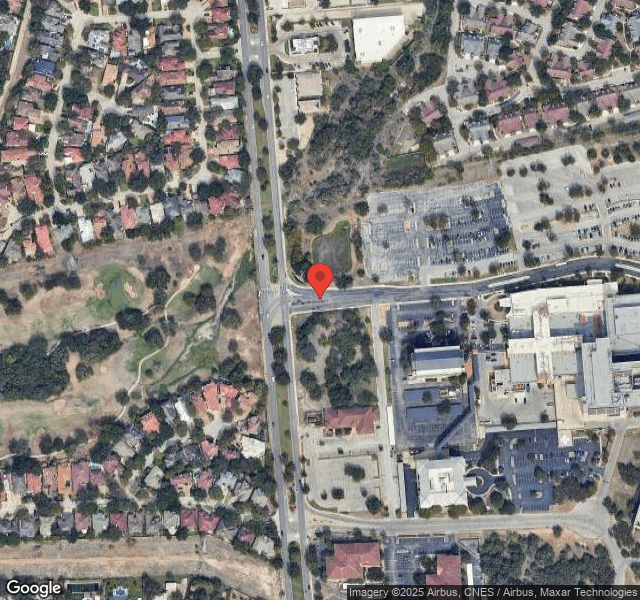
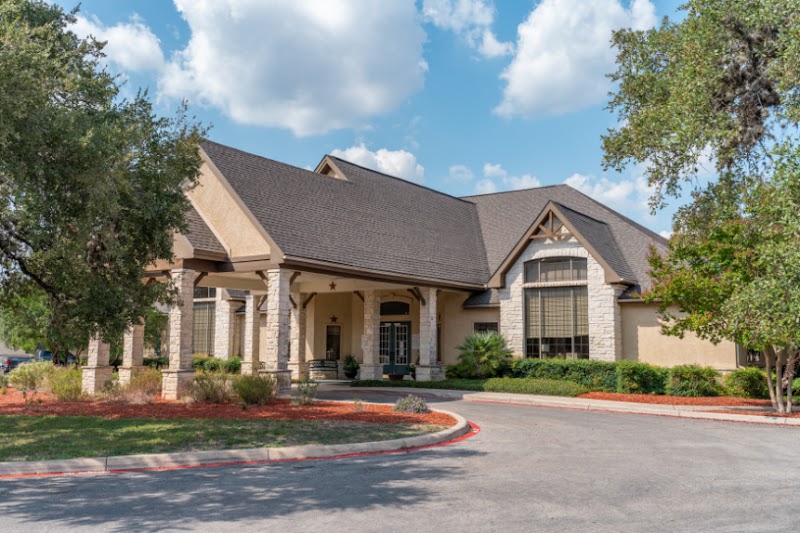
505 MADISON OAK DR, SAN ANTONIO, TX 78258 (210) 481-9000
For profit - Limited Liability company 152 Beds TOUCHSTONE COMMUNITIES Data: November 2025 1 Immediate Jeopardy citation
Trust Grade
23/100
#1102 of 1168 in TX
Last Inspection: July 2025

Inspected within the last 6 months. Data reflects current conditions.

Overview

Stone Oak Care Center has received a Trust Grade of F, indicating a poor quality of care with significant concerns. Ranking #1102 out of 1168 facilities in Texas places it in the bottom half, and #55 out of 62 in Bexar County shows that only a few local options are better. The facility's condition is worsening, as issues have increased from 7 in 2024 to 12 in 2025, highlighting an ongoing decline. Staffing is rated poorly with a high turnover of 54%, which is average for Texas, indicating possible instability among caregivers. While the center has not incurred any fines, which is a positive sign, there have been critical incidents such as a resident wandering off the premises without staff knowledge and inadequate supervision that led to potential harm. Additionally, food safety practices were not followed properly, risking residents' health. Overall, while there are some strengths, the significant weaknesses raise serious concerns for families considering this facility.

Trust Score
F
23/100
In Texas
#1102/1168
Bottom 6%
Safety Record
High Risk
Review needed
Inspections
Getting Worse
7 → 12 violations
Staff Stability
⚠ Watch
54% turnover. Above average. Higher turnover means staff may not know residents' routines.
Penalties
✓ Good
No fines on record. Clean compliance history, better than most Texas facilities.
Skilled Nurses
⚠ Watch
Each resident gets only 16 minutes of Registered Nurse (RN) attention daily — below average for Texas. Fewer RN minutes means fewer trained eyes watching for problems.
Violations
⚠ Watch
34 deficiencies on record. Higher than average. Multiple issues found across inspections.
★☆☆☆☆
1.0
Overall Rating
★☆☆☆☆
1.0
Staff Levels
★★★☆☆
3.0
Care Quality
★★☆☆☆
2.0
Inspection Score
Stable
2024: 7 issues
2025: 12 issues

The Good

  • Full Sprinkler Coverage · Fire safety systems throughout facility
  • No fines on record

Facility shows strength in fire safety.

The Bad

1-Star Overall Rating

Below Texas average (2.8)

Significant quality concerns identified by CMS

Staff Turnover: 54%

Near Texas avg (46%)

Higher turnover may affect care consistency

Chain: TOUCHSTONE COMMUNITIES

Part of a multi-facility chain

Ask about local staffing decisions and management

The Ugly 34 deficiencies on record

1 life-threatening 1 actual harm
Jul 2025 8 deficiencies
CONCERN (D)

Potential for Harm - no one hurt, but risky conditions existed

Safe Environment (Tag F0584)

Could have caused harm · This affected 1 resident

**NOTE- TERMS IN BRACKETS HAVE BEEN EDITED TO PROTECT CONFIDENTIALITY** Based on observation, interview, and record review, the facility failed to provide a safe, clean, comfortable, and homelike envi...

Read full inspector narrative →
**NOTE- TERMS IN BRACKETS HAVE BEEN EDITED TO PROTECT CONFIDENTIALITY** Based on observation, interview, and record review, the facility failed to provide a safe, clean, comfortable, and homelike environment for 1 (Resident #32) of twenty-eight residents reviewed for environment, in that: Resident #32's room air conditioning vents were visibly soiled. This deficient practice could result in residents living in an unclean and unpleasant environment.The findings were: Record review of Resident #32's face sheet, dated 07/25/2025, revealed the resident was an [AGE] year old male, originally admitted on [DATE], and re-admitted to the facility on [DATE] with the diagnoses of Alzheimer's disease (destroys memory and other important mental functions), heart failure (the heart does not pump blood enough), muscle weakness, muscle wasting and atrophy (loss of skeletal muscle mass), and dementia (loss of memory and thinking ability). Record review of Resident #32's quarterly MDS assessment, dated 07/02/2025, revealed the resident's BIMS score was 00 which indicated the resident was unable to complete the interview. Record review of Resident #32's comprehensive care plan, dated 07/12/2025, revealed the resident was at risk for infection or recurrent; chronic infection related to compromised medical condition. Observation on 07/22/2025 at 10:44 a.m. revealed Resident #32's room had one air conditioning vent in the ceiling. Further observation revealed the vent was soiled with a black substance and with rust. Further observation revealed the return vent was covered with dust. During an interview on 07/22/2025 at 11:39 a.m., the DON stated that Resident #32's room had one air conditioning vent, and it was rusty and soiled covered with dust. The DON said a dirty air conditioning vent might cause respiratory infection. During an interview on 07/22/2025 at 11:46 a.m., the District Manager for environment said Resident #32's room had one air conditioning vent, and it was dirty with dust, and the facility cleaned air vents once a month to prevent infection. Record review of the facility's July 2025 Deep Clean Schedule, dated 07/2025, revealed Resident #32's Room would be scheduled for deep clean on 07/18/2025. Record review of the facility policy, titled Physical Environment, revised 02/2017, revealed The community is designed, constructed, equipped, and maintained to protect the health and safety of resident, personnel, and the public.
CONCERN (D)

Potential for Harm - no one hurt, but risky conditions existed

MDS Data Transmission (Tag F0640)

Could have caused harm · This affected 1 resident

**NOTE- TERMS IN BRACKETS HAVE BEEN EDITED TO PROTECT CONFIDENTIALITY** Based on interviews and record reviews, the facility failed to encode and transmit required MDS information within 14 days after...

Read full inspector narrative →
**NOTE- TERMS IN BRACKETS HAVE BEEN EDITED TO PROTECT CONFIDENTIALITY** Based on interviews and record reviews, the facility failed to encode and transmit required MDS information within 14 days after discharge for 2 of 32 residents reviewed for MDSs.1.Resident #24 was discharged on 01/29/25 and as of 07/24/25 he did not have a discharge MDS assessment. 2.Resident #84 was discharged on 03/14/25 and as of 07/24/25 did not have a discharge MDS assessment. This deficient practice affects residents who receive care at the facility and could result in negative impacts on discharge planning. The findings included: 1.Record review of Resident #24's electronic face sheet dated 07/25/2025 reflected he was an [AGE] year-old male who was admitted to the facility on [DATE] and discharged on 01/25/2025 to the hospital. His diagnoses included: congestive heart failure (a long-term condition that happens when the heart cannot pump blood well enough to give the body a normal supply, resulting in shortness of breath), peripheral vascular disease (refers to any disease or disorder of the circulatory system outside of the brain and heart), and acute respiratory failure with hypoxia (a condition where the body does not get enough oxygen, leading to low blood levels of oxygen). Record review of Resident #24's admission MDS assessment dated [DATE] reflected he scored a nine out of fifteen on his BIMS which indicated he was moderately cognitively impaired. He usually understood and was understood. Record review of Resident #24's comprehensive care plan initiated on 01/23/2025 and cancelled on 07/25/2025 reflected Focus, Discharge Planning, interventions/Tasks included: coordinate safe discharge efforts as indicated by ensuring appropriate referrals have been made, DME has been ordered and home-based services have been arranged prior to discharge. Record review of Resident #24's IDT: Discharge Summary-Planning/Instructions/Recapitulation dated 01/22/2025 reflected Resident #24 was being discharged to home/assisted living/group home with Home Health., anticipated discharge date /actual discharge date was 02/02/2025. He was to be discharged home with family and provider services. 2. Record review of Resident #84's electronic face sheet dated 07/25/2025 reflected he was a [AGE] year-old male who was admitted to the facility on [DATE] and discharged to a private home or apartment with no home health or hospice. His admission diagnoses included: muscle weakness (lack of muscle strength), depression (a mental state of low mood and aversion to activity), and hypertension (high blood pressure). Record review of Resident #84's quarterly MDS assessment dated [DATE] reflected he could be understood, and he could understand. He scored a fifteen out of fifteen on his BIMS which indicated he was cognitively intact. Record review of Resident #84's comprehensive care plan revised 08/12/24 reflected Focus, wish to return home with supportive care and services family support, home health care. Record review of Resident #84's IDT: Discharge Summary-Planning/Instructions/Recapitulation dated 03/19/2025 reflected to return to prior home or community-based living, ALF/group home. During an interview on 07/25/2025 at 10:12 AM with the DOCR she acknowledged there was not a discharge MDS assessment for both Resident #24 and Resident #84 and did not know why and the person who should have completed one was no longer available. She stated that a discharge MDS signifies a resident's completion of a cycle of care and could negatively affect discharge planning. She stated the discharge assessment needed to be completed and sent in within fourteen days of the resident's discharge. During an interview on 07/25/2025 at 12:30 PM with the DON, she stated she did not realize the discharge MDS assessment was not completed for Residents #24 and #84, and it could negatively impact the discharge process, and tracking of care. During an interview on 07/25/25 at 12:35 PM with the ADM, she stated she needed to audit the MDSs to ensure they were completed, submitted timely and were accurate. She had no explanation as to why Resident #24's and #84's discharge MDSs were not completed. She stated the failure to complete and submit a discharge MDS could result in inaccurate quality measure, potential payment issues for the facility, and citations. She stated not completing a discharge MDS could result in inaccurate resident data and could hinder care planning for the residents. Record review of the Long-Term Care Facility Resident Assessment Instrument 3.0 User's Manual, Version 1.18.11, October 2023 reflected OBRA-Required Tracking Records and Assessments are Federally mandated, and therefore, must be performed for all residents of Medicare and/or Medicaid certified nursing homes. These assessments are coded on the MDS 3.0 in items A0310A (Federal OBRA Reason for Assessment) and A0310F (Entry/discharge reporting). They include: Tracking records, Discharge (return not anticipated or return anticipated) Record Review of CMS Memorandum Summary dated August 25th, 2014, reflected discharge assessments are required assessments and are critical to ensuring the accuracy of Quality Measures (QMs) and in aiding in resident care planning for discharge from the certified facility.
CONCERN (D)

Potential for Harm - no one hurt, but risky conditions existed

Incontinence Care (Tag F0690)

Could have caused harm · This affected 1 resident

**NOTE- TERMS IN BRACKETS HAVE BEEN EDITED TO PROTECT CONFIDENTIALITY** Based on observations, interviews, and record review, the facility failed to ensure a resident who was incontinent of bladder re...

Read full inspector narrative →
**NOTE- TERMS IN BRACKETS HAVE BEEN EDITED TO PROTECT CONFIDENTIALITY** Based on observations, interviews, and record review, the facility failed to ensure a resident who was incontinent of bladder received appropriate treatment and services to prevent urinary tract infections for 2 (Residents #20 and #64) of ten residents reviewed for incontinence care. 1. When CNA-A and CNA-B were providing peri care to Resident #20, CNA-A cleaned the resident's genital area without separating the labia. 2. When CNA-C and CNA-D were providing peri care to Resident #64, CNA-C did not clean the resident's suprapubic area (below the umbilical region), left groin area, and left buttock area and cleaned the resident's genital area with multiple passes with one wipe. This failure could place residents who required incontinence care at risk for cross contamination and the development of new or worsening urinary tract infections. The findings included: 1. Record review of Resident #20's face sheet, dated 07/25/2025, revealed the resident was an [AGE] year old female and admitted to the facility on [DATE] with the diagnoses of hemiplegia and hemiparesis (muscle weakness or partial paralysis on one side of the body), muscle weakness, dementia (loss of memory and thinking ability), type 2 diabetes mellitus (the body has trouble controlling blood sugar and using it for energy), hypertension (high blood pressures), and muscle wasting and atrophy (loss of skeletal muscle mass). Record review of Resident #20's quarterly MDS assessment, dated 06/19/2025, revealed the resident's BIMS score was three out of fifteen indicating the resident had severe cognitive impairment, was dependent on the staff for chair to bed and toilet transfer, and was always incontinent of bladder and bowel. Record review of Resident #20's comprehensive care plan, dated 03/14/2025, revealed the resident episodes of bowel and bladder incontinence. For intervention - incontinent care assistance every shift and as needed and check and change on rounds and as needed. Observation on 07/24/2025 at 9:16 a.m. revealed CNA-A and CNA-B removed Resident #20's old and dirty brief, and CNA-A started cleaning the resident's suprapubic area, left groin, and right groin. When CNA-A cleaned the middle area of Resident #20's genitals, CNA-A did not separate the resident's labia. CNA-A cleaned the middle area of the resident's genitals without separating the labia, then rolled the resident to her left side and cleaned the resident's buttock area. During an interview on 07/24/2025 at 9:23 a.m. CNA-A stated when she cleaned the middle area of Resident #20's genitals, she did not separate the resident's labia, and she said she should have separated the resident's labia area when cleaning to prevent infection. CNA-A said she got checked-off regarding female peri care every other month. During an interview on 07/24/2025 at 2:45 p.m. the DON stated the facility did not have a specific policy regarding peri care. The DON said they used a skill check-off sheet for female peri care without catheter, and the sheet did not indicate separating female labia area when providing peri care, but the facility was following general professional guidelines. The surveyor tried to ask more questions, but the DON was unwilling to answer. Record review of professional guidelines (National Library of Medicine - Chapter 5: Provide for Personal Care Needs of Clients - Nursing Assistant - NCBI Bookshelf), titled Provide for Personal Care Needs of Client - perineal care for female, undated, revealed Expose their perineum only, Separate the labia, Use water and a soapy washcloth, Clean one side of the labia from top to bottom, and Using a clean portion of the first washcloth, clean the other side of the labia from top to bottom. 2. Record review of Resident #64's face sheet, dated 07/25/2025, revealed the resident was a [AGE] year old male and admitted to the facility on [DATE] with the diagnoses of cerebral infarction (blood supply to part of the brain is blocked or reduced), muscle weakness, type 2 diabetes mellitus (the body has trouble controlling blood sugar and using it for energy), hypertension (high blood pressures), and hemiplegia and hemiparesis (muscle weakness or partial paralysis on one side of the body). Record review of Resident #64's admission MDS assessment, dated 04/23/2025, revealed the resident's BIMS score was 7 out of 15 indicating the resident had severe cognitive impairment, was dependent on the staff for sit to stand and chair to bed transfer, and was always incontinent of urinary bladder and frequently incontinent of bowel. Record review of Resident #64's comprehensive care plan, dated 04/09/2025, revealed the resident episodes of bowel and bladder incontinence. For intervention - incontinent care assistance every shift and as needed and check and change on rounds and as needed. Observation on 07/24/2025 at 11:47 a.m. revealed CNA-C and CNA-D removed Resident #64's old and dirty brief. CNA-C started cleaning the resident's right groin area, penis, and scrotum with multiple passes with one wipe, then rolled the resident to his left side without cleaning the resident's suprapubic area and left groin area. Further observation revealed CNA-C cleaned Resident #64's right buttock area and rectal area, then repositioned the resident to supine position (lying on the resident's back with the face facing upward) without cleaning the resident's left buttock area. CNA-C changed gloves without sanitizing his hands then put a new and clean brief under Resident #64, then closed it. In an interview on 07/24/2025 at 12:03 p.m. CNA-C stated he did not clean Resident #64's suprapubic area, left groin area, and left buttock area and cleaned the resident's genital area with multiple passes with one wipe because he was so nervous so forgot about cleaning those areas and using one wipe for each stroke. CNA-C said he should have cleaned Resident #64's suprapubic area, left groin area, and left buttock area and used one wipe for each stroke and then discarded it to prevent infection. He said he got a skill check-off last week. In an interview on 07/24/2025 at 2:45 p.m. the DON said CNA-C should have cleaned Resident #64's suprapubic area, left groin area, and left buttock area and used one wipe for each stroke and then discarded it to prevent infection. Monitoring peri care was the DON's responsibility by conducting skill check-offs. Record review of the facility skill check-off sheet, undated, revealed . 8. Use one wipe for each stroke and then discard. 10. Turn resident on side, remaining area including rectum and buttocks without returning to urethra area. Leaving entire area clean and dry (Remember one wipe per each stroke and discard).
CONCERN (D)

Potential for Harm - no one hurt, but risky conditions existed

Deficiency F0726 (Tag F0726)

Could have caused harm · This affected 1 resident

**NOTE- TERMS IN BRACKETS HAVE BEEN EDITED TO PROTECT CONFIDENTIALITY** Based on observations, interviews, and record reviews, the facility failed to ensure that nurse aides were able to demonstrate c...

Read full inspector narrative →
**NOTE- TERMS IN BRACKETS HAVE BEEN EDITED TO PROTECT CONFIDENTIALITY** Based on observations, interviews, and record reviews, the facility failed to ensure that nurse aides were able to demonstrate competency in skills and techniques necessary to care for residents' needs for 2 of 10 residents (Residents #20 and #64) by 2 of 4 CNAs (CNA-A and CNA-C) reviewed for competent staff, in that: 1. When CNA-A was providing peri care to Resident #20, CNA-A cleaned the resident's genital area without separating the labia. 2. When CNA-C was providing peri care to Resident #64, CNA-C did not clean the resident's suprapubic area (below the umbilical region), left groin area, and left buttock area and cleaned the resident's genital area with multiple passes with one wipe. The failure could place residents at risk for not receiving nursing services by adequately trained staff and could result in a decline in health and infection. Record review of Resident #20's face sheet, dated 07/25/2025, revealed the resident was an [AGE] year old female and admitted to the facility on [DATE] with the diagnoses of hemiplegia and hemiparesis (muscle weakness or partial paralysis on one side of the body), muscle weakness, dementia (loss of memory and thinking ability), type 2 diabetes mellitus (the body has trouble controlling blood sugar and using it for energy), hypertension (high blood pressures), and muscle wasting and atrophy (loss of skeletal muscle mass). Record review of Resident #20's quarterly MDS assessment, dated 06/19/2025, revealed the resident's BIMS score was three out of fifteen indicating the resident had severe cognitive impairment, was dependent on the staff for chair to bed and toilet transfer, and was always incontinent of bladder and bowel. Record review of Resident #20's comprehensive care plan, dated 03/14/2025, revealed the resident episodes of bowel and bladder incontinence. For intervention - incontinent care assistance every shift and as needed and check and change on rounds and as needed. Observation on 07/24/2025 at 9:16 a.m. revealed CNA-A and CNA-B removed Resident #20's old and dirty brief, and CNA-A started cleaning the resident's suprapubic area, left groin, and right groin. When CNA-A cleaned the middle area of Resident #20's genitals, CNA-A did not separate the resident's labia. CNA-A cleaned the middle area of the resident's genitals without separating the labia, then rolled the resident to her left side and cleaned the resident's buttock area. During an interview on 07/24/2025 at 9:23 a.m. CNA-A stated when she cleaned the middle area of Resident #20's genitals, she did not separate the resident's labia, and she said she should have separated the resident's labia area when cleaning to prevent infection. CNA-A said she got checked-off regarding female peri care every other month. During an interview on 07/24/2025 at 2:45 p.m. the DON stated the facility did not have a specific policy regarding peri care. The DON said they used a skill check-off sheet for female peri care without catheter, and the sheet did not indicate separating female labia area when providing peri care, but the facility was following general professional guidelines. The surveyor tried to ask more questions, but the DON was unwilling to answer. Record review of professional guidelines (National Library of Medicine - Chapter 5: Provide for Personal Care Needs of Clients - Nursing Assistant - NCBI Bookshelf), titled Provide for Personal Care Needs of Client - perineal care for female, undated, revealed Expose their perineum only, Separate the labia, Use water and a soapy washcloth, Clean one side of the labia from top to bottom, and Using a clean portion of the first washcloth, clean the other side of the labia from top to bottom. 2. Record review of Resident #64's face sheet, dated 07/25/2025, revealed the resident was a [AGE] year old male and admitted to the facility on [DATE] with the diagnoses of cerebral infarction (blood supply to part of the brain is blocked or reduced), muscle weakness, type 2 diabetes mellitus (the body has trouble controlling blood sugar and using it for energy), hypertension (high blood pressures), and hemiplegia and hemiparesis (muscle weakness or partial paralysis on one side of the body). Record review of Resident #64's admission MDS assessment, dated 04/23/2025, revealed the resident's BIMS score was 7 out of 15 indicating the resident had severe cognitive impairment, was dependent on the staff for sit to stand and chair to bed transfer, and was always incontinent of urinary bladder and frequently incontinent of bowel. Record review of Resident #64's comprehensive care plan, dated 04/09/2025, revealed the resident episodes of bowel and bladder incontinence. For intervention - incontinent care assistance every shift and as needed and check and change on rounds and as needed. Observation on 07/24/2025 at 11:47 a.m. revealed CNA-C and CNA-D removed Resident #64's old and dirty brief. CNA-C started cleaning the resident's right groin area, penis, and scrotum with multiple passes with one wipe, then rolled the resident to his left side without cleaning the resident's suprapubic area and left groin area. Further observation revealed CNA-C cleaned Resident #64's right buttock area and rectal area, then repositioned the resident to supine position (lying on the resident's back with the face facing upward) without cleaning the resident's left buttock area. CNA-C changed gloves without sanitizing his hands then put a new and clean brief under Resident #64, then closed it. In an interview on 07/24/2025 at 12:03 p.m. CNA-C stated he did not clean Resident #64's suprapubic area, left groin area, and left buttock area and cleaned the resident's genital area with multiple passes with one wipe because he was so nervous so forgot about cleaning those areas and using one wipe for each stroke. CNA-C said he should have cleaned Resident #64's suprapubic area, left groin area, and left buttock area and used one wipe for each stroke and then discarded it to prevent infection. He said he got a skill check-off last week. In an interview on 07/24/2025 at 2:45 p.m. the DON said CNA-C should have cleaned Resident #64's suprapubic area, left groin area, and left buttock area and used one wipe for each stroke and then discarded it to prevent infection. Monitoring peri care was the DON's responsibility by conducting skill check-offs. Record review of the facility skill check-off sheet, undated, revealed . 8. Use one wipe for each stroke and then discard. 10. Turn resident on side, remaining area including rectum and buttocks without returning to urethra area. Leaving entire area clean and dry (Remember one wipe per each stroke and discard).
CONCERN (D)

Potential for Harm - no one hurt, but risky conditions existed

Infection Control (Tag F0880)

Could have caused harm · This affected 1 resident

**NOTE- TERMS IN BRACKETS HAVE BEEN EDITED TO PROTECT CONFIDENTIALITY** Based on observations, interviews, and record review, the facility failed to establish and maintain an infection control program...

Read full inspector narrative →
**NOTE- TERMS IN BRACKETS HAVE BEEN EDITED TO PROTECT CONFIDENTIALITY** Based on observations, interviews, and record review, the facility failed to establish and maintain an infection control program designed to provide a safe, sanitary, and comfortable environment and to help prevent the development of communicable diseases and infections for 1 (Resident #64) of twenty-eight residents reviewed for infection control practices. When CNA-C was providing peri care to Resident #64, CNA-C changed gloves without sanitizing or washing his hands. This deficient practice could place residents at risk for cross contamination and infections.The findings included: Record review of Resident #64's face sheet, dated 07/25/2025, revealed the resident was a [AGE] year old male and admitted to the facility on [DATE] with the diagnoses of cerebral infarction (blood supply to part of the brain is blocked or reduced), muscle weakness, type 2 diabetes mellitus (the body has trouble controlling blood sugar and using it for energy), hypertension (high blood pressures), and hemiplegia and hemiparesis (muscle weakness or partial paralysis on one side of the body). Record review of Resident #64's admission MDS assessment, dated 04/23/2025, revealed the resident's BIMS score was 7 out of 15 indicating the resident had severe cognitive impairment, was dependent on the staff for sit to stand and chair to bed transfer, and was always incontinent of urinary bladder and frequently incontinent of bowel. Record review of Resident #64's comprehensive care plan, dated 04/09/2025, revealed the resident episodes of bowel and bladder incontinence. For intervention - incontinent care assistance every shift and as needed and check and change on rounds and as needed. Observation on 07/24/2025 at 11:47 a.m. revealed CNA-C and CNA-D removed Resident #64's old and dirty brief. CNA-C started cleaning the resident's right groin area, penis, and scrotum with multiple passes with one wipe, and then CNA-C changed gloves without sanitizing or washing hands. CNA-C rolled the resident to his left side and cleaned Resident #64's right buttock area and rectal area, and then changed gloves again without sanitizing or washing his hands. CNA-C put a new and clean brief under Resident #64 and closed it. In and interview on 07/24/2025 at 12:03 p.m. CNA-C stated he changed gloves without sanitizing or washing his hands. CNA-C said he should have sanitized or washed his hands before wearing new gloves to prevent infection. In an interview on 07/24/2025 at 2:45 p.m. the DON said CNA-C should have sanitized or washed his hands before wearing new gloves to prevent infection. Record review of the facility policy, titled Handwashing/Hand Hygiene, revised 01/2023, revealed . 7. Use an alcohol-based hand rub containing at least 62% alcohol; or alternatively, soap (antimicrobial or non-antimicrobial) and water for situations such as this (including but not limited to): between gloves changes/ removing gloves.
CONCERN (E)

Potential for Harm - no one hurt, but risky conditions existed

Assessment Accuracy (Tag F0641)

Could have caused harm · This affected multiple residents

**NOTE- TERMS IN BRACKETS HAVE BEEN EDITED TO PROTECT CONFIDENTIALITY** Based on observations, interview and record review, the facility failed to ensure the MDS assessment accurately reflected the re...

Read full inspector narrative →
**NOTE- TERMS IN BRACKETS HAVE BEEN EDITED TO PROTECT CONFIDENTIALITY** Based on observations, interview and record review, the facility failed to ensure the MDS assessment accurately reflected the resident's status for three residents (Residents #2, #11 and #14) of thirty-two residents reviewed for MDS assessments. The Facility failed to note on Resident #2's admission MDS dated [DATE] he was taking a hypoglycemic medication. 2. The facility failed to ensure Resident #11's Quarterly MDS assessment was coded Not rated, resident had a catheter instead of Always incontinent for a resident identified to have a suprapubic catheter. 3. The facility failed to ensure Resident #14's quarterly MDS assessment was coded Yes regarding the resident was receiving antidepressant for his depression. These failures could place resident at risk for inadequate care due to inaccurate assessments.The findings included: 1.Record review of Resident #2’s electronic face sheet dated 07/23/2025 reflected he was a [AGE] year-old male who was admitted to the hospital facility on 05/28/2025. His diagnoses included: displaced fracture of the right femur (a broken thighbone where the broken pieces are out of alignment with each other), diabetes mellitus (a condition where the body has trouble regulating blood sugar levels, leading to persistently high blood glucose levels), post-traumatic stress disorder (a mental health condition that develops after experiencing or witnessing a traumatic event) and alcoholic cirrhosis (scarring) of liver with ascites (fluid) (a severe liver condition where excessive alcohol consumption leads to scarring of the liver, and the accumulation of fluid in the abdominal cavity). Record review of Resident #2’s admission MDS assessment dated [DATE] reflected he could usually understand and usually be understood. He scored a six out of fifteen on his BIMS which indicated he was severely cognitively impaired. Resident #2 was noted on the assessment to have an active diagnosis of diabetes mellitus. He was noted to have received insulin injections for seven days. Under Section N0415 “High-Risk Drug Classes: Use and Indication”, he was not noted to be taking “J. Hypoglycemic (lowers blood sugar) (including insulin)”. Record review of Resident #2’s Comprehensive Care Plan revised date 07/17/2025 reflected “Focus, have diabetes, Interventions/Tasks, administer medications as ordered.” Record review of Resident #2’s “Active Orders as of: 07/24/2025” reflected Lantus Subcutaneous (applied under the skin) Solution (Insulin) inject ten units subcutaneously one time a day for diabetes mellitus start date of 05/25/25. During an interview on 07/25/2025 at 10:12 AM with the DOCR she acknowledged the high-risk medication insulin which was a hypoglycemic should have been noted on Resident #2’s admission MDS assessment. She stated it was important to have an accurate MDS assessment to ensure proper care is provided. During an interview on 07/25/2025 at 12:30 PM with the DON, she stated she did not realize the admission MDS assessment was not accurate for Resident #2. She stated the MDS assessments must accurately reflect the resident’s status to meet their care needs, or they might be missed. During an interview on 07/25/25 at 12:35 PM with the ADM, she stated she needed to audit the MDSs to ensure they are completed, submitted timely and were accurate. She had no explanation as to why Resident #2’s admission MDS assessment must be accurate to show the type of care he required, and he could miss needed care. 2. Record review of Resident #11’s face sheet dated 07/24/2025, revealed Resident #11 was admitted to the facility on [DATE] with a diagnosis that included: flaccid neuropathic bladder, not elsewhere classified (a condition where the bladder muscles are weak and cannot contract effectively to empty urine). Record review of Resident #11’s physician order summary dated 07/24/2025, revealed order dated 06/17/2024, Suprapubic catheter change on the 15th of the month. 18FR/10CC every night shift starting on the 15th and ending on the 16th every month related to FLACCID NEUROPATHIC BLADDER, NOT ELSEWHERE CLASSIFIED. Record review of Resident #11's Quarterly MDS assessment, dated 07/02/2025, revealed a BIMS score of 01 which indicated severely impaired cognition. The Quarterly MDS Assessment further revealed in Section H (Bladder and Bowel), it was coded Resident #11 had a indwelling catheter, however Always incontinent was coded in Section H0300-Urinary Continence. In section H0300 of the Quarterly MDS assessment if the resident had a urinary catheter (indwelling condom), Not rated should have been coded. Record review of Resident #11's care plan, last care plan review completed date of 07/13/2025, revealed Resident #11 had a focus of I require a suprapubic catheter r/t DX of Urinary retention r/t Prostate condition. During an observation and interview on 07/25/2025 at 10:00 a.m. the DOCR after reviewing Resident #11's Quarterly MDS assessment stated the MDS should have been coded not rated and had been coded incorrectly. The DOCR further stated the MDS coordinator was responsible for the accuracy of the MDS assessment and the new MDS coordinator had completed Resident #11's Quarterly MDS assessment dated [DATE]. The DOCR stated inaccurately coding the MDS assessments could affect the overall care of the resident. During an observation and interview on 07/25/2025 at 10:54 a.m. the MDS coordinator stated after reviewing Resident #11's Quarterly MDS assessment it had been miscoded in error and should have been coded not rated. The MDS coordinator further stated miscoding the MDS assessments could cause billing issues and did not feel it could cause any patient care issue with it being incorrectly coded. During an interview on 07/25/2025 at 11:12 a.m. the DON stated MDS assessment accuracy was the responsibility of the MDS coordinator. The DON further stated that by not accurately completing the MDS assessment she would assume it could affect the type of care. During an interview on 07/25/2025 at 2:34 p.m. the Administrator stated the MDS coordinator was responsible for the MDS accuracy. The Administrator stated by the MDS assessment not being accurate it could provide incorrect information. The Administrator further stated he did not feel in Resident #11's case there would be a potentially negative outcome as they relied on the care plan for care. 3. Record review of Resident #14’s face sheet, dated 07/25/2025, revealed the resident was [AGE] years old male and admitted to the facility on [DATE] with the diagnoses of muscle wasting and atrophy (loss of skeletal muscle mass), dementia (loss of memory and thinking ability), hypothyroidism (thyroid gland does not produce enough thyroid hormone), and depression (lowering of a person’s mood). Record review of Resident #14’s quarterly MDS assessment, dated 04/29/2025, revealed the resident’s BIMS score was 1 out of 15 indicating the resident had severe cognitive impairment and the resident required supervision or touching assistance (Helper provides verbal cues and/or touching assistance), such as sit to stand and chair to bed transfer. Further record review of the MDS assessment revealed regarding the question of “the resident was receiving antidepressant,” the answer was coded “No.” Record review of Resident #14’s comprehensive care plan, dated 09/14/2024, revealed “I [Resident #14] require anti-depressant medication targeted behaviors is insomnia, crying, anger, and fatigue. For intervention, administer medication per medical doctor orders.” Record review of Resident #14’s physician orders, dated 03/12/2025, revealed the resident had the order of “Mirtazapine oral tablet 7.5 mg (mirtazapine) Give 0.5 tablet by mouth at bedtime for depression to equal 3.75 mg.” Record review of Resident #14’s medication administration record, from 07/01/2025 to 07/31/2025, revealed the resident was receiving “Mirtazapine oral tablet 7.5 mg (mirtazapine) Give 0.5 tablet by mouth at bedtime for depression to equal 3.75 mg” at bedtime as ordered. During an interview on 07/25/2025 at 9:49 a.m. the MDS coordinator stated after reviewing Resident #14's quarterly MDS assessment it had been miscoded in error and should have been coded “Yes” because Resident #14 was receiving Mirtazapine for depression, and it was an anti-depressant. The MDS coordinator further stated miscoding the MDS assessments could cause billing issues, and it might affect some patient care, and it was the MDS coordinator’s responsibility for MDS accuracy. Record review of the CMS RAI Version MDS 3.0 Manual dated October 2024 revealed in part, .The OBRA regulations require nursing homes that are Medicare certified, Medicaid certified or both, to conduct initial and periodic assessments for all their residents. The Resident Assessment Instrument (RAI) process is the basis for the accurate assessment of each resident. The MDS 3.0 is part of that assessment process and is required by CMS . CH 3: MDS Items [H] H0300: Urinary Continence: Coding instructions: Code 9, not rated: if during the 7-day look-back period, the resident had an indwelling bladder catheter . Record review of the facility policy and procedure titled “Comprehensive Assessments” date revised March 2023 reflected “Accuracy of Assessment, each resident receives an accurate team member assessment of relevant care areas that provide team members with knowledge of each resident’s status, needs, strengths, and areas of decline.” Record review of the CMS RAI Version MDS 3.0 Manual dated October 2024 revealed in part, .The OBRA regulations require nursing homes that are Medicare certified, Medicaid certified or both, to conduct initial and periodic assessments for all their residents. The Resident Assessment Instrument (RAI) process is the basis for the accurate assessment of each resident. The MDS 3.0 is part of that assessment process and is required by CMS . CH 3: MDS Items [H] H0300: Urinary Continence: Coding instructions: Code 9, not rated: if during the 7-day look-back period, the resident had an indwelling bladder catheter . 3. Record review of Resident #14’s face sheet, dated 07/25/2025, revealed the resident was [AGE] years old male and admitted to the facility on [DATE] with the diagnoses of muscle wasting and atrophy (loss of skeletal muscle mass), dementia (loss of memory and thinking ability), hypothyroidism (thyroid gland does not produce enough thyroid hormone), and depression (lowering of a person’s mood). Record review of Resident #14’s quarterly MDS assessment, dated 04/29/2025, revealed the resident’s BIMS score was 1 out of 15 indicating the resident had severe cognitive impairment and the resident required supervision or touching assistance (Helper provides verbal cues and/or touching assistance), such as sit to stand and chair to bed transfer. Further record review of the MDS assessment revealed regarding the question of “the resident was receiving antidepressant,” the answer was coded “No.” Record review of Resident #14’s comprehensive care plan, dated 09/14/2024, revealed “I [Resident #14] require anti-depressant medication targeted behaviors is insomnia, crying, anger, and fatigue. For intervention, administer medication per medical doctor orders.” Record review of Resident #14’s physician orders, dated 03/12/2025, revealed the resident had the order of “Mirtazapine oral tablet 7.5 mg (mirtazapine) Give 0.5 tablet by mouth at bedtime for depression to equal 3.75 mg.” Record review of Resident #14’s medication administration record, from 07/01/2025 to 07/31/2025, revealed the resident was receiving “Mirtazapine oral tablet 7.5 mg (mirtazapine) Give 0.5 tablet by mouth at bedtime for depression to equal 3.75 mg” at bedtime as ordered. During an interview on 07/25/2025 at 9:49 a.m. the MDS coordinator stated after reviewing Resident #14's quarterly MDS assessment it had been miscoded in error and should have been coded “Yes” because Resident #14 was receiving Mirtazapine for depression, and it was an anti-depressant. The MDS coordinator further stated miscoding the MDS assessments could cause billing issues, and it might affect some patient care, and it was the MDS coordinator’s responsibility for MDS accuracy. Record review of the CMS RAI Version MDS 3.0 Manual dated October 2024 revealed in part, .The OBRA regulations require nursing homes that are Medicare certified, Medicaid certified or both, to conduct initial and periodic assessments for all their residents. The Resident Assessment Instrument (RAI) process is the basis for the accurate assessment of each resident. The MDS 3.0 is part of that assessment process and is required by CMS . CH 3: MDS Items [H] H0300: Urinary Continence: Coding instructions: Code 9, not rated: if during the 7-day look-back period, the resident had an indwelling bladder catheter . Record review of the facility policy and procedure titled “Comprehensive Assessments” date revised March 2023 reflected “Accuracy of Assessment, each resident receives an accurate team member assessment of relevant care areas that provide team members with knowledge of each resident’s status, needs, strengths, and areas of decline.” 2. Record review of Resident #11’s face sheet dated 07/24/2025, revealed Resident #11 was admitted to the facility on [DATE] with a diagnosis that included: flaccid neuropathic bladder, not elsewhere classified (a condition where the bladder muscles are weak and cannot contract effectively to empty urine). Record review of Resident #11’s physician order summary dated 07/24/2025, revealed order dated 06/17/2024, Suprapubic catheter change on the 15th of the month. 18FR/10CC every night shift starting on the 15th and ending on the 16th every month related to FLACCID NEUROPATHIC BLADDER, NOT ELSEWHERE CLASSIFIED. Record review of Resident #11's Quarterly MDS assessment, dated 07/02/2025, revealed a BIMS score of 01 which indicated severely impaired cognition. The Quarterly MDS Assessment further revealed in Section H (Bladder and Bowel), it was coded Resident #11 had a indwelling catheter, however Always incontinent was coded in Section H0300-Urinary Continence. In section H0300 of the Quarterly MDS assessment if the resident had a urinary catheter (indwelling condom), Not rated should have been coded. Record review of Resident #11's care plan, last care plan review completed date of 07/13/2025, revealed Resident #11 had a focus of I require a suprapubic catheter r/t DX of Urinary retention r/t Prostate condition. During an observation and interview on 07/25/2025 at 10:00 a.m. the DOCR after reviewing Resident #11's Quarterly MDS assessment stated the MDS should have been coded not rated and had been coded incorrectly. The DOCR further stated the MDS coordinator was responsible for the accuracy of the MDS assessment and the new MDS coordinator had completed Resident #11's Quarterly MDS assessment dated [DATE]. The DOCR stated inaccurately coding the MDS assessments could affect the overall care of the resident. During an observation and interview on 07/25/2025 at 10:54 a.m. the MDS coordinator stated after reviewing Resident #11's Quarterly MDS assessment it had been miscoded in error and should have been coded not rated. The MDS coordinator further stated miscoding the MDS assessments could cause billing issues and did not feel it could cause any patient care issue with it being incorrectly coded. During an interview on 07/25/2025 at 11:12 a.m. the DON stated MDS assessment accuracy was the responsibility of the MDS coordinator. The DON further stated that by not accurately completing the MDS assessment she would assume it could affect the type of care. During an interview on 07/25/2025 at 2:34 p.m. the Administrator stated the MDS coordinator was responsible for the MDS accuracy. The Administrator stated by the MDS assessment not being accurate it could provide incorrect information. The Administrator further stated he did not feel in Resident #11's case there would be a potentially negative outcome as they relied on the care plan for care. Record review of the CMS RAI Version MDS 3.0 Manual dated October 2024 revealed in part, .The OBRA regulations require nursing homes that are Medicare certified, Medicaid certified or both, to conduct initial and periodic assessments for all their residents. The Resident Assessment Instrument (RAI) process is the basis for the accurate assessment of each resident. The MDS 3.0 is part of that assessment process and is required by CMS . CH 3: MDS Items [H] H0300: Urinary Continence: Coding instructions: Code 9, not rated: if during the 7-day look-back period, the resident had an indwelling bladder catheter .
CONCERN (E)

Potential for Harm - no one hurt, but risky conditions existed

Pharmacy Services (Tag F0755)

Could have caused harm · This affected multiple residents

**NOTE- TERMS IN BRACKETS HAVE BEEN EDITED TO PROTECT CONFIDENTIALITY** Based on observations, interviews, and record review, the facility failed to provide pharmaceutical services (including procedur...

Read full inspector narrative →
**NOTE- TERMS IN BRACKETS HAVE BEEN EDITED TO PROTECT CONFIDENTIALITY** Based on observations, interviews, and record review, the facility failed to provide pharmaceutical services (including procedures that assure the accurate acquiring, receiving, dispensing, and administering of all drugs and biologicals) to meet the needs of each resident for 1 (Resident #98) of 28 residents, 1 of 1 medication rooms, and 1 (500-hall nursing cart) of 5 med carts reviewed for pharmacy services. 1. There were three antibiotic solutions (Imipenem and cilastatin) for Resident #98 to be given via intravenous route that expired 07/22/2025 found inside the facility medication room on 07/24/2025. 2. There was one super sani-cloth germicide disposable wipe that expired 05/2025 found inside the facility medication room on 07/24/2025. 3. There was one bottle of Senna-Plus 8.6 mg that expired 06/2025 found inside the 500-hall nurse cart on 07/24/2025. This failure could place residents at risk of not receiving appropriate therapeutic effects of medication. The findings included: Record review of Resident #98's face sheet, dated 07/25/2025, revealed the resident was an [AGE] year old female and admitted to the facility on [DATE] with diagnoses of sepsis (the body's extreme response to an infection), muscle weakness, type 2 diabetes mellitus (the body has trouble controlling blood sugar and using it for energy), urinary tract infection (bladder infection), and hypertension (high blood pressure). Record review of Resident #98's admission MDS assessment, dated 04/03/2025, revealed the resident's BIMS score was two out of fifteen indicating the resident had severe cognitive impairment. Record review of Resident #98's physician order, dated from 07/17/2025 to 07/18/2025, revealed the resident had the order of Imipenem-Cilastatin Intravenous solution reconstituted 500 mg. Use 500 mg intravenously four times a day for ESBL (extended spectrum beta-lactamase) of the urine for 7 days. Record review of Resident #98's medication administration record, from 07/01/2025 to 07/31/2025, revealed the resident was receiving Imipenem-Cilastatin Intravenous solution reconstituted 500 mg via intravenous route from 07/17/2025 as ordered, and it was discontinued on 07/18/2025. Observation on 07/24/2025 at 1:53 p.m. revealed the facility had only one medication room, and inside the medication room there were Resident #98's three Imipenem-Cilastatin Intravenous solutions reconstituted 500 mg, and the three solutions were all expired on 07/22/2025. During an interview on 07/24/2025 at 2:03 p.m. RN-E stated there were Resident #98's three Imipenem-Cilastatin Intravenous solutions reconstituted 500 mg inside the facility medication room, and the three solutions were all expired on 07/22/2025. RN-E said facility nurses did not use this medication because it was discontinued on 07/18/2025, did not know the reason the medication was still in the medication room, and all expired medications should have been removed from the medication room. 2. Observation on 07/24/2025 at 1:53 p.m. revealed there was one Super Sani-Cloth Germicide disposable wipe that expired on 05/2025 inside the medication room. During an interview on 07/24/2025 at 2:03 p.m. RN-E stated there was one Super Sani-Cloth Germicide disposable wipe that expired on 05/2025 inside the medication room. RN-E said facility nurses did not use this wipe, and did not know the reason this one was still in the medication room. 3. Observation on 07/24/2025 at 2:34 p.m. revealed there was one bottle of Senna-Plus 8.6 mg that expired on 06/2025 inside the 500-hall nurse cart. During an interview on 07/24/2025 at 2:34 p.m. LVN-F stated there was one bottle of Senna-Plus 8.6 mg that expired on 06/2025 inside the 500-hall nurse cart. LVN-F said the nurse did not use it, did not know the reason this one was still in the nurse cart, and all expired medications should have been removed from the cart. During an interview on 07/24/2025 at 2:35 p.m. the DON stated all expired medications should have been removed from the medication room and carts, and expired medications might not reach therapeutic effects, and the facility did not have specific policy regarding expired medications and wipes. Record review of the facility policy, titled Medication Administration, revised 03/2019, revealed . two. Verify the medication label against the medication sheet for accuracy of drug frequency, duration, strength, and route.
CONCERN (E)

Potential for Harm - no one hurt, but risky conditions existed

Food Safety (Tag F0812)

Could have caused harm · This affected multiple residents

Based on observation, interview, and record review, the facility failed to store, prepare, distribute, and serve food in accordance with professional standards for food service safety for 1 of 1 kitch...

Read full inspector narrative →
Based on observation, interview, and record review, the facility failed to store, prepare, distribute, and serve food in accordance with professional standards for food service safety for 1 of 1 kitchen. 1. The facility failed to store plastic cups and bowls to allow for air-drying in the dish room.2. The facility failed to ensure all prepared items in the walk-in refrigerator was labeled and dated with use by date. These failures could place residents at risk for food borne illness.Based on observation, interview, and record review, the facility failed to store, prepare, distribute, and serve food in accordance with professional standards for food service safety for 1 of 1 kitchen. 1. The facility failed to store wet insulated plastic dome plate covers to allow for air-drying by the steam table.2. The facility failed to ensure all prepared items in the walk-in refrigerator were labeled and dated with the use by date. These failures could place residents at risk for food borne illness. The findings included: Observation of the facility's kitchen on 07/22/2025 at 9:03 AM revealed two stacks of wet insulated plastic dome plate covers, approximately fifteen in each stack, next to two stacks of dry insulated plastic dome plate covers by the steam table. The insulated plastic dome plate covers were stacked right side up on top of one another and did not allow airflow circulation. Observation of the facility's walk-in refrigerator on 07/23/2025 at 2 PM revealed three trays, each containing approximately thirty bowls of desserts, and four trays of prepared liquids were unlabeled. Observation of the facility's kitchen on 07/24/2025 at 11:00 AM revealed two stacks of wet insulated plastic dome plate covers, approximately fifteen in each stack, next to two stacks of dry insulated plastic dome plate covers by the steam table. The insulated plastic dome plate covers were stacked right side up on top of one another and did not allow airflow circulation. Interview with the Interim Dietary Manager on 07/25/2025 at 12:51 PM revealed he was filling in as the dietary manager since the previous manager quit and was learning this facility's kitchen and staff. The Interim Dietary Manager stated all open and prepared items being stored in the walk-in refrigerator needed to be labeled prior to being stored. The Interim Dietary manager stated it was the responsibility of all staff to ensure items in the walk-in refrigerator were labeled. The Interim Dietary Manager stated clean dishes were to be stored to allow air flow to allow drying. The Interim Dietary Manager stated all staff were responsible to ensure dishes were stored to allow proper air drying. The Interim Dietary Manager stated not properly drying and storing kitchen equipment and not labeling open or prepared items could cause food borne illness in the residents. During an interview with the Dietary Aide on 07/25/2025 at 1:54 PM she stated opened or prepared items in the walk-in refrigerator were to be labeled prior to being stored. The Dietary Aide stated dishes were to be stored to allow them to air dry. The Dietary Aide stated it was the responsibility of all staff to ensure opened or prepared items were labeled prior to being stored in the walk-in refrigerator. The Dietary Aide stated it was the responsibility of all staff to ensure dishes were stored to allow air flow to air dry. The Dietary Aide stated not labeling items stored in the walk-in refrigerator could cause staff to use old or expired foods and the residents could get sick. The Dietary Aide said if dishes were not dried before they were stored it could cause bacteria to grow causing residents to get sick. During an interview with the facility administrator on 07/25/2025 at 2:46 PM the Administrator stated all items opened or prepared being stored in the walk-in refrigerator were to be labeled with the use by date. The Administrator stated that it was the responsibility of all staff to ensure items were labeled. The Administrator stated by not labeling items in the walk-in refrigerator it could place the residents at risk of food borne illness. The Administrator stated clean dishes should be dried prior to being stored and by not doing so it could cause bacteria to grow on the dishes and potentially make the residents sick. The Administrator stated all staff were responsible to ensure dishes were dry before storing. Record review of facility policy named General Kitchen Sanitation, undated, revealed After cleaning and until use, store and manage all food-contact surfaces of equipment and multi-use utensils in a manner that protects the surfaces from manual contact, splash, dust, dirt, insects and other contaminants. Record review of facility policy named Food Storage, undated, revealed Date, label and tightly seal all refrigerated foods using clean, nonabsorbent, covered containers that are approved for food storage. Record review of the Food Code, U.S. Public Health Service, U.S. FDA, 2022, U.S. Department of H&HS, revealed: 4-903.11 Equipment, Utensils, Linens, and Single-Service and Single-Use Articles.(B) Clean EQUIPMENT and UTENSILS shall be stored as specified under (A) of this section and shall be stored: (1) In a self-draining position that allows air drying; Record review of the Food Code, U.S. Public Health Service, U.S. FDA, 2022, U.S. Department of H&HS, revealed 3-501.17 Ready-to-Eat/Time Temperature Control for Safety Food, Date Marking. (B) Except as specified in (E) -(G) of this section, refrigerated, ready-to-eat, time/temperature control for safety food prepared and packaged by a food processing plant shall be clearly marked, at the time the original container is opened in a food establishment and if the food is held for more than 24 hours, to indicate the date or day by which the food shall be consumed on the premises, sold, or discarded, based on the temperature and time combinations specified in (A) of this section and: (1) The day the original container is opened in the food establishment shall be counted as Day 1; and (2) The day or date marked by the food establishment may not exceed a manufacturer's use-by date if the manufacturer determined the use-by date based on food safety.
Jun 2025 4 deficiencies 1 IJ
CRITICAL (J) 📢 Someone Reported This

A family member, employee, or ombudsman was alarmed enough to file a formal complaint

Immediate Jeopardy (IJ) - the most serious Medicare violation

Accident Prevention (Tag F0689)

Someone could have died · This affected 1 resident

**NOTE- TERMS IN BRACKETS HAVE BEEN EDITED TO PROTECT CONFIDENTIALITY** Based on observation, interview, and record review, the facility failed to ensure the resident environment remained as free of a...

Read full inspector narrative →
**NOTE- TERMS IN BRACKETS HAVE BEEN EDITED TO PROTECT CONFIDENTIALITY** Based on observation, interview, and record review, the facility failed to ensure the resident environment remained as free of accident hazards as possible and each resident received adequate supervision to prevent accidents for 1 of 4 residents (Resident #1) reviewed for accidents and supervision. The facility failed to ensure Resident #1 did not elope from the facility without staff knowing from 05/10/25 at 06:03 PM to 05/11/25 at 12:50 AM (approximately 6 hours and 47 minutes). The noncompliance was identified as PNC. The IJ began on 05/10/25 and ended on 05/11/25. The facility had corrected the noncompliance before the investigation began. This deficient practice could place residents at-risk of harm, serious injury, or death. The findings included: Record review of Resident #1's admission Record, dated 06/24/25, reflected Resident #1 was a [AGE] year-old female admitted [DATE] with diagnoses to include vascular dementia (type of dementia caused by brain damage from impaired blood flow) and Alzheimer's disease (a degenerative brain disorder that primarily affects memory, thinking, and cognitive abilities). Record Review of Nursing Admission/readmission assessment, authored by LVN A on 05/10/25 at 03:19 PM, reflected Resident #1 was alert but some disorientation or forgetfulness, able to verbalize needs & wants. It further reflected Resident #1 was not physically able to leave the building on their own so resident did not need an Exit Seeking care plan. Record Review of Resident #1's MDS assessment, dated 05/15/25, reflected a BIMS score of 1 out of 15, indicating severe cognitive impairment. It reflected Resident #1 had a behavior of wandering in the last 1 to 3 days. It reflected the wandering did not place the resident at significant risk of getting to a potentially dangerous location to include outside of the facility. Record review of the Investigation Timeline, undated, created by the ADM, reflected as follows: On 05/09/25: The Admissions Coordinator gave wander guard device to LVN D who then placed it in 600 med cart. The Admissions Coordinator updated community dashboard with Resident #1 admission needs wander guard in the nurses cart On 05/10/25: *At 02:45 PM Resident #1 admitted to community with family and LVN A completed head to toe assessment *At 04:30 PM: video surveillance revealed LVN A opened up 600 hall med cart and took out the wander guard then placed it back. *At 04:35 PM: LVN A went on break and gave report to LVN B without mention of any supervision for Resident #1 *At 05:55 PM: LVN A came back from break *At 06:03 PM: RN C opened the door and let Resident #1 out of the facility. There was no inclement weather and Resident #1 was dressed appropriately. *At 06:45 PM: The nearby hospital called the facility stating Resident #1 was at the hospital. *At 06:59 PM: Head count was done, and all other residents were in the facility. All doors, windows, and wander guard system was checked. Resident with a wander guard were checked for placement and functionality. On 05/11/25: *At 12:50 AM: Resident #1 returned to the community and placed in the secured unit. MD and RP were notified. Head to toe assessment was completed. Record review of the provider investigation report for this incident, dated 05/11/25, reflected, On 05/10/25 at approximately 06:30 PM [Resident #1] who admitted earlier that day exited the community and walked across the parking lot to the neighboring hospital. The hospital staff notified the community that the resident was there and out of an abundance of caution resident was evaluated and discharged back to the facility. Resident's assigned MD and RP were made aware. Upon resident's return to facility, she was assessed and placed on the secured unit and on-going monitoring is in place. Resident is at usual physical and emotional baseline status, no [signs and symptoms] of emotional or physical trauma. IDT has reviewed/update the plan of care accordingly. Observation on 06/24/25 at 10:50 AM revealed Resident #1 was in the secured unit and was not able to provide answers to questions asked. Interview on 06/24/25 at 11:14 AM, the ADM revealed Resident #1 needed to have a wander guard out of precaution because the facility was told Resident #1 wandered in and out of rooms at her previous facility. She revealed LVN A failed to put a wander guard on Resident #1. She revealed Resident #1 was not put in the secured unit because they were told Resident #1 did not ambulate. She revealed RN C let Resident #1 opened the door and let Resident #1 out of the facility. Interview on 06/24/25 at 12:06 PM, RN C revealed she saw Resident #1 waiting by the front door to the facility, opened the door for her, and let her out of the building. RN C revealed she did not know Resident #1 was a resident. Interview on 06/24/25 at 01:15 PM, LVN A revealed she did not remember Resident #1 or any elopement incident that happened in May 2025. Voicemail was left for LVN B on 06/24/25 at 01:43 PM with no call back from LVN. Interview on 06/24/25 at 02:26 PM, the Admissions Coordinator revealed the DON did as assessment for Resident #1 at Resident #1's previous facility and told her on 05/09/25 that Resident #1 needed a wander guard when Resident #1 was going to be admitted on [DATE]. The Admissions Coordinator revealed she gave the wander guard on 05/09/25 to LVN D to put in her med cart and expected LVN D to pass along the information that Resident #1 needed this wander guard to the oncoming shifts until Resident #1 admitted to the facility. The Admissions Coordinator revealed she also updated the dashboard in the electronic medical record (EMR) and staff knew to look at for updates for resident care. Voicemail was left for LVN D on 06/24/25 at 02:45 PM with no call back from LVN. Interview on 06/24/25 at 03:11 PM, the ADM and DON revealed they had assessed Resident #1 at her previous facility and learned Resident #1 was considered a wanderer but was not exit seeking. They revealed this was why they had a wander guard ready for when Resident #1 was admitted . The ADM revealed LVN A knew she needed to put the wander guard on Resident #1 because it was in her med cart and because this direction was reflected on the EMR Dashboard, which nursing staff knew to review when they logged into the EMR. The ADM further revealed LVN A did not work at the facility anymore. They revealed they did not have hospital records for Resident #1 when she was at the hospital on [DATE]. Record review of the facility's policy Resident Safety: Prevention of Responding to Missing Person, and Exit Seeking, revised January 2025, reflected New Admits/Re-Admits should be assessed/re-assessed as clinically indicated by completing the elopement risk/exit seeking assessment UDA in[EMR]. And If assessment deems resident is at risk for elopement and placement on a special care unit or the use of an alert bracelet may be utilized to maintain the resident's personal safety and promote overall well-being. The Administrator was notified on 06/25/25 at 02:48 PM, a past non-compliance IJ situation had been identified due to the above failure. The facility implemented the following interventions. Record Review of Resident #1's care plan reflected a focus of At risk for elopement and/or wandering with unsafe boundaries r/t cognitive impairment/judgement and safety awareness, initiated 05/11/25, with intervention Safety Risk: Monitor resident regularly throughout shift to prevent wandering into other rooms, exit seeking and elopement. Distract & Assist quickly to prevent accidents/injury. Notify the nurse., initiated 05/11/25. Record Review of Resident #1 doctor's orders reflected as of 05/10/25 Admit to Secure unit due to behaviors that may include but not limited to: wandering, exit seeking ., dated 05/11/25, and Resident #1 was being monitored for wandering behavior. Resident #1 was placed on the secured unit on 05/11/25, when the resident came back to the facility. Record review of in-service training, starting on 05/10/25, reflected licensed nurses (to include LVN A, LVN B, and RN C) were educated on the importance of immediately completing the admission assessment/evaluation and exit seeking tool. Record review reflected all staff (to include LVN A, LVN B, and RN C) were educated on 05/10/25 for Elopement Response & Exit Seeking Management and Resident Safety, exit seeking, abuse and neglect and Identifying and Responding to Triggers to Prevent. Record review reflected all staff (to include LVN A, LVN B, and RN C) were educated on 05/10/25 for Process for monitoring, identifying, and reporting resident with exit seeking behaviors or identified risks. Abuse and Neglect (~25% of staff were interviewed on in-servicing on elopements) Record review of facility Incidents and Accidents report for the last 6 months reflected that no other resident had eloped apart from the incident on 05/10/25. Record review of facility's monitoring tool for Elopement/Missing Person Response Drills, dated May and June 2025 dates, reflected the facility was monitored all shifts initially then random shifts, 2-4 times per month x1-2 months. Record review of 4 residents (to include Resident #1) reflected exit seeking tool was completed on 05/10/25. Interview on 06/24/25 at 03:11 PM, The ADM revealed there was not an official training or policy for letting visitors in and out of the building but she let the staff know how to tell the difference between a visitor and a resident so a resident would not be accidentally let out of the building. Interview on 06/25/25 at 10:48 AM, the DON revealed on 05/10/25 they re-assessed all residents with the exit seeking tool to ensure they were filled out properly. Interview on 06/24/25 at 10:58 AM, CNA K (typically worked 6AM-2PM, but worked other times as well) revealed he was trained on preventing elopements to include what residents were at high risk for elopements, responding to door alarms, checking on residents regularly, doing headcounts, and more. He revealed if a resident were to elope, he would follow the resident out and contact the ADM immediately. Interview on 06/24/25 at 11AM, LVN P (worked 6AM-6PM) revealed she was trained on elopements and would follow a resident who exited the building for safety. She revealed she would respond to any alarm to make sure residents were safe. She revealed they performed resident head count checks to make sure all the residents were in the building. She revealed she would report abuse, neglect, or elopements to ADM right away. Interview on 06/24/25 at 12:06 PM, RN C (worked 6AM-6PM) revealed after this incident she was trained on being able to identify who was a visitor and who was a resident. She revealed she would check in with the front desk, who oversaw letting people in and out of the building. She revealed visitors also had name tags to show they were visitors. She revealed she was trained on elopement to include checking on residents regularly and to respond to the wander guard alert if a resident were to get to the front door. She revealed for new admissions they assessed residents to include seeing how oriented they were in the facility. She revealed if a resident was confused, they would monitor resident to ensure they did not wander. She further revealed they would also have to assess if resident needed to be in the secured unit. Interview on 06/24/25 at 12:25 PM, Receptionist O (worked 8AM-5PM) revealed anyone who leaves the building needed to check out with her. She revealed when anyone enters the building, they also checked in with her. She revealed if she did not know if a resident was supposed to leave for the day, she would check with the nursing staff before letting them out because they needed to sign something first. Interview on 06/24/25 at 02:26 PM, the Admissions Coordinator (worked 8AM-5PM) revealed she was trained on how to tell the difference between a resident and a visitor to include asking specific questions. She revealed she was trained on preventing elopements like redirecting residents who were trying to exit the building. She revealed if a resident were to exit the building, she would follow them. She revealed their wander guard alarm system would alarm if a resident with a wander guard was trying to exit the front door. She revealed she made sure that staff had wander guard as needed if a resident assessment showed a resident needed a wander guard. Interview on 06/25/25 at 08:37 AM, CNA E (worked 10PM-6AM) revealed she was trained on preventing elopements. She revealed for Wander alarms, if the alarm went off, they would run to stop the resident, redirecting them away from the exit. She revealed she would follow the resident if they did happen to exit and kept eyes on her residents. She revealed she would report to ADM immediately. She revealed that PCC had a front page for pertinent alerts. She further revealed she was trained to tell the difference between visitors and residents. She revealed the visitors had visitor badges, so the staff knew to look out for this. Interview on 06/25/25 at 08:52 AM, CNA F (worked 10PM-6AM) revealed she was trained on elopement. She revealed she checked on residents in their rooms frequently. She revealed if a resident was not in their room, she would check their restroom, her hallway, speak to the nurse, and contact ADM immediately. She revealed if the door alarm went off, she would redirect resident to the middle of the building and alert the nurse. She revealed if a resident eloped, she would not leave any resident alone due to resident safety. She revealed she was trained on abuse and neglect and reported this along with elopements to the ADM immediately. She revealed visitors had name tags or she would look at the visitor logbook to verify visitors. She revealed she used the home page in the PCC for alerts to include resident pictures for warnings such as if a resident was a wanderer. Interview on 06/25/25 at 08:58 AM, LVN G (worked 6PM-6AM) revealed she was trained on what to do when a resident eloped. She revealed if a resident had a wander guard, the alarm went off and they would respond immediately to get the resident. She revealed she would call ADM and DON immediately if there was a missing resident, and they would search the building to see if resident were hiding somewhere first. She revealed if the doors alarmed, they would go outside right away to search for resident. She revealed she was trained on how to tell the difference between a visitor and resident. She revealed visitors had name tags and she would ask more questions to the visitor or resident to determine who they were. She revealed if a visitor did not sign in, she would ask questions. She revealed she used the PCC Dashboard for pertinent alerts for residents. Interview on 06/25/25 at 09:10A, Receptionist O revealed if a resident were to exit the building, she would stay with them the whole time and call for help. She revealed if any alarm went off (to include the wander alarm or door alarm), she would go to the direction of the alarm, redirect resident, and contact nursing staff. She revealed if someone were to leave, she would contact ADM. Interview on 06/25/25 at 09:15 AM, Dietary [NAME] Q, Dietary Aide R and Dietary Aide S revealed they were trained on elopement. They revealed if they heard any alarm, they would go towards the alarm and make sure the resident was redirected from exiting. They revealed they knew to help locating a missing resident if the whole building needed to find a resident, but they have not been asked to do so yet. They revealed if they saw abuse, neglect, or an elopement, they would contact the ADM as soon as possible. They revealed they knew visitors should have name tags, but they revealed they knew they had to speak with the nursing staff before letting anyone out of the building to ensure it was a visitor. They revealed if they saw a resident exiting the building, they would make sure to follow them, so the resident remained safe. Interview on 06/25/25 at 09:20 AM, CNA J (worked 6AM-2PM) and LVN U (worked 6AM-2PM) revealed they were trained on elopements and had a quick reference attached to their badges. They revealed if they heard an alarm go off in the building, they would go to it right away and make sure the resident would not elope. They revealed they would count residents and go outside if they were not able to locate the resident inside the building. They revealed they do visual checks on residents frequently and were aware of what residents wandered or were exit seeking. They revealed they knew visitors had name tags to identify themselves, but if they questioned if someone was a visitor, they would ask questions or look in EMR to see if they were a resident. They revealed they could also check with the receptionist to identify visitors before letting them out of the building. They revealed they were trained on abuse, neglect, and elopements and would report to the ADM and DON right away. LVN U revealed he was detailed in his assessments and even documented in progress notes if a resident was a wanderer or elopement risk. He revealed if the resident was not capable of contributing to an interview, he would call family, previous nurses, administration, or the previous facility. They revealed they knew to look at the EMR dashboard for pertinent alerts to include if a resident was a wanderer. Interviews on 06/25/25 at 09:26 AM, CNA V (worked 6AM-2PM), CNA K (worked 6AM-2PM), Agency Nurse T (worked 6AM-6PM) revealed they were trained on abuse, neglect, and elopement and to report to ADM and DON immediately. They revealed they checked on their residents frequently and if they had a missing resident, they would search the building and let all nursing staff know. They revealed they would search outside if they could not find the resident inside. They revealed visitors had name tags and they would double check with the nurses before letting someone out of the building. They revealed they used EMR dashboard for any alerts for their residents. Agency nurse revealed that she was detailed in her assessments of residents to include their physical assessment, physical ability, and if a resident were a wanderer or needed monitoring. Interview on 06/25/25 at 10:08 AM, LVN W (worked 2PM-10PM) revealed he was trained on elopements. He revealed he would respond to alarms right away for wander guards or doors. He revealed if they did not find the resident inside the building, they would have to go outside to find the resident. He revealed he would report to ADM immediately. He revealed if resident exited the building, he would follow the resident out. He revealed the visitors had a badge to identify themselves. He revealed EMR had an alert page to know about anything new going on with the residents. He revealed he checked on his residents regularly and if someone was missing, they would have to search for the resident and alert ADM immediately. He also revealed he contacted the ADM immediately if there was any abuse or neglect. He revealed the number one priority was resident safety. He further revealed he recorded detailed information if resident had incident or history of elopement. He revealed they would document any observations or potential triggers. Interview on 06/25/25 at 11:15 AM, CNA X (worked 10PM to 6AM and 2PM-10PM sometimes) revealed she was trained on abuse, neglect, and elopements. She revealed she would report to nurse and ADM immediately. She revealed if any doors or wander guard alarmed, she would do a head count, check doors, and check wander guards. She revealed she redirected residents from going outside. She revealed if they made it outside, she would stay with the resident. She revealed she used the EMR dashboard for alerts. She revealed visitors had name tags and she knew to not let residents out of the building. She revealed she checked residents frequently. She revealed if she had a missing resident, she would let nurses know, do a head count, search for resident, and report to ADM immediately. Interview on 06/27/25 at 01:03 PM, COTA Y revealed she had been trained on preventing elopements. She revealed she would respond to any door alarms or wander guard alarms. She revealed she would help out with searching for any missing residents or any resident that had eloped. She revealed if she saw a resident elope, she would follow the resident for resident safety. She revealed she knew to report abuse, neglect, and elopements to the ADM immediately. Observation on 06/24/25 at 09:06 AM revealed that upon entrance, this surveyor had to be let into the facility by Receptionist, check in via a computer, and get a name tag to identify as a visitor. This observation continued throughout investigation. Observation on 06/26/25 at 06:45PM revealed the front door was locked and needing a staff member to verify this surveyor was a visitor before opening the front door. The noncompliance was identified as PNC. The IJ began on 05/10/25 and ended on 05/11/25. The facility had corrected the noncompliance before the investigation began.
CONCERN (D) 📢 Someone Reported This

A family member, employee, or ombudsman was alarmed enough to file a formal complaint

Potential for Harm - no one hurt, but risky conditions existed

Report Alleged Abuse (Tag F0609)

Could have caused harm · This affected 1 resident

**NOTE- TERMS IN BRACKETS HAVE BEEN EDITED TO PROTECT CONFIDENTIALITY** Based on observation, interview, and record review the facility failed to ensure that all alleged violations involving abuse wer...

Read full inspector narrative →
**NOTE- TERMS IN BRACKETS HAVE BEEN EDITED TO PROTECT CONFIDENTIALITY** Based on observation, interview, and record review the facility failed to ensure that all alleged violations involving abuse were reported immediately, but not later than 2 hours after the allegation was made, if the events that caused the allegation involved abuse, to the administrator of the facility and to other officials including to the State Survey Agency where state law provides for jurisdiction in long-term care facilities in accordance with State law through established procedures for 2 of 4 residents (Residents #2 and #3), reviewed for freedom from abuse, neglect, and exploitation. The facility failed to report the incident of suspected abuse on 6/5/25 when the visitor was noted pounding hard on the bed of Resident # 2 , yelling WAKE UP! . These failures could put the residents at risk of abuse, allegations of abuse not being reported immediately, and could result in physical and psychosocial harm. The findings were: Record review of Resident # 2's face sheet, dated 6/25/25, revealed an [AGE] year-old female admitted to the facility on [DATE] with diagnoses which included: Alzheimer's disease (a neurodegenerative disease that destroys cells in your brain, causing loss of some brain functions, including memory and language), Anxiety ( a feeling of worry, nervousness, or unease, typically about an imminent event or something with an uncertain outcome) and Hyperlipidemia ( abnormally high levels of fats in the blood) Record review of Resident #2's admission MDS assessment, dated 06/10/2025, revealed the resident's BIMS score was 01, which indicated severe cognitive impairment. The admission MDS assessment further revealed Resident #2 required substantial/maximal assistance (helper lifts or holds trunk or limbs and provides more than half the effort) for sit to lying, chair/bed to chair transfer, was dependent (helper does all of the effort. Resident does none of the effort to complete the activity) for toileting hygiene, upper body dressing, and lower body dressing. Record review of Texas Unified Licensure Information Portal (TULIP) on 6/25/25 at 9:21 A.M. revealed that no self-reported incidents regarding allegations of neglect were reported. Resident record review of Resident #2's progress notes, dated 06/05/2025, revealed noticed visitor, pounding hard on bed angrily yelling wake up, also noted Resident # 1 asking visitor, why are you always so mean to me. Interview with CNA M on 6/25/25 at 2:20 PM revealed while assisting ,Resident # 2's roommate with activities of daily living on 6/5/25, she heard visitor for Resident # 2 pounding hard on Resident #2's bed, yelling, Wake up, followed by Resident # 1 stating, Why are you always so mean to me? CNA M stated she pulled the curtain and said, Excuse me, to the visitor, and reported the incident to LVN L. CNA M stated she did not report the incident to the Administrator because she was under the impression that LVN L would handle that. She stated that by her not reporting abuse and neglect to the administrator, Resident # 2 risked further abuse from possibly occurring. During an interview with LVN L on 6/25/25 at 3:45 PM, LVN L stated . She documented an incident CNA M reported to her during shift on 6/5/25. CNA M reported that a visitor for Resident #2 had been vigorously pounding on Resident #2's bed and yelling, Wake up, after which Resident #2 said, Why are you always so mean to me? LVN L stated she reported the incident to her ADON N and not her Administrator because of the chain of command. LVN L stated by her not reporting abuse and neglect to the administrator, Resident # 2 could have been abused. The interview with ADON N on 6/26/25 at 1:10 PM stated , she did not remember any specific report of abuse or neglect involving Resident #2 by LVN L. ADON N stated that any reports of abuse or neglect should be directed to the administrator. During an interview on 06/25/2025 at 12:30 PM, Resident #2 stated she did not want to discuss the incident regarding the visitor pounding hard on her bed. During an interview on 06/26/2025 at 4:18 PM, the Administrator confirmed she did not receive a report about Resident #2's incident with a visitor and had not seen the nursing note dated 6/5/25 before the surveyor's intervention. She explained she would have reported and investigated the abuse allegation involving Resident #2 after reviewing the note. The Administrator acknowledged that failing to report the allegation could have resulted in Resident #2 being subjected to abuse. Review of the facility policy, Abuse Guidance effective February 2017, read: It is the responsibility of our team members, consultants, attending physicians, family members, visitors, etc. to promptly report any incident of suspected neglect or resident abuse, Types of abuse; Verbal abuse is the use of oral, written, or gestured language that willfully includes the use of disparaging and derogatory terms to residents or their families or within their hearing distance, regardless of their age, ability to comprehend, or disability ,should a family member or visitor be accused or suspected of abuse, that individual will be removed from the community; thus, preventing the individual from entering the community. Report alleged or suspected abuse to HHSC by email reporting or via TULIP reporting within the designated time frames under HHSC's PL 19-17 are reported immediately, but not later than 2 hours after the allegation is made.
CONCERN (D) 📢 Someone Reported This

A family member, employee, or ombudsman was alarmed enough to file a formal complaint

Potential for Harm - no one hurt, but risky conditions existed

Investigate Abuse (Tag F0610)

Could have caused harm · This affected 1 resident

**NOTE- TERMS IN BRACKETS HAVE BEEN EDITED TO PROTECT CONFIDENTIALITY** Based on interviews, and record reviews the facility failed to have evidence all allegations of abuse, neglect or mistreatment w...

Read full inspector narrative →
**NOTE- TERMS IN BRACKETS HAVE BEEN EDITED TO PROTECT CONFIDENTIALITY** Based on interviews, and record reviews the facility failed to have evidence all allegations of abuse, neglect or mistreatment were thoroughly investigated and documented for 1 of 5 residents (Resident #2) reviewed for abuse. The facility failed to have evidence that a thorough investigation was conducted following the allegation Resident #2 was yelled at and had her bed pounded by a visitor. These failures could place residents at risk for abuse and neglect by not investigating allegations of abuse, neglect, exploitation, or mistreatment. The findings were: Record review of Resident # 2's face sheet, dated 6/25/25, revealed an [AGE] year-old female admitted to the facility on [DATE] with diagnoses which included: Alzheimer's disease (a neurodegenerative disease that destroys cells in your brain, causing loss of some brain functions, including memory and language), Anxiety ( a feeling of worry, nervousness, or unease, typically about an imminent event or something with an uncertain outcome) and Hyperlipidemia ( abnormally high levels of fats in the blood) Record review of Resident #2's admission MDS assessment, dated 06/10/2025, revealed the resident's BIMS score was 01, which indicated severe cognitive impairment. The admission MDS assessment further revealed Resident #2 required substantial/maximal assistance (helper lifts or holds trunk or limbs and provides more than half the effort) for sit to lying, chair/bed to chair transfer, was dependent (helper does all of the effort. Resident does none of the effort to complete the activity) for toileting hygiene, upper body dressing, and lower body dressing. Resident record review of Resident #2's progress notes, dated 06/05/2025, revealed noticed visitor, pounding hard on bed angrily yelling wake up, also noted Resident # 2 asking visitor, why are you always so mean to me. Interview with CNA M on 6/25/25 at 2:20 PM revealed while assisting Resident # 2's roommate with activities of daily living on 6/5/25, she heard visitor for Resident # 2 pounding hard on Resident #2's bed, yelling, Wake up, followed by Resident # 2 stating, Why are you always so mean to me? . During an interview on 06/26/2025 at 4:18 PM, the Administrator stated that if what was documented in the progress note for Resident # 2 by LVN L was correct, it should have been a self-report to HHSC requiring her to investigate it. The Administrator mentioned she had not investigated the incident with Resident #2, as she was unaware and had not read the progress note before the surveyor's intervention. Finally, she acknowledged that not reporting the alleged incidents could have led to resident abuse. Review of the facility policy, Abuse Guidance effective February 2017, read: It is the responsibility of our team members, consultants, attending physicians, family members, visitors, etc. to promptly report any incident of suspected neglect or resident abuse, Types of abuse; Verbal abuse is the use of oral, written, or gestured language that willfully includes the use of disparaging and derogatory terms to residents or their families or within their hearing distance, regardless of their age, ability to comprehend, or disability ,should a family member or visitor be accused or suspected of abuse, that individual will be removed from the community; thus, preventing the individual from entering the community. Report alleged or suspected abuse to HHSC by email reporting or via TULIP reporting within the designated time frames under HHSC's PL 19-17 are reported immediately, but not later than 2 hours after the allegation is made.
CONCERN (D) 📢 Someone Reported This

A family member, employee, or ombudsman was alarmed enough to file a formal complaint

Potential for Harm - no one hurt, but risky conditions existed

Medical Records (Tag F0842)

Could have caused harm · This affected 1 resident

**NOTE- TERMS IN BRACKETS HAVE BEEN EDITED TO PROTECT CONFIDENTIALITY** Based on interviews and record reviews the facility failed to maintain medical records on each resident that were complete, accu...

Read full inspector narrative →
**NOTE- TERMS IN BRACKETS HAVE BEEN EDITED TO PROTECT CONFIDENTIALITY** Based on interviews and record reviews the facility failed to maintain medical records on each resident that were complete, accurately documented, readily accessible, and were systematically organized, for 2 of 5 residents (Residents #4 and #5) reviewed for consents for accurate medical records. 1. The facility failed to document a discharge summary in Resident #4's electronic medical record on 01/24/25, when Resident #4 discharged . 2. The facility failed to document shower/bath for Resident #5 appropriately on 06/02/25. These failures could place residents at risk for inaccurate and unorganized medical records. The findings included: 1. Record review of Resident #4's admission record reflected Resident #4 was a [AGE] year-old male admitted on [DATE] with diagnoses to include senile degeneration of brain and major depressive disorder. It further revealed Resident #4 had an RP and was discharged on 01/24/25. Record review of Resident #4's quarterly MDS assessment, dated 01/12/25, reflected Resident #29 had a BIMS score of 03 out of 15, indicating severe cognitive impairment. It revealed Resident #4 was not a part of active discharge planning to return to the community. It further revealed Resident #4 did not want to be asked about returning to the community until comprehensive assessments. Record review of Resident #4's assessments tab in the electronic medical record (EMR), accessed on 06/25/25, reflected IDT Discharge Summary-Planning/Instructions/Recapitulation was dated 08/31/24. It revealed there were no discharge summaries dated 01/24/25. Record review of Resident #4's assessments tab EMR accessed on 06/27/25, reflected IDT Discharge Summary-Planning/Instructions/Recapitulation was dated 01/24/25 but had a status that reflected Errors and not Complete. Interview on 06/27/25 at 11:22 AM, SW confirmed the assessment IDT Discharge Summary had errors and was not marked complete. She revealed if there were errors for an assessment that meant it may not be locked (the assessment still had items to address like unanswered questions). The SW revealed anyone in the disciplinary team can lock the assessment. Interview on 06/27/25 at 11:47 AM, the DON and Director of Clinical Operations revealed the expectation for the discharge summary should be complete with a signature and date. They revealed it should also be locked with no errors. They revealed resident's family did receive orientation and discharge information to include where Resident #4 was going. Interview on 06/27/25 at 01:40 PM, Director of Clinical Operations and Director of Clinical Reimbursement revealed Resident #4's discharge summary was complete even though it had errors. Director of Clinical Operations revealed it did not need to be dated or have a signature, and Resident #4 and family did receive a discharge summary. They revealed it was complete, it just was not locked in the EMR. Interview on 06/27/25 at 02:13 PM, Director of Clinical Operations revealed Resident #4's discharge summary was complete. She revealed if the errors mentioned there was an answer missing from a prompt in the discharge summary, then it was important to answer. She revealed even though it was not answered, it was summarized in the Additional Summary Comments. 2. Record review of Resident #5's admission record reflected Resident #5 was an [AGE] year-old female admitted on [DATE] with diagnoses to include cognitive communication deficit and major depressive disorder. Record review of Resident #5's admission MDS assessment, dated 04/02/25, reflected Resident #5 had a BIMS score of 02 out of 15, indicating severe cognitive impairment. It further revealed Resident #5 was dependent for shower/bathe self, which meant helper does ALL of the effort. Record review of Resident #5's EMR bathing in the last 30 days, accessed on 06/25/25, reflected from 06/01/25 to 06/07/25 Resident #5 had only 1 shower/bath on 06/06/25. Record review of Resident #5's EMR bathing in the last 30 days, accessed on 06/27/25, reflected from 06/01/25 to 06/07/25 Resident #5 had 2 showers/baths on 06/04/25 (added by CNA K) and 06/06/25. Interview on 06/27/25 at 11:47 AM, the DON revealed she told nursing staff while surveyors were on site to documented complete showers in kiosk, if and forgot to document. Director of Clinical Operations revealed CNA K documented a bath/shower on 06/02/25 which meant he showered Resident #5 on that day but forgot to document; she stated staff do not document unless the task was done. Interview on 06/27/25 at 11:53 AM, CNA K revealed he documented the shower on 06/02/25 after he was told to in order to keep up with his documentation. He revealed he did give Resident #5 a shower or 06/02/25 but forgot to record it. He revealed it was important to document showers in kiosk so resident care was maintained. Interview on 06/27/25 at 01:46 PM, the ADM revealed that CNAs were allowed to change documentation for 90 days in the EMR and nurses for 30 days. She revealed the EMR was supposed to be a compliant system so this should mean it was compliant with regulations. Record review of the facility's policy Medical Records, revised January 2023, reflected, A medical record is maintained for every person admitted to a community in accordance with accepted professional standards of practices . The medical record consists of but not limited to the following: . a record of the resident's assessments, the plan of care and services provided .
Jun 2024 7 deficiencies
CONCERN (D)

Potential for Harm - no one hurt, but risky conditions existed

Assessment Accuracy (Tag F0641)

Could have caused harm · This affected 1 resident

**NOTE- TERMS IN BRACKETS HAVE BEEN EDITED TO PROTECT CONFIDENTIALITY** Based on observation, interviews and record reviews, the facility failed to ensure the assessment accurately reflected the resid...

Read full inspector narrative →
**NOTE- TERMS IN BRACKETS HAVE BEEN EDITED TO PROTECT CONFIDENTIALITY** Based on observation, interviews and record reviews, the facility failed to ensure the assessment accurately reflected the resident's status for 1 resident (Resident #55) of 24 residents reviewed for MDS assessments. The facility failed to ensure Resident #55's quarterly MDS, dated [DATE], accurately reflected she does not have a feeding tube. This deficient practice could place residents at [NAME] of inadequate care. The findings included: Record review of Resident #55's face sheet on 06/19/2024 revealed resident to be a [AGE] year-old female originally admitted to the facility on [DATE]. Resident's diagnoses included Schizoaffective disorder (mental disorder characterized by abnormal thought processes and an unstable mood), major depressive disorder (mental disorder characterized by at least two weeks of pervasive low mood, low self-esteem, and loss of interest or pleasure) and, feeding difficulties. Record review of Resident #55's care plan, dated 06/05/2024, did not identify Resident #55 as having a feeding tube. Record review of Resident #55's MDS (Minimum Data Set) assessment, dated 05/01/24, revealed the resident had a BIMS score of 4, indicating severe cognitive impairment and was coded as having a feeding tube. Observation of Resident #55 on 06/18/2024 at 12:17 PM revealed resident to be eating lunch by mouth. Interview with the ADON on 06/21/24 at 9:35 AM revealed Resident #55 did not have a feeding tube. The ADON stated Resident #55 eats meals and snacks by mouth. The ADON stated that Resident #55 had not had a feeding tube while ADON had worked at the facility. The ADON also stated to her knowledge Resident #55 has never had a feeding tube while at the facility. When asked, the ADON stated resident might not receive meals or snacks as ordered if she was identified as having a feeding tube causing malnutrition. Interview with the MDS Coordinator on 06/21/24 at 9:41 AM, revealed Resident #55 did not have a feeding tube. The MDS Coordinator stated there were only two residents in the facility with feeding tubes and Resident #55 was not one of them. The MDS Coordinator stated feeding tube must have been checked accidentally during the last assessment. The MDS Coordinator stated resident could be at risk for not receiving appropriate care by being incorrectly identified as having a feeding tube. Record review of the CMS Long-Term Care Facility Resident Assessment Instrument 3.0 User's Manual Version 1.17.1, October 2023 reflected The RAI process has multiple regulatory requirements (1) the assessment accurately reflects the resident's status.
CONCERN (D)

Potential for Harm - no one hurt, but risky conditions existed

Comprehensive Care Plan (Tag F0656)

Could have caused harm · This affected 1 resident

**NOTE- TERMS IN BRACKETS HAVE BEEN EDITED TO PROTECT CONFIDENTIALITY** Based on observation, interviews, and record reviews, the facility failed to develop and implement a comprehensive person-center...

Read full inspector narrative →
**NOTE- TERMS IN BRACKETS HAVE BEEN EDITED TO PROTECT CONFIDENTIALITY** Based on observation, interviews, and record reviews, the facility failed to develop and implement a comprehensive person-centered care plan for each resident, consistent with the resident rights, that includes measurable objective and timeframes to meet a resident's medical, nursing, and mental and psychosocial needs that are identified in the comprehensive assessment for 2 (Resident #16, and #58) of 24 residents reviewed for care plans. 1.Facility failed to develop and implement a person-centered care plan for Resident #16 to reflect she took an anticonvulsant medication daily. 2. Facility failed to develop and implement a person-centered care plan for Resident #16 to accurately reflect she was not on oxygen therapy. These deficient practices could places residents at risk of not receiving required specific care, services and interventions. The findings included: 1.Record review of Resident #16's electronic face sheet dated 06/18/2024 reflected she was admitted to the facility on [DATE]. Her diagnoses included: cerebral atherosclerosis (a disease that occurs when the arteries in the brain become hard and blood flow is decreased), refractory anemia (a genetic condition that is characterized by a low red blood cell count) and unspecified convulsions (rapid, involuntary muscle contractions that cause uncontrollable shaking). Record review of Resident #16's significant change MDS assessment dated [DATE] reflected she scored a 7 out of 15 on her BIMS which signified she was moderately cognitively impaired. She could usually be understood and was able to understand. She was dependent on staff for most of her ADL's and she had seizure disorder listed under Active Diagnoses. Record review of Resident #16's comprehensive person-centered care plan revised 06/17/2024 failed to reflect she was on an anticonvulsant medication for seizures. Record review of Resident #16's Active Orders as of: 06/17/2024 reflected Keppra Tablet 250mg, give 1 tablet by mouth two times a day r/t unspecified convulsion, start dated 12/28/2022. Record review of Resident #16's MAR dated 06-01-2024 - 06/30/2024 reflected she received Keppra twice a day for unspecified convulsions. During an interview on 06/21/2024 at 09:00 AM with Resident #16, she stated she was on medication for seizures. Interview on 06/21/2024 at 10:29 AM with the DCR revealed Resident #16's care plan needed to reflect her Keppra because it was a daily part of her care. She stated if the care plan was inaccurate staff could miss important care information and the resident could miss required care. Interview on 06/21/2024 at 10:47 AM with the DON revealed Resident #16's care plan needed to be accurate for staff to know what type of care the resident required, and it could be missed if the care plan was inaccurate. 2. Record review of Resident #58's electronic face sheet dated 06/18/2024 reflected she was admitted to the facility on [DATE]. Her diagnoses included: dysphagia (swallowing difficulties), atherosclerotic heart disease (hardening of the arteries which results in lack of blood flow) and gastrostomy status (an opening into the stomach from the abdominal wall and a tube is inserted to allow air and fluid to leave the stomach and can be used to give drugs and liquids, including liquid food to the patient). Record review of Resident #58's quarterly MDS assessment with an ARD of 05/20/2024 reflected she scored a 9 out of 15 on her BIMS which signified she was moderately cognitively impaired. She could usually be understood and could usually understand. She was dependent on staff for most of her ADL's. She was not on any respiratory treatments. Record review of Resident #58's comprehensive person-centered care plan dated 04/04/2024 reflected Focus, oxygen therapy r/t ineffective gas exchange. Observations on 06/18/2024 at 09:00 a.m., 06/19/2024 at 09:30 a.m. and 06/20/2024 at 1:00 p.m. of Resident #58 revealed she was not on oxygen therapy. Record review of Resident #58's Active Orders as of: 06/20/2024 reflected she had no physician orders for oxygen therapy. During an interview on 06/19/2024 at 10:00 a.m. with Resident #58, she stated she was not recently on oxygen therapy. Interview on 06/21/2024 at 10:29 AM with the DCR revealed Resident #58's care plan should not have reflected she was on oxygen therapy because it was not presently part of her care. She stated if the care plan was inaccurate staff could miss important care information and the resident could receive inappropriate care. Interview on 06/21/2024 at 10:47 AM, the DON revealed Resident #58's care plan needed to be accurate for staff to know what type of care the resident required, and it could be missed if the care plan was inaccurate. Record review of the CMS Long-Term Care Facility Resident Assessment Instrument 3.0 User's Manual Version 1.18.11, October 2023 reflected the comprehensive care plan is an interdisciplinary communication tool. It must include measurable objectives and time limits and must describe the services that are to be furnished to attain or maintain the resident's highest practicable physical, mental, and psychosocial well-being. The care plan must be reviewed and revised periodically, and the services provided or arranged must be consistent with each resident's written plan of care.
CONCERN (D)

Potential for Harm - no one hurt, but risky conditions existed

Tube Feeding (Tag F0693)

Could have caused harm · This affected 1 resident

**NOTE- TERMS IN BRACKETS HAVE BEEN EDITED TO PROTECT CONFIDENTIALITY** Observation on 06/20/24 at 8:58 a.m., revealed while preparing medications for enteral administration for Resident #58, LVN C di...

Read full inspector narrative →
**NOTE- TERMS IN BRACKETS HAVE BEEN EDITED TO PROTECT CONFIDENTIALITY** Observation on 06/20/24 at 8:58 a.m., revealed while preparing medications for enteral administration for Resident #58, LVN C did not administer the premedication flush of 30 CC of water and did not flush with water between medications. During an interview with LVN C on 06/20/24 at 9:40 a.m., LVN C denied not flushing prior to medications administration and between medication. During an interview with LVN D on 06/20/24 at 9:41 a.m., LVN D, who was also in the room at the time of administration, confirmed LVN C had not done the flushes. LVN C confirmed there was an order for flush before and after and in between medications. During an interview with the DON on 06/21/24 at 10:00 a.m., the DON confirmed flushes must be done, if ordered, prior to administration and in between medications. The DON revealed flushing was important to prevent clogging or blockage of the tubing. Record review of Facility's policy, titled medication administration via enteral tube, dated January 2023, revealed May instill 10-30 ml of water into tube through syringe for patency check. [ .] on the medication or treatment sheet record [ .] amount of fluid instilled to flush tubing. Based on observations, interviews and record reviews, the facility failed to ensure a resident who is fed by enteral means receives the appropriate treatment and services to restore, if possible, oral eating skills and to prevent complications of enteral feeding including but not limited to aspiration pneumonia, diarrhea, vomiting, dehydration, metabolic abnormalities, and nasal-pharyngeal ulcers for 1 (Resident #58) of 2 residents observed for gastrostomy tube (tube surgically placed through the abdomen to the stomach for feeding and medications) feeding and medication administration via the tube. The facility failed to ensure Resident #58's enteral feeding tube rate was set at 65cc's per hour as the physician ordered and medication flushes were not provided between medication administration as ordered. This deficient practice places residents with gastrostomy tubes for enteral feedings and medication administration at risk for malfunctioning of the tube, pain, and medication adverse reactions. The findings included: Record review of Resident #58's electronic face sheet dated 06/18/2024 reflected she was admitted to the facility on [DATE]. Her diagnoses included: dysphagia (swallowing difficulties), atherosclerotic heart disease (hardening of the arteries which results in lack of blood flow) and gastrostomy status (an opening into the stomach from the abdominal wall and a tube is inserted to allow air and fluid to leave the stomach and can be used to give drugs and liquids, including liquid food to the patient). Record review of Resident #58's quarterly MDS assessment with an ARD of 05/20/2024 reflected she scored a 9 out of 15 on her BIMS which signified she was moderately cognitively impaired. She could usually be understood and could usually understand. She was dependent on staff to help her with ADL's. She had a feeding tube for Nutritional Approaches. Record review of Resident #58's comprehensive person-centered care plan dated 05/04/2024 reflected Focus, receive my formula and medications via G-tube (Gastrostomy tube). Observation on 06/18/2024 at 09:00 a.m., revealed Resident #58's enteral feeding pump infused at 60cc's per hour. Record review of Resident #58's Active Orders as of: 06/14/2024 reflected Enteral Feed Order every shift every shift Formula: Jevity 1.5 at 65cc/hr. x 22h (1320cc/24h formula and (2640kcal/24h) via peg tube by programed pump. H2O flush 200cc q 4h (1290cc/H2O flush/24h) via peg tube by programed pump. Active 06/12/2024 Enteral Feed Order every shift Flush Gastric Tube with _30_ CC H2O before and after meds and flush with 5-10CC H2O between each medication administration Active 05/28/2024. During an interview on 06/18/2024 at 10:00 a.m., RN A who was an agency nurse who was assigned to Resident #58, stated she did not really notice what the feeding pump was set at and assumed it was at the right rate. She stated it was important for the feeding to be provided at the right rate because of the calories and nutrition the feeding was calculated to provide to the resident and she could lose weight or not receive the appropriate amount of nutrients. She stated she was trained to provide enteral feedings. Interview on 06/21/2024 at 10:47 AM with the DON, she stated Resident #58's enteral feeding needed to be at the prescribed rate or she could lose weight or valuable nutrients that could result in malnutrition. Upon request by the surveyor on 06/21/2024 at 11:00 PM for a policy or procedure on G-tube management, the Administrator stated there was none.
CONCERN (D)

Potential for Harm - no one hurt, but risky conditions existed

Respiratory Care (Tag F0695)

Could have caused harm · This affected 1 resident

**NOTE- TERMS IN BRACKETS HAVE BEEN EDITED TO PROTECT CONFIDENTIALITY** Based on observations, interviews and record reviews, the facility failed to ensure that a resident who needs respiratory care, ...

Read full inspector narrative →
**NOTE- TERMS IN BRACKETS HAVE BEEN EDITED TO PROTECT CONFIDENTIALITY** Based on observations, interviews and record reviews, the facility failed to ensure that a resident who needs respiratory care, including tracheostomy care and tracheal suctioning, is provided such care, consistent with professional standards of practice, the comprehensive care plan, the resident's goals and preferences for 1 (Resident #16) of 3 residents observed on oxygen therapy. The facility failed to ensure Resident #16's oxygen was set at 2L/min as prescribed This deficient practice affects residents on oxygen therapy and could place them at risk for respiratory distress. The findings were: Record review of Resident #16's electronic face sheet dated 06/18/2024 reflected she was admitted to the facility on [DATE]. Her diagnoses included: cerebral atherosclerosis (a disease that occurs when the arteries in the brain become hard and blood flow is decreased), refractory anemia (a genetic condition that is characterized by a low red blood cell count) and unspecified convulsions (rapid, involuntary muscle contractions that cause uncontrollable shaking). Record review of Resident #16's significant change MDS assessment dated [DATE] reflected she scored a 7 out of 15 on her BIMS which signified she was moderately cognitively impaired. She could usually be understood and was able to understand. Record review of Resident #16's Active Orders as of: 06/17/2024 reflected Continuous Oxygen 2 Liters per N/C every shift for dyspnea (Shortness of breath), start date 05/22/2024. Record review of Resident #16's Licensed Nurse Administration record dated 06-01-2024 - 06/30/2024 reflected she received continuous oxygen at 2L/min and RN A had initialed off for 06/18/2024 day shift. Observations on 06/18/2024 at 10:00 AM, 06/18/2024 at 11:22 AM and 06/18/24 at 2:00 PM. Revealed Resident #16's oxygen concentrator was infusing at 3L/min. During an interview on 06/18/2024 at 10:00 a.m., RN A who was an agency nurse who was assigned to Resident #16, stated she did not really notice what the oxygen concentrator was set at and assumed it was at the right rate. She stated it was for the oxygen rate to be as prescribed because if it was not, a resident could have respiratory distress. She stated she was trained to provide oxygen therapy. Interview on 06/21/2024 at 10:47 AM with the DON revealed Resident #16's oxygen rate needed to be as prescribed or respiratory distress could happen. Upon request by the surveyor on 06/21/2024 at 11:00 PM for a policy or procedure on oxygen therapy or management, the Administrator stated there was none.
CONCERN (D)

Potential for Harm - no one hurt, but risky conditions existed

Deficiency F0726 (Tag F0726)

Could have caused harm · This affected 1 resident

**NOTE- TERMS IN BRACKETS HAVE BEEN EDITED TO PROTECT CONFIDENTIALITY** Based on observations, interviews and record reviews the facility failed to ensure that nurses were able to demonstrate competen...

Read full inspector narrative →
**NOTE- TERMS IN BRACKETS HAVE BEEN EDITED TO PROTECT CONFIDENTIALITY** Based on observations, interviews and record reviews the facility failed to ensure that nurses were able to demonstrate competency in skills and techniques to provide nursing and related services for 1 of 2 residents (Resident #58 ) by 1 of 2 nurses (LVN C) reviewed for competent staff, in that: LVN C failed to provide G-tube flushes before medications administration and between medication administration as ordered for Resident #58. These failures could place residents at risk for not receiving nursing services by adequately trained and licensed nurses and could result in a decline in health. The findings included: Record review of Resident #58's electronic face sheet dated 06/18/2024 reflected she was admitted to the facility on [DATE]. Her diagnoses included: Dysphagia (swallowing difficulties), atherosclerotic heart disease (hardening of the arteries which results in lack of blood flow) and gastrostomy status (an opening into the stomach from the abdominal wall and a tube is inserted to allow air and fluid to leave the stomach and can be used to give drugs and liquids, including liquid food to the patient). Record review of Resident #58's quarterly MDS assessment with an ARD of 05/20/2024 reflected she scored a 9 out of 15 on her BIMS which signified she was moderately cognitively impaired. She could usually be understood and could usually understand. She was dependent on staff to help her with ADL's. She had a feeding tube for Nutritional Approaches. Record review of Resident #58's comprehensive person-centered care plan dated 05/04/2024 reflected Focus, receive my formula and medications via G-tube (Gastrostomy tube). Record review of Resident #58's Active Orders as of: 06/14/2024 reflected Enteral Feed Order every shift Flush Gastric Tube with _30_ CC H2O before and after meds and flush with 5-10CC H2O between each medication administration Active 05/28/2024. Observation on 06/20/24 at 8:58 a.m. revealed while preparing medications for enteral administration for Resident #58, LVN C did not administer the premedication water flush of 30 CC and did not flush with water between medications. During an interview with LVN C on 06/20/24 at 9:40 a.m., LVN C denied not flushing prior to medications administration and between medication. LVN C confirmed there was an order for flush before and after and in between medications. During an interview with LVN D on 06/20/24 at 9:41 a.m., LVN D who was also in the room at the time of administration, confirmed LVN C had not done the flushes. During an interview with the DON on 06/21/24 at 10 a.m., the DON confirmed flushes must be done, if ordered, prior to administration and in between medications. The DON revealed flushing was important to prevent clogging or blockage of the tubing. Record review of LVN C's licensed nurse competencies checklist revealed LVN C passed competency for tubing and Medications on 06/18/2024 Record review of Facility's policy, titled medication administration via enteral tube, dated January 2023, revealed May instill 10-30 ml of water into tube through syringe for patency check. [ .] on the medication or treatment sheet record [ .] amount of fluid instilled to flush tubing.
CONCERN (D)

Potential for Harm - no one hurt, but risky conditions existed

Food Safety (Tag F0812)

Could have caused harm · This affected 1 resident

Based on observation, interview and record review the facility failed to store, prepare, distribute, and serve food in accordance with professional standards for food service safety. CNA B picked up a...

Read full inspector narrative →
Based on observation, interview and record review the facility failed to store, prepare, distribute, and serve food in accordance with professional standards for food service safety. CNA B picked up a resident's roll that had fallen off his tray onto the table with her bare hands and placed the roll onto the resident's dish at lunchtime. This deficient practice could affect residents who dine in the dining room and place them at risk for contamination of food. The findings included: Observation on 06/18/2024 at 12:30 PM during dining observations, CNA B dropped a roll from a resident's tray onto the table. She picked the roll up with her bare hand and placed it onto the resident's plate. Interview on 06/18/2024 at 12:32 PM with CNA B, she stated she should get the resident another rolls because she touched the roll with her hands and that was not sanitary. She did not get the resident at that time another roll, and he continued to eat. CNA B later returned with a roll. Interview on 06/21/2024 at 10:47 AM with the DON, she stated staff were trained to not touch resident's food with their bare hands. She stated staff could contaminate a resident's food and they could become ill. Record review of the facility policy and procedure titled Food Preparation and Handling revised June 1, 2019, reflected Do not allow bare hands to touch food directly.
CONCERN (D)

Potential for Harm - no one hurt, but risky conditions existed

Infection Control (Tag F0880)

Could have caused harm · This affected 1 resident

**NOTE- TERMS IN BRACKETS HAVE BEEN EDITED TO PROTECT CONFIDENTIALITY** Based on observation, interview, and record review, the facility failed to maintain an Infection prevention and control program ...

Read full inspector narrative →
**NOTE- TERMS IN BRACKETS HAVE BEEN EDITED TO PROTECT CONFIDENTIALITY** Based on observation, interview, and record review, the facility failed to maintain an Infection prevention and control program designed to provide a safe, sanitary, and comfortable environment and to help prevent the development and transmission of communicable disease and infection for 2 of 8 residents (Residents #41 and #58) reviewed for infection control, in that: 1. CNA B did not change gloves and sanitize or wash her hands before touching Resident #41's clean brief during incontinent care. 2. LVN C did not wear gloves to touch Resident #58's medication. These failures could place residents at-risk for infection due to improper care practices. The findings include: Record review of Resident #41's face sheet, dated 06/20/2024, revealed an admission date of 03/21/2023, and a readmission date of 04/29/2024, with diagnoses which included: Anemia (Blood has a reduced ability to carry oxygen), Mixed irritable bowel syndrome (Functional gastrointestinal disorder causing pain,bloating and loose stool) , Hypertension (High blood pressure), Hyperlipidemia (Elevated level of any or all lipids(fat) in the blood), Hypothyroidism (under active thyroid), Major depressive disorder (mental disorder characterized by at least two weeks of pervasive low mood, low self-esteem, and loss of interest or pleasure), Anxiety (A group of mental illnesses that cause constant fear and worry), Hemiplegia(Paralysis of one side of the body) , Type 2 diabetes mellitus (high level of sugar in the blood), Chronic kidney disease (gradual loss of kidney function). Record review of Resident #'41's 5 days MDS assessment, dated 05/05/2024, revealed the resident had a BIMS score of 12 indicating moderate impairment. Resident #41 required extensive assistance to total care, had an indwelling catheter and was always incontinent of bladder and bowel. Review of Resident #41''s care plan, dated 05/03/2024, revealed a problem of I require a catheter due to NEUROMUSCULAR DYSFUNCTION OF BLADDER and a goal of I will not experience any complications associated with my catheter to include trauma, infection or pain, dignity concerns through my next review date. Observation on 06/20/24 at 02:51 p.m. revealed while providing incontinent care for Resident #41, CNA B, after cleaning Resident #41's buttocks, touched Resident #41's clean brief without changing her gloves and sanitizing or washing her hands. The resident had bowel movement. During an interview on 06/20/2024 at 3:10 p.m., CNA B verbally confirmed she did not change her gloves and sanitize her hands after cleaning Resident #41's buttocks. She verbally confirmed she received training in infection control and incontinent care. During an interview with the DON on 06/21/24 at 10:00 a.m., the DON verbally confirmed staff should change gloves and sanitize or wash their hands after cleaning a resident and before touching clean briefs. The DON revealed the staff received training on infection control and incontinent care at least annually. The staff skills were check yearly. The ADON spot check the staff while they provided care for infection control and quality of care. Review of facility policy, titled Handwashing/Hand hygiene, dated January 2023, revealed Use an alcohol based hand rub [ .] before moving from a contaminated/soiled to clean care or procedures. 2. Record review of Resident #58's electronic face sheet dated 06/18/2024 reflected she was admitted to the facility on [DATE]. Her diagnoses included: Dysphagia (swallowing difficulties), atherosclerotic heart disease (hardening of the arteries which results in lack of blood flow) and gastrostomy status (an opening into the stomach from the abdominal wall and a tube is inserted to allow air and fluid to leave the stomach and can be used to give drugs and liquids, including liquid food to the patient). Record review of Resident #58's quarterly MDS assessment with an ARD of 05/20/2024 reflected she scored a 9 out of 15 on her BIMS which signified she was moderately cognitively impaired. She could usually be understood and could usually understand. She was dependent on staff to help her with ADL's. She had a feeding tube for Nutritional Approaches. Record review of Resident #58's comprehensive person-centered care plan dated 05/04/2024 reflected Focus, receive my formula and medications via G-tube (Gastrostomy tube). Observation on 06/20/24 at 8:58 a.m., while preparing medications for enteral administration for Resident # 58, LVN C touched one of the capsules to open it with her bare hands. During an interview with LVN C, on 06/20/24 at 9:23 a.m., LVN C confirmed she should have worn gloves to touch the capsule. She confirmed receiving infection control training within the year. During an interview with the DON, on 06/21/24 at 10 a.m., the DON confirmed the nurse should have worn gloves to touch the capsule and open it to prevent cross contamination and infection to the resident. The DON confirmed staff received infection control training within a year and staff's skills were observed and assessed annually. Record review of the facility's policy. titled Medication Administration, dated January 2024, revealed Follow save and sanitary practices [ .] use sanitary technique to place medications into a souffle or medication cup{ .] do not touch oral medication, topical ointments, or cream.
Sept 2023 1 deficiency
CONCERN (D) 📢 Someone Reported This

A family member, employee, or ombudsman was alarmed enough to file a formal complaint

Potential for Harm - no one hurt, but risky conditions existed

Deficiency F0790 (Tag F0790)

Could have caused harm · This affected 1 resident

**NOTE- TERMS IN BRACKETS HAVE BEEN EDITED TO PROTECT CONFIDENTIALITY** Based on observation, interview , and record review, the facility failed to assist residents in obtaining routine dental service...

Read full inspector narrative →
**NOTE- TERMS IN BRACKETS HAVE BEEN EDITED TO PROTECT CONFIDENTIALITY** Based on observation, interview , and record review, the facility failed to assist residents in obtaining routine dental services to meet the needs of 1 of 11 residents (Resident #27) reviewed for dental services, in that: The facility did not assist Resident #27 with obtaining dental services when her bottom dentures were reported missing. This failure could place residents at risk of not having their oral health care needs met. The findings included: Record review of Resident #27's electronic medical record revealed she was a 84 year -old female admitted to facility on 3/9/2023 with diagnoses which included: senile degeneration of brain (a decrease in the ability to think, concentrate, or remember.), adult failure to thrive (syndrome of weight loss, decreased appetite and poor nutrition, and inactivity) abnormal weight loss, muscle wasting and atrophy( the wasting (thinning) or loss of muscle tissue.) and unspecified dementia with other behavioral disturbance (A person can have unspecified dementia(loss of memory) with or without behavioral disturbances. When behavioral disturbances are present in unspecified dementia, they tend to be milder and less aggressive. They can include impaired concentration, apathy, anxiety, and agitation.). Record review of Resident #27's nursing admission assessment, dated 3/9/2023 authored by LVN A, revealed Resident #27 had a set of upper and lower dentures upon admission documented in section A; 6) Valuable belongings brought in by admission, lower dental appliance, upper dental appliance. Record review of Resident #27's Quarterly MDS, dated [DATE], revealed the resident had a BIMS score of 0, which indicated cognitive impairment. Further review revealed Section L did not indicate the resident had upper or lower dentures. Record review of Resident #27's careplan with a initiated date of 3/10/2023, revealed, at risk for oral care issues due to dementia. Interventions: Provide oral care as indicated. Further review revealed there was no mention of the resident's dentures. During an interview with Resident #27 on 9/20/2023 at 10:30 a.m., the resident stated, I have teeth in mouth, see the top ones and I don't know where the rest of them are. During an observation on 9/21/2023 at 10:30 a.m. revealed Resident #27 had only the top set of her dentures in her mouth. During an interview with LVN B on 9/20/2023 at 10:45 a.m., LVN B stated she had only seen the top dentures in Resident #27's mouth and could not remember ever seeing bottom dentures. LVN B further stated it was important for residents who resided in the memory care unit to have staff check the residents oral status to make sure they do not need a dental assessment. LVN B stated dementia could cause residents to not want to eat and they could lose weight , and if their teeth or lack of teeth were not taken care of then they could lose weight. During an interview with the ADON on 9/20/2023 at 11:00 a.m., the ADON stated she was only aware of Resident #27 having the top dentures since she had been here. The ADON further stated it was important for residents with dementia to have healthy mouths for eating. During an interview with LVN A on 9/22/2023 at 9:30 a.m., LVN A stated she admitted Resident #27 on 3/9/2023 and she remembered the resident having top dentures and bottom dentures. LVN A confirmed she was the author of Resident #27's admission assessment and the resident had a set of upper and lower dentures upon admission documented in section A; 6) Valuable belongings brought in by admission, lower dental appliance, upper dental appliance. During an interview with the Administrator on 09/22/2023 at 11:25 a.m., the Adminstrator stated she was not aware of Resident #27 missing her dentures and for how long, until Resident #27's family member mentioned it during a care plan meeting on 9/14/2023. The Administrator stated it was important for residents to have oral status assessed and if they needed a dental consult then the facility should arrange one. Record review of the facility's policy titled, Abuse Guidance: Preventing, Identifying and Reporting, dated 2/2017, revised 10/2022, revealed, Compliance Guidelines: Every resident has the right to be free of abuse, neglect, and misappropriation of property, and exploitation.
Jun 2023 2 deficiencies
CONCERN (D) 📢 Someone Reported This

A family member, employee, or ombudsman was alarmed enough to file a formal complaint

Potential for Harm - no one hurt, but risky conditions existed

Quality of Care (Tag F0684)

Could have caused harm · This affected 1 resident

**NOTE- TERMS IN BRACKETS HAVE BEEN EDITED TO PROTECT CONFIDENTIALITY** Based on observation, interview and record review, the facility failed to ensure that, based on the comprehensive assessment of ...

Read full inspector narrative →
**NOTE- TERMS IN BRACKETS HAVE BEEN EDITED TO PROTECT CONFIDENTIALITY** Based on observation, interview and record review, the facility failed to ensure that, based on the comprehensive assessment of a resident, the resident received treatment and care in accordance with professional standards of practice, the comprehensive person-centered care plan, and the resident's choices for 1 of 3 residents (Resident #1) reviewed for blood glucose monitoring, in that: The facility failed to ensure Resident #1 received glucose monitoring and injection of insulin according to sliding scale order based on blood glucose level when LVN A did not obtain a blood glucose level before lunch on 6/06/2023. These failures could place residents at risk for untreated changes in blood sugar and could result in a decline in health. The findings were: Record review of Resident #1's face sheet dated 6/06/2023 revealed an admission date of 2/26/2022 with a readmission date of 4/02/2022 with diagnoses which included: type 2 diabetes mellitus without complications, diffuse traumatic brain injury with loss of consciousness of unspecified duration subsequent encounter and unspecified severe protein-calorie malnutrition. Record review of Resident #1's Care Plan dated 3/18/2022 and last revised on 2/24/2023 revealed Resident #1 had diabetes and was at risk for complications associated with diabetes including hyper/hypo glycemia (high/low blood sugar levels) with interventions to include: administer my medications as recommended by my doctor, monitor labs as indicated. Record review of Resident #1's quarterly MDS dated [DATE] revealed a BIMS score of 1 (scale of 0-15) which indicated a severe cognitive impairment. The MDS assessment revealed Resident #1 received insulin injections 7 days a week. Record review of Resident #1's physician orders dated 3/28/2023 revealed: Insulin Lispro solution (fast acting insulin used to control elevated blood glucose levels), inject as per sliding scale. If [blood glucose level] 151-200 give 2 units; if 201-250 give 4 units; if 251-300 give 6 units; if 301-350 give 8 units; if 351-400 give 10 units. If blood sugar level greater than 401 give 12 units, recheck and report to MD, subcutaneously (by injection) before meals and at bedtime for diabetes mellitus. Record review of Resident #1's licensed nurse MAR for June 2023 revealed blood glucose monitoring and insulin administration was not documented on the medication administration record for 11:00 a.m. (before lunch) on 6/06/2023. During an observation on 6/06/2023 from 10:20 a.m. to 11:40 a.m. LVN A was observed at the nurse's station with her assigned medication cart parked at the nurse's station beside her chair. LVN A was not observed performing blood glucose monitoring or insulin administration and the medication cart was not moved from its position at the nurse's station. During an interview on 6/06/2023 at 11:41 a.m. LVN A stated she keeps a handwritten notebook with her that she documented important information in and then later transcribed into the computer. She stated sometimes she gets busy and in unable to document directly into the computer, so she relied on her notebook as a reminder. During an observation on 6/06/2023 from 11:42 a.m. to 12:10 p.m. LVN A was observed at the nurse's station with her assigned medication cart parked at the nurse's station beside her chair. LVN A was not observed performing blood glucose monitoring or insulin administration and the medication cart was not moved from its position at the nurse's station. During an interview/observation on 6/06/2023 at 12:10 p.m. LVN A stated it was lunch time and she had lunch duties. She was observed leaving the nurses station with her computer and notepad and going to the main dining area. LVN A's assigned medication cart remained parked at the nurse's station. Resident #1 was observed seated at a table in the dining room. During an observation on 6/06/2023 from 12:10 p.m. to 1:08 p.m. LVN A was observed checking meal trays and assisting residents with meal service. She did not administer medication, check blood sugar levels, or administer medications in the dining room. LVN A's medication cart remained at the nurse's station during lunch meal service. During an interview on 6/07/2023 at 1:29 p.m., LVN A stated did not know if she performed blood glucose monitoring on 6/06/2023 for Resident #1 before lunch, although she normally completed that task. LVN A stated if she did take his glucose level, she wrote it in her notebook that she keeps with her at the facility. LVN A stated she was not able to review or show she completed Resident #1's blood glucose because she did not have the notebook with her and had left it at home. She stated she did not give insulin to Resident #1 and does not remember why. She stated after thinking about it she does not remember completing a blood glucose level for Resident #1 before lunch on 6/06/2023. LVN A stated she had lunch duties on 6/06/2023 and could not leave the lunchroom to perform the blood glucose monitor. She stated she had a lot of stuff going on and the task was forgotten. LVN A stated blood glucose should be obtained within 30 minutes of a meal. During an interview on 6/07/2023 at 3:10 p.m., ADON C stated he was aware that LVN A had trouble with time prioritization and sometimes at the end of a shift she had a lot of stuff she still needed to do. He stated LVN A had been given repetitive teaching (undocumented) which was paying off. He stated he was available for assistance to nursing staff, if needed. ADON C stated LVN A should be able to finish her work, and if she did not have time to do a blood glucose level or administer insulin, he would want to know why she did not have time. He stated LVN A should have found a nurse manager for assistance. ADON C stated LVN A should always let management know if she did not have time to complete her work and was not aware she did not complete Resident #1's blood glucose or insulin administration on 6/06/2023. ADON C stated no matter how busy LVN A was, patient care should be prioritized. ADON C stated blood glucose monitoring was important because if the blood sugar got too high it could potentially be an emergency. He stated if it was part of a physician order it needed to be carried out. During an interview on 6/07/2023 at 3:33 p.m., the DON stated her expectations of nursing staff were to deliver care as ordered by a physician and to document the care was delivered. Record review of a facility policy, titled Diabetes Management dated 3/12/2019 and last revised January 2023 revealed: Routine Care: Blood glucose measurements shall be taken per the physician order .Anti-diabetic agents (insulin or oral anti-diabetic agents) should be administered per physician order).
CONCERN (E) 📢 Someone Reported This

A family member, employee, or ombudsman was alarmed enough to file a formal complaint

Potential for Harm - no one hurt, but risky conditions existed

Medical Records (Tag F0842)

Could have caused harm · This affected multiple residents

**NOTE- TERMS IN BRACKETS HAVE BEEN EDITED TO PROTECT CONFIDENTIALITY** Based on interviews and record reviews the facility failed to ensure, in accordance with accepted professional standards and pra...

Read full inspector narrative →
**NOTE- TERMS IN BRACKETS HAVE BEEN EDITED TO PROTECT CONFIDENTIALITY** Based on interviews and record reviews the facility failed to ensure, in accordance with accepted professional standards and practices, complete, accurately documented, readily accessible, and systemically organized medical records for each Resident, for 1 of 6 residents (Resident # 1) reviewed for accurate records, in that: The facility failed to document Resident #1's behaviors on multiple days in May and June 2023. These failures placed residents at risk for untreated or unmanaged behaviors by inaccurate and missing records documentation. The findings were: Record review of Resident #1's face sheet dated 6/06/2023 revealed an admission date of 2/26/2022 with a readmission date of 4/02/2022 with diagnoses which included: diffuse traumatic brain injury with loss of consciousness of unspecified duration subsequent encounter, bipolar disorder, and major depressive disorder. Record review of Resident #1's Care Plan dated 4/28/2023 revealed Resident #1 required anti-depressant medication for agitation/anxiety, sexual verbal comments and insomnia with interventions which included: monitor for target behaviors/symptoms and monitor/document/report to MD ongoing signs/symptoms depression. Record review of Resident #1's quarterly MDS dated [DATE] revealed a BIMS score of 1 (scale of 0-15) which indicated a severe cognitive impairment. The MDS assessment revealed Resident #1 had no documented behaviors and had a total mood severity score of 0. Record review of Resident #1's [NAME] 2023 Behavior Monitoring Record revealed behavior tracking was not documented on day shift (6am-2pm shift) for: -Monday 5/01/2023 -Tuesday 5/02/2023 -Wednesday 5/03/2023 -Sunday 5/14/2023 -Monday 5/15/2023 -Tuesday 5/16/2023 -Wednesday 5/17/2023 -Friday 5/19/2023 -Tuesday 5/23/2023 -Thursday 5/25/2023 -Friday 5/26/2023 -Wednesday 5/31/2023 Record review of Resident #1's Jun 2023 Behavior Monitoring Record revealed behavior tracking was not documented on: -Thursday 6/01/2023 -Friday 6/02/2023 During an interview on 6/06/2023 at 11:41 a.m. LVN A stated she keeps a handwritten notebook with her that she documented important information in and then later transcribed into the computer. She stated sometimes she gets busy and was unable to document directly into the computer, so she relied on her notebook as a reminder. During an interview on 6/07/2023 at 1:29 p.m., LVN A stated she did not document behavior tracking for Resident #1 in May and June 2023. She stated she works full time as a charge nurse. She stated her schedule was Monday thru Friday 6 a.m. to 2 p.m. and she typically worked on the same hallway/unit. LVN A stated she documents resident behaviors in the MAR usually by noon. She stated if a behavior occurs after she documents she can edit the entry in the computer. LVN A stated behaviors are documented as a change from baseline behaviors. She stated she was not in the facility for a couple of the days but could not remember what days they were. LVN A stated she does remember having somedays where she was slammed busy with a lot going on, so she did not do behavior tracking. She stated some days (dates unknown) she had lunch duty in the dining room and had a lot going on and it was forgotten. LVN A stated she was still trying to grasp what was going on with her job responsibilities. She stated she was having time management problems due to a medical condition and carried the notebook. LVN A stated she had not really discussed with anyone in management her time management struggles because it was balls to the walls (very busy) when she was working. LVN A stated she was afraid to talk to management because of fear of losing her job. LVN A stated she told by the DON and former Administrator to document as the task was completed. LVN A stated it was important to accurately document behaviors so the staff could notice trends or patterns of behavior and so the behaviors were accurately recorded. During an interview on 6/07/2023 at 2:23 p.m., ADON B stated her job duties included managing staff which meant making sure they were completing their assignments and educating staff. ADON B stated during morning meeting documentation by had been discussed and the need to re-educate although she could not remember specifics. She stated she could not remember when this occurred. ADON B stated the re-education consisted of one-on-one and was not documented. She stated she could not remember if an in-service was completed on documentation. During an interview on 6/07/2023 at 3:10 p.m., ADON C stated the nursing staff know they need to click on behavior tracking to complete (in the computer). ADON C stated with LVN A he was very patient with her, and she was offered in-service training with the DON. ADON C stated the training occurred approximately 2 months ago and it was about making sure she documented everything that happened on the shift. ADON C stated he showed her how to prioritize her time on the floor and she was receptive to it. ADON C stated LVN A had never stated she was overwhelmed but sometimes he could kind of tell. He stated LVN A had not expressed why she was having difficulty documenting. ADON C stated he had discussed the documentation with the DON and former Administrator. He stated he told them her prioritization was not up to speed. ADON C stated the response was repetitive teaching. ADON C stated he expected nursing staff to ensure everything was documented so they could be accountable. He stated LVN A was trained to do the work, but he could not guide her the whole 8 hours of her shift. He stated LVN A she always let management know when she does not have time to finish her work. ADON C stated it was important to accurately document behaviors to trend baseline. He stated the physicians look at it and that was how they base their orders. During an interview on 6/07/2023 at 3:33 p.m., the DON stated her expectation was for nursing staff to deliver care as ordered by a physician and to document care that was delivered, to report any changes in patient condition, make notifications of behavior changes and let management know if their case load was more than they could manage. The DON stated she also expected communication. During an interview on 6/07/2023 at 3:45 p.m., the DON stated the facility did not have a policy for documentation of behavior monitoring. At the time of exit the information had not been received regarding LVN A timecard for May and June 2023 and in-service training for documentation.
Apr 2023 10 deficiencies
CONCERN (D)

Potential for Harm - no one hurt, but risky conditions existed

Resident Rights (Tag F0550)

Could have caused harm · This affected 1 resident

**NOTE- TERMS IN BRACKETS HAVE BEEN EDITED TO PROTECT CONFIDENTIALITY** Based on observation, interview and record review the facility failed to treat each resident with respect and dignity and care f...

Read full inspector narrative →
**NOTE- TERMS IN BRACKETS HAVE BEEN EDITED TO PROTECT CONFIDENTIALITY** Based on observation, interview and record review the facility failed to treat each resident with respect and dignity and care for each resident in a manner that promotes enhancement of his or her quality of life, recognizing each resident's individuality for 1 of 6 Resident (Resident #84) who was observed for dignity. Nursing staff was propelling Resident #84 backwards and preventing him from propelling forward freely in his wheelchair. This failure could affect any resident and contribute to feelings of frustration and dissatisfaction. The findings were: Review of Resident #84's face sheet, dated, 4/27/21, revealed he was admitted into the facility on [DATE] with diagnosis including Senile Degeneration of Brain and Unspecified Dementia. Review of Resident #84's quarterly MDS, dated [DATE], revealed his BIMS was 00 indicating severe cognitive impairment and he utilized a wheelchair for mobility. Review of Resident #84's Care Plan, revised 4/21/23, read: 'I have impaired cognitive function/dementia or impaired thought process. I often wander around looking for doors. Interventions included Cue, reorient and supervise as needed. Observation and interview on 04/26/23 at 01:20 PM revealed CNA C propelling Resident #84 backward in his wheelchair down 300 hall while Resident #84 was reaching for the hand rail and trying to scoot forward in his wheelchair. CNA C was holding on to Resident #84 along his chest area and pulling the wheelchair backwards with her left hand/arm. Further observation revealed Resident #84 was determined to scoot forward. Interview with Resident #84 revealed he was very confused and not interviewable. Facial expressions (clinched eye brows) suggested he was frustrated/angry. Interview on 04/26/23 at 1:35 PM with CNA C revealed Resident #84 had stood up from the wheelchair before while propelling him and was concerned he would stand up and fall. She stated she knew she was not supposed to propel him backwards because it prevented her and the Resident from having clear vision to the direction she was pulling him. She stated did answer when asked if she asked charge nurses for guidance to address the Resident's behaviors. CNA stated staff knew about Resident #84's behaviors and stated he was very stubborn; willful and wanted to be independent. Interview on 04/28/23 at 11:48 AM with the DON revealed ideally a CNA should not propel a Resident backwards in a wheelchair. She stated it should not happen. The DON stated the CNA should have asked for assistance or for guidance. The DON stated it was also a dignity issue; keeping the Resident from propelling in the direction he wanted and also not allowing him to see where he was being propelled. She stated preventing him from propelling forward could possibly agitate Resident #84. Review of facility policy, Statement of Rights revised 10/20/22, read in part: Resident/Patient Rights Include: 4. To be treated with courtesy, consideration and respect.
CONCERN (D)

Potential for Harm - no one hurt, but risky conditions existed

Deficiency F0578 (Tag F0578)

Could have caused harm · This affected 1 resident

**NOTE- TERMS IN BRACKETS HAVE BEEN EDITED TO PROTECT CONFIDENTIALITY** Based on observation, interview, and record review the facility failed to ensure a resident's right to formulate an advance dire...

Read full inspector narrative →
**NOTE- TERMS IN BRACKETS HAVE BEEN EDITED TO PROTECT CONFIDENTIALITY** Based on observation, interview, and record review the facility failed to ensure a resident's right to formulate an advance directive for 2 of 8 residents (Residents #50 and #74) reviewed for advanced directives. 1. Resident #50's OOH-DNR was invalid as it was not completed per requirements. 2. The facility failed to ensure Resident #74's OOH-DNR was completed correctly. These failures could place residents at risk of not having their end of life wishes followed and could result in CPR being performed against their wishes. The findings were: 1. Record review of Resident #50's face sheet dated [DATE] revealed the resident was a [AGE] year-old female admitted to the facility on [DATE] and readmitted on [DATE]. The diagnoses included senile degeneration of brain (mental disorder in which a person loses the ability to think, remember, learn, make decisions, and solve problems thought to be related to old age due to cell death), muscle wasting and atrophy, multiple sites (wasting or loss of muscle tissue), and unspecified convulsions (rapid, involuntary muscle contractions that cause uncontrollable shaking and limb movement). Record review of Resident #50's quarterly MDS dated [DATE] indicated the resident was severely impaired and rarely or never made daily decisions. The resident required extensive 1-to-2-person physical assistance for all ADL's and extensive 2-person physical assistance for turning and positioning in bed and the resident received Hospice care. Record review of Resident #50's care plan with a focus initiated on [DATE] indicated that the resident was a DNR and interventions included send a copy of the OOH-DNR with me in the event of transfer to the hospital or other facility. Record review of Resident #50's physician orders revealed an order for DNR dated [DATE] and an order to admit the resident to (name) hospice on [DATE]. Record review of Resident #50's OOH-DNR revealed it was signed by the resident's family member under section B on [DATE] and was marked as the agent in a Medical Power of Attorney. In addition, at the bottom under All persons who have signed above must sign below, acknowledging that this document has been properly completed, the Notary signature was missing. Record review of Resident #50's durable POA dated and signed by the resident and witnessed by a Notary on [DATE], revealed in bold caps . THIS DOCUMENT DOES NOT AUTHORIZE ANYONE TO MAKE MEDICAL OR OTHER HEALTHCARE DECISIONS FOR YOU. In addition, under powers granted included property, banking, insurance, estate, claims, benefits, personal and family maintenance, and tax matters. Record review of Resident #50's EHR revealed no Medical Power of Attorney was found. Record review of Resident #50's OOH-DNR revealed a page 2 attachment by the Texas Department of State Health Services OOH-DNR form revised [DATE], titled Instructions for issuing an OOH-DNR order indicated . Section B. If an adult person is incompetent or otherwise mentally or physically incapable of communication and has either a legal guardian, agent in a medical power of attorney, or proxy in a directive to physicians, the guardian, agent, or proxy may execute the OOH-DNR order by signing and dating it in Section B Observation and interview on [DATE] at 10:12 am, Resident #50 was in bed, awake, and holding a stuffed animal and was thin and frail in appearance. The resident reached out and grabbed the surveyor's hand in greeting. The resident was able to state hello to the surveyor and was able to answer a few simple questions with one-word answers and stated good to how she was doing today and great when asked how staff at the facility treated the resident. In an interview on [DATE] at 10:28 am, the SW stated she was currently conducting an audit of OOH-DNR's and would contact resident #50's family member because she thought he had the medical POA as well and will work on getting the OOH-DNR issue resolved. 2. Record review of Resident #74's face sheet, dated [DATE], revealed an admission date of [DATE] with diagnoses that included: muscle wasting and atrophy (loss of muscle tissue), Alzheimer's Disease (type of brain disorder that causes problems with memory, thinking and behavior), dementia (group of symptoms affecting memory, thinking and social abilities severely enough to interfere with your daily life), hypothyroidism (underactive thyroid, thyroid gland doesn't make enough thyroid hormones to meet the body's needs which control how the body uses energy), and hyperlipidemia (abnormally high levels of fats (lipids) in the blood, which include cholesterol and triglycerides). Further review of Resident #74's face sheet, revealed under the section ADVANCE DIRECTIVE: DNR Record review of Resident #74's admission MDS, dated [DATE], revealed the resident's BIMS score was 03, which indicated severe cognitive impairment. Record review of Resident #74's care plan, last review date [DATE], revealed resident's code status as DNR with an intervention to review code status quarterly and as needed. Record review of Resident #74's clinical record revealed active orders as of [DATE], with an order, DNR, dated [DATE]. Further review revealed the presence of an OOH-DNR, initiated on [DATE], that was not dated by the notary and missing the notary's signature in the bottom section. During a record review and interview with the SW on [DATE] at 2:17 p.m., the SW confirmed Resident #74's OOH-DNR was missing the notary's second signature and date. She stated she did not know that would make it invalid since, we just missed a signature. The SW stated she would have the notary complete the document since she works at the facility and revealed the harm if an OOH-DNR was not valid a resident's wishes may not be honored. The SW further stated she had just completed an audit of her DNRs but must have missed this one. In an interview with the Administrator on [DATE] at 5:36 p.m., the Administrator stated the SW was responsible for ensuring advance directives were completed accurately and had informed the Administrator of the incomplete OOH-DNR and plan to correct. Record review of the facility's policy titled, Advance Directives, dated February 2017, revealed, Every resident has the right to formulate an advance directive and to refuse treatment. The community will determine the existence of an advance directive at the time of admission. If the resident has not formulated an advance directive, the community will explain the consequences of having or not having an advance directive. If the resident decides to formulate an advance directive, the community provides the necessary assistance. Record review of the Texas Health and Safety Code Title 2 Health, Subtitle H Public Health Provisions, Chapter 166 Advance Directives, Section 166.083 Form of Out-Of-Hospital DNR order, effective [DATE], revealed, (a) A written out-of-hospital DNR order shall be in the standard form specified by department rule as recommended by the department. (b) The standard form of an out-of-hospital DNR order specified by department rule must, at a minimum, contain the following: . (13) a statement at the bottom of the document, with places for the signature of each person executing the document, that the document has been properly completed. Record review of the Texas Health and Human Services webpage, www.dshs.texas.gov/emstraumasystems/dnr.shtm, titled, Out of Hospital Do Not Resuscitate Program, updated [DATE], revealed, Frequently Asked Questions for DNR: What happens if the form is not filled out correctly or EMS has doubts about any of the information? Health professionals can refuse to honor a DNR if they think: The form is not signed twice by all who need to sign it or is filled out incorrectly.
CONCERN (D)

Potential for Harm - no one hurt, but risky conditions existed

Comprehensive Assessments (Tag F0636)

Could have caused harm · This affected 1 resident

Based on interview and record review, the facility failed conduct initially and periodically a comprehensive, accurate, standardized reproducible assessment of each resident's functional capacity with...

Read full inspector narrative →
Based on interview and record review, the facility failed conduct initially and periodically a comprehensive, accurate, standardized reproducible assessment of each resident's functional capacity within 14 days calendar days after admission, excluding readmissions in which there is no significant change in the resident's physical or mental condition for 1 of 8 residents (Resident #76) reviewed for Comprehensive Assessments and timing. The facility failed to ensure an MDS Assessment for Resident #76 was completed within 14 days after admission. This failure could place residents at risk for improper or incorrect care and services necessary for their physical, mental, and psychosocial well-being. Findings were: Record review of Resident #76's face sheet, dated 04/27/2023, revealed an admission date of 03/29/2023 and diagnoses that included: hypertensive heart disease with heart failure (high blood pressure that affects the heart), dyspnea (shortness of breath), hyperlipidemia (abnormally high levels of fats (lipids) in the blood, which include cholesterol and triglycerides), and atrial fibrillation (irregular and often very rapid heart rhythm). Record review of Resident #76's medical record revealed as of 04/28/2023 no admission assessment MDS had been completed. Further review of Resident #76's electronic medical record revealed an alert in red under the MDS tab, ARD: 4/11/2023, 16 days overdue. In an interview with MDS Coordinator D and E on 04/28/2023 at 10:11 a.m., MDS Coordinator E revealed the time frame for an admission MDS to be completed was 14 days from admission. MDS Coordinator D stated she was the one responsible for the admission MDS for Resident #76 however was new and had missed it. MDS Coordinator E revealed not completing an MDS in a timely manner could create an inaccurate care plan. In an interview with the Regional MDS Coordinator and MDS Coordinators D and E on 04/28/2023 at 10:21 a.m., the Regional MDS Coordinator stated that incomplete MDS assessments could affect a resident's care plan and receiving services needed. Record review of the facility's policy titled, Comprehensive Assessments, dated February 2017, revealed, The community uses the Resident Assessment Instrument (RAI) to develop the comprehensive resident assessment. It identifies the care, services, and treatments that each resident needs to attain or maintain his or her highest practicable mental and physical functional status. The comprehensive assessment allows for the development of plan of care that addresses all of the resident's care needs. The admission assessment is a comprehensive assessment for a new resident that will be completed within 14 calendar days of admission to the community. Record review of the mds-3.0-rai-manual-v1.17.1_October_2019 revealed The admission assessment is a comprehensive assessment for a new resident and, under some circumstances, a returning resident that must be completed by the end of day 14, counting the date of admission to the nursing home as day 1 if: -this is the resident' s first time in this facility, OR -the resident has been admitted to this facility and was discharged return not anticipated, OR -the resident has been admitted to this facility and was discharged return anticipated and did not return within 30 days of discharge.
CONCERN (D)

Potential for Harm - no one hurt, but risky conditions existed

PASARR Coordination (Tag F0644)

Could have caused harm · This affected 1 resident

**NOTE- TERMS IN BRACKETS HAVE BEEN EDITED TO PROTECT CONFIDENTIALITY** Based on observation, interview and record review the facility failed to refer all residents with newly evident or possible seri...

Read full inspector narrative →
**NOTE- TERMS IN BRACKETS HAVE BEEN EDITED TO PROTECT CONFIDENTIALITY** Based on observation, interview and record review the facility failed to refer all residents with newly evident or possible serious mental disorder for PASARR level II evaluation upon a significant change in status assessment for 2 of 5 residents (Resident #84 and Resident #81) whose PASARR records were reviewed. 1. MDS staff failed to submit a level II PASARR evaluation for over 6 months after Resident #84 was diagnosed with unspecified Psychosis. 2. Resident #81 did not have a PASRR level II evaluation with diagnoses of bipolar disorder, and schizoaffective disorder, bipolar type. These failures could place residents at risk for not receiving the specialized PASARR care and services required to meet their individual needs and could result in a decrease in quality of life. The findings were: 1. Review of Resident #84's face sheet, dated, 4/27/21, revealed he was admitted into the facility on [DATE] with diagnosis including unspecified Dementia and on 10/10/22 he was diagnosed with unspecified Psychosis. Review of Resident #84's quarterly MDS, dated [DATE], revealed his BIMS was 00 indicating severe cognitive impairment. Review of Resident #84's Care Plan, revised 4/21/23, read: 'I have impaired cognitive function/dementia or impaired thought process. Interventions included Cue, reorient and supervise as needed. Another focused area read I have a communication problem in that I am unable to speak and am rarely understood. One of the interventions was to anticipate needs. In addition, Resident #84 was identified to require anti-psychotic medication related to psychosis. One of the interventions included to observed for signs and symptoms of agitation or hyperactivity. Review of Resident #84's medical record revealed Resident #84's prescreening Level I PASARR was completed upon admission on [DATE]. Observation and attempted interview on 04/26/23 at 01:20 PM revealed CNA propelling Resident #84 down the hallway. Interview with Resident #84 revealed he presented as being cognitively impaired; very confused. Interview on 04/28/23 at 12:15 PM with LVN/MDS Coordinator C and RN/MDS Coordinator D revealed Resident #84 was diagnosed with Psychosis on 10/10/22. They stated they had not completed a Level II PASARR evaluation. LVN/MDS Coordinator C and RN MDS Coordinator D stated they were responsible for contacting the local authority to notify them of the added diagnosis clarifying his primary diagnosis was Dementia. The procedure would then have them request Resident #84's PCP to complete a 1012 basically providing rationale about why a Level II PASARR evaluation was not necessary. RN/MDS Coordinator C stated she had not completed a 1012. RN/MDS Coordinator stated this was completed to ensure Resident #84 did not qualify for PASARR services. 2. Record review of Resident #81's face sheet dated 4/27/23 indicated the resident was a [AGE] year-old female who was admitted to the facility on [DATE] with diagnoses that included bipolar disorder (mental illness that causes unusual shifts in a person's mood, energy, activity levels, and concentration), schizoaffective disorder, bipolar type (mental health disorder that is marked by a combination of schizophrenia symptoms, such as hallucinations or delusions, and mood disorder symptoms, such as depression or mania), cognitive communication deficit (impairment in organization/thought organization, sequencing, attention, memory, planning, problem-solving), and Attention-Deficit/Hyperactivity Disorder (ADHD) (is marked by an ongoing pattern of inattention and/or hyperactivity-impulsivity that interferes with functioning or development). Record review of Resident #81's quarterly MDS assessment dated [DATE] indicated the resident had a BIMS score of 9 which indicated the resident had a moderate cognitive impairment. Section A1500 has the resident been evaluated by level II PASRR and determined to have a serious mental illness and or mental retardation or a related condition was blank. Section A1510 PASRR conditions a serious mental illness was blank. Section I indicated the resident had bipolar disorder, and schizoaffective disorder. Record review of Resident #81's care plan had a focus initiated on 1/26/22 for bipolar disorder with interventions to monitor for target behaviors and symptoms. And a focus initiated on 1/26/22 for antipsychotic medication for diagnoses of bipolar and schizophrenia with interventions to monitor and report symptoms. Record review of Resident #81's PASRR level I screening that was completed by another long-term care facility and dated 9/1/21 under is there evidence or an indicator this is an individual that has a serious mental illness was answered with no. Observation and interview on 4/26/23 at 3:30pm, Resident #81 was sitting in the hallway in her wheelchair having a conversation with another resident. In an interview on 4/28/23 at 10:20am the RMDS stated Resident #81 should have had a PASRR level II evaluation and she was unable to find one for the resident. The RMDS stated the resident might have the form 1012 completed and was not uploaded to the computer. In an interview on 4/28/23 at 12:29pm the RMDS stated she was unable to find the 1012 form for Resident #81 and had completed a new level 1 and had already sent it to the LIDDA (Local intellectual and developmental disability authorities) for a level II evaluation to be completed and she had confirmed receipt. Review of facility policy titled Comprehensive Assessments implemented February 2017 indicated under types of assessments . PASRR screen is required of all individuals with mental illness (MI) . These screening are provided within fourteen days of the resident's admission to the community, when there has been a significant change in the resident's condition
CONCERN (D)

Potential for Harm - no one hurt, but risky conditions existed

Comprehensive Care Plan (Tag F0656)

Could have caused harm · This affected 1 resident

Based on interview, and record review, the facility failed to develop and implement a comprehensive person-centered care plan for each resident, consistent with resident rights, that include measurabl...

Read full inspector narrative →
Based on interview, and record review, the facility failed to develop and implement a comprehensive person-centered care plan for each resident, consistent with resident rights, that include measurable objectives and time frames to meet residents' mental, nursing, and mental and psychosocial needs for 1 of 8 residents (Resident #76) reviewed for care plans, in that: The facility failed to develop and implement a comprehensive person-centered care plan for Resident #76 within the required time frame. This failure could affect residents who have care areas not addressed by the care plan by not having their needs met and putting them at risk of not receiving appropriate care. The findings were: Record review of Resident #76's face sheet, dated 04/27/2023, revealed an admission date of 03/29/2023 and diagnoses that included: hypertensive heart disease with heart failure (high blood pressure that affects the heart), dyspnea (shortness of breath), hyperlipidemia (abnormally high levels of fats (lipids) in the blood, which include cholesterol and triglycerides), and atrial fibrillation (irregular and often very rapid heart rhythm). Record review of Resident #76's electronic medical record on 04/28/2023 revealed the admission MDS had not been completed. Record review of Resident #76's Comprehensive Care Plan, effective date 03/29/2023, revealed only a focus area related to a potential for injury r/t hot liquid spill. Further review of Resident #76's Care Plan, last revision date 04/26/2023, revealed focus areas related to hospice, code status, and wound care had been added that same date. There were no care plans to address oxygen requirements per doctors' orders and diet/supplement orders. Record review of Resident #76's active orders, dated 04/27/2023, revealed physician's orders, start date 03/29/2023, Regular diet, 2.0 Supplement two times a day for Supplement May have Medpass 2.0 60CC between meals. DNR, Hospice: Admit to [hospice name] Terminal Dx, and daily wound care for 3rd and 5th fingers. Further review of active orders revealed a physician order dated 0414/2023, Oxygen at 2-3 Liters per N/C PRN for s/s of SOB/COMFORT to keep sats above 90% as needed for Shortness of Breath. In a record review and interview with MDS Coordinator E on 04/28/2023 at 10:16 a.m., MDS Coordinator E revealed the nurse's admission assessment which was their baseline care plan and information from the IDT Care plan meeting becomes the comprehensive care plan. MDS Coordinator E stated all information should then be covered between the two documents and since it was a fluid document not all focus areas would necessarily be on one care plan. MDS Coordinator E then reviewed in Resident #76's electronic record the admission assessment and IDT Care Plan conference document and explained that staff would have to use both documents to address care areas. In an interview with the Regional MDS Coordinator and MDS Coordinator E on 04/28/2023 at 10:23 a.m., the Regional MDS Coordinator confirmed the care plan was a fluid document however the comprehensive care plan was one document with all focus areas and requested some time to review the document against physician orders. In a follow-up interview with the Regional MDS Coordinator on 04/28/2023 at 11:32 a.m., the Regional MDS Coordinator revealed the initial nursing assessment was their baseline care plan and builds from there, with the additional information from the IDT Care plan meeting. The Regional MDS Coordinator stated she did not know why the information did not show to have carried over until 04/26/2023, other than possible due to a new software conversion. The Regional MDS Coordinator revealed an incomplete care plan could cause limited coordination between caregivers. Record review of the facility's policy titled, Care Plans, implemented February 2017, revealed, The community develops a comprehensive care plan for each resident that includes measurable objectives and timetables to meet a resident's medical nursing, mental, and psychosocial needs that are identified in the comprehensive assessment. The care plan will describe: the services to be furnished to attain or maintain the resident's highest practicable physical, mental, and psychosocial well-being; any services that would otherwise be required by that are not provided due to the resident's exercise of rights, including the right to refuse treatment. The comprehensive care plan is developed within seven days of the completion the comprehensive assessment.
CONCERN (D)

Potential for Harm - no one hurt, but risky conditions existed

Deficiency F0849 (Tag F0849)

Could have caused harm · This affected 1 resident

**NOTE- TERMS IN BRACKETS HAVE BEEN EDITED TO PROTECT CONFIDENTIALITY** Based on interview and record review, the facility failed to collaborate with hospice representatives and coordinate the hospice...

Read full inspector narrative →
**NOTE- TERMS IN BRACKETS HAVE BEEN EDITED TO PROTECT CONFIDENTIALITY** Based on interview and record review, the facility failed to collaborate with hospice representatives and coordinate the hospice care planning process for each resident receiving hospice services, to ensure quality of care for the resident, ensuring communication with the hospice medical director, the resident's attending physician, and others participating in the provision of care for 2 of 3 (Resident #33 and #76) reviewed for hospice services. 1. The facility failed to obtain Resident #33's most recent hospice plan of care, signed hospice election form, and a physician's re-certification of the terminal illness. 2. The facility failed to obtain Resident #76's most recent hospice plan of care, signed hospice election form, and documentation by specific interdisciplinary hospice staff providing services. This failure could place the resident who received hospice services at-risk of receiving inadequate end-of-life care due to a lack of documentation, coordination of care and communication of resident needs. The findings were: 1. Record review of Resident #33's face sheet, dated 04/27/2023, revealed the resident was admitted to the facility on [DATE] with diagnoses that included: dementia (group of symptoms affecting memory, thinking and social abilities severely enough to interfere with your daily life), adult failure to thrive (state of decline that is multifactorial, defined as frailty, weight loss, malnutrition and inactivity) and history of other malignant neoplasm (cancerous tumor) of bronchus and lung. Record review of Resident #33's admission MDS dated [DATE] revealed a BIMS of 04, which indicated severe cognitive impairment. Further review revealed the resident had a life expectancy of less than 6 months and had received hospice care while a resident at the facility. Record review of Resident #33's comprehensive care plan initiated 03/09/2023 revealed a focus area for end-of-life care with the name and number of the hospice agency. Interventions included visits from the following hospice interdisciplinary team members, RN, CNA, SW, and Spiritual support. Record review of Resident #33's electronic medical record active orders as of 04/27/2023 revealed an order on 03/10/2023, Admit to [name of facility] under [hospice name, MD name] attending. Record review of Resident #33's electronic medical record, miscellaneous documents, category Hospice, revealed a hospice certification and plan of care for the period of 12/21/2022 - 02/18/2023, physician certifications of terminal illness dated 02/14/2023 and 03/09/2023. Record review of Resident #33's hospice binder at the nurse's station, revealed a hospice plan of care dated 03/10/2023, a hospice election form not signed by the resident/responsible party, and a physician's re-certification of the terminal illness not signed by the physician. Documentation by specific interdisciplinary hospice staff was in the hospice binder. Record review of the facility's hospice services agreement with Hospice Company A, with effective date, April 22, 2011, revealed, in 3.1.16 coordination of Services. Hospice shall: (c) provide facility with the following information specific to each Hospice Patient residing at Facility: (i) the most recent Plan of Care; (ii) the hospice election form and any advanced directives; (iii) the Physician certification and recertification(s) of the terminal illness; and 3.3.1 Development and implementation of Joint Plan of Care. When a facility resident is authorized by Hospice for admission to the Hospice Program, and the Facility admits a Hospice Patient to the Facility, Hospice and Facility shall jointly develop and agree upon the Patient's Joint Plan of Care. Hospice and Facility each shall maintain a copy of each Patient's JPOC in the respective clinical records maintained by each party. Hospice and Facility each shall designate a registered nurse responsible for coordinating the implementation of the JPOC for each Patient. 2. Record review of Resident #76's face sheet, dated 04/27/2023, revealed an admission date of 03/29/2023 and diagnoses that included: hypertensive heart disease with heart failure (high blood pressure that affects the heart), dyspnea (shortness of breath), hyperlipidemia (abnormally high levels of fats (lipids) in the blood, which include cholesterol and triglycerides), and atrial fibrillation (irregular and often very rapid heart rhythm). Record review of Resident #76's electronic record revealed resident's admission MDS had not been completed and a BIMS assessment was not found in the resident assessments section. Record review of Resident #76's Care Plan with a date initiated 03/29/2022, revealed a focus area for end-of-life care with the name and number of the hospice agency. Interventions included visits from the following hospice interdisciplinary team members, RN, CNA, SW, and Spiritual support. Record review of Resident #76's electronic medical record active orders as of 04/27/2023, revealed an order on 03/29/2023, HOSPICE: Admit to [name of hospice] Terminal Dx: [phone number] Hospice MD to follow and manage care. Record review of Resident #76's electronic medical record, miscellaneous documents, category Hospice, revealed a hospice election form, dated 02/11/2023, when Resident #76 was receiving hospice services at home. A second hospice election form, dated 03/30/2023, initiated upon Resident #76's admission to the facility was uploaded into the electronic record however the document was not signed by the resident/responsible party or the hospice representative. Record review of Resident #76's hospice binder at the nurse's station, revealed another hospice election form, dated 02/11/2023, signed by resident's family member when Resident #76 was receiving hospice services at home. Record review of the facility's hospice services agreement with Hospice Company B, with effective date, February 7, 2020, revealed, in 2.4 (d) As frequently as required by the Hospice Patient's condition, but no less frequently than every fifteen (15) days, the Hospice Interdisciplinary Committee (in collaboration with the patient's Attending Physician) shall review, revise and document the Hospice Plan of Care to include information from updated patient assessments, and progress toward outcomes and goal specified in the Hospice Plan of Care. All such updates shall be communicated to Nursing Home. Further review revealed in 2.5 Hospice Services (a) Coordination of Services. (ii) Hospice shall provide Nursing Home with the following information: (a) the most recent individualized Hospice Plan of Care for each Hospice patient; (b) the Patient's election form for Hospice Services and any advance directives specific to each patient; (c) each Hospice Patient's physician certification and recertification of terminal illness. In an interview with the DON on 04/28/2023 at 10:45 a.m., the DON revealed LVN H in medical records was the staff person responsible to coordinate with the hospice agencies and ensure all hospice documentation was in the resident's electronic record. In an interview with LVN H on 04/28/2023 at 11:12 a.m., LVN H revealed most of the hospice agencies they work with email over their documentation and she uploads what is sent to the resident's electronic record. LVN H was unable to provide the documents needed for Resident #33 or Resident #76 but stated she would call the agencies and ask them to bring any documentation being requested to the facility. In an interview with the BOM on 04/28/2023 at 11:45 a.m., the BOM revealed the facility must receive a hospice election form when a resident was admitted to hospice in order to bill for services. The BOM further revealed the form would have to be fully completed and signed because the facility would have to know if the resident or family had chosen to elect or cancel the hospice benefit. Record review of the facility's policy titled, End of Life Hospice Type Care & Coordination, dated 3/13/19, revealed, To provide supportive care for residents and their families during the end stages of life by enabling them to participate in interactions of their choice in a supportive environment with the assistance of compassionate caregivers and interdisciplinary teams.
CONCERN (E)

Potential for Harm - no one hurt, but risky conditions existed

Deficiency F0558 (Tag F0558)

Could have caused harm · This affected multiple residents

**NOTE- TERMS IN BRACKETS HAVE BEEN EDITED TO PROTECT CONFIDENTIALITY** Based on observation, interview, and record review, the facility failed to accommodate the needs of 3 of 8 residents (Residents ...

Read full inspector narrative →
**NOTE- TERMS IN BRACKETS HAVE BEEN EDITED TO PROTECT CONFIDENTIALITY** Based on observation, interview, and record review, the facility failed to accommodate the needs of 3 of 8 residents (Residents #59, Resident #87, and Resident #93) reviewed for accommodation of needs. The facility failed to place Residents #59's, Resident #87's, and Resident #93's call-lights within reach. This failure could place residents at risk of not being able to obtain assistance as needed. Findings included: Record review of Resident #59's face sheet, dated 04/28/2023, revealed the resident was initially admitted to the facility on [DATE] with diagnoses which included: Alzheimer's disease (gradual decline in memory, thinking, behavior and social skills), muscle wasting and atrophy (muscles having become weaker and smaller), other lack of coordination, paroxysmal atrial fibrillation (disease of the heart characterized by irregular and often faster heartbeat), ataxic gait, and hypertension (high blood pressure). Record review of Resident #59's admission MDS, dated [DATE], revealed the staff assessment for mental status completed section C0700 with short- and long-term memory problems, and section G functional status revealed the resident required supervision for mobility and transfers with setup help. Record review of Resident #87's face sheet, dated 04/28/2023, revealed the resident was initially admitted to the facility on [DATE] (admission [DATE]) with diagnoses which included: diffuse traumatic brain injury with loss of consciousness of unspecified duration, type 2 diabetes mellitus without complications, repeated falls, muscle wasting and atrophy (muscles having become weaker and smaller) , unspecified lack of coordination, schizoaffective disorder, bipolar type (mental health disorder that is marked by a combination of schizophrenia symptoms, such as hallucinations or delusions, and mood disorder symptoms, such as depression or mania) and respiratory disorders in diseases classified elsewhere. Record review of Resident #87's Quarterly MDS, dated [DATE], revealed the resident's BIMS score was 01, which indicated severe cognitive impairment, and the resident required extensive (resident involved in activity, staff provide weight-bearing support) assistance with one person's physical assistance for transfers, toileting, and dressing. Record review of Resident #87's Care Plan, initiated 10/02/2022, revised on 04/19/2023 and a target date of 06/22/2023 revealed a focus being I am at risk for falls r/t chronic health problems & co-morbid medical problems, debility & weakness . with an intervention being Anticipate & meet needs & keep call bell within reach as indicated. Record review of Resident #93's face sheet, dated 04/27/2023, revealed the resident was initially admitted to the facility on [DATE] with diagnoses which included: muscle wasting and atrophy (muscles having become weaker and smaller), deaf nonspeaking, other lack of coordination, hypertension (high blood pressure), cognitive communication deficit, and hypoglycemia (condition when the blood glucose levels drop). Record review of Resident #93's Quarterly MDS, dated [DATE], revealed the staff assessment for mental status completed section C0700 with short- and long-term memory problems, and section G functional status the resident required extensive (resident involved in activity, staff provide weight-bearing support) assistance with two person's physical assistance for transfers, along with the use of one-person physical assistance for dressing and toileting. Record review of Resident #93's Care Plan, initiated 08/19/2022, revised on 09/01/2022 and a target date of 06/05/2023 revealed a focus being I am at risk for falls r/t impaired mobility, poor safety awareness, weakness with an intervention being Anticipate & meet needs & keep call bell within reach as indicated. Record review of Resident #93's Care Plan, initiated 11/16/2022 and a target date of 06/05/2023 revealed a focus being I use a specialized call light: unable to push the button on the traditional call light with the intervention being Provide pad type call light. Observation on 04/25/2023 at 10:11 a.m. revealed Resident #59 was in bed covers to his chin sleeping with call light on the floor between the nightstand and bed on the right side of the bed. Observation on 04/25/2023 at 10:13 a.m. revealed Resident #93 was sleeping in his bed with the soft pad call light attached to the privacy curtain between the two beds in the room. During an interview on 04/25/2023 at 11:06 a.m. CNA A stated Resident #93's call light should not have been hanging on the privacy curtain between the beds and should have been over on the bed. CNA A further stated Resident #93 could not reach the call light and he used a soft touch pad due to his poor vision (made a patting motion on the bed demonstrating how resident used). During an interview on 04/25/2023 at 11:09 a.m. LVN B stated the CNAs were responsible for the placing the call light within reach and during her rounds she would also place the call lights. LVN B further stated Resident #59's call light should not have been on the floor and picked it up then clipped to his covers. During observation and interview on 04/27/2023 at 9:29 a.m. revealed Resident #87 was lying in his bed with the soft touch pad call light clipped to the privacy curtain which hung between the two beds in the room. Resident #87 stated when asked what it was for, he stated emergencies and then when asked if he could reach it he shook his head no. During an interview on 04/27/2023 at 9:34 a.m. CNA C stated Resident #87's call light should have been on his bed. CNA C further stated once a CNA was finished with care the CNA was to put it back within reach. During an interview on 04/27/23 at 6:00 p.m. the ADM stated the call lights should be within reach when residents were in the room. During an interview on 04/28/23 at 8:38 a.m. the DON stated resident call lights should be placed within reach of the patient no matter where in the room they were. The DON further stated the call lights may come unclipped at times however, the staff made frequent rounds to try and address these things. The DON stated the administrative staff checked also frequently throughout the day. The DON stated the last thing staff should do before exiting the room was making sure the patient could reach the call light. The DON stated all staff were responsible to make sure the call light was in place, and it was something they should all be aware of when leaving the room. Record review of the facility's Routine Resident Care policy reviewed/revised January 2023 revealed under Guidelines: 8. Resident call lights should be answered timely. Call lights should be placed within easy reach of the reach of the resident.
CONCERN (E)

Potential for Harm - no one hurt, but risky conditions existed

Accident Prevention (Tag F0689)

Could have caused harm · This affected multiple residents

**NOTE- TERMS IN BRACKETS HAVE BEEN EDITED TO PROTECT CONFIDENTIALITY** Based on observation, interview and record review the facility failed to ensure the resident environment remained as free of acc...

Read full inspector narrative →
**NOTE- TERMS IN BRACKETS HAVE BEEN EDITED TO PROTECT CONFIDENTIALITY** Based on observation, interview and record review the facility failed to ensure the resident environment remained as free of accident hazards as was possible and assistance devices to prevent accidents for 1 of 2 Residents (Resident #84) whose records were reviewed for falls. 1. Nursing staff failed to ensure Resident #84 wore non-skid socks when not wearing shoes. 2. Nursing staff failed to propel Resident #84 forward and safely while in his wheelchair. 3. A sharps (razor) was left on top of the vanity in Resident #84's restroom for 2 days; to ensure the water temperature did not exceed 110 degrees and that the aerator did not spray water out when the faucet was turned on. These deficient practices could affect residents at risk for falling, who used a wheelchair for mobility, and residents who wandered and could contribute to avoidable accidents. The findings were: 1. Review of Resident #84's face sheet, dated, 4/27/21, revealed he was admitted into the facility on [DATE] with diagnoses including Senile Degeneration of Brain and Unspecified Dementia. Review of Resident #84's quarterly MDS, dated [DATE], revealed his BIMS was 00 indicating severe cognitive impairment; he was not steady and only able to stabilize with human assistance when moving from seated to standing position, while walking, turning around and facing the opposite direction while walking; he required extensive assistance by 2 persons for transfers; he utilized a wheelchair for mobility and required extensive assistance by 1 person for walking off and on the unit, in his room and in the corridor. In addition, Resident #84 had experienced 2 plus falls during this review period. Review of Resident #84's Care Plan, revised 4/21/23, read: 'I have impaired cognitive function/dementia or impaired thought process. I often wander around looking for doors. Interventions included Cue, reorient and supervise as needed. Further review revealed Resident #84 was a fall risk related to balance problems and some of the interventions included: Anticipate & meet needs & keep call bell within reach as indicated. Bed at appropriate height when unattended. Educate on importance of wearing non-slippery shoes when standing, walking or moving about in wheelchair. In addition, targeted behaviors for Resident #84 included wandering into rooms, aggression and exit seeking. Interventions included: approach me from the side or front avoid approaching me form the back. Divert my attention with conversation, engaging activities that I enjoy. Review of Resident #84's Fall Risk Tool, dated 4/1/23, revealed a score of 20. Further review revealed A score of 0-15 = low/moderate risk and 16-20 = High risk. Review of the incident/accident log from December 2022 to April 2023 revealed Resident #84 had multiple falls including: a. On 12/22/22 at 10:53 AM revealed RN I was walking by Resident #84's room and saw him lying on the fall mat beside his bed. Resident unable to state what happened. No injuries noted. b. On 12/28/22 at 2:00 PM revealed LVN I stated CNA reported Resident #84 was on the fall mat next to his bed. Upon assessment Resident was lying on right side. Resident unable to state what happened. No injuries noted. c. On 1/16/23 at 9:20 PM revealed LVN J stated CNA reported Resident #84 was on the fall mat next to his bed. Upon assessment Resident was lying on right side. Resident unable to state what happened. No injuries noted. d. On 1/20/23 at 8:15 PM revealed LVN K stated CNA observed Resident #84 getting up out of bed without assistance. He stumbled to the floor by the nightstand. No injuries noted. e. On 1/31/23 (no time) revealed LVN L stated MA reported Resident #84 was on the fall mat next to his bed. Upon assessment Resident was lying on right side. Resident unable to state what happened. No injuries noted. Observation and interview on 04/26/23 at 02:24 PM revealed Resident #84 was wearing regular socks and no shoes while propelling down the hallway in his wheelchair. Interview with CNA N and CNA O confirmed Resident #84 was a fall risk. CNA N stated Resident #84 had taken his shoes off which he was known to do. She stated Resident #84 would try to stand up from his wheelchair and the regular socks were slippery and could cause him to slip and fall. CNA N further stated Resident #84 was non-compliant and stated she would try to put non-skid socks on him but he would take them off. CNA N stated she did not notice Resident #84 had taken his shoes off. She stated she had not tried to put non-skids socks on Resident #84. CNA N and CNA O stated Resident #84 would often fight them; was strong and very willful. They stated they would sit him out in the hallway so they could supervise him closely. Interview on 04/26/23 at 4:30 PM with LVN B revealed Resident #84 was a fall risk and interventions used were: low bed, fall mat, supervision and a blue gel cushion in the wheelchair to prevent sliding forward. LVN B stated Resident #84 should wear non-skid socks if not wearing shoes because he had a history of standing up while in his wheelchair and regular socks would make it easier to slide and fall. She stated all nursing staff was responsible for ensuring interventions were in place while providing care and making rounds. Interview on 04/28/23 at 11:42 AM the DON confirmed Resident #84 was a fall risk mainly because he was so impulsive and he wanted to maintain his independence. She stated interventions included: call light within reach, low bed while in bed, fall mat by bedside and high back wheelchair for positioning. She stated Resident #84 should wear non-skid footwear if he was not wearing shoes. However, she stated he did not like the non-skid socks; he would not let the CNA's switch out his regular socks with non-skid socks. The DON stated Resident #84 would sometimes take his shoes off. She stated CNA's were to redirect Resident #84 and the best outcome would be to get him to agree to leave his shoes on so he did not fall. 2. Observation on 04/26/23 at 01:20 PM revealed CNA C propelling Resident #84 backward in his wheelchair down 300 hall while Resident #84 was reaching for the hand rail and trying to scoot forward in his wheelchair. Further observation revealed CNA C holding on to Resident #84 along his chest area and pulling the wheelchair backwards with her left hand/arm. Resident #84 was determined to scoot forward. Interview on 04/26/23 at 1:35 PM with CNA C revealed Resident #84 had stood up from the wheelchair before while propelling him and was concerned he would stand up and fall. She stated she knew she was not supposed to propel him backwards because it prevented her and the Resident from having clear vision to the direction she was pulling him. She stated did answer when asked if she asked charge nurses for guidance to address the Resident's behaviors. CNA stated staff knew about Resident #84's behaviors and stated he was very stubborn; willful and wanted to be independent. Interview on 04/26/23 at 4:30 PM with LVN B stated staff should not propel Resident #84 backwards while in the wheelchair because it would prevent the staff and resident to see where propelling. LVN B stated Resident #84 was easily agitated and propelling him backwards could make him feel anxious. She stated this could cause him to want to stand up and possibly fall. Interview on 04/28/23 at 11:48 AM with the DON revealed ideally a CNA should not propel a Resident backwards in a wheelchair and charge nurses should address, assist the CNA if observed. She stated it should not happen. The DON stated the CNA should have asked for assistance or for guidance. The DON stated Resident #84 would become easily agitated when staff attempted to redirect him. She stated preventing him from propelling forward could possibly agitate Resident #84 and he could stand up and fall. The DON stated he was very impulsive. 3. Observation on 04/25/23 at 10:01 AM in Resident #84's bathroom revealed a razor on top of the vanity in the restroom. The water sprayed out onto the floor when the faucet was turned on and the water felt hot to the touch. Interview on 04/25/23 at 10:30 AM with the MS revealed he would make daily rounds and would take water temperatures in resident rooms, showers and throughout the rest of the facility to ensure the water temperature was within the safe range. He stated the safe water temperature was between 100 to 110 degrees so the residents would not get burned. The MS stated he took a reading of the water temperature in Resident #84's restroom per Surveyor request and stated the reading was 112. He presented the water log which revealed water temperatures in the 300 hallway were running high in some rooms including in Resident #84's room. The MS stated had to continuously adjust the setting on the water heater in the hallway to ensure the water was within the safe level which was his responsibility. He stated he had talked with the ADM about the high water temperatures and believed it was the mixing valve which he had ordered. The MS confirmed the water sprayed outwards in Resident #84's restroom when the faucet was turned on and sprayed onto the floor. He stated the water on the floor could create a slippery surface. The MS further stated when making daily rounds he did not notice the water was spraying out. He stated staff had not submitted a work order either. Observation and interview on 04/26/23 at 04:35 PM in Resident #84's restroom revealed a razor on top of the vanity. Interview with CNA M stated the razor was a safety hazard. She stated Resident #84 was cognitively impaired and would not know how to use a razor appropriately. CNA M stated both residents in the room wandered, there was a potential they would wander in the bathroom and they could cut themselves. She further stated Resident #84 or his roommate could get burned if they turned on the water and it was too hot. Interview on 04/28/23 at 11:48 AM with the DON revealed the water temperatures were not to exceed 100 degrees and staff should not leave sharps accessible to residents according to facility policy in order to avoid accidents. She stated staff was also responsible for implementing identified interventions including assistive devices to ensure the safety of the residents. The DON stated CNA's were to seek out for help and guidance of nursing staff as needed. Charge nurses were responsible for ensuring the CNA's were following protocols to ensure the safety of the residents. The DON stated nursing staff was in serviced regularly on said areas. Review of facility policy, Accidents and Supervision - Water Temperatures, (undated), read in part: Common Cause: Resident may not touch the water before touching it. Long Term Care residents more susceptible to burns than other individuals due to several factors. These include decreased skin sensitivity, communication abilities and the inability to react quickly when exposed to hot water. 1. Ensure patient room water temperatures are between 100 and 100 degrees in Texas. Review of facility policy, Falls Prevention Guideline, dated March 28, 2022, read in part: Purpose To establish a process that identifies risk and establishes interventions to mitigate the occurrence of falls. Post fall: · A fall review is conducted to further assist in investigating circumstances around the fall · The post fall evaluation is completed to assist in developing interventions to prevent future falls · Communicate the fall event, any new orders or changes to the care plan through the 24-hour report process, update the care plan and [NAME], as indicated · Interdisciplinary Team Review (IDT) during Clinical Startup. IDT will conduct a post-fall root cause analysis and may implement new, modified, or updated care plan interventions · Review the resident ' s care plan and update as indicated · Document all assessments and actions If the fall occurred and patient is cognitively impaired: · Toileting programs or schedule · Ask families to assist in ideas for an activity basket, memory book, photo albums · Restorative programs - exercises, ambulation · Appropriate footwear · Evaluate for pain issues If there are multiple falls :· Discuss reason for falls with direct care givers · Communicate planned interventions to all associates · Routine monitoring for implementation of interventions
CONCERN (E)

Potential for Harm - no one hurt, but risky conditions existed

Infection Control (Tag F0880)

Could have caused harm · This affected multiple residents

**NOTE- TERMS IN BRACKETS HAVE BEEN EDITED TO PROTECT CONFIDENTIALITY** Based on observations, interviews, and record reviews, the facility failed to establish and maintain an infection prevention and...

Read full inspector narrative →
**NOTE- TERMS IN BRACKETS HAVE BEEN EDITED TO PROTECT CONFIDENTIALITY** Based on observations, interviews, and record reviews, the facility failed to establish and maintain an infection prevention and control program designed to provide a safe, sanitary, and comfortable environment and to help prevent the development and transmission of communicable diseases and infections for 2 of 12 residents (#41 and #84) reviewed for infection control practices, in that: 1. The door and door handle to Resident #41's room was visibly soiled with a brown sticky substance. 2. There were two handheld urinals (with visible yellow liquid in the urinals) hung on the safety bar in Resident #84's restroom for two days. The urinals were not secured in a plastic bag, labeled or dated per facility policy. These failures could place residents at risk related to the spread of communicable diseases and infections. The findings were: 1. Record review of Resident #41's face sheet, dated 04/27/2023, revealed an original admission date of 05/12/2022 with diagnoses that included: muscle wasting and atrophy (loss of muscle tissue), diabetes mellitus (a metabolic disorder in which the body has high sugar levels for prolonged periods of time), osteoporosis (bone disease that causes a loss of bone density), trisomy (condition in which an extra copy of a chromosome is present in the cell nuclei, causing developmental abnormalities), dementia (group of symptoms affecting memory, thinking and social abilities severely enough to interfere with your daily life), and major depressive disorder (persistent feeling of sadness and loss of interest). Record review of Resident #41's Quarterly MDS, dated [DATE], revealed the resident was unable to complete the BIMS assessment and staff assessment coded Resident #41 with severe cognitive impairments for daily decision making, never or rarely making decisions. Further review revealed Resident #41 was always incontinent of bowel and bladder and had exhibited physical behavioral symptoms directed toward others (e.g., hitting, kicking, pushing, scratching, grabbing, abusing others sexually) between one and three days during the seven-day period prior to the assessment date. Record review of Resident #41's care plan, last review date 04/25/2023, revealed a focus area; Resident is considered PASRR +: IDD intellectual disability or development disorder. I require re-direction as needed for: wandering in other's rooms and laying down in bed to sleep, I do not recognize personal space and like to hug others, I sometimes will have my hands in my brief after having a bowel movement and will need assist with hand hygiene and nail care. Observation on 04/25/2023 at 10:53 a.m., revealed the presence of a brown sticky substance covering the door handle into Resident #41's room. Further observation revealed the substance was also on the door near the handle. In an observation and interview with CNA F on 04/25/2023 at 10:57 a.m., CNA F stated it's probably food, and revealed Resident #41 wanders around the unit throughout the day and at times puts her hands in other resident's food and then goes down the hall with dirty hands before staff can clean her hands. CNA F stated, housekeeping makes rounds in the morning to pick up trash and again in the afternoon to sweep, mop and clean the area thoroughly. She further stated, if we have seen it we will tell housekeepers, if we think about it or we can clean it, but sometimes we are too busy. CNA F revealed Resident #41 touching common areas after eating could be an infection issue. In an observation and interview with LVN G on 04/25/2023 at 11:09 a.m., LVN G confirmed Resident #41's door was visibly soiled and stated CNA F had told her about the door a few minutes ago. LVN G revealed the staff try to be vigilant and keep snacks for Resident #41 in her room, but she would eat them all at once. They make sure to invite her to every activity that includes a snack time, but you have to watch her because she will try to take other resident's snacks, and she is fast. LVN G revealed at times staff must walk with Resident #41 during mealtime to get her to take a bite on the run because she was unable to sit still long enough to eat a full meal and LVN G stated she thinks that could be why she was always hungry. LVN G was asked if she had witnessed Resident #41 exhibit behavior in care plan, with her hands in brief after having a bowel movement and LVN G stated she had not experienced that behavior. LVN G revealed Resident #41's behavior of touching other resident's food could be an infection control issue, and gave an example, if she touched something and they ate it or if she picked up another resident's shake and drank it. Observation of the lunch meal on the secured unit on 04/26/2023 at 12:16 p.m., revealed Resident #41 enter the dining room and go directly to another resident's tray. Further observation of staff revealed LVN G anticipate resident's behavior and intercede before she was able to touch food. Resident #41 was easily redirected to sit and eat her own meal. In an interview with the Housekeeping Manager on 04/27/2023 at 12:20 p.m., the Housekeeping Manager revealed each hall has an assigned housekeeper and schedule. Resident #41's hall was scheduled for each morning and each afternoon. The morning routine included cleaning the dining room following breakfast, removing all trash from resident rooms and cleaning high touch areas such as doors and handrails. The afternoon schedule included clean up of the dining room following lunch, all resident rooms and restrooms. Door handles were cleaned last as the housekeeper left the resident room they had just cleaned. The Housekeeping Manager further revealed there were supplies on the unit for quick clean ups and staff had a key to the housekeepers closet on each unit to utilize as needed. 2. Review of Resident #84's face sheet, dated, 4/27/21, revealed he was admitted into the facility on [DATE] with diagnoses including Senile Degeneration of Brain and Unspecified Dementia. Review of Resident #84's quarterly MDS, dated [DATE], revealed his BIMS was 00 indicating severe cognitive impairment and was incontinent of bowel and bladder. Review of Resident #84's Care Plan, revised 4/21/23, read: 'I have impaired cognitive function/dementia or impaired thought process. Further review revealed Resident #84 was incontinent and he required assistance by 1 or 2 persons for tilting. Observation on 04/25/23 at 10:00 AM in Resident #84's restroom revealed 2 handheld urinals hanging on the safety rail. The urinals did not have a cap, were not in a plastic bag, labeled or dated. Observation and interview on 04/26/23 at 4:35 PM in Resident #84's restroom revealed 2 handheld urinals hanging on the safety rail. The urinals had some yellow liquid (urine) in them. Interview with the CNA M revealed Resident #84 did not use a handheld urinal and was changed in bed. She stated the resident in bed A used a catheter and stated the CNA's were probably using them to drain the urinary bag. CNA M stated Resident #84 was cognitively impaired and would not know how to use it appropriately. Furthermore, she stated both Residents wandered and there was a potential for them to wander in the bathroom. CNA M stated the urinals should be rinsed out after use and bagged to prevent cross contamination or the spread of infection. Interview on 04/26/23 at 4:30 PM with LVN B revealed Resident #84 did not use a handheld urinal. She stated Resident #84 was cognitively impairment and very confused. LVN B stated she made rounds every couple of hours and did not notice the handheld urinals in Resident #84's room probably because she did not go into the bathroom. She stated Resident #84 was usually in bed when in the room as well as his roommate. LVN B stated the aides were supposed to rinse out the handheld urinals after being used, store in a plastic bag, label and date to prevent cross contamination and the spread of infections. Interview on 04/28/23 at 11:42 AM with the DON revealed the CNA's should be rinsing the handheld urinals, storing them in a plastic bag, labeling with resident's name and date. The DON stated this was to prevent residents from using each other's urinal and resulting in cross contamination and the spread of diseases or infections. The DON stated the charge nurse's should be checking the resident restrooms when making their rounds. Record review of the facility's policy titled, Infection Prevention and Control Program, reviewed 10/2022, revealed, Compliance Guidelines: The infection prevention and control program is a facility-wide effort involving all disciplines and individuals and is an integral part of the quality assurance and performance improvement program. Staff Responsible: Includes all staff to include direct and indirect care functions, contracted staff, consultants, volunteers, others who provide care and services to residents on behalf of the community, and students in the community's nurse aid training programs or from an affiliated academic institution.
CONCERN (F)

Potential for Harm - no one hurt, but risky conditions existed

Food Safety (Tag F0812)

Could have caused harm · This affected most or all residents

Based on observation, interview, and record review, the facility failed to store, prepare, distribute, and serve food in accordance with professional standards for food service safety for 1 of 1 kitch...

Read full inspector narrative →
Based on observation, interview, and record review, the facility failed to store, prepare, distribute, and serve food in accordance with professional standards for food service safety for 1 of 1 kitchen, in that: There was a tray of cheese sandwiches in the walk-in refrigerator without a use by date and beyond the 72 hours discard date. This failure could place residents who received meals and/or snacks from the kitchen at risk for food borne illness. The findings were: An observation and interview with the Food Service Supervisor on 04/25/2023 at 11:40 a.m., revealed a tray with cheese sandwiches, prepped for residents who would request a grilled sandwich, in the walk-in refrigerator. Further observation revealed the tray was labeled with a date of 04/21/2023 which the FSS stated was the prep date. The FSS confirmed there was no use by date on the tray of sandwiches however stated she followed her policy and the Food Code and she would need to discard the sandwiches if they were not used by end of day. The FSS then stated she was confused and thought the current date was 04/24/2023 and threw the sandwiches away revealing the prior date would have been their use by date. In an interview with the facility's Contract Dietary Tech on 04/26/2023 at 11:17 a.m. the Contract Dietary Tech stated the sandwiches, just as all leftovers and pre-made foods should be discarded in 3 days according to food storage guidelines and to ensure the resident's safety. Record review of the facility's policy titled, Food Storage, revised June 1 2019, revealed To ensure that all food served by the facility is of good quality and safe for consumption, all food will be stored according to the state, federal and US Food Codes and HACCP guidelines. 2. Refrigerators; e. Use all leftovers within 72 hours. Discard items that are over 72 hours old.
Feb 2023 2 deficiencies 1 Harm
SERIOUS (G) 📢 Someone Reported This

A family member, employee, or ombudsman was alarmed enough to file a formal complaint

Actual Harm - a resident was hurt due to facility failures

Accident Prevention (Tag F0689)

A resident was harmed · This affected 1 resident

**NOTE- TERMS IN BRACKETS HAVE BEEN EDITED TO PROTECT CONFIDENTIALITY** Based on observation, interview, and record review, the facility failed to ensure that the resident environment remained as free...

Read full inspector narrative →
**NOTE- TERMS IN BRACKETS HAVE BEEN EDITED TO PROTECT CONFIDENTIALITY** Based on observation, interview, and record review, the facility failed to ensure that the resident environment remained as free from accident hazards as was possible and that each resident received adequate supervision to prevent accidents for 2 of 26 residents (Residents #1 and #2) reviewed for accidents/supervision in that: 1. The facility failed to ensure the safety and prevent serious bodily injury of Resident #1 by failing to provide the adequate supervision necessary to prevent Resident #2 from wandering into Resident #1's room. This failure could place residents at risk of harm or injury and contribute to avoidable accidents. The findings were: 1. Record review of Resident #1's face sheet, dated 02/07/2023, revealed the resident had an initial admission date to the facility of 10/29/2022 and a readmission date of 02/02/2023, with diagnoses that included: muscle wasting and atrophy (loss of muscle tissue), cognitive communication deficit (difficulty paying attention to a conversation, staying on topic, remembering information, responding accurately or following directions) and anxiety disorder (excessive anxiety and worry that is difficult to control, which may cause impairment in social, occupational, or other areas of functioning). Record review of Resident #1's Discharge MDS, dated [DATE], revealed the resident's cognitive skills for daily decision making were severely impaired. Further review revealed the resident exhibited physical behavioral symptoms directed toward others (e.g., hitting, kicking, pushing, scratching, grabbing, abusing others sexually), Verbal behavioral symptoms directed toward others (e.g., threatening others, screaming at others, cursing at others), and exhibited other behavioral symptoms not directed toward others (e.g., physical symptoms such as hitting or scratching self, pacing, rummaging, public sexual acts, disrobing in public, throwing or smearing food or bodily wastes, or verbal/vocal symptoms like screaming, disruptive sounds) between one and three days during the seven day period prior to the assessment date. Record review of Resident #1's Care Plan, revised on 01/23/2022, revealed a focus area, I have impaired cognitive function r/t Alzheimer's. Interventions included, Cue, reorient and supervise as needed. Further review revealed a focus area, I am at risk for falls r/t Debility & Weakness, cognitive impairment noted, poor safety awareness, chronic pain. Interventions included, Assess ability and safety for walking with walker device as indicated. Routine rounds to help with safety checks by all team members. 2. Record review of Resident #2's face sheet, dated 02/12/2023, revealed the resident had an initial admission date to the facility of 02/06/2022 and a readmission date of 08/31/2023, with diagnoses that included: mild protein-calorie malnutrition (undernutrition results from not getting enough protein, calories or micronutrients), Alzheimer's Disease (type of brain disorder that causes problems with memory, thinking and behavior., gradually progressive condition), muscle wasting and atrophy (loss of muscle tissue), and other abnormalities of gait and mobility. Record review of Resident #2's Significant change MDS, dated [DATE], revealed the resident had clear speech, was able to make self unself understood and understand others, was visually impaired (requiring corrective lenses) and had a BIMS score of 02, which indicated severe cognitive impairment. Further review revealed the resident exhibited physical behavioral symptoms directed toward others (e.g., hitting, kicking, pushing, scratching, grabbing, abusing others sexually), Verbal behavioral symptoms directed toward others (e.g., threatening others, screaming at others, cursing at others) daily during the seven-day period prior to the assessment date and exhibited other behavioral symptoms not directed toward others (e.g., physical symptoms such as hitting or scratching self, pacing, rummaging, public sexual acts, disrobing in public, throwing or smearing food or bodily wastes, or verbal/vocal symptoms like screaming, disruptive sounds) between one and three days during the seven-day period prior to the assessment date. Review revealed resident wandered between 4-6 days during the seven-day period prior to the assessment date. Record review of functional status revealed resident required supervision to limited assistance of one person assist for walking in the corridor and locomotion on the unit. Record review of Resident #2's Care Plan, revised on 02/24/2022, revealed a focus area, I am exit seeking, I am at risk for elopement and/or wandering with unsafe boundaries r/t cognitive impairment. Goal: My safety will be maintained and I will demonstrate a well adjusted and content demeanor with my daily routine through my next date. Interventions: Assess my continued need for residing on the memory care/secure unit as indicated. Distract me from exit seeking by offering pleasant diversions, structured activities, food, conversation, television, book. Provide planned and engaging activities as well as activities to meet my needs .behavior may be related to a need that can not be stated. Further review revealed a focus area, I have impaired cognitive function r/t Alzheimer's. Interventions included, Cue, reorient and supervise as needed. Record review of Resident #1's electronic progress notes, dated 01/28/2023, created by LVN A, revealed pt was trying to push another resident then she slides, and both landed on the floor. The other resident stood up and ambulate without help fell. Two assisted to bed. Record review of Resident #1's incident report, dated 01/28/2023, prepared by LVN A, revealed the nursing description as this nurse was at the nurse station when pt slides and fell. Resident and another patient were trying to go into the same room at the same time and both fell and the resident description as stated that she was trying to go into her room. Further review of incident report reveals a note dated 01/30/2023 by the DON, after investigating the recent fall, it appears resident fell while trying to enter her room at the same time another patient was entering the room. Staff members were present and with another resident and were unable to get to both residents in time. Staff to redirect other residents from going into resident's room. Staff to ensure resident is using assisted devices while ambulating. Record review of Resident #1's post fall review, dated 01/28/2023, created by LVN A, revealed the resident was pushing another resident at the time of the fall, and when the resident was asked, why do you think you fell she responded, trying to push another resident. Record review of Resident #1's post fall review for a second fall, dated 02/05/2023, created by the DON, revealed the resident was getting out of bed at the time of the fall however resident unable to walk without assistance due to previous fall, with fracture and readmission from hospital. Resident was asked, why do you think you fell and responded, I wanted to get out of bed. Record review of an x-ray report, dated 02/06/2023, revealed Findings: there is a fracture involving the right femoral neck with mild displacement. The joint shows no dislocation. Pubic rami are intact. There is prosthetic left femoral head in proper alignment with respect to the acetabulum. New from 1/28/2023. There is no fracture or acute dislocation. The prosthesis is properly situated without any loosening. Pubic rami are normal. Osteopenia is present. CONCLUSION: New right hip fracture as described above. Intact left hip arthroplasty new from 01/28/2023. Record review of Resident #2's electronic progress notes, dated 01/28/2023, created by LVN A, revealed pt was trying to enter another resident's room when she was pushed by another resident then she slides both landed on the floor. she stood up and ambulate without help. no s/s of pain noted. skin intact. Record review of Resident #2's incident report, dated 01/28/2023, prepared by LVN A, revealed the nursing description as resident observed sitting on the floor with another resident and stood right up ambulating without any s/s of pain, skin intact and the resident description as resident unable to give description. Further review of incident report reveals an entry, other info: was trying to enter another resident's room and resident was behind her. Notes at the bottom of the report dated 01/28/2023 by the DON, IDT TEAM MET TODAY REGARDING FALL ON 01/28/2023. Resident was going into another resident's room. Her and another resident were attempting to go into the room together and other resident was making sure [Resident #2] did not enter her room. Other resident fell back and [Resident #2] fell attempting to leave room and got up from the floor on her own. Staff to encourage [Resident #2] to participate in activities of choice and keep her busy. Record review of Resident #2's post fall review, dated 01/28/2023, signed by LVN A, revealed the resident was pacing around at the time of the fall, in the hallway and was trying to go to another resident's room. In an interview with the DON on 02/11/2023 at 2:10 p.m., the DON revealed Resident #1 was no longer a resident of the facility. The DON stated while Resident #1 was in the hospital following her second fall on 02/05/2023, the family made the decision to move Resident #1 closer to family upon discharge. An observation on 02/11/2023 at 2:55 p.m. in the memory care unit revealed 14 residents in the community room, 8 sitting near the television in chairs and on the oversized couch the DON states the facility recently acquired. There were 3 others sitting at a small table near the wall talking and 3 others, which included Resident #2, were pacing through the community room and up and down the hallway. In an interview with LVN A on 02/11/2023 at 3:14 p.m., LVN A revealed Resident #1 was impulsive and always on the move, she like to do for herself and wanted it her way. LVN A revealed she was working the day Resident #1 and Resident #2 fell and witnessed the fall from the nurse's desk. LVN A stated she saw both residents in Resident #1's doorway, but before I could get to them, Resident #1 pushed at Resident #2 and they both fell to the floor. LVN A further shared that Resident #2 got up on her own as LVN A reached them but Resident #1 was having pain that they learned was from a hip fractured hip from the fall. In a phone interview with LVN B on 02/12/23 at 1:00 p.m., LVN B revealed Resident #1 was generally easy going and kind to everyone except there was one resident she was not very nice to, she didn't seem to like her [Resident #2] very much. LVN B further shared that Resident #1 would talk ugly to Resident #2, almost like she was a child, she [Resident #1] would tell her [Resident #2] to sit down when Resident #2 was pacing around them. LVN B revealed, One time from the back of the couch I saw her [Resident #1] sitting sideways on the couch and went to see why she was leaning that way. She [Resident #1 was sort of sitting on her [Resident #2] leg. LVN B was asked how staff addressed Resident #1 and #2 behaviors and she stated, for wanderers we redirect and try to get them focused on something to keep them busy and if we see any of them getting frustrated with another resident we redirect and separate the two residents. LVN B was asked if Resident #1 used a walker or not and LVN B revealed Resident #1 was mostly independent with her walker on the unit and without one in her room. LVN B added, however after the fall she thought she still could do everything for herself and would try to get out of bed, I would always make sure she had her call light and show it to her, but she wouldn't use it, she would just try to get up, so we had her bed in the lowest position possible. An observation and interview with CNA C on 02/12/2023 at 2:38 p.m., revealed several residents in the community room of the memory care unit. Of the 5 watching television one attempted to stand several times without assistance and a staff member would run over to assist her. Three others, including Resident #2 were pacing in and out of the community room down the hallway where the resident rooms are located, and staff was observed following them and redirecting back to the community room. CNA C revealed it is a constant struggle keeping everyone where they need to be with all the wanderers and the ones who need assistance. CNA C further revealed she recalls Resident #1becoming anxious and frustrated by Resident #2's constant pacing. CNA C recalled one day Resident #1 had her hands on Resident #2's shoulders while she was sitting at the table and told her to stay here. CNA C was asked if staff receive training in dementia and behaviors and CNA C revealed they do receive training. In an interview with LVN A on 02/12/23 at 3:43 p.m., LVN A was asked if Resident #1 was using a walker at the time of the fall. LVN A revealed Resident #1 used a walker when out on the unit but at the time of the incident she was in her room where she ambulates without her walker. LVN A stated, When I got to the door, I didn't see the walker anywhere around her [Resident #1]. LVN A stated she only saw Resident #2 walk to Resident #1's doorway where Resident #1 was standing. Resident #1 then told Resident #2 Get out of here, grabbed Resident #2's shirt and pushed at her and they both fell to the floor. An observation and interview on 02/12/2023 at 4:26 p.m., in the memory care unit revealed the nurse at the nurse's desk with the medication cart blocking the entrance into the nurse's station and two CNA's busily interacting and redirecting 16 residents. LVN A moving things from nurse's station countertop to under counter as two residents attempt to take items. LVN A reveals she had to move the medication cart to block the entrance where she is because residents were joining me and trying to take off with things. RN D revealed one of the residents had been at the doors to the unit starting to disrobe when he walked by, so he came in to assist. RN D confirmed there are several very active residents on the memory care unit that wander throughout the day without much of a break. In an interview with the Director of Clinical Operations and the Administrator on 02/12/2023 at 6:25 p.m., the Director of Clinical Operations stated the facility did not have a policy related to resident-to-resident altercations.
CONCERN (D) 📢 Someone Reported This

A family member, employee, or ombudsman was alarmed enough to file a formal complaint

Potential for Harm - no one hurt, but risky conditions existed

Report Alleged Abuse (Tag F0609)

Could have caused harm · This affected 1 resident

**NOTE- TERMS IN BRACKETS HAVE BEEN EDITED TO PROTECT CONFIDENTIALITY** Based on interviews and record review, the facility failed to ensure that all alleged violations involving abuse, neglect, inclu...

Read full inspector narrative →
**NOTE- TERMS IN BRACKETS HAVE BEEN EDITED TO PROTECT CONFIDENTIALITY** Based on interviews and record review, the facility failed to ensure that all alleged violations involving abuse, neglect, including injuries of unknown source were reported immediately, but not later than 2 hours after the allegation is made, if the events that cause the allegation involve abuse or result in serious bodily injury, or not later than 24 hours if the events that cause the allegation do not involve abuse and do not result in serious bodily injury, to the administrator of the facility and to other officials (including to the State Survey Agency and adult protective services where state law provides for jurisdiction in long-term care facilities) in accordance with State law through established procedures for 2 (Residents #1 and #2) of 2 residents reviewed for abuse, neglect, and misappropriation of property, in that; The facility failed to report an altercation and failed to have evidence that a thorough investigation was conducted following a resident-to-resident altercation between Resident #1 and Resident #2. This failure could place residents at risk for not having incidents investigated and reported as required and continued abuse and neglect which could result in diminished quality of life. The findings were: 1. Record review of Resident #1's face sheet, dated 02/07/2023, revealed the resident had an initial admission date to the facility of 10/29/2022 and a readmission date of 02/02/2023, with diagnoses that included: muscle wasting and atrophy (loss of muscle tissue), cognitive communication deficit (difficulty paying attention to a conversation, staying on topic, remembering information, responding accurately or following directions) and anxiety disorder (excessive anxiety and worry that is difficult to control, which may cause impairment in social, occupational, or other areas of functioning). Record review of Resident #1's Discharge MDS, dated [DATE], revealed the resident's cognitive skills for daily decision making were severely impaired. Further review revealed the resident exhibited physical behavioral symptoms directed toward others (e.g., hitting, kicking, pushing, scratching, grabbing, abusing others sexually), Verbal behavioral symptoms directed toward others (e.g., threatening others, screaming at others, cursing at others), and exhibited other behavioral symptoms not directed toward others (e.g., physical symptoms such as hitting or scratching self, pacing, rummaging, public sexual acts, disrobing in public, throwing or smearing food or bodily wastes, or verbal/vocal symptoms like screaming, disruptive sounds) between one and three days during the seven day period prior to the assessment date. Record review of Resident #1's Care Plan, revised on 01/23/2022, revealed a focus area, I have impaired cognitive function r/t Alzheimer's. Interventions included, Cue, reorient and supervise as needed. Further review revealed a focus area, I am at risk for falls r/t Debility & Weakness, cognitive impairment noted, poor safety awareness, chronic pain. Interventions included, Assess ability and safety for walking with walker device as indicated. Routine rounds to help with safety checks by all team members. 2. Record review of Resident #2's face sheet, dated 02/12/2023, revealed the resident had an initial admission date to the facility of 02/06/2022 and a readmission date of 08/31/2023, with diagnoses that included: mild protein-calorie malnutrition (undernutrition results from not getting enough protein, calories or micronutrients), Alzheimer's Disease (type of brain disorder that causes problems with memory, thinking and behavior., gradually progressive condition), muscle wasting and atrophy (loss of muscle tissue), and other abnormalities of gait and mobility. Record review of Resident #2's Significant change MDS, dated [DATE], revealed the resident had clear speech, was able to make self unself understood and understand others, was visually impaired (requiring corrective lenses) and had a BIMS score of 02, which indicated severe cognitive impairment. Further review revealed the resident exhibited physical behavioral symptoms directed toward others (e.g., hitting, kicking, pushing, scratching, grabbing, abusing others sexually), Verbal behavioral symptoms directed toward others (e.g., threatening others, screaming at others, cursing at others) daily during the seven-day period prior to the assessment date and exhibited other behavioral symptoms not directed toward others (e.g., physical symptoms such as hitting or scratching self, pacing, rummaging, public sexual acts, disrobing in public, throwing or smearing food or bodily wastes, or verbal/vocal symptoms like screaming, disruptive sounds) between one and three days during the seven-day period prior to the assessment date. Review revealed resident wandered between 4-6 days during the seven-day period prior to the assessment date. Record review of functional status revealed resident required supervision to limited assistance of one person assist for walking in the corridor and locomotion on the unit. Record review of Resident #2's Care Plan, revised on 02/24/2022, revealed a focus area, I am exit seeking, I am at risk for elopement and/or wandering with unsafe boundaries r/t cognitive impairment. Goal: My safety will be maintained and I will demonstrate a well adjusted and content demeanor with my daily routine through my next date. Interventions: Assess my continued need for residing on the memory care/secure unit as indicated. Distract me from exit seeking by offering pleasant diversions, structured activities, food, conversation, television, book. Provide planned and engaging activities as well as activities to meet my needs .behavior may be related to a need that can not be stated. Further review revealed a focus area, I have impaired cognitive function r/t Alzheimer's. Interventions included, Cue, reorient and supervise as needed. Record review of Resident #1's electronic progress notes, dated 01/28/2023, created by LVN A, revealed pt was trying to push another resident then she slides, and both landed on the floor. The other resident stood up and ambulate without help fell. Two assisted to bed. Record review of Resident #1's incident report, dated 01/28/2023, prepared by LVN A, revealed the nursing description as this nurse was at the nurse station when pt slides and fell. Resident and another patient were trying to go into the same room at the same time and both fell and the resident description as stated that she was trying to go into her room. Further review of incident report reveals a note dated 01/30/2023 by the DON, after investigating the recent fall, it appears resident fell while trying to enter her room at the same time another patient was entering the room. Staff members were present and with another resident and were unable to get to both residents in time. Staff to redirect other residents from going into resident's room. Staff to ensure resident is using assisted devices while ambulating. Record review of Resident #1's post fall review, dated 01/28/2023, created by LVN A, revealed the resident was pushing another resident at the time of the fall, and when the resident was asked, why do you think you fell she responded, trying to push another resident. Record review of Resident #2's electronic progress notes, dated 01/28/2023, created by LVN A, revealed pt was trying to enter another resident's room when she was pushed by another resident then she slides both landed on the floor. she stood up and ambulate without help. no s/s of pain noted. skin intact. Record review of Resident #2's incident report, dated 01/28/2023, prepared by LVN A, revealed the nursing description as resident observed sitting on the floor with another resident and stood right up ambulating without any s/s of pain, skin intact and the resident description as resident unable to give description. Further review of incident report reveals an entry, other info: was trying to enter another resident's room and resident was behind her. Notes at the bottom of the report dated 01/28/2023 by the DON, IDT TEAM MET TODAY REGARDING FALL ON 01/28/2023. Resident was going into another resident's room. Her and another resident were attempting to go into the room together and other resident was making sure [Resident #2] did not enter her room. Other resident fell back and [Resident #2] fell attempting to leave room and got up from the floor on her own. Staff to encourage [Resident #2] to participate in activities of choice and keep her busy. Record review of Resident #2's post fall review, dated 01/28/2023, signed by LVN A, revealed the resident was pacing around at the time of the fall, in the hallway and was trying to go to another resident's room. Record review in TULIP on 02/11/2023 revealed no self-report had been made regarding the altercation between Resident #1 and Resident #2. In an interview with the DON on 02/11/2023 at 1:46 p.m., the DON stated Resident #1 and Resident #2 were both trying to walk through a door at the same time and caused each other to fall. The DON stated there was a major injury however it was witnessed therefore the facility did not report the incident. In an interview with LVN A on 02/11/2023 at 3:14 p.m., LVN A revealed she was working the day Resident #1 and Resident #2 fell and witnessed the fall from the nurse's desk. LVN A stated she saw both residents in Resident #1's doorway, but before I could get to them, Resident #1 pushed at Resident #2 and they both fell to the floor. LVN A further shared that Resident #2 got up on her own as LVN A reached them but Resident #1 was having pain and was sent out to the hospital and they were informed Resident #1 incurred a fractured hip from the fall. In a follow-up interview with LVN A on 02/12/23 at 3:43 p.m., LVN A was asked if Resident #1 was using a walker at the time of the fall. LVN A revealed Resident #1 used a walker when out on the unit but at the time of the incident she was in her room where she ambulates without her walker. LVN A stated, When I got to the door, I didn't see the walker anywhere around her [Resident #1]. LVN A stated she only saw Resident #2 walk to Resident #1's doorway where Resident #1 was standing. Resident #1 then told Resident #2 Get out of here, then LVN A demonstrated how Resident #1 grabbed Resident #2's shirt and pushed her [Resident #2] causing both residents to fall to the floor. In an interview with the Administrator on 02/12/2023 at 4:53 p.m., the Administrator stated all falls are discussed in the morning meeting. The Administrator further stated her understanding of the incident as reported the following morning was that the two residents had bumped into each other as they were going through the door at the same time. Record review of the facility's policy titled, Accidents & Incidents Reporting/Investigation, dated 03/12/2019, revealed, f. The community abuse coordinator should follow state and federal requirements in regards to what is state reportable and within the required timeframe. NOTE: It is important to follow state and federal requirements for reporting incidences. Review current reporting requirements and time requirements for reporting.
Understanding Severity Codes (click to expand)
Life-Threatening (Immediate Jeopardy)
J - Isolated K - Pattern L - Widespread
Actual Harm
G - Isolated H - Pattern I - Widespread
Potential for Harm
D - Isolated E - Pattern F - Widespread
No Harm (Minor)
A - Isolated B - Pattern C - Widespread

Questions to Ask on Your Visit

  • "What changes have you made since the serious inspection findings?"
  • "Can I speak with families of current residents?"
  • "What's your RN coverage like on weekends and overnight?"

Our Honest Assessment

Strengths
  • • No fines on record. Clean compliance history, better than most Texas facilities.
Concerns
  • • Multiple safety concerns identified: 1 life-threatening violation(s), 1 harm violation(s). Review inspection reports carefully.
  • • 34 deficiencies on record, including 1 critical (life-threatening) violation. These warrant careful review before choosing this facility.
  • • Grade F (23/100). Below average facility with significant concerns.
Bottom line: Trust Score of 23/100 indicates significant concerns. Thoroughly evaluate alternatives.

About This Facility

What is Stone Oak's CMS Rating?

CMS assigns STONE OAK CARE CENTER an overall rating of 1 out of 5 stars, which is considered much below average nationally. Within Texas, this rating places the facility higher than 0% of the state's 100 nursing homes. A rating at this level reflects concerns identified through health inspections, staffing assessments, or quality measures that families should carefully consider.
How is Stone Oak Staffed?

CMS rates STONE OAK CARE CENTER's staffing level at 1 out of 5 stars, which is much below average compared to other nursing homes. Staff turnover is 54%, compared to the Texas average of 46%. RN turnover specifically is 88%, which is notably high. RNs provide skilled clinical oversight, so turnover in this role can affect medical care quality.

What Have Inspectors Found at Stone Oak?

State health inspectors documented 34 deficiencies at STONE OAK CARE CENTER during 2023 to 2025. These included: 1 Immediate Jeopardy (the most serious level, indicating potential for serious harm or death), 1 that caused actual resident harm, and 32 with potential for harm. Immediate Jeopardy findings are rare and represent the most serious regulatory concerns. They require immediate corrective action.
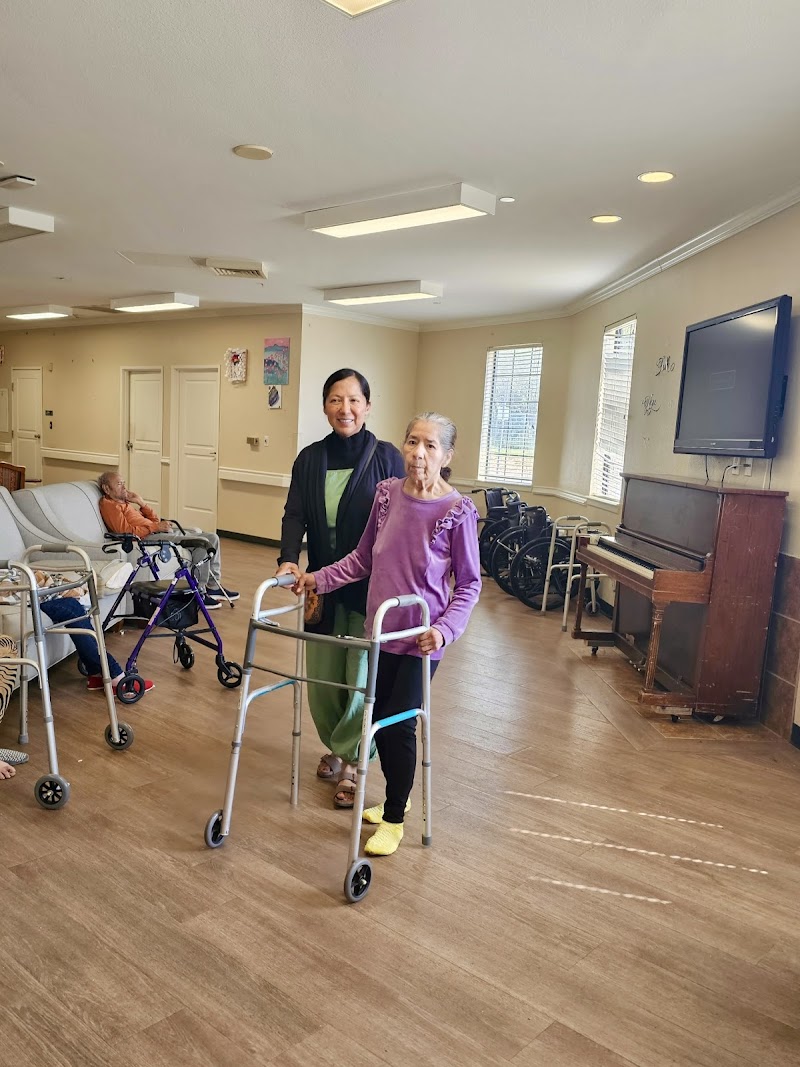
Who Owns and Operates Stone Oak?

STONE OAK CARE CENTER is owned by a for-profit company. For-profit facilities operate as businesses with obligations to shareholders or private owners. The facility is operated by TOUCHSTONE COMMUNITIES, a chain that manages multiple nursing homes. With 152 certified beds and approximately 109 residents (about 72% occupancy), it is a mid-sized facility located in SAN ANTONIO, Texas.
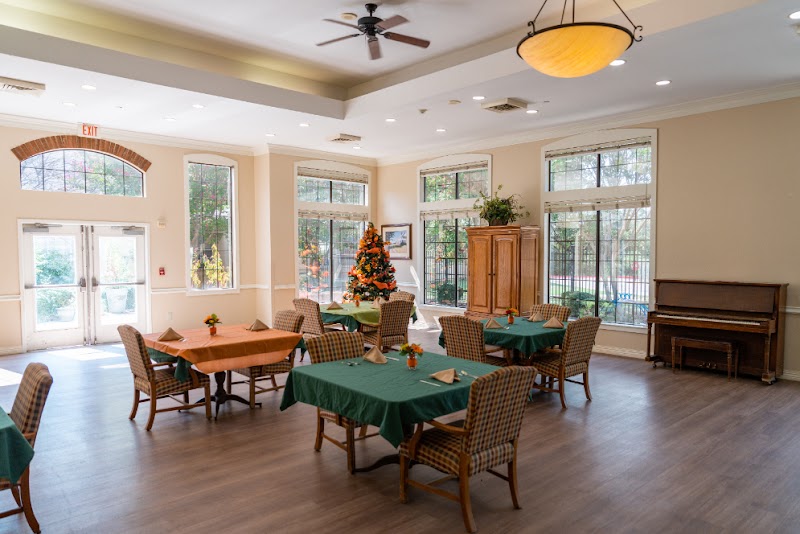
How Does Stone Oak Compare to Other Texas Nursing Homes?

Compared to the 100 nursing homes in Texas, STONE OAK CARE CENTER's overall rating (1 stars) is below the state average of 2.8, staff turnover (54%) is near the state average of 46%, and health inspection rating (2 stars) is below the national benchmark.

What Should Families Ask When Visiting Stone Oak?

Based on this facility's data, families visiting should ask: "What changes have been made since the serious inspection findings, and how are you preventing similar issues?" "Can you walk me through typical staffing levels on day, evening, and night shifts?" "Can I visit during a mealtime to observe dining assistance and food quality?" "How do you handle medical emergencies, and what is your hospital transfer rate?" These questions are particularly relevant given the facility's Immediate Jeopardy citations and the below-average staffing rating.

Is Stone Oak Safe?

Based on CMS inspection data, STONE OAK CARE CENTER has documented safety concerns. Inspectors have issued 1 Immediate Jeopardy citation (the most serious violation level indicating risk of serious injury or death). The facility has a 1-star overall rating and ranks #100 of 100 nursing homes in Texas. Families considering this facility should ask detailed questions about what corrective actions have been taken since these incidents.

Do Nurses at Stone Oak Stick Around?

STONE OAK CARE CENTER has a staff turnover rate of 54%, which is 8 percentage points above the Texas average of 46%. Moderate turnover is common in nursing homes, but families should still ask about staff tenure and how the facility maintains care continuity when employees leave.

Was Stone Oak Ever Fined?

STONE OAK CARE CENTER has no federal fines on record. CMS issues fines when nursing homes fail to meet care standards or don't correct problems found during inspections. The absence of fines suggests the facility has either maintained compliance or corrected any issues before penalties were assessed. This is a positive indicator, though families should still review recent inspection reports for the full picture.

Is Stone Oak on Any Federal Watch List?

STONE OAK CARE CENTER is not on any federal watch list. The most significant is the Special Focus Facility (SFF) program, which identifies the bottom 1% of nursing homes nationally based on persistent, serious quality problems. Not being on this list means the facility has avoided the pattern of deficiencies that triggers enhanced federal oversight. This is a positive indicator, though families should still review the facility's inspection history directly.