Sunrise Nursing & Rehab Center


50 Briggs St, San Antonio, TX 78224 (210) 921-0184
For profit - Corporation 119 Beds SUMMIT LTC Data: November 2025 2 Immediate Jeopardy citations
Trust Grade
1/100
#1114 of 1168 in TX
Last Inspection: August 2025

Inspected within the last 6 months. Data reflects current conditions.

Overview

Sunrise Nursing & Rehab Center has received a Trust Grade of F, indicating significant concerns about its operations and care quality. Ranking #1114 out of 1168 facilities in Texas places it in the bottom half, and it is #56 out of 62 in Bexar County, suggesting limited local options that are better. The facility is worsening, with issues increasing from 13 in 2024 to 23 in 2025, which raises red flags for potential residents and their families. Staffing is a significant weakness, with a poor rating of 1 out of 5 stars and an alarming turnover rate of 64%, well above the Texas average. Additionally, there have been serious incidents, such as a resident being allowed to smoke while on oxygen, which poses a critical safety risk, and another resident receiving incorrect food texture, leading to a choking hazard.

Trust Score
F
1/100
In Texas
#1114/1168
Bottom 5%
Safety Record
High Risk
Review needed
Inspections
Getting Worse
13 → 23 violations
Staff Stability
⚠ Watch
64% turnover. Above average. Higher turnover means staff may not know residents' routines.
Penalties
✓ Good
$27,236 in fines. Lower than most Texas facilities. Relatively clean record.
Skilled Nurses
⚠ Watch
Each resident gets only 6 minutes of Registered Nurse (RN) attention daily — below average for Texas. Fewer RN minutes means fewer trained eyes watching for problems.
Violations
⚠ Watch
37 deficiencies on record. Higher than average. Multiple issues found across inspections.
★☆☆☆☆
1.0
Overall Rating
★☆☆☆☆
1.0
Staff Levels
★★☆☆☆
2.0
Care Quality
★☆☆☆☆
1.0
Inspection Score
Stable
2024: 13 issues
2025: 23 issues

The Good

  • Full Sprinkler Coverage · Fire safety systems throughout facility
  • No fines on record

Facility shows strength in fire safety.

The Bad

1-Star Overall Rating

Below Texas average (2.8)

Significant quality concerns identified by CMS

Staff Turnover: 64%

17pts above Texas avg (46%)

Frequent staff changes - ask about care continuity

Federal Fines: $27,236

Below median ($33,413)

Moderate penalties - review what triggered them

Chain: SUMMIT LTC

Part of a multi-facility chain

Ask about local staffing decisions and management

Staff turnover is elevated (64%)

16 points above Texas average of 48%

The Ugly 37 deficiencies on record

2 life-threatening 1 actual harm
Sept 2025 2 deficiencies 1 Harm
SERIOUS (G) 📢 Someone Reported This

A family member, employee, or ombudsman was alarmed enough to file a formal complaint

Actual Harm - a resident was hurt due to facility failures

Safe Environment (Tag F0584)

A resident was harmed · This affected 1 resident

**NOTE- TERMS IN BRACKETS HAVE BEEN EDITED TO PROTECT CONFIDENTIALITY** Based on observation, interview, and record review, the facility failed to ensure the resident's right to a safe, clean, comfort...

Read full inspector narrative →
**NOTE- TERMS IN BRACKETS HAVE BEEN EDITED TO PROTECT CONFIDENTIALITY** Based on observation, interview, and record review, the facility failed to ensure the resident's right to a safe, clean, comfortable, and homelike environment for 1 (Resident #1's room) of 12 resident rooms reviewed for physical environment.The facility failed to ensure there were no pests in Resident #1's room on 9/5/25.This failure could place residents at risk of psychosocial harm due to diminished quality of life and/or physical harm. Findings included:Record review of Resident #1's admission Record, dated 9/20/25, revealed the resident was admitted on [DATE] with diagnoses which included: Need for Assistance with Personal Care, Muscle Weakness, Polyneuropathies (disorder affecting multiple peripheral nerves, causing damage/dysfunction), and history of other diseases of the nervous system and sense organs] .Record review of Resident #1's Quarterly MDS, dated [DATE], revealed the resident had a BIMS score of 15, indicating intact cognition.Record review of Resident #1's Progress Notes revealed: 9/5/25 at 10:00 am - Aide notified this nurse of finding ants on the bed, noticed ants under sheets, at which time, maintenance staff notified room and bed sprayed, bed and mattress decontaminated, cont. Patient encouraged to be out of bed daily and to eat in bed to a minimal [sic] in order for bed and surrounding to be checked for ants [LVN A] 9/5/25 at 4:00 pm - DON and this nurse spoke [with] resident regarding ants in room.[ADON] 9/8/25 at 11:00 am - CNA [A] called to room [and] resident c/o having ant bites to bilat inner thighs and [right] flank area. Both inner thigh areas have fluid filled pustules [with] redness from scratching or rubbing area. [Right] flank area also [with] redness [and] few pustules noted. NP notified and n/o for hydrocortisone cream 1% apply thin layer to affected area TID until healed. Monitor for s/s of infection q shift, resident noted with no c/o pain or discomfort [LVN B] 9/8/25 - Resident mention [sic] she had ants in her bed Fri am, has ant bites on inner groin leg, RT back reported to Tx nurse, she called NP got orders - [LVN C] (Rt flank area, inner groin [with] redness and pus [LVN C] Record review of Resident #1's Weekly Skin Assessment, dated 9/5/25, completed by the ADON, revealed: Red raised area to bilateral inner thighs [and] [right] flank area. Record review of an Event Report, dated 9/5/25, revealed: .ant bites to bilateral inner thighs [and] [right] flank area. area red and raised. This nurse was made aware that resident had ants in her bed earlier but no visible ant bites. When CNA put resident to bed CNA noted ant bites and notified this nurse. Resident assessed and ant bites noted. red and raised [with] no blisters. [PCP] called and made aware gave PRN order for hydrocortisone 1% apply TID PRN. Resident denies pain/discomfort to area. Resident did not want this nurse to apply hydrocortisone to noted bites as she wasn't having any pain/burning/itching to area. R/p called [and] made aware - [ADON].Record review of photographs (HHSC 6339 Documentation of Photographic Evidence 1-8), received by HHSC on 9/11/25, revealed areas of redness and pustules to the Resident #1's groin and thighs.Record review of video (HHSC 6339 Documentation of Video Evidence), received by HHSC on 9/11/25, revealed numerous ants on Resident #1's bed.During an interview and observation of skin assessment for Resident #1 on 9/18/25 at 3:11 pm, small circular scars were noted to the resident's bilateral thighs and right flank area. Resident #1 and Treatment Nurse said these scars were because of ant bites.During an interview on 9/18/25 at 3:14 pm, Resident #1 said on 9/5/25 about 6:00 am there were ants in her bed, fire ants. Resident #1 further said she could not feel and did not realize the ants were on her. Resident #1 said she felt something on her shoulder and told CNA A, who said it was an ant. Resident #1 further said when CNA A removed the covers, there were more ants on the bed. Resident #1 said there were a whole bunch, on that day (9/5/25) they (the ants) were big and bit me. Resident #1 further said the ants were coming from the window/AC area.During an interview on 9/19/25 at 10:47 am, the DON said she first learned about the ants in Resident #1's bed on the morning of 9/5/25 about 9:45 am. On 9/19/25 at 12:45 pm, the DON verified Resident #1 did not have any skin breakdown on 9/4/25 as documented on her shower sheet. During an interview on 9/19/25 at 10:51 am, LVN A] said he was notified about ants in Resident #1's bed on 9/5/25 about 9:40 am.During an interview on 9/19/25 at 2:11 pm, the MS said he saw the ants in Resident #1's room, which were coming from the AC unit.During an interview on 9/19/25 at 3:21 pm, CNA A said on 9/5/25, at about 8:30 am - 9:00 am, Resident #1 said she felt like something was crawling on her shoulder. CNA A further said when she removed the resident's covers to check the bed she noticed more ants on the bed. CNA A said she placed a sheet under the resident to provide a barrier until a second staff arrived to help transfer the resident out of bed using the lift. CNA A further stated she did not notice any food in or around the resident's bed.During an interview on 9/20/25 at 2:46 pm, CNA A said she had not noticed any redness to Resident #1's thighs or between her thighs before.During an interview on 9/20/25 at 4:16 pm, Resident #1 said she felt bad the ants being in her bed. Resident #1 further said that sometimes she felt like something was crawling on her arm.Record review of the facility's Maintenance Logs revealed ants were reported in Resident #1's bed on 9/5/25.During an interview on 9/20/25 at 3:31 pm, the Administrator said it was important to check for the facility for pests and treat any identified issues, as they did with the ants on 9/5/25, and ensure no other issues with pests. The Administrator further said the MS and herself were responsible for ensuring the facility was pest free. The Administrator said the nursing staff were responsible for reporting any pest activity. The Administrator further said that residents were at risk for bug bites if the facility had increased pest activity. Record review of the facility's policy, Abuse/ Reportable Events, undated, revealed: .The facility will provide and ensure the promotion and protection of resident rights.This facility establishes an environment that is as homelike as possible and includes a culture and environment that treats each resident with respect and dignity.
CONCERN (D) 📢 Someone Reported This

A family member, employee, or ombudsman was alarmed enough to file a formal complaint

Potential for Harm - no one hurt, but risky conditions existed

Report Alleged Abuse (Tag F0609)

Could have caused harm · This affected 1 resident

**NOTE- TERMS IN BRACKETS HAVE BEEN EDITED TO PROTECT CONFIDENTIALITY** Based on interview and record review the facility failed to ensure all alleged violations involving abuse or neglect, exploitati...

Read full inspector narrative →
**NOTE- TERMS IN BRACKETS HAVE BEEN EDITED TO PROTECT CONFIDENTIALITY** Based on interview and record review the facility failed to ensure all alleged violations involving abuse or neglect, exploitation or mistreatment were reported immediately, but not later than 2 hours after the allegation was made, if the events resulted in serious bodily injury for 1 of 4 residents (Resident #1) reviewed for reporting.The facility failed to report to the state survey agency that Resident #1 sustained an injury as a result of ants in her bed on 9/5/25.This failure could place residents at risk for neglect, diminished quality of life, physical, and/or psychosocial harm.Findings included:Record review of Resident #1's admission Record, dated 9/20/25, revealed the resident was admitted on [DATE] with diagnoses which included: Need for Assistance with Personal Care, Muscle Weakness, Polyneuropathies (disorder affecting multiple peripheral nerves, causing damage/dysfunction), and history of other diseases of the nervous system and sense organs.Record review of Resident #1's Quarterly MDS, dated [DATE], revealed the resident had a BIMS score of 15, indicating intact cognition Record review of Resident #1's Progress Notes revealed: 9/5/25 at 10:00 am - Aide notified this nurse of finding ants on the bed, noticed ants under sheets, at which time, maintenance staff notified room and bed sprayed, bed and mattress decontaminated, cont. Patient encouraged to be out of bed daily and to eat in bed to a minimal [sic] in order for bed and surrounding to be checked for ants [LVN A] 9/5/25 at 4:00 pm - DON and this nurse spoke [with] resident regarding ants in room.[ADON] 9/8/25 at 11:00 am - CNA [A] called to room [and] resident c/o having ant bites to bilat inner thighs and [right] flank area. Both inner thigh areas have fluid filled pustules [with] redness from scratching or rubbing area. [Right] flank area also [with] redness [and] few pustules noted. NP notified and n/o for hydrocortisone cream 1% apply thin layer to affected area TID until healed. Monitor for s/s of infection q shift, resident noted with no c/o pain or discomfort [LVN B] 9/8/25 - Resident mention [sic] she had ants in her bed Fri am, has ant bites on inner groin leg, RT back reported to Tx nurse, she called NP got orders - [LVN C] (Rt flank area, inner groin [with] redness and pus [LVN C] Record review of Resident #1's Weekly Skin Assessment, dated 9/5/25, completed by the ADON, revealed: Red raised area to bilateral inner thighs [and] [right] flank area. Record review of an Event Report, dated 9/5/25, revealed: .ant bites to bilateral inner thighs [and] [right] flank area. area red and raised. This nurse was made aware that resident had ants in her bed earlier but no visible ant bites. When CNA put resident to bed CNA noted ant bites and notified this nurse. Resident assessed and ant bites noted. red and raised [with] no blisters. [PCP] called and made aware gave PRN order for hydrocortisone 1 apply TID PRN. Resident denies pain/discomfort to area. Resident did not want this nurse to apply hydrocortisone to noted bites as she wasn't having any pain/burning/itching to area. R/p called [and] made aware - [ADON].Review of facility intakes on TULIP on 9/17/25 revealed there were no self-reported incidents about the event involving ants in Resident #1's bed with subsequent ant bites to her body. During an interview and observation of skin assessment for Resident #1 on 9/18/25 at 3:11 pm, small circular scars were noted to the resident's bilateral thighs and right flank area. Resident #1 and Treatment Nurse said these scars were because of ant bites.During an interview on 9/18/25 at 3:14 pm, Resident #1 said on 9/5/25 about 6:00 am there were ants in her bed, fire ants. Resident #1 further said she could not feel and did not realize the ants were on her. Resident #1 said she felt something on her shoulder and told CNA A, who said it was an ant. Resident #1 further said when CNA A removed the covers, there were more ants on the bed. Resident #1 said there were a whole bunch, on that day (9/5/25) they (the ants) were big and bit me. Resident #1 further said the ants were coming from the window/AC area. During an interview on 9/20/25 at 3:31 pm, the Administrator said it was important to check for the facility for pests and treat any identified issues, as they did with the ants on 9/5/25, and ensure no other issues with pests. The Administrator further said the MS and herself were responsible for ensuring the facility was pest free. The Administrator said the nursing staff were responsible for reporting any pest activity. The Administrator further said that residents were at risk for bug bites if the facility had increased pest activity[KA1] .Record review of the facility's policy, Abuse/ Reportable Events, undated, revealed: .It is everyone's responsibility to recognize, report, and promptly investigate actual or alleged abuse, neglect, exploitation, mistreatment of residents or misappropriation of resident property abuse and situations that may constitute abuse or neglect to any resident in the facility. Adverse event: untoward, undesirable, and usually unanticipated event that causes death or serious injury, or the risk thereof. Reporting: Facility employees must report all allegations of: abuse, neglect, exploitation, mistreatment of residents, misappropriation of resident property or injury of unknown source to the facility administrator. The facility administrator or designee will report the allegation to HHSC. If the allegations involve abuse or result in serious bodily injury, the report is to be made within 2 hours of the allegation.
Aug 2025 16 deficiencies 1 IJ (1 affecting multiple)
CRITICAL (K)

Immediate Jeopardy (IJ) - the most serious Medicare violation

Accident Prevention (Tag F0689)

Someone could have died · This affected multiple residents

**NOTE- TERMS IN BRACKETS HAVE BEEN EDITED TO PROTECT CONFIDENTIALITY** Based on observation, interviews and record reviews, the facility failed to ensure the resident environment remained as free of ...

Read full inspector narrative →
**NOTE- TERMS IN BRACKETS HAVE BEEN EDITED TO PROTECT CONFIDENTIALITY** Based on observation, interviews and record reviews, the facility failed to ensure the resident environment remained as free of accident hazards as was possible and each resident received adequate supervision and assistance devices to prevent accidents for 2 of 16 residents (Residents #9 and #63) reviewed for accidents and hazards. 1. Resident #9 was observed with her own smoking paraphernalia which included a lighter (a self-contained ignition source used to lite cigarettes) and was observed smoking on the facility property without supervision and or at the assigned agreed upon times for supervised smoking. 2. Resident #106 was discovered with smoking paraphernalia which included a lighter and cigarettes, and was actively smoking, while receiving oxygen therapy, in his bathroom twice, once on 8/12/2025 and again on 8/21/2025. The noncompliance was identified as PNC. The IJ began on 6/13/2025 and ended on 8/25/2025. The facility had corrected the noncompliance before the survey began. These failures could have exposed residents to harm by neglecting to provide supervision. The findings included:The findings included: 1. A record review of Resident #9's admission record dated 8/29/2025 revealed an admission date of 6/2/2025 and a discharge date of 8/27/2025 with diagnoses which included chronic obstructive pulmonary disease (COPD, a group of lung diseases that cause airflow obstruction and breathing difficulties), left lower leg amputation, intermittent explosive disorder (recurrent episodes of impulsive, aggressive, and violent behavior that is disproportionate to the triggering situation), and diabetes mellitus II (a chronic condition where the body does not use insulin effectively or does not produce enough insulin and results in high concentrations of sugars in the bloodstream with potential negative outcomes). A record review of Resident #9's quarterly MDS dated [DATE] revealed resident #9 was a [AGE] year-old female admitted for long term care with supports for safe supervised smoking. Resident was assessed with a BIMS score of 15 out of 15 which indicated no cognitive impairment. A record review of Resident #9's care plan dated 8/27/2025 revealed, problem; resident is a smoker . instruct Resident about smoking risks and hazards and about smoking cessation aids that are available . instruct residents about the facility policy on smoking locations, times, safety concerns, . notify charge nurse immediately if it is suspected resident has violated facility smoking policy . observe clothing and skin for signs of cigarette burns . A record review of Resident #9's nursing progress notes revealed on 6/13/2025 at 4:16 AM LVN F documented, patient noted going into (another residents) room multiple times throughout the night and taking patient out to smoke. A record review of Resident #9's nursing progress notes revealed on 6/15/2025 at 11:47 AM LVN X documented, resident observed outside in courtyard smoking with another Resident, resident was redirected. When nurse asked for lighter and cigarette, resident refused and stated she could smoke outside. Resident nurse notified. During an interview on 8/30/2025 at 1:51 PM LVN F stated Resident #9 would often smoke unsupervised and at unassigned time. LVN F stated Resident often had her own cigarettes and lighter and would surrender the lighter when asked but would often obtain another lighter, most likely from when she would sign herself out on pass. smoked out in the courtyard unsupervised and reported to the ADON and previous DON. LVN F stated there was a risk for burns. LVN F stated he recalled his documentation on 6/12/2025 at 4 AM when he observed Resident #9 in the facility courtyard smoking cigarettes. LVN F stated he reported the incident at the change of shift to the previous DON and the ADON. 2. Record review of Resident #63's admission record dated 8/30/2025 revealed an admission date of 5/14/2025 with diagnoses which included malnutrition, anxiety, pain, hypertension (high blood pressure), muscle spasms / weakness, reflux, and chronic obstructive pulmonary disease. A record review of Resident #63 quarterly MDS dated [DATE] revealed Resident #63 was a [AGE] year-old male admitted for long term care with supports for safe supervised smoking. Resident #63 was assessed with a BIMS score of 11 out of a possible 15 which indicated moderate cognitive impairment. A record review of Resident #63's physicians order dated 5/14/2025 revealed the physician prescribed for Resident #63 to receive continuous oxygen therapy every shift every day and night. Record review of Resident #63's care plan dated 8/30/2024 revealed that he was an intermittent smoker (start date 5/14/2025) with a revision on 8/12/2025 indicating that he was noncompliant with the smoking policy and smoking in his bathroom and was educated/acknowledged smoking agreement. A record review of the facility's event report dated 8/12/2025 revealed at 4:00 PM the Social Worker and LVN A discovered Resident #63 in his bathroom smoking while receiving oxygen therapy via a nasal cannula and an oxygen concentrator. A record review of the facility's event report dated 8/21/2025 revealed at an unknown time prior to 4:00 PM LVN A and CNA B discovered Resident #63 was in his bathroom smoking while receiving oxygen therapy via a nasal cannula and an oxygen concentrator. During an observation and interview on 8/28/2025 at 1:40 PM revealed Resident #63 was in his room and was assisted to pack and gather his belongings to discharge to another facility. Resident #63 stated he was discharged related to his episodes of smoking in his rooms' bathroom. Resident #63 stated he did not participate in the supervised assigned smoke breaks due to his inability to participate in the smoke break without his oxygen therapy. Resident #63 stated he could not endure very long without his oxygen because of his COPD. During an interview on 8/28/2025 at 1:50 PM LVN A stated she and the SW discovered Resident #63 smoking in his bathroom twice in August 2025. LVN A stated the ADON, the DON, and the Administrator were aware of Resident #63's smoking incidents. LVN A stated Resident #63's smoking could have had serious injury potential to include fires and or burns. LVN A stated the incidents were reported to the facility's leadership who implemented safety measures which included assessing peer residents who smoke for smoking paraphernalia and monitoring Resident smokers for safe smoking practices. LVN A stated Resident #63 was monitored and reviewed for safety every 2 hours every day until he was discharged . During an interview on 8/28/2025 at 4:10 PM the ADON stated she was aware of Resident #63's smoking incidents while he was on oxygen therapy and had reviewed the incidents in the morning IDT meetings with the DON and the Administrator and could not recall anyone discussing a report to the state agency for the incidents. During an interview on 8/28/2025 at 5:00 PM the Administrator stated she had received a report from nursing staff that Resident #9 and Resident #63 had a history of smoking unsupervised and at unassigned times. The Administrator stated LVN A and the SW reported that Resident #63 had been caught smoking in his bathroom on 8/12/2025 and again on 8/21/2025. The Administrator stated the facility could no longer meet Resident #63's and Resident #9's needs for safe smoking and non-compliant behavior and discharged the Residents. The Administrator stated the IDT and herself had not considered the incidents as incidents which were reportable to the state agency and had not reported the incidents to the state agency. During an interview on 8/29/2025 at 4:40 PM NP C stated he was the NP for the MD and was responsible for Resident #63's medical care. NP C stated Resident #63 had a need for oxygen therapy related to his poor gas exchange and should never be able to smoke while receiving oxygen therapy. NP C stated the practice was dangerous not only to Resident #63 but to the public to include a potential for fires and explosions. A record review of the facility's smoking policy dated 2017 revealed It is the policy of this home that: All residents who smoke will be supervised. Smoking will be permitted in designated safe area(s) only. Oxygen equipment is not permitted in the smoking area(s). The minimum safe distance for oxygen equipment from the smoking area is 50 feet. Residents not complying with the home's smoking policy may be discharged from the home. PNC verification A record review of the facility's Ad Hoc QAPI meeting documentations titled AD Hoc QAPI Meeting / Four Point Plan of Correction Agenda and Summary revealed the Ad Hoc committee members met which included the Medical Director, the Administrator, the DON, the ADON, the Maintenance Director, the Housekeeping Supervisor, the Social Worker, and the Business Manager. Further review revealed an action plan which included:1. Corrective actiona. What specifi9c action would you take for the identified residents? i. Identify residents who smoke ii. Provide re-education regarding safe smoking practices completed (policies.) iii. Proper notification to administration regarding non-compliance with smoking policy. iv. Monitoring of system to ensure compliance.2. Identification of othersa. What other residents might be a risk in the same deficient practice and why? All smokers could be potentially at risk for committing deficient practice. Therefore, continued reeducation of smoking policy has been implemented. Smokers were invited to resident council meeting to discuss smoking practices and ensure compliance with smoking policy.3. Systemic changesa. what changes would you make based on the results of your root cause analysis? Administrator, director of nursing, and assistant director of nursing will closely monitor smoking system and ensure compliance. Admissions - to identify smoker status prior to administration and communicate status with nursing team. Nurses have been in service on ensuring safe smoking practices are followed based on smoking policy and transparent communication will be required of non-compliance with administration and nursing administration teams.b. How will changes be communicated to staff? In services and one-on-one education on updated policies will be provided by the administrator and nurse managers including the director of nurses.c. Identification of non-compliant residents who smoke must be communicated to the administration team for interventions and safety practices put in place.4. Monitoringa. How will you sustain compliance? By making compliance monitoring rounds, education of staff and residents as appropriate.b. How do you plan to monitor corrective action? When and how long will monitoring occur? Monitoring will be ongoing. It will be monitored by all department managers to ensure compliance and reviewed monthly during QAPI meetings until further notice.c. Resident council will be included to provide smoking policy and ongoing education regarding safe practices. A record review of the smoker's club Resident council meeting dated 8/18/2025 revealed 10 residents which included Resident #9 and #63 received a review of the facility's smoking policy, It is the policy of this home that: All residents who smoke will be supervised. Smoking will be permitted in designated safe area(s) only. Oxygen equipment is not permitted in the smoking area(s). The minimum safe distance for oxygen equipment from the smoking area is 50 feet. Residents not complying with the home's smoking policy may be discharged from the home. A record review of the facility's in-service dated 8/21/2025 titled Smoking Supplies revealed the entire staff had received the in-service which included, all smoking supplies must be kept in smoking box no resident should be smoking in Rome all residents found with supplies for smoking must be taken away and notify the administrator. A record review of the facility's AdHoc QAPI files dated 8/21/2025 revealed a statement authored by the DON which included, on 8/21/25 myself and a DON rounded and searched all residents who smoke for any smoking paraphernalia smoking paraphernalia was found on any residence all smoking residents were able to verbalize they can only smoke during scheduled smoke breaks. Further review revealed the DON and the ADON signed the statement. A record review of the facility's AdHoc QAPI files dated 8/21/2025 revealed a monitoring worksheet for Resident #63 dated from 8/21/2025 until 8/27/2025. Further review revealed Resident #63 was monitored every 2 hours for safety and behavior without incident. During an observation and interview on 8/28/2025 at 1:40 PM revealed Resident #63 was in his room and was assisted to pack and gather his belongings to discharge to another facility. Resident #63 stated he was discharged related to his episodes of smoking in his rooms' bathroom. Resident #63 stated he did not participate in the supervised assigned smoke breaks due to his inability to participate in the smoke break without his oxygen therapy. Resident #63 stated he could not endure very long without his oxygen because of his COPD. During an interview on 8/28/2025 at 1:50 PM LVN A stated she had received training for safe smoking practices which included monitoring residents for smoking paraphernalia and had monitored Resident #63 every 2 hours when she was on shift to do so. During an observation and interview on 8/27/2025 at 11:39 AM revealed the facility's designated smoking area, the courtyard, where 6 residents assembled for a smoke break. Further review revealed the Activities Director supplied the residents with cigarettes and lite the cigarettes for the residents. The Activities Director was observed to supply clothing protectors for residents who had a need for clothing protectors. The Activities Director stated the facility had developed and implemented a smoking program for residents which included 4 smoke breaks on Monday through Friday, four times a day, at 9:30 AM, 11:30 AM, 1:30 PM, and again at 4:00 PM. The Activities Director stated she organized and supervised the residents smoke breaks which included the storage of residents' cigarettes and lighters in a locked room at the nurse's station. During an observation and interview on 8/29/2025 at 4:33 PM revealed Resident #20, Resident #1, Resident #63, and Resident #36 assembled in the courtyard for a supervised smoke break. Residents #20, #1, #63, and #36 stated they smoked while supervised at the smoke breaks and the staff kept their cigarettes and lighters. During an interview on 8/28/2025 at 11:00 AM LVN X and LVN Z stated the activities Director would coordinate and supervise the smoke breaks for residents Monday through Friday and the nurses would take turns supervising the smoke breaks on the weekends. LVN X and LVN Z stated the cigarettes and lighters were stored locked in the medication room and the nurses would provide the cigarettes. LVN X stated no one should smoke in the facility and any violations would be reported to the leadership to include the Administrator and the DON. During an interview on 8/28/2025 at 4:10 PM the ADON stated she had reviewed the facility smokers several times during June 16/2025 through 8/21/2025 to include monitoring for smoking paraphernalia and safe smoking times with supervision. The ADON stated she and the entire staff had been in serviced several times for safe smoking policies and reporting unsafe smoking practices. During an interview on 8/28/2025 at 5:00 PM the Administrator stated she became aware of Resident #9's and Resident #63's unsafe smoking behaviors in June 15/2025 and in August 12th and august 21st 2025 and began an investigation on 8/13/2025 which concluded with an Ad Hoc QAPI meeting, a plan of correction which included systemic changes, increased monitoring for safe smoking practices and a safe discharge for residents #9 and Resident #63 to facilities which could meet their needs for safe smoking to include smoking cessation efforts.
CONCERN (D)

Potential for Harm - no one hurt, but risky conditions existed

Notification of Changes (Tag F0580)

Could have caused harm · This affected 1 resident

**NOTE- TERMS IN BRACKETS HAVE BEEN EDITED TO PROTECT CONFIDENTIALITY** Based on interview and record review the facility failed to immediately consult with the resident's physician when there was a s...

Read full inspector narrative →
**NOTE- TERMS IN BRACKETS HAVE BEEN EDITED TO PROTECT CONFIDENTIALITY** Based on interview and record review the facility failed to immediately consult with the resident's physician when there was a significant change in the resident's physical status (that is, a deterioration in health status, (status in either life-threatening conditions or clinical complications) for 1 of 6 Residents (Resident #91) whose records were reviewed. LVN W failed to notify Resident #91's physician on 8/14/25 when he received a critical lab reflecting Resident #91's blood sugar was 40. This deficient practice could place residents at risk for a delay in treatment and a decline in the resident's physical condition. The findings were:Review of Resident #91's face sheet, dated 8/28/25, revealed he was admitted to the facility on [DATE] with diagnoses including Type 2 diabetes mellitus (the body cannot use insulin correctly and sugar builds up in the blood) without complications and Major depressive disorder, recurrent, mild (pervasive low mood, low self-esteem, and loss of interest or pleasure in normally enjoyable activities). Review of Resident #91's admission MDS assessment, dated 7/28/25, revealed his BIMS score was 13 of 15 reflective of minimal cognitive impairment, diagnosis of diabetes mellitus and it reflected he received insulin injections on a regular basis. Review of Resident #91's Care Plan, dated 7/29/28, revealed it did not reflect that he had diabetes mellitus or that he received insulin injections. Review of the nursing facility staffing schedule for 8/13/25 revealed LVN W was scheduled to work from 7:00 PM to 7:00 AM. Review of Resident #91's lab report, dated 8/13/25, revealed LVN W received a call from the lab company at about 2:30 AM on 8/13/25. The lab results revealed a critical lab, glucose (blood sugar), level of 40. Review of Resident #91's nursing progress note, dated 8/13/25, revealed the last entry was made at 10:00 which reflected he was on antibiotic treatment, Levaquin, for UTI. Review of a progress note dated 8/14/25 revealed the first entry was at 0900 AM and it reflected Resident #91 continued on antibiotic treatment, Levaquin, for diagnosis of UTI. Further review revealed there were no progress notes entered between 8/13/25 at 2:30 AM and 8/14/25 at 10:00. Interview on 8/29/25 at 5:10 PM with Resident #91's NP C, stated he did not receive a phone call from the facility during the early morning of 8/13/25. He stated he was familiar with LVN W and stated he checked his phone log and did not receive a call from LVN W. NP C stated he would have expected LVN W to call him and inform him of Resident #91's critical lab results (change of condition). NP C stated he would have expected LVN W to have assessed Resident #91 and to do an Accu-Chek (check his blood sugar level) and provide him with a report. He stated he would have asked about Resident #91's blood sugar levels throughout the day and night on 8/13/25 up until LVN W received the call from the lab company. He stated he would have asked about Resident #91's insulin administration for the same time frame. NP C stated this would provide him with the information needed to provide a new order as necessary. Interview on 8/29/25 at 5:53 PM with LVN W stated he worked on 8/13/25 from 7:00 PM to 7:00 AM. LVN W stated he remembered Resident #91 but could not recall receiving a call from the lab company about a critical blood sugar level of 40. He stated he was expected to complete an SBAR anytime there was a change in a resident's condition. He stated for a critical lab, blood sugar level of 40 he would be expected to call the NP, to assess the resident, possibly check his blood sugar level, provide the NP with the resident's blood sugar values throughout the day, meal intake and insulin received. LVN W further stated he was also required to call the ADON or DON and Resident #91's responsible party. LVN W again stated he did not recall any events which occurred on 8/13/25 related to Resident #91. Interview on 8/30/25 at 5:45 PM with the ADON revealed she could not remember receiving a call from LVN W regarding Resident #91's critical lab related to his blood sugar level of 40, dated 8/13/25. She stated she did not remember the topic coming up during the morning meeting on 8/14/25. The ADON reviewed Resident #91's lab report, dated 8/13/25 and nurse's progress notes dated 8/13/25 to 8/14/25. The ADON stated LVN W should have called the NP, her, the DON, the RP and followed any new orders; completed an SBAR and progress note reflecting the critical lab, blood sugar level of 40. The ADON stated it was important to immediately take action anytime there was a change in a resident's condition to ensure the resident received the necessary treatment, otherwise, the resident could experience a decline in condition. The ADON stated she did not see any evidence to reflect LVN W took any action related to Resident #91. Interview on 8/30/25 at 6:05 PM with the DON revealed she was not aware that a critical lab, blood sugar level of 40 was received regarding Resident #91. The DON stated she expected a nurse to take immediate action when a resident had a change of condition to include assessing the resident, calling the PCP/NP, the RP, her and or the ADON and follow any new orders. She stated it was critical that a resident received the necessary care as needed so the resident did not have a decline in their health. Review of facility policy titled, Nursing Policy and Procedure, Change of Condition-Observing Reporting and Recording, dated 12/2017 read in relevant part: It is the policy of this home to inform the resident, the resident's physician and if indicated the residents responsible party of the following. 2. A significant change in the resident's physical, mental or psychosocial status, such as a deterioration in health, mental or psychosocial status, in life-threatening conditions or clinical complications. Procedure Observing, Reporting and Documenting a Change in Condition: 1. After resident changes in condition including but not limited to falls, injuries, changes in health and psychosocial status conduct a thorough assessment and compare against baseline. 2. Do not leave the resident alone when a change in condition is identified until the licensed nurse has determined that the resident is not in danger in any way related to their medical or mental changes in condition. 3. The attending physician should be notified as soon as possible if immediate attention is required or as soon as feasible if the resident is stable (change inn condition is resolved such as a fall without injury or head trauma). 4. Complete an incident/accident report if indicated (fall, injury etc.). 5. Notify resident's responsible party. 6. If necessary, due to the seriousness of the change in condition or as ordered by the physician, transfer the resident to the hospital by ambulance or appropriate transportation.
CONCERN (D)

Potential for Harm - no one hurt, but risky conditions existed

Assessment Accuracy (Tag F0641)

Could have caused harm · This affected 1 resident

**NOTE- TERMS IN BRACKETS HAVE BEEN EDITED TO PROTECT CONFIDENTIALITY** Based on observation, interview and record review the facility failed to ensure the assessment accurately reflected the resident...

Read full inspector narrative →
**NOTE- TERMS IN BRACKETS HAVE BEEN EDITED TO PROTECT CONFIDENTIALITY** Based on observation, interview and record review the facility failed to ensure the assessment accurately reflected the resident's status for 1 of 6 Residents (Resident #76) whose MDS records were reviewed.MDS Coordinator/LVN T failed to include in Resident #76's MDS assessment that she had lost weight in the last 6 months. This deficient practice could place residents at risk of not receiving the care and services as needed.The findings were:Record review of Resident #76's face sheet, dated 8/30/25, revealed she was admitted to the facility on [DATE] with diagnoses including muscle weakness (generalized), unsteadiness on feet and other lack of coordination. Record review of Resident #76's quarterly MDS, dated [DATE], revealed her BIMS score was 12 of 15 reflective of moderate cognitive impairment and she was dependent on staff for all ADL's. Further review revealed it did not reflect she had lost weight during July 2025. Record review of Resident #76's Care Plan, dated 7/16/25, revealed she had a significant unplanned/unexpected weight loss due to poor food intake. Observation and interview on 08/26/25 at 12:34 PM revealed Resident #76 eating her lunch meal. She stated she did not like the food and had a family member bring her take out. Interview on 08/30/2025 at 4:40 PM the MDS Coordinator/LVN T stated it was important that Resident #76's MDS assessment accurately reflect her status, so everyone was on the same page in regard to identified problems, goals and approaches to help Resident #76 manage her weight loss. LVN T stated otherwise staff would not know what interventions to implement. She stated as a result Resident #76 could lose more weight. Further interview with LVN T revealed she used the RAI as a policy for completing MDS assessments.
CONCERN (D)

Potential for Harm - no one hurt, but risky conditions existed

Deficiency F0655 (Tag F0655)

Could have caused harm · This affected 1 resident

**NOTE- TERMS IN BRACKETS HAVE BEEN EDITED TO PROTECT CONFIDENTIALITY** Based on observation, interview, and record review, the facility failed to develop and implement a baseline care plan for each r...

Read full inspector narrative →
**NOTE- TERMS IN BRACKETS HAVE BEEN EDITED TO PROTECT CONFIDENTIALITY** Based on observation, interview, and record review, the facility failed to develop and implement a baseline care plan for each resident that includes the instructions needed to provide effective and person-centered care of the resident that meet professional standards of quality care within 48 hours of a resident's admission and failed to include the minimum healthcare information necessary to properly care for a resident including, but not limited to, initial goals based on admission and physician orders for 1 of 6 residents (Resident #104), reviewed for comprehensive resident centered care plans. Resident #104's baseline care plan dated 8/23/25 did not include her diagnoses, contact isolation for MRSA (Methicillin-resistant Staphylococcus Aureus bacteria) to her wound, and did not have interventions and goals for 5 of 5 days during the survey period. This failure could place residents at risk of not receiving their individualized needed care and services.The findings were: Record review of the facility documentation for Resident #104 revealed there was no face sheet for Resident #104. Record review of Resident #104's admission assessment dated [DATE] revealed the resident was a female admitted by ambulance on a stretcher on 8/22/25 at 11:53 p.m. and had only 1 diagnosis listed osteomyelitis (inflammation of the bone caused by an infection, which may spread to the bone marrow and tissues near the bone). The resident had a right above knee amputation with 29 staples, a sacral wound, and a left lower extremity wound, and the resident had an indwelling foley catheter. Record review of Resident #104's information in IQIES on 8/27/25 and 9/3/25 at 8:50 a.m., revealed no information found for the resident's MDS assessment due to being a new admission. Record review of Resident #104's admission care plan, dated 8/23/25, was a paper with check boxes next to different body systems and revealed the resident was [AGE] years old, and under bladder control the box was checked for incontinent and catheter was not checked. Under special problems affecting ADL decubitus(skin breakdown that occurs when prolonged pressure on the same area of the body cuts off blood flow and oxygen to the tissues)/stasis ulcers (open sore that develops on the lower legs due to poor blood circulation) was checked and handwritten next to it was sacral (anatomical region of the body located at the base of the spine, just above the buttocks)/LLE (Left Lower Extremity), and amputations was checked and handwritten next to it was July 2025. Under rehabilitation measures/programs the box intake/output was checked, and output was circled, wound dressing was checked, and decubitus/stasis ulcers was checked. All lines next to the boxes with check marks under this rehabilitation measures/programs section were blank. There was a second page to the admission care plan that had 3 columns and was blank. Record review of Resident #104's weekly skin assessment dated [DATE], and handwritten next to the date was on admission revealed under skin findings was 27 staples to R BKA (Right Below knee Amputation), left heel pressure and pressure had been marked through and written arterial- eschar (thick, black, dead tissue), left anterior foot arterial eschar, stage 4 to sacrum/coccyx pressure, and stage 3 to right buttock. The skin assessment continued with wound measurements and boxes checked for vitamin C, protein supplement, multivitamin, zinc, pillows to float heels, and an air mattress with the physician being notified on 8/23/25 at 8:00 a.m. The skin assessment is signed 8/26/25 at 10:00 a.m. and unable to make out the signature. Review of Resident #104's physician telephone orders revealed orders dated 8/23/25 at 8:00 a.m. for catheter care every shift and as needed, 16 FR 10cc foley change as needed, ensure foley was secured with anchor and draining below bladder, and contact precautions, and wound dressing orders for left heel, sacral wound, left anterior ankle, and right buttock and skin assessments weekly on Saturday night shift. Record review of Resident #104's hospital discharge paperwork dated 8/19/25 to 8/22/25 revealed the resident had bilateral heel osteomyelitis, constipation, MRSA to sacral wound, Right AKA on 7/21/25, and diabetes mellitus (a disease of inadequate control of blood levels of glucose), and was bed bound (confined to bed). Record review of Resident #104's history and physical, dated 8/25/25, revealed the resident's past medical history included stroke with residual right sided deficit (refers to damage to tissues in the brain due to a loss of oxygen to the area resulting in weakness and loss of strength on one side of the body), bed bound status (confined to her bed), bowel and bladder incontinence, history of pulmonary embolism (occurs when a blood clot travels to the lungs and blocks one or more pulmonary arteries), asthma (a chronic respiratory condition that causes inflammation and narrowing of the airways, leading to symptoms such as wheezing, shortness of breath, and chest tightness), Type 2 diabetes mellitus (a chronic condition in which the body does not use insulin effectively or does not produce enough insulin to regulate blood sugar levels), hyperlipidemia (high levels of lipids (fats) in the blood, including cholesterol and triglycerides), sacral pressure ulcer, acute respiratory failure (life-threatening condition where the lungs cannot adequately exchange oxygen and carbon dioxide), pneumonia (infection of one or both of the lungs caused by bacteria, viruses, or fungi), and anemia (not having enough healthy red blood cells or hemoglobin to carry oxygen to the body's tissues). Record review of Resident #104's history and physical, dated 8/25/25, revealed under assessment and plan was documented continue to monitor respiratory status, maintain adequate oxygenation, pulmonary rehabilitation as tolerated, continue physical therapy for strengthening and mobility, occupational therapy for ADL training, monitor surgical site for proper healing, pain management as needed, continue appropriate antibiotic therapy, monitor for signs of infection progression, wound care as directed, specialized wound care per protocol, regular repositioning to prevent further pressure injury, nutritional support to promote wound healing, monitor for signs of infection, monitor hemoglobin and hematocrit levels, nutritional support with iron rich diet, neurological monitoring, continue insulin sliding scale, diabetic diet, regular glucose monitoring, continue medication for hyperlipidemia, monitor lipid levels periodically, monitor for signs and symptoms of DVT/PE (Deep Vein Thrombosis/Pulmonary Embolism), monitor for constipation and implement bowel regimen as needed. Record review of Resident 104's hospital transfer form and telephone orders, dated 8/22/25, revealed the resident was a full code. Record review of Resident 104's baseline care plan, dated 8/23/25, did not include the resident's code status, diagnoses, MRSA of her wound, contact isolation, or urinary catheter. The baseline care plan did not include any goals or interventions. In an observation on 8/27/25 at 10:29 a.m., Resident #104 was sleeping in her bed, respirations were even and unlabored. There was a sign on the resident's door for contact isolation and to see the nurse for further instructions. A PPE cart was outside of the resident's room. In an observation on 8/28/25 at 10:00 a.m., wound care was completed as ordered for Resident #104 with no issues or concerns. The resident had a right AKA closed with staples that was free of redness, swelling, or drainage, and a urinary catheter with a privacy flap. In an observation and interviews on 8/27/25 at 4:45 p.m., LVN S stated she had made Resident #104's baseline care plan but was unable to locate it. LVN S logged in to their old computer program for medical records and the resident's information was not located. LVN S stated the MDS nurse had all other care plans on a jump drive and when she left for the day she left it with the nursing staff. LVN S escorted me to the MDS office and MDS T stated Resident #104 was a new admission so the resident's information would be with the ADON or DON. LVN S escorted me to that office and the ADON stated being the resident #104 was a new admission, medical records had the resident's information and care plan. The MR V was in her office and stated she had scanned over 128 resident medical records by resident but had not finished going through them all and renaming them for each resident as they were scanned in with generic file names and she would have to open each one to find it. MR V stated she was unable to supply the medical record papers that were scanned at this time. In an observation and interview on 8/28/25 at 10:30 a.m., Resident #104 was alert and oriented to person, and place initially but had some confusion. The resident stated she was doing okay and had pain but stated she was able to tolerate the wound care due to the staff pre-medicating her. The resident stated the staff at the facility provided wound and catheter care, pain management, and stated the staff fed her all her meals as she cannot do it for herself. The resident stated her goal was to go home. In an interview on 8/30/25 at 1:07 p.m., the DON stated she was responsible for baseline care plans, but that Resident #104 had been admitted to the facility late on a Friday night, so the nurse had made the baseline care plan. The DON stated it was important for the baseline care plan to be completed so that nursing staff would know how to care for the resident. The DON stated the baseline care plan had been completed for Resident #104. In an interview on 8/30/25 at 4:45 p.m., with the DON and the ADON, they both stated the facility did not have a baseline care plan policy and they followed the RAI manual.
CONCERN (D)

Potential for Harm - no one hurt, but risky conditions existed

Comprehensive Care Plan (Tag F0656)

Could have caused harm · This affected 1 resident

**NOTE- TERMS IN BRACKETS HAVE BEEN EDITED TO PROTECT CONFIDENTIALITY** Based on observation, interview and record review the facility failed to develop a comprehensive person-centered care plan for e...

Read full inspector narrative →
**NOTE- TERMS IN BRACKETS HAVE BEEN EDITED TO PROTECT CONFIDENTIALITY** Based on observation, interview and record review the facility failed to develop a comprehensive person-centered care plan for each resident, consistent with the resident rights that included measurable objectives and timeframes to meet a resident's medical, nursing, and mental and psychosocial needs that were identified in the comprehensive assessment for 2 of 6 Residents (Resident #76 and Resident #91) reviewed for care plans . The facility failed to include in Resident #76's comprehensive care plan that she had a self-performance deficit, and she was dependent on staff for all activities of daily living.The facility failed to include in Resident #91's comprehensive care plan that he had diabetes mellitus and received insulin on a regular basis. This deficient practice could place residents at risk of not receiving the care and services as needed. The findings were: 1. Record review of Resident #76's face sheet, dated 8/30/25, revealed she was admitted to the facility on [DATE] with diagnoses including muscle weakness (generalized), unsteadiness on feet and other lack of coordination. Record review of Resident #76's MDS, dated [DATE], revealed Resident #76's BIMS score was 12 of 15 reflective of moderate cognitive impairment and she was dependent on staff for all ADL's. Record review of Resident #76's Care Plan, dated 7/16/25, revealed it did not reflect that Resident #76 had a self-care performance deficit and was dependent on staff for all ADLs. Observation and interview on 08/26/25 at 12:34 PM revealed Resident #76 was sitting in a wheelchair eating her lunch meal. Resident #76 stated staff assisted her with ADLs. Interview on 08/30/2025 at 4:40 PM the MDS Coordinator/LVN T revealed Resident #76's Care Plan did not include Resident #76 was dependent on staff for all ADLs. She stated it was important that her ADL dependency was included so that all staff knew what they needed to do for the Resident and so everyone was on the same page in regard to the problem areas and approaches. LVN T stated the information was necessary so Resident #76 received the care and services as needed. 2. Review of Resident #91's face sheet, dated 8/28/25, revealed he was admitted to the facility on [DATE] with diagnoses including Type 2 diabetes mellitus (the body cannot use insulin correctly and sugar builds up in the blood) without complications and Major depressive disorder, recurrent, mild ( pervasive low mood, low self-esteem, and loss of interest or pleasure in normally enjoyable activities). Review of Resident #91's admission MDS assessment, dated 7/28/25, revealed his BIMS score was 13 of 15 reflective of minimal cognitive impairment, diagnosis of diabetes mellitus and it reflected he received insulin injections on a regular basis. Review of Resident #91's Diabetic flowsheet from 8/1/25 to 8/31/25 revealed an order for Humalog U-100 Insulin (insulin lispro) solution; 100 unit/mL;6 units, subcutaneous, Other Test: Before Meals administer 6 units before meals in addition to sliding scale for Type 2 diabetes mellitus without complications. Further review revealed a sliding scale order for insulin lispro, insulin pen; 100 unit/mL Review of Resident #91's Care Plan, dated 7/29/28, revealed it did not reflect that he had diabetes mellitus or that he was receiving insulin injections. Interview on 08/30/2025 at 4:40 PM with MDS Coordinator/LVN T revealed Resident #91's Care Plan did not include that Resident #91 had a diagnosis of diabetes mellitus and that he received insulin. She stated it was important that a resident's CP included all problem areas so all staff were on the same page and could identify the problem areas, goals and approaches when addressing the area of concern. LVN T stated the CP was a communication tool and the information was necessary so Resident #91 received the care and services as needed. Review of the facility's policy, titled, Care Plan - Resident, dated 12/2017, read in relevant part It is the policy of this home that staff must develop a comprehensive care plan to meet the needs of the resident. Procedure 1. Long-Term Goal a. Must be measurable and must related to the discharge objective (goal). Example: long-term goal - independent ambulation; discharge plan goal - return to home. b. Must be time limited. List a target date for the resident to achieve the long-term goal. [Review in ____ weeks/months] is not recommended since sometimes the date the goal was established is not clear. 4. Concerns and Problems a. Review CAA [Care Area Assessment] triggers on the MDS. If the interdisciplinary Team [IDCPT] decides to proceed with care planning, list the problem.
CONCERN (D)

Potential for Harm - no one hurt, but risky conditions existed

Deficiency F0688 (Tag F0688)

Could have caused harm · This affected 1 resident

**NOTE- TERMS IN BRACKETS HAVE BEEN EDITED TO PROTECT CONFIDENTIALITY** Based on observation, interview and record review the facility failed ensure a resident with limited range of motion received ap...

Read full inspector narrative →
**NOTE- TERMS IN BRACKETS HAVE BEEN EDITED TO PROTECT CONFIDENTIALITY** Based on observation, interview and record review the facility failed ensure a resident with limited range of motion received appropriate treatment and services to increase range of motion and/or to prevent further decrease in range of motion for 1 of 6 Residents (Resident #54) whose records were reviewed. Nursing staff failed to apply a splint on Resident #54's right arm/wrist as tolerated for a right-hand contracture for 5 days, during the survey process. This deficient practice could affect residents with range of motion deficits and could contribute and result in a resident's decrease in their range of motion. The findings were: Review of Resident #54's face sheet, dated 8/30/25, revealed she was admitted to the facility on [DATE] with diagnoses including Vascular dementia (describing problems with reasoning, planning, judgment, memory and other thought processes caused by brain damage from impaired blood flow to your brain), moderate, withoutbehavioral disturbance, psychotic disturbance, mood disturbance, and anxiety, and Muscle wasting and atrophy (is the loss of muscle mass and strength; thinning or wasting of muscle tissue) not elsewhere classified, multiple sites. Review of Resident #54's quarterly MDS, dated [DATE], revealed her BIMS score was 4 of 15 reflective of severe cognitive impairment and she had a range of motion impairment on one side: upper and lower extremity. Upper extremity including (shoulder, elbow, wrist, hand). Review of Resident #54's Care Plan, dated 7/8/25, revealed Resident #54 had polyneuropathy and is at risk for increased pain, contractures, and skin breakdown. One of the approaches included RESIDENT MAY UTILIZE RIGHT HAND SPLINT AS TOLERATED TO ASSIST WITH DECREASING RISK OF PROGRESSION OF CONTRACTURE. Review of Resident #54's Occupational Therapy Plan of Care, dated 12/23/24, read Resident #54 was referred for therapy due to due to risk of decline without intermittent therapy. Without therapeutic intervention, patient is at risk for decline in range of motion. Underlying impairments. Range of motion RUE. Long term Goal(s) ROM The patient tolerates application of R RHS for 60 minutes in order to facilitate maximum ROM and joint alignment thus preventing deformity and pain. Goal 2/23/25. Review of Resident #54's progress notes for August 2025 did not reflect she had refused to have a splint applied to her right wrist/hand. Observation on 8/26/2025 at 12:27 PM revealed Resident #54 was sitting in a wheelchair in the dining room. She was being assisted with eating her lunch meal. Further observation revealed Resident #54 had a right-hand contracture and did not have hand rolls or a splint on. Observation and interview on 8/27/2025 at 11:17 AM revealed Resident #54 was sitting in a wheelchair by the dayroom. Attempted interview revealed Resident #54 did not engage in conversation. Further observation revealed Resident #54 had a right-hand contracture. Noted she did not have hand rolls or a splint on her arm/wrist. Observation and interview on 08/28/2025 at 5:32 PM revealed Resident #54 was sitting in a wheelchair by the dayroom. She did not have a hand roll or split applied on right arm/wrist. Observation and interview on 08/29/2025 at 5:05 PM CNA Y revealed she had worked at the NF for 2 years primarily from 6AM to 6PM. She stated she worked with Resident #54 on a regular basis, and she had never known Resident #54 to wear a splint on her right arm/wrist. She stated restorative CNA AA would help with splint application but again stated she had never seen Resident #54 wear a splint. Observation revealed CNA Y looking for a splint in Resident #54's closet and drawers. She stated she did not find one. Observation and interview on 08/29/2025 at 5:32 PM revealed Resident #54 was sitting in a wheelchair by the dayroom. She did not have a hand roll or splint applied on right arm/wrist. Resident #54 stated she was doing ok. Interview on 08/29/2025 at 5:40 PM with LVN Z revealed he had seen Resident #54 with a splint on her right hand/arm a couple of weeks ago. He stated she did not tolerate it for long. Interview on 08/30/2025 at 11:20 AM with the DON revealed Resident #54 refused to wear a splint since she started working at the facility about 2 months ago. She stated staff had tried to apply the splint and the Resident refused every time. The DON stated she had talked with Resident #54 who she stated was able to answer simple questions. She stated Resident #54 told her she did not want to wear a splint. Observation and interview on 8/30/2025 at 11: 24 AM revealed Resident #54 was sitting in a wheelchair by the dayroom. She was drinking a milk shake. Resident #54 was not wearing a splint on her arm/wrist. Surveyor asked her if she was willing to wear a splint on her right hand/wrist to help straighten it? Resident #54 nodded her head, yes. Observation revealed the DON had joined Surveyor and Resident #54. Surveyor asked Resident #54 if anyone had tried to put one on and she shook her head, no. Further observation revealed the DON asked Resident if she wanted her to put the splint on? Resident #54 nodded her head, yes. The DON commented, you've said no before, but I will put it on if you want me to. Resident #54 again nodded her head, yes. The DON left and returned. She stated she was looking for the splint, but she could not find it.Interview on 8/30/2025 at 11:35 AM with the DON stated Resident #54 had never agreed to wear the splint. She stated the splint would help with her contracture/joint alignment. If she did not wear it her contracture would probably get worse. Review of facility policy titled, Activities of Daily Living, dated 12/2017, read in relevant part It is the policy of this home to assure residents have their activities of daily living needs met. Equipment1. Appropriate clothing.2. Appropriate footwear.3. Appropriate assistive devices.4. Grooming supplies. Surveyor did not obtain any other policy pertaining to this regulation.
CONCERN (D)

Potential for Harm - no one hurt, but risky conditions existed

Food Safety (Tag F0812)

Could have caused harm · This affected 1 resident

**NOTE- TERMS IN BRACKETS HAVE BEEN EDITED TO PROTECT CONFIDENTIALITY** Based on observations and interviews the facility failed to ensure food was stored, prepared, distributed and serve food in acco...

Read full inspector narrative →
**NOTE- TERMS IN BRACKETS HAVE BEEN EDITED TO PROTECT CONFIDENTIALITY** Based on observations and interviews the facility failed to ensure food was stored, prepared, distributed and serve food in accordance with professional standards for food service safety for 1 of 1 kitchen reviewed for expired foods. The facility stored 13, 46 ounce, containers of thickened orange juice which were expired by 17 days. This deficient practice could place residents at risk for food borne illnesses. The findings included:During an observation on 8/26/2025 at 9:15 AM revealed the facility's kitchen pantry stored 13 46 oz. containers of thickened orange with manufactures labeling which included, best if used by [DATE]. During an interview on 8/26/2025 at 9:18 AM [NAME] G stated the thickened orange juice was stored in the pantry and was available for residents. The cook stated all staff were responsible for reviewing foods for expiration dates. The cook reviewed the thickened orange juice and stated the juice was expired and should not be stored and available for service. During an interview on 8/28/2025 9:33 AM the FSM stated the thickened orange juice was ordered before he began his tenure, and [NAME] G was responsible for ensuring foods in the pantry were within the expiration dates and failed to do so. The FSM stated the potential adverse reaction could be poor quality juice and or food borne illness. A dietary safe food policy was requested from the Administrator on 8/30/2025 at 7:52 PM to which the Administrator replied, the facility followed HHSC guidelines.
CONCERN (D)

Potential for Harm - no one hurt, but risky conditions existed

Infection Control (Tag F0880)

Could have caused harm · This affected 1 resident

**NOTE- TERMS IN BRACKETS HAVE BEEN EDITED TO PROTECT CONFIDENTIALITY** Based on observation, interview, and record review the facility failed to maintain an infection prevention and control program d...

Read full inspector narrative →
**NOTE- TERMS IN BRACKETS HAVE BEEN EDITED TO PROTECT CONFIDENTIALITY** Based on observation, interview, and record review the facility failed to maintain an infection prevention and control program designed to provide a safe, sanitary, and comfortable environment and to help prevent the development and transmission of communicable diseases and infections for 1 of 4 residents (Resident #30), reviewed for infection control, in that: Resident #30 was provided high contact care and transferred from her bed to her wheelchair without the use of the appropriate EBP (Enhanced Barrier Precautions) on 8/27/25. This failure could place residents at risk of cross contamination. The findings were: Record review of Resident #30's face sheet dated 8/27/25 revealed the resident was a [AGE] year-old female admitted to the facility on [DATE] with readmission on [DATE]. Resident #30's diagnoses included Sacral spina bifida with hydrocephalus (a neural tube defect where the spinal column doesn't close completely, and buildup of excess cerebrospinal fluid in the brain), colostomy status (surgical opening (stoma) to divert stool outside the body), and pressure ulcer of sacral region, stage 4 (a localized injury to the skin or underlying tissue, usually over a bony prominence, as a result of unrelieved pressure-Stage 4 is full thickness tissue loss with possible exposed bone, tendon, or muscle). Record review of Resident #30's quarterly MDS assessment dated [DATE] revealed the resident had a BIMS score of 14 out of 15 indicating the resident was cognitively intact. The resident used a manual wheelchair, and was dependent on staff for lying to sitting, transferring, personal care, and bathing. The resident had an ostomy for bowel and an ostomy for urine, and a stage 4 pressure ulcer. Record review of Resident #30's care plan dated 7/17/25 revealed a problem with a start date of 5/13/25 for a stage 4 pressure ulcer to her sacrum with a goal it will show signs of healing and remain free of infection with multiple interventions. Problems with start dates of 4/30/25 for a colostomy and a urostomy (an opening (stoma) to divert urine outside the body) with a goal to remain free of infection with multiple interventions. A problem with a start date of 6/30/25 for EBP during contact care due to wounds and ostomies with a goal the resident will not have complications/interruption in daily routine related to the risk of MDRO (Multidrug-Resistant Organisms) by/through review date. Interventions included for staff to provide and utilize appropriate PPE along with standard precautions while providing resident care. (ie: ADL's (dressing, grooming, personal hygiene, transfers, linen changes, incontinent care/toileting, wound care, care to enteral tubes, IV sites, catheters, tracheostomy). In an observation and interview on 8/27/25 at 10:35 a.m. Resident #30 was in her room, in bed, OT U was standing at the resident's bedside wearing gloves and no gown and stated they were waiting for the CNA, and she was assisting with the resident's care. A sign on the door for EBP use that read providers and staff must wear gloves and a gown for high-contact resident care activities of dressing, bathing, transferring, changing linens, providing hygiene, or any skin opening requiring a dressing. Resident #30 stated she was waiting on the CNA who had just left the room to tell the nurse the urostomy bag is leaking. The resident stated she has a colostomy bag and a urostomy bag but the urostomy bag gives her more trouble than the colostomy bag and it leaks chronically and always has. CNA P entered Resident #30's room with a mechanical lift and stated she had informed the nurse and closed the door. In an observation and interview on 8/27/25 at 10:38 a.m. CNA P and OT U were standing on either side of Resident #30's bed wearing only gloves and no gowns. CNA P and OT U both stated they were providing care and transferring the resident to the chair. In an observation and interview on 8/27/25 at 10:47 a.m. CNA P opened Resident #30's door and the resident left in her wheelchair and stated she was headed to the dining room. CNA P and OT U did not have on gowns for EBP and were only wearing gloves. CNA P and OT U both stated they had provided high contact resident care and transferred Resident #30 without wearing a gown for EBP. In a telephone interview on 8/29/25 at 5:37 p.m. CNA P stated the surveyors made her very nervous and stated she was trained on EBP and knew that she should have been wearing a gown and gloves when caring for and transferring Resident #30 but surveyors in the hallway made her nervous and she forgot. CNA P stated she always uses a gown and gloves per EBP protocol. In a telephone interview on 8/30/25 at 11:15 a.m. OT U stated she had been trained on EBP and knew she should have been wearing a gown and gloves for EBP but she was really nervous but normally always follows EBP by wearing a gown and gloves. In an interview on 8/30/25 at 1:07 p.m. the DON stated CNA P and OT U should have worn a gown and gloves for Resident #30's care and transfer and they had been trained previously and again recently. The DON stated it was important to wear the EBP PPE appropriately to prevent cross contamination. Review of in-service training report for EBP dated 8/27/25 was signed by 54 staff members including therapy and housekeeping and included CNA P and OT U. Review of staff training for OT U revealed she had been trained on EBP and PPE on 8/19/25. Review of staff training for CNA P revealed she had been trained on infection control to include PPE on 5/18/25 and confirmed through a skills checklist on this same date. Review of the facility policy on EBP revised 2/2025 indicated . 2. Employs targeted gown and glove use in addition to standard precautions during high contact resident care activities. 3. Examples of high contact resident care activities requiring the use of gown and gloves for EBP include a. dressing, c. transferring. h. wound care (any skin opening requiring a dressing).
CONCERN (E)

Potential for Harm - no one hurt, but risky conditions existed

Deficiency F0605 (Tag F0605)

Could have caused harm · This affected multiple residents

**NOTE- TERMS IN BRACKETS HAVE BEEN EDITED TO PROTECT CONFIDENTIALITY** Based on interview and record review, the facility failed to ensure that the residents were free from chemical restraints not re...

Read full inspector narrative →
**NOTE- TERMS IN BRACKETS HAVE BEEN EDITED TO PROTECT CONFIDENTIALITY** Based on interview and record review, the facility failed to ensure that the residents were free from chemical restraints not required to treat the residents' medical symptoms for 1 (Resident #60) of 6 residents reviewed for unnecessary medications.The facility failed to ensure Resident #60 received a gradual dose reduction for anti-psychotic medication, Zyprexa. This deficient practice could affect any resident receiving medications and could result in adverse effects and ultimately a decline in physical condition.The findings were:Review of Resident #60's face sheet dated 8/30/35 revealed she was admitted to the facility on [DATE] with diagnoses including Vascular dementia, unspecified severity, without behavioral disturbance, psychotic disturbance, mood disturbance, and anxiety, Major Depressive Disorder, recurrent, severe with psychotic symptoms, Mood disorder due to known physiological condition with mixed features and Generalized anxiety disorder. Review of Resident #60's History and Physical, dated 2/18/25, revealed her BIMS was 0 of 15 reflective of severe cognitive impairment. Review of a prescription order, dated 1/4/24, revealed Resident #60 was prescribed Olanzapine (Zyprexa) tablet; 5 mg, 1 tablet, oral, once a day. Review of Resident #60's consolidated orders from 7/29/25 to 8/29/25 revealed an order for Olanzapine (Zyprexa) tablet; 5 mg, 1 tablet, oral, once a day for diagnosis of physiological condition with mixed features. Review of Resident #60's pharmacy reviews from January 2025 to August 2025 revealed there had not been an attempt to do a gradual dose reduction for the order for Zyprexa. Interview on 8/30/25 at 5:45 PM with the ADON revealed she was responsible for tracking the pharmacy reviews and to monitor GDRs for psychotropic medications. The ADON stated Resident #60 had been taking Zyprexa, an antipsychotic medication since 1/4/24 per psychiatric group. Upon reviewing Resident #60's medical chart, the ADON stated a gradual dose reduction had not been attempted. The ADON stated Resident #60 was on Hospice services and they had decided to continue Resident #60 on the medication. The ADON stated the facility and Hospice services were to coordinate services and further stated she had not discussed a gradual dose reduction with the Hospice nurse. The ADON stated the purpose of a gradual dose reduction was to reduce or eliminate the medication altogether if possible. She stated some of the side effects for prolonged use could include Tardive Dyskinesia, (twitching body parts), tremors, weight loss and neurological side effects. Review of a facility policy, Behavior Management - Psychoactive Medication - Antipsychotic Drug Therapy, dated 12/2017, read in relevant part Policy It is the policy of this home to use antipsychotic medications per CMS guidelines and to perform dose reductions and monitoring as required by regulation, to promote the highest level of resident care and safety. Definitions 1. A gradual dose reduction is a tapering of the resident's daily dose to determine if the resident's symptoms can be controlled by a lower dose or to determine if the dose can be eliminated altogether.
CONCERN (E)

Potential for Harm - no one hurt, but risky conditions existed

Report Alleged Abuse (Tag F0609)

Could have caused harm · This affected multiple residents

**NOTE- TERMS IN BRACKETS HAVE BEEN EDITED TO PROTECT CONFIDENTIALITY** Based on observations, interviews, and record reviews in response to allegations of abuse, neglect, exploitation, or mistreatmen...

Read full inspector narrative →
**NOTE- TERMS IN BRACKETS HAVE BEEN EDITED TO PROTECT CONFIDENTIALITY** Based on observations, interviews, and record reviews in response to allegations of abuse, neglect, exploitation, or mistreatment, the facility failed to ensure all alleged violations involving abuse, neglect, exploitation or mistreatment, were reported not later than 24 hours if the events that caused the allegation do not involve abuse and do not result in serious bodily injury, to the administrator of the facility and to other officials (including to the State Survey Agency) in accordance with State law through established procedures, for 2 of 8 residents (Residents #9 and #63) reviewed for allegations of neglect. 1. Resident #9 was observed with her own smoking paraphernalia which included a lighter (a self-contained ignition source used to light cigarettes) and was observed smoking on the facility property without supervision and or at the assigned agreed upon times for supervised smoking.2. Resident #63 was discovered with smoking paraphernalia which included a lighter and cigarettes, and was actively smoking, while receiving oxygen therapy, in his bathroom, twice once on 8/12/2025 and again on 8/21/2025. These failures could place residents at risk of harm.The findings included: 1. A record review of the Texas Unified Licensure Information Portal (TULIP) for the time May 1st, 2025, through August 30th, 2025, revealed no evidence of a report to the state agency for the smoking incidents for Resident #9 on 6/12/2025 and again on 6/15/2025. A record review of Resident #9's admission record, dated 8/29/2025, revealed an admission date of 6/2/2025 and a discharge date of 8/27/2025 with diagnoses which included chronic obstructive pulmonary disease (COPD, a group of lung diseases that cause airflow obstruction and breathing difficulties), left lower leg amputation, intermittent explosive disorder (recurrent episodes of impulsive, aggressive, and violent behavior that is disproportionate to the triggering situation), and diabetes mellitus II (a chronic condition where the body does not use insulin effectively or does not produce enough insulin and results in high concentrations of sugars in the bloodstream with potential negative outcomes). A record review of Resident #9's quarterly MDS dated [DATE] revealed resident #9 was a [AGE] year-old female admitted for long term care with supports for safe supervised smoking. Resident was assessed with a BIMS score of 15 out of 15 which indicated no cognitive impairment. A record review of Resident #9's care plan dated 8/27/2025 revealed, problem: resident is a smoker . instruct resident about smoking risks and hazards and about smoking cessation aids that are available . instruct resident about the facility policy on smoking locations, times, safety concerns, . notify charge nurse immediately if it is suspected resident has violated facility smoking policy . observe clothing and skin for signs of cigarette burns . A record review of Resident #9's nursing progress notes revealed on 6/13/2025 at 4:16 AM, LVN F documented, patient noted going into (another resident's) room multiple times throughout the night and taking patient out to smoke. A record review of Resident #9's nursing progress notes revealed on 6/15/2025 at 11:47 AM, LVN X documented, resident observed outside in courtyard smoking with another resident, resident was redirected. When nurse asked for lighter and cigarette, resident refused and stated she could smoke outside. Resident nurse notified. During an interview on 8/30/2025 at 1:51 PM, LVN F stated Resident #9 would often smoke unsupervised and at unassigned time. LVN F stated Resident #9 often had her own cigarettes and lighter and would surrender the lighter when asked but would often obtain another lighter, most likely from when she would sign herself out on pass. smoked out in the courtyard unsupervised and reported to the ADON and previous DON stated risk for burns LVN F stated he recalled his documentation on 6/12/2025 at 4:00 a.m. when he observed Resident #9 in the facility courtyard smoking cigarettes. LVN F stated he reported the incident at the change of shift to the previous DON and the ADON. During an interview on 8/30/2025 at 2:01 PM, the ADON stated she had not received a report from LVN F regarding Resident #9's possession of smoking paraphernalia and unsupervised smoking. The ADON stated the routine for facility IDT was to meet daily and review the previous days incidents which included a review of the nursing progress notes. The ADON stated she could not recall the IDT morning meeting on 6/13/2025 and 6/16/2025 which could have revealed the smoking incidents for Resident #9. The ADON stated the smoking incidents were not reported to the state agency and the decision to report would be made by the IDT team and by the Administrator. 2. A record review of the Texas Unified Licensure Information Portal (TULIP) for the time May 1st, 2025, through August 30th, 2025, revealed no evidence of a report to the state agency for the smoking incidents for Resident #63 on 8/12/2025 and again on 8/21/2025. Record review of Resident #63's admission record dated 8/30/2025 revealed an admission date of 5/14/2025 with diagnoses which included malnutrition, anxiety, pain, hypertension (high blood pressure), muscle spasms / weakness, reflux, and chronic obstructive pulmonary disease. A record review of Resident #63 quarterly MDS, dated [DATE], revealed Resident #63 was a [AGE] year-old male admitted for long term care with supports for safe supervised smoking. Resident #63 was assessed with a BIMS score of 11 out of a possible 15 which indicated moderate cognitive impairment. A record review of Resident #63's physicians order, dated 5/14/2025, revealed the physician prescribed for Resident #63 to receive continuous oxygen therapy every shift every day and night. Record review of Resident #63's care plan, dated 8/30/2025, revealed he was an intermittent smoker (start date 5/14/2025) with a revision on 8/12/2025 indicating he was noncompliant with the smoking policy and smoking in his bathroom and was educated/acknowledged smoking agreement. A record review of the facility's event report, dated 8/12/2025, revealed at 4:00 PM the Social Worker and LVN A discovered Resident #63 in his bathroom smoking while receiving oxygen therapy via a nasal cannula and an oxygen concentrator. A record review of the facility's event report, dated 8/21/2025, revealed at an unknown time prior to 4:00 PM LVN A and CNA B discovered Resident #63 was in his bathroom smoking while receiving oxygen therapy via a nasal cannula and an oxygen concentrator. During an observation and interview on 8/28/2025 at 1:40 PM, revealed Resident #63 was in his room and was assisted to pack and gather his belongings to discharge to another facility. Resident #63 stated he was discharged related to his episodes of smoking in his room's bathroom. Resident #63 stated he did not participate in the supervised assigned smoke breaks due to his inability to participate in the smoke break without his oxygen therapy. Resident #63 stated he could not endure very long without his oxygen because of his COPD. During an interview on 8/28/2025 at 1:50 PM, LVN A stated she and the SW discovered Resident #63 smoking in his bathroom twice in August 2025. LVN A stated the ADON, the DON, and the Administrator were aware of Resident #63's smoking incidents. LVN A stated Resident #63's smoking had serious injury potential to include fires and/or burns. During an interview on 8/28/2025 at 4:10 PM, the ADON stated she was aware of Resident #63's smoking incidents while he was on oxygen therapy and had reviewed the incidents in the morning IDT meetings with the DON and the Administrator and could not recall anyone discussing a report to the state agency for the incidents. During an interview on 8/28/2025 at 5:00 PM, the Administrator stated she had received a report from nursing staff that Resident #9 and Resident #63 had a history of smoking unsupervised and at unassigned times. The Administrator stated LVN A and the SW reported that Resident #63 had been caught smoking in his bathroom on 8/12/2025 and again on 8/21/2025. The Administrator stated the facility could no longer meet Resident #63's and Resident #9's needs for safe smoking and non-compliant behavior and discharged the residents. The Administrator stated the IDT and herself had not considered the incidents as incidents which were reportable to the state agency and had not reported the incidents to the state agency. During an interview on 8/29/2025 at 4:40 PM, NP C stated he was the NP for the MD and was responsible for Resident #63's medical care. NP C stated Resident #63 had a need for oxygen therapy related to his poor gas exchange and should never be able to smoke while receiving oxygen therapy. NP C stated the practice was dangerous not only to Resident #63 but to the public to include a potential for fires and explosions. A record review of the facility's smoking policy dated 2017 revealed, It is the policy of this home that: All residents who smoke will be supervised. Smoking will be permitted in designated safe area(s) only. Oxygen equipment is not permitted in. the smoking area(s). The minimum safe distance for oxygen equipment from the smoking area is 50 feet. Residents not complying with the home's smoking policy may be discharged from the home.
CONCERN (E)

Potential for Harm - no one hurt, but risky conditions existed

Quality of Care (Tag F0684)

Could have caused harm · This affected multiple residents

**NOTE- TERMS IN BRACKETS HAVE BEEN EDITED TO PROTECT CONFIDENTIALITY** Based on observation, interview and record review the facility failed to ensure based on the comprehensive assessment of a resid...

Read full inspector narrative →
**NOTE- TERMS IN BRACKETS HAVE BEEN EDITED TO PROTECT CONFIDENTIALITY** Based on observation, interview and record review the facility failed to ensure based on the comprehensive assessment of a resident, that residents received treatment and care in accordance with professional standards of practice and the comprehensive person-centered care plan for 2 of 16 residents (Resident #91 and Resident #106) whose records were reviewed for quality of care. 1. Facility staff failed to identify, respond, and act upon Resident #91's critical lab, glucose (blood sugar) level of 40 received on 8/14/25. 2. Facility staff failed to follow Resident #106's transferring physicians orders for eye patch/assistance, monitoring for potential adverse reactions to medications, and his physician's prescribed lab orders. These deficient practices could affect any resident and could contribute to the decline of the resident's health statuses. The findings were: 1. Record review of Resident #91's face sheet, dated 8/28/25, revealed he was admitted to the facility on [DATE] with diagnoses including Type 2 diabetes mellitus (the body cannot use insulin correctly and sugar builds up in the blood) without complications and Major depressive disorder, recurrent, mild ( pervasive low mood, low self-esteem, and loss of interest or pleasure in normally enjoyable activities). Record review of Resident #91's admission MDS assessment, dated 7/28/25, revealed his BIMS score was 13 of 15 reflective of minimal cognitive impairment, diagnosis of diabetes mellitus and it reflected he received insulin injections on a regular basis. Record review of Resident #91's Care Plan, dated 7/29/28, revealed it did not reflect that he had diabetes mellitus or that he was receiving insulin injections. Record review of Resident #91's physician orders for July and August 2025 revealed an order which reflected to call MD if his blood sugar level was under 70. Record review of Resident #91's lab report, dated 8/13/25, revealed LVN W received a call from the lab company at about 2:30 AM on 8/13/25. The lab results revealed a critical lab, glucose (blood sugar), level of 40. Record review of Resident #91's nursing progress note, dated 8/13/25, revealed the last entry was made at 10:00 which reflected he was on antibiotic treatment, Levaquin, for UTI. Record review of Resident #91's meal intake document for 8/13/25 revealed he ate 75% of his breakfast and 50% of his lunch and dinner. Further review revealed the document did not reflect whether or not he had a PM snack. Record review of a progress notes dated 8/14/25 revealed the only AM entry was at 0900. There were no other entries. Record review of Resident #91's monitoring flowsheet for August 2025 revealed an order, vital signs monitoring, Other test. Every shift 07/23/25 - Open Ended. Further review of the flowsheet revealed Resident #91's vital signs for the night shift on 8/13/25 were: temperature 97, pulse 88, respirations 18, blood pressure 140/70 and 02 saturation was 98. The monitoring flowsheet did not reflect a time the vitals were taken. Record review of Resident #91's Diabetic flowsheet from 8/1/25 to 8/31/25 revealed an order for Humalog U-100 Insulin (insulin lispro) solution; 100 unit/mL; 6 units, subcutaneous, Other Test: Before Meals administer 6 units before meals in addition to sliding scale for Type 2 diabetes mellitus without complications. The document reflected he received 3 doses per physician orders on 8/13/25. Further review revealed a sliding scale order for insulin lispro, insulin pen; 100 unit/mL If blood sugar is less than 70, call MD. If blood sugar is 71 to 150, give 0 units. The document reflected his blood sugar at 2100 (9:00 PM) was 117 and he did not receive Insulin lispro. Record review of the nursing facility staffing schedule for 8/13/25 revealed LVN W was scheduled to work from 7:00 PM to 7:00 AM. Observation and interview on 8/27/25 at 12:32 PM revealed Resident #91 lying in bed. He stated his left shoulder and hip hurt related to a fall he had prior to coming to the facility. Interview on 8/29/25 at 5:10 PM with Resident #91's NP C, revealed he did not receive a phone call during the early morning on 8/13/25 related to Resident #91's critical blood sugar level of 40. He stated to date, nursing staff had not called him about it. He stated he was familiar with LVN W and stated he checked his phone log and did not receive a call from the facility on 8/13/25. He stated he would have expected LVN W to call him and inform him of Resident #91's critical lab results (change of condition). NP C stated he would have asked LVN W to assess Resident #91, to take vitals and an Accu-Chek (check his blood sugar level). He stated he would have asked about Resident #91's blood sugar levels throughout the day and night on 8/13/25 up until LVN W received the call from the lab company. He would have asked about Resident #91's insulin administration for the same time frame. NP C stated this would provide him with the information he needed to provide a new order as necessary. Interview on 8/29/25 at 5:53 PM with LVN W revealed he stated he worked on 8/13/25 from 7:00 PM to 7:00 AM. LVN W stated he remembered Resident #91 and understood his condition was very complex. He stated he could not recall receiving a call from the lab company about a critical blood sugar level of 40. He stated in this situation he would be expected to complete an SBAR for a change in condition to include vital signs. He stated for a critical lab blood sugar level of 40 he would expect NP C to ask him for Resident #91's vitals, possibly ask for Accu-Chek to determine current blood sugar level, provide information about his blood sugar values throughout the day, meal intake and insulin received. LVN W further stated he would be expected to call the ADON, DON and Resident #91's responsible party. LVN W again stated he did not recall any events which occurred on 8/13/25 related to Resident #91's critical lab report. Observation and interview on 8/30/25 at 5:45 PM with the ADON revealed she could not remember receiving a call from LVN W regarding Resident #91's critical blood sugar level of 40, dated 8/13/25. She stated she did not remember the topic coming up during the morning meeting on 8/14/25 based on 24-hour report. Observation of the ADON revealed she reviewed Resident #91's lab report, dated 8/13/25 and nurse's progress notes dated 8/13/25 to 8/14/25. The ADON stated she became aware of the critical lab upon Surveyor intervention. The ADON stated LVN W should have called the NP, her, the DON, the RP and followed any new orders; completed an SBAR and progress note reflecting the critical lab, blood sugar level of 40. She stated she did not see any documentation that reflected LVN W took any action related to the critical lab value. The ADON stated it was important to take immediate action anytime there was a change in a resident's condition to ensure the resident received the necessary treatment. Otherwise, the resident could experience a decline in condition and even death. Interview on 8/30/25 at 6:05 PM with the DON revealed she was not aware that a critical lab, blood sugar level of 40 was received regarding Resident #91 until Surveyor intervention. The DON stated she expected a nurse to take immediate action when a resident had a changed of condition to include assessing the resident, calling the PCP/NP, the RP, her and the ADON and follow any new orders. She stated it was critical that a resident received the necessary care as needed so the resident did not have a decline in their health. Review of facility policy titled, Nursing Policy and Procedure, Change of Condition-Observing Reporting and Recording, dated 12/2017 read in relevant part: It is the policy of this home to inform the resident, the resident's physician and if indicated the residents responsible party of the following. 2. A significant change in the resident's physical, mental or psychosocial status, such as a deterioration in health, mental or psychosocial status, in life-threatening conditions or clinical complications. Procedure Observing, Reporting and Documenting a Change in Condition: 1. After resident changes in condition including but not limited to falls, injuries, changes in health and psychosocial status conduct a thorough assessment and compare against baseline. 2. Do not leave the resident alone when a change in condition is identified until the licensed nurse has determined that the resident is not in danger in any way related to their medical or mental changes in condition. 3. The attending physician should be notified as soon as possible if immediate attention is required or as soon as feasible if the resident is stable (change inn condition is resolved such as a fall without injury or head trauma). 4. Complete an incident/accident report if indicated (fall, injury etc.). 5. Notify resident's responsible party. 6. If necessary, due to the seriousness of the change in condition or as ordered by the physician, transfer the resident to the hospital by ambulance or appropriate transportation. 2. A record review of Resident #106's admission record dated 8/1/2025 revealed Resident #106 was a [AGE] year-old male admitted for LTC with an admission date of 8/15/2025 and diagnoses which included legal blindness, generalized anxiety disorder, and seizures. A record review of Resident #106's transfer discharge report dated 8/15/2025 revealed Resident #106 was transferred to the facility from a previous SNF on 8/15/2025. Resident #106 was prescribed by the physician to receive: - yearly labs to include a lipid panel and a valproic acid lab. - adverse effects monitoring for: - antidepression medications. - antianxiety medications. - anticonvulsant medications. -assistance with wearing an eye patch to his left eye to strengthen his right eye. A record review of Resident #106's physicians orders dated 8/17/2025 revealed no orders for Resident #106's eye patch, medication monitoring for adverse effects, and or labs needed. During an interview on 8/27/2025 at 11:10 AM LVN MG stated Resident #106 had no orders for adverse drug reaction monitoring, no order for an eye patch, and no orders for labs. LVN MG stated she was the admitting nurse for Resident #106 when he transferred from the previous SNF and had reviewed his transfer documents to include previous orders and had failed to recognize the orders for Resident #106's eye patch, labs, or monitoring for adverse effects from hiss medications. LVN MG stated she had no recollection on how she failed to transcribe the orders and stated she would immediately assess Resident #106 and report to the physician and recommend labs, monitoring, and an eye patch. LVN MG stated her supervisor was the ADON and the DON. During an interview on 8/27/2025 at 11:50 AM the ADON stated Resident #106 did not have any orders for labs, monitoring for adverse effects of medications, and no eye patch. The ADON stated the expectation for admission nurses was a thorough and complete review of the admission records and transcription of all orders for transition of care. During an interview on 8/28/2025 at 1:09 PM Resident #106 stated he was transferred to this facility from a previous SNF, and he was legally blind but had partial sight to see shapes and some colors. Resident #106 stated he could see better out of one eye and had used an eye patch over one of his eyes in the past. Resident #106 stated he had not used an eyepatch while at this facility. During an interview on 8/30/2025 at 1:00 PM NP C stated he was the NP for Resident #106 and was unaware Resident #106 had a need for an eye patch, lab work, and or monitoring for adverse effects for medications he was receiving. NP C stated he would expect for the admission nurse to completely review and report to the physician all orders from the previous SNF for continuation of care. NP C stated a potential negative outcome could be delay of care. A quality-of-care policy was requested from the Administrator on 8/30/2025 at 7:52 PM to which the Administrator replied, the facility followed HHSC guidelines.
CONCERN (E)

Potential for Harm - no one hurt, but risky conditions existed

Deficiency F0773 (Tag F0773)

Could have caused harm · This affected multiple residents

**NOTE- TERMS IN BRACKETS HAVE BEEN EDITED TO PROTECT CONFIDENTIALITY** Based on observation, interview and record review the facility failed to promptly notify the ordering physician of laboratory re...

Read full inspector narrative →
**NOTE- TERMS IN BRACKETS HAVE BEEN EDITED TO PROTECT CONFIDENTIALITY** Based on observation, interview and record review the facility failed to promptly notify the ordering physician of laboratory results that fell outside of clinical reference ranges for 1 (Resident #91) of 16 residents whose medical records were reviewed for lab work. Facility staff failed to identify, respond, and act upon Resident #91's critical lab, glucose (blood sugar) level of 40 received on 8/14/25. This deficient practice could affect any resident and could contribute to the decline of the resident's health statuses. The findings were:Record review of Resident #91's face sheet, dated 8/28/25, revealed he was admitted to the facility on [DATE] with diagnoses including Type 2 diabetes mellitus (the body cannot use insulin correctly and sugar builds up in the blood) without complications and Major depressive disorder, recurrent, mild ( pervasive low mood, low self-esteem, and loss of interest or pleasure in normally enjoyable activities). Record review of Resident #91's admission MDS assessment, dated 7/28/25, revealed his BIMS score was 13 of 15 reflective of minimal cognitive impairment, diagnosis of diabetes mellitus and it reflected he received insulin injections on a regular basis. Record review of Resident #91's Care Plan, dated 7/29/28, revealed it did not reflect that he had diabetes mellitus or that he was receiving insulin injections. Record review of Resident #91's physician orders for July and August 2025 revealed an order which reflected to call MD if his blood sugar level was under 70. Record review of Resident #91's lab report, dated 8/13/25, revealed LVN W received a call from the lab company at about 2:30 AM on 8/13/25. The lab results revealed a critical lab, glucose (blood sugar), level of 40. Record review of Resident #91's nursing progress note, dated 8/13/25, revealed the last entry was made at 10:00 which reflected he was on antibiotic treatment, Levaquin, for UTI. Record review of Resident #91's meal intake document for 8/13/25 revealed he ate 75% of his breakfast and 50% of his lunch and dinner. Further review revealed the document did not reflect whether or not he had a PM snack. Record review of a progress notes dated 8/14/25 revealed the only AM entry was at 0900. There were no other entries. Record review of Resident #91's monitoring flowsheet for August 2025 revealed an order, vital signs monitoring, Other test. Every shift 07/23/25 - Open Ended. Further review of the flowsheet revealed Resident #91's vital signs for the night shift on 8/13/25 were: temperature 97, pulse 88, respirations 18, blood pressure 140/70 and 02 saturation was 98. The monitoring flowsheet did not reflect a time the vitals were taken. Record review of Resident #91's Diabetic flowsheet from 8/1/25 to 8/31/25 revealed an order for Humalog U-100 Insulin (insulin lispro) solution; 100 unit/mL; 6 units, subcutaneous, Other Test: Before Meals administer 6 units before meals in addition to sliding scale for Type 2 diabetes mellitus without complications. The document reflected he received 3 doses per physician orders on 8/13/25. Further review revealed a sliding scale order for insulin lispro, insulin pen; 100 unit/mL If blood sugar is less than 70, call MD. If blood sugar is 71 to 150, give 0 units. The document reflected his blood sugar at 2100 (9:00 PM) was 117 and he did not receive Insulin lispro. Record review of the nursing facility staffing schedule for 8/13/25 revealed LVN W was scheduled to work from 7:00 PM to 7:00 AM. Observation and interview on 8/27/25 at 12:32 PM revealed Resident #91 lying in bed. He stated his left shoulder and hip hurt related to a fall he had prior to coming to the facility. Interview on 8/29/25 at 5:10 PM with Resident #91's NP C, revealed he did not receive a phone call during the early morning on 8/13/25 related to Resident #91's critical blood sugar level of 40. He stated to date, nursing staff had not called him about it. He stated he was familiar with LVN W and stated he checked his phone log and did not receive a call from the facility on 8/13/25. He stated he would have expected LVN W to call him and inform him of Resident #91's critical lab results (change of condition). NP C stated he would have asked LVN W to assess Resident #91, to take vitals and an Accu-Chek (check his blood sugar level). He stated he would have asked about Resident #91's blood sugar levels throughout the day and night on 8/13/25 up until LVN W received the call from the lab company. He would have asked about Resident #91's insulin administration for the same time frame. NP C stated this would provide him with the information he needed to provide a new order as necessary. Interview on 8/29/25 at 5:53 PM with LVN W revealed he stated he worked on 8/13/25 from 7:00 PM to 7:00 AM. LVN W stated he remembered Resident #91 and understood his condition was very complex. He stated he could not recall receiving a call from the lab company about a critical blood sugar level of 40. He stated in this situation he would be expected to complete an SBAR for a change in condition to include vital signs. He stated for a critical lab blood sugar level of 40 he would expect NP C to ask him for Resident #91's vitals, possibly ask for Accu-Chek to determine current blood sugar level, provide information about his blood sugar values throughout the day, meal intake and insulin received. LVN W further stated he would be expected to call the ADON, DON and Resident #91's responsible party. LVN W again stated he did not recall any events which occurred on 8/13/25 related to Resident #91's critical lab report. Observation and interview on 8/30/25 at 5:45 PM with the ADON revealed she could not remember receiving a call from LVN W regarding Resident #91's critical blood sugar level of 40, dated 8/13/25. She stated she did not remember the topic coming up during the morning meeting on 8/14/25 based on 24-hour report. Observation of the ADON revealed she reviewed Resident #91's lab report, dated 8/13/25 and nurse's progress notes dated 8/13/25 to 8/14/25. The ADON stated she became aware of the critical lab upon Surveyor intervention. The ADON stated LVN W should have called the NP, her, the DON, the RP and followed any new orders; completed an SBAR and progress note reflecting the critical lab, blood sugar level of 40. She stated she did not see any documentation that reflected LVN W took any action related to the critical lab value. The ADON stated it was important to take immediate action anytime there was a change in a resident's condition to ensure the resident received the necessary treatment. Otherwise, the resident could experience a decline in condition and even death. Interview on 8/30/25 at 6:05 PM with the DON revealed she was not aware that a critical lab, blood sugar level of 40 was received regarding Resident #91 until Surveyor intervention. The DON stated she expected a nurse to take immediate action when a resident had a changed of condition to include assessing the resident, calling the PCP/NP, the RP, her and the ADON and follow any new orders. She stated it was critical that a resident received the necessary care as needed so the resident did not have a decline in their health. Review of facility policy titled, Nursing Policy and Procedure, Change of Condition-Observing Reporting and Recording, dated 12/2017 read in relevant part: It is the policy of this home to inform the resident, the resident's physician and if indicated the residents responsible party of the following. 2. A significant change in the resident's physical, mental or psychosocial status, such as a deterioration in health, mental or psychosocial status, in life-threatening conditions or clinical complications. Procedure Observing, Reporting and Documenting a Change in Condition: 1. After resident changes in condition including but not limited to falls, injuries, changes in health and psychosocial status conduct a thorough assessment and compare against baseline. 2. Do not leave the resident alone when a change in condition is identified until the licensed nurse has determined that the resident is not in danger in any way related to their medical or mental changes in condition. 3. The attending physician should be notified as soon as possible if immediate attention is required or as soon as feasible if the resident is stable (change inn condition is resolved such as a fall without injury or head trauma). 4. Complete an incident/accident report if indicated (fall, injury etc.). 5. Notify resident's responsible party. 6. If necessary, due to the seriousness of the change in condition or as ordered by the physician, transfer the resident to the hospital by ambulance or appropriate transportation.
CONCERN (E)

Potential for Harm - no one hurt, but risky conditions existed

Garbage Disposal (Tag F0814)

Could have caused harm · This affected multiple residents

Based on observation and interview the facility failed to dispose of garbage and refuse properly for 1 of 1 dumpster reviewed for disposal of garbage. The facility's dumpster presented with 1 30-gallo...

Read full inspector narrative →
Based on observation and interview the facility failed to dispose of garbage and refuse properly for 1 of 1 dumpster reviewed for disposal of garbage. The facility's dumpster presented with 1 30-gallon bag of trash besides the garbage dumpster and scattered garbage surrounding the dumpster area. This failure could place residents at risk for reduced health status and degraded morale. The findings included: During an observation on 8/28/2025 at 10:13 AM revealed the facility's dumpster concrete pad had a large steel dumpster with the sliding doors opened. Further observation revealed a 30-gallon plastic bag filled with garbage on the concrete besides the dumpster. Further review revealed scattered trash surrounding the dumpster. During an interview on 8/28/2025 at 10:22 AM the HK manager stated the dumpster was utilized by the dietary staff, nursing staff, and the housekeeping staff. The HK manager stated the expectation for the staff was for all trash to be placed in the dumpster and for the dumpster doors to be closed when not in use. The HK manager stated the surrounding area should be cleaned to have all the trash placed in the dumpster. The HK manager stated the potential risk for residents could be reduced morale. A trash dumpster policy was requested from the Administrator on 8/30/2025 at 7:52 PM to which the Administrator replied, the facility followed HHSC guidelines.
MINOR (B)

Minor Issue - procedural, no safety impact

Deficiency F0628 (Tag F0628)

Minor procedural issue · This affected multiple residents

Based on interview and record review the facility failed to notify and send a copy of the residents' discharge notice to a representative of the Office of the State Long-Term Care Ombudsman when the f...

Read full inspector narrative →
Based on interview and record review the facility failed to notify and send a copy of the residents' discharge notice to a representative of the Office of the State Long-Term Care Ombudsman when the facility transferred or discharged a resident under any circumstances for 1 of 6 months (July 2025) reviewed for discharge notices. The BOM failed to provide a copy of a list of residents who were discharged from the facility during July 2025 to the State Ombudsman. This deficient practice could place residents at risk of not being provided their right to discuss their options with the State Ombudsman. The findings were:Review of the facility transfer/discharge log from January 2025 through July 2025 revealed the list of residents transferred during July 2025 was not available as part of the notices that were sent to the State Ombudsman. Interview on 8/29/25 at 3:31 PM with the facility State Ombudsman stated she received discharges notice through June 2025 but had not received the discharge notices for July 2025. She also stated she had not received discharge notices for any facility-initiated discharge. Interview on 8/30/25 at 6:08 PM with the BOM stated she usually sent a list of residents from the facility by mid-month of the month after the residents had been discharged . She stated so typically she would have sent a notice of discharge notices by at least 8/15/25. However, because they were bought out by a different company she decided to wait until the end of August 2025 to ensure she had a complete and accurate list. The BOM stated she understood she should provide the State Ombudsman a notice prior to discharge when it was a facility-initiated discharge to ensure the resident had the opportunity to speak with the State Ombudsman if the resident wanted assistance to appeal from the State Ombudsman. The BOM stated she had not sent any notices to the State Ombudsman and stated this could result in a resident not having the opportunity to seek assistance as needed. Interview on 8/30/25 at 7:49 PM with the ADON stated the BOM manager was responsible for sending all discharge notices to the State Ombudsman. She stated she was not sure when the BOM sent them out, but the BOM would let administrative staff know when she did during morning meetings. The ADON stated for any facility-initiated discharges the BOM should send the notices to the State Ombudsman at the same time the resident was provided with a discharge notice. The ADON stated the resident had the right to seek assistance from the Ombudsman if the resident wanted to appeal the discharge. If not given this opportunity it would be a violation of the resident's rights to seek assistance. A request for a copy of the facility policy for Resident Rights was requested on 8/30/25 at 7:52 PM via email. The ADM responded she provided but did not provide a copy.
MINOR (C)

Minor Issue - procedural, no safety impact

Deficiency F0577 (Tag F0577)

Minor procedural issue · This affected most or all residents

Based on observation, interview and record review the facility failed to ensure they had reports with respect to any surveys, certifications, and complaint investigations made respecting the facility ...

Read full inspector narrative →
Based on observation, interview and record review the facility failed to ensure they had reports with respect to any surveys, certifications, and complaint investigations made respecting the facility during the 3 preceding years, and any plan of correction in effect with respect to the facility, available for any individual to review upon request. The facility failed to ensure all survey results for the previous 3 years were available in the survey binder for residents and their family or legal representative or legal representative to examine. This deficient practice could place residents at risk of a violation of their rights. The findings were:Observation and interview on 8/29/25 at 10:07 AM revealed 7 unsampled residents attended the resident council meeting. Interview with the 7 unsampled residents revealed they did not know where to review the survey results. They did not know where they were located. Observation and record review on 8/29/25 at 12:09 PM in the facility lobby revealed a survey sign by the timeclock stating the survey binder with survey results was in the first drawer of the chest underneath the timeclock. Review of the survey binder revealed the survey results for 2023 were the only results filed in the binder. Further review revealed results of previous investigations or surveys were not in the binder. Interview on 8/29/25 at 12:20 PM with the ADM revealed she pulled the survey results for 2024 last week to review with the DON. She said she forgot to put them back. She stated the survey results should be readily accessible for the residents and visitors so they could be informed about the facilities compliance. She stated the residents, and the public had the right to know the facilities standing.
MINOR (C)

Minor Issue - procedural, no safety impact

Medical Records (Tag F0842)

Minor procedural issue · This affected most or all residents

Based on observations interviews and record reviews and in accordance with accepted professional standards and practices, the facility failed to ensure their medical records were maintained complete, ...

Read full inspector narrative →
Based on observations interviews and record reviews and in accordance with accepted professional standards and practices, the facility failed to ensure their medical records were maintained complete, accurate, readily accessible, and systematically organized for 92 of 92 residents reviewed for readily accessible and systematically organized medical records. On July 31st, 2025, the facility stopped using an electronic medical record database and began using paper charts to provide care for their residents and on 8/26/2025 the facility had a disorganized and decentralized medical records for their census of 92 residents. These failures could have potentially placed residents at risk for harm by disorganized and decentralized medical records. The findings included:The findings included: During an interview on 8/26/2025 at 10:00 the Administrator, the DON, and the ADON stated their census was 92 and currently the facility was using paper charts related to the facility's change over from the previous electronic medical record database platform to a new medical record database platform. The Administrator stated on 7/31/2025 the facility stopped adding data to the previous electronic medical record database platform and began using paper to document medical records. The Administrator and the DON stated they were expecting to have access to the new electronic medical record database platform by early August 2025; however, 26 days have elapsed without access to the new electronic medical record database platform. The DON and ADON stated they had developed and implemented a system of generating and storing medical records by having a system where the residents paper records were decentralized and diffuse throughout the facility to include each nurse generated medical records which were then turned into the various medical staff, for example, all consents were submitted to the ADON, the assessments were given to the MDS nurse for review, the orders and medication administration records were maintained at the 2 nurses stations and code status records were also kept in 2 separate binders which in turn were kept at two separate nurse stations. During intermittent observations at a minimum of 8 continuous hours a day from 8/26/2025 through 8/30/2025 revealed nurses, CNA's, therapy staff, and medical services providers generated medical records and maintained those records throughout the facility and with various locations without the use of centralized charts in a centralized location. During an interview on 8/27/2025 at 11:00 AM LVN A and LVN E stated they had not received formal training on developing centralized organized medical paper charts for each resident. LVN A stated the ADON had initiated a binder for each nurse hallway which included the residents for that hallway. The binder had orders, medication administration records, and progress notes, but did not have other record which could have included care plans, code status records, and or assessment records. During an interview on 8/30/2025 at 1:00 PM NP C stated the facility had not developed centralized paper charts and for the month of August 2025 and he has utilized the records available throughout the facility and had depended on the nursing staff for facilitation of the continuation of care and thus far has not had any negative outcomes. NP C stated a centralized paper chart would be the optimal situation until the electronic medical record could be achieved. A policy regarding the accurate, readily accessible, and systemically organized medical records was requested from the Administrator on 8/30/2025 at 7:52 PM to which the Administrator replied, the facility followed HHSC guidelines.
May 2025 1 deficiency
CONCERN (D) 📢 Someone Reported This

A family member, employee, or ombudsman was alarmed enough to file a formal complaint

Potential for Harm - no one hurt, but risky conditions existed

Deficiency F0628 (Tag F0628)

Could have caused harm · This affected 1 resident

**NOTE- TERMS IN BRACKETS HAVE BEEN EDITED TO PROTECT CONFIDENTIALITY** Based on record reviews and interviews, the facility failed to ensure all necessary information, including a resident's discharg...

Read full inspector narrative →
**NOTE- TERMS IN BRACKETS HAVE BEEN EDITED TO PROTECT CONFIDENTIALITY** Based on record reviews and interviews, the facility failed to ensure all necessary information, including a resident's discharge summary or a 30-day written discharge notice was completed to ensure a safe and effective transition of care for 1 (Resident #1) of 4 residents reviewed for safe transfer or discharge. 1. The facility failed to provide a notification of transfer notice in written form and in a manner that Resident #1 and Resident #1's RP/POA could understand prior to Resident discharge on [DATE]. 2. The facility failed to record the reasons for the transfer in Resident #1's medical record when discharged on 05/16/2025. 3. The facility failed to provide a 30-day written notice of transfer to Resident #1 and to the facility's ombudsman prior to Resident #1's discharged from the facility on 05/16/2025. This failure could result in residents experiencing psychosocial harm (feelings of anger and sadness) due to inappropriate discharges and placed residents at risk of being discharged without alternate placement and not having access to available advocacy services, discharge/transfer options, and denying them their rights in the appeal process. Findings included: Record review of Resident #1's face sheet, dated 05/29/25, reflected a [AGE] year-old female was admitted [DATE] and discharged [DATE]. It further reflected Resident #1 had diagnoses to include moderate intellectual disabilities, developmental disorder of speech and language, need for assistance with personal care, lack of coordination, and cognitive communication deficit. It further reflected Resident #1 had a responsible party that was also her POA. Record review of Resident #1's admission Minimum Data Set (MDS) assessment, dated 02/21/25, reflected a BIMS assessment was inappropriate for resident in that her had short- and long-term memory problems. Record review of Resident #1's Discharge summary, dated [DATE], did not indicate a reason for transfer. Record review of Resident #1's progress notes, accessed 05/29/25 did not reflect a reason for transfer. Record review of Resident #1's Electronic Medical Record, accessed 05/29/25, did not reveal a 30-day discharge notice. Interview on 05/29/25 at 10:34 AM, Resident #1's RP/POA revealed they did not receive a notification for transfer for Resident #1. They revealed they wanted the opportunity to search for other facilities before Resident #1 was transferred. They revealed since the facility chose the next facility Resident #1 would be place, they wanted to see the place before Resident #1 was transferred. Resident #1's RP/POA gave permission to speak with complainant for a complaint received by HHSC. Interview on 05/29/25 at 12:22PM, the Complainant revealed Resident #1 was at the facility for about 3 months. The complainant revealed the facility discussed transferring Resident #1 to another facility the week before Resident #1 was transferred to another facility. The complainant revealed they needed until the end of June 2025 so they could look for place. They revealed the Marketing Director sent the complainant a text the same week that they (the facility) found a place to transfer Resident #1 to. The Complainant revealed they wanted time to tour the new facility before Resident #1 was place there, and never got to tour this new facility. Interview on 05/29/25 at 1:59 PM, the Social Worker revealed the BOM gave discharge notices. She revealed doctors gave discharge orders. She further revealed 30-day discharge notices were only give for non-payment, but she was not fully aware. The SW revealed the Marketing Director and her spoke with Resident #1's family about transferring the week before Resident #1 was transferred to another facility. Interview on 05/29/25 at 2:31 PM, the Marketing Director revealed they would help residents find other facilities to be transferred to, if they needed help, like Resident #1. He revealed he spoke with family that this facility could possibly not meet the needs of Resident #1 as they were wanting more one-on-one care. He further revealed the family was in agreeance to transferring Resident #1 to another facility. Interview on 05/29/25 at 2:55 PM, the Ombudsman revealed if residents were at the facility for over 30 days and got transferred to another facility, she expected a 30-day discharge notice. She revealed there had been no 30-day notices from this facility for transfers in the past 3 months. She revealed giving out 30-day discharge notices allowed the residents to appeal and work with the ombudsman for any questions or help. Interview on 05/29/25 at 3:08 PM, the ADM revealed the facility only gave 30-day discharge notices for non-payment and not if families requested help being placed in another facility. She revealed they always met residents' needs so they never had to deal with transferring residents due to not meeting their needs. The ADM revealed Resident #1 was not a facility-initiated transfer. Interview on 05/29/25 at 4:15PM, the BOM revealed she oversaw completing the 30-day discharge notices. She revealed most of these were for non-payment. She revealed they do not do these discharge notices for transfers to another facility. She revealed 30-day discharge notices were important because it gave the resident a chance to stay at the facility if they wanted to. She revealed she did not inform the ombudsman of all discharges, just the 30-day discharge notices for non-payment. Email communication on 5/29/25 at 04:36 PM, the ADM revealed they did not provide monthly reports of discharges to ombudsman, if not requested. The ADM further revealed the ombudsman information was on the 30-day notice, so they did not need to notify the ombudsman. Interview on 05/29/25 at 5:41 PM with the ADON, the SW, and the ADM revealed they did not have to document who initiated discharges in the residents' electronic medical record. They revealed Resident #1's RP/POA agreed with the transfer to another facility, and they did not provide written notice to Resident #1's RP/POA in the Spanish language, which was the language they spoke. They revealed the Resident #1's RP/POA initiated this transfer and the SW helped with this transfer. The ADM revealed they had no policy for resident-initiated and facility-initiated transfers. The ADM revealed if there was an involuntary transfer, then they would provide a 30-day discharge notice, but Resident #1 voluntarily discharged . The ADON searched through Resident #1's electronic medical record and confirmed the basis for Resident #1's discharge was not documented anywhere. The ADM could not provide documentation if Resident #1's transfer was a resident initiated or facility-initiated transfer. Record review of facility's policy Discharge-Transfer of the Resident, dated 12/2017, reflected 7. Document in the clinical software, date, time, type of transportation and individual accompanying resident, Include whether resident took medication and validation that resident/family understand instruction .8. Document, in clinical software, resident and/or responsible party understand discharge plan of care and if, resident discharging to another home or a lower level of care they receive a copy of discharge plan of care.
May 2025 3 deficiencies
CONCERN (D) 📢 Someone Reported This

A family member, employee, or ombudsman was alarmed enough to file a formal complaint

Potential for Harm - no one hurt, but risky conditions existed

Medical Records (Tag F0842)

Could have caused harm · This affected 1 resident

**NOTE- TERMS IN BRACKETS HAVE BEEN EDITED TO PROTECT CONFIDENTIALITY** Based on observation, interviews, and record reviews, the facility failed to maintain medical records that were complete and ac...

Read full inspector narrative →
**NOTE- TERMS IN BRACKETS HAVE BEEN EDITED TO PROTECT CONFIDENTIALITY** Based on observation, interviews, and record reviews, the facility failed to maintain medical records that were complete and accurately documented in accordance with accepted professional standards and practices for 1 (100/200 hall crash cart) out of 2 crash carts and 1 (Resident #18) out of 5 residents reviewed for medical records. 1. Facility night nurses did not initial on the crash cart supply verification sheet after checking supplies inside the 100/200 hall crash cart on 04/08/2025, 04/09/2025, 04/10/2025, 04/16/2025, 04/17/2025, and 04/18/2025. 2. Facility medication aide-C did not document exact times when she administered Resident #18's medications on the resident's medication administration record. This failure placed residents at risk for missed treatment and medications which could result in decline in heal and well-being. Findings included: 1. Observation on 05/06/2025 at 4:00 p.m. revealed there were two crash carts located at the 100/200 hall nursing station and 300/400 hall nursing station, and inside the crash carts had all supplies per the crash cart supply verification such as Ambu bag with mask (tool that is used to deliver positive pressure ventilation to any subject with insufficient or ineffective breaths), backboard, blood pressure cuff, and so on. Record review of Daily Emergency/Crash Cart Supply Verification Sheet, from 04/01/2025 to 04/30/2025, revealed there were no nurse's initials on 04/08/2025, 04/09/2025, 04/10/2025, 04/16/2025, 04/17/2025, and 04/18/2025 (total 6 days) on the sheet of the 100/200 hall crash cart. Interview on 05/06/2025 at 4:08 p.m. with ADON acknowledged there were no nurse's initials on 04/08/2025, 04/09/2025, 04/10/2025, 04/16/2025, 04/17/2025, and 04/18/2025 (total 6 days) on the Daily Emergency/Crash Cart Supply Verification Sheet of the 100/200 hall crash cart from 04/01/2025 to 04/30/2025. ADON said night nurse should check the supplies inside the crash cart per the sheet and initial if the crash cart had all supplies every day. ADON said she found out which night nurses worked at those dates and what reason they did not initial. Further interview with ADON on 05/06/2025 at 4:14 p.m., ADON called the night nurses with the surveyor, but the nurses did not answer the phone so left message. Further interview on 05/08/2025 at 10:30 a.m. with ADON stated the night nurses called to ADON on 05/08/2025 and said they checked the supplies inside the 100/200 hall crash carts per the sheet, and no issues were noted. However, they said they forgot initialing on the sheet on 04/08/2025, 04/09/2025, 04/10/2025, 04/16/2025, 04/17/2025, and 04/18/2025 (total 6 days). Interview on 05/08/2025 at 12:31 p.m. with DON stated night nurses should have initialed on 04/08/2025, 04/09/2025, 04/10/2025, 04/16/2025, 04/17/2025, and 04/18/2025 on the Daily Emergency/Crash Cart Supply Verification Sheet of the 100/200 crash cart because they said they checked, and all supplies were inside the crash cart per the facility policy. If night nurses did not initial on the sheet, the facility might have no supplies in the crash cart, and it caused if nurses had some emergencies, nurses could not use necessary supplies. DON said she had the responsibility to monitor facility crash carts and sheets regarding if nurses document on the sheets. Record review of facility policy, titled Crash Cart / Emergency Cart, dated 1/10/2017, revealed Charge nurses will be responsible for enduring the cart is appropriately stocked and will check this daily and as needed. 2. Record review of Resident #18's face sheet, dated 05/08/2025, revealed the resident was [AGE] years old female, originally admitted on [DATE], and re-admitted to the facility on [DATE] with diagnosis of type 2 diabetes mellitus (not control blood sugars in the body), hypertension (high blood pressures), hyperlipidemia (high fat in the body), cellulitis (skin infection), and kidney failure (the kidneys lose the ability to remove water and balance fluids). Record review of Resident #18's quarterly MDS, dated [DATE], revealed the resident's BIMS was 13 out of 15, which indicated the resident's cognitive was intact and was independent to most activities of daily life such as sit to stand, chair-to-bed, and toilet transfer. Record review of Resident #18's physician order, dated 12/19/2024, revealed the resident had the order of Carvedilol tablet 25 mg one tablet by mouth twice a day for hypertension - hold for systolic blood pressure less than 110 or pulse less than 60. Record review of Resident #18's medication administration record from 04/01/2025 to 04/30/2025 revealed the resident's Carvedilol 25 mg for hypertension was scheduled at 8:00 am and 8:00 pm. Further record review of the resident's medication administration record from 04/01/2025 to 04/30/2025 revealed on 04/08/2025, charted time was 12:13 pm but administered on time, on 04/09/2025, charted time was 11:43 pm but administered on time, and on 04/13/2025, charted time was 11:32 pm but administered on time, and there were no exact times when Resident #18 received it at those dates. Interview on 05/07/2025 at 4:24 p.m. with medication aide-C stated she administered Resident #18's Carvedilol 25 mg on time between 8 and 9 am on 04/08/2025, 04/09/2025, and 04/13/2025, but she was so busy, she did not chart on the resident's medication administration record after Resident #18 took it. Medication aide-C stated she charted after she completed passing all medications to 100/200 hall residents. Further interview with medication aide-C stated she should have charted right away after Resident #18 took her Carvedilol 25 mg by mouth to give accurate information regarding what time the resident was receiving her blood pressure medications per the facility policy. Interview on 05/07/2025 at 4:41 p.m. with ADON stated there were no exact times when Resident #18 received her Carvedilol 25 mg at 04/08/2025, 04/09/2025, and 04/13/2025 on the resident's medication administration record, and medication aide-C should have charted what time the resident took it on the medication administration record by clicking the time on the computer right away after Resident #18 took it per the facility policy. Interview on 05/08/2025 at 12:31 p.m. with DON stated medication aide-C should have charted what time Resident #18 took her Carvedilol 25 mg by mouth on the medication administration record by clicking the time on the computer right away after the resident took it per the facility policy. If the medication aide did not chart exact time when Resident #18 received her blood pressure medications on the medication administration record, the resident might receive her medications at an incorrect time because the medication administration record was one of communication methods among health care professionals such as physician, nurse practitioner, and charge nurses. DON had responsibility to oversee residents had accurate medication administration records. Record review of the facility policy, titled Medication - Administration, dated 12/2017, revealed . 8. Medications are administered within 60 minutes of scheduled time, unless otherwise specifically by the physician. The resident's MAR (medication administration record) is initialed by the person administering a medication, in the space provided under the date and on the line for that specific medication dose administration.
CONCERN (E) 📢 Someone Reported This

A family member, employee, or ombudsman was alarmed enough to file a formal complaint

Potential for Harm - no one hurt, but risky conditions existed

Assessment Accuracy (Tag F0641)

Could have caused harm · This affected multiple residents

**NOTE- TERMS IN BRACKETS HAVE BEEN EDITED TO PROTECT CONFIDENTIALITY** Based on interview and record review, the facility failed to ensure the assessment accurately reflected the resident's status fo...

Read full inspector narrative →
**NOTE- TERMS IN BRACKETS HAVE BEEN EDITED TO PROTECT CONFIDENTIALITY** Based on interview and record review, the facility failed to ensure the assessment accurately reflected the resident's status for 4 of 4 residents (Resident #2, Resident #3, Resident #4, Resident #5) reviewed for accurate assessments: Resident #2's BIMS & PHQ assessment dated [DATE] were completed during the time when resident was hospitalized , and resident interview was not completed. Resident #3's BIMS & PHQ assessments dated 10/15/2024 were completed during the time when resident was hospitalized , and resident interview was not completed. Resident #4's BIMS & PHQ assessments dated 03/03/2025 were completed during the time when resident was hospitalized , and resident interview was not completed. Resident #5's BIMS & PHQ assessments dated 03/31/2025 were completed during the time when resident was hospitalized , and resident interview was not completed. This failure could place residents at risk for inaccurate assessments due to completing assessments without resident interview. The findings included: Record review of Resident #2's face sheet, dated 05/07/2025, revealed a [AGE] year-old female, originally admitted on [DATE] and re-admitted to the facility on [DATE] with diagnoses of anemia, Atrial fibrillation (irregular heart rate that causes poor blood flow), Vitamin B deficiency, GERD (a digestive disease in which the stomach produces bile), anxiety, edema, lymphedema, Hypertension (high blood pressure), Alcoholic polyneuropathy (disorder that impacts nerve function), morbid obesity, Hyperlipidemia (high cholesterol). Record review of Resident #2's census data revealed resident was hospitalized from [DATE]-[DATE]. Record review of Resident #2's BIMS & PHQ assessments revealed they were completed on 3/27/25 during the time resident was hospitalized . Record review of Resident #3's face sheet, dated 05/07/2025 revealed an [AGE] year-old female, originally admitted on [DATE], and re-admitted on [DATE] with diagnoses of dementia, psychotic disturbance, anxiety, lumbar fracture, cognitive communication deficit, dyspepsia (indigestion), GERD (a digestive disease in which the stomach produces bile), Afib (irregular heart rate that causes poor blood flow), Hyperlipidemia (high cholesterol). Record review of Resident #3's census data revealed resident was hospitalized from [DATE]-[DATE]. Record review of Resident #3's BIMS & PHQ assessments revealed they were completed on 10/15/24 during the time resident was hospitalized . Record review of Resident #4's face sheet, dated 05/07/2025 revealed a [AGE] year-old male, originally admitted on [DATE] and re-admitted [DATE] with diagnoses of osteomyelitis (bone infection) of left ankle and foot, schizoaffective (mental health) disorder, anxiety, irritable bowel syndrome, hemorrhoids, viral hepatitis (inflammation of the liver), neuralgia (pain caused by nerve damage), insomnia, overactive bladder. Record review of Resident #4's census data revealed resident was hospitalized from [DATE]-[DATE]. Record review of Resident #4's BIMS & PHQ assessments revealed they were completed on 3/3/25 during the time resident was hospitalized . Record review of Resident #5's face sheet, dated 05/07/2025 revealed a [AGE] year-old male, originally admitted on [DATE] and re-admitted on [DATE] with diagnoses of cerebral infarction, insomnia, osteoarthritis, chronic kidney disease, benign prostatic hyperplasia (prostate gland enlargement that can cause urination difficulty), GERD (digestive disease in which the stomach produces bile), hypertension (high blood pressure), congestive heart failure (a chronic condition in which the heart does not pump blood as well as it should). Record review of Resident #5's census data revealed resident was hospitalized from [DATE]-[DATE]. Record review of Resident #5's BIMS & PHQ assessments revealed they were completed on 3/31/25 during the time resident was hospitalized . In an interview with SW on 05/07/25 at 10:15 a.m., SW revealed that she completed the BIMS and PHQ assessments while residents were in the hospital because the MDS Nurse told her they were due. SW stated she did not know how to complete the discharge assessments if the resident was not present for interview. In an interview with the Administrator on 05/07/25 at 10:20 a.m., Administrator revealed expectations for SW was to complete assessments accurately and if resident is in the hospital, should be coded as not assessed. Administrator stated she believed SW completed the assessments correctly and that error was due to inaccurate data entry. Requested facility policy for Resident Assessments on 5/9/25 at 8:30 a.m. Administrator stated they do not have a specific policy for Resident Assessments.
CONCERN (E) 📢 Someone Reported This

A family member, employee, or ombudsman was alarmed enough to file a formal complaint

Potential for Harm - no one hurt, but risky conditions existed

Infection Control (Tag F0880)

Could have caused harm · This affected multiple residents

**NOTE- TERMS IN BRACKETS HAVE BEEN EDITED TO PROTECT CONFIDENTIALITY** Based on observation, interview, and record review, the facility failed to provide a safe and sanitary environment to help preve...

Read full inspector narrative →
**NOTE- TERMS IN BRACKETS HAVE BEEN EDITED TO PROTECT CONFIDENTIALITY** Based on observation, interview, and record review, the facility failed to provide a safe and sanitary environment to help prevent the development and transmission of communicable diseases and infections for 7 (Residents #6-12) of 9 residents reviewed for infection control. 1. The facility failed to implement the required elements for transmission based precautions, including signage and readily available PPE, for Residents #6-11. 2. The facility failed to don appropriate PPE while performing an invasive procedure on Resident #12. These failures could cause the spread of infection and illness. Findings included: Record review of Resident #6's face sheet reflected a [AGE] year-old female admitted to the facility on [DATE]. Relevant diagnoses included dementia (a progress disorder that impairs the thought processes, such as memory, thinking, reasoning, and decision-making); colostomy (a surgically created opening in the abdomen for output of stool) status; viral hepatitis C (a viral infection causing liver dysfunction); and unspecified intestinal obstruction. Record review of the quarterly MDS submitted 4/18/2025 revealed a BIMS score of 4, indicating severe cognitive impairment. This MDS also confirmed the presence of an ostomy (surgically created opening in the abdomen; question H0100). Review of Resident #6's EMR contained a physician's order dated 4/2/2024 for EBP precautions. The resident's comprehensive care plan revealed a focus area dated 4/4/2024 indicating Resident #6 required EBP during contact r/t colostomy. During an observation on 5/7/2025 at 10:14 AM, no signage was present on the exterior of Resident #6's room to indicate EBP precautions. Record review of Resident #7's face sheet reflected a [AGE] year-old female admitted to the facility on [DATE]. Relevant diagnoses included dementia and left heel pressure ulcer stage 4. Record review of the quarterly MDS submitted 3/25/2025 revealed a BIMS score of 11, indicating moderate cognitive impairment. This MDS also reported the presence of one stage 4 pressure ulcer (question M0300). Review of Resident #7's EMR contained a physician's order dated 3/14/2025 indicating staff may utilize EBP for high contact resident care. The resident's comprehensive care plan revealed a focus area dated 5/6/2025 indicating Resident #7 required EBP during contact care r/t chronic wound. On 5/7/2025 at 10:14 AM, simultaneous to the previous observation, no signage was observed present on the exterior of Resident #7's room to indicate EBP precautions. A cart containing PPE was also not observed to be present in the exterior area or inside of the resident's room. Record review of Resident #9's face sheet reflected a [AGE] year-old female admitted to the facility on [DATE]. Relevant diagnoses included sacral spina bifida with hydrocephalus (a congenital disorder causing malformation of the brain, spine, and/or spinal cord with resulting increased pressure on the brain leading to potential cognitive impairment); and pressure ulcer of contiguous site of back, buttock and hip, stage 4; and colostomy status. Record review of the admission MDS submitted on 4/1/2025 revealed a BIMS score of 15, indicating intact cognition. This MDS also reported the presence of one stage 4 pressure (question M0300) as well the presence of an ostomy (question H0100). Review of Resident #9's EMR contained a physician's order dated 4/8/2024 indicating staff may utilize EBP for high contact resident care. Also present were physician's orders for colostomy care and urostomy (surgically created opening in the abdomen for the output of urine) The resident's comprehensive care plan revealed focus areas for the urostomy (dated 4/10/2025) and colostomy (dated 4/10/2025) but did not reveal a focus area or interventions associated with any focus area indicating the need for EBP. On 5/7/2025 at 10:15 AM, no signage indicating EBP was observed on the exterior of Resident #9's room. Record review of Resident #10's face sheet reflected a [AGE] year-old female admitted to the facility on [DATE]. Relevant diagnoses included gastrostomy status (a surgically created opening in the abdomen for the intake of food, medications, etc.) and multiple myeloma (a type of cancer) in relapse. No MDS was available for review as the resident was newly admitted and the MDS was not yet required for submission on the survey dates. Review of Resident #10's EMR contained a physician's order dated 5/7/2025 indicating enhanced barrier precautions with high-contact resident care activities. The resident's baseline care plan revealed a focus area dated 5/6/2025 indicating [Resident #10] requires EBP (enhanced barrier precautions during contact care r/t PEG tube. On 5/7/2025 at 10:16 AM, no signage indicating EBP was observed on the exterior of Resident #10's room. A cart containing PPE was also not observed to be present in the exterior area or inside of the resident's room. LVN B was interviewed on 5/7/2025 at 10:18 AM, immediately following the observations of Residents #6, #7, #9, and #10. LVN B confirmed the need for EBP for these residents and their associated diagnoses. LVN B also verified the previously listed observations of missing signage and/or PPE carts. She stated residents on EBP should have both a sign indicating the EBP as well as a PPE cart. LVN B reported the potential harm to residents of the missing signage/PPE carts was infection. The DON was interviewed on 5/7/2025 at 10:20 AM and notified of the observations of missing signage and PPE carts for the residents. The DON stated PPE was available for staff to access in a cart located at the end of the hallway containing Resident #10's room. The DON reported being unaware that EBP required a PPE cart. Record review of Resident #8's face sheet reflected an [AGE] year-old male admitted to the facility on [DATE]. Relevant diagnoses included dementia; non-pressure chronic ulcer of skin; neuromuscular dysfunction of bladder, unspecified; and benign prostatic hyperplasia with lower urinary tract symptoms (a condition in which the size and/or position of the prostate gland create difficulties with the urinary system, typically difficulty urinating). Record review of the quarterly MDS submitted 2/24/2025 revealed a BIMS score of 4, indicating severe cognitive impairment. This MDS did not indicate the presence of a catheter. Review of Resident #8's EMR contained a physician's order dated 4/21/2025 for an indwelling catheter. An order was not present for EBP. The resident's comprehensive care plan revealed a focus area dated 2/27/2025 indicating Resident #8 required EBP during 'high contact care r/t wounds, indwelling catheter. On 5/6/2025 at 11:10 AM, no signage indicating EBP was observed on the exterior of Resident #8's room. A cart containing PPE was observed near the resident's bed. Record review of Resident #11's face sheet reflected a [AGE] year-old male admitted to the facility on [DATE]. Relevant diagnoses included acquired absence of the right leg above knee and colostomy status. Record review of the quarterly MDS submitted on 3/25/2025 revealed a BIMS score of 3, indicating severe cognitive impairment. This MDS also reported the presence of an ostomy (question H0100). Review of Resident #11's EMR did not reveal a physician's order for EBP. The resident's comprehensive care plan revealed a focus area dated 4/04/2024 indicating [Resident #11] requires EBP (enhanced barrier precautions) during high contact care r/t colostomy status. On 5/8/2025 at 8:40 AM signage indicating EBP was observed on the exterior of Resident #11's room. A cart containing PPE was not observed to be present in the exterior area or inside of the resident's room. CNA A was interviewed on 5/8/2025 at 8:57 AM. She verified Resident #11 required EBP. She was unsure why there was no PPE cart in the room, and she stated she would obtain PPE from the central supply area before providing resident care, if a PPE cart was not present. CNA A reported potential harm to residents of not using indicated PPE was contamination or illness to residents. The IP was interviewed on 5/7/2025 at 11:30 AM. She stated the facility expectation is to post signage of TBP and obtain PPE carts as soon as possible for any resident requiring isolation precautions. The IP was notified the survey team's observation, and she reported potential harm to residents from staff not implementing isolation precautions appropriately was the spread of organisms that are contagious. The IP reported frequent in-services to staff regarding infection prevention and PPE, and the most recent one she could recall was in April 2025. A record review of the facility police titled Infection Control- Precautions dated 12/2017 and revised 3/2024, revealed the following, under subheading Resident Transport: c. Signs- signs will be used to alert staff of the implementation of precautions, while protecting the privacy of the resident. d. A sign instructing visitors to report to the nurses' station before entering should be placed at the doorway. Additionally, under subheading Considerations the policy reflected: 2. Ensure PPE and alcohol-based handrub are readily accessible to all staff. 2. Record review of Resident #12's face reflected a [AGE] year-old male, admitted to the facility on [DATE]. Relevant diagnoses included dementia, osteomyelitis (an infection of bone tissue) of vertebra sacral (base of the spine) and sacrococcygeal (tailbone) region, and pressure ulcer of sacral region stage 4. Record review of the quarterly MDS submitted on 3/25/2025 revealed in question C0100 that the resident is rarely/never understood, thus making a BIMS score not able to be assessed. Question M0300 of the MDS reflected one stage 4 pressure ulcer. Review of Resident #12's EMR revealed a physician's order dated 11/4/2024 indicating staff may utilize EBP for high contact resident care. The comprehensive care plan contained a focus area dated 4/17/2025 directing staff to utilize EBP during high contact care. The listed interventions for the focus area directed staff to provide/utilize appropriate PPE along with standard precautions while providing care (i.e.: ADLs . incontinent care/toileting, wound care, care to enteral tubes, IV sites, catheters, tracheostomy). On 5/7/2025 at 8:13 AM, Resident #12 was heard yelling. Resident #12's room was open and the curtain was drawn around the bed making the resident not visible from the hallway. Three staff members, including the ADON were observed exiting the curtained area of the room. None of the staff members were wearing PPE at the time they exited the curtained area. The three staff members were observed removing gloves prior to exiting the room and using hand sanitizer from the dispenser located in the hallway. Signage was present on the resident's door indicating EBP. The ADON was interviewed at this time, and she reported Resident #12 was undergoing insertion of a peripheral IV into his arm for a medication infusion. She stated the other two staff members were registered nurses from a third-party vendor company who provided the infusion service, including the initiation of the IV. The ADON stated this procedure did not require the use of PPE. In a subsequent interview with the ADON on 5/7/2025 at 10:00 AM, she reported for resident's with EBP, PPE is indicated when changing residents' clothes, transfering, or accessing indwelling catheters. She also stated she did not feel an IV catheter initiation procedure met the requirements for PPE because it was not listed on the rules of the EBP sign and the staff were not accessing his wounds. Resident #12's care plan was reviewed with ADON, including the intervention that explicitly listed IV sites as cause for PPE utilization. The ADON responded we don't normally use PPE for starting an IV. She reported potential harm of not utilizing PPE for residents with EBP as the spread of bacteria. A record review of the facility police titled Infection Control- Precautions dated 12/2017 and revised 3/2024, in section titled Enhanced Barrier Precaution Guidance, subheading Considerations: 1. For residents for whom EBP are indicated, EBP is employed when performing the following high-contact resident care activities: . wound care: any skin opening requiring a dressing.
Mar 2025 1 deficiency
CONCERN (E) 📢 Someone Reported This

A family member, employee, or ombudsman was alarmed enough to file a formal complaint

Potential for Harm - no one hurt, but risky conditions existed

Quality of Care (Tag F0684)

Could have caused harm · This affected multiple residents

**NOTE- TERMS IN BRACKETS HAVE BEEN EDITED TO PROTECT CONFIDENTIALITY** Based on observation, interviews, and record review, the facility failed to provide treatment and care in accordance with the co...

Read full inspector narrative →
**NOTE- TERMS IN BRACKETS HAVE BEEN EDITED TO PROTECT CONFIDENTIALITY** Based on observation, interviews, and record review, the facility failed to provide treatment and care in accordance with the comprehensive person-centered care plan and in accordance with professional standards of practice for 2 of 4 residents (Resident #3 and Resident #4) reviewed for quality of care. 1. The facility failed to ensure Resident #3 received wound care on 3/18/2025 and 3/19/2025 when the Treatment Nurse failed to re-approach or assess the reason for a refusal to complete wound care throughout the shift and failed to pass along to the next shift when a dressing change was refused on 3/18/2025. In addition, the Treatment Nurse failed to attempt wound care the following day which resulted in missed wound care on 3/18/2025 and 3/19/2025. 2. The facility failed to ensure Resident #4 received wound care on 3/18/2025 when the Treatment Nurse failed to attempt wound care multiple times and failed to pass along to the next shift when Resident #4 missed wound care on 3/18/2025. These deficient practices could affect residents who receive wound care treatments by placing them at risk for receiving inadequate treatments resulting in the worsening of the wounds. The findings included: 1. Record review of Resident #3's face sheet dated 3/19/2025 revealed an [AGE] year-old male admitted on [DATE] and readmitted on [DATE] with diagnoses which included: dementia, cellulitis or right lower limb (bacterial infection of the skin), peripheral vascular disease (narrowing, blockage or spasms in the blood vessels), chronic venous insufficiency peripheral (weak and malfunctioning valves to veins in legs leading to blood pooling in the legs), and lymphedema (swelling of the tissues). Record review of Resident #3's quarterly MDS dated [DATE] revealed a BIMs score of 4 which indicated a severe cognitive impairment with no symptoms of delirium or behaviors and no history of rejections of care. The assessment revealed the resident was dependent on staff for transfers and most ADL care. Record review of Resident #3's left lateral calf wound assessment dated [DATE] by the Treatment Nurse revealed a venous wound which measured 16 cm x 6 cm x 0.1 cm depth with moderate exudate (drainage) and no odor. Record review of Resident #3's right lateral calf wound assessment dated [DATE] by the Treatment Nurse revealed the wound were venous skin injuries first identified 9/17/2025 and were 15 cm x 5.5 cm x 01 cm depth that were moist with moderate exudate (drainage) and no odor. Record review of Resident #3's Care Plan last revised on 3/13/2025 revealed he had behavioral symptoms which included refusing medications at intervals with interventions which included explain importance of medications using terms/gestures the resident can understand and repeat PRN and re-approach at intervals, praise when medications are taken. Record review of Resident #3's Care Plan last revised on 3/13/2025 revealed he had behavior symptoms which included resists care including wound care, skin assessments, showers with interventions which included: reiterate the purpose and advantages of treatment, assess resident's resistance to care (expectations, cognitive status, attitude, motivation, lack of understanding, pain/tolerance, fear of financial burdens, etc.). Record Review of Resident #3's Care Plan last revised on 3/13/2025 revealed the resident had open lesions to bilateral calves related to lymphedema and exacerbated (made worst by) venous disease without relevant interventions. Record review of Resident #3's March 2025 TAR revealed: -Cleanse left lateral calf ulcer with normal saline, pat dry, apply collagen within wound bed margins, cover with hydrofera blue foam, secure with super absorbent dressing, kerlix wrap and tape every other day. The wound care was scheduled every other day on 3/16/2025 wound care was documented as completed by a charge nurse and on 3/18/2025 wound care was marked as not administered and refused by the Treatment Nurse on 3/18/2025 at 1:04 p.m. -Cleanse right lateral calf ulcer with normal saline, pat dry, apply collagen within wound bed margins, cover with hydrofera blue foam, secure with super absorbent dressing, kerlix wrap and tape every other day. The wound care was scheduled every other day on 3/16/2025 which was marked as completed by a charge nurse and on 3/18/2025 wound care was marked as not administered/refused by the treatment nurse on 3/18/2025 at 1:04 p.m. During an observation and interview on 3/18/2025 at 2:12 p.m. with the Treatment Nurse, Resident #3 was observed in bed with his lower legs covered with a sheet. An observation of his lower legs revealed both lower legs from the knee to the foot were wrapped in kerlix bandages dated 3/16/2025 . The Treatment Nurse stated the dates on the dressings were 3/16/2025. The Treatment Nurse did not discuss wound care with the resident while in the room. The Treatment Nurse stated Resident #3 received wound care every other day but had refused on 3/18/2025. During an interview on 3/18/2025 at 2:25 p.m., the Treatment Nurse stated she was the facility wound care nurse. She stated her normal working hours were Monday-Friday from 8:00 a.m. to 5:00 p.m. She stated the nurses perform wound care on the weekends and when she was not at the facility. She stated she had already completed all wound care for the day. During an observation and interview on 3/19/2025 at 1:02 p.m., Resident #3 was awake/alert and talkative in bed. His legs were wrapped in kerlix dressing still dated 3/16/2025 and had not been changed. There was a moderate amount of red/brown drainage on a bed covering underneath his legs. No odor was detected. Resident #3 stated he was supposed to have wound care every other day, but no one shows up to do it. He stated he wanted his wounds changed but they would not do it. He stated he got confused and did not really know if he had ever refused. He was unable to recall when he was last approached for wound care or who approached him. During an interview on 3/19/2025 at 3:49 p.m., LVN A stated she was the regular charge nurse assigned to Resident #3. She stated Resident #3 sometimes gets in a mood but he does not refuse wound care for her. She stated the Treatment Nurse does not tell her when there was a resident who refused wound care or wound care was not done except for one occasion (date unknown). She stated on that occasion the wound care nurse left a piece of paper at the nurses' station with the word refused on it but did not talk to her about it. LVN A stated the Treatment Nurse just leaves and does not communicate what wounds still need to be done. She stated she had four residents on her assignment with wounds and had not seen a pattern of old dressings or worsening wounds. She stated the one resident who sometimes refused for the Treatment Nurse was Resident #3. During an interview on 3/19/2025 at 4:26 p.m., the Treatment Nurse stated Resident #3 had wound care ordered for 3/16/2025 as every other day treatment. She stated wound care refusals were normal for the resident and it was a behavior. She stated she approaches him by talking to him first thing in the morning. She stated she can tell by talking to him if he is in a good mood or if he will refuse. The Treatment Nurse stated sometimes she will ask if she can come back later and sometimes, he will say yes and sometimes he will say no. She stated she was trained to attempt three separate times. She stated she would approach and ask to do it and would educate him on why it needed to be done. She stated she did not have another approach. The Treatment Nurse stated he would refuse all times a day, it was not a time-of-day issue. She stated he was either in a good mood or a bad mood. She stated she does not document the attempts or the approaches. She stated she did not know why but it was probably because she had never really thought about it. The Treatment Nurse stated she was not aware of Resident #3's competence. She stated he appeared alert and oriented. The Treatment Nurse stated yes she does tell the charge nurse when resident refuses wound care, but she does not tell them every time, mostly because she knows Resident #3 was comfortable with her and wanted only her to do the wound care. She stated she could not remember the last time she notified the charge nurse of a resident refusal. She stated she knows she did not tell the oncoming shift or the charge nurse yesterday (3/18/2025) when he refused. She stated she typically leaves the facility at 5:00. At the end of the interview 5:04 p.m., she stated she had not approached Resident #3 about wound care today. She stated his next schedule wound care was 3/20/2025 although she did state his would care could be completed as needed. The Treatment Nurse stated she had not decided if she was going to approach Resident #3 for wound care today. During an interview on 3/20/2025 at 12:13 p.m., the Wound Care Physician stated she was aware of Resident #3's occasional wound care refusals. She stated at times the resident would refuse to let her see his wounds. She stated his wounds were stable and not worsening but he had little chance for healing due to disease process, comorbidities and refusals of turning, refusals of air mattress and refusals to offload his wounds. The Wound Care Physician stated staff revisit the resident when wound care was refused and knows that the Treatment Nurse does revisit. She stated Resident #3 took about 10-15 minutes of coaxing for compliance. She stated she did not have concerns about wound care at this facility. 2. Record review of Resident #4's face sheet dated 3/19/2025 revealed a [AGE] year-old female admitted on [DATE] and readmitted on [DATE] with diagnoses which included: peripheral vascular disease (narrowing, blockage or spasms in the blood vessels, chronic osteomyelitis right ankle and foot (infection of the bone) and type 2 diabetes mellitus with diabetic kidney complication . Record review of Resident #4's quarterly MDS dated [DATE] revealed a BIMs score of 3 which indicated a severe cognitive impairment with inattentive (easily distracted, difficulty focusing) behaviors that fluctuated. The assessment revealed the resident had no history of rejection of care. The assessment revealed the resident required substantial assistance for transfers and substantial to dependent care for ADLs. Record review of Resident #4's Care Plan initiated on 2/26/2025 revealed the resident had behavioral symptoms not directed to others such as screaming, disruptive sounds and crying stating she wants to go home. Wound care refusals were not part of the care plan. Record review of Resident #4's physician order summary for March 2025 revealed: -2/25/2025 Dialysis-sent to {dialysis company name} Tuesday, Thursday and Saturday chair time 9:50 a.m. (time dialysis starts). -3/16/2025 Right BKA (wound care), clean with normal saline, pat dry, cover with ABD pad, wrap with kerlix once a day scheduled 8:00 a.m.-5:00 p.m. Record review of Resident #4's March 2025 TARS revealed: -3/18/2025-Right BKA (wound care) not administered, resident unavailable dated 3/18/2025 at 2:39 p.m. signed by the Treatment Nurse. During an observation and interview on 3/19/2025 at 3:36 p.m. of peri-care revealed Resident #4 had a dressing to her right leg stump which was dated 3/17/2025 and was clean, dry, and intact. The Treatment Nurse was standing nearby with wound care supplies while the CNA completed peri-care. The Treatment Nurse stated the dressing was dated 3/17/2025. She removed the dressing, and the surgical wound edges were well approximated without redness or swelling (indications of healing without s/s infection). The Treatment Nurse stated Resident #4's dressing to her surgical amputation incision was not changed on 3/18/2025. The Treatment Nurse stated Resident #4 was at dialysis on 3/18/2025 and did not return unil dinner time. She stated she documented the missing treatment in the EMR. Resident #4 was not interviewable due to cognitive impairment. During an interview on 3/19/2025 at 4:26 p.m., the Treatment Nurse stated she reviewed Resident #4's dialysis time and realized the resident was back from dialysis when she signed the medical record as not available. She stated Resident #4 usually returned from dialysis around lunch time or shortly after. The Treatment Nurse stated she asked Resident #4 one time to do wound care and Resident #4 told her she was not feeling well, so she passed it off to night shift. The Treatment Nurse stated she usually prints out the wound care order and writes please offer to resident on the paper and leaves it at the nurse's station but was not sure that was done. She stated she did not communicate or talk to the nurses about dressing, and she did not notify anyone it was not changed. The Treatment Nurse stated she marked the dressing as unavailable and did not change the dressing. She stated she did not notify the physician because she does not typically notify the physician for refusals. The Treatment Nurse stated she was unable to revisit the wound care because she had a lot going on. During an interview on 3/19/2025 at 10:08 a.m., the ADON stated the facility had not had a DON for about one week. She stated the DON was responsible for supervision of the Treatment Nurse and wound care. The ADON stated without the DON, it would now become her responsibility. She stated her expectation was to approach a resident multiple times when they refuse wound care. She stated the refusals should be communicated and documented. She stated each resident can have PRN wound care orders for nonscheduled times. The ADON stated if a resident did not want to work with the Treatment Nurse, the charge nurse could complete the wound care. She stated she would only expect a notification of missed wound care to the physician on weekly rounds unless it was a new wound or a wound that had changed. The ADON stated if the Treatment Nurse was not in the facility when Resident #4 returned from dialysis, she would expect the charge nurse to complete the wound care. She stated the Treatment Nurse should communicate verbally with the charge nurse if wound care could not be completed. She stated this was to prevent a lapse in care. The ADON stated Resident #3 had periodic chronic refusals of wound care. She stated she had witnessed the Treatment Nurse's approach. She stated she had instructed the Treatment Nurse to approach Resident #3 first thing in the morning. She stated both his regular physician and wound care physician were aware of his refusals of care. She stated it had been discussed in IDT meetings and morning meetings. She stated they had changed his schedule multiple times and noticed the weekend nurses were most successful. She stated the resident was very particular and it took about 3 hours to convince his to complete wound care. The ADON stated Resident #3 had days where he appeared alert and oriented and had times where he was confused. She stated they all try to work with him to complete wound care. The ADON stated the Treatment Nurse should communicate with the charge nurse each time he refused wound care so the night shift could try. She stated this was to prevent a lapse in care. Record review of the Treatment Nurse's Nurse Proficiency skills list dated 3/03/2025 revealed she had been checked off as satisfactory for dressing changes. Record review of a facility policy titled Dressing-Change-Clean dated 12/2017 revealed: It is the policy of this home to provide clean dressing changes utilizing Standard Precautions.
Jul 2024 13 deficiencies 1 IJ
CRITICAL (J)

Immediate Jeopardy (IJ) - the most serious Medicare violation

Deficiency F0805 (Tag F0805)

Someone could have died · This affected 1 resident

**NOTE- TERMS IN BRACKETS HAVE BEEN EDITED TO PROTECT CONFIDENTIALITY** Based on observations, interviews and record reviews, the facility failed to ensure provided food was prepared in the proper for...

Read full inspector narrative →
**NOTE- TERMS IN BRACKETS HAVE BEEN EDITED TO PROTECT CONFIDENTIALITY** Based on observations, interviews and record reviews, the facility failed to ensure provided food was prepared in the proper form to meet residents needs for 1 of 6 residents reviewed, (Resident #1), reviewed for food form. On 7/21/24 the facility failed to ensure Resident #1 was given the correct physician-ordered diet texture of a meal which led to choking. An IJ was identified on 07/22/24. The IJ template was provided to the facility on [DATE] at 7:07 pm. While the IJ was removed on 07/26/24 the facility remained out of compliance at a scope of isolated with a potential for more than minimal harm that is not immediate jeopardy, due to the facility's need to evaluate the effectiveness of the corrective systems. This failure could place residents at risk of choking, decline in health and death. Findings include: Record review of Resident #1's admission Record documented a [AGE] year-old female first admitted to facility on 09/26/06 with latest admission on [DATE]. Resident #1's diagnoses included Alzheimer's Disease, aphasia following cerebral infarction, dysphagia following cerebral infarction, contracture of muscle, right lower leg, and Type 2 diabetes mellitus without complications. Record review of Resident #1's Physician's Orders dated 06/25/24 - 07/25/24 revealed she had an order for a regular diet with puree texture and nectar thickened liquids with meals. The orders also included snacks BID (pudding, yogurt, applesauce, or other pureed snack). Record review of Progress Note dated 07/21/24 revealed that Resident #1 was served a regular mech soft diet instead of pureed/nectar liquids, spoon fed by CNA 100%. Resident started vomiting, face flushed. Nurse on unit performed Heimlich maneuver, called ADON, DON, on call PA, and family member. PA ordered stat chest x-ray, monitor O2 frequently during night. X-ray ordered. Vital signs indicated that oxygen was 93% during the event and 98% about an hour later. Record review of Progress Note dated 07/22/24 at 4:48 pm revealed Resident awake and alert. Spoon fed pureed diet as ordered. No s/s of SOB, cough or congestion. X-ray results were negative for aspiration, no Cardio Pulmonary abnormalities. MD made aware. During an interview on 07/22/4 at 1:02 pm with CNA A, it was revealed that CNA B, an agency aide, was assigned to work Hall 300 after having been originally oriented to Halls 100 and 200 earlier in the day. CNA A went to the dining room to assist with the supper meal. When it was discovered that Resident #1 was not in the dining room, CNA A brought Resident #1's tray to the resident's room to give to CNA B. CNA B told CNA A that she had already fed Resident #1. CNA A then realized that CNA B had given Resident #1's roommate's tray to her which was mechanical soft. CNA A then noticed that Resident #1 had bubbles coming out of her mouth. CNA A told charge nurse LVN C who was in the dining room that Resident #1 was having trouble and LVN C told CNA A to get LVN D who was also on the hall as a Med Nurse. LVN D then went to the room and found Resident #1 to be red and choking and did the Heimlich maneuver. CNA A stated she went to get the crash cart and brought it to the room but it was not needed. CNA A stated that Resident #1's tray should have been on the hall tray cart since she normally eats in the dining room for breakfast and lunch and then goes back to bed. Resident #1's roommate, Resident #48, ate either in the dining room or in her room depending on whether or not her family was visiting. On this date, the family was in the dining room with Resident #48. Since her tray had gone to the hall, the dietary department just made her another plate. CNA A stated they try to tell the kitchen whether the residents will eat in the dining room or in their rooms so the trays can be placed on the correct cart. During an interview with LVN D on 07/22/24 at 1:40 pm, it was revealed that she was serving as a Medication Aide on 300 and 400 Halls. LVN D stated that CNA A came and told her that she was needed in Resident #1's room since it appeared she may be choking. LVN D stated, I saw that she was red so I did the Heimlich maneuver and did a finger sweep in her mouth and got some broccoli out. LVN D stated she then relieved LVN C so LVN C could call the doctor, get an order for an x-ray and call the family. LVN D stated that her color came back to normal and her vital signs were good. LVN D stated she was coughing a little. LVN D stated that Resident #1 sometimes eats in the dining room but if she has been up all day she will be put back to bed and eat in her room. LVN D stated that Resident #48 usually sleeps until 1:00 pm and then she usually eats in the dining room or may eat in her room if her family comes and wants to feed her there. LVN D stated that Resident #1 needed total assistance to eat since she was contracted on her right side. LVN D stated she had never seen the agency CNA B in the facility before. LVN D stated that CNAs usually do a walk around to orient agency aides. She said that CNA B left right after this incident since it was at the end of the shift. During a telephone interview with CNA B on 07/22/24 at 2:00 pm, she stated that the nurse checked the trays and told her that they were all correct and to hand them out. She said she did not get any orientation on the residents on that hall since she had originally been placed on the other side of the facility. CNA B also stated she had never worked in the facility before so did not know any of the residents. CNA B stated she just looked at the room number and did not know which was the A bed or B bed. Since Resident #1 was in the room, she fed her the tray with that room number on it. CNA B also said she fed most of the tray which consisted of noodles and some other things but no vegetables. During the interview with LVN C on 07/24/24 at 3:20 pm, she explained the sequence of events for the incident with Resident #1. LVN C stated the hall trays came to the unit and I checked all the trays. The agency CNA B came out of a room and I told her I was going to the dining room. In the dining room, I saw that Resident #48's tray didn't come out on the dining room cart so I asked CNA A to go get her tray from the cart on the hall. Resident #48's family brought her to the dining room. LVN C then stated that she didn't know if Resident #48's family was going to feed her in the dining room or in her room prior to her going to the dining room. Resident #1's tray was on the dining room cart. LVN C stated that when CNA A returned to the dining room CNA A told her about the mixed-up trays so they ordered another tray for Resident #48. LVN C stated that is also when CNA A told her about Resident #1 getting the wrong tray and having issues. LVN C told CNA A to go get LVN D to either assist Resident #1 or come to the dining room so she could go and assist Resident #1. LVN C stated that LVN D took care of the situation with Resident #1 and when she was finished in the dining room she called the doctor and the family. LVN C stated she took Resident #1's vital signs and the oxygen came back up to 95% and by the time she left around 7:00 pm the oxygen level was at 98% and resident was back to normal. A review of the menu on 7/21/24 revealed turkey tetrazzini, broccoli florets, breadstick and mandarin oranges. Interview on 7/22/24 at 4:17 pm with the DON revealed an agency CNA passed the trays. CNA B got the A bed and B bed mixed up. Resident #1 did not get the correct diet and started choking. LVN D performed the Heimlich maneuver. The DON stated, When possible, the agency aides will not pass hall trays; they should be assigned to the dining room since facility nurses are always in the dining room. The DON stated, We are inservicing staff on this now. The DON further stated that after the incident with Resident #1, her oxygen level was 93% and that should have been fine. The DON also stated that Resident #1's x-ray was clear. Facility's policy titled Meal Service-Nursing Responsibilities, dated 12/2017, stated .Nursing Services associates will follow these guidelines regarding meal service: 1. Distribute food trays to residents in resident rooms, dining rooms, and ancillary dining rooms. 2. Trays will be passed in a timely manner. Food must remain covered while being distributed through the hallways and tray cards should remain with trays throughout meal service .14. A licensed member of the nursing staff must check meals trays for accuracy, and be present in the dining room during the entire meal service. The Administrator was notified of the IJ situation on 07/22/24 at 7:07 pm due to the above failures and a template was given. On 07/23/24 at 1:43 pm the POR was accepted. It was documented as follows: 7/22/2024 [Facility] Plan of Removal - F 805 Immediate Action Taken Resident Specific Resident # 1 will receive the appropriate physician ordered diet for all meals going forward. Resident # 1 has had a chest x ray. The results reveal no negative outcome to her lungs. Resident # 1's physician who is also the medical director has been notified both of the incident and the IJ status at the facility. System Changes Starting on 7/22/2024 at 11:20 am a facility audit took place to ensure that all residents requiring modified texture diets for meals will receive their meals in the appropriate texture. Starting on 7/22/2024 at 1:00 pm DON and the dietary consultant audited all residents who require their diet to be served in an altered texture for meals to ensure that their meal tickets reflect the residents individual needs regarding texture with food in accordance with physician's diet orders. * Starting on 7/22/2024 and ongoing there will be a 3 part system to ensure that all diets are served with the correct texture to include the following: * The dietary department designee will check all meals coming from dietary to compare the ticket with what is actually being served on the tray/plate. * The nurse in the dining room will check all meals coming from dietary to compare the ticket with what is actually being served on the tray/plate. * The nurse on the hall will check all meals coming from dietary to compare the ticket with what is actually being served on the tray/plate. Starting on 7/22/2024 and ongoing the DON will monitor two meals daily x 5 days a week to ensure staff compliance with ensuring that all meals/trays have the appropriate texture that matches the meal ticket and the physician ordered diet. Starting on 7/22/2024 and ongoing residents meal texture statuses will be audited upon admission, change of condition, appropriate mds cycles and or anytime necessary. Starting on 7/22/2024 at 11:00 am the facility's mechanism for ensuring correct diet texture for the residents is that all trays will be compared to the actual plated meal for the resident by a licensed staff member prior to being served to the resident. The printed meal ticket will be compared to the tray/plate for accuracy. Education Starting on 7/22/2024 at 12:30 pm the Assistant Director of Nursing provided education to all staff regarding residents requiring specially textured meals to ensure those residents will receive the appropriately textured meal at all times. Staff on future shifts will be educated prior to taking the floor. This will be accomplished by having a designated staff member in the building for that purpose and with that specific assignment. Licensed staff will be assigned by the DON to ensure that all trays/plates are correct prior to being served to the residents. Diet orders will match correctly to what is being served to the residents. This assigned licensed staff member will ensure specifically that the texture of all resident meals matches the physician ordered diet. Starting on 7/22/2024 at 12:00 pm the Regional Clinical Consultant provided education to Administrator and Director of Nursing regarding residents requiring specially textured diets for meals. Starting on 7/22/2024 at 12:00 pm the regional clinical consultant will be responsible for ensuring that staff receive the inservice/training regarding residents requiring specially textured food for meals. Starting on 7/22/2024 the residents dietary food texture status will be communicated to facility staff directly by the DON and ADON. This process will be accomplished through photo copy and or written communication. Starting on 7/22/2024 the DON or their designee will be responsible for ensuring that the residents who require specially textured diets receive their food with the appropriate texture according to the physician's ordered diet. Starting on 7/23/2024 at 9:00 am during the daily stand up process all recommendations and orders will be audited by the clinical team in consultation with the dietary supervisor to ensure compliance and follow up for all residents with orders and recommendations. The clinical consultant will review orders and recommendations daily x 4 weeks as a tool for oversight to ensure compliance. Starting on 7/22/24 at 11:00 am staff have bee re educated to identify the resident's diet by room number and bed designation of A or B. 100% Staff education compliance for those who may serve food to a resident will be completed by 3:00 pm 7/23/24. On 7/26/24 the surveyor confirmed the facility implemented their plan of removal (POR) sufficiently to remove the IJ by: During the interview on 07/24/24 at 3:20 pm, LVN C stated she was called for the inservice following the IJ. LVN C stated they are going to put A and B on the doors beside the residents' names and we are not going to let agency CNAs pass trays on the halls. Agency CNAs will only pass trays in the dining room. LVN C stated when she was in the dining room she would check each tray and give it to the aide to pass to the resident. LVN C also stated she helped feed residents in the dining room. Record review of the facility staff list indicated there were a total of 71 staff members and 5 contracted therapists who work full time in the facility. Record review in-service documentation dated 7/22/24 indicated 71 staff members and 5 contracted therapists had been inserviced either in person or by phone on the new procedures which included adding the letters A and B beside each resident name on the doors to indicate bed position in the room whereby the A bed was closest to the door and the B bed was closest to the window. The procedure also includes having only full time staff pass trays in the halls. Agency staff will pass trays in the dining room along with a full time nurse. No agency staff will pass trays without assistance from full time staff members. The charge nurse will check all trays to ensure the meal ticket matches the meal texture, specialized utensils, and liquid texture on the plate prior to its distribution to the resident. Record review of documentation dated 7/23/24 showing the DON had contacted the staffing agencies used by facility and had them place a copy of the inservice on their paperwork for agency staff who may come to work in the facility. Interviews beginning at 4:13 pm on 07/24/24 through 6:00 pm on 07/25/24 with 20 staff members and 1 contract therapist revealed their understanding of the new procedures which included adding the letters A and B beside each resident name on the doors to indicate bed position in the room whereby the A bed was closest to the door and the B bed was closest to the window. The procedure also included having only full time staff pass trays in the halls. Agency staff will only pass trays in the dining room along with a full time nurse. No agency staff will pass trays without assistance from full time staff members. The charge nurse will check all trays to ensure the meal ticket matches the meal texture, specialized utensils, and liquid texture on the plate prior to its distribution to the resident. Interviews with 3 dietary staff and 1 DM on 07/25/24 at 11:30 am, revealed their understanding of the above procedure. Additionally, the dietary staff had highlighted residents who had pureed diets on the meal ticket and had written the word Pureed in yellow highlighter. Observation of Resident #1 on 07/25/24 at 11:45 am revealed the resident was being fed a pureed diet with nectar thickened liquids according to meal ticket and physician orders. Record review of Resident #1's chest x-ray indicated no abnormalities. Record review review of documentation that medical director who was the attending physician for Resident #1 had been notified of the incident and IJ status. Record review and interview with DON and ADON on 07/25/24 at 2:00 pm, provided meal audit forms and identified room/bed changes. Interview with DON revealed she and the Dietary Consultant had audited residents who required altered texture for meals by comparing the facility EHR system with the dietary electronic system to ensure that all diet textures matched on 07/22/24 at 1:00 pm. Record review of dietary audits provided. Observation of meal tickets and interview with dietary staff on 07/25/24 at 11:30 am revealed that room numbers with A or B and pureed textures had been highlighted for all residents requiring specialized texture with the highlighted word Pureed on the ticket. Meal tickets also contained the resident's room number with bed designation of A or B. The Dietary Manager (DM) revealed they are doing this on all meal tickets going forward. Observed nurse in dining room on 07/25/24 at 12:10 pm checking meals coming from dietary to compare ticket with what is being served on plate. Observed nurse on hall checking trays and tickets on hall carts on 07/25/24 at 11:45 pm. Interview with DON on 07/25/24 at 10:00 am revealed she was monitoring the nurses for breakfast and lunch to ensure they are checking trays and ADON is monitoring nurses for supper meal. On weekends the charge nurse will monitor. Record review of audit sheets completed. Interview with DON on 07/25/24 at 10:00 am revealed the DON will monitor meals 2 meals per day 5 times per week. The DON reported that she will continue to monitor meals and once compliance was achieved over a 30 day period, they will do random checks twice a week. Observed the DON in dining room during lunch beginning at 12:15 pm on 07/22/24, 07/24/24, and 07/25/ 24. Interview with the DON on 07/25/24 at 10:00 am stated during their facility Clinical Meeting, dietary textures will be audited and monitored. Interview with the ADON on 07/25/24 at 10:00 am stated during the Care Plan meetings diet changes will be discussed and monitored. Interview with DON on 07/25/24 at 10:00 am, the DON stated mechanism to ensure correct diet texture was included in staff education. Observation of resident room doors on 07/25/24 at 9:00 am revealed A and B had been added to the end of each resident name to indicate their designated bed assignment. While the IJ was removed on 07/26/24 the facility remained out of compliance at a scope of isolated with a potential for more than minimal harm that is not immediate jeopardy, due to the facility's need to evaluate the effectiveness of the corrective systems.
CONCERN (D)

Potential for Harm - no one hurt, but risky conditions existed

Assessment Accuracy (Tag F0641)

Could have caused harm · This affected 1 resident

**NOTE- TERMS IN BRACKETS HAVE BEEN EDITED TO PROTECT CONFIDENTIALITY** Based on record review and interview, the facility failed to complete an assessment which accurately reflected the resident's st...

Read full inspector narrative →
**NOTE- TERMS IN BRACKETS HAVE BEEN EDITED TO PROTECT CONFIDENTIALITY** Based on record review and interview, the facility failed to complete an assessment which accurately reflected the resident's status for 2 of 8 residents (Residents #52 and #138) reviewed for assessments. 1. The facility failed to indicate Resident #138 had an indwelling catheter on their MDS. 2. The facility failed to indicate Resident #52 was receiving Dialysis and oxygen services on her MDS. These failures could result in inadequate care due to an incomplete assessment of the residents' physical status. The findings included: 1. Record review of Resident #138's face sheet dated 7/23/2024, revealed the resident was a [AGE] year old male admitted to the facility on [DATE] with diagnoses that included, pressure ulcer of sacral region stage 4, unspecified hydronephrosis, acute kidney injury, and acute cystitis with hematuria. Record review of Resident #138's care plan, revised 07/16/2024, revealed the resident was at risk for impaired skin integrity related to bowel incontinence with interventions to check the resident every two hours and assist with toileting as needed and provide peri care after each incontinent episode. The presence of a catheter was not documented in the care plan. Record review of Resident #138's significant change MDS, dated [DATE], revealed his cognition was severely impaired for daily decision making. Under section H for bladder and bowel no appliances were checked off and showed none of the above. It showed he was always incontinent of bowel and bladder. During an observation on 7/25/24 at 2:14 p.m. staff provided care to Resident #138's catheter. During an interview on 7/25/24 at 11:39 a.m. the MDS Regional Consultant stated they had been through a few MDS nurses recently, so she was training and helping with MDS nurse responsibilities. The MDS Regional Consultant stated they should have care planned Resident #138's catheter and it should be indicated on the MDS so staff can care for it. 2. Review of Resident #52's face sheet, undated, revealed she was admitted to the facility on [DATE] with diagnoses including Acute systolic (congestive) heart failure and End stage renal disease. Review of Resident #52's quarterly MDS, dated [DATE], revealed her BIMS was 14 reflective she was cognitively intact. Further review did not reveal Resident #52 was receiving Dialysis and oxygen therapy while at the facility. Review of Resident #52's Care Plan, dated 2/4/24, revealed she required oxygen therapy related to respiratory failure. One of the approaches was to Short Term Goal Target Date: 09/11/2024 administer oxygen at 2-4 LPM via nasal cannula. Further review revealed the Care Plan reflected Resident #52 required Dialysis related to renal insufficiency. One of the approaches was that staff encourage Resident #52 to attend her scheduled appointments three times a week. Review of Resident #52's consolidated physician orders for July 2024 revealed she received Dialysis on M-W-F PICK-UP TIME: 1300 (1:00 p.m.) CHAIR TIME: 1400 (2:00 p.m.) with start date of 02/06/2024. Further review revealed Resident #52 received O2 2-4 L continuous NC Every Shift; Day, Night with start date 2/9/24. Observation and interview on 07/21/24 at 10:58 AM Resident #54 was lying in bed with 02 infusing via NC @2 L. Resident #54 stated used 02 for shortness of breath. She stated she had been at the facility for 6 months. She stated she was also going for Dialysis on MWF; chair time was at 1 PM. Resident #54 stated she breakfast/lunch at the facility and staff would save her dinner tray and warmed it up when ready to eat after returning from Dialysis. Interview on 07/23/24 at 04:11 PM with LVN MDS Regional Consultant revealed Resident #54's quarterly MDS did not accurately reflect her care needs. She stated it did not include she was receiving Dialysis and O2 therapy. She stated it was important for the MDS to be accurate so that staff would know what care and services Resident #54 received. She stated the care areas, care and services were also transferred over to the Care Plan which staff was to use as a tool to learn about the Resident needs. MDS Regional Consultant stated any negative outcomes would reflect in staff not understanding/knowing the Resident's needs. She further stated the facility used the CMS RAI manual for meeting regulatory requirements. When asked for a policy on MDS, the Administrator stated the facility used the CMS RAI manual.
CONCERN (D)

Potential for Harm - no one hurt, but risky conditions existed

PASARR Coordination (Tag F0644)

Could have caused harm · This affected 1 resident

**NOTE- TERMS IN BRACKETS HAVE BEEN EDITED TO PROTECT CONFIDENTIALITY** Based on interview and record review, the facility failed to coordinate assessments with the pre-admission screening and residen...

Read full inspector narrative →
**NOTE- TERMS IN BRACKETS HAVE BEEN EDITED TO PROTECT CONFIDENTIALITY** Based on interview and record review, the facility failed to coordinate assessments with the pre-admission screening and resident review (PASARR) program under Medicaid in subpart C of this part to the maximum extent practicable to avoid duplicative testing and effort for 2 of 8 residents reviewed for PASRR (Resident #8 and Resident #35). 1. The facility failed to ensure Resident #8 had an accurate PASRR Level 1 Screening indicating diagnoses of mental illness and refer the residents to the state local authority for an evaluation. 2. The facility failed to ensure Resident #35 had an accurate PASRR Level 1 Screening indicating diagnoses of mental illness and refer the resident to the state local authority for an evaluation. This failure could place residents at risk of not receiving needed assessments (PASRR Evaluation), individualized care, and specialized services to meet their needs. Findings included: 1. Record Review of Resident #8's admission record, dated 7/23/24, revealed a [AGE] year-old female initially admitted [DATE] and with diagnoses including dementia, recurrent depressive disorder, psychotic disorder with hallucinations due to known physiological condition and paranoid schizophrenia. Record Review of Resident #8's quarterly MDS assessment, dated 5/10/24, reflected Resident #8 had had severely impaired cognition for daily decision making and had anxiety and schizophrenia. Record review of Resident #8's a physician's order for dates 6/25/24-7/25/24 indicated Resident #8 took the following medications: buspirone for anxiety, risperidone for unspecified dementia, unspecified severity, without behavioral disturbance, psychotic disturbance, mood disturbance, and anxiety, mirtazapine for recurrent depressive disorders, lorazepam for anxiety, and paroxetine for recurrent depressive disorder. Record review of Resident #8's PASRR Level 1 Screening completed on 8/28/23 indicated in section C0100 there was no evidence of this individual having mental illness or dementia. During an interview on 7/22/24 at 3:13 p.m. the regional consultant stated Resident #8 should have had an additional document completed because she had a diagnosis of dementia. The regional consultant stated she would complete the extra paperwork as soon as possible. 2. Review of Resident #35's face sheet, dated 7/25/24, revealed he was admitted to the facility on [DATE] with diagnoses including unspecified Dementia and Psychotic disorder with delusions due to known physiological condition. Review of Resident #35's quarterly MDS, dated [DATE], revealed he had Non-Alzheimer's Dementia, Psychotic Disorder and he received antipsychotic medications. Review of Resident #35's Care Plan, dated 03/05/2024 revealed he was at risk for adverse consequences related to receiving antipsychotic medication for treatment of psychotic disorder. Goal Target Date: 9/29/2024. Resident will not exhibit signs of drug related side effects or adverse drug reaction. Approach Start Date: 03/05/2024. Approach End Date: 09/29/2024. Assess if the resident's behavioral symptoms present a danger to the resident and/or others. Intervene as needed. Review of Resident #35's PASRR Level 1 Screening, dated 10/01/2017 revealed there was no evidence or indication he had a mental illness. Review of Resident #35's consolidated physician orders dated July 2024 revealed an order with start date of 8/23/23, Zyprexa (olanzapine) tablet; 10 mg; amt: 1 tab; oral Special Instructions: 1 tab PO at HS, [DX: Psychotic disorder with delusions due to known physiological condition] At Bedtime; 20:00. (8:00 p.m.) Interview on 07/25/24 at 02:42 PM the MDS Regional Consultant she did not update Resident #35's PASRR Level I Screening after being diagnosed with Psychosis. She stated he would probably would not meet the criteria for mental illness but they were still required to update the Level I screening and contact LIDDA so they would complete an evaluation. This would determine whether or not they would receive services through LIDDA. The MDS Regional Consultant stated Resident #35 would miss out on services if he happened to meet the criteria for mental illness and that's why it was important to update his Level I Screening PASRR.
CONCERN (D)

Potential for Harm - no one hurt, but risky conditions existed

Deficiency F0657 (Tag F0657)

Could have caused harm · This affected 1 resident

**NOTE- TERMS IN BRACKETS HAVE BEEN EDITED TO PROTECT CONFIDENTIALITY** Based on observation, interview and record review the facility failed to review and revise Resident Care Plans after each assess...

Read full inspector narrative →
**NOTE- TERMS IN BRACKETS HAVE BEEN EDITED TO PROTECT CONFIDENTIALITY** Based on observation, interview and record review the facility failed to review and revise Resident Care Plans after each assessment for 2 of 8 Residents (Resident #68 and Resident #71) whose records were reviewed. 1. Resident #68's Care Plan was not updated after his significant change MDS reflected he was dependent on staff for ADL care. 2. Resident #71's Care Plan was not updated after he experienced a change of condition and developed a venous ulcer to his left shin. These deficient practice could affect any resident and contribute to Residents not receiving the care and services they needed. The findings were: 1. Review of Resident #68's face sheet, dated 7/25/24, revealed he was admitted to the facility on [DATE] with diagnoses including Cerebral infarction (Stroke), unspecified and Local infection of the skin and subcutaneous tissue, unspecified, Review of Resident #68's significant change MDS assessment, dated 5/14/24, revealed Resident #68 was dependent on staff for all ADL care. Review of Resident #68's Care Plan, dated 7/17/24, revealed there was no indication Resident #68 was dependent on 1 or 2 staff for ADL care. Interview on 07/25/24 at 02:22 PM with MDS Regional Consultant revealed Resident #68's Care Plan, dated 7/17/24, did not reflect Resident #68 was dependent on staff for ADL care. 2. Review of Resident #71's face sheet, undated, revealed he was admitted to the facility on [DATE] with diagnoses including Essential hypertension (high blood pressure), Cellulite of left lower limb, Chronic venous hypertension (idiopathic) with ulcer of left lower extremity, Unsteadiness on feet, Other abnormalities of gait and mobility, Other lack of coordination and Muscle weakness (generalized). Review of Resident #71's admission MDS assessment, dated 4/18/24, revealed Resident #71 did not have any pressure ulcers. Review of Resident #71's physician orders for July 2024 revealed Resident #71 was receiving wound treatment for venous ulcer on left shin, Cleanse venous wound to left shin with NS, pat dry, apply Santyl to wound bed, cover with ca alginate, secure with silicone dressing daily, Once A Day at 08:00 - 18:00, start date 6/25/24. Observation and interview on 07/21/24 at 01:56 PM revealed Resident #71 sitting on the edge of the bed. He stated he transferred in from another nursing facility. Further observation revealed Resident #71 had a dressing around lower left leg. Resident #71 stated it was related to lack of circulation in his legs. Interview on 07/22/24 PM at with LVN/MDS Regional Consultant revealed Resident #71 did not acquire the venous ulcer until after the admission MDS was completed. However, they should update the Care Plan with any significant changes and they did not update Resident #71's Care Plan to reflect the change of his venous wound status. She stated an outside organization was providing wound care and diagnosed Resident #71 with a venous pressure ulcer to his on left shin. MDS Regional Consultant stated it was important the Care Plan reflect an accurate picture of each Resident's physical and medical condition so nursing staff would have an understanding of the care they were to provide the Resident. She stated they used the MDS RAI to ensure they met regulatory requirements.
CONCERN (D)

Potential for Harm - no one hurt, but risky conditions existed

Accident Prevention (Tag F0689)

Could have caused harm · This affected 1 resident

**NOTE- TERMS IN BRACKETS HAVE BEEN EDITED TO PROTECT CONFIDENTIALITY** Based on observation, interview and record review the facility failed to ensure each resident received assistance devices to pre...

Read full inspector narrative →
**NOTE- TERMS IN BRACKETS HAVE BEEN EDITED TO PROTECT CONFIDENTIALITY** Based on observation, interview and record review the facility failed to ensure each resident received assistance devices to prevent accidents for 1 of 8 Residents (Resident #69) whose records were reviewed for falls. CNA E and CNA F failed to use a gait belt properly by applying a gait belt over Resident #69's breast instead of around her waistline during a bed to wheelchair transfer. LVN G failed to use a gait belt while transferring Resident #69 from the wheelchair to the bed. These deficient practices could affect any residents who required assistance with transfers and could contribute to an avoidable fall/injury. The findings were: Review of Resident 69's face sheet, dated 7/25/24 revealed she was admitted to the facility on [DATE] with diagnoses including Vascular Dementia with other behavior disturbance, Chronic Kidney Disease, and Congestive Heart Failure. Review of Resident #69's quarterly MDS, dated [DATE] revealed Resident #69 was unable to complete the BIMS assessment; was dependent on staff for sit to stand, chair to bed, to chair transfers and she used a manual wheelchair for mobility. Review of Resident #69's Care Plan, dated 6/14/24 revealed Resident had History of falling related to debility, and altered mental status. Long Term Goal Target Date: 09/26/2024. Resident will remain free from serious injury related to fall/s. If occur resident will be assessed/treated promptly/ appropriately to decrease risk of adverse outcome by the review date. Approach Start Date: 7/13/2024. Call light in reach, cue/reorient resident to call light use. Nursing. Approach Start Date: 06/14/2024. Approach End Date: 09/26/2024. Resident bed moved to wall per family request to decrease resident rolling out of bed to right side. Review of incident/accident reports from [DATE] to July 2024 revealed Resident #69 had the following incidents: 1. 2/15/24: CNA found the Resident on the floor sustained a bump on the back of her head. No other injuries. 2. 3/10/24: Nurse heard Resident crying and found her lying face down on the floor. Resident complained of pain to arm (chronic pain). No other injuries noted. 3. 3/25/24: Resident heard crying out. CNA walked into room and saw Resident with feet over side of bed. CNA walked towards Resident and she rolled out of bed onto her left side. No injuries noted. 4. 3/29/24: LVN walked in room and saw Resident lying face down on floor with blood on side of head. Resident sustained 3 inch laceration on forehead over left eye. Resident only remembered rolling out of bed. She was provided with first aid in house and then sent out to the hospital. 5. 7/13/24: Housekeeper heard Resident's roommate comment, you are going to fall and then heard a thump. Nurse walked into the room and saw Resident in front of her wheelchair with her legs to the side. Resident stated she hit her head. Upon assessment found a bump on the top of her head and on left temple with small scratch. Skull series showed negative findings for any injuries. Observation and interview on 07/23/24 at 10:15 AM revealed Resident #69 lying in bed, in low position, and call light draped over her linens. She kept asking for help to get up and to take her booties off. CNA E positioned Resident #69 on the edge of bed to transfer into wheelchair. Further observation revealed 2 fall mats wedged between the head of the bed and the wall. CNA E stated she was about to transfer the resident. Further observation revealed CNA E did not have a gait belt. CNA E stated she would have to get one. Interview with Resident #69 revealed she had fallen three times. CNA E came back in the room and put gait belt around the Resident #69's chest. She instructed Resident #69 to stand as she tried to lift the Resident. The Resident was not baring weight and unsteady. CNA E stopped and asked the Resident if she was going to stand. CNA E decided to get help. CNA E and CNA F returned to the room and sat Resident #69 back up on the edge of the bed, put gait belt around the Resident's chest. CNA F instructed Resident #69 to stand up. Resident #69 stood as CNA E and CNA F pulled up on the gait belt. Resident #69 swayed back a little, but the CNA's stabilized her and helped to turn her as the Resident pivoted around and sat in the wheelchair. Interview on 07/23/24 at 10:30 AM with CNA E and CNA F stated they usually put the gait belt along a resident's waist but could not secure it on Resident #69's waist because of her breast so they wrapped it around her chest. CNA E and CNA F stated the purpose of using a gait belt was to help with stabilizing the Resident if unsteady during the transfer. CNA F stated they would be less likely to stabilize the Resident with the gait belt around the chest if the Resident was more than a little unsteady. CNA F further stated the belt could slide up over the Resident's head if they pulled on it suddenly and with force. Observation and interview at 07/24/24 at 01:50 PM revealed LVN G transferring Resident #69 from the wheelchair to the bed without using a gait belt. The bed was in the low position and there were 2 fall mats on the floor on the outside of the bed. Further observation revealed Resident #69 back was arched and was not bearing weight; her feet were not placed on the floor. LVN G was able to carry Resident #69, turned towards the bed and placed her down on the bed; hard ending at the end of the transfer. LVN G then helped Resident #69 back to a sitting position. LVN G stated he should have used a gait belt while transferring Resident #69 to ensure a stable and safe transfer. He stated he did not have a gait belt. LVN G stated Resident #69 bared weight but did not seem steady on her feet. LVN G stated he thought Resident #69 was dizzy and that way why he sat her back up and would sit with her for a minute. LVN G pressed the call light and stated he was going to have an aide sit with Resident #69. Interview on 07/26/24 at 10:40 AM with the DON and ADON revealed a gait belt should always be placed around the waistline and not on the chest. They stated it would be difficult to stabilize a Resident if the gait belt was around the chest and it could also lead to a fall. The ADON and DON stated Resident #69 was a high risk for falling and had a history of falling. Resident #69 had poor gait and balance. The interventions in place included call light within reach, low bed, 2 fall mats on the outside of the bed and frequent rounding by staff. Interview on 07/25/24 at 11:38 AM with the DON revealed LVN G told her about transferring Resident #69 without a gait belt. She stated staff should use a gait belt anytime doing a one person transfer. It helped to stabilize the Resident to keep them from falling; the gait belt was used for safety purposes. Review of a facility policy, dated 12/2017, read It is the policy of this home that when a gait belt is used with a resident, the correct procedure will be followed to promote for the safety of the resident and employee. 4. Apply the Gait Belt: Always use the gait belt when the resident requires {hands on} assistance to ambulate or transfer. Always place belt around the waist in soft tissue and never over ribs-never loosely. 8. Chair to Bed Transfer: Move to unaffected side. Apply gait belt. Move resident to edge of chair. Assist Resident to standing position. Have resident or pivot or turn toward bed. Assist resident to sitting position at edge of bed (guide with belt and body mechanics). Remove belt. Assist the resident to a safe and comfortable position in bed.
CONCERN (D)

Potential for Harm - no one hurt, but risky conditions existed

Incontinence Care (Tag F0690)

Could have caused harm · This affected 1 resident

**NOTE- TERMS IN BRACKETS HAVE BEEN EDITED TO PROTECT CONFIDENTIALITY** Based on observation, interview, and record review, the facility failed to ensure a resident who is incontinent of bladder recei...

Read full inspector narrative →
**NOTE- TERMS IN BRACKETS HAVE BEEN EDITED TO PROTECT CONFIDENTIALITY** Based on observation, interview, and record review, the facility failed to ensure a resident who is incontinent of bladder receives appropriate treatment and services to prevent urinary tract infections and to restore continence to the extent possible for 2 of 2 resident (Resident #74's and #138) reviewed for indwelling urinary catheter. 1. The facility failed to ensure Resident #74's catheter was off the floor and protect from potential contaminants on the floor and from staff stepping on the catheter bag and tubing. 2. The facility failed to ensure Resident #138 had physician orders to care for his catheter and daily care was performed and documented. This deficient practice could place residents with in dwelling urinary catheters at-risk for urinary tract infections and/or pain. The findings were: 1. Record Review of Resident #74's admission record, dated 7/26/24, revealed a [AGE] year-old male initially admitted [DATE] and readmitted on [DATE] with diagnoses including metabolic encephalopathy, pressure ulcer of the sacral region, urinary tract infection, need for assistance with personal care, and hemiplegia and hemiparesis following cerebral infarction affecting left non-dominant side. Record Review of Resident #74's discharge MDS assessment, dated 6/30/24, reflected Resident #74 cognition was severely impaired for daily decision making. Under section H for bladder and bowel no appliances were checked off and showed none of the above. It showed he was always incontinent of bowel and bladder. Record review of Resident #74's care plan, revised 07/25/2024, revealed the resident was incontinent and exhibited functional bowel/bladder incontinence and to provide peri care. The resident catheter was not mentioned in the care plan. Record review of Resident #74's physician order summary dated 7/25/24 revealed orders for: - 16Fr Catheter with 10 cc balloon. Every Shift; Day, Night with a start date of 7/7/24 and no end date. - Ensure leg anchor in place Q shift. Every Shift; Day, Night with a start date of 7/7/24 and no end date. - Ensure privacy bag in place Q shift Every Shift; Day, Night with a start date of 7/7/24 and no end date. - Foley Catheter Care q shift and PRN Every Shift; Day, Night with a start date of 7/7/24 and no end date. During an observation on 7/21/24 at 10:39 a.m. Resident #74 was lying in bed. Resident #74 had a catheter hanging from the side of his bed. The bed was low and the catheter was touching the floor. The urine was clear yellow and was not in a dignity bag. The resident was not able to be interviewed. LVN E came into the room and reached over Resident 74's bed. LVN E stepped on the catheter bag and tubing. During an interview on 7/21/24 10:39 a.m. LVN E stated the catheter bag should not be touching the floor. During an interview on 7/26/24 at 10:18 a.m. the DON stated catheter bags should not be touching the floor because of infection control. 2. Record review of Resident #138's face sheet dated 7/23/2024, revealed the resident was a [AGE] year old male admitted to the facility on [DATE] with diagnoses that included, metabolic encephalopathy, pressure ulcer of sacral region stage 4, unspecified hydronephrosis, acute kidney injury, acute cystitis with hematuria, and cognitive communication deficit (a difficulty with communication that is caused by a problem with thinking). Record review of Resident #138's care plan, revised 07/16/2024, revealed the resident was at risk for impaired skin integrity related to bowel incontinence with interventions to check the resident every two hours and assist with toileting as needed and Provide peri care after each incontinent episode. The presence of a catheter was not documented in the care plan. Record review of Resident #138's significant change, dated 7/7/24, revealed his cognition was severely impaired for daily decision making. Under section H for bladder and bowel no appliances were checked off and showed none of the above. It showed he was always incontinent of bowel and bladder. Record review of Resident #138's physician order summary dated 7/23/24 revealed no orders for catheter care. During an observation on 7/21/24 at 10:59 a.m. Resident #138 was laying in bed. The Resident was not able to be interviewed. The resident had a catheter bag hanging from the side of the bed in a dignity bag. During an interview on 7/25/24 at 3:39 p.m. The DON stated she thought hospice had ordered the catheter for Resident #138. The DON stated they had to get in touch with hospice because they did not have the orders or the plan of care for Resident #138. The DON was unsure of when or how long the resident had the catheter. The DON stated it was not in their orders or care plan because hospice ordered the catheter. During an interview on 7/26/24 at 10:13 a.m. the DON stated Resident #138 had the foley catheter placed during a hospital stay and returned on 5/2/24 with the catheter in place. The DON stated the nursing staff at the facility should have entered orders for the catheter at that time. The DON stated while the orders should have been in the EMR staff was still providing daily catheter care but was not able to document the care because there was no order. Record review of the facility's policy titled Incontinent Care/ Perineal Care with or without a Catheter, dated 12/2017, stated Policy, it is the policy of this home to provide incontinent care to residents in a manner which provides privacy promotes dignity and ensures no cross contamination.
CONCERN (D)

Potential for Harm - no one hurt, but risky conditions existed

Deficiency F0801 (Tag F0801)

Could have caused harm · This affected 1 resident

Based on interviews and record review, the facility failed to employ staff with the appropriate competencies and skill sets to carry out the functions of the food and nutrition service, taking into co...

Read full inspector narrative →
Based on interviews and record review, the facility failed to employ staff with the appropriate competencies and skill sets to carry out the functions of the food and nutrition service, taking into consideration resident assessments, individual plans of care, and the number, acuity and diagnoses of the facility's resident population in accordance with the facility assessment required. The Dietary Manager (DM) did not have the appropriate certification, education, or qualifications to serve as the Director of Food and Nutrition Services. This deficient practice could place the residents who consume food prepared from the kitchen at risk of food borne illness and not receiving adequate nutrition. The findings included: Record review of the DM's personnel file revealed the hire date for the DM was 10/02/23. Further review of this personnel file, which included the DM's resume, did not reveal the DM was: (A) A certified dietary manager; or (B) A certified food service manager; or (C) Had similar national certification for food service management and safety from a national certifying body; or (D) Had an associate's or higher degree in food service management or in hospitality; or (E) had completed a course of study in food safety management that included topics integral to managing dietary operations including, but not limited to, foodborne illness, sanitation procedures, and food purchasing/receiving. The resume did indicate he had worked as an assistant DM in 4 other nursing facilities beginning in 2014. Record review of the DM's certification documentation provided by the facility revealed the DM successfully completed the Texas Food Safety Manager Certification Examination, effective 10/08/23, expiration date 5 years from the effective date. Record review of the facility employee files revealed the facility's RD was contracted and not a full-time employee of the facility. Interview with DM on 07/25/24 at 11:40 am revealed he had taken a short 4 hour course prior to taking the Texas Food Manager Exam. The DM stated he had not had any other dietary manager courses and was not aware he needed to be nationally certified. Record review of the Food Code, U.S. Public Health Service, U.S. FDA, 2022, U.S. Department of H&HS, revealed 1-201.10.10(B) Accredited Program. (1) Accredited program means a food protection manager certification program that has been evaluated and listed by an accrediting agency as conforming to national standards for organizations that certify individuals. Record review of the Food Code, U.S. Public Health Service, U.S. FDA, 2022, U.S. Department of H&HS, revealed 2-102.12 Certified Food Protection Manager. (A) The PERSON IN CHARGE shall be a certified FOOD protection manager who has shown proficiency of required information through passing a test that is part of an ACCREDITED PROGRAM. 2-102.20 Food Protection Manager Certification. (B) A FOOD ESTABLISHMENT that has a PERSON IN CHARGE that is certified by a FOOD protection manager certification program that is evaluated and listed by a Conference for FOOD Protection-recognized accrediting agency as conforming to the Conference for FOOD Protection Standard for Accreditation of FOOD Protection Manager Certification Programs is deemed to comply with §2-102.12.
CONCERN (D)

Potential for Harm - no one hurt, but risky conditions existed

Deficiency F0849 (Tag F0849)

Could have caused harm · This affected 1 resident

**NOTE- TERMS IN BRACKETS HAVE BEEN EDITED TO PROTECT CONFIDENTIALITY** Based on interview, and record review, the facility failed to collaborate with hospice representatives and coordinate the hospic...

Read full inspector narrative →
**NOTE- TERMS IN BRACKETS HAVE BEEN EDITED TO PROTECT CONFIDENTIALITY** Based on interview, and record review, the facility failed to collaborate with hospice representatives and coordinate the hospice care planning process for each resident receiving hospice services, to ensure quality of care for the resident, ensuring communication with the hospice medical director, the resident's attending physician, and others participating in the provision of care for 2 of 6 residents (Resident #2 and Resident #138) reviewed for hospice services, in that: 1. The facility failed to ensure Resident #2's most recent Physician Certification of Terminal Illness and Hospice election form were completed and part of the hospice documents. 2. The facility failed to ensure Resident #138's Physician Certification of Terminal Illness was completed, the most recent plan of care was available at the facility, and hospice physician orders were available and at the facility. This deficient practice could place residents who receive hospice services at-risk of receiving inadequate end-of-life care due to a lack of documentation, coordination of care and communication of resident needs. The findings were: 1. Record review of Resident #2's quarterly MDS, dated [DATE], revealed a [AGE] year-old female was re-admitted to the facility on [DATE] and initially admitted on [DATE] with diagnosis of dementia, depression, and atrial fibrillation. The MDS indicated the resident's cognition was severely impaired for daily decision making and received hospice services. Record review of form 3071 titled Individual Election/Cancellation/Update, dated 02/2023, showed the form was completed on 3/21/24 for Resident #2. Numbers 1, 2, 3, 4, 5, 6, 8, 9, 11, 12, 13, 14, 15, 16, 17, 18, 19, 20, 21, 22, 23, and 24, indicated the date range, the Medicaid number, Social Security number, all terminal diagnoses, the Hospice name, the attending physician name, the license number, and the date of order were blank. Record review of the 3074 Physician certification and recertification of the terminal illness form was not found for Resident #2. During an interview on 7/23/24 4:30 p.m. the Regional Consultant stated the 3071 form for Resident #2 was not completely filled out and needed to be. The Regional Consultant stated the form 3074 for the physician certification of terminal illness was not fill out and was not necessary to be completed. The Regional Consultant stated the 3074 form was only needed 6 months after the initial 3071 hospice election form was completed to recertify the terminal illness. 2. Record review of Resident #138's face sheet dated 7/23/2024, revealed the resident was a [AGE] year old male admitted to the facility on [DATE] with diagnoses that included, metabolic encephalopathy, pressure ulcer of sacral region stage 4, unspecified hydronephrosis, acute kidney injury, acute cystitis with hematuria, and cognitive communication deficit (a difficulty with communication that is caused by a problem with thinking). Record review of Resident #138's care plan, revised 07/16/2024, revealed the resident required hospice as evidenced by terminal illness of: senile degeneration of the brain with interventions to assist with ADL's and provide comfort measures as indicated, communicate with Hospice when any changes are indicated in residents plan of care, and ensure facility and hospice agency are aware of the others responsibilities. Another problem area Resident #138 was at risk for unavoidable significant decline and is on Hospice with interventions to Collaborate with Hospice regarding Resident #138's care. Discuss the options of Hospice with Resident #138 and RP. Notify Hospice and physician for changes in condition if noted report to nurse, and to Hospice. Resident #138/RP has elected Hospice. Record review of Resident #138's significant change, dated 7/7/24, revealed his cognition was severely impaired for daily decision making and received hospice services. Record review of Resident #138's physician order summary dated 7/23/24 revealed orders to admit to hospice with a start date of 5/5/24 and no end date. During an interview on 7/25/24 at 3:39 p.m. The DON stated they had to get in touch with hospice because they did not have the orders or the plan of care for Resident #138. During an interview on 7/23/24 4:27 p.m. the Regional Consultant stated Resident #138's form 3074 for the physicians certification of terminal illness was missing and she needed to get in touch with the hospice company to get one filled out. Interview on 7/25/24 at 5:22 p.m. the facility was asked for the hospice policy. The policy was not provided prior to exit.
CONCERN (D)

Potential for Harm - no one hurt, but risky conditions existed

Infection Control (Tag F0880)

Could have caused harm · This affected 1 resident

**NOTE- TERMS IN BRACKETS HAVE BEEN EDITED TO PROTECT CONFIDENTIALITY** Based on observation, interview, and record review, the facility failed to maintain an infection prevention and control program ...

Read full inspector narrative →
**NOTE- TERMS IN BRACKETS HAVE BEEN EDITED TO PROTECT CONFIDENTIALITY** Based on observation, interview, and record review, the facility failed to maintain an infection prevention and control program designed to provide a safe, sanitary, and comfortable environment to help prevent the development and transmission of infections for 2 of 8 residents care (Resident #74 and Resident #81) reviewed for infection control, in that: 1. The facility failed to ensure Resident #74's fall mat was clean. 2. The facility failed to ensure LVN E performed hand hygiene between glove changes while administering Resident #81's bolus tube feeding. These deficient practices could place residents at-risk for infections. The findings included: 1. Record Review of Resident #74's admission record, dated 7/26/24, revealed a [AGE] year-old male initially admitted [DATE] and readmitted on [DATE] with diagnoses including metabolic encephalopathy, pressure ulcer of the sacral region, urinary tract infection, need for assistance with personal care, and hemiplegia and hemiparesis following cerebral infarction affecting left non-dominant side. Record Review of Resident #74's discharge MDS assessment, dated 6/30/24, reflected Resident #74 cognition was severely impaired for daily decision making. Record review of Resident #74's care plan, revised 07/25/2024, revealed a problem area stated Resident #74 liked to climb out of his bed onto his floor mats with interventions to encourage resident to use the call light for assistance and frequent rounding when Resident #74 was in bed. During an observation on 7/21/24 at 10:39 a.m. Resident #74 was lying in bed. The fall mat next to the bed had multiple visible stains and spots, the stains were dispersed across the surface of the mat. The fall mat was light gray, and the spot and stains were dark brown or black. The resident was not able to be interviewed. During an interview and observation on 7/26/24 the Administrator stated she could not be certain if the spots on the mat were dirty because staff could have tried to clean it but it was stained. The Administrator went to observe the mat in the resident's room and stated the mat was cleaned on one side now and stated maybe the mat was flipped over. The Administrator turned the mat over and one large stain was observed. The Administrator stated she did not think the mat was dirty. The Administrator stated the mat could have been placed against the wall and had something spilled on it then. 2. During an observation on 7/25/24 at 2:55 p.m. LVN E set up a bolus feeding for Resident #81 through a gastric tube. LVN E removed her gloves twice and put on new gloves twice during the feeding. LVN E did not sanitize her hands after removing her gloves. During an interview on 7/25/24 at 3:04 p.m. LVN E stated she was pulled from her assigned hallway to provide the tube feeding to the resident. LVN E stated she did not have her normal supplies since it was not her assigned hallway and forgot to get hand sanitizer. LVN E stated she was supposed to perform hand hygiene between glove changes to kill germs she came in contact with and prevent infection to the resident. Record review of the facility's policy titled Infection control precautions categories and notices, dated 12/2017, stated policy, it is the policy of this home to assure that appropriate precautions will be established ensure that necessary isolation techniques are implemented. c. Gloves and hand washing, during the course of caring for a resident, change gloves after having contact with infected material and may contain high concentrations of microorganisms . remove gloves before leaving the room and wash hands immediately with an antimicrobial agent or a wireless antiseptic agent, after glove removal and hand washing ensure that hands do not touch potentially contaminated environmental surfaces .f. resident care equipment, when possible, dedicate the use of potential non critical patient care equipment items such as a stethoscope, . use of common items is unavoidable, then adequately clean and disinfect them before use for another resident .2. Ensure PPE and alcohol based hand rub are readily accessible to staff. Record review of the facility's policy titled Enteral and Parenteral feeding- Documentation orders and Nutrition, dated 12/2017, stated it is the policy of this home that intro or parental nutrition will not be utilized unless clinically unavoidable. The resident, who utilizes enteral or parental nutrition will be free, to the extent possible, from complications related to enteral and parental nutrition .12. Standard precautions, clean techniques, applicable nursing policies, and manufacturers recommendation are followed by nursing personnel when dealing with nutritional support residents.
CONCERN (E)

Potential for Harm - no one hurt, but risky conditions existed

Comprehensive Care Plan (Tag F0656)

Could have caused harm · This affected multiple residents

**NOTE- TERMS IN BRACKETS HAVE BEEN EDITED TO PROTECT CONFIDENTIALITY** Based on observation, interview and record review the facility failed to develop and implement a comprehensive person-centered c...

Read full inspector narrative →
**NOTE- TERMS IN BRACKETS HAVE BEEN EDITED TO PROTECT CONFIDENTIALITY** Based on observation, interview and record review the facility failed to develop and implement a comprehensive person-centered care plan that includes measurable objectives and time frames to meet a resident's medical and nursing needs to be furnished to attain or maintain the resident's highest practicable physical, mental, and psychosocial well-being for 3 of 8 residents (Resident #50, Resident #74 and Resident #138) reviewed for comprehensive care plans in that: 1. The facility failed to ensure Resident #50 had an order for bed rails and was care planned for the rails on her bed. 2. The facility failed to ensure Resident #74 care plan reflected he had a catheter. 3. The facility failed to ensure Resident #138 care plan reflected he had a catheter. This deficient practice could place residents at risk of not being provided with the necessary care or services and having personalized plans developed to address their specific needs. The findings included: 1. Record Review of Resident #50's admission record, dated 7/23/24, revealed a [AGE] year-old female initially admitted [DATE] and with diagnoses including dementia severe with other behavioral disturbances, weakness, psychotic disorder with delusions due to known physiological condition, and muscle wasting and atrophy, not elsewhere classified, multiple sites. Record Review of Resident #50's quarterly MDS assessment, dated 5/24/24, reflected Resident #20 cognition was fully intact for daily decision making. Section P restraints and alarms reflected bed rails were not used. Record review of Resident #50's care plan did not reflect she had rails on her bed. Record review of Resident #50's physician order summary dated 7/23/24 revealed no orders for side rails. During an observation on 7/22/24 at 3:29 p.m. Resident #50 was laying in bed. Resident #50 did not respond when her name was called. Resident #50 had a 1/8 rail on either side of her bed. During an interview on 7/25/24 at 9:36 a.m. the DON stated they do not have bed side rails in the facility they only have grab bars. The DON stated Resident #50's family requested the mobility bar because the resident was blind. The DON stated she would need to check if the resident needed orders for the mobility bar and they planned to perform an audit of residents to add the bars to the care plans. The DON stated they did not have a care plan for bed rails because they did not consider the mobility bar a bed side rail. The DON stated bed rails were not allowed at the facility. 2. Record Review of Resident #74's admission record, dated 7/26/24, revealed a [AGE] year-old male initially admitted [DATE] and readmitted on [DATE] with diagnoses including metabolic encephalopathy, pressure ulcer of the sacral region, urinary tract infection, need for assistance with personal care, and hemiplegia and hemiparesis following cerebral infarction affecting left non-dominant side. Record Review of Resident #74's discharge MDS assessment, dated 6/30/24, reflected Resident #74 cognition was severely impaired for daily decision making. Under section H for bladder and bowel no appliances were checked off and showed none of the above. It showed he was always incontinent of bowel and bladder. Record review of Resident #74's care plan, revised 07/25/2024, revealed the resident was incontinent and exhibited functional bowel/bladder incontinence and to provide peri care. The resident catheter was not mentioned in the care plan. During an observation on 7/21/24 at 10:39 a.m. Resident #74 was lying in bed. Resident #74 had a catheter hanging from the side of his bed. The bed was low and the catheter was touching the floor. The urine was clear yellow and was not in a dignity bag. The resident was not able to be interviewed. 3. Record review of Resident #138's face sheet dated 7/23/2024, revealed the resident was a [AGE] year old male admitted to the facility on [DATE] with diagnoses that included, metabolic encephalopathy, pressure ulcer of sacral region stage 4, unspecified hydronephrosis, acute kidney injury, acute cystitis with hematuria, and cognitive communication deficit (a difficulty with communication that is caused by a problem with thinking). Record review of Resident #138's significant change MDS, dated [DATE], revealed his cognition was severely impaired for daily decision making. Under section H for bladder and bowel no appliances were checked off and showed none of the above. It showed he was always incontinent of bowel and bladder. Section P restraints and alarms reflected bed rails were not used. Record review of Resident #138's care plan, revised 07/16/2024, revealed the resident was at risk for impaired skin integrity related to bowel incontinence with interventions to check the resident every two hours and assist with toileting as needed and Provide peri care after each incontinent episode. The presence of a catheter was not documented in the care plan. Record review of Resident #138's physician order summary dated 7/23/24 revealed no orders for a catheter. During an observation on 7/25/24 at 2:14 p.m. staff provided care to Resident #138's catheter. During an interview on 7/25/24 at 11:39 a.m. the MDS Regional Consultant stated they should have care planned Resident #138's catheter and it should be indicated on the MDS so staff can care for it. During an interview on 7/25/24 at 3:39 p.m. The DON stated she thought hospice had ordered the catheter for Resident #138. The DON stated they had to get in touch with hospice because they did not have the orders or the plan of care for Resident #138. The DON was unsure of when or how long the resident had the catheter. The DON stated it was not in their orders or care plan because hospice ordered the catheter. During an interview on 7/26/24 at 10:13 a.m. the DON stated Resident #138 had the foley catheter placed during a hospital stay and returned on 5/2/24 with the catheter in place. The DON stated the nursing staff at the facility should have entered orders for the catheter at that time. The DON stated while the orders should have been there staff was still providing daily catheter care but was not able to document the care because there was no order. Record review of the facility's policy titled Care Plan - Resident, dated 12/2017, stated Policy, It is the policy of this home that staff must develop a comprehensive care plan to meet the needs of the resident .4. Concerns and Problems . 1. The specific problem as well as the underlying cause should be listed. 2. If the home is using nursing diagnoses for problem statements, the underlying condition must be identified. This may be done by following the nursing diagnoses with a statement beginning Due to . or Related to . b. Sources are, but are not limited to: 1. Problems relating to diagnoses. 2. Problems relating to physician's orders. (Remember, all orders for care should correspond to a diagnosis.) 6. Approach / Plan a. List care to be provided for the problem listed. The care must be NECESSARY AND APPROPRIATE to accomplish the goal stated b. Coordinate care to be provided to the resident for the most effective, efficient utilization of resources. c. Individualize care to ensure the care plan is person centered for the unique needs of the resident. d. Communicate vital information to staff providing direct resident care. e. List infection control measures. f. List safety measures. g. Each discipline should list approaches for the care it will provide. Coordinating care by all disciplines, working toward a common or similar goal, will improve efficiency . 12. Resident Care Plan Documentation and Use of The Plan a. The resident care plan is used to plan and assign care for all disciplines. b. The resident care plan must be started the day the resident is admitted and completed within seven days after the comprehensive assessment is completed c. The resident care plan must be kept current at all times. d. All residents receiving either Hospice or Dialysis are to have care plans developed in conjunction with these organizations. Both the home and the outside organization will be responsible to communicate resident needs at least weekly as well as an on needed basis.
CONCERN (E)

Potential for Harm - no one hurt, but risky conditions existed

Deficiency F0700 (Tag F0700)

Could have caused harm · This affected multiple residents

**NOTE- TERMS IN BRACKETS HAVE BEEN EDITED TO PROTECT CONFIDENTIALITY** Based on observations, interviews and record reviews, the facility failed to ensure correct installation, use, and maintenance o...

Read full inspector narrative →
**NOTE- TERMS IN BRACKETS HAVE BEEN EDITED TO PROTECT CONFIDENTIALITY** Based on observations, interviews and record reviews, the facility failed to ensure correct installation, use, and maintenance of bed rails for 3 residents of 8 residents (Resident #16, Resident #50, and Resident #138) reviewed for use of side or bed rails in that: The facility did not ensure Resident #16, #50, and #138 were assessed for risk of entrapment from bed rails before they were installed and did not have a signed informed consent from his responsible party for the bed rails. This failure could affect residents who use bed or side rails as enablers and could result in entrapment. The findings included: 1. Record Review of Resident #16's admission record, dated 7/25/24, revealed a [AGE] year-old female initially admitted [DATE] and with diagnoses including myocardial infarction, dislocation of internal left hip prosthesis, major depressive disorder recurrent severe without psychotic features, seizures, and need for assistance with personal care. Record Review of Resident #16's quarterly MDS assessment, dated 7/25/24, reflected Resident #16 cognition was fully intact for daily decision making. Section P restraints and alarms reflected bed rails were not used. Record review of Resident #16's care plan did was updated on 7/25/24 to include Resident utilizes turn assist devices on bed to enable resident to assist with turning/repositioning to their abilities. Record review of Resident #16's electronic medical record from his admission date of 4/5/22 to 7/25/24 revealed there was no bed rail assessment or consent. During an observation on 7/21/24 at 11:12 a.m. Resident #16 was asleep in bed. Resident had side rails on either said of her bed. 2. Record Review of Resident #50's admission record, dated 7/23/24, revealed a [AGE] year-old female initially admitted [DATE] and with diagnoses including dementia severe with other behavioral disturbances, weakness, psychotic disorder with delusions due to known physiological condition, and muscle wasting and atrophy, not elsewhere classified, multiple sites. Record Review of Resident #50's quarterly MDS assessment, dated 5/24/24, reflected Resident #20 cognition was fully intact for daily decision making. Section P restraints and alarms reflected bed rails were not used. Record review of Resident #50's care plan did not reflect she had rails on her bed. Record review of Resident #50's electronic medical record from his admission date of 10/13/21 to 7/25/24 revealed there was no bed rail assessment or consent. During an observation and attempted interview on 7/22/24 at 3:29 p.m. Resident #50 was laying in bed. Resident #50 did not respond when her name was called. Resident #50 had a 1/8 rail on either side of her bed. 3. Record review of Resident #138's face sheet dated 7/23/2024, revealed the resident was a [AGE] year old male admitted to the facility on [DATE] with diagnoses that included, metabolic encephalopathy, pressure ulcer of sacral region stage 4, unspecified hydronephrosis, acute kidney injury, acute cystitis with hematuria, and cognitive communication deficit (a difficulty with communication that is caused by a problem with thinking). Record review of Resident #138's significant change MDS, dated [DATE], revealed his cognition was severely impaired for daily decision making. Section P restraints and alarms reflected bed rails were not used. Record review of Resident #138's electronic medical record from his admission date of 12/18/24 to 7/25/24 revealed there was no bed rail assessment or consent. Record review of Resident #138's care plan, revised 07/16/2024, revealed the bed rails were not care planned. During an observation and attempted interview on 7/21/24 at 10:59 a.m. Resident #138 was laying in bed. The Resident was not able to be interviewed. The resident had quarter rails on either side of his bed. During an interview on 7/26/24 at 1:29 p.m. the maintenance supervisor stated he would refer to the DON for what side rails he could place on a residents' bed. The maintenance supervisor stated he would only install rails that were compliant, he would check for gaps between the mattress and rail, replace the mattress if needed and did not keep track of what residents had bed rails. The maintenance supervisor stated hospice beds came with the quarter rails and he was not allowed to touch them. During an interview on 7/25/24 at 9:36 a.m. the DON stated they do not have bed side rails in the facility they only have grab bars. The DON stated she would need to check if the residents' needed orders for the mobility bars and they planned to perform an audit of residents to add the bars to the care plans. The DON stated they did not have a care plan for bed rails because they did not consider the mobility bar a bed side rail. The DON stated bed rails were not allowed at the facility. During an interview on 7/25/24 at 11:30 a.m. the MDS Regional Consultant stated they added orders and care plans to each resident that they identified during an audit they conducted that day. The MDS Regional Consultant stated the rails were not big enough to be considered a restraint, so they were not reflected on the MDS. During an interview on 7/25/24 at 11:36 a.m. the Administrator stated this had never been an issue before and they did not have a policy for bed rails because they did not consider the assistive devices bed rails.
CONCERN (E)

Potential for Harm - no one hurt, but risky conditions existed

Unnecessary Medications (Tag F0759)

Could have caused harm · This affected multiple residents

**NOTE- TERMS IN BRACKETS HAVE BEEN EDITED TO PROTECT CONFIDENTIALITY** Based on observation, interview and record review the facility failed to ensure its medication error rates were not 5% or greate...

Read full inspector narrative →
**NOTE- TERMS IN BRACKETS HAVE BEEN EDITED TO PROTECT CONFIDENTIALITY** Based on observation, interview and record review the facility failed to ensure its medication error rates were not 5% or greater. The facility had a medication error rate of 62.96%, based on 17 errors out of 27 opportunities which involved 3 of 8 residents (Resident #16, Resident #63 and Resident #79) reviewed for medication administration and medication errors. 1. The facility failed to ensure Resident #16 received her medications on time. 2. The facility failed to ensure Resident #63 received her medications on time and received her bumetanide (used to reduce extra fluid in the body (edema) caused by conditions such as heart failure, liver disease, and kidney disease) as ordered. 3. The facility failed to ensure Resident #79 received his medications on time. These deficient practices could place residents at risk for not receiving therapeutic effects of their medications and possible adverse reactions. The findings included: 1. Record Review of Resident #16's admission record, dated 7/25/24, revealed a [AGE] year-old female initially admitted [DATE] and with diagnoses including myocardial infarction (is a type of heart attack that usually happens when your heart's need for oxygen can't be met. This condition gets its name because it doesn't have an easily identifiable electrical pattern (ST elevation) like the other main types of heart attacks.), dislocation of internal left hip prosthesis, major depressive disorder recurrent severe without psychotic features, seizures, and need for assistance with personal care. Record Review of Resident #16's quarterly MDS assessment, dated 7/25/24, reflected Resident #16 cognition was fully intact for daily decision making. Record review of Resident #16's care plan did was updated on 7/25/24 to include Resident had coronary artery disease and atrial fibrillation (an irregular and often very rapid heart rhythm) with history of NSTEMI with interventions to Give all cardiac meds as ordered by the physician. Monitor and document side effects. Give meds for hypertension and document response to medication and any side effects. Report Adverse reactions to MD PRN. Record review of Resident #16's physician's orders, dated 7/25/24, revealed the following: - lactobacillus acidophilus (probiotic) 1 capsule by mouth for prophylactic measures twice A Day; 8:00 a.m. and 8:00 pm with a start date of 7/15/24 and no end date. -aspirin 1 tablet 325 mg by mouth at 9:00 a.m. for atherosclerotic heart disease of native coronary artery without angina pectoris with a start date of 7/10/24, and no end date. - carbidopa-levodopa 1 tablet 25-100 mg by mouth three times a day 8:00 a.m., 2:00 p.m., and 8:00 p.m. for Parkinson's disease without dyskinesia, without mention of fluctuations with a start date of 7/10/24 and no end date. -cetirizine 10mg tablet by mouth daily at 9:00 a.m. for allergy with a start date of 7/10/24 and no end date. -divalproex 500 mg tablet by mouth daily at 9:00 a.m. for seizures with a start date of 7/10/24 and no end date. -apixaban 5 mg tablet by mouth twice a day at 8:00 a.m. and 8:00 p.m. for atrial fibrillation with a start date of 7/19/24 and no end date. -metoclopramide hcl 5mg tablet by mouth twice at day at 8:00 a.m. and 8:00 p.m. for gastro-esophageal reflux disease without esophagitis with a start date of 7/19/24 and no end date. -mirabegron 50 mg tablet by mouth daily at 9:00 a.m. for overactive bladder. During an observation on 7/23/24 at 10:51 a.m. Resident #16 was administered lactobacillus acidophilus, aspirin, carbidopa-levodopa, cetirizine, divalproex, metoclopramide, and mirabegron by LVN F. 2. Record Review of Resident #63's admission record, dated 7/25/24, revealed a [AGE] year-old female initially admitted [DATE] and with diagnoses including atrial fibrillation, localized edema (observable swelling from fluid accumulation in body tissues), lymphedema (tissue swelling caused by an accumulation of protein-rich fluid that's usually drained through the body's lymphatic system. It most commonly affects the arms or legs, but can also occur in the chest wall, abdomen, neck and genitals.), and morbid obesity. Record Review of Resident #63's quarterly MDS assessment, dated 7/25/24, reflected Resident #63 cognition was fully intact for daily decision making. Record review of Resident #63's care plan did was updated on 6/25/24 to include Resident was on diuretic therapy for lymphedema with intervention to administer medication as ordered and monitor Dose. May require modification to achieve desired effects while minimizing adverse consequences, especially when multiple antihypertensives are prescribed simultaneously. When discontinuing, gradual tapering may be required to avoid adverse consequences caused by abrupt cessation. Record review of Resident #63's physician orders, dated 7/25/24, revealed the following: - ascorbate calcium (vitamin c) 500 mg tablet by mouth for pressure ulcer of right buttock, stage 2 once a day at 9:00 a.m. with a start date of 3/1/24 and no end date. -clopidogrel 75 mg 1 tablet by mouth daily at 9:00 a.m., with a start date of 9/28/24 and no end date. - cyanocobalamin 1,000 mcg tablet by mouth at 9:00 a.m. for anemia with a start date of 2/28/24, and no end date. - daily multi-vitamin tablet by mouth once daily for pressure ulcer of right buttock, stage 2 at 9:00 a.m. with a start date of 3/1/24 and no end date. -gabapentin 300mg tablet by mouth three time a day at 9:00 a.m., 2:00 p.m., and 8:00 p.m. for other idiopathic peripheral autonomic neuropathy with a start date of 7/10/24 and no end date. -iron 325 mg tablet by mouth daily at 9:00 a.m. for anemia with a start date of 7/19/24 and no end date. -sucralfate 1 gram tablet by mouth four time a day at 8:00 a.m., 12:0 p.m. , 4:00 p.m., and 8:00 p.m. for gastro-esophageal reflux disease without esophagitis with a start date of 7/10/24 and no end date. -bumetanide 1 mg 2 tablets by mouth daily at 9:00 a.m. for lymphedema. Hold is systolic blood pressure is less than 90. A start date of 4/17/24 and no end date. During an observation on 7/23/24 at 10:37 a.m. LVN F took Resident #63 blood pressure and it read as 108/58 and pulse of 68. LVN F then administered Resident #63's ascorbate calcium, cyanocobalamin, daily multivitamin, gabapentin, iron, and bumetanide. 2 hours and 37 minutes after the order time a.m. ordered times and 1 hour and 37 minutes after the 9 a.m. order times. LVN F did not administer Resident #63's bumetanide. 3. Record Review of Resident #79's admission record, dated 7/25/24, revealed a [AGE] year-old male admitted on [DATE] with diagnoses including depression, hypertension, cerebral infarction, and need for assistance with personal care. Record Review of Resident #79's quarterly MDS assessment, dated 6/24/24, reflected Resident #79's cognition was intact for daily decision making. Record review of Resident #79's care plan did was reviewed last on 6/27/24 did not reflect the resident had depression. Record review of Resident #79's physician order, dated 7/25/24, revealed the following: -sertraline 50 mg tablet by mouth daily at 9:00 a.m. for major depressive disorder single episode, with a start date of 7/17/24 and no end date. During an observation on 7/24/24 at 9:26 a.m. MA G administered 10 mg of sertraline to Resident #79. During an interview on 7/24/24 at 4:13 p.m. LVN F stated the facility policy was to administer medications one hour before and one hour after the scheduled time on the order. LVN F stated if there was a nurse available, he could have asked them for help, but he did not because everyone was busy. LVN F stated he normally worked the night shift but was asked to come in and help administer medications. LVN F stated he held Resident #63's blood pressure medication because he misread the order. LVN F stated he thought the parameters were for the resident pulse to be above 90 bpm and not the systolic blood pressure to be below 90 mmhg, so he held the medication. LVN F stated if residents received their medications late, they were at risk for example if it was anxiety medication, they would have increased anxiety. LVN F stated holding resident #63's bumetanide could have increased her blood pressure and could lead to a heart attack. During an interview on 7/26/24 at 10:09 a.m. the DON stated staff to administer medications one hour before and one hour after the scheduled time. The DON stated the LVN should have passed the hardest hall medications first then gone to the easy hall. The DON stated LVN F does not normally pass medications on day shift. The DON did not provide a statement for Resident #63's medication that was held. The DON stated other staff is not usually behind on medication pass and it was not an issue the facility normally had. Record review of the facility's policy titled Medication - Administration, dated 12/2017, stated POLICY It is the policy of this home that medications will be administered and documented as ordered by the physician and in accordance with state regulations. PROCEDURE . 8. Medications are administered within 60 minutes of scheduled time, unless otherwise specified by the physician.
CONCERN (E)

Potential for Harm - no one hurt, but risky conditions existed

Safe Environment (Tag F0921)

Could have caused harm · This affected multiple residents

**NOTE- TERMS IN BRACKETS HAVE BEEN EDITED TO PROTECT CONFIDENTIALITY** Based on observation, interview, and record review, the facility failed to provide a safe, functional, sanitary, and comfortable...

Read full inspector narrative →
**NOTE- TERMS IN BRACKETS HAVE BEEN EDITED TO PROTECT CONFIDENTIALITY** Based on observation, interview, and record review, the facility failed to provide a safe, functional, sanitary, and comfortable environment for one of one laundry room reviewed for environment. The facility failed to properly dispose and maintain the lint accumulation in the facility dryers in a timely manner. This failure could put residents at risk for an unsafe and unsanitary environment. Findings included: Observation on 7/25/24 at 10:50 AM of facility's laundry room revealed there were three (3) dryers that were in use at that time. Observation of the lint collector area beneath two (2) dryers revealed a layer of thick lint about 1 inch thick accumulated on the top of lint trap and some lint at the bottom of the dryers. Interview on 7/25/24 at 11:50 AM with the laundry aide stated there was no laundry log for tracking cleaning the laundry lint traps. The [NAME] aide stated she last cleaned the lint traps at 6:00 a.m. that morning. The Laundry aide stated she is supposed to clean them after every two loads, at the start of her shift, and at the end of her shift. The [NAME] aide stated she had a headache from the laundry room being so hot since she had to keep the doors closed. The Laundry aide stated it had been about 4-5 loads since she last cleaned the lint raps because she was busy delivering clothes all morning. The laundry aide stated she had been drying blankets in the last dryer and it caused more lint build up. The laundry aide stated there was a risk of fire if they were not cleaned regularly. Interview on 7/25/24 at 12:07 PM with the Laundry/Housekeeping Supervisor revealed the lint trap should be cleaned every 2-3 loads and at the end of the night. The supervisor stated there was a risk of fire if they were not cleaned. The supervisor stated the facility did not have a log to track when the lint trap was cleaned for each dryer. Interview on 7/25/24 at 5:45 PM with the Administrator stated she personally went to the laundry room to inspect the lint traps and they were clean. The Administrator stated the laundry aide had kept them clean. The Administrator stated staff was expected to clean the lint trap every 2 hours or after 2 loads. The Administrator stated the laundry aide had only done 2 loads and had clean the dryer lint traps prior. The Administrator stated the facility did not have a log or written policy for cleaning the dryer lint traps. A laundry policy was requested and not provided.
Jun 2023 1 deficiency
CONCERN (D)

Potential for Harm - no one hurt, but risky conditions existed

Food Safety (Tag F0812)

Could have caused harm · This affected 1 resident

**NOTE- TERMS IN BRACKETS HAVE BEEN EDITED TO PROTECT CONFIDENTIALITY** Based on observation, interview, and record review, the facility failed to store, prepare, distribute and serve food in accordan...

Read full inspector narrative →
**NOTE- TERMS IN BRACKETS HAVE BEEN EDITED TO PROTECT CONFIDENTIALITY** Based on observation, interview, and record review, the facility failed to store, prepare, distribute and serve food in accordance with professional standards for food service safety for 1 of 2 nutrition rooms (South Hall nutrition room) reviewed for kitchen sanitation in that: The facility failed to remove expired food from the South Hall nutrition room. This failure could place residents at risk for cross-contamination and foodborne illnesses. The findings included: Observation on 5/31/23 at 3:22 PM revealed 1 jar of peanut butter dated EXP 08/17/21, 1 box of snack chips dated SELL BY [DATE], 3 sodas dated [DATE], an additional 2 bags of potato chips each dated 1 [DATE], a bag of cookies dated [DATE], and an additional food container dated [DATE] within the cabinets of the nourishment room by the nurse's station in the south hall. Interview on 5/31/23 at 3:29 PM, the DON stated the responsibility of the nourishment rooms was shared between nursing and dietary where the refrigerators, daily snacks being delivered, water, and ice was the responsibility of dietary, but the remainder of the nourishment room was the responsibility of dietary. The DON stated all department heads rotated on a weekly basis to evaluate different areas of the facility including the nourishment rooms. The DON stated the last time the DM was selected to inspect the nourishment room in the south hall was 2 weeks ago, but otherwise any expired items needed to have been removed from the nourishment room. The DON stated she was not aware of the expired items in the nourishment room. The DON stated there was a risk associated with allowing expired items to remain in the nourishment room as they could be potentially provided to the residents and introduce foodborne illness. Interview on 5/31/23 at 3:40 PM, the DM stated he recalled the weekly round sheet where department heads were assigned areas of the facility for inspection but stated he was never assigned the nourishment room. The DM stated the contents of the cabinets were the responsibility of nursing to his understanding. The DM stated the responsibility of the nourishment room included resident provided food and was also the responsibility of nursing. Interview on 5/31/23 at 3:46 PM, the ADM stated she was not aware of the expired and past dated items in the South hall nourishment room. The ADM stated department heads, nursing, or dietary should have been checking to ensure expired items were not in the nourishment room, but the foods in the cabinets were not served to residents and did not have potential to be served to residents as nursing was not aware the food was in there. The ADM stated she was not sure if all of nursing staff were aware the foods were in the cabinets of the nourishment room. The ADM stated the risk to residents was minimal but if the food had been consumed it could have caused foodborne illness. Record review of the facility nutritional policy titled Food Storage, dated 8/2007, revealed It [was] the policy of this facility that food storage areas shall be maintained in a clean, safe, and sanitary manner. Record review of US Food Code, dated 2017, revealed The shelf life of ROP foods [was] based on storage temperature for a certain time and other intrinsic factors of the food (pH, aw, cured with salt and nitrite, high levels of competing organisms, organic acids, natural antibiotics or bacteriocins, salt, preservatives, etc.). Each package of food in ROP must bear a use-by date. In some cases such as cook chill or sous vide processing when none of these intrinsic factors [were] present, a temperature lower than 3ºC (38ºF) must be the controlling factor for C. botulinum and L. monocytogenes growth and/or toxin formation. This use by date cannot exceed the number of days specified in one of the ROP methods in Section 3-502.12 or must be based on laboratory inoculation studies. The date assigned by a retail repacker cannot extend beyond the manufacturer's recommended expiration or pull date for the food. The use-by date must be listed on the principal display panel in bold type on a contrasting background for any product sold to consumers. Any label on packages intended for consumer sale must contain a combination of a sell-by date and use-by instructions which makes it clear that the product must be consumed within the number of days determined to be safe as specified under Section 3-502.12 of the Food Code. Foods, especially fish, that [were] frozen before or immediately after packaging and remain frozen until use should bear a label statement, Important, keep frozen until used, thaw under refrigeration immediately before use. Raw meat and poultry packaged using ROP methods must be labeled with safe handling instructions found in 9 CFR 317.2(l) and 9 CFR 381.125(b)
Understanding Severity Codes (click to expand)
Life-Threatening (Immediate Jeopardy)
J - Isolated K - Pattern L - Widespread
Actual Harm
G - Isolated H - Pattern I - Widespread
Potential for Harm
D - Isolated E - Pattern F - Widespread
No Harm (Minor)
A - Isolated B - Pattern C - Widespread

Questions to Ask on Your Visit

  • "What changes have you made since the serious inspection findings?"
  • "Why is there high staff turnover? How do you retain staff?"
  • "Can I speak with families of current residents?"
  • "What's your RN coverage like on weekends and overnight?"

Our Honest Assessment

Strengths
  • • Licensed and certified facility. Meets minimum state requirements.
Concerns
  • • Multiple safety concerns identified: 2 life-threatening violation(s), 1 harm violation(s), $27,236 in fines. Review inspection reports carefully.
  • • 37 deficiencies on record, including 2 critical (life-threatening) violations. These warrant careful review before choosing this facility.
  • • $27,236 in fines. Higher than 94% of Texas facilities, suggesting repeated compliance issues.
  • • Grade F (1/100). Below average facility with significant concerns.
Bottom line: Trust Score of 1/100 indicates significant concerns. Thoroughly evaluate alternatives.

About This Facility

What is Sunrise Nursing & Rehab Center's CMS Rating?

CMS assigns Sunrise Nursing & Rehab Center an overall rating of 1 out of 5 stars, which is considered much below average nationally. Within Texas, this rating places the facility higher than 0% of the state's 100 nursing homes. A rating at this level reflects concerns identified through health inspections, staffing assessments, or quality measures that families should carefully consider.

How is Sunrise Nursing & Rehab Center Staffed?
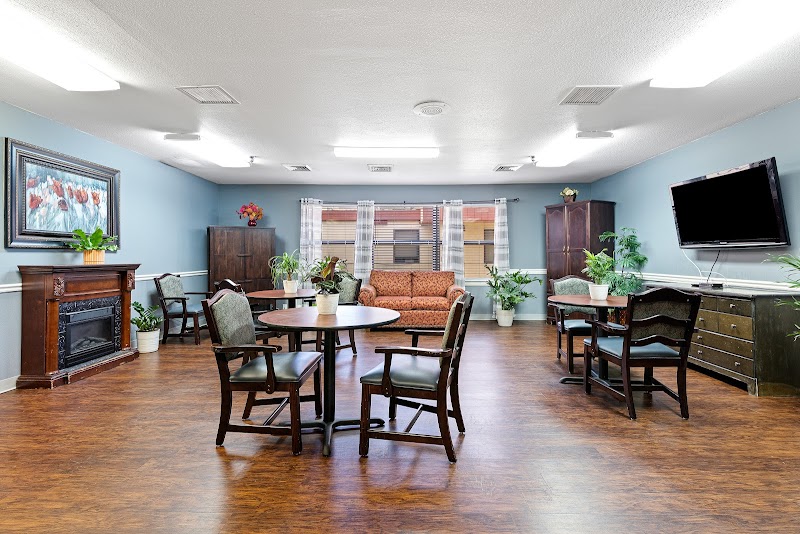
CMS rates Sunrise Nursing & Rehab Center's staffing level at 1 out of 5 stars, which is much below average compared to other nursing homes. Staff turnover is 64%, which is 17 percentage points above the Texas average of 46%. High turnover can affect care consistency as new staff learn residents' individual needs. RN turnover specifically is 100%, which is notably high. RNs provide skilled clinical oversight, so turnover in this role can affect medical care quality.

What Have Inspectors Found at Sunrise Nursing & Rehab Center?

State health inspectors documented 37 deficiencies at Sunrise Nursing & Rehab Center during 2023 to 2025. These included: 2 Immediate Jeopardy (the most serious level, indicating potential for serious harm or death), 1 that caused actual resident harm, 31 with potential for harm, and 3 minor or isolated issues. Immediate Jeopardy findings are rare and represent the most serious regulatory concerns. They require immediate corrective action.

Who Owns and Operates Sunrise Nursing & Rehab Center?

Sunrise Nursing & Rehab Center is owned by a for-profit company. For-profit facilities operate as businesses with obligations to shareholders or private owners. The facility is operated by SUMMIT LTC, a chain that manages multiple nursing homes. With 119 certified beds and approximately 97 residents (about 82% occupancy), it is a mid-sized facility located in San Antonio, Texas.

How Does Sunrise Nursing & Rehab Center Compare to Other Texas Nursing Homes?

Compared to the 100 nursing homes in Texas, Sunrise Nursing & Rehab Center's overall rating (1 stars) is below the state average of 2.8, staff turnover (64%) is significantly higher than the state average of 46%, and health inspection rating (1 stars) is much below the national benchmark.

What Should Families Ask When Visiting Sunrise Nursing & Rehab Center?

Based on this facility's data, families visiting should ask: "What changes have been made since the serious inspection findings, and how are you preventing similar issues?" "How do you ensure continuity of care given staff turnover, and what is your staff retention strategy?" "Can you walk me through typical staffing levels on day, evening, and night shifts?" "Can I visit during a mealtime to observe dining assistance and food quality?" These questions are particularly relevant given the facility's Immediate Jeopardy citations, the facility's high staff turnover rate, and the below-average staffing rating.

Is Sunrise Nursing & Rehab Center Safe?

Based on CMS inspection data, Sunrise Nursing & Rehab Center has documented safety concerns. Inspectors have issued 2 Immediate Jeopardy citations (the most serious violation level indicating risk of serious injury or death). The facility has a 1-star overall rating and ranks #100 of 100 nursing homes in Texas. Families considering this facility should ask detailed questions about what corrective actions have been taken since these incidents.

Do Nurses at Sunrise Nursing & Rehab Center Stick Around?

Staff turnover at Sunrise Nursing & Rehab Center is high. At 64%, the facility is 17 percentage points above the Texas average of 46%. Registered Nurse turnover is particularly concerning at 100%. RNs handle complex medical decisions and coordinate care — frequent RN changes can directly impact care quality. High turnover means new staff may not know residents' individual needs, medications, or preferences. It can also be disorienting for residents, especially those with dementia who rely on familiar faces. Families should ask: What is causing the turnover? What retention programs are in place? How do you ensure care continuity during staff transitions?

Was Sunrise Nursing & Rehab Center Ever Fined?

Sunrise Nursing & Rehab Center has been fined $27,236 across 2 penalty actions. This is below the Texas average of $33,351. While any fine indicates a compliance issue, fines under $50,000 are relatively common and typically reflect isolated problems that were subsequently corrected. Families should ask what specific issues led to these fines and confirm they've been resolved.

Is Sunrise Nursing & Rehab Center on Any Federal Watch List?

Sunrise Nursing & Rehab Center is not on any federal watch list. The most significant is the Special Focus Facility (SFF) program, which identifies the bottom 1% of nursing homes nationally based on persistent, serious quality problems. Not being on this list means the facility has avoided the pattern of deficiencies that triggers enhanced federal oversight. This is a positive indicator, though families should still review the facility's inspection history directly.