THE HEIGHTS ON HUEBNER

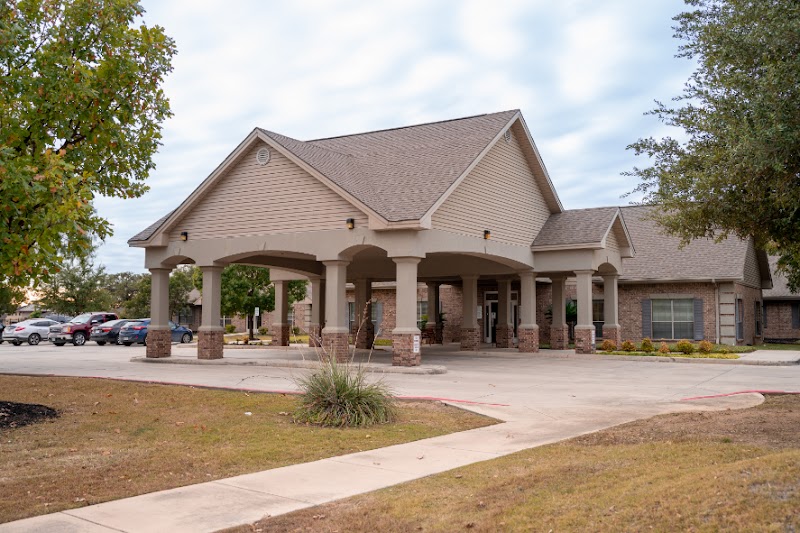
10127 HUEBNER RD, SAN ANTONIO, TX 78240 (210) 858-0828
For profit - Corporation 120 Beds TOUCHSTONE COMMUNITIES Data: November 2025
Trust Grade
90/100
#146 of 1168 in TX
Last Inspection: November 2024

Within standard 12-15 month inspection cycle. Federal law requires annual inspections.

Overview

The Heights on Huebner has received an impressive Trust Grade of A, indicating that it is highly recommended and offers excellent care. With a state rank of #146 out of 1,168 facilities in Texas and #6 out of 62 in Bexar County, it places in the top half, suggesting a competitive position among local options. The facility is improving, with reported concerns decreasing from five issues in 2024 to just one in 2025. However, while staffing is relatively stable with a 44% turnover rate-slightly below the Texas average-its staffing rating of 2 out of 5 stars indicates there is room for improvement. Notably, there have been no fines, which is a positive sign, but recent inspections revealed issues such as failing to properly implement care plans for residents, which could risk their health needs not being adequately addressed. Additionally, there was a lack of proper infection control practices during catheter care for a resident, highlighting areas where the facility could enhance its protocols. Overall, while The Heights on Huebner excels in several areas, families should be aware of the identified concerns that need attention.

Trust Score
A
90/100
In Texas
#146/1168
Top 12%
Safety Record
Low Risk
No red flags
Inspections
Getting Better
5 → 1 violations
Staff Stability
○ Average
44% turnover. Near Texas's 48% average. Typical for the industry.
Penalties
✓ Good
No fines on record. Clean compliance history, better than most Texas facilities.
Skilled Nurses
⚠ Watch
Each resident gets only 26 minutes of Registered Nurse (RN) attention daily — below average for Texas. Fewer RN minutes means fewer trained eyes watching for problems.
Violations
⚠ Watch
12 deficiencies on record. Higher than average. Multiple issues found across inspections.
★★★★★
5.0
Overall Rating
★★☆☆☆
2.0
Staff Levels
★★★★☆
4.0
Care Quality
★★★★★
5.0
Inspection Score
Stable
2024: 5 issues
2025: 1 issues

The Good

  • 4-Star Quality Measures · Strong clinical quality outcomes
  • Full Sprinkler Coverage · Fire safety systems throughout facility
  • No fines on record
  • Staff turnover below average (44%)

    4 points below Texas average of 48%

Facility shows strength in quality measures, fire safety.

The Bad

Staff Turnover: 44%

Near Texas avg (46%)

Typical for the industry

Chain: TOUCHSTONE COMMUNITIES

Part of a multi-facility chain

Ask about local staffing decisions and management

The Ugly 12 deficiencies on record

May 2025 1 deficiency
CONCERN (D) 📢 Someone Reported This

A family member, employee, or ombudsman was alarmed enough to file a formal complaint

Potential for Harm - no one hurt, but risky conditions existed

Infection Control (Tag F0880)

Could have caused harm · This affected 1 resident

**NOTE- TERMS IN BRACKETS HAVE BEEN EDITED TO PROTECT CONFIDENTIALITY** Based on observation, interview, and record review, the facility failed to establish and maintain an infection control program d...

Read full inspector narrative →
**NOTE- TERMS IN BRACKETS HAVE BEEN EDITED TO PROTECT CONFIDENTIALITY** Based on observation, interview, and record review, the facility failed to establish and maintain an infection control program designed to provide a safe, sanitary, and comfortable environment and to help prevent the development of communicable diseases and infections for 1 of 3 residents (Residents #1) reviewed for infection control. The facility failed to ensure LVN-A and CNA-B wore gowns while providing catheter care to Resident #1 who was on EBP. This failure could affect residents who required assistance with catheter care and could place residents at risk for cross contamination and infections. The finding included: Record review of Resident #1's admission Record, dated 04/29/2025 revealed a [AGE] year-old man initially admitted on [DATE] and re-admitted on [DATE] with diagnoses which included: Cerebral Palsy (a congenital disorder of movement and muscle tone) and Obstructive and Reflux Uropathy (condition where urine cannot drain through urinary tract and urine can back up into the kidneys). Record review of Resident #1's Quarterly MDS assessment dated [DATE] revealed a BIMS score of 13 indicating normal cognitive function. He was assessed as having an in-dwelling catheter. Record review of Resident #1's Care Plan, initiated 10/01/2016, revealed the resident required a Supra-pubic catheter (a small flexible tube inserted directly into the bladder through a small incision in the lower abdomen to drain urine), related to diagnosis of urinary retention. Record review of Resident #1's Order Summary dated 04/29/2025 revealed an order for enhanced barrier precautions related to suprapubic catheter. Observation on 05/01/2025 at 10:10 a.m. revealed LVN-A and CNA-B were performing catheter care to Resident #1, wearing gloves but no gowns. There was an EBP sign posted outside Resident #1's door. During an interview with LVN-A on 05/01/2025 at 10:20 a.m., LVN-A stated he knew he should have put on a gown in addition to the gloves to perform catheter care for Resident #1, because any residents with indwelling catheters should be on enhanced barrier precautions. LVN-A stated he knew what enhanced barrier precautions were and had received training in infection control, but just forgot to put on the gown. He stated that not wearing a gown while providing direct care to a resident with a catheter could result in spread of infection. Interview on 05/01/2025 at 10:38 a.m. with CNA-B revealed he knew what the EBP sign outside Resident#1's door meant and that he should have worn a gown when he was cleaning Resident #1. He stated he had been trained about EBP, but just forgot. He stated that by not wearing a gown while working directly with Resident #1, it could result in the spread of germs. During an interview with the DNS on 05/01/2025 at 12:11 p.m., the DNS stated that the staff should have worn both gown and gloves when providing direct care, such as catheter care to Resident #1, and that not following EBP precautions would increase the risk of spreading infection. Record Review of the facility's policy titled Infection Prevention and Control revised April 2024, revealed EBP requires the use of gown and gloves during high-contact resident care activities that provide opportunities for transfer of MDRO's to staff hands and clothing . and Residents/patients with the following clinical indication should be under EBP: Indwelling medical devices (e.g., central line, urinary catheter, feeding tube, tracheostomy/ventilator) regardless of MDRO colonization status.
Nov 2024 3 deficiencies
CONCERN (D)

Potential for Harm - no one hurt, but risky conditions existed

Deficiency F0655 (Tag F0655)

Could have caused harm · This affected 1 resident

**NOTE- TERMS IN BRACKETS HAVE BEEN EDITED TO PROTECT CONFIDENTIALITY** Based on observation, interview, and record review, the facility failed to ensure the baseline care plan that included the instr...

Read full inspector narrative →
**NOTE- TERMS IN BRACKETS HAVE BEEN EDITED TO PROTECT CONFIDENTIALITY** Based on observation, interview, and record review, the facility failed to ensure the baseline care plan that included the instructions for resident care needed to provide effective and person-centered care was completed and provided to the resident and/or their representative for 1 of 5 residents reviewed for new admissions. (Resident #152) The facility failed to develop Resident #152's baseline care plan regarding the resident's BiPap (Bilevel Positive Airway Pressure - device that helps breathing) care for within 48 hours of admission on [DATE]. These failures could place residents at risk of not receiving care and services to meet their needs. Findings included: Record review of Resident #152's face sheet, dated 11/01/2024, reflected the resident was a [AGE] year old female and admitted to the facility on [DATE] with diagnoses of vertebral fracture (backbone fracture), chronic obstructive pulmonary disease (damaged to the lung), pleural effusion (buildup of fluid in the lung), type 2 diabetes mellitus (not properly use insulin to process sugar for energy), and muscle wasting and atrophy (decrease in size and wasting of muscle). Record review of Resident #152's Brief Interview of Mental Status (BIMS), dated 10/26/2024, reflected the resident's BIMS score was 14 out of 15, which indicated the resident had intact cognitive function. Record review of Resident #152's baseline care plan, dated initiated 10/23/2024, reflected there was no baseline care plan regarding Resident #152's BiPap care. Record review of Resident #152's physician's orders, dated 10/23/2024, reflected there was no physician's order regarding Resident #152's BiPap care. Observed on 10/29/2024 at 10:29 a.m. revealed there was a BiPap machine and mask on the nightstand beside the bed of Resident #152's room. Interview on 11/01/2024 at 11:46 a.m. Resident #152 stated she was using the BiPap every day when she was sleeping, and she brought it from her home. Interview on 11/01/2024 at 10:00 a.m. with CNA-A said Resident #152 used the BiPap every night since the resident was admitted to the facility. Interview on 11/01/2024 at 10:05 a.m. the MDS nurse (RN-B) acknowledged Resident #152 was using a BiPap when the resident was sleeping every night since the resident was admitted to the facility on [DATE]. The MDS nurse RN-B stated she should have developed Resident #152's baseline care plan within 48 hours regarding the resident's BiPap care because the resident was admitted with the BiPap. The MDS nurse RN-B said she missed the resident's BiPap when developing baseline care plan. Interview on 11/01/2024 at 12:25 p.m. the DON stated the MDS nurse should have developed Resident #152's baseline care plan within 48 hours regarding the resident's BiPap care because the resident was admitted with the BiPap, and baseline care plans affected actual care through which nurses knew how to provide care appropriately to Resident #152; therefore, no baseline care plan might affect inappropriate care to the resident. Record review of the facility policy, titled Care Planning, revised 01/2023, reflected the care plan should be initiated upon admission, continued to be developed during the initial 48 to 72 hours. The care plan should serve as a guide, which should direct care needs, care choices, and care preferences.
CONCERN (D)

Potential for Harm - no one hurt, but risky conditions existed

Respiratory Care (Tag F0695)

Could have caused harm · This affected 1 resident

**NOTE- TERMS IN BRACKETS HAVE BEEN EDITED TO PROTECT CONFIDENTIALITY** Based on observation, interviews, and record review, the facility failed to ensure that a resident who needs respiratory care, i...

Read full inspector narrative →
**NOTE- TERMS IN BRACKETS HAVE BEEN EDITED TO PROTECT CONFIDENTIALITY** Based on observation, interviews, and record review, the facility failed to ensure that a resident who needs respiratory care, including tracheostomy care and tracheal suctioning, is provided such care, consistent with professional standards of practice for 1 of 2 (Resident #152) reviewed for respiratory care. Resident #152 did not have physician's orders regarding the resident's BiPap (Bilevel Positive Airway Pressure - device that helps breathing) care when the resident was using the BiPap every night since admission on [DATE]. This failure could affect residents with a BiPap and could lead to lack of care as ordered by the physician. The findings included: Record review of Resident #152's face sheet, dated 11/01/2024, reflected the resident was [AGE] years old female and admitted to the facility on [DATE] with diagnoses of vertebral fracture (backbone fracture), chronic obstructive pulmonary disease (damaged to the lung), pleural effusion (buildup of fluid in the lung), type 2 diabetes mellitus (not properly use insulin to process sugar for energy), and muscle wasting and atrophy (decrease in size and wasting of muscle). Record review of Resident #152's Brief Interview of Mental Status (BIMS), dated 10/26/2024, reflected the resident's BIMS score was 14 out of 15, which indicated the resident had intact cognitive function. Record review of Resident #152's baseline care plan, dated initiated 10/23/2024, reflected there was no baseline care plan regarding Resident #152's BiPap care. Record review of Resident #152's physician's orders, dated 10/23/2024, reflected there was no physicians order regarding Resident #152's BiPap care, such as set-up the machine and how to care the tubing. Observed on 10/29/2024 at 10:29 a.m. revealed there was a BiPap machine and mask on the nightstand beside the bed of Resident #152's room. Interview on 11/01/2024 at 11:46 a.m. Resident #152 stated she was using the BiPap every day when she was sleeping, and she brought it from her home. Further interview with Resident #152 said she knew how to use it and did not see facility nurses took care of Resident #152's BiPap. Interview on 11/01/2024 at 10:00 a.m. CNA-A said Resident #152 used the BiPap every night since the resident was admitted to the facility. Interview on 11/01/2024 at 10:05 a.m. the MDS nurse (RN-B) acknowledged Resident #152 was using a BiPap when the resident was sleeping every night since the resident was admitted to the facility on [DATE]. The MDS nurse RN-B stated there was no physician's orders regarding Resident #152's BiPap care, such as machine set up and how to care for the tubing. The facility nurses should have obtained the physician's orders for Resident #152's BiPap care because the resident was using it every night, and the physician's orders affected actual care through which nurses knew how to provide care appropriately to Resident #152; therefore, no physician's orders might affect lack of care to the resident. Interview on 11/01/2024 at 12:25 p.m. the DON stated the facility nurses should have obtained physician's orders for Resident #152's BiPap care because the resident was admitted with the BiPap and said the facility did not have specific policy regarding Bipap.
CONCERN (D)

Potential for Harm - no one hurt, but risky conditions existed

Pharmacy Services (Tag F0755)

Could have caused harm · This affected 1 resident

Based on observation, interview, and record review, the facility failed to provide pharmaceutical services (including procedures that assure the accurate acquiring, receiving, dispensing, and administ...

Read full inspector narrative →
Based on observation, interview, and record review, the facility failed to provide pharmaceutical services (including procedures that assure the accurate acquiring, receiving, dispensing, and administering of all drugs and biologicals) to meet the needs of each resident for 1 of 5 medication carts (treatment cart) reviewed for pharmacy services. There was one medication (Anasept Gel - antimicrobial skin and wound gel) expired on 09/14/2023 found inside the treatment cart on 10/31/2024. This failure could place residents at risk of inaccurate drug administration and not having appropriate therapeutic effects. The findings included: Observation on 10/31/2024 at 4:21 p.m. revealed one gel (Anasept Gel) of antimicrobial skin and wound was found inside the treatment cart, and it expired 09/14/2023. Interview on 10/31/2024 at 4:22 p.m. treatment nurse LVN-C acknowledged one gel (Anasept Gel) of antimicrobial skin and wound was found inside the treatment cart, and it expired 09/14/2023. Treatment nurse LVN-C said she did not know what reason the expired medication was inside the treatment cart, and nurses should discard all expired medications from the medication carts as per the facility policy. Potential harm was nurses might use the expired medication, and the expired medication might not have therapeutic effects. Interview on 11/01/2024 at 12:25 p.m., with the DON said there was no specific policy regarding expired medication, but facility nurses should discard all expired medications from the medication carts. Record review of the facility policy, titled Medication Cart Use and Storage, dated 03/15/2019, revealed The following equipment may be generally found in/on the medication cart: appropriate liquid, labeled and dated.
Aug 2024 1 deficiency
CONCERN (D) 📢 Someone Reported This

A family member, employee, or ombudsman was alarmed enough to file a formal complaint

Potential for Harm - no one hurt, but risky conditions existed

Deficiency F0761 (Tag F0761)

Could have caused harm · This affected 1 resident

Based on observations, interviews, and record reviews, the facility failed to store all drugs and biologicals in locked compartments under proper temperature controls and permit only authorized person...

Read full inspector narrative →
Based on observations, interviews, and record reviews, the facility failed to store all drugs and biologicals in locked compartments under proper temperature controls and permit only authorized personnel to have access to the keys, for 1 of 4 medication carts (100 hall medication cart) reviewed for drug security. 100 Hall nurse's medication cart was left unattended, unlocked with the keys hanging from the lock outside the nurses' station with the drawers facing the outward and could be opened by anyone who passed by. This failure could place residents at risk for misappropriation of property and could place residents at risk for accidents, hazards, and not receiving therapeutic effects. The findings included: Observations on 08/17/2024 from 5:04 p.m. to 5:10 p.m. during in interview with RN A on 100 hall out of site of the nurses station, RN A stated she was doing wound care on 08/17/24. As the surveyor and RN A walked over to the nurses' station the 100 Hall medication cart was parked outside the nurse's station towards the 100 hall with the keys hanging from the lock that was in the unlocked position, the drawers were facing outward and could be opened by anyone who walked by, and the nurse responsible for the 100 Hall medication cart was not within site of the cart. As RN A walked by the 100 Hall medication cart with the keys in the lock that was in the unlocked position, she removed the keys from the lock, put them in her scrub top pocket, but did not lock the medication cart. RN A and the surveyor walked into the nurses' station where the unlocked drawers to the 100 Hall medication cart were out of their line of site. While the surveyor was interviewing RN A, an unidentified male visitor walked by the unlocked 100 Hall medication cart with the drawers faced outward. RN B, who was working on 100 hall, walked from the direction of the front offices, past the 100 Hall medication cart, reached over to the unlocked cart and the surveyor heard a clicking sound like the lock had been pushed into the cart and RN B walked into the nurses' station and sat down. When the surveyor stepped out of the nurses' station and passed by the 100 Hall medication cart it was locked. In an interview on 08/17/24 at 6:06 p.m. RN B, who was responsible for the 100 Hall medication cart, stated she always would push on the locks on the medications carts when she walks by them to make sure they were locked. RN B said she could not remember if the 100 Hall medication cart had been unlocked when she walked by it when the surveyor was talking to RN A at the nurses' station. In an interview on 08/23/24 at 5:23 p.m., RN A stated she did not remember what she removed from the medication cart that she and the surveyor passed by on 08/17/24, even after the surveyor asked her if she remembered pulling the keys out from the lock. RN A stated the cart that was parked outside the nurses' station facing the 100 hall on 08/17/24 would have been the 100 Hall nurses' medication cart. In an interview on 08/24/24 from 11:04 a.m. to 11:24 a.m., the DON stated medications were kept secured in a locked medication cart, and the medication cart keys should be always kept on the nurse or medication aide responsible for the cart. The DON stated the harm of having an unlocked medication cart with the drawers accessible to anyone who walked by would be they could take the medications from the cart and ingest the medications. In an interview on 08/24/24 at 11:38 a.m., the Administrator stated medications were kept secured in the locked medication cart and the nurse would keep the medication cart keys with them, not on top of the cart, hanging from the cart. The administrator said if the nurse was out of site of the medication cart the medication cart needs to be locked. The administrator stated the harm that could happen if the medication cart keys were left in an unlocked medication cart with the drawers facing outward could result in a resident could get into the cart, have access to the medications, and take the medications or someone could steal the medications from the cart. Record review of the Medication Cart Use & Storage Policy, dated 03/15/2019, revealed The medication cart and its storage bins are kept locked until the specified time of medication administration. If an emergency occurs during the medication pass, the nurse/medication aide securely locks the medication cart before attending to the emergency situation .Medication cart keys shall be kept in the nurse's/medication aide's possession until turned over to the next shift nurse.
May 2024 1 deficiency
CONCERN (E) 📢 Someone Reported This

A family member, employee, or ombudsman was alarmed enough to file a formal complaint

Potential for Harm - no one hurt, but risky conditions existed

Comprehensive Care Plan (Tag F0656)

Could have caused harm · This affected multiple residents

**NOTE- TERMS IN BRACKETS HAVE BEEN EDITED TO PROTECT CONFIDENTIALITY** Based on interviews and record review, the facility failed to develop and implement a comprehensive person-centered care plan fo...

Read full inspector narrative →
**NOTE- TERMS IN BRACKETS HAVE BEEN EDITED TO PROTECT CONFIDENTIALITY** Based on interviews and record review, the facility failed to develop and implement a comprehensive person-centered care plan for that described the services that were to be furnished to attain or maintain the resident's highest practicable physical, mental, and psychosocial well-being for 3 of 8 residents (#5, #6 and #7) reviewed for care plans. 1. Resident #5's care plan did not indicate that she had a colostomy (a surgical opening for the colon in the abdomen). 2. Resident #6's care plan did not indicate that she had a foley catheter (a flexible tube that was inserted through the urethra and into the bladder to drain urine). 3. Resident #7's care plan did not indicate that he had a suprapubic catheter (a tube that was inserted through the lower abdomen and directly into the bladder in order to drain urine). The deficient practice could place residents at risk of not having needs identified and interventions established. The findings were: 1. Review of Resident #5's face sheet revealed she was an [AGE] year-old female who had an initial admission date of 12/30/2022 and a readmission date of 02/29/2024. She had diagnoses which included surgical aftercare following surgery on the digestive system, hypertensive heart disease (heart problems caused by high blood pressure), and dementia (general term for impaired ability to remember, think, or make decisions). Review of Resident #5's MDS, dated [DATE], revealed a BIMS score of 13 indicating no cognitive impairment. Review, on 05/14/2024, of facility list of residents with indwelling devices revealed Resident #5 had a colostomy. Review of Resident #5's May 2024 physician orders revealed orders with a start date of 2/29/2024, that stated to empty colostomy bag every shift for hygiene, check stoma for edema/bleeding Q shift for hygiene and to prevent infection, and clean area around stoma with soap and H20, pat dry, apply skin prep/stoma adhesive QD every shift for hygiene. Review of Resident #5's care plan revealed a care plan for a colostomy with a date initiated and created on date of 05/14/2024 (after state surveyor intervention). During an interview with Resident #5 on 05/15/2024 at 11:30am, she stated she had surgery to insert the colostomy approximately three to four months ago and the facility staff provided assistance with emptying and changing the colostomy. 2. Review of Resident #6's face sheet revealed he was a [AGE] year-old male who had an admission date of 02/25/2024 and readmission date of 04/03/2024. He had diagnoses which included benign prostatic hyperplasia (noncancerous enlargement of the prostate gland). Review of Resident #6's admission MDS, dated [DATE], revealed Resident #6 had a BIMS score of 3 indicating severe cognitive impairment. Review on 05/14/2024, of facility list of residents with indwelling devices revealed Resident #6 had a foley catheter. Review of Resident #6's May 2024 physician orders revealed an order for a foley catheter with a start date of 04/15/2024. Review of Resident #6's care plan revealed a care plan for an indwelling foley catheter with a date initiated and created on date of 05/14/2024 (after state surveyor intervention). 3. Review of Resident #7's face sheet revealed he was an [AGE] year-old male who admitted to the facility on [DATE] with diagnoses that included urine retention (difficulty urinating and emptying of the bladder). Review of resident's MDS dated [DATE] revealed no BIMS score completed on the MDS. Review, on 05/14/2024, of facility list of residents with indwelling devices revealed Resident #7 had a suprapubic catheter. Review of Resident #7's May 2024 physician orders revealed an order for a suprapubic catheter with a start date of 05/08/2024. Review of Resident #7's care plan revealed a care plan for an indwelling suprapubic catheter with an date initiated and created on date of 05/14/2024 (after state surveyor intervention). During an interview with the MDS Coordinator on 05/16/2024, she stated the purpose of the care plan was to plan the residents care and personalize the care to the resident so that the facility is following the resident's wishes and preferences. She stated the care plan was fluid and should reflect the resident's current care. She stated the care plan should be updated upon admission and when something changes with the resident's care. She furthermore stated, she updated several resident's care plans to include indwelling devices on 05/14/2024 after this state investigator's arrival to the facility and stated these devices should have been care planned upon admission or when the devices were implanted. She stated it was important to care plan these devices because they were part of the resident's plan of care. During an interview with the DON on 05/16/2024 at 1:12pm, she stated her expectation was for a resident's care plan to be updated upon admission and within twenty-four hours of any changes. She also stated it was important for the care plan to be accurate because it was a reflection of the resident's individualized care and needs. Review of the facility policy titled Care Plans, dated February 2017 and revised January 2023, stated the community develops a comprehensive care plan for each resident that includes measurable objectives to meet a resident's medical, nursing, mental and psychosocial needs that are identified in the comprehensive assessment. The care plan in conjunction with the plan of care throughout the medical record is developed and or recommended to attain or maintain the resident's highest practicable physical, mental, and psychosocial well-being. It also stated, the care plan should be initiated upon admission, continued to be developed during the initial 48-72 hours, throughout the completion of the admission comprehensive assessment.
Sept 2023 3 deficiencies
CONCERN (D)

Potential for Harm - no one hurt, but risky conditions existed

Report Alleged Abuse (Tag F0609)

Could have caused harm · This affected 1 resident

**NOTE- TERMS IN BRACKETS HAVE BEEN EDITED TO PROTECT CONFIDENTIALITY** Based on interview and record review the facility failed to implement their written policies and procedures for reporting all al...

Read full inspector narrative →
**NOTE- TERMS IN BRACKETS HAVE BEEN EDITED TO PROTECT CONFIDENTIALITY** Based on interview and record review the facility failed to implement their written policies and procedures for reporting all allegations involving abuse, neglect and injuries of an unknown source in accordance with the state law for 1 of 8 residents (Resident #61) reviewed for abuse and neglect. The facility did not provide the state agency with a provider investigation report within 5 working days. This failure could place residents at risk of injury abuse and neglect. Findings included: A face sheet dated 09/23/2023 indicated Resident #61 was [AGE] years old admitted on [DATE] with diagnosis that included but not limited to the following: Anxiety, type 2 diabetes (high blood sugar levels), muscle wasting and atrophy to multiple sites, hypertension (high blood pressure), insomnia and depression. A MDS dated [DATE] indicated Resident #61 had moderate cognitive impairment. A care plan dated 08/20/23 revealed Resident #61 was at risk for skin injury, new or worsening skin condition; thin, fragile, loose skin-09/11/2023: dog bite top of right hand. A Progress note with an effective date of 09/11/2023 revealed Resident #61, was walking down 100 hallway. A dog bit her rt hand, skin tear size of a quarter. Minimal bleeding cleaned with antiseptic and dressed in Antibiotic ointment. Dog owner is emailing shot records. Said he had all his shots. Contacted Doctor, new order for antibiotic. See new orders. Will monitor for infection, dressing change daily. A subsequent progress note, in Resident #61's electronic health record, with an effective date of 09/11/2023 revealed the patient complained of pain in right hand, the Doctor was contacted and T3 1-2 tabs Q6hours PRN for pain not to exceed 4g in 24-hour period. During an interview on 09/28/2023 at 1:31 p.m. Resident #61 said, my hand hurts and it is messy. Resident #61 went on to say she was bitten on the hand by a dog someone brought into the facility. Resident #61 further stated she asked the owner of the dog if the dog bit and if she could pet him. Resident #61 reported the dog owner told her the dog did not bite and she could pet him. Resident #61 said, I don't think anyone that has a dog that bites should ever bring one into a facility like this, they just should not. She stated if a dog came up to her now, she would shy away and get away. During an interview on 09/28/2023 at 3:25 p.m. the DON stated the dog bite was not reported to the State of Texas through TULIP because the facility did not believe it should be reported and considered it an incident. During an interview on 09/29/2023 at 1:58 p.m. the Administrator stated the dog bite was not reported to the State of Texas through TULIP because the facility considered the event an incident. A policy regarding pets being brought into the facility by visitors was requested. The Administrator stated the facility did not have a facility policy regarding animals being brought into the facility by visitors. The Administrator explained the facility had practice of asking for vaccination records prior to allowing any animals into the facility resident care area. She was not at the facility the day of the incident and did not know who allowed the dog into the resident care area or why the dog's vaccinations records were not requested prior to entry. She reported vaccination records indicated the dog was a mixed breed dog that weighed 80 to 85 pounds.
CONCERN (D)

Potential for Harm - no one hurt, but risky conditions existed

Investigate Abuse (Tag F0610)

Could have caused harm · This affected 1 resident

**NOTE- TERMS IN BRACKETS HAVE BEEN EDITED TO PROTECT CONFIDENTIALITY** Based on interview and record review, the facility failed to thoroughly investigate an allegation of abuse for 1 of 1 resident (...

Read full inspector narrative →
**NOTE- TERMS IN BRACKETS HAVE BEEN EDITED TO PROTECT CONFIDENTIALITY** Based on interview and record review, the facility failed to thoroughly investigate an allegation of abuse for 1 of 1 resident (Resident #61) reviewed for abuse and neglect. The facility did not thoroughly investigate when Resident #61 was bitten by a visitors dog. This failure could place residents at risk for allegations of abuse or neglect not being thoroughly investigated by the facility and reported as required. Findings include: A face sheet dated 09/23/2023 indicated Resident #61 was [AGE] years old admitted on [DATE] with diagnosis that included but not limited to the following: Anxiety, type 2 diabetes (high blood sugar levels), muscle wasting and atrophy to multiple sites, hypertension (high blood pressure), insomnia and depression. A MDS dated [DATE] indicated Resident #61 had moderate cognitive impairment. A care plan dated 08/20/23 revealed Resident #61 was at risk for skin injury, new or worsening skin condition; thin, fragile, loose skin-09/11/2023: dog bite top of right hand. During an interview on 09/28/2023 at 1:31 p.m. the Resident said, my hand hurts and it is messy. Resident #61 went on to say she was bitten on the hand by a dog someone brought into the facility. Resident #61 further stated she asked the owner of the dog if the dog bit and if she could pet him. Resident #61 reported the dog owner told her the dog did not bite and she could pet him. Resident #61 said, I don't think anyone that has a dog that bites should ever bring one into a facility like this, they just should not. Resident #61 stated if a dog came up to her now, she would shy away and get away. During an interview on 09/28/2023 at 3:25 p.m. the DON stated the dog bite was not reported to the State of Texas through TULIP because the facility did not believe it should be reported and considered it an incident. The DON stated Resident #61's incident was not investigated. The DON said the incident did not need to be investigated, it was not abuse or neglect, it was an incident. During an interview on 09/29/2023 at 1:58 p.m. the Administrator stated the dog bite was not reported to the State of Texas through TULIP because the facility considered the event an incident and the incident was not investigated and explained the facility did not consider the dog bite abuse or neglect. A policy regarding pets being brought into by the facility was requested. The Administrator stated the facility did not have a facility policy regarding animals being brought into the facility by visitors. The Administrator explained the facility had a practice of asking for vaccination records prior to allowing any animals into the facility resident care area. She was not at the facility the day of the incident and did not who allowed the dog into the resident care area or did not know why the dog's vaccinations records were not requested prior to entry. She further stated, she did not investigate the incident, as it did not meet the reporting guidelines of the Long Term Care Regulatory Provider Letter Number: PL 19-17, Title: Abuse, Neglect, Exploitation, Misappropriation of Resident Property and Other Incidents that a Nursing Facility (NF) Must Report to the Health and Human Services Commission and provided a copy. Review of Provider Letter 19-17, dated 7/10/2019, revealed neglect, exploitation or mistreatment, including injuries of unknown source and misappropriation of resident property, that result in serious bodily injury should be reported immediately, but not later than two hours after the incident occurs or is suspected.
CONCERN (D)

Potential for Harm - no one hurt, but risky conditions existed

Comprehensive Care Plan (Tag F0656)

Could have caused harm · This affected 1 resident

**NOTE- TERMS IN BRACKETS HAVE BEEN EDITED TO PROTECT CONFIDENTIALITY** Based on interview and record review, the facility failed to complete a comprehensive assessment of 1 of 24 residents (Resident ...

Read full inspector narrative →
**NOTE- TERMS IN BRACKETS HAVE BEEN EDITED TO PROTECT CONFIDENTIALITY** Based on interview and record review, the facility failed to complete a comprehensive assessment of 1 of 24 residents (Resident # 78) reviewed for comprehensive person-centered care plans in that The facility failed to do a comprehensive assessment for Resident #78 that included a preference to receive medications in the dining room. This deficient practice could place residents at risk of receiving inadequate assessments not individualized to their care needs. The findings included: Record review of Resident # 78's face sheet dated 9/28/23 revealed an [AGE] year-old female admitted to the facility on [DATE] with the diagnosis that included: [Dementia] is a general term for loss of memory, language, problem-solving, and other thinking abilities that are severe enough to interfere with daily life. [Conductive Hearing Loss] Hearing loss is caused by something that stops sounds from getting through the outer or middle ear. [Unspecified Pain] Physical suffering or discomfort caused by illness or injury Record review of Resident # 78's quarterly MDS, dated [DATE], revealed a BIMS score of 15, indicating intact cognition. Record review of Resident # 78's care plans dated 9/28/23 did not reveal any care plan regarding the resident's preference to receive medications in the dining room. Record review of Resident # 78's Physician orders, dated 9/28/23, did not reveal any physician orders to administer medication with food. Observation and interview on 9/28/23 at 8:45 a.m., Medication aide F administered morning medication to Resident # 78 in the dining room. Medication aide F stated Resident # 78 preferred her medication in the dining room along with her meals. Medication aide F stated she did not have a doctor's order to give medications with a meal but would inform the DON. Medication aide F stated by giving medications to Resident # 78 in the dining room along with food, Resident # 78 risked possibly less absorption of a medication. Interview with Resident # 78 on 9/28/23 at 9:00 a.m. stated she preferred all her medication in the dining room along with her meal, because if she takes medication on an empty stomach, she gets nauseous. Interview on 9/28/23 at 9:15 a.m., MDS Nurse A stated she was assigned care plans for long-term care residents to include Resident # 78. MDS Nurse A stated she was unaware that Resident # 78 preferred her medication in the dining room. MDS Nurse A stated she reviewed all long-term residents' care plans quarterly following an interdisciplinary team approach. She stated she does not know why Resident # 78's preference to have received medications in the dining room was not reflected in the care plan, but she would update it. MDS Nurse A stated if the care plan does not indicate Resident # 78's preference to receive medication in the dining room, the nursing staff risked not being on the same page regarding Resident # 78's preferences. In an interview on 8/28/23 at 10:35 a.m., the DON stated the care plan had not been revised to include the preference for Resident # 78 to receive medications in the dining room. The DON revealed the interdisciplinary team updated care plans quarterly. She further revealed the entire nursing leadership team was responsible for updating care plans; she was unsure how the update to the care plan was missed. The DON stated by not revising care plans, staff risked not being on the same page regarding resident care. Record review of the facility policy, Care Plans: February 2017, revealed The care plan will describe the services to be furnished to attain or maintain the highest practicable physical, mental, and psychological well-being.
Jul 2022 3 deficiencies
CONCERN (D)

Potential for Harm - no one hurt, but risky conditions existed

Report Alleged Abuse (Tag F0609)

Could have caused harm · This affected 1 resident

**NOTE- TERMS IN BRACKETS HAVE BEEN EDITED TO PROTECT CONFIDENTIALITY** Based on interviews and record reviews the facility failed to ensure that all alleged violations involving abuse, neglect, explo...

Read full inspector narrative →
**NOTE- TERMS IN BRACKETS HAVE BEEN EDITED TO PROTECT CONFIDENTIALITY** Based on interviews and record reviews the facility failed to ensure that all alleged violations involving abuse, neglect, exploitation or mistreatment, including injuries of unknown source and misappropriation of resident property, are reported immediately, but not later than 2 hours after the allegation is made, if the events that cause the allegation involve abuse or result in serious bodily injury to the administrator of the facility and to other officials (including to the State Survey Agency and adult protective services where state law provides for jurisdiction in long-term care facilities) in accordance with State law through established procedures, for 1 of 2 residents (Resident #22) reviewed for injuries of unknown origin. Resident #22 was discovered with a bruise to the head without a report to the state agency. This failure could place residents at risk for harm by not reporting and investigating allegations of abuse, neglect, or injuries of unknown origins. The findings included: A record review of Resident #22's admission record, dated 7/22/2022, revealed an [AGE] year old admitted on [DATE], with diagnoses which included Huntington's chorea (a rare, inherited disease that causes the progressive breakdown (degeneration) of nerve cells in the brain). A record review of Resident #22's significant change MDS dated [DATE], revealed a Brief Mental Interview Status score of 03, indicating severe cognitive impairment. Further review revealed Resident #22 required full assistance with activities of daily life. A record review of Resident #22's care plan dated 7/22/2022, revealed, I am at risk for falls related to jerky random and uncontrollable movements of body .Intervention's helmet on went up to avoid head injury. A record review of Resident #22's nurse progress notes revealed a note dated 4/7/2022 at 5:30 AM, authored by LVN A, CNA was doing rounds and reported Resident having palm sized purple discoloration to the right side of forehead. DON, Dr., and RP notified. Initiated neuro checks. During an interview on 7/19/2022 at 2:30 PM Resident #22's representative stated the facility nurse called him the early morning of 4/7/2022 and reported Resident #22 was discovered with a raised dark bruise to her right forehead. Resident #22's representative stated he inquired of the DON how Resident #22 came to have the injury and the DON stated the origin of the injury was unknown. During an interview on 7/22/2022 at 2:21 PM, the DON stated Resident #22 was discovered with a raised dark bruise to her right forehead in the early morning of 4/8/2022 by the CNA attending to care. The DON stated Resident #22 was diagnosed with Huntington's chorea disease and thus Resident #22 experienced sudden unintentional uncontrolled spastic muscle movements. The DON stated on 4/7/2022 the facility celebrated fiesta and invited residents and their families to the party. The DON stated Resident #22 wore a soft helmet to protect her from any injuries however, on that day Resident #22 was not wearing her helmet possibly due to her representative removed her helmet during the event. The DON stated she interviewed the CNA who assisted Resident #22 with the evening meal and then assisted her to bed. The CNA stated the evening went well without any unusual events, Resident #22 was assisted to bed and was checked on throughout the evening. The DON stated at 4:00 AM the CNA providing incontinent care utilized the overhead bed light and saw the raised dark bruise to Resident#22's right forehead. Resident #22 was assessed by the nurse, Resident #22's physician received a report with orders for x-rays which revealed no fractures or internal injuries, and Resident #22's representative received a report of the discovered bruise. The DON stated she initiated an investigation for the unwitnessed injury and could not definitively identify the origin of the injury and deduced the injury probably resulted from spastic involuntary movement of her head and possibly struck something during the time she did not wear her helmet during the facility's fiesta party. The DON stated the injury of unknown origin was not reported to the state agency. The DON stated, at the time I did not consider the discovery a reportable event .I understand I should have reported the bruise to the Administrator or the TULIP website. The DON stated injuries of unknown origin require reporting to the abuse, neglect, and exploitation prevention coordinator to rule out potential abuse and failure to report, investigate could potentially leave residents in jeopardy for harm. A record review of the Texas Unified Licensed Information Portal on 7/22/2022, did not reveal any report of an allegation of injury of unknown injury for Resident #22. A record review of the facility's Reporting Abuse to Community Management policy dated July 2018, revealed, policy statement: it is the responsibility of our team members, community consultants, attending physicians, family members, visitors, etc., to promptly report any incident of suspected neglect or resident abuse, including injuries of an unknown source and theft or misappropriation of president property to community management. And .Team members, community consultants, and attending physicians shall report any suspected abuse or incidents of abuse to the community designated abuse coordinator promptly. In the absence of the community abuse coordinator such reports may be made to the director of nursing services and if not available then to the nurse supervisor on duty. In accordance with SB-9 failure to report abuse is a misdemeanor. The administrator and director of nurses shall be properly notified of the suspected abuse or incident of abuse. If such incidents occur or are discovered after hours the administrator and director of nursing services shall be called at home or shall be paged and informed of such incident. When an alleged or suspected case of exploitation, mistreatment, neglect, injuries of an unknown source, or abuse is reported, the community administrator or his her designee will notify the following persons or agencies per the current state federal reporting requirements of such incident, if appropriate the state licensing certification agency responsible for surveying licensing the community .
CONCERN (D)

Potential for Harm - no one hurt, but risky conditions existed

Deficiency F0657 (Tag F0657)

Could have caused harm · This affected 1 resident

**NOTE- TERMS IN BRACKETS HAVE BEEN EDITED TO PROTECT CONFIDENTIALITY** Based on interview and record review, the facility failed to ensure a comprehensive person-centered care plan was reviewed and r...

Read full inspector narrative →
**NOTE- TERMS IN BRACKETS HAVE BEEN EDITED TO PROTECT CONFIDENTIALITY** Based on interview and record review, the facility failed to ensure a comprehensive person-centered care plan was reviewed and revised by the interdisciplinary team, after each assessment, which included both the comprehensive and baseline, for 1 of 2 (Resident #290) residents reviewed for care plans. The facility did not provide a care plan meeting or revise Resident #290's care plan after he was admitted with wound care needs. This failure could place residents at risk for not having their needs met for their healthcare maintenance. The findings included: A record review of Resident #290's admission record revealed a [AGE] year old admitted on [DATE] and a discharge date of 5/11/2022, with diagnoses which included necrotizing fasciitis (also known as flesh-eating disease, is a bacterial infection) and cutaneous abscess of left lower limb (a localized collection of pus in the skin and may occur on any skin surface). A record review of Resident #290's Discharge MDS dated [DATE] revealed a brief Mental Status Interview score of 15 indicating no mental cognition impairment. A record review of Resident #290's May 2022 physician order summary report, dated 4/20/2022, revealed wound care orders, Left hip (surgical) left thigh tunneled area, cleanse with normal saline or wound cleanser, pat dry with gauze. Pack with wet to dry one inch plain packing strip and cover with dry dressing, twice a day. Left thigh (surgical) cleanse with normal saline or wound cleanser, apply Eucerin to the graph site and leave open to air. Right thigh (surgical) graft site, cut back xeroform gauze as lifts away from graph site, apply Eucerin to site, leave open to air. A record review Resident #290's nursing progress notes revealed a note dated 4/15/2022, authored by RN D, Resident is a new admission, admitted from hospital. Family or resident representative present at time of admission? No. Resident condition on admission, stable. All orders confirmed acknowledged and approved by physician. A record review of Resident #290's electronic medical records revealed an e-mail from the hospital's social worker, dated 4/15/2022, patient is a [AGE] year-old male admitted with a Necrotizing Soft Tissue Injury to the left hip knee area. Patient had been at (skilled nursing facility) prior to (hospital) admission and was readmitted for nausea and vomiting. Two wound vacs now discontinued but wound care needs remain along with therapy needs. Wound care instructions per provider: Apply bacitracin (medication is used to prevent minor skin infections) to xeroform (wound dressing bandage) then xeroform to graft site. Do not directly apply bacitracin to graft site. Failure to adhere to this could result in shearing of the graft. A record review of Resident #290's care plan dated 3/29/2022 did not reveal any care support plans for wound care or necrotizing fasciitis or any revisions for Resident's new needs after his re-admission on [DATE] after an extended hospitalization. During an interview on 7/21/2022 at 9:14 AM Resident #290's Power of Attorney stated Resident #290 was admitted to the facility for a skin injury to his legs. Resident #290's POA stated she was concerned for his care and potential discharge to a possible unsafe home environment when she called the facility's social Worker and received a care plan date. Resident #290's POA stated she arrived for the care plan meeting and discovered there was no meeting planned and referred to the Physical Therapy director. Resident #290's POA could not definitively recall the alleged date of the meeting. During an interview on 7/21/2022 at 9:32 AM Resident #290 stated he was admitted to the facility on [DATE] with needs for a skin infection and wound care. Resident #290 stated he was sent to the hospital when he experienced nausea and vomiting and spent a month at the hospital for a hernia repair and returned to the facility with new needs for wound care and therapy. Resident #290 stated he wanted to go home as soon as possible but the facility did not provide a care plan meeting to discuss his needs. During an interview on 7/22/2022 at 3:15 PM the MDS Nurse stated she had no evidence of an interdisciplinary team care plan meeting for Resident #290, other than records revealing the social worker and the physical therapist spoke with both the Resident #290 and Resident #290's POA about discharge plans. During an interview on 7/22/2022 at 3:00 PM the DON stated the facility's policy is each Resident will receive an interdisciplinary team care plan meeting after the resident's comprehensive assessment, admission, or change of condition. The DON stated the facility process was for the resident's admission to be recorded on a printed calendar and then shared with the social worker who along with the MDS nurses schedule the IDT care plan meeting. The DON stated the meeting would be recorded in the resident's electronic medical record and the care plan would reflect the meeting changes if any. The DON confirmed Resident #290 had needs for wound care and were not reflected in the care plan. The DON stated the lack of care plan to support Resident #290's needs for wound care could have negatively affected his health however, Resident #290 was receiving wound care per the physician's orders. The DON stated the care plan review was a joint cooperative effort between the social worker, the MDS nurse, and the DON. A record review of the facility's Care Plans policy, dated February 2017, revealed, Comprehensive care plans: the community develops a comprehensive care plan for each resident that includes measurable objectives and timetables to meet a resident's medical, nursing, mental, and psychosocial needs, that are identified in the comprehensive assessment. Their care plan will describe the services to be furnished to attain or maintain the residents highest practical physical, mental, and psychosocial well-being, any services that would otherwise be required but are not provided due to the resident's exercise of rights, including the right to refuse treatment. The comprehensive care plan is developed within seven days of the completion of the comprehensive assessment; is prepared by an interdisciplinary team including the attending physician, a registered nurse with responsibility for the Resident, and other appropriate team members and disciplines as determined by the resident's needs, involves participation of the resident and his or her family or legal representative interdisciplinary care planning.
CONCERN (D)

Potential for Harm - no one hurt, but risky conditions existed

Food Safety (Tag F0812)

Could have caused harm · This affected 1 resident

**NOTE- TERMS IN BRACKETS HAVE BEEN EDITED TO PROTECT CONFIDENTIALITY** Based on observation, interview, and record review, the facility failed to store, prepare, distribute, and serve food in accorda...

Read full inspector narrative →
**NOTE- TERMS IN BRACKETS HAVE BEEN EDITED TO PROTECT CONFIDENTIALITY** Based on observation, interview, and record review, the facility failed to store, prepare, distribute, and serve food in accordance with professional standards for food service safety for 1 of 1 kitchen areas in that: There were several items in the kitchen that were not dated. This failure could place residents at risk for foodborne illness. The findings included: Observation in the kitchen on 07/19/2022 at 10:15 a.m. revealed: 35 individual (.75 ounce) packages of Cheeze-It crackers in the walk in dry storage area with no date of any type on any of the individual viewed packages stored in an open basket and no manufacturers original box to be located 9 (24 ounce) packages of dry instant vanilla pie pudding filling with no date of any type on packaging on any of the individual viewed packages and no manufacturers original box to be located 6 (24 ounce) packages of dry instant chocolate pie pudding filling with no date of any type on packaging on any of the individual viewed packages and no manufacturers original box to be located Observation in the kitchen on 07/21/2022 at 4:50 p.m. revealed: 1 family size Chef [NAME] Boston Crème pie in the walk- in freezer with no date of any type on packaging on any of the individual view packages and no manufacturers original box to be located During an interview with [NAME] A on 7/19/2022 at 10:20 a.m., the [NAME] explained the items viewed in the dry storage area should have a date on them. Further conversation revealed the items most likely came in a larger box and it was not noticed they were dated individually, he reported kitchen staff was supposed to date items in dry storage. During an interview with [NAME] B on 7/19/22 at 10:44 a.m., who introduced herself as a new cook, stated the items should be dated. She further stated, we usually put a sticker on them, so we know when they are pulled and if they are good. [NAME] B explained kitchen staff dates items placed in dry storage, refrigerators and freezers. She explained it was important to date the items to make sure the residents don't get sick. During an interview with the DM on 7/22/2022 at 4:59 p.m. after an observation of the pie with not date of any type on the packaging the DM explained the staff has been in- serviced on the fact that items must have dates on them. The DM went on to say, if you found stuff the other day without dates and again today it is a trend and it will be addressed again. Record Review of the only Food Storage Policy Provided by the Facility as the policy they utilize, entitled Nutritious Lifestyles, Inc., Policy Number: 03.03.003, revealed the following verbiage: Dry Storage Rooms, where possible, items are left in the original cartons placed with the date visible.; To ensure freshness, opened and bulk items are stored in tightly covered containers. All containers are labeled and dated. The first in first out (FIFO) rotation method is used. Packages are dated and new items are placed behind the existing supplies, so that the older items are used first. Freezers, Frozen Foods are stored in moisture proof wrap or containers that are labeled and dated. Further record review of the document revealed: All food will be stored according to the state and Federal Food Codes. Record review of United States Food and Drug Administration (FDA) Food Code, dated 2017, revealed the following: the day or date marked by the FOOD ESTABLISHMENT may not exceed a manufacturer's use-by date if the manufacturer determined the use-by date based on FOOD safety.
Understanding Severity Codes (click to expand)
Life-Threatening (Immediate Jeopardy)
J - Isolated K - Pattern L - Widespread
Actual Harm
G - Isolated H - Pattern I - Widespread
Potential for Harm
D - Isolated E - Pattern F - Widespread
No Harm (Minor)
A - Isolated B - Pattern C - Widespread

Questions to Ask on Your Visit

  • "Can I speak with families of current residents?"
  • "What's your RN coverage like on weekends and overnight?"

Our Honest Assessment

Strengths
  • • Grade A (90/100). Above average facility, better than most options in Texas.
  • • No major safety red flags. No abuse findings, life-threatening violations, or SFF status.
  • • No fines on record. Clean compliance history, better than most Texas facilities.
  • • 44% turnover. Below Texas's 48% average. Good staff retention means consistent care.
Concerns
  • • 12 deficiencies on record. Higher than average. Multiple issues found across inspections.
Bottom line: Generally positive indicators. Standard due diligence and a personal visit recommended.

About This Facility

What is The Heights On Huebner's CMS Rating?

CMS assigns THE HEIGHTS ON HUEBNER an overall rating of 5 out of 5 stars, which is considered much above average nationally. Within Texas, this rating places the facility higher than 99% of the state's 100 nursing homes. This rating reflects solid performance across the metrics CMS uses to evaluate nursing home quality.

How is The Heights On Huebner Staffed?

CMS rates THE HEIGHTS ON HUEBNER's staffing level at 2 out of 5 stars, which is below average compared to other nursing homes. Staff turnover is 44%, compared to the Texas average of 46%. This relatively stable workforce can support continuity of care.

What Have Inspectors Found at The Heights On Huebner?

State health inspectors documented 12 deficiencies at THE HEIGHTS ON HUEBNER during 2022 to 2025. These included: 12 with potential for harm.
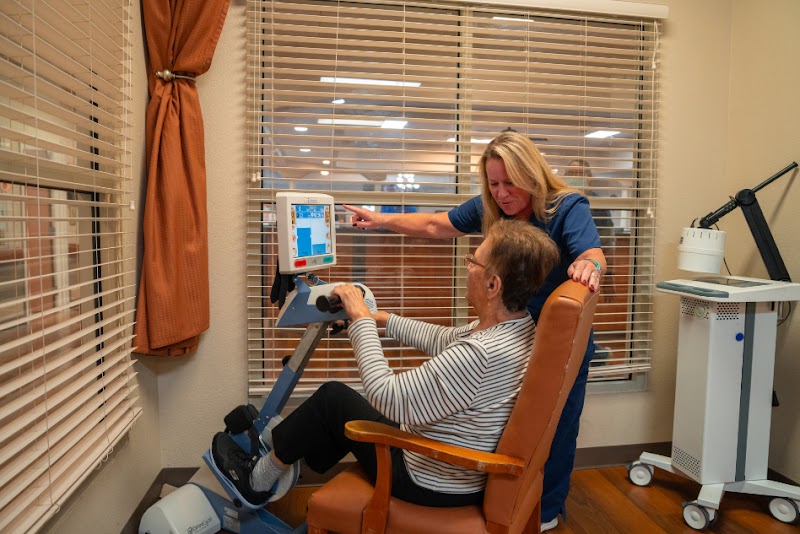
Who Owns and Operates The Heights On Huebner?

THE HEIGHTS ON HUEBNER is owned by a for-profit company. For-profit facilities operate as businesses with obligations to shareholders or private owners. The facility is operated by TOUCHSTONE COMMUNITIES, a chain that manages multiple nursing homes. With 120 certified beds and approximately 107 residents (about 89% occupancy), it is a mid-sized facility located in SAN ANTONIO, Texas.

How Does The Heights On Huebner Compare to Other Texas Nursing Homes?

Compared to the 100 nursing homes in Texas, THE HEIGHTS ON HUEBNER's overall rating (5 stars) is above the state average of 2.8, staff turnover (44%) is near the state average of 46%, and health inspection rating (5 stars) is much above the national benchmark.

What Should Families Ask When Visiting The Heights On Huebner?

Based on this facility's data, families visiting should ask: "Can you walk me through typical staffing levels on day, evening, and night shifts?" "Can I visit during a mealtime to observe dining assistance and food quality?" "How do you handle medical emergencies, and what is your hospital transfer rate?" "Can I speak with family members of current residents about their experience?" These questions are particularly relevant given the below-average staffing rating.

Is The Heights On Huebner Safe?

Based on CMS inspection data, THE HEIGHTS ON HUEBNER has a clean safety record: no substantiated abuse findings (meaning no confirmed cases of resident harm), no Immediate Jeopardy citations (the most serious violation level indicating risk of serious injury or death), and is not on the Special Focus Facility watch list (a federal program monitoring the lowest-performing 1% of nursing homes). The facility has a 5-star overall rating and ranks #1 of 100 nursing homes in Texas. While no facility is perfect, families should still ask about staff-to-resident ratios and recent inspection results during their visit.

Do Nurses at The Heights On Huebner Stick Around?

THE HEIGHTS ON HUEBNER has a staff turnover rate of 44%, which is about average for Texas nursing homes (state average: 46%). Moderate turnover is common in nursing homes, but families should still ask about staff tenure and how the facility maintains care continuity when employees leave.

Was The Heights On Huebner Ever Fined?

THE HEIGHTS ON HUEBNER has no federal fines on record. CMS issues fines when nursing homes fail to meet care standards or don't correct problems found during inspections. The absence of fines suggests the facility has either maintained compliance or corrected any issues before penalties were assessed. This is a positive indicator, though families should still review recent inspection reports for the full picture.

Is The Heights On Huebner on Any Federal Watch List?

THE HEIGHTS ON HUEBNER is not on any federal watch list. The most significant is the Special Focus Facility (SFF) program, which identifies the bottom 1% of nursing homes nationally based on persistent, serious quality problems. Not being on this list means the facility has avoided the pattern of deficiencies that triggers enhanced federal oversight. This is a positive indicator, though families should still review the facility's inspection history directly.