THE ATRIUM REHABILITATION CENTER

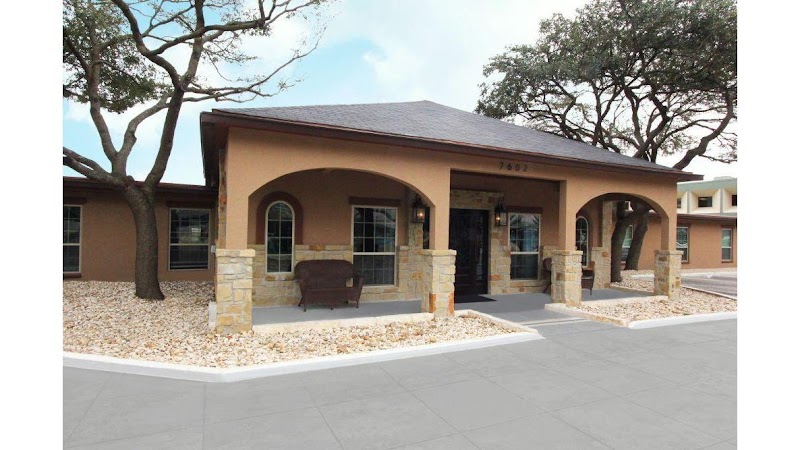
7602 LOUIS PASTEUR ST, SAN ANTONIO, TX 78229 (210) 614-9974
For profit - Corporation 87 Beds PARAMOUNT HEALTHCARE Data: November 2025 2 Immediate Jeopardy citations
Trust Grade
9/100
#1116 of 1168 in TX
Last Inspection: May 2025

Inspected within the last 6 months. Data reflects current conditions.

Overview

The Atrium Rehabilitation Center has received a Trust Grade of F, indicating significant concerns about its quality and care. Ranking #1116 out of 1168 facilities in Texas places it in the bottom half, while its county rank of #57 out of 62 shows it has very few local competitors performing worse. Although the facility is improving, reducing its issues from 13 in 2024 to 10 in 2025, it still faces serious challenges, including a troubling staff turnover rate of 68%, which is well above the Texas average. Recent incidents included a staff member bringing a handgun into the facility, creating a dangerous situation, and a resident eloping due to inadequate supervision, both of which highlight critical safety concerns. While the facility's RN coverage is average, the overall staffing rating of 1 out of 5 stars indicates significant weaknesses, which families should carefully consider when evaluating care for their loved ones.

Trust Score
F
9/100
In Texas
#1116/1168
Bottom 5%
Safety Record
High Risk
Review needed
Inspections
Getting Better
13 → 10 violations
Staff Stability
⚠ Watch
68% turnover. Above average. Higher turnover means staff may not know residents' routines.
Penalties
✓ Good
$23,680 in fines. Lower than most Texas facilities. Relatively clean record.
Skilled Nurses
⚠ Watch
Each resident gets only 29 minutes of Registered Nurse (RN) attention daily — below average for Texas. Fewer RN minutes means fewer trained eyes watching for problems.
Violations
⚠ Watch
36 deficiencies on record. Higher than average. Multiple issues found across inspections.
★☆☆☆☆
1.0
Overall Rating
★☆☆☆☆
1.0
Staff Levels
★☆☆☆☆
1.0
Care Quality
★★★☆☆
3.0
Inspection Score
Stable
2024: 13 issues
2025: 10 issues

The Good

  • Full Sprinkler Coverage · Fire safety systems throughout facility
  • No fines on record

Facility shows strength in fire safety.

The Bad

1-Star Overall Rating

Below Texas average (2.8)

Significant quality concerns identified by CMS

Staff Turnover: 68%

22pts above Texas avg (46%)

Frequent staff changes - ask about care continuity

Federal Fines: $23,680

Below median ($33,413)

Minor penalties assessed

Chain: PARAMOUNT HEALTHCARE

Part of a multi-facility chain

Ask about local staffing decisions and management

Staff turnover is elevated (68%)

20 points above Texas average of 48%

The Ugly 36 deficiencies on record

2 life-threatening
May 2025 6 deficiencies
CONCERN (D)

Potential for Harm - no one hurt, but risky conditions existed

Assessment Accuracy (Tag F0641)

Could have caused harm · This affected 1 resident

**NOTE- TERMS IN BRACKETS HAVE BEEN EDITED TO PROTECT CONFIDENTIALITY** Based on interview and record review, the facility failed to conduct an accurate comprehensive assessment of each resident's fun...

Read full inspector narrative →
**NOTE- TERMS IN BRACKETS HAVE BEEN EDITED TO PROTECT CONFIDENTIALITY** Based on interview and record review, the facility failed to conduct an accurate comprehensive assessment of each resident's functional capacity including the resident's needs, strengths, goals, life history and preferences for 2 of 8 Residents (Residents #9, #13) reviewed for assessments. Resident #9 and Resident #13's Quarterly MDS Assessments did not reflect their significant weight loss. This failure could place residents at risk for not receiving the care and services as needed. The findings included: Record review of Resident #9's face sheet, dated 05/30/2025, reflected an [AGE] year-old resident initially admitted on [DATE] with diagnoses of metabolic encephalopathy (change in how your brain works due to an underlying condition), dependence on renal dialysis, and end stage renal disease (kidney failure, where your kidneys no longer work as they should to meet your body's needs to adequately filter waste). Record review of Resident #9's medical record reflected that on 03/20/2025, Resident #9 weighed 118 lbs. and on 04/27/2025, Resident #9 weighted 109.2 lbs., which is a -7.46% loss in body weight. Due to the significant loss in weight, on 04/28/2025, the facility dietician recommended adding an appetite stimulant to Resident #9's medicine regiment. Record review of Resident #9's Quarterly MDS assessment dated [DATE], reflected under Section K - Swallowing/Nutritional Status, subsection Weight Loss reflected that Resident #9 did not have weight loss of 5% or more in the last month or loss of 10% or more in the last 6 months. Record review of Resident #9's Care Plan, dated 05/30/2025, reflected that the resident had unplanned/unexpected weight loss with interventions such as providing dietary supplements as ordered by physician. Record review of Resident #13's face sheet, dated 05/30/2025, reflected a [AGE] year-old resident initially admitted on [DATE] with diagnoses of sepsis (a life-threatening complication of an infection), encephalopathy (a disease in which the functioning of the brain is affected by some agent or condition), and type 2 diabetes (a long-term condition in which the body has trouble controlling blood sugar and using it for energy). Record review of Resident #13's medical record reflected that on 03/03/2025, Resident #13 weighed 242 lbs. and on 04/2/2025, Resident #9 weighed 225.4 lbs., which was a -7.00% loss in body weight. Record review of Resident #13's Quarterly MDS assessment dated [DATE], reflected under Section K - Swallowing/Nutritional Status, subsection Weight Loss reflected that Resident #13 did not have weight loss of 5% or more in the last month or loss of 10% or more in the last 6 months. Record review of Resident #13's Care Plan, dated 05/30/2025, reflected that the resident had unplanned/unexpected weight loss with interventions such as alerting the dietician if the resident has poor food consumption for more than 48 hours and notifying the physician if there is more weight loss. Interview on 05/30/2025 at 10:22 AM, the MDS Coordinator stated she had just begun her employment at the facility and began completing MDS' in the first week of May of 2025. The MDS Coordinator stated both Resident #9 and Resident #13's significant weight loss should have been indicated in their MDS Assessments completed on 04/27/2025, and 04/22/2025, respectively. The MDS Coordinator stated she would take that into account moving forward and complete an audit to ensure all MDS' had accurate weight assessments and would correct any MDS' that did not .
CONCERN (D)

Potential for Harm - no one hurt, but risky conditions existed

Food Safety (Tag F0812)

Could have caused harm · This affected 1 resident

Based on observation, interview, and record review, the facility failed to store, prepare, distribute, and serve food in accordance with professional standards for 1 of 1 facility reviewed for food se...

Read full inspector narrative →
Based on observation, interview, and record review, the facility failed to store, prepare, distribute, and serve food in accordance with professional standards for 1 of 1 facility reviewed for food service safety. The facility failed to maintain the cleanliness of the facility ice maker. This failure could place residents who receive food and/or snacks from the facility at risk for food borne illness. The findings included: Observation on 05/27/2025 at 09:18 AM revealed a black substance build-up within the ice maker. Interview on 05/29/2025 at 2:00 PM, the DON stated that she saw the buildup in the ice machine in the photo, and her expectation was for the ice machine to be appropriately cleaned. The DON stated the Kitchen Manager generally cleans the ice machine. Record review of Ice Machine Cleaning and Sanitizing Log reflected that the ice machine was cleaned once monthly on the following dates, 09/06/2024, 10/14/2024, 11/15/2024, 12/2/2024, 01/10/2025, 02/03/2025, 03/03/2025, 04/08/2025, and 05/05/2025. Record review of facility policy titled, Sanitization, dated revised October 2008, reflected, Ice machines and ice storage containers will be drained, cleaned, and sanitized per manufacturer's instructions and facility policy. No other facility policy regarding cleanliness of the facility ice maker was provided.
CONCERN (D)

Potential for Harm - no one hurt, but risky conditions existed

Infection Control (Tag F0880)

Could have caused harm · This affected 1 resident

**NOTE- TERMS IN BRACKETS HAVE BEEN EDITED TO PROTECT CONFIDENTIALITY** Based on observations, interviews, and record reviews the facility failed to ensure standard and transmission-based precautions ...

Read full inspector narrative →
**NOTE- TERMS IN BRACKETS HAVE BEEN EDITED TO PROTECT CONFIDENTIALITY** Based on observations, interviews, and record reviews the facility failed to ensure standard and transmission-based precautions which included hand hygiene procedures, were followed by staff involved in direct resident contact, to prevent spread of infections, for 1 of 8 residents (Resident #8) reviewed for transmission-based precautions. On 5/29/2025 LVN A provided a wound care bandage change for Resident #8 and did not change gloves and continued with soiled gloves when he removed Resident #8's dirty bandage, cleaned the wound, applied wound care treatment medication, and applied a clean bandage. This failure could place residents at risk for infections. The findings included: A record review of Resident #8's admission record dated 5/30/2025, revealed an admission date of 3/20/2025 with diagnoses which included respiratory failure with hypercapnia (excess carbon dioxide in the blood stream), diabetes mMellitus, and laceration without foreign body, left lower leg (a wound to the left leg 'calf'). A record review of Resident #8's quarterly MDS assessment dated [DATE] revealed Resident #8 was a [AGE] year-old female admitted for long-term-care and assessed medically complex with a BIMS score of 15 out of a possible 15 which indicated no cognitive impairment. A record review of Resident #8's physician's orders dated 5/21/2025 revealed the physician ordered for Resident #8 to receive Enhanced Barrier Precautions (EBP) every shift and daily wound care to her left lower calf, Resident is on EBP, and standard precautions related to wound care. [NAME] [sic(wear)] PPE (personal protection Equipment) inside the room. Every shift or enhanced barrier precautions medical condition staff must [NAME] gown and gloves when performing high contact care such as bathing, showering, peri-care, brief changes, dressing changes . wound care: left medial [sic(middle)] calf: cleanse with wound cleanser, normal saline, pat dry with 4 by 4 gauze, apply collagen powder sic[a critical protein which maintained skin, tendons, bones, and connective tissue] and (sic[Brand name occlusive dressing is a sterile, non-adhering protective dressing consisting of absorbent, fine-mesh gauze impregnated with a petrolatum blend]) to the wound bed, then cover it with a dry dressing. During an observation and interview on 5/29/2025 at 2:49 PM revealed Resident #8 in her room in bed accepting wound care to her left calf from LVN A. Further observation revealed LVN A wore a gown and gloves. LVN A changed gloves, performed hand hygiene, and applied new gloves. LVN A proceed to remove Resident #8's old, soiled bandage from her wound located on her left lower inner calf. Continued observation revealed LVN A discarded the soiled bandage, did not change gloves, and continued with the same gloves. LVN A cleaned Resident #8's wound and applied collagen powder and a nonstick gauze and clean bandage. After the dressing change LVN A stated he had not changed gloves, performed hand hygiene, and applied new gloves and stated he should have to prevent infections. During an interview on 5/29/2025 at 3:01 PM the ADON Infection Preventionist (IP) stated the training and expectation was for all staff who perform wound care to change gloves whenever they were going from a soiled to clean situation and LVN A should have removed the soiled gloves, performed hand hygiene, and applied new clean gloves prior to cleaning the wound and again after cleaning the wound and applying the clean bandages. During a joint interview on 5/30/2025 at 4:31 PM with the Administrator and the DON, the DON stated the training and expectation was for all staff who perform wound care to change gloves whenever they were going from a soiled to clean situation and LVN A should have removed the soiled gloves, performed hand hygiene, and applied new clean gloves prior to cleaning the wound and again after cleaning the wound and applying the clean bandages. The DON and the Administrator stated the risk to residents was potential infections. A record review of the facility's Wound Care policy dated December 2024, revealed, Purpose: The purpose of this procedure is to provide guidelines for the care of wounds to promote healing. Steps in the Procedure: . 2. Perform hand hygiene. 3. Position resident to facilitate the dressing change. 4. Put on exam gloves. Loosen tape and remove dressing, discard dressing into appropriate receptacle. 5. Remove gloves. Perform hand hygiene. 6. Put on gloves. Gowns will only be necessary if soiling of your skin or clothing with blood, urine, feces, or other body fluids is likely. Masks and eyewear will only be necessary if splashing of blood or other body fluids into your eyes or mouth is likely. 8. Wear gloves for holding gauze to catch irrigation solutions that are poured directly over the wound. 9. Wear gloves when physically touching the wound or holding a moist surface over the wound. [NAME]. Place one (1) gauze to cover all broken skin. Wash tissue around the wound that is usually covered by the dressing, tape, or gauze with antiseptic or soap and water. 11. Apply treatments as indicated. 12. Dress wound. [NAME] dressing with initials, time, and date. Be certain all clean items are on clean field
CONCERN (E)

Potential for Harm - no one hurt, but risky conditions existed

Deficiency F0628 (Tag F0628)

Could have caused harm · This affected multiple residents

**NOTE- TERMS IN BRACKETS HAVE BEEN EDITED TO PROTECT CONFIDENTIALITY** Based on record reviews and interviews the facility failed to send a copy of the residents' discharge notice, prior to discharge...

Read full inspector narrative →
**NOTE- TERMS IN BRACKETS HAVE BEEN EDITED TO PROTECT CONFIDENTIALITY** Based on record reviews and interviews the facility failed to send a copy of the residents' discharge notice, prior to discharge, to the representative of the Office of the State Long-Term Care (LTC) Ombudsman of the residents' transfer or discharge and the reasons for the move, for 4 of 8 residents (Residents #24, #25, #30, and #35) reviewed for notifying the LTC Ombudsman of the residents' discharge. 1. Resident #30 was discharged to the hospital on 3/29/2025 without a notice to the LTC state ombudsman. 2. Resident #35 was discharged on 4/15/2025 without a notice to the LTC state ombudsman. 3. Resident #25 was issued a 30-day notice on 5/8/2025 of an intended discharge on [DATE], without a notice to the LTC state ombudsman. 4. Resident #24 was issued a 30-day notice on 5/14/2025 of an intended discharge on [DATE], without a notice to the LTC state ombudsman. These failures could place residents at risk of not knowing their rights and receiving the services of the state LTC Ombudsman. The findings included: 1. A record review of Resident #30's admission record dated 5/30/2025 revealed an admission date of 2/12/2025 and a discharge date of 3/29/2025 with diagnoses which included end stage renal disease (kidney failure to the point they cannot keep someone alive) and dependence on renal hemodialysis (a real time treatment where a machine filters out toxins from a patient's blood, usually performed in a clinic 3 time a week.) A record review of Resident #30's quarterly MDS assessment dated [DATE] revealed Resident #30 was a [AGE] year-old male admitted for LTC and assessed with the need for hemodialysis and a BIMS score of 15 out of a possible 15 which indicated intact cognition. A record review of Resident #30's physicians' orders dated 9/16/2024 revealed Resident #30 received renal hemodialysis 3 times a week on Monday, Wednesday, and Fridays. A record review of Resident #30's hospital admission document dated 3/30/2025 revealed Resident #30 on the night of 3/29/2025 around 11 PM was in bed when he turned in bed and his dialysis access port caught on something and became dislodged and required hospitalization. A record review of Resident #30's medical record from 2/12/2025 through 5/30/2025 revealed no evidence of a notice to the state LTC ombudsman of Resident #30's discharge to the hospital. 2. A record review of Resident #35's admission record revealed an admission date of 2/26/2025 and a discharge date of 4/15/2025 with diagnoses which included atherosclerotic heart disease (the buildup of plaque leading in the arteries causing hardening and narrowing). A record review of Resident #35's discharge MDS assessment dated [DATE] revealed Resident #35 was a [AGE] year-old female admitted for rehabilitation care. A record review of Resident #35's progress notes revealed LVN D documented on 4/15/2025 Resident #35 was discharged home accompanied by her representative. A record review of Resident #35's medical record from 2/26/2025 through 5/30/2025 revealed no evidence of a notice to the state LTC ombudsman of Resident #35's home discharge. 3. A record review of Resident #25's admission record revealed an admission date of 1/29/2024 with diagnoses which included sepsis (a serious condition in which the body responds improperly to an infection. The infection-fighting processes turn on the body, causing the organs to work poorly) due to Escherichia coli (a bacteria that is commonly found in the lower intestine), chronic obstructive pulmonary disease (COPD an ongoing lung condition caused by swelling and irritation inside the airways that limit airflow into and out of the lungs), and dependence on other enabling machines and devices. A record review of Resident #25's quarterly MDS assessment dated [DATE] revealed Resident #25 was a [AGE] year-old female admitted for LTC and weighted 386 lbs. at a height of 5 feet 2 inches, could not bear weight and required mechanical assistance with transfers from bed to wheelchair. The resident was assessed with the need for continuous supplemental oxygen . The resident was assessed with a BIMS score of 15 out of a possible 15 which indicated intact cognition. A record review of Resident #25's medical record revealed a facility initiated Notice of 30-day Discharge letter dated 5/8/2025. The letter revealed the facility intended to discharge Resident #25 for her inability to pay for services. Further review revealed no evidence the ombudsman was notified. 4. Record review of Resident #24's admission record revealed a [AGE] year-old female resident with an admission date of 11/16/2024 with diagnoses which included unspecified dementia (group of thinking and social symptoms that interferes with daily functioning), hypertension (condition in which the force of the blood against the artery walls is too high), and chronic kidney disease. A record review of Resident #24's quarterly MDS assessment, dated 02/27/2025 revealed Resident #24 had a BIMS of 0, indicating severe cognitive impairment. Further review of Resident #24's MDS assessment revealed that she was dependent on all of the following activities of daily living: eating, oral hygiene, toileting hygiene, bathing, upper body dressing, lower body dressing, putting on/taking off footwear, and personal hygiene. Record review of Resident #24's medical record reflected a facility initiated, Notice of 30-Day Discharge letter, dated 5/14/2025. The letter revealed the facility intended to discharge Resident #24 for her inability to pay for services . Further review revealed no evidence the ombudsman was notified. During an interview on 5/27/2025 at 1:20 PM Resident #25 stated she was anxiously concerned she would be discharged with nowhere to go. Resident #25 stated she was vulnerable and could not survive without help. Resident #25 stated she was a widow and had utilized an attorney to assist her with the sale of her home and used the proceeds to pay for care at the facility and as of April 2025 she had run out of money and on May 8th, 2025, received a notice she would be discharged . Resident #25 was unaware of the services and oversight of the state LTC ombudsman and would like to be connected to her services and oversight. During an interview on 5/27/2025 at 2:00 PM the state LTC Ombudsman for the facility stated she had not received any discharge notices from the facility in the past year. The Ombudsman stated the lack of discharge notices denied residents the opportunity to avail themselves to the services and oversight of the ombudsman. The Ombudsman stated some of the services and oversight an ombudsman may provide varied and could include coordination with the resident and the facility to provide payor sources, and or to ensure the facility supported residents with their full exercise of their rights and potentially apply for government resources such as Medicaid services. During an interview on 5/30/2025 the LTC Ombudsman for the facility stated she had spoken to Resident #25 on 5/28/2025 and the Administrator and the facility would not discharge Resident #25 pending an appeal. During an interview on 5/27/2025 at 11:46 AM, Resident #24's and her representative stated they were not comfortable with Resident #24's discharge and had not been informed of a way to appeal the discharge. Resident #24's family member stated that he was a disabled veteran and would be unable to take care of Resident #24 appropriately, considering her level of care. Resident #24 stated the facility Administrator had not discussed options other than discharge for Resident #24. During an interview on 05/29/2025 at 9:11 AM, the Administrator stated he would not be able to evidence that 30-day discharge notices were sent to the office of the Ombudsman unless he went to the Ombudsman's office and looked through the Ombudsman's mail. The Administrator stated they would subpoena the mailman, if necessary, to show that the 30-day discharge notifications were mailed. During an interview on 5/30/2025 at 1:50 PM the Business Office Manager (BOM) stated she was responsible for reviewing residents for their ability to pay for services rendered either through private pay and or insurance supported payments. The BOM stated if a resident was approaching an instance where they would be reaching the end of a payor source, such as a payor source which would be depleted and or exhausted, the office would notify the resident of a pending 30-day discharge. The BOM stated she would mail a copy of the letter to the address of the LTC ombudsman, however the BOM stated she had no receipt to evidence the letter was mailed. The BOM stated she was not trained to keep evidence for the mailing of the letter. The BOM stated she had not notified the LTC Ombudsman of any discharges for any residents. The BOM stated she was unaware the notification to the LTC Ombudsman of any resident discharge was a requirement. During an interview on 5/30/2025 at 2:40 PM the DON stated she was unaware of the requirement for the facility to report any discharged residents to the LTC Ombudsman. The DON stated a record review of residents' records would not reveal evidence of discharge notices to the LTC Ombudsman because the facility was not reporting the discharged residents. During an interview on 5/30/2025 at 4:55 PM with the Administrator and the DON, the Administrator stated, and the DON agreed, the facility had not developed and implemented a system to ensure the state LTC Ombudsman received notices for residents who were discharged . The Administrator stated the risk for residents could be the residents would not receive the oversight and services of the state LTC Ombudsman. A policy was requested, and the Administrator stated the facility adheres to HHSC Guidelines. A record review of the facility's Transfer or Discharge Notice policy dated December 2016, revealed, Policy Statement: Our facility shall provide a resident and/or the resident's representative (sponsor) with a thirty (30)-day written notice of an impending transfer or discharge. Policy Interpretation and Implementation: A resident, and/or his or her representative (sponsor), will be given a thirty (30)-day advance notice of an impending transfer or discharge from our facility. 4. A copy of the notice will be sent to the Office of the State Long-Term Care Ombudsman
CONCERN (E)

Potential for Harm - no one hurt, but risky conditions existed

Quality of Care (Tag F0684)

Could have caused harm · This affected multiple residents

**NOTE- TERMS IN BRACKETS HAVE BEEN EDITED TO PROTECT CONFIDENTIALITY** Based on interviews and record reviews the facility failed to ensure that residents received treatments and care in accordance w...

Read full inspector narrative →
**NOTE- TERMS IN BRACKETS HAVE BEEN EDITED TO PROTECT CONFIDENTIALITY** Based on interviews and record reviews the facility failed to ensure that residents received treatments and care in accordance with professional standards of practice, the comprehensive person-centered care plan, and the residents' choices, for 1 of 8 residents (Resident #11) reviewed for professional standards with medication administration. On 5/25/2025 and 5/26/2025 Medication Aides B and C did not administer Resident #11's alprazolam (a medication which reduces brain sensitivity to stimulation, which has a calming effect) medications 4 out of a possible 5 opportunities. Medication Aides B and C did not report the missed medication administrations to the nursing leadership. These failures could place residents at risk for harm by adverse reactions to sudden cessation of the medication which could include seizures and thoughts of suicide. The findings included: A record review of Resident #11's admission record dated 5/30/2025 revealed an admission date of 1/23/2025 with diagnoses which included anxiety disorder and major depressive disorder. A record review of Resident #11's quarterly MDS assessment dated [DATE] revealed Resident #11 was a [AGE] year-old female admitted for long term care and assessed with a BIMS score of 13 out of a possible 15 which indicated intact cognition. Resident #11 was assessed with moderate difficulty with hearing and highly impaired vision. A record review of Resident #11's care plan dated 5/17/2024 revealed, I use anti-anxiety medications related to anxiety disorder . I will be free from discomfort or adverse reactions related to anti-anxiety therapy through the review date . I am taking anti-anxiety meds which are associated with an increased risk of confusion, amnesia, loss of balance, and cognitive impairment that looks like dementia, falls, broken hips and legs, monitor for safety. A record review of Resident #11's physician's orders dated 1/30/2025 revealed the physician prescribed Resident #11 to receive alprazolam 0.5mg, for anxiety, 3 times a day, morning, noon, and evening. A record review of Resident #11's medication administration record for the month of May 2025 revealed on 5/25/2025 Resident #11 received only 1 of the 3 prescribed administrations of alprazolam, the morning medication which was administered by MA B. Further review revealed Medication Aide B (MA B) documented the 5/25/2025 the noon dose and the evening dose were not available. A record review of Resident #11's medication administration record for the month of May 2025 revealed on 5/26/2025 Resident #11 received only 1 of the 3 prescribed administrations of alprazolam, the evening medication. Further review revealed Medication Aide C (MA C) documented the 5/26/2025 morning dose and the noon dose were not available . Further review revealed the 5/26/2025 the evening dose was administered by medication Aide D (MA D). During an interview on 5/27/2025 at 10:02 AM Resident #11 stated she could not recall if she received all her medications over the last 2 days (Sunday and Monday). Resident #11 stated she had difficulty with her recollection, had difficulty with her vision, and hearing. Resident #11 stated she was feeling well and calm without any anxiety and was treated well by the staff. During an interview on 5/28/25 at 1:22 PM MA C stated she worked Monday 5/26/2025 as the medication aide from 6:00 AM to 2:00 PM. MA C stated Resident #11 did not have any alprazolam for her morning nor her noon medication administration. MA C stated she had reported the missed medication administration to the charge nurse LVN D. MA C stated she was unaware if Resident #11 had missed any other doses. MA C stated she had not reported the missed doses to anyone else other than the charge nurse LVN D. MA C stated she had not documented her verbal report to LVN D. MA C stated the alprazolam was an anti-anxiety medication and the missed doses could have the risk of not receiving the therapeutic effects of her anti-anxiety medication. MA C stated the facility had a pharmacy emergency kit and vaguely recalled LVN D stated the medication was not available from the pharmacy's emergency kit. During an interview on 5/29/2025 at 11:00 AM LVN D stated she worked Monday 5/26/2025 with MA C. LVN D stated she was not given any reports that Resident #11 had missed 4 of the 5 doses of alprazolam from 5/25/2025 noon to 5/26/2025 noon. LVN D stated the risk to Resident #11 for missing 4 consecutive doses could be varied to include anxiety. LVN D stated on the evening of 5/26/2025 she was given a report by MA E that Resident #11 had no alprazolam for the 5/26/2025 evening medication administration, accessed the pharmacy's emergency kit and supplied the alprazolam to MA E for administration. LVN D stated she SBAR'ed the PCP with no new orders and coordinated with the pharmacy for a refill of Resident #11's medication. LVN D stated she continued to access the medication from the pharmacy's emergency kit until Tuesday's (5/27/2025) refill from the pharmacy. During an interview on 5/30/2025 at 3:00 PM the DON stated she received a report from LVN D on 5/26/2025 of the lack of reporting and documenting where MA C had not reported to nursing leadership Resident #11's missed doses of alprazolam on 5/26/2025. The DON stated she investigated and discovered MA B and MA C had not administered Resident #11's alprazolam for 4 consecutive doses on Sunday 5/25/2025 to Monday 5/26/2025. The DON stated she terminated MA B and suspended MA C until further investigation. The DON stated MA C worked the weekends as a medication aide and would not take a shift until further review. The DON stated Resident #11 was assessed with no adverse reactions to the missed doses and her physician had received a report with no new orders. The DON stated the pharmacy refilled the medication and included the emergency kit on Tuesday 5/27/2025 . During an interview on 5/30/2025 at 4:50 PM with the Administrator and the DON, the DON stated, and the Administrator agreed, the expectation for any missed doses of medications was for the resident to be assessed by nursing, the physician to receive a report, and any new orders to be supported. The DON stated the alprazolam for Resident #11 should have been reordered by any staff who could for see the medication needed to be refilled and at a minimum by MAs B and C. The DON stated the medication aides should have reported to nursing leadership and documented the reports, that Resident #11 had missed the medication administration. The DON stated the risk for residents who missed their medication administration could be the missed therapeutic effects of their medications. A policy was requested and provided with the additional verbal statement The facility follows HHSC guidelines. A record review of the facility's Administering Oral Medications dated 12/2024, revealed, . Documentation: Follow documentation guidelines in the procedure entitled Documentation of Medication Administration. Reporting l. Notify the supervisor if the resident refuses the procedure. 2. Report other information in accordance with facility policy and professional standards of practice.
CONCERN (E)

Potential for Harm - no one hurt, but risky conditions existed

Medical Records (Tag F0842)

Could have caused harm · This affected multiple residents

**NOTE- TERMS IN BRACKETS HAVE BEEN EDITED TO PROTECT CONFIDENTIALITY** Based on interviews and record reviews the facility failed to maintain medical records on each resident that were complete, accu...

Read full inspector narrative →
**NOTE- TERMS IN BRACKETS HAVE BEEN EDITED TO PROTECT CONFIDENTIALITY** Based on interviews and record reviews the facility failed to maintain medical records on each resident that were complete, accurately documented, readily accessible, and were systematically organized, for 2 of 8 residents (Resident #3 and #8) reviewed for consents for accurate medical records. 1. Resident #3 was prescribed and received the antipsychotic medication risperidone for schizophrenia without evidence in his medical record of the state consent form 3713. 2. Resident #8 was prescribed and received the antipsychotic medication aripiprazole for depression without evidence in her medical record of the state consent form 3713. These failures could place residents at risk for inaccurate and unorganized medical records. The findings included: 1. A record review of Resident #3's admission record dated 5/28/2025 revealed an admission date of 10/28/2023 with diagnoses which included schizophrenia (a chronic brain disorder characterized by symptoms like hallucinations, delusions, and disorganized thinking.). A record review of Resident #3's quarterly MDS assessment dated [DATE] revealed Resident #3 was a [AGE] year-old male admitted for long term care (LTC) and was assessed with a BIMS score of 8 out of a possible 15 which indicated severe cognitive impairment. A record review of Resident #3's care plan dated 2/11/2025 revealed, [Resident #3] resident rights will be respected and maintained through the review date February 11th 2025, . participation in my care: I have the right to: receive information about prescribed psychoactive medications, prescribed and administered, in a responsible manner as mandated the Texas Health and safety code 242 505 and the right to refuse consent to the prescription of psychoactive medications. Access personal and clinical records which will be maintained as confidential and may not be released without my consent. A record of Resident #3's physicians' orders, dated 4/27/2024 revealed the physician prescribed Resident #3 to receive risperidone 4mg every bedtime for his diagnosed schizophrenia. A record of Resident #3's medication administration record for the month of May 2025, revealed Resident #3 received risperidone 4mg every bedtime for his diagnosed schizophrenia. A record review of Resident #3's medical record from 4/27/2024 to 5/30/2025 revealed no evidence of a state required psychotropic medication consent form 3713. 2. A record review of Resident #8's admission record dated 5/30/2025 revealed an admission date of 08/24/2023 with diagnoses which included bi-polar disorder (a mental health condition characterized by extreme mood swings, ranging from periods of elevated mood (mania or hypomania) to periods of depression.). A record review of Resident #8's quarterly MDS assessment dated [DATE] revealed Resident #8 was a [AGE] year-old female admitted for long term care (LTC) and was assessed with a BIMS score of 15 out of a possible 15 which indicated no cognitive impairment. A record review of Resident #8's care plan dated 10/14/2024 revealed, I use antipsychotic medication for diagnosis of bipolar disease . give antipsychotic medications as ordered by physician A record of Resident #8's physician's orders, dated 4/4/2025 revealed the physician prescribed Resident #8 to receive aripiprazole 5mg every bedtime for her diagnosed depression / bi-polar disorder. A record of Resident #8's medication administration record for the month of May 2025, revealed Resident #8 received aripiprazole 5mg every bedtime for her diagnosed depression / bi-polar disorder. A record review of Resident #8's medical record from 10/14/2024 to 5/30/2025 revealed no evidence of a state required psychotropic medication consent form 3713. During an interview on 5/30/2025 at 3:00 PM the DON stated a record review for state required antipsychotic consent forms #3713 for Residents #3 and #8 were not in the medical record. The DON stated Residents #3 and #8 did have consents however the psychotropic consent forms were in her desk awaiting to be scanned into the medical record. During a joint interview on 5/30/2025 at 5pm with the Administrator and the DON, the DON stated, and the Administrator agreed, all residents who were prescribed and receive antipsychotic medications should have antipsychotic consent forms evidenced in their medical record. The DON stated the facility currently had no 1 specific staff member to scan medical records and the task of scanning antipsychotic consents had befallen on herself to which she had yet to scan into the record. The DON stated the risk to residents could be inaccurate medical records. A policy was requested, and the Administrator and the DON stated the facility followed HHSC guidelines.
Jan 2025 4 deficiencies
CONCERN (D) 📢 Someone Reported This

A family member, employee, or ombudsman was alarmed enough to file a formal complaint

Potential for Harm - no one hurt, but risky conditions existed

Grievances (Tag F0585)

Could have caused harm · This affected 1 resident

**NOTE- TERMS IN BRACKETS HAVE BEEN EDITED TO PROTECT CONFIDENTIALITY** Based on interview and record review the facility failed to ensure the resident has the right to voice grievances to the facilit...

Read full inspector narrative →
**NOTE- TERMS IN BRACKETS HAVE BEEN EDITED TO PROTECT CONFIDENTIALITY** Based on interview and record review the facility failed to ensure the resident has the right to voice grievances to the facility or other agency or entity that hears grievances without discrimination or reprisal and without fear of discrimination or reprisal. Such grievances include those with respect to care and treatment which has been furnished as well as that which has not been furnished, the behavior of staff and of other residents, and other concerns regarding their LTC facility stay. The resident has the right to do, and the facility must make prompt efforts to resolve grievances for 1 of 3 (# 2) residents in that: Resident #2's family had a grievance that was not resolved by the ADM from 12/11/202 to current (43) days. ADM did not call family back to discuss the resolve. This could affect all residents and could result in residents/families not having their grievances resolved timely. The Finding included: Record review of Residents #2's family grievance form was dated 12/11/2024 by her family, revealed this concerned was reported to the ADM and stated: Documentation of Grievance/complaint- staff brought food tray into residents' room but informed it was for the roommate. Staff said she would return but continued to ignore resident's food. Then staff said that original tray was for resident. resident and family feel discriminated, and resident had a cold meal. Resident was also not changed/cleaned. Documentation of facility follow-up: blank What other action was taken to resolve concerns? blank Action taken: blank Resolution of Grievance/complaint: was grievance resolved-blank; identify the method used to notify the resident and/or resident representative for the resolution: blank, the signature and date was blank. Record review of Resident 2's admission record dated 1/24/2025 revealed she was admitted on 11/11 /2009, readmitted on [DATE] with diagnoses of pneumonia, lack of coordination, pressure ulcer, contractures, diabetes II, major depressive disorder, and seizures. Record review of Resident 2's Quarterly MDS dated [DATE] revealed her BIMs score was 0 of 15, reflecting severely impaired, Resident had a manual wheelchair and had lower extremity impairment on both sides. Record review of Resident 2's was CP dated 6/30/2024 revealed she was a risk for falls, diabetes II, spoke Spanish and had impaired cognitive function/dementia or impaired processes related to Dementia. Record review of Resident #2's grievance dated 12/11/2024 by her family, revealed this concerned was reported to the ADM and stated: Documentation of Grievance/complaint- staff brought food tray into residents' room but informed it was for the roommate. she said she would return but continued to ignore resident's food. Then staff said that original tray was for resident. resident and family feel discriminated, and resident had a cold meal. resident was also not changed/cleaned. Documentation of facility follow-up: The previous DON documented the staff was confused with Resident #2's food tray and roommate. Went back in room is there a problem, how can I help you? she felt discriminated against because the food tray was sent after the fact, insisted it was given last, first name to ensure. What other action was taken to resolve concerns? Was told to give information of complaint to me and gave residents family member full name. Actions taken: discussion -educated staff on customer service, passing trays, assisting resident with dining room and in resident rooms and customer service techniques with resistant, families and other loved ones. Resolution of Grievance/complaint was grievance resolved-blank; identify the method used to notify the resident and/or resident representative for the resolution: blank, the signature and date was blank. Interview on 1/24/2025 at 4:00 PM with the ADM stated he had found the area where the complaints were, this grievance was resolved, but the area of Resolution of Grievance section, the method of notification and signature areas were blank. The ADM stated grievances were resolved within 24 hours. No policy was provided prior to exit.
CONCERN (D) 📢 Someone Reported This

A family member, employee, or ombudsman was alarmed enough to file a formal complaint

Potential for Harm - no one hurt, but risky conditions existed

Comprehensive Care Plan (Tag F0656)

Could have caused harm · This affected 1 resident

**NOTE- TERMS IN BRACKETS HAVE BEEN EDITED TO PROTECT CONFIDENTIALITY** Based on interview and record review the facility failed to ensure the development and comprehensive-centered care plan for each...

Read full inspector narrative →
**NOTE- TERMS IN BRACKETS HAVE BEEN EDITED TO PROTECT CONFIDENTIALITY** Based on interview and record review the facility failed to ensure the development and comprehensive-centered care plan for each resident, consistent with the resident rights, that measurable objectives and timeframes to meet a residents medical, nursing, and mental and psychological needs that are identified in the comprehensive assessment. The comprehensive care plan must describe the following -The services that are to be furnished to attain or maintain the resident's highest practicable physical, mental, and psychosocial well-being as required under and the resident's goals for admission and desired outcomes for 2 of 3 (#2, #3) residents in that: 1. Resident #2's care plan dated 6/30/2024 was not updated with a manual wheelchair and that the resident had lower extremity impairment. 2. Resident #3 care plan dated 4/10/24 was not updated with several e-signatures or completed. This could affect all residents and could result in staff not providing care to residents. The findings included: 1. Record review of Resident #2's admission record dated 1/24/2025 revealed she was admitted on [DATE], readmitted on [DATE] with diagnoses of pneumonia, lack of coordination, pressure ulcer, contractures, diabetes II, major depressive disorder, and seizures. Record review of Resident #2's Quarterly MDS dated [DATE] revealed her BIMs score was 0 of 15, severely impaired, had a manual wheelchair and had lower extremity impairment on both sides. Record review of Resident #2's Quarterly MDS dated [DATE] revealed her BIMs score was 0 of 15, severely impaired, had a manual wheelchair and had lower extremity impairment on both sides. Record review of Resident #2's CP dated 6/30/2024 revealed she was at risk for falls, diabetes II, spoke Spanish and had impaired cognitive function/dementia or impaired processes related to Dementia. 2. Record review of Resident #3's admission Record dated 1/23/2025 revealed she was admitted on [DATE], readmitted on [DATE] with diagnoses of abnormal gait, heart disease without heart failure, major depressive disorder, and repeated falls. Record review of Resident #3's screen shot of Care plans revealed the following dates were waiting for e-signatures: 10/14/2024, 5/7/2024, 12/22/2023 and other previous dates (before the annual recert) and were not completed. Record review of Resident #3's Quarterly MDS dated [DATE] revealed her BIMs score was 15 out of 15, cognitively intact, and used a wheelchair to mobilize. Record review of Resident #3's care plan dated 4/10/24 revealed she was a risk for falls, attends activities and had bowel incontinence. Interview on 1/24/2025 at 2:09 PM with MDS stated she was new (date of hire 9/30/2024) and was not aware she had to start a new care plan for each resident's MDS. MDS stated she was responsible for updating care plans. Interview on 1/24/2025 at 5:00 PM with the ADM stated this was an individual error and will educate, ADM stated care plans should be up to date. No policy provided prior to exit on 01/24/2025.
CONCERN (E) 📢 Someone Reported This

A family member, employee, or ombudsman was alarmed enough to file a formal complaint

Potential for Harm - no one hurt, but risky conditions existed

Deficiency F0602 (Tag F0602)

Could have caused harm · This affected multiple residents

**NOTE- TERMS IN BRACKETS HAVE BEEN EDITED TO PROTECT CONFIDENTIALITY** Based on observations, interviews, and record reviews the facility failed to ensure residents had the right to be free from misa...

Read full inspector narrative →
**NOTE- TERMS IN BRACKETS HAVE BEEN EDITED TO PROTECT CONFIDENTIALITY** Based on observations, interviews, and record reviews the facility failed to ensure residents had the right to be free from misappropriation of resident property for 1 of 7 residents (Resident #4) reviewed for controlled narcotic medications. Resident #4 was hospitalized from [DATE] to 6/2/2024 and upon admission to the facility, on 6/2/2025, the facility recognized they failed to secure and thereby lost, Resident #4's, 41 pills of hydrocodone acetaminophen 10mg/325mg. This failure could place residents at risk for harm by losing control of their medications. The findings included: A record review of Resident #4's admission record, dated 1/22/2025 revealed an admission date of 8/14/2024 with diagnoses which included pain, psychotic disorder with hallucinations due to known physiological condition (Psychotic disorders are severe mental disorders that cause abnormal thinking and perceptions. People with psychoses lose touch with reality.) A record review of Resident #4's quarterly MDS assessment, dated 5/13/2025, revealed Resident #4 was a [AGE] year-old female admitted for long term care and assessed with a BIMS score of 13 which indicated intact cognition. Further review of Resident #4's MDS revealed she was a quadriplegic (paralysis of all four limbs), diagnosed with coronary heart disease and a wound infection. Resident #4 was assessed as receiving scheduled and as needed pain medication for the period reviewed 5/8/2024 through 5/12/2024. The MDS assessment revealed, Ask Resident: have you had pain or hurting at any time in the last 5 days? . Yes . Pain Frequency: Ask Resident: How much of the time have you experienced pain or hurting? . Frequently . Ask Resident Over the past five days, how much of the time has pain made it hard for you to sleep at night? . Occasionally . Pain Intensity: Numeric rating scale 00-10 Ask Resident: Please rate your worst pain over the last 5 days on a 0 to 10 scale, with zero being no pain and 10 as the worst pain you can imagine. Seven . Prognosis: Does the Resident have a condition or chronic disease that may result in a life expectancy of less than 6 months? . no A record review of Resident #4's care plan dated 1/22/2025 revealed, I have chronic pain r/t (related to) polyneuropathy, necrotizing fasciitis Date Initiated: 04/20/2024 Revision on: 01/18/2025 . Anticipate my need for pain relief and respond immediately to any complaint of pain CNA, Date Initiated: 04/20/2024, Revision on: 04/20/2024 .Evaluate the effectiveness of pain interventions. Review for compliance, alleviating of symptoms, dosing schedules and resident satisfaction with results, impact on functional ability and impact on cognition. Identify previous pain history and management of that pain and impact on function. Identify previous response to analgesia including pain relief, side effects and impact on function. Monitor/record/report to Nurse resident complaints of pain or requests for pain treatment. Notify physician if interventions are unsuccessful or if current complaint is a significant change from residents past experience of pain. A record review of Resident #4's physicians orders revealed Resident #4 was prescribed to receive Oxycodone 10mg (according to the United States Drug Enforcement Agency Oxycodone is a semi-synthetic narcotic analgesic and historically has been a popular drug of abuse among the narcotic abusing population) with Acetaminophen 325mg (Tylenol), the physician's instructions were for Resident #4 to receive 1 tablet every 4 hours as needed for moderate to severe pain beginning on 5/9/2024. A record review of the United States of America's Drug Enforcement Agency's website https://www.dea.gov/sites/default/files/2020-06/Oxycodone-2020_0.pdf accessed 1/31/2025, revealed, WHAT IS OXYCODONE? Oxycodone is a semi-synthetic narcotic analgesic and historically has been a popular drug of abuse among the narcotic abusing population. WHAT IS ITS ORIGIN? Oxycodone is synthesized from thebaine, a constituent of the poppy plant. What are common street names? Common street names include: o Hillbilly Heroin, [NAME], OC, Ox, Roxy, Perc, and Oxy . How is it abused? Oxycodone is abused orally or intravenously. The tablets are crushed and sniffed or dissolved in water and injected. Others heat a tablet that has been placed on a piece of foil then inhale the vapors. What is its legal status in the United States? Oxycodone products are in Schedule II of the Controlled Substances Act. A record review of Resident #4's May 2024 Medication Administration Record revealed Resident #4 had received her Oxycodone 10mg / acetaminophen 325mg, as prescribed as Needed 19 times and administered by LVN A, LVN B, LVN C, LVN D, LVN E, and LVN F. A record review of Resident #4's nursing progress notes revealed Resident #4 was assessed by LVN A on 5/27/2025 at 8:15 PM with 10 out of 10 pain, cold and shivering, and hurting down to her bones. LVN A documented Resident #4 Was transferred to the hospital. A record review of Resident #4's nursing progress notes revealed the medical director documented on 6/2/2025 at 8:20 PM, seen and examined. Patient returned back from (hospital) after being treated for sepsis with uti (urinary tract infection), along with oral candidiasis (commonly known as oral thrush, is a fungal infection in the mouth caused by an overgrowth of yeast-like organisms called Candida) new orders noted start pt/ot (physical therapy / occupational therapy) pain meds revised discussed with RN. A record review of Resident #4's nursing progress notes revealed LVN B documented on 6/2/2025 at 9:08 PM, resident returned to facility from stay at (name) hospital admitted for severe sepsis d/t uti. Resident transferred to bed from Gernie sic(gurney) with s/s of pain voiced/observed. Resident A&Ox3, able to verbalize all needs/wants, recognized staff as well as location without cues. Resident stated my leg hurts bad they did nothing for it while beginning to cry while voicing discomfort with stay/current s/s. MD pending call back, after hours number with vmail left to return call promptly for review of orders. ADON/Supervisor aware of return arrival, pending MD return call. A record review of the Pharmacist's Medication Audit report dated 6/4/2024 revealed, June 4, 2024 Investigation Report Subject: Possible Drug Diversion at (The Facility) Investigator: (PharmD), RPh, Consultant Pharmacist I. Concern On June 3, 2024, I was contacted by facility that a medication card of Oxycodone/Acetaminophen 10/325mg Tablets for (Resident #4) could not be located. II. Findings On May 27, 2024, resident was noted to have abnormal vital signs and was sent out of the facility to the hospital. On June 2, 2024, resident returned late in the evening. Medication orders were restarted. It was discovered that resident's medication card for Oxycodone/Acetaminophen 10/325 was not with her other medications. Medication carts, locked control boxes, and medication rooms were searched looking for the missing card. Drug destruction areas were reviewed. The medication card was not located. The pink inventory sheet was also missing from control medication notebook. The medication card dispensed from the pharmacy was for a quantity of 60, and review noted that 19 doses had been administered. The lost card had 41 doses of Oxycodone/Acetaminophen 10/325mg tablets. The pharmacy was immediately contacted, and replacement medication was obtained. As resident was out of the facility for six days, it was unclear when the medication was lost or diverted. III. Recommendations The DON noted a new shift change inventory sheet for nurses/medication aides to ensure that medication cards are always inventoried with each change of shift. DON also had obtained a control inventory sheet that would track the number of controlled medications at beginning and end of every shift. This would ensure that if a medication card and the pink inventory sheet were removed, this would cause a discrepancy that could investigated quickly. IV. Conclusion There appears to have been an unexplained loss of a medication card of Oxycodone/Acetaminophen 10/325mg. The resident at no time was without medication. The facility thoroughly searched facility. The facility is instituting new tracking for controlled medication cards. Updating procedures and the additional step of inventorying the number of controlled medications in the facility will go a long way in helping to catch any discrepancy with missing medication cards. (PharmD), RPh During an interview on 1/22/2025 at 12:13 PM the ADON stated he reported to DON H and Administrator I that Resident #4 was missing her oxycodone drugs. The ADON stated the PharmD came in and investigated the medication loss. The ADON stated the staff involved were not drug tested however, through other actions they were terminated. The ADON stated the local police department were notified and visited the facility and gave a police report number. The ADON stated all the staff had received an in-service for ANE and medication storage to include controlled medications protocols. The ADON stated as a result the facility had provided an enhanced controlled medication accounting to include the addition of a master control log where all controlled medications were recorded when delivered by the pharmacy and the controlled drugs on the medication carts were audited with the master control log daily. The ADON stated upon recognition of the lost oxycodone for Resident #4 all residents who were prescribed controlled narcotics were identified as seven residents to include Resident #4. All residents were reviewed for their physical narcotic and only Resident #4 was missing medications. All 7 residents were assessed for adverse reactions from missing their narcotic medications and none were evidence with any adverse reactions, the ADON stated Resident #4 had received a new prescription from the pharmacy and in the interim she had received medications from the facility's emergency kit provided by the pharmacy. During an interview on 01/23/2025 at 10:00 AM the Administrator and the DON stated some of the staff who were involved with the missing narcotics for Resident #4 were terminated and included: MA F. MA G. LVN B. RN E. and LVN A. The Administrator and the DON stated they were not the DON and or the administrator at the time and date of the lost medication but had reviewed the actions of the previous Administrator I and DON H and continued with the practice of having an enhanced controlled medication accounting to include the addition of a master control log where all controlled medications were recorded when delivered by the pharmacy and the controlled drugs on the medication carts were audited with the master control log daily. During an interview on 1/22/2025 at 2:12 PM MA G stated she usually worked the 8a-8p shift and regarding Resident #4's missing oxycodone, she recalled administering the medication to Resident #4 on 5/27/2024 and counting the medication at end of her shift with the oncoming nurse. MA G stated she did not recall if Resident oxycodone specifically was counted the following day. MAG stated she had not removed the oxycodone medication from cart. During an interview on 1/22/2025 at 2:13 PM LVN B stated she usually worked 12-hour day shifts on the weekends and regarding Resident #4's missing oxycodone, she did not recall if oxycodone specifically was counted at change of shift during the previous weekend. LVN B stated she did not remove Resident #4's oxycodone medication from cart. During an interview on 1/22/2025 at 2:17 PM RN E stated usually worked 12-hour day shifts on the weekends and regarding Resident #4's missing oxycodone, she did not recall if oxycodone specifically was counted at change of shift during the previous weekend. RN E stated she did not remove Resident #4's oxycodone medication from cart. During an interview on 1/22/2025 at 3:25 PM LVN A stated he usually worked the 2p-10p shift and regarding Resident #4's missing oxycodone, he could not recall specifically counting oxycodone during change of shift. [NAME] stated he did not remove medication from cart. LVN A stated he did not remove Resident #4's oxycodone medication from cart. A record review of the facility's Controlled Substances policy dated December 2023 revealed, Policy Statement The facility shall comply with all laws, regulations, and other requirements related to handling, storage, disposal, and documentation of Schedule II and other controlled substances. Policy Interpretation and Implementation: 1. Only authorized licensed nursing and/or pharmacy personnel shall have access to Schedule II controlled drugs maintained on premises. 2. The Director of Nursing Services will identify staff members who are authorized to handle controlled substances. 10. The Director of Nursing Services shall investigate any discrepancies in narcotics reconciliation to determine the cause and identify any responsibility parties and shall give the Administrator a written report of such findings. 11. The Director of Nursing Services shall consult with the provider pharmacy and the Administrator to determine whether any further legal action is indicated. A record review of the facility's master control binder, on-going dates, revealed the facility DON and or ADON audited the narcotics on the medication's carts with the control log daily. A record review of Resident's with narcotics counts sheets, on-going dates, revealed no discrepancies and were signed as the medications were administered. A record review of Resident #4's narcotic count sheet, on-going dates, revealed no discrepancies. During an observation and interview on 1/22/2025 at 6:10 PM revealed Resident #4 in her room dressed groomed seated in her wheelchair. Resident #4 could not recall missing any drugs and stated she did have recurrent pain and the pain was satisfied with her medications administered by the nurses. A record review of the facility's in-service dated 6/4/2024 titled Controlled medications revealed, Objectives 1) controlled substances will be counted on delivery and at the end of each shift. 2) discrepancies will be reported to the DON. 3) detailed narcotic Audit form will be updated and signed for new, discontinued, or completed controlled medications. Further review revealed LVN A, LVN B, LVN C, LVN D, RN E, MA F, and MA G signed the in-service. A record review of the facility's narcotic count sheet for the 100-hall medication cart, dated May 2024, revealed *All Controlled medications need to be counted by the On-coming and Off-going Certified Medication Aide at change of shift [NAME]. *Each Certified Medication Aide/Charge Nurse participating in the count should initial on the appropriate date/time. Further review revealed all shifts except 5/26/2025 2p-10p shift, had documented they counted the narcotics on the cart for the month of May 2024. A record review of the facility's narcotic count sheet for the 100-hall medication cart, dated January 2025, revealed *All Controlled medications need to be counted by the On-coming and Off-going Certified Medication Aide at change of shift [NAME]. *Each Certified Medication Aide/Charge Nurse participating in the count should initial on the appropriate date/time. Further review revealed all shifts had documented they counted the narcotics on the cart for the month of January 2025.
CONCERN (E) 📢 Someone Reported This

A family member, employee, or ombudsman was alarmed enough to file a formal complaint

Potential for Harm - no one hurt, but risky conditions existed

Deficiency F0657 (Tag F0657)

Could have caused harm · This affected multiple residents

**NOTE- TERMS IN BRACKETS HAVE BEEN EDITED TO PROTECT CONFIDENTIALITY** Based on observations, interviews, and record reviews the facility failed to develop, within 7 days after completion of the comp...

Read full inspector narrative →
**NOTE- TERMS IN BRACKETS HAVE BEEN EDITED TO PROTECT CONFIDENTIALITY** Based on observations, interviews, and record reviews the facility failed to develop, within 7 days after completion of the comprehensive assessment, a care plan and invited, to the extent practicable, the participation of the resident and the resident's representative(s) with an explanation in the resident's medical record if the participation of the resident and their resident representative was determined not practicable for the development of the resident's care plan and reviewed and revised by the interdisciplinary team after each assessment, including both the comprehensive and quarterly review assessments for 2 of 6 (#1, #5) residents reviewed for revised care plans. 1.Resident #1's care plan dated 9/27/2024 was not updated because the CP had current revision dates but did not coincide with the MDS dates. 2. The facility failed to revise Resident #5's care plan on 8/20/2024 with interventions to support Resident #5's hypothyroid diagnosis and hypothyroid medication regime. This failure could place residents at risk for harm by not having a plan of care to support their needs for care. The findings included: 1. Record review of Resident #1's admission Record dated 9/27/2024, re-admitted on [DATE] with dx of unspecified fx, for femur, renal dialysis, pressure sore on sacrum, vit D deficiency, ESRD (end stage renal disease), dysfunction of bladder, Parkinson's (a brain disorder that causes unintended or uncontrollable movements, such as shaking, stiffness, and difficulty with balance and coordination.), diabetes II (a chronic, metabolic disease characterized by elevated levels of blood glucose (or blood sugar), which leads over time to serious damage to the heart, blood vessels, eyes, kidneys and nerves) , and dementia (the loss of cognitive functioning - thinking, remembering, and reasoning - to such an extent that it interferes with a person's daily life and activities. Record review of Resident #1's Quarterly MDS dated [DATE] revealed she had a BIMs score of 3 out of 15, severely impaired, she required set-up for eating and mobilized with a manual wheelchair. Record review of Resident #1's Quarterly MDS dated [DATE] revealed she had a BIMs score was 3 out of 15, severely impaired, required extensive assistance with transfers, supervision with eating and mobilized with a manual wheelchair. Record review of Resident #1's Care plan dated 9/27/2024 revealed she had a risk for falls, a fracture, Diabetes II, and eating was set-up. Resident #1's care plan had current revision dates but did not coincide with the MDS dates. 2. A record review of Resident #5's admission record revealed an admission date of 11/14/2023 with diagnoses which included cerebral infarction (stroke), Hypothyroidism (a condition in which the thyroid gland does not produce enough thyroid stimulating hormone TSH), and Alzheimer's disease (a progressive and irreversible brain disorder that gradually destroys memory, thinking skills, and the ability to carry out everyday tasks.) A record review of Resident #5's quarterly MDS assessment dated [DATE] revealed Resident #5 was an [AGE] year-old female admitted for long term care and assessed with a BIMS score of 2 out of a possible 15 which indicated a severely impaired cognition. Further review revealed a diagnosis of Hypothyroidism. A record review of Resident #5's physicians orders dated 01/22/2025 revealed the physician prescribed Resident #5 to receive levothyroxine 100mcg (a thyroid stimulating hormone) daily for hypothyroidism. Further review revealed the physician prescribed for Resident #5 to have weekly skin assessments, and weekly weights monitoring for Loss under 100 lbs. A record review of Resident #5's care plan dated 1/22/2025 revealed no focus's, goals, nor interventions regarding Resident #5's diagnosis of hypothyroidism. A record review of Resident #5's laboratory physicians order dated 6/13/2024 revealed the physician ordered a TSH Free T4 lab test (a test to reveal how much thyroid stimulating hormone the body is producing.) A record review of Resident #5's laboratory results dated [DATE] revealed a TSH T 4 level as greater than 100mu/L (million per microliter.) A record review of the United States of America's Department of Veterans Affairs website https://www.va.gov/WHOLEHEALTHLIBRARY/tools/hypothyroidism.asp Accessed 1/31/2025, titled Hypothyroidism revealed, In primary hypothyroidism, serum TSH is elevated (typically greater than 4.5mu/L) A record review of Resident #5's physician's orders revealed the physician began a new medication for Resident #5 to receive daily levothyroxine 25mcg for a new diagnosis of hypothyroidism. A record review of Resident #5's medical record from July 2024 through October 2024 revealed the physician continued to monitor Resident #5's TSH blood levels and continued to evidence high levels which indicated hypothyroidism and continued to increase Resident #5's levothyroxine in to reduce the high TSH levels as evidenced by the physician's order on 9/6/2024 when the physician prescribed Resident #5 to receive levothyroxine 100mcg daily. During an interview on 1/22/2025 at 4:53 PM Resident #5's representative stated she had never been invited to a care plan meeting although she visited Resident #5 weekly and may have inadvertently been involved in an informal care plan meeting with the nurses and may not have recognized it was a care plan meeting. Resident #5's representative stated she has hypothyroidism and believed Resident #5 also had hypothyroidism and had been receiving levothyroxine since 2023 prior to being admitted to the facility. Resident #5's representative stated she learned while Resident #5 was admitted to the facility she had not been diagnosed with hypothyroidism until June 2024 when Resident #5 had been diagnosed with hypothyroidism and had begun receiving levothyroxine. Resident #5's representative stated she was not aware Resident #5 had no interventions for monitoring, and or supporting Resident #5's needs for hypothyroidism and at a minimum would like for Resident #5 to be monitored for her TSH blood work regularly. During an observation and interview on 1/23/2025 at 2:00 PM revealed LVN J to review Resident #5's medical record to include Resident #5's care plan. LVN J stated she could not evidence any focus, goal, nor interventions for hypothyroidism. LVN J stated Resident #5 was monitored for her weight and her skin condition and stated hypothyroidism could affect a person's weight and skin condition. During an interview on 1/23/2025 at 2:59 PM the ADON stated there was no interventions for Resident #5's care plan and would review Resident #5's care plan and ensure there would be a focus for hypothyroidism to included goals and interventions to support management of Resident #5's hypothyroidism. Interview on 1/24/2025 at 2:09 PM with MDS stated she was new (date of hire 9/30/2024) and was not aware she had to start a new care plan for each resident MDS. MDS stated she was responsible for updating care plans. Interview on 1/24/2025 at 5:00 PM with the ADM stated this was an individual error and will educate, ADM stated care plans should be up to date. A policy for care plan revisions was requested on 1/23/2025 and as of exit on 1/23/2025 was not provided. A record review of the United states of America's Medicare.gov website accessed 1/31/2025 https://www.medicare.gov/providers-services/original-medicare/nursing-homes/care-plan , titled What's a nursing home care plan? revealed, A care plan says how staff at a nursing home will help manage your care. To prepare your care plan, the nursing home staff will get your health information and review your health condition. You (if you're able), your family (with your permission), or someone acting on your behalf has the right to take part in planning your care with the nursing home staff. The basic care plan included: A health assessment (a review of your health condition) that begins on the day you're admitted and must be completed within 14 days. A health assessment at least every 90 days after your first review, and possibly more often if your medical status changes, with?changes to your care plan as needed. Nursing homes are required to submit this information to the federal government. This information is used for quality measures, nursing home payment, and state inspections. Depending on your needs, your care plan may include: The personal or health care services you need. The type of staff that can give you the services. How often you need the services. The equipment or supplies you need (like a wheelchair or feeding tube). Describe your dietary needs and food preferences. How your care plan will help you reach your goals. If you plan on returning to the community and the plan to?help you meet that goal.
Apr 2024 4 deficiencies
CONCERN (D) 📢 Someone Reported This

A family member, employee, or ombudsman was alarmed enough to file a formal complaint

Potential for Harm - no one hurt, but risky conditions existed

Comprehensive Care Plan (Tag F0656)

Could have caused harm · This affected 1 resident

**NOTE- TERMS IN BRACKETS HAVE BEEN EDITED TO PROTECT CONFIDENTIALITY** Based on observation, interview, and record review, the facility failed to provide services as outlined by the comprehensive car...

Read full inspector narrative →
**NOTE- TERMS IN BRACKETS HAVE BEEN EDITED TO PROTECT CONFIDENTIALITY** Based on observation, interview, and record review, the facility failed to provide services as outlined by the comprehensive care plan that meet professional standards of quality for 1 of 5 residents (Resident #1) reviewed for (insert type of care plan you were reviewing) in that: The facility failed to ensure Resident #1's care plan addressed his contractures. This failure could place residents at risk for not receiving the care and services to meet their needs. The findings were: Record review of Resident #1's face sheet, dated 4/18/24, revealed Resident #1 was initially admitted to the facility on [DATE] with diagnoses of cerebral infarction [stroke], contracture [a fixed tightening of muscle or tendons], right knee, contracture, left knee, muscle wasting and atrophy [shrinking of muscle or nerve tissue], not elsewhere classified, multiple sites, and pressure ulcer of other site, stage 3. Record review of Resident #1's entry MDS, dated [DATE], revealed Resident #1 had no BIMS score because Resident #1 was rarely/never understood. Further record review of this document revealed Resident #1 had the following Additional Active Diagnosis . contracture, right knee . contracture, left knee . muscle wasting and atrophy. Record review of Resident #1 care plan, dated 4/18/24, revealed Resident #1 did not have a care plan specifically for his contractures. Observation on 4/19/24 at 9:15 a.m., revealed Resident #1 was in bed and in no acute distress. Resident #1 had contractures in both lower extremities, causing his knees to bed. During an interview and record review on 4/19/24 at 11:54 a.m., the MDS Coordinator stated, diagnosis, code status, hospice . whatever applies to the patients, should be on the resident's care plan. The MDS Coordinator confirmed contractures should be on the care plan. The MDS Coordinator stated Resident #1 had contractures and stated she did not create Resident #1's care plan. The MDS Coordinator stated she did not know who created his care plan. Resident #1's care plan was reviewed with the MDS Coordinator and MDS Coordinator confirmed Resident #1's care plan did not have a care plan about his contractures. The MDS Coordinator stated the facility's corporate nurse went through the resident care plans but she (the MDS Coordinator) was not sure how frequently the corporate nurse did this. When asked what sort of negative effects could occur to the residents if their care plans did not include contractures, the MDS Coordinator stated, I couldn't answer that question. Record review of a facility policy titled, Care Plans, Comprehensive, dated December 2023, revealed the following: the comprehensive, person-centered care plan will: .describe the services that are to be furnished to attain or maintain the resident's highest practicable physical, mental, and psychosocial well-being[.] Record review of a facility policy titled, Resident Mobility and Range of Motion, dated December 2023, revealed the following: The care plan will include specific interventions, exercises and therapies to maintain, prevent avoidable decline in, and/or improve mobility and range of motion.
CONCERN (D) 📢 Someone Reported This

A family member, employee, or ombudsman was alarmed enough to file a formal complaint

Potential for Harm - no one hurt, but risky conditions existed

Incontinence Care (Tag F0690)

Could have caused harm · This affected 1 resident

**NOTE- TERMS IN BRACKETS HAVE BEEN EDITED TO PROTECT CONFIDENTIALITY** Based on observation, interview, and record review, the facility failed to ensure incontinent care was provided in accordance wi...

Read full inspector narrative →
**NOTE- TERMS IN BRACKETS HAVE BEEN EDITED TO PROTECT CONFIDENTIALITY** Based on observation, interview, and record review, the facility failed to ensure incontinent care was provided in accordance with appropriate treatment and service practices to prevent urinary tract infections and to restore continence to the extent possible for 1 of 5 residents (Resident #2) reviewed for incontinent care and catheter care, in that: The facility failed to ensure Resident #2's urinary catheter tubing was secured. This failure could place residents at risk for infection, pain, and skin break down due to improper care practices. Record review of Resident #2's face sheet, dated 4/19/24, revealed Resident #2 was initially admitted to the facility on [DATE] with diagnoses of other lack of coordination, erythema intertrigo [redness on both sides of a skin fold], acute pyelonephritis [a type of urinary tract infection where one or both kidneys become infected], and obstructive and reflux uropathy [when urine is unable to drain through the urinary tract and causes urine to back up into the kidneys], unspecified. Record review of Resident #2's entry MDS, dated [DATE], revealed no BIMS score. Record review of Resident #2's physician orders, dated 4/18/24, revealed the following order, dated 1/30/24: monitor foley catheter [a flexible tube that is inserted through the urethra and into the bladder to drain urine; a urinary catheter] leg strap for proper placement every shift. Observation of Resident #2's urinary catheter care on 4/18/24 at 11:01 a.m. revealed Resident #2 had a stabilization device placed on her left thigh, which was meant to prevent the urinary catheter tubing from moving and causing discomfort to Resident #2. Resident #2's urinary catheter was not anchored using the stabilization device. During an interview on 4/18/24 at 11:13 a.m., after Resident #2's urinary catheter care, CNA C stated the stabilization device on Resident #2s left high was to hold the urinary catheter. CNA C stated Resident #2's urinary catheter was disconnected from the stabilization device because she (CNA C) and another CNA were doing the urinary catheter care. CNA C stated Resident #2's LVN, LVN D, will reconnect the urinary catheter to the stabilization device. During an observation and interview on 4/18/24 at 11:58 a.m., Resident #2's urinary catheter was still not connected to the stabilization device. Resident #2 stated the device had been disconnected prior to the catheter care earlier but the facility staff had not reconnected the urinary catheter to the stabilization device. During an interview on 4/19/24 at 12:17 p.m., the DON stated she was new to the position at this facility. The DON stated she was not sure if the facility had a process to ensure urinary catheters were secured appropriately, but she knew the facility conducted rounds to check a resident's oxygen tubing, foley catheters, and gastrostomy tubes [an artificial opening to the stomach from the abdominal wall.] When asked what sort of negative effects could occur to the residents if their foley catheters were not secured appropriately, the DON stated, it could be pulled or dislodged or cause some kind of trauma. Record review of a facility policy titled, Catheter Care, Urinary, dated 6/18/18, revealed the following: Ensure that the catheter remains secured with a leg strap to reduce friction and movement at the insertion site. (Note: Catheter tubing should be strapped to the resident's inner thigh.)
CONCERN (D) 📢 Someone Reported This

A family member, employee, or ombudsman was alarmed enough to file a formal complaint

Potential for Harm - no one hurt, but risky conditions existed

Deficiency F0761 (Tag F0761)

Could have caused harm · This affected 1 resident

**NOTE- TERMS IN BRACKETS HAVE BEEN EDITED TO PROTECT CONFIDENTIALITY** Based on observation, interview and record review, the facility failed to ensure all drugs and biologicals were stored in accord...

Read full inspector narrative →
**NOTE- TERMS IN BRACKETS HAVE BEEN EDITED TO PROTECT CONFIDENTIALITY** Based on observation, interview and record review, the facility failed to ensure all drugs and biologicals were stored in accordance with currently accepted professional principles in locked compartments and permit only authorized personnel to have access to the keys for 1 of 5 residents (Resident #2) reviewed for storage of drugs, in that: The facility failed to ensure Resident #2's nystatin powder [a medication for fungus] was secured. This failure could place residents at risk of medication misuse and diversion. The findings were: Record review of Resident #2's face sheet, dated 4/19/24, revealed Resident #2 was initially admitted to the facility on [DATE] with diagnoses of other lack of coordination, erythema intertrigo [redness on both sides of a skin fold], acute pyelonephritis [a type of urinary tract infection where one or both kidneys become infected], and obstructive and reflux uropathy [when urine is unable to drain through the urinary tract and causes urine to back up into the kidneys], unspecified. Record review of Resident #2's entry MDS, dated [DATE], revealed no BIMS score. Record review of Resident #2's physician orders, dated 4/18/24, revealed the following order, dated 2/13/24: Clean abdominal folds with wound cleanser, pat dry, sprinkle nystatin powder followed by ABD [abdominal] pad once daily/PRN. as needed for redness. During an observation and interview on 4/18/24 at 11:58 p.m., an unlabeled medication cup with white powder was on Resident #2's bedside table, unsecured and unattended. Resident #2 stated the white powder was a medicated powder for her skin folds. Resident #2 stated someone brought the medication into her room and left it on the bedside table. During an interview on 4/18/24 at 12:06 a.m., LVN D stated he was Resident #2's nurse. LVN D stated he ensured medication security by ensuring a resident took the medication and locking the medication cart. LVN D stated medications should not be in a resident's room unless there was an order for the medication to be in the room. LVN D stated he saw the medication cup of white powder in Resident #2's room earlier and he did not know how the medication got there or who put the medication in there. LVN D stated when he saw the medication cup of white powder earlier he should have removed it from Resident #2's room. During an interview on 4/19/24 at 12:17 p.m., the DON stated she just started in this position at this facility. The DON stated he and the ADON conducted rounds every day to ensure medications were secured appropriately. When asked what sort of negative effects could occur to the residents if medications were left in their rooms, the DON stated, anybody can get them and have access to them. Record review of a facility policy titled, Storage of Medications, dated December 2023, revealed the following: The facility shall store all drugs and biologicals in a safe, secure, and orderly manner . Drugs shall be stored in an orderly manner in cabinets, drawers, carts, or automatic dispensing systems.
CONCERN (D) 📢 Someone Reported This

A family member, employee, or ombudsman was alarmed enough to file a formal complaint

Potential for Harm - no one hurt, but risky conditions existed

Infection Control (Tag F0880)

Could have caused harm · This affected 1 resident

**NOTE- TERMS IN BRACKETS HAVE BEEN EDITED TO PROTECT CONFIDENTIALITY** Based on observation, interview, and record review, the facility failed to maintain an infection prevention and control program ...

Read full inspector narrative →
**NOTE- TERMS IN BRACKETS HAVE BEEN EDITED TO PROTECT CONFIDENTIALITY** Based on observation, interview, and record review, the facility failed to maintain an infection prevention and control program designed to provide a safe, sanitary and comfortable environment and to help prevent the development and transmission of communicable diseases and infections for 1 of 4 residents (Resident #4) reviewed for infection control in that: During Resident #4's wound care, ADON failed to perform hand hygiene appropriately. This failure could affect residents and place them at risk for infection. The findings were: Record review of Resident #4's face sheet, dated 4/19/24, revealed Resident #4 was initially admitted to the facility on [DATE] with diagnoses of heart failure, unspecified, depression, unspecified, non-pressure chronic ulcer of skin and other sites with unspecified severity, Type 2 Diabetes Mellitus with other diabetic ophthalmic [eye issues due to diabetes] complication, and Type 2 Diabetes Mellitus with foot ulcer. Record review of Resident #4's quarterly MDS, dated [DATE], revealed Resident #4 had a BIMS score of 12, signifying moderate cognitive impairment. Record review of Resident #4's physician order's, dated 4/18/24, revealed the following order dated 4/2/24: Clean open area to left heel with normal saline [a mixture of sodium chloride and water used to cleanse wounds, flush lines, and treat dehydration], pat dry, apply alg. calcium [referring to calcium alginate, a special type of wound dressing that promotes healing and is used for wounds with a lot of drainage], cover with border gauze QD/PRN as needed for open area to left heel for 30 Days. Observation on 4/18/24 at 1:53 p.m., revealed the ADON began Resident #4's wound care. The ADON assured privacy, washed hands, and donned gloves. The ADON removed the heel-lifting boot on Resident #4's left foot, removed his soiled gloves, and did not perform hand hygiene. The ADON removed Resident #4's old wound care dressing. The ADON removed his soiled gloves, washed his hands, and put on a new pair of gloves. The ADON cleansed Resident #4's left heel wound with gauze soaked in normal saline. The ADON removed his soiled gloves, did not perform hand hygiene, and put on a new pair of gloves. The ADON cleansed Resident #4's left heel wound again with gauze soaked in normal saline. The ADON removed his soiled gloves, washed his hands, and put on a new pair of gloves. The ADON used his right hand to pick up gauze and pat dry Resident #4's left heel wound. The ADON removed his soiled right glove, did not perform hand hygiene, and put on a clean glove on his right glove. The ADON did not change his left glove. The ADON placed calcium alginate and a border gauze on Resident #4's left heel wound. During an interview on 4/18/24 at 2:06 p.m., the ADON stated during wound care hand hygiene should be done during the care, before touching anything dirty and moving to a clean area. When asked if hand hygiene should be done between glove changes, the ADON stated, it depends on if you're clean to clean, but typically yes. The ADON stated he felt his hand hygiene during Resident #4's wound care was adequate. The ADON stated he only recalled not performing hand hygiene when he used one hand to pat dry Resident #4's left heel wound. The ADON stated he last received hand hygiene education during his wound care skills check. The ADON stated it was important to do hand hygiene to prevent infection. When asked what sort of negative effects could occur to the residents if hand hygiene was not done appropriately, the ADON stated, Infection, antibiotics. During an interview on 4/19/24 at 12:17 p.m., the DON stated the facility conducted audits as part of their monthly QAPI meeting but she did not know how many hand hygiene audits the facility conducted per month. Record review of a facility policy titled, Hand-Washing/Hand Hygiene, dated December 2021, revealed the following: use an alcohol-based hand rub; or, alternatively, soap . and water for the following situations: .after removing gloves.
Apr 2024 5 deficiencies
CONCERN (D)

Potential for Harm - no one hurt, but risky conditions existed

Transfer Requirements (Tag F0622)

Could have caused harm · This affected 1 resident

**NOTE- TERMS IN BRACKETS HAVE BEEN EDITED TO PROTECT CONFIDENTIALITY** Based on observation, interview and record review the facility failed to ensure when the facility transfers or discharges a resi...

Read full inspector narrative →
**NOTE- TERMS IN BRACKETS HAVE BEEN EDITED TO PROTECT CONFIDENTIALITY** Based on observation, interview and record review the facility failed to ensure when the facility transfers or discharges a resident under any of the circumstances, the facility must ensure that the transfer or discharge is documented in the resident's medical record and appropriate information is communicated to the receiving health care institution or provider for 1 of 3 (Resident #35) residents reviewed in that: Resident #35 was discharged on 2/28/2024 and did not have a discharge summary report in the chart. This could affect all residents that had been discharged and could result in an inappropriate discharge. The findings were: Record review of Resident #35's admission record dated 4/5/2024 revealed he was admitted on [DATE] with a diagnosis of Huntington's disease and was on hospice services . Resident #35's cognition was modified independence ([NAME] difficulty in new situations only) Record review of Resident #35's discharged MDS dated [DATE] reveled a discharge was done due to behaviors. Record review of Resident #35's chart revealed no discharge summary was completed. Interview on 4/5/2024 at 4:00 PM, VP Clinical RN stated she would try to find the discharge summary for Resident #35. Corporate nurse provided surveyor with Resident #35's discharge summary report signed and dated by MD on 4/5/2024. Surveyor asked for the policy on discharge summary repots. No policy was provided before the exit
CONCERN (D)

Potential for Harm - no one hurt, but risky conditions existed

Accident Prevention (Tag F0689)

Could have caused harm · This affected 1 resident

**NOTE- TERMS IN BRACKETS HAVE BEEN EDITED TO PROTECT CONFIDENTIALITY** Based on observation, interview and record review the facility failed to ensure resident environment remains as free of accident...

Read full inspector narrative →
**NOTE- TERMS IN BRACKETS HAVE BEEN EDITED TO PROTECT CONFIDENTIALITY** Based on observation, interview and record review the facility failed to ensure resident environment remains as free of accident hazards for 1 of 8 (#2) residents reviewed in that: Resident #2 had at bedside with no nurse supervision the following items: Insulin needles x 7, Pen needles x 9, Alcohol wipes, and a test strip container. This could affect all residents and could result in harm. The findings were: Record review of Resident #2's admission Record dated 4/4/2024 revealed he was admitted on [DATE], re-admitted on [DATE] with diagnoses of diabetes II (condition that happens because of a problem in the way the body regulates and uses sugar as a fuel). Record review of Resident #2's Quarterly MDS dated [DATE] revealed his BIMs score was 12/15 (moderate cognitively impaired) and had diabetes. Record review of Resident #2's care plan dated 9/4/2024 revealed he had diabetes. Observation on 4/4/24 at 1:40 p.m. in Resident # 2's room revealed at bedside were Insulin needles x 7, Pen needles x 9, Alcohol wipes and a test strip container . Interview on 4/04/24 at 1:59 PM. RN D stated it was her fault she left the insulin needles x 7, Pen needles x 9, Alcohol wipes, a test strip container on Resident #2's bedside table and should not have left the medications by the bedside. RN D stated she was coming right back to Resident #2's room, she went out to look for the glucometer device. Interview 4/05/24 at 4:52 PM, the DON stated the risk of leaving insulin needles x 7, Pen needles x 9, Alcohol wipes, and a test strip container at a residents bedside table could cause harm to Resident #2 or any other resident by poking themselves with needles . The DON stated the nurse should not leave medical items at resident bedside and not supervise. Interview on 4/4/2024 at 4:45 PM, the Administrator discussed the policy for medical paraphernalia left a resident bedside. No policy had been provided before exit.
CONCERN (D)

Potential for Harm - no one hurt, but risky conditions existed

Unnecessary Medications (Tag F0759)

Could have caused harm · This affected 1 resident

**NOTE- TERMS IN BRACKETS HAVE BEEN EDITED TO PROTECT CONFIDENTIALITY** Based on observation, interview, and record review, the facility failed to ensure that the medication error rate was not 5 perce...

Read full inspector narrative →
**NOTE- TERMS IN BRACKETS HAVE BEEN EDITED TO PROTECT CONFIDENTIALITY** Based on observation, interview, and record review, the facility failed to ensure that the medication error rate was not 5 percent (%) or greater. The facility had a medication error rate of 35.71%, based on 10 errors of 28 opportunities, which involved five of six residents (Residents #19, #13, #29, #2, and #17) and two of two staff (LVN B, and MA C) reviewed for medication administration, in that; The facility failed to ensure: 1.a. LVN B failed to administer Resident #13's: eye drops a. Benzonatate, a cough suppressant, at the prescribed time. b. Buspirone, an antianxiety agent, at the prescribed time. c.b. Olopatadine 0.2%, an antihistamine to treat itching and redness in the eye due to allergies. 2.2. MA C failed to administer Resident #29's Refresh liquid gel 1% eye drops, an eye lubricant to treat dry eye, at the prescribed time. 3.3. MA C failed to administer Resident #2's Lidocaine Patch 4%, a local anesthetic for pain relief.45.4. MA C failed to administer Resident #17's: a. Calcium Carbonate, a mineral and electrolyte to replace calcium in the body, at the prescribed time. b. Vitamin D3, a fat-soluble vitamin that help the body absorb calcium and phosphorus, at the prescribed time. c. Claritin, an antihistamine to treat allergies, at the prescribed time. d. Multivitamin supplement at the prescribed time. e. Docusate, a laxative that treats constipation, at the prescribed time. These deficient practices could place residents at risk for not receiving therapeutic effects of their medications and possible adverse reactions. The findings included: Resident #13 Record review of the optional MDS assessment, dated 2/06/2024, revealed Resident #13 was an [AGE] year-old female originally admitted on [DATE]. Resident #13 had a BIMS summary score of 11, indicative of moderate cognitive impairment. Record review of Diagnosis Report, printed 4/04/2024 at 11:23 AM, revealed Resident #13 had Cough diagnosed 1/31/2024; Mood disorder diagnosed 8/24/2021; Dermatochalasis [excess skin around the eye; can contribute to dry eye] diagnosed 4/03/2020. Record review of the Care Plan revealed a focus area of chronic cough and dry eye; with the associated interventions: give medications as ordered with an initiated date of 3/10/2024. Additional focus area of, coping, with a goal of, be without fear or anxiety; associated interventions did not address medication regimen. Record review of Order Details revealed Resident #13 had a physicians' order for Benzonatate, 200 mg, by mouth, dated 1/31/2024, three times a day: 8:00 AM, 2:00 PM, and 8:00 PM. Resident #13 had a physicians' order for Buspirone, 5 mg, by mouth, dated 3/26/2024, two times a day: 8:00 AM, and 6:00 PM. Resident #13 had a physicians' order for Olopatadine, 0.2% solution, 1 drop both eyes, dated 1/31/2024, two times a day: 9:00 AM, and 6:00 PM. Record review of Medication Admin[istration] Audit Report, printed on 4/04/2024 at 11:56 AM, revealed Resident #13's Benzonatate Schedule Date was for 4/04/2024 at 8:00 AM; Administration Time was 4/4/2024 at 9:51 AM. Resident #13's Buspirone Schedule Date was for 4/04/2024 at 8:00 AM; Administration Time was 4/4/2024 at 9:51 AM. Resident #13's Olopatadine Schedule date was for 4/04/2024 at 9:00 AM. Record review of Progress Note dated 4/04/2023 at 10:09 AM, authored by the DON, revealed, notified MD olopatadine pending delivery, received order to hold until available and adjust administration times if needed. In an observation and interview on 4/04/2024 at 9:48 AM, LVN B administered Benzonatate and Buspirone to Resident #13. LVN B did not administer the olopatadine eye drops as they were not available. LVN B stated he would let the supervisor know that he did not have olopatadine in the cart. Resident #29 Record review of the comprehensive MDS assessment, dated 3/14/2024, revealed Resident #29 was a [AGE] year-old male originally admitted on [DATE]. Resident #29 had a BIMS summary score of 13, indicative of intact cognition. Record review of the Care Plan revealed Resident #29 had a focus area of Dry Eyes, with the following associated interventions: give medications as ordered. Record review of a Diagnosis Report, printed 4/04/2024 at 11:29 AM, revealed Resident #29 had dry eye syndrome diagnosed 3/04/2024. Record review of Order Details revealed Resident #29 had a physicians' order for Refresh Liquigel Ophthalmic Gel 1%, 1 drop both eyes, two times a day, dated 3/25/2024: 9:00 AM and 6:00 PM Record review of Medication Admin[istration] Audit Report, printed on 4/04/2024 at 11:56 AM, revealed Resident #29's Refresh Liquigel Ophthalmic Gel 1% Schedule Date was for 4/04/2024 at 9:00 AM; Administration Time was 4/4/2024 at 10:11 AM. In an observation on 4/04/2024 at 10:11 AM, MA C administered Refresh Liquigel Ophthalmic Gel 1% to Resident #29. Resident #2 Record review of the quarterly MDS assessment, dated 3/08/2024, revealed Resident #2 was a [AGE] year-old male originally admitted on [DATE]. Resident #2 had a BIMS summary score of 12, indicative of moderate cognitive impairment. In the 5 days prior to the assessment, Resident #2 received scheduled pain medication regimen. [Active diagnosis did not address shoulder pain.] Record review of a Diagnosis Report printed 4/04/2024 at 12:09 PM, revealed Resident #2 was diagnosed with acute osteomyelitis [infection in a bone], unspecified site on 2/10/2021 (resolved 11/10/2021); unspecified pain on 2/10/2021. Record review of the Care Plan revealed Resident #2 had a focus area of .chronic pain related to .right shoulder pain; with the following associated interventions: administer analgesia as per orders; give before treatments or care. Record review of Order Details revealed Resident #2 had a physicians' order for Lidocaine Patch 4%, topically to right front shoulder, dated 12/20/2023, daily: 9:00 AM. In an observation and interview on 4/04/2024 between 10:12 AM and 10:35 AM, MA C attempted to administer Resident #2's Lidocaine Patch 4%, but the medication was not available in the cart. MA C stated she would let her supervisor know. Resident #17 Record review of the quarterly MDS assessment, dated 3/22/2024, revealed Resident #17 was a [AGE] year-old female originally admitted on [DATE]. Resident #17 had a BIMS summary score of 13, indicative of intact cognition. Active diagnoses included acute pancreatitis [inflammation of the pancreas that can affect digestion and nutrition]. Record review of Order Details revealed Resident #17 had a physicians' order for Calcium Carbonate, 600 mg, by mouth, dated 2/16/2024, daily: 9:00 AM; Resident #17 had a physicians' order for Cholecalciferol, 1000 units, by mouth, dated 2/16/2024, daily: 9:00 AM; Resident #17 had a physicians' order for Claritin, 10 mg, by mouth, dated 2/26/2024, daily: 9:00 AM; Resident #17 had a physicians' order for Multivitamin, by mouth, dated 1/24/2024, daily: 9:00 AM; Resident #17 had a physicians' order for Docusate, 100 mg, by mouth, dated 2/20/2024, two times a day: 9:00 AM, and 6:00 PM. [Care Plan for Resident #17 did not address vitamin deficiencies, allergies, or constipation.] Record review of Medication Admin[istration] Audit Report, printed on 4/04/2024 at 11:56 AM, revealed Resident #17's Calcium Carbonate Schedule Date was for 4/04/2024 at 9:00 AM; Administration Time was 4/4/2024 at 10:39 AM; Resident #17's Cholecalciferol Schedule Date was for 4/04/2024 at 9:00 AM; Administration Time was 4/4/2024 at 10:26 AM; Resident #17's Claritin Schedule Date was for 4/04/2024 at 9:00 AM; Administration Time was 4/4/2024 at 10:26 AM; Resident #17's Docusate Schedule Date was for 4/04/2024 at 9:00 AM; Administration Time was 4/4/2024 at 10:27 AM. In an observation and interview on 4/04/2024 at 10:36 AM, MA C administered Resident #17's Calcium Carbonate, Cholecalciferol, Claritin, Multivitamin, and Docusate to Resident #17. MA C stated she normally worked at a different facility but was called last minute to fill in at the facility that day. MA C stated she knew when she got there, she would be late administering medications because the staff originally schedule had an emergency and was unable to work as scheduled. In a group interview on 4/04/2024 at 4:00 PM, the DON, the ADM and the VP Clinical RN present, the VP Clinical RN stated she had questions regarding time frames on the orders versus the times they were administered. The ADM stated they had a staff member call out, and it took a while to get another staff member to replace her, so medications were late before MA C even started. In an interview on 4/05/2024 at 4:50 PM, the DON stated the facility policy was for medication to be administered in a timely manner. The DON stated residents could be harmed if medications were not administered on time. The DON stated new hires were trained to administer medications within a two-hour window, up to one hour before the scheduled time, and up to one hour after the scheduled time. The DON stated this principle was included in annual competencies for all nursing staff that have the role of administering medications. The DON stated that In-Servicing were given on an as needed basis if an issue were to arise. The DON stated late administration of medications were spot checked by the ADONs and the DONs, along with randomized spot checks by the pharmacy during their rounds and reviews. Review of administering oral medications policy, reviewed December 2023, revealed, under the heading Steps in The Procedure, 23.) if medication is not available, notify the physician and pharmacy for an estimated arrival time then clarify administration time with the physician. Under the heading Recording, 2.) report other information in accordance with facility policy and professional standards of practice. [Facility policy did not address acceptable professional standards of administering medications timely.] Review of Lippincott procedures, Oral Drug Administration, revised 5/21/2023, accessed 1/17/2024, https://procedures.lww.com/lnp/view.do?pId=4420477, revealed under the heading Implementation, Verify that you're administering the medication at the proper time .to reduce medication errors.
CONCERN (D)

Potential for Harm - no one hurt, but risky conditions existed

Deficiency F0761 (Tag F0761)

Could have caused harm · This affected 1 resident

Based on observation, interview, and record review, the facility failed to ensure all drugs and biologicals were stored in locked compartments under proper temperature controls and permitted only auth...

Read full inspector narrative →
Based on observation, interview, and record review, the facility failed to ensure all drugs and biologicals were stored in locked compartments under proper temperature controls and permitted only authorized personnel to have access to the keys for 1 of 3 medication carts (the Treatment Cart) reviewed for medication storage, in that. The facility failed to ensure the Treatment Cart was locked when it was left unattended in the common area of the 300-hallway. This deficient practice could place residents at risk of medication misuse or drug diversion. The findings were: In an observation and interview on 4/03/2024 at 4:50 PM, the Treatment Cart was observed unlocked and unattended outside of a resident's room on the 300-hallway. There were residents, staff, and visitors in the area. The Treatment Cart contained prescription, over the counter medications and supplies for skin and wound care. LVN A stated the Treatment Cart was her responsibility. LVN A stated she had forgotten to lock the Treatment Cart as she walked away from it to assist a resident. LVN A stated she did not think it had been unlocked and unattended for more than a few minutes. LVN A stated that the items in the Treatment Cart could be harmful if not used properly. LVN A stated that she knew the cart should be locked when unattended. LVN A stated the facility had trained her to lock the cart when it was not in active use. In an interview on 4/05/2024 at 4:50 PM, the DON stated the facility policy was for medication treatment carts not to be left unlocked and unattended for safety. The DON stated residents could be harmed if items were taken from the Treatment Cart and not used in the intended manner. The DON stated new hires were trained in this procedure. The DON stated this principle was included in annual competencies for all nursing staff that have the role of administering medications. The DON stated that In-Servicing were given on an as needed basis if an issue were to arise. The DON stated the medication security was spot checked by the ADONs and the DONs, along with randomized spot checks by the pharmacy during their rounds and reviews. Review of Storage of Medications policy, reviewed December 2023, revealed under the heading Policy Interpretation and Implementation, 7.) Compartments (including, but not limited to .carts .) shall be locked when not in use . shall not be left unattended if open or otherwise potentially available to others. Review of Lippincott procedures, Oral Drug Administration, revised 5/21/2023, accessed 1/17/2024, https://procedures.lww.com/lnp/view.do?pId=4420477, revealed under the heading Reducing Medication Risk in an Older Adult, store medications in a secure, dry location away from sunlight.
CONCERN (D)

Potential for Harm - no one hurt, but risky conditions existed

Deficiency F0912 (Tag F0912)

Could have caused harm · This affected 1 resident

**NOTE- TERMS IN BRACKETS HAVE BEEN EDITED TO PROTECT CONFIDENTIALITY** Based on observation and interview, the facility failed to provide a minimum of 80 square feet per resident in 32 of 39 resident...

Read full inspector narrative →
**NOTE- TERMS IN BRACKETS HAVE BEEN EDITED TO PROTECT CONFIDENTIALITY** Based on observation and interview, the facility failed to provide a minimum of 80 square feet per resident in 32 of 39 resident rooms (Rooms 101, 102, 103, 104, 105, 106, 107, 108, 109, 110, 111, 202, 203, 204, 205, 206, 208, 209, 210, 211, 302, 304, 307, 308, 309, 310, 311, 312, 313, 314, 317, and 319) reviewed in that: This deficient practice could result in inadequate space to provide care and resident dissatisfaction with the environment. The findings were: During interview on 4/25/2024 at 9 AM with the Administrator stated on the room waivers everything was the same and there were no changes to the room waivers. Interview with the Administrator requested room waivers for 32 rooms. Observations on 3/6/2023 starting at 3:05 PM to 4:08 PM: residents in room room [ROOM NUMBER]-two residents - 71.86 square feet per resident. room [ROOM NUMBER]-two residents- 79.74 square feet per resident. room [ROOM NUMBER]-two residents - 71.91 square feet per resident. room [ROOM NUMBER]-two residents - 75.049 square feet per resident. room [ROOM NUMBER]-two residents - 66.79 square feet per resident. room [ROOM NUMBER]- one resident - 74.81 square feet per resident. room [ROOM NUMBER]-two residents - 72.59 square feet per resident. room [ROOM NUMBER]-two residents - 74.80 square feet per resident. room [ROOM NUMBER]- two residents - 71.42 square feet per resident. room [ROOM NUMBER]-One residents - 74.63 square feet per resident. room [ROOM NUMBER]-two residents - 70.89 square feet per resident. room [ROOM NUMBER]-One resident - 77.24 square feet per resident. room [ROOM NUMBER]-two residents - 73.21 square feet per resident. room [ROOM NUMBER]-One residents - 75.28 square feet per resident. room [ROOM NUMBER]-two resident - 72.57 square feet per resident. room [ROOM NUMBER]-one resident - 74.59 square feet per resident. room [ROOM NUMBER]-two resident - 76.31 square feet per resident. room [ROOM NUMBER]-two residents - 73.36 square feet per resident. room [ROOM NUMBER]-one resident - 73.53 square feet per resident. room [ROOM NUMBER]-one residents - 73.77 square feet per resident. room [ROOM NUMBER]-No resident - 71.92 square feet per resident. room [ROOM NUMBER]-No resident - 71.48 square feet per resident. room [ROOM NUMBER]-No residents - 68.30 square feet per resident. room [ROOM NUMBER]- No resident- 69.14 square feet per resident. room [ROOM NUMBER]-no residents - 68.02 square feet per resident. room [ROOM NUMBER] and 311-no residents- 67.46 square feet per resident. room [ROOM NUMBER]- no resident - 69.59 square feet per resident. room [ROOM NUMBER]-no resident - 67.79 square feet per resident. room [ROOM NUMBER]- no resident - 69.19 square feet per resident. room [ROOM NUMBER]-no resident - 68.82 square feet per resident. room [ROOM NUMBER]- no resident - 68.87 square feet per resident.
Mar 2024 4 deficiencies 2 IJ
CRITICAL (J) 📢 Someone Reported This

A family member, employee, or ombudsman was alarmed enough to file a formal complaint

Immediate Jeopardy (IJ) - the most serious Medicare violation

Safe Environment (Tag F0584)

Someone could have died · This affected 1 resident

**NOTE- TERMS IN BRACKETS HAVE BEEN EDITED TO PROTECT CONFIDENTIALITY** Based on observation, interviews, and record reviews the facility failed to ensure that the resident environment remained safe, ...

Read full inspector narrative →
**NOTE- TERMS IN BRACKETS HAVE BEEN EDITED TO PROTECT CONFIDENTIALITY** Based on observation, interviews, and record reviews the facility failed to ensure that the resident environment remained safe, clean, comfortable and homelike for 1 of 1 (Resident #8) resident reviewed. LVN A brought a handgun into the facility, unbeknownst to staff, hid in the oxygen supply closet, ran down the hallway into an empty room and broke a window. Then ran down another hallway into Resident #8's room while the resident was sleeping, hid in the closet, emerged from the closet, and pointed the gun at the BOM and Maintenance director who lured the LVN out of resident #8's room and told LVN A to leave the facility. The non-compliance was identified as past non-compliance IJ. The non-compliance began on 12/04/2023 and ended on 12/04/2023. The facility had corrected the non-compliance before the survey began. This failure could place residents at risk for harm due to not receiving protection for safe daily living. The findings include: 1. Record review of the facility's Provider Investigation Report (PIR) dated 12/04/23 revealed on 12/04/23 around 7:50 AM, the 10 PM to 6 AM nurse (LVN A) started acting erratic after he finished his shift. LVN A hid in the oxygen supply closet for approximately an hour before coming out of the closet with a gun in his hand, which was not seen by staff, and ran to room [ROOM NUMBER] which was empty and broke the window. He then proceeded to run down the hall into Resident #8's room into the closet while the resident was sleeping. BOM and the Maintenance Director were informed LVN A ran into a resident's room looking suspicious and when they went to investigate, LVN A came out of the closet in Resident #8's room, pointed the gun at them briefly before putting it in his pocket. Staff immediately called 911 and started closing residents' doors. Staff attempted to keep LVN A away from residents' rooms and at the nurses' station and attempted to get him to leave. LVN A left before the police arrived. LVN A was terminated and reported to the Texas Board of Nursing. The code on the back door was changed, the front door was kept locked for a month. The pharmacist representative did an audit of the medication carts with no discrepancies found. The window to room [ROOM NUMBER] was repaired. The social worker interviewed all residents on 200 hall to ensure they felt safe, which included Resident #8. The Medical Director was notified. Staff were in-serviced with in-service on active shooter and workplace violence. The local police department was asked to perform patrol car rounds at the facility. Record review of the undated In-Service Training Report, included in the PIR, for the topic Active Shooter revealed 26 employees had signed they were in-serviced. Record review of the undated In-Service Training Report, included in the PIR, for the topic Work Place Violence revealed 26 employees had signed they were in-serviced. Record review of the Texas Board of Nursing Complaint form, included in the PIR, was submitted on 12/04/23 at 10:56 AM and noted LVN A .went into a manic state. Pacing through the hallway breaking a back window and later pointing a gun at two staff members, BOM and Maintenance Director. The complaint form indicated no patient/resident harm occurred and LVN A was terminated. Record review of resident interviews included in the PIR revealed 8 residents who resided on the same hall as Resident #8 and Resident #8 were interviewed by the Social Worker on 12/04/23 with none of the residents reported any concerns with the way staff treated them and no reports of anything unusual happening that morning. Record review of Resident #8's face sheet, dated 3/12/24, revealed he was admitted to the facility on [DATE] with diagnoses which included swallowing difficulty, cognitive communication deficit (difficulty thinking and use of language), alcohol-induced dementia (decline in cognitive abilities that impacts a person's ability to perform daily tasks), and high blood pressure; and was discharged from the facility on 01/15/24. Record review of Resident #8's Social Services Note, dated 12/04/23, revealed the social worker was unable to ask Resident #8 questions about the incident that occurred in his room because he was asleep throughout the entire incident and remained asleep when the social worker tried to interview him. Record review of Resident #8's Nurse's Notes, dated 12/04/23, written by the ADON, revealed the resident's mood was pleasant and no injuries noted. Record review of Resident #8's Physician Progress Note, dated 12/04/23 revealed the resident had history of psychiatric disorder and alcohol abuse, was a poor historian, and the resident was doing well. Record review of Resident #8's Social Worker Note, dated 12/07/23 revealed the resident was not feeling down or depressed. Record review of Resident #8's MDS, a Quarterly assessment dated [DATE], revealed a BIMS score of 5 out of 15, indication of severe cognitive impairment, and no signs that the resident was feeling down or sad. Record review of LVN A's employee file revealed he was hired on 10/24/23 as an LVN, his license was current, required background checks were conducted before employment without any restrictions against the LVN, and he was terminated on 12/04/23 for misconduct. Included in LVN A's employee file was an Acknowledgement Receipt form signed by LVN A on 10/24/23 in which he acknowledged receipt of the facility's Employee Handbook. Record review of the facility's Employee Handbook, revised March 2014, revealed on pages 9-10 under Employee Conduct and Work Rules was To ensure orderly operations and provide the best possible work environment, the Facility expects employees to follow rules of conduct that will protect the interests and safety of all employees, patients [residents] and the Facility .The following are examples of infractions of rules of conduct that may result in disciplinary action, up to and including termination of employment: .Possession of dangerous or unauthorized materials such as explosives or firearms (including concealed weapons carried under license), in the workplace . Record review of the undated facility's Disciplinary Action Policy revealed Employees are subject to disciplinary action according to the criteria outlined below. Employees discharged for cause under any part of this policy are not eligible for rehire Category I: These offenses are most serious and may subject an employee to immediate discharge without rehire privileges .9. Possession of a firearm or other weapon on the facility premises. Observation on 03/09/24 at 5:05 p.m. revealed a large sign was posted outside the facility near the front door that stated no firearms were permitted in the facility. In a telephone interview on 03/09/24 at 4:27 PM the former BOM stated she was the BOM for the facility when the incident occurred with LVN A. The BOM stated before the incident she had very little interaction with LVN A. On 12/04/23, the BOM stated she arrived at the facility at 7:30 AM, started her day as usual, when a CNA came to her office and told her LVN A was acting weird. The CNA left her office, came back, and said LVN A was still acting weird, and he ran into a resident's room, and advised the BOM to not go by herself when she investigated the situation. The BOM stated the Maintenance Director was in the facility and asked her if she heard the noise. The BOM said to the Maintenance Director what loud noise and he replied that a window had been broken. The BOM stated they were by the nurse's station and saw drops of blood on the floor. They followed the drops of blood on the floor down the hall into the second to the last room on the hall (Resident #8's room). The BOM said she knocked on Resident #8's door several times announcing the resident's name and she did not hear anything, so she slowly opened the door and walked into the room. Suddenly LVN A burst out of the closet in Resident #8's room and pointed a gun at the BOM. The BOM said he was waving the gun around briefly before he put the gun in his pocket and was saying They're here, they're out there, and they're after him. The BOM stated she slowly backed out of the room as LVN A was saying that people were after him and she told LVN A there was nothing going on. The BOM said she and the Maintenance Director were able to get LVN A out of Resident #8's room and down to the nurse's station and LVN A was dripping blood as he walked towards the nurse's station. The BOM stated she asked LVN A to get his belongings and leave and LVN A responded no he couldn't go. The BOM said the nurse who relieved LVN A was on the phone with the police while the BOM was luring LVN A out of the resident's room down to the nurses' station. The BOM stated LVN A went into the bathroom at the nurse's station and when he came out, he asked if the cops were on the way. The BOM said she did not answer this question because she knew LVN A had a gun in his pocket. The BOM stated LVN A then went around the nurse's station into the oxygen supply closet (located near the nurse's station), got his backpack and left the facility about five minutes before the police arrived at the facility. The BOM stated she called the Administrator, but LVN A left the facility before the Administrator arrived. In an interview on 03/10/24 at 9:31 AM, the Maintenance Director stated he usually arrives at the facility around 7 AM. On 12/04/23 he was in his office which was outside behind the facility in a shed when he heard a loud bang sound and got up to investigate. The Maintenance Director said he noticed a window was busted out from the inside with glass on the outside of the building on the 300 hall side which did not have any residents. He went inside and saw glass on the floor inside room [ROOM NUMBER], which was empty, and drops of blood on the floor. The Maintenance Director stated he followed the drops of blood up to the nurse's station where he ran into the BOM and a CNA. The Maintenance Director said they asked him did you see LVN A, he is running up and down, acting crazy, to which he replied no. The Maintenance Director stated he asked them if they had seen the blood on the floor and the BOM stated no, so he and the BOM followed the blood trail which led to Resident #8's room. The Maintenance Director said the BOM knocked on Resident #8's door, asked for the resident's name, and LVN A came out of the resident's closet, swung a gun at the BOM and the Maintenance Director, saying a curse word and asked, where are they. The Maintenance Director stated the BOM said to LVN A nobody is here, you are at work, you are alright, and LVN A put the gun in his sweatpants pocket and walked out of the room. The Maintenance Director stated he kept asking LVN A if he was ok and told him his shift ended. The Maintenance Director said as LVN A walked towards the nurse's station he was bleeding from his hand, so the Maintenance Director got LVN A a rag for his hand, then someone called LVN A on LVN A's cell phone and told him he needed to leave. The Maintenance Director stated LVN A then went into the oxygen supply closet, grabbed his backpack, and walked out of the facility. The Maintenance Director stated Resident #8 was no longer in the facility, his interaction with LVN A prior to this incident was brief only saying hi to him when the Maintenance Director entered the facility and he had not seen LVN A bring a gun to the facility before that day. In a telephone interview on 03/10/24 at 10:19 AM, CNA G revealed she worked the 10 PM to 6 AM shift with LVN A. CNA G stated LVN A was nice to the residents, he did his work, and she had not seen any erratic behavior from LVN A. CNA G said LVN A would bring food and energy drinks to work, saw him drink a lot of energy drinks and had not seen the nurse bring a weapon into the facility. CNA G stated she worked the night shift with LVN A on 12/03/23 into 12/04/23, she did not see any unusual behavior from the nurse during the shift and he was kind of tired. CNA G stated she would usually get a ride home from LVN A but that morning he was rushed at the end of the shift and by 6 AM she didn't want to wait for him to finish his work, so she left the facility. In an interview on 03/12/24 at 2:30 PM, LVN M stated she was the on-coming nurse on 12/04/23; she arrived at the facility at 6 AM, received report from LVN A, counted medications with him and he looked like he was a bit distracted. LVN M said she saw him walk towards the timeclock (located next to the oxygen supply closet), thought he clocked out and left the building. LVN M stated she last saw LVN A at 6:30 AM and did not see him until 8 AM when she saw him come out of Resident #8's room. LVN M said she called the Administrator, then called 911 and LVN A left before the administrator and the police arrived at the facility. LVN M stated LVN A was bleeding from his hand, he did not have his gun out when he came out of the resident's room and when he was at the nurse's station. LVN M stated LVN A would bring a backpack to work but she did not see a gun. In an interview on 03/10/24 at 8:48 a.m. the Administrator stated the Social Worker interviewed residents who resided on the hall where the incident happened. In a telephone interview on 03/10/24 at 10:47 AM, the Social Worker stated she works in a sister facility and had been assisting this facility since September 2023. The Social Worker said the facility contacted her about the situation with LVN A bringing a gun into the facility and asked her to talk with the residents who resided on the hall were LVN A went into Resident #8's room. The Social Worker stated she interviewed the residents who resided on the same hall as Resident #8, and none of them were aware of what happened which included Resident #8 who happened to be asleep when she tried to interview him. In an interview on 03/10/24 at 2:33 PM, the DON stated LVN A worked the night shift (10 PM to 6 AM), she had not seen any odd or erratic behavior from him before this incident and this was not something she expected from him. The DON said LVN A would bring a backpack to work, and she saw him pull out pens, notebook, stethoscope, and other nursing supplies, and had not seen a gun. In an interview on 03/10/24 at 3:32 PM, the Administrator stated he was not in the facility when the incident happened, he was on his way to an appointment when LVN M called him and told the Administrator to come to the facility because LVN A was acting weird. The Administrator said he told LVN M to call the police, ask LVN A to leave the building and he was on his way to the facility. The Administrator said LVN A had left the facility by the time he arrived, so the Administrator reviewed the camera footage which showed after LVN A's shift ended, he went into the oxygen supply closet and stayed there for over an hour. Then the cameras showed LVN A came out with a gun in his hand, he ran down to the 300 hall into an empty room and broke a window, then ran down the hall where Resident #8 resided and into Resident #8's room. The Administrator stated staff did not know LVN A had a gun at this point and the cameras showed the BOM and the Maintenance Director went down the hall were Resident #8 resided and they encouraged LVN A to come out of the resident's room to the nurses' station. The Administrator said the cameras showed staff were closing the doors to residents' rooms on the hall where Resident #8 resided and LVN A left the facility before the police arrived. The Administrator said he reviewed the camera footage for the night shift (on 12/03/23 and 12/04/23) that LVN A had just worked and LVN A appeared to be completely normal during his shift, he was passing medications and doing other nursing things. The Administrator stated LVN A was terminated and referred to the Board of Nursing. The Administrator said after the incident, the codes to the doors were changed, the front door was kept locked, police did frequent rounds by the facility. The Administrator said the pharmacist consultant did an audit of the medication carts with no discrepancies noted. In an interview on 03/11/24 at 4:50 PM, the Administrator stated the facility does not allow staff to bring handguns into the facility, a sign is posted outside the facility, and it was included in the Employee Handbook. When asked how he ensures handguns were not brought into the facility, he stated he would have staff follow the facility's polices by informing them of the policies, through the posting that handguns were not allowed in the facility, and it was covered in the employee orientation process. In an interview on 03/11/24 at 4:52 PM, the Regional Nurse Consultant stated staff were encouraged to keep their personal items in their vehicles or to not bring personal items into the facility. In an interview on 03/11/24 at 4:52 PM, the Administrator stated staff were in-serviced on 12/07/24 on workplace violence in addition to trainings done immediately after the incident. In an interview on 03/11/24 at 5:55 PM, the Administrator stated in December 2023 the facility had 28 employees. In an interview on 03/12/24 at 10:14 AM, the Administrator stated the facility had police do frequent rounds around the facility and the front door was kept locked for a month. In an interview on 03/12/24 at 11:43 AM, the Administrator stated there were only two ways into the facility, through the back door which had a code and the front door. The Administrator stated after LVN A left the building on 12/04/23, he immediately changed the code to the back door, the front door was kept locked and visitors had to ring a doorbell to be let into the facility. The Administrator stated LVN A's paycheck was sent to him via direct deposit. The Administrator said when he called LVN A to inform him he was terminated, the call went directly to voicemail, the LVN did not call him back, and he did not have any contact with the LVN after the incident. The Administrator was notified of a Past-Noncompliance Immediate Jeopardy (IJ) on 03/12/2024 at 1:27 PM and was given a copy of the IJ Template. It was determined these failures placed Resident #8 in an Immediate Jeopardy (IJ) situation from 12/04/2023 through 12/04/2023. The facility took the following actions to correct the non-compliance following the incident, to include: 1. The facility took the following actions to address the citation and prevent any additional residents from suffering an adverse outcome. (Completion Date:12/04/2023) -The social worker completed random resident interviews that included Resident #8, none were aware of the incident and no distress noted. 2. Actions to Prevent Occurrence/Recurrence: The facility took the following actions to prevent an adverse outcome from reoccurring. -LVN A was immediately located and escorted away from resident living areas and voluntarily exited the facility before police arrived. Completion date: 12/4/2023 -Staff immediately called 911 and notified the facility Administrator. Police arrived. Completion date: 12/4/2023 -LVN A was immediately terminated and LVN A nurse's license was reported to the Texas Board of Nursing. Completion date: 12/4/2023 -Active shooter in service conducted with 26 of 28 employees on 12/4/2023. The two employees not in serviced were PRN and didn't pick up any shifts during that time frame. Completion date: 12/4/2023 -The facility has a sign in front of the facility by the front door that states handguns are not permitted in the facility. Completion date: has been in place for years. -The employee handbook presented to all employees during facility orientation states that handguns are not permitted in the facility. Completion date: 10/23/2023 -Law enforcement stated that they would do frequent rounds at the facility for the rest of the week. Date completed: 12/8/2023 -The front door always remained locked for a month to ensure the facility was secure. Completion date: 1/4/2024 -The code to the back door was changed. Completion date: 12/4/2023 -Pharmacy consultant was contacted to perform a medication review with no errors found. Completion date: 12/4/2023 3. The facility completed a reportable to HHSC (Intake # 468258) on 12/04/2023 in reference to the initial case from 12/04/2023. Interviews on 03/12/24 from 1:33 PM to 2:45 PM with 3 CNAs (one from each shift), 2 nurses, 3 dietary employees, 1 housekeeping staff, and 1 laundry staff revealed they had been in-serviced in December 2023 on workplace violence and how to handle an active shooter in the facility. The non-compliance was identified as past non-compliance IJ. The non-compliance began on 12/04/2023 and ended on 12/04/2023. The facility had corrected the non-compliance before the survey began. The facility implemented interventions listed above to prevent LVN A from entering the facility.
CRITICAL (J) 📢 Someone Reported This

A family member, employee, or ombudsman was alarmed enough to file a formal complaint

Immediate Jeopardy (IJ) - the most serious Medicare violation

Accident Prevention (Tag F0689)

Someone could have died · This affected 1 resident

**NOTE- TERMS IN BRACKETS HAVE BEEN EDITED TO PROTECT CONFIDENTIALITY** Based on observation, interviews, and record reviews the facility failed to ensure that the resident environment remained as fre...

Read full inspector narrative →
**NOTE- TERMS IN BRACKETS HAVE BEEN EDITED TO PROTECT CONFIDENTIALITY** Based on observation, interviews, and record reviews the facility failed to ensure that the resident environment remained as free of accident hazards as was possible and that each resident received adequate supervision and assistance devices to prevent accidents for 1 of 1 (Resident #6) residents reviewed for accidents. Resident #6 eloped from the facility on 03/07/24 after a visitor opened the front door, pushed Resident #6 in her wheelchair out of the facility and another individual pushed Resident #6 across the street to Hospital C where she was found several hours later. This non-compliance was identified as past non-compliance IJ. The non-compliance began on 3/07/2024 and removed on 3/07/2024. The facility had corrected the noncompliance before survey began. This failure could place residents at risk for harm due to risk of elopement. The findings included: Record review of Resident #6's face sheet, dated 3/12/24, revealed she was admitted to the facility from an acute care hospital (Hospital D) on 03/01/24 with diagnoses which included schizophrenia (a mental disorder characterized by reoccurring episodes of psychosis), bipolar disorder (mental disorder characterized by periods of depressing and periods of abnormally elevated mood), heart failure, osteoarthritis (degenerative joint disease that results from breakdown of joint cartilage and bone) of right knee, and right artificial knee joint. Further review of the face sheet revealed Resident #6 was discharged from the facility on 03/08/24 to Nursing Home H. Record review of Resident #6's paperwork from Hospital D from 2/20/24 to 03/01/24, provided to the facility upon admission, revealed no notation of elopement behaviors or need for one-on-one monitoring for Resident #6. Record review of Resident #6's facility's Skilled Nursing Evaluation, completed 03/01/24 at admission, revealed the resident used a manual wheelchair to propel herself around the facility. Record review of Resident #6's Physician Progress Note, dated 03/01/24, revealed the resident was admitted to the facility after hospitalization at a local rehabilitation hospital, had a total knee replacement in January 2024, and quit tobacco use 2 years ago. Record review of Resident #6's nurses' notes from 3/1/24 to 3/6/24 indicated the resident would propel herself around the facility in her wheelchair, did not have any exit seeking behaviors and did not ask for cigarettes. Record review of Resident #6's nurses' note, dated 03/07/24, by the DON revealed she was notified by staff nurse at approximately 8:30 PM Resident #6 could not be located. A sweep of all the rooms and bathrooms was completed by onsite staff along with a sweep of the facility perimeter and nearby street. The Administrator reviewed facility camera footage and noted a male visitor assisted the resident outside. The resident was sitting outside in her wheelchair when a male walking by spoke to the resident, and he assisted her over to Hospital C across the street. Resident #6 was found in the hospital at 9:30 PM. The DON spoke to Resident #6 who initially refused to return to the facility, and stated she went to the hospital to get help. When the DON asked what she needed help with, Resident #6 asked for cigarettes. Resident #6 agreed to return to the facility after the DON informed the resident her family would be contacted and asked if they could bring the resident some cigarettes. Resident #6 was brought back to the facility via wheelchair, assessed for pain and injuries. Resident #6 denied pain and no apparent new injuries were noted. Resident #6's Responsible Party and physician were notified. Record review of Resident #6's nurses' note, dated 03/08/24, by the DON revealed Resident #6's RP was contacted and the RP verbalized understanding that Resident #6 was exit seeking trying to get cigarettes and agreed to transfer the resident to another facility that had a wander guard system. DON informed RP the facility would arrange transport to the agreed upon facility. Record review of Resident #6's March 2024 Physician Orders revealed an order dated 03/08/24 to discharge the resident to Nursing Home H. Record review of Resident #6's Interdisciplinary Discharge summary, dated [DATE], revealed the resident was transferred on 03/08/24 to Nursing Home H with a wander guard system after the resident exited the facility. The transfer was initiated for resident safety with the assistance and support of family after Resident #6 eloped from facility. Record review of Resident #6's MDS revealed a Quarterly/Medicare 5-day assessment was in progress. Record review of Resident #6's BIMS Evaluation, dated 03/01/24, revealed a score of 11 out of 15, indication of moderate cognitive impairment in making decisions about tasks of daily life. Record review of Resident #6's Elopement Evaluation, dated 03/07/24 at 10:40 PM, revealed the resident did not have a history of elopement when at home, did not have a history of elopement or attempted leaving the facility without informing staff, and did not wander aimlessly or had non-goal-directed wandering. It was checked the resident had verbally expressed the desire to go home or stayed near an exit door and the resident had recently been admitted and was not accepting the situation, and a risk for wandering was identified. Record review of Resident #6's Care Plans revealed a care plan initiated on 03/07/24 for the Risk for Elopement related to wanting to smoke outside. Elopement on 3/7/24 - Resident #6 exited the facility .to find someone to borrow cigarettes from. Resident educated on not leaving facility. Admin [Administrator] working on alternative placement at a smoking facility/wander guard per resident request. Record review of the Provider Investigation Report, dated 3/13/24 revealed on 03/07/24, Resident #6, who had the capacity to make informed decisions and was not independently ambulatory, was discovered missing from the facility around 8 PM during room rounds. The DON and Administrator were notified, arrived at the facility, and determined a time frame of when the resident was last seen. The Administrator was able to locate the resident on the facility's cameras and determined at approximately 6:15 PM, Resident #6 was seen in the front lobby area in her wheelchair when a visitor was seen holding the door open and assisted Resident #6 out of the facility. Resident #6 remained in the front area for several minutes before she propelled herself towards the sidewalk. A stranger walked by, had a discussion with Resident #6 and then pushed her across the street to Hospital C. The Administrator and DON went to the hospital to find the resident and found Resident #6 propelling herself in the hospital hallway. Resident #6 was assisted back to the facility, assessed by the DON with no injuries noted. Resident #6's physician and responsible party were notified. Resident #6 remained on elopement watch until she was discharged to another facility with a wander guard system. Staff were in-serviced on Elopement Policy and Procedure. Resident #6's care plan was updated to reflect the resident's risk of elopement. The Elopement Monitoring sheet for Resident #6 was included in the PIR along with Resident #6's updated care plan. Observation on 03/09/24 at 7:55 AM revealed the front door of the facility faced a street, and was located across from Hospital C. The front door was not locked and there was no code to punch to open the door when the surveyor entered the facility. Inside the front lobby a female staff member (HR Employee) sat at the desk in the lobby area. In an interview on 03/09/24 at 8:24 AM, HR Employee stated Resident #6 had been transferred to another nursing home on [DATE]. In a telephone interview on 03/09/24 at 9:01 AM, the Regional Nurse Consultant stated the facility had recently reported the elopement of Resident #6 [to HHSC] when a visitor had let the resident out of the facility. The Regional Nurse Consultant stated Resident #6 wanted to go out of the facility to get a cigarette, she was in a wheelchair and physically could not open the front door because it was too heavy for the resident. The Regional Nurse stated Resident #6 was slightly cognitively impaired due to the resident's mental diagnoses but Resident #6 could present herself as being cognitively with it to someone who did not know her. The Regional Nurse Consultant said Resident #6 was transferred to another facility that allowed smoking, had a wander guard system, and because the resident could try to convince someone to let her out of the facility and this facility did not have a wander guard system (a device placed on a resident who was confused that would cause the door to lock and not open when the resident was near the door preventing them from leaving the facility). In an interview on 03/09/24 at 10:47 AM, CNA E stated Resident #6 would be in the hallway in her wheelchair asking for ice, would sit in the front lobby area, and had not tried to exit the facility. CNA E stated on 03/07/24 she saw Resident #6 in the dining room during the evening meal, then she thought the resident went to her room. CNA E stated around 8 PM when she was doing room rounds, she did not see Resident #6, informed the nurse, they searched the building, the patio area and they could not find the resident. CNA E stated the nurse notified the DON and Administrator who came to the facility. The CNA thought the Administrator found Resident #6. In an interview on 03/09/24 at 2:50 PM, the Activity Director stated Resident #6 had been in the facility for one week, liked to sit outside in front of the building in view of the front receptionist/HR employee and could not open the front door herself. Observation on 03/10/24 at 7:55 AM revealed the front door was not locked, there was no keypad to punch to unlock the door, and no alarm sounded when the surveyor entered the facility, and there was no signage directing visitors to not let residents out of the facility without notifying staff. Inside the front lobby the HR Employee sat at the desk in the lobby area. In an interview on 03/10/24 at 9:08 AM, CNA F stated Resident #6 would propel herself around the facility in the hallways and could not open the front door by herself. In a telephone interview on 03/10/24 at 10:19 AM, CNA G stated she worked the 10 PM to 6 AM shift and Resident #6 would sleep a couple of hours at night, would propel herself around the facility in her wheelchair, sit at the front door and the CNA never saw the resident touch the front door or try to leave the facility. CNA G said she worked the night shift on 03/07/24 (into 03/08/24) after Resident #6 had eloped and the CNA had to lay eyes on the resident every 30 minutes which was documented on an elopement monitoring form and was in-serviced on elopement. In an interview on 03/10/24 at 2:33 PM, the DON stated Resident #6 wanted to be independent, would propel herself around in the hallways, would sit in the front and out in front of the facility and the HR Employee would watch Resident #6. The DON said Resident #6 could not open the front door herself, had not tried to do it before the elopement and a visitor assisted the resident out of the facility the evening she eloped. The DON stated Resident #6 was found across the street at Hospital C, she was assessed for injuries with none noted, the resident's family and physician were notified. After Resident #6 was brought back to the facility, the DON said monitoring was done on Resident #6 every 30 minutes until an alternative facility was found for Resident #6 where she could be more secured. The DON stated the facility did not have a wander guard system. In an interview on 03/10/24 at 3:32 PM the Administrator stated he was at home when the DON informed him staff could not find Resident #6 in her room. They looked in all the rooms and immediate area outside the facility, could not find the resident and contacted the DON and him. The Administrator said he looked at the facility's cameras which showed Resident #6 left the dining room after the evening meal, then down 300 hall (which was between the hall w/ the dining room and the front area) into the front lobby. A visitor went out the front door and pushed Resident #6 out the front door. Resident #6 was in front of the facility and another stranger assisted Resident #6 by pushing her across the street to the hospital. The Administrator stated he and the DON went to the hospital, searched the hospital halls and found Resident #6, brought her back to the facility, started 30-minute monitoring of the resident which was documented until Resident #6 was transferred to another facility that had a wander guard system. The Administrator said there was nothing in Resident #6's prior history that indicated the resident was an elopement risk, the resident could not open the front door herself and if it had not been for the visitor, Resident #6 would not have gotten out of the facility by herself. Observation and interview on 03/11/24 at 8:15 AM of Resident #6 in Nursing Home H, revealed the resident was in a wheelchair and could propel herself without assistance. Resident #6 stated she went to the hospital because she wanted her leg to be looked at. Resident #6 pulled her gown up over her right knee and showed the surveyor a healed surgical scar over the knee cap. Resident #6 said she had someone help her walk across to the hospital. When asked if she could open the front door of the facility without assistance, Resident #6 became agitated and asked, why are you asking these questions? Observation on 03/11/24 at 9:15 AM revealed when the surveyor entered the facility, the front door was unlocked, there was no signage at the entrance directing visitors to not let residents out of the facility without notifying staff, and the HR Employee was at the front desk in the lobby area. In an interview on 03/11/24 at 9:47 AM, the Administrator stated the facility's cameras showed a visitor held the door open, let Resident #6 go out of the building and assisted with pushing her over the door threshold. Resident #6 sat in front of the building for about 10 minutes, then propelled herself to the edge of the driveway when a person walking by stopped to talk with Resident #6 and then pushed her across the street to the hospital. The Administrator said the time from when Resident #6 was pushed out of the facility and then across the street was about 30 minutes. The Administrator stated since this incident, staff had been in-serviced on elopements and the red-alarm on top of the front door would be turned on when the HR employee was not at the front desk. In a further interview on 03/11/24 at 10:31 AM, the Administrator stated half of the staff had been in-serviced on Elopement and the other half would be in-serviced on 03/11/24. In an interview on 03/11/24 at 10:44 AM, MA I stated on 03/07/24 she saw Resident #6 sitting in front of the Administrator's office, in the font lobby with HR Employee and did not remember the resident talk about cigarettes. In an interview on 03/11/24 at 10:51 AM, CNA F stated on 03/07/24 Resident #6 was propelling herself around the facility in her wheelchair, asking for coffee, then she sat by the nurse's station, and did not mention anything about cigarettes to the CNA during the day. CNA F said, I didn't know she smoked. In an interview on 03/11/24 at 10:55 AM, HR Employee said Resident #6 would frequently be in the front lobby and if the resident wanted to go outside she would assist the resident outside and have her in front of the window to watch the resident. HR Employee stated on 03/07/24 she took Resident #6 outside and watched her through the window, the resident requested coffee, candy and only mentioned she wanted to put a cigarette into her mouth which the HR Employee discouraged the resident from doing so. The HR Employee said she took Resident #6 to the nurse's station when she left the facility at 5 PM. In an interview on 03/11/24 at 11:27 AM LVN J stated she worked the 2 PM to 10 PM shift on 03/07/24. LVN J said Resident #6 was propelling herself in the hallways and had asked for ice. LVN J stated she directed Resident #6 to the dining room around dinner time. LVN J stated when the CNAs were doing their last rounds for the evening, they could not find Resident #6. LVN J said she asked the aides when they last saw the resident which was when she had been in the dining room at the dinner meal. LVJ J stated they started to look for Resident #6 and when they could not find her they called the DON and Administrator. LVN J stated on 03/08/24 she monitored Resident #6 by making sure the resident was in her visual line of sight which was recorded on the monitoring sheet until the resident was transferred to another facility. In a telephone interview on 03/11/24 at 11:54 AM CNA E, who worked from 6 AM to 10 PM on 03/07/24, stated Resident #6 had mentioned she wanted to call her family, did not mention cigarettes or about wanting to try to leave the facility. CNA E stated around 6 PM a family member rang the doorbell because the front door was locked, she let them into the facility, made sure the door was closed after she let them into the building because it would make a locking sound when pulled all the way shut, and the red alarm on the front door was not turned on. In a telephone interview on 03/11/24 at 12:06 PM CNA K stated he worked the 2 PM to 10 PM shift on 03/07/24, he did not remember Resident #6 asking for cigarettes that day, had not seen the resident try to push the front door open and the last time he saw the resident was after dinner in front of her room. CNA K stated after Resident #6 was brought back to the facility a visual eye was kept on the resident and recorded on the monitoring log. In an interview on 03/11/24 at 12:17 PM, HR Employee stated when the front door was locked, visitors and staff could not enter the facility without ringing the doorbell but staff and visitors inside the building could exit the facility when the front door was locked by pushing on the bar. In a telephone interview on 03/11/24 at 12:20 PM CNA L stated she worked the 2 PM to 10 PM shift on 03/07/24 and Resident #6 was asking for ice, propelled herself around the facility, she did not ask for any cigarettes and last saw the resident in the dining room after dinner around 6 PM. CNA L said she was on her dinner break at 8 PM when CNA E asked CNA L when she last saw Resident #6 because they could not find her. CNA L stated they looked around the facility for the resident and the DON and Administrator came to assist with searching for the resident. CNA L stated the next day there was a monitoring sheet kept at the nurse's station that staff would initial that Resident #6 had been seen and she was in-serviced on elopement. In an interview on 03/11/24 at 1:24 PM, the Administrator stated because the facility does not have a wander guard system they would never accept any resident who had a history of elopement or elopement type behaviors. The Administrator said the red alarm on the top of the front door had been there when Resident #6 eloped from the facility, was not on when she left the building and after her elopement they started to turn it on when there was no one at the front desk. In an interview on 03/11/24 at 1:25 PM, the Regional Nurse Consultant said she completed the pre-admission screening for Resident #6 and there was no indication in the preadmission paperwork or hospital paperwork that the resident was an elopement risk or required one-on-one monitoring. The Regional Nurse stated if Resident #6 had a history of elopement, the resident would have been referred to a facility that had a wander guard system. Further interview on 03/11/24 at 4:20 PM, the Regional Nurse Consultant stated Resident #6's Hospital D's paperwork did not indicate Resident had eloped, therefore Resident #6's baseline care plan assessment was not checked that the resident was at risk for elopement because there had not been any previous elopements. Observation on 03/12/24 at 8:10 AM revealed there was no signage on the front door directing visitors to not let residents out of the facility without notifying staff. Record review of the policy Elopements, dated December 2023, revealed Staff shall investigate and report all cases of missing residents 1. Staff shall promptly report any resident who tries to leave the premises or is suspected of being missing to the Charge Nurse or Director of Nursing. 2. If an employee observes a resident leaving the premises, he/she should: a. Attempt to prevent the departure in a courteous manner; b. Get help from other staff members in the immediate vicinity, if necessary; and c. Instruct another staff member to inform the Charge Nurse or Director of Nursing Services that a resident has left the premises. 3. When a departing individual returns to the facility, the Director of Nursing services or Charge Nurse shall: a. Examine the resident for injuries; b. Notify the Attending Physician; c. Notify the resident's legal representative (sponsor) of the incident; d. Complete and file Report of Incident/Accident; and e. Document the event in the resident's medical record. 4. If an employee discovers that a resident is missing from the facility, he/she shall: a. Determine if the resident is out on a authorized leave or pass; b. If the resident is not located, notify the Administrator and the Director of Nursing Services, the resident's legal representative, the Attending Physician, law enforcement officials, and (as necessary) volunteer agencies (i.e., Emergency Management, Rescue Squads, etc.); d. Provide search teams with resident identification information; and e. Initiate an extensive search of the surrounding area. 5. When the resident returns to the facility, the Director of Nursing Services or Charge Nurse shall: a. Examine the resident for injuries; b. Contact the Attending Physician and report findings and conditions of the resident; c. Notify the resident's legal representative; d. Notify search teams that the resident has been located; e. Complete and file an incident report; and f. Document relevant information in the resident's medical record. This non-compliance was identified as past non-compliance IJ. The non-compliance began on 3/07/2024 and removed on 3/07/2024. The facility had corrected the noncompliance before survey began.
CONCERN (D) 📢 Someone Reported This

A family member, employee, or ombudsman was alarmed enough to file a formal complaint

Potential for Harm - no one hurt, but risky conditions existed

Deficiency F0659 (Tag F0659)

Could have caused harm · This affected 1 resident

**NOTE- TERMS IN BRACKETS HAVE BEEN EDITED TO PROTECT CONFIDENTIALITY** . Based on observations, interview and record review, the facility failed to ensure the services provided or arranged by the fac...

Read full inspector narrative →
**NOTE- TERMS IN BRACKETS HAVE BEEN EDITED TO PROTECT CONFIDENTIALITY** . Based on observations, interview and record review, the facility failed to ensure the services provided or arranged by the facility, as outlined by the comprehensive care plan, were provided by qualified persons in accordance with each resident's written plan of care for 1 of 9 residents (Resident #7) reviewed for services by qualifiied personnel. The facility did not ensure RN B's license was not expired when care was provided to residents which included Resident #7. This failure could place all residents at risk for not receiving appropriate care and treatment as outlined in their comprehensive care plan. Findings Included: Record review of Resident #7's face sheet dated [DATE] revealed he was admitted to the facility on [DATE] with diagnoses which included heart failure, pressure ulcer (bed sore-a localized damage to the skin and/or underlying tissue that usually occur over a bony prominence) on the sacral region (tail bone area), high blood pressure, deficiency of other vitamins, and protein-calorie malnutrition (inadequate consumption of calories and protein to meet the body's nutritional needs). Record review of Resident #7's [DATE] Physician Orders revealed orders for daily wound care, colostomy (surgical procedure that brings one end of the large intestine out through the abdominal wall to create a stoma, where a pouch is attached for collecting feces) care, PEG Tube (tube inserted into the stomach for medication administration and nutritional formula) site care, enteral nutrition administered via PEG-Tube, and to administer medications via PEG-Tube. Record review of Resident #7's [DATE] MAR and [DATE] TAR revealed Resident #7 received medications via PEG Tube, enteral nutrition via PEG Tube, wound care, and colostomy care from RN B on [DATE], [DATE], [DATE], [DATE], and [DATE]. Record review of Resident #7's MDS, an admission assessment dated [DATE], revealed his BIMS score was 15 out of 15, indication his cognitive skills for daily decision making were intact. Record review of Resident #7's Care Plan for the focus area of I require tube feeding related to .supplement for nutrition, created on [DATE], revealed interventions included Provide local care to G-tube site as ordered and monitor for signs/symptoms of infection was to be done by the licensed nurse. Record review of Resident #7's Care Plan for the focus area of Alteration in bowel function related to colostomy, created on [DATE], revealed interventions included Change colostomy bag as ordered and monitor stoma site for signs/symptoms of infection/inflammation were to be done by the licensed nurse. Record review of Resident #7's Care Plan for the focus area of I have .pressure ulcer related to immobility, created on [DATE], revealed interventions included Administer treatments as ordered and monitor for effectiveness was to be done by the licensed nurse. Observation on [DATE] from 9:47 AM to 10:21 AM revealed RN B administered medications and vitamins to Resident #7 as ordered by the physician via PEG-Tube using correct technique. Record review of RN B's personnel file reveled she was hired on [DATE]. The RN's license was verified by the facility on [DATE], was current and would expire on [DATE]. Record review of RN B's License Verification Report, completed on [DATE] at 9:42 AM per surveyor's request, revealed her license had expired on [DATE]. Record review of the Texas Board of Nursing License Verification portal on [DATE] at 3:55 PM, revealed RN B's license was delinquent and expired on [DATE]. Record review of RN B's Timecard Report from [DATE] to [DATE] revealed she worked on [DATE] from 5:56 AM to 10:10 PM; on [DATE] from 06:04 AM to 10:11 PM, on [DATE] on the night shift from 9:45 PM to 6:27 AM ([DATE]); on [DATE] on the night shift from 4:31 PM to 6:39 AM ([DATE]); and on [DATE] from 6:00 AM to 5:33 PM. In an interview on [DATE] at 9:47 AM, RN B stated she was the weekend nurse and worked from 6 AM to 10 PM. In a further interview on [DATE] at 3:23 PM, RN B stated her RN license would expire this year and she would have to check when asked what month it expired. In an interview on [DATE] at 3:39 PM, after the HR Employee was handed RN B's License Verification report completed on [DATE] at 9:42 AM, the HR Employee stated the RN's license was not current and it was the nurse's responsibility to renew it. The HR Employee stated she had not yet told the Administrator or the DON about RN B's expired license because she did not realize it was expired until the surveyor pointed it out. The HR Employee stated monthly certification checks were done on the CNAs and she was going to start monthly nursing licensure checks this month but had not yet done so. In an interview on [DATE] at 4:05 PM, with the Administrator and the DON, the Administrator stated they were just informed of the expired license of RN B. The DON stated they asked RN B about the expired license, and she stated she did not know it was expired. The DON stated RN B had been pulled from the floor and another nurse would take over RN B's assignment. The Administrator stated it was the facility's process to verify licenses monthly and the person who trained the HR Employee did not inform her the nurses' licenses were to be verified monthly. Record review of the undated Charge Nurse job description revealed the charge nurse Provides direct nursing care to the residents and supervised the day-to-day nursing activities performed by the certified nursing assistants in accordance with current federal, state, and local regulations and guidelines and established facility policies and procedures. Required Qualifications: .Current unrestricted license as a Registered Nurse (RN) or Licensed Practical Nurse (LPN) in practicing state . Major Duties and Responsibilities .Prepares and administered medications as per physician's orders and observes for adverse effects. Record review of the [DATE] Licensure, Certification, and Registration of Personnel policy, revealed Employees who require a license, certification, or registration to perform their duties must present such verification with their application for employment .1. Personnel who require a license, certification, or registration to perform their duties must present verification of such license/certification/registration to the Human Resources Director/designee prior to or upon employment .3. A copy of re-certification (e.g. annual, bi-annual, etc., as applicable) must be presented to the Human Resources Director/designee upon receipt of such re-certifications and prior to the expiration of current licensure, certification, and/or registration. A copy of the recertification must be filed in the employee's personnel record. .
CONCERN (D) 📢 Someone Reported This

A family member, employee, or ombudsman was alarmed enough to file a formal complaint

Potential for Harm - no one hurt, but risky conditions existed

Pharmacy Services (Tag F0755)

Could have caused harm · This affected 1 resident

. Based on observation, interview, and record review, the facility failed to provide pharmaceutical services to meet the needs of each resident for one (300 Hall medication cart) of two medication car...

Read full inspector narrative →
. Based on observation, interview, and record review, the facility failed to provide pharmaceutical services to meet the needs of each resident for one (300 Hall medication cart) of two medication carts reviewed for labeling and storage. The facility failed to ensure Thiamin B1 (a vitamin) vial that was expired was removed from the 300-hall cart. This failure placed residents at risk of receiving medications and vitamins that were ineffective due to having expired vitamins on the cart. Findings included: Observation and interview on 03/09/24 at 9:47 AM of the 300 hall medication cart with RN B, revealed a bottle of Thiamin B1 with an expiration date of 10/2023 was on the cart. RN B stated there was only one resident who received the Thiamin B1. In an interview on 03/09/24 at 10:30 AM, the ADON stated over-the-counter (OTC) medications and vitamins were to be disposed after their expiration date. The ADON stated the nurses were responsible for reviewing the medication carts and checking the expiration dates of the OTC medications/vitamins before they were administered to residents. In an interview on 03/10/24 at 2:33 PM, the DON stated the nurses and medications aides were to check the OTC medications and vitamins before the medication was administered and the medication room was audited monthly for expired medications. In an interview on 03/10/24 at 3:10 PM, the Administrator stated the nurse was to check the medication/vitamin before administration to verify it had not expired. Record review of the Mayo Clinic Health System website, <https://www.mayoclinichealthsystem.org/hometown-health/speaking-of-health/why-take-vitamin-and-mineral-supplements>, dated 8/23/22, revealed Check the expiration date. Vitamins and supplements can become less effective over time. Record review of the FDA website, <fda.gov/drugs/pharmaceutical-quality-resources/expiration-dates-questions-and-answers>, updated 10/24/22, revealed .there are several potential harms that may occur from taking expired medicine .it might not provide the patient with the intended benefit because it has a lower strength than intended . Record review of the Storage of Medications policy, dated December 2023, revealed The facility shall store all drugs and biologicals in a safe, secure, and orderly manner .4. The facility shall not use discontinued, outdated, or deteriorated drugs or biologicals. All such drugs shall be returned to the dispensing pharmacy or destroyed. .
Jul 2023 2 deficiencies
CONCERN (D) 📢 Someone Reported This

A family member, employee, or ombudsman was alarmed enough to file a formal complaint

Potential for Harm - no one hurt, but risky conditions existed

Pharmacy Services (Tag F0755)

Could have caused harm · This affected 1 resident

**NOTE- TERMS IN BRACKETS HAVE BEEN EDITED TO PROTECT CONFIDENTIALITY** Based on observation, interview, and record review the facility failed to ensure, in accordance with State and Federal laws, all...

Read full inspector narrative →
**NOTE- TERMS IN BRACKETS HAVE BEEN EDITED TO PROTECT CONFIDENTIALITY** Based on observation, interview, and record review the facility failed to ensure, in accordance with State and Federal laws, all drugs and biologicals were stored in locked compartments under proper temperature controls, and permitted only authorized personnel to have access in 2 of 3 medication rooms. The facility failed to separate expired medications from the remaining medications in 2 of 3 medication rooms. This failure could place residents at risk of receiving expired medications resulting in diminished clinical results. The findings included: Observation on 07/05/2023 at 12:54 PM revealed: four bottles of sixty-count vitamin D3 supplements expired on 05/23; two bottles of one hundred-count acetaminophen expiring on 06/23; and one bottle of one hundred-count [NAME]-Vite dietary supplement expired on 04/23 within the over-the-counter storage closet. Observation on 07/05/2023 at 12:59 PM revealed six units of influenza vaccination with a disposal date of 06/29/2023 within the cold storage refrigerator. Interview on 07/05/2023 at 1:09 PM, the Assistant Director of Nursing stated she was not aware of the expired medications in the over-the-counter storage room or the cold storage refrigerator and stated the storage room or refrigerator were not audited on a recurring basis. The Assistant Director of Nursing stated the over-the-counter and cold storage medications were to be checked by any staff member who opened the storage closet or refrigerator. The Assistant Director of Nursing stated she was not sure who the last person was that opened the over-the-counter storage closet or cold storage refrigerator and stated access to the room and refrigerator was not tracked. The Assistant Director of Nursing stated herself, the Director of Nursing, and any charge nurses had keys to the over-the-counter storage closet and cold storage refrigerator. The Assistant Director of Nursing stated the facility policy regarding storage of medications was to separate and dispose of expired medications immediately upon inspection and stated a risk associated with not separating and destroying expired medications would be that residents may be administered expired medications and receive insufficient results. Interview on 07/06/2023 at 10:42 AM, the Administrator stated it was his expectation that medications be routinely evaluated and inspected to remove expired medications as it could be accidentally provided to residents and not provide intended results. Record Review of the facility medication storage policy, titled Medication Administration, undated, reflected a purpose statement of medications are stored and administered in an accurate, safe, timely and sanitary manner.
MINOR (C) 📢 Someone Reported This

A family member, employee, or ombudsman was alarmed enough to file a formal complaint

Minor Issue - procedural, no safety impact

Deficiency F0577 (Tag F0577)

Minor procedural issue · This affected most or all residents

Based on observation, interview, and record review, the facility failed to maintain the availability of the most recent survey results for 1 of 1 facility reviewed for rights to survey results, in tha...

Read full inspector narrative →
Based on observation, interview, and record review, the facility failed to maintain the availability of the most recent survey results for 1 of 1 facility reviewed for rights to survey results, in that: The facility failed to retain the previous survey results within the survey binder for residents to review. This failure could affect residents who resided in the facility and could result in a lack of awareness for visitors, family and residents regarding the survey results and the plan of corrections submitted by the facility. The findings included: Observation on 07/05/2023 at 10:06 AM revealed the state survey book did not contain information related to the annual certification on 03/09/2023. Interview on 07/05/2023 at 11:20 AM, the Administrator stated he was aware of the most recent state survey results not being in the state survey binder and stated he forget to add the results to the binder after the inspection was completed. The Administrator stated he was the staff member responsible for facility postings and updating the state survey binder. The Administrator stated he understood the risk to residents was that the residents, their families, or visitors would not know of historic inspection results for the facility. Record review of ASPEN Central Office reflected the most recent annual recertification and re-licensure inspection took place on 03/09/2023. Record review of facility policy, titled Resident Rights, undated, reflected in part that residents had the right to be informed of his or her rights. The facility must not prohibit or in any way discourage a resident from communicating with federal, state or local officials.
Mar 2023 11 deficiencies
CONCERN (D)

Potential for Harm - no one hurt, but risky conditions existed

Assessment Accuracy (Tag F0641)

Could have caused harm · This affected 1 resident

**NOTE- TERMS IN BRACKETS HAVE BEEN EDITED TO PROTECT CONFIDENTIALITY** Based on observation, interview and record review, the facility failed to ensure the assessment accurately reflected residents' ...

Read full inspector narrative →
**NOTE- TERMS IN BRACKETS HAVE BEEN EDITED TO PROTECT CONFIDENTIALITY** Based on observation, interview and record review, the facility failed to ensure the assessment accurately reflected residents' status for 1 of 5 (Resident #183) residents in that: The facility did not conduct accurate vision assessments for Resident #183. These failures could place residents at risk for not having adequate care provided specific to vision loss. MDS stated resident #183 was impaired but neglected to state Resident #183's vision was impaired. The findings included: Record review of Resident #183's MDS dated [DATE] reflected that Resident #183 was admitted on [DATE] with a BIMS score of 12, indicating the resident is moderately cognitively impaired. Record review of Resident #183's face sheet indicates the resident is a [AGE] year-old male. Record review of Resident #183's admitting diagnosis state the resident has diagnosis of Human Immunodeficiency Virus, a virus that attacks the body's immune system. Record review of Resident #183's resident assessment dated [DATE] reflected it asks for residents' ability to see in adequate light. The response was listed as Adequate, indicating that the resident can see in adequate lighting. Record review of a resident assessment dated [DATE] revealed a note stating that the resident was blind in both eyes. Record review of the MDS dated [DATE] stated that the resident's vision was impaired, but not that the resident was blind. In an interview and observation on 3/9/2023 at 11:00 AM Resident #183 stated that he was not feeling well and would not like to be interviewed at this time. He was observed to be staring into space blankly, not making eye contact with anyone he spoke with. In an interview on 3/9/2023 at 4:23 PM, the ADON stated that the admitting LVN generally does assessments, and that it is usually done by the person who is actively admitting the resident during the time of admission. The ADON stated that it should have indicated that he was blind in both eyes, as the staff members in the facility are aware of his condition. The ADON stated that the person who did the assessment must have not completed the assessment properly, and that there could be harm in that he would not be properly treated because of the inaccuracy of the assessment. The ADON stated that the staff members who admit residents are trained on properly conducting assessments.
CONCERN (D)

Potential for Harm - no one hurt, but risky conditions existed

Deficiency F0655 (Tag F0655)

Could have caused harm · This affected 1 resident

**NOTE- TERMS IN BRACKETS HAVE BEEN EDITED TO PROTECT CONFIDENTIALITY** Based on interviews and record review, the facility failed to develop a baseline care plan that included information to properly...

Read full inspector narrative →
**NOTE- TERMS IN BRACKETS HAVE BEEN EDITED TO PROTECT CONFIDENTIALITY** Based on interviews and record review, the facility failed to develop a baseline care plan that included information to properly meet residents needs for 1 (Resident #183) of 5 residents in that: Resident #183's baseline care plan did not contain information or care planning about the residents' pressure ulcer. These failures could place residents at risk for not receiving necessary care for their wellbeing. The findings include: Record review of Resident #183's MDS dated [DATE] reflected that Resident #183 was admitted on [DATE] with a BIMS score of 12, indicating the resident is moderately cognitively impaired. Record review revealed that Resident #183's MDS did not indicate that the resident had a pressure ulcer. Record review of Resident #183's face sheet indicates the resident is a [AGE] year-old male. Record review of Resident #183's admitting diagnosis state the resident has diagnosis of Human Immunodeficiency Virus, a virus that attacks the body's immune system. Record review of Resident #183's orders reflected there was a pressure ulcer to their sacrum, a triangular bone in the lower back situated between the hips Interview on 3/8/2023 at 11:55 AM, Resident #183 stated that facility staff clean his pressure ulcer about twice daily. He stated he did not know anything about his care plan. Record review on 3/8/2023 at 12:39 PM of resident #183's baseline care plan dated 2/20/2023 reflected that for Resident #183, no resident care plans since admission have included information on wound care for his pressure ulcer. Record review of Resident #183's orders show the pressure ulcer order was discontinued on 3/8/2023 at approximately 7:00 PM. In an interview on 3/9/2023 at 10:10 AM, Resident #183 stated his pressure ulcer did not hurt him anymore, and that staff told him last night that it was healed. Resident #183 stated he was in pain and did not want to continue the interview. Interview on 3/9/2023 at 4:45 PM with the ADON stated that Resident #183's pressure ulcer should have been in his care plan. The ADON stated she noticed yesterday that there was no mention of it in his care plan. The ADON stated that it was part of her responsibilities to ensure care plans were appropriately completed. The ADON stated that she understood that it was a mistake to not have Resident #183's pressure ulcer information on his care plan and that it can cause harm in that care staff potentially not knowing it needed to be cleaned, or even from it being overtreated by not recording how often it was cleaned.
CONCERN (D)

Potential for Harm - no one hurt, but risky conditions existed

Comprehensive Care Plan (Tag F0656)

Could have caused harm · This affected 1 resident

**NOTE- TERMS IN BRACKETS HAVE BEEN EDITED TO PROTECT CONFIDENTIALITY** Based on observations, interviews and record reviews the facility failed to develop and implement a comprehensive person-centere...

Read full inspector narrative →
**NOTE- TERMS IN BRACKETS HAVE BEEN EDITED TO PROTECT CONFIDENTIALITY** Based on observations, interviews and record reviews the facility failed to develop and implement a comprehensive person-centered care plan for each resident, that includes measurable objectives and timeframes to meet a resident's medical, nursing, and mental and psychosocial needs and includes the services that are to be furnished to attain or maintain the resident's highest practicable physical, mental, and psychosocial well-being for 1 of 1 (#12) resident with a trapeze bar (a short horizontal bar hung by ropes or metal straps from a ceiling)over her bed in that Resident #12 had an overhead trapeze bar over her bed, and it was not care planed. This could affect all residents and could result in residents not being able to move around in bed. The Findings were: Record review of Resident #12's admission Record dated 3/8/2023 revealed she was admitted on [DATE]. re-admitted on [DATE], she was her own responsible party, her diagnoses included lack of coordination, muscle wasting/atrophy, obesity, major depressive disorder, anxiety and chronic pain syndrome. Observation on 3/06/2023 at 3:45 PM with Resident #12 in her room revealed a trapeze bar over her bed. Interview on 3/06/2023 at 3:46 PM with Resident #12 stated she used the trapeze bar to move herself in bed. Observation on 3/09/2023 at 11:21 AM in Resident # 12's room revealed she was lying in bed watching TV and the trapeze bar was over her bed. Interview on 3/09/2023 at 11:22 AM in Resident # 12's room she stated she used the trapeze bar to turn and reposition herself in bed. Record review of Resident #12's physicians telephone order dated 5/7/2022 reflected an overhead trapeze device to be used for self-positioning. Record review of Resident #12's Quarterly MDS dated [DATE] revealed her BIMS score was 12/15 (moderately cognitively impaired), ADL-bed mobility- she required extensive assistance. transfers required total dependence, dressing required extensive assistance, eating required extensive assistance, bathing required total dependence, she had an impairment on both lower extremities, and used a wheelchair for mobility. Record review of Resident #12's care plan dated 2/15/2023 revealed no care plan for her trapeze bar over her bed. Interview on 3/09/2023 at 11:32 AM with the MDS coordinator stated Resident #12's care plan did not include the trapeze bar. The MDS nurse stated she was not aware that the trapeze bar had to be on Resident #12's care plan. Record review of the facility Proper Use of Side Rails policy dated December 2016 revealed The purpose of these guidelines are to ensure the safe use of side rails as resident mobility aids and to prohibit the use of side rails as restraints unless necessary to treat a resident's medical symptom. General Guidelines 4. The use of side rails as a mechanical device will be addressed in the resident care plan. 6. Less restrictive interventions that will be incorporated in care planning include: b. providing a trapeze to increase bed mobility. Record review of Care Planning -Interdisciplinary Team policy dated September 2013 revealed Our facility's care Planning/Interdisciplinary Team is responsible for the development of an individualized comprehensive care plan for each resident. 1. A comprehensive care plan for each resident is developed within seven ( 7) days of completion of the resident assessment (MDS).
CONCERN (D)

Potential for Harm - no one hurt, but risky conditions existed

ADL Care (Tag F0677)

Could have caused harm · This affected 1 resident

**NOTE- TERMS IN BRACKETS HAVE BEEN EDITED TO PROTECT CONFIDENTIALITY** Based on observation, interview, and record review the facility failed to ensure residents who were unable to carry out activiti...

Read full inspector narrative →
**NOTE- TERMS IN BRACKETS HAVE BEEN EDITED TO PROTECT CONFIDENTIALITY** Based on observation, interview, and record review the facility failed to ensure residents who were unable to carry out activities of daily living were provided with the necessary services to maintain good personal hygiene for 3 (Resident #7, #19, and #5) of 9 residents reviewed for ADL care, in that The facility failed to ensure Residents #7, #19, and #5 were provided bathing as scheduled: 1. Resident #7 missed 6 of 13 scheduled baths between 2/08/2023 and 3/08/2023; 2. Resident #19 missed 13 of 13 scheduled baths between 2/08/2023 and 3/08/2023; and 3. Resident #5 missed 12 of 13 scheduled baths between 2/08/2023 and 3/08/2023. This deficient practice could place residents who require assistance from staff for personal hygiene at risk of not receiving care and services to meet their needs and not reaching their highest practicable physical and psychosocial well-being. The findings included: 1.Record review of admission Record revealed Resident #7 was an [AGE] year-old female admitted [DATE]. Diagnosis information included: neuromuscular dysfunction of bladder [results from disease or injury of the central nervous system or peripheral nerves involved in the control of urination], contracture [permanent tightening of the muscles, tendons, skin and surrounding tissues that cause joints to shorten and stiffen], hemiplegia [paralysis of one side of the body], and hemiparesis [weakness to one side of the body]. Record review of quarterly MDS assessment dated [DATE] revealed Resident #7 was admitted for medically complex conditions related to cerebral infarction [brain lesion in which a cluster of brain cells die due to disruption in blood supply]. Active diagnoses included: diabetes mellitus; lack of coordination; muscle wasting and atrophy. BIMS summary score of 7 [indicative of severely impaired cognitive status]. ADL assistance was coded as extensive assistance with two or more persons physical assistance for bed mobility; total dependence for bathing; dependent for toileting hygiene. Documentation indicated presence of indwelling catheter and always incontinent of urine, frequently incontinent of bowel. No current unhealed pressure ulcers/injuries documented. Record review of Care Plan revealed Resident #7 had a focus area of potential for skin breakdown/conditions related to bowel incontinence and impaired physical mobility initiated on 1/15/2018 and revised on 5/19/2021 with associated interventions: disposable briefs, change every 2 hours and as needed. Additional focus area of pain related to history of pressure ulcer to left buttock initiated 8/13/2021with associated interventions: administer analgesia as per orders; give before treatments or care. Additional focus area of stage II pressure ulcer to left buttock potential for pressure ulcer development related to immobility initiated on 2/15/2023, with associated interventions: administer treatments as ordered; follow facility policies/protocols for the prevention/treatment of skin breakdown. Record review of undated Shower List revealed Resident #7 was scheduled for showers on Mondays, Wednesdays, Fridays on the 6:00 AM to 2:00 PM shift. Record review of Point of Care tasks for bathing, 30-day look back, accessed 3/08/2023, revealed Resident #7 received bathing on the following Mondays, Wednesdays and Fridays dates: 2/15/2023, 2/17/2023, 2/20/2023, 2/27/2023, 3/03/2023, 3/06/2023, and 3/08/2023. No documented refusals, and no documented resident not available indicated during that 30 day look back time frame. [No documentation for showers on 2/08/2023, 2/10/2023, 2/13/2023, 2/22/2023, 2/24/2023, or 3/01/2023.] 2. Record review of admission Record revealed Resident #19 was a [AGE] year-old female admitted [DATE]. Diagnosis information included: multiple sclerosis [debilitating disease of the brain and spinal cord], muscle wasting and atrophy [progressive and degeneration or shrinkage of muscles or nerve tissues], lack of coordination, muscle spasm, and pain. Record review of quarterly MDS assessment dated [DATE] revealed Resident #19 was admitted for other neurological conditions. Active diagnoses included: diabetes mellitus; lack of coordination; muscle wasting and atrophy and depression. BIMS summary score of 15 [indicative of intact cognitive status]. ADL assistance was coded as total dependence with two or more persons physical assistance for bathing. Documentation indicated always incontinent of urine and bowel. Formal, clinical assessment tool indicated Resident #19 was at risk of developing pressure injuries, with new current wounds; treatment modalities included pressure reducing device for bed and application of ointments/medications (other than feet). Resident #19 was documented at a height of 65 inches and weight at 383 pounds. Record review of Care Plan revealed Resident #19 had a focus area of ADL Self Care Performance Deficit related to Multiple Sclerosis and lack of coordination with associated interventions for bathing: .totally dependent on staff to provide a bath as necessary. Record review of undated, Shower List revealed Resident #19 was to receive showers on 2-10pm shift Tuesdays, Thursdays, and Saturdays. Record review of Point of Care tasks for bathing, 30-day look back, accessed 3/08/2023, revealed Resident #19 had Not applicable documented on the following Mondays, Wednesdays and Fridays dates: 2/08/2023, 2/10/2023, 2/13/2023, 2/15/2023, 2/17/2023, 2/20/2023, 2/22/2023, 2/24/2023, 2/27/2023, 3/01/2023, 3/03/2023, 3/06/2023, and 3/08/2023. No documented refusals, no documented resident not available indicated and no indications a bath was provided during that 30 day look back time frame. Record review of Physician Orders revealed Resident #19 had orders for Nystatin Powder with instructions to Apply to all skin folds topically two times a day for skin/wound support to clean skin folds, pat dry, apply powder with a start date of 12/11/2022. Record review of Medication Administration Record for the month of February 2023 revealed Resident #19 received Nystatin Powder twice daily at 9:00 AM and 8:00 PM with instructions to Apply to all skin folds topically two times a day for skin/sound support to clean skin folds, pat dry, apply powder. Medication Administration Record for the month of March 2023 revealed Resident #19 received Nystatin Powder twice daily through current date and time of 3/09/2023 at 11:58 AM. In an observation on 3/06/2023 at 3:28 PM Resident #19 was observed with dull/greasy hair while being helped to transfer from her wheelchair to the toilet by staff. Resident #19 declined interview at that time but consented to be interviewed at a later time. In an observation on 3/09/2023 at 11:20 AM in the shower room, Shower Chair A was labeled as 300-pound capacity and the seating area measured 17 inches wide; Shower Chair B was labeled as 500-pound capacity and was 23.5 inches wide. In an interview on 3/07/2023 at 12:57 PM, Resident #19 stated she has not had any showers since she was admitted to the facility in mid-November 2022. Resident #19 stated she has been provided with a bed bath about one time a week. Resident #19 stated her last bath was 10 days prior. Resident #19 stated she feels dirty and wishes she could get baths, or preferably showers 3 times per week. Resident #19 stated her hair looks and feels greasy and that she has body odor. Resident #19 stated she has requested baths from CNAs frequently over time but does not want to be a burden so she will ask only once per day or less. In an interview on 3/09/2023 at 10:28 AM, CNA G, stated Resident #19 gets bed baths because the high weight capacity shower chair was too narrow for her and was uncomfortable. CNA G stated she did not know what the actual weight limits or size of the chair was. CNA G stated no residents have complained to her about repeatedly missing showers or baths. CNA G stated on occasion either staff or residents have told her they missed a bath the day prior and she makes it a point to get that resident a bath on an unscheduled shower day as necessary. CNA G stated the expectation is that the CNA documents showers and baths in both the Point of Care electronic health record and a paper form to denote any skin issues. CNA G stated the facility has had to use a lot of agency staff for CNA roles, and some of the agency staff either don't know or don't care to document appropriately. In an interview on 3/09/2023 at 11:15 AM, CNA C stated Resident #19 had been trialed with the high weight capacity shower chair, but Resident #19 found it uncomfortable because it was slightly too small. CNA C stated bed baths are provided because of that. No residents have complained that they consistently miss showers; occasionally a resident will tell her that they missed the previous days scheduled shower, and she will then get the resident a shower on the nonscheduled shower day. CNA C stated that does not occur often. CNA C stated she was not aware of any consistent problems with showers or documentation of showers. CNA C stated all refusals, and all showers or bed baths are to be documented on a shower sheet and electronically in the Point of Care application of PCC. In an interview on 3/09/2023 at 11:49 AM, Resident #19 stated she had not gotten a shower or bed bath in about 14 days. Resident #19 stated this made her feel bad as if she was a burden. Resident #19 stated not being clean limits her wanting to be social in the facility and she does not want her family to see her like this. Resident #19 stated she had a fungal infection in her skin folds, but the staff were putting a powder on it. Resident #19 stated she felt itchy sometimes. Resident #19 stated she had not ever been in a shower chair at this facility. Resident #19 stated she felt like it was her fault she was in this condition where her family could not take care of her, and really did not want to have them feel even more of a burden if the facility cannot take good care of her. Resident #19 explained she had an autoimmune disease that progressively worsened her condition, and the decline deeply affected her emotional outlook. In an interview on 3/09/2023 at 2:16 PM, Resident #19 stated she did not know what days of the week her showers were scheduled. Resident #19 stated she had not received a shower or bed bath that week, and it had now been close to 2 weeks since her last bed bath. Resident #19 stated she did not think the smaller shower chair would be safe for her weight, and the larger capacity chair would not be wide enough. Resident #19 did not know what her shower schedule was supposed to be as no one from the facility had explained it to her but she would not turn down any offered opportunity to be cleaned. Resident #19 stated she had not been trialed in either the smaller shower chair or the higher capacity shower chair. 3. Record review of the quarterly MDS dated [DATE] revealed Resident #5 was an [AGE] year-old female admitted on [DATE] with other neurological conditions with lack of coordination as the primary medical condition category for admission. Other active diagnoses included: muscle wasting and atrophy, and lack of coordination. Other health conditions included shortness of breath when sitting at rest. BIMS summary score of 15 [indicative of intact cognition]. ADL assistance was coded as physical help in part of bathing activity with one-person physical assist. Formal, clinical assessment of skin conditions revealed Resident #5 had Skin and Injury treatments that included nutrition or hydration intervention to manage skin problems; and applications of ointments/medications other than to feet. Record review of Care Plan revealed Resident #5 had a focus area of ADL self-care performance deficit related to a lack of coordination with associated interventions that included: require one staff participation with bathing; I require extensive assistance with bathing and showering. Record review of Order Summary revealed Resident #5 had physician orders for down time for feeding 4:00 AM to 6:00 AM for ADL's one time per day with a start date of 11/10/2022. Record review of undated Shower List revealed Resident #5 was scheduled for showers on Mondays, Wednesdays, Fridays on the 2:00 to 10:00 PM shift. Record review of Point of Care tasks for bathing, 30-day look back, accessed 3/08/2023, revealed Resident #5 had Not Applicable documented on the following Mondays, Wednesdays, and Fridays dates: 2/08/2023, 2/10/2023, 2/15/2023, 2/17/2023, 2/20/2023, 2/22/2023, 2/24/2023, 2/27/2023, 3/01/2023, 3/03/2023, 03/06/2023. Resident #5 had Proceeded with bathing documented on 2/22/2023. In an observation on 3/06/2023 at 3:26 PM, Resident #5 was supine in bed with head of bed elevated between 45-60 degrees with her eyes closed, television and lights were off. Resident #5 was observed with a tracheostomy with humidified oxygen; large bandage over left shin. Resident #5 had short hair that was not neatly combed and appeared shiny. In an observation an interview on 3/07/2023 at 11:11 AM Resident #5 was observed with a 2 by 4-inch dressing to left lower shin with a dark brown-ish red substance shadowed under the undated dressing. Resident #5 stated the injury occurred about 5 days ago, and the dressing had been changed 3 days ago. Resident #5 stated she had not had a bath in about 10 days. Resident #5 stated she uses the bath wipes on herself but would prefer showers. Resident #5 stated not having a shower made her feel bad. Resident #5 stated staff only ever used the wipes on her. Resident #5 stated she had not been given a reason as to why she has not had a shower or bath. In an observation and interview on 3/09/2023 at 2:45 PM, Resident #5 stated her bandage to the left shin had not been changed in about 5 days. Resident #5 stated the injury occurred when she was trying to transfer with her daughter from the wheelchair back to her bed. Resident #5 stated she was on blood thinners and would bleed easily. Resident #5 stated it had been about 2 weeks since her last bath (Resident #5 stated the word bath with an air quote gesture). Resident #5 stated she preferred more frequent showers, as she felt more clean when freshly showered. Resident #5 stated she would not turn down a bed bath 3 times per week, if offered. Resident #5 stated that would be better than nothing. In an interview on 3/09/2023 at 11:15 AM, CNA C stated Resident #5 frequently complained of being cold and would consent to a bed bath only. In an interview on 3/09/2023 at 3:50 PM, the DON stated residents should be getting bathing 2-3 times per week, refusals or out of facilities are expected to be documented in POC along with baths performed. Bathing or ADL policies not received prior to exit.
CONCERN (D)

Potential for Harm - no one hurt, but risky conditions existed

Quality of Care (Tag F0684)

Could have caused harm · This affected 1 resident

**NOTE- TERMS IN BRACKETS HAVE BEEN EDITED TO PROTECT CONFIDENTIALITY** Based on observation, interview, and record review the facility failed to ensure that residents received treatment and care in a...

Read full inspector narrative →
**NOTE- TERMS IN BRACKETS HAVE BEEN EDITED TO PROTECT CONFIDENTIALITY** Based on observation, interview, and record review the facility failed to ensure that residents received treatment and care in accordance with professional standards of practice, the comprehensive person-centered care plan, and the residents' choices for 2 of 3 Residents (Resident #5 and #7) reviewed for quality of care, in that: 1. The facility failed to ensure Resident #5 had Physician Orders initiated to treat the wound to her left shin; and 2. The facility failed to ensure Resident #7's Physician Orders were implemented to treat the wound to her sacrum (large triangular bone formed at the base of the spine by the fusing of the sacral vertebrae between the ages of 18 and 30, between the two wings of the pelvis at the upper, back part of pelvic cavity). This failure could place residents at risk for not receiving appropriate care and treatment resulting in infection, delayed healing, pain and diminished quality of life. The findings were: 1. Record review of the quarterly MDS dated [DATE] revealed Resident #5 was an [AGE] year-old female admitted on [DATE] with other neurological conditions with lack of coordination as the primary medical condition category for admission. Other active diagnoses included: muscle wasting and atrophy, and lack of coordination. Other health conditions included shortness of breath when sitting at rest. BIMS summary score of 15 [indicative of intact cognition]. ADL assistance was coded as physical help in part of bathing activity with one-person physical assist. Formal, clinical assessment of skin conditions revealed Resident #5 was not at risk of developing pressure injuries, had no unhealed pressure injuries, no venous or arterial ulcers, but Skin and Injury treatments were implemented that included nutrition or hydration intervention to manage skin problems; and applications of ointments/medications other than to feet. Medications received included anticoagulant. Record review of Care Plan revealed Resident #5 had a focus area of ADL self-care performance deficit related to a lack of coordination with associated interventions that included: require one staff participation with bathing; I require extensive assistance with bathing and showering. Additional focus area of Anticoagulant therapy Eliquis related to deep vein thrombus, pulmonary embolism, with associated interventions that included: avoid activities that could result in injury, take precautions to avoid falls, signs and symptoms of bleeding. Record review of Order Summary revealed Resident #5 had physician orders for down time for feeding 4:00 AM to 6:00 AM for ADL's one time per day with a start date of 11/10/2022. Additional orders for Weekly Skin Assessment every Friday with a start date of 11/11/2022. Additional orders for Apixaban [Eliquis, a medication to prevent blood clots or anticoagulation] tablet 5 mg give via G-Tube two times a day for afib [a-fibrillation, dysfunctional contractions of the heart muscles]; Aspirin tablet chewable 81 mg give 1 tablet via G-Tube one time a day for blood clot prevention. [Both medications increase risk of bruising and bleeding. No orders for wound care.] Record review of Point of Care tasks for bathing, 30-day look back, accessed 3/08/2023, revealed Resident #5 received 1 bath between 2/08/2023 and 3/08/2023 on 2/22/2023 with no documentation of wound indicated. Record review of Progress Note dated 3/07/2023 at 12:20 AM authored by RN H revealed Resident #5 had the following documentation for skin: Skin warm and dry, skin color within normal limits, mucous membranes moist, turgor [elasticity or firmness of skin as an assessment of dehydration] normal. [No entry for incident report, injury, or assessment of wound to left shin.] In an observation on 3/06/2023 at 3:26 PM, Resident #5 was supine in bed with a large, undated bandage over her left shin. In an observation an interview on 3/07/2023 at 11:11 AM Resident #5 was observed with a 2 by 4-inch dressing to left lower shin with a dark brown-ish red substance shadowed under the undated dressing. Resident #5 stated the injury occurred about 5 days ago, and the dressing had been changed 3 days ago. Resident #5 stated she had not had a bath in about 10 days. Resident #5 stated, Staff placed dressing about 5 days prior, but she couldn't not recall name or description. Resident #5 stated it was different staff who changed the dressing about 3 days prior, but she was not sure of name and could not provide description. In an interview on 3/09/2023 at 2:45 PM, Resident #5 stated her bandage to the left shin had not been changed in about 5 days. Resident #5 stated the injury occurred when she was trying to transfer with her family member from the wheelchair back to her bed. Resident #5 stated she was on blood thinners and would bleed easily. Resident #5 stated it had been about 2 weeks since her last bath. (Resident #5 stated the word bath with an air quote gesture). Resident #5 stated she preferred more frequent showers, as she felt more clean when freshly showered. Resident #5 stated she would not turn down a bed bath 3 times per week, if offered. Resident #5 stated that would be better than nothing. In an interview on 3/09/2023 at 4:15 PM, the ADON stated she had just come from assessing the wound on Resident #5's left shin, had just spoken with the physician and received orders for wound care to include triple antibiotic and dressing changes as needed. The ADON stated she would contact the physician for clarification as to how often dressing should be changed and wound assessed. The ADON stated the expectation was for the nurse who first observed the wound and applied the bandage should have obtained and entered physician orders for wound care along with the incident report. The ADON stated the dressing should be reported during bathing by the CNA to the nurse. The nurse should have assessed the dressing and the wound. The ADON stated she had removed the dressing to assess the wound and treated the wound as per the physician orders. The ADON stated the wound was not fully healed but looked good with no signs of infection, inflammation or suppuration [formation of pus, to fester; another descriptor of infection]. The ADON stated while no harm occurred to Resident #5, a resident could have been harmed by not having a wound documented for follow up and could result in infection, delayed wound healing or pain. 2. Record review of admission Record revealed Resident #7 was an [AGE] year-old female admitted [DATE]. Diagnosis information included: neuromuscular dysfunction of bladder [results from disease or injury of the central nervous system or peripheral nerves involved in the control of urination], contracture [permanent tightening of the muscles, tendons, skin and surrounding tissues that cause joints to shorten and stiffen], hemiplegia [paralysis of one side of the body], and hemiparesis [weakness to one side of the body]. Record review of quarterly MDS assessment dated [DATE] revealed Resident #7 was admitted for medically complex conditions related to cerebral infarction [brain lesion in which a cluster of brain cells die due to disruption in blood supply]. Active diagnoses included: diabetes mellitus; lack of coordination; muscle wasting and atrophy. BIMS summary score of 7 [indicative of severely impaired cognitive status]. ADL assistance was coded as extensive assistance with two or more persons physical assistance for bed mobility; total dependence for bathing; dependent or toileting hygiene. Documentation indicated presence of indwelling catheter and always incontinent of urine, frequently incontinent of bowel. No current unhealed pressure ulcers/injuries documented. Record review of Care Plan revealed Resident #7 had a focus area of potential for skin breakdown/conditions related to bowel incontinence and impaired physical mobility initiated on 1/15/2018 and revised on 5/19/2021 with associated interventions: disposable briefs, change every 2 hours and as needed. Additional focus area of pain related to history of pressure ulcer to left buttock initiated 8/13/2021with associated interventions: administer analgesia as per orders; give before treatments or care. Additional focus area of stage II pressure ulcer to left buttock potential for pressure ulcer development related to immobility initiated on 2/15/2023, with associated interventions: administer treatments as ordered; follow facility policies/protocols for the prevention/treatment of skin breakdown. Record review of Order Details revealed orders to cleanse sacrum with normal saline, pat dry. Apply Triad BID and foam dressing two times a day with a start date of 1/3/2023. Record review of Weekly Pressure Ulcer Record revealed Resident #7 acquired the wound in-house on 12/25/2022; assessment dated [DATE] described the wound as to the left buttock measuring 1.5 centimeters in length, 0.6 centimeters in width, and 0.2 centimeters in depth at a stage II (defined as partial thickness loss of dermis, or skin, presenting as a shallow open ulcer with a red/pink wound bed, without slough, a necrotic debris that will impede healing). Risk factors listed only diabetes; and did not include incontinence, paralysis, immobility, or contractures. In an observation on 3/08/2023 between 12:00 -12:15pm for wound care, Resident #7 was observed to be left side lying, with a positioning pillow between her knees. CNA D assisted LVN E with positioning. CNA D loosened Resident #7's adult brief allowing LVN E to have access to the area of the wound at the sacrum. The wound was observed to have a dried white substance over the wound bed, and the wound was open to air. LVN E cleansed the wound with Dermal Wound Cleanser with an expiration date of 5/2025 and gauze. LVN E applied Triad wound cream with an expiration date of 11/2023 to approximately 2 inches beyond margins of wound. LVN E applied foam dressing with adhesive edges into the margins of the wound cream. The dressing was observed to be very loosely adhered. LVN E included the date written in permanent marker on the dressing. Advised LVN E and CNA D that the next peri-care, incontinent care or adult brief change needed to be observed by this surveyor on Resident #7. In an interview on 3/08/2023 at 12:20 PM, LVN E stated the previous dressing had been removed prior to wound care in anticipation of wound care being observed by a state surveyor. LVN E stated Resident #7 had been provided incontinence care and repositioned just before the start of wound care. LVN E stated previously the wound dressing had been applied in the evening on 3/07/2023 according to the date on the dressing. LVN E reiterated that she had removed the dressing shortly prior to wound care being provided, when the CNA went in Resident #7's room to provide incontinent care and repositioning according to the turning schedule posted above the head of the bed. In an observation and interview on 3/08/2023 at 4:20pm with CNA I present, LVN E stated they were ready to provide peri-care and repositioning to Resident #7. The bottom border of the wound dressing was observed to be loose with gaps between the edge of the dressing and the skin. LVN E was standing on the right side of the bed assisting Resident #7 to lie on her side, while CNA I provided care. CNA I did not advise LVN E that the dressing was loose until prompted by this surveyor. LVN E stated Resident #7 had been medicated for pain with Tylenol #3 [a narcotic, opioid pain reliever] and lactulose [a medication to relieve constipation] just prior to observation. Resident #7 stated she was constipated, still needed to defecate, and was not finished at the time of observation. LVN E stated she expected the lactulose to have an effect soon and LVN E would change the loose dressing after the resident defecates. In a group interview on 3/08/2023 at 5:09 PM, the ADON stated having a loose dressing would be the same as not having a dressing in place. The ADON stated that could result in infection or delayed healing. The DON stated she would provide a policy on wound care shortly. Record review of policy entitled Pressure Ulcers/Skin Breakdown - Clinical Protocols, reviewed December 2021, revealed instructions under the heading Treatment /Management in step #1. The physician will authorize pertinent orders related to wound treatments, including wound cleansing and treatment approaches, dressings (occlusive, absorptive, etcetera), and application of topical agents if indicated for type of skin alteration.
CONCERN (D)

Potential for Harm - no one hurt, but risky conditions existed

Respiratory Care (Tag F0695)

Could have caused harm · This affected 1 resident

**NOTE- TERMS IN BRACKETS HAVE BEEN EDITED TO PROTECT CONFIDENTIALITY** Based on observations, interview and record review the facility failed to ensure a resident who needs respiratory care is provid...

Read full inspector narrative →
**NOTE- TERMS IN BRACKETS HAVE BEEN EDITED TO PROTECT CONFIDENTIALITY** Based on observations, interview and record review the facility failed to ensure a resident who needs respiratory care is provided such care consistent with professional standards of practice, the comprehensive person-centered care plan, and the residents' goals and preferences for 1 of 3 (#16) residents reviewed for tracheostomy care in that: Resident #16 did not have did not have emergency equipment for tracheostomy care at his bedside, no tracheostomy cannula and did not have a treatment record. This failure did not meet professional standards of practice. This could afffect the resident and result in the resident not being able to breathe in an event of an emergency. The necessary emergency equipment was not present and available, as stated in the care plan. The Findings were: Record Review of Resident # 16's admission Record dated 3/8/2023 revealed he was admitted on [DATE], re-admitted on [DATE] with diagnoses of tracheostomy status, acute cough, chest pain, and anxiety, Record review of Resident # 16's Order Summary Report for March 2023 revealed Trach (tracheostomy) care: using sterile technique provide Tracheostomy Care cleanse inner cannula or replace with disposable inner cannula every 1 hour as needed. Record review of Resident # 16's Significant change MDS dated [DATE] revealed his BIMs score was 11/15 (cognition moderately impaired), he required a wheelchair, he had 1 impairment on upper extremity and two impairments on both side in the lower extremity, his diagnoses was respiratory failure, tracheotomy status, he had health condition shortness of breath when sitting or lying flat, he had oxygen therapy, suctioning and tracheostomy care. Record review of Resident # 16's care plan dated 3/2/2023 revealed I have Tracheostomy related to impaired breathing mechanics, TUBE OUT PROCEDURES: Keep extra trach tube and obturator (then fed into the surgical opening in the trachea) at bedside. Record review of Resident # 16's treatment record reflected it did not have information on when the tracheostomy tube at bedside was checked. Observation on 3/09/23 at 08:51 AM with the ADON in Resident #16's room revealed he had a bag near his bed. Further observation of the bag revealed it did not contain the tracheostomy cannula (tubing) for emergency, Interview on 3/09/23 at 08:51 AM with ADON in Resident #16's room stated she could not find his tracheostomy cannula in the bag or in his drawers, near his bed. The ADON stated staff should check all resident's emergency equipment for tracheostomy care daily, should be kept at bedside . The ADON stated the emergency equipment why at bedside, for emergency if res needs and is in distress . should be kept at bedside . Interview on 3/09/2023 at 8:51 AM with Resident # 16 stated the tracheostomy cannula usually was kept in the bag, he stated staff take care of his needs. Record Review of facility policy for Tracheostomy Care dated August 2013 reflected A replacement tracheostomy tube must be available at the bedside at all times.
CONCERN (D)

Potential for Harm - no one hurt, but risky conditions existed

Deficiency F0700 (Tag F0700)

Could have caused harm · This affected 1 resident

**NOTE- TERMS IN BRACKETS HAVE BEEN EDITED TO PROTECT CONFIDENTIALITY** Based on observations, interviews and record reviews the facility failed to ensure Assess the resident for risk of entrapment fr...

Read full inspector narrative →
**NOTE- TERMS IN BRACKETS HAVE BEEN EDITED TO PROTECT CONFIDENTIALITY** Based on observations, interviews and record reviews the facility failed to ensure Assess the resident for risk of entrapment from bed rails prior to installation and the risks and benefits of bed rails with the resident or resident representative and obtain informed consent prior to installation for 1 of 1 (#12) trapeze bar in that: Resident #12 had an overbed trapeze bar that she used for mobility. There was no consent or assessment for this trapeze bar. This could affect all residents and could result in residents not being able to use. The Findings were: Record review of Resident #12's admission Record dated 3/8/2023 revealed she was admitted on [DATE]. re-admitted on [DATE], she was her own responsible party, her diagnoses included lack of coordination, muscle wasting/atrophy, obesity, major depressive disorder, anxiety and chronic pain syndrome. Record review of Resident #12's physicians telephone order dated 5/7/2022 reflected an overhead trapeze device to be used for self-positioning. Record review of Resident #12's Quarterly MDS dated [DATE] revealed her BIMS score was 12/15 (moderately cognitively impaired), ADL- bed mobility- she required extensive assistance, Transfers required total dependence, dressing required extensive assistance, eating required extensive assistance, bathing required total dependence, she had an impairment on both lower extremities, and used a wheelchair for mobility. Record review of Resident #12's care plan dated 2/15/2023 revealed no care plan for her trapeze bar over her bed. Record review of Resident #12's chart revealed no consent or assessment for her overbed trapeze bar. Observation on 3/06/2023 at 3:45 PM with Resident #12 in her room revealed a trapeze bar over her bed. Observation on 3/09/2023 at 11:21 AM in Resident # 12's room revealed she was lying in bed watching TV and the trapeze bar was over her bed. Interview on 3/06/2023 at 3:46 PM with Resident #12 stated she used the trapeze bar to move herself in bed. Interview on 3/09/2023 at 11:22 AM in Resident # 12's room she stated she used the trapeze bar to turn and reposition herself in bed. Interview on 3/09/2023 at 11:32 AM with the MDS coordinator stated for Resident #12 there was no consent/assessment for her overbed trapeze bar. The MDS nurse stated she was not aware that the trapeze bar had to have a consent/assessment. Record review of the facility Proper Use of Side Rails policy dated December 2016 revealed The purpose of these guidelines are to ensure the safe use of side rails as resident mobility aids and to prohibit the use of side rails as restraints unless necessary to treat a resident's medical symptom. General Guidelines 3. An assessment will be made to determine the resident's symptoms, risk or entrapment and reason for suing side rails 5. Consent for using restrictive devices will be obtained from the resident or legal representative per facility protocol. 6. Less restrictive interventions that will be incorporated in care planning include: b. providing a trapeze to increase be mobility. This is the only policy staff provided.
CONCERN (D)

Potential for Harm - no one hurt, but risky conditions existed

Pharmacy Services (Tag F0755)

Could have caused harm · This affected 1 resident

**NOTE- TERMS IN BRACKETS HAVE BEEN EDITED TO PROTECT CONFIDENTIALITY** Based on observation, interview, and record review the facility failed to ensure that residents received treatment and care in a...

Read full inspector narrative →
**NOTE- TERMS IN BRACKETS HAVE BEEN EDITED TO PROTECT CONFIDENTIALITY** Based on observation, interview, and record review the facility failed to ensure that residents received treatment and care in accordance with professional standards of practice, the comprehensive person-centered care plan, and the residents' choices for 2 of 3 Residents (Resident #5 and #7) reviewed for quality of care, in that: 1. The facility failed to ensure Resident #5 had Physician Orders initiated to treat the wound to her left shin; and 2. The facility failed to ensure Resident #7's Physician Orders were implemented to treat the wound to her sacrum (large triangular bone formed at the base of the spine by the fusing of the sacral vertebrae between the ages of 18 and 30, between the two wings of the pelvis at the upper, back part of pelvic cavity). This failure could place residents at risk for not receiving appropriate care and treatment resulting in infection, delayed healing, pain and diminished quality of life. The findings were: 1. Record review of the quarterly MDS dated [DATE] revealed Resident #5 was an [AGE] year-old female admitted on [DATE] with other neurological conditions with lack of coordination as the primary medical condition category for admission. Other active diagnoses included: muscle wasting and atrophy, and lack of coordination. Other health conditions included shortness of breath when sitting at rest. BIMS summary score of 15 [indicative of intact cognition]. ADL assistance was coded as physical help in part of bathing activity with one-person physical assist. Formal, clinical assessment of skin conditions revealed Resident #5 was not at risk of developing pressure injuries, had no unhealed pressure injuries, no venous or arterial ulcers, but Skin and Injury treatments were implemented that included nutrition or hydration intervention to manage skin problems; and applications of ointments/medications other than to feet. Medications received included anticoagulant. Record review of Care Plan revealed Resident #5 had a focus area of ADL self-care performance deficit related to a lack of coordination with associated interventions that included: require one staff participation with bathing; I require extensive assistance with bathing and showering. Additional focus area of Anticoagulant therapy Eliquis related to deep vein thrombus, pulmonary embolism, with associated interventions that included: avoid activities that could result in injury, take precautions to avoid falls, signs and symptoms of bleeding. Record review of Order Summary revealed Resident #5 had physician orders for down time for feeding 4:00 AM to 6:00 AM for ADL's one time per day with a start date of 11/10/2022. Additional orders for Weekly Skin Assessment every Friday with a start date of 11/11/2022. Additional orders for Apixaban [Eliquis, a medication to prevent blood clots or anticoagulation] tablet 5 mg give via G-Tube two times a day for afib [a-fibrillation, dysfunctional contractions of the heart muscles]; Aspirin tablet chewable 81 mg give 1 tablet via G-Tube one time a day for blood clot prevention. [Both medications increase risk of bruising and bleeding. No orders for wound care.] Record review of Point of Care tasks for bathing, 30-day look back, accessed 3/08/2023, revealed Resident #5 received 1 bath between 2/08/2023 and 3/08/2023 on 2/22/2023 with no documentation of wound indicated. Record review of Progress Note dated 3/07/2023 at 12:20 AM authored by RN H revealed Resident #5 had the following documentation for skin: Skin warm and dry, skin color within normal limits, mucous membranes moist, turgor [elasticity or firmness of skin as an assessment of dehydration] normal. [No entry for incident report, injury, or assessment of wound to left shin.] In an observation on 3/06/2023 at 3:26 PM, Resident #5 was supine in bed with a large, undated bandage over her left shin. In an observation an interview on 3/07/2023 at 11:11 AM Resident #5 was observed with a 2 by 4-inch dressing to left lower shin with a dark brown-ish red substance shadowed under the undated dressing. Resident #5 stated the injury occurred about 5 days ago, and the dressing had been changed 3 days ago. Resident #5 stated she had not had a bath in about 10 days. Resident #5 stated, Staff placed dressing about 5 days prior, but she couldn't not recall name or description. Resident #5 stated it was different staff who changed the dressing about 3 days prior, but she was not sure of name and could not provide description. In an interview on 3/09/2023 at 2:45 PM, Resident #5 stated her bandage to the left shin had not been changed in about 5 days. Resident #5 stated the injury occurred when she was trying to transfer with her family member from the wheelchair back to her bed. Resident #5 stated she was on blood thinners and would bleed easily. Resident #5 stated it had been about 2 weeks since her last bath. (Resident #5 stated the word bath with an air quote gesture). Resident #5 stated she preferred more frequent showers, as she felt more clean when freshly showered. Resident #5 stated she would not turn down a bed bath 3 times per week, if offered. Resident #5 stated that would be better than nothing. In an interview on 3/09/2023 at 4:15 PM, the ADON stated she had just come from assessing the wound on Resident #5's left shin, had just spoken with the physician and received orders for wound care to include triple antibiotic and dressing changes as needed. The ADON stated she would contact the physician for clarification as to how often dressing should be changed and wound assessed. The ADON stated the expectation was for the nurse who first observed the wound and applied the bandage should have obtained and entered physician orders for wound care along with the incident report. The ADON stated the dressing should be reported during bathing by the CNA to the nurse. The nurse should have assessed the dressing and the wound. The ADON stated she had removed the dressing to assess the wound and treated the wound as per the physician orders. The ADON stated the wound was not fully healed but looked good with no signs of infection, inflammation or suppuration [formation of pus, to fester; another descriptor of infection]. The ADON stated while no harm occurred to Resident #5, a resident could have been harmed by not having a wound documented for follow up and could result in infection, delayed wound healing or pain. 2. Record review of admission Record revealed Resident #7 was an [AGE] year-old female admitted [DATE]. Diagnosis information included: neuromuscular dysfunction of bladder [results from disease or injury of the central nervous system or peripheral nerves involved in the control of urination], contracture [permanent tightening of the muscles, tendons, skin and surrounding tissues that cause joints to shorten and stiffen], hemiplegia [paralysis of one side of the body], and hemiparesis [weakness to one side of the body]. Record review of quarterly MDS assessment dated [DATE] revealed Resident #7 was admitted for medically complex conditions related to cerebral infarction [brain lesion in which a cluster of brain cells die due to disruption in blood supply]. Active diagnoses included: diabetes mellitus; lack of coordination; muscle wasting and atrophy. BIMS summary score of 7 [indicative of severely impaired cognitive status]. ADL assistance was coded as extensive assistance with two or more persons physical assistance for bed mobility; total dependence for bathing; dependent or toileting hygiene. Documentation indicated presence of indwelling catheter and always incontinent of urine, frequently incontinent of bowel. No current unhealed pressure ulcers/injuries documented. Record review of Care Plan revealed Resident #7 had a focus area of potential for skin breakdown/conditions related to bowel incontinence and impaired physical mobility initiated on 1/15/2018 and revised on 5/19/2021 with associated interventions: disposable briefs, change every 2 hours and as needed. Additional focus area of pain related to history of pressure ulcer to left buttock initiated 8/13/2021with associated interventions: administer analgesia as per orders; give before treatments or care. Additional focus area of stage II pressure ulcer to left buttock potential for pressure ulcer development related to immobility initiated on 2/15/2023, with associated interventions: administer treatments as ordered; follow facility policies/protocols for the prevention/treatment of skin breakdown. Record review of Order Details revealed orders to cleanse sacrum with normal saline, pat dry. Apply Triad BID and foam dressing two times a day with a start date of 1/3/2023. Record review of Weekly Pressure Ulcer Record revealed Resident #7 acquired the wound in-house on 12/25/2022; assessment dated [DATE] described the wound as to the left buttock measuring 1.5 centimeters in length, 0.6 centimeters in width, and 0.2 centimeters in depth at a stage II (defined as partial thickness loss of dermis, or skin, presenting as a shallow open ulcer with a red/pink wound bed, without slough, a necrotic debris that will impede healing). Risk factors listed only diabetes; and did not include incontinence, paralysis, immobility, or contractures. In an observation on 3/08/2023 between 12:00 -12:15pm for wound care, Resident #7 was observed to be left side lying, with a positioning pillow between her knees. CNA D assisted LVN E with positioning. CNA D loosened Resident #7's adult brief allowing LVN E to have access to the area of the wound at the sacrum. The wound was observed to have a dried white substance over the wound bed, and the wound was open to air. LVN E cleansed the wound with Dermal Wound Cleanser with an expiration date of 5/2025 and gauze. LVN E applied Triad wound cream with an expiration date of 11/2023 to approximately 2 inches beyond margins of wound. LVN E applied foam dressing with adhesive edges into the margins of the wound cream. The dressing was observed to be very loosely adhered. LVN E included the date written in permanent marker on the dressing. Advised LVN E and CNA D that the next peri-care, incontinent care or adult brief change needed to be observed by this surveyor on Resident #7. In an interview on 3/08/2023 at 12:20 PM, LVN E stated the previous dressing had been removed prior to wound care in anticipation of wound care being observed by a state surveyor. LVN E stated Resident #7 had been provided incontinence care and repositioned just before the start of wound care. LVN E stated previously the wound dressing had been applied in the evening on 3/07/2023 according to the date on the dressing. LVN E reiterated that she had removed the dressing shortly prior to wound care being provided, when the CNA went in Resident #7's room to provide incontinent care and repositioning according to the turning schedule posted above the head of the bed. In an observation and interview on 3/08/2023 at 4:20pm with CNA I present, LVN E stated they were ready to provide peri-care and repositioning to Resident #7. The bottom border of the wound dressing was observed to be loose with gaps between the edge of the dressing and the skin. LVN E was standing on the right side of the bed assisting Resident #7 to lie on her side, while CNA I provided care. CNA I did not advise LVN E that the dressing was loose until prompted by this surveyor. LVN E stated Resident #7 had been medicated for pain with Tylenol #3 [a narcotic, opioid pain reliever] and lactulose [a medication to relieve constipation] just prior to observation. Resident #7 stated she was constipated, still needed to defecate, and was not finished at the time of observation. LVN E stated she expected the lactulose to have an effect soon and LVN E would change the loose dressing after the resident defecates. In a group interview on 3/08/2023 at 5:09 PM, the ADON stated having a loose dressing would be the same as not having a dressing in place. The ADON stated that could result in infection or delayed healing. The DON stated she would provide a policy on wound care shortly. Record review of policy entitled Pressure Ulcers/Skin Breakdown - Clinical Protocols, reviewed December 2021, revealed instructions under the heading Treatment /Management in step #1. The physician will authorize pertinent orders related to wound treatments, including wound cleansing and treatment approaches, dressings (occlusive, absorptive, etcetera), and application of topical agents if indicated for type of skin alteration.
CONCERN (D)

Potential for Harm - no one hurt, but risky conditions existed

Infection Control (Tag F0880)

Could have caused harm · This affected 1 resident

**NOTE- TERMS IN BRACKETS HAVE BEEN EDITED TO PROTECT CONFIDENTIALITY** Based on observation, interview, and record review, the facility failed to maintain an infection prevention and control program ...

Read full inspector narrative →
**NOTE- TERMS IN BRACKETS HAVE BEEN EDITED TO PROTECT CONFIDENTIALITY** Based on observation, interview, and record review, the facility failed to maintain an infection prevention and control program designed to provide a safe, sanitary, and comfortable environment to help prevent the development and transmission of infections and communicable illnesses for 2 of 8 residents (Residents #7 and #184) reviewed for infection control, in that: 1. The facility failed to ensure infection control principles were maintained during wound care for Resident #7. 2. The facility failed to ensure infection control principles were maintained during isolation precautions for Resident #184. These deficient practices could place all residents at risk for infection and or communicable illness due to improper care. The findings were: 1.Record review of admission Record revealed Resident #7 was an [AGE] year-old female admitted [DATE]. Diagnosis information included: neuromuscular dysfunction of bladder [results from disease or injury of the central nervous system or peripheral nerves involved in the control of urination], contracture [permanent tightening of the muscles, tendons, skin and surrounding tissues that cause joints to shorten and stiffen], hemiplegia [paralysis of one side of the body], and hemiparesis [weakness to one side of the body]. Record review of quarterly MDS assessment dated [DATE] revealed Resident #7 was admitted for medically complex conditions related to cerebral infarction [brain lesion in which a cluster of brain cells die due to disruption in blood supply]. Active diagnoses included: diabetes mellitus; lack of coordination; muscle wasting and atrophy. BIMS summary score of 7 [indicative of severely impaired cognitive status]. ADL assistance was coded as extensive assistance with two or more persons physical assistance for bed mobility; total dependence for bathing; dependent for toileting hygiene. Documentation indicated presence of indwelling catheter and always incontinent of urine, frequently incontinent of bowel. No current unhealed pressure ulcers/injuries documented. Record review of Care Plan revealed Resident #7 had a focus area of potential for skin breakdown/conditions related to bowel incontinence and impaired physical mobility initiated on 1/15/2018 and revised on 5/19/2021 with associated interventions: disposable briefs, change every 2 hours and as needed. Additional focus area of pain related to history of pressure ulcer to left buttock initiated 8/13/2021with associated interventions: administer analgesia as per orders; give before treatments or care. Additional focus area of stage II pressure ulcer to left buttock potential for pressure ulcer development related to immobility initiated on 2/15/2023, with associated interventions: administer treatments as ordered; follow facility policies/protocols for the prevention/treatment of skin breakdown. Record review of Order Details for Resident #7 revealed orders to cleanse sacrum with normal saline, pat dry. Apply Triad BID and foam dressing two times a day with a start date of 1/3/2023. Record review of Weekly Pressure Ulcer Record revealed Resident #7 acquired the wound in-house on 12/25/2022; assessment dated [DATE] described the wound as to the left buttock measuring 1.5 centimeters in length, 0.6 centimeters in width, and 0.2 centimeters in depth at a stage II (defined as partial thickness loss of dermis, or skin, presenting as a shallow open ulcer with a red/pink wound bed, without slough, a necrotic debris that will impede healing). Risk factors listed only diabetes; and did not include incontinence, paralysis, immobility, or contractures. In an observation on 3/08/2023 between 12:00 -12:15pm for wound care, revealed Resident #7 observed to be left side lying, with a positioning pillow between her knees. CNA D assisted LVN E with positioning. CNA D loosened Resident #7's adult brief allowing LVN E to have access to the area of the wound at the sacrum. The wound was observed to have a dried white substance over the wound bed, and the wound was open to air. LVN E cleansed the wound with Dermal Wound Cleanser with an expiration date of 5/2025 and gauze. LVN E removed gloves, but failed to sanitize or wash hands before donning new gloves. [Surveyor stopped LVN E from continuing for patient safety.] LVN E washed hands at in-room sink for 20-25 seconds and returned to the bedside where she applied hand sanitizer provided by CNA D and then donned clean gloves. LVN E resumed wound care treatment. Surveyor advised LVN E and CNA D that the next peri-care, incontinent care or adult brief change needed to be observed on Resident #7. In an interview on 3/08/2023 at 12:20 PM, LVN E stated the previous dressing had been removed prior to wound care in anticipation of wound care being observed by a state surveyor. LVN E stated Resident #7 had been provided incontinence care and repositioned just before the start of wound care. LVN E stated she knew she was to sanitize or wash hands before donning gloves but was nervous being observed by state surveyors. LVN E stated this information is reinforced upon orientation, at annual competency, and periodically during in-service trainings. LVN E stated previously the wound dressing had been applied in the evening on 3/07/2023 according to the date on the dressing. LVN E reiterated that she had removed the dressing shortly prior to wound care being provided, when the CNA went in Resident #7's room to provide incontinent care and repositioning according to the turning schedule posted above the head of the bed. In an observation and interview on 3/08/2023 at 4:20pm with CNA I, LVN E stated they were ready to provide peri-care and repositioning to Resident #7. The bottom border of wound dressing was observed to be loose with gaps between the edge of the dressing and the skin. LVN E was standing on the right side of the bed assisting Resident #7 to lie on her side, while CNA I provided care. CNA I did not advise LVN E that the dressing was loose until prompted by this surveyor. LVN E stated Resident #7 had been medicated for pain with Tylenol #3 [a narcotic, opioid pain reliever] and lactulose [a medication to relieve constipation] just prior to observation. Resident #7 stated she was constipated, still needed to defecate, and was not finished at the time of observation. LVN E stated she expected the lactulose to have an effect soon and LVN E would change the loose dressing after the resident defecates. In a group interview on 3/08/2023 at 5:09 PM, the DON stated there were many adverse effects that could happen when the nurse does not wash or sanitize hands between glove use, such as cross contamination, delayed wound healing or worsening of an infection. The ADON stated having a loose dressing would be the same as not having a dressing in place and could result in infection or delayed healing. The DON stated she would provide a policy infection control and wound care shortly. 2. Record review of admission Record revealed Resident #184 was a [AGE] year-old female admitted on [DATE] with COVID-19, pneumonia, and chronic obstructive pulmonary disease. Record review of Order Summary Report revealed Resident #184 had physician orders Resident has tested Positive for COVID-19 and requires Strict Isolation with Droplet Precautions every shift for COVID-19 Positive [status] with an order start date of 3/06/2023. Additionally, physician orders for monitoring for signs and symptoms of respiratory issues, lethargy, altered mental status changes .every shift for COVID-19 with a start date of 3/06/2023. Every 4 hours respirations, temperature, cough, oxygen saturations with a start date of 3/06/2023. Record review of Care Plan with initiation date of 3/03/2023 revealed no focus areas or interventions related to COVID-19 positive status for Resident #184. Record review of Progress Note dated 3/03/2023 authored by LVN F revealed documentation that Resident #184 [admitted to] skilled for lack of coordination due to covid, remains on strict isolation. Record review of Progress Note dated 3/8/2023 authored by the DON revealed Resident #184 has completed 10 days of isolation due to covid positive on 2/25/2023. In an observation on 3/06/2023 at 11:20 AM revealed the facility had one main entrance with staff present; signage indicating symptoms that prohibit entry. No visible temperature screening apparatus. Some staff observed with no mask including the receptionist, the administrator; some staff observed utilizing a surgical mask; Residents in common areas without mask. In an observation on 3/06/2023 at 11:45 AM the door to room [ROOM NUMBER] was open; The resident [Resident #184] was sitting upright in bed dressed appropriately for the weather wearing a surgical mask. Signage on the open door indicated droplet precautions and a small PPE cart was observed at the threshold. In an interview on 3/06/2023 at 11:22 AM the ADM stated there was one resident who was at the end of her isolation for being COVID positive. In an interview on 3/06/2023 at 11:38 AM LVN A stated Resident #184 was on isolation precautions due to being a newly admitted resident. She stated it was acceptable to have the door open; LVN A stated that when staff enter the room full PPE must be donned and included: gloves, gown, N95 mask, and face shield or goggles. She stated upon exiting the room all of the PPE was removed in the room and placed in the receptacle there including the mask and then hand washing or use hand sanitizer upon exit. In an interview on 03/06/2023 at 11:45 AM the DON stated only one resident was on isolation due to COVID positive status. She stated Resident #184 had been on COVID isolation precautions since admission on [DATE]. Record review of policy entitled Novel Coronavirus Prevention and Response implemented 12/2020 and revised 9/2022 revealed on page four of seven, under section 7. Procedure when COVID-19 is suspected or confirmed: b. Place resident in a private room (containing a private bathroom) with the door closed (if safe to do so). Record review of policy entitled Infection Control Guidelines for All Nursing Procedures, reviewed 12/2021, revealed instructions under the General Guidelines heading in Step 3. employees must wash their hands for 10 to 15 seconds using antimicrobial or non-antimicrobial soap and water under the following conditions: .d. after removing gloves; e. after handling items potentially contaminated with blood, body fluids, or secretions. 4. In most situations, the preferred method of hand hygiene is with an alcohol-based hand rub .e. Before handling clean or soiled dressings, gauze pads, etc.; f. before moving from a contaminated body site to a clean body site during resident care; .h. after handling used dressings, contaminated equipment, etcetera; .j. after removing gloves.
MINOR (C)

Minor Issue - procedural, no safety impact

Staffing Information (Tag F0732)

Minor procedural issue · This affected most or all residents

Based on observations, interviews and record reviews the facility failed to ensure Nurse Staffing Information was posted daily, including the current date and the total number and the actual hours wor...

Read full inspector narrative →
Based on observations, interviews and record reviews the facility failed to ensure Nurse Staffing Information was posted daily, including the current date and the total number and the actual hours worked by nursing staff responsible for resident care per shift, and maintained for a minimum of 18 months for 1 of 1 building in that: The nurse staffing posting had the wrong date for 2 days and nurse staffing data for at least 18 months was not maintained. This failure could result in residents not being aware of the date and how many nursing staff are working on that date. The Findings were: Observation on 3/08/2023 at 1:30 PM in the front lobby, the nurse staffing posting dated was 3/6/2023, the date was 3/8/2023. Observation on 3/09/2023 at 8 AM in the front lobby, the nurse staffing posting had a date of 3/6/2023. The date today was 3/09/23. Interview on 3/09/2023 at 8:18 AM with the Administrator confirmed the nurse staffing posting was dated 3/6/2023, instead of 3/9/2023. The Administrator stated there was no policy for the nurse staffing posting. Interview on 3/09/2023 at 9:47 AM with the DON provided nurse staffing posting they had as far as retention, she stated the HR/front desk clerk was responsible for posting the nurse staffing for day and done in the morning time. Interview on 3/09/2023 at 10:42 AM revealed the front desk clerk was not sure who was responsible for putting up nurse staffing posted daily. Interview on 3/09/2023 at 10:44 AM with the BOM stated the HR (human resources) staff was on leave. Record review of the nurse staffing postings reflected the facility did not have 18 months of nurse staffing postings.
MINOR (C)

Minor Issue - procedural, no safety impact

Deficiency F0912 (Tag F0912)

Minor procedural issue · This affected most or all residents

**NOTE- TERMS IN BRACKETS HAVE BEEN EDITED TO PROTECT CONFIDENTIALITY** Based on observation and interview, the facility failed to provide a minimum of 80 square feet per resident in 33 of 39 resident...

Read full inspector narrative →
**NOTE- TERMS IN BRACKETS HAVE BEEN EDITED TO PROTECT CONFIDENTIALITY** Based on observation and interview, the facility failed to provide a minimum of 80 square feet per resident in 33 of 39 resident rooms (Rooms 101, 102, 103, 104, 105, 106, 107, 108, 109, 110, 111, 202, 203, 204, 205, 206, 208, 209, 210, 211, 302, 304, 307, 308, 309, 310, 311, 312, 313, 314, 317, and 319). This deficient practice could result in inadequate space to provide care and resident dissatisfaction with the environment. The findings were: During interview on 3/6/2023 at 11:57 AM the Administrator stated the room waivers everything was the same and there were no changes to the room waivers. Interview with the Administrator requested room waivers for 33 rooms. Observations on 3/6/2023 starting at 3:05 PM to 4:08 PM: residents in room room [ROOM NUMBER]-two residents - 71.86 square feet per resident. room [ROOM NUMBER]-two residents- 79.74 square feet per resident. room [ROOM NUMBER]-two residents - 71.91 square feet per resident. room [ROOM NUMBER]-two residents - 75.049 square feet per resident. room [ROOM NUMBER]-two residents - 66.79 square feet per resident. room [ROOM NUMBER]- one resident - 74.81 square feet per resident. room [ROOM NUMBER]-two residents - 72.59 square feet per resident. room [ROOM NUMBER]-two residents - 74.80 square feet per resident. room [ROOM NUMBER]- two residents - 71.42 square feet per resident. room [ROOM NUMBER]-One residents - 74.63 square feet per resident. room [ROOM NUMBER]-two residents - 70.89 square feet per resident. room [ROOM NUMBER]-One resident - 77.24 square feet per resident. room [ROOM NUMBER]-two residents - 73.21 square feet per resident. room [ROOM NUMBER]-One residents - 75.28 square feet per resident. room [ROOM NUMBER]-two resident - 72.57 square feet per resident. room [ROOM NUMBER]-one resident - 74.59 square feet per resident. room [ROOM NUMBER]-two resident - 76.31 square feet per resident. room [ROOM NUMBER]-two residents - 73.36 square feet per resident. room [ROOM NUMBER]-one resident - 73.53 square feet per resident. room [ROOM NUMBER]-one residents - 73.77 square feet per resident. room [ROOM NUMBER]-No resident - 71.92 square feet per resident. room [ROOM NUMBER]-No resident - 71.48 square feet per resident. room [ROOM NUMBER]-No residents - 68.30 square feet per resident. room [ROOM NUMBER]- No resident- 69.14 square feet per resident. room [ROOM NUMBER]-no residents - 68.02 square feet per resident. room [ROOM NUMBER] and 311-no residents- 67.46 square feet per resident. room [ROOM NUMBER]- no resident - 69.59 square feet per resident. room [ROOM NUMBER]-no resident - 67.79 square feet per resident. room [ROOM NUMBER]- no resident - 69.19 square feet per resident. room [ROOM NUMBER]-no resident - 68.82 square feet per resident. room [ROOM NUMBER]- no resident - 68.87 square feet per resident. (*)
Understanding Severity Codes (click to expand)
Life-Threatening (Immediate Jeopardy)
J - Isolated K - Pattern L - Widespread
Actual Harm
G - Isolated H - Pattern I - Widespread
Potential for Harm
D - Isolated E - Pattern F - Widespread
No Harm (Minor)
A - Isolated B - Pattern C - Widespread

Questions to Ask on Your Visit

  • "What changes have you made since the serious inspection findings?"
  • "Why is there high staff turnover? How do you retain staff?"
  • "Can I speak with families of current residents?"
  • "What's your RN coverage like on weekends and overnight?"

Our Honest Assessment

Strengths
  • • Licensed and certified facility. Meets minimum state requirements.
Concerns
  • • Multiple safety concerns identified: 2 life-threatening violation(s). Review inspection reports carefully.
  • • 36 deficiencies on record, including 2 critical (life-threatening) violations. These warrant careful review before choosing this facility.
  • • $23,680 in fines. Higher than 94% of Texas facilities, suggesting repeated compliance issues.
  • • Grade F (9/100). Below average facility with significant concerns.
Bottom line: Trust Score of 9/100 indicates significant concerns. Thoroughly evaluate alternatives.

About This Facility

What is The Atrium Rehabilitation Center's CMS Rating?

CMS assigns THE ATRIUM REHABILITATION CENTER an overall rating of 1 out of 5 stars, which is considered much below average nationally. Within Texas, this rating places the facility higher than 0% of the state's 100 nursing homes. A rating at this level reflects concerns identified through health inspections, staffing assessments, or quality measures that families should carefully consider.
How is The Atrium Rehabilitation Center Staffed?

CMS rates THE ATRIUM REHABILITATION CENTER's staffing level at 1 out of 5 stars, which is much below average compared to other nursing homes. Staff turnover is 68%, which is 22 percentage points above the Texas average of 46%. High turnover can affect care consistency as new staff learn residents' individual needs. RN turnover specifically is 83%, which is notably high. RNs provide skilled clinical oversight, so turnover in this role can affect medical care quality.

What Have Inspectors Found at The Atrium Rehabilitation Center?

State health inspectors documented 36 deficiencies at THE ATRIUM REHABILITATION CENTER during 2023 to 2025. These included: 2 Immediate Jeopardy (the most serious level, indicating potential for serious harm or death), 31 with potential for harm, and 3 minor or isolated issues. Immediate Jeopardy findings are rare and represent the most serious regulatory concerns. They require immediate corrective action.
Who Owns and Operates The Atrium Rehabilitation Center?

THE ATRIUM REHABILITATION CENTER is owned by a for-profit company. For-profit facilities operate as businesses with obligations to shareholders or private owners. The facility is operated by PARAMOUNT HEALTHCARE, a chain that manages multiple nursing homes. With 87 certified beds and approximately 34 residents (about 39% occupancy), it is a smaller facility located in SAN ANTONIO, Texas.
How Does The Atrium Rehabilitation Center Compare to Other Texas Nursing Homes?

Compared to the 100 nursing homes in Texas, THE ATRIUM REHABILITATION CENTER's overall rating (1 stars) is below the state average of 2.8, staff turnover (68%) is significantly higher than the state average of 46%, and health inspection rating (3 stars) is at the national benchmark.

What Should Families Ask When Visiting The Atrium Rehabilitation Center?

Based on this facility's data, families visiting should ask: "What changes have been made since the serious inspection findings, and how are you preventing similar issues?" "How do you ensure continuity of care given staff turnover, and what is your staff retention strategy?" "Can you walk me through typical staffing levels on day, evening, and night shifts?" "Can I visit during a mealtime to observe dining assistance and food quality?" These questions are particularly relevant given the facility's Immediate Jeopardy citations, the facility's high staff turnover rate, and the below-average staffing rating.

Is The Atrium Rehabilitation Center Safe?

Based on CMS inspection data, THE ATRIUM REHABILITATION CENTER has documented safety concerns. Inspectors have issued 2 Immediate Jeopardy citations (the most serious violation level indicating risk of serious injury or death). The facility has a 1-star overall rating and ranks #100 of 100 nursing homes in Texas. Families considering this facility should ask detailed questions about what corrective actions have been taken since these incidents.

Do Nurses at The Atrium Rehabilitation Center Stick Around?

Staff turnover at THE ATRIUM REHABILITATION CENTER is high. At 68%, the facility is 22 percentage points above the Texas average of 46%. Registered Nurse turnover is particularly concerning at 83%. RNs handle complex medical decisions and coordinate care — frequent RN changes can directly impact care quality. High turnover means new staff may not know residents' individual needs, medications, or preferences. It can also be disorienting for residents, especially those with dementia who rely on familiar faces. Families should ask: What is causing the turnover? What retention programs are in place? How do you ensure care continuity during staff transitions?

Was The Atrium Rehabilitation Center Ever Fined?

THE ATRIUM REHABILITATION CENTER has been fined $23,680 across 2 penalty actions. This is below the Texas average of $33,316. While any fine indicates a compliance issue, fines under $50,000 are relatively common and typically reflect isolated problems that were subsequently corrected. Families should ask what specific issues led to these fines and confirm they've been resolved.

Is The Atrium Rehabilitation Center on Any Federal Watch List?

THE ATRIUM REHABILITATION CENTER is not on any federal watch list. The most significant is the Special Focus Facility (SFF) program, which identifies the bottom 1% of nursing homes nationally based on persistent, serious quality problems. Not being on this list means the facility has avoided the pattern of deficiencies that triggers enhanced federal oversight. This is a positive indicator, though families should still review the facility's inspection history directly.