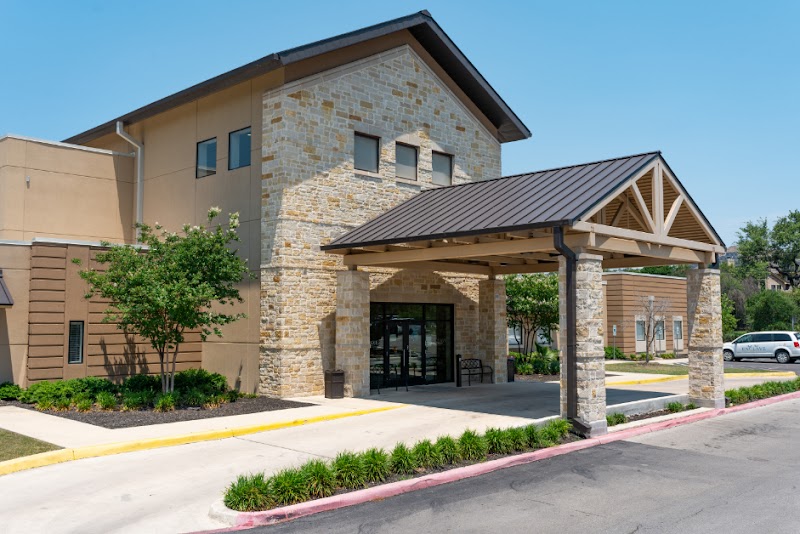


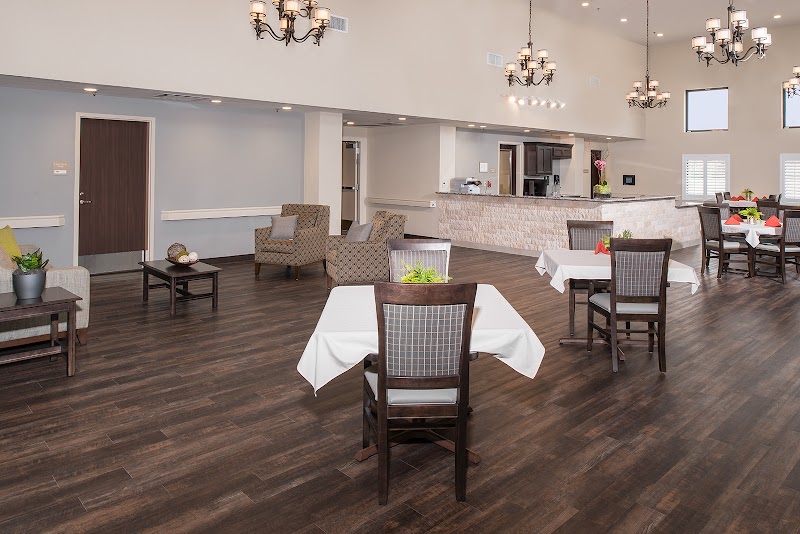
THE ENCLAVE

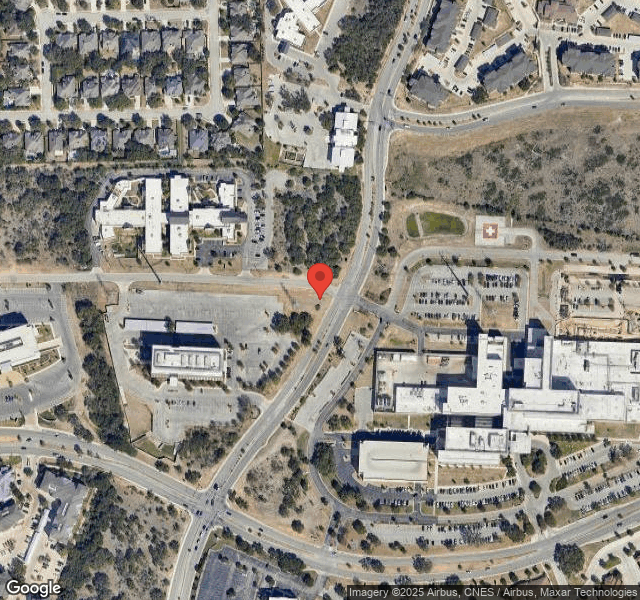
18803 HARDY OAK, SAN ANTONIO, TX 78258 (210) 982-4600
Government - Hospital district 142 Beds TOUCHSTONE COMMUNITIES Data: November 2025 1 Immediate Jeopardy citation
Trust Grade
31/100
#852 of 1168 in TX
Last Inspection: June 2024

Within standard 12-15 month inspection cycle. Federal law requires annual inspections.

Overview

The Enclave in San Antonio has a Trust Grade of F, indicating poor performance with significant concerns. It ranks #852 out of 1,168 facilities in Texas, placing it in the bottom half, and #39 out of 62 in Bexar County, meaning there are better options available nearby. While the facility is showing improvement, with issues decreasing from 23 in 2024 to just 2 in 2025, it still has a high staff turnover rate of 65%, which is concerning compared to the Texas average of 50%. The facility has received $10,039 in fines, which is average, and has average RN coverage, meaning they have enough registered nurses available, but not more than most facilities. Specific incidents include a lack of adequate supervision that led to a resident being found outside the facility, and failures in food safety procedures, such as improperly stored food and inadequate hygiene practices, which could pose risks to residents. Overall, while there are areas of improvement, families should carefully consider both strengths and weaknesses before making a decision.

Trust Score
F
31/100
In Texas
#852/1168
Bottom 28%
Safety Record
High Risk
Review needed
Inspections
Getting Better
23 → 2 violations
Staff Stability
⚠ Watch
65% turnover. Above average. Higher turnover means staff may not know residents' routines.
Penalties
⚠ Watch
$10,039 in fines. Higher than 92% of Texas facilities. Major compliance failures.
Skilled Nurses
⚠ Watch
Each resident gets only 19 minutes of Registered Nurse (RN) attention daily — below average for Texas. Fewer RN minutes means fewer trained eyes watching for problems.
Violations
⚠ Watch
39 deficiencies on record. Higher than average. Multiple issues found across inspections.
★★☆☆☆
2.0
Overall Rating
★☆☆☆☆
1.0
Staff Levels
★★★★★
5.0
Care Quality
★★☆☆☆
2.0
Inspection Score
Stable
2024: 23 issues
2025: 2 issues

The Good

  • 5-Star Quality Measures · Strong clinical quality outcomes
  • Full Sprinkler Coverage · Fire safety systems throughout facility
  • No fines on record

Facility shows strength in quality measures, fire safety.

The Bad

2-Star Overall Rating

Below Texas average (2.8)

Below average - review inspection findings carefully

Staff Turnover: 65%

19pts above Texas avg (46%)

Frequent staff changes - ask about care continuity

Federal Fines: $10,039

Below median ($33,413)

Minor penalties assessed

Chain: TOUCHSTONE COMMUNITIES

Part of a multi-facility chain

Ask about local staffing decisions and management

Staff turnover is elevated (65%)

17 points above Texas average of 48%

The Ugly 39 deficiencies on record

1 life-threatening
Jul 2025 1 deficiency
CONCERN (D) 📢 Someone Reported This

A family member, employee, or ombudsman was alarmed enough to file a formal complaint

Potential for Harm - no one hurt, but risky conditions existed

Pharmacy Services (Tag F0755)

Could have caused harm · This affected 1 resident

**NOTE- TERMS IN BRACKETS HAVE BEEN EDITED TO PROTECT CONFIDENTIALITY** Based on observation, interview, and record review, the facility failed to provide pharmaceutical services (including procedures...

Read full inspector narrative →
**NOTE- TERMS IN BRACKETS HAVE BEEN EDITED TO PROTECT CONFIDENTIALITY** Based on observation, interview, and record review, the facility failed to provide pharmaceutical services (including procedures that assure the accurate acquiring, receiving, dispensing, and administering of all drugs and biologicals) to meet the needs of each resident for 1 of 4 residents (Resident #2) reviewed for pharmacy services.LVN A did not administer Resident #2's Famotidine (Pepcid) 10 mg oral one tablet a day for indigestion on 07/20/2025 because she could not find the medication in the medication cart where it was stored. This failure could place residents at risk of inaccurate drug administration and not having appropriate therapeutic effects. The findings were:Record review of Resident #2's admission Record (Face Sheet), dated 07/21/2025, revealed she was [AGE] years old, was admitted to the facility on [DATE] and readmitted on [DATE] with diagnoses which included dementia (decline in mental ability which can interfere with daily life) and GERD without esophagitis (a chronic condition when stomach acid flows back into the esophagus causing symptoms such as heartburn, regurgitation, and can cause irritation to the esophagus/throat).Record review of Resident #2's MDS, a Quarterly assessment dated [DATE], revealed a BIMS score of 11 out of 15 indication her cognitive skills for daily decision making were moderately impaired.Record review of Resident #2's Care Plan for I have impaired cognitive function/impaired thought process related to dementia initiated 07/27/2023 and for I am at risk for nutritional deficits and or dehydration risks related to diagnosis.GERD initiated 2/26/25, reflected interventions listed which included Administer medications as ordered.Record review of Resident #2's Physician Order Summary, dated 07/21/2025, revealed an order for Famotidine (Pepcid - a medication to treat GERD, heartburn) oral tablet 10 mg give 1 tablet by mouth one time a day for indigestion.Record review of Resident #2's July 2025 MAR revealed on 07/20/2025 the Pepcid/Famotidine 10 mg was not administered by LVN A, and she had coded 9 other: Nurse Verbally Informed.Observation and interview on 07/20/2025 from 10:33 AM to 10:41 AM of LVN A's medication administration to Resident #2, revealed LVN A did not administer Famotidine 10 mg to Resident #2. LVN A stated Resident #2 was to receive Pepcid (Famotidine) 10 mg one tablet once a day, but she didn't have the medication. LVN A looked through the OTC medication bottles in the top drawer of the medication cart, and stated the medication was there yesterday (07/19/2025) when she gave it to Resident #2, but she could not find it today. LVN A locked the mediation cart, went into the medication room, came out of the medication room and said the medication was not in there. LVN A then logged into her computer, stated she just ordered it from the pharmacy, and it would be delivered to the facility later in the afternoon. LVN A stated the medication was listed as an OTC medication on the order which was why it wasn't refilled. LVN A then administered the other medications she had prepared to Resident #2 and informed Resident #2 the Pepcid/Famotidine 10 mg was not available, but she had ordered it from the pharmacy.Observation and interview on 07/21/2025 at 8:41 AM with LVN B, who was Resident #2's nurse on 07/21/2025, revealed when she looked through the medication cart for the new blister package of Pepcid/Famotidine 10 mg, she stated it was not delivered yesterday (07/20/2025). LVN B stated when she gave Resident #2 the Pepcid/Famotidine 10 mg, she obtained the medication from an OTC box that was kept with the OTC medication bottles in the top drawer of the medication cart; and showed the surveyor the opened box of Pepcid/Famotidine 10 mg stored in the top draw of the medication cart that she removed the medication from.In an interview on 07/21/2025 at 3:53 PM, the DON stated medications would be ordered from the pharmacy in advance so the resident did not run out of medications and the nurses could pull medications from the Pixis machine (a machine with single doses of assorted medications) so they would be available to the resident. The DON stated there would be no harm to a resident if they missed one dose of Pepcid.In an interview on 07/21/2025 from 5:45 PM to 6:10 PM, the Administrator stated the harm to a resident if they didn't receive their medication would depend on the medication and if the medication was an anti-reflux medication it could cause the possibility of acid reflux in the resident.Record review of the facility's Medication Administration policy, revised January 2024, revealed Resident medications are administered in an accurate, safe, timely, and sanitary manner.6. administer medications as ordered by the physician. Routine medications shall be administered according to the established medication administration schedule for the community.
May 2025 1 deficiency
CONCERN (E) 📢 Someone Reported This

A family member, employee, or ombudsman was alarmed enough to file a formal complaint

Potential for Harm - no one hurt, but risky conditions existed

Medical Records (Tag F0842)

Could have caused harm · This affected multiple residents

**NOTE- TERMS IN BRACKETS HAVE BEEN EDITED TO PROTECT CONFIDENTIALITY** Based on interview and record review the facility failed to ensure medical records were kept in accordance with professional sta...

Read full inspector narrative →
**NOTE- TERMS IN BRACKETS HAVE BEEN EDITED TO PROTECT CONFIDENTIALITY** Based on interview and record review the facility failed to ensure medical records were kept in accordance with professional standards and practices and were complete and accurately documented for 4 of 5 residents (Resident #1, #2, #4, and #5) reviewed for accuracy of records. 1. The facility failed to ensure Resident #1's bath or shower was documented as given or as refused 9 times in April and May 2025. 2. The facility failed to ensure Resident #2's bath or shower was documented as given or as refused 6 times in April and May 2025. 3. The facility failed to ensure Resident #4's bath or shower was documented as given or as refused 11 times in April and May 2025. 4. The facility failed to ensure Resident #5's bath or shower was documented as given or as refused 8 times in April and May 2025. These failures could place residents at risk for improper care due to inaccurate records. Findings included: 1. Record review of Resident #1's admission Record (face sheet) dated 05/04/2025 revealed she was admitted to the facility on [DATE] with diagnoses which included heart failure, stroke, hemiparesis (partial weakness on one side of the body), hemiplegia (partial paralysis on one side of the body), high blood pressure, memory deficit following stroke, and vascular dementia (brain damage caused by decreased blood flow). Record review of Resident #1's MDS, a Quarterly assessment dated [DATE], revealed a BIMS score of 10 out of 15, indication her cognitive skills for daily decision making were moderately impaired; and the resident was dependent on staff to be showered or bathed. Record review of Resident #1's Care Plan for Self-Care deficit related to hemiplegia and hemiparesis, initiated on 09/09/2024 and revised on 03/21/2025, revealed under interventions the resident would be showered 2-3 times weekly by the CNA. Record review of Resident #1's undated [NAME] revealed the resident preferred to be bathed 2-3 times a week. Record review of Resident #1's nurses' notes from 04/04/2025 to 05/04/2025 revealed no notation of Resident #1 had refused to be bathed. Record review of the undated Shower Schedule revealed Resident #1 was to be bathed on Monday, Wednesday, and Friday on the 6 am - 2 pm shift. Record review of Resident #1's electronic clinical record for the Bathing Task from 04/03/2025 to 05/03/2025 revealed Resident #1 had only been bathed 5 times on 04/08/2025, 04/15/2025, 04/22/2025, 04/24/2025, and 04/29/2025; there was no documentation the resident had refused to be bathed; and there was no documentation if Resident #1 was bathed or refused on her scheduled shower days on 04/03/2025, 04/05/2025, 04/10/2025, 04/12/2025, 04/17/2025, 04/19/2025, 04/26/2025, 05/01/2025, and 05/03/2025. In an interview on 05/04/2025 at 5:04 PM, the DON stated she spoke with the CNAs who were to have bathed Resident #1 on 04/03/25, 04/05/2025, 04/10/2025, 04/12/2025, 04/17/2025, 04/19/2025, 04/26/2025, 05/01/2025, and 05/03/2025 who reported the resident was bathed on 04/03/2025, 04/05/2025, 04/10/2025, and 04/19/2025 but had refused to be bathed on the other days (04/12/2025, 04/17/2025, 04/26/2025, 05/01/2025, and 05/03/2025). The DON said if a resident refused to be bathed, the CNA should document it in the Point of Contacts Tasks and inform the nurse. In a further interview on 05/04/2025 at 5:23 PM, the DON said the nursing staff should document in the nurses' progress notes if a resident had refused to be bathed. In a further interview on 05/05/2025 from 12:01 PM to 12:25 PM, the DON said after she spoke with the CNAs who worked the days the resident was to have been showered, Resident #1 had refused to be bathed on 04/12/2025, 04/17/2025, 04/26/2025, and 05/01/2025 and confirmed it was not documented in the resident's electronic Point of Care Tasks the resident had refused to be bathed. 2. Record review of Resident #2's admission Record (face sheet) dated 05/04/2025 revealed he was admitted to the facility on [DATE], and readmitted on [DATE] with diagnoses which included morbid obesity (excessive body weight), cognitive communication deficit (difficulty communicating), stroke, hemiparesis (partial weakness on one side of the body caused by the stroke), hemiplegia (partial paralysis on one side of the body caused by the stroke), and high blood pressure. Record review of Resident #2's MDS, a Quarterly assessment dated [DATE], revealed a BIMS score of 10 out of 15, indication his cognitive skills for daily decision making were moderately impaired; and the resident was dependent on staff to be showered or bathed. Record review of Resident #2's Care Plan for Self-Care deficit related to hemiplegia and hemiparesis, initiated on 06/21/2023 and revised on 07/14/2024, revealed under interventions the resident would be showered 2-3 times weekly by the CNA. Record review of Resident #2's undated [NAME] revealed the resident preferred to be bathed 2-3 times a week. Record review of Resident #2's nurses' notes from 04/04/2025 to 05/04/2025 revealed no notation of Resident #2 had refused to be bathed. Record review of the undated Shower Schedule revealed Resident #2 was to be bathed on Monday, Wednesday, and Friday on the 6 am - 2 pm shift. Record review of Resident #2's electronic clinical record for Bathing Tasks from 04/03/2025 to 05/03/2025 revealed Resident #2 had only been bathed 6 times on 04/09/2025, 04/14/2025, 04/18/2025, 04/21/2025, 04/23/2025, and 04/25/2025; and it was not documented if Resident #2 was bathed or had refused on his scheduled shower days on 04/11/2025, 04/16/2025, 04/18/2025, 04/28/2025, 04/30/2025, and 05/02/2025. In an interview on 05/04/2025 at 5:02 PM, the DON stated she spoke with the CNA who was to have bathed Resident #2 on 04/30/25 and 05/02/2025 who reported the resident was bathed on those days but not recorded in his electronic clinical record. In a further interview on 05/05/2025 from 12:01 PM to 12:25 PM, the DON said she spoke to the CNAs who were to shower Resident #2, and they had showered him on 04/11/25, 04/16/2025, 04/18/2025 and on 04/28/2025 but it was not documented that he had received the shower. The DON stated Resident #2's family member would reach out to her if he was not showered, and they did not contact the DON about the resident's showers in April. 3. Record review of Resident #4's admission Record (face sheet) dated 05/04/2025 revealed he was admitted to the facility on [DATE] with diagnoses which included atrial fibrillation (irregular heartbeat), heart failure, high blood pressure, morbid obesity (excess body weight) and muscle weakness. Record review of Resident #4's MDS, a Quarterly assessment dated [DATE], revealed a BIMS score of 14 out of 15, indication his cognitive skills for daily decision making were intact; and the resident was dependent on staff to be showered or bathed. Record review of Resident #4's Care Plan for Self-Care deficit related to weakness and debility, initiated on 12/20/2024 and revised on 12/26/2024, revealed under interventions the resident would be showered 2-3 times weekly by the CNA. Record review of Resident #4's undated [NAME] revealed the resident preferred to be bathed 2-3 times a week. Record review of Resident #4's nurses' notes from 04/04/2025 to 05/04/2025 revealed no notation of Resident #4 had refused to be bathed. Record review of the undated Shower Schedule revealed Resident #4 was to be bathed on Monday, Wednesday, and Friday on the 6 am - 2 pm shift. Record review of Resident #4's electronic clinical record for Bathing Tasks from 04/03/2025 to 05/03/2025 revealed Resident #4 had only been bathed 2 times on 04/09/2025, and 04/23/2025; refused to be bathed on 04/11/2025; and it was not documented if Resident #4 was bathed or refused on his scheduled shower days on 04/02/2025, 04/04/2025, 04/07/2025, 04/09/2025, 04/16/2025, 04/18/2025, 04/21/2025, 04/25/2025, 04/28/2025, 04/30/2025, and 05/02/2025. In an interview on 05/04/2025 at 5:04 PM, the DON stated she spoke with the CNA who were to bath Resident #4 on 04/04/2025, 04/16/2025, 04/18/2025, 04/21/2025, 04/25/2025, and 04/30/2025 who reported the resident had been bathed. In an interview on 05/05/2025 at 12:45 p.m., the DON stated she spoke with the CNAs who were to shower Resident #4 on 04/02/2025, 04/07/2025, and 04/09/2025 who reported the resident was bathed but it was not documented in the electronic Point of Care Tasks. The DON reported the resident had refused to be bathed on 04/28/2025 and on 05/02/2025 but it was not documented in his clinical record. 4. Record review of Resident #5's admission Record (face sheet) dated 05/04/2025 revealed she was admitted to the facility on [DATE] and readmitted on [DATE] with diagnoses which included heart failure, stroke, high blood pressure, kidney failure, lymphedema (swelling caused a lymphatic system blockage) and muscle wasting and atrophy (progressive loss of muscle mass, strength, and power). Record review of Resident #5's MDS, a Quarterly assessment dated [DATE], revealed a BIMS score of 12 out of 15, indication her cognitive skills for daily decision making were moderately impaired; and the resident was dependent on staff to be showered or bathed. Record review of Resident #5's Care Plan for Self-Care deficit related to muscle wasting and atrophy, initiated on 12/01/2023 and revised on 05/03/2025, revealed under interventions the resident would be showered 2-3 times weekly by the CNA. Record review of Resident #5's undated [NAME] revealed the resident preferred to be bathed 2-3 times a week. Record review of Resident #5's nurses' notes from 04/04/2025 to 05/04/2025 revealed no notation of Resident #5 had refused to be bathed. Record review of the undated Shower Schedule revealed Resident #5 was to be bathed on Tuesday, Thursday, and Saturday on the 6 am - 2 pm shift. Record review of Resident #5's electronic clinical record for Bathing Tasks from 04/03/2025 to 05/03/2025 revealed Resident #5 had only been bathed 6 times on 04/05/2025, 04/08/2025, 04/12/2025, 04/17/2025, 04/22/2025, and 04/29/2025; had not refused to be bathed; and it was not documented if Resident #5 was bathed or had refused on her scheduled shower days on 04/03/2025, 04/10/2025, 04/15/2025, 04/19/2025, 04/24/2025, 04/26/2025, 05/01/2025, and 05/03/2025. In an interview on 05/04/2025 at 5:04 PM, the DON stated she spoke with the CNAs who were to have bathed Resident #5 on 04/10/2025 and 04/26/2025 and who reported they had bathed the resident. In an interview on 05/05/2025 at 2:43 PM, the DON stated she spoke with the CNAs who were to have bathed Resident #5 on 04/03/2025, 04/15/2025, 04/19/2025 and 04/24/2025 who reported the resident was bathed on those days, but it was not documented. The DON said Resident #5 had refused to be bathed on 05/01/2025 and 05/03/2025 but it was not documented that she had refused. In an interview on 05/05/2025 at 2:08 PM, the Administrator said it should be recorded in the residents' clinical record if they had received a bath or had refused the shower. The Administrator stated if it wasn't recorded in the residents' clinical record the resident was bathed or had refused to be bathed, then it would be inaccurate documentation and he could not think of any harm to the resident. Record review of the Medical Records policy, revised January 2023, revealed A medical record is maintained for every person admitted to a community in accordance with accepted professional standards and practices. The administrator has ultimate responsibility for the maintenance of medical records but may delegate this responsibility to another team member. The medical record consists of but not limited to the following: information to identify the resident, a record of the resident's assessments, the plan of care and services provided, the results of any preadmission screening conducted by the state and progress notes.
Jun 2024 14 deficiencies
CONCERN (D)

Potential for Harm - no one hurt, but risky conditions existed

Deficiency F0558 (Tag F0558)

Could have caused harm · This affected 1 resident

**NOTE- TERMS IN BRACKETS HAVE BEEN EDITED TO PROTECT CONFIDENTIALITY** Based on observation, interview and record review the facility failed to ensure residents received services in the facility with...

Read full inspector narrative →
**NOTE- TERMS IN BRACKETS HAVE BEEN EDITED TO PROTECT CONFIDENTIALITY** Based on observation, interview and record review the facility failed to ensure residents received services in the facility with reasonable accommodation of resident needs for 2 of 23 Residents (Resident #4 and Resident #49) who were observed for call light placement. Nursing staff failed to ensure the call light was within reach for Resident #4 and Resident #38. This deficient practice could affect any resident and keep them from calling for help as needed. The findings were: 1. Review of Resident #4's face sheet, dated 6/28/24, revealed she was admitted to the facility on [DATE] with diagnoses including Aphasia following Cerebral Infarction, other recurrent Depressive Disorders and Persistent Mood (Affective) Disorder. Review of Resident #4's quarterly MDS assessment, dated 2/8/24, revealed Resident #4 was usually understood and usually understood, her BIMS was 11 out of 15 reflecting moderate cognitive impairment and she required assistance with all ADL's by 1 to 2 person's except for eating. Review of Resident #4's Care Plan, revised 1/25/24, revealed she was at risk for falls related to muscle wasting and atrophy, impaired mobility and chronic pain. One of the interventions was to anticipate and meet her needs and to keep the call bell was within reach. Further review revealed Resident #4 required assistance with all ADL's by 1 or 2 person's except for eating. Observation and interview on 6/25/24 at 10:38 AM revealed Resident #4 was sitting up in bed with the HOB at 45 degrees watching TV and snacking. Resident #4's speech was slurred. She asked for a soda out of the refrigerator and asked for it to be poured it in her glass which she pointed to on the countertop. Resident #4 was asked how she would usually call for staff's help. Observed Resident #4 looking around her bed. Further observation revealed the call light was on top of the nightstand behind Resident #4; out of her sight and out of reach. Interview on 6/25/24 at 10:45 AM with LVN R and LVN S revealed LVN S stated the call light was on the nightstand and not within Resident #4's reach. She stated it should be because Resident #4 used it regularly to get staff's assistance. 2. Record review of Resident #49's face sheet, dated 06/27/2024, revealed the resident was admitted to the facility on [DATE] with diagnoses which included: neurocognitive disorder with Lewy bodies, age-related osteoporosis without current pathological fracture, overactive bladder, bipolar disorder, current episode mixed, mild, and Parkinson's disease with dyskinesia with fluctuations. Record review of Resident #49's Quarterly MDS assessment, dated 06/11/2024, revealed the resident's BIMS score was 05, which indicated severe cognitive impairment. The Quarterly MDS assessment further revealed Resident #49 required substantial/maximal assistance (helper does more than half the effort) for upper body dressing, lower body dressing, putting on/taking off footwear, sit to stand, chair/bed-to-chair transfer, and dependent (helper does all of the effort) with personal hygiene. Record review of Resident #49's care plan, revision date of 05/28/2024, revealed Resident #49 had a focus of I am at risk for falls r/t: Debility & Weakness, Parkinson's, osteoporosis . and interventions revealed to anticipate & meet needs & keep call bell within reach. Observation on 06/25/2024 at 11:11 a.m. revealed Resident #49 sleeping in her wheelchair on the opposite side of the bed from her call light which was pinned to Resident #49's bed cover. Observation and interview on 06/26/2024 at 9:20 a.m. revealed Resident #49 sitting again on the opposite side of her bed with her over bed table in front of her. Resident #49 stated her button was used when she needed help or someone. Resident #49 further stated she was not able to reach it all the way over there. During an interview and observation on 06/26/2024 at 9:25 a.m. CNA W stated she was not sure if Resident #49 would use her call light as she had not seen Resident #49 use her call light. CNA W revealed Resident #49's call light was placed where she would not be able to reach. CNA W then reached down and moved the call light closer to Resident #49. During an interview on 06/28/2024 at 11:35 a.m. ADON H revealed all call lights should be placed near the residents. ADON H further stated all staff were responsible for call light placement. During an interview on 06/28/2024 at 2:44 p.m. with the social worker she revealed Resident #49 was able to use her call light. During an interview on 06/28/2024 at 4:04 p.m. with the DON revealed she had not recently asked Resident #49 to demonstrate the ability to use her call light however, in the past she had been able to demonstrate that she was able to use it when she asked. The DON further stated the call light should be within reach of the resident and the importance of a call light was so residents could notify the nurse if they needed something. Record review of the facility's Routine Resident Care policy, review date January 2023, revealed under Compliance Guidelines: Residents should receive the necessary assistance to maintain good grooming and person/oral hygiene.Care is taken to maintain resident safety at all times. Guidelines: #8 Resident call lights should be answered timely and resident requests are addressed, if permitted. Call lights should be placed within easy reach of the resident .
CONCERN (D)

Potential for Harm - no one hurt, but risky conditions existed

Assessment Accuracy (Tag F0641)

Could have caused harm · This affected 1 resident

**NOTE- TERMS IN BRACKETS HAVE BEEN EDITED TO PROTECT CONFIDENTIALITY** Based on interview and record review, the facility failed to ensure assessments accurately reflected the resident's status for 2...

Read full inspector narrative →
**NOTE- TERMS IN BRACKETS HAVE BEEN EDITED TO PROTECT CONFIDENTIALITY** Based on interview and record review, the facility failed to ensure assessments accurately reflected the resident's status for 2 of 10 Residents (Resident #38, and Resident #116) whose MDS records were reviewed for accuracy. 1. The facility failed to ensure Resident #38's Quarterly MDS assessment dated [DATE] documented Resident #38 received a therapeutic diet while a resident at the facility. 2.The facility failed to ensure Resident #116's discharge MDS assessment, dated 04/29/2024, accurately reflected the resident's discharge status. This failure could place residents at risk for inadequate care due to inaccurate assessments. The findings included: 1. Record review of Resident #38's face sheet dated 06/27/2024, revealed Resident #38 was admitted to the facility on [DATE] with diagnoses that included: type 2 diabetes mellitus without complications, dysphagia, oropharyngeal phase, and unspecified protein-calorie malnutrition. Record review of Resident #38's physician order summary dated 06/27/2024, revealed order dated 10/28/2023, Regular diet Soft and Bite Sized texture, Thin/Regular consistency, Large Protein Portions. Record review of Resident #38's Quarterly MDS assessment, dated 05/19/2024, documented the resident while a resident had not received a therapeutic diet within the last 7 days. Record review of Resident #38's care plan, dated 05/13/2024, revealed Resident #38 had a focus of I am on a therapeutic diet. During an interview on 06/28/2024 at 2:29 p.m. MDS L stated Resident #38 was on a regular soft and bite size diet with large protein portions. MDS L further stated Resident #38's MDS assessment was not accurate due to her order for the large protein portions making the diet therapeutic. MDS L stated she miscoded the MDS assessment. MDS L stated the accuracy of the MDS assessment was important to ensure the care was being provided and to capture the care that was being provided. During an interview on 06/28/2024 at 3:59 p.m. the DON revealed the MDS coordinators were responsible for the accuracy. The DON further stated the importance of the MDS accuracy was for billing purposes for CMS. The DON revealed the MDS assessment reflected the care that was necessary, provided for the resident and identified the resident's needs. 2. Record review of Resident #116's electronic face sheet, dated 06/27/2024, reflected she was female, and admitted to the facility on [DATE] and discharged from the facility on 04/29/2024. Her diagnoses included: displaced fracture of base of neck of left femur (left hip fracture), spondylopathy in disease (inflammation in the spine), hypertension (high blood pressure), and Alzheimer's disease (A progressive disease that destroys memory and other important mental functions). Record review of Resident #116's discharge MDS assessment with an ARD of 04/29/2024 reflected she scored a 03/15 on her BIMS which signified she had severe cognitive impairment, and discharge status in the section A (Identification Information) was marked as discharge to short-term general hospital. Record review of Resident #116's Discharge summary, dated [DATE], revealed the resident was discharged to home with home health. Record review of Resident #116's nursing progress note, dated 04/29/2024, revealed the resident discharged to home with home health by ambulance with all meds and personal belongings. [Resident #116] responsible party received all remaining meds and education done on medication administration. Interview of MDS RN K and MDS LVN J on 06/27/2024 at 4:28 p.m. confirmed Resident #116 was discharged to home with home health on 04/29/2024; therefore, the discharge status in the section A (Identification Information) to Resident #116's discharge MDS on 04/29/2024 should have been marked Home under care of organized home health service organization. However, the discharge MDS of 04/29/2024 was marked Short-term general hospital, and it was not accurate. MDS RN K and MDS LVN J said they made a mistake, and they would modify it. Record review of the facility's Comprehensive Assessments policy, revision date March 2023, revealed, Components of a Comprehensive Resident Assessment: The interdisciplinary assessment team uses the MDS form currently mandated by federal and state regulations to conduct the resident assessment. The multidisciplinary team may use other assessment forms in addition to the MDS form. Record review of the CMS MDS 3.0 Manual dated October 2023 revealed in part, .The OBRA regulations require nursing homes that are Medicare certified, Medicaid certified or both, to conduct initial and periodic assessments for all their residents. The Resident Assessment Instrument (RAI) process is the basis for the accurate assessment of each resident. The MDS 3.0 is part of that assessment process and is required by CMS .
CONCERN (D)

Potential for Harm - no one hurt, but risky conditions existed

Deficiency F0645 (Tag F0645)

Could have caused harm · This affected 1 resident

**NOTE- TERMS IN BRACKETS HAVE BEEN EDITED TO PROTECT CONFIDENTIALITY** Based on interview and record review, the facility failed to ensure all Pre-admission Screening and Resident Review (PASRR) Leve...

Read full inspector narrative →
**NOTE- TERMS IN BRACKETS HAVE BEEN EDITED TO PROTECT CONFIDENTIALITY** Based on interview and record review, the facility failed to ensure all Pre-admission Screening and Resident Review (PASRR) Level I residents with mental illness were provided with a PASRR Evaluation assessment for 1 of 2 residents (Residents #13) reviewed for PASRR screening, in that: Resident #13's PASRR Level 1 assessment did not accurately capture the resident's diagnosis of mental illness. These failures could put residents with inaccurate PASRR Level 1 Evaluations at risk of not receiving care and services to meet their needs. The findings were: Record review of Resident # 13's face sheet dated 6/26/24 revealed a [AGE] year-old female admitted to the facility 5/3/24 with diagnoses that included Post Traumatic Stress Disorder ( a disorder that develops in some people who have experienced a shocking, scary, or dangerous event), Hypertension (a condition where the pressure in your blood vessels is consistently too high), and Peripheral vascular disease,( is a progressive disorder that affects blood vessels outside of the heart and brain). Record review of Resident #13 admission MDS Assessment, dated 5/13/24, revealed a BIMS score of 12, which indicated cognition was moderately impaired. Record review of Resident # 13 care plan, dated 5/3/24, did not reveal a care plan with focus area of Post Traumatic Stress Disorder. Record review of Resident #13's PASRR I screening, completed by the referring entity dated 05/02/24, before admission on [DATE] indicated in Section C PASRR Screen questions C0100 asks, is there evidence or an indicator this individual has Mental Illness? The answer was 0 (0. No). On 6/24/24 at 10:08 a.m., during an interview with MDS Coordinator K, it was stated that [Name of Facility ] works with the local mental health authority to discuss PASRRs. The local authority can provide the person's history. MDS Coordinator K acknowledged that Resident #13 has a diagnosis of post-traumatic stress disorder and that the resident's PASRR #1 screening should have been marked as positive.MDS Coordinator K mentioned that Resident #13 possibly overlooked the opportunity to be screened by the local health authority for potential services and assured that they would correct and resubmit the PASRR 1. Interview with Resident # 13 on 6/24/24 at 10:20 a.m., confirmed she had a diagnosis of Post Traumatic Stress Disorder ,that had been diagnoised some 40 years ago. Record review of Resident #21's care plan, dated 03/14/3024, revealed requires anti-psychotic medications, interventions administer medication as ordered. Psychotropic drug use related to bipolar disorder with interventions that included administering medications as ordered. Record review of Resident #21's PASRR I screening, completed by the referring entity and dated 03/12/24, before admission on [DATE] indicated in Section C PASRR Screen questions C0100 asks, is there evidence or an indicator this individual has Mental Illness? The answer was 0 (0. No). During an interview with the MDS Coordinator K on 5/29/24 at 3:08 p.m., MDS Coordinator K stated, I work together with the local mental health authority to discuss PASRRs. The local authority can often give us the history of the person. MDS Coordinator K acknowledged Resident #13 had a diagnosis of bipolar disorder and post-traumatic stress disorder and the resident's PASRR 1 screening should have been redone as positive. MDS Coordinator K stated Resident #13 risked the opportunity to be screened by the local health authority for possible services offered, and she would get the PASSR 1 corrected and resubmitted. During an interview with the DON on 6/24/24 at 1:10 p.m., she stated she was responsible for overseeing PASRRs and was currently monitoring this at random, which is why Resident's # 13 PASRR assessment was possibly missed. The DON added that she expected MDS Coordinator K to review all residents' medication orders and face sheets for mental illness diagnosis to ensure no possible PASRR-positive resident was missed, as Resident #13 risked the possibility of not receiving beneficial services offered by the local health authority. Record review of facility policy titled, Comprehensive Assessments , dated February 2017 revealed The community coordinates resident assessments -Pre admission screening to maximize the resident assessment process.
CONCERN (D)

Potential for Harm - no one hurt, but risky conditions existed

ADL Care (Tag F0677)

Could have caused harm · This affected 1 resident

**NOTE- TERMS IN BRACKETS HAVE BEEN EDITED TO PROTECT CONFIDENTIALITY** Based on observation, interview and record review the facility failed to ensure a resident who was unable to carry out activitie...

Read full inspector narrative →
**NOTE- TERMS IN BRACKETS HAVE BEEN EDITED TO PROTECT CONFIDENTIALITY** Based on observation, interview and record review the facility failed to ensure a resident who was unable to carry out activities of daily living received the necessary services to maintain good personal and oral hygiene for 1 of 7 Residents (Resident 51) whose records were reviewed for ADL care. Nursing staff failed to wash his face, apply cream to his face, to clean his lips and cut his finger nails for 1 of 4 observations. These deficient practices could affect any dependent resident and could lead to the resident's decline in their physical health. The findings were: Review of Resident #51's face sheet, dated 6/28/24, revealed he was admitted to the facility on [DATE], with diagnoses of Traumatic Brain Injury (TBI) without loss of consciousness, sequela, Narcolepsy in conditions classified elsewhere with cataplexy and Gastrostomy Status. Review of Resident #51's annual MDS assessment, dated 3/14/24, revealed he was unable to complete the BIMS because he was rarely/never understood. His BIMS was severe cognitive impairment related to the fact he rarely/never made decisions and he was dependent for all ADL's by 1 or 2 persons. Review of Resident #51's Care Plan, revised on 4/2/24, revealed he had a self-care performance deficit and required assistance with all ADL's from 1 to 2 staff. Observation on 6/25/24 at 11:50 AM revealed Resident #51 lying in bed with call light was draped over his chest. He had a left- hand contracture and long finger nails; nails were about 1 inch beyond his finger tips. Resident #51 had dry patches on the left side of his face by his temple. He had dry, cracked lips; caked on white residue. Observation on 6/26/24 at 11:20 AM revealed Resident #51 lying in bed. He had a left- hand contracture and long finger nails; nails were about 1 inch beyond his finger tips. Resident #51's face did not have as many dry patches on his face, lips did not have white build up on them. Observation revealed left hand contracture and he had long finger nails on both hands. Interview on 6/27/24 at 12:05 PM with charge nurse, LVN U, revealed he worked PRN and had worked with Resident #51 several times. He stated he worked on 6/25/24 and commented Resident #51 looked a little rough when he first reported to work but could not remember if Resident #51 had build up on his lips. LVN U stated the CNA's were responsible for providing Resident #51 with ADL care. Observation and interview on 6/27/24 at 1:31 PM revealed Resident #51's face was clean, moisturized and he did not have build up on his lips. Resident # 51 had a left-hand contracture, his finger nails were still long; about 1 inch beyond his finger tips. Interview with OT T revealed she was performing passive range of motion on Resident #51's arms and hands. She stated his nails were long and were digging into his left -hand which was contracted. She stated she provided therapy on 6/25/24 and noted he had dry patches on his face, his lips were dry, cracked with white build up and left side of his mouth had brown spots on it along with the collar of his trachea had brown spots on it. OT T stated he was not well groomed and expected nursing staff to provide ADL care. She stated he looked much better on this date. Observation on 6/28/24 at 12:35 PM revealed Resident #51 sitting in a wheelchair with left hand contracture. His finger nails were shorter than on the previous observations. Resident #51's face was clean, no dry patches and moisturized. Interview with ADON H stated Resident #51 was not diabetic and the CNA's and nurses could cut his nails so they were not digging into his skin. She further stated the CNA's were responsible for providing daily ADL care and the charge nurse was responsible for talking to the CNA's when ADL care was not provided. Interview on 6/28/24 at 4:22 PM with the DON revealed nursing staff was responsible for Resident #51's ADL care including cutting his nails and maintaining them short. She stated the ADON's would make regular rounds; she was always on the floor and provided oversight by monitoring the Resident's condition. She stated she had never seen Resident #51 have dry patches on his face, with build up on his lips and had not noticed he had long finger nails. Record review of the facility's Routine Resident Care policy, review date January 2023, revealed under Compliance Guidelines: Residents should receive the necessary assistance to maintain good grooming and person/oral hygiene.
CONCERN (D)

Potential for Harm - no one hurt, but risky conditions existed

Tube Feeding (Tag F0693)

Could have caused harm · This affected 1 resident

**NOTE- TERMS IN BRACKETS HAVE BEEN EDITED TO PROTECT CONFIDENTIALITY** Based on observations, interviews, and record review, the facility failed to ensure a resident who was fed by enteral means rece...

Read full inspector narrative →
**NOTE- TERMS IN BRACKETS HAVE BEEN EDITED TO PROTECT CONFIDENTIALITY** Based on observations, interviews, and record review, the facility failed to ensure a resident who was fed by enteral means received the appropriate treatment and services to prevent complications from enteral feeding for 1 (Resident #103) of 2 residents reviewed for enteral feeds. The facility failed to ensure Resident #103's water with enteral feed was properly administered at the correct rate of infusion. This failure could place residents at risk of not receiving the proper hydration requirements prescribed by the physician. Findings included: Record review of Resident #103's electronic face sheet, dated 06/28/2024, reflected he was male and originally admitted to the facility on [DATE], and re-admitted on [DATE]. His diagnoses included: muscle wasting and atrophy (decrease in size and wasting of muscle tissue), type 2 diabetes mellitus (trouble controlling blood sugar), cirrhosis of liver (chronic liver damage), pressure ulcer of sacral region (bedsore to buttock), dysphagia (difficulty swallowing), and gastrostomy status (opening into stomach). Record review of Resident #103's quarterly MDS assessment with an ARD of 05/18/2024 reflected he scored a 14/15 on his BIMS which signified he had intact cognition, and nutritional approaches in the section K (Swallowing/Nutritional Status) was marked as Feeding tube. Record review of Resident #103's comprehensive care plan, dated 11/21/2023, revealed Tube feeding: Provide enteral feedings and flushes as recommended by my physician. Record review of Resident #103's physician order, dated 04/04/2024, revealed Jevity 1.5 calories 70 milliliters per hour continuous for 20 hours (4 hour down time from 09:00 am to 1:00 pm) and flush 275 milliliters of H2O every 4 hours via gastrostomy tube. Observation on 06/27/2024 at 1:28 p.m. revealed LVN N connected Resident #103's gastrostomy tube to the feeding tube, set the feeding rate to the pump machine to 70 milliliters per hour, and water flush rate to the same pump machine to 175 milliliters every 4 hour. Observation on 06/27/2024 at 2:00 p.m. revealed Resident #103 was receiving continuous feeding Jevity 1.5 calories with rate of 70 milliliters per hour and water flush with rate of 175 milliliters every 4 hours via gastrostomy tube. Interview on 06/27/2024 at 2:00 p.m. with LVN N confirmed Resident #103 was receiving continuous feeding Jevity 1.5 calories with rate of 70 milliliters per hour and water flush with rate of 175 milliliters every 4 hours via gastrostomy tube. The LVN N stated per the physician order, the resident was supposed to receive water flush with rate of 275 milliliters every 4 hours via gastrostomy tube, instead of 175 milliliters. Further interview with LVN N stated she was very nervous so forgot checking the physician order when setting up the rate of water flush to the feeding pump, and that was why LVN N set up the rate of water flush to 175 milliliters, instead of 275 milliliters. Interview on 06/28/2024 at 3:10 p.m. with the DON confirmed Resident #103 should have received water flush with rate of 275 milliliters every 4 hours via gastrostomy tube because the physician order indicated flush 275 milliliters of H2O every 4 hours via gastrostomy tube. The potential harm was it might cause a dehydration. Record review of the facility policy, titled Medication Administration via Enteral Tube, revised on 01/2023, revealed To administer medications through an enteral tube in an accurate, safe, timely and sanitary manner.
CONCERN (D)

Potential for Harm - no one hurt, but risky conditions existed

Respiratory Care (Tag F0695)

Could have caused harm · This affected 1 resident

**NOTE- TERMS IN BRACKETS HAVE BEEN EDITED TO PROTECT CONFIDENTIALITY** Based on observations, interviews, and record review, the facility failed to ensure that Residents, who needed respiratory care,...

Read full inspector narrative →
**NOTE- TERMS IN BRACKETS HAVE BEEN EDITED TO PROTECT CONFIDENTIALITY** Based on observations, interviews, and record review, the facility failed to ensure that Residents, who needed respiratory care, were provided such care consistent with professional standards of practice, the comprehensive person-centered care plan, and the residents' goals and preferences for 1 (Resident #66) of 3 residents reviewed for respiratory care. The facility failed to ensure Resident #66's nebulizer mask was properly stored and dated. These failures could place the residents at risk for respiratory infection and not having their respiratory needs met. Findings included: Record review of Resident #66's electronic face sheet, dated 06/28/2024, reflected she was female and originally admitted to the facility on [DATE], and re-admitted on [DATE]. Her diagnoses included: displaced trimalleolar fracture of right lower leg (right ankle fracture), asthma (airway becomes inflamed, narrow, and swells, which makes it difficult to breathe), muscle wasting and atrophy (decrease in size and wasting of muscle tissue), and cerebral infarction (disrupted blood flow to the brain). Record review of Resident #66's quarterly MDS assessment with an ARD of 04/28/2024 reflected she scored a 13/15 on her BIMS which signified she had intact cognition, and pulmonary in the section I (Active Diagnosis) was marked as Asthma. Record review of Resident #66's comprehensive care plan, dated 08/22/2023, revealed Asthma: Administer my respiratory treatments/nebulizers as ordered by my doctor. Record review of Resident #66's physician order, dated 02/07/2024, revealed Ipratropium-Albuterol Solution 0.5-2.5, 3 milligrams per 3 milliliters. Give 3 milliliters inhale orally every 6 hours as needed for short of breath or wheezing via nebulizer. Observation and interview on 06/25/2024 at 10:39 a.m. revealed Resident #66 was on her bed resting, and her nebulizer mask was on the night stand, not bagged. It was also noted there was no date on the mask. According to Resident #66, she had breathing treatment as needed, and nurses changed the mask every week, but she did not know why the mask was not covered in the plastic bag when it was not used and when the mask was changed. Interview on 06/25/2024 at 10:40 a.m. with LVN M confirmed Resident #66's nebulizer mask was on the nightstand, not covered in a plastic bag. It was also noted there was no date. LVN M stated the nurse did not give a breathing treatment yet, and she did not know when the nebulizer mask was changed because there was no date. Further interview with LVN M stated the nurse should cover a nebulizer mask in a plastic bag when it was not used and write the date when nurses changed the mask. Nurses should change the mask once a week per the facility policy. Not covering the mask with a plastic bag when the mask was not used or not changing the mask every week could cause respiratory infection. Interview on 06/28/2024 at 3:10 p.m. with the DON confirmed nurses should have covered Resident #66's nebulizer mask in a plastic bag when it was not used and should have written the date on the plastic bag when changing the mask once a week. The potential harm was it could cause respiratory infection. Record review of the facility policy, titled Respiratory Tubing/Equipment Management, revised on 01/2022, revealed All respiratory tubing and humidifier bottles - 1. Change tube weekly and provide storage receptacle for proper storage when not in use.
CONCERN (D)

Potential for Harm - no one hurt, but risky conditions existed

Deficiency F0700 (Tag F0700)

Could have caused harm · This affected 1 resident

**NOTE- TERMS IN BRACKETS HAVE BEEN EDITED TO PROTECT CONFIDENTIALITY** Based on observation, interview and record review the facility failed to ensure If a bed or side rail was used, the facility mus...

Read full inspector narrative →
**NOTE- TERMS IN BRACKETS HAVE BEEN EDITED TO PROTECT CONFIDENTIALITY** Based on observation, interview and record review the facility failed to ensure If a bed or side rail was used, the facility must ensure resident assessment of the resident for risk of entrapment from bed rails for 2 of 7 Residents (Resident #4 and Resident #33) whose records were reviewed for side rail use. Nursing staff did not assess Resident #4 and Resident #33 periodically per facility policy since initial assessment upon admission to the facility. This deficient practice could affect any resident using a side rail and could contribute to avoidable incidents of entrapment. The findings were; 1. Review of Resident #4's face sheet, dated 6/28/24, revealed she was admitted to the facility on [DATE] with diagnoses including Aphasia following Cerebral Infarction, other recurrent Depressive Disorders and Persistent Mood (Affective) Disorder. Review of Resident #4's quarterly MDS assessment, dated 2/8/24, revealed Resident #4 was usually understood and usually understands, her BIMS was 11 out of 15 reflective of moderate cognitive impairment and she required assistance with most ADL's by 1 to 2 person's. Review of Resident #4's Care Plan, revised 6/28/24, read: I use assist/enabler bar or rail to aid in my ability to participate in my care when in bed. Aid in turning and repositioning efforts. The use of the assist rail/bars will not hinder my ability to access care, my needs or my wants and it will not result in any physical or emotion distress that may affect my overall well-being. Educate resident and family that grab bar may be removed from bed if resident no longer wishes to use it. IDT to review to ensure assistive device is not preventing or restraining resident from ability to access care, needs or wants. Review of Resident #4's consent to the use of side rails was dated 2/13/23. Further review revealed the Side rail Review Tool was updated on 9/28/23 and signed by ADON H. Observation and attempted interview on 6/25/24 at 10:38 AM revealed Resident #4 was sitting up in bed with the HOB at 45 degrees watching TV and snacking. Resident #4's speech was slurred. Further observation revealed two 1/4 side rails up. Interview on 6/25/24 at 10:45 AM with LVN R and LVN S revealed Resident #4 used the side rails for repositioning and to assist during care. LVN S stated Resident #4 had a left hand contracture so she would not be able to lower the left rail down; however, LVN S stated the side rails would not keep Resident #4 from normal movement in bed or prevent her from getting out of bed. 2. Review of Resident #33's face sheet, dated 6/13/24, revealed she was admitted to the facility on [DATE] with diagnoses including Muscle Wasting and Atrophy, Lack of Coordination and Dementia. Review of Resident #33's quarterly MDS assessment, dated 5/14/24, revealed her BIMS was 11 out of 15 reflective of moderate cognitive impairment, she was dependent on staff for toileting, showers and dressing. Review of Resident #33's Care Plan, revised on 12/7/23, revealed Resident #33 used the side rails as an enabler. Review of Resident #33's consented to the use of side rails on 5/14/20. Further review revealed the Side rail Review Tool was updated on 9/28/23 and signed by ADON H. Observation and interview on 06/25/24 at 12:12 PM revealed Resident #33 sitting in bed with the HOB at about 30 degrees with two 1/4 side rails up. Resident #33 stated she could not lower the side rails but could not get out of bed on her own. She stated she was able to hold on to the rails during care. Interview on 6/28/24 at 12:45 PM with ADON H revealed side rail assessments were completed at the time of admission, change of condition or possibly every 6 months to ensure the resident was still able to use it as an enabler. ADON H stated she was not sure of the specific timeframe the assessment should be updated. Interview on 6/28/24 at 4:10 PM with the DON revealed the facility required a consent and assessment for use of side rails. She stated she thought the assessment was completed yearly and or updated when a resident experienced a change of condition but staff should monitor by reassessing the resident. She stated the purpose was to ensure the resident was able to use the side rail as an enabler; was able to use it safely to prevent accidents and that the side rails were not a restraint. Review of facility policy, 'Restraints: Physical and Chemical & Entrapment Risk revised January 2023, read: Physical and Chemical Restraints: Each resident has the right to attain and maintain his or her highest practicable well-being in an environment that prohibits the use of restraints for discipline or convenience and that limits restraint use to circumstances in which the resident has medical symptoms that warrant the use of restraints. Consideration of treatment plan: In order for the resident to be fully informed, the community explains the potential risks and benefits of all options under consideration, including using a restraint, not using a restraint, and alternatives to using restraints. Consent for the device should be obtained prior to the implementation of the device utilized. Implementation: The community should complete an evaluation and care planning process prior to using restraints. The community monitors and adjusts care to reduce the potential for negative outcomes while considering less restrictive alternatives. Safety-Entrapment Inspection: The community should implement routine monitoring to evaluate the safety and functionality of beds and the device utilized to include beds with rails of any type, even those rails that are attached to the bed but not utilized, i.e. enabler rail that is not in use per manufacturer's instructions (rail up vertically, not in use).
CONCERN (D)

Potential for Harm - no one hurt, but risky conditions existed

Deficiency F0761 (Tag F0761)

Could have caused harm · This affected 1 resident

**NOTE- TERMS IN BRACKETS HAVE BEEN EDITED TO PROTECT CONFIDENTIALITY** Based on observation, interview, and record review, the facility failed to ensure drugs and biologicals were secured properly fo...

Read full inspector narrative →
**NOTE- TERMS IN BRACKETS HAVE BEEN EDITED TO PROTECT CONFIDENTIALITY** Based on observation, interview, and record review, the facility failed to ensure drugs and biologicals were secured properly for 1 of 5 residents (Resident #52) reviewed for medication storage, in that: The facility failed to ensure medications were not left on Resident #52's bed side table. This failure could place residents at risk for not receiving the intended therapeutic benefit of their medications as ordered. The findings were: Record review of Resident # 52's electronic face sheet dated 6/25/24, revealed a [AGE] year-old male admitted to the facility on [DATE] with the diagnosis that included Benign Prostatic Hyperplasia (prostatic enlargement that can cause urinary difficulty), Hyperlipidemia (condition in which there are high levels of fat particles in blood) and Diabetes Mellitus (condition that can result in too much sugar in the blood). Record review of Resident #52's Quarterly MDS assessment dated [DATE] revealed a BIMS score of 15 which indicated intact cognition. Record review of Resident #52's physician monthly orders for June 2024, reviewed on 6/25/24 did not reveal an order to self-administer medications. Record review of Resident # 52's physican monthly orders for June 2024, reviewed on 6/25/24 , reviewed order for Ciprofloxacin ophthalmic eye drops . Observation on 06/25/2024 at 09:47 a.m. of Resident #52's room revealed there was a bottle of Ciprofloxacin ophthalmic eye drops with Resident # 52's name on the bedside table. Interview with Resident # 52 on 6/25/24 at 09:50 he stated nurse left eye drops on his bed side table so that he could place them in his eyes after breakfast. During an interview with LVN C on 6/25/24 at 10:15 a.m., she mentioned that she was responsible for Resident #52 and had left a bottle of Ciprofloxacin ophthalmic eye drops on his nightstand for self-administration after breakfast. She also stated that she did not have an order for Resident #52 to self-administer medication and risked over-administering the prescribed eye drops dose. During an interview with the DON on 06/25/24/ at 11:53 a.m., the DON stated that a bottle of Ciprofloxacin ophthalmic eye drops should not have been left at bed side table of Resident #52 without a self-medication assessment, and a signed physician order as lack of risked resident taking more than the prescribed dosage. DON stated her ADON's over see that there is no medicaion at Residents bed side and she monitors this at random . Record review of the facility's policy , Medication Self -Administration , dated 3/15/19 , revised January 2023 ,revealed If a resident desires to participate in Self -Medication Administration , the clinical team should complete a Self-Medication review.
CONCERN (D)

Potential for Harm - no one hurt, but risky conditions existed

Menu Adequacy (Tag F0803)

Could have caused harm · This affected 1 resident

**NOTE- TERMS IN BRACKETS HAVE BEEN EDITED TO PROTECT CONFIDENTIALITY** Based on observation, interviews, and record review, the facility failed to follow menus for 1 of 1 resident meals (lunch meal o...

Read full inspector narrative →
**NOTE- TERMS IN BRACKETS HAVE BEEN EDITED TO PROTECT CONFIDENTIALITY** Based on observation, interviews, and record review, the facility failed to follow menus for 1 of 1 resident meals (lunch meal on 06/25/2024) reviewed for menus in that: 1. The facility failed to follow the menu for residents on regular and modified diets for the lunch meal on 06/25/2024. This failure could place residents who consume food prepared by the facility kitchen at risk of not having their nutritional needs met and/or weight loss. The findings included: Record review of Week 2 menu reflected Tuesday 06/25 lunch comprised of lemon pepper chicken, buttered corn, and roasted broccoli for Tuesday 06/25 lunch, and not carrots. Record review of Resident #79's admission record, dated 06/25/2024, reflected the resident was admitted to the facility on [DATE] with diagnoses to include: muscle wasting and atrophy and mild protein-calorie malnutrition. Record review of Resident #79's MDS optional state assessment, dated 06/01/2024, reflected a BIMS score of 15 out of 15, indicating intact cognition. Record review of Resident #79's care plan, dated 06/25/24, reflected a focus of I am at risk for nutritional deficits and/or dehydration r/t malnutrition with interventions to include Provide meals, snack and fluids within my dietary recommendations. 1. Record review of the Menu Substitution Approval provided by the facility reflected substitutions on 06/25: Item on Menu carrots had Substitution mixed veggie and rice. During an interview and observation on 06/25/24 at 12:16 PM, Resident #79's 06/25 lunch meal tray comprised of mixed vegetables, rice, and bread with no protein. Observation of Resdient #79's lunch meal tray ticket revealed he disliked chicken. Resident #79 was observed not eating any of his 06/25 lunch meal and was offered 2 peanut butter and jelly sandwiches instead. He said it made him feel mad that he wasn't served corn and broccoli as posted and he would have eaten those instead of what he was served today. During an interview and observation on 06/25/24 at 12:35 PM 06/25/24, RN L confirmed the 06/25 lunch included mixed vegetables and rice. She found out the kitchen ran out of corn and the kitchen served rice instead of corn. During an interview on 06/26/24 at 11:50 AM, the CDM revealed he knew they would not have corn or broccoli for 06/25/24 lunch meal and did not update the lunch menu that was displayed for the residents. During an interview on 06/27/24 at 09:07 AM, the RD revealed the menu should be updated when there were changes to the menu due to ordering. She further revealed it was important for the residents to know what they were eating so the resident knew if they needed to adjust according to posted menu, like ask for a substitute. She further revealed this could affect the residents' intake. During an interview with the RD on 06/27/24 at 04:45 PM, the RD confirmed the 06/25 lunch menu said corn and broccoli and not carrots for 06/25 lunch. Record review of the facility policy, Menu Substitutions, policy number 01.007, revised 06/01/2019, reflected: Policy: The facility believes that a well-balanced menu, planned in advance and served as posted, is important to the well-being of its residents. The menus will be served as planned except for emergency situations when a food item is unavailable. Procedure: 1. The menu will be served as written unless an emergency situation arises. 3. All substitutions will be made in accordance with the Menu Substitution Guide to ensure that the meal is well-balanced and adequate.
CONCERN (D)

Potential for Harm - no one hurt, but risky conditions existed

Deficiency F0806 (Tag F0806)

Could have caused harm · This affected 1 resident

**NOTE- TERMS IN BRACKETS HAVE BEEN EDITED TO PROTECT CONFIDENTIALITY** Based on observations, interviews, and record reviews, the facility failed to accommodate residents' food preferences and allerg...

Read full inspector narrative →
**NOTE- TERMS IN BRACKETS HAVE BEEN EDITED TO PROTECT CONFIDENTIALITY** Based on observations, interviews, and record reviews, the facility failed to accommodate residents' food preferences and allergies for 2 of 8 (Residents #35 and #79) residents reviewed for food preferences and allergies, in that: 1. The facility failed to provide Resident #79 with a protein, when he had a listed dislike for the protein served for 06/25/24 lunch. 2. The facility failed to ensure Resident #35 did not receive fish for 06/28/24 lunch, which was listed as a food allergy in her medical record. These failures could cause an allergic reaction, a decrease in resident choices, a diminished interest in meals, placing them at risk for contributing to poor intake and/or weight loss. 1. Record review of Resident #79's admission record, dated 06/25/2024, reflected the resident was admitted to the facility on [DATE] with diagnoses to include: muscle wasting and atrophy and mild protein-calorie malnutrition. Record review of Resident #79's MDS optional state assessment, dated 06/01/2024, reflected a BIMS score of 15 out of 15, indicating intact cognition. Record review of Resident #79's care plan, dated 06/25/24, reflected a focus of I am at risk for nutritional deficits and/or dehydration r/t malnutrition with interventions to include Provide meals, snack and fluids within my dietary recommendations. Record review of Resident #79's weight history x6 months revealed relatively stable weight. Record review of Week 2 menu reflected Tuesday 06/25 lunch comprised of lemon pepper chicken, buttered corn, and roasted broccoli, and not carrots. During an interview and observation on 06/25/24 at 12:16 PM, Resident #79's 06/25 lunch meal tray ticket reflected Resident #79 had dislikes: Meat (ground meat) and chicken. His 06/25/24 lunch meal comprised of mixed vegetables, rice, and bread with no protein. He further revealed he hadn't had a protein for a long time. During an interview and observation on 06/25/24 at 12:19 PM 06/25/24, RN L confirmed Resident #79's 06/25 lunch comprised of mixed vegetables, rice, and bread. When asked what the protein was on Resident #79's tray, she said she thought it was the greens. She said she went to ask the kitchen and they confirmed to her that the greens counted as protein. After this surveyor's interview with RN L, she asked Resident #79 what alternate he would like instead. During an interview on 06/26/24 at 11:50 AM, the CDM revealed he had a hard time finding a protein option for Resident #79. He further revealed there were a limited amount of protein options and he tried them all. During an interview on 06/28/24 at 01:42 PM, the RD revealed protein was important for muscle maintenance and calories. She further revealed Resident #79 ended up getting 2 peanut butter and jelly sandwiches for 06/25/24 lunch meal and this provided a protein source. 2. Record review of Resident #35's admission record, dated 06/27/2024, reflected the resident was re-admitted to the facility on [DATE] with diagnoses to include: muscle wasting and atrophy and mild protein-calorie malnutrition. Her admission record further reflected allergies to include fish and seafood, lactose intolerant. Record review of Resident #35's MDS optional state assessment, dated 06/01/2024, reflected a BIMS score of 11 out of 15, indicating moderate cognitive impairment. Record review of Resident #35's care plan, dated 06/25/24, reflected a focus of I am at risk for nutritional deficits and/or dehydration risks . with interventions to include Provide meals, snack and fluids within my dietary recommendations. Record review of Resident #35's lunch meal tray ticket, dated 06/28/24, reflected Dislikes: Fried Fish with no alerts for allergies or dislikes to include fish or seafood. Record review of Resident #35's cardiology prescription, dated 4/23/24, reflected Pt need high calorie diet that does not include Fish (rash) . During an interview on 06/26/24 at 11:50 AM, the CDM revealed the dietary aide, the cook, and the nursing staff review meal tickets to make sure they were being followed. During an interview on 06/27/24 at 09:07 AM, the RD revealed not following food preferences could affect intake. She further revealed she worked with Resident #35 a lot due to her preferences and malnutrition diagnosis. She revealed she had not looked at Resident #35's cardiologist note for Resident #35's food preferences, but will look at that. She revealed the nursing staff relayed any information about food to the kitchen in order to update meal tickets. She futher revealed Resident #35 was not allergic to fish. During an interview on 06/27/24 at 10:07 AM, the DON revealed it was the nursing staff who were responsible for relaying doctor's orders for dietary interventions and recommendations to the RD for her RD assessments. During an interview and observation on 06/28/24 at 01:15 PM, Resident #35 did not have her main entrée in front of her. She expressed her frustration saying they served her fish again and she cannot have fish. She apologized for being upset while voicing her concerns. During an interview on 06/28/24 at 01:25 PM, CNA Q confirmed she had to take Resident #35's lunch entrée back to the kitchen because she did not want the fish that was served. Record review of the facility policy, Menu Substitutions, policy number 01.007, revised 06/01/2019, reflected: Policy: The facility believes that a well-balanced menu, planned in advance and served as posted, is important to the well-being of its residents. The menus will be served as planned except for emergency situations when a food item is unavailable. Procedure: 1. The menu will be served as written unless an emergency situation arises. 3. All substitutions will be made in accordance with the Menu Substitution Guide to ensure that the meal is well-balanced and adequate. Record review of the facility policy, Alternate Food Choices and Substitutions and Honoring Preferences, policy number 02.004, approved 10/01/2018, reflected, The facility believes that adequate nutrition is essential to each resident's well-being and good health.
CONCERN (D)

Potential for Harm - no one hurt, but risky conditions existed

Infection Control (Tag F0880)

Could have caused harm · This affected 1 resident

**NOTE- TERMS IN BRACKETS HAVE BEEN EDITED TO PROTECT CONFIDENTIALITY** Based on observations, interviews, and record reviews, the facility failed to establish and maintain an infection control progra...

Read full inspector narrative →
**NOTE- TERMS IN BRACKETS HAVE BEEN EDITED TO PROTECT CONFIDENTIALITY** Based on observations, interviews, and record reviews, the facility failed to establish and maintain an infection control program designed to provide a safe, sanitary, and comfortable environment and to help prevent the development of communicable diseases and infections for 2 Residents (Residents #103 and Resident #51) of 23 residents reviewed for infection control. 1. LVN P entered Resident #103's room, who was on EBP, on 06/26/2024 at 04:10 p.m., and failed to put on a gown when the nurse performed wound treatment for Resident 103. 2. ADON entered Resident #51's room, who was on EBP and failed to wash or sanitize her hands, put on a gown when checking to ensure the G-Tube was connected when the G-Tube pump shut off. These deficient practices affect residents who require direct care and could place residents at risk for cross contamination and infections. The findings were: 1. Record review of Resident #103's electronic face sheet, dated 06/28/2024, reflected he was male, originally admitted to the facility on [DATE], and re-admitted on [DATE]. His diagnoses included: muscle wasting and atrophy (decrease in size and wasting of muscle tissue), type 2 diabetes mellitus (trouble controlling blood sugar), cirrhosis of liver (chronic liver damage), pressure ulcer of sacral region (bedsore to buttock), dysphagia (difficulty swallowing), and gastrostomy status (opening into stomach). Record review of Resident #103's quarterly MDS assessment with an ARD of 05/18/2024 reflected he scored a 14/15 on his BIMS which signified he had intact cognition, and moisture associated skin damage in the section M (Skin conditions) was marked as Yes. Record review of Resident #103's comprehensive care plan, dated 11/21/2023, revealed Skin fragile and risk for skin injury - apply treatment as ordered and keep clean and dry and apply skin barrier cream as indicated. Record review of Resident #103's physician order, dated 04/04/2024, revealed Ammonium Lactate External cream 12% Apply to bilateral lower extremities two times a day for dry skin and Enhanced Barrier Precaution every shift. Observation on 06/26/2024 at 4:09 p.m. revealed there was a sign posted on Resident #103's door, and the sign was Enhanced Barrier Precaution - EVERYONE MUST: Clean their hands, including before entering and when leaving the room. Wear gloves and a gown for the following High-Contact Resident Care Activities .Changing briefs and assisting with toileting .Wound Care: Any skin opening requiring a dressing. Observation on 06/26/2024 at 4:10 p.m. revealed LVN P sanitized his hands outside Resident #103's room and put on gloves. LVN P entered to Resident #103's room and applied Ammonium Lactate External cream 12% to both of the resident's legs, which had several skin abrasions on the legs, without putting on a gown, then the nurse went out of the resident's room, and took off the dirty gloves and sanitized his hands. Interview on 06/26/2024 at 4:15 p.m. with LVN P confirmed he did not wear a gown when he applied a cream to both of Resident #103's legs, and Resident #103 had Enhanced Barrier Precaution, so LVN P should have put on a gown when applying the cream to prevent possible contamination. LVN P stated he was nervous and forgot wearing a gown, and the potential harm was Resident #103 might have infection. Interview on 06/28/2024 at 3:10 p.m. with the DON confirmed LVN P should have put on a gown when entering Resident #103's room to apply a cream because the resident had Enhanced Barrier Precaution. 2. Review of Resident #51's face sheet, dated 6/28/24, revealed he was admitted to the facility on [DATE], with diagnoses of Traumatic Brain Injury (TBI) without loss of consciousness, sequela, Narcolepsy in conditions classified elsewhere with cataplexy and Gastrostomy Status. Review of Resident #51's annual MDS assessment, dated 3/14/24, revealed he was unable to complete the BIMS because he was never/rarely understood. His BIMS was severe cognitive impairment related to the fact he never/rarely made decisions and he received nutritional and fluid intake via tube feeding. Review of Resident #51's Care Plan, revised on 4/2/24, read: I require a feeding tube r/t Dysphagia, Swallowing problems; Tracheotomy r/t TBI; I am at risk for significant infections and/or recurrent infections r/t compromised medical condition. One of the interventions was Enhanced Barrier Precautions practices as clinically indicated. Observation on 06/25/2024 at 11:50 AM revealed there was a sign posted on Resident #51's door, and the sign was Enhanced Barrier Precaution - EVERYONE MUST: Clean their hands, including before entering and when leaving the room. Wear gloves and a gown for the following High-Contact Resident Care Activities .Changing briefs and assisting with toileting .Wound Care: Any skin opening requiring a dressing. Observation and interview on 6/27/24 at 1:31 PM revealed ADON I, responded to Resident #51's G-tube sounding because it shut off. ADON I walked into the room with a mask on; she took 2 clean gloves, put them on and reached under Resident #51's gown and was handling the G-tube. Further observation revealed ADON I did not wash her hands upon entering the room, before putting on the gloves and did not put a gown on. Interview with the ADON I revealed she was making sure it was connected and then turned the G-tube pump back on. When asked, ADON I stated Resident #51 was on enhanced barrier precautions but was not sure if she had to put on a gown before checking the G-tube. ADON I commented out loud that everything looked good. When asked again if Resident #51 was on enhanced barrier precautions related to trachea and G-tube, ADON I commented, you're right, I should put on a gown before providing direct care. ADON I stated she did not wash or sanitize her hands before putting a clean set of gloves on. She stated following enhanced precautions and practicing good hand hygiene helped to prevent cross contamination and infections. Record review of the facility policy, titled Infection Prevention and Control Program, revised 04/2024, revealed page 6 - Enhanced Barrier Precautions - during high-contact resident care activities: dressing, bathing/showering/transferring, changing linens, changing briefs, device care or use, and wound care: any skin opening requiring a dressing. Gloves and gown prior to the high contact care activity.
CONCERN (E) 📢 Someone Reported This

A family member, employee, or ombudsman was alarmed enough to file a formal complaint

Potential for Harm - no one hurt, but risky conditions existed

Deficiency F0760 (Tag F0760)

Could have caused harm · This affected multiple residents

**NOTE- TERMS IN BRACKETS HAVE BEEN EDITED TO PROTECT CONFIDENTIALITY** Based on interviews and record reviews, the facility failed to ensure each resident was free of any significant medication error...

Read full inspector narrative →
**NOTE- TERMS IN BRACKETS HAVE BEEN EDITED TO PROTECT CONFIDENTIALITY** Based on interviews and record reviews, the facility failed to ensure each resident was free of any significant medication errors for 1 of 8 residents (Resident #35) reviewed for medications. The facility failed to provide Resident #35 with Diltiazem HCl Oral Tablet 30 MG (treats high blood pressure) as Diltiazem HCl Oral Tablet 30 MG Give 1 tablet by mouth three times a day for heart Monitor BP hold medication if SBP <110 or HR <60 bpm notify MD This deficient practice could result in a risk to the residents' health and complications which can lead to symptoms of heart failure. The findings included: Record Review of Resident #35's admission record, dated 06/27/24, reflected a [AGE] year-old female with an admission date of 05/31/18 and a re-admission date of 02/12/24, reflected diagnoses to include Paroxysmal Atrial Fibrillation (a type of irregular heartbeat that can cause blood clots, stroke and heart failure) and Essential (Primary) Hypertension (high blood pressure). Record review of Resident #35's MDS optional state assessment, dated 06/01/2024, reflected a BIMS score of 11 out of 15, indicating moderate cognitive impairment. Record Review of Resident #35's care plan, dated 06/25/24, reflected a focus of I have Heart Disease. I am at risk for associated cardiac complications such as AFIB with an intervention of Administer my medications as ordered by my physician., created on 09/08/22. Record Review of Resident #35's December 2023 MAR reflected: Diltiazem HCl Oral Tablet 30 MG Give 1 tablet by mouth three times a day for heart Monitor BP hold medication if SBP <110 or HR <60 bpm notify MD with a start date of 12/03/2023 08:00 PM and D/C date 02/12/24 09:26 AM 12/08/23 at 08:00 AM: the Medication Administration Record is blank for this date and time 12/09/23 at 08:00 AM: BP was 105/63, pulse 72 which B/P was out of parameters, but medication was given. 12/09/23 at 02:00 PM: BP was 105/63, pulse 72 which B/P was out of parameters, but medication was given. 12/13/23 at 08:00 AM: the Medication Administration Record is blank for this date and time 12/16/23 at 08:00 AM: BP was 100/61, Pulse 81 which B/P was out of parameters, but medication was given. 12/17/23 at 08:00 AM: BP was 102/56, Pulse 79 which B/P was outside of parameters, but medication was given. 12/17/23 at 02:00 PM: BP was 104/62, Pulse 78 which B/P was outside of parameters, but medication was given. 12/22/23 at 08:00 AM: the Medication Administration Record is blank for this date and time 12/25/23 at 02:00 PM: BP was 116/82, Pulse 88 the medication was held when it should have been given. Record Review of hospital records with admission date 12/28/23 reflected resident was in A-fib RVR (atrial fibrillation with rapid ventricular rate). Record Review of Resident #35's January 2024 MAR reflected the following: Diltiazem HCl Oral Tablet 30 MG Give 1 tablet by mouth three times a day for heart Monitor BP hold medication if SBP <110 or HR <60 bpm notify MD with a start date of 12/03/2023 08:00 PM and D/C date 02/12/24 09:26 AM 01/13/24 at 08:00 AM, 02:00 PM, and 08:00 PM: BP was 107/78 with pulse of 77 for all 3 times, which was out of parameters and medication was given. 01/14/24 at 08:00 AM, 02:00 PM, and 08:00 PM: BP was 107/67 with pulse of 76 for all 3 times, which was out of parameters and medication was given. 01/16/24 at 08:00 AM: BP was 89/53, Pulse 83 which B/P was out of parameters and medication was given. 01/23/24 at 08:00 AM and 02:00 PM: BP was 100/71 with a pulse of 89 both times, which was out of parameters and medication was given. 01/26/24 at 08:00 AM: BP was 107/50, Pulse 85 which B/P was out of parameters and medication was given. 01/30/24 at 08:00 AM and 02:00 PM: BP was 94/56 with a pulse of 93 both instances, which were out of parameters and medication was given. 01/31/24 at 02:00 PM: BP was 95/54 with a pulse of 103 both instances, which were out of parameters and medication was given. Record Review of February 2024 MAR reflected the following: Diltiazem HCl Oral Tablet 30 MG Give 1 tablet by mouth three times a day for heart Monitor BP hold medication if SBP <110 or HR <60 bpm notify MD with a start date of 12/03/2023 08:00 PM and D/C date 02/12/24 09:26 AM 02/01/24 at 08:00 AM and 02:00 PM: BP was 100/60 with a pulse of 70 both instances, which were out of parameters and medication was given. 02/06/24 at 08:00 PM the Medication Administration Record is blank for this date and time 02/09/24 at 08:00 AM and 02:00 PM: BP was 104/68, Pulse 60 which B/P was out of parameters and medication was given. Record Review of hospital records with admission date 02/10/24 reflected resident was in A-fib RVR (atrial fibrillation with rapid ventricular rate). Record Review of February 2024 MAR reflected Diltiazem HCL Oral Tablet 30MG was discontinued on 02/12/24 and Resident #35 was prescribed Amiodarone HCl Oral Tablet 200MG Give 200 mg by mouth one time a day for Heart Rhythm, with a start date of 02/14/24. During an interview on 06/28/24 at 02:45 PM, ADON I confirmed Resident #35's December 2023, January 2024, and February 2024 MARs for Diltiazem HCl Oral Tablet 30 MG showed times when medication was given outside of parameters and times where the blood pressure did not appear to be taken. She further revealed this was unacceptable and will be working on this. She further revealed if this medication was given outside of parameters, it could lower blood pressure more and the resident could bottom out. When asked to explain further, ADON I said well, you know and would not elaborate further. During an interview on 06/28/24 at 02:50 PM, RN U, who had given Resident #35 Diltiazem HCl Oral Tablet 30 MG, not as prescribed (12/09/23 at 8AM and 2PM, 12/16/23 at 8AM, 01/13/24 at 8AM/2PM/8PM, 01/14/24 at 8AM/2PM/8PM), revealed she knew she only gave this medication to Resident #35 per doctor's orders even though her documentation in the MAR did not reflect this. RN U could not produce her physical documentation of Resident #35 BP readings. She further revealed if this was given and her BP was out of parameters, Resident #35's blood pressure would go even lower. During an interview on 06/27/24 at 10:33 AM, NP V revealed if diltiazem was given outside of BP parameters, it would affect her BP. He revealed I am not going to go into what the extreme would be in reference to how being giving this medication could affect Resident #35. During an interview on 06/27/24 at 03:47 PM, MD T revealed if blood pressure was outside of parameters and a medication was still given, it was concerning. When asked what consequences could occur if diltiazem was not given as prescribed, MD T responded, Is this a gotcha moment? He further revealed this could cause the resident to become hypotensive (lower blood pressure) and could make them dizzy and a fall risk. He revealed he was okay if residents had their blood pressure taken once a week per the American Heart Association. He further revealed he could not say not taking this medication caused Resident #35 to be hospitalized . During an interview on 06/27/24 at 05:45 PM, Resident #35's cardiologist revealed she could not say not taking Diltiazem caused hospitalization for Afib. She further revealed there were a lot of factors that could have caused a hospitalization for Afib like dehydration, age, and more. Record review of the facility's in-service, titled Vital and BP Parameters, 05/14/24 and 05/20/24, reflected the nursing staff was trained on When administering medication for antihypertensive meds we make sure we document the BP. Make sure when vitals are taken and BP is out of parameters we hold the medication we notify provider and follow doctor orders. Record review of facility policy titled, Medication Administration, revised January 2024, reflected Resident medications are administered in an accurate, safe, timely, and sanitary manner . administer medications as ordered by the physician. Routine medications shall be administered according to the established medication administration schedule for the community .
CONCERN (E)

Potential for Harm - no one hurt, but risky conditions existed

Deficiency F0813 (Tag F0813)

Could have caused harm · This affected multiple residents

**NOTE- TERMS IN BRACKETS HAVE BEEN EDITED TO PROTECT CONFIDENTIALITY** Based on observation, interview, and record review, the facility failed to enact a policy regarding use and storage of foods bro...

Read full inspector narrative →
**NOTE- TERMS IN BRACKETS HAVE BEEN EDITED TO PROTECT CONFIDENTIALITY** Based on observation, interview, and record review, the facility failed to enact a policy regarding use and storage of foods brought to residents by family and other visitors to ensure safe and sanitary storage, handling, and consumption, for 4 (Resident #29, #228, #2, #100 and #4) of 23 residents reviewed, in that: 1. Resident #29's personal refrigerator was dirty with old and brown colored food debris. 2. Resident #228's personal refrigerator had undated soup with rice. 3. Resident #2's personal refrigerator's door was broken and not closed perfectly, and there was one opened food item unlabeled and undated in the refrigerator. 4. Resident #100's personal refrigerator had undated fried chicken. 5. Resident #4's personal refrigerator had expired foods in it. The findings were: 1. Record review of Resident #29's electronic face sheet, dated 06/28/2024, reflected she was female and admitted to the facility on [DATE]. Her diagnoses included: critical illness myopathy (disease that affects the muscles), type 2 diabetes mellitus (trouble controlling blood sugar), hypertension (high blood pressure), pressure ulcer of right buttock (bedsore), encephalopathy (brain dysfunction), and muscle wasting and atrophy (decrease in size and wasting of muscle tissue). Record review of Resident #29's quarterly MDS assessment with an ARD of 03/19/2024 reflected she scored a 13/15 on her BIMS which signified she had intact cognition, and eating in the section GG (Functional abilities and goals) was marked as 4, which was supervision or touching assistance, helper cues or touching/steadying assistance as resident completes activity. Observation on 06/25/2024 at 9:49 a.m. revealed Resident #29 was on the bed and watching television in her room, and there was a personal refrigerator in the resident room. There was an old and brown colored stain on the bottom floor inside the refrigerator. The refrigerator had several sodas. Interview on 06/25/2024 at 9:49 a.m. with Resident #29 revealed the resident sometimes drank sodas from the refrigerator, and she did not realize her refrigerator was dirty with old and brown colored stain on the bottom floor of the refrigerator. Resident #29 stated nurses usually checked the refrigerator every day. Interview on 06/25/2024 at 11:37 a.m. with LVN O confirmed Resident #29's refrigerator had old and brown colored stain on the bottom floor inside the refrigerator, and the stain was food debris. LVN O stated nurses had responsibility of checking the temperature of all residents' personal refrigerators and cleaning them if refrigerators were dirty. LVN O stated she checked Resident #29's refrigerator temperature around 7:00 a.m. on 06/25/2024 and saw the old and brown colored food debris but did not clean because the nurse was busy. Interview on 06/28/2024 at 3:10 a.m. with the DON confirmed nurses should have cleaned Resident #29's refrigerator when nurses checked the refrigerator's temperature if the refrigerator was dirty. The potential harm was it might cause food-borne illness. 2. Record review of Resident's # 228's electronic face sheet dated 6/26/24 , revealed a [AGE] year old male admitted to the facility on [DATE] with diagnoses that included End Stage Renal Disease( condition in which the kidneys loose ability to remove waste from body) , Type II Diabetes ( long term condition in which the body has trouble controlling blood sugar and using it for energy) and Left Femur Fracture( a break in the thigh bone). Record review of Resident's 228 admission MDS assessment dated [DATE] revealed a BIMS score of 14 which indicated intact cognition . Observation on 6/25/24 at 11:05 a.m., revealed Resident # 228 in room on his wheel chair watching television and there was a personal refrigerator in room with soup and rice on bottom shelf undated. Interview with Resident # 228 on 6/25/24 at 11:10 a.m., he stated that his wife had prepared the soup and rice some days ago and he forgot to eat it . Interview with LVN A on 6/25/24 at 11:15 a.m. she stated she was the assigned nurse for Resident # 228 and the soup and rice in Resident 228's personal refrigerator should have been thrown out by nursing staff because it was undated Interview with ADON G , on 6/25/24 at 11:30 a.m., she stated she was responsible for overseeing Resident's personal refrigerators on second floor and was also responsible for monitoring it daily . She stated that Resident # 228 risked possible food - illness by consuming undated food in personal refrigerator. 3. Record review of Resident #2's electronic face sheet, dated 06/28/2024, reflected she was [AGE] years old, female, originally admitted to the facility on [DATE], and re-admitted on [DATE]. Her diagnoses included: lack of coordination (impaired balance), type 2 diabetes mellitus (trouble controlling blood sugar), chronic obstructive pulmonary disease (lung disease that block airflow and make it difficult to breathe), hypertension (high blood pressure), dementia (impaired ability to remember), Parkinson's disease (disorder of the central nervous system that affects movement), and muscle wasting and atrophy (decrease in size and wasting of muscle tissue). Record review of Resident #2's quarterly MDS assessment with an ARD of 06/10/2024 reflected she scored a 9/15 on her BIMS which signified she had moderate cognitive impairment, and eating in the section GG (Functional abilities and goals) was marked as 4, which was supervision or touching assistance, helper cues or touching/steadying assistance as resident completes activity, however for mobility, the resident was dependent to bed to chair transfer. Observation on 06/25/2024 at 9:59 a.m. revealed Resident #2 was on the bed and watching television in her room, and there was a personal refrigerator in the resident room. The door of Resident #2's refrigerator was broken, and the door did not close well. Water from melting ice located at the top of inside the refrigerator flowed down. There were several sodas and one opened yellow colored food container inside the refrigerator. The opened yellow colored food container did not have a label and open date. Interview on 06/25/2024 at 11:34 a.m. with Resident #2 revealed the resident sometimes drank sodas from the refrigerator, and she did not realize her refrigerator had a broken door and an opened yellow colored food container that was unlabeled and undated. Resident #2 stated she did not have food borne illness. Interview on 06/25/2024 at 11:27 a.m. with ADON RN I confirmed the door of Resident #2's refrigerator was broken, the door did not close well, water from melting ice located at the top of inside the refrigerator flowed down, and there were several sodas and one opened yellow colored food container inside the refrigerator. ADON RN I verified the opened yellow colored food container was apple sauce, and it was unlabeled and undated. ADON RN I stated she checked the temperature around 8 a.m. but did not realize the door was broken, and the opened apple sauce was unlabeled and undated. The ADON RN I stated facility nurses should have labeled and dated opened foods inside residents' personal refrigerators. ADON RN I also confirmed Resident #2 did not have food-borne illness. Interview on 06/28/2024 at 3:10 a.m. with the DON confirmed nurses should have checked residents' personal refrigerators and should have labeled and dated all opened foods. The potential harm was it might cause food borne illness. 4. Record review of Resident's # 100 electronic face sheet , dated 6/26/24 , revealed a [AGE] year old female admitted to the facility on [DATE] with diagnoses that included Asthma ( condition in which a persons air ways become narrow and swell , which makes it difficult to breathe), Dementia ( group of conditions characterized by memory loss and judgment) and Depression ( condition involving symptoms of sadness and loss of interest) Record review of Resident # 100 admission MDS assessment dated [DATE] revealed a BIMS score of 15 , which indicated intact cognition. Observation on 6/25/24 at 9:50 a.m., revealed Resident # 100 was in bed reading a book and there was a personal refrigerator in room with undated fried chicken on bottom shelf. Interview with Resident # 100 on 6/25/24 at 10:05 a.m., she stated that fried chicken was brought in by a friend and could not recall how long ago that was. Interview with LVN A on 6/25/24 at 10:15 a.m. she stated she was the assigned nurse for Resident # 100 and the Fried chicken in Resident 100's personal refrigerator should have been thrown out by nursing staff because it was undated . Interview with ADON G , on 6/25/24 at 10:30 a.m., she stated she was responsible for overseeing Resident's personal refrigerators on second floor and was also responsible for monitoring it daily . She stated that Resident # 100 risked possible food - illness by consuming undated food in personal refrigerator. 5. Review of Resident #4's face sheet, dated 6/28/24, revealed she was admitted to the facility on [DATE] with diagnoses including Aphasia following Cerebral Infarction, other recurrent Depressive Disorders and Persistent Mood (Affective) Disorder. Review of Resident #4's quarterly MDS assessment, dated 2/8/24, revealed Resident #4 was usually understood and usually understood, her BIMS was 11 out of 15 reflective of moderate cognitive impairment and she required assistance with all ADSL's by 1 to 2 person's except for eating. Review of Resident #4's Care Plan, revised 1/25/24, revealed she was at risk for falls related to muscle wasting and atrophy, impaired mobility and chronic pain. One of the interventions was to anticipate and meet her needs and to keep the call bell was within reach. Further review revealed Resident #4 required assistance with all ADL's by 1 or 2 person's except for eating. Observation and attempted interview on 6/25/24 at 10:38 AM revealed Resident #4 was sitting up in bed with the HOB at 45 degrees watching TV and snacking. Resident #4's speech was slurred. She asked for a soda out of the refrigerator and asked for it to be poured it in her glass which she pointed to on the countertop. Observation and interview on 6/25/24 at 10:45 AM with LVN R and LVN S revealed they knew right away that Resident #4 wanted a soda. LVN S opened the door to the refrigerator and observation revealed it was full of food. Further observation revealed a container of Danishes and brownies. LVN S was asked who was responsible for ensuring expired foods were disposed. LVN S stated nursing staff would check them periodically, checked the temperature and would dispose of expired foods. LVN S stated Resident #4's family member brought food in for the Resident to snack on. She pulled the container of Danishes and stated the expiration date was 3/17/24. She pulled the pack of brownies and stated the expiration was 6/21/24. LVN S stated nursing staff should have checked the food had not expired because the expired foods could make Resident #4 sick. LVN S stated she had not checked for expired foods on this date. Record review of the facility policy, titled Personal Refrigerator, revised 01/2023, revealed Community should place a thermometer in the refrigerator and monitor the temps to confirm that the refrigerator is properly working and maintain food at proper storage temps. Routinely check the refrigerator to identify unsafe for consumption foods and discards any item that appeared to have gone bad or are expired.
CONCERN (F)

Potential for Harm - no one hurt, but risky conditions existed

Food Safety (Tag F0812)

Could have caused harm · This affected most or all residents

Based on observations, interviews, and record reviews, the facility failed to store, prepare, distribute, and serve food in accordance with professional standards for food service safety for 1 of 1 ki...

Read full inspector narrative →
Based on observations, interviews, and record reviews, the facility failed to store, prepare, distribute, and serve food in accordance with professional standards for food service safety for 1 of 1 kitchen, in that: 1. The CDM wore a hair restraint that did not cover all his hair. 2. In the freezer, there was frozen raw beef stored over fully cooked frozen pies. 3. In the walk-in cooler, there were: a. Uncovered foods of 3 trays of pie desserts, 2 trays of bowels of fruits, and 1 tray of plates of salad. b. Cheese that was inappropriately stored. c. The CDM revealed he did not label prepare foods with a discard date. 4. In the dish room, the temperature log of the dishwashing machine had the wrong temperature 5. For 06/28/24 lunch, fortified shakes and yogurt temperatures were taken by touching the thermometer outside of the food product and not inside of the food product. 6. The refrigerators' temperature in the kitchen were only checked one time a day. These failures could place residents who received meals and/or snacks from the kitchen at risk for food borne illness. The findings included: 1. During an interview and observation on 06/25/24 at 09:17 AM-09:42 AM (initial tour of the kitchen), the CDM had his hairnet covering only the top half of his hair. When this surveyor pointed out the hairnet was not covering all of his hair, the CDM revealed it was okay because his hair was short. He further revealed it was the long hair that got into foods because the weight of the long hair was more than the weight of short hair. Record review of facility's policy 04.001 Employee Sanitation, approved 10/01/18, reflected 3. Employee Cleanliness Requirements b. Hairnets . or other effective hair restraints must be worn to keep hair from food and food-contact surfaces. Review of the Food Code, U.S. Public Health Service, U.S. FDA, 2022, U.S. Department of H&HS, 2-402.11, revealed, (A) Except as provided in (B) of this section, Food employees shall wear hair restraints such as hats, hair coverings or nets, beard restraints, and clothing that covers body hair, that are designed and worn to effectively keep their hair from contacting exposed food; clean equipment, utensils, and linens; and unwrapped single service and single-use articles. 2. During an interview and observation of the freezer on 06/25/24 at 09:17 AM-09:42 AM (initial tour of the kitchen), Observation revealed raw beef was placed above boxed of pies. The CDM revealed this was not appropriate and moved the boxes of frozen pies onto another shelf that was no longer under these boxes of raw beef boxed. he moved the boxes of raw beef on the bottom shelf. Record review of facility's policy 03.003 Food Storage, revised 06/01/19, reflected Store raw meats and eggs on the bottom shelf to prevent contamination of other foods. To avoid cross-contamination, store raw or uncooked food and produce away from and below prepared or ready-to-eat food. 3. a. During an interview and observation of the refrigerator on 06/25/24 from 09:17 AM-09:42 AM (initial tour of the kitchen), 2 food carts that contained 06/25/24 lunch had uncovered foods of: 3 trays of pie desserts, 2 trays of bowels of fruits, 1 tray of plates of salad. The CDM revealed this should be covered so it can maintain it's quality and not be contaminated. During an interview on 06/28/24 at 01:43 PM, the RD revealed the foods that were uncovered in the walk-in refrigerator on 06/25/24 were for 06/25/24 lunch and this was okay because they were about to be served. She further revealed if they were not going to be served, uncovered foods could be exposed to air causing their quality to diminish. b. During an interview and observation of the refirgerator on 06/25/24 fro, 09:17 AM-09:42 AM (initial tour of the kitchen), observation revealed cheese was in a bag that was not properly closed all the way. The CDM revealed the bag that the cheese was in clicked to let one know that the bag was fully closed and this specific bag that was found may not have been closed all the way. c. During an interview and observation on 06/25/24 at 09:17 AM-09:42 AM (initial tour of the kitchen), observation of all prepared foods in walk-in refrigerator reflected no discard date. Record review of facility's policy 03.003 Food Storage, revised 06/01/19, reflected Date, label and tightly seal all refrigerated foods using clean, nonabsorbent, covered containers that are approved for food storage. Review of the Food Code, U.S. Public Health Service, U.S. FDA, 2017, U.S. Department of H&HS, revealed, 3-305.1, Food Storage, (A) Food shall be protected from contamination by storing the food: (1) in a clean, dry location; (2) Where it is not exposited to splash, dust, or other contamination. Record review of the Food Code, U.S. Public Health Service, U.S. FDA, 2022 U.S. Department of H&HS, revealed 3-501.17 Ready-to-Eat/Time Temperature Control for Safety Food, Date Marking. (B) Except as specified in (E) -(G) of this section, refrigerated, ready-to-eat, time/temperature control for safety food prepared and packaged by a food processing plant shall be clearly marked, at the time the original container is opened in a food establishment and if the food is held for more than 24 hours, to indicate the date or day by which the food shall be consumed on the premises, sold, or discarded, based on the temperature and time combinations specified in (A) of this section and: (1) The day the original container is opened in the food establishment shall be counted as Day 1; and (2) The day or date marked by the food establishment may not exceed a manufacturer's use-by date if the manufacturer determined the use-by date based on food safety. 4. Record review and interviews on 06/28/24 at 11:49 AM, revealed record review of Dish Machine temperatures and sanitizing log, dated June 2024, reflected temperature for AM Wash temp, Noon Wash Temp, and PM Wash temp to be 100 degrees for about 69 out of 82 occurrences. Record Review of this machine's operational requirements reflected this temperature should have been a minimum of 120. The CDM revealed the dishwashers (dishwasher staff spoke Spanish) wrote the temperature before the machine started and did not reflect the appropriate temperature. The CDM revealed he checked the dish machine frequently and it had been reaching appropriate temperatures. The RD revealed contamination could occur if the dish washing machine did not reach the machine's operational requirements. Record review of facility policy 04.006, approved 10/01/2018, revealed: Mechanical Cleaning and Sanitizing of Utensils and Portable Equipment. Policy: The facility will follow the cleaning and sanitizing requirements of the state and US Food Codes for mechanical cleaning in order to ensure that all utensils and equipment are thoroughly cleaned and sanitized to minimize the risk of food hazards. 5. Observation and interviews on 06/28/24 at 11:30 AM revealed the temperature for health shakes and yogurt were taken by touching the thermometer to the outside container of these food products. The CDM and RD revealed this was okay. Record review of facility's policy 03.008 Taking Temperatures, revised 06/01/19, reflected Insert the sensing element of the thermometer into the center of the thickest part of the food. 6. Observation and interview on 06/28/24 at 11:00 AM, revealed temperature logs for all of the refrigerators had only one temperature that was being taken per day. The RD and CDM revealed this was okay and they needed to check if more temperatures needed to be taken per day. Interview on 06/28/24 at 01:43 PM, the RD revealed taking temperatures appropriately ensured the refrigerator maintained it's appropriate temperature. She further revealed this was to ensure food would not spoil. Record review of facility's policy 04.035 Cleaning & Sanitation of Refrigerators & Freezers on Units, approved 10/01/18, reflected Temperatures in the refrigerators and freezers will be checked once on the day shift and once on the night shift and recorded on a temperature log by the nutrition and foodservice staff.
Jun 2024 1 deficiency
CONCERN (D) 📢 Someone Reported This

A family member, employee, or ombudsman was alarmed enough to file a formal complaint

Potential for Harm - no one hurt, but risky conditions existed

Accident Prevention (Tag F0689)

Could have caused harm · This affected 1 resident

**NOTE- TERMS IN BRACKETS HAVE BEEN EDITED TO PROTECT CONFIDENTIALITY** Based on observation, interview, and record review the facility failed to ensure that each resident received adequate supervisio...

Read full inspector narrative →
**NOTE- TERMS IN BRACKETS HAVE BEEN EDITED TO PROTECT CONFIDENTIALITY** Based on observation, interview, and record review the facility failed to ensure that each resident received adequate supervision and assistance devices to prevent accidents for 1 (Resident #1) of 6 residents reviewed for accidents. NA E failed to use an assistive device used for lifting and transfers on 4/30/24 when transferring Resident #1, resulting in Resident #1 experiencing pain to her Right ankle and requiring an x-ray. This failure could place residents at risk of injuries and a decline in quality of life. Findings include: Record review of Resident #1's Face Sheet dated 6/6/2024, revealed a [AGE] year old female who was initially admitted to the facility on [DATE] and readmitted on [DATE] with diagnoses of muscle wasting, Diabetes Mellitus 2 , cognitive communicative disorder ,recurrent depression, history of fracture right femur(primary leg bone), hyperlipidemia(high cholesterol), and dementia without behaviors. Record review of Resident #1's MDS dated [DATE] revealed a BIMS score of 11 indicating cognitively intact. MDS reflected Resident #1 required 1 to 2 person transfers with lift. Record review of Resident #1's care plan dated 5/14/2024 revealed Resident #1 required assist of 1 or 2 staff members to transfer with a Total Lift(a lifting machine for transferring people). Record review of Resident #1's nursing progress notes dated 5/1/2024 revealed Resident #1 had complained of pain to her right foot and right ankle. There were no signs and symptoms of swelling or bruising at that time. Resident stated pain was 10/10. She was administered Tramadol 50 mg 2 tabs for pain. An x-ray was ordered to her right ankle and right foot. Record review of Resident #1's x-ray results dated 5/1/2024 of right ankle revealed no fracture. During an observation and interview on 6/6/2024 at 11:30 am revealed Resident #1 was lying in bed awake alert. Interview with Resident #1 resulted in her explaining NA E told her it was time to get up. Resident #1 told NA E to use the lift. Resident #1 stated NA E told her I can get you up quicker by myself and I won't hurt you. Resident #1 said NA E sat her up on side of bed and placed a gait belt on her then stood her up to transfer her to her wheelchair. Resident #1 stated she heard and felt her right ankle pop and she stated it hurt. Resident #1 stated she had an xray of her right foot and there was no fracture but it hurt for several days after. Telephone attempts x2 were unsuccessful to NA E for interviews during investigation. During an interview on 6/7/2024 at 2:33 pm Agency NA D stated staff were to transfer Resident #1 with a Total Lift when transferring her out of bed to the wheelchair or to shower chair. She further revealed the information for the Total Lift usage was in Resident #1's [NAME] (computer resource for residents needs and requirements) and staff had access. During an interview on 6/7/2024 at 2:40 pm NA C stated staff were to transfer Resident #1 with a Total Lift when transferring out of bed to wheelchair or to shower chair. She further revealed the information for the Total Lift usage was in Resident #1's [NAME] and staff had access. During an interview on 6/7/2024 at 2:45 pm RN B revealed Resident #1 had in her [NAME]/Care plan to use Total Lift when transfers occured. May use 1 or 2 staff. During an interview on 6/7/2024 at 4:17 pm the DON revealed NA E was terminated due to her admitting Resident #1 told her to use Total Lift and she still transferred Resident #1 by herself without the Total Lift. She further revealed NA E told her it was faster. DON stated Resident #1 had reported on 4/30/24 the 2pm-10 pm aide (NA E) had transferred her without using the Total lift and hurt her right ankle . She said Resident #1 had asked NA E to use the Total Lift and NA E said she won't hurt you and transferred her without the Total Lift. X rays were done and there was no fracture to her right ankle or foot. DON said she felt that NA E should have listened to the resident or checked the residents [NAME]. She felt all other staff asked the nurse or looked in the residents [NAME] on how to transfer residents. She further revealed NA E was trained and in serviced on using safe transfer equipment and the safety of the resident. Record review of NA E's HR file education competency records revealed a competency titled Orientation checklist; Safe Lift/Movement: Transfers/Gait Belt: Use, Level of Care Needs, Wheelchair positioning and Mechanical Lifts: signed by NA on 10/3/2023 as being completed. Record review of NA E's education competency records further revealed competency titled Fall Prevention and Accident and Restraint Free Environment was signed by NA on 10/3/2023 as being completed. Record review of facility CNA/Caregiver Competency Checklist dated 4/9/2024 revealed NA E met competency for Accessing the [NAME] to review level of care and safety needs at beginning of shift and as needed, Reviewing [NAME] for safety needs, Mechanical Lift Device: signed by NA E on 4/9/2024 as met. A Hoyer Lift competency checklist was signed by NA E on 4/9/2024 as met.
May 2024 6 deficiencies 1 IJ
CRITICAL (J) 📢 Someone Reported This

A family member, employee, or ombudsman was alarmed enough to file a formal complaint

Immediate Jeopardy (IJ) - the most serious Medicare violation

Accident Prevention (Tag F0689)

Someone could have died · This affected 1 resident

**NOTE- TERMS IN BRACKETS HAVE BEEN EDITED TO PROTECT CONFIDENTIALITY** Based on observation, interview and record review, the facility failed to ensure each resident received adequate supervision and...

Read full inspector narrative →
**NOTE- TERMS IN BRACKETS HAVE BEEN EDITED TO PROTECT CONFIDENTIALITY** Based on observation, interview and record review, the facility failed to ensure each resident received adequate supervision and assistance devices to prevent accidents for 1 of 1 resident (Resident #1) reviewed for accidents, in that: 1. The facility failed to provide adequate supervision of Resident #1 on 02/25/2024 resulting in the resident being found outside of the facility on 02/25/2024 at 4:51 PM. 2. The facility failed to provide adequate supervision of Resident #1 on 04/28/2024 resulting in the resident being found outside of the facility on 04/28/2024 at 9:31 PM. An IJ was identified on 05/02/204. The IJ template was provided to the facility on [DATE] at 4:15 PM. While the IJ was removed on 05/04/2024, the facility remained out of compliance at a scope of Isolated and a severity level of No Actual Harm with Potential for More Than Minimal Harm that is Not Immediate Jeopardy because all staff had not been trained on elopement prevention. This deficient practice could result in a risk to the residents' health and safety and placed the resident at risk of heat or cold exposure, dehydration and/or other medical complications, drowning, or being struck by a motor vehicle. The findings included: Record review of Resident #1's face sheet, dated 05/02/2024, reflected an [AGE] year-old female with an admission date of 10/31/2022 and a primary diagnosis of Alzheimer's Disease. Record review of Resident #1's Quarterly MDS, dated [DATE], reflected Resident #1 was severely cognitively impaired with wandering not exhibited during the look-back period of 02/01/2024 to 02/08/2024. Record review of Resident #1's Comprehensive Person-Centered Care Plan, dated 05/02/2024, reflected I am exit seeking, I am at risk for elopement and/or wandering with unsafe boundaries r/t: Alzheimer's Disease initiated on 04/17/2024 with an intervention of Assess my continued need for residing on a memory care/secure unit as indicated. Record review of Resident #1's EHR assessments titled Exit Seeking Risk Tool, dated 02/25/2024 at 4:51 PM, authored by LVN A, reflected Resident was found outside front doors of facility. Resident escorted back to room, resident states I'm ready to leave. With further details that reflected that Resident #1 was assessed to have: wandering behavior, exit seeking behavior, verbalization to leave the facility, a diagnosis associated with confusion, and mobility by wheelchair. Record review of Resident #1's EHR progress notes, dated 04/28/2024 at 9:31 PM, authored by RN C, reflected head to toe assessment completed due to patient being found outside of building with any supervision. no new concerns of skin at this time. Observation on 04/30/2024 at 12:15 PM revealed the outside of the facility to have a large parking lot capacity of at least 80 motor vehicles, adjacent to a forested area, and located approximately .5 miles from a highly trafficked highway. Interview on 04/30/2024 at 2:30 PM, Resident #1's family confirmed they were informed that Resident #1 left the faciity on Sunday (04/28/2024) at 6:30 PM after she walked from her room and left via the front door. She confirmed the only reason the facility knew about it was because a nurse saw her outside. Interview on 04/30/2024 at 3:00 PM, RN B confirmed Resident #1 was one of my wanderers and while doing medication pass RN B was informed by RN C that Resident #1 was found outside on 04/28/2024 in the late evening. RN B confirmed she did a head-to-toe assessment of Resident #1, gave Resident #1 some water and a PRN medication before returned Resident #1 to her room. RN B confirmed she reported this to the DON and Resident #1's RP. Phone interview on 04/30/2024 at 4:01 PM, RN C confirmed on or around 04/28/2024 at 6:30 PM she observed Resident #1 in a wheelchair outside the double doors of the building at the front entrance. RN C confirmed she contacted Resident #1 and called RN B. RN C confirmed RN B responded and took Resident #1 back into the building. RN C confirmed she contacted the DON of this incident. Interview on 05/01/2024 at 2:14 PM, the DON confirmed the front door receptionist leaves at 5:00 PM everyday including weekends and the front doors are magnetically locked at 8:00 PM. The DON confirmed the facility does not have a locked unit or a memory care unit. Interview on 05/01/2024 at 2:45 PM, LVN A confirmed Resident #1 was pleasantly confused, would wander the facility, had dementia, and could self-transfer from bed to wheelchair. He confirmed he remembered the incident on 02/25/2024 when Resident #1 was found outside the front doors wandering. LVN A confirmed during that February instance, he notified the following nurse to continue doing increase supervision checks. Phone interview on 05/02/2024 at 10:34 AM, Receptionist X confirmed she leaves the facility at 5:00 on Saturdays and Sundays but the automatic door locks do not engage until 8:00 PM. Receptionist X denied ever having seen Resident #1 outside the front doors of the facility on any day at any time. Interview on 05/02/2024 at 12:29 PM, the Administrator confirmed he was not familiar with and not notified of the incident on 02/25/2024 involving Resident #1 being found outside of the facility. The Administrator confirmed he was familiar with the incident on 04/28/2024 involving Resident #1 being found outside of the facility. The Administrator confirmed no elopement assessments or incident reports were completed for Resident #1 being found outside on 04/28/2024. The Administrator confirmed there was no incident report for the event on 02/25/2024. Interview on 05/02/2025 at 12:44 PM, the DCO, confirmed she was informed of the incident on 02/25/2024 involving Resident #1 being found outside of the facility but as they had not considered it an elopement, no new interventions took place. The DCO confirmed no elopement assessments or incident reports were completed for Resident #1 being found outside on 04/28/2024. The DCO confirmed there was no incident report for the event on 02/25/2024. Phone interview on 05/02/2024 at 2:07 PM, the MD denied recollection of the 02/25/2025 incident and stated he did not take primary care of hospice residents and deferred them to their hospice physician. The MD stated what medical director would when asked if he was aware of what interventions were in place to prevent residents from wandering out of the facility on the weekend between 5:00 PM and 8:00 PM. Record review of witness statement, undated, received on 05/02/2024, reflected To whom it may concern . I [Former Assistant Administrator] . at the time was manager on duty (MOD) On Sunday 02/25/2024. [Receptionist R] informed me that [Resident #1] wanted to go outside, I told [Resident #1] that was fine and that I am right here. [Resident #1] was sitting outside the front doors and she started wheeling herself to the right on the side walk. I went outside to talk to her as I usually did when I saw [Resident #1] and asked her how she was doing and what she was doing and she started she was looking for her son. I asked [Resident #1] if she wanted help inside and she said sure, what is when I wheeled her inside and [LVN A] wheeled her back to the unit. Record review of facility elopement response policy, titled Elopement Response & Exit Seeking Management, dated revised January 2023, reflected no precise definition of elopement apart from describing an elopement was to have occurred when a resident has been found off the premises without a definition of premises. The policy was reflected to provide protocol when discovering a resident had been found and brought back into the facility such as completing a head-to-toe assessment, reporting the incident to the DON, Administrator, MD, and RP, amongst other internal protocols such as completing an incident report and reflecting the incident in the progress notes. An Immediate Jeopardy (IJ) was identified on 05/02/2024 at 03:57 PM and presented to the Administrator and a Plan of Removal was requested. The following Plan of Removal submitted by the facility was accepted on 05/03/2024 at 04:31 PM. Plan of Removal: F689 Failure to Provide Adequate Supervision to Prevent Accidents There are 3 out of 124 residents identified who are at risk for Elopement. Staff immediately re-directed resident # 1 from the community's porch, sidewalk area and nursing assessed Resident #1. There were no negative outcomes identified. Date Completed: 4/28/24 Front entrance lock pad system activated by [company name] to continuously require a code to get in or out at all times. Date Completed: 5/3/24 Director of Nursing/Designee initiated in-service training to all licensed nurses and direct care team members on utilizing/accessing the Kardex Plan of Care system to identify residents who are at risk for elopement/wandering. Date Initiated: 5/3/24 Date Completed: Director of Nursing / Designee to conduct retraining for all team members as well as agency staffers (nurses/CNAs) prior to assuming next shift. DNS/Designee will ensure that all newly hired team members receive the training as part of the onboarding. Inservice Topics: o Missing Person Response & Elopement / Exit Seeking Risk and Proper Response to Missing Resident/Resident Elopement Protocol o Identifying and Responding to Triggers to Prevent Elopement and Behaviors o Preventing, Identifying and Reporting Abuse and Neglect. o Education for the nurses and CNA's on the Kardex Plan of Care system to identify residents who are at risk for elopement. o How to identify high risk residents for elopement utilizing the watch like bracelet. Date Initiated 5/3/24 Date Completed: The 3 residents identified to have a high risk for elopement in the community were provided with a watch like bracelet to identify the risk for wandering/elopement. In-service initiated by Director of Nursing/SW/Designee to all team members on the watch like bracelet placed on residents to identify the risk for wandering and elopement. Date Initiated 5/3/24 Date Completed: Resident #1 placed on a one to one monitoring to maintain safety. Resident #2 placed on q15 minute monitoring to maintain safety. Resident #3 placed on q15 minute monitoring to maintain safety. Date initiated: 5/2/24 Date Completed: 5/2/24 Nursing/IDT will continue to monitored resident to ensure resident's safety and wellbeing. Nursing notified MD (PCP) and family representative of incident and resident's status. Date Completed: 5/2/24 VP of Clinical Operations and VP of Operations conducted in-service training to the identified Director of Clinical Operations, Director of Nursing and Administrator regarding identifying and responding to exit seeking and elopement risk or events, implementing appropriate interventions; thus, ensuring the residents' safety and well-being. interventions and updating the plan of care as indicated. Date Completed: 5/2/24 VP of Clinical Operations and VP of Operations conducted in-service training to the identified Director of Clinical Operations, Director of Nursing and Administrator regarding: Missing Person & Elopement / Exit Seeking Response. Additional education provided reviewed the process for reviewing the TXHHSC PL for reporting criteria of missing resident/elopement in order to ensure compliance with state and federal regulations: Preventing, Identifying and Reporting Abuse and Neglect, Facility's process for identifying potential risks of elopement; implementing appropriate interventions and updating the plan of care as indicated. Date Completed: 5/2/24 o Administrator/Social Worker/Director of Nursing/Designee will conduct in-service training to all staff prior to their next shift training regarding: Identifying and responding to missing person, exit seeking and elopement risk and/or incidents, and ensuring that appropriate interventions are implemented to ensure the residents' safety and well-being. Date initiated: 5/2/24 Date completed: o Director of Nursing/Designee will conduct an audit of all recent new admissions and readmission, reviewing the exiting seeking assessment in order to identify any concerns with exiting seeking or elopement risks and the IDT will review the plan of care to ensure it appropriately reflects potential elopement/exit seeking risks and/or will update the plan of care as indicated. Date initiated: 5/2/24 Date completed: 5/2/24 o Administrator/Social Worker/Director of Nursing/Designee will conduct staff and resident interviews to identify any concerns of exiting seeking / elopement behaviors. If identified the IDT will review the plan of care and/or will update the plan of care as indicated in order to ensure it appropriately reflects potential exiting seeking / elopement risk noted. Date initiated: 5/2/24 Date completed: o Director of Nursing / Assistant Director of Nursing conducted re-education to the IDT and all licensed nurses regarding the RAI process to include but not limited to completion of a resident centered comprehensive care plan on each resident regarding services to attain or maintain the resident's highest practical level of physical, mental, and psychosocial well-being. Date initiated: 5/2/24 Date completed: o Director of Nursing / Designee to conduct retraining for all team members as well as agency staffers (nurses/CNAs) prior to assuming next shift. DNS/Designee will ensure that all newly hired team members receive the training as part of the onboarding. Inservice Topics: o Inservice conducted on Missing Person Response & Elopement / Exit Seeking Risk and Proper Response to Missing Resident/Resident Elopement Protocol o Identifying and Responding to Triggers to Prevent Elopement and Behaviors o Preventing, Identifying and Reporting Abuse and Neglect. Date initiated: 5/2/24 Date completed: o Director of Nursing / Designee conducted in-service training to all licensed nurses as well as agency staffers (nurses) prior to assuming next shift. DNS/Designee will ensure that all newly hired nurses receive the training as part of the onboarding. Inservice Topics: o Assessing residents' risk and needs and ensuring appropriate interventions are in place within the plan of care. o Identifying exit seeking / elopement risk for all new admission/re-admissions or any resident that displays s/s of exit seeking/elopement behaviors and ensuring to implement appropriate interventions such as close monitoring safety checks, as indicated to prevent an elopement from occurring. o Process for monitoring and reporting all exit seeking / elopement behaviors or concerns to the licensed nurse in effort to provide needed care, protect the safety and well-being of all residents, to meet the resident's needs, have accurate documentation reflected in clinical record and to ensure appropriate interventions are in place as per facility's expected practices. o What to do or response to a missing/unaccounted for resident/patient as per community's process. Immediately initiating a search of inside and outside of facility to search for resident as per facility's expected practice, Elopement Response Protocol reviewed. o Expectation for reporting elopement events to the DNS, Administrator and MD/NP/PA. Date initiated: 5/2/24 Date completed: o Ad Hoc QAPI held with Administrator, Director of Nursing and Medical Director to review the concerns and plan of removal implemented. Date Completed: 5/2/24 o ADMIN/DNS/SW/ Designee will conduct random daily rounds 3-7 days a week, on various shifts to validate the safety and well-being of our residents. o Director of Nursing/Designee will conduct random weekly audits of 1-3 new admission and/or readmissions' initial care plans and comprehensive care plans in order to validate the accuracy of the care plan by ensuring identified elopement risk are noted in the plan of care and appropriate interventions are in place. o Director of Nursing/Designee will audit and review progress notes, changes in conditions, risk management reports and the nursing 24 hr. report daily 5-7 days per week during the morning clinical meeting in order to validate appropriate follow up and necessary interventions are in place accordingly. o Administrator/Director of Nursing/Designee will conduct Elopement / Missing Person Response Drills on random shifts to identify competency of TMs or to identify additional education needs. Drills will be conducted 2-4 time per month for the next 1-2 months. o This plan will remain in place for the next 2 months and findings will be reported to the QAPI committee during monthly meeting for the next 2 months. The QAPI committee will then determine compliance or identify a need for additional training. Monitoring of the POR was as follows: Observation on 05/03/2024 at 1:38 PM, the front door was revealed to require a passcode to enter or exit the facility. A visitor was observed to exit through the front doors after entering a code provided by the receptionist on a piece of paper. Interview, observation, and record review on 05/03/2024 at 1:44 PM, Resident #1 was revealed to be sitting in a wheelchair holding a stuffed animal while watching television. Resident #1 was observed to be equipped with a small, plastic bracelet. Resident #1 confirmed she was feeling well and smiled during the interview. Resident #1 confirmed she received the bracelet today for unknown reasons. Resident #1 was observed to be sitting next to CNA T who confirmed she was instructed to perform 1:1 supervision with Resident #1 during the entirety of her shift and to document such activity on a provided form. The form provided reflected checks were completed on a fifteen minute basis confirming whether compliance was met or otherwise along with the date and initials by the supervision contact, the most recent of which was completed by CNA T at 1:30 PM. CNA T confirmed she had received an in-service training when she began her shift and had signed her attestation to completing said training. Observation on 05/03/2024 at 1:51 PM, Resident #2 was revealed to be laying in bed, asleep. Upon further inspection, a small, plastic bracelet was revealed on Resident #2's right wrist. Interview on 05/03/2024 at 1:55 PM, CNA U confirmed she was instructed to perform routine fifteen-minute frequent checks on Resident #2 to ensure of potential elopement or endangerment. CNA U confirmed she had received an in-service training earlier that morning and was already aware of Resident #2's proclivity to wandering away for staff to find her. CNA U confirmed she was familiar with the content of the training and felt confident in the material she was in-serviced on. Interview and record review on 05/03/2024 at 1:59 PM, LVN V confirmed being an agency nurse who was instructed to complete fifteen-minute frequent checks on Resident #2 for potential elopement and confirmed the protocol when discovering a resident could not be located was to call a code silver to begin a sweep of the facility to find a lost resident. LVN V confirmed he had received an in-service when he began the shift and denied any confusion or misunderstanding with the course content. LVN V provided the monitoring form he was provided by his administration that LVN V had been inputting his frequent checks affirming his routine monitoring for Resident #2. Observation on 05/03/2024 at 2:06 PM, Resident #3 was revealed to be sitting in the upstairs dining room while being equipped with a plastic bracelet on her right arm. Interview on 05/03/2024 at 2:07 PM, Resident #3 confirmed she felt safe at the facility and denied ever leaving the facility or wandering outside. Resident #3 confirmed she enjoyed going outside of the facility to get fresh air. Resident #3 confirmed she was being supervised by a male staff, who she works with, and felt she was visiting the hospital soon for no known reason. Interview on 05/03/2024 at 2:12 PM, LVN W confirmed she was an agency nurse who was instructed to complete fifteen-minute frequent checks on Resident #3 for potential elopement. LVN W confirmed she received an in-service before starting her shift this morning and confirmed she understood the content and felt confident in maintaining supervision for Resident #3 for a potential elopement. Interview on 05/03/2024 at 2:18 PM, Receptionist X confirmed she had received an in-service earlier at the beginning of her shift that discussed potential elopement risks at the facility and what the protocol was for resident's who appeared confused or wandering out of the facility. Receptionist X confirmed the front door locks were to be indefinitely locked at all times and would have to be exited with a door code that she could provide to visitors upon request. Receptionist X confirmed she was questioned by facility administration during the in-service if she identified any further residents at risk of elopement and denied any further residents who were not already assessed to be genuine risks of elopement based on the resident's verbalization of intent to leave the facility or to be somewhere else. Phone Interview on 05/03/2024 at 2:26 PM, Resident #1's RP answered but no speech heard, contacted again 1 minute later, but same result. Phone interview on 05/03/2024 at 2:28 PM, Resident #1 family member, no answer, VM left. Phone interview on 05/03/2024 at 2:49 PM, Resident #1 family member confirmed she had been communicated by the facility of the policy changes related to the front door and Resident #1's thirty-day discharge from the facility. Resident #1's family member confirmed she felt comfortable with the timeframe provided by the facility with regard to the discharge and confirmed she had already identified further placement as soon as three days from today. Phone interview on 05/03/2024 at 2:59 PM, Resident #1's RP confirmed she had been communicated by the facility of the policy changes related to the front door and Resident #1's thirty-day discharge from the facility. Resident #1's RP confirmed she felt comfortable with the timeframe provided by the facility with regard to the discharge and confirmed she had already identified further placement as soon as three days from today. Interview on 05/03/2024 at 3:33 PM, the Administrator confirmed the ad hoc QAPI meeting took place last night, updating the members of the members, describing to the members the non-compliance, asking the MD if there were any further details needed to add. The Administrator denied any confusion on the deficient practice identified and confirmed the removal was on-going. The Administrator confirmed the committee members have perpetual ability to provide additional changes, recommendations, or concerns to bring to the committee. Interview on 05/04/2024 at 9:44 AM with CNA D, verified in-serviced on ANE, elopement, Resident Rights, POC Identifier. Records reviewed reflected completion of the in-services. Interview on 05/04/2024 at 9:47 AM, with CNA E verified in-serviced on ANE, elopement, Resident Rights, POC Identifier Records reviewed reflected completion of the in-services. Interview on 05/04/2024 at 9:53 AM, LVN F verified in-serviced on ANE, Elopement, POC Identifier, Rights. Records reviewed reflected completion of the in-services. Interview on 05/04/2024 at 10:02 AM, LVN G verified in-serviced on ANE, Elopement, Resident Rights, POC Identifier. Records reviewed reflected completion of the in-services. Interview on 05/04/2024 at 10:15 AM, LVN A verified in-serviced on ANE, Elopement, Resident Rights, POC Identifier. Records reviewed reflected completion of the in-services. Interview on 05/04/2024 at 10:17 AM, RN I verified in-serviced on ANE, Elopement, Resident Rights, POC Identifier. Records reviewed reflected completion of the in-services. Interview on 05/04/2024 at 10:19 AM, CNA J verified in-serviced on ANE, Elopement, Resident Rights, POC Identifier. Records reviewed reflected completion of the in-services. Interview on 05/04/2024 at 10:21 AM, RN K verified in-serviced on ANE, Elopement, Resident Rights, POC Identifier. Records reviewed reflected completion of the in-services. Interview on 05/04/2024 at 10:22 AM, LVN L verified in-serviced on ANE, Elopement, Resident Rights, POC Identifier. Records reviewed reflected completion of the in-services. Interview on 05/04/2024 at 10:24 AM, LVN M verified in-serviced on ANE, Elopement, Resident Rights, POC Identifier. Records reviewed reflected completion of the in-services. Interview on 05/04/2024 at 10:25 AM, LVN H verified in-serviced on ANE, Elopement, Resident Rights, POC Identifier. Records reviewed reflected completion of the in-services. Interview on 05/04/2024 at 10:26 AM, LVN N verified in-serviced on ANE, Elopement, Resident Rights, POC Identifier. Records reviewed reflected completion of the in-services. Interview on 05/04/2024 at 10:28 AM, CNA O verified in-serviced on ANE, Elopement, Resident Rights, POC Identifier. Records reviewed reflected completion of the in-services. Interview on 05/04/2024 at 10:31 AM, Staff P verified in-serviced on ANE, Elopement, Resident Rights, POC Identifier. Records reviewed reflected completion of the in-services. Interview on 05/04/2024 at 10:34 AM, Resident #7 stated she had no concerns regarding safety or care, I like it here. Interview on 05/04/2024 at 10:37 AM, Resident #6 stated she had no concerns regarding safety or care, they take very good care of me. Interview on 05/04/2024 at 10:39 AM, Resident #5 stated she had no concerns regarding safety or care, observed self-propelling in wheelchair. Interview on 05/04/2024 at 10:40 AM, Resident #9 stated she had no concerns regarding safety or care, resident observed playing Loteria with other residents. Interview on 05/04/2024 at 10:43 AM, Resident #8 stated she had no concerns regarding safety or care, observed self-propelling in wheelchair. Interview on 05/04/2024 at 10:45 AM, CNA Q verified in-serviced on ANE, Elopement, Resident Rights, POC Identifier. Records reviewed reflected completion of the in-services. Interview on 05/04/2024 at 10:53 AM, Resident #3 stated she had no concerns regarding safety or care, resident observed playing Loteria with other residents. Interview on 05/04/2024 at 11:00 AM, Resident #10 stated she had no concerns regarding safety or care, resident observed playing Loteria with other residents. Interview on 05/04/2024 at 11:01 AM, Resident #12 stated she had no concerns regarding safety or care, resident observed playing Loteria with other residents. Interview on 05/04/2024 at 11:03 AM, Resident #11 stated she had no concerns regarding safety or care, resident observed playing Loteria with other residents. Interview on 05/04/2024 at 11:10 AM Resident #13, stated she had no concerns regarding safety or care, resident observed playing Loteria with other residents. Record review of Resident #1's elopement evaluation, titled Exit Seeking Risk Tool, dated 05/02/2024, reflected she was identified as an exit-seeking risk due to: Wandering history, wandering behavior, exit seeking behavior, verbalization of intent, associated diagnosis, sundowning syndrome exhibited, and mobility. Record review of Resident #2's elopement evaluation, titled Exit Seeking Risk Tool, dated 05/02/2024, reflected she was identified as an exit-seeking risk due to: Wandering history, exit seeking behavior, associated diagnosis, confusion, and mobility. Record review of Resident #3's elopement evaluation, titled Exit Seeking Risk Tool, dated 05/02/2024, reflected she was identified as an exit-seeking risk due to: wandering history, wandering behavior exhibited, verbalization of intent, associated diagnosis, confusion, and mobility. Record review of staff in-service, titled Elopement Response & Exit Seeking Management, dated 05/02/2024, reflected 125 staff members were in-serviced by the Director of Clinical Operations in a combination of in-person and telephone with signatures of the staff who were in-serviced in person, or a signature of two administrative staff members for the staff who were in-served via telephone. Record review of staff in-service, titled Preventing, Identifying and Reporting Abuse and Neglect, dated 05/02/2024, reflected 124 staff members were in-serviced by the Director of Clinical Operations in a combination of in-person and telephone with signatures of the staff who were in-serviced in person, or a signature of two administrative staff members for the staff who were in-served via telephone. Record review of staff in-service, titled RAI process/Completion of resident centered comprehensive care plan, dated 05/02/2024, reflected 33 total licensed nurses were in-serviced by the Director of Clinical Operations in a combination of in-person and telephone with signatures of the staff who were in-serviced in person, or a signature of two administrative staff members for the staff who were in-served via telephone. Record review of random daily rounds done 3-7 times per week by Administrator/DNS/or SW form, titled Monitoring Tool, dated May 2024, reflected the Administrator completed a round on 05/02/2024 of the 2-10 PM shift with Yes marked under Compliance Met Record review of form Monitoring Tool, dated May 2024, reflected Issue Director of Nursing/Designee will conduct random weekly audits 1-3 new admission and/or readmissions initial care plans and comprehensive care plans in order to validate the accuracy of the care plan by ensuring identified elopement risk are noted in the plan of care and appropriate interventions are in place. Further reflected a notation on 05/02/2024 by the Director of Clinical Operations with Yes for compliance met on a new admission, name provided in the final column. Record review of form Monitoring Tool, dated May 2024, reflected Issue: DON will audit and review progress notes, changes in conditions, risk management reports and the nursing 24 hr report daily 507 days per week during the morning clinical meeting in order to validate appropriate follow up and necessary interventions are in place accordingly, further reflected a notation on 05/02/2024 by the Director of Clinical Operations with yes for compliance met. Record review of form Monitoring Tool, dated May 2024, reflected Issue: Administrator/Director of Nursing/Designee will conduct elopement/Missing Person Response Drills on random shifts to identify competency of TM's or to identify additional education needs. Drill will be conducted 2-4 times per month for the next 1-2 months, further reflected a notation on 05/02/2024 by the Administrator with yes for compliance met. Record review of missing person drills form, titled Emergency Preparedness Drills: Conduct Elopement Drill (Missing Resident Drill), dated 05/02/2024, reflected at 7:25 PM to 8:13 PM, 126 residents were counted, 33 total staff with a response time of 10 seconds and the resident was found. Indications of the precise individual were noted, where they were found, whether emergency medical services or LE were needing to be contacted, or if follow-up corrective action needed to ha[TRUNCATED]
CONCERN (D) 📢 Someone Reported This

A family member, employee, or ombudsman was alarmed enough to file a formal complaint

Potential for Harm - no one hurt, but risky conditions existed

Resident Rights (Tag F0550)

Could have caused harm · This affected 1 resident

**NOTE- TERMS IN BRACKETS HAVE BEEN EDITED TO PROTECT CONFIDENTIALITY** Based on observations, interviews and record review, the facility failed to treat residents with dignity and respect for 3 of 3 ...

Read full inspector narrative →
**NOTE- TERMS IN BRACKETS HAVE BEEN EDITED TO PROTECT CONFIDENTIALITY** Based on observations, interviews and record review, the facility failed to treat residents with dignity and respect for 3 of 3 residents (Residents #1, #2 and #3) observed in that: LVN A addressed Residents #1, #2 and #3 as, honey, and, sweetheart. This failure could affect residents' by failing to protect and promote the residents' rights causing them to feel uncomfortable and disrespected. The findings were: 1. Review of Resident #1's electronic face sheet, dated 05/01/2024, revealed she was admitted to the facility on [DATE] with diagnoses of acute respiratory failure with osteomyelitis of vertebra (painful bone infection of the spine), malignant neoplasm of thymus (malignant cancer cells in the thymus), intraspinal abscess and granuloma (infection of the epidural space). Review of Resident #1's quarterly MDS assessment with an ARD of 03/10/2024 revealed Resident #1 had an indwelling catheter and ostomy. Further review of the MDS revealed Resident #1 scored an 15/15 on her BIMS score which indicated she had intact cognition. 2. Review of Resident #2's electronic face sheet, dated 05/01/2024, revealed she was admitted to the facility on [DATE] with diagnoses of muscle wasting and malignant neoplasm of colon (colon cancer). Review of Resident #2's MDS assessment revealed Resident #2 scored an 15/15 on her BIMS score which indicated she had intact cognition. 3. Review of Resident #3's electronic face sheet, dated 04/30/2024, revealed she was admitted to the facility on [DATE] with diagnoses of chronic pulmonary edema (too much fluid in the lungs), muscle wasting, and paroxysmal atrial fibrillation (irregular heart beat). Review of Resident #3's MDS revealed Resident #3 scored an 8/15 on her BIMS which indicated she was moderately cognitively impaired. Observation on 5/1/2024 at 10:04 a.m. revealed when LVN A entered Resident #1's room, LVN A addressed the resident as honey. Observation on 5/1/2024 at 10:30 a.m. revealed when LVN A entered Resident #2's room, LVN A addressed the resident as honey and sweetheart. Observation on 5/1/2024 at 11:15 a.m. revealed when LVN A entered Resident #3's room, LVN A addressed the resident as honey. During an interview with LVN A on 5/1/2024 at 12:51 p.m., with LVN A stated she called the residents, honey, sweetheart, and babe. LVN A stated not using the residents preferred name could place the residents at risk of diminished respect and dignity. During an interview with the DON on 5/1/2024 at 1:47 p.m., the DON stated LVN A should not be using, terms of endearment, to address the residents as this was a respect and dignity issue and residents should be addressed by their names.
CONCERN (D) 📢 Someone Reported This

A family member, employee, or ombudsman was alarmed enough to file a formal complaint

Potential for Harm - no one hurt, but risky conditions existed

Report Alleged Abuse (Tag F0609)

Could have caused harm · This affected 1 resident

**NOTE- TERMS IN BRACKETS HAVE BEEN EDITED TO PROTECT CONFIDENTIALITY** Based on observation, interview and record review, the facility failed to ensure that all alleged violations involving neglect w...

Read full inspector narrative →
**NOTE- TERMS IN BRACKETS HAVE BEEN EDITED TO PROTECT CONFIDENTIALITY** Based on observation, interview and record review, the facility failed to ensure that all alleged violations involving neglect were reported immediately, but not later than 24 hours if the events that cause the allegation do not involve abuse and do not result in serious bodily injury, to the administrator of the facility and to other officials (including to the State Survey Agency and adult protective services where state law provides for jurisdiction in long-term care facilities) in accordance with State law through established procedures for 1 of 1 resident (Resident #1) reviewed for reportable incidents, in that: 1. Facility staff failed to report to the Administrator Resident #1's elopements on 02/25/2024 and 04/28/2024. 2. The facility failed to ensure a report was made to the State Survey Agency regarding Resident #1 being found outside of the facility on 02/25/2024 at 4:51 PM. 2. The facility failed to ensure a report was made to the State Survey Agency regarding Resident #1 being found outside of the facility on 04/28/2024 at 9:31 PM. Failure to ensure all alleged violations of neglect could affect any resident in the facility with a high risk for wandering or elopement. This deficient practice could result in allegations of neglect being not investigated. The findings included: Record review of Resident #1's face sheet, dated 05/02/2024, reflected an [AGE] year-old female with an admission date of 10/31/2022 and a primary diagnosis of Alzheimer's Disease. Record review of Resident #1's Quarterly MDS, dated [DATE], reflected Resident #1 was severely cognitively impaired with wandering not exhibited during the look-back period of 02/01/2024 to 02/08/2024. Record review of Resident #1's Comprehensive Person-Centered Care Plan, dated 05/02/2024, reflected I am exit seeking, I am at risk for elopement and/or wandering with unsafe boundaries r/t: Alzheimer's Disease initiated on 04/17/2024 with an intervention of Assess my continued need for residing on a memory care/secure unit as indicated. Record review of Resident #1's EHR assessments titled Exit Seeking Risk Tool, dated 02/25/2024 at 4:51 PM, authored by LVN A, reflected Resident was found outside front doors of facility. Resident escorted back to room, resident states I'm ready to leave. With further details that reflected that Resident #1 was assessed to have: wandering behavior, exit seeking behavior, verbalization to leave the facility, a diagnosis associated with confusion, and mobility by wheelchair. Record review of Resident #1's EHR progress notes, dated 04/28/2024 at 9:31 PM, authored by RN C, reflected head to toe assessment completed due to patient being found outside of building without any supervision. no new concerns of skin at this time. Observation on 04/30/2024 at 12:15 PM revealed the outside of the facility to have a large parking lot capacity of at least 80 motor vehicles, adjacent to a forested area, and located approximately .5 miles from a highly trafficked highway. Interview on 04/30/2024 at 2:30 PM, Resident #1's family confirmed they were informed that Resident #1 left the faciity on Sunday (04/28/2024) at 6:30 PM after she walked from her room and left via the front door. She confirmed the only reason the facility knew about it was because a nurse saw her outside. Interview on 04/30/2024 at 3:00 PM, RN B confirmed Resident #1 was, one of my wanderers, and while doing medication pass RN B was informed by RN C that Resident #1 was found outside on 04/28/2024 in the late evening. RN B confirmed she did a head-to-toe assessment of Resident #1, gave Resident #1 some water and a PRN medication before returned Resident #1 to her room. RN B confirmed she reported this to the DON and Resident #1's RP. Phone interview on 04/30/2024 at 4:01 PM, RN C confirmed on or around 04/28/2024 at 6:30 PM she observed Resident #1 in a wheelchair outside the double doors of the building at the front entrance. RN C confirmed she contacted Resident #1 and called RN B. RN C confirmed RN B responded and took Resident #1 back into the building. RN C confirmed she contacted the DON of this incident. Interview on 05/01/2024 at 2:14 PM, the DON confirmed the front door receptionist leaves at 5:00 PM everyday including weekends and the front doors are magnetically locked at 8:00 PM. The DON confirmed the facility does not have a locked unit or a memory care unit. Interview on 05/01/2024 at 2:45 PM, LVN A confirmed Resident #1 was pleasantly confused, will wander the facility, has dementia, can self-transfer from bed to wheelchair. He confirmed he remembered the incident on 02/25/2024 when Resident #1 was found outside the front doors wandering. LVN A confirmed during that February instance, he notified the following nurse to continue doing increase supervision checks. Phone interview on 05/02/2024 at 10:34 AM, Receptionist X confirmed she leaves the facility at 5:00 PM on Saturdays and Sundays but the automatic door locks do not engage until 8:00 PM. Receptionist X denied ever having seen Resident #1 outside the front doors of the facility on any day at any time. Interview on 05/02/2024 at 12:29 PM, the Administrator confirmed he was not familiar with and not notified of the incident on 02/25/2024 involving Resident #1 being found outside of the facility. The Administrator confirmed he was familiar with the incident on 04/28/2024 involving Resident #1 being found outside of the facility but denied reporting the incident to the SSA as he did not determine the incident to have been reportable as an allegation of neglect as Resident #1 was reported to have been at the front of the building by the front doors on the sidewalk and not observed to have been in the parking lot. The Administrator confirmed the standard protocol and expectation was that the incident on 02/25/20424 was to have been reported to himself so that a determination could have been made to report the incident to the SSA. Interview on 05/02/2025 at 12:44 PM, the DCO confirmed she was informed of the incident on 02/25/2024 involving Resident #1 being found outside of the facility but as they had not considered it an elopement, no new interventions took place. Phone interview on 05/02/2024 at 2:07 PM, the MD denied recollection of the 02/25/2025 incident and stated he did not take primary care of hospice residents and deferred them to their hospice physician. The MD stated, what medical director would, when asked if he was aware of what interventions were in place to prevent residents from wandering out of the facility on the weekend between 5:00 PM and 8:00 PM. Interview on 05/02/2024 at 1:48 PM, the DCO confirmed she received information from a former Assistant Administrator who claimed to have been present at the facility on 02/25/2024 at or around 4:00 PM and observed Resident #1 in front of the front doors of the building and attested Resident #1 never moved past the sidewalk and was under perpetual supervision during the incident. Record review of the Texas Unified Licensure Information Portal (TULIP) reveaeld that Resident #1's incidents of elopement on 02/25/2024 and 04/28/2024 were not reported to the state survey agency. Record review of witness statement, undated, received on 05/02/2024, reflected To whom it may concern . I [Former Assistant Administrator] . at the time was manager on duty (MOD) On Sunday 02/25/2024. [Receptionist R] informed me that [Resident #1] wanted to go outside, I told [Resident #1] that was fine and that I am right here. [Resident #1] was sitting outside the front doors and she started wheeling herself to the right on the side walk. I went outside to talk to her as I usually did when I saw [Resident #1] and asked her how she was doing and what she was doing and she started she was looking for her son. I asked [Resident #1] if she wanted help inside and she said sure, that is when I wheeled her inside and [LVN A] wheeled her back to the unit. Record review of facility abuse and neglect policy, titled Prevention of Abuse and Neglect ., dated revised January 2023, reflected all potential allegations of abuse, neglect, and exploitation are to be reported to the administrator and the administrator had the responsibility to submit allegations to the state survey agency. Further reflected allegations of elopement to be included within the potential neglect given that the resident was found off the premises however did not include a definition of premises.
CONCERN (D) 📢 Someone Reported This

A family member, employee, or ombudsman was alarmed enough to file a formal complaint

Potential for Harm - no one hurt, but risky conditions existed

Deficiency F0760 (Tag F0760)

Could have caused harm · This affected 1 resident

**NOTE- TERMS IN BRACKETS HAVE BEEN EDITED TO PROTECT CONFIDENTIALITY** Based on observation, interview and record review, the facility failed to ensure each resident was free of any significant medic...

Read full inspector narrative →
**NOTE- TERMS IN BRACKETS HAVE BEEN EDITED TO PROTECT CONFIDENTIALITY** Based on observation, interview and record review, the facility failed to ensure each resident was free of any significant medication errors for 1 of 5 residents (Resident #4) reviewed for medications. -The facility failed to provide Resident #4 with Amiodarone (an antiarrhythmic used to treat heart rhythm problems), Alprazolam (a sedative used to treat anxiety and panic disorder), and Loratadine (an antihistamine used to treat allergy symptoms and hives) until -The facility failed to provide Resident #4 with Gemtesa (a medication used to treat an overactive bladder) and Latanoprost (a medication used to treat glaucoma) until This deficient practice could result in a risk to the residents' health and complications which can lead to stroke, heart failure, sudden cardiac death. The findings included: Record review of Resident #4's face sheet, dated 05/01/2024, reflected a [AGE] year-old female most recently admitted on [DATE] with diagnoses including: type 2 diabetes (A long-term condition in which the body has trouble controlling blood sugar and using it for energy), Paroxysmal atrial fibrillation (An irregular, often rapid heart rate that commonly causes poor blood flow), and acute on chronic combined systolic (congestive) and diastolic (congestive) heart failure (condition involving the heart muscle to lose the ability to pump blood efficiently). Record review of Resident #4's initial comprehensive MDS, dated [DATE], reflected Resident #4 was moderately cognitively impaired and assessed to have atrial fibrillation or other dysrhythmias, heart failure, and hypertension. Additionally reflected was Resident #4 was assessed to not have anxiety disorder but was reflected to have been taking an antianxiety medication. Additionally, the MDS reflected Resident #4 was assessed to not have glaucoma. Additionally, the MDS reflected Resident #4 was assessed to be always incontinent. Record review of Resident #4's progress notes, dated 04/13/2024 at 3:18 PM, authored by LVN S, reflected Note Text: Patient arrived at 1410 via private ambulance service x2 staff escorts from MSOH. Patient brought in via stretcher with [Resident #4's POA] and [Resident #4 family] present. Out of Hospital DNR provided by family, copy made, original given back to family. On call provider [NP] called and made aware .in bed on O2 2L via NC, VS WNL. No complaints at this time, family hired sitter in room with patient. Record review of Resident #4's admission assessment, dated 04/13/2024 at 3:47 PM, authored by LVN S, reflected Resident #4 was admitted with all selections unchecked under Heart Disease Plan of Care, but with indications of anxiety, urinary incontinence, and allergies. Record review of Resident #4's physician order summary, dated 05/01/2024, reflected the following medications: - Amiodarone HCl Oral Tablet 200 MG (Amiodarone HCl) Give 1 tablet by mouth in the morning for Heart rhythm; do not give if pulse less than 55 with an order date of 04/13/2024 - ALPRAZolam Oral Tablet 0.25 MG (Alprazolam) Give 0.125 tablet orally one time a day for anxiety give half of the tab to equal 0.125 with an order date of 04/14/2024 - Latanoprost Ophthalmic Solution 0.005 % (Latanoprost) Instill 1 application in both eyes at bedtime for glaucoma with an order date of 04/13/2024 - Gemtesa Oral Tablet 75 MG (Vibegron) Give 1 tablet by mouth one time a day for Urinary Retention with an order date of 04/13/2024 - Loratadine Oral Tablet 10 MG (Loratadine) Give 1 tablet by mouth one time a day for allergies with an order date of 04/14/2024 Record review of Resident #4's medication administration record, dated 04/30/2024, reflected the following: -Amiodarone administered first on 04/15/2024, and an indication on 04/14/2024 denoted a 9 reflected as Other: Nurse Verbally informed [Reason] -Alprazolam administered first on 04/15/2024, and an indication on 04/14/2024 denoted a 9 reflected as Other: Nurse Verbally informed [Reason] -Latanoprost administered first on 04/16/2024, and in indication on 04/13/2024, 04/14/2024, and 04/15/2024 denoted a 9 reflected as Other: Nurse Verbally informed [Reason] -Gemtesa administered first on 04/16/2024, and in indication on 04/13/2024, 04/14/2024, and 04/15/2024 denoted a 9 reflected as Other: Nurse Verbally informed [Reason] -Loratadine administered first on 04/15/2024. Observation and interview on 04/30/2024 at 12:51 PM, revealed Resident #4 to be sitting in an upholstered chair next to a bed with a private sitter in the room watching television. Resident #4 confirmed she did not have a problem with her meals and had been receiving her medications, denied any memory of the fall she had this last weekend. Resident #4 denied any recollection of her admission or feelings of illness since the most recent admission. Interview on 05/01/2024 2:14 PM, the DON confirmed Resident #4's medication including Amiodarone, Alprazolam, Latanoprost, Gemtesa, and Loratadine was not provided on admission on [DATE] due to LVN S not having the medication initially and possibly due to the pharmacy not filling the medication promptly. The DON denied having precise details of why the pharmacy would not have had the prescription available. The DON was requested to provide the pharmacy contact phone number and provided it during interview. The DON confirmed the facility maintained an emergency kit of medications that nurses could access for medications in the instance the orders could not be fulfilled on-time by the Contracted Pharmacy. Records of the stock of the emergency kit were requested during the interview and provided following the interview. Attempted phone interview on 05/01/2024 at 2:59 PM, the Contracted Pharmacy was contacted via telephone but was disconnected by the operator after having connected. Attempted phone interview on 05/01/2024 at 3:01 PM, the Contracted Pharmacy was contacted via telephone with no operator answering for three minutes and disconnected without an eligibility to leave a voicemail. Phone interview on 05/01/2024 at 4:23 PM, LVN S confirmed he operated at the facility on 04/13/2024 as an agency-contracted LVN during the 2 PM - 10 PM shift. LVN S confirmed Resident #4 was admitted to the facility during his shift and confirmed Resident #4 arrived from the hospital without medications on hand. LVN S denied ever having complications with the facility's Contracted Pharmacy in receiving medications when ordered and confirmed he submitted the prescription to be filled by the Contracted Pharmacy but did not see the delivery of the medications and thus could not administer them. Interview on 05/03/2024 at 3:14 PM, the DCO confirmed when she investigated the incident involving Resident #4 not having received her medications including but not limited to the Amiodarone, the DCO discovered LVN S had submitted the orders for Resident #4 to be filled by the Contracted Pharmacy but did not have access to the emergency kit of medications and failed to make contact with other nurses in the facility at the time of potential administration of medications who did have access to the emergency kit. The DCO confirmed this was against protocol and her expectation to be in that LVN S failed to ask another nurse to access the E kit and get the medications for Resident #4 resulting in Resident #4 receiving her medications days later after admission. The DCO confirmed the potential risk associated with Resident #4 not receiving her medications could be adverse side effects without any further details. Interview on 05/03/2024 at 3:36 PM, the ADM confirmed he was aware of Resident #4 not having received her medications as ordered and confirmed he contacted the MD. The ADM confirmed the LVN S not asking another nurse for assistance with accessing the emergency kit was not within his expectations. Record review of emergency medication kit, titled Copy of [Facility] Past Inventory [Emergency Medication Kit], dated 05/01/2024, reflected on 04/13/2024 the kit to have available on hand: -Three tablets of 200mg Amiodarone -Six tablets of .25mg Alprazolam -No available doses of Latanoprost -No available doses of Gemtesa -No available doses of Loratadine Record review of LVN S competencies, titled Licensed Nurse Competencies Checklist, dated 04/07/2024, reflected LVN S was assessed by the DON to be competent in Medications, specifically Demonstrates understanding and competency of Reporting Medication Error/Documentation/Diversion. Record review of facility policy titled, Medication Administration, dated revised January 2024, reflected Resident medications are administered in an accurate, safe, timely, and sanitary manner . administer medications as ordered by the physician. Routine medications shall be administered according to the established medication administration schedule for the community .
CONCERN (D) 📢 Someone Reported This

A family member, employee, or ombudsman was alarmed enough to file a formal complaint

Potential for Harm - no one hurt, but risky conditions existed

Infection Control (Tag F0880)

Could have caused harm · This affected 1 resident

**NOTE- TERMS IN BRACKETS HAVE BEEN EDITED TO PROTECT CONFIDENTIALITY** Based on observation, interviews and record review, the facility failed to establish and maintain an infection control program d...

Read full inspector narrative →
**NOTE- TERMS IN BRACKETS HAVE BEEN EDITED TO PROTECT CONFIDENTIALITY** Based on observation, interviews and record review, the facility failed to establish and maintain an infection control program designed to provide a safe, sanitary, and comfortable environment and to help prevent the development and transmission of communicable diseases and infections for 1 of 3 residents (Resident #14) observed for infection control, in that: 1. Prior to beginning wound care for Resident #14, LVN A left the prepared wound care supplies unattended in the resident's room 2. During wound care for Resident #14, LVN A wiped from the top of the resident's wound and through the wound. This failure could affect residents who receive wound care and could result in cross contamination. The findings were: Record review of Resident #14's electronic face sheet, dated [DATE], revealed the resident was admitted to the facility on [DATE] with diagnoses of acute respiratory failure with osteomyelitis of vertebra (painful bone infection of the spine), malignant neoplasm of thymus (malignant cancer cells in the thymus), intraspinal abscess, and granuloma (infection of the epidural space). Record review of Resident #14's quarterly MDS assessment with an ARD of [DATE] revealed Resident #1 had an indwelling catheter and ostomy. Further review of the MDS revealed Resident #1 scored an 15/15 on her BIMS which indicated she had intact cognition. Observation on [DATE] at 10:04 a.m. revealed LVN A had readied the wound care supplies and placed them on a bedside table inside Resident #14's room. Further observation revealed LVN A covered the supplies with wax paper and left the supplies unsupervised in the resident's room. During wound care, LVN A used a single wet gauze to clean Resident #14's wound on her left buttock. LVN A started at the top of the wound, wiped through the wound, and stopped at the bottom of the wound. During an interview with LVN A on [DATE] at 12:51 p.m., LVN A stated that leaving the supplies unattended could be a potential for cross contamination. Regarding the cleaning, LVN A stated the potential for cross-contamination can happen from wiping through the wound. During an interview with the DON on [DATE] at 1:47 p.m., the DON stated that during wound care, LVN A should not have wiped from the top of the wound and through the wound. The DON stated there was a potential for cross-contamination.
CONCERN (E) 📢 Someone Reported This

A family member, employee, or ombudsman was alarmed enough to file a formal complaint

Potential for Harm - no one hurt, but risky conditions existed

Pharmacy Services (Tag F0755)

Could have caused harm · This affected multiple residents

**NOTE- TERMS IN BRACKETS HAVE BEEN EDITED TO PROTECT CONFIDENTIALITY** Based on observation, interview and record review, the facility failed to provide routine and emergency drugs and biologicals to...

Read full inspector narrative →
**NOTE- TERMS IN BRACKETS HAVE BEEN EDITED TO PROTECT CONFIDENTIALITY** Based on observation, interview and record review, the facility failed to provide routine and emergency drugs and biologicals to its residents for 1 of 5 residents (Resident #4) reviewed for medications, in that: The facility failed to provide Resident #4 with Amiodarone (an antiarrhythmic used to treat heart rhythm problems) on 04/14/2024 resulting in one dose missed; Alprazolam (a sedative used to treat anxiety and panic disorder) on 04/14/2024 resulting in one dose missed; and Loratadine (an antihistamine used to treat allergy symptoms and hives) on 04/14/2024 resulting in one dose missed; Gemtesa (a medication used to treat an overactive bladder) on 04/13/2024, 04/14/2024, and 04/15/2024 resulting in three doses missed; and Latanoprost (a medication used to treat glaucoma) on 04/13/2024, 04/14/2024, and 04/15/2024 resulting in three doses missed. This deficient practice could result in a risk to the residents' health and complications which can lead to stroke, heart failure, sudden cardiac death. The findings included: Record review of Resident #4's face sheet, dated 05/01/2024, reflected a [AGE] year-old female most recently admitted on [DATE] with diagnoses including: type 2 diabetes (A long-term condition in which the body has trouble controlling blood sugar and using it for energy), Paroxysmal atrial fibrillation (An irregular, often rapid heart rate that commonly causes poor blood flow), and acute on chronic combined systolic (congestive) and diastolic (congestive) heart failure (condition involving the heart muscle to lose the ability to pump blood efficiently). Record review of Resident #4's initial comprehensive MDS, dated [DATE], reflected Resident #4 was moderately cognitively impaired and assessed to have atrial fibrillation or other dysrhythmias, heart failure, and hypertension. Additionally reflected was Resident #4 was assessed to not have anxiety disorder but was reflected to have been taking an antianxiety medication. Additionally, the MDS reflected Resident #4 was assessed to not have glaucoma. Additionally, the MDS reflected Resident #4 was assessed to be always incontinent. Record review of Resident #4's progress notes, dated 04/13/2024 at 3:18 PM, authored by LVN S, reflected Note Text: Patient arrived at 1410 via private ambulance service x2 staff escorts from MSOH. Patient brought in via stretcher with [Resident #4's POA] and [Resident #4 family] present. Out of Hospital DNR provided by family, copy made, original given back to family. On call provider [NP] called and made aware .in bed on O2 2L via NC, VS WNL. No complaints at this time, family hired sitter in room with patient. Record review of Resident #4's admission assessment, dated 04/13/2024 at 3:47 PM, authored by LVN S, reflected Resident #4 was admitted with all selections unchecked under Heart Disease Plan of Care, but with indications of anxiety, urinary incontinence, and allergies. Record review of Resident #4's physician order summary, dated 05/01/2024, reflected the following medications: - Amiodarone HCl Oral Tablet 200 MG (Amiodarone HCl) Give 1 tablet by mouth in the morning for Heart rhythm; do not give if pulse less than 55 with an order date of 04/13/2024. - ALPRAZolam Oral Tablet 0.25 MG (Alprazolam) Give 0.125 tablet orally one time a day for anxiety give half of the tab to equal 0.125 with an order date of 04/14/2024. - Latanoprost Ophthalmic Solution 0.005 % (Latanoprost) Instill 1 application in both eyes at bedtime for glaucoma with an order date of 04/13/2024. - Gemtesa Oral Tablet 75 MG (Vibegron) Give 1 tablet by mouth one time a day for Urinary Retention with an order date of 04/13/2024. - Loratadine Oral Tablet 10 MG (Loratadine) Give 1 tablet by mouth one time a day for allergies with an order date of 04/14/2024. Record review of Resident #4's medication administration record, dated 04/30/2024, reflected the following: - Amiodarone administered first on 04/15/2024, and an indication on 04/14/2024 denoted a 9 reflected as Other: Nurse Verbally informed [Reason]. - Alprazolam administered first on 04/15/2024, and an indication on 04/14/2024 denoted a 9 reflected as Other: Nurse Verbally informed [Reason]. - Latanoprost administered first on 04/16/2024, and in indication on 04/13/2024, 04/14/2024, and 04/15/2024 denoted a 9 reflected as Other: Nurse Verbally informed [Reason]. - Gemtesa administered first on 04/16/2024, and in indication on 04/13/2024, 04/14/2024, and 04/15/2024 denoted a 9 reflected as Other: Nurse Verbally informed [Reason]. - Loratadine administered first on 04/15/2024. Observation and interview on 04/30/2024 at 12:51 PM, revealed Resident #4 to be sitting in an upholstered chair next to a bed with a private sitter in the room watching television. Resident #4 confirmed she did not have a problem with her meals and had been receiving her medications, denied any memory of the fall she had this last weekend. Resident #4 denied any recollection of her admission or feelings of illness since the most recent admission. Interview on 05/01/2024 2:14 PM, the DON confirmed Resident #4's medication including Amiodarone, Alprazolam, Latanoprost, Gemtesa, and Loratadine was not provided on admission on [DATE] due to LVN S not having the medication initially and possibly due to the pharmacy not filling the medication promptly. The DON denied having precise details of why the pharmacy would not have had the prescription available. The DON was requested to provide the pharmacy contact phone number and provided it during interview. The DON confirmed the facility maintained an emergency kit of medications that nurses could access for medications in the instance the orders could not be fulfilled on-time by the Contracted Pharmacy. Records of the stock of the emergency kit were requested during the interview and provided following the interview. Attempted phone interview on 05/01/2024 at 2:59 PM, the Contracted Pharmacy was contacted via telephone but was disconnected by the operator after having connected. Attempted phone interview on 05/01/2024 at 3:01 PM, the Contracted Pharmacy was contacted via telephone with no operator answering for three minutes and disconnected without an eligibility to leave a voicemail. Phone interview on 05/01/2024 at 4:23 PM, LVN S confirmed he operated at the facility on 04/13/2024 as an agency-contracted LVN during the 2 PM - 10 PM shift. LVN S confirmed Resident #4 was admitted to the facility during his shift and confirmed Resident #4 arrived from the hospital without medications on hand. LVN S denied ever having complications with the facility's Contracted Pharmacy in receiving medications when ordered and confirmed he submitted the prescription to be filled by the Contracted Pharmacy but did not see the delivery of the medications and thus could not administer them. Interview on 05/03/2024 at 3:14 PM, the DCO confirmed when she investigated the incident involving Resident #4 not having received her medications including but not limited to the Amiodarone, the DCO discovered LVN S had submitted the orders for Resident #4 to be filled by the Contracted Pharmacy but did not have access to the emergency kit of medications and failed to make contact with other nurses in the facility at the time of potential administration of medications who did have access to the emergency kit. The DCO confirmed this was against protocol and her expectation to be in that LVN S failed to ask another nurse to access the E kit and get the medications for Resident #4 resulting in Resident #4 receiving her medications days later after admission. The DCO confirmed the potential risk associated with Resident #4 not receiving her medications could be adverse side effects without any further details. Interview on 05/03/2024 at 3:36 PM, the Administrator confirmed he was aware of Resident #4 not having received her medications as ordered and confirmed he contacted the MD. The ADM confirmed the LVN S not asking another nurse for assistance with accessing the emergency kit was not within his expectations. Record review of emergency medication kit, titled Copy of [Facility] Past Inventory [Emergency Medication Kit], dated 05/01/2024, reflected on 04/13/2024 the kit to have available on hand: -Three tablets of 200mg Amiodarone -Six tablets of .25mg Alprazolam -No available doses of Latanoprost -No available doses of Gemtesa -No available doses of Loratadine Record review of LVN S competencies, titled Licensed Nurse Competencies Checklist, dated 04/07/2024, reflected LVN S was assessed by the DON to be competent in Medications, specifically Demonstrates understanding and competency of Reporting Medication Error/Documentation/Diversion. Record review of facility policy titled, Medication Administration, dated revised January 2024, reflected Resident medications are administered in an accurate, safe, timely, and sanitary manner . administer medications as ordered by the physician. Routine medications shall be administered according to the established medication administration schedule for the community .
Jan 2024 2 deficiencies
CONCERN (D) 📢 Someone Reported This

A family member, employee, or ombudsman was alarmed enough to file a formal complaint

Potential for Harm - no one hurt, but risky conditions existed

Pharmacy Services (Tag F0755)

Could have caused harm · This affected 1 resident

**NOTE- TERMS IN BRACKETS HAVE BEEN EDITED TO PROTECT CONFIDENTIALITY** Based on observation, interview and record review the facility failed to provide pharmaceutical services (including procedures t...

Read full inspector narrative →
**NOTE- TERMS IN BRACKETS HAVE BEEN EDITED TO PROTECT CONFIDENTIALITY** Based on observation, interview and record review the facility failed to provide pharmaceutical services (including procedures that assure the accurate acquiring, receiving, dispensing, and administering of all drugs and biologicals) to meet the needs of each resident, for 2 of 5 residents (Resident #2 and Resident #5) reviewed for drug administration in that: The facility did not ensure Resident #2 and Resident #5 received their 8:00 a.m. medications on time. This deficient practice could affect residents and place them at risk for not receiving a therapeutic effect. The findings were: Record review of Resident #2's face sheet, dated 1/26/24, revealed Resident #2 was admitted to the facility on [DATE] with diagnoses of Chronic Obstructive Pulmonary Disease [a group of lung diseases causing constriction of the airways and difficulty breathing], unspecified, unilateral primary osteoarthritis [a type of arthritis that occurs when flexible tissue at the ends of bones wears down], left knee, muscle weakness (generalized), weakness, and atherosclerotic heart disease of native coronary artery [buildup of fats in the arteries that supply blood to the heart muscle] without angina pectoris [chest pain]. Record review of Resident #2's quarterly MDS, dated [DATE], revealed Resident #2 had a BIMS score of 12, signifying moderate cognitive impairment. Record review of Resident #2's physician orders, dated 1/26/24, revealed the following: - Plavix [a medication used to reduce the chance of a harmful blood clot forming by preventing platelets from clumping together in the blood] Tablet 75 MG (Clopidogrel Bisulfate) Give 1 tablet by mouth one time a day, ordered on 12/21/22. - Cardizem CD [a medication used to treat high blood pressure] Capsule Extended Release 24 Hour 120 MG (dilTIAZem HCl ER Coated Beads) Give 1 capsule by mouth one time a day, ordered on 12/6/22. - Gabapentin [a medication that can treat seizures and nerve pain] Capsule 100 MG Give 1 capsule by mouth two times a day, ordered on 12/6/22. Record review of Resident #2's January 2024 MAR and TAR, dated 1/26/24, revealed Resident #2's Plavix was scheduled for 8:00 a.m., Resident #2's Cardizem was scheduled for 8:00 a.m., and Resident #2's gabapentin was scheduled for 8:00 a.m. Record review of Resident #5's face sheet, dated 1/26/24, revealed Resident #5 was admitted to the facility on [DATE] with diagnoses of hemiplegia [paralysis of one side of the body] and hemiparesis [muscle weakness of one side of the body] following cerebral infarction [stroke] affecting right dominant side, Type 2 Diabetes Mellitus with hyperglycemia [high levels of sugar in the blood], muscle wasting and atrophy [shrinking of muscle or nerve tissue], not elsewhere classified, multiple sites, and other lack of coordination. Record review of Resident #5's quarterly MDS, dated [DATE], revealed Resident #5 had a BIMS score of 0, signifying severe cognitive impairment. Record review of Resident #5's physician orders, dated 1/26/24, revealed Resident #5 had the following order dated 1/6/24: metFORMIN HCl Oral Tablet 1000 MG (Metformin HCl) Give 1 tablet by mouth two times a day. Record review of Resident #5's January 2024 MAR and TAR, dated 1/26/24, revealed Resident #5's metformin was ordered for 8:00 a.m. Observation and record review on 1/26/24 at 10:38 a.m. revealed LVN A administered Resident #2's Plavix, Cardizem, and Gabapentin to Resident #2. In the facility's electronic health record, Resident #2's Plavix, Cardizem, and Gabapentin were highlighted red. Observation on 1/26/24 at 11:01 a.m. revealed LVN A administered Resident #5's Metformin to Resident #5. In the facility's electronic health record, Resident #5's Metformin was highlighted red. During an interview on 1/26/24 at 11:04 a.m., LVN A stated the red highlight color in the electronic health record meant the medications were late. LVN A stated, I had to send someone [a resident] out and there were some resident concerns. LVN A stated Resident #2 had medications due at 8:00 a.m. LVN A stated Resident #5 had a medication due at 8:00 a.m. When asked why it was important to give medications at the schedule time, LVN A stated, It's their regularly scheduled time and it's what they're [the residents are] used to and you don't want to exceed the time due to the next medication that's due. During an interview on 1/29/24 at 2:14 p.m., the DON stated staff should administer medications up to one hour before and one hour after the scheduled time. The DON stated if the time was 8:00, then the medication could be administered between 7:00 and 9:00. The DON stated the facility audited a report called the missing medication report to see if medications were provided late. When asked what sort of negative effects could occur to the residents if they did not receive their medications on time, the DON did not provide an answer. Record review of a facility policy titled, Medication Administration, dated 3/15/19, revealed the following: Administer medications within 60 minutes of the scheduled time or time range.
CONCERN (D) 📢 Someone Reported This

A family member, employee, or ombudsman was alarmed enough to file a formal complaint

Potential for Harm - no one hurt, but risky conditions existed

Infection Control (Tag F0880)

Could have caused harm · This affected 1 resident

**NOTE- TERMS IN BRACKETS HAVE BEEN EDITED TO PROTECT CONFIDENTIALITY** Based on observation, interview, and record review, the facility failed to maintain an infection prevention and control program ...

Read full inspector narrative →
**NOTE- TERMS IN BRACKETS HAVE BEEN EDITED TO PROTECT CONFIDENTIALITY** Based on observation, interview, and record review, the facility failed to maintain an infection prevention and control program designed to provide a safe, sanitary and comfortable environment and to help prevent the development and transmission of communicable diseases and infections for 2 of 5 residents (Resident #5 and Resident #4) reviewed for infection control in that: 1. LVN A did not sanitize the blood pressure cuff prior to using the wrist blood pressure cuff on Resident #5. 2. Nurse Aide in Training B did not perform hand hygiene after cleansing Resident #4's perineal area and prior to touching Resident #4. This deficient practice could affect residents and place them at risk for infection. The findings were: 1. Record review of Resident #5's face sheet, dated 1/26/24, revealed Resident #5 was admitted to the facility on [DATE] with diagnoses of hemiplegia [paralysis of one side of the body] and hemiparesis [muscle weakness of one side of the body] following cerebral infarction [stroke] affecting right dominant side, Type 2 Diabetes Mellitus with hyperglycemia [high levels of sugar in the blood], muscle wasting and atrophy [shrinking of muscle or nerve tissue], not elsewhere classified, multiple sites, and other lack of coordination. Record review of Resident #5's quarterly MDS, dated [DATE], revealed Resident #5 had a BIMS score of 0, signifying severe cognitive impairment. Observation on 1/26/24 at 10:30 a.m. revealed LVN A checked Resident #2's blood pressure using a wrist blood pressure cuff. Once finished, LVN A did not sanitize the wrist blood pressure cuff. Observation on 1/26/24 at 10:46 a.m. revealed LVN A checked Resident #5's blood pressure using the same soiled wrist blood pressure cuff. During an interview on 1/26/24 at 11:04 a.m., LVN A confirmed she did not sanitize the blood pressure cuff after checking Resident #2's blood pressure and before checking Resident #5's blood pressure. When asked why I t was important to sanitize the blood pressure cuff between patients, LVN A stated, for infection control. 2. Record review of Resident #4's face sheet, dated 1/26/24 revealed Resident #4 was admitted to the facility on [DATE] with diagnoses of muscle wasting and atrophy, not elsewhere classified, multiple sites, chronic pulmonary edema, moderate protein-calorie malnutrition, and other lack of coordination. Record review of Resident #4's Quarterly MDS, dated [DATE], revealed Resident #4 had a BIMS of 11, signifying moderate cognitive impairment. Observation on 1/26/24 at 12:19 p.m. revealed Nurse Aide in Training B washed her hands, donned a clean pair of gloves, and cleansed Resident #4's front groin area. Once finished, Nurse Aide in Training B did not remove her soiled gloves and perform hand hygiene. Nurse Aide in Training touched Resident #4 with her same soiled gloves and assisted Resident #4 to turn to her right side while Treatment Nurse LVN provided care to Resident #4's buttocks wound After finishing the treatment, Treatment Nurse LVN cleansed Resident #4's buttocks. With the same soiled gloves, Nurse Aide in Training B touched Resident #4's drawsheet to assist in lifting Resident #4 higher in bed. With the same soiled gloves, Nurse Aide in Training B touched Resident #4's bedding to cover Resident #4. During an interview on 1/26/24 at 12:37 p.m., Nurse Aide in Training B stated she received education on how to wash her hands. Nurse Aide in Training B stated she was taught to wash her hands before and after care. Nurse Aide in Training B stated she could have done hand hygiene probably after [she] cleaned her groin area because I have some of her stuff on my hands with the gloves. When asked why it was important to perform hand hygiene appropriately, Nurse Aide in Training B stated, we [the staff] could give the resident something. During an interview on 1/29/24 at 2:14 p.m., the DON stated staff members should sanitize multi-patient use items between patient use and the blood pressure cuff should be sanitized between the use of patients. When asked if the facility had a quality assurance procedure to ensure the sanitizing of multi-patient use items, the DON stated the facility did random spot checks. When asked about what sort of negative effects could occur the resident if the staff do not sanitize multi-patient use items, the DON stated, spread of infection. The DON stated the staff should perform hand hygiene before care, in between passing [meal] trays, going from dirty to clean . lots of opportunities. The DON stated the facility conducted 10-12 random hand hygiene opportunity checks per mouth, which included hand hygiene during incontinent care. When asked what sort of negative effects could occur to the residents if the staff did not perform hand hygiene appropriately, the DON stated, spread of infection. Record review of a facility policy titled, Cleaning and Disinfection of Resident-Care Items and Equipment, dated September 2022, revealed the following: reusable items are cleaned and disinfected or sterilized between residents (e.g. stethoscopes, durable medical equipment). Record review of a facility policy titled, Handwashing/Hand Hygiene, dated August 2015, revealed the following: use alcohol-based hand rub . or, alternatively, soap . and water for the following situations: h. before moving from a contaminated body site toa clean body site during resident care; i. After contact with a resident's intact skin[.]
Apr 2023 5 deficiencies
CONCERN (D)

Potential for Harm - no one hurt, but risky conditions existed

Deficiency F0685 (Tag F0685)

Could have caused harm · This affected 1 resident

**NOTE- TERMS IN BRACKETS HAVE BEEN EDITED TO PROTECT CONFIDENTIALITY** Based on observations, interviews and record reviews the facility failed to ensure the residents received proper treatment to ma...

Read full inspector narrative →
**NOTE- TERMS IN BRACKETS HAVE BEEN EDITED TO PROTECT CONFIDENTIALITY** Based on observations, interviews and record reviews the facility failed to ensure the residents received proper treatment to maintain hearing abilities in making appointments for three (Residents #17, #50 and #50) of nine residents reviewed for hearing checkups. The facility failed to follow their own policy with scheduling appointments and did not ensure hearing checkups were completed for Residents #17, #50 and #60. This failure could affect all the residents by placing them at risk of not having their healthcare needs met which could lead to a decline in their hearing and psycho-social wellbeing with being able to communicate effectively. Findings included: Record review of Resident #17's Quarterly MDS assessment dated [DATE] revealed, A [AGE] year old female who admitted [DATE] with Hearing: adequate hearing, Ability to understand others: usually understands - misses some part/intent of message but comprehends most conversations . Makes self-understood: Usually understood- difficulty communicating some words or finishing thoughts but is able if prompted if given time .and a BIMS cognitive Score of 9 (Moderate Impairment) . Interview on 04/17/23 at 11:45 am, Resident #17 stated she could not hear well and asked the HHSC Surveyor to walk up closer so she could hear better. Record review of Resident #50's Quarterly MDS assessment dated [DATE] revealed, A [AGE] year old female who admitted [DATE] with Hearing: Minimum difficulty in some environments .Makes self-understood: Usually understood- difficulty communicating some words or finishing thoughts but is able if prompted if given time . Ability to understand others: usually understands - misses some part/intent of message but comprehends most conversations and a BIMS cognitive Score of 9 (Moderate Impairment) . Interview on 04/18/23 at 7:52 am, Resident #50 kept asking the HHSC Surveyor to repeat what was said. Record review of Resident #60's Quarterly MDS assessment dated [DATE] revealed, A [AGE] year old female resident who admitted [DATE] with Hearing: Minimum difficulty in some environments . Makes self-understood: Usually understood- difficulty communicating some words or finishing thoughts but is able if prompted if given time . Ability to understand others: usually understands - misses some part/intent of message but comprehends most conversations and a BIMS cognitive Score of 11 (Moderately Impaired) . Interview on 04/19/23 at 10:58 am, Resident #60 stated she could not hear well and had not had a hearing checkup in a while and would like to have one. Interview on 04/18/23 at 12:15 pm, the DON stated this facility did not have a Hearing specialist who came to this facility but some of the residents went to an outside hearing Doctor. She stated she was not sure when the last time the residents had hearing checkups but would contact the provider to see if they could come out to do assessments of the residents. She stated she did not have any documentation showing the last time the Hearing Specialist assessed and treated the residents. Interview on 04/19/23 at 2:44 pm, the Activities Director stated for the past three-monthly Resident Council Meetings this year, the residents complained about not having a Social Worker because the residents said they had social service's needs for hearing, dental and vision. She stated she told the residents they were working on getting another Social Worker and said she had spoken to the Administrator about the residents' concerns. Interview on 04/19/23 at 3:08 pm, the DON stated this facility had been without a Social Worker for about two months and none of the residents complained about not having a Social Worker. She stated although the facility was without a Social Worker, she was responsible for scheduling the resident's ancillary services such as Dental, Vision, Podiatry and Hearing consults. She stated Residents #50 and #60 had not been seen by the hearing doctor and was not sure why but would seek getting the residents hearing checkups She stated she did not do the Social Worker hearing sections of the MDS Assessments and was not sure who did them but would find out. Interview on 04/19/23 at 4:48 pm, the Administrator stated this facility was trying to hire another Social Worker and was making efforts to get another one with the use of Advertisements on employment websites and would provide proof of such efforts. He stated none of the residents complained about not having a social worker and was not sure when the residents last had hearing checkups. He stated the 100 Hall Long term care MDS E was responsible for completing the Social Worker hearing section of the MDS Assessments until the new Social Worker started working at this facility. He stated the DON was responsible for ensuring the Social Worker tasks of scheduling vision, dental, hearing and podiatry services were completed with the expectation for the DON to be an advocate for the residents, to listen to any issues they had and to be there for them. He stated he did not know the residents were not getting hearing checkups and added the risks of not having a social worker resulted in more work for the other department head staff. Record review of the facility's dental, vision and podiatry services revealed the residents were getting those services but there was no documented evidence Residents #17, #50 and #60 were assessed and treated by a hearing specialist within the past year. Record review of the Administrators spreadsheet dated 04/21/23 revealed, Social Worker A worked from 07/20/21 to 08/16/22. Record review of the Administrator's spreadsheet dated 04/21/23 revealed, Social Worker B worked from 08/29/22 to 02/14/23. Record review of the Administrator's spreadsheet dated 04/21/23 revealed, Social Worker C worked from 02/17/23 to 03/02/23 . Record review of the Resident Council Minutes dated 02/28/23 revealed, Concerns: Residents upset that SW left . Record review of the Resident Council Minutes dated 03/08/23 revealed, Concerns: When are we getting a Social Worker. Record review of the Resident Council Minutes dated 04/11/23 revealed, Concerns: Want to know when a Social Worker is coming on board. Record review of the undated facility's employee roster list did not reveal the facility currently had a Social Worker. Record Review of the facility's Social Worker Position Agreement dated 07/01/20 revealed, Supervisor: Administrator . Qualifications: Degree in Social Services and a current Texas Social Worker license required .Work listing: 2. Develop, coordinate and participate in family and resident activities designed to promote social interaction, reality orientation and intellectual stimulation .5. Assess and complete the sections of the (MDS) Minimum Data Set assigned completed, timely and accurately .10. Refer residents to social, health and community agencies and complete accurate documentation Record review of the facility's Ancillary Services Provision of services dated February 2017 revealed, Compliance Guidelines The community must provide or obtain ancillary services to meet the needs of its residents. The provision of ancillary services must be accurate and timely to ensure that testing for diagnoses, treatment, prevention, or assessment is maximized .the community is responsible for quality and timely ancillary services, regardless of whether services are provided by the community or by an outside agency .
CONCERN (E)

Potential for Harm - no one hurt, but risky conditions existed

Comprehensive Care Plan (Tag F0656)

Could have caused harm · This affected multiple residents

**NOTE- TERMS IN BRACKETS HAVE BEEN EDITED TO PROTECT CONFIDENTIALITY** Based on interview, and record review the facility failed to develop and implement a comprehensive person-centered care plan for...

Read full inspector narrative →
**NOTE- TERMS IN BRACKETS HAVE BEEN EDITED TO PROTECT CONFIDENTIALITY** Based on interview, and record review the facility failed to develop and implement a comprehensive person-centered care plan for each resident, consistent with the resident rights set forth that includes measurable objectives and timeframes to meet a resident's medical, nursing, and mental and psychosocial needs that are identified in the comprehensive assessment for 3 of 4 resident reviewed . (Resident #14, Resident #88, and Resident #226) The facility failed to develop a care plan for hypnotic medication use, for the medical management of dementia with behavioral disturbance, insomnia, and hypertension for Resident #14. The facility failed to develop a care plan for anti-depressant medication use, for the medical management of hypertension, and type 2 diabetes mellitus for Resident #88. The facility failed to develop a care plan for anti-anxiety medication use, anti-psychotic medication use, anti-manic medication use, hypnotic medication use or for the medical management of insomnia, hypertension, and dementia with anxiety for Resident #226. The facility failed to develop adequate individualized care plans to meet the needs of residents medical, nursing, mental and psychosocial needs. This failure could place the residents at risk of not receiving individualized care to maintain the resident's highest practicable physical, mental, and psychosocial well-being. Findings included: Record review of Resident #88 MDS Comprehensive assessment dated [DATE] revealed the resident was a [AGE] year-old female admitted on [DATE]. She had a BIM score of 13 (no cognitive impairment) and diagnoses that included: hypertension (high blood pressure), urinary tract infection, diabetes mellitus (high blood sugar), non-Alzheimer dementia, asthma, and lower back pain. Section N indicated she received seven days of antianxiety medication and seven days of antidepressant medication. Further review revealed no diagnosis of anxiety, insomnia, or depression on MDS. Initial record review of Resident #88's care plans revealed a care plan was not developed for antidepressant medication use. Record review of Resident #88's care plans revealed a care plan initiated on 04/18/2023 (after surveyor's intervention) for anti-depressant use, it did not indicate the use of venlafaxine. It revealed the diagnosis of depression in the anti-depressant care plan. No diagnosis of depression was found in Resident #88s Diagnosis Information sheet. Further review of Resident #88's care plans revealed no care plans present for the medical management of hypertension or type 2 diabetes mellitus. Record review of Resident #88's care plan revealed a care plan initiated on 02/01/2023 for anti-anxiety use, it did not indicate the use of Xanax. It revealed the diagnosis of dementia with mood disturbance in the anti-anxiety care plan. No diagnosis of anxiety was found in Resident #88s Diagnosis Information sheet. Further review revealed that indication of use differs from care plan, (stated dementia with mood disturbance), MAR (stated anxiety disorder), physicians' orders (stated anxiety/agitation), and informed consent (stated urinary tract infection). Also, there is an absence of target behaviors, and adverse side effects noted in care plan interventions/tasks Record review of Resident #226's MDS Comprehensive admission assessment dated [DATE] revealed that she was a [AGE] year-old female admitted on [DATE]. She had a BIM score of 05 (severe cognitive impairment) and diagnosis that included: hypertension, non-Alzheimer's dementia, depression, asthma, muscle wasting, acute gastritis, melena, gastrointestinal hemorrhage, and lack of coordination. Section N indicated she received 5 days of antipsychotic medications, five days of antianxiety medication and five days of hypnotic medication. Initial record review of Resident #226's care plans revealed no care plan for antianxiety medication, antidepressant medication, antipsychotic medications, antimanic medication, and hypnotic medication. Record review of Resident #226's care plans revealed a care plan initiated on 04/18/2023(after surveyor's intervention) for anti-depressant use, it did not indicate the use of Fluoxetine. It revealed the diagnosis of depression in the anti-depressant care plan. Record review of Resident #226's care plan revealed a care plan initiated on 04/18/2023 for anti-psychotic use, it did not indicate the use of Aripiprazole, Bexpiprazole , Seroquel. It revealed the diagnosis of dementia with psychotic disturbance on the anti-psychotic care plan. No diagnosis of dementia with psychotic disturbance was found in Resident #226s Diagnosis Information sheet. Further review revealed that indication of use differs from care plan, (stated dementia with psychotic disturbance), MAR (stated dementia with psychotic disturbance for Ariprazole, dementia with psychotic disturbance for Bexpiprazole, and dementia with psychotic disturbance for Seroquel), physicians' orders (stated mood for Ariprazole, antipsychotic for Bexpiprazole, and dementia with psychosis for Seroquel), and informed consent (dementia with psychotic features and mood disorder with psychosis). Record review on 04/18/2023 of care plans initiated on 03/27/2023 revealed Resident #226 had no care plan was developed for hypnotic and or insomnia medication. Record review of Resident 14's MDS Comprehensive admission assessment dated [DATE] revealed that he was a [AGE] year-old male admitted on [DATE]. He had a BIM score of 11 (moderately impaired cognition) and diagnoses that included: hypertension, Benign prostatic hyperplasia non-Alzheimer's dementia, Parkinson's disease, acute osteomyelitis, insomnia. Section N indicated she received 3 days of antipsychotic medications, and three days of antidepressant. Record review of Resident #14's care plans revealed a care plan initiated on 02/21/2023for anti-depressant use; it did not indicate the use of Sertraline. It revealed the diagnosis of dementia with behavioral disturbance in the anti-depressant care plan. No diagnosis of depression was found in Resident #14s Diagnosis Information sheet. Further review revealed that indication of use differs from care plan, (stated depression), MAR (stated depression), physicians' orders (depression), and informed consent (insomnia and dementia with behavioral disturbance). Record review of Resident #14's care plans revealed a care plan initiated on 02/21/2023for anti-anxiety use; it did not indicate the use of any specific antianxiety medication. It revealed the diagnosis of dementia with behavioral disturbance in the anti-anxiety care plan. Record review of Resident #14's care plan revealed a care plan initiated on 02/21/2023 for anti-psychotic use, it did not indicate the use Seroquel. It revealed the diagnosis of dementia with behavioral disturbance on the anti-psychotic care plan. Further review revealed that indication of use differs from care plan, (stated dementia with behavioral disturbance), MAR (stated dementia with behavioral disturbance for Seroquel), physicians' orders (dementia with behavioral disturbance for Seroquel), and informed consent (dementia with psychotic features and mood disorder with psychosis). No diagnosis of dementia with psychotic features and mood disorder with psychosis was found in Resident #14s Diagnosis Information sheet. Further evaluation of care plans for Resident #14 revealed no care plan was present for medical management of dementia with mild behavioral disturbance, hypertension, and insomnia. Interview on 04/19/23 at 09:05 AM with MDS Coordinator I, revealed when a new resident is admitted , the MDS nurses review the medical chart and treatment plan at that time care plans will be developed and implemented. She stated that MDS nurses would be the ones to revise ordered by contacting the doctor and review active diagnosis list and care plan so they corelate and to ensure nothing is missed on the care plans. Interview and record review with MDS Coordinator J on 04/19/23 at 01:10 PM the MDS comprehensive assessments were reviewed with MDS Coordinator J. The diagnoses for Resident #14, Resident #88 and Resident #226, was reviewed and she stated the resident received psychotropic medication without a rationale, indication for use or proper care plan that included rationale, indication for use and target behaviors. MDS Coordinator J stated the risks to the resident would be they may receive too much medication which would lead to overmedicating or not enough which would be an ineffective dose of medication. She stated that MDS nurses are the ones who initiated, revised, and implemented care plans for the new admission and the current residents, she stated these residents may have been missed on the last review. She is unsure how they were missed. Record review of facility policy Care Plans revealed that the care plans should include intermediate steps for each outcome objective if they will enhance the president's ability to meet his or her objectives. Team members use these objectives to monitor resident's progress. It also stated that the care plans should include measurable objectives and timetables to meet a resident medical, nursing, mental, and psychosocial needs that are identified in the comprehensive assessment.
CONCERN (E)

Potential for Harm - no one hurt, but risky conditions existed

Deficiency F0757 (Tag F0757)

Could have caused harm · This affected multiple residents

**NOTE- TERMS IN BRACKETS HAVE BEEN EDITED TO PROTECT CONFIDENTIALITY** Based on interview, and record review the facility failed to ensure each resident's drug regimen was free from unnecessary drugs...

Read full inspector narrative →
**NOTE- TERMS IN BRACKETS HAVE BEEN EDITED TO PROTECT CONFIDENTIALITY** Based on interview, and record review the facility failed to ensure each resident's drug regimen was free from unnecessary drugs, An unnecessary drug is any drug used without adequate monitoring, for 4 (Resident #88, Resident #226, Resident # 14 and Resident #13) of 4 Residents reviewed for psychotropic medications. The facility failed to have an adequate indication of use, and monitoring for efficacy and adverse consequences for Resident #88 for the use of trazodone HCl 25mg, Venlafaxine HCl ER 15mg, and Xanax 0.5mg. Resident #226, and Resident #14 for the use of psychotropic medications. The facility failed to have an indication of use, and monitoring for efficacy and adverse consequences for Resident #226 for the use of Aripiprazole 10mg, Brexpiprazole 2mg, Lorazepam 1mg, Seroquel 100mg, and trazodone HCl 100mg. The facility failed to have an indication of use, and monitoring for efficacy and adverse consequences for Resident #14 for the use of Quetiapine fumarate (200mg, 50mg, and 25mg), Sertraline HCl 75mg and Trazodone HCl 25mg. The facility administered digoxin 125mcg daily since admission and did not obtain Digoxin levels or monitor for signs and symptoms of digoxin toxicity and or adverse side effects for Resident #13. This failure could place residents at risk of not receiving the needed monitoring, not receiving proper dosage, or interventions to prevent potential harm related to toxicity or adverse side effects. Findings included: Record review of Resident #13's MDS Admissions Assessment revealed he was a [AGE] year-old male admitted on [DATE], he had a BIMs score of 15 and required extensive assistance with ADLs. He had an active diagnosis of Coronary Artery Disease, Hypertension, Diabetes Mellitus, Paroxysmal Atrial Fibrillation. Record Review of Active Physician's Orders dated 4/18/2023 indicated Resident #13 was ordered Digox oral tablet 125 mcg (Digoxin) give 1 tablet by mouth one time a day for A fib (Atrial Fibrillation- abnormal rhythm and heartbeat) with a start date of 02/08/2023. There was no documented evidence in the orders for a digoxin serum lab level. A record review of care plans for Resident # 13 initiated on 02/07/2023 revealed a focus of I have heart disease. I am at risk for associated cardiac complications such as chest pain, SOB (shortness of breath), fatigue (whole body tiredness), dizziness, poor endurance/activity intolerance and edema (swelling) initiated on 02/07/2023. Goal revealed I will tolerate my medications & treatment regimen to manage my heart disease without any adverse effects or associated complications through my next due date. Interventions revealed administer my medications as ordered by my physician, coordinate transportation to cardiology appointments as indicated, follow diet as prescribed. Record review of Resident #13's Active Physician Orders dated 04/18/2023 revealed no active order for monitoring of adverse effects or associated complications as stated in care plan goal initiated 02/07/2023. Record review of Resident #13's care plan revealed no Atrial Fibrillation or Digoxin focused care plans. Further record review of Resident #13 care plans revealed a care plan initiated on 02/07/2023 with a focus that reads I am on hypnotic/sedative medications r/t Paroxysmal Atrial Fibrillation with a goal of I will have improved rest and sleep and I will not experience drug related complication through my next review date. Interventions reflected administer medications per MD orders, educated me and or my family regarding all potential side effects and risks associated with psychotropic medications and obtain consent for medication use, monitor/document/report to MD PRN signs and symptoms of psychotropic drug complications, altered mental status, decline in mood or behaviors, hallucinations, delusions, social isolation, withdrawal, decline in ADLs & continence & cognition, suicidal ideations, constipation, impaction, urinary retention, shuffling gait, rigid muscle, syncope, accidents, dizziness, vertigo, motor agitation, tremors, tardive dyskinesia (abnormal facial movements), poor balance, diarrhea, fatigue, insomnia (inability to sleep), loss of appetite, weight loss, N&V (nausea and vomiting). Record review of IPHA Standing Orders revealed SNF Patient Admit Orders: check drug levels for-Digoxin, Dilantin, Vancomycin, Coumadin, Tegretol, Lithium, Prograf Further record review of Residents #13's physician order summary revealed no order was obtained on admission to check drug levels for Digoxin. Record review of Lab Results dated 03/10/23 revealed the following labs were collected: BMP (basic metabolic panel), CBC w diff (complete blood count and differential), platelets, none of these test included a Digoxin level. No other lab collection dates were present. Record review of admission H&P from acute care hospital dated 02/03/2023 reveal ed Resident #13 was noted to have chronic persistent atrial fibrillation on Xarelto home med list included: zolpidem, albuterol HFA, docusate 100mg, spironolactone 25mg, tadalafil 5mg, tizanidine 4mg, tramadol 50mg, valsartan 160mg, Xarelto 20mg, baclofen 10mg, buspirone 15mg, carvedilol 12.5mg, citalopram 40mg, melatonin 20mg, Lyrica 10mg, sotalol 40mg. Further record review revealed the assessment/plan for chronic A Fib did not mention Digoxin medication. Record review of Resident #13's consultation dictation from acute care stay dated 02/04/23 revealed no mention of digoxin. Record review of Residents #13's Cardiology Daily Follow Up Note from acute care stay dated 02/07/2023 at 07:36 AM revealed an active order for digoxin 125mcg 1 tab oral daily. Record review of medication administration record from acute care stay dated 02/07/2023- 02/08/2023 revealed digoxin 125mcg was last given on 02/06/23. Record review of MAR date 04/01/2023 to 04/30/2023 revealed Resident #13 received digoxin 125 mcg once daily on 18 out of 18 days reviewed. Record review of MAR dated 03/01/2023 to 03/31/2023 revealed Resident #13 received digoxin 125 mcg once daily on 31 out of 31 days reviewed. Record review of laboratory results from acute care stay dated 01/28/23-02/08/23 revealed no digoxin levels collected during hospitalization. Record Review of Resident #13's MAR dated 04/01/23-04/30/2023 revealed there was no monitoring for signs and symptoms of digoxin toxicity noted. Record Review of Resident #13's MAR dated 03/01/23-03/31/2023 revealed there was no monitoring for signs and symptoms of digoxin toxicity or monitoring for adverse side effects noted. Record review of Pharmacy Recommendations book revealed there were no recommendation made for Resident #13 in March or April 2023. Record review of Resident #13's physician order summary dated 04/18/2023 revealed no active order for consultation or follow up with cardiology. Observation/Interview on 04/18/23 at 2:01 PM with Resident #13 revealed he was unsure if he had any symptoms of digoxin toxicity. He cannot recall when he started taking the medication. Record review of Resident #88 MDS Comprehensive assessment dated [DATE] revealed that she was a [AGE] year-old female admitted on [DATE]. She had a BIM score of 13 (no cognitive impairment) and diagnoses that included: hypertension (high blood pressure), urinary tract infection, diabetes mellitus (high blood sugar), non-Alzheimer dementia, asthma, and lower back pain. Section N indicated she received seven days of antianxiety medication and seven days of antidepressant medication. Further review revealed no diagnosis of anxiety, insomnia, or depression on MDS. Initial record review of Resident #88's care plans revealed no care plan for antidepressant medication. Record review of Resident #88's care plans revealed a care plan initiated on 04/18/2023 (after surveyor's intervention) for anti-depressant use, it did not indicate the use of venlafaxine. It revealed the diagnosis of depression in the anti-depressant care plan. No diagnosis of depression was found in Resident #88s Diagnosis Information sheet Record review of Resident #88's care plan revealed a care plan initiated on 02/01/2023 for anti-anxiety use, it did not indicate the use of Xanax. It revealed the diagnosis of dementia with mod disturbance in the anti-anxiety care plan. No diagnosis of anxiety was found in Resident #88s Diagnosis Information sheet. Further review revealed that indication of use differs from care plan, (stated dementia with mood disturbance), MAR (stated anxiety disorder), physicians' orders (stated anxiety/agitation), and informed consent (stated urinary tract infection). Also, there is an absence of target behaviors, and adverse side effects noted in care plan interventions/tasks Record review of Resident #88's physician order summary report dated 04/18/2023 included an order started on 02/01/2023 trazodone HCl oral tablet give 25mg by mouth at bedtime for insomnia, an order started on 02/02/2023 for Venlafaxine HCl ER tablet extended release 24-hour 150mg give 1 tablet by mouth one time a day for depression and an order started on 02/15/2023 Xanax oral tablet 0.5mg give one tablet by mouth two times a day for anxiety/agitation no stop date noted on all orders. Record review of Resident #88's Diagnosis Information Sheet, revealed lower back pain, chronic obstructive pulmonary disease with acute exacerbation, type 2 diabetes mellitus without complications, urinary tract infection, essential hypertension and dementia in other diseases classified elsewhere, mild mood disturbance. Further review revealed no diagnosis of anxiety, insomnia, or depression. Record review of Resident #88's informed Consent for Psychotropic Medications revealed the following psychotropic medications prescribed: antidepressant, antianxiety, and hypnotic the selected diagnosis was noted to be urinary tract infection and the specific condition to be treated were angers easily, anxiety, agitation, and depression. Record review of Resident #88's MAR dated 04/01/2023-04/30/23 revealed the following order: targeted behavior monitoring: document the behavior display upon occurrence. Behavior code: 0. None; 1. anxiousness/restless/panic; 2. Wandering; 3. Easily Angered/agitated; 4. Paranoid; 5. Biting; 6. compulsive; 7. Unresolved sadness; 8. Pacing; 9. Yelling out; 10. Excessive worrying; 11. Hitting/kicking; 12. Withdrawn; 13. Delusional; 14. Insomnia/trouble sleeping 15. Disrobing 16. Spitting; 17. Hallucination; 18. Inappropriate touch 19. Mood changes 20. Kicking; 21. Refuses care 22. Hoarding; 23. Other (chart progress note) as needed interventions: 1. R/O pain or change in condition 2. Non-pharmacological intervention 3. redirection 4. Medication, administration Outcome codes: I- improved, S- Same, W-worsened. MAR reflected no target behaviors during this time, the MAR was blank on the behaviors, interventions, outcome, and PRN boxes for all dates. Further review revealed no targeted behavior monitoring for depression. Record review of Resident #88's MAR dated 04/01/2023-04/30/23 revealed there was no adverse effects monitoring for hypnotic medication per the informed consent, side effects include syncope, dizziness, confusion, nightmares, daytime anxiety, hallucination, mania, fatigue, headaches, and sedation. Record review of Resident #88's MAR dated 03/01/2023-03/31/23 revealed the following order: targeted behavior monitoring: document the behavior display upon occurrence. Behavior code: 0. None; 1. anxiousness/restless/panic; 2. Wandering; 3. Easily Angered/agitated; 4. Paranoid; 5. Biting; 6. compulsive; 7. Unresolved sadness; 8. Pacing; 9. Yelling out; 10. Excessive worrying; 11. Hitting/kicking; 12. Withdrawn; 13. Delusional; 14. Insomnia/trouble sleeping 15. Disrobing 16. Spitting; 17. Hallucination; 18. Inappropriate touch 19. Mood changes 20. Kicking; 21. Refuses care 22. Hoarding; 23. Other (chart progress note) as needed interventions: 1. R/O pain or change in condition 2. Non-pharmacological intervention 3. redirection 4. Medication administration Outcome codes: I- improved, S- Same, W-worsened. MAR reflected no target behaviors during this time, the MAR was blank on the behaviors, interventions, outcome, and PRN boxes for all dates. Further review revealed no targeted behavior monitoring for depression. Record review of Resident #88's MAR dated 03/01/2023-03/31/23 revealed there was no adverse effects monitoring for hypnotic medication per the informed consent, side effects include syncope, dizziness, confusion, nightmares, daytime anxiety, hallucination, mania, fatigue, headaches, and sedation. Record review of Resident #88's MAR dated 02/01/2023-02/28/23 revealed the following order: targeted behavior monitoring: document the behavior display upon occurrence. Behavior code: 0. None; 1. anxiousness/restless/panic; 2. Wandering; 3. Easily Angered/agitated; 4. Paranoid; 5. Biting; 6. compulsive; 7. Unresolved sadness; 8. Pacing; 9. Yelling out; 10. Excessive worrying; 11. Hitting/kicking; 12. Withdrawn; 13. Delusional; 14. Insomnia/trouble sleeping 15. Disrobing 16. Spitting; 17. Hallucination; 18. Inappropriate touch 19. Mood changes 20. Kicking; 21. Refuses care 22. Hoarding; 23. Other (chart progress note) as needed interventions: 1. R/O pain or change in condition 2. Non-pharmacological intervention 3. redirection 4. Medication administration Outcome codes: I- improved, S- Same, W-worsened. MAR reflected no target behaviors during this time, the MAR was blank on the behaviors, interventions, outcome, and PRN boxes for all dates. Further review revealed no targeted behavior monitoring for depression. Record review of Resident #88's MAR dated 02/01/2023-02/28/23 revealed there was no adverse effects monitoring for hypnotic medication per the informed consent, side effects include syncope, dizziness, confusion, nightmares, daytime anxiety, hallucination, mania, fatigue, headaches, and sedation. Record review of MAR date 04/01/2023 to 04/30/2023 revealed Resident #88 received venlafaxine HCl ER tablet extended release 24-hour 150Mg one time a day on 19 out of 19 days reviewed. Record review of MAR dated 03/01/2023 to 03/31/2023 revealed Resident #88 received venlafaxine HCl ER tablet extended release 24-hour 150Mg one time a day on 31 out of 31 days reviewed. Record review of MAR dated 04/01/2023 to 04/30/2023 revealed Resident #88 received Xanax 0.5Mg two times a day on 19 out of 19 days reviewed. Record review of MAR dated 03/01/2023 to 03/31/2023 revealed Resident #88 received Xanax 0.5Mg two times a day on 31 out of 31 days reviewed. Record review of MAR dated 04/01/2023 to 04/30/2023 revealed Resident #88 received trazodone HCl 25Mg at bedtime on 17 out of 18 days reviewed. Record review of MAR dated 03/01/2023 to 03/31/2023 revealed Resident #88 received trazodone HCl 25Mg at bedtime on 31 out of 31 days reviewed. Record review of Resident #88's Progress note created on 02/01/2023 by Medical Director, who is also the residents primary doctor revealed that Resident #88 was negative indicated by the negative sign on physicians' assessment written as -anxiety, -agitation, -depression. Record review of Resident #226's MDS Comprehensive admission assessment dated [DATE] revealed that she was a [AGE] year-old female admitted on [DATE]. She had a BIM score of 05 (severe cognitive impairment) and diagnosis that included: hypertension, non-Alzheimer's dementia, depression, asthma, muscle wasting, acute gastritis, melena, gastrointestinal hemorrhage, and lack of coordination. Section N indicated she received 5 days of antipsychotic medications, five days of antianxiety medication and five days of hypnotic medication. Initial record review of Resident #226's care plans dated 03/27/2023 revealed no care plan for antianxiety medication, antidepressant medication, antipsychotic medications, antimanic medication, and hypnotic medication. Record review of Resident #226's care plans revealed a care plan initiated on 04/18/2023(after surveyor's intervention) for anti-depressant use, it did not indicate the use of Fluoxetine. It revealed the diagnosis of depression in the anti-depressant care plan. Record review of Resident #226's care plan revealed a care plan initiated on 04/18/2023 for anti-anxiety use, it did not indicate the use of Lorazepam. It revealed the diagnosis of dementia with anxiety in the anti-anxiety care plan. No diagnosis of anxiety was found in Resident #226s Diagnosis Information sheet. Further review revealed that indication of use differs from care plan, (stated dementia with anxiety), MAR (stated anxiety), physicians' orders (stated anxiety), and informed consent (dementia with anxiety). Record review of Resident #226's care plan revealed a care plan initiated on 04/18/2023 for anti-psychotic use, it did not indicate the use of Aripiprazole, Bexpiprazole , Seroquel. It revealed the diagnosis of dementia with psychotic disturbance on the anti-psychotic care plan. No diagnosis of dementia with psychotic disturbance was found in Resident #226s Diagnosis Information sheet. Further review revealed that indication of use differs from care plan, (stated dementia with psychotic disturbance), MAR (stated dementia with psychotic disturbance for Ariprazole, dementia with psychotic disturbance for Bexpiprazole, and dementia with psychotic disturbance for Seroquel), physicians' orders (stated mood for Ariprazole, antipsychotic for Bexpiprazole, and dementia with psychosis for Seroquel), and informed consent (dementia with psychotic features and mood disorder with psychosis). Further evaluation of care plans initiated on 03/27/2023 for Resident #226 revealed no care plan was present for hypnotic and or insomnia medication. Record review of Resident #226's diagnosis information revealed resident has a diagnosis of lack of coordination, chronic obstructive pulmonary disease with acute exacerbation, acute gastritis with bleeding, essential hypertension, melena, major depressive disorder, dementia with anxiety, gastrointestinal hemorrhage, muscle wasting and atrophy. Further review revealed no active diagnosis of mood, antipsychotic, anxiety, dementia with psychosis, and insomnia to correlate with psychotropic medication diagnosis used on physician order summary. Record review of Resident #226's physician order summary report dated 04/18/2023 included an order started on 03/28/23 for Aripiprazole tablet 10mg give 1 tablet by mouth at bedtime for mood, an order with a start date of 03/27/23 for Brexpiprazole oral tablet 2mg give 1 tablet by mouth at bedtime for antipsychotic an order with a start date of 03/28/23 Lorazepam oral tablet 1 mg give 1 tablet by mouth two times a day for anxiety an order with a start date of 03/28/23 Seroquel oral tablet 100mg give 1 tablet by mouth at bedtime for dementia with psychosis and an order with a start date of 03/28/23 Trazadone HCl oral tablet 100mg give 1 tablet by mouth at bedtime for insomnia Record review of Resident #226's informed consent dated 03/28/23 for Psychotropic Medications revealed the following psychotropic medications prescribed: antidepressant, antianxiety, hypnotic and antimanic the selected diagnosis is noted to be major depressive disorder, recurrent, mild and dementia in other diseases classified elsewhere, mild, anxiety and the specific condition to be treated were adjustment disorder, anxiety, dementia with psychotic features, depression and sleep disorder. Medications included on consent are the following: Lamictal, Fluoxetine, Ambien, trazadone, and lorazepam. Further review revealed a check mark indicating consent was given was checked, and a check mark indicating consent was not given was also checked. Record review of Residents #226's Consent for antipsychotic or Neuroleptic Medication Treatment dated 03/27/2023 revealed mood disorder with psychosis, dementia with psychotic features exhibited by delusional thinking anxiety, major depression, and psychosis. The medication included on this consent: Seroquel 200mg PO daily. Further review revealed active medications that Resident #226 is receiving for Aripiprazole and Brexpiprazole were not included on the informed consents. Record review of Psychiatric Initial assessment dated [DATE] revealed Resident #226's assessment/plan included: Generalized Anxiety Disorder is being treated with Ativan(lorazepam) 1mg tablet twice a day, continue to target symptoms of anxiety. Primary Insomnia is being treated with Ambien 1 tablet 10mg at bedtime, continue to target for sleep hygiene. Dementia in other disease classified elsewhere, severe, with psychotic disturbance is being treated with Seroquel 1 tablet 100mg at bedtime, Abilify (Aripiprazole) 1 tablet 10mg at bedtime, continue to target behavior related to current diagnosis and mood changed. Further review revealed, no mention of Brexpiprazole medication, and included Ambien which is not on active medication list. Further review also revealed the previously mentioned diagnosis are not included in Resident #226's active diagnosis list. Record review of Resident #226's Psychotropic medication review dated 04/11/2023 reflected a black box warning that read: increased mortality in elderly patient with dementia related psychosis. A note also included please review the continued use of this antipsychotic for residents with documented diagnosis of dementia with anxiety. Please also be advised, aripiprazole and Rexulti (Brexpiprazole) have the same mechanism of action are in the same pharmacological class. A note also included on review request included please document below residents' specific clinical rationale. Record review of Resident #226's MAR dated 04/01/2023-04/30/23 revealed the following order: targeted behavior monitoring: document the behavior display upon occurrence. MAR reflected no target behaviors during this time, the MAR was blank on the behaviors, interventions, outcome, and PRN boxes for all dates. Further review revealed no targeted behavior monitoring for depression or psychosis. Record review of Resident #226's MAR dated 04/01/2023-04/30/23 revealed there is no adverse effects monitoring for antianxiety per the informed consent, side effects include: hypotension, sedation, dizziness, dry mouth, blurred vision, urinary retention, drowsiness, slurred speech, confusion, fatigue, nightmares, appetite change Record review of Resident #226's MAR dated 03/01/2023-03/31/23 revealed the following order: targeted behavior monitoring: document the behavior display upon occurrence. Behavior code: 0. None; 1. anxiousness/restless/panic; 2. Wandering; 3. Easily Angered/agitated; 4. Paranoid; 5. Biting; 6. compulsive; 7. Unresolved sadness; 8. Pacing; 9. Yelling out; 10. Excessive worrying; 11. Hitting/kicking; 12. Withdrawn; 13. Delusional; 14. Insomnia/trouble sleeping 15. Disrobing 16. Spitting; 17. Hallucination; 18. Inappropriate touch 19. Mood changes 20. Kicking; 21. Refuses care 22. Hoarding; 23. Other (chart progress note) as needed interventions: 1. R/O pain or change in condition 2. Non-pharmacological intervention 3. redirection 4. Medication administration Outcome codes: I- improved, S- Same, W-worsened. MAR reflected no target behaviors during this time, the MAR was blank on the behaviors, interventions, outcome, and PRN boxes for all dates. Further review revealed no targeted behavior monitoring for depression or psychosis. Record review of Resident #226's MAR dated 03/01/2023-03/31/23 revealed there is no adverse effects monitoring for antianxiety per the informed consent, side effects include: hypotension, sedation, dizziness, dry mouth, blurred vision, urinary retention, drowsiness, slurred speech, confusion, fatigue, nightmares, appetite change Record review of MAR date 04/01/2023 to 04/30/2023 revealed Resident #226 received Aripiprazole 10Mg at bedtime on 17 out of 18 days reviewed. Record review of MAR date 04/01/2023 to 04/30/2023 revealed Resident #226 received Brexpiprazole 2 Mg at bedtime on 17 out of 18 days reviewed. Record review of MAR date 04/01/2023 to 04/30/2023 revealed Resident #226 received Seroquel 100 Mg at bedtime on 14 out of 18 days reviewed. Record review of MAR date 04/01/2023 to 04/30/2023 revealed Resident #226 received Trazodone 100 Mg at bedtime on 17 out of 18 days reviewed. Record review of MAR date 04/01/2023 to 04/30/2023 revealed Resident #226 received Lorazepam 1 Mg two times a day on 19 out of 19 days reviewed. Record review of MAR dated 03/01/2023 to 03/31/2023 revealed Resident #226 received Aripiprazole 10Mg at bedtime on 4 out of 4 days reviewed. Record review of MAR dated 03/01/2023 to 03/31/2023 revealed Resident #226 received Brexpiprazole 2 Mg at bedtime on 5 out of 5 days reviewed. Record review of MAR dated 03/01/2023 to 03/31/2023 revealed Resident #226 received Seroquel 100 Mg at bedtime on 1 out of 1 days reviewed. Record review of MAR dated 03/01/2023 to 03/31/2023 revealed Resident #226 received Seroquel 200 Mg daily on 3 out of 4 days reviewed. Record review of MAR dated 03/01/2023 to 03/31/2023 Resident #226 received Trazodone 100 Mg at bedtime on 4 out of 5 days reviewed. Record review of MAR dated 03/01/2023 to 03/31/2023 received Lorazepam 1 Mg two times a day on 5 out of 5 days reviewed. Record review of Resident 14's MDS Comprehensive admission assessment dated [DATE] revealed that he was a [AGE] year-old male admitted on [DATE]. He had a BIM score of 11 (moderately impaired cognition) and diagnoses that include: hypertension, Benign prostatic hyperplasia non-Alzheimer's dementia, Parkinson's disease, acute osteomyelitis, insomnia. Section N indicated she received 3 days of antipsychotic medications, and three days of antidepressant. Record review of Resident #14's care plans revealed a care plan initiated on 02/21/2023for anti-depressant use; it did not indicate the use of Sertraline. It revealed the diagnosis of dementia with behavioral disturbance in the anti-depressant care plan. No diagnosis of depression was found in Resident #14s Diagnosis Information sheet. Further review revealed that indication of use differs from care plan, (stated depression), MAR (stated depression), physicians' orders (depression), and informed consent (insomnia and dementia with behavioral disturbance). Record review of Resident #14's care plans revealed a care plan initiated on 02/21/2023for anti-anxiety use; it did not indicate the use of any specific antianxiety medication. It revealed the diagnosis of dementia with behavioral disturbance in the anti-anxiety care plan. Record review of Resident #14's care plan revealed a care plan initiated on 02/21/2023 for anti-psychotic use, it did not indicate the use Seroquel. It revealed the diagnosis of dementia with behavioral disturbance on the anti-psychotic care plan. Further review revealed that indication of use differs from care plan, (stated dementia with behavioral disturbance), MAR (stated dementia with behavioral disturbance for Seroquel), physicians' orders (dementia with behavioral disturbance for Seroquel), and informed consent (dementia with psychotic features and mood disorder with psychosis). No diagnosis of dementia with psychotic features and mood disorder with psychosis was found in Resident #14s Diagnosis Information sheet Record review of Resident #14's physician order summary report dated 04/18/2023 included an order started on 02/21/23 Quetiapine fumarate oral tablet 200mg give 1 tablet by mouth at bedtime for generalized anxiety disorder related to dementia in other diseases classified elsewhere, mild, with other behavioral disturbance an order that started on 02/21/23 Quetiapine fumarate oral tablet 25mg give 1 tablet by mouth at bedtime for generalized anxiety disorder related to dementia in other diseases classified elsewhere, mild, [NAME] other behavioral disturbance and order that started on 02/21/23 Quetiapine fumarate oral tablet 50mg give 1 tablet by mouth at bedtime for generalized anxiety disorder related to dementia in other diseases classified elsewhere, mild, [NAME] other behavioral disturbance and order that started on 02/21/23 Sertraline HCl tablet give 75mg by mouth one time a day for depression and an order that started on 02/21/23 Trazodone HCl oral tablet give 25mg by mouth at bedtime for insomnia. Record review of Resident #14's diagnosis information, revealed resident has a diagnosis of Parkinson's disease, acute osteomyelitis, essential hypertension, insomnia, benign prostatic hyperplasia, dementia in other diseases classified elsewhere, mild, with other behavioral disturbance, and dysarthria and anarthria. Further review revealed no active diagnosis of depression or generalized anxiety disorder to correlate with psychotropic medication diagnosis used. Record review of Resident #14's informed consent dated 02/21/23 for Psychotropic Medications revealed the following psychotropic medications prescribed: antidepressant, the selected diagnosis is noted to be insomnia, dementia in other diseases classified elsewhere, mild, with other behavioral disturbance, and the specific condition to be treated were angers easily, anxiety, dementia with psychotic features, and depression. Medications included on consent are the following: trazadone, and sertraline. Further review revealed a check mark indicating consent was given was checked, and a check mark indicating consent was not given was also checked. Record review of Residents #14's Consent for antipsychotic or Neuroleptic Medication Treatment dated 02/20/2023 revealed dementia and anxiety psychiatric conditions with the diagnosis based on impaired memory, cognition, selfcare and patient history. The medication included on this consent: Quetiapine, Sertraline, and Donepezil. Record review of electronic medical records revealed Resident #14 did not have a psychiatric assessment or consult. Record review of Resident #14's Psychotropic medication review conducted by Pharmacist dated 03/07/2023 reflected a black box warning that read: increased mortality in elderly patient with dementia related psychosis. A note also included please review the continued use of this antipsychotic for residents with documented diagnosis of dementia with behavioral disturbance. It is noted that the GDR was refused due to family request to continue medication per handwritten note at bottom of pharmacy recommendation. Further review revealed no mention of refusal in patient medical record. Record review of Resident #14's MAR dated 04/01/2023-04/30/23 revealed the following order: targeted behavior monitoring: document the behavior display upon occurrence. Behavior code: 0. None; 1. anxiousness/restless/panic; 2. Wandering; 3. Easily Angered/agitated; 4. Paranoid; 5. Biting; 6. compulsive; 7. Unresolved sadness; 8. Pacing; 9. Yelling out; 10. Excessive worrying; 11. Hitting/kicking; 12. Withdrawn; 13. Delusional; 14. Insomnia/trouble sleeping 15. Disrobing 16. Spitting; 17. Hallucination; 18. Inappropriate touch 19. Mood changes 20. Kicking; 21. Refuses care 22. Hoarding; 23. Other (chart progress note) as needed interventions: 1. R/O pain or change in condition 2. Non-pharmacological intervention 3. redirection 4. Medication administration Outcome codes: I- improved, S- Same, W-worsened.[TRUNCATED]
CONCERN (E)

Potential for Harm - no one hurt, but risky conditions existed

Food Safety (Tag F0812)

Could have caused harm · This affected multiple residents

Based on observations, interviews and record review the facility failed to store, distribute, and serve food in accordance with professional standards for food safety in the facilities only kitchen. T...

Read full inspector narrative →
Based on observations, interviews and record review the facility failed to store, distribute, and serve food in accordance with professional standards for food safety in the facilities only kitchen. The facility failed to ensure food items past their expiration date were discarded. This failure could place residents at risk for food-borne illness. Findings include: In an observation and interview with DM on 04/17/23 at 9:14 AM a stainless steel, rectangular container covered with clear plastic wrap, was discovered on a shelf in the kitchen walk-in refrigerated space that contained sliced pears, was dated 04/11/23. DM immediately took the container, discarded the contents, and stated that leftover foods should be discarded after 72 hours from the time the food was placed into the refrigerator and that if residents consumed leftovers that were past their discard date the residents could become ill. In an observation and interview with DM on 04/17/23 at 9:17 AM a stainless steel, rectangular container covered in clear plastic wrap, was discovered on a shelf in the kitchen walk-in refrigerated space that contained a yellowish white substance and was dated 4/10/23. DM stated that the stainless-steel container contained freshly made whipped cream and that it was past its expiration date. DM immediately took the container and disposed of its contents. DM stated that leftover foods should be discarded after 72 hours from the time the food was placed into the refrigerator and that if residents consumed leftovers that were past their discard date the residents could become ill. In an interview with DA on 04/17/23 at 11:00 AM, DA stated that leftover foods had to be dated with the date that it was put into the walk-in refrigerated space. DA stated that all leftover foods had to be discarded after 72 hours and that if residents ate expired foods, it could cause the residents to become sick. In an interview with DC on 04/18/23 at 11:22 AM DC stated that he had been unaware that there were foods in the walk-in refrigerator that were past their past their discard date. DC stated that all leftovers had to be dated the day they were out into the walk-in refrigerator and that expired foods could cause residents to get sick. In an interview with RD on 04/18/23 at 11:31 AM RD stated that any food items that have been opened or made can only be held for 72 hours. The fresh whipped cream and the sliced pears from the day before were beyond their expiration dates and should have been discarded earlier. RD stated that expired foods have a higher potential to cause illness or be subject to cross-contamination. Review of the facility's policy dated 06/01/2019 entitled Food Storage, policy number 03.003, page 1 under the subtitle Policy it states that To ensure that all foods served by the facility is of good quality and safe for consumption, all food will be stored according to the state, federal and US Food Codes and HACCP guidelines. The Food and Drug Administration Food Code dated 2017 reflected, 3-305.11 Food Storage. (A) .food shall be protected from contamination by storing the food: (1) In a clean, dry location; (2) Where it is not exposed to splash, dust, or other contamination .(B) .refrigerated, ready-to eat time/temperature control for safety food prepared and packaged by a food processing plant shall be clearly marked, at the time the original container is opened in a food establishment and if the food is held for more than 24 hours, to indicate the date or day by which the food shall be consumed on the premises, sold, or discarded, based on the temperature and time combinations specified in (A) of this section and: (1) The day the original container is opened in the food establishment shall be counted as Day 1; and (2) The day or date marked by the food establishment may not exceed a manufacturer's use-by date if the manufacturer determined the use-by date based on food safety 3-501.17 Ready-to-Eat, Time/Temperature Control for Safety Food, Date Marking . Date marking is the mechanism by which the Food Code requires active managerial control of the temperature and time combinations for cold holding. Industry must implement a system of identifying the date or day by which the food must be consumed, sold, or discarded.
CONCERN (E)

Potential for Harm - no one hurt, but risky conditions existed

Social Worker (Tag F0850)

Could have caused harm · This affected multiple residents

Based on record review and interview, this facility with more than 120 beds, failed to employ a qualified social worker on a full-time basis for one (Social Worker) of one Qualified Social Worker revi...

Read full inspector narrative →
Based on record review and interview, this facility with more than 120 beds, failed to employ a qualified social worker on a full-time basis for one (Social Worker) of one Qualified Social Worker reviewed for Social Services. The facility was licensed for 142 and failed to ensure they employed a full-time, qualified social worker since 03/02/23. This deficient practice could result in the residents' social service needs not being met, which could result in a decline in their mental and psychosocial well-being. Findings included: Record review of facility's license revealed the facility had a licensed capacity of 142 residents. Record review of the Administrator's spreadsheet dated 04/21/23 revealed, Social Worker B worked from 08/29/22 to 02/14/23. Record review of the Administrator's spreadsheet dated 04/21/23 revealed, Social Worker C worked from 02/17/23 to 03/02/23 . Record review of the Resident Council Minutes dated 02/28/23 revealed, Concerns: Residents upset that SW left . Record review of the Resident Council Minutes dated 03/08/23 revealed, Concerns: When are we getting a Social Worker. Record review of the Resident Council Minutes dated 04/11/23 revealed, Concerns: Want to know when a Social Worker is coming on board. Record review of the undated facility's employee roster list did not reveal the facility currently had a Social Worker. Interview on 04/19/23 at 2:44 pm, the Activities Director stated for the past three-monthly Resident Council Meetings this year, the residents complained about not having a Social Worker because the residents said they had social service needs for hearing, dental and vision. She stated she told the residents they were working on getting another Social Worker and said she had spoken to the Administrator about the residents' concerns. Interview on 04/19/23 at 3:08 pm, the DON stated this facility had been without a Social Worker for about two months and none of the residents complained about not having a Social Worker. She stated although the facility was without a Social Worker, she was responsible for scheduling the resident's ancillary services such as Dental, Vision, Podiatry and Hearing consults. She stated she was unaware some of the residents had not had hearing checkups and would seek scheduling hearing checkups for the residents. Interview on 04/19/23 at 4:48 pm, the Administrator stated this facility was trying to hire another social worker and was making efforts to get another one with the use of Advertisements on employment websites and would provide proof of such efforts. He stated none of the residents complained about not having a social worker and was not sure when the residents last had hearing checkups. He stated the DON was responsible for ensuring the Social Worker tasks of scheduling vision, dental, hearing and podiatry services were completed. He stated he did not know the residents were not getting hearing checkups and added the risks of not having a social worker resulted in more work for the other department head staff. Record review of the facility's Social Worker Position Agreement dated 07/01/20 revealed, Supervisor: Administrator . Qualifications: Degree in Social Services and a current Texas Social Worker license required .Work listing: 2. Develop, coordinate and participate in family and resident activities designed to promote social interaction, reality orientation and intellectual stimulation .5. Assess and complete the sections of the (MDS) Minimum Data Set assigned completed, timely and accurately .10. Refer residents to social, health and community agencies and complete accurate documentation
Mar 2023 1 deficiency
CONCERN (D) 📢 Someone Reported This

A family member, employee, or ombudsman was alarmed enough to file a formal complaint

Potential for Harm - no one hurt, but risky conditions existed

Deficiency F0761 (Tag F0761)

Could have caused harm · This affected 1 resident

**NOTE- TERMS IN BRACKETS HAVE BEEN EDITED TO PROTECT CONFIDENTIALITY** Based on observation, interview, and record review the facility failed to ensure, in accordance with State and Federal laws, all...

Read full inspector narrative →
**NOTE- TERMS IN BRACKETS HAVE BEEN EDITED TO PROTECT CONFIDENTIALITY** Based on observation, interview, and record review the facility failed to ensure, in accordance with State and Federal laws, all drugs and biologicals were stored in locked compartments under proper temperature controls, and permitted only authorized personnel to have access, in that: 1. The facility failed to ensure medications were securely stored. A single pill was found on the floor in Resident #1's room. This failure could place residents at risk for having access to medications resulting in drug diversion or accidental ingestion. The findings were: Record review of the admission Record revealed Resident #1 was admitted [DATE]. Record review of the quarterly MDS assessment dated [DATE] revealed Resident #1 was admitted with the primary medical condition category coded as other orthopedic conditions related to muscle wasting and atrophy. Other active diagnosis included coronary artery disease; heart failure; hypertension; neurogenic bladder; cerebral palsy. The summary BIMS was scored at 15 [indicative of intact cognition]. Record review of the Care Plan revealed Resident #1 had a focus area of: I have chronic health conditions and comorbid conditions that have affected my physical function and may further affect my quality of life; with revision date of 8/10/2021. Associated interventions included: Administer my medications, treatments, respiratory treatments/therapy and diet as recommend (sp) by physician; date initiated 8/10/2021. Record review of the medication administration record from March 2023 revealed Resident #1 received the following medications prior to the observation on 3/24/23 at 1:15 PM: 1. Aspirin EC 81 milligrams. 2. Clopidogrel Bisulfate 75 milligrams. 3. Fluticasone Propionate Nasal 2 sprays each nostril. 4. Loratadine 10 milligrams. 5. Multivitamin. 6. Cranberry 900 milligrams. 7. Docusate Sodium 100 milligrams. 8. Famotidine 20 milligrams. 9. Methenamine Hippurate 1 gram. 10. Metoprolol Tartrate 20 milligrams. 11. Pantoprazole Sodium 40 milligrams. 12. Ranolazine 500 milligrams In an observation on 3/24/2023 at 1:15 PM a small, pale yellow, round tablet was observed on the floor at the foot of Resident #1's bed to the residents left between the door and bed. In an interview on 3/24/2023 at 1:50 PM, Resident #1 stated the nurse had administered her medications around 7 AM that day. Resident #1 further stated she felt like she had taken all of her medications. Resident #1 recalled that the nurse had used a spoon and a medication cup to administer 1 or 2 pills at a time. In a group interview on 3/24/2023 at 2:225 PM with Housekeeper A and Housekeeper Supervisor B, Housekeeper A stated she had not yet cleaned Resident #1's room today. In an observation and interview on 3/24/2023 at 2:45 PM with LVN C, she stated she had not yet been in Resident #1's room as her shift had just started. LVN C stated she had not administered any medications to Resident #1. LVN C stated there was a small, pale yellow round pill on the floor. LVN C stated she could not attest to which medication it could possibly be. LVN C stated medications should not be on the floor. LVN C stated she would notify her DON for further instructions. In an interview on 3/24/2023 at 2:57 PM, the DON stated she believed the pill could be Famotidine. The DON stated adverse effects could occur, but she was not a pharmacist to be able to speculate. The DON stated that an adverse reaction could occur if a person took the medication inappropriately and they were allergic to it. The DON stated a negative outcome could occur if a baby picked it up and put it in their nose. The DON stated she would provide Medication Security policy or Medication Administration policy. Record Review of the Medication Administration policy dated 3/15/2019 revealed a purpose statement of medications are administered in an accurate, safe, timely and sanitary manner. Under the heading Guidelines: 7. Observe that the resident swallows oral drugs. A policy on Medication Security was not received prior to exit.
Dec 2022 4 deficiencies
CONCERN (E) 📢 Someone Reported This

A family member, employee, or ombudsman was alarmed enough to file a formal complaint

Potential for Harm - no one hurt, but risky conditions existed

Deficiency F0802 (Tag F0802)

Could have caused harm · This affected multiple residents

Based on observation, interview and record review, the facility failed to provide sufficient support personnel to carry out the functions of the food and nutrition service safely and effectively for 1...

Read full inspector narrative →
Based on observation, interview and record review, the facility failed to provide sufficient support personnel to carry out the functions of the food and nutrition service safely and effectively for 1 of 1 kitchen reviewed for dietary services. 1. Ensure that sufficient dietary staff was present for 1 of 1 meal observed. 2. Meal trays were late to units due to not having sufficient dietary staff. This failure could place residents at risk for not receiving meals at designated mealtimes, increased risk of weight loss, and decreased psycho-social well-being. The findings include: During an observation and interview on 12/16/2022 beginning at 8:55 AM with [NAME] A revealed that the Dietary Manager (DM) was out for the day, and she was the only cook for the facility. During an observation and record review on 12/16/2022 beginning at 11:49 AM of the facility's meal-times schedule that was posted near the resident dining room and read in part .Breakfast: 7:00 AM - 8:15 AM, Lunch: 12:00 PM - 1:15 PM, Dinner: 5:00 PM - 6:15 PM. Observation on 12/16/2022 at 11:53 AM, surveyor entered Facility's 1 of 1 Kitchen to watch lunch meal service that was to start at 12:00 PM. Upon entry steam table did not have any prepared foods for lunch hot holding for service. Observation on 12/16/2022 at 12:27 PM the SLP requested to speak to someone in dietary. SLP spoke with [NAME] A asking where the requested 12:00 PM meal plate for resident trialing purees was at. [NAME] A stated that she is doing her best and that she was running behind with meal service. [NAME] A offered to take the meal up to the resident once she had the purred meal items ready. During an observation and interview on 12/16/2022 beginning at 12:35 PM [NAME] A plating for SLP's resident. [NAME] A stated that the plate had purred tilapia, puree bread, puree potatoes, and pureed spinach, thin liquid tea and apple sauce. Observation on 12/16/2022 at 12:40 PM Dietary Aide B taking trial puree plate to SLPs resident for lunch meal service. Observation on 12/16/2022 at 12:44 PM [NAME] A announced to dietary staff that she was ready for meal service. Observed one additional staff dietary aide C starting to pull cold items from fridge to place on tray line for lunch meal service. Observation on 12/16/2022 at 12:51 PM Administrator stuck head into kitchen and asked if dietary staff needed any assistance. [NAME] A stated that she was good. Observation on 12/16/2022 at 12:52 PM first tray for actual meal service was plated. Observed [NAME] A, DON, 1 business admin, 1 nursing staff member and 2 dietary aides assisting with verifying diet orders and plating for lunch meal service. Observation on 12/16/2022 at 1:01 PM second cart being filled with trays for second floor hot zone (rooms 317-326) and 2nd floor rooms (315-340). Observation on 12/16/2022 at 1:19 PM second cart was pushed outside of kitchen were the Administrator and another business admin personnel took to second floor and gave to LVN D. During an interview on 12/16/2022 at 1:26 PM with LVN D she stated that no, usually just a CNA and a nurse pass trays on hall, no management helps usually to pass trays. Observation on 12/16/2022 at 1:44 PM the second carts last tray was delivered to the resident. Observation on 12/16/2022 at 2:22 PM the last meal tray was placed on the cart for hall service to rooms 232-245 with delivery of actual trays started at 2:24 PM to the rooms. Observation on 12/16/2022 at 2:31 PM the last meal tray was delivered to resident room. During an observation and interview on 12/16/2022 beginning at 4:06 PM Resident #5 had about 75% of her lunch meal present in her room. When Resident #5 asked about the food she stated, did not like the state of the meal. Resident #5 stated this happens about 2-3 times per week the food is not good. During an interview on 12/16/2022 at 4:20 PM Resident #3 stated that she heard from nursing staff that the DON had to help in the kitchen due to no one wanting to work today. During an interview on 12/19/2022 at 11:34 AM the DM stated that he has 1 cook, 3 dishwashers and 3 dietary aides and himself that prepare meals for facility. DM stated, I do know that I am short staffed because it (meal service) barely functions well with the 3 staff that service meals and it usually works best with four (4). When I was first hired on a lot of dietary staff had quit. During an interview on 12/19/2022 at 12:23 PM the DON stated that this was her second or third time helping in the kitchen, usually at the end where verification of diet orders and plated meals are verified or will push carts to hall. The DON stated that recently with the shortage of the dietary team we have helping, and the other times have not been as intense as Friday (12/16/2022) lunch meal service. The DON stated that she felt the lunch meal service on Friday 12/16/2022 went well and she was not sure why the lunch meal service went from 12:00 PM to 2:45 PM. During an interview on 12/19/2022 at 1:03 PM the Administrator stated 'I feel that of course it (12/16/2022 lunch meal service) could have been quicker. I know we do the lunch from 12-1:15 PM. I know the last tray was passed way after 1 PM. The Administrator stated that it's not typical that meal service runs that long usually it is right at the end of the time. I don't know if its certain days or meals that the service is late. The Administrator proceeds to state that the people don't want to work. There was no facility policy provided to Surveyor on sufficient staffing in kitchen prior to exit.
CONCERN (E) 📢 Someone Reported This

A family member, employee, or ombudsman was alarmed enough to file a formal complaint

Potential for Harm - no one hurt, but risky conditions existed

Deficiency F0804 (Tag F0804)

Could have caused harm · This affected multiple residents

Based on observations, interviews, and record reviews, the facility failed to provide food that was palatable, attractive, and at an appetizing temperature, and prepared by methods which conserved the...

Read full inspector narrative →
Based on observations, interviews, and record reviews, the facility failed to provide food that was palatable, attractive, and at an appetizing temperature, and prepared by methods which conserved the nutritive value, flavor, and appearance for one (Lunch 12/16/2022) of one meal observed for food palatability and temperature. 1. Multiple Grievance log (Residents 6, 7, 8) and Resident Council complaints of food served cold. 2. Residents #2, #3, #4, and #5 stating that lunch meal on 12/16/2022 was not good and not palatable. These failures can place residents at risk for possible weight loss, altered nutritional status, and diminished quality of life. The findings include: During an interview on 12/16/2022 at 9:43 AM the Ombudsman stated that she had spoken with the Administrator about a week ago about the resident's concerns of food being cold. The ombudsman stated that the Administrator told her If the CNAs are busy, they may not be able to pass trays when the cart arrives at unit and be given the food later. Ombudsman stated the Administrator said, the food trays can just be heated up later. Record review of Facility menu for Friday 12/16/2022 Lunch reflected the following main entree items: Fried Shrimp, French Fries, Creamed Spinach, Wheat roll, and Apple Pie. During an observation and interview on 12/16/2022 beginning at 12:08 PM [NAME] A placing first batch of fried shrimp on steam table for hot holding. Surveyor asked [NAME] A if she takes the temperature and logs the temperature of the food prior to placing on steam table. [NAME] A stated there is no temperature log kept for tracking of food items on steam table for meal service. [NAME] A stated that DM has been working on putting a log together, but we currently do not have one. An observation of the second batch of fried shrimp revealed [NAME] A taking temperature and stating it was 206?F and placing the fried shrimp on top of the first batch in steam table. During an observation and interview on 12/16/2022 beginning at 12:14 PM [NAME] A pulled two sheet pans of baked crusted tilapia from oven. [NAME] A stated that the temperature of the tilapia read from 155?F to 200?F. [NAME] A proceeded to place both sheet pans on top of the oven (noted that [NAME] A did not place immediately in steam table for hot holding). During an observation and interview on 12/16/2022 beginning at 12:41 PM observed [NAME] A taking temperature and reading aloud of food items on steam table for lunch meal service revealed the following temperatures: Green beans: 196?F Whole crusted tilapia: 173.6?F French Fries: 137?F Fried Shrimp: 137.6?F - [NAME] A stated, the temperature is a bit low and placed the pan of fried shrimp in the oven to be reheated. Further observation did not reveal that [NAME] A took additional temperature of fried shrimp once out of the oven. No temperature taken of pre-portioned Apple pie cups. No temperature taken of fresh baked wheat roll. Observation on 12/16/2022 at 12:52 PM first tray for actual meal service was plated and placed on a pellet (hot plate) for meal service to resident rooms. Observation on 12/16/2022 at 2:24 PM the last meal tray cart being delivered to the last hall for lunch meal service. At 2:31 PM the last tray from the cart was delivered to the resident of the hall. During an interview and observation on 12/16/2022 at 4:06 PM Resident #5 stated she did not like the taste of the meal and observed about 75% of her meal was left on the plate. Resident #5 stated that this happens 2-3 times a week where she does not like the meal served and the food is not good. During an interview on 12/16/2022 at 4:20 PM Resident #3 stated that the food today was not good. Resident #3 added that she had shrimp for lunch, and she felt like they had cooked the shrimp like it was jumbo shrimp when it was popcorn shrimp. Resident #3 stated that the shrimp were dry and did not taste good. During an interview on 12/19/2022 at 9:07 AM Resident #2 stated that the food is no good; they have a hard time with getting meals out and the flavor. He stated that he has not received his breakfast yet and usually breakfast is the only good meal. Resident #2 stated that he will sometimes skip the meal because it just not good. He said that last Friday or Saturday the lunch meal was no good and tasted bad. Resident #2 stated that the DON had told him that she helped with meal service, and he told her (DON) it was not good. During an interview on 12/19/2022 at 11:34 AM the DM stated that the expectation for items placed on steam table should be 30 minutes before meal service and one should take the temperature of the food item just after cooking to verify correct temperature. The DM stated then you would take another temperature of the food items to make sure it is above 140?F just before service and just after service you take additional temperature to see how it fluctuated during service. The DM stated if the temperature is not taken prior to meal service it could cause food borne illness in the residents. The DM stated that there is a temperature log near the steam table. Surveyor requested to see temperature log for steam table. By time of exit Surveyor was not show log. Record review of facility Grievance log For November 2022 the following elements: On 11/1/2022 Resident #6's family member filed a grievance for food service in that food is horrible, the family member has to buy resident food every day. Summary of resolution/results revealed DM met with resident to obtain like/dislikes and resident satisfied with outcome. On 11/18/2022 Resident #7's family member filed a grievance for food is cold. Summary of resolution/results revealed no resolution/result for cold food was made. The Administrator only resolved other issues raised in complaint that were not dietary issues. On 11/18/2022 Resident #8's family member filed a grievance for breakfast and coffee being cold. Summary of resolution/results revealed that hot plate warmer will be used each meal as well as insulted carts for delivery of trays and resident family member was satisfied with outcome. Record review of Resident Council meeting minutes on 11/9/2022 revealed that residents are stating food is coming out cold. The same meeting minutes noted that hot plate was fixed the same day. No policy was provided to Surveyor on meal quality and temperature or preparation of food prior to exit. Record review of Facility's policy titled Food Holding and Service dated 10/01/2018, revealed: Policy: to ensure that all food served by the facility is of good quality and safe for consumption, all food will be held and served according to the state and US Food codes and HACCP guidelines. Procedure: 1. Serve all hot foods at a temperature of 135?F or greater and all cold food at 41?F or less. Adjust the temperature to account for the time the food will be held prior to service on the steam table on the tray carts. 2. Hold foods prior to service for less than one hour, maintaining the temperatures noted above. Keeps foods covered to maintain temperatures expect for foods that will be served crispy. 3. Place food on steam table no more than 30 minutes prior to meal service. 4. If hot foods drop below 135?F, reheat to 165?F for a minimum of 15 seconds. 5. Take cold foods items form the refrigerator only as needed. Ic down milk for use at meal services. 6. Discard any food held for several hours at room temperature as thy are not considered safe. 7. Take and record temperatures of all hot foods and cold foods at the beginning and at the mid-point of tray service.
CONCERN (E) 📢 Someone Reported This

A family member, employee, or ombudsman was alarmed enough to file a formal complaint

Potential for Harm - no one hurt, but risky conditions existed

Deficiency F0809 (Tag F0809)

Could have caused harm · This affected multiple residents

Based on observations, interviews, and record reviews, the facility failed to ensure that each resident receives, and the facility provides at least three meals daily, at regular times comparable to n...

Read full inspector narrative →
Based on observations, interviews, and record reviews, the facility failed to ensure that each resident receives, and the facility provides at least three meals daily, at regular times comparable to normal mealtimes in the community for 1 of 1 meal (lunch) observed. The facility failed to serve 12/16/2022 lunch meal on time at the scheduled time. This failure could place residents at risk for decreased meal satisfaction, decreased intake, loss of appetite, side effects from medications given without food, and diminished quality of life. The findings include: Observation and record review on 12/16/2022 beginning at 11:49 AM of the facility's meal-times schedule that was posted near the resident dining room and read in part .Breakfast: 7:00 AM - 8:15 AM, Lunch: 12:00 PM - 1:15 PM, Dinner: 5:00 PM - 6:15 PM. Observation on 12/16/2022 at 12:00 PM [NAME] A placing the first batch of battered shrimp in the fryer for cooking. Observation on 12/16/2022 at 12:08 PM [NAME] A placed the first batch of fried shrimp in the steam table uncovered for service. Observation and interview on 12/16/2022 beginning at 12:14 PM [NAME] A pulling out two large sheet pans of crusted fish out of oven. [NAME] A stated that this was crusted tilapia for lunch service. [NAME] A placed both sheet pans on top of the oven [did not place immediately in steam table for hot holding]. Observation on 12/16/2022 at 12:44 PM [NAME] A announced to dietary staff that she was ready for meal service. Observed one dietary aide C starting to pull cold items from fridge to place on tray line for lunch meal service. Observation on 12/16/2022 at 12:51 PM Administrator stuck head into kitchen and asked if dietary staff needed any assistance. [NAME] A stated that she was good. Observation on 12/16/2022 at 12:52 PM first tray for actual meal service was plated. During an interview on 12/16/2022 at 9:43 AM Ombudsman state that there have been several complaints from residents that meals are provided or delivered an hour to hour and half late. The Ombudsman stated that residents reported to her that the Thanksgiving meal had been couple of hours late. The Ombudsman stated that she has concerns about the residents' mealtimes in relation to their medications. During an interview on 12/16/2022 at 4:20 PM Resident #3 stated that meal service is usually 1 and ½ hours behind scheduled time. During an interview on 12/19/2022 at 11:34 AM the DM stated that the steam table should be filled no sooner than 30 minutes before service. The DM stated that plating for meal service should start at the 45-minute mark of the hour before stated meal service time. The DM stated plating for meal service should start at 6:45 AM for breakfast, 11:45 AM for lunch, and 4:45 PM for supper (dinner). The DM noted that there are issues in the kitchen when I walked in (hired in October of 2022) and saw them, I am trying to fix them (dietary issues). If we run late, then each meal will behind. One meal can throw us off schedule. Surveyor stated to DM that meal service did not start till 12:45 PM and that the last tray was served at 2:31 PM to resident. The DM had no comment, but his eyes got big (appeared to be shocked). During an interview on 12/19/2022 at 11:56 AM Resident #4 stated that his meal last night was late he did not receive dinner until 7:00 PM. Resident #4 stated that this is normal, and meals are pretty late around here. Resident #4 stated that this (timing of meals) messes with his blood sugar when the meals are late. Resident #4 stated he does like when the dietary staff provide plasticware with his meals instead of silverware. When asked if he has spoken with DM about his concerns of timing of the meals and utensils served Resident #4 stated it just goes in one ear and out the other of the DM. During an interview on 12/19/2022 at 12:23 PM the DON stated that this was her second or third time helping in the kitchen, usually at the end where verification of diet orders and plated meals are verified or will push carts to hall. The DON stated that recently with the shortage of the dietary team we have helping, and the other times have not been as intense as Friday (12/16/2022) lunch meal service. The DON stated that she felt the lunch meal service on Friday 12/16/2022 went well and she was not sure why the lunch meal service went from 12:00 PM to 2:45 PM. During an interview on 12/19/2022 at 1:03 PM the Administrator stated 'I feel that of course it (12/16/2022 lunch meal service) could have been quicker. I know we do the lunch from 12-1:15 PM. I know the last tray was passed way after 1 PM. The Administrator stated that it's not typical that meal service runs that long usually it is right at the end of the time. I don't know if its certain days or meals that the service is late. Record review of in-service done on 10/24/2022 facilitated by the Administrator revealed that dietary staff were trained on safety while pushing tray carts in hallways, timeliness of mealtimes and use of plate warmers. The signatures denoted on who attended included [NAME] A, Dietary Aide B, Dietary Aide C who were part of lunch meal service on 12/16/2022. There was no policy provided to surveyor on frequency of meals or timeliness of meals prior to exit.
CONCERN (E) 📢 Someone Reported This

A family member, employee, or ombudsman was alarmed enough to file a formal complaint

Potential for Harm - no one hurt, but risky conditions existed

Food Safety (Tag F0812)

Could have caused harm · This affected multiple residents

Based on observation, interviews, and record review, the facility failed to store, prepare, distribute, and serve food in accordance with professional standards for food service safety in 1 of 1 kitch...

Read full inspector narrative →
Based on observation, interviews, and record review, the facility failed to store, prepare, distribute, and serve food in accordance with professional standards for food service safety in 1 of 1 kitchen reviewed for kitchen sanitation. 1. The facility failed to ensure that food was not expired in walk-in refrigerator. 2. The facility failed to ensure food items were labeled and dated in walk-in refrigerator. 3. The facility failed to ensure food items were stored in a closed air-tight container in walk-in refrigerator. 4. The facility failed to ensure Time/Temperature Controlled for Safety (TCS)/Potentially Hazardous (PHF) cold foods were held at 41 degrees F. or below. 5. [NAME] A failed to perform hand hygiene after touching facial mask during meal preparation. These failures can place the residents at risk for food contamination and food borne illness. The findings include: Observation on 12/16/2022 at 9:00 AM of walk-in refrigerator revealed: 2 large containers of low-fat cottage cheese with a best if used by date of 11/21/2022. 1 large metal container of mixed fruit salad not covered, labeled or dated. 3 large clear containers covered but unlabeled and dated: Food items were Tapioca pudding, grape jelly, and Jalapeños. 3 small metal pans covered in aluminum foil not labeled or dated: Food items were mashed potatoes, cooked broccoli, and pureed meat (unknown). 1 medium sized metal container of red sauce (unknown at time of observation what meat) not labeled or dated. 1 medium sized metal container of mixed meat (unknown at time of observation what meat) not labeled or dated. 1 extra large stock pot filled with soup (unknown at time of observation what type of soup) not labeled or dated. 1 bag of sliced yellow cheese not closed, unlabeled and dated. During an observation and interview on 12/16/2022 beginning at 9:05 AM [NAME] A that uncovered metal pan of mixed fruit salad was from previous meal service. [NAME] A stated that it is possible that the pan had a cover but had other items placed on top and when other items were removed the cover came off and the individual did not replace with a cover. [NAME] A stated that if items are not covered, labeled, or dated that they need to be removed and thrown out. Asked [NAME] A to read the use by date on the low-fat cottage cheese. [NAME] A stated that it was past the use by date and that she needed to throw out the cottage cheese. Asked [NAME] A who is responsible for making sure items in walk-in refrigerator are not expired or passed their used by date. [NAME] A stated that usually the manager is supposed to do walk through and either remove expired or used by foods. [NAME] A stated that the 3 large clear containers were tapioca pudding, grape jelly and sliced jalapenos that were not labeled or dated. [NAME] A stated that the 3 medium sized metal pans were for tonight's meal that she had prepared earlier. [NAME] A stated that one had pureed potatoes, cooked broccoli, and pureed meat. [NAME] A stated I did not label and date the 3 medium pans. [NAME] A stated that the large pan of sauce was actually tomato sauce from a previous meal she had kept because she was unsure of when the next time, they would get tomatoes sauce in. [NAME] A stated it was not labeled or dated. [NAME] A stated that the mixed meat was from a previous meal and that it did not have any label or date. During an observation and interview on 12/16/2022 beginning at 9:10 AM [NAME] A stepped out of walk-in refrigerator to grab a cart to put all expired, uncovered, unlabeled and dated food items. Observed [NAME] A grabbing all metal pans and moving them to the cart she had brought into the walk-in refrigerator. [NAME] A grabbed the large stock pot and stated this was made the other day by the dietary manager and was a soup. [NAME] A stated that it was unlabeled and undated. Observed [NAME] A placing large stock pot of soup on the cart to be removed. [NAME] A stated that I guess whoever made sandwiches forgot to close the cheese and stated that it was unlabeled and undated. Observed [NAME] A placing on cart to take out of walk-in refrigerator. During an interview on 12/16/2022 beginning at 10:42 AM the DM stated that his expectation for food stored in the walk-in refrigerator would be covered in an airtight container or zip lock bag. The DM added that the stored items would be labeled and dated when it was opened and if not would need to be thrown out. The label should state what item is being stored (name of item), date it was opened, and date it needs to be thrown away by and signature of who did it. The DM stated that this could negatively affect the residents by causing cross contamination because it's not being stored correctly and all the negative outcome with that. The DM stated he is looking up the policy to better answer the question. The DM stated that a negative outcome could be food borne illness and you could just run into a lot of issues if the food is not being stored correctly. Observation on 12/16/2022 at 11:57 AM - 12:45 PM a large metal bowl of raw shrimps sitting out on prep table near fryer waiting to be cooked for lunch meal service. Raw shrimps were not kept in refrigerator until needed. During an interview and observation on 12/16/2022 at 12:46 PM when [NAME] A was asked why the raw shrimps were not held cold, she stated that oh it's been that long already. Observed [NAME] A placing metal bowl of raw shrimp on oven and grabbing a larger metal bowl and filling with ice and placing under the raw shrimp. During an interview on 12/19/2022 at 11:34 AM the DM stated that if you're going to have raw meat out it should not be sitting out on the counter it should be covered and sitting in fridge until you are ready to use it. The DM stated this can negatively affect the residents by causing food borne illness and the meat sitting out and staying in the temperature danger zone. Observation on 12/16/2022 from 11:53 AM to 12:33 PM a total of 5 times [NAME] A touching face mask [appeared to be adjusting her mask each time] during food preparation. [NAME] A did not wash hands or change gloves before proceeding to continue to prepare lunch meal for service. During an interview on 12/16/2022 at 12:33 PM [NAME] A stated when asked about hand hygiene that she should go and wash her hands after she touches her face mask. Observation on 12/16/2022 at 12:34 PM revealed [NAME] A taking off gloves to go wash hands after surveyor questioned about hand hygiene. During an interview on 12/19/2022 at 11:34 AM the DM stated that the expectation is for staff to stop and wash hands before they continue doing anything else. The DM stated that gloves should be worn when messing with ready to eat foods, if you are taking out the trash or doing anything like that you should be able to take them off and wash hand prior to putting on gloves. The DM stated that you can use hand sanitizer two times before you need to wash hands again when wearing gloves. Record review of Facility's Policy titled Food Storage, dated October 1, 2018, revealed in part: 2. Refrigerators a. keep fresh meat, poultry, seafood, dairy products and most fresh fruit and vegetables in the refrigerator at an internal temperature of 41?F or less. d. Date, label and tightly seal all refrigerated foods using clean, nonabsorbent, covered containers that are approved for food storage. e. Use all leftovers within 72 hours. Discard items that re over 72 hours old. Record review of Facility's Policy titled Food Holding and Service, dated October 1, 2018, revealed in part: 5. Take cold food items from the refrigerator only as needed. Ice down milk for use at meal services. 6. Discard any foods held for several hours at room temperature as they are not considered safe. Record review of Facility's Policy titled Employee Sanitation dated October 1, 2018, revealed in part: 5. Hand Washing a. Employees must wash their hands and exposed portions of their arms at designated hand washing facilities at the following times: i. After touching bare human body parts other than clean hands and clean exposed portions of arms. ii. After using the toilet room iii. After coughing, sneezing, using a handkerchief or disposable tissue, using tobacco, eating, or drinking iv. Immediately before engaging in food preparation including working with exposed food, clean equipment and utensils, and unwrapped single-service and single-use articles v. During food preparation, as often as necessary to remove soil and contamination and prevent cross contamination when changing tasks vi. When switching between working with raw foods and working with ready-to-eat-foods vii. After engaging in other activities that contaminate the hands. 6. Use of Gloves a. Gloves are not a substitute for thorough and frequent hand washing. When using gloves, always wash hands before touching or putting on new gloves. b. Do not use latex or corn starch powder, which can transfer protein allergens from latex to person consuming food c. Use single use gloves for one task. d. Change gloves: a. Between each food preparation task b. After touching items, utensils or equipment not related to task c. After touching hair, face, or any other source of contamination d. When leaving food preparation area for any reason e. When damaged, soiled or when interrupted. f. Every hour for all tasks taking longer than one hour.
Mar 2022 4 deficiencies
CONCERN (D)

Potential for Harm - no one hurt, but risky conditions existed

Deficiency F0657 (Tag F0657)

Could have caused harm · This affected 1 resident

**NOTE- TERMS IN BRACKETS HAVE BEEN EDITED TO PROTECT CONFIDENTIALITY** . Based on observations, interviews and record reviews, the facility failed to ensure that a comprehensive care plan was reviewe...

Read full inspector narrative →
**NOTE- TERMS IN BRACKETS HAVE BEEN EDITED TO PROTECT CONFIDENTIALITY** . Based on observations, interviews and record reviews, the facility failed to ensure that a comprehensive care plan was reviewed and revised by the interdisciplinary team after each assessment, including both the comprehensive and quarterly review assessments for 1 (Resident #29) of 23 residents reviewed for comprehensive person-centered care plans in that: Resident #29's comprehensive person-centered care plan was not updated to reflect he had 1/8 siderails on his bed. This deficient practice could affect residents with comprehensive person-centered care plans by not keeping staff updated on their required care and result in missed or inaccurate care provided. The findings included: Record review of Resident #29's face sheet dated 3/3/22 revealed he was admitted to the facility on [DATE] with diagnoses which included paraplegia (impairment or loss of motor or sensory function to the lower limbs due to injury to the spine). Record review of Resident #29's Siderail [sic -bed rails] Review Tool, completed by DON B (the previous DON) on 8/19/21, revealed Resident #29 desired to have siderails (bedrails) up when in bed and his care plan would be initiated. Record review of Resident #29's Siderail Review Tool, completed by ADON C on 9/29/21, revealed Resident #29 desired to have siderails up when in bed and his care plan would be initiated. Record review of Resident #29's Siderail Review Tool, completed by DON A (the current DON) on 1/16/22, revealed Resident #29 desired to have siderails up when in bed and his care plan would be revised. Record review of Resident #29's Informed Consent for Use of Bed Rails signed by Resident #29 on 9/29/21 revealed he was informed of the risk of the use of siderails. Record review of Resident #29's most recent MDS, a Quarterly assessment dated [DATE], revealed under Section P, Physical Restraints, bed rails were not used as restraints. The MDS did not have a section to check when side rails were on the bed and not used as a restraint. Record review of Resident #29's comprehensive care plans, revised 10/8/21, revealed there was no care plan for the 1/8 siderails that were on Resident #29's bed. Observation and interview on 03/01/22 at 3:01 p.m. of Resident #29 revealed he was in bed with 1/8 siderails on both sides of his bed. Resident #29 stated he used the 1/8 siderails to reposition himself and did not know how long they had been there. In an interview on 03/03/22 at 11:01 a.m. MDS Nurse LVN D reviewed Resident #29's electronic chart for the care plan for siderails and stated, It's not there. MDS Nurse LVN D Stated the care plans were done by different MDS nurses, and ADONs. MDS Nurse LVN D stated the DON completed the siderail assessment. In an interview on 03/03/22 at 11:12 AM, DON A stated the care plans were a team effort by the MDS nurses to ensure they were completed accurately. The DON stated she reviews the care plans quarterly to ensure they were accurate. In an interview on 03/03/22 at 2:35 p.m. the Interim Administrator stated if he saw a resident with a siderail, he would mention it in the daily morning meeting so nursing staff could ensure the care plans had been completed. Record review of the facility's policy titled Comprehensive Care Plans, dated February 2017, revealed The community develops a comprehensive care plan for each resident that includes measurable objectives and timetables to meet a resident's medical, nursing, mental, and psychosocial needs that are identified in the comprehensive assessment. The care plan will describe: the services to be furnished to attain or maintain the resident's highest practicable physical, mental, and psychosocial well-being; any services that would otherwise be required but that are not provided due to the resident's exercise of rights, including the right to refuse treatment. .
CONCERN (D)

Potential for Harm - no one hurt, but risky conditions existed

Deficiency F0761 (Tag F0761)

Could have caused harm · This affected 1 resident

**NOTE- TERMS IN BRACKETS HAVE BEEN EDITED TO PROTECT CONFIDENTIALITY** Based on observations, interviews, and record reviews the facility failed to provide pharmaceutical services (including procedur...

Read full inspector narrative →
**NOTE- TERMS IN BRACKETS HAVE BEEN EDITED TO PROTECT CONFIDENTIALITY** Based on observations, interviews, and record reviews the facility failed to provide pharmaceutical services (including procedures that assure the accurate acquiring, receiving, dispensing, and administering of all drugs and biologicals) and drug storage to meet the needs of each resident, for 1 of 3 residents (Resident #11) reviewed for medication administration. LVN R dispensed medications for Resident #11 and left the medications at Resident #11's bedside without witnessing and assessing Resident #11's medication administration. This deficient practice placed the resident at risk for not receiving the therapeutic effects from their medication. The findings include: Record review of Resident #11 admission record, dated 3/3/2022, revealed an admission date of 2/8/2022, age [AGE], with diagnoses which included, hypertension [high blood pressure], rheumatoid arthritis [a long-term autoimmune disorder that primarily affects joints], and hyperlipidemia [abnormally high levels of fats (lipids) in the blood, which include cholesterol and triglycerides]. Record review of Resident #11's minimum data set, section C, Brief Interview for Mental Status score, dated 3/3/2022, revealed a score of 15, no cognitive impairment. A record review of Resident #11's care plan, dated 3/3/2022, revealed, Focus: I am at risk for experiencing pain / discomfort; Intervention; administer my medication to relieve my pain as recommended by my doctor. I require anti-depression medication; administer medication per physician order. Record review of Resident #11's physician's orders, dated 3/3/2022, revealed, calcium 600mg, give two tablets by mouth, one time a day; acidophilus capsule give two capsules one time a day for prophylaxis; NAC capsule (N-Acetyl-L-Cysteine) [an amino acid] 600mg, give 1 capsule by mouth twice a day for kidney function; esomeprazole 40mg give 1 tablet by mouth for GERD [acid reflux]; venlafaxine 150mg give 1 tablet by mouth 1 time a day, for major depression order; and vitamin D tablet give 5000 units 1 time a day for supplement. Record review of Resident #11's medication administration record revealed the following drugs were signed as administered on 3/11/2021 at 8 a.m. by LVN R: 1. Acidophilus Capsule (Lactobacillus) Give 2 capsule by mouth one time a day for prophylaxis 2. Estradiol Tablet 2 MG Give 1 tablet by mouth one time a day for hormone. 3. Nexium Capsule Delayed Release 40 MG (Esomeprazole Magnesium) Give 1 capsule by mouth one time a day for GERD. 4. Venlafaxine HCl ER Tablet Extended Release 24 Hour 150MG Give 1 tablet by mouth one time a day related to major depressive disorder 5. Vitamin D Tablet (Cholecalciferol) Give 5000 unit by mouth one time a day for supplement 6. amoxicillin Tablet 500 MG Give 1 tablet by mouth two times a day for prophylaxis right knee for 6 Weeks 7. Docusate Sodium Tablet 100 MG Give 1 tablet by mouth two times a day for STOOL SOFTNER 8. EC-81 Aspirin Tablet Delayed Release 81 MG (Aspirin) Give 1 tablet by mouth two times a day for prophylaxis 9. NAC Capsule 600 MG, (Acetylcysteine) Give 1 capsule by mouth two times day for KIDNEY FUCNTION. Observation on 3/1/2022 at 9:33 am revealed Resident #11 in their room, lying in bed, alert, awake, oriented to date, time, and self-aware. Observation of Resident #11's bedside her table revealed a clear plastic pill cup with 7 pills of various sizes and colors. Resident #11 was in her room alone. During an Interview on 3/1/2022 at 9:35 am Resident #11 stated those were my pills LVN R gave them to me to keep here until my breakfast comes. During an observation and Interview on 3/1/2022 at 9:37 a.m. with CNA S stated there was a clear plastic pill cup with 7 pills of various sizes and colors on Resident #11's bedside table. CNA S stated he would alert Resident #11's nurse. Observation on 3/1/2022 at 9:38 am revealed LVN T entered Resident #11's room and recovered the clear plastic pill cup with 7 pills of various sizes and colors. During an Interview on 3/1/2022 at 9:38 LVN T stated she would dispose of the pills and would assess what medications they were and report to the doctor with a recommendation to re-dispense and administer the medications with food. LVN T stated LVN R dispensed and left the pills at Resident #11's bedside. LVN T stated the training nurses received was to witness the that the medications were consumed. LVN T stated unsecured medications may pose a risk for various ill effects which may include residents not receiving their medications. During an Interview on 3/1/2022 at 9:45 am LVN R stated she had dispensed Resident #11's medications earlier, maybe around 8:30 am. LVN R stated she left the medications at Resident #11's bedside per Resident #11's request, [Resident #11] wanted to take her medications with her breakfast and breakfast was late today [3/1/2022], so I left her medications with her. LVN R stated she was trained to witness residents consuming the medications administered to them, to ensure safety and possibly intervene if there are any complications with the medication administration, such as choking or aspiration. LVN R stated, I shouldn't have left the medications there. During an interview on 3/1/2022 at 9:55 am the Director of Nursing stated the facility's policy and training is for nurses to dispense medications to Residents according to professional standards, which included administering medications and witnessing the Resident consume the medications. The DON stated the training was for the facility to meet residents needs and if a Resident has a need for medications to be administered with food the nursing staff have available support for providing a small snack per the resident's diet texture. The DON stated leaving unsecured medications at the bedside may place residents at risk for not receiving their medications. Record review of the facility's undated policy, Medication and Preparation Administration, revealed, Facility staff should take all measures with quired by facility policy applicable law and the state operations manual when administering medications. During medication administration the facility staff should identify the Resident, ensure that the resident is properly positioned, administer medications at the appropriate medication administration time, document scheduled medication administration per facility policy, observe resident privacy rights per applicable law, observe manufacturer medication administration guidelines, and confirm resident consumption of the medication.
CONCERN (D)

Potential for Harm - no one hurt, but risky conditions existed

Garbage Disposal (Tag F0814)

Could have caused harm · This affected 1 resident

. Based on observation, interviews, and record review, the facility failed to dispose of garbage and refuse properly for 1 of 3 dumpsters (Dumpster #1), in that: The side door to Dumpster #1 was left...

Read full inspector narrative →
. Based on observation, interviews, and record review, the facility failed to dispose of garbage and refuse properly for 1 of 3 dumpsters (Dumpster #1), in that: The side door to Dumpster #1 was left open and did not have a plug for 1 of 3 days. This deficient practice could place residents at risk for exposure to germs and diseases carried by vermin and rodents. The finding included: Observation on 03/01/22 at 9:19 a.m. revealed outside the kitchen were 2 blue dumpsters, Dumpster #1 (the dumpster furthest from the kitchen) had side door open and did not have plug in the drain hole. In an interview on 03/02/22 at 7:22 a.m. the Regional [NAME] President of Operations stated he had the plug put into Dumpster #1 on 3/1/22 and made sure the side door that had been opened was closed. In an interview on 03/03/22 at 2:35 p.m. the Interim Administrator stated he would check the dumpsters daily and had individuals assigned to check the dumpsters but did not have names to share with the surveyor. Record review of the facility policy titled Sanitary Conditions revealed The community procures food from sources approved or considered satisfactory by federal, state, or local authorities and stores, prepares, distributes and serves food under sanitary conditions. The purpose of this policy if to prevent the spread of foodborne illness and reduce those practices that result in food contamination and compromised food safety. Sanitary conditions are defined as the proper storage, preparation, distribution, and serving of food in order to prevent food borne illness. The community follows proper procedures in cooking, cooling and storing food according to time, temperatures, and sanitary guidelines. Record review of the Food Code, U.S. Public Health Services, U.S. FDA, 2017, U.S. Department of H&HS, 5-501.13 Waste Receptacles revealed receptacles and waste handling units for REFUSE, recyclables, and returnables and for use with materials containing FOOD residue shall be durable, cleanable, insect- and rodent-resistant, leakproof, and nonabsorbent. Record review of the Food Code, U.S. Public Health Services, U.S. FDA, 2017, U.S. Department of H&HS, 5-501.15 Outside Receptacles, revealed Receptacles and waste handling units for REFUSE, recyclables, and returnables used with materials containing FOOD residue and used outside the FOOD ESTABLISHMENT shall be designed and constructed to have tight-fitting lids, doors, or covers. Record review of the Food Code, U.S. Public Health Services, U.S. FDA, 2017, U.S. Department of H&HS, 5-501.110 Storing Refuse, Recyclables, and Returnables, revealed REFUSE, recyclables, and returnables shall be stored in receptacles or waste handling units so that they are inaccessible to insects and rodents. Record review of the Diet Type Report, dated 3/2/22, revealed 111 residents received meals and snacks prepared by the kitchen. Record review of the CMS 672, Resident Census and Conditions of Residents, completed by the facility on 3/2/22 revealed there were 115 residents in the facility. .
CONCERN (E)

Potential for Harm - no one hurt, but risky conditions existed

Food Safety (Tag F0812)

Could have caused harm · This affected multiple residents

. Based on observation, interview, and record review, the facility failed to store, prepare, distribute, and serve food in accordance with professional standards for food service safety for 1 of 1 kit...

Read full inspector narrative →
. Based on observation, interview, and record review, the facility failed to store, prepare, distribute, and serve food in accordance with professional standards for food service safety for 1 of 1 kitchen, in that: 1. In the dry storage room, there was a 5-gallon tub of thickener with the lid not properly sealed and was not labeled. 2. Two cases of disposable silverware were stored on the floor in the storeroom and 5 cases of disposable hinged plates were stored on the floor by the back door of the kitchen. 3. The mixer was not covered and had dried food particles on it and the stand it was on. These failures could place residents who received meals and/or snacks from the kitchen at risk for food borne illness. The findings were: 1. Observation on 3/01/22 at 9:14 a.m. in the dry storage room revealed on a wire rack was a white 5-gallon bucket that was 1/4 full of a white powdered substance with the lid off and was not labeled. During an observation and an interview on 3/01/22 at 11:47 a.m., after Consultant Dietitian E was shown the 5-gallon white container that was not labeled and had the lid off, he stated he did not know what was in the container, it should had a label on it and the lid should not be off. [NAME] G came into the dry storage room and stated thickener was in the unlabeled white 5-gallon container. [NAME] G stated sometimes the labels they used would come off the containers. 2. Observation on 3/01/22 at 9:15 a.m. in the dry storage room revealed there were 2 cases of disposable silverware on the floor. Observation on 03/01/22 at 9:17 a.m. by the back door to the kitchen were 5 cases of disposable hinged plates on the floor. In an interview on 3/01/22 at 11:47 a.m., Consultant Dietitian E stated cases of food or disposable wares (plates and silverware) should not be stored on the floor. 3. Observation on 3/01/22 at 9:10 a.m. revealed the mixer was uncovered and was on a stand. Around the base of the mixer was dried yellow substance and on the stand was a white powdery substance. Observation on 3/02/22 at 7:26 a.m. revealed the mixer was uncovered and was on a stand. Around the base of the mixer was dried yellow substance and on the stand was a white powdery substance. In an interview on 3/02/22 at 10:49 a.m., Consultant CDM (Certified Dietary Manager) F looked at the mixer on the stand, stated he thought the powdery substance was flour, and confirmed the entire mixer was not covered and had dried food particles on the base of the mixer. Record review of the Food Code, U.S. Public Health Service, U.S. FDA, 2017, U.S. Department of H&HS, revealed 3-305.1, Food Storage, (A) Food shall be protected from contamination by storing the food: (1) in a clean, dry location; (2) Where it is not exposited to splash, dust, or other contamination. Record review of the Food Code, U.S. Public Health Service, U.S. FDA, 2017, U.S. Department of H&HS, 3-305.14 Food Preparation, During preparation, unpackaged food shall be protected from environmental sources of contamination. Record review of the Food Code, U.S. Public Health Service, U.S. FDA, 2017, U.S. Department of H&HS, 3-305.11 Food Storage revealed (A) .Food shall be protected from contamination by storing the food: (1) In a clean, dry location; (2) Where it is not exposed to splash, dust, or other contamination; and (3) At least 15 cm (6 inches) above the floor. Record review of the Food Code, U.S. Public Health Service, U.S. FDA, 2017, U.S. Department of H&HS, revealed 4-602.13 Nonfood-Contact Surfaces, Nonfood-Contact Surfaces of equipment shall be cleaned at a frequency necessary to preclude accumulation of soil residues. Record review of the policy titled General Kitchen Sanitation dated 10/1/2018 revealed The facility recognizes that food-borne illness has the potential to harm elderly and frail residents. All Nutrition & Foodservice employees will maintain clean, sanitary kitchen facilities in accordance with the state and US Food Codes in order to minimize the risk of infection and food borne illness. Under Procedure: was 6. Clean non-food-contact surfaces of equipment at intervals as necessary to keep them free of dust, dirt, and food particles and otherwise in a clean and sanitary condition. 7. Store, handle and dispense all single-service articles in a sanitary manner and use only once. Record review of the policy titled Sanitary Conditions revealed The community procures food from sources approved or considered satisfactory by federal, state, or local authorities and stores, prepares, distributes and serves food under sanitary conditions. The purpose of this policy if to prevent the spread of foodborne illness and reduce those practices that result in food contamination and compromised food safety. Sanitary conditions are defined as the proper storage, preparation, distribution, and serving of food in order to prevent food borne illness. The community follows proper procedures in cooking, cooling and storing food according to time, temperatures, and sanitary guidelines. Record review of the Diet Type Report, dated 3/2/22, revealed 111 residents received meals and snacks prepared by the kitchen. Record review of the CMS 672, Resident Census and Conditions of Residents, completed by the facility on 3/2/22 revealed there were 115 residents in the facility. .
Understanding Severity Codes (click to expand)
Life-Threatening (Immediate Jeopardy)
J - Isolated K - Pattern L - Widespread
Actual Harm
G - Isolated H - Pattern I - Widespread
Potential for Harm
D - Isolated E - Pattern F - Widespread
No Harm (Minor)
A - Isolated B - Pattern C - Widespread

Questions to Ask on Your Visit

  • "What changes have you made since the serious inspection findings?"
  • "Why is there high staff turnover? How do you retain staff?"
  • "Can I speak with families of current residents?"
  • "What's your RN coverage like on weekends and overnight?"

Our Honest Assessment

Strengths
  • • Licensed and certified facility. Meets minimum state requirements.
Concerns
  • • Multiple safety concerns identified: 1 life-threatening violation(s), Payment denial on record. Review inspection reports carefully.
  • • 39 deficiencies on record, including 1 critical (life-threatening) violation. These warrant careful review before choosing this facility.
  • • $10,039 in fines. Above average for Texas. Some compliance problems on record.
  • • Grade F (31/100). Below average facility with significant concerns.
Bottom line: Trust Score of 31/100 indicates significant concerns. Thoroughly evaluate alternatives.

About This Facility

What is The Enclave's CMS Rating?

CMS assigns THE ENCLAVE an overall rating of 2 out of 5 stars, which is considered below average nationally. Within Texas, this rating places the facility higher than 0% of the state's 100 nursing homes. A rating at this level reflects concerns identified through health inspections, staffing assessments, or quality measures that families should carefully consider.

How is The Enclave Staffed?

CMS rates THE ENCLAVE's staffing level at 1 out of 5 stars, which is much below average compared to other nursing homes. Staff turnover is 65%, which is 19 percentage points above the Texas average of 46%. High turnover can affect care consistency as new staff learn residents' individual needs.

What Have Inspectors Found at The Enclave?

State health inspectors documented 39 deficiencies at THE ENCLAVE during 2022 to 2025. These included: 1 Immediate Jeopardy (the most serious level, indicating potential for serious harm or death) and 38 with potential for harm. Immediate Jeopardy findings are rare and represent the most serious regulatory concerns. They require immediate corrective action.

Who Owns and Operates The Enclave?

THE ENCLAVE is owned by a government entity. Government-operated facilities are typically run by state, county, or municipal agencies. The facility is operated by TOUCHSTONE COMMUNITIES, a chain that manages multiple nursing homes. With 142 certified beds and approximately 123 residents (about 87% occupancy), it is a mid-sized facility located in SAN ANTONIO, Texas.

How Does The Enclave Compare to Other Texas Nursing Homes?

Compared to the 100 nursing homes in Texas, THE ENCLAVE's overall rating (2 stars) is below the state average of 2.8, staff turnover (65%) is significantly higher than the state average of 46%, and health inspection rating (2 stars) is below the national benchmark.

What Should Families Ask When Visiting The Enclave?

Based on this facility's data, families visiting should ask: "What changes have been made since the serious inspection findings, and how are you preventing similar issues?" "How do you ensure continuity of care given staff turnover, and what is your staff retention strategy?" "Can you walk me through typical staffing levels on day, evening, and night shifts?" "Can I visit during a mealtime to observe dining assistance and food quality?" These questions are particularly relevant given the facility's Immediate Jeopardy citations, the facility's high staff turnover rate, and the below-average staffing rating.

Is The Enclave Safe?

Based on CMS inspection data, THE ENCLAVE has documented safety concerns. Inspectors have issued 1 Immediate Jeopardy citation (the most serious violation level indicating risk of serious injury or death). The facility has a 2-star overall rating and ranks #100 of 100 nursing homes in Texas. Families considering this facility should ask detailed questions about what corrective actions have been taken since these incidents.

Do Nurses at The Enclave Stick Around?

Staff turnover at THE ENCLAVE is high. At 65%, the facility is 19 percentage points above the Texas average of 46%. High turnover means new staff may not know residents' individual needs, medications, or preferences. It can also be disorienting for residents, especially those with dementia who rely on familiar faces. Families should ask: What is causing the turnover? What retention programs are in place? How do you ensure care continuity during staff transitions?

Was The Enclave Ever Fined?

THE ENCLAVE has been fined $10,039 across 1 penalty action. This is below the Texas average of $33,179. While any fine indicates a compliance issue, fines under $50,000 are relatively common and typically reflect isolated problems that were subsequently corrected. Families should ask what specific issues led to these fines and confirm they've been resolved.

Is The Enclave on Any Federal Watch List?

THE ENCLAVE is not on any federal watch list. The most significant is the Special Focus Facility (SFF) program, which identifies the bottom 1% of nursing homes nationally based on persistent, serious quality problems. Not being on this list means the facility has avoided the pattern of deficiencies that triggers enhanced federal oversight. This is a positive indicator, though families should still review the facility's inspection history directly.