THE HEIGHTS AT MEDICAL CENTER
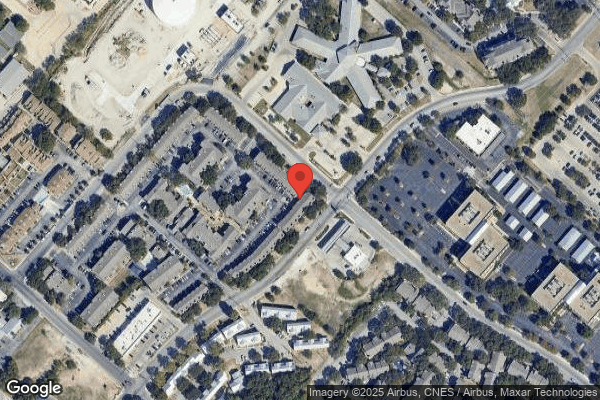
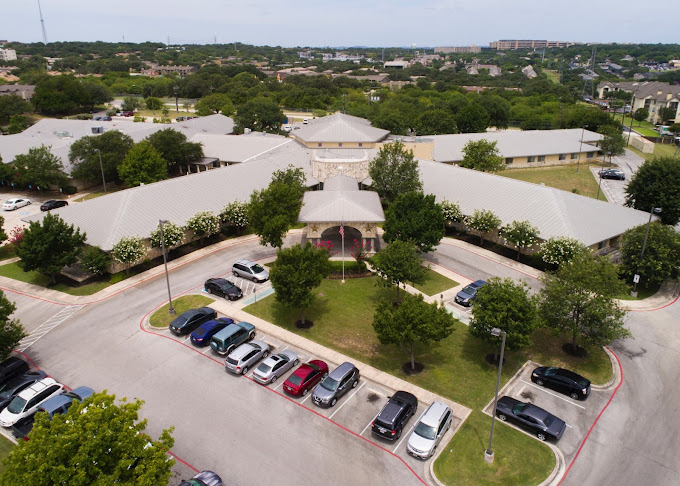
3935 MEDICAL DR, SAN ANTONIO, TX 78229 (210) 614-4888
For profit - Limited Liability company 134 Beds TOUCHSTONE COMMUNITIES Data: November 2025 3 Immediate Jeopardy citations
Trust Grade
0/100
#1119 of 1168 in TX
Last Inspection: August 2025

Inspected within the last 6 months. Data reflects current conditions.

Overview

The Heights at Medical Center has received a Trust Grade of F, indicating poor performance with significant concerns about care quality. Ranking #1119 out of 1168 facilities in Texas places it in the bottom half of all nursing homes in the state, and #58 out of 62 in Bexar County, meaning only a few local options are worse. While the facility is improving overall, with the number of issues decreasing from 24 in 2024 to 9 in 2025, it still has alarming staffing challenges, showing a 73% turnover rate, well above the Texas average of 50%. Additionally, there have been serious incidents, including a resident who fell twice without receiving timely care, resulting in fractures, and another resident who was found outside the facility due to inadequate supervision. Although they have an average level of RN coverage and fines are on par with other facilities, the high turnover and critical incidents highlight significant weaknesses in care and supervision that families should carefully consider.

Trust Score
F
0/100
In Texas
#1119/1168
Bottom 5%
Safety Record
High Risk
Review needed
Inspections
Getting Better
24 → 9 violations
Staff Stability
⚠ Watch
73% turnover. Very high, 25 points above average. Constant new faces learning your loved one's needs.
Penalties
○ Average
$22,052 in fines. Higher than 56% of Texas facilities. Some compliance issues.
Skilled Nurses
⚠ Watch
Each resident gets only 21 minutes of Registered Nurse (RN) attention daily — below average for Texas. Fewer RN minutes means fewer trained eyes watching for problems.
Violations
⚠ Watch
48 deficiencies on record. Higher than average. Multiple issues found across inspections.
★☆☆☆☆
1.0
Overall Rating
★☆☆☆☆
1.0
Staff Levels
★★★★☆
4.0
Care Quality
★★☆☆☆
2.0
Inspection Score
Stable
2024: 24 issues
2025: 9 issues

The Good

  • 4-Star Quality Measures · Strong clinical quality outcomes
  • Full Sprinkler Coverage · Fire safety systems throughout facility
  • No fines on record

Facility shows strength in quality measures, fire safety.

The Bad

1-Star Overall Rating

Below Texas average (2.8)

Significant quality concerns identified by CMS

Staff Turnover: 73%

27pts above Texas avg (46%)

Frequent staff changes - ask about care continuity

Federal Fines: $22,052

Below median ($33,413)

Minor penalties assessed

Chain: TOUCHSTONE COMMUNITIES

Part of a multi-facility chain

Ask about local staffing decisions and management

Staff turnover is very high (73%)

25 points above Texas average of 48%

The Ugly 48 deficiencies on record

3 life-threatening
Aug 2025 7 deficiencies
CONCERN (D)

Potential for Harm - no one hurt, but risky conditions existed

Safe Environment (Tag F0584)

Could have caused harm · This affected 1 resident

**NOTE- TERMS IN BRACKETS HAVE BEEN EDITED TO PROTECT CONFIDENTIALITY** Based on observation and interview, the facility failed to provide a comfortable, and homelike environment including a window th...

Read full inspector narrative →
**NOTE- TERMS IN BRACKETS HAVE BEEN EDITED TO PROTECT CONFIDENTIALITY** Based on observation and interview, the facility failed to provide a comfortable, and homelike environment including a window that would open to allow fresh air in for 1 (Resident #54) of 1 observed for comfortable and homelike environment. The facility failed to ensure Resident #54's room window was not screwed shut and would be able to open when resident desired fresh air. This failure could place the residents at risk of feeling uncomfortable and could diminish quality of life. The findings were: Record review of Resident #54's face sheet, dated 08/15/2025, revealed he was admitted to the facility on [DATE] with diagnoses which included: acute respiratory failure, unspecified whether hypoxia or hypercapnia (a condition where the lungs are unable to adequately oxygenate the blood or remove carbon dioxide, and the specific cause (either low oxygen or high carbon dioxide) is not identified), sleep apnea (a common disorder where breathing repeatedly stops and starts during sleep), and chronic obstructive pulmonary disease (a progressive lung disease that makes it difficult to breathe). Record review of Resident #54's Optional State MDS assessment, dated 07/22/2025, revealed the resident's BIMS score was 15, which indicated resident's cognition to be intact. Record review of the last 6 months grievances and resident council minutes revealed no concerns noted regarding windows or windows being screwed shut. During resident group interview on 08/14/2025 at 11:00 a.m. Resident #54 stated his room window was screwed shut and wondered if he could have it opened so he could open it when he wanted fresh air. Resident #54 further stated he did sign out every day usually due to his being a photographer but would like to be able to open his window sometimes. Observation on 08/14/2025 at 11:21 a.m. LSC observed a screw to Resident #54's window while rounding after being informed of what Resident #54 had said during resident group. During an interview on 08/14/2025 at 12:33 p.m. the Maintenance Supervisor stated the facility at one time had a couple residents who were trying to go out the windows and screws were put in the windows. The Maintenance Supervisor further stated he now had the locks to be able to minimize how much the windows would be able to be opened if needed. During an observation and interview on 08/15/2025 at 11:23 a.m. Resident #54's room window revealed a hole and metal shavings in the area where a screw had been. Resident #54 stated he had not asked anyone about the screws in the window nor to have them removed from the window so he could open it. Resident #54 further stated he really did not give it much thought because he was near and emergency exit. Resident #54 stated even though he did not ask about why the window had been screwed shut, it did bother him that he was not able to open the window. During an interview on 08/15/2025 at 11:53 a.m. LVN A stated Resident #54 would communicate with staff anytime he had a concern however, Resident #54 had never mentioned his window was screwed shut. LVN A further stated he was not aware there had been a screw in Resident #54's room window. LVN A stated if Resident #54 had voiced a concern regarding the window he would have put information regarding the concern in the portal for maintenance to address. LVN A stated he was not aware of anyone with screws in windows and had not had anyone complain about windows being screwed shut. During an interview on 08/15/2025 at 1:18 p.m. the DNS stated Resident #54 had never voiced to her a concern regarding his window being screwed closed. The DNS stated she was aware the windows had been screwed closed for patient safety, but they were supposed to be able to open a small amount. The DNS stated the windows should not have been screwed totally shut. The DNS stated she did not feel it would affect Resident #54 in the event of an emergency as he would be dependent on staff to assist him out due to his being a Hoyer transfer and reliant on staff for transfers. The DNS further stated it would only affect his ability to open the window if he wanted fresh air. During an interview on 08/15/2025 at 1:57 p.m. the Administrator stated he was aware that windows were prevented from opening fully but not that some could not open at all. The Administrator further stated the company policy was that the windows were to only be able to open partially for the safety of the resident to keep people from being able to get in through the windows. The Administrator stated Resident #54 never came to him to tell him the window would not open. The Administrator stated Resident #54 should have been able to open his window to get fresh air. During an interview at 08/15/2025 at 3:07 PM Administrator stated the facility did not have a written policy regarding windows. Record review of facility's resident rights Statement of Resident Rights (26 Tex. Admin. Code 554.401), no date, read You, the resident, do not give up any rights when you enter a nursing facility. The facility must encourage and assist you to fully exercise your rights. Record review of facility's rights of the elderly Rights of the Elderly, no date, read An elderly individual has all the rights, benefits, responsibilities, and privileges granted by the constitution and laws of this state and the United States, except where lawfully restricted. The elderly individual has the right to be free of interference, coercion, discrimination, and reprisal in exercising these civil rights.
CONCERN (D)

Potential for Harm - no one hurt, but risky conditions existed

Assessment Accuracy (Tag F0641)

Could have caused harm · This affected 1 resident

**NOTE- TERMS IN BRACKETS HAVE BEEN EDITED TO PROTECT CONFIDENTIALITY** Based on observation, interviews, and record reviews, the facility failed to ensure the MDS assessment accurately reflected the ...

Read full inspector narrative →
**NOTE- TERMS IN BRACKETS HAVE BEEN EDITED TO PROTECT CONFIDENTIALITY** Based on observation, interviews, and record reviews, the facility failed to ensure the MDS assessment accurately reflected the resident's status for two residents (Resident #2 and Resident #76) of twenty-one residents reviewed for MDS assessments. 1.The facility failed to ensure Resident #2's annual MDS, dated [DATE], indicated the resident was receiving the services of the state level II PASRR due to his intellectual disability. 2. The facility failed to ensure Resident #76's quarterly MDS, dated [DATE], indicted the resident used a CPAP (Continuous Positive Airway Pressure) at hours of sleep due to his sleep apnea. These deficient practice could affect residents who receive care and could result in missed or inappropriate care.The findings included: 1. Record review of Resident #2's face sheet, dated 08/15/2025, revealed the resident was [AGE] years old male, originally admitted to the facility on [DATE] and re-admitted on [DATE] with the diagnosis of intellectual disability (disability that affects the acquisition of knowledge and skills), and seizures (sudden burst of electrical activity in the brain). Record review of Resident #2's annual MDS assessment, dated 01/07/2025, revealed the resident's BIMS was 8 out of 15, which indicated the resident had moderate cognitive impairment. The MDS indicated the resident was not considered by the state level II PASRR process to have serious mental illness and/or intellectual disability or a related condition. Record review of Resident #2's comprehensive care plan, dated 09/26/2024, revealed [Resident #2] is considered PASRR positive due to intellectual disability. For intervention, coordinate services and plan of care with the local mental health authority and provide PASRR services. Record review of Resident #2's Local Intellectual and Developmental Disabilities Authorities' Habilitation Service Plan, dated 12/01/2024, revealed Resident #2 was receiving PASRR level II services per the plan because the resident was PASRR level II positive due to his intellectual disability. During an interview on 08/15/2025 at 10:45 a.m. with the Director of Clinical Reimbursement stated she had a responsibility to oversee the facility's MDS assessments, and Resident #2's annual MDS assessment dated 01/07/ was inaccurate, and it should have been coded Yes because Resident #2 was PASRR II positive resident due to his intellectual disability. The Director of Clinical Reimbursement said it was a mistake and did not affect Resident #2 because the resident was anyway receiving PASRR services, but MDS assessment should be accurate. 2. Record review of Resident #76's face sheet, dated 08/15/2025, revealed the resident was [AGE] years old male, originally admitted on [DATE], and re-admitted on [DATE] to the facility with diagnosis of sleep apnea (breathing stops and restarts many times while sleeping). Record review of Resident #76's quarterly MDS assessment, dated 05/22/2025, revealed the resident's BIMS was 10 out of 15 indicated the resident had moderate cognitive impairment. Further record review of the MDS assessment revealed the resident did not have Non-invasive Mechanical Ventilator use. Record review of Resident #76's comprehensive care plan, dated 06/10/2025, revealed the resident had the care plan of [Resident #76] am at risk for experience shortness of breath related to sleep apnea. For intervention - Administer CPAP (Continuous Positive Airway Pressure) for sleep apnea as ordered. Record review of Resident #76's physician order, dated 06/27/2025, revealed the resident had the order of Apply CPAP (Continuous Positive Airway Pressure) at bedtime at 10:00 p.m. and remove at 6:00 a.m. for Sleep Apnea. Observation and interview on 08/12/2025 at 10:44 am revealed there was Resident #76's CPAP (Continuous Positive Airway Pressure) on the nightstand covered with a plastic bag, and the resident said he put on his CPAP every 10:00 p.m. During an interview on 08/15/2025 at 12:48 p.m. with the Director of Clinical Reimbursement stated she had a responsibility to oversee the facility's MDS assessments, and Resident #76's quarterly MDS assessment dated [DATE]'s coding regarding CPAP (Continuous Positive Airway Pressure) was inaccurate, and it should have been coded Yes because Resident #76 was wearing CPAP (Continuous Positive Airway Pressure) every night due to his sleep apnea. The Director of Clinical Reimbursement said it was a mistake and did not affect Resident #76 because the resident was anyway receiving care, but MDS assessment should be accurate. Further interview with the Director of Clinical Reimbursement said they did not have specific policy regarding MDS accurate, and they followed CMS's RAI Manual. Record review of CMS's RAI version 3.0 Manual, dated 10/2024, revealed Code - yes: if PASRR Level II screening determined that the resident has a serious mental illness and/or intellectual disability or related condition, and continue to A1510, Level II Preadmission Screening and Resident Review (PASRR) Conditions and For Non-invasive Mechanical Ventilator, code any type of CPAP (Continuous Positive Airway Pressure) and BiPAP (bi-level positive airway pressure) respiratory support devices that prevent airway from closing by delivering slightly pressurized air through a mask or other device continuously or via electronic cycling throughout the breathing cycle.
CONCERN (D)

Potential for Harm - no one hurt, but risky conditions existed

Incontinence Care (Tag F0690)

Could have caused harm · This affected 1 resident

**NOTE- TERMS IN BRACKETS HAVE BEEN EDITED TO PROTECT CONFIDENTIALITY** Based on observations, interviews, and record review, the facility failed to ensure a resident who was incontinent of bladder an...

Read full inspector narrative →
**NOTE- TERMS IN BRACKETS HAVE BEEN EDITED TO PROTECT CONFIDENTIALITY** Based on observations, interviews, and record review, the facility failed to ensure a resident who was incontinent of bladder and bowel received appropriate treatment and services to prevent urinary tract infections and to restore continence to the extent possible for 2 (Resident #51 and #60) of 4 residents reviewed for incontinence care. 1. When CNA-B was providing peri care to Resident #51, CNA-B cleaned the resident's genital area without separating the labia. 2. When CNA-C was providing peri care with urinary indwelling catheter to Resident #60, CNA-C did not clean entire scrotum. These failures could place residents who required incontinence care at risk for cross contamination and the development of urinary tract infections. The findings included: 1. Record review of Resident #51's face sheet, dated 08/15/2025, revealed the resident was [AGE] years old female, originally admitted to the facility on [DATE], and re-admitted on [DATE] with diagnosis of overactive bladder. Record review of Resident #51's quarterly MDS assessment, dated 05/13/2025, revealed the resident's BIMS score was 5 out of 15 indicating the resident had severe cognitive impairment and was always incontinent of bladder and bowel. Record review of Resident #51's comprehensive care plan, dated 09/18/2024, revealed the resident has incontinence related to overactive bladder. For intervention - incontinent care assistance every shift and as needed and check and change on rounds and as needed. Observation on 08/14/2025 at 2:38 p.m. revealed CNA-B removed Resident #51's dirty brief, and CNA-B started cleaning the resident's suprapubic area, left groin, and right groin. When CNA-B cleaned the middle area of Resident #51's genitals, CNA-B did not separate the resident's labia. CNA-B cleaned the middle area of the resident's genitals without separating the labia, then rolled the resident to her left side and cleaned the resident's buttock area. During an interview on 08/14/2025 at 2:56 p.m. CNA-B stated when she cleaned the middle area of Resident #51's genitals, she did not separate the resident's labia, and she said she should have separated the resident's labia area when cleaning to prevent infection. CNA-B said she got checked-off regarding female peri care every year. During an interview on 08/14/2025 at 4:16 p.m. DNS stated the facility did not have a specific policy regarding peri care. The DNS said they used a skill check-off sheet for female peri care without catheter, and the sheet did not indicate separating female labia area when providing peri care, but the facility was following general professional guidelines. DNS said improper incontinence care might cause infection. Record review of professional guidelines (National Library of Medicine - Chapter 5: Provide for Personal Care Needs of Clients - Nursing Assistant - NCBI Bookshelf), titled Provide for Personal Care Needs of Client - perineal care for female, undated, revealed Expose their perineum only, Separate the labia, Use water and a soapy washcloth, Clean one side of the labia from top to bottom, and Using a clean portion of the first washcloth, clean the other side of the labia from top to bottom. 2. Record review of Resident #60's face sheet, dated 08/15/2025, revealed the resident was [AGE] years old male, originally admitted to the facility on [DATE], and re-admitted to the facility on [DATE] with diagnosis of dementia (loss of memory and thinking ability). Record review of Resident #60's Medicare five days MDS assessment, dated 07/28/2025, revealed the resident's BIMS was 0 out of 15 which indicated the resident had severe cognitive impairment, had urinary indwelling catheter, and was always incontinence to bowel. Record review of Resident #60's comprehensive care plan, dated 04/03/2025, revealed the care plan had the care of the resident has urinary indwelling catheter and incontinence of bowel. For intervention - incontinent and urinary indwelling catheter care assistance every shift and as needed and check and change on rounds and as needed. Observation on 08/14/2025 at 2:04 p.m. revealed CNA-C removed dirty brief from Resident #60, cleaned the urinary indwelling catheter and only penis with circular motions, cleaned right and left groin areas, and turned the resident to right side without cleaning Resident #60's scrotum, especially middle of scrotum. CNA-C cleaned Resident #60's buttock areas and put new and clean brief under the resident after sanitizing his hands. During an interview on 08/14/2025 at 2:29 p.m. with CNA-C stated when he cleaned Resident #60's left and right groin area, he cleaned left and right side of Resident #60's scrotum. However, he said he did not clean middle area of Resident #60's scrotum. CNA-C said he should have cleaned Resident #60's entire scrotum area to prevent possible infection. Further interview with CNA-C said he received skill check for peri care of male resident on 08/2025. During an interview on 08/14/2025 at 4:16 p.m. DNS stated the facility did not have a specific policy regarding peri care. The DNS said they used a skill check-off sheet for male peri care with catheter, and the sheet did not indicate cleaning male scrotum area when providing peri care, but the facility was following general professional guidelines. DNS said improper incontinence care might cause infection. Record review of professional guidelines (National Library of Medicine - Chapter 5: Provide for Personal Care Needs of Clients - Nursing Assistant - NCBI Bookshelf), titled Provide for Personal Care Needs of Client - perineal care for male, undated, revealed Using a clean portion of the first washcloth, start from the urethra and clean in a circular motion toward their scrotum. Using a clean portion of the first washcloth, clean one groin fold and the scrotum. Using a clean portion of the first washcloth, clean the other groin fold and the other side of scrotum. Put the first washcloth in a linen bag. Using the second clean washcloth, rinse from the urethra in a circular motion toward the scrotum. Using a clean portion of the second washcloth, rinse one groin fold and the scrotum. Using a clean portion of the second washcloth, rinse the other groin fold and the other side of the scrotum.
CONCERN (D)

Potential for Harm - no one hurt, but risky conditions existed

Respiratory Care (Tag F0695)

Could have caused harm · This affected 1 resident

**NOTE- TERMS IN BRACKETS HAVE BEEN EDITED TO PROTECT CONFIDENTIALITY** Based on observation, interview, and record review, the facility failed to ensure that a resident who needed respiratory care, i...

Read full inspector narrative →
**NOTE- TERMS IN BRACKETS HAVE BEEN EDITED TO PROTECT CONFIDENTIALITY** Based on observation, interview, and record review, the facility failed to ensure that a resident who needed respiratory care, including tracheostomy care, was provided such care, consistent with professional standards of practice and the comprehensive person-centered care plan for 1 (Residents #36) of 1 Resident whose records were reviewed for oxygen use. The facility failed to ensure Resident #36's oxygen tubing was changed every week, and oxygen filter was checked and cleaned every week per the physician order. This deficient practice could affect any respiratory on oxygen therapy and could contribute to respiratory distress, infections, pneumonia and an overall decline in their physical condition.The findings included: Record review of Resident #36's face sheet, dated 08/15/2025, revealed the resident was [AGE] years old female, originally admitted to the facility on [DATE], and re-admitted on [DATE] with diagnoses of shortness of breath, and hypertension (high blood pressure). Record review of Resident #36's quarterly MDS assessment, dated 08/06/2025, revealed the resident's BIMS was 9 out of 15, which indicated the resident had moderate cognitive impairment, the resident was dependent (Helper does ALL of the effort) to activities of daily living, such as sit to stand and chair to bed transfer, and was receiving oxygen therapy. Record review of Resident #36's comprehensive care plan, dated 12/10/2024, revealed the resident had the care of oxygen therapy related to chronic lung disease. For intervention - provide oxygen as ordered and monitor for signs and symptoms of respiratory distress and report to medical doctor as needed. Record review of Resident #36's physician orders, dated 04/17/2025, revealed Change nasal cannula/mask and oxygen tubing every Sunday and as needed and Oxygen Filter; Check, Clean and/or replace filter every Week every night shift every Sunday - started 07/30/2025. Observation on 08/12/2025 at 10:38 a.m. revealed Resident #36 was on the bed in her room with oxygen via nasal cannular. The oxygen tubing was dated on 08/03/2025. Further observation revealed the oxygen concentrator had oxygen filter, and the oxygen filter was dirty with gray colored dust. During an interview on 08/12/2025 at 11:27 a.m. with LVN-A stated Resident #36 had oxygen via nasal cannular. She stated Resident #36's oxygen tubing was dated 08/03/2025, and oxygen filter was dirty with gray colored dust. Further interview with LVN-A said night nurse should have been changed Resident #36's oxygen tubing on 08/10/2025 (Sunday) and cleaned or replaced the oxygen filter on 08/10/2025 (Sunday) as ordered. It might cause possible respiratory infection. During an interview on 08/15/2025 at 1:18 p.m. with DNS stated Resident #36 had oxygen via nasal cannular and night nurse should have been changed Resident #36's oxygen tubing on 08/10/2025 (Sunday) and cleaned or replaced the oxygen filter on 08/10/2025 (Sunday) as ordered. It might cause possible respiratory infection. Record review of the facility policy, titled Oxygen - Respiratory Tubing/Equipment Management, dated 03/12/2018, revealed 1. Change tubing weekly . 6. Air filter should be changed and/or cleaned at least monthly and as needed.
CONCERN (D)

Potential for Harm - no one hurt, but risky conditions existed

Food Safety (Tag F0812)

Could have caused harm · This affected 1 resident

Based on observation, interview, and record review, the facility failed to store, prepare, distribute, and serve food in accordance with professional standards for 1 of 1 kitchen observed for food ser...

Read full inspector narrative →
Based on observation, interview, and record review, the facility failed to store, prepare, distribute, and serve food in accordance with professional standards for 1 of 1 kitchen observed for food service.Cook failed to wear beard restraints while working in the kitchen.Dietary Aide did not properly wear hair restraints in a way that covered all their hair. This failure could place residents who receive food prepared in the facility's only kitchen by placing them at risk for food-borne illness and food contamination. The findings were: Observation of the facility kitchen on 08/13/2025 at 03:48 PM revealed Cook's beard restraint not covering his facial hair while in the kitchen's food prep area. Observation of the facility's kitchen on 08/14/2025 at 10:40 AM revealed Dietary Aide not wearing hair restraint that covered all his hair while in the kitchen's food prep area.Interview with Dietary Aide on 08/14/2025 at 3:10 PM revealed he had received training from the dietary manager on appropriate hygiene when he started. The Dietary Aide stated hair restraints should cover all hair on top the head. Dietary Aide stated any hair not in the hair restraint could fall into the food and cause foodborne illness in those who ate food from the kitchen. Dietary Aide stated it was his responsibility to ensure his hair was fully in the hair restraint. Interview with [NAME] on 08/14/2025 at 3:12 PM revealed the [NAME] received training from the dietary manager on appropriate hygiene when first hired. The [NAME] stated hair restraints are to cover all hair to prevent hair from falling into food. The [NAME] stated that hair falling into food could cause foodborne illness in the residents. [NAME] stated it was his responsibility to ensure his hair was fully in the hair restraint. Interview with Dietary Manager on 08/14/2025 at 3:15 PM AM revealed staff are trained on appropriate hygiene when they start and all hair, including facial hair, was to be in a hair restraint when in the kitchen. Dietary manager stated hair that was not in a hair restraint could fall into food being prepared causing it to be contaminated. Dietary Manager stated contaminated food could cause foodborne illness in the residents. Dietary manager stated it was her responsibility to ensure staff wore their hair restraints properly. Record review of the facility policy named Employee Sanitation, dated October 1, 2018, revealed 3. Employee Cleanliness Requirements b. Hairnets, headbands, caps, beard coverings or other effective hair restraints must be worn to keep hair from food and food-contact surfaces.Record review of the Food Code, U.S. Public Health Service, U.S. FDA, 2022 states Except as provided in, (B) of this section, FOOD EMPLOYEES shall wear hair restraints such as hats, hair coverings or nets, beard restraints, and clothing that covers body hair, that are designed and worn to effectively keep their hair from contacting exposed FOOD; clean EQUIPMENT, UTENSILS, and LINENS; and unwrapped SINGLE-SERVICE and SINGLE-USE ARTICLES.
CONCERN (D)

Potential for Harm - no one hurt, but risky conditions existed

Infection Control (Tag F0880)

Could have caused harm · This affected 1 resident

**NOTE- TERMS IN BRACKETS HAVE BEEN EDITED TO PROTECT CONFIDENTIALITY** Based on observations, interviews, and record review, the facility failed to establish and maintain an infection control program...

Read full inspector narrative →
**NOTE- TERMS IN BRACKETS HAVE BEEN EDITED TO PROTECT CONFIDENTIALITY** Based on observations, interviews, and record review, the facility failed to establish and maintain an infection control program designed to provide a safe, sanitary, and comfortable environment and to help prevent the development of communicable diseases and infections for 1 (Resident #60) of 21 residents reviewed for infection control practices. LVN-A was administering medications via Resident #60's gastrostomy tube, LVN-A did not wear a gown while . Resident #60 had EBP (Enhanced Barrier Precautions) status. This deficient practice could place residents at risk for cross contamination and infections.The findings included: Record review of Resident #60's face sheet, dated 08/15/2025, revealed the resident was [AGE] years old male, originally admitted to the facility on [DATE], and re-admitted to the facility on [DATE] with diagnosis of dementia (loss of memory and thinking ability), acute respiratory failure (usual exchange between oxygen and carbon dioxide in the lungs does not occur), heart failure (the heart cannot pump enough oxygen-rich blood to meet the body's needs), and type 2 diabetes mellitus (a condition where the body has trouble regulating blood sugar levels, leading to persistently high blood glucose levels). Record review of Resident #60's Medicare five days MDS assessment, dated 07/28/2025, revealed the resident's BIMS was 0 out of 15 which indicated the resident had severe cognitive impairment and had eternal feeding tube. Record review of Resident #60's comprehensive care plan, dated 07/08/2025, revealed the care plan had the care of [Resident #60] require a feeding tube related to dysphagia (difficulty of swallowing) - for intervention, maintain NPO (nothing by mouth) status and provide feeding tube care as ordered and monitor any infection and At risk for infection or recurrent/chronic infection r/t compromised medical condition - for intervention, Enhanced Barrier Precaution practices as clinically indicated. Observation on 08/14/2025 at 8:44 a.m. revealed LVN-A entered to Resident #60's room, sanitized his hands, put on only gloves, and started administering morning medications via Resident #60's gastrostomy feeding tube, and LVN-A completed administering all medications then came out from the resident's room and washed his hands. At 9:00 a.m. further observation revealed there was a big signage posting on the resident's door indicated Wear gown and gloves during high-contact resident care, such as device care or use - central line, urinary catheter, and feeding tube. During an interview on 08/14/2025 at 9:05 a.m. with LVN-A stated he did not wear a gown when administering medications via Resident #60's gastrostomy tube. LVN-A said he forgot wearing a gown and he should have put on a gown because Resident #60 had EBP (Enhanced Barrier Precautions) to prevent possible infection. He stated the signage posting on the resident's door indicated Wear gown and gloves during high-contact resident care, such as device care or use - central line, urinary catheter, and feeding tube. Not wearing a gown might cause possible infection to the resident. During an interview on 08/14/2025 at 4:16 p.m. with DNS stated LVN-A should have put on a gown when he administered medications via feeding tube because Resident #60 had EBP (Enhanced Barrier Precautions) to prevent possible infection Not wearing a gown might cause possible infection to the resident. Record review of the facility policy, titled Infection Prevention and Control, dated 03/13/2019, revealed EBP (Enhanced Barrier Precautions) required the use of gown and gloves during high-contact resident care activities that provide opportunities for transfer pf MDRO (Multidrug-resistant Organism) to staff hands and clothing. High-contact resident acre activities are device care or use: Central line, urinary catheter, feeding tube, and tracheostomy/ventilator.
MINOR (B)

Minor Issue - procedural, no safety impact

MDS Data Transmission (Tag F0640)

Minor procedural issue · This affected multiple residents

**NOTE- TERMS IN BRACKETS HAVE BEEN EDITED TO PROTECT CONFIDENTIALITY** Based on interview and record review, the facility failed to transmit encoded, accurate, and complete MDS data to the CMS System...

Read full inspector narrative →
**NOTE- TERMS IN BRACKETS HAVE BEEN EDITED TO PROTECT CONFIDENTIALITY** Based on interview and record review, the facility failed to transmit encoded, accurate, and complete MDS data to the CMS System for 1 of 8 residents (Resident #26) reviewed for MDS transmission.The facility failed to transmit a discharge MDS assessment to the CMS system for Resident 26 who discharged on 04/29/2025 within 14 days of the discharge date .This failure could place residents at risk of not having assessments completed and submitted in a timely manner as required.Findings were: Record review of Resident #26's face sheet, dated 08/15/2025, revealed he was a [AGE] year-old male admitted to the facility on [DATE] and discharged on 04/29/2025 to an assisted living facility. Resident #26's face sheet indicated resident had diagnosis of encounter for orthopedic aftercare following surgical amputation, acute hematogenous osteomyelitis, left ankle and foot, and type 2 diabetes mellitus with unspecified complications. Record review of Resident #26's Medicare-5 day MDS revealed it was completed on 04/01/2025. Record review of Resident #26's medical record, progress note, dated 04/29/2026, revealed Resident 26 was discharged home with home health care. Interview with MDS Coordinator on 08/15/2025 at 1:35 PM revealed Resident #26 was discharged on 04/29/2025 and a discharge MDS was not completed. MDS Coordinator stated it was her responsibility to complete discharge MDS when a resident was discharged . MDS Coordinator stated the discharge MDS should be submitted to CMS within 14 days of a resident's discharge. MDS Coordinator stated the facility followed the RAI (Resident Assessment Instrument) to complete resident MDS.Interview with DNS on 08/15/2025 at 1:48 PM revealed MDS Coordinator was responsible for completing a discharge MDS when a resident was discharged . DNS stated the discharge MDS was to be submitted to CMS within 14 days of a resident's discharge. DNS stated there was no impact on a resident if a discharge MDS was not completed. Interview with Administrator 08/15/2025 at 2:01 PM revealed a discharge MDS should have been completed for all discharged residents. Administrator stated he was unsure of the exact timeframe the discharge MDS should have been submitted to CMS for Resident 26. Administrator stated it was the responsibility of the MDS Coordinator to complete the discharge MDS when a resident was discharged . Policy on MDS completion and transmission was requested on 08/15/2025 at 1:35 PM. MDS coordinator said she followed the RAI manual.
Aug 2025 2 deficiencies
CONCERN (D) 📢 Someone Reported This

A family member, employee, or ombudsman was alarmed enough to file a formal complaint

Potential for Harm - no one hurt, but risky conditions existed

Deficiency F0627 (Tag F0627)

Could have caused harm · This affected 1 resident

**NOTE- TERMS IN BRACKETS HAVE BEEN EDITED TO PROTECT CONFIDENTIALITY** Based on interview and record review, the facility failed to develop a discharge summary that included a post-discharge plan of ...

Read full inspector narrative →
**NOTE- TERMS IN BRACKETS HAVE BEEN EDITED TO PROTECT CONFIDENTIALITY** Based on interview and record review, the facility failed to develop a discharge summary that included a post-discharge plan of care that is developed with the participation of the resident and, with the resident's consent, and the resident representative that included where the individual planned to reside, any arrangements that have been made for the resident's follow up care and any post discharge medical and non-medical services for 1 of 1 resident (Resident #1) reviewed for inappropriate discharge.The facility failed to ensure Resident #1 was given a proper discharge when the resident checked out on pass on 7/11/25 and did not return to the facility. This deficient practice could place residents at risk of being discharged and causing a disruption in their care and services and potential decline in health. The findings included:Record review of Resident #1's face sheet dated 7/30/25 revealed a [AGE] year-old male admitted to the facility on [DATE] and re-admitted on [DATE] and 4/16/25 with diagnoses that included heart failure, seizures (sudden, uncontrolled electrical disturbance in the brain that may cause changes in behavior, movements, feelings, or levels of consciousness), diabetes (chronic medical condition in which the body either doesn't produce enough insulin or doesn't use insulin effectively which helps regulate blood sugar levels), chronic kidney disease stage 3 (moderate stage of kidney damage where the kidneys aren't functioning as well as they should to filter waste and fluids from the blood), atrial fibrillation (irregular heartbeat rhythm where the heart beats rapidly and irregularly), hypertension (elevated blood pressure), and pain.Record review of Resident #1's most recent quarterly MDS assessment dated [DATE] revealed the resident was moderately cognitively impaired for daily decision-making skills, utilized a wheelchair for mobility, was dependent on staff with transfers, and was always incontinent of bowel and bladder.Record review of Resident #1's comprehensive care plan with revision date 1/28/25 revealed the resident had a self-care deficit related to poor mobility, debility, weakness, and seizures with interventions that included to assist the resident with bed mobility, required the use of a wheelchair, and required assistance with transfers with use of a mechanical lift. The comprehensive care plan revealed Resident #1 was at risk for falls related to debility, weakness, amputation, and seizures. The comprehensive care plan revealed Resident #1 wished to return to his home with supportive care and services group home with home health and the resident wished to leave community AMA several times despite education, with interventions that included to discuss discharge goals with the resident/family/representative; establish plan, set tentative discharge date as indicated, evaluate the resident's progress and revise the plan as indicated.Record review of Resident #1's Exit Seeking Risk Tool dated 5/15/25 revealed the resident was not at risk for exit seeking.Record review of Resident #1's IDT Discharge Planning/Instructions/Recapitulation document dated 7/11/25 revealed the resident discharged AMA, the anticipated discharge date was 7/11/25, the resident/representative declined post discharge care elections, and orders were reviewed and confirmed with the medical provider.Record review of the facility document titled, Release of Responsibility for Leave of Absence revealed Resident #1 signed out to go on pass on Friday, 7/11/25 at 12:09 p.m. The document had Resident #1's signature under the section which read, Signature of Person Accepting Responsibility.Record review of Resident #1's electronic record revealed a progress note dated 7/10/25 with time stamp 5:08 p.m. and authored by LVN B revealed, Resident #1 wanted to go AMA. LVN B's progress note indicated she provided the resident with an AMA form, provided patient teaching, and referred the resident to the Social Worker. LVN B's progress note indicated Resident #1's friend called and would be picking him up the following day, 7/11/25, to take the resident out on pass to lunch and shopping. LVN B's progress note revealed Resident #1 stated he would wait until the following day when his friend, who used to be his former home health aide, to decide about going AMA. Record review of Resident #1's electronic record revealed a progress note dated 7/11/25, with time stamp 12:15 p.m. and authored by the Administrator revealed, Resident #1 stated that he was going out on pass with friend. He [Resident #1] said he was planning on leaving and staying at her house overnight to attend church tomorrow for services. Patient signed himself out in the sign out book.Record review of Resident #1's electronic record revealed a progress note dated 7/11/25, with time stamp 1:55 p.m. and authored by the SW revealed, Patient [Resident #1] stated he was going out on pass with his friend. He stated that he would be leaving today and staying overnight at her house and would be going out to eat, shop, and attend church services tomorrow. Patient signed himself out in the sign out book.Record review of Resident #1's electronic record revealed a progress note dated 7/12/25 (Saturday), with time stamp 3:35 p.m. and authored by LVN A revealed Resident #1 was OOP (out on pass).Record review of Resident #1's electronic record revealed a progress note dated 7/14/25 (Monday), with time stamp 7:48 a.m., and authored by LVN A revealed Resident #1 was Out on pass.Record review of Resident #1's electronic record revealed a progress note dated 7/14/25, with time stamp 11:00 a.m. and authored by the Administrator revealed, spoke with [family member], of Resident #1, to inform her that ex-caregiver [friend] took [Resident #1] out on pass on Friday stating that they would return Saturday after church. Explained that [Resident #1's friend] didn't return with him and he was now considered discharging AMA. [Family member] understood and appreciated the call. During an interview on 7/30/25 at 2:43 p.m., LVN A stated Resident #1 was a double amputee and had vision problems that were being addressed by the facility. LVN A stated Resident #1 signed out on pass (Friday, 7/11/25) and never came back. LVN A stated, Resident #1 was picked up by the resident's friend who used to be his former caretaker. LVN A stated it was the first time that happened (the resident not coming back) and was not sure what our administrators did about it. During a telephone interview on 7/31/25 at 9:34 a.m., Resident #1's family member stated she was contacted by the Administrator and was told Resident #1 was missing in action after three days and never returned. The family member stated she was told by the Administrator the facility policy was if Resident #1 was gone from the facility for more than 3 days they had to start the re-admission process before allowing Resident #1 to return to the facility. Resident #1's family member stated she recalled the day the Administrator called her, Monday 7/14/25, because she had just got back home after being out of town. Resident #1's family member stated, the facility knew me well, and they should have called me. Resident #1's family member stated she was familiar with Resident #1's friend, who was his former caretaker from the group home, but only talked to her on the phone and never met her personally. Resident #1's family member stated Resident #1 was responsible for himself and she was not his POA. Resident #1's family member stated the resident was currently at another nursing facility receiving therapy related to care for kidney stone surgery.During an interview on 7/31/25 at 10:20 a.m., at the Administrator's request, he stated Resident #1 leaving the facility was not considered an elopement but was considered leaving AMA because the resident was able to make his own decisions and was his own RP. The Administrator stated Resident #1 signed himself out to leave the facility, and did not answer his phone when the Administrator tried to call him the following day, Saturday 7/12/25, when he did not return. The Administrator stated Resident #1 did not sign any AMA paperwork. The Administrator stated, per Medicaid guidelines, if the resident did not return for three consecutive midnights, the resident was considered discharged . The Administrator was unable to provide telephone logs of the attempt at a telephone call to Resident #1 for Saturday, 7/12/25. During an interview on 7/31/25 at 11:23 a.m., the SW stated LVN B reported to her on 7/10/25 Resident #1 wanted to go AMA. The SW stated she spoke briefly to Resident #1, and he retracted his statement about wanting to leave AMA the same day because she informed him his friend was coming to pick him up to go out on pass the following day. The SW stated Resident #1's friend was picking him up and taking him overnight and then bringing him back to the facility the next day. The SW stated, when Resident #1 did not return the following day, she believed the Administrator reached out to the resident, but he did not answer and believed the Administrator then reached out to the resident's family member. The SW stated, I don't think the (family member) had anything to say, because he [Resident #1] was the RP. The SW stated Resident #1 was never an elopement risk and never known to exit seek and he was cognitively intact. The SW stated, the facility would have reached out to Resident #1 before the end of the third midnight, to explain that if he did not come back, he would have been discharged per the Medicaid guidelines. The SW stated, we were not concerned for his safety. The SW stated she assumed Resident #1 was with the person he left with, his friend.During a follow up interview on 7/31/25 at 11:33 a.m., LVN A stated, Resident #1 told him he was only going out on pass for a couple of hours and was coming back the same day (7/11/25), which was why he did not give the resident medications to take with him on pass. LVN A stated, if a resident was out of the facility for more than 72 hours, it was considered AMA. LVN A stated he reported to the Administrator on Monday 7/14/25 that Resident #1 had gone out on pass on Friday 7/11/25 and it was now Monday (7/14/25), and the resident was not back. LVN A stated he reported that information to the Administrator because it was more than three days. LVN A stated the Administrator took the information from him but did not say anything to him. During an interview on 7/31/25 at 12:35 p.m., the DON stated Resident #1 was leaving out on pass with a friend but was not aware the resident was going to leave overnight until she saw the SW's progress note the following working day, Monday 7/14/25. During an interview on 7/31/25 at 1:32 p.m., the RN Regional Support Nurse stated, Resident #1 had his rights and if he wanted to leave, we would have talked to the physician. The RN Regional Support Nurse stated she was aware Resident #1 made comments about leaving AMA, but the resident changed his mind. The RN Regional Support Nurse stated, Resident #1 told LVN A he was only going out for an hour, and he told the SW and the Administrator he was going out overnight. The RN Regional Support Nurse stated there was a miscommunication. During an interview on 7/31/25 at 4:55 p.m., Resident #1 stated he told the Administrator he was going out on pass on 7/11/25 and would return on Monday 7/14/25. Resident #1 stated he communicated with the DON about leaving out on pass and was referred to the nurse to sign out. Resident #1 stated he did not recall who the nurse was but stated he told the nurse he would be back on Monday 7/14/25. Resident #1 stated the facility tried to get me to sign an AMA before I left, but I wouldn't. Resident #1 stated the facility never called him or his friend about his whereabouts. Resident #1 stated, I was coming back in three days, not overnight. Resident #1 stated he did not return to the facility because he had a fall while at his friend's house and went to the hospital on 7/20/25. Resident #1 stated the hospital found a kidney stone and he required a laparoscopy (surgical procedure used to examine and operate on the organs inside the abdomen or pelvis) and was now receiving physical therapy at another nursing facility. An attempted interview on 8/1/25 at 8:28 a.m. with the MD was unsuccessful. A telephone message was left requesting an interview with the MD. During a telephone interview on 8/1/25 at 10:00 a.m., Resident #1's friend stated she contacted the facility to tell them she was picking up Resident #1 to take him to lunch on Friday 7/11/25. Resident #1's friend stated the Administrator followed them out to her vehicle and she overheard Resident #1 say under his breath, I don't think I'm coming back. Resident #1's friend stated she planned to take the resident out on pass for lunch and had no intention of keeping him overnight. Resident #1's friend stated the facility did not reach out to her while Resident #1 was with her about trying to get him back. Resident #1's friend stated she did not try to reach out to the facility to let them know the resident was with her because she knew Resident #1 did not want to go back to the facility. During a follow up interview on 8/1/25 at 10:21 a.m., LVN B stated she reported to the DON and the SW about Resident #1 requesting to leave AMA on 7/10/25. LVN B stated she, the DON and SW discussed the AMA document and what it meant to leave AMA with Resident #1, and the resident's only response was that he understood. LVN B stated after that conversation, the SW told her the resident's friend was coming to take him out on pass the following day, 7/11/25 and Resident #1 changed his mind about leaving AMA. LVN B stated Resident #1 did not sign the AMA document.During a follow up interview on 8/1/25 at 10:31 a.m., the DON stated she recalled the conversation held with Resident #1 about his request to leave AMA. The DON stated Resident #1 was provided with education and offered the AMA paperwork. The DON stated Resident #1 would let whoever was picking him up to go out on pass know about the AMA paperwork and that was the end of the conversation. The DON stated Resident #1's friend picked him up the following day, Friday 7/11/25, to go out on pass, and not that he was leaving AMA. The DON stated she did not know how long Resident #1 was going to be gone.During a follow up interview on 8/1/25 at 11:36 a.m., the SW stated she recalled LVN B reporting to her and the DON about Resident #1 wanting to leave AMA. The SW stated the resident was provided education, acknowledged he understood and then Resident #1 stated he was not leaving AMA. The SW stated, after Resident #1 did not return to the facility at the designated time, she believed the Administrator tried to contact the resident and the resident's friend but was not successful. The SW stated, because Resident #1 was alert and oriented, and able to sign himself out, it was not considered an elopement but was considered leaving AMA. During a follow up interview requested by the Administrator on 8/1/25 at 11:44 a.m., he stated he wanted to be clear Resident #1 leaving the facility on pass and not returning was considered a discharge and not AMA. The Administrator stated, Resident #1 went out on pass and chose not to return and as per Medicaid guidelines after being out 3 consecutive nights without returning to the facility meant he was discharged . The Administrator stated, Resident #1 made that choice as his own RP and tried to reach out to the resident on Saturday, 7/12/25 but was unable to provide the telephone logs to prove he had attempted to call the resident. A request made to the DON for a facility policy on residents going out on pass was requested on 8/4/25 at 10:43 a.m. but was not provided.Record review of the facility document titled, Statement of Resident Rights with revision date January 2023 revealed in part, .The community should educate, encourage, and honor the rights of those we serve.Further, the community should assist a resident/patient fully to exercise their rights as applicable.Resident/Patient Rights include.To go out on pass by means of self-coordinated outings, with family, representative and to attend structured outings.To not be discharged from the community, except as provided in the nursing community regulations.Residents will have the right to exercise their rights as residents of the community and as citizens.The community will provide autonomy and choice to all residents, to the maximum extent possible, about how they wish to live their everyday lives and receive care, subject to the communities' rules, as long as those rules do not violate regulatory requirement.Record review of the facility document titled, Activities Program with revision date January 2025 revealed in part, .Self-determination and participation.The resident has the right to interact with members of the community, both inside and outside the community, and to make choices about aspects of his or her life.In order to ensure the resident's continuity of care, the resident and/or their representative or family should collaborate with the nursing team to coordinate medical care, support needs, and services accordingly.
CONCERN (D) 📢 Someone Reported This

A family member, employee, or ombudsman was alarmed enough to file a formal complaint

Potential for Harm - no one hurt, but risky conditions existed

Deficiency F0726 (Tag F0726)

Could have caused harm · This affected 1 resident

**NOTE- TERMS IN BRACKETS HAVE BEEN EDITED TO PROTECT CONFIDENTIALITY** Based on interview and record review the facility failed to ensure sufficient nursing staff with appropriate competencies and sk...

Read full inspector narrative →
**NOTE- TERMS IN BRACKETS HAVE BEEN EDITED TO PROTECT CONFIDENTIALITY** Based on interview and record review the facility failed to ensure sufficient nursing staff with appropriate competencies and skills set to provide nursing and related services to assure resident safety and attain or maintain the highest practicable physical, mental, and psychosocial well-being of each resident, as determined by resident assessments and individual plan of care and considering the number, acuity and diagnoses of the facility's resident population in accordance with the facility assessment for 1 of 3 nursing staff (LVN A) reviewed for nursing services. LVN A did not notify the DON or the Administrator until Monday 7/14/25 when Resident #1 went out on pass on Friday 7/11/25, and the resident did not return. Resident #1 was scheduled to return to the facility on Saturday 7/12/25.This failure could place residents at risk of staff not providing nursing or related services to meet the residents' needs safely and in a manner that promotes each resident's rights, physical, mental and psychosocial well-being.The findings included:Record review of Resident #1's face sheet dated 7/30/25 revealed a [AGE] year-old male admitted to the facility on [DATE] and re-admitted on [DATE] and 4/16/25 with diagnoses that included heart failure, seizures (sudden, uncontrolled electrical disturbance in the brain that may cause changes in behavior, movements, feelings, or levels of consciousness), diabetes (chronic medical condition in which the body either doesn't produce enough insulin or doesn't use insulin effectively which helps regulate blood sugar levels), chronic kidney disease stage 3 (moderate stage of kidney damage where the kidneys aren't functioning as well as they should to filter waste and fluids from the blood), atrial fibrillation (irregular heartbeat rhythm where the heart beats rapidly and irregularly), hypertension (elevated blood pressure), and pain.Record review of Resident #1's most recent quarterly MDS assessment dated [DATE] revealed the resident was moderately cognitively impaired for daily decision-making skills, utilized a wheelchair for mobility, was dependent on staff with transfers, and was always incontinent of bowel and bladder.Record review of Resident #1's comprehensive care plan with revision date 1/28/25 revealed the resident had a self-care deficit related to poor mobility, debility, weakness, and seizures with interventions that included to assist the resident with bed mobility, required the use of a wheelchair, and required assistance with transfers with use of a mechanical lift. The comprehensive care plan revealed Resident #1 was at risk for falls related to debility, weakness, amputation, and seizures. Record review of the facility document titled, Release of Responsibility for Leave of Absence revealed Resident #1 signed out to go on pass on Friday, 7/11/25 at 12:09 p.m. The document had Resident #1's signature under the section that read, Signature of Person Accepting Responsibility.Record review of Resident #1's electronic record revealed a progress note dated 7/11/25, with time stamp 12:15 p.m. and authored by the Administrator revealed, Resident #1 stated that he was going out on pass with friend. He (Resident #1) said he was planning on leaving and staying at her house overnight to attend church tomorrow for services. Patient signed himself out in the sign out book.Record review of Resident #1's electronic record revealed a progress note dated 7/11/25, with time stamp 1:55 p.m. and authored by the SW revealed, Patient (Resident #1) stated he was going out on pass with his friend. He stated that he would be leaving today and staying overnight at her house and would be going out to eat, shop, and attend church services tomorrow. Patient signed himself out in the sign out book.Record review of Resident #1's electronic record revealed a progress note dated 7/12/25 (Saturday), with time stamp 3:35 p.m., and authored by LVN A revealed Resident #1 was OOP (out on pass).Record review of Resident #1's electronic record revealed a progress note dated 7/14/25 (Monday), with time stamp 7:48 a.m., and authored by LVN A revealed Resident #1 was Out on pass.During an interview on 7/31/25 at 11:33 a.m., LVN A stated, Resident #1 told him he was only going out on pass for a couple of hours and was coming back the same day (7/11/25), which was why he did not give the resident medications to take with him on pass. LVN A stated he reported to the Administrator on Monday 7/14/25 that Resident #1 had gone out on pass on Friday 7/11/25 and it was now Monday (7/14/25), and the resident was not back. LVN A stated he reported that information to the Administrator because it was more than three days. LVN A stated the Administrator took the information from him but did not say anything to him. During an interview on 7/31/25 at 12:35 p.m., the DON stated Resident #1 was leaving out on pass with a friend but was not aware the resident was going to leave overnight until she saw the SW's progress note the following working day, Monday 7/14/25. During an interview on 7/31/25 at 4:55 p.m., Resident #1 stated he told the Administrator he was going out on pass on Friday 7/11/25 and would return on Monday 7/14/25. Resident #1 stated he communicated with the DON about leaving out on pass and was referred to the nurse to sign out. Resident #1 stated he did not recall who the nurse was but stated he told the nurse he would be back on Monday 7/14/25. Resident #1 stated he did not leave with any medications.During a follow up interview on 8/1/25 at 9:49 a.m., LVN A stated, when Resident #1 did not return on Saturday, 7/12/25, I don't remember telling administration, I only passed on that information at report with the nursing staff. LVN A stated, I was like he (Resident #1) didn't come back and he's not getting his medications and insulin, and he was still out on pass, what could I do about it. He's out on pass, so. LVN A stated he could not recall talking to the DON or ADON about it and was off on Sunday, 7/13/25, and when he returned on Monday 7/14/25 he informed the Administrator about it and probably mentioned it to the ADON or DON, because at that point I was like is he coming back? During a follow up interview on 8/4/25 at 12:45 p.m., the DON stated it was her expectation, when a resident went out on pass and did not return at the designated time, the nursing staff were supposed to have some sort of follow up, notify the representative, and the resident themselves. The DON stated nursing staff were supposed to notify her and the Administrator when the resident did not return at the designated time. The DON stated, if they (nursing staff) didn't report to us, we would not know the resident didn't return.
Jul 2024 13 deficiencies
CONCERN (D)

Potential for Harm - no one hurt, but risky conditions existed

Resident Rights (Tag F0550)

Could have caused harm · This affected 1 resident

**NOTE- TERMS IN BRACKETS HAVE BEEN EDITED TO PROTECT CONFIDENTIALITY** Based on observation, interview and record review, the facility failed to treat each resident with respect, dignity, and care in...

Read full inspector narrative →
**NOTE- TERMS IN BRACKETS HAVE BEEN EDITED TO PROTECT CONFIDENTIALITY** Based on observation, interview and record review, the facility failed to treat each resident with respect, dignity, and care in a manner and environment that promotes maintenance or enhancement of his or her quality of life for one (Resident #51) of 5 residents reviewed for dignity. The facility failed to ensure LVN A closed the door and provided privacy obtaining Resident #51's blood sugar. This failure could place the residents at risk of not having their right to a dignified existence maintained. Findings included: Review of Resident #51's Face Sheet, dated 07/17/2024, reflected resident was a [AGE] year-old female admitted on [DATE]. Resident #51 was diagnosed with Type 2 diabetes mellitus (insufficient production of insulin, causing high blood sugar) without complication. Review of Resident #51's Quarterly MDS Assessment, dated 07/05/2024, reflected resident had a severe impairment in cognition with a BIMS score of 03. The Quarterly MDS Assessment indicated diabetes mellitus as one of resident #51's active diagnosis. Review of resident #51's Care Plan, dated 07/05/2024, reflected resident had potential for hyperglycemia (high blood sugar)/hypoglycemia (low blood sugar) secondary to diabetes mellitus and one of the interventions was obtain blood sugar as ordered. Review of Resident #51's Physician Order, dated 07/01/2024, reflected Humalog Kwik Pen (U-100) insulin 100 unit/ml subcutaneous. Inject 7 unit(s) subcutaneously 6:30 A, 11:30 A, 4:30 P every day. Document blood sugar. Document how many units administered . inject 7 units subcutaneously before meals if glucose is greater than 200. Observation and interview with LVN A on 07/16/2024 at 11:29 AM revealed Resident #51 was sitting in the dining area waiting for lunch. LVN A stated she needed to get Resident #51's blood sugar before lunch. LVN A said she would go to the dining area because the resident was already in the dining area. LVN A then pushed her nurse's cart towards the dining area. Observation on 07/16/2024 at 11:33 revealed LVN C approached LVN A and said she should not get the blood sugar at the dining area. LVN C told LVN A that she should move the resident from the dining area to get her blood sugar. Observation on 07/16/2024 at 11:37, LVN C approached LVN A again and said she needed to get Resident #51's blood sugar inside the resident's room. LVN A pushed Resident #51 to her room and then pushed her cart in front of the resident's room. LVN A prepared the things needed to obtain the blood sugar. LVN A then went inside the resident's room and proceeded to check the Resident #51's blood sugar. LVN A did not close the door when she was checking Resident #51's blood sugar. In an interview with LVN A on 07/16/2024 at 12:16 PM, LVN A stated she would sometimes get the blood sugar in the dining area if the resident was already in the dining area. She said, next time, she would get the resident from the dining area if the resident was already in the dining area. She said she would also instruct the CNAs next time that she would get the blood sugar and administer insulin before they take the residents to the dining room before meals. She said getting the blood sugar in the dining area would be a dignity issue. She said the resident could be embarrassed or their self-esteem could be affected. She also said that the resident's door should be closed eveytime she was checking the blood sugar or administering insulin. In an interview with LVN C on 07/16/2024 at 12:37 PM, LVN C stated he did approach LVN A when he saw she was about to go to the dining area with her cart. He said the blood sugar, or the insulin administration should be done inside the resident's room with the door closed to provide privacy to the resident. The door should be closed every time a staff was providing care to the residents. He said some resident could not communicate and even though they were feeling embarrassed, they could not verbalize it. In an interview with the DON on 07/18/2024 at 8:24 AM, the DON stated a nurse could not get the blood sugar of a resident in the dining area. The DON said the staff should get it from the resident's room. The DON said the door should also be closed when the insulin was being administered to provide privacy to the resident and to avoid embarrassment. The DON said all the staff, including him, were responsible in providing dignity to the residents. The DON said the expectation was for the staff to make sure all care provided would be in the resident's room with the door closed. He concluded that he would continually remind the staff the importance of providing dignity and privacy through an in-service. In an interview with the ADON on 07/18/2024 at 8:51 AM, the ADON stated what she learned from school was to provide care in the privacy of the residents' room. She said the blood sugar should never be taken from the dining area. She said the blood sugar should be taken before the resident was taken to the dining area or get the resident from the dining area and take her to her room and get the blood sugar. Getting the blood sugar in-front of other residents, staff, and visitors might cause embarrassment to the resident. She said it was important that the residents will be safe and would not be embarrassed. She said she would coordinate with the DON to do an in-service about dignity. In an interview with the Administrator on 07/18/2024 at 9:21 AM, the Administrator stated the staff must make sure that the residents were provided privacy when providing care to prevent embarrassment. She said the expectation was for the staff to get the blood sugar inside the room and give the insulin with the door closed. Said she would do an in-service about privacy and dignity. Facility's policy for Dignity requested on 07/18/2024 at 8:04 AM but was not provided prior to exit.
CONCERN (D)

Potential for Harm - no one hurt, but risky conditions existed

Assessment Accuracy (Tag F0641)

Could have caused harm · This affected 1 resident

**NOTE- TERMS IN BRACKETS HAVE BEEN EDITED TO PROTECT CONFIDENTIALITY** Based on observation, interviews and record review, the facility failed to ensure assessments accurately reflected the resident'...

Read full inspector narrative →
**NOTE- TERMS IN BRACKETS HAVE BEEN EDITED TO PROTECT CONFIDENTIALITY** Based on observation, interviews and record review, the facility failed to ensure assessments accurately reflected the resident's status for two (Resident #40 and Resident #43) of eight residents reviewed for Accuracy of Assessments. The facility failed to ensure Resident #40's Quarterly MDS Assessment accurately reflected that Resident #40 still had his g-tube (gastrostomy feeding tube: a tube that is surgically inserted through the skin of the belly and into the stomach). The facility failed to ensure Resident #43's Quarterly MDS Assessment accurately reflected that Resident #43 still had his g-tube. The facility failed to ensure Resident #'s 43's Quarterly MDS Assessment accurately reflected that Resident #43 had impairment to his right hand. These failures could place residents at risk for not receiving care and services to meet their needs, diminished function of health, and regressions in their overall health. Findings included: Resident #40 Review of Resident #40's Face Sheet, dated 07/16/2024, reflected the resident was a [AGE] year-old male admitted on [DATE]. Resident #40 was diagnosed with dysphagia (difficulty in swallowing). Review of Resident #40's Quarterly MDS Assessment, dated 04/13/2024, reflected Resident #40 had a severe cognitive impairment with a BIMS score of 04. Resident #40's Quarterly MDS Assessment did not indicate that the resident still had a feeding tube. Review of Resident #40's Comprehensive Care Plan, dated 06/18/2024, reflected Resident #40 required feeding tube for nutrition and interventions were check for placement of tube, check for residual (food from previous feeding left in the stomach), and flush feeding tube with water as ordered. Resident #40's Comprehensive Care Plan did not reflect that the resident's g-tube was not in use. Review of Resident #40's Physician Order, dated 07/13/2024, reflected G-tube Flush: 60 cc H2o Q shift. Review of Resident #40's Physician Order, dated 07/13/2024, reflected G-tube observation: site/drsg, assess for leakage or skin irritation at tube insertion site Q shift - Cleanse with normal saline q shift. Review of Resident #40's Physician Order, dated 07/13/2024, reflected G-tube placement check: via auscultation (listening to the sounds inside the body through the use of a stethoscope) AC H2O medications and formula Q shift. Observation and interview with Resident #40 on 07/16/2024 at 8:46 AM revealed Resident #40 was sitting on his bed eating breakfast. After eating breakfast, Resident #40 stood up to fix his tray. It was observed that Resident #40 had a g-tube. Resident #40 stated he had a g-tube but he was not using it anymore. He said he was already eating through his mouth. Resident # 43 Review of Resident #43's Face Sheet, dated 07/16/2024, reflected the resident was a [AGE] year-old male admitted on [DATE]. Resident #43 was diagnosed with dysphagia. Review of Resident #43's Quarterly MDS Assessment, dated 04/30/2024, reflected Resident #43 had a severe cognitive impairment with a BIMS score of 03. Resident #43's Quarterly MDS Assessment did not indicate that the resident still had a feeding tube and had an impairment on his right hand. Review of Resident #43's Comprehensive Care Plan, dated 06/01/2024, reflected Resident #43 required enhanced barrier precautions due to having an enteral feeding tube. Resident #43's Comprehensive Care Plan indicated that the resident was receiving restorative therapy PROM, splint to right hand. Review of Resident #43's Physician Order, dated 06/12/2024, reflected Restorative to provide: AROM and right hand splint. Observation on 07/16/2024 at 8:51 AM revealed that Resident #43 was on his bed, awake. It was observed that he was wearing a splint to his right hand. Resident did not reply when asked how long he had the splint. It was also observed that he had a g-tube to the right lower quadrant of his abdomen. In an interview with CNA D on 07/16/2024 at 10:46 AM, CNA D stated Resident #43 was dependent on staff for most of the ADLs. He said Resident #43's right hand was contracted and that was why he was wearing a splint. CNA D also said Resident #43 had a feeding tube but he was not aware if the resident was still using it. In an interview with the DON on 07/18/2024 at 8:24 AM, the DON stated if a resident still had his g-tube but was not using it, it should still be reflected in the MDS because it still needed to be care planned. There should still be an order on how to take of Resident #43's g-tube because the g-tube was still there for a reason. He said it should still be reflected on the medical diagnosis, physician orders, MDS, and care plan. He also said that if a resident had an impairment to the upper extremity, it should also be reflected in the MDS. He said the resident should be accurately assessed to provide the needed interventions. If the residents were not properly assessed, the proper care and needs would not be met. The DON said the expectation was the residents were properly assessed not only during admission but every day to see if there was a change in condition, any refusal of care, or resident acting different than usual. He said he would collaborate with the MDS Nurse and the ADON to audit MDS assessments and make appropriate changes. In an interview with the MDS Nurse on 07/18/2024 at 8:38 AM, the MDS Nurse stated if a resident had an impairment, it should be reflected on the MDS assessment or on the resident's profile. She said the medical diagnosis, physician order, MDS, and the care plan should be all in-line and should match to provide a clear overview of the resident's current condition. She said, by doing so, accurate goals and interventions would be provided. The MDS Nurse said she would check Resident #40 and Resident #43's profile and make the needed modifications. She said she was the one doing the assessment and must had overlooked it. She said if the resident had impairments, it should be reflected in the MDS. She added if the resident still had a g-tube, it should also be reflected in the MDS. She said an accurate MDS assessment was important because it would be the basis of the care needed by the resident. If the assessment was not accurate, the current status of the resident would not be correct resulting in a possible confusion on the residents' care. She said inaccurate assessment could also result in the resident not getting the appropriate care needed. She said she would make an audit to make sure the MDS would reflect the current condition of the residents. In an interview with the ADON on 07/18/2024 at 8:51 AM, the ADON stated if a resident had an impairment, it should be reflected on the system to make sure all the needed care was given to the residents. She added if a resident still had his g-tube, it should be reflected on the resident's profile because even though the resident was not using it, the g-tube site should still be observed. She added if the resident had an impairment, it should be reflected on the MDS. The ADON said if there was no accurate assessment, there could be a misunderstanding about the care needed by the resident and the resident might not be able to get the treatment needed. She said she would coordinate with the DON and MDS Nurse to address the issues. In an interview with the Administrator on 07/18/2024 at 9:21 AM, the Administrator stated that if a resident had an impairment or a g-tube, it should be on the MDS to reflect the current condition of the resident. She said, by doing so, the needs of the residents would be addressed. She said she would coordinate with the clinical managers to evaluate the situation, discuss it during quality assurance and do in-services. Record review of facility policy, Resident assessment Instrument 2001 MED-PASS 2001, Inc. Rev. December 2006 revealed Policy Interpretation . 3. The Purpose of the assessment is to describe the resident's capability to perform daily life functions and to identify significant impairments in functional capacity .
CONCERN (D)

Potential for Harm - no one hurt, but risky conditions existed

Comprehensive Care Plan (Tag F0656)

Could have caused harm · This affected 1 resident

**NOTE- TERMS IN BRACKETS HAVE BEEN EDITED TO PROTECT CONFIDENTIALITY** Based on observation, interviews, and record reviews, the facility failed to develop and implement a comprehensive person-center...

Read full inspector narrative →
**NOTE- TERMS IN BRACKETS HAVE BEEN EDITED TO PROTECT CONFIDENTIALITY** Based on observation, interviews, and record reviews, the facility failed to develop and implement a comprehensive person-centered care plan for each resident, consistent with the resident rights set forth that includes measurable objectives and timeframes to meet a resident's medical, nursing, and mental and psychosocial needs that were identified in the comprehensive assessment for a resident for two (Resident #40 and Resident #43) of eight residents reviewed for Care Plans. The facility failed to ensure Resident #40 and Resident #43 were care planned for their g-tube (gastrostomy feeding tube: a tube that is surgically inserted through the skin of the belly and into the stomach) not being used for nutrition but was still connected to the residents. This failure could place the residents at risk of not receiving necessary care and services. Findings included: Resident #40 Review of Resident #40's Face Sheet, dated 07/16/2024, reflected the resident was a [AGE] year-old male admitted on [DATE]. Resident #40 was diagnosed with dysphagia (difficulty in swallowing). Review of Resident #40's Quarterly MDS Assessment, dated 04/13/2024, reflected Resident #40 had a severe cognitive impairment with a BIMS score of 04. Resident #40's Quarterly MDS Assessment did not indicate that the resident still had a g-tube. Review of Resident #40's Comprehensive Care Plan on 07/16/2024 reflected no care plan for a feeding tube not being in use. Observation and interview with Resident #40 on 07/16/2024 at 8:46 AM revealed Resident #40 was sitting on his bed eating breakfast. After eating breakfast, Resident #40 stood up to fix his tray. It was observed that Resident #40 had a g-tube. Resident #40 stated he had a g-tube but he was not using it anymore. He said he was already eating through his mouth. Resident # 43 Review of Resident #43's Face Sheet, dated 07/16/2024, reflected the resident was a [AGE] year-old male admitted on [DATE]. Resident #43 was diagnosed with dysphagia. Review of Resident #43's Quarterly MDS Assessment, dated 04/30/2024, reflected Resident #43 had a severe cognitive impairment with a BIMS score of 03. Resident #43's Quarterly MDS Assessment did not indicate that the resident still had a feeding tube. Review of Resident #43's Comprehensive Care Plan on 07/16/2024 reflected no care plan for a feeding tube not being in use. Observation on 07/16/2024 at 8:51 AM revealed that Resident #43 was on his bed, awake. It was observed that he had a g-tube to the right lower quadrant of his abdomen. Resident did not reply when asked how long he had his g-tube. In an interview with the DON on 07/18/2024 at 8:24 AM, the DON stated every resident needed a comprehensive care plan to make sure the residents receive the appropriate care needed. The DON said the care plan should be in place so that the staff providing care would be on the same page. The DON said the care plan served as a tool for all individuals caring for the residents. He said the care plan should be comprehensive and should show what specific care the resident needed. He said the expectation was for all residents to have a complete and detailed care plan. He said he was responsible in checking if the care plans of the residents were comprehensive and in accordance with the current condition of the residents. He said he would audit the care plans of the residents and then make an in-service about care plans. In an interview with the MDS Nurse on 07/18/2024 at 8:38 AM, the MDS Nurse stated care plans were important to ensure the residents were getting the care needed. The MDS Nurse said care plans served as guides on how the staff will take care of the residents. The MDS Nurse said care plans were comprised of the problem lists, the goals, and the interventions appropriate to the needs of the residents. The MDS Nurse added that without the care plans, the staff could miss out significant interventions needed by the residents. She added if a resident still had his g-tube, there should be a care plan on how to take care of the g-tube while waiting to discontinue it. The MDS Nurse said she would go ahead and add the care plan for both residents. In an interview with the ADON on 07/18/2024 at 8:51 AM, the ADON stated it was important that residents have a care plan to fully provide the care and services the residents needed. The ADON said that for this case, there should be a care plan for g-tube like flushing it every shift so it will not be clogged up. She added if the g-tubes were not taken care for, there could be complications like infection to the g-tube site. She said the expectation was all the issue of the residents were care planned. In an interview with the Administrator on 07/18/2024 at 9:21 AM, the Administrator stated all the residents should have a care plan appropriate to their needs. She said without the care plan, the staff would not know the goals and the interventions needed by the residents. The Administrator concluded that the expectation was for the staff will ensure that every issue of the residents was care planned. She said she would coordinate with the DON and MDS Nurse to make sure all the residents were care planned accordingly. Record review of facility's policy, Care Planning - Interdisciplinary Team 2001 MED - PASS, Inc. rev. September 2013 revealed Policy Statement: Our facility's care planning/interdisciplinary team is responsible for the development of an individualized comprehensive care plan for each resident . 7. Care plans are updated to reflect items that are specific to the resident's care.
CONCERN (D)

Potential for Harm - no one hurt, but risky conditions existed

ADL Care (Tag F0677)

Could have caused harm · This affected 1 resident

**NOTE- TERMS IN BRACKETS HAVE BEEN EDITED TO PROTECT CONFIDENTIALITY** Based on interviews and record reviews the facility failed to ensure that residents who were unable to carry out activities of d...

Read full inspector narrative →
**NOTE- TERMS IN BRACKETS HAVE BEEN EDITED TO PROTECT CONFIDENTIALITY** Based on interviews and record reviews the facility failed to ensure that residents who were unable to carry out activities of daily living received the necessary services to maintain good nutrition, grooming, and personal and oral hygiene for 2 (Residents #26 and #63) of 2 residents reviewed for (ADLs) care provided to dependent residents. 1.The facility failed to ensure Resident #26 received scheduled showers reviewed for the past 30 days (06/16/24 - 07/16/24). 2. The facility failed to ensure Resident and #63 received scheduled showers reviewed for the past 30 days (06/16/24 - 07/16/24). These failures placed residents at risk of not receiving necessary services to maintain good personal hygiene and decreased self- esteem. Findings included: 1. Record review of Resident #26's Face Sheet, dated 07/17/2024, revealed he was a [AGE] year-old male admitted on [DATE]. Relevant diagnoses included Kidney Failure and required ADL assistance. Record review of Resident #26's Quarterly Minimum Data Set (MDS) dated [DATE] revealed, he had a Brief Interview for Mental Status (BIMS) score of 15 (cognitively intact) and for ADL care it stated, for transfers, toileting, and bathing, the resident required moderate assistance. In an interview on 07/16/24 at 11:38 AM with Resident #26, he stated he had not been getting his showers at the facility. He stated he had never refused any showers and he was scheduled to receive three showers a week. He stated he wanted his showers. 2. Record review of Resident #63's Face Sheet, dated 07/17/2024, revealed he was a [AGE] year-old male admitted on [DATE]. Relevant diagnoses included Kidney Failure and required ADL assistance. Record review of Resident #63's Quarterly Minimum Data Set (MDS) dated [DATE] revealed, he had a Brief Interview for Mental Status (BIMS) score of 09 (moderate cognitive impairment) and for ADL care it reflected, for transfers, toileting, and bathing, the resident required moderate assistance. In an interview on 07/16/24 at 10:46 AM with Resident #63, he stated he had not been getting his showers at the facility. He stated he had never refused any showers and he was scheduled to receive three showers a week. He stated he wanted his showers. Record review of the facility's shower sheet binder for the past 30 days (06/16/24 - 07/16/24) reflected no shower sheets on file for Resident # 26 and #63. In an interview on 07/17/24 at 10:15 AM CNA S stated she had been at the facility for 26 years, she stated she works the 100 hall and she cares for Resident #26 and #63. She stated they were required to complete the shower sheets for all residents, whether a shower was provided or refused. She was advised that neither resident had shower sheets in the shower sheet binder provided by the facility for the past 30 days reviewed. She stated that she did provide the residents their showers, but she just forgot to complete the shower sheet. She stated the risk of the resident not receiving their scheduled showers and she stated that they could get sores and redness. An interview on 07/17/24 at 10:15 AM LVN A stated she had been at the facility since December (2023). She stated she monitored the 100 hall and Resident #26. She advised that all CNAs were required to complete shower sheets for all residents. She stated she usually monitored the showers and ensured that the shower sheets were completed correctly and completely. She stated that she did not do a great job monitoring Resident#26 showers. She stated CNA S covered both the 100 and 300 halls and sometimes got overwhelmed. LVN A stated Resident #26 was receiving showers, but it was not being recorded. She was asked why the resident stated they were not receiving showers and she could not explain why the resident stated he was not receiving his showers. She stated the risk of the resident not receiving showers could result in skin breakdown and skin irritation. In an interview on 01/17/24 at 01:57 PM with LVN R, she stated she had been there four weeks. She stated resident are required to complete shower sheet for residents on their scheduled days whether they received or refused one. She was advised that the shower sheet book was reviewed, and no shower sheet was observed. She stated Resident #63 was scheduled to receive his showers in the evening and it was the evening nurse responsibility to ensure that the resident received his showers. She stated they do communicate during shift change but not about Resident #63's showers. She stated she really did not know if the resident ever refused shower or was given a shower. She stated the risk of the resident not receiving their shower could result in dirty skin, breakdown, and infection. In an interview on 07/17/24 at 02:15 PM ADON stated she had been at the facility 18 months. She stated she was familiar with Residents #26 and #63. She stated her nursing staff had made her aware that there were no shower sheets for either resident. She stated she was sure the residents were receiving their showers and she thought that they may have refused a few of them. She was advised that the two residents had stated they were not receiving their showers. She stated she was not sure why they would have made those comments, but she was sure that they received them when scheduled. Record review of facility policy on Bath, Bed, Tub, Shower, dated 05/25/2017 reflected, Purpose of this procedure are to promote cleanliness, provide comfort to the resident and to observe the condition of the resident's skin. Documentation: The following information should be recorded on the resident's ADL record and or in the resident's medical record: 1. The date and time the shower/tub bath was performed. 2. The name and title of the individual who assisted the resident with the shower/tub bath. 3. All assessments data obtained during the shower/bath. 4. If the resident refused the shower/bat, the reason why and the intervention taken.
CONCERN (D)

Potential for Harm - no one hurt, but risky conditions existed

Incontinence Care (Tag F0690)

Could have caused harm · This affected 1 resident

**NOTE- TERMS IN BRACKETS HAVE BEEN EDITED TO PROTECT CONFIDENTIALITY** Based observation, interview, and record review, the facility failed to ensure residents who are incontinent of bladder received...

Read full inspector narrative →
**NOTE- TERMS IN BRACKETS HAVE BEEN EDITED TO PROTECT CONFIDENTIALITY** Based observation, interview, and record review, the facility failed to ensure residents who are incontinent of bladder received appropriate treatment and services to prevent urinary tract infection for one (Resident #44) of twelve residents observed for incontinent care . The facility failed to ensure that CNA D did not wipe from front to back while providing incontinent care to Resident 44 on 07/16/24. These failures could place the residents at risk of cross-contamination and development of urinary tract infections. Findings included: 1.Review of Resident #44's Face Sheet, dated 07/16/2024, reflected resident was an [AGE] year-old female admitted on [DATE]. Relevant diagnoses included post COVID-19 condition and pneumonia. Review of Resident #44's Comprehensive MDS Assessment, dated 06/01/2024, reflected Resident #44 was cognitively intact with a BIMS score of 15. The Comprehensive MDS Assessment indicated Resident #44 was always incontinent for bowel and bladder. Review of Resident #44's Comprehensive Care Plan, dated 06/15/2024, reflected resident was incontinent for bowel and bladder: wears incontinent briefs and requires staff assistance for incontinent care and one of the interventions was incontinent care by staff every two hours and prn. Observation on 07/16/2024 at 11:59 AM revealed Resident #44 was on her bed, awake. CNA D told the resident that he was going to clean her up. CNA D washed his hands and put on a pair of gloves. CNA D then lowered the head of the bed, unfastened the brief on both sides, and tucked the front part of the brief between the legs of the resident. CNA D cleaned the front part of the resident using the front to back technique. After cleaning the front part, CNA D told the resident to roll to one side. Resident #44 had a small bowel movement. CNA D then started to clean the bottom. CNA D wiped the resident from back to front. The wipes had feces on them. He wiped the resident's bottom towards the front resident's front part five times. CNA D took off his gloves, sanitized his hands, and put on a new pair of gloves. CNA D then took the new brief, placed it on the resident's bottom, and fixed it. He then told the resident to roll back. The resident rolled back and CNA D fastened the brief. CNA D fixed the blanket and gave the resident her call light. In an interview with CNA D on 07/16/2024 at 12:19 PM, CNA D stated he used the front to back technique when he cleaned Resident #44's front part. CNA D said for the bottom, the wiping should not be towards the front to prevent the microorganisms from the anal area going to the front part of the resident. He said this could cause a urinary tract infection. He said he was unaware he did the wrong wiping. He said he should be mindful of how he does incontinent care because the resident would be at risk for infection. In an interview with the DON on 07/18/2024 at 8:24 AM, the DON stated he would do an in-service about infection control for all the staff. He concluded that he would continually remind the staff to be attentive to the procedures for infection control and that he would personally monitor infection control. In an interview with the Administrator on 07/18/2024 at 9:21 AM, the Administrator She said she would collaborate with the clinicians to in-service the staff about infection control. Review of facility policy, Perineal Care revealed Purpose: The purposes of this procedure are to provide cleanliness and comfort to the resident, to prevent infections . Steps in the Procedure . 11. For a female resident . d. Cleanse the rectal area thoroughly, wiping from the base of the labia towards and extending over the buttocks.
CONCERN (D)

Potential for Harm - no one hurt, but risky conditions existed

Tube Feeding (Tag F0693)

Could have caused harm · This affected 1 resident

**NOTE- TERMS IN BRACKETS HAVE BEEN EDITED TO PROTECT CONFIDENTIALITY** Based on observation, interview, and record review the facility failed to ensure residents who are fed by enteral means received...

Read full inspector narrative →
**NOTE- TERMS IN BRACKETS HAVE BEEN EDITED TO PROTECT CONFIDENTIALITY** Based on observation, interview, and record review the facility failed to ensure residents who are fed by enteral means received the appropriate treatment and services to prevent complications of enteral (intake of food through a tube in the gastrointestinal tract) feeding for one (Resident #43) of four residents reviewed for gastrostomy tube management. The facility failed to ensure that Resident #43 had orders to observe the g-tube (gastrostomy feeding tube: a tube that is surgically inserted through the skin of the belly and into the stomach) even though it was not used by the resident. The facility failed to ensure that Resident #43 had order to flush and check the placement of the g-tube every shift. These failures could place residents who had g-tube at risk for having a clogged g-tube. Findings include: Review of Resident #43's Face Sheet, dated 07/16/2024, reflected the resident was a [AGE] year-old male admitted on [DATE]. Resident #43 was diagnosed with dysphagia (difficulty in swallowing). Review of Resident #43's Quarterly MDS Assessment, dated 04/30/2024, reflected Resident #43 had a severe cognitive impairment with a BIMS score of 03. Resident #43's Quarterly MDS Assessment did not indicate that the resident still had a feeding tube. Review of Resident #43's Comprehensive Care Plan, dated 06/01/2024, reflected Resident #43 required enhanced barrier precautions due to having an enteral feeding tube. Review of Resident #43's Physician Orders on 07/16/2024 reflected no orders to check for placement of the g-tube. Review of Resident #43's Physician Orders on 07/16/2024 reflected no orders to flush the g-tube. Review of Resident #43's Physician Orders on 07/16/2024 reflected no orders to observe the g-tube insertion site. Observation and interview on 07/16/2024 at 8:52 AM revealed Resident #43 had a g-tube to the right lower quadrant of his abdomen. Resident #43 did not reply when asked how long he had not been using the g-tube. In an interview with the DON on 07/18/2024 at 8:24 AM, the DON stated a resident with g-tube should be flushed to maintain patency (keeping it from becoming blocked or clogged). He said the g-tube was still with the resident when the resident was being weaned off from formula. He said there should still be an order for the resident with g-tube even if the resident was not using it to prevent clogging and complications. He said the expectation was that there were orders to monitor, flush, and check the placement of the g-tube even though the resident was not using it. He said he would do an in-service about g-tube care and making sure there was an order for monitoring, flushing, and checking for placement. Record review of facility's policy Maintaining Patency of a Feeding Tube revealed Purpose: The purpose of this procedure is to maintain patency of a feeding tube . General Guidelines . 1. Flush enteral feeding tubes every four (4) to six (6) hours. Record review of facility's policy Medication Orders revealed Purpose: the purpose of this procedure is to establish uniform guidelines . recording of medications orders . 2. A current list of orders must be maintained . 3. Orders must be written.
CONCERN (D)

Potential for Harm - no one hurt, but risky conditions existed

Respiratory Care (Tag F0695)

Could have caused harm · This affected 1 resident

**NOTE- TERMS IN BRACKETS HAVE BEEN EDITED TO PROTECT CONFIDENTIALITY** Based on observations, interviews, and record review, the facility failed to ensure that Residents, who needed respiratory care,...

Read full inspector narrative →
**NOTE- TERMS IN BRACKETS HAVE BEEN EDITED TO PROTECT CONFIDENTIALITY** Based on observations, interviews, and record review, the facility failed to ensure that Residents, who needed respiratory care, were provided such care consistent with professional standards of practice, the comprehensive person-centered care plan, and the residents' goals and preferences for one (Residents #1) of four residents reviewed for respiratory care. The facility failed to ensure that Resident #1's mask for CPAP (continuous positive airway pressure: machine used to deliver pressurized air through a mask to keep airways open) was properly stored. The facility failed to ensure that Resident #1's humidifier had water in it. This failure could place the residents at risk for respiratory infection and not having their respiratory needs met. Findings included: Review of Resident #1's Face Sheet, dated 07/16/2024, reflected that resident was an [AGE] year-old female admitted on [DATE]. Relevant diagnoses included pneumonia (inflammation of the lungs) and acute respiratory failure with hypoxia (insufficient amount of oxygen in the body). Review of Resident #1's Comprehensive MDS Assessment, dated 04/03/2024, reflected the resident was cognitively intact with a BIMS score of 15. The Comprehensive MDS Assessment indicated Resident #1as on oxygen therapy and on non-invasive mechanical ventilator while a resident of the facility. Review of Resident #1's Comprehensive Care Plan, dated 07/05/2024, reflected that the resident was experiencing sleep apnea (a sleep disorder where breathing is interrupted repeatedly during sleep) and required BiPAP (bilevel positive airway pressure - normalizes breathing by delivering pressurized air into the upper airway leading into the lungs)/CPAP. Review of Resident #1's Comprehensive Care Plan, dated 07/05/2024, reflected that the resident was receiving oxygen therapy continuously and one of the interventions was provide with humidification. Review of Resident #1's Physician's Order, dated 02/21/2023, reflected, BiPAP OFF @ 6 AM. Review of Resident #1's Physician's Order, dated 02/21/2023, reflected, BiPAP ON @ 11 PM. Review of Resident #1's Physician's Order, dated 08/14/2023, reflected Oxygen: Administer Oxygen @ 2-4 L/minute via nasal cannula or mask PRN for SOB/Cyanosis (bluish skin color due to decreased amounts of oxygen) if O2 < 93%. Observation and interview with Resident #1 on 07/16/2024 at 10:04 AM revealed resident was on her bed, awake. Resident #1 had a CPAP machine on top of her bed side table and a CPAP mask was connected to the machine. The CPAP mask was noted on top of the CPAP machine. The CPAP mask was not bagged. Resident #1 stated she used the CPAP machine at night. The resident said the staff would put the CPAP on her at night and a staff would take it off in the morning. She said she never saw a plastic bag for the CPAP mask and nobody told her to put the mask on it on a bag if ever she would take it off. It was also observed that Resident #1 was on oxygen therapy at 3 liters per minute via nasal cannula. The nasal cannula was connected to an oxygen concentrator. The oxygen concentrator had no water in it. Resident #1 said she did not notice there was no water on her humidifier. In an interview with LVN A on 07/16/2024 at 10:07 AM, LVN A stated she did not notice that Resident #1's mask for CPAP was not bagged when she did her morning round. She also said she did not notice the water in the humidifier was running low. She said the mask should be bagged to prevent cross contamination. She said there should be water in the humidifier to prevent irritation in the nasal passage. She said she would get a plastic bag for the CPAP mask and a new pre-filled humidifier for the resident. In an interview with the DON on 07/18/2024 at 8:24 AM, the DON stated the CPAP mask should be bagged when not in use. He said if the CPAP mask was not bagged, exposed, or touching surfaces that were not clean, then oxygen administration could be compromised. The DON said it could also result in cross contamination and respiratory infections. He said the humidifier should have water in it to prevent irritation of the nose and throat. He said the expectation was for the CPAP mask to be stored properly and the humidifier to have water in it always. The DON concluded that moving forward, he would do an in-service about bagging the CPAP mask and monitoring if the humidifier had water in it. He said he would continually remind them to be diligent in making sure the procedures for respiratory care were followed. In an interview with the ADON on 07/18/2024 at 8:51 AM ,the ADON stated the CPAP mask should be bagged when the resident was not using it to prevent cross contamination and infection. She said the staff who take off the mask should put it in a bag. She said if the resident was the one taking it off, there should be a bag ready for them to put the mask in. She also said that the resident should be educated why the mask should be bagged. The ADON said there should be water in the humidifier to prevent irritation of the nasal passage. She said the expectation was for the staff to bag the CPAP mask. She said she would coordinate with the DON to do an in-service pertaining to bagging the CPAP mask and making sure there was water in the humidifier. In an interview with the Administrator on 07/18/2024 at 9:21 AM, the Administrator stated that in general, the CPAP masks should be stored properly to prevent respiratory issues or exacerbation of whatever respiratory issues the residents already had. The Administrator said there was water in the humidifier for a reason. The Administrator said the expectation was for the staff to be mindful during their rounds and make sure the CPAP masks were bagged and there was water in the humidifier. The Administrator said she would check if the clinicians already did correct the issue. Record review of facility policy, Oxygen Administration 2001 MED - PASS, Inc. revised March 2004 revealed Purpose: The purpose of this procedure is to provide guidelines for safe oxygen administrator . Steps in the Procedure . 12 . be sure there is water in the humidifying.
CONCERN (D)

Potential for Harm - no one hurt, but risky conditions existed

Dental Services (Tag F0791)

Could have caused harm · This affected 1 resident

**NOTE- TERMS IN BRACKETS HAVE BEEN EDITED TO PROTECT CONFIDENTIALITY** Based on interviews, and record reviews, the facility failed to assist a resident in obtaining routine dental care for one (Resi...

Read full inspector narrative →
**NOTE- TERMS IN BRACKETS HAVE BEEN EDITED TO PROTECT CONFIDENTIALITY** Based on interviews, and record reviews, the facility failed to assist a resident in obtaining routine dental care for one (Resident #31) of one resident reviewed for dental services. The facility failed to ensure assist Resident #31 with getting a dental appointment when requested by the responsible party in March 2024 This failure could place the resident at risk of not receiving required dental services to avoid complications with her eating. Findings included: Review of Resident #31's Face Sheet, dated 07/17/2024, reflected that resident was a [AGE] year-old female admitted on [DATE]. Relevant diagnoses included denture use. Review of Resident #31's Quarterly MDS Assessment, dated 04/20/2024, reflected that Resident #31 had a severe impairment in cognition with a BIMS score of 08 (moderate cognitive impairment). Review of Resident #31's Comprehensive Care Plan updated on 03/08/24 reflected that Resident #31 was care planned for Maintain adequate nutritional status and good oral hygiene daily and ongoing over the next 90 days. One of the interventions was for the resident to receive an oral exam (from a dentist). In an interview on 07/16/24 at 11:23 AM, Resident #31's responsible party, stated he had been trying to get a dental appointment since March 2024 and he had been getting the run around by the social worker. He stated he had been told that the facility had to find a new dentist and when they did have the resident scheduled for an appointment, the dentist had a family emergency and never rescheduled. He stated he had concerns with his mother's dentures and gums causing her problems. In an interview on 07/17/24 at 10:15 AM with MDS Nurse M, she stated she had been at the facility for 7 years and she was familiar with Resident #31 because she attended the resident's MDS meeting. She stated the resident's responsible party had been making several requests for the resident to see a dentist, but she was unsure why it was not scheduled previously. She stated the Social Worker was the person responsible for scheduling residents to see the dentist. She stated she was unsure if the resident was having any dental concerns, which may be why it was care planned. In an interview on 07/17/24 at 10:20 AM with the ADON, she stated she had been at the facility for 18 months. She stated she was familiar with Resident #31. She stated the resident's responsible party had requested a dentist, but she had not heard anything recently. She stated it had been months since the dentist had last visited the facility. She stated she overheard that the resident's responsible party wanted the resident to see a dentist, but she was unsure why it took so long. She stated the risk of the resident not seeing a dentist if there was a problem could result in an infection. She stated the resident did wear dentures. In an interview on 07/17/24 at 10:35 AM with the Social Worker, she stated she had been at the facility for three years. She stated that Resident #31 was last seen by a dentist in October 2023. She stated the resident's responsible party was notified in March 2024. She stated there was an issue with the hygienist and the appointment was canceled. She stated the resident's responsible party attempted to contact the dentist, but they could not get in touch with each other. She stated the resident was refusing any dental work. She stated she was finally able to make an appointment with the dentist for 07/16/24. She stated the dentist they use in the past had to leave and since then they had issues getting a dentist to address the concerns. She stated the dentist was scheduled to visit the facility on 07/16/24 and the resident was seen at that time. She stated the risk of the resident not being treated sooner could result in his having an infection and having issues throughout their body. In an interview on 07/18/24 and 12:07 PM with the Administrator, she stated they had problems getting a dentist for the facility and she had suggested to the Responsible Party to see an outside dentist, but the resident had refused. She stated there was a lot of miscommunications. She stated the Responsible party had concerns with the social worker communicating with the responsible party. She stated the risk of the resident going without addressing any dental concerns could result in an infection or abscess tooth. Review of the facility's Policy on Dental Services dated August 2006, reflected Routine and emergency dental services are available to meet the resident's oral health serviced in accordance with the resident's assessment and plan of care.
CONCERN (D)

Potential for Harm - no one hurt, but risky conditions existed

Infection Control (Tag F0880)

Could have caused harm · This affected 1 resident

**NOTE- TERMS IN BRACKETS HAVE BEEN EDITED TO PROTECT CONFIDENTIALITY** Based observation, interview, and record review, the facility failed to maintain an Infection Prevention and Control Program des...

Read full inspector narrative →
**NOTE- TERMS IN BRACKETS HAVE BEEN EDITED TO PROTECT CONFIDENTIALITY** Based observation, interview, and record review, the facility failed to maintain an Infection Prevention and Control Program designed to provide a safe, sanitary, and comfortable environment and to help prevent the development and transmission of communicable diseases and infections for one ( Resident #51) of twelve residents observed for infection control. The facility failed to ensure that LVN B and RA F changed their gloves and performed hand hygiene while providing incontinent care to Resident #51. This failure could place the residents at risk of cross-contamination and development of infections. Findings included: Review of Resident #51's Face Sheet, dated 07/17/2024, reflected resident was a [AGE] year-old female admitted on [DATE]. Resident #51 was diagnosed with sepsis (an infection of the blood stream). Review of Resident #51's Quarterly MDS Assessment, dated 07/05/2024, reflected resident had a severe impairment in cognition with a BIMS score of 03. The Quarterly MDS Assessment indicated that the resident was always incontinent for bladder and bowel. Review of resident #51's Care Plan, dated 07/05/2024, reflected resident was incontinent of bladder and bowel, wears incontinent briefs and requires staff assistance for incontinent care and one of the interventions was incontinent care by staff every two hours and prn. Observation on 07/16/2024 at 9:36 AM revealed LVN B was about to do Resident #51's wound care at the sacral (bone at the buttocks) area. RA F was assisting LVN B to turn the resident. Both staff washed their hands. Both staff put on a pair of gloves. After putting on the new gloves, they instructed and assisted the resident to roll to one side. When they unfastened the brief, they saw that the resident had a bowel movement. LVN B said they would clean her up first before doing the wound care. RA F started to clean the resident's bottom. After wiping the resident's bottom, RA F took the new brief and placed it under the resident. She did not change her gloves. After fixing the brief, RA F changed her gloves. She did not sanitize her hands. While RA F was cleaning the bottom, LVN B touched the trash can twice so RA F could throw the wipes away. After touching the trash can, LVN B assisted in fixing and closing the brief. She did not change her gloves after touching the trash can or before touching the new brief. In an interview with RA F on 07/16/2024 at 9:54 AM, RA F stated she did not sanitize her hands when she changed her gloves. She said the right thing to do was to do hand hygiene every time the gloves were changed. She said she should have changed her gloves before touching the new brief. She said after cleaning the resident's bottom, the gloves were already dirty. If dirty gloves touched the new brief, the new brief would be considered dirty. She said if the resident's brief were dirty, the resident could have an infection. In an interview with LVN B on 07/16/2024 at 10:12 AM, LVN B stated she sanitized her hands when she changed her gloves. She said she did touch the trash can so RA F could throw her soiled wipes away but said she did not change her gloves before helping in fixing the brief. She said not changing the gloves from dirty to clean could cause cross contamination and infection. In an interview with the DON on 07/18/2024 at 8:24 AM, the DON stated the hands should be sanitized every time the gloves were changed. The DON said every staff should wash their hands before and after every care. She said gloves should be changed and the hands should be sanitized after cleaning the resident's buttocks. She said the gloves should have been changed when the trash can was touched. She said not washing the hands, not changing the gloves, and not sanitizing the hands in between changing of gloves could result in cross contamination and infection. The DON said the expectation was for the staff to wash their hands before and after every care, change their gloves when transitioning from a dirty area to a clean area, and sanitize their hands when changing their gloves. The DON said he would do a one-on-one in-service about washing of hands and changing of gloves. He added he would do an in-service about infection control for all the staff. He concluded that he would continually remind the staff to be attentive to the procedures for infection control and that he would personally monitor infection control. In an interview with the ADON on 07/18/2024 at 8:51 AM, the ADON stated that during incontinent care, the staff must always change their gloves and sanitize the hands before touching the new brief. She added that after touching the trash can, the gloves should have been changed. She said not changing the gloves could result in cross contamination and probable infection. She said the expectation was for the staff to wash their hands, and change their gloves to prevent infection among the residents. She said she would coordinate with the DON on how to go forward. In an interview with the Administrator on 07/18/2024 at 9:21 AM, the Administrator stated not washing the hands nor sanitizing them when the gloves were changed could contribute to cross contamination. The Administrator said the expectation was for the staff to make sure all items and equipment used by the residents were sanitized and the gloves were changed during care for the basic reason of infection control. She said she would collaborate with the clinicians to in-service the staff about infection control. Review of facility policy, Handwashing/Hand Hygiene revealed Policy Statement: This facility considers hand hygiene the primary means to prevent the spread of infections . 7. Use an alcohol-based hand rub . after removing gloves. Review of facility policy, Perineal Care revealed Purpose: The purposes of this procedure are to provide cleanliness and comfort to the resident, to prevent infections . Steps in the Procedure . 7. Put on gloves. 8. Remove soiled clothing and/or brief. 9. Remove gloves, sanitize hands, and apply new gloves.
CONCERN (E)

Potential for Harm - no one hurt, but risky conditions existed

Deficiency F0558 (Tag F0558)

Could have caused harm · This affected multiple residents

**NOTE- TERMS IN BRACKETS HAVE BEEN EDITED TO PROTECT CONFIDENTIALITY** Based on observations, interviews, and record review the facility failed to ensure the right to reside and receive services in t...

Read full inspector narrative →
**NOTE- TERMS IN BRACKETS HAVE BEEN EDITED TO PROTECT CONFIDENTIALITY** Based on observations, interviews, and record review the facility failed to ensure the right to reside and receive services in the facility with reasonable accommodation of resident needs and preferences for three (Resident #9, Resident #40,and Resident #43) of nineteen residents reviewed for reasonable accommodation of needs. The facility failed to ensure the call light system in Resident #9, Resident #40, and Resident #43's rooms were in a position that was accessible to the residents. This failure could place the residents at risk of being unable to obtain assistance when needed and help in the event of an emergency. Findings included: Resident #9 Review of Resident #9's Face Sheet, dated 07/16/2024, reflected that resident was an [AGE] year-old female admitted on [DATE]. Resident #9 was diagnosed with Parkinson's disease (a chronic and progressive movement disorder) without dyskinesia (uncontrolled, involuntary movements of the face, arms, or legs). Review of Resident #9's Quarterly MDS Assessment, dated 05/01/2024, reflected that Resident #9 was cognitively intact with a BIMS score of 15. Resident #9 required supervision for eating, oral hygiene, toileting, and dressing. Review of Resident #9's Comprehensive Care Plan, dated 06/15/2024, reflected that Resident #9 was at risk for falls and one of the interventions was to keep the call light in reach. Observation and interview with Resident #9 on 07/16/2024 at 10:34 AM revealed Resident was on her bed, awake. Resident #9's call light was on the floor behind her side table. Resident #9 stated she did not usually use the call light because she could do everything by herself. She said but to be sure, she wanted her call light near her especially at night in case she cannot stand up or move around. Resident #9 checked the side of her bed and said the call light was not clipped on her pillow. Resident #9 did not notice her call light was behind her side table. Resident #40 Review of Resident #40's Face Sheet, dated 07/16/2024, reflected the resident was a [AGE] year-old male admitted on [DATE]. Relevant diagnoses included cerebral infarction (blockage in the blood vessels of the brain), epilepsy (a brain condition that causes recurrent seizures), and age related debility (a state of general weakness). Review of Resident #40's Quarterly MDS Assessment, dated 04/13/2024, reflected Resident #40 had a severe cognitive impairment with a BIMS score of 04. Resident #40 needed supervision when ambulating 10 feet or more. Review of Resident #40's Comprehensive Care Plan, dated 06/18/2024, reflected Resident #40 was at risk for falls and one of the interventions was to keep call light in reach. Observation and interview with Resident #40 on 07/16/2024 at 8:46 AM revealed resident #40 was sitting on his bed eating breakfast. It was observed that his call light was on the floor at the back of his bed's headboard. The resident stated he was just finishing his breakfast. When he was done with his breakfast, Resident #40 looked for his call light and said he wanted to call somebody to take his tray. Resident #40 found the cord of his call light and tried to pull it. Resident #40 said the call light was stuck. He said the staff who made his bed did not notice his call light was not clipped on the bed. Resident #40 stood up, put his tray on his walker, started to push his walker outside his room, and said he would just take his tray to the dining area. Resident #40 started walking towards the dining area. Resident # 43 Review of Resident #43's Face Sheet, dated 07/16/2024, reflected the resident was a [AGE] year-old male admitted on [DATE]. Relevant diagnoses included muscle weakness and epilepsy. Review of Resident #43's Quarterly MDS Assessment, dated 04/30/2024, reflected Resident #43 had a severe cognitive impairment with a BIMS score of 03. Resident #43 was dependent on staff for oral hygiene, shower, dressing, and bed mobility. Review of Resident #43's Comprehensive Care Plan, dated 06/18/2024, reflected Resident #43 was at risk for falls and one of the interventions was to keep call light in reach. Observation on 07/16/2024 at 8:51 AM revealed that Resident #43 was on his bed, awake. It was observed that his call light was on the floor, under his roommate's bed. Resident #43 did not reply when asked about his call light. Observation and interview with CNA E on 07/16/2024 at 10:56 AM, CNA E stated it was important that the call lights were placed near the residents. CNA E said the call lights should always be with the residents because the residents used them to call the staff if they needed something. CNA E said if the call lights were not with the residents, the residents would not be able to communicate their needs and wants. CNA E said the residents might be frustrated, mad, or might fall if the call light was far from them. CNA E went to Resident #40 and Resident #43's room. She confirmed that the call lights were on the floor. CNA E picked up Resident #43's call light from beneath his roommate's bed and placed it near the resident. CNA E then proceeded to pull Resident #40's call light from behind the headboard and said it was stuck on something. CNA E pushed Resident #40's bed, pulled the call light, and placed it near Resident #40. She said she was assigned to Resident #9. She said she did not notice the call light was on the floor when she did her initial round because she was in a hurry. In an interview with CNA D on 07/16/2024 at 11:04 AM, CNA D stated he was assigned to Residents #40 and #43. CNA D said he did not notice the call lights were not with the residents. He said it was important for the call light to be within reach, so the residents could be helped when they needed assistance or help. CNA D said if the call lights were not with the residents, the residents might fall or the staff would not know the residents were having an emergency. He said he was responsible in ensuring the call lights were within reach for his assigned residents. In an interview with LVN A on 07/17/2024 at 9:21 AM, LVN A stated the call lights should always be with the residents because the call lights were their form of communication. For some residents, the call lights were their sense of security that if they needed help, they could call the staff to help them. If the call lights were not with the residents, the residents might fall while trying to do things by themselves. Some of the residents would be mad and frustrated because they could not call the staff. She said all the staff were responsible in making sure the call lights were within reach of the residents. In an interview with the DON on 07/18/2024 at 8:24 AM, the DON stated call lights were very essential for the residents. The DON said, for some residents, the call lights were the only way of communication between the residents and the staff. The DON said the call lights were used by the resident if they needed something, like pain medication, refill of water, or to turn the lights off. The DON said without the call lights, the needs of the residents would not be known and would not be met. He added, without the call lights the needed care would not be provided. The DON said the expectation was for the staff would be mindful that every time they leave the resident's room, the call lights were with the residents. The DON said he would conduct an in-service about the call lights because the call lights were everybody's responsibility. He said the in-service would be for the nurses, CNAs, housekeeping, therapists, and management. He said he would personally monitor that all the residents' call lights were within reach. In an interview with the ADON on 07/18/2024 at 8:51 AM, the ADON stated the call lights should not be on the floor or in a place where the residents could not reach them. The ADON said the call light must be within reach of the residents at all times because they use the call light to let the staff know they needed something. The ADON said if the call lights were far from the residents, the residents would not be able to call the staff and their needs would not be addressed. The ADON said the resident might even have a fall if they try to go to the bathroom by themselves because they could not call the staff. The ADON said the expectation was for all the staff to make sure the call lights were within the reach of all the residents. The ADON said they would do an in-service about call lights being accessible to the residents. In an interview with the Administrator on 07/18/2024 at 9:21 AM, the Administrator stated the call lights should not be far from the residents. The Administrator said the call lights were used by the residents to call the attention of the staff if they needed something. The Administrator said the residents might be having an emergency and staff would not know. The Administrator said the staff should be sensible about call light placement. The Administrator said they would re-educate the staff regarding call lights and would constantly remind them that before leaving the room, make sure the call lights were with the resident. Record review of facility's policy Answering The Call Light revealed Purpose: The purpose of this procedure is to respond to the resident's request and needs . general Guidelines . 5. When the resident is in bed or confined to a chair be sure the call light is within easy reach of the resident.
CONCERN (E)

Potential for Harm - no one hurt, but risky conditions existed

Safe Environment (Tag F0584)

Could have caused harm · This affected multiple residents

**NOTE- TERMS IN BRACKETS HAVE BEEN EDITED TO PROTECT CONFIDENTIALITY** Based on observations, interviews, and record review the facility failed to provide a safe, clean, comfortable, and homelike env...

Read full inspector narrative →
**NOTE- TERMS IN BRACKETS HAVE BEEN EDITED TO PROTECT CONFIDENTIALITY** Based on observations, interviews, and record review the facility failed to provide a safe, clean, comfortable, and homelike environment including but not limited to receiving treatment and supports for daily living safely for areas in the facility for 8 (room [ROOM NUMBER], #103, #104, #106, #110, #113, #116, and facility shower room) of 12 rooms observed for environment. The facility failed to ensure Resident rooms #102, #103, #104, #106, #110, #113, #116, and facility shower room were clean and sanitized. The facility failed to ensure Resident room [ROOM NUMBER]'s floor was repaired of cracks to prevent accidents. These deficient practices could place residents at risk of living in an unclean, unsafe and unsanitary environment which could lead to a decreased quality of life. Findings included: An observation on 07/16/24 at 10:06 AM of Resident room [ROOM NUMBER] reflected the entry way into the resident's bathroom had a large crack in the floor and a piece of tile was broken off. On the floor, behind the toilet was a large brown stain. The floor along the resident room wall, had a long crack going down the length of the room. The air conditioning in the room had dirt particles and black dirt grime on the top and between the vents of the units. The air filters had a thin layer of dust on them. An observation on 07/16/24 at 10:20 AM of Resident room [ROOM NUMBER] reflected the air conditioning located in the room had dirt particles and black dirt grime on the top and between the vents of the units. The air filters had a thin layer of dust on them. An observation on 07/16/24 at 10:23 AM of Resident room [ROOM NUMBER] reflected the air conditioning located in the room had dirt particles and black dirt grime on the top and between the vents of the units. The air filters had a thin layer of dust on them. The floor along the wall had built up black stains. An observation on 07/16/24 at 10:27 AM of Resident room [ROOM NUMBER] reflected the air conditioning located in the room had dirt particles and black dirt grime on the top and between the vents of the units. The air filters had a thin layer of dust on them. The middle of the floor had brownish stains. An observation on 07/16/24 at 10:32 AM of Resident room [ROOM NUMBER] reflected the air conditioning located in the room had dirt particles and black dirt grime on the top and between the vents of the units. The air filter had a thick layer of dust on it. The floor along the walls had built-up black stains. There was a broken tile located near a bedside table. There was a long crack in the floor near the middle of the room. The bathroom sink was scraped and damaged near the drain. An observation on 07/16/24 at 10:36 AM of Resident room [ROOM NUMBER] reflected the air conditioning located in the room had dirt particles and black dirt grime on the top and between the vents of the units. The air filters had a thin layer of dust on them. A white air vent along the wall was stained and dirty. An observation on 07/16/24 at 10:47 AM of Resident room [ROOM NUMBER] reflected the air conditioning located in the room had dirt particles and black dirt grime on the top and between the vents of the units. The air filters had a thin layer of dust on them. The floor along the front of the toilet had a black stain. The handrails in the bathroom had dark and reddish stains. An observation on 07/16/24 at 10:57 AM of the Residents' only shared shower room, reflected the shower room floor had blackish and reddish stains along the floor and shower walls. The handrails and shower heads had built-up soap scum on them. One of the shower stalls had a dead cockroach dead in the corner of the stall. In an interview on 07/18/24 at 10:45 AM Housekeeping G, stated she had been at the facility a month. She stated she was given a cleaning cart and was shown by a housekeeper who was at the facility longer on what to clean. She stated they had to clean restrooms, dressers, windows, air condition units, and dust. She stated she worked the 300- hall. She was shown pictures of the concerns observed in the resident rooms. She stated that they were supposed to clean the air conditioning units in the resident rooms and also clean the air filters. She stated they are supposed to wipe down the handrails in the rooms, bathrooms, and hallways. She stated she and another co-worker are responsible for cleaning the showers, which are supposed to be cleaned daily. She stated the risk of not ensuring the resident rooms are not thoroughly the residents could get sick, bacteria could spread, and the residents would not want to take a shower in a dirty shower. In an interview on 07/18/24 at 11:00 AM with Housekeeping M, she stated she had been at the facility for a year. She stated she had been doing this [housekeeping] for 15 years. She stated she was supposed to clean the 100 Hall rooms, wipe down the handrails daily, but she did not clean the shower room. She stated she had helped them when they are short staffed. She stated they [housekeeping] was supposed to empty the trash, dust, clean the air conditioning unit, including cleaning the air conditioning filter, clean the restrooms, and sweep and mop. She was shown pictures of the findings in the facility, and she stated she cleans everything. She stated the risk of not cleaning the resident room thoroughly is was not right and it should be clean. In an interview on 07/18/24 at 11:18 AM Maintenance/Housekeeping Director stated he had been at the facility for over 3 years. He stated staff was supposed to clean the entire rooms, including the bathrooms, sweep and mop floor, clean the air conditioning units, and wipe the furniture down. He was shown pictures of the damages to the floor, and he stated that there were foundational problems on the 100 Hall. He stated the resident rooms, handrails, and showers were to be cleaned daily. He stated there was no excuse why those areas were not clean. He stated he tried to inspect the rooms and other areas daily but sometimes he just checks with the housekeeping team to ensure that it was done. He stated he would get right on resolving the issues observed. He stated the risk of the issues not being resolved could result in residents getting sick. In an interview on 07/18/24 at 12:07 PM the Administrator stated the facility had foundation concerns and they are getting bids for redoing the foundation. She was shown pictures of the findings for housekeeping and maintenance, and she stated that she expected housekeeping to clean all areas of the building not being thoroughly cleaned could result in contamination. Review of the facility's policy on Safe/Comfortable/Homelike Environment (Revised 2022) reflected Housekeeping and Maintenance services include the cleaning, sanitization, and care for rooms and common areas of the facility to ensure that the facility is safe for all who reside, work, and visit.
CONCERN (E)

Potential for Harm - no one hurt, but risky conditions existed

Food Safety (Tag F0812)

Could have caused harm · This affected multiple residents

Based on observation, interviews, and record reviews the facility failed to ensure food was stored, prepared, distributed, and served in accordance with professional standards for food service safety ...

Read full inspector narrative →
Based on observation, interviews, and record reviews the facility failed to ensure food was stored, prepared, distributed, and served in accordance with professional standards for food service safety for the facility's only kitchen, reviewed for food storage, labeling, dating, and kitchen sanitation. 1. The facility failed to ensure food in the facility's refrigerator was labeled and dated according to guidelines. 2. The facility failed to ensure the ice machine in the kitchen area was thoroughly cleaned. 3. The facility failed to ensure food in the facility's freezer was labeled and dated according to guidelines. 4. The facility filed to ensure kitchen equipment in the kitchen area, was thoroughly cleaned. 5. The facility failed to ensure food in the facility's dry food area was labeled and dated according to guidelines. These failures could place residents at risk for cross contamination and other air-borne illnesses. Findings included: Observations on 07/16/24 from 08:35 AM to 08:50 AM in the facility's only kitchen reflected: One large container of diced pineapples in the refrigerator was not labeled with item name and did not have the date stored. One small cup of pudding was unlabeled with item name and undated with the date stored. A tray of beverages containing cups of apple juice and milk was unlabeled with item name and undated with the date stored. Three 5-pound bags of salad were undated with date stored. Three loaves of wheat bread were undated with the date stored. Three bags of hamburger buns were undated with the date stored. The ice machine had dust and dirt particles along the outside of the unit. The inside of the unit had light dirt stains along the inside panel of the unit, which touched the ice. The upper inside of the door had a black substance on a metal bar that stretched horizontally along the inside door. Two zip locked bags of frozen meat were unlabeled with item name and undated with the date stored. One large frozen turkey was undated with dated stored. In an interview on 07/18/24 at 10:21 AM with the Head Cook/Supervisor in Training, stated he had been at the facility for three years. He stated the Dietary Manager had left the facility about four months ago. He stated the Dietitian visits the facility at least three or four times a month to ensure concerns she had previously observed was corrected. He stated the previous dietary manager had trained him on maintaining the kitchen and he had been a cook for over 30 years. He was shown pictures of the concerns that were observed in the kitchen. He stated he had corrected some of the concerns. He stated he was the one in charge of ensuring inventory were labeled and dated when stored and he ensures that kitchen staff are wiping down the kitchen equipment and cleaning the ice machine. He stated he cleans the ice machine every two weeks but will start monitoring it more frequently. He stated the risk of not addressing the areas mentioned could in result in cross contamination and food contamination. In an interview on 07/18/24 and 12:07 PM with the Administrator, she stated they had been without a Dietary Manager for couple of months now, but the acting supervisor was now taking all the required courses to get certified. She stated he did tell her about the findings in the kitchen but not sure if he advised her of everything. She was advised of the concerns observed in the kitchen and she stated she expected all items to be labeled and dated and the kitchen cleaned. She stated the risk to the resident was the potential for contamination. Record Review of the Facility's policy on Food Storage dated 06/01/2019, revealed To ensure all food served by the facility is of good quality and safe for consumption, all food will be stored according to the state, federal, and U.S Food Codes and HACCP guidelines. The facility will maintain refrigerators, coolers and freezers in a clean and sanitary manner to minimize the risk of food hazards. Refrigerators, coolers and freezers will be kept clean on a daily basis and will be thoroughly cleaned every month or more often as needed . Procedure: 1 .d .all containers must be labeled and dated .2. Refrigerators .d. Date, label and tightly seal all refrigerated foods . Review of the U.S. Food and Drug Administration (FDA) Code (2022) revealed, PACKAGED FOOD shall be labeled as specified in LAW, including 21 CFR 101 FOOD Labeling, 9 CFR 317 Labeling, Marking Devices, and Containers, and 9 CFR 381 Subpart N Labeling and Containers, and as specified under § 3-202.18. FOOD shall be protected from contamination that may result from a factor or source not specified under Subparts 3-301 - 3-306.
CONCERN (F)

Potential for Harm - no one hurt, but risky conditions existed

Deficiency F0801 (Tag F0801)

Could have caused harm · This affected most or all residents

Based on interviews, and record review the facility failed to employ sufficient staff with the appropriate competencies and skills sets to carry out the functions of the food and nutrition service, ta...

Read full inspector narrative →
Based on interviews, and record review the facility failed to employ sufficient staff with the appropriate competencies and skills sets to carry out the functions of the food and nutrition service, taking into consideration resident assessments, individual plans of care and the number, acuity and diagnoses of the facility's resident population in accordance with the facility assessment required for since April 2024. The facility failed to have either a full-time dietitian or certified dietary manager on staff since April 2024. This failure could place the residents at risk of not receiving sufficient food and nutritional services, which could negative impact overall resident nutrition. Findings included: Record review of the facility's key staff report reflected no dietary manager or dietitian listed. In an interview on 07/18/24 at 10:21 AM with the Head Cook/Supervisor in Training, he stated he had been at the facility for three years. He stated the Dietary Manager had left the facility about four months ago. He stated the Dietitian visits the facility at least three or four times a month to ensure concerns she had previously observed was corrected. He stated the previous dietary manager had trained him on maintaining the kitchen and he had been a cook for over 30 years. In an interview on 07/18/24 and 12:07 PM Administrator stated they had been without a Dietary Manager for couple of months now, but the acting supervisor was now taking all the required courses to get certified. She stated that she works closely with him to ensure that he was keeping the kitchen within guideline. She stated they did have a dietitian, but she was contracted and not a permanent member. She stated the risk of not having a full-time dietitian or certified dietary manager at the facility could impact the resident's ability to have nutritional meals.
Jun 2024 3 deficiencies
CONCERN (D) 📢 Someone Reported This

A family member, employee, or ombudsman was alarmed enough to file a formal complaint

Potential for Harm - no one hurt, but risky conditions existed

Deficiency F0583 (Tag F0583)

Could have caused harm · This affected 1 resident

**NOTE- TERMS IN BRACKETS HAVE BEEN EDITED TO PROTECT CONFIDENTIALITY** Based on observation, interview, and record review the facility failed to ensure each resident had the right to personal privacy...

Read full inspector narrative →
**NOTE- TERMS IN BRACKETS HAVE BEEN EDITED TO PROTECT CONFIDENTIALITY** Based on observation, interview, and record review the facility failed to ensure each resident had the right to personal privacy for 2 of 4 residents (Resident #2 and Resident #4) reviewed for dignity. 1. Resident #2's privacy curtain was not closed completely during wound care on 6/21/24. 2. Resident #4's privacy curtain was not closed completely during wound care on 6/22/24. These failures could affect residents by contributing to poor self-esteem and decreased self-worth and quality of life. Findings included: 1. Record review of Resident #2's Facesheet, dated 6/21/24, revealed the resident was admitted to the facility on [DATE] with diagnoses that included: Seizure (burst of uncontrolled electrical activity between brain cells causing temporary abnormalities in muscle tone or movements, behaviors, sensations or states of awareness), GERD (digestive disease in which stomach acid or bile irritates the food pipe lining) , Muscle Weakness, Glaucoma (condition that can cause blindness by damaging the optic nerve) , and Dysphagia (difficulty swallowing). Record review of Resident #2's quarterly MDS assessment, dated 4/30/24, revealed the resident's cognitive skills for daily decision making was severely impaired-never/rarely made decisions. Record review of Resident #2's Physician Order, dated 6/7/24, revealed an order for wound care as follows: SACRAL ULCER STAGE 4: CLEANSE WITH WOUND CLEANSER, PAT DRY WITH GAUZE, APPLY CALCIUM ALGINATE TO WOUND BED COVER WITH SILICONE BORDERED GAUZE QD AND PRN . Observation of wound care for Resident #2, on 6/21/24 beginning at 1:40 pm, revealed LVN A left the resident's room to retrieve more gloves after cleaning Resident #2's wound, leaving the resident exposed and the privacy curtain open. During an interview on 6/21/24 at 2:35 pm, LVN A said privacy curtains were closed to provide the residents privacy. LVN A further stated this was done because they were human, and it was a dignity issue. LVN A added she thought the CNA covered the resident. 2. Record review of Resident #4's Facesheet, dated 1/11/24, revealed the resident was admitted to the facility on [DATE] with diagnoses that included: Atherosclerosis (The build-up of fats, cholesterol, and other substances in and on the artery walls , Schizoaffective Disorder (mental health condition including schizophrenia and mood disorder symptoms) , Acute Kidney Failure (condition in which kidneys suddenly are unable to filter waste from blood) , and Type 2 diabetes (chronic condition that affects the way the body processes blood sugar). Record review of Resident #4's quarterly MDS assessment, dated 4/19/24, revealed the resident had a BIMS score of 8, suggesting moderate cognitive impairment. Record review of Resident #4's Physician Order, dated 6/21/24, revealed an order for wound care as follows: Stage 4 to right ischium [curved bone forming the base of the pelvis]: Cleanse area with wound cleanser, pat dry with gauze, pack with lodoform ¼, apply skin prep spray to outside of the wound bed and cover with superabsorbent dressing QD/PRN . Observation of wound care for Resident #4, on 6/23/24 beginning at 11:06 am, revealed RN A did not completely draw the privacy curtain prior to removing the resident's brief for wound care. During an interview on 6/23/24/24 at 11:35 am, RN A said he was expected to provide the residents with total privacy by closing the door and the curtain. RN A further stated this was for resident dignity and to avoid exposure to passersby and the resident's roommate. During an interview on 6/23/24 at 1:18 pm, the DON said providing privacy during care was the residents' right. The DON further stated privacy was to be always maintained. The DON said it was the responsibility of all staff providing care and the supervisors such as, ADONs, DON, Lead CNAs or charge nurses to ensure residents privacy is maintained. The DON further stated not maintaining privacy could affect the residents' dignity. During an interview on 6/23/24 at 2:07 pm, the Administrator said staff should ensure blinds and curtains were closed when staff provided care, ensuring resident privacy. The Administrator further stated the staff that provided the care was responsible for ensuring privacy and dignity, otherwise there was a potential for the resident to feel embarrassed.
CONCERN (D) 📢 Someone Reported This

A family member, employee, or ombudsman was alarmed enough to file a formal complaint

Potential for Harm - no one hurt, but risky conditions existed

Deficiency F0761 (Tag F0761)

Could have caused harm · This affected 1 resident

Based on observation, interview, and record review, the facility failed to ensure all drugs and biologicals were stored in locked compartments under proper temperature controls and permitted only auth...

Read full inspector narrative →
Based on observation, interview, and record review, the facility failed to ensure all drugs and biologicals were stored in locked compartments under proper temperature controls and permitted only authorized personnel to have access to the keys for 1 of 8 medication carts (the 100-hallway medication cart) reviewed for medication storage, The facility failed to ensure the 100-hallway medication cart was locked when it was left unattended in the common area in front of the nurses' station. This deficient practice could place residents at risk of medication misuse or drug diversion. The findings were: In an observation on 6/19/2024 at 6:30 PM, the 100-hallway cart was observed unlocked and unattended in the common area near the nurse's station. The surveyor was able to open the drawers without staff intervening. The 100-hallway cart contained over-the-counter medications, prescription medications and glucose monitoring paraphernalia. Non-ambulatory residents were in the area. In an interview on 6/19/2024 at 6:35 PM, the DON stated the surveyor was the only visitor in the immediate vicinity. The DON stated the cart should have been locked when unattended. The DON stated he was not sure where the nurse responsible for the 100-hallway cart was at the moment. The DON stated he had made rounds within the last five minutes and did not believe that the medication cart had been left unlocked and unattended for more than three minutes. The DON stated there was a risk to residents if an unauthorized person had access to the contents of the medication cart. Review of the undated Storage of Medications policy reflected under the section entitled Policy Interpretation and Implementation: 2. The Nursing staff shall be responsible for maintaining medication storage; 7. Compartments (including .carts .) .shall be locked when not in use .; 10. Only persons authorized to prepare and administer medications shall have access. Review of the undated Security of Medication Cart policy reflected under the section entitled Policy Interpretation and Implementation: 4. Medication carts must be securely locked at all times when out of the nurse's view. 5. When the medication cart is not being used, it must be locked and parked at the nurses' station or inside the medication room.
CONCERN (D) 📢 Someone Reported This

A family member, employee, or ombudsman was alarmed enough to file a formal complaint

Potential for Harm - no one hurt, but risky conditions existed

Infection Control (Tag F0880)

Could have caused harm · This affected 1 resident

Based on observation, interview, and record review, the facility failed to maintain an infection prevention and control program designed to provide a safe, sanitary, and comfortable environment and to...

Read full inspector narrative →
Based on observation, interview, and record review, the facility failed to maintain an infection prevention and control program designed to provide a safe, sanitary, and comfortable environment and to help prevent the development and transmission of communicable diseases and infections for 1 of 4 staff (RN A) reviewed for infection control. During Resident wound care, RN A failed to perform hand hygiene appropriately. This failure could affect residents and place them at risk for infection. Findings included: Observation of wound care on 6/23/24 at beginning at 11:06 am, revealed RN A entered the resident's bathroom and washed his hands for 4 seconds prior to gathering wound care supplies. RN A then placed wound care supplies on the resident's bedside table and returned to the bathroom, RN A washed his hands for 3 seconds. Once RN A complete wound care, he entered the bathroom and washed his hands for 2 seconds. During an interview on 6/23/24/24 at 11:35 am, RN A said he was expected to wash his hands for 15-20 seconds. RN A further stated hand hygiene was to be performed after touching a wound, when going from a dirty area to a clean one, when hands were visibly soiled, before and after treatments, before and after passing meal trays, and in between gloves if you had touched something contaminated. RN A said hand hygiene was important to avoid the spread of infection. During an interview on 6/23/24 at 1:18 pm, the DON said he expected staff to perform hand hygiene before and after providing direct resident care, by washing or sanitizer. The DON further stated facility procedure was for hands to be washed for a minimum of 15-20 seconds and 20 seconds for the gel or allowing to dry completely. The DON said it was everybody's responsibility for ensuring proper hand hygiene was performed when direct resident care was provided. The DON further stated the Super CNAs, ADON, and the DON performed random hand hygiene observations on a monthly basis. The DON further stated hand hygiene was important to prevent the spread of infections and pathogens. Record review of the facility's policy, titled, Handwashing/Hand Hygiene, dated 2/2022, read: .All staff in the facility are responsible for following hand hygiene policies and procedures .Rub hands together vigorously for at least 15 seconds, covering all surfaces of the hands and fingers .
May 2024 4 deficiencies 3 IJ
CRITICAL (J) 📢 Someone Reported This

A family member, employee, or ombudsman was alarmed enough to file a formal complaint

Immediate Jeopardy (IJ) - the most serious Medicare violation

Notification of Changes (Tag F0580)

Someone could have died · This affected 1 resident

**NOTE- TERMS IN BRACKETS HAVE BEEN EDITED TO PROTECT CONFIDENTIALITY** Based on interview and record review the facility failed to immediately consult with Resident #2's primary care physician when a...

Read full inspector narrative →
**NOTE- TERMS IN BRACKETS HAVE BEEN EDITED TO PROTECT CONFIDENTIALITY** Based on interview and record review the facility failed to immediately consult with Resident #2's primary care physician when an incident involving the resident which results in injury and has the potential for requiring physician intervention for 1 of 11 residents (Resident #2) reviewed for resident rights. The facility failed to notify Resident #2's responsible party and ensure the MD was notified of an incident when Resident #2 fell on [DATE] at 1:30 AM which resulted in bruising to the left hand, slight discoloration began to form on the left thumb and a change in skin condition. An IJ was identified on 05/26/2024 at 12:52 PM. The IJ template was provided to the facility on [DATE] at 2:00 PM. While the IJ was removed on 05/28/2024 at 2:05 PM, the facility remained out of compliance at a scope of isolated and a severity level of no actual harm with potential for more than minimal harm that is not immediate jeopardy because all staff had not been trained on fall prevention. This deficient practice could place residents at risk for not having their change of condition addressed appropriately by their attending physician which could cause serious harm. The findings included: Record review of Resident #2's Comprehensive MDS assessment, dated 03/18/2024, reflected an [AGE] year-old female with an admission date of 03/22/2019, was assessed to have moderate cognitive impairment, with a primary diagnosis of Encounter for other orthopedic aftercare (receiving orthopedic services after a treatment). Additionally it reflected Resident #2 was assessed to be dependent on staff for both toilet transfers and toilet hygiene. Record review of Resident #2's Comprehensive MDS, dated [DATE], reflected Resident #2 was assessed to be independent for toilet transfers and toilet hygiene. Record review of Resident #2's face sheet, dated 03/25/2024 reflected Family Member A was Resident #2's RP. Record review of Resident #2's Comprehensive Person-Centered Care Plan on fall prevention, reflected an intervention dated 03/11/2024 that upon return from acute care to enact fall prevention policy minimize risk. Record review of the EMS run report, dated 03/08/2024, reflected EMS was contacted at 7:00 AM, Resident #2 was picked up by EMS at 7:44 AM, and arrived at the ER at 7:56 AM. Record review of Resident #2's progress notes, dated 03/08/2024 at 11:36 PM as a late entry for 1:30 AM, by LVN C, reflected: Called to resident's room by CNA. Found resident sitting on floor with her back against the closet. Crying, anxious calling for help. Assessed for injury. With assist of CNA resident lifted off floor to a standing position. Gait unsteady but did walk to bed. Placed in Bed . Record review of Pain Evaluation, dated 03/08/2024 at 11:55 PM as a late entry for 1:30 AM, by LVN C, and revealed to be the first assessment completed for Resident #2, in reference to the fall on 03/08/2024 at 1:30 AM, reflected Resident #2 denied pain and did not receive pain medication, and that Resident #2 had discoloration on left thumb with good dexterity. Record review of Skin/Wound Observation, dated 03/08/2024 at 11:59 PM as a late entry for 1:30 AM, authored by LVN C, in reference to fall on 03/08/2024 at 1:30 AM, reflected Resident #2 had bruising on her left hand and that there was a change in skin condition, and there was a slight discoloration forming on left thumb. Record review of SBAR, dated 03/09/2024 at 12:12 AM as a late entry for 1:30 AM, authored by LVN C, reflected [Resident #2] found on floor sitting in room sitting up with back against the wall next to closet and feet stretched out toward bed. Crying and calling for help. And further reflected under Provider Notification Comments At 0635 [AM] [Resident #2] fell again while attempting to ambulate to bathroom without assistance, when lifted off floor and assisted back to bed, noted dislocation of left hip. Nurse notified physician and MD okayed transfer to [ER] to eval and treat. Record review of Resident #2's progress notes, dated 03/09/2024 at 2:56 AM as a late entry for 03/08/2024 at 6:30 AM, authored by LVN F, reflected .nurse note bruising to the left hand, c/o pain to left leg after getting in bed the resident could no longer move her leg out of pain, [notified] md who gave order to send to [local] hospital to eval and treat, notified rp and management assist x2 (two person assistance) to Transferring Record review of Resident #2's hospital records, dated 03/11/2024 from 3:19 PM, reflected Resident #2 sustained a left femoral fracture and intra-articular impaction fracture with mild articular diastases. Record review of Provider's Investigation Report, dated 03/25/2024, reflected the incident involving Resident #2 occurred on 03/08/2024 at 1:30 AM, and reported to the state on 03/18/2024 based on Resident #2's family member expressing concerns and allegations of neglect, that LVN C failed to notify MD and RP of fall. Additionally reflected, after the fall occurred at 6:35 AM an assessment of Resident #2 was completed and transferred to the ER at 7:00 AM, followed by completing an in-service on fall prevention, ANE, charting and documentation and terminating LVN C. Phone interview on 05/23/2024 at 11:10 AM, Resident #2's family member A stated the morning of the incident, at about 6:50 AM someone called her to tell her that her Resident #2 was sent to the ER, to which the caller denied it being about seizures and specified it being about a fall that morning. Resident #2's family member A stated the staff found her on the floor before she was sent to the ER. Resident #2's family member A stated the caller notified her Resident #2 possibly broke her leg or her hip, and it was later discovered she did break her left hip and left wrist. Resident #2's family member A stated Resident #2 had surgery the following day and received a rod in her femur. Resident #2's family member A stated the following morning (03/09/2024) she called the ADM and was informed that Resident #2 had experienced two falls and not one, to which Resident #2's family member A was confused about the occurrence of a second fall. Resident #2's family member A stated Resident #2 mobilized with a walker. Resident #2's family member A stated the ADM told her the bed was soiled, Resident #2 was placed back in the bed and was later found on the floor by LVN F and was sent to the ER. Resident #2's family member A stated Resident #2 asked for assistance from the staff but the staff will not always come promptly. Resident #2's family member A stated the conversation with both the ADM and DON regarding whether the incident appeared to be neglectful was on the following Monday (03/18/2024). Phone interview on 05/23/2024 at 11:58 AM, CNA D stated she remembered the first fall on 03/08/2024 at 1:30 AM involving Resident #2 yelling for help very faintly against the wall when CNA D told LVN C to which they both laid Resident #2 in the bed. CNA D stated Resident #2 expressed a lot of pain, but Resident #2 kept asking for a restroom break repeatedly, but CNA D declined so as to not cause more pain. CNA D stated she felt uncomfortable with how LVN C declined to take action on the fall at 1:30 AM but did not express this as she felt it was out of her scope of practice. Interview on 05/26/2024 at 11:50 AM, LVN F stated during shift change on 03/08/2024 he and LVN C heard Resident #2 yelling, observed Resident #2 to be wrapped up in the sheets, without a brief or any clothing whatsoever and observed a wet substance on the floor, unsure if it was urine. LVN F stated after he assisted Resident #2 back into the bed, he observed one leg to be shorter than the other and believed it to be consistent with a potential fracture. LVN F stated Resident #2 expressed pain, and she described her pain expression to be on her leg. LVN F stated Resident #2 stated she fell in the shower room, but due to the Resident #2 being a 2PM to 10PM shower he concluded Resident #2 was confused. Interview on 05/23/2024 at 11:55 AM, the DON stated he was contacted on 03/08/2024 regarding Resident #2's 2nd fall and discussed with LVN F whether the MD was contacted. The DON stated LVN F confirmed the MD was contacted after the 2nd fall but was uncertain on the first fall earlier that morning. Interview on 05/23/2024 at 12:10 PM, the ADM confirmed she was the ANE coordinator. The ADM stated she had the responsibility of reporting and investigating abuse and neglect. The ADM stated she was first informed on 03/08/2024 of Resident #2's fall by the family and not by any staff member. The ADM stated all major injuries were to be reported to her. The ADM stated during the termination conference LVN C was apathetic and did not seem to care about her termination. The ADM stated the expectation was for LVN C to report the fall to the MD and to the DON or ADM. The ADM stated Resident #2 was independent at the time and would not ask for help, during which she felt Resident #2 slipped on her way to the restroom and was assessed to go out. The ADM stated during the in-person meeting with Resident #2's family member, the determination of neglect was made. Interview on 05/23/2024 at 1:33 PM, the MD confirmed he was informed of this incident afterwards with no known particular time, but confirmed he was never informed by the charge nurse during the first fall regarding the details of the fall and that if he had been contacted, an assessment and review could have taken place but he was never given the opportunity. The MD stated he was uncertain of what action he would have taken at that time as he would have questioned LVN C of what observations and assessments she made of Resident #2 to determine if discharge to the ER was necessary. Attempted a phone interview with LVN C on 05/23/2024 at 11:09 AM and 2:51 PM, and on 05/24/2024 at 12:27 PM, there was no answer, left voicemail. Record review of LVN C's skills checkoff, dated 12/21/2023, titled LVN/LPN --- Job Functions, reflected a hire date of 11/21/2023, and further reflected the LVN C was determined to Performs Function Satisfactorily in the areas of Notify the resident's attending physician when the resident is involved in an accident or incident but no evaluation of notifying family of incidents. Record review of LVN C's termination notice, dated 03/11/2024, reflected LVN C signed confirming their termination and understanding for the incident. Record review of in-service, dated 03/19/2024, subjected documentation of incidents, notification to RP's and MD's, completing assessments, intended for Nursing reflected 17 nurses in-serviced. Record review of in-service, dated 03/19/2024, subjected ANE intended for All Staff, reflected 33 total staff in attendance. Record review of in-service, dated 03/22/2024, subjected ANE intended for All Staff, reflected 17 total staff in attendance. An Immediate Jeopardy (IJ) was identified on 05/26/2024 at 12:52 PM and presented to the Administrator at 2:00 PM. A Plan of Removal was requested. The following Plan of Removal submitted by the facility was accepted on 05/27/2024 at 02:11 PM. Immediate action: Facilities Plan to ensure compliance quickly Resident #2 head to toe assessment completed and resident with no injuries at this time, no complaints of pain. 05/26/2024 04:44 PM Head to toe: scab to back of head from previous fall area is flat no swelling scab is intact. No drainage signs of infection. No other areas of concern to head. Right people is around, even and brisk with light stimulation at 33MM, left eye with blindness, presents with corneal opacity, orbital mucosal membranes are pale and color, no conjunctivitis, or drainage. Nasal and oral membranes are appropriate and color, no aeration or areas of concern. Upper range of motion assessed move appropriately. Hand grasps And even. Multiple areas are see now per are seen to bilateral upper extremities. Chest, abdomen and back are intact with no areas of concern. Left lower presents with 0.5 inch skin tear. No signs of infection. Skin is presented with no skin loss. [NAME] skin was retracted and is healing well. Range of motion, assess and move appropriately. Abdomen, genital, and [NAME] crest are all intact with no skin concerns. Left upper leg presents with surgical incision scar, which is flushed to skin no redness or irritation, signs or symptoms of infection and intact. Areas of concern to lower leg heels, feet or toes, Resident denies any pain discomfort, or any other concerns at this time. Role: N, Category: Nurses Note Signed by: [Staff] Nurse, LVN C failed to notify MD and RP was immediately suspended and terminated on 03/11/2024. Termination is part of the self-report submitted. Second fall noted at 0635 hrs. LVN F notified MD and RP of fall and MD ordered resident sent to the hospital. Per preliminary findings indicating LVC C instead of LVN F. At 0635 [Resident #2] fell again while attempting to ambulate to bathroom without assistance, when lifted off floor and assisted back to bed, [LVN C] noted dislocation of left hip. [LVN C] notified [MD] and [MD] okayed transfer to [ER] to eval and treat. 05/26/2024 All nursing licensed staff immediately in-serviced on facility policy Fall - Clinical Protocol and facility policy Assessing Falls and Their causes. 05/27/2024 Fall - Clinical Protocol policy and Assessing Falls and Their causes will be part of orientation packet to be reviewed with new hires and part of orientation for agency staff. 05/26/2024 Fall Risk Assessment to be completed on all residents to ensure fall risk are up to date. 05/27/2024 DON/Designee to spot check each shift by contacting nurses. Monitoring of the POR was as follows: Interview on 05/27/2024 at 3:01 PM, RN J stated she worked the 2-10 shift and confirmed she received an in-service on falls and felt confident on the content. RN J stated the in-service was completed by LVN F and felt affirmed on the appropriate protocol. Interview on 05/27/2024 at 3:19 PM, LVN G stated she works the 2-10 shift and confirmed she received an in-service on falls. She confirmed the falls training included protocol during and after a fall, to assess the resident, and to report to the physician. She stated when residents will be on the floor and even if they can explain it, those are falls. Phone interview on 05/27/2024 at 4:12 PM, RN I stated she works the 2-10 and 6-2 shift confirmed she received an in-service related to falls, when she had a phone in-service, what to do when there was a fall and how to identify when there is a fall. RN I stated if the resident was on the floor to presume there was a fall. She stated she understood the content perfectly well and had even conducted the in-services herself. Phone interview on 05/27/2024 at 4:19 PM, LVN M stated she worked the 10-6 shift and confirmed she received the in-service on falls, such as doing paperwork and assessments, notifying the MD after an incident. She stated she understood the content, and affirmed confidence in the protocol. Interview on 05/28/2024 at 9:31 AM, LVN F stated he normally worked the 6-2 shift but would also work the 2-10 shift and on the weekends. LVN F stated he received an in-service on falls and confirmed he felt confident on the content of the in-service. LVN F stated the in-service discussed prevention measures in falls as well as discussing Interview on 05/28/2024 at 10:18 AM, LVN S stated she was the case manager for the special-contracted residents and confirmed she did receive the in-service regarding falls. LVN S stated she normally only works from 8-5 M-F but stated she will assist on the floor and will conduct trainings herself. LVN F stated she received the in-service along with other staff and that it was delivered by the ADON. LVN S stated she felt confident on the course content and felt comfortable with how the in-service was conducted. Interview on 05/28/2024 at 10:21 AM, LVN T stated she normally worked the 6-2 and 2-10 every weekend but has recently started working the 6-2 shift on the weekdays as well. LVN T stated she received the training on falls and felt confident on the content of the in-service. LVN T stated the ADON provided the in-service. Interview on 05/28/2024 at 10:41 AM, RN V stated he was primarily the weekend RN supervisor and stated he will also work the 6-2 on occasion as he was there day. RN V stated he received the in-service on falls. RN V stated he was also in-serviced on fall prevention measures to take such as increased monitoring and supervision. Record review of in-service, dated 05/26/2024, titled Falls - Clinical Protocol Policy, addressed to [Facility] Nursing Staff, reflected a total of 25 signatures of licensed nursing staff. Record review of [NAME] Fall Risk Assessments completed, dated assessments all on 05/26/2024 from 4:56 PM through 7:14 PM reflected a total of 76 residents reviewed for fall risk. Record review of Resident #3's Morse Fall Risk Assessment, dated 05/26/2024, reflected Resident #3 was determined to be a high fall risk. Further review of the comprehensive person-centered care plan reflected interventions in place to prevent and respond to falls. Record review of Resident #4's Morse Fall Risk Assessment, dated 05/26/2024, reflected Resident #4 was determined to be low a fall risk. Further review of the comprehensive person-centered care plan reflected interventions in place to prevent and respond to falls. Record review of Resident #5's Morse Fall Risk Assessment, dated 05/26/2024, reflected Resident #5 was determined to be low a fall risk. Further review of the comprehensive person-centered care plan reflected interventions in place to prevent and respond to falls. Record review of Resident #6's Morse Fall Risk Assessment, dated 05/26/2024, reflected Resident #6 was determined to be a high fall risk. Further review of the comprehensive person-centered care plan reflected interventions in place to prevent and respond to falls. Record review of Resident #7's Morse Fall Risk Assessment, dated 05/26/2024, reflected Resident #7 was determined to be a high fall risk. Further review of the comprehensive person-centered care plan reflected interventions in place to prevent and respond to falls. Record review of Resident #8's Morse Fall Risk Assessment, dated 05/26/2024, reflected Resident #8 was determined to be a high fall risk. Further review of the comprehensive person-centered care plan reflected interventions in place to prevent and respond to falls. Record review of Resident #9's Morse Fall Risk Assessment, dated 05/26/2024, reflected Resident #9 was determined to not be a fall risk. Record review of Resident #10's Morse Fall Risk Assessment, dated 05/26/2024, reflected Resident #10 was determined to be low a fall risk. Further review of the comprehensive person-centered care plan reflected interventions in place to prevent and respond to falls. Record review of DON's spot check list for nurses document, titled Monitoring: DON/ Designee will spot check each shift by contacting nurses and verify if there is no incidents or accidents with in the current shift. Reflected a layout of five instances asking Any incident or accident during the shift? If YES, is complete incident and accident protocol completed by nurse. With date, details box, and whether the care plan was initiated. Further reflected were indications of spot checks completed on 05/27/2024 on the 2-10 shift with a single unwitnessed fall, to add note and initiate protocol. An additional indication was reflected on 05/27/2024 - 05/28/2024 on the 10-6 shift with a reported resident expiration taken place. Record review of an email, dated 05/27/2024 at 12:03 PM, reflected the ADM enacted a new policy to the Human Resources Director to amend the new hire orientation for all staff and agency to also review and sign the policies: Elopements, Falls - Clinical Protocol, and Falls P&P Assessing Falls and Their Cause. The Administrator was informed on 05/28/2024 at 2:00 PM that the IJ was removed, however the facility remained out of compliance at a scope of Isolated and a severity level of No Actual Harm with Potential for More Than Minimal Harm that is Not Immediate Jeopardy because all staff had not been trained on fall prevention.
CRITICAL (J) 📢 Someone Reported This

A family member, employee, or ombudsman was alarmed enough to file a formal complaint

Immediate Jeopardy (IJ) - the most serious Medicare violation

Quality of Care (Tag F0684)

Someone could have died · This affected 1 resident

**NOTE- TERMS IN BRACKETS HAVE BEEN EDITED TO PROTECT CONFIDENTIALITY** Based on observation, interview, and record review, the facility failed to ensure residents received treatment and care in accor...

Read full inspector narrative →
**NOTE- TERMS IN BRACKETS HAVE BEEN EDITED TO PROTECT CONFIDENTIALITY** Based on observation, interview, and record review, the facility failed to ensure residents received treatment and care in accordance with professional standards of practice for 1 of 11 resident (Resident #2) reviewed for quality of care. The facility failed to ensure Resident #2 was not left without care after her initial fall on 03/08/24 at 1:30 AM until after a second fall on 03/08/24 at 6:30 AM which resulted in a left hip and left distal radius fracture. An IJ was identified on 05/26/2024 at 12:52 PM. The IJ template was provided to the facility on [DATE] at 2:00 PM. While the IJ was removed on 05/28/2024 at 2:05 PM, the facility remained out of compliance at a scope of isolated and a severity level of no actual harm with potential for more than minimal harm that is not immediate jeopardy because all staff had not been trained on fall prevention. This deficient practice placed residents at risk of experiencing a delay in treatment that could resulted in harm or potentially death. The findings included: Record review of Resident #2's Comprehensive MDS assessment, dated 03/18/2024, reflected an [AGE] year-old female with an admission date of 03/22/2019, was assessed to have moderate cognitive impairment, with a primary diagnosis of Encounter for other orthopedic aftercare (receiving orthopedic services after a treatment). Additionally it reflected Resident #2 was assessed to be dependent on staff of both toilet transfers and toilet hygiene. Record review of Resident #2's Comprehensive MDS, dated [DATE], reflected Resident #2 was assessed to be independent for toilet transfers and toilet hygiene. Record review of Resident #2's Comprehensive Person-Centered Care Plan on fall prevention, reflected an intervention dated 03/11/2024 that upon return from acute care to enact fall prevention policy minimize risk. Record review of Resident #2's face sheet, dated 03/25/2024, reflected Family Member A was Resident #2's RP. Additionally reflected was Resident #2 was diagnoses with but not limited to: Dementia, unspecified lack of coordination, other specified disorders of muscle, muscle weakness, adult failure to thrive, and displaced intertrochanteric fracture of left femur. Record review of the EMS run report, dated 03/08/2024, reflected EMS was contacted at 7:00 AM, Resident #2 was picked up by EMS at 7:44 AM, and arrived at the ER at 7:56 AM. Record review of Resident #2's progress notes, dated 03/08/2024 at 11:36 PM as a late entry for 1:30 AM, by LVN C, reflected: Called to resident's room by CNA. Found resident sitting on floor with her back against the closet. Crying, anxious calling for help. Assessed for injury. With assist of CNA resident lifted off floor to a standing position. Gait unsteady but did walk to bed. Placed in Bed . Record review of Pain Evaluation, dated 03/08/2024 at 11:55 PM as a late entry for 1:30 AM, by LVN C, and revealed to be the first assessment completed for Resident #2, in reference to the fall on 03/08/2024 at 1:30 AM, reflected Resident #2 denied pain and did not receive pain medication, and that Resident #2 had discoloration on left thumb with good dexterity. Record review of Skin/Wound Observation, dated 03/08/2024 at 11:59 PM as a late entry for 1:30 AM, authored by LVN C, in reference to fall on 03/08/2024 at 1:30 AM, reflected Resident #2 had bruising on her left hand and that there was a change in skin condition, and there was a slight discoloration forming on left thumb. Record review of SBAR, dated 03/09/2024 at 12:12 AM as a late entry for 1:30 AM, authored by LVN C, reflected [Resident #2] found on floor sitting in room sitting up with back against the wall next to closet and feet stretched out toward bed. Crying and calling for help. And further reflected under Provider Notification Comments At 0635 [AM] [Resident #2] fell again while attempting to ambulate to bathroom without assistance, when lifted off floor and assisted back to bed, noted dislocation of left hip. Nurse notified physician and MD okayed transfer to [ER] to eval and treat. Record review of Resident #2's progress notes, dated 03/09/2024 at 2:56 AM as a late entry for 03/08/2024 at 6:30 AM, authored by LVN F, reflected .nurse note bruising to the left hand, c/o pain to left leg after getting in bed the resident could no longer move her leg out of pain, [notified] md who gave order to send to [local] hospital to eval and treat, notified rp and management assist x2 (two person assistance) to Transferring Record review of Resident #2's hospital records, dated 03/11/2024 from 3:19 PM, reflected the following related to a CT scan of Resident #2's left hip: 1. Com minuted, displaced and angulated fracture of the left proximal femur. This involves the basicervical portion of the femoral neck, and intertrochanteric regions with displaced fractures of the greater and lesser trochanters. 2. Osteopenia. No discrete underlying bone lesion is identified. 3. Posttraumatic soft tissue edema about the lateral aspect of the left proximal thigh and the hip. Referring to a CT scan of both hips reflected: Comminuted, laterally angulated subtrochanteric/intertrochanteric left femoral fracture. 2. Osteopenia and degenerative bony changes. I, [NAME] F [NAME], have personally interpreted the image(s) and dictated this examination or I have reviewed the image(s) as well as the residents interpretation and agree with the interpretation. Referring to an x-ray of the left hand, left wrist, left forearm, and left elbow: Left distal radius intra-articular impaction fracture with mild articular diastases. 2. Age-indeterminate scapholunate diastases. 3. Chronic ulnar styloid ossified body. 4. No acute fracture or dislocation of the left elbow or hand. 5. Osteopenia and osteoarthrosis. Record review of Provider's Investigation Report, dated 03/25/2024, reflected the incident involving Resident #2 occurred on 03/08/2024 at 1:30 AM, and reported to the state on 03/18/2024 based on Resident #2's family member expressing concerns and allegations of neglect, that LVN C failed to notify MD and RP of fall. Additionally reflected, after the fall occurred at 6:35 AM an assessment of Resident #2 was completed and transferred to the ER at 7:00 AM, followed by completing an in-service on fall prevention, ANE, charting and documentation and terminating LVN C. Observation on 05/22/2024 at 3:32 PM, Resident #2 was revealed to be sitting in a wheelchair in her room with a bandage on her right arm. Resident #2 stated she has had the bandage for an unknown time and stated she showers herself on her own and fell recently which caused her arm injury needing the bandage. Resident #2 stated she did not remember her fall from 03/08/2024 and denied memory of anything related. Phone interview on 05/23/2024 at 11:10 AM, Resident #2's Family Member A stated the morning of the incident, at about 6:50 AM someone called her to tell her that Resident #2 was sent to the ER, to which the caller denied it being about seizures and specified it being about a fall that morning. Resident #2's family member stated the staff found her on the floor before she was sent to the ER. Resident #2's family member stated the caller notified her Resident #2 possibly broke her leg or her hip, and it was later discovered she did break her left hip and left wrist. Resident #2's Family Member A stated Resident #2 had surgery the following day and received a rod in her femur. Resident #2's Family Member A stated the following morning (03/09/2024) she called the ADM and was informed that Resident #2 had experienced two falls and not one, to which Resident #2's family member was confused about the occurrence of a second fall. Resident #2's family member stated Resident #2 mobilized with a walker. Resident #2's family member stated the ADM told her the bed was soiled, Resident #2 was placed back in the bed and was later found on the floor by LVN F and was sent to the ER. Resident #2's family member stated Resident #2 asked for assistance from the staff but the staff will not always come promptly. Resident #2's family member stated the conversation with both the ADM and DON regarding whether the incident appeared to be neglectful was on the following Monday (03/18/2024). Phone interview on 05/23/2024 at 11:58 AM, CNA D stated she remembered the first fall on 03/08/2024 at 1:30 AM involving Resident #2 yelling for help very faintly against the wall when CNA D told LVN C to which they both laid Resident #2 in the bed. CNA D stated Resident #2 expressed a lot of pain, but Resident #2 kept asking for a restroom break repeatedly, but CNA D declined so as to not cause more pain. CNA D stated she felt uncomfortable with how LVN C declined to take action on the fall at 1:30 AM but did not express this as she felt it was out of her scope of practice. Interview on 05/26/2024 at 11:50 AM, LVN F stated during shift change on 03/08/2024 he and LVN C heard Resident #2 yelling, observed Resident #2 to be wrapped up in the sheets, without a brief or any clothing whatsoever and observed a wet substance on the floor, unsure if it was urine. LVN F stated after he assisted Resident #2 back into the bed, he observed one leg to be shorter than the other and believed it to be consistent with a potential fracture. LVN F stated Resident #2 expressed pain, and she described her pain expression to be on her leg. LVN F stated Resident #2 stated she fell in the shower room, but due to the Resident #2 being a 2PM to 10PM shower he concluded Resident #2 was confused. Interview on 05/23/2024 at 11:55 AM, the DON stated he was contacted on 03/08/2024 regarding Resident #2's 2nd fall and discussed with LVN F whether the MD was contacted. The DON stated LVN F confirmed the MD was contacted after the 2nd fall but was uncertain on the first fall earlier that morning. Interview on 05/23/2024 at 12:10 PM, the ADM confirmed she was the ANE coordinator. The ADM stated she had the responsibility of reporting and investigating abuse and neglect. The ADM stated she was first informed on 03/08/2024 of Resident #2's fall by the family and not by any staff member. The ADM stated all major injuries were to be reported to her. The ADM stated during the termination conference LVN C was apathetic and did not seem to care about her termination. The ADM stated the expectation was for LVN C to report the fall to the MD and to the DON or ADM. The ADM stated Resident #2 was independent at the time and would not ask for help, during which she felt Resident #2 slipped on her way to the restroom and was assessed to go out. The ADM stated during the in-person meeting with Resident #2's family member, the determination of neglect was made. Interview on 05/23/2024 at 1:33 PM, the MD confirmed he was informed of this incident afterwards with no known particular time, but confirmed he was never informed by the charge nurse during the first fall regarding the details of the fall and that if he had been contacted, an assessment and review could have taken place but he was never given the opportunity. The MD stated he was uncertain of what action he would have taken at that time as he would have questioned LVN C of what observations and assessments she made of Resident #2 to determine if discharge to the ER was necessary. Attempted a phone interview with LVN C on 05/23/2024 at 11:09 AM and 2:51 PM, and on 05/24/2024 at 12:27 PM, there was no answer, left voicemail. Record review of LVN C's skills checkoff, dated 12/21/2023, titled LVN/LPN --- Job Functions, reflected a hire date of 11/21/2023, and further reflected the LVN C was determined to Performs Function Satisfactorily in the areas of Notify the resident's attending physician when the resident is involved in an accident or incident but no evaluation of notifying family of incidents. Record review of LVN C's termination notice, dated 03/11/2024, reflected LVN C signed confirming their termination and understanding for the incident. Record review of in-service, dated 03/19/2024, subjected documentation of incidents, notification to RP's and MD's, completing assessments, intended for Nursing reflected 17 nurses in-serviced. Record review of in-service, dated 03/19/2024, subjected ANE intended for All Staff, reflected 33 total staff in attendance. Record review of in-service, dated 03/22/2024, subjected ANE intended for All Staff, reflected 17 total staff in attendance. Record review of facility fall prevention policy, titled Falls, undated, reflected The physician will identify medical conditions affecting fall risk (for example, a recent stroke or medications associated with increased falling risk) and the risk for significant complications of falls (for example, increased fracture risk in someone with osteoporosis or increased risk of bleeding in someone taking an anticoagulant). a. Falls often have medical causes; they are not just a nursing issue. And The staff and physician will continue to collect and evaluate information until either the cause of the falling is identified, or it is determined that the cause cannot be found or that finding a cause would not change the outcome or the management of falling and fall risk. And Based on the preceding assessment, the staff and physician will identify pertinent interventions to try to prevent subsequent falls and to address risks of serious consequences of falling. And The staff, with the physician's guidance, will follow up on any fall with associated injury until the resident is stable and delayed complications such as late fracture or subdural hematoma have been ruled out or resolved. And The staff and physician will monitor and document the individual's response to interventions intended to reduce falling or the consequences of falling. An Immediate Jeopardy (IJ) was identified on 05/26/2024 at 12:52 PM. The IJ template was presented to the Administrator at 2:00 PM. A Plan of Removal was requested. The following Plan of Removal submitted by the facility was accepted on 05/27/2024 at 02:11 PM. Immediate action: Facilities Plan to ensure compliance quickly Resident #2 head to toe assessment completed and resident with no injuries at this time, no complaints of pain. 05/26/2024 04:44 PM Head to toe: scab to back of head from previous fall area is flat no swelling scab is intact. No drainage signs of infection. No other areas of concern to head. Right people is around, even and brisk with light stimulation at 33MM, left eye with blindness, presents with corneal opacity, orbital mucosal membranes are pale and color, no conjunctivitis, or drainage. Nasal and oral membranes are appropriate and color, no aeration or areas of concern. Upper range of motion assessed move appropriately. Hand grasps And even. Multiple areas are see now per are seen to bilateral upper extremities. Chest, abdomen and back are intact with no areas of concern. Left lower presents with 0.5 inch skin tear. No signs of infection. Skin is presented with no skin loss. [NAME] skin was retracted and is healing well. Range of motion, assess and move appropriately. Abdomen, genital, and [NAME] crest are all intact with no skin concerns. Left upper leg presents with surgical incision scar, which is flushed to skin no redness or irritation, signs or symptoms of infection and intact. Areas of concern to lower leg heels, feet or toes, Resident denies any pain discomfort, or any other concerns at this time. Role: N, Category: Nurses Note Signed by: [Staff] Nurse, LVN C failed to notify MD and RP was immediately suspended and terminated on 03/11/2024. Termination is part of the self-report submitted. Second fall noted at 0635 hrs. LVN F notified MD and RP of fall and MD ordered resident sent to the hospital. Per preliminary findings indicating LVC C instead of LVN F. At 0635 [Resident #2] fell again while attempting to ambulate to bathroom without assistance, when lifted off floor and assisted back to bed, [LVN C] noted dislocation of left hip. [LVN C] notified [MD] and [MD] okayed transfer to [ER] to eval and treat. 05/26/2024 All nursing licensed staff immediately in-serviced on facility policy Fall - Clinical Protocol and facility policy Assessing Falls and Their causes. 05/27/2024 Fall - Clinical Protocol policy and Assessing Falls and Their causes will be part of orientation packet to be reviewed with new hires and part of orientation for agency staff. 05/26/2024 Fall Risk Assessment to be completed on all residents to ensure fall risk are up to date. 05/27/2024 DON/Designee to spot check each shift by contacting nurses. Monitoring of the POR was as follows: Interview on 05/27/2024 at 3:01 PM, RN J stated she worked the 2-10 shift and confirmed she received an in-service on falls and felt confident on the content. RN J stated the in-service was completed by LVN F and felt affirmed on the appropriate protocol. Interview on 05/27/2024 at 3:19 PM, LVN G stated she works the 2-10 shift and confirmed she received an in-service on falls. She confirmed the falls training included protocol during and after a fall, to assess the resident, and to report to the physician. She stated when residents will be on the floor and even if they can explain it, those are falls. Phone interview on 05/27/2024 at 4:12 PM, RN I stated she works the 2-10 and 6-2 shift confirmed she received an in-service related to falls, when she had a phone in-service, what to do when there was a fall and how to identify when there is a fall. RN I stated if the resident was on the floor to presume there was a fall. She stated she understood the content perfectly well and had even conducted the in-services herself. Phone interview on 05/27/2024 at 4:19 PM, LVN M stated she worked the 10-6 shift and confirmed she received the in-service on falls, such as doing paperwork and assessments, notifying the MD after an incident. She stated she understood the content, and affirmed confidence in the protocol. Interview on 05/28/2024 at 9:31 AM, LVN F stated he normally worked the 6-2 shift but would also work the 2-10 shift and on the weekends. LVN F stated he received an in-service on falls and confirmed he felt confident on the content of the in-service. LVN F stated the in-service discussed prevention measures in falls. Interview on 05/28/2024 at 10:18 AM, LVN S stated she was the case manager for the special-contracted residents and confirmed she did receive the in-service regarding falls. LVN S stated she normally only works from 8-5 M-F but stated she will assist on the floor and will conduct trainings herself. LVN F stated she received the in-service along with other staff and that it was delivered by the ADON. LVN S stated she felt confident on the course content and felt comfortable with how the in-service was conducted. Interview on 05/28/2024 at 10:21 AM, LVN T stated she normally worked the 6-2 and 2-10 every weekend but has recently started working the 6-2 shift on the weekdays as well. LVN T stated she received the training on falls and felt confident on the content of the in-service. LVN T stated the ADON provided the in-service. Interview on 05/28/2024 at 10:41 AM, RN V stated he was primarily the weekend RN supervisor and stated he will also work the 6-2 on occasion as he was there day. RN V stated he received the in-service on falls. RN V stated he was also in-serviced on fall prevention measures to take such as increased monitoring and supervision. Record review of in-service, dated 05/26/2024, titled Falls - Clinical Protocol Policy, addressed to [Facility] Nursing Staff, reflected a total of 25 signatures of licensed nursing staff. Record review of [NAME] Fall Risk Assessments completed, dated assessments all on 05/26/2024 from 4:56 PM through 7:14 PM reflected a total of 76 residents reviewed for fall risk. Record review of Resident #3's Morse Fall Risk Assessment, dated 05/26/2024, reflected Resident #3 was determined to be a high fall risk. Further review of the comprehensive person-centered care plan reflected interventions in place to prevent and respond to falls. Record review of Resident #4's Morse Fall Risk Assessment, dated 05/26/2024, reflected Resident #4 was determined to be low a fall risk. Further review of the comprehensive person-centered care plan reflected interventions in place to prevent and respond to falls. Record review of Resident #5's Morse Fall Risk Assessment, dated 05/26/2024, reflected Resident #5 was determined to be low a fall risk. Further review of the comprehensive person-centered care plan reflected interventions in place to prevent and respond to falls. Record review of Resident #6's Morse Fall Risk Assessment, dated 05/26/2024, reflected Resident #6 was determined to be a high fall risk. Further review of the comprehensive person-centered care plan reflected interventions in place to prevent and respond to falls. Record review of Resident #7's Morse Fall Risk Assessment, dated 05/26/2024, reflected Resident #7 was determined to be a high fall risk. Further review of the comprehensive person-centered care plan reflected interventions in place to prevent and respond to falls. Record review of Resident #8's Morse Fall Risk Assessment, dated 05/26/2024, reflected Resident #8 was determined to be a high fall risk. Further review of the comprehensive person-centered care plan reflected interventions in place to prevent and respond to falls. Record review of Resident #9's Morse Fall Risk Assessment, dated 05/26/2024, reflected Resident #9 was determined to not be a fall risk. Record review of Resident #10's Morse Fall Risk Assessment, dated 05/26/2024, reflected Resident #10 was determined to be low a fall risk. Further review of the comprehensive person-centered care plan reflected interventions in place to prevent and respond to falls. Record review of DON's spot check list for nurses document, titled Monitoring: DON/ Designee will spot check each shift by contacting nurses and verify if there is no incidents or accidents with in the current shift. Reflected a layout of five instances asking Any incident or accident during the shift? If YES, is complete incident and accident protocol completed by nurse. With date, details box, and whether the care plan was initiated. Further reflected were indications of spot checks completed on 05/27/2024 on the 2-10 shift with a single unwitnessed fall, to add note and initiate protocol. An additional indication was reflected on 05/27/2024 - 05/28/2024 on the 10-6 shift with a reported resident expiration taken place. Record review of an email, dated 05/27/2024 at 12:03 PM, reflected the ADM enacted a new policy to the Human Resources Director to amend the new hire orientation for all staff and agency to also review and sign the policies: Elopements, Falls - Clinical Protocol, and Falls P&P Assessing Falls and Their Cause. The Administrator was informed on 05/28/2024 at 2:05 PM that the IJ was removed, however the facility remained out of compliance at a scope of Isolated and a severity level of No Actual Harm with Potential for More Than Minimal Harm that is Not Immediate Jeopardy because all staff had not been trained on fall prevention.
CRITICAL (J) 📢 Someone Reported This

A family member, employee, or ombudsman was alarmed enough to file a formal complaint

Immediate Jeopardy (IJ) - the most serious Medicare violation

Accident Prevention (Tag F0689)

Someone could have died · This affected 1 resident

**NOTE- TERMS IN BRACKETS HAVE BEEN EDITED TO PROTECT CONFIDENTIALITY** Based on interview and record review, the facility failed to ensure each resident received adequate supervision and assistance d...

Read full inspector narrative →
**NOTE- TERMS IN BRACKETS HAVE BEEN EDITED TO PROTECT CONFIDENTIALITY** Based on interview and record review, the facility failed to ensure each resident received adequate supervision and assistance devices to prevent accidents for 1 of 11 resident (Resident #1) reviewed for accidents and hazards supervision. The facility failed to provide adequate supervision to prevent the elopement of Resident #1 between 01/28/2024 at 10:30 PM and in Resident #1 being found outside of the facility on 01/29/2024 at 3:06 AM. An IJ was identified on 05/26/2024 at 12:52 PM. The IJ template was provided to the facility on [DATE] at 2:00 PM. While the IJ was removed on 05/28/2024 at 2:05 PM, the facility remained out of compliance at a scope of isolated and a severity level of no actual harm with potential for more than minimal harm that is not immediate jeopardy because all staff had not been trained on supervision and elopement. This deficient practice could result in a risk to the residents' health and safety and placed the resident at risk of heat or cold exposure, dehydration and/or other medical complications, or being struck by a motor vehicle. The findings included: Record review of Resident #1's face sheet reflected a [AGE] year-old male admitted initially on 10/23/2023 and readmitted on [DATE] with a discharge date on 02/05/2024. Diagnoses included: PTSD (A disorder in which a person has difficulty recovering after experiencing or witnessing a terrifying event), MDD (A mental health disorder characterized by persistently depressed mood or loss of interest in activities, causing significant impairment in daily life), mood disorder (a disorder in which you experience long periods of extreme happiness, extreme sadness or both), and other stimulant abuse (Excessive use of psychoactive drugs, such as alcohol, pain medications, or illegal drugs.) Record review of Resident #1's EHR and physician orders reflected five related orders for a wandeguard all dated on 01/30/2024. Further review of the EHR reflected no consents obtained from the RP. Record review of Resident #1's progress notes, dated 01/29/2024 at 12:32 AM, authored by LVN E, reflected a late entry from 01/27/2024 that Resident #1 was trying to elope when a late arrival of a CNA resulted in him being revealed to be outside of the facility on the corner of the street and coaxed back into the facility. The notes reflected Resident #1 was being supervised and observed while he was outside of the facility by staff, including but not limited to LVN E. Record review of Resident #1's progress notes, dated 01/29/2024 12:40 AM, authored by LVN E, reflected Late entry for 1/28/24 . resident continued to elope and exit seek all day, wanderguard placed to R wrist, resident set off alarm to front entrance . ammonia last checked 12/21/23, also received order for prn lorazepam 0.5 mg q 6 hrs, nurse called [in order] and went through process of requesting first dose through [emergency med kit], medication was effective, resident also ripped off wandergaurd, it was found on his room floor by his bed . Record review of Resident #1's progress notes, dated 01/29/2024 4:51 AM, authored by LVN A, reflected at 10:30 PM Resident #1 was observed to be wandering around the nurse's station going toward the snack machines with walker and without his wanderguard. The note continues that at 1:40 AM the following morning on 01/29/2024 Resident #1 was unable to be located after searching his room and bathroom. The note continues that at 2:05 AM, the DON, ADON, and ADM were notified of the elopement. The note continues that at 3:06 AM, the DON located Resident #1 2.5 blocks away at a local fast food restaurant location with Resident #1 stating he was hungry and felt pain in his bilateral lower extremities. The note continues at 3:16 AM, LVN A assessed Resident #1 and Resident #1 stated he is always hurting and denied medication for pain and answered why he left the facility with Resident #1 responding that he was hungry and wanted to get something to eat. Record review of google maps reflected distance from [Resident #1's destination] to facility is 0.9 miles away, winding road, typically high traffic area. Record review of historic temperature records reflected on 01/29/2024 at 1:51 AM, the temperature was 44 degrees Fahrenheit. Record review of SBAR, dated 01/29/2024, authored by LVN A, reflected Resident #1 returned cooperatively, was provided PRN Ativan for agitation, and the incident was reported to the RN case manager, and RP. Record review of wanderguard placement Q 30 minute monitoring, dated 02/05/2024, reflected monitoring took place from 10:30 PM to 7:30 AM the following morning. Phone interview on 05/22/2024 at 1:53 PM, Resident #1's Family Member B stated Resident #1 was only recently revealed to be an elopement risk after a change in condition. Resident #1's Family Member B stated the staff discussed with him about having a wanderguard and being exit-seeking. Resident #1's Family Member Bstated he felt concerned with the number of staff at the facility in the evening and overnight. Resident #1's Family Member B stated he was notified about the elopement on 01/29/2024 and that after, the facility stated they were going to look into accepting facilities for a transfer. Interview on 05/22/2024 at 3:11p.m., LVN R stated Resident #1 experienced a sudden change in condition, and that the elopement was very unexpected. LVN R stated Resident #1 would verbalize wanting to go home frequently since before the elopement. LVN R stated Resident #1 has attempted to elope from the facility since the successful elopement on 01/29/2024. LVN R stated after the elopement, Resident #1 was discharged from the facility within a couple days but before he was discharged , he was placed on a perpetual 1:1 supervision. Phone interview on 05/23/2024 at 9:57 AM, LVN A stated she did more frequent rounding as she knew Resident #1 was an elopement risk due to being confused, having liver disease, and being on hospice. LVN A stated constant watch was needed for Resident #1. LVN A stated each nurse had two halls to cover during the 10 PM to 6 AM shift, and on 01/29/2024, after midnight during rounds, she noticed Resident #1 was not in bed while assisting with another resident concern across the hall. She returned to search his bathroom to no avail, followed by telling the remaining staff to help in the search. LVN A stated after they swept the building, she contacted the ADM, DON, and ADON. LVN A stated the front door had an alarm, and that the alarm did not go off. LVN A stated CNA D was working that night. LVN A stated the staff might have turned off the front door alarm off as they went outside to smoke, get food, or get fresh air. LVN A stated there were normally three aides in the night, but sometimes four. LVN A stated any of the staff can turn on the front door alarm, but she will check the door herself. LVN A stated Resident #1 was aware of potential danger with leaving the facility, and when Resident #1 returned she asked him how he got out and stayed safe to which he replied he walked out the front door and was staying on the sidewalk. LVN A stated the primary danger with Resident #1 potentially eloping was Resident #1 would have moments of confusion and not know where he was and be in danger. LVN A stated Resident #1 would refuse medications frequently thus causing his ammonia levels to be toxic which would result in confusion. LVN A stated staff were doing the rounds and felt the primary reason she was not aware of Resident #1 being gone was because there were too many residents to staff. LVN A stated she had expressed concern with her administration to explain the need for more staff but stated she felt the facility was actually higher staffed than most other buildings she had worked at previously. LVN A stated CNA B was the last one to see him at midnight and noted his brief was dirty. Phone interview on 05/23/2024 at 10:16 AM, CNA B stated she was present for when Resident #1 was found and missing. CNA B stated she was not sure what time he was missing or when he returned. CNA B stated the facility front door was supposed to be kept locked after hours, but it isn't always locked due to pharmacy, family, or a food delivery service. CNA B stated the staff must lock the door manually by the keypad, and the door stays unlocked until it is locked back again manually. CNA B stated she does not remember if the front door was locked during the night of 01/28/2024. Interview on 05/23/2024 at 12:27 PM, the ADM stated the front door had a code and that the staff are required to lock the door. The ADM stated she interviewed the nursing staff regarding Resident #1's elopement but did not discover why the front door alarm did not go off. She stated the risk was that Resident #1 or someone else could be stuck by a motor vehicle. Interview on 05/24/2024 at 3:42 PM, the DON stated Resident #1 was assessed on 01/28/2024 to require a wanderguard, initially place on resident on 1/28/24, due to repeated attempts to elope, was placed on 1:1 but resumed to a regular state. The DON confirmed all staff had been trained on elopement prevention prior during regular in-services and annual training but could not identify the last date of a training that all staff took part in. Record review of the facility Provider's Investigation Report, dated 02/05/2024, reflected the incident occurred on 01/29/2024 at 3:06 AM when victim was found at a local restaurant, Resident #1 was noted by charge nurse in bed at 1:40 AM, Resident #1 had removed wanderguard and it was observed next to bed, after incident, in-service completed on elopement, routine checks, resident ID system, and ANE. Also completed referrals for d/c but were denied initially and was eventually sent out to VA per his request. Record review of the facility's policy, titled Protocol for WanderGuard Placement, undated, reflected WanderGuards were to ordered by the physician. Record review of policy for securing exits/entrances, grounds security, titled Exits or Means of Egress, dated revised June 2005, reflected did not provide any relevant information related to securing the facility's doors. Record review of schedule for 01/28/2024 reflected on the 10PM - 6AM shift had 2 nurses and 4 CNA's: CNA D, CNA D, CNA B, and Staff W. Record review of in-service, titled Communication between nurses and CNA's, nurses completing 24hr report, CNA's notifying of changes, dated 01/29/2024, intended for All nursing staff reflected 42 staff in-serviced. Record review of in-service, subjected Elopement, dated 01/29/2024, intended for All staff, reflected 42 staff in-serviced. Record review of in-service, subjected ANE, dated 01/29/2024, intended for All staff, reflected 56 staff in-serviced Record review of elopement prevention policy, titled Elopements, dated revised August 2006, reflected staff were to complete routine rounding, to immediately have begun a search if suspected missing resident with have notified other staff to assist in search, and one they were believed to have left the premises they were to notify ADM, DON, and MD/NP to continue/assist search off premises, followed by doing a full report and full assessment to confirm of injury, along with incident report. An Immediate Jeopardy (IJ) was identified on 05/26/2024 at 12:52 PM and presented to the Administrator at 2:00 PM. A Plan of Removal was requested. The following Plan of Removal submitted by the facility was accepted on 05/27/2024 at 02:11 PM. Date:_05/26/2024 Immediate action: Facilities Plan to ensure compliance quickly Resident #1 was discharged from the facility on 02/05/2024. This resident had no injuries related to the elopement. Elopement occurred on 01/29/2024. See nurses note for resident assessment: 01/29/2024 0316 Resident assisted to bed. Assessed head to toe. No obvious injuries noted. Denies falling. Verbalizes pain/discomfort to bilateral lower extremities. Noted with edema to bilateral feet/ankles. Resident again denies fall or hurting himself. Stated that he is always hurting. Able to move both feet and ankles with no issues. Full range of motion to all extremities without any complaints of acute pain. Denies wanting anything for pain. Asked resident why he left the building. Resident stated he was hungry and wanted something to eat. Reminded resident needed to call for assist and that it is not safe to be outside by himself. Resident then stated he was tired and wanted to go to sleep. No signs of acute distress. Will continue to monitor. Role: N, Category: Nurses Note, Significance: High Signed by: [LVN A] 05/26/2027 The facility will perform an elopement risk assessment for all residents to ensure no current residents are at risk for elopement. As of 05/26/2027[sic 2024] - 0 residents triggered for elopement risk after 100% elopement risk assessment completed. 05/26/2027 [sic 2024]No residents currently with a wander guard in the building at this time. If a resident removes a wander guard they will be placed on a 1:1 until wander guard can be replaced or resident is discharged . 05/26/2027 [sic 2024]All nursing staff to be in-serviced on facility Elopement Policy. 05/27/2024 Elopement policy to be part of all new hire orientation and orientation to agency staff. Per preliminary findings noted see below: Phone interview on 05/23/2024 at 10:16 AM, CNA B stated she was present for when Resident #1 was found and missing. She stated she was not sure what time he was missing or when he returned. She stated the facility front door is supposed to be kept locked after hours, but it isn't always locked due to pharmacy, family, or a food delivery service. She stated the staff must lock the door manually by the keypad, that the door stays unlocked until it is locked back again manually. She stated she does not remember if it was locked during the night of 01/18/2024. Incorrect date of elopement was not 01/18/2024 but 01/29/2024. 05/27/2024 Door lock check to be completed and logged by 2-10 shift and 10-6 shift. 05/27/2024 DON/Designee to monitor by spot checking each shift by contacting nurses. Monitoring of the POR was as follows: Interview on 05/27/2024 at 3:19 PM, LVN G stated she works the 2-10 shift and confirmed she received an in-service on elopement. She stated the appropriate protocol is to check on every resident every two hours. She stated the facility uses wanderguards and if the resident takes it off, to consider changing the position. She stated protocol when a resident is attempting to elope and removes the wanderguard, and can utilize 1:1. She confirmed front door locking is to take place once the receptionist leaves, even if there are visitors in the facility. Interview on 05/27/2024 at 3:25 PM, CNA H stated she normally works the 6-2 shift and confirmed she received an in-service on 05/26/2024 regarding elopement. CNA H confirmed she understood the policy as it was described and affirmed confidence on the protocol. CNA H stated she understood the expected protocol related to elopement prevention and the in-service affirmed her understanding of the policy. Interview on 05/27/2024 3:39 PM, CNA I, stated she works the 2-10 shift and confirmed she received an in-service on elopements. CNA I confirmed she understood the policy as it was described and affirmed confidence on the protocol. CNA I stated she understood the expected protocol related to elopement prevention and the in-service affirmed her understanding of the policy. Phone interview on 05/27/2024 at 4:08 PM, LVN K, stated he works generally the 10-6 shift and confirmed he received an elopements in-service that included reviewing the residents during the shift. LVN K confirmed the in-service included front door locking and monitoring, ensuring it was locked. LVN K stated he understood the expected protocol related to elopement prevention and the in-service affirmed her understanding of the policy. Phone interview on 05/27/2024 at 4:12 PM, RN L stated she works the 2-10 and 6-2 shift and confirmed she received the in-service regarding elopement, and what to do when a resident attempts to elope. RN L stated she understood the expected protocol related to elopement prevention and the in-service affirmed her understanding of the policy. Phone interview on 05/27/2024 at 4:19 PM, LVN A stated she works the 6-2 shift and confirmed she received the in-service on elopement, and confirmed she understood the policy to a high degree and described the elopement protocol was to attempt wanderguards but even to attempt 1:1 supervision if the wanderguard is ineffective. LVN A stated she understood the expected protocol related to elopement prevention and the in-service affirmed her understanding of the policy. Interview on 05/28/2024 at 9:24 AM, CMA O stated she normally worked the 6-2 shift and confirmed she was in-serviced on elopement before the start of her shift. CMA O stated she in-service was conducted by the ADON and discussed elopement prevention measures including wanderguards, frequent monitoring, and observing the front door. CMA O stated she understood the expected protocol related to elopement prevention and the in-service affirmed her understanding of the policy. Interview on 05/28/2024 at 9:31 AM, LVN F stated he normally works the 6-2 shift but will also work the 2-10 shift and on weekends. LVN F stated he received an in-service on elopement and confirmed he felt confident on the content of the in-service. LVN F stated the in-service discussed prevention measures in elopement and denied any current residents being an elopement risk. Interview on 05/28/2024 at 9:42 AM, CNA P stated he was the staffing coordinator for the facility but will frequently work the floor as an aide during the 6-2, 2-10, and will often fill in shifts on the 10-6 shift. CNA P he confirmed he received an in-service on elopement and felt confident on the content. CNA P stated he was also in-serviced on the front door locking as to ensue the front door was locked during the evening times after the receptionist leaves. Interview on 05/28/2024 at 9:49 AM, RA Q stated she generally worked the 6-2 and 2-10 but will also sometimes work the 10-6 shift including weekends. RA Q stated the received an in-service on elopement and denied any current residents who were exit-seeking and elopement risks. RA Q stated she was in-serviced on the protocol regarding the front door locking and felt confident on the course content. Interview on 05/28/2024 at 9:55 AM, CMA R stated she normally works the 6-2 and 2-10 shift in doubles, and confirmed she received an in-service before she started her shift yesterday. CMA R confirmed the ADON provided the in-service to her and felt confident on the in-service content. CMA R confirmed the elopement in-service included elopement prevention measures and protocol when residents might remove the wanderguard equipped. Interview on 05/28/2024 at 10:18 AM, LVN S stated she was the case manager for the special-contracted residents and confirmed she did receive the in-service regarding elopements and the front door locking. LVN S stated she normally only works from 8-5 M-F but stated she will assist on the floor and will conduct trainings herself. LVN S stated she received the in-service along with other staff and that it was delivered by the ADON. LVN S stated she felt confident on the course content and felt comfortable with how the in-service was conducted. Interview on 05/28/2024 at 10:21 AM, LVN T stated she normally worked the 6-2 and 2-10 every weekend but has recently started working the 6-2 shift on the weekdays as well. LVN T stated she received the training on elopement and felt confident on the content of the in-service. LVN T stated the ADON provided the in-service and denied any current residents were an elopement risk and stated she was also in-serviced on the front door locking protocol to ensure the front door remained locked after the receptionist left at 7 each day. Interview on 05/28/2024 at 10:36 AM, CNA U stated she normally worked the 6-2 shift exclusively and stated she received the in-service on elopement. CNA U stated the in-service described when an elopement resident is admitted or when someone has a change in condition that they would receive more frequent supervision and to communicate with the charge nurse if the resident is exit-seeking or if they remove their wanderguard. Interview on 05/28/2024 at 10:41 AM, RN V stated he was primarily the weekend RN supervisor and stated he will also work the 6-2 on occasion as he was today. RN V stated he received the in-service on elopement that discussed the front door remaining locked after hours. RN V stated he was also in-serviced on elopement prevention measures to take such as increased monitoring and supervision, in addition to having wanderguards to alert staff. Record review of Elopement Risk Tool assessments completed, dated assessments all on 05/26/2024 from 3:37 PM through 7:13 PM reflected a total of 76 total residents reviewed for elopement risk. Record review of Resident #3's Elopement Risk Tool Assessment, dated 05/26/2024, reflected Resident #3 was determined to not be an elopement risk. Record review of Resident #4's Elopement Risk Tool Assessment, dated 05/26/2024, reflected Resident #3 was determined to not be an elopement risk. Record review of Resident #5's Elopement Risk Tool Assessment, dated 05/26/2024, reflected Resident #3 was determined to not be an elopement risk. Record review of Resident #6's Elopement Risk Tool Assessment, dated 05/26/2024, reflected Resident #3 was determined to not be an elopement risk. Record review of Resident #7's Elopement Risk Tool Assessment, dated 05/26/2024, reflected Resident #3 was determined to not be an elopement risk. Record review of Resident #8's Elopement Risk Tool Assessment, dated 05/26/2024, reflected Resident #3 was determined to not be an elopement risk. Record review of Resident #9's Elopement Risk Tool Assessment, dated 05/26/2024, reflected Resident #3 was determined to not be an elopement risk. Record review of Resident #10's Elopement Risk Tool Assessment, dated 05/26/2024, reflected Resident #3 was determined to not be an elopement risk. Record review of in-service, dated 05/26/2024, titled Policy and procedures; Risk of elopement - routine resident checks to help maintain resident safety and well-being, address to [Facility] Nursing Staff, reflected 56 of 63 total signatures. Record review of the DON's spot check list for nurses, titled Monitoring: DON/ Designee will spot check each shift by contacting nurses and verify if there is no incidents or accidents with in the current shift. It reflected a layout of five instances asking Any incident or accident during the shift? If YES, is complete incident and accident protocol completed by nurse. With date, details box, and whether the care plan was initiated. Further reflected were indications of spot checks completed on 05/27/2024 on the 2-10 shift with a single unwitnessed fall, to add note and initiate protocol. An additional indication was reflected on 05/27/2024 - 05/28/2024 on the 10-6 shift with a reported resident expiration taken place. Record review of an email, dated 05/27/2024 at 12:03 PM, reflected the ADM enacted a new policy to the Human Resources Director to amend the new hire orientation for all staff and agency to also review and sign the policies: Elopements, Falls - Clinical Protocol, and Falls P&P Assessing Falls and Their Cause. The Administrator was informed on 05/28/2024 at 2:05 PM that the IJ was removed, however the facility remained out of compliance at a scope of Isolated and a severity level of No Actual Harm with Potential for More Than Minimal Harm that is Not Immediate Jeopardy because all staff had not been trained on supervision and elopement.
CONCERN (D) 📢 Someone Reported This

A family member, employee, or ombudsman was alarmed enough to file a formal complaint

Potential for Harm - no one hurt, but risky conditions existed

Deficiency F0563 (Tag F0563)

Could have caused harm · This affected 1 resident

**NOTE- TERMS IN BRACKETS HAVE BEEN EDITED TO PROTECT CONFIDENTIALITY** Based on observation, interview, and record review, the facility failed to ensure residents maintained the right to receive visi...

Read full inspector narrative →
**NOTE- TERMS IN BRACKETS HAVE BEEN EDITED TO PROTECT CONFIDENTIALITY** Based on observation, interview, and record review, the facility failed to ensure residents maintained the right to receive visitors of his or her choosing at the time of his or her choosing for 1 of 1 facility reviewed for resident rights. The facility failed to ensure all residents had the right to receive visitors between 7:00 PM and 7:00 AM. This deficient practice placed residents at risk of isolation, decreased emotional well-being, and diminished quality of life. The findings included: Observation on 05/22/2024 at 11:10 AM revealed a sign on the front door entrance that read visiting hours are from 7:00 AM to 7:00 PM. Record review of Resident #11's assessment, dated 03/09/2024 reflected an [AGE] year-old female, admitted on [DATE] with a primary diagnosis of chronic respiratory failure with hypoxia (a long-term condition that occurs when the airways to the lungs become damaged and narrow, limiting the movement of air and oxygen into the body). Interview on 05/22/2024 at 4:07 PM, Receptionist V stated she was a receptionist Monday through Friday from 1:00 to 7:00 PM, and Saturday from 1:00 PM to 6:00 PM. Receptionist V stated at 6:45 PM she locked the front doors, puts the phone to forward to the nurse's station, and makes the announcement on the intercom that visiting hours are over in both English and Spanish. Receptionist V stated visitors would start to leave at 7:00 PM when she makes the announcement. Receptionist V stated no administrative staff had ever asked her about the facility visiting hours. Receptionist V stated the sign had been in place at the facility for a while but unknown on the precise time. Interview on 05/22/2024 at 4:39 PM, Resident #11's family member stated he visited the facility every single day from 2:30 PM to about 7:00 PM for the last year that Resident #11 had been in the facility. Resident #11's family member stated he saw the front door sign depicting the visiting hours and had heard the evening receptionist who made the announcements regarding the ending of visiting hours. Resident #11's family member stated he would see visitors leave at 7:00 PM when the announcements were made but stated he would normally remain for few minutes longer. Resident #11's family member stated he was not aware that restricting visiting hours was prohibited and that he could visit Resident #11 at any time on any day. Resident #11's family member stated he did not remember if the visiting hours limitation was described during Resident #11's admission process. Interview on 05/22/2024 at 5:15 PM, the ADM stated she was aware of the visiting hours posting at the facility entrance. The ADM stated she was not aware of Receptionist V's daily announcement of the end of visiting hours at 7:00 PM. The ADM stated she had never received concerns from visitors regarding visiting hours, and stated she understood the potential concern of the posting and announcement regarding visting hours. The ADM stated her primary motivation in allowing the posting of visitor's hours was that she was attempting to restrict vagrants and unauthorized visitors to the facility in addition to notifying visitors after 7:00 PM that there was no receptionist and that the front door would be locked and would require visitors to call the nursing staff to come unlock the door. The ADM stated the potential risk associated with the visitation sign and announcement regarding the end of visitor's hours would be that visitors would not have perpetual access to their family members. Record review of the facility's policy, titled Visitation,, dated revised December 2006, reflected The facility provides 24-hour access to all individuals visiting with the consent of the resident.
Apr 2024 2 deficiencies
CONCERN (D) 📢 Someone Reported This

A family member, employee, or ombudsman was alarmed enough to file a formal complaint

Potential for Harm - no one hurt, but risky conditions existed

Deficiency F0657 (Tag F0657)

Could have caused harm · This affected 1 resident

**NOTE- TERMS IN BRACKETS HAVE BEEN EDITED TO PROTECT CONFIDENTIALITY** Based on observations, interviews, and record review, the facility failed to ensure the comprehensive care plan was reviewed and...

Read full inspector narrative →
**NOTE- TERMS IN BRACKETS HAVE BEEN EDITED TO PROTECT CONFIDENTIALITY** Based on observations, interviews, and record review, the facility failed to ensure the comprehensive care plan was reviewed and revised by an interdisciplinary team for one (Resident #1) of one resident reviewed for revised Care Plan. The facility failed to ensure Resident #1's care plan was revised to reflect discontinued foley catheter. This failure could place the resident at risk of current needs not being met. Findings included: Review of Resident #1's Face Sheet dated 04/19/2024 reflected that the resident was a [AGE] year-old female admitted on [DATE]. Relevant diagnoses included altered mental status (a change in mental function), muscle wasting and atrophy (decline in muscle strength and energy), obstructive and reflux uropathy (when urine is unable to drain through the urinary tract and causes urine to back up into the kidneys), and chronic kidney disease (a condition where the kidneys lose their ability to filter blood and remove wastes). Review of Resident #1's Comprehensive MDS assessment dated [DATE] and signed as completed 04/12/2024 reflected the resident was able to complete the interview to determine the BIMS score, with a BIMS score of 15 indicating cognitively intact. The Comprehensive MDS Assessment also indicated resident was always incontinent of urine and bowel but did not have any appliances. Appliances would include indwelling catheter, external catheter, ostomy, and intermittent catheterization. Review of Resident #1's Comprehensive Care Plan Description dated as started 04/02/2024 and accessed for review 04/18/2024, reflected Resident #1 had a foley catheter in place. Review of Resident #1's Physician Orders on 04/18/2024 reflected no order for discontinued foley catheter or indwelling catheter. Interview on 04/18/2024 at 02:58 p.m. with MDS Nurse D and MDS Nurse E revealed they were responsible for updating Resident #1's care plan, including care planning on resident interventions. They revealed that a new care plan meeting would be scheduled within two (2) weeks of a significant change. Observation on 04/18/2024 at 03:10 p.m. of Resident #1 receiving incontinent care by CNA A and CNA B revealed Resident #1 did not have a foley catheter or indwelling catheter. Interview on 04/18/2024 at 05:06 p.m. with CNA A revealed Resident #1 did not have a foley catheter when she returned from the hospital (04/02/2024). Interview on 04/19/2024 at 11:08 a.m. with CNA C revealed Resident #1 did not return from the hospital with a foley catheter, she did not have a foley catheter prior to being discharged to the hospital, and had not had a foley catheter for a while. CNA C stated she was unable to provide an exact date of when Resident #1 last had a foley catheter. CNA C revealed the care plan mentioning a foley catheter would not impact resident care. CNA C stated that incontinent care checks, regardless of a resident having a foley catheter would be on the CNA task list for two-hour incontinent checks, and the nurse would verbally notify the CNA if a resident had a foley. Interview on 04/19/2024 at 11:37 a.m. with MDS Nurse D and MDS Nurse E revealed they did not recall Resident #1 having had a foley catheter right now and were not able to recall when the foley catheter was removed. They stated Resident #1 had not had a foley catheter during her last admission and had not had one this month. They revealed that Resident #1 had had a foley catheter around 2022 but per Resident#1's MDS of 06/15/2023, she was not coded for a catheter. They stated she would have been coded under Appliances for indwelling catheter if she had one. MDS Nurse E stated there would have been no impact in the resident's care with the care plan having stated foley catheter in place because the facility staff would not have been providing foley catheter care. MDS Nurse E stated she removed foley catheter from the care plan on 04/19/2024 during the interview. Record review of facility policy, Care Planning- Interdisciplinary Team, undated, revealed 1. A comprehensive care plan for each resident is developed within seven (7) days of completion of the resident assessment (MDS).
CONCERN (D) 📢 Someone Reported This

A family member, employee, or ombudsman was alarmed enough to file a formal complaint

Potential for Harm - no one hurt, but risky conditions existed

Deficiency F0849 (Tag F0849)

Could have caused harm · This affected 1 resident

**NOTE- TERMS IN BRACKETS HAVE BEEN EDITED TO PROTECT CONFIDENTIALITY** Based on interview and record review, the facility failed to collaborate with hospice representatives and coordinate the hospice...

Read full inspector narrative →
**NOTE- TERMS IN BRACKETS HAVE BEEN EDITED TO PROTECT CONFIDENTIALITY** Based on interview and record review, the facility failed to collaborate with hospice representatives and coordinate the hospice care planning process for each resident receiving hospice services, to ensure quality of care for the resident, ensuring communication with the hospice medical director, the resident's attending physician and others participating in the provision of care for one (Resident #1) of one resident reviewed for hospice services. The facility failed to maintain required hospice forms and documentation to ensure Resident #1 received adequate end-of-life care. This failure could place the residents who receive hospice services at-risk of receiving inadequate end-of-life care due to a lack of documentation, coordination of care and communication of resident needs. The findings were: Record review of Resident #1's Face Sheet dated [DATE] reflected that the resident was a [AGE] year-old female admitted on [DATE]. Relevant diagnoses included altered mental status (a change in mental function), muscle wasting and atrophy (decline in muscle strength and energy), obstructive and reflux uropathy (when urine is unable to drain through the urinary tract and causes urine to back up into the kidneys), and chronic kidney disease (a condition where the kidneys lose their ability to filter blood and remove wastes). Record review of Resident #1's Physician's Telephone Orders dated [DATE] at 07:00 p.m. and signed by Physician F, revealed the following order, Admit patent to [Hospice G] hospice services. Interview on [DATE] at 12:57 p.m. with Resident #1's representative revealed Resident #1 was admitted on to [Hospice G] upon discharge from the hospital and re-admission to the nursing facility, [DATE]. Resident #1 representative stated that he took Resident #1 off hospice on [DATE]. Interview on [DATE] at 05:00 p.m. with LVN H, LVN H stated Resident #1 did not have a hospice binder because she was only on hospice for about four (4) days. Interview on [DATE] at 08:11 a.m. with Hospice Clinical Director I revealed she was the clinical director for Hospice G. She revealed that the hospice would have provided the facility with a hospice binder within the first couple of days. She revealed Resident#1's case manager stated that he had provided the documentation to one of the facility's charge nurses, LVN J. Interview on [DATE] at 10:30 a.m. with CNA C and the DON, surveyor requested Hospice G binder for Resident #1. CNA C revealed the binder was requested the prior day by the surveyor and that she had not been able to locate the hospice binder or any hospice documentation for Resident #1 from Hospice G. Resident #1's paper medical documentation binder was requested to be reviewed by the DON for hospice documentation, but hospice records were not found. Interview on [DATE] at 11:08 a.m. with CNA C revealed the facility nurses and the DON were responsible for coordinating care with the hospices. CNA C stated Hospice G never brought a book or any documentation that she was aware of or had possibly given it to Resident #1's representative. CNA C stated that upon receipt of a hospice binder she would have reviewed it for signatures, made sure the documents were in order, and would have uploaded them to the facility's EMR. CNA C stated that this was the first time they had had a problem with not having the hospice documentation. CNA C stated she did not believe that not having the hospice documentation would impact Resident #1's care because the nursing staff would still provide the care the resident needed. Interview on [DATE] at 11:37 a.m. with MDS Nurse D and MDS Nurse E revealed they do not handle the hospice documentation. They revealed that medical records staff member would be responsible for verifying the facility had the hospice binder and the DON and the ADON would be responsible for ensuring the resident received the visits and services the resident required. MDS Nurse E revealed that she felt the facility not having Resident #1's Hospice G documentation would have had a low impact on the Resident #1's care. MDS Nurse E stated that the major thing was that the facility was fulfilling the resident's orders and meeting the resident's needs. MDS Nurse E stated that the facility was taking care of the resident regardless and the hospice's services were supplemental. Interview on [DATE] at 12:52 p.m. with LVN J revealed he did recall a Hospice G staff member stating that they were going to bring a binder for Resident #1 but that he never saw one. LVN J stated that it would be the responsibility of all of the facility staff to check that the hospice binder was at the facility but that the staff would also expect the binder to be brought the next time the hospice visited if they did not locate it. Interview on [DATE] at 02:44 p.m. with the DON revealed the hospice documentation would be uploaded to the resident's EMR by medical records once the resident on hospice had expired. The DON revealed the ADON would be responsible on the next business day to ensure the hospice documentation contained all the proper signatures and that the discharge summary was don't. The DON revealed that if the nursing staff identify a pattern of the hospice not fulfilling their expected services, he would contact the hospice. The DON stated that he checks to see if the hospice binders were present and on a monthly basis, requests a list of all the residents on hospice so that he can maintain a personal resident status sheet for his own monitoring. Interview on [DATE] at 03:52 p.m. with the ADMIN revealed that the ADMIN believed that there had been a hospice binder for Resident #1 but that when the hospice was discontinued the hospice nurse might have taken the binder with them. The ADMIN stated that she was not aware of the hospice leaving the facility with any copies of the hospice documentation. Record review of emailed response on [DATE] at 04:33 p.m. from the ADMIN revealed the Skilled Nursing Facility Hospice Patient Services Agreement dated effective [DATE] between the nursing facility and Hospice G was current. Record review of the facility's Skilled Nursing Facility Hospice Patient Services Agreement dated effective [DATE] between the nursing facility and Hospice G revealed under 4. Records, 4.1 Compilation of Records, (a) Preparation. CENTER [nursing facility] and HOSPICE shall each prepare and maintain complete and detailed clinical records concerning each Hospice Patient receiving services under this Agreement in accordance with prudent record keeping procedures, their own policies and procedures, and applicable federal and state laws and regulations. Records include all documents that are necessary to certify the nature and extent of the costs of services provided. CENTER shall cause each entry made for services provided under this Agreement to be signed and dated by the person providing services (b) Retention. CENTER and HOSPICE shall each retain such records for ten (10) years from the date of discharge of each Hospice Patient or such longer time period as required by applicable federal and state laws and regulations. Under 4.4 Destruction of Records, CENTER shall take reasonable precautions to safeguard records against loss, destruction and unauthorized disclosure. Under 13. Verification of Regulatory Requirements, (e) Responsible CENTER Representative, The Responsible CENTER Representative is the Director of Nursing at the CENTER. Record review of facility policy, Hospice Program, undated, revealed 1. Our facility has entered into a contractual arrangement for hospice services to ensure that residents who wish to participate in a hospice program may do so .5. All hospice services are provided under contractual arrangement. Complete details outlining the responsibilities of the facility and the hospice agency are contained in this agreement. A copy of this agreement is on file in the business office and hospice agency.
Mar 2024 2 deficiencies
CONCERN (D) 📢 Someone Reported This

A family member, employee, or ombudsman was alarmed enough to file a formal complaint

Potential for Harm - no one hurt, but risky conditions existed

Deficiency F0573 (Tag F0573)

Could have caused harm · This affected 1 resident

**NOTE- TERMS IN BRACKETS HAVE BEEN EDITED TO PROTECT CONFIDENTIALITY** Based on interview and record review the facility failed to allow the resident to obtain a copy of the records upon request and ...

Read full inspector narrative →
**NOTE- TERMS IN BRACKETS HAVE BEEN EDITED TO PROTECT CONFIDENTIALITY** Based on interview and record review the facility failed to allow the resident to obtain a copy of the records upon request and upon two working days advance notice to the facility for 1 of 5 residents (Resident #1) whose records were reviewed in that: The facility failed to provide a Resident #1's RP with a copy of Resident #1's medical records after a request was submitted to the facility. This deficient practice could affect residents and could contribute to a delay in the due legal process for residents. The findings were: Record review of Resident #1's electronic medical record, reviewed on [DATE], revealed Resident #1 was admitted to the facility on [DATE] with diagnoses of gastro-esophageal reflux disease without esophagitis [acid reflux], hypomagnesemia [high magnesium levels in the blood], other hyperlipidemia [high fat levels in the blood], and unspecified atrial fibrillation [an abnormal heartbeat]. There was no RP designated in this section of the electronic medical record. Record review of Resident #1's admission agreement, dated [DATE], revealed Resident #1 designated an RP. Record review of Resident #1's nursing progress note dated [DATE] and written by LVN B, revealed Resident #1 passed away on [DATE]. Record review of an electronic fax, dated [DATE], revealed Resident #1's RP requested for medical records through an attorney. Further record review of this electronic fax revealed Resident #1's RP became the administratrix of Resident #1's estate on [DATE]. This electronic fax included the Letter of Administration, dated [DATE]. This electronic fax included a HIPAA compliant authorization form for the release of protected health information to Resident #1's RP's attorney, dated [DATE]. Record review of Resident #1's RP's voice mail, dated [DATE] at 3:17 p.m., revealed neither she nor her attorney have received any records from the facility. Resident #1's RP stated her attorney had been in contacted with Medical Records, who said that because Resident #1 was in the facility for less than 24 hours, she (Medical Records) was waiting for Corporate to allow her (Medical Records) to release medical records to Resident #1's RP. During an interview on [DATE] at 10:19 a.m., Medical Records stated whenever a resident or family member made request, the resident must fill out a medical request form which then goes to the Compliance Officer. The Compliance Officer will then decide whether the records are released. Medical Records stated the resident's representative was also able to request resident's records. Medical Records stated once the resident or the resident's representative requests information, it was disclosed as soon as possible, but it was dependent on whether or not the Compliance Office approved the request. Medical Records stated she knew that Resident #1's family had requested the documents in the past and it was denied by the Compliance Officer because Resident #1's RP's attorneys were speaking with the facility's corporate legal team. Medical Records stated she did not know exactly why Resident #1's family's request for records was denied. Medical Records stated she did not know if Resident #1 designated a responsible party. Medical Records stated she recalled Resident #1's RP's attorneys had send a letter of an independent administratrix, which she forwarded to the Compliance Officer. On [DATE] at 11:40 a.m., an interview was attempted with the Compliance Officer. The call went to voicemail and a voicemail was left with this surveyor's name and callback number. A return call was not received prior to the end of this investigation. During an interview on [DATE] at 12:14 p.m., the DON stated a resident's RP could request records if the resident's RP was the MPOA. The DON stated once the resident was deceased , the MPOA was no longer valid. The DON stated if a resident's family member was not the MPOA but was requesting records, they would follow the direction of the Compliance Officer. The DON stated he did not know Resident #1 designated a responsible party. The DON stated Resident #1's family had requested records and Resident #1's family's attorney was involved. The DON stated the facility had not disclosed records to Resident #1's family. The DON stated once the facility received a request for records, they submit the request right away to the Compliance Officer. When asked what sort of negative effects could occur to the residents if records were not disclosed within 48 to 72 hours, the DON stated, possibly the family was unaware of any follow-through that has to be happening to the resident in regards to the care. During an interview on [DATE] at 1:51 p.m., the Administrator stated the Compliance Officer provided oversight to the medical records office. The Administrator stated once a resident or responsible party requested records, the request was submitted to the Compliance Officer and the records are disclosed within 48 hours. The Administrator stated a resident's responsible party had the right to request verbal information and a responsible party had the right to request records if the responsible party was the POA. The Administrator stated once the resident passed away, the facility followed HIPAA guidelines. At this point, this surveyor requested a copy of the HIPAA guidelines that were being followed by the facility. The DON stated Resident #1's family requested records before, but were denied by the Compliance Officer, who stated the family needed TO be an executor of the state. The Administrator stated, [Resident #1] must have had an RP. I understand that. But that does not allow you to release medical records to an RP. They have to have documentation that they're acting on behalf of the resident. Like a power of attorney or a guardianship. When asked if the facility had a quality assurance process to ensure resident records were disclosed within 48-72 hours of request, the Administrator referred this surveyor to the compliance officer. When asked what sort of negative effects could occur to the residents if records were not disclosed within 48-72 hours of request, the Administrator stated, I wouldn't be able to answer that. During an interview and record review on [DATE] at 2:47 p.m., this surveyor and Medical Records reviewed the facility's electronic fax inbox and confirmed the facility received the email from Resident #1's RP's email dated [DATE], which is the same email that included the HIPAA-approved release of information and proof Resident #1's RP was now Resident #1's Administratrix of the estate. Medical Records stated she forwarded this email to the Compliance Officer. Record review of an email from the DON to this surveyor, sent on [DATE] at 1:38 p.m., revealed a release of information policy. Record review of this policy titled, Release of Information, not dated, revealed the following: All information contained in the resident's medical record is confidential and may only be released by the written consent of the resident or his/her legal representative (sponsor), consistent with state laws or regulations . Closed or thinned medical records are maintained in the Medical Records Department and are available only to authorized personnel. Authorized personnel include, but are not necessarily limited to: .Resident/Representative (Sponsor) . A resident may only obtain photocopies of his or her records by providing the facility with at least forty-eight (48) hour (excluding weekends and holidays) advance notice of such request. There was no record in this policy about any requirements for an administrator or executor of the resident's estate to obtain a resident's records. Record review of an email from the Administrator to this surveyor, sent on [DATE] at 2:19 p.m., revealed another release of information policy. Record review of this policy revealed a policy titled, Release of Medical Records, dated [DATE], revealed the following: Residents or Authorized Representative after discharge: .Medical records of a deceased resident may be requested by the personal representative (Administrator or Executor) of the resident's estate.
CONCERN (D) 📢 Someone Reported This

A family member, employee, or ombudsman was alarmed enough to file a formal complaint

Potential for Harm - no one hurt, but risky conditions existed

Notification of Changes (Tag F0580)

Could have caused harm · This affected 1 resident

**NOTE- TERMS IN BRACKETS HAVE BEEN EDITED TO PROTECT CONFIDENTIALITY** Based on interview and record review, the facility failed to immediately notify a resident's representative when there was a sig...

Read full inspector narrative →
**NOTE- TERMS IN BRACKETS HAVE BEEN EDITED TO PROTECT CONFIDENTIALITY** Based on interview and record review, the facility failed to immediately notify a resident's representative when there was a significant change in the resident's physical, mental, or psychosocial status for 1 of 1 residents (Resident #1) reviewed for notification of changes in that: The facility failed to ensure Resident #1's RP was notified when Resident #1 was transferred to a local hospital on 7/27/23. This deficient practice could place residents at risk of not having their family or legal representative notified when having a change of condition. The findings were: Record review of Resident #1's electronic medical record, reviewed on 3/25/24, revealed Resident #1 was admitted to the facility on [DATE] with diagnoses of gastro-esophageal reflux disease without esophagitis [acid reflux], hypomagnesemia [high magnesium levels in the blood], other hyperlipidemia [high fat levels in the blood], and unspecified atrial fibrillation [an abnormal heartbeat]. There was no RP designated in this section of the electronic medical record. Record review of Resident #1's admission agreement, dated 7/26/23, revealed Resident #1 designated an RP. Record review of Resident #1's nursing progress note, dated 7/27/23 at 2:03 a.m. and written by RN A, revealed Resident #1 was sent to the hospital. There was no documentation indicating Resident #1's RP was notified. During an interview on 3/25/24 at 12:55 p.m., Resident #1's RP stated she was not informed when Resident #1 was transferred to the hospital in the early morning of 7/27/23. During an interview on 3/26/24 at 2:43 p.m., RN A stated she recalled notifying the DON and Resident #1's physician, but she did not recall if she notified the family when she transferred Resident #1 in the early morning of 7/27/23. RN A stated, I guess I didn't. RN A stated she should have notified the family. During an interview on 3/27/24 at 12:14 p.m., the DON stated the staff should notify the resident's responsible party for any change of condition. The DON stated he did not know if Resident #1's family was notified when Resident #1 was transferred to the hospital in the early morning of 7/27/23. When asked if the facility had a process to ensure a resident's responsible party was notified of any change in condition, the DON stated there was a morning meeting every weekday. The DON stated if there were any residents who had specific changes, then the facility followed guidelines on notifying the family and ensuring the documentation was done. Record review of a facility policy titled, Change in a Resident's Condition or Status, not dated, revealed the following: our facility shall promptly notify the resident . and representative (sponsor) of changes in the resident's medical/mental condition and/or status.
Oct 2023 2 deficiencies
CONCERN (D) 📢 Someone Reported This

A family member, employee, or ombudsman was alarmed enough to file a formal complaint

Potential for Harm - no one hurt, but risky conditions existed

Tube Feeding (Tag F0693)

Could have caused harm · This affected 1 resident

**NOTE- TERMS IN BRACKETS HAVE BEEN EDITED TO PROTECT CONFIDENTIALITY** Based on observation, interview, and record review the facility failed to ensure residents who are fed by enteral means received...

Read full inspector narrative →
**NOTE- TERMS IN BRACKETS HAVE BEEN EDITED TO PROTECT CONFIDENTIALITY** Based on observation, interview, and record review the facility failed to ensure residents who are fed by enteral means received the appropriate treatment and services to prevent complications of enteral feeding for 2 of 6 residents (Residents #8 and 13) reviewed for gastrostomy tube management, in that: 1. Staff N failed to check the placement of Resident #8's gastrostomy tube prior to administering feeding. 2. Staff E failed to check the placement of Resident #13's gastrostomy tube prior to medication administration. These failures could place residents with gastrostomy tubes at risk of aspiration, medical complications, and a decline in health due to inappropriate gastrostomy tube care and management. The findings included: 1. Record review of Resident #8's face sheet dated 10/12/23 revealed he was admitted on [DATE] with diagnoses that included cerebral infarction (an area of the brain that dies due to lack of blood flow), gastrostomy (artificial external opening into the stomach for nutritional support), dysphagia (difficulty swallowing). Under the section titled Special Needs NPO and G-tube were listed. Record review of Resident #8 Physician Orders List revealed an order dated 8/3/23 revealed an order for NPO with intermittent, small sips of water. An order dated 9/15/23 for JEVITY 1.5 CAL: 1 can per gastrostomy tube 8A,12P,4P daily, an order dated 8/3/23 that read: Check gastric residual volume prior to feeding, and an order dated 8/31/23 for Ritalin 5 Mg tablet: give 1 tablet by mouth at 3pm daily. Record review of Resident #8's Care Plan dated 8/3/23 revealed a Care Plan Description that read: Requires Feeding Tube for nutrition d/t CVA Jevity 1.5, and interventions that read: Check placement of tube before meds and feedings and Check for residual before initiating feeding. During an observation of medication administration on 10/6/23 at 3:02 pm, Staff N administered medications and a bolus feeding via G-tube to Resident #8. Staff N did not verify G-tube placement by auscultation or aspiration prior to administering medications to the resident. During an interview on 10/12/23 at 5:24 pm with Staff N, she said she checked for G-tube placement once a week by checking residuals. Staff N said the facility policy was to check for placement using residuals and she had received a copy of the policy. She added the expectation was that G-tube placement be checked once a week. Staff N said that she checked the resident's orders prior to providing any feeding/medications. She added she reviewed care plans once a week and the expectation was, they were to be reviewed daily. Staff N said she did not check for placement of Resident #8's G-tube because she forgot. She said she had reviewed Resident #8's care plan the previous day (10/11/23) but was not aware that Resident #8 had an order that said the placement of the G-tube and residuals should be checked. Staff N said she had three residents with G-tubes and must have missed it. Staff N said it was important to check for G-tube placement and residuals because this was an aspiration risk, and she would not want fluid going into the resident's lungs. 2. Record review of Resident #13's face sheet dated 10/12/23 revealed she was admitted on [DATE] with diagnoses that included hyperkalemia (elevated potassium levels), atherosclerotic heart disease (disease of the heart major blood vessels), muscle wasting, dementia, and gastrostomy (artificial external opening into the stomach for nutritional support). Under the section titled Special Needs G-tube was listed. Record review of Resident #13 Physician Orders List revealed an order dated 7/14/23 for Enteral-Residual check before H2O, medications, and formula. Record review of Resident #13's Care Plan dated 7/13/23 revealed an intervention that read: Check placement of tube before meds and feedings. During an observation of medication administration on 10/11/23 at 7:39 am, Staff E administered medications via G-tube to Resident #13. Staff E did not verify G-tube placement by auscultation or aspiration prior to administering medications to the resident. During an interview on 10/11/23 at 10:54 am with Staff E, she said Resident #13 did have an order to have G-tube placement checked, she added she usually checked for placement at the beginning of the shift. Staff E confirmed she did not check residuals before administering medications because the night shift checked Resident #13's residuals. Staff E said she did not know what the expectation was regarding checking for placement prior to accessing a G-tube. During an interview on 10/11/23 at 12:28 pm, Staff M said regarding checking for G-tube placement, if the G-tube was noted not to be in the same position or if the tube seemed clogged the doctor was called for an order for a scan to check for placement and residuals were to be checked before every feeding and medication administration. During a joint interview on 10/12/23 at 5:58 pm , with Staff L, ADON and Staff M, DON, Staff L said placement of G-tubes and residuals should be checked every shift at a minimum or before medication/feeding administration, she added that this was the facility's policy. Staff M said that he could not recall if any residents had orders for G-tube placement to be checked but that it was addressed in the care plans. Staff M said that all nursing staff were expected to follow all facility policies/procedures without exceptions and that Staff L, the ADON and Staff M, the DON were responsible for ensuring policies/procedures were followed. Staff L said that it was important to check for G-tube placement to ensure that contents were going into the stomach. Staff M said that it was important to ensure proper placement of the G-tube to prevent adverse reactions like contents going to another place other that the stomach. Staff L said that she was not aware of nurses not checking for placement or residuals. She said that her expectation was that nurses check the orders every shift at the beginning of the shift at a minimum and throughout the shift. Staff M said orders should be checked right before performing any skill/procedure, before interacting with the resident to ensure the nursing staff are following the correct orders. Staff M said it was expected for nurses to check G-tube placement and added the facility used residuals to check for G-tube placement. Staff M said he was not aware of nurses not checking for residuals prior to feedings. Staff L said checking residuals was important to ensure the G-tube was in the right place and ensure the resident was digesting the contents of the stomach, Staff M said this was also done to verify patency of the tube. Review of the facility's undated policy, titled Administering Medications through an Enteral Tube, revealed under Preparation, 1. Verify that there is a physician's medication order for this procedure 2. Review the resident's care plan to assess for any special needs of the resident. Under Steps in the Procedure, 18. Confirm placement of feeding tube 19. If you suspect improper tube positioning, do not administer feeding or medication. Notify the Charge Nurse or Physician. 20. Check gastric residual volume (GRV) to assess for tolerance of enteral feeding 21. When correct tube placement and acceptable GRV have been verified, flush tubing with 15-30 mL warm sterile water (or prescribed amount).
CONCERN (D) 📢 Someone Reported This

A family member, employee, or ombudsman was alarmed enough to file a formal complaint

Potential for Harm - no one hurt, but risky conditions existed

Deficiency F0761 (Tag F0761)

Could have caused harm · This affected 1 resident

Based on observation, interview, and record review, the facility failed to provide separately locked compartments for storage of controlled drugs listed in Schedule II of the Comprehensive Drug Abuse ...

Read full inspector narrative →
Based on observation, interview, and record review, the facility failed to provide separately locked compartments for storage of controlled drugs listed in Schedule II of the Comprehensive Drug Abuse Prevention and Control Act of 1976 and other drugs subject to abuse for 1 of 1 medication rooms, in that, Controlled medications in the narcotic waste box were accessible to any employees who had the code for the medication room. This failure could place residents at risk of having access to unauthorized medications and/or lead to possible harm or drug diversion. Findings included: During an observation of the medication room on 10/12/23 at 2:52 pm with Staff L present revealed, the narcotic waste bin was attached to the Passport (Medication dispensing machine). It contained a slot on the top of the box for disposal of controlled medications. The box was full, and medications could be accessed without unlocking the box. Staff L was observed pulling medications out of the narcotic waste bin without unlocking the box. During an interview on 10/12/23 at 2:53 pm, Staff L verified that the bin was full and controlled medications were accessible. She stated that the pharmacist comes monthly and removed all wasted medications, including narcotics, from the facility for destruction. During an interview on 10/12/23 at 3:00 pm, Staff M, the DON, said that the pharmacist comes monthly to remove all wasted medications, including narcotics, from the facility. Staff M added that the pharmacist had not come in October yet. Staff M said that the pharmacist came as needed if called by Staff M, but he had not called the pharmacist. Staff M stated that he was not aware that the narcotic disposal box was full. Staff M said that only certified medication aides and nursing staff had access to the medication room. Staff M said that he was responsible for ensuring narcotic medications were not accessible. He added that he assessed the box monthly prior to the pharmacist's removal, this was the only time he assessed the narcotics waste bin. During an observation and interview on 10/12/23 at 3:10 pm with Staff M present, Staff M verified that the narcotics waste bin was full, and medications could be accessed without unlocking the box. During an interview on 10/12/23 at 5:58 pm Staff M said that he was responsible ensuring facility policies were followed by the nursing staff. Regarding the narcotic waste bin, Staff M, the DON, said that monitoring the proper disposal of narcotics was important to prevent drug diversion and medication errors. Record review of the facility's Controlled Medication Disposal undated policy, revealed, 1. The director of nursing and the consultant pharmacist are responsible for the facility's compliance with federal and state laws and regulations in the handling of controlled medications. Only authorized licensed nursing and pharmacy personnel have access to controlled medications.
May 2023 9 deficiencies
CONCERN (D)

Potential for Harm - no one hurt, but risky conditions existed

Deficiency F0583 (Tag F0583)

Could have caused harm · This affected 1 resident

**NOTE- TERMS IN BRACKETS HAVE BEEN EDITED TO PROTECT CONFIDENTIALITY** Based on observation, interview, and record review, the facility failed to ensure residents have a right to personal privacy for...

Read full inspector narrative →
**NOTE- TERMS IN BRACKETS HAVE BEEN EDITED TO PROTECT CONFIDENTIALITY** Based on observation, interview, and record review, the facility failed to ensure residents have a right to personal privacy for 1 of 6 resident (Resident #9) reviewed for privacy, in that: The facility failed to ensure CNA A and CNA B completely closed Resident #9's privacy curtain while providing catheter care and incontinent care for the resident. This deficient practice could place residents at-risk of loss of dignity due to lack of privacy. The findings include: Record review of Resident #9's face sheet, dated 05/04/2023, revealed an admission date of 03/03/2023, with diagnoses which included: History of sepsis(blood poisoning), History of urinary tract infection(infection of any part of the urinary system), Schizophrenia(serious mental disorder in which people interpret reality abnormally), Hypothyroidism(decrease production of thyroid hormones) and, Hypertension (high blood pressure). Record review of Resident #'9's admission MDS, dated [DATE], revealed the resident had a BIMS score of 13 indicating intact cognition. Resident #9 required limited to extensive assistance for her activities of daily living and was always incontinent of bowel and, had a urinary catheter. Record review of Resident #9's care plan, dated 03/03/2023, revealed a problem of Urinary Catheter: has an Indwelling r/t (related to) Neurogenic Bladder, with a goal of Will minimize risk for infection and skin breakdown related to Indwelling catheter daily and ongoing over the next 90 days Observation on 05/04/23 at 01:16 p.m. revealed CNA A and CNA B provided catheter care and incontinent care for Resident #9, CNA A and CNA B did not pull the curtains completely around Resident #9's bed to offer privacy to the resident during care. Resident #9's genitals and buttocks were exposed during care. Resident #9's roommate was laying down in her bed. Further observation revealed the privacy curtain was partially broken and could not offer complete privacy. The end of the bed was exposed. Anybody opening the room's door and entering would have been able to see the resident. During an interview with CNA A and CNA B on 05/04/2023 at 1:33 p.m., CNA A and CNA B verbally confirmed the staff was supposed to provide complete privacy during care and close completely the privacy curtain. They confirmed the end of the bed was uncovered. They confirmed receiving training about privacy during care. During an interview with the DON on 05/04/2023 at 1:45 p.m., the DON confirmed the curtain should have been closed during care to provide privacy. The DON confirmed the staff received training on resident rights. The facility did annual skill checklists with the staff. The staffing coordinator did audits every week on different staff to check their knowledge and skills. Record review of the annual skills check for CNA A revealed CNA A passed competency for Perineal care/incontinent care with catheter and resident rights on 08/18/2022 Review of the facility's policy titled Quality of life - Dignity, undated, revealed Staff shall promote, maintain and protect resident privacy, including bodily privacy during assistance with personal care and during treatment procedure
CONCERN (D)

Potential for Harm - no one hurt, but risky conditions existed

Assessment Accuracy (Tag F0641)

Could have caused harm · This affected 1 resident

**NOTE- TERMS IN BRACKETS HAVE BEEN EDITED TO PROTECT CONFIDENTIALITY** Based on interview and record review, the facility failed to ensure the assessment accurately reflected the resident's status fo...

Read full inspector narrative →
**NOTE- TERMS IN BRACKETS HAVE BEEN EDITED TO PROTECT CONFIDENTIALITY** Based on interview and record review, the facility failed to ensure the assessment accurately reflected the resident's status for 1 of 18 residents (Residents #50) whose assessments were reviewed, in that: The facility failed to ensure Resident #50's Annual MDS assessment did not incorrectly document the resident as receiving an anticoagulant. This deficient practice could place residents at-risk for inadequate care due to inaccurate assessments. The findings were: Record review of Resident #50's face sheet, dated 05/05/2023, revealed an admission date of 03/21/2023 with diagnoses that included: Metabolic encephalopathy (disease affecting brain structure or function), Type 2 diabetes mellitus(blood glucose, also called blood sugar, is too high.), Hypertension (high blood pressure) and, Vascular dementia(problems with reasoning, planning, judgment, memory caused by brain damage from impaired blood flow to the brain). Record review of Resident #50's physician order for March 2023 revealed orders for: Clopidogrel 75 mg tablet 1 tab by mouth daily Record review of Resident #50's admission MDS, dated [DATE], revealed the assessment indicated Resident #50 received an anticoagulant for 7 days. Record review of care plan, dated 03/21/2023, revealed an Anticoagulant care plan with a problem of Potential for bleeding and/or bruising secondary to Anticoagulant Therapy, Antiplatelet therapy, and/or Aspirin therapy: Plavix for a-fib and, a goal of Will show no s/s of bleeding daily and ongoing over the next 90 days. During an interview with the MDS nurse C on 05/04/2023 at 2:19 p.m., the MDS nurse revealed she had not completed the MDS, it was the previous MDS nurse. The MDS nurse confirmed Resident #50's admission MDS was coded as the resident having received an anticoagulant when Resident #50 had received clopidogrel, an antiplatelet. She confirmed using the RAI (Resident assessment instrument) manual as a reference and had access to the manual. During an interview with the DON on 05/04/2023 at 3:31 p.m., the DON confirmed Resident #50 was only receiving clopidogrel and was not receiving any anticoagulant medications. He confirmed clopidogrel was not an anticoagulant but an antiplatelet. He confirmed the MDS nurse should have coded clopidogrel as an anticoagulant. Record review of, Long-Term Care Facility Resident Assessment Instrument 3.0 User's Manual, Version 1.17.1, October 2019, revealed, Enter in Item N0410E, Anticoagulant (e.g. warfarin, heparin, or low-molecular weight heparin): Record the number of days an anticoagulant medication was received by the resident at any time during the 7 days look back. Do not code antiplatelet medication such ad aspirin/extended release, dipyridamole, or clopidogrel here .
CONCERN (D)

Potential for Harm - no one hurt, but risky conditions existed

Deficiency F0657 (Tag F0657)

Could have caused harm · This affected 1 resident

**NOTE- TERMS IN BRACKETS HAVE BEEN EDITED TO PROTECT CONFIDENTIALITY** Based on interview and record review, the facility failed to revise the comprehensive person-centered care plan to reflect the c...

Read full inspector narrative →
**NOTE- TERMS IN BRACKETS HAVE BEEN EDITED TO PROTECT CONFIDENTIALITY** Based on interview and record review, the facility failed to revise the comprehensive person-centered care plan to reflect the current condition for 2 of 12 residents (Resident #36 and Resident #44) reviewed for care plan revisions 1. The facility failed to update Resident #36's care plan to only reflect the DNR code status and resolve Full Code status care plan. 2. The facility failed to update Resident #44's care plan to only reflect the DNR code status and resolve Full Code status care plan. This deficient practice could place residents at risk of not receiving appropriate interventions to meet their current needs. The findings included: 1. Record review of Resident #36's face sheet, dated 05/04/2023, revealed she was admitted to the facility on [DATE] with diagnoses which included: cerebral infarction due to unspecified occlusion or stenosis of left middle cerebral artery, vascular dementia, type 2 diabetes mellitus without complications, other hypoglycemia, dysphagia following unspecified cerebrovascular disease, hyperlipidemia, aphasia following cerebral infarction, and dysphagia following cerebral infarction. Record review of Resident #36's care plan with a review date of 03/07/2023 revealed a DNR was care planned with a start date of 12/02/2021 and was on-going. Further review revealed full code was also care planned with a start date of 10/05/2021 also on going. This indicated both care plans for code statuses were active. Record review of Resident #36's Physician Orders revealed an order date of 06/17/2022 for DNR. Record review of Resident #36's Texas OOHDNR (out of hospital do not resuscitate) revealed having been completed 11/30/2021 by Resident #36's spouse, witnessed and signed by physician. During an interview on 05/05/2023 at 11:38 a.m. MDS Nurse C stated a resident's care plan for code status should have been updated when it was changed by herself or the social worker. She further stated care plans were reviewed every three months. During an interview on 05/05/2023 at 11: 43 a.m. the DON stated Resident #36's code status changed officially on 11/30/2021 when the Texas OOHDNR was completed and on 12/02/2021 a care plan for DNR was added to the care plan, however the full code care plan from 10/05/2021 had not been removed. 2. Record review of Resident #44's face sheet, dated 05/05/2023, revealed an admission date of 11/17/2022 with diagnoses which included: Spinal stenosis (pain caused by pressure on the spinal cord and nerves), Anxiety disorder(a feeling of worry, nervousness or unease), Atrial fibrillation(irregular and often rapid heart rhythm), Chronic obstructive pulmonary disease(a chronic inflammatory lung disease that causes obstructed airflow from the lungs), Malignant neoplasm (cancer)> The code status on the face sheet indicated Resident #44 was DNR. Record review of Resident #44's Texas OOHDNR (out of hospital do not resuscitate) revealed having been completed 11/17/2022 by Resident #44's daughter, witnessed and signed by physician. Record review of Resident #44's care plan with a review date of 03/28/2023 revealed a DNR was care planned with a start date of 12/12/2022 and was on-going. Further review revealed full code was also care planned with a start date of 11/17/2022 also on going. This indicated both care plans for code statuses were active. Record review of Resident #44's Physician Orders revealed an order date of 03/10/2023 for DNR. During an interview on 05/03/2023 at 2:19 p.m. with MDS Nurse C stated a resident's care plan for code status should have been updated when it was changed by herself or the social worker. The MDS nurse revealed care plans were reviewed every three months. She confirmed Resident #44 was DNR and the care plan should have reflected a DNR care plan. The full code care plan should have been removed from the active care plans During an interview on 05/05/2023 at 11: 43 a.m. the DON stated Resident #44's code status changed officially on 11/17/2022 when the Texas OOHDNR was completed and on 12/12/2022 a care plan for DNR was added to the care plan, however the full code care plan from 11/17/2022 had not been removed. Record review of the facility's Care Plan - Comprehensive Person-Centered policy, revised December 2016, revealed Policy Statement: A comprehensive person-centered care plan that includes measurable objectives and timetable to meet the resident's physical, psychosocial and functional needs is developed and implemented for each resident. Policy Interpretation and Implementation: #13. Assessments of residents are ongoing and care plans are revised as information about the residents and the resident's conditions change #14. The Interdisciplinary Team must review and update the care plan: a. When there has been a significant change in the resident's condition: d. At least quarterly .
CONCERN (D)

Potential for Harm - no one hurt, but risky conditions existed

Incontinence Care (Tag F0690)

Could have caused harm · This affected 1 resident

Based on observation, interview, and record review, the facility failed to ensure a resident who was incontinent of bladder received appropriate treatment and services to prevent urinary tract infecti...

Read full inspector narrative →
Based on observation, interview, and record review, the facility failed to ensure a resident who was incontinent of bladder received appropriate treatment and services to prevent urinary tract infections and to restore continence to the extent possible for 1 of 6 residents (Resident #9) reviewed for incontinent care, in that: The facility failed to ensure CNA A separated Resident #9's labia to clean between the labia during catheter and incontinent care. This deficient practice could place residents at-risk for infection and skin break down due to improper care practices. The findings were: Record review of Resident #9's face sheet, dated 05/04/2023, revealed an admission date of 03/03/2023, with diagnoses which included: History of sepsis(blood poisoning), History of urinary tract infection(infection of any part of the urinary system), Schizophrenia(serious mental disorder in which people interpret reality abnormally), Hypothyroidism(decrease production of thyroid hormones) and, Hypertension (high blood pressure). Record review of Resident #'9's admission MDS assessment, dated 03/10/2023, revealed the resident had a BIMS score of 13 indicating moderate impairment. Resident #9 required limited to extensive assistance and was always incontinent of bowel and, had a urinary catheter. Record review of Resident #9's care plan, dated 03/03/2023, revealed a problem of Urinary Catheter: has an Indwelling r/t (related to) Neurogenic Bladder, with a goal of Will minimize risk for infection and skin breakdown related to Indwelling catheter daily and ongoing over the next 90 days Observation on 05/04/23 at 01:16 p.m. revealed while providing catheter and incontinent care for Resident #9, CNA A did not separate the resident's labia to clean the center, left and right and the start of the catheter tubing. During an interview on 05/04/2023 at 01:33 p.m. with CNA A, he confirmed he wiped the center on top of the resident's labia and the tubing outside of the labia but did not separate the labia. He confirmed he received training in incontinent care. He thought he was using the right technique. During an interview with the DON on 05/04/23 at 01:45 p.m., he confirmed the female resident's labia must be separated to properly clean the center and the urethral opening and start of the catheter tubing. She confirmed the staff were in-serviced in infection control and incontinent care and skills were checked annually and spot checked weekly by the staffing coordinator. Record review of the annual skills check for CNA A revealed CNA A passed competency for Perineal care/incontinent care with catheter on 08/18/2022. Record review of the facility's policy titled Catheter Care, urinary, undated, revealed Cleanse around the urethral meatus
CONCERN (D)

Potential for Harm - no one hurt, but risky conditions existed

Deficiency F0761 (Tag F0761)

Could have caused harm · This affected 1 resident

Based on observations, interviews, and record reviews, the facility failed to ensure, in accordance with State and Federal laws, all drugs and biologicals were stored in locked compartments under prop...

Read full inspector narrative →
Based on observations, interviews, and record reviews, the facility failed to ensure, in accordance with State and Federal laws, all drugs and biologicals were stored in locked compartments under proper temperature controls, and permit only authorized personnel to have access to 1 of 3 medication carts (200-hall medication cart) reviewed for medication storage, in that: The facility failed to ensure the 200-hall medication cart was not left unlocked, unattended, and presented with a medication atop. This failure placed residents at risk for misappropriation of property and /or injury by misapplication of drugs. The findings included: During an observation, on 05/02/2023 at 03:03 PM, revealed the 200-hall medication cart unlocked, unattended, and unsupervised by a resident's room. Observation of the medication cart revealed a bottle of sertraline [a drug that can treat depression, obsessive-compulsive disorder (OCD), anxiety disorder, and panic disorder]. The bottle was labeled sertraline 60ml; 20mg/ml. The medication was labeled with Resident #17's name. Observation of the room where the cart was positioned revealed MA H in the room, behind a curtain in the room, administering medications. During an interview on 0502/2023 at 03:04 PM, MA H stated she was responsible for the 200-hall medication cart. MA H stated she could not observe the medication cart from where she stood in the resident's room. MA H stated she had left the 200-hall medication cart unattended and unlocked, with Resident #17's sertraline bottle on the top of the cart. MA H stated she discovered the medication in the cart and was to deliver the medication to the 300-hall nurse where Resident #17 resided. MA H stated she had the medication on top of the cart as a reminder to give the bottle to the 300-hall nurse. MA H stated she was supposed to have her cart locked at all times when out of her sight and to have all medications secured within the cart when the cart was out of her sight. During a joint interview on 05/02/2023 at 06:02 PM, the Administrator and the DON stated the facility's policy, training, and expectation was to have all medications secured when not attended or supervised. The DON stated the failure placed residents' medications at risk for misuse and could potentially be harmful is taken by anyone other than the Resident for which the medication was prescribed. A record review of the facility's undated policy, Storage of Medications, revealed, Policy statement: The facility shall store all drugs and biologicals in a safe, secure, an orderly manner. Policy interpretation and implementation: .Compartments, including, but not limited to, drawers, cabinets, rooms, refrigerators, carts, and boxes, containing drugs and biologicals shall be locked when not in use, and trays or carts used to transport such items shall not be left unattended if open or otherwise potentially available to others. The medication card shall be secured during medication passes. The nurse must secure the medication card during the medication pass to prevent unauthorized entry. The medication cart should be parked in the doorway of the residence room during the medication pass. the cart doors and drawers should be facing the residence room. When it is not possible to park the medication cart in the doorway, the cart should be parked in the hallway against the wall with drawers indoors facing the wall. The cart must be locked before the nurse enters the room.
CONCERN (D)

Potential for Harm - no one hurt, but risky conditions existed

Medical Records (Tag F0842)

Could have caused harm · This affected 1 resident

**NOTE- TERMS IN BRACKETS HAVE BEEN EDITED TO PROTECT CONFIDENTIALITY** Based on observation, interview and record review, the facility failed to maintain clinical records in accordance with accepted ...

Read full inspector narrative →
**NOTE- TERMS IN BRACKETS HAVE BEEN EDITED TO PROTECT CONFIDENTIALITY** Based on observation, interview and record review, the facility failed to maintain clinical records in accordance with accepted professional standards and practices that are complete and accurately documented for 1 of 6 residents (Resident #50) observed for accuracy of medical records in that: The facility failed to discontinue Resident #50 isolation precaution order. This deficient practice could place residents at risk for errors in care and treatment. The findings were: Record review of Resident #50's face sheet, dated 05/05/2023, revealed an admission date of 03/21/2023 with diagnoses that included: Metabolic encephalopathy (disease affecting brain structure or function), Type 2 diabetes mellitus(blood glucose, also called blood sugar, is too high.), Hypertension (high blood pressure) and, Vascular dementia(problems with reasoning, planning, judgment, memory caused by brain damage from impaired blood flow to the brain). Record review of Resident #50's physician order for March 2023 revealed an order for: Isolation: single room isolation with all services to be provided in room due to diagnostic of VRE (an antibiotic resistant pathogen) in the urine dated 3/22/2023. The order had no end date. Record review of Resident #50's admission MDS, dated [DATE], revealed a BIMS score of 3, indicating severe cognitive impairment. Resident #50 required extensive assistance and was coded to be on isolation. Record review of Resident #50's progress note dated 3/29/2023 documented by LVN D revealed Post antibiotic day 1/3 no adverse reactions, isolation precautions may be discontinued Observation of Resident #50's bedroom on 05/02/2023 and during the length of the survey, from 05/02/2023 to 05/05/2023, revealed Resident #50 was not on isolation. During an Interview on with MDS nurse C on 5/4/2023 at 2:10 p.m., she confirmed Resident #50 was not on isolation and that the isolation precautions order should have been discontinued when the resident's isolation ended. She revealed she had forgotten to put a stop date when she entered the order and should have updated it. During an interview with the DON on 5/04/2023 at 3:31 p.m., the DON confirmed Resident #50 was not isolation and that the isolation precautions order should have been discontinued when the resident's isolation ended. He confirmed an end date should have been added to the order when the order was entered. Record review of facility's policy, titled Charting and documentation, dated July 2017, revealed Documentation in the medical record will be objective, complete and, accurate.
CONCERN (D)

Potential for Harm - no one hurt, but risky conditions existed

Infection Control (Tag F0880)

Could have caused harm · This affected 1 resident

**NOTE- TERMS IN BRACKETS HAVE BEEN EDITED TO PROTECT CONFIDENTIALITY** Based on observations, interviews, and record reviews the facility failed to establish and maintain an infection prevention and ...

Read full inspector narrative →
**NOTE- TERMS IN BRACKETS HAVE BEEN EDITED TO PROTECT CONFIDENTIALITY** Based on observations, interviews, and record reviews the facility failed to establish and maintain an infection prevention and control program designed to provide a safe, sanitary, and comfortable environment and to help prevent the development and transmission of communicable diseases and infections for 1 of 16 residents (Resident #11) reviewed for infection control, in that: The facility failed to ensure LVN D and CNA I practiced glove changes and hand hygiene during incontinent care for Resident #11 This failure could place residents at risk for infections and health declines. The findings included: A record review of Resident #11's quarterly MDS assessment, dated 01/25/2023, revealed Resident #11 was a [AGE] year-old male who was admitted on [DATE]. Resident #11 was assessed with a 13 BIMS score, indicating intact cognition. Resident #11 was diagnosed with obstructive uropathy and neurogenic bladder [a bladder which is not able to release urine]. Resident #11 had a colostomy [a surgical operation in which a piece of the colon is diverted to an artificial opening in the abdominal wall to bypass a damaged part of the colon] and a urostomy [a surgery that allows urine to leave your body without going through your bladder]. During an observation and interview on 05/02/2023 at 10:28 AM revealed LVN D and CNA I were providing incontinent care for Resident #11. LVN D and CNA I were observed to undress, reposition, and provide incontinent care for Resident #11. LVN D and CNA I changed gloves multiple times without practicing hand hygiene in between glove changes. LVN D was observed to place a new urostomy bag onto Resident #11's urostomy stoma and did not change gloves. LVN D continued to place a new colostomy bag to Resident #11's colostomy stoma. LVN D stated she was nervous and forgot to practice hand hygiene in between glove changes and did not recognize she did not change gloves in between her placing a urostomy bag to Resident #11's urostomy stoma and placing a colostomy bag to Resident #11's colostomy stoma. LVN D stated she should have provided glove changes to include hand hygiene between caring for different sites to prevent cross contamination and infections. During an interview CNA I stated he did not practice hand hygiene in between glove changes. CNA I stated he should practice hand hygiene every time he changes gloves to prevent infections. During an interview on 05/02/2023 at 06:08 PM, the Administrator and the DON stated the facility's policy, training and expectations were for staff to practice hand hygiene, in between every need for a glove change and gloves should be changed in between dirty to clean sites, different anatomical sites, and when gloves became soiled. The DON stated by breaking hand hygiene and or glove change protocols, residents were at risk for infections and / or health status declines. A record review of the facility's undated policy Handwashing / Hand Hygiene, revealed, Policy statement: This facility considers hand hygiene the primary means to prevent the spread of infections. Policy interpretation and implementation: All personnel shall follow the hand washing hand hygiene procedures to help prevent the spread of infections to other personnel, residents, and visitors. Wash hands with soap when hands are visibly soiled and after contact with resident with infectious diarrhea including but not limited to infections caused by norovirus, salmonella .Use an alcohol based hand rub containing at least 62% alcohol or alternatively soap and water for the following situations; before and after direct contact with resident, before moving from a contaminated body site to a clean body site during resident care; after contact with the residents intact skin; after handling used dressings, after contact with objects in the immediate vicinity of the Resident, after removing gloves, after personal use of the toilet or conducting, applying and removing gloves perform hand hygiene before applying non sterile gloves.
CONCERN (E)

Potential for Harm - no one hurt, but risky conditions existed

Safe Environment (Tag F0584)

Could have caused harm · This affected multiple residents

Based on observations, interviews, and record reviews, the facility failed to provide a safe, clean, comfortable, and homelike environment; including housekeeping and maintenance services necessary to...

Read full inspector narrative →
Based on observations, interviews, and record reviews, the facility failed to provide a safe, clean, comfortable, and homelike environment; including housekeeping and maintenance services necessary to maintain a sanitary, orderly, and comfortable interior, with clean bed and bath linens that are in good condition, for 1 of 2 shower rooms (200-300 hall shower room), reviewed for a clean and homelike shower room, in that: The facility failed to ensure one of 2 facility shower rooms (200-300 hall shower room) did not present with a dirty shower bed, holes in the wall, a missing shower valve, and trash. This failure placed residents at risk for infections, injuries, and demoralization. The findings included: During an observation on 05/02/2023 at 10:21 AM, revealed the 200 / 300 Hall shower room presented with a Polyvinyl chloride (PVC) shower bed. The shower bed featured a blue nylon mesh bed, with a white vinyl foam cushion on top of the blue nylon mesh. Further observation revealed the foam bed presented with tears to the vinyl covering and dark colored areas of accumulated residue. Inspection underneath the vinyl foam cushion revealed the blue nylon mesh bedding was covered with dark multicolored residue. Inspection underneath the white vinyl foam bed pad revealed dark black spots of residue. Observation of the shower room revealed a soiled tan crumpled paper towel on the floor. The crumpled paper towel presented with dark brown soiled areas. Observation of the adjacent shower chair revealed a matted hairbrush with a discarded self-adhesive bandage entangled with matted hair. Observation of the 200 / 300 hall shower room revealed 1 of 3 showers inoperative, without a mixing valve handle and a hole in the wall. Observation of the shower room walls, and base boards revealed 1 hole in the wall and 1 hole in the baseboard. During an interview on 05/02/2023 at 03:10 PM, CNA E stated there were 2 shower rooms for the facility. CNA E stated of the 200 /300 shower room, there were holes in the shower room walls and baseboards. CNA E stated there was a matted hairbrush with a discarded self-adhesive band aide entangled with matted hair upon a shower chair. CNA E stated 1 of the 3 showers, in the room, was inoperable, without a mixing valve handle and a hole in the wall where the valve was. During an observation on 05/02/2023 at 03:11 PM revealed Resident #33 was assisted to the shower room by CNA F. Resident #33 was laid upon the 200-300 hall PVC shower bed. The shower bed featured a blue nylon mesh bed, with a white vinyl foam cushion on top of the blue nylon mesh. During an observation on 05/02/2023 at 03:46 PM revealed Resident #12 was assisted to the shower room by CNA F. Resident #12 was laid upon the 200-300 hall PVC shower bed. The shower bed featured a blue nylon mesh bed, with a white vinyl foam cushion on top of the blue nylon mesh. During an interview and observation on 05/02/2023 at 04:22 PM, RN G stated he was the nurse responsible for delegation of duty for CNA E and CNA F. RN G stated he was the RN for Residents #12 and #33. RN F received a report the surveyor observed CNA F provide shower care for Resident #12 and #33 in the facility's 200-300 hall shower room and utilized the PVC shower bed. RN G observed the shower room and stated the shower bed was dirty and had a used shaving razor underneath the foam mattress. RN G stated the room presented with holes in the shower room walls and baseboards. RN G stated 1 of the 3 showers, in the room, was inoperable, without a mixing valve handle and a hole in the wall where the valve was. RN G stated these conditions were not safe, clean, comfortable, and homelike. RN G stated the shower environment could place residents at risk for infections and demoralization. During a joint interview on 05/02/2023 at 06:02 PM, the Administrator and DON stated the expectation was for nursing staff to delegate duties to CNAs for cleaning and disinfection of the shower room and equipment prior to use and in between each Resident use. The Administrator and DON stated the facility's policy was to maintain a clean, safe, and homelike environment and would ensure the maintenance director would address the holes in the wall and the missing shower equipment. A policy addressing the facility's shower room was requested on 05/03/2023 and the facility provided 2 policies: a Bathroom and a Cleaning and Disinfection of Resident Care Items and Equipment. A record review of the facility's Bathroom policy, dated April 2006, revealed, Policy Statement: bathrooms shall be maintained in a clean and sanitary manner and shall be cleaned daily. Bathrooms, including showers, whirlpools, century baths, commodes, etcetera, will be cleaned daily in accordance with our established procedures. Daily bathroom cleaning includes emptying waste receptacles; servicing toilet paper holders; servicing and cleaning soap dispensers; sweeping, mopping, and scrubbing floors. A record review of the facility's undated Cleaning and Disinfection of Resident Care Items and Equipment, revealed, Policy Statement: resident care equipment, including reusable items and durable medical equipment will be cleaned and disinfected according to current CDC recommendations for disinfection and the OSHA bloodborne pathogens standard. Policy interpretation and implementation: .non-critical items are those that come in contact with intact skin but not mucus membranes. Non-critical resident care items include bed pan, blood pressure cuffs, crutches, and computers. Most non-critical reusable items can be decontaminated where they are used. Reusable items are cleaned and disinfected or sterilized between residents. durable medical equipment must be cleaned and disinfected before reuse by another Resident. Reusable resident care equipment will be decontaminated and or sterilized between residents according to manufacturer's instructions. Intermediate and low-level disinfectants for non-critical items include ethyl alcohol; sodium hypochlorite; phenolic germicidal detergent; iodophor germicidal detergents; quaternary ammonium germicidal detergent.
CONCERN (E)

Potential for Harm - no one hurt, but risky conditions existed

Food Safety (Tag F0812)

Could have caused harm · This affected multiple residents

Based on observation, interview, and record review, the facility failed to store, prepare, distribute, and serve food in accordance with professional standards for food service safety for 1 of 1 kitch...

Read full inspector narrative →
Based on observation, interview, and record review, the facility failed to store, prepare, distribute, and serve food in accordance with professional standards for food service safety for 1 of 1 kitchen, in that: 1. The facility failed to ensure a bagged part of lettuce in the refrigerator dated 04/11/2023 and was not beyond the 72 hours discard time. 2. The facility failed to ensure the dietary aide did not bring rack of dirty meal trays through the kitchen during meal prep instead of the dishwashing room door. 3. The facility failed to ensure the cook while serving soup did not have gloved thumb inside the bowl resulting in soup touching thumb. These failures could place residents who received meals from the kitchen at risk for food borne illness. The findings included: An observation and interview with the DM on 05/02/2023 at 9:20 a.m. revealed a partially used head of lettuce in the refrigerator with the date of 04/11/2023. The DM stated it should have been removed and thrown out after three days. Observation on 05/03/2023 at 9:55 a.m. revealed the DA taking a rolling rack of dirty breakfast trays through the main in kitchen instead of using the dishwashing room door. During an interview on 05/03/2023 at 12:20 p.m. the DA stated he had been told by the DM to not open the washroom door due to said surveyor having a meeting in the dining room. So he went to get the last trays through the other door. The DA stated by his taking the rack of dirty trays through the kitchen it was considered cross contamination and the kitchen was a considered a clean area. During an interview on 05/03/2023 at 12:25 p.m. the DM stated the DA did not normally take the dirty trays through the kitchen and he had been told by staff not to open the door due to the group meeting in the dining room. The DM further stated it was cross contamination for the rack of dirty trays to go through the kitchen which was why the rack of dirty trays normally went through the washroom door. Observation and interview on 05/04/2023 at 12:20 p.m. revealed the [NAME] to have her gloved thumb griping a bowl on the inside while ladling soup resulting in soup touching Cook's thumb. The [NAME] placed the lid on the soup and the bowl of soup was placed on the tray. The tray was covered, placed on tray rack, and left the kitchen for the hallway. Surveyor stopped tray after it had left the kitchen. The [NAME] stated when her thumb was in the bowl and touched the soup the soup was contaminated. New bowl of soup was prepared placed on tray and contaminated bowl was removed. During an interview on 05/04/2023 at 12:25 p.m. the DM stated by the Cook's thumb being on the inside of the bowl was considered cross contamination. Review of facility policy Food Storage, policy number 03.003 date approved 06/19/2018 from the Nutrition & Foodservice Policies & Procedures Manual read Policy: To ensure that all food served by the facility is of good quality and safe for consumption, all food will be stored according to state, federal and US Food Codes and HACCP guidelines. Procedure: 2. Refrigerators: e. Use all leftovers within 72 hours. Discard items that are over 72 hours old.
Apr 2023 2 deficiencies
CONCERN (D) 📢 Someone Reported This

A family member, employee, or ombudsman was alarmed enough to file a formal complaint

Potential for Harm - no one hurt, but risky conditions existed

Report Alleged Abuse (Tag F0609)

Could have caused harm · This affected 1 resident

**NOTE- TERMS IN BRACKETS HAVE BEEN EDITED TO PROTECT CONFIDENTIALITY** Based on interview and record review, the facility failed to report alleged violations related to neglect or abuse, including in...

Read full inspector narrative →
**NOTE- TERMS IN BRACKETS HAVE BEEN EDITED TO PROTECT CONFIDENTIALITY** Based on interview and record review, the facility failed to report alleged violations related to neglect or abuse, including injuries of unknown source, are reported immediately, but not later than 24 hours after the allegation is made to the administrator of the facility and to other officials (including to the State Survey Agency), for 2 of 8 residents (Resident #1 and Resident #2) reviewed for abuse and neglect, in that: The facility did not report to the State Survey agency (HHSC) when Resident #1 alleged overnight staff was mean to Resident #2 in 02/2023. This failure could place residents at risk for abuse and neglect. The findings were: Record review of complaint intake #418744, dated 04/17/2023, revealed and read there was an investigation opened earlier this year on a complaint filed by the roommate [Resident #1] to the nursing supervisor about a nurse or cna being verbally abusive [to Resident #2]. Record review of Resident #1's face sheet, dated 04/28/2023, revealed the resident was re-admitted on [DATE] (original admission on [DATE]) with diagnoses that included: anxiety disorder, sleep apnea, depression, and insomnia. Record review of Resident #1's quarterly MDS assessment, dated 03/11/2023, revealed the resident had a BIMS score of 15, which indicated intact cognitive impairment. Record review of Resident 2's face sheet, dated 04/48/2023, revealed the resident was re-admitted on [DATE] with diagnoses that included: mixed anxiety disorder, dysphagia, other seizures, and encounter for surgical aftercare following surgery on the nervous system. Record review of Resident #2's quarterly MDS assessment, dated 04/16/2023, revealed Resident #2 was unable to complete the BIMS assessment, because resident is rarely/never understood, and so a staff assessment was completed instead. Record review of Tulip, on 04/26/2023 and beginning of 01/2023 through today, revealed no incident report for Resident #1 and Resident #2 within time frame of Resident #1's alleged staff complaint. During an interview on 04/26/2023 at 3:45 p.m., Resident #1 stated, he told staff a while ago that staff were too rough with his roommate, Resident #2, while they were moving him [Resident #2] around. Resident #1 was unable to state who he told, how long ago this occurred, or if this took place during the night or the day. Resident #1 also stated that the, unknown, staff were not verbally mean, in that the staff did not say anything, to Resident #2 and that they were only physically rough with him, while moving him around in his bed. Resident #2 was, also, unable to recall who the staff were and that only it was overnight staff. During an interview on 04/26/2023 at 7:37 p.m., RN A stated, Resident #1, during the weekend of 02/03/2023 through 02/05/2023, told this nurse that staff were being mean to his roommate during the previous night's care. RN A, further, stated Resident #1 told him that the staff were not physically mean to Resident #2, during care, and were only verbally mean. RN A stated Resident #1 was unable to say which staff and only occurred during overnight shift. RN A was not able to state if this was reported to the State Agency or if incident was thoroughly investigated. He was also not able to state if this incident was documented anywhere. However, RN A stated he did report this to the DON during that same weekend. He stated the DON asked him some questions about the incident and was unaware of what happened after that. During an interview on 04/27/2023 at 11:07 a.m., the DON stated RN A did notify of Resident #1's complaint about staff's treatment to Resident #2 during the mentioned weekend. The DON stated, he had not interviewed Resident #1 and that all the information was related through RN A. The DON stated that this incident was not reported to the State Agency. He stated the facility determined it was not abuse because no abuse terminology was used. The DON stated he believed Resident #2 was not potentially harmed because he had RN A assess this resident at the time of Resident #1's complaint, and Resident #2 had no signs or symptoms of being negatively affected. The DON was able to recall the different types of abuse but was unable to state this incident was considered alleged abuse because the terminology was not used by residents to initiate the abuse protocol of reporting Resident #1's original complaint. The DON was able to state the Administrator was the Abuse coordinator. During an interview on 04/27/2023 at 3:57 p.m., the SW stated she was not aware of Resident #1's complaint about staff from 02/2023 until recently. The SW stated she was not aware if this had been reported to the State Agency either. During an interview on 04/27/2023 at 4:15 p.m., the Administrator stated she was not, previously, aware of Resident #1's complaint about overnight staff being mean or rough to Resident #2 during care in 02/2023. She further stated she was not informed until this surveyor asked for the facilities investigation for this alleged incident by email last night. The Administrator stated she believed, even if she was informed of the complaint at that time, that she would still not have reported it because this incident was determined to not be of willful intent. Record review of facility's Abuse Investigation and Reporting, undated, revealed Policy Statement. All reports of resident abuse, neglect, exploitation, misappropriation of resident property, mistreatment and/or injuries of unknown sources (abuse) shall be promptly reported to local, state and federal agencies (as defined by current regulations) and thoroughly investigated by facility management. Findings of abuse investigations will also be reported.
CONCERN (D) 📢 Someone Reported This

A family member, employee, or ombudsman was alarmed enough to file a formal complaint

Potential for Harm - no one hurt, but risky conditions existed

Investigate Abuse (Tag F0610)

Could have caused harm · This affected 1 resident

**NOTE- TERMS IN BRACKETS HAVE BEEN EDITED TO PROTECT CONFIDENTIALITY** Based on interview and record review, the facility failed to ensure all alleged violation of abuse and neglect were thoroughly i...

Read full inspector narrative →
**NOTE- TERMS IN BRACKETS HAVE BEEN EDITED TO PROTECT CONFIDENTIALITY** Based on interview and record review, the facility failed to ensure all alleged violation of abuse and neglect were thoroughly investigated for 2 of 8 residents (Resident #1 and Resident #2) reviewed for abuse and neglect, in that: The facility did not thoroughly investigate when Resident #1 alleged overnight staff was mean to Resident #2 in 02/2023. This failure could place residents at risk for abuse and neglect. The findings were: Record review of complaint intake #418744, dated 04/17/2023, revealed and read there was an investigation opened earlier this year on a complaint filed by the roommate [Resident #1] to the nursing supervisor about a nurse or cna being verbally abusive [to Resident #2]. Record review of Resident #1's face sheet, dated 04/28/2023, revealed the resident was re-admitted on [DATE] (original admission on [DATE]) with diagnoses that included: anxiety disorder, sleep apnea, depression, and insomnia. Record review of Resident #1's quarterly MDS assessment, dated 03/11/2023, revealed the resident had a BIMS score of 15, which indicated intact cognitive impairment. Record review of Resident 2's face sheet, dated 04/48/2023, revealed the resident was re-admitted on [DATE] with diagnoses that included: mixed anxiety disorder, dysphagia, other seizures, and encounter for surgical aftercare following surgery on the nervous system. Record review of Resident #2's quarterly MDS assessment, dated 04/16/2023, revealed Resident #2 was unable to complete the BIMS assessment, because resident is rarely/never understood, and so a staff assessment was completed instead. Record review of Tulip, on 04/26/2023 and beginning of 01/2023 through today, revealed no incident report for Resident #1 and Resident #2 within time frame of Resident #1's alleged staff complaint. During an interview on 04/26/2023 at 3:45 p.m., Resident #1 stated, he told staff a while ago that staff were too rough with his roommate, Resident #2, while they were moving him [Resident #2] around. Resident #1 was unable to state who he told, how long ago this occurred, or if this took place during the night or the day. Resident #1 also stated that the, unknown, staff were not verbally mean, in that the staff did not say anything, to Resident #2 and that they were only physically rough with him, while moving him around in his bed. Resident #2 was, also, unable to recall who the staff were and that only it was overnight staff. During an interview on 04/26/2023 at 7:37 p.m., RN A stated, Resident #1, during the weekend of 02/03/2023 through 02/05/2023, told this nurse that staff were being mean to his roommate during the previous night's care. RN A, further, stated Resident #1 told him that the staff were not physically mean to Resident #2, during care, and were only verbally mean. RN A stated Resident #1 was unable to say which staff and only occurred during overnight shift. RN A was not able to state if this was reported to the State Agency or if incident was thoroughly investigated. He was also not able to state if this incident was documented anywhere. However, RN A stated he did report this to the DON during that same weekend. He stated the DON asked him some questions about the incident and was unaware of what happened after that. During an interview on 04/27/2023 at 11:07 a.m., the DON stated RN A did notify of Resident #1's complaint about staff's treatment to Resident #2 during the mentioned weekend. The DON stated, he had not interviewed Resident #1 and that all the information was related through RN A. The DON stated that this incident was not thoroughly investigated, because it was not reported to HHSC. He stated it was not abuse because no abuse terminology was used by residents. The DON stated he believed Resident #2 was not potentially harmed because he had RN A assess this resident at the time of Resident #1's complaint, and Resident #2 had no signs or symptoms of being negatively affected. The DON was able to recall the different types of abuse but was unable to state this incident was considered alleged abuse because the terminology was not used by residents to initiate the abuse protocol of investigating Resident #1's original complaint. The DON was able to state the Administrator was the Abuse coordinator. During an interview on 04/27/2023 at 3:57 p.m., the SW stated she was not aware of Resident #1's complaint about staff from 02/2023 until recently. The SW stated she was not aware if this had been reported to the State Agency either. During an interview on 04/27/2023 at 4:15 p.m., the Administrator stated she was not, previously, aware of Resident #1's complaint about overnight staff being mean or rough to Resident #2 during care in 02/2023. She further stated she was not informed until this surveyor asked for the facilities investigation for this alleged incident by email last night. The Administrator stated she believed, even if she was informed of the complaint at that time, that she would still not have reported it because this incident was determined to not be of willful intent. The Administrator stated as a result of the incident not reported, then it was also not thoroughly investigated. Record review of facility's Abuse Investigation and Reporting, undated, revealed Policy Statement. All reports of resident abuse, neglect, exploitation, misappropriation of resident property, mistreatment and/or injuries of unknown sources (abuse) shall be promptly reported to local, state and federal agencies (as defined by current regulations) and thoroughly investigated by facility management. Findings of abuse investigations will also be reported.
Jan 2023 2 deficiencies
CONCERN (D) 📢 Someone Reported This

A family member, employee, or ombudsman was alarmed enough to file a formal complaint

Potential for Harm - no one hurt, but risky conditions existed

Deficiency F0558 (Tag F0558)

Could have caused harm · This affected 1 resident

**NOTE- TERMS IN BRACKETS HAVE BEEN EDITED TO PROTECT CONFIDENTIALITY** Based on observation, interviews, and record review, the facility failed to ensure residents' right to reside and receive servic...

Read full inspector narrative →
**NOTE- TERMS IN BRACKETS HAVE BEEN EDITED TO PROTECT CONFIDENTIALITY** Based on observation, interviews, and record review, the facility failed to ensure residents' right to reside and receive services in the facility with reasonable accommodations of residents' needs and preferences for 1 of 5 residents (Resident #4) reviewed for accommodations of needs in that: Facility staff did not answer Resident #4's call light and calls for help within 15 minutes. This deficient practice could place residents at risk of not receiving care or attention needed. The findings were: Record review of Resident #4's face sheet, dated 1/9/23, revealed Resident #9 was admitted to the facility 1/2/23 with diagnosis of cerebral infarction [a disruption in the brain's blood flow], unspecified, unspecified atrial fibrillation [an abnormal heart rhythm], hemiplegia [paralysis of one side of the body] and hemiparesis [muscle weakness of one side of the body] following cerebral infarction affecting left non-dominant side, and Type 2 Diabetes Mellitus with unspecified complications. Record review of Resident #4's 5-Day MDS, dated [DATE], revealed Resident #4 had a BIMS score of 9, signifying moderate cognitive impairment. Further record review of this document revealed Resident #4's bed mobility and transfer status were one person physical assist. Record review of Resident #4's care plan, dated 1/9/23, revealed [Resident #4] is at risk for falls d/t [due to] poor safety awareness. Fall 1-2-23. Interventions for this care plan included: remind to ask staff for assistance with ambulation and keep call light in reach and encourage to use. Observation on 1/9/23 at 5:15 a.m. revealed Resident #4's call light was one. Resident #4 was heard shouting Help! from inside his room. Observation on 1/9/23 at 5:18 a.m. revealed RN C and Agency Nurse D were at the centrally-located nurses' station, sitting at their respective computers. The call light dashboard was on the wall behind the nurses. The call light dashboard had a small, red, square light indicating Resident #4's call light was on and the dashboard was beeping in response to Resident #4's call light. Resident #4 could be heard shouting Help! even from the nurses' station. RN C and Agency Nurse D continued to sit and work on their computers. Observation on 1/9/23 at 5:30 a.m. revealed Resident #4's call light was still on and beeping since the first observation on 5:15 a.m., 15 minutes ago. Resident #4 was still shouting for help. During an interview at the nurses' station on 1/9/23 at 5:31 a.m., RN C stated she could hear the call light and the call light dashboard beeping. RN C denied there were any issues with the facility's call light system. When asked about Resident #4's call light, RN C stated, I've been there three times already. The CNA has 100 Hall and 400 Hall. She's working her way there. When asked what was the facility's policy on answering call lights, RN C stated, I answered [Resident #4's] call light three times. You can see it's [the call light is] still on. When asked how fast a staff member should answer a resident's call light, RN C stated, If I'm at the nurses' station, I will go check. When asked if it was typical for Resident #4 to call out for help, RN C stated, yes, unfortunately. Observation on 1/9/23 at 5:36 a.m. revealed, Resident #4's call light stopped beeping. 21 minutes had passed since Resident #4's call light was observed beeping at 5:15 a.m. During an interview on 1/9/23 at 8:41 a.m., Resident #4 stated they [the staff] won't come when I call. When asked about how long the staff takes to respond to his call light, Resident #4 stated, It takes about 3 hours or more. Resident #4 stated, I've fallen down a lot. It's why I don't want to get up. 'Cause I'm going to fall. I fell a lot at home. During an interview 1/9/23 at 1:45 p.m., the DON stated the call light response expectation for his staff was as soon as possible . Everyone knows once a call light is on, there's no specific person assigned to the call light answer. When asked if he had a timeframe for call light response, the DON stated, there's no timeframe specifically but usually it's like 10 or 15 minutes . There's a dashboard that lights up. There's a light outside of the patient's room that also lights up. When asked if the facility had a quality assurance process to ensure staff responded to call lights promptly, the DON stated, if there's an incident, I take the opportunity to in-service the staff . We put them on the [facility's online education program] where the staff goes and does training on a monthly basis and we get specific training. When asked what sort of negative effects could occur to the residents if their call lights wasn't answered promptly, the DON stated, more frequent falls, unwitnessed falls due to the patient attempted to get up by themselves. It's just part of the resident's rights and quality of care. Record review of a facility policy titled, Answering the Call Light, not dated, revealed the following verbiage, answer the resident's call as soon as possible.
CONCERN (D) 📢 Someone Reported This

A family member, employee, or ombudsman was alarmed enough to file a formal complaint

Potential for Harm - no one hurt, but risky conditions existed

Deficiency F0761 (Tag F0761)

Could have caused harm · This affected 1 resident

Based on observation, interview and record review, the facility failed to ensure all drugs and biologicals were stored in accordance with currently accepted professional principles in locked compartme...

Read full inspector narrative →
Based on observation, interview and record review, the facility failed to ensure all drugs and biologicals were stored in accordance with currently accepted professional principles in locked compartments and permit only authorized personnel to have access to the keys for 1 of 1 Medication Carts (300 Hall Medication Cart) reviewed for storage of drugs, in that: 300 Hall Medication Cart was left unlocked. This deficient practice could place residents at risk of medication misuse and diversion. The findings were: Observation on 1/9/23 at 5:09 a.m. revealed the 300 Hall Medication Cart was unlocked and near the nurses' station. The 300 Hall nurse was not in the area. This surveyor opened the medication drawer and medications were inside the cart. One unknown resident was sitting in his wheelchair near the nurses' station. During an interview on 1/9/23 at 5:12 a.m., Agency Nurse D confirmed she was the nurse assigned to 300 Hall. Agency Nurse D stated, we lock it [the medication cart] so no one goes into it and takes medications. Agency Nurse D confirmed the 300 Hall Medication Cart was unlocked. During an interview on 1/9/23 at 1:45 p.m., the DON stated medications should always be secure and in regards to medication, always to be locked when they're [the staff are] away from the cart and to keep the keys on their person. When asked of the facility had a quality assurance process to ensure medication carts were locked appropriately, the DON stated, we do frequent rounding before the morning meeting. We do spot-checks on that. And on a monthly basis . I request for [my pharmacist[ to do audits and to do cart checking and medication pass checking. When asked what sort of negative effects could occur to residents if medication carts weren't locked properly, the DON stated, we can take the risk of the patient accidentally grabbing a medication, a medication error. Record review of a facility policy titled, Storage of Medications, not dated, revealed the following verbiage: the facility shall store all drugs and biological in a safe, secure, and orderly manner.
Understanding Severity Codes (click to expand)
Life-Threatening (Immediate Jeopardy)
J - Isolated K - Pattern L - Widespread
Actual Harm
G - Isolated H - Pattern I - Widespread
Potential for Harm
D - Isolated E - Pattern F - Widespread
No Harm (Minor)
A - Isolated B - Pattern C - Widespread

Questions to Ask on Your Visit

  • "What changes have you made since the serious inspection findings?"
  • "Why is there high staff turnover? How do you retain staff?"
  • "Can I speak with families of current residents?"
  • "What's your RN coverage like on weekends and overnight?"

Our Honest Assessment

Strengths
  • • Licensed and certified facility. Meets minimum state requirements.
Concerns
  • • Multiple safety concerns identified: 3 life-threatening violation(s), Payment denial on record. Review inspection reports carefully.
  • • 48 deficiencies on record, including 3 critical (life-threatening) violations. These warrant careful review before choosing this facility.
  • • $22,052 in fines. Higher than 94% of Texas facilities, suggesting repeated compliance issues.
  • • Grade F (0/100). Below average facility with significant concerns.
Bottom line: This facility has 3 Immediate Jeopardy findings. Serious concerns require careful evaluation.

About This Facility

What is The Heights At Medical Center's CMS Rating?

CMS assigns THE HEIGHTS AT MEDICAL CENTER an overall rating of 1 out of 5 stars, which is considered much below average nationally. Within Texas, this rating places the facility higher than 0% of the state's 100 nursing homes. A rating at this level reflects concerns identified through health inspections, staffing assessments, or quality measures that families should carefully consider.

How is The Heights At Medical Center Staffed?

CMS rates THE HEIGHTS AT MEDICAL CENTER's staffing level at 1 out of 5 stars, which is much below average compared to other nursing homes. Staff turnover is 73%, which is 27 percentage points above the Texas average of 46%. High turnover can affect care consistency as new staff learn residents' individual needs. RN turnover specifically is 83%, which is notably high. RNs provide skilled clinical oversight, so turnover in this role can affect medical care quality.

What Have Inspectors Found at The Heights At Medical Center?

State health inspectors documented 48 deficiencies at THE HEIGHTS AT MEDICAL CENTER during 2023 to 2025. These included: 3 Immediate Jeopardy (the most serious level, indicating potential for serious harm or death), 44 with potential for harm, and 1 minor or isolated issues. Immediate Jeopardy findings are rare and represent the most serious regulatory concerns. They require immediate corrective action.

Who Owns and Operates The Heights At Medical Center?

THE HEIGHTS AT MEDICAL CENTER is owned by a for-profit company. For-profit facilities operate as businesses with obligations to shareholders or private owners. The facility is operated by TOUCHSTONE COMMUNITIES, a chain that manages multiple nursing homes. With 134 certified beds and approximately 81 residents (about 60% occupancy), it is a mid-sized facility located in SAN ANTONIO, Texas.

How Does The Heights At Medical Center Compare to Other Texas Nursing Homes?

Compared to the 100 nursing homes in Texas, THE HEIGHTS AT MEDICAL CENTER's overall rating (1 stars) is below the state average of 2.8, staff turnover (73%) is significantly higher than the state average of 46%, and health inspection rating (2 stars) is below the national benchmark.

What Should Families Ask When Visiting The Heights At Medical Center?

Based on this facility's data, families visiting should ask: "What changes have been made since the serious inspection findings, and how are you preventing similar issues?" "How do you ensure continuity of care given staff turnover, and what is your staff retention strategy?" "Can you walk me through typical staffing levels on day, evening, and night shifts?" "Can I visit during a mealtime to observe dining assistance and food quality?" These questions are particularly relevant given the facility's Immediate Jeopardy citations, the facility's high staff turnover rate, and the below-average staffing rating.

Is The Heights At Medical Center Safe?

Based on CMS inspection data, THE HEIGHTS AT MEDICAL CENTER has documented safety concerns. Inspectors have issued 3 Immediate Jeopardy citations (the most serious violation level indicating risk of serious injury or death). The facility has a 1-star overall rating and ranks #100 of 100 nursing homes in Texas. Families considering this facility should ask detailed questions about what corrective actions have been taken since these incidents.

Do Nurses at The Heights At Medical Center Stick Around?

Staff turnover at THE HEIGHTS AT MEDICAL CENTER is high. At 73%, the facility is 27 percentage points above the Texas average of 46%. Registered Nurse turnover is particularly concerning at 83%. RNs handle complex medical decisions and coordinate care — frequent RN changes can directly impact care quality. High turnover means new staff may not know residents' individual needs, medications, or preferences. It can also be disorienting for residents, especially those with dementia who rely on familiar faces. Families should ask: What is causing the turnover? What retention programs are in place? How do you ensure care continuity during staff transitions?

Was The Heights At Medical Center Ever Fined?

THE HEIGHTS AT MEDICAL CENTER has been fined $22,052 across 2 penalty actions. This is below the Texas average of $33,299. While any fine indicates a compliance issue, fines under $50,000 are relatively common and typically reflect isolated problems that were subsequently corrected. Families should ask what specific issues led to these fines and confirm they've been resolved.

Is The Heights At Medical Center on Any Federal Watch List?

THE HEIGHTS AT MEDICAL CENTER is not on any federal watch list. The most significant is the Special Focus Facility (SFF) program, which identifies the bottom 1% of nursing homes nationally based on persistent, serious quality problems. Not being on this list means the facility has avoided the pattern of deficiencies that triggers enhanced federal oversight. This is a positive indicator, though families should still review the facility's inspection history directly.