THE LEV AT SAN ANTONIO
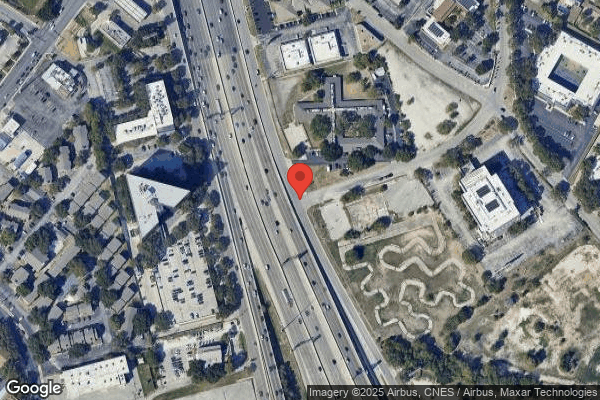
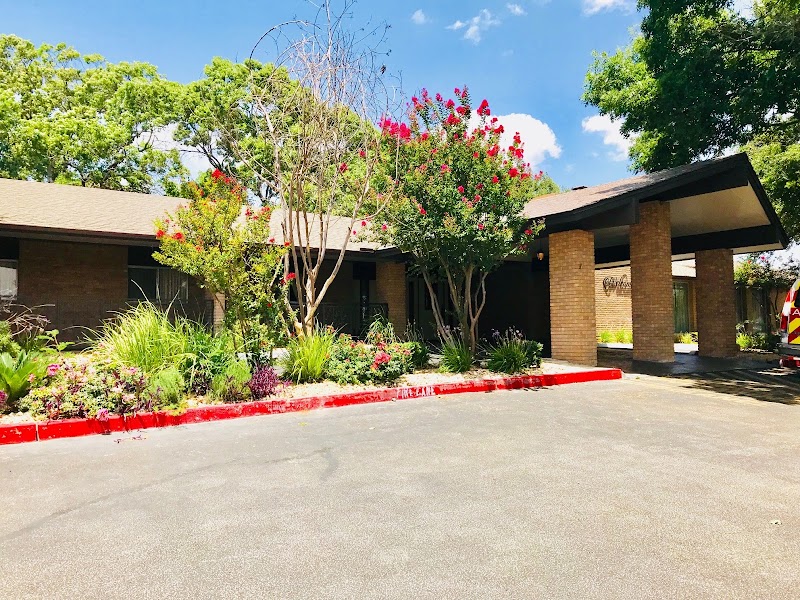
7703 BRIARIDGE DRIVE, SAN ANTONIO, TX 78230 (210) 341-6121
For profit - Limited Liability company 106 Beds Independent Data: November 2025 1 Immediate Jeopardy citation
Trust Grade
8/100
#1125 of 1168 in TX
Last Inspection: September 2025

Inspected within the last 6 months. Data reflects current conditions.

Overview

The Lev at San Antonio has received a Trust Grade of F, indicating poor quality and significant concerns about care. With a state rank of #1125 out of 1168 facilities in Texas and county rank of #59 out of 62 in Bexar County, it is among the lowest performers in the area. The facility is worsening, with the number of issues increasing from 10 in 2024 to 17 in 2025. Staffing is a concern, rated at 1 out of 5 stars with a turnover rate of 55%, which is average but still suggests instability among staff. The facility has amassed $173,823 in fines, indicating serious compliance problems that are higher than 91% of Texas facilities. Specific incidents include a failure to ensure timely medical appointments for residents, which led to critical health issues, and the improper storage of medication carts, raising the risk of medication misuse. While there are some average quality measures in place, the combination of low ratings and concerning incidents suggests that families should carefully consider their options when researching this nursing home.

Trust Score
F
8/100
In Texas
#1125/1168
Bottom 4%
Safety Record
High Risk
Review needed
Inspections
Getting Worse
10 → 17 violations
Staff Stability
⚠ Watch
55% turnover. Above average. Higher turnover means staff may not know residents' routines.
Penalties
✓ Good
$173,823 in fines. Lower than most Texas facilities. Relatively clean record.
Skilled Nurses
⚠ Watch
Each resident gets only 16 minutes of Registered Nurse (RN) attention daily — below average for Texas. Fewer RN minutes means fewer trained eyes watching for problems.
Violations
⚠ Watch
42 deficiencies on record. Higher than average. Multiple issues found across inspections.
★☆☆☆☆
1.0
Overall Rating
★☆☆☆☆
1.0
Staff Levels
★★★☆☆
3.0
Care Quality
★★☆☆☆
2.0
Inspection Score
Stable
2024: 10 issues
2025: 17 issues

The Good

  • Full Sprinkler Coverage · Fire safety systems throughout facility
  • No fines on record

Facility shows strength in fire safety.

The Bad

1-Star Overall Rating

Below Texas average (2.8)

Significant quality concerns identified by CMS

Staff Turnover: 55%

Near Texas avg (46%)

Frequent staff changes - ask about care continuity

Federal Fines: $173,823

Well above median ($33,413)

Significant penalties indicating serious issues

Staff turnover is elevated (55%)

7 points above Texas average of 48%

The Ugly 42 deficiencies on record

1 life-threatening
Sept 2025 14 deficiencies
CONCERN (D)

Potential for Harm - no one hurt, but risky conditions existed

Resident Rights (Tag F0550)

Could have caused harm · This affected 1 resident

**NOTE- TERMS IN BRACKETS HAVE BEEN EDITED TO PROTECT CONFIDENTIALITY** Based on observations, interviews, and record reviews, the facility failed to ensure each resident has a right to a dignified ex...

Read full inspector narrative →
**NOTE- TERMS IN BRACKETS HAVE BEEN EDITED TO PROTECT CONFIDENTIALITY** Based on observations, interviews, and record reviews, the facility failed to ensure each resident has a right to a dignified existence, self-determination, and communication with and access to persons and services inside and outside the facility and each resident was treated with respect and dignity and care for each resident in a manner and in an environment that promotes maintenance or enhancement of his or her quality of life, recognizing each resident's individuality, for 2 of 16 residents (Resident #77 and Resident #32) reviewed for a dignified existence. CNA D, who was bilingual and CNA E, who only spoke Spanish, provided incontinent care for Resident #77 while only speaking Spanish although Resident #77 could not understand Spanish and felt disrespected and demoralized.LVN B and LVN H failed to take action when Resident #32 reported a change in condition which resulted in Resident #32 questioning whether she mattered. These deficient practices could place residents at risk for feeling unworthy and for an undignified existence.The findings included: 1. A record review of Resident #77’s admission record dated [DATE] revealed an admission date of [DATE] with diagnoses which included complete quadriplegia (a severe spinal cord injury that results in the complete loss of motor and sensory function below the neck), major depressive disorder, and bipolar disorder (a mental health condition characterized by significant and persistent shifts in mood, energy, and behavior between periods of highs and extreme lows.) A record review of Resident #77’s quarterly MDS assessment dated [DATE] revealed Resident #77 was a [AGE] year-old female admitted for LTC and assessed with a BIMS score of 15 out of a possible 15 which indicated no cognitive impairment. A mood assessment revealed Resident #77 had experienced some episodes of feeling down, depressed, and hopeless and feelings of isolation and loneliness over the review period [DATE]. Further review revealed Resident #77 was assessed as requiring assistance with her needs for “Activities of Daily Living” (ADL), “dependent – helper does all of the effort. Resident does none of the effort to complete the activity.” A record review of Resident #77’s care plan dated [DATE] revealed, “(Resident #77) is dependent on staff for meeting emotional, intellectual, physical, and social needs related to quadriplegia. … all staff to converse with resident while providing care. … (Resident #77) has an ADL self-care performance deficit related to quadriplegia … the resident is totally dependent on one or two staff per personal hygiene all care.” During an observation and interview on [DATE] at 11:18 AM revealed Resident #77 in her room and in her bed. Resident #77 stated she was a quadriplegic and could not move herself other than use her head and speak. Resident #77 stated she was dependent on staff for all her needs and felt disrespected and ignored when staff would not communicate with her in English. Resident #77 stated she only spoke English and could not understand Spanish. Resident #77 stated many of the facility’s staff only spoke Spanish and the language barrier was a significant detriment to her ability to ask for help or to request specific needs. Resident #77 stated she could not communicate with staff regarding the quality of incontinent care and specified she felt the staff had not thoroughly cleaned her with incontinent care. Resident #77 stated when she would attempt to communicate her wishes Spanish Speaking staff would often assume, incorrectly, what she meant. Resident #77 stated she felt frustrated when the language barrier produced events where staff would stare at her with a grin while not comprehending her wants and needs. Resident #77 stated how frustrating and demoralizing the experience when all she could do is speak and no one could understand her; simple tasks such as enjoying a meal, a drink, being comfortable and clean became unpleasant experiences. During an observation and interview on [DATE] at 2:21 PM revealed Resident #77 in bed requesting incontinent care. CNA D and CNA E entered Resident #77 room and began organizing Resident #77’s room for incontinent care which included sanitization of the bedside table, preparing supplies, and providing privacy. CNA D greeted Resident #77 in English and CNA E greeted Resident #77 in Spanish. Observation of the incontinent care revealed CNA D and CNA E conversed with each other in Spanish and had not translated their conversation to Resident #77. Resident #77 throughout the care experience had addressed the CNAs regarding details of the care they were providing and CNA E responded to Resident #77 in Spanish. Resident #77 stated the experience was frustrating but not uncommon. During an interview on [DATE] at 2:40 PM with CNA D and CNA E, CNA E stated she could understand some English but could not speak English and CNA D stated she was bilingual and recognized CNA E could not understand details in English. CNAs D and E agreed they had provided care for Resident #77 and conversed with each other in Spanish and had not translated any of the conversation to Resident #77. During an interview on [DATE] at 3:20 PM LVN F stated she was the nurse for Resident #77 and supervised CNA D and E at times. LVN F stated Resident #77 only spoke English and was not aware if Resident #77 could understand Spanish. LVN F stated she believed CNA E could understand some English and expected CNAs to speak to residents in English. LVN F stated she was unaware CNA D and E provided care to Resident #77 while speaking Spanish and not translating the communication with Resident #77. During an interview on [DATE] at 5:10 PM the DON stated the expectation was for staff to provided dignified care to residents while communicating in a language the residents could understand and for staff to understand residents wants and needs which were expressed in English. The DON stated a language barrier could contribute to Residents’ frustration and demoralization. During an interview on [DATE] at 6:00 PM the Administrator stated she concurred with the DON and would address the language barrier between the staff and residents and would bring the problem to the QAPI committee. A record review of the facility’s undated policy titled, “Resident Rights” revealed, “when residents' knowledge of English or the predominant language of the facility is inadequate for comprehension, a means to communicate the information concerning rights and responsibilities in a language familiar to the resident will be made available and implemented ….” 2. Review of Resident #32's face sheet, dated [DATE], revealed she was admitted to the facility on [DATE] with diagnoses including Cardiomyopathy, unspecified (a disease of the heart muscle. It causes the heart to have a harder time pumping blood to the rest of the body, which can lead to symptoms of heart failure) and Type 2 Diabetes Mellitus (condition that occurs when the body develops insulin resistance and no longer responds effectively to insulin) with diabetic polyneuropathy (occurs when there is damage to multiple nerves in the peripheral nervous system in different parts of the body at the same time. Peripheral nerves are the nerves outside the brain and spinal cord). Review of Resident #32's quarterly MDS assessment, dated [DATE], revealed her BIMS score was 10 of 15 reflective of moderate cognitive impairment, she had history of Diabetes Mellitus and Cardiomyopathy. Review of Resident #32's Care Plan, revised [DATE], revealed she had Diabetes Mellitus, interventions included Diabetes medication as ordered by doctor. Monitor/document for side effects andeffectiveness. Further review revealed Resident #32 was at risk for acute pain and has chronic pain r/t Diabetic Polyneuropathy and interventions included Monitor/record/report to Nurse resident complaints of pain or requests for pain treatment. Notify physician if interventions are unsuccessful or if current complaint is a significant change from residents past experience of pain. Review of Resident #32's progress notes from [DATE] to [DATE] revealed there were no nurse's progress noted entered related to Resident #32 reporting numbness to her left arm, left leg and having chest pain Interview on [DATE] at 1:05 PM with Resident #32 revealed her left arm and left leg felt completely numb a couple of times in the last couple of weeks. She stated she also felt a sharp pain on her chest (she put her left hand over her heart). She stated she reported her symptoms to a day nurse and a night nurse. Resident #32 stated she did not remember their names. She stated one night she rubbed and massaged her arm until it felt better. She stated she had not heard anything back from the nursing staff. Resident #32 stated a female doctor came by but only ordered labs. Resident #32 commented, I know I'm old and I'm going to die maybe that's why the nurse's haven't done anything. I don't know what's going on. Resident #32 stated she felt sad because she was worried about her health. Interview on [DATE] at 4:37 PM with the DON revealed that nursing staff had not reported Resident #32's change of condition, her reported concerns regarding her having numbness to her left arm, left leg or having chest pain. She stated she imagined Resident #32 felt like she was not important and did not feel good about the fact that nursing staff had not taken any action. The DON stated It was important that nursing staff completed a change of condition form, document a progress note, assess the resident, report it to the MD/NP and follow any new orders so the resident received the care and services as needed. The DON stated failure to do so could jeopardize the resident's health and in Resident #32's case she expected nursing staff to send her out via 911. The DON stated Resident #32 could have had a heart attack and died. The DON stated nursing staff should also report any changes to her and or the ADON, so everyone was aware of the changes and there was a continuity of care for Resident #32. Review of the facility’s undated policy titled, “Resident Rights”, undated, revealed in relevant part Respect and dignity. The resident has a right to be treated with respect and dignity.
CONCERN (D)

Potential for Harm - no one hurt, but risky conditions existed

Deficiency F0561 (Tag F0561)

Could have caused harm · This affected 1 resident

**NOTE- TERMS IN BRACKETS HAVE BEEN EDITED TO PROTECT CONFIDENTIALITY** Based on observation, interview, and record review, the facility failed to ensure residents had the right to make choices about ...

Read full inspector narrative →
**NOTE- TERMS IN BRACKETS HAVE BEEN EDITED TO PROTECT CONFIDENTIALITY** Based on observation, interview, and record review, the facility failed to ensure residents had the right to make choices about aspects of his or her life in the facility for 1 of 8 (Resident #4) reviewed for resident rights. Resident #4 was not informed of the care being provided to her regarding a cut on her face received during a surgical procedure. These failures could place residents at risk of not having choices regarding treatment.Record review of Resident #4's admission Record, dated 09/12/2025, reflected that Resident #4 was initially admitted on [DATE] with diagnoses of schizoaffective disorder (a mental health condition including schizophrenia and mood disorder symptoms), bipolar disorder (disorder associated with episodes of mood swings ranging from depressive lows to manic highs), and Parkinson's disease (disorder of the central nervous system that affects movement, often including tremors). Record review of Resident #4's Diagnosis Report, dated 09/12/2025, reflected that Resident #4 was diagnosed with schizoaffective disorder, depressive type on 04/03/2025, and bipolar disorder on 12/03/2024. Record review of Resident #4's Quarterly MDS Assessment, dated 06/17/2025, reflected that Resident #4 had a BIMS score of 14, indicating intact cognition. Further review reflected that Resident #4 had diagnoses of anxiety disorder, depression, bipolar disorder, and schizophrenia. Record review of Resident #4's Comprehensive Person-Centered Care Plan, dated 09/09/2025, reflected, [Resident #4] uses psychotropic medications r/t schizoaffective disorder depressed type initiated on 05/29/2025, and [Resident #4] has a mood problem r/t mood disorder due to known physiological condition with depressive features, bipolar disorder, anxiety disorder initiated on 02/26/2025. Record review of Resident #4's Skin Assessment, dated 09/07/2025, reflected that the Wound Care Nurse had assessed Resident #4 with a cut on the right side of her cheek with no new orders. Interview on 09/08/2025 at 10:25 AM, Resident #4 stated that somehow, she got a cut on her cheek, about an inch, next to her nose, during a surgery the week prior. Resident #4 stated that a nurse looked at it but has not told her the plan of care. Resident #4 stated that she preferred to have some sort of ointment for the cut since it is on such a prominent area of her face. Resident #4 stated she told the nurse she was concerned about the cut scarring. Interview on 09/10/2025 at 9:35 AM, the Wound Care Nurse stated that she did a skin assessment for Resident #4 at which time, Resident #4 had voiced concern for the cut on her face. The Wound Care Nurse stated she had told Resident #4's physician of the cut on her face and that there were no new orders. The Wound Care Nurse stated she had not talked to Resident #4 about no new orders for the laceration on her face. Interview on 09/11/2025 at 4:37 PM, the DON stated her expectation is to complete a risk management injury of unknown origin form, which would prompt staff to follow-up with notifying the physician/NP, RP, and to detail the treatments and/or monitoring. The DON stated she was told by the Wound Care Nurse that she was not informed of Resident #4's laceration to her face because it's a scab. The DON stated that scarring could be a negative outcome of not informing residents of treatment options when lacerations occur. Record review of facility policy, undated, titled, Resident Rights reflected, The resident has the right to be informed of, and participate in, his or her treatment, including: .d. The right to be informed by the physician or other practitioner or professional, of the risks and benefits of proposed care, of treatment and treatment alternatives or treatment options and to choose the laternative or option he or she prefers.
CONCERN (D)

Potential for Harm - no one hurt, but risky conditions existed

Grievances (Tag F0585)

Could have caused harm · This affected 1 resident

**NOTE- TERMS IN BRACKETS HAVE BEEN EDITED TO PROTECT CONFIDENTIALITY** Based on observations, interviews, and record reviews the facility failed to ensure residents had the right to voice grievances ...

Read full inspector narrative →
**NOTE- TERMS IN BRACKETS HAVE BEEN EDITED TO PROTECT CONFIDENTIALITY** Based on observations, interviews, and record reviews the facility failed to ensure residents had the right to voice grievances to the facility or other agency or entity that hears grievances without discrimination or reprisal and without fear of discrimination or reprisal. Such grievances include those with respect to care and treatment which had been furnished as well as that which had not been furnished, the behavior of staff and of other residents, and other concerns regarding their LTC facility stay, for 1 of 8 residents (Resident #77) reviewed for making a grievance. Resident #77 made a grievance to CNA D that she no longer wished for CNA E to provide care for her and CNA D did not initiate a grievance report nor did she report Resident #77's grievance to anyone. This failure could place residents at risk for not having their grievances heard and or resolved. The findings included: A record review of Resident #77's admission record dated 9/10/2025 revealed an admission date of 1/9/2023 with diagnoses which included complete quadriplegia (a severe spinal cord injury that results in the complete loss of motor and sensory function below the neck), major depressive disorder, and bipolar disorder (a mental health condition characterized by significant and persistent shifts in mood, energy, and behavior between periods of highs and extreme lows.) A record review of Resident #77's quarterly MDS assessment dated [DATE] revealed Resident #77 was a [AGE] year-old female admitted for LTC and assessed with a BIMS score of 15 out of a possible 15 which indicated no cognitive impairment. A mood assessment revealed Resident #77 had experienced some episodes of feeling down, depressed, and hopeless and feelings of isolation and loneliness over the review period August 2025. Further review revealed Resident #77 was assessed as requiring assistance with her needs for Activities of Daily Living (ADL), dependent - helper does all of the effort. Resident does none of the effort to complete the activity. A record review of Resident #77's care plan dated 9/10/2025 revealed, (Resident #77) is dependent on staff for meeting emotional, intellectual, physical, and social needs related to quadriplegia. all staff to converse with resident while providing care. (Resident #77) has an ADL self-care performance deficit related to quadriplegia . the resident is totally dependent on one or two staff per personal hygiene all care. During an observation and interview on 9/07/2025 at 11:18 AM Resident #77 revealed Resident #77 in her room and in her bed. Resident #77 stated she was a quadriplegic and could not move herself other than use her head and speak. Resident #77 stated she was dependent on staff for all her needs and felt disrespected and ignored when staff would not communicate with her in English. Resident #77 stated she only spoke English and could not understand Spanish. Resident #77 stated many of the facility's staff only spoke Spanish and the language barrier was a significant detriment to her ability to ask for help or to request specific needs. Resident #77 stated she could not communicate with staff regarding the quality of incontinent care and specified she felt the staff had not thoroughly cleaned her with incontinent care. Resident #77 stated when she would attempt to communicate her wishes Spanish Speaking staff would often assume, incorrectly, what she meant. Resident #77 stated she felt frustrated when the language barrier produced events where staff would stare at her with a grin while not comprehending her wants and needs. Resident #77 stated how frustrating and demoralizing the experience when all she could do is speak and no one could understand her; simple tasks such as enjoying a meal, a drink, being comfortable and clean became unpleasant experiences. Resident #77 stated she had reported this grievance to staff which included CNA D and included her wish to not have CNA E provide care for her anymore. During an interview on 9/8/2025 at 2:40 PM with CNA D stated she had received a grievance from Resident #77 in the afternoon of 9/7/2025 which included she no longer wished for CNA E to provide care for her due to CNA E's inability to speak and or understand English. CNA D stated she had not initiated a grievance report and had not reported the grievance to anyone. During an interview on 9/11/2025 at 3:20 PM LVN F stated she was the nurse for Resident #77 and supervised CNA D. LVN F stated Resident #77 only spoke English and was not aware if Resident #77 could understand Spanish. LVN F stated she believed CNA E could understand some English and expected CNAs to speak to residents in English. LVN F stated she was unaware CNA D had received a grievance from Resident #77 and would expect for staff to report grievances and to initiate a grievance report. During an interview on 9/11/2025 at 5:10 PM the DON stated the expectation was for staff to assist residents to initiate grievance reports whenever the staff receive a grievance. The DON stated CNA D had reported she had not initiated Resident #77 grievance on 9/7/2025 and on 9/8/2025 CNA D assisted Resident #77 to document a grievance report. The DON stated the grievance was reported to the Administrator and was in the review process for adequate resolution. The DON stated the potential negative outcome could be residents would not have their grievances heard and or resolved. During an interview on 9/11/2025 at 6:00 PM the Administrator stated she concurred with the DON and would address the grievance process with an in-service for the staff. A record review of the facility's undated policy titled, Resident and Family Grievances revealed, it is the policy of this facility to support each resident and family members right to voice grievances without discrimination, reprisal, or fear of discrimination or reprisal . a resident or family member may voice grievances with respect to care and treatment which has been furnished as well as that which has not been furnished, the behavior of staff and other residents, and other concerns regarding their long term care facility stay. The staff member receiving the grievance will record the nature and specifics of the grievance on the designated grievance form or assist the resident or family member to complete the form . forward the grievance form to the grievance official as soon as practicable.
CONCERN (D)

Potential for Harm - no one hurt, but risky conditions existed

PASARR Coordination (Tag F0644)

Could have caused harm · This affected 1 resident

**NOTE- TERMS IN BRACKETS HAVE BEEN EDITED TO PROTECT CONFIDENTIALITY** Based on interview and record review, the facility failed to coordinate assessments with the pre-admission screening and residen...

Read full inspector narrative →
**NOTE- TERMS IN BRACKETS HAVE BEEN EDITED TO PROTECT CONFIDENTIALITY** Based on interview and record review, the facility failed to coordinate assessments with the pre-admission screening and resident review (PASARR) program for residents with newly evident or possible serious mental disorder for 1 of 8 Residents (Resident #6) whose records were reviewed related to PASARR screenings. The facility failed to refer Resident #6 for Level I screening after being diagnosed with a mental disorder. This failure could place residents with new mental diagnoses at risk for not receiving services as identified by PASARR. The findings included:Record review of Resident #6's admission Record, dated 09/11/2025, reflected that Resident #6 was initially admitted on [DATE] with diagnoses of Bipolar II Disorder (disorder associated with episodes of mood swings ranging from depressive lows to manic highs), end stage renal disease (condition in which the kidneys lose the ability to remove waste and balance fluids), and type 2 diabetes mellitus. Record review of Resident #6's Diagnosis Report, dated 09/11/2025, reflected that Resident #6 was diagnosed with Bipolar II Disorder on 04/10/2025. Record review of Resident #6's Quarterly MDS Assessment, dated 06/11/2025, reflected that Resident #6 had a BIMS score of 9, indicating moderate cognitive impairment. Further review reflected Resident #6 had a diagnosis of bipolar disorder. Record review of Resident #6's Comprehensive Person-Centered Care Plan, dated 09/10/2025, reflected, [Resident #6] has a mood problem r/t Bipolar disorder initiated on 04/23/2025. Record review of Resident #6's Electronic Health Record reflected that Resident #6 had not had a PASARR since his admission PASARR. PASARR dated 3/31/2025did not reflect resident had a diagnosis of bipolar disorder and depression. Interview on 09/10/2025 at 10:04 AM, the Social Worker stated that she had recently become the person who oversaw PASARR at the facility. The Social Worker stated she was uncertain if a new PASARR should be done if a new diagnosis is added if they have already had a PASARR assessment that has resulted in a negative initial PASARR screening. Interview on 09/11/2025 at 4:37 PM, the DON stated her expectation was for PASARR screenings to be completed if they receive a new diagnosis. The DON stated that all notes from behavioral health are reviewed by MDS for new diagnoses and staff would be informed by MDS about these new diagnoses. The DON stated that there is the risk for residents to not receive appropriate benefits if they do not get a new PASARR screening after receiving a new diagnosis. Record review of facility policy titled, Resident Assessment - Coordination with PASARR Program, undated, reflected, Any resident who exhibits a newly evident or possible serious mental disorder, intellectual disability, or a related condition will be referred promptly to the state mental health or intellectual disability authority for a level II resident review.
CONCERN (D)

Potential for Harm - no one hurt, but risky conditions existed

Deficiency F0657 (Tag F0657)

Could have caused harm · This affected 1 resident

**NOTE- TERMS IN BRACKETS HAVE BEEN EDITED TO PROTECT CONFIDENTIALITY** Based on interview and record review the facility failed to ensure the comprehensive care plan was reviewed and revised by the i...

Read full inspector narrative →
**NOTE- TERMS IN BRACKETS HAVE BEEN EDITED TO PROTECT CONFIDENTIALITY** Based on interview and record review the facility failed to ensure the comprehensive care plan was reviewed and revised by the interdisciplinary team after each assessment including both the comprehensive and quarterly review assessments to reflect the current condition for 1 of 6 residents (Resident #25) reviewed for care plan revisions. The facility failed to ensure Resident #25's care plan was comprehensive and reflected uncontrollable nausea and vomiting during the resident's menstrual cycles. This deficient practice could place residents at risk of not receiving appropriate interventions to meet their current needs. The findings included:Record review of Resident #25's face sheet, dated 09/11/2025, reflected that Resident #25 was a [AGE] year-old female resident with an initial admission of 10/08/2021 with diagnoses of hypoglycemia (condition in which the body's blood sugar level goes below the standard range), bipolar disorder, and type 2 diabetes mellitus. Record review of Resident #25's Quarterly MDS Assessment, dated 06/09/2025, reflected that Resident #25 had a BIMS score of 11, indicating moderate cognitive impairment. Record review of Resident #25's Comprehensive Person-Centered Care Plan, dated 09/08/2025, did not reflect any information related to Resident #25's menstrual cycle. Interview on 09/08/2025 at 2:05 PM, LVN B stated that Resident #25 has uncontrollable nausea and vomiting while she was on her menstrual cycle most months. Interview on 09/09/2025 at 9:37 AM, NP C stated that Resident #25 had frequent uncontrollable nausea and vomiting while she was on her menstrual cycle most months, and that there is a standing order for Zofran because of it. Interview on 09/11/2025 at 4:37 PM, the DON stated that Resident #25's uncontrollable nausea and vomiting during her menstrual cycle should be on a care plan. The DON stated that if it is not in the care plan the resident has the risk of other staff not being aware of that symptom and could lead to misdiagnosis. A policy on updating care plans was requested on 09/11/2025 at 4:45 PM and was not provided to the survey team prior to exit.
CONCERN (D)

Potential for Harm - no one hurt, but risky conditions existed

Quality of Care (Tag F0684)

Could have caused harm · This affected 1 resident

**NOTE- TERMS IN BRACKETS HAVE BEEN EDITED TO PROTECT CONFIDENTIALITY** Based on observation, interview, and record review, the facility failed to ensure that residents received treatment and care in ...

Read full inspector narrative →
**NOTE- TERMS IN BRACKETS HAVE BEEN EDITED TO PROTECT CONFIDENTIALITY** Based on observation, interview, and record review, the facility failed to ensure that residents received treatment and care in accordance with professional standards of practice and the residents choices for 2 of 13 residents (Resident #4 and Resident #32) reviewed for quality of care. 1.Resident #4 did not receive wound care to a laceration on her face after voicing concerns over lack of wound care and potential scarring. 2.LVN B and LVN H failed to act upon Resident #32's change of condition when she reported her left arm and left leg were going numb and having chest pain. These failures could place residents at risk for not receiving appropriate care and treatment and/or a decline in their health. The findings included:2. Review of Resident #32's face sheet, dated [DATE], revealed she was admitted to the facility on [DATE] with diagnoses including Cardiomyopathy, unspecified (a disease of the heart muscle. It causes the heart to have a harder time pumping blood to the rest of the body, which can lead to symptoms of heart failure) and Type 2 Diabetes Mellitus (condition that occurs when the body develops insulin resistance and no longer responds effectively to insulin) with diabetic polyneuropathy (occurs when there is damage to multiple nerves in the peripheral nervous system in different parts of the body at the same time. Peripheral nerves are the nerves outside the brain and spinal cord). Review of Resident #32's quarterly MDS assessment, dated [DATE], revealed her BIMS score was 10 of 15 reflective of moderate cognitive impairment, she had history of Diabetes Mellitus and Cardiomyopathy. Review of Resident #32's Care Plan, revised [DATE], revealed she had Diabetes Mellitus, interventions included Diabetes medication as ordered by doctor. Monitor/document for side effects andeffectiveness. Further review revealed Resident #32 was at risk for acute pain and has chronic pain r/t Diabetic Polyneuropathy and interventions included Monitor/record/report to Nurse resident complaints of pain or requests for pain treatment. Notify physician if interventions are unsuccessful or if current complaint is a significant change from residents past experience of pain. Review of Resident #32's progress notes from [DATE] to [DATE] revealed there were no nurse's progress noted entered related to Resident #32 reporting numbness to her left arm, left leg and having chest pain Interview on [DATE] at 1:05 PM with Resident #32 revealed her left arm and left leg felt completely numb a couple of times in the last couple of weeks. She stated she also felt a sharp pain on her chest (she put her left hand over her heart). She stated she reported her symptoms to a day nurse and a night nurse. Resident #32 stated she did not remember their names. She stated one night she rubbed and massaged her arm until it felt better. She stated she had not heard anything back from the nursing staff. Resident #32 stated a female doctor came by but only ordered labs. Resident #32 commented, I know I'm old and I'm going to die maybe that's why the nurse's haven't done anything. I don't know what's going on. Resident #32 stated she felt sad because she was worried about her health. Interview on [DATE] at 1:51 PM with LVN H revealed she verbalized her understanding of identifying a resident's change of condition and the facility protocol. She stated a change of condition was a resident experiencing anything out of the ordinary like someone throwing up twice a shift; something that had not happened before. She stated, I would notify the MD, RP, assess the resident and complete a change of condition evaluation in the resident's record. LVN H stated an assessment included taking the resident's vitals. She stated she would report them to the MD. LVN H stated about two weeks ago Resident #32 reported her arm was going numb. She stated Resident #32 told her she met with NP C and NP C ordered labs. LVN H stated she called NP C, confirmed the labs with NP C and she entered the new order for the labs into Resident #32's record. LVN H stated she did not pass the information to the oncoming nurse because she believed NP C had addressed Resident #32's concerns but stated she did not discuss Resident #32's reported concern with NP C. She stated Resident #32 also mentioned she told another nurse so again she believed the Resident's concern had been addressed. LVN H stated she did not look in Resident #32's progress notes to ensure her reported concerns had been addressed. She stated when she assessed Resident #32, she did not see anything out of the ordinary and if she wrote a progress note it would be in Resident #32's electronic record. LVN H stated she did not complete a change of condition, did not write a note in the 24-hour report and did not call the RP. LVN H stated depending on the situation she could let the DON know about it and stated she did not report Resident #32's reported concerns it to the DON. LVN H then stated NP C said Resident #32 told her about the numbing of the arm and that's why she ordered labs. LVN H stated NP C ordered a CBC (Complete Blood Count), CMP (Comprehensive Metabolic Panel) and Magnesium test (the signs of low or high magnesium levels). She stated she did not know the results. Interview on [DATE] at 3:09 PM with NP C revealed she met with Resident #32 on [DATE] during rounds. She stated she met with Resident #32 every time while at the facility because Resident #32 always had something to complain about. She stated Resident #32 did not report numbness to her left arm, left leg and or having chest pains to her. NP C stated nursing staff called her about the labs she ordered for Resident #32 but did not call her to report numbness to Resident #32's left arm, left leg or that she was having chest pains. NP C stated sometimes Resident #32 was not consistent when sharing her concerns but if Resident #32 was experiencing reported symptoms nursing staff should have called her to report Resident's signs and symptoms. NPC stated she would have ordered an EKG ((electrocardiogram) is a quick, non-invasive test that records the electrical activity of your heart to help diagnose various heart conditions) or at the very least would provide nursing staff with an order to administer nitroglycerin (Nitroglycerin is a medication used to treat or prevent chest pain (angina). NP C stated Resident #32 could have had a heart attack or worse, especially if she had a diagnosis of Cardiomyopathy. Interview on [DATE] at 4:03 PM with LVN B revealed she normally worked 2:00 PM to 10:00 PM; the second shift. She stated Resident #32 was able to communicate her needs with staff. LVN B stated she did not remember NP C's last visit, but stated she worked, Saturday, [DATE]. Then, LVN B stated she remembered NP C being at the facility during the early morning hours but did not provide any new orders. LVN B stated, to her, Resident #32 did not look like she was experiencing any changes on [DATE]. She stated Resident #32 mentioned a couple of weeks ago about having numbness to her left arm. She stated she administered 4 units of insulin that same night and Resident #32 complained of pain. She stated she called NP C and NP C scaled the sliding scale insulin back to level 1 on the sliding scale. LVN B stated she thought Resident #32's numbness was related to the pain. She stated Resident #32 said she told another nurse about having numbness, but nursing staff had not said anything to her during report. LVN B stated Resident #32's reported numbness to her left arm was considered to be a change of condition because Resident #32 had never reported numbness before. LVN B stated for a change of condition, she should report it to NP C, write a progress note and report it to the ADON/DON. She stated she would also notify the family. LVN B stated the first thing she would do was assess Resident #32, take vital signs before reporting the findings to NP C and would follow any new orders. LVN B stated she assessed Resident #32 who told her she barely had any feeling to her left arm. LVN B stated she took Resident #32's vitals which were within normal limits but stated she did not document the vitals. LVN B stated it slipped my mind, but again stated, but I completed a full assessment, and her vitals were within normal limits. LVN B stated she should also pass on the information in report so staff would be aware of Resident #32's change of condition and were up to date about Resident #32's concerns. LVN B stated she did not pass the information during report to the on-coming nurse. She stated because she did not tell the on-coming nurse, there was a lag in communication and it was possible there would not be any follow up related to Resident #32's change of condition. LVN B stated Resident #32 could have gotten worse. She stated she woke Resident #32 up once during the night after reporting numbness and Resident #32 said she was feeling better. LVN B stated Resident #32 did not report having chest pain. Interview on [DATE] at 4:37 PM with the DON revealed nursing staff had not reported Resident #32 having numbness to her left arm. She stated she was also not aware that Resident #32 reported numbness to her left leg and had chest pain. The DON stated It was important that nursing staff completed a change of condition form, document a progress note, assess the resident, report it to the MD/NP and follow any new orders so the resident received the care and services as needed. The DON stated failure to do so could jeopardize the resident's health and in Resident #32's case she expected nursing staff to send her out via 911. The DON stated Resident #32 could have had a heart attack and died. The DON stated nursing staff should also report any changes to her and or the ADON, so everyone was aware of the changes and there was a continuity of care for Resident #32. Review of facility policy, Notification of Changes, undated, read in relevant part: Policy: The purpose of this policy is to ensure the facility promptly informs the resident, consults the resident's physician; and notifies, consistent with his or her authority, the resident's representative when there is a change requiring notification. Compliance Guidelines: The facility must inform the resident, consult with the resident's physician and /or notify the resident's family member or legal representative when there is a change requiring such notification. Circumstances requiring notification include: 2. Significant change in the resident's physical, mental or psychosocial condition such as deterioration in health, mental or psychosocial status. This may include: a. Life-threatening conditions, or b. Clinical complications. Record review of Resident #4’s admission Record, dated [DATE], reflected that Resident #4 was initially admitted on [DATE] with diagnoses of schizoaffective disorder (a mental health condition including schizophrenia and mood disorder symptoms), bipolar disorder (disorder associated with episodes of mood swings ranging from depressive lows to manic highs), and Parkinson’s disease (disorder of the central nervous system that affects movement, often including tremors). Record review of Resident #4’s Diagnosis Report, dated [DATE], reflected that Resident #4 was diagnosed with schizoaffective disorder, depressive type on [DATE], and bipolar disorder on [DATE]. Record review of Resident #4’s Quarterly MDS Assessment, dated [DATE], reflected that Resident #4 had a BIMS score of 14, indicating intact cognition. Further review reflected that Resident #4 had diagnoses of anxiety disorder, depression, bipolar disorder, and schizophrenia. Record review of Resident #4’s Comprehensive Person-Centered Care Plan, dated [DATE], reflected, “[Resident #4] uses psychotropic medications r/t schizoaffective disorder depressed type” initiated on [DATE], and “[Resident #4] has a mood problem r/t mood disorder due to known physiological condition with depressive features, bipolar disorder, anxiety disorder” initiated on [DATE]. Record review of Resident #4’s Skin Assessment, dated [DATE], reflected that the Wound Care Nurse had assessed Resident #4 with a cut on the right side of her cheek with no new orders. Interview on [DATE] at 10:25 AM, Resident #4 stated that somehow, she got a cut on her cheek, about an inch, next to her nose, during a surgery the week prior. Resident #4 stated that a nurse looked at it but has not told her the plan of care. Resident #4 stated that she preferred to have some sort of ointment for the cut since it is on such a prominent area of her face. Resident #4 stated she told the nurse she was concerned about the cut scarring. Interview on [DATE] at 9:35 AM, the Wound Care Nurse stated that she did a skin assessment for Resident #4 after coming back from surgery on [DATE]. The Wound Care Nurse stated she had while she had told Resident #4’s physician of the laceration on her face, it was not documented anywhere and that there were no new orders. The Wound Care Nurse stated she had not talked to Resident #4 about not receiving new orders for the laceration on her face, but that the Wound Care Nurse remembered Resident #4 being concerned that the laceration would scar. Interview on [DATE] at 4:37 PM, the DON stated her expectation is to complete a risk management injury of unknown origin form, which would prompt staff to follow-up with notifying the physician or NP, RP, and to detail the treatments and/or monitoring. The DON stated she was told by the Wound Care Nurse that she was not informed of Resident #4’s laceration to her face because “it’s a scab”. The DON stated that scarring could be a negative outcome of not informing residents of treatment options when lacerations occur. The DON stated that her expectation for injuries, particularly if a resident is concerned for scarring, is to listen to their concerns and implement any suggestions for care if appropriate, such as an ointment for the facial laceration. Interview on [DATE] at 7:20 PM, NP C stated that she had seen Resident #4 on [DATE] and had ordered wound care on the laceration on Resident #4's face. NP C stated she was not aware why the Wound Care Nurse had not implemented these orders. No records were found in Resident #4's Electronic Health Record to support any wound care orders prior to [DATE] after surveyor intervention.
CONCERN (D)

Potential for Harm - no one hurt, but risky conditions existed

Pharmacy Services (Tag F0755)

Could have caused harm · This affected 1 resident

**NOTE- TERMS IN BRACKETS HAVE BEEN EDITED TO PROTECT CONFIDENTIALITY** Based on observations, interviews, and record reviews the facility failed to provide pharmaceutical services (including procedur...

Read full inspector narrative →
**NOTE- TERMS IN BRACKETS HAVE BEEN EDITED TO PROTECT CONFIDENTIALITY** Based on observations, interviews, and record reviews the facility failed to provide pharmaceutical services (including procedures that assure the accurate acquiring, receiving, dispensing, and administering of all drugs and biologicals) to meet the needs of each Resident for 1 of 8 residents (Resident # 47) reviewed for pharmacy services. LVN H did not document an SBAR to Resident #47's physician in which Resident #47 had dislodged her intravenous access and had not received her 1 dose of the prescribed antibiotic. LVN H administered Resident #47's physician ordered antibiotic without documenting the physician's order. This failure could place residents at risk for harm due to not receiving pharmacy services as ordered. The findings included: A record review of Resident #47's admission record dated 9/10/2025 revealed an admission date of 1/4/2022 with diagnoses which included schizophrenia (a chronic mental health condition characterized by a persistent disruption in thoughts, perceptions, and behaviors), dementia (a general term for a group of conditions that cause a gradual decline in cognitive abilities, such as memory, thinking, reasoning, and language), and heart failure. A record review of Resident #47's quarterly MDS assessment dated [DATE] revealed Resident #47 was a [AGE] year-old female admitted for LTC and assessed with a BIMS score of 06 out of a possible 15 which indicated severe cognitive impairment. A record review of Resident #47's care plan dated 9/10/2025 revealed, (Resident #47) is at risk for adverse reactions related to polypharmacy . if resident has more than one prescribing medical doctor ensure that each physician has the full list of meds available including over the counter and as needed medications while ordering. A record review of Resident #47's physicians orders dated 9/8/2025 revealed the Physician prescribed for Resident #47 to receive ceftriaxone (a powerful, broad-spectrum antibiotic that works by killing bacteria) 2 grams once a day intravenously at midnight for 5 days for pneumonia starting on 9/9/2025. A record review of Resident #47's nursing progress notes dated 9/9/2025 at 1:52 AM revealed LVN I documented, Patient pulled out IV tubing. pending (intravenous access contractor) to replace iv. A record review of Resident #47's Nursing Progress notes dated 9/9/2025 at 7:57 AM revealed LVN H documented, IV Ceftriaxone 2mg/100ml started and running well. IV placed to right forearm- posterior. A record review of Resident #47's physicians orders and medication administration record for September 2025 revealed no order for a 1-time administration of ceftriaxone 2 grams intravenously at 7:57 AM on 9/10/2025. During an interview on 9/9/2025 at 7:41 PM LVN I stated Resident #47 was diagnosed with pneumonia and was prescribed Ceftriaxone intravenously daily at midnight with the first dose scheduled for 9/9/2025 at midnight. LVN I stated she was the nurse on duty at that time but had not given the medication because Resident #47 had pulled out her IV access earlier in the day and could not administer the medication. LVN I stated she worked 9/8/2025 from 2:00 PM to 9/9/2025 at 6:00 AM. LVN I stated she organized the intravenous contractor to arrive early 9/9/2025 to re-establish the intravenous access for Resident #47. LVN I stated she gave report to LVN H at 6:00 AM 9/9/2025. During an interview on 9/10/2025 at 1:39 PM LVN H stated she had received report from LVN I on 9/9/2025 at 6:00 AM which included Resident #47 had removed her IV access and had not received her first dose of her antibiotic. LVN H stated the intravenous access contractor had arrived shortly after 6:00 AM on 9/9/2025 and re-established her intravenous access. LVN H stated she had SBAR'ed (a report of situation, background, and recommendation) the physician and received a 1-time order to administer Resident #47 antibiotic now and continue with the scheduled antibiotic daily at midnight. LVN H stated she had not documented the report to the physician and had not entered the order into the physician's order summary nor the medication administration record. LVN H stated she administered the antibiotic on 9/9/2025 at 7:57AM and had not documented the administration on Resident #47's medication administration record. During an interview on 9/11/2025 at 4:30 PM the DON stated the expectation for nurses who reported a change of condition to a physician was for the nurse to accurately and timely document the report to include any new orders. The DON stated the documentation could be but not limited to the physicians' orders, the medication administration record, and the progress notes. The DON stated she received a report that LVN H had not documented the physicians new order for a 1-time medication administration of Resident #47's antibiotic nor had LVN H documented the change of condition SBAR for Resident #47's loss of intravenous access and missed first dose of her antibiotic. The DON stated LVN H also had not documented Resident #47's antibiotic administration on 9/9/2025 at 7:57 AM in Resident #47's medication administration record. The DON stated the potential negative outcome could be lack of documentation for Resident #47's medication administration. During an interview on 9/11/2025 at 5:00 PM the administrator stated she agreed with the DON's findings regarding LVN H and Resident #47's intravenous antibiotic administration. A record review of the facility's undated policy titled Medication Administration revealed, medications are administered by licensed nurses, or other staff who are legally authorized to do so in this state, as ordered by the physician and in accordance with professional standards of practice, any manner to prevent contamination or infection. policy explanation and compliance guidelines; . review MAR to identify medication to be administered.
CONCERN (D)

Potential for Harm - no one hurt, but risky conditions existed

Unnecessary Medications (Tag F0759)

Could have caused harm · This affected 1 resident

**NOTE- TERMS IN BRACKETS HAVE BEEN EDITED TO PROTECT CONFIDENTIALITY** Based on observations, interviews, and record reviews, the facility failed to ensure a medication error rate below 5%, for 28 me...

Read full inspector narrative →
**NOTE- TERMS IN BRACKETS HAVE BEEN EDITED TO PROTECT CONFIDENTIALITY** Based on observations, interviews, and record reviews, the facility failed to ensure a medication error rate below 5%, for 28 medication administration opportunities with 2 errors resulting in a 7.14% medication error rate, for 1 of 8 residents (Resident #57) reviewed for medication administration errors. Medication Aide J administered to Resident #57 his prescribed:Metoclopramide (a prescription medication used to treat and prevent nausea and vomiting, and to manage certain gastrointestinal issues.)Gabapentin (a prescription medication used to treat nerve pain and epilepsy.)Late by 51 minutes. These failures could place residents at risk for not receiving the therapeutic effects of their medications. The findings included: A record review of Resident #57's admission record dated 9/10/2025 revealed an admission date of 6/26/2025 with diagnoses which included diabetes mellitus with diabetic neuropathy (nerve damage related to high blood sugar levels) and gastro-esophageal reflux (a condition where stomach contents flow back up into the esophagus, causing irritation and inflammation.) A record review of Resident #57'a quarterly MDS assessment dated [DATE] revealed Resident #57 was a [AGE] year-old male admitted for LTC and assessed with a BIMS score of 12 out of a possible 15 which indicated intact cognition. A record review of Resident #57's care plan dated 9/10/2025 revealed, (Resident #57) has diabetes mellitus . diabetes medication as ordered by doctor . (Resident #57) had GERD related to hyperacidity . give medications as ordered . A record review of Resident #57's physicians orders dated 9/10/2025 revealed the physician prescribed for Resident #57 to receive:- Metoclopramide oral tablet 5mg give 1 tablet by mouth three times a day at 9:00 AM, 3:00 PM, and at 9:00 PM, related to GERD.- Gabapentin oral capsule 100mg give 2 capsules by mouth two times a day at 7:00 AM and at 3:00 PM related to diabetic neuropathy. During an observation and interview on 9/9/2025 at 4:51 PM revealed Medication Aide J prepared and administered to Resident #57 his metoclopramide 5mg and his gabapentin 100mg 2 capsules 51 minutes past the prescribed 3:00 PM to 4:00 PM time frame. Medication Aide J stated she had administered Resident #57's medications 51 minutes past the prescribed 3:00 PM to 4:00 PM time frame because when she attempted to administer the medications around 3:00 PM Resident #57 was receiving a bath and she made the decision to re-attempt later in the afternoon. Medication Aide J stated she had not alerted the charge Nurse to the potential late medication administration. During an interview on 9/11/2025 at 4:30 PM the DON stated the expectation was for medication aides and nurses to administer residents' medications at the time the prescriber intended with a time frame of 1 hour prior and 1 hour past the prescribed time. The DON stated a medication ordered for administration at 3:00 PM and administered at 4:51 PM would be 51 minutes past the acceptable time frame. The DON stated the potential negative outcome could be residents would not receive the intended therapeutic effects of their prescribed medications. A record review of the facility's undated policy titled Medication Errors revealed, this is the policy of this facility to provide protections for the health, welfare, and rights of each resident by ensuring residents receive care and services safely in an environment free of significant medication errors. definitions; medication error means the observed or identified preparation or administration of medications 4 biologicals which is not in accordance with prescribers' order . medication error rate is determined by calculating the percentage of errors observed during a medication observation. The numerator is the total number of errors that is observed, both significant and non-significant. The denominator consists of the total number of observations or opportunities of error it includes all the doses observed being administered plus the doses ordered but not administered. The equation for calculating the visionary is as follows: medication error rate = number of errors observed divided by the opportunities for errors. the facility shall insure medications will be administered as follows: according to physicians' orders. 5% or as well as their events.
CONCERN (D)

Potential for Harm - no one hurt, but risky conditions existed

Infection Control (Tag F0880)

Could have caused harm · This affected 1 resident

**NOTE- TERMS IN BRACKETS HAVE BEEN EDITED TO PROTECT CONFIDENTIALITY** Based on observations, interviews, and record reviews the facility failed to establish an infection prevention and control progr...

Read full inspector narrative →
**NOTE- TERMS IN BRACKETS HAVE BEEN EDITED TO PROTECT CONFIDENTIALITY** Based on observations, interviews, and record reviews the facility failed to establish an infection prevention and control program with written standards, policies, and procedures for standard and transmission-based precautions to be followed to prevent spread of infections for 1 of 3 residents (Resident #7 and Resident #28) reviewed for disinfecting the glucometer in between Residents. LVN G did not disinfected the glucometer after assessing Resident #28's blood sugar level and then attempting to assess Resident #7's blood sugar level. This failure could place residents at risk for blood borne pathogens and infections. The findings included: Resident #28A record review of Resident #28's admission record dated 9/10/2025 revealed an admission date of 8/8/2025 with diagnoses which included type II diabetes, infectious gastroenteritis (common stomach flu), and sepsis (a life-threatening condition that occurs when the body's immune system overreacts to an infection.) A record review of Resident #28's Quarterly MDS assessment dated [DATE] revealed Resident #28 was a [AGE] year-old male admitted for LTC. A record review of Resident #28's physicians orders dated 9/10/2025 revealed the physician prescribed for Resident #28 to receive insulin injections before meals per a sliding scale as per his blood sugar levels. Resident #7A record review of Resident #7's admission record dated 9/10/2025 revealed an admission date of 2/18/2025 with diagnoses which included diabetes, pneumonia, and sepsis (a life-threatening illness that develops when an existing infection triggers an extreme immune system response in your body.) A record review of Resident #7's quarterly MDS assessment dated [DATE] revealed Resident #7 was a [AGE] year-old female admitted for LTC. A record review of Resident #7's physicians orders dated 9/10/2025 revealed the physician prescribed for Resident #7 to receive insulin injections before meals per a sliding scale as per his blood sugar levels. During an observation on 9/8/2025 at 4:20 PM revealed LVN G prepared a glucometer (a portable medical device used to measure blood glucose sugar levels) without disinfecting the glucometer and proceeded to Resident #28 and assessed Resident #28's blood sugar level by developing a drop of blood from Resident #28's finger. Further observation revealed LVN G continued to the medication cart to document Resident #28's blood sugar levels. LVN G was observed to preform hand hygiene but had not disinfected the glucometer. Continued observation revealed at 4:29 PM LVN G proceeded to Resident #7 with the same glucometer used to assess Resident #28. LVN G attempted to assess Resident #7 by developing a drop of blood from Resident #7 when the state surveyor intervened and impeded LVN G prior to developing a drop of blood from Resident #7. During an interview on 9/8/2025 at 4:30 PM LVN G recognized he had not disinfected the glucometer in between assessing Resident #28 and Resident #7. LVN G stated he would disinfect the glucometer with an approved chemical wipe for blood borne pathogens. LVN G stated the potential risk for residents could be cross contamination which could include blood borne pathogens. During an interview on 9/11/2025 at 4:30 PM the DON stated the expectation for assessing residents for blood sugar levels was for the nursing staff to disinfect the glucometers prior to and in between residents' use. The disinfectant must be a chemical wipe designated to disinfect for blood borne pathogens. The DON stated the potential negative outcomes for not disinfecting the glucometer in between resident use was cross contamination for infections. A record review of the facility's undated policy titled Glucometer Disinfection revealed, the purpose of this procedure is to provide guidelines for the disinfection of capillary blood glucose sampling devices to prevent transmission of bloodborne diseases to residents and employees. Definitions: disinfection is a process that eliminates many or all pathogenic microorganisms except bacterial spores on inanimate objects . policy explanation and compliance guidelines, the facility will ensure blood glucometers will be cleaned and disinfected after each use and according to manufacturer's instructions for multi resident use.
CONCERN (E)

Potential for Harm - no one hurt, but risky conditions existed

Deficiency F0761 (Tag F0761)

Could have caused harm · This affected multiple residents

Based on observation, interview and record review, the facility failed to ensure all drugs and biologicals were stored in accordance with currently accepted professional principles for 2 of 7 medicati...

Read full inspector narrative →
Based on observation, interview and record review, the facility failed to ensure all drugs and biologicals were stored in accordance with currently accepted professional principles for 2 of 7 medication carts reviewed for storage of drugs and biologicals. - The facility failed to ensure the treatment cart was locked and secured.- The facility failed to ensure the medication cart for the 400 hall was locked and secured. These failures could place residents at risk of medication misuse or drug diversion. The findings included: During an observation on 9/7/2025 at 9:03 AM revealed the facility's nurse treatment cart unlocked, unattended and unsupervised. The treatment cart had miconazole antifungal powder, an enzyme paste collagenase (an enzyme ointment which breaks down dead tissue), hypochlorous acid (HOCl), a solution designed for wound care, cleanser for debriding and irrigating wounds, ulcers, burns, and non-intact skin, and other wound care medications. During an interview on 9/07/2025 at 9:06 AM LVN K stated the treatment cart was unlocked, and LVN H had the keys. LVN K stated the cart had wound care medications, and the cart should be locked. LVN K stated the unlocked cart could have a negative outcome for residents by medications being taken out of the cart. During an interview on 9/07/2025 at 9:08 AM LVN H stated she was the nurse assigned the treatment cart. LVN H stated the cart was left unlocked. LVN H stated the keys were by the nurse’s station. LVN H stated the cart contained medications and the possible negative outcome could be loss of medication control. A record review of the facility’s undated policy titled “Medication Storage” revealed, “it is the policy of this facility to ensure all medications housed on our premises will be stored in the pharmacy and or medication rooms according to the manufacturers recommendations and sufficient to ensure proper sanitation, temperature, light, ventilation, moisture control, segregation, and security. Policy explanation and compliance guidelines; general guidelines; all drugs and biologicals will be stored in locked compartments (i.e., medication carts, drawers, refrigerators, medication rooms) under proper temperature controls. ….” Observation and interview on 09/09/2025 at 4:43 PM, LVN G was observed in a room with a resident administering medications. His medication cart was observed sitting outside of the resident's room unlocked and unattended. LVN G stated his medication cart should have been locked if he walked away from it. Interview on 09/11/2025 at 4:37 PM, the DON stated her expectation is for staff to lock their medication carts prior to walking away from the cart with no screen showing any patient information and no medications sitting on top of the cart. The DON stated there is a risk to residents if a medication cart is left unlocked as other residents could potentially get into the medication cart or anything on top of the cart.
CONCERN (E)

Potential for Harm - no one hurt, but risky conditions existed

Food Safety (Tag F0812)

Could have caused harm · This affected multiple residents

Based on observation, interview and record review the facility failed to store, distribute and serve food in accordance with professional standards for food service safety in 1 of 1 Kitchen reviewed f...

Read full inspector narrative →
Based on observation, interview and record review the facility failed to store, distribute and serve food in accordance with professional standards for food service safety in 1 of 1 Kitchen reviewed for sanitary conditions.Dietary staff failed to ensure:a. the plastic bag of powdered milk was sealed stored in the stand-up refrigerator,b. the cookies they provided for snacks were not expired andc. the temperature logs were posted on the walk-in refrigerator, freezer and stand-up refrigerator and failed to record daily temperatures for all stated appliances. These deficient practices could place all residents at risk for food borne illnesses. The findings were:Observation on 09/07/2025 at 9:15 AM, during Initial tour, revealed an open plastic bag of powdered milk. Further observation revealed the temperature log on the stand-up refrigerator, freezer and walk-in refrigerator ended on 8/31/25. There were no other logs posted anywhere in the kitchen and there were no current temperatures of any of the appliances. Interview on 9/7/25 at 9:10 AM with [NAME] L revealed the plastic bag of powdered milk should be sealed because mold could grow in it or other food items could fall inside the bag and contaminate the milk. [NAME] L stated it could cause the residents to get sick. She stated they served powered milk to all residents for breakfast. [NAME] L further stated the DS usually posted the temperature logs on the stand-up refrigerator, freezer and walk-in refrigerator. She stated she did not know where the DS kept the logs. [NAME] L stated she would read the temperature gauge on the appliances to make sure they were within range but did not record them anywhere because the logs had not been updated. She stated the refrigerators should not be over 41 degrees and the freezer should be between 0 and 32 degrees. Interview on 9/7/25 at 3:35 PM with the DS revealed she left the temperature logs for the walk-in refrigerator, stand-up refrigerator, and the freezer with the Cooks. They should have posted the logs on the appliances but should have made sure they were in place while making rounds in the kitchen. Interview on 9/8/25 at 11:24 AM with [NAME] M revealed the temperature log on the stand-up refrigerator, freezer and walk-in refrigerator ended on 8/31/25 as well as the food temperature logs. He stated he did not know where the DS kept the logs but had continued to take temperatures. He stated he would take daily food temperatures on write them on the back of the production sheets but eventually they had been thrown away. Interview on 9/8/25 at 1:53 PM with the DS revealed she was responsible for ensuring all the temperature logs for the walk-in refrigerator, stand-up refrigerator, the freezer and for the food were provided and in place. She stated she had taken a lot of time off in the last couple of weeks due to personal reasons and guessed she missed making sure the temperature logs were available and that dietary staff was recording the temperatures on the appliances on for the food. The DS stated it was important temperatures were taken of the appliances and the food to ensure the temperatures were within a safe range for service otherwise it could make the residents sick. The DS also stated that all plastic bags of food in the refrigerator should be sealed to prevent it from being contaminated and if left open and served it could also make the residents sick. Observation and interview on 9/10/25 at 12:41 PM revealed a bin of bagged cookies with the date 8/27/25 placed on the prep table placed outside the pantry. There was not an end date. DA O stated they baked the cookies yesterday, but the date on the bin was not updated. DA O stated it should have been updated to reflect the actual date the cookies were baked. She stated the cookies were good for three days and should not be served beyond the three days because it could make the residents sick. Interview on 9/10/25 at 12:55 PM with the DS revealed dietary staff prepped snacks every morning for the afternoon and evening snack times for the same date and for the following morning snack time at 10 AM. She stated any leftover snacks left over after the following morning were discarded. The DS stated dietary staff probably forgot to change the date on the snack bin. She stated the cookies were not cooked and delivered in bulk form. She presented a box of oatmeal cookies and stated they received the cookies on 8/24/25 which was written on the box. She stated the best by date, was 9/3/25 which was the expiration date. She stated dietary staff should not serve them because it could make the residents sick but stated there was another box of cookies and those were the cookies dietary staff prepped for the residents. She stated the box was thrown away. When asked when it was thrown away, she stated 1 or 2 days ago. Review of a facility policy, Date Marking for Food Safety, undated revealed in relevant part 3. The individual opening or preparing a food shall be responsible for date marking the food at the time the food is opened or prepared. 5. The discard day or date may not exceed the manufacturer's use-by date.8. Note: prepared foods that are delivered to the nursing units shall be discarded within two-hour, if not consumed. These items shall not be refrigerated as the time/temperature controls cannot be verified. Review of a facility policy, Food Safety Requirements, undated revealed in relevant part Policy Explanation and Compliance Guidelines:1. Food safety practices shall be followed throughout the facility's entire food handling process. This process begins when food is received from the vendor and ends with delivery of the food to the resident. Elements of the process include the following:b. Storage of food in a manner that helps prevent deterioration or contamination of the food, including from growth of microorganisms.
CONCERN (F)

Potential for Harm - no one hurt, but risky conditions existed

Room Equipment (Tag F0908)

Could have caused harm · This affected most or all residents

Based on observation, interview and record review the facility failed to ensure to maintain all mechanical and electrical equipment in safe operating condition in 1 of 1 kitchen reviewed for equipment...

Read full inspector narrative →
Based on observation, interview and record review the facility failed to ensure to maintain all mechanical and electrical equipment in safe operating condition in 1 of 1 kitchen reviewed for equipment. The facility failed to ensure the temperature gauge on the dishwasher was working properly and the sanitation level was reaching between 50 PPM and 100 PPM to properly disinfect the dishware. 2. The DS failed to provide an updated water temperature and sanitation log for the dishwasher for documenting readings to ensure the equipment was working properly. These deficient practices could place residents at risk of not having equipment working in safe conditions. The findings were: A record review of the chemical temperature log for the month of September 2025 revealed there was not a log for the month of September 2025. A record review of the chemical temperature log for the month of August 2025 revealed 93 opportunities to document the water temperature and sanitation level with 21 of the 93 opportunities documented were below 50 PPM for the sanitation level and there were 8 missing opportunities for documentation. They were blank. Observation and interview on 09/07/2025 at 9:19 AM revealed DA A running the dishwasher and taking a reading of the level of sanitation in the dishwasher. Interview with DA A revealed the temperature gauge was not reading higher than 103 degrees. She stated the gauge was not working but mentioned it was working last Thursday (9/4/25), on the last day she worked before her days off. Further observation revealed she tested the sanitation level by dipping test strip and inserted into the reservoir on the outside of the dishwasher. She stated it was barely reaching 25 PPM and noted the color on the test strip did not match the color designating 50PPM. DA A stated she noted the sanitation level was reading low for at least the past three weeks and had brought it up to the DS's attention. She stated last Thursday, 9/4/25, she checked the sanitization level twice and the results were also low that day. She stated it should read at least 50 PPM. for it to kill all the bacteria otherwise it could make the residents sick. DA A further stated she was not documenting the water temperature or the sanitation level because there was not an updated log for September 2025. During an observation and interview on 9/7/2025 at 10:18 AM revealed DA A in the kitchen plating desserts in dishware she had previously washed in the morning. DA A presented the chemical / temperature logs for August 2025 which were kept on a clipboard by the DS's office. DA A stated she tested the water chemical sanitizer level prior to using the dishwasher. DA A stated the chemical level was obtained by using a chemical test strip dipped in the dishwasher water while in operation and comparing the test strip to the color scale on the side of the test strip container / bottle. DA A stated for days in August and September the test strip was below the required 50 PPM level and she had reported the finding to the DS. DA A stated she had measured the dishwasher chemical sanitizer water level this morning and the finding was below 50 PPM somewhere around 25 PPM. DA A stated she did not document the findings because there was no log for September 2025. DA A stated she recalled on 9/4/2025 the dishwasher chemical sanitization water level was below 50 PPM. Interview on 09/07/2025 at 10:21 AM with the DS revealed dietary aides were assigned dishwashing duties to include checking the dishwasher for proper sanitization chemical levels and water temperature three times a day before using the dishwasher to wash and sanitize dishes, utensils, pots pans etc. The DS stated the chemical sanitizer would be checked by using a chemical litmus paper strip and placing the test strip in the chemically infused water while the dishwasher was washing dishes and the test strip would be held against the color palette on the side of the litmus paper strip bottle. The DS stated the color reading should match the color palette to indicate 50 PPM of chemical sanitizer in the water and the minimum water temperature should reach 120 F. The DS stated both the chemical level of 50 PPM and the 120 F temperature were required for the dishwasher to effectively sanitize the dishes. The DS stated she would have the dietary aides do a demonstration to ensure they were doing it correctly. The DS stated 10 minutes ago she was informed by Dietary Aide A that Dietary Aide A had exchanged the chemical sanitizer because the chemical sanitizer was not reaching 50 PPM water saturation. The DS stated the lack of documentation and chemical sanitizer levels below 50 PPM could have a negative potential for germs and un-sanitized dishes and utensils. Interview on 9/7/25 at 3:35 PM with the DS revealed she did not know the sanitation levels for the dishwasher were reading 45 PPM before today, 9/7/25. She stated no one had said anything to her. She stated they received the new dishwasher a couple of months ago. She stated if not in the facility, dietary staff was to call her when there was a problem with any of the equipment. She stated she had in-serviced staff related to operating procedures for the dishwasher, temperature levels which should be between 120 and 140 degrees and in reading the sanitation levels in the water which should read between 50 and 100 PPM. She stated she would call the service company if the water temperatures or sanitation levels were outside of required parameters. She stated she called the service provider some time back because the temperature gauge was not working but never because the sanitation levels were reading low. Interview on 9/8/25 at 10:13 AM with DA A revealed she would run the dishwasher twice before washing the dishes and as stated in a previous interview, she noted the sanitation was under 50 PPM for the last 3 weeks. She stated it was right under 50 PPM so she documented it as being 45 PPM. She stated she let one of the Cooks know that there was not a current log for September 2025 for documenting the water temperature and sanitation level for the dishwasher. She stated the Cooks were in charge when the DS was not available. Interview on 9/825 at 10:43 AM with DA P revealed she would operate the dishwasher and would document the temperature and sanitation level on a piece of paper and leave it on the DS's desk because there was not a log for September 2025. She stated she did not remember the readings. Interview on 9/8/25 at 10:58 AM with DA Q revealed he had worked the dishwasher a couple of weeks ago but did not document the temperature or sanitation level because there was not a log for September 2025. During an interview on 9/8/2025 at 11:00 AM the DON revealed the opportunities when the dishwasher was operated below the effective water chemical sanitization levels could have potentially exposed residents to food borne illness. The DON stated the census on 9/7/2025 was 76 residents with a potential to affect 90% of the residents who received foods / meals from the kitchen. The DON stated no one had reported the kitchen's dishwasher had been operating below the chemical sanitizer level of 50 PPM. The DON stated if she had been aware of the situation she would have called for immediate action to include the correction of the chemical sanitizer to effectively sanitize dishware and an assessment of all potentially affected residents. Interview on 9/8/25 at 3:06 PM with the service provider for the facility dishwasher revealed he serviced the dishwasher on 9/7/25 because the DS reported the temperature gauge was not working and the sanitation level was reading low. He stated upon testing the dishwasher he noted the temperature gauge was not working properly and he replaced it. He also tested the sanitation level which was reading 10 PPM and stated it should reach between 50 and 100 PPM. He stated the sanitation level should reach the required parameters and the water temperature should reach 120 degrees during the wash cycle and 140 degrees during the rinse cycle in order for the dishware to properly sanitize and disinfect the dishware removing any bacteria. The service provider stated the DS manager had not reported any problems with the dishwasher before 9/7/25. Interview on 9/8/25 at 4:47 PM with the ADM revealed she was the DS immediate supervisor and expected the DS to ensure all the equipment was running properly, that the temperature logs for all appliances including the dishwasher were updated and that she ensured dietary staff completed the tasks assigned to them. The ADM stated she expected the DS to let her know of any problems and if not able to resolve the issues she would assist as needed. She stated she learned that on 9/7/25 the sanitation level in the dishwasher was reading 45 PPM and the temperature gauge was not working properly. She stated the DS had not reported any problems prior to 9/7/25. The ADM stated the DS should have noted the temperature logs for all appliances including the dishwasher had not been updated while rounding. In addition, the DS should have known the sanitation levels were low and reading 45 PPM during August 2025 and she should have addressed the problem at that time. The ADM stated that not properly sanitizing the dishware could lead to foodborne illness and the residents could get sick as a result. Review of facility policy, Dishwasher Temperature, undated, read in relevant part It is the policy of this facility that the dishes and utensils are cleaned under sanitary conditions through adequate dishwasher temperatures. Policy Explanation and Guidance: 1. All items cleaned in the dishwasher will be washed in water that is sufficient to sanitize any and all items. 2. Manufacturer's instructions shall be followed for machine washing and sanitizing. 4. For low temperature dishwashers (chemical sanitation): a. The wash temperature shall be 120 degrees Fahrenheit. b. The sanitizing solution shall be 50 PPM (parts per million) hypochlorite (chlorine) on dish surface in final rinse. 5. Chemical solutions shall be maintained at the correct concentration, based on periodic testing, at least once per shift, and for the effective contact time according to manufacturer's guidelines. Results of concentration checks shall be recorded.
MINOR (C)

Minor Issue - procedural, no safety impact

Deficiency F0577 (Tag F0577)

Minor procedural issue · This affected most or all residents

Based on observations, interviews, and record reviews the facility failed to post in a place readily accessible to residents, and family members and legal representatives of residents, the results of ...

Read full inspector narrative →
Based on observations, interviews, and record reviews the facility failed to post in a place readily accessible to residents, and family members and legal representatives of residents, the results of the most recent survey of the facility for 1 of 3 years of recertification surveys (2024) for survey results reviewed. The facility posted the results for annual recertification survey for 2023 and omitted the most recent survey results from 2024. This failure could deny residents, Resident representatives, and the public from examining the most recent survey results. The findings included:The findings included: During an observation and record review on 9/7/2025 at 3:50 PM revealed the facility's survey results binder by the receptionist desk in the facility's public common area. the survey results binder was kept in a wall mounted binder holder. The binder contained results from previous surveys with the latest date of 2/16/2024. A record review of the Texas Unified Licensure Information Portal (TULIP) website accessed 9/7/2025 revealed the last recertification survey for the facility was 8/30/2024. During an interview on 9/11/2025 at 5:00 PM the Administrator stated it was their policy to ensure the most recent survey results were kept in the binder and made public. The Administrator stated the binder with the most recent survey results was kept in a binder on the wall by the receptionist desk in the facility's public lobby. The Administrator stated it was her responsibility to ensure the results of the most recent survey were kept in the binder and stated the most recent survey results were from August 2024. The Administrator stated she was unaware the results were not in the binder. The administrator stated the potential negative outcome could be that Residents, Resident representatives, and the public would be denied examining the most recent survey results. A policy was requested, and the Administrator stated the facility followed HHSC guidelines.
MINOR (C)

Minor Issue - procedural, no safety impact

Safe Environment (Tag F0584)

Minor procedural issue · This affected most or all residents

**NOTE- TERMS IN BRACKETS HAVE BEEN EDITED TO PROTECT CONFIDENTIALITY** Based on observations, interviews, and record reviews the facility failed to provide housekeeping and maintenance services neces...

Read full inspector narrative →
**NOTE- TERMS IN BRACKETS HAVE BEEN EDITED TO PROTECT CONFIDENTIALITY** Based on observations, interviews, and record reviews the facility failed to provide housekeeping and maintenance services necessary to maintain a sanitary, orderly, and comfortable interior for 1 of 1 facility reviewed for safe and clean environment clean medication-cart wheels. The facility failed to maintain the floors free from seeping adhesive glue used to secure the flooring and causing the wheels of the medication carts to become matted with hair and debris. This failure could place residents at risk for dirty floors and wheeled equipment.The findings included: A record review of Resident #68's admission record dated 9/11/2025 revealed an admission date of 10/18/2023 with diagnoses which included acquired absence of both right and left legs, type II diabetes (a disease which results in the body's cells inability to utilize blood sugars and thus high levels of blood sugars produce negative effects), and chronic obstructive pulmonary disease (a group of long-term lung conditions such as emphysema and chronic bronchitis which cause shortness of breath, coughs that gets worse and could affect daily activities over time.) A record review of Resident #68's quarterly MDS assessment dated [DATE] revealed Resident #68 was a [AGE] year-old male admitted for LTC and assessed with a BIMS score of 14 out of a possible 15 which indicated no impairment of cognition. Further review revealed Resident #68 was assessed with adequate vision, hearing, and could make himself understood and could understand others. Resident #68 was assessed with the need of a wheelchair for ambulation. A record review of the facility's letter from the flooring contractor dated 9/12/2025 revealed, Subject: Flooring Concerns;To whom it may concern, We have had several issues with the flooring at the above location due to the glue sent to us by the manufacture of the floor. (Contractor) has been out to try to rectify the issue and has been in contact with the flooring company and the community throughout this process. - June 19, 2024, (Contractor) was on site to relay the flooring due to having issues with the glue used for the flooring. - September 24, 2024, crew came in with a floor cleaning and buffing machine, closed any gaps from the deep clean, and set glue on areas coming up, left marked with painter's tape. - October 14, 2024, crew sent to continue working on spot checking floors, scraping up painter's tape and assessing areas that were glued once more from last visit. - November 14, 2024, the office manager met with facility crew to look at the issue. - July 10, 2025, met with (facility Maintenance Director) to round on glue replacement, found that previous attempts were not successful, discussed other glue options used internally by the community in the BOM office. - July 19, 2025, crew sent to remove sections of flooring, clean and reinstall with different manufacturer glue. - August 14, 2025, met with (the Administrator) to discuss a plan to make repairs. - September 8, 2025, spoke to (the Administrator) again about what could be done due to the glue not adhering and leaking out the edges of the flooring. Tentative plan to remove all flooring and replace with new glue, pending scheduling arrangements. We have been in contact with the warranty department for the flooring and it has been determined to be an issue with the glue itself. Sincerely, CEO (Contractor). During daily observation from 9/8/2025 through 9/11/2025 revealed the facility's floors were dirty with glue seeping from the tiles / planks. During daily observation from 9/8/2025 through 9/11/2025 revealed the facility's medication-carts wheels were clotted with matted hair and debris. During an observation and interview on 9/11/2025 at 11:34 AM with the facility's Housekeeping Director (HK Director) and Resident #68; the HK Director stated the floors were dirty with the glue which was used by the flooring contractor which has continued weeping up from under the floor and gums up the floor. The HK Director stated she and the maintenance director had attempted to clean and mop the floors but could not contain the flooring glue from weeping / oozing out and acting like gum collecting dirt. The HK stated she would assign staff to assist the maintenance director with attempts to scrape up the glue monthly. The HK director stated the flooring had been weeping glue since the flooring was installed about a year ago. Resident #68 agreed and stated, they need to get a solvent and clean it up or replace the floor with a good sealant. Resident #68 stated the floors were sticky and collected hair and trash which stuck to his wheelchair and would get on his hands as he used his hands to grab the wheels and propel himself. During an interview on 9/11/2025 at 5:00 PM the Administrator stated the flooring contractor had used a faulty ineffective flooring adhesive which had seeped out from underneath the tiles. The Administrator stated she had been coordinating with the flooring contractor since 2024 to remedy the seeping glue and was ready to coordinate a time and space to begin replacing the flooring. The Administrator stated the potential negative effect to residents could place residents at risk for dirty floors and wheeled equipment. A policy was requested, and the Administrator stated the facility followed HHSC guidelines.
Aug 2025 1 deficiency
CONCERN (D) 📢 Someone Reported This

A family member, employee, or ombudsman was alarmed enough to file a formal complaint

Potential for Harm - no one hurt, but risky conditions existed

Medical Records (Tag F0842)

Could have caused harm · This affected 1 resident

**NOTE- TERMS IN BRACKETS HAVE BEEN EDITED TO PROTECT CONFIDENTIALITY** Based on interview and record review, the facility failed to maintain medical records that were complete and accurately document...

Read full inspector narrative →
**NOTE- TERMS IN BRACKETS HAVE BEEN EDITED TO PROTECT CONFIDENTIALITY** Based on interview and record review, the facility failed to maintain medical records that were complete and accurately documented in accordance with accepted professional standards and practices for 1 of 5 (Resident #1) residents reviewed for medical records. The facility failed to obtain Resident #1's hospital records and a hospital discharge summary on 7/5/2025 and when the resident returned to the facility and the computerized medical record on 8/13/2025 and 8/14/2025 revealed no evidence of a hospital record or hospital discharge summary from Resident #1's hospital discharge. This failure placed residents at risk for delayed or inaccurate information of hospital history which could result in lack of continuity of care and missed history of treatment. The findings included: Record review of Resident #1's face sheet dated 8/12/2025 revealed an [AGE] year-old female, admitted on [DATE] with diagnoses which included: Type 2 diabetes mellitus, dementia with agitation and chronic kidney disease. Record review of Resident #1's annual MDS assessment, dated 7/05/2025 revealed a BIMS of 6 which indicated a severe cognitive impairment. Record review of Resident #1's progress notes dated 7/05/2025 at 2:01 p.m. revealed: Resident #1 was transported via EMS to hospital. Resident alert .EMS given report on resident fall and status. Documented by LVN A. Record review of Resident #1's progress notes dated 7/05/2025 at 7:05 p.m. revealed: Resident #1 returned to facility. No new orders from hospital. Documented by LVN A. Record review of Resident #1's computerized medical record on 8/13/2025 and 8/14/2025 revealed no evidence of a hospital record or hospital discharge summary from 7/05/2025. During an interview on 8/13/2025 at 1:24 p.m., LVN B stated she was unable to locate the hospital records for Resident #1 for the 7/05/2025 hospital visit. She stated she was unsure if maybe Resident #1 maybe did not come back with one. LVN B stated normally the resident would come back with hospital records. The nurse would review and contact the physician to let them know the resident had returned to the facility and review a plan of care. LVN B stated the hospital records would then be placed in the basket on the nurses' station desk. She stated the Medical Records staff was responsible for picking up the hospital records from the basket and uploading to the medical record. LVN B stated it was important to have the hospital records available as part of the medical record, so they were available for review. During an interview on 8/14/2025 at 12:16 p.m., Medical Records C (MR C) stated she had not seen any hospital records for Resident #1. She stated if she didn't see a record, she would normally ask the nurses if they got the hospital stuff and they will contact the hospital to get the records. MR C stated she did not notify anyway or even notice the missing hospital records for Resident #1. She stated the facility utilized a white board at the nurses' station to track hospital stays and she had access to review the white board. MR C stated usually a resident who had a hospital visit came back with paperwork and she would have to ask for it several times. MR. C stated she keeps a bin at the nurses' station for documentation and checks and uploads into the computer daily. She stated her turnaround time for uploading was typically same day. She stated the hospital records were important, so the facility knew how to tend and care for the residents. During an interview on 8/14/2025 at 1:12 p.m., the DON stated LVN A was not responding to her calls or requests for interview and was unavailable. The DON stated Resident #1 was sent to the hospital per family request on 7/05/2025. She stated the resident was only gone for a short amount of time, she thought only a couple of hours and then returned to the facility without any orders. The DON stated LVN A documented in PCC(Point Click Care) there were no new orders. She stated this information was obtained by telephone conversation from the hospital to the nurse. The DON stated as an industry they were experiencing the hospital sending resident back to the nursing facilities without any paperwork or documentation. She stated the facility process was for the resident's physician to evaluate the resident within a few days of returning from the hospital. She stated they were not requesting records from the hospital. The DON stated they are only taking verbal information from the hospital. The DON stated she believed the facility was providing continuity of care because the physicians were following up within a few days. She stated she was unsure what the facility policy was for obtaining and retaining hospital records. She stated typically the medical records person was responsible for uploading any records into the computer. Record review of a facility policy, titled Maintenance of Medical Records dated 2023 revealed: This facility will maintain clinical records for each resident in accordance with acceptable standards of practice that reflects the current plan of care and services provided as well as in a manageable size for use by the care providers. 2. In accordance with accepted professional standards of practices, the facility must maintain medical records on each resident that are a. complete b. accurately documented c. readily accessible d. systematically organized.
Apr 2025 2 deficiencies
CONCERN (D) 📢 Someone Reported This

A family member, employee, or ombudsman was alarmed enough to file a formal complaint

Potential for Harm - no one hurt, but risky conditions existed

Transfer Requirements (Tag F0622)

Could have caused harm · This affected 1 resident

**NOTE- TERMS IN BRACKETS HAVE BEEN EDITED TO PROTECT CONFIDENTIALITY** Based on interview and record review the facility failed to document a resident's discharge to ensure that appropriate informati...

Read full inspector narrative →
**NOTE- TERMS IN BRACKETS HAVE BEEN EDITED TO PROTECT CONFIDENTIALITY** Based on interview and record review the facility failed to document a resident's discharge to ensure that appropriate information is communicated to the receiving health care provider for 1 or 6 residents (resident #1) reviewed for transfer or discharge. The facility failed to ensure that: 1.Resident #1 did have a documented discharge order written by the resident's physician for the resident's discharge from the facility. 2. Resident #1 did have a documented discharge summary written by the resident's physician or nurse for the resident's discharge from the facility. This deficient practice could affect resident's planned discharge destination by contributing to a discharge from the facility that was not properly documented. The findings included: Record review of Resident #1's face sheet, dated 04/01/25, revealed a [AGE] year-old resident initially admitted on [DATE] with diagnoses including autistic disorder (a neuro-developmental disorder of repetitive patterns of behavior), trisomy 21-mosaicism (a genetic condition in which there is a mixture of two types of cells-Down's syndrome), and type 2 diabetes with hyperglycemia (a condition in which the body does not produce enough insulin). Record review of Resident #1's re-admission MDS assessment dated [DATE] reflected that Resident #1 had a BIMS of 14, indicating intact cognition. Record review of Resident #1's initial care-plan dated 9/30/24 revealed Resident #1 was dependent on staff for meeting her emotional, intellectual, physical, and social needs. Record review of Resident's #1's progress notes dated 4/1/25 revealed Resident #1 was discharged on 12/6/24 with the following notation: Resident left in good spirits via gurney with EMT, all belongings were taken with resident. Record review of Resident #1's electronic medical record on 4/1/25 revealed that there was not a physician order for the discharge on [DATE] or a completed discharge summary pertaining to the discharge. During an interview with the Assistant Director of Nurses (ADON) on 4/1/25 at 12:25 p.m., she stated that Resident #1 did not have a physician's order for discharge on [DATE]. The ADON stated that a discharge summary pertaining to Resident #1's discharge had not been completed by Resident #1's physician or by the nursing staff. The ADON stated she was aware of the documentation requirements for a physician order for discharge and for the completion of a discharge summary. During an interview with the MDS Nurse on 4/1/25 at 1:00p.m., she stated that a physician's order for discharge for Resident #1 on 12/6/24 was not completed. The MDS Nurse stated that she was not aware of a discharge summary completed by the resident's physician or nurse for Resident #1's discharge on [DATE]. During an interview with the Administrator on 4/2/25 at 2:50pm stated the facility would be completing in-service for nursing staff on obtaining physician orders for discharge and for the completion of the discharge summaries. Record review of the facility policy and procedure titled Discharge Summary and Plan of Care dated 2021 reflected Upon discharge of a resident a discharge summary will be provided to the receiving care provider. The Discharge Summary should include; an overview of the resident's stay, and a final summary of the resident's status at the time of discharge.
CONCERN (D) 📢 Someone Reported This

A family member, employee, or ombudsman was alarmed enough to file a formal complaint

Potential for Harm - no one hurt, but risky conditions existed

Transfer Notice (Tag F0623)

Could have caused harm · This affected 1 resident

**NOTE- TERMS IN BRACKETS HAVE BEEN EDITED TO PROTECT CONFIDENTIALITY** Based on interview and record review the facility failed to provide notification of a resident's discharge to ensure that approp...

Read full inspector narrative →
**NOTE- TERMS IN BRACKETS HAVE BEEN EDITED TO PROTECT CONFIDENTIALITY** Based on interview and record review the facility failed to provide notification of a resident's discharge to ensure that appropriate information is communicated to the Office of the State Long-Term Care Ombudsman for 1 or 6 residents (Resident #1) reviewed for transfer or discharge. The facility failed to ensure that: 1. Resident #1's discharge notification was sent to the Office of the State Long-Term Care Ombudsman. This deficient practice could affect resident's safe discharge planning by missed notification to the proper authorities. The findings included: Record review of Resident #1's face sheet, dated 04/01/25, revealed a [AGE] year-old resident initially admitted on [DATE] with diagnoses including autistic disorder (a neuro-developmental disorder of repetitive patterns of behavior), trisomy 21-mosaicism (a genetic condition in which there is a mixture of two types of cells-Down's syndrome), and type 2 diabetes with hyperglycemia (a condition in which the body does not produce enough insulin). Record review of Resident #1's re-admission MDS assessment dated [DATE] reflected that Resident #1 had a BIMS of 14, indicating intact cognition. Record review of Resident #1's initial care-plan dated 9/30/24 revealed Resident #1 was dependent on staff for meeting her emotional, intellectual, physical, and social needs. Record review of Resident's #1's social worker progress notes dated 4/1/25 revealed that Resident #1 had requested alternate nursing facility placement during the month of 10/24 and was agreeable with the social worker's search for alternate nursing facility placement. During an interview with the facility's Ombudsman on 4/1/25 at 1:45pm she stated that she had not received written notification of Resident #1's discharge to another nursing facility on 12/6/24. During an interview with the facility's admission Director on 4/3/25 at 9:05 a.m , she stated that Resident #1 was her own responsible party (RP) and had signed her own admission documents to the facility. During an interview with the facility's Social Worker on 4/3/25 at 9:15am she stated that she was responsible for sending the Ombudsman's office the discharge notification information and that Resident #1 had been discharged to another nursing facility on 12/6/24. The Social Worker stated that at the time of the resident's discharge she was unaware of the notification requirement. During an interview with the Administrator on 4/3/25 at 10:15am she stated that the local Ombudsman had not been notified of Resident #1's discharge on [DATE]. The Administrator stated that the notification was important to meet the proper resident discharge requirement. Record review of the facility policy and procedure titled Discharge Summary and Plan of Care dated 2021 reflected, The Discharge Summary should include: A final summary of the resident's status at the time of discharge that is available for release to authorized persons and agencies, with the consent of the resident or resident's representative.
Aug 2024 5 deficiencies 1 IJ (1 affecting multiple)
CRITICAL (K)

Immediate Jeopardy (IJ) - the most serious Medicare violation

Quality of Care (Tag F0684)

Someone could have died · This affected multiple residents

**NOTE- TERMS IN BRACKETS HAVE BEEN EDITED TO PROTECT CONFIDENTIALITY** Based on interviews and record reviews, the facility failed to ensure residents received treatment and care in accordance with p...

Read full inspector narrative →
**NOTE- TERMS IN BRACKETS HAVE BEEN EDITED TO PROTECT CONFIDENTIALITY** Based on interviews and record reviews, the facility failed to ensure residents received treatment and care in accordance with professional standards of practice that would meet the resident's physical needs for 2 of 6 (Residents #22 and #5) residents reviewed for quality of care, in that: 1. The facility failed to ensure Resident #22 had a follow-up appointment with a GI doctor within 4-6 weeks from 05/25/24 for a esophageal stent removal, as recommended. Resident #22 did not have an appointment until 10 weeks later where the stent had migrated into the stomach causing an unanticipated need for removal of the stent from the stomach. 2. The facility failed to ensure Resident #5 had a follow-up appointment with a cardiologist in 4 weeks from January 25th. Resident #5 did not see a cardiologist until her 07/17/24 hospitalization for heart health issues. An Immediate Jeopardy (IJ) situation was identified on 08/29/24. The IJ template was provided to the facility on [DATE] at 02:58 PM. While the IJ was removed on 08/30/24, the facility remained out of compliance at a scope of pattern with the potential for more than minimal harm, due to the facility's continuation of in-servicing and monitoring the Plan or Removal. This failure could place residents at risk for delay in needed treatment and diminished quality of care. The findings included: 1. Record Review of Resident #22's admission Record, dated 08/28/24, reflected a [AGE] year-old male initially admitted [DATE] with diagnoses to include esophageal obstruction (a blockage or narrowing of the esophagus, the tube that connects the mouth to the stomach), severe protein-calorie malnutrition, surgical aftercare following surgery on the digestive system, dysphagia (difficulty swallowing), gastric ulcer, (open sores on the inner lining of the stomach and the upper part of the small intestine) and gastrostomy status (an opening into the stomach from the abdominal wall, made surgically for the introduction of food). Record Review of Resident #22's quarterly MDS assessment, dated 07/23/24, reflected Resident #22 had a BIMS score of 13 out of 15, indicating intact cognition. It further revealed Resident #22 had a feeding tube while a resident. Record Review of Resident #22's care plan, dated 08/28/24, reflected, [Resident #22] requires tube feeding r/t Weight Loss, esophageal obstruction, Severe protein calorie malnutrition., initiated 06/28/24, with an intervention, Obtain and monitor lab/diagnostic work as ordered. Report results to MD and follow up as indicated., initiated 06/28/24. Record review of Resident #22's hospital discharge records for 05/18/24-05/25/24, dated 05/25/24, reflected patient was evaluated by gastroenterology due to recommendations per speech therapist secondary to high risk for aspiration due to esophageal stricture Patient with PEG placement with esophageal stent and patient has been cleared to discharge with instructions to have this esophageal stent removed in 6 weeks. And FOLLOW UP: [gastroenterologist] and GI will [coordinate] GI f/u with [GI doctor] to schedule EGD for esophageal stent removal in 4-6 wks. Record Review of Nurses Note, dated 05/26/24 at 02:32 AM and authored by LVN A, reflected Pt [Resident #22] is a readmit arrived at 4pm . Follow up with GI in 4 weeks to remove stent Record Review of Resident #22's hospital documents, dated 08/07/24, reflected reason for visit with the GI doctor was foreign body removal dysphagia. It further reflected the procedure as follows The stent had migrated into the stomach causing an unanticipated need for removal of the stent from the stomach. This removal caused some significant traumatic dilation of the esophagus at the level of the stricture and the stricture was widely patent at the end of the procedure. During an interview on 08/28/24 at 03:05 PM, LVN A was not able to provide specific details about Resident #22 being readmitted in May. She stated she did not recall who needed to make Resident #22's GI appointment, the facility or the GI doctor. During an interview on 08/28/24 at 03:27 PM, the DON revealed if a follow-up doctor's appointment was needed to be made in 4 to 6 weeks and the deadline was approaching, the facility would intervene and make this appointment to include finding a different doctor in the same specialty to have a resident seen in the time frame recommended from hospital discharge paperwork. The DON revealed LVN A could have created a doctor's order for a GI follow up appointment in 4 to 6 weeks from re-admission. She further revealed LVN B, who was to follow a clinical admission checklist to include reading the entirety of residents' hospital discharge paperwork that would allow for necessary doctor's appointments to be made timely. The DON revealed she oversaw these processes and should have caught that a follow up for the GI doctor was needed to be made for Resident #22 in a timely manner. She further revealed the receptionist was making medical appointments; however, the nursing staff were now [after survey investigations] going to start making medical appointments for residents as the nursing staff understood the urgency of making medical appointments. 2. Record Review of Resident #5's admission Record, dated 08/29/24, reflected an [AGE] year-old female initially admitted [DATE] and re-admitted [DATE] with diagnoses to include hypertension (high blood pressure), hypercholesterolemia (excess of cholesterol in the bloodstream), atrial fibrillation (a type of irregular heartbeat), and myocardial infarction (heart attack). Record Review of Resident #5's quarterly MDS assessment, dated 08/09/24, reflected Resident #5 had a BIMS score of 12 out of 15, indicating moderate cognitive impairment. Record Review of Resident #5's hospital discharge paperwork, dated 07/27/24, reflected admission date 07/17/24 for dysarthria (slurred speech)/NSTEMI (type of heart attack) with discharge instructions to follow-up with [Cardiologist] within 1-2 weeks, which would be 08/03/24-08/10/24. Record Review of Resident #5's hospital records, dated 08/20/24, with admission date 08/18/24 reflected resident had diagnoses to include stable angina (type of chest pain that happens when your heart muscle needs more oxygen), severe pulmonary HTN (high blood pressure in your pulmonary arteries), CAD (coronary heart disease) status post stents, hypertensive urgency (urgency with elevated blood pressure), and CHF (congestive heart failure). Record Review of Medical Practitioner Note, dated 07/29/24 at 04:44 PM reflected, was originally admitted to [hospital] for NSTEMI . Her hospital stay was complicated with new onset afib, and acute ischemic stroke with transient dysarthria (a type of stroke) which was then resolved . is now admitted here for continuation of medical care and comprehensive (sp) rehabilitation Record Review of Resident #5's doctor's orders, dated 08/27/24, reflected no cardiologist appointment noted. During an interview on 08/28/24 at 06:30 PM, the Facility MD, the facility's Medical Director he stated Resident #22 should have been seen sooner and that geriatric residents were vulnerable. He said residents should be seen by the specialist as requested by the specialist. During an interview on 08/29/24 at 08:56 AM, the medical office specialist at Resident #5's cardiology clinic revealed Resident #5's cardiologist saw Resident #5 on January 25th, 2024 and needed a 4 week follow up appointment. He revealed in the January 25th appointment Resident #5 had acute CHF and needed to come back for her follow up appointment with the cardiologist to see where everything is at with Resident #5's CHF and if her cariologist saw anything alarming, they would have addressed any concerns quickly. He revealed Resident #5 had an appointment February 13th, 2024 but it appeared to be cancelled. He further revealed the nursing facility needed to call back and get this appointment rescheduled. He revealed the nursing facility had not called to make an appointment with Resident #5's cardiologist until 08/05/24. During an interview on 08/29/24 at 11:45 AM, the DON revealed Resident #5 had an appointment on January 25th, 2024 and they did not have paperwork uploaded in Resident #5's medical records to show if there were any follow up appointments needed to be made because the staff member who oversaw medical records did not upload this paperwork appropriately. The DON verbally confirmed after Resident #5's January 25th cardiologist appointment, Resident #5 did not get seen by a cardiologist until her 07/27/24 hospitalization. The DON revealed it was important for the paperwork to be uploaded and pertinent medical appointments to be scheduled to provide necessary care for the health of the residents. During an interview on 08/29/24 at 12:21 PM, the DON and ADON revealed it was important for residents to have doctor's appointments scheduled appropriately so doctors could give appropriate care to their residents. Left voicemail for cardiologist on 08/30/24 at 02:17 PM with no call back. Attempted to interview Resident #5 3 times on 08/30/24. She was not available . Record Review of the facility's policy, undated, Provision of Quality Care, reflected Each resident will be provided care and services to attain or maintain his/her highest practicable physical, mental, and psychosocial well-being. An IJ was identified on 08/29/2024. The IJ template was provided to the Administrator and the DON on 08/29/2024 at 02:58 PM and a POR was requested. The following Plan of Removal submitted by the facility was accepted on 08/30/2024 at 05:58 PM: POR Verification FACILITY: [Facility ID] SURVEY TYPE: Annual Survey ABATEMENT PLAN: F684 Quality of Care 8/29/24 This abatement plan is submitted to meet the applicable OBRA regulations. It is not to be construed as an admission of the truth of the factual allegations of the survey or the Department's theories of violation. Plan to remove immediate jeopardy Resident #22 was assessed by licensed nurse on 8/29/24, no adverse reactions noted. Resident #5 was assessed by licensed nurse on 8/29/24, no adverse reactions noted. On 8/29/24, licensed nurses physically present were educated in person regarding the community process for scheduling consults and medical appointments. Training conducted by DON and/or ADON. On 8/29/24 licensed nursing staff not physically present, to include those that are PRN and on leave, were contacted by the Administrator, ADON and/or DON via phone and provided education regarding the communities process on scheduling consults and medical appointments. Above mentioned training will be completed on 8/29/24, all licensed staff will be required to have training on community process of resident appointments before assuming resident care responsibilities. Process: New Residents: Licensed nurse, ADON and/or DON will review documentation from the hospital to confirm appointments are scheduled in the timeframe requested. Current Residents: Upon return from appointments Licensed nurse, ADON and/or DON will review documentation from resident appointments to confirm appointments are scheduled in the timeframe requested if follow up is documented. Once documentation mentioned above is received after resident returns from appointment or resident admits to the community it will be reviewed the Licensed Nurse, ADON or DON and will enter an order immediately upon notification/review into Point Click Care that will include the appointment details per the documentation received from the hospital and/or the appointment. Example: Consult needed for Dr. ABC in 4-6 weeks. DON and/or ADON will review orders the following business day and ensure that appointments are made per the recommendations of the physician. DON, ADON or Licensed Nurse will enter progress note after appointment is confirmed to ensure staff have the details for the appointment, this will be an ongoing process. If doctor/clinic is unable to coordinate in the specified timeframe DON, ADON or Licensed Nurse will work with the resident/family and physician to locate a different provider that can accommodate their needs if physician deems necessary. If an appointment is made outside of the timeframe requested by the physician the DON, ADON or Licensed Nurse will enter a progress note explaining the reason for the delay and confirm attending physician. The DON, ADON, MDS Coordinator or other designee will review re-admission paperwork as a secondary review from admitting nurse to ensure that residents care is followed up. Concerns found will be immediately reported to administrator and re-education provided. When the community is notified of a cancelled appointment, they will follow the process and enter a new order into PCC, stating that appointment was cancelled and needs to be rescheduled. This will alert DON or ADON when orders are reviewed the following business day. Appointments will be maintained in a calendar book to be located at nurses' station for appointment tracking. DON, ADON or other designee will be responsible for ensuring calendar is up to date and will be reviewed no less than three times a week. This new process will be effective immediately, 8/29/24, for current residents and any new residents. All residents that have appointments or consults outside the community have the potential to be affected by this alleged deficient practice. The process outlined above was reviewed by the Director of Nursing, Nursing Home Administrator and Medical Director during an Ad Hoc QAPI meeting on 8/29/24. The medical director was involved with the review and the plan of removal. All licensed staff will be required to have training on community process of resident appointments before assuming resident care responsibilities, to include new hires. The Administrator will be responsible for monitoring the above actions for compliance which will be an ongoing process. The Administrator will be responsible for oversight to ensure the process is being completed and will complete an audit no less than one time per month and a report of findings will be reported to the facility's QAPI committee no less than one time per month for six months. The Administrator will ensure the plan is completed in full by 8/29/24. POR verification was as follows: A record review of resident #22's medical record revealed LVN C assessed on 08/30/2024 resident #22 without injuries. During an interview on 08/30/2024 at 12:39 pm LVN C stated she assessed Resident #22 without injuries. A record review of resident #5's medical record revealed LVN C assessed resident #5 without injuries. During an interview on 08/30/2024 at 12:39 pm LVN C stated she assessed Resident #5 without injuries. A record review of the facility's in-service Medical Appointments dated 08/29/2024 revealed, New Residents: Licensed nurse, ADON and/or DON will review documentation from the hospital to confirm appointments are scheduled in the timeframe requested. Current Residents: Licensed nurse, ADON and/or DON will review documentation from resident appointments to confirm appointments are scheduled in the timeframe requested if follow up is documented. Once documentation mentioned above is reviewed the Licensed Nurse, ADON or DON will enter an order into Point Click Care that will include the appointment details per the documentation received from the hospital and/or the appointment. Example: Consult needed for Dr. ABC in 4-6 weeks. DON and/or ADON will review orders the following business day and ensure that appointments are made per the recommendations of the physician. DON, ADON or Licensed Nurse will enter progress note after appointment is confirmed to ensure staff have the details for the appointment. If doctor/clinic is unable to coordinate in the specified timeframe DON, ADON or Licensed Nurse will work with the resident/family and physician to locate a different provider that can accommodate their needs if physician deems necessary. If appointment is made outside of the timeframe requested by the physician the DON, ADON or Licensed Nurse will enter a progress note explaining the reason for the delay and confirm attending physician. further review revealed the following nurses received the training on 08/29/2024: o DON o ADON o LVN A o LVN D o LVN K o LVN H o LVN C o LVN L o LVN J o LVN E o LVN F o LVN G o RN M o RN I During an interview on 08/30/2024 at 01:36 PM the DON stated she was trained by the corporate RN and she provided in-service training for all the nursing staff. The DON stated the training covered reviewing residents' discharge / doctors' recommendations paperwork and communicating the recommendations to the medical director for orders to support the residents needs for follow up appointments and or preprocedural orders. On 8/29/24 licensed nursing staff not physically present, to include those that are PRN and on leave, were contacted by the Administrator, ADON and/or DON via phone and provided education regarding the communities process on scheduling consults and medical appointments. Above mentioned training will be completed on 8/29/24, all licensed staff will be required to have training on community process of resident appointments before assuming resident care responsibilities. 14 of 14 licensed nursing staff were interviewed. The breakdown is as follows: Shift 6 AM- 2 PM (5 of 5 licensed nursing staff interviewed, including 1 DON and 1 ADON) Shift 2 PM-10 PM (2 of 2 licensed nursing staff interviewed) Shift 10 PM-6 AM (3 of 3 licensed nursing staff interviewed) Weekend shift (4 of 4 licensed nursing staff interviewed) Shift 6 AM- 2 PM (5 of 5 licensed nursing staff interviewed, including 1 DON and 1 ADON) During an interview on 08/30/24 at 12:37 PM, LVN D revealed she was in-serviced to review all documents when residents returned from clinics, doctor appointments, and / or hospital visits for follow up appointments and new orders. LVN D stated she would SBAR the Medical Director for an order for the follow-up visits and document in the residents' chart. During an interview on 08/30/24 at 12:38 PM, LVN F revealed she received an in-service on 08/29/2024 which covered expectations for nurses to review all residents' documents when a resident was admitted and / or returned from a doctor's visit. LVN F stated if the documents revealed any recommendations like a follow up visit, she would ask the doctor for an order for the appointment and document the appointment in the resident's chart and document the appointment in the calendar appointment book at the nurse's station. During an interview on 08/30/24 at 12:39 PM, LVN C revealed she received in-service training on 08/29/2024 which covered reviewing return from clinic hospital documents for follow up appointments. LVN C stated she would document new orders for follow up appointments in the resident's chart and the calendar appointment book at the nurse's station. During a combined interview on 08/30/24 at 01:26 PM, the DON and the ADON stated they were in-serviced by the corporate RN to review residents' discharge/doctors' recommendations paperwork and create appointments in a timely manner, as recommended. Shift 2 PM-10 PM (2 of 2 licensed nursing staff interviewed) During an interview on 08/30/24 at 02:19 PM, LVN J revealed he received training on 08/29/2024 for reviewing documents when residents return from appointments and or clinics. LVN J stated he would review the documents for any follow-up appointments and if there were he would document the order in the resident's chart and in the appointment book. During an interview on 08/30/24 at 03:46 PM, RN M stated he received training on 08/29/2024 which covered reviewing all documents from residents' doctors' appointments and if the resident needed a follow up appointment, he would document a new doctors order for the follow up appointment in the resident's chart and the appointment book. Shift 10 PM-6 AM (3 of 3 licensed nursing staff interviewed) During an interview on 08/30/24 at 01:10 PM, RN I revealed he received training on 08/29/2024 which covered documenting and supporting residents with their needs with follow-up appointments and or future procedures. RN I stated he would do so by reviewing the documents upon the residents return from the doctor's visit / hospitalization and writing orders and utilizing the appointment book. During an interview on 08/30/24 at 02:57 PM, LVN K revealed she received training on 08/29/2024 which covered reviewing documents after residents were admitted and / or returned from clinic appointments. LVN K stated she would make a doctor's order for follow-up appointments and / or procedures and document the details in the appointment book at the nurse's station. During an interview on 08/30/24 at 03:19 PM, LVN L revealed she was trained on making medical appointments for residents in a timely manner. She further revealed the nursing staff have doctor's orders and a calendar to follow to prepare residents for their appointments. Weekend shift (4 of 4 licensed nursing staff interviewed) During an interview on 08/30/24 at 12:20 PM, LVN E and LVN H revealed they had received training for reviewing and documenting any needed follow up appointments and / or procedures after residents returned from appointments or were admitted . LVN E and LVN H stated they would document the follow-up appointments as orders in the resident's record and document the appointments in the appointment book / calendar at the nurse's station. During an interview on 08/30/24 at 01:10 PM, LVN A revealed she was in-serviced on 08/29/2024 which covered a system to document follow-up appointments and / or procedures by reviewing all documents returned to the facility after an admission and / or a doctor's visit. During an interview on 08/30/24 at 01:27 PM, LVN G revealed she received in-service training on 08/29/2024 which re-enforced residents' documents after a clinic or admission were reviewed for follow-up appointments. LVN G stated she would document the follow-up appointment in the resident's chart and the appointment book. During an interview on 08/30/24 at 03:35 PM, the ADON revealed there were 2 new admissions since 08/29/24, and they did not have any instructions to have any medical appointments scheduled. The ADON presented a calendar book to show how the nursing staff has already used the calendar book at 1 of 1 nurse's station to write down all residents' medical appointments. Record review of 1 of 2 new admissions revealed no medical appointments were needed to be scheduled. Record Review of Resident #5's medical record revealed she was re-admitted [DATE] after a hospitalization from 08/18/24 to 08/28/24. Record Review of Resident #5's Nurses Note, dated 08/29/24 at 09:01 AM and authored by the DON, reflected Resident #5 went to a cardiology appointment at 10:30 AM on 08/29/24. Record Review of Nurses note, dated 08/29/24 at 02:24 PM and authored by LVN D, reflected a 3 month follow up appointment was scheduled for 11/19/24 at 11:00 AM for Resident #5. Record Review of Resident #5's doctor's orders, dated 08/30/24, reflected, 3 month follow up [appointment] on Tuesday 11/19/24 @1100 [cardiologist], receptionist to schedule transportation Observation and record review on 08/30/24 at 03:35 PM at 1 of 1 nurse's station revealed a calendar book with medical appointments. Record review of this calendar book revealed medical appointments have been added for the residents. During an interview on 08/30/24 at 04:05 PM, the administrator revealed they had a QAPI meeting with the DON, ADON, and the doctor to discuss this plan of removal. An Immediate Jeopardy (IJ) situation was identified on 08/29/24. The IJ template was provided to the facility on [DATE] at 02:58 PM. While the IJ was removed on 08/30/24, the facility remained out of compliance at a scope of pattern with the potential for more than minimal harm, due to the facility's continuation of in-servicing and monitoring the Plan or Removal.
CONCERN (D)

Potential for Harm - no one hurt, but risky conditions existed

Deficiency F0561 (Tag F0561)

Could have caused harm · This affected 1 resident

**NOTE- TERMS IN BRACKETS HAVE BEEN EDITED TO PROTECT CONFIDENTIALITY** Based on interviews and record reviews, the facility failed to ensure that the resident's needs and choices for how he spends ti...

Read full inspector narrative →
**NOTE- TERMS IN BRACKETS HAVE BEEN EDITED TO PROTECT CONFIDENTIALITY** Based on interviews and record reviews, the facility failed to ensure that the resident's needs and choices for how he spends time outside the facility, were not supported and accommodated, including making transportation arrangements, for 1 of 8 resident (Resident #54) whose care was reviewed, in that: Resident #54's requested help with transportation for a non-medical appointment to explore benefits he may qualify for due to his diagnoses of blindness, including help with medical appointments. This deficient practice could place residents with the ability to make choices at risk of having their rights violated, diminished quality of life and unmet needs. The findings were: Record Review of Resident #54's admission Record, dated 08/28/24, reflected a [AGE] year-old male admitted [DATE] with diagnoses to include blindness in one eye, low vision in the other eye, and glaucoma (group of eye conditions that damage the optic nerve) in right eye. Record Review of Resident #54's quarterly MDS assessment, dated 06/26/24, reflected Resident #54 had a BIMS score of 15 out of 15, indicating intact cognition. Record Review of Resident #54's care plan, dated 08/26/24, reflected, [Resident #54] is dependent on staff for meeting emotional, intellectual, physical, and social needs, dated 03/16/23. Record Review of Resident #54's doctor's orders, dated 08/26/24, reflected May go out on pass with meds, dated 11/22/23. Record Review of the Facility Assessment, dated 08/02/24, reflected they had a transportation van as a physical resource for the facility. During an interview on 08/26/24 at 09:04 AM, Resident #54 revealed a [non-profit organization] set him up with the blind division of [organization #2] to explore more benefits Resident #54 could qualify for due to his diagnosis of blindness, to include medical benefits. Resident #54 revealed he missed about 3 appointments with [organization #2] because the facility would cancel or not set up his transportation accommodations due to this appointment not being considered a medical appointment. During an interview on 08/28/24 at 10:08 AM, Receptionist N revealed the facility only made transportation arrangements for medical or health appointments. She further revealed they did not make any other transportation arrangements. She further revealed some residents used [transportation company] for themselves. She further revealed the facility had a transportation van but the facility was not using it. During an interview on 08/28/24 at 10:35 AM, the Administrator revealed they did not use the facility's transportation van because it was titled in another state. They did, however, coordinate with [transportation companies]. She further revealed they would accommodate transportation for other appointments and the residents would schedule appointments through the receptionist. During an interview on 08/28/24 at 02:20 PM, the BOM revealed the facility only scheduled residents to attend medical appointments through [transportation companies]. She revealed the facility can make transportation arrangements for residents to pay for. She revealed Resident #54 wanted transportation to [organization #2] because he wanted to work in the community . She revealed they didn't offer transportation for this. During an interview on 08/28/24 at 02:34 PM, confidential staff member revealed she was told she could not make any transportation arrangements for Resident #54. When the confidential staff member was told she couldn't make transportation arrangements for Resident #54, she was not asked why Resident #54 needed transportation for others to decide if he needed transportation for health or not . The confidential staff member stated this appointment seemed necessary for Resident #54 to attend as it would benefit his quality of life and health. She further revealed she was not aware if the facility tried to only schedule transportation with Resident #54 and have Resident #54 pay for it. During an interview on 08/30/24 at 03:08PM, staff member from [organization #2] revealed she had to visit the facility because Resident #54 was not able to attend appointments with her. She revealed Resident #54 said he could not go to the appointments because it was not a medical appointment, however, she revealed their organization helps with medical appointments like helping Resident #54 see an eye specialist. She further revealed the facility told her they couldn't help Resident #54 with transportation because Resident #54's insurance would not cover his transportation to this appointment. She further revealed this was concerning to her but she knew that insurance was complicated. Record Review of Statement of Resident Rights in the residents' admission agreement, undated, reflected The facility must encourage and assist you to fully exercise your rights .You have the right to: 1. All care necessary for you to have the highest possible level of health; 4. Be treated with courtesy, consideration, and respect .
CONCERN (D)

Potential for Harm - no one hurt, but risky conditions existed

Grievances (Tag F0585)

Could have caused harm · This affected 1 resident

**NOTE- TERMS IN BRACKETS HAVE BEEN EDITED TO PROTECT CONFIDENTIALITY** Based on observations, interviews, and record reviews the facility failed to ensure residents' rights to voice grievances to the...

Read full inspector narrative →
**NOTE- TERMS IN BRACKETS HAVE BEEN EDITED TO PROTECT CONFIDENTIALITY** Based on observations, interviews, and record reviews the facility failed to ensure residents' rights to voice grievances to the facility or other agencies or entities that heard grievances without discrimination or reprisal and without fear of discrimination or reprisal for 1 of 8 residents (Resident #16) reviewed for grievances: 1. The facility failed to ensure Licensed Vocational Nurse A (LVN A) initiated a grievance report on behalf of Resident #16's grievance on 08/23/2024. 2. The facility failed to ensure Medication Aide O (MA O) and the ADON initiated a grievance report on behalf of Resident #16's grievance on 08/25/2024. This failure could place residents at risk by denying their right to make and have grievances heard and contributed to ill feelings of not being heard and unresolved issues. The findings included: 1. Resident #16 A record review of Resident #16's admission record dated 08/27/2024 revealed an admission date of 05/26/2024 with diagnoses which included Chronic Obstructive Pulmonary Disease (COPD, a type of progressive lung disease characterized by long-term respiratory symptoms and airflow limitations), anxiety, and mood disorder. A record review of Resident #16's admission MDS assessment, dated 06/29/2024, revealed Resident #16 was a [AGE] year-old female admitted for long term care and was assessed with a BIMS score of 12 out of a possible 15 which indicated no cognitive impairment. A record review of Resident #16's care plan dated 08/28/2024, revealed, Resident #16 is dependent on staff for meeting emotional, intellectual, physical, and social needs . All staff to converse with resident while providing care . Resident #16 has a potential communication problem r/t bilateral tinnitus (ringing in the ears) . COMMUNICATION: Allow adequate time to respond, repeat as necessary, Do not CNA rush , Request clarification from the resident to ensure understanding, Face when speaking, make eye contact, Turn off TV/radio to reduce environmental noise, Ask yes/no questions if appropriate, Use simple, brief, consistent words/cues, Use alternative communication tools as needed A record review of Resident #16's physicians' orders revealed the Medical Director gave an order on August 9th, 2024, for Resident #16 to be seen by an oncology physician. A record review of the facility's grievance binder for the period of January 2024 through August 25, 2024, revealed no grievances for Resident #16. During an interview on 08/25/2024 at 12:00 PM Resident #16 stated she was diagnosed on [DATE]th, 2024, with kidney cancer. Resident #16 stated her physician had ordered for her to see a cancer specialist and she has not received any information on an appointment. Resident #16 stated she had asked many staff for details of an appointment to see the specialist without success, no one will give me an answer. Resident #16 stated she recently told LVN A early this morning, (LVN A) works overnight and last night / early this morning, I told her I was upset no one would tell me when my appointment with the cancer specialist is, can you look into this? During an interview and observation on 8/25/24 at 12:10 PM revealed MA O entered the room to administer medications to Resident #16. Resident #16 stated to MA O she had a complaint and would like to have information on her cancer specialist appointment. MA O was observed to leave Resident #16's room. MA O stated to the surveyor Resident #16 had just now made a complaint regarding her cancer specialist appointment. MA O stated she would report the complaint to the nurse. During an interview on 08/27/24 at 05:13 PM the ADON stated in the afternoon of 08/25/2024 MA O asked her to research an oncology appointment on behalf of Resident #16. The ADON stated MA O did not report Resident #16 had a complaint. The ADON stated if she had she would have had MA O generate a grievance report and would have followed the investigation of the report. During an interview on 08/30/24 at 01:10 PM, LVN A stated she was Resident #16's nurse on the 08/23/2024 from 10:00 PM to 8/24/2024 at 06:00 AM. LVN A stated, during the shift, Resident #16 reported to her that she was concerned no one had given her any information regarding an oncology appointment she needed. LVN A stated she had not generated a grievance regarding Resident #16's concerns for information regarding the oncology appointment. LVN A stated Resident #16 was not complaining but rather just had a concern. LVN A stated an example of a complaint would include more emotions and or Pain. LVN A stated she had relayed the concern to the hospice RN but had not reported the concern to the ADON and or the DON. A record review of Resident #16's medical record revealed a note dated 08/23/2024 at 02:31 AM authored by LVN A, . relayed to Hospice nurse, Resident #16 wanting to be seen by oncology During an interview on 08/29/24 at 05:40 PM the DON stated the expectation for all staff who heard a complaint were to report the complaint on a grievance form and report the grievance to a supervisor and or the administrator or herself (the DON). The DON stated the risk for harm to residents was varied and at a minimum could lead to unresolved needs and or concerns. A record review of the facility's undated Resident and Family Grievances policy revealed, . A resident or family member may voice grievances with respect to care and treatment which has been furnished as well as that which has not been furnished, the behavior of staff and other residents, and other concerns regarding their LTC facility stay. The facility will not prohibit or in any way discourage a resident from communicating with external entities including federal and state surveyors or other federal or state health department employees . Grievances may be voiced in the following forums: Verbal complaint to a staff member or Grievance Official . The staff member receiving the grievance will record the nature and specifics of the grievance on the designated grievance form or assist the resident or family member to complete the form. Take any immediate actions needed to prevent further potential violations of any resident's right. Report any allegations involving neglect, abuse, injuries of unknown source, and or misappropriation of resident property immediately to the administrator and follow procedures for those allegations. Forward the grievance form to the grievance official as soon as practicable. The grievance official will take steps to resolve the grievance, and record information about the grievance, and those actions, on the grievance form
CONCERN (E)

Potential for Harm - no one hurt, but risky conditions existed

Food Safety (Tag F0812)

Could have caused harm · This affected multiple residents

Based on observation, interview, and record review, the facility failed to store, prepare, distribute, and serve food in accordance with professional standards for food service safety for 1 of 1 kitch...

Read full inspector narrative →
Based on observation, interview, and record review, the facility failed to store, prepare, distribute, and serve food in accordance with professional standards for food service safety for 1 of 1 kitchen reviewed for kitchen sanitation, in that: 1. The facility failed to ensure cases of cookies, shortening, and coffee filters were stored off the floor in the dry storage room. 2. The facility failed to ensure disposable condiment cups of salsa and butter were covered in the reach in cooler. 3. The facility failed to ensure a pan of cake, a bag of sliced turkey breast, a container of whipped topping and a bag of boiled eggs were covered/sealed and labeled with a use-by date in the walk-in cooler. 4. The facility failed to ensure two bags of food, contents unknown, were properly sealed and labeled with a use-by date in the walk-in freezer. These failures could place residents who received meals and/or snacks from the kitchen at risk for food borne illness. The findings included: 1. Observation on 08/25/2024 at 10:48 AM revealed two 9 lb. cases of bulk cookies, one case stacked on top of the other; one 35-lb. case of liquid shortening; and one case of 500-count coffee and tea filters on the floor of the dry storage room. During an interview on 08/25/2024 at 10:49 AM, DA O stated she had come into work that morning and the cases were on the floor. During an interview on 08/25/2024 at 1:05 PM, the DM stated the cases of food and filters were not on the floor of the dry storage room when she departed the kitchen two days prior, and they should not be on the floor to prevent potential contamination from rodents and debris. 2. Observation on 08/25/2024 at 11:10 AM in the reach in cooler revealed 8 small disposable condiment cups of salsa and one small commercial container of margarine on a plastic tray without lids or plastic wrap covering them. During an interview on 08/25/2024 at 1:05 PM, the DM stated the containers of salsa and margarine were missing lids and/or a plastic wrap covering them, and they should have been covered to prevent potential cross contamination. 3. Observation on 08/25/2024 at 11:12 AM in the walk-in cooler revealed: a. One sheet pan of yellow cake with white frosting, approximately ¼ cake remaining in the pan, on a rack along the back of the cooler. There was no plastic wrap covering the cake and no label indicating the date prepared or a use-by date. b. One opened 2 lbs. bag of sliced turkey breast inside an opened zip-locked bag. There was no label indicating an opened or a use-by date. c. One 16-oz. opened container of whipped topping. There was approximately ¾ topping remaining in the container. There was no label indicating an opened or a use-by date. d. One large zip-locked bag containing nine boiled eggs. The bag was opened and there was no label indicating the date opened or a use-by date. During an interview on 08/25/2024 at 1:07 PM, the DM stated all food stored in the cooler should have been properly covered and/or sealed with a label indicating the date prepared and use-by date. It was the responsibility of all staff members who stored food in the cooler to cover, seal and label food to ensure freshness and prevent cross contamination. Staff members were trained upon hire by her and all staff had current food handlers' certification. 4. Observation on 08/25/2024 at 11:17 AM in the walk-in freezer revealed two clear plastic bags of food, both containing individual beige-colored items, sealed with a knot. The first bag was on a rack on the left side of the freezer and the second bag was on a rack along the back of the freezer. There was no label indicating the name of the food, the date stored or a use-by date. During an interview on 08/25/2024 at 1:10 PM, the DM stated the first bag contained biscuits and the second bag contained chocolate chip cookies. Both bags should have been stored in zip locked bags and labeled with the name of the item, the date stored, and a use-by date, and the dietary aide or cook who returned the unused portions to the freezer was responsible for labeling and dating the bags. Record review of facility policy 03.003, Food Storage, Revised 06/01/2019, revealed: 1. Dry storage rooms: h. Store all items at least 6 above the floor and with adequate clearance between goods and ceiling to protect from pipes and other contamination. 2. Refrigerators. d. Date, label and tightly seal all refrigerated foods using clean, non-absorbent, covered containers approved for food storage. e. Use all leftovers within 72 hours. Discard items that are over 72 hours old. 3. Freezers. e. Store foods in moisture-proof wrap or containers that are labeled and dated. Review of the Food Code, U.S. Public Health Service, U.S. FDA, 2022, U.S. Department of H&HS, revealed: 3-305.11, Food Storage, (A) Food shall be protected from contamination by storing the food: (1) in a clean, dry location; (2) Where it is not exposed to splash, dust, or other contamination. Record review of the Food Code, U.S. Public Health Service, U.S. FDA, 2022 U.S. Department of H&HS, revealed 3-501.17 Ready-to-Eat/Time Temperature Control for Safety Food, Date Marking. (A) Except as specified in (E) -(G) of this section, refrigerated, ready-to-eat, time/temperature control for safety food prepared held in a food establishment for more than 24 hours shall be clearly marked to indicate the date or day by which the food shall be consumed on the premises, sold, or discarded when held at a temperature of 5ºC (41ºF) or less for a maximum of 7 days. The day of preparation shall be counted as Day 1. Record review of the Food Code, U.S. Public Health Service, U.S. FDA, 2022, U.S. Department of H&HS, revealed 3-501.17 Ready-to-Eat/Time Temperature Control for Safety Food, Date Marking. (B) Except as specified in (E) -(G) of this section, refrigerated, ready-to-eat, time/temperature control for safety food prepared and packaged by a food processing plant shall be clearly marked, at the time the original container is opened in a food establishment and if the food is held for more than 24 hours, to indicate the date or day by which the food shall be consumed on the premises, sold, or discarded, based on the temperature and time combinations specified in (A) of this section and: (1) The day the original container is opened in the food establishment shall be counted as Day 1; and (2) The day or date marked by the food establishment may not exceed a manufacturer's use-by date if the manufacturer determined the use-by date based on food safety.
CONCERN (E)

Potential for Harm - no one hurt, but risky conditions existed

Deficiency F0883 (Tag F0883)

Could have caused harm · This affected multiple residents

**NOTE- TERMS IN BRACKETS HAVE BEEN EDITED TO PROTECT CONFIDENTIALITY** Based on interviews and record reviews the facility failed to develop policies and procedures to ensure that before offering the...

Read full inspector narrative →
**NOTE- TERMS IN BRACKETS HAVE BEEN EDITED TO PROTECT CONFIDENTIALITY** Based on interviews and record reviews the facility failed to develop policies and procedures to ensure that before offering the influenza immunization, each resident or the resident's representative received education regarding the benefits and potential side effects of the immunization and each resident was offered an influenza immunization during October 1 through March 31 annually, for 3 of 70 residents (Resident #10, #22, and #28) reviewed for the influenza vaccine offered. The facility failed to provide education to Residents #10, #22, and #28 regarding the benefits and potential side effects of the influenza immunization. The facility failed to offer an influenza immunization to Residents #10, #22, and #28, during October 1, 2023, through March 31, 2024. These deficient practices could place residents at risk for harm, by contracting and spreading influenza. The findings included: Resident #10: A record review of Resident #10's admission record dated 08/25/2024 revealed an admission date of 10/19/2021 with diagnoses which included dementia (a general decline in cognitive abilities that affects a person's ability to perform everyday activities. This typically involves problems with memory, thinking, behavior, and motor control), personal history of covid-19 (a contagious virus), and type II diabetes (a chronic disease characterized by high blood sugar levels). A record review of Resident #10s annual MDS assessment dated [DATE] revealed Resident #10 was an [AGE] year-old female admitted for long term care and assessed with a BIMS score of 00 out of a possible 15 which indicated severe impaired cognition. A record review of Resident #10's physicians orders dated 08/25/2024 revealed no order for Resident #10 to receive the influenza vaccine yearly. A record review of Resident #10's immunization record dated 08/25/2024 revealed no influenza vaccine was offered and or declined. Resident #22 A record review of Resident #22's admission record dated 08/28/2024 revealed an admission date of 01/29/2024 with diagnoses which included adult failure to thrive, chronic kidney disease with need for dialysis (the process of removing excess water, solutes, and toxins from the blood in people whose kidneys can no longer perform these functions naturally), and type II diabetes (a chronic disease characterized by high blood sugar levels). A record review of Resident #22's quarterly MDS assessment dated [DATE] revealed Resident #22 was an [AGE] year-old male admitted for long term care and assessed with a BIMS score of 13 out of a possible 15 which indicated intact cognition. A record review of Resident #22's physicians orders dated 08/25/2024 revealed an order for Resident #22 to receive the influenza vaccine yearly. A record review of Resident #22's immunization record dated 08/25/2024 revealed no influenza vaccine was offered and or declined. Resident #28 A record review of Resident #28's admission record dated 08/28/2024 revealed an admission date of 01/20/2024 with diagnoses which included chronic kidney disease with need for dialysis (the process of removing excess water, solutes, and toxins from the blood in people whose kidneys can no longer perform these functions naturally), and type II diabetes (a chronic disease characterized by high blood sugar levels). A record review of Resident #28's quarterly MDS assessment dated [DATE] revealed Resident #28 was a [AGE] year-old female admitted for long term care and assessed with a BIMS score of 13 out of a possible 15 which indicated intact cognition. A record review of Resident #28's physicians orders dated 08/25/2024 revealed an order for Resident #22 to receive the influenza vaccine yearly. A record review of Resident #28's immunization record dated 08/25/2024 revealed no influenza vaccine was offered and or declined. During an interview on 08/27/24 at 05:13 PM the ADON stated residents #10, #22, and #28 were not offered education on the benefits and potential side effects of the influenza immunization and the facility did not offer an influenza immunization to Residents #10, #22, and #28, during October 1, 2023, through March 31, 2024. The ADON stated the risk for harm to the residents was potential exposure to the influenza virus and infection by the virus. During an interview on 08/29/24 at 04:15 PM the DON stated the facility's policy was to offer all residents the influenza immunization annually from October 1 through March 31. The DON stated some how residents #10, #22, and #28 were not offered the influenza virus. The DON stated the risk for harm to the residents was potential exposure to the influenza virus and infection by the virus. A record review of the facility's undated Influenza Vaccination policy revealed, It is the policy of this facility to minimize the risk of acquiring, transmitting or experiencing complications from influenza by offering our residents, staff members, and volunteer workers annual immunization against influenza . Influenza vaccinations will be routinely offered annually from October 1st, through March 31st unless such immunization is medically contraindicated, the individual has already been immunized during this time period, or refuses to receive the vaccine. Additionally, influenza vaccinations will be offered to residents upon availability of the seasonal vaccine until influenza is no longer circulating in the facility's geographic area. Following assessment for potential medical contraindications, influenza vaccinations may be administered in accordance with physician-approved standing orders. Prior to the administration of the influenza vaccine, the person receiving the immunization, or his/her legal representative, will be provided with a copy of CDC's current vaccine information statement relative to the influenza vaccination. The vaccine information statements (VIS) will, as appropriate, be supplemented with visual presentations or oral explanations to assist vaccine recipients in understanding the benefits and potential side effects of the influenza vaccine
Aug 2024 4 deficiencies
CONCERN (D) 📢 Someone Reported This

A family member, employee, or ombudsman was alarmed enough to file a formal complaint

Potential for Harm - no one hurt, but risky conditions existed

Assessment Accuracy (Tag F0641)

Could have caused harm · This affected 1 resident

**NOTE- TERMS IN BRACKETS HAVE BEEN EDITED TO PROTECT CONFIDENTIALITY** Based on interview and record review, the facility failed to ensure MDS assessments accurately reflected the resident's status f...

Read full inspector narrative →
**NOTE- TERMS IN BRACKETS HAVE BEEN EDITED TO PROTECT CONFIDENTIALITY** Based on interview and record review, the facility failed to ensure MDS assessments accurately reflected the resident's status for 1 of 14 Residents (Resident #1) whose MDS records were reviewed for accuracy. Resident #1's quarterly MDS assessment, dated 05/08/2024, reflected Resident #1 did not have physical behavioral symptoms directed toward others such as hitting, kicking, pushing, grabbing, and/or abusing others sexually. However, Resident #1's nursing note, dated on 05/03/24, indicated Resident #1 hit another resident's left arm on hallway 300. This failure could place residents at risk for inadequate care due to inaccurate assessments. The findings included: Record review of Resident #1's electronic face sheet, dated 08/08/2024, reflected the resident was admitted to the facility on [DATE]. Resident #1's diagnoses included: end stage renal disease (the kidneys lose the ability to remove waste and balance fluids), type 2 diabetes mellitus (the body has trouble controlling blood sugar and using it for energy), schizoaffective disorder (mental disorder with mood disorder such as depression), and anxiety disorder (feelings of worry, anxiety, or fear that are strong enough to interfere with one's daily activities). Record review of Resident #1's quarterly MDS assessment with an ARD of 05/08/2024 reflected the resident scored an 13/15 on her BIMS which signified the resident was cognitively intact, and E0200 Behavioral symptom was code 0 (behavior not exhibited) to the question of presence of symptoms and their frequency for physical behavioral symptoms directed toward others such as hitting, kicking, pushing, grabbing, and/or abusing others sexually. Record review of Resident #1's comprehensive care plan, revised on 05/03/2024, reflected [Resident #1] is aggressive as evidence by yelling out at staff or other resident related to ineffective coping skills, poor impulse control, and intervention: Administer medications as needed, assess and anticipate resident's needs, give the resident as many choices as possible, and psychiatric consult as indicated. Record review of Resident #1's Nurses Note, dated 05/03/2024, reflected [Resident #1] was observed hitting another resident to her left arm on the hallway. [Resident #1] was separated from each another. Incident reported to the administrator. Head to toe assessment performed, no injury noted at this time, [Resident #1] agreed of hitting resident and stated I know I was not supposed to hit her [Resident #1] is placed on 24 hours watched. Interview on 08/08/2024 at 2:12 p.m. Resident #1 stated she was feeling safe in the facility. Resident #1 refused further interview. Interview on 08/08/2024 at 3:13 p.m. with the Social Worker who stated Resident #1 hit another resident's left arm on 05/03/2024 on the 300 hallway. The social worker coded 0 (behavior not exhibited) to the question of presence of symptoms and their frequency for physical behavioral symptoms directed toward others such as hitting, kicking, pushing, grabbing, and/or abusing others sexually to Resident #1's quarterly MDS dated [DATE] because the social worker thought this incident was isolated because Resident #1 had only this incident since the resident was admitted . Further interview with the social worker stated she should have coded 1 (behavior of this type occurred 1 to 3 days) because Resident #1 hit another resident's left arm on 05/03/2024 she stated, It was mistake. Interview on 08/08/2024 at 2:22 p.m. with the MDS nurse LVN A stated LVN A had final responsibility for MDS assessment of Resident #1 even though the social worker had responsibility coding to Resident #1's MDS section E Behavior. Because Resident #1 had one episode of physical aggressive behavior directed toward others on 05/03/2024, it should have been coded as 1 (behavior of this type occurred 1 to 3 days). The MDS was inaccurate. Further interview with the MDS nurse LVN A stated the potential harm was because of inaccurate MDS, the facility might miss Resident #1's pattern of the physical aggressive behaviors, and it could result in inaccurate care to the resident. Record review of the facility policy, titled MDS 3.0 Completion, undated, reflected According to federal regulations, the facility conducts initially and periodically a comprehensive, accurate and standardized assessment of each resident's functional capacity, using the RAI (Resident Assessment Instrument) specified by the State. Record review of the CMS MDS 3.0 Manual dated October 2023 reflected in part, .The OBRA regulations require nursing homes that are Medicare certified, Medicaid certified or both, to conduct initial and periodic assessments for all their residents. The Resident Assessment Instrument (RAI) process is the basis for the accurate assessment of each resident. The MDS 3.0 is part of that assessment process and is required by CMS .
CONCERN (D) 📢 Someone Reported This

A family member, employee, or ombudsman was alarmed enough to file a formal complaint

Potential for Harm - no one hurt, but risky conditions existed

Deficiency F0761 (Tag F0761)

Could have caused harm · This affected 1 resident

**NOTE- TERMS IN BRACKETS HAVE BEEN EDITED TO PROTECT CONFIDENTIALITY** Based on observation, interview, and record review, the facility failed to ensure all drugs and biological were stored in locked...

Read full inspector narrative →
**NOTE- TERMS IN BRACKETS HAVE BEEN EDITED TO PROTECT CONFIDENTIALITY** Based on observation, interview, and record review, the facility failed to ensure all drugs and biological were stored in locked compartments for 1 of 1 medication room reviewed for storage, in that: The facility's narcotic box located inside a refrigerator in the only medication room was not permanently affixed compartment when Resident #2's Lorazepam was stored inside the narcotic box on 08/07/2024. This deficient practice could place residents at risk of misappropriation of medications or harm due to accidental ingestion of unprescribed mediations. The findings included: Record review of Resident #2's electronic face sheet, dated 08/09/2024, reflected the resident was admitted to the facility on [DATE] with diagnoses included: Alzheimer's disease (destroys memory and other important mental functions), muscle wasting and atrophy (decrease in size and wasting of muscle tissue), and anorexia (eating disorder causing people to obsess about weight and what they eat). Record review of Resident #2's physician order, dated 08/03/2024, reflected Lorazepam Oral Concentrate 2 mg/ml Give 0.25 ml by mouth every one hour as needed for anxiety/agitation/restlessness for 30 days. Observation on 08/07/2024 at 12:09 p.m. revealed there was a refrigerator for medications in the medication room, and inside the refrigerator was one locked narcotic box. The narcotic box did not affix permanently to compartment of the refrigerator, and there was a Resident #2's one bottle of Lorazepam 2mg/ml inside the narcotic box. Interview on 08/07/2024 at 12:09 p.m. DON stated the narcotic box inside the refrigerator in the medication room did not permanently affix to the compartment of the refrigerator, so anybody might take the narcotic box from the refrigerator and medication room. Inside the narcotic box was Resident #2's one bottle of Lorazepam 2mg/ml. According to the facility policy the narcotic box should have been affixed permanently to the compartment of the refrigerator. The potential harm was Resident #2 could not take her Lorazepam as ordered due to missing the drug. Record review of the facility policy, titled Medication Storage, revised 11/2017, reflected 2. Narcotic and controlled substances: . b. Schedule II controlled medications are to be stored within a separately locked permanently affixed compartment when other medications are stored in the same area, such as in refrigerator.
CONCERN (E) 📢 Someone Reported This

A family member, employee, or ombudsman was alarmed enough to file a formal complaint

Potential for Harm - no one hurt, but risky conditions existed

Deficiency F0757 (Tag F0757)

Could have caused harm · This affected multiple residents

**NOTE- TERMS IN BRACKETS HAVE BEEN EDITED TO PROTECT CONFIDENTIALITY** Based on observation, interview, and record review, the facility failed to ensure residents drug regiment was free from unecessa...

Read full inspector narrative →
**NOTE- TERMS IN BRACKETS HAVE BEEN EDITED TO PROTECT CONFIDENTIALITY** Based on observation, interview, and record review, the facility failed to ensure residents drug regiment was free from unecessary drugs (including procedures that assure the accurate acquiring, receiving, dispensing, and administering of all drugs and biologicals) to meet the needs of each resident for 1 of 14 (Resident #1) residents reviewed for pharmacy services. The facility failed to monitor Resident #1's side effects and behaviors regarding the resident's olanzapine (antipsychotic medication) for schizoaffective disorder, busPIRone (antianxiety medication) for anxiety disorder, and Sertraline (antidepressant) for depression related to schizoaffective disorder from 11/17/2023 to 08/08/2024. This failure placed the residents at risk of side effects and adverse reactions to the medications as ordered by the physician and a delay in treatment and worsening of their condition. Findings included: Record review of Resident #1's electronic face sheet, dated 08/08/2024, reflected the resident was admitted to the facility on [DATE]. Resident #1's diagnoses included: end stage renal disease (the kidneys lose the ability to remove waste and balance fluids), type 2 diabetes mellitus (the body has trouble controlling blood sugar and using it for energy), schizoaffective disorder (mental disorder with mood disorder such as depression), and anxiety disorder (feelings of worry, anxiety, or fear that are strong enough to interfere with one's daily activities). Record review of Resident #1's quarterly MDS assessment with an ARD of 05/08/2024 reflected the resident scored an 13/15 on her BIMS which signified the resident was cognitively intact, and Resident #1 was taking antipsychotic, antianxiety, and antidepressant as ordered. Record review of Resident #1's comprehensive care plan, revised on 11/09/2023, reflected [Resident #1] uses anti-anxiety medications for anxiety disorder, antidepressant, and antipsychotic medications for schizoaffective disorder and intervention: administer these medications as ordered, monitor side effects every shift, and monitor behaviors. Record review of Resident #1's physician order, dated 11/17/23, reflected the resident had the orders of busPIRone HCL oral tablet 10 mg give 1 tablet by mouth two times a day related to anxiety disorder, olanzapine tablet 5 mg give 1 tablet by mouth two times a day for schizoaffective disorder, and sertraline HCL oral tablet 100 mg give 1 tablet by mouth one time a day for depression related to schizoaffective disorder. Record review of Resident #1's medication administration record, dated from 08/01/2024 to 08/31/2024, reflected sertraline was scheduled to the morning time, busPIRone was scheduled to 9 am and 5 pm, and olanzapine was scheduled to 7 am and 3 pm. Further record review of Resident #1's medication administration record reflected there were no sections for monitoring side effects and behaviors regarding using an antipsychotic medication, antianxiety medication, and antidepressant. Observation on 08/08/2024 at 2:12 p.m. revealed Resident #1 was on the bed in her room and Resident #1 did not reveal any side effects related to antipsychotic medication, antianxiety medication, and antidepressant such as tremors, shuffling gait, rigid muscles, and vomiting. Interview on 08/08/2024 at 2:12 p.m. with Resident #1 stated she denied difficulty swallowing, dry mouth, social isolation, loss of appetite, and fatigue. Interview on 08/08/2024 at 2:00 p.m. with LVN B stated Resident #1 did not have side effects and adverse behaviors related to antipsychotic medication, antianxiety medication, and antidepressant, such as tremors, shuffling gait, rigid muscles, vomiting, difficulty swallowing, dry mouth, social isolation, loss of appetite, and weight loss. Interview on 08/08/2024 at 2:13 p.m. with DON stated Resident #1 was taking olanzapine (antipsychotic medication) for schizoaffective disorder, busPIRone (antianxiety medication) for anxiety disorder, and Sertraline (antidepressant) for depression related to schizoaffective disorder, but the facility did not monitor the side effects and behaviors related to these medications as evidence by no monitoring sections on Resident #1's medication administration record. The facility nurses should have monitored side effects and behaviors everyday regarding Resident #1's antipsychotic medication, antianxiety medication, and antidepressant as a plan of care. Further interview with the DON revealed she did not know what reason the facility did not monitor, and the potential harm was the facility nurses could not notice side effects or adverse behaviors related to Resident #1's antipsychotic medication, antianxiety medication, and antidepressant. Record review of the facility policy, titled Use of psychotic medications, revised 11/2017, reflected . 10. The effects of the psychotropic medications on a resident's physical, mental, and psychosocial well-being will be evaluated on an ongoing basis such as in accordance with nurse assessment and medication monitoring parameters consistent with clinical standards of practice, manufacturer's specifications, and the resident's comprehensive plan of care.
CONCERN (E) 📢 Someone Reported This

A family member, employee, or ombudsman was alarmed enough to file a formal complaint

Potential for Harm - no one hurt, but risky conditions existed

Medical Records (Tag F0842)

Could have caused harm · This affected multiple residents

**NOTE- TERMS IN BRACKETS HAVE BEEN EDITED TO PROTECT CONFIDENTIALITY** Based on interviews and record review, the facility failed to maintain clinical records on each resident that were complete and ...

Read full inspector narrative →
**NOTE- TERMS IN BRACKETS HAVE BEEN EDITED TO PROTECT CONFIDENTIALITY** Based on interviews and record review, the facility failed to maintain clinical records on each resident that were complete and accurately documented in accordance with accepted professional standards and practices for 1 (Resident #3) of 14 residents reviewed for accuracy and completeness of clinical records. LVN C administered Resident #3's hydrocodone-acetaminophen 5-325 mg one tablet on 5/14/2024, 5/15/2024, 5/17/2024, and 5/23/2024 as ordered and documented the dates on Resident #3's narcotic counting sheet but did not document them on Resident #3's medication administration record. This failure placed facility residents at risk for incorrect medication administrations due to misinformation by incomplete and inaccurate medical record. Findings included: Record review of Resident #3's electronic face sheet, dated 08/09/2024, reflected the resident was admitted to the facility on [DATE] with diagnoses included: type 2 diabetes mellitus (trouble controlling blood sugar), atherosclerotic heart disease of native coronary artery (buildup of fats, cholesterol and other substances in and on the walls of the heart arteries), hypertension (high blood pressure), pain in left arm, and anxiety disorder ((feelings of worry, anxiety, or fear that are strong enough to interfere with one's daily activities). Record review of Resident #3's quarterly MDS assessment with an ARD of 07/03/2024 reflected the resident scored an 14/15 on his BIMS which signified the resident was cognitively intact. Record review of Resident #3's comprehensive care plan, dated 10/11/2023, reflected [Resident #3] us at risk for acute pain and had chronic pain, and intervention: administer analgesia per physician orders. Record review of Resident #3's physician order, dated 02/12/2024, reflected the resident had the order of Norco tablet 5-325 mg (Hydrocodone-acetaminophen) give one tablet by mouth every 4 hours as needed for pain. Do not exceed 3 gram of acetaminophen in 24 hours. Record review of Resident #3's narcotic counting sheet for Norco tablet 5-325 mg (Hydrocodone-acetaminophen), dated from 03/16/2024 to 05/23/2024, reflected LVN C administered Norco tablet 5-325 mg (Hydrocodone-acetaminophen) one tablet by mouth to Resident #3 on 05/14/2024, 05/15/2024, 05/17/2024, and 05/23/2024 as ordered. Record review of Resident #3's medication administration record, dated from 05/01/2024 to 05/31/2024, reflected there was no documentation by LVN C on 05/14/2024, 05/15/2024, 05/17/2024, and 05/23/2024 regarding administering Norco tablet 5-325 mg (Hydrocodone-acetaminophen) to Resident #3. Record review of Drug check summary dated 05/24/2024, reflected LVN C had negative results to all drug tests such as oxycodone, opiate, and morphine. Interview on 08/07/2024 at 1:30 p.m. Resident #3 stated he received pain medications whenever the resident requested his Norco tablet 5-325 mg (Hydrocodone-acetaminophen) but did not remember exact dates when the resident received the pain medication. Interview on 08/07/2024 at 3:55 p.m. with LVN C stated LVN C conducted pain assessment to Resident #3 and gave the resident's Norco tablet 5-325 mg (Hydrocodone-acetaminophen) one tablet by mouth to Resident #3 and documented on the narcotic counting sheet on 05/14/2024, 05/15/2024, 05/17/2024, and 05/23/2024 but did not document on Resident #3's medication administration record because LVN C forgot charting them on Resident #3's medication administration record. Further interview with the LVN C stated she had been working as a floor nurse for just three weeks and was very busy for those dates which could have caused her to forget charting on Resident #3's medication administration record. Interview on 08/09/2024 at 5:50 p.m. DON stated LVN C did not document Resident #3's Norco tablet 5-325 mg (Hydrocodone-acetaminophen) one tablet by mouth to the resident's medication administration record, and the medication was narcotic. The facility had LVN C to take drug test on 05/24/2024 according to the facility policy, and the results were all negatives. LVN C should have documented Resident #3's Norco tablet 5-325 mg (Hydrocodone-acetaminophen) on the resident's medication administration record after administering the pain medication to the resident. The potential harm was Resident #3 could receive incorrect doses of pain medication due to inaccurate documentations on the resident's medication administration record. Record review of the facility policy, titled Medication Administration, revised 11/2017, reflected 17. Sign medication administration record after administered. For those medications requiring vital signs, record the vital signs onto the medication administration record. 18. If medication is a controlled substance, sign narcotic book.
Feb 2024 1 deficiency
CONCERN (D) 📢 Someone Reported This

A family member, employee, or ombudsman was alarmed enough to file a formal complaint

Potential for Harm - no one hurt, but risky conditions existed

Assessment Accuracy (Tag F0641)

Could have caused harm · This affected 1 resident

**NOTE- TERMS IN BRACKETS HAVE BEEN EDITED TO PROTECT CONFIDENTIALITY** Based on interview and record review, the facility failed to ensure assessments accurately reflected the resident's status for 1...

Read full inspector narrative →
**NOTE- TERMS IN BRACKETS HAVE BEEN EDITED TO PROTECT CONFIDENTIALITY** Based on interview and record review, the facility failed to ensure assessments accurately reflected the resident's status for 1 of 4 Residents (Resident #22) whose MDS records were reviewed for accuracy, in that: Resident #22's Quarterly MDS assessment, dated 1/10/2024, was incorrectly coded that the resident did not have a fall since admission/entry or reentry or the prior assessment, whichever was more recent. This failure could place residents at risk for inadequate care due to inaccurate assessments. The findings included: Record review of Resident #22's face sheet, dated 2/15/2024, revealed the resident #22 was admitted to the facility 12/19/2023 with diagnoses that included: acute kidney failure, unspecified convulsions, aphasia, type 2 diabetes mellitus. Record review of Resident #22's Quarterly MDS, dated [DATE], revealed the resident did not have any falls since readmission to the facility on [DATE]. Record review of Resident #22's nursing notes, dated 12/29/2023 at 7:15 PM by LVN B, revealed in part, the resident fell from his wheelchair and was observed laying on the floor on his left side. During an interview with MDS Coordinator A on 2/15/2024 at 3:52 PM) code for Resident #22's re-admission on [DATE], MDS Coordinator A confirmed she missed the coding for Resident #22's fall on 12/29/2023 on the MDS and did not know why she missed it. She stated the, MDS has the purpose for billing and for Care Plans, to make sure they get the services they need and assessing properly to make sure they take the measures they need in order to give the correct services to the residents. Record review of the CMS MDS 3.0 Manual, dated October 2023, revealed, The OBRA regulations require nursing homes that are Medicare certified, Medicaid certified or both to conduct initial and periodic assessments for all their residents. The RAI (Resident Assessment Instrument) process is the basis for the accurate assessment of each resident. The MDS 3.0 is part to that assessment process and is required by CMS.
Nov 2023 1 deficiency
CONCERN (D) 📢 Someone Reported This

A family member, employee, or ombudsman was alarmed enough to file a formal complaint

Potential for Harm - no one hurt, but risky conditions existed

Report Alleged Abuse (Tag F0609)

Could have caused harm · This affected 1 resident

**NOTE- TERMS IN BRACKETS HAVE BEEN EDITED TO PROTECT CONFIDENTIALITY** Based on observation, interview and record review, the facility failed to ensure that all allegations involving abuse, neglect, ...

Read full inspector narrative →
**NOTE- TERMS IN BRACKETS HAVE BEEN EDITED TO PROTECT CONFIDENTIALITY** Based on observation, interview and record review, the facility failed to ensure that all allegations involving abuse, neglect, and misappropriation were reported immediately, but no later than 2 hours after the allegation is made to the State Survey Agency for 1 of 4 residents (Resident #2) reviewed for abuse. The facility did not report to the State Survey Agency (HHSC) one incident of abuse following the allegation of CNA A providing Resident #2 with illicit drugs. This failure could place residents at risk for abuse and could lead to a diminished quality of life and psychosocial harm. The findings included: Record review of Resident #2's face sheet, dated 11/8/23, revealed the resident was admitted on [DATE] with diagnoses that included: Quadriplegia (paralysis of all limbs), Hypokalemia (low potassium in the blood), Anxiety Disorder, and Depression. Record review of Resident #2's Care Plan, dated 8/31/23, revealed: Resident #2 had an ADL self-care performance deficit r/t quadriplegia. Record review of Resident #2's MDS assessment, dated 8/28/23 revealed, the resident had a BIMS score was a 15 (cognitively intact). The resident was dependent on staff for all ADLs. Record review of undated PD Form CIC-01 revealed: Type of Offense: Found prop narcotics, Case Number: PD23246977 . Record review of Report # PD23246977 - Offense/Incident Report, dated 11/3/23, revealed .I was dispatched to the above location for found property. [LVN B] stated that at the above date and time a nursing assistant discovered possible drugs in [Resident #2] locked box. The nursing assistant notified [LVN B] and [LVN B] called the police to get the suspected drugs out of facilities. Officers responded and talked to [LVN B] and to [Resident #2] . Since the items were inside of [Resident #2]'s property box they asked [Resident #2] for permission to get the items? [Resident #2] said no get a warrant. The officers explained that they could not get the items without a warrant and departed. [LVN B] told me that she could not have illegal drugs in the facility, so she opened the lock box and took the suspected drugs. [LVN B] notified police and I responded. I placed the items in the property room. Record review of statement by LVN B , dated 11/2/23, revealed the following statement, .resident asked why was [CNA A] here today if she was giving me the drugs . Record review of statement by Administrator C, dated 11/2/23, revealed the following statement, .It was reported that resident [Resident #2 ] wished to report that the C.N.A. that let team know about the illegal substances was the person who gave them to him . ADON and Administrator entered resident room and this writer asked resident about C.N.A. giving him these items, asked if she supplied the items to him or if she physically helped him partake in the illegal substance, resident stated, half and half, asked which half did C.N.A. have a role in, resident stated well she did both . During observation and interview with Resident #2, on 11/8/23 at 3:02 PM, Resident #2 was lying in his bed, covered, face was clean and had no visible injuries. Resident #2 said He (Resident #2)) called state because he was caught with meth (Methamphetamine (meth) a synthetic stimulant that is addictive) he had. He added that he was paralyzed from the neck down and that somebody was giving it to him. Resident #2 said he gave CNA A a vape pen and then he and CNA A started trading things and she (CNA A) brought Resident #2 meth and started giving it to him. Resident #2 added that this was abuse and the facility should have reported it to HHSC within 24 hours. During interview on 11/8/23 at 3:45 PM, CNA A said Resident #2 made allegations against her, stating that she (CNA A) had brought drugs to him (Resident #2). During an interview on 11/9/23 at 11:32 am SW D said Resident #2 made an allegation that CNA A traded a vape pen for this substance. SW D added that she did not know what the substance was, but it was said to have been meth. During an interview on 11/9/23 at 11:53 am LVN B said she asked Resident #2 if Staff A brought the drugs in, and Resident #2 said that CNA A was giving it to him. During an interview on 11/9/23 at 1:31 pm Administrator C said Resident #2 said that CNA A gave him a vape pen in exchange for the drugs. Administrator C said that she did not self-report the allegation to HHSC, she added that once Resident #2 alleged that CNA A brought him the drugs, the allegation was considered abuse and should have been reported to HHSC. Record review of Intake Submission confirmation revealed the incident was reported to HHSC on 11/9/23. Record review of facility's undated policy titled Abuse, Neglect and Exploitation read: .Policy: It is the policy of this facility to provide protections for the health, welfare and rights of each resident .Vll. Reporting/Response A. The facility will have written procedures that include: 1. Reporting of all alleged violations to the Administrator, state agency, adult protective services and to all other required agencies (e.g., law enforcement when applicable) within specified timeframes: a. Immediately, but not later than 2 hours after the allegation is made, if the events that cause the allegation involve abuse or result in serious bodily injury, or .
Jun 2023 11 deficiencies
CONCERN (D)

Potential for Harm - no one hurt, but risky conditions existed

Resident Rights (Tag F0550)

Could have caused harm · This affected 1 resident

**NOTE- TERMS IN BRACKETS HAVE BEEN EDITED TO PROTECT CONFIDENTIALITY** Based on observations, interviews and record reviews the facility failed to ensure each resident was treated with respect and di...

Read full inspector narrative →
**NOTE- TERMS IN BRACKETS HAVE BEEN EDITED TO PROTECT CONFIDENTIALITY** Based on observations, interviews and record reviews the facility failed to ensure each resident was treated with respect and dignity and care for each resident in a manner and in an environment that promotes maintenance or enhancement of his or her quality of life, recognizing each resident's individuality. The facility mustfailed to protect and promote the rights of the resident for 1 of 10 (Resident #57) residents in that: CNA J was standing up while assisting with feeding Resident #57 her meal. This could place residents at risk for diminished quality of life, loss of dignity and self-worth. The findings were: Record review of Resident #57's admission Record dated June 23, 20232023, revealed she was admitted on [DATE] with diagnoses of major depressive disorder, age-related physical debility, anxiety disorder anemia and dementia. Record review of Resident #57's Quarterly MDS dated [DATE], revealed section C cognition pattern,her BIMS score was 4/15 indicating she was (severely impaired), and section G Functional Status wasrequired extensive assistance of one person assistance with meals. Record review of Resident #57's Care Plan dated 3/16/2023 revealed Resident #57she had an ADL self-care performance deficit related to activity intolerance; interventions were eEating the resident is totally dependent on 1 staff for eating. Observation on 6/22/2023 at 5:36 PM in standing outside revealed Resident #57's room she was laying down in her room andrevealed CNA J was standing up assisted while feeding Resident 57's her meal. The DON was in the hall at the same time as surveyor. Interview and observation on 6/22/2023 at 5:37 PM on the outside of Resident 57's room.the DON confirmed CNA J was standing and assisting to feed Resident #57. DON stated staff were to assist residents with meals sitting down or eye level and stated she will get a chair for her. Interview on 6/23/2023 at 5:36 PM with CNA J confirmed she was standing up feeding Resident #57. CNA J stated she was trained to assist feeding residents sitting down or at eye level. CNA J stated she did not have a chair to sit on while assisting Resident #57's eat her meal. During an interview on 6/23/2023 at 8:15 PM with the Administrator discussed concerns and she only listened and did no reply further. Record review of policy dated November 2017 revealed Promoting/Maintaining Resident Dignity During Mealtimes, It is the practice of this facility to treat each resident with respect and dignity and care fore achfor each resident in a manner and in an environment that maintains or enhances his or derher quality of life, recognizing each resident's individuality and protected the rights or each resident. Policy Explanation and Compliance Guidelines: 1. All staff members involved in providing feeding assistance to residents promote and maintain resident dignity during mealtimes. 5. All staff will be seated, if possible, while feeding a resident.
CONCERN (D)

Potential for Harm - no one hurt, but risky conditions existed

Assessment Accuracy (Tag F0641)

Could have caused harm · This affected 1 resident

**NOTE- TERMS IN BRACKETS HAVE BEEN EDITED TO PROTECT CONFIDENTIALITY** Based on observation, interview and record review, the facility failed to complete an assessment which accurately reflected the ...

Read full inspector narrative →
**NOTE- TERMS IN BRACKETS HAVE BEEN EDITED TO PROTECT CONFIDENTIALITY** Based on observation, interview and record review, the facility failed to complete an assessment which accurately reflected the resident's status for 2 of 8 (Resident #21 and #4) residents reviewed, in that: 1. Resident #21's diagnosis of Generalized Anxiety Disorder was not included in the resident's quarterly MDS assessment. 2. Resident #4 did not have his mobiliezed wheelchair with seat belt was not included in his in quaterly MDS assessment. This failure could result in inadequate care due to an incomplete assessment of her psychological condition. The findings included: 1.Record review of Resident #21's face sheet, dated 6/23/2023, revealed the resident was admitted on [DATE] with diagnosis including Type 2 Diabetes Mellitus, Heart Failure, and Recurrent Depressive Disorders. Record review of Resident #21's Quarterly MDS assessment , dated 4/19/2023, revealed a BIMS Score of 12, indicating moderate cognitive impairment. Record review of Resident #21's Physician Orders, dated 6/23/2023, revealed an order beginning on 3/24/2023 for Buspirone HCl Oral Tablet 15 MG, three times daily, for anxiety. Record review of Resident #21's psychological services progress note, dated 3/04/2023, revealed diagnosis of Major Depressive Disorder, Recurrent, Severe, and Generalized Anxiety Disorder (GAD). Record review of Resident #21's psychological services progress note, dated 6/09/2023, revealed diagnosis of Major Depressive Disorder, Recurrent, Severe, and Generalized Anxiety Disorder (GAD). Record review of Resident #21's Quarterly MDS assessment, dated 4/19/2023, revealed Section I, Active Diagnosis, Sub-section Psychiatric/Mood Disorder, Anxiety Disorder was left blank. Further review of this Quarterly MDS assessment revealed the resident received Antianxiety medications 7 out of the last 7 days. During an interview with the MDS Coordinator on 6/23/2023 at 3:00 PM, the MDS Coordinator verbally confirmed that Resident #21 had been diagnosed with Generalized Anxiety Disorder by the resident's psychological services provider. The MDS Coordinator verbally confirmed that this diagnosis was not included in Section I, Active Diagnosis, in Resident #21's most recent MDS Assessment. The MDS Coordinator stated the resident has been diagnosed with Generalized Anxiety Disorder since at least March of 2023. The MDS Coordinator verbally confirmed that there was a risk to residents if care providers are not aware of resident's psychological diagnosis. 2. Record review of Resident #4's admission Record dated 6/23/2023 revealed he was admitted on [DATE], re-admitted on [DATE] with diagnoses of repeated falls, chronic kidney disease, cognitive communication deficit, lack of coordination and muscle weakness. Record review of Resident #4's consolidated physicians orders for June 2023 revealed may have self-release seat belt while in wheelchair, dated 4/25/2023. Record review of Resident #4's quarterly MDS dated [DATE] was documented section C Cognitive Pattern, BIMS score was 10/15 (moderately impaired), Section G functional Status for transfers her required total dependence with two-person assistance, personal hygiene (shaving) he required extensive assistance with one person assistance, he had impairments on one side in upper extremity, he had impairments on both sides to lower extremity and mobilized with an electric wheelchair and did not include trunk restraints. Record review of Resident #4's Care Plan dated 4/26/2023 was documented Resident #4 had an ADL self-care performance deficit related to limited mobility, interventions included for transfers was he required mechanical lift for transfers with 2 staff assistance for transfers, personal hygiene he required total dependence with 2 staff for personal hygiene. Record review of Resident #4's Occupational Therapy Treatment Encounter Notes dated 3/28/2023 and 3/29/2023. Notes on 3/28/2023 was documented for Resident #4 Patient demonstrated with verbal and visual cueing the ability to dislodge lap belt as needed. Note on 3/29/2023 Patient required verbal and tactical cueing for training to dislodge lap belt. Patient demonstrated return demonstration 3 out of 5 times independently. Observation on 6/20/2023 at 2:08 PM standing outside of Resident #4's room revealed he was sitting in his mobilized wheelchair and leaning back. Surveyor was not able to see if he had a seatbelt on at this time. Observation on 6/22/23 at 11:00 AM with Resident #4 was sitting in his mobilizes wheelchair with his seatbelt on around his waist. During an interview on 6/22/23 at 11:01 AM with Resident #4 stated he was able to take off the seatbelt on his mobilizes wheelchair. Resident #4 stated he had the wheelchair seatbelt on, so he will not fall. Resident #4 had slurred speech. Observation on 6/22/2023 at 11:15 AM in Resident #4's room revealed when asked by surveyor with CNA N to red push button to unfasten seatbelt. Resident #4 was not able to push button, and unfasten the seat belt off himself. Resident attempted 3 times and was not able to unfasten seatbelt on his own. During an interview on 6/22/2023 at 11:16 AM with CNA N stated she was not sure of Resident #4 was able to unfasten his seatbelt on his mobilized wheelchair. After Resident #4 attempted, CNA N stated she would find out if he could take off or not. CNA N came back to room and stated Resident #4 was able to take off his mobilized wheelchair on his own. During an interview on 6/22/2023 at 6 PM with the Administrator discussed concerns and she only listened and did no reply further. During an interview on 6/23/2023 at 11:10 AM with the wound care nurse stated Resident #4 always was seen in halls with his mobilizes wheelchair and had his seatbelt on at the time. During an interview on 6/23/2023 at 1:48 PM with Occupations Therapy Assistant (OTA) O stated Resident #4 was in an aging process that made him weaker and with initial queuing he takes his belt off. She stated she believed without daily reminders he forgets, so as of June 2023 (she was unable to specify a date) she had a restorative aide begin queuing him daily and having him put his belt off and on, 5 times for practice and as a reminder he was able to unfasten seatbelt. OTA O stated she was considering placing a bright [NAME] on Resident #4's seatbelt for a visual and tactile reminder to him of his ability. During an interview on 6/23/2023 at 3:45 PM with SW stated Resident #4's family requested seat belt, there concern with seat belt and would minimize him falling from wheelchair because he tends to lean forward. During an interview on 6/23/2023 at 4:08 PM with the MDS coordinator stated Resident #4 did not have a seatbelt on his mobilized wheelchair on his MDS assessment. The MDS coordinator stated she was still training and not sure why he did not have a seatbelt on his MDS. Record review of facility policy on Maintenance of Electronic Clinical Records, undated, revealed A complete and accurate electronic clinical record will be maintained on each resident and systematically organized for appropriate personnel to deliver the appropriate level of care for each resident while maintaining the confidentiality of the residents' information.
CONCERN (D)

Potential for Harm - no one hurt, but risky conditions existed

Comprehensive Care Plan (Tag F0656)

Could have caused harm · This affected 1 resident

**NOTE- TERMS IN BRACKETS HAVE BEEN EDITED TO PROTECT CONFIDENTIALITY** Based on interview and record review, the facility failed develop and implement a comprehensive person-centered care plan for ea...

Read full inspector narrative →
**NOTE- TERMS IN BRACKETS HAVE BEEN EDITED TO PROTECT CONFIDENTIALITY** Based on interview and record review, the facility failed develop and implement a comprehensive person-centered care plan for each resident, consistent with resident rights, that included measurable objectives and time frames to meet a resident's mental, nursing, and psychosocial needs that were identified in the comprehensive assessment, for 1 of 10 Residents (Resident #123) reviewed for care plans, in that: a. The facility failed to fully develop a comprehensive person-centered care plan that was specific for Resident #123 to address code status information, details of care provided and coordination of services. b. The facility failed to fully develop a comprehensive person-centered care plan that was specific for Resident #123 to address Dialysis Service and Treatment, details of care provided and coordination of services. These failures could place residents at risk for not getting their medical, physical, and psychosocial needs met and not being provided with the necessary care or services and having personalized plans developed to address their specific needs. The findings were: a. Record Review of Resident #123's admission Record dated [DATE] revealed she was admitted to facility on [DATE] with diagnoses of end stage renal disease, dependence on renal dialysis and acute respiratory failure with hypoxia (deficiency of oxygen reaching the tissues). Record of Resident #123's admission Record was documented for Advanced Directive section-Resident is a full code perform CPR. Record Review of Resident #123's admission MDS dated [DATE] revealed Section C -Cognitive Patterns, BIMS score was 13/15 (cognitively intact). Record Review of Resident #123's Care plan dated [DATE] revealed Resident #123 had no care plan for code status. Record Review of Resident #123's consolidated physician orders for [DATE] revealed code status of full code. Observation on [DATE] at 1:29 PM with Resident #123 revealed she was not in bed in her room, other visits she was sleeping in bed and at other times she was not making sense. During an interview on [DATE] at 4 PM with the Social Worker (SW) stated for her record Resident # 123 was a full code. The SW stated the care plan coordinator made sure residents care was placed in the care plan. SW stated she did not have anything to do with the resident's care plan. SW stated b. Record Review of Resident #123's admission MDS dated [DATE] revealed Section C -Cognitive Patterns, BIMS score was 13/15 (cognitively intact), and Section O Special Treatments, Procedures and programs, under other was J. Dialysis services was marked. Record Review of Resident #123's Care plan dated [DATE] revealed Resident #123 did not have a care plan for Dialysis services with interventions. Record Review of Resident #123's consolidated physician orders for [DATE] revealed no Dialysis Services and Treatment was ordered. During an interview on [DATE] at 4:23 PM with the MDS coordinator confirmed she did not have Resident #123 code status or Dialysis Services in her care plan. The MDS coordinator stated she was not sure why it was not in the care plan since she did receive Dialysis services/treatment. MDS coordinator stated she was still training and was a work in progress. The MDS coordinator stated she was responsible for making sure all resident care plans reflect their care. Interview with MDS coordinator stated she was not sure why Resident #123 did not have an order for Dialysis, so there was no care plan. During an interview on [DATE] at 5 PM with the Administrator discussed concerns and she only listened and did no reply further. Record review of policy Communication of Code Status dated [DATE] revealed Policy: It is the policy of this facility to adhere to residents' tights to formulate advance directives. In accordance with these rights, this facility will implement procedures to communicate a resident's code status to those individuals who need to know this information. Policy Explanation and Compliance Guidelines: 3. The nurse who notates the physician order was responsible for documenting the direction in all relevant sections of the medical record.
CONCERN (D)

Potential for Harm - no one hurt, but risky conditions existed

ADL Care (Tag F0677)

Could have caused harm · This affected 1 resident

**NOTE- TERMS IN BRACKETS HAVE BEEN EDITED TO PROTECT CONFIDENTIALITY** Based on observation, interview and record review the facility failed to ensure a resident who is unable to carry out activities...

Read full inspector narrative →
**NOTE- TERMS IN BRACKETS HAVE BEEN EDITED TO PROTECT CONFIDENTIALITY** Based on observation, interview and record review the facility failed to ensure a resident who is unable to carry out activities of daily living receives the necessary services to maintain good nutrition, grooming and personal and oral hygiene for 1 of 10 (Resident #4) residents in that: Resident #4 requested his beard be shaved and staff did not respond to him. This could result and could place risk for not receiving necessary care to maintain grooming. The Findings were: Record review of Resident #4's admission Record dated 6/23/2023 revealed he was admitted on [DATE], re-admitted on [DATE] with diagnoses of repeated falls, chronic kidney disease, cognitive communication deficit, lack of coordination and muscle weakness. Resident #4's picture on his admission Record revealed he had a mustache and no beard. Record review of Resident #4's quarterly MDS dated [DATE] was documented section C Cognitive Pattern, BIMS score was 10/15 (moderately impaired), Section G functional Status for transfers were required total dependence with two-person assistance, personal hygiene (shaving) he required extensive assistance with one person assistance, he had impairments on one side in upper extremity, he had impairments on both sides to lower extremity and mobilized with an electric wheelchair. Record review of Resident #4's Care Plan dated 6/2/2023 revealed under personal hygiene Resident #4 required total dependence from staff. Observation on 6/22/2023 at 5:42 PM in Resident #4's room revealed he had a mustache and facial hair around chin and cheeks (about 2 inches long). Interview on 6/22/2023 at 5:43 PM with Resident #4 he stated he had asked staff (unknown) to shave him and they had not responded. Interview with Resident #4 stated he liked to be shaved and he touched his chin and beard with his hand and said shave. Resident #4 did not touch his mustache. Interview on 6/23/2023 at 11:26 AM with CNA P stated Resident #4 was assisted by CNAs on a daily basis on grooming, to include shaving his beard. CNA P stated Resident #4 CNAs were to offer grooming to resident during daily grooming. CNA P stated Resident #4 liked his mustache but did not like to have a beard and likes to be well kept. CNA P stated he had not cared for Resident #4 and in that hall for weeks. Interview on 6/23/2023 at 3:58 PM with MDS coordinator, stated she had been working on resident MDS's for 1 month and was in training. The MDS coordinator stated care plan for personal hygiene for Resident #4 required total dependence and staff would need to shave him to shave him if he requested. Review of Policy Activities of Daily Living (ADLs) dated November 2017 was documented Policy: The facility will, based on residents' comprehensive assessment and consistent with the resident's needs and choices, ensure a resident's abilities in ADLs do not deteriorate unless deterioration is unavoidable. Policy Explanation and Compliance Guidelines: 3. A resident who is unable to carry out activities of daily living will receive the necessary series to maintain good grooming and personal hygiene. Record review of policy dated November 2017 revealed Promoting/Maintaining Resident Dignity dated October 2022 revealed 9. Groom and dress residents according to resident preference.
CONCERN (D)

Potential for Harm - no one hurt, but risky conditions existed

Quality of Care (Tag F0684)

Could have caused harm · This affected 1 resident

**NOTE- TERMS IN BRACKETS HAVE BEEN EDITED TO PROTECT CONFIDENTIALITY** Based on interview and record review the facility failed to ensure that residents receive treatment and care in accordance with ...

Read full inspector narrative →
**NOTE- TERMS IN BRACKETS HAVE BEEN EDITED TO PROTECT CONFIDENTIALITY** Based on interview and record review the facility failed to ensure that residents receive treatment and care in accordance with professional standards of practice, the comprehensive person-centered care plan, and the residents' choices Quality of care is a fundamental principle that applies to all treatment and care provided to facility residents. Bbased on the comprehensive assessment of a resident, the facility must ensure that residents receive treatment and care in accordance with professional standards of practice, the comprehensive person-centered care plan, and the residents' choices forresident for 1 of 4 (#123) residents on dDialysis in that: Resident #123 did not have an order for Ddialysis services. This could place residents at risk for not receiving appropriate care and treatment. The Findings were: Record Review of Resident #123's admission Record dated [DATE] revealed she was admitted to facility on [DATE] with diagnoses of end stage renal disease, dependence on renal dialysis and acute respiratory failure with hypoxia (deficiency of oxygen reaching the tissues). Record of Resident #123's admission Record was documented for Advanced Directive section-Resident is a full code perform CPR. Record Review of Resident #123's admission MDS dated [DATE] revealed Section C -Cognitive Patterns, BIMS score was 13/15 (cognitively intact), and Section O Special Treatments, Procedures and programs, under other was J. Dialysis services was marked. Record Review of Resident #123's Care plan dated [DATE] revealed Resident #123 did not have a care plan for Dialysis services with interventions. Record Review of Resident #123's consolidated physician orders for [DATE] revealed no Dialysis Services and Treatment was ordered. During an interview on [DATE] at 4:26 PM with MDS coordinator after reviewing the orders , MDS and Care plan for Resident #123, verbally stated she did not have a Dialysis service and treatment order. Interview with the MDS nurse stated she had recently started taking over resident MDS assessments and was not sure why Resident #123 did not have an order for Ddialysis, so there was no care plan. During an interview on [DATE] at 5 PM with the Administrator discussed concerns and she only listened and did no reply further. Record review of Verbal Orders policy dated [DATE] was documented Policy: Physician orders may be received by telephone, by a licensed nurse or other licensed or registered health care specialist who are legally authorized to do so. Definition-verbal order are those given to the nurse by the physician in person or by telephone, however, are not written by the physician in the medical record.
CONCERN (D)

Potential for Harm - no one hurt, but risky conditions existed

Deficiency F0761 (Tag F0761)

Could have caused harm · This affected 1 resident

Based on observations, interviews, and record reviews the facility failed to store all drugs and biologicals in locked compartments under proper temperature controls, for 1 of 1 medication room refrig...

Read full inspector narrative →
Based on observations, interviews, and record reviews the facility failed to store all drugs and biologicals in locked compartments under proper temperature controls, for 1 of 1 medication room refrigerator and freezer, reviewed for security and medication storage and labeling, in that: Medication room refrigerator and freezer did not have up to date temperature logs. This deficient practice could place residents at risk of adverse effects and ineffective therapeutic effects of their medications that require refrigeration. The findings included: In an observation , interview and record review, on 6/23/2023 at 6:45 PM, MA A unlocked and escorted this surveyor into the Medication Room for inspection. The Refrigeration Temperature Log, dated June 2023, which also included freezer temperatures, was missing entries for 6/22/2023 and 6/23/2023. CMA A stated staff on the overnight shift is responsible for checking the refrigerator and freezer temperatures and completing the log and should have had an entry for 6/23/2023 as they usually do it sometime after midnight and before the end of their shift. This refrigerator contained prescription medications; the freezer was empty. The displayed refrigerator and freezer temperatures were within acceptable parameters In an interview on 6/23/2023 at 7:00 PM, the DON stated she believed that the maintenance supervisor (MNT) had record of accurate temperature readings for the medication room refrigerator and freezer. The DON stated as part of his [MNT] daily morning rounds nursing staff unlock and escort him into the medication room to check on the refrigerator and freezer. In an record review, observation, and interview on 6/23/2023 at 7:15 PM, the DON stated she had checked the refrigerator and freezer temperature in the medication room and completed the log for the days' entry, but inaccurately documented the time as 9:00 AM; The DON then corrected the entry to read 7:00 PM while in this surveyors' presence. The DON stated she had spoken with LVN B, who had checked the refrigerator and freezer temperature in the medication room yesterday morning (6/22/2023) around 9:00 AM. The DON completed that days' entry (6/22/2023) with her [the DON] signature, based off the verbal report she had from LVN B. The form indicated temperatures within parameters , but did not indicate late entry, or verbal report from LVN B. This surveyor requested to speak with both the MNT and LVN B, but neither presented themselves for interview prior to exit. Review of undated Medication Storage policy, revealed statement, all medications .stored .to ensure proper sanitation, temperature, light, ventilation, moisture control, segregation and security. Under the heading of Explanation and Compliance guidelines 1. a.) .stored in locked compartments under proper temperature controls. Further, 6. Refrigerated Products: b.) Charts are kept on each refrigerator and temperature levels are recorded daily by the charge nurse or other designee.
CONCERN (D)

Potential for Harm - no one hurt, but risky conditions existed

Food Safety (Tag F0812)

Could have caused harm · This affected 1 resident

Based on observations, interviews and record review the facility failed to ensure Food safety requirements. The facility must distribute and serve food in accordance with professional standards for fo...

Read full inspector narrative →
Based on observations, interviews and record review the facility failed to ensure Food safety requirements. The facility must distribute and serve food in accordance with professional standards for food service safety for 1 of 1 kitchen in that: Administrative Assistance walked into and out of kitchen without a hairnet and delivered 2 ice bags to the freezer approximately 5 feet from the back door. This could place residents at risk for food contamination. The Findings were: Observation on 6/22/2023 at 2:19 PM with in the kitchen revealed dietary aid K opened the back door for Administrative Assistant she came into the kitchen with 2 ice bags in each hand and was not wearing a hairnet. Observation of Administrative Assistant had long loosened hair that was not contained. Observation of Administrative Assistant walked past the dietary manager's office and placed ice bags in freezer that was more than 5 feet from the back door. During an interview on 6/22/2023 at 2:21 PM with dietary aide K stated she did not notice Administrative Assistant was not wearing a hairnet. Dietary aide K stated the Administrative Assistant came in really fast and was not expecting her to come into kitchen. During an interview on 6/22/2023 at 2:22 PM with the Dietary Manager (DM) stated she did not see the Administrative Assistant walked by her office with no hairnet. The DM stated all staff and visitors were supposed to wear a hairnet while in the kitchen. During an interview on 6/22/23 02:22 PM with Administrative Assistant revealed she was not wearing a hairnet when she entered the kitchen and delivered several ice bags to the freezer. The Administrative Assistant stated she was aware that she had to wear a hairnet in kitchen, but just went in really fast to drop of ice bags. During an interview on 6/22/2023 at 3 PM with Administrator discussed that Administrative Assistant came into the kitchen with no hairnet. The Administrator stated Administrative Assistant did let her know and was going to in-service her on wearing hairnets in the kitchen. Record review of policy (no date) Dietary Employee Personal Hygiene Policy: It is the policy of this facility to utilize the following as guidelines for employee personal hygiene to prevent contamination of food and food service employees. Policy Explanation and Compliance Guidelines: 4. a. All dietary staff must wear hair restraints to prevent hair form contacting food. References, U.S. Public Health Service, U.S. FDA, 2017 Food Code. Record review of the Food Code, U.S. Public Health Service, U.S. FDA, 2017, U.S. Department of H&HS, 2-402.11, revealed, (A) Except as provided in (B) of this section, Food employees shall wear hair restraints such as hats, hair coverings or nets, beard restraints, and clothing that covers body hair, that are designed and worn to effectively keep their hair from contacting exposed food; clean equipment, utensils, and linens; and unwrapped single service and single-use articles.
CONCERN (D)

Potential for Harm - no one hurt, but risky conditions existed

Medical Records (Tag F0842)

Could have caused harm · This affected 1 resident

**NOTE- TERMS IN BRACKETS HAVE BEEN EDITED TO PROTECT CONFIDENTIALITY** Based on interview and record review, the facility failed to maintain medical records that were complete and accurately document...

Read full inspector narrative →
**NOTE- TERMS IN BRACKETS HAVE BEEN EDITED TO PROTECT CONFIDENTIALITY** Based on interview and record review, the facility failed to maintain medical records that were complete and accurately documented for 1 of 8 (Resident #21) residents reviewed in that: Resident #21's diagnosis of Generalized Anxiety Disorder was not listed on her face sheet. This failure could result in inadequate care due to incomplete and inaccurate medical records. The findings included: Record review of Resident #21's face sheet, dated 6/23/2023, revealed the resident was admitted on [DATE] with diagnosis including Type 2 Diabetes Mellitus, Heart Failure, and Recurrent Depressive Disorders. Record review of Resident #21's Quarterly MDS assessment, dated 4/19/2023, revealed a BIMS Score of 12, indicating moderate cognitive impairment. Record review of Resident #21's Physician Orders, dated 6/23/2023, revealed an order beginning on 3/24/2023 for Buspirone HCl Oral Tablet 15 MG, three times daily, for Anxiety. Record review of Resident #21's psychological services progress note, dated 3/04/2023, revealed diagnosis of Major Depressive Disorder, Recurrent, Severe, and Generalized Anxiety Disorder (GAD). Record review of Resident #21's psychological services progress note, dated 6/09/2023, revealed diagnosis of Major Depressive Disorder, Recurrent, Severe, and Generalized Anxiety Disorder (GAD). Further review of Resident #21's face sheet revealed her diagnoses of Generalized Anxiety Disorder was not listed. During an interview with the MDS Coordinator on 6/23/2023 at 3:00 PM, the MDS Coordinator verbally confirmed that Resident #21 had been diagnosed with Generalized Anxiety Disorder by the resident's psychological services provider. The MDS Coordinator verbally confirmed that this diagnosis was not listed as a diagnosis in Resident #21's face sheet or electronic health record. The MDS Coordinator stated the resident has been diagnosed with Generalized Anxiety Disorder since at least March of 2023. The MDS Coordinator verbally confirmed that there is a risk to residents if care providers are not aware of resident's psychological diagnosis. Record review of facility policy on Maintenance of Electronic Clinical Records, undated, revealed A complete and accurate electronic clinical record will be maintained on each resident and systematically organized for appropriate personnel to deliver the appropriate level of care for each resident while maintaining the confidentiality of the residents' information.
CONCERN (E)

Potential for Harm - no one hurt, but risky conditions existed

Safe Environment (Tag F0584)

Could have caused harm · This affected multiple residents

**NOTE- TERMS IN BRACKETS HAVE BEEN EDITED TO PROTECT CONFIDENTIALITY** .Based on observation, interview and record review, the facility failed to provide a safe, clean, comfortable and homelike envir...

Read full inspector narrative →
**NOTE- TERMS IN BRACKETS HAVE BEEN EDITED TO PROTECT CONFIDENTIALITY** .Based on observation, interview and record review, the facility failed to provide a safe, clean, comfortable and homelike environment reviewed for safe water temperatures and homelike environment, in that; 1. Water temperatures at hand sinks and showers were out of safe parameters (100-110 degrees Fahrenheit) in public restrooms, resident restrooms and shower stalls, and in the communal shower room. 2. Cardboard screwed into air conditioning vent to prevent air flow in room [ROOM NUMBER]. 3. Rooms 409, shower water was 76.5/85.5 Degrees Fahrenheit, room [ROOM NUMBER] shower temperature was 85.5 Degrees Fahrenheit, and the 200 main shower water temperature was 75.7 Degrees Fahrenheit. This deficient practice could affect all residents, staff and visitors by placing them at risk for injury related to water temperatures exceeding safe parameters , or diminished quality of life by exposure to an uncomfortably low water temperatures during hand washing or showers and a non-homelike environment. The findings included: 1.Record review of the quarterly MDS assessment, dated 4/05/2023, reveal Resident #28 was a [AGE] year-old male admitted [DATE]. Primary medical condition for admission was medically complex conditions related to schizophrenia. Other active diagnoses included cerebrovascular accident, transient ischemic attack, or stroke. Functional status coded as total dependence for set up only. Formal, clinical skin assessment revealed Resident #28 was not at risk for developing pressure ulcers. Record review of the admission record revealed Resident #42 was a [AGE] year-old female admitted on [DATE]. Record review of the quarterly MDS assessment dated [DATE], revealed Resident #42's primary medical condition category for admission was medically complex conditions related to COVID-19. Resident #42 had a summary BIMS score of 13, indicative of intact cognition. Resident #42 required physical help limited to transfer only by one staff member for bathing. Resident #42 had a formal, clinical assessment that indicated she was at risk of developing pressure injuries. In an interview on 6/20/2023 at 12:31 PM, Resident #28 stated the water gets too hot in the [communal] shower room. Resident #28 stated, It's surprising no one has gotten hurt, it's so hot! Resident #28 stated there were frequently times when there was no hot water at all. Resident # 28 stated, he had skipped showers because there was no hot water available before he wanted to go to bed. In an interview on 6/21/2023 at 2:16 PM Resident #42 stated she usually get showers on the evening shift [2p-10p] on Tuesdays/Thursdays/Saturdays. Resident #42 stated she did receive a shower on Monday [6/19/2022] just prior to her therapy session. Resident #42 stated halfway through the shower, they ran out of hot water. Resident #42 could not recall the name of the female aide assisting her. Resident #42 stated the aid had to go get a basin of warm water to rinse all the soap off her. Resident #42 stated that today she felt itchy but was not sure if it was because of the shower she received on Monday (6/19/2023) or she might be sensitive to the material [wool blend] her sweater was made of. In an observation on 6/21/2023 at 6:16 PM, the hand sink water temperature was 138 degrees Fahrenheit, and the shower stall water temperature was 156 degrees Fahrenheit in room [ROOM NUMBER]. In an observation and interview on 6/21/2023 at 6:30 PM, with ADON present, the hand sink water temperature was 136 degrees Fahrenheit, and the shower stall water temperature was 154 degrees Fahrenheit in the communal shower room . The ADON stated no residents or staff have voiced any concerns; and there were no reports of scalding of any resident, staff or visitor. In room [ROOM NUMBER], the hand sink water temperature was 132 degrees Fahrenheit, and the shower temperature was 154 degrees Fahrenheit. In an interview on 6/21/2023 at 6:45 PM, with Resident #68 stated the water temperatures have been fine. Resident #68 did not think there had been any problems with the water temperature or pressure. Resident #68 stated sometimes the facility runs out of hot water. Resident #68 stated he had never gotten halfway through a shower and then had no hot water. Resident #68 stated, it's an all or nothing situation, you can tell immediately if there is no hot water. Resident #68 stated he like to take extra hot showers. Resident #68 stated he was independent with showering, as long as staff brought him the necessary supplies. Resident #68 stated he had to wait an hour or two only once or twice to take a shower due to lack of hot water. In an interview on 6/21/2023 at 7:05 PM with the ADON present, the MTN stated three days prior the maintenance assistant had been sent unsupervised to adjust the boiler thermostat higher in response to resident complaints that the water temperatures at the furthest point from the boiler were too cool. The MNT stated the maintenance assistant was not available for interview The MNT stated he checked the water temperatures twice weekly and none of the temperatures had been above 120 degrees Fahrenheit. The MNT stated he did not realize the boiler thermostat had been set to 145 to 150 degrees Fahrenheit. The MNT stated the water temperatures closer to the boiler would be higher than the water temperatures at the furthest point in the building. The MNT stated the communal shower is the furthest point from the boiler. The MNT stated the 300 hall rooms would be the closest to the boiler. The MNT stated he checked the water temperatures at multiple locations daily since the assistant had adjusted the boiler thermostat, and those temperatures ranged between 114 to 120 degrees Fahrenheit at the furthest point from the boiler. The MNT stated he would turn the thermostat down, but it would probably take all night for a noticeable temperature decrease. In an interview on 6/22/2023 at 7:39 AM, the MNT stated he was able to get the water temperatures down significantly. The MNT stated the showers were now temping at 111 degrees Fahrenheit and the hand sinks were temping at 108 degrees Fahrenheit. In an observation on 6/22/2023 at 12:26 PM the communal shower room water temperature in the shower stall was 125 degrees Fahrenheit. In an observation on 6/22/2023 at 12:31 PM, in room [ROOM NUMBER], the hand sink and shower stall water temperatures did not rise above 75 degrees Fahrenheit after 5 minutes of running hot water simultaneously at the hand sink and the shower stall. In an observation and interview on 6/22/2023 at 4:50 PM, with MNT present, the communal shower room hand sink water temperature was 76.5 degrees Fahrenheit, and the shower stall water temperature was 78.5 degrees Fahrenheit. The MNT stated it would probably be an hour to an hour and half before there is hot water again. The MNT did not have an explanation as to why the water temperature was 125 degrees Fahrenheit at the communal shower room which was the farthest point from the boiler but in room [ROOM NUMBER], which was closer to the boiler, there was no hot water just after lunch. In an interview on 6/22/2023 at 5:02 PM, CNA D stated that she provided a shower to Resident #42 on Monday [6/19/2023] but did not recall running out of hot water before completing the shower for Resident #42. CNA D stated that if the hot water stopped prior to completing the shower for any resident, she would obtain a basin of warm water to finish the task. CNA D stated she could not recall that happening recently. In an interview on 6/22/2023 at 5:20 PM, RA C stated on there are approximately 2 to 4 showers scheduled on the Monday/Wednesday/Friday 2p-10p shift per aide, with 8 to 10 showers scheduled on the Tuesday/Thursday/Saturday 2p-10p shift per aide. RA C stated frequently there is not enough hot water to complete all the scheduled showers in one block of time on the 2p-10p shift. RA C stated when this happens, residents are advised to wait approximately one hour for the hot water to be adequate for the rest of the showers. RA C stated that right as of this moment, 10 of the scheduled 19 showers for this shift (2p-10p) were completed, with 9 showers still to be provided. RA C stated, if we wait until after dinner, or in about an hour, there should be enough hot water to complete the rest of the residents' showers for the day. RA C stated no resident had missed getting a shower because of a lack of hot water, although they may have had to wait for the hot water [tank] to fill back up. In an observation on 6/22/2023 at 5:24 PM the shower stall water temperature was 126.4 degrees Fahrenheit in room [ROOM NUMBER]. In an observation on 6/23/2023 at 8:34 AM, the water temperature in the communal shower room shower stall read 78 degrees Fahrenheit. In an observation on 6/23/2023 between 4:36 PM and 5:22 PM, The MNT obtained water temperatures at the hand sink and shower stall at 13 different locations (communal shower room, rooms 209, 208, 304, 305, 308, 309, 313, 315, 503, 515, 409, and 417) with temperatures ranging from 76.8 to 127 degrees Fahrenheit. Record review of the Grievance Form dated 2/13/2023, revealed the following statement, Maintenance is working to rectify all water issues and a plumbing company has been hired to handle any repairs. Resident (unnamed) has been offered alternate shower options while awaiting repairs. Grievance Form dated 3/29/2023 revealed under explanation of concern: Complaint of no hot water . Handwritten on the back of this form, House Keeping and maintenance were notified and are rectifying the issues of concern with a date of 3/29/2023; Further, with a date of 4/18/2023, Maintenance has been diligently attempting to correct all plumbing issues. Repairs are being made daily. Resident (unnamed) was offered another room without issues and declined to accept. Offer extended on several occasions. Review of Maintenance Water Temperatures logbook revealed no readings out of the safe parameters of 100-110 degrees Fahrenheit on any of the entries. There were omitted or missed entries. The log was up to current date (6/22/2023) and contained 5 or more years of data. 2.In an observation, and interview on 6/20/2023 at 12:46 PM, a section of brown cardboard could be observed secured with screws into the air conditioning vent in the ceiling over Resident #42's recliner. [See P1, photograph.] Resident #42 stated the cardboard had been in place since she moved into the facility. Resident #42 stated the cardboard was the only way the MNT could keep the cold air from blowing so hard on her. Resident #42 stated she is always cold and dressed for warmth every day. Resident #42 was observed to be wearing dress slacks, a long-sleeved blouse and a long sleeved, thick sweater. Resident #42 stated she thought the cardboard was ugly but stated she would rather live with ugly than be miserably cold all the time. Observations of ambient room temperatures throughout the facility between 6/19/2023 and 6/23/2023 revealed temperatures between 71-81 degrees Fahrenheit. Local area under heat advisory during this time frame, with environmental temperature highs above 100 degrees Fahrenheit, with heat index over 110 degrees Fahrenheit. [Accessed 6/22/2023 via https://forecast.weather.gov/] 3. Observation on 6/20/2023 at 3:35 PM in resident room [ROOM NUMBER] shower temperature was 85.5 Degrees Fahrenheit. Observation on 6/21/2023 at 3:18 PM in resident room [ROOM NUMBER] revealed the shower room was 85.5 Degrees Fahrenheit. Observation on 6/22/2023 at 4:36 PM in the 200 main shower with the Maintenance Supervisor took shower water temperature was 75.7 Degrees Fahrenheit. Observation on 6/22/2023 at 4:50 PM in resident room [ROOM NUMBER] with MNT revealed the shower room was 76.2 Degrees Fahrenheit. Observation on 6/22/2023 at 4:51 PM with the MNT took the water temperature with his thermometer, Resident #6's shower water was 76.2 Degrees Fahrenheit. In an interview on 6/21/2023 at 2:02 PM, MNT stated that one thermostat controlled a block of 3 rooms. MNT stated Resident #42 is cold natured, but residents in the other rooms on her thermostat were not. MNT stated Resident #42 complained about being able to feel and hear the air conditioning blowing on her harder with the just the vent set in the closed position. MNT stated the vent was in the closed or off position. MNT stated he screwed a section of brown cardboard into the vent to appease Resident #42. MNT stated he had only recently screwed the cardboard into the air conditioning vent but could not recall exactly when that was done. MNT stated he would move the brown cardboard section to the inside of the air conditioning vent, so it would not be visible. Review of undated Safe and Homelike Environment policy revealed statement, . facility will provide a safe, clean, comfortable and homelike environment, . and does not pose a safety risk. Under the heading Policy Explanation and Compliance Guidelines: 3. Housekeeping and maintenance services will be provided as necessary to maintain a sanitary, orderly, and comfortable environment. Under definitions, homelike environment should include the resident's opinion of the living environment. Review of undated Safe Water Temperatures policy revealed statement, .facility to maintain appropriate water temperatures in resident care areas. Under the heading Policy Explanation and Compliance Guidelines: 5. Water temperatures will be set to a temperature of no more than 110 degrees Fahrenheit. 6. Maintenance staff will check water heater temperature controls and the temperatures of tap water in all hot water circuits weekly and as needed.
CONCERN (E)

Potential for Harm - no one hurt, but risky conditions existed

Infection Control (Tag F0880)

Could have caused harm · This affected multiple residents

**NOTE- TERMS IN BRACKETS HAVE BEEN EDITED TO PROTECT CONFIDENTIALITY** . Based on observation, interview, and record review the facility failed to establish and maintain an infection prevention and ...

Read full inspector narrative →
**NOTE- TERMS IN BRACKETS HAVE BEEN EDITED TO PROTECT CONFIDENTIALITY** . Based on observation, interview, and record review the facility failed to establish and maintain an infection prevention and control program designed to provide a safe, sanitary, and comfortable environment and to help prevent the development and transmission of communicable diseases and infections for 1 of 1 facility, reviewed for infection control in that: 1.The DON exited a designated droplet transmission-based precautions room after doffing her N95 mask in the room. 2.The facility failed to ensure CNA F utilized appropriate infection control practices when entering a designated droplet transmission-based precautions room. 3.MA E did not sanitize bp cuff between residents. 4. CMA L did not have eye protection when entered a COVID positive room. This deficient practice could affect all residents, staff and visitors at risk for infection. Findings include: 1. In an observation and interview on 6/20/2023 at 5:45 PM, the DON was observed exiting room [ROOM NUMBER], a room designated droplet transmission-based precautions, without an N95 mask in place. The DON stated she doffed all her Personal Protective Equipment (PPE) in the room just prior to exiting the room. The DON stated the trash receptacle is just inside and behind the door. The DON stated staff are expected to doff their PPE in the room designated droplet transmission-based precautions perform hand hygiene, exit the room and immediately obtain a new mask from the isolation supply cart placed just outside of the room if they will be continuing with care in either warm zone or hot zone rooms. The DON stated she would review the policy and make any necessary changes to procedures. Further observations between 6/21/2023 8:00 AM and 6/23/2023 8:00 PM revealed a roll of small clear trash bags on top of each isolation cart outside a designated droplet transmission-based precaution room. Staff were observed to exit the room with only their N95 mask in place, upon exiting the room, the staff members opened a trash bag, doffed their N95 masks directly into the trash bag, and tied it securely closed. The staff members performed hand hygiene and discarded the sealed trash bag with the used N95 mask(s) in an appropriate receptacle. 2.In an observation and interview on 6/20/2023 at 5:20 PM, CNA F entered room [ROOM NUMBER], designated droplet, transmission-based precautions without wearing an appropriate N95 mask. CNA F donned PPE gown, gloves and face shield appropriately. CNA F exited the room at 5:37 PM, with only a face shield in place. CNA F stated she had worn an N95 mask to enter the room but doffed all other PPE prior to exiting. CNA F stated the face shield could be sanitized between uses. CNA F took the face shield off, set it on the isolation cart outside of the room, and used disinfecting wipes to clean the mask. 3.In an observation, and interview on 6/23/2023 between 9:00 AM and 9:36 AM, MA E did not sanitize the blood pressure cuff between residents during observation of medication administration. MA E stated she forgot to sanitize the blood pressure cuff between each use due to being observed. MA E stated that she understood infection control principles, and that the blood pressure cuff should be sanitize between each resident to prevent possible cross-contamination. MA E stated residents on isolation precautions have dedicated equipment for their use. MA E stated none of the residents she had used the blood pressure cuff on were on transmission-based precautions at this time. MA E stated in the worse possible scenario would be if the first resident had an undisclosed infectious condition, it would be possible the next residents that used the dirty blood pressure cuff could get it through cross contamination. 4.Observation on 6/2023 at 11:58 PM revealed CNA L entered a COVID positive room with no eye protection. Observation on 6/2023 at 11:59 PM in the front of the COVID positive room was a PPE cart with gloves, N95 mask, gowns and eye protections. Observation in front of all COVID rooms where posted PPE droplet precautions and what to wear in a resident COVID positive room, included eye protection. Observation of another posting in front of all COVID positive room Hot Zone room must have appropriate PPE. During an interview on 6/20/2023 at 12 PM with LVN M confirmed CNA L entered resident room with no eye protection and handed her eye protections from outside the door. LVN M provided CNA L with eye protection from the PPE drawer in front of the COVID room. During an interview on 6/20/2023 at 2:02 PM with CNA L confirmed she was not wearing eye protection in positive COVID room because she could not find in the PPE cart. During an interview on 6/21/2023 at 6 PM with the Administrator discussed concerns and she only listened and did no reply further. Review of undated Transmission-Based (Isolation) Precautions policy revealed, under the heading Policy Explanation and Compliance Guidelines: 7. f. The facility will have PPE readily available near the entrance of the resident's room and will don appropriate PPE before or upon entry into the environment of a resident on transmission-based precautions. g. If sharing noncritical equipment between residents, the equipment will be cleaned and disinfected following manufacturer's instructions with an EPA-registered disinfectant after use. 9. Droplet Precautions- Healthcare personnel will wear a facemask for close contact with an infectious resident. Review of undated infographic entitled Doffing (taking off the gear) placed on the door of each room designated droplet transmission-based precautions revealed the following order for removing PPE: 1. Remove gloves. 2. Remove gown. 3. Health Care Personnel may now exit patient room. 4. Perform hand hygiene. 5. Remove face shield or googles. 6. Remove and discard respirator [N95 mask]. 7. Perform hand hygiene after removing respirator.
CONCERN (E) 📢 Someone Reported This

A family member, employee, or ombudsman was alarmed enough to file a formal complaint

Potential for Harm - no one hurt, but risky conditions existed

Safe Environment (Tag F0921)

Could have caused harm · This affected multiple residents

**NOTE- TERMS IN BRACKETS HAVE BEEN EDITED TO PROTECT CONFIDENTIALITY** . Based on observations, interviews and record reviews, the facility failed to provide a safe, functional, sanitary, and comfort...

Read full inspector narrative →
**NOTE- TERMS IN BRACKETS HAVE BEEN EDITED TO PROTECT CONFIDENTIALITY** . Based on observations, interviews and record reviews, the facility failed to provide a safe, functional, sanitary, and comfortable environment for residents, staff, and the public when water temperatures were below 100 degrees Fahrenheit or above 110 degrees Fahrenheit at hand sinks, shower stalls, communal shower room and public restrooms reviewed for environment: in that: 1. Water temperatures at hand sinks, shower stalls, communal shower room, and public restrooms were outside safe parameters between 100 to 110 degrees Fahrenheit. 2. A brown cardboard could be observed secured with screws into the air conditioning vent in the ceiling over Resident #42's recliner. 3. Resident #6s shower water was cold. This deficient practice could place the residents living in, staff working in, and visitors experiencing an environment that is unsafe, nonfunctional, unsanitary or uncomfortable and could impact the residents' ability to achieve or maintain their highest practicable physical, mental, and psychosocial well-being resulting in a diminished quality of life. The findings were: 1.Record review of the quarterly MDS assessment, dated 4/05/2023, reveal Resident #28 was a [AGE] year-old male admitted [DATE]. Primary medical condition for admission was medically complex conditions related to schizophrenia. Other active diagnoses included cerebrovascular accident, transient ischemic attack, or stroke. Functional status coded as total dependence for set up only. Formal, clinical skin assessment revealed Resident #28 was not at risk for developing pressure ulcers. Record review of the admission record revealed Resident #42 was a [AGE] year-old female admitted on [DATE]. Record review of the quarterly MDS assessment dated [DATE], revealed Resident #42's primary medical condition category for admission was medically complex conditions related to COVID-19. Resident #42 had a summary BIMS score of 13, indicative of intact cognition. Resident #42 required physical help limited to transfer only by one staff member for bathing. Resident #42 had a formal, clinical assessment that indicated she was at risk of developing pressure injuries. In an interview on 6/20/2023 at 12:31 PM, Resident #28 stated the water gets too hot in the [communal] shower room. Resident #28 stated, It's surprising no one has gotten hurt, it's so hot! Resident #28 stated there were frequently times when there was no hot water at all. Resident # 28 stated, he had skipped showers because there was no hot water available before he wanted to go to bed. In an interview on 6/21/2023 at 2:16 PM Resident #42 stated she usually get showers on the evening shift [2p-10p] on Tuesdays/Thursdays/Saturdays. Resident #42 stated she did receive a shower on Monday [6/19/2022] just prior to her therapy session. Resident #42 stated halfway through the shower, they ran out of hot water. Resident #42 could not recall the name of the female aide assisting her. Resident #42 stated the aid had to get a basin of warm water to rinse all the soap off her. Resident #42 stated that today she felt itchy but was not sure if it was because of the shower she received on Monday or she might be sensitive to the material [wool blend] her sweater was made of. In an observation on 6/21/2023 at 6:16 PM, the hand sink water temperature was 138 degrees Fahrenheit, and the shower stall water temperature was 156 degrees Fahrenheit in room [ROOM NUMBER]. In an observation and interview on 6/21/2023 at 6:30 PM, with ADON present, the hand sink water temperature was 136 degrees Fahrenheit, and the shower stall water temperature was 154 degrees Fahrenheit in the communal shower room. The ADON stated no residents or staff have voiced any concerns; and there were no reports of scalding of any resident, staff or visitor. In room [ROOM NUMBER], the hand sink water temperature was 132 degrees Fahrenheit, and the shower temperature was 154 degrees Fahrenheit. In an interview on 6/21/2023 at 6:45 PM, with Resident #68 stated the water temperatures have been fine. Resident #68 did not think there had been any problems with the water temperature or pressure. Resident #68 stated sometimes the facility runs out of hot water. Resident #68 stated he had never gotten halfway through a shower and then had no hot water. Resident #68 stated, it's an all or nothing situation, you can tell immediately if there is no hot water. Resident #68 stated he like to take extra hot showers. Resident #68 stated he was independent with showering, as long as staff brought him the necessary supplies. Resident #68 stated he had to wait an hour or two only once or twice to take a shower due to lack of hot water. In an interview on 6/21/2023 at 7:05 PM with the ADON present, the MTN stated three days prior the maintenance assistant had been sent unsupervised to adjust the boiler thermostat higher in response to resident complaints that the water temperatures at the furthest point from the boiler were too cool. The MNT stated the maintenance assistant was not available for interview [hospitalized , not expected to return to employment at the facility]. The MNT stated he checked the water temperatures twice weekly and none of the temperatures had been above 120 degrees Fahrenheit. The MNT stated he did not realize the boiler thermostat had been set to 145 to 150 degrees Fahrenheit. The MNT stated the water temperatures closer to the boiler would be higher than the water temperatures at the furthest point in the building. The MNT stated the communal shower is the furthest point from the boiler. The MNT stated the 300 hall rooms would be the closest to the boiler. The MNT stated he checked the water temperatures at multiple locations daily since the assistant had adjusted the boiler thermostat, and those temperatures ranged between 114 to 120 degrees Fahrenheit at the furthest point from the boiler. The MNT stated he would turn the thermostat down, but it would probably take all night for a noticeable temperature decrease. In an interview on 6/22/2023 at 7:39 AM, the MNT stated he was able to get the water temperatures down significantly. The MNT stated the showers were now temping at 111 degrees Fahrenheit and the hand sinks were temping at 108 degrees Fahrenheit. In an observation on 6/22/2023 at 12:26 PM the communal shower room water temperature in the shower stall was 125 degrees Fahrenheit. In an observation on 6/22/2023 at 12:31 PM, in room [ROOM NUMBER], the hand sink and shower stall water temperatures did not rise above 75 degrees Fahrenheit after 5 minutes of running hot water simultaneously at the hand sink and the shower stall. In an observation and interview on 6/22/2023 at 4:50 PM, with MNT present, the communal shower room hand sink water temperature was 76.5 degrees Fahrenheit, and the shower stall water temperature was 78.5 degrees Fahrenheit. The MNT stated it would probably be an hour to an hour and half before there is hot water again. The MNT did not have an explanation as to why the water temperature was 125 degrees Fahrenheit at the communal shower room which was the farthest point from the boiler but in room [ROOM NUMBER], which was closer to the boiler, there was no hot water just after lunch. In an interview on 6/22/2023 at 5:02 PM, CNA D stated that she provided a shower to Resident #42 on Monday [6/19/2023] but did not recall running out of hot water before completing the shower for Resident #42. CNA D stated that if the hot water stopped prior to completing the shower for any resident, she would obtain a basin of warm water to finish the task. CNA D stated she could not recall that happening recently. In an interview on 6/22/2023 at 5:20 PM, RA C stated on there are approximately 2 to 4 showers scheduled on the Monday/Wednesday/Friday 2p-10p shift per aide, with 8 to 10 showers scheduled on the Tuesday/Thursday/Saturday 2p-10p shift per aide. RA C stated frequently there is not enough hot water to complete all the scheduled showers in one block of time on the 2p-10p shift. RA C stated when this happens, residents are advised to wait approximately one hour for the hot water to be adequate for the rest of the showers. RA C stated that right as of this moment, 10 of the scheduled 19 showers for this shift (2p-10p) were completed, with 9 showers still to be provided. RA C stated, if we wait until after dinner, or in about an hour, there should be enough hot water to complete the rest of the residents' showers for the day. RA C stated no resident had missed getting a shower because of a lack of hot water, although they may have had to wait for the hot water [tank] to fill back up. In an observation on 6/22/2023 at 5:24 PM the shower stall water temperature was 126.4 degrees Fahrenheit in room [ROOM NUMBER]. In an observation on 6/23/2023 at 8:34 AM, the water temperature in the communal shower room shower stall read 78 degrees Fahrenheit. In an observation on 6/23/2023 between 4:36 PM and 5:22 PM, The MNT obtained water temperatures at the hand sink and shower stall at 13 different locations (communal shower room, rooms 209, 208, 304, 305, 308, 309, 313, 315, 503, 515, 409, and 417) with temperatures ranging from 76.8 to 127 degrees Fahrenheit. Record review of the Grievance Form dated 2/13/2023, revealed the following statement, Maintenance is working to rectify all water issues and a plumbing company has been hired to handle any repairs. Resident (unnamed) has been offered alternate shower options while awaiting repairs. Grievance Form dated 3/29/2023 revealed under explanation of concern: Complaint of no hot water . Handwritten on the back of this form, House Keeping and maintenance were notified and are rectifying the issues of concern with a date of 3/29/2023; Further, with a date of 4/18/2023, Maintenance has been diligently attempting to correct all plumbing issues. Repairs are being made daily. Resident (unnamed) was offered another room without issues and declined to accept. Offer extended on several occasions. Review of Maintenance Water Temperatures logbook revealed no readings out of the safe parameters of 100-110 degrees Fahrenheit on any of the entries. There were omitted or missed entries. The log was up to current date (6/22/2023) and contained 5 or more years of data. Review of undated Safe and Homelike Environment policy revealed statement, . facility will provide a safe, clean, comfortable and homelike environment, . and does not pose a safety risk. Under the heading Policy Explanation and Compliance Guidelines: 3. Housekeeping and maintenance services will be provided as necessary to maintain a sanitary, orderly, and comfortable environment. Review of undated Safe Water Temperatures policy revealed statement, .facility to maintain appropriate water temperatures in resident care areas. Under the heading Policy Explanation and Compliance Guidelines: 5. Water temperatures will be set to a temperature of no more than 110 degrees Fahrenheit. 6. Maintenance staff will check water heater temperature controls and the temperatures of tap water in all hot water circuits weekly and as needed. 2.In an observation, and interview on 6/20/2023 at 12:46 PM, a section of brown cardboard could be observed secured with screws into the air conditioning vent in the ceiling over Resident #42's recliner. [See P1, photograph.] Resident #42 stated the cardboard had been in place since she moved into the facility. Resident #42 stated the cardboard was the only way the MNT could keep the cold air from blowing so hard on her. Resident #42 stated she is always cold and dressed for warmth every day. Resident #42 was observed to be wearing dress slacks, a long-sleeved blouse and a long sleeved, thick sweater. Resident #42 stated she thought the cardboard was ugly but stated she would rather live with ugly than be miserably cold all the time. Observations of ambient room temperatures throughout the facility between 6/19/2023 and 6/23/2023 revealed temperatures between 71-81 degrees Fahrenheit. Local area under heat advisory during this time frame, with environmental temperature highs above 100 degrees Fahrenheit, with heat index over 110 degrees Fahrenheit. [Accessed 6/22/2023 via https://forecast.weather.gov/] In an interview on 6/21/2023 at 2:02 PM, MNT stated that one thermostat controlled a block of 3 rooms. MNT stated Resident #42 is cold natured, but residents in the other rooms on her thermostat were not. MNT stated Resident #42 complained about being able to feel and hear the air conditioning blowing on her harder with the just the vent set in the closed position. MNT stated the vent was in the closed or off position. MNT stated he screwed a section of brown cardboard into the vent to appease Resident #42. MNT stated he had only recently screwed the cardboard into the air conditioning vent but could not recall exactly when that was done. MNT stated he would move the brown cardboard section to the inside of the air conditioning vent, so it would not be visible. 3.Record review of Resident #6's admission Record dated 6/23/2023 revealed she was admitted on [DATE] with diagnoses of diabetes II, heart failure, muscle weakness and age-related decline. Record review of Resident #6's Quarterly MDS dated [DATE] was documented in Section C Cognition Pattern, BIMs was 14/15 (cognitively intact), Section G Functional Status, personal hygiene she required supervision with one person assistance, and Bathing she required physical help in part of bathing activity with one person assistance. Record review of Resident #6's Care Plan dated 2/6/2023 revealed ADL, bathing she required stand by assist of one staff with showers three times a week, as necessary. In interview on 6/20/2023 at 4 PM with Resident #6 stated her shower room water was always cold in the morning and had been this week. Observation on 6/21/2023 at 3:18 PM in Resident #6's room revealed the shower room was 85.5 Degrees Fahrenheit. Observation on 6/22/2023 at 4:51 PM with the Maintenance Supervisor took the water temperature with his thermometer, Resident #6's shower water was 76.2 Degrees Fahrenheit. In interview on 6/22/2023 at 4:51 PM with Resident #6 stated her shower room water was always cold in the morning and had been this week. Resident #6 stated she had reported this concerns to the Maintenance Supervisor. (was not sure when). In interview on 6/22/2023 at 4:52 PM with the Maintenance Supervisor confirmed with his thermometer, Resident #6's shower water was 76.2 Degrees Fahrenheit. The Maintenance Supervisor stated the facility water was cold in morning when he stated his shift, he stated he came in the morning before resident shower to adjust water heaters, then adjust resident shower waters. The Maintenance Supervisor stated when he adjusts all the resident waters, he had a valve in the shower that the staff/residents have been educated on using when taking residents showers. Review of undated Safe and Homelike Environment policy revealed statement, . facility will provide a safe, clean, comfortable and homelike environment . Under definitions, homelike environment should include the residents' opinion of the living environment.
Jun 2023 1 deficiency
CONCERN (E) 📢 Someone Reported This

A family member, employee, or ombudsman was alarmed enough to file a formal complaint

Potential for Harm - no one hurt, but risky conditions existed

Report Alleged Abuse (Tag F0609)

Could have caused harm · This affected multiple residents

**NOTE- TERMS IN BRACKETS HAVE BEEN EDITED TO PROTECT CONFIDENTIALITY** Based on observation, interview, and record review the facility failed to ensure that all alleged violations which involved abus...

Read full inspector narrative →
**NOTE- TERMS IN BRACKETS HAVE BEEN EDITED TO PROTECT CONFIDENTIALITY** Based on observation, interview, and record review the facility failed to ensure that all alleged violations which involved abuse, neglect, exploitation or mistreatment which included injuries of unknown source and misappropriation of resident property immediately but not later than 24 hours if the events that caused the allegation did not involve abuse and did not result in serious bodily injury, to the administrator of the facility and to other officials, which included to the State Survey Agency in accordance with State law through established procedures for 1 of 4 halls (200 hall), reviewed for abuse and neglect. The facility failed to notify the State Survey Agency that the 200-hall air conditioner was not working from [DATE] to [DATE]. This failure could place residents at risk of neglect, dehydration, heat exhaustion, medical complications, and poor quality of life. The findings were: Observation on [DATE] at 11:10 a.m. revealed the facility felt slightly warm in the lobby area and conference room hallway. The AC thermostat outside of the conference room was set at 76 degrees Fahrenheit with the current temperature noted at 76 degrees Fahrenheit. The lobby temperature was 77.8 degrees Fahrenheit at the sitting chair level, the vent in the lobby was 67 degrees Fahrenheit. Observation on [DATE] at 11:20 a.m. revealed the vent in the hallway leading to 200-hall (between the conference room and 200-hall was 80.2 degrees Fahrenheit, and the vent in front of room [ROOM NUMBER] in the hallway was 82 degrees Fahrenheit, the vent in hallway in front of room [ROOM NUMBER] was 82 degrees Fahrenheit. Observation and interview on [DATE] at 11:25 a.m. revealed room [ROOM NUMBER]B Resident #1 was sitting in a wheelchair in her room watching television, the resident was in a half sleeve thin shirt and pants, the resident stated it was warm in her room and the vent in the room temperature was 85 degrees Fahrenheit. Resident #1 stated she was okay and not sweating but it was warm. Observation on [DATE] at 11:28 a.m. 200-hall nursing station vent temperature was 86 degrees Fahrenheit. A tower fan was being used at the nurses station. Observation and interview on [DATE] at 11:40 a.m. revealed Resident #1 was at the nursing station telling the nurse it was too warm in her room. The nurse stated he would notify maintenance. Resident #1 stated she was fine and not sweating but stated her room had been warm for a while but was not sure exactly how long. Resident #1 stated she was offered by facility staff to move to a room with air conditioning and she refused as she did not want a semi-private room. Observation and interview on [DATE] at 11:43 a.m. revealed room [ROOM NUMBER] Resident #2 was sitting up in his bed with a sheet covering his private and thigh areas and was uncovered from the knee down. Resident #2 had 2 fans pointed at him and he stated it was warm but the facility had given him fans and they were definitely working. Resident #2 stated he was offered another room until the AC was fixed but it would not be a private room so he did not want to go. The thermostat on the wall in the room was set at 68 degrees Fahrenheit but the temperature reading was 81 degrees Fahrenheit. The vent in the room was 84 degrees Fahrenheit. Observation and interview on [DATE] at 11:48 a.m. revealed room [ROOM NUMBER], Resident #3 was in bed, multiple family members (10 or more were inside the room and outside the room), the resident had expired early this morning. The family reported the resident was hot this past week as were the family members that visited. The vent in the room was 83.1 degrees Fahrenheit, the wall temperature at sitting level was 82.2 degrees Fahrenheit. The facility offered to move the resident to a room with air conditioning previously but the family had declined. Observation and interview on [DATE] at 11:53 a.m. revealed room [ROOM NUMBER], Resident #4 was sitting in her room directly in front of a fan on her nightstand and drinking a glass of water . Resident's hair appeared slightly damp but the resident denied sweating and stated she was fine and to leave her alone. The vent in the room measured 90.1 degrees Fahrenheit, and the wall at sitting level was 85 degrees Fahrenheit. Observation and interview on [DATE] at 11:54 a.m. revealed room [ROOM NUMBER] was cool and the vent was 66.3 degrees Fahrenheit. Resident #5 was in bed under the covers and stated she was cold. Observation and interview on [DATE] at 3:22 p.m. revealed the MD took temperatures and temperatures were as follows: The vent between the conference room and 200-hall was 87 degrees Fahrenheit, the vent in the hallway on 200-hall outside the breakroom was 85.1 degrees Fahrenheit, the vent in the hallway outside room [ROOM NUMBER] was 86.9 degrees Fahrenheit, room [ROOM NUMBER]'s vent was 86.7 degrees Fahrenheit, room [ROOM NUMBER]'s vent was 87 degrees Fahrenheit, and the nursing station vent was 93 degrees Fahrenheit. The dialysis room felt cool and there was a large portable AC set up that was not currently on. The MD stated some residents got hot and some cold so the AC was used normally per resident preference during dialysis. The MD stated the contractor was able to move the AC install up to [DATE] and he would be going to rent a portable air conditioner for 200 hall as a resident agreed to move and he now was able to use that room for the exhaust hose. During all observations, residents were observed with glasses of water and were observed drinking water. In an anonymous interview it was stated the facility had been warm for at least a week and the residents and visitors had been sweating. The facility provided fans to the residents and offered all the resident's on 200-hall to move to another room with air conditioning but the residents refused room changes for different reasons. In an interview on [DATE] at 12:00 p.m. with the Administrator and the DON, the Administrator stated the AC broke on [DATE] and a new one was ordered. The Administrator stated she did not notify HHSC or the program manager for the facility AC being broken. The Administrator stated she did not think it needed to be reported to HHSC as the residents were fine and had been offered room changes to rooms with air conditioning and only one resident had opted to move. The Administrator further stated the residents all had more than one fan and had refused the offered room changes but they would ask the resident's again. The DON stated her office was on the 200-hall and was warm but she was comfortable and at times even wore her sweater. The DON stated she checked on the residents several times throughout the day to ensure there were no health issues. The DON further stated the families complained about being warm but the residents had not. Record review of the invoice revealed a new 10-ton rooftop unit was ordered on [DATE] to be delivered on [DATE] and installed on [DATE]. A down payment had been paid to secure the crane and equipment needed. Record review of the facility's, undated, policy titled Abuse, Neglect, and Exploitation revealed .Reporting /Response 1. Reporting of all alleged violations to the Administrator, state agency .within specified timeframes .b not later than 24 hours if the events that cause the allegation do not involve abuse and do not result in serious bodily injury.
May 2023 2 deficiencies
CONCERN (D) 📢 Someone Reported This

A family member, employee, or ombudsman was alarmed enough to file a formal complaint

Potential for Harm - no one hurt, but risky conditions existed

Resident Rights (Tag F0550)

Could have caused harm · This affected 1 resident

**NOTE- TERMS IN BRACKETS HAVE BEEN EDITED TO PROTECT CONFIDENTIALITY** Based on observation, interview, and record review, the facility failed to protect a resident's right to be treated with respect...

Read full inspector narrative →
**NOTE- TERMS IN BRACKETS HAVE BEEN EDITED TO PROTECT CONFIDENTIALITY** Based on observation, interview, and record review, the facility failed to protect a resident's right to be treated with respect and dignity and to care for each resident in a manner and in an environment that promotes maintenance or enhancement of his or her quality of life, for 1 of 2 residents (Resident # 4) reviewed for dignity. The facility failed to ensure Resident #1's catheter bag was covered in a privacy bag. This deficiency could affect residents with an indwelling catheter; and could lead to a diminished quality of life and psychosocial harm. The findings were: Record review of Resident#4's face sheet, dated 05/03/23, and EMR (electronic medical record) revealed, the resident was re-admitted on [DATE] with diagnoses that included: acute respiratory failure, pulmonary edema (fluid in the lungs), and obstructive and reflex uropathy (blockage of the urinary tract). Resident was a female; age [AGE]. RP (responsible party) was listed as: the resident. Record review of Resident#4's quarterly MDS (minimum data set), dated 01/20/23, revealed: o BIMS (brief interview of mental status) Score was 12 (moderate impairment). o ADLs (activities of daily living): B/B (bowel and bladder) listed bowel was incontinent. Bladder was indwelling catheter. Transfer was extensive one person Bed Mobility extensive two persons assistance. ROM (range of motion): resident had no impairment Record review of Resident #4's CP, dated 03/14/23, listed the goal/ intervention for an indwelling catheter read: Ensure Foley bag is in privacy bag while in bed or W/C. Record review of Resident#4's Physician' Orders, dated 03/14/23 read: privacy bag while in bed or w/c Record review of Resident #4 's TAR (treatment administration record), (dated May 2023,revealed the resident received treatment for indwelling catheter which included: monitor for infection, ensure catheter strap in place, and ensure privacy bag was present. Observation and interview on 05/03/23 at 11:24 AM , Resident #4 was in bed, alert and oriented. Catheter bag present [located on the bottom rail of the bed] without privacy bag (roommate present); urine exposed in the bag and the door was opened; and the bag was visible to people outside the room. The Resident stated, .they check on the catheter every day .when I get up the catheter bag goes with me on the wheel chair .it is never covered .I feel embarrassed because staff and residents can see my urine .I brought it up in the past .I go to the doctor once per month .the bag is not covered .I go out of the room about one or two times per month . During an interview on 05/03/23 at 11:55 AM, LVN A stated that catheter care was done on the resident in the morning on 05/03/23 and LVN A forgot to check on the placement of the privacy bag; and checking of the privacy bag was part of catheter care. [ as stated above the resident felt embarrassed because people could see the urine in the bag when the door was opened]. During a telephone interview on 05/03/23 at 1:36 PM, LVN D stated they (LVN D) provided catheter care to Resident #4 on 05/03/23 morning and did not noticed that the catheter bag was not covered in a privacy bag and checking of the privacy bag was part of catheter care During an interview on 05/03/23 at 11:49 AM, the DON stated; the catheter bag was exposed with urine and it was a dignity issue The DON stated that nursing staff was responsible to check on the privacy bag and the catheter. The DON did not offer an explanation as to why Resident #4's catheter bag was not covered in a privacy bag. Record review of facility's Catheter Care policy dated 2021 read: .6. Leg bags will be attached to the resident's thigh or calf making sure to have slack on the tubing to minimize pressure and tension. Ensure straps are snug but not tight .2. Privacy bags will be available and catheter drainage bags will be covered at all times while in use . Record review of the facility's Abuse, Neglect and Exploitation policy, dated 2022, read: .Neglect means failure of the facility, its employees, or service providers to provide goods and services to a resident that are necessary to avoid physical harm, pain, mental anguish, or emotional distress . Record review of Resident #4's admission Packet, dated 09/09/21, Statement of Resident Rights, signed by resident read: be treated with courtesy, consideration, and respect . Record review of facility's Resident Rights policy dated, 2022, read: The resident has a right to be treated with respect and dignity .
CONCERN (D) 📢 Someone Reported This

A family member, employee, or ombudsman was alarmed enough to file a formal complaint

Potential for Harm - no one hurt, but risky conditions existed

Incontinence Care (Tag F0690)

Could have caused harm · This affected 1 resident

**NOTE- TERMS IN BRACKETS HAVE BEEN EDITED TO PROTECT CONFIDENTIALITY** Based on observation, interview, and record review, the facility failed to provide, for a resident who is incontinent of bladder...

Read full inspector narrative →
**NOTE- TERMS IN BRACKETS HAVE BEEN EDITED TO PROTECT CONFIDENTIALITY** Based on observation, interview, and record review, the facility failed to provide, for a resident who is incontinent of bladder, appropriate treatment, and services to prevent urinary tract infections and to restore continence to the extent possible for 1 of 2 residents, (Resident #4), reviewed for catheter care. The facility failed to ensure Resident #4's urinary catheter was anchored to the leg. This deficiency could place residents with catheters at risk of a blockage in urine flow, infection, and injury. The findings were: Record review of Resident #4's face sheet, dated 05/03/23, and EMR (electronic medical record) revealed, the resident was re-admitted on [DATE] with diagnoses that included: acute respiratory failure, pulmonary edema (fluid in the lungs), and obstructive and reflex uropathy (blockage in the urinary tract). Resident was a female; age [AGE]. RP (responsible party) was listed as: the resident. Record review of Resident #4's quarterly MDS assessment, dated 01/20/23, revealed: o BIMS (brief interview of mental status) Score was 12 (moderate impairment). o ADLs (activities of daily living): B/B (bowel and bladder) listed bowel was incontinent. Bladder was indwelling catheter. Transfer was extensive one person Bed Mobility extensive two persons assistance. ROM (range of motion): resident had no impairment Record review of Resident #4's CP, dated 03/14/23, on the goal/ intervention of indwelling catheter read: Ensure catheter strap is in place each shift. Record review of Resident#4's Physician's Orders, dated 03/14/23 read: Ensure catheter strap in place and holding Record review of Resident # 4's TAR (treatment administration record), dated May 2023, revealed the resident received treatment for indwelling catheter which included: monitor for infection, ensure catheter strap in place, and ensure privacy bag was present. Nursing staff initialed that the catheter was anchored on 05/02/23 and 05/03/23. Observation and interview on 05/03/23 at 11:30 AM, Resident #4 was lying in bed, there were no skin tears, bruising or wounds; observed. Supra pubic catheter site care at 11:38 AM by LVN A. Catheter was not anchored to the leg. During an interview on 05/03/23 at 1:36 PM, LVN A (charge nurse ) stated: she provided catheter care to Resident #4 on 05/03/23 in the morning and did not notice that the catheter was not properly anchored to the resident's leg. LVN A stated that there was an order to check on the proper placement of the catheter. During a telephone interview on 05/03/23 at 3:10 PM, LVN D stated: Resident (#4) had the habit of loosening the adhesive tape anchoring the catheter. LVN D did document on the TAR on 05/02/23 (night shift (10 PM-6 AM) that the catheter strap [was] in place and holding . During an interview on 05/03/23 at 1:40 PM, The DON stated there was an order to anchor the catheter and the policy was to anchor the catheter correctly. The DON stated, Resident #4's may need a stronger adhesive and we will look into it (adhesive) .also Resident (#4) had the habit of loosening the indwelling catheter [since re-admission]. Record review of facility's Catheter Care policy dated 2021 read: .6. Leg bags will be attached to the resident's thigh or calf making sure to have slack on the tubing to minimize pressure and tension. Ensure straps are snug but not tight .
Understanding Severity Codes (click to expand)
Life-Threatening (Immediate Jeopardy)
J - Isolated K - Pattern L - Widespread
Actual Harm
G - Isolated H - Pattern I - Widespread
Potential for Harm
D - Isolated E - Pattern F - Widespread
No Harm (Minor)
A - Isolated B - Pattern C - Widespread

Questions to Ask on Your Visit

  • "What changes have you made since the serious inspection findings?"
  • "Why is there high staff turnover? How do you retain staff?"
  • "Can I speak with families of current residents?"
  • "What's your RN coverage like on weekends and overnight?"

Our Honest Assessment

Strengths
  • • Licensed and certified facility. Meets minimum state requirements.
Concerns
  • • Multiple safety concerns identified: 1 life-threatening violation(s), $173,823 in fines, Payment denial on record. Review inspection reports carefully.
  • • 42 deficiencies on record, including 1 critical (life-threatening) violation. These warrant careful review before choosing this facility.
  • • $173,823 in fines. Extremely high, among the most fined facilities in Texas. Major compliance failures.
  • • Grade F (8/100). Below average facility with significant concerns.
Bottom line: Trust Score of 8/100 indicates significant concerns. Thoroughly evaluate alternatives.

About This Facility

What is The Lev At San Antonio's CMS Rating?

CMS assigns THE LEV AT SAN ANTONIO an overall rating of 1 out of 5 stars, which is considered much below average nationally. Within Texas, this rating places the facility higher than 0% of the state's 100 nursing homes. A rating at this level reflects concerns identified through health inspections, staffing assessments, or quality measures that families should carefully consider.
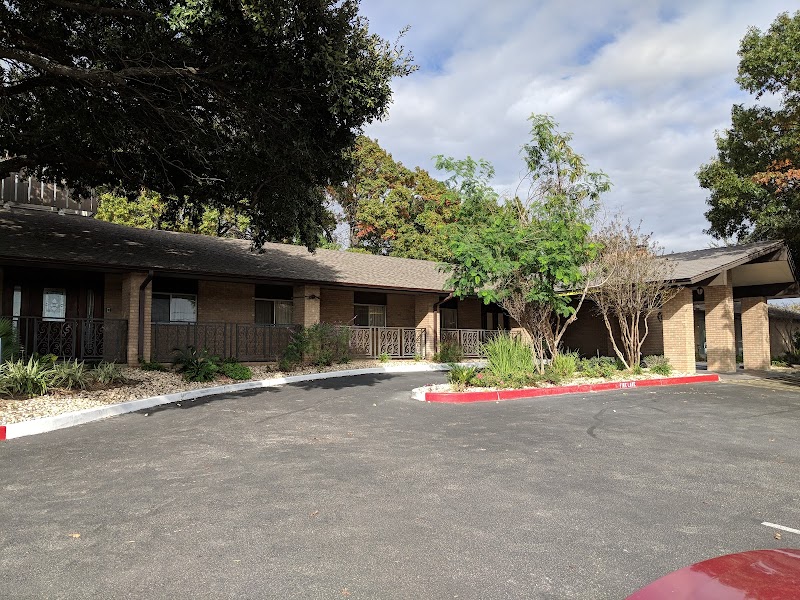
How is The Lev At San Antonio Staffed?

CMS rates THE LEV AT SAN ANTONIO's staffing level at 1 out of 5 stars, which is much below average compared to other nursing homes. Staff turnover is 55%, which is 9 percentage points above the Texas average of 46%. High turnover can affect care consistency as new staff learn residents' individual needs.

What Have Inspectors Found at The Lev At San Antonio?

State health inspectors documented 42 deficiencies at THE LEV AT SAN ANTONIO during 2023 to 2025. These included: 1 Immediate Jeopardy (the most serious level, indicating potential for serious harm or death), 39 with potential for harm, and 2 minor or isolated issues. Immediate Jeopardy findings are rare and represent the most serious regulatory concerns. They require immediate corrective action.
Who Owns and Operates The Lev At San Antonio?

THE LEV AT SAN ANTONIO is owned by a for-profit company. For-profit facilities operate as businesses with obligations to shareholders or private owners. The facility operates independently rather than as part of a larger chain. With 106 certified beds and approximately 77 residents (about 73% occupancy), it is a mid-sized facility located in SAN ANTONIO, Texas.
How Does The Lev At San Antonio Compare to Other Texas Nursing Homes?

Compared to the 100 nursing homes in Texas, THE LEV AT SAN ANTONIO's overall rating (1 stars) is below the state average of 2.8, staff turnover (55%) is near the state average of 46%, and health inspection rating (2 stars) is below the national benchmark.

What Should Families Ask When Visiting The Lev At San Antonio?

Based on this facility's data, families visiting should ask: "What changes have been made since the serious inspection findings, and how are you preventing similar issues?" "How do you ensure continuity of care given staff turnover, and what is your staff retention strategy?" "Can you walk me through typical staffing levels on day, evening, and night shifts?" "Can I visit during a mealtime to observe dining assistance and food quality?" These questions are particularly relevant given the facility's Immediate Jeopardy citations, the facility's high staff turnover rate, and the below-average staffing rating.

Is The Lev At San Antonio Safe?

Based on CMS inspection data, THE LEV AT SAN ANTONIO has documented safety concerns. Inspectors have issued 1 Immediate Jeopardy citation (the most serious violation level indicating risk of serious injury or death). The facility has a 1-star overall rating and ranks #100 of 100 nursing homes in Texas. Families considering this facility should ask detailed questions about what corrective actions have been taken since these incidents.

Do Nurses at The Lev At San Antonio Stick Around?

Staff turnover at THE LEV AT SAN ANTONIO is high. At 55%, the facility is 9 percentage points above the Texas average of 46%. High turnover means new staff may not know residents' individual needs, medications, or preferences. It can also be disorienting for residents, especially those with dementia who rely on familiar faces. Families should ask: What is causing the turnover? What retention programs are in place? How do you ensure care continuity during staff transitions?

Was The Lev At San Antonio Ever Fined?

THE LEV AT SAN ANTONIO has been fined $173,823 across 1 penalty action. This is 5.0x the Texas average of $34,817. Fines at this level are uncommon and typically indicate a pattern of serious deficiencies, repeated violations, or failure to correct problems promptly. CMS reserves penalties of this magnitude for facilities that pose significant, documented risk to resident health or safety. Families should request specific documentation of what issues led to these fines and what systemic changes have been implemented.

Is The Lev At San Antonio on Any Federal Watch List?

THE LEV AT SAN ANTONIO is not on any federal watch list. The most significant is the Special Focus Facility (SFF) program, which identifies the bottom 1% of nursing homes nationally based on persistent, serious quality problems. Not being on this list means the facility has avoided the pattern of deficiencies that triggers enhanced federal oversight. This is a positive indicator, though families should still review the facility's inspection history directly.