THE MISSION AT BLUE SKIES OF TEXAS EAST
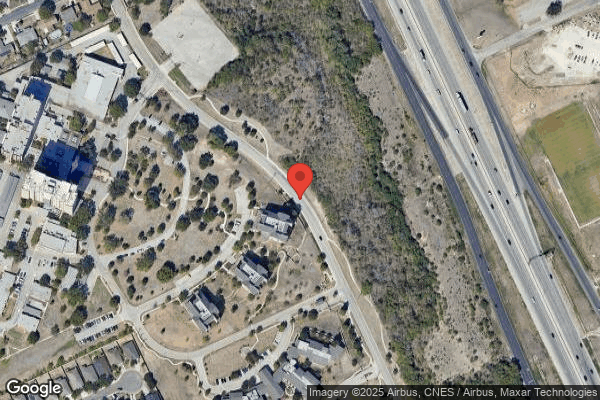

4949 RAVENSWOOD DR, SAN ANTONIO, TX 78227 (210) 568-5100
Non profit - Corporation 80 Beds Independent Data: November 2025 1 Immediate Jeopardy citation
Trust Grade
36/100
#591 of 1168 in TX
Last Inspection: July 2025

Inspected within the last 6 months. Data reflects current conditions.

Overview

The Mission at Blue Skies of Texas East has a Trust Grade of F, indicating significant concerns and a very poor quality of care. They rank #591 out of 1168 facilities in Texas, placing them in the bottom half, and #23 out of 62 in Bexar County, meaning only a few local options are better. Unfortunately, the facility's trend is worsening, with reported issues increasing from 10 in 2024 to 12 in 2025. Staffing is relatively strong with a 4 out of 5 star rating, although turnover is at 56%, slightly above the state average. However, the facility has faced concerning incidents, such as failing to monitor a resident’s diabetes effectively, leading to dangerously high blood sugar levels, and not providing timely wound care for a resident's injuries. While there is good RN coverage, the overall performance raises serious red flags for prospective families.

Trust Score
F
36/100
In Texas
#591/1168
Top 50%
Safety Record
High Risk
Review needed
Inspections
Getting Worse
10 → 12 violations
Staff Stability
⚠ Watch
56% turnover. Above average. Higher turnover means staff may not know residents' routines.
Penalties
○ Average
$20,163 in fines. Higher than 65% of Texas facilities. Some compliance issues.
Skilled Nurses
✓ Good
Each resident gets 56 minutes of Registered Nurse (RN) attention daily — more than average for Texas. RNs are trained to catch health problems early.
Violations
⚠ Watch
31 deficiencies on record. Higher than average. Multiple issues found across inspections.
★★★☆☆
3.0
Overall Rating
★★★★☆
4.0
Staff Levels
★★★★☆
4.0
Care Quality
★★★☆☆
3.0
Inspection Score
Stable
2024: 10 issues
2025: 12 issues

The Good

  • 4-Star Staffing Rating · Above-average nurse staffing levels
  • 4-Star Quality Measures · Strong clinical quality outcomes
  • Full Sprinkler Coverage · Fire safety systems throughout facility
  • No fines on record

Facility shows strength in staffing levels, quality measures, fire safety.

The Bad

3-Star Overall Rating

Near Texas average (2.8)

Meets federal standards, typical of most facilities

Staff Turnover: 56%

Near Texas avg (46%)

Frequent staff changes - ask about care continuity

Federal Fines: $20,163

Below median ($33,413)

Minor penalties assessed

Staff turnover is elevated (56%)

8 points above Texas average of 48%

The Ugly 31 deficiencies on record

1 life-threatening 1 actual harm
Aug 2025 2 deficiencies
CONCERN (D) 📢 Someone Reported This

A family member, employee, or ombudsman was alarmed enough to file a formal complaint

Potential for Harm - no one hurt, but risky conditions existed

Comprehensive Care Plan (Tag F0656)

Could have caused harm · This affected 1 resident

**NOTE- TERMS IN BRACKETS HAVE BEEN EDITED TO PROTECT CONFIDENTIALITY** Based on interview, and record review, the facility failed to develop and implement a care plan to meet the resident's needs for...

Read full inspector narrative →
**NOTE- TERMS IN BRACKETS HAVE BEEN EDITED TO PROTECT CONFIDENTIALITY** Based on interview, and record review, the facility failed to develop and implement a care plan to meet the resident's needs for 1 of 3 residents (Resident #1) reviewed for care plans. The facility failed to ensure Resident #1's care plan accurately documented the resident's need for supervision when actively eating/drinking. These failures could place residents at risk of their needs not being met. The findings include: Record review of Resident #1 's face sheet, dated 8/6/25, reflected an [AGE] year-old male who was admitted to the facility on [DATE] and discharged to hospital on 7/12/25. Resident #1 had diagnoses which included: heart failure, acute respiratory failure, prostate cancer, pacemaker, Bell's Palsy (dripping of the face), dementia (decline in mental ability), anxiety (a feeling of unease), lack of coordination, and dysphasia (difficulties swallowing). The RP was listed as: family member. Record review of Resident#1's quarterly MDS, dated [DATE], reflected a BIMS score of 03, indicative of severe impairment in cognition. The ADLs for eating was documented as independent and support was set-up. Record review of Resident# 1's Care Plan, dated 2/17/25, reflected the goals and interventions included: Eating as Set up assistance. Record review of Resident#1's Physician' Orders, dated July 2025 reflected: Diet was listed as controlled carb diet; soft and bite texture, Nectar/Mildly Tick consistency. The physician order, revised 11/12/24, reflected the resident required standard swallowing precautions: and Supervision and assistance with positioning and set up of meal tray every shift. Record review of Resident #1's SP evaluation, dated 1/16/24, authored by the SP, read: .Oral Phase=Mild. [mildly impaired to chew and managing food in month]. Record review of Resident #1's SP evaluation, dated 2/19/25, authored by the SP, read: .Supervision for Oral Intake=Distant Supervision. During an interview on 8/6/25 at 10:11 AM, the SP stated: she saw the resident several times and the resident had difficulties with swallowing. The SP evaluation on 01/16/24 reflected a mild oral dysphasia to effectively manage food in his mouth. The SP stated the last evaluation on swallowing was done on 2/19/25 and the findings demonstrated the resident [#1] had mild oral and pharyngeal (second stage of swallowing) and no overt signs of aspiration. The SP stated the resident required close supervision in feeding; distant supervision. The SP defined distant supervision as a staff member being present or within eyesight when feeding or drinking occurred by the resident. The SP stated based on the SP findings after 2/19/25, a staff should not lose eyesight of the resident when the activity of eating or drinking occurred. During an interview on 8/6/25 at 3:44 PM, the Dietician stated: the resident was on a diabetic diet (controlled carbs), soft bite texture, and nectar mildly thicken. The Dietician stated the resident required supervision for eating. The Dietician stated supervision meant the staff had to be in proximity when Resident #1 ate for safety reasons. During an interview on 8/6/25 at 5:10 PM, the DON stated: the process of accurate clinical documentation started with assessments and then completion of the care plan. The DON stated the SP assessment, dated 2/19/25, that Resident#1 required distant supervision and the physician order stated the resident required supervision when eating and drinking. The DON stated she could not give an explanation why the care plan did not mention anything about supervision when the resident was actively eating of drinking liquids.During an interview on 8/7/25 at 11:44 AM, the DON stated she was aware of the SP assessment done on 2/19/25 and the recommendation for supervision of Resident #1 when he actively ate or drank liquid. The DON stated the care plan for Resident #1 did not list any instructions on supervision when the resident actively ate or drank liquids. The DON stated the information was necessary to convey to nursing staff special instructions which involved Resident #1. During a telephone interview on 8/7/25 at 11:48 AM, the MD stated she was aware of the SP recommendation for Resident #1 to be supervised when actively eating and consuming liquids. The MD stated she agreed with the recommendation and when her company took over the medical management of residents, Resident #1's order reflected the resident be supervised when actively eating or drinking. During an interview on 8/7/25 at 4:38 PM, the MDS Nurse stated: the process of documentation was for the facility to conduct assessments, the assessment information was captured in the MDS and then reflected in the care plan. The MDS Nurse stated the clinical record task did not properly capture the SP recommendation on 2/19/25 and the MD order on 11/12/2024; and she had no further explanation. The MDS Nurse stated the data had to be accurate for continuity of care and to avoid any clinical errors. Record review of the facility's Documentation Policy dated January 2025, read: .General Principles.All entries must be factual, accurate, complete, current, and legible. Record review of the facility's, undated, Feeding the Resident procedure read: Resident Care Plan.List the type of diet as part of appropriate plan of care.If resident is unable to feed himself/herself, list the amount of assistance, adaptive equipment, frequency of weight monitoring, feeding program or occupational therapy for functional training.
CONCERN (D) 📢 Someone Reported This

A family member, employee, or ombudsman was alarmed enough to file a formal complaint

Potential for Harm - no one hurt, but risky conditions existed

Medical Records (Tag F0842)

Could have caused harm · This affected 1 resident

**NOTE- TERMS IN BRACKETS HAVE BEEN EDITED TO PROTECT CONFIDENTIALITY** Based on interview, and record review, the facility failed to maintain medical records, in accordance with accepted professional...

Read full inspector narrative →
**NOTE- TERMS IN BRACKETS HAVE BEEN EDITED TO PROTECT CONFIDENTIALITY** Based on interview, and record review, the facility failed to maintain medical records, in accordance with accepted professional standards and practices, that were complete; and accurately documented for 1 of 3 residents (Resident #1) reviewed for documentation. The facility failed to ensure Resident #1's nurse progress notes accurately documented when the resident's vitals were taken. These failures could place residents at risk of their records not accurately documenting interventions, monitoring, and information provided to the interdisciplinary team. The findings include: Record review of Resident #1 's face sheet, dated 8/6/25, reflected an [AGE] year-old male who was admitted to the facility on [DATE] and discharged to hospital on 7/12/25. Resident #1 had diagnoses which included: heart failure, acute respiratory failure, prostate cancer, pacemaker, Bell's Palsy (dripping of the face), dementia (decline in mental ability), anxiety (a feeling of unease), lack of coordination, and dysphasia (difficulties swallowing). The RP was listed as: family member. Record review of Resident #1's Nurse Note, dated 7/12/25 at 9:50 AM, authored by LVN A, reflected the resident went out on pass with family. Record review of Resident #1's Nurse Note, dated 7/12/25 at 12:17 PM, authored by LVN A, reflected the resident returned to the facility at 12:15 PM. Record review of Resident #1's Nurse Note, dated 7/12/25 at 10:31 AM, authored by LVN A, reflected vitals were taken at 10:31 AM and some vital readings listed were: temperature 97.7 Fahrenheit and blood pressure 99/62. Record review of Resident #1's Nurse Note, dated 7/12/25 at 10:36 AM, by LVN A reflected she did a skin check of the resident. The resident's skin was described as Warm & dry.During a telephone interview on 8/7/25 at 3:41 PM, LVN A stated she assessed the resident on 7/12/25 in the morning around 8:00 AM. LVN A stated I made a mistake by entering the notes when the resident was not in the facility. LVN A stated she should have entered the notes at time of occurrence or made a comment of a late entry note. LVN A stated she was in a hurry in writing her nurse notes, on 7/12/25, and made a mistake in listing the resident as continent when the resident had always been incontinent. LVN A stated she was in a hurry and listed the wrong time for the vitals on the 7/12/25 nurse note. LVN A stated the vitals were taken before the resident went out on a family visit on 7/12/25 at 10:00 AM. The LVN A stated accurate documentation informed the interdisciplinary team of services and care given to a resident. During an interview on 8/7/25 at 3:47 PM, the DON stated her expectation was nursing documentation occurred at the time of occurrence or sometime shortly after. The DON stated the nurse [LVN A] could have made a late entry or in the nurse note stated the information written referred to a different time and date. The DON stated she could not explain the inaccurate medical record which involved LVN A and the nurse documentation on 7/12/25 in reference to Resident #1. During an interview on 8/8/25 at 10:08 AM, the Administrator stated: the LVN [A] should have entered her notes as a late entry on 7/12/25. The Administrator stated not labeling the nurse notes as late entry might have caused a confusion to the reader as to when the assessment was done. The Administrator stated the clinical record for any resident had to reflect the current condition of the resident. The Administrator stated, the clinical had to capture the right information. The Administrator stated the information may have been inaccurately documented in the clinical record which involved Resident#1. Regarding the documentation vitals were documented at 10:32 AM for Resident #1 on 7/12/25 when the resident was not in the facility, the Administrator offered the following explanation: not usual for vitals to be done at an earlier time and placed in the formal record at a different time. Record review of the facility's Documentation Policy dated January 2025, read: .General Principles.All entries must be factual, accurate, complete, current, and legible.
Jul 2025 5 deficiencies
CONCERN (D)

Potential for Harm - no one hurt, but risky conditions existed

Notification of Changes (Tag F0580)

Could have caused harm · This affected 1 resident

**NOTE- TERMS IN BRACKETS HAVE BEEN EDITED TO PROTECT CONFIDENTIALITY** Based on interview and record review, the facility failed to immediately inform the resident, consult with the resident's physic...

Read full inspector narrative →
**NOTE- TERMS IN BRACKETS HAVE BEEN EDITED TO PROTECT CONFIDENTIALITY** Based on interview and record review, the facility failed to immediately inform the resident, consult with the resident's physician, and notify, consistent with his or her authority, the resident representatives when there was a significant change in resident's physical, mental, or psychosocial status for 1 of 2 residents (Resident #17) reviewed for physician notification of changes in condition. The facility failed to notify Resident #17's physician when his blood sugar levels were out of physician ordered parameters on 6/25/2025. This deficient practice could place residents at risk of not receiving adequate and timely intervention and a decline in condition. The findings included: Record review of Resident #17's face sheet dated 6/27/25 revealed a [AGE] year old male admitted to the facility on [DATE] and re-admitted on [DATE] with diagnoses that included heart failure, type 2 diabetes (chronic medical condition in which the body does not produce enough insulin or does not use insulin effectively), and chronic kidney disease stage 3 (moderate decrease in kidney function due to damaged kidneys not filtering blood as well as they should, often caused by diabetes). Record review of Resident #17's most recent quarterly MDS assessment, dated 4/9/25 revealed the resident was severely cognitively impaired for daily decision-making skills and received insulin injections. Record review of Resident #17's Order Summary Report dated 6/25/25 revealed the following: - Blood glucose monitoring for signs and symptoms of hyper/hypoglycemia as needed for monitoring. May perform fingerstick for accu checks (blood glucose monitoring) if Dexacom (medical device used to monitor glucose continuously) not available, with order date 1/21/25 and no end date. - Insulin Lispro 100 unit/mL Solution pen injector, inject 11 units subcutaneously at bedtime related to type 2 diabetes, with order date 5/25/25 and no end date. - Insulin Lispro 100 unit/mL Solution pen injector, inject 20 unit subcutaneously before meals for type 2 diabetes. Notify provider if BS less than 75 ml/dl and/or greater than 350ml/dl with order date 5/25/25 and no end date. - Lantus insulin 100 unit/mL Solution pen-injector, inject 65 unit subcutaneously two times a day. Hold for BS more than 350. Notify MD/NP for BG less than 75 or Greater than 350, with order date 5/1/25 and no end date. Record review of Resident #17's Medication Administration Record for June 2025 revealed: - 6/25/25 morning blood sugar reading was 386 ml/dl documented by LVN A - 6/25/25 at 11:00 a.m. blood sugar reading was 400 ml/dl documented by LVN A Record review of Resident #17's medical record revealed no documentation of notification to the physician on 6/25/25 for blood glucose readings more than physician ordered parameters of 350 ml/dl or more. During an interview on 6/25/25 at 1:34 p.m., LVN A stated when she clocked in at 6:50 a.m. on 6/25/25, Resident #17's insulin Lispro was not available. LVN A stated the insulin Lispro was delivered at approximately 10:00 a.m. on 6/25/25, and when it (insulin Lispro) was delivered, it was late, but he got it, his sugar was high. His blood sugar was 400. LVN A stated Resident #17 did not receive the scheduled morning dose, that was supposed to be administered before breakfast, and the blood sugar obtained at that time was 386. LVN A stated she had not made contact with the physician regarding Resident #17's elevated blood sugar reading and stated, I have to call the doctor about other things, it's on my list to tell him (the physician), but I have not called him about it yet. During an interview on 6/25/25 at 1:58 p.m., LVN B, who identified herself as the Staff Development Coordinator and Staff Educator, stated LVN A should have notified the physician regarding Resident #17's blood sugar level reading past the physician ordered parameters as soon as possible because a spike in blood sugar levels essentially meant the resident was hyperglycemic and measures should be taken to bring the sugar levels down or refer him to the hospital for further evaluation and treatment. During an interview on 6/25/25 at 2:20 p.m., the ADON stated, Resident #17's physician should have been notified when the resident's blood sugar level reading was past the physician ordered parameters as soon as the results were obtained. The ADON stated, a blood sugar reading over the physician ordered parameters could result in the resident's kidneys being affected. During an interview on 6/25/25 at 2:42 p.m., the DON stated Resident #17's physician should have been notified when the resident's blood sugar level reading was past the physician orders parameters as soon as possible, you don't wait to call (the physician), you call right then. The DON stated notification to the physician was crucial because the resident could go into a diabetic coma and the physician would be able to instruct what to do, such as monitoring blood sugar levels more frequently, monitor for symptoms, or give an alternate insulin. Record review of the facility document titled, Diabetes Mellitus-Hypoglycemia and Hyperglycemia Best Practices, dated March 2025 revealed in part, ,,,Residents with a diagnosis of Diabetes Mellitus will be monitored for signs and symptoms of Hypo and Hyperglycemia, with immediate intervention per doctor's orders and Diabetic Protocol .Unless otherwise ordered by the physician, report blood glucose levels greater than 350 or less than 60 .
CONCERN (D)

Potential for Harm - no one hurt, but risky conditions existed

Tube Feeding (Tag F0693)

Could have caused harm · This affected 1 resident

**NOTE- TERMS IN BRACKETS HAVE BEEN EDITED TO PROTECT CONFIDENTIALITY** Based on observation, interview, and record review the facility failed to ensure that a resident who is fed by enteral means rec...

Read full inspector narrative →
**NOTE- TERMS IN BRACKETS HAVE BEEN EDITED TO PROTECT CONFIDENTIALITY** Based on observation, interview, and record review the facility failed to ensure that a resident who is fed by enteral means receives the appropriate treatment and services to prevent complications of enteral feeding for 1 of 1 resident (Resident #151) reviewed for enteral feeding: The facility failed to ensure Resident #151's medications were diluted before administering the medications into the resident's feeding tube, did not label the resident's feeding formula and water containers with the appropriate identifiers and did not discard the feeding containers after the feeding was completed. This deficient practice could place residents who received enteral nutrition and medications at increased risk of aspiration, infection, bloating discomfort, and not receiving the full benefit of the medications administered. The findings included: Record review of Resident #151's face sheet dated 6/26/25 revealed a [AGE] year-old male admitted to the facility on [DATE] with diagnoses that included pneumonia (infection that inflames the air sacs in one or both lungs), gastro-esophageal reflux (condition in which stomach contents flow backward into the esophagus, the tube that connects the mouth to the stomach), heart failure and gastrostomy (feeding tube; a surgical procedure in which an opening is created through the abdominal wall directly into the stomach) status. Record review of Resident #151's baseline care plan dated 6/18/25 revealed the resident utilized a feeding tube and would be evaluated by Occupational Therapy, Physical Therapy, and Speech Therapy to improve overall functional mobility, ADLs and to improve oral intake. Record review of Resident #151's Order Summary Report dated 6/26/25 revealed the following: - Flush (feeding) tube with 20-30 ml (cc) of water before and after administration of medication pass every shift related to gastrostomy with order date 6/18/25 and no end date. - Docusate 100mg, give 1 tablet via g-tube (feeding tube) one time a day for constipation, with order date 6/24/25 and no end date. - guaifenesin oral liquid 200mg/10ml, give 20ml via g-tube three times daily for cough related to pneumonia, with order date 6/18/24 and no end date. - Pregabalin 200mg capsule, give 1 capsule via g-tube three times a day for pain with order date 6/18/25 and no end date - Enteral Feed Order every shift via feeding tube, Glucerna 1.2 at 65 mL/hour from 10:00 p.m. to 4:00 a.m. Free water flush 200 mL TID. Discard excess Glucerna after completed, with order date 6/26/25 and no end date. - Gravity feeding - Change feeding administration set daily; label the formula container, syringe, and administration set with the resident's name, date, time, and nurse's initials, every night shift, related to gastrostomy, with order date 6/18/25 and no end date. During an observation and interview on 6/25/25 at 9:11 a.m. revealed LVN C prepared to administer Resident #151's medications. LVN C dispensed 10 mL of Resident #151's liquid guaifenesin into a medication cup, placed the resident's Docusate tablet into a small plastic pouch and crushed it, and then obtained Resident #151's Pregabalin capsule and emptied the contents into a small plastic pouch. LVN C then returned to Resident #151's bedside and flushed the feeding tube with 30 mL of water. LVN C then poured the undiluted guaifenesin liquid into the feeding tube and flushed with 10 mL of water. LVN C then poured the undiluted Docusate powder into the feeding tube and flushed with 10 mL of water. LVN C then poured the undiluted contents of the Pregabalin into the feeding tube and flushed with 10 mL of water. LVN C then administered 30 mL of water after the medication pass. During an observation and interview on 6/25/25 at 9:24 a.m., Resident #151 stated he was provided formula and water from a feeding pump during the overnight hours from 10:00 p.m. to 4:00 a.m. Resident #151 pointed to the formula and water containers hanging from a feeding pole with formula and water in the containers and stated those were used for his feedings. Observation of the formula and water containers revealed they were not labeled. During an observation and interview on 6/25/25 at 9:25 a.m., LVN C stated she should have diluted Resident #151's medications in water before administering them into the feeding tube because not doing so would result in the feeding tube clogging and having to be replaced and could result in discomfort or the feeding tube would need to be replaced which would interrupt giving the resident his medications and feedings. LVN C observed the feeding formula and water containers hanging from the feeding pole and stated the containers should have been labeled because it would indicate how long the containers had been there, and who the containers belonged to. LVN C stated, that information was important because what if the bag (containers) were hanging for too long and it was old and should not be given to the resident. LVN C stated she began her shift on 6/25/25 at 7:00 a.m. and the feeding formula and water containers were administered during the overnight shift. During a telephone interview on 6/25/25 at 2:42 p.m., LVN D stated she had set up the feeding kit for Resident #151 during the overnight shift on 6/24/25. LVN D stated Resident #151 received nocturnal feedings from 10:00 p.m. to 4:00 a.m. LVN D stated she could not remember if she had labeled Resident #151's formula and water containers, but stated it was important because labeling the containers would indicate the date and time they were administered because the feeding formula was only good for 24 hours. LVN D stated, I should have thrown it (the formula and water containers) away after using it because he (Resident #151) won't get it again until 10:00 p.m. and that would be more than 24 hours and whoever came in after that would have to spike a new bag (container). LVN D stated it was a possibility another nurse could use the same set up. LVN D stated when she started the 10:00 p.m. feeding for Resident #151 at 10:00 p.m. on 6/24/25, there was one (feeding and water container) already and I remember having to throw away the old set because it was still hanging there. During an interview on 6/26/25 at 5:14 p.m., the DON stated, medications should be crushed individually and diluted with room temperature water before administering medications through a feeding tube because particles could get stuck in the feeding tube causing it to clog. The DON stated, if particles of medication get stuck in the feeding tube it could prevent the resident from getting the full benefits of the medication. The DON stated, feeding formula containers were supposed to be discarded after use because she believed the formula was only good for 24 hours. The DON stated she expected the formula and water containers to be labeled with the resident's name, the time it was opened, the expiration date, the nurse's initials, the time of the feeding and when the feeding was completed the formula was supposed to be thrown away. The DON stated, you can't use the same feeding more than once because it could introduce contaminants and make the resident sick. Record review of the facility document titled Enteral Tube Medication Administration, dated January 2025 revealed in part, .Purpose .To ensure the safe, accurate and appropriate administration of medications via enteral feeding tubes, minimizing the risk of aspiration, tube blockage, and drug-nutrient interactions in residents unable to take mediations orally .Review flushing instructions and fluid restrictions .Prepare Medications One at a Time .Crush each immediate-release tablet into a fine powder and dissolve in 15-30 mL of room temperature water .Viscous Liquids .Dilute thick or hyperosmolar liquids in 15-30 mL of water (or approved fluid) .Flush the tube with 15 mL (or prescribed amount) of water between each medication .
CONCERN (D)

Potential for Harm - no one hurt, but risky conditions existed

Pharmacy Services (Tag F0755)

Could have caused harm · This affected 1 resident

**NOTE- TERMS IN BRACKETS HAVE BEEN EDITED TO PROTECT CONFIDENTIALITY** Based on observation, interview, and record review, the facility failed to provide pharmaceutical services (including procedures...

Read full inspector narrative →
**NOTE- TERMS IN BRACKETS HAVE BEEN EDITED TO PROTECT CONFIDENTIALITY** Based on observation, interview, and record review, the facility failed to provide pharmaceutical services (including procedures that assure the accurate acquiring, receiving, dispensing, and administering of all drugs and biologicals) to meet the needs of each resident for 1 (Resident #17) of 3 residents reviewed for medications. The facility failed to stock an emergency supply of Lispro (fast-acting insulin) to maintain Resident #17's medical condition during a medication absence resulting in a blood sugar level of 386. This failure could place the residents at risk of not receiving therapeutic doses of their medication. Findings included: Record review of Resident #17's face sheet dated 6/27/25 revealed a [AGE] year old male admitted to the facility on [DATE] and re-admitted on [DATE] with diagnoses that included heart failure, type 2 diabetes (chronic medical condition in which the body does not produce enough insulin or does not use insulin effectively), and chronic kidney disease stage 3 (moderate decrease in kidney function due to damaged kidneys not filtering blood as well as they should, often caused by diabetes). Record review of Resident #17's most recent quarterly MDS assessment, dated 4/9/25 revealed the resident was severely cognitively impaired for daily decision-making skills and received insulin injections.Record review of Resident #17's Order Summary Report dated 6/25/25 revealed the following:- Insulin Lispro 100 unit/mL Solution pen injector, inject 20 units subcutaneously before meals for type 2 diabetes. Notify provider if BS less than 75 ml/dl and/or greater than 350ml/dl with order date 5/25/25 and no end date.Record review of Resident #17's Medication Administration Record for June 2025 revealed the scheduled bedtime dose of Lispro insulin was not administered on 6/24/25 and the scheduled 7:30 a.m. dose was not administered on 6/25/25. Record review of the MAR revealed LVN E documented an X in the section meant for the blood sugar reading and documented 9 with her initials. The MAR indicated the code 9 meant Other/See Progress Notes. Record review of Resident #17's MAR revealed LVN A documented an X in the section meant for the blood sugar reading and documented 15 with her initials. The MAR indicated the code 15 meant Awaiting Pharmacy fill. During an interview on 7/11/25 at 9:30 a.m., LVN A stated when she clocked in at 6:50 a.m. on 6/25/25, Resident #17's insulin Lispro was not available. LVN A stated the insulin Lispro was delivered at approximately 10:00 a.m. Resident #17 did not receive the scheduled morning dose, which was supposed to be administered before breakfast, and the blood sugar obtained at that time was 386. LVN A stated she did not administer the scheduled insulin as it was unavailable in the stat safe, and the pharmacy had not delivered it. In an interview with the medical director on 7/11/25 at 11:15 AM, he stated by Resident #17 missing dose of insulin with meals the resident was not negatively impacted, because Resident #17 is non-compliant with his diet. Additionally, he is on oral hypoglycemic medication, along with long-acting insulin which in theory provided necessary coverage. Interview with LVN D on 7/11/25 at 11:30 a.m., confirmed insulin is available in the stat safe. Additionally, the pharmacy sends out a one-month supply of insulin for all diabetic residents In an interview with the DON on 7/11/25 at 10:55 AM, the DON stated that the pharmacy now automatically delivers Insulin for all residents, and insulin is now available in the stat safe in case any resident needs it and runs out of insulin. Interview with the Administrator on 7/11/25 at 11:15 AM, the administrator said currently the facility maintains a one-month stock of insulin for all diabetic residents, and insulin is available in the stat safe. Observation on 7/11/25 at 11:20 AM noted insulin in the stat safe. Record review of the facility document titled Administering Medications dated December 2024 revealed in part, .The purpose of this procedure is to provide guidelines for the safe administration of.medications.Medication Administration Record (MAR): Also referred to as a drug chart, is the report that serves as a legal record of the drugs administered to a patient at a facility by a health care professional.The Director of Nursing (DON) will supervise and direct all nursing personnel who administer medications and/or have related functions.Medications must be administered in accordance with the orders, including any required time frame.
CONCERN (D)

Potential for Harm - no one hurt, but risky conditions existed

Deficiency F0760 (Tag F0760)

Could have caused harm · This affected 1 resident

**NOTE- TERMS IN BRACKETS HAVE BEEN EDITED TO PROTECT CONFIDENTIALITY** Based on the interview and record review, the facility failed to ensure that 1 of 2 residents (Resident #17) reviewed for medica...

Read full inspector narrative →
**NOTE- TERMS IN BRACKETS HAVE BEEN EDITED TO PROTECT CONFIDENTIALITY** Based on the interview and record review, the facility failed to ensure that 1 of 2 residents (Resident #17) reviewed for medication errors was free of any significant medication errors. The facility failed to administer Resident #17's insulin Lispro medication (a quick acting medication used to lower blood sugar) as prescribed. This deficient practice could place residents at risk of inadequate therapeutic outcomes, increased adverse side effects, and a decline in health. The findings included:Record review of Resident #17's face sheet dated 6/27/25 revealed a [AGE] year-old male admitted to the facility on [DATE] and re-admitted on [DATE] with diagnoses that included heart failure, type 2 diabetes (chronic medical condition in which the body does not produce enough insulin or does not use insulin effectively), and chronic kidney disease stage 3 (moderate decrease in kidney function due to damaged kidneys not filtering blood as well as they should, often caused by diabetes). Record review of Resident #17's most recent quarterly MDS assessment, dated 4/9/25 revealed the resident was severely cognitively impaired for daily decision-making skills and received insulin injections.Record review of Resident #17's Order Summary Report dated 6/25/25 revealed the following:- Blood glucose monitoring for signs and symptoms of hyper/hypoglycemia as needed for monitoring. May perform fingerstick for accu checks (blood glucose monitoring) if Dexacom (medical device used to monitor glucose continuously) not available, with order date 1/21/25 and no end date.- Insulin Lispro 100 unit/mL Solution pen injector, inject 11 units subcutaneously at bedtime related to type 2 diabetes, with order date 5/25/25 and no end date.- Insulin Lispro 100 unit/mL Solution pen injector, inject 20 units subcutaneously before meals for type 2 diabetes. Notify provider if BS less than 75 ml/dl and/or greater than 350ml/dl with order date 5/25/25 and no end date.- Lantus insulin 100 unit/mL Solution pen-injector, inject 65 unit subcutaneously two times a day. Hold for BS more than 350. Notify MD/NP for BG less than 75 or Greater than 350, with order date 5/1/25 and no end date.Record review of Resident #17's Medication Administration Record for June 2025 revealed the scheduled bedtime dose of Lispro insulin was not administered on 6/24/25 and the scheduled 7:30 a.m. dose was not administered on 6/25/25. Record review of the MAR revealed LVN E documented an X in the section meant for the blood sugar reading and documented 9 with her initials. The MAR indicated the code 9 meant Other/See Progress Notes. Record review of Resident #17's MAR revealed LVN A documented an X in the section meant for the blood sugar reading and documented 15 with her initials. The MAR indicated the code 15 meant Awaiting Pharmacy fill. Record review of Resident #17's clinical record progress note authored by LVN E dated 6/24/25 and time stamped 4:04 p.m., revealed, called pharmacy to ask why Lispro insulin in not here as it was ordered through (computer) on 06/20/25. Pharmacy states they have no record of it being ordered. They will send tonight. Reported to ADON.Record review of Resident #17's clinical record progress note authored by LVN E dated 6/24/25 and time stamped 10:56 p.m., revealed the insulin Lispro was awaiting delivery from the pharmacy.Record review of Resident #17's clinical record progress note authored by LVN E dated 6/24/25 and time stamped 11:59 p.m., revealed the insulin Lispro was awaiting delivery from the pharmacy and was reported to the ADON.Record review of Resident #17's clinical record progress note authored by LVN A dated 6/25/25 and time stamped 9:49 a.m. revealed a request for a STAT delivery of the insulin Lispro and pharmacy stated it would be in the facility in a couple of hours.Record review of Resident #17's clinical record progress note authored by LVN A dated 6/25/25 and time stamped 10:00 a.m. revealed, insulin Lispro is in facility now.During a telephone interview on 6/25/25 at 12:02 p.m., LVN E stated she recalled ordering insulin Lispro for Resident #17 a few days ago. LVN E stated on 6/24/25 the insulin Lispro was not available in the medication cart, so LVN E placed a phone call to LVN B and asked if the insulin Lispro was in their emergency medication stock. LVN E stated LVN B told her it was not available in their emergency medication stock. LVN E stated she placed a call to the ADON and was instructed to document the insulin Lispro not being available in the resident's clinical record. LVN E stated she notified the NP twice but never got a call back. LVN E stated if Resident #17 did not receive his insulin it could result in the blood sugar spiking and might result in hospitalization. During an interview on 6/25/25 at 1:34 p.m., LVN A stated when she clocked in at 6:50 a.m. on 6/25/25, Resident #17's insulin Lispro was not available. LVN A stated the insulin Lispro was delivered at approximately 10:00 a.m. on 6/25/25, and when it (insulin Lispro) was delivered, it was late, but he got it, his sugar was high. His blood sugar was 400. LVN A stated Resident #17 did not receive the scheduled morning dose, that was supposed to be administered before breakfast, and the blood sugar obtained at that time was 386. LVN A stated she had not made contact with the physician regarding Resident #17's elevated blood sugar reading and stated, I have to call the doctor about other things, it's on my list to tell him (the physician), but I have not called him about it yet. During an interview on 6/25/25 at 1:58 p.m., LVN B, who identified herself as the Staff Development Coordinator and Staff Educator, stated LVN E called her on the evening of 6/24/25 and asked her if there was insulin Lispro in the emergency medication stock and LVN E told LVN B it was not. LVN B stated LVN E asked her if she could order the insulin Lispro from the pharmacy STAT and LVN B told her to do that because Resident #17 needed his insulin. LVN B stated she was asked by LVN A in the morning on 6/25/25 about Resident #17's insulin Lispro not being available and LVN B told LVN A the insulin Lispro for Resident #17 had already been ordered and instructed LVN A to call the pharmacy to verify and follow up. LVN B stated she was on the unit when Resident #17's insulin Lispro was delivered and signed for it at approximately 10:00 a.m. or 10:30 a.m. LVN B stated she assumed LVN A had given Resident #17 his morning dose of insulin Lispro. LVN B stated she was not aware Resident #17 did not receive his bedtime dose of insulin Lispro. LVN B stated the nurses should have made it a priority to provide Resident #17 with his insulin Lispro and if it was not available, they should have notified the physician and obtain further instruction on what to do or give an alternative. LVN B stated she had not reported the incident to the DON. During an interview on 6/25/25 at 2:20 p.m., the ADON stated she was notified by telephone on 6/24/25 at 8:03 p.m. by LVN E to inform her Resident #17's insulin Lispro was not available. The ADON stated LVN E asked her if the insulin Lispro was in the emergency medication stock and told her it was not. The ADON stated LVN E asked her how to get the insulin Lispro and told LVN E to reach out to the pharmacy, and I walked her through if it had already been ordered and to call pharmacy to see the status. The ADON stated she told LVN E to reach out to the on-call NP to notify them to get some kind of treatment order, or an alternative treatment in the meantime until the insulin Lispro could be made available. The ADON stated LVN E confirmed she understood and that was the last time the ADON had heard from her about Resident #17. During an interview on 6/25/25 at 2:42 p.m., the DON stated she had not been notified regarding Resident #17 not having his insulin Lispro available. The DON stated medications were ordered at least 7 days in advance per the facility protocol to avoid running out. The DON stated if the insulin Lispro was not available in the emergency medication stock then the nurses should have notified her, and it would need to be delivered STAT. The DON stated, she would have been calling the doctor to give an alternate order for caring for the resident such as monitoring blood sugar levels more frequently, monitor for symptoms or given an alternate insulin. The DON stated, we need to know what to do as soon as possible. The night nurse should have notified the doctor.In an interview with the medical director on 7/11/25 at 11:15 AM, he stated by Resident #17 missing dose of insulin with meals the resident was not negatively impacted, because Resident #17 is non-compliant with his diet. Additionally, he is on oral hypoglycemic medication, along with long-acting insulin which in theory provided necessary coverage.Record review of the facility document titled Administering Medications dated December 2024 revealed in part, .The purpose of this procedure is to provide guidelines for the safe administration of .medications .Medication Administration Record (MAR): Also referred to as a drug chart, is the report that serves as a legal record of the drugs administered to a patient at a facility by a health care professional .The Director of Nursing (DON) will supervise and direct all nursing personnel who administer medications and/or have related functions .Medications must be administered in accordance with the orders, including any required time frame .Record review of the facility document titled Diabetes Mellitus-Hypoglycemia and Hyperglycemia Best Practices dated March 2025 revealed in part, .Residents with a diagnosis of Diabetes Mellitus will be monitored for signs and symptoms of Hypo and Hyperglycemia, with immediate interventions per doctor's orders and Diabetic Protocol .Specific Resident needs .Notify the resident's physician regarding any insulin that may need to be held .
CONCERN (D)

Potential for Harm - no one hurt, but risky conditions existed

Food Safety (Tag F0812)

Could have caused harm · This affected 1 resident

Based on observation, interview, and record review, the facility failed to store, prepare, distribute, and serve food in accordance with professional standards for food service safety for 1 of 5 (memo...

Read full inspector narrative →
Based on observation, interview, and record review, the facility failed to store, prepare, distribute, and serve food in accordance with professional standards for food service safety for 1 of 5 (memory unit) satellite kitchens. The facility failed to ensure dietary staff used facial hair restraints properly during plate preparation. This failure could place residents who received meals and/or snacks from the kitchen at risk for food borne illness. The findings included: Observation on 6/24/25 at 12:35 p.m. revealed CNA F was plating meals for the lunch service for residents in the memory unit. CNA F was observed wearing a facial hair restraint over his chin, but not over his moustache. CNA F continued to plate the lunch meal for residents in the memory unit while not wearing the facial hair restraint properly. Observation on 6/25/25 at 8:13 a.m. revealed CNA F plating a breakfast plate for residents in the memory unit and was observed wearing a facial hair restraint over his chin, but not over his moustache. CNA F, after observing the State Surveyor walk into the unit, pulled up the facial hair restraint over his moustache. During an interview on 6/25/25 at 8:41 CNA F stated he had the required food handler's certification for handling food. CNA F stated part of his duties required he plate meals for the residents. CNA F stated anytime there was food in the satellite kitchen he was supposed to be wearing the hair restraint. CNA F stated he was wearing the facial hair restraint improperly and it was not covering his moustache because it kept falling off and kept getting caught on his name tag. CNA F stated his hair, including hair on his face had to be covered because you did not want any hair falling on the resident's food causing a contamination. During an interview on 6/25/25 at 9:04 a.m., the Dietary Manager stated every unit in the facility had a satellite kitchen and the floor staff, including the CNA staff had training and required a food handler's certificate. The DM stated hair restraints were supposed to be worn while food is being served. The DM stated, proper use of the facial hair restraint included covering the moustache. The DM stated, if the hair restraint was not worn correctly, hair could fall into the food and contaminate it which could result in the resident choking or getting sick. Review of the Food Code, U.S. Public Health Service, U.S. FDA, 2022, U.S. Department of H&HS, revealed, 2-402 Hair Restraints, 2-402.11, Effectiveness., (A) Except as provided in paragraph (B) of this section, FOOD EMPLOYEES shall wear hair restraints such as hats, hair coverings or nets, beard restraints, and clothing that covers body hair, that are designed and worn to effectively keep their hair from contacting exposed FOOD; clean EQUIPMENT, UTENSILS, and LINENS; and unwrapped SINGLE-SERVICE and SINGLE-USE ARTICLES.
Mar 2025 3 deficiencies
CONCERN (D) 📢 Someone Reported This

A family member, employee, or ombudsman was alarmed enough to file a formal complaint

Potential for Harm - no one hurt, but risky conditions existed

Comprehensive Care Plan (Tag F0656)

Could have caused harm · This affected 1 resident

**NOTE- TERMS IN BRACKETS HAVE BEEN EDITED TO PROTECT CONFIDENTIALITY** Based on interview and record review, the facility failed to develop and implement a comprehensive person-centered care plan for...

Read full inspector narrative →
**NOTE- TERMS IN BRACKETS HAVE BEEN EDITED TO PROTECT CONFIDENTIALITY** Based on interview and record review, the facility failed to develop and implement a comprehensive person-centered care plan for each resident that includes measurable objectives and timeframes to meet a resident's medical, nursing, and mental needs that are identified in the comprehensive assessment, and describes services that are to be furnished to attain or maintain the resident's highest practicable physical, mental, and psychosocial well-being for 1 of 3 residents (Resident #1) reviewed for care plans. The facility failed to ensure Resident #1's care plan was individualized specifically for to meet the resdient's needs for the diagnosis of diabetes mellitus based on physician order. This deficient practice could place residents at risk for not receiving proper care and services due to incomplete care plans. The findings included: Record review of Resident #1 face sheet dated 3/14/2025 revealed an [AGE] year-old male admitted on [DATE] with diagnoses which included: type 2 diabetes mellitus without complications, nontraumatic subarachnoid hemorrhage (bleeding in the space between the brain and the membrane that covers it)and acute on chronic diastolic congestive heart failure(the heart's main pumping chamber becomes stiff and unable to fill properly). Record review of Resident #1's quarterly MDS assessment dated [DATE] revealed a BIMS score of 3 which indicated a severe cognitive impairment and required substantial and/or total dependence for ADL care. The assessment indicated the resident used insulin injections daily. Record review of Resident #1's Order Summary Report for March 2025 revealed: -3/07/2025 for accuchecks before meals and at bedtime related to diabetes mellitus .notify MD/NP for blood glucose less than 100 or greater than 350. -03/07/2025 accuchecks (blood glucose) at 2:00 am to monitor for low blood sugar levels, one time a day, notify MD/NP for blood glucose less than 100 or greater than 350. -3/07/2025 Insulin Lispo 100 units/ml inject per sliding scale 151-200 (give) 3 units, 201-250 (give) 5 units, 251-300 (give) 7 units, 301-350 (give) 9 units, 351-400 (give) 11 units subcutaneously before meals and at bedtime related to diabetes mellitus without complications, notify MD/NP for blood glucose less than 100 or greater than 350. -2/27/2025 glipizide oral tablet by mouth 3 times a day for diabetes -12/12/2025 Januvia oral tablet 100 mg, give one tablet by mouth one time a day related to type 2 diabetes mellitus without complications -12/11/2025 glucagon emergency injection kit 1 mg, inject 1 mg intramuscularly as needed for low blood sugar for blood glucose less than 70 mg/dl and patient has no IV access and unresponsive or unable to take oral substance . Record review of Resident #1's Care Plan for diabetes mellitus initiated on 3/13/2025 revealed the resident had diabetes with hypoglycemic episodes (incidents of low blood glucose) with interventions which included fasting serum blood sugar as ordered by a physician and diabetes medication as ordered by doctor. Januvia, glipizide, Lispro, monitor/document for side effects and effectiveness. The care plan did not included physician ordered parameters for notification of blood glucose levels or what steps to take for the resident if the levels were outside of parameters or what symptoms to monitor for low blood sugar). During an interview on 3/17/2025 at 1:06 p.m., the MDS Coordinator stated Resident #1 went to the hospital on 2/11/2025 and was readmitted on [DATE]. She stated on 3/17/2025 his care plan was redone. She stated the MDS Coordinator was responsible for revision of care plans. She stated she learned about changes during morning clinical meetings. After reviewing Resident #1's care plan for diabetes, she stated fasting blood glucose meant accuchecks, not fasting lab glucose readings. She stated she does not put specifics to the resident's care or specifics related to diabetes because those things are listed in his physician orders. She stated she does not include frequency of blood glucose monitoring or notification of physician related to blood glucose because those are also in his physician orders. She stated if staff needed to review how to care for Resident #1, they should review his physician orders. She stated the goal for his diabetes care plan was for Resident #1 to have no complications related to diabetes. She stated again, the nurses should review the physician orders for specifics. The MDS Coordinator stated she had been completing MDS assessments and care plans for the last three years. She stated she was trained by attending classes throughout the year and was taught by another MDS Coordinator. She stated she did not typically put care that was listed in physician orders in the care plan. During an interview on 3/17/2025 at 2:18 p.m., the DON stated accuracy and frequency of blood glucose, monitoring of symptoms, and 100% documentation, especially refusals of care should be documented in the care plan. The DON stated to her knowledge Resident #1 did not have refusals of care. The DON stated it was important to have accurate documentation of the resident's care plan to ensure treatment of the resident with the right interventions. Record review of a facility policy, titled Care Plans-Comprehensive dated May 2024 revealed: An individualized Comprehensive Care Plan that includes measurable objectives and timetables to meet the residents medical, nursing, mental and psychological will be developed for each resident. 5. Care Plans are revised as changes in the resident's condition dictate.
CONCERN (E) 📢 Someone Reported This

A family member, employee, or ombudsman was alarmed enough to file a formal complaint

Potential for Harm - no one hurt, but risky conditions existed

Notification of Changes (Tag F0580)

Could have caused harm · This affected multiple residents

**NOTE- TERMS IN BRACKETS HAVE BEEN EDITED TO PROTECT CONFIDENTIALITY** Based on observation, interview and record review, the facility failed to immediately consult with the resident's physician when...

Read full inspector narrative →
**NOTE- TERMS IN BRACKETS HAVE BEEN EDITED TO PROTECT CONFIDENTIALITY** Based on observation, interview and record review, the facility failed to immediately consult with the resident's physician when there was a significant change in resident condition for 1 of 3 residents (Resident #1) reviewed for physician notification of changes in condition. The facility failed to notify Resident #1's physician when his blood sugar levels were out of physician ordered parameters on 3/07/2025, 3/10/2025, 3/13/2025 and 3/14/2025. This deficient practice could affect residents with a change of condition and result in not receiving adequate and timely intervention and a decline in condition. The findings included: Record review of Resident #1 face sheet dated 3/14/2025 revealed an [AGE] year-old male admitted on [DATE] with diagnoses which included: type 2 diabetes mellitus without complications, nontraumatic subarachnoid hemorrhage ( bleeding in the space between the brain and the membrane that covers it) [NAME] acute on chronic diastolic congestive heart failure (the heart's main pumping chamber becomes stiff and unable to fill properly). Record review of Resident #1's quarterly MDS assessment dated [DATE] revealed a BIMS score of 3 which indicated a severe cognitive impairment and required substantial and/or total dependence for ADL care. The assessment indicated the resident used insulin injections daily. Record review of Resident #1's Care Plan for diabetes mellitus initiated on 3/13/2025 revealed the resident had diabetes with hypoglycemic episodes (incidents of low blood glucose) with interventions which included fasting serum blood sugar as ordered by a physician. Record review of Resident #1's Order Summary Report for March 2025 revealed an order with a start date of 3/07/2025 for accuchecks before meals and at bedtime related to diabetes mellitus .notify MD/NP for blood glucose less than 100 or greater than 350. Record review of Resident #1's blood glucose readings for March 2025 revealed: -3/07/2025 at 8:15 p.m. - 96 mg/dl documented by LVN C -3/10/2025 at 4:38 p.m. - 87 mg/dl documented by LVN B -3/13/2025 at 10:35 a.m. - 93 mg/dl documented by LVN A -3/14/2025 at 11:51 a.m. - 75 mg/dl documented by LVN A Record review of Resident #1's medical record revealed no documentation of notification of physician on 3/07/2025, 3/10/2025, 3/13/2025 or 3/14/2025 for blood glucose readings less than physician ordered parameters of 100 or below. During an observation of two binders at the nurses' station on 3/14/2025 at 11:12 a.m. revealed a collection of laminated facility information on a single ring hanging on a hook. A review of the information contained revealed no guidelines, policies or protocols were included for blood glucose monitoring. A review of a three-ring binder located in a cabinet below the desk labeled agency revealed no information regarding blood glucose monitoring. During an observation and interview on 3/14/2025 at 11:43 p.m., LVN A completed a finger stick blood glucose reading of Resident #1, which resulted in a result of 75 mg/dl. LVN A spoke to Resident #1 and asked how he was feeling. Resident #1 stated he felt fine (limited interview due to baseline cognitive status). During the observation Resident #1 was awake and alert. He was able to interact appropriately with LVN A and he did not have any signs or symptoms of hypoglycemia that were noticeable. His hands were steady, and he was not shaking or jittery and there were no indications of sweating. LVN A told Resident #1 that he needed to eat and that she was going to take him to lunch. LVN A wheeled Resident #1 in his wheelchair to the dining room where he was served a glass of juice while waiting on his meal. Following the interaction LVN A continued on with other tasks unrelated to Resident #1. During an interview on 3/14/2025 at 3:02 p.m., LVN A stated she did not notify Resident #1's physician today (3/14/2025) or on 3/13/2025 following blood sugar readings less than 100. She stated she did not completely read the parameters on the order for notification. She stated she only saw the upper level of 350 for notification. She stated she was trained to immediately act on a blood sugar of less than 60. She stated for low blood glucose she would provide some juice or other form of sugar. She stated although Resident #1's blood sugar was 75 it was not critical low, and lunch was about to be served which would elevate his blood sugar. LVN A stated she assessed the resident to determine if he was symptomatic . She stated she looks for clammy skin, lethargy, sweating and kind of being out of it. She stated Resident #1 had none of those symptoms. She stated she was an agency nurse and had not received any in-service training on low blood sugars or change of condition from the facility. During an interview on 3/14/2025 at 3:25 p.m., LVN B stated she did not notify Resident #1's physician when his blood sugar was less than 100 on 3/10/2025. She stated a normal range for blood glucose levels was 70-110. She stated she did not notify the physician because the resident was getting ready to eat and his blood sugar was in the normal range. She stated she was an agency nurse and the other staff had told her the facility policy was to notify for under 60. She said, it was not really a policy, it was just what they did. She stated she did not see the addition to the blood glucose monitoring order that would have indicated a notification of the physician for a blood glucose less than 100. She stated she was trained to open the orders fully in PCC . She stated in order to view the parameters she would have to click on it to see the full order. She stated that was difficult to do with every patient. She stated she relied on the nurse's report to notify her if there were any changes to an order. She stated she had not received specific training from the facility but there was a binder called Agency cheat sheets with instructions. She stated she had not read the entire binder and it was meant as more of a guideline. During an interview on 3/14/2025 at 4:07 p.m., LVN C stated she did not notify Resident #1's physician when his blood glucose ready was less than 100 on 3/07/2025. She stated she did not see a note to notify the physician. She stated a normal blood glucose was 70-100. She stated they do not typically notify the physician until they drop below 70. She stated she could not recall where or not the order had brackets that indicated parameters to notify the doctor at the time. LVN C stated to her knowledge Resident #1 tended to drop his blood sugars rapidly, but his reading was nothing that alarmed her. She stated he did not have any symptoms of low blood sugar and was alert and oriented at baseline. She stated he was completely asymptomatic. During an interview on 3/14/2025 at 4:53 p.m., the ADON stated previous to 3/07/2025 they did not have parameters for notification of the physician on Resident #1's blood glucose monitoring because the nurses would notify the NP or MD based on nursing judgement. She stated they changed that because they noticed a trend of elevated blood glucose for Resident #1 who had a history of hypoglycemia (low blood glucose). The ADON stated in February 2025 Resident #1 had an infection and had been to the hospital quite a bit and had developed liable blood sugars since his return from the hospital. She stated the parameters were a way to ensure Resident #1 was not overlooked so they added parameters for physician notification. The ADON stated for a diabetic, blood sugars should be between 90-100. If they are a frail diabetic, they like to see them over 100. She stated for someone who is not diabetic a normal reading would be 70-90's. The ADON stated the nurses should follow the physician order and notify the physician for blood glucose levels outside of parameters. She stated the nurses should then follow up with the physician recommendations and carry out any recommended treatment. During an interview on 3/17/2025 at 9:23 a.m., the DON and Administrator stated the did not have a protocol or policy in place for diabetics or blood glucose monitoring. She stated on 3/12/2025 they started working on a protocol, but it was not completed and not all staff had been trained. She stated they treat agency staff as regular staff for training to ensure all are included. During an interview on 3/17/2025 at 12: 55 p.m., the Staffing Educator stated agency staff are held to the same standards as agency staff. She stated if they have an in-service training, agency staff were included. She stated she did not have any in-service training for blood glucose monitoring or change of condition that she was able to locate within the last year. She stated she was new to the facility as of December 2024 and there might have been something before, she came but was not certain. She stated she provided training on diabetic protocol to all staff but had not discussed training agency staff with her supervisor, the DON. She stated she would have to look for a copy of the diabetic protocol to see if she could find it. Nothing was provided to surveyor before exit. During an interview on 3/17/2025 at 2:18 p.m., the DON stated staff should normally notify the physician for a blood glucose less than 60 or 70. She stated Resident #1's provider wanted the notification higher because of his underlying morbidity (sickness or unhealthy state, disease process). The DON stated her expectations was for the staff to follow physician orders for notification because not every resident had the same parameters. She stated it was important so the resident could be treated with he right interventions. Record review of a facility policy, titled Change in Resident's Condition Policy dated May 2024 revealed: I. Purpose: Frontline caregivers play a crucial role in supporting best care practices for their residents, and when a change of condition is notified or communicated early, there is a heightened risk for decline. If a change of condition is detected, staff will notify the attending physician .5. The nurse supervisor/charge nurse will notify the resident's attending physician . when there has been c. there is a significant change in the resident's physical, mental, or psychosocial status.
CONCERN (E) 📢 Someone Reported This

A family member, employee, or ombudsman was alarmed enough to file a formal complaint

Potential for Harm - no one hurt, but risky conditions existed

Medical Records (Tag F0842)

Could have caused harm · This affected multiple residents

**NOTE- TERMS IN BRACKETS HAVE BEEN EDITED TO PROTECT CONFIDENTIALITY** Based on interviews and record review, the facility failed to maintain clinical records in accordance with accepted professional...

Read full inspector narrative →
**NOTE- TERMS IN BRACKETS HAVE BEEN EDITED TO PROTECT CONFIDENTIALITY** Based on interviews and record review, the facility failed to maintain clinical records in accordance with accepted professional standards and practices that were complete and accurately documented for 1 of 3 residents (Resident #1) reviewed for accuracy of records, in that: 1. The facility failed to ensure Resident #1's 2:00 a.m. blood glucose readings were documented in his medical record on 2/24/2025, 2/27/2025, 3/02/2025, 3/03/2025, 3/04/2025 and 3/07/2025. 2. The facility failed to ensure Resident #1's hospital stay from 2/11/2025-2/17/2025 were uploaded into his medical record. These failures could put residents at risk of resident medical records containing incomplete and/orinaccurate information affecting care. The findings included: 1. Record review of Resident #1 face sheet dated 3/14/2025 revealed an [AGE] year-old male admitted on [DATE] with diagnoses which included: type 2 diabetes mellitus without complications, nontraumatic subarachnoid hemorrhage and acute on chronic diastolic congestive heart failure. Record review of Resident #1's quarterly MDS assessment dated [DATE] revealed a BIMS score of 3 which indicated a severe cognitive impairment and required substantial and/or total dependence for ADL care. The assessment indicated the resident used insulin injections daily. Record review of Resident #1's Order Summary Report for March 2025 revealed: -03/07/2025 accuchecks (blood glucose) at 2:00 am to monitor for low blood sugar levels, one time a day, notify MD/NP for blood glucose less than 100 or greater than 350. Record review of Resident #1's medical record including progress notes, MARs and vital signs documentation revealed blood glucose readings were documented in the MAR as completed, however the actual blood glucose levels were not recorded in the medical record as follows: -2/24/2025 missing documentation by LVN D -2/27/2025 missing documentation by LVN F -3/02/2025 missing documentation by LVN H -3/03/2025 missing documentation by LVN D -3/04/2025 missing documentation by LVN J -3/07/2025 missing documentation by LVN J During an interview on 3/14/2025 at 4:18 p.m., LVN F stated she did obtain a 2:00 a.m. blood glucose for Resident #1 on 2/27/2025. She stated normally there was a place to document in PCC, but she could not locate a place to document. She stated she wrote in pink pen on the 24-hour nurses notes the result instead of documenting in the medical record. She stated Resident #1's blood glucose reading was in the 100's overnight and he had no symptoms of low blood sugar. LVN F stated she was an agency nurse. Attempted interview on 3/14/2025 at 4:30 p.m. with agency LVN H. Left a voicemail and sent a text message which read delivered. During an interview on 3/14/2025 at 4:42 p.m. RN J stated he was regular staff at the facility and had started approximately 10 days ago. He stated he did obtain a blood glucose reading during the night on Resident #1 on 3/04/2025 and 3/07/2025. He stated there was no place to add a value of the reading so he did not document the results in the chart. He stated the blood sugar was normal. He stated if it had been out of the ordinary, he would have followed the parameters, notified the physician and documented in Resident #1's progress notes. During an interview on 3/14/2025 at 4:53 p.m., the ADON stated an insurance auditor brought to her attention on 3/07/2025 that Resident #1's 2:00 a.m. blood glucose monitoring was not accurately documented in his medical record on 3/07/2025. She stated the blood glucoses were monitored as indicated by the nurses' initials in the electronic medical record. She stated there just was no place to record the results in the MAR. She stated, at that time she added supplemental documentation to the original order so there was a space for blood sugars input on the MARs. The ADON stated the facility had a triple check system for all new orders. She stated the nurse puts in the order and she (ADON) checks for accuracy. She stated the third check was performed by either the MDS Coordinator or DON. She stated it was a team effort with the IDT team. The ADON stated she (ADON) actively reviews MARS/TARS to ensure staff were documenting monitoring and reviews 24-hour notes. The ADON stated the documentation was overlooked during the checks. During an interview on 3/17/2025 at 10:44 a.m., LVN D stated she was an agency nurse. She stated Resident #1 had orders to check his blood sugar at 2:00 a.m. She stated every time she had checked his blood sugar had been within normal limits. She stated he never had any symptoms of either hyper or hypoglycemia (high or low blood glucose levels). She stated if she documented the reading it would have been in the 24-hour nurses notes, or a progress notes. She stated her answer was not specific because she was not looking at her computer during the interview. She stated she did take the blood sugar; she just was not sure if or where it was recorded. She stated she had worked as agency off and on for 4 years with the facility. She stated she could not remember if she had any training on blood glucose monitoring or documentation. She stated as a nurse, it would be typical for her to record the blood glucose number. She stated it would be important to document in order to see trends. Second attempted interview with agency LVN H on 3/17/2025 at 10:35 a.m. A voicemail was left, and a text was sent requesting a return call. The text message read delivered. No return call was received. During an interview on 3/17/2025 at 2:18 p.m., the DON stated her expectation was for staff entering blood glucose orders to click on the supplemental order when the order was originally entered. She stated if that supplemental order was missing, alternatively the nurses should still record the blood glucose results somewhere in the medical record such as progress notes. She stated it was important to document the results for accuracy. The DON stated the facility did not have a policy for diabetes, diabetic monitoring, or blood glucose monitoring. 2. Record review of Resident #1's February 2025 MAR revealed staff had documented the resident was hospitalized between 2/11/2025-2/17/2025. Record review of Resident #1's medical record on reviewed on 3/14/2025 revealed the resident's hospital records upon re-admission were not uploaded into the electronic medical record for review. During an interview on 3/14/2025 at 2:25 p.m., the Administrative Services Manager stated she oversees Medical Records. She stated Resident #1's hospital records from February were not uploaded into his medical record. She stated after reviewing Resident #1's uploads she was not able to find the file which should be labeled hospital transfer. She stated the medical records clerk was not available for interview. The Administrative Services Manager stated she did audits of medical records. She stated Resident #1's transferring hospital would send records to Admissions. Stated Admissions will upload the medical records. She stated alternatively the resident could have been transferred to the facility with the documents. She stated they would then upload them into the computer. She stated the timeframe for upload was dependent on the physician. She stated the physicians wanted the medical records available at the nurse's station to review. She stated after the physician had an opportunity to review, medical records would take them and usually upload them within a couple of days. The Administrative Services Manager stated timely upload of medical records into the computer was important for communication and continuity of care. During an interview on 3/17/2025 at 2:18 p.m., the DON stated her expectation was for medical records to be uploaded into the resident's medical records within 24-48 hours after they receive them. She stated they had been located and were now uploaded for review (after surveyor intervention). She stated the facility waited for a provider signature and then the documents were uploaded. She stated the Administrative Services Manager was responsible for ensuring it happened. She stated it was important so have the medical records available for review as needed for resident care. Record review of a facility policy, titled Maintenance of Electronic Medical Records (undated) revealed: This facility will maintain electronic clinical records for each resident in accordance with acceptable standards of practice. II. a. A complete and accurate electronic clinical record will be maintained on each resident and kept accessible and systematically organized for appropriate personnel to deliver the appropriate level of care for each resident while maintaining the confidentiality of the residents' information.
Jan 2025 2 deficiencies 1 IJ (1 affecting multiple)
CRITICAL (K) 📢 Someone Reported This

A family member, employee, or ombudsman was alarmed enough to file a formal complaint

Immediate Jeopardy (IJ) - the most serious Medicare violation

Quality of Care (Tag F0684)

Someone could have died · This affected multiple residents

**NOTE- TERMS IN BRACKETS HAVE BEEN EDITED TO PROTECT CONFIDENTIALITY** Based on interviews and record reviews the facility failed to ensure that residents received treatment and care in accordance wi...

Read full inspector narrative →
**NOTE- TERMS IN BRACKETS HAVE BEEN EDITED TO PROTECT CONFIDENTIALITY** Based on interviews and record reviews the facility failed to ensure that residents received treatment and care in accordance with professional standards of practice, the comprehensive person-centered care plan, and the residents' choices, for 1 of 13 residents (Resident #1) reviewed for diabetic medical interventions. The facility failed to ensure Resident #1 had supporting orders for his diagnosis of diabetes mellitus upon admission to the facility from the hospital on [DATE] and led to Resident #1 not being assessed for daily blood sugar levels for the months of June 2024, August 2024, and September 2024, resulting on 10/18/2024, a hemoglobin A1C (HbA1c, a blood test that shows what your average blood sugar level was over the past two to three months) lab level of 9.9% (A1c normal level below 5.7; diabetes level = 6.5 or higher) and a finger stick blood sugar assessments of 300 at 06:00 AM and 453 at 06:00 PM (A healthy (normal) fasting blood glucose level for someone without diabetes is 70 to 99 mg/dL (3.9 to 5.5 mmol/L). Values between 50 and 70 mg/dL (2.8 to 3.9 mmol/L) for people without diabetes can be normal). The noncompliance was identified as PNC. The IJ began on 05/29/2024 and ended on 10/18/2024. The facility had corrected the noncompliance before the survey began. This failure could place residents at risk for harm by complications of high blood sugar levels. The findings included: A record review of Resident #1' admission record dated 01/03/2025, revealed an admission date of 01/15/2024 with diagnoses which included diabetes mellitus type II (the body's resistance to utilizing blood sugar and leading to high levels of blood sugar with disease complications), and congestive heart failure (A heart disease that affects pumping action of the heart muscles. This causes fatigue, shortness of breath, and swelling). A record review of Resident #1's quarterly MDS assessment dated [DATE] revealed Resident #1 had received insulin injections during the last 7 day look back period, 7 = record the number of days that insulin injections were received during the last 7 days A record review of Resident #1's quarterly MDS assessment dated [DATE] revealed Resident #1 was an [AGE] year-old male admitted for long term care, assessed with a BIMS score of 00 out of a possible 15 which indicated severe cognitive impairment. A record review of Resident #1's care plan dated 06/14/2024 revealed a focus for diabetes, (Resident #1) will be free from any s/sx of hyperglycemia through the review date. Date Initiated: 01/26/2024 . For BS< 70 and unable to consume nutrition orally give glucagon. Position resident on side to prevent aspiration. Staff to remain with resident at all times. Repeat BG in 15 min if the resident is able and willing to consume nutrition, repeat finger stick BG and re-treat every 15 minutes until BG > 70 or without symptoms. Date Initiated: 05/03/2024. Give diabetic meds as ordered and report any adverse reactions to md. Date Initiated: 01/26/2024. A record review of Resident #1's May 2024 physicians' orders revealed the physician had prescribed for Resident #1 to be monitored for blood sugar levels, For BG <70 and unable to consume nutrition orally: *give glucagon *position resident on side to prevent aspiration STAFF TO REMAIN WITH RESIDENT AT ALL TIMES Repeat BG in 15 sic(minute)s, if the resident is able and willing to consume nutrition, repeat finger stick BG, and re-treat every 15 minutes until BG >70 mg/dL without symptoms every 15 minutes as needed for Hypoglycemia and unable to swallow If the resident is not able or willing to consume nutrition within 15 minutes, give another dose of glucagon, and call for emergency help, i.e., 911. For Blood Glucose < 70mg/dL and is able to take orally. Give 15 Grams Carbohydrates of either from the following: *1/2 cup fruit juice or regular soda * 1TBSP honey, sugar, syrup, or jelly * 4-5 Saltine Crackers REMAIN WITH RESIDENT AT ALL TIMES REPEAT BG AND RE-TREAT EVERY 15 MINUTES UNTIL BG > 70 AND WITHOUT SYMPTOMS every 15 minutes as needed for hypoglycemia BG < 70 mg/DL and able to swallow fluids If more than 1 hour until next meal/snack, give 15 grams of carbohydrates with ~5 grams protein: e.g., ½ sandwich with 1 TBSP peanut/nut butter*, 3 graham crackers with 1 TBSP peanut/nut butter * A record review of Resident #1's May 2024 physicians' orders revealed the physician had prescribed for Resident #1 to receive insulin injections and oral medications daily, (insulin lispro brand name) Injection Solution 100 UNIT/ML (Insulin Lispro) Inject as per sliding scale: if 150 - 200 = 2U; 201 - 250 = 4U; 251 - 300 = 6U; 301 - 350 = 8U; 351 - 400 = 10U Call MD if Blood Sugar is >400, subcutaneously two times a day for Diabetes Mellitus related to TYPE 2 DIABETES MELLITUS WITHOUT COMPLICATIONS (E11.9) Call MD if greater than 400. (Brand name linagliptin) Oral Tablet 5 MG (Linagliptin) Give 1 tablet by mouth one time a day related to TYPE 2 DIABETES MELLITUS WITHOUT COMPLICATIONS A record review of Resident #1's June 2024 physicians' order summary dated 01/01/2025 revealed Resident #1 diagnoses of diabetes with no orders for insulin lispro, no orders for monitoring blood sugar levels, no orders for oral linagliptin for diabetes interventions. A record review of Resident #1's nursing progress notes revealed on 05/22/2024 LVN C Documented Resident #1 was sent out to another hospital due to swelling complications, Resident returned from hospital via stretcher accompanied by EMT's and (Resident #1's Representative). Resident abdomen noted to be distended and edema noted to BLE. Resident also noted to have non-productive cough. DON notified (hospital) representative of residents' arrival and condition and suggested resident to be sent out to (name of hospital) Hospital for eval and treat. Report called to Nurse (RN Name) RN. Resident transported via (name of ambulance) ambulance service on stretcher accompanied by EMT's and (Resident #1's Representative). A record review of Resident #1's nursing progress notes revealed on 05/29/2024 LVN C documented, Resident arrived from (Name of hospital) Hospital approximately 2140 (09:40 PM) via (name of ambulance) ambulance on a stretcher accompanied by (Resident #1's Representative) and two EMT's. Resident was admitted to hospital for fluid volume overload. Resident transferred to bed. Breath sounds even and unlabored with productive cough. No c/o pain or discomfort. Skin assessment entered. Consents signed by daughter. VS are BP 113/65, T 97.8, P 66, rr 17, o2 96% on RA. On call notified of residents' arrival. Bed in lowest position, call light in reach. During an interview on 12/31/2024 at 11:50 AM LVN D stated she was the charge nurse for sage home and had been employed at the facility for the past 4 years. LVN D stated she was the nurse for Resident #1 and had been his nurse for the 6:00 AM to 2:00 PM shift during May 2024 to now (December 2024). LVN D stated Resident #1 was diagnosed with diabetes and was prescribed anti-diabetic medications with daily finger blood sugar checks in May 2024, specifically sliding scale insulin lispro. LVN D stated when Resident #1 came back from the hospital and was admitted he did not have diabetic orders nor interventions. LVN D stated she believed Resident #1 was not prescribed diabetic interventions due to post hospitalization changes. LVN D stated she was not aware of Resident #1's diabetic orders and interventions until October 2024. LVN D stated Resident #1's blood sugar levels were high and were addressed with accuchecks and oral medications. During an interview on 12/31/2024 at 12:40 PM the Administrator stated DON A was the DON in May and June 2024. The Administrator stated the current DON B was the DON. The Administrator stated Resident #1 was admitted to the facility from the hospital at the end of May 2024 and in October 2024 DON B received a complaint from Resident #1's Veteran's Social Worker and the NP. The Administrator stated she and DON B began an investigation and DON B reported the incident to the state agency. The Administrator stated she was disappointed that DON A had not reviewed Resident #1's admission records to reveal no evidence for interventions and or supports for Resident #1's diagnosis of diabetes. During an interview on 01/01/2025 at 12:30 PM LVN C stated she was the nurse on duty when Resident #1 return from the hospital on [DATE] and she was the nurse who reviewed Resident #1's hospital discharge orders for medications and treatments. LVN C stated she had called the on-call physician and given a report on Resident #1 and received orders to continue hospital discharge medications and treatments. LVN C stated she had not given the on-call physician a report of Resident #1's May 2024, diagnosis of diabetes with medications and monitoring, which included twice a day blood sugar monitoring with finger sticks, sliding scale insulin injections, and an oral linagliptin, a diabetes control medication. LVN C stated she had not reconciled, reviewed, and compared the previous orders for diabetes and the current hospital discharge orders for the diagnosis of diabetes and stated, I report to the on-call physician the discharge hospital orders . we are strict about following hospital discharge orders. LVN C stated she had not communicated to the MD, The NP, DON A, nor the ADON, that she had not reconciled, reviewed, and compared the previous orders for diabetes and the current hospital discharge orders for the diagnosis of diabetes. During an interview on at the previous DON, DON A, stated he was the DON at the facility during May 2024 through July 2024 and he and the interdisciplinary team, which included the Administrator and the ADON, daily reviewed the 24-hour report and new admissions for safety. DON A stated he could not recall the morning meetings from June 2024 but did state the tools utilized to review residents for safety would include a review of the 24-hr. report, nursing, notes, and previous orders and current orders. DON A stated the person responsible to ensure Resident safety with reconciliation of physician orders was the ADON. During an interview on 01/01/2025 at 10:30 AM NP stated he was the NP for Resident #1, and he was aware Resident #1 was a diabetic with twice a day blood-sugar checks, sliding scale insulin injections and oral anti-diabetic medications. NP stated he had not received a report from the nursing staff that Resident #1 had not received daily finger stick to assess for blood sugar levels, had not received daily sliding scale insulin injections, nor received the daily oral anti-diabetic medication for 4 months. NP stated he had ordered blood labs to reveal blood sugar levels that were within acceptable levels for an [AGE] year-old male who had just returned from the hospital recovering from an on-going clostridium difficile infection complicated by chronic heart failure disease. NP stated he believed the interventions for Resident #1's underlying diabetes were effective as evidenced by the blood glucose labs he had ordered and thus had not ordered any further interventions until he followed up with an HbA1c blood lab in October 2024 which revealed a high blood sugar level of 9.9%. NP stated he then intervened with oral anti-diabetic medications, laboratory tests, and daily blood sugar finger sticks which resulted in a managed blood sugar level. During an interview on 12/31/2024 at 12:10 PM, the Medical Director stated he was aware Resident #1 was treated at the hospital in May 2024 for complications of a clostridium difficile infection complicated by CHF. The MD stated he was not aware Resident #1 was admitted from the hospital in May 2024 without interventions for his diabetes and, at a minimum, should have been assessed daily for blood sugar levels. The medical director stated the risk to Resident #1 would have been complications of hyperglycemia (high levels of sugar in the blood). The MD stated clinically it was understandable for Resident #1 to not have high blood sugar levels during the episodes where he was recovering from the clostridium difficile infection, not eating, due to nausea, vomiting, and diarrhea. The MD stated Resident #1 responded to the infection treatments, recovered, and began eating again and thus contributed to the gradual increase in blood sugar levels without monitoring. During an interview on at the administrator stated Resident #1 was being seen and cared for by the MD and the NP and were focused on the serious infection of clostridium difficile and Resident #1 was assessed for blood sugar levels which were within normal limits. The administrator stated the NP and the MD did intervene with further interventions to manage Resident #1's diabetes and blood sugar levels when in October 2024 the resulted A1c lab revealed a high result. The administrator stated the facility provided care for Resident #1, Resident #1 had recovered from the infection, and the facility continued to provide quality care for Resident #1. A record review of the facility's Abuse, Neglect and Exploitation Policy dated April 2024, revealed, PURPOSE: To establish a uniform policy and procedures for reporting and responding to abuse, neglect, exploitation (ANE), and misappropriation of resident property. It is the policy of (The Facility) to provide protection for the health, welfare and rights of each resident residing in its facilities. The following procedures have been developed with the intent to prohibit and prevent abuse, neglect, exploitation, and misappropriation of resident property. The procedures will include at a minimum the following elements: screening, training, prevention, identification, investigation, protection, and reporting/response. An evaluation of the facilities ANE policy will be conducted through the facility's Quality Assurance and Performance Improvement Committee (QAPI) as appropriate. A record review of the United States Centers for Disease Control's websites : https://www.cdc.gov/diabetes/treatment/your-diabetes-care-schedule.html and https://www.cdc.gov/diabetes/diabetes-testing/monitoring-blood-sugar.html . Accessed 01/11/2025. Titled Your Diabetes Care Schedule and Monitoring Your Blood Sugar revealed, Every day, Blood sugar checks. Check up to several times a day as directed by your doctor. Keep a record of your numbers and share with your health care team during your next visit. And Key points, monitoring your blood sugar is the most important thing you can do to manage diabetes. Importance of monitoring, many factors like food choices, medicines, and physical activity cause your blood sugar to change throughout the day. Some change is normal, but when your blood sugar is too high or too low, this can cause problems. Monitoring will help you figure out what affects your numbers, find patterns, and adjust as you go. By checking regularly you'll be more likely to achieve your blood sugar target ranges. Monitoring also helps your health care team make decisions about your diabetes care plan. Your doctor will tell you when and how often to check your blood sugar levels. A record review of the facility's in-services revealed an in-service dated 10/25/2024 titled, Medication Reconciliation revealed, Residents often receive new medications or have changes made to their existing medications at times of transitions in care-upon hospital admission, transfer from one unit to another during hospitalization, or discharge from the hospital to home or another facility. Although most of these changes are intentional, unintended changes occur frequently for a variety of reasons. For example, hospital-based clinicians might not be able to easily access patients' complete pre-admission medication lists or may be unaware of recent medication changes. As a result, the new medication regimen prescribed at the time of discharge may inadvertently omit needed medications, unnecessarily duplicate existing therapies, or contain incorrect dosages. These discrepancies place patients at risk for adverse drug events, which have been shown to be one of the most common types of adverse events after hospital discharge. Medication reconciliation refers to the process of avoiding such inadvertent inconsistencies across transitions in care by reviewing the patient's complete medication regimen at the time of admission, transfer, and discharge and comparing it with the regimen being considered for the new setting of care. Further review revealed 13 out of 13 nurses received the in-service. A record review of the facility's diabetic Resident Audit for safety and medication reconciliation report revealed 10 out of 10 residents diagnosed with diabetes were reviewed on 10/24/2024 without complications. During an interview on 01/02/2025 at 5:27 PM RN E stated she was prn all shift - and she would SBAR (Situation Background Assessment and Recommendation) the doctor to include a review of the past discharge orders and compare them to the new hospital orders. RN E stated she would call the on call and or doctor. During an interview on 01/02/25 at 5:42 PM RN F stated she would review discharge hospital orders and would check previous orders and sbar the doctor and document in the progress notes. RN F stated she works the 7:00 AM to 3:00 PM shift. During an interview on 01/02/2025 at 6:35 PM RN G stated she would call and fax the hospital discharge orders and her recommend orders from the residents' previous orders to the on-call physician, for example Resident discharge to, where he went, and came back, Resident had diabetes upon admission with labs and I added an A1c. RN G stated she worked double shift on weekends. During an interview on 01/02/2025 at 6:46 PM LVN D stated she works 7:00 AM - 3:00 PM shift and would reconcile orders to include new orders from the hospital compared to all previous discharge orders and sbar the doctor to include all diagnoses and their interventions and make recommendations to the doctor. During an interview on 12/31/2024 at 3:49 PM Resident #2's representative stated Resident #2 was well cared for at the facility and was satisfied with her safety and treatment. During an interview on 01/02/2025 at 11:50 AM Resident #3's representative stated she was satisfied with Resident #3's care to include diabetes management and dignified and respectful care. A record review of the facility's Audit of Diabetic Residents dated 10/24/2024, revealed 10 of 10 residents with diagnoses of diabetes were reviewed for safety to include diabetic medications and interventions. The noncompliance was identified as PNC. The IJ began on 05/29/2024 and ended on 10/18/2024. The facility had corrected the noncompliance before the survey began.
CONCERN (D) 📢 Someone Reported This

A family member, employee, or ombudsman was alarmed enough to file a formal complaint

Potential for Harm - no one hurt, but risky conditions existed

Free from Abuse/Neglect (Tag F0600)

Could have caused harm · This affected 1 resident

**NOTE- TERMS IN BRACKETS HAVE BEEN EDITED TO PROTECT CONFIDENTIALITY** Based on interviews and record reviews the facility failed to ensure the facility did not use verbal, mental, sexual, or physica...

Read full inspector narrative →
**NOTE- TERMS IN BRACKETS HAVE BEEN EDITED TO PROTECT CONFIDENTIALITY** Based on interviews and record reviews the facility failed to ensure the facility did not use verbal, mental, sexual, or physical abuse, corporal punishment, or involuntary seclusion for 1 of 8 residents (Resident #2) reviewed for abuse, neglect, and or exploitation. The facility failed to ensure residents were free from physical abuse on 09/30/2024, while Resident #2 was laying on her bed CNA H placed a pillow over Resident #2's face and stated, Pillow Therapy! The noncompliance was identified as PNC. The noncompliance began on 09/30/2024 and ended on 10/01/2024. The facility had corrected the noncompliance before the survey began. This failure could place residents at risk for harm by abuse. The findings included: A record review of Resident #2's admission record, dated 12/31/2024, revealed an admission date of 09/07/2019 with diagnoses which included chronic obstructive pulmonary disease, anxiety, and hemiplegia and hemiparesis. A record review of Resident #2's quarterly MDS, dated [DATE], revealed Resident #2 was a [AGE] year-old female admitted for long term care and assessed with a BIMS score of 14 which indicated no cognitive impairment. further review revealed Resident was asked Over the last 2 weeks, have you been bothered by any of the following problems? . feeling down, depressed, or hopeless? . yes . 2-6 days . trouble falling asleep or staying asleep, or sleeping too much? Yes . frequency 1 day A record review of Resident #2's care plan, dated 12/31/2024, revealed Resident #2 had a focus for COPD, (Resident #2) has COPD complication with episodes of SOB, sleep apnea, And interventions which included monitor for signs and symptoms of depression . monitor for signs and symptoms of anxiety A record review of the facility's email record, dated 09/30/2024, revealed the DON D emailed the state agency, Hello, I am self-reporting an incident that occurred today at 1730 (5:30 PM). It was brought to my attention by CNA B that he witnessed CNA H place a pillow over a resident's head stating, pillow therapy. Statements have been received from CNA B, the resident, while in presence of her (Representative) and the alleged perpetrator CNA H. Ms. CNA H described this action as part of a running joke between her and the resident. Resident in question is housed in (name of hall) household room (number), Thank you, (DON), RN. A record review of the facility's CMS form 3613 Provider Investigation report dated 10/01/2024 revealed an incident date of 09/302024 with an alleged perpetrator of CNA H. Further review revealed, Description of the allegation: (CNA B) witness sic(ed) (CNA H) place a pillow over the Resident's head stating it is pillow therapy A record review of CNA B's witness statement dated 10/02/2024 revealed, a typical day in (name of neighborhood in the facility) CNA H cares for residents who either do not have the best memory or cannot communicate efficiently (rooms within the home) this has been going on for a while. I am concerned about our resident's safety only because if she was so comfortable with giving (Resident #2) pillow Therapy while I was in the room it makes me wonder what she is or is capable of doing while I am not in the room watching her. A record review of the facility's schedule dated 09/30/2024 revealed CNA H and CNA B were scheduled to work the 3:00 PM to 11:00 PM schedule for Resident #2's home within the facility. Interviews with CNA B and CNA H were attempted without success, CNA B and CNA H were no longer employed by the facility. An interview with Resident #2 representative was attempted without success. During an interview on 1/3/2025 at 9:23 AM LVN J stated she had received a report from DON I that CNA H had held a pillow over Resident #2's face and she immediately assessed Resident #2 without injury and communicated the findings to the physician and Resident #2's representative. During an interview on 12/30/2024 at 03:05 PM the Administrator stated the facility investigated an allegation of abuse for Resident #2. The Administrator stated on September 30th, 2024, the interim DON I received a report that CNA H placed a pillow over Resident #2's face. The Administrator stated the facility's staff Education Coordinator then interviewed CNA H in which she admitted the action took place in jest. The facility suspended CNA H and reported the allegation of abuse to the state agency. The Administrator stated Resident #2 and peer residents were assessed for safety and no one was evidenced harmed. The Administrator stated the staff received an in-service for ANE prevention on 10/01/2024. The Administrator stated CNA H was terminated for the incident. A record review of the facility's in-service, dated 10/01/2024, titled, Abuse, Neglect, Exploitation, conducted by DON I revealed training for staff prevention and reporting alleged abuse, neglect, and or exploitation. Further review revealed 47 employees received the in-service. A record review of the facility's employee roster, dated 09/30/2024, revealed 47 employees. During an interview on 01/06/2025 at 11:10 AM DON I stated CNA H was interviewed on 09/30/2024 and she admitted she was jokingly placed the pillow over Resident #2's face and was sincerely sorry for the misjudgment. The DON I stated CNA H was immediately suspended, and Resident #2 and peer residents were assessed for safety with no one evidencing injury or reports of abuse, neglect, and or exploitation. During an interview on 12/31/2024 at 3:49 PM Resident #2's representative stated Resident #2 was well cared for at the facility and was satisfied with her safety and treatment. During an interview on 01/02/2025 at 11:50 AM Resident #3's representative stated she was satisfied with Resident #3's care to include diabetes management and dignified and respectful care. Record reviews of the facility's investigations revealed peer residents were reviewed for safety with and documented with questionnaires which revealed no evidence of alleged ANE and all the staff received an in-service for ANE prevention and reporting allegations of ANE. A record review of the facility's Abuse, Neglect, and Exploitation Policy, dated April 2024, revealed, PURPOSE: To establish a uniform policy and procedures for reporting and responding to abuse, neglect, exploitation (ANE), and misappropriation of resident property. POLICY: It is the policy of (the facility) to provide protection for the health, welfare and rights of each resident residing in its facilities. The following procedures have been developed with the intent to prohibit and prevent abuse, neglect, exploitation, and misappropriation of resident property. The procedures will include at a minimum the following elements: screening, training, prevention, identification, investigation, protection, and reporting/response. An evaluation of the facilities ANE policy will be conducted through the facility's Quality Assurance and Performance Improvement Committee (QAPI) as appropriate.
May 2024 9 deficiencies
CONCERN (D)

Potential for Harm - no one hurt, but risky conditions existed

Deficiency F0578 (Tag F0578)

Could have caused harm · This affected 1 resident

**NOTE- TERMS IN BRACKETS HAVE BEEN EDITED TO PROTECT CONFIDENTIALITY** Based on interview and record review, the facility failed to ensure residents' right to formulate an advance directive for 1 of ...

Read full inspector narrative →
**NOTE- TERMS IN BRACKETS HAVE BEEN EDITED TO PROTECT CONFIDENTIALITY** Based on interview and record review, the facility failed to ensure residents' right to formulate an advance directive for 1 of 6 residents (Resident #10) reviewed for advanced directives, in that: The facility failed to ensure Resident #10's Out-of-Hospital Do Not Resuscitate (OOH DNR) was dated and had the physician's license number which made the document invalid. This failure could place residents at-risk of having their end of life wishes dishonored, and of having CPR performed against their wishes. The findings included: Record review of Resident #10's face sheet, dated [DATE] revealed a [AGE] year-old female admitted to the facility on [DATE] with diagnoses that included aftercare following joint replacement surgery, lack of coordination, cognitive communication deficit, reduced mobility, dementia (impaired ability to remember, think, or make decisions that interferes with doing everyday activities) and chronic respiratory failure with hypoxia (hypoxemic respiratory failure indicates not enough oxygen in your blood, but your levels of carbon dioxide are close to normal). Record review of Resident #10's most recent admission MDS assessment, dated [DATE] revealed the resident was severely cognitively impaired for daily decision-making skills. Record review of Resident #10's Order Summary Report, dated [DATE] revealed the following: - OOH-DNR, with order date [DATE] and no end date [DATE] 04:34 PM Record review of Resident #10's OOH DNR document, uploaded into the electronic record on [DATE] revealed the document was missing the physician's license number and the date of signature. Record review of Resident #10's. Order summary report revealed order for OOH DNR with order date [DATE]. During an interview on [DATE] at 1:04 p.m., the SW revealed she was responsible for initiating OOH-DNR for those residents who requested DNR status. The SW stated she followed the OOH-DNR document process from beginning to end and then the document was uploaded into the computer by the medical records clerk. The SW confirmed Resident #10's OOH-DNR was incomplete because it was missing the physician's license number and date which made the document invalid. The SW further revealed Resident #10 would be considered full code status (all resuscitation procedures will be provided to keep a person alive) because of the invalid OOH-DNR. The SW stated, the OOH-DNR was time sensitive and would need to be addressed immediately and the process would have to be started over again. A facility policy regarding Advance Directives was requested but not received by the time of the exit. Record review of the Texas Health and Human Services webpage titled, Out of Hospital Do Not Resuscitate Program, updated [DATE], accessed [DATE], revealed, Frequently Asked Questions for DNR: What happens if the form is not filled out correctly or EMS has doubts about any of the information? Health professionals can refuse to honor a DNR if they think: The form is not signed twice by all who need to sign it or is filled out incorrectly.
CONCERN (D)

Potential for Harm - no one hurt, but risky conditions existed

Deficiency F0583 (Tag F0583)

Could have caused harm · This affected 1 resident

**NOTE- TERMS IN BRACKETS HAVE BEEN EDITED TO PROTECT CONFIDENTIALITY** Based on observation, interview, and record review, the facility failed to respect the residents' right to confidentiality in hi...

Read full inspector narrative →
**NOTE- TERMS IN BRACKETS HAVE BEEN EDITED TO PROTECT CONFIDENTIALITY** Based on observation, interview, and record review, the facility failed to respect the residents' right to confidentiality in his or her personal and medical records for 1 of 1 resident (Resident #14) reviewed for residents' rights, in that: The facility failed to ensure LVN E locked the Medication Cart Computer screen and left Resident #14's information exposed. This failure could place residents at risk of resident-identifiable information being accessed by unauthorized persons. The findings included: Record review of Resident #14's face sheet, dated 5/10/24 revealed a [AGE] year-old female admitted to the facility on [DATE] and re-admitted on [DATE] with diagnoses that included rheumatoid arthritis (a chronic progressive disease causing inflammation in the joints and resulting in painful deformity and immobility), hypothyroidism (abnormally low activity of the thyroid gland resulting in slowing of metabolic changes in adults), dysphagia, mood disorder (feelings of distress, sadness or symptoms of depression, and anxiety), lack of coordination and chronic pain. Observation on 5/9/24 at 4:27 p.m. revealed the Medication Cart Computer screen was left open, unattended, and facing the hall with Resident #14's health information exposed from 4:27 p.m. to 4:36 p.m. During an interview on 5/9/24 at 4:36 p.m., LVN E revealed she had left the Medication Cart Computer Screen unattended to answer the phone and did not close the screen on the computer. LVN E stated, can't do that because it was a HIPAA violation. During an interview on 5/10/24 at 10:27 a.m., the DON revealed it was his expectation staff were to clear or push the walkaway button on the computer screen to protect resident information and was considered a HIPAA violation. Record review of the facility policy and procedure titled, HIPAA Security Agreement, undated, revealed in part, . (the Facility) considers maintaining the security and confidentiality of protected health information (PHI) a matter of its higher priority. All those granted access to this information must agree to the standards set forth in this Computer and Information Usage Agreement .Understand that the information accessed through all (Facility) computer(s) and information systems contains sensitive and confidential patient care .information which should only be disclosed to those authorized to receive it .
CONCERN (D)

Potential for Harm - no one hurt, but risky conditions existed

Assessment Accuracy (Tag F0641)

Could have caused harm · This affected 1 resident

**NOTE- TERMS IN BRACKETS HAVE BEEN EDITED TO PROTECT CONFIDENTIALITY** Based on interview and record review, the facility failed to ensure assessments accurately reflected the resident's status for 1...

Read full inspector narrative →
**NOTE- TERMS IN BRACKETS HAVE BEEN EDITED TO PROTECT CONFIDENTIALITY** Based on interview and record review, the facility failed to ensure assessments accurately reflected the resident's status for 1 of 7 Residents (Resident #54) whose MDS records were reviewed for accuracy. Resident #54's Quarterly MDS assessment dated [DATE] incorrectly documented the resident was discharged to a Short-term hospital. This failure could place residents at risk for inadequate care due to inaccurate assessments. The findings included: Record review of Resident #54's face sheet dated 5/08/2024 revealed Resident #54 was admitted to the facility on [DATE] with diagnoses that included: Angina Pectoris (chest pain), Atherosclerotic Heart Disease of Native Coronary Artery (plaque buildup that causes the inside of the arteries to narrow over time), Type II Diabetes (a disease that occurs when your blood sugar is too high). Record review of Resident #54's Discharge MDS assessment, dated 02/17/2024, revealed under section for identification, Discharge Status was coded as being discharged to Short-Term General Hospital. Record review of Resident #54's discharge progress note, dated 2/17/2024 11:04:25, showed Resident DC Home with Spouse, Resident breathing even and unlabored, Resident DC at baseline. Spouse Took all belonging During an interview on 05/09/2024 at 12:58 pm with LVN H, MDS Nurse - she verified the MDS indicated the resident was discharged to a General Short-Term Hospital. When asked where the resident was discharged to, she replied we've already established that. LVN H then stated, I'm correcting it now. During a phone interview on 5/10/24 at 10:34 am - LVN D stated she had written the discharge progress note for Resident #54 and verified the resident was discharged home and that her family member picked her up. She stated that the resident was not discharged to another facility. Record review of the CMS MDS 3.0 Manual dated October 2023 revealed in part, .The OBRA regulations require nursing homes that are Medicare certified, Medicaid certified or both, to conduct initial and periodic assessments for all their residents. The Resident Assessment Instrument (RAI) process is the basis for the accurate assessment of each resident. The MDS 3.0 is part of that assessment process and is required by CMS .
CONCERN (D)

Potential for Harm - no one hurt, but risky conditions existed

Accident Prevention (Tag F0689)

Could have caused harm · This affected 1 resident

**NOTE- TERMS IN BRACKETS HAVE BEEN EDITED TO PROTECT CONFIDENTIALITY** Based on observations, interviews, and record review, the facility failed to ensure the resident environment remained as free of...

Read full inspector narrative →
**NOTE- TERMS IN BRACKETS HAVE BEEN EDITED TO PROTECT CONFIDENTIALITY** Based on observations, interviews, and record review, the facility failed to ensure the resident environment remained as free of accident hazards as was possible for 2 of 8 residents (Resident #4 and Resident #28) reviewed for accidents and hazards in that: Facility failed to ensure Resident #4, and Resident #28 did not have disposable razors left on bathroom counters. This failure could place residents at risk of harm or injury and contribute to avoidable accidents. The findings included: Record review of Resident #4's face sheet, dated 05/08/2024, revealed Resident #4 was admitted on [DATE] with diagnoses which included: unspecified dementia, unspecified severity, without behavioral disturbance, psychotic disturbance, mood disturbance and anxiety. Record review of Resident #4's Quarterly assessment, dated 05/01/2024, revealed Resident #4's BIMS score was 5 for severe cognitive impairment. Record review of Resident #4's care plan with a revision date of 03/22/2024 and a targeted date 06/18/2024, revealed Resident #4 had a Focus: [resident's name] is unable to make safe decisions due to dementia, schizoaffective in regards to her daily care and need for personal safety, wandering/elopement behaviors. It is in [resident's name] best interest that she reside on a secured memory care household . Record review of Resident #4's physician order summary report, dated, 05/08/2024, revealed an order dated, 08/25/2022, Admittance to secured unit for safety and specialized care due to patients Dementia or Alzheimer's related diagnosis, patient requires secured unit to meet her/his emotional, mental, and physical health needs due to cognitive impairment. Patient has a diagnosis of Dementia to support higher level of care. Observation on 05/07/2024 at 9:49 a.m. revealed on Resident #4's bathroom counter a green disposable razor. Observation and interview on 05/08/2024 at 9:14 a.m. revealed on Resident #4's bathroom counter a green disposable razor. Resident #4 was not able to describe or tell when or if she used the razor. During an observation and interview on 05/08/2024 at 9:40 a.m. CNA B was observed leaving Resident #4's room in which CNA B stated she had disposed of the shaving razor in Resident #4's bathroom by placing it in the sharp's container. CNA B further stated residents should not have disposable razors for safety reasons. Record review of Resident #28's face sheet, dated 05/08/2024, revealed Resident #28 was admitted on [DATE] with diagnoses which included: unspecified dementia, unspecified severity, without behavioral disturbance, psychotic disturbance, mood disturbance and anxiety. Record review of Resident #28's Quarterly assessment, dated 03/20/2024, revealed Resident #28's BIMS score was 00 for severe cognitive impairment. Record review of Resident #28's care plan with a revision date of 03/25/2024 and a targeted date 06/20/2024, revealed Resident #28 had a Focus: [resident's name] has an ADL self-care performance deficit r/t Confusion, Dementia . and a Focus: [resident's name] does have Risk for Wandering/Elopement Identified. Observation on 05/07/2024 at 9:55 a.m. revealed on Resident #28's sink counter in a plastic cup two pink disposable razors. Observation on 05/08/2024 at 9:17 a.m. revealed on Resident #28 sink counter in a plastic cup two pink disposable razors. During an interview on 05/08/2024 at 9:24 with CNA A stated Resident #28 did have two disposable razors in her bathroom but was not aware if residents could or could not have disposable razors. She said she knew some had electric razors. During an interview on 05/08/2024 at 9:25 a.m. LVN C stated as a nurse she would typically remove disposable razors from resident's rooms but was not aware if the facility had a policy regarding disposable razors. LVN C further stated the secure/memory care unit did have resident who might wander, and Resident #4 and Resident #28 did not keep their room doors closed. LVN C stated as a nurse she would rather not have them on the floor due to they could be a hazard. During an interview on 05/09/2024 at 10:19 a.m. the DON stated the facility did not have an existing policy to address the storing of disposable razors, however they had swept the secure/memory care unit and the rest of the facility. The DON further stated unless the resident had behaviors or aggressive behaviors the resident should have been able to have the razors based on safety level and cognition, however razors should have probably not been on the secure unit in resident's rooms. Record Review of the facility's Shaving the Resident competency, no date, provided by the DON revealed, 'Basic Responsibility: Licensed Nurse and Nursing Assistant, General Infection Control Guidelines: #6 Dispose of disposable equipment appropriately. #7 Dispose of hazardous materials appropriately. #10 Dispose of needles and sharps appropriately. Equipment: #1 Disposable razor (should be stored in treatment cart) . Record review of the facility's The Mission Secured Household Policies and Procedures policy, dated September 2023, revealed Purpose: The Mission Certified Alzheimer's Household, from here on referred to as a secured household, will follow policies and procedures intended to promote quality of life and protect the safety and wellbeing of residents residing there, while following applicable laws and regulation pertaining to secured skilled nursing facilities (SNF).
CONCERN (D)

Potential for Harm - no one hurt, but risky conditions existed

Deficiency F0761 (Tag F0761)

Could have caused harm · This affected 1 resident

**NOTE- TERMS IN BRACKETS HAVE BEEN EDITED TO PROTECT CONFIDENTIALITY** Based on observation, interview and record review, the facility failed to ensure all drugs and biologicals used in the facility ...

Read full inspector narrative →
**NOTE- TERMS IN BRACKETS HAVE BEEN EDITED TO PROTECT CONFIDENTIALITY** Based on observation, interview and record review, the facility failed to ensure all drugs and biologicals used in the facility were labeled in accordance with currently accepted professional principles and include the appropriate accessory and cautionary instructions and were stored in accordance with currently accepted professional principles for 2 of 7 medication carts (Household Treatment Cart and Household Medication Cart) reviewed for storage of drugs. 1. The facility failed to ensure the Household Treatment cart was locked and secured when it was left unattended. 2. The facility failed to ensure a change of direction label was used after the medication orders had changed for a medication package prescribed to Resident #46 in the Household Medication Cart. This deficient practice could place residents at risk of medication misuse and diversion. The findings included: 1. Observation on 5/8/24 at 10:51 a.m. revealed the Household Treatment Cart was left unlocked and unattended, facing the hallway next to the dining area. During an observation and interview on 5/8/24 at 11:09 a.m., RN G stated she had used the Household Treatment Cart to provide a treatment to a resident in the household. RN G opened the top drawer of the Household Treatment Cart and revealed there were tubes of topical medication, shaving razors, oxygen supplies and nail clippers. RN G stated, the Household Treatment Cart should not have been left unlocked because anybody can get into it, if they do they can eat it (medication tubes) or scratch themselves with the razors. During an interview on 5/8/24 at 2:34 p.m., the DON revealed it was his expectation that the medication/treatment carts should be locked and secured when not in use. The DON further stated, anybody could open the cart and take what's in it, and a resident could take a medication that did not belong to them. 2. Record review of Resident #46's face sheet, dated 5/10/24 revealed an [AGE] year-old female admitted to the facility on [DATE] and re-admitted on [DATE] with diagnoses that included cardiomegaly (an enlarged heart stemming from damage to the heart muscle), hyperlipidemia (elevated cholesterol), and hypertension (elevated blood pressure). Record review of Resident #46's most recent significant change MDS assessment, dated 4/29/24 revealed the resident was cognitively intact for daily decision-making skills. Record review of Resident #46's Order Summary Report, dated 5/10/24 revealed the following: - Carvedilol tablet 12.5 mg, give 1 tablet by mouth two times a day related to essential primary hypertension, hold for systolic blood pressure less than 100 or heart rate less than 50, with order date 4/24/24 and no end date Record review of Resident #46's comprehensive care plan, with revision date 5/7/24 revealed the resident had hypertension with interventions that included to give anti-hypertensive medications as ordered. Observation and interview on 5/9/24 at 4:36 p.m., during the medication pass, revealed LVN E obtained the Carvedilol medication package from the Household Medication Cart, intended for Resident #46. LVN E revealed, the label on the Carvedilol medication package did not match the physician's order for Resident #46. LVN E stated, the order for Carvedilol for Resident #46 indicated the resident was supposed to receive only one 12.5 mg tablet twice a day, but the medication package on the Carvedilol label indicated the resident would get two 12.5 mg tablets twice a day. During a follow-up interview on 5/9/24 at 4:47 p.m., LVN E stated the Carvedilol medication package prescribed to Resident #46 should have had a change order label to alert the person giving the medication that the order had changed. LVN E stated, if Resident #46 received the wrong dosage, the resident could be receiving too much of the Carvedilol and it could result in a drop in her blood pressure. LVN E further stated, what if another agency nurse comes in and doesn't follow the order? During an interview on 5/10/24 at 10:27 a.m., the DON stated, the labels on medications administered to the residents had to match the physician's orders, and if it did not, the medication package should have had a change in direction sticker to let the nurse know the order should match the label on the medication package. The DON stated, the nurses can't go off what's on the (medication) label, (they) have to follow the orders on the computer. The DON revealed, if the resident received the incorrect dosage the resident could have received over or under the intended dose, which could result in a drop in blood pressure, in Resident #46's case. Record review of the facility policy and procedure titled, Administering Medications, dated April 2023 revealed in part, .The purpose of this procedure is to provide guidelines for the safe administration of oral medications .Medications must be administered in accordance with the orders, including any required time frame .During administration of medication, the medication cart is kept closed and locked when out of sight of the medication nurse or aide .and all outward sides must be inaccessible to residents or others passing by . Record review of the facility policy and procedure titled, Physician Medication Orders, dated January 2023 revealed in part, .Medications shall be administered only upon the written order of a person duly licensed and authorized to prescribe such medications in this state .Orders for medications must include .Name of strength of drug .Dosage and frequency of administration .
CONCERN (D)

Potential for Harm - no one hurt, but risky conditions existed

Infection Control (Tag F0880)

Could have caused harm · This affected 1 resident

**NOTE- TERMS IN BRACKETS HAVE BEEN EDITED TO PROTECT CONFIDENTIALITY** Based on observation, interview, and record review, the facility failed to establish and maintain an infection prevention and co...

Read full inspector narrative →
**NOTE- TERMS IN BRACKETS HAVE BEEN EDITED TO PROTECT CONFIDENTIALITY** Based on observation, interview, and record review, the facility failed to establish and maintain an infection prevention and control program designed to provide a safe, sanitary, and comfortable environment and to help prevent the development and transmission of communicable diseases and infections for 2 of 7 residents (Resident #12 and #18) reviewed for infection control practices, in that: 1. LVN C did not sanitize or wash her hands between glove changes and turned off the water faucet after washing her hands which contaminated her hands prior to administering medications to Resident #12. 2. RN F used gloves from her pocket to administer a pain patch to Resident #18. These deficient practices could place residents who receive medications at risk of infection or a decline in health. The findings included: 1. Record review of Resident #12's face sheet, dated 5/9/24 revealed an [AGE] year-old female admitted to the facility on [DATE] with diagnoses that included fracture of the sacrum, gastro-esophageal reflux disease (occurs when stomach acid repeatedly flows back into the tube connecting your mouth and stomach), aphasia (a disorder that impacts speech and the ability to communicate), severe protein-calorie malnutrition, and gastrostomy status (feeding tube). Record review of Resident #12's most recent admission MDS assessment, dated 4/7/24 revealed the resident was severely cognitively impaired for daily decision-making skills. Record review of Resident #12's Order Summary Report, dated 5/9/24 revealed the following: - Lidocaine External Patch 5%, apply to left sacral topically one time a day for pain: on for 12 hours, off for 12 hours, with order date 4/4/24 and no end date - Flecainide 150 mg, give 75 mg via PEG-Tube one time a day for A-Fib, hold for heart rate less than 60, with order date 4/6/24 and no end date - Multiple Vitamin, give 1 tablet via PEG-Tube one time a day for supplement, with order date 4/4/24 and no end date - Docusate Sodium 100 mg, give 1 tablet via PEG-Tube two times a day for constipation, with order date 4/10/24 and no end date Observation on 5/9/24 at 8:03 a.m., during the medication pass, revealed LVN C applied the Lidocaine patch to Resident #12's lower mid back, removed her gloves, did not wash, or sanitize her hands, put on a new pair of gloves, and took the manual blood pressure cuff to obtain Resident #12's blood pressure. LVN C then removed her gloves, went to the sink to wash her hands with soap and water and then turned off the faucet with her bare hands, contaminating her hands prior to administering medications to Resident #12. LVN C, after administering medications to Resident #12, removed her gloves, did not wash, or sanitize her hands, and put on a new pair of gloves. LVN C then took a clean disposable pad and wrapped Resident #12's feeding tube and fastened the abdominal binder. LVN C then removed her gloves, washed her hands with soap and water in the sink, and then turned off the faucet with her bare hands and took disposable towels to wipe down the counter around the sink. During an interview on 5/9/24 at 8:31 a.m., LVN C stated she did not wash or sanitize her hands when she put on a new pair of gloves and revealed it was important because you can spread germs, and the resident could get an MDRO (multi-drug resistant organisms; organisms resistant to at least one or more classes of antimicrobial agents), which we are trying to protect against. LVN C further stated she should have used a towel to turn off the faucet because using her bare hand was considered cross contamination. 2. Record review of Resident #18's face sheet, dated 5/10/24 revealed a [AGE] year-old female admitted to the facility on [DATE] and re-admitted on [DATE] and 3/21/24 with diagnoses that included orthopedic aftercare, pain in joint, muscle wasting and atrophy (wasting or thinning of muscle mass), lack of coordination, low back pain and pain in right hip. Record review of Resident #18's most recent admission MDS assessment, dated 3/8/24 revealed the resident was cognitively intact for daily decision-making skills. Record review of Resident #18's Medication Administration Record for May 2024 revealed the following: - Lidocaine Patch 5%, Apply to lower back topically one time a day for lower back pain. Remove patch in 12 hours at 8:00 p.m., with order date 3/12/24 and no end date Record review of Resident #18's comprehensive care plan, with revision date 3/19/24 revealed the resident had acute/chronic pain related to arthritis, and right hip pain with interventions that included to give pain medications as ordered and remove lidocaine patch to lower back at bedtime. Observation on 5/10/24 at 8:22 a.m., during the medication pass, revealed RN G removed the old Lidocaine patch from Resident #18's lower back, removed her gloves and turned them inside out into the old Lidocaine patch, and then retrieved a new pair of gloves from her right pocket and put them on to apply the new Lidocaine patch to Resident #18's lower back. During an observation and interview on 5/10/24 at 8:42 a.m., RN F emptied her right pocket to reveal a set of keys and a pair of scissors. RN F stated, she should not have put the gloves in her pocket because it was considered cross contamination which could have contaminated her gloves and could result in the resident developing a rash. During an interview on 5/9/24 at 2:36 p.m., the DON stated it was his expectation, when staff wash their hands they were to turn off the faucet with a disposable towel. The DON stated, once they wash their hands, take a towel, dry your hands, and then take a clean towel to turn off the faucet. You don't want to take back whatever is on the faucet back with you because you used your dirty hands to turn on the faucet. The DON stated hand hygiene between glove changes were expected because when you are taking your gloves off there is a chance you can contaminate your hands. You can introduce germs into the peg tube, in this case, and the resident could get diarrhea, or an infection. During a follow-up interview on 5/10/24 at 10:27 a.m., the DON revealed, placing gloves in your pocket would make the gloves dirty, was considered cross contamination and could result in the resident getting an infection. Record review of the facility policy and procedure titled, Infection Prevention and Control Program (IPCP), undated, revealed in part, .The .IPCP has been established to maintain an infection prevention and control program designed to provide a safe, sanitary, and comfortable environment and to help prevent the development and transmission of communicable diseases and infections .Prevention of infections is the first line of defense . Record review of the facility Performance Evaluation Checklist for Handwashing/Hand Hygiene, dated 2022 revealed in part, .Rinsed hands thoroughly from wrist to fingertips, keeping fingertips down .Dry hands with paper towel and discard .Obtained a clean paper towel and turned off the faucet with a clean paper towel .Discarded towel appropriately without contaminating hands .Did not touch the inside of sink or faucet handles with clean hands .
CONCERN (E)

Potential for Harm - no one hurt, but risky conditions existed

Comprehensive Care Plan (Tag F0656)

Could have caused harm · This affected multiple residents

**NOTE- TERMS IN BRACKETS HAVE BEEN EDITED TO PROTECT CONFIDENTIALITY** Based on observation, interview, and record review, the facility failed to develop and implement a comprehensive person-centered...

Read full inspector narrative →
**NOTE- TERMS IN BRACKETS HAVE BEEN EDITED TO PROTECT CONFIDENTIALITY** Based on observation, interview, and record review, the facility failed to develop and implement a comprehensive person-centered care plan for each resident that includes measurable objectives and timeframes to meet a resident's medical, nursing, and mental needs that are identified in the comprehensive assessment, and services that are to be furnished to attain or maintain the resident's highest practicable physical, mental, and psychosocial well-being for 3 of 8 residents (Resident #12, Resident #28, and Resident #44) reviewed for care plans. The facility failed to ensure Residents #12, #28 and #44 care plans reflected their need or placement on a secured memory care unit. This deficient practice places residents at risk for not receiving proper care and services due to inaccurate care plans. The findings included: Record review of Resident #12's face sheet, dated 05/09/2024, revealed Resident #12 was admitted on [DATE] with diagnoses which included: unspecified dementia, unspecified severity, without behavioral disturbance, psychotic disturbance, mood disturbance and anxiety and metabolic encephalopathy. Record review of Resident #12's admission assessment, dated 04/07/2024, revealed Resident #12's BIMS score was 00 for severe cognitive impairment. Record review of Resident #12's care plan with an initiated date of 04/09/2024 and a targeted date 07/07/2024, revealed no care plan addressing Resident #12's need or placement on a secured/memory care unit. Record review of Resident #12's Consent for admission to [name of unit] Secured Household dated 04/05/2024 revealed acknowledgment of resident placement on the secured household signed by Resident #12's legal representative. Observation on 05/7/2024 at 10:00 a.m. revealed Resident #12 on the secure/memory care unit tearful and staff providing her with her animated stuffed cat. Record review of Resident #28's face sheet, dated 05/08/2024, revealed Resident #28 was admitted on [DATE] with diagnoses which included: unspecified dementia, unspecified severity, without behavioral disturbance, psychotic disturbance, mood disturbance and anxiety. Record review of Resident #28's Quarterly assessment, dated 03/20/2024, revealed Resident #28's BIMS score was 00 for severe cognitive impairment. Record review of Resident #28's care plan with a revision date of 03/25/2024 and a targeted date 06/20/2024, revealed no care plan addressing Resident #28's need or placement on a secured/memory care unit. Record review of Resident #28's Consent for admission to [name of unit] Secured Household dated 09/15/2023 revealed acknowledgment of resident placement on the secured household signed by Resident #28's legal representative. Observation on 05/07/2024 at 9:55 a.m. revealed Resident #28 in her bed with bed in the lowest position and fall mats to both sides on the secure/memory care unit. Record review of Resident #44's face sheet, dated 05/09/2024, revealed Resident #44 was admitted on [DATE] with diagnoses which included: Parkinson's disease without dyskinesia, without mention of fluctuations, and dementia in other diseases classified elsewhere, unspecified severity, with agitation. Record review of Resident #44's admission assessment, dated 03/04/2024, revealed Resident #44's BIMS score was 00 for severe cognitive impairment. Record review of Resident #44's care plan with an initiated date of 03/04/2024 and a targeted date 06/04/2024, revealed no care plan addressing Resident #44's need and or placement on a secured/memory care unit. Record review of Resident #44's Consent for admission to [name of unit] Secured Household dated 03/13/2024 revealed acknowledgment of resident placement on the secured household signed by Resident #44's legal representative. Observation on 05/10/2024 at 11:10 a.m. revealed Resident #44 sitting in a recliner in the living room on the secure/memory care unit. During an interview on 05/10/2024 at 11:29 a.m. with Resident Assessment Coordinator she reviewed Resident #12, Resident #28, and Resident #44's care plans and stated the residents did not have a care plan for the secure/memory care unit. She further stated residents did not necessarily need a care plan for the use of the unit due to many other behaviors having been care planned. Resident Assessment Coordinator stated the secure/memory care unit would not typically be a focus on its own. She further stated the facility realized the residents could not come off the unit on their own but could come off the unit with an escort so did not feel it was a problem. During an interview on 05/10/2024 at 12:50 p.m. the ADM stated she did not know if the secure/memory care unit would be care planned or more the resident's diagnoses. The ADM further stated Alzheimer's and dementia would be the focus, not necessarily the specific household. During an interview on 05/10/2024 at 2:01 p.m. the DON stated residents on the secure/memory care unit would have a special care plan with the reason for the need. The DON further stated the Resident Assessment Coordinators were usually responsible for the care plans. The DON stated the importance of the care plans was so the staff when caring for the residents would be aware of any special needs. Record review of the facility's Care Plan - Comprehensive policy, effective February 2024, revealed Purpose: An individualized Comprehensive Care Plan that includes measurable objectives and timetables to meet the resident's medical, nursing, mental, and psychological will be developed for each resident. III Procedure: #3 Each resident's Comprehensive Care Plan has been designed to; a. Incorporate identified problem areas. b. Incorporate risk factors associated with identified problems. c. Build on resident's strengths. d. Reflect treatment goals and objectives in measurable outcomes. e. Identify the professional services that are responsible for each element of care. f. Aid in preventing or reducing declines in the resident's functional status and or functional levels.
CONCERN (E)

Potential for Harm - no one hurt, but risky conditions existed

Tube Feeding (Tag F0693)

Could have caused harm · This affected multiple residents

**NOTE- TERMS IN BRACKETS HAVE BEEN EDITED TO PROTECT CONFIDENTIALITY** Based on observation, interview and record review the facility failed to ensure that a resident who is fed by enteral means rece...

Read full inspector narrative →
**NOTE- TERMS IN BRACKETS HAVE BEEN EDITED TO PROTECT CONFIDENTIALITY** Based on observation, interview and record review the facility failed to ensure that a resident who is fed by enteral means receives the appropriate treatment and services to prevent complications of enteral feeding for 1 of 1 resident (Resident #12) reviewed for enteral feeding tubes in that: LVN C did not check for residual volume prior to medication administration, did not flush the enteral feeding tube per physician's orders and administered the flush and medications with the syringe plunger instead of via gravity flow to Resident #12. These deficient practices could place residents receiving enteral nutrition and medications at increased risk of aspiration, infection, bloating discomfort, and not receiving the full benefit of the medications administered. The findings included: Record review of Resident #12's face sheet, dated 5/9/24 revealed an [AGE] year-old female admitted to the facility on [DATE] with diagnoses that included fracture of the sacrum, gastro-esophageal reflux disease (occurs when stomach acid repeatedly flows back into the tube connecting your mouth and stomach), aphasia (a disorder that impacts speech and the ability to communicate), severe protein-calorie malnutrition, and gastrostomy status (feeding tube). Record review of Resident #12's most recent admission MDS assessment, dated 4/7/24 revealed the resident was severely cognitively impaired for daily decision-making skills. Record review of Resident #12's Order Summary Report, dated 5/9/24 revealed the following: - [Enteral] Open system container or gravity feeding - Change feeding administration set daily; label the formula container, syringe and administration set with resident's name, date, time, and nurse's initials, every shift, with order date 4/3/24 and no end date - Check and record residuals every shift. Contact physician if residual exceeds 100 ml every shift, with order date 4/3/24 and no end date - Flush 5-10 ml of water in between each medication every shift, with order date 4/6/24 and no end date - Flush feeding tube with 20 ml to 30 ml of water before and after medication administration every shift with order date 4/3/24 and no end date - Flecainide 150 mg, give 75 mg via PEG-Tube one time a day for A-Fib, hold for heart rate less than 60, with order date 4/6/24 and no end date - Multiple Vitamin, give 1 tablet via PEG-Tube one time a day for supplement, with order date 4/4/24 and no end date - Docusate Sodium 100 mg, give 1 tablet via PEG-Tube two times a day for constipation, with order date 4/10/24 and no end date - Lyrica 75 mg, give 1 capsule via PEG-Tube two times a day for neuropathic pain, with order date 4/3/24 and no end date - Metoprolol 25 mg tablet, give 1 tablet via PEG-Tube one time a day for hypertension - May crush medication per pharmacy, HOLD: Systolic blood pressure less than 110 AND Heart Rate less than 60, with order date 4/4/24 and no end date - Calcium Carbonate Oral Wafer, give 500 mg via PEG-Tube in the morning for supplement, with order date 4/10/24 and no end date Record review of Resident #12's comprehensive care plan, revision date 4/10/24 revealed the resident required tube feeding related to dysphagia (difficulty swallowing), resisting eating, swallowing problem and failure to thrive with interventions that included to check tube placement and gastric contents/residual volume per facility protocol and record; hold feed if greater than 100 cc aspirate and report to MD. Further review of the comprehensive care plan revealed to flush the feeding tube with 20 ml to 30 ml of water before and after medication administration and the resident was dependent with tube feeding and water flushes; see MD order for current feeding orders. Observation on 5/9/24 at 8:09 a.m., during the medication pass, revealed LVN C opened the port to Resident #12's feeding tube, and did not check for residual prior to administering the initial water flush. LVN C then pushed 60 ml of water instead of the ordered 20 ml to 30 ml with the syringe plunger instead of by gravity flow. LVN C continued with the medication pass and administered Flecainide, Multiple Vitamin, and Docusate Sodium all by pushing the medications with the syringe plunger instead of by gravity flow. LVN C, when administering the Multiple Vitamin, mixed the medication with 60 ml of water, instead of the ordered 5 ml to 10 ml. LVN C completed the medication pass and administered the final flush of 40 ml, instead of the ordered 20 ml to 30 ml with the syringe plunger instead of by gravity flow. During an interview on 5/9/24 at 8:31 a.m., LVN C stated she had checked Resident #12 for residual earlier at 7:40 a.m. when she administered Lyrica, Metoprolol, and Calcium Carbonate prior to observation by the State Surveyor beginning at 8:09 a.m. LVN C stated, medications given back-to-back via a feeding tube did not need to be checked for residual again. LVN C revealed she had administered an additional amount of water flush because Resident #12 was not taking fluids. LVN C stated she did not usually push the medications with the syringe plunger but, with Resident #12's feeding tube I have to be more forceful; we are supposed to do it by gravity as much as possible, I do but you have to be more rigorous with flushing. During an interview on 5/9/24 at 2:36 p.m., the DON stated, pushing the flush and the medications with the syringe plunger could traumatize the stomach. The DON revealed, he was not aware staff were pushing fluids and medications with the syringe plunger instead of by gravity flow. The DON stated it was his expectation staff were following policy and the policy was to administer water and medications with a syringe via gravity flow. The DON stated, must check for residual to ensure the feeding tube was patent, every time you open the peg tube port and introduce a medication or feeding, you must check for residual prior. The DON further stated, if there was a blockage you are only forcing fluids to go in and you want to make sure the digestive tract was working, and things are flowing out of the stomach. Record review of the facility policy and procedure, titled Administering Medications Through an Enteral Tube, effective date August 2023 revealed in part, .PURPOSE To ensure residents receiving nutritional and/or hydration support via PEG-Tube receives safe medication administration according to MD orders and within nursing standards of practice .For gastrostomy tubes, check .gastric contents .Pull back gently on the syringe to aspirate stomach content .Flush tubing with 15 to 30 ml warm water (or prescribed amount) .remove syringe and clamp/close tubing .Reattach syringe (without plunger) to the end of the tubing .Administer medication by gravity flow .Pour diluted medication into the barrel of the syringe while holding the tubing slightly above the level of insertion .When the last of the medication begins to drain from the tubing, flush the tubing with 30 to 50 ml of water at room temp (or prescribed amount) .
CONCERN (E)

Potential for Harm - no one hurt, but risky conditions existed

Medical Records (Tag F0842)

Could have caused harm · This affected multiple residents

**NOTE- TERMS IN BRACKETS HAVE BEEN EDITED TO PROTECT CONFIDENTIALITY** Based on observation, interview and record review, the facility failed to maintain clinical records in accordance with accepted ...

Read full inspector narrative →
**NOTE- TERMS IN BRACKETS HAVE BEEN EDITED TO PROTECT CONFIDENTIALITY** Based on observation, interview and record review, the facility failed to maintain clinical records in accordance with accepted professional standards and practices that are complete and accurately documented for 4 of 8 residents (Residents #12, #28, #33, and #44) reviewed for accuracy of medical records. Facility failed to ensure Residents #12, #28, #33 and #44 had physician orders for admission to the locked memory care unit. This deficient practice could affect residents whose records are maintained by the facility and could place them at risk for errors in care and treatment. The findings included: Record review of Resident #12's face sheet, dated 05/09/2024, revealed Resident #12 was admitted on [DATE] with diagnoses which included: unspecified dementia, unspecified severity, without behavioral disturbance, psychotic disturbance, mood disturbance and anxiety and metabolic encephalopathy. Record review of Resident #12's admission assessment, dated 04/07/2024, revealed Resident #12's BIMS score was 00 for severe cognitive impairment. Record review of Resident #12's care plan with an initiated date of 04/09/2024 and a targeted date 07/07/2024, revealed Resident #12 had a Focus: [resident's name] has an ADL self-care performance deficit r/t Confusion, Dementia . Record review of Resident #12's physician order summary report, dated, 05/09/2024, revealed no orders for Resident #12 to be admitted to the locked memory care unit. Observation on 05/7/2024 at 10:00 a.m. revealed Resident #12 on the secure/memory care unit tearful and staff providing her with her animated stuffed cat. Record review of Resident #28's face sheet, dated 05/08/2024, revealed Resident #28 was admitted on [DATE] with diagnoses which included: unspecified dementia, unspecified severity, without behavioral disturbance, psychotic disturbance, mood disturbance and anxiety. Record review of Resident #28's Quarterly assessment, dated 03/20/2024, revealed Resident #28's BIMS score was 00 for severe cognitive impairment. Record review of Resident #28's care plan with a revision date of 03/25/2024 and a targeted date 06/20/2024, revealed Resident #28 had a Focus: [resident's name] has an ADL self-care performance deficit r/t Confusion, Dementia . and a Focus: [resident's name] does have Risk for Wandering/Elopement Identified. Record review of Resident #28's physician order summary report, dated, 05/08/2024, revealed no orders for Resident #28 to be admitted to the locked memory care unit. Observation on 05/07/2024 at 9:55 a.m. revealed Resident #28 in her bed with bed in the lowest position and fall mats to both sides on the secure/memory care unit. Record review of Resident #33's face sheet, dated 05/09/2024, revealed Resident #33 was admitted on [DATE] with diagnoses which included: unspecified dementia, unspecified severity, without behavioral disturbance, psychotic disturbance, mood disturbance and anxiety. Record review of Resident #33's Significant Change assessment, dated 04/09/2024, revealed Resident #33's BIMS score was 00 for severe cognitive impairment. Record review of Resident #33's care plan with a revision date of 04/18/2024 and a targeted date 07/09/2024, revealed Resident #33 had a Focus: [resident's name] has a history of wandering (moving with no rational purpose, seemingly oblivious to needs or safety .Interventions: Re-assess [resident's name] for placement in a specially designed therapeutic unit per facility protocol. Record review of Resident #33's physician order summary report, dated, 05/09/2024, revealed no orders for Resident #33 to be admitted to the locked memory care unit. Observation on 05/07/2024 at 11:50 a.m. revealed Resident #33 sitting in the dining room on the secured/memory care unit waiting for his lunch. Record review of Resident #44's face sheet, dated 05/09/2024, revealed Resident #44 was admitted on [DATE] with diagnoses which included: unspecified dementia, unspecified severity, without behavioral disturbance, psychotic disturbance, mood disturbance and anxiety and Parkinson's disease without dyskinesia, without mention of fluctuations. Record review of Resident #44's admission assessment, dated 03/04/2024, revealed Resident #44's BIMS score was 00 for severe cognitive impairment. Record review of Resident #44's care plan with an initiated date of 03/04/2024 and a targeted date 06/04/2024, revealed Resident #44 had a Focus: [resident's name] has impaired cognitive function/dementia with impaired thought processes r/t Dementia, Impaired decision making, Short term memory loss. Record review of Resident #44's physician order summary report, dated, 05/09/2024, revealed no orders for Resident #44 to be admitted to the locked memory care unit. Observation on 05/10/2024 at 11:10 a.m. revealed Resident #44 sitting in a recliner in the living room on the secure/memory care unit. During an interview on 05/10/2024 at 11:10 a.m. LVN C stated the DON usually did the orders for the unit and residents had orders prior to being moved to the unit. During an interview on 05/10/2024 at 11:17 a.m. the DON stated Residents #12, #28, #33 and #44 did not have orders, however residents just needed to have consents and did not require orders to be admitted to the unit. The DON further stated the residents also had to have a diagnosis of Alzheimer's disease or dementia. During an interview on 05/10/2024 at 12:50 p.m. the ADM stated residents needed a diagnosis of Alzheimer's or dementia but did not necessarily have to have an order to be placed on the memory care unit. The ADM further stated consents were required prior to residents being placed on this unit. Record review of the facility's policy titled Physician Medication Orders, effective date, January 2023, revealed IV. Dementia Protocol: 3. The physician will order appropriate medications and other interventions to manage behavioral and psychiatric symptoms related to dementia (to included assignment to memory care unit, as need) based on pertinent clinical guidelines and regulatory expectations.
Mar 2024 1 deficiency 1 Harm
SERIOUS (G) 📢 Someone Reported This

A family member, employee, or ombudsman was alarmed enough to file a formal complaint

Actual Harm - a resident was hurt due to facility failures

Pressure Ulcer Prevention (Tag F0686)

A resident was harmed · This affected 1 resident

**NOTE- TERMS IN BRACKETS HAVE BEEN EDITED TO PROTECT CONFIDENTIALITY** Based on observation, interview, and record review, the facility failed to provide the necessary treatment and services, based o...

Read full inspector narrative →
**NOTE- TERMS IN BRACKETS HAVE BEEN EDITED TO PROTECT CONFIDENTIALITY** Based on observation, interview, and record review, the facility failed to provide the necessary treatment and services, based on the comprehensive assessment and consistent with professional standards of practice, to prevent development of pressure injuries for 1 of 15 (Resident #1) residents reviewed for wound care in that: 1. The facility failed to ensure prompt wound care when a new wound to Resident #1's left and right lower leg was discovered on 11/21/23. The Wound Care Nurse D was first notified of the wounds on 11/28/23. 2. While performing Resident #1's left heel and right lower extremity wound care on 2/27/24, Wound Care Nurse D did not perform Resident #1's wound care as ordered by the physician. This deficient practice could affect residents who receive wound care and place them at risk for delayed wound healing. The findings were: 1. Record review of Resident #1's face sheet, dated 2/27/24, revealed Resident #1's latest admission was 9/6/23 with diagnoses of senile degeneration of brain [loss of intellectual ability associated with old age], not elsewhere classified, encounter for palliative care [specialized medical care for people living with serious and long-term illnesses], pressure-induced deep tissue damage of left hip, pressure ulcer of left heel, stage 3, and pressure ulcer of other site, unstageable. Record review of Resident #1's significant change MDS, dated [DATE], revealed Resident #1 had a BIMS of 7, signifying severe cognitive impairment. Record review of Resident #1's skin evaluation form, dated 11/21/23 and written by LVN A, revealed new skin issue described as an abrasion located on the right lower leg with the wound measurements 9.5 cm (length) x 3 cm (width) x 3 cm (depth). There was another new skin issue described as an abrasion located on the right lower leg with the wound measurements 9.5 cm (length) x 3 cm (width) x 0 cm (depth). There was nothing in this evaluation form indicating the Wound Care Nurse D, Wound Care NP C, or a physician was notified. Record review of Resident #1's nursing progress notes from 11/1/23 to 11/30/23, revealed the following nursing progress notes: - Nursing Progress Note written by LVN A, dated 11/21/23: Skin Issue: #001: New. Issue type: Other skin issue. Location: Right lower leg. Other skin issue description: abrasion Length (cm): 9.5 Width (cm): 3 Depth (cm): 3 . Skin Issue: #002: New. Issue type: Other skin issue. Location: Left lower leg. Other skin issue description: abrasion Length (cm): 9.5 Width (cm): 3 Depth (cm): 0. There was no mention of notifying Wound Care Nurse D or Wound Care NP C. - Nursing Progress Note written by Wound Care Nurse D, dated 11/22/23: Stage 4 Pressure Ulcer to Sacrum [tail bone area] assessed by Wound NP and Treatment Nurse. Current wound measurements this visit: 8.0x9.0x1.5cm and presents with undermining from 9 o'clock to 12 o'clock and tunneling [when the wound forms passageways underneath the surface of the skin] 2cm deep. Upon further assessment of wound Moderate amount of green serosanguineous [thin, watery discharge that contains a small amount of blood] drainage observed to wound bed with no foul odor. There was no mention of treating any wounds to Resident #1's right and left leg. - Nursing Progress Note written by LVN A on 11/28/23: Skin Issue: #001: No Change. Issue type: Other skin issue. Location: Right lower leg. Other skin issue description: abrasion Length (cm): 9.5 Width (cm): 3 Depth (cm): 3 . Skin Issue: #002: Needs Review. Issue type: Other skin issue. Location: Left lower leg. Other skin issue description: abrasion Length (cm): 9.5 Width (cm): 3 Depth (cm): 0. There was no mention of notifying Wound Care Nurse D or Wound Care NP C. - Nursing Progress Note written by Wound Care Nurse D on 11/29/23: Lower Extremity presents with Unstageable pressure ulcer measuring 10.0x3.5xUTDcm. Moderate amount of serosangenous [sic] drainage with foul odor noted, erythematous [red] and purple in color with slough [the yellow/white material in the wound bed] and eschar [a collection of dry, dead tissue within a wound] observed . Right Lower Extremity has developed an unstageable Pressure Ulcer measuring 7.0x4.0xUTD with mild amount of serous drainage [clear fluid that leaks out of wounds], intact eschar, and purple in color. Record review of a wound care progress note, dated 11/29/23 and written by Wound Care NP C, revealed: seen today for wound care follow up new ulcers noted to . bilateral LE [lower extremities.] Record review of Resident #1's all physician orders, obtained on 2/27/24, revealed the first wound care order for either of Resident #1's legs was the following order dated on 11/30/23: Left Lower Extremity Unstageable Pressure Ulcer Type of cleaning/irrigation solution: Cleanse with NS [Normal Saline which is a mixture of sodium chloride and water used to cleanse wounds, flushing lines, and treating dehydration]/Wound Cleanser, pat dry Primary dressing: Santyl [a topical medication used for removing damaged or burned skin to allow for wound healing and growth of healthy skin] Secondary dressing: Dakins [an antimicrobial solution used for wound care] soaked gauze 1/4 strength Secured With: Dry dressing every day shift. Observation on 2/27/24 at 10:27 a.m. revealed Resident #1 was in bed. Resident #1's heels were lifted from the bed with pillows. No heel-lifting boots were seen in the room. During an interview on 2/28/24 at 10:14 a.m., Resident #1's RP stated she was satisfied with the care of the facility and denied any concerns of neglect. Resident #1's RP stated she recalled that Resident #1's leg wounds first began in before December 2023. Resident #1's RP stated at the time Resident #1 wore heel-lifting boots and Resident #1 did not want to reposition his legs. Resident #1's RP stated sometimes if the staff reposition Resident #1's legs, Resident #1 will move his legs back to the same position. During an interview on 2/29/24 at 2:43 p.m., LVN A stated she was not currently employed by the facility and her previous position at the facility was an LVN A. LVN A stated when a wound was found she would notify Wound Care Nurse D and then Wound Care Nurse D would obtain wound care orders from either the wound care physician or the resident's physician. LVN A stated, [Resident #1] had abrasions [a minor injury where the skin rubs off] on either side of the outer part of his calves. They started as redness. I did contact [Wound Care Nurse D] and she said to just keep him clean and dry and open to air. So we didn't. We didn't write an order for that. And then I believe the wounds . maybe within a week and a half, the wounds became worse. [Wound Care Nurse D] got wound care orders for that. LVN A stated she could not remember specific dates related to the onset or the treatment of Resident #1's wounds. LVN A stated she notified Wound Care Nurse D when Resident #1's lower leg wounds first appeared but she did not recall if Resident #1's physician was notified. During an interview on 2/29/24 at 10:17 a.m., Wound Care Nurse D stated when a staff member found a new wound, the staff member would notify the wound care nurse soon as the wound is found. Wound Care Nurse D stated the wound care physician or the wound care nurse practitioner would typically be notified immediately if within business hours or by 8:00 a.m. the next day. Wound Care Nurse D stated, As soon as I'm notified I would give [the staff] a . standing order from our nurse practitioner just to clean it, bandage it up, or I'll go and evaluate [the wound] right away . It's not that I don't get involved [with abrasions], but we typically like to monitor . We do implement either a xeroform [a special type of wound dressing] or skin prep [a liquid that forms a protective barrier to help reduce friction during the removal of tapes and films from the skin depending on the severity of the abrasion. Normally we would treat the abrasion. When asked if an abrasion would typically require a physician notification or a wound care order, Wound Care Nurse D stated, yes. Wound Care Nurse D stated Resident #1's lower leg wounds began towards the end of November and she was first notified of the wound on . 11/28/23. Wound Care Nurse D stated she was informed the wounds were abrasions. Wound Care Nurse D stated she first saw Resident #1's wounds on 11/29/23. Wound Care Nurse D stated, [Resident #1] was using the [heel-lifting] boots. I know [the wound] started on the left leg. And from what I understood, they [the nurses] used a dressing basically on that leg. It was in the end of November, [the wound] started out as unstageable. Wound Care Nurse D stated the cause of the wounds to Resident #1's lower legs was the heel-lifting boots he wore at the time, which had since been discontinued. During an interview on 2/29/24 at 1:05 p.m., Wound Care NP C stated Resident #1 was one of her patients. Wound Care NP C stated Resident #1 had poor blood flow to his legs and Resident #1 was also prone to wounds because he was physically weak. When asked how soon she would like to be notified if a resident had a new wound, Wound Care NP C stated, It depends on the wound. If it's something [the staff] can manage, they're perfectly capable of it . But most of the time the new residents . [Wound Care Nurse D] will call me promptly. Wound Care NP C stated she would prefer to be notified within 24 hours. Wound Care NP C stated on 11/22/23 she saw Resident #1 and treated his sacral wound. Wound Care NP C stated Resident #1 refused examination of his legs. Wound Care NP C stated she first saw Resident #1's lower leg wounds on 11/28/23 and implemented wound care orders for his lower leg wounds at that time. When asked if she believed the delay in notification may have worsened his lower leg wounds, Wound Care NP stated, There's multiple factors and I can't say for sure. During an interview on 3/1/24 at 11:23 a.m., the DON stated he expected abrasions to be reported to Wound Care Nurse D as soon as possible, then Wound Care Nurse D will decided if the wound required wound care orders. The DON was aware new wounds were discovered on Resident #1's lower legs on 11/28/23, but he did not realize that LVN A did not report the wounds to the wound care nurse or the wound care practitioner until he was reviewing documentation on 12/5/23. The DON stated LVN A noted Resident #1 had abrasions to his lower legs on 11/21/23. The DON stated Resident #1 had poor circulation and would frequently refused wound care treatments and would also refuse turning. The DON stated ultimately, LVN A failed to report the abrasions. The DON stated, The root cause revealed the irritation was caused by the [heel-lifting] boots so after that the resident was followed and treated by the wound care nurse practitioner. We discontinued the [heel-lifting] boots so we off-load his heels in pillows. We in-serviced the CNAs and nurses on the use and care of residents with those boots. And we started doing the shower sheets. Even though he refused care, I found it hard to believe no one saw that. And they gave those to the wound care coordinator. When asked if the facility had a process to ensure residents' providers were notified of new wounds, the DON stated, we do that during the morning clinical meeting. We'll find out in the skin assessment and if [the staff] are reporting the problem. When asked what sort of negative affects could occur if providers were not notified of new wounds, the DON stated, they [the residents] won't receive the proper orders and treatments. During an interview on 3/4/24 at 9:27 a.m., LVN E stated she recalled seeing Resident #1's lower leg wounds when they first began in November 2023, but could not recall the specific dates. LVN E stated, I don't remember when, but I know the treatment nurse was there . I think it was a deep tissue injury. We'd turn him, but a lot of the times he would not allow us to turn him. During a follow-up interview on 3/4/24 at 9:43 a.m., Wound Care Nurse D stated on 11/22/23 she and Wound Care NP C treated Resident #1's sacrum and they had noted a deep tissue injury to Resident #1's left heel. Wound Care Nurse D stated Resident #1's had heel protection boots on during the treatment on 11/22/23 and the boots hid the dressing which covered Resident #1's lower leg wounds. Wound Care Nurse D stated she did not check Resident #1's legs because when she and Wound Care NP C treat a resident's wounds, they are only focused on the wounds they are aware of. During an interview on 3/8/24 at 2:10 p.m., Physician F stated he was not informed when Resident #1's wounds first began but cannot recall exactly when he was notified. Physician F stated the wound care nurse did not notify him of Resident #1's lower leg wounds. When asked if there could have been a different outcome if he was notified of Resident #1's leg wounds sooner, Physician F stated, There are times where I've recommended things and [Resident #1's Medical Power of Attorney] has not gone along with my suggestions. And . [Resident #1] will frequently be very angry with the staff if they attempt to even to touch him. So the real question is going to be the chicken or the egg. Who is really responsible for him for not getting the care he needed? Is it the staff or was it because he was recalcitrant [uncooperative] in regards of letting the staff do what they need to do? I have no way of knowing that. Record review of a facility policy titled, Wound Care, dated January 2024 revealed the following: The facility does not have the capability to manage complex wounds, Stage 2 or above. These are referred to a contract specialty wound care group which provides clinical evaluation and treatment plans and therapies through the services of one or more providers under the contract . If the Charge Nurse is the staff member entering the order into [the facility's electronic medical system] she/he will notify [Wound Care Nurse D] of the need for the referral as soon as possible. Record review of a facility policy titled, change in a Resident's Condition, dated December 2024, revealed the following: The Nurse Supervisor/Charge Nurse will notify the resident's Attending Physician or On-Call Physician when there has been: .a need to alter the resident's medical treatment significantly. 2. Record review of Resident #1's physician orders, obtained on 2/27/24 revealed the following wound care orders: - Left Heel Stage 3 Pressure Ulcer Type of cleaning/irrigation solution: Cleanse with NS/Wound Cleanser, Pat dry Primary dressing: Anasept [an antibiotic liquid used in wound care that helps prevent infection] Secured With: Dry Dressing every evening shift every Mon, Wed, Fri. - Right Lower Extremity Stage 4 Pressure Ulcer Type of cleaning/irrigation solution: Cleanse with NS/Wound Cleanser, pat dry Primary dressing: Anasept Secondary dressing: Dakins [an antimicrobial solution used for wound care] soaked gauze Secured With: ABD Pad [a highly absorbent dressing that provides padding and protection for large wounds], Kerlix [a type of bandage roll], and tape every evening shift every Mon, Wed, Fri. Observation on 2/27/24 11:48 a.m. revealed Wound Care Nurse D began the treatment to Resident #1's left heel. Wound Care Nurse D cleansed Resident #1's left heel with gauze soaked in wound cleanser, which used the last of her gauze soaked in wound cleanser. Wound Care Nurse D removed her soiled gloves, used hand sanitizer, and then put on a clean pair of gloves. Wound Care Nurse D next painted Resident #1's left heel with betadine (which was not part of the wound care orders for this wound) and pat the betadine dry. Wound Care Nurse D removed her soiled gloves, used hand sanitizer, and then put on a clean pair of gloves. Wound Care Nurse D completed the rest of wound care for Resident #1's left heel. Wound Care Nurse D did not obtain more gauze soaked in wound cleanser. Wound Care Nurse D then began the treatment to Resident #1's right lower leg. Wound Care Nurse D removed the old dressing on Resident #1's right lower leg, removed her soiled gloves, used hand sanitizer, and then put on a clean pair of gloves. Wound Care Nurse D cleansed Resident #1's right lower leg wound with Dakins solution (which was not part of the wound care orders for this wound) and applied Anacept. Wound Care Nurse D then completed the rest of the wound care for Resident #1's right heel. During an interview on 2/27/24 at 12:27 p.m., Wound Care Nurse D stated, I know I put the betadine first [on Resident #1's left heel] and then I realized it was a mistake. I was just a little confused. After I caught it, I realized it was supposed to be the Anacept . I cleansed [Resident #1's right lower leg], dried it, applied the Anacept and the Dakins. Wound Care Nurse D stated she was supposed to use the wound cleanser for Resident #1's right lower leg wound, but she ran out of wound cleanser. When asked what sort of negative affects could happen to the residents if their wound care wasn't done appropriately, Wound Care Nurse D stated, it could delay the healing. During an interview on 3/1/24 at 11:23 a.m., when asked if the facility had a quality assurance process to ensure wound care was done per properly, the DON stated when the nurse practitioner rounded, the facility was able to follow if the wounds are getting better. The DON stated wounds are also discussed in the facility's clinical morning meeting. When asked what sort of negative effects could occur to the residents if they did not receive their wound care properly, the DON stated, the wound will deteriorate or get worse. Record review of a facility policy titled, Wound Care, dated January 2024 revealed the following: DRESSING CHANGE PREPARATION . 1. Verify there is a physician's order for the procedure . 3. Assemble the equipment and supplies needed.
Apr 2023 3 deficiencies
CONCERN (D)

Potential for Harm - no one hurt, but risky conditions existed

Resident Rights (Tag F0550)

Could have caused harm · This affected 1 resident

Based on observation, interview, and record review the facility failed to promote care for residents in a manner and in an environment that maintained or enhanced dignity and respect for 2 of 8 Reside...

Read full inspector narrative →
Based on observation, interview, and record review the facility failed to promote care for residents in a manner and in an environment that maintained or enhanced dignity and respect for 2 of 8 Residents (Resident #15 and Resident#25) reviewed for resident rights in that: 1. Resident #15's indwelling urinary catheter bag was not covered. 2. Resident #25's indwelling urinary catheter bag was not covered. These deficient practices could affect residents who had indwelling urinary catheters by contributing to poor self-esteem, lack of information, and unmet needs. The findings were: 1. Record review of Resident #15's admission record, dated 04/06/23, revealed an original admission date of 12/06/22 and a readmission date of 01/03/23 with diagnosis that included acute kidney failure (when your kidneys suddenly become unable to filter waste products from your blood), and stage 3 chronic kidney disease (kidney disease in which a gradual loss of kidney function occurs over a period of months to years). Record review of Resident #15's Physician orders, dated 04/06/23, revealed an order to Change Foley Catheter 16 F, 10ml Balloon every day shift starting on the 27th and ending on the 27th every month for catheter, with a start date of 04/21/23 and no end date. Record review of Resident #15's care plan, dated 04/06/23, revealed Resident #15 was admitted to the facility with a UTI (urinary tract infection) and indwelling catheter related to obstructive uropathy. During an observation on 04/06/23 at 10:39 a.m. Resident #15 had a urinary catheter hanging from the side of the bed that did not contain a dignity cover. Urine was visible in the bag while staff provided other care for the Resident. 2. Record review of Resident #25' admission record, dated 04/06/23, revealed an original admission date of 02/02/23 and a readmission date of 02/10/23 with diagnosis that included the benign prostatic hyperplasia with lower urinary tract symptoms (A condition in which the flow of urine is blocked due to the enlargement of prostate gland) and fracture of right femur (broken leg bone). Record review of Resident #25's Physician orders, dated 04/06/23, revealed an order to Change foley catheter 16F/10ml every month on the 15th and prn every night shift starting on the 15th and ending on the 16th every month, with a start date of 02/10/23, and no end date. Record review of Resident #25's care plan, dated 04/06/23, revealed a foley catheter presence with prostate enlargement and urine retention. During an observation and interview on 04/04/23 at 12:19 p.m. Resident #25 stated he had a catheter and had not had any issues concerning infection of the catheter. The catheter was hanging from the side of the bed with no dignity cover. Urine was visible inside the bag. During an observation on 04/05/23 at 9:46 a.m. Resident #25 was observed walking in the hallway. He was using a walker and walking with a staff member. A catheter bag was hanging from the walker with no dignity cover and urine was observed in the bag. During an interview on 04/06/23 at 11:34 a.m. LVN A stated they used black color dignity bags to cover urinary catheters. LVN A stated they only use the dignity covers when the Resident was outside their rooms. During an observation and interview on 04/06/23 at 11:41 a.m. a dignity bag cover was present on Resident #25 catheter hanging on the side of his bed. Resident #25 stated he did not pay close enough attention to know if the dignity bag was covering his catheter prior to today. He stated he did not notice if it was on or not the day prior and it would not bother him if it was not on it. He stated everyone knows what it was. During an interview on 04/06/23 at 11:46 a.m. the DON stated catheters should have a dignity bag and he would need to check and see if they normally use them in the Resident rooms or not. He stated if a Resident normally has a dignity bag to conceal the urinary catheter unless the Resident insist on not having one. Record review of the Facility ' s Policy titled Dignity, dated 02/21, stated Policy statement: each resident shall be cared for in a manner that promotes and enhances his or her sense of well-being, level of satisfaction with life, and feelings of self worth and self esteem. Policy Interpretation and Implementation: 1. Residents are treated with dignity and respect at all times .12. demeaning practices and standards of care that compromise dignity are prohibited. Staff are expected to promote dignity and assist residents, for example: a. helping the resident to keep urinary catheter bags covered.
CONCERN (D)

Potential for Harm - no one hurt, but risky conditions existed

Infection Control (Tag F0880)

Could have caused harm · This affected 1 resident

Based on observation, interview, and record review, the facility failed to maintain an infection prevention and control program designed to provide a safe, sanitary, and comfortable environment to hel...

Read full inspector narrative →
Based on observation, interview, and record review, the facility failed to maintain an infection prevention and control program designed to provide a safe, sanitary, and comfortable environment to help prevent the development and transmission of infections for 1 of 24 residents (Residents #15) and 1 of 5 staff (LVN C) reviewed for infection control, in that: 1. LVN C did not sanitizer the scissors prior to cutting a bandage during wound care for Resident #15. 2. LVN C used the same paper towel to turn off the sink faucet and dry her hands prior to wound care for Resident #15. These deficient practices could place residents who receive wound care at-risk for infections. The findings included: During an observation on 04/06/23 at 10:20 a.m. LVN C prepared wound care supplies to treat Resident #15's left heel wound. LVN C put on clean gloves, cleaned the bedside table, removed the gloves, set up trash bag, cut wax paper for table, placed the wax paper on the table, taped the trash bag to the side of the bedside table, placed two cups on table, sanitized hands, put on clean gloves, grabbed gauze, put gauze in cup, removed gloves, poured Dakin in one cup, put Santyl cream in a medicine cup, put mupirocin in a separate medicine cup, placed an island dressing and cotton swabs placed on table. LVN C removed a pair of medical scissors from her shirt pocket and cut a piece of calcium alginate gauze without sanitizing the scissors prior. LVN C placed a box of gloves and hand sanitizer on the table. LVN C then put the scissors on top of the treatment cart. LVN A stated she was going to clean the scissors for LVN C. LVN C stated she did not need the scissors anymore. LVN C went to wash her hands in the Residents bathroom. LVN C turned on the water, wet her hands, dispensed soap, and lathered her hands. LVN C then rinsed her hands off, grabbed paper towels, turned off the water with the paper towels, dried her hands with the same paper towels, and discards the paper towels in the trash receptacle. LVN C then began wound care on Resident #15's left heel and placed the calcium alginate gauze she cut with the non-sanitized scissors in the open wound. During an interview on 04/06/23 at 10:44 a.m. LVN C stated she usually cleaned the scissors after she finished the treatment and before. LVN C stated she did not clean the scissors prior to staring wound care and cutting the calcium alginate gauze she covered the residents wound with. LVN C stated she should have cleaned the scissors before because they are no longer clean after she pulled them out of her pocket. LVN C stated handwashing should be done in the order of turning on the faucet, rinse your hands, get some soap, wash your hands, grab a paper to turn off the faucet, and grab a different paper towel to dry your hands. LVN C stated when she washed her hands prior to wound care she grabbed a paper towel in each hand and used one to turn off the sink and the other to dry her hands. During an interview on 04/07/23 at 11:33 a.m. the DON stated a clean paper towel should be used to dry your hands and a separate paper towel should be used to turn off the faucet because your hands or the sink could become contaminated again. The DON stated wound care equipment should also be cleaned prior to use or bacteria could be introduced to the residents wound. Record review of the Facility's document titled Employee in Service, dated 03/2023, stated infection control, wash your hands regularly with soap and water for at least 20 seconds .** always use a new clean paper towel to turn off the faucet, after washing your hands.** The document did not contain LVN C signature. Record Review of the Facility's Policy titled Wound Care, dated 10/2010, stated The purpose of this procedure is to provide guidelines for the care of wounds to promote healing. Preparation .3. Assemble the equipment and supplies as needed. Date and initial all bottles and jars upon opening. Wipe nozzle, foil packets, bottle tops, ect., with alcohol pleget before opening, as necessary .
CONCERN (E)

Potential for Harm - no one hurt, but risky conditions existed

Unnecessary Medications (Tag F0759)

Could have caused harm · This affected multiple residents

Based on observation, interview, and record review the facility failed to ensure their medication error rate was not 5 percent or greater and had a medication error rate of 38.46 percent with 26 medic...

Read full inspector narrative →
Based on observation, interview, and record review the facility failed to ensure their medication error rate was not 5 percent or greater and had a medication error rate of 38.46 percent with 26 medications administration opportunities observed with 10 errors for 1 of 5 residents (Resident #26) and 1 of 4 staff (LVN B) reviewed for medication administration in that: 1. RN B did not observe administration of 1 25mg tablet of Carvedilol, 1 50 mg tablet of senior silver vitamin, 1 240 mg extended-release capsule of diltiazem, 1 20 mg tablet of furosemide, 1 cap full or 17 grams of polyethylene glycol powder with 6 oz of water mixture, 1 capsule of zeaxanthin/Lutein eye and mineral supplement, 1 100mg capsule of docusate, 1 40mg tablet of olmesa medox, 1 cut 1000mg tablet of calcium carbonate chewable in half to make 500mg, A supplement drink, and 2 capsules of a probiotic medications for Resident #26. This deficient practice could place residents at risk of not receiving therapeutic effects from their medications as intended by the prescribing physician order. The findings include: Record review of Resident #26's Physician orders, dated 04/06/23, revealed the following orders: *carvedilol tablet 25MG Give 1 tablet by mouth two times a day related to Paroxysmal atrial fibrillation (an abnormal heart rhythm (arrhythmia) characterized by rapid and irregular beating of the atrial chambers of the heart) with a start date of 07/18/22 and no end date, *Senior silver tablet adult 50 Give 1 tablet by mouth one time a day related to deficiency of other vitamins with a start date of 07/19/22 and no end date, *diltiazem capsule 240MG extended release Give 1 capsule by mouth one time a day related to Essential primary hypertension (high blood pressure) with a start date of 07/18/22 and no end date, *furosemide tablet 20MG Give 1 tablet by mouth two times a day related to Essential primary hypertension with a start date of 07/18/22 and no end date, *polyethylene glycol powder Give 17 gram by mouth one time a day related to constipation give with 4-8oz of liquid with a start date of 03/31/23 and no end date, *zeaxanthin/Lutein Oral Capsule (Multiple Vitamins w/ Minerals) Give 1 capsule by mouth one time a day related to disorder of the eye, *docusate Sodium Tablet 100 MG Give 1 tablet by mouth two times a day related to constipation with a start date of 07/28/22 and no end date, *olmesa medox tablet 40MG Give 1 tablet by mouth one time a day related to hypertension (high blood pressure) with a start date of 07/18/22 and no end date, *Calcium Carbonate Tablet Chewable 500 MG Give 1 tablet by mouth three times a day related to dietary calcium deficiency before meals with a start date of 03/17/22 and no end date, and *lactobacillus capsule Give 2 capsule by mouth one time a day related to deficiency of other vitamins with a start date of 07/29/22 and no end date. During an observation on 04/06/23 at 8:56 a.m. RN B dispensed the following medications for Resident #26: *One 25mg tablet of Carvedilol, *One 50 mg tablet of senior silver vitamin, *One 240 mg extended release capsule of diltiazem, *One 20 mg tablet of furosemide, mixed 1 cap full or 17 grams of polyethylene glycol powder with 6 oz of water, *One capsule of zeaxanthin/Lutein eye and mineral supplement, *One 100mg capsule of docusate, *One 40mg tablet of olmesa medox, *One cut 1000mg tablet of calcium carbonate chewable in half to make 500mg, *A supplement drink, and *2 capsules of a probiotic for Resident #26. *RN B placed the pills mentioned above into 2 medicine cups. RN B placed the cups of medications and the cup of polyethylene glycol powder and water mixture on the bedside table in Resident #26's room. Resident #26 was sitting up in a chair in his room with the bedside table next to him. RN B asked the Resident was he was going to be okay. The Resident stated yes, and RN B left the room with the medications on the bedside table. During an interview on 04/06/23 at 9:41 a.m. RN B stated Resident #26 normally took all his medications in his room all at once. RN B stated she never left the medications at the bedside for the Resident. RN B stated she observed Resident #26 taking the first part of the medications. RN B said she waited till she saw the Resident put the medications in his mouth, asked if he was okay, and then left the room. RN B stated she would need to go back into the Residents room to know if he had taken his medications or not. During an observation and interview on 04/06/23 at 9:44 a.m. RN B went back to Resident #26's room. Resident #26 was sitting up at his chair. Two empty medicine cups were on the bedside table and the cup of polyethylene glycol powder mixture was still sitting on the bedside table. RN B stated the medicine cups were empty and he needed to finish the mixture with medication. During an interview on 04/06/23 at 11:56 a.m. Resident #26 stated he normally took his medications by himself. Resident #26 stated RN B was a good nurse and had informed him earlier that day she can no longer let him take his medications by himself. During an interview on 04/07/23 at 11:25 a.m. the DON stated there were a couple of Residents that were able to self-administer medications. The DON stated Resident #26 would need to have an order and a care plan that allowed him to self-administer medications. Resident #26 did not have a physician order or care plan to self-administer medications. Record review of the Facility's policy titled Administering Medications, dated 03/2023, stated I. Purpose: The purpose of this procedure is to provide guidelines for the state administration of oral medications .III. Definitions: medication: any prescription medication, sample medication, herbal remedy, vitamin, with nutraceutical, vaccine, or over the counter drug: diagnostic and or contrast agent used on for administer to persons to diagnose, treat, or prevent disease or other abnormal conditions; radioactive medication, respiratory therapy treatment, parenteral nutrition, blood derivatives, and intravenous solutions; and any product designated by the Food and Drug administration has a drug .IV. Procedure .22. Residents self-administrator their own medications only if the attending physician, in conjunction with the interdisciplinary team (IDT), has determined that they have the decision-making capacity to do so safely.
Mar 2023 2 deficiencies
CONCERN (E) 📢 Someone Reported This

A family member, employee, or ombudsman was alarmed enough to file a formal complaint

Potential for Harm - no one hurt, but risky conditions existed

Abuse Prevention Policies (Tag F0607)

Could have caused harm · This affected multiple residents

**NOTE- TERMS IN BRACKETS HAVE BEEN EDITED TO PROTECT CONFIDENTIALITY** Based on observation, interview and record review the facility failed to implement written policies and procedures that prohibit...

Read full inspector narrative →
**NOTE- TERMS IN BRACKETS HAVE BEEN EDITED TO PROTECT CONFIDENTIALITY** Based on observation, interview and record review the facility failed to implement written policies and procedures that prohibit and prevent abuse and neglect of residents for 3 of 3 residents (Resident #1, Resident #2 and Resident #3) whose records were reviewed for abuse. 1. LVN B failed to immediately report when CNA A pushed Resident 1 after Resident #1 punched her on the side of the face which resulted in the DON not reporting the incident within 2 hours. 2. The DON failed to report an injury of unknown origin within 2 hours involving Resident #2. 3. Resident #3 commented she did not want to be showered because she did not want to be raped. The DON failed to report it within 2 hours. These deficient practices could affect any resident and contribute to further abuse or neglect. The findings were: Review of a facility policy titled, Abuse, Neglect and Exploitation, dated [DATE], read in part: The DON or designee and/or the ADM or designee will be responsible for notifying proper authorities of alleged ANE and other incidents as required. 1. Review of Resident #1's face sheet, dated 3/24/23 revealed he was admitted to the facility on [DATE] with diagnoses including Dementia, Depression and Anxiety. Review of Resident #1's quarterly MDS, dated [DATE], revealed Resident #1 had a BIMS of 3 (out of 15) indicating severe cognitive impairment. Review of Resident #1's Care Plan, revised 3/7/23, revealed Resident #1 had a mood disorder, history of wandering and aggressive behaviors towards staff and other residents. Review of Provider Investigation Report, dated 3/12/23, revealed on 3/5/23 at 4 AM Resident #1 punched CNA A on the side of the face. CNA A responded by pushing Resident #1 away from her. Further review revealed the DON was made aware of the incident on 3/5/23 at 4 PM and reported the incident on 3/5/23 at 4:42 PM. Interview on 3/21/23 at 11:27 AM with CNA A revealed Resident #1 punched her on the side of the face and she pushed him because she thought he was going to attack her and she was up against a corner. CNA A stated Resident #1 did not stumble or fall and he immediately apologized to her for punching her . CNA A stated she reported the incident to the charge nurse right away. CNA A stated she was suspended for a day and then returned to work. She stated Resident #1 kept asking her if she was ok. She stated Resident #1 appeared different and she felt a little intimidated around him after the incident. CNA A stated her intention was only to get Resident #1 away from her. Interview on 3/21/23 at 12:32 PM with the DON revealed LVN B did not report the incident to him right away. He found the information in a nurses note and then he reported the incident. The DON stated he counseled LVN B and commented she knew better. He stated LVN B had worked at the facility since 2021. The DON stated nursing staff was to call him as soon as possible -after any incident so he could meet the 2- hour deadline when reporting abuse or neglect and to ensure the safety of the residents. Interview on 3/21/23 at 3:18 PM with LVN B revealed she was working the overnight shift on the day of the incident. She was also the charge nurse for another hall. At the time of the incident, she was on the other hall and CNA A called her and reported Resident #1 was having behaviors. CNA A told her Resident #1 had punched her on the side of the face and she pushed him to get him away. CNA A stated the Resident did not fall and apologized to her. LVN B stated she talked with Resident #1 who admitted to hitting CNA A and stated he was sorry for hitting her. LVN B stated Resident #1 was calm and did not appear in distress and he said he was fine. LVN B stated she wrote a progress note and completed an incident report which she knew the DON would read the next morning. She stated she made a poor judgement by not reporting the incident to the DON right away. She stated the DON called her the next day. LVN B stated she understood her mistake and in the future would report any incident to the DON right away which would ensure the residents safety. Observation on 3/21/23 at 4:25 PM revealed Resident #1 sitting on the couch in the living room. He stated he was fine but tired. Resident #1 did not answer further questions asked of him. Resident #1 presented as being alert with confusion. 2. Review of Resident #2's face sheet, dated 3/24/23, revealed she was admitted to the facility on 9/20//22 with diagnoses including Dementia and Cerebral Infarction (stroke). Review of Resident #2's quarterly MDS, dated [DATE] revealed Resident #2's BIMS score was 3 indicative of severe cognitive impairment. Review of Provider Investigation Report, dated 3/8/23, revealed on 2/28/23 at 7:45 PM, the DON was made aware Resident #2 had bruises on both arms; an injury of unknown origin. The DON did not report the incident until 3/1/23. Observation and interview on 3/27/23 at 11:58 AM revealed Resident #2 sitting in a wheelchair watching TV accompanied by Caregiver C. Resident #2 presented as alert with confusion but able to answer questions. Resident #2 stated no one had ever intentionally harmed her and stated she felt safe. Interview with Caregiver C stated Resident #2 sometimes reported some things that did not make sense but she wrote everything down anyway. Caregiver C further stated on the day in question, Resident #2 told her that sometimes staff bumped her arms on the wall when propelling her in the wheelchair. She stated she saw bruising on the inside of Resident #1's arms; blue greenish in color. They looked like lines. She stated Resident would tuck her arms into the wheelchair everytime they went walking. Caregiver C stated Resident #1 did not say anyone had hurt her. Interview on 3/27/23 at 12:35 PM with RN D revealed one of Resident #2's Caregivers told her on a Tuesday (incident date) and showed her the bruising on Resident #2's inner forearms. She stated the bruising was on both arms; identical horizontal and faded bruising (greenish in color). She stated it looked like railroad tracks maybe like she leaned up against something with enough force to cause the bruising. RN D stated she found the bruising suspicious because the bruising was identical on both arms and stated it could not have been an accident. RN D stated Resident #2 could not tell her what happened on the incident date. Interview on 3/27/23 at 2:43 PM with the DON revealed he did not believe the bruising on Resident #2's arms was suspicious in nature and he believed he had 24 hours to report an injury of unknown origin. However, stated he could not dismiss abuse or neglect because Resident #2 could not tell the nurse what happened at the time of assessment. Therefore, he should have reported the incident within 2 hours. The DON stated reporting allegations of abuse timely would ensure residents safety by preventing further abuse. 3. Review of Resident #3's face sheet, dated 3/24/23, revealed she was admitted to the facility on [DATE] with diagnoses including Dementia in other diseases, moderate, and Psychotic disorder with delusions due to known physiological condition. Review of Resident #3's quarterly MDS, dated [DATE] revealed her BIMS score was 99 (out of 15) indicating severe cognitive impairment. Review of Provider Investigation Report revealed on 2/9/23 Resident #3 did not want a CNA to give her a bath because she did not want to be raped. The DON reported an allegation of abuse on 2/10/23. Observation and interview on 3/27/23 at 10:55 AM revealed Resident #3 was sitting in a wheelchair in her room watching TV. Resident #3 stated she was doing well and stated staff was respectful and did not have any complaints about care. Resident #3 presented as being alert with confusion. Interview on 3/27/23 at 11:08 AM with CNA E revealed she had worked at the facility for 25 years. She stated Resident #3 was usually fairly pleasant. However, stated Resident #3 would often call out for help even while providing care or while a staff member was sitting next to her. Interview on 3/27/23 at 2:46 PM with the DON revealed Resident #3 stated she did not know why she said what she said upon interviewing her after stating she did not want to be raped. He stated he did not believe it was a reportable incident but then he talked with the ADM the next day and they decided to report it. Interview on 3/27/23 at 3:00 PM with the ADM revealed she was the Abuse Coordinator and the DON was responsible for investigating and reporting all allegations of abuse, neglect and injuries of unknown origin. She stated they talked about all incidents and decided what incidents would be reported to the State. The ADM stated the primary purpose for investigating and reporting allegations was to prevent further abuse or neglect ensuring the residents safety.
CONCERN (E) 📢 Someone Reported This

A family member, employee, or ombudsman was alarmed enough to file a formal complaint

Potential for Harm - no one hurt, but risky conditions existed

Report Alleged Abuse (Tag F0609)

Could have caused harm · This affected multiple residents

**NOTE- TERMS IN BRACKETS HAVE BEEN EDITED TO PROTECT CONFIDENTIALITY** Based on observation, interview and record review the facility failed to ensure that all alleged violations involving abuse, and...

Read full inspector narrative →
**NOTE- TERMS IN BRACKETS HAVE BEEN EDITED TO PROTECT CONFIDENTIALITY** Based on observation, interview and record review the facility failed to ensure that all alleged violations involving abuse, and neglect including injuries of unknown source were reported immediately, but not later than 2 hours after the allegation was made, if the events that caused the allegation involved abuse to the administrator of the facility and to other officials (including to the State Survey Agency) involving 3 of 3 residents (Resident #1, Resident #2 and Resident #3) whose records were reviewed for resident abuse. 1. LVN B failed to immediately report when CNA A pushed Resident 1 after Resident #1 punched her on the side of the face which resulted in the DON not reporting the incident within 2 hours. 2. The DON failed to report an injury of unknown origin within 2 hours involving Resident #2. 3. Resident #3 commented she did not want to be showered because she did not want to be raped. The DON failed to report it within 2 hours. These deficient practices could affect any resident and contribute to further abuse or neglect. The findings were: Review of a facility policy titled, Abuse, Neglect and Exploitation, dated [DATE], read in part: The DON or designee and/or the ADM or designee will be responsible for notifying proper authorities of alleged ANE and other incidents as required. 1. Review of Resident #1's face sheet, dated 3/24/23 revealed he was admitted to the facility on [DATE] with diagnoses including Dementia, Depression and Anxiety. Review of Resident #1's quarterly MDS, dated [DATE], revealed Resident #1 had a BIMS of 3 (out of 15) indicating severe cognitive impairment. Review of Resident #1's Care Plan, revised 3/7/23, revealed Resident #1 had a mood disorder, history of wandering and aggressive behaviors towards staff and other residents. Review of Provider Investigation Report, dated 3/12/23, revealed on 3/5/23 at 4 AM Resident #1 punched CNA A on the side of the face. CNA A responded by pushing Resident #1 away from her. Further review revealed the DON was made aware of the incident on 3/5/23 at 4 PM and reported the incident on 3/5/23 at 4:42 PM. Interview on 3/21/23 at 11:27 AM with CNA A revealed Resident #1 punched her on the side of the face and she pushed him because she thought he was going to attack her and she was up against a corner. CNA A stated Resident #1 did not stumble or fall and he immediately apologized to her for punching her. CNA A stated she reported the incident to the charge nurse right away. CNA A stated she was suspended for a day and then returned to work. She stated Resident #1 kept asking her if she was ok. She stated Resident #1 appeared different and she felt a little intimidated around him after the incident. CNA A stated her intention was only to get Resident #1 away from her. Interview on 3/21/23 at 12:32 PM with the DON revealed LVN B did not report the incident to him right away. He found the information in a nurses note and then he reported the incident. The DON stated he counseled LVN B and commented she knew better. He stated LVN B had worked at the facility since 2021. The DON stated nursing staff was to call him as soon as possible -after any incident so he could meet the 2-hour deadline when reporting abuse or neglect and to ensure the safety of the residents. Interview on 3/21/23 at 3:18 PM with LVN B revealed she was working the overnight shift on the day of the incident. She was also the charge nurse for another hall. At the time of the incident, she was on the other hall and CNA A called her and reported Resident #1 was having behaviors. CNA A told her Resident #1 had punched her on the side of the face and she pushed him to get him away. CNA A stated the Resident did not fall and apologized to her. LVN B stated she talked with Resident #1 who admitted to hitting CNA A and stated he was sorry for hitting her. LVN B stated Resident #1 was calm and did not appear in distress and he said he was fine. LVN B stated she wrote a progress note and completed an incident report which she knew the DON would read the next morning. She stated she made a poor judgement by not reporting the incident to the DON right away. She stated the DON called her the next day. LVN B stated she understood her mistake and in the future would report any incident to the DON right away which would ensure the residents safety. Observation on 3/21/23 at 4:25 PM revealed Resident #1 sitting on the couch in the living room. He stated he was fine but tired. Resident #1 did not answer further questions asked of him. Resident #1 presented as being alert with confusion. 2. Review of Resident #2's face sheet, dated 3/24/23, revealed she was admitted to the facility on 9/20//22 with diagnoses including Dementia and Cerebral Infarction (stroke). Review of Resident #2's quarterly MDS, dated [DATE] revealed Resident #2's BIMS score was 3 indicative of severe cognitive impairment. Review of Provider Investigation Report, dated 3/8/23, revealed on 2/28/23 at 7:45 PM, the DON was made aware Resident #2 had bruises on both arms; an injury of unknown origin. The DON did not report the incident until 3/1/23. Observation and interview on 3/27/23 at 11:58 AM revealed Resident #2 sitting in a wheelchair watching TV accompanied by Caregiver C. Resident #2 presented as alert with confusion but able to answer questions. Resident #2 stated no one had ever intentionally harmed her and stated she felt safe. Interview with Caregiver C stated Resident #2 sometimes reported some things that did not make sense but she wrote everything down anyway. Caregiver C further stated on the day in question, Resident #2 told her that sometimes staff bumped her arms on the wall when propelling her in the wheelchair. She stated she saw bruising on the inside of Resident #1's arms; blue greenish in color. They looked like lines. She stated Resident would tuck her arms into the wheelchair everytime they went walking. Caregiver C stated Resident #1 did not say anyone had hurt her. Interview on 3/27/23 at 12:35 PM with RN D revealed one of Resident #2's Caregivers told her on a Tuesday (incident date) and showed her the bruising on Resident #2's inner forearms. She stated the bruising was on both arms; identical horizontal and faded bruising (greenish in color). She stated it looked like railroad tracks maybe like she leaned up against something with enough force to cause the bruising. RN D stated she found the bruising suspicious because the bruising was identical on both arms and stated it could not have been an accident. RN D stated Resident #2 could not tell her what happened on the incident date. Interview on 3/27/23 at 2:43 PM with the DON revealed he did not believe the bruising on Resident #2's arms was suspicious in nature and he believed he had 24 hours to report an injury of unknown origin. However, stated he could not dismiss abuse or neglect because Resident #2 could not tell the nurse what happened at the time of assessment. Therefore, he should have reported the incident within 2 hours. The DON stated reporting allegations of abuse timely would ensure residents safety by preventing further abuse. 3. Review of Resident #3's face sheet, dated 3/24/23, revealed she was admitted to the facility on [DATE] with diagnoses including Dementia in other diseases, moderate, and Psychotic disorder with delusions due to known physiological condition. Review of Resident #3's quarterly MDS, dated [DATE] revealed her BIMS score was 99 (out of 15) indicating severe cognitive impairment. Review of Provider Investigation Report revealed on 2/9/23 Resident #3 did not want a CNA to give her a bath because she did not want to be raped. The DON reported an allegation of abuse on 2/10/23. Observation and interview on 3/27/23 at 10:55 AM revealed Resident #3 was sitting in a wheelchair in her room watching TV. Resident #3 stated she was doing well and stated staff was respectful and did not have any complaints about care. Resident #3 presented as being alert with confusion. Interview on 3/27/23 at 11:08 AM with CNA E revealed she had worked at the facility for 25 years. She stated Resident #3 was usually fairly pleasant. However, stated Resident #3 would often call out for help even while providing care or while a staff member was sitting next to her. Interview on 3/27/23 at 2:46 PM with the DON revealed Resident #3 stated she did not know why she said what she said upon interviewing her after stating she did not want to be raped. He stated he did not believe it was a reportable incident but then he talked with the ADM the next day and they decided to report it. Interview on 3/27/23 at 3:00 PM with the ADM revealed she was the Abuse Coordinator and the DON was responsible for investigating and reporting all allegations of abuse, neglect and injuries of unknown origin. She stated they talked about all incidents and decided what incidents would be reported to the State. The ADM stated the primary purpose for investigating and reporting allegations was to prevent further abuse or neglect ensuring the residents safety.
Feb 2023 1 deficiency
CONCERN (D) 📢 Someone Reported This

A family member, employee, or ombudsman was alarmed enough to file a formal complaint

Potential for Harm - no one hurt, but risky conditions existed

Report Alleged Abuse (Tag F0609)

Could have caused harm · This affected 1 resident

**NOTE- TERMS IN BRACKETS HAVE BEEN EDITED TO PROTECT CONFIDENTIALITY** Based on observation, interview and record review the facility failed to ensure that all alleged violations involving abuse, neg...

Read full inspector narrative →
**NOTE- TERMS IN BRACKETS HAVE BEEN EDITED TO PROTECT CONFIDENTIALITY** Based on observation, interview and record review the facility failed to ensure that all alleged violations involving abuse, neglect, exploitation, or mistreatment, including injuries of unknown source and misappropriation of resident property, are reported immediately, but not later than 2 hours after the allegation is made, if the events that cause the allegation involve abuse or result in serious bodily injury, for 1 of 4 residents (Resident #1) reviewed for neglect in that: CNA A did not report to administrative staff in a timely manner when CNA B was verbally abusive to Resident #1. This failure could place the residents at risk for unreported allegations of abuse, neglect, and injuries of unknown origin. The findings were: Record review of Resident #1's face sheet, dated 2/9/23 revealed a [AGE] year old male admitted on [DATE] with diagnoses that included heart failure, palliative care (medical caregiving aimed at optimizing quality of life and mitigating suffering among people with serious, complex and often terminal illnesses), major depressive disorder, lack of coordination, aphasia (a disorder that impacts speech and the ability to communicate), dementia and pain. Record review of Resident #1's comprehensive person-centered care plan, revision date 1/24/23 revealed the resident had impaired cognitive function/dementia or impaired thought processes related to diagnosis of unspecified dementia with behavioral disturbance. Further review of the comprehensive person-centered care plan revealed Resident #1 required interventions that included, communicate with the resident/family/caregivers regarding resident's capabilities and needs and present just one thought, idea, question or command at a time. Record review of Resident #1's most recent quarterly MDS assessment, dated 12/12/22 revealed the resident was severely cognitively impaired for daily decision-making skills and required 2-person physical assist with bed mobility and transfers. Record review of the Provider Investigation Report revealed CNA A and CNA C witnessed CNA B being verbally abusive to Resident #1 on 10/6/22 at 2:55 p.m. Further review of the Provider Investigation Report revealed the facility did not report the allegation to the State Survey Agency (HHSC) until 10/13/22. Record review of the in-service training dated 1/29/23 revealed CNA A had satisfied the requirements for identifying and reporting Abuse and Neglect. During an interview on 2/10/23 at 8:06 a.m., Resident #1 stated he was treated well, staff were not rough and was not afraid. Resident #1 stated he could not recall being mistreated by staff or verbally threatened. During an interview on 2/10/23 at 11:12 a.m., CNA A stated she and CNA C were at the end of the shift and ready to leave when they heard CNA B yelling at Resident #1 stating, ok you can cry like a baby. CNA A stated she and CNA C went to Resident #1's room to investigate and observed CNA B with the hand held thermometer pointed at the resident and stated, I wish this was a gun so I could shoot you. CNA A stated CNA B then turned to her and CNA C and stated, Oh, I'm just joking, ha ha. CNA A stated, she and CNA C stood at the doorway, did not say anything and left. CNA A stated, it was the end of my shift, I didn't tell anybody, I guess I was just in shock because I had never heard anybody talk to a resident like that before. CNA A stated she then talked to an unidentified co-worker about the incident who in turn suggested she report to an unidentified charge nurse. CNA A stated she was referred to the DON who instructed her to fill out an incident report. CNA A stated she had been in-serviced on abuse/neglect but could not recall the specifics. CNA A stated she did not know about an abuse coordinator for the facility. During an interview on 2/10/23 at 12:53 p.m., CNA C stated she did not recall witnessing the incident between Resident #1 and CNA B. CNA C stated, I heard a staff was rude to Resident #1 or vice versa. During an interview on 2/10/23 at 1:12 p.m., CNA B stated she could not recall the incident with Resident #1 and continued to provide care to the resident. CNA B stated she was suspended and returned to work two days later. During an interview on 2/10/23 at 3:35 p.m., the DON stated an allegation of abuse was supposed to be reported to HHSC within two hours. The DON stated, CNA A told an unidentified nurse about the incident with Resident #1 and CNA B. The DON stated the incident occurred on 10/6/22 but was not reported until 10/13/22 because CNA A was afraid. The DON stated CNA A should have known about reporting the incident within two hours because in-services on abuse/neglect were conducted frequently and during onboarding. During an interview on 2/10/23 at 4:48 p.m., the Administrator stated the staff were trained on how to keep the residents safe and had postings on where to go if they see abuse. Record review of the facility policy and procedure titled Abuse, Neglect and Exploitation, effective date 11/22 revealed in part, .Purpose .To establish a uniform policy and procedures for reporting and responding to abuse, neglect, exploitation (ANE), and misappropriation of resident property .Abuse: Abuse is the willful infliction of injury, unreasonable confinement, intimidation, or punishment with resulting physical harm, pain, or mental anguish .Abuse includes verbal abuse .mental abuse .It is the policy .to provide protection for the health, welfare and rights of each resident residing in its facilities .The procedures will include at a minimum the following elements: screening, training, prevention, identification, investigation, protection and reporting/response . Record review of the facility policy and procedure titled, Abuse & Neglect, undated revealed in part, .If you witness or suspect, or a resident tells you that they have been abused in any way you are obligated to report it immediately .All reports of abuse will be investigated and reported to state .The timeframe for registering ANE complaint that results in injury is 2 hours, without injury 24 hours .
Jan 2023 3 deficiencies
CONCERN (D) 📢 Someone Reported This

A family member, employee, or ombudsman was alarmed enough to file a formal complaint

Potential for Harm - no one hurt, but risky conditions existed

Report Alleged Abuse (Tag F0609)

Could have caused harm · This affected 1 resident

**NOTE- TERMS IN BRACKETS HAVE BEEN EDITED TO PROTECT CONFIDENTIALITY** Based on interview and record review, the facility failed to ensure all alleged violations involving abuse were reported immedia...

Read full inspector narrative →
**NOTE- TERMS IN BRACKETS HAVE BEEN EDITED TO PROTECT CONFIDENTIALITY** Based on interview and record review, the facility failed to ensure all alleged violations involving abuse were reported immediately, but not later than 2 hours if the alleged violation involved abuse to other officials (including to the State Survey Agency) for 1 of 4 residents (Residents #1) reviewed for reporting of alleged violations of abuse. The facility failed to report immediately or within 2 hours an allegation of abuse when Resident #1 alleged LVN B pushed him down and he sustained a skin tear to the left forearm, an abrasion to the shoulder and bruise to the forehead. This failure could place residents at risk for continued abuse, undetected abuse, neglect and/or decline in feelings of safety and well-being. The findings included: Record review of Resident #1's face sheet dated 1/28/2023 revealed an admission date of 1/06/2023 with diagnoses which included: aftercare following joint replacement surgery, type 2 diabetes mellitus and dementia in other diseases classified elsewhere. Record review of Resident #1's MDS assessment dated [DATE] revealed a BIMs score of 4 which indicated a severe cognitive impairment (scale of 0-15). Record review of Resident #1's Progress Note dated 1/23/2023 at 10:03 p.m. by LVN B revealed: -noted Resident #1 kneeling on right side of his bed .Asked resident what he was doing. Resident #1 stated he was trying to get back onto bed. Resident unable to give description of fall due to forgetfulness and intermittent confusion .Noted skin tear to left forearm, purple discoloration to mid forehead and redness to left anterior shoulder .MD, DON and RP notified of fall and noted injuries. During an interview on 1/28/2023 at 11:56 a.m., CNA A stated on 1/23/2023 in the evening, LVN B stated, we have a fall and a skin tear indicating Resident #1. CNA A stated she asked Resident #1 why he did not use his call light. CNA A stated Resident #1 said the nurse hit me, punched me and grabbed me. CNA A stated about the same time the RP walked up and asked Resident #1 what happened, so CNA A told the RP that Resident #1 said he was hit. CNA A stated she reported to the ADON the allegations of LVN B hitting Resident #1. She stated she could not remember when she reported it. During an interview on 1/28/2023 at 12:45 p.m., Resident #1's RP stated on 1/23/2023 at 9:45 p.m. LVN B notified her that Resident #1 fell and had a bruise and a skin tear. She stated she went to the nursing facility immediately arriving at 10:00 p.m. to find Resident #1 in bed. The RP stated LVN B walked by the room and Resident #1 said that guy, that big guy in green, he hit me. The RP stated, Resident #1 stated LVN B pushed him and knocked him down and that was why he was on the floor. The RP stated Resident #1 stated he was standing by the bed when LVN B started yelling at him, so he asked LVN B why he wasn't allowed to stand up. The RP stated Resident #1 demonstrated LVN B pushing him with the palm of a hand on his chest, at which point Resident #1 lost his balance and fell to the ground. The RP stated Resident #1 stated it was not the first time it had happened, and he did not want LVN B around him anymore. The RP stated CNA A also informed her she heard Resident #1 state the big guy hit him. The RP stated she notified the DON on Tuesday 1/24/2023 between 3:30-4:00 p.m. The RP stated she reported that Resident #1 was adamant that he did not fall and that LVN B hit him. She stated she also reported that she believed LVN B was falsifying medical records. The RP stated the DON stated he would investigate. During an interview on 1/28/2023 at 1:44 p.m., Resident #1 was alert but confused. Resident #1 did not know where he was or why he was there but was able to accurately describe what he had for lunch that day. Resident #1 did not remember the fall event on 1/23/2023. He stated he was content for the most part except for how he was treated by a couple of people. Resident #1 stated a big guy, liked to boss him around and tell him what to do. Resident #1 stated he was used to it now but did not like it. Resident #1 described this person in detail, which met the description of LVN B. Resident #1 stated the bandage on his arm (skin tear) happened when he bumped into something, but he could not remember. He stated he never had a fall (history of falls). During an interview on 1/28/2023 at 4:24 p.m., LVN B stated on 1/23/2023 at 9:50 p.m. he was walking by Resident #1's room and found him kneeling beside the bed with half of his body in bed. LVN B described Resident #1 as forgetful, confused, and resistant to care. LVN B stated he and CNA A helped Resident #1 back to bed and noticed a skin tear to the left arm, abrasion to left anterior shoulder and a light bluish discoloration to mid forehead in the hair line. He stated he assessed Resident #1 and provided treatment to his injuries. LVN B stated he made notifications to the MD and RP. LVN B stated Resident #1 thinks he can walk and required reminders not to get up. He stated no less than 30 times a shift he had to remind Resident #1 not to get up. LVN B stated he never refused to allow Resident #1 to get up, never pushed the resident or pushed him down in the chair. LVN B he was trained to redirect the resident. LVN B stated he had no knowledge of abuse of any resident. He stated he was trained to notify the Administrator and report any type of suspected abuse immediately. During an interview on 1/28/2023 at 5:53 p.m., LVN F stated CNA A told her on 1/24/2023 or 1/25/2023 LVN B pushed or was rough with Resident #1 (date unknown). LVN F stated she immediately reported the allegation to the DON as soon as CNA A told her, and the DON stated he would follow up with it. LVN F stated LVN B was a big guy and look intimidating. She stated CNA A does not like LVN B and makes a lot of allegations that do not appear to be true. LVN F stated she has never heard any of the residents complain about LVN B. During an interview on 1/28/2023 at 7:17 p.m., the DON stated on 1/23/2023 at approximately 10:00 p.m. he got a text from LVN B indicating Resident #1 had an unwitnessed fall with a skin tear and a couple of bruises. The DON stated on 1/24/2023 he reviewed the fall report. The DON stated on 1/24/2023 Resident #1's RP had a conversation with the nurse aide (CNA A) about LVN B that she thought she heard yelling coming out of the room. The DON stated Resident #1's RP reported that Resident #1 stated he thought someone had pushed him off the bed, but the RP did not say who. The DON stated the RP also reported that Resident #1 hit LVN B. The DON stated the RP said she did not want to get any one in trouble. The DON stated he did not ask her who pushed Resident #1 off the bed. The DON stated he had the SW interview Resident #1 who reported back that Resident #1 did not have any recollection of the incident. The DON stated he talked to LVN B about it and got his side of the story and it matched what he documented. The DON stated he did not know what the facility policy said about reporting allegations of abuse to HHSC. He stated since Resident #1 did not remember the incident the allegation was not confirmed. During an interview on 1/28/2023 at 7:44 p.m., the Administrator stated the DON reported to her that on 1/23/2023 Resident #1 had an unwitnessed fall. The Administrator stated the DON also informed her Resident #1 had stated he had been pushed out of bed. The Administrator stated she wanted the Social Worker to evaluate Resident #1. The Administrator stated the DON reported back that Resident #1 had dementia and had told the Social Worker he was not pushed. The Administrator stated the DON gave this information verbally and she did not see the reports. The Administrator stated the DON was the Abuse Coordinator for the facility. She stated the DON completed the investigation and reported he had a full investigation documented for the case. The Administrator stated they feel very strongly it was better to investigate. She stated staff were trained to report allegations to the DON within 30 minutes or to the Administrator if the DON could not be reached. The Administrator stated she could not confirm or deny if this incident was reported to HHSC. She stated she did not report to HHSC. During an interview at 1/28/2023 at 8:12 p.m., the DON stated, with the Administrator present during the interview that he did not have any reports or typed up information regarding the investigation of abuse regarding Resident #1 and he did not report the allegation of abuse to HHSC because the information provided to him was secondhand information and had not been confirmed by Resident #1. Record review of the state on-line self-reporting website on 1/28/2023 revealed there were no facility self-reported incidents regarding Resident #1's allegation of abuse. Record review of a facility policy, titled Abuse, Neglect and Exploitation Policy dated November 2022 revealed: The Director of Nursing or designee and/or the Administrator or designee will be responsible for notifying proper authorities of alleged ANE and other incidents as required. All allegations meeting ANE criteria will be followed with a full investigation and written reports as required in time frames specified.
CONCERN (D) 📢 Someone Reported This

A family member, employee, or ombudsman was alarmed enough to file a formal complaint

Potential for Harm - no one hurt, but risky conditions existed

Investigate Abuse (Tag F0610)

Could have caused harm · This affected 1 resident

**NOTE- TERMS IN BRACKETS HAVE BEEN EDITED TO PROTECT CONFIDENTIALITY** Based on interview and record review revealed the facility failed to, in response to allegations of neglect, thoroughly investig...

Read full inspector narrative →
**NOTE- TERMS IN BRACKETS HAVE BEEN EDITED TO PROTECT CONFIDENTIALITY** Based on interview and record review revealed the facility failed to, in response to allegations of neglect, thoroughly investigate the alleged violation for 1 of 4 Residents (Resident #1) whose records were reviewed for abuse. The facility failed to thoroughly investigate an allegation of abuse when Resident #1's RP reported that Resident #1 stated he did not fall and that LVN B hit him. This deficient practice could affect residents and place them at risk for abuse. The findings included: Record review of Resident #1's face sheet dated 1/28/2023 revealed an admission date of 1/06/2023 with diagnoses which included: aftercare following joint replacement surgery, type 2 diabetes mellitus and dementia in other diseases classified elsewhere. Record review of Resident #1's MDS assessment dated [DATE] revealed a BIMs score of 4 which indicated a severe cognitive impairment (scale of 0-15). Record review of Resident #1's Progress Note dated 1/23/2023 at 10:03 p.m. by LVN B revealed: -noted Resident #1 kneeling on right side of his bed .Asked resident what he was doing. Resident #1 stated he was trying to get back onto bed. Resident unable to give description of fall due to forgetfulness and intermittent confusion .Noted skin tear to left forearm, purple discoloration to mid forehead and redness to left anterior shoulder .MD, DON and RP notified of fall and noted injuries. During an interview on 1/28/2023 at 11:56 a.m., CNA A stated on 1/23/2023 in the evening, LVN B stated, we have a fall and a skin tear indicating Resident #1. CNA A stated she asked Resident #1 why he did not use his call light. CNA A stated Resident #1 said the nurse hit me, punched me and grabbed me. CNA A stated about the same time the RP walked up and asked Resident #1 whap happened, so CNA A told the RP that Resident #1 said he was hit. CNA A stated she reported to the ADON the allegations of LVN B hitting Resident #1. She stated she could not remember when she reported it. During an interview on 1/28/2023 at 12:45 p.m., Resident #1's RP stated on 1/23/2023 at 9:45 p.m. LVN B notified her that Resident #1 fell and had a bruise and a skin tear. She stated she went to the nursing facility immediately arriving at 10:00 p.m. to find Resident #1 in bed. The RP stated LVN B walked by the room and Resident #1 said that guy, that big guy in green, he hit me. The RP stated, Resident #1 stated LVN B pushed him and knocked him down and that was why he was on the floor. The RP stated Resident #1 stated he was standing by the bed when LVN B started yelling at him, so he asked LVN B why he wasn't allowed to stand up. The RP stated Resident #1 demonstrated LVN B pushing him with the palm of a hand on his chest, at which point Resident #1 lost his balance and fell to the ground. The RP stated Resident #1 stated it was not the first time it had happened, and he did not want LVN B around him anymore. The RP stated CNA A also informed her she heard Resident #1 state the big guy hit him. The RP stated she notified the DON on Tuesday 1/24/2023 between 3:30-4:00 p.m. The RP stated she reported that Resident #1 was adamant that he did not fall and that LVN B hit him. She stated she also reported that she believed LVN B was falsifying medical records. The RP stated the DON stated he would investigate. During an observation and interview on 1/28/2023 at 1:44 p.m., Resident #1 was alert but confused. Resident did not know where he was or why he was there but was able to accurately describe what he had for lunch that day. Resident #1 did not remember the fall event on 1/23/2023. He stated he was content for the most part except for how he was treated by a couple of people. Resident #1 stated a big guy, liked to boss him around and tell him what to do. Resident #1 stated he was used to it now but did not like it. Resident #1 described this person in detail, which met the description of LVN B. Resident #1 stated the bandage on his arm (skin tear) happened when he bumped into something, but he could not remember. He stated he never had a fall (history of falls). During an interview on 1/28/2023 at 1:57 p.m., RN C stated Resident #1 had dementia and was not cognitively intact and had a history of falls both before coming to the facility and since he arrived. RN C stated Resident #1 had some agitation at times and called out for his RP all day long. She stated Resident #1's RP visits daily and Resident #1's behaviors have improved. RN C stated she was not aware of any concerns or allegations of abuse and had not received anything in report to indicate abuse. RN C stated she had not received any concerns or complaints from residents about staff treatment. During an interview on 1/28/2023 at 4:24 p.m., LVN B stated at 9:50 p.m. he was walking by Resident #1's room and found him kneeling beside the bed with half of his body in bed. LVN B described Resident #1 as forgetful, confused, and resistant to care. LVN B stated he and CNA A helped Resident #1 back to bed and noticed a skin tear to the left arm, abrasion to left anterior shoulder and a light bluish discoloration to mid forehead in the hair line. He stated he assessed Resident #1 and provided treatment to his injuries. LVN B stated he made notifications to the MD and RP. LVN B stated Resident #1 thinks he can walk and required reminders not to get up. He stated no less than 30 times a shift he had to remind Resident #1 not to get up. LVN B stated he never refused to allow Resident #1 to get up, never pushed the resident or pushed him down in the chair. LVN B he was trained to redirect the resident. LVN B stated he had no knowledge of abuse of any resident. He stated he was trained to notify the Administrator and report any type of suspected abuse immediately. During an interview on 1/28/2023 at 5:53 p.m., LVN F stated CNA A told her LVN B pushed or was rough with Resident #1 on 1/24/2023 or 1/25/2023. LVN F stated she reported the allegation to the DON as soon as CNA A told her, and the DON stated he would follow up with it. LVN F stated LVN B was a big guy and look intimidating. She stated CNA A does not like LVN B and makes a lot of allegations that do not appear to be true. LVN F stated she has never heard any of the residents complain about LVN B. During an interview on 1/28/2023 at 6:44 p.m., the ADON stated The ADON stated CNA A never reported abuse or pushing related to Resident #1. During an interview on 1/28/2023 at 7:17 p.m., the DON stated on 1/23/2023 at approximately 10:00 p.m. he got a text from LVN B indicating Resident #1 had an unwitnessed fall with a skin tear and a couple of bruises. The DON stated on 1/24/2023 he reviewed the fall report. The DON stated on 1/24/2023 Resident #1's RP had a conversation with the nurse aide (CNA A) about LVN B that she thought she heard yelling coming out of the room. The DON stated Resident #1's RP reported that Resident #1 said he thought someone had pushed him off the bed, but the RP did not say who. The DON stated the RP also reported that Resident #1 hit LVN B. The DON stated the RP said she did not want to get anyone in trouble. The DON stated he did not ask her who pushed Resident #1 off the bed. The DON stated he had the SW interview Resident #1 who reported back that Resident #1 did not have any recollection. The DON stated he talked to LVN B about it and got his side of the story and it matched what he documented regarding the fall. The DON stated he did not get a witness statement from LVN B because he documented in Resident #1's progress notes regarding the fall. The DON stated he did not do any further investigation from this point. He stated the ADON interviewed CNA A who denied telling the RP. The DON stated they did not get a witness statement from CNA A. The DON stated he did not interview other staff or residents because Resident #1 did not remember. The DON stated LVN B was not suspended because Resident #1 did not have any recollection before LVN B's shift. The DON stated he talked to the Administrator, and they made the decision together. The DON stated if they found anything they would have suspended him. The DON stated the facility abuse policy said a full investigation was required for all investigations and interviews would be conducted. During an interview on 1/28/2023 at 7:44 p.m., the Administrator stated the DON reported to her that on 1/23/2023 Resident #1 had an unwitnessed fall. The Administrator stated the DON also informed her Resident #1 had stated he had been pushed out of bed. The Administrator stated she wanted the Social Worker to evaluate Resident #1. The Administrator stated the DON reported back that Resident #1 had dementia and had told the Social Worker he was not pushed. The Administrator stated the DON gave this information verbally and she did not see the reports, but it was her understanding the DON had completed an investigation and had the reports, although she had not reviewed the information. The Administrator stated the DON was the Abuse Coordinator for the facility. During an interview at 1/28/2023 at 8:12 p.m., the DON stated, with the Administrator present he did not have any reports or typed up information regarding an investigation of abuse regarding Resident #1. Record review of a facility policy titled Abuse, Neglect, and Exploitation Policy dated November 2022 revealed: 5. Investigation: A full investigation is required for all allegations of ANE. All investigations will be conducted in a confidential and serious manner and will include, at a minimum: a. Records will be examined as appropriate, b. Name of the alleged perpetrator, if known. C. Review of and documentation of alleged facts of who, what, where, when, how, why and any witnesses of incidents. D. interviews will be conducted of resident and/or roommate as appropriate whether separate or in private. E. Examinations of resident will be documented as appropriate to aid in the investigation process. 6. Protection: The facility will ensure all residents are protected from physical and psychosocial harm during and after the investigation to include: a removing alleged perpetrator as appropriate based on circumstances pending outcome of the investigation.
CONCERN (E) 📢 Someone Reported This

A family member, employee, or ombudsman was alarmed enough to file a formal complaint

Potential for Harm - no one hurt, but risky conditions existed

Quality of Care (Tag F0684)

Could have caused harm · This affected multiple residents

**NOTE- TERMS IN BRACKETS HAVE BEEN EDITED TO PROTECT CONFIDENTIALITY** Based on observation, interview, and record review the facility failed to ensure that residents received treatment and care in a...

Read full inspector narrative →
**NOTE- TERMS IN BRACKETS HAVE BEEN EDITED TO PROTECT CONFIDENTIALITY** Based on observation, interview, and record review the facility failed to ensure that residents received treatment and care in accordance with professional standards of practice for 2 of 4 Residents (Resident #1 and #4) reviewed for treatment and services in that: 1. The facility failed to ensure Resident #1's skin tear was assessed by the Wound Care Nurse and received wound care after the initial injury on 1/23/2023 for 5 days. 2. The facility failed to ensure Resident #4's two skin tears to the forearms and surgical wound to the right hip were assessed and received wound care after admission to the facility on 1/26/2023 until surveyor intervention on 1/28/2023. This failure could place residents of risk for not receiving appropriate care and treatment. The findings were: 1. Record review of Resident #1's face sheet dated 1/28/2023 revealed an admission date of 1/06/2023 with diagnoses which included: aftercare following joint replacement surgery, type 2 diabetes mellitus and dementia in other diseases classified elsewhere. Record review of Resident #1's MDS assessment dated [DATE] revealed a BIMs score of 4 which indicated a severe cognitive impairment (scale of 0-15). Record review of Resident #1's Care Plan last revised on 1/27/2023 revealed Resident #1 had a skin tear to left forearm due to a fall with interventions which included: if skin tear occurs, teat per facility protocol and notify MD .monitor/document location, size, and treatment of skin tear. Report abnormalities, failure to heal, signs and symptoms of infection, maceration, etc. to MD. Record review of Resident #1's progress notes revealed: -1/27/2023-clinical assessment listed skin and warm, dry with normal skin turgor, documented by RN C. There was no documentation of the skin tear. -1/27/2023-LVN B documented no skin issues -1/26/2023 LVN B documented dressing in place to skin tear on left forearm There is no documentation of a dressing change. -1/25/2023 LVN B documented dressing in place to left forearm skin tear there is no documentation of a dressing change. -1/24/2023 LVN B documented dressing in place there is no documentation of a dressing change Record review of Resident #1's physician orders revealed no documentation of the skin tear or orders for wound care. Record review of Resident #1's TARs revealed no documentation of the skin tear, orders for wound care, or dressing changes to the skin tear. During an observation and interview on 1/28/2023 at 1:57 p.m., Resident #1 was observed seated in a wheelchair in his room. He had a large 4 x 4 bordered dressing to his left forearm. The dressing did not have a date. The dressing had a small amount of blood on it and was intact. Resident #1 stated he thought he bumped into something but could not remember. Resident #1 had confusion and was not able to answer detailed interview questions. During an interview on 1/28/2023 at 2:05 p.m., RN C stated Resident #1 did not have orders for wound care to the left forearm skin tear. RN C stated she was not aware Resident #1 had any injury to his arm. During an observation and interview on 1/28/2023 at 2:08 p.m., RN C removed the undated dressing to Resident #1's forearm revealing a large skin tear, approximate size of a half dollar and 3 partially intact steri-strips with bruising to the skin surround the skin injury. RN C stated confirmation that the dressing was not dated. During an interview on 1/28/2023 at 2:12 p.m., RN C stated she was frustrated about not knowing about the skin injury to Resident #1's arm until surveyor intervention. She stated Resident #1's arm definitely needed wound care. RN C stated the Wound Care Nurse was responsible for wound care except on weekends and then the Charge Nurses were responsible. RN C stated there was no progress note in Resident #1's medical record to indicate if or when the wound had been dressed or assessed. RN C stated there was a note on 1/23/2023 indicating Resident #1 had a fall with skin injury in which the physician had been notified and a note that stated, no new orders documented by LVN B. During an interview on 1/28/2023 at 4:24 p.m., LVN B stated on 1/23/2023 at approximately 9:50 p.m. Resident #1 had a fall which resulted in a skin tear to Resident #1's left arm. LVN B stated he put steri-strips and a dressing to the forearm. LVN B stated he called the physician and got orders to treat the skin tear. LVN B stated he could not recall if he documented wound care orders. LVN B stated he was trained to put wound care orders in the physician orders (PCC). 2. Record review of Resident #4's face sheet dated 1/28/2023 revealed an admission date of 1/26/2023 with diagnoses which included: aftercare following joint replacement surgery, peripheral vascular disease ad chronic systolic (congestive) heart failure. Record review of Resident #4's New admission Skin Evaluation dated 1/26/2023 documented by an unknown staff member revealed skin injuries to the right and left forearm and surgical wound to the right hip which were marked as needed further review. Record review of Resident #4's Progress Notes revealed no documentation of dressing changes to the right surgical hip wound or either forearm skin injury. Record review of Resident #4's MDS revealed a comprehensive MDS had not been completed due to new admission status. Record review of Resident #4's Physician Order Summary revealed no orders for wound care for the right surgical hip wound or skin injuries to the forearms. Record review of Resident #4's TARs for January 2023 revealed no documentation of physician orders for wound care or documentation of any dressing changes to Resident #4's right surgical hip wound or forearm skin injuries. During an observation and interview on 1/28/2024 at 12:35 p.m., Resident #4 was observed with one dressing to each of her forearms. Both dressings were dated 1/26/2023. Both dressings were clean, dry, and intact. Resident #4 stated she had fallen at a doctor's office and broke her hip, which required surgery. She stated she was unsure if the skin injuries occurred as a result of her fall or from the hospital. She stated she could not remember when her dressings had been changed. Resident #4 started she was new to the nursing facility and was there for rehab. During an observation and interview on 1/28/2023 at 3:35 p.m., CNA D observed the dressings to Resident #4's forearms and stated both dressings were dated 1/26/2023. During an interview on 1/28/2023 at 6:32 p.m., LVN E stated Resident #4 forearm dressings were dated 1/26/2023. LVN E stated Resident #4 also had a dressing to her right hip surgical wound that had not been dated was not dated before surveyor intervention. LVN E stated she removed the undated dressing which she described as clean with no drainage. She stated she cleaned the wound and put on a dry dressing, although she did not have orders for wound care to the surgical hip wound. LVN E stated she used the facility protocol for treating the skin tears to Resident #4's forearms. When asked what the facility policy was for obtaining wound care orders for surgical wounds, and why there were no orders for the surgical hip wound or how orders were obtained for a new resident with a surgical wound LVN E gave no answer. During an interview on 1/28/2023 at 4:14 p.m., The Wound Care Nurse stated she worked Sunday thru Thursday and was off Friday and Saturday. She stated new admissions receive an initial observation of skin by the floor nurse and if any skin issue was identified they were to notify the Wound Care Nurse by email. She stated for skin tears the facility has a protocol or standing orders located in a binder at the nurse's station. The Wound Care Nurse stated the nurse should put those orders into PCC. She stated the standing orders are laminated and signed by the NP. She stated new wounds were identified by the floor nurse and they were supposed to notify her via email so she can perform a skin assessment and treat the wound. The Wound Care Nurse stated she was not aware of the wounds. During an interview on 1/28/2023 at 7:17 p.m., the DON stated he expected staff to obtain wound care orders from the doctor within he first couple of hours after admission and then report wound to the Wound Care Nurse. The DON stated he expected the Charge Nurses to follow physician orders for wound care until the Wound Care Nurse was in the facility. The DON stated the facility used a protocol as their policy for skin tears. He stated he expected the nurses to follow the protocol. The DON stated the nurse should assess the wound, write a note (progress note), and get measurements of the wound. He stated it was not necessary for the nurse to put wound care orders into PCC as long as they were following the protocol. The DON stated it could be a problem if the staff member was not familiar with the resident, if there was no documentation of the skin injury, or did not receive report of the wound in report. The DON stated he expected staff to get wound care orders from the doctor, if not a skin tear and then report the skin injury to the Wound Care Nurse. The DON stated the Wound Care Nurse should evaluate the wound. The DON stated all wounds are then outsourced to a wound care Nurse Practitioner who comes to the facility one time a week to evaluate the wound. He Stated the Nurse Practitioner evaluates all wounds in the facility, not just pressure wounds. The DON stated the facility did not have a formal wound care policy. Record review of a facility document titled Skin Tear Protocol (undated) revealed: Nurses are to implement when a resident sustains a skin tear. Cleanse with normal saline and pat dry, align/approximate skin edges if [NAME] remains intact and cover with transparent dressing. If skin is able to be approximated and bleeding ceased, you may secure with steri-strips and leave open to air. Documentation in PCC .document accordingly with short description of wound appearance with size and location, notify MD and family listed on face sheet of incent. During an interview on 1/28/2023 at 8:18 p.m., the Administrator stated the facility did not have a policy for wound care.
Understanding Severity Codes (click to expand)
Life-Threatening (Immediate Jeopardy)
J - Isolated K - Pattern L - Widespread
Actual Harm
G - Isolated H - Pattern I - Widespread
Potential for Harm
D - Isolated E - Pattern F - Widespread
No Harm (Minor)
A - Isolated B - Pattern C - Widespread

Questions to Ask on Your Visit

  • "What changes have you made since the serious inspection findings?"
  • "Why is there high staff turnover? How do you retain staff?"
  • "Can I speak with families of current residents?"
  • "What's your RN coverage like on weekends and overnight?"

Our Honest Assessment

Strengths
  • • Licensed and certified facility. Meets minimum state requirements.
Concerns
  • • Multiple safety concerns identified: 1 life-threatening violation(s), 1 harm violation(s). Review inspection reports carefully.
  • • 31 deficiencies on record, including 1 critical (life-threatening) violation. These warrant careful review before choosing this facility.
  • • $20,163 in fines. Higher than 94% of Texas facilities, suggesting repeated compliance issues.
  • • Grade F (36/100). Below average facility with significant concerns.
Bottom line: Trust Score of 36/100 indicates significant concerns. Thoroughly evaluate alternatives.

About This Facility

What is The Mission At Blue Skies Of Texas East's CMS Rating?

CMS assigns THE MISSION AT BLUE SKIES OF TEXAS EAST an overall rating of 3 out of 5 stars, which is considered average nationally. Within Texas, this rating places the facility higher than 99% of the state's 100 nursing homes. This mid-range rating indicates the facility meets federal standards but may have areas for improvement.
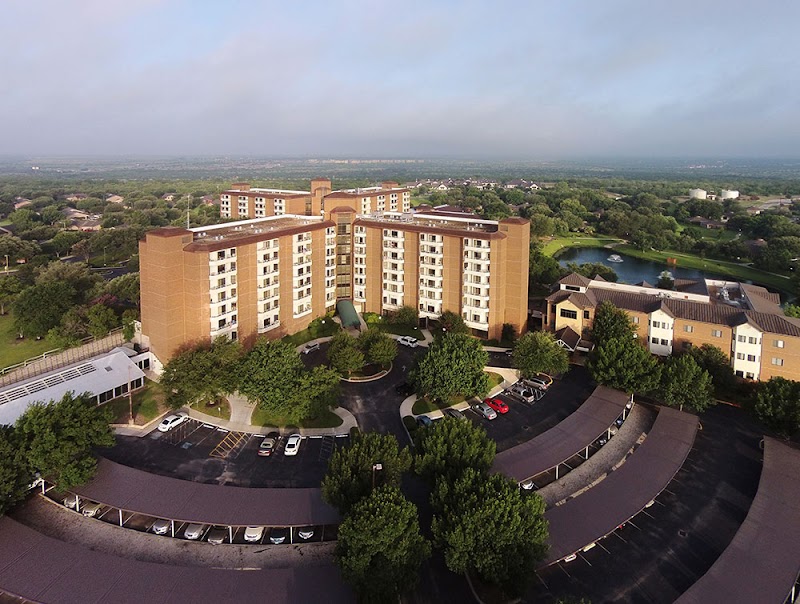
How is The Mission At Blue Skies Of Texas East Staffed?

CMS rates THE MISSION AT BLUE SKIES OF TEXAS EAST's staffing level at 4 out of 5 stars, which is above average compared to other nursing homes. Staff turnover is 56%, which is 10 percentage points above the Texas average of 46%. High turnover can affect care consistency as new staff learn residents' individual needs. RN turnover specifically is 73%, which is notably high. RNs provide skilled clinical oversight, so turnover in this role can affect medical care quality.

What Have Inspectors Found at The Mission At Blue Skies Of Texas East?

State health inspectors documented 31 deficiencies at THE MISSION AT BLUE SKIES OF TEXAS EAST during 2023 to 2025. These included: 1 Immediate Jeopardy (the most serious level, indicating potential for serious harm or death), 1 that caused actual resident harm, and 29 with potential for harm. Immediate Jeopardy findings are rare and represent the most serious regulatory concerns. They require immediate corrective action.

Who Owns and Operates The Mission At Blue Skies Of Texas East?

THE MISSION AT BLUE SKIES OF TEXAS EAST is owned by a non-profit organization. Non-profit facilities reinvest revenue into operations rather than distributing to shareholders. The facility operates independently rather than as part of a larger chain. With 80 certified beds and approximately 45 residents (about 56% occupancy), it is a smaller facility located in SAN ANTONIO, Texas.
How Does The Mission At Blue Skies Of Texas East Compare to Other Texas Nursing Homes?

Compared to the 100 nursing homes in Texas, THE MISSION AT BLUE SKIES OF TEXAS EAST's overall rating (3 stars) is above the state average of 2.8, staff turnover (56%) is near the state average of 46%, and health inspection rating (3 stars) is at the national benchmark.

What Should Families Ask When Visiting The Mission At Blue Skies Of Texas East?

Based on this facility's data, families visiting should ask: "What changes have been made since the serious inspection findings, and how are you preventing similar issues?" "How do you ensure continuity of care given staff turnover, and what is your staff retention strategy?" "Can I visit during a mealtime to observe dining assistance and food quality?" "How do you handle medical emergencies, and what is your hospital transfer rate?" These questions are particularly relevant given the facility's Immediate Jeopardy citations and the facility's high staff turnover rate.

Is The Mission At Blue Skies Of Texas East Safe?

Based on CMS inspection data, THE MISSION AT BLUE SKIES OF TEXAS EAST has documented safety concerns. Inspectors have issued 1 Immediate Jeopardy citation (the most serious violation level indicating risk of serious injury or death). The facility has a 3-star overall rating and ranks #1 of 100 nursing homes in Texas. Families considering this facility should ask detailed questions about what corrective actions have been taken since these incidents.

Do Nurses at The Mission At Blue Skies Of Texas East Stick Around?

Staff turnover at THE MISSION AT BLUE SKIES OF TEXAS EAST is high. At 56%, the facility is 10 percentage points above the Texas average of 46%. Registered Nurse turnover is particularly concerning at 73%. RNs handle complex medical decisions and coordinate care — frequent RN changes can directly impact care quality. High turnover means new staff may not know residents' individual needs, medications, or preferences. It can also be disorienting for residents, especially those with dementia who rely on familiar faces. Families should ask: What is causing the turnover? What retention programs are in place? How do you ensure care continuity during staff transitions?

Was The Mission At Blue Skies Of Texas East Ever Fined?

THE MISSION AT BLUE SKIES OF TEXAS EAST has been fined $20,163 across 2 penalty actions. This is below the Texas average of $33,280. While any fine indicates a compliance issue, fines under $50,000 are relatively common and typically reflect isolated problems that were subsequently corrected. Families should ask what specific issues led to these fines and confirm they've been resolved.

Is The Mission At Blue Skies Of Texas East on Any Federal Watch List?

THE MISSION AT BLUE SKIES OF TEXAS EAST is not on any federal watch list. The most significant is the Special Focus Facility (SFF) program, which identifies the bottom 1% of nursing homes nationally based on persistent, serious quality problems. Not being on this list means the facility has avoided the pattern of deficiencies that triggers enhanced federal oversight. This is a positive indicator, though families should still review the facility's inspection history directly.