THE RIO AT MISSION TRAILS
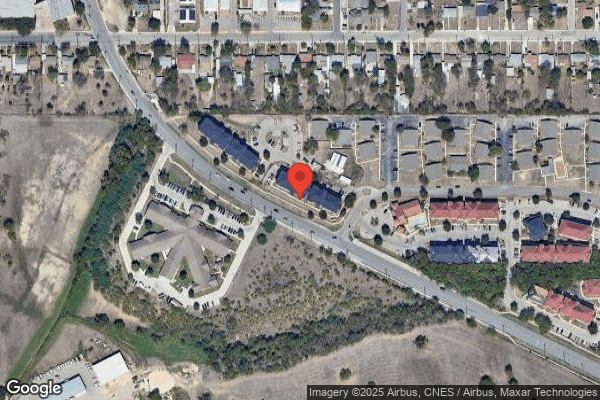
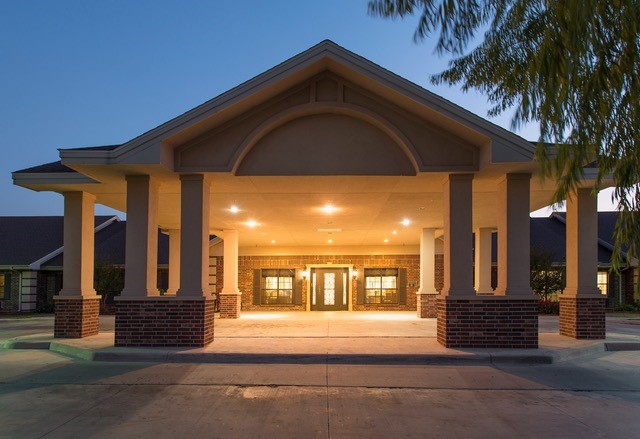
6211 S NEW BRAUNFELS AVE, SAN ANTONIO, TX 78223 (210) 531-0569
For profit - Limited Liability company 124 Beds CREATIVE SOLUTIONS IN HEALTHCARE Data: November 2025 5 Immediate Jeopardy citations
Trust Grade
0/100
#1129 of 1168 in TX
Last Inspection: December 2024

Within standard 12-15 month inspection cycle. Federal law requires annual inspections.

Overview

The Rio at Mission Trails has received a Trust Grade of F, indicating poor performance with significant concerns about care quality. It ranks #1129 out of 1168 nursing facilities in Texas, placing it in the bottom half, and #60 out of 62 in Bexar County, suggesting there are only two local options that are worse. The facility is showing an improving trend, having reduced its issues from 11 in 2024 to 4 in 2025; however, it has a troubling history, including critical incidents where residents did not receive necessary skin and wound care, leading to severe health complications and even death. Staffing is a concern with only 1/5 stars; while the turnover is slightly below average at 49%, there is less RN coverage than 80% of Texas facilities, which can impact the quality of care. Additionally, the facility has accrued fines totaling $578,806, higher than 99% of Texas facilities, indicating ongoing compliance problems.

Trust Score
F
0/100
In Texas
#1129/1168
Bottom 4%
Safety Record
High Risk
Review needed
Inspections
Getting Better
11 → 4 violations
Staff Stability
⚠ Watch
49% turnover. Above average. Higher turnover means staff may not know residents' routines.
Penalties
⚠ Watch
$578,806 in fines. Higher than 83% of Texas facilities, suggesting repeated compliance issues.
Skilled Nurses
⚠ Watch
Each resident gets only 17 minutes of Registered Nurse (RN) attention daily — below average for Texas. Fewer RN minutes means fewer trained eyes watching for problems.
Violations
⚠ Watch
22 deficiencies on record. Higher than average. Multiple issues found across inspections.
★☆☆☆☆
1.0
Overall Rating
★☆☆☆☆
1.0
Staff Levels
★★★★☆
4.0
Care Quality
★☆☆☆☆
1.0
Inspection Score
Stable
2024: 11 issues
2025: 4 issues

The Good

  • 4-Star Quality Measures · Strong clinical quality outcomes
  • Full Sprinkler Coverage · Fire safety systems throughout facility
  • No fines on record

Facility shows strength in quality measures, fire safety.

The Bad

1-Star Overall Rating

Below Texas average (2.8)

Significant quality concerns identified by CMS

Staff Turnover: 49%

Near Texas avg (46%)

Higher turnover may affect care consistency

Federal Fines: $578,806

Well above median ($33,413)

Significant penalties indicating serious issues

Chain: CREATIVE SOLUTIONS IN HEALTHCARE

Part of a multi-facility chain

Ask about local staffing decisions and management

The Ugly 22 deficiencies on record

5 life-threatening
Apr 2025 2 deficiencies
CONCERN (D) 📢 Someone Reported This

A family member, employee, or ombudsman was alarmed enough to file a formal complaint

Potential for Harm - no one hurt, but risky conditions existed

Abuse Prevention Policies (Tag F0607)

Could have caused harm · This affected 1 resident

**NOTE- TERMS IN BRACKETS HAVE BEEN EDITED TO PROTECT CONFIDENTIALITY** Based on observation, interview and record review the facility failed to implement written policies and procedures that prohibit...

Read full inspector narrative →
**NOTE- TERMS IN BRACKETS HAVE BEEN EDITED TO PROTECT CONFIDENTIALITY** Based on observation, interview and record review the facility failed to implement written policies and procedures that prohibit and prevent abuse neglect for 1 of 11 Residents (Resident #1) whose records were reviewed for abuse and neglect. 1. Resident #1 told RT A she yelled at her on 03/01/2025 when Resident #1 wanted a larger cup of ice. RT A wrote the allegation was made by Resident #1 in Resident#1's progress notes without reporting the allegation to the Administrator that RT A had yelled at Resident #1. 2. The ADM reported the allegation of Resident Abuse on 03/03/2025, 2 days later to the State Agency when RT A's progress note for Resident #1 was reviewed. The noncompliance was identified as PNC. The noncompliance began on 03/01/2025 and ended on 03/03/2025. The facility had corrected the noncompliance before the survey began. These failures could affect residents who reside at the facility and result in allegations of abuse not investigated immediately and harm to the resident. The findings included: Review of the facility policy, Abuse/Neglect revised 3/29/18, read: The facility will provide and promote the protection of resident rights. It is everyone's responsibility to recognize, report and promptly investigate actual or alleged abuse, neglect, exploitation, mistreatment of residents or misappropriation of resident property, abuse and situations that may constitute abuse or neglect to any resident in the facility. 3. Facility employees must report all allegations: abuse, neglect, exploitation, mistreatment of residents or misappropriation of resident property or injury of unknown source to the facility administrator. The facility administrator or designees will report to HHSC all incidents that meet the criteria of Provider Letter 19-17 dated 7/10/19. a. If the allegations involve abuse or result in serious bodily injury, the report must be made within 2 hours of the allegation. Record Review of Resident #1's electronic face sheet dated 04/09/2025 reflected she was initially admitted to the facility on [DATE] and readmitted on [DATE]. Her diagnoses included: acute and chronic respiratory failure with hypoxia (inadequate gas exchange by the respiratory system resulting in low oxygen levels), depression (mood disorder that causes a persistent feeling of sadness and loss), anxiety (an emotion characterized by an unpleasant state of inner turmoil), myopathy (disease of the muscles that connect to the bones) and dysphagia (difficulty in swallowing food or liquid). Record Review of Resident #1's admission MDS assessment dated [DATE] reflected she was sometimes understood and sometimes understands. She scored a 99 on her BIMS which signified the interview could not be completed related to refusal to answer or nonsensical responses. She was dependent for care. Resident's diet was NPO, and she received enteral nutrition. She had a tracheostomy with invasive mechanical ventilation. Record review of Resident #1's comprehensive care plan revised dated 03/01/2025 reflected Focus, may have ice chips per MD orders, Intervention, supervise resident while consuming ice chips. Record review of Resident #1's Active Orders as of: 03/01/2025 reflected Pt may have ice chips in three-fourths of a cup once a shift upon request. Pt must be elevated in an upright position with her cuff deflated with RT supervision at bedside Phone Active 03/01/2025. Record review of RT A's progress note dated 03/1/2025 at 01:15 pm reflected. 3/1/2025 13:15 Activity Note Note Text: The resident accused me of yelling at her, which I did not do. I explained that i have never raised my voice at any of my patient before. I also clarified that because I am wearing a face mask, I naturally speak a little louder than usual. The resident stated, I'm not deaf and claimed that what I said was inappropriate, by saying what i said was Bull shit.She also requested a larger cup of ice. I informed her that I am unable to provide a larger cup and I could not stay in the room longer than 10 minutes, as I am the only RT on the floor now. She responded by saying that was also bullshit and insisted that I did have time to stay longer.SA B was present. The resident then asked if one of them could stay in the room because she felt I was going to yell at her again. SA B stayed in the room with me while I provided the ice to the patient from 12:43 pm - 1:15 pm Observation on 04/08/2025 at 09:15 am of Resident #1 lying on an air mattress in bed revealed she received mechanical ventilation via an oxygen concentrator with tubing connected to her tracheostomy. Interactions between Resident #1 and staff was positive. Interview on 04/08/2025 at 09:22 am with Resident #1, she denied abuse, yelling or issues with staff. She whispered her care was good at the facility and staff treated her well. Interview on 04/08/2025 at 04:42 pm with RT A revealed that she went to provide Resident #1 ice as ordered and Resident #1 requested a bigger cup of ice On 3/1/2025. She stated she wore a mask because Resident #1 was on enhanced barrier precautions. RT A stated she told Resident #1 she would need to check the physician orders and she stated she spoke louder wearing the mask. She stated Resident #1 said You do not have to yell at me, I am not deaf. She stated Resident #1 apologized to her later in the day for being rude. She denied yelling. She stated she reported to her supervisor that Resident #1 was not happy, but she did not think to report the incident to the Administrator who was the abuse and neglect coordinator, but she did annotate the quote from Resident #1 in her progress notes. She stated she had training on abuse and neglect. Interview on 04/09/2025 at 10:50 am with RT D, RT A's supervisor, he stated RT A called him and told him Resident #1 was not happy about the ice. He stated she did not mention anything about Resident #1's allegations. He stated RT staff were trained on abuse and neglect. Interview on 04/10/2025 at 02:57 pm with SA B revealed she was present in Resident #1's room when RT A provided her the ice chips, and she did not witness RT A yelling or being inappropriate. Interview on 04/10/2025 at 5:33 pm with the DON revealed when the administrative team reviewed the notes from the weekend, they immediately started to investigate the incident and train 100 percent of the staff on abuse and when to report, to whom and provided the ADM's phone number. Interview on 04/10/2025 at 5:53 pm with the ADM revealed Administrator reviewed the abuse and neglect protocol. Seven components. Training important and reporting immediately. Accountable for care at the facility. They provided the in-service to 100% staff after they found RT A's note. They do a meeting and review progress notes and found that communication The Administrator said they do champion rounds and monitor for abuse and neglect. Accountable for the care in the facility. Record review of RT A's in-service attendance record dated 01/12/2025 reflected she received training on abuse/neglect and reporting. The facility course of action prior to surveyor entrance included: Record review of the facility PIR dated 03/03/2025 reflected an investigation into the incident between Resident #1 and RT A was investigated and reported immediately to HHSC. Record review of the Administrator's PIR dated 03/03/2025 revealed: All required notifications were made which included the Medical Director, Responsible Party, Physician, QA Ad Hoc Committee and HHSC. Record review of RT A's personnel folder reflected no issues of concern. Record review dated 04/10/2025- 118 staff, all staff, were in-serviced on using a staff roster were checked off and signed for in-services titled: Abuse/Neglect and Reporting. STAFF INTERVIEWS ON TRAINING: 04/10/2025 from 2:57 PM to 5:33 PM revealed staff were scheduled for 12-hour shifts, many worked both day, evening, and night shifts. On 04/10/2025 at total of 6 LVN's (E, F, G, H, I and J), 4 CNA's (K, L, M and N), 1 CMA (O), 1 SA (B) 1 PT (C) and 2 RTs (A and D), 2 RN's, (DON, ADON) were interviewed on reporting, abuse, and neglect. They were trained to report to the ADM, provided a phone number and instructed to report immediately or within 2 hours. They were instructed on the diverse types of abuse. The noncompliance was identified as PNC. The noncompliance began on 03/01/2025 and ended on 03/03/2025. The facility had corrected the noncompliance before the survey began.
CONCERN (D) 📢 Someone Reported This

A family member, employee, or ombudsman was alarmed enough to file a formal complaint

Potential for Harm - no one hurt, but risky conditions existed

Report Alleged Abuse (Tag F0609)

Could have caused harm · This affected 1 resident

**NOTE- TERMS IN BRACKETS HAVE BEEN EDITED TO PROTECT CONFIDENTIALITY** Based on observation, interviews and record reviews, the facility failed to ensure that all alleged violations involving abuse, ...

Read full inspector narrative →
**NOTE- TERMS IN BRACKETS HAVE BEEN EDITED TO PROTECT CONFIDENTIALITY** Based on observation, interviews and record reviews, the facility failed to ensure that all alleged violations involving abuse, neglect, exploitation, or mistreatment, including injuries of unknown origin are reported immediately, but no later than 2 hours after the allegation is made for 1 of 3 (Resident #1) residents involved involved in in incidents reviewed for reporting allegations of abuse and neglect 1. Resident #1 told RT A she yelled at her on 03/01/2025 when Resident #1 wanted a larger cup of ice. RT A wrote the allegation was made by Resident #1 in Resident#1's progress notes without reporting the allegation to the Administrator that RT A had yelled at Resident #1. 2. The ADM reported the allegation of Resident Abuse on 03/03/2025, 2 days later to the State Agency when RT A's progress note for Resident #1 was reviewed. The noncompliance was identified as PNC. The noncompliance began on 03/01/2025 and ended on 03/03/2025. The facility had corrected the noncompliance before the survey began. These failures could affect residents who reside at the facility and result in allegations of abuse not investigated immediately and harm to the resident. The findings included: Record Review of Resident #1's electronic face sheet dated 04/09/2025 reflected she was initially admitted to the facility on [DATE] and readmitted on [DATE]. Her diagnoses included: acute and chronic respiratory failure with hypoxia (inadequate gas exchange by the respiratory system resulting in low oxygen levels), depression (mood disorder that causes a persistent feeling of sadness and loss), anxiety (an emotion characterized by an unpleasant state of inner turmoil), myopathy (disease of the muscles that connect to the bones) and dysphagia (difficulty in swallowing food or liquid). Record Review of Resident #1's admission MDS assessment dated [DATE] reflected she was sometimes understood and sometimes understands. She scored a 99 on her BIMS which signified the interview could not be completed related to refusal to answer or nonsensical responses. She was dependent for care. Resident's diet was NPO, and she received enteral nutrition. She had a tracheostomy with invasive mechanical ventilation. Record review of Resident #1's comprehensive care plan revised dated 03/01/2025 reflected Focus, may have ice chips per MD orders, Intervention, supervise resident while consuming ice chips. Record review of Resident #1's Active Orders as of: 03/01/2025 reflected Pt may have ice chips in three-fourths of a cup once a shift upon request. Pt must be elevated in an upright position with her cuff deflated with RT supervision at bedside Phone Active 03/01/2025. Record review of RT A's progress note dated 03/1/2025 at 01:15 pm reflected. 3/1/2025 13:15 Activity Note Note Text: The resident accused me of yelling at her, which I did not do. I explained that i have never raised my voice at any of my patient before. I also clarified that because I am wearing a face mask, I naturally speak a little louder than usual. The resident stated, I'm not deaf and claimed that what I said was inappropriate, by saying what i said was Bull shit.She also requested a larger cup of ice. I informed her that I am unable to provide a larger cup and I could not stay in the room longer than 10 minutes, as I am the only RT on the floor now. She responded by saying that was also bullshit and insisted that I did have time to stay longer.SA B was present. The resident then asked if one of them could stay in the room because she felt I was going to yell at her again. SA B stayed in the room with me while I provided the ice to the patient from 12:43 pm - 1:15 pm Observation on 04/08/2025 at 09:15 am of Resident #1 lying on an air mattress in bed revealed she received mechanical ventilation via an oxygen concentrator with tubing connected to her tracheostomy. Interactions between Resident #1 and staff was positive. Interview on 04/08/2025 at 09:22 am with Resident #1, she denied abuse, yelling or issues with staff. She whispered her care was good at the facility and staff treated her well. Interview on 04/08/2025 at 04:42 pm with RT A revealed that she went to provide Resident #1 ice as ordered and Resident #1 requested a bigger cup of ice On 3/1/2025. She stated she wore a mask because Resident #1 was on enhanced barrier precautions. RT A stated she told Resident #1 she would need to check the physician orders and she stated she spoke louder wearing the mask. She stated Resident #1 said You do not have to yell at me, I am not deaf. She stated Resident #1 apologized to her later in the day for being rude. She denied yelling. She stated she reported to her supervisor that Resident #1 was not happy, but she did not think to report the incident to the Administrator who was the abuse and neglect coordinator, but she did annotate the quote from Resident #1 in her progress notes. She stated she had training on abuse and neglect. Interview on 04/09/2025 at 10:50 am with RT D, RT A's supervisor, he stated RT A called him and told him Resident #1 was not happy about the ice. He stated she did not mention anything about Resident #1's allegations. He stated RT staff were trained on abuse and neglect. Interview on 04/10/2025 at 02:57 pm with SA B revealed she was present in Resident #1's room when RT A provided her the ice chips, and she did not witness RT A yelling or being inappropriate. Interview on 04/10/2025 at 5:33 pm with the DON revealed when the administrative team reviewed the notes from the weekend, they immediately started to investigate the incident and train 100 percent of the staff on abuse and when to report, to whom and provided the ADM's phone number. Interview on 04/10/2025 at 5:53 pm with the ADM revealed Administrator reviewed the abuse and neglect protocol. Seven components. Training important and reporting immediately. Accountable for care at the facility. They provided the in-service to 100% staff after they found RT A's note. They do a meeting and review progress notes and found that communication The Administrator said they do champion rounds and monitor for abuse and neglect. Accountable for the care in the facility. Record review of RT A's in-service attendance record dated 01/12/2025 reflected she received training on abuse/neglect and reporting. The facility course of action prior to surveyor entrance included: Record review of the facility PIR dated 03/03/2025 reflected an investigation into the incident between Resident #1 and RT A was investigated and reported immediately to HHSC. Record review of the Administrator's PIR dated 03/03/2025 revealed: All required notifications were made which included the Medical Director, Responsible Party, Physician, QA Ad Hoc Committee and HHSC. Record review of RT A's personnel folder reflected no issues of concern. Record review dated 04/10/2025- 118 staff, all staff, were in-serviced on using a staff roster were checked off and signed for in-services titled: Abuse/Neglect and Reporting. STAFF INTERVIEWS ON TRAINING: 04/10/2025 from 2:57 PM to 5:33 PM revealed staff were scheduled for 12-hour shifts, many worked both day, evening, and night shifts. On 04/10/2025 at total of 6 LVN's (E, F, G, H, I and J), 4 CNA's (K, L, M and N), 1 CMA (O), 1 SA (B) 1 PT (C) and 2 RTs (A and D), 2 RN's, (DON, ADON) were interviewed on reporting, abuse, and neglect. They were trained to report to the ADM, provided a phone number and instructed to report immediately or within 2 hours. They were instructed on the diverse types of abuse. Review of the facility policy, Abuse/Neglect revised 3/29/18, read: The facility will provide and promote the protection of resident rights. It is everyone's responsibility to recognize, report and promptly investigate actual or alleged abuse, neglect, exploitation, mistreatment of residents or misappropriation of resident property, abuse and situations that may constitute abuse or neglect to any resident in the facility. 3. Facility employees must report all allegations: abuse, neglect, exploitation, mistreatment of residents or misappropriation of resident property or injury of unknown source to the facility administrator. The facility administrator or designees will report to HHSC all incidents that meet the criteria of Provider Letter 19-17 dated 7/10/19. a. If the allegations involve abuse or result in serious bodily injury, the report must be made within 2 hours of the allegation. The noncompliance was identified as PNC. The noncompliance began on 03/01/2025 and ended on 03/03/2025. The facility had corrected the noncompliance before the survey began.
Feb 2025 2 deficiencies 2 IJ
CRITICAL (J) 📢 Someone Reported This

A family member, employee, or ombudsman was alarmed enough to file a formal complaint

Immediate Jeopardy (IJ) - the most serious Medicare violation

Free from Abuse/Neglect (Tag F0600)

Someone could have died · This affected 1 resident

**NOTE- TERMS IN BRACKETS HAVE BEEN EDITED TO PROTECT CONFIDENTIALITY** Based on observation, interview, and record review, the facility failed to ensure each resident was free from neglect for 1 of 5...

Read full inspector narrative →
**NOTE- TERMS IN BRACKETS HAVE BEEN EDITED TO PROTECT CONFIDENTIALITY** Based on observation, interview, and record review, the facility failed to ensure each resident was free from neglect for 1 of 5 Residents (Residents #1) reviewed for neglect. During a capping trial on 02/14/2025, Resident #1 was not monitored, and no staff were physically present in her room. Resident #1 became unresponsive and had to be transported to the ER for treatment. The facility did not have a policy/procedure in place for capping trials at the time of the incident. Resident #1 died at the hospital on [DATE]. This failure resulted in an IJ on 02/21/2025 at 5:00 PM. While the IJ was removed on 02/23/2025 at 3:45 PM., the facility remained out of compliance at a level of no actual harm with potential for more than minimal harm that was not immediate jeopardy with a scope of isolated due to facility's need to evaluate the effectiveness of their plan of removal. This failure could place tracheostomy residents recommended for a capping trail at risk for exacerbation of condition up to and including death. The findings included: Resident #1's face sheet, undated, revealed the resident was a [AGE] year-old admitted on [DATE], re-admitted [DATE], transferred to hospital 02/14/2025, and deceased [DATE]. Diagnoses included: stroke, cerebral aneurism (blood vessel weakness in the brain), diabetes, DVT (deep vein thrombosis) (blood clots in deep vein), HTN (hypertension), quadriplegic, and seizures. Further review revealed the resident's RP was listed as a family member, and the resident's Code Status was Full Code. Record review of Resident#1's admission note, dated 10/29/24 and 2/2/25, reflected the resident was admitted to the facility with a tracheostomy on both occasions. Record review of Resident #1's admissions MDS, dated [DATE], reflected the resident was unable to answer questions in cognition, and had upper and lower extremity impairments due to a diagnosis of stroke. Record review of Resident #1's Care Plan, dated 11/6/2024, reflected: resident had a tracheostomy related to respiratory failure. Interventions included tracheostomy care Q shift and Capping trials 30 mins_1 hour BID as tolerated . Monitor respiratory rate, depth and quality . Record review of Resident #1's physician's order, dated 02/2025, reflected orders to administer capping trials for 30 minutes up to 1 hour twice per day on the day shift starting 1/12/2025 and ending 2/19/2025; and use of nasal cannula at 3L/ minute during capping trials. Record review of Resident #1's Pulmonologist note, dated 2/14/25 at 11:30 AM, reflected, resident tolerated the second capping trial on 2/13/25 well and was on a T piece for oxygen. Record review of Resident #1's RT note, dated 2/14/25 at 11:36 AM authored by RT A, reflected: the resident was placed on a red cap trial with a heart rate of 84 and an oxygen saturation of 97%; and the resident was noted not to be in distress. Record review of Resident #1's RT note, dated 2/14/25 at 11:59 AM authored by RT A, reflected: RT A checked on the resident at 11:59 AM and the resident's oxygen saturation was at 97 % and heart rated at 84. Resident received 3 L/minute of O2 from nasal cannula. Record review of Resident #1's RT note dated 2/14/25 at 12:38 PM authored by RT A, reflected: resident was found unresponsive with no pulse felt. CPR was started by the RT A and a Nurse (name not documented) and EMS called and Resident #1 was transferred to the ER. Record review of Resident#1's capping sheet for capping trial #1 (2/12/2025) and capping trial # 2 (2/13/25) reflected vitals were normal and the first capping lapse time was 30 minutes; and the second capping #2 time was recorded as 30 minutes. The trach and capping trial sheet reflected that the resident's [RP] was present at bedside. The third capping on 2/14/2025 started at 11:36 AM for one hour of capping and the sheet reflected that RT A saw the resident at 11:59 AM; stop time was not recorded. Record review of Resident #1's Code Blue Record, dated 2/14/2025 at 12:44 PM, reflected the code was initiated at 12:38 PM. The Code Blue Record read: History of Code: RT [A] noted Resident unresponsive and no pulse .Pulse detected @ 62 BPM after 2 rounds. EMS arrived and transported resident to [local ER] . Record review of Resident #1's EMS Run Report, dated 2/14/25 at 12:41 PM (Incident # 0209529) , read: .According to staff she was last [seen] with a pulse 39 mins prior and no shocks were delivered .After a round of epi, bicarb and calcium [heart medications] was delivered .Pulses were confirmed at a ratee of 60 .En route the pulse was lost .and one more dose of epi (heart medication) was applied . Resident #1's ER report, dated 02/14/2025, revealed, admitted for cardiac arrest; history of trach. The ER report read, She is a nursing home resident with approximately 30 minutes of unresponsiveness prior to EMS arrival. She did require CPR with ROSC (return of spontaneous circulation) obtained in the ER [another heart attack in the ER] . remains unresponsive. Record review of Resident #1's Hospital initial assessment note read: OOH (out of hospital) arrest 2/14 .ABI (brain injury); mri (scan) anoxic ischemia [tissue dead due to lack of O2] .C diff colitis .[history of brain bleed August 2024] .AKI (acute kidney injury), likely secondary to hypoperfusion during arrest (lack of blood flow) .chronic respiratory failure s/p (status post) trach .HTN (hypertension) .DM (diabetes). During an interview on 2/18/25 at 1:14 PM, the DON stated on 2/17/25 the family came in to speak to the administrator and alleged the resident [Resident #1] was deceased and needed to pick up her belongings. The DON stated, the family felt that the death was suspicious. The DON stated, the administrator informed her that he would make a self-report to HHS of a suspicious death. The DON stated that the resident coded on 2/14/25 and was resuscitated and sent to the ER for further evaluation. The DON stated the administrator contacted the family on 2/18/25 and was informed the resident was still alive. The DON stated the resident had a history of pleural infusion (issues with excess fluid in the lungs), HTN, and history of CVA; and chronic stage 3 kidney disease. The DON stated, the resident was on a trach because the resident had respiratory failure after her stroke at home, prior to admissions. The resident arrived at admissions with a trach and a ventilator. The DON stated the resident was weaned off the ventilator around December 2024. The DON stated the resident was kept on the trach for respiratory reasons. The DON stated an in-service was initiated on ANE on 2/14/2025 was still on-going on 2/18/2025. The DON stated that there were 18 residents with a trach in the respiratory hall (Hall 400). During a telephone interview on 2/18/25 at 1:18 PM, the Medical Examiner stated the cause of death involving Resident #1 was still under investigation. During an interview on 2/18/25 at 3:50 PM, The DON stated no staff was present for Resident #1's initial capping trials for 100% of the time. The DON stated there was no requirement for staff to be present during trach capping trials; and Resident #1 did not start a trial until a full evaluation by the Pulmonologist. The DON stated the capping trials did not contribute to the cardiac arrest. The DON stated the initial trials were done daily, one trial per day; the first and second trials started 2/12/2025 in AM shift (12 AM-12 PM) and no staff were physically present during the trial time span of the first and second trials. The DON stated on the third trial on 2/14/25 started at 11:36 AM the RT discovered resident unresponsive at 12:30 PM. The DON stated that the resident breathing was assessed at 11:59 PM; O2 was at 97 % (normal) and pulse was at 84 (normal). The DON stated based on the timeline the RT [A] entered at 12:38 PM and found the resident unresponsive; with no pulse and code was called. The DON stated there was no policy on capping trials except to follow physician orders. The DON stated the physician's orders did not specify that a staff member had to be present during the time resident was breathing independently. The DON stated no one was required to be present during the time of monitoring. The DON stated the resident's co-morbidities caused the cardiac arrest during the third capping trial. The DON stated the Pulmonologist was working with Resident #1 and felt it was safe to initiate capping trials. During an interview 2/19/25 at 9:21 AM, RT Director stated, Resident #1 was doing well after the removal of the ventilator. Resident had hemoglobin issues; needed transfusions. The RT Director stated Resident #1 was stable and capping trials started; 2/12/25 for two trials. The RT Director stated on the third trial an oximeter [non-audible] placed on Resident #1. The RT Director stated, the oximeter would not alert or alarm if the resident had a cardiac rest. The RT Director stated, at the time of the third trial there was no system in place to monitor the heart rate. The RT Director stated the trial started, and the RT specialist [RT A] checked on the resident within a time frame of 30 minutes. The RT Director stated the resident had underlying issues that included HTN, stroke, anemia, and kidney issues. The RT Director there was no one physically present for one-on-one monitoring during any trial for Resident #1. The RT Director stated existing policy only called for spot checks and no documentation was required for the spot checks. The RT Director did not provide a response as to whether a resident like Resident #1 with co-morbidities needed a physical presence when cap trials were done. The RT Director stated in-service training for the RT staff was started on 2/18/25 [at time of surveyor's entrance] on trach care and capping procedures. The RT Director stated Resident #1 could not uncap on her own. The RT Director stated that the facility did not have a written policy on capping because capping was based on clinical standards. During a telephone interview on 2/19/25 at 9:54 AM, RT A stated she was the RT for the 3rd capping trial for Resident #1. RT A stated before the trail started, she checked Resident #1's O2 sats, trach care, breathing treatment, and mental status. RT A stated, she placed an oximeter [non audible] on the resident that read for saturation and heart rate. RT A stated that the oximeter would not alarm if the resident had a cardiac arrest. RT A stated that the resident had previous underlying issues. RT A stated Resident #1's the third capping trial started at 11:16 AM and she returned at 11:59 AM to check on the resident and the resident was not in distress. RT A stated she returned at 12:36 PM and the resident was unresponsive; the resident was pale, not responding to sternal rubbing and calling her name; then the RT called for help; CPR started at 12:38 PM, EMS arrived, and the resident was resuscitated. The RT stated. I did not stay with the resident because she had no previous issues with capping. RT A stated she did not stay with Resident #1 because she had to attend to other residents. Interview on 2/19/2025 at 12:05 PM with the Medical Director revealed Resident #1 suffered a cardiac arrest during the third capping trial on 02/14/2025. During interview on 2/19/2025 at 1:25 PM with the Pulmonologist stated Resident #1 was a suitable candidate for capping trials because the resident was off the ventilator and had no congestion. The Pulmonologist stated observation during capping only required the RT to view the resident for a few minutes. The Pulmonologist said the RT could leave after the resident was not in distress and return later for further assessment of independent breathing. The Pulmonologist stated the facility had no equipment for monitoring present in Resident #1's room when the capping trial was conducted. The Pulmonologist stated Resident #1's cardiac arrest could not have been predicted, but no alert system or monitoring equipment were present to alert RT staff who were not physically present in the room when Resident #1 coded. During an interview on 2/19/25 at 4:04 PM, LVN B stated on 2/14/25 she saw Resident #1 at 12:10 PM and the resident was not in distress. LVN B stated she saw a red cap on the resident's trach and the resident was breathing with the nasal canula receiving 3-4 liters/ minute. LVN B stated, the resident looked normal. LVN B stated she did not document the observation of Resident #1 during the initial capping trial. During telephone interview on 2/20/2025 at 10:50 AM, RT G stated he initiated the first capping trial for Resident #1 on 2/12/25 for 30 minutes and remained with the resident 100% of the time. RT G stated the resident tolerated the 30 minutes of capping and revealed no signs of distress. RT G stated he was not aware of any facility policy on capping. RT G stated his policy was to remain with the resident throughout the trail to ensure the resident did not suffer any distress. During telephone interview on 2/20/2025 at 11:00 AM, RT C stated she initiated capping trial for Resident #1 on 2/13/25 at 1:30 PM and the resident's RP was present. RT C stated she remained the entire time with the resident and the RP during the trial scheduled for 30 minutes. RT C recalled the second capping trial was halted between 15-20 minutes because the resident became exhausted. RT C stated she was not aware of any facility policy on capping. Record review of Resident #1's Trach Capping Flow Sheet dated 2/13/2025 read: .Resident coughed. RT [RT C] had resident complete alphabet then ended trial. [family member] of resident @ bedside . During telephone interview on 2/20/2025 at 4:35 PM, the family member stated the family member and the [RP] at admission were told by the RT Director that a staff member would be physically present when capping trials were attempted. The family member stated at a second meeting before the capping trials started the RT Director again assured the family that a staff member would be present all the time during the initial capping trials. The family member stated the family told the RT Director that the family was concerned about the resident's condition and her inability to communicate during an emergency. During telephone interview on 2/20/2025 at 5:02 PM, Resident #1's RP stated he recalled when Resident #1 was admitted to the facility the Rehab Director assured him and the family that during the initial capping trials that staff would be present all the time. The RP stated that at a second CP meeting, unknown date, the RT Director was present and assured the family that staff would be present all the time during the initial capping trials. The RP stated he was happy about the staff being present during the initial capping trial because the resident could not pull the call light and could not cry out for help. The RP stated he was physically present with the [RT C] all the time on the second capping trial. The RP recalled he repeated the alphabet to the capped resident, and she was able to mimic some sounds. The RP stated the second capping trial lasted about 15-20 minutes and it was scheduled for 30 minutes. The RP stated he was not sure why the second capping trial did not last for 30 minutes. The RP stated that he was not invited to the third capping trial on 2/14/25. Resident #1's RP stated, if I had known that [the resident] was going to be left alone, I would not allow the third trial. The RP stated his expectation was for staff to be physically present 100% of the time during the third capping trial and not just spot checking and monitoring. The RP stated he saw Resident #1 on 2/13/25 and she was alert and smiling. The RP stated he visited Resident #1 regularly for the past seven months. The RP stated that she (Resident #1) was left by herself [2/14/25] .I was assured that staff would be present all the time . During an interview on 2/21/2025 at 9:18 AM, the ICU RN D stated the hospital clinical notes authored by MD E for Resident #1's record reflected the resident was admitted to ICU on 2/14/25 with no vasopressors (medications used to raise blood pressure in the emergency room) and intubated and placed on a ventilator. RN D stated the resident was anoxic per the MD note (without oxygen in the brain) and coded. RN D stated with family's approval resident was made an in hospital DNR. RN D stated, the resident deceased on 2/18/25. During second interview on 2/21/25 at 1:12 PM, the Pulmonologist stated Resident #1 was a suitable candidate for capping trials. The Pulmonologist stated her expectation was at the first capping trail staff needed to be present the entire time of the capping; on the second trial of capping the family was present the entire time. The Pulmonologist stated given that Resident #1 experienced a cardiac arrest on the third trial, Yes staff should have been present all the time. The Pulmonologist stated Yes the facility needed a policy on capping. During an interview on 2/21/25 at 1:17 PM, RT F stated she was trained on capping procedures in school and had been an RT for five years. RT F stated capping trials were dependent on the resident's condition and being off the ventilator. RT F stated the initial trials ranged from 30-60 minutes. RT F stated monitoring involved checking on the resident and it could be continuous or sporadic for the initial trials. RT F stated on the first capping it required 100% presence of staff in the room; trial 2 and 3 were dependent on how well the resident did in trial one. RT F stated there was no policy or protocol on capping, and one should be present for resident safety. During an interview an interview on 2/21/25 at 1:50 PM, the Administrator stated he met with Resident #1's family on 2/17/25 and was informed by the family that the resident was deceased . The Administrator stated that standards of care dictated the initial capping trials for Resident #1. The Administrator stated the facility's investigation of the incident on 2/14/2025 was still in progress. During an interview on 2/21/2025 at 1:55 PM, the RT Director denied he ever made a commitment to Resident #1's family and RP that staff would be present during the entire time of the capping trials. The RT Director stated at admissions the family and RP were informed they had an open invitation to attend capping trials. The RT Director stated there was no requirement that he call the RP to initiate a capping trial. During interview on 2/21/25 at 2:30 PM, the DON stated the timeline was as follows: 11:30 AM - Pulmonologist assessed the resident and no contra indications against the third capping trial on 2/14/2025. 11:36 AM - RT [A] capped the resident. 11:59 AM - RT [A] re-assessed the resident. 12:15 PM - LVN [B] made rounds and observed the resident. The resident was not in distress. 12:38 PM - RT [A] found the resident unresponsive; code called, and CPR started. 12:41 PM - EMS arrived. 12:44 PM - EMS transported resident to ER. In an interview and observation on 2/22/25 at 11:34 AM, RT C revealed a battery-operated audible pulse oximeter was kept on the Respiratory Therapist cart and the facility had this audible pulse oximeter for about three months. In an interview on 2/23/25 from 11:14 AM to 11:35 AM, the Respiratory Therapy Director stated he provided the in-service training to the RTs of the revised capping trial policy either in person or via phone or text message. The Respiratory Therapy Director stated the facility has had the plug-in audible pulse oximeter for about a week or two. Record review of facility's policy titled Tracheostomy Care Procedures dated 10/19/2009 revealed Tracheostomy care will be performed per physician's orders. Record review of facility's policy titled Capping Trial for Tracheostomy Patients dated Revised 2023 [from an unknown author and not signed by the Facility's QAPI leadership team] was presented to the Surveyor on 2/21/25 at 4:45 PM while template vetting discussion was in progress. Record review of the facility's policy titled Abuse/Neglect, dated revised 9/9/24, read: .Neglect is the failure of the facility, its employees or service providers to provide goods and services to a resident that are necessary to avoid physical harm, pain, mental anguish, or emotional distress . Record review of facility's in-service on the topic of Notify MD of any Respiratory Change of condition and Follow Physician's Orders was started on 2/18/25 [day of the surveyor's entrance]. Of 16 RT employees 13 RTs had attended the training for a completion rate of 81%. On the topic of Monitoring During Capping Trials started 2/28/25, 13 RTs had attended the training for a completion rate of 81%. The Capping training read: RT will monitor and perform O2 saturation checks and pulse checks at least every 30 minutes during capping trials. The Administrator and the DON were notified of the Immediate Jeopardy on 2/21/25 at 5:00 PM and were provided with the Immediate Jeopardy Template. The facility was asked to provide a Plan of Removal to address the Immediate Jeopardy. The Plan of Removal was accepted on 10:03 a.m. on 2/22/25 and reflected the following: February 21, 2025 [Facility] Re: F600 NEGLECT Interventions: On 2/21/25 All medical records of residents with a trach were audited by the DON/ADON/RT supervisor to ensure that an order for capping trails was followed as ordered by the physician. The audit completed on 2/21/25 revealed no current residents are being trialed on capping of tracheostomies. On 2/21/25 Procedure for capping trials was developed and implemented. On 2/21/25 all Respiratory Therapist were/will be in-serviced by the DON, RT supervisor regarding: o Following physician orders will include monitoring to be documented by the respiratory therapist. o The respiratory therapist will remain at bedside to assess the resident for 10 minutes at the beginning of the capping trial and document assessment to include pulse, oxygen saturation, respiration and lung sounds o Respiratory Therapist will remain on the unit while capping trial is being conducted until determined by physician monitoring is no longer required o Use of an audible pulse oximeter during capping trial time will be indicated in the physician orders for monitoring purposes based on resident individual needs. o The audible pulse oximeter will be audible from other rooms on the unit. o Respiratory Therapist will respond to audible pulse oximeter alarm and assess resident needs if indicated. o Nursing staff will be in-serviced on 2/22/25 to the capping trial process and available to respiratory therapist if any change of condition occurs by the DON/designee. o Respiratory Therapist will monitor the resident every 30min during capping trail for any change of condition. o Monitoring of tracheotomy capping trial residents will be done by Respiratory Therapist o Monitoring oxygen saturation, respirations and pulse during capping trails o Notifying the physician and family of any change in condition during capping trials. On 2/21/25 all facility staff were in serviced by the DON, ADON/designee related to Abuse and Neglect. All new hired Respiratory Therapist and nurses as well as any agency therapist/nurses that maybe utilized will receive the in-services upon hire. Any respiratory therapist and nurse that has not received the in-services will complete prior to start of shift. The DON and Respiratory Therapist will ensure that all respiratory therapist and nurses receive in-services, and the Administrator will validate completion of in-services. Monitoring: At least 5 times per week for 4 weeks then 2 times a week for 4 weeks then as needed as capping trials orders occur, orders will be reviewed by the DON/designee to ensure that capping trial orders are complete. The DON / RT supervisor will interview at least 3 Respiratory Therapist per week for 4 weeks then 2 times a week for 4 weeks and questions will include: o How frequently do you monitor residents on capping trials? o What vitals are to be monitored during capping trials? o When do you notify the physician and family? o For capping trials whose orders are to be followed? The DON/ADON/RT supervisor will review resident's records (vital signs, progress notes) of capping trials at least 5 times per week for 4weeks then 2 times a week for 2 weeks then as needed to monitor the residents for any changes of condition during the capping trial. And ensure that the physician/family was notified of resident changes in condition. The administrator will monitor and review the findings of the DON/ADON/RT supervisor during morning and stand down meeting at least 5 times per week for 4weeks then 2 times a week for 2 weeks then as needed. Findings will be reviewed by the QAPI committee and changes will be made as needed. Verification of Plan of Removal: In an interview on 2/22/25 at 11:09 AM, the DON stated there were no residents who were on a ventilator who had an order for capping trials. In an interview on 2/22/25 at 11:09 AM, the DON stated they had revised their policy on capping trial for residents on a ventilator and provided a copy of the newly revised policy. In an observation and interview on 2/22/25 at 11:34 AM, RT C revealed a battery-operated audible pulse oximeter was kept on the Respiratory Therapist cart and RT C stated the facility had this audible pulse oximeter for about three months. In an interview and observation at 2/22/25 at 11:38 AM, the RT Director stated the facility has a continuous audible pulse oximeter that could be plugged in. The Administrator brought the plug-in audible pulse oximeter and took it into a room nearby where the Surveyor H was standing, and the surveyor was able to hear from the hallway the alarm sound from the plug-in audible pulse oximeter. Interviews on 2/22/25 from 11:24 AM to 5:00 PM and on 2/23/25 from 8:28 AM to 10:00 AM with 5 Respiratory Therapist (4 worked day shift [6 AM-6 PM], and 1 worked night shift [6 PM - 6 AM]), and 7 LVNs (6 worked day shift, and 1 worked night shift), and 1 RN who worked the night shift revealed they had been in-serviced on the best practice of following the physician orders, the RTs will notify the physician if orders need clarification, clarified orders would be put into the resident's clinical record, the physician would be notified of any change of condition in the resident's respiratory status and any new orders received would be implemented; and the Rt would monitor and perform pulse oximeter blood oxygen saturation checks at least every 30 minutes during capping trials. Also, Interviews on 2/22/25 from 11:24 AM to 5:00 PM and on 2/23/25 from 8:28 AM to 11:00 AM with 5 Respiratory Therapist (4 worked day shift [6 AM-6 PM], and 1 worked night shift [6 PM - 6 AM]), 7 LVNs (6 worked day shift, and 1 worked night shift), 1 RN (who worked the night shift), 3 CNAs (who worked day shift), 2 housekeepers, 1 Cook, 2 Dietary Aides and the FSS (Food Service Supervisor) revealed they had been in-serviced on abuse and neglect. Interview with the Medical Director on 2/22/25 from 4:38 PM to 4:43 PM revealed he attended the Ad hoc (un-planned) QAPI (Quality Assurance/Performance Improvement) meeting by phone that was held with the DON, Administrator and Respiratory Therapy Director; and the POR (plan of removal) for capping trials on residents was discussed. In an interview on 2/23/25 from 11:14 AM to 11:35 AM, the Respiratory Therapy Director stated he provided the in-service training to the RTs of the revised capping trial policy either in person or via phone or text message. The Respiratory Therapy Director stated the facility has had the plug-in audible pulse oximeter for about a week or two. The Respiratory Therapy Director stated the residents who had ventilators orders were reviewed and there were no residents who had orders for capping trials. The Respiratory Therapy Director stated the policy for Capping Trial was revised to include the use of an audible continuous pulse oximeter, to be with the resident the first 10 minutes of the trial and to check on the resident every 20 minutes after that. Further, the Respiratory Therapy Director stated he would train the new RT staff using a mannequin on how the capping trial process would be done in the facility before they started to work on the floor. The Respiratory Therapy Director stated he attended the Ad hoc QAPI meeting with the DON, Administrator, and the Medical Director to discuss the facility's POR plan. Lastly, the Respiratory Therapy Director stated he would be randomly interviewing three RTs the questions on the monitoring form each week. In an interview on 2/23/25 from 11:42 AM to 11:58 AM, the DON stated the facility made a video for the nurses to watch of what the Capping Trial policy involved, and it showed the Respiratory Therapy Director doing a capping trial on a mannequin so the nurses would know what was involved and what their role was during the capping trial. [Surveyor H observed portions of the video] The DON stated the training video was sent to the nurses and then they came in and signed the in-service training sheet. The DON stated she had reviewed the orders of residents who had a tracheostomy and were on a vent and there were no residents with an order for capping trial. The DON stated the facility revised their old policy on Capping Trials and added an audible pulse oximeter, which would alarm if the resident had a change in their condition, would be used during the capping trial to the policy and added the RT would stay with the resident for the first 10 minutes of the trial. Also, the DON stated staff were provided a copy of the abuse policy and were informed of the types of abuse, who the abuse coordinator was, and how to find the abuse coordinators phone number. Further, the DON stated newly hired nurses would be shown the video they made of the facility's capping trial procedure during their orientation before they started to work on the floor. The DON stated she had ensured all the nurses had received the training by having the nurses come into the facility to verify they had received the training. Moreover, the DON stated weekly audits would be done, she would review the resident's orders daily for any new orders for capping trials and it would be discussed in the morning meetings. The DON stated she and the RT director would be interviewing three RTs per week to make sure they were aware of the revised capping trial process. In an interview on 2/23/25 from 12:04 PM to 12:16 PM, the Administrator stated the DON in-serviced the nurses on the facility's revised Capping Trial policy and the Respiratory Therapy Director in-serviced the RTs on the revised policy. The Administrator stated an audit of residents' charts was done which revealed there were no residents in the facility who were on capping trials. The Administrator stated the facility's policy for Capping Trials was revised to include the use of an audible pulse oximeter during the capping trial. Also, the Administrator stated the facility had a group abuse training that was presented by the DON on 2/21/25 for staff present in the facility and other staff came into the facility and signed the in-service sheet after they had reviewed the abuse policy. In addition, the Administrator stated the newly hired nurses and RTs would have the revised Capping Trial policy reviewed with them before they started to provide care to res[TRUNCATED]
CRITICAL (J) 📢 Someone Reported This

A family member, employee, or ombudsman was alarmed enough to file a formal complaint

Immediate Jeopardy (IJ) - the most serious Medicare violation

Respiratory Care (Tag F0695)

Someone could have died · This affected 1 resident

**NOTE- TERMS IN BRACKETS HAVE BEEN EDITED TO PROTECT CONFIDENTIALITY** Based on observation, interview, and record review, the facility failed to ensure that a resident who needs respiratory care, in...

Read full inspector narrative →
**NOTE- TERMS IN BRACKETS HAVE BEEN EDITED TO PROTECT CONFIDENTIALITY** Based on observation, interview, and record review, the facility failed to ensure that a resident who needs respiratory care, including tracheostomy care and tracheal suctioning, is provided such care, consistent with professional standards of practice, the comprehensive person-centered care plan, the residents' goals and preferences for 1 of 5 Residents (Residents #1) reviewed for respiratory care. During a capping trial on 02/14/2025, Resident #1 was not monitored, and no staff were physically present in her room. Resident #1 became unresponsive and had to be transported to the ER for treatment. The facility did not have a policy/procedure in place for capping trials at the time of the incident. Resident #1 died at the hospital on [DATE]. This failure resulted in an IJ on 02/21/2025 at 5:00 PM. While the IJ was removed on 02/23/2025 at 3:45 PM., the facility remained out of compliance at a level of no actual harm with potential for more than minimal harm that was not immediate jeopardy with a scope of isolated due to facility's need to evaluate the effectiveness of their plan of removal. This failure could place tracheostomy residents recommended for a capping trail at risk for exacerbation of condition up to and including death. The findings included: Resident #1's face sheet, undated, revealed the resident was a [AGE] year-old admitted on [DATE], re-admitted [DATE], transferred to hospital 02/14/2025, and deceased [DATE]. Diagnoses included: stroke, cerebral aneurism (blood vessel weakness in the brain), diabetes, DVT (deep vein thrombosis) (blood clots in deep vein), HTN (hypertension), quadriplegic, and seizures. Further review revealed the resident's RP was listed as a family member, and the resident's Code Status was Full Code. Record review of Resident#1's admission note, dated 10/29/24 and 2/2/25, reflected the resident was admitted to the facility with a tracheostomy on both occasions. Record review of Resident #1's admissions MDS, dated [DATE], reflected the resident was unable to answer questions in cognition, and had upper and lower extremity impairments due to a diagnosis of stroke. Record review of Resident #1's Care Plan, dated 11/6/2024, reflected: resident had a tracheostomy related to respiratory failure. Interventions included tracheostomy care Q shift and Capping trials 30 mins_1 hour BID as tolerated . Monitor respiratory rate, depth and quality . Record review of Resident #1's physician's order, dated 02/2025, reflected orders to administer capping trials for 30 minutes up to 1 hour twice per day on the day shift starting 1/12/2025 and ending 2/19/2025; and use of nasal cannula at 3L/ minute during capping trials. Record review of Resident #1's Pulmonologist note, dated 2/14/25 at 11:30 AM, reflected, resident tolerated the second capping trial on 2/13/25 well and was on a T piece for oxygen. Record review of Resident #1's RT note, dated 2/14/25 at 11:36 AM authored by RT A, reflected: the resident was placed on a red cap trial with a heart rate of 84 and an oxygen saturation of 97%; and the resident was noted not to be in distress. Record review of Resident #1's RT note, dated 2/14/25 at 11:59 AM authored by RT A, reflected: RT A checked on the resident at 11:59 AM and the resident's oxygen saturation was at 97 % and heart rated at 84. Resident received 3 L/minute of O2 from nasal cannula. Record review of Resident #1's RT note dated 2/14/25 at 12:38 PM authored by RT A, reflected: resident was found unresponsive with no pulse felt. CPR was started by the RT A and a Nurse (name not documented) and EMS called and Resident #1 was transferred to the ER. Record review of Resident#1's capping sheet for capping trial #1 (2/12/2025) and capping trial # 2 (2/13/25) reflected vitals were normal and the first capping lapse time was 30 minutes; and the second capping #2 time was recorded as 30 minutes. The trach and capping trial sheet reflected that the resident's [RP] was present at bedside. The third capping on 2/14/2025 started at 11:36 AM for one hour of capping and the sheet reflected that RT A saw the resident at 11:59 AM; stop time was not recorded. Record review of Resident #1's Code Blue Record, dated 2/14/2025 at 12:44 PM, reflected the code was initiated at 12:38 PM. The Code Blue Record read: History of Code: RT [A] noted Resident unresponsive and no pulse .Pulse detected @ 62 BPM after 2 rounds. EMS arrived and transported resident to [local ER] . Record review of Resident #1's EMS Run Report, dated 2/14/25 at 12:41 PM (Incident # 0209529) , read: .According to staff she was last [seen] with a pulse 39 mins prior and no shocks were delivered .After a round of epi, bicarb and calcium [heart medications] was delivered .Pulses were confirmed at a ratee of 60 .En route the pulse was lost .and one more dose of epi (heart medication) was applied . Resident #1's ER report, dated 02/14/2025, revealed, admitted for cardiac arrest; history of trach. The ER report read, She is a nursing home resident with approximately 30 minutes of unresponsiveness prior to EMS arrival. She did require CPR with ROSC (return of spontaneous circulation) obtained in the ER [another heart attack in the ER] . remains unresponsive. Record review of Resident #1's Hospital initial assessment note read: OOH (out of hospital) arrest 2/14 .ABI (brain injury); mri (scan) anoxic ischemia [tissue dead due to lack of O2] .C diff colitis .[history of brain bleed August 2024] .AKI (acute kidney injury), likely secondary to hypoperfusion during arrest (lack of blood flow) .chronic respiratory failure s/p (status post) trach .HTN (hypertension) .DM (diabetes). During an interview on 2/18/25 at 1:14 PM, the DON stated on 2/17/25 the family came in to speak to the administrator and alleged the resident [Resident #1] was deceased and needed to pick up her belongings. The DON stated, the family felt that the death was suspicious. The DON stated, the administrator informed her that he would make a self-report to HHS of a suspicious death. The DON stated that the resident coded on 2/14/25 and was resuscitated and sent to the ER for further evaluation. The DON stated the administrator contacted the family on 2/18/25 and was informed the resident was still alive. The DON stated the resident had a history of pleural infusion (issues with excess fluid in the lungs), HTN, and history of CVA; and chronic stage 3 kidney disease. The DON stated, the resident was on a trach because the resident had respiratory failure after her stroke at home, prior to admissions. The resident arrived at admissions with a trach and a ventilator. The DON stated the resident was weaned off the ventilator around December 2024. The DON stated the resident was kept on the trach for respiratory reasons. The DON stated an in-service was initiated on ANE on 2/14/2025 was still on-going on 2/18/2025. The DON stated that there were 18 residents with a trach in the respiratory hall (Hall 400). During a telephone interview on 2/18/25 at 1:18 PM, the Medical Examiner stated the cause of death involving Resident #1 was still under investigation. During an interview on 2/18/25 at 3:50 PM, The DON stated no staff was present for Resident #1's initial capping trials for 100% of the time. The DON stated there was no requirement for staff to be present during trach capping trials; and Resident #1 did not start a trial until a full evaluation by the Pulmonologist. The DON stated the capping trials did not contribute to the cardiac arrest. The DON stated the initial trials were done daily, one trial per day; the first and second trials started 2/12/2025 in AM shift (12 AM-12 PM) and no staff were physically present during the trial time span of the first and second trials. The DON stated on the third trial on 2/14/25 started at 11:36 AM the RT discovered resident unresponsive at 12:30 PM. The DON stated that the resident breathing was assessed at 11:59 PM; O2 was at 97 % (normal) and pulse was at 84 (normal). The DON stated based on the timeline the RT [A] entered at 12:38 PM and found the resident unresponsive; with no pulse and code was called. The DON stated there was no policy on capping trials except to follow physician orders. The DON stated the physician's orders did not specify that a staff member had to be present during the time resident was breathing independently. The DON stated no one was required to be present during the time of monitoring. The DON stated the resident's co-morbidities caused the cardiac arrest during the third capping trial. The DON stated the Pulmonologist was working with Resident #1 and felt it was safe to initiate capping trials. During an interview 2/19/25 at 9:21 AM, RT Director stated, Resident #1 was doing well after the removal of the ventilator. Resident had hemoglobin issues; needed transfusions. The RT Director stated Resident #1 was stable and capping trials started; 2/12/25 for two trials. The RT Director stated on the third trial an oximeter [non-audible] placed on Resident #1. The RT Director stated, the oximeter would not alert or alarm if the resident had a cardiac rest. The RT Director stated, at the time of the third trial there was no system in place to monitor the heart rate. The RT Director stated the trial started, and the RT specialist [RT A] checked on the resident within a time frame of 30 minutes. The RT Director stated the resident had underlying issues that included HTN, stroke, anemia, and kidney issues. The RT Director there was no one physically present for one-on-one monitoring during any trial for Resident #1. The RT Director stated existing policy only called for spot checks and no documentation was required for the spot checks. The RT Director did not provide a response as to whether a resident like Resident #1 with co-morbidities needed a physical presence when cap trials were done. The RT Director stated in-service training for the RT staff was started on 2/18/25 [at time of surveyor's entrance] on trach care and capping procedures. The RT Director stated Resident #1 could not uncap on her own. The RT Director stated that the facility did not have a written policy on capping because capping was based on clinical standards. During a telephone interview on 2/19/25 at 9:54 AM, RT A stated she was the RT for the 3rd capping trial for Resident #1. RT A stated before the trail started, she checked Resident #1's O2 sats, trach care, breathing treatment, and mental status. RT A stated, she placed an oximeter [non audible] on the resident that read for saturation and heart rate. RT A stated that the oximeter would not alarm if the resident had a cardiac arrest. RT A stated that the resident had previous underlying issues. RT A stated Resident #1's the third capping trial started at 11:16 AM and she returned at 11:59 AM to check on the resident and the resident was not in distress. RT A stated she returned at 12:36 PM and the resident was unresponsive; the resident was pale, not responding to sternal rubbing and calling her name; then the RT called for help; CPR started at 12:38 PM, EMS arrived, and the resident was resuscitated. The RT stated. I did not stay with the resident because she had no previous issues with capping. RT A stated she did not stay with Resident #1 because she had to attend to other residents. Interview on 2/19/2025 at 12:05 PM with the Medical Director revealed Resident #1 suffered a cardiac arrest during the third capping trial on 02/14/2025. During interview on 2/19/2025 at 1:25 PM with the Pulmonologist stated Resident #1 was a suitable candidate for capping trials because the resident was off the ventilator and had no congestion. The Pulmonologist stated observation during capping only required the RT to view the resident for a few minutes. The Pulmonologist said the RT could leave after the resident was not in distress and return later for further assessment of independent breathing. The Pulmonologist stated the facility had no equipment for monitoring present in Resident #1's room when the capping trial was conducted. The Pulmonologist stated Resident #1's cardiac arrest could not have been predicted, but no alert system or monitoring equipment were present to alert RT staff who were not physically present in the room when Resident #1 coded. During an interview on 2/19/25 at 4:04 PM, LVN B stated on 2/14/25 she saw Resident #1 at 12:10 PM and the resident was not in distress. LVN B stated she saw a red cap on the resident's trach and the resident was breathing with the nasal canula receiving 3-4 liters/ minute. LVN B stated, the resident looked normal. LVN B stated she did not document the observation of Resident #1 during the initial capping trial. During telephone interview on 2/20/2025 at 10:50 AM, RT G stated he initiated the first capping trial for Resident #1 on 2/12/25 for 30 minutes and remained with the resident 100% of the time. RT G stated the resident tolerated the 30 minutes of capping and revealed no signs of distress. RT G stated he was not aware of any facility policy on capping. RT G stated his policy was to remain with the resident throughout the trail to ensure the resident did not suffer any distress. During telephone interview on 2/20/2025 at 11:00 AM, RT C stated she initiated capping trial for Resident #1 on 2/13/25 at 1:30 PM and the resident's RP was present. RT C stated she remained the entire time with the resident and the RP during the trial scheduled for 30 minutes. RT C recalled the second capping trial was halted between 15-20 minutes because the resident became exhausted. RT C stated she was not aware of any facility policy on capping. Record review of Resident #1's Trach Capping Flow Sheet dated 2/13/2025 read: .Resident coughed. RT [RT C] had resident complete alphabet then ended trial. [family member] of resident @ bedside . During telephone interview on 2/20/2025 at 4:35 PM, the family member stated the family member and the [RP] at admission were told by the RT Director that a staff member would be physically present when capping trials were attempted. The family member stated at a second meeting before the capping trials started the RT Director again assured the family that a staff member would be present all the time during the initial capping trials. The family member stated the family told the RT Director that the family was concerned about the resident's condition and her inability to communicate during an emergency. During telephone interview on 2/20/2025 at 5:02 PM, Resident #1's RP stated he recalled when Resident #1 was admitted to the facility the Rehab Director assured him and the family that during the initial capping trials that staff would be present all the time. The RP stated that at a second CP meeting, unknown date, the RT Director was present and assured the family that staff would be present all the time during the initial capping trials. The RP stated he was happy about the staff being present during the initial capping trial because the resident could not pull the call light and could not cry out for help. The RP stated he was physically present with the [RT C] all the time on the second capping trial. The RP recalled he repeated the alphabet to the capped resident, and she was able to mimic some sounds. The RP stated the second capping trial lasted about 15-20 minutes and it was scheduled for 30 minutes. The RP stated he was not sure why the second capping trial did not last for 30 minutes. The RP stated that he was not invited to the third capping trial on 2/14/25. Resident #1's RP stated, if I had known that [the resident] was going to be left alone, I would not allow the third trial. The RP stated his expectation was for staff to be physically present 100% of the time during the third capping trial and not just spot checking and monitoring. The RP stated he saw Resident #1 on 2/13/25 and she was alert and smiling. The RP stated he visited Resident #1 regularly for the past seven months. The RP stated that she (Resident #1) was left by herself [2/14/25] .I was assured that staff would be present all the time . During an interview on 2/21/2025 at 9:18 AM, the ICU RN D stated the hospital clinical notes authored by MD E for Resident #1's record reflected the resident was admitted to ICU on 2/14/25 with no vasopressors (medications used to raise blood pressure in the emergency room) and intubated and placed on a ventilator. RN D stated the resident was anoxic per the MD note (without oxygen in the brain) and coded. RN D stated with family's approval resident was made an in hospital DNR. RN D stated, the resident deceased on 2/18/25. During second interview on 2/21/25 at 1:12 PM, the Pulmonologist stated Resident #1 was a suitable candidate for capping trials. The Pulmonologist stated her expectation was at the first capping trail staff needed to be present the entire time of the capping; on the second trial of capping the family was present the entire time. The Pulmonologist stated given that Resident #1 experienced a cardiac arrest on the third trial, Yes staff should have been present all the time. The Pulmonologist stated Yes the facility needed a policy on capping. During an interview on 2/21/25 at 1:17 PM, RT F stated she was trained on capping procedures in school and had been an RT for five years. RT F stated capping trials were dependent on the resident's condition and being off the ventilator. RT F stated the initial trials ranged from 30-60 minutes. RT F stated monitoring involved checking on the resident and it could be continuous or sporadic for the initial trials. RT F stated on the first capping it required 100% presence of staff in the room; trial 2 and 3 were dependent on how well the resident did in trial one. RT F stated there was no policy or protocol on capping, and one should be present for resident safety. During an interview an interview on 2/21/25 at 1:50 PM, the Administrator stated he met with Resident #1's family on 2/17/25 and was informed by the family that the resident was deceased . The Administrator stated that standards of care dictated the initial capping trials for Resident #1. The Administrator stated the facility's investigation of the incident on 2/14/2025 was still in progress. During an interview on 2/21/2025 at 1:55 PM, the RT Director denied he ever made a commitment to Resident #1's family and RP that staff would be present during the entire time of the capping trials. The RT Director stated at admissions the family and RP were informed they had an open invitation to attend capping trials. The RT Director stated there was no requirement that he call the RP to initiate a capping trial. During interview on 2/21/25 at 2:30 PM, the DON stated the timeline was as follows: 11:30 AM - Pulmonologist assessed the resident and no contra indications against the third capping trial on 2/14/2025. 11:36 AM - RT [A] capped the resident. 11:59 AM - RT [A] re-assessed the resident. 12:15 PM - LVN [B] made rounds and observed the resident. The resident was not in distress. 12:38 PM - RT [A] found the resident unresponsive; code called, and CPR started. 12:41 PM - EMS arrived. 12:44 PM - EMS transported resident to ER. In an interview and observation on 2/22/25 at 11:34 AM, RT C revealed a battery-operated audible pulse oximeter was kept on the Respiratory Therapist cart and the facility had this audible pulse oximeter for about three months. In an interview on 2/23/25 from 11:14 AM to 11:35 AM, the Respiratory Therapy Director stated he provided the in-service training to the RTs of the revised capping trial policy either in person or via phone or text message. The Respiratory Therapy Director stated the facility has had the plug-in audible pulse oximeter for about a week or two. Record review of facility's policy titled Tracheostomy Care Procedures dated 10/19/2009 revealed Tracheostomy care will be performed per physician's orders. Record review of facility's policy titled Capping Trial for Tracheostomy Patients dated Revised 2023 [from an unknown author and not signed by the Facility's QAPI leadership team] was presented to the Surveyor on 2/21/25 at 4:45 PM while template vetting discussion was in progress. Record review of the facility's policy titled Abuse/Neglect, dated revised 9/9/24, read: .Neglect is the failure of the facility, its employees or service providers to provide goods and services to a resident that are necessary to avoid physical harm, pain, mental anguish, or emotional distress . Record review of facility's in-service on the topic of Notify MD of any Respiratory Change of condition and Follow Physician's Orders was started on 2/18/25 [day of the surveyor's entrance]. Of 16 RT employees 13 RTs had attended the training for a completion rate of 81%. On the topic of Monitoring During Capping Trials started 2/28/25, 13 RTs had attended the training for a completion rate of 81%. The Capping training read: RT will monitor and perform O2 saturation checks and pulse checks at least every 30 minutes during capping trials. The Administrator and the DON were notified of the Immediate Jeopardy on 2/21/25 at 5:00 PM and were provided with the Immediate Jeopardy Template. The facility was asked to provide a Plan of Removal to address the Immediate Jeopardy. The Plan of Removal was accepted on 10:03 a.m. on 2/22/25 and reflected the following: February 21, 2025 [Facility] Re: [Citation Number] Interventions: On 2/21/25 All medical records of residents with a trach were audited by the DON/ADON/RT supervisor to ensure that an order for capping trails was followed as ordered by the physician. The audit completed on 2/21/25 revealed no current residents are being trialed on capping of tracheostomies. On 2/21/25 Procedure for capping trials was developed and implemented. On 2/21/25 all Respiratory Therapist were/will be in-serviced by the DON, RT supervisor regarding: o Following physician orders will include monitoring to be documented by the respiratory therapist. o The respiratory therapist will remain at bedside to assess the resident for 10 minutes at the beginning of the capping trial and document assessment to include pulse, oxygen saturation, respiration and lung sounds o Respiratory Therapist will remain on the unit while capping trial is being conducted until determined by physician monitoring is no longer required o Use of an audible pulse oximeter during capping trial time will be indicated in the physician orders for monitoring purposes based on resident individual needs. o The audible pulse oximeter will be audible from other rooms on the unit. o Respiratory Therapist will respond to audible pulse oximeter alarm and assess resident needs if indicated. o Nursing staff will be in-serviced on 2/22/25 to the capping trial process and available to respiratory therapist if any change of condition occurs by the DON/designee. o Respiratory Therapist will monitor the resident every 30min during capping trail for any change of condition. o Monitoring of tracheotomy capping trial residents will be done by Respiratory Therapist o Monitoring oxygen saturation, respirations and pulse during capping trails o Notifying the physician and family of any change in condition during capping trials. On 2/21/25 all facility staff were in serviced by the DON, ADON/designee related to Abuse and Neglect. All new hired Respiratory Therapist and nurses as well as any agency therapist/nurses that maybe utilized will receive the in-services upon hire. Any respiratory therapist and nurse that has not received the in-services will complete prior to start of shift. The DON and Respiratory Therapist will ensure that all respiratory therapist and nurses receive in-services, and the Administrator will validate completion of in-services. Monitoring: At least 5 times per week for 4 weeks then 2 times a week for 4 weeks then as needed as capping trials orders occur, orders will be reviewed by the DON/designee to ensure that capping trial orders are complete. The DON / RT supervisor will interview at least 3 Respiratory Therapist per week for 4 weeks then 2 times a week for 4 weeks and questions will include: o How frequently do you monitor residents on capping trials? o What vitals are to be monitored during capping trials? o When do you notify the physician and family? o For capping trials whose orders are to be followed? The DON/ADON/RT supervisor will review resident's records (vital signs, progress notes) of capping trials at least 5 times per week for 4weeks then 2 times a week for 2 weeks then as needed to monitor the residents for any changes of condition during the capping trial. And ensure that the physician/family was notified of resident changes in condition. The administrator will monitor and review the findings of the DON/ADON/RT supervisor during morning and stand down meeting at least 5 times per week for 4weeks then 2 times a week for 2 weeks then as needed. Findings will be reviewed by the QAPI committee and changes will be made as needed. Verification of Plan of Removal: In an interview on 2/22/25 at 11:09 AM, the DON stated there were no residents who were on a ventilator who had an order for capping trials. In an interview on 2/22/25 at 11:09 AM, the DON stated they had revised their policy on capping trial for residents on a ventilator and provided a copy of the newly revised policy. In an observation and interview on 2/22/25 at 11:34 AM, RT C revealed a battery-operated audible pulse oximeter was kept on the Respiratory Therapist cart and RT C stated the facility had this audible pulse oximeter for about three months. In an interview and observation at 2/22/25 at 11:38 AM, the RT Director stated the facility has a continuous audible pulse oximeter that could be plugged in. The Administrator brought the plug-in audible pulse oximeter and took it into a room nearby where the Surveyor H was standing, and the surveyor was able to hear from the hallway the alarm sound from the plug-in audible pulse oximeter. Interviews on 2/22/25 from 11:24 AM to 5:00 PM and on 2/23/25 from 8:28 AM to 10:00 AM with 5 Respiratory Therapist (4 worked day shift [6 AM-6 PM], and 1 worked night shift [6 PM - 6 AM]), and 7 LVNs (6 worked day shift, and 1 worked night shift), and 1 RN who worked the night shift revealed they had been in-serviced on the best practice of following the physician orders, the RTs will notify the physician if orders need clarification, clarified orders would be put into the resident's clinical record, the physician would be notified of any change of condition in the resident's respiratory status and any new orders received would be implemented; and the Rt would monitor and perform pulse oximeter blood oxygen saturation checks at least every 30 minutes during capping trials. Also, Interviews on 2/22/25 from 11:24 AM to 5:00 PM and on 2/23/25 from 8:28 AM to 11:00 AM with 5 Respiratory Therapist (4 worked day shift [6 AM-6 PM], and 1 worked night shift [6 PM - 6 AM]), 7 LVNs (6 worked day shift, and 1 worked night shift), 1 RN (who worked the night shift), 3 CNAs (who worked day shift), 2 housekeepers, 1 Cook, 2 Dietary Aides and the FSS (Food Service Supervisor) revealed they had been in-serviced on abuse and neglect. Interview with the Medical Director on 2/22/25 from 4:38 PM to 4:43 PM revealed he attended the Ad hoc (un-planned) QAPI (Quality Assurance/Performance Improvement) meeting by phone that was held with the DON, Administrator and Respiratory Therapy Director; and the POR (plan of removal) for capping trials on residents was discussed. In an interview on 2/23/25 from 11:14 AM to 11:35 AM, the Respiratory Therapy Director stated he provided the in-service training to the RTs of the revised capping trial policy either in person or via phone or text message. The Respiratory Therapy Director stated the facility has had the plug-in audible pulse oximeter for about a week or two. The Respiratory Therapy Director stated the residents who had ventilators orders were reviewed and there were no residents who had orders for capping trials. The Respiratory Therapy Director stated the policy for Capping Trial was revised to include the use of an audible continuous pulse oximeter, to be with the resident the first 10 minutes of the trial and to check on the resident every 20 minutes after that. Further, the Respiratory Therapy Director stated he would train the new RT staff using a mannequin on how the capping trial process would be done in the facility before they started to work on the floor. The Respiratory Therapy Director stated he attended the Ad hoc QAPI meeting with the DON, Administrator, and the Medical Director to discuss the facility's POR plan. Lastly, the Respiratory Therapy Director stated he would be randomly interviewing three RTs the questions on the monitoring form each week. In an interview on 2/23/25 from 11:42 AM to 11:58 AM, the DON stated the facility made a video for the nurses to watch of what the Capping Trial policy involved, and it showed the Respiratory Therapy Director doing a capping trial on a mannequin so the nurses would know what was involved and what their role was during the capping trial. [Surveyor H observed portions of the video] The DON stated the training video was sent to the nurses and then they came in and signed the in-service training sheet. The DON stated she had reviewed the orders of residents who had a tracheostomy and were on a vent and there were no residents with an order for capping trial. The DON stated the facility revised their old policy on Capping Trials and added an audible pulse oximeter, which would alarm if the resident had a change in their condition, would be used during the capping trial to the policy and added the RT would stay with the resident for the first 10 minutes of the trial. Also, the DON stated staff were provided a copy of the abuse policy and were informed of the types of abuse, who the abuse coordinator was, and how to find the abuse coordinators phone number. Further, the DON stated newly hired nurses would be shown the video they made of the facility's capping trial procedure during their orientation before they started to work on the floor. The DON stated she had ensured all the nurses had received the training by having the nurses come into the facility to verify they had received the training. Moreover, the DON stated weekly audits would be done, she would review the resident's orders daily for any new orders for capping trials and it would be discussed in the morning meetings. The DON stated she and the RT director would be interviewing three RTs per week to make sure they were aware of the revised capping trial process. In an interview on 2/23/25 from 12:04 PM to 12:16 PM, the Administrator stated the DON in-serviced the nurses on the facility's revised Capping Trial policy and the Respiratory Therapy Director in-serviced the RTs on the revised policy. The Administrator stated an audit of residents' charts was done which revealed there were no residents in the facility who were on capping trials. The Administrator stated the facility's policy for Capping Trials was revised to include the use of an audible pulse oximeter during the capping trial. Also, the Administrator stated the facility had a group abuse training that was presented by the DON on 2/21/25 for staff present in the facility and other staff came into the facility and signed the in-s[TRUNCATED]
Dec 2024 6 deficiencies
CONCERN (D)

Potential for Harm - no one hurt, but risky conditions existed

Assessment Accuracy (Tag F0641)

Could have caused harm · This affected 1 resident

**NOTE- TERMS IN BRACKETS HAVE BEEN EDITED TO PROTECT CONFIDENTIALITY** Based on interview and record review, the facility failed to ensure the assessment accurately reflected the resident's status fo...

Read full inspector narrative →
**NOTE- TERMS IN BRACKETS HAVE BEEN EDITED TO PROTECT CONFIDENTIALITY** Based on interview and record review, the facility failed to ensure the assessment accurately reflected the resident's status for 1 of 22 residents (Resident #48) whose assessments were reviewed, in that: Resident #48's diagnosis of anxiety was not identified as an active diagnosis on the resident's quarterly MDS assessment with an ARD of 11/25/2024. This failure could place residents at risk for inadequate care due to inaccurate assessments. The findings were: Record review of Resident #48's face sheet, dated 12/17/2024, revealed an initial admission date of 10/30/2023 and a readmission date of 05/25//2024 with diagnoses that included cirrhosis of the liver (a condition where the liver is permanently damaged and scar tissue replaces healthy tissue), type II diabetes (a chronic condition characterized by insulin resistance and high blood sugar levels), and depression (a mood disorder that causes a persistent feeling of sadness and loss of interest). Record review of Resident #48's Physician orders and Medication administration record for December 2024 revealed an order for: Ativan Oral Tablet 0.5 MG (Lorazepam). Give 1 tablet by mouth every 4 hours as needed for Anxiety. Can give Q 4-6. Order date: 10/10/2024. Start date: 10/10/2024 and another order for: Ativan Oral Tablet 0.5 MG (Lorazepam). Give 2 tablets by mouth every 4 hours as needed for Anxiety Can give Q 4-6. Order date: 10/10/2024. Start date: 10/10/2024. Record review of Resident #48's Progress Note dated 11/07/2024 listed Anxiety D/O as one of the resident's diagnoses. Record review of Resident #48's Quarterly MDS dated [DATE], revealed the resident had a BIMS of 99, indicating the resident was unable to complete the interview due to severely impaired cognition. Section I, Active Diagnoses, revealed I5700. Anxiety Disorder was not checked, indicating the resident did not have the diagnosis. During an interview on 12/17/2024 at 3:44 PM, the DON stated Resident #48 was diagnosed with anxiety disorder by both her primary care physician and her hospice physician; however, the diagnosis was listed in the progress notes and was therefore not picked up by the MDS LVN and not transcribed into the resident's list of diagnoses. It was important to ensure all the residents' diagnoses were properly identified to ensure they received proper care. Interview on 12/18/2024 at 1:06 PM, the Administrator stated Resident #48's diagnosis of anxiety was not indicated in the resident's most recent MDS and should have been. It was possible there was a system breakdown on part of medical records, not seeing the diagnosis listed in the resident's progress notes and informing the MDS nurse to add it to the resident's assessment. During an interview on 12/18/2024 at 1:11 PM, the DON stated the facility used the RAI manual as their policy for resident assessments. Record review of Long-Term Care Facility Resident Assessment Instrument 3.0 User's Manual, Version 1.18.11, October 2023, revealed, SECTION I: ACTIVE DIAGNOSES. Intent: The items in this section are intended to code diseases that have a direct relationship to the resident's current functional status, cognitive status, mood or behavior status, medical treatments, nursing monitoring, or risk of death. One of the important functions of the MDS assessment is to generate an updated, accurate picture of the resident's current health status.
CONCERN (D)

Potential for Harm - no one hurt, but risky conditions existed

Comprehensive Care Plan (Tag F0656)

Could have caused harm · This affected 1 resident

**NOTE- TERMS IN BRACKETS HAVE BEEN EDITED TO PROTECT CONFIDENTIALITY** Based on interview and record review, the facility failed to develop and implement a comprehensive person-centered care plan for...

Read full inspector narrative →
**NOTE- TERMS IN BRACKETS HAVE BEEN EDITED TO PROTECT CONFIDENTIALITY** Based on interview and record review, the facility failed to develop and implement a comprehensive person-centered care plan for each resident, consistent with resident rights, that include measurable objectives and time frames to meet residents' mental, nursing, and mental and psychosocial needs that are identified in the comprehensive assessment and to ensure that the comprehensive care plan described the services that were to be furnished to attain or maintain the resident's highest practicable physical, mental, and psychosocial well-being, including the right to refuse treatment for 1 of 22 residents (Resident #48) reviewed for care plans. Resident #48's diagnosis of depression and anti-anxiety medication (Ativan) were not addressed in her comprehensive care plan. This failure could affect residents who have care areas not addressed by the care plans by not having their needs met and putting them at risk of not receiving appropriate care. The findings included: Record review of Resident #48's face sheet, dated 12/17/2024, revealed an initial admission date of 10/30/2023 and a readmission date of 05/25//2024 with diagnoses that included cirrhosis of the liver (a condition where the liver is permanently damaged and scar tissue replaces healthy tissue), type II diabetes (a chronic condition characterized by insulin resistance and high blood sugar levels), and depression (a mood disorder that causes a persistent feeling of sadness and loss of interest). Record review of Resident #48's Physician orders and Medication administration record for December 2024 revealed an order for: Ativan Oral Tablet 0.5 mg (Lorazepam). Give 1 tablet by mouth every 4 hours as needed for Anxiety. Can give Q 4-6. Order date: 10/10/2024. Start date: 10/10/2024 and another order for: Ativan Oral Tablet 0.5 mg (Lorazepam). Give 2 tablets by mouth every 4 hours as needed for Anxiety Can give Q 4-6. Order date: 10/10/2024. Start date: 10/10/2024. Record review of Resident #48's Progress Note dated 11/07/2024 listed Anxiety D/O as one of the resident's diagnoses. Record review of Resident #48's Quarterly MDS dated [DATE], revealed the resident had a BIMS of 99, indicating the resident was unable to complete the interview due to severely impaired cognition. Record review of Resident #48's Comprehensive Care Plan, updated 09/05/2024, revealed there was no focus area indicating the resident's diagnosis of anxiety disorder and there was no focus area indicating the resident's active orders for anti-anxiety medication. During an interview on 12/17/2024 at 3:44 PM, the DON stated Resident #48 was diagnosed with anxiety disorder by both her primary care physician and her hospice physician; however, the diagnosis was listed in progress notes and was therefore not picked up by the MDS LVN and not transcribed into the resident's list of diagnoses and care plan. It was important to ensure all the residents' health conditions and medications were properly identified in the residents' comprehensive care plans to ensure they received proper care. Record review of facility policy GP mc 03-18.0 Comprehensive Care Planning, undated, revealed, The facility will develop and implement a comprehensive person-centered care plan for each resident, consistent with the resident rights that includes measurable objectives and timeframes to meet a resident's medical, nursing and mental and psychosocial needs that are identified in the comprehensive assessment. The comprehensive care plan will describe the following: - The services that are to be furnished to attain or maintain the resident's highest practicable physical, mental, and psychosocial well-being. Each resident will have a person-centered comprehensive care plan developed to meet his other preferences and goals, and address the resident's medical, physical, mental, and psychosocial needs. - The resident's care plan will be reviewed after each admission, quarterly, annual and/or significant change MDS assessment, and revised based on changing goals, preferences and needs of the resident and in response to interventions.
CONCERN (D)

Potential for Harm - no one hurt, but risky conditions existed

Deficiency F0761 (Tag F0761)

Could have caused harm · This affected 1 resident

Based on observation, interview, and record review, the facility failed to ensure drugs and biologicals were stored in accordance with currently accepted professional principles for, 1 of 4 medication...

Read full inspector narrative →
Based on observation, interview, and record review, the facility failed to ensure drugs and biologicals were stored in accordance with currently accepted professional principles for, 1 of 4 medication carts observed, in that: The Nurse Medication Cart in the 200-hall contained seven loose medication pills. This failure could place residents who receive medications at risk for not receiving the intended therapeutic effects of medications. The findings were: Observation on 12/17/2024 at 9:20 p.m. of the 200 Hall Nurse Medication Cart revealed there were seven loose medication pills inside one of the drawers. During an interview with CMA D on 12/17/2024 at 9:25 a.m., CMA D confirmed there were seven loose medication pills inside a drawer of the Nurse Medication Cart . , She stated the pills must have droped at some point during her medication pass this morning . During an interview with the DON on 12/17/2024 at 10:20 a.m., she stated medication carts should not have loose medications. They were the responsibility of the medication aide that accepted responsibility for the cart, also the medications carts were supposed to be checked bi-weekly by the ADONs' Record review of the facility policy 2003 revealed Medication Carts revealed, carts must be clean .
CONCERN (D)

Potential for Harm - no one hurt, but risky conditions existed

Food Safety (Tag F0812)

Could have caused harm · This affected 1 resident

Based on observation, interview, and record review, the facility failed to store, prepare, distribute, and serve food in accordance with professional standards for food service safety for 1 of 1 kitch...

Read full inspector narrative →
Based on observation, interview, and record review, the facility failed to store, prepare, distribute, and serve food in accordance with professional standards for food service safety for 1 of 1 kitchen, in that: The facility failed to properly store a 6.5 lb. container of strawberries in the walk-in cooler. This failure could place residents who received meals and/or snacks from the kitchen at risk for food borne illness. The findings included: Observation on 12/15/2024 at 10:58 AM revealed a 6.5 lb. container of thawed frozen strawberries in the walk-in cooler that was opened with approximately 1/4 of the container remaining. There was no label on the container indicating the date the container was opened or a use-by date. During an interview on 12/15/2024 at 11:00 AM with DA E he stated the container of strawberries did not have a date indicating the day it was opened and a use by date, and failure to properly date open food items could potentially lead to foodborne illness. During an interview on 12/18/2024, the DM stated all dietary staff were trained upon hire and routinely throughout the year, and all dietary staff had their current food handler certificates. Record review of facility policy number IC 00-8.0, Food Storage and supplies, undated, revealed, All facility storage areas will be maintained in an orderly manner that preserves the condition of food and supplies .Procedure: 4. Open packages of food are stored in closed containers with covers or in sealed bags, and dated as to when opened. Record review of the Food Code, U.S. Public Health Service, U.S. FDA, 2022, U.S. Department of H&HS, revealed 3-501.17 Ready-to-Eat/Time Temperature Control for Safety Food, Date Marking. (B) Except as specified in (E) -(G) of this section, refrigerated, ready-to-eat, time/temperature control for safety food prepared and packaged by a food processing plant shall be clearly marked, at the time the original container is opened in a food establishment and if the food is held for more than 24 hours, to indicate the date or day by which the food shall be consumed on the premises, sold, or discarded, based on the temperature and time combinations specified in (A) of this section and: (1) The day the original container is opened in the food establishment shall be counted as Day 1; and (2) The day or date marked by the food establishment may not exceed a manufacturer's use-by date if the manufacturer determined the use-by date based on food safety.
CONCERN (D)

Potential for Harm - no one hurt, but risky conditions existed

Medical Records (Tag F0842)

Could have caused harm · This affected 1 resident

**NOTE- TERMS IN BRACKETS HAVE BEEN EDITED TO PROTECT CONFIDENTIALITY** Based on interview and record review, the facility failed to maintain medical records on each resident that were complete and ac...

Read full inspector narrative →
**NOTE- TERMS IN BRACKETS HAVE BEEN EDITED TO PROTECT CONFIDENTIALITY** Based on interview and record review, the facility failed to maintain medical records on each resident that were complete and accurately documented for 2 (Residents #43 and #45) of 22 residents reviewed for medical records. 1. The facility failed to ensure Resident #43's advance directive was listed on the resident's face sheet, consolidated physician's orders, and upon accessing the resident's electronic health record. 2. The facility failed to ensure Resident # 45's diet order was clarified. These deficient practices could place residents at risk of improper care due to inaccurate medical records. The findings were: 1. Record review of Resident #43's face sheet, accessed 12/16/2024, revealed the resident was admitted to the facility on [DATE] and again on 11/18/2024 with diagnoses including: Peripheral vascular disease (a circulatory condition that occurs when blood vessels outside of the brain and heart narrow, spasm, or become blocked), urinary tract infection (an infection of the urinary tract, which includes the kidneys, bladder, ureters, and urethra), and type II diabetes with diabetic chronic kidney disease (a chronic condition where the body does not use insulin effectively or does not produce enough insulin, and can lead to kidney disease). Further review of the face sheet revealed under the section Advance Directive, there was a blank space with no advance directive indicated. Record review of Resident #43's order summary report for the month of December 2024, accessed on 12/16/2024, revealed there was no order listing an advance directive. Review of the facility's cloud-based software program used to store and maintain the resident's EHR revealed, upon accessing Resident #43's EHR, the resident's code status was not visible at the top of any tab in the resident's record. Record review of Resident #43's consolidated care plan, updated 12/05/2024, revealed Resident #43 had an order for Do Not Resuscitate initiated 08/17/2021. During an interview on 12/20/2024 at 9:15 AM, the DON stated Resident #43's code status had been in the resident's EHR the entire time, even though it was not readily visible on the resident's face sheet, order summary report, and at the top of any tab upon accessing the resident's EHR. Any LVN who worked at the facility knew how to access the information when accessing the resident's EHR and going to a specific section in the record where the information was located. Nurses knew the code status of all their residents and would also check the resident's care plan in the event of a code situation. During an interview on 12/20/2024 at 9:45 AM, the Regional Resource RN stated Resident #43's advance directive status was not listed on his order summary report so she updated the resident's orders and added the order on 12/17/2024 at 1:23 PM to ensure it would now appear on the resident's orders and would be more readily available. 2. Record review of Resident #45's face sheet, accessed 12/15/2024, revealed the resident was admitted to the facility on [DATE] with diagnoses including Type 2 diabetes (is a chronic disease characterized by high levels of sugar in the blood), Hyperlipidemia, ( means you have too many fats in your blood), and Hypothyroidism (when the thyroid gland doesn't make enough thyroid hormones to meet your body's needs). Record review of Resident # 45's Quarterly MDS assessment dated [DATE] revealed a BIMS score of 05 which suggested, severe cognitive impairment Record review of Resident #45's order summary report for the month of December 2024, revealed an order dated 11/21/24 for an NPO diet . Record review of food tray ticket on 12/15/24 , revealed order for puree diet . Observation on 12/15/24 at 11:45 a.m revealed a food tray on the bed side table of Resident # 45. Interview with LVN B on 12/15/24 at 11:50 a.m., she confirmed that a puree food tray was present on Resident #45's bedside table. LVN B stated that Resident # 45 had two different diet orders, and conflicting diet orders could negatively affect Resident # 45 as no one would know which diet order to follow. Interview with the DON on 12/15/24 at 1:11 p.m. revealed that the two diet orders for Resident # 45 should have been clarified and ; she did not know why the resident had two different diet orders but believed it must have been an oversight. The DON stated it was her expectation for licensed nurses to verify all orders and address any conflicting orders promptly. Record review of the facility's policy MR 03-2.02 Physician's Orders, undated, revealed: Purpose: To monitor and ensure the accuracy and completeness of the medication orders, treatment orders, and ADL order for each resident. Steps: 1. Physician's monthly consolidated orders must be reviewed by a licensed nurse to assure they reflect all current orders. Any orders not within the monthly physician's order must be added before physician review. 3. The Physician must approve/sign the monthly consolidated orders within 30 days.
CONCERN (E)

Potential for Harm - no one hurt, but risky conditions existed

Deficiency F0558 (Tag F0558)

Could have caused harm · This affected multiple residents

**NOTE- TERMS IN BRACKETS HAVE BEEN EDITED TO PROTECT CONFIDENTIALITY** Based on observations, interviews, and record review, the facility failed to ensure that residents had the right to reside and r...

Read full inspector narrative →
**NOTE- TERMS IN BRACKETS HAVE BEEN EDITED TO PROTECT CONFIDENTIALITY** Based on observations, interviews, and record review, the facility failed to ensure that residents had the right to reside and receive services in the facility with reasonable accommodation of resident needs and preferences except when to do so would endanger the health or safety of the resident or other residents for 3 of 7 residents (Resident # 2, Resident # 28 and Resident # 80) reviewed for call light. The facility failed to ensure Resident # 2's, Resident # 28's and Resident # 80's call light was within reach. This failure could place residents at risk of achieving independent functioning, dignity, and well-being. Findings include: 1.Record review of Resident #2 's face sheet dated 12/16/24 revealed an 89 - year old female admitted to the facility 7/22/24. Resident # 2 had diagnoses that included Osteoporosis (a disease that causes loss of bone mass over time), Type 2 diabetes ( a condition that happens because of a problem in the way the body regulates and uses sugar as a fuel ) and High blood pressure ( when blood flows through your arteries at higher-than-normal pressures). Record review of Resident # 2's Quarterly MDS assessment dated [DATE] revealed a BIMS score of 99 which suggested, the resident was unable to complete the interview. Record review of Resident 2's care plan dated 7/22/24 revealed the resident was at risk for falls and to keep call light within reach . Observation 12/16/24 in Resident # 2's room at 8:20 AM revealed the call light was found on floor out of arms reach. Interview with LVN B on 12/16/24 revealed she was the assigned nurse for Resident # 2 and confirmed the call light was on the floor., She stated she did not know how the call light ended up on the floor but would place it within reach of resident # 2 at once. LVN B stated that resident # 2 could risk a possible fall if the call light was not within arm's reach. 2. Record review of Resident #28's face sheet dated 12/16/24 revealed a [AGE] year-old female admitted to the facility 1/8/24. Resident # 28 had diagnoses that included Schizophrenia (chronic mental disorder characterized by symptoms such as hallucinations, delusions, and cognitive challenges), Encephalopathy (means damage or disease that affects the brain) and Tachycardia (a condition where the heart rate exceeds 100 beats per minute) . Record review of Resident # 28's Quarterly MDS assessment dated [DATE] revealed a BIMS of 15 which indicated intact cognition. Record review of Resident # 28's care plan dated 1/10/24 revealed the resident was at risk for falls and to keep call light within reach. Observation and interview on 12/16/24 at 8:35 a.m. with resident # 28 revealed the call light was on the floor.,, She stated that with call light on the floor she would not have a way to call for help. 3. Record review of Resident # 80's face sheet dated 12/16/26 revealed an [AGE] year-old female admitted to the facility 4/20/24. Resident # 80 had diagnoses that included End-stage renal disease (is when the kidneys permanently fail to work) anxiety disorder (is a common disorder characterized by long-lasting anxiety that is not focused on any one object or situation) and High blood pressure (when blood flows through your arteries at higher-than-normal pressures). Record review of Resident # 80's Quarterly MDS assessment dated [DATE] revealed a BIMS score of 15 which indicated intact cognition. Record review of Residents # 80's care plan dated 8/15/24 revealed the resident was at risk for falls and to keep call light within reach . Observation and interview on 12/16/24 at 8:40 a.m. with resident # 80 revealed the call light was on the floor., She stated that with the call light on the floor she would yell for help today . During an interview with the DON on 12/17/24, at 10:46 AM, revealed she did not have a policy regarding call lights and emphasized the importance of ensuring the call light was accessible to all residents. The DON stated , the lack of accessibility to a call light for any resident could lead to a potential negative outcome if assistance was needed. The DON also mentioned the charge nurses currently monitored that task during their morning rounds daily, and she and her ADON were responsible for overseeing that process.
Nov 2024 1 deficiency
CONCERN (D) 📢 Someone Reported This

A family member, employee, or ombudsman was alarmed enough to file a formal complaint

Potential for Harm - no one hurt, but risky conditions existed

Report Alleged Abuse (Tag F0609)

Could have caused harm · This affected 1 resident

**NOTE- TERMS IN BRACKETS HAVE BEEN EDITED TO PROTECT CONFIDENTIALITY** Based on interview and record review the facility failed to ensure that all alleged violations involving abuse, neglect, includi...

Read full inspector narrative →
**NOTE- TERMS IN BRACKETS HAVE BEEN EDITED TO PROTECT CONFIDENTIALITY** Based on interview and record review the facility failed to ensure that all alleged violations involving abuse, neglect, including injuries of unknown source were reported immediately, but not later than 2 hours after the allegation was made, if the events that caused result in serious bodily injury for 1 of 5 residents (Resident #1) whose records were reviewed for abuse and neglect: LVN A failed to report to the Administrator about an allegation of abuse when she was made aware by Resident #1's family member that LVN B was allegedly verbally and physically abusive to Resident #1 when a grievance/complaint report was made on 07/13/24. These deficient practices could affect residents by contributing to further abuse and neglect . The findings included: Record review of Resident #1's admission record reflected a male admitted [DATE] with diagnoses to include cerebral palsy (a neurological disorder caused by damage or abnormal development in the brain), depression, and anxiety disorder. Record review of Resident #1's admission MDS, dated [DATE], reflected the resident had a BIMS score of 9 out of 15, indicating moderate cognitive impairment. Record review of Resident #1's care plan, dated 10/13/24, reflected The resident has a psychosocial well-being problem r/t lack of motivation, little interest or pleasure in doing things. Record review of grievance/complaint report, dated 07/13/24, received from Complainant C reflected . LVN B came in and got upset tugged him out of the restroom and told him she was not gonna be doing this bullshit everytime you fall down . This report further reflected this complaint was reported to LVN A. During an interview and record review on 11/18/24 at 12:18 PM, Complainant C shared a grievance form she filled out about Resident #1 on 11/18/24. Complainant C stated she made a copy of this form and gave the original form to LVN A. Complainant C revealed Resident #1 said he had fallen in his wheelchair in the restroom and LVN B came in and was rough with him. During an interview on 11/18/24 at 03:00 PM, Resident #1 revealed LVN B told him that she had enough of him, and she dragged him on the floor. Resident #1 did not reveal any concerns about any other staff. Resident #1 was not able to give more details about LVN B. During an interview on 11/20/24 at 11:10 AM, LVN A revealed Resident #1's family member approached her and wanted to confront LVN B. LVN A informed Resident #1's family member on how to fill out grievances so an investigation could be done. LVN A was able to recall Resident #1's family member said LVN B was rude and was frustrated with Resident #1. She further revealed Resident #1's family member said LVN B was saying bad comments about Resident #1 while providing care. LVN A revealed Resident #1's family member filled out a grievance form and LVN A put it under the DON's door. LVN A revealed she contacted the DON about what happened. LVN A revealed she read some of the grievance form before she put it under the DON's door. LVN A verbally confirmed the grievance reflected . LVN B came in and got upset tugged him out of the restroom and told him she was not gonna be doing this bullshit everytime you fall down . LVN A revealed she didn't think this statement was considered abuse and it was okay for LVN B to express frustration about resident care. She revealed she would have told LVN B to not use these kinds of words around Resident #1. During an interview on 11/20/24 at 03:30PM, the Administrator revealed the staff and families know to call him when there was an allegation of abuse. He revealed staff were not allowed to cuss around the residents and it should be reported. During an interview on 11/21/24 02:48 PM, the DON revealed LVN A did not tell her about Resident #1's family member reporting LVN B being rough with Resident #1. The DON further revealed the ADONs also denied receiving this information from LVN A. The DON revealed this grievance made by Resident #1's family member needed to report this incident to the Health and Human Services Commission. Record review of the facility's policy Abuse/Neglect, dated 9/9/24, reflected, Any person having reasonable cause to believe an elderly or incapacitated adult is suffering from abuse, neglect or exploitation must report this to the DON, administrator, state and/or adult protective services . Facility employees must report all allegations of: abuse, neglect, exploitation, mistreatment of residents . The facility administrator or designee will report to HHSC all incidents .
Jul 2024 3 deficiencies
CONCERN (D) 📢 Someone Reported This

A family member, employee, or ombudsman was alarmed enough to file a formal complaint

Potential for Harm - no one hurt, but risky conditions existed

Deficiency F0557 (Tag F0557)

Could have caused harm · This affected 1 resident

**NOTE- TERMS IN BRACKETS HAVE BEEN EDITED TO PROTECT CONFIDENTIALITY** Based on observation, interview and record review, the facility failed to ensure residents have a right to be treated with respe...

Read full inspector narrative →
**NOTE- TERMS IN BRACKETS HAVE BEEN EDITED TO PROTECT CONFIDENTIALITY** Based on observation, interview and record review, the facility failed to ensure residents have a right to be treated with respect and dignity, including: the right to retain and use personal possessions, including furnishings, and clothing, as space permits, unless to do so would infringe upon the rights or health and safety of other residents, for 1 of 6 residents (Resident #1) reviewed for resident rights, in that: The facility failed to allow Resident #1 to keep his off-loading boots or return them to him or his family. This failure could place residents needing assistance at risk for diminished quality of life, loss of dignity and self-worth. The findings included: Record review of Resident #1's face sheet, dated 7/14/24, revealed a [AGE] year-old male admitted to the facility on [DATE] with diagnoses that included acute and chronic respiratory failure with hypoxia, hereditary and idiopathic neuropathy, cardiac arrest, atrial fibrillation, tracheostomy status, and gastrostomy status. Record review of Resident #1's most recent quarterly MDS assessment, dated 4/28/24, revealed the resident was fully intact for daily decision-making skills. The MDS indicated the resident needed substantial/maximum assistance for shower/bathe self and dependent on a helper to transfer out of bed. Record review of Resident #1's care plan revealed the resident had paraplegia, last revised on 1/4/24, with interventions for PT, OT, ST evaluate and treat as needed. Also, the resident had foot drop and required a wedge initiated on 6/5/24 with intervention to provide resident foot wedge. Observation and interview on 7/13/24 at 2:46 p.m., revealed Resident #1 was sitting up in his bed. Resident #1 stated he had some medical boots that he used to prevent foot drop. Resident #1 stated a male staff came to his room one day and took his boots away. Resident #1 did not have any cushions, off-loading boots, or assistive devices on. Both feet appeared to be in a dropped position, with the toes pointing downward and the ankle unable to flex upward. The resident stated he was unable to lift or move his feet. The resident stated the boots were given to him when he was in the hospital. During a joint interview on 7/13/24 at 4:38 p.m. ADON A and the Administrator stated Resident #1's boots were taken from him because there was no medical need for them and were told they could cause issues such as pressure wounds. They stated they had no order for the resident to use the boots so he could not use them. They stated they threw the resident's boots away because they were not viewed as his personal property. During an interview on 7/14/24 at 5:38 p.m. the DOR stated he advised the Administrator that off-loading boots could cause infection or eventually amputations and should only be used for residents who had pressure wounds. The DOR stated he was an OT and PT was not his area of expertise so he could not evaluate the resident for footdrop. The DOR stated they would elevate the bed to raise the resident's legs, use pillows, or a wedge. The DOR stated the resident told him the boots were a gift. The DOR stated the resident could have kept the boots if he had an order for them. During a follow-up interview on 7/14/24 at 6:59 p.m. Resident #1 stated they brought him a wedge to use but he did not like it. He stated his feet still were in a dropped position and he felt uncomfortable. Record review of the facility policy titled, Resident Rights, dated 11/28/16, stated Exercise of Rights - The resident has the right to exercise his or her rights as a resident of the facility and as a citizen or resident of the United States . Respect/and dignity . The right to retain and use personal possessions, including furnishings, and clothing, as space permits, unless to do so would infringe upon the rights or health and safety of other residents .
CONCERN (D) 📢 Someone Reported This

A family member, employee, or ombudsman was alarmed enough to file a formal complaint

Potential for Harm - no one hurt, but risky conditions existed

ADL Care (Tag F0677)

Could have caused harm · This affected 1 resident

**NOTE- TERMS IN BRACKETS HAVE BEEN EDITED TO PROTECT CONFIDENTIALITY** Based on observation, interview and record review the facility failed to provide necessary services to maintain good grooming, a...

Read full inspector narrative →
**NOTE- TERMS IN BRACKETS HAVE BEEN EDITED TO PROTECT CONFIDENTIALITY** Based on observation, interview and record review the facility failed to provide necessary services to maintain good grooming, and personal hygiene for residents who were unable to carry out activities of daily living for 1 of 6 Residents (Resident #1) whose records were reviewed for grooming and personal hygiene. The facility failed to ensure Resident #1 received scheduled showers on 7/10/24 and 7/12/24. This failure could affect any resident and contribute to feelings of poor self-esteem and hopelessness. The findings included: Record review of Resident #1's face sheet, dated 7/14/24 revealed a [AGE] year-old male admitted to the facility on [DATE] with diagnoses that included acute and chronic respiratory failure with hypoxia, hereditary and idiopathic neuropathy, cardiac arrest, atrial fibrillation, tracheostomy status, and gastrostomy status. Record review of Resident #1's most recent quarterly MDS assessment, dated 4/28/24 revealed the resident was fully intact for daily decision-making skills. The MDS indicated the resident needed substantial/maximum assistance for shower/bathe self and dependent on a helper to transfer out of bed. Record review of Resident #1's care plan revealed the resident had paraplegia, last revised on 1/4/24, with interventions to assit with ADLs and locomotion as required . Record review of Resident #1's task record for July 2024 reflected he received a shower on 7/8/24, missed a shower on 7/10/24, and showered on 7/12/24. Hospitality aide B initials were on the task record and indicated she showered the resident on 7/8/24 and 7/12/24. Observation and interview on 7/13/24 at 2:46 p.m., revealed Resident #1 was sitting up in his bed. Resident #1 smelled like body odor, his hair was oily, shiny, clumped together, and laid flat on his head. Resident #1 stated he had not had a shower since Monday 7/8/24 or Tuesday 7/9/24. The Resident stated he was supposed to get showers on Tuesdays, Thursdays, and Saturdays. Resident #1 stated he had never refused or declined a shower. During an interview on 7/14/24 at 4:38 p.m. ADON A stated Hospitality Aide B did not shower Resident #1. ADON A stated Hospitality Aide B was not a certified nurse and could not perform patient care task such as showers. ADON A stated they had a shower aide who showered residents at the facility. ADON A stated shower schedules were determined for resident's based on residents' personal preferences for days and frequency. During an interview and observation on 7/14/24 at 6:14 p.m. Hospitably Aide B stated she was a CNA at the facility. Hospitality Aide B had on a badge that showed her name and said she was CNA. Hospitality Aide B then stated she was a noncertified nurse aide. Hospitality Aide B stated she did not shower resident and only helped transfer residents. Hospitality Aide B stated there was a shower aide who would shower residents and if the shower aide was not working then she would shower residents. Hospitality Aide B stated she had not showered Resident #1 that week. Hospitality Aide B was then shown the task record with her initials for showering Resident #1. Hospitality Aide B then stated the shower aide would shower the residents and she would always document for her. Hospitality Aide B stated if residents refuse showers, they document it in the task record and let the nurse know. Hospitality Aide B stated she did not know of any residents who refused showers. The shower aide was not available for interview. During a follow up observation and interview on 7/14/24 at 6:59 p.m. Resident #1 again stated he had not been showered since earlier in the week. ADON A was in the room and stated the resident looked clean, his hair did not look greasy, and had a shower on Friday 7/12/24. Resident #1 stated to the ADON that he had not had a shower since earlier in the week. Resident #1 told the ADON Remember we talked about me getting showers on Tuesdays, Thursdays, and Saturdays. ADON A shook her head no and disagreed with Resident #1. During an interview on 7/14/24 at 8:10 p.m. the Administrator and ADON stated Resident #1 had refused showers, but it was not documented. Record review of the facility policy titled Bath, Tub/Shower, dated 2003, stated Bathing by tub bath or shower is done to remove soil, dead epithelial cells, microorganisms from the skin, and body odor to promote comfort, cleanliness, circulation, and relaxation. A medicated tub bath can also be provided to treat skin conditions. The aging skin becomes dry, wrinkled, thinner and blemished with various aging spots over time and is easily affected by environmental temperature and humidity, sun exposure, soaps, and clothing fabrics. The frequency and type of bathing depends on resident preference, skin condition, tolerance and energy level. Although a daily bath or shower is preferred and necessary for some, the aging skin can be maintained by bathing every two days or with partial bathing as needed. Goals 1. The resident will experience improved comfort and cleanliness by bathing. 2. The resident will maintain intact skin integrity. 3. The resident will be free from soil, odor, dryness, and pruritus following bathing .
CONCERN (D) 📢 Someone Reported This

A family member, employee, or ombudsman was alarmed enough to file a formal complaint

Potential for Harm - no one hurt, but risky conditions existed

Deficiency F0825 (Tag F0825)

Could have caused harm · This affected 1 resident

**NOTE- TERMS IN BRACKETS HAVE BEEN EDITED TO PROTECT CONFIDENTIALITY** Based on observation, interview and record review revealed the facility failed to provide specialized rehabilitative services fo...

Read full inspector narrative →
**NOTE- TERMS IN BRACKETS HAVE BEEN EDITED TO PROTECT CONFIDENTIALITY** Based on observation, interview and record review revealed the facility failed to provide specialized rehabilitative services for 1 of 1 Resident's (Resident #1) whose records were reviewed for rehabilitative services. The facility failed to ensure Resident #1 was evaluated by PT for foot drop and a possible brace. This failure could place residents at risk of decline or decrease in their physical capabilities. Findings included: Record review of Resident #1's face sheet, dated 7/14/24 revealed a [AGE] year-old male admitted to the facility on [DATE] with diagnoses that included acute and chronic respiratory failure with hypoxia, hereditary and idiopathic neuropathy, cardiac arrest, atrial fibrillation, tracheostomy status, and gastrostomy status. Record review of Resident #1's most recent quarterly MDS assessment, dated 4/28/24 revealed the resident was fully intact for daily decision-making skills. The MDS indicated the resident needed substantial/maximum assistance for shower/bathe self and dependent on a helper to transfer out of bed. Record review of Resident #1's care plan revealed the resident had paraplegia, last revised on 1/4/24, with interventions for PT, OT, ST evaluate and treat as needed. Also, the resident had foot drop and required a wedge initiated on 6/5/24 with intervention to provide resident foot wedge. Record review of Resident #1's physician orders, dated 7/13/24, revealed an order for therapy to evaluate for foot drop and possible brace without metal, dated 7/8/24. Observation and interview on 7/13/24 at 2:46 p.m., revealed Resident #1 was sitting up in his bed. Resident #1 stated he had some medical boots that he used to prevent foot drop. Resident #1 did not have any cushions, off-loading boots, or assistive devices on. Both feet appeared to be in a dropped position, with the toes pointing downward and the ankle unable to flex upward. The resident stated he was unable to lift or move his feet. The resident stated the boots were given to him when he was in the hospital. Resident #1 stated he had received OT services but had not had any PT services to address his foot drop. During an interview on 7/14/24 at 5:38 p.m. the DOR stated he worked with Resident #1 on OT services that mostly involved the use of his hands to hold a urinal. The DOR stated PT needed to evaluate Resident #1 for his foot drop because that was outside his scope of practice. The DOR stated they needed a full time PT but were unable to fill the position. The DOR stated they had one PT who had limited availability. The DOR stated the PT had last been at the facility on 7/10/24 but did not evaluate Resident #1 for his foot drop. The DOR stated the facility would normally try to evaluate a resident with in 48 hours. During an interview on 7/14/24 at 6:30 p.m. the Administrator stated he thought the resident had already been evaluated by PT. The Administrator stated Resident #1 would be evaluated the following day. Record review of the facility policy titled, Resident Rights, dated 9/2020, Stated Policy: Any resident identified by the interdisciplinary team, as requiring a rehabilitation screen will have the screening initiated by Physical or Occupational Therapist or Assistant, or Speech Language Pathologist. All residents are to be screened upon admit to the facility, readmission from a hospital stay, after any fall and with any change in condition as deemed necessary by the IDT. Procedures: 1. A resident is referred for a rehabilitation screen in response to any of the following: a. Status change in on or more of the following areas: i. Contracture risks or Splinting needs ii. Mobility, Balance, and Safety concerns iii. Seating and Positioning concerns iv. Self-feeding and Swallowing difficulty V. Adaptive Equipment needs vi. Difficulty performing Self-care tasks vii. Difficulty Communicating needs b. The comprehensive Facility Nursing Assessment, completed upon admission quarterly, and PRN .A rehab screen is a hands-off process by which the therapist reviews the medical record, observes the patient/resident, and interviews the patient/resident, caregivers, interdisciplinary team, and/or family to identify the patient's/resident's prior level of function, expectations for return of function and discharge plan. The screening process requires no more than 10 to 15 minutes of the therapists time. Screening is a non-billable procedure and does not require the use of a billing log. The therapist does not provide skilled intervention based on a screen. The only recommendation that can be made from the screening process is to evaluate or not evaluate. Include a comment regarding why skilled therapy is not warranted at that time, if that is the outcome of the screen. The screening form is placed under the Rehab section of the medical record or per facility policy. It is not necessary for the therapist to screen patient/resident if an evaluation has been ordered. me of the screen may be to proceed with a request for additional nursing atign, a request for physician's orders to evaluate, or that no additional rehabilitation services are required at this time.
Jun 2024 1 deficiency 1 IJ
CRITICAL (J) 📢 Someone Reported This

A family member, employee, or ombudsman was alarmed enough to file a formal complaint

Immediate Jeopardy (IJ) - the most serious Medicare violation

Deficiency F0925 (Tag F0925)

Someone could have died · This affected 1 resident

**NOTE- TERMS IN BRACKETS HAVE BEEN EDITED TO PROTECT CONFIDENTIALITY** Based on observation, interview, and record review, the facility failed to maintain an effective pest control program to keep th...

Read full inspector narrative →
**NOTE- TERMS IN BRACKETS HAVE BEEN EDITED TO PROTECT CONFIDENTIALITY** Based on observation, interview, and record review, the facility failed to maintain an effective pest control program to keep the facility free from pests for 3 of 7 residents (Resident #1, Resident #2 and Resident #5) reviewed for pest control, in that: The facility failed to ensure an effective pest control program was in place to keep flies out of resident rooms resulting in an infestation of maggots in Resident #1's left heel wound. On 05/30/2024 at 5:16 p.m., an Immediate Jeopardy (IJ) was identified. While the IJ was removed on 5/31/2024 at 8:32 p.m., the facility remained out of compliance at a scope of isolated and a severity level of no actual harm with potential for more than minimal harm that is not immediate jeopardy due to the facility continuing to monitor the implementation and effectiveness of its Plan of Removal (POR). The failure could place residents with wounds at risk for infection or infestations from pests. The findings included: 1. Record review of Resident #1's face sheet revealed he was a [AGE] year-old male who admitted to the facility on [DATE] with diagnoses that included: anoxic brain damage (brain injury that cuts off oxygen to the brain) and type 2 diabetes mellitus (a condition resulting from insufficient production of insulin, causing high blood sugar). Record review of Resident #1's MDS assessment, dated 04/23/2024, revealed Resident #1 had short term and long-term memory problems and severe impairment for cognitive skills for daily decision making. The MDS revealed Resident #1 was dependent on staff for self-care and mobility. The MDS also revealed Resident #1 admitted to the facility with 2 unstageable pressure injuries presenting as deep tissue injuries. Record review of Resident #1's care plan, initiated 04/05/2024, revealed Resident #1, has impaired skin integrity at the time of admission AEB pressure ulcer/diabetic ulcer. Wounds listed on the care plan were: 1. Stage 4 to sacrum 2. DTI left heel 3. DTI right heel 4. Diabetic ulcer to left lateral leg. The goal of the care plan, revision date 04/30/2024 and target date 07/30/2024, stated the resident will have intact skin, free of redness, blisters or discoloration by/through review date. Record review of Resident #1's initial skin assessment, dated 04/06/2024, revealed Resident #1 had an abrasion to left lateral leg, DTI to left heel, DTI to right heel, and sacrum wound stage 4. Record review of Resident #1's weekly-ulcer assessment, dated 04/09/2024, revealed Resident #1 had a pressure ulcer on his left heel staged as a deep tissue injury measuring 4.5 cm in length and 3.7 cm in width. The assessment revealed the current wound treatment frequency was daily and was signed by the LVN Treatment Nurse. Record review of Resident #1's weekly-ulcer assessment, dated 05/21/2024, revealed Resident #1 had a pressure ulcer on his left heel staged as a deep tissue injury measuring 4.5 cm length and 3.7 cm width. The assessment revealed the current wound treatment frequency was daily and was signed by the LVN Treatment Nurse. Record review of Resident #1's May 2024 physician orders revealed Resident #1 had an order for, wound care-left heel-cleanse with wc or ns. Pat dry, apply betadine. Leave open to air. One time a day for DTI-necrotic tissue. Record review of Resident #1's May 2024 administration record revealed Resident #1 prescribed wound care order to his left heel was initialed as completed by the LVN Treatment Nurse between the hours of 6:0 0 a.m. and 6:00 p.m. on 05/23/2024. Record review of Resident #1's bathing log with a look back period of 14 days revealed Resident #1 was dependent for assistance for showers/bathing and received a shower/bath on 05/14/2024 at 8:23 a.m. 05/15/2024 at 9:59 a.m., 05/17/2024 at 1:32 p.m., 05/18/2024 at 9:33 a.m., 05/20/2024 at 8:34 a.m., 05/22/2024 at 1:02 p.m. and 05/23/2024 at 9:08 a.m. Record review of Resident #1's progress note, dated 05/24/2024 at 12:20 a.m., revealed a note stating Resident #1 was transferred to the hospital on [DATE] at 1:00 a.m. related to high potassium of 6.75. Record review of Resident #1 EMS transport run document revealed EMS transport arrived at the facility on 05/24/2024 at 1:11:39 a.m. and were on scene at the facility for 35 minutes. EMS transport document revealed timed transport to the hospital began on 05/24/2024 at 1:46:05 a.m. Document revealed EMS transport arrived at the hospital at 2:07:35 a.m. and transferred the patient to the care of the emergency department at the hospital on [DATE] at 2:17:17 a.m. Record review of Resident #1's hospital physician emergency provider report, dated 05/24/2024 at 05:36 a.m., revealed the physician's initial greet time to the resident was 05/24/2024 at 02:15 a.m. and the physician noted stated, Skin: skin break down noted to b/l heels, left great toe, maggots noted in one of his skin ulcers. Record review of Resident #1's critical care consult notes, dated 05/24/2024, stated, extremities and back: several nonstagable wounds of the extremities, including ankle wounds s/p maggot removal by nursing. The note also stated, Resident #1 is a [AGE] year-old man admitted for a UTI, sepsis and acute on chronic renal disease with concern also for inadequate care at the nursing facility judging by the many wounds on his body, some with maggots. Under the assessment on this note it read, many pressure sores, heel wounds with maggots. Furthermore, the physician attestation findings and plan stated, patient is at risk for life threatening deterioration. Record review of Resident #1's vascular surgery consult notes, dated 05/24/2024 at 5:00 p.m., stated under diagnosis, assessment and plan: there are maggots and significant dry gangrene of the heel as well as toes as well as an area of the left shin. This will likely necessitate at least below-knee amputation. Record review of the company pest control contract, dated 01/05/2011, revealed a list of facilities receiving pest control services that included the facility. Record review of the pest control service statement, dated 04/01/2024, revealed, checked with maintenance director for any ongoing issues that needed to be addressed and no major issues going on at this time. Record review of pest control service statement, dated 04/20/2024, revealed, facility requested additional service. Maintenance Director showed me an office where a scorpion was killed. Treated the office with a liquid residual targeting scorpions as well as place glue boards for monitoring purposes. I was also informed on flies being throughout the facility. I did change out 2 fly glue boards as well as sprayed a fly bait around the fly lights and exit doors to help with fly pressure. Please be aware that having doors open constantly will cause flies to fly in. Record review of pest control service statement, dated 05/09/2024, revealed, checked in with maintenance director and administrator for any ongoing issues that needed to be addressed. I was informed on room [room number] for cockroach sightings as well as in room [room number]. Both rooms were treated with a liquid residual product while residents were out of the room. I was also informed on flies being throughout the facility. I went ahead and replaced the fly glue board in the kitchen and checked the remaining glue boards for any fly pressure. I treated along the doorways and around certain window frames with a pressurized fly bait to help with fly control. As I was treating the exterior perimeter of the facility, I also treated around main doorways to help with fly pressure. Please be aware that 3 of the 5 fly lights that the facility currently has are older models that don't work as well as the other 2. We will be sending a proposal for additional fly lights to be installed to further help with fly pressure. Please be aware that the more doors stay open the more flies and other pests will get into the facility. Record review of a facility in-service titled: pest control/insects, dated 05/21/2024 stated notify maintenance director if you observe any types of insects in the facility immediately'. The in-service training attendance roster contained 17 signatures. Record review of pest control service statement, dated 05/28/2024, revealed pest control was on site today to address fly issues around the facility. I started by inspecting common areas of the facility and saw very light activity of flies. I went ahead and used a liquid residual product on the walls of each hallway to help reduce fly pressure. This will ensure that if flies land on the wall the product will help eliminate the flies. A pressurized fly bait was also applied on the exterior perimeter near all entry ways to help reduce fly activity. Fly bait will help draw out flies from rooms also. Also fly light glue boards were changed out to help catch any fly activity. Please be aware the fly lights work best when there is no other light around. The blue light will help attract and catch flies on the glue boards. Observation during facility rounds, 05/29/2024 at 9:30 a.m., revealed 100 hall exit door propped open for approximately two minutes while residents were coming back inside from a smoke break. Fly light observed on the 100-hall wall approximately halfway up the hall. Observation of Resident #1's assigned room at the facility, 05/29/2024 at 11:00 a.m., revealed Resident #1's room was located next door to a facility exit door. The exit door had a sign on it that read Stop do not enter thru this door. Go thru front entrance only. Thank you, Administrator. Observation conducted in the conference room, 05/29/2024 at 11:30 a.m., revealed a live fly landing repeatedly on the conference room table. Observation of Resident #1's assigned room, 05/29/2024 at 6:15 p.m., revealed the window was closed and the window screen had a two-inch gap in the right side of the screen and the window. One live insect was crawling on the ground in the center of the room and two dead insects were observed on the room floor. Observation, 05/30/2024 at 11:17 a.m., revealed a live fly in the hallway of 400 hall. Observation, 05/30/2024 at 11:27 a.m., revealed a live fly in a resident room on the 400 hallway. Observation, 05/30/2024 at 11:30 a.m., revealed LVN C standing at the nurse's station with a fly swatter in her hand. Observation, 05/30/2024 at 12:50 p.m., revealed a live fly in the conference room. During an interview with an APS Case Worker, 05/28/2024 at 3:03 p.m., the APS Case Worker revealed she received an allegation of neglect from the hospital on [DATE] due to Resident #1 admitting to the hospital with maggots in a wound. APS Case Worker stated she met with RN B at the hospital and was shown pictures of the maggots and the wound from when Resident #1 admitted to the hospital. During an interview with the facility DON, 05/28/2024 at 3:31 p.m., the DON stated flies were in the facility. The DON stated pest control was coming out twice a month, IV lights were in the hallway, an air curtain was ordered to place at the top of the door and vegetation had been reduced around the building. An interview with the Hospital RN ICU Unit Manager, 05/29/2024 at 12:53 p.m., revealed she arrived to the ICU unit on 05/24/24 at approximately 6:45 a.m. She said she went to Resident #1's room door and observed 2 RNs in the room transferring Resident #1 from a stretcher to a bed on the ICU. She said he was brought to the unit from the ER and was still wearing the multi podus boots on both heels that he arrived wearing. She said she observed the RN's remove his left heel boot and witnessed a bunch of maggots fall onto the bed from his heel, and they were crawling on the bed. An interview with Hospital RN A, 05/29/2024 at 2:58 p.m., revealed Resident #1 arrived to the ICU at approximately 7:00 a.m. RN A stated she transferred Resident #1 with another RN from the stretcher to the ICU bed. She said he had on, preventative boots, on both feet and that they were not the boots they use at the hospital. RN A stated when she began to take his boot off his left foot, maggots began falling out of his heel. RN A stated she completed a couple of saline flushes to get the maggots out of the wound, dressed the wound with a mepilex dressing and entered an order for a wound care consult. RN A's description of the maggots were, alive, crawling and moving, and that she counted at least 20 of them in his heel. RN A stated the RN Wound Care nurse came in and assessed Resident #1 in the afternoon around approximately 1:00 p.m. and the RN Wound Care Nurse told RN A that she was having to, really go deep into the wound and flush them out because there were a lot of them. An interview Hospital RN B, 05/29/2024 at 3:20 p.m., revealed she was working on the ICU floor the morning Resident #1 arrived at the ICU unit around approximately 6:45 a.m. RN B said she assisted RN A with transferring Resident #1 to the ICU bed and was present when RN A removed Resident #1's boot from his left heel. RN B said she witnessed maggots fall out of the boot and crawl out of the left heel wound on Resident #1. RN B said they flushed the wound several times, dressed it and made a referral to wound care. RN B said she only noticed maggots on and inside of Resident #1's left heel and said, he looked so neglected and his wounds did not look like they were being cared for. An interview with the facility LVN Treatment Nurse, 05/29/2024 at 4:15 p.m., revealed LVN Treatment Nurse was responsible for performing wound care Monday - Friday and the Charge Nurses or LVN D perform wound care on the weekend. LVN Treatment Nurse stated he completed the weekly ulcer assessments on residents with wounds. LVN Treatment Nurse revealed he performed the prescribed treatment to Resident #1's left heel on the morning of 05/23/2024. LVN Treatment Nurse revealed Resident #1 had adhered eschar to the left heel and that it had, been that way for a long time. He further revealed on the morning of 05/23/2024 the left heel appeared by touch to be soft or, boggy, in the center of the DTI. LVN Treatment Nurse stated Resident #1 had on multi podus boots, he removed the boot, visualized the wound and followed the prescribed orders. LVN Treatment Nurse was asked how flies may have infested the wound and he said he did not know and believed the wound had adhered tissue. During an interview with CNA A, 05/29/2024 at 5:02 p.m., revealed CNA A provided a shower to Resident #1 on 05/23/24. She said LVN Treatment Nurse came to the room and removed residents dressing, CNA A gave Resident #1 a shower and washed the wounds with soap and water and then LVN Treatment Nurse redressed his wounds. CNA A stated she did not see any open areas on Resident #1's left heel. During an interview with CNA B, 05/29/2024 at 5:20 p.m., revealed CNA B provided a shower to Resident #1 on 05/22/2024. CNA B stated LVN Treatment Nurse removed Resident #1's dressings before the shower, she completed the shower and then LVN Treatment Nurse redressed Resident #1's wounds. CNA B stated she did not see any open areas on Resident #1's left heel. During an interview with LVN B, 05/30/2024 at 10:08 a.m., revealed LVN B was the Charge Nurse assigned to Resident #1 during the overnight hours of 05/24/2024. LVN B revealed she received a call from Resident #1's physician around 12:20 a.m. on 05/24/2024. The physician stated Resident #1 had a high potassium lab result and requested Resident #1 be sent to the hospital. LVN B said she called and set up transport, notified the resident representative and notified the RT on duty so they could transfer Resident #1 to a transport ventilator. LVN B said she looked at a dressing on his foot to make sure the dressing was clean but could not recall which foot. When asked if LVN B looked at Resident #1's heels before he left, she responded, no, I did not look at the heels and I don't remember if he had boots on his feet. LVN B was asked what wounds Resident #1 had on his body and LVN B stated, I think there is one on his foot and sacral area and I believe that is it. LVN B was asked when the last time she observed his heel wounds and she said, honestly I haven't seen them. LVN B stated she thought Resident #1 was picked up by EMS transport at approximately 1:30 a.m. During an interview with LVN C, 05/30/2024 at 11:32 a.m., LVN C was asked why she was standing at the nurses' station with a fly swatter. LVN C responded by saying, I don't know how it started but we have seen a lot of flies lately. I just killed one on 100 hall and was waiting to get back in my office. LVN C stated she thought the Administrator was ordering an air curtain for the door and said when the smokers went outside, the hallway door was left open, and the flies came in. During an interview with Resident #1's facility physician, 05/30/2024 at 11:57 a.m., the physician revealed he was Resident #1's primary physician at the facility and saw him several times a week. The physician stated he observed Resident #1's wounds on 05/21/2024 and said the left heel had eschar and he did not see any soft tissue. The facility physician stated he was notified by a physician at the hospital that Resident #1 had maggots in his left heel and said, I think what was changing was his circulation in his feet and they were getting ischemic and with that essential lack of circulation you will have a person be more vulnerable for infestation. When asked if it was possible for the wound to have opened and a fly lay eggs in the wound he said yes, someone must have left a window open or something, I don't really know. The facility physician said he had not had any concerns about wounds at this facility and that most of the facility wounds were showing improvement. An interview with the Hospital Wound Care RN, 05/30/2024 at 12:15 p.m., revealed the Wound Care RN received a consult request on 05/24/2024 to assess Resident #1. Wound Care RN revealed she assessed Resident #1 at approximately 1:00 p.m. and observed his left heel with black and dead tissue called eschar and underneath the eschar were maggots. Wound Care RN revealed the upper portion of the eschar was not intact and was able to be lifted up. Wound Care RN stated she was unsure how long they could have been there stating there were a lot of them, I removed about fifty myself with tweezers. The issue is they burrow down deeply so sometimes we cannot get access to them all until they start coming out. My understanding is the doctors are considering an amputation due to the infection in the left heel. An interview with the facility's DON, 05/31/2024 at 10:05 a.m., revealed LVN Treatment Nurse was responsible for wound care Monday - Friday. The DON stated wound care was completed by an assigned nurse or the charge nurse on the weekends. The DON revealed she spot checks the LVN Treatment Nurse to verify wound care of being completed. The DON also stated each resident was assigned a Champion (department manager) and the Champion was responsible for making daily rounds on their residents. The DON stated part of those rounds was to observe wound dressings to make sure they are dated and clean. The DON revealed they noticed an increase in flies at the beginning of May and some of the steps they took were to make sure the fly lights were working, have pest control come out to the facility twice a month, told staff to kill the flies, educated staff to remove food from rooms quickly after meal services and put out fans in rooms with resident with tracheotomies. When asked what harm could come to residents who are exposed to pests she stated, I am not sure what harm can come to them. Any bugs or just flies? If it is mosquitoes, they can bite them and give them viruses, cockroaches are dirty but I don't know if they give you infections. No one wants bugs on them, it is just gross. During an interview with the facility Administrator, 05/31/2024 at 11:07 a.m., the Administrator revealed the facility had identified an increase in flies in the facility and increased cleaning in resident rooms, identified high traffic areas and minimized doors that could be used. Called pest control and asked them to come out twice a month. The Administrator stated he ordered more pest control lights but there was a delay in delivery and arrived on 05/31/2024. When asked what harm could come to a resident who is exposed to pests, the Administrator said, I do not know, I am not an insect specialist. During an interview with the facility Maintenance Director, 05/13/2024 at 11:34 a.m., the Maintenance Director stated he had not received any specific training on pest control and said, I just go by what the pest control company tells me to do. The Maintenance Director stated staff were to report pest control concerns through the computerized maintenance program. When asked if he had seen an increase in work orders related to flies, he said no. When asked if staff had reported an increase in flies to him, he said no. The Maintenance Director was asked how the facility prevents pests and flies in the facility and he said the pest control company comes out once a month. The Maintenance Director stated the Administrator told him in April to call the pest control company to come out and do preventative maintenance on flies just to be sure we are ahead of the game. The Maintenance Director stated no one has talked to him about more fly activity in the facility and stated he had not attended any meetings or QA meetings regarding an increase in fly activity at the facility. The Maintenance Director stated the importance of a pest control programs was to provide a clean-living environment for the residents and stated pest control is a big part of keeping the residents healthy. During an interview with the Pest Control Service Manager, 05/31/2024 at 12:12 p.m., the Service Manager confirmed he oversaw the pest control service for this facility. The service manager stated they were treating the facility monthly for pests and the treatments included interior and exterior inspection for preventative treatment for flies and roaches and said they used liquid residuals and glue strips that cover all the pests as the different seasons come on. When asked if he had been asked to service the facility twice a month he stated 05/09/2024 was our regularly scheduled visit and then the facility called us for an increase in flies around 05/28/2024 of this week. The Service Manager stated they came out on 5/28/2024 and provided a treatment. The Service Manager stated the facility purchased 4 fly lights on 05/31/2024 and requested 4 more fly lights and would receive a total of 8 new fly lights. The Service Manager stated the facility has 2 fly lights and were installing them on 05/31/2024 and he stated the facility was purchasing an air curtain from another source. During an interview with the Hospital RN D, 05/31/2024 at 7:17 p.m., revealed Resident #1 arrived to the ER around approximately 02:11 a.m. on 05/24/2024. RN D stated she admitted Resident #1 into the ER at the hospital. RN D stated she assessed him upon entry to the ER and observed Resident #1 had on a boot to his left heel and stated the left heel had maggots inside of it and on the inside of the boot. She said there was dried blood on the inside of the boot and the boot looked like it had not been removed for a while. RN D revealed the EMS personnel stated they observed dried blood on the resident's bed and boot when he was picked up from the facility and the EMS personnel did not remove his boot prior to or during transport. RN D said she did not see any other maggots in his other wounds. This was determined to be an Immediate Jeopardy (IJ) on 05/30/2024 at 5:04 p.m. The Administrator was notified of the IJ and provided the IJ Template at 5:16 p.m. On 05/30/2024 the facility provided a plan of removal titled: Plan of Removal. The plan of removal was accepted on 05/30/2024 at 1:27 p.m. It was documented as follows: [Facility Name] 5/30/24 Plan of Removal Problem: Failure to maintain an effective pest control program. Interventions: ADHOC QA completed with IDT team on 5/30/24 Action completed: Facility was inspected for flies on 5/30/24, to include all resident rooms by maintenance director and Administrator. All windows in facility were checked to ensure they are closed properly on 5/30/24 All Window screens in facility were inspected by maintenance director and administrator to ensure they are installed properly on 5/30/24. Administrator and Maintenance director have placed standing fans at the front door and 100 hall door to help prevent flies from coming into facility on 5/30/24 Fly bags were placed externally around the facility to help prevent flies from entering facility on 5/30/24. 100% skin sweep was completed and All wounds assessed by DON and ADON on 5/30/24, no issues related to flys noted. [Pest Control Company Name] Pest control treated for flies on 5/30/24. Medical Director [name] was notified of the immediate Jeopardy situation on 5/30/24 On 5/31/24 Admin and DON identified residents who choose or prefer to have their windows open and will complete a weekly inspection of their windows screens to ensure they are in good condition and installed correctly. The following in-services were initiated by the RCN for all staff on 5/30/24 and completed on 5/30/24 Any staff member that sees flies must immediately attempt to remove the fly(ies) in the facility and notify The Administrator and Maintenance Director. If any staff member that observes open windows or torn or frayed windows screens in facility they will notify Admin and Maintenance Director immediately. The Following in-service was initiated on 5/31/24 by the RCN for all staff, with a completion date of 5/31/24 (Any staff not present for in-servicing on 5/31/24 will not be allowed to assume their duties until in-serviced) If any staff observes an issue with pest control/screens/windows or entry points they will Verbally notify the Administrator and Maintenance Director and place an entry into maintenance care software. The following in-services were initiated by the RCN on 5/30/24 for The Administrator and Facility Maintenance director and completed on 5/30/24. Admin and Maintenance Director must inspect all facility windows to ensure they are closed and all window screens to ensure they are installed properly. The Following in-service was initiated on 5/31/24 with Admin and Maintenance Director by RCN and completed on 5/31/24. Admin and Maintenance direct will be responsible for reviewing maintenance care logs 5 times a week to ensure any issues with pest control/screens/windows ort entry points are addressed appropriately. Admin and Maintenance director will be responsible. The following in-service was completed By RCN on 5/30/24 with HR coordinator and completed on 5/30/24. Any staff member hired after 5/30/24 will receive the above mentioned In-services upon hire. Admin and or Designee will be responsible to ensure all staff will receive the above mentioned in-services. Monitoring: Admin/Designee will conduct rounds in facility 5 times a week to ensure that all windows are closed, and window screens are installed properly. Results of rounds Will be placed on monitoring log for tracking. Admin/Designee will complete interviews with 5 staff members weekly x 6 weeks and periodically thereafter to ensure that staff are reporting the presence of flies appropriately. Staff will be asked the following questions. All staff reviews will be placed in the monitoring log for tracking. Have you seen flies in facility? If so, who did you notify and what immediate action was taken? DON and Tx nurse will conduct weekly skin checks and wound rounds x 6 weeks and periodically thereafter to ensure no issues with flies. All skin checks and wound round review will be placed on monitoring logs for tracking. The facility's POR verification was as follows: During an interview with the RCN, 05/31/2024 at 4:11 p.m., the RCN revealed she provided education to all staff on 5/30/2024 regarding removing flies from the facility, identifying open windows and torn window screens and notifying the Administrator and Maintenance Director immediately. The RCN confirmed she completed an in-service on 5/31/24 for all staff regarding pest control, window screens, windows and entry points and reporting these items to the Administrator and DON. The RCN confirmed she conducted an in-service with the Administrator and Maintenance Director on 5/30/24 regarding inspecting facility windows and window screens. RCN confirmed she conducted an in-service on 5/31/24 with the Administrator and Maintenance Director regarding their responsibility for reviewing maintenance care logs 5 times a week to ensure issues with pest control, screens windows or points of entry are addressed appropriately. The RCN confirmed she conducted an in-service with the HR Director on 5/30/24 regarding providing education on pest control to all new hires that are hired after 5/30/24. The RCN revealed a tracking log was created to track results on the audits that are being conducted by the Administrator, Maintenance Director and DON. An interview with the HR Director, 05/31/2024 at 4:40 p.m., revealed the HR Director received education from the RCN regarding new hire training on pest control for anyone hired after 05/30/2024. During an interview with the DON, 5/31/24 at 4:46 p.m., the DON stated she conducted 100% skin sweep with the Treatment Nurse on 5/30/24 and no issues were identified. The DON confirmed she notified the Medical Director about the IJ on 5/30/24. The DON confirmed she received education from the RCN on 5/30/2024 in regard to conducting weekly skin checks and rounds for 6 weeks and periodically thereafter to ensure no issues with flies. During an interview with the Administrator, 05/31/2024 at 5:00 p.m., the Administrator verified on 5/30/24, the facility was inspected for flies, windows were checked to ensure they were closed, window screens were inspected to ensure they were installed properly, floor fans were placed at the front door and 100 hall door, fly bags were placed externally to include 2 at the front door, one at the 100 door and 1 at the 300 hall door. The Administrator stated new window screens have been ordered for 106 windows. The Administrator also confirmed a 100% skin sweep was conducted by the DON and the Treatment Nurse on 5/30/24 and no issues were identified. The Administrator confirmed pest control treated the facility for flies on 05/30/2024 and created a proposal plan for further treatment. The Administrator confirmed the facility installed 4 new pest control lights in the facility on 5/31/24. The Administrator confirmed the Medical Director was notified of the IJ by the DON on 5/30/2024 and an Ad Hoc QAPI meeting was held on 5/30/2024. The Administrator further confirmed residents were interviewed about preferences and no residents prefer to have their windows open in the rooms at this time. The Administrator confirmed that he and the Maintenance Director received education from the RCN on inspecting facility windows and reviewing maintenance care logs 5 times a week to ensure any issues with pest control, screens, windows or entry points are addressed appropriately. The Administrator revealed he had a tracking log to record findings of his weekly audits being conducted. He stated the findings of the audits would be reviewed in the facility monthly QAPI meetings. During an interview with the Maintenance Director, 5/31/24 at 5:25 p.m., the Maintenance Director confirmed the facility was inspected for flies and windows screens on 5/30/24 and 5/31/24 by himself and the Administrator. T[TRUNCATED]
Nov 2023 1 deficiency
CONCERN (D)

Potential for Harm - no one hurt, but risky conditions existed

Deficiency F0657 (Tag F0657)

Could have caused harm · This affected 1 resident

**NOTE- TERMS IN BRACKETS HAVE BEEN EDITED TO PROTECT CONFIDENTIALITY** Based on interview and record review, the facility failed to ensure a comprehensive care plan must be reviewed and revised by th...

Read full inspector narrative →
**NOTE- TERMS IN BRACKETS HAVE BEEN EDITED TO PROTECT CONFIDENTIALITY** Based on interview and record review, the facility failed to ensure a comprehensive care plan must be reviewed and revised by the interdisciplinary team after each assessment, including both the comprehensive and quarterly review assessments for 1 of 24 residents (Resident #60) reviewed for care plans, in that: The facility failed to update Resident #60's care plan after the resident's physician discontinued the resident's order for CBD 2.5 mg : THC 2.5 mg gummies. This deficient practice could cause confusion for staff members responsible for medication administration and place residents at risk of receiving improper care. The findings were: Record review of Resident #60's face sheet, dated 11/13/2023, revealed the resident was a [AGE] year old male admitted to the facility on [DATE] and readmitted on [DATE] with diagnoses including: normal pressure hydrocephalus (when cerebrospinal fluid builds up inside the skull and presses on the brain), cirrhosis of liver (a degenerative disease of the liver resulting in scarring and liver failure), and seizures. Record review of Resident #60's quarterly MDS, dated [DATE], revealed a BIMS score of 00 which indicated severe cognitive deficit. Record review of Resident #60's MDS history in his electronic medical record revealed the following: A quarterly MDS dated [DATE], a quarterly MDS dated [DATE], and a 5-Day MDS dated [DATE]. Record review of Resident #60's care plan, revised 08/17/1023, revealed, [Resident #60] uses Gummies 1 CBD 2.5 mg : 1 THC 2.5 mg r/t Anxiety disorder. Date Initiated: 04/17/2023. Record review of Resident #60's physician orders revealed an order for: Gummies 1 CBD 2.5 mg : 1 THC 2.5 mg, give 1 gummy at bedtime. Order date: 04/10/2023, Start date: 04/11/2023. Further record review of Resident #60's physician orders revealed the order was discontinued on 05/02/2023. Record review of Resident #60's TARs for the months of April 2023 and May 2023 revealed the resident received the CBD : THC gummies as ordered. During an interview with the DON on 11/14/2023 at 12:05 p.m., the DON stated the resident's order was started and stopped several times at the request of the resident's responsible party and finally discontinued by the resident's physician on 05/02/2023. The DON further stated Resident #60's care plan did not accurately reflect the resident's order status and should have been updated to remove the focus area of the resident's use of the CBD : THC gummies. The DON acknowledged some resident care plans had not been properly updated and they were in the process of trying to hire another MDS staff member. During an interview on 11/15/2023 at 2:50 p.m. with the MDS LVN, she stated she was initially responsible for updating the care plans for the skilled residents and had a partner who was responsible for updating the care plans for the long-term residents. Her partner left her position approximately one month prior and she was now responsible for updating all care plans. The MDS LVN further acknowledged the focus area of Resident #60's use of the CBD : THC gummies should have been removed months ago; her former partner missed removing the entry after the two quarterly MDS assessments and she missed removing the entry after the recent 5-Day assessment, claiming the error was an oversight. Review of facility policy GP MC 03-18.0, Comprehensive Care Planning, undated, revealed, The resident's care plan will be reviewed after each Admission, Quarterly, Annual and/or Significant Change MDS assessment, and revised based on changing goals, preferences and needs of the resident and in response to current interventions.
Jan 2023 3 deficiencies 2 IJ (2 affecting multiple)
CRITICAL (K) 📢 Someone Reported This

A family member, employee, or ombudsman was alarmed enough to file a formal complaint

Immediate Jeopardy (IJ) - the most serious Medicare violation

Quality of Care (Tag F0684)

Someone could have died · This affected multiple residents

**NOTE- TERMS IN BRACKETS HAVE BEEN EDITED TO PROTECT CONFIDENTIALITY** Based on observation, interview, and record review the facility failed to ensure that residents received treatment and care in a...

Read full inspector narrative →
**NOTE- TERMS IN BRACKETS HAVE BEEN EDITED TO PROTECT CONFIDENTIALITY** Based on observation, interview, and record review the facility failed to ensure that residents received treatment and care in accordance with professional standards of practice and the comprehensive person-centered care plan for 1 of 8 residents (Resident #1) reviewed for treatment and services. The facility failed to ensure Resident #1 received skin care, showers/baths, ostomy care and wound care including weekly skin assessments, weekly wound measurements to the following wounds: -pressure ulcer to sacrum -pressure ulcer to left heel -pressure ulcer to right buttocks -pressure ulcer to right ankle -shear injury to right posterior thigh -shear injury to left posterior thigh -shear injury to right posterior flank -shear injury to right lower back Resident #1 suffered symptoms of anxiety and depression with a threat of self-harm and refused care which resulted in untreated wounds, maggots, gnats, and flies. The resident expired on [DATE]. On [DATE] at 6:30 p.m. an Immediate Jeopardy (IJ) was identified. While the IJ was removed on [DATE], the facility remained out of compliance at actual harm that was not immediate jeopardy with a scope of pattern due to the facility continuing to monitor the implementation and effectiveness of its Plan of Removal (POR). This failure could affect residents with skin injures and wounds and colostomies and result in a wound infection, increase in wound size and severity, invasion of the body with maggots and other insects, sepsis, hospitalization, and death. The findings included: Record review of Resident #1's face sheet, dated [DATE] revealed a [AGE] year-old male admitted on [DATE] and readmitted on [DATE] with diagnoses which included: necrotizing fasciitis (also known as flesh eating bacteria, a serious bacterial infection that results in death of the body's soft tissue which included symptoms of red, purple or discolored skin in the affected area and can cause severe pain), hypothyroidism (a condition in which the thyroid gland does not produce enough of certain hormones), type 2 diabetes mellitus (a condition which results from insufficient production of insulin, causing high blood sugar), anxiety disorder (mental illness that cause constant fear or worry), depression (mental health disorder which causes feelings of sadness or loss of interest), chronic pain syndrome (persistent or intermittent pain that last more than 3 months), pressure ulcer of unspecified site (injuries to the skin and underlying tissue resulting from prolonged pressure on the skin, also known as a bed sore) and ankylosing spondylitis of lumbosacral region (inflammatory disease that over time, can cause some of the bones in the spine to fuse and causes pain). Record review of Resident #1's face sheet dated [DATE] revealed Resident #1 was listed as his own responsible party. Record review of Resident #1's Care Plan dated [DATE], last revised on [DATE] revealed the resident was at risk for skin breakdown around stoma (colostomy) with interventions which included: perform ostomy care as ordered. Record review of Resident #1's Care Plan dated [DATE], last revised on [DATE] revealed the resident had a potential for uncontrolled pain with interventions which included: administer analgesia as per order. Give ½ hour before treatments or care and the resident prefers to have pain controlled by medication and to be left alone, demands to not be turned or repositioned. Record review of Resident #1's Physician Order Summary for February 2022 revealed orders for colostomy care dated [DATE]: --apply colostomy water (frequency not specified) -change colostomy bag as needed -cleanse colostomy stoma (frequency not specified) -empty colostomy bag as needed Record review of Resident #1's Physician Order Summary for February 2022 revealed orders for wound care dated [DATE]: -pressure ulcer to left heel, cleanse wound with normal saline or wound cleanser, pat dry, apply collagen and cover with dry dressing every Monday, Wednesday, and Friday for wound care. -pressure ulcer to right ankle, cleanse wound with normal saline or wound cleanser, pat dry, apply collagen and cover with dry dressing every Monday, Wednesday, and Friday for wound care. -pressure ulcer to right buttocks, cleanse wound with normal saline or wound cleanser, pat dry, apply collagen and cover with dry dressing every Monday, Wednesday, and Friday for wound care. -pressure ulcer to sacrum- cleanse wound with normal saline or wound cleanser, apply hydrafera blue and cover with dry dressing every Monday, Wednesday, and Friday for wound care. -shearing to right lower back- cleanse wound with normal saline or wound cleanser, pat dry, apply triad and cover with dry dressing every Monday, Wednesday, and Friday for wound care. -shearing to left posterior thigh- cleanse wound with normal saline or wound cleanser, pat dry, apply triad and cover with dry dressing every Monday, Wednesday, and Friday for wound care. -shearing to right posterior thigh- cleanse wound with normal saline or wound cleanser, pat dry, apply triad and cover with dry dressing every Monday, Wednesday, and Friday for wound care. -shearing to right posterior flank- cleanse wound with normal saline or wound cleanser, pat dry, apply triad and cover with dry dressing every Monday, Wednesday, and Friday for wound care. -skin graft to left thigh- cleanse wound with normal saline or wound cleanser, pat dry, apply xeroform and cover with dry dressing every Monday, Wednesday, and Friday for wound care. -surgical wound to left hip- cleanse wound with normal saline or wound cleanser, pat dry, apply betadine and cover with dry dressing every Monday, Wednesday, and Friday for wound care. Record review of Resident #1's initial skin assessment dated [DATE] signed by the former Wound Care Nurse revealed Resident #1 had the following skin issues: -pressure ulcer to sacrum 1.5 cm x 2.0 cm -pressure ulcer to left heel 3.5 cm x 3.0 cm -pressure ulcer to right buttocks 2.0 cm x 0.8 cm x 0.1 cm -pressure ulcer to right ankle 3 cm x 2 cm -shearing to right posterior thigh 11.2 cm x 5.0 cm x 0.2 cm -shearing to left posterior thigh 2.0 cm x 2.5 cm -shearing to right posterior flank 2.3 cm x 1.5 cm x 0.1 cm -shearing to right lower back 1 cm x 1 cm x 0.1 cm Record review of Resident #1's weekly pressure ulcer assessment to the sacrum dated [DATE] signed by the DON revealed a stage 2 pressure ulcer measuring 1 cm x 1.5 cm x 0 cm without exudates (drainage), undermining, or tunneling and wound care orders 3 times a week. Wound documented as present upon admission. Record review of Resident #1's weekly pressure ulcer assessment to left heel dated [DATE] signed by the DON revealed an unstageable pressure wound to the left heel measuring 3.5 cm x 3.0 cm by an undetermined depth with eschar (dead tissue and 100% necrotic tissue (dead tissue) with wound care orders 3 times a week. Wound documented as present upon admission. Record review of Resident #1's weekly pressure ulcer assessment to right buttock dated [DATE] signed by the DON revealed a stage 2 pressure wound measuring 2.0 cm x 0.8 cm x 0.1 cm with new pink or shiny tissue and no exudates (drainage), undermining, or tunneling present and wound care ordered 3 times a week. Wound documented as present upon admission. Record review of Resident #1's weekly pressure ulcer assessment to right ankle dated [DATE] signed by the DON revealed a stage 2 pressure wound 2.6 cm x 1.5 cm x 0 cm with epithelial (new pink or shiny tissue) with no exudates (drainage) undermining or tunneling present with wound care ordered 3 times a week. Wound documented as present upon admission. Record review of Resident #1's Care Plan dated [DATE] and last revised on [DATE] revealed the resident had pressure injuries to the following areas: stage 2 pressure ulcer to sacrum, stage 2 pressure ulcer to right buttock, unstageable wound to left heal related to resident refusal for wound care, repositioning and baths these wounds in progress are at high risk for worsening, accurate staging is difficult to determine. Refusals of care with interventions which included: incontinent care after each episode and apply moisture barrier, notify nurse immediately of any new areas of skin breakdown, report loose or missing dressings to the nurse, left heel ulcer, right buttock-cleanse with normal saline or wound cleanser pat dry, apply collagen (used for wounds with moderate to heavy exudates (drainage) to promote healing) and cover with dry dressing Monday, Wednesday, and Friday. Sacrum ulcer-cleanse with normal saline or wound cleanser, pat dry, apply hydrafera blue cover (antibacterial foam dressing) and dry dressing Monday, Wednesday, and Friday. Record review of Resident #1's Care Plan dated [DATE] revealed Resident #1 had an ADL (activity of daily living) self-care performance deficit and required the assistance of two or more staff for bathing, bed mobility, toilet use, transferring and dressing. The ADL care plan did not address resident refusals of care. Record review of Resident #1's Care Plan dated [DATE] revealed Resident #1 had diabetes mellitus with interventions which included: check all of body for breaks in skin and treat promptly as ordered by a doctor. Record review of Resident #1's Care Plan dated [DATE] revealed Resident #1 had a surgical site to left hip and was at risk for infection with interventions which included: observe for signs and symptoms of infection (increased redness, increased pain, drainage, etc.) report to physician if noted. Record review of Resident #1's Care Plan dated [DATE] and last revised on [DATE] revealed Resident #1 had a psychosocial well-being problem related to little interest or pleasure in doing things with interventions which included: encourage participation from resident who depends on others to make own decisions. Record review of Resident #1's Care Plan dated [DATE], last revised on [DATE] revealed Resident #1 had a behavior problem related to anxiety, depression, refused to take showers, weights, reposition in bed, and wound care for trauma informed care due to history of neglect in the community: the resident's refusals of care can lead to but not limited to infections, worsening of wounds, hospitalization, and possible death. Resident is aware of the consequences and continues to opt out of care the majority of the time. The ombudsman is aware of the situation with interventions which included: administer medications as ordered, assist the resident to develop more appropriate methods of coping and interacting. Refer to psych and psychological services for evaluation and treatments, explain all procedures to the resident before starting and allow to adjust to changes, if reasonable, discuss the president's behavior. Explain/reinforce why behavior is inappropriate and/or unacceptable to the resident. Resident #1 will agree to shower once a week minimum and trauma informed care: praise any indication of the resident's progress/improvement in behavior. Record review of a facility document titled Negotiated Risk Agreement for Resident #1, dated [DATE] signed by the DON revealed the negotiated agreement was with Resident #1 who had multiple shearing and pressure wounds. Resident refuse showers, repositioning, and wound care. The possible negative consequences were documented as delay/prevent wound healing, risk for skin breakdown/pressure wounds. Infection that may lead to sepsis or death. Alternatives/interventions offered by the facility; pain management offered prior to repositioning, bathing, and wound care. The final agreement: The resident acknowledges risk, states will allow staff to perform bed baths once a week, wound care and repositioning as tolerated. The resident's signature was left blank, the resident's representative signature was left blank, and the physician signature was left blank. Record review of Resident #1's weekly skin assessment dated [DATE] signed by the DON revealed Resident #1 had the following skin issues: (last skin assessment where Resident #1 did not refuse) -skin graft to left thigh 19.5 cm x 14.5 cm -surgical wound to left hip 2.0 cm x 1.5 cm -shearing to right posterior thigh 11.2 cm x 5.0 cm x 0.2 cm -shearing to left posterior thigh 2.0 cm x 2.5 cm -shearing to right posterior flank 2.3 cm, x 1.5 cm x 0.1 cm -shearing to right lower back 1 cm x 1 cm x 0.1 cm -pink epithelization (new skin) to left ischium -see ulcer report (for pressure ulcer documentation) Record review of Resident #1's Weekly Ulcer assessment dated [DATE] and signed by the former Wound Care Nurse revealed a stage 2 pressure ulcer measuring 1 x 1.5 cm x 0 cm with pink or shiny epithelium. Record review of Resident #1's Weekly Ulcer Assessment to right buttock dated [DATE] signed by the former Wound Care Nurse revealed a stage 2 pressure ulcer measuring 2.0 cm x 0.8 cm x 0.1 cm with pink or shiny epithelium. Record review of Resident #1's Weekly Ulcer Assessment to right ankle dated [DATE] and signed by the former Wound Care Nurse revealed a stage 2 pressure ulcer measuring 0.5 cm x 0.5 cm x 0 cm with a note indicating wound was closed. Record review of Resident #1's electronic medical record revealed weekly skin assessment attempts dated [DATE]-[DATE] were documented as resident refused. Record review of Resident #1's electronic medical record revealed Resident #1 Weekly Pressure Ulcer Assessments from [DATE]-[DATE] were documented as refused. Weekly Wound Assessments were not documented after [DATE]. Record review of Resident #1's Physical Medicine Rehabilitation Follow Up dated [DATE] note signed by the Pain Management Physician revealed: Resident #1 stated that pain was currently being controlled. Record review of a facility document titled Negotiated Risk Agreement for Resident #1, dated [DATE] signed by the DON revealed the negotiated agreement was with Resident #1 who had multiple shearing and pressure wounds. The resident desire or preference was documented as Resident #1 did not want dressings applied to wounds. The possible/probably negative consequences were documented as delay/prevent wound healing, risk for skin breakdown/pressure wounds, infection that may lead to sepsis or death. Alternatives/interventions facility offered: pain management offered prior to applying dressing. What was the final agreement? Resident acknowledges risk, continues to request not be applied. The resident, signature was left blank, the resident representative signature was left blank, and the physician signature was left blank. Record review of Resident #1's physician orders revealed an order dated [DATE] for psych to evaluate and treat. Record review of Resident #1's Physical Medicine Rehabilitation Follow up dated [DATE] note signed by the Pain Management Physician revealed: spoke with wound care nurse and she stated that Resident #1's wounds were stable. Unable to make progress with healing due to the fact that patient only will allow staff to perform wound care and baths once per week. Resident #1 declines services when he is turned repositioned. This is despite the fact that patient is on a significant pain management regimen including 3 different opioids. Record review of Resident #1's WARs for [DATE] revealed: -MASD to left inner thigh, pressure ulcer to left heel, pressure ulcer to right buttocks, pressure ulcer to sacrum, shearing to right lower back, shearing to left posterior thigh, shearing to right posterior flank, shearing to right posterior thigh, skin graft to left thigh, surgical wound to left hip had missing documentation on [DATE], was documented as provided on 8 dates and was documented as refused on 4 dates. Record review of Resident #1's Psychiatry Initial Consult dated [DATE] signed by the Physician Assistant for psych services revealed Resident #1 was referred for depression, noncompliance, anxiety, and sleep disorder. The DON reports the patient to be noncompliant with care. Patient was seen, resting in his bed, alert and conversant. Denies feeling depressed or anxious. Says he is bored because he is a young man in a nursing home .appears without distress or agitation. Appears calm, cooperative, obese, and poorly groomed. Nursing staff to monitor and document any new or worsening mood/behaviors and notify psych services. Anxiety: no anxiety complaints, no medication, continue to monitor. Major depressive disorder, single episode, mild. No depressive complaints. Patient with noncompliance with care. No medications Continue to monitor. Sleep disorders: minimal insomnia complaints, continue melatonin nightly as ordered. Continue to monitor. Record review of Resident #1's Quarterly Social Service assessment dated [DATE] signed by the former Social Worker revealed the former Social Worker documented: Resident #1 required full assist, had depression and anxiety with no behaviors. She documented that a psych referral was made but there was no documentation about refusals of care. Record review of Resident #1's Care Plan Conference dated [DATE] revealed Resident #1 attended the conference signed by MDS Coordinator E revealed: Will continue POC (plan of care). There was no documentation refusals of care were discussed on the document. Record review of Resident #1's hospital notes dated [DATE] revealed the resident was admitted to a local hospital for wound care management. The hospital record revealed: sent from an outside facility for wound care evaluation and management. Patient mentions that he has chronic wounds on his back that have been doing okay .as per the records patient was refusing the wound care over there (at nursing facility). Patient was evaluated by psychiatry over here and they cleared the patient and patient has full capacity for making decisions and is aware of his situation. Patient is found to have an elevated WBC count (can indicate infection) and was admitted to the hospital for wound care. He admitted that he has refused wound care in the past as it could be painful. He vehemently denied that he refused medication or to be bathed. Patient has capacity to make decisions at this time. Resident #1 refused wound assessment in the hospital. Record review of hospital records for Resident #1 from a local hospital dated [DATE] revealed Resident #1 was a [AGE] year-old young male with past medical history of ankylosing spondylitis with chronic back wound who was sent from (nursing facility) for wound care evaluation and management. Patient mentions that he has chronic wounds on his back but is doing okay otherwise. Per the records patient was refusing the wound care over there. Patient was evaluated by the psychiatry over here and the cleared the patient and patient has full capacity for making decisions and is aware of his situation. Record review of hospital records for Resident #1 from a local hospital dated [DATE] revealed: Discussed the patient case (Resident #1) with nursing facility Medical Director. Patient is noncompliant with the wound care over there and that facility is not fully equipped with taking care of the complex wound care which patient requires. Continue antibiotics and wound care. Record review of hospital records for Resident #1 from a local hospital dated [DATE] revealed: Patient Discharge Information: reason for visit: worsening wounds decubitus (pressure ulcer). Discharge to: skilled nursing facility (nursing home), discharge instructions: additional patient education. Record review of Resident #1's WARS for [DATE] revealed (Resident #1 hospitalized [DATE]-[DATE]): -MASD to left inner thigh, pressure ulcer to left heel, pressure ulcer to right ankle, was documented as provided on 5 dates and documented as refused on 4 dates/opportunities -pressure ulcer to right buttocks, pressure ulcer to sacrum, pressure ulcer to right lower back, shearing to left posterior thigh, shearing to right posterior flank, shearing to right posterior thigh, skin graft to left thigh and surgical wound to left hip was documented as provided on 4 dates and refused on 5 dates/opportunities. Record review of Resident #1's WARs for [DATE] revealed: -MASD to left inner thigh, pressure ulcer to left heel, pressure ulcer to right ankle, pressure ulcer to right buttocks, pressure ulcer to sacrum, shearing to right lower back, shearing to left posterior thigh, shearing to right posterior flank, shearing to right posterior thigh, skin graft to left thigh, surgical wound to left hip had missing documentation of wound care on two dates, had documentation wound care was provided on 4 dates and had wound care documented as refused on 7 dates/opportunities. Record review of Resident #1's Psychiatry Progress Note dated [DATE] signed by Psychiatry Nurse Practitioner revealed Resident #1 was seen for his depression, noncompliance anxiety and sleep disorder. Resident #1 denied depression or anxiety. Reports eating and sleeping well. Denied wanting or needing anything at this time. Patient appears without distress or agitation. Nursing staff to monitor and document any new or worsening moods/behaviors and notify psych services. Record review of Resident #1's Behavioral Health Progress Note dated [DATE] signed by the Psychiatric LCSW revealed: a 20-minute session with Resident #1. The resident was talkative and shared about his family, friends and past related to his depression, anxiety, and grief. There was no documentation of refusals of care and no new orders or update to the plan of care. Record review of a Hospice Referral Intake Sheet dated [DATE] revealed the NF requested a referral intake for Resident #1. On [DATE] a note was documented which stated the hospice physician stated Resident #1 was not appropriate (for hospice) at this time. Record review of Resident #1's Behavioral Health Progress Note date [DATE] signed by the PA (Physician's Assistant) for psychology services. The document indicated Resident #1 had resistance to care. Resident #1 denied feeling depressed. Says he is just bored and does not have anything to do here. Resident #1 says he does have difficulty sleeping at night and always has had a problem with this. He said therapy has not been coming in because his wounds are not healed enough. He stated staff was in today to discuss hospice vs. moving to another facility vs. staying here. He is not certain what he is going to do and says he will take the weekend to make the decision. Nursing staff to monitor and document any new or worsening moods/behaviors and notify psych services. Record review of Resident #1's Behavioral Health Progress Note dated [DATE] signed by the Psychiatric LCSW revealed: reason for referral was anxiety and depression with psychiatric symptoms which included: anxiety, chronic pain, helplessness, hopelessness, life dissatisfaction, sadness/depression, anhedonia (lack of pleasure) socially isolating and sleep increase. During session resident presented as depressed with flat affect (no emotions to situations that normally elicit emotions). Resident #1's ambivalence was high ad he was stuck in mixed feelings about change. Confidence was low and he doubted his ability to change. There were no notes on refusals of care and no orders or updates to his plan of care. Record review of Resident #1's Care Plan dated [DATE] and last revised on [DATE] revealed Resident #1 had an impaired cognitive function or impaired thought process of refusing care with interventions which included: administer medications as ordered, keep resident's routine consistent and try to provide consistent care givers as much as possible to decrease confusion, monitor/document/report to MD any changes in cognitive function, specifically changes in decision making ability, memory, recall and general awareness, difficulty expressing self, difficulty understanding others, level of consciousness, mental status. Record review of Resident #1's PASRR intake notes dated [DATE] revealed the PASRR Habilitation Coordinator met with Resident #1, SW, MDS Coordinator E, Director of Rehab. The notes revealed: The DON, and MDS Coordinator stated Resident #1 refused wound care, medical care and showers. Resident #1 has refused to take labs (lab work). Resident #1 needs extensive care such as shower, change of clothes and transfers. Alternate placement: Resident #1 was asked if he wished to remain in the nursing facility. He stated 'Yes, until I get better than I want to move back home with my (family member). Record review of Resident #1's Social Service Quarterly assessment dated [DATE] signed by the Social Worker revealed the Social Worker documented: Resident #1 required full assistants with activities of daily living, was bed bound and refused all ancillary services included dental, podiatry, optometry, and psych services. The Social Worker also documented Resident #1 had anxiety and depression which made it difficult for him to adjust to the nursing home, engage with peers and was also refusing wound care and showers. She documented the social worker assisted with meeting Resident #1's personal needs while she was in the facility. Record review of Resident #1's WARs for [DATE] revealed: -MASD to left inner thigh, pressure ulcer to left heel, pressure ulcer to right ankle, pressure ulcer to sacrum, shearing to right lower back, and shearing to left posterior thigh had no documentation of wound care on [DATE], had wound care documented as provided on 4 dates and had 9 documentations of refused wound care. -pressure ulcer to right buttocks, shearing to right posterior flank, shearing to right posterior thigh, skin graft to left thigh and surgical wound to left hip had missing documentation of wound care on [DATE], had wound care documented as provided on 3 dates and had wound care documented as refused on 10 dates/opportunities. Record review of Resident #1's Care Plan dated [DATE], last revised on [DATE] revealed the resident had DD (developmental disability) and was PASRR positive for diagnoses of hypothyroidism before age [AGE] with interventions which included Habilitation Services. Record review of Resident #1's Care Plan Conference dated [DATE] signed by the Social Worker on [DATE] revealed: Resident #1 attended the care plan conference with a note resident self-RP, confirmed (Resident #1) full code .Resident refused PASRR services. Nursing: continues to refuse wound care and showers, identified a[s} a trauma informed care resident, receiving palliative care (treatment of discomfort symptoms and stress of serious illness and typically terminally ill while the patient still receives treatment for their disease process). Activities: spends majority of time in his room watching TV, on his laptop or on his phone. Refuses ancillary services, some signs/symptoms of depression, refuses to engage with psych. Record review of Resident #1's WARs for [DATE] revealed: -MASD to left inner thigh, pressure ulcer to left heel, pressure ulcer to right ankle, pressure ulcer to right buttocks, pressure ulcer to sacrum, shearing to right lower back, shearing to left posterior thigh, shearing to right posterior flank, shearing to right posterior thigh, skin graft to left thigh and surgical wound to left hip all ordered 3 times a week on Monday, Wednesday and Friday were all documented as wound care provided on [DATE] and [DATE] and were all documented as refused on 11 other opportunities. Record review of Resident #1's WARs for [DATE] revealed: -MASD to left inner thigh, pressure ulcer to right ankle, pressure ulcer to right buttocks, pressure ulcer to sacrum, shearing to right lower back, shearing to left posterior thigh, shearing to right posterior flank, shearing to right posterior thigh, shearing to left inner thigh were all ordered 3 times a week on Monday, Wednesday and Friday and had no documentation for administration on [DATE] and [DATE] and documented as refused on all other opportunities (11 opportunities). -pressure ulcer to left heel, skin graft to left thigh, surgical wound to left hip were documented as administered on [DATE], there was no documentation of care on [DATE] and [DATE] and wound care was documented as refused on all other opportunities (10 opportunities). Record review of Resident #1's Behavioral Health Progress Note dated [DATE] and signed by the Psych LCSW revealed: psychiatric symptoms included: anxiety, chronic pain helplessness, hopelessness, life dissatisfaction, sadness/depression, anhedonia (lack of pleasure), socially isolating and sleep increase. Mood neutral normal. Resident presented as groomed within normal limits .He shared his thoughts about his family, his childhood and struggles with not being able to see any future beyond age [AGE]. Treatment plan: individual therapy, psychological assessment, psychiatry consult and staff/family consultation. Prognosis: Excellent. This assessment did not have any notes related to refusals of care. Record review of Resident #1's Psychiatry Progress Note dated [DATE] revealed: Patient was seen for a follow-up visit regarding his depression, noncompliance, anxiety, and sleep disorder. Staff reports Resident #1's anxiety is very high which causes him to be controlling. He has been refusing showers. Resident #1 was alert and conversant. He stated he wishes the staff would understand who he is and what he's been through and what he's going through right now. He says his anxiety is still high, says the meds help. Says he did not get a shower last week and still has not gotten one this week. Says he has not refused, says they come in and rush him and he needs time to take his anxiety meds and mentally prepare. Resident #1 was described as calm and cooperative with good eye-contact with mild impairment of judgement. Increased Zoloft to 150 mg, renew Xanax for 30 days, patient is using it almost daily. Nursing staff to monitor and document any new or worsening moods/behaviors and notify psych services. Record review of Resident #1's WARs (Wound Administration Record) for [DATE] (Resident #1 in facility between [DATE]-[DATE]) revealed: -MASD to left inner thigh ordered 3 times a week on Monday, Wednesday and Friday was provided on one occasion [DATE] out of 6 opportunities for wound care. 5 opportunities were documented as refused. -pressure ulcer to left heel, pressure ulcer to right ankle, pressure ulcer to right buttocks, pressure ulcer to sacrum, shearing to right lower back, shearing to left posterior thigh, shearing to right posterior flank, shearing to right posterior thigh, skin graft to left thigh and surgical wound to left hip were all ordered 3 times a week on Monday, Wednesday and Friday was documented as refused on all occasion or 6 opportunities. Record review of Resident #1's SBAR (Change of Condition) Form dated [DATE] signed by RN A revealed: Resident #1 had a behavior change that was a danger to self or others with suicide potential which started on [DATE] with physician orders to send to the hospital. Record review of a text message dated [DATE] between an unknown staff member and the Psychiatric Physician's Assistant regarding Resident #1 revealed: unknown staff member stated: Resident #1 stated he was going to hurt self with fork, going to send out for psych eval . The Physician's Assist responded: .sounds like a good plan. Let me know when he's back and what they do. Record review of Resident #1's hospital records from a local hospital dated [DATE] revealed: Patient (Resident #1) brought in by EMS for suicidal ideation and intent to kill himself with a fork. Patient has been noncompliant with his medical treatment. Last seen by telepsych (tele phone visit as opposed to an in-person visit) on [DATE][TRUNCATED]
CRITICAL (K) 📢 Someone Reported This

A family member, employee, or ombudsman was alarmed enough to file a formal complaint

Immediate Jeopardy (IJ) - the most serious Medicare violation

Administration (Tag F0835)

Someone could have died · This affected multiple residents

**NOTE- TERMS IN BRACKETS HAVE BEEN EDITED TO PROTECT CONFIDENTIALITY** Based on interview and record review, the facility failed to be administered in a manner that enables it to use its resources ef...

Read full inspector narrative →
**NOTE- TERMS IN BRACKETS HAVE BEEN EDITED TO PROTECT CONFIDENTIALITY** Based on interview and record review, the facility failed to be administered in a manner that enables it to use its resources effectively and efficiently to attain or maintain the highest practicable physical, mental, and psychosocial well-being of each resident for 1 of 8 Residents (Resident #1) reviewed for quality of care, in that; The facility failed to ensure Resident #1 was appropriately placed in the nursing facility when he had a history of personal care and wound care refusals and uncontrolled pain and failed to promptly discharge Resident #1 when his continued refusals of personal hygiene, assessments and wound care prevented appropriate treatment of his medical conditions and resulted in sepsis, infestation of insects including maggots, gnats and flies and death. On [DATE] at 6:30 p.m. an Immediate Jeopardy (IJ) was identified. While the IJ was removed on [DATE], the facility remained out of compliance at actual harm that was not immediate jeopardy with a scope of pattern due to the facility continuing to monitor the implementation and effectiveness of its Plan of Removal (POR). This failure could place residents with wounds and refusals of care and could place them at risk for improper or ineffective wound care and treatment. The findings included: Record review of Resident #1's face sheet, dated [DATE] revealed a [AGE] year-old male admitted on [DATE] and readmitted on [DATE] with diagnoses which included: necrotizing fasciitis (also known as flesh eating bacteria, a serious bacterial infection that results in death of the body's soft tissue which included symptoms of red, purple or discolored skin in the affected area and can cause severe pain), hypothyroidism (a condition in which the thyroid gland does not produce enough of certain hormones), type 2 diabetes mellitus (a condition which results from insufficient production of insulin, causing high blood sugar), anxiety disorder (mental illness that cause constant fear or worry), depression (mental health disorder which causes feelings of sadness or loss of interest), chronic pain syndrome (persistent or intermittent pain that last more than 3 months), pressure ulcer of unspecified site (injuries to the skin and underlying tissue resulting from prolonged pressure on the skin, also known as a bed sore) and ankylosing spondylitis of lumbosacral region (inflammatory disease that over time, can cause some of the bones in the spine to fuse and causes pain). Record review of Resident #1's face sheet dated [DATE] revealed Resident #1 was listed as his own responsible party. Record review of Resident #1's admission Packet dated [DATE] revealed 17. Hospital Transfers: If resident desires to be readmitted after discharge. Resident shall be treated as a new applicant for purposes of admission. Resident may be transferred or discharged if: necessary for Resident's welfare and Resident's needs cannot be met in the (nursing facility). Resident is endangering the safety of other person in the (nursing facility). Resident is endangering the health of other individuals in the (nursing facility). Record review of Resident #1's hospital records from a local rehabilitation facility dated [DATE]-[DATE] (prior to admission to the nursing facility) revealed Resident #1 had multiple decubitus ulcers, wounds to sacrum/coccyx area, buttocks, posterior trunk, back, buttocks, left hip, left leg and bilateral heels. During a previous hospital stay he had multiple debridement's (surgical removal of dead tissue) and diverting colostomy (surgical procedure to bring one end of large intestine through abdominal wall to divert away from rectum and wounds to the area to promote wound healing). Resident #1 had impaired mobility, debility, bilateral lower extremity paresis related to ankylosing spondylitis (muscle weakness to lower limbs), impaired ADL's (personal care) and critical illness myopathy (serious health condition causing weakening of nerves and muscles using following a stay in intensive care). Resident #1 refused to shower .complained of pain in which pain meds had been changed/adjusted. He was alert and oriented (cognitively intact) and no longer had IV push (rapid delivery) pain meds prior to wound care. -Resident #1 had a pain level of 8/10 prior to moving him for wound care and 10/10 (indication of severe pain) that stayed there the entire assessment and bed bath. He was given IV Dilaudid approximately 15 minutes prior to wound care (IV Dilaudid is a very strong opioid pain medication that when delivered through the IV has an almost immediate affect and is not available for use in a nursing home). -All wounds chronic, moist and with an odor. Peri wound skin in general is unclean, there are multiple areas of bleeding within the graft sites on the bilateral thighs. Patient has chronic infection . -Wound care orders written, hopefully patient will be able to cooperate and comply with full recommendations, though it is not likely. Record review of Resident #1's initial skin assessment dated [DATE] signed by the former Wound Care Nurse revealed Resident #1 had the following skin issues: -pressure ulcer to sacrum 1.5 cm x 2.0 cm -pressure ulcer to left heel 3.5 cm x 3.0 cm -pressure ulcer to right buttocks 2.0 cm x 0.8 cm x 0.1 cm -pressure ulcer to right ankle 3 cm x 2 cm -shearing to right posterior thigh 11.2 cm x 5.0 cm x 0.2 cm -shearing to left posterior thigh 2.0 cm x 2.5 cm -shearing to right posterior flank 2.3 cm x 1.5 cm x 0.1 cm -shearing to right lower back 1 cm x 1 cm x 0.1 cm Record review of Resident #1's Care Plan dated [DATE], last revised on [DATE] revealed the resident had a potential for uncontrolled pain with interventions which included: administer analgesia as per order. Give ½ hour before treatments or care and the resident prefers to have pain controlled by medication and to be left alone, demands to not be turned or repositioned. Record review of Resident #1's Care Plan dated [DATE] and last revised on [DATE] revealed the resident had pressure injuries to the following areas: stage 2 pressure ulcer to sacrum, stage 2 pressure ulcer to right buttock, unstageable wound to left heal related to resident refusal for wound care, repositioning and baths these wounds in progress are at high risk for worsening, accurate staging is difficult to determine. Refusals of care with interventions which included: incontinent care after each episode and apply moisture barrier, notify nurse immediately of any new areas of skin breakdown, report loose or missing dressings to the nurse, left heel ulcer, right buttock-cleanse with normal saline or wound cleanser pat dry, apply collagen (used for wounds with moderate to heavy exudates (drainage) to promote healing) and cover with dry dressing Monday, Wednesday, and Friday. Sacrum ulcer-cleanse with normal saline or wound cleanser, pat dry, apply hydrafera blue cover (antibacterial foam dressing) and dry dressing Monday, Wednesday, and Friday. Record review of Resident #1's Care Plan dated [DATE] revealed Resident #1 had an ADL (activity of daily living) self-care performance deficit and required the assistance of two or more staff for bathing, bed mobility, toilet use, transferring and dressing. Record review of Resident #1's Care Plan dated [DATE] revealed Resident #1 had a surgical site to left hip and was at risk for infection with interventions which included: observe for signs and symptoms of infection (increased redness, increased pain, drainage, etc.) report to physician if noted. Record review of Resident #1's Care Plan dated [DATE], last revised on [DATE] revealed Resident #1 had a behavior problem related to anxiety, depression, refused to take showers, weights, reposition in bed, and wound care for trauma informed care due to history of neglect in the community: the resident's refusals of care can lead to but not limited to infections, worsening of wounds, hospitalization, and possible death. Resident is aware of the consequences and continues to opt out of care the majority of the time. The ombudsman is aware of the situation with interventions which included: administer medications as ordered, assist the resident to develop more appropriate methods of coping and interacting. Refer to psych and psychological services for evaluation and treatments, explain all procedures to the resident before starting and allow to adjust to changes, if reasonable, discuss the president's behavior. Explain/reinforce why behavior is inappropriate and/or unacceptable to the resident. Resident #1 will agree to shower once a week minimum and trauma informed care: praise any indication of the resident's progress/improvement in behavior. Record review of a facility document titled Negotiated Risk Agreement for Resident #1, dated [DATE] signed by the DON revealed the negotiated agreement was with Resident #1 who had multiple shearing and pressure wounds. Resident refuse showers, repositioning, and wound care. The possible negative consequences were documented as delay/prevent wound healing, risk for skin breakdown/pressure wounds. Infection that may lead to sepsis or death. Alternatives/interventions offered by the facility; pain management offered prior to repositioning, bathing, and wound care. The final agreement: The resident acknowledges risk, states will allow staff to perform bed baths once a week, wound care and repositioning as tolerated. The president's signature was left blank, the resident's representative signature was left blank, and the physician signature was left blank. Record review of Resident #1's electronic medical record revealed the facility documented weekly skin assessment attempts as resident refusals every week from [DATE]-[DATE]. Record review of a facility document titled Negotiated Risk Agreement for Resident #1, dated [DATE] signed by the DON revealed the negotiated agreement was with Resident #1 who had multiple shearing and pressure wounds. The resident desire or preference was documented as Resident #1 did not want dressings applied to wounds. The possible/probably negative consequences were documented as delay/prevent wound healing, risk for skin breakdown/pressure wounds, infection that may lead to sepsis or death. Alternatives/interventions facility offered: pain management offered prior to applying dressing. What was the final agreement? Resident acknowledges risk, continues to request not be applied. The resident, signature was left blank, the resident representative signature was left blank, and the physician signature was left blank. Record review of Resident #1's physician orders revealed an order dated [DATE] for psych to evaluate and treat. Record review of Resident #1's Physical Medicine Rehabilitation Follow up dated [DATE] note signed by the Pain Management Physician revealed: spoke with wound care nurse and she stated that Resident #1's wounds were stable. Unable to make progress with healing due to the fact that patient only will allow staff to perform wound care and baths once per week. Resident #1 declines services when he is turned repositioned. This is despite the fact that patient is on a significant pain management regimen including 3 different opioids. Record review of Resident #1's hospital notes dated [DATE] revealed the resident was admitted to a local hospital for wound care management. The hospital record revealed: sent from an outside facility for wound care evaluation and management. Patient mentions that he has chronic wounds on his back that have been doing okay .as per the records patient was refusing the wound care over there. Patient was evaluated by psychiatry over here and they cleared the patient and patient has full capacity for making decisions and is aware of his situation. Patient is found to have an elevated WBC count (can indicate infection) and was admitted to the hospital for wound care. He admitted that he has refused wound care in the past as it could be painful. He vehemently denied that he refused medication or to be bathed. Patient has capacity to make decisions at this time. Resident #1 refused wound assessment in the hospital. Record review of hospital records for Resident #1 from a local hospital dated [DATE] revealed: Discussed the patient case (Resident #1) with nursing facility Medical Director. Patient is noncompliant with the wound care over there and that facility is not fully equipped with taking care of the complex wound care which patient requires. Continue antibiotics and wound care. Record review of Resident #1's Behavioral Health Progress Note date [DATE] signed by the PA (Physician's Assistant) for psychology services. The document indicated Resident #1 had resistance to care. Resident #1 denied feeling depressed. Says he is just bored and does not have anything to do here. Resident #1 says he does have difficulty sleeping at night and always has had a problem with this. He said therapy has not been coming in because his wounds are not healed enough. He stated staff was in today to discuss hospice vs. moving to another facility vs. staying here. He is not certain what he is going to do and says he will take the weekend to make the decision. Nursing staff to monitor and document any new or worsening moods/behaviors and notify psych services. Record review of Resident #1's Care Plan dated [DATE] and last revised on [DATE] revealed Resident #1 had an impaired cognitive function or impaired thought process of refusing care with interventions which included: administer medications as ordered, keep resident's routine consistent and try to provide consistent care givers as much as possible to decrease confusion, monitor/document/report to MD any changes in cognitive function, specifically changes in decision making ability, memory, recall and general awareness, difficulty expressing self, difficulty understanding others, level of consciousness, mental status. Record review of Resident #1's PASRR intake notes dated [DATE] revealed the PASRR Habilitation Coordinator met with Resident #1, SW, MDS Coordinator E, Director of Rehab. The notes revealed: The DON, and MDS Coordinator stated Resident #1 refused wound care, medical care and showers. Resident #1 has refused to take labs (lab work). Resident #1 needs extensive care such as shower, change of clothes and transfers. Alternate placement: Resident #1 was asked if he wished to remain in the nursing facility. He stated 'Yes, until I get better than I want to move back home with my (family member). Record review of Resident #1's Social Service Quarterly assessment dated [DATE] signed by the Social Worker revealed the Social Worker documented: Resident #1 required full assistants with activities of daily living, was bed bound and refused all ancillary services included dental, podiatry, optometry, and psych services. Record review of a Hospice Referral Intake Sheet dated [DATE] revealed the NF requested a referral intake for Resident #1. On [DATE] a note was documented which stated the hospice physician stated Resident #1 was not appropriate (for hospice) at this time. Record review of Resident #1's Care Plan Conference dated [DATE] signed by the Social Worker on [DATE] revealed: Resident #1 refused PASRR services. Nursing: continues to refuse wound care and showers. Refuses ancillary services, some signs/symptoms of depression, refuses to engage with psych. Record review of Resident #1's WARs for [DATE] revealed: -MASD to left inner thigh, pressure ulcer to left heel, pressure ulcer to right ankle, pressure ulcer to right buttocks, pressure ulcer to sacrum, shearing to right lower back, shearing to left posterior thigh, shearing to right posterior flank, shearing to right posterior thigh, skin graft to left thigh and surgical wound to left hip all ordered 3 times a week on Monday, Wednesday and Friday were all documented as wound care provided on [DATE] and [DATE] and were all documented as refused on 11 other opportunities. Record review of Resident #1's WARs for [DATE] revealed: -MASD to left inner thigh, pressure ulcer to right ankle, pressure ulcer to right buttocks, pressure ulcer to sacrum, shearing to right lower back, shearing to left posterior thigh, shearing to right posterior flank, shearing to right posterior thigh, shearing to left inner thigh were all ordered 3 times a week on Monday, Wednesday and Friday and had no documentation for administration on [DATE] and [DATE] and documented as refused on all other opportunities (11 opportunities). -pressure ulcer to left heel, skin graft to left thigh, surgical wound to left hip were documented as administered on [DATE], there was no documentation of care on [DATE] and [DATE] and wound care was documented as refused on all other opportunities (10 opportunities). Record review of Resident #1's WARs (Wound Administration Record) for [DATE] (Resident #1 in facility between [DATE]-[DATE]) revealed: -MASD to left inner thigh ordered 3 times a week on Monday, Wednesday and Friday was provided on one occasion [DATE] out of 6 opportunities for wound care. 5 opportunities were documented as refused. -pressure ulcer to left heel, pressure ulcer to right ankle, pressure ulcer to right buttocks, pressure ulcer to sacrum, shearing to right lower back, shearing to left posterior thigh, shearing to right posterior flank, shearing to right posterior thigh, skin graft to left thigh and surgical wound to left hip were all ordered 3 times a week on Monday, Wednesday and Friday was documented as refused on all occasion or 6 opportunities. Record review of Resident #1's SBAR (Change of Condition) Form dated [DATE] signed by RN A revealed: Resident #1 had a behavior change that was a danger to self or others with suicide potential which started on [DATE] with physician orders to send to the hospital. Record review of Resident #1's hospital records from a local hospital dated [DATE] revealed: Patient (Resident #1) brought in by EMS for suicidal ideation and intent to kill himself with a fork. Patient has been noncompliant with his medical treatment. Last seen by telepsych (tele phone visit as opposed to an in-person visit) on [DATE].Patient reports ongoing pain that exacerbates his anxiety and poor sleep. Patient is calm cooperative with fair insight and judgement, oriented x 4 (alert and oriented) and intellectual functioning within normal limits. Risk assessment: the patient is not at imminent risk for suicide based on the denial of suicidal ideation. Resident #1 with chronic leg and sacral wounds. Patient has finally had dressing/bedsheets changed after 8 days. This happened after hours of discussion, multiple trips to his room and putting a temporary hold on his pain medications. Pictures from the wound/dressing changes reviewed. His back looks horrible. WBC (white blood cell count) increasing (sign of infection). Chronic wounds, drainage, malodorous (smelling very unpleasant) discharge. Sepsis with worsening wounds and UTI (urinary tract infection). Palliative care consult for pain management. Uncontrolled pain, anxiety disorder. Record review of Resident #1''s hospital records from a local hospital dated [DATE]-[DATE] revealed: 21-yr old bedbound nursing home resident .chronic ulcers with diverting colostomy, presented from nursing home after reportedly making a suicidal comment, although patient adamantly denied here. Upon arrival patient was found to be extremely malodorous, apparently had been regularly refusing wound care the nursing home per notes. admitted for sepsis (infection that is spread through the body). Patient refuses physical exams here, refuses wound care, wound not do a CT scan despite adequate sedation, ended up being done under general anesthesia. He refuses nurses to reposition him, he refused to allow his bedding to be changed for 8 days patient evaluated by psych on 11/22, 11/25 and 11/28. Wound cultures are growing pseudomonas, Providencia, and proteus (bacteria). Of note, patients white count has been elevated for several months. Pt refused to work with PT/OT (physical and occupational therapy). An acute rehab facility (LTAC) will not accept a patient who does not have a potential to improve or is unwilling to participate with therapy. Sepsis due to acute on chronic sacral and bilateral lower extremity wounds and osteomyelitis, chronic pain, anxiety. Palliative care consulted: patient stated his pain is usually well managed outpatient (nursing home) this implies patient's chronic pain needs are not increasing. Patient has been extremely noncompliant. Patient does not cooperate with the nursing staff, does not work with physical and occupational therapy, and does not let anybody touch him. His wounds were last seen 7 days ago, and he has been sitting on them soiled. Extensive discussion with the patient he is vitally stable does not appear to be in pain but states that his pain is unbearable, and he requires IV Dilaudid every 3 hours just to keep him comfortable. Patient states he is not against wound care changes, but he needs a notice of at least 24 hours to mentally prepare him. Patient has questionable compliance as he does keep arguing but does not make any tangible sense. Record review of Resident #1's readmission assessment dated [DATE] signed by LVN F revealed: Resident #1 was readmitted from hospital after suicidal ideation, with pain described by Resident #1 as constant, rated as 8 out of 10 upon admission. Non-compliance with medication, treatment and resistant to care was marked on the record. Record review of Resident #1's NP note upon re-admission to facility dated [DATE] revealed: plan: long discussion with patient, counseled on anxiety management, pain management .4 more weeks of antibiotic. Discussion with Administration: Resident #1 may likely get 30-day notice due to non-compliance. Record review of a facility document titled Negotiated Risk Agreement for Resident #1, dated [DATE] which was marked as in progress: and had not been signed by any facility staff revealed Resident #1 had multiple shearing and pressure wounds and he did not want dressing applied to wounds and does not allow staff to perform skin assessments. The possible/probably negative consequences were documented as delay/prevent wound healing, risk for skin breakdown/pressure wounds, infection that may lead to sepsis or death. Alternatives/interventions the facility offered: pain management offered prior to applying assessment and wound care. The final agreement: the resident acknowledges risk, continues to refuse skin assessment and wound care. The documented indicated Resident #1 refused to sign the document. The resident representative and physician signatures were left blank. Record review of Resident #1's quarterly MDS dated [DATE] revealed a BIMs score of 15 (scale of 0-15) which indicated the resident was cognitively intact. Record review of Resident #1's quarterly MDS dated [DATE] revealed the resident required extensive assistance from two or more persons for physical assistance with bed mobility (turning side to side or positioning in bed), dressing, toilet use and extensive assistance of one staff person for personal hygiene (excluding showers/baths) and was coded as activity did not occur for assistance with bathing. Record review of Resident #1's quarterly MDS dated [DATE] revealed the resident did not have signs of delirium, the resident did not respond to questions about his mood but had symptoms of B. feeling or appearing down, depressed, or hopeless nearly every day D. feeling tired or having little energy nearly every day and had rejections of care that occurred daily. Record review of Resident #1's progress notes for [DATE] revealed: -[DATE] at 3:00 p.m.: resident lying in bed, denies pain, room [NAME] of foul odor due to resident continues to refuse to shower or have treatment done. Physician and DON aware. Documented by former Wound Care Nurse. -[DATE] at 8:22 a.m.: resident informed of shower day and offered medications prior to aides coming to assist with Hoyer (mechanical lift). Resident proceeded to refuse medication and shower stating, not today. Administrator and DON made aware. Documented by LVN G. -[DATE] at 5:53 p.m.: resident continues to refuse. Resident continues to make excuses to refuse showers and wound treatment. MD made aware. Documented for former Wound Care Nurse. Record review of Resident #1's 30-Day Discharge Letter dated [DATE] revealed: This letter is a written notification that you will be discharged from the nursing facility effective 31 days from receipt of this letter. The effective date of discharge is [DATE] (date error). This discharge is based on ongoing issues of refusing care that is not only putting your health and wee-being in jeopardy but also affecting the sanitary condition of the facility for other residents. The facility has attempted to work with you through these behaviors, but you continue to refuse all care that is offered to you. The document was signed by the Administrator. There was no signature from Resident #1. Record review of Resident #1's [DATE] WAR (Wound Administrator Record) revealed: -Wound care to left heel one time a day every 7 days for pressure injury: wound care was refused on [DATE], [DATE] and [DATE]. Wound care was documented as administered one time for this month during [DATE]. -wound care to left posterior thigh one time a day every 7 days for shearing: wound care was documented as refused on [DATE], [DATE], [DATE], [DATE], and [DATE]. Wound care was not provided on any days for this wound in [DATE]. -wound care to right ankle, one time a day every 7 days for pressure injury: documented as refused on [DATE], [DATE], [DATE], [DATE], and [DATE]. Wound care was not provided on any days for this wound in [DATE]. -wound care to right buttocks one time a day every 7 days for pressure injury: documented as refused on [DATE], [DATE], [DATE], [DATE], and [DATE]. Wound care was not provided on any days for this wound in [DATE]. -wound care to right lower back one time a day every 7 days for shearing; documented as refused on [DATE], [DATE], [DATE], [DATE], and [DATE]. Wound care was not provided on any days for this wound in [DATE]. -wound care to right posterior flank one time a day every 7 days for shearing: documented as refused on [DATE], [DATE], [DATE], [DATE], and [DATE]. Wound care was not provided on any days for this wound in [DATE]. -wound care to right posterior thigh one time a day every 7 days for shearing: documented as refused on [DATE], [DATE], [DATE], [DATE], and [DATE]. Wound care was not provided on any days for this wound in [DATE]. -wound care to sacrum one time a day every 7 days for wound care: documented as refused on [DATE], [DATE], [DATE], [DATE], and [DATE]. Wound care was not provided on any days for this wound in [DATE]. Record review of Resident #1's of an ADL care sheet from [DATE] to [DATE] revealed no full-body bath/shower, sponge bath or transfer in/out of tub/shower were performed for Resident #1. Record review of Resident #1's Nurse Progress Notes dated [DATE] at 4:08 p.m., the DON documented: malodor noted coming from Resident #1's room. Upon visual inspection resident's bed sheets appear stained and soiled .offered to change bed sheets, however, resident refused. Informed Resident #1 refusing to change his sheets may lead to infection due to open wounds. Resident #1 stated, I'm fine. Offered a shower or bed bath and to provide wound care, resident refused. Resident #1 has not allowed skin assessments, wound care or showers since returning to facility from previous hospital stay. Provided resident with education regarding signs and symptoms of infection and sepsis. Re-educated resident that refusal of care may lead to infection, hospitalization, or death. Resident #1 replied the doctor from the hospital said he was okay, just leave me alone please. MD notified or residents refusal of care No new orders given at this time, per MD, we will continue to respect resident right to refuse treatment. Record review of Resident #1's WAR for [DATE] revealed: -wound care to left heal one time a day every 7 days was documented as refused on [DATE] and [DATE]. Wound care was not provided for this wound in [DATE]. -wound care to left posterior thigh one time a day every 7 days for shearing: documented as refused on [DATE] and [DATE]. Wound care was not provided for this wound in [DATE]. -wound care to right ankle, one time a day every 7 days for pressure injury: documented as refused on [DATE] and [DATE]. Wound care was not provided for this wound in [DATE]. -wound care to right buttocks one time a day every 7 days for pressure injury: documented as refused on [DATE] and [DATE]. Wound care was not provided for this wound in [DATE]. -wound care to right lower back one time a day every 7 days for shearing: documented as refused on [DATE] and [DATE]. Wound care was not provided for this wound in [DATE]. -wound care to right posterior flank one time a day every 7 days for shearing: documented as refused on [DATE] and [DATE]. Wound care was not provided for this wound in [DATE]. -wound care to right posterior thigh one time a day every 7 days for shearing: documented as refused on [DATE] and [DATE]. Wound care was not provided for this wound in [DATE]. -wound care to sacrum one time a day every 7 days for wound care: documented as refused on [DATE] and [DATE]. Wound care was not provided for this wound in [DATE]. Record review of Resident #1 Nurse Progress Notes dated [DATE] at 5:45 p.m. by LVN F revealed: CNA's (unknown) informed this nurse of Resident #1 not looking well. Resident appeared lethargic, eyes rolled to back of head and not responding to verbal stimuli. Rapid response called out. Oxygen applied and AED applied, pulse was noted so no shock advised. This nurse called 911 .upon transferring Resident #1 to stretcher, white bugs were noted on the bed. Record review of Resident #1's EMS Patient Care Report #2 dated [DATE] revealed EMS were notified at 5:57 p.m. on [DATE] and responded to the nursing facility for a report of unresponsive patient (Resident #1). Primary impression was listed as altered mental status with secondary impression of sepsis/septicemia and abnormal vital signs. Initial vital signs were Blood pressure 43/30 (very low), respirations 34 (high, normal 16-20), level of consciousness: unresponsive in nursing home. Narrative: 22 y.o. male found unresponsive covered in urine, feces, flies, and maggots at nursing home. Staff called when patient went unresponsive, and staff thought patient was in cardiac arrest. Confused stories if CPR took place and how long CPR took place but CPR was not being performed upon fire arrival. Patient had pulse and was breathing but unresponsive. Staff stated Resident #1 had been at the facility a few weeks and had been declining any care for over a week. Resident #1 was in bed with man sac (large piece of material that is used to move or transport a patient) in a stew of urine and feces with ruptured colostomy bag, maggots, and flies in abundance .patient transported in Trendelenburg (lying on back with feet raised lower than head to promote blood flow to vital organs) and was never responsive to EMS during encounter. Resident #1 just moaning and occasionally screaming during transport .staff at ER taking pictures of patient as patient was cleaned and cared for. Record review of Resident #1's EMS Patient Care Report #2 dated [DATE] revealed EMS were notified at 5:57 p.m. on [DATE] and responded to the nursing facility for a report of unr[TRUNCATED]
CONCERN (D) 📢 Someone Reported This

A family member, employee, or ombudsman was alarmed enough to file a formal complaint

Potential for Harm - no one hurt, but risky conditions existed

Deficiency F0657 (Tag F0657)

Could have caused harm · This affected 1 resident

**NOTE- TERMS IN BRACKETS HAVE BEEN EDITED TO PROTECT CONFIDENTIALITY** Based on interview and record review, the facility failed to ensure that the comprehensive care plan was reviewed and revised by...

Read full inspector narrative →
**NOTE- TERMS IN BRACKETS HAVE BEEN EDITED TO PROTECT CONFIDENTIALITY** Based on interview and record review, the facility failed to ensure that the comprehensive care plan was reviewed and revised by the interdisciplinary team after each assessment for 1 of 8 residents (Resident #1) for care plan revisions. The facility failed to ensure Resident #1's care plan was revised to address refusals of showers and PASRR services. This failure could place residents at risk of receiving inappropriate care. The findings included: Record review of Resident #1's face sheet, dated 1/18/2023 revealed a [AGE] year-old male admitted on [DATE] and readmitted on [DATE] with diagnoses which included: necrotizing fasciitis (also known as flesh eating bacteria, a serious bacterial infection that results in death of the body's soft tissue which included symptoms of red, purple or discolored skin in the affected area and can cause severe pain), hypothyroidism (a condition in which the thyroid gland does not produce enough of certain hormones), type 2 diabetes mellitus (a condition which results from insufficient production of insulin, causing high blood sugar), anxiety disorder (mental illness that cause constant fear or worry), depression (mental health disorder which causes feelings of sadness or loss of interest), chronic pain syndrome (persistent or intermittent pain that last more than 3 months), pressure ulcer of unspecified site (injuries to the skin and underlying tissue resulting from prolonged pressure on the skin, also known as a bed sore) and ankylosing spondylitis of lumbosacral region (inflammatory disease that over time, can cause some of the bones in the spine to fuse and causes pain). Record review of Resident #1's Care Plan Conference meeting notes dated 9/21/2022 revealed Resident #1 continues to refuse showers and refused PASRR services. Record review of Resident #1's Care Plan dated 3/07/2022 revealed Resident #1 had an ADL self-care performance deficit and required the assistance of two or more staff for bathing. The ADL care plan did not address resident refusals of care. During an interview on 1/20/2023 at 12:05 p.m., MDS Coordinator E stated she was aware of Resident #1's continued refusals of showers. She stated it was important to document refusals of care in the care plan because those are the interventions for the refusal. During an interview on 1/23/2023 at 9:56 a.m., in regard to revisions made to Resident #1's Care Plan following IDT meetings, MDS Coordinator LVN E stated she did not know how to look of a review of the care plan for Resident #1. The MDS Coordinator then stated she did not see any revisions to the care plan after the 9/01/2022 care plan meeting. The Regional Reimbursement Nurse was added to the conversation via telephone by the MDS Coordinator. The Regional Reimbursement Nurse stated that it did not look like there were any interventions added in the time frame they were asking. The MDS Coordinator stated there was no update to the care plan. During an interview on 1/23/2023 at 3:11 p.m., the DON stated anyone can go into the care plan to make changes. She stated any nurse can, but they don't really. She stated the nurses will let a nurse manager know or the MDS Coordinator. The DON stated she expected a resident care plan to be revised if different interventions were put in place after a care plan meeting. Record review of the facility's undated policy Comprehensive Care Planning revealed The comprehensive care plan will describe the following - The services that are to be furnished to attain or maintain the resident's highest practicable physical, mental, and psychosocial well-being; and the right to refuse treatment; any specialized services or specialized rehabillative services the nursing facility will provide as a result of PASAR and the resident's representative(s) - The resident's goals for admission and desired outcomes Measurable objectives describe the steps toward achieving the resident's goals, and can be measured, quantified, and/or verified. The comprehensive care plan will reflect interventions to enable each resident to meet his/her objectives. Interventions are specific care and services that will be implemented .In situations where a resident's choice to decline care or treatment (e.g., due to preferences, maintain autonomy, etc.) poses a risk to the resident's health or safety, the comprehensive care plan will identify the care or service being declined, the risk the declination poses to the resident, and efforts by the interdisciplinary team to educate the resident and the representative, as appropriate. The facility's attempts to find alternative means to address the identified risk/need should be documented in the care plan .Resident's preferences and goals may change throughout their stay, so facilities should have ongoing discussions with the resident and resident representative, if applicable, so that changes can be reflected in the comprehensive care plan .The resident's care plan will be reviewed after each Admission, Quarterly, Annual and/or Significant Change MDS assessment, and revised based on changing goals, preferences and needs of the resident and in response to current interventions.
Jan 2023 1 deficiency
CONCERN (D) 📢 Someone Reported This

A family member, employee, or ombudsman was alarmed enough to file a formal complaint

Potential for Harm - no one hurt, but risky conditions existed

Deficiency F0726 (Tag F0726)

Could have caused harm · This affected 1 resident

**NOTE- TERMS IN BRACKETS HAVE BEEN EDITED TO PROTECT CONFIDENTIALITY** Based on interview and record review the facility failed to ensure that licensed nurses had the appropriate competencies and ski...

Read full inspector narrative →
**NOTE- TERMS IN BRACKETS HAVE BEEN EDITED TO PROTECT CONFIDENTIALITY** Based on interview and record review the facility failed to ensure that licensed nurses had the appropriate competencies and skill sets to provide nursing and related services to assure resident safety for 1 of 4 licensed staff (Wound Care Nurse) reviewed for competent staff. The facility failed to ensure the Wound Care Nurse had completed training for a license violation and remediation and failed to ensure the Wound Care Nurse had a valid LVN license. This failure could place residents at risk for not receiving nursing services by an adequately trained and licensed nurse. The findings include: Record review of LVN A's personnel file revealed a copy of the Texas Board of Nursing license verification for LVN A which indicated: LVN A licensure expired [DATE] and had current disciple issued to the license which included remedial education dated [DATE]. Record review of LVN A's personnel file revealed a copy of an Agreed Order effective [DATE], issued by the State of Texas Board of Nursing. The Agreed Order stated: LVN A was subject to disciple and sanction of remedial education. The remedial education listed in the Agreed Order stated LVN A must successfully complete the Board's online course within 30 days of Order 'Understanding Board Orders and shall successfully complete within one (1) year of the effective date of this Order, unless otherwise specifically indicated: A. A Board-approved course in Texas nursing jurisprudence and ethics that shall be a minimum of 6 hours in length, B. A Board-approved course in medication administration not less than six hours and a clinical component of not less than 24 hours. Both the didactic and clinical components must be provided by the same Registered Nurse. C. A Board-approved course in nursing documentation that shall be a minimum of 6 hours in length. And D. The course 'Sharpening Critical Thinking Skills' a 3.6 contact hour online program. In order to receive credit for completion of these courses, LVN A shall cause the instructor to submit a verification of course completion form and shall submit the continuing education certificate, as applicable , to the attention of Monitoring at the Board's office. The Order further stated: I understand that if I fail to comply with all terms and conditions of this Order, I will be subject to investigation and disciplinary sanction, including possible revocation of my license and/or privileges to practice nursing in the State of Texas, as a consequence of my noncompliance. The Order was signed by LVN A on [DATE] and notarized the same day. Record review of LVN A's personnel file revealed a form titled Professional License/Certification Form dated [DATE] which was completed and signed by LVN A. The form stated: I attest under penalty of perjury, that I am a: Licensed Vocational Nurse in the State of Texas, [license number], date of expiration: [DATE]. Record review of The Texas Board of Nursing License Verification Portal on [DATE] at https://txbn.boardsofnursing.org/licenselookup revealed: LVN A's LVN license was listed as delinquent with a license expiration date of [DATE] with a notification of current discipline of remedial education dated [DATE] and included LVN A's signed and notarized Agreed Order dated [DATE]. During an interview on [DATE] at 4:21 p.m. LVN B stated LVN A was providing patient care on the 400-hallway today. During an interview on [DATE] at 4:37 p.m., LVN A stated she worked at the facility as the Wound Care Nurse and sometimes worked as a charge nurse and/or assisted as needed with patient care. She stated she had provided wound care on the date of the interview. LVN A stated she was aware that her LVN nursing license was currently expired and delinquent. She stated someone, possibly HR told her she had a 60-day grace period after the expiration to renew her license. She stated she had not renewed it as of this interview. LVN A stated she had education stipulations on her license that she had not completed. LVN A stated she had completed two of the five remedial courses. She stated the instructor was supposed to turn in completion of the courses, but she did not know if that occurred. LVN A stated, she did not want to lie. She stated someone from the nursing board had called her about her license, but she had not returned the call and had not reached out to the board of nursing. She also stated the nursing facility was aware of the stipulations on her license. LVN A acknowledged the one-year timeline starting in 2020 for completing the remedial education. During an interview on [DATE] at 5:03 p.m. the Human Resource Coordinator (HR) stated licensed nursing staff had their license verified upon hire by the Texas Board of Nursing. He stated the certificate was printed and put in the employee's personnel file. HR stated the license were not his responsibility to keep up to date. He stated he was not the person with the files or forms and information to complete licensure for renewal. HR stated that nursing licensure renewal was the responsibility of the individual who held the license to complete the renewal. He stated he could give them a reminder but could not hold their hand, so to speak. HR stated he maintained a list of renewals, although he did not know if the list was 100% complete. He stated everyone on his list was current and up to date to his knowledge. HR stated it was the DON responsibility to monitor staff with stipulations or exceptions on their license. During an interview on [DATE] at 5:09 p.m., HR stated he was unable to locate the list of licensed staff license renewals on his computer. He stated he was still looking for the list. During an interview on [DATE] at 5:10 p.m. the DON stated it was the responsibility of HR to make sure nursing license were up to date. She stated HR kept track of nursing license that were current and those that were not current. The DON stated she had two nurses currently working with stipulations on their license including LVN A. She stated, I guess I am responsible, but they (nurses) have to tell me about them. I do not check for stipulations. The DON stated LVN A was required to complete courses and could only work if another nurse was also present, The DON stated LVN A had completed the requirements of the licensing board as required, to the best of her knowledge. The DON stated, she really thought LVN had completed the courses in 2020. She stated she was not aware they were not complete, but added, she could not remember from memory. The DON stated she and the ADON were responsible for frequent audits and spot checks of LVN A's work. She stated they made frequent audits and spot checks and observed her performing wound care and had not issues or concerns. The DON stated she was not aware that LVN A's license had expired. She stated usually HR would notify her if someone could no longer work. The DON stated several months ago nurses were having a long wait to renew their license and she thought there was a waiver. She stated she was pretty sure there was a grace period as long as the nurse had completed the renewal by last day of the month. The DON stated everyone had their own responsibility to make sure their own license was renewed. She stated they (nurses) were accountable for renewing their own license. During an interview on [DATE] at 6:07 p.m., the DON stated she had suspended LVN A and sent her home pending license renewal (after surveyor intervention). The DON further stated she had requested verification of licensure renewal from LVN A (after surveyor intervention) but had not received proof prior to LVN A leaving the facility. Record review of the Texas Board of Nursing website on [DATE] at https://www.bon.texas.gov/education_continuing_education.asp.html revealed: General Continuing Competency Information: It's import to always be aware of when your license expires and renew your license before the expiration date. If you do not renew your license before the expiration date, your license will go into delinquent status, and you cannot practice/work as a nurse with a delinquent license. You will not be able to practice nursing until your license is successfully renewed and placed into an active/current status. Record review of a facility policy, titled Licensure/Certification (Section 3 of maintenance of personnel file) dated [DATE] revealed: It is the policy of this facility to ensure that all staff have and maintain appropriate required licensure/certification to perform daily job responsibilities. Procedure: 2. Documentation: c. The appropriate department head will ensure that the Profession License/Certification Verification Form is completed. After verification of license/certification for hire, the License/Certification will be rechecked annually for continued licensure/certification as appropriate by the State/Federal guidelines and the rules of the specific credentialing agency. 3. Management Responsibilities: b. Facility Human Resource staff is responsible for rechecking licensure and/or certification annually thereafter .4. Staff Responsibilities: a. Licensed and/or certified staff is responsible for ensuring that they maintain appropriate licensure/certification to perform the functions of the job they were hired for. B. Licensed and/or certified staff must report any changes or potential changes to the licensure .example-any pending changes that would result in stipulations, specific educational requirements outside of standard practices or other. During an interview on [DATE] at 5:03 p.m. the list of licensed staff renewals from HR was requested. The list was not received prior to exit.
Sept 2022 2 deficiencies
CONCERN (D)

Potential for Harm - no one hurt, but risky conditions existed

Pharmacy Services (Tag F0755)

Could have caused harm · This affected 1 resident

**NOTE- TERMS IN BRACKETS HAVE BEEN EDITED TO PROTECT CONFIDENTIALITY** Based on observation, interview, and record review, the facility failed to provide pharmaceutical services (including procedures...

Read full inspector narrative →
**NOTE- TERMS IN BRACKETS HAVE BEEN EDITED TO PROTECT CONFIDENTIALITY** Based on observation, interview, and record review, the facility failed to provide pharmaceutical services (including procedures that assure the accurate acquiring, receiving, dispensing, and administering of all drugs and biologicals) to meet the needs of each resident, for 1 of 5 residents (Resident #12) reviewed for drug administration, in that: Medication Aide A had an expired medication in the medication cart prescribed to Resident #12. This deficient practice could place residents who received medications dispensed by the facility and place them at risk for not receiving a therapeutic effect. The findings were: Record review of Resident #12's face sheet, dated 9/23/22, revealed a [AGE] year old female admitted on [DATE], and re-admitted on [DATE] and 11/4/20 with diagnoses that included acute and chronic respiratory failure with hypoxia (lack of oxygen supply in the blood with levels of carbon dioxide close to normal), mild cognitive impairment, protein-calorie malnutrition, muscle wasting and atrophy (wasting [thinning] or loss of muscle tissue), muscle weakness, diabetes and anemia (lack of red blood cells that leads to reduced oxygen flow in the body's organs). Record review of Resident #12's most recent quarterly MDS assessment, dated 7/19/22 revealed a BIMS score of 14 which indicated the resident was cognitively intact for daily decision-making skills and was diagnosed with anemia and malnutrition. Record review of Resident #12's care plan, revision date 9/30/21 revealed the resident had a potential risk for malnutrition and at risk for complications related to anemia with interventions that included to administer medications as ordered. Record review of Resident #12's order summary report, dated 9/23/22 revealed an order for Prostat 30 milliliter two times daily(a prescribed medication used to increase protein needs in low volume related to muscle loss and protein-energy malnutrition) for low protein levels, with order dated 7/1/21 and no end date. Record review of Resident #12's medication administration record for September 2022 revealed the resident had been administered Prostat 30 milliliters two times daily for low protein levels from 9/1/22 through 9/22/22. During an observation and interview on 9/22/22 at 7:21 a.m., during the medication pass revealed Medication Aide A dispensed 30 milliliters of Prostat in a medication cup intended for Resident #12. Medication Aide A stated she was ready to give Resident #12 the dose of Prostat but was stopped by the surveyor. Medication Aide A was asked to read the expiration date on the half empty bottle of Prostat and she stated the medication had expired on 7/23/22. Medication Aide A stated it was the responsibility of the person dispensing medications from the medication cart to check for expired medications every two weeks. Medication Aide A stated the residents were not supposed to receive expired medications because it could cause the resident to become ill. During an interview on 9/23/22 at 9:59 a.m., the DON stated, the staff dispensing medications from the medication cart should have been checking the expiration dates for all medications prior to administering the medication to the resident. The DON stated, if the resident had been given an expired medication, it would have been considered a medication error and a medication error report would have been completed and the staff would have had to notify the physician and the resident's family. The DON stated she was unsure if giving a resident an expired medication would have caused any harm. The DON stated she and the ADON were responsible for training staff on medication administration. Record review of Medication Aide A's Medication Administration Observation/Competency Tool, dated 8/15/22 revealed she had satisfied the requirements for administering medications, including dispensing medications within date (not expired). Record review of the facility policy and procedure titled, Storage of Medications, revision date November 2020 revealed in part, .The facility stores all drugs and biologicals in a safe, secure, and orderly manner .Discontinued, outdated, or deteriorated drugs or biologicals are returned to the dispensing pharmacy or destroyed .
MINOR (B)

Minor Issue - procedural, no safety impact

Assessment Accuracy (Tag F0641)

Minor procedural issue · This affected multiple residents

**NOTE- TERMS IN BRACKETS HAVE BEEN EDITED TO PROTECT CONFIDENTIALITY** Based on interview and record review, the facility failed to ensure each resident's assessment accurately reflected the status f...

Read full inspector narrative →
**NOTE- TERMS IN BRACKETS HAVE BEEN EDITED TO PROTECT CONFIDENTIALITY** Based on interview and record review, the facility failed to ensure each resident's assessment accurately reflected the status for 1 of 3 resident closed records (Resident #71) reviewed for assessments in that: Resident #71's discharge MDS did not accurately reflect the residents discharge status. This deficient practice could affect residents by placing them at risk of not receiving proper care to meet their needs. The findings were: Record review of Resident #71's face sheet, dated 9/23/22 revealed a [AGE] year old female admitted on [DATE] and discharged on 6/22/22 with diagnoses that included encephalopathy (brain disease that alters brain function ad structure), dysphagia (difficulty swallowing), communication deficit and hypertension (high blood pressure). Record review of Resident #71's care plan, dated 5/2/22 revealed the resident wished to be discharged to the community when appropriate, with interventions that included to evaluate and discuss with the resident/family/caregivers the prognosis for independent or assisted living. Record review of Resident #71's Discharge to Home Instructions, dated 6/22/22 revealed the resident was discharged to an assisted living. Record review of Resident #71's discharge MDS assessment, dated 6/22/22 was inaccurately coded the resident was discharged to an acute care hospital. During an interview on 9/23/22 at 2:40 p.m., the MDS Coordinator stated, Resident #71's discharge MDS assessment was incorrectly coded the resident discharged to an acute care hospital instead of an assisted living facility. The MDS Coordinator stated she believed the Regional Reimbursement Nurse was responsible for doing audits on the MDS's quarterly. The MDS Coordinator stated Resident #71's discharge MDS was completed by the former MDS Coordinator. During an interview on 9/23/22 at 2:54 p.m., the DON stated the facility was aware of the issue they had with MDS inaccuracies and had developed a plan during their QAPI meetings to resolve the issue. Record review of the facility policy and procedure, titled Resident Assessment, undated, revealed in part, .A comprehensive assessment will be completed .The facility will utilize the Resident Assessment Instrument (RAI) .The assessment will include at least the following .h. Discharge potential .Results must be recorded to assure continued accuracy of the assessment .
Understanding Severity Codes (click to expand)
Life-Threatening (Immediate Jeopardy)
J - Isolated K - Pattern L - Widespread
Actual Harm
G - Isolated H - Pattern I - Widespread
Potential for Harm
D - Isolated E - Pattern F - Widespread
No Harm (Minor)
A - Isolated B - Pattern C - Widespread

Questions to Ask on Your Visit

  • "What changes have you made since the serious inspection findings?"
  • "What safeguards are in place to prevent abuse and neglect?"
  • "Can I speak with families of current residents?"
  • "What's your RN coverage like on weekends and overnight?"

Our Honest Assessment

Strengths
  • • Licensed and certified facility. Meets minimum state requirements.
Concerns
  • • Multiple safety concerns identified: Federal abuse finding, 5 life-threatening violation(s), $578,806 in fines. Review inspection reports carefully.
  • • 22 deficiencies on record, including 5 critical (life-threatening) violations. These warrant careful review before choosing this facility.
  • • $578,806 in fines. Extremely high, among the most fined facilities in Texas. Major compliance failures.
  • • Grade F (0/100). Below average facility with significant concerns.
Bottom line: This facility has a substantiated abuse finding. Extreme caution advised. Explore alternatives.

About This Facility

What is The Rio At Mission Trails's CMS Rating?

CMS assigns THE RIO AT MISSION TRAILS an overall rating of 1 out of 5 stars, which is considered much below average nationally. Within Texas, this rating places the facility higher than 0% of the state's 100 nursing homes. A rating at this level reflects concerns identified through health inspections, staffing assessments, or quality measures that families should carefully consider.
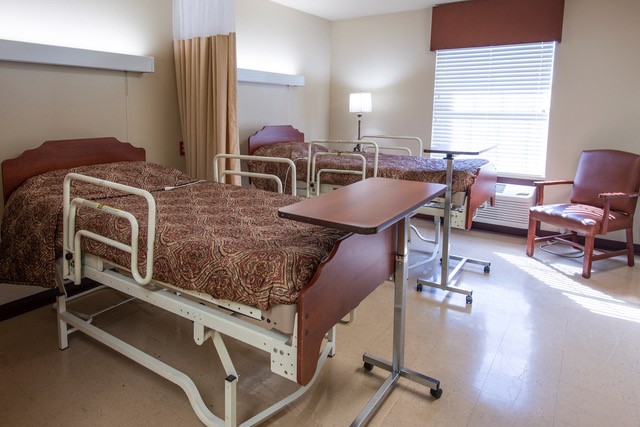
How is The Rio At Mission Trails Staffed?

CMS rates THE RIO AT MISSION TRAILS's staffing level at 1 out of 5 stars, which is much below average compared to other nursing homes. Staff turnover is 49%, compared to the Texas average of 46%.

What Have Inspectors Found at The Rio At Mission Trails?

State health inspectors documented 22 deficiencies at THE RIO AT MISSION TRAILS during 2022 to 2025. These included: 5 Immediate Jeopardy (the most serious level, indicating potential for serious harm or death), 16 with potential for harm, and 1 minor or isolated issues. Immediate Jeopardy findings are rare and represent the most serious regulatory concerns. They require immediate corrective action.
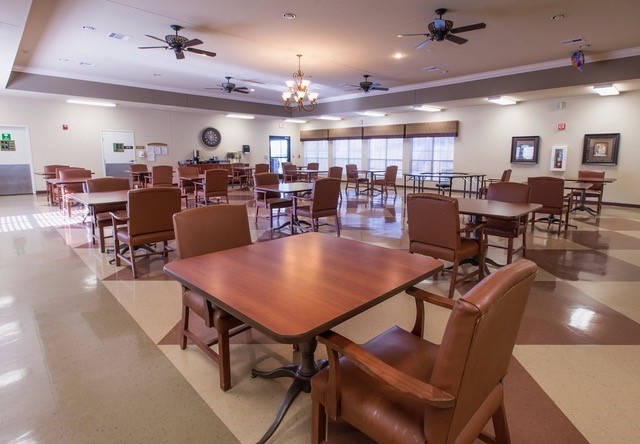
Who Owns and Operates The Rio At Mission Trails?

THE RIO AT MISSION TRAILS is owned by a for-profit company. For-profit facilities operate as businesses with obligations to shareholders or private owners. The facility is operated by CREATIVE SOLUTIONS IN HEALTHCARE, a chain that manages multiple nursing homes. With 124 certified beds and approximately 80 residents (about 65% occupancy), it is a mid-sized facility located in SAN ANTONIO, Texas.
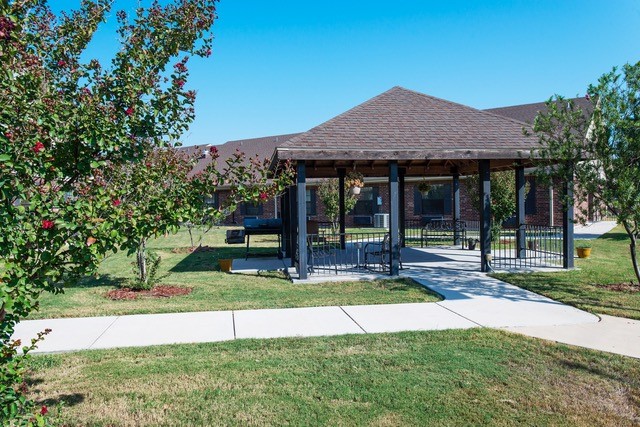
How Does The Rio At Mission Trails Compare to Other Texas Nursing Homes?

Compared to the 100 nursing homes in Texas, THE RIO AT MISSION TRAILS's overall rating (1 stars) is below the state average of 2.8, staff turnover (49%) is near the state average of 46%, and health inspection rating (1 stars) is much below the national benchmark.

What Should Families Ask When Visiting The Rio At Mission Trails?

Based on this facility's data, families visiting should ask: "What changes have been made since the serious inspection findings, and how are you preventing similar issues?" "What safeguards and monitoring systems are in place to protect residents from abuse or neglect?" "Can you walk me through typical staffing levels on day, evening, and night shifts?" "Can I visit during a mealtime to observe dining assistance and food quality?" These questions are particularly relevant given the facility's Immediate Jeopardy citations, the substantiated abuse finding on record, and the below-average staffing rating.

Is The Rio At Mission Trails Safe?

Based on CMS inspection data, THE RIO AT MISSION TRAILS has documented safety concerns. The facility has 1 substantiated abuse finding (meaning confirmed case of resident harm by staff or other residents). Inspectors have issued 5 Immediate Jeopardy citations (the most serious violation level indicating risk of serious injury or death). The facility has a 1-star overall rating and ranks #100 of 100 nursing homes in Texas. Families considering this facility should ask detailed questions about what corrective actions have been taken since these incidents.

Do Nurses at The Rio At Mission Trails Stick Around?

THE RIO AT MISSION TRAILS has a staff turnover rate of 49%, which is about average for Texas nursing homes (state average: 46%). Moderate turnover is common in nursing homes, but families should still ask about staff tenure and how the facility maintains care continuity when employees leave.

Was The Rio At Mission Trails Ever Fined?

THE RIO AT MISSION TRAILS has been fined $578,806 across 3 penalty actions. This is 14.9x the Texas average of $38,867. Fines at this level are uncommon and typically indicate a pattern of serious deficiencies, repeated violations, or failure to correct problems promptly. CMS reserves penalties of this magnitude for facilities that pose significant, documented risk to resident health or safety. Families should request specific documentation of what issues led to these fines and what systemic changes have been implemented.

Is The Rio At Mission Trails on Any Federal Watch List?

THE RIO AT MISSION TRAILS is not on any federal watch list. The most significant is the Special Focus Facility (SFF) program, which identifies the bottom 1% of nursing homes nationally based on persistent, serious quality problems. Not being on this list means the facility has avoided the pattern of deficiencies that triggers enhanced federal oversight. This is a positive indicator, though families should still review the facility's inspection history directly.