THE VILLAGE AT INCARNATE WORD
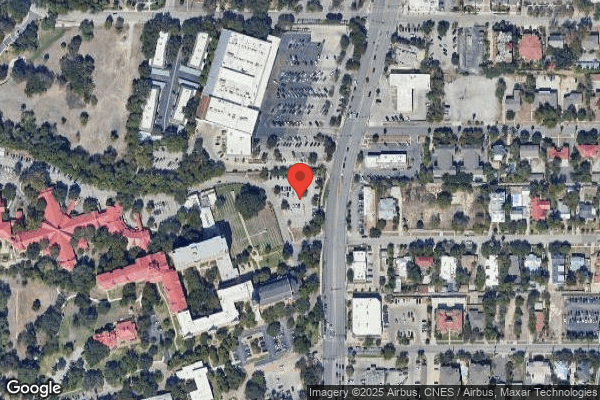
4707 BROADWAY STREET, SAN ANTONIO, TX 78209 (210) 829-7561
Non profit - Other 60 Beds Independent Data: November 2025
Trust Grade
85/100
#154 of 1168 in TX
Last Inspection: September 2024

Within standard 12-15 month inspection cycle. Federal law requires annual inspections.

Overview

The Village at Incarnate Word has received a Trust Grade of B+, which means it is above average and recommended for families considering nursing home options. It ranks #154 out of 1,168 facilities in Texas, placing it in the top half, and #7 out of 62 in Bexar County, indicating that it is one of the better local choices. The facility is improving, with a decrease in issues from 8 in 2024 to just 1 in 2025. Staffing is average with a rating of 3 out of 5 stars and a turnover rate of 47%, which is slightly below the state average. There have been no fines recorded, which is a positive sign. However, there are some concerns. The facility has been cited for issues related to food safety, such as a staff member not wearing proper hair and beard coverings while preparing food, and food items in resident refrigerators that were unlabeled and undated, raising the risk of foodborne illnesses. Additionally, they failed to update a resident's care plan following an assessment, potentially putting the resident at risk of not receiving appropriate care. Overall, while the facility has strong points, families should consider these weaknesses when making their decision.

Trust Score
B+
85/100
In Texas
#154/1168
Top 13%
Safety Record
Low Risk
No red flags
Inspections
Getting Better
8 → 1 violations
Staff Stability
⚠ Watch
47% turnover. Above average. Higher turnover means staff may not know residents' routines.
Penalties
✓ Good
No fines on record. Clean compliance history, better than most Texas facilities.
Skilled Nurses
⚠ Watch
Each resident gets only 21 minutes of Registered Nurse (RN) attention daily — below average for Texas. Fewer RN minutes means fewer trained eyes watching for problems.
Violations
⚠ Watch
13 deficiencies on record. Higher than average. Multiple issues found across inspections.
★★★★★
5.0
Overall Rating
★★★☆☆
3.0
Staff Levels
★★★★★
5.0
Care Quality
★★★★☆
4.0
Inspection Score
Stable
2024: 8 issues
2025: 1 issues

The Good

  • 5-Star Quality Measures · Strong clinical quality outcomes
  • Full Sprinkler Coverage · Fire safety systems throughout facility
  • No fines on record

Facility shows strength in quality measures, fire safety.

The Bad

Staff Turnover: 47%

Near Texas avg (46%)

Higher turnover may affect care consistency

The Ugly 13 deficiencies on record

May 2025 1 deficiency
CONCERN (D) 📢 Someone Reported This

A family member, employee, or ombudsman was alarmed enough to file a formal complaint

Potential for Harm - no one hurt, but risky conditions existed

Accident Prevention (Tag F0689)

Could have caused harm · This affected 1 resident

**NOTE- TERMS IN BRACKETS HAVE BEEN EDITED TO PROTECT CONFIDENTIALITY** Based on observations , interviews, and record review, the facility failed to ensure the resident environment remained as free o...

Read full inspector narrative →
**NOTE- TERMS IN BRACKETS HAVE BEEN EDITED TO PROTECT CONFIDENTIALITY** Based on observations , interviews, and record review, the facility failed to ensure the resident environment remained as free of accident hazards as possible and each resident received adequate supervision to prevent accidents for 1 of 9 residents (Resident #1) reviewed for accidents and supervision. The facility failed to supervise Resident #1 whose injury of left eye bruising during a bath using a Mechanical lift. CNA A was using a mechanical lift by herself on 12/2/2025 to transfer Resident #1. The non-compliance began on 12/6/2024 and ended on 12/23/2024. The facility had corrected the non-compliance before the survey began on 05/14/2025. This deficient practice could place residents at risk that required a Mechanical lift at risk of harm, serious injury, or death. The findings included: Record review of intake #549463 dated 12/6/2024 was documented, Complainant was concerned of red discoloration under her mother's eye. She questioned the charge nurse of mark. Charge nurse indicated that we are doing treatment for eye infection. Daughter feels that it was not an eye infection. She believes that CNA hit her mother in the face during a transfer with Hoyer lift. Who: CNA; When: 12/2/24; Where: In Room during a shower transfer. Treated red discoloration with antibiotics due to drainage to the eye. After concern of color change to the resident's face, we did a skull series that was negative. Monitoring the resident for pain or discomfort. Yes. Inservice staff on how to properly use a Hoyer lift and report incidents and accidents immediately. Staff member on suspension till complete investigation. Record review of Resident #1's admission Record dated 5/14/2025 was documented she was admitted on [DATE] with diagnosis of dementia, Alzheimer's disease, Diabetes II, she had a contracture to her left hand and on hospice care. Resident #1 was discharged on 5/8/2025. Record review of Resident #1's Quarterly MDS dated [DATE] was documented she had memory problems with short/long-term cognition, no behaviors, she was impaired on both side of upper/lower extremity, she mobilized with a wheelchair, she was dependent with all ADL's including shower/bath, she was incontinent of bowel/bladder, her height and weight were 60/135. Record review of MDS dependence means, helper does all of the effort. Resident does not offer the effort to complete the activity, or the assistance of 2 or more helpers were required for the resident to complete the activity. Record review of Resident #1's care plan dated 4/30/2025 was documented she had an ADL self-care performance deficit related to Dementia, impaired balance, I use a wheelchair to mobility. Interventions was documented Bathing/showering is totally dependent on staff for bathing and as necessary, she had a left-handed contracture, and she required 2 staff for Mechanical lift transfers. Record review of Resident #1's progress note dated 12/3/2024 at 9:37 AM by LVN A noted redness and clear discharge to Left eye with discoloration around Left eye, some inflammation noted, no facial grimacing noted with touch, pt with eye infection history with same symptoms. NP [NAME] notified, antibiotics started, and daughter notified. Record review of Resident #1's skin observation dated 12/3/2024 by LVN A was documented, noted redness and clear discharge to left eye with discoloration to left eye, some inflammation noted, no facial grimacing noted with touch, Resident #1's eye infection history with same symptoms. Record review of Resident #1's progress note dated 12/6/2024 at 4:30 PM with ADON notified administration of the discoloration surrounding resident's eye worsening. This nurse observed area in question. Area is dark red/purple in color, measuring 4.4 cm (l) x 3.2 cm (w). The resident initially does not grimace to touch but does pull face away upon more palpation. Record review of Resident #1's progress note 12/6/2024 at 6:04 PM ADON the staff immediately in-serviced on the importance of 2 person assist when using a Mechanical lift to transfer residents. Nursing to monitor resident's pain every shift for the next 3 days and treat or report to MD as appropriate. NP and RP notified. Record review of Resident #1's progress note dated 12/6/2024 was documented left eye worsening, nurse called the ADM, skull series x-ray was negative, started order to monitor for pain. In-service staff on Hoyer transfers and reporting incidents. Notified family, MD, DON, ADON. Record review of x ray dated 12/6/2025 of Skull x ray 2 views resulted in no fractures. X ray revealed osteoporosis. Record review of Resident #1's skin observation dated 12/7/2024 was documented included face, bruised. Observation on 5/15/2025 at 11:20 AM with CNAs H, O with resident revealed no concerns with Mechanical lift transfer. During interview on 5/15/2025 at 11:21 AM with CNA H and O stated they were trained on Mechanical lift transfers and to always have 2 staff. CANs stated they were trained to ask any nurse, such as DON, MDS, or MA. CNAs were trained not to do a mechanical lift transfer if don't have 2 staff. During interview on 5/15/2025 at 1:49 PM with CNA B worked for 2 years and worked the morning shift. CNA B stated she used a Mechanical lift transfer to take Resident #1 a shower, placed her back in the chair, lowered her down, took the sling down and noticed she had red eye. CNA B stated she notified LVN A about Resident #1's eye. CNA B stated she did not see Resident #1#s eye hit by Mechanical lift transfer. CAN B stated the ADON had told her she hit Resident #1 in the eye with the Mechanical lift transfer. CNA B stated it was not intentional that Resident #1 was hit in the eye and was an accident. CNA B stated no other staff was present at the time of Resident #1's Hoyer transfer and bath. CNA B stated everyone was busy and could not find anyone to help her with Resident #1's Hoyer transfer. CNA B stated she was the only one in the shower room with the resident. CAN B stated the ADM, after watching the camera footage, told CAN B when she took off the sling from the mechanical lift, she hit Resident #1 in the eye. CNA B stated she did get suspended for 1 week and when she returned to work the facility was shorthanded. CNA B stated she did tell ADM that they were shorthanded, and they have hired some new CNAs. CNA B stated she was educated about the Mechanical lift transfers and having 2 staff at times. During an interview on 5/15/2025 at 3:09 PM with CNA C stated he had worked for 3 years and worked all 3 shifts. CNA C stated she was trained, the residents' that required a Mechanical lift transfer were to always have 2 staff. CNA C stated Resident #1 required a Mechanical lift transfer, she was not interviewable, she was alert, she could not carry a conversation, and certain people she would respond too. CNA C stated he was trained to always have a 2 people for Mechanical lift transfers and if could not find staff CNAs were not supposed to do the Hoyer Mechanical lift transfer. CNA C stated he did see Resident #1's eye was discolored around her eye, not her normal skin color, and looked like a bruise. CNA C stated he did not think it was Abuse. CNA C stated Resident #1 had a history of eye infections. During an interview on 5/16/2025 at 11:09 AM with the ADON, stated the Mechanical lift transfers must be always with 2 staff. The ADON stated she did not think this (Resident #1 eye bruise) was abuse and was an accident. ADON stated Resident #1 was treated with antibiotics due to an eye infection she had, because she had a history of eye infection. ADON stated the ADM asked her to look at Resident #1's eye, and when assessed it looked like a bruise to her. The ADON stated Resident #1's eye was bruised, this occurred on 12/2/2025 with CNA A during Mechanical lift transferring of Resident #1 into shower chair. ADON stated on camera footage looked like CNA C hit Resident #1's eye by accident, and Resident 31's face was struck by the bar of the Mechanical lift. The ADON stated CNA C was compassionate with residents. ADON stated LVN A did the skin assessment for Resident #1 on 12/3/2025. The ADON, stated from LVN A, Resident #1's eye appeared to be an infection. The ADON read LVN A's progress note for Resident #1 eye assessment and was documented, the eye had clear discharge to left eye with discoloration around the left eye, some inflammation noted. no facility grimacing noted with touch, order for antibiotics in place. The ADON stated CNA B did not know if she accidently hit resident with the Mechanical lift or not. ADON stated Resident #1's eye was an incident and was report to the STATE. The ADON stated she in-serviced all nursing staff on Mechanical lift transfers that always required 2- person. ADON stated an x-ray of skull series was negative for Resident #1, and she did not go to the hospital. The ADON stated the ADM would be responsible to make sure all nursing staff were trained on Mechanical lift, upon hire and in-service staff on new hire package on all transfers, including Mechanical lift lifts. During an interview on 5/16/2025 at 2:15 PM with DON, the ADON and HR Director stated all nursing staff were in -serviced on Mechanical lift transfer always have 2 staff, which was dated between 12/6/2025 to 12/23/2025 then continuous with new hires. The DON and ADON stated all nursing staff were trained on safe transfers. During interviews on 5/15/2025 to 5/16/2025 from 1:49 pm to 3:38 pm with 6 CNAs (B, C, F, H, I, L, and M), 4 LVNs (D, G, J, and N), 1 RN (E) and 1 MA (K) who confirmed they had received the facility in-service on Mechanical lift transfers conducted from 12/6/2024 to 12/23/2024 and ongoing with new staff. The nursing staff stated they were to use the Mechanical lift transfer machine using 2-nursing staff. The nursing staff stated if they could not find a nursing staff, they were not to do the Mechanical lift transfer with a resident. The nursing staff stated the Mechanical lift transfer training included safety measures and included the risk of injuries to residents. Record review of the Mechanical lift transfers training dated 12/6/2024 to 12/23/2024 included, safe transferring required you to know how to properly use assistive devices and correct positioning. Knowing how to safely transfer the people in your care protects you from being injured, it also reduces the individual risk of injury an promotes their mobility. This course discusses how to perform safe transfers. All 34 of 34 nursing staff received training. Record review of in-services titled Transferring Safety dated from 12/2/2024 to 5/15/2025 included all nursing staff. Record review of the facility's policy titled, Liftin Machine, Using a Mechanical, dated 2001 was documented Purpose, The Purpose of this procedure is to establish the general principles of safe lifting using mechanical lifting device. General Guidelines, 1. At least two (2) nursing assistants are needed to safely move a resident with a mechanical lift. 2. Mechanical lifts nay be used for the floor: b. transferring a resident from bed to chair, e. toileting or bathing.
Sept 2024 8 deficiencies
CONCERN (D)

Potential for Harm - no one hurt, but risky conditions existed

Deficiency F0655 (Tag F0655)

Could have caused harm · This affected 1 resident

**NOTE- TERMS IN BRACKETS HAVE BEEN EDITED TO PROTECT CONFIDENTIALITY** Based on interview and record review, the facility failed to develop and implement a baseline care plan for each resident that i...

Read full inspector narrative →
**NOTE- TERMS IN BRACKETS HAVE BEEN EDITED TO PROTECT CONFIDENTIALITY** Based on interview and record review, the facility failed to develop and implement a baseline care plan for each resident that includes the instructions needed to provide effective and person-centered care of the resident that meet professional standards of quality care for 1 of 2 newly admitted residents (Resident #103) reviewed for baseline care plans in that: Resident #103's baseline care plan did not include her use of oxygen when needed for shortness of breath This deficient practice could result in newly admitted residents receiving improper care. The findings were: Record review of Resident #103's face sheet, dated 09/26/2024 revealed an admission date of 09/17/2024 and admitting diagnoses which included: Acute and chronic respiratory failure with hypoxia (low oxygen levels in body); Neutropenia (an abnormally low count of a type of white blood cell in blood); Myelodysplastic Syndrome (a disorder which causes disruption in production of blood cells) and anemia (low level of red blood cells in blood) in chronic kidney disease. Record review of Resident #103's 5-day MDS assessment dated [DATE] revealed Resident #103 had a BIMS score of 15, indicating normal cognition. Further review of the 5-day MDS revealed that the Active Diagnoses section and Section O; Special Treatments, Procedures and Programs, which is the section that includes use of oxygen therapy had not yet been completed. Record review of Resident #103's physician orders, dated 09/26/2024, revealed an order for Oxygen @2-4 L/M per nasal cannula/mask PRN respiratory distress and Oxygen concentrator maintenance to be done weekly on Saturday as follows: Change Humidified bottle: Wash filter in warm water; Change oxygen tubing. Record review of Resident #103's baseline care plan, dated 09/17/2024, revealed her PRN use of oxygen therapy was not included in the plan. During an interview with Resident #103 on 09/24/2024 at 10:35 a.m., Resident #103 stated she used oxygen when she became short of breath, and usually used oxygen every night when she slept. During an interview with the MDS Nurse on09/26/2024 at 4:10 p.m, the MDS Nurse stated that the use of oxygen was not included in Resident #103's Baseline Care Plan, but should have been, noting it had been missed through simple oversight. She stated that not including Resident #103's need for oxygen therapy on the Baseline Care Plan could result in Nursing staff not having all the information they need to provide optimal care. During an interview with the DON on 09/2/7/2024 at 12:13 p.m., the DON stated the MDS Nurse is responsible for completing the baseline care plans and confirmed that use of oxygen therapy should have been included in Resident #103's baseline care plan. Record review of the facility policy, Care Plans, revised March 2022, revealed, the Person-centered care plan describes the services that are to be furnished to attain or maintain the resident's highest practicable physical mental and psychosocial well-being.
CONCERN (D)

Potential for Harm - no one hurt, but risky conditions existed

Medication Errors (Tag F0758)

Could have caused harm · This affected 1 resident

**NOTE- TERMS IN BRACKETS HAVE BEEN EDITED TO PROTECT CONFIDENTIALITY** Based on interview and record review, the facility failed to ensure PRN orders for psychotropic drugs were limited to 14 days un...

Read full inspector narrative →
**NOTE- TERMS IN BRACKETS HAVE BEEN EDITED TO PROTECT CONFIDENTIALITY** Based on interview and record review, the facility failed to ensure PRN orders for psychotropic drugs were limited to 14 days unless the attending physician or prescribing practitioner believed that it was appropriate for the PRN order to be extended beyond 14 days, he or she should document their rationale in the resident's medical record, and indicate the duration for the PRN order for 1 of 3 residents (Resident #49) reviewed for pharmacy services . The facility failed to ensure Resident # 49 had a stop date for PRN Lorazepam 0.5 mg (a medicine used to treat the symptoms of anxiety) This failure could affect residents who received antipsychotic/psychoactive medications and could place residents at risk of receiving unnecessary psychotropic medications. The findings included: Record review of Resident # 49's face sheet dated 9/27/24, reveled a 95- year old female admitted to the facility on [DATE] with diagnosis that included : [Anxiety] a feeling of fear, dread, and uneasiness , [Dementia] the loss of cognitive functioning to such an extent that it interferes with a person's daily life and activities and [Alzheimer's disease] is a brain disorder that is characterized by changes in the brain that lead to deposits of certain proteins Record review of Resident #49 's most recent comprehensive MDS assessment, dated 8/22/24 revealed the resident was moderately cognitively impaired for daily decision-making skills and was treated with anti-anxiety medications. Record review of Resident #49's comprehensive care plan dated 8/16/24 revealed the resident had a diagnosis of anxiety and used antianxiety medication as ordered by the physician. Record review of Resident #49's Order Summary Report, dated 9/27/24 revealed the following: - Lorazepam Oral Tablet 0.50 MG, give 1 tablet by mouth every 4 hours as needed for anxiety disorder, with start date 8/17/24 and no stop date. Record review of Resident #49's Medication Administration Record for September 2024 revealed the following: - Lorazepam 0.50 mg was not administered PRN all month in September 2024. During an observation and interview on 9/27/24 at 10:01 a.m., Resident #49 was observed in wheelchair awake and alert. Resident #49 stated she needed the anxiety medication at times. On 9/27/24 at 2:12 p.m., during an interview, LVN C disclosed that she had previously given Alprazolam to Resident #49 to help with anxiety. LVN C explained that psychotropic medications like Lorazepam should be used for a limited time, usually up to 14 days. After 14 days, the nurse is required to contact the physician to reassess the resident's need for the medication. LVN C was unsure why the order for Alprazolam for Resident #49 was written for an indefinite period, and she expressed concern that the resident was at risk of falls by taking the medication for more than 14 days. During an interview and record review on 9/28/24 at 1:20 p.m., the (DON) revealed that Resident #49 required the use of Lorazepam as recommended by the physician due to the resident's diagnosis. The DON stated that if the medication was taken all the time, it could result in Resident #49 being overmedicated. After reviewing Resident #49's order summary, the DON confirmed that there was no stop date on the order for prn Lorazepam. The DON revealed that the order for Lorazepam was possibly overlooked, The DON stated that she was currently responsible for overseeing that psychotropic drugs are limited to 14 days, and her Assistant Director of Nursing (ADON) was to start monitoring this monthly moving forward to prevent this from occurring again. Record review of the facility policy and procedure titled, Antipsychotic Medication use , dated 2001, updated July 2022, revealed in part, PRN orders for antipsychotic medications will not be renewed beyond 14 days unless health care practitioner has evaluated the resident .
CONCERN (D)

Potential for Harm - no one hurt, but risky conditions existed

Medical Records (Tag F0842)

Could have caused harm · This affected 1 resident

**NOTE- TERMS IN BRACKETS HAVE BEEN EDITED TO PROTECT CONFIDENTIALITY** Based on interview and record review, the facility failed to maintain medical records that are accurately documented for 1 (Resi...

Read full inspector narrative →
**NOTE- TERMS IN BRACKETS HAVE BEEN EDITED TO PROTECT CONFIDENTIALITY** Based on interview and record review, the facility failed to maintain medical records that are accurately documented for 1 (Resident #29) of 18 residents reviewed, in that: Resident #29's prescription for Tylenol included incorrect excessive dosage parameters. This deficient practice could result in liver failure due to residents receiving excessive dosages of acetaminophen. The findings were: Record review of Resident #29's face sheet, dated 10/25/2024, revealed she was admitted to the facility on [DATE] with diagnoses including: Pain Unspecified, Unspecified Fracture of Shaft of Right Femur, and Unspecified Atrial Fibrillation. Record review of Resident #29's Quarterly MDS assessment, dated 06/14/2024, revealed a BIMS score of 13 which indicated intact cognition. Record review of Resident #29's care plan, revised 12/26/2023, revealed [Resident #29] will live in comfort and dignity and be treated with courtesy and respect through this assessment period. Record review of Resident #29's clinical record, as of 10/25/2024, revealed an order, Give 2 tablet by mouth every 4 hours as needed for For Mild Pain/Fever related to PAIN, UNSPECIFIED (R52) Do Not Exceed 45 G of APAP [acetaminophen] in 24 hours. Record review of the National Center for Biotechnology Information, updated 01/11/2024, accessed 10/03/2024, revealed, Notably, the maximum daily dosage of acetaminophen should not exceed 4000 mg [milligram]. During an interview with the DON on 09/25/2024 at 4:50 p.m., the DON read Resident #29's Tylenol 325 order and stated, That has to be a typo. During an interview with the Consultant Pharmacist on 09/25/2024 at 5:00 p.m., the Consultant Pharmacist confirmed that receiving more than 4000 milligrams of acetaminophen in a twenty-four-hour period could lead to liver failure. Record review of the facility policy, Charting and Documentation, revised July 2017, revealed, All services provided to the resident, progress toward the care plan goals, or any changes in the resident's medical, physical, functional or psychosocial condition, shall be documented in the resident's medical record. The medical record should facilitate communication between the interdisciplinary team regarding the resident's condition and response to care.
CONCERN (D)

Potential for Harm - no one hurt, but risky conditions existed

Infection Control (Tag F0880)

Could have caused harm · This affected 1 resident

**NOTE- TERMS IN BRACKETS HAVE BEEN EDITED TO PROTECT CONFIDENTIALITY** Based on observation, interviews and record reviews, the facility failed to establish and maintain an infection control program ...

Read full inspector narrative →
**NOTE- TERMS IN BRACKETS HAVE BEEN EDITED TO PROTECT CONFIDENTIALITY** Based on observation, interviews and record reviews, the facility failed to establish and maintain an infection control program designed to provide a safe, sanitary, and comfortable environment and to help prevent the development and transmission of communicable diseases and infections for 1 of 2 residents (Resident #37) observed for wound care in that: LVN-A failed to sanitize her hands between glove changes while performing wound care and failed to wash or sanitize her hands or change her gloves after touching the bedside table while providing wound care to Resident #37. These failures could result in cross contamination of germs and could result in an infection or hospitalization. The findings were: Record review of Resident #37's face sheet dated 09/27/2024 revealed he had an original admission on [DATE] and a re-admission on [DATE], with diagnoses which included : Osteomyelitis (bone infection) of vertebra (irregular bone that is part of spine), sacral and sacrococcygeal region (Bottom of spine near tailbone); and stage 4 pressure ulcer (most severe type of injury to skin and underlying tissue resulting from prolonged pressure on the skin) of left buttock. Record review of Resident #37's quarterly MDS assessment dated [DATE] revealed Resident #37 was always incontinent bowel and bladder and had a pressure ulcer of left buttock, Stage 4. Further review of the MDS revealed Resident 37's BIMS score was a 10, indicating moderate cognitive impairment. Record review of Resident #37's Care Plan dated 07/02/2024 revealed a focus area of Documented stage 4 Pressure Ulcer to left/right buttock with intervention to provide wound care per treatment order. Record review of Resident #37's Physician Orders dated 09/26/2024 revealed an order for left buttocks - cleanse wound with wound cleanser. Pat dry with dry gauze. Apply light dusting of collage powder into depth of wound bed, using cotton tip applicator insert ¼ iodoform packing strip into wound bed revealing small wick emitting from the wound, cut to fit calcium alginate ag over wound bed opening. Cover with absorbent gentle bordered dressing every M-W-F and PRN soiling/accidental removal, every day shift for Stage 4 to left buttock. Observation on 09/27/2024 at 10:30 a.m. revealed that LVN-A did not sanitize her hands in-between glove changes while providing wound care for Resident #37. Further observation revealed while providing wound care, specifically while packing wound with packing strip for Resident #37, LVN-A grabbed the edge of the bedside table with her gloved hand and pulled the table closer to her so she could grab the scissors that were on top of the table. Without sanitizing or changing her gloves, LVN-A then proceeded to cut the packing strip with the scissors and proceeded to push remaining packing strip into the wound with the same gloved hand she used to grab the bedside table. During an Interview on 09/27/2024 at 11:05 a.m., LVN-A stated not sanitizing her hands between glove changes or after touching the bedside table, could cause cross-contamination and could result in the resident getting an infection. During an interview with the DON on 09/27/2024 at 12:13 p.m., the DON stated the Nurse should have sanitized her hands in-between glove changes and after touching bedside table to prevent any infections from cross-contamination. She confirmed the nursing staff were trained in infection control. Review of the facility policy titled Standard Precautions revised September 2022, revealed Gloves are changed and hand hygiene performed before moving from a contaminated-body site to a clean-body site during resident care and hand hygiene is performed with alcohol-based hand rub (ABHR) or soap and water: (4) after contact with items in the resident's room; and (5) after removing gloves.
CONCERN (E)

Potential for Harm - no one hurt, but risky conditions existed

Deficiency F0657 (Tag F0657)

Could have caused harm · This affected multiple residents

**NOTE- TERMS IN BRACKETS HAVE BEEN EDITED TO PROTECT CONFIDENTIALITY** Based on interview and record review, the facility failed to ensure that the comprehensive care plan was reviewed and revised by...

Read full inspector narrative →
**NOTE- TERMS IN BRACKETS HAVE BEEN EDITED TO PROTECT CONFIDENTIALITY** Based on interview and record review, the facility failed to ensure that the comprehensive care plan was reviewed and revised by the interdisciplinary team after each assessment for 1 of 18 residents (Resident #10) reviewed for care plans. The facility failed to ensure Resident #10's care plan dated 08/20/2024 reflected the resident's current diet texture order which had been updated/changed 08/30/2024. This failure could place residents at risk of not receiving appropriate care to meet their current needs. Findings include: Record review of a facility face sheet for Resident #10 dated 09/24/2024 indicated that he was an [AGE] year-old male admitted to the facility on [DATE] with diagnoses that included: paroxysmal atrial fibrillation (irregular, often rapid heart that causes poor blood flow); Presence of cardiac pacemaker (an implanted device used to control irregular heart rhythm); Major Depressive Disorder (a mental health disorder characterized by persistent depressed mood or loss of interest) and Parkinson's disease (a disorder of the central nervous system that affects movement, often including tremors) Record review of Resident #10's Quarterly MDS assessment dated [DATE], revealed under Section C Cognitive Patterns, a BIMS score of 11 indicating moderate cognitive impairment. Further review of the MDS assessment under Section K - Swallowing/Nutritional Status revealed therapeutic diet, was checked, but not mechanically altered diet. Record review of Resident #10's Care Plan dated 08/20/2024 revealed a focus area of Regular, mech Soft, Thin diet Record review of physician orders dated 09/24/2024 for Resident #10 revealed a diet order for Regular diet Mechanical Soft texture, nectar consistency, with order date of 08/30/2024. Record Review of Resident #10's Speech Therapy SLP Evaluation and Plan of Treatment dated 08/29/2024 revealed a finding of swallowing disorder involving the Oral Phase and Pharyngeal Phase and was a Definite risk for: Aspiration, Delayed or slow swallow reflex and Wet or gurgly voice quality after swallowing liquids, with recommendation for skilled SLP services for dysphagia (difficulty swallowing.) Record review of Resident #10's tray card dated 09/24/2024 revealed a diet listed as Mech soft, Nectar Thick. During an interview with SLP-B on 09/26/2024 at 01:00 p.m., SLP-B stated she put in the order to change his liquids texture from thin to nectar thick liquids on 08/30/2024 because when she last assessed Resident #10, she observed him coughing when given thin liquids which can be a sign of aspiration. She stated a swallow study was not done because swallow therapy is indicated prior to exam to increase ability to participate with objective testing, and noted he is currently receiving swallow therapy. During an interview with MDS Nurse on 09/26//2024 at 4:10 p.m., the MDS Nurse stated that Resident #10's Comprehensive Care Plan had not been revised when his diet texture order was changed from thin liquids to nectar thick liquids, on 08/30/2024, but should have been. MDS Nurse further stated she just didn't catch it when the order changed, and that she has since updated his Care Plan to reflect his current diet texture of nectar thick liquids. The MDS Nurse stated the resident's care needs may not be met if the Care Plan did not contain current accurate information. Record review of the facility policy, Care Plans, Comprehensive Person-Centered, Revised September 2022, revealed the following documentation: Policy Statement A comprehensive, person-centered care plan that includes measurable objectives and timetables to meet the resident's physical, psychosocial and functional needs is developed and implemented for each resident. Policy Interpretation and Implementation 1. The interdisciplinary team (IDT), in conjunction with the resident and his/her family or legal representative, develops and implements a comprehensive, person-centered care plan for each resident. 2. The comprehensive, person-centered care plan is developed within seven (7) days of the completion of the required MDS assessment (Admission, Annual or Significant Change in Status), and no more than 21 days after admission. 7. The comprehensive, person-centered care plan: e. Reflects currently recognized standards of practice for problem areas and conditions. 11. Assessments of residents are ongoing and care plans are revised as information about the residents and the residents' conditions change. 12. The interdisciplinary team reviews and updates the care plan: a. when there has been a significant change in the resident's condition; b. when the desired outcome is not met
CONCERN (E)

Potential for Harm - no one hurt, but risky conditions existed

Deficiency F0813 (Tag F0813)

Could have caused harm · This affected multiple residents

**NOTE- TERMS IN BRACKETS HAVE BEEN EDITED TO PROTECT CONFIDENTIALITY** Based on observation, interview, and record review, the facility failed to maintain and ensure safe and sanitary storage of resi...

Read full inspector narrative →
**NOTE- TERMS IN BRACKETS HAVE BEEN EDITED TO PROTECT CONFIDENTIALITY** Based on observation, interview, and record review, the facility failed to maintain and ensure safe and sanitary storage of residents' food items for 2 of 5 (Rooms #13 and room [ROOM NUMBER]) residents' refrigerators reviewed in that: The personal refrigerators in Rooms #13 and #14 contained food items which were unlabeled and undated. This deficient practice could place residents at risk of foodborne illness due to consuming foods which are spoiled. The findings were: Observation on 9/24/24 at 9:25 a.m. revealed the personal refrigerator in Resident room [ROOM NUMBER] contained chicken tenders, which was unlabeled and undated. Observation on 9/24/24 at 11:20 a.m. revealed a container with chicken tenders was still present in Rooms #13's personal refrigerator. Observation on 9/24/24 at 9:35 am revealed the personal refrigerator in room [ROOM NUMBER] contained opened strawberry jam container that was unlabeled and undated. Observation on 9/24/24 at 11:25 a.m. revealed opened strawberry jam container was still present in room [ROOM NUMBER]'s personal refrigerator. During an interview on 9/24/24 at 11:25 am, LVN C confirmed that personal refrigerator in resident room [ROOM NUMBER] contained chicken tenders that were undated and unlabeled and personal refrigerator in resident 14 room contained a jar of strawberry jam that was opened undated and unlabeled. She stated that both residents risked possibly eating food that was expired causing some form of food borne illness. During an interview with the DON on 09/25/2024 at 12:40 p.m., the DON confirmed that perishable food and drinks in residents' personal refrigerators should be labeled and dated to prevent residents from consuming spoiled foods. The DON stated that night shift Charge Nurses, are responsible for overseeing this and currently this was not being monitored. Record review of thee facility policy, Food from outside sources, undated, revealed, Food or beverages brought into the facility for individual consumption will be labeled and dated for food safety.
CONCERN (E)

Potential for Harm - no one hurt, but risky conditions existed

Safe Environment (Tag F0921)

Could have caused harm · This affected multiple residents

**NOTE- TERMS IN BRACKETS HAVE BEEN EDITED TO PROTECT CONFIDENTIALITY** Based on observation, interview, and record review, the facility failed to ensure the resident's right to a safe, clean, comfort...

Read full inspector narrative →
**NOTE- TERMS IN BRACKETS HAVE BEEN EDITED TO PROTECT CONFIDENTIALITY** Based on observation, interview, and record review, the facility failed to ensure the resident's right to a safe, clean, comfortable and homelike environment for one of four resident hallways (Red Hall) reviewed, in that: The water temperature in the Red-Hall (Rooms 18, 20, 21, and 27) exceeded 110 degrees Fahrenheit. This deficient practice cause scalding or other physical injuries to residents and staff. Findings included: 1. Observation on 9/26/24 at 1:24 p.m., revealed the fixtures in room [ROOM NUMBER] measured 113 degrees Fahrenheit when tested with a probe type thermometer. 2. Observation on 9/26/24 at 1:30 p.m., revealed the fixtures in room [ROOM NUMBER] measured 113 degrees Fahrenheit when tested with a probe type thermometer. 3. Observation on 9/26/24 at 1:35 p.m., revealed the fixtures in room [ROOM NUMBER] measured 112 degrees Fahrenheit when tested with a probe type thermometer. 4. Observation on 9/26/24 at 1:40 p.m., revealed the fixtures in room [ROOM NUMBER] measured 113 degrees Fahrenheit when tested with a probe type thermometer. Record review of the Water Temperature Log provided by the Maintenance director on 09/26/24 at 3:50 p.m., revealed the facility had been having issues controlling the water temperatures as early as 05/10/24. In an interview on 9/26/24 at 1:50 p.m., the Maintenance director confirmed the temperature readings of the bedrooms sinks and showers exceeding 110 degrees Fahrenheit. He stated he has been having trouble keeping the water temperatures under 110 degrees Fahrenheit and would have complaints about the water temperatures being too cold by residents. He further stated he would adjust the mixing valve for temperature stabilization as soon as possible. He stated residents could potentially be affected by scalding or other physical injuries. Record review of the facility policy, Homelike Environment, revised February 2021, revealed, Residents are provided with a safe, clean, comfortable and homelike environment and encouraged to use their personal belongings to the extent possible.
CONCERN (F)

Potential for Harm - no one hurt, but risky conditions existed

Food Safety (Tag F0812)

Could have caused harm · This affected most or all residents

Based on observation, interview, and record review, the facility failed to store, prepare, distribute, and serve food in accordance with professional standards for food service safety for 1 of 1 kitch...

Read full inspector narrative →
Based on observation, interview, and record review, the facility failed to store, prepare, distribute, and serve food in accordance with professional standards for food service safety for 1 of 1 kitchen reviewed in that: 1. A fire extinguisher inspector was not wearing a beard guard or full hair net in the kitchen during food preparation. 2. Pudding cups in Refrigerator #1 were neither labeled nor dated. 3. Chili in Refrigerator #2 was neither labeled nor dated. 4. Pie crusts in Freezer #1 were unsealed. These deficient practices could result in foodborne illness for those who consume snacks and meals prepared in the kitchen. The findings were: 1. Observation on 10/27/2024 at 10:32 a.m., revealed a man was inspecting the fire extinguisher in the kitchen. Further observation revealed he was wearing a hairnet with approximately four inches of hair extending from his neck to his shoulders and uncovered by the hairnet. Further observation revealed he had a beard and moustache which were not covered. During an interview with the Chef on 10/27/2024 at 10:33 a.m., the Chef confirmed the fire extinguisher inspector was not wearing a beard guard or full hair net in the kitchen during food preparation and should have been. 2. Observation on 10/27/2024 at 10:40 a.m. revealed a tray of pudding cups in Refrigerator #1 were neither labeled nor dated. During an interview with the Chef on 10/27/2024 at 10:33 a.m., the Chef confirmed the tray of pudding cups in Refrigerator #1 were neither labeled nor dated and should have been. 3. Observation on 10/27/2024 at 10:55 a.m., revealed a container of chili in Refrigerator #2 was neither labeled nor dated. During an interview with the Chef on 10/27/2024 at 10:33 a.m., the Chef confirmed the container of chili in Refrigerator #2 was neither labeled nor dated and should have been. 4. Observation on 10/27/2024 at 11:00 a.m., revealed a box of pie crusts in Freezer #1 were unsealed and exposed to freezer burn. During an interview with the Chef on 10/27/2024 at 11:00 a.m., the Chef confirmed a box of pie crusts in Freezer #1 were unsealed and exposed to freezer burn and should not have been. Record review of the facility policy, Food and Supply Storage, revised 01/23, revealed, All food, non-food items and supplies used in food preparation shall be stored in such a manner as to prevent contamination to maintain the safety and wholesomeness of the food for human consumption. Record review of the facility policy, Uniform Dress Code, revised 01/23, revealed, Wear the approved hair restraint when on duty .restrain all facial hair with a beard net/restraint .
Aug 2023 4 deficiencies
CONCERN (D) 📢 Someone Reported This

A family member, employee, or ombudsman was alarmed enough to file a formal complaint

Potential for Harm - no one hurt, but risky conditions existed

Respiratory Care (Tag F0695)

Could have caused harm · This affected 1 resident

**NOTE- TERMS IN BRACKETS HAVE BEEN EDITED TO PROTECT CONFIDENTIALITY** Based on observations, interviews, and record reviews. the facility failed to ensure that a resident who needs respiratory care,...

Read full inspector narrative →
**NOTE- TERMS IN BRACKETS HAVE BEEN EDITED TO PROTECT CONFIDENTIALITY** Based on observations, interviews, and record reviews. the facility failed to ensure that a resident who needs respiratory care, including tracheostomy care and tracheal suctioning is provided such care consistent with professional standards of practice, the comprehensive person-centered care plan and the residents goals and preferences for one resident (#6) of three residents reviewed for oxygen therapy, in that: Resident #6's oxygen was set to 2.5 L/min instead of 2L/min as ordered by the physician. This deficient practice could affect residents who receive oxygen therapy and could result in respiratory distress. The findings were: Review of Resident #6's electronic face sheet, dated 08/08/2023, revealed she was admitted to the facility on [DATE] with diagnoses of dementia (impaired ability to remember, think, or make decisions that interferes with everyday activities) and carcinoma in situ of unspecified breast (a non-invasive or pre-invasive breast cancer that affects the cells lining the ducts or lobules of the breast). Review of Resident #6's quarterly MDS assessment, with an ARD of 05/27/2023, revealed she was not a candidate for a BIMS which indicated she was severely cognitively impaired. Further review revealed she was on oxygen therapy while a resident at the facility. Review of Resident #6's comprehensive care plan, revised date 03/03/2023, revealed, Focus .has Oxygen Therapy .Interventions/Tasks .administer medications as ordered by doctor. Oxygen settings: 02 at 2 L/Min Continuously .date initiated 12/11/2017. Review of Resident #6's Active Orders as of: 08/08/2023 revealed, Oxygen @ 2L/Min via NC Cont. every shift for shortness of breath .Verbal Active 05/21/2021. Review of Resident #6's MAR dated 08/01/2023 - 08/31/2023 revealed, Oxygen @ 2L/Min via NC continuously every shift for shortness of breath. Initialed off for each shift by a nurse. LVN A initialed off for the day shift on 08/08/2023 and 08/09/2023. Observation on 08/08/2023 at 9:45 a.m. of Resident #6 revealed she was sitting up in her tall wheelchair and her oxygen concentrator was set on 2.5 L/Min. Observation on 08/08/23 at 2:52 p.m. of Resident #6 revealed she was lying in bed and her oxygen concentrator was set on 2.5 L/Min. Observation on 08/09/2023 at 9:17 a.m. of Resident #6 revealed she was sitting up in her tall wheelchair and her oxygen concentrator was set on 2.5 L/Min. Observation on 08/10/2023 at 11:40 a.m. of Resident #6 accompanied by LVN A revealed Resident #6 was lying in bed and her oxygen concentrator was set on 2.5 L/Min. Interview on 08/10/2023 at 11:41 a.m. with LVN A revealed that Resident #6's oxygen concentrator should be set to deliver 2 L/Min and not the 2.5 L/Min it was set on. LVN A stated she did not know how it was changed because she checked the oxygen each day when she took Resident #6's oxygen saturation levels. LVN A stated she initialed off on the MAR that she checked the oxygen and still did not know how the concentrator was set to the wrong level. LVN A stated that it was important to have the oxygen concentrator set to the physician ordered level because a resident could experience respiratory distress. Interview on 08/11/2023 at 10:00 a.m. with the DON revealed that Resident #6's oxygen concentrator needed to be set at the prescribed 2 L/Min as ordered by the physician. The DON stated that maybe it was moved during her care or transport. The DON stated the nurses were required to check the oxygen levels and to make sure they were set on the prescribed level as the wrong level could cause respiratory distress for a resident. Review of the facility policy and procedure titled Oxygen Administration dated revised October 2010, revealed The purpose of this procedure is to provide guidelines for safe oxygen administration .verify there is a physician's order for this procedure .adjust the oxygen delivery device so that it is comfortable for the resident and the proper flow of oxygen is being administered.
CONCERN (D) 📢 Someone Reported This

A family member, employee, or ombudsman was alarmed enough to file a formal complaint

Potential for Harm - no one hurt, but risky conditions existed

Deficiency F0805 (Tag F0805)

Could have caused harm · This affected 1 resident

**NOTE- TERMS IN BRACKETS HAVE BEEN EDITED TO PROTECT CONFIDENTIALITY** The facility failed to provide food prepared in a form designed to meet individual needs for 2 (Resident #6 and #25) of 2 reside...

Read full inspector narrative →
**NOTE- TERMS IN BRACKETS HAVE BEEN EDITED TO PROTECT CONFIDENTIALITY** The facility failed to provide food prepared in a form designed to meet individual needs for 2 (Resident #6 and #25) of 2 residents observed for pureed diets in that: Resident #6 and #25's pureed food was not at the right consistency. This deficient practice could affect residents on pureed diets and could result in choking. The findings included: Review of Resident #6's electronic face sheet dated 08/08/2023 revealed she was admitted to the facility on [DATE] with diagnoses of dementia (impaired ability to remember, think, or make decisions that interferes with everyday activities), dysphagia (difficulty swallowing food or liquid) and carcinoma in situ of unspecified breast (a non-invasive or pre-invasive breast cancer that affects the cells lining the ducts or lobules of the breast). Review of Resident #6's quarterly MDS assessment with an ARD of 05/27/2023 revealed she was not a candidate for a BIMS which indicated she was severely cognitively impaired. Further review revealed she had coughing or choking during meals or when swallowing medications and she was on a mechanically altered diet. Review of Resident #6's comprehensive care plan with a revision date of 03/03/2023 revealed Focus .is unable to self-feed for her meals .tolerate a regular pureed diet with honey consistency liquids. Review of Resident #6's physician orders Active Orders as of: 08/08/2023 revealed Regular diet. Pureed texture, ER honey consistency .active as of 08/04/2023. Review of Resident #25's electronic face sheet dated 08/09/2023 revealed she was admitted to the facility on [DATE] with diagnoses of dementia (impaired ability to remember, think, or make decisions that interferes with everyday activities), and dysphagia (difficulty swallowing food or liquid). Review of Resident #25's quarterly MDS assessment with an ARD of 06/06/2023 revealed she was not a candidate for a BIMS which indicated she was severely cognitively impaired. Further review revealed coughing or choking during meals or when swallowing medications and she was on a mechanically altered diet. Review of Resident #25's comprehensive care plan with a revision date of 06/02/2023 revealed Focus .has a swallowing problem .will tolerate a puree nectar thick diet. Review of Resident #25's physician orders Active Orders as of: 08/10/2023 revealed Pureed diet, pureed texture, nectar consistency .active as of 03/29/2016. Observation on 08/08/2023 at 12:40 p.m. of Residents #6 and #25 assisted with eating their lunch at the same table revealed the pureed foods (honey glazed salmon, penne pasta and corn and pepper medley appeared to be runny like soup on their plates. Observation on 08/9/2023 at 12:50 p.m. of Residents #6 and #25 assisted with eating their lunch at the same table revealed the pureed foods (baked beef ziti, sauteed zucchini and garlic potatoes) appeared to be runny like soup on their plates. Interview on 08/09/2023 at 12:51 p.m. with SC who was feeding Resident #25 and the SC who was feeding Resident #6 revealed that the pureed food on both the residents' plates was soupy and scheduling coordinator stated it was soupy on 08/08/2023. Observation of a Test tray requested on 08/09/2023 at 1:10 p.m. of (pureed baked beef ziti, sauteed zucchini and garlic potatoes) brought into the conference room by the DM when they looked at the food it appeared the food was thin and runny. Interview on 08/09/2023 at 1:12 p.m. with DM saw the food drip off from a fork he tried it with and he confirmed the pureed food on the test tray was runny . Interview on 08/09/23 01:17 p.m. with the FSD stated the pureed food on the test tray was too runny and stated it should be thick enough a fork or spoon would stand in it. He stated the pureed food on the test tray was not of pureed texture and consistency. He said that the residents would not be able to tolerate the pureed foods if they were too thin and could choke or aspirate. Interview on 08/10/2023 at 09:00 a.m. with CMA B revealed that staff were not trained on what a pureed diet should look like, and he stated that he only fed Resident #6 the thicker parts of the food on her plate. He stated Resident #6 did occasionally cough, but that she did not choke or cough when he fed her the thinner pureed lunch. He stated that he understood why a resident was ordered a special diet for their swallowing issues and medical needs. He stated that even though the food appeared runny, staff trusted the kitchen workers to know what they were doing. Interview on 08/10/2023 at 10:00 a.m. with the DON revealed that staff were not routinely trained on what to look for with special consistency diets and that she would arrange training from the dietary people to train the nursing staff on pureed diets and consistencies as well as other diets. Review of the facility policy titled Dysphagia Diets (undated) revealed Dysphagia diets will be individualized with modifications made by the registered dietician, speech pathologist and the physician .A physician's order is needed. Review of the facility provided information titled Pureed, Extremely Thick (undated) characteristics .does not flow easily .continues to hold shape on plate .liquid must not separate from solid.
CONCERN (D) 📢 Someone Reported This

A family member, employee, or ombudsman was alarmed enough to file a formal complaint

Potential for Harm - no one hurt, but risky conditions existed

Infection Control (Tag F0880)

Could have caused harm · This affected 1 resident

**NOTE- TERMS IN BRACKETS HAVE BEEN EDITED TO PROTECT CONFIDENTIALITY** Based on observation, interview, and record review, the facility failed to maintain an infection prevention and control program ...

Read full inspector narrative →
**NOTE- TERMS IN BRACKETS HAVE BEEN EDITED TO PROTECT CONFIDENTIALITY** Based on observation, interview, and record review, the facility failed to maintain an infection prevention and control program designed to provide a safe, sanitary, and comfortable environment to help prevent the development and transmission of communicable diseases and infections, or 2 residents (#11 and #32) of 6 residents observed for medication pass in that: CMA B failed to sanitize the blood pressure cuff between Resident #11 and #32 to prevent cross contamination. This deficient practice had the potential to affect residents in the facility by placing them at risk of contracting, spreading and/or exposing them to pathogens that could lead to the spread of communicable diseases. The findings included: Review of Resident #11's electronic face sheet revealed he was admitted to the facility on [DATE] with a diagnosis of hypertension high blood pressure (the force of blood flowing through the blood vessels is consistently too high which can result in stroke or organ failure). Review of Resident #11's quarterly MDS assessment with an ARD of 06/22/2023 revealed he scored a 09/15 on his BIMS which indicated he was moderately cognitively impaired. Further review revealed he had an active diagnosis of hypertension. Review of Resident #11's comprehensive care plan with a revised date of 02/18/2023 revealed Focus .has hypertension .interventions .give anti-hypertensive medications as ordered. Review of Resident #11's Active Orders as of: 08/09/2023 revealed Propranolol HCl Tablet 40 MG Give 1 tablet by mouth two times a day related to ESSENTIAL (PRIMARY) HYPERTENSION (I10) HOLD FOR SBP<110 OR PULSE<60 Phone Active 01/27/2021. Review of Resident #32's electronic face sheet dated 08/09/2023 revealed she was admitted to the facility on [DATE] with a diagnosis of hypertension high blood pressure (the force of blood flowing through the blood vessels is consistently too high which can result in stroke or organ failure). Review of Resident #32's quarterly MDS assessment with an ARD of 06/13/2023 revealed she was not a candidate for a BIMS which indicated she was severely cognitively impaired. Further review revealed he had an active diagnosis of hypertension. Review of Resident #32's comprehensive care plan with a revised date of 04/12/2022 revealed Focus .has hypertension .interventions .give anti-hypertensive medications as ordered. Review of Resident #32's Active Orders as of: 08/09/2023 revealed Losartan Potassium Tablet 25 MG Give 1 tablet by mouth one time a day related to ESSENTIAL (PRIMARY) HYPERTENSION (I10) Hold if SBP is less than 90. Recheck V/S BP-T-P-R after 30 minutes. Verbal Active 06/12/2023. In an observation on 08/09/2023 at 09:17 a.m. CMA B was observed to not sanitize a blood pressure cuff between residents #11 and #32 who needed to have their blood pressure assessed before administering medications. In an interview on 08/09/2023 at 09:30 a.m. with CMA B he stated he was not aware of any of the residents to whom she had administered medications that morning who might have a communicable illness. CMA B stated it was possible that any of the residents might be asymptomatic for a contagious illness such as COVID as it could take several days before symptoms appeared. CMA B stated he knew he was supposed to sanitize the pressure cuff or other equipment between residents to prevent cross contamination. In an interview on 08/10/2023 a.m. with the DON, she stated the facility policy was for multiuse equipment to be sanitized after each use to ensure cross contamination did not occur. The DON stated her expectation was that equipment be cleaned after each resident to prevent the spread of illness. Review of the facility policy and procedure titled Cleaning and Disinfection of Resident-Care items dated revised September 2022 revealed Resident care-equipment, including reusable items and durable medical equipment will be cleaned and disinfected according to CDC recommendations for disinfection and the OSHA Bloodborne Pathogens Standard .durable medical equipment is cleaned and disinfected before reuse by another resident.
CONCERN (E) 📢 Someone Reported This

A family member, employee, or ombudsman was alarmed enough to file a formal complaint

Potential for Harm - no one hurt, but risky conditions existed

Food Safety (Tag F0812)

Could have caused harm · This affected multiple residents

Based on observation, interview, and record review, the facility failed to store, prepare, distribute, and serve food in accordance with professional standards for food service safety for 1 of 2 kitch...

Read full inspector narrative →
Based on observation, interview, and record review, the facility failed to store, prepare, distribute, and serve food in accordance with professional standards for food service safety for 1 of 2 kitchens. The facility failed to ensure the main kitchen's 1 of 2 refrigerators a wrapped partially used wrapped thawed ground turkey package was stored properly on the bottom shelf of the refrigerator and had been discarded with in 3 days of opening. The facility failed to ensure in the main kitchen pantry 1 partially used box of cream of wheat was properly sealed and dated with open date. These failures could place residents who receive meals from the kitchen at risk for food borne illness. The findings were: Observation on 08/10/2023 at 11:02 a.m. revealed 1 of 2 refrigerators in the main kitchen with approximately 2 pounds of an opened package of ground turkey wrapped loosely in saran wrap with pooling of blood on the bottom of the saran wrap sitting on the top shelf of refrigerator with an open date of 08/06/2023 and discard date of 08/09/2023. Observation and Interview on 08/10/2023 at 11:07 a.m. the FSD stated the ground turkey should have been stored on the bottom shelf of the refrigerator due to it being poultry and the risk of it possibly leaking on the other items in the refrigerator causing contamination. The FSD further stated it should have been discarded on 08/09/2023 then removed it from the refrigerator with blood/fluid leaking on the kitchen floor as he threw it away in the trashcan. Observation on 08/10/2023 at 11:10 a.m. revealed the main kitchen pantry 1 half empty box of Quick Cream of Wheat open, not properly sealed and without an opened date. Interview on 08/10/2023 at 11:15 a.m. the FSD stated the box should have been wrapped in saran wrap or closed in a zip lock bag and dated with the opened date, then pointed to an opened box of baking soda sitting on another shelf that was wrapped in saran wrap and dated. Record review of the facility's policy tiled Food and Supply Storage Procedures, revised 01/23, revealed Policies, revealed All food, non-food items and supplies used in food preparation shall be stored in such a manner as to prevent contamination to maintain the safety and wholesomeness of the food for human consumption. Procedures: Cover, label and date unused portions and open packages .Products are good through the close of business on the date noted on the label. Refrigerated Storage, If raw animal foods are stored on the same rack, store them in the following order from top of the rack to the bottom of the rack: fish, raw shell eggs, whole cuts of beef, pork, ground meat and poultry. Review of the Food Code, U.S. Public Health Service, U.S. FDA, 2017, U.S. Department of H&HS, revealed, 3-305.1, Food Storage, (A) Food shall be protected from contamination by storing the food: (1) in a clean, dry location; (2) Where it is not exposited to splash, dust, or other contamination.
Understanding Severity Codes (click to expand)
Life-Threatening (Immediate Jeopardy)
J - Isolated K - Pattern L - Widespread
Actual Harm
G - Isolated H - Pattern I - Widespread
Potential for Harm
D - Isolated E - Pattern F - Widespread
No Harm (Minor)
A - Isolated B - Pattern C - Widespread

Questions to Ask on Your Visit

  • "Can I speak with families of current residents?"
  • "What's your RN coverage like on weekends and overnight?"

Our Honest Assessment

Strengths
  • • Grade B+ (85/100). Above average facility, better than most options in Texas.
  • • No major safety red flags. No abuse findings, life-threatening violations, or SFF status.
  • • No fines on record. Clean compliance history, better than most Texas facilities.
Concerns
  • • 13 deficiencies on record. Higher than average. Multiple issues found across inspections.
Bottom line: Generally positive indicators. Standard due diligence and a personal visit recommended.

About This Facility

What is The Village At Incarnate Word's CMS Rating?

CMS assigns THE VILLAGE AT INCARNATE WORD an overall rating of 5 out of 5 stars, which is considered much above average nationally. Within Texas, this rating places the facility higher than 99% of the state's 100 nursing homes. This rating reflects solid performance across the metrics CMS uses to evaluate nursing home quality.

How is The Village At Incarnate Word Staffed?

CMS rates THE VILLAGE AT INCARNATE WORD's staffing level at 3 out of 5 stars, which is average compared to other nursing homes. Staff turnover is 47%, compared to the Texas average of 46%. RN turnover specifically is 71%, which is notably high. RNs provide skilled clinical oversight, so turnover in this role can affect medical care quality.

What Have Inspectors Found at The Village At Incarnate Word?

State health inspectors documented 13 deficiencies at THE VILLAGE AT INCARNATE WORD during 2023 to 2025. These included: 13 with potential for harm.

Who Owns and Operates The Village At Incarnate Word?

THE VILLAGE AT INCARNATE WORD is owned by a non-profit organization. Non-profit facilities reinvest revenue into operations rather than distributing to shareholders. The facility operates independently rather than as part of a larger chain. With 60 certified beds and approximately 54 residents (about 90% occupancy), it is a smaller facility located in SAN ANTONIO, Texas.

How Does The Village At Incarnate Word Compare to Other Texas Nursing Homes?

Compared to the 100 nursing homes in Texas, THE VILLAGE AT INCARNATE WORD's overall rating (5 stars) is above the state average of 2.8, staff turnover (47%) is near the state average of 46%, and health inspection rating (4 stars) is above the national benchmark.

What Should Families Ask When Visiting The Village At Incarnate Word?

Based on this facility's data, families visiting should ask: "Can I visit during a mealtime to observe dining assistance and food quality?" "How do you handle medical emergencies, and what is your hospital transfer rate?" "Can I speak with family members of current residents about their experience?"

Is The Village At Incarnate Word Safe?

Based on CMS inspection data, THE VILLAGE AT INCARNATE WORD has a clean safety record: no substantiated abuse findings (meaning no confirmed cases of resident harm), no Immediate Jeopardy citations (the most serious violation level indicating risk of serious injury or death), and is not on the Special Focus Facility watch list (a federal program monitoring the lowest-performing 1% of nursing homes). The facility has a 5-star overall rating and ranks #1 of 100 nursing homes in Texas. While no facility is perfect, families should still ask about staff-to-resident ratios and recent inspection results during their visit.

Do Nurses at The Village At Incarnate Word Stick Around?

THE VILLAGE AT INCARNATE WORD has a staff turnover rate of 47%, which is about average for Texas nursing homes (state average: 46%). Moderate turnover is common in nursing homes, but families should still ask about staff tenure and how the facility maintains care continuity when employees leave.

Was The Village At Incarnate Word Ever Fined?

THE VILLAGE AT INCARNATE WORD has no federal fines on record. CMS issues fines when nursing homes fail to meet care standards or don't correct problems found during inspections. The absence of fines suggests the facility has either maintained compliance or corrected any issues before penalties were assessed. This is a positive indicator, though families should still review recent inspection reports for the full picture.

Is The Village At Incarnate Word on Any Federal Watch List?

THE VILLAGE AT INCARNATE WORD is not on any federal watch list. The most significant is the Special Focus Facility (SFF) program, which identifies the bottom 1% of nursing homes nationally based on persistent, serious quality problems. Not being on this list means the facility has avoided the pattern of deficiencies that triggers enhanced federal oversight. This is a positive indicator, though families should still review the facility's inspection history directly.