WESTOVER HILLS REHABILITATION AND HEALTHCARE
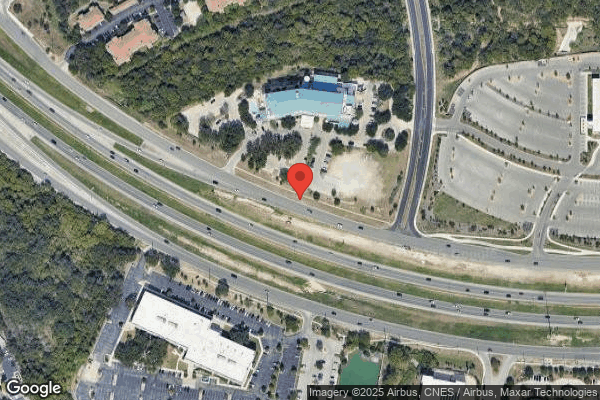
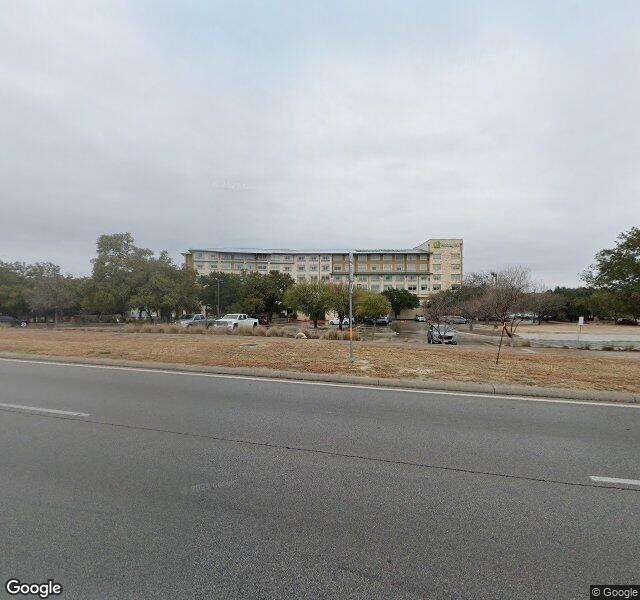
9922 STATE HWY. 151, SAN ANTONIO, TX 78251 (210) 546-2273
For profit - Limited Liability company 124 Beds THE ENSIGN GROUP Data: November 2025 1 Immediate Jeopardy citation
Trust Grade
28/100
#888 of 1168 in TX
Last Inspection: April 2025

Within standard 12-15 month inspection cycle. Federal law requires annual inspections.

Overview

Westover Hills Rehabilitation and Healthcare has received a Trust Grade of F, indicating significant concerns about the quality of care provided. Ranking #888 out of 1168 facilities in Texas places it in the bottom half, and #41 out of 62 in Bexar County means there are better local options available. The facility is showing signs of improvement, having decreased issues from 13 in 2024 to 4 in 2025, but it still has a long way to go. Staffing is a relative strength with a turnover rate of 38%, lower than the Texas average, but the overall star ratings are below average, with a 2/5 for health inspections. Serious incidents include a resident's tragic death due to inadequate mental health care and another resident suffering injuries from a fall while being moved with a mechanical lift, highlighting both critical weaknesses and areas for urgent improvement in care practices.

Trust Score
F
28/100
In Texas
#888/1168
Bottom 24%
Safety Record
High Risk
Review needed
Inspections
Getting Better
13 → 4 violations
Staff Stability
○ Average
38% turnover. Near Texas's 48% average. Typical for the industry.
Penalties
⚠ Watch
$35,846 in fines. Higher than 82% of Texas facilities, suggesting repeated compliance issues.
Skilled Nurses
○ Average
Each resident gets 30 minutes of Registered Nurse (RN) attention daily — about average for Texas. RNs are the most trained staff who monitor for health changes.
Violations
⚠ Watch
29 deficiencies on record. Higher than average. Multiple issues found across inspections.
★★☆☆☆
2.0
Overall Rating
★★★☆☆
3.0
Staff Levels
★★★★☆
4.0
Care Quality
★★☆☆☆
2.0
Inspection Score
Stable
2024: 13 issues
2025: 4 issues

The Good

  • 4-Star Quality Measures · Strong clinical quality outcomes
  • Full Sprinkler Coverage · Fire safety systems throughout facility
  • No fines on record
  • Staff turnover below average (38%)

    10 points below Texas average of 48%

Facility shows strength in quality measures, fire safety.

The Bad

2-Star Overall Rating

Below Texas average (2.8)

Below average - review inspection findings carefully

Staff Turnover: 38%

Near Texas avg (46%)

Typical for the industry

Federal Fines: $35,846

Above median ($33,413)

Moderate penalties - review what triggered them

Chain: THE ENSIGN GROUP

Part of a multi-facility chain

Ask about local staffing decisions and management

The Ugly 29 deficiencies on record

1 life-threatening 1 actual harm
Aug 2025 2 deficiencies
CONCERN (D) 📢 Someone Reported This

A family member, employee, or ombudsman was alarmed enough to file a formal complaint

Potential for Harm - no one hurt, but risky conditions existed

Assessment Accuracy (Tag F0641)

Could have caused harm · This affected 1 resident

**NOTE- TERMS IN BRACKETS HAVE BEEN EDITED TO PROTECT CONFIDENTIALITY** Based on interview and record review, the facility failed to ensure the assessment accurately reflected the resident's status fo...

Read full inspector narrative →
**NOTE- TERMS IN BRACKETS HAVE BEEN EDITED TO PROTECT CONFIDENTIALITY** Based on interview and record review, the facility failed to ensure the assessment accurately reflected the resident's status for 1 of 4 residents (Resident #1) whose assessments were reviewed, in that: Resident #1's wandering assessment and MDS did not reflect he had wandering behaviors. This failure could place residents at risk for inadequate care due to inaccurate assessments. The findings were: Record review of Resident #1's face sheet, dated 8/21/25, revealed an admission date of 3/7/25 with diagnoses including: cerebral infarction (when blood flow to a part of the brain is obstructed typically by a blood clot causing death to the brain cells), disorder of visual pathways in (due to) vascular disorders left side (the visual pathway consist of structures that carry visual information from the retina to the brain. Lesions in that pathway cause a variety of visual field defects), other abnormality of gait and mobility, and cognitive communication deficit. Record review of Resident #1's care plan, updated 8/20/25, revealed the resident would wander related to impaired safety awareness, unintentionally intrudes on the privacy of others or activity related to impaired cognition. An intervention to redirect resident from wandering by reorienting Resident #1 and direct/assist to his room was also added on 8/20/25. Record review of Resident #1's Quarterly MDS, dated [DATE], revealed a BIMS score of 10, indicating moderate cognitive impairment. Section E Behavior revealed he had no wandering behaviors. Record review of Resident #1's nursing progress notes, dated 8/21/25, revealed: -3/10/25 at 9:24 a.m. Resident wandering the hall, looking for his room. He is A/O x2 currently and does not remember why he is here. Easily redirected and compliant with directions. [NP] updated about patient status. Will continue to monitor. Written by RN A-8/5/25 12:07 a.m. Resident was up and walking around and going into other resident's rooms. Resident was redirected and got angry at staff, also attempted to walk to the front door, but redirected to go back to his room. Resident was screaming down the hallway not wanting to go to his room. Staff encouraged resident to stay in bed during the night and use his wheelchair while his OOB. Staff attempted to take resident back to his room and but refused, resident is sitting by the nurse's station being observed. Written by LVN B Record review of Resident #1's Elopement and Wandering Evaluation assessment, dated 6/10/25, revealed answers to question revealed he had no history of or current behavior of wandering and he was a low risk. Record review of Resident #1's assessment on 8/21/25, revealed two wandering assessment were completed in the past. One was completed on 3/7/25 with low risk and another on 6/10/25 with low risk. No other wandering/elopement assessment were found. During an interview on 8/20/25 at 1:44 p.m. RN A stated Resident #1 was known to go into other residents' room. RN A stated when other residents would complain about the resident being in their rooms she would go check and he would be taking products like toilet paper he already had in his room. RN A stated she would redirect him to retrieve the items from his room. During an interview on 8/21/25 at 10:35 a.m. interview with Resident #2 who's room was across the hall from Resident #1 stated once Resident #1 had come in her room. She stated she was coloring and facing her window when Resident #1 tapped her on the shoulder and stated something in Spanish as he pointed out the window. Resident #2 stated she told him to leave her room, and he did. During an interview on 8/21/25 at 11:47 a.m. MDS C stated she was informed on 8/20/25 that Resident #1 had behaviors of looking for a family member and would require staff to reorient him. MDS C stated they would normally run a 24 hours report in the morning and filter for key words to find any resident with changes in condition. MDS C stated the ADONs also assist with looking over the 24 hour reports and updating any assessments or care plans. MDS C stated she had recently been out for personal reasons and was not aware the resident had a change in condition. MDS C stated by not updating changes in the resident's care plan staff would not be aware of how to treat the resident. The MDS C stated staff used the care plan to be aware of resident behaviors and would also prompt care areas in the point of care nursing aides used. During an interview on 8/21/25 at 12:09 p.m. ADON D they would run a 24-hour report and read the report to see if any residents had a change in condition. ADON D stated there were 3 ADONs who would split up the reports according to hallways. ADON D stated however 1 of the ADONs had recently started and another ADON had been out of FMLA. The ADON stated the DON was also helping her read the 24-hour reports daily. ADON D stated she was not aware of the nursing progress note from 8/5/25 where the resident was exhibiting exit seeking and wandering behaviors. ADON D stated had she seen that note she would have spoken to the resident to see what was going on, spoken to the nursing staff, and made the DON aware. ADON D stated they would also notify the doctor and see if they needed to update any orders. ADON D stated they would also need to look at his elopement and wandering assessment and update it. ADON D stated failing to update the resident assessments could cause someone to miss a new onset mental issue or condition, and implementing any interventions to protect other residents and respect their privacy. During an interview on 8/21/25 at 12:23 p.m. the DON stated the ADONs would look over the 24-hour reports, notify MDS, and bring up any changes in patient conditions during their morning meetings. The DON stated she became aware of Resident #1's nursing note from 8/5/25 on 8/20/25 while performing an audit. The DON stated they care planned the behaviors. The DON stated she was unaware the resident ever had wandering behaviors and no one ever reported to her he had any behaviors of being in other resident rooms. The DON stated the ADONs were responsible for reviewing the 24-report and updating the wandering assessment. The DON stated it was important to update care plans and assessments so staff could follow the residents plan of care and return him to his room safely. Record review of the facility's policy titled Resident Assessment, no date, stated Policy: It is the policy of this facility to perform resident assessment. Procedure: Each resident will be assessed by the licensed nurse. 2. Each time there is a change in the mental or physical condition of the resident that may significantly affect his or her ability to perform the activities of daily living 3. Every quarter. 4. If there is a significant change, it will be reported to physician and orders to carried out. Additional assessments will be performed as needed. (i.e., fall risk assessment, pain evaluations, enabling device assessment, etc).
CONCERN (D) 📢 Someone Reported This

A family member, employee, or ombudsman was alarmed enough to file a formal complaint

Potential for Harm - no one hurt, but risky conditions existed

Deficiency F0657 (Tag F0657)

Could have caused harm · This affected 1 resident

**NOTE- TERMS IN BRACKETS HAVE BEEN EDITED TO PROTECT CONFIDENTIALITY** Based on interview and record review the facility failed to ensure the comprehensive care plan was reviewed and revised by the i...

Read full inspector narrative →
**NOTE- TERMS IN BRACKETS HAVE BEEN EDITED TO PROTECT CONFIDENTIALITY** Based on interview and record review the facility failed to ensure the comprehensive care plan was reviewed and revised by the interdisciplinary team after each assessment including both the comprehensive and quarterly review assessments to reflect the current condition for 1 of 4 residents (Resident #1) reviewed for care plan revisions. The facility failed to ensure Resident #1's care plan was comprehensive and updated to reflect Resident #1 had wandering and exit seeking behaviors. This deficient practice could place residents at risk of not receiving appropriate interventions to meet their current needs. The findings included: Record review of Resident #1's face sheet, dated 8/21/25, revealed an admission date of 3/7/25 with diagnoses including: cerebral infarction (when blood flow to a part of the brain is obstructed typically by a blood clot causing death to the brain cells), disorder of visual pathways in (due to) vascular disorders left side (the visual pathway consist of structures that carry visual information from the retina to the brain. Lesions in that pathway cause a variety of visual field defects), other abnormality of gait and mobility, and cognitive communication deficit. Record review of Resident #1's care plan, updated 8/20/25, revealed the resident would wander related to impaired safety awareness, unintentionally intrudes on the privacy of others or activity related to impaired cognition. An intervention to redirect resident from wandering by reorienting Resident #1 and direct/assist to his room was also added on 8/20/25. Record review of Resident #1's Quarterly MDS, dated [DATE], revealed a BIMS score of 10, indicating moderate cognitive impairment. Section E Behavior revealed he had no wandering behaviors. Record review of Resident #1's nursing progress notes, dated 8/21/25, revealed: -3/10/25 at 9:24 a.m. Resident wandering the hall, looking for his room. He is A/O x2 currently and does not remember why he is here. Easily redirected and compliant with directions. [NP] updated about patient status. Will continue to monitor. Written by RN A-8/5/25 at 12:07 a.m. Resident was up and walking around and going into other resident's rooms. Resident was redirected and got angry at staff, also attempted to walk to the front door, but redirected to go back to his room. Resident was screaming down the hallway not wanting to go to his room. Staff encouraged resident to stay in bed during the night and use his wheelchair while his OOB. Staff attempted to take resident back to his room and but refused, resident is sitting by the nurse's station being observed. Written by LVN B. Record review of Resident #1's Elopement and Wandering Evaluation assessment, dated 6/10/25, revealed answers to question revealed he had no history of, or current behavior of wandering and he was a low risk. Record review of Resident #1's assessment on 8/21/25, revealed two wandering assessments were completed in the past. One was completed on 3/7/25 with low risk and another on 6/10/25 with low risk. No other wandering/elopement assessment were found. During an interview on 8/20/25 at 1:44 p.m. RN A stated Resident #1 was known to go into other residents' room. RN A stated when other residents would complain about the resident being in their rooms she would go check and he would be taking products like toilet paper he already had in his room. RN A stated she would redirect him to retrieve the items from his room. During an interview on 8/21/25 at 10:35 a.m. interview with Resident #2 who's room was across the hall from Resident #1 stated once Resident #1 had come in her room. She stated she was coloring and facing her window when Resident #1 tapped her on the shoulder and stated something in Spanish as he pointed out the window. Resident #2 stated she told him to leave her room, and he did. During an interview on 8/21/25 at 11:47 a.m. MDS C stated she was informed on 8/20/25 that Resident #1 had behaviors of looking for a family member and would require staff to reorient him. MDS C stated they would normally run a 24-hours report in the morning and filter for key words to find any resident with changes in condition. MDS C stated the ADONs also assist with looking over the 24-hour reports and updating any assessments or care plans. MDS C stated she had recently been out for personal reasons and was not aware the resident had a change in condition. MDS C stated by not updating changes in the resident's care plan staff would not be aware of how to treat the resident. The MDS C stated staff used the care plan to be aware of resident behaviors and would also prompt care areas in the point of care nursing aides used. During an interview on 8/21/25 at 12:09 p.m. ADON D they would run a 24-hour report and read the report to see if any residents had a change in condition. ADON D stated there were 3 ADONs who would split up the reports according to hallways. ADON D stated however 1 of the ADONs had recently started and another ADON had been out of FMLA. The ADON stated the DON was also helping her read the 24-hour reports daily. ADON D stated she was not aware of the nursing progress note from 8/5/25 where the resident was exhibiting exit seeking and wandering behaviors. ADON D stated had she seen that note she would have spoken to the resident to see what was going on, spoken to the nursing staff, and made the DON aware. ADON D stated they would also notify the doctor and see if they needed to update any orders. ADON D stated they would also need to look at his elopement and wandering assessment and update it. ADON D stated failing to update the resident assessments could cause someone to miss a new onset mental issue or condition and implementing any interventions to protect other residents and respect their privacy. During an interview on 8/21/25 at 12:23 p.m. the DON stated the ADONs would look over the 24-hour reports, notify MDS, and bring up any changes in patient conditions during their morning meetings. The DON stated she became aware of Resident #1's nursing note from 8/5/25 on 8/20/25 while performing an audit. The DON stated they care planned the behaviors. The DON stated she was unaware the resident ever had wandering behaviors and no one ever reported to her he had any behaviors of being in other resident rooms. The DON stated the ADONs were responsible for reviewing the 24-report and updating the wandering assessment. The DON stated it was important to update care plans and assessments so staff could follow the residents plan of care and return him to his room safely. Record review of the facility's policy titled Comprehensive [NAME]-Centered Care Planning, dated 12/23, stated Policy: It is the policy of this facility that the interdisciplinary team (IDT) shall develop a comprehensive person-centered care plan for each resident that includes measurable objectives and timeframes to meet a resident's medical, nursing, mental and psychosocial needs that are identified in the comprehensive assessment. The IDT team will also develop and implement a baseline care plan for each resident, within 48 hours of admission, that includes minimum healthcare information necessary to properly care for each resident and instructions needed to provide effective and person-centered care that meet professional standards of quality care.4. The facility IDT will develop and implement a comprehensive person-centered, culturally-competent, and trauma-informed care plan for each resident within seven (7) days of completion of the Resident Minimum Data Set (MOS) and will include resident's needs identified in the comprehensive assessment. 6. The resident's comprehensive plan of care will be reviewed and/or revised by the IDT after each assessment, including both the comprehensive and quarterly review assessments.
Apr 2025 1 deficiency
CONCERN (E)

Potential for Harm - no one hurt, but risky conditions existed

Deficiency F0761 (Tag F0761)

Could have caused harm · This affected multiple residents

**NOTE- TERMS IN BRACKETS HAVE BEEN EDITED TO PROTECT CONFIDENTIALITY** Based on observations, interviews, and record review, the facility failed to ensure all drugs and biologicals used in the facili...

Read full inspector narrative →
**NOTE- TERMS IN BRACKETS HAVE BEEN EDITED TO PROTECT CONFIDENTIALITY** Based on observations, interviews, and record review, the facility failed to ensure all drugs and biologicals used in the facility were labeled in accordance with currently accepted professional guidelines for three of eight medication carts (200 hall nurse cart, 200 hall medication aide cart, and 400 hall medication aide cart) assessed for medication storage and labeling. The nurse cart for the 200 hall contained two unlabeled pills lying in the drawer. The medication aide cart for the 200 hall contained one unlabeled pill lying in the drawer. The medication aide cart for the 400 hall contained four unlabeled pills lying in the drawer. This failure could place residents who receive medications at risk of not receiving the intended therapeutic effects of their prescribed medications and experiencing unintended and harmful effects of medications prescribed to others. The findings included: During an observation and interview on [DATE] at 9:00 AM of the 200 hall nurse cart with RN A, 2 loose pills were observed in the bottom of the cart drawer, unlabeled. RN A stated she would toss the pills because you don't even know what it is. RN A stated she tosses them to be safe, because it could be a huge hazard, and you may not know what you are giving. During an observation on [DATE] at 9:30 AM of the 200 hall medication aide cart with RN A, 1 loose pill was observed in the bottom of the cart drawer, unlabeled. During an observation on [DATE] at 9:35 AM of the 400 hall medication aide cart with RN A, 4 loose pills were observed in the bottom of the cart drawer, unlabeled. During an interview with MA B on [DATE] at 9:50 AM regarding the loose pills in the 200 hall medication aide cart, MA A stated there could be contamination, people can give it, and it can be wrong, or it could be expired. During an interview with MA C on [DATE] at 9:55 AM regarding the loose pills in the 400 hall medication aide cart, MA C stated there could be a med error, or a patient might not be getting their pill. MA C stated she would throw away the pill. During an interview with the DON on [DATE] at 2:56 PM, regarding the loose pills in the medication carts, the DON stated a loose pill could fall out of the cart, and someone could grab it who was not supposed to. The DON stated her expectation is to make sure the loose pills are destroyed. Review of the facility policy titled Labeling of Medications and Biologicals revised on 5/2007, noted It is the policy of this facility that mediations and biologicals are labeled in accordance with facility requirements, state and federal laws.
Feb 2025 1 deficiency
CONCERN (E) 📢 Someone Reported This

A family member, employee, or ombudsman was alarmed enough to file a formal complaint

Potential for Harm - no one hurt, but risky conditions existed

Pharmacy Services (Tag F0755)

Could have caused harm · This affected multiple residents

**NOTE- TERMS IN BRACKETS HAVE BEEN EDITED TO PROTECT CONFIDENTIALITY** Based on interview and record review, the facility failed to provide pharmacological services (including procedures that assure ...

Read full inspector narrative →
**NOTE- TERMS IN BRACKETS HAVE BEEN EDITED TO PROTECT CONFIDENTIALITY** Based on interview and record review, the facility failed to provide pharmacological services (including procedures that assure the accurate acquiring, receiving, dispensing, and administering of all drugs and biologicals) to meet the needs of each resident for 2 of 10 residents (Resident #1 and Resident #2 ) reviewed for pharmacy services. 1. LVN A administered Cefazolin (Antibiotic) 6 GM in 250 ML instead of Cefazolin 6 GM in 1000 ML to Resident # 1. The non-compliance was identified as past non-compliance. The noncompliance began on 06/11/2024 and ended on 06/12/24. The facility had corrected the non-compliance before the survey began. 2. The facility failed to ensure that controlled medications were secured. The non-compliance was identified as past non-compliance. The noncompliance began on 7/17/2024 and ended on 7/18/24. The facility had corrected the non-compliance before the survey began. These deficient practices could affect all residents who receive medication from the facility and place them at risk for adverse reactions, decline in physical health. Findings were : 1. Record review of Resident #1's face sheet, dated 02/11/25, revealed an initial admission date of 6/11/2024. Resident #1 had diagnoses that included: Post Traumatic Stress Disorder (a mental health condition that some people develop after they experience or witness a traumatic event), Depression. (persistent symptoms of sadness, and a loss of interest in daily activities) and Prosthetic joint infection (defined as infection involving the joint prosthesis and adjacent tissue). Record review of Resident #1's admission MDS assessment, dated 6/11/24, revealed a BIMS score of 15, which indicated intact cognition. Record review of Resident #1's Care plan, initiated on 06/11/2024 and revised on 7/28/2024, revealed a focus of: [residents name] is on antibiotic therapy related to orthopedic device, receiving Cefazolin via PICC line. Interventions: Administer medication Cefazolin as ordered. Record review of Resident #1's physician orders, dated 06/07/2024, revealed medication Cefazolin Sodium Injection Solution Reconstructed 3 GM (Cefazolin Sodium) use 6 grams intravenously every shift for infection related to Orthopedic Device. Record review of Resident #1's electronic medication administration record for 6/11/24 revealed that Cefazolin 6 GM in 1000 ML was administered by LVN A at 8 PM via PICC. Interview with LVN A on 2/11/25 at 10:55 A.M. revealed that on 6/11/24 after she administered the IV medication to Resident #1, she realized after the IV infusion, the empty IV bag read Cefazolin 6 GM in 250 ML, not Cefazolin 6 GM in 1000 ML. LVN A called DON, who instructed her to call the facility nurse practitioner and pharmacy. LVN A stated she thought she was giving the correct dose, but by not double-checking the IV bag with the medication administration record, a medication error occurred, which could have harmed the resident. Interview with the Pharmacy consultant on 2/11/25 at 1:20 P.M. revealed that this error occurred as a pharmacy oversight, sending incorrect concentration. The pharmacist consultant stated No harm to Resident # 1 occurred as medication was simply given in less normal saline, which was nonirritant to veins as it was administered via a PICC line. Interview with the facility nurse practitioner on 2/11/25 at 2:20 PM revealed he was not concerned with the medication error as the IV antibiotic was administered with less normal saline, and no adverse effects occurred to Resident # 1 because LVN A recognized the error quickly and had it corrected. Interview with DON on 2/11/25 at 3:15 P.M. revealed that on 6/11/24, at approximately 830 PM, she was notified by LVN A that an IV medication error had occurred. DON stated that she expected all licensed nurses to follow policy and procedure regarding medication administration, as failure to do so could negatively impact residents. She currently has her ADON's review all new admission orders and medication delivered by the pharmacy to ensure the correct medication has been delivered and she audits this at random. Prior to survey entrance, the facility provided Inservice to 100 % of Nursing staff on 6/11/24 - 6/12/24 regarding the Following 5 medication rights: 1. right Patient 2. right person 3. right time 4. Right route 5. right dose. During staff interviews on 2/12/2024 at 8:45 a.m -10 AM., with (LVN B), ( LVN C) , (LVN D) , (LVN E) , (LVN F), ( LVN G) and (RN H), (RN I), (RN J) from all shifts staff stated they had been in-serviced on following the 5 rights to medication administration. Observation on 2/12/25 at 10:33 a.m. revealed DON randomly checked new admission orders, ensuring the five medication rights. Record review of facility policy Medication Administration, IV Medication, dated 8/2020, revealed compare label with a physician order. 2 Record review of resident # 2's face sheet dated 2/13/25 revealed a [AGE] year-old female admitted to the facility on [DATE] with diagnoses that included: Dysphagia (difficulty swallowing foods or liquids), Renal Dialysis (a procedure that filters excess fluid and waste and Coronary Angioplasty Status (A procedure that opens the blocked artery). Record review of Resident # 2's admission MDS assessment dated [DATE] reflected a BIMS score of 15, which indicated that cognition was intact. Record review of Resident's # 2's monthly physician orders for June 2024 revealed an order for Ativan 1 MG, administer one tablet by mouth every 24 hours as needed for anxiety for 14 days. Record review of Resident # 2's progress noted dated 6/27/24 revealed that Resident # 2 was transported to the hospital due to a change of condition and did not return. Record review of Resident # 2's narcotic sheet for Ativan 1 mg reflected 24 Ativan were received on 6/20/24 and 14 Ativan were present on 6/26/24. Record review of Resident # 2's narcotic sheet for Ativan 1 mg revealed nurses were signing after each shift verifying medication Ativan 1 mg quantity 14, was present from 6/26/24 - 7/17/24 . Interview with the DON on 2/13/25 at 10:34 A.M., revealed on 7/17/24 , she was conducting monthly drug destruction when she discovered the narcotic sheet for Ativan 1 MG for Resident # 2 was present, but the blister pack was missing. Interview on 2/13/25 at 11:00 A.M., the DON stated that this medication-drug discrepancy occurred because of outdated controlled drug counting practices. During drug counts on each shift, nurses only counted the amount of medication in a blister pack and did not read the resident's name to include the name of the medication and the amount left. The DON stated on 6/17/24 -6/18/24, in-service was conducted moving forward, all as-needed narcotic medication required two licensed nurses' signatures, and the narcotic drug counting practice was updated. Prior to the survey entrance, the facility in-serviced 100 % all nursing staff on 6/17/24 - 6/18/24 on the updated narcotic medication counting process and all as-needed medication requiring two licensed nurses' signatures. During staff interviews on 2/13/2024 at 6:45 a.m 8:00 AM., with (LVN B), ( LVN C) , (LVN D), (LVN E) , (LVN F), ( LVN G) and (RN H), (RN I), (RN J) from all shifts staff stated they had been in-serviced on following narcotic medication counting process and as-needed narcotic medication requiring two licensed nurses' signatures Observation on 2/14/25 at 6:33 a.m., revealed LVN B and RN H counting narcotics at shift change updated narcotic medication counting process. Observation on 2/14/25 at 9:05 a.m., revealed LVN G and LVN E signing for an as-needed narcotic medication. Record review of the facility policy Controlled Medications, December 2019, reflected Any discrepancy in controlled substance medication counts is reported to the DON immediately.
Nov 2024 2 deficiencies 1 IJ
CRITICAL (J) 📢 Someone Reported This

A family member, employee, or ombudsman was alarmed enough to file a formal complaint

Immediate Jeopardy (IJ) - the most serious Medicare violation

Quality of Care (Tag F0684)

Someone could have died · This affected 1 resident

**NOTE- TERMS IN BRACKETS HAVE BEEN EDITED TO PROTECT CONFIDENTIALITY** Based on observation, interview, and record review, the facility failed to ensure residents received treatment and care in accor...

Read full inspector narrative →
**NOTE- TERMS IN BRACKETS HAVE BEEN EDITED TO PROTECT CONFIDENTIALITY** Based on observation, interview, and record review, the facility failed to ensure residents received treatment and care in accordance with professional standards of practice for 1 of 5 residents (Resident #1) reviewed for quality of care, in that: The facility failed to coordinate care with hospice and implement interventions to address Resident #1's mental health needs. Resident #1 was re-admitted to the facility with the diagnosis of depression, hospice had communicated to the facility staff that was overheard by ADON C, that the resident had tried to harm himself when he was at home. On 11/01/2024, Resident #1 hung himself with a gait belt attached to the bar in the closet that resulted in his death. An IJ was identified on 11/04/2024. The IJ template was provided to the facility on [DATE] at 8:32 PM. While the IJ was removed on 11/07/2024, the facility remained out of compliance at a scope of isolated and a severity level of potential for more than minimal harm because the facility needed to monitor the implementation of the plan of removal. The failure placed all residents at risk for serious injury, harm, and/or death. The findings included: Record review of Resident #1's admission Record (face sheet), dated 11/02/2024, revealed he was admitted to the facility on [DATE], readmitted on [DATE] and discharged on 11/01/2024. The admission Record did not indicate when he was discharged prior to his readmission [DATE]. Resident #1 was [AGE] year-old male with diagnoses which included hemiplegia and hemiparesis following a cerebral infarction (partial weakness and paralysis of one side of the body due to a stroke), dysphagia (difficulty swallowing), dysarthria (speech sound disorder caused by brain damage), and depression (feelings of severe despondency and dejection). Record review of Resident #1's Discharge Summary and Post-Discharge Plan of Care, dated 07/01/2024, revealed the resident received skilled nursing services and hospice services while he was in the facility from 12/31/2023 to 07/01/2024 and was discharged to home on [DATE] with hospice services from Hospice A. Record review of Resident #1's MDS admission Assessment, dated 07/25/2024, reflected Resident #1 had diagnoses which included stroke and depression, received hospice services, and had a BIMS of 6 out of 15, an indication of severe cognitive impairment. Resident #1's MDS revealed he used a wheelchair for mobility which he could propel 150 feet without assistance; was dependent on staff for toileting and lower body dressing; required substantial/maximal assistance with upper body dressing, putting on/taking off footwear, personal hygiene, sit-to stand, and toilet transfer. Record review of Resident #1's Care Plans revealed a care plan for Antidepressant medication use r/t [related to] insomnia for medication Trazodone initiated 07/31/2024 and there was no care plan for depression or for the anti-depressant Zoloft. Record review of Resident #1's electronic Physician Orders revealed an order to Admit to Hospice A services with a start date of 07/19/2024. Record review of Resident #1's electronic Physician Orders revealed an order for Activity - Chairbound, can stand for transfers with a start date of 07/19/2024. Record review of Resident #1's electronic Physician Orders revealed an order for DNR/Do Not Attempt Resuscitation [when the heart has stopped beating] with a start date of 07/19/2024. Record review of Resident #1's electronic Physician Orders revealed an order for Use erase [white] board with resident to communicate with a start date of 07/19/2024. Record review of Resident #1's electronic Physician Orders revealed an order for Zoloft (medication for major depressive disorder) 50 mg 1 tab once a day for depression with a start date of 07/26/2024. Record review of Resident #1's electronic Physician Orders revealed an order for Trazodone (medication for depression and insomnia) 50 mg 1 tab once a day at bedtime for insomnia with a start date of 07/30/2024. Record review of Resident #1's electronic Physician Orders revealed an order to monitor anti-depressant targeted behavior with the following codes: 0=no behavior, 1=social isolation, 2=tearfulness, 3=refusal to eat, and 4=other, with a start date of 07/31/2024. Record review of Resident #1's electronic Physician Orders revealed an order for isolation contact/droplet precautions with a start date of 10/29/24. Record review of Resident #1's electronic Physician Orders from 07/19/2024 to 11/01/2024 revealed there were no orders for mental health services. Record review of Resident #1's July 2024 MAR revealed he received Zoloft 50 mg 1 tab daily from 07/26/2024 to 07/31/2024, and trazodone 50 mg tab daily from 07/30/2024 to 07/31/2024, and the anti-depressant targeted behavior monitoring was coded as 0. Record review of Resident #1's August 2024 MAR revealed he received Zoloft 50 mg 1 tab daily from 08/01/2024 to 08/31/2024, and trazodone 50 mg tab daily from 08/01/2024 to 08/31/2024, and the anti-depressant targeted behavior monitoring was coded as 0 every day. Record review of Resident #1's September 2024 MAR revealed he received Zoloft 50 mg 1 tab daily from 09/01/2024 to 09/30/2024, and trazodone 50 mg tab daily from 09/01/2024 to 09/30/2024, and the anti-depressant targeted behavior monitoring was coded as 0 every day. Record review of Resident #1's October 2024 MAR revealed he received Zoloft 50 mg 1 tab daily from 10/01/2024 to 10/31/2024, and trazodone 50 mg tab daily from 10/01/2024 to 10/31/2024, and the anti-depressant targeted behavior monitoring was coded as 0 every day. Record review of Resident #1's Resident Mood Interview PHQ-9 (Patient Health Questionnaire is a nine-item tool that assesses the severity of depressive symptoms) dated 07/23/2024 revealed a score of 0 which could be interpreted as no depression, and was completed by Social Services Staff A. Record review of Resident #1's Social Services Assessment, completed by Social Services Staff A dated 07/23/2024, revealed Resident #1 was pleasant and engaging; alert and oriented to person, place, time, and situation; non-speaking, understood and communicated via white board and hand gestures to make his needs known; was diagnosed with depression with no prescribed medication, no behaviors, no trauma assessed to interfere with his care. Record review of Resident #1's Resident Mood Interview PHQ-9, dated 10/25/2024, completed by Social Services Staff A revealed the resident was feeling tired or having little energy for 7-11 days, and a score of 2 which could be interpreted as minimal depression. Resident #1 responded No to all the other questions which included Feeling bad about yourself, or that you are a failure or have let yourself or your family down and Thoughts that you would be better off dead, or of hurting yourself in some way. Record review of Resident #1's Social Services Assessment, completed by Social Services Staff A dated 10/25/2024, revealed Resident #1 was pleasant and engaging; alert and oriented to person, place, time, and situation; non-speaking, understood and communicated via white board and hand gestures to make his needs known; resident participated in PHQ-9 interview and scored 2, minimal depression, has diagnosed of depression with prescribed Zoloft medication, no behaviors, no trauma assessed to interfere with his care. Record review of Resident #1's Hospice A Binder revealed a Comprehensive Assessment, dated 09/12/2024, with a note from Hospice Social Worker dated 08/08/2024, This [Social Worker] sat in the care plan meeting for Resident #1 at his nursing home. The meeting was attended by Hospice RN A, nursing staff from the facility and facility Social Services Staff A .A review of the [resident's] current medications was discussed along with the erratic behavior that was displayed at home when he returned there recently. It was noted that [resident] is not displaying this degree of violent behavior that was displayed at home when he was . at home. [Resident] has been taking Trazodone at night to assist with his sleeping. [Resident] will be screened for possible psychiatric care at the facility .There were no immediate concerns expressed by the nursing staff. No other actions. Record review of Resident #1's facility Nurses' Note, dated 08/09/2024 by ADON B, revealed Per hospice physician .may refer to psych [psychiatric services] with VA and there was no indication the resident needed to be monitored for behaviors of self-harm or to ensure his environment was free of accident hazards. Record review of Resident #1's Hospice A Binder revealed a Comprehensive Assessment, dated 09/26/2024, p.3 Resident #1 .admitted to Hospice with a DX [diagnoses] of left sided CVA [Cerebral Vascular Accident - stroke], .He resides at Nursing Facility. He is alert and oriented x 3. He was always very angry and unreasonably demanding. Spent 3 weeks at home but family unable to care for him. Meds were started shortly after he arrived to (sic) facility because of heightened emotions and him threatening to harm himself before he left home. He is nonverbal but communicates by writing on eraser [white] board. Since then meds have been effective in calming his behavior .he did ask to be off the Zoloft because 'can't focus'. His family wants him on the meds because they agreed improvement in behavior. Had a care plan meeting at facility and they were going to request VA to have a psychiatric evaluation. It was denied and ADON [did not specify which ADON] asked if the facility can pay for it, Still pending. Record review of Resident #1's Hospice A Binder revealed a Comprehensive Assessment, dated 09/26/2024, p.4, a note from Hospice Social Worker, dated 09/13/2024, This [social worker] met with the patient [Resident #1] just outside of his room. Patient [Resident #1] recognized this [social worker] from previous visits and was alert and oriented x3. He nodded that things were going okay but he wrote on this [social worker's] note pad that he's tired of his depression meds. He also noted that .his new room is working out okay for him. When asked if Family Member A is still visiting him on a regular basis he wrote on the notepad that Family Member A visits him every Tuesday and Thursday. Patient [Resident #1] still stands up next to his wheelchair to stretch .This [social worker] spoke to the patient's [Resident #1] Family Member A .and she said that patient's [Resident #1] mood had been better since he is now on Zoloft .she had no immediate concerns for him at this time . Record review of Resident #1's Hospice A Binder revealed a Comprehensive Assessment, dated 09/26/2024, p.8, a note from Hospice RN A, dated 09/13/2024, Resident #1 sitting in wheelchair. Spoke to MDS Nurse A about update for having psychiatric evaluation .she said she will bring it up in the morning meeting . Record review of the facility's EHR for Resident #1, revealed a Psychotropic IDT note dated 09/18/24 by ADON B, had Resident is not currently on psych services. Record review of Resident #1's Nurses' Note, dated 11/01/2024 by ADON B, revealed at 1520 [3:20 PM] Resident #1 was sitting in doorway in room and waved me over. When I went to see what he needed, he wheeled back in the room and pointed to his tv remote on the floor. I picked it up and gave it to him and he shook his head and smiled and gave me a fist bump. I asked if he needed anything else and he shook his head no, Resident #1 was in good spirits at this time. Record review of Resident #1's Nurses' Note, dated 11/01/2024 at 17:36 [5:36 PM] by LVN H revealed Resident #1 was witnessed in wheelchair in the doorway of his room approximately 10 min [minutes] prior to incident, resident had no c/o [complaints of] pain or discomfort, and no s/s [signs/symptoms] of facial grimacing noted, Resident #1 was in stable condition while sitting in entry way of his room, Resident #1 was his usual self .Hospice CNA A entered the room and communicated resident was noted to be in closet in an upright position with the gait belt noted around his neck. Hospice CNA A alerted CNA PP and CNA GG who alerted this nurse at approximately 1612 [4:12 PM]. This nurse entered room and noticed Resident #1 appeared to be of blue discoloration and hanging from the closet rod with a gait belt noted around his neck. LVN J, ADON B, MA A had followed behind this nurse and assisted Resident #1 to the floor, RN B called 911 at 1613 [4:13 PM], police arrived at 16:18 [4:18 PM], 911 EMS arrived, and medic called time of death at 1623 [4:23 PM] and pronounced by Medical Examiner .this nurse called hospice at 1627 [4:27 PM]. Hospice A notified this nurse that, they would contact resident's Family Member A. Family Member B and Family Member A arrived to (sic) facility approximately 20 minutes later .body was released to medical examiner. Record review of Resident #1's Nurses' Note, dated 11/01/2024 at 16:13 [4:13 PM] by RN B revealed This nurse made call to .911 and they are in route and will arrive shortly. Record review of Resident #1's undated Inventory List revealed no belt or gait belt was on the Inventory List that was signed by Family Member A. Record review of an undated typed Time line (sic) of events on 11/1/24 for Resident #1 provided by the facility revealed Nurse Practitioner A saw Resident #1 at 1500 (3 PM) sitting in doorway to his room. ADON B had seen Resident #1 at 1520 (3:20 PM) sitting in the doorway to his room. LVN H saw Resident #1 in his wheelchair in the doorway to his room approximately 10 minutes prior to the incident. At approximately 1612 (4:12 PM) Hospice CNA A alerted CNA PP and CNA GG who alerted LVN H. EMS was called by RN B at 1613 (4:13 PM). The Administrator was notified at 1615 (4:15 PM). Local police arrived at 1618 (4:18 PM). EMS arrived and medic called time of death at 1623 (4:23 PM) and was pronounced. Hospice A was notified at 1627 (4:27 PM). The Medical Examiner picked up Resident #1 at 1800 (6 PM). The Ombudsman was notified at 2000 (8 PM). The Medical Director was notified at 2002 (8:02 PM). Record review of the statement from CNA BB, dated 11/02/2024, revealed she had last seen Resident #1 on 11/01/2024 sitting in his doorway around 2 PM, she told him she was leaving for the day, and he did not show any signs of depression, pain, or sadness; and the resident had not ever displayed suicidal ideations with his communication board. Record review of the statement from MA B, dated 11/02/2024, revealed she had last seen Resident #1 on 11/01/2024 in his wheelchair around 1345 (1:45 PM), Resident #1 indicated he wanted CNA BB to change him, she did not see any difference in his mood, and he did not show any signs of depression, pain, or sadness; and the resident had not ever displayed suicidal ideations with his communication board. Record review of the statement from CNA PP, dated 11/02/2024, revealed she had last seen Resident #1 on 11/01/2024 at approximately 1400 (2 PM) sitting in his doorway and she assisted with his face mask, his mood was okay, and he did not show any signs of depression, pain, or sadness; and the resident had not ever displayed suicidal ideations with his communication board. Record review of the Statement from NP A, dated 11/01/2024, revealed Around 1500 (3 PM) I walked into [the facility] and walked into the ADON's office on the 200 hall. At that time, I saw Resident #1, out of bed and in his wheelchair in the entryway of his room Record review of the statement from LVN F, dated 11/02/2024, revealed she had last seen Resident #1 on 11/01/2024 sitting in his wheelchair in the doorway to his room wearing a mask around 1530 (3:30 PM), he was fine, and he did not show any signs of depression, pain, or sadness; and the resident had not ever displayed suicidal ideations with his communication board. Record review of the statement from ADON C, dated 11/02/2024, revealed she had last seen Resident #1 on 11/01/2024 sitting in his doorway about 20 minutes before the incident, he appeared to be in good spirits and gave her a thumbs up sign, and he did not show any signs of depression, pain, or sadness; and the resident had not ever displayed suicidal ideations with his communication board. Record review of the statement from LVN H, dated 11/02/2024, revealed she had last seen Resident #1 on 11/01/2024 sitting in his doorway in his wheelchair about 10 minutes prior to the event, she did not have an impression of his mood, he had just wanted his routine bolus feeding, and he did not show any signs of depression, pain, or sadness; and the resident had not ever displayed suicidal ideations with his communication board. Record review of Hospice CNA A's undated typed statement revealed she arrived at the facility on 11/01/2024 at approximately 3:50 PM. She gathered towels to give Resident #1 a bed bath, spoke to facility CNA PP who informed her the resident was positive for COVID. Hospice CNA A stopped outside the door to his room to don PPE, then entered the room a little past 4 PM. The first thing I saw was the resident's empty wheelchair facing his closet. When I looked down at the floor, I saw Resident #1's feet. I then went to the door [of his room] and from the door[way] I yelled to the CNA's 'Resident #1 is on the floor!' and they replied 'What?' and again I said, 'Resident #1 is on the floor!' and rushed back towards Resident #1. I said out loud, 'Resident #1's first name, what are you doing on the floor' and that's when I fully arrived to (sic) the closet and saw that Resident #1 had the gait belt around his neck and the gait belt was around the closet bar. I turned around to notify the CNA's, but they had already arrived to the room and I said 'Resident #1 is hanging in the closet'. That's when CNA GG and CNA PP alerted the other facility staff. I exited the room and went to the restroom to call Hospice Staff at 4:14 PM but there was no answer. I then called Hospice RN A at 4:15 PM but there was no answer .So I called Hospice A office at 4:17 PM and I spoke with secretary, and she transferred me to Hospice DCS. That's when I told Hospice DCS about what I had just witnessed with Resident #1 and she said I could go home .After speaking with [Hospice DCS], I attempted to return to the room, but the cops had arrived and stated .that I could not enter. I then went to speak with LVN H at the facility who said she was already speaking with the office staff at Hospice A. So, I left and got in my car at 4:35 PM. Interview on 11/02/2024 from 3:12 PM to 3:25 PM, MDS Nurse A stated Resident #1 would give her a high-five and fist bumps with his hands to her every day. She described his mood as stable, fine and there was nothing to indicate an issue with the resident. MDS Nurse A said Resident #1 was placed on isolation precautions on 10/29/24 or 10/30/24 because he was positive for COVID. MDS Nurse A stated on 11/01/2024 she assisted Resident #1 by placing his shoes on him and the footrests on his wheelchair, he was in good spirits at that time with no indication he was feeling down before she left the facility at 2:55 PM. He gave her a fist pump and thumbs up sign before she left his room. She returned to the facility around 3:45 PM and about 20 minutes later she heard help, ran to where she heard help. MDS Nurse A said when she entered Resident #1's room, other staff were trying to lift him up and get the gait belt off his neck, she assisted with trying to lift him up and get the gait belt off him, he didn't have a pulse and his body was still warm to touch. MDS Nurse A stated she could not think of who the other staff were assisting with lifting Resident #1 up. In a telephone interview on 11/05/2024 at 2:59 PM, LVN H stated on 11/01/2024 she was Resident #1's nurse for the 2 PM to 10 PM shift, and she saw Resident #1 sitting in his wheelchair in the doorway as she sat at the nurses' station around 4 PM. LVN H stated later, at approximately 4:15 PM, she saw Resident #1's hospice CNA and the facility CNAs waved her into his room. LVN H said when she walked into Resident #1's room, he was hanging in the closet with a gait belt around his neck, was bluish in color, and his wheelchair near him and his right leg was under part of the wheelchair. LVN H stated she lifted him up, his neck was bent, the gait belt was around his neck so tight that she could not get a finger underneath the gait belt and was trying to loosen it with one hand while holding the resident with her other arm. Other staff entered the room and assisted her with getting Resident #1 down. LVN H stated she called 911 and hospice who said they would contact Resident #1's family. LVN H said Resident #1 didn't appear to be depressed, and he seemed to be level headed. In a telephone interview on 11/06/2024 at 12:07 p.m., CNA PP stated on 11/01/2024 she saw Resident #1 around 2 PM sitting in the doorway to his room, CNA PP got a mask for him and with the assistance of MDS Nurse A, put his shoes on him, the foot pedals on his wheelchair and he was fine. In a further interview in person on 11/06/2024 at 2:04 PM, CNA PP stated on 11/01/2024 Hospice CNA A went into Resident #1's room to bathe him and came out screaming. CNA PP went into his room and found him in the closet and the CNA went and asked for help. CNA PP said Resident #1 had never expressed he wanted to hurt himself and he did not show any signs of depression to her. Interview on 11/02/2024 from 4:44 PM to 4:59 PM, CNA GG stated she had not seen Resident #1 on 11/01/2024 before the incident, the last time she saw him was on 10/30/2024 and was good that day. CNA GG said on 11/01/2024 Hospice CNA A had entered Resident #1's room, found him on the floor, came out of the room, and yelled for staff to assist her. CNA GG said she and another CNA went into Resident #1's room, she saw him on the floor in the closet with a gait belt around his neck and thought it was attached to the closet bar. She ran out of his room and yelled for a nurse to assist them. CNA GG said Resident #1's wheelchair was by the closet and Resident #1 was leaning toward his left side when she entered the room. Interview on 11/02/2024 from 5:10 PM to 5:24 PM, LVN J stated she had only cared for Resident #1 a few times when she worked the night shift, he would come out in the hallway to do his sit-to-stand exercises [holding onto the handrail], used his white board to communicate, and would laugh with the CNAs. LVN J stated she was working on another hall on 11/01/2024 on the 2 PM to 10 PM shift and only saw Resident #1 after the incident. LVN J stated she entered Resident #1's room following behind LVN H, along with ADON B and MA A. LVN J stated when she entered Resident #1's room he was hanging by a cloth gait belt in the closet, LVN H was trying to undo the gait belt and lift Resident #1 up but couldn't. MA A had entered the room and assisted the nurses with lifting Resident #1 up, undoing the gait belt and they got him down. LVN H said ADON B had checked for a pulse on Resident #1. Interview on 11/06/2024 at 1:08 PM, MA A stated on 11/01/2024 he was by the medication cart when he heard ADON B call for help. When MA A entered the room, Resident #1 was in the closet dangling by a gait belt face forward [towards the closet] on his knees with his knees touching the floor. MA A stated he and LVN J grabbed Resident #1 and picked him up, ADON B got between them to help lift Resident #1 up. They were all trying to undo the gait belt that was cinched tightly around his neck and cinched tightly to the closet bar. MA A stated he was able to get the gait belt off the closet bar, then they laid Resident #1 down and then they were able to get the gait belt off his neck. Someone yelled to call 911, and shortly after the fire department came followed by the police. MA A stated Resident #1 had never expressed to the MA that he was feeling down or depressed. Interview on 11/02/2024 from 5:25 PM to 5:30 PM, ADON B said she last saw Resident #1 on 11/01/2024 around 3:20 or 3:30 PM when she had gone into her office that was near his room. Resident #1 had gestured for her to come over and pointed to his TV remote that was on the floor. ADON B said she went into his room, picked up the remove for him and he gave her the thumb up sign. ADON B said later she heard staff calling for help, she ran down the hall. When she entered Resident #1's room, she saw him on the floor, she bent down and grabbed his legs, several staff were trying to pick him up, he was hanging with a gait belt around his neck and attached to the bar in the closet. ADON B said she felt Resident #1, his body was warm, asked if he was a DNR and another nurse had called 911 before she entered the room. Interview on 11/02/2024 from 5:40 PM to 5:55 PM, ADON C said on 11/01/2024 she saw Resident #1 twenty minutes before the incident, he was sitting in his doorway with the door open. ADON C said she educated him that the isolation was not going to last long, to keep his mask on when he was in the doorway, and he was in a good mood. ADON C stated she was in the office [near his room], she heard commotion of staff calling for the floor nurse and she came out of the office area, walked into his room, thought the other nurses were trying to get him off the floor and that was when she saw the gait belt around Resident #1's neck and he was hanging from the closet bar. They were all trying to get him off the gait belt, they finally got him loose. ADON C stated when Resident #1 fell between her legs, he didn't have any signs of life at that time, ADON B did sternal rubs to see if there was any sign of life, Resident #1 was not responsive, other staff had called 911 and when the police and EMS arrived, ADON C said she stepped out of the room. Interview on 11/03/2024 from 11:15 AM to 11:19 AM, NP A said Resident #1 was not on her case load. On 11/01/2024 she saw Resident #1 around 1500 (3 PM) when she went into the nursing office near his room. NP A stated Resident #1 was sitting in his wheelchair in the doorway to his room and was waving at people as they walked by him, and he did not appear to be in distress from what she could see from a far. On 11/03/2024 at 11:34 AM, Hospice CNA A was called with no answer, and she had no voice mail box to leave a message. A text message was sent to the CNA with no response back. Interview on 11/03/2024 from 11:46 AM to 12:00 PM, CNA S said she would not use a gait belt on Resident #1 when she transferred him from his bed to his wheelchair because once he was in a sitting position with his feet on the floor, he could stand up, turn and pivot and sit down in his wheelchair with stand-by-supervision, and was steady most of the time when he was transferred. CNA S stated she saw Resident #1 sitting in his doorway communicating with another CNA on 11/01/2024 around 2 PM before her shift ended and he appeared to be fine at that time. Interview on 11/03/2024 from 12:19 PM to 12:43 PM, Social Services Staff A stated the PHQ-9 assessments were completed by her and the LMSW, it was a way to see if a resident had signs of depression or hopelessness, and scores under 10 were less of a concern than a score above 10, and stated it's always a concern if it's [PHQ-9 score] not a zero. Social Services Staff A said when a resident's PHQ-9 score increases, if the resident was not on any anti-psychotic medication, she would talk to the NP to get a referral for psychiatric services. Social Services Staff A said Resident #1 would use his white board to communicate his answers to the PHQ-9 questions, and his PHQ-9 score increased to a 2 on his 10/25/2024 PHQ-9 assessment because he answered he was feeling tired, having little energy and had answered zero [which was a no] to questions of feeling helpless, depressed, feeling bad about himself, thoughts hurting yourself. Social Services Staff A stated that sometimes feeling tired could be from feeling sick or not feeling their normal energy. Social Services Staff A stated when Resident #1's PHQ-9 score increased to a 2, she didn't think his medications were changed and thought that he might not have been feeling well or was just feeling tired. Interview on 11/03/24 at 4:03 PM, Social Services Staff A said on 10/25/2024, when she asked Resident #1 the PHQ-9 questions and he responded that he was tired, she did not ask him why he was tired, did not ask if he wanted any counseling services or psych services, and did not inform anyone the score had increased. Social Services Staff A said if Resident #1 had responded yes to the self-harm questions, she would have probed further and asked if he wanted any psychiatric services and would notify other staff at that point. Interview on 11/03/2024 at 4:11 PM, the LMSW stated the PHQ-9 assessment score had ranges: 0-4 indicated there was no depression, mild was 5-9, and 10 or above indicated start of moderate depression which was a red flag that something was going on and they would reach out to a health provider at that point. Interview on 11/03/2024 at 5:23 PM, Administrator stated when he went into Resident #1's room after the incident, he saw the gait belt on the floor, it was a light-colored cloth gait belt, and he thought it had writing on it but was not positive. Later when he went back into the room after the police, EMS and medical examiner had left, the belt was no longer in the room. The Administrator said he thought the police or medical examiner had taken it. The Administrator stated the facility switched to a black plastic gait belt sometime during the pandemic and thought it was in 2022 or 2023; and he didn't know where it came from or how long the cloth gait belt had been in Resident #1's room. In a telephone interview on 11/04/2024 at 9:05 AM, Employee A from the Medical Examiner's office stated Resident #1's death was suicide hanging. In a telephone interview on 11/04/2024 from 9:21 AM to 9:31 AM, Hospice DCS stated on 11/01/2024 the receptionist received a phone call from Hospice CNA A who was very frantic. Hospice DCS spoke with Hospice CNA A around 4:19 PM who reported the CNA had found one of the residents [Resident #1] who had hung themselves. Hospice CNA A informed her she had gathered the things she needed to give Resident #1 a bath before she entered his room since he was COVID positive. When Hospice CNA A entered Resident #1's room, she found him hanging from a gait belt in his closet, she panicked, ran out of the room yelling for help and she didn't go back into the room because the facility staff went into his room to see what happened. Hospice DCS said she asked for a statement from Hospice CNA A but the CNA indicated she was too upset to speak about it but she did send the Hospice DCS a written statement in an email. In a telephone interview on 11/04/2024 at 10:18 AM, Hospice MD A stated he couldn't remember how long he had been Resident #1's physician, he had recommended a psychiatric consult, but it never was done that he remembered. He did not remember Resident #1 had any thoughts of suicide of history or suicide. Hospice MD A stated he thought the hospice nurse had informed him of the increase in Resident #1's PHQ-9 score that was done on 10/25/2024. In a telephone interview on 11/04/2024 from 11:22 AM to 12:08 PM, Hospice RN A said she had been Resident #1's hospice nurse since he was first admitted to the facility in December 2023 until July 2024 when he went home for 19 days, then he was under the care of another hospice nurse, and she resumed care of him when he returned to the facility on [DATE]. Hospice RN A said when she had Resident #1 from December 2023 to July 2024, he was very demanding, very impatient, it was my way or no way with Resident #1. Hospice RN A stated the VA worked on getting home care for Resident #1 because he wanted
CONCERN (D) 📢 Someone Reported This

A family member, employee, or ombudsman was alarmed enough to file a formal complaint

Potential for Harm - no one hurt, but risky conditions existed

Comprehensive Care Plan (Tag F0656)

Could have caused harm · This affected 1 resident

**NOTE- TERMS IN BRACKETS HAVE BEEN EDITED TO PROTECT CONFIDENTIALITY** . Based on interview and record review, the facility failed to develop and implement a comprehensive person-centered care plan f...

Read full inspector narrative →
**NOTE- TERMS IN BRACKETS HAVE BEEN EDITED TO PROTECT CONFIDENTIALITY** . Based on interview and record review, the facility failed to develop and implement a comprehensive person-centered care plan for each resident, consistent with the resident rights, that includes measurable objective and timeframes to meet a resident's medical, nursing, and mental and psychosocial needs that are identified in the comprehensive assessment for 1 of 5 residents (Resident #1) reviewed for care plans. The facility failed to develop a person-centered care plan with interventions that addressed Resident #1's diagnosis of depression and anti-depressant medication Zoloft. This failure could place residents at risk for not having their needs and preferences met. The findings included: Record review of Resident #1's admission Record (face sheet), dated 11/2/2024, revealed he was admitted to the facility on [DATE], readmitted on [DATE] and discharged on 11/01/2024. Resident #1 was a [AGE] year-old male with diagnoses which included hemiplegia and hemiparesis following a cerebral infarction (partial weakness and paralysis of one side of the body due to a stroke), dysphagia (difficulty swallowing), dysarthria (speech sound disorder caused by brain damage), and depression (feelings of severe despondency and dejection). Record review of Resident #1's MDS admission Assessment, dated 07/25/2024, reflected Resident #1 had diagnoses which included stroke and depression. Resident #1's MDS Assessment also reflected a BIMS of 6, indication of severe cognitive impairment. Record review of Resident #1's electronic Physician Orders revealed an order for Trazodone (medication for depression and insomnia) 50 mg 1 tab once a day at bedtime for insomnia with a start date of 07/30/2024, and an order for Zoloft (medication for major depressive disorder) 50 mg 1 tab once a day for depression with a start date of 07/26/2024. Record review of Resident #1's July 2024 MAR revealed he received Zoloft 50 mg 1 tab daily from 07/26/2024 to 07/31/2024, and trazodone 50 mg tab daily from 07/30/2024 to 07/31/2024. Record review of Resident #1's August 2024 MAR revealed he received Zoloft 50 mg 1 tab daily from 08/01/2024 to 08/31/2024, and trazodone 50 mg tab daily from 08/01/2024 to 08/31/2024. Record review of Resident #1's September 2024 MAR revealed he received Zoloft 50 mg 1 tab daily from 09/01/2024 to 09/30/2024, and trazodone 50 mg tab daily from 09/01/2024 to 09/30/2024. Record review of Resident #1's October 2024 MAR revealed he received Zoloft 50 mg 1 tab daily from 10/01/2024 to 10/31/2024, and trazodone 50 mg tab daily from 10/01/2024 to 10/31/2024. Record review of Resident #1's Care Plans revealed a care plan for Antidepressant medication use r/t [related to] insomnia for medication Trazodone initiated 07/31/2024 and there was no care plan for depression or for the anti-depressant Zoloft. Interview on 11/3/2024 at 4:58 p.m., MDS Nurse A stated she had missed creating a care plan for Resident #1's depression and anti-depressant Zoloft when the medication was ordered. MDS Nurse A said she would look at the order listing reports in the morning to determine if a resident needed to have a new care plan developed. Interview on 11/04/2024 from 3:31 p.m. to 4:10 p.m., the DON stated Resident #1 did not have a care plan for his anti-depressant medication Zoloft or for his diagnosis of depression. The DON said care plans for residents were started with 48-hours of their admission to the facility, and the harm of not having a care plan could result in the lack of continuity of care. Interview on 11/04/2024 from 7:00 PM to 7:40 PM, the Administrator stated a care plan should be initiated when there is a change in a resident's condition or a change in their medications. The Administrator stated morning meetings were held daily to discuss changes in the residents' care and standard of care meetings were held to ensure their care plans would be updated. The Administrator stated the harm of not having a resident's care plan updated could result in the resident missing appointments, treatments, or a variety of other things. Record review of the facility's Comprehensive Person-Centered Care Planning policy, revised 08/2017, revealed It is the policy of this facility that the interdisciplinary team (IDT) shall develop a comprehensive person-centered care plan for each resident that includes measurable objectives and time frames to meet a resident's medical, nursing, mental, and psychosocial needs that are identified in the comprehensive assessment. The IDT team will also develop and implement a baseline care plan for each resident, within 48 hours of admission that includes minimum healthcare information necessary to properly care for each resident and instructions needed to provide effective and person-centered care that meet professional standards of quality care. .
Jul 2024 2 deficiencies
CONCERN (D) 📢 Someone Reported This

A family member, employee, or ombudsman was alarmed enough to file a formal complaint

Potential for Harm - no one hurt, but risky conditions existed

Medical Records (Tag F0842)

Could have caused harm · This affected 1 resident

**NOTE- TERMS IN BRACKETS HAVE BEEN EDITED TO PROTECT CONFIDENTIALITY** Based on interview and record review, the facility failed to maintain clinical records on each resident that were accurate and c...

Read full inspector narrative →
**NOTE- TERMS IN BRACKETS HAVE BEEN EDITED TO PROTECT CONFIDENTIALITY** Based on interview and record review, the facility failed to maintain clinical records on each resident that were accurate and complete in accordance with accepted professional standards and practices for 2 03 3 residents (Resident #1 and #2) in that: LVN A and LVN B failed to demonstrate competency in skills by failing to correctly document and perform IV dressing changes on Resident #1 and Resident #2. This failure has potential to affect residents by placing them at an increased and unnecessary risk of pain and exposure to communicable diseases and infection. Findings include: Record review of Resident #1's electronic medical record face sheet dated 7/12/2024 revealed a [AGE] year-old male with an initial admission date of 5/31/2024 and a readmission date of 6/26/2024. His diagnoses included cytomegaloviral disease (CMV is related to the viruses that cause chickenpox, herpes simplex and mononucleosis (complications for healthy adults include problems with the digestive system, liver, brain and nervous system.), Diabetes Mellitus 2, acute kidney failure (A condition when an abrupt reduction in kidneys' ability to filter waste products occurs within a few hours or a few days. Symptoms include legs swelling and fatigue), hypertension, gastrointestinal hemorrhage (bleeding in the stomach), and anemia (low blood). Record review of Resident #1's MDS assessment dated [DATE] revealed in section C, a BIMS score of 10 which indicted he was moderately cognitively impaired. Record review of Resident #1's physician orders on 6/26/2024 reflected an order for Midline care to left upper arm change dressings, change each lumen injection caps with each dressing change every day shift every 7 days and prn. Record review of Resident #1's ETAR dated 7/1/2024-7/31/2024 revealed documentation on 7/4/2024 by LVN A as having changed midline dressing to left arm of Resident #1. Record review of Resident #2's electronic medical record face sheet dated 7/15/2024 revealed an [AGE] year old male with an admission date of 7/2/2024. His diagnoses included sepsis due to enterococcus, MRSA, hypertension,atrial fibrillation, cardiac pacemaker, and heart failure. Record review of Resident #2's MDS assessment dated [DATE] revealed in section C a BIMS score of 15 which indicted he was cognitively intact. Record review of Resident #2's physician orders on 7/11/2024 reflected an order for a PICC line dressing change every 7 days . Record review of Resident #2's ETAR dated 7/1/2024-7/31/2024 revealed documentation on 7/14/2024 of LVN B changing PICC line dressing. Unable to contact LVN B after 2 attempts (7/12/2024 at 10:40 am, and 7/15/2024 at 9:46 am) for an interview during investigation period. During an observation and interview on 7/15/2024 at 9:30 am Resident #2 stated he had a right arm IV for his antibiotics. Observed clear dressing over insertion site to right upper arm with a date of 6/28/24. During an observation and interview on 7/15/2024 at 9:31 am Treatment nurse observed with surveyor dressing to Resident #2's right arm with date of 6/28/2024. Treatment nurse stated IV dressings are changed every 7 days. She further stated Resident #2's IV dressing should have been changed 7 days after 6/28/2024 which would have been 7/5/2024 and then again on 7/12/2024. During an observation and interview on 7/15/2024 at 9:35 am LVN A stated he was Resident #2's nurse Monday thru Friday on the day shift. He further stated IV dressings should be changed every 7 days and as needed. He confirmed by observation that Resident #2's IV dressing had a date of 6/28/2024 on it and the date should have reflected a closer date to 7/15/2024. He stated he did not know why the dressing to the IV site had not been changed as ordered but that it was very important to have a clean IV dressing to help prevent infection to the resident. During an interview on 7/15/2024 at 10:00 am facility ADON stated she did not know why the dressings to the IV site's of Resident #1 and Resident #2 had not been changed as ordered but it was very important to have a clean IV dressing to help prevent infection to the residents. She further stated there was not a particular policy on the time frame for, and the nurses followed physician orders. Record review on 7/15/2024 of competencies and training for LVN A dated 10/18/2023 included certificate of completion in Intravenous Therapy which included dressing changes for IV sites. Intravenous Therapy competencies and training specifically included Midline IVs and PICC lines. Record review on 7/15/2024 of competencies and training for LVN B dated 10/18/2023 included certificate of completion in Intravenous Therapy which included dressing changes for IV sites.Intravenous Therapy competencies and training specifically include Midline IVs and PICC lines.
CONCERN (E) 📢 Someone Reported This

A family member, employee, or ombudsman was alarmed enough to file a formal complaint

Potential for Harm - no one hurt, but risky conditions existed

Quality of Care (Tag F0684)

Could have caused harm · This affected multiple residents

**NOTE- TERMS IN BRACKETS HAVE BEEN EDITED TO PROTECT CONFIDENTIALITY** Based on observations, interviews, and record reviews the facility failed to ensure that residents received treatment and care i...

Read full inspector narrative →
**NOTE- TERMS IN BRACKETS HAVE BEEN EDITED TO PROTECT CONFIDENTIALITY** Based on observations, interviews, and record reviews the facility failed to ensure that residents received treatment and care in accordance with professional standards of practice, the comprehensive person-centered care plan, and the resident's choices for 2 of 3 Residents (Residents #1 and #2) reviewed for treatments and services. The facility failed to ensure Residents #1(missed 2 IV dressing changes) and #2(missed 2 IV dressing changes) received dressing changes to their intravenous catheters every 7 days as ordered by physician. and the failure to obtain an MD order for the dressing change for Resident #2 until 9 days after admission. This deficient practice could affect residents with intravenous catheters and place them at risk for infection. Findings included: Record review of Resident #1's electronic medical record face sheet dated 7/12/2024 revealed a [AGE] year-old male with an initial admission date of 5/31/2024 and a readmission date of 6/26/2024. His diagnoses included cytomegaloviral disease (CMV is related to the viruses that cause chickenpox, herpes simplex and mononucleosis Complications for healthy adults include problems with the digestive system, liver, brain and nervous system.), Diabetes Mellitus 2, acute kidney failure (A condition when an abrupt reduction in kidneys' ability to filter waste products occurs within a few hours or a few days. Symptoms include legs swelling and fatigue), hypertension, gastrointestinal hemorrhage (bleeding in the stomach), and anemia (low blood). Record review of Resident #1's iniital MDS assessment dated [DATE] revealed in section C, a BIMS score of 10 which indicted he was moderately cognitively impaired. Record review of Resident #1's physician orders on 6/26/2024 reflected an order for Midline(IV) care to left upper arm change dressings, change each lumen injection caps with each dressing change every day shift every 7 days and prn. Record review of Resident #1's ETAR dated 7/1/2024-7/31/2024 revealed documentation on 7/4/2024 by LVN A as having changed midline dressing to left arm of Resident #1. During a phone interview on 7/12/2024 at 9:26 am hospital staff member(RN) stated Resident #1 was admitted on [DATE] from facility and had an IV dressing on his left upper arm dated 6/24/2024. She further stated the dressing appeared to be old and dirty. She stated, the IV dressing was coming loose at the edges and was stiff feeling, not like a IV dressing should feel. During an interview on 7/15/2024 at 9:10 am LVN A stated he was the charge nurse for Resident #1 on 7/4/2024. He further stated he had documented in the EMR he had changed the IV dressing on Resident #1. He stated he documented first and then was going to change the IV dressing but got busy and did not go back and change the dressing. He stated the IV dressings are changed every 7 days and as needed. He further revealed it is important that the dressing be changed to prevent infection. Record review of Resident #2's electronic medical record face sheet dated 7/15/2024 revealed an [AGE] year old male with an admission date of 7/2/2024.His diagnoses included sepsis due to enterococcus (bacterial infection that can spread to body and cause serious illnesses.), MRSA(,Infections caused by specific bacteria that are resistant to commonly used antibiotics) hypertension(high blood pressure), atrial fibrillation(irregular heart rate), cardiac pacemaker(device iimplanted in body to help heart beat correctly), and heart failure(when heart cannot pump blood as should). Record review of Resident #2's MDS assessment dated [DATE] revealed in section C a BIMS score of 15 which indicted he was cognitively intact. Record review of Resident #2's physician orders on 7/11/2024 reflected an order for PICC(IV which is inserted in body to accept fluids) line dressing change every 7 days. Record review of Resident #2's ETAR dated 7/1/2024-7/31/2024 revealed documentation on 7/14/2024 LVN B changed the PICC line dressing. Unable to contact LVN B after 2 attempts (7/12/2024 at 10:40 am, and 7/15/2024 at 9:46 am) for an interview during investigation period. During an observation and interview on 7/15/2024 at 9:30 am Resident #2 stated he had a right arm IV for his antibiotics. Observed clear dressing over insertion site to right upper arm with a date of 6/28/24. During an observation and interview on 7/15/2024 at 9:31 am Treatment nurse observed with surveyor dressing to Resident #2's right arm with date of 6/28/2024. Treatment nurse stated IV dressings are changed every 7 days. She further stated Resident #2's IV dressing should have been changed 7 days after 6/28/2024 which would have been 7/5/2024 and then again on 7/12/2024.The IV dressing was intact. During an observation and interview on 7/15/2024 at 9:35 am LVN A stated he was Resident #2's nurse Monday thru Friday on the day shift. He further stated IV dressings should be changed every 7 days and as needed. He confirmed by observation that Resident #2's IV dressing had a date of 6/28/2024 on it and the date should have reflected a closer date to 7/15/2024. He stated he did not know why the dressing to the IV site had not been changed as ordered but that it was very important to have a clean IV dressing to help prevent infection to the resident. During an interview on 7/15/2024 at 10:00 am facility ADON stated she did not know why the dressings to the IV site's of Resident #1 and Resident #2 had not been changed as ordered but it was very important to have a clean IV dressing to help prevent infection to the residents. She further stated there was not a particular policy on the time frame for changing IV dressings and the nurses followed physician orders. She further stated Resident #2 had a PICC line on admission and he should have had an order on admission to change IV drsg every 7 days. But no one noticed until 7/11/24.She said she did not know why this was not done. When asked who checks the new orders. She stated we all do meaning adons x3. During an interview on 7/15/2024 at 10:30 am facility Administrator stated the nurses should have looked at the IV dressings on the residents (#1 and #2) and noticed the dates. Since they are to be changed every 7 days then they should have been changed every 7 days.
Mar 2024 9 deficiencies
CONCERN (D)

Potential for Harm - no one hurt, but risky conditions existed

Deficiency F0645 (Tag F0645)

Could have caused harm · This affected 1 resident

**NOTE- TERMS IN BRACKETS HAVE BEEN EDITED TO PROTECT CONFIDENTIALITY** Based on interview and record review the facility failed to ensure the Pre-admission Screening and Resident Review (PASRR) Level...

Read full inspector narrative →
**NOTE- TERMS IN BRACKETS HAVE BEEN EDITED TO PROTECT CONFIDENTIALITY** Based on interview and record review the facility failed to ensure the Pre-admission Screening and Resident Review (PASRR) Level 1 was completed accurately 1 of 1 Residents (Resident #84). The facility failed to provide a PASRR level I screening for Resident #84 upon admission who had a mental health diagnosis which would have triggered the completion of a PASRR level 1 screening. This failure could place residents who had a positive PASRR Level 1 screening at risk for not receiving care and service to meet their needs. Findings included: Review of Resident #84's face sheet revealed an admission date of 09/29/2023, with diagnoses that included: heart failure, cognitive communication disorder, and post traumatic disorder. Review of Resident #84's MDS dated [DATE] revealed that the resident had a BIMS of 10, which indicated that the resident had moderately impaired cognition. Interview with MDS Coordinator H on 03/14/2024 at 12:45 p.m., while looking at the paper copy of the PASRR screening completed and sent to the facility by the referring entity revealed both the yes and no boxes checked for mental illness were checked. MDS Coordinator H stated she is now responsible for entering all PASRR screenings for residents into another database to ensure they receive the proper screening, however the employee that was responsible for ensuring Resident #84 received an initial PASRR screening upon admission is not longer employed with the facility, she did not know if the referring entity was called for clarity on the initial PL-1 but stated Resident #84 should have received a PASRR screening from the local authority to determine if eligible for PASRR services. MDS Coordinator H further stated the resident did not receive the proper screening because the facility staff responsible for completing the assessments at that time did not ensure accuracy of the received or transmitted data at the time of admission and did not follow up although Resident #84 was admitted with a diagnosis of post traumatic stress disorder. Interview with the DON on 03/13/2024 at 1:05 p.m., while looking at Resident the PL-1, (PASRR screening) completed and sent to the facility by the referring entity revealed both the yes and no boxes checked for mental illness were checked. The DON stated MDS Coordinator H is now responsible for ensuring all PASRR screenings are completed and entered accurately and if there is a question regarding information submitted to the facility by the referring entity she should follow up with them to ensure accuracy. The DON further stated, the PASRR screening for Resident #84 on section C of the PL-1 is incorrect, it is checked yes and no and only one answer should have been checked; Resident #84 has an admitting diagnosis of post traumatic stress disorder, the MDS Coordinator should have let the referring entity to see if they could clarify and do a new screening and the form 1012 so the authority would have come to the facility and complete the evaluation the resident was supposed to receive. The DON said she did not believe the resident not receiving the PASRR screening affected the resident in anyway and did not believe the resident would receive PASRR services when screened. A policy for PASRR screening was requested during this interview. Shortly after the interview and prior to facility exit, the DON returned and said the facility did not have a specific policy related to the completion of PASRR screenings for residents it was a practice that is governed by state rules.
CONCERN (D)

Potential for Harm - no one hurt, but risky conditions existed

Deficiency F0655 (Tag F0655)

Could have caused harm · This affected 1 resident

**NOTE- TERMS IN BRACKETS HAVE BEEN EDITED TO PROTECT CONFIDENTIALITY** Based on observation, interview and record review the facility failed to provide the necessary care and services to attain or ma...

Read full inspector narrative →
**NOTE- TERMS IN BRACKETS HAVE BEEN EDITED TO PROTECT CONFIDENTIALITY** Based on observation, interview and record review the facility failed to provide the necessary care and services to attain or maintain the highest practicable physical, mental, and psychosocial well-being consistent with the resident's comprehensive assessment and plan of care for one of nineteen residents (Residents #251) reviewed for baseline care plan. The facility failed to provide Resident #251 with perineal care after deactivating Resident #251's call light. This deficient practice could place residents at risk for not having care and services provided to meet their needs. The findings included: Record review of Resident #251's face sheet, dated 03/15/2024 reflected an [AGE] year-old male admitted on [DATE] to room [ROOM NUMBER] with a primary diagnosis of Alzheimer disease, unspecified (a progressive disease beginning with mild memory loss and possibly leading to loss of the ability to carry on a conversation and respond to the environment.) Record review of Resident #251's baseline care plan, dated 03/12/2024, reflected Resident #251 required assistance with toileting and preferred to not utilize an adult brief. Interview on 03/12/2024 at 3:20 PM, Resident #251's family member stated Resident #251 just admitted from the hospital for short-term rehabilitation and had difficulty with having staff assist Resident #251 with brief changes promptly in the last two days; she stated administration had resolved it for the day but still occasionally had this problem. Resident #251's family member stated Resident #251 used the call light just about five minutes ago upon which an unknown staff member responded to the call light and deactivated it before leaving the room and not assisting with the brief change while promising a different staff would arrive shortly for assistance. Observation on 03/12/2024 from 3:22 PM to 3:51 PM revealed no staff responded to Resident #251's need for assistance. Interview on 03/12/2024 at 3:52 PM, LVN I stated she did not respond to Resident #251's call light and was not informed of any need for assistance for Resident #251 by another staff member, and stated the protocol for staff responding to call lights was in the instance the responding staff member could not assist with the immediate need, they were to inform another staff member who could respond immediately to ensure the resident's needs were met. LVN I stated the two CNAs working on the 300-hall were CNA J and CNA K. Interview on 03/12/2024 at 4:01 PM, CNA J stated she did not respond to a call light for Resident #251 and was not informed of any need for assistance for Resident #251 by another staff member. CNA J stated her standard practice if she could not immediately help a resident would be to inform another staff who could assist that resident immediately. Interview on 03/12/2024 at 4:10 PM, CNA K stated she did not respond to a call light for Resident #251 and was not informed of any need for assistance for Resident #251 by another staff member. CNA K stated her typical practice was if she responded to a call light and could not assist, then she would ask another staff to assist the resident immediately. Interview on 03/12/2024 at 4:14 PM, Resident #251's family member stated she observed the staff member who originally responded to the call light as the DOR. Interview on 03/12/2024 at 4:20 PM, the DOR stated she did not respond to a call light for Resident #251 and had not been asked for assistance to perform a brief change. The DOR stated she had been at the hallway desk to assist the charge nurses and aides in responding to call lights, but she informed appropriate staff to assist with care requests. Interview on 03/12/2024 at 4:49 PM, the DON stated she was made aware of the concern related to Resident #251 but stated she was not able to determine who the responding staff was. The DON stated regardless of who responded to the call light, a staff in general should have responded to assist the resident with the brief change. The DON stated it was her expectation that any staff who respond to the call light are to assist the resident with their care needs if it is within their ability at the time, however if they could not, then to inform a different staff member to assist the resident with their request. The DON stated the potential risk associated with not assisting a resident with a brief change immediately could be skin breakdown from the bowel movement or negative sentiment from the resident. Record review of facility policy titled Rounds & Staffing, undated, reflected: 1. Residents will be checked by the nursing staff frequently and answering call lights in a timely manner.
CONCERN (D)

Potential for Harm - no one hurt, but risky conditions existed

Comprehensive Care Plan (Tag F0656)

Could have caused harm · This affected 1 resident

**NOTE- TERMS IN BRACKETS HAVE BEEN EDITED TO PROTECT CONFIDENTIALITY** Based on observation, interview, and record review, the facility failed to develop and implement a comprehensive person-centered...

Read full inspector narrative →
**NOTE- TERMS IN BRACKETS HAVE BEEN EDITED TO PROTECT CONFIDENTIALITY** Based on observation, interview, and record review, the facility failed to develop and implement a comprehensive person-centered care plan for each resident that included measurable objectives and timeframes to meet a resident's medical, nursing, mental and psychosocial needs for 2 of 22 residents (Resident #16 and #8) reviewed for care plans in that: 1. Resident #16's comprehensive care plan did not reflect the resident was no longer receiving hospice services. 2. Resident #8's comprehensive care plan did not reflect the resident was not using a leg/foot brace. These failures could place residents at risk of receiving inadequate interventions not individualized to their care needs. The findings included: 1. Record review of Resident #16's face sheet, dated 3/14/24 revealed a [AGE] year-old male admitted to the facility on [DATE] and re-admitted on [DATE] with diagnoses that included senile degeneration of brain (late onset dementia), type 2 diabetes (a chronic, long-lasting health condition that affects how your body turns food into energy), hypertension (high blood pressure), dementia (impaired ability to remember, think, or make decisions that interferes with doing everyday activities), oral phase dysphagia (problems with using the mouth, lips and tongue to control food or liquid), need for assistance with personal care and acute respiratory failure with hypoxia (not enough oxygen in the blood, but levels of carbon dioxide are close to normal). Record review of Resident #16's most recent Significant Change MDS assessment, dated 1/12/24 revealed the resident was severely cognitively impaired for daily decision-making skills and was not receiving hospice services. Record review of Resident #16's Order Audit Report, dated 3/14/24 revealed the resident discontinued hospice services on 2/16/24. Further review of the Order Audit report revealed the following: Discontinue resident family fired hospice company. Record review of Resident #16's comprehensive care plan, with revision date 9/14/23 revealed the resident was inaccurately receiving hospice services related to senile degeneration of the brain with interventions that included to work cooperatively with the hospice team to ensure the resident's spiritual, emotional, intellectual, physical and social needs were met. During an interview with Resident #16's family member on 3/13/24 at 12:12 p.m., revealed the family had fired the hospice team approximately two weeks ago because they were not satisfied with the hospice services. During an interview on 3/13/24 at 4:11 p.m., the SW stated, Resident #16's family member terminated hospice services because the family was not satisfied with the hospice services. During an interview on 3/14/24 at 1:58 p.m., LVN A revealed Resident #16 used to receive hospice services but the services were terminated on 2/16/24. During a follow up interview on 3/14/24 at 2:07 p.m., the Social Worker revealed Resident #16's care plan should have been updated to reflect the resident was no longer receiving hospice services. The Social Worker further revealed she was responsible for updating the comprehensive care plan because the discussion to discontinue hospice services was revealed during a care plan meeting with Resident #16's family. The Social Worker stated it was important to ensure the comprehensive care plan was updated because it showed how to address the resident's problems. During an interview on 3/14/24 at 5:38 p.m., the DON stated Resident #16 used to receive hospice services but they were fired by the family member. The DON further revealed, Resident #16's comprehensive care plan should have been updated to reflect the resident was no longer receiving hospice services. The DON revealed it was important to update the comprehensive care plan because it was part of the record that was patient centered so everyone can know how to care for the patient. The DON revealed, the Social Worker had made herself responsible, but nursing also could have done it (update the comprehensive care plan), we're all responsible. 2. Record review of Resident #8's face sheet, dated 3/14/24 revealed a [AGE] year-old male admitted to the facility on [DATE] and re-admitted on [DATE] with diagnoses that included pressure ulcer of right heel stage 4 (wound that exposed underlying muscle, tendon, cartilage or bone), type 2 diabetes, hyperlipidemia (elevated cholesterol levels), dementia, seizures (central nervous system (neurological) disorder in which brain activity becomes abnormal, causing seizures or periods of unusual behavior, sensations and sometimes loss of awareness), pain and cerebral infarction (also known as a stroke; damage to tissues in the brain due to loss of oxygen to the area). Record review of Resident #8's most recent quarterly MDS assessment dated [DATE] revealed the BIMS score was a 9 which indicated the resident was moderately impaired for daily decision-making skills and had a stage 4 pressure ulcer. Record review of Resident #8's Order Summary Report, dated 3/14/24 revealed the following orders: - Patient to wear multi podus boot (the gray rigid brace) to R/L foot with anti-roll stand in place and toe guard to offload heel and protect toes from blanket, with order date 11/21/23 and no end date - Wound care to right heel, Pressure Ulcer Stage 4: Cleanse with Wound Cleanser, pat dry with gauze, apply skin prep to peri wound. Apply Calcium Alginate with AG (silver) to wound bed, then 4 x 4 kerlix in place, change daily and as needed for wound care with order date 1/16/24 and no end date Record review of Resident #8's comprehensive care plan, with revision date 6/16/23 revealed the resident had a right heel pressure injury with interventions that included to administer treatments as ordered and Resident #8 to wear multi podus boot (the gray rigid brace) to right foot with anti-roll stand in place and toe guard to offload heel and protect toes from blanket During an observation and interview on 3/12/24 at 9:35 a.m., Resident #8 revealed he had wounds but was not sure if the wounds were being treated. Resident #8 further revealed he was not able to get in and out of bed because he was paralyzed. Resident #8 was observed in bed wearing soft offloading boots to both feet and there were two gray leg braces on the seat of the resident's wheelchair across from the bed. During an observation on 3/14/24 at 8:12 a.m., Resident #8 was observed in the bed wearing soft offloading boots to both feet and there were two gray leg braces on the seat of the resident's wheelchair across from the bed. During an observation and interview on 3/14/24 at 8:25 a.m., LVN Treatment Nurse B revealed Resident #8 wore soft offloading boots to both feet but used to wear the podus boot which was a brace but should only be using the soft offloading boots because the podus boot was causing more harm to the area rather than helping the wound to heal. The TX Nurse revealed the order for the podus boot should have been discontinued and the comprehensive care plan should have been updated to reflect the podus boot was no longer being used. LVN Treatment Nurse B stated it was important to update the comprehensive care plan because it would reflect the type of care in place, so everyone was consistent with Resident #8's care. LVN Treatment Nurse B revealed she was responsible for updating Resident #8's care plan and orders and the changes should have been updated immediately. During an interview on 3/14/24 at 10:59 a.m., PT E revealed Resident #8 used to use the podus boot while sitting up in the wheelchair, but the resident could no longer tolerate sitting up in the wheelchair. PT E revealed the order for the podus boot was a general order and should have been discontinued when the soft offloading boots were being utilized. During an interview on 3/14/24 at 5:45 p.m., the DON revealed, Resident #8's comprehensive care plan should have been updated to reflect the resident was no longer wearing the podus boot. The DON revealed it was important to update the comprehensive care plan because it was part of the record that was patient centered so everyone can know how to care for the patient. The DON revealed everyone was responsible for updating the comprehensive care plan. Record review of the facility policy and procedure titled, Comprehensive Person-Centered Care Planning, with revision date 12/2023 revealed in part, .It is the policy of this facility that the interdisciplinary team (IDT) shall develop a comprehensive person-centered care plan for each resident that includes measurable objectives and timeframes to meet a resident's medical, nursing, mental and psychosocial needs .The resident has the right to refuse or discontinue treatment .In the event that a resident refuses certain services posing a risk to resident's health and safety, the comprehensive care plan will identify care or service declined, the associated risks, IDT's effort to educate the resident and resident representative and any alternate means to address risk .The resident's comprehensive plan of care will be reviewed and/or revised by the IDT after each assessment .
CONCERN (D)

Potential for Harm - no one hurt, but risky conditions existed

Accident Prevention (Tag F0689)

Could have caused harm · This affected 1 resident

**NOTE- TERMS IN BRACKETS HAVE BEEN EDITED TO PROTECT CONFIDENTIALITY** Based on observation, interview, and record review, the facility failed to ensure the resident environment remained as free of a...

Read full inspector narrative →
**NOTE- TERMS IN BRACKETS HAVE BEEN EDITED TO PROTECT CONFIDENTIALITY** Based on observation, interview, and record review, the facility failed to ensure the resident environment remained as free of accident hazards as was possible for 1 of 32 resident (Resident #261) reviewed for accidents and hazards. The facility failed to remove a syringe with open needle attached from Resident #261's room. This deficient practice could place residents at risk of harm or injury and contribute to avoidable accidents. The findings included: Record review of Resident #261's face sheet, dated 03/14/2024, reflected a [AGE] year-old male admitted to the facility on [DATE] to room [ROOM NUMBER]-A with a primary diagnosis of encounter for surgical aftercare following surgery on the circulatory system. Record review of Resident 261's baseline care plan, dated 03/09/2024, reflected Resident #261 was independently ambulatory and received medications administered by nursing staff. Record review of Resident #261's order summary, dated 03/14/2024, reflected no medications administered via syringe or injection. Observation and interview on 03/13/2024 at 11:11 AM, revealed a syringe with needle attached inside an opened package resting on the bedside nightstand in room [ROOM NUMBER]. Resident #261 stated he had not seen the syringe on his bedside nightstand and stated he did receive an insulin injection that morning however they did not use a syringe and instead used an insulin-pen. Interview on 03/13/2024 at 11:15 AM, LVN L stated he was not aware of the syringe in room [ROOM NUMBER] and stated he had last rounded on the resident earlier this morning to provide him his insulin but stated he received it via an insulin pen. LVN L stated the syringe should not have been left in the room but stated he was not sure where the syringe would have been left from as Resident #261 did not receive any treatments or medications that would have utilized a syringe. LVN L stated the syringe did not appear to have been used as he did not observe any residual fluid in the syringe. LVN L stated he would dispose of the syringe immediately in the sharps container. Interview on 03/13/2024 at 4:09 PM, the DON stated she was made aware of the discovery of the syringe in room [ROOM NUMBER] but stated she was not able to identify which staff left the syringe but stated regardless of the staff responsible, the syringe should not have been left in Resident #261's room regardless as it presented a danger and risk for potential accident sticking without knowing if the needle was used or not. Record review of facility policy titled Rounds & Staffing, undated, reflected: 5. Observe physical environment to ensure personal items are safe for the resident that are kept at bedside, such as nail clippers, razors, etc.
CONCERN (D)

Potential for Harm - no one hurt, but risky conditions existed

Tube Feeding (Tag F0693)

Could have caused harm · This affected 1 resident

**NOTE- TERMS IN BRACKETS HAVE BEEN EDITED TO PROTECT CONFIDENTIALITY** Based on observation, interview, and record review the facility failed to ensure residents who are fed by enteral means received...

Read full inspector narrative →
**NOTE- TERMS IN BRACKETS HAVE BEEN EDITED TO PROTECT CONFIDENTIALITY** Based on observation, interview, and record review the facility failed to ensure residents who are fed by enteral means received the appropriate treatment and services to prevent complications of enteral feeding for 1 of 1 resident (Resident #80) reviewed for gastrostomy tube management. The facility failed to ensure Resident #80 was provided with the correct water flushes before and after medication administration through a gastrostomy tube (g-tube, feeding tube). This failure could place residents who received medications by gastrostomy tube at risk for injury, aspiration into the lungs (fluid or food enter the lungs accidently), decreased quality of life, hospitalization and decline in health. The findings included: Record review of Resident #80's face sheet, dated 3/14/24 revealed a [AGE] year-old female admitted to the facility on [DATE] and re-admitted on [DATE] with diagnoses that included type 2 diabetes (a chronic, long-lasting health condition that affects how your body turns food into energy), muscle wasting, gastroparesis (a condition that affects the stomach muscles and prevents proper stomach emptying), nausea with vomiting, heart failure, gastro-esophageal reflux disease (occurs when stomach acid repeatedly flows back into the tube connecting your mouth and stomach [esophagus), and dysphagia oropharyngeal phase (difficulty swallowing occurring in the mouth and/or the throat). Record review of Resident #80's most recent quarterly MDS assessment, dated 12/20/23 revealed the resident was moderately cognitively impaired for daily decision-making skills and required a feeding tube. Record review of Resident #80's Order Summary Report, dated 3/14/24 revealed the following: - NPO (Nothing by mouth), with order date 12/16/23 and no end date -Enteral Feed Order every shift check g-tube placement and patency prior to each feeding/flushing/medication administration, with order date 12/16/23 and no end date -Enteral Feed Order every shift, flush g-tube with 30-50 ml (milliliters) of water before and after medication administration, with order date 12/16/23 and no end date -Flush peg tube (g-tube) with 180 ml of water every 6 hours, with order date 12/27/23 and no end date Record review of Resident #80's comprehensive care plan, revision date 12/17/23 revealed the resident had a g-tube in place related to a nutritional problem and diabetic gastroparesis and gastroesophageal reflux, with interventions that included water flushes via g-tube of 180 ml every 6 hours. Observation during the medication pass on 3/14/24 at 9:12 a.m. revealed LVN A, after checking for g-tube placement to Resident #80, attempted to flush the g-tube with 5 ml of water instead of the ordered 30 ml to 50 ml of water prior to medication administration, but could not get the water to drain into the g-tube because it was clogged. LVN A then emptied the 5 ml of water from the syringe and left the bedside to retrieve a new attachment for the g-tube. LVN A then again poured 5 ml of water instead of the ordered 30 ml to 50 ml of water prior to medication administration but could not get the water to drain into the g-tube. LVN A then emptied the syringe with 5 ml of water and left the bedside. LVN A then returned with a cup of gauze and poured normal saline into the cup. LVN A then cleaned Resident #80's g-tube stoma and placed a split sponge on the site. LVN A then replaced the attachment on the g-tube and checked for residual. LVN A then flushed the g-tube with 15 ml of water instead of the ordered 30 ml to 50 ml of water prior to medication administration and administered Resident #80's medications via the g-tube. At the end of the medication administration, LVN A then administered a final flush of 180 ml into Resident #80's g-tube instead of the ordered 30 ml to 50 ml of water. During an interview and observation on 3/14/24 at 10:13 a.m., LVN A revealed she had attempted to flush Resident #80's g-tube with 5 ml of water to ensure the water went into the g-tube by gravity but after reviewing the physician's orders realized she should have flushed the g-tube with 30 ml to 50 ml of water before and after medication administration. After reviewing Resident #80's orders in the computer realized the 180 ml of water flush was supposed to be given every 6 hours and did not apply to the medication administration. LVN A could not elaborate on how the inaccurate administration of the water flush would affect the resident. During an interview on 3/14/24 at 5:21 p.m., the DON revealed it was her expectation that the nursing staff follow the physician's orders when providing water flushes during the medication pass to Resident #80's g-tube. The DON revealed, if Resident #80 was not getting the correct water flushes it could result in the resident not getting enough or too much hydration. Record review of the facility policy and procedure titled, Medication Administration via Feeding Tube, revision dated 12/2023 revealed in part, .It is the policy of this facility to ensure that medications administered via feeding tube are administered safely and accurately .A physician's order is required for the administration of any medication via feeding tube .The order must specify .volume of water to be administered with the medication .The amount of water used to flush, mix and administer the medication must be considered when calculating the total free water prescribed by the physician .Flush the feeding tube with at least 30 ml of water or other prescribed flush .
CONCERN (D)

Potential for Harm - no one hurt, but risky conditions existed

Medication Errors (Tag F0758)

Could have caused harm · This affected 1 resident

**NOTE- TERMS IN BRACKETS HAVE BEEN EDITED TO PROTECT CONFIDENTIALITY** Based on record review and interviews, the facility failed to ensure residents were given psychotropic medications with consent ...

Read full inspector narrative →
**NOTE- TERMS IN BRACKETS HAVE BEEN EDITED TO PROTECT CONFIDENTIALITY** Based on record review and interviews, the facility failed to ensure residents were given psychotropic medications with consent for 1 (Resident #55) of 5 Residents, reviewed for unnecessary psychotropic medications. The facility failed to obtain written consent before providing Resident #55 with Zoloft (an antidepressant used to treat depression). This deficient practice could affect residents who received psychotropics in the facility and put them at risk for adverse consequences such as impairment or decline in an individual's mental or physical condition or functional or psychosocial status. The findings included: Record review of Resident #55's face sheet, dated 03/14/2024, reflected an [AGE] year-old female admitted on [DATE] with a primary diagnosis of Postprocedural seroma of a circulatory system organ or structure following a circulatory system procedure (an abnormal accumulation of fluid in a circulatory system organ such as the heart) in addition to a diagnosis of depression. Record review of Resident #55's MDS, dated [DATE], reflected a summary BIMS score of 15, indicating cognitively intact. Record review of a psychoactive medication therapy informed consent form within Resident #55's EHR, date signed 02/28/2024, reflected empty fields for: the medication ordered, the related diagnosis, conditions treated, expected benefit, clinically significant side effects associated, or the purpose course of therapy in time. Interview on 03/14/2024 at 10:51 AM, LVN M stated the standard protocol when a new admission came into care would be to receive consent forms for any medications requiring consents such as psychotropics. She stated the psychotropic medications could not be provided until consent was obtained, and that would have been completed by the admitting nurse. LVN M stated the admitting nurse was LVN L but the consent signature was not able to be discerned in review. LVN M stated the consent form within Resident #55's EHR was incomplete and should not have been uploaded. LVN M stated the admitting nurse or whoever completed the consent form with the resident or the family should have caught the incomplete form but also the medical records. Interview on 03/14/2024 at 11:05 AM, Medical Records stated his role included uploading the medical forms that the nursing staff will leave in the outgoing paper tray to be uploaded into the resident's EHR, but also to review the forms for completion prior to uploading them. Medical Records stated when he notices the forms are incomplete was to return the form to the nurse who completed it and to have them complete the form or get the form completed prior to uploading them into the EHR. Medical Records stated he was unfamiliar with the purpose of the psychotropic consent form but stated he believed it was instrumental in providing the residents psychotropic medications appropriately. Medical Records stated the psychotropic consent form within Resident #55's EHR was incomplete and was not aware of it's completion at the time of uploading it. Medical Records stated he was not certain of the risk associated with the consent not being obtained. Interview on 03/14/2024 at 2:11 PM, the DON stated she was not previously aware of the consent form obtained for Resident #55 but stated she was made aware during the investigation. The DON stated her expectation for admitting nurses or whoever obtains consent forms related to psychotropic medications for residents would be to complete the entirety of the form to ensure the medication is thoroughly communicated to the resident or their responsible party. The DON stated it was her expectation that the nursing staff and medical records review the consent forms to determine their completion prior to uploading them to the EHR, thus certifying their completion. The DON stated each staff who has their hands on the consent from the admitting nurse, the following charge nurse, the medical records, and the IDT were all responsible for reviewing the consents for completion. Record review of the facility's psychotropic medication policy titled Psychotropic Medications, dated revised 12/2023, reflected 8. Upon change of condition or initiation of a new order for psychoactive medications, the facility will obtain consent prior to the initiation of the new medication.
CONCERN (D)

Potential for Harm - no one hurt, but risky conditions existed

Deficiency F0761 (Tag F0761)

Could have caused harm · This affected 1 resident

**NOTE- TERMS IN BRACKETS HAVE BEEN EDITED TO PROTECT CONFIDENTIALITY** Based on observation, interview and record review, the facility failed to ensure all drugs and biologicals were stored in accord...

Read full inspector narrative →
**NOTE- TERMS IN BRACKETS HAVE BEEN EDITED TO PROTECT CONFIDENTIALITY** Based on observation, interview and record review, the facility failed to ensure all drugs and biologicals were stored in accordance with currently accepted professional principles in locked compartments and permit only authorized personnel to have access to the keys for 1 of 9 Medication Carts (300 Hall Med Aide Medication Cart) reviewed for storage of drugs, and 1 of 6 residents reviewed during the medication pass in that: 1. The 300 Hall Med Aide Medication Cart was left unlocked and unattended. 2. LVN A left medications unattended at Resident #80's bedside during the medication pass. This failure could place residents at risk of medication misuse and diversion. The findings included: 1. Observation on 3/12/24 at 3:07 p.m. revealed the 300 Hall Med Aide Medication Cart was left unlocked and unattended. The 300 Hall Medication Cart was parked in a high traffic area just outside the main dining room, next to the 300 hall and in front of the nurse's station. On 3/14/24 at 3:23 p.m., the DON approached the State Surveyor and stated, I know what you're looking at and proceeded to push the button on the cart to lock the 300 Hall Med Aide Medication Cart. During an interview on 3/14/24 at 3:23 p.m., the DON revealed, Med Aide F was responsible for the 300 Hall Med Aide Medication Cart. The DON stated, Med Aide F was probably on the 400 Hall. The DON revealed the 300 Hall Med Aide Medication Cart was not supposed to be left unlocked and unattended because residents with dementia could get in the cart. 2. Record review of the Nurse Competency Checklist/Gastrostomy Tube Administration dated 7/6/23 for LVN A revealed she had satisfied the requirements for medication administration which included preparing medications to be administered and gathering all supplies at the bedside. Record review of Resident #80's face sheet, dated 3/14/24 revealed a [AGE] year-old female admitted to the facility on [DATE] and re-admitted on [DATE] with diagnoses that included type 2 diabetes (a chronic, long-lasting health condition that affects how your body turns food into energy), muscle wasting, gastroparesis (a condition that affects the stomach muscles and prevents proper stomach emptying), nausea with vomiting, heart failure, gastro-esophageal reflux disease (occurs when stomach acid repeatedly flows back into the tube connecting your mouth and stomach [esophagus]), and dysphagia oropharyngeal phase (difficulty swallowing occurring in the mouth and/or the throat). Record review of Resident #80's most recent quarterly MDS assessment, dated 12/20/23 revealed the resident was moderately cognitively impaired for daily decision-making skills and required a feeding tube. Record review of Resident #80's Order Summary Report, dated 3/14/24 revealed the following orders: - NPO (Nothing by mouth), with order date 12/16/23 and no end date -Enteral Feed Order every shift check g-tube placement and patency prior to each feeding/flushing/medication administration, with order date 12/16/23 and no end date -Enteral Feed Order every shift, flush g-tube with 30-50 ml (milliliters) of water before and after medication administration, with order date 12/16/23 and no end date - Enteral Feed Order every shift, may crush/combine medication for administration if not contraindicated and mix with 4 ounces of water, may use slow push to facilitate consumption, with order dated 12/16/23 and no end date - Enteral Feed Order every shift mix each medication with 5-10 ml of water then administer meds per g-tube, with order date 12/16/23 and no end date -Flush peg tube (g-tube) with 180 ml of water every 6 hours, with order date 12/27/23 and no end date - Carvedilol 12.5 mg, give 1 tablet via g-tube two times a day for high blood pressure, with order date 12/18/23 and no end date - Citalopram Hydrobromide 10 mg, give 1 tablet via g-tube one time a day for depression, with order date 12/16/23 and no end date - Cyclobenzaprine 10 mg, give 1 tablet via g-tube three times a day for muscle relaxer, with order date 12/16/23 and no end date - Eliquis 2.5 mg, give 1 tablet via g-tube two times a day for anticoagulant, with order date 12/19/23 and no end date - Famotidine 20 mg, give 1 tablet via g-tube two times a day for gastro-esophageal reflux disease without esophagitis, with order date 12/16/23 and no end date - Folic Acid 1 mg, give 1 tablet via g-tube one time a day for supplement, with order date 12/18/23 and no end date - Gabapentin 300 mg, give 1 capsule via g-tube three times a day related to polyneuropathy, with order date 12/18/23 and no end date - Lactobacillus, give 1 capsule via g-tube three times a day for probiotic, with order date 12/16/23 and no end date Record review of Resident #80's comprehensive care plan, revision date 12/17/23 revealed the resident had a peg tube in place related to a nutritional problem and diabetic gastroparesis and gastroesophageal reflux, with interventions that included water flushes via g-tube of 180 ml every 6 hours. Observation on 3/14/24 at 9:12 a.m., during the medication pass revealed LVN A crushed and mixed 8 of Resident #80's medications with water and placed them on the resident's bedside table in 8 separate cups. LVN A, left the resident's room on three different occasions and closed the door behind her while she went to the medication cart to gather supplies and left the resident's medications on the bedside table. During an interview on 3/14/24 at 10:13 a.m., LVN A stated she should not have left Resident #80's medications at the bedside because somebody could have accidentally knock them over and she was not supposed to leave the medications from her sight. During an interview on 3/14/24 at 5:21 p.m., the DON revealed she expected the staff not leave any medications unattended because a resident with dementia could accidently take the medication, anybody could take it. Record review of the facility policy and procedure titled, Care and Treatment; Medication Access and Storage, revision date 8/2020 revealed in part, .It is the policy of this facility to store all drugs and biologicals in locked compartments .The medication supply is accessible only to licensed nursing personnel, pharmacy personnel, or staff members lawfully authorized to administer medications .Only licensed nurses, the consultant pharmacist and those lawfully authorized to administer medications (e.g., medication aides) are allowed access to medications .Medication rooms, carts, and medication supplies are locked or attended by persons with authorized access .
CONCERN (E)

Potential for Harm - no one hurt, but risky conditions existed

Food Safety (Tag F0812)

Could have caused harm · This affected multiple residents

Based on observation, interview, and record review, the facility failed to store, prepare, distribute, and serve food in accordance with professional standards for food service safety for 1 of 1 kitch...

Read full inspector narrative →
Based on observation, interview, and record review, the facility failed to store, prepare, distribute, and serve food in accordance with professional standards for food service safety for 1 of 1 kitchen, in that: 1. There was a gallon-sized container of sweet tea in the walk-in cooler that had been opened and was not labeled with a use-by date. 2. The DS wore a wristwatch on his left wrist while engaged in food preparation in the kitchen. 3. DA C wore a wristwatch on her left wrist while engaged in food preparation in the kitchen. 4. [NAME] D had facial hair and was not wearing a facial hair restraint while engaged in food preparation in the kitchen. These failures could place residents who received meals and/or snacks from the kitchen at risk for food borne illness. The findings included: 1. Observation on 03/12/2024 at 9:58 AM in the walk-in cooler revealed a gallon-sized container of sweet tea that had been opened and had approximately one pint of tea remaining in the container. The container was not labeled with the date it was opened and a use-by date. During an interview on 03/12/2024 at 10:37 AM the DS stated the container of tea was not labeled with the use-by date and should have been labeled by the staff member storing the container in the cooler. 2. Observation on 03/14/2024 at 10:12 AM in the kitchen revealed the DS wore a wristwatch on his left wrist while engaged in food preparation. The DS removed a pan of meatloaf from the oven, took the temperature of the meatloaf, and returned it to the oven. The DS then wrapped a log of raw beef in plastic wrap for storage. Further observation at 11:55 AM revealed the DS stirred a pot of soup on the stove in the kitchen. 3. Observation on 03/14/2024 at 10:16 AM in the kitchen revealed DA C wore a wristwatch on her left wrist while engaged in food preparation. DA C used a dispenser to fill plastic cups with tea and juice and poured milk from a container before covering the cups with plastic lids. Further observation at 11:45 AM in the kitchen revealed DA C placed food items on trays for the residents' lunch meal. During an interview on 03/14/2024 at 1:25 PM the DS stated he knew both he and DA C should not have worn any jewelry on their wrists while engaged in food preparation in the kitchen. The DS further stated he wanted to help his staff prepare the meal since that day's menu took a while to prepare and he forgot to remove his watch. 4. Observation on 03/14/2024 at 10:35 AM in the kitchen revealed [NAME] D had facial hair approximately 1/4 in length on his upper lip. Further observation on 03/13/2024 at 10:40 AM revealed [NAME] D chopped raw cabbage and cooked the cabbage on a flat top grill for the lunch meal. [NAME] D did not wear a facial hair restraint. During an interview on 03/14/2024 at 10:36 AM [NAME] D stated he always had facial hair on his upper lip and was not aware he needed a facial hair restraint. During an interview on 03/14/2024 at 10:36 AM the DS stated [NAME] D had facial hair on his upper lip and should have worn a facial hair restraint. The DS stated he trained his staff during their orientation to the kitchen upon hire and all staff members had current food handlers certificates. The consultant dietitian conducted inspections during monthly visits but did not provide training to the staff. When asked for policies on dating food for storage, jewelry prohibition in the kitchen, and hair restrains, the DS stated the facility used the TFER as their policy manual and provided a copy of the 2015 edition of the TFER. Record review of the Texas Food Establishment Rules (TFER), October 2015, §228.75(f)(1)(a) revealed, refrigerated, ready-to-eat, time/temperature controlled for safety food prepared and packaged by a food processing plant shall be clearly marked, at the time the original container is opened in a food establishment and held at a temperature of 41 degrees Fahrenheit or less if the food is held for more than 24 hours, to indicate the date or day by which the food shall be consumed on the premises .(A) the day the original container is opened in the food establishment shall be counted as Day 1 .(I) A food specified in subsection (g) (1) or (2) of this section shall be discarded if it .(B) is in a container or package that does not bear a date or day, or (C) is appropriately marked with a date or day that exceeds a temperature and time combination as specified in subsection (g) (1) of this subsection. Record review of the Texas Food Establishment Rules (TFER), October 2015, §228.40. revealed, Jewelry Prohibition. Except for a plain ring such as a wedding band, while preparing food, food employees may not wear jewelry including medical information jewelry on their arms and hands. Record review of the Texas Food Establishment Rules (TFER), October 2015, §228.43. revealed, Hair Restraints. (a) Except as provided in subsection (b) of this section, food employees shall wear hair restraints such as hats, hair coverings or nets, beard restraints, and clothing that covers body hair, that are designed and worn to effectively keep their hair from contacting exposed food; clean equipment, utensils, and linens; and unwrapped single-service and single-use articles. Record review of the Food Code, U.S. Public Health Service, U.S. FDA, 2022 U.S. Department of H&HS, revealed 3-501.17 Ready-to-Eat/Time Temperature Control for Safety Food, Date Marking. Commercially prepared food. (B) Except as specified in (E) -(G) of this section, refrigerated, ready-to-eat, time/temperature control for safety food prepared and packaged by a food processing plant shall be clearly marked, at the time the original container is opened in a food establishment and if the food is held for more than 24 hours, to indicate the date or day by which the food shall be consumed on the premises, sold, or discarded, based on the temperature and time combinations specified in (A) of this section and: (1) The day the original container is opened in the food establishment shall be counted as Day 1; and (2) The day or date marked by the food establishment may not exceed a manufacturer's use-by date if the manufacturer determined the use-by date based on food safety. Record review of the Food Code, U.S. Public Health Service, U.S. FDA, 2017, U.S. Department of H&HS, revealed, 2-303.11 Jewelry Prohibition. Except for a plain ring such as a wedding band, while preparing food, food employees may not wear jewelry including medical information jewelry on their arms and hands. Review of the Food Code, U.S. Public Health Service, U.S. FDA, 2022, U.S. Department of H&HS, 2-402.11, revealed, (A) Except as provided in (B) of this section, Food employees shall wear hair restraints such as hats, hair coverings or nets, beard restraints, and clothing that covers body hair, that are designed and worn to effectively keep their hair from contacting exposed food; clean equipment, utensils, and linens; and unwrapped single service and single-use articles.
CONCERN (E)

Potential for Harm - no one hurt, but risky conditions existed

Infection Control (Tag F0880)

Could have caused harm · This affected multiple residents

**NOTE- TERMS IN BRACKETS HAVE BEEN EDITED TO PROTECT CONFIDENTIALITY** Based on observation, interview, and record review, the facility failed to maintain an infection prevention and control program ...

Read full inspector narrative →
**NOTE- TERMS IN BRACKETS HAVE BEEN EDITED TO PROTECT CONFIDENTIALITY** Based on observation, interview, and record review, the facility failed to maintain an infection prevention and control program designed to provide a safe, sanitary, and comfortable environment to help prevent the development and transmission of communicable diseases and infections for 3 of 5 residents (Resident #17, #253, and #80) reviewed for infection control, in that: 1. Medication Aide G did not utilize appropriate hand hygiene during the medication pass. 2. LVN A did not utilize appropriate hand hygiene during the medication pass. 3. Medication Aide F did not sanitize the wrist blood pressure cuff between resident use. This deficient practice could place residents at risk of infection or transmission of communicable diseases and a decline in health. The findings included: 1. Record review of Resident #17's face sheet, dated 3/15/24 revealed an [AGE] year-old female admitted to the facility on [DATE] with diagnoses that included respiratory failure (condition in which the lungs can't get enough oxygen into the blood), type 2 diabetes (a chronic, long-lasting health condition that affects how your body turns food into energy), anterior dislocation of right hip (usually caused by a forceful movement of the limb away from the midline of the body with external rotation of the thigh), and angina pectoris (any of a number of disorders in which there is an intense localized pain). Record review of Resident #17's most recent 5-day MDS assessment, dated 2/28/24 revealed the resident was moderately cognitively impaired for daily decision-making skills and received pain medications as needed. Record review of Resident #17's Order Summary Report, dated 3/15/24 revealed the following: - Remove Lidocaine Patch to right hip at bedtime for pain, with order date 3/8/24 and no end date - Lidocaine External Patch 4%, apply to right hip topically one time a day related to anterior dislocation of right hip, remove after 12 hours, with order date 3/8/24 and no end date Observation on 3/14/24 at 8:52 a.m., during the medication pass, revealed Medication Aide G, after administering oral medications to Resident #17, put on a pair of gloves without washing or sanitizing her hands first. Medication Aide G then moved Resident #17's bedside table to one side, took the bed remote to raise the resident's bed, pulled back the resident's blanket, unfastened the resident's incontinent brief, and removed the old Lidocaine patch that was on the resident's right hip. Medication Aide G, while still wearing the same gloves, then applied a new Lidocaine patch to Resident #17's right hip. Medication Aide G, while still wearing the same gloves, then re-fastened Resident #17's incontinent brief, pulled the blanket over the resident, took the bed remote and lowered the bed and adjusted the resident's oxygen nasal canula observed on the resident's face. During an interview on 3/14/24 at 8:56 a.m., Medication Aide G stated, I should have changed my gloves after touching Resident #17's belongings because it was cross contamination, and the resident could get an infection. 2. Record review of Resident #80's face sheet, dated 3/14/24 revealed a [AGE] year-old female admitted to the facility on [DATE] and re-admitted on [DATE] with diagnoses that included type 2 diabetes (a chronic, long-lasting health condition that affects how your body turns food into energy), muscle wasting, gastroparesis (a condition that affects the stomach muscles and prevents proper stomach emptying), nausea with vomiting, heart failure, gastro-esophageal reflux disease (occurs when stomach acid repeatedly flows back into the tube connecting your mouth and stomach [esophagus]), and dysphagia oropharyngeal phase (difficulty swallowing occurring in the mouth and/or the throat). Record review of Resident #80's most recent quarterly MDS assessment, dated 12/20/23 revealed the resident was moderately cognitively impaired for daily decision-making skills and required a feeding tube. Record review of Resident #80's Order Summary Report, dated 3/14/24 revealed the following: - NPO (Nothing by mouth), with order date 12/16/23 and no end date -Enteral Feed Order every shift check g-tube placement and patency prior to each feeding/flushing/medication administration, with order date 12/16/23 and no end date -Enteral Feed Order every shift, flush g-tube with 30-50 ml (milliliters) of water before and after medication administration, with order date 12/16/23 and no end date -Flush peg tube (g-tube) with 180 ml of water every 6 hours, with order date 12/27/23 and no end date Record review of Resident #80's comprehensive care plan, revision date 12/17/23 revealed the resident had a peg tube in place related to a nutritional problem and diabetic gastroparesis and gastroesophageal reflux. Observation during the medication pass on 3/14/24 at 9:12 a.m. revealed LVN A, after cleaning Resident #80's g-tube site with a split sponge soaked in normal saline, removed her gloves, did not wash or sanitize her hands, and put on a new pair of gloves. LVN A then proceeded to continue with g-tube medication administration. During an interview on 3/14/24 at 10:13 a.m., LVN A revealed she was not aware she had not washed or sanitized her hands after putting on gloves. LVN A revealed she should have washed or sanitized her hands between glove changes because it was an infection control issue, and it could cause the resident to get an infection. During an interview on 3/14/24 at 5:18 p.m., the DON stated it was her expectation staff should practice hand hygiene to prevent cross contamination and could cause the resident to get an infection. The DON revealed, it was expected staff should be sanitizing their hands before and after putting on gloves. 3. Record review of Resident #253's face sheet, dated 3/15/24 revealed a [AGE] year-old male admitted to the facility on [DATE] with diagnoses that included hyperlipidemia (high cholesterol) and hypertension (high blood pressure). Record review of Resident #253's baseline care plan, dated 3/7/24 revealed the resident had an infection with interventions that included to maintain standard precautions when providing resident care. Observation and interview on 3/14/24 at 4:51 p.m. with Med Aide F revealed he was in the middle of medication pass and was observed retrieving the wrist blood pressure cuff from the medication cart counter to obtain a blood pressure on Resident #253. Med Aide F was not observed sanitizing the wrist blood pressure cuff prior to retrieving it from the medication cart counter. Observation on 3/14/24 at 4:56 p.m., revealed Med Aide F returned to the medication cart, and prepared the medications for Resident #80. Med Aide F then retrieved the same wrist blood pressure cuff used on Resident #253 and obtained Resident #80's blood pressure without sanitizing the wrist blood pressure cuff first. During an interview on 3/14/24 at 5:02 p.m., Med Aide F stated, the wrist blood pressure cuff should have been sanitized after using it on Resident #253 and before using it on Resident #80. Med Aide F revealed, he had forgotten to sanitize the wrist blood pressure cuff because he was nervous, but revealed it was important to sanitize the wrist blood pressure cuff because it was an infection control issue resulting in cross contamination and could result in passing an infection from one resident to the other. During an interview on 3/14/24 at 5:34 p.m., the DON revealed it was her expectation that staff sanitize any blood pressure cuff used between residents to prevent cross contamination. The DON further revealed, if cross contamination had occurred, the resident could get an infection. Record review of the facility policy and procedure titled, Cleaning and Disinfection of Resident Care Items and Equipment, undated, revealed in part, .It is the policy of this facility to maintain clean items and equipment for the residents .Reusable resident items are cleaned and disinfected between residents .Intermediate and low-level disinfectants will be utilized for non-critical items include: stethoscope, blood pressure machines, etc .
Nov 2023 2 deficiencies 1 Harm
SERIOUS (G) 📢 Someone Reported This

A family member, employee, or ombudsman was alarmed enough to file a formal complaint

Actual Harm - a resident was hurt due to facility failures

Accident Prevention (Tag F0689)

A resident was harmed · This affected 1 resident

**NOTE- TERMS IN BRACKETS HAVE BEEN EDITED TO PROTECT CONFIDENTIALITY** Based on interview and record review, the facility failed to ensure residents received adequate supervision with the use of a me...

Read full inspector narrative →
**NOTE- TERMS IN BRACKETS HAVE BEEN EDITED TO PROTECT CONFIDENTIALITY** Based on interview and record review, the facility failed to ensure residents received adequate supervision with the use of a mechanical lift to prevent accidents for 1 of 2 residents reviewed for accidents (Resident #2). The facility failed to ensure adequate supervision while utilizing the mechanical lift to move Resident #2 in the shower room, resulting in Resident #2 having a fractured nose and a laceration to the hand. The failure contributed to Resident #2's fractured nose and laceration of the hand. This failure could place residents who required the use of a mechanical lift for accidents. Findings included: Record review Face Sheet dated 11/09/2023 indicated Resident #2 was a [AGE] year-old admitted on [DATE] with the diagnosis of Charcot's Join, multiple sites (joint disease that causes pain), morbid obesity (more than 80 to 100 pounds over ideal body weight), lack of coordination and major depressive disorder (feeling sad for a larger percentage of time over a prolonged period for no particular reason). Record review of an MDS dated [DATE] indicated Resident #2 had a BIMS of 15, indicating the resident was cognitively intact. The same MDS indicated Resident required total dependence for bathing-self performance and one-person physical assist for bathing: support provided. In addition the MDS reflected Resident #2 required extensive assistance and two+ persons physical assist for transfer-how resident moves between surfaces including to or from: bed, chair, wheelchair, standing position (excludes to/from bath/toilet). Record review of a Care Plan most recently updated on 06/09/2022 reflected during the time of the incident, Resident #2 required (physical assistance) with transferring. Hoyer lift when transferring to shower bed on Shower Day, transfer: requires assistance with (weight bear, pivot, use arms to support). The intervention reflected a start date of 03/09/21 and a revision date of 06/09/2022. Record review of the most recent care plan on 11/09/2023 reflected Resident #2 required physical help from staff for bathing and resident to use shower bed for showers requires assistance with: transfers with mechanical lift x 2 persons with a revision dated of 06/22/2023. Record review of Nursing Home to Hospital Transfer Form dated 6/22/2023 stated Resident was being transferred from showed bed to wheel chair via hoyer lift when hoyer became unsteady and fell to its side with resident about two feet in the air near wheel chair. Hoyer lift fell over and struck resident in her forehead and gave her a skin tear under her right eye. During a phone interview on 11/08/2023 at 3:05 p.m., CNA C (a former employee of the facility), said she alone utilized the mechanical lift to get Resident #2 to and from the shower bed in the shower room on 06/22/2023. CNA C said she asked for help but was unable to get another staff member to help and she wanted Resident #2 to be able to have her preference of getting a shower using the shower bed. CNA B said she now knows she should not have done that but at the time the transfer took place she did not. CNA C said at the time she received training in the facility for mechanical lift transfers she was told one person could use the mechanical lift with a resident if needed. CNA C said Resident #2 was injured during the transfer using the mechanical lift. CNA C explained she did not know exactly what happened to make the lift move during the transfer but remembered Resident #2 jarred their head into the lift when the attempt was made to move Resident #2 from the shower bed to the wheelchair and believed that was the possible cause. During an interview on 11/08/2023 at 1:44 p.m., Resident #2 said she and CNA C were the only two people in the shower room on 06/22/2023 when she sustained an injury to her nose and her hand. Resident #2 said she did not know exactly what happened but did her nose and hand were injured when being transferred from the shower bed to her wheelchair, I felt my face and hand hit the cold floor, I think I had my eyes closed. During a phone interview on 11/09/2023 at 1:28 p.m., ADON B (a former employee of the facility), said at the time she was at the facility during her training of CNA staff she did provide education that one person can use a mechanical lift if needed however best practice was always to use two staff members when using the mechanical lift with a resident. ADON B said, it just depends on the patient. ADON B was no longer employed by the facility and did not comment further. During an interview on 11/10/2023 at 9:48 a.m., the Administrator said Resident #2 sustained and injury on 06/22/2023 in the shower room while being transferred by one CNA C described using the mechanical lift alone. The Administrator said, at that time and now best practice for use of the mechanical lift was two persons, however the manufacturer's recommendation was two person use with the lift but it can handle one person transfers depending on the healthcare professionals judgement. The Administrator said he believed CNA C, with her experience, felt confident in being able to transfer the resident along with Resident #2's approval and request. The Administrator said he did not know for sure how the Resident was injured. During an interview on 11/10/2023 at 3:57 p.m., LVN D said she was the charge nurse for Resident #2's hallway. LVN D said, she nor any other staff was in the shower room at the time of Resident #2's sustained an injury on 06/22/2023, she did not know what happened further stating, I didn't see I was not in the room. Record review of the hospital records dated 06/22/2023 indicated Resident #2 was seen on 06/22/2023 and treated for a nasal bone fracture, facial trauma, and a hand contusion. Record review of an undated Hydraulic Lift policy provided by the facility Administrator indicated Hydraulic Lift- Follow manufacturers transfer and maintenance recommendations. A Review of the facility provided owner's manual revealed the following information on page 24 of 52: the company name recommends that two assistants be used for all lifting preparation and transferring to/from procedures; however, our equipment will permit proper operation by one assistant. The use of one assistant is based on the evaluation of the health care professional for each individual case.
CONCERN (D) 📢 Someone Reported This

A family member, employee, or ombudsman was alarmed enough to file a formal complaint

Potential for Harm - no one hurt, but risky conditions existed

Deficiency F0583 (Tag F0583)

Could have caused harm · This affected 1 resident

**NOTE- TERMS IN BRACKETS HAVE BEEN EDITED TO PROTECT CONFIDENTIALITY** Based on observation, interview and record review, the facility failed to ensure personal privacy during personal care for 1 of ...

Read full inspector narrative →
**NOTE- TERMS IN BRACKETS HAVE BEEN EDITED TO PROTECT CONFIDENTIALITY** Based on observation, interview and record review, the facility failed to ensure personal privacy during personal care for 1 of 10 residents (Resident #1) during incontinent care in that: CNA A completed perineal care on Resident #1 with the curtain and bedroom door both left open. This failure could place residents at risk of a lack of dignity. The findings included: Record review of Resident #1's face sheet, dated 11/10/2023, reflected a [AGE] year-old male admitted on [DATE] with a primary diagnosis of Parkinsonism, Unspecified (a motor syndrome that manifests as rigidity, tremors, and bradykinesia.) Record review of Resident #1's Quarterly MDS, dated [DATE], reflected Resident #1 had a BIMS score of 13, indicating cognitively intact. Observation on 11/07/2023 at 2:36 PM revealed CNA A changing Resident #1's brief without the privacy curtain or bedroom door closed. Interview on 11/07/2023 at 2:38 PM, CNA A stated she was changing Resident #1's brief and normally would close the door and privacy curtain but forgot during that instance. CNA A stated she was trained on completing perineal care and was told to close the privacy curtain and door while completing the procedure. CNA A stated the risk with not closing the privacy curtain and bedroom door would be that the resident's privacy would be violated. Interview on 11/07/2023 at 2:40 PM, Resident #1 stated he was having his brief changed by CNA A and that she normally closed the bedroom door at least but did not always close the curtain. Resident #1 stated he did not mind the curtain or door being open. Interview on 11/07/2023 at 3:46 PM, the ADM stated it was his expectation that staff close both the privacy curtain and the bedroom door while completing perineal care. The ADM stated the risk associated with leaving either the privacy curtain or the bedroom door open was that the resident's dignity could be violated. The ADM stated CNA A was trained on perineal care. Record review of the facility's policy titled, Resident Rights, undated, reflected: The Resident has the right: 1. To be treated with consideration, respect, and full recognition of his or her dignity and individuality.
Jul 2023 5 deficiencies
CONCERN (D) 📢 Someone Reported This

A family member, employee, or ombudsman was alarmed enough to file a formal complaint

Potential for Harm - no one hurt, but risky conditions existed

Notification of Changes (Tag F0580)

Could have caused harm · This affected 1 resident

**NOTE- TERMS IN BRACKETS HAVE BEEN EDITED TO PROTECT CONFIDENTIALITY** Based on interview and record review, the facility failed to immediately inform the resident's primary care provider when there ...

Read full inspector narrative →
**NOTE- TERMS IN BRACKETS HAVE BEEN EDITED TO PROTECT CONFIDENTIALITY** Based on interview and record review, the facility failed to immediately inform the resident's primary care provider when there was a significant change in resident's physical, mental, or psychosocial status for 1 of 7 residents (Resident #1) reviewed for notification of changes in that: The facility did not notify NP F of maggots found on Resident #1 on 7/8/23 until after this surveyor requested NP F's phone number for the purposes of an interview on 7/14/23. This deficient practice could place residents at risk of not having their primary care provider informed when there is a change in condition resulting in a delay in medical intervention and decline in health. The findings were: Record review of Resident #1's face sheet, dated 7/13/23, revealed Resident #1 was admitted to the facility on [DATE] with diagnoses of cerebral infarction [a disruption in the brain's blood flow], paroxysmal atrial fibrillation [a rapid, erratic heart rate begins suddenly and then stops on its own within 7 days], End Stage Renal Disease, and other symptoms and signs involving cognitive functions following cerebral infarction. Record review of Resident #1's admission MDS, dated [DATE], revealed Resident #1 had a BIMS score of 8, signifying moderate cognitive impairment. Record review of Resident #1's Skin Evaluation, dated 7/8/23 and written by the Treatment Nurse, revealed no documentation of any insects and no documentation that a physician was notified. Record review of Resident #1's nursing progress notes from 6/1/23 to 7/13/23, revealed no progress notes documenting the notification of a physician or a mid-level provider, such as a Nurse Practitioner. Record review of a photograph, provided on 7/14/23, revealed two small, whitish, worm-like maggots on a white linen. An orange fingernail was seen pointing at the two maggots. Record review of a second photograph, provided on 7/14/23, revealed a finger pointing at an inverted glove, which had an indiscernible black spot inside the glove. During an interview on 7/13/23 at 4:39 p.m., CNA D stated he worked from the evening of 7/7/23 to the morning of 7/8/23. CNA D stated around 1 or 2 in the morning he was assisting CNA E in helping Resident #1 to the bathroom. CNA D stated they noticed a bad odor coming from the bandages of Resident #1's feet and that was when he and CNA E noticed the maggot between Resident #1's left toes. CNA D stated, like 3 baby little small worms. The smallest worms. CNA D stated he notified LVN C of the maggots on Resident #1 and LVN C notified the Treatment Nurse. CNA D stated LVN C took pictures of the maggots. During an interview on 7/13/23 at 8:57 a.m., when asked if something happened to her on the weekend of 7/8/23, Resident #1 stated, They said it was little bugs. But it wasn't a bug. It was just a little something. Something they saw over in the corner of the bed . Ain't no maggots on my legs. They saw it. I didn't see it. It was a little . it was probably a piece of something. A fabric or something. During an interview on 7/13/23 at 2:22 p.m., the Treatment Nurse stated, I got a call in at 3:00 a.m. on 7/8/23, a Saturday morning. I was called to come in and address a patient with a wound that supposedly a maggot was on a drape in her bed . I went to [Resident #1's room]. I observed the patient laying in bed and with the chuck underneath her and pointed out that there was white crawling on it (the chuck), and I said, 'yeah, okay.' .It was just laying on the chuck. It was a half centimeter long and it was white. The Treatment Nurse confirmed it was a maggot and stated she informed the DON of what she found. The Treatment Nurse stated, I found nothing, just one laying on the chuck. There was nothing on her body. During an interview on 7/13/23 at 2:47 p.m., the DON stated, My night shift nurse called telling me that there was bugs on the bed and [Resident #1] had-I don't know if it [the bug] was on top of the dressing or on the side . I told my administrator so he can get housekeeping to come and clean the room. I had the nurses remove whatever was there. And that's pretty much it. When asked what insects the nurses thought were in Resident #1's room, the DON stated, Maggots. When asked if the nurses actually found any, the DON stated, I believe so, but it wasn't inside or underneath [Resident #1's] dressing. When asked if the nurses sent her a picture of the insects, the DON stated, No. Not on the patient. When asked if the nurses were able to confirm if the insect was a maggot, the DON stated, I'm not sure if it was confirmed. I don't know how we'd-I didn't specifically see it, so I wouldn't know. During an interview on 7/14/23 at 5:29 a.m., CNA E stated she worked the evening of 7/7/23 into the morning of 7/8/23. CNA E stated she responded to Resident #1's call light and assisted Resident #1 to the bathroom. CNA E stated she noticed Resident #1's right bandage was soaked and reported the issue to LVN C. CNA E stated about 20 minutes after she reported the issue to LVN C, LVN C went into Resident #1's room and told CNA E she found maggots between Resident #1's left toes. When asked if she saw the maggots, CNA E stated, Yes, they were little. I can't tell you how many. I just opened the toes and she [LVN C] put the light on it and they were in there moving. During a follow-up interview and a record review on 7/14/23 at 5:55 a.m., LVN C stated the Treatment Nurse had to know about the maggots because the Treatment Nurse had to use her [the Treatment Nurse's own] two fingers to push the maggots out from between Resident #1's left toes. At this point, LVN C disclosed two photographs to this surveyor. LVN C stated she took the photographs on the morning of 7/8/23 because she wanted to show the insects to the DON. LVN C stated the first picture had the Treatment Nurse's orange-painted fingernail tip pointing at 2 maggots curled together on white linen. LVN C stated the second picture was her own finger pointing at a maggot inside an inverted glove During an interview on 7/13/23 at 7:01 p.m., LVN C stated she worked overnight from Friday, 7/7/23, to Saturday morning, 7/8/23. LVN C stated Resident #1 had a bandage on her left lower leg that stopped just below the toe knuckles, leaving the toes to wiggle free, and the toes were where the maggots were found. LVN C stated, The CNAs alerted me that she was having a lot of weeping on her legs. And her left foot was itching. So they addressed the right leg, when I went to look at her left leg, she said her toes itched. So I looked between her toes and between, I want to say it was between the 3rd and 4th digit on her left toe, she had some little bugs between them. So I called the DON, the DON called [the Treatment Nurse] and [the Treatment Nurse] came up to look at her toes. We looked at her toes. There was little wormy maggot-looking things. I'm not an expert on entomology [the study of insects] so I don't know. [The Treatment Nurse] cleaned it out. She re-wrapped the legs. I'm not exactly sure what she put on the leg. But the skin was intact between the toes. LVN C stated she took 2 pictures of the maggots and sent them to the DON on 7/8/23 between 3:00 a.m. - 4:30 a.m. When asked if she notified anyone, LVN C stated, No. I was told to have [the Treatment Nurse] take care of everything. She did the notes and assessments and everything. When asked if she notified the physician, LVN C stated, No. I was told to have [the Treatment Nurse] take care of everything, so I turned it over to [the Treatment Nurse.] During a follow-up interview on 7/14/23 at 9:48 a.m., when asked if she notified Resident #3's physician of the maggots, the Treatment Nurse stated, No, not at 3:15 in the morning. I don't know if the nurse did, but I did not. The reason I didn't was because there was nothing on her skin. There was no change in condition. During an interview on 7/14/23 at 4:33 p.m., when asked why it was important to notify a physician or a nurse practitioner promptly, ADON A stated, to ensure treatment is carried out as soon as possible rather than after a length of time. The sooner we could get the condition treated, the better. When asked what sort of quality assurance the facility had to ensure physicians and other mid-level providers (such as Nurse Practitioners) are notified, ADON A stated, as soon as the change of condition occurs, it's part of the process. During an interview on 7/14/23 at 10:19 a.m., NP F stated neither she nor the on-call primary care provider were notified of an incident involving Resident #1 on the weekend of 7/8/23. NP F stated she spoke to the on-call provider and that was how she (NP F) was aware the facility did not report anything to their services on the weekend of 7/8/23. NP F stated, [Resident #1] had a history of lymphedema [swelling in the arm or leg caused by blockage in the lymphatic system, which is a part of the immune and circulatory symptoms.] . We're doing wraps for her [legs] and doing diuresis [treatment to help the body dispose of extra fluid] for the swelling. And wound care, as well. NP F stated she rounded on Resident #1 on Monday (7/10/23) and Wednesday (7/12/23.) When asked if she was aware that maggots were found on Resident #1's left foot, NP F stated, No. It was today that you wanted my contact information. And it was regarding this supposed situation. But it sort of sounded like no one knows what really happened. When asked what would she do if she had been notified of maggots on a resident, NP F stated, If she had dressings on her foot, we would change them. We would clean the wound. I would also probably change her room if possible, possibly change the room, period. Change her gown, change everything we can change, all the linens. When asked if there would be any changes to her treatment if there were maggots, NP F stated, The wraps are optional, I could remove those. When asked what sort of issues happen to Resident #1 if maggots were on her foot, NP F stated, You do have a chance for infection. Further inflammation and worsening things. During a follow-up interview on 7/14/23 at 4:19 p.m., when asked if she would want to be notified if maggots were found on a resident, NP F stated, Yes, generally. I'm notified about anything or any change. When asked if she would want to be notified if maggots were found in a resident room, NP F stated, I'm not against it. I get notified about a lot of-of pretty much everything. During an interview on 7/14/23 at 4:39 p.m., the Medical Director stated she was not familiar with Resident #1 and she was not notified of an incident involving possible maggots on Resident #1. When asked if she would want to be notified if maggots were found on a resident, the Medical Director stated, If they were on the resident, yes. When asked if she wanted to be notified if possible maggots were found in the resident's room (but not necessarily on the resident), the Medical Director stated, If it's not affecting the patient, it's not necessary to notify me. Record review of facility policy titled, Notification, Physician or Responsible party, dated 8/2007, revealed the following: The Nurse Supervisor will notify the resident's attending physician when: B. There is a significant change in the resident's physical, mental, or psychosocial status; C. there is a need to alter the resident's treatment significantly[.]
CONCERN (D) 📢 Someone Reported This

A family member, employee, or ombudsman was alarmed enough to file a formal complaint

Potential for Harm - no one hurt, but risky conditions existed

Abuse Prevention Policies (Tag F0607)

Could have caused harm · This affected 1 resident

**NOTE- TERMS IN BRACKETS HAVE BEEN EDITED TO PROTECT CONFIDENTIALITY** Based on observation, interview, and record review, the facility failed to implement written policies that prevent neglect for 1...

Read full inspector narrative →
**NOTE- TERMS IN BRACKETS HAVE BEEN EDITED TO PROTECT CONFIDENTIALITY** Based on observation, interview, and record review, the facility failed to implement written policies that prevent neglect for 1 of 7 residents (Residents #3) reviewed for neglect, in that: The nursing staff did not adequately and clearly communicate to the Administrator that maggots were found between Resident #1's left toes. The Treatment Nurse and DON stated there were no maggots on Resident #1's skin when, in fact, maggots were found between Resident #1's left toes. Photographs of the maggots were taken by an LVN C and shared with the DON, but the DON did not share them with the Administrator. This deficient practice could place residents at risk for not having their allegations of abuse and neglect investigated timely and place the residents at risk for abuse and neglect. The findings were: Record review of Resident #1's face sheet, dated 7/13/23, revealed Resident #1 was admitted to the facility on [DATE] with diagnoses of cerebral infarction [a disruption in the brain's blood flow], paroxysmal atrial fibrillation [a rapid, erratic heart rate begins suddenly and then stops on its own within 7 days], End Stage Renal Disease, and other symptoms and signs involving cognitive functions following cerebral infarction. Record review of Resident #1's admission MDS, dated [DATE], revealed Resident #1 had a BIMS score of 8, signifying moderate cognitive impairment. Record review of Resident #1's Skin Evaluation, dated 7/8/23 and written by the Treatment Nurse, revealed no documentation of any insects and no documentation that the Administrator was notified. Record review of Resident #1's nursing progress notes from 6/1/23 to 7/13/23, revealed no progress notes documenting the Administrator was notified. Record review of a photograph, provided on 7/14/23, revealed two small, whitish, worm-like maggots on a white linen. An orange fingernail was seen pointing at the two maggots. Record review of a second photograph, provided on 7/14/23, revealed a finger pointing at an inverted glove, which had an indiscernible black spot inside the glove. Record review of a facility policy titled, Abuse Prevention, dated 11/28/2016, revealed the following: All Personnel, residents, visitors, etc. are encouraged to report incidents and grievances without the fear of retribution . All identified events are reported to the Administrator/Designee immediately and will be thoroughly investigated. During an interview on 7/13/23 at 8:57 a.m., when asked if something happened to her on the weekend of 7/8/23, Resident #1 stated, They said it was little bugs. But it wasn't a bug. It was just a little something. Something they saw over in the corner of the bed . Ain't no maggots on my legs. They saw it. I didn't see it. It was a little . it was probably a piece of something. A fabric or something. During an interview on 7/13/23 at 2:22 p.m., the Treatment Nurse stated, I got a call in at 3:00 a.m. on 7/8/23, a Saturday morning. I was called to come in and address a patient with a wound that supposedly a maggot was on a drape in her bed . I went to [Resident #1's room]. I observed the patient laying in bed and with the chuck underneath her and pointed out that there was white crawling on it and I said, 'yeah, okay.' .It was just laying on the chuck. It was a half centimeter long and it was white. The Treatment Nurse stated she performed the skin assessment with CNA D. The Treatment Nurse stated, I found nothing, just one laying on the chuck. There was nothing on her body. The Treatment Nurse confirmed it was a maggot and stated she informed the DON of what she found. The Treatment Nurse stated she was not sure if the Administrator was informed. During an interview on 7/13/23 at 2:47 p.m., the DON stated, My night shift nurse called telling me that there was bugs on the bed and [Resident #1] had-I don't know if it [the bug] was on top of the dressing or on the side . I told my administrator so he can get housekeeping to come and clean the room. I had the nurses remove whatever was there. And that's pretty much it. When asked what insects the nurses thought were in the resident's room, the DON stated, Maggots. When asked if the nurses actually found any, the DON stated, I believe so, but it wasn't inside or underneath [Resident #1's] dressing. When asked if the nurses sent her a picture of the insects, the DON stated, No. Not on the patient. When asked if the nurses were able to confirm if the insect was a maggot, the DON stated, I'm not sure if it was confirmed. I don't know how we'd-I didn't specifically see it, so I wouldn't know. During an interview on 7/13/23 at 4:39 p.m., CNA D stated he worked from the evening of 7/7/23 to the morning of 7/8/23. CNA D stated around 1 or 2 in the morning he was assisting CNA E in helping Resident #1 to the bathroom. CNA D stated they noticed a bad odor coming from the bandages of Resident #1's feet and that was when he and CNA E noticed the maggot between Resident #1's left toes. CNA D stated, like 3 baby little small worms. The smallest worms. CNA D stated he notified LVN C of the maggots on Resident #1 and LVN C notified the Treatment Nurse. CNA D stated LVN C took pictures of the maggots. During an interview on 7/13/23 at 7:01 p.m., LVN C stated she worked overnight from Friday, 7/7/23, to Saturday morning, 7/8/23. LVN C stated Resident #1 had a bandage on her left lower leg that stopped just below the toe knuckles, leaving the toes to wiggle free, and the toes were where the maggots were found. LVN C stated, The CNAs alerted me that she was having a lot of weeping on her legs. And her left foot was itching. So they addressed the right leg, when I went to look at her left leg, she said her toes itched. So I looked between her toes and between, I want to say it was between the 3rd and 4th digit on her left toe, she had some little bugs between them. So I called the DON, the DON called [the Treatment Nurse] and [the Treatment Nurse] came up to look at her toes. We looked at her toes. There was little wormy maggot-looking things. I'm not an expert on entomology [the study of insects] so I don't know. [The Treatment Nurse] cleaned it [the maggots] out. She re-wrapped the legs. I'm not exactly sure what she put on the leg. But the skin was intact between the toes. LVN C stated she took 2 pictures of the maggots and sent them to the DON on 7/8/23 between 3:00 a.m. - 4:30 a.m. When asked if she notified anyone, LVN C stated, No. I was told to have [the Treatment Nurse] take care of everything. She did the notes and assessments and everything. LVN C stated she did not know if the Administrator was notified. During an interview on 7/14/23 at 5:29 a.m., CNA E stated she worked the evening of 7/7/23 into the morning of 7/8/23. CNA E stated she responded to Resident #1's call light and assisted Resident #1 to the bathroom. CNA E stated she noticed Resident #1's right bandage was soaked and reported the issue to LVN C. CNA E stated about 20 minutes after she reported the issue to LVN C, LVN C went into Resident #1's room and told CNA E she found maggots between Resident #1's left toes. When asked if she saw the maggots, CNA E stated, Yes, they were little. I can't tell you how many. I just opened the toes and she [LVN C] put the light on it and they were in there moving. During a follow-up interview and a record review on 7/14/23 at 5:55 a.m., LVN C stated the Treatment Nurse had to know about the maggots because the Treatment Nurse had to use her [the Treatment Nurse's own] two fingers to push the maggots out from between Resident #1's left toes. At this point, LVN C disclosed two photographs to this surveyor. LVN C stated she took the photographs on the morning of 7/8/23 because she wanted to show the insects to the DON. LVN C stated the first picture had the Treatment Nurse's orange-painted fingernail tip pointing at 2 maggots curled together on white linen. LVN C stated the second picture was her own finger pointing at a maggot inside an inverted glove. During an observation and interview on 7/14/23 at 9:48 a.m., when asked if she took any pictures of the maggots, the Treatment Nurse stated, I can't recall if I took a picture or if I had my camera or phone with me. When asked if anyone else took a picture of the maggots, the Treatment Nurse stated, I can't recall if anyone else took a picture. I'm being honest, I can't remember. The Treatment Nurse stated she did not notice anything on Resident #1's left or right toes. At this point, the Treatment Nurse's nails were observed to be painted the same shade as the fingernail in one of LVN C's photographs. The Treatment Nurse stated her nails had been painted in that color for about 5 weeks. During an interview on 7/14/23 at 11:30 a.m., when asked what he would consider a sign or symptom of neglect, the Administrator stated, For neglect, I just look for stuff out of the norm, through visual or communication. When asked if he would consider maggots on a resident as neglect, the Administrator stated, I think if they were in the wounds-actual wounds-I'd have a huge issue with it. If it's neglect, I'd have to look at it, I wouldn't know. I would have to look at that. Now if I walked in and saw an open wound with a maggot, yeah, I've had an issue and that's definitely a reportable . I would report in that case. There would be a big problem at that point. It would mean the wound care system had broken down, the nurses wouldn't be doing their assessments. When asked about what happened with Resident #1 on the weekend of 7/8/23, the Administrator stated, I was told that day [7/8/23], probably about 8:30 in the morning, [the DON] rang me up and told me what happened. I made sure to clean the room and I said, 'if it was a maggot, did anyone keep it?' I wanted to verify it . [The DON] said [the Treatment Nurse] had gone in at 3 in the morning to check in and all that stuff and [the Treatment Nurse] found-I don't know who found it, a nurse or something-but [the Treatment Nurse] said there was none on [Resident #1's] skin. Everything checked out and everything was fine. The Administrator stated he did not know if pictures were taken during the incident.
CONCERN (D) 📢 Someone Reported This

A family member, employee, or ombudsman was alarmed enough to file a formal complaint

Potential for Harm - no one hurt, but risky conditions existed

Report Alleged Abuse (Tag F0609)

Could have caused harm · This affected 1 resident

**NOTE- TERMS IN BRACKETS HAVE BEEN EDITED TO PROTECT CONFIDENTIALITY** Based on interview and record review, the facility failed to ensure that all alleged violations involving abuse, neglect, exploi...

Read full inspector narrative →
**NOTE- TERMS IN BRACKETS HAVE BEEN EDITED TO PROTECT CONFIDENTIALITY** Based on interview and record review, the facility failed to ensure that all alleged violations involving abuse, neglect, exploitation or mistreatment, including injuries of unknown source, are reported immediately, but not later than 2 hours after the event, if the events result in serious bodily injury, or no later than 24 hours if the events and do not result in serious bodily injury, to the Administrator of the facility and to other officials (including to the State Survey Agency) in accordance with state law through established procedures for 1 of 7 residents (Residents #1) reviewed for abuse and neglect, in that: The facility failed to report to the State Survey Agency that maggots were found on Resident #1 on 7/8/23. This deficient practice could place residents at risk for not having allegations of abuse or neglect reported to the State Agency to ensure that allegations are fully investigated. The findings were: Record review of Resident #1's face sheet, dated 7/13/23, revealed Resident #1 was admitted to the facility on [DATE] with diagnoses of cerebral infarction [a disruption in the brain's blood flow], paroxysmal atrial fibrillation [a rapid, erratic heart rate begins suddenly and then stops on its own within 7 days], End Stage Renal Disease, and other symptoms and signs involving cognitive functions following cerebral infarction. Record review of Resident #1's admission MDS, dated [DATE], revealed Resident #1 had a BIMS score of 8, signifying moderate cognitive impairment. Record review of a photograph, provided on 7/14/23, revealed two small, whitish, worm-like maggots on a white linen. An orange fingernail was seen pointing at the two maggots. Record review of a second photograph, provided on 7/14/23, revealed a finger pointing at an inverted glove, which had an indiscernible black spot inside the glove. Record review of the facility's TULIP account, reviewed on 7/12/23 at 3:30 p.m., revealed no self-reported incidents involving Resident #1 and maggots. During an interview on 7/13/23 at 8:57 a.m., when asked if something happened to her on the weekend of 7/8/23, Resident #1 stated, They said it was little bugs. But it wasn't a bug. It was just a little something. Something they saw over in the corner of the bed . Ain't no maggots on my legs. They saw it. I didn't see it. It was a little . it was probably a piece of something. A fabric or something. During an interview on 7/13/23 at 2:22 p.m., the Treatment Nurse stated, I got a call in at 3:00 a.m. on 7/8/23, a Saturday morning. I was called to come in and address a patient with a wound that supposedly a maggot was on a drape in her bed . I went to [Resident #1's room]. I observed the patient laying in bed and with the chuck underneath her and pointed out that there was white crawling on it and I said, 'yeah, okay.' .It was just laying on the chuck. It was a half centimeter long and it was white. The Treatment Nurse stated she performed the skin assessment with CNA D. The Treatment Nurse stated, I found nothing, just one laying on the chuck. There was nothing on her body. The Treatment Nurse confirmed it was a maggot and stated she informed the DON of what she found. During an interview on 7/13/23 at 2:47 p.m., the DON stated, My night shift nurse called telling me that there was bugs on the bed and [Resident #1] had-I don't know if it [the bug] was on top of the dressing or on the side . I told my administrator so he can get housekeeping to come and clean the room. I had the nurses remove whatever was there. And that's pretty much it. When asked what insects the nurses thought were in the resident's room, the DON stated, Maggots. When asked if the nurses actually found any, the DON stated, I believe so, but it wasn't inside or underneath [Resident #1's] dressing. When asked if the nurses sent her a picture of the insects, the DON stated, No. Not on the patient. When asked if the nurses were able to confirm if the insect was a maggot, the DON stated, I'm not sure if it was confirmed. I don't know how we'd-I didn't specifically see it, so I wouldn't know. When asked if this facility considered reporting this incident to the State, the DON stated, Yes, I did. That's why I sent to [the Treatment Nurse] there. When asked to explain why there was no self-reported incident in TULIP, the DON replied, Because there was no wound and there was nothing in the wound. During an interview on 7/13/23 at 4:39 p.m., CNA D stated he worked from the evening of 7/7/23 to the morning of 7/8/23. CNA D stated around 1 or 2 in the morning he was assisting CNA E in helping Resident #1 to the bathroom. CNA D stated they noticed a bad odor coming from the bandages of Resident #1's feet and that was when he and CNA E noticed the maggot between Resident #1's left toes. CNA D stated, like 3 baby little small worms. The smallest worms. During an interview on 7/13/23 at 7:01 p.m., LVN C stated she worked overnight from Friday, 7/7/23, to Saturday morning, 7/8/23. LVN C stated Resident #1 had a bandage on her left lower leg that stopped just below the toe knuckles, leaving the toes to wiggle free, and the toes were where the maggots were found. LVN C stated, The CNAs alerted me that she was having a lot of weeping on her legs. And her left foot was itching. So they addressed the right leg, when I went to look at her left leg, she said her toes itched. So I looked between her toes and between, I want to say it was between the 3rd and 4th digit on her left toe, she had some little bugs between them. So I called the DON, the DON called [the Treatment Nurse] and [the Treatment Nurse] came up to look at her toes. We looked at her toes. There was little wormy maggot-looking things. I'm not an expert on entomology [the study of insects] so I don't know. [The Treatment Nurse] cleaned it out. She re-wrapped the legs. I'm not exactly sure what she put on the leg. But the skin was intact between the toes. LVN C stated she took 2 pictures of the maggots and sent them to the DON on 7/8/23 between 3:00 a.m. - 4:30 a.m. When asked if she notified anyone, LVN C stated, No. I was told to have [the Treatment Nurse] take care of everything. She did the notes and assessments and everything. LVN C stated she did not know if the Administrator was notified. During an interview on 7/14/23 at 5:29 a.m., CNA E stated she worked the evening of 7/7/23 into the morning of 7/8/23. CNA E stated she responded to Resident #1's call light and assisted Resident #1 to the bathroom. CNA E stated she noticed Resident #1's right bandage was soaked and reported the issue to LVN C. CNA E stated about 20 minutes after she reported the issue to LVN C, LVN C went into Resident #1's room and told CNA E she found maggots between Resident #1's left toes. When asked if she saw the maggots, CNA E stated, Yes, they were little. I can't tell you how many. I just opened the toes and she [LVN C] put the light on it and they were in there moving. During a follow-up interview and a record review on 7/14/23 at 5:55 a.m., LVN C stated the Treatment Nurse had to know about the maggots because the Treatment Nurse had to use her [the Treatment Nurse's own] two fingers to push the maggots out from between Resident #1's left toes. At this point, LVN C disclosed two photographs to this surveyor. LVN C stated she took the photographs on the morning of 7/8/23 because she wanted to show the insects to the DON. LVN C stated the first picture had the Treatment Nurse's orange-painted fingernail tip pointing at 2 maggots curled together on white linen. LVN C stated the second picture was her own finger pointing at a maggot inside an inverted glove. During an interview on 7/14/23 at 11:30 a.m., when asked what he would consider a sign of symptom of neglect, the Administrator stated, For neglect, I just look for stuff out of the norm, through visual or communication. When asked if he would consider maggots on a resident as neglect, the Administrator stated, I think if they were in the wounds-actual wounds-I'd have a huge issue with it. If it's neglect, I'd have to look at it, I wouldn't know. I would have to look at that. Now if I walked in and saw an open wound with a maggot, yeah, I've had an issue and that's definitely a reportable . I would report in that case. When asked about what happened with Resident #1 on the weekend of 7/8/23, the Administrator stated, I was told that day [7/8/23], probably about 8:30 in the morning, [the DON] rang me up and told me what happened. I made sure to clean the room and I said, 'if it was a maggot, did anyone keep it?' I wanted to verify it . [The DON] said [the Treatment Nurse] had gone in at 3 in the morning to check in and all that stuff and [the Treatment Nurse] found-I don't know who found it, a nurse or something-but [the Treatment Nurse] said there was none on [Resident #1's] skin everything checked out and everything was fine. The Administrator stated he did not know if pictures were taken during the incident. Record review of a facility policy titled, Abuse Prevention, dated 11/28/2016, revealed the following: All alleged violations will be reported via phone or in writing within 24 hours to the State Licensing Agency.
CONCERN (D) 📢 Someone Reported This

A family member, employee, or ombudsman was alarmed enough to file a formal complaint

Potential for Harm - no one hurt, but risky conditions existed

Medical Records (Tag F0842)

Could have caused harm · This affected 1 resident

**NOTE- TERMS IN BRACKETS HAVE BEEN EDITED TO PROTECT CONFIDENTIALITY** Based on interview and record review, the facility failed to maintain clinical records in accordance with accepted professional ...

Read full inspector narrative →
**NOTE- TERMS IN BRACKETS HAVE BEEN EDITED TO PROTECT CONFIDENTIALITY** Based on interview and record review, the facility failed to maintain clinical records in accordance with accepted professional standards and practices that are complete and accurately documented for 1 of 7 residents (Resident #3) reviewed for accuracy of medical records in that: The Treatment Nurse did not accurately document that maggots were found on Resident #1 on 7/8/23. This deficient practice could affect Residents whose records are maintained by the facility and could place them at risk for errors in care and treatment. The findings were: Record review of Resident #1's face sheet, dated 7/13/23, revealed Resident #1 was admitted to the facility on [DATE] with diagnoses of cerebral infarction [a disruption in the brain's blood flow], paroxysmal atrial fibrillation [a rapid, erratic heart rate begins suddenly and then stops on its own within 7 days], End Stage Renal Disease, and other symptoms and signs involving cognitive functions following cerebral infarction. Record review of Resident #1's admission MDS, dated [DATE], revealed Resident #1 had a BIMS score of 8, signifying moderate cognitive impairment. Record review of Resident #1's Skin Evaluation, dated 7/8/23 and written by the Treatment Nurse, revealed no documentation of any insects. Record review of a photograph, provided on 7/14/23, revealed two small, whitish, worm-like maggots on a white linen. An orange fingernail was seen pointing at the two maggots. Record review of a second photograph, provided on 7/14/23, revealed a finger pointing at an inverted glove, which had an indiscernible black spot inside the glove. During an interview on 7/13/23 at 8:57 a.m., when asked if something happened to her on the weekend of 7/8/23, Resident #1 stated, They said it was little bugs. But it wasn't a bug. It was just a little something. Something they saw over in the corner of the bed . Ain't no maggots on my legs. They saw it. I didn't see it. It was a little . it was probably a piece of something. A fabric or something. During an interview on 7/13/23 at 2:22 p.m., the Treatment Nurse stated, I got a call in at 3:00 a.m. on 7/8/23, a Saturday morning. I was called to come in and address a patient with a wound that supposedly a maggot was on a drape in her bed . I went to [Resident #1's room]. I observed the patient laying in bed and with the chuck underneath her and pointed out that there was white crawling on it and I said, 'yeah, okay.' .It was just laying on the chuck. It was a half centimeter long and it was white. The Treatment Nurse stated she performed the skin assessment with CNA D. The Treatment Nurse stated, I found nothing, just one laying on the chuck. There was nothing on her body. The Treatment Nurse confirmed it was a maggot and stated she informed the DON of what she found. During an interview on 7/13/23 at 2:47 p.m., the DON stated, My night shift nurse called telling me that there was bugs on the bed and [Resident #1] had-I don't know if it [the bug] was on top of the dressing or on the side . When asked what insects the nurses thought were in the resident's room, the DON stated, Maggots. When asked if the nurses actually found any, the DON stated, I believe so, but it wasn't inside or underneath [Resident #1's] dressing. When asked if the nurses sent her a picture of the insects, the DON stated, No. Not on the patient. When asked if the nurses were able to confirm if the insect was a maggot, the DON stated, I'm not sure if it was confirmed. I don't know how we'd-I didn't specifically see it, so I wouldn't know. During an interview on 7/13/23 at 4:39 p.m., CNA D stated he worked from the evening of 7/7/23 to the morning of 7/8/23. CNA D stated around 1 or 2 in the morning he was assisting CNA E in helping Resident #1 to the bathroom. CNA D stated they noticed a bad odor coming from the bandages of Resident #1's feet and that was when he and CNA E noticed the maggot between Resident #1's left toes. CNA D stated, like 3 baby little small worms. The smallest worms. CNA D stated LVN C took pictures of the maggots. CNA D stated he notified LVN C of the maggots on Resident #1 and LVN C notified the Treatment Nurse. During an interview on 7/13/23 at 7:01 p.m., LVN C stated she worked overnight from Friday, 7/7/23, to Saturday morning, 7/8/23. LVN C stated Resident #1 had a bandage on her left lower leg that stopped just below the toe knuckles, leaving the toes to wiggle free, and the toes were where the maggots were found. LVN C stated, The CNAs alerted me that she was having a lot of weeping on her legs. And her left foot was itching. So they addressed the right leg, when I went to look at her left leg, she said her toes itched. So I looked between her toes and between, I want to say it was between the 3rd and 4th digit on her left toe, she had some little bugs between them. So I called the DON, the DON called [the Treatment Nurse] and [the Treatment Nurse] came up to look at her toes. We looked at her toes. There was little wormy maggot-looking things. I'm not an expert on entomology [the study of insects] so I don't know. [The Treatment Nurse] cleaned it out. She re-wrapped the legs. I'm not exactly sure what she put on the leg. But the skin was intact between the toes. LVN C stated she took 2 pictures of the maggots and sent them to the DON on 7/8/23 between 3:00 a.m. - 4:30 a.m. When asked if she notified anyone, LVN C stated, No. I was told to have [the Treatment Nurse] take care of everything. She did the notes and assessments and everything. LVN C stated she did not know if the Administrator was notified. During an interview on 7/14/23 at 5:29 a.m., CNA E stated she worked the evening of 7/7/23 into the morning of 7/8/23. CNA E stated she responded to Resident #1's call light and assisted Resident #1 to the bathroom. CNA E stated she noticed Resident #1's right bandage was soaked and reported the issue to LVN C. CNA E stated about 20 minutes after she reported the issue to LVN C, LVN C went into Resident #1's room and told CNA E she found maggots between Resident #1's left toes. When asked if she saw the maggots, CNA E stated, Yes, they were little. I can't tell you how many. I just opened the toes and she [LVN C] put the light on it and they were in there moving. During a follow-up interview and a record review on 7/14/23 at 5:55 a.m., LVN C stated she did not know where the documentation of the maggots on Resident #1 was. LVN C stated she didn't document on the maggots because she was instructed by the DON to allow the Treatment Nurse to handle the situation. At this point, a record review of Resident #1's Skin Evaluation, dated 7/8/23 and written by the Treatment Nurse, was reviewed and LVN C confirmed there was no documentation of the maggots. LVN C stated the Treatment Nurse had to know about the maggots because the Treatment Nurse had to use her [the Treatment Nurse's own] two fingers to push the maggots out from between Resident #1's left toes. At this point, LVN C disclosed two photographs to this surveyor. LVN C stated she took the photographs on the morning of 7/8/23 because she wanted to show the insects to the DON. LVN C stated the first picture had the Treatment Nurse's orange-painted fingernail tip pointing at 2 maggots curled together on white linen. LVN C stated the second picture was her own finger pointing at a maggot inside an inverted glove. During an observation and interview on 7/14/23 at 9:48 a.m., when asked if she took any pictures of the maggots, the Treatment Nurse stated, I can't recall if I took a picture or if I had my camera or phone with me. When asked if anyone else took a picture of the maggots, the Treatment Nurse stated, I can't recall if anyone else took a picture. I'm being honest, I can't remember. The Treatment Nurse stated she did not notice anything on Resident #1's left or right toes. When asked to explain why this surveyor could not find documentation on the insects found on Resident #1, the Treatment Nurse stated, You won't, because it wasn't on her skin, so you won't find documentation about it. I only documented what I saw on the skin assessment. So I cleansed the wounds and rewrapped them and to be honest we put new linen on her bed. At this point, the Treatment Nurse's nails were observed to be painted the same shade as the fingernail in one of LVN C's photographs. The Treatment Nurse stated her nails had been painted in that color for about 5 weeks. During an interview on 7/14/23 at 4:33 p.m., when asked if the facility had a process in place to ensure staff documented things accurately, ADON A stated, Typically they're [the staff] are aware of what to document and me and [NAME] come in and make sure things are documented in place, whether it's antibiotics, falls, psych stuff, change in condition. We go and follow-up with them [the staff] to make sure it's put into place. When asked how would she know what sort of events or incidents to look for, ADON A stated, They'll typically let me or ADON B know. But the big stuff goes through [the DON.] If we feel that [the DON] needs to know, we'll tell her. Between the 3 of us, we keep up with it. When asked what sort of negative effects could occur to the resident if documentation was not accurate, ADON A stated, A lot of things could fall through the cracks, their [the residents'] condition could worsen, things could really get bad. They could get hospitalized . Record review of a facility policy titled, Documentation, dated 05/2007, revealed the following: The resident's clinical record is a concise account of treatment, care, response to care, signs, symptoms and progress of the resident's condition . IMPORTANCE AND USE OF THE RECORD . 2. To the institution it reflects the quality of care given to the resident.
CONCERN (D) 📢 Someone Reported This

A family member, employee, or ombudsman was alarmed enough to file a formal complaint

Potential for Harm - no one hurt, but risky conditions existed

Safe Environment (Tag F0921)

Could have caused harm · This affected 1 resident

**NOTE- TERMS IN BRACKETS HAVE BEEN EDITED TO PROTECT CONFIDENTIALITY** Based on interview and record review the facility failed to provide a safe, functional, sanitary, and comfortable environment fo...

Read full inspector narrative →
**NOTE- TERMS IN BRACKETS HAVE BEEN EDITED TO PROTECT CONFIDENTIALITY** Based on interview and record review the facility failed to provide a safe, functional, sanitary, and comfortable environment for residents, staff and the public for 1 of 7 residents (Resident #1) reviewed for environment in that: On 7/8/23, Resident #1 had maggots between her left toes. This deficient practice could affect the safety of residents, staff, and the public. The findings were: Record review of Resident #1's face sheet, dated 7/13/23, revealed Resident #1 was admitted to the facility on [DATE] with diagnoses of cerebral infarction [a disruption in the brain's blood flow], paroxysmal atrial fibrillation [a rapid, erratic heart rate begins suddenly and then stops on its own within 7 days], End Stage Renal Disease, and other symptoms and signs involving cognitive functions following cerebral infarction. Record review of Resident #1's admission MDS, dated [DATE], revealed Resident #1 had a BIMS score of 8, signifying moderate cognitive impairment. Record review of a photograph, provided on 7/14/23, revealed two small, whitish, worm-like maggots on a white linen. An orange fingernail was seen pointing at the two maggots. Record review of a second photograph, provided on 7/14/23, revealed a finger pointing at an inverted glove, which had an indiscernible black spot inside the glove. During an interview on 7/13/23 at 8:57 a.m., when asked if something happened to her on the weekend of 7/8/23, Resident #1 stated, They said it was little bugs. But it wasn't a bug. It was just a little something. Something they saw over in the corner of the bed . Ain't no maggots on my legs. They saw it. I didn't see it. It was a little . it was probably a piece of something. A fabric or something. During an interview on 7/13/23 at 2:22 p.m., the Treatment Nurse stated, I got a call in at 3:00 a.m. on 7/8/23, a Saturday morning. I was called to come in and address a patient with a wound that supposedly a maggot was on a drape in her bed . I went to [Resident #1's room]. I observed the patient laying in bed and with the chuck underneath her and pointed out that there was white crawling on it and I said, 'yeah, okay.' .It was just laying on the chuck. It was a half centimeter long and it was white. The Treatment Nurse stated she performed the skin assessment with CNA D. The Treatment Nurse stated, I found nothing, just one laying on the chuck. There was nothing on her body. The Treatment Nurse confirmed it was a maggot. During an interview on 7/13/23 at 2:47 p.m., the DON stated, My night shift nurse called telling me that there was bugs on the bed and [Resident #1] had-I don't know if it [the bug] was on top of the dressing or on the side . I told my administrator so he can get housekeeping to come and clean the room. I had the nurses remove whatever was there. And that's pretty much it. When asked what insects the nurses thought were in the resident's room, the DON stated, Maggots. When asked if the nurses actually found any, the DON stated, I believe so, but it wasn't inside or underneath [Resident #1's] dressing. When asked if the nurses sent her a picture of the insects, the DON stated, No. Not on the patient. When asked if the nurses were able to confirm if the insect was a maggot, the DON stated, I'm not sure if it was confirmed. I don't know how we'd-I didn't specifically see it, so I wouldn't know. During an interview on 7/13/23 at 3:35 p.m., the Maintenance Director stated he had no issues with the pest control company. The Maintenance Director stated when the pest control company visited before the pest control company checked outside, then came inside to inspect the facility. The Maintenance Director stated he never saw maggots in the facility but he heard they found some maggots in Resident #1's room and he [the Maintenance Director] was advised to check for flies. The Maintenance Director stated he called the pest control company today to address the issue. During an interview on 7/13/23 at 4:39 p.m., CNA D stated he worked from the evening of 7/7/23 to the morning of 7/8/23. CNA D stated around 1 or 2 in the morning he was assisting CNA E in helping Resident #1 to the bathroom. CNA D stated they noticed a bad odor coming from the bandages of Resident #1's feet and that was when he and CNA E noticed the maggot between Resident #1's left toes. CNA D stated, like 3 baby little small worms. The smallest worms. CNA D stated LVN C took pictures of the maggots. During an interview on 7/13/23 at 7:01 p.m., LVN C stated she worked overnight from Friday, 7/7/23, to Saturday morning, 7/8/23. LVN C stated Resident #1 had a bandage on her left lower leg that stopped just below the toe knuckles, leaving the toes to wiggle free, and the toes were where the maggots were found. LVN C stated, The CNAs alerted me that she was having a lot of weeping on her legs. And her left foot was itching. So they addressed the right leg, when I went to look at her left leg, she said her toes itched. So I looked between her toes and between, I want to say it was between the 3rd and 4th digit on her left toe, she had some little bugs between them. So I called the DON, the DON called [the Treatment Nurse] and [the Treatment Nurse] came up to look at her toes. We looked at her toes. There was little wormy maggot-looking things. I'm not an expert on entomology [the study of insects] so I don't know. [The Treatment Nurse] cleaned it out. She re-wrapped the legs. I'm not exactly sure what she put on the leg. But the skin was intact between the toes. LVN C stated she took 2 pictures of the maggots and sent them to the DON on 7/8/23 between 3:00 a.m. - 4:30 a.m. When asked if she notified anyone, LVN C stated, No. I was told to have [the Treatment Nurse] take care of everything. She did the notes and assessments and everything. During an interview on 7/14/23 at 5:29 a.m., CNA E stated she worked the evening of 7/7/23 into the morning of 7/8/23. CNA E stated she responded to Resident #1's call light and assisted Resident #1 to the bathroom. CNA E stated she noticed Resident #1's right bandage was soaked and reported the issue to LVN C. CNA E stated about 20 minutes after she reported the issue to LVN C, LVN C went into Resident #1's room and told CNA E she found maggots between Resident #1's left toes. When asked if she saw the maggots, CNA E stated, Yes, they were little. I can't tell you how many. I just opened the toes and she [LVN C] put the light on it and they were in there moving. During a follow-up interview and a record review on 7/14/23 at 5:55 a.m., LVN C stated the Treatment Nurse had to know about the maggots because the Treatment Nurse had to use her [the Treatment Nurse's own] two fingers to push the maggots out from between Resident #1's left toes. At this point, LVN C disclosed two photographs to this surveyor. LVN C stated she took the photographs on the morning of 7/8/23 because she wanted to show the insects to the DON. LVN C stated the first picture had the Treatment Nurse's orange-painted fingernail tip pointing at 2 maggots curled together on white linen. LVN C stated the second picture was her own finger pointing at a maggot inside an inverted glove. Record review of a facility policy titled, Maintains Effective Pest control Program, not dated, revealed the following: Maintain an effective pest control program so that the facility is free of pests and rodents . An effective pest control program is defined as measures to eradicated and contain common household pests (e.g., bed bugs, lice, roaches, ants, mosquitos, flies, mice, and rats.)
May 2023 1 deficiency
CONCERN (D) 📢 Someone Reported This

A family member, employee, or ombudsman was alarmed enough to file a formal complaint

Potential for Harm - no one hurt, but risky conditions existed

Resident Rights (Tag F0550)

Could have caused harm · This affected 1 resident

**NOTE- TERMS IN BRACKETS HAVE BEEN EDITED TO PROTECT CONFIDENTIALITY** Based on observation, interview, and record review the facility failed to treat each resident with respect and dignity and care ...

Read full inspector narrative →
**NOTE- TERMS IN BRACKETS HAVE BEEN EDITED TO PROTECT CONFIDENTIALITY** Based on observation, interview, and record review the facility failed to treat each resident with respect and dignity and care for each resident in a manner and in an environment that promotes maintenance or enhancement of his or her quality of life, for 1 (Resident #1) of 6 residents reviewed, in that: LVN A did not provide assistance to Resident #1 when Resident #1 was yelling for help. This failure could place residents at risk of a diminished quality of life, diminished feelings of self-esteem, and lack of necessary care. The findings were: Record review of Resident #1's face sheet, dated 05/01/2023, revealed the resident was admitted to the facility on [DATE] with diagnoses which included Alzheimer's disease, Muscle Wasting and Atrophy, and Muscle Weakness. Record review of Resident #1's quarterly MDS assessment, dated 04/08/2023, revealed a staff assessment for mental status was conducted and the resident had short-term and long-term memory problems. Resident #1 was totally dependent upon assistance from two or more staff members to move between surfaces which included to or from his bed, chair, and/or wheelchair. Record review of Resident #1's care plan, revised 04/08/2021, revealed a focus, Has Peripheral Vascular Disease r/t Venous Ulcer and an intervention, Elevate legs when sitting or sleeping. Observation on 04/30/2023 at 6:30 p.m. revealed Resident #1 was yelling help in a raised voice that could be heard from a distance of approximately twenty-five feet away. Further observation revealed Resident #1 was sitting in his wheelchair, leaning towards his left side, and was located approximately three feet from the nurses' station. Further observation revealed LVN A stood at the nurses' station with his back turned to the resident. During an interview with Resident #1 on 04/30/2023 at 6:32 p.m., Resident #1 was asked if he needed assistance, the resident gestured toward his right foot, stated put it up, and attempted to lift his right foot onto the elevated footrest of his wheelchair. During an interview with LVN A on 04/30/2023 at 6:34 p.m., LVN A stated he had not offered to assist Resident #1 because he believed a staff member was with the resident. When asked if he had looked to see if Resident #1 was being assisted, LVN A stated he had seen the resident in his peripheral vision but could not state whether he saw any staff members with or near Resident #1 while the resident was yelling for help. During an interview with the DON on 04/30/2023 at 7:00 p.m., the DON stated it was her expectation that nursing staff assisted residents when residents requested assistance and a resident may be left without proper care if staff did not provide assistance. Record review of the facility's policy, undated, Care and Treatment, Rounds and Staffing revealed, It is the policy of this facility to ensure the safety and comfort of the resident and to assist in continuity of care .Procedures: 1. Residents will be checked by the nursing staff frequently .3. Note positioning .
Mar 2023 1 deficiency
CONCERN (D) 📢 Someone Reported This

A family member, employee, or ombudsman was alarmed enough to file a formal complaint

Potential for Harm - no one hurt, but risky conditions existed

Medical Records (Tag F0842)

Could have caused harm · This affected 1 resident

**NOTE- TERMS IN BRACKETS HAVE BEEN EDITED TO PROTECT CONFIDENTIALITY** Based on interview and record review, the facility failed to maintain clinical records in accordance with accepted professional ...

Read full inspector narrative →
**NOTE- TERMS IN BRACKETS HAVE BEEN EDITED TO PROTECT CONFIDENTIALITY** Based on interview and record review, the facility failed to maintain clinical records in accordance with accepted professional standards and practices that are complete and accurately documented for 1 of 4 residents (Resident #1) reviewed for accuracy of medical records in that: The facility failed to accurately document Resident #1's NP and physician progress notes which indicated Resident #1 was to receive blood glucose monitoring before meals and at bedtime and insulin when Resident #1 did not have physician's orders or a history of either to treat his diagnoses of diabetes. This deficient practice could affect residents whose records are maintained by the facility and could place them at risk for errors in care and treatment. The findings were: Record review of Resident #1's face sheet dated 3/25/2023 revealed an admission date of 1/11/2023 and readmission date of 3/03/2023 with diagnoses which included: type 2 diabetes mellitus without complications, end stage renal disease (severe kidney disease with loss of kidney function) and peripheral vascular disease (a disease affecting the blood vessels outside of the heart). The face sheet indicated Resident #1 was discharged from the facility on 3/20/2023 (unavailable for interview). Record review of Resident #1's hospital records dated 1/11/2023 which included a medication reconciliation list with an active outpatient medication list that revealed an oral diabetic medication, pioglitazone (oral diabetes medication) tablet 30 mg, take one tablet by mouth every day for diabetes. There were no other diabetic medications on the list and no mention of any types of insulin. A handwritten note indicated, 1/11/2023 verified with NP A documented by an unknown staff member. Record review of Resident #1's entrance MDS dated [DATE] revealed active diagnoses of diabetes mellitus with no documentation of injections or insulin. Record review of Resident #1's Care Plan dated 2/18/2023 revealed the resident had a plan of care to address diabetes with interventions which included diabetes medication as ordered by physician .pioglitazone HCL (oral diabetic medication). Record review of Resident #1's hospital records dated 3/04/2023 revealed diagnoses of diabetes mellitus and a medication reconciliation list that included pioglitazone tablet 30 mg, take one tablet by mouth every day for diabetes. The medication list did not include any form of insulin or instructions for blood glucose monitoring. Record review of Resident #1's NP's progress note dated 3/04/2023 revealed: Vitals reviewed, reviewed hospital labs and imaging. DM (diabetes) pioglitazone 30 mg give 1 tab by mouth daily, accuchecks (blood sugar monitoring) before meals and at bedtime .lispro, documented by NP B. Record review of Resident #1's NP's progress note dated 3/07/2023 revealed: Vitals reviewed, reviewed hospital labs and imaging. DM (diabetes) pioglitazone 30 mg give 1 tab by mouth daily, accuchecks (blood sugar monitoring) before meals and at bedtime .lispro, documented by NP B. Record review of Resident #1's NP's progress note dated 3/09/2023 revealed: Vitals reviewed, reviewed hospital labs and imaging. DM (diabetes) pioglitazone 30 mg give 1 tab by mouth daily, accuchecks (blood sugar monitoring) before meals and at bedtime .lispro, documented by NP B. Record review of Resident #1's physician progress note dated 3/14/2023 revealed: Vitals reviewed. DM, pioglitazone 30 mg, give 1 tablet by mouth daily, accuchecks before meals and at bedtime .lispro. documented by the physician. Record review of Resident #1's physician orders from admission [DATE]) to discharge (March 2023) revealed there were no physician/NP orders for blood glucose monitoring and there were no physician/NP orders for insulin (lispro). Record review of Resident #1's electronic medical record on 3/24/2023 revealed documentation under vital signs with a category to include blood sugar revealed no blood glucose monitoring or blood sugars for Resident #1 had been documented. Record review of Resident #1's MAR for March 2023 revealed there was no documentation of blood sugar monitoring or administration of insulin (lispro). During an interview on 3/25/2023 at 10:45 a.m. the DON stated NP B informed her she was not going to call the surveyor back because she (NP) did not want to be involved. During an interview on 3/25/2023 at 10:50 a.m., Resident #1's Physician stated when patients receive an oral medication to treat diabetes, there was not typically a need for daily blood glucose monitoring unless the patient was having a change of condition. The Physician stated it was sufficient to monitor blood glucose with routine labs. The Physician stated without reviewing the record he was unable to comment of the note about lispro. The Physician stated the progress notes should be based on patient examination. During an interview on 3/25/2023 at 10:54 a.m., the DON stated she did see the progress notes in Resident #1's medical record where the NP documented to monitor blood glucose before meals and at bedtime (after surveyor intervention). The DON stated they had not received orders for blood glucose monitoring or lispro (insulin). During an interview on 3/23/2023 at 11:03 a.m., the DON stated Resident #1's blood glucose was not being monitored except during quarterly (routine) lab work. During an interview on 3/23/2023 at 11:52 a.m., the DON stated the facility did not have a policy for or related to physician services or nurse practitioners. During an interview on 3/25/2023 at 11:53 a.m., the DON stated the facility did not have anyone who was reading the NP/physician progress notes in any detail. The DON stated she had looked through Resident #1's hospital records (after surveyor intervention). She stated Resident #1 was never on lispro (insulin) or any other injectable insulin medication. The DON stated the physicians and facility ensured continuity of care when the NP communicated with nursing staff by writing orders and communicating verbally with staff what they (NP's) were ordering. The DON stated the facility did not have a process to review NP or physician progress notes. The DON stated it was her expectation that the NP or physician would review the patient's medical record and accurately document, so that appropriate interventions were implemented by nursing staff. Attemps to reach NP B were unsuccessful on 3/24/2023 at 2:39 p.m. and 7:00 p.m. and yielded no return calls.
Jan 2023 3 deficiencies
CONCERN (D)

Potential for Harm - no one hurt, but risky conditions existed

Infection Control (Tag F0880)

Could have caused harm · This affected 1 resident

**NOTE- TERMS IN BRACKETS HAVE BEEN EDITED TO PROTECT CONFIDENTIALITY** Based on observation, interview, and record review, the facility failed to maintain an infection prevention and control program ...

Read full inspector narrative →
**NOTE- TERMS IN BRACKETS HAVE BEEN EDITED TO PROTECT CONFIDENTIALITY** Based on observation, interview, and record review, the facility failed to maintain an infection prevention and control program designed to provide a safe, sanitary, and comfortable environment to help prevent the development and transmission of infections for 1 of 21 residents (Residents #53) reviewed for infection control, in that: LVN I did not sanitize the scissors while providing wound care on Resident 53. This deficient practice could place residents who receive wound care treatments on at-risk for infections. The findings included: Record review of Resident 53's admission record, dated 01/19/2023, revealed an initial admission date of 08/18/2022, and re-admission date of 11/24/22 with diagnosis that include, dementia (A group of symptoms that affects memory), acquired absence of other left toe(s), acute osteomyelitis (An infection in the bone caused by bacteria or fungi) left ankle and foot, muscle weakness, and type 2 diabetes (A condition results from insufficient production of insulin, causing high blood sugar). Record review of Resident 53's care plan, dated 09/14/22, revealed an Amputation related to an infection for the left 2nd and 3rd toe, and had an actual impairment to skin integrity related to suspected deep tissue injury, with interventions for the wound team to follow the resident and treatment was in place. Record review of Resident 53's MDS, dated [DATE], revealed a BIMS of 11 indicating moderate cognitive impairment. Under section M skin conditions reflected 1 unstageable pressure ulcer and 1 unstageable deep tissue injury, under foot problem diabetic foot ulcer was checked and under other problem surgical wound was checked. Record review of Resident 53's Provider Orders, dated 01/17/23, revealed wound care orders for 3 separate sites on the left foot. Site 1 unstageable left medial (inside foot area) foot required Alginate calcium apply once daily for 16 days; Santyl apply once daily for 9 days, and a secondary dressing gauze roll 4.5 apply once daily for 16 days; Super absorbent pad apply once daily for 9 days. Site 2 stage 4 pressure wound of left lateral (outside foot area) foot required Collagen powder apply once daily for 9 days; Alginate calcium apply once daily for 23 days, and a secondary dressing gauze island w/ border apply once daily for 9 days. Site 3 post-surgical wound of the left foot required alginate calcium once daily for 16 days and a secondary dressing of gauze roll 4.5 for 16 days and superabsorbent pad for 9 days. Observation 01/19/23 at 10:51 a.m. LVN I provided wound care to Resident 53's left foot. LVN I cut off a red stained bandage from Resident 53's left foot, dated 1/18/23, with scissors. LVN I did not sanitize the scissors after cutting off the stained bandage. LVN I placed the scissors back on her tray with the clean wound care supplies. LVN I later used the same scissors and cut the calcium alginate pads, calcium alginate roll, and foam dressings. LVN I placed the alginate pad and alginate rope in to the wound beds on Resident 53's left foot and covered them with the foam dressings. Interview on 01/19/23 at 11:00 a.m. LVN I stated she was the treatment nurse for the facility. LVN I stated she sanitized the scissors while setting up her supplies. LVN I stated after cutting off the old bandage she did not sanitize the scissors again. LVN I stated she should have sanitized them after removing the old, stained bandage to kill any bacteria that got on the scissors and prevent the bacteria from being introduced into the clean wound. LVN I stated you should clean the scissors to prevent cross-contamination and prevent infection. Interview on 01/20/23 at 10:58 a.m. the DON stated staff should sanitize the scissors if they are used on a dirty area and then a clean area to prevent infection. DON stated it was possible for the wound to get an infection if the scissors are not sanitized. DON stated nursing staff was trained upon hire for wound care and they are sent to other facilities to train with other nurses. Record review of the facility's policy titled Skin and Wound Monitoring and Management, dated 01/2022, stated Policy: is the policy of this facility that: 1. a resident who enters the facility without pressure injury does not develop pressure injury unless the individuals clinical condition or other factors demonstrate that he development pressure injury was unavoidable; and 2. a resident having pressure injury receives necessary treatment and services to promote healing, prevent infection, and prevent new, avoidable pressure injuries from developing.
CONCERN (E)

Potential for Harm - no one hurt, but risky conditions existed

Deficiency F0698 (Tag F0698)

Could have caused harm · This affected multiple residents

**NOTE- TERMS IN BRACKETS HAVE BEEN EDITED TO PROTECT CONFIDENTIALITY** Based on interview and record review, the facility failed to ensure that residents who required dialysis received such services,...

Read full inspector narrative →
**NOTE- TERMS IN BRACKETS HAVE BEEN EDITED TO PROTECT CONFIDENTIALITY** Based on interview and record review, the facility failed to ensure that residents who required dialysis received such services, consistent with professional standards of practice for 3 of 3 residents (Resident #27, #43 and #347) reviewed for dialysis in that: 1. The facility did not maintain communication, coordination and collaboration with the dialysis facility for Resident #27. 2. The facility did not maintain communication, coordination and collaboration with the dialysis facility for Resident #43. 3. The facility did not maintain communication, coordination and collaboration with the dialysis facility for Resident #347. This deficient practice could affect residents who received dialysis treatments and place them at risk for complications and not receiving proper care and treatment to meet their needs. The findings were: 1. Record review of Resident #27's face sheet, dated 1/19/23 revealed a [AGE] year old male admitted on [DATE] and re-admitted on [DATE] with diagnoses that included encephalopathy (brain disease that alters brain function and structure), dependence on renal dialysis (the process of removing excess water, solutes and toxins from the blood in people whose kidneys can no longer perform these functions naturally), chronic kidney disease stage 5 (when the kidneys are very close to failure or have already failed, also known as end stage kidney disease), type 2 diabetes (a chronic (long-lasting) health condition that affects how your body turns food into energy) and age-related cognitive decline. Record review of Resident #27's most recent quarterly MDS assessment, dated 12/6/22 revealed the resident was cognitively intact for daily decision-making skills and required dialysis. Record review of Resident #27's comprehensive person-centered care plan, initiated 12/13/22 revealed the resident needed dialysis related to renal failure with the goal to have immediate intervention should any signs or symptoms of complications from dialysis occur. Record review of Resident #27's order summary report, dated 1/19/23 revealed an order for dialysis every Monday, Wednesday and Friday with order date 12/5/22 and no end date. Record review of Resident #27's Pre/Post Dialysis Communication Report revealed there were several missing reports and incomplete documentation from December 2, 2022 to January 11, 2023. The facility failed to provide Pre/Post Dialysis Communication Reports for Resident #27 for the following dates: 12/2/22, 12/5/22, 12/9/22, 12/12/22, 12/14/22, 12/19/22, 12/21/22, 12/28/22, 12/30/22, 1/2/23, 1/4/23, 1/6/23, 1/9/23 and 1/11/23. Record review of the Pre/Post Dialysis Communication Report for Resident #27 dated 12/16/22, on the section to be completed by Nursing Home Staff upon resident return to the facility was incomplete. During an interview on 1/19/23 at 4:48 p.m., Resident #27 stated the facility driver was given a dialysis communication form to provide to the dialysis staff. Resident #27 stated he never touched the form. Resident #27 stated the dialysis communication form was returned to facility staff by the facility driver. 2. Record review of Resident #43's face sheet, dated 1/19/23 revealed a [AGE] year old male admitted on [DATE] and re-admitted on [DATE] with diagnoses that included acute kidney failure (when the kidneys suddenly stop working) and Parkinson's disease (a progressive disease of the nervous system marked by tremor, muscular rigidity, and slow, imprecise movement, chiefly affecting middle-aged and elderly people). Record review of Resident #43's most recent significant change MDS assessment, dated 12/15/22 revealed the resident was severely cognitively impaired for daily decision-making skills and required dialysis. Record review of Resident #43's comprehensive person-centered care plan, revision date 6/13/22 revealed the resident required dialysis related to renal failure with interventions that included, DIALYSIS COMMUNICATION FORM TO BE COMPLETED AND FILED/SCANNED IN CHART ON DIALYSIS DAYS. Record review of Resident #43's order summary report, dated 1/19/23 revealed an order for, DIALYSIS COMMUNICATION FORM TO BE COMPLETED AND FILED/SCANNED IN CHART ON DIALYSIS DAYS with order date 12/13/22 and no end date. Further review of the order summary report revealed an order for dialysis every Monday, Wednesday and Friday with order date 12/12/22 and no end date. Record review of Resident #43's Pre/Post Dialysis Communication Report revealed there were several reports with incomplete documentation for January 2023. The facility failed to provide complete documentation for Pre/Post Dialysis Communication Reports for Resident #43 for the following dates: -1/2/23 was missing the dialysis staff's signature and the name on the Pre/Post Dialysis Communication Report did not have Resident #43's name on the form. -1/4/23, the middle section of the communication report to be completed by dialysis staff was blank and the report did not have Resident #43's name on the form. -1/6/23, the middle section of the communication report to be completed by dialysis staff was blank -1/11/23, the middle section of the communication report to be completed by dialysis staff was blank -1/13/23, the middle section of the communication report to be completed by dialysis staff was blank -1/16/23, the middle section of the communication report to be completed by dialysis staff was blank -1/18/23, the middle section of the communication report to be completed by dialysis staff was blank 3. Record review of Resident #347's face sheet, dated 1/19/23 revealed a [AGE] year old female admitted on [DATE] with diagnoses that included end stage renal disease (when the kidneys are very close to failure or have already failed) and dependence on renal dialysis (the process of removing excess water, solutes and toxins from the blood in people whose kidneys can no longer perform these functions naturally. Record review of Resident #347's care plan, initiated 1/16/23 revealed the resident had end stage renal disease and required dialysis and was at risk for complications with interventions that included dialysis 3 times per week on Monday, Wednesday and Friday. Record review of Resident #347's order summary report, dated 1/19/23 revealed an order for dialysis every Monday, Wednesday and Friday with order date 1/15/23 and no end date. During an interview on 1/19/23 at 5:12 p.m., Resident #347 revealed she was never given any form prior to going to dialysis The facility was unable to provide any Pre/Post Dialysis Communication Reports for Resident #347. Resident #347 attended dialysis on 1/16/22 and 1/18/22. During an interview on 1/19/23 at 4:17 p.m., the DON stated, the floor nurse was responsible for ensuring the Pre/Post Dialysis Communication Report was completed. The DON stated, the top portion of the report was to be completed by the facility nursing staff before the resident went to dialysis, the middle section was completed by the dialysis clinic staff and the bottom portion was completed by the facility nursing staff after the resident returned from dialysis. The DON stated it was the expectation of the facility and the dialysis clinic to communicate and to inform regarding the status of the resident. The DON stated the point of the Pre/Post Dialysis Communication Report was to communicate how the resident tolerated dialysis treatment and if there were any complications. The DON stated she recognized there was a system failure. The DON further stated, residents often kept the Pre/Post Dialysis Communication Reports with them but were supposed to turn them in so they could be scanned into the resident's electronic medical record. During an interview on 1/20/23 at 8:29 a.m., LVN B stated the Pre/Post Dialysis Communication Report had 3 sections. The top portion was supposed to be completed by the facility nurse prior to the resident going to dialysis clinic, the middle section was supposed to be filled out by the dialysis clinic staff and the bottom portion was supposed to be filled out by the facility nurse after the resident returned from dialysis. LVN B stated if the dialysis clinic did not fill out their portion of the report, the floor nurse was supposed to call the dialysis clinic to obtain the missing information. LVN B stated the report needed to be filled out completely because it provided a clear picture of how the resident tolerated the dialysis treatment or whether there was a need to adjust their medications. During an interview on 1/20/23 at 8:50 a.m., LVN E stated the Prep/Post Dialysis Communication Report had 3 sections. LVN E stated the top portion of the report was to be filled out by the floor nurse prior to the resident going to dialysis. LVN E stated, in addition to the report, the resident's face sheet and a medication list was included and provided to the transportation person. LVN E stated the middle section of the report was supposed to be filled out by the dialysis staff and the bottom portion of the report was supposed to be filled out by the facility floor nurse when the resident returned. LVN E stated, if the dialysis staff did not fill out their portion, the floor nurse was supposed to call the dialysis clinic to obtain that information. LVN E stated the Prep/Post Dialysis Communication Report were important because it provided information on how the resident tolerated dialysis and if there were any changes from the time the resident went to dialysis to the time the resident returned to the facility. Record review of the facility Pre/Post Dialysis Communication Report revealed three sections. The top section revealed the following: This section to be completed by Nursing Home Staff and sent with Resident to Dialysis Center. Please note a copy of the Current MAR's (medication administration record) should also accompany the resident. This section included documentation for complete set of vital signs, if the resident experienced a temperature elevation in the past 24 yours, any edema, access type/assessment, problems or concerns, the signature of facility staff and date. The middle section revealed the following: This section to be completed by Dialysis Staff and returned to Nursing Facility. This section included documentation for time resident was received, time resident was released, weight before dialysis, weight after dialysis, if any labs were completed, if there were any dressing changes, lung sounds, medications given, any new orders or changes to current orders, signature of the dialysis staff and date. The bottom section revealed the following: This section to be completed by Nursing Home Staff upon resident return and placed in clinical record. This section included documentation for a complete set of vital signs, any edema, access type/assessment, problems or concerns and the signature of facility staff and date. A section at the bottom of the report included the resident's name and room number. Record review of the facility policy and procedure, titled Dialysis (Renal), Pre- and Post-Care, revision date 1/2022 revealed in part, .It is the policy of this facility to .Assist resident in maintaining homeostasis pre- and post-renal dialysis .Participate in ongoing communication and collaboration with the dialysis facility regarding dialysis care .Collaboration and Communication of Care .1. The care of the resident receiving dialysis services will reflect ongoing communication, coordination and collaboration between the nursing home and dialysis staff .Documentation .1. Documentation related to pre- and post-dialysis care will be placed in the clinical record and include .c. Communication between facility and dialysis staff or medical provider .
CONCERN (E)

Potential for Harm - no one hurt, but risky conditions existed

Safe Environment (Tag F0921)

Could have caused harm · This affected multiple residents

**NOTE- TERMS IN BRACKETS HAVE BEEN EDITED TO PROTECT CONFIDENTIALITY** Based on observation, interview and record review the facility failed to provide a safe, functional, sanitary and comfortable en...

Read full inspector narrative →
**NOTE- TERMS IN BRACKETS HAVE BEEN EDITED TO PROTECT CONFIDENTIALITY** Based on observation, interview and record review the facility failed to provide a safe, functional, sanitary and comfortable environment for residents, staff and the public for 4 of 8 residents (Resident #19, #36, #39 and #56) reviewed for environment in that: 1. Resident #19 had 2 ceramic/glass figurines, a metal and glass ornament mounted on a rock and a small artificial Christmas tree with the base wrapped in burlap on top of the resident's overhead light. 2. Resident #36 had a large sewing needle on the resident's nightstand. 3. Resident #39 had a wood plaque, a wood picture frame, a decorative figure made of sheer material and a decorative [NAME] made of plastic on top of the resident's overhead light. 4. Resident #56 had a large pair of nail clippers on the resident's bedside table. This deficient practice could place residents at risk of a diminished quality of life due to an unsafe environment. The findings were: 1. Record review of Resident #19's face sheet, dated 1/19/23 revealed an [AGE] year old female admitted on [DATE] and re-admitted on [DATE] with diagnoses that included senile degeneration of brain (the mental deterioration/loss of intellectual ability associated with or characteristic of old age), dementia, repeated falls and difficulty in walking. Record review of Resident #19's most recent quarterly MDS assessment, dated 12/10/22 revealed the resident was severely cognitively impaired for daily decision-making skills and required setup help with bed mobility and transfers. Record review of Resident #19's comprehensive person-centered care plan, revision date 12/21/21 revealed the resident had potential/actual impairment to skin integrity related to fragile skin with interventions that included to identify/document potential causative factors and eliminate/resolve where possible and use caution during transfers and bed mobility to prevent striking arms, legs and hand against any sharp or hard surface. Observations on 1/17/23 at 10:18 a.m., 1/18/23 at 8:06 a.m., and 1/19/23 at 10:14 a.m. revealed 2 ceramic/glass figurines, a metal and glass ornament mounted on a rock and a small artificial Christmas tree with the base wrapped in burlap on top of Resident #19's overhead light. Further observation revealed a sticker placed on the overhead light that noted, State Code prohibits placement of items on top of light fixture. An attempted interview on 1/18/23 at 8:06 a.m. with Resident #19 was unsuccessful as the resident was unable to answer any questions. During an observation and interview on 1/19/23 at 11:10 a.m., CNA A stated, the 2 ceramic/glass figurines, a metal and glass ornament mounted on a rock and a small artificial Christmas tree with the base wrapped in burlap on top of Resident #19's overhead light were not supposed to be there because some of the items were flammable and other items could fall from the overhead light and injure the resident because the resident's head of the bed was under the overhead light. During an observation and interview on 1/19/23 at 11:18 a.m., LVN B stated, the 2 ceramic/glass figurines, a metal and glass ornament mounted on a rock and a small artificial Christmas tree with the base wrapped in burlap on top of Resident #19's overhead light were not supposed to be there because some of the items were flammable and other items could fall on the resident's head causing injury. LVN B stated he believed the resident's family may have placed the items on the overhead light because the resident was unable to do it herself. LVN B stated he was responsible for ensuring the safety of the environment for his patients. 2. Record review of Resident #36's face sheet, dated 1/19/23 revealed an [AGE] year old female admitted on [DATE] with diagnoses that included mood disturbance (feelings of distress, sadness or symptoms of depression, and anxiety), glaucoma (a condition of increased pressure within the eyeball causing gradual loss of sight), and age-related cognitive decline. Record review of Resident #36's most recent quarterly MDS assessment, dated 12/22/22 revealed the resident was severely cognitively impaired for daily decision-making skills and required set-up help with bed mobility and one-person physical assist with transfers and used corrective lenses. Record review of Resident #36's comprehensive person-centered care plan, revision date 8/11/22 revealed the resident had a potential/actual impairment to skin integrity related to fragile skin with interventions that included use caution during transfers and bed mobility to prevent striking arms, legs and hands against any sharp or hard surface. Further review of Resident #36's care plan revealed the resident was at risk for impaired visual function related to glaucoma with interventions that included identify/record factors affecting visual function .Environmental . Observations made on 1/17/23 at 10:08 a.m., 1/18/23 at 8:15 a.m. and 1/19/23 at 10:09 a.m. revealed 2 spools of thread on Resident #36's nightstand on the right side of the bed with a large sewing needle attached to one of the spools. During an interview on 1/19/23 at 10:09 a.m., Resident #36 stated, the 2 spools of thread and the large sewing needle belonged to her and had last sewn like 10 years ago. During an observation and interview on 1/19/23 at 11:05 a.m., CNA A stated the sewing needle on Resident #36's nightstand was not supposed to be there because the resident could stick herself or the needle could fall on the floor and another resident could pick it up and injure themselves. CNA A stated family members have been told about those things but they claim the resident was able to use them before without issue. During an observation and interview on 1/19/23 at 11:28 a.m., LVN B stated, Resident #36 was supposed to wear glasses. LVN B stated, Resident #36 should not have a large sewing needle at the bedside because it could cause injury. LVN B stated he was responsible for ensuring the safety of the environment for his patients. 3. Record review of Resident #39's face sheet, dated 1/19/23 revealed a [AGE] year old female admitted on [DATE] and re-admitted on [DATE] with diagnoses that included diabetes (a chronic [long-lasting] health condition that affects how your body turns food into energy), heart failure, difficulty in walking and muscle weakness. Record review of Resident #39's most recent quarterly MDS assessment, dated 10/21/22 revealed the resident was moderately impaired for daily decision-making skills and required one-person physical assist for bed mobility and transfers. Record review of Resident #39's comprehensive person-centered care plan, revision date 9/27/21 revealed the resident had potential/actual impairment to skin integrity related to fragile skin with interventions that included use caution during transfers and bed mobility to prevent striking arms, legs and hands against any sharp or hard surface. Further review of the comprehensive person-centered care plan revealed the resident was at risk for falls related to generalized weakness and unsteady gait and was visually impaired. Observations made on 1/17/23 at 9:53 a.m., 1/18/23 at 8:14 a.m. and 1/19/23 at 10:13 a.m. revealed Resident #39 had a wood plaque, a wood picture frame, a decorative figure made of sheer material and a decorative [NAME] made of plastic on top of the resident's overhead light. Further observation revealed a sticker placed on the overhead light that noted, State Code prohibits placement of items on top of light fixture. During an interview on 1/17/23 at 11:45 a.m., Resident #39 stated the items placed on her overhead light were placed there by her daughter. During an observation and interview on 1/19/23 at 11:02 a.m., CNA A stated, the items above Resident #39's overhead light was considered a fire hazard and if any of the items were to fall, they could hurt Resident #39 because the resident's head of the bed was underneath the overhead light. CNA A stated, family gets upset about not being able to put up decorations on the overhead light. It's a fire hazard and there is a sticker. During an observation and interview on 1/19/23 at 11:26 a.m., LVN B stated, the items identified on Resident #39's overhead light was not supposed to be there because it was considered a fire hazard. LVN B further stated he was responsible for ensuring the safety of the environment for his patients. 4. Record review of Resident #56's face sheet, dated 1/19/23 revealed a [AGE] year old male admitted on [DATE] and re-admitted on [DATE] with diagnoses that included dependence on renal dialysis (the process of removing excess water, solutes and toxins from the blood in people whose kidneys can no longer perform these functions naturally), diabetes (a chronic [long-lasting] health condition that affects how your body turns food into energy), acquired absence of other right toe(s) and left toe(s), legal blindness (vision that allows a person to see straight ahead of them of 20/200 or less in his/her better eye with correction) and glaucoma (a condition of increased pressure within the eyeball causing gradual loss of sight). Record review of Resident #56's most recent quarterly MDS assessment, dated 11/20/22 revealed the resident was moderately cognitively impaired for daily decision-making skills, required one-person physical assist with bed mobility and transfers and was highly visually impaired. Record review of Resident #56's care plan, initiation date 1/17/23 revealed the resident had actual impairment to skin integrity with interventions that included Avoid scratching and keep hands and body parts from excessive moisture. Keep fingernails short. Further review of the resident's care plan revealed Resident #56 had diabetes and interventions included, refer to podiatrist/foot care nurse to monitor/document foot care needs and to cut long nails. Observations made on 1/18/23 at 8:18 a.m. and 1/19/23 at 10:07 a.m. revealed a pair of large nail clippers with a purple handle on Resident #56's bedside table. During an interview on 1/18/23 at 8:20 a.m., Resident #56 stated the large pair of nail clippers with a purple handle observed on the resident's bedside table belonged to him. Resident #56 initially stated staff used the nail clippers to clip his finger nails and his toe nails. Resident #56 then stated he cut his own nails. Resident #56 stated he could not recall the last time he used the large nail clippers. During an observation and interview on 1/19/23 at 10:54 a.m., CNA A stated, Resident #56 was a diabetic and only the nursing staff could trim the resident's nails. CNA A stated, the large nail clippers with the purple handle identified on the resident's bedside table were not the type of nail clippers used by the facility. CNA A stated she had seen Resident #56 trim his own nails. CNA A further stated, Resident #56 was not supposed to trim his own nails because he might injure himself but if the nail clippers were confiscated the resident gets mad if you try to take them away. CNA A stated, Resident #56 keeps them (the large nail clippers) out in the open, so I guess the nurse has probably seen them. During an observation and interview on 1/19/23 at 11:18 a.m., LVN B stated Resident #56 was a diabetic and only the nurses were allowed to trim the resident's nails. LVN B stated he believed Resident #56 was not allowed to cut his own nails or keep his own nail clippers because the resident could cut the nail too far and cause injury. LVN B further stated, the large nail clippers with the purple handle was not a nail clipper used in the facility. LVN B further stated he was responsible for ensuring the safety of the environment for his patients. During an interview on 1/19/23 at 11:34 a.m., Life Safety Maintenance Resource C stated, no decorations on the overhead light were allowed because it was considered a fire hazard and items could fall on the resident causing injury. Life Safety Maintenance Resource C further stated, we do rounds, the managers, daily in the morning. The rooms are divided between the managers and we check for fire hazard. During an interview on 1/19/23 at 11:41 a.m., Maintenance Manager D initially stated he did not know why residents could not have personal items placed on the overhead light but then stated it was more than likely a fire hazard. Maintenance Manager D stated the maintenance managers made rounds once a month looking for possible maintenance issues. Maintenance Manager D stated the managers last made rounds on Tuesday (1/17/23). Maintenance Manager D stated everybody was responsible for ensuring there were no items placed on the overhead lights and anybody could take them down. Maintenance Manager D further stated he had made up the stickers that noted, State Code prohibits placement of items on top of light fixture. During an interview on 1/20/23 at 7:47 a.m., the Administrator stated, items placed on resident's overhead lights were prohibited due to items falling on the resident and causing injury. The Administrator further stated, nail clippers were not allowed in a resident's room, specifically for a resident who was diabetic due to injury. The Administrator stated, a sewing needle left in a resident's room could cause injury to the resident by being stuck on the finger and if dropped on the floor could cause injury by impaling the resident's foot. The Administrator stated all staff were responsible for ensuring those items were not in the resident's room. Record review of the facility policy and procedure titled, Care and Treatment, Rounds and Staffing, undated, revealed in part, .It is the policy of this facility to ensure the safety and comfort of the resident and to assist in continuity of care and to identify potential changes in condition. Staffing is assigned due to the acuity in the facility .1. Residents will be checked by the nursing staff frequently .2. Observe resident for privacy, dignity and safety .5. Observe physical environment to ensure personal items are safe for the resident that are kept at bedside, such as nail clippers, razors, etc .
Understanding Severity Codes (click to expand)
Life-Threatening (Immediate Jeopardy)
J - Isolated K - Pattern L - Widespread
Actual Harm
G - Isolated H - Pattern I - Widespread
Potential for Harm
D - Isolated E - Pattern F - Widespread
No Harm (Minor)
A - Isolated B - Pattern C - Widespread

Questions to Ask on Your Visit

  • "What changes have you made since the serious inspection findings?"
  • "Can I speak with families of current residents?"
  • "What's your RN coverage like on weekends and overnight?"

Our Honest Assessment

Strengths
  • • 38% turnover. Below Texas's 48% average. Good staff retention means consistent care.
Concerns
  • • Multiple safety concerns identified: 1 life-threatening violation(s), 1 harm violation(s), $35,846 in fines, Payment denial on record. Review inspection reports carefully.
  • • 29 deficiencies on record, including 1 critical (life-threatening) violation. These warrant careful review before choosing this facility.
  • • $35,846 in fines. Higher than 94% of Texas facilities, suggesting repeated compliance issues.
  • • Grade F (28/100). Below average facility with significant concerns.
Bottom line: Trust Score of 28/100 indicates significant concerns. Thoroughly evaluate alternatives.

About This Facility

What is Westover Hills Rehabilitation And Healthcare's CMS Rating?

CMS assigns WESTOVER HILLS REHABILITATION AND HEALTHCARE an overall rating of 2 out of 5 stars, which is considered below average nationally. Within Texas, this rating places the facility higher than 0% of the state's 100 nursing homes. A rating at this level reflects concerns identified through health inspections, staffing assessments, or quality measures that families should carefully consider.

How is Westover Hills Rehabilitation And Healthcare Staffed?

CMS rates WESTOVER HILLS REHABILITATION AND HEALTHCARE's staffing level at 3 out of 5 stars, which is average compared to other nursing homes. Staff turnover is 38%, compared to the Texas average of 46%. This relatively stable workforce can support continuity of care.

What Have Inspectors Found at Westover Hills Rehabilitation And Healthcare?

State health inspectors documented 29 deficiencies at WESTOVER HILLS REHABILITATION AND HEALTHCARE during 2023 to 2025. These included: 1 Immediate Jeopardy (the most serious level, indicating potential for serious harm or death), 1 that caused actual resident harm, and 27 with potential for harm. Immediate Jeopardy findings are rare and represent the most serious regulatory concerns. They require immediate corrective action.

Who Owns and Operates Westover Hills Rehabilitation And Healthcare?

WESTOVER HILLS REHABILITATION AND HEALTHCARE is owned by a for-profit company. For-profit facilities operate as businesses with obligations to shareholders or private owners. The facility is operated by THE ENSIGN GROUP, a chain that manages multiple nursing homes. With 124 certified beds and approximately 106 residents (about 85% occupancy), it is a mid-sized facility located in SAN ANTONIO, Texas.

How Does Westover Hills Rehabilitation And Healthcare Compare to Other Texas Nursing Homes?

Compared to the 100 nursing homes in Texas, WESTOVER HILLS REHABILITATION AND HEALTHCARE's overall rating (2 stars) is below the state average of 2.8, staff turnover (38%) is near the state average of 46%, and health inspection rating (2 stars) is below the national benchmark.

What Should Families Ask When Visiting Westover Hills Rehabilitation And Healthcare?

Based on this facility's data, families visiting should ask: "What changes have been made since the serious inspection findings, and how are you preventing similar issues?" "Can I visit during a mealtime to observe dining assistance and food quality?" "How do you handle medical emergencies, and what is your hospital transfer rate?" "Can I speak with family members of current residents about their experience?" These questions are particularly relevant given the facility's Immediate Jeopardy citations.

Is Westover Hills Rehabilitation And Healthcare Safe?

Based on CMS inspection data, WESTOVER HILLS REHABILITATION AND HEALTHCARE has documented safety concerns. Inspectors have issued 1 Immediate Jeopardy citation (the most serious violation level indicating risk of serious injury or death). The facility has a 2-star overall rating and ranks #100 of 100 nursing homes in Texas. Families considering this facility should ask detailed questions about what corrective actions have been taken since these incidents.

Do Nurses at Westover Hills Rehabilitation And Healthcare Stick Around?

WESTOVER HILLS REHABILITATION AND HEALTHCARE has a staff turnover rate of 38%, which is about average for Texas nursing homes (state average: 46%). Moderate turnover is common in nursing homes, but families should still ask about staff tenure and how the facility maintains care continuity when employees leave.

Was Westover Hills Rehabilitation And Healthcare Ever Fined?

WESTOVER HILLS REHABILITATION AND HEALTHCARE has been fined $35,846 across 3 penalty actions. The Texas average is $33,437. While any fine indicates a compliance issue, fines under $50,000 are relatively common and typically reflect isolated problems that were subsequently corrected. Families should ask what specific issues led to these fines and confirm they've been resolved.

Is Westover Hills Rehabilitation And Healthcare on Any Federal Watch List?

WESTOVER HILLS REHABILITATION AND HEALTHCARE is not on any federal watch list. The most significant is the Special Focus Facility (SFF) program, which identifies the bottom 1% of nursing homes nationally based on persistent, serious quality problems. Not being on this list means the facility has avoided the pattern of deficiencies that triggers enhanced federal oversight. This is a positive indicator, though families should still review the facility's inspection history directly.