WINDCREST NURSING AND REHABILITATION
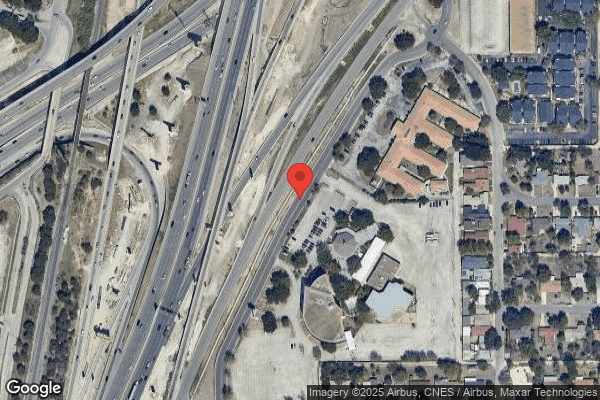
8800 FOURWINDS DR, SAN ANTONIO, TX 78239 (210) 637-2700
For profit - Corporation 180 Beds CARADAY HEALTHCARE Data: November 2025 5 Immediate Jeopardy citations
Trust Grade
0/100
#1156 of 1168 in TX
Last Inspection: August 2025

Inspected within the last 6 months. Data reflects current conditions.

Overview

Windcrest Nursing and Rehabilitation has received a Trust Grade of F, indicating significant concerns about care quality. Ranking #1156 out of 1168 facilities in Texas places it in the bottom half, and it is #61 out of 62 in Bexar County, meaning there is only one local option that is better. The facility's trend is stable, with 16 issues reported in both 2024 and 2025, but the overall situation remains troubling. Staffing is rated poorly with a turnover rate of 58%, which is around the Texas average, suggesting staff may not be as familiar with residents. The facility has incurred $270,388 in fines, which is concerning as it is higher than 90% of Texas facilities, reflecting repeated compliance problems. There is average RN coverage, which may help with care quality, but specific incidents raise alarms, such as a resident going missing for over 1.5 hours after the facility failed to ensure proper supervision. Additionally, there was a failure to prevent an act of sexual abuse between residents, highlighting serious safety issues. These factors indicate both critical weaknesses in care and a lack of effective monitoring and response protocols, which families should consider carefully.

Trust Score
F
0/100
In Texas
#1156/1168
Bottom 2%
Safety Record
High Risk
Review needed
Inspections
Holding Steady
16 → 16 violations
Staff Stability
⚠ Watch
58% turnover. Above average. Higher turnover means staff may not know residents' routines.
Penalties
✓ Good
$270,388 in fines. Lower than most Texas facilities. Relatively clean record.
Skilled Nurses
⚠ Watch
Each resident gets only 14 minutes of Registered Nurse (RN) attention daily — below average for Texas. Fewer RN minutes means fewer trained eyes watching for problems.
Violations
⚠ Watch
43 deficiencies on record. Higher than average. Multiple issues found across inspections.
★☆☆☆☆
1.0
Overall Rating
★☆☆☆☆
1.0
Staff Levels
★★★☆☆
3.0
Care Quality
★☆☆☆☆
1.0
Inspection Score
Stable
2024: 16 issues
2025: 16 issues

The Good

  • Full Sprinkler Coverage · Fire safety systems throughout facility
  • No fines on record

Facility shows strength in fire safety.

The Bad

1-Star Overall Rating

Below Texas average (2.8)

Significant quality concerns identified by CMS

Staff Turnover: 58%

12pts above Texas avg (46%)

Frequent staff changes - ask about care continuity

Federal Fines: $270,388

Well above median ($33,413)

Significant penalties indicating serious issues

Chain: CARADAY HEALTHCARE

Part of a multi-facility chain

Ask about local staffing decisions and management

Staff turnover is elevated (58%)

10 points above Texas average of 48%

The Ugly 43 deficiencies on record

5 life-threatening 1 actual harm
Aug 2025 10 deficiencies
CONCERN (D)

Potential for Harm - no one hurt, but risky conditions existed

Safe Environment (Tag F0584)

Could have caused harm · This affected 1 resident

**NOTE- TERMS IN BRACKETS HAVE BEEN EDITED TO PROTECT CONFIDENTIALITY** Based on observation, interview, and record review, the facility failed to provide a safe, clean, comfortable and homelike envir...

Read full inspector narrative →
**NOTE- TERMS IN BRACKETS HAVE BEEN EDITED TO PROTECT CONFIDENTIALITY** Based on observation, interview, and record review, the facility failed to provide a safe, clean, comfortable and homelike environment for residents for 1 of 4 rooms reviewed for physical environment. room [ROOM NUMBER] had a broken drawer placed on top of the dresser. This failure could place residents at risk for injury and experiencing a diminished quality of life.Findings included:During an observation on 8/12/25 at 10:55 a.m., a broken drawer with the drawer front of the drawer hanging off and joints bent was located on top of a dresser in room [ROOM NUMBER]. During an interview on 8/12/25 a 10:30 a.m., HSKPR A stated she would notify her supervisor if equipment was broken. She stated she was not aware the drawer was broken. During an interview on 8/12/25 at 11:00 a.m., CNA A stated that maintenance should be notified right away if something was broken so a resident could not get hurt. CNA A stated she would write it down in the maintenance book, and she did not see the broken drawer.During an interview on 8/12/25 at 11;15 a.m., RN B stated she would notify the maintenance staff right away if she saw something was broken. She stated she was not aware the drawer was broken. During an interview on 8/12/25 at 3:30 p.m., LVN A stated she would submit a work order in the electronic reporting system to notify maintenance. LVN A stated she was not aware the drawer the broken. During an interview on 8/13/25 at 9:45 a.m., Maint A stated he had not been notified that a drawer was broken, stated he would remove from room and repair right away. During an observation on 8/13/25 at 10:10 a.m. of room [ROOM NUMBER], the broken drawer was no longer present. Record review of the facility policy titled Environmental Services (dated 05/2022) revealed. resident equipment and equipment used by the residents should be clean and properly maintained
CONCERN (D)

Potential for Harm - no one hurt, but risky conditions existed

Assessment Accuracy (Tag F0641)

Could have caused harm · This affected 1 resident

**NOTE- TERMS IN BRACKETS HAVE BEEN EDITED TO PROTECT CONFIDENTIALITY** Based on interview and record review, the facility failed to ensure the assessment accurately reflected the resident's status fo...

Read full inspector narrative →
**NOTE- TERMS IN BRACKETS HAVE BEEN EDITED TO PROTECT CONFIDENTIALITY** Based on interview and record review, the facility failed to ensure the assessment accurately reflected the resident's status for 1 of 9 residents (Resident #76) reviewed for assessments. The facility failed to ensure the MDS accurately reflected Resident #76's diagnosis depression. This failure could lead to residents not receiving necessary care. Findings included: Record review of Resident #76's face sheet, dated 8/12/2025, reflected a [AGE] year-old male admitted to the facility on [DATE]. Relevant diagnoses included Parkinson's Disease (a progressive neuromuscular disorder that causes tremors and weakness) and adult failure to thrive (a syndrome of decreased appetite, reduced physical activity and/or cognitive decline). Record review of Resident #76's quarterly MDS submitted 7/4/2025 reflected a BIMS score of 10, indicating moderately impaired cognition. Section I (active diagnoses) of the MDS reflected Resident #76 did not have a diagnosis of any psychiatric/mood disorders. Record review of Resident #76's active orders reflected the following:Buspirone HCl tablet 5mg, give 1 tablet my mouth three times a day for anxiety (order date 4/01/2025)Sertraline HCl Tablet 25mg, give 1 tablet by mouth one time a day for depression (order date 3/27/2025)Record review of Resident #76's progress notes revealed documentation from a psychiatric nurse practitioner evaluation dated 8/06/2025. The documentation included diagnosis: F33.1 major depressive disorder, recurrent, moderate and assessment/plan . depression: sertraline 15mg Qd/ Buspirone 5Mg TID.In an interview with MDS NS on 8/14/2025 at 11:30 AM, she stated the diagnoses related to psychotropic medications were drawn from the documentation provided by the physicians and nurse practitioners. She said discrepancies between orders and progress notes were resolved using the physician query process. She was unsure how Resident #76's MDS was completed as she had not been the nurse who completed the documentation. She stated the MDS should accurately reflect the diagnoses given by a resident's provider, and inaccurate diagnoses could potentially lead to resident's not receiving proper care. In an interview with the DON on 8/14/2025 at 1:35 PM, she stated the MDS nurse would obtain the diagnoses list from the provider's documentation. She stated the diagnoses on the MDS should match a resident's orders and diagnoses given by the provider. She stated the potential harm to a resident by having an inaccurate or missing diagnosis, was improper monitoring of psychotropic medications. The DON also stated she does not participate in the MDS report process. Record review of the facility policy titled Resident Assessments (revised March 2022) reflected the following:All persons who have completed any portion of the MDS resident assessment form must sign the document attesting to the accuracy of such information.
CONCERN (D)

Potential for Harm - no one hurt, but risky conditions existed

Quality of Care (Tag F0684)

Could have caused harm · This affected 1 resident

**NOTE- TERMS IN BRACKETS HAVE BEEN EDITED TO PROTECT CONFIDENTIALITY** Based on observation, interviews and records review, the facility failed to ensure that residents receive treatment and care in ...

Read full inspector narrative →
**NOTE- TERMS IN BRACKETS HAVE BEEN EDITED TO PROTECT CONFIDENTIALITY** Based on observation, interviews and records review, the facility failed to ensure that residents receive treatment and care in accordance with professional standards of practice for 1 of 3 residents (Resident #10) reviewed for oxygen use.The facility failed to ensure Resident #10 was monitored for oxygen saturation levels per physician's order to maintain oxygen saturations about 92%. This failure could place residents with respiratory illnesses at risk for a decline in health. Findings included: Record review of Resident #10's face sheet, dated 8/14/2025, revealed a [AGE] year-old female admitted to the facility on [DATE]. Relevant diagnoses included chronic obstructive pulmonary disease (a group of lung diseases that block airflow and made it difficult to breathe), atrioventricular block (a condition where the electrical signals in the heart are completely blocked), and peripheral autonomic neuropathy (a condition where damage to the nerves affect the peripheral nervous system). Record review of Resident #10's MDS dated [DATE] revealed BIMS score of 8 indicating moderate cognitive impairment, received no special treatments and oxygen was not in use. Review of Resident #10's active physician orders, dated 8/14/2025, revealed the following: O2 @ 2L/min via nasal cannula to maintain O2 sats >92% as needed for SOB (Oxygen at 2 liters per minute by nasal cannula to maintain oxygen saturations greater than 92% as needed for shortness of breath). Record review of Resident #10's Medication Administration Record and Treatment Administration Record on 8/14/25 at 8:44 a.m. revealed no monitoring of oxygen saturation levels to ensure oxygen saturation levels remain above 92%. During observation of Resident #10 on 8/12/25 at 10:03 a.m., resident lying in bed, awake, requesting to get out of bed. No signs of respiratory distress, no oxygen in use. During an observation of Resident #10 on 8/14/25 at 7:58 a.m., resident lying in bed, anxious verbalizations and requesting assistance to get out of bed. No oxygen in use. During an interview on 8/14/25 at 8:14 a.m., RN B revealed that she does not check Resident #10's oxygen routinely and that she would monitor for shortness of breath or difficulty breathing and provide oxygen as needed to maintain saturations above 92%. During an interview on 8/14/25 at 3:30 p.m., LVN A revealed that she does not monitor Resident #10's oxygen levels and did not realize there was not an order to monitor oxygen levels. During an interview on 8/14/25 at 4:15 p.m., the ADON stated failure to monitor oxygen levels to ensure vital signs were within normal limits could result in shortness of breath, dizziness or possibly cyanosis (a medical condition when the lips, skin and/or nails turn a bluish tone due to lack of oxygen). ADON stated she would expect nursing staff to monitor the oxygen saturations levels of all residents with orders for PRN (as needed) oxygen at least one time per shift. During an interview on 8/14/25 at 5:00 p.m. with the REG NS, she stated the facility does not have a specific policy for following physician's orders.
CONCERN (D)

Potential for Harm - no one hurt, but risky conditions existed

Deficiency F0805 (Tag F0805)

Could have caused harm · This affected 1 resident

**NOTE- TERMS IN BRACKETS HAVE BEEN EDITED TO PROTECT CONFIDENTIALITY** Number of residents sampled: Number of residents cited: Based on observation, interview, and record review, the facility failed...

Read full inspector narrative →
**NOTE- TERMS IN BRACKETS HAVE BEEN EDITED TO PROTECT CONFIDENTIALITY** Number of residents sampled: Number of residents cited: Based on observation, interview, and record review, the facility failed to ensure food was prepared in a form designed to meet individual needs for 1 of 8 residents (Resident #69) reviewed for dietary services. The facility failed to ensure Resident #69 received their prescribed diet (pureed diet) for 08/15/25 lunch meal service. This deficient practice could place residents, who were provided a mechanically altered diet, at risk of choking, aspiration (inhaling food), and diminished quality of life. The findings included: Record review of Resident #69's admission Record, dated 08/13/25, reflected Resident #69 was a [AGE] year-old male initially admitted on [DATE] and re-admitted on [DATE] with diagnoses to include dysphagia (difficulty swallowing), dementia (loss of cognitive functioning), and cognitive communication deficit. Record review of Resident #69's care plan, undated, reflected Resident #69 had a focus [Resident #69] has a diagnosis for Dysphagia: Resident is at risk for aspiration, weight loss and complication r/t diagnosis, initiated 04/18/19, with interventions to include Educated resident on importance of adhering to ordered diet and potential complications with non-compliance., initiated 04/18/29, and Provided diet as ordered., initiated 04/18/29.Record review of Resident #69's quarterly MDS assessment, dated 05/07/25, reflected resident had a BIMS score of 99, indicating resident was unable to complete the interview. It further reflected resident had a mechanically altered diet. Record review of Resident #69's order summary report, dated 08/13/25, reflected resident's diet was Pureed texture, regular consistency, start date 09/16/24. Interview and observation on 08/13/25 at 12:12 PM, Nursing student F confirmed Resident #69 had 2 baked cookies (not pureed texture) on his 08/13/25 lunch meal tray. He revealed there was a nurse who reviewed this resident's tray ticket before he gave Resident #69 his meal tray. He revealed he was unsure if Resident #69 was allowed to have cookies on his meal tray ticket, but was going to check. It was further observed Nursing student F took Resident #69's lunch meal tray (with the cookies) out of his room. Attempted interview with Resident #69 and he was unable to participate. Interview on 08/13/25 at 12:35 PM, the CDM revealed the kitchen staff checked the tray tickets before they passed out to the nursing staff to pass out to the residents. She revealed it was important to ensure the tray tickets matched the meals. Interview on 08/13/25 at 01:05 PM, ADON B revealed she checked the lunch meal tray ticket for Resident #69 and may have missed the cookie that was not pureed on his plate. She revealed she thought she had missed something when passing out the meal trays today. Interview on 08/14/24 at 10:43 AM, the RD revealed it was important to follow the texture of foods that were on the residents' diet orders. She revealed if the texture of the diet was not followed the risk could vary from person to person. Interview on 08/14/25 at 11:45 AM, [NAME] D and Dietary Aide E revealed they were trained to read the meal tray tickets before they left to ensure the tickets matched what was on the trays. They revealed it was important for pureed diets to have pureed foods on the tray to prevent possible choking. Record review of facility's policy, dated 2018, reflected 3. For tray line service, Nutrition & Foodservice staff will check each resident's tray card prior to service to ensure that preferences and dislikes are honored, the correct diet is served.
CONCERN (D)

Potential for Harm - no one hurt, but risky conditions existed

Medical Records (Tag F0842)

Could have caused harm · This affected 1 resident

**NOTE- TERMS IN BRACKETS HAVE BEEN EDITED TO PROTECT CONFIDENTIALITY** Number of residents sampled: Number of residents cited: Based on interview and record review, the facility failed to maintain me...

Read full inspector narrative →
**NOTE- TERMS IN BRACKETS HAVE BEEN EDITED TO PROTECT CONFIDENTIALITY** Number of residents sampled: Number of residents cited: Based on interview and record review, the facility failed to maintain medical records in accordance with accepted professional standards and practices that were complete and accurately documented for 1 of 8 residents (Resident #6) reviewed for clinical documentation and medical records accuracy. The Electronic Health Record for Resident #6 did not reflect a diagnosis of depression on her admission record as was indicated for taking Remeron Oral Tablet 15 MG. Resident #6's care plan did not accurately reflect that she had a history of claiming someone beat her up when no one was around her. This failure could place residents at risk for incomplete or inaccurate clinical records, which could lead to miscommunication, a delay in services, or a potential decline in the resident's health. The findings included: Record review of Resident #6's admission record, dated 08/12/25, reflected Resident #6 was a [AGE] year-old female initially admitted on [DATE] and re-admitted on [DATE], with diagnoses to include dementia (loss of cognitive functioning), psychotic disorder with hallucinations (an experience involving the apparent perception of something not present) due to known physiological condition, and schizophrenia (a serious mental health condition that affects how a person thinks, feels, and behaves). It did not reflect a diagnosis of depression. Record review of Resident #6's quarterly MDS assessment, dated 07/03/25, reflected resident had a BIMS of 09 out of 15, indicating moderate cognitive impairment. It did not reflect a diagnosis of depression. Record review of Resident #6's care plan, undated, reflected focus The resident uses antidepressant medication r/t poor appetite., initiated 06/28/25, with intervention Administer ANTIDEPRESSANT medications as ordered by physician. Record review of Resident #6's Order Summary Report, dated 08/12/25, reflected Remeron Oral Tablet 15 MG Give 1 tablet by mouth at bedtime for depression, with started date 07/02/25. Record review of Resident #6's care plan, undated, reflected focus The resident has a behavior problem. Resident reports she has been beat up when nobody is around her., initiated by 06/09/25 and revised on 06/29/25. Record review of Resident #6's progress notes reflected nothing noted about allegation of being beat up when nobody is around her. Interview on 08/14/25 at 12:41 PM, LVN J revealed she was not aware that Resident #6 had any incidents or allegations of abuse while she was a resident at this facility. She revealed Resident #6 had a history of abuse and she had to adjust Resident #6's care accordingly. Interview on 08/14/25 at 02:56 PM, CNA I revealed he was not aware that Resident #6 had made an allegation of abuse as a resident at this facility. Interview on 08/14/25 at 03:06 PM, MDS nurse B saw Resident #6 had medication Remeron for a diagnosis of depression but could not find in the medical record where Resident #6 had a diagnosis of depression. She revealed she left MD a note to verify if Resident #6 had a diagnosis of depression so they can add the diagnosis if Resident #6 had a diagnosis of depression. She revealed Resident #6's care plan mentioning Resident #6 reporting she had beat up did not occur at this facility and the care plan should read Resident #6 had a history of reporting she had been beat up when no one was around her. She further revealed it was important to have care plans be accurate because it allowed staff to treat the whole resident. She revealed there could be some risks but did not state specifics. Interview on 08/14/25 at 03:37 PM, ADON A revealed Resident #6 had a history of claiming she was being beat up when nobody was around her, but nothing has happened in this facility. She revealed her care plan was going to be updated. Record review of facility's policy Resident Assessments, revised March 2022, reflected . 3. A comprehensive assessment includes: a. completion of the Minimum Data Set (MDS). c. development of the comprehensive care plan. Record review of facility's policy Psychotropic Medication Use, dated July 2022, reflected 2. Drugs in the following categories are considered psychotropic medications and are subject to prescribing, monitoring, and review requirements specific to psychotropic medications: b. Anti-depressants.
CONCERN (E)

Potential for Harm - no one hurt, but risky conditions existed

ADL Care (Tag F0677)

Could have caused harm · This affected multiple residents

**NOTE- TERMS IN BRACKETS HAVE BEEN EDITED TO PROTECT CONFIDENTIALITY** Based on observation, interview, and record review, the facility failed to ensure a resident who was unable to carry out activit...

Read full inspector narrative →
**NOTE- TERMS IN BRACKETS HAVE BEEN EDITED TO PROTECT CONFIDENTIALITY** Based on observation, interview, and record review, the facility failed to ensure a resident who was unable to carry out activities of daily living received the necessary services to maintain good nutrition, grooming, and personal hygiene for 3 of 8 residents (Residents #28, #69, and #76) reviewed for ADLs in that:The facility failed to ensure Resident #76 received consistent showers during August and July 2025. The facility failed to ensure Resident #28 was provided with appropriate feeding assistance for 08/14/25 lunch meal.The facility failed to help Resident #69 with eating on 08/14/25 lunch meal per his care plan.These failures could place residents at risk of not receiving care and services to meet their needs, including nutritional needs and/or a diminished quality of life. Findings included: 1. Record review of Resident #76's face sheet, dated 8/12/2025, reflected a [AGE] year-old male admitted to the facility on [DATE]. Relevant diagnoses included Parkinson's Disease (a progressive neuromuscular disorder that causes tremors and weakness) and adult failure to thrive (a syndrome of decreased appetite, reduced physical activity, and/or cognitive decline). Record review of Resident #76's quarterly MDS dated [DATE] reflected a BIMS score of 10, indicating moderately impaired cognition. Record review of Resident #76's comprehensive care plan, dated 8/12/2025, revealed the resident is dependent on staff with shower (initiated 3/24/2025). Record review of Resident #76's electronic shower record, dated 8/12/2025, revealed the resident was scheduled for showers on Tuesdays, Thursdays, and Saturdays of every week. Documentation of Resident #76's showers was as follows: 8/9/2025 (Saturday) not applicable 8/7/2025 (Thursday) resident refused 8/5/2025 (Tuesday) total dependence 8/2/2025 (Saturday) resident refused 7/31/2025 (Thursday) not applicable 7/29/2025 (Tuesday) supervision-oversight help only and physical help in part of bathing activity Record review of Resident #76's progress notes revealed no bathing documentation from 7/29/2025 through 8/12/2025. Resident #76 was interviewed on 8/12/2025 at 2:57 PM. He stated he frequently went without bathing and was not consistently offered the opportunity to shower. He stated his last shower was 2 weeks prior. He denied refusing bathing when offered by staff during the 2-week period. He stated he asked the nurse for assistance with bathing and was told yes, but he was still waiting. He asked the CNA on shift if he could take a shower, and she told him that he was not scheduled for a shower that day. CNA K was interviewed on 8/14/2025 at 10:18 AM. She stated she was the CNA for Resident #76's hall on 8/9/2025 and 7/31/2025. She stated she had not assisted him with a shower on those days because she was given direction by the Administrator not to provide care for Resident #76 due to personality conflicts. She was unsure if she asked another CNA to assist him with a shower on those days. The DON was interviewed on 8/14/2025 at 10:38 AM. She stated residents were able to take showers outside of their scheduled day/time depending on the workload of the staff. She was unaware of Resident #76's complaint that he had not consistently received showers. She also stated that the CNA should switch residents if they have been directed not to work with a particular resident to ensure that all residents receive showers. Record review of the facility policy titled Activities of Daily Living, Supporting (revised March 2018) revealed the following: Appropriate care and services will be provided for residents who are unable to carry out ADLs independent, with the consent of the resident and in accordance with the plan of care, including appropriate support and assistance with: a. Hygiene (bathing, dressing, grooming, and oral care). 2. Record review of Resident #28’s admission Record, dated 08/13/25, reflected Resident #28 was an [AGE] year-old male initially admitted on [DATE] and re-admitted on [DATE] with diagnoses to include weakness, protein-calorie malnutrition (11/29/23), and Alzheimer’s disease (a degenerative brain disorder that primarily affects memory, thinking, and cognitive abilities). Record review of Resident #28’s quarterly MDS assessment, dated 05/21/25, reflected resident needed setup or clean-up assistance for eating. Record review of Resident #28’s care plan, undated, reflected “EATING: The resident requires supervision to limited assistance by 1 staff…”, revised 03/06/25. Record review of Resident #28’s weight history for the past 6 months reflected no significant weight loss. 3. Record review of Resident #69’s admission Record, dated 08/13/25, reflected Resident #69 was a [AGE] year-old male initially admitted on [DATE] and re-admitted on [DATE] with diagnoses to include dysphagia (difficulty swallowing), dementia (loss of cognitive functioning), and cognitive communication deficit. Record review of Resident #69’s quarterly MDS assessment, dated 05/07/25, reflected resident had a BIMS score of 99, indicating resident was unable to complete the interview. It further reflected resident was dependent for eating. Record review of Resident #69’s care plan, undated, reflected Resident #69 had a focus “[Resident #69] has an ADL self-care performance deficits and require staff assist r/t impaired balance, limited mobility, pain.”, revised 02/26/20, with intervention “EATING: The resident requires [extensive] assistance by (x1) staff to eat. Resident will sometimes attempt to eat without assistance.”, revised 09/10/24. Record review of Resident #69’s weight history for the past 6 months reflected no significant weight loss. Interview and observation on 08/13/25 at 12:12 PM, Nursing student G revealed Resident #28 was not able to feed himself today’s lunch meal, so he was sitting down and feeding Resident #28. Attempted interview with Resident #28 and he was unable to participate. He revealed Resident #69 was able to feed himself. (Resident #28 and Resident #69 were roommates) Observation on 08/14/25 at 12:31 PM, Resident #69 was eating his lunch meal and Resident #28 appeared to be having trouble eating. It was observed there were no staff inside their room helping Resident #69 and Resident #28 with eating their lunch meal. Observation on 08/14/25 at 12:36 PM, the Reg NS went into Resident #28 and Resident #69’s room, asking them if they needed help eating. Combined interview on 08/14/25 at 03:37 PM, Reg NS revealed Resident #69 appeared to have increase in alertness and did not need a lot of help eating his lunch meal today. She further revealed Resident #28 may need help with eating. Reg NS revealed there was no one in their room helping feed these residents for 08/14/25 lunch. ADON A revealed CNAs were to communicate with nurses if a resident required more or less assistance with ADLs. ADON A revealed she oversaw residents’ change in assistance with feeding and would update care plans in care plan meetings. The Reg NS revealed when MDS assessments were completed it was expected for the MDS nurse to physically assess residents to ensure their ADL assistance was up to date. From assessing Resident #28 and Resident #69 today, the Reg NS revealed Resident #28 needed someone to sit down and feed him while Resident #69 appeared he could feed himself. The Reg NS revealed if Resident #69 needed extensive assistance with eating, then a staff member would need to be in his room and would be able to notice Resident #28 needed assistance in eating. Interview on 08/14/25 at 04:25 PM, CNA H revealed Resident #69 needed extensive assistance with eating when she worked with him. She revealed Resident #28 was starting to need extra assistance when eating so when she was feeding Resident #69, she would also help Resident #28 when he allowed. She further revealed sometimes Resident #28 would refuse help at times. Record review of facility’s policy, revised March 2018, reflected, “2. Appropriate care and services will be provided for residents who are unable to carry out ADLs independently, with the consent of the resident and in accordance with the plan of care, including appropriate support and assistance with: … d. Dining (meals and snacks)…”
CONCERN (E)

Potential for Harm - no one hurt, but risky conditions existed

Deficiency F0727 (Tag F0727)

Could have caused harm · This affected multiple residents

Based on record reviews and interviews the facility failed to ensure the services of a Registered Nurse (RN) for at least 8 consecutive hours a day, 7 days a week, for 1 of 1 facility's reviewed for n...

Read full inspector narrative →
Based on record reviews and interviews the facility failed to ensure the services of a Registered Nurse (RN) for at least 8 consecutive hours a day, 7 days a week, for 1 of 1 facility's reviewed for nursing staffing.The facility failed to have the services of an RN (Registered Nurse) 04/13/2025, 04/19/2025, 04/27/2025, 05/04/2025, 05/10/2025, and 05/11/2025. This failure could place residents at risk of not having the critical skills of a RN.Findings included:A record review of the facility's RN staff payroll hours for the period of 1/1/2025 - 8/14/2-25 revealed no RN Services on the following dates: 04/13/25, 04/19/25, 04/27/25, 05/04/25, 05/10/25, and 05/11/25. Record review of Incidents & Accidents for April 2025 and May 2025 did not reveal any negative outcomes to residents related to not having RN services.In an interview on 8/14/25 with the Administrator, the Administrator stated she was not aware there was no RN coverage on those dates. Administrator stated the former Director of Nurses was available on-call as needed. The Administrator stated she was aware of the importance of having an RN at the facility for clinical management. The Administrator stated the Director of Nurses was responsible for ensuring RN coverage as required and notifying Administrator of non-coverage. The Administrator stated the facility follows the TAC guidelines to utilize the services of a Registered Nurse for at least 8 consecutive hours per day, 7 days per week.
CONCERN (E)

Potential for Harm - no one hurt, but risky conditions existed

Deficiency F0761 (Tag F0761)

Could have caused harm · This affected multiple residents

Based on observation, interview, and record review, the facility failed to ensure all drugs and biologicals used in the facility were labeled in accordance with currently accepted professional princip...

Read full inspector narrative →
Based on observation, interview, and record review, the facility failed to ensure all drugs and biologicals used in the facility were labeled in accordance with currently accepted professional principles; included the appropriate accessory and cautionary instructions and the expiration date when applicable; and under proper temperature control for 2 of 3 medication aide carts (B and C hall carts) reviewed for medication storage. The facility failed to ensure 3 vials of the medication Latanoprost, including one with no open date, were discarded within 6 weeks (42 days) of removal from refrigeration.These failures could lead to residents receiving ineffective medications and not receiving the intended therapeutic effect. Findings included:In an observation and interview on 8/13/2025 at 8:46 AM, one vial of Latanoprost was observed in the B hall cart with an opened date of 6/28/2025 (56 days). MA L stated she was unsure when the medication was supposed to be discarded after being removed from refrigeration. In an observation and interview on 8/13/2025 at 8:55 AM, one vial of Latanoprost was observed in the C hall cart without a date indicating when the vial was opened. A second vial was dated with an opened date of 7/7/2025 (47 days). RN B stated the undated vial should have had a date and would be discarded because she was not sure when it was opened. She stated the vial dated 7/7/2025 should also have been discarded. RN B stated the potential harm to residents receiving improperly stored eye drops was the medication could have degraded and not work as intended. The DON was interviewed on 8/14/2025 at 10:38 AM. She stated the Latanoprost eye drops were able to be stored at room temperature for six weeks. She was unaware that multiple vials of Latanoprost were being stored in medication carts past 6 weeks. She reported the potential harm to residents was ineffective medication. Record review of the facility policy titled Delivery, Receipt, and Storage of Medication (undated) revealed the following: The facility should ensure the medications requiring refrigeration are stored appropriately .
CONCERN (E)

Potential for Harm - no one hurt, but risky conditions existed

Infection Control (Tag F0880)

Could have caused harm · This affected multiple residents

Based on observation, interview and record review, the facility failed to maintain an infection prevention and control program designed to provide a safe, sanitary and comfortable environment and to h...

Read full inspector narrative →
Based on observation, interview and record review, the facility failed to maintain an infection prevention and control program designed to provide a safe, sanitary and comfortable environment and to help prevent the development and transmission of communicable diseases and infections for 3 of 4 CNAs (CNAs M, N, and O) observed for infection control. The facility failed to: Ensure CNAs M and N bagged soiled linen prior to transporting. Ensure CNA O donned PPE properly and performed hand hygiene and glove changes while performing care to a foley catheter. These failures could lead to the spread of infection. Findings included: 1. In an observation and interview on 8/12/2025 at 10:24 AM, CNA N was observed leaving a resident's room with unbagged linen in the B hallway while wearing gloves. CNA N stated that she was assisting a resident with incontinent care and linen change. She stated the facility policy was that soiled linen should be bagged prior to leaving a resident's room and gloves should not be worn in the hallway. She stated she was a in a hurry and did not bag the linen. CNA N reported the potential harm to residents by wearing soiled gloves and carrying unbagged, soiled linen in the hallway was the spread of infection. In an observation on 8/14/2025 at 9:16 AM, CNA M was observed carrying unbagged linen from out of a resident's room in the acute rehabilitation hall. He stated he had assisted the resident with a linen change, and the facility policy was that soiled linen should be bagged prior to transporting it. He said he did not have a trash bag in the room, so he chose to carry it out. He stated the potential harm to residents was cross contamination. The DON was interviewed on 8/14/2025 at 10:38 AM. She stated the facility expectation was for all soiled linen to be bagged before exiting a resident's room. She stated the potential harm to residents was the spread of infection. Record review of the facility policy titled Infection Control (revised October 2018) did not reveal guidance related to transporting soiled linen. 2. In an observation on 8/14/2025 at 10:08 AM, CNA O was observed preparing to provide care for a resident with a foley catheter. As the resident required EBP precautions, CNA O donned PPE prior to entering the room. CNA O donned gloves and then put on a disposable gown. She told CNA K that the picture on the EBP sign indicated the PPE items needed as well as the order in which to put the items on. CNA K stated she was taught to put on a gown and then don gloves, but CNA O reiterated the gloves are applied first. CNA O then entered the room and was observed assisting the resident with removing his clothing and repositioning in the bed. CNA O did not change gloves or perform hand hygiene prior to providing care to the foley catheter. Using multiple disposable cleansing wipes, CNA O then cleaned the resident's groin and the catheter but was not observed changing gloves or performing hand hygiene before grasping the catheter tube. After completing the cleansing, CNA O was observed assisting the resident with repositioning in the bed and applying new clothing. CNA O did not change gloves or perform hand hygiene before these tasks. CNA O was interviewed on 8/14/2025 at 10:15 AM. She stated she should have changed gloves and performed hand hygiene after removing the resident's clothing. She again stated that the picture on the EBP sign indicated the order in which PPE should be applied. She reported the potential harm to residents by not performing glove changes and hand hygiene appropriately was cross contamination. The DON was interviewed on 8/14/2025 at 10:38 AM. She stated the order of PPE application that was taught to staff was gown and then gloves, and that she would meet with CNA O to reinforce the proper application. She also stated the facility expectation during foley catheter care was glove changes and hand hygiene before and after performing catheter care and during the procedure. She stated the potential harm of not donning PPE properly or performing hand hygiene was cross contamination. Record review of the facility policy CNA catheter care (undated) revealed the following:7. Lower head of bed and position [the resident] on back8. Wash hands and put on gloves9. Expose area surrounding catheter 10. Apply soap to wet washcloth of use wipes . clean at least four inches of catheter . 11. Remove gloves and wash hands and don new gloves
CONCERN (F)

Potential for Harm - no one hurt, but risky conditions existed

Food Safety (Tag F0812)

Could have caused harm · This affected most or all residents

Number of residents sampled: Number of residents cited: Based on observation, interview, and record review, the facility failed to store, prepare, distribute, and serve food for 1 of 1 kitchen in acco...

Read full inspector narrative →
Number of residents sampled: Number of residents cited: Based on observation, interview, and record review, the facility failed to store, prepare, distribute, and serve food for 1 of 1 kitchen in accordance with professional standards for food service safety. 1. The facility failed to label the name of food products (ice cream) in the food preparation refrigerator. 2. The facility failed to label dates on cheese and butter in the food preparation refrigerator. 3. In the walk-in refrigerator, the facility failed to keep food products 12 inches away from the ceiling and there was not a discard date on a pack of tortillas. These failures could place residents at risk for food borne illness. The findings included: 1. Interview and observation, during the initial kitchen tour, on 08/12/25 at 09:43AM, in the food preparation area freezer, there were containers of ice cream for lunch that were not labeled ice cream, but there was a label for the date 08/12/25. The CDM revealed sometimes they put labels of the names of the food products and sometimes they don't. (There was no reason given as to why). 2. Interview and observation, during the initial kitchen tour, on 08/12/25 at 09:43AM, in the food preparation area refrigerator, there was a clear container with butter and cheese in it. The cheese was labeled with cheese and 08/09/25. The container was labeled butter and 07/22/25. [NAME] C revealed the butter was opened today and the label 07/22/25 was probably an old label. He further revealed the date 08/09/25 for cheese was the open date and was supposed to be placed back in the freezer. He revealed there were no discard dates on either food product. 3. Interview and observation, during the initial kitchen tour, on 08/12/25 at 09:43AM, in the walk-in refrigerator, there were boxes on the top shelf that were less than 12 inches from the ceiling. The CDM revealed these boxes should be moved to lower shelves and moved them. There was a package of tortillas labeled with date 07/30/25 and no discard date. The CDM revealed the kitchen staff did not write discard dates on food products because the kitchen staff knew when to throw food products away. Interview on 08/14/25 at 10:36 AM, [NAME] C revealed he was trained to label names, dates food products were stored, and discard dates on foods. He revealed this was to ensure the proper foods were used. He revealed if a wrong food was used for meal this could also affect residents' allergies. He revealed discard dates ensured foods were thrown out correctly to prevent contamination and food poisoning. He revealed they did not have to move food products from the top shelf in the walk-in refrigerator because these food products could not catch on fire because the walk-in refrigerator had doors to prevent a fire from starting or spreading. Interview on 08/14/24 at 10:43 AM, the RD revealed food products only had to be labeled by it's name if you could not identify what the food product was. She further revealed food products did not have to be labeled with the discard dates. She revealed food products needed to be labeled with the open date and staff knew when to throw the foods out. Record review of facility's policy Food Storage, dated 2018, reflected 2. Refrigerators . c. Do not over stock the refrigerator and leave space between items to further improve air circulation, d. Date, label and tightly seal all refrigerated foods. e. Use all leftovers within 72 hours. Discard items that are over 72 hours old. 3. Freezers . e. Store frozen foods in moisture-proof wrap or containers that are labeled and dated. Record review of the FDA Food Code 2022 reflected, 3-501.17 Ready-to-Eat, Time/Temperature Control for Safety Food, Date Marking. (A) Except when PACKAGING FOOD using a REDUCED OXYGEN PACKAGING method as specified under S 3-502.12, and except as specified in (E) and (F) of this section, refrigerated, READY-TO-EAT, TIME/TEMPERATURE CONTROL FOR SAFETY FOOD prepared and held in a FOOD ESTABLISHMENT for more than 24 hours shall be clearly marked to indicate the date or day by which the FOOD shall be consumed on the PREMISES, sold, or discarded when held at a temperature of 5 C (41 F) or less for a maximum of 7 days. The day of preparation shall be counted as Day 1
Jul 2025 1 deficiency 1 IJ
CRITICAL (J) 📢 Someone Reported This

A family member, employee, or ombudsman was alarmed enough to file a formal complaint

Immediate Jeopardy (IJ) - the most serious Medicare violation

Accident Prevention (Tag F0689)

Someone could have died · This affected 1 resident

Based on observation, interview, and record review, the facility failed to ensure that each resident received adequate supervision to prevent accidents for 1 of 2 residents (Resident #3) reviewed for ...

Read full inspector narrative →
Based on observation, interview, and record review, the facility failed to ensure that each resident received adequate supervision to prevent accidents for 1 of 2 residents (Resident #3) reviewed for quality of care. Resident #3 exited the facility through an alarming secure unit exit door on 5/14/2025. CNA A turned off the alarm without looking for Resident #3. Resident #3 left the facility and went missing for over 1.75 hours. The police found Resident #3 in a parking lot near an interstate highway and highway access roads. The noncompliance was identified as PNC. The IJ began on 5/14/2025 and ended on 6/4/25. The facility had corrected the noncompliance before this investigation survey began. This failure could place residents at risk of injury or death due to lack of supervision. The findings were: Record review of Resident #3's face sheet, dated 7.29.25, and EMR (electronic medical record) revealed the resident was admitted on 4.18.25 with diagnoses that included: ALZHEIMER'S DISEASE WITH LATE ONSET, insomnia, dementia, depression, and anxiety. The RP (responsible party) was a family member. Record review of Resident #3's quarterly MDS assessment, dated 5.1.25, revealed,BIMS score was 4 (0-5=severe cognitive impairment)ADLs: B/B was frequently incontinent requiring substantial/maximal supervision. Transfer independent. Bed Mobility was independent. ROM showed no impairment.Section P - Restraints and Alarms, revealed that bed/chair/out of bed restraints and alarms were not in use. Record review of Resident #3's Care Plan, dated 5.19.25, revealed the resident was a high elopement risk/wanderer, disoriented to place, with a history of attempts to leave the facility unattended, and impaired safety awareness. The goals were: the resident's safety will be maintained through the review date and the resident will not leave facility unattended through the review date. Interventions included: Document wandering behavior and attempted diversional interventions in behavior. For night shift, resident is on 1:1 visual monitoring. Provide structured activities: toileting, walking inside and outside, reorientation strategies including signs, pictures, and memory boxes. Room change away from back door. The resident's triggers for wandering/eloping are (early morning and sun downing hours). The resident's behavior was de-escalated by redirecting him away from door and offering pleasant diversions, structured activities, food, conversation, television, book, and magazines. Record review of Resident #3's Wandering Risk Scale showed a score of 13 (High Risk Wanderer) on 5.14.25, a score of 14 (High Risk Wanderer) on 4.21.25, and a score of 13 (High Risk Wanderer) on 4.18.25. Record review of Resident #3's orders revealed he had an order from 4.20.25 stating he should reside on the secure unit due to wandering and high risk of elopement. Record review of Resident #3's Nurse Note, dated 5.14.25 and created at 7:23 AM, authored by LVN B, revealed CNA A notified him that the C-back alarm was set off while she was on another unit and that Resident #3 could not be found. LVN B began searching all rooms with available CNA staff and initiated a code purple. DON assisted with the search, called emergency services, and notified the ADMIN. All available staff were searching possible areas. The DON notified the RP. Record review of Resident #3's Nurse Note, dated 5.14.25 and created at 11:55 AM, authored by the DON, revealed he was notified by charge nurse LVN B that floor staff has been unable to locate Resident #3 and all current members of staff on unit C continue to look for him. The DON assisted the search. After 5 minutes of looking for the resident, a code purple was called, and the entire team began looking for the resident on and off the property. The DON called the ADMIN and informed her of the elopement. The DON called 911 at 6:50 AM. A resident flyer with personal information was copied for police and staff members. Record review of Resident #3's Nurse Note, dated 5.14.25 and created at 12:02 AM, authored by DON, revealed Resident #3 was located and brought back to the facility by the police department. He received a full head to toe assessment. Skin noted to be intact with no bruises, scrapes, or bumps noted. A neurological assessment remains at baseline. DR G was informed of the elopement and safe return with no new orders obtained. Resident placed on line-of-site (sic) monitoring to prevent reoccurrence. Nursing staff received updates and in-service training. Record review of Resident #3's Nurse Note, dated 5.14.25 and created at 12:59 PM, authored by charge nurse LVN C, revealed Resident #3 was located and brought back to the facility by the police department. A full head to toe assessment was completed. Skin noted to be intact with no bruises, scrapes, or bumps noted. A neurological assessment remains at baseline. The resident denies pain or discomfort. The RP was notified of Resident #3's return and bed change to a room closer to the nurse's station. No new orders from the NP and per the DON, the resident was placed on line-of-site (sic) monitoring and neuro checks for 72 hours. Record review of Resident #3's Nurse Note, dated 5.15.25 and created at 6:48 AM, authored by LVN B, revealed staff was on 1-to-1 monitoring and 30-minute visual checks were in place. Resident #3 will continue to be monitored for exit-seeking behaviors. Record review of Resident #3's Nurse Note, dated 5.15.25 and created at 12:59 PM, authored by charge nurse LVN C, revealed staff continue to monitor Resident #3 for elopement behaviors on day 2/3. Resident #3 continues to wander through the MCU and expresses verbally that he wishes to go outside for a walk, was seen walking up to multiple exit doors but is easily redirected. Record review of Resident #3's Nurse Notes, dated 5.16.25 and created at 6:30 AM, authored by LVN B, and dated 5.16.25 and created at 2:11 PM, authored by LVN C, revealed 30-minute checks were in place as Resident #3 continues to wander, walk up to multiple exit doors, and voice if he can go outside. Record review of Resident #3's Nurse Note, dated 5.17.25 and created at 3:40 AM, authored by charge nurse LVN D, revealed staff continue to monitor Resident #3 for elopement behaviors on day 3/3. Resident #3 continues to wander through the MCU and expresses verbally that he wishes to go outside for a walk, was seen walking up to multiple exit doors but is easily redirected. Record review of elopement investigation report for Resident #3's, dated 5.14.25 authored by the ADMIN revealed, the resident eloped on 5.14.25 at around 5:45 AM. CNA A responded to the unit C-back door alarm after returning from another unit. CNA A turned the door alarm off and returned to assisting her coworker with rounding. CNA A noticed that Resident #3 was missing from the secured area and began to look for the resident. At 6:20 AM, CNA A notified LVN B that she cannot find the resident. At 6:25 AM, LVN B notified the DON that they cannot find Resident #3. At 6:30 AM, residents in the secured unit are counted and Resident #3 was the only one not accounted for. At 6:35 AM, the DON notified the ADMIN. At 6:40 AM, the ADMIN initiated a search for Resident #3 in the facility. At 6:50 AM, the DON called the police to report a missing resident as well as assigning available staff to search an extended zone. At 7:25 AM, the facility received a call from Resident #3s RP who stated that the resident was found by the police. At 7:40 AM, the resident was returned by the police. The ADMIN suspended CNA A and terminated her employment. Additional actions the facility took to correct the immediacy (prior to the surveyor entrance) included bi-weekly elopement drills, education was provided to the Admissions/Marketing team to ensure all residents were prescreened for wandering/elopement risk, and a 6-foot wooden fence with a keypad locked gate was constructed outside of the unit C-back secure exit door on 6.4.2025. Activation of the fire alarm system disables the lock. During an observation and interview on 7.27.25 at 4:41 AM with Resident #3, he stated the employees treat him good. He also revealed that other residents treat him good. He revealed that he did not need assistance with showers stating, no I can do it myself. Resident #3 was sitting at a table in the dining room on the secured unit, had on shoes, and was well-groomed. At 4:45 PM, Resident #3 got up and walked out of the dining room. During an observation and interview on 7.30.25 at 11:30 AM, Resident #3 was sitting in the dining area alone with a drink watching TV. He was groomed and calm. During an observation on 7.31.25 at 8:59 AM of Resident #3 revealed his room to be clean and call light on his bed. Resident was not in his room and was observed sitting in the dining room at a table with several other residents and appeared with a calm demeanor. During an interview on 7.30.25 at 5:45 PM, the ADMIN revealed that Resident #3 was residing in a secure unit and was an elopement risk. Regarding the elopement incident for Resident #3 that occurred on 5.14.25, the ADMIN stated, around 5:45 am the door alarm was sounding in the facility C wing back door end of hall and the aide CNA A told me that she put the code in and turned off the alarm and began helping her colleague with rounds. The ADMIN asked if she looked outside, and she said no. During the investigation, the church camera next door caught him going toward the front of the facility on the outside of the facility at 5:47 am. At 6:00 am CNA A realized he was missing because she went to his room and did not see him in the bed and started looking for him and in between that time she is looking for him around 6:10am he was seen at the (gas station) and asked the attendee for a soda and the attendee gave him a fountain drink and the attendee said he then went outside and was sitting outside for about 10 minutes. Around 6:20am he was seen leaving the (gas station) by the attendee and pointed toward the (bus station). Around 6:20am the CNA A told her nurse LVN B that Resident #3 was missing. At approximately 6:25am the nurse called the DON and notified him. He was the DON at that time. The DON was in facility, and she went to the unit and looked for the resident and then called me around 6:35am. At 6:40am I arrived, and I spoke with CNA A and LVN B about what happened and that is when she told me she heard the alarm and turned it off and went to help her fellow aide with rounding and I talked to LVN B who said he had just found out about it from CNA A. I directed staff and assigned staff to conduct a facility search internal and external. Around 6:50am the DON called the police to report a missing resident. The police arrived between 6:55-7:15 and during that time we developed flyers with his pictures and more staff arrived and I assigned them zones to look external around the area. Around 7:15am the church next door came over and showed me the video of Resident #3 walking by the front at 5:47am. At 7:25am the facility received a call from (police department) stating the police department found him. He was found at the renting vans location in front of the (bus station) which was about 4-minute walk from the (gas station) which is .4 miles from the facility. The police brought him back to the facility at 7:40am. When he returned, we completed a full head to toe assessment, and he had no bumps, scrapes, or bruises and was very pleasant spirits. The ADMIN revealed that two elopement in-services were conducted for staff prior to this incident. CNA A received in-servicing on elopement and door alarms on 3.12.2025 and signed the sign-in sheet. The ADMIN revealed exit doors will alarm for 15 seconds while the bar was being pushed before unlocking. Once unlocked, the alarm will continue to sound until reset by keypad. Staff has access to codes at each door. The ADMIN stated that the expectation of staff when a door alarm sounds, was that they react and look outside and look to see if anyone went out the door when a door alarm sounds. The ADMIN stated that the harm that could come to a resident when door alarms are silenced without investigating for possible elopement could cause death if we don't find them. An interview with CMA E on 7.28.25 at 9:41 AM revealed Resident #3 always looked outside and would sometimes push on the doors to test them. An interview with LVN C on 7.28.25 at 4:10 PM revealed that she worked at the facility for 2.5 years and worked in the memory care unit. She revealed that Resident #3 always wanted to go outside and go for walks. When Resident #3 first entered the facility, staff would have to redirect him and find activities to keep him busy. An interview on 7.31.2025 at 9:45am with the Administrator revealed the fence on the outside of the unit C-back exit door was installed on 6.4.2025 and residents at risk for elopement on the unit started on 1-hour observation until the new fence was installed. The administrator stated elopement drills were ongoing with staff and there have been no further elopements. The administrator stated Resident #3 expressed wanting to leave at times and remains an elopement risk and continues to reside on the secure unit. Interviews on 7.31.2025 between 8:45 AM and 2 PM with 1 RN, 4 LVNs, 3 CNAs, and an Admissions/Marketing staff member from various shifts demonstrated that they were knowledgeable of what to do when a door alarm was activated, understood elopement precautions, and had received training on elopement procedures. Record review of the Ad Hoc QAPI held on 5.14.2025 regarding Resident #3's elopement from the memory care unit revealed the document was signed by the Administrator, DON, Medical Director, Regional Director of Operations and an RN. Record review of the facility's Elopement/Code Purple in-service dated 5.14.2025 defined elopement as A situation in which a resident leaves the premises without the facility's knowledge and supervision. It is the responsibility of ALL TEAM MEMBERS to direct residents away from exit doors for their safety. the facility's interior or exterior grounds. CNAs and nurses need to conduct one-hour visual checks on all When a resident is missing, staff are to notify the charge nurse immediately (if unable to locate the DON). Charge nurse is to initiate a Code Purple. Record review of facility in-service on the topic of Elopement/Code Purple conducted on 5.14.25 by the DON revealed 80 staff members received the training (100% of staff trained). Record review of doors and locks maintenance check logs dated 3.31.25 - 7.25.25 revealed exit doors with alarms were checked for operation and passed. Record review or facility's Wandering and Elopement Prevention policy, undated, read The facility will identify residents who are at risk of unsafe wandering and stive to prevent harm while maintaining the least restrictive environment for residents. During exit conference on 7.31.25 at 3:51 PM, Administrator was informed that evidence revealed a F689 past non-compliance IJ (immediate jeopardy) for elopement of Resident #3.
Mar 2025 5 deficiencies 2 IJ
CRITICAL (J) 📢 Someone Reported This

A family member, employee, or ombudsman was alarmed enough to file a formal complaint

Immediate Jeopardy (IJ) - the most serious Medicare violation

Free from Abuse/Neglect (Tag F0600)

Someone could have died · This affected 1 resident

**NOTE- TERMS IN BRACKETS HAVE BEEN EDITED TO PROTECT CONFIDENTIALITY** Based on observation, interviews and record reviews, the facility failed to ensure residents had the right to be free from abuse...

Read full inspector narrative →
**NOTE- TERMS IN BRACKETS HAVE BEEN EDITED TO PROTECT CONFIDENTIALITY** Based on observation, interviews and record reviews, the facility failed to ensure residents had the right to be free from abuse, neglect, and misappropriation of property for 1 of 6 residents (Resident #2) reviewed for abuse, in that: The facility did not properly monitor or put in place preventative measures for Resident #2, who had a severe cognitive impairment, to prevent an act of sexual abuse by Resident #1 on 02/13/25, when he kissed Resident #2, and 02/14/25, when he fondled Resident #2. An IJ was identified on 02/27/25. The IJ template was provided to the facility on [DATE] at 06:18 PM. While the IJ was removed on 03/01/25 at 05:00 PM, the facility remained out of compliance at a scope of isolated and a severity level of no actual harm with potential for more than minimal harm. This failure could result in residents suffering injury, a diminished quality of life, and psychosocial harm. The findings were: Record review of Resident #1's admission Record reflected he was a [AGE] year-old male initially admitted [DATE] and re-admitted [DATE]. It further reflected he had diagnoses to include dementia (group of symptoms affecting memory, thinking and social abilities) and major depressive disorder. Record review of Resident #1's quarterly MDS assessment, dated 01/23/25, reflected a BIMS score of 14 out of 15, indicating intact cognition. Record review of Resident #1's care plan, reflected, The resident has a behavior problem [Resident #1] goes into other residents' room, and sits in there while the resident is not in the room r/t confusion . Resident masturbates in empty rooms and during showers and when staff is providing peri care often. Resident makes sexually inappropriate comments and attempting to inappropriately touch female staff . Sexually inappropriate behaviors with female resident touching females and private areas breast and peri are in common areas at times., initiated 05/16/24 and revised 02/24/25. With interventions to include if reasonable, discuss the resident's behavior. Explain/reinforce why behavior is inappropriate and/or unacceptable to the resident, initiated 05/16/24 and Intervene as necessary to protect the rights and safety of others. Approach/Speak in a calm manner. Divert attention. Remove from situation and take to alternate location as needed., initiated 05/16/24. 1:1 when out of bed and room, initiated 02/11/25. During an interview on 03/03/25 at 01:48 PM, MDS nurse Q revealed the intervention for 1:1 when out of bed and room, dated on 02/11/25, was entered on 02/14/25 and accidentally back dated for 02/11/25. Record review of Resident #2's admission Record reflected she was an [AGE] year-old female initially admitted [DATE] and re-admitted [DATE]. It further reflected she had diagnoses to include dementia (group of symptoms affecting memory, thinking and social abilities), cognitive communication deficit, restlessness and agitation, generalized anxiety disorder, and senile degeneration of brain. Record review of Resident #2's quarterly MDS assessment, dated 12/12/25, reflected a BIMS score of 99, indicating resident was unable to complete the interview. It further reflected Resident #2 had a short and long-term memory problem and was severely cognitively impaired (never/rarely made decisions). Record review of Resident #1's Nurse's Note on 08/09/24 at 02:18 PM, authored by ADON D, reflected, assigned CNA for 8/9/24 7-3 reported during resident's shower the resident fondle himself, grab her breast and attempted to kiss her neck. CNA expressed to the resident that his behavior was inappropriate, and she would stop the shower to get someone else. resident stated he liked the CNA and wanted to finish; shower was completed by this time. resident was quickly taken to room where [Resident #1's RP] was present, CNA informed [Resident #1's RP] of [Resident #1]'s inappropriate touching of CNA and fondling of himself. [Resident #1's RP] stated he does that all the time, it's ok. we pay people to please him sometimes. CNA informed [Resident #1's RP] that staff is not [Resident #1]'s privately paid employee, and that is inappropriate for this facility. [Resident #1's RP] stated she would remind [Resident #1]. Record review of Resident #1's Nurse's Note on 01/21/25 at 01:48 PM, authored by LVN N, reflected, [Resident #1] was found in empty room on back of b hall masturbating. Was alone and CNA were able to take him to is room, he did not want to go back to room . Explained to [Resident #1] that he cannot be in another room in dark he needed to be in his room or let staff know where he was. He also did this yesterday that is went to another room in back of [Activity Room] where we had to look for him. Record review of Resident #1's Nurse's Note on 01/22/25 at 04:00 PM, authored by ADON E, reflected, [Resident #1] was noted to be in empty room on crescendo masturbating, resident was also seen bent forward in wheelchair trying to clean the floor. Explained to resident that for safety reasons staff needs to be aware of whereabouts. Resident expressed understanding. Record review of Resident #1's Nurse's Note on 02/11/25 at 05:18 PM, authored by ADON D, reflected, [Resident #1] seen by this nurse, other staff, and several visitors sitting in main common area/foyer next to female resident from [room number and bed identifier] holding and rubbing her forearm while she groped/fondled his penis. this nurse informed both residents this was not allowed in the common/public area. The female resident removed her hand from the male resident's crouch/groin area but left it on his thigh. this resident nodded his head and stated yes, (he) understands, thank you. they continued to sit in the common area/foyer watching the television. Record review of Resident #1's Nurse's Note on 02/13/25 at 03:45 PM, authored by ADON E, reflected, this nurse was informed this resident was witnessed blowing kisses to and then kissing a female resident who is incapable of consent on the mouth in the common area/foyer. this resident was informed not to kiss or have physical contact with this resident because she is unaware and incapable of consenting to any physical or sexual advances. this resident nodded his head, and said yes, ok. this resident remained in the common area/foyer and the other resident was removed from the area. [Resident #1's RP] called and informed of this incident and of actions facility will be taking on this repetitive matter; also informed if resident persisted with inappropriate sexual behavior after unsuccessful md/np-psych consults, possible med adjustments that resident may be discharged . [Resident #1's RP] acknowledged understanding of information provided. [Resident #1's RP] stated she spoke with him about [Resident #1's] inappropriate behavior and thought he wasn't going do anything else. And [Resident #1's RP] wanted to talk with the social worker about getting in contact with the psych doctor. this nurse let the [Resident #1's RP] know that the nurse manager will reach out to the psych np with these concerns but if she wanted to speak with the psych np, her visiting days are Tuesdays and Wednesdays, as it is not protocol for staff to give out the numbers. [Resident #1's RP] voiced understanding. [Resident #1's RP] asked to have this resident contact her. Record review of Resident #1's Nurse's Note on 02/13/25 at 03:45 PM, authored by the DON, reflected, New orders obtained from [NP F] to refer to psych services and initiate Depakote 125mg BID due to inappropriate sexual behavior. [Resident #1's RP] informed and consented to treatment. Record review of Provider Investigation Report, dated 02/14/25, reflected the [DOR] witnessed [Resident #1] caressing [Resident #2's] breasts. on 02/14/25 at 10:30 AM. Record review of Record of In-Service for Abuse/Neglect for All Departments, dated 02/13/25, reflected Neglect: HHSC defines neglect as, the failure to provide goods or services, including medical services that are necessary to avoid physical or emotional harm, pain, or mental illness. Abuse is also resident to resident contact. This document further reflected 8 out of 90 current facility staff had not signed this In-Service. Record review of a Psych note, dated 02/14/25, reflected [Resident #1] reports to I am fine. Staff report [Resident #1] is experiencing sexually inappropriate behaviors. This is first time he is having these behaviors since admission to this facility. He was observed by staff, blowing kisses to [Resident #2] and then he started kissing on her mouth without consent. [Resident #2] is A x O x 1, and incapable to make any decisions or consent. Staff witnessed this incident occurred in the common area/foyer. Redirections non effective, [Resident #1] still want to involved with [Resident #2] physically. [Resident #1's RP] made aware about incident happened by facility staff. [Resident #1] intending to go in the same room. Closed observation placed by PCP. We also reported to (local police). Although patient is A x O x 4, patient intentionally provided false information to police officer, and he was defending himself by accusing [Resident #2] and staff, when they came in the facility. Attempted interview with Resident #2 was on 02/24/25 at 08:29 AM. Resident #2 was unable to participate in interview due to confusion. During an interview on 02/25/25 at 11:30 AM, the SW revealed Resident #1 was alert and oriented with a BIMS of 15 and misread the situation. She revealed Resident #2 was not able to consent to this incident. The SW further revealed this was not typical behavior for Resident #1. She further revealed Resident #1 was on a one to one when resident was not in his room. She revealed it was Resident #1's responsibility to let someone know when he came out of the room. During an interview on 02/25/25 at 03:37 PM, CNA A revealed she was not trained about any resident needing a one to one. She revealed Resident #1 had been more touchy last week (week of 02/17/25). She revealed Resident #1 can't come out of his room. She revealed Resident #2 tended to be around the facility by herself and was not able to make her own decisions. During an interview on 02/25/25 at 04:36PM, Resident #1's RP could not recall any incident in August 2024 or any incident before last week with inappropriate behavior. She revealed Resident #1 did not think about the consequences. The RP revealed it was disgusting they didn't contact her about any other incident because she would have gotten this resident some help. During an interview on 02/25/25 at 05:25 PM CNA B stated he was a new hire, had started a week and a half ago, and was not aware of any residents being on a 1:1. He further revealed he did not know who Resident #1 was and would not be able to recognize him if Resident #1 was in the hallway. During an interview and observation on 02/26/25 at 08:08 AM, Resident #1 was in his room alone. Resident #1 stated, I'd rather not in response to an attempted discussion on his recent resident to resident incidents. Resident #1 stated he was being treated OK. During an interview on 02/26/25 at 11:01 AM, CNA C revealed she worked last week, shadowing CNA B, and was not aware of any resident having a one to one. She revealed she was trained on ANE and how to handle behaviors, but nothing for any specific behaviors for specific residents at the facility. During an interview on 02/26/25 at 12:50 PM, ADON D revealed on 02/11/25, Resident #1 had a consensual act with Resident #3 but it was inappropriate because it was in public and the facility told both residents this could not happen in public. ADON D revealed on 02/13/25, Resident #1 and Resident #2 were facing each other in a common area. She revealed a visitor reported to ADON D that Resident #1 was kissing Resident #2 and Resident #1 was told to scoot back from Resident #2 as Resident #2 could not consent. She further revealed on 02/14/25 Resident #1 was found fondling Resident #2's breasts. She revealed Resident #1 had been going to empty rooms to masturbate. ADON D confirmed her note on 08/09/24 occurred and revealed when she showered Resident #1 he also did this to her. She further revealed she thought she documented when he did this to her and there should have been interventions created for these behaviors of Resident #1. She revealed it was important for ADON D to document this to prevent anything from happening with female residents. She revealed it was possible the facility had interventions after these incidents of inappropriate behavior by Resident #1, but she could not remember exactly what. She revealed these incidents were discussed in morning meetings. ADON D revealed after the 02/14/25 incident, she communicated with B wing nurses and a B wing CNA. She revealed she hoped this nursing staff passed on this information from shift to shift. She revealed they were responsible for reading the 24-hour report or verbally passing this information on for the next shifts. She revealed she did not think there was any oversight for this process, but it was common sense. She further revealed A wing CNAs should know about the 02/14/25 incident to make sure Resident #1 did not go back into Resident #2's room. She revealed there was a doctor's order to check on Resident #1 every hour, but after nurses checked if resident was in the room or not, there was not any follow up actions for the staff to follow and there should be. During an interview on 02/26/25 at 02:47 PM, ADON E revealed they had a one to one for Resident #1 over the weekend of 02/15/25, which was an initial intervention. She revealed this was documented in the MAR that they checked on Resident #1 every hour (constantly watching where he was at). She revealed someone had to keep an eye on him so Resident #1 did not go into any ladies' rooms or go close to other females. She revealed management only told staff that needed to know, like A wing nurses, about the 02/14/25 sexual abuse incident, but was unaware if A wing CNAs were told. She revealed she expected the nurses to educate the CNAs and was unsure if anyone was overseeing this process. ADON E revealed when Resident #1 was going down to other rooms to masturbate, they educated Resident #1 that he had privacy in his room and redirected him appropriately. ADON E revealed there was no history of Resident #1 wandering into female's rooms. She was not aware of Resident #2 being kissed by Resident #1 on 02/13/25. She revealed there was probably some intervention on 02/13/25, but she could not recall. She revealed she was not aware of the incident between Resident #1 and Resident #3, but that Resident #3 was alert and oriented. She revealed she was unaware of any August incidents with Resident #1. She revealed this was not a reoccurring behavior for resident that she was aware of. During an interview on 03/03/25 at 01:48 PM, MDS nurse W and MDS nurse Q revealed for Resident #1 the interventions for his masturbation incidents were to intervene as necessary and protecting rights of residents. MDS nurse Q revealed the intervention for 1:1 when out of bed and room, dated on 02/11/25, was entered on 02/14/25 and back dated for 02/11/25 accidentally. They further revealed interventions were put in Resident #1's care plan after the team met in the morning meeting and decided this intervention would be appropriate. They revealed the DON oversaw this. They revealed it was important for interventions to be followed because it was a part of the plan for what they have done for the resident. During an interview on 03/06/25 at 04:52 PM, Resident #2's RP revealed she did not feel like Resident #2 had been neglected by the facility. She revealed she thought the facility was doing their best to protect Resident #2. She revealed Resident #2 was not alert and oriented and could not make conscious decisions for daily tasks. During an observation on 02/25/25 at 3:00 PM, Resident #1 was in a private room with no roommate and the door was open. Resident #1 was observed seated with a walker in front of him. Resident #1 was alone and without any staff supervision. It was further observed that no staff were in the hallway. Record review of facility's policy, Abuse, Neglect, Exploitation and Misappropriation Prevention Program, revised April 2021, reflected, 1. Protect residents from abuse, neglect, exploitation or misappropriation of property by anything including, but not necessarily limited to: b. other residents . 7. Implement measures to address factors that may lead to abusive situations, for example: a. adequately prepare staff for caregiving responsibilities. The Administrator was notified on 02/27/25 at 06:18 PM an IJ was identified on 02/27/25 due to the above failures. The IJ template was provided to the facility on [DATE] at 06:18 PM and the POR was accepted on 02/28/25 at 03:26 PM. Date: 2/27/2025 PLAN OF REMOVAL FOR IMMEDIATE JEOPARDY To Whom it may concern, Summary of Details which lead to outcomes. On 02/24/2025, a complaint survey was initiated at [The Facility]. On 02/27/2025, A surveyor provided an IJ Template notification that the Survey Agency has determined that the conditions at the center constitute immediate jeopardy to resident health. The notification of the alleged immediate jeopardy states as follows: The facility failed to ensure that residents had the right to be free from abuse. The facility failed to provide necessary monitoring for Resident #1 to protect Resident #2 from sexual abuse. Identify residents who could be affected. All Residents have the potential to be affected. On 02/27/25, the resident census was 51. Identify responsible staff/ what action taken: Start date: 02/27/25. Completion date: 02/27/25 Responsible: Administrator/Designee Action: The Administrator/designee will place the male resident involved on 1:1 supervision immediately to ensure no sexually inappropriate behavior occurs. This 1:1 supervision will be provided until alternate placement for resident #1 is secured or he is cleared by the medical director or psychiatrist. Start date: 02/18/25. Completion Date: 02/27/25 Responsible: DON/Designee Action: Resident #2 was evaluated by the psychiatric nurse practitioner. The psychiatric nurse practitioner did not note a deviation of the resident's baseline behavior or mood. Resident #2 has an order for behavior monitoring that occurs every shift and is ongoing to monitor for mood changes. A review of this monitoring reveals no deviation of the resident's baseline behavior or mood. Start date: 02/27/25. Completion date: Ongoing Responsible: Administrator/Designee Action: The Administrator/Designee will interview all team members to determine if team members have knowledge of any inappropriate sexual behavior of male residents that may have occurred and has not been reported. If any are identified, an immediate assessment and a self-report will be completed. Start date: 02/27/25. Completion Date: 02/27/25 Responsible: Regional Director of Clinical Services Action: The Administrator and Director of Nursing will be educated by the Regional Director of Clinical Services on reportable sexually inappropriate behavior: 1. Residents must have the capacity to make decisions to give consent for sexual activity 2. Sexual activity without consent or cognitive ability to give consent is a reportable event 3. Abuse: the willful infliction of injury, unreasonable confinement, intimidation, or punishment with resulting physical harm, pain or mental anguish. Abuse also includes the deprivation by an individual by an individual, including a caretaker, of goods or services that are necessary to attain or maintain physical, mental, and psychosocial well-being. Instances of abuse of all residents, irrespective of any mental or physical condition, cause physical harm, pain, or mental anguish. It includes verbal abuse, sexual abuse, physical abuse, or mental abuse, including abuse facilitated or enabled using technology. 4. Sexual abuse is defined as non-consensual sexual contact of any type with a resident. Staff should monitor for any behaviors that may provoke a reaction by residents or others, which include, but are not limited to, sexually aggressive behavior such as saying sexual things and inappropriate touching/grabbing. 5. Any resident displaying sexually inappropriate behaviors involving non-cognitive residents will be placed on 1:1 supervision until evaluated by the primary provider and/or psych provider and deemed safe to have 1:1 supervision discontinued. Start date: 02/26/25. Completion Date: 02/28/25 Responsible: DON/Designee Action: DON/Designee will provide training for all team members on reportable sexual inappropriate behavior to include: 1. Team members educated on male residents' 1:1 status and sexually inappropriate behavior (i.e., touching, inappropriate sexual touching, and kissing towards residents who are unable to consent. 2. Sexual activity without consent or cognitive ability to give consent is a reportable event. 3. Abuse: the willful infliction of injury, unreasonable confinement, intimidation, or punishment with resulting physical harm, pain or mental anguish. Abuse also includes the deprivation by an individual by an individual, including a caretaker, of goods or services that are necessary to attain or maintain physical, mental, and psychosocial well-being. Instances of abuse of all residents, irrespective of any mental or physical condition, cause physical harm, pain, or mental anguish. It includes verbal abuse, sexual abuse, physical abuse, or mental abuse, including abuse facilitated or enabled using technology. 4. Sexual Abuse: is defined as non-consensual sexual contact of any type with a resident. Staff should monitor for any behaviors that may provoke a reaction by residents or others, which include, but are not limited to, sexually aggressive behavior such as saying sexual things and inappropriate touching/grabbing. 5. Training will include reporting all sexually inappropriate behavior to the Admin/DON immediately and intervening to prevent any injury. This training will be provided upon hire, annually and as needed. Full-time staff will be educated by end of day 02/28/25. PRN will be educated before the beginning of their next scheduled shift. Initial education may occur verbally via telephone, and in-person education will be completed prior to the beginning of their next scheduled shift. Any staff that are on leave or unavailable will receive the education before the beginning of their next scheduled shift. 6. Education was provided to all staff regarding residents who do not have the cognitive ability to give consent. Start date: 02/26/25. Completion date: 02/27/25 Responsible: Administrator/Designee Action: The Administrator/Designee conducted safe surveys with all cognitively intact residents residing on the A and B wings. The following questions were asked: 1. Question 1. Has another resident ever touched you inappropriately or made unwelcome advances towards you? If yes, tell me what happened, when it happened, if you reported it and who you reported it to. 2. Question 2. Do you feel safe? No further incidences of sexually inappropriate behavior were identified. Start Date: 02/26/25. Completion Date: 02/27/25 Responsible: DON/Designee Action: DON/Designee completed full skin assessments for non-cognitively intact residents residing on A and B wings. No evidence of sexually inappropriate behavior, such as bruising of the genitals or inner thighs, bleeding, irritation, or pain of the anus or genitals, or bloody, stained, or tattered undergarments, was identified. No behavioral signs of sexual abuse, such as new increased agitation, anxiety, social withdrawal, or fear, were identified. Start Date: 02/27/25. Completion Date: 03/27/27 Responsible: DON/Designee Action: DON/Designee will monitor process compliance and understanding daily during the morning clinical process and room rounding observations. Start Date: 02/27/25. Completion Date: 02/27/25 Responsible: Administrator Action: An Ad Hoc QAPI committee meeting was held with the Medical Director, Dr. G, regarding the current IJ and plan of correction. Start Date: 02/27/25. Completion date: 02/27/25 Responsible: Administrator/Designee Action: Results of in-servicing and interviews will be reviewed during the monthly QA meeting scheduled on 03/26/25. POR verification reads as follows: Record review of the facility's POR Binder dated 2/25/2025 revealed 51 residents were identified as vulnerable for ANE. Record review of Resident #2's PHQ-9 assessment (standardized tool used for screening, diagnosing, and measuring the severity of depression) reflected a score of 0, indicating no depression. Record review of Resident #2's doctor's orders reflected, BEHAVIOR MONITORING FOR: mood changes, verbal aggression .for every shift, as of 06/01/21, . BEHAVIOR MONITORING FOR: anxiety/restlessness . for every shift, as of 02/10/25, [Psych] to eval and treat . as of 12/20/22. Record review of the facility's POR binder reflected statements from staff regarding question do you have knowledge of any inappropriate sexual behavior made by male residents towards other residents that has not been reported? If so, what happened? revealed staff responded in a negative for inappropriate sexual behaviors. Record review of the safe Survey Team Member Interview dated 02/27/25 revealed the Administrator documented no to the question. Record review of the safe Survey Team Member Interview dated 02/27/25 revealed the Activities Assistant documented no to the question. Record review of the safe Survey Team Member Interview dated 02/27/25 revealed LVN Q documented no to the question. Record review of the safe Survey Team Member Interview dated 02/27/25 revealed the Social Worker documented no to the question. Record review of the safe Survey Team Member Interview dated 02/27/25 revealed the Housekeeping Director documented no to the question. Record review of the safe Survey Team Member Interview dated 02/27/25 revealed LVN N documented no to the question. Record review of the facility's in-service record dated 02/27/25 revealed, residents must have the capacity to make decisions to give consent for sexual activity Further record review revealed the Administrator and the DON received the in-service. Record review of the facility employee roster, dated 02/24/25, reflected 94 employees which included all departments, Administration, Nursing, Dietary, Therapy, and Housekeeping. Record review of the facility's in-service titled Sexual Abuse dated 2/26/2025 revealed, sexual inappropriate behavior . sexual activity without consent is a reportable behavior . all reports of potential abuse / neglect must be verbally reported immediately no matter the time (24 / 7) day night weekends, holidays, vacations, etc., to the abuse coordinator (the Administrator). AND One to one in-service dated 2/26/2025 revealed Resident #1 is to remain on one-to-one observation at all times and monitored for inappropriate sexual behaviors. Team-member may sit outside his room in the hallway to provide privacy but once he leaves his room the team-member must escort him and continue to monitor him. Record review of the facility's in-service titled Sexual Abuse ANE and One-to One, dated 2/26/2025, revealed 94 of 94 employees received both in-services which included the following employees: CNA A, CNA B, CNA C, ADON D, ADON E, LVN H, CNA J, CNA K, LVN L, CNA M, LVN N, LVN O, LVN P, LVN Q, LVN R, CNA S, LVN T, CNA U, CNA V, CNA X, CNA Y, LVN Z, CNA AA, CNA AB, LVN AC, CNA AD, CNA AE, CNA AF, LVN AG, CNA AH, CNA AI. Record review of nursing schedules for the month of January 2025 reflected 3 nursing shifts which included 7AM to 3PM, 3PM to 11PM, and 11PM to 7AM. Further record review revealed the 7AM to 3PM shift comprised of 5 nurses and 7 CNAs, the 3PM to 11PM shift comprised of 5 nurses and 7 CNAs, and the 11PM to 7AM shift had 2 nurses and 3 CNAs. Observation on 02/28/25 at 03:35 PM revealed the BOM was sitting, in the hall across from Resident #1. During an interview and observation on 02/28/25 at 03:36 PM, the BOM stated she was on 1:1 monitoring for Resident #1 and kept a form (1:1 sheet) she wrote on. The BOM was observed writing what she observed while she conducted the 1:1 monitoring of Resident #1. The BOM stated she did receive the in-service training on Resident #1's sexually inappropriate behavior. The BOM stated if she saw Resident #1 with inappropriate sexual behavior, she would intervene and notify DON. During an interview on 03/01/25 at 11:57 AM, the DON stated Resident #2 was ordered to receive psychiatric follow up. During an interview on 03/01/25 at 11:30 AM, the Administrator stated she and her designee interviewed all the current staff and revealed no evidence of sexual abuse and stated if any staff were not interviewed, they would not be able to assume a duty. During an interview on 02/28/25 at 03:50 PM, LVN N (who worked 7AM-3 PM) stated if she saw a resident with inappropriate sexual behavior, she would intervene and notify DON. During an interview on 02/28/25 at 04:21 PM, LVN R (who worked weekends) stated they had not seen any inappropriate sexual behavior. LVN R stated if they saw a resident with inappropriate sexual behavior, she would intervene and notify DON. During an interview on 02/28/25 at 04:30 PM, ADON D stated she had not seen any inappropriate sexual behavior. ADON D stated if she saw a resident with inappropriate sexual behavior, she would intervene and notify DON. During an Interview on 02/28/25 at 04:58 PM, Receptionist S stated he had not seen any inappropriate sexual behavior. Receptionist S stated if he saw a resident with inappropriate sexual behavior, he would intervene and notify DON. During an interview on 02/28/25 at 05:29 PM, LVN T stated she had not seen any inappropriate sexual behavior. LVN T stated if she saw a resident with inappropriate sexual behavior, she would intervene and notify DON. During a joint interview with LVN L and Receptionist S on 02/28/25 at 05:30 PM, LVN L stated he had not seen any inappropriate sexual behavior. Receptionist S stated if he saw a resident with inappropriate sexual behavior, he would intervene and notify DON. During an interview with Laundry Aide AL on 2/28/2025 at 5:54 PM Laundry Aide AL stated she had not seen any inappropriate sexual behavior. During an interview on 2/28/2025 at 06:00 PM PT AK stated he had not seen any inappropriate sexual behavior. PT AK stated if he saw a resident with inappropriate sexual behavior, he would intervene and notify DON. During an interview on 03/01/25 at 11:33 AM, the Administrator stated she received ANE prevention and reporting training from the Reg[TRUNCATED]
CRITICAL (J) 📢 Someone Reported This

A family member, employee, or ombudsman was alarmed enough to file a formal complaint

Immediate Jeopardy (IJ) - the most serious Medicare violation

Quality of Care (Tag F0684)

Someone could have died · This affected 1 resident

**NOTE- TERMS IN BRACKETS HAVE BEEN EDITED TO PROTECT CONFIDENTIALITY** Based on interviews, and record reviews the facility failed to provide treatment and care in accordance with professional stand...

Read full inspector narrative →
**NOTE- TERMS IN BRACKETS HAVE BEEN EDITED TO PROTECT CONFIDENTIALITY** Based on interviews, and record reviews the facility failed to provide treatment and care in accordance with professional standards of practice for 1 of 8 Residents (Resident #4) reviewed for neurological assessments after a fall. 1. On [DATE] at approximately 5:28 AM Resident #4 had an unwitnessed fall and was discovered on the floor in her bedroom, and LVN H failed to perform neurological assessments for Resident #4 at 6:45 AM, and at 7:15 AM, and failed to report to LVN I she had not assessed Resident #4 and at 8:00 AM Resident #4 and discovered deceased . 2. On [DATE] at approximately 7:40 AM LVN I assessed Resident #4 without performing a neurological assessment at 7:45 AM and did not document Resident #4's vital signs. The noncompliance was identified as PNC. The IJ began on [DATE] and ended on [DATE]. The facility had corrected the noncompliance before the survey began on [DATE]. These failures could place residents at risk for harm by lack of interventions up and including death. The findings included: A record review of Resident #4's admission record revealed an admission date of [DATE] and a discharge date of [DATE] with diagnoses which included atrial fibrillation (an irregular heartbeat which can lead to blood clots in the heart, can increase the risk of stroke, heart failure and other heart-related complications), atherosclerotic heart disease (plaque buildup in artery walls, can cause a heart attack) and essential hypertension (high blood pressure.) A record review of Resident #4's quarterly MDS assessment dated [DATE] revealed Resident #4 was an [AGE] year-old female admitted for rehabilitation related to an implanted pacemaker (a device used to control an irregular heart rhythm) and was assessed with a BIMS score of 13 out of a possible 15 which indicated no cognitive impairment. A record review of Resident #4's care plan dated [DATE] revealed, The resident has an ADL self-care performance deficit r/t generalized weakness new pacemaker date Initiated: [DATE], . BEDFAST: The resident is bedfast all or most of the time. I have chosen DO NOT RESUSCITATE status Date Initiated: [DATE] . Signed DNR order is in my chart. The resident has a pacemaker Date Initiated: [DATE] . Monitor / document / report PRN any s/sx of altered cardiac output or pacemaker malfunction: dizziness, syncope (fainting), difficulty breathing (Dyspnea), pulse rate lower than programmed rate, lower than baseline B/P. The resident is at risk for falls r/t Confusion, Gait / balance problems, Incontinence, Narcotic use, Antihypertensive use, Recent Surgery, Oxygen Use. Date Initiated: [DATE] . A record review of Resident #4's nursing progress notes dated [DATE] revealed LVN H documented at 6:40 AM Resident #4 was discovered on the floor due to a fall, [DATE] 06:40 . Position: *Charge Nurse Created By: (LVN H) . Note Text: CNA was doing her rounds and this resident requested medication for pain. CNA told this nurse that resident wanted something for pain. This nurse retrieved pain med and went to residents' room to give to her and found her laying on the floor beside her bed. This nurse assessed resident and had CNA to go get the other nurse to help assist resident from the floor back into her bed. Resident alert and took pain medication, no apparent injuries noted at this time. Bed put in the lowest position and call light in reach. Neuro checks have been started. All parties have been notified. A record review of Resident #4's Neurological Assessment Flow Sheet dated [DATE] revealed LVN H began and continued 4 times with neuro-check assessments on [DATE] starting at 5:30 AM which included a level of consciousness, pupil response, hand grasp, motor functions, pain response, blood pressure, temperature, pulse, and respirations. Review revealed Resident #4's assessments were as follows: 10/16 at 05:30 AM alert, pupils equal reactive to light and accommodating = brisk, hand grasp = right greater than left, motor function = moves all extremities, pain response = appropriate, blood pressure = 106/56, temperature = 97.1, pulse = 60, respirations 16 (per minute). 10/16 at 05:45 AM alert, pupils equal reactive to light and accommodating = brisk, hand grasp = right greater than left, motor function = moves all extremities, pain response = appropriate, blood pressure = 104/60, temperature = 97.5, pulse = 62, respirations 16 (per minute). 10/16 at 06:00 AM alert, pupils equal reactive to light and accommodating = brisk, hand grasp = right greater than left, motor function = moves all extremities, pain response = appropriate, blood pressure = 100/58, temperature = 97.0, pulse = 60, respirations 16 (per minute). 10/16 at 06:15 AM alert, pupils equal reactive to light and accommodating = brisk, hand grasp = right greater than left, motor function = moves all extremities, pain response = appropriate, blood pressure = 100/61, temperature = 97, pulse = 58, respirations 16 (per minute). Further review of Resident #4's Neurological Assessment Flow Sheet revealed no further assessments for the scheduled 6:45 AM, 7:15 AM, the 7:45 AM, nor the 8:15 AM assessments. During an interview on [DATE] at 9:02 AM LVN H stated she works the 11:00 PM to 7:00 AM shift and on [DATE] she discovered Resident #4 on the floor next to her bed. LVN H stated she assessed Resident #4 with the assistance of CNA K and LVN L. LVN H stated she assessed Resident #4 with no injuries and Resident #4 was a/o x 3 (alert and oriented to self, time, and place) and could state she was attempting to toilet without using the call light and fell. LVN H stated she began neuro-checks and gave a report to the on-call physician and Resident #4's family. LVN H stated she began neuro-checks at 5:30 AM and per the neuro-check protocol she checked Resident #4 every 15 minutes for the first 4 assessments, then planned to check on Resident #4 every 30 minutes for the next 4 assessments, and then every hour for the next neuro-check assessments. LVN H stated she gave report to the next nurse, and could not recall her name, to include a report on Resident #4. LVN H Stated this nurse-to-nurse report usually takes from 7:00 AM to 7:20 AM. LVN H stated she left at 7:30 AM and stated before she left a CNA reported to the next nurse Resident #4 needed to be assessed. LVN H received information that a record review of Resident #4's neuro-check worksheet document dated [DATE] revealed documentation that Resident #4 was assessed for neuro checks every 15 minutes for the first four neuro checks which began at 5:30 AM and continued at 5:45 AM, 6:00 AM, and at 6:15 AM without any documentation for 6:45 AM and no further documentation. LVN H stated she could not recall why there was no assessment for the 6:45 AM assessment and the 7:15 AM assessment was the duty of the oncoming nurse. LVN H stated she may have been busy administering medications for other residents during her end of shift. A record review of LVN H's timecard dated [DATE] through [DATE] revealed LVN H clocked out at 7:50 AM on [DATE]. During an interview on [DATE] at 3:50 PM LVN I stated she was the nurse for Resident #4 on [DATE] from 7:00 AM to 3:00 PM. LVN I stated on [DATE] she was running late and arrived for her scheduled 7:00 AM to 3:00 PM shift approximately 30 minutes late, 7:30 AM. LVN I stated LVN H was irritated because many nursing interventions had been moved to her shift (11:00 PM to 7:00 AM) and she was behind in care. LVN I stated during the nurse-to-nurse report LVN H had reported Resident #4 had a fall and was followed with neuro-checks but had not reported when the next neuro check was due nor how many she had done. LVN I stated during the nurse to nurse report a CNA interrupted and asked for LVN I to assess Resident #4. LVN I stated she stopped the nurse-to-nurse report and assessed Resident #4 as sleepy with vital signs (VS) with in normal limits. LVN I stated she had not assessed Resident #4 with a neuro-check assessment, nor documented the actual numbers of the VS, nor the actual time but did state the time must have been around 7:45 AM. LVN I stated at the completion of the nurse-to-nurse report, around 8:00 AM, she returned to assess Resident #4 and discovered her unresponsive, without respirations nor a pulse. LVN I stated Resident #4 was a do-not-resuscitate (DNR) and she reported the death to the DON. A record review of Resident #4's nursing progress notes dated [DATE] revealed the DON received a report from LVN I that Resident #4 was deceased . The DON documented her assessment, 0818 (8:18 AM) this nurse was called into residents' room being informed by charge nurse that she was unable to obtain vital signs. Confirmed in medical record that resident had DNR in place. On entering resident room resident was noted to be in bed with HOB elevated above 30 degrees, oxygen in place via nasal canula, and sling in place to left upper extremity, on assessment resident was not responsive to verbal or tactile stimuli including pain with sternal rub. No rise and fall of chest noted. No pulse present. Unable to obtain blood pressure. Once again confirmed in medical record active DNR. During a joint interview on [DATE] at 12:30 PM with the Administrator and the DON, the DON stated on the morning of [DATE] she received a report from LVN I that Resident #4 was deceased , a DNR, unresponsive without respirations, and without a pulse. The DON stated she assessed and documented her assessment. The DON stated she reported Resident #4's death to the Administrator. The Administrator stated she reported the death to the state agency and directed the DON to investigate the death, assess peer residents who may be on neuro-checks for safety, and to in-service the nursing staff on neuro-check protocols. The DON stated LVN H had not reported she had not assessed Resident #4 for the 6:45 AM nor the 7:15 AM neuro-checks and LVN I had not reported she had not assessed Resident #4 with neuro-checks at 7:45 AM nor did she document the VS for that 7:45 assessment. The Administrator and the DON stated LVN H was suspended during the investigation and received an in-service for following neuro-check protocols and reporting the assessments before returning to work aafter the investigation. The Administrator and the DON stated the expectation for nursing staff was to have a Resident first plan of care to include an immediate full assessment to include neuro-checks for all residents who had an unwitnessed fall and or head strike, to immediately SBAR a physician and to continue neuro checks and follow any additional physicians' orders. The DON stated staff were also to contact family / representatives, and document in the residents' medical record and to initiate an incident report. During an interview on [DATE] at 1:20 PM Dr. G stated he was familiar with Resident #4 and his expectation for neurological assessments was for the facility to follow their protocol. Dr. G stated it would have been ideal if the nursing staff had done the assessments to include the 3 scheduled proposed assessments prior to Resident #4's discovery of being deceased . A record review of the facility's in-service titled Neuro checks dated [DATE] revealed, neurological assessments flow sheet must be initiated immediately after each unwitnessed fall or head injury. Each check should include a full set of vital signs and a head-to-toe assessment to ensure no neurological changes have occurred. IF there are changes from the baseline noted call 911 and update MD, DON, and family. Frequency of neuro-checks 15 minutes x 4; 30 minutes x4; 1-hour x4; 4 hours x4; 8 hours x3. Further review revealed 44 of 44 nursing staff signed the in-service. PNC Verification A record review of the facility's incident reports from [DATE] through [DATE] revealed no residents with lack of neuro-check assessments. A record review of the facility's in-service titled Neuro checks dated [DATE] revealed, neurological assessments flow sheet must be initiated immediately after each unwitnessed fall or head injury. Each check should include a full set of vital signs and a head-to-toe assessment to ensure no neurological changes have occurred. IF there are changes from the baseline noted call 911 and update MD, DON, and family. Frequency of neuro checks 15 minutes x 4; 30 minutes x4; 1-hour x4; 4 hours x4; 8 hours x3. Further review revealed 44 of 44 nursing staff signed the in-service. A record review of nursing schedules for the month of [DATE] revealed 3 nursing shifts which included 7:00 AM to 3:00 PM; 3 PM to 11:00 PM; and 11:00 PM to 7:00 AM. Further review revealed the 7AM to 3PM shift comprised of 5 nurses and 7 CNAs, the 3PM to 11PM shift comprised 5 nurses and 7 CNAs, and the 11PM to 7AM shift had 2 nurses and 3 CNAs. 7AM-3PM Nurses = 5 1. During an interview on [DATE] at 3:40 PM LVN P stated she works days and evenings and usually worked the 7AM to 3PM shift in the MCU. LVN P stated she had received the ANE and the neuro check in-service a couple of times to include the October in-service which included the fall protocol - if the fall was unwitnessed and or the Resident had a head injury nursing would immediately initiate neuro checks which would be done over 3 days beginning with 4 checks every 15 minutes followed by 4 checks every 30 minutes; 4 checks every hour, 4 checks every 4 hours and then 4 checks every 8 hours. 2. During an interview on [DATE] at 3:10 PM LVN N stated she had received the ANE and the neuro check in-service which was universal everywhere to include neuro checks every 15 minutes then every 30 minutes followed by every hour to include pupil reactions and to document the findings on the worksheet. 3. During an Interview on [DATE] at 3:50 PM Agency LVN I stated she had received the ANE and the neuro check in-service in [DATE] which included to initiate neuro check assessments for any Resident who had an unwitnessed fall and or a head strike. LVN I stated neuro checks included a full set of VS and Pupillary reactions. LVN I stated the neuro check worksheet would serve as documentation. LVN I stated, If it was not documented - it was not done. 4. During an interview on [DATE] at 11:20 AM ADON D stated she had received the ANE and the Neuro-check in-service in [DATE] and again in 2025 which included the fall protocol which called for initiation of neuro-checks for any unwitnessed fall and or head strike. ADON D stated the expectation was for nurses to immediately start the checks with a full set of VS 4 times every 15 minutes, 4 times every 30 minutes, 4 times every hour, and so on for 3 days or until the MD gives an order to end the checks. 5. During an interview on [DATE] at 9:10 AM LVN Z stated he worked weekend days and evenings. LVN Z stated he had received the ANE and the neuro check in-service a couple of times to include the October in-service which included the fall protocol - if the fall was unwitnessed and or the Resident had a head injury nursing would immediately initiate neuro checks which would be done over 3 days beginning with 4 checks every 15 minutes followed by 4 checks every 30 minutes; 4 checks every hour, 4 checks every 4 hours and then 4 checks every 8 hours. 6. During an interview on [DATE] at 1:02 PM ADON E stated she had received the ANE and the neuro-check in-service in [DATE] and again in 2025 which included the fall protocol which called for initiation of neuro-checks for any unwitnessed fall and or head strike, ADON E stated the expectation was for nurses to immediately start the checks with a full set of VS 4 times every 15 minutes, 4 times every 30 minutes, 4 times every hour, and so on for 3 days or until the MD gives an order to end the checks. CNAs = 7 1. During an interview on [DATE] at 2:10 PM CNA J stated she worked the 7AM -3PM shift and had received the ANE and the neuro check in service which included the fall protocol. CNA J stated if a Resident had an unwitnessed fall and or a head strike to immediately report to the nurse and to expect the nurse would perform neuro checks every 15 minutes and then every 30 minutes, and then every hour. 2. During an interview on [DATE] at 6:05 PM CNA V stated she worked the 7AM -3PM shift and had received the ANE and the neuro check in service which included the fall protocol. CNA V stated if a Resident had an unwitnessed fall and or a head strike to immediately report to the nurse and to expect the nurse would perform neuro checks every 15 minutes and then every 30 minutes, and then every hour. 3. During an interview on [DATE] at 9:12 AM CNA Y stated she worked the 7AM -3PM shift and had received the ANE and the neuro check in service which included the fall protocol. CNA Y stated if a Resident had an unwitnessed fall and or a head strike to immediately report to the nurse and to expect the nurse would perform neuro checks every 15 minutes and then every 30 minutes, and then every hour. 4. During an interview on [DATE] at 9:05 AM CNA AA stated she worked the 7AM -3PM shift and had received the ANE and the neuro check in service which included the fall protocol. CNA AA stated if a Resident had an unwitnessed fall and or a head strike to immediately report to the nurse and to expect the nurse would perform neuro checks every 15 minutes and then every 30 minutes, and then every hour. 5. During an interview on [DATE] at 9:06 AM CNA BB stated she worked the 7AM -3PM shift and had received the ANE and the neuro check in service which included the fall protocol. CNA BB stated if a Resident had an unwitnessed fall and or a head strike to immediately report to the nurse and to expect the nurse would perform neuro checks every 15 minutes and then every 30 minutes, and then every hour. 6. During an interview on [DATE] at 6:13 PM CNA FF stated she worked the 7AM -3PM shift and had received the ANE and the neuro check in service which included the fall protocol. CNA FF stated if a Resident had an unwitnessed fall and or a head strike to immediately report to the nurse and to expect the nurse would perform neuro checks every 15 minutes and then every 30 minutes, and then every hour. 7. During an interview on [DATE] at 9:53 AM CNA HH stated she worked the 7AM -3PM shift and had received the ANE and the neuro check in service which included the fall protocol. CNA HH stated if a Resident had an unwitnessed fall and or a head strike to immediately report to the nurse and to expect the nurse would perform neuro checks every 15 minutes and then every 30 minutes, and then every hour. 3PM - 11PM Nurses = 3 1. During an interview on [DATE] at 3:28 PM LVN O stated she had received the ANE and the neuro check in-service which was universal everywhere to include neuro checks every 15 minutes then every 30 minutes followed by every hour to include pupil reactions and to document the findings on the worksheet. 2. During an interview on [DATE] at 4:49 PM LVN R stated he worked weekend days and evenings. LVN R stated he had received the ANE and the neuro check in-service a couple of times to include the October in-service which included the fall protocol - if the fall was unwitnessed and or the Resident had a head injury nursing would immediately initiate neuro checks which would be done over 3 days beginning with 4 checks every 15 minutes followed by 4 checks every 30 minutes; 4 checks every hour, 4 checks every 4 hours and then 4 checks every 8 hours. 3. During an interview on [DATE] at 11:46 AM LVN T stated she works evenings and usually worked the 3PM - 11PM shift. LVN T stated she had received the ANE and the neuro check in-service a couple of times to include the October in-service which included the fall protocol - if the fall was unwitnessed and or the Resident had a head injury nursing would immediately initiate neuro checks which would be done over 3 days beginning with 4 checks every 15 minutes followed by 4 checks every 30 minutes; 4 checks every hour, 4 checks every 4 hours and then 4 checks every 8 hours. 4. During an interview on [DATE] at 3:03 PM LVN Q stated she works days and could work some evenings and usually worked the 7AM to 3PM as the MDS nurse. LVN Q stated she had received the ANE and the Neuro check in-service a couple of times to include the October in-service which included the fall protocol - if the fall was unwitnessed and or the Resident had a head injury nursing would immediately initiate neuro checks which would be done over 3 days beginning with 4 checks every 15 minutes followed by 4 checks every 30 minutes; 4 checks every hour, 4 checks every 4 hours and then 4 checks every 8 hours. 5. During an interview on [DATE] at 9:09 AM LVN CC stated she had received the ANE and the neuro check in-service in [DATE] and again in 2025 which included the fall protocol which called for initiation of neuro-checks for any unwitnessed fall and or head strike, LVN CC stated the expectation was for nurses to immediately start the checks with a full set of VS 4 times every 15 minutes, 4 times every 30 minutes, 4 times every hour, and so on for 3 days or until the MD gives an order to end the checks. 6. During an interview on [DATE] at 9:34 AM LVN GG stated she had received the ANE and the neuro check in-service in [DATE] and again in 2025 which included the fall protocol which called for initiation of neuro-checks for any unwitnessed fall and or head strike, LVN GG stated the expectation was for nurses to immediately start the checks with a full set of VS 4 times every 15 minutes, 4 times every 30 minutes, 4 times every hour, and so on for 3 days or until the MD gives an order to end the checks. CNAs = 7* 1. During an interview on [DATE] at 6:00 PM CNA B stated she worked the 3PM -11PM shift and had received the ANE and the neuro check in service which included the fall protocol. CNA B stated if a Resident had an unwitnessed fall and or a head strike to immediately report to the nurse and to expect the nurse would perform neuro checks every 15 minutes and then every 30 minutes, and then every hour. 2. During an interview on [DATE] at 4:20 PM CNA K stated she worked the 3PM - 11PM shift and had received the ANE and the neuro check in service which included the fall protocol. CNA K stated if a Resident had an unwitnessed fall and or a head strike to immediately report to the nurse and to expect the nurse would perform neuro checks every 15 minutes and then every 30 minutes, and then every hour. 3. During an interview on [DATE] at 6:01 PM CNA C stated she worked the 3PM - 11PM shift and had received the ANE and the neuro check in service which included the fall protocol. CNA C stated if a Resident had an unwitnessed fall and or a head strike to immediately report to the nurse and to expect the nurse would perform neuro checks every 15 minutes and then every 30 minutes, and then every hour. 4. During an interview on [DATE] at 6:03 PM CNA U stated she worked the 3PM - 11PM shift and had received the ANE and the neuro check in service which included the fall protocol. CNA U stated if a Resident had an unwitnessed fall and or a head strike to immediately report to the nurse and to expect the nurse would perform neuro checks every 15 minutes and then every 30 minutes, and then every hour. 5. During an interview on [DATE] at 9:10 AM CNA DD stated she worked the 3PM - 11PM shift and had received the ANE and the neuro check in service which included the fall protocol. CNA DD stated if a Resident had an unwitnessed fall and or a head strike to immediately report to the nurse and to expect the nurse would perform neuro checks every 15 minutes and then every 30 minutes, and then every hour. 6. During an interview on [DATE] at 9:33 AM CNA EE stated she worked the 3PM - 11PM shift and had received the ANE and the neuro check in service which included the fall protocol. CNA EE stated if a Resident had an unwitnessed fall and or a head strike to immediately report to the nurse and to expect the nurse would perform neuro checks every 15 minutes and then every 30 minutes, and then every hour. 7. During an interview on [DATE] at 6:02 PM CNA W stated she worked the 3P - 11P shift and had received the ANE and the neuro check in service which included the fall protocol. CNA W stated if a Resident had an unwitnessed fall and or a head strike to immediately report to the nurse and to expect the nurse would perform neuro checks every 15 minutes and then every 30 minutes, and then every hour. 11PM - 7AM Nurses = 2 1. During an interview on [DATE] at 10:23 PM LVN H stated she had received the ANE and the neuro check in-service in [DATE] and again in 2025 which included the fall protocol which called for initiation of neuro-checks for any unwitnessed fall and or head strike. LVN H stated the expectation was for nurses to immediately start the checks with a full set of VS 4 times every 15 minutes, 4 times every 30 minutes, 4 times every hour, and so on for 3 days or until the MD gives an order to end the checks. 2. During an interview on [DATE] at 5:30 PM LVN L stated she had received the ANE and the neuro check in-service in [DATE] and again in 2025 which included the fall protocol which called for initiation of neuro-checks for any unwitnessed fall and or head strike. LVN L stated the expectation was for nurses to immediately start the checks with a full set of VS 4 times every 15 minutes, 4 times every 30 minutes, 4 times every hour, and so on for 3 days or until the MD gives an order to end the checks. 3. During an interview on [DATE] at 11:46 PM LVN T stated she had received the ANE and the neuro check in-service in [DATE] and again in 2025 which included the fall protocol which called for initiation of neuro-checks for any unwitnessed fall and or head strike. LVN T stated the expectation was for nurses to immediately start the checks with a full set of VS 4 times every 15 minutes, 4 times every 30 minutes, 4 times every hour, and so on for 3 days or until the MD gives an order to end the checks. CNAs = 3 1. During an interview on [DATE] at 9:46 PM CNA S stated she worked the 11PM - 7AM shift and had received the ANE and the neuro check in service which included the fall protocol. CNA S stated if a Resident had an unwitnessed fall and or a head strike to immediately report to the nurse and to expect the nurse would perform neuro checks every 15 minutes and then every 30 minutes, and then every hour. 2. During an interview on [DATE] at 1:46 AM CNA X stated she worked the 11PM - 7AM shift and had received the ANE and the neuro check in service which included the fall protocol. CNA X stated if a Resident had an unwitnessed fall and or a head strike to immediately report to the nurse and to expect the nurse would perform neuro checks every 15 minutes and then every 30 minutes, and then every hour. The noncompliance was identified as PNC. The IJ began on [DATE] and ended on [DATE]. The facility had corrected the noncompliance before the survey began on [DATE].
CONCERN (D) 📢 Someone Reported This

A family member, employee, or ombudsman was alarmed enough to file a formal complaint

Potential for Harm - no one hurt, but risky conditions existed

Report Alleged Abuse (Tag F0609)

Could have caused harm · This affected 1 resident

**NOTE- TERMS IN BRACKETS HAVE BEEN EDITED TO PROTECT CONFIDENTIALITY** Based on interviews and record reviews the facility failed to ensure alleged violations involving neglect were reported immediat...

Read full inspector narrative →
**NOTE- TERMS IN BRACKETS HAVE BEEN EDITED TO PROTECT CONFIDENTIALITY** Based on interviews and record reviews the facility failed to ensure alleged violations involving neglect were reported immediately, but not later than 24 hours if the events that caused the allegation do not involve abuse and did not result in serious bodily injury, to the administrator of the facility and to other officials (including to the State Survey Agency where state law provides for jurisdiction in long-term care facilities) in accordance with State law through established procedures, for 1 of 8 residents (Resident #2) reviewed for reporting allegations of neglect. On 7/17/2024 CNA S assisted Resident #2 to dress while Resident #2 was seated on the bedside and during the attempt to stand CNA S and Resident #1 lost their balance and fell to the floor. CNA S failed to report the fall to the nurse, the DON, and or the Administrator. This failure could place residents at risk for neglect by not reporting allegations of ANE. The findings included: A record review of Resident #2's admission record, dated 02/25/2025, revealed an admission date of 11/25/2021 with diagnoses which included dementia (a general term for a group of brain disorders that cause a decline in cognitive abilities, such as memory, thinking, reasoning, and problem-solving), muscle weakness, and ataxic gait (an uncoordinated, awkward way of walking that's characterized by an unsteady, wide base, and irregular foot placement). A record review of Resident #2's quarterly MDS assessment dated [DATE] revealed Resident #2 was an [AGE] year-old-female admitted for long term dementia care and assessed with a BIMS score of 99 which indicated Resident #2 was not able to participate in the memory interview. Further review revealed Resident #2 had short term and long-term memory impairment, Cognitive Skills for Daily Decision Making; made decisions regarding tasks of daily life; severely impaired - never / rarely made decisions. Further review revealed Resident #2 could not dress herself and needed assistance to stand and or dress, lower body dressing: the ability to dress and undress below the waist, . sit to stand: the ability to come to a standing position from sitting in a chair, wheelchair, or on the side of the bed. dependent: helper does all the effort. Resident does none of the effort to complete the activity A record review of Resident #2's care plan dated 2/25/2025 revealed, (Resident #2) has an ADL self-care performance deficit related to generalized weakness and diagnosis of dementia with behaviors, date initiated 05/21/2021. Residents level of function varies due to Residents disease process, level of assistance by staff can fluctuate. transfer: the resident requires extensive assistance by x1-2 staff to move between surfaces . (Resident #2) has a behavior problem r/t resident refuses or resists ADL care at times and can be verbally and physically aggressive with staff . refuses care at times. monitor, document, report PRN any s/sx of Resident posing danger to self and others A record review of the facility's provider Investigation report, dated 7/25/2024, revealed the Administrator documented CNA S had assisted Resident #2 with dressing care on 7/17/2024, early in the morning, before Breakfast, when Resident #2 shifted herself during an assisted attempt to stand from the bed. CNA S stated both she and Resident fell, on 07/17/2024, she (CNA S) was getting resident up for breakfast. Resident became combative and aggressive while CNA (S) was putting on her pants. During this time, resident began to stumble over on the left and she might have hit her shoulder or arm on the windowsill or ac unit, . CNA (S) stated she used her strength to place her (Resident #2) on the floor. She went to get another CNA (X) to assist getting Resident off the floor. The administrator documented the fall was not reported to the nurse until the Administrators investigation on 7/18/2024 which was initiated due to the discovery of Resident #2's broken arm on 7/18/2024. Further review revealed the Administrator learned CNA S did not report the fall to the nurse LVN L due to her misunderstanding the definition of a fall, CNA S believed she assisted Resident #2 to the floor. During an interview on 2/28/2025 at 5:30 PM, LVN L stated he and CNA S worked the 11:00 PM to 7:00 AM shift on 7/17/2024 and he was not given a report by CNA S that Resident #2 had fallen or was assisted to the floor, and he had not assessed Resident #2 for injuries. LVN L stated had he known he would have assessed the Resident and reported to the physician. During an interview on 2/28/2025 at 3:40 PM LVN P stated she was the nurse on duty on 7/18/2024 from 7:00 AM to 3:00 PM and had not received a report that Resident #2 had a fall. LVN P stated CNA AJ had reported Resident #2 had shoulder pain when CNA AJ attempted to assist Resident with ADL care. LVN P stated she assessed Resident #2 with limited range of motion (ROM) and pain with movement of her left arm. LVN P stated she reported the findings to the physician and received orders for a mobile x-ray. LVN P stated the mobile x-ray revealed a fractured arm and reported again to the physician who ordered for Resident #2 to be sent to the hospital later that day for evaluation and treatment. LVN P stated she reported the broken arm to the DON. During an interview on 02/28/25 at 09:46 PM, CNA S stated she had assisted Resident ##2 to the floor during an attempt to stand when Resident #2 shifted her weight and they both were off balance and in an attempt to avoid a fall CNA S assisted Resident #2 to the floor. CNA S stated she believed this was not a fall and has received further training to report fall incidents to the nurse and the DON. During a joint interview on 2/28/2025 at 4:20 PM the DON and the Administrator stated Resident #2 had been assisted by CNA S sometime on 7/17/2024 between 5:30 AM and 6:00 AM when CNA S stated she assisted Resident #2 to the floor during an attempt to stand to dress her with pants. The DON stated CNA S did not report the fall to LVN L and learned of the fall from LVN P after the discovered broken arm on 7/18/2024. The Administrator stated she suspended CNA S pending an investigation, and the DON assessed peer residents on the unit and did not discover anyone else with limited ROM, pain, and provided all the staff with an in-service for reporting falls and the facility's fall protocol. The Administrator stated she learned of the injury from the DON, and she had reported the incident to the state agency on 7/18/2024 which included a provider investigation report. A record review of the facility's Abuse, Neglect, Exploitation or Misappropriation - Reporting and Investigating policy dated September 2022, revealed, Policy Statement: All reports of Resident abuse (including injuries of unknown origin), neglect, exploitation, or theft / misappropriation of resident property are reported to local, state and federal agencies (as required by current regulations) and thoroughly investigated by facility management. Findings of all investigations are documented and reported. Policy Interpretation and Implementation Reporting Allegations to the Administrator and Authorities: l. If resident abuse, neglect, exploitation, misappropriation of resident property or injury of unknown source is suspected, the suspicion must be reported immediately to the administrator and to other officials according to state law and HHSC reporting guidelines. 2. The Administrator or the individual making the allegation immediately reports his or her suspicion to the following persons or agencies: a. The state licensing/certification agency responsible for surveying/licensing the facility; . 3. Immediately is defined as: a. within two hours of an allegation involving abuse or result in serious bodily injury: or b. within 24 hours of an allegation that does not involve abuse or result in serious bodily injury.
CONCERN (D) 📢 Someone Reported This

A family member, employee, or ombudsman was alarmed enough to file a formal complaint

Potential for Harm - no one hurt, but risky conditions existed

Comprehensive Care Plan (Tag F0656)

Could have caused harm · This affected 1 resident

**NOTE- TERMS IN BRACKETS HAVE BEEN EDITED TO PROTECT CONFIDENTIALITY** Based on interviews and record reviews, the facility failed to implement a comprehensive person-centered care plan for each resi...

Read full inspector narrative →
**NOTE- TERMS IN BRACKETS HAVE BEEN EDITED TO PROTECT CONFIDENTIALITY** Based on interviews and record reviews, the facility failed to implement a comprehensive person-centered care plan for each resident, consistent with resident rights, that included measurable objectives and timeframes to meet residents' medical, nursing, and mental and psychosocial needs that were identified in the comprehensive assessment and described the services to be furnished to attain or maintain the resident's highest practicable physical, mental, and psychosocial well-being for 1 of 6 residents (Resident #1) reviewed for care plans in that: The facility failed to implement Resident #1's comprehensive person-centered care plan intervention for 1:1 supervision for Resident #1 to have fewer episodes of sexual behaviors. This deficient practice could affect residents and place them at risk for not having their needs and preferences met. The findings included: Record review of Resident #1's admission Record reflected he was a [AGE] year-old male initially admitted [DATE] and re-admitted [DATE]. It further reflected he had diagnoses to include dementia (group of symptoms affecting memory, thinking and social abilities) and major depressive disorder. Record review of Resident #1's quarterly MDS assessment, dated 01/23/25, reflected BIMS score of 14 out of 15, indicating intact cognition. Record review of Resident #1's care plan, reflected, The resident has a behavior problem [Resident #1] goes into other residents room, and sits in there while the resident is not in the room r/t confusion . Resident masturbates in empty rooms and during showers and when staff is providing peri care often. Resident makes sexually inappropriate comments and attempting to inappropriately touch female staff . Sexually inappropriate behaviors with female resident touching females and private areas breast and peri are in common areas at times., initiated 05/16/24 and revised 02/24/25, with a goal of The resident will have fewer episodes of behaviors by review date. and an intervention to include 1:1 when out of bed and room, initiated 02/11/25. During an interview on 02/26/25 at 12:50 PM, ADON D revealed Resident #1 had inappropriate behaviors that were discussed in morning meetings. She revealed interventions were discussed and added to Resident #1's care plan to prevent anything to happen with female residents. During an interview on 03/03/25 at 01:48 PM, MDS nurse W and MDS nurse Q revealed for Resident #1 the interventions for his masturbation incidents were to intervene as necessary and protecting rights of residents. MDS nurse Q revealed the intervention for 1:1 when out of bed and room, dated on 02/11/25, was entered on 02/14/25 and back dated for 02/11/25 accidentally. They further revealed interventions were put in Resident #1's care plan after the team met in the morning meeting and decided this intervention would be appropriate. They revealed the DON oversaw this. They revealed it was important for interventions to be followed because it was a part of the plan for what they have done for the resident. Record review of facility's policy Care Plans, Comprehensive Person-Centered, revised December 2016, reflected, 8. The comprehensive, person-centered care plan will: b. Describe the services that are to be furnished to attain or maintain the resident's highest practicable physical, mental, and psychosocial well-being .
CONCERN (D) 📢 Someone Reported This

A family member, employee, or ombudsman was alarmed enough to file a formal complaint

Potential for Harm - no one hurt, but risky conditions existed

Pharmacy Services (Tag F0755)

Could have caused harm · This affected 1 resident

**NOTE- TERMS IN BRACKETS HAVE BEEN EDITED TO PROTECT CONFIDENTIALITY** Based on interview and record review the facility failed to provide pharmaceutical services (including procedures that assure th...

Read full inspector narrative →
**NOTE- TERMS IN BRACKETS HAVE BEEN EDITED TO PROTECT CONFIDENTIALITY** Based on interview and record review the facility failed to provide pharmaceutical services (including procedures that assure the accurate acquiring, receiving, dispensing, and administering of all drugs and biologicals) to meet the needs of each resident for 1 of 8 (Resident #5) residents in that: Resident #5 was not administered her Methadone oral tablet once in July 2024 and twice in February 2025. The effect could result in residents not provided medications as ordered. The Findings were: Record review of Resident #5's admission Record dated 2/24/2025 reflected she was admitted on [DATE] and was [AGE] years old. Resident #5 was on hospice services, and her diagnoses included dementia, osteoporosis, abnormal posture, and osteoarthritis. Record review of Resident #5's Consolidated orders for July 2024 and February 2025 revealed an order for Methadone oral tablet 5 mg, give 1 tablet by mouth 2 times a day for pain. Medications to be given by nurse at 6:30 AM and 6:30 PM. Record review of Resident #5's MAR dated July 2024 revealed blank on MAR for 7/23/2024 for the 6:30 AM dose. Order was Methadone HCI oral tablet 5 mg, give 1 tablet by mouth 2 times a day for pain. Medications to be given by nurse at 6:30 AM and 6:30 PM. Record review of Resident #5's MAR dated February 2025 revealed blank on MAR for 2/15/2025, 5:30 AM dose and 2/18/2025 5:30 PM dose . Order was Methadone oral tablet 5 mg, give 1 tablet by mouth 2 times a day for pain. Medications to be given by nurse at 6:30 AM and 6:30 PM. Record review of Resident #5's Quarterly MDS dated [DATE] reflected she had short-term and long term memory problems, she was severely impaired for cognitive skills for daily decision making, she had upper/lower extremity impairment to both sides, she used a wheelchair, she was dependent for all ADLs, she was incontinent of bowel/bladder, she had non-Alzheimer's Dementia, osteo arthritis, she was at risk for pressure ulcers/injuries, she was taking diuretics, was on hospice services. Record review of Resident #5's care plan dated 12/24/2024reflected Resident #5 had a diagnosis for Osteoporosis: Resident with stiffness in joints, fatigue, pain, and disturbed sleep. Complaints of pain with movement to extremities at times related to diagnosis. Intervention was documented Administer pain medication ordered by MD. Record review of Resident #5's progress note dated, 7/23/2024 at 6:30 AM reflected, Methadone-missed. RN requested medication STAT. pain level was 0/10. Missed scheduled dose of Methadone 5mg at 6:30 am on 7/23/24. Medication not available. RN requested medication refill from hospice nurse was notified that medication was reordered and requested STAT delivery. Resident #5 assessed for pain. Resident was up in w/c, with no s/s of distress, or pain. Record review of Resident #5's progress note dated, 7/23/2024 at 10:15 AM by ADON E, reflected notified hospice nurse resident was out of her methadone pain medication. Per hospice nurse she will order medication and have it delivered STAT. Resident family at nurse station and notified of medication not given and pending delivery. During interview on 2/27/2025 at 1:58 PM DON stated Resident #5 did miss methadone that morning of 7/23/24, DON stated when hospice visits, they ask nurses how they are with medications. DON stated the facility was responsible for making sure resident medications are available per orders. Attempted interview on 2/27/25 at 2:06 PM with LVN AM, left a message. No return call. During an interview on 3/3/2025 at 1:58 PM, LVN T stated she must have forgotten to sign, but did administer medication to Resident #5 . During interview on 3/3/2025 at 2 PM with LVN H, she stated she would have to look at her schedule to see when she worked, but she gives Resident #5 her Methadone medication on time as ordered. During interview on 2/27/2025 at 2:25 PM ADON E, stated she found out, 7/23/2024 from floor LVN AM Resident #5 was missing her medication for Methadone. ADON E called hospice to ensure medications were in stock for Resident #5. ADON E stated the process was the floor nurse should let hospice or the charge nurse know that they don't have medication -Methadone. ADON E stated she reported it to the DON on 7/23/2024. During interview on 2/27/2025 at 1:30 PM DON revealed the facility was responsible for making sure residents were administered their medications as ordered. Record review of policy Refill Orders, (no date) reflected, Refill Orders -The following forms or methods are accepted means of submitting refill orders to the pharmacy: for facilities with integrated electronic records, the facility may transmit refill request via facility electronic records. In addition, the following may be used, refill order form, pharmacy link and the refill order may be called in if the circumstances require it. Refill orders will be delivered on the first respective facility run of the following business day. Urgent Orders -new orders or refills order requiring urgent delivery should be indicated in the order sheet or communicated verbally. The pharmacy had services available to deliver medications in a timely manner depending on time and location of receiving facility.
Jun 2024 11 deficiencies
CONCERN (D)

Potential for Harm - no one hurt, but risky conditions existed

Safe Environment (Tag F0584)

Could have caused harm · This affected 1 resident

**NOTE- TERMS IN BRACKETS HAVE BEEN EDITED TO PROTECT CONFIDENTIALITY** Based on observations, interviews, and record review, the facility failed to provide a safe, clean, comfortable, and homelike en...

Read full inspector narrative →
**NOTE- TERMS IN BRACKETS HAVE BEEN EDITED TO PROTECT CONFIDENTIALITY** Based on observations, interviews, and record review, the facility failed to provide a safe, clean, comfortable, and homelike environment for 1 of 8 residents (Resident #39) reviewed for homelike environment. The facility failed to ensure Resident #39's hard-shell helmet was cleaned adequately. These failures could place residents at risk for diminished quality of life due to exposure to an environment that is unpleasant, unsanitary, uncomfortable, and unsafe. The findings included: Record review of Resident #39's face sheet reflected a [AGE] year-old female resident, initially admitted on [DATE], with diagnoses including: unspecified dementia, unspecified severity, with other behavioral disturbance (group of thinking and social symptoms that interferes with daily functioning), dysphagia following cerebral infarction (difficulty swallowing food and/or liquids after a stroke), and type 2 diabetes mellitus without complications (a long-term condition in which the body has trouble controlling blood sugar and using it for energy ). Record review of Resident #39's Care Plan, undated, reflected, Resident will remove her helmet often with interventions including, Anticipate and meet the resident's needs. Record review of Resident #39's Orders, dated 06/28/2024, did not reflect an order for Resident #39's hard-shell helmet. Observation on 06/25/2024 at 4:08 PM revealed Resident #39's helmet sitting on the nurse's station desk. Further observation revealed hair, brown and black particulate, and brown stains on the inside of the helmet where it sat atop her head . An interview was attempted with the resident in which she was unable to respond. In an interview on 06/27/2024 at 10:39 AM, CNA S stated they clean resident equipment when it was observed to be dirty, and that they believed overnight staff were tasked with regularly cleaning resident equipment . CNA S stated the dirty helmet could affect the resident by causing her to become dirty and that they were not sure where helmet cleanings would be documented. An attempt to conduct a phone interview with LVN U, an overnight charge nurse, was unsuccessful on 06/27/2024 at 11:00 AM. In an interview on 06/28/2024 at 7:47 PM, the DON stated that resident equipment such as wheelchairs were ideally cleaned weekly by whatever staff was able to clean them, and resident helmets should be cleaned daily. The DON could not confirm, based on a photo of the dirty helmet, how long it had been since the helmet had been cleaned . The DON stated she was not aware how a dirty helmet could affect a resident. Record review of the facility policy titled, Cleaning and Disinfection of Resident-Care Items and Equipment, undated, revealed, Reusable resident care equipment is decontaminated and/or sterilized between residents according to manufacturers' instructions.
CONCERN (D)

Potential for Harm - no one hurt, but risky conditions existed

Comprehensive Care Plan (Tag F0656)

Could have caused harm · This affected 1 resident

**NOTE- TERMS IN BRACKETS HAVE BEEN EDITED TO PROTECT CONFIDENTIALITY** Based on observations, interviews, and record review, the facility failed to develop and implement a comprehensive person-center...

Read full inspector narrative →
**NOTE- TERMS IN BRACKETS HAVE BEEN EDITED TO PROTECT CONFIDENTIALITY** Based on observations, interviews, and record review, the facility failed to develop and implement a comprehensive person-centered care plan that included services furnished to attain or maintain the resident's highest practicable physical, mental, and psychosocial well-being for 2 of 16 residents (Residents #1 and #60 ) reviewed for comprehensive person-centered care plans. 1.The facility failed to ensure Resident #60's diagnosis and treatment methods of generalized anxiety disorder were included in the resident's comprehensive person-centered care plan. 2. Resident # 1 did not have a care plan for use of non-verbal pain scale. Staff did not bath/shower her and facial hair and communication was no care planned. These failures could place residents at risk of not receiving the care needed to maintain their highest, most practicable, physical, social, and psychosocial level of well-being. The findings included: 1.Record review of Resident #60's face sheet, dated 06/27/2024, reflected a [AGE] year-old female resident initially admitted on [DATE] with diagnoses including: generalized anxiety disorder (severe, ongoing anxiety that interferes with daily activities), age-related macular degeneration (an eye disease that causes vision loss), and schizoaffective disorder (a mental health condition including schizophrenia and mood disorder symptoms). Record review of Resident #60's Quarterly MDS Assessment, dated 06/07/2024, reflected Resident #60's BIMS score was 6 indicating severe cognitive impairment. Further review reflected Resident #60 had diagnoses of anxiety disorder and schizophrenia. Record review of Resident #60's Order Summary Report, dated 06/27/2024, reflected an order for Pristiq ER 25 mg tablet twice daily for a diagnosis of generalized anxiety disorder. Record review of Resident #60's comprehensive person-centered care plan, undated, reflected, The resident uses antidepressant medication r/t Depression and poor appetite. With interventions including, Administer ANTIDEPRESSANT medications as ordered by physician. Monitor/document side effects and effectiveness Q -SHIFT. Further review of the care plan did not reveal problems, goals, or interventions for generalized anxiety disorder. 2. Record review of Resident #1's admission Record dated 6/28/2024 revealed she was admitted on [DATE] with initial admission on [DATE], age [AGE]. Record review of Resident #1's diagnoses of hemiplegia and hemiparesis (Hemiplegia and hemiparesis are similar in that they describe weakness on one side of your body, and they're caused by the same conditions and injuries. Generally, hemiplegia refers to complete paralysis, while hemiparesis refers to partial weakness.) cerebrovascular disease affecting right dominant side, dementia, muscle weakness, lack of coordination, aphasia )(a language disorder that affects how you communicate. It's caused by damage in the area of the brain that controls language expression and comprehension. Aphasia leaves a person unable to communicate effectively with others.), abnormal posture, history of falls, diabetes II, seizures, and anxiety. Record review of Resident #1's admission MDS dated [DATE] revealed she was cognitively intact. Section F Preferences of Customary Routine and Activities: Should interview for Daily and Activity preferences be conducted? -Answer No Section Functional Abilities and goals revealed she required supervision/touching assistance for oral hygiene and personal hygiene. Resident #1 was dependent on shower/bath, upper body dressing, and lower body dressing. Record review of Resident #1's care plan dated 4/22/2024 revealed Resident #1 had an ADL self-care performance deficit related to hemiplegia, impaired balance, limited mobility, pain, and resident utilities custom wheelchair for locomotion. Interventions to bathing/shower the resident required extensive assistance by 1 staff with bathing/showering as necessary. Resident #1 dressing the resident required extensive assistance by 1 staff to dress. Resident #1 personal hygiene the resident requires extensive assistance by 1 staff with personal hygiene and oral care. Resident level of function varies due to residents' disease process, level of assistance by staff can fluctuate. Record review was documented for communications-Resident #1 had a diagnosis of cerebrovascular disease with hemiplegia interventions were documented to monitor/document communication skill, Document baseline. If resident is presenting problems with cognitive function and communication, obtain order for speech therapy consult to evaluate and treat. Resident #1 has a communication problem related to diagnoses of expressive and reflective aphasia, interventions were conscious of resident position when in groups, activities dining room to promote proper communication with others. Communication: allow adequate time to respond, repeat as necessary, do not rush request clarification from the resident to ensure understanding, face when speaking, make eye contact, turn off TV/radio to reduce environment noise, ask yes/no questions if appropriate, use simple brief, consistent words/cues, use alternative communication tools as needed. Encourage resident to continue stating thoughts even if resident was having difficulty. Focus on a word or phrase that makes sense or responds to the feeling resident was trying to express. Speak on an adult level, speaking clearly and slower than normal. no care plan with staff using the non-verbal pain scale or communication board. Record review of Resident #1's dental referral dated 6/26/2204 for poor oral hygiene and mouth pain. Observation on 6/25/2024 at 4:27 PM Resident # 1 pointed to face scale 8/10 with survey interventions of pain scale for non-verbal residents. Observation on 6/26/2024 at 12:39 PM CNA J getting her a blanket used gestures to communicate. Observation on 6/27/24 at 12:11 PM Resident # 1 was sitting up in her wheelchair, she was wearing her regular clothes, no hospital gown, and eating lunch. Resident # 1 stated she still continued to have pain in mouth. Resident #1 shrugged her shoulder about her next dental appointment. Resident # 1 was able to nod her head, saying yes staff provided her with pain medication, after state surveyor intervention. During an interview on 6/25/2024 at 4:28 PM Resident # 1 was not sure how long she had the mouth pain. The State Surveyor raised her fingers, 1, 2, 3 days or more. Resident #1 shrugged her shoulder, to say not sure., She nodded her head up and down, to say yes to this was the 2nd day with mouth pain Resident #1 nodded her head back and forth, to say No, staff had not used a non-verbal pain scale. During an interview on 6/26/2024 at 10:23 AM LVN G came into Resident #1's room, after resident pushed the call light due to pain in mouth area. The State Surveyor asked LVN G if Resident #1 had partials, and LVN G stated she was not sure. LVN G looked at Resident # 1 as she walked closer to Resident #1's bed. Resident # 1 had her fingers in her mouth, The, nurse asked her if she was, in pain. Resident # 1 nodded her head, yes. LVN G stated she would notify the MD and administer Resident #1 with pain medication . During an interview on 6/26/24 at 10:45 AM with ADON LVN stated Resident # 1 was pointing to her left side, (she is not verbal, need to ask her or point), indicated something was wrong. Resident #1 pointed to her mouth; she was not hurting at the time of her assessment. ADON LVN stated Resident #1 wanted her to look in her mouth. The, gum to the left side noted red, missing teeth, and decay noted on the left lower and upper side, no swelling noted to left side, notified MD and family. Resident denieds pain and no orders. ADON LVN stated she notified the SW about a dental consult. ADON LVN stated she worked until 3pm and Resident #1 had no complaints of pain. ADON LVN stated Resident # 1 can raise fingers about the pain level and can answer questions, so they don't use the non-verbal pain scale. ADON stated res #1 put her fingers up to indicate the level of pain she has. When I asked her about pain, she did not use her fingers. Res #1 stated staff had not used the non-verbal facial pain scale. During an interview on 6/26/2024 at 11:06 AM the SW stated the ADON LVN notified her Resident #1 needed a dental referral. The dental referral was completed and waiting for the dentist to respond. The SW stated Resident # 1's communication can be hard. The SW stated Resident # 1 does well with yes and no questions. She stated she used facial expressions, staff were familiar with her needs, and staff had known her a long time. The SW stated Resident #1 communicated nonverbally, with short and simple questions, staff anticipate Resident #1's needs, and staff will continue to ask questions until they find something to meet Resident #1's needs at that moment . During an interview on 6/26/2024 at 12:21 PM, Resident #1 nodded her head in a side-to-side motion representing No, she did not think staff understood about her pain and sometimes did not understand what she neededs at the moment. During an interview on 6/27/2024 at 3:18 PM, LVN K stated he would be able to tell if Resident #1 had pain. LVN K stated he worked this last weekend and Resident #1 did not verbalize and had no signs of pain. LVN K stated Resident #1 communicateds by shaking her head, she mumbled, and staff could understand, yes and no responses . An interview on 6/28/2024 at 12:11 PM was attempted with the speech therapist. A message was left with no return call by exit. During an interview on 6/28/2024 at 12:24 PM with PT I stated she communicated with Resident #1, yes and no questions, not able to communicate other than that. PT I stated she was working on positioning, bed mobility, working on getting left side stronger, she had a stroke that affected the right side, and she has been doing well. PT I stated Resident #1 was able to scoot herself up, pull herself up with her good arm in her bed. During an interview on 6/28/2024 at 12:49 PM LVN G stated Resident #1 replied yes and no (she was not sure) when asked if she had received a bath or shower. LVN G stated she would check the computer record. Interview with LVN G revealed she looked at bath/shower task and a bath/shower were not documented for Monday or Wednesday. Attempted interview on 06/28/24 at 01:58 PM with CNA H, left a message with no return call. During an interview on 06/28/24 at 04:45 PM MDS RN stated that for Resident #1, staff provide personal care and oral care. MDS RN stated she added communication a new care plan, after surveyor intervention. MDS RN stated she gives Resident # 1 time and can understand, Resident #1points at what she needs staff to get for her, nothing for gestures, no pain care plan for her tooth/mouth area. RMDS RN stated Resident #1 can tell staff if she had a headache. In an interview on 6/28/24 at 6:13 PM with the Medical Director he stated Resident #1 could say small phrases, points at things, and start asking MD ask Resident #1 different questions, until MD understand what Resident #1 needs at the time. The MD stated staff could use a communication board if they had difficulty communicating with Resident #1 about her needs. The MD stated staff notified him Resident #1 was in pain but did not share that she had a pain level of 8/10. The MD stated Resident #60's anxiety should be on their care plan, as that is why they are taking the medication, and the resident does not have a diagnosis of depression. During an interview on 6/28/24 at 07:44 PM the DON stated Residents wear their gown while in bed. The DON stated some staff understand Resident #1 better than others. They get another staff to help with communication, use a lot of gestures, and had facial communication. The DON stated she expected staff to know she had communication boards. The DON stated the agency staff do a walk through and watch residents in their unit . The DON also stated that Resident #60's Care Plan should reflect any diagnosis they have that requires any psychotropic medication. The DON stated the risk to Resident #60 for her diagnosis of anxiety not being recognized in the care plan could mean the necessary care for her anxiety is not being completed as effectively as it could.
CONCERN (D)

Potential for Harm - no one hurt, but risky conditions existed

Deficiency F0676 (Tag F0676)

Could have caused harm · This affected 1 resident

**NOTE- TERMS IN BRACKETS HAVE BEEN EDITED TO PROTECT CONFIDENTIALITY** Based on observations, interviews, and record reviews the facility failed to provide the necessary care and services to ensure t...

Read full inspector narrative →
**NOTE- TERMS IN BRACKETS HAVE BEEN EDITED TO PROTECT CONFIDENTIALITY** Based on observations, interviews, and record reviews the facility failed to provide the necessary care and services to ensure that a resident's abilities in activities of daily living do not diminish unless circumstances of the individual's clinical condition demonstrate that such diminution was unavoidable. This includes the facility ensuring that: A resident is given the appropriate treatment and services to maintain or improve his or her ability to carry out the activities of daily living, including those specified in paragraph (b) of this section . Activities of daily living. The facility must provide care and services in accordance with paragraph (a) for the following activities of daily living: Hygiene -bathing, dressing, grooming, and oral care. Communication, including, Speech, Language, and Other functional communication systems for 1 of 16 (#1) residents reviewed in that: Staff did not use a communications board or a facial pain scale for Resident #1 to prevent a decline in health. This failure could place residents at risk for harm by an undignified lifestyle. The findings included: 1. Record review of Resident #1's admission Record dated 6/28/2024 revealed she was admitted on [DATE] with initial admission on [DATE], age [AGE]. Record review of Resident #1's diagnoses of hemiplegia and hemiparesis (Hemiplegia and hemiparesis are similar in that they describe weakness on one side of your body, and they were caused by the same conditions and injuries. Hemiplegia refers to complete paralysis, while hemiparesis refers to partial weakness), cerebrovascular disease affecting right dominant side, dementia, muscle weakness, lack of coordination, aphasia (a language disorder that affects how you communicate. It was caused by damage in the area of the brain that controls language expression and comprehension. Aphasia leaves a person unable to communicate effectively with others), abnormal posture, history of falls, diabetes II, seizures, and anxiety. Record review of Resident #1's admission MDS dated [DATE] revealed she was cognitively intact, Section F Preferences of Customary Routine and Activities -Should interview for Daily and Activity preferences be conducted-answer No (reside is rarely/never understood and family /significant other not available) skip to staff assessment for ADL, Section Staff Assessment of Daily and Activity Preferences, receiving shower, residents required a wheelchair to mobilize due to lower/upper extremity impairment on one side. Section Functional Abilities and goals revealed she required supervision/touching assistance for oral hygiene, personal hygiene. Resident #1 was dependent on shower/bath, upper body dressing and lower body dressing. Record review of Resident #1's care plan dated 4/22/2024 was documented Resident #1 has an ADL self-care performance deficit related to hemiplegia, impaired balance, limited mobility, pain, and resident utilities custom wheelchair for locomotion-interventions to bathing/shower-the resident requires extensive assistance by 1 staff with bathing/showering, as necessary. Resident #1 dressing the resident required extensive assistance by 1 staff to dress. Resident #1 personal hygiene the resident requires extensive assistance by 1 staff with personal hygiene and oral care. Resident level of function varies due to residents' disease process, level of assistance by staff can fluctuate. Record review was documented for communications-Resident #1 had a diagnosis of cerebrovascular disease with hemiplegia interventions were documented to monitor/document communication skill, Document baseline. If resident is presenting problems with cognitive function and communication, obtain order for speech therapy consult to evaluate and treat. Resident #1 has a communication problem related to diagnoses of expressive and reflective aphasia, interventions were conscious of resident position when in groups, activities dining room to promote proper communication with others. Communication: allow adequate time to respond, repeat as necessary, do not rush request clarification from the resident to ensure understanding, face when speaking, make eye contact, turn off TV/radio to reduce environment noise, ask yes/no questions if appropriate, use simple brief, consistent words/cues, use alternative communication tools as needed. Encourage resident to continue stating thoughts even if resident was having difficulty. Focus on a word or phrase that makes sense or responds to the feeling resident was trying to express. Speak on an adult level, speaking clearly and slower than normal. no care plan with staff using the non-verbal pain scale or communication board. Record review of Resident #1's dental referral dated 6/26/2204 for poor oral hygiene and mouth pain. Observation on 6/25/2024 at 4:27 PM Resident # 1 pointed to face scale 8/10 with survey interventions of pain scale for non-verbal residents. Observation on 6/26/2024 at 12:39 PM CNA J getting her a blanket uses gestures and multiple questions asked to understand what Resident #1 needed at the time. Observation on 6/27/24 at 12:11 PM Resident # 1 was sitting up on wheelchair, she was wearing her regular clothes, no hospital gown and eating lunch. Resident # 1 stated she still continues to have pain in mouth. Resident #1 shrugged her shoulder about her next dental appointment. Resident # 1 was able to node her head, saying yes staff provided her with pain medication, after surveyor intervention. Observation on 6/27/2024 at 4:39 PM Resident # 1 shook her head to left to right, saying No shower. Resident #1 was able to communicate staff changed her bed, clothes and combed her hair, and her fingernails needed to be cut on the right hand. Resident #1 pointed to her side table at her toothbrush and toothpaste. Resident #1 shook her finger and pointed to herself, meaning she brushed her own teeth. During an interview on 6/25/2024 at 4:28 PM Resident # 1 was not sure how long she had the mouth pain. Surveyor raised her fingers, 1, 2, 3 days or more. Interview with Resident #1 shrugged her shoulder, to say not sure, she nodded her head up and down, to say yes to this was the 2nd day with mouth pain, she was not sure if she was in pain before Monday. (Surveyors entered facility on Tuesday evening). Interview with Resident #1 nodded her head back and forth, to say No, staff had not used a non-verbal pain scale. During an interview on 6/26/2024 at 10:23 AM LVN G came into Resident #1's room, after resident pushed the call light due to pain in mouth area. Surveyor asked LVN G if Resident #1 had partials, and LVN G stated she was not sure. LVN G looked at Resident # 1 as she walked closer to Resident #1's bed. Resident # 1 had her fingers in her mouth, nurse asked if she was, in pain. Resident # 1 stated nodded her head, yes. LVN G stated she would notify the MD and administer Resident #1 with pain medication. During an interview on 6/26/24 at 10:45 AM with ADON LVN stated Resident # 1 was pointing to her left side, (she is not verbal, need to ask her or point), indicate something was wrong. Resident #1 pointed to her mouth; she was not hurting at the time of her assessment. ADON LVN stated Resident #1 wanted her to look in her mouth, gum to left side noted red, missing teeth and decay noted on left side lower and upper side, no swelling noted to left side, notified MD and family. Resident denies pain and no orders. ADON LVN stated she notified the SW about a dental consult. ADON LVN stated she worked until 3pm and Resident #1 had no complaints of pain. ADON LVN stated Resident # 1 can raise fingers about the pain level and can answer questions, so do not use non-verbal pain scale. During an interview on 6/26/2024 at 11:06 AM SW stated the ADON notified her Resident #1 needed a dental referral, the dental referral completed and waiting for dentist to respond. SW stated Resident # 1 communication can be hard. SW stated Resident # 1 does well with yes and no questions, she uses facial expressions, being with staff familiar with her needs, staff had known her a long time. SW stated Resident #1 communicates nonverbal, short simple questions, staff anticipate Resident #1's needs, staff will continue to ask questions until they find something to meet with Residents needs at that moment. During an interview on 6/26/2024 at 12:21 PM with Resident #1 nodded her head, No: she did not think staff understood about her pain and sometimes do not understand what she needs at the moment. During an interview on 6/26/2024 at 12:33 PM with Resident #1 she said she did not like that she had hairs on her chin/throat area, a shrug was used to communicate, and she was not sure when staff gave her a bath/shower. During an interview on 6/27/2024 at 3:18 PM LVN K stated he would be able to tell if Resident #1 had pain. LVN K stated he worked this last weekend and Resident #1 did not verbalize and no signs in pain. LVN K stated Resident #1 communicates by shakes her head, mumbles, and staff could understand, yes and no responses. During an interview on 6/28/2024 at 12:11 PM with speech therapist- left a message with no return call by exit. During an interview on 6/28/2024 at 12:24 PM with PT I stated she communicate with Resident #1, yes and no questions, not able to communicate other than that. PT I stated she was working on positioning, bed mobility, working on getting left side stronger, she had a stroke and right side effective, she has been doing well. PT I stated Resident #1 was able to scout herself up, pull herself up with her good arm in her bed in room. During an interview on 6/28/2024 at 12:49 PM LVN G stated when she asked Resident # 1 if she had a bath/shower, Resident #1 replied yes and no, she was not sure. LVN G stated she would check the computer record. Interview with LVN G looked at bath/shower task and a bath/shower were not documented for Monday and Wednesday. Attempted interview on 6/28/24 at 1:58 PM with CNA (agency) H was told she was the agency CNA working and would know if Resident #1 took a shower or not. left a message with no return call. During an interview on 06/28/24 04:45 PM MDS RN and care plans stated for Resident #1 staff do her personal care and oral care. communication added a new care plan, she stated she gives Resident # 1 time and can understand, Resident #1points at what she needs staff to get for her, nothing for gestures, no pain care plan for her tooth/mouth area. MDS RN stated Resident #1 can tell staff if she had a headache. Interview on 6/28/24 at 6:13 PM with the Medical Director regarding Resident #1 and communications with staff to provide her needs, stated communication, Resident #1 can say small phrases, points at things, start asking her different questions -MD stated staff can use a communications board if having difficulty with Resident #1 communication of needs. MD stated staff notified him Resident #1 was in pain but did not share she had a pain level of 8/10. During an interview on 6/28/24 07:44 PM with DON stated Residents wear their gown while in bed. DON stated some staff understand Resident #1 better than others, they get another staff, use a lot of gestures, and had facial communication, expect staff to know she had communication boards. The DON stated the agency staff do a walk through and watch residents in their unit. A record review of the facility's undated public posting Resident's Rights nursing facilities revealed, Residents of Texas nursing facilities have all the rights, benefits, responsibilities, and privileges granted by the Constitution and laws of this state and the United States. They have the right to be free of interference, coercion, discrimination, and reprisal in exercising these rights as citizens of the United States. Dignity and respect, you have the right to: Live in safe, decent, and clean conditions. Be free from abuse, neglect, and exploitation. Be treated with dignity, courtesy, consideration, and respect. A record review of the facility's policy Activities of Daily Living (ADLs), Supporting dated March 2018 revealed, Policy Statement: Residents will be provided with care, treatment, and services as appropriate to maintain or improve their ability to carry out activities of daily living (ADLs). Residents who are unable to carry out activities of daily living independently will receive the services necessary to maintain good nutrition, grooming and personal and oral hygiene. Policy Interpretation and Implementation: 1. Residents will be provided with care, treatment, and services to ensure that their activities of daily living (ADLs) do not diminish unless the circumstances of their clinical condition(s) demonstrate that diminishing ADLs are unavoidable . 2. Appropriate care and services will be provided for residents who are unable to carry out ADLs independently, with the consent of the resident and in accordance with the plan of care, including appropriate support and assistance with: a. Hygiene (bathing, dressing, grooming, and oral care). b. Mobility (transfer and ambulation, including walking). c. Elimination (toileting); . 5. A resident's ability to perform ADLs will be measured using clinical tools, including the MDS. Functional decline or improvement will be evaluated in reference to the Assessment Reference Date (ARD) and the following MDS definitions: . b. Supervision - Oversight, encouragement or cueing provided 3 or more times during the last 7 days . c. Limited Assistance - Resident highly involved in activity and received physical help in guided maneuvering of limb(s) or other non-weight bearing assistance 3 or more times during the last 7 days . 6. Interventions to improve or minimize a resident's functional abilities will be in accordance with the resident's assessed needs, preferences, stated goals and recognized standards of practice. 7. The resident's response to interventions will be monitored, evaluated, and revised as appropriate.
CONCERN (D)

Potential for Harm - no one hurt, but risky conditions existed

Pressure Ulcer Prevention (Tag F0686)

Could have caused harm · This affected 1 resident

**NOTE- TERMS IN BRACKETS HAVE BEEN EDITED TO PROTECT CONFIDENTIALITY** Based on observations, interviews, and record review the facility failed to ensure a resident with pressure ulcers received nece...

Read full inspector narrative →
**NOTE- TERMS IN BRACKETS HAVE BEEN EDITED TO PROTECT CONFIDENTIALITY** Based on observations, interviews, and record review the facility failed to ensure a resident with pressure ulcers received necessary treatment and services, consistent with professional standards of practice, to promote healing, prevent infection, and prevent new ulcers from developing for 1 of 8 Residents (Resident #53) reviewed for skin integrity. The facility failed to ensure Resident #53's pressure relieving cushion was equipped on her wheelchair. This failure could affect residents' ability to decrease likelihood of pressure ulcers and potentially worsen existing pressure ulcers. The findings were: Record review of Resident #53's face sheet, dated 06/28/2024, revealed an [AGE] year-old woman, admitted on [DATE], with diagnoses including: unspecified dementia (group of thinking and social symptoms that interferes with daily functioning), vitamin d deficiency, and age-related osteoporosis (a condition in which the bones become weak and brittle). Record review of Resident #53's quarterly MDS assessment, dated 04/04/2024, revealed Resident #53's BIMS score was 5 out of 15 indicating severe cognitive impairment, required partial/moderate assistance with toileting, and substantial/maximal assistance with showering. Further review revealed Resident #53 was at risk of developing pressure ulcer/injury and did not actively have a pressure ulcer. Record review of Resident #53's order summary report, dated 06/28/2024, reflected an active order with a start date of 03/14/2024 that read, Pressure Reducing Cushion to wheelchair. Observation on 06/26/2024 at 3:50 PM revealed Resident #53 did not have a pressure reducing cushion on her wheelchair. Observation and interview on 06/28/2024 at 1:21 PM with the Housekeeping Manager revealed Resident #53 did not have a pressure reducing cushion on her wheelchair. The Housekeeping Manager stated she believed physical therapy oversaw ensuring the residents had appropriate pressure reducing cushions to their wheelchairs. The Housekeeping Manager stated she would think if the resident is supposed to have a cushion it would be there. In an interview on 06/28/2024 at 1:25 PM, LVN D stated she was unsure of where Resident #53's pressure reducing cushion was, and that physical therapy was responsible for ensuring any cushions ordered are on wheelchairs . In an interview on 06/28/2024 at 1:28 PM, the ADON stated that it was her expectation that it was every employee's responsibility to ensure pressure reducing cushions were on wheelchairs and that any department could order them depending on the needs of residents . The ADON stated this failure could affect residents by making them more at risk for developing pressure ulcers. In an interview on 06/28/2024 at 7:04 PM, the MD stated that orders for pressure reducing cushions to wheelchairs were determined based on the individual residents needs depending on their sensation in the area, ability to move, and nutritional status. The MD stated their expectation was that the ADON/DON ensure all residents with orders for a pressure reducing cushion have their cushion . The MD stated that the idea of a pressure reducing cushion is to prevent pressure ulcers, and that it could make residents at increased risk for pressure ulcers if they do not have one. In an interview on 06/28/2024 at 7:47 PM, the DON stated that most residents who use a wheelchair should have a pressure reducing cushion unless they need a more specialized cushion, such as a cushion to prevent the resident from sliding off of their wheelchair. The DON stated that her expectation was that all staff were to ensure residents have their wheelchair cushions . The DON stated that the failure could affect residents by not ensuring pressure ulcers were prevented to their best ability. Record review of facility policy titled, Pressure Ulcer/Skin Breakdown - Clinical Protocol, undated, reflected, The physician will order pertinent wound treatments, including pressure reduction surfaces, wound cleansing and debridement approaches, dressings (occlusive, absorptive, etc.), and application of topical agents. No policy further detailing ensuring resident pressure ulcer reducing devices was provided.
CONCERN (D)

Potential for Harm - no one hurt, but risky conditions existed

Accident Prevention (Tag F0689)

Could have caused harm · This affected 1 resident

**NOTE- TERMS IN BRACKETS HAVE BEEN EDITED TO PROTECT CONFIDENTIALITY** Based on observation, interview, and record review the facility failed to ensure that each resident received adequate supervisio...

Read full inspector narrative →
**NOTE- TERMS IN BRACKETS HAVE BEEN EDITED TO PROTECT CONFIDENTIALITY** Based on observation, interview, and record review the facility failed to ensure that each resident received adequate supervision and assistance devices to prevent accidents for 1 (Resident #39) of 8 residents reviewed for accidents. The facility failed to ensure Resident #39 was supervised while she was in the dining room. This failure could place residents at risk of injuries and a decline in quality of life. Findings include: Record review of Resident #39's face sheet, dated 06/28/2024, reflected a [AGE] year-old female resident, initially admitted on [DATE], with diagnosis including: unspecified dementia, unspecified severity, with other behavioral disturbance (group of thinking and social symptoms that interferes with daily functioning); dysphagia following cerebral infarction (difficulty swallowing food and/or liquids after a stroke); and type 2 diabetes mellitus without complications (a long-term condition in which the body has trouble controlling blood sugar and using it for energy). Record review of Resident #39's Care Plan, undated, reflected, The resident is at high risk for falls related to frequent falls, poor safety awareness, poor impulse control, unsteady gait, dementia, left eye cataract, use of diuretics, behavioral problems, use of narcotics, and use psychotropics with interventions including, Resident to not be in dining room without constant supervision. Record review of Resident #39's Quarterly MDS assessment dated [DATE] revealed a BIMS score of 99 indicating the resident was not able to complete the interview. MDS reflected Resident #39 required assistance with transferring and patrial/moderate assistance with eating. Further review revealed the resident has had 4 falls since the last quarterly MDS assessment, two with injury and two without injury. Observation on 06/26/2024 at 4:00 PM revealed Resident #39 alone in the dining room with no staff within ear or eyeshot. Staff were observed at the nurse's station in the locked unit. Observation on 06/28/2024 at 11:15 AM revealed Resident #39 in dining room, along with other locked unit residents, with no staff within ear or eyeshot. Staff were observed to have occasionally walk in and out of dining room and back down the hallway toward the entrance to the locked unit. Interview on 06/28/2024 at 1:12 PM, LVN D stated she was unaware of any supervision requirement for Resident #39. LVN D stated she attempts to sit with the resident during meals to ensure she is eating enough, but that she has never been informed of any special or extensive supervision Resident #39 required. Interview on 06/28/2024 at 7:47 PM, the DON stated she would expect the staff members to supervise Resident #39 at all times while she was in the dining room, whether it was mealtime or not. The DON stated the risk to Resident #39 by not being supervised in the dining room according to her care plan included risk of Resident #39 injuring themselves by falling. Record review of facility policy titled, Care Plans, Comprehensive Person-Centered, undated, reflected, A comprehensive, person-centered care plan that includes measurable objectives and timetables to meet the resident's physical, psychosocial and functional needs is developed and implemented for each resident.
CONCERN (D)

Potential for Harm - no one hurt, but risky conditions existed

Deficiency F0760 (Tag F0760)

Could have caused harm · This affected 1 resident

**NOTE- TERMS IN BRACKETS HAVE BEEN EDITED TO PROTECT CONFIDENTIALITY** Based on interviews and record reviews the facility failed to ensure residents were free of any significant medication errors fo...

Read full inspector narrative →
**NOTE- TERMS IN BRACKETS HAVE BEEN EDITED TO PROTECT CONFIDENTIALITY** Based on interviews and record reviews the facility failed to ensure residents were free of any significant medication errors for 1 of 8 residents (Resident #57) reviewed for medication administration. The facility failed to ensure Resident #57 received Midodrine as ordered twice in July 2024. This failure could place residents at risk for not receiving the therapeutic effects of their prescribed medications. The findings included: Record review of Resident #57's admission record dated 6/28/2024 revealed he was admitted on [DATE], re-admitted on [DATE], and his age was [AGE] year-old male. Record review of #57's diagnoses was heart failure, diabetes II with hyperglycemia. Record review of Resident #57's consolidated physician orders dated June 2024 revealed an order for Midodrine HCl Oral Tablet 2.5 MG ; (Midodrine HCl); Give 1 tablet via PEG-Tube two times a day for Hypotension Hold for SBP > 130. Record review of Resident #57's MAR for June 2024 was documented for Midodrine HCl Oral Tablet 2.5 MG; (Midodrine HCl); Give 1 tablet via PEG-Tube two times a day for Hypotension Hold for SBP > 130. This medication was administered on 7/7/204 at 6pm- 1pm shift, B/P was 132/89 and pulse 89 and on 7/12/2024 at 132/89 and pulse 89 by LVN P. Record review of Resident #57's Quarterly MDS dated on 6/72024 revealed he was cognitively intact and had diabetes. Record review of Resident #57's Care Plan dated 5/29/2024 revealed he had a diagnosis of Diabetes Mellitus and intervention Diabetes medication as ordered by doctor. Attempted interview on 6/28/2024 at 2:26 PM with LVN P with no return call . During interview on 6/28/2024 at 7:34 PM with DON stated she was not aware that Resident #57 was administered Midodrine twice when it should have been held, according to MD orders. The DON stated no staff have reported this incident. The DON stated staff should report to the DON and the ADON to review and they did not notify any issues with parameters . Record review of policy [NAME] Pharmacy dated 12/1/2021 titled, Medication Administration revealed Medications were administered as prescribed in accordance with good nursing principles and practices and only by personas legally authorized to do so.
CONCERN (E)

Potential for Harm - no one hurt, but risky conditions existed

Abuse Prevention Policies (Tag F0607)

Could have caused harm · This affected multiple residents

Based on interviews and record review the facility failed to develop and implement written policies and procedures that prohibit and prevent abuse, neglect, exploitation of residents, and misappropria...

Read full inspector narrative →
Based on interviews and record review the facility failed to develop and implement written policies and procedures that prohibit and prevent abuse, neglect, exploitation of residents, and misappropriation of resident property for 3 of 5 (CNA A, B, C) new hired employee's files reviewed. 1. CNA A did not have EMR/NAR. 2. CNA B did not have EMR/NAR. 3. CNA C did not have EMR/NAR. This could place residents at risk of abuse, neglect, and exploitation. The Findings were: 1. CNA A (agency staff) the first day on the floor was 6/3/2024. Record review of CNA A's agency background check to include OIG was dated 6/2/2024. 2. CNA B (agency staff) the first day on the floor was 6/4/2024. Record review of CNA B's agency background check to include OIG was dated 6/1/2024. 3. CNA C (agency staff) first day on the floor was on 6/26/2024. Record review of CNA C's agency background check to include OIG was dated 6/22/2024. During an interview on 6/28/2024 at 5:54 PM and 7:30 PM with the ADM he stated, the facility did not check CNA A, B, and C's background check for EMR/NAR. The ADM stated the agency that hired CNA A, B, and C did complete an OIG. The ADM stated since the agency was not our team member and were self-contractors, we were not authorized to run EMR/NAR checks. The agency stated this was their reasoning for why they run the state and federal OIG several times a month. ADM was not aware of the OIG checks, included the EMR/NAR checks. Record review of policy Abuse, Neglect, Exploitation, and Misappropriation Prevention program dated April 2021 revealed Residents have the right to be free from abuse, neglect, misappropriation of resident property, and exploitation. This includes but is not limited to freedom form corporal punishment, involuntary seclusion, verbal, mental, sexual, or physical abuse, and physical or chemical restraint not required to treat the residents' symptoms. Policy Interpretation and Implementation. 4. Conduct employee background checks and not knowingly employ or otherwise engage any individual who has a finding entered in the stated nurse aide registry concerning abuse, neglect, exploitation, mistreatment of residents, or misappropriation of their property.
CONCERN (E)

Potential for Harm - no one hurt, but risky conditions existed

Report Alleged Abuse (Tag F0609)

Could have caused harm · This affected multiple residents

**NOTE- TERMS IN BRACKETS HAVE BEEN EDITED TO PROTECT CONFIDENTIALITY** Based on interviews and record review, in response to allegations of abuse, neglect, exploitation, or mistreatment, the facility...

Read full inspector narrative →
**NOTE- TERMS IN BRACKETS HAVE BEEN EDITED TO PROTECT CONFIDENTIALITY** Based on interviews and record review, in response to allegations of abuse, neglect, exploitation, or mistreatment, the facility failed to ensure that all alleged violations involving abuse, neglect, exploitation, or mistreatment, including injuries of unknown source and misappropriation of resident property, were reported immediately to Health and Human Services, but not later than 2 hours after the allegation was made, if the events that cause the allegation involve abuse or result in serious bodily injury, or not later than 24 hours if the events that cause the allegation do not involve abuse and do not result in serious bodily injury, to the administrator of the facility and to other officials (including to the State Survey Agency and adult protective services where state law provides for jurisdiction in long-term care facilities) in accordance with state law through established procedures, for 3 of 10 residents (#15, #140, and #141) reviewed for allegations of abuse, neglect, and exploitation. 1. The Administrator and the DON failed to report an allegation of neglect for Resident #15 on 03/31/2024 when Resident #15's representative alleged Resident was neglected and left in bed all weekend due to the facility had no clean mechanical lift slings. 2. The Administrator and the DON failed to report an allegation of abuse and neglect for Resident #140 on 05/06/2024 when Resident #140 alleged she had a rude overnight nurse, her lack of an arm sling, and pain medication errors. 3. The Administrator and the DON failed to report an allegation of abuse and neglect for Resident #141 on 05/06/2024 when Resident #141 alleged the overnight nurse was verbally abusive and negligent with pain medication administration. These failures could place residents at risk for harm by abuse and or neglect. The findings included: A record review of Resident #15's admission record dated 06/28/2024 revealed an admission date of 12/26/2019 with diagnoses which included dementia (a group of symptoms that affects memory, thinking, and interferes with daily life), anxiety, and glaucoma (a group of eye diseases that lead to damage of the optic nerve, which transmits visual information from the eye to the brain). A record review of Resident #15's quarterly MDS assessment dated [DATE] revealed Resident #15 was an [AGE] year-old female admitted on hospice services for long term care and assessed with a BIMS score of 99 which indicated severe cognitive impairment due to her inability to respond in the interview. Further review revealed Resident #15 had both lower extremities impaired and was totally dependent with all transfers and used a wheelchair. A record review of Resident #15's care plan dated 06/28/2024 revealed, Special Instructions: . Hoyer for transfers . Resident #15 has impaired visual function r/t absolute Glaucoma, macular degeneration, and cataracts . Resident #15 has a diagnosis for Osteoporosis: Resident with stiffness in joints, fatigue, pain, and disturbed sleep. Complaints of pain with movement to extremities at times r/t diagnosis . Assist with ADL's, transfers, and mobility as needed . Monitor for verbal and non-verbal signs of pain or discomfort r/t diagnosis A record review of Resident #15's grievance report documented by the DON, dated 03/31/2024, revealed Resident #15's representative made a grievance and alleged Resident #15 was neglected, Sunday afternoon they couldn't get my (Resident #15) up because there were no clean slings . reportable to the state agency: no A record review of the Texas Unified Licensure Information Portal (TULIP) website accessed 06/27/2024 revealed no evidence for allegations regarding Resident #15 from 01/2024 to 06/27/2024. During an interview and record review on 06/26/2024 at 02:00, Resident #15's representative stated he made a grievance to the administrator on 03/31/2024 regarding Resident #15's neglect and that she was left in bed all weekend. Resident #15's representative stated the Administrator was aware. The representative stated, I just want my (Resident #15) to be safe and cared for, but they seem to be incapable of keeping her safe. I come see her almost every day. I would take her home, but I cannot move her safely by myself. During an interview on 06/28/24 at 07:38 PM, the DON stated Resident #15's Representative had made a complaint where Resident #15 was not assisted out of bed and since, the plan has been to have extra mechanical lift slings at the nurses' station . A record review of Resident #140's admission record dated 06/28/2024 revealed an admission date of 04/30/2024 and a discharge date of 06/20/2024 with diagnoses which included a fracture of the right shoulder and sepsis (severe infection). A record review of Resident #140's admission MDS assessment dated [DATE] revealed Resident #140 was a [AGE] year-old female admitted for rehabilitation therapy related to a broken shoulder. Further review revealed Resident #140 was assessed with a BIMS score of 10 which indicated moderate cognitive impairment. Resident #140 was assessed to have the ability to understand others and could make herself understood. Resident #140 had clear speech and adequate hearing and vision without the need for eyeglasses and or hearing aids. A record review of Resident #140's physician's orders dated 06/20/2024 revealed Resident #140 was prescribed pain medications, acetaminophen 325mg, hydrocodone-acetaminophen - Give 1 tablet by mouth every 8 hours for pain management and Hydrocodone- 5-325mg hydrocodone-acetaminophen. Give 1 tablet by mouth every 4 hours as needed for chronic back pain. Resident #140 was prescribed a sling, Patient to wear sling on right UE when OOB for comfort . until 06/30/2024 A record review of Resident #140's care plan dated 06/20/2024 revealed, The resident has a right arm fracture r/t (related to) fall at home . Give pain, anti-inflammatory medications as ordered. Monitor/document side effects and effectiveness . The resident has chronic pain r/t history of chronic back pain . The resident prefers to have pain controlled by: medication A record review of Resident #140's grievance report dated 05/06/2024 revealed the DON documented Resident #140 made a complaint that the overnight nurse was rude, she needed a sling for her arm, and her pain medication was ineffective. She stated, the overnight nurse is rude every time she comes in here. I've been asking all the nurses to fix my pain medications. I don't have my sling for my arm. Further review revealed the DON documented the incident was not reportable to the state agency. Further review revealed the DON and the administrator signed the document. During an interview on 06/28/24 at 07:38 PM the DON stated Resident #140's complaint of a rude nurse and pain medications were addressed. She stated the nurse was provided with customer service education and the resident was ordered a new sling. The DON stated the physician was contacted and Resident #140 received a new order for pain medications therefore the grievance was not considered a reportable incident to the state agency . A record review of Resident #141's admission record dated 06/28/2024 revealed an admission date of 04/26/2024 with a discharge date of 05/08/2024 with diagnoses which included neuropathy (nerve pain), diabetes (too much sugar in the blood), and cellulitis of right lower limb (right leg infected). A record review of Resident #141's admission MDS assessment dated [DATE] revealed Resident #141 was a [AGE] year-old male admitted for short term rehabilitation care related to an infected right leg complicated by diabetes and high blood pressure. Further review revealed Resident #141 had the ability to make himself understood and could understand others, had clear speech, adequate hearing, and vision without the need for eyeglasses and or hearing aids. Resident #141 was assessed with a BIMS score of 15 out of a possible 15 which indicated no cognitive impairment. A record review of Resident #141's physicians orders dated 04/27/2024 revealed Resident #141 was prescribed pain control medication: acetaminophen-codeine Tablet 300-30mg - Give 1 tablet by mouth every 4 hours as needed for pain; acetaminophen-codeine Tablet 300-30 MG - Give 1 tablet by mouth every 6 hours as needed for Mild / Moderate Pain; and Cleanse surgical incision to dorsal foot with NS, pat dry, apply dry dressing A record review of Resident #141's care plan dated 04/27/2024 revealed, Acute Infection . The resident has acute pain r/t Medical Procedure s/p I&D (incision and drain) right foot wound, cellulitis of right foot . Anticipate the resident's need for pain relief and respond immediately to any complaint of pain. A record review of Resident #141's grievance report dated 05/06/2024 revealed Resident #141 made a complaint to the Director of Rehabilitation (DOR) and the DOR documented, patient reports having trouble with the overnight nurse. Asked for ice water and was given a cup with 2 ice cubes and nurse said, here's your damn ice water. Sunday Resident stated he asked for pain meds and got attitude regarding times of pain meds. States nurse was extremely rude the entire weekend if he asked for anything. Further review revealed the DON documented the incident was not reportable to the state agency. Further review revealed the DON, and the administrator signed the document . During an interview on 06/28/24 at 07:38 PM the DON stated Resident #141's complaint of a rude nurse and pain medications were addressed, and the nurse never provided the Resident with the water, It was a different staff member. The DON stated Resident #141 was requesting medications hourly and received education and the nurse received customer service education. The DON stated the grievance was not considered a reportable incident to the state agency . During an interview on 06/28/24 at 08:00 PM the Administrator reviewed the grievances for residents #15, #140, and #141 and stated the grievances were not reportable events to the state agency, however upon reconsideration of Resident #141's grievance she believed that complaint should have been reported to the state agency . A record review of the facility's Abuse, Neglect, Exploitation, and Misappropriation Prevention Program dated April 2021, revealed, Policy Statement - Residents have the right to be free from abuse, neglect, misappropriation of resident property, and exploitation. This includes but is not limited to freedom from corporal punishment, involuntary seclusion, verbal, mental, sexual, or physical abuse, and physical or chemical restraint not required to treat the resident's symptoms. Policy Interpretation and Implementation. The resident abuse, neglect, and exploitation prevention program consists of a facility-wide commitment and resource allocation to support the following objectives: Protect residents from abuse, neglect, exploitation, or misappropriation of property by anyone including, but not necessarily limited to: a. facility staff. b. other residents. c. consultants. d. volunteers. e. staff from other agencies. f. family members. g. legal representatives. h. friends. i. visitors; and/or j. any other individual. Identify and investigate all possible incidents of abuse, neglect, mistreatment, or misappropriation of resident property. 9. Investigate and report any allegations within timeframes required by federal requirements. 10. Protect residents from any further harm during investigations
CONCERN (E)

Potential for Harm - no one hurt, but risky conditions existed

ADL Care (Tag F0677)

Could have caused harm · This affected multiple residents

**NOTE- TERMS IN BRACKETS HAVE BEEN EDITED TO PROTECT CONFIDENTIALITY** Based on observations, interviews, and record review the facility failed to ensure residents who were unable to carry out activi...

Read full inspector narrative →
**NOTE- TERMS IN BRACKETS HAVE BEEN EDITED TO PROTECT CONFIDENTIALITY** Based on observations, interviews, and record review the facility failed to ensure residents who were unable to carry out activities of daily living received the necessary services to maintain good nutrition, grooming, and personal and oral hygiene for 1 of 8 residents (Resident #51) reviewed for activities of daily living. 1. Resident #51 was observed left in bed from 09:00 AM to 06:00 PM on 06/25/2024 and again from 07:30 AM to 12:00 PM on 06/26/2024. 2. Resident #51 was observed with no hydration at his bedside from 09:00 AM to 06:00 PM on 06/25/2024 and again from 07:30 AM to 12:00 PM on 06/26/2024. 3. Resident #51 was observed with the remnants of breakfast on his gown on 06/26/2024 from 08:30 AM to 12:00 PM. These failures could place residents at risk for harm by a decline in residents' abilities to perform ADL's. The findings included: A record review of Resident #51's admission record dated 06/28/2024 revealed an admission date of 12/01/2023 which included Alzheimer's disease (a progressive disease that destroys memory and other important mental functions), anxiety disorder, and weakness. A record review of Resident #51's annual MDS assessment dated [DATE] revealed Resident #51 was an [AGE] year-old male admitted for long term care with supports for Activities of Daily Life (ADL's) complicated by Alzheimer's disease. Resident #51 was assessed with a BIMS score of 02 out of a possible 15 which indicated severe cognitive impairment. A record review of Resident #51's care plan dated 06/28/2024 revealed, Resident #51 has an ADL self-care performance deficit r/t Alzheimer's, Confusion, Impaired balance, Limited Mobility . DRESSING: The resident requires EXTENSIVE assistance by (X1) staff to dress . EATING: The resident requires limited assistance by 1 staff . PERSONAL HYGIENE: The resident requires EXTENSIVE assistance by (X1) staff with personal hygiene and oral care . TOILET USE: The resident requires EXTENSIVE assistance by (X1-2) staff for toileting . TRANSFER: The resident requires EXTENSIVE assistance by (X1-2) staff to move between surfaces as necessary . The resident is resistive to care, yells out and curses at staff when staff attempts to provide care at times r/t Dementia . If resident resists with ADLs, reassure resident, leave, and return 5-10 minutes later and try again . The resident has a communication problem r/t language barrier . Ensure/provide a safe environment: Call light in reach, adequate low glare light, bed in lowest position and wheels locked, avoid isolation . Resident #51 has potential for fluid volume deficit . Invite the resident to activities that promote additional fluid intake. Offer drinks during one-to-one visits. Ensure that all beverages offered comply with diet/fluid restrictions and consistency requirements . The resident needs activities that minimize the potential for falls while providing diversion and distraction . Encourage fluids during the day to promote prompted voiding responses During an observation on 06/25/2024 at 10:30 AM revealed Resident #51 was in bed awake and drinking water from a small clear plastic cup. Resident #51 had his bed in the lowest position but did not have a fall mat next to his bed. During an interview on 06/25/24 at 10:34 AM Resident #51's roommate, Resident #30 and his representative, stated Resident #51 was often left in bed for days and resident #51 had no one to visit him. Resident #30's representative stated she had pity for Resident #51 since often he had no water to drink so she served him water and offered him bananas when she offered drinks and fruit to Resident #51. Resident #30's representative stated Resident #51 has been in bed this morning without any water to drink since breakfast, so she poured him some water in the small plastic cup he has now. During an observation and interview on 06/25/2024 at 05:55 PM revealed Resident #51 continued in his bed awake without any water by his bed side. Resident #51 could not participate in the interview but continued to smile and nod his head . During an observation on 06/26/2024 at 07:15 AM revealed Resident #51 asleep in his bed without any water by his bedside. During an observation on 06/26/2024 at 07:57 AM revealed Resident #51 was in his bed eating his breakfast alone without assistance. Further observation revealed Resident #51 was spilling some of his food onto himself and his bed . During an observation and interview on 06/26/2024 at 09:00 AM CNA J was observed answering call lights on Resident #51's hall. CNA J stated she was the CNA for Resident #51 had served and recovered Resident #51's breakfast meal. During an observation on 06/26/2024 at 10:10 AM revealed Resident #51 in his bed with remnants of his breakfast on his gown, on his person, and in the bed linens . During an interview and observation on 06/26/24 at 11:58 AM LVN T stated Resident #51 was in bed with a small cup of water served by his roommates' representative. Resident #51 had food debris on his person, gown, and bed linens. LVN T stated Resident #51 often refused to get out of bed. LVN T stated CNA J had not reported Resident #51's refusal to get out of bed yesterday or today. LVN T stated Resident #51 was a fall risk and should have bedside fall matts when he is in bed. LVN T stated Resident #51 ate alone and his family and or friends often send him a meal via (local delivery service). LVN T stated she did not observe a water tumbler for Resident #51 in his room . During an observation and interview on 06/26/24 at 02:52 PM the Activities Director stated she attended and facilitated an activity with Resident #51 who was observed seated in his wheelchair in the lobby of the facility participating in the activity. Resident #51 was observed dressed in a shirt and pants and was well groomed. Resident #51 was observed smiling. A record review of the facility's Activities of Daily Living (ADLs), Supporting policy dated March 2018, revealed, Policy Statement - Residents will be provided with care, treatment, and services as appropriate to maintain or improve their ability to carry out activities of daily living (ADLs).Residents who are unable to carry out activities of daily living independently will receive the services necessary to maintain good nutrition, grooming, and personal and oral hygiene. Policy Interpretation and Implementation. 1. Residents will be provided with care, treatment, and services to ensure that their activities of daily living (ADLs) do not diminish unless the circumstances of their clinical condition(s) demonstrate that diminishing ADLs are unavoidable . 2. Appropriate care and services will be provided for residents who are unable to carry out ADLs independently, with the consent of the resident and in accordance with the plan of care, including appropriate support and assistance with: a. Hygiene (bathing, dressing, grooming, and oral care). b. Mobility (transfer and ambulation, including walking). c. Elimination (toileting). d. Dining (meals and snacks); and e. Communication (speech, language, and any functional communication systems) . 4. If residents with cognitive impairment or dementia resist care, staff will attempt to identify the underlying cause of the problem and not just assume the resident is refusing or declining care. Approaching the resident in a different way or at a different time or having another staff member speak with the resident may be appropriate
CONCERN (E)

Potential for Harm - no one hurt, but risky conditions existed

Incontinence Care (Tag F0690)

Could have caused harm · This affected multiple residents

**NOTE- TERMS IN BRACKETS HAVE BEEN EDITED TO PROTECT CONFIDENTIALITY** Based on observations, interviews, and record reviews the facility failed to ensure that a resident who is continent of bladder ...

Read full inspector narrative →
**NOTE- TERMS IN BRACKETS HAVE BEEN EDITED TO PROTECT CONFIDENTIALITY** Based on observations, interviews, and record reviews the facility failed to ensure that a resident who is continent of bladder and bowel on admission receives services and assistance to maintain continence unless his or her clinical condition is or becomes such that continence is not possible to maintain, for 1 of 8 (#30) residents reviewed for their right to use the bathroom. The facility failed to support Resident #30's continence and right to use the bathroom and not depend on his adult brief. This failure could place residents at risk for harm by an contributing to incontinence and an undignified lifestyle. The findings included: A record review of Resident #30's admission record dated 06/28/2024, revealed an admission date of 04/01/2022 with diagnoses which included fracture part of neck of right femur (broken right hip), hemiparesis following cerebral infarction (weakness to one side of the body after a stroke), and cerebral infarction (stroke). A record review of Resident #30's quarterly MDS assessment dated [DATE] revealed Resident #30 was a [AGE] year-old male admitted for long term care and rehabilitation for a right broken hip and supportive care for a right-side body weakness. Resident #30 was assessed with a BIMS score of 12 out of a possible 15 which indicated a moderate cognitive impairment. Resident #30 was assessed with adequate hearing and speech with the ability to make himself understood and understand others. Resident #30 was assessed with the history of using a wheelchair and a walker. Resident #30 was assessed with the need for Partial/moderate assistance - Helper does LESS THAN HALF the effort. Helper lifts, holds, or supports trunk or limbs, but provides less than half the effort for the following activities of daily life: Toileting hygiene: The ability to maintain perineal hygiene, adjust clothes before and after voiding or having a bowel movement. If managing an ostomy, include wiping the opening but not managing equipment. Resident #30 was assessed with the need for Supervision or touching assistance - Helper provides verbal cues and/or touching/steadying and/or contact guard assistance as Resident completes activity. Assistance may be provided throughout the activity or intermittently, for the following activities of daily life: Sit to stand: The ability to come to a standing position from sitting in a chair, wheelchair, or on the side of the bed. Toilet transfer: The ability to get on and off a toilet or commode. Walk 10 feet: Once standing, the ability to walk at least 10 feet in a room, corridor, or similar space. Further review of Resident #30's MDS revealed no toileting program was initiated and Resident #30 was assessed as Frequently incontinent (7 or more episodes of urinary incontinence, but at least one episode of continent voiding) . Frequently incontinent (2 or more episodes of bowel incontinence, but at least one continent bowel movement). Further review of Resident #30's MDS revealed he was at risk for developing pressure ulcers. A record review of Resident #30's physicians' orders revealed Resident #30 was referred to physical therapy and occupational therapy on 05/31/2023 for an evaluation and treatment. A record review of Resident #30's care plan dated 06/28/2024 revealed, The resident has an ADL self-care performance deficit r/t generalized weakness. s/p (after) cva (stroke) with right sided weakness. Resident utilizes custom wheelchair for locomotion . resident will maintain current level of function in ADL care through the review date .TOILET USE: The resident requires Extensive assistance by (X1) staff for toileting . TRANSFER: The resident requires Extensive assist x1 staff assistance for transfers . resident had a cerebral vascular accident (CVA/Stroke) affecting right dominant side . Monitor/document bladder and bowel function . If incontinent monitor/document for appropriate bowel and bladder training program and implement. Monitor/document resident's abilities for ADLs and assist resident as needed. Encourage resident to do what he/she is capable of doing for self . Educate resident/family/caregivers of causative factors and measures to prevent skin injury A record review of Resident #30's Multidisciplinary Care Conference dated 04/10/2024 revealed topics discussed: What health outcome matters MOST to the Resident? To build up his strength enough to be able to transfer from wheelchair to the toilet again . SUMMARIZE DISCUSSION OF CARE PLAN CONFERENCE; RP attended care plan via phone. RP states resident would like to transfer from wheelchair to toilet. Therapy is currently working on transfers with resident. RP states the resident enjoys working out. RP with no other questions or concerns at this time. Code status confirmed. A record review of Resident #30's FUNCTIONAL ABILITIES-Charge Nurse Documentation-Q (every) shift dated 04/23/2024, revealed, Self-Care. Ask CNA for input on USUAL performance during shift. (Different than POC /ADL documentation where CNAs need to document the MOST assistance needed during ADL self-performance); . Chair/Bed-to-chair transfer-The ability to transfer to or from bed to chair/wheelchair, Substantial/maximal assistance- helper does MORE THAN HALF . Toilet transfer-The ability to get on and off a toilet or bedside commode, Substantial/maximal assistance- helper does MORE THAN HALF A record review of Resident #30's Occupation Therapy Discharge Summary dated 05/08/2024 revealed, standing during ADL's, PLOF (prior level of function) Fair, discharge, Fair (maintains standing balance 1-2 minutes without upper extremities support without loss of balance . toileting, PLOF, minimum assistance, baseline, DNT (did not test), discharge 05/28/2024 A record review of Resident #30's grievance dated 05/24/2024 revealed Resident #30 had made a grievance to the Administrator who documented, Resident stated he feels captive here because his custom wheelchair doesn't fit in bathroom and believes private skilled rooms have bigger bathroom doors .findings of investigation: I offered for Resident to have old wheelchair back. Resident refused. Offered basin and mirror, but Resident wants to go to the bathroom. Plan to resolve complaint / grievance: Spoke to DOR (director of rehab) who stated Resident is unable to self-transfer. Will work on it in therapy. Expected results of actions taken: Resident will safely be able to transfer so he can go. Complaint / grievance resolved; No, specify follow up: Resident cant transfer safely and he still wants to go into bathroom. During an observation and interview on 06/23/2024 at 10:28 AM Resident #30 and his RP stated there was an important issue he needed addressed. Resident #30 stated in January of 2023 he had fallen and suffered a broken hip. He received surgery to repair the hip and since has been in the facility. Resident #30 went on to explain that prior to January 2023 he was able to transfer from his custom wheelchair to a smaller wheelchair and then staff would assist him to his small bathroom in his room, even though he had right side body weakness. Resident #30 stated since then he had been ignored when he asked for assistance to use the toilet and instead, he was expected to soil himself and then ask for assistance with changing his adult brief. Resident #30 stated the staff would state you cannot go to the bathroom, it is dangerous. Resident #30 stated he had been assessed by the physical therapy department without resolution and has continued in his same dilemma. Resident #30 stated he has voiced his concerns to the Administrator and in care plan meetings without resolution. Resident #30 stated he felt like he was being held captive. Resident #30 and his RP stated the Administrator made an undignified offer for Resident #30 to use a bedside commode and a small vanity mirror in his shared small room. During an interview on 06/27/2024 at 09:50 AM CNA J stated she has provided care for Resident #30, and she does not take him to the toilet when he requests because she has been instructed not to. She stated, he is not safe to transfer to the toilet. CNA J stated, his wheelchair is too big, and he cannot walk to the toilet, so I change his (adult brief) when he is dirty . During a joint interview on 06/27/2024 at 09:00 AM the Director of Rehabilitation and the Physical Therapist (PT) stated prior to Resident #30's broken hip, with assistance, he could use a smaller wheelchair to go into the shared bathroom in his bedroom. The PT stated Resident #30 could not use his smaller wheelchair now due to his need for his larger wheelchair after his broken hip. The PT stated Resident #30 was not safe to use his bathroom toilet because his wheelchair would not fit into the bathroom and his toilet was not fitted with grab bars on both sides, which he needed for support when transferring from a wheelchair to the toilet. During an interview on 06/28/24 at 07:38 PM the DON stated Resident #30 refused to use a small wheelchair to use the bathroom and his larger custom wheelchair will not fit. She stated we are accommodating his needs with a small wheelchair, and he refused. During an interview and observation on 06/28/2024 at 07:54 PM the facility's Maintenance Director measured and stated Resident #30 bathroom in his share bedroom measured 4 feet 3 inches by five feet wide. The maintenance director stated all the facility's bathrooms for residents were the same size. A record review of the facility's undated public posting Resident's Rights nursing facilities revealed, Residents of Texas nursing facilities have all the rights, benefits, responsibilities, and privileges granted by the Constitution and laws of this state and the United States. They have the right to be free of interference, coercion, discrimination, and reprisal in exercising these rights as citizens of the United States. Dignity and respect, you have the right to: Live in safe, decent, and clean conditions. Be free from abuse, neglect, and exploitation. Be treated with dignity, courtesy, consideration, and respect. A record review of the facility's policy Activities of Daily Living (ADLs), Supporting dated March 2018 revealed, Policy Statement: Residents will be provided with care, treatment, and services as appropriate to maintain or improve their ability to carry out activities of daily living (ADLs). Residents who are unable to carry out activities of daily living independently will receive the services necessary to maintain good nutrition, grooming, and personal and oral hygiene. Policy Interpretation and Implementation: 1. Residents will be provided with care, treatment, and services to ensure that their activities of daily living (ADLs) do not diminish unless the circumstances of their clinical condition(s) demonstrate that diminishing ADLs are unavoidable . 2. Appropriate care and services will be provided for residents who are unable to carry out ADLs independently, with the consent of the resident and in accordance with the plan of care, including appropriate support and assistance with: a. Hygiene (bathing, dressing, grooming, and oral care); b. Mobility (transfer and ambulation, including walking); c. Elimination (toileting); 5. A resident's ability to perform ADLs will be measured using clinical tools, including the MDS. Functional decline or improvement will be evaluated in reference to the Assessment Reference Date (ARD) and the following MDS definitions: b. Supervision - Oversight, encouragement or cueing provided 3 or more times during the last 7 days . c. Limited Assistance - Resident highly involved in activity and received physical help in guided maneuvering of limb(s) or other non-weight bearing assistance 3 or more times during the last 7 days . 6. Interventions to improve or minimize a resident's functional abilities will be in accordance with the resident's assessed needs, preferences, stated goals and recognized standards of practice. 7. The resident's response to interventions will be monitored, evaluated, and revised as appropriate.
CONCERN (E)

Potential for Harm - no one hurt, but risky conditions existed

Deficiency F0809 (Tag F0809)

Could have caused harm · This affected multiple residents

Based on interviews and record review, the facility failed to ensure there were no more than 14 hours between a substantial evening meal and breakfast the following day, except when a nourishing snack...

Read full inspector narrative →
Based on interviews and record review, the facility failed to ensure there were no more than 14 hours between a substantial evening meal and breakfast the following day, except when a nourishing snack was served at bedtime, up to 16 hours may elapse between a substantial evening meal and breakfast the following day if a resident group agrees to this meal span for 4 of 7 residents (confidential residents in group) reviewed for frequency of meals. The facility failed to ensure residents were offered snacks at bedtime as required due to mealtimes being more than 14 hours apart. This failure could affect all residents who received meals served from the facility's only kitchen by placing residents at risk for, unplanned weight loss, and side effects from medication given without food, and diminished quality of life. Findings included: Record review of the resident snack list dated 6/27/2024, was provided by the FSM . There were 38 residents that received HS snacks. The snack list provided by the FSM were for residents that had an order. There was no other resident list with HS snacks provided. Record review of the resident roster dated 6/25/2024 reflected a census of 82 residents. Record review of the Meal Service Times in the dining room proved by the ADM revealed the following. Breakfast - 7:30 AM Lunch - 12:00 AM Dinner -5:30 PM. There was no posting to advise any resident of a snack or availability of type of snack after specified times. During interview on 6/27/2024 at 3: 15 PM with residents in group of 7 residents, it was brought to the attention of the state surveyors that they have not been made aware of options of a snack which were available to residents. Residents said they were not offered any HS snacks by staff. During an interview on 6/27/2024 at 5:30 PM MA/CNA D stated she had also worked as a CNA and worked Monday-Friday for many years. MA/CNA D stated the residents get snacks around 7 or 8 pm, and not all residents get HS snacks. MA/CNA D stated only certain residents get HS snacks, the snacks have resident names on labels of HS snacks. MA/CNA D stated the dietary aide brings the snacks in plastics container with ice, then staff pass out those snacks. During an interview on 6/27/2024 at 5:41 PM CNA E prn (as needed) stated worked for 1 month. CNA stated the HS snacks were given at a scheduled time to bring snacks to the residents. CNA stated residents need to ask for snacks, and residents can come get what they want after, the CNA's have given the labeled HS snacks to residents. During an interview on 6/27/2024 at 5:44 PM FSM stated she had worked for 23 years at the facility. The FSM stated the resident snacks had labels on them and were sent out to the nurse's station. The FSM stated the residents that had orders or had requested snacks during a dietary assessment was included on the snack list. The FSM stated the nurses would place an order for snack, especially the diabetic residents. During an interview on 06/27/24 at 05:46 PM LVN F stated she worked on the 3-11 PM shift prn and had started working for month. LVN F stated the resident HS snacks were brought by dietary aides, after supper. LVN F stated the HS snacks that were brought out by dietary had resident name labels on them. LVN stated residents come to nurses' station to ask for snacks if they want any. During an interview on 6/28/2024 at 9:46 AM FSM stated the snacks were left at the nurse's station at 7 PM. The FSM stated the snacks that were available were sandwiches, pudding, jello, fruit cup, ice cream, shakes, graham crackers, and applesauce. During an interview on 6/28/2024 at 8:14 PM the DON stated she was not aware that HS snacks had to be offered by staff to residents. The DON stated the diabetic residents had HS snacks ordered . During an interview on 6/28/2024 at 8:50 PM with ADM stated she was not aware that HS snacks had to be offered to all residents and was not aware, that all residents were not provided HS snacks. The ADM stated the affect residents would be that the residents would be hungry. ADM provided the wrong policy and stated that was all she had for snacks.
Jun 2024 1 deficiency
CONCERN (D) 📢 Someone Reported This

A family member, employee, or ombudsman was alarmed enough to file a formal complaint

Potential for Harm - no one hurt, but risky conditions existed

Notification of Changes (Tag F0580)

Could have caused harm · This affected 1 resident

**NOTE- TERMS IN BRACKETS HAVE BEEN EDITED TO PROTECT CONFIDENTIALITY** Based on interview and record review, the facility failed to immediately notify a resident's representative when there was a sig...

Read full inspector narrative →
**NOTE- TERMS IN BRACKETS HAVE BEEN EDITED TO PROTECT CONFIDENTIALITY** Based on interview and record review, the facility failed to immediately notify a resident's representative when there was a significant change in the resident's physical, mental, or psychosocial status for 1 of 5 residents (Resident #1) reviewed for notification of changes in that: The facility failed to ensure Resident #1's RP (Family Member A) was notified when Resident #1 had a change in her condition on 06/12/24. This deficient practice could place residents at risk of not having their family or legal representative notified when having a change of condition. The findings were: Record review of Resident #1's admission Record [face sheet], dated 06/24/24 revealed she was admitted to the facility on [DATE], readmitted on [DATE] with diagnoses which included unspecified dementia (general decline in cognitive abilities that affect a person's ability to perform everyday tasks), schizoaffective disorder (mental disorder characterized by abnormal thought processes and an unstable mood), and high blood pressure; and her RP was Family Member A. Record review of Resident #1's electronic physician orders revealed an order dated 05/14/2024 to admit Resident #1 to Hospice B with diagnoses of Alzheimer's Disease (common type of dementia that results in gradual decline in memory, thinking, behavior and social skills) and to notify Hospice B with any falls or change in condition. Record review of Resident #1's MDS, a Significant Change assessment, dated 05/17/24 revealed her cognitive skills for daily decision making were severely impaired and she received Hospice Services. Record review of Resident #1's care plan for Resident #1 was on services of hospice with Hospice B due to terminal illness, with a start date of 05/20/24 revealed under interventions was Monitor for decreased appetite, weight loss, skin break down, nausea/vomiting .report to hospice. Record review of Resident #1's nurse's note, dated 06/12/24 at 17:32 (5:32 PM) by LVN C revealed CNA got patient up in chair she was very lethargic, vitals taken unable to get BP [blood pressure] oxygen level was 68% [normal is 94-100%] on room air. CNA placed patient in bed [sic] noted patient respirations are 16 applied oxygen and saturation level is 77% [normal is 94-100%] on 3L [liters] of oxygen. Called Hospice B to tell them change of condition and needed nurse visit. The note did not indicate RP Family Member A was notified of Resident #1's change of condition. In a telephone interview on 06/24/24 at 01:02 p.m., Resident #1's RP Family Member A stated she was not contacted on 06/12/24 by the facility to inform her Resident #1 was unresponsive and she found out on 06/13/24, a day later Resident #1's condition had declined, when the hospice chaplain called her. In a telephone interview on 06/24/24 at 10:33 a.m., LVN C stated she called Hospice B when Resident #1 had a change in her condition on 06/12/24 but did not call Resident #1' RP Family Member A because it was up to hospice to notify the resident's family. In an interview on 06/24/24 at 11:22 a.m., the DON stated the nurses should notify the resident's responsible party immediately with any change of condition. The DON reviewed Resident #1's nurses note on 06/12/24 stated the notes indicated the resident was lethargic, hospice had been contacted, and there was no documentation the resident's RP had been notified; and the RP should had been notified. The DON stated LVN C said it was hospice's responsibility to contact the family was the reason why she did not contact Resident #1's RP. The DON said the nurses should contact the family even though hospice said they would because it was the facility's obligation to contact the family as well. The DON stated the harm of not notifying the resident's RP could cause the RP emotional distress if they were not aware there was a change in their loved one's condition and they came to the facility and found the resident transitioning to the end of life, that could be devastating to them. In an interview on 06/24/24 at 12:10 p.m., the Administrator stated a resident's RP would be notified when there was a change in their condition and not being notified could cause the RP to have distress or emotional distraught or cause them to have a lack of trust in the facility. The Administrator stated she thought this failure occurred because the nurse thought hospice would notify the family. Record review of the facility's policy Change in a Resident's Condition or Status, revised February 2021), revealed Our community promptly notifies the resident, his or her attending physician, and the resident representative of changes in the resident's medical/mental condition .
May 2024 4 deficiencies 2 IJ
CRITICAL (J) 📢 Someone Reported This

A family member, employee, or ombudsman was alarmed enough to file a formal complaint

Immediate Jeopardy (IJ) - the most serious Medicare violation

Free from Abuse/Neglect (Tag F0600)

Someone could have died · This affected 1 resident

**NOTE- TERMS IN BRACKETS HAVE BEEN EDITED TO PROTECT CONFIDENTIALITY** Based on interviews and record review, the facility failed to ensure residents had the right to be free from abuse, neglect, mis...

Read full inspector narrative →
**NOTE- TERMS IN BRACKETS HAVE BEEN EDITED TO PROTECT CONFIDENTIALITY** Based on interviews and record review, the facility failed to ensure residents had the right to be free from abuse, neglect, misappropriation of resident property, and exploitation for 1 of 21 residents (Resident #1) reviewed for abuse. The facility failed to ensure CNA B reported when HA A allegedly abused Resident #1 on [DATE]. The facility failed to ensure HA A was not working after this alleged abuse and had access to residents for her overnight shift. The facility failed to ensure all staff members were properly educated on abuse, neglect, and exploitation after this incident. On [DATE] at 03:52 PM an Immediate Jeopardy (IJ) was identified. While the IJ was removed prior to exit on [DATE], the facility remained out of compliance at a severity level of potential for more than minimal harm and a scope of isolated due to the facility continuing to monitor the implementation and effectiveness of their plan of removal. This failure could place residents at risk of abuse, humiliation, intimidation, fear, shame, agitation, and decreased quality of life. Findings included: Record Review of Resident #1's admission record, dated [DATE], revealed a female initially admitted [DATE] and expired [DATE] with diagnosis to include dementia (loss of thinking, remembering, and reasoning skills), and major depressive disorder. Record Review of Resident #1's care plan, closed date [DATE], reflected [Resident #1] has a mood problem . with an intervention of Behavioral health consults as needed (psycho-geriatric team, psychiatrist, etc.), initiated [DATE]. [Resident #1] has behavior problems . with an intervention of Monitor behavior episodes and attempt to determine underlying cause., initiated [DATE]. [Resident #1] has a terminal prognosis r/t family has elected hospice services with [NAME] hospice. With an intervention of Refer to Psychiatric/Psychogeriatric consult if indicated, initiated [DATE]. Record Review of Resident #1's annual MDS assessment, dated [DATE], reflected Resident #1 had a BIMS score of 99, indicating the resident was unable to complete the interview. It also reflected Resident #1 exhibited rejection of care 1 to 3 days per week in comparison to: Record Review of Resident #1's quarterly MDS assessment, dated [DATE], resident did not exhibit rejection of care. Record Review of the Provider Investigation Report, dated [DATE] and authored by the ADM reflected, Date/Time you first learned of incident: [DATE], 11:00AM Date/Time the incident occurred: [DATE], 10:45PM Brief narrative summary of the reportable incident: [CNA B] called this administrator to report physical abuse to [resident #1] by [HA A]. [CNA B] witnessed [HA A] slap [Resident #1] on the shoulder twice. .On [DATE], this administrator initiated resident questionnaires, which residents expressed to have been treated with respect, dignity, and no one has hurt them. On [DATE], [HA A] is terminated . I have concluded this allegation is confirmed because new injuries shown in new skin assessment completed on [DATE]. Record review of Nurse's Note, dated [DATE] at 11:27 AM and authored by the DON, reflected Resident skin noted to be clean dry and intact. Three small circular bruises noted to left posterior forearm. #1 2.5 x 2.0 cm, #2 0.3 x 0.3 cm, and #3 0.4x 0.3 cm. During an interview on [DATE] at 02:48 PM, the Administrator confirmed there were missing signatures on the in-services for this incident. During an interview on [DATE] at 03:13 PM, HA A could not recall Resident #1. During an interview on [DATE] at 11:01 AM, CNA B revealed she heard a loud thump when she was in the hallway 2 rooms away from Resident #1's room. She revealed she saw the AP in the process of hitting Resident #1 on the shoulder. CNA B witnessed the AP holding Resident #1's forearm while hitting Resident #1 once on the shoulder. She further revealed the AP hit Resident #1 hard enough to produce a loud sound. CNA B described Resident #1 as so small, fragile, and nonverbal. CNA B further revealed a red mark was visible on Resident #1's shoulder because her shirt was hanging off. CNA B could not see any other marks on her body. Resident #1 was not crying but Resident #1 flinched and looked at the AP in shock as if Resident #1 knew something happened to her. CNA B described the incident as an uncomfortable situation. CNA B revealed she told the AP to leave. CNA B stated she told Resident #1 that she would be okay. CNA B revealed the roommate was present in the room, but the curtain was closed. CNA B further revealed Resident #1's roommate was bedbound and had to have heard these thumps, but the roommate was observed sleeping. The administrator revealed in an email correspondence, dated [DATE] at 01:32 PM, Resident #1 never received psych services in the months of November and [DATE], after this incident of alleged abuse. During an interview on [DATE] at 02:11 PM, the Administrator revealed she educated all the staff the next 2 days after the incident, and she knew she educated everyone even though the [DATE] in-service was missing signatures. During an interview on [DATE] at 05:21 PM, the [Medical Doctor] revealed he was contacted when he heard about this incident of abuse. He did not contact or order psych services because he did not think the resident would need or benefit from these services because resident was nonverbal and was not responding to other care. When told about the MDS assessment findings of Resident #1 exhibiting behaviors of rejection of care after this incident of abuse, the [Medical Doctor] revealed he did not know about Resident #1 having new behaviors of rejection of care and would have wanted to know this. He further revealed if he was made aware of this, he would assess the situation, and prodder psychiatric services accordingly. Record Review of HA A's personnel file revealed her employee misconduct registry was clean. Record review of the [DATE] in-service titled Abuse/Neglect/Misappropriation/Reporting reflected 39 out of 104 (37.5%) did not sign that they received this training. Out of the staff members present during this shift 6 out of 12 (50%) did not sign this training. (At the time of this template the Administrator was verifying names.) Record review of facility's policy Abuse, Neglect, Exploitation, and Misappropriation Prevention Program, revised [DATE], 5. Establish and maintain a culture of compassion and caring for all residents and particularly those with behavioral, cognitive, or emotional problems. 8. Investigate and report any allegations within timeframes required by federal requirements. Record review of the facility's policy, revised [DATE], titled Abuse and Neglect-Clinical Protocol reflected: The physician will order measures required to address the consequences of an abuse situation, such as psychological evaluation . Record review of the Texas HHSC Long-Term Care Regulatory Provider Letter, issues [DATE], reflected for an abuse incident the facility was to report immediately, but not later than two hours after the incident occurs or is suspected. This was determined to be an Immediate Jeopardy (IJ) on [DATE] at 03:52 PM. The Administrator was notified. The following Plan of Removal submitted by the facility was accepted on [DATE] at 05:02 PM. Date: [DATE] PLAN OF REMOVAL FOR IMMEDIATE JEOPARDY To Whom it may concern, Summary of Details which lead to outcomes: On [DATE], an abbreviated survey was initiated at [Facility]. On [DATE] at 03:52PM, A surveyor provided an IJ Template notification that the Survey Agency has determined that the conditions at the center constitute immediate jeopardy to resident health. The notification of the alleged immediate jeopardy states as follows: F600 The facility failed to keep Resident #1 free from abuse and neglect by employees not reporting abuse to the abuse coordinator when abuse occurred. This administrator did not report abuse within the two-hour requirement and in-services were not 100% signed. Identify residents who could be affected: All Residents have the potential to be affected. The Facility census on [DATE] was 88. Identify responsible staff/ what action taken: . DON, ADONS and MDS nurses will conduct 100% skin assessments to all residents by [DATE]. Skin assessments completed. Social Worker, MDS nurses, Activities Director, admission Coordinator and Human Resources Director will conduct resident questionnaires to all cognitive residents by [DATE]. In-Service conducted: On [DATE], abuse, neglect and notification of abuse and neglect to the abuse coordinator to all current team members prior to their shift by [DATE]. The in-services indicate verbal notification to the abuse coordinator. The in-service specifically states allegations need to be verbally and immediate, which includes day, nights, weekends, holidays, vacation, and the abuse coordinator is available 24/7. If the abuse coordinator is not available, staff are directed to call the DON. This administrator and DON will be responsible for ensuring staff receive in-service. A current staff roster is printed, and staff will sign off next to their name. Any PRN or Agency staff will be trained in abuse, neglect and notification of Abuse and Neglect prior to their shift and they will sign next to their name or add their name and sign. Implementation of Changes Conduct daily rounds prior to morning meetings, which includes speaking to residents regarding any of their concerns. For non-verbal residents, residents will be monitored for changes in demeanor, changes to their baseline and communicate with family for any noticeable changes. The daily rounds will begin [DATE] (Monday through Friday), manager on duty will round on the weekends and will continue with no end date. Department managers will complete rounds in their assigned resident rooms to rule out abuse and neglect. If any concerns arise it will be addressed immediately per HHSC guidelines. The manager on duty will round on the weekends and will notify this administrator of any concerns of abuse and neglect. The administrator will follow HHSC guidelines. The round of excellence sheet will be completed by department managers and the manager on duty. The administrator will request to be part of resident council to be made aware of any current concerns. If this administrator is not approved to join resident council then the activity director will document any concerns on a grievance form and will provide document to this administrator. Abuse, neglect and reporting protocol to be given during orientation process. This will confirm all staff members will be aware of the Abuse, Neglect and notification of Abuse and Neglect protocol. Any staff member who is an alleged perpetrator for any ANE allegation will be suspended pending investigation and will be advised to leave the premises at that time. The residents who are identified as experiencing abuse or neglect will be referred to psych services by the social worker. Any potential concern of weekly skin observations will be reviewed in morning meetings to ensure residents are not at risk of any type of abuse. Monitoring Administrator/DON/Designee will monitor this process. Any negative outcomes will be reported to QAPI Committee. Involvement of Medical Director The [Medical Director] was notified about the immediate Jeopardy on [DATE]. Involvement of QA Any issues will be brought to the QA meeting. This plan will be added to QAPI. Who is responsible for implementation of process? [Administrator] The POR verification was accepted on [DATE] at 09:15 PM as follows: Record review reflected the Facility Census on [DATE] was 88 residents. Record review reflected daily care round forms were completed for 88 of 88 residents. Record review reflected skin assessments were completed for 86 of 88 residents (one resident declined to be assessed; one resident was in the hospital) on [DATE]. Record review of resident questionnaires reflected 28 of 28 cognitive residents received interviews by staff [DATE]. In an interview on [DATE] at 7:30 PM, the Regional RN stated all cognitive residents received safe surveys interviews, with no findings that required follow-up. In-Service conducted: Record review reflected In-Services on Abuse/Neglect, Reporting time constraints, and protocols to protect to residents, completed on [DATE], included all staff, on duty, with a plan to in-service all PRN and staff on leave prior to working with any residents. Interviews conducted between [DATE] and [DATE], with staff who worked 7-3p, 3-11p, 11-7a, along with 8-5 shift, and 6-2pm shift; 28 interdisciplinary staff (RNs, LVNs, CNAs, MAs, PTA, Dietary Aides, Social Services/Activity Aides, Maintenance, Administrative). [The facility currently has 105 staff]. Interviews indicated in-servicing topics included Abuse/Neglect that included definitions and examples; immediate interventions; reporting time constraints; and reporting entity requirements. Record review reflected In-Services on Abuse/Neglect, Reporting time constraints, protocols to protect to residents, completed on [DATE] included all agency staff on duty, with a plan to in-service all future agency staff prior to working with residents. Implementation of Changes Record review reflected daily care round forms were completed for 88 of 88 residents on [DATE]. Record review reflected daily care round forms were completed for 90 of 90 (current census) residents on [DATE]. Record review reflect Morning Meeting- Stand Up process template now includes agenda item to include discussion of daily care rounds, which are completed prior to the Morning Meeting. Record review of email dated [DATE] reflected the ADM requested invitation to future resident council meetings; with the caveat that if invitation request is declined, the activities director will document any concerns and provide the resulting grievance form to the administrator. Record review of the Facility Orientation Outline reflected a checklist that included: policy manual review of resident rights and resident abuse. Record review of facility Orientation In Service document with the topic of Abuse/Neglect, included definitions, examples, and reporting guidelines. Record review of sample personnel file revealed blank forms that required new employee signatures related to receipt and adherence to employee handbook with details related to resident rights including abuse and neglect prohibition. Record review of sample personnel file revealed new employee signature requirements for Senate [NAME] 9 Acknowledgement related to staff liabilities and penalties related to resident rights impingement specific to abuse/neglect. Record review of facility Orientation In-Service document with the topic of Abuse/Neglect, included statement that Nurses were to direct the alleged perpetrator to clock out and leave the premises. In an interview on [DATE] at 6:28 PM, the Regional RN stated that residents experiencing abuse or neglect would be identified in the Daily Care Rounds. The Regional RN stated this information was included in the new Morning Meeting process template. The SW would then make the psychological services referrals as necessary. Record review of Clinical Alerts Skin Observation reflected 13 observations discussed in morning meeting on [DATE]. Record review of Clinical Alerts Skin Observation reflected 13 observations discussed in morning meeting on [DATE]. Monitoring In an interview on [DATE] at 6:36 PM, the Regional RN stated that any negative outcomes would be identified in the Daily Care Rounds. The Regional RN stated this information was included in the new Morning Meeting process template. The ADM/DON/Designee would then update the pending QAPI agenda template at each instance. In an interview on [DATE] at 6:40 PM, the Regional RN stated that the MD was notified via telephone on [DATE] at approximately 6:00 PM regarding the Immediate Jeopardy being called on [DATE]. In an interview on [DATE] at 6:40 PM, the Regional RN stated that any issues would be identified in the Daily Care Rounds. The Regional RN stated this information was included in the new Morning Meeting process template. The ADM/DON/Designee would then update the pending QAPI agenda template at each instance for follow up at the next regularly scheduled QAPI meeting. In an interview on [DATE] at 6:46 PM, the Regional RN stated that the ADM of the facility is responsible for implementation of process. On [DATE] at 03:52 PM an Immediate Jeopardy (IJ) was identified. While the IJ was removed prior to exit on [DATE], the facility remained out of compliance at a severity level of potential for more than minimal harm and a scope of isolated due to the facility continuing to monitor the implementation and effectiveness of their plan of removal.
CRITICAL (J) 📢 Someone Reported This

A family member, employee, or ombudsman was alarmed enough to file a formal complaint

Immediate Jeopardy (IJ) - the most serious Medicare violation

Quality of Care (Tag F0684)

Someone could have died · This affected 1 resident

**NOTE- TERMS IN BRACKETS HAVE BEEN EDITED TO PROTECT CONFIDENTIALITY** Based on observations, interviews, and record reviews the facility failed to ensure that residents received treatment and care i...

Read full inspector narrative →
**NOTE- TERMS IN BRACKETS HAVE BEEN EDITED TO PROTECT CONFIDENTIALITY** Based on observations, interviews, and record reviews the facility failed to ensure that residents received treatment and care in accordance with professional standards of practice, the comprehensive person-centered care plan, and the residents' choices for 1 of 6 (Resident #3) reviewed for quality of care. Resident #3 had signs and symptoms of a stroke and was not sent to the hospital for evaluation for approximately 6 hours after a change of condition was reported. The non-compliance was identified as past non-compliance. The immediate jeopardy began on 2/23/2024 and ended on 2/28/2024. The facility corrected the non-compliance before the investigation began. This deficient practice placed all residents at risk of experiencing a delay in treatment that could have resulted in harm or potentially death. The findings included: Record review of the admission record revealed Resident #3 was a [AGE] year-old male, originally admitted on [DATE]. Diagnosis information revealed positive for gastrostomy status with an onset date of 3/04/2024 [date of return from hospitalization after stroke like symptoms reported on 2/23/2024]. Record review of comprehensive MDS assessment dated [DATE], revealed Resident #3 had a BIMS summary score of 15, indicative of intact cognition. Resident #3 had active diagnoses that included heart failure, hypertension [high blood pressure], and high cholesterol [diagnoses indicative of higher risk for stroke or heart attack]. Record review of an email from COTA K dated 2/26/2024 at 12:26 PM, reflected that COTA K observed on 2/23/2024 at approximately 12:50 PM, Resident #3 was unable to use his left side as per his normal. COTA K informed RN M, who stated the resident was fine. COTA K and PTA L returned to Resident #3 at approximately 2:45 PM, and observed continued left sided weakness, incontinence of bowel and bladder, and reported findings to the DOR . Record review of an email from PTA L dated 2/23/2024 at 8:09 PM, revealed PTA L observed Resident #3 on 2/23/2024 after COTA K had informed PTA L of Resident #3's condition some time shortly after 12:00 PM. PTA L observed Resident #3 being unable to move his left arm and slurring speech. Further record review reflected that PTA L informed RN M of the resident's condition. When PTA L informed RN M of his findings, PTA L was told RN M had assessed Resident #3 and he seemed fine. PTA L returned to Resident #3's room around 3:00 PM, to provide incontinence care, and noticed Resident #3 was more pronounced in being unable to effectively use his left arm, and his voice was weaker than his normal self. PTA L reported the findings to the DOR. Record review of a typed note signed by the DOR revealed the DOR informed RN N on 2/23/2024 at approximately 3:30 PM of the changes in Resident #3 as slurred speech, having to repeat sentences multiple times, unable to lift LUE [left upper extremity], unable to grasp or make a fist with LUE, and overall fatigue. Record review of Nurses Note, authored by RN N on 2/23/2024 at 6:33 PM, reflected that Resident #3 was leaving via contracted service company for transport to ER for further evaluation. The hospital record revealed Resident #3 had an MRI done at the hospital, which found a stroke. The resident was also assessed for dysphagia that resulted in the placement of a gastrostomy tube for hydration, nutrition, and medications. Record review of the Care Plan revealed, Resident #3 .wears a Life Vest [wearable defibrillator for those at risk of sudden cardiac arrest], with a date initiated of 3/05/2024 [day after Resident #3 returned from hospital after stroke like symptoms on 2/23/2024]; additional problem area, .new feeding tube . with a date initiated 3/04/2024. In an observation on 5/20/2024 at 12:46 PM, Resident #3 was laying supine in bed, with the head of bed elevated approximately 60 degrees. Resident #3 had the over head lights off, but the television was playing softly. Resident #3 had his eyes closed but opened them when spoken to. Resident #3 declined to be interviewed stating that he was tired right now. In an interview on 5/24/2024 at 2:35 PM, RN M stated she was not very familiar with any of the residents at the time of the incident with Resident #3 (2/23/2024), as she had only worked at the facility for about a month. RN M stated she was informed by a member of the therapy staff that Resident #3 was not acting his usual self, by declining to attend his therapy session, and had complaints of shoulder pain. RN M stated this occurred just before or during lunch that day [approximately 11:30 AM-12:00 PM]. RN M stated she assessed the resident and recalled that his blood sugar was 77, and therefore he did not require a sliding scale dose of insulin before he could eat the lunch tray that had been delivered. RN M stated that Resident #3 did complain of his shoulder bothering him, and she administered Tylenol in response. RN M stated she felt that many other staff did not like Resident #3 due to him sometimes being mean spirited, and staff avoided taking the time to work with him. RN M stated she felt she had a good rapport with Resident #3, as they had similar back grounds and were jovial with each other in their conversations. RN M stated she did not document the findings of her informal assessment of him, because she, just did not see anything wrong with him. RN M stated at shift change the oncoming nurse (RN N) was running late and was flustered and out of breath when she arrived. RN M stated she reported to RN N about the new admissions they had received, the condition of another resident who had fallen earlier in the day. RN M stated that the unit was notorious for having a lot of stuff going on. RN M explained that the unit where this incident occurred was typically very busy. RN M stated that when the incident occurred the ADON, and the DON were both out. RN M stated no staff ever revisited their concerns that day about Resident #3 to her. RN M stated she observed him throughout the remaining afternoon before the end of her shift. RN M stated she never did see any thing that would have said possible stroke symptoms. RN M stated that looking back on the situation, that she really wished those staff that knew him better than she had at the time, had escalated the issue with her. RN M stated she was devastated by the whole thing. RN M stated that if she had run in to him as a stranger on the street, she would not have thought anything was wrong with Resident #3. RN M stated she was surprised and saddened to hear that Resident #3 had a stroke that day . In an interview on 5/24/2024 at 2:56 PM, NP O stated he was notified just after 3:00 PM by RN N, regarding a change in condition for Resident #3 with stroke like symptoms. NP O stated he was informed by RN N that it had been an ongoing concern since around lunch time. NP O stated he gave orders to send Resident #3 to the ER for further evaluation and treatment. NP O stated he felt that any resident with new onset stroke like symptoms should be sent immediately to the ER via 911/EMS before any further decline. In an interview on 5/24/2024 at 3:15 PM, RN N stated she did not receive any concerning information from RN M regarding Resident #3 during shift change report the day of the incident (2/23/2024). RN N stated she was not told that staff had raised concerns earlier in the day, or that Tylenol had been administered to Resident #3 for shoulder pain by RN M. RN N stated that the DOR came to her at about 3:15 PM, requesting an assessment of Resident #3 due to changes in his condition. RN N stated she was told the changes had been on-going since before lunch. RN N stated she recognized Resident #3 was not his normal self, he appeared fatigued, had some slurred speech, and one-sided weakness. RN N stated the most concerning symptom was that he was really slow to form words and really slow to respond to questions. RN N immediately notified the physician services group and received orders to send Resident #3 to the emergency room. RN N contacted the facility's contracted transportation and Resident #3 was picked up around 6:30 PM to be taken to the emergency room. [approximately 3 hours after she first assessed him for change in condition, and approximately 6 hours after the changes were first reported .] RN N stated she did not send him via EMS because her understanding was that the symptoms had been on-going since early morning, and by the time she assessed Resident #3, it would have been outside the window for the typical treatment associated with stroke. In an interview on 5/24/2024 at 3:32 PM, the DOR stated that two of her staff, COTA K and PTA L reported to her at approximately 2:45 PM on 2/23/2024, that they had concerns regarding Resident #3. The DOR assessed him and noted, slurred speech, unable to reach across his body. The DOR stated Resident #3 reported a headache to her. The DOR stated she requested the oncoming nurse assess Resident #3 right away . In an interview on 5/24/2024 at 3:43 PM, PTA L stated that his co-worker [COTA K] reported to him that she did not like the response the nurse gave when she reported a possible change in condition in Resident #3. PTA L stated he assessed Resident #3 before lunch on 2/23/2024 and then again near shift change [approximately 3:00 PM]. PTA L stated he observed the same changes his co-worker [COTA K] reported: different from his normal self, something off. PTA L stated that closer to shift change, around 2:45 PM, he took the issue to his DOR to escalate the findings. PTA L stated there were no significant changes from what he saw in Resident #3 before lunch and then again near shift change at 2:45 PM. PTA L stated Resident #3 was not any better, but not really any worse either. In an interview on 5/24/2024 at 5:15 PM, the DON stated her expectation was that assessments [NAME] documented as soon as completed, change of conditions were reported to the primary care provider, and that when the primary care provider issued new orders to send a resident with stroke like symptoms to the emergency room for further evaluation and treatment, that was done so via 911 and EMS transportation. The DON stated that in-servicing was initiated immediately in the wake of this event that included the signs and symptoms of a stroke, documenting, and reporting change of conditions. The DON stated Nurse M was suspended and ultimately terminated from employment at the facility upon completion of the internal investigation . The DON stated Resident #3 returned from the hospital with a PEG tube and was in therapy to see if he could return to intake by mouth. The DON stated Resident #3 was not as talkative now after the stroke as he used to be. Record review of In-Service topic, 911 Transfers, dated 2/23/2024, reflected that medical emergencies are any acute onset of a life-threating medical problems that cannot be managed in house. Further, signs and symptoms of a stroke include facial drooping, arm weakness, and speech difficulty. Record review of In-Service topic, Change in Condition, undated, reflected includes major decline, unknown injuries, and change in mental status. Anything out of the ordinary with the resident's baseline. Record review of Change in Residents Condition or Status policy, revised February 2021, reflected policy statement of promptly notifies the resident, attending physician, resident representative of changes in the residents medical or mental condition or status. Further review reflected a significant change in the residents physical .condition is a major decline .that a.) will not normally resolve itself without intervention; the nurse will record in the resident's medical record information relative to changes in the residents' condition or status. Record review of in-service topic, Stroke Signs and Symptoms, dated 2/23/2024, listed as: numbness or weakness in the face, arm, or leg, especially on one side of the body. Confusion or trouble speaking or understanding speech and severe headache with no known cause. Record review of in-service topic, Change in Condition Reporting, dated 2/23/2024, reflected change of conditions needs to be reported as soon as change is notice. If you report a change of condition or status to a charge nurse and nothing is done, the individual reporting needs to report the change to the DON or Administrator. The facility required immediate action to ensure that changes in condition and emergencies were recognized as such and an appropriate response was initiated. The facility initiated the following training with 100% compliance: Topic - 911 Transfers; target audience: RN and LVNs; started 2/23/2024; no dates next to signatures. Topic - Abuse/Neglect; target audience: all team members; started 2/23/2024; last signature dated 2/26/2024. Topic - Change of Condition; target audience: all team members; started 2/23/2024; last signature dated 2/26/2024. Topic - Change in Conditions: Stroke signs & symptoms; target audience: nursing; started 2/23/2024; no dates next to signatures. Topic - Change of Condition Reporting; target audience: all team members; started 2/23/2024; last signature dated 2/28/2024. Interviews included 20 staff members, across all shifts, confirming they received and understood the topics during the in-servicing (LVNs, RNs, CNAs, SW, PTAs, DOR, ADON/Infection Preventionist, Dietary Mgr, and [NAME] ).
CONCERN (D) 📢 Someone Reported This

A family member, employee, or ombudsman was alarmed enough to file a formal complaint

Potential for Harm - no one hurt, but risky conditions existed

Deficiency F0602 (Tag F0602)

Could have caused harm · This affected 1 resident

**NOTE- TERMS IN BRACKETS HAVE BEEN EDITED TO PROTECT CONFIDENTIALITY** Based on interviews and record review, the facility failed to ensure residents had the right to be free of misappropriation of r...

Read full inspector narrative →
**NOTE- TERMS IN BRACKETS HAVE BEEN EDITED TO PROTECT CONFIDENTIALITY** Based on interviews and record review, the facility failed to ensure residents had the right to be free of misappropriation of resident property and exploitation for 1 of 4 residents (Resident #4) for misappropriation and exploitation. The facility did not prevent misappropriation when MA G stole Resident #4's debit card and obtained $5,000 from Resident #4's bank account after the resident passed away. This failure could place residents at risk of misappropriation of money, possessions, and feelings of loss. The findings included : Record review of the facility provider investigation report written by the facility administrator, dated [DATE], reflected: On [DATE] [Police Officer] arrived at facility to have this administrator view photo on camera and confirm it was a current team member. [Administrator] was able to confirm the individual in the photo was [MA G]. [Police Officer] explained [MA G] is being charged with debit/credit card abuse- to an elderly person. This elder was admitted to [The facility ] but [Police Officer] was not able to disclose the name of the resident at this time. [Police Officer] said he was going to return tomorrow ([DATE]) with a warrant for [MA G's] arrest and to keep this quiet so [MA G] is not suspicious. [Administrator] advised [MA G] would not be able to clock in to work since this is an allegation of misappropriation of funds. [Administrator] offered to arrive at the community at 6:30AM and stop [MA G] before [MA G] clocks in so [Administrator] can tell [MA G] she is being suspended regarding allegation. It was agreed Officers will be at the facility at 6:45AM for the arrest. On [DATE],- This administrator arrived at [the facility] at 6:30AM. [Police Officer] arrived at 7:15AM and waited for [MA G]. The On call nurse called [MA G] asking for ETA , which was 30 minutes. At this time, [Police Officer] revealed the residents name, [Resident #4], as the elder victim. This administrator was told on [DATE] [MA G] had used [Resident #4]'s debit card at department stores, gas stations, restaurant, multiple atm withdraws at gas stations, and bank transfers. The sum of over five thousand dollars. [Resident #4's family member] suggested [the facility] because this is where he expired. [MA G] arrived at 7:45AM and [Police Officer] met her outside. [MA G] was arrested at this time. Further review reflected that the ADON was aware that Resident #4 kept an address book which included their bank account numbers and routing numbers. Further review reflected that MA G provided post-mortem care to the resident and the ADON noticed that after this Resident #4's address book was missing. During an interview on [DATE] at 10:00 AM, the administrator stated that MA G had stolen approximately $5,000 from Resident #4 after Resident #4 passed away and their belongings had not yet been collected by the family . An attempt to contact Resident #4's family was made on [DATE] at 11:30 AM. The phone call was not answered or returned. Facility policy titled, Abuse, Neglect, Exploitation, and Misappropriation Prevention Program, undated, reflected Identify and investigate all possible incidents of abuse, neglect, mistreatment, or misappropriation of resident property.
CONCERN (D) 📢 Someone Reported This

A family member, employee, or ombudsman was alarmed enough to file a formal complaint

Potential for Harm - no one hurt, but risky conditions existed

Deficiency F0657 (Tag F0657)

Could have caused harm · This affected 1 resident

**NOTE- TERMS IN BRACKETS HAVE BEEN EDITED TO PROTECT CONFIDENTIALITY** Based on interviews and record review the facility failed to ensure the comprehensive care plan was reviewed and revised by the ...

Read full inspector narrative →
**NOTE- TERMS IN BRACKETS HAVE BEEN EDITED TO PROTECT CONFIDENTIALITY** Based on interviews and record review the facility failed to ensure the comprehensive care plan was reviewed and revised by the interdisciplinary team after each assessment including both the comprehensive and quarterly review assessments person-centered care plan to reflect the current condition for 1 of 21 residents (Resident #2) reviewed for care plan revisions. The facility failed to ensure Resident #2's care plan was comprehensive and updated to reflect Resident #2 had a doctor's order of needing honey consistency liquids instead of nectar thick liquids. This deficient practice could place residents at risk of not receiving appropriate interventions to meet their current needs. The findings included: Record review of Resident #2's admission record revealed a male was admitted on [DATE] with diagnoses that included dementia (loss of thinking, remembering, and reasoning skills), personal history of traumatic brain injury, dysphagia (a condition with difficulty in swallowing food or liquid), cognitive communication deficit, and muscle wasting, and atrophy. Record review of Resident #2's annual MDS, dated [DATE], reflected Resident #2's BIMS score was 99, indicating the resident was not able to complete the interview with short term and long-term memory problems and severely impaired cognitive skills for daily decision making. It further reflected Resident #2 was severely impaired-never/rarely made decisions. The MDS also indicated Resident #2 was on a mechanically altered diet, requiring change in texture of food or liquids. Record review of Resident #2's care plan, accessed 05/23/24, reflected [Resident #2] has potential nutrition problem r/t mechanically altered diet, revised on 03/06/2024, with an intervention of Administer Nectar thick liquid as ordered., initiated 11/30/2021 with no revision date. Record Review of Resident #2's Doctor's diet orders reflected honey consistency liquids since 08/30/22. Record Review of POC Shift Dashboard and interview with CNA D, dated 05/24/24 at 11:01 AM, reflected Resident #2 received NUTRITION- Fluids: NECTAR THICK LIQUIDS QShift. CNA D revealed she was following this directive and giving Resident #2 Nectar thickened liquids. There were no observations of Resident #2 receiving nectar thickened liquids. Meals and snacks included honey thickened liquids. During an interview on 05/24/24 at 11:19 AM, Speech Therapist C (ST C) revealed if a resident was determined to need honey thickened liquids and received nectar thickened liquids there could be a chance of aspiration where solids or liquids could get into the airways. She further revealed this could lead to aspiration pneumonia which could cause a resident to be hospitalized . She revealed if a resident was more compromised there could be more severe health consequences, including death. ST C revealed there had been times where a resident may refuse a liquid if they knew they could not tolerate it, which could cause dehydration. She further revealed she had not heard of a resident at this facility complaining about this scenario, however, you may not be able to know this if a resident was nonverbal. During an interview on 05/24/24 at 03:23 PM, the RD revealed the facility was giving resident honey thickened liquids. She further revealed CNAs were providing liquids to Resident #2 in between meals but would have to ask the DON how the CNAs knew what liquids to give Resident #2. During an interview on 05/24/24 03:54 PM, MDS nurse P and MDS nurse Q confirmed CNAs followed tasks that were developed from care plans. MDS nurse P confirmed Resident #2's care plan reflected an intervention of Administer Nectar thickened liquid as ordered. She further confirmed this would turn into a task on their POC dashboard for the CNAs to follow. MDS nurse Q confirmed Resident #2's POC Shift Dashboard record, accessed on 05/24/24 at 11:01 AM, revealed there was a directive to give Resident #2 Nectar Thick Liquids. MDS nurse P and MDS nurse Q revealed if the resident was receiving Nectar thickened liquids and needed honey thickened liquids, this could cause aspiration. Left VM for doctor and NP on 05/24/24 at 03:20 PM. During an interview on 5/30/24 at 02:33 PM, the administrator and the DON revealed nursing staff received liquids from the kitchen, which would be honey thickened liquids. If the kitchen did not give these liquids, the DON would get involved, and ensure the correct liquid was given. Record review of the facility's policy, titled Care Plans, Comprehensive Person-Centered, revised March 2022, reflected, 7. The comprehensive, person-centered care plan: b. describes the services that are to be furnished to attain or maintain the resident's highest practicable physical, mental, and psychosocial well-being .11. Assessments of residents are ongoing and care plans are revised as information about the residents and the residents' conditions change.
Nov 2023 6 deficiencies
CONCERN (D) 📢 Someone Reported This

A family member, employee, or ombudsman was alarmed enough to file a formal complaint

Potential for Harm - no one hurt, but risky conditions existed

Deficiency F0551 (Tag F0551)

Could have caused harm · This affected 1 resident

**NOTE- TERMS IN BRACKETS HAVE BEEN EDITED TO PROTECT CONFIDENTIALITY** Based on interview and record review, the facility failed to ensure the resident's responsible party has the right to exercise t...

Read full inspector narrative →
**NOTE- TERMS IN BRACKETS HAVE BEEN EDITED TO PROTECT CONFIDENTIALITY** Based on interview and record review, the facility failed to ensure the resident's responsible party has the right to exercise the resident's rights for one (Resident #4) of seven residents reviewed for resident rights. The facility failed to ensure Resident #1's RP was involved in the decision making before providing for a haircut and mustache trim. This failure could place residents at risk of not having their preferred responsible party represent them in care decisions. The findings include: Record review of Resident #1's face sheet dated 11/03/2023 revealed an admission date of 2/07/2023 with diagnoses which included: dementia, generalized muscle weakness and hypertension (high blood pressure). Record review of Resident #1's face sheet dated 11/03/2023 a photograph of the resident (date of original photo unknown) which demonstrated a full mustache and that extended down both sides of his mouth, under his lip in a line and no hair on the center portion of the chin creating a handlebar appearance. Record review of Resident #1's Care Plan dated 2/07/2023 and last revised on 2/15/2023 revealed the resident required extensive assistance from staff for ADL care and personal hygiene. Record review of Resident #1's quarterly MDS dated [DATE] revealed a BIMS score of 99 which indicated a score could not be obtained due to a severe cognitive impairment. Record review of Resident #1's quarterly MDS dated [DATE] revealed the resident had both short-term and long-term memory problems and his daily decision making was severely impaired with diagnoses of progressive neurological conditions. Record review of a facility Complaint/Grievance Report dated 10/26/2023 revealed Resident #1's RP made a verbal complaint that someone shaved off the resident's mustache and gave him a haircut without asking the RP. The RP indicated she did not want Resident #1's mustache to be shaved and would like to be notified of any changes. The Administrator documented on the form on 10/30/2023 that no team member was coming forward on who cut Resident #1's mustache or who cut his hair without approval. The plan to resolve the complaint/grievance was documented as: when mustache/hair is overgrown she (RP) will be notified and provide direction. Family wishes will be followed. The document indicated the complaint/grievance was not resolved because family was still upset. During an attempted interview on 11/03/2023 at 11:03 a.m. revealed Resident #1 was not able to answer interview questions due to impaired cognitive status. During an interview on 11/03/2023 at 1:42 a.m. CNA A stated Resident #1 had a handlebar or biker mustache and someone had shaved the bottom handles off. She stated she did not know when it occurred or who shaved the mustache. CNA A stated the family had provided an electric razor and facial hair trimmer for the resident. She stated she did not know if a staff member used the hair trimmer or if the Beautician had cut his hair and cut off the mustache. CNA A stated to visit the Beautician the resident wound need money in their account (trust fund) and then the CNA staff would ask the nurse to call the family and get them on the list to the Beautician. CNA A stated most residents had ongoing permission to get a haircut. She stated she did not know if Resident #1 had permission. CNA A stated they then notify the Activity Director to put the resident on the list to see the Beautician. During an interview on 11/06/2023 at 12:29 p.m., Resident #1's RP stated Resident #1's head had been shaved at the facility on two occasions. She stated one time was in approximately May/June 2023 and the second occasion was in August or last 2023. The RP stated she would not describe the hair cut as a buzz cut but it was close. She stated Resident #1 was left with maybe ½ inch of hair on his head. She stated when she saw it, she was mortified. She stated she notified the Administrator in person. The RP stated the Administrator apologized. The RP stated Resident #1 had a mustache that extended down both sides of his mouth for over 25 years. The RP stated she had some personal health issues which prevented her from coming to the facility for approximately two months. She stated she called the facility and requested a picture of Resident #1. The RP stated a staff member (unknown) sent her a picture on 10/23/2023 of Resident #1 and she noticed the handlebars from his mustache had been cut off. The RP stated she was upset because the mustache was his told the Administrator she did not authorize it. The RP stated the Administrator apologized but had no other response. During an interview on 11/06/2023 at 2:35 p.m., the SW stated she participated in a meeting along with the Administrator and DON with Resident #1's RP at her request. The SW stated her concerns included the Resident #1's mustache was shaved. The SW stated they acknowledged her complaint and told her they would look into it. The SW stated it was mostly the DON and the Administrator that addressed Resident #1's RP. The SW stated she keeps the grievance binder but passed the investigation of the mustache off to the DON since it was a nursing concern. She stated she did not know what had occurred after and the department who the complaint goes to resolves the complaint and brings her back the form. During an interview on 11/03/2023 at 3:02 p.m., the Activity Director stated she was in charge of the list of resident haircuts. She stated the residents will let her know when they need a haircut. She stated in the memory care unit, she asks the nurses if anyone needs a haircut and looks for residents who need one. The Activity Director stated the residents must pay for the haircuts. The Activity Director stated the Beautician shaved Resident #1's head bald in July 2023 (7/17/2023), which surprised her. She stated normally the Beautician would ask first before cutting the hair and she (Activity Director) would normally pull up a picture of the resident from when the resident was first admitted . The Activity Director stated she just came in one day and saw Resident #1 walking around bald. She stated the Beautician also cut off Resident #1's handlebar mustache. The Activity Director stated she had been having some issues with the Beautician because she just wants to do what she wants to do. The Activity Director stated she does not have to notify the family before getting a haircut, shave, or Beautician services. The Activity Director stated she was unable to locate the Beautician's employment file or contract. During an interview on 11/06/2023 at 10:04 a.m., the Activity Director stated she wanted to clarify that Resident #1's head was not shaved completely bald but was cut very very short. The Activity Director stated Resident #1's family had not complained about his haircut. The Activity Director stated the facility does not consult with family before the Beautician provided services even though the residents had severe dementia. During an interview on 11/06/2023 at 4:14 p.m., the SW stated she did not schedule or have anything to do with Beautician Services. She stated the Activity Director was responsible. During an interview on 11/07/2023 at 10:56 a.m., the Beautician stated she had been working at the facility for approximately a year and a half. She stated does not remember Resident #1. She stated after she reviewed her notes, she documented she shaved the resident but does not remember any details. The Beautician stated the Activity Director gave her a list of residents with a list of services. She stated the Activity Director usually told her what services to provide. She stated she did what the staff asked her to do. The Beautician stated if the resident was unable to tell her what they wanted, then the Activity Director would tell her what to do. The Beautician stated she does not usually cut men's hair short, or at least not short short. She stated she could not remember if she gave Resident #1 a buzz cut or a short haircut. She stated she was not able to remember if she cut his mustache. The Beautician stated it was important for the residents and the families to be happy with the services that she provided. She stated she did not have any contact with family members. During an interview on 11/07/2023 at 11:47 p.m., the Administrator stated the Activity Director usually communicated with the families about Beautician services. During an interview on 11/07/2023 at 12:03 p.m., the Administrator stated she first became aware the RP was upset about Resident #1's haircut and mustache cut at the end of October 2023. The Administrator stated she investigated the incident. The Administrator stated everyone at the facility knows Resident #1 has a Hulk Hogan mustache. The Administrator stated Resident #1 still had a mustache but not the handlebars. She stated no one admitted to doing it. She stated on 11/01/2023 she became aware that the Beautician had done it. She stated she did not if anyone authorized it the grooming, just that he looked disheveled. The Administrator stated she did not know if RP was called, or it was missed. The Administrator stated she had not provided a staff in-service after learning of the incident. She stated she did not think they would ever make Resident #1's RP happy. During an interview on 11/07/2023 at 12:24 p.m., the DON stated the CNA staff was responsible for shaving on shower days. She stated the Beautician provided a closer shave than the CNAs were able to provide. The DON stated a resident or family could request Beautician services. She stated staff could also request it if hair was getting longer. She stated staff would bring it up to the Activity Director to see if they have funding in their trust fund account. The DON stated the Activity Director was responsible for Beautician services. She stated the nursing staff does not get consent from family. She stated that would be the responsibility of the person taking the resident to the Beautician which in this case is the Activity Director. The DON stated she would expect the Activity Director to get consent. The DON stated if the family was not specific with the request for a haircut the facility would go with a standard gentleman haircut. The DON stated Resident #1 was not able to give instructions on services and could not tell how he wanted his hair or mustache cut. The DON stated the Beautician cut off the mustache handlebars. The DON stated it was a shock to her that the family was upset because she did not notice the handlebars were missing and she was not made aware of a grievance until October 2023. The DON stated it was important to get consent for Beautician services in order to honor the resident's wishes or the families wishes if the resident was not able to take care of themselves. Record Review of a facility policy, titled Resident Rights last revised December 2016 revealed: Team members shall treat all residents with kindness, respect and dignity. 1. Federal and state laws guarantee certain basic rights to all residents of this facility. These rights include the resident's right to: g. exercise his or her rights as a resident of the facility .k. appoint a legal representative of his or her choice .p. be informed of and participate in his or her care planning and treatment.
CONCERN (D) 📢 Someone Reported This

A family member, employee, or ombudsman was alarmed enough to file a formal complaint

Potential for Harm - no one hurt, but risky conditions existed

Abuse Prevention Policies (Tag F0607)

Could have caused harm · This affected 1 resident

Based on interview and record review, the facility failed to implement written policies and procedures to prohibit and prevent abuse and neglect for 1 of 3 staff reviewed for develop/implement abuse p...

Read full inspector narrative →
Based on interview and record review, the facility failed to implement written policies and procedures to prohibit and prevent abuse and neglect for 1 of 3 staff reviewed for develop/implement abuse policies, The facility failed to have proof of EMR prior to hire and annually for the Beautician. This failure could place residents at risk of abuse, neglect, and exploitation due to staff not properly screened for employability. The findings included: Record review of the Beautician's EMR dated 11/03/2023 at 4:10 p.m., (after surveyor intervention) revealed the Beautician was not unemployable and she was not listed on the EMR registry . During an interview on 11/03/2023 at 3:02 p.m., the Activity Director stated she was in charge of resident haircuts and kept a file with records for the Beautician. The Activity Director stated she was unable to locate the file for the Beautician and thought maybe the HR Director had the documents. The Activity Director stated it had gone back and forth with HR on who wants the files and when they want her to hold them. She stated she did not know what the final outcome was or who was responsible. During an interview on 11/06/2023 at 9:57 a.m., the HR Director stated she did not have a file for the Beautician. She stated she was new to the facility of about 2 months. She stated she did not work for the facility when the Beautician first came to the facility and did not have a hire date for her. The HR Director stated she was able to find a logbook for 2022 which showed a criminal background check was run for the Beautician in February 2022. The HR Director stated the Beautician was not a CNA, was not a regular staff member and did not work in the facility as anything other than as the hairdresser. The HR Director stated an EMR was supposed to have been run prior to hire. During an interview on 11/06/2023 at 4: 20 p.m., the Activity Director stated she was not aware of the requirements for hiring the Beautician. She stated she was just told by the previous Administrator to take care of it. She stated she had never received training on what she was supposed to get or what information she was supposed to get prior to hire. The Activity Director stated she knew she was supposed to get a background check. During an interview on 11/07/2023 at 10:56 a.m., the Beautician stated she first started working at the facility approximately one and a half years ago. She stated she went to the facility approximately one time a month unless the facility contacts her about needed services. She stated she got the job because she left her contact information with the facility and asked if the needed beauty services. She stated she was then called in for an interview with the Activity Director. The Beautician stated she provided the Activity Director with her beautician license, COVID vaccine records and other personal information. She stated she did not fill out any forms. During an interview on 11/07/2023 at 11:19 p.m., the BOM stated she did not know the Beauticians date of hire. She stated the first check issued to the Beautician was dated 2/04/2022. During an interview on 11/07/2023 at 11:47 a.m., the Administrator stated she had not been able to locate a personnel file for the Beautician. The Administrator stated the facility process for a contract staff included an application, and background checks. She stated it was the same process for a regular team member. She stated they were treated the same as if they worked for the facility except they signed a contract for services. The Administrator stated she thought the Beautician started at the facility around October 2021. The Administrator stated the HR Director would have been responsible for running the EMR. The Administrator stated there was a filing cabinet in the HR office with a section for these files and the HR Director should have reviewed the files. The Administrator stated the HR Director should have run the EMR prior to hire. The Administrator stated the EMR was important to ensure the staff had not done anything bad . Record review of an untitled facility policy dated July 2020 revealed: The Company reserves the right to bar employment of candidates who have adverse records .who are listed on the appropriate state or license Misconduct Registry .Links to all Website that must be checked prior to hire and/or annually included https://emr.dads.state.tx.us/DadsEMRWeb/emrRegistrySearch.jsp. Record review of a facility policy, titled Abuse, Neglect, Exploitation and Misappropriation Prevention Program last revised April 2021 revealed: Policy Interpretation and Implementation: 4. Conduct employee background checks and not knowingly employ or otherwise engage any individual who has: a. been found guilty of abuse, neglect, exploitation, misappropriation of property, or mistreatment by a court of law b. had a filing entered into the state nurse aide registry .
CONCERN (D) 📢 Someone Reported This

A family member, employee, or ombudsman was alarmed enough to file a formal complaint

Potential for Harm - no one hurt, but risky conditions existed

Comprehensive Care Plan (Tag F0656)

Could have caused harm · This affected 1 resident

**NOTE- TERMS IN BRACKETS HAVE BEEN EDITED TO PROTECT CONFIDENTIALITY** Based on interview, and record review, the facility failed to develop and implement a comprehensive person-centered care plan fo...

Read full inspector narrative →
**NOTE- TERMS IN BRACKETS HAVE BEEN EDITED TO PROTECT CONFIDENTIALITY** Based on interview, and record review, the facility failed to develop and implement a comprehensive person-centered care plan for each resident, consistent with resident rights, that include measurable objectives and time frames to meet residents' mental, nursing, and mental and psychosocial needs that are identified in the comprehensive assessment and to ensure that the comprehensive care plan described the services that were to be furnished to attain or maintain the resident's highest practicable physical, mental, and psychosocial well-being, including the right to refuse treatment for 1 of 8 residents (Resident #1) reviewed for care plans, in that: The facility failed to ensure Resident #1's care plan indicated his and his families wishes for DNR (Do Not Resuscitate) status. These failures could place residents at risk of not receiving inappropriate care. The findings include: Record review of Resident #1's face sheet dated [DATE] revealed an admission date of [DATE] with diagnoses which included: dementia, generalized muscle weakness and hypertension (high blood pressure). Record review of Resident #1's physician orders dated [DATE] revealed Code Status: DNR. Record review of Resident #1's OOH (Out of Hospital) DNR form revealed the document was signed by the physician on [DATE]. Record review of Resident #1's Care Plan initiated on [DATE] and had not been revised revealed Resident #1 had chosen to be Full Code status with interventions to include ensure residents wishes are followed as desired, please initiate CPR in the event of unresponsiveness and active 9-1-1 and signed full code order in chart (medical record). Record review of Resident #1's quarterly MDS dated [DATE] revealed a BIMS score of 99 which indicated a score could not be obtained due to a severe cognitive impairment. During an attempted interview on [DATE] at 11:03 a.m. revealed Resident #1 was not able to answer interview questions due to impaired cognitive status. During an interview on [DATE] at 10:42 a.m., the MDS Coordinator stated Resident #1 care plan indicated the resident was full code status. The MDS Coordinator stated Resident #1 had an OOH DNR filed on his medical record and a physician order for DNR status. She stated Resident #1's care plan should have been updated to reflect a DNR status. The MDS Coordinator stated MDS staff should review and update the care plan after each MDS review. She stated the last MDS review for Resident #1 occurred on [DATE]. The MDS Coordinator stated other staff nursing staff members and the SW had access to the care plan and could update a resident code status and revise the care plan at the time the change occurred. The MDS Coordinator stated it was important for Resident #1's care plan to be accurate so that in the event of an emergency event, the nursing staff could refer to the care plan to see if the resident was full code or DNR status. During an interview on [DATE] at 12:41 p.m., the DON stated the MDS Coordinator was responsible for care plan revisions. She stated the MDS Coordinator had informed her (after surveyor intervention) Resident #1's care plan reflected an incorrect code status. The DON stated an accurate care plan was important because it determines what plan of care the facility was giving to the resident. The DON stated in the event of an emergency, an inaccurate care plan could confuse the nurse. Record review of a facility policy, titled Care Plan, Comprehensive Person-Centered last revised [DATE] revealed: 2. The comprehensive, person-centered care plan is developed within seven (7) days of the completion of the required MDS assessment .7. The comprehensive, person-centered care plan: b. describes the services that are to be furnished to attain or maintain the resident's highest practicable physical, mental, and psychosocial well-being, including 1. Services that would otherwise be provided for the above but are not provided due to the resident exercising his or her rights .11. Assessments of residents are ongoing and care plans are revised as information about the residents and the residents' conditions change.
CONCERN (D) 📢 Someone Reported This

A family member, employee, or ombudsman was alarmed enough to file a formal complaint

Potential for Harm - no one hurt, but risky conditions existed

Deficiency F0772 (Tag F0772)

Could have caused harm · This affected 1 resident

**NOTE- TERMS IN BRACKETS HAVE BEEN EDITED TO PROTECT CONFIDENTIALITY** Based on interview and record review, the facility failed to provide laboratory services to meet the needs of the resident, for ...

Read full inspector narrative →
**NOTE- TERMS IN BRACKETS HAVE BEEN EDITED TO PROTECT CONFIDENTIALITY** Based on interview and record review, the facility failed to provide laboratory services to meet the needs of the resident, for 1 of 4 residents (Residents # 1) reviewed for laboratory services, The facility failed to obtain a 14-panel drug screen for Resident #1 as ordered by a NP. This failure could place residents at risk for delays in treatment. The findings included: Record review of Resident #1's face sheet dated 11/03/2023 revealed an admission date of 2/07/2023 with diagnoses which included: dementia, generalized muscle weakness and hypertension (high blood pressure). Record review of Resident #1's Care Plan dated 2/07/2023 and last revised on 2/15/2023 revealed had an impaired cognitive function/dementia or impaired thought processes related to dementia with interventions which included cue, reorient, and supervise as needed. Record review of Resident #1's quarterly MDS dated [DATE] revealed a BIMS score of 99 which indicated a score could not be obtained due to a severe cognitive impairment. Record review of Resident #1's progress notes revealed: -11/02/2023: NP in to evaluate Resident #1 .new order to obtain .drug screen 14 panel due to AMS (altered mental status ). Record review of Resident #1's consolidated physician orders for November 2023 revealed the 14-panel drug screen was not showing up as an order . Record review of Resident #1's laboratory services indicated a request was documented in the PCC laboratory portal dated 11/03/2023 at 9:05 a.m. revealed an oral drug screen had been placed for an oral fluid drug screen. The specimen information revealed there was no documentation for time/date of collection or the techs initials. which meant the specimen had not been collected as viewed on 11/06/2023 with the DON. Record review of Resident #1's progress note dated 11/06/2023 revealed the lab technician came to the building to collect sample for ordered drug panel oral fluid. The lab tech assumed they were to collect a urine same, did not confirm with nurse and exited the building. Laboratory called to have tech come back to collect for the ordered oral drug screen. The laboratory representative stated she would contact the representative for the facility for them to send another technician out. NP informed; no new orders given. Documented by ADON. During an attempted interview on 11/03/2023 at 11:03 a.m. revealed Resident #1 was not able to answer interview questions due to impaired cognitive status. During an interview on 11/06/2023 at 1:52 p.m., the DON stated Resident #1's order for a 14-panel drug screen was not showing up as a physician order because the facility recently integrated laboratory into PCC. She stated to view the order it could only be viewed as a laboratory request. The DON stated the ADON notified the lab via telephone on 11/03/2023 about the requested toxicology screen for Resident #1. The DON stated the laboratory stated they did not do 14-panel drug screens. The DON stated she notified the NP that lab was not able to complete the 14-panel drug screen and did not receive any new orders. The DON stated she ordered a oral swab basic toxicology screen instead. She stated the basic drug screen was different than the 14-panel drug screen, but the lab did not have the ability to complete the 14-panel one. The DON stated the 14-panel drug screen should have been collected last week but lab had not come to collect the specimen and she did not know why. During an interview on 11/06/2023 at 1:58 p.m., the NP stated she ordered a 14-panel drug screen for Resident #1 at the family's request. She stated a nurse (unknown) notified her of a change in status and that the family was concerned. The nurse also reported that the resident was now fine and was not showing any change of condition. The NP stated she came to the facility and assessed Resident #1 in person . The NP stated Resident #1 was fine. The NP stated she spoke to the nurse who reported the family had concerns but after a full neurological assessment the NP stated the resident was at baseline and not having any residual neurological changes. The NP stated there were no neurological changes whatsoever. The NP stated the resident was walking and acting normally and intact neurologically. The NP stated she agreed to do a toxicology screen to make the family happy. The NP stated in long-term care toxicology screens are difficult to obtain but she would expect it to be done in 2-3 days or for someone to notify her. The NP stated the DON notified her on Friday (11/03/23) or Saturday (11/04/2023) that the 14-panel toxicology screen would take a little longer, but she did not recall the DON stating a 14-panel could not be drawn. The NP stated if the toxicology screen took longer, it could affect the results depending on the half-life of the drug taken. The NP stated the 14-panel toxicology screen should be drawn via blood. During an interview on 11/06/2023 at 2:10 p.m., the ADON stated she contacted the laboratory on Friday (11/03/2023) about the order for the 14-panel drug toxicology screen. She stated the lab rep told her they didn't have one. She stated the lab said they had a different drug screen for mentally altering drugs. The ADON stated the laboratory did not indicate when they were coming to draw the sample. The ADON stated she put the order in as STAT (urgent) and the laboratory will typically draw same day or next day. The ADON stated she would expect the lab to come gets the sample within a 24 period. The ADON stated the laboratory did indicate the sample would be an oral swab. The ADON stated she did not notify the DON because she did not think it was necessary because the NP just asked for a drug panel. The ADON stated she did not see any change of condition for the resident, and he appeared his normal self, at baseline. The ADON stated an order for the 14-panel drug screen was not viewable because the order went straight to laboratory in PCC. During an interview on 11/07/2023 at 12:31 p.m., the DON stated they had been having a lot of issues with lab regarding the 14-panel toxicology screen. The DON stated a 14-panel toxicology screen was not a lab that the facility normally drew. She stated when inquiring about the lab draw lab had given 3-4 answers. She stated the lab appeared more confused than they were. The DON stated she expected the lab turnaround time to be within the next day for a STAT order. The DON stated the facility called it in STAT because they had a limited time to collect if before certain drugs were out of the system. The DON stated they had not considered seeking an alternate source to get the 14-panel toxicology screen collected. She stated she knew the lab had a contract with a local hospital to get lab draws but they had never used an outside source. Record review of an email from the Administrator to Surveyor dated 11/07/2023 the Administrator stated the facility followed state guidelines for lab services and did not have a formal policy.
CONCERN (D) 📢 Someone Reported This

A family member, employee, or ombudsman was alarmed enough to file a formal complaint

Potential for Harm - no one hurt, but risky conditions existed

Deficiency F0840 (Tag F0840)

Could have caused harm · This affected 1 resident

Based on interview and record review, the facility failed to ensure agreements pertaining to services furnished by outside resources specified in writing that the facility assumes responsibility for o...

Read full inspector narrative →
Based on interview and record review, the facility failed to ensure agreements pertaining to services furnished by outside resources specified in writing that the facility assumes responsibility for obtaining services that meet professional standards and principles that apply to professionals providing services in such a facility for 1 of 1 outside resources reviewed The facility did not have a written agreement or contract for the Beautician. This failure could place residents at risk for not having access to outside resources. The findings included: Record review of an email from the Administrator to Surveyor dated 11/03/2023 revealed the facility was unable to locate the Beautician's file. The Administrator stated she had attached a copy of information that should have been included in the file. This information included a contract for the Beautician titled Beauty Shop Services Agreement that included prices for services which was not signed by the Beautician. During an interview on 11/03/2023 at 3:02 p.m., the Activity Director stated she was in charge of the list of resident haircuts. She stated she oversaw hiring the Beautician. The Activity Director stated she was unable to locate the Beautician's employment file and did not know if the Beautician signed a contract for services. She stated there had been some discussion on who should hold on to the Beauticians information and it had gone back and forth with HR. During an interview on 11/06/2023 at 9:57 a.m., the HR Director stated she did not have a file for the Beautician. She stated she did not work for the facility when the Beautician first came to the facility and did not have a hire date for her. During an interview on 11/06/2023 at 4:14 p.m., the SW stated she did not schedule or have anything to do with Beautician Services. She stated the Activity Director was responsible. During an interview on 11/06/2023 at 4:27 p.m., the HR Director stated she did not audit the Beautician's records because she did not know the Beautician's name. During an interview on 11/07/2023 at 10:56 a.m., the Beautician stated she had been working at the facility for approximately a year and a half. She stated she came to the facility approximately one time a month but sometimes more often whenever the facility needed services. She stated she communicated with the Activity Director. The Beautician stated she had not signed a contract when she was hired by the Activity Director. The Beautician stated she had never spoken with the facility Administrator. During an interview on 11/07/2023 at 11:19 a.m., the BOM stated she did not have a hire date for the Beautician, but the first check issued to her was 2/04/2023. The BOM stated she did not review a contract for the Beautician and would not have gone over one because she assumed it was the Activity Directors responsibility. During an interview on 11/07/2023 at 11:47 a.m., the Administrator stated she had not been able to locate the Beauticians file or contract. She stated the Beautician would be treated as a typical team member for hire except she would sign a contract for services. The Administrator stated the Beautician was already working for the facility when she began working at the facility in October 2021. The Administrator acknowledged that the contract for services was signed by the Beautician on Sunday, 11/05/2023 after surveyor intervention. The Administrator stated she assumed one had been signed prior, they had just not been able to locate it. The Administrator stated the contract had the correct charges the Beautician should have charged. Record review of a hiring policy which was untitled and dated July 2020 revealed there was no information on contracted services. Record review of an email from the Administrator to Surveyor dated 11/07/2023 the Administrator stated the facility did not have a policy for contracted services. She stated they used state guidelines and attached a copy of the Texas Administration Code Title 26 Part I Chapter 554 subchapter T rule 554.1906 which read: b. Agreements pertaining to services furnished by outside resources must specify in writing that the facility assumes responsibility for 1. obtaining services that meet professional standards and principles.
CONCERN (E) 📢 Someone Reported This

A family member, employee, or ombudsman was alarmed enough to file a formal complaint

Potential for Harm - no one hurt, but risky conditions existed

Deficiency F0567 (Tag F0567)

Could have caused harm · This affected multiple residents

**NOTE- TERMS IN BRACKETS HAVE BEEN EDITED TO PROTECT CONFIDENTIALITY** Based on observation, interviews and record review, the facility failed to manage the resident's funds for 3 of 4 resident (Resi...

Read full inspector narrative →
**NOTE- TERMS IN BRACKETS HAVE BEEN EDITED TO PROTECT CONFIDENTIALITY** Based on observation, interviews and record review, the facility failed to manage the resident's funds for 3 of 4 resident (Residents #1, #3, and #4) reviewed for protection and management of personal funds, 1. The facility failed to manage the transfer of the Resident #1's Trust Fund in a way that prevented the Beautician from overcharging for services. 2. The facility failed to manage the transfer of the Resident #3's Trust Fund in a way that prevented the Beautician from overcharging for services. 3. The facility failed to manage the transfer of the Resident #4's Trust Fund in a way that prevented the Beautician from overcharging for services. This failure could place resident at risk of not being over charged for services and losing money. The findings included: 1. Record review of Resident #1's face sheet dated 11/03/2023 revealed an admission date of 2/07/2023 with diagnoses which included: dementia, generalized muscle weakness and hypertension (high blood pressure). Record review of Resident #1's Care Plan dated 2/07/2023 and last revised on 2/15/2023 revealed had an impaired cognitive function/dementia or impaired thought processes related to dementia with interventions which included cue, reorient, and supervise as needed. Record review of a Beauty Shop Visit Log dated 7/17/2023 and documented on by both the Beautician and the Activity Director revealed Resident #1 was documented as having received a haircut for $15 and a shave for $15 for a total of $30 signed off by the Activity Director. (Facility rate was $10 for haircut, $5 for mustache trim as documented in blank beautician contract and signed by the Beautician after surveyor intervention.} Record review of a Petty Cash Account withdrawal record dated 7/17/2023 revealed $30 was removed from Resident #1's trust fund and paid to the Beautician. Record review of a check #001229 issued to the Beautician on 7/18/2023 revealed a total of $260 was paid to the beautician which included a $30 from Resident #1 . The check detailed the amount deducted from each resident account. Record review of Resident #1's quarterly MDS dated [DATE] revealed a BIMS score of 99 which indicated a score could not be obtained due to a severe cognitive impairment. Record review of Resident #1's quarterly MDS dated [DATE] revealed the resident had both short-term and long-term memory problems and his daily decision making was severely impaired with diagnoses of progressive neurological conditions. Record review of a facility Complaint/Grievance Report dated 10/26/2023 revealed Resident #1's RP made a verbal complaint that someone shaved off the resident's mustache and gave him a haircut without asking the RP. The RP indicated she did not want Resident #1's mustache to be shaved and would like to be notified of any changes. The Administrator documented on the form on 10/30/2023 that no team member was coming forward on who cut Resident #1's mustache or who cut his hair without approval. The plan to resolve the complaint/grievance was documented as: when mustache/hair is overgrown she (RP) will be notified and provide direction. Family wishes will be followed. The document indicated the complaint/grievance was not resolved because family was still upset. During an attempted interview on 11/03/2023 at 11:03 a.m. revealed Resident #1 was not able to answer interview questions due to impaired cognitive status. During an interview on 11/03/2023 at 1:42 a.m. CNA A stated to visit the Beautician the resident wound need money in their account (trust fund) and then the CNA staff would ask the nurse to call the family and get them on the list to the Beautician. CNA A stated most residents had ongoing permission to get a haircut. She stated she did not know if Resident #1 had permission. CNA A stated they then notify the Activity Director to put the resident on the list to see the Beautician. During an interview on 11/06/2023 at 12:29 p.m., Resident #1's RP stated Resident #1's head had been shaved at the facility on two occasions and his handlebar mustache had been cut off without her consent. The RP stated she had some personal health issues which prevented her from coming to the facility for approximately two months. She stated she called the facility and requested a picture of Resident #1. The RP stated a staff member (unknown) sent her a picture on 10/23/2023 of Resident #1 and she noticed the handlebars from his mustache had been cut off. The RP stated she was upset because the mustache was his told the Administrator she did not authorize it. The RP stated the Administrator apologized but had no other response. The RP stated she never authorized barber or beautician services and would provide the resident a haircut or trim if needed. During an interview on 11/06/2023 at 2:49 p.m., Resident #1's RP stated again she was never told Resident #1 was going to have a haircut or mustache trim in July 2023. She stated she never authorized any Beautician services and was very upset. She stated she had always cut his hair and mustache and the facility was aware of it. The RP stated she never received notification of hairdresser services or prices. 2. Record review of Resident #3's face sheet dated 11/06/2023 revealed an admission date of 8/09/2022 with a readmission date of 9/26/2022 with diagnoses which included: dementia, chronic atrial fibrillation (irregular heart rate), and major depressive disorder. Record review of a facility Beauty Shop Visit Log dated 7/17/2023 revealed Resident #3 received a haircut for $15 signed off by the resident's last name. (Facility rate was $10 for haircut as documented in the blank Beautician contract that was signed after Surveyor intervention) Record review of a Petty Cash Account withdrawal record dated 7/17/2023 revealed $15 was removed from Resident #1's trust fund and paid to the Beautician. Record review of a check #001229 issued to the Beautician on 7/18/2023 revealed a total of $260 was paid to the beautician which included a $15 from Resident #3. The check had an illegible signature and detailed the amount of money withdrawn from each residents trust fund account. Record review of Resident #3's quarterly MDS dated [DATE] revealed a BIMS score of 00 which indicated a severe cognitive impairment. Record review of Resident #3's Care Plan dated 9/26/2022 and last revies on 10/07/2022 revealed the resident required limited assistance of one staff person with personal hygiene. Record review of a Beauty Shop Visit log dated 10/09/2023 and documented on by both the Beautician and Activity Director revealed Resident #3 received a haircut and was charged $15. Resident #1 had signed her first name. (Facility rate was $10 for haircut) Record review of a Withdrawal Record dated 10/16/2023 revealed $15 was removed from Resident #3's trust fund and paid to the Beautician. Record review of a check issued to the Beautician revealed she was paid a total of $160 and included $15 from Resident #3 . During an interview on 11/06/2023 at 3:08 p.m. Resident #3's RP stated Resident #3 enjoyed going to the Beauty Shop. She stated the facility had ongoing consent for Resident #3 to get beauty services. The RP stated the resident had a little account (trust fund) at the facility that she puts money into, and the facility takes out money to pay for the services. The RP stated she does not know how much is going to be changed in advance and had not been given a price for services. During an attempted interview on 11/06/2023 at 4:05 p.m. Resident #3 was unable to answer interview questions due to cognitive status. During an interview on 11/06/2023 at 4:09 p.m., LVN B stated she was the charge nurse for Resident #3. LVN B stated the SW schedules visits to the Beautician. She stated the nurses call the families and request services. She stated Resident #3's family requested beautician services for Resident #3 which includes a cut and curl at least one time a month. LVN B stated Resident #3 would not be able to remember if she went to the beautician due to her cognitive status and relied on her family for decision making. 3. Record review of Resident #4's face sheet dated 11/06/2023 revealed an admission date of 8/21/2013 with diagnoses which included: Alzheimer's disease, cognitive communication deficit (difficulty with verbal communication) and primary generalizes arthritis. Record review of a facility Beauty Shop Visit Log dated 7/17/2023 and documented on by both the Beautician and Activity Director revealed Resident #3 received hair dye and style for $40 with an illegible signature signing off the services. (Facility rate was $30.00) Record review of a Petty Cash Account withdrawal record dated 7/17/2023 revealed $40 was removed from Resident #1's trust fund and paid to the Beautician. Record review of a check #001229 issued to the Beautician on 7/18/2023 revealed a total of $260 was paid to the beautician which included a $40 from Resident #4 . Record review of Resident #4's Care Plan dated 9/10/2018 and last revised 3/12/2019 revealed the resident had an ADL self-care deficit and required extensive assistance with personal hygiene. Record review of a Beauty Shop Log dated 9/11/2023 revealed Resident #4 received color/style for $40 and a haircut for $15 for a total of $55 signed off by an illegible signature. (Facility rate was #30 for color/style and $10 for haircut for a total of $40) Record review of a Beauty Shop Log dated 10/09/2023 and documented on by both the Beautician and the Activity Director revealed Resident #4 received a shampoo and style for $25 signed off by Resident #4. Record review of a Withdrawal Record dated 10/16/2023 revealed $25 was removed from Resident #3's trust fund and paid to the Beautician. Record review of a check issued to the Beautician revealed she was paid a total of $160 and included $25 from Resident #4 . Record review of Resident #4's annual MDS dated [DATE] revealed the resident had a BIMS score of 4 which indicated a severe cognitive impairment. During an interview on 11/06/2023 at 3:57 p.m., Resident #4's RP stated she was the court appointed legal guardian for Resident #4. She stated the facility does not call or request permission for Beautician services. She stated as long as Resident #4 had funds in her trust fund it was fine. The RP stated she gets a bill after the Beautician services have already taken place. She stated she had never been given information on how much the services cost. The RP stated Resident #4 was unable to make decisions for herself. During an attempted interview on 11/06/2023 at 4:00 p.m., Resident #4 was unable to answer interview questions due to cognitive status. During an interview on 11/06/2023 at 4:09 p.m., LVN B stated she was the charge nurse for Resident #4. LVN B stated Resident #4 had visited with the beautician on occasion for a color and cut. LVN B stated Resident #4 was not able to tell staff what services she wanted done or voice what she would want due to cognitive status. LVN B stated Resident #4 had a guardian that made decisions for the resident. During an interview on 11/03/2023 at 3:02 p.m., the Activity Director stated she was in charge of the list of resident haircuts. She stated the residents will let her know when they need a haircut. She stated in the memory care unit, she asks the nurses if anyone needs a haircut and looks for residents who need one. The Activity Director stated the residents must pay for the haircuts. The Activity Director stated the Beautician shaved Resident #1's head bald in July 2023 (7/17/2023), which surprised her. She stated normally the Beautician would ask first before cutting the hair and she (Activity Director) would normally pull up a picture of the resident from when the resident was first admitted . She stated the Beautician also cut off Resident #1's handlebar mustache. The Activity Director stated she had been having some issues with the Beautician because she just wants to do what she wants to do which included changing prices for services. The Activity Director stated she does not have to notify the family before getting a haircut, shave, or Beautician services. The Activity Director stated she was unable to locate the Beautician's employment file and did not know if the Beautician signed a contract for services. The Activity Director stated she did not notify the RP's/family's of price increase for salon services and did not know if the prices were know prior to services provided. She stated she had the resident sign off on the services if they were able to sign their name. She stated if the resident was unable to sign their name she would sign off on the services after receiving the prices. The Activity Director stated even residents with dementia had rights and had their own opinions. During an interview on 11/06/2023 at 9:57 a.m., the HR Director stated she did not have a file for the Beautician. She stated she was new to the facility of about 2 months. She stated she did not work for the facility when the Beautician first came to the facility and did not have a hire date for her. The HR Director stated the Beautician was paid from money from resident trust fund accounts in order to be paid. During an interview on 11/06/2023 at 10:04 a.m., the Activity Director stated she was not able to provide a list of residents who had services provided by the Beautician. She stated she used to keep a list, but it became too time consuming. She stated she had a price list in her own personal binder of prices the Beautician provided to her. She stated the Beautician wrote down the services provided, and her price and she (the Activity Director) signs off on the prices before giving the list to the BOM (Business Office Manager) so the Beautician could be paid. The Activity Director stated the facility does not consult with family before the Beautician provided services even though the residents had severe dementia. She stated she did not notify the families when the Beautician had pay increases. She stated there was not normally a pay increase except that the Beautician wanted to charge $16 dollars for a haircut. The Activity Director stated she told the Beautician that some families count not afford that, so she negotiated down to $10 a cut. During an observation/interview of the Beauty Salon with the Activity Director on 11/03/2023 at 3:25 p.m., revealed the Beauty Salon was located inside the locked memory care unit. There were no prices posted either outside or inside of the Beauty Salon. The Activity Director stated she used to have a list of prices outside of the salon but the residents in the memory care unit torn the sign down due to their dementia. During an interview on 11/06/2023 at 4:14 p.m., the SW stated she did not schedule or have anything to do with Beautician Services. She stated the Activity Director was responsible. During an interview on 11/06/2023 at 4:20 p.m., the Activity Director stated she obtained the list of prices to charge the residents from the Beautician. She stated she was not aware the facility was supposed to have a contract. She stated she was told by a previous Administrator to just take care of it (beautician services). She stated she had worked for the facility for 9 years and had never received training on what she information she was supposed to get. During an interview on 11/06/2023 at 4:27 p.m., the HR Director stated she did not audit the Beautician's records because she did not know the Beautician's name. She stated she did not know who was working to upkeep the records. During an interview on 11/07/2023 at 10:56 a.m., the Beautician stated she had been working at the facility for approximately a year and a half. The Beautician stated she had not signed a contract when she was hired by the Activity Director. She stated she was given a price list by the Activity Director that the previous Beautician was charging. She stated she went up higher on her prices after working at the facility for approximately 6 months due to the cost of supplies. The Beautician stated she told the Activity Director and another staff (unknown) and discussed the price increase. She stated she told them she needed to charge more. The Beautician stated the facility told her some of the residents were not able to pay what she was asking, so they negotiated and agreed on the prices. She stated the prices agreement was not in writing and there was no written agreement. She stated she just told them her prices and gave them a list. The Beautician stated she kept a list of residents with services provided and her cost which she turned in to the Activity Director on each date of service. The Beautician stated she had never spoken with the facility Administrator. She stated she did not remember residents by name or what services were provided. The Beautician stated the Activity Director gave her a list of residents with a list of services. She stated the Activity Director usually told her what services to provide. She stated she did what the staff asked her to do. The Beautician stated if the resident was unable to tell her what they wanted, then the Activity Director would tell her what to do. The Beautician stated it was important for the residents and the families to be happy with the services that she provided. She stated she did not have any contact with family members. During an interview on 11/07/2023 at 11:19 a.m., the BOM stated she did not have a hire date for the Beautician, but the first check issued to her was 2/04/2023. The BOM stated the old rate for a haircut was $10 but the rate was increased to $15 because the Beautician was bringing her own supplies and disinfecting. The BOM stated with the previous Administrator the rate was $10 for a haircut and it was typed up on a piece of paper. She stated she did not know where the other prices except the haircut came from because she only negotiated the price of the haircut. The BOM stated she did not review a contract for the Beautician and would not have gone over one because she assumed it was the Activity Directors responsibility. The BOM stated she could not remember if the new prices were discussed because they did not include the Administrator in the in the conversation. The BOM stated she raised the prices because she felt it was fair. The BOM stated she protected resident trust funds from over charges by verifying the pricing on the paper provided by the Beautician. She stated if she saw something that looked out of the norm, she would question it. The BOM stated the facility usually looked for residents who needed a haircut and the Activity Director organized the list. She stated just because a resident had a trust fund did not automatically mean they got Beautician services. She stated the Administrator pays for some of the resident haircuts for residents without a trust fund. The BOM stated her responsibility of the trust funds were to manage them and ensure money is accounted for and reconciled. The BOM stated her supervisor was the Administrator. She stated the Administrator reviews checks issued and reviews trust fund reconciliation. The BOM stated the reconciliations are then uploaded to corporate office. The BOM stated it was important to be accurate with trust fund withdraws because it was her job to manage it and it was a resident right. She stated she could also be audited, and accuracy was important. During an interview on 11/07/2023 at 11:47 a.m., the Administrator stated she had not been able to locate the Beauticians file or contract. She stated the Beautician would be treated as a typical team member for hire except she would sign a contract for services. The Administrator stated the Beautician was already working for the facility when she began working at the facility in October 2021. The Administrator stated acknowledgement that the contract for services was signed by the Beautician on Sunday, 11/05/2023 after surveyor intervention. The Administrator stated she assumed one had been signed prior, they had just not been able to locate it. The Administrator stated the contract had the correct charges the Beautician should have charged. The Administrator stated it was her responsibility to review the charges by the Beautician and the checks issued to her. She stated she did not notice the prices were different. The Administrator stated when she saw the contract after surveyor intervention then she knew the prices were different. The Administrator stated she was not going to change the contract for the prices. She stated the prices in the contract were to be used going forward. The Administrator stated the Activity Director communicated with families if they want a haircut and they will ask how much. The Activity Director will tell them how much. The Administrator stated or the families will call and say a resident needs a haircut and they will not ask about prices, so the Beautician was using her prices. The Administrator stated she recently found out the Beautician keeps trying to change the prices and the Activity Director has already spoken with her about it. The Administrator stated the Beautician needed to understand she can't change prices because she wants to. The Administrator stated it was proper decency, so the residents are not taken advantage of, especially when they have dementia to ensure accuracy with trust fund payments. Record review of an email from the Administrator to Surveyor dated 11/03/2023 revealed the facility was unable to locate the Beautician's file. The Administrator stated she had attached a copy of information that should have been included in the file. This information included a contract for the Beautician titled Beauty Shop Services Agreement that included prices for services. Record review of a facility contract for Beautician Services that was blank and not signed revealed: the facility will provide a resident trust fund billing sheet. Licensed Cosmetologist will complete the form with resident's name, date and type of services, charges due and obtain the residents signature for the charges. ***NOTE, if the resident is not able to sign on their own behave (sic)(behalf) there must be two signatures other than the licensed cosmetologists verifying the services were provided and resident agrees to charges. C. Allowable Charges: The Facility reserves the right to cap service rates in the facility beauty shop. Current allowable charges for Beauty Shop Services: Shampoo and set $10.00 Hair cut $10.00 Color $30 includes shampoo and set Trim nose, ear, brow $5.00 Any increase in the above rates must be approved in writing by the facility Administrator. Rate increases require a 30-day notice to residents and responsible parties prior to new rates taking effect. Notification of rate increases will be the sole responsibility of the licensed cosmetologist. Record Review of a facility policy, titled Resident Rights last revised December 2016 revealed: Team members shall treat all residents with kindness, respect, and dignity. 1. Federal and state laws guarantee certain basic rights to all residents of this facility. These rights include the resident's right to: g. exercise his or her rights as a resident of the facility .h. be supported by the facility in exercising his or her rights. k. appoint a legal representative of his or her choice .r. manage his or her personal funds, or have the facility manage his or her funds. Record review of a facility policy, titled Management of Residents' Personal Funds last revised March 2021 revealed: The resident is informed in advance of any charges imposed to his or her personal funds.
May 2023 3 deficiencies 1 Harm
SERIOUS (G) 📢 Someone Reported This

A family member, employee, or ombudsman was alarmed enough to file a formal complaint

Actual Harm - a resident was hurt due to facility failures

Quality of Care (Tag F0684)

A resident was harmed · This affected 1 resident

**NOTE- TERMS IN BRACKETS HAVE BEEN EDITED TO PROTECT CONFIDENTIALITY** Based on interview and record review, the facility failed to ensure a resident received treatment and care in accordance with pr...

Read full inspector narrative →
**NOTE- TERMS IN BRACKETS HAVE BEEN EDITED TO PROTECT CONFIDENTIALITY** Based on interview and record review, the facility failed to ensure a resident received treatment and care in accordance with professional standards of practice for 1 of 4 residents (Resident #1), in that: The facility failed to ensure Resident #1's injury on her right knee was identified and assessed in a timely manner. This failure could place residents at risk for not a decline in physical and psychosocial wellbeing. Findings included: Record review of Resident #1's face sheet dated 05/24/2023 revealed an [AGE] year-old female initially admitted on [DATE], readmitted on [DATE], and discharged on 05/22/2023. Her diagnoses included fracture of left femur (break of the bone that runs from the hip to the knee), fracture of the shaft of the left arm humerus (break in the center section of the bone that runs from the shoulder to the elbow), and dementia (a general term for impaired ability to remember, think, or make decisions). Record review of Resident #1's Significant Change MDS assessment dated [DATE] revealed the resident had a BIMS score of 00 (out of 15) indicating severely impaired cognition, required extensive assistance to total dependance with one-to-two-person physical assist for activities of daily living including toilet use and bathing, and had a history of one fall with a major injury during her admission. Record review of Resident #1's care plan, latest revision date 05/09/2023, revealed a problem of Acute Care Plan: Actual Fall, date initiated 05/09/2023, with goal of no major injuries from a fall over the next 90 days. Interventions included Monitor for changes in condition, document and report to MD/NP: localized swelling, c/o pain, increased lethargy, abnormal neuro vital signs, change in functional ability such as endurance, transfers, ambulation, etc. Further review revealed a problem of resident is on anticoagulant therapy r/t status post fracture to left hip and arm, date initiated 04/04/2023, with an intervention of Daily skin inspection. Report abnormalities to the nurse. Record review of Resident #1's Task: Monitor- Skin Observation dated 04/26/2023 to 05/22/2023 revealed on 05/10/2023 at 9:58 p.m. red area and discoloration were selected with no selected for if this was a new skin condition. The remainder of entries revealed none of the above observed or not applicable selected and response not required. Record review of Resident #1's Nursing MAR dated 05/01/2023 to 05/31/2023 revealed a scheduled weekly skin assessment for every Tuesday evening. Further review indicated a skin assessment was completed on 05/02/2023, 05/09/2023, and 05/16/2023. Record review of Resident #1's Weekly Skin Observation Tool- (Licensed Nurse) dated 05/11/2023 at 8:38 a.m. revealed skin issue at right thigh (front). Record review of Resident #1's Nurse's note on 05/11/2023 at 6:24 p.m. revealed Resident has witnessed fall in lobby while attempting to stand. Lost balance and went to bottom. Witnesses report she did not strike her head . No signs of distress or pain however stated her 'hip hurt.' Resident has past injury to left hip from previous fall. PCP made aware and xray ordered to rule out injury. Record review of Resident #1's Nurse's note on 05/12/2023 at 11:06 a.m. revealed Reported left hip xray results to [resident #1's PCP], no new orders. Record review of Resident #1's Weekly Skin Observation Tool- (Licensed Nurse) dated 05/11/2023 at 6:26 p.m. revealed no skin issues. Record review of Resident #1's Nurse's note on 05/12/2023 at 1:49 a.m. revealed .Resident moan and will say NO NO NO when repositioning her, Bruising remain slight visible but fading . Record review of Resident #1's Nurse's note dated 05/12/2023 at 11:04 a.m. revealed Pharmacy recommendation to review use of Celebrex, [PCP] reviewed and stated to continue due to 'patient with chronic pain.' Record review of Resident #1's Weekly Skin Observation Tool- (Licensed Nurse) dated 05/12/2023 at 01:13 p.m. revealed no skin issues. Record review of Resident #1's progress notes revealed no notes regarding pain, bruising, or falls after 05/14/2023 or before 05/22/2023. Record review of Resident #1's Weekly Skin Observation Tool- (Licensed Nurse) revealed no documentation for the week of 05/15/2023. Record review of Task: ADL- Bathing dated 04/29/2023 to 05/22/2023 revealed Resident #1 was bathed on 05/18/2023 at 9:07 p.m. with no selected for resident having something on their skin requiring a protective dressing or nurse notified before or after for other skin issue. Bathing task documentation for 05/16/2023 and 5/20/2023 revealed question selections for bathing self-performance and support provided as not applicable and question selections for protective dressing and skin issues as response not required. Record review of Resident #1's Weekly Skin Observation Tool- (Licensed Nurse) dated 05/22/2023 at 12:35 p.m. revealed skin issue at right thigh (front) as surgical incision, right knee (front) as bruising, left shoulder (rear) as bruising, left forearm as bruising, and right forearm as bruising. Record review of Resident #1 Nurse's note dated 05/22/2023 at 1:45 p.m. revealed nurse's note text: Noted while doing weekly skin check resident had bruising being monitored from previous falls. Noted discoloration purple and yellow to right knee and lower thigh this nurse had not see before. Area to knee is swollen slightly and warm to touch . Pending STAT x-ray to the area. Record review of Resident #1's Nurse's note dated 05/22/2023 at 1:58 p.m. revealed Notified RP he stated he saw that on Saturday but did not mention it to anyone. Record review of Resident #1's x-ray fracture evaluation dated 05/22/2023 revealed findings of an acute transverse proximal tibial fracture [break straight across the upper part of the larger leg bone below the knee] as well as a fracture to the fibular neck [break in the upper portion of the smaller leg bone below the knee] .Osteopenic bones [bones are weaker than normal] . Record review of Resident #1's Nurse's note dated 05/22/2023 at 4:58 p.m. revealed proximal tibia/fibula fractures [break in the upper part of the leg bones below the knee] with mild displacement. Mild soft tissue swelling. Results from right knee x-ray. Interview with Resident #1's RP on 05/24/2023 at 3:58 p.m. revealed a concern that Resident #1's bruise was observed by himself on Saturday, 05/20/2023, but was not identified by the facility until Monday, 05/22/2023. He revealed that he did not report the bruise to facility staff. He revealed a concern that there was not a corresponding report from the facility of a fall or incident since 05/11/2023 and the possibility of Resident #1 having had an untreated fracture for 11 days. He revealed a nurse at the hospital stated the injury appeared 5-7 days old with the bruise going yellow and changing color. Interview with Resident #1's NP on 05/24/2023 at 4:59 p.m. revealed Resident #1 had multiple falls and her bruises took time to fade. The NP revealed Resident #1 took Aspirin which may delay bruising from fading. The NP revealed Resident #1's scheduled pain medications may have masked the pain. The NP revealed she was unaware of Resident #1 having a fall or injury occurring after Resident #1's fall on 05/11/2023 and before the knee bruise was identified on 05/22/2023. The NP revealed she did not know when or the circumstances that resulted in the knee fractures. Interview with Resident #1's PCP on 05/25/2023 at 09:39 a.m. revealed Resident #1 was on a blood thinner which would cause a bruise to form within a few hours after an injury. The PCP revealed he was not notified of Resident #1 having a fall or injury occurring after Resident #1's fall on 05/11/2023 and before the knee bruise was identified on 05/22/2023. The PCP revealed he did not know when or the circumstances that resulted in the knee fractures. Interview with LVN A on 05/25/2023 at 10:30 a.m. revealed there should have been a skin assessment completed for the week of 05/15/2023 and either the skin assessment or a progress note should have been completed if the resident refused. LVN A revealed a change in condition note should have been entered into the EMR if anything was found to be unusual or new for a resident. Interview with the DON on 05/25/2023 at 11:51 a.m. revealed if scheduled assessments were missed or late the EMR would trigger an alert and the ADONs monitor for those triggers. The DON revealed that she assumed the skin assessment was triggered for Resident #1 since the ADON completed the skin assessment on 05/22/2023. The DON revealed showers are scheduled for residents three times per week. The DON revealed a part of the CNA documentation for showers are notations for skin changes. The DON revealed staff had not reported Resident #1 indicating any unusual pain prior to the finding of the bruise and subsequent fractures. The DON revealed she would interpret a bruise described as purple and yellow as having been several days old. The DON revealed an injury not being identified for several days would result in a lot of consequences: including injury, delay of treatment, an even death.
CONCERN (D) 📢 Someone Reported This

A family member, employee, or ombudsman was alarmed enough to file a formal complaint

Potential for Harm - no one hurt, but risky conditions existed

Respiratory Care (Tag F0695)

Could have caused harm · This affected 1 resident

**NOTE- TERMS IN BRACKETS HAVE BEEN EDITED TO PROTECT CONFIDENTIALITY** Based on observation, interview, and record review, the facility failed to ensure a resident who needed respiratory care was pro...

Read full inspector narrative →
**NOTE- TERMS IN BRACKETS HAVE BEEN EDITED TO PROTECT CONFIDENTIALITY** Based on observation, interview, and record review, the facility failed to ensure a resident who needed respiratory care was provided such care, consistent with professional standards of practice for 1 of 4 resident (Resident #2) reviewed for respiratory care. 1. The facility failed to properly secure Resident #2's oxygen tubing off the floor. 2. The facility failed to obtain oxygen orders prior to providing non-emergent respiratory care. These failures could place the resident at risk for respiratory infections and not receiving an appropriate oxygen level. Findings included: Record review of Resident #2's face sheet dated 05/24/2023 revealed an [AGE] year-old male admitted on [DATE]. His diagnoses included pneumonia (a lung infection), dementia (a general term for impaired ability to remember, think, or make decisions), and chronic (long-lasting) respiratory failure with hypoxia (low levels of oxygen in the blood). Record review of Resident #2's BIMS evaluation dated 05/22/2023 revealed a score of 3.0 (out of 15.0), indicating he had severely impaired cognition. Record review of Resident #2's Functional Abilities evaluation dated 05/22/2023 revealed Resident #2 needed setup or clean-up assistance with eating, oral hygiene, and toileting; was independent for toilet transfer; and needed supervision or touching assistance with sit to lying, lying to sitting, sit to stand, and chair/bed to chair transfers. Record review of Resident #2's care plan reviewed 05/25/2023 revealed a problem, date initiated 05/20/2023, of altered respiratory status/difficulty breathing with inventions of: Administer medication/puffers as ordered . Record review of Resident #2's physician orders reviewed 05/24/2023 did not reveal an order for oxygen. Record review of Resident #2's progress notes, dated 05/22/2023 revealed a Physician H&P progress note with a date of service as 05/21/2023 .required supplemental O2 .COPD/O2 dependent . Observation on 05/24/2023 at 10:57 a.m. revealed a portion of the oxygen tubing connected to an oxygen concentrator on one side and a nasal cannula on the other side on Resident #2's floor. The oxygen was observed to be provided at the time of observation with a nasal cannula in place. Interview with CNA A on 05/24/2023 at 11:04 a.m. revealed Resident #2 was resident of her assigned hall. CNA A revealed Resident #2 had been receiving oxygen continuously since his admission. CNA A revealed the oxygen tubing should not be on the floor but was unsure on the interventions in place to keep Resident #2's tubing off the floor. CNA A revealed Resident #2 required longer oxygen tubing which allowed him to walk to the restroom without being limited. Interview with LVN B on 05/24/2023 at 11:12 a.m. revealed Resident #2 was a resident of her assigned hall. LVN B revealed it was at the request of Resident #2's family that Resident #2 have an extender for his oxygen tubing to allow him to be capable of walking to his restroom without restriction. LVN B revealed the extender must have come from Resident #2's family or the transferring hospital due to the facility not carrying them. LVN B revealed that having the oxygen tubing on the floor posed a fall risk to Resident #2. Interview with the DON on 05/25/2023 at 11:51 a.m. revealed a physician order for Resident #2's oxygen provision was not in the EMR. The DON revealed she would look in the EMR for Resident #2's hospital transfer orders. The DON revealed the oxygen tubing on the floor was not a concern due to it being the extension on the floor versus the nasal cannula. The DON revealed that the expectation was for orders to be put into the EMR as soon as the nurses are given an order. The DON revealed the concern for not having an order is that the oxygen stats may not be monitored appropriately, and the concentrator and tubing may not be cleaned properly. Interview with the DON on 05/25/2023 at 12:50 p.m. The DON provided a printout of the Physician H&P progress note, dated 05/22/2023 with the notation for required supplementation highlighted. Record review of facility Oxygen Administration policy, dated revised October 2010, revealed .1. Verify that there is a physician's order for this procedure. Review the physician's orders or facility protocol for oxygen administration. Record review of Lippincott procedures - Oxygen Therapy, Home Care revised 11/27/22 revealed Complications associated with oxygen therapy may include the following: . Infection (from contaminated equipment) .
CONCERN (D) 📢 Someone Reported This

A family member, employee, or ombudsman was alarmed enough to file a formal complaint

Potential for Harm - no one hurt, but risky conditions existed

Medical Records (Tag F0842)

Could have caused harm · This affected 1 resident

**NOTE- TERMS IN BRACKETS HAVE BEEN EDITED TO PROTECT CONFIDENTIALITY** Based on observation, interview, and record review, the facility failed to maintain clinical records in accordance with accepted...

Read full inspector narrative →
**NOTE- TERMS IN BRACKETS HAVE BEEN EDITED TO PROTECT CONFIDENTIALITY** Based on observation, interview, and record review, the facility failed to maintain clinical records in accordance with accepted professional standards and practices that are complete and accurately documented for 1 of 1 resident (Resident #1) reviewed for accuracy of medical records in that: 1. Resident #1's Weekly Skin Assessments were not completed on the dates that they were documented as completed and were not accurate. This failure could place residents at risk for inadequate care due to inaccurate assessments leading to a decline in physical and psychosocial wellbeing. The findings were: 1.Record review of Resident #1's face sheet dated 05/24/2023 revealed an [AGE] year-old female initially admitted on [DATE], readmitted on [DATE]. Her diagnoses included fracture of left femur (break of the bone that runs from the hip to the knee), fracture of the shaft of the left arm humerus (break in the center section of the bone that runs from the shoulder to the elbow), and dementia (a general term for impaired ability to remember, think, or make decisions). Record review of Resident #1's Significant Change MDS assessment dated [DATE] revealed the resident had a BIMS score of 00 (out of 15) indicating severely impaired cognition, required extensive assistance to total dependence with one-to-two-person physical assist for activities of daily living including toilet use and bathing, and had a history of one fall with a major injury during her admission. Record review of Resident #1's care plan, latest revision date 05/09/2023, revealed a problem of Acute Care Plan: Actual Fall, date initiated 05/09/2023, with goal of no major injuries from a fall over the next 90 days. Interventions included Monitor for changes in condition, document and report to MD/NP: localized swelling, c/o pain, increased lethargy, abnormal neuro vital signs, change in functional ability such as endurance, transfers, ambulation, etc. Further review revealed a problem of resident is on anticoagulant therapy r/t status post fracture to left hip and arm, date initiated 04/04/2023, with an intervention of Daily skin inspection. Report abnormalities to the nurse. Record review of Resident #1's MAR/TAR for June and July 2023 revealed scheduled weekly skin assessment: complete head to toe skin assessment and document findings on Weekly Skin Observation tool UDA in the evening every Thu[rsday] with a start date of 6/01/2023. The following dates were documented as completed: 6/01/2023 documented by LVN D, 6/08/2023 documented by LVN D, 6/15/2023 documented by LVN D, 6/22/2023 documented by LVN D, 6/29/2023 documented by an unidentified nurse, 7/06/2023 by an unidentified nurse. Record review of Resident #1's [EHR] Skin and Wound report [between 5/01/2023 to 7/11/2023] revealed Weekly Wound Progress note dated 5/04/2023: one wound to left hip, a surgical incision; Weekly Skin Observation dated 5/11/2023: right thigh (front) [no type listed, name of staff entering assessment not included]; Weekly Skin Observation 5/11/2023 documented by LVN D: no skin issues; Weekly Skin Observation dated 5/12/2023 documented by LVN V: no skin issues; Weekly Skin Observation dated 5/22/2023 documented by RN Q: Right thigh (front), surgical incision; Right knee (front), bruising; Left shoulder (rear), bruising; Left forearm, bruising; Right forearm, bruising; Weekly Skin Observation dated 6/02/2022 documented by LVN D: Left ankle, discoloration; Right hand, scab/abrasion; Weekly Skin Observation dated 6/12/2023 documented by an unidentified nurse: no skin issues; Weekly Skin Observation dated 6/19/2023 documented by RN Q: Right lower leg (front), bruising, noted, multicolored bruising to right lower leg up to hip due to fractures, in stages of healing; Weekly Skin Observation dated 6/26/2023 documented by LVN R: no skin issues; Weekly Skin Observation dated 7/03/2023 documented by LVN R: Left lower leg (front), discoloration and left lower leg (rear), discoloration, noted, discoloration to left lower leg; Weekly Skin Observation dated 7/11/2023 documented by RN P: Right lower leg (front), discoloration and left lower leg, discoloration, noted, resident with discoloration to LLE. Cast in place to LUE. Ace wrap in place to RLE. Record review of resident #1 MAR/TAR reavealed, in comparing the due dates from the June and July MARs/TARs to the Weekly Skin Observation forms revealed: assessment due 6/01/2023 was late, completed on 6/02/2023; assessment due on 6/08/2023 was late, completed on 6/12/2023; assessment due on 6/15/2023 was late, completed on 6/19/2023; assessment due on 6/22/2023 was late, completed on 6/26/2023; assessment due on 6/29/2023 was late, completed on 7/03/2023. Further review reveals intermittently inaccurate documentation attesting to no skin issues on 5/11/2023 by LVN D, 5/12/2023 by LVN V, 6/12/2023 documented by unidentified nurse and 6/26/2023 documented by LVN R after the initial injury on 5/11/2023 and expected continuation of skin issues due to severity of injury, and subsequent surgical repair.] Continued review of Resident #1 documentation on the MAR/TAR indicated LVN D completed the assessments dated 6/01/2023, 6/08/2023, 6/15/2023, and 6/22/2023; however, the assessment forms for those dates were not completed on those dates or by that nurse. The MAR/TAR indicated LVN V completed the assessment for 6/29/2023; however, the assessment for that date was not completed on that date or by that nurse.] In an observation on 7/11/2023 at 9:58 AM, Resident #1 was in bed with bed in the lowest position and fall mat at bedside with the left side of the bed against the wall. Resident #1 was lying in bed with the covers on and the call light within reach, talking to herself, did not respond to her name when spoken. [Bilateral lower extremities could not be observed, could not tell if either leg had a cast or an ace wrap applied.] In an interview on 7/12/2023 at 10:14 AM, RN P stated that it was possible she mis-documented where the skin issues on Resident #1 were located. RN P stated she did not remove the ace wrap on Resident #1 right lower leg. RN P stated the foot discoloration she documented was meant to indicate the top of the foot, at least what could be seen around the ace bandage. RN P stated the left lower extremity had discoloration more on the back of the calf but can be seen on the top of the left lower leg or shin area. RN P stated she would like to assess Resident #1 now to ensure she had documented her previous assessment correctly. [No corrections or addendums appeared in the EHR subsequently.] In an interview on 7/12/2023 at 10:47 AM, RN Q stated she could not recall if Resident # 1 had bruising to her left lower extremity. RN Q stated she could not recall if Resident # 1 had an ace wrap on at the time of the assessment she completed on 6/19/2023. RN Q stated that Resident #1 had bruising that went from mid-shin to mid-thigh and was patchy/mottled. RN Q stated Weekly Skin observation should include both known and any new skin concerns. In an interview on 7/11/2023 at 10:25 AM, LVN U stated she had been working at the facility for 3 years. LVN U stated skin assessments were done weekly. Skin assessment assignments were done by the charge nurse and divided out by room and shifts. LVN U stated changes needed to be reported right away. LVN U stated she did not often work the hall where Resident #1 resided but knew there had been some issue a while back regarding the UDAs not being completed. In an interview on 7/11/2023 at 10:33 AM, LVN A stated she had been working at the facility about 30 days. LVN A stated she had been trained on resident rights, Stop and Watch. LVN A stated that she knew from that training that Skin Assessments were done weekly. LVN A stated she had been trained to report change in condition to the doctor, the family, and the DON. In an interview on 7/11/2023 at 11:05 AM, the DON stated LVN D had been out sick, LVN D worked on 7/10/2023, and was unsure if she had been trained prior to providing care to residents. The DON stated the nurses had been in-serviced to complete the UDAs which included the Skin Observation assessments when they were due. The DON did not address why the Weekly Skin Observations were not done on time. The DON did not address the accuracy of the documentation. In an interview on 7/11/2023 at 3:04 PM with LVN B, she stated she had not recently looked at the In-Service trainings that are kept at the front. LVN B stated she knew that the UDAs and Weekly Skin Observations were required, and she had entered the ones flagged as due when she worked. LVN B stated she had not had any late or missed assessments to the best of her recollection. LVN B stated that the assessments need to accurately reflect exactly what was observed at that time so the physician or wound care nurse could make treatment decisions. In an interview on 7/11/2023 at 3:13 PM, via telephone, LVN D stated she had been counseled by the DON to ensure that UDAs were completed timely. LVN D stated she was aware she had submitted some skin assessments late recently and the DON had advised her that they needed to be done when they are due. In an interview on 7/11/2023 at 4:30 PM, LVN C stated she had received training on making sure weekly skin assessments were done and to initiate a change of condition notification in the EHR if necessary. LVN C stated she had not been made aware if any of the assessments she was expected to do were late. LVN C stated she had not been made aware that she made a mistake on any of her documentation. In an interview on 7/12/2023 at 11:00 AM, LVN R stated she had only worked at this facility since 6/21/2023. LVN R stated she may have inadvertently documented something incorrectly when she first started. LVN R stated no one from management had told her documentation was incorrect and needed an addendum or correction. LVN R stated that as a part of her practice, since she was not yet familiar with the residents, she will review the documentation from previous shifts. LVN R stated that she had pointed out to the ADON and DON that she found obvious errors in the documentation. LVN R stated she could not recall which resident she found the errors in documentation, but she was certain it was not Resident #1. LVN R stated that as part of her first few shifts, much like an on-the-job training, she was told she needed to complete the UDAs and weekly skin assessments when they came due.
Dec 2022 2 deficiencies
CONCERN (D) 📢 Someone Reported This

A family member, employee, or ombudsman was alarmed enough to file a formal complaint

Potential for Harm - no one hurt, but risky conditions existed

Report Alleged Abuse (Tag F0609)

Could have caused harm · This affected 1 resident

**NOTE- TERMS IN BRACKETS HAVE BEEN EDITED TO PROTECT CONFIDENTIALITY** Based on interview and record review revealed the facility failed to ensure all alleged violations involving neglect are reporte...

Read full inspector narrative →
**NOTE- TERMS IN BRACKETS HAVE BEEN EDITED TO PROTECT CONFIDENTIALITY** Based on interview and record review revealed the facility failed to ensure all alleged violations involving neglect are reported immediately, but not later than 2 hours after the allegation is made, if the events that cause the allegation involve abuse for 1 of 4 Residents (Resident #1) whose records were reviewed for neglect. The facility failed to report and investigate when when LVN B found Resident #1's G-tube was dislodged for an unknown period of time and the ostomy site was almost closed resulting in Resident #1 being hospitalized for 4 days. This deficient practice could affect residents who were dependent on a g-tube for feeding and receiving medications and could contribute to further neglect. The findings were: Review of facility policy, Abuse, Neglect, Exploitation and Misappropriation Prevention Program, revised April 2021 read in part: The resident abuse, neglect, exploitation, prevention program consists of a facility wide commitment and and resource allocation to support the following objectives. 2. Develop and Implement policies and protocols to prevent and identify: b. neglect of residents. Investigate and report all allegations within time frames required by federal requirements. Review of Resident #1's face sheet, dated 12/7/22, revealed she was admitted to the facility on [DATE] with diagnoses including dysphagia following cerebral infarction, essential hypertension (primary) and gastronomy status and then readmitted on [DATE] after being hospitalized on [DATE] with diagnosis of hypertensive urgency (marked elevation in blood pressure without evidence of target organ damage), urinary tract infection, hyponatremia (SIADH) (when the concentration of sodium in the blood is abnormally low. Sodium is an electrolyte, and it helps regulate the amount of water that's in and around your cells), and gastronomy status. Review of nurse's progress note dated 9/18/22 written by LVN B revealed the nurse was to provide a bolus feeding and Resident #1's peg tube was out. Review of Hospital H&P, dated 9/18/22, revealed Resident #1 was diagnosed with hypertensive urgency, hyponatremia and UTI upon admission. Nursing staff and ED provider were concerned the G-tube had been dislodged for more than a few days because the ostomy site was almost completely closed. Further review revealed facility staff were not able to provide size of G-tube, why the tube was placed and how long it had been dislodged. In the ED several attempts to replace tubing were unsuccessful. Resident #1 was admitted to inpatient for replacement of her tube and reinitiation of her medications. Review of assessment revealed Peg Tube Displacement. There is concern that the Peg Tube was dislodged for a significant amount of time (more than several days) as the peg site is nearly completely closed. This would explain her sever hypertension as she would not have been getting her medications during this time. May warrant APS involvement for Neglect. Hypertensive urgency, Severe Dementia, Extensive Chronic CVA, Chronic Dysphagia, HTN, HLD, T2DM, Physical Debility. Interview on 12/7/22 at 10:08 AM with hospital clinical supervisor RN A revealed Resident #1 was admitted to the hospital with severe hypertensive urgency on 9/18/22. Resident #1's B/P was 234/95 and ED personnel was not able to lodge the G-tube because the ostomy site was occluded, scabbed over and almost completely closed. RN A stated the ED Dr. was concerned the G-tube had been dislodged 3 +days and Resident #1 had not received scheduled feedings/medications. RN A stated Resident #1 was referred to Interventional Radiology (is a medical specialty that performs various minimally-invasive procedures using medical imaging guidance) where the G-tube was placed once the scab was removed. RN A stated basically hospital staff had to reopen the ostomy site. Interview on 12/7/22 at 1:22 PM with LVN B revealed on 9/18/22 she went to administer a scheduled feeding around midnight and Resident #1's tubing was dislodged and nowhere to be found. LVN B stated she questioned the CNAs on duty who told her they did not know what happened to the tubing. LVN B stated the CNAs did not report to her it was gone. LVN B stated RN C did not report anything to her during shift change at 6 PM and there was nothing documented in the 24 hr report. She stated she called the DON and informed her about the situation, called the doctor and then sent Resident #1 to the hospital. LVN B stated the ostomy site was almost closed which told her the tubing had been out a long time. She stated there were no signs of an infection on the ostomy site. LVN B stated it would not be possible to administer eternal feedings and medications without the tubing and from the look of the ostomy site it was not likely Resident #1 received feedings or her medications. Interview on 12/7/22 at 3:15 PM with the DON revealed she remembered Resident #1 was discharged to the hospital related to G-tube dislodgement. She stated she couldn't remember the details on the hospital report. The DON stated if the ostomy site was almost closed it would mean it had been out for a long time. She stated she would review the hospital report because she really couldn't remember the details and then would answer any follow up questions. Interview on 12/7/22 at 3:32 PM with the ADM revealed she did not review the hospital report for Resident #1 upon readmission and would have to rely on the DON to tell her there was a concern for neglect. She stated she did not make a self-report based on the hospital report findings. Interview on 12/7/22 at 4:00 PM with the ADM revealed she agreed she would have made a self report based on the allegation of neglect noted in the hospital report, dated 9/18/22 related to the ED doctor's significant concern Resident's G-tube had been dislodged for 3 + days. Interview on 12/7/22 at 4:15 PM with the DON revealed she did not remember reading the hospital report, dated 9/18/22, upon Resident #1's return from the hospital but the ADM told her, she (DON) complained about the verbiage (neglect) used and stated the Dr. assumed the G-tube had been out for more than 3 days. The DON stated she did not discuss the talk to the ADM about submitting a self-report to HHSC based on the findings on the hospital report. The DON stated she talked to the weekend RN C who told her she had provided feedings and medications prior to the night nurse discovering the G- tube was dislodged. She stated RN C had been in her position for 6/7 years and she always reported any and all changes of condition. She stated she trusted RN C would have told her the tubing was dislodged. Interview on 12/8/22 at 9:39 AM with RN C confirmed per the DON, she was the facility weekend RN/supervisor. She stated she worked the weekend of 9/17/22 to 9/18/22. RN C stated Resident #1 received feedings four times a day and medications. She stated on Sunday, 9/18/22 the last feeding was at 8 PM and the G-tube was still in place. RN C stated she would have reported it to the DON and the PCP per protocol had she noted that it was dislodged.
CONCERN (D) 📢 Someone Reported This

A family member, employee, or ombudsman was alarmed enough to file a formal complaint

Potential for Harm - no one hurt, but risky conditions existed

Investigate Abuse (Tag F0610)

Could have caused harm · This affected 1 resident

**NOTE- TERMS IN BRACKETS HAVE BEEN EDITED TO PROTECT CONFIDENTIALITY** Based on interview and record review revealed the facility failed to, in response to allegations of neglect, thoroughly investig...

Read full inspector narrative →
**NOTE- TERMS IN BRACKETS HAVE BEEN EDITED TO PROTECT CONFIDENTIALITY** Based on interview and record review revealed the facility failed to, in response to allegations of neglect, thoroughly investigate the alleged violation for 1 of 4 Residents (Resident #1) whose records were reviewed for neglect. The facility failed to investigate an allegation of neglect. Resident #1's G-tube was dislodged for an unknown period of time and was hospitalized for 4 days as a result. This deficient practice could affect residents and could contribute to further neglect. The findings were: Review of Resident #1's face sheet, dated 12/7/22, revealed she was admitted to the facility on [DATE] with diagnoses including dysphagia following cerebral infarction, essential hypertension (primary) and gastronomy status and then readmitted on [DATE] after being hospitalized on [DATE] with diagnosis of hypertensive urgency (marked elevation in blood pressure without evidence of target organ damage), urinary tract infection, hyponatremia (SIADH) (when the concentration of sodium in the blood is abnormally low. Sodium is an electrolyte, and it helps regulate the amount of water that's in and around your cells), and gastronomy status. Review of nurse's progress note dated 9/18/22 written by LVN B revealed the nurse was to provide a bolus feeding and Resident #1's peg tube was out. Review of Hospital H&P, dated 9/18/22, revealed Resident #1 was diagnosed with hypertensive urgency, hyponatremia and UTI upon admission. Nursing staff and ED provider were concerned the G-tube had been dislodged for more than a few days because the ostomy site was almost completely closed. Further review revealed facility staff were not able to provide size of G-tube, why the tube was placed and how long it had been dislodged. In the ED several attempts to replace tubing were unsuccessful. Resident #1 was admitted to inpatient for replacement of her tube and reinitiation of her medications. Review of assessment revealed Peg Tube Displacement. There is concern that the Peg Tube was dislodged for a significant amount of time (more than several days) as the peg site is nearly completely closed. This would explain her sever hypertension as she would not have been getting her medications during this time. May warrant APS involvement for Neglect. Hypertensive urgency, Severe Dementia, Extensive Chronic CVA, Chronic Dysphasia, HTN, HLD, T2DM, Physical Debility. Interview on 12/7/22 at 10:08 AM with hospital clinical supervisor RN A revealed Resident #1 was admitted to the hospital with severe hypertensive urgency on 9/18/22. Resident #1's B/P was 234/95 and ED personnel was not able to lodge the G-tube because the ostomy site was occluded, scabbed over and almost completely closed. RN A stated the ED Dr. was concerned the G-tube had been dislodged 3 +days and Resident #1 had not received scheduled feedings/medications. RN A stated Resident #1 was referred to Interventional Radiology (is a medical specialty that performs various minimally-invasive procedures using medical imaging guidance) where the G-tube was placed once the scab was removed. RN A stated basically hospital staff had to reopen the ostomy site. Interview on 12/7/22 at 1:22 PM with LVN B revealed on 9/18/22 she went to administer a scheduled feeding around midnight and Resident #1's tubing was dislodged and nowhere to be found. LVN B stated she questioned the CNAs on duty who told her they did not know what happened to the tubing. LVN B stated the CNAs did not report to her it was gone. LVN B stated RN C did not report anything to her during shift change at 6 PM and there was nothing documented in the 24 hr report. She stated she called the DON and informed her about the situation, called the doctor and then sent Resident #1 to the hospital. LVN B stated the ostomy site was almost closed which told her the tubing had been out a long time. She stated there were no signs of an infection on the ostomy site. LVN B stated it would not be possible to administer eternal feedings and medications without the tubing and from the look of the ostomy site it was not likely Resident #1 received feedings or her medications. Interview on 12/7/22 at 3:15 PM with the DON revealed she remembered Resident #1 was discharged to the hospital related to G-tube dislodgement. She stated she could not remember the details on the hospital report. The DON stated if the ostomy site was almost closed it would mean it had been out for a long time. She stated she would review the hospital report because she really couldn't remember the details and then would answer any follow up questions. Interview on 12/7/22 at 3:32 PM with the ADM revealed she did not review the hospital report for Resident #1 upon readmission and would have relied on the DON to tell her there was a concern for neglect which the DON did not. As a result, she did not make a self-report or investigate neglect. Interview on 12/7/22 at 4:00 PM with the ADM revealed she stated she would have made a self report and investigated an allegation of neglect right away based on the hospital report findings, dated 9/18/22. Interview on 12/7/22 at 4:15 PM with the DON revealed she did not remember reading the hospital report, dated 9/18/22, upon Resident #1's return from the hospital but the ADM told her, she (DON) complained about the verbiage (neglect) used and stated the Dr. assumed the G-tube had been out for more than 3 days. The DON stated she did not call the hospital for clarification and did not investigate the findings on the hospital report because Resident #1 was sent out when LVN B noted her G-tube was dislodged. The DON stated she talked to the weekend RN C who told her she had provided feedings and medications prior to the night nurse discovering the G- tube was dislodged. She stated RN C had been in her position for 6/7 years and she always reported any and all changes of condition. She stated she trusted RN C would have told her the tubing was dislodged. Review of facility policy, Abuse, Neglect, Exploitation and Misappropriation Prevention Program, revised April 2021 read in part: The resident abuse, neglect, exploitation, prevention program consists of a facility wide commitment and and resource allocation to support the following objectives. 2. Develop and Implement policies and protocols to prevent and identify: b. neglect of residents. Investigate and report all allegations within time frames required by federal requirements.
Understanding Severity Codes (click to expand)
Life-Threatening (Immediate Jeopardy)
J - Isolated K - Pattern L - Widespread
Actual Harm
G - Isolated H - Pattern I - Widespread
Potential for Harm
D - Isolated E - Pattern F - Widespread
No Harm (Minor)
A - Isolated B - Pattern C - Widespread

Questions to Ask on Your Visit

  • "What changes have you made since the serious inspection findings?"
  • "What safeguards are in place to prevent abuse and neglect?"
  • "Why is there high staff turnover? How do you retain staff?"
  • "Can I speak with families of current residents?"
  • "What's your RN coverage like on weekends and overnight?"

Our Honest Assessment

Strengths
  • • Licensed and certified facility. Meets minimum state requirements.
Concerns
  • • Multiple safety concerns identified: Federal abuse finding, 5 life-threatening violation(s), 1 harm violation(s), $270,388 in fines, Payment denial on record. Review inspection reports carefully.
  • • 43 deficiencies on record, including 5 critical (life-threatening) violations. These warrant careful review before choosing this facility.
  • • $270,388 in fines. Extremely high, among the most fined facilities in Texas. Major compliance failures.
  • • Grade F (0/100). Below average facility with significant concerns.
Bottom line: This facility has a substantiated abuse finding. Extreme caution advised. Explore alternatives.

About This Facility

What is Windcrest Nursing And Rehabilitation's CMS Rating?

CMS assigns WINDCREST NURSING AND REHABILITATION an overall rating of 1 out of 5 stars, which is considered much below average nationally. Within Texas, this rating places the facility higher than 0% of the state's 100 nursing homes. A rating at this level reflects concerns identified through health inspections, staffing assessments, or quality measures that families should carefully consider.

How is Windcrest Nursing And Rehabilitation Staffed?

CMS rates WINDCREST NURSING AND REHABILITATION's staffing level at 1 out of 5 stars, which is much below average compared to other nursing homes. Staff turnover is 58%, which is 12 percentage points above the Texas average of 46%. High turnover can affect care consistency as new staff learn residents' individual needs.

What Have Inspectors Found at Windcrest Nursing And Rehabilitation?

State health inspectors documented 43 deficiencies at WINDCREST NURSING AND REHABILITATION during 2022 to 2025. These included: 5 Immediate Jeopardy (the most serious level, indicating potential for serious harm or death), 1 that caused actual resident harm, and 37 with potential for harm. Immediate Jeopardy findings are rare and represent the most serious regulatory concerns. They require immediate corrective action.

Who Owns and Operates Windcrest Nursing And Rehabilitation?

WINDCREST NURSING AND REHABILITATION is owned by a for-profit company. For-profit facilities operate as businesses with obligations to shareholders or private owners. The facility is operated by CARADAY HEALTHCARE, a chain that manages multiple nursing homes. With 180 certified beds and approximately 74 residents (about 41% occupancy), it is a mid-sized facility located in SAN ANTONIO, Texas.

How Does Windcrest Nursing And Rehabilitation Compare to Other Texas Nursing Homes?

Compared to the 100 nursing homes in Texas, WINDCREST NURSING AND REHABILITATION's overall rating (1 stars) is below the state average of 2.8, staff turnover (58%) is significantly higher than the state average of 46%, and health inspection rating (1 stars) is much below the national benchmark.

What Should Families Ask When Visiting Windcrest Nursing And Rehabilitation?

Based on this facility's data, families visiting should ask: "What changes have been made since the serious inspection findings, and how are you preventing similar issues?" "What safeguards and monitoring systems are in place to protect residents from abuse or neglect?" "How do you ensure continuity of care given staff turnover, and what is your staff retention strategy?" "Can you walk me through typical staffing levels on day, evening, and night shifts?" These questions are particularly relevant given the facility's Immediate Jeopardy citations, the substantiated abuse finding on record, the facility's high staff turnover rate, and the below-average staffing rating.

Is Windcrest Nursing And Rehabilitation Safe?

Based on CMS inspection data, WINDCREST NURSING AND REHABILITATION has documented safety concerns. The facility has 1 substantiated abuse finding (meaning confirmed case of resident harm by staff or other residents). Inspectors have issued 5 Immediate Jeopardy citations (the most serious violation level indicating risk of serious injury or death). The facility has a 1-star overall rating and ranks #100 of 100 nursing homes in Texas. Families considering this facility should ask detailed questions about what corrective actions have been taken since these incidents.

Do Nurses at Windcrest Nursing And Rehabilitation Stick Around?

Staff turnover at WINDCREST NURSING AND REHABILITATION is high. At 58%, the facility is 12 percentage points above the Texas average of 46%. High turnover means new staff may not know residents' individual needs, medications, or preferences. It can also be disorienting for residents, especially those with dementia who rely on familiar faces. Families should ask: What is causing the turnover? What retention programs are in place? How do you ensure care continuity during staff transitions?

Was Windcrest Nursing And Rehabilitation Ever Fined?

WINDCREST NURSING AND REHABILITATION has been fined $270,388 across 5 penalty actions. This is 7.6x the Texas average of $35,783. Fines at this level are uncommon and typically indicate a pattern of serious deficiencies, repeated violations, or failure to correct problems promptly. CMS reserves penalties of this magnitude for facilities that pose significant, documented risk to resident health or safety. Families should request specific documentation of what issues led to these fines and what systemic changes have been implemented.

Is Windcrest Nursing And Rehabilitation on Any Federal Watch List?

WINDCREST NURSING AND REHABILITATION is not on any federal watch list. The most significant is the Special Focus Facility (SFF) program, which identifies the bottom 1% of nursing homes nationally based on persistent, serious quality problems. Not being on this list means the facility has avoided the pattern of deficiencies that triggers enhanced federal oversight. This is a positive indicator, though families should still review the facility's inspection history directly.