WINDEMERE AT WESTOVER HILLS
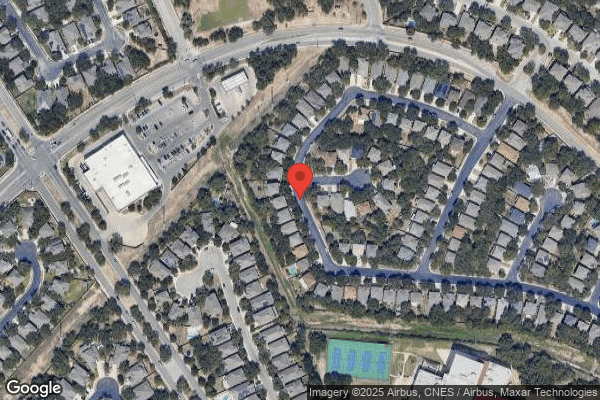

11106 CHRISTUS HILLS, SAN ANTONIO, TX 78251 (210) 672-6190
Government - Hospital district 112 Beds CANTEX CONTINUING CARE Data: November 2025 2 Immediate Jeopardy citations
Trust Grade
34/100
#616 of 1168 in TX
Last Inspection: September 2024

Within standard 12-15 month inspection cycle. Federal law requires annual inspections.

Overview

Windemere at Westover Hills in San Antonio, Texas, has received a Trust Grade of F, indicating significant concerns about the facility's care standards. It ranks #616 out of 1168 nursing homes in Texas, placing it in the bottom half, and #24 out of 62 facilities in Bexar County, meaning only a handful of local options are better. The facility is showing signs of improvement, having reduced its issues from 10 in 2024 to just 2 in 2025. Staffing is rated at 3 out of 5 stars, with a turnover rate of 52%, which is average for Texas, but the facility has good RN coverage, exceeding that of 85% of state facilities, ensuring better oversight of resident care. However, concerning incidents include failing to notify a physician about a resident's dangerously low blood pressure and not intervening when the resident requested hospital care, both of which could delay necessary medical treatment. Additionally, there were issues with food safety practices in the kitchen, raising concerns about potential health risks for residents.

Trust Score
F
34/100
In Texas
#616/1168
Bottom 48%
Safety Record
High Risk
Review needed
Inspections
Getting Better
10 → 2 violations
Staff Stability
⚠ Watch
52% turnover. Above average. Higher turnover means staff may not know residents' routines.
Penalties
⚠ Watch
$12,740 in fines. Higher than 91% of Texas facilities. Major compliance failures.
Skilled Nurses
○ Average
Each resident gets 35 minutes of Registered Nurse (RN) attention daily — about average for Texas. RNs are the most trained staff who monitor for health changes.
Violations
⚠ Watch
23 deficiencies on record. Higher than average. Multiple issues found across inspections.
★★★☆☆
3.0
Overall Rating
★★★☆☆
3.0
Staff Levels
★★★★★
5.0
Care Quality
★★☆☆☆
2.0
Inspection Score
Stable
2024: 10 issues
2025: 2 issues

The Good

  • 5-Star Quality Measures · Strong clinical quality outcomes
  • Full Sprinkler Coverage · Fire safety systems throughout facility
  • No fines on record

Facility shows strength in quality measures, fire safety.

The Bad

3-Star Overall Rating

Near Texas average (2.8)

Meets federal standards, typical of most facilities

Staff Turnover: 52%

Near Texas avg (46%)

Higher turnover may affect care consistency

Federal Fines: $12,740

Below median ($33,413)

Minor penalties assessed

Chain: CANTEX CONTINUING CARE

Part of a multi-facility chain

Ask about local staffing decisions and management

The Ugly 23 deficiencies on record

2 life-threatening
Apr 2025 2 deficiencies 2 IJ
CRITICAL (J) 📢 Someone Reported This

A family member, employee, or ombudsman was alarmed enough to file a formal complaint

Immediate Jeopardy (IJ) - the most serious Medicare violation

Notification of Changes (Tag F0580)

Someone could have died · This affected 1 resident

**NOTE- TERMS IN BRACKETS HAVE BEEN EDITED TO PROTECT CONFIDENTIALITY** Based on and interview and record review, the facility failed to immediately inform the resident's physician when there was a si...

Read full inspector narrative →
**NOTE- TERMS IN BRACKETS HAVE BEEN EDITED TO PROTECT CONFIDENTIALITY** Based on and interview and record review, the facility failed to immediately inform the resident's physician when there was a significant change in the resident's physical, mental, or psychosocial status for 1 of 4 residents (Resident #1) reviewed for physician notification of changes. The facility failed to inform Resident #1's physician on 3/11/25 when a BP of 80/42 was obtained by LVN A before Resident #1 was transported to dialysis. Resident #1 was treated for hypotension at the hospital after being sent there from dialysis. An Immediate Jeopardy (IJ) was identified on 4/11/25. The IJ template was presented to the facility ED and DON on 4/11/25 at 6:30 pm. While the IJ was removed on 4/16/25 at 11:16 am, the facility remained out of compliance at a scope of isolated and a severity level of no actual harm with the potential for more than minimal harm due to the facility's need to evaluate the effectiveness of the corrective measures. This failure could affect residents by placing them at risk for a delay in medical treatment, decline in health, and death. Findings included: Record review of the Face Sheet, dated 4/10/25, reflected Resident #1 was admitted to the facility on [DATE] with diagnoses that included: End Stage Renal Disease (kidneys can longer function due to permanent damage). Record review of Resident #1's comprehensive MDS assessment, dated 3/14/25, reflected Resident #1 had a BIMS score of 12, suggesting moderately impaired cognition. Further review reflected Resident #1 had an ostomy (a surgical procedure to create an opening on the abdominal wall); renal insufficiency, renal failure, or end stage renal disease; received dialysis; received PT and OT. Record review of Resident #1's Care Plan, dated 4/16/25, reflected: . [Resident #1] is at risk for .abnormal BP related to renal failure .Notify MD of .BP concerns . Record review of Resident #1's dialysis Treatment Details Report, dated 3/11/25 10:31 am - 1:31 pm, reflected Resident #1 had a pre-treatment BP of 88/43. Further review revealed the Treatment Nurse Assessment section reflected: .Comment PRE Patient is hypotensive; MD was notified of low BP, verbal order given to .bolus 500 mLs of NS at start of treatment and see if BP stabilizes .O2 administered at 2 LMP [sic] for BP support; CN called nursing facility and they stated his BP was 80/42 and had requested to go to the [Hospital] prior to arrival here at the dialysis facility; Patient agreed to dialyze first then go to the [Hospital] post treatment, if still needed. POST patient is requesting to be taken to the [Hospital] for generalized weakness and hypotension .CLOSE TREATMENT REASON Patient Choice (AMA, feels unwell .) Record review of Resident #1's Progress Note, effective date 3/11/25 at 11:14 am and written by LVN A, reflected, .Resident complains of generalized pain and requesting to be sent out to [Hospital] to see Nephrologist. Resident VS 80/42 [BP], 70 [HR], 18 [RR], 92% [SpO2], 97.9 [T]. notified ADON [RN OO] and made resident aware that if he was [sic] to be sent out, he would more than likely be taken to an ER nearby and if he went to dialysis, he could follow up with his nephrologist there. Resident voiced understanding .Resident transferred to dialysis via [Ambulance company] at 0940 [9:40 am]. Received call from [Dialysis RN] who stated that resident BP remains low, [Dialysis RN] obtained orders from Nephrologist to administer IV fluids to stabilize BP, if unable to do so resident will be sent out to [Hospital] for further eval and treatment. [NP J] and [Facility] ADON made aware . Record review of Resident #1's Occupational Therapy Treatment Encounter Note, dated 3/11/25, reflected: . he was c/o max pain to posterior neck. he reported he did not want any therapy today .He reported after dialysis he was planning to go to [Hospital] (by [rideshare] if he had to) to get a full assessment to out why he has been feeling sick, having increased neck pain and having issues with low BP. Notified Nurse who reported she was aware of this .Electronically signed by [OT] 3/11/25 01:45:47 PM . Record review of Resident #1's Progress Note, effective date 3/12/25 at 3:32 am and written by LVN B, reflected, .this nurse received call from [Hospital A], and received report that pt was on transport back to [Facility]. as per report .pt was taken to hospital from dialysis for low BP. Pt was administered a total of 1500 cc of fluids and BP did increase with last set of vs before dc of 110/55 [BP], 60 [HR], 18 [RR], 97% [SpO2] Ra, and 98.4 [T] .vs obtained 105/45 [BP], 94 [HR], 92% [SpO2], 98.8 [T], and 16 [RR] . During a telephone interview on 4/11/25 at 12:36 pm, LVN A said she reported Resident #1's BP of 80/42 on 3/11/25 to RN OO (Former ADON), the Dialysis nurse, and believed she also spoke to the NP. LVN A said she called the DC on 3/11/25 to report Resident #1's BP of 80/42 and was told that Resident #1 had received fluids but was still requesting to go to the hospital, so the DC sent him to the hospital. LVN A then stated she did not initiate the call to the DC to notify them of Resident #1's BP of 80/42 but sent the dialysis communication form with the resident. LVN A further stated the dialysis called her to inform her of Resident #1's low BP. LVN A said the facility policy was to follow-up with the ADON and NP regarding changes in resident condition and swore she had documented her contact with the NP regarding Resident #1's BP of 80/42 on 3/11/25. LVN A said she was unable to find the text she sent NP J regarding Resident #1's BP on 3/11/25 but knew that NP J was notified and LVN A did not receive any new orders from NP J on 3/11/15 to treat Resident #1's BP but was told to send the resident to dialysis. A phone interview was attempted on 4/11/25 at 2:06 pm with LVN A that was unsuccessful, no call back received. A phone interview was attempted on 4/11/25 at 2:20 pm with LVN A that was unsuccessful, no call back received. During a telephone interview on 4/11/25 at 1:22 pm, NP H said she did not have any text messages from the facility on 3/11/25. NP H further stated that the facility was responsible for notifying her of any abnormal findings. NP H said she should have been notified of Resident #1's BP of 80/42 on 3/11/25. NP H said had she been notified of Resident #1's condition on 3/11/25, Resident #1 would have been sent to the hospital via EMS. NP H further stated she would not have told the facility staff to send Resident #1 to dialysis because he was hypotensive, and his BP was not sustainable for dialysis or everyday life. During a telephone interview on 4/11/25 at 2:25 pm, RN OO (Former ADON), who was no longer employed at the facility, said he did not remember what happened with Resident #1 on 3/11/25, he said he should have been notified of Resident #1's BP but did not remember if he was. RN OO said the facility had a protocol that stated the physician/NP was to be notified if a resident had a low BP. RN OO said the charge nurse, he believed was LVN A, was responsible for notifying the physician/NP regarding Resident #1's BP of 80/42 for recommendations. During an interview on 4/11/25 at 2:56 pm, the DON said Resident #1 was sent to the hospital from the DC, where he received fluids on 3/11/25. The DON said she was not notified of Resident #1's BP of 80/42 on 3/11/25. The DON further stated that Resident #1's documentation reflected that RN OO (Former ADON) was notified and that RN OO would have recommended that the NP be called. The DON said that according to Resident #1's documentation, it seemed the NP was notified of Resident #1's BP of 80/42 on 3/11/25 before he went to dialysis. During an interview on 4/11/25 at 4:12 pm, the DON said that Resident #1's fluctuation in BP was due to dialysis, he was new to dialysis, and this was common with dialysis residents. During an interview on 4/14/25 at 1:16 pm, the OT said she saw Resident #1 before dialysis. The OT said that Resident #1 complained of pain to his neck. The OT said that she was told by Resident #1 that he had told the nurse he wanted to go to the hospital and wanted a full assessment because his BP had been low. The OT further stated she did let the nurse know that Resident #1 was not feeling well and wanted to go to the hospital and would go however he could. The OT said she believed the nurse she reported this to was LVN A and LVN A said she was aware of Resident #1's concerns. During an interview on 4/16/25 at 2:28 pm, the DON said nurses were responsible for communicating any changes in resident condition and the ADON was responsible for monitoring to ensure nurses were notifying the physician/NP about changes in resident condition through communication with the nurses. The DON said that LVN A said she contacted NP J regarding Resident #1's BP and thought that Resident #1 would have been able to see the nephrologist quicker if he went to dialysis. The DON said it was important to communicate with the DC and the physician/NP about changes in resident condition prior to dialysis because it might be determined that the resident should not go to dialysis or intervention may be ordered for the resident. The DON further stated that LVN A documented she contacted NP J, and it was determined Resident #1 should go to dialysis. The DON said dialysis residents' BP fluctuated and it was the responsibility of the DC to decide whether they will treat the resident or not. A phone interview was attempted on 4/16/25 at 3:01 pm with the ADON that was unsuccessful, no call back received. During a telephone interview on 4/16/25 at 12:36 pm, NP J said she was not familiar with Resident #1. NP J further stated she did not have recollection of a notification regarding a BP of 80/42 or request to go to the hospital on 3/11/25. NP J said if she had been notified, she would have addressed the BP by asking questions and assessing the situation further to see what interventions to put in place. During a telephone interview on 4/16/25 at 3:06 pm, the DCS said the DC was not called prior to Resident #1 arriving to the center on 3/11/25. The DCS further stated the DC did not have a physician on-site. The DCS said the physician was notified by the DC on 3/11/25 that Resident #1 had low BP and an order was received to administer fluids to rule out dehydration. The DCS said IV fluids were administered to Resident #1, but the low BP did not resolve so the resident had to be sent to the hospital. During an interview on 4/16/25 at 3:04 pm, the ED said the nurse manager, or the DON were responsible for ensuring the physician/NP was contacted when there was a change in resident condition by reviewing the 24-hour report. The ED further stated the facility policy stated the physician/NP should be notified regarding changes in resident condition. Record review of facility policy Resident Rights, revised December 2016, reflected: .1. Federal and state laws guarantee certain basic rights to all resident of this facility. These rights include the resident's right to .f. communication with and access to people and services, both inside and outside the facility; g. exercise his or her rights as a resident of the facility and as a resident or citizen of the United States; h. be supported by the facility in exercising his or her rights; i. exercise his or her rights without interference, coercion, discrimination or reprisal from the facility . Record review of facility policy Change in a Resident's Condition or Status, revised February 2021, reflected: Our facility promptly notifies the resident, his or her attending physician, and the resident representative of changes in the resident's medical/mental condition and/or status .1. The nurse will notify the resident's attending physician or physician on call when there has been a(an) .d. significant change in resident' physical/emotional/mental condition. This was determined to be an Immediate Jeopardy (IJ) on 4/11/25. The IJ template was presented to the facility ED and DON on 4/11/25 at 6:30 pm. The following Plan of Removal (POR) was accepted on 4/12/25 at 3:12 pm: [Facility] Plan of Removal for Immediate Jeopardy F580 IJ- Notification of Change Date/Time of Notification to the Facility: 04/11/2025 at 6:30pm This is to confirm the submission of our Plan of Removal (POR) provided by this facility. For F580 IJ. The submission of this POR does not constitute an admission on the part of the facility as to accuracy of the surveyor's findings, the conclusion drawn from there, nor is the scope and or severity regarding any deficiency cited applied correctly. How corrective action will be accomplished for those residents found to have been affected by the deficient practice: Resident #1 is no longer in the facility. On 4/11/2025 at 7:32 PM the facility Executive Director and Director of Nursing notified the Medical Director of receiving the Immediate Jeopardy. The Executive Director and DON notified the Medical Director and the Attending Physician of the resident who had an adverse reaction. All notifications were completed by 4/11/2025. On 04/11/25 at 7:30pm An Emergency QAPI meeting, via TEAMS was held with the Medical Director, LNHA, DON, ADON's, the Regional Director of Clinical Services, the Director of Regulatory Compliance, The CNO and the Regional [NAME] President to review present policies and protocols on Notification of Change and Abuse, Neglect and Misappropriation Prevention. The policies and protocols were deemed sufficient. The QAPI team also formulated the interventions to be presented for the Plan of Removal. On 04/11/2025 The Administrator, DON and ADON's were re in serviced by the RDCS (Regional Director of Clinical Services) on Policies and Protocol concerning Physician Notification, Change in Condition, Abuse Prevention, and Hydration Dashboard review. On 4/11/2025 an in-service was initiated by DON/Designee on the Change of Condition/Interact policy to include a pre and post test, Physician notification, and the abuse policy to include what to do in the event the patient request to go to the hospital. On 4/11/2025, the facility initiated education to CNA/CMA, and Therapists will be in-serviced on notification of condition changes and utilization of our stop and watch tool to report changes in patient condition to the licensed staff, to include if a patient requests to go to the hospital. The facility will complete education with licensed nursing staff by 4/12/2025. Any staff who are not present to complete the in-servicing by 4/12/2025 will be required to complete the in-servicing at the start of their next shift before beginning work. The facility will complete in-service with CNA/CMA and Therapist by 4/12/2025. Any staff who are not present to complete in-service by 4/12/2025 will be required to complete the in-service at the start of their next shift before beginning work. New Hires, PRN and any agency staff will also be in-serviced prior to the start of their shift. Abuse, neglect, and exploitation education with licensed and non-licensed staff will be completed by 4/13/2025. Any staff who are not present to complete the training by 4/13/2025 will be required to complete the in-service at the start of their next shift before beginning work. How the facility will identify other residents having the potential to be affected by the same deficient practice: On 4/11/25-The Director of Nursing and nurse leadership completed 100% checks of resident vital signs, identifying any vitals that are not within normal limits and will ensure the providers were notified. This was completed on 4/11/2025, all residents were at their baseline and stable. Measures to be put into place or systemic changes made to ensure that the deficient practice will not recur: On 4/11/2025-The facility initiated, at a minimum, daily vital signs for all patients to assist in identifying changes in resident conditions. On 4/11/2025-The physician notification policy was updated to include if a resident requests to go to the hospital. On 4/11/2025- The DON/designee initiated in-servicing with the licensed nurses to review vital signs every shift by running the patient vital sign report in the EHR for abnormal results and initiating the change of condition process, if indicated. Any staff who are not present to complete the training by 4/11/2025 will be required to complete the in-service at the start of their next shift before beginning work. New hires will also be in-serviced prior to the start of their shift. On 4/11/2025- the Director of Nursing and Administrator were in-serviced by the Sr. Regional Director of Clinical Services on the following policies: reporting change in condition, the Interact process, change of condition, abuse and neglect, and the hydration dashboard review. The was completed on 4/11/2025. How the facility plans to monitor its performance to make sure that solutions are sustained: The DON/designee will review the hydration dashboard daily for patient changes of condition such as abnormal vital signs, poor meal intake and dehydration symptoms, and will follow up with the charge nurses to ensure the change of condition process was followed. On the weekend, the supervisor/designee will review the hydration dashboard daily for patient changes of condition and will follow up with the charge nurses to ensure the change of condition process was followed. The hydration dashboard will be printed and filed in a binder daily for 1 week then weekly for 3 weeks beginning 4/11/25. The Director of Nursing/or designee will review resident 24-hour report and dashboard (nursing documentation) daily for 1 week, then weekly for 3 weeks beginning 4/11/2025 to monitor for patient change of conditions and ensure notification to providers was done utilizing a check off tool. The Director of Nursing/or designee will monitor to ensure the nurses are running the patient vital sign report every shift daily for 1 week, then weekly for 3 weeks beginning 4/11/2025 utilizing a check off tool. This process will be validated and checked off, by the Administrator/and or designee to ensure compliance of notification change utilizing a check off tool daily used for compliance. Results of audits and reviews will be reported to and reviewed by QAPI committee monthly for three months. POR verification: During a telephone interview on 4/14/25 at 4:11 pm, the MD said he was informed of the IJ. Record review of QAPI meeting minutes, dated 4/11/25, reflected the facility immediately contacted the executive team and MD of the IJ. Further review revealed 100% of residents VS were reviewed, education regarding changes in condition, notifying the physician of clinical changes, and abuse/neglect/exploitation will be completed, and the DON will review the Hydration Dashboard (report used to review residents' VS, meal intake, etc. to monitor residents for dehydration) and results of audits reported to the QAPI committee. Record review of staff training reflected 30 of 30 full time licensed nursing staff across all shifts had been in-serviced. In-services included: Change in Condition (including when a resident requested to go to the hospital), reviewing the VS reports every shift, Physician Notification (including notifying the physician/NP of changes in resident condition). Record review of staff training reflected 40 of 40 unlicensed staff/Therapists across all shifts had been in-serviced. In-service included Stop and Watch, an early warning tool used to identify changes in resident condition. Record review of staff training reflected 88 of 88 full time staff had been in-serviced regarding abuse and neglect, including when to report and to whom to report. Interviews between 4/13/25 at 11:51 am and 4/14/25 at 2:24 pm with 37% of staff employed at the facility (LVN B, RN F, LVN I, CNA K, CNA L, CMA M, CMA N, LVN O, RN P, HSKPR Q, REC R, HSKPR S, CNA T, CNA U, CNA V, CNA W, CMA X, LVN Y, LVN AA, LVN BB, CNA DD, CNA EE, CNA FF, CNA GG, CNA JJ, REC LL, REC MM, LVN NN, OT, PT, and DOR) revealed in-services were conducted. Interviewed staff said ins-services included: abuse/neglect and who to report it to, Stop and Watch (a tool used to document/report changes in resident condition), notifying the Physician/NP of changes in resident condition, documentation of changes in condition using SBAR, and review/documentation of VS every shift, and what to do if a resident requests to go to the hospital. Staff interviewed included: 7 staff worked 6:00 am - 2:00 pm, 7 staff worked 2:00 pm - 10:00 pm, 5 staff who worked 10:00 pm - 6:00 am, 3 staff who worked 8:00 AM - 5:00 PM, 5 staff worked 6:00 AM - 10:00 PM, and 4 staff who worked PRN. Record review of VS logs reflected 100% of residents' VS were reviewed by the DON and abnormal values were noted and the physician/NP notified as needed for resident with abnormal VS values. During an interview on 4/13/25 at 12:32 pm, the DON said nurses were expected to obtain and document VS every shift and she or the weekend supervisor would review the report daily for abnormal values. Record review of staff training reflected the ED and DON were in-serviced on 4/11/25 by RDCS regarding physician notification, change in condition, abuse/neglect, SBAR, and Hydration Dashboard review. Record review of staff training reflected 8 of 8 nurse supervisors were in-serviced on 4/13/25 by the DON regarding the Vital Sign Monitor Tracking Tool. Interviews between 4/13/25 at 1:47 pm - 2:00 pm with 3 nurse supervisors (RN F, LVN I, and LVN LL) revealed an in-service was conducted regarding the Vital Sign Monitor Tracking Tool. The nurse supervisors said they were expected to review their assigned residents' VS every shift for trends, sign the form to document completion, and give it to the ADON/DON. The nurse supervisors further stated they were expected to complete a CIC form and notify the physician/NP for any abnormal values noted. During an interview on 4/14/25 at 3:38 pm, the DON said she reviewed VS for 100% of residents residing at the facility. The DON further stated all abnormal VS were reported to the physician/NP and SBARs completed for all residents identified. the DON said she/designee/staffing coordinator were responsible for ensuring all new hires, PRN and agency staff were in-serviced related to abuse/neglect, Stop and Watch Early Warning Tool, change in condition, and SBAR, prior to the start of their next shift. During an interview on 4/14/25 at 3:40 pm, the DON said she was responsible for ensuring nurses reviewed resident VS every shift. The DON further stated a log was implemented and nurses were expected to review VS for their assigned resident, document on the log whether any trends/patterns were identified, sign the log, contact the physician/MD if needed, and complete a progress note or SBAR if needed. During an interview on 4/14/25 at 3:43 pm, the DON said she was in-serviced on 4/11/25 by the RDCS regarding her responsibility related to VS, the Hydration Monitoring Tool, physician notifications, CIC, SBAR, and abuse/neglect. During an interview on 4/14/25 at 3:46 pm, the ED said she was in-serviced on 4/11/25 by the RDCS regarding CIC, abuse/neglect, notifying the physicians regarding any changes in resident condition, SBAR, Hydration Dashboard, VS, and weight summaries. Record review of the facility policy Physician Notification, revised April 2025, reflected it was updated to include resident requests to go to the hospital. The ED, DON, and RDCN were informed the Immediate Jeopardy was removed on 4/16/25 at 11:16 am. While the IJ was removed, the facility remained out of compliance at a scope of isolated and a severity level of no actual harm with the potential for more than minimal harm, due to the facility continuing to monitor the implementation and effectiveness of their Plan of Removal.
CRITICAL (J) 📢 Someone Reported This

A family member, employee, or ombudsman was alarmed enough to file a formal complaint

Immediate Jeopardy (IJ) - the most serious Medicare violation

Quality of Care (Tag F0684)

Someone could have died · This affected 1 resident

**NOTE- TERMS IN BRACKETS HAVE BEEN EDITED TO PROTECT CONFIDENTIALITY** Based on interviews and record reviews, the facility failed to ensure that residents receive treatment and care in accordance wi...

Read full inspector narrative →
**NOTE- TERMS IN BRACKETS HAVE BEEN EDITED TO PROTECT CONFIDENTIALITY** Based on interviews and record reviews, the facility failed to ensure that residents receive treatment and care in accordance with professional standards of practice, the comprehensive person-centered care plan, and the resident's choices for 1 of 4 residents (Resident #1) reviewed for quality of care. The facility failed to immediately intervene when Resident #1 was found to have a BP of 80/42, complained of generalized pain, and requested to go to the hospital on 3/11/25. An Immediate Jeopardy (IJ) was identified on 4/14/25. The IJ template was presented to the facility ED, DON, RDCS, and VPO (via telephone) on 4/14/25 at 1:58 pm. While the IJ was removed on 4/16/25 at 11:16 am, the facility remained out of compliance at a scope of isolated and a severity level of no actual harm with the potential for more than minimal harm, due to the facility's need to evaluate the effectiveness of the corrective measures. This failure could affect residents who experience a change in condition by placing them at risk for a delay in medical treatment, decline in health, and death. Findings included: Record review of the Face Sheet, dated 4/10/25, reflected Resident #1 was admitted to the facility on [DATE] with diagnoses that included: End Stage Renal Disease (kidneys can longer function due to permanent damage). Record review of Resident #1's comprehensive MDS assessment, dated 3/14/25, reflected Resident #1 had a BIMS score of 12, suggesting moderately impaired cognition. Further review reflected Resident #1 had an ostomy (a surgical procedure to create an opening on the abdominal wall); renal insufficiency, renal failure, or end stage renal disease; received dialysis; received PT and OT. Record review of Resident #1's Care Plan, dated 4/16/25, reflected: . [Resident #1] is at risk for .abnormal BP related to renal failure .Notify MD of .BP concerns . Record review of Resident #1's dialysis Treatment Details Report, dated 3/11/25 10:31 am - 1:31 pm, reflected Resident #1 had a pre-treatment BP of 88/43. Further review revealed the Treatment Nurse Assessment section reflected: .Comment PRE Patient is hypotensive; MD was notified of low BP, verbal order given to .bolus 500 mLs of NS at start of treatment and see if BP stabilizes .O2 administered at 2 LMP [sic] for BP support; CN called nursing facility and they stated his BP was 80/42 and had requested to go to the [Hospital] prior to arrival here at the dialysis facility; Patient agreed to dialyze first then go to the [Hospital] post treatment, if still needed. POST patient is requesting to be taken to the [Hospital] for generalized weakness and hypotension .CLOSE TREATMENT REASON Patient Choice (AMA, feels unwell .) Record review of Resident #1's Progress Note, effective date 3/11/25 at 11:14 am and written by LVN A reflected, .Resident complains of generalized pain and requesting to be sent out to [Hospital] to see Nephrologist. Resident VS 80/42 [BP], 70 [HR], 18 [RR], 92% [SpO2], 97.9 [T] .made resident aware that if he was to be sent out, he would more than likely be taken to an ER nearby and if he went to dialysis, he could follow up with his nephrologist there. Resident voiced understanding .Resident transferred to dialysis via [Ambulance company] at 0940 [9:40 am]. Received call from [Dialysis RN] who stated that resident BP remains low, [Dialysis RN] obtained orders from Nephrologist to administer IV fluids to stabilize BP, if unable to do so resident will be sent out to [Hospital] for further eval and treatment . Record review of Resident #1's Occupational Therapy Treatment Encounter Note, dated 3/11/25, reflected: .he was c/o max pain to posterior neck. he reported he did not want any therapy today .He reported after dialysis he was planning to go to [Hospital] (by [Rideshare] if he had to) to get a full assessment to find out why he has been feeling sick, having increased neck pain and having issues with low bp. Notified Nurse who reported she was aware of this .Electronically signed by [OT] 3/11/25 01:45:47 PM . Record review of Resident #1's Progress Note, effective date 3/12/25 at 3:32 am and written by LVN B reflected, .pt was taken to hospital from dialysis for low BP. Pt was administered a total of 1500 cc of fluids and BP did increase with last set of vs before dc of 110/55 [BP], 60 [HR], 18 [RR], 97% [SpO2] Ra, and 98.4 [T] .vs obtained 105/45 [BP], 94 [HR], 92% [SpO2], 98.8 [T], and 16 [RR] . During a telephone interview on 4/11/25 at 12:36 pm, LVN A said she reported Resident #1's BP of 80/42 and request to go to Hospital A on 3/11/25 to RN OO (Former ADON), the dialysis nurse, and believed she also spoke to the NP. LVN A further stated she was told by RN OO not to send Resident #1 to the hospital but to inform the NP and send Resident #1 to dialysis as scheduled. LVN A said she was told by RN OO that Resident #1 usually had low BPs and it would be best for him to go to dialysis. LVN A said Resident #1 requested to go to the ER and wanted to be seen by his nephrologist and was told by RN OO that Resident #1 would be seen by the nephrologist at the dialysis center. LVN A said she did not know if there was a nephrologist at the dialysis center. LVN A said she was told by the dialysis center that they reached out to the nephrologist and was told to administer fluids to Resident #1. LVN A further stated she was told by the dialysis center that Resident #1 requested to the hospital and Resident #1 was sent to the hospital by the dialysis center. LVN A said she was asked by the dialysis center why Resident #1 was not sent to the hospital when he requested to go. LVN A said if a resident requested to go the hospital, she was expected to assess the resident and notify the ADON. A request for Resident #1's medical records was submitted to Hospital A on 4/16/25, records are pending. During a telephone interview on 4/11/25 at 1:22 pm, NP H said had she been notified of Resident #1's condition on 3/11/25, Resident #1 would have been sent to the hospital via EMS. NP H further stated she would not have told the facility staff to send Resident #1 to dialysis because he was hypotensive, and his BP was not sustainable for dialysis or everyday life. During a telephone interview on 4/11/25 at 2:25 pm, RN OO (Former ADON), who was no longer employed at the facility, said he did not remember what happened with Resident #1 on 3/11/25. RN OO said if a resident requested to go the hospital, the physician would be called for orders and the resident was usually transported to the hospital per resident request. RN OO said the charge nurse, he believed was LVN A, was responsible for notifying the physician/NP regarding Resident #1's BP of 80/42 for recommendations. RN OO said he would not have sent Resident #1 to dialysis; the physician would have been contacted for orders. RN OO further stated it was his understanding there was a nephrologist at the dialysis center, but he was not sure. During an interview on 4/11/25 at 2:56 pm, the DON said Resident #1 was sent to the hospital from the DC, where he received fluids on 3/11/25. The DON further stated LVN A should have sent Resident #1 to the hospital on 3/11/25, adding this was the resident's right. The DON said the nephrologist managed the DC but did not think he was always at the DC. During an interview on 4/11/25 at 4:12 pm, the DON said that Resident #1's fluctuation in BP was due to dialysis, he was new to dialysis, and BP fluctuations were common with dialysis residents. During an interview on 4/1/425 at 1:16 pm, the OT said she saw Resident #1 before dialysis. The OT said that Resident #1 complained of pain to his neck. The OT said that she was told by Resident #1 that he had told the nurse he wanted to go to the hospital and wanted a full assessment because his BP had been low. The OT further stated she did let the nurse know that Resident #1 was not feeling well and wanted to go to the hospital and would go however he could. The OT said she believed the nurse she reported this to was LVN A and LVN A said she was aware of Resident #1's concerns. During an interview on 4/16/25 at 2:28 pm, the DON said LVN A thought that Resident #1 would have been able to see the nephrologist quicker if he went to dialysis. The DON said it was important to communicate with the DC and the physician/NP about changes in resident condition prior to dialysis because it might be determined that the resident should not go to dialysis or intervention may be ordered for the resident. The DON further stated that LVN A documented she contacted NP J, and it was determined Resident #1 should go to dialysis. The DON said dialysis residents' BP fluctuated and it was the responsibility of the DC to decide whether they will treat the resident or not. During a telephone interview on 4/16/25 at 3:06 pm, the DCS said the DC did not have a physician on-site. The DCS said the physician was notified by the DC on 3/11/25 that Resident #1 had low BP and an order was received to administer fluids to rule out dehydration. The DCS said IV fluids were administered to Resident #1, but the low BP did not resolve so the resident had to be sent to the hospital. Record review of facility policy Change in a Resident's Condition or Status, revised February 2021, reflected: Our facility promptly notifies the resident, his or her attending physician, and the resident representative of changes in the resident's medical/mental condition and/or status .1. The nurse will notify the resident's attending physician or physician on call when there has been a(an) .d. significant change in resident' physical/emotional/mental condition. Record review of facility policy Physician Notification, revised April 2025, reflected: The types of conditions which arise frequently are listed. This list is not inclusive .Vital signs .Patient requests to go to the hospital. It is the responsibility of the nursing staff to observe the change, make an assessment, and notify the physician as indicated based on the assessment .The nurse will: - Recognize the condition change .- Notify the physician, patient and patient representative of any change in condition . This was determined to be an Immediate Jeopardy (IJ) on 4/14/25. The IJ template was presented to the facility ED, DON, RDCS, and VPO (via telephone) on 4/14/25 at 1:58 pm. The following Plan of Removal (POR) was accepted on 4/15/25 at 11:19 am: [Facility] Plan of Removal for Immediate Jeopardy F684 IJ- Quality of Care Date/Time of Notification to the Facility: 04/14/2025 at 1:58 pm This is to confirm the submission of our Plan of Removal (POR) provided by this facility. For F684 IJ. The submission of this POR does not constitute an admission on the part of the facility as to accuracy of the surveyor's findings, the conclusion drawn from there, nor is the scope and or severity regarding any deficiency cited applied correctly. How corrective action will be accomplished for those residents found to have been affected by the deficient practice: Resident #1 is no longer in the facility. On 4/11/2025 at 7:32 PM the facility Executive Director and Director of Nursing notified the Medical Director of receiving the Immediate Jeopardy. The Executive Director and DON notified the Medical Director and the Attending Physician of the resident who had an adverse reaction. All notifications were completed by 4/11/2025. On 4/14/2025- The facility Executive Director and Director of Nursing notified the facility Medical Director of the F684 Quality of Care Immediate Jeopardy tag. On 04/11/25 at 7:30pm An Emergency QAPI meeting, via TEAMS was held with the Medical Director, LNHA, DON, ADON's, the Regional Director of Clinical Services, the Director of Regulatory Compliance, The CNO and the Regional [NAME] President to review present policies and protocols on Notification of Change and Abuse, Neglect and Misappropriation Prevention. The policies and protocols were deemed sufficient. The QAPI team also formulated the interventions to be presented for the Plan of Removal. On 04/11/2025 The Administrator, DON and ADON's were re in-serviced by the RDCS (Regional Director of Clinical Services) on Policies and Protocol concerning Physician Notification, Change in Condition, Abuse Prevention, and Hydration Dashboard review. On 4/11/2025 an in-service was initiated by DON/Designee on the Change of Condition/Interact policy to include a pre and post test, Physician notification, and the abuse policy to include what to do in the event the patient request to go to the hospital. The Interact process incorporates the resident's request to go to the hospital. On 4/11/2025, the facility initiated education to CNA/CMA, and Therapists will be in-serviced on notification of condition changes and utilization of our stop and watch tool to report changes in patient condition to the licensed staff, to include if a patient requests to go to the hospital. The facility completed education with licensed nursing staff on 4/12/2025. Any staff who were not present to complete the in-servicing by 4/12/2025 are required to complete the in-servicing at the start of their next shift before beginning work. The facility completed in-service with CNA/CMA and Therapist on 4/12/2025. Any staff who are were not present to complete in-service by 4/12/2025 are required to complete the in-service at the start of their next shift before beginning work. New hires or PRN staff will also be in-serviced prior to the start of their shift. Abuse, neglect, and exploitation education with licensed and non-licensed staff was completed on 4/13/2025. Any staff who were not present to complete the training on 4/13/2025 are required to complete the in-service at the start of their next shift before beginning work. On 4/12/2025- The facility completed in-service with licensed nursing staff on recognizing abnormal versus normal vital signs. How the facility will identify other residents having the potential to be affected by the same deficient practice: On 4/11/25-The Director of Nursing and nurse leadership completed 100% checks of resident vital signs, identifying any vitals that are not within normal limits and will ensure the providers were notified. This was completed on 4/11/2025, all residents were at their baseline and stable. Measures to be put into place or systemic changes made to ensure that the deficient practice will not recur: On 4/11/2025-The facility initiated, at a minimum, daily vital signs for all patients to assist in identifying changes in resident conditions. On 4/11/2025-The physician notification policy was updated to include if a resident requests to go to the hospital. This policy incorporates the resident requesting to go to the hospital. On 4/11/2025- The DON/designee initiated in-servicing with the licensed nurses to review vital signs every shift by running the patient vital sign report in the EHR for abnormal results and initiating the change of condition process, if indicated. The nurses will document on a vital sign tracking log to validate this process was done daily for 1 week then weekly for 3 weeks thereafter. Any staff who were not present to complete the training on 4/11/2025 are required to complete the in-service at the start of their next shift before beginning work. New hires will also be in-serviced prior to the start of their shift. On 4/11/2025- the Director of Nursing and Administrator were in-serviced by the Sr. Regional Director of Clinical Services on the following policies: reporting change in condition, the Interact process, change of condition, abuse and neglect, and the hydration dashboard review. This was completed on 4/11/2025. How the facility plans to monitor its performance to make sure that solutions are sustained: The DON/designee will review the hydration dashboard daily for patient changes of condition such as abnormal vital signs, poor meal intake and dehydration symptoms, and will follow up with the charge nurses to ensure the change of condition process was followed. On the weekend, the supervisor/designee will review the hydration dashboard daily for patient changes of condition and will follow up with the charge nurses to ensure the change of condition process was followed. The hydration dashboard will be printed and filed in a binder daily for 1 week then weekly for 3 weeks beginning 4/11/25. The Director of Nursing/or designee will review resident 24-hour report and dashboard (nursing documentation) daily for 1 week, then weekly for 3 weeks beginning 4/11/2025 to monitor for patient change of conditions and ensure notification to providers was done utilizing a check off tool. The Director of Nursing/or designee is monitoring to ensure the nurses are running the patient vital sign report every shift daily for 1 week, then weekly for 3 weeks beginning 4/11/2025 utilizing a check off tool to validate the v/s report she completed by the nurses were done. Results of audits and reviews will be reported to and reviewed by QAPI committee monthly for three months. POR verification: During a telephone interview on 4/14/25 at 4:11 pm, the MD said he was informed of the IJ. Record review of QAPI meeting minutes, dated 4/11/25, reflected the facility immediately contacted the executive team and MD of the IJ. Further review revealed 100% of residents VS were reviewed, education regarding changes in condition, notifying the physician of clinical changes, and abuse/neglect/exploitation will be completed, and the DON will review the Hydration Dashboard (report used to review residents' VS, meal intake, etc. to monitor residents for dehydration) and results of audits reported to the QAPI committee. Record review of staff training reflected 30 of 30 fulltime licensed nursing staff across all shifts had been in-serviced. in-services included: Change in Condition (including when a resident requested to go to the hospital), reviewing the VS reports every shift, Physician Notification (including notifying the physician/NP of changes in resident condition). Record review of staff training reflected 40 of 40 unlicensed staff/Therapists across all shifts had been in-serviced. in-service included Stop and Watch, an early warning tool used to identify changes in resident condition. Record review of staff training reflected 88 of 88 fulltime staff had been in-serviced regarding abuse and neglect, including when to report and to whom to report. Interviews between 4/13/25 at 11:51 am and 4/14/25 at 2:24 pm with 37% of staff employed at the facility (LVN B, RN F, LVN I, CNA K, CNA L, CMA M, CMA N, LVN O, RN P, HSKPR Q, REC R, HSKPR S, CNA T, CNA U, CNA V, CNA W, CMA X, LVN Y, LVN AA, LVN BB, CNA DD, CNA EE, CNA FF, CNA GG, CNA JJ, REC LL, REC MM, LVN NN, OT, PT, and DOR) revealed in-services were conducted. Interviewed staff said ins-services included: abuse/neglect and who to report it to, Stop and Watch (a tool used to document/report changes in resident condition), notifying the Physician/NP of changes in resident condition, documentation of changes in condition using SBAR, and review/documentation of VS every shift, and what to do if a resident requests to go to the hospital. Of staff interviewed, 7 staff worked 6:00 am - 2:00 pm, 7 staff worked 2:00 pm - 10:00 pm, 5 staff who worked 10:00 pm - 6:00 am, 3 staff who worked 8:00 AM - 5:00 PM, 5 staff worked 6:00 AM - 10:00 PM, and 4 staff who worked PRN. Record review of 100% of residents' VS was conducted by the DON and abnormal values were noted and the physician/NP notified. During an interview on 4/13/25 at 12:32 pm, the DON said nurses were expected to obtain and document VS every shift and she or the weekend supervisor would review the report daily for abnormal values. Record review of staff training reflected the ED and DON were in-serviced on 4/11/25 by RDCS regarding physician notification, change in condition, abuse/neglect, SBAR, and Hydration Dashboard review. Record review of staff training reflected 8 of 8 nurse supervisors were in-serviced on 4/13/25 by the DON regarding the Vital Sign Monitor Tracking Tool. Interviews between 4/13/25 at 1:47 pm - 2:00 pm with 3 nurse supervisors (RN F, LVN I, and LVN LL) revealed an in-service was conducted regarding the Vital Sign Monitor Tracking Tool. The nurse supervisors said they were expected to review their assigned residents' VS every shift for trends, sign the form to document completion, and give it to the ADON/DON. The nurse supervisors further stated they were expected to complete a CIC form and notify the physician/NP for any abnormal values noted. During an interview on 4/14/25 at 3:38 pm, the DON said she reviewed VS for 100% of residents residing at the facility. The DON further stated all abnormal VS were reported to the physician/NP and SBARs completed for all residents identified. the DON said she/designee/staffing coordinator were responsible for ensuring all new hires, PRN and agency staff were in-serviced related to abuse/neglect, Stop and Watch Early Warning Tool, change in condition, and SBAR, prior to the start of their next shift. During an interview on 4/14/25 at 3:40 pm, the DON said she was responsible for ensuring nurses reviewed resident VS every shift. The DON further stated a log was implemented and nurses were expected to review VS for their assigned resident, document on the log whether any trends/patterns were identified, sign the log, contact the physician/MD if needed, and complete a progress note or SBAR if needed. During an interview on 4/14/25 at 3:43 pm, the DON said she was in-serviced on 4/11/25 by the RDCS regarding her responsibility related to VS, the Hydration Monitoring Tool, physician notifications, CIC, SBAR, and abuse/neglect. During an interview on 4/14/25 at 3:46 pm, the ED said she was in-serviced on 4/11/25 by the RDCS regarding CIC, abuse/neglect, notifying the physicians regarding any changes in resident condition, SBAR, Hydration Dashboard, VS, and weight summaries. Record review of the facility policy Physician Notification, revised April 2025, reflected it was updated to include resident requests to go to the hospital. The ED, DON, and RDCN were informed the Immediate Jeopardy was removed on 4/16/25 at 11:16 am. While the IJ was removed, the facility remained out of compliance at a scope of isolated and a severity level of no actual harm with the potential for more than minimal harm, due to the facility continuing to monitor the implementation and effectiveness of their Plan of Removal.
Sept 2024 9 deficiencies
CONCERN (D) 📢 Someone Reported This

A family member, employee, or ombudsman was alarmed enough to file a formal complaint

Potential for Harm - no one hurt, but risky conditions existed

Deficiency F0583 (Tag F0583)

Could have caused harm · This affected 1 resident

Based on interview and record review, the facility failed to promote the residents' right to receive mail, for all facility residents, in that: Facility staff did not distribute mail received on Satu...

Read full inspector narrative →
Based on interview and record review, the facility failed to promote the residents' right to receive mail, for all facility residents, in that: Facility staff did not distribute mail received on Saturdays to the residents. This deficient practice could result in residents not receiving mail in a timely manner and a diminished quality of life. The findings were: During a confidential group meeting on 09/12/2024 at11:00 a.m., members of the resident group stated that they do not receive mail on Saturdays and stated they feel this practice is disrespectful. During an interview with Receptionist G on 09/12/2024 at 4:24 p.m., Receptionist G stated she had been directed by person who hired her (no longer with facility) to place all mail received on Saturdays, including resident mail, in the Business Office Manager's (BOM) mailbox, and confirmed the BOM does not work on weekends. During an interview with the BOM on 09/12/2024 at 4:32 p.m., the BOM confirmed she does not work on weekends, stated all mail received on Saturday is left in her box by receptionist, she distributes to intended recipients, and gives resident mail to the Activity Director (AD) to distribute to residents on Mondays. During an interview with the AD on 09/13/2024 at 11:02 a.m., the AD confirmed that resident mail received on Saturdays is not given to residents until Monday because mail is received in the late afternoon after the weekend Manager on Duty has left for the day, and confirmed resident mail is left for her to distribute to residents on Mondays. During an interview with the Administrator on 09/13/2024 at 1:12 p.m., the Administrator confirmed that residents should receive their mail on Saturdays and stated that the facility practice would change to ensure resident mail is disbursed on the day it is received. Record review of the facility policy, Resident Rights, revised February 2021, revealed, Federal and state laws guarantee certain basic rights to all residents of this facility. These rights include the resident's right to: .cc. access to a telephone, mail, and email .
CONCERN (D)

Potential for Harm - no one hurt, but risky conditions existed

Deficiency F0638 (Tag F0638)

Could have caused harm · This affected 1 resident

**NOTE- TERMS IN BRACKETS HAVE BEEN EDITED TO PROTECT CONFIDENTIALITY** Based on interview and record review the facility failed to assess a resident using the quarterly review instrument specified by...

Read full inspector narrative →
**NOTE- TERMS IN BRACKETS HAVE BEEN EDITED TO PROTECT CONFIDENTIALITY** Based on interview and record review the facility failed to assess a resident using the quarterly review instrument specified by the State and approved by CMS not less frequently than once every 3 months for 1 of 5 Residents (Resident #45) whose records were reviewed. MDS Staff failed to ensure Resident #45's quarterly MDS assessment, dated 9/13/24m was completed within 120 days of the annual MDS assessment, dated 5/6/24 This deficient practice could affect any resident and result in resident's not receiving the needed services. The findings were: Review of Resident #45's face sheet, undated, revealed she was admitted to the facility on [DATE] with diagnosis of vascular Dementia unspecified. Review of Resident #45's MDS history revealed she had an annual MDS assessment completed on 5/6/24 and then the following quarterly MDS assessment was not completed until 9/13/24; 130 days later. Interview on 09/13/24 at 03:53 PM with LVN A revealed the most recent quarterly MDS assessment was completed on 9/13/24. She stated the previous annual MDS assessment was completed on 5/19/24. LVN A stated they had 3 months to complete an assessment according to the MDS RAI. She further stated it was important to complete the assessments timely because they drove the resident Care Plan which identified the care and services each resident would receive based on their needs. Interview on 9/13/24 at 4 PM with the ADON revealed she stated each resident's assessment was due every 3 months; 120 days. The ADON also stated it was important for staff to assess the resident's functional capabilities timely because it drove the Care Plan and it identified the care and services the resident would receive. Review of a facility policy, Comprehensive Assessments revised March 2020 read, Comprehensive assessments are conducted to assist in developing person-centered care plans. 1. Comprehensive assessments are conducted in accordance with criteria and timeframe's established in the Resident Assessment Instrument (RAI) User Manual.
CONCERN (D)

Potential for Harm - no one hurt, but risky conditions existed

Assessment Accuracy (Tag F0641)

Could have caused harm · This affected 1 resident

**NOTE- TERMS IN BRACKETS HAVE BEEN EDITED TO PROTECT CONFIDENTIALITY** Based on interview and record review the facility failed to ensure each assessment must accurately reflect the resident's status...

Read full inspector narrative →
**NOTE- TERMS IN BRACKETS HAVE BEEN EDITED TO PROTECT CONFIDENTIALITY** Based on interview and record review the facility failed to ensure each assessment must accurately reflect the resident's status for 2 of 13 Residents (Resident #27 and Resident #45) reviewed for accuracy of assessments. 1. MDS staff failed to ensure Resident #27's quarterly MDS, 6/10/24, reflected she had a range of motion impairment on her upper extremity. 2. MDS staff coded Resident #45's quarterly MDS assessment, dated 9/13/24, having a significant weight loss. Resident #45 did not experience a significant weight loss during the look back period. These deficient practicers could affect residents by inaccurately reflecting their status which could contribute to residents not receiving necessary care and services. The findings were: 1. Review of MDS history dating back to 2021 revealed Resident #27 had a history of ROM impairment on upper and lower extremity. Review of Resident #27's quarterly MDS, dated [DATE], revealed Resident #27 had ROM impairment to lower extremity and she received Occupational services. Review of Occupational Therapy note, dated 6/10/24, revealed Resident #27 had left-sided hemiplegia. Review of Resident #27's Care Plan, dated 2/26/23, revealed Resident #27 had left-sided hemiparesis related to CVA (Stroke). 2. Review of Resident #45's face sheet, undated, revealed she was admitted to the facility on [DATE] with diagnosis of vascular Dementia unspecified. Review of Resident #45's quarterly MDS assessment, dated 9/13/24, revealed Resident #45 experienced a significant weight loss. Review of Resident #45's weights revealed on 6/14/24 she weighed 150 pounds and on 9/10/24 she weighed 157.80. Review of Resident #45's Care Plan, dated, 5/31/23, revealed K/0300.1 Weight loss; 5% or more in last 30 days (7/6/2023 -18.40 LBS); 9/12/23 Wt loss: Triggered for -28.5lbs/-14.59lbs x 90 days; 1/5/24- 153.20 continues with weight loss - 7.93 in 90 days; 3/8/24: (Resident #45) triggered for unintended weight loss of 7.60lbs/10.58% in 180 days. STATUS: Active (Current). Interview on 09/13/24 at 3:53 PM with LVN A revealed Resident #45's quarterly MDS assessment, dated 9/13/24, was coded for weight loss. LVN A stated in reviewing Resident #45's weights she gained weight from June 2024 to September 2024. She stated Resident 45's MDS assessment was inaccurate. She stated it was important to ensure it was accurate because it drove the Care Plan. The Care Plan was a tool nursing staff used to review the Resident's status. It guided them to provide the care and services Resident #45 needed. Interview on 09/13/24 at 4:00 PM with the ADON revealed Resident #45's MDS assessment was inaccurate. She stated assessments should be accurate as well as Care Plans because they provided nursing staff with a picture of Resident #45's status; needs. Inteview on 9/13/24 at 6:00 PM with the ADM revealed the facility did not have a policy which defined an inaccurate MDS. She stated MDS staff used the RAI as a guide for completing MDS assessments.
CONCERN (D)

Potential for Harm - no one hurt, but risky conditions existed

Deficiency F0642 (Tag F0642)

Could have caused harm · This affected 1 resident

**NOTE- TERMS IN BRACKETS HAVE BEEN EDITED TO PROTECT CONFIDENTIALITY** Based on interview and record review the facility failed to ensure a registered nurse signed and certified the assessment was co...

Read full inspector narrative →
**NOTE- TERMS IN BRACKETS HAVE BEEN EDITED TO PROTECT CONFIDENTIALITY** Based on interview and record review the facility failed to ensure a registered nurse signed and certified the assessment was completed for 1 of 5 Residents (Resident #45) reviewed for assessment certification. An RN did not sign Resident #45's quarterly assessment when it was completed on 9/13/24. This deficient practice could affect any resident and result in the residents' assessment not being valid. The findings were: Review of Resident #45's face sheet, undated, revealed she was admitted to the facility on [DATE] with diagnosis of vascular Dementia unspecified. Review of Resident #45's quarterly MDS assessment completed on 9/13/24 revealed the only staff who signed it was an LVN. An RN did not sign. Interview on 09/13/24 at 3:53 PM with LVN A revealed the most recent quarterly MDS assessment, dated 9/13/24, revealed an LVN signed it but according to RAI criteria an RN had to sign off on it because an LVN could not technically conduct a resident assessment. Interview on 9/13/24 at 4:00 PM with the ADON revealed she stated an RN had to sign off because an LVN could not technically conduct a resident assessment. Review of a facility policy, Comprehensive Assessments revised March 2020 read, Comprehensive assessments are conducted and coordinated by a registered nurse with appropriate participation of other health professionals.
CONCERN (D)

Potential for Harm - no one hurt, but risky conditions existed

Deficiency F0657 (Tag F0657)

Could have caused harm · This affected 1 resident

**NOTE- TERMS IN BRACKETS HAVE BEEN EDITED TO PROTECT CONFIDENTIALITY** Based on observation, interview and record review the facility failed to ensure the interdisciplinary team reviewed and revised ...

Read full inspector narrative →
**NOTE- TERMS IN BRACKETS HAVE BEEN EDITED TO PROTECT CONFIDENTIALITY** Based on observation, interview and record review the facility failed to ensure the interdisciplinary team reviewed and revised each resident's Care Plan after each assessment, including both the comprehensive and quarterly review assessments for 2 of 5 Residents (Resident #45 and Resident #70) whose records were reviewed. 1. MDS staff failed to revise Resident #45's Care Plan to reflect she did not experience significant weight loss. 2. MDS staff failed to revise Resident #70's Care Plan to reflect she used side rails for bed mobility. These deficient practices could contribute to residents not receiving the care and services as needed. The findings were: 1. Review of Resident #45's face sheet, undated, revealed she was admitted to the facility on [DATE] with diagnosis of vascular Dementia unspecified. Review of Resident #45's quarterly MDS assessment, dated 9/13/24, revealed Resident #45 experienced a significant weight loss. Review of Resident #45's weights revealed on 6/14/24 she weighed 150 pounds and on 9/10/24 she weighed 157.80 pounds. Review of Resident #45's CP revealed K/0300.1 Weight loss; 5% or more in last 30 days (7/6/2023 -18.40 LBS); 9/12/23 Wt loss: Triggered for -28.5 lbs/-14.59 lbs x 90 days; 1/5/24- 153.20 continues with weight loss - 7.93 in 90 days; 3/8/24: (Resident #45) triggered for unintended weight loss of 7.60 lbs/10.58% in 180 days. STATUS: Active (Current). Interview on 09/13/24 at 3:53 PM with LVN A revealed Resident #45's revealed the Care Plan, effective 5/31/24, was inaccurate and was not revised to reflect Resident #45 had not experienced significant weight loss. LVN A stated the Care Plan was a tool nursing staff used to review the Resident's status. It guided them when providing the care and services Resident #45 needed. Interview on 09/13/24 at 4:00 PM with the ADON revealed Resident #45's Care Plan, effective 5/31/24) was inaccurate. She stated Care Plans should be accurate because they provided nursing staff with a picture of Resident #45's status; care needs. 2. Review of Resident #70's face sheet, undated, revealed she was admitted to the facility on [DATE] with a diagnoses of Depression. Review of Resident #70's quarterly MDS, dated [DATE], revealed her BIMS was 15 reflecting she was alert and oriented. Review of Resident #70's physician's orders for September 2024 revealed an order for SR's for mobility and repositioning. Review of Resident #70's, effective 4/3/23, revealed did not include the use of side rails Observation and interview on 09/13/24 at 12:57 PM revealed Resident #70 sitting in bed eating lunch. The bed had two side rails up. Interview on 09/13/24 at 3:48 PM with LVN A revealed a Resident #70's Care Plan was not accurate because it did not reflect Resident #70's overall condition. Interview on 09/13/24 at 5:45 PM with the Corporate RN revealed Resident #70 used side rails while in bed. Review of a facility policy, Patient Care Management System 12, Assessments, read 6. Each Care Plan must be reviewed and updated by the interdisciplinary Care Plan team quarterly, upon each change in condition and upon re-admission.
CONCERN (D)

Potential for Harm - no one hurt, but risky conditions existed

Deficiency F0761 (Tag F0761)

Could have caused harm · This affected 1 resident

**NOTE- TERMS IN BRACKETS HAVE BEEN EDITED TO PROTECT CONFIDENTIALITY** Based on observation, interview and record review, the facility failed to ensure all drugs and biologicals were stored in accord...

Read full inspector narrative →
**NOTE- TERMS IN BRACKETS HAVE BEEN EDITED TO PROTECT CONFIDENTIALITY** Based on observation, interview and record review, the facility failed to ensure all drugs and biologicals were stored in accordance with currently accepted professional principles for 1 of 11 resident rooms (Resident #206) reviewed for storage of drugs. The facility failed to ensure medications were not left at the bedside for Resident #206. This deficient practice could place residents at risk of medication misuse or drug diversion. The findings included: Record review of Resident #206's face sheet, dated 9/11/24 revealed a [AGE] year-old female admitted to the facility on [DATE] with diagnoses that included congestive heart failure (chronic condition in which the heart doesn't pump blood as well as it should), acquired absence of lung, myasthenia gravis (a chronic autoimmune disorder that causes muscle weakness), hypotension (low blood pressure), fluid overload, gout (a type of arthritis characterized by sudden severe attacks of pain, redness, and swelling in the joints), hypokalemia (abnormally low levels of potassium in the blood), anorexia (an eating disorder characterized by an intense fear of gaining weight), and pain. Record review of Resident #206's baseline care plan, dated 9/5/24 revealed the resident was alert and cognitively intact, had disorders of the cardiac/circulatory system, and diseases and disorders of the nervous system. Record review of Resident #206's Physician Order Sheet for September 2024 revealed the following: - acetazolamide 250 mg tablet one time daily for fluid overload with order date 9/5/24 and no stop date - bumetanide 1 mg tablet two times daily for fluid overload with order date 9/5/24 and no stop date - colchicine 0.6 mg tablet one time daily for gout with order date 9/5/24 and no stop date - omeprazole 40 mg capsule, two tablets daily for gastro-esophageal reflux with order date 9/5/24 and no stop date - prednisone 20 mg tablet, (2 tablets to equal 40 mg) one time daily for myasthenia gravis with order date 9/5/24 and no stop date - spironolactone 25 mg tablet one time daily for fluid overload with order date 9/5/24 and no stop date - nystatin 100,000 unit/ml oral suspension four times daily for candida stomatitis with order date 9/6/24 and no stop date - midodrine 10 mg tablet three times daily for hypotension with order date 9/6/24 and no stop date - Effer-K 20 mEq effervescent tablet one time daily for hypokalemia with order date 9/7/24 and no stop date -review of the Physician Order Sheet did not have an order for the resident to self-administer medications Record review of Resident #206's MAR for September 10, 2024, revealed the following medications scheduled at 7:00 a.m., were signed out by LVN B: - acetazolamide 250 mg tablet one time daily for fluid overload - bumetanide 1 mg tablet two times daily for fluid overload - colchicine 0.6 mg tablet one time daily for gout - omeprazole 40 mg capsule, two tablets daily for gastro-esophageal reflux - prednisone 20 mg tablet, (2 tablets to equal 40 mg) one time daily for myasthenia gravis - spironolactone 25 mg tablet one time daily for fluid overload - nystatin 100,000 unit/ml oral suspension four times daily for candida stomatitis - midodrine 10 mg tablet three times daily for hypotension - Effer-K 20 mEq effervescent tablet one time daily for hypokalemia Observation on 9/10/24 at 9:45 a.m. revealed Resident #206 walking out of her room holding a medication cup with several pills in the cup. Resident #206 was intercepted by the ADON who then re-directed Resident #206, still holding the medication cup with the pills back into the resident's room. Observation on 9/10/24 at 9:47 a.m. revealed the ADON walked out of Resident #206's room. During an observation and interview on 9/10/24 at 9:47 a.m., Resident #206 was sitting up in a chair with the bedside table in front of her, and the medication cup with the pills were not seen. Resident #206 was observed with a medication cup half filled with a milky solution. Resident #206 stated she was in her room participating in a televisit appointment (a remote appointment with a doctor or other medical professional over the internet) at 8:00 a.m. with her doctor when the female CNA came into the room with the cup of pills. Resident #206 stated the doctor told her to wait and not take the pills because the doctor was going to go over the medications with her. Resident #206 stated she told the female CNA she was discussing medications with the doctor and the female CNA gave them (the cup of pills) to me and left. Resident #206 stated, the RN (ADON who was observed re-directing the resident back into her room) who came in the room took my pills and told me I was not supposed to have the pills with me. Observation on 9/10/24 at 9:52 a.m. revealed the ADON returned to Resident #206's bedside with a medication cup of pills. The ADON asked Resident #206 to provide her with the name of the doctor the resident had the televisit with, wrote down the information and then placed the medication cup with the pills in front of the resident and told her to take them. Resident #206 asked the ADON to identify one of the pills she was given and the ADON stated she did not know and would have to go check, maybe vitamin C? Resident #206 retrieved the medication cup with the milky solution in it and stated she was supposed to swish and spit it out into the sink. During an interview on 9/10/24 at 9:56 a.m., the ADON stated medications were not supposed to be left at the bedside and the nursing staff were supposed to observe the resident taking the medication because if not observed the resident could throw the medications away, hoard the medications or save them for the next medication pass. The ADON stated the resident could have a negative side effect if the medications were not taken correctly. The ADON revealed she did not pull the medications she gave to Resident #206. The ADON stated, I should not be giving Resident #206 pills that I did not pull myself because I don't know what they are, but I did go verify with the nurse, LVN B. During an interview on 9/10/24 at 10:01 a.m., LVN B revealed Resident #206 was on the phone and asked the resident if she wanted to take her medications or hold the medications. LVN B stated, Resident #206 said she would take the medications. LVN B stated, I don't leave them (medications) at the bedside, but I made that exception because she (Resident #206) is alert and oriented. LVN B stated she left the medications because I just wanted to finish the med pass and help on the floor. LVN B revealed she should not have left the medications at the bedside because the resident may not take them, pocket them, or could hurt herself or have side effects from not taking her medications. During an interview on 9/12/24 at 6:46 p.m., the Senior DON stated, the nurse should not leave medications with the resident. The Senior DON stated, the nurse should not give a medication it the nurse did not pull it, draw it, or pop it because it is not best practice. The Senior DON stated the resident could have a potential negative outcome. Record review of the facility policy and procedure titled, Administering Medications, Version 2.1 revealed in part, .Medications are administered in a safe and timely manner, and as prescribed .1. Only persons licensed or permitted by this state to prepare, administer, and document the administration of medications may do so .
CONCERN (D) 📢 Someone Reported This

A family member, employee, or ombudsman was alarmed enough to file a formal complaint

Potential for Harm - no one hurt, but risky conditions existed

Medical Records (Tag F0842)

Could have caused harm · This affected 1 resident

**NOTE- TERMS IN BRACKETS HAVE BEEN EDITED TO PROTECT CONFIDENTIALITY** Based on observation, interview and record review the facility failed to maintain medical records on each resident that were acc...

Read full inspector narrative →
**NOTE- TERMS IN BRACKETS HAVE BEEN EDITED TO PROTECT CONFIDENTIALITY** Based on observation, interview and record review the facility failed to maintain medical records on each resident that were accurately documented in accordance with accepted professional standards and practices for 3 of 10 Residents (Resident #41, Resident #32 and Resident #45) whose records were reviewed. 1. LVN C failed to document an assessment after Resident #41 had a fall. 2. Nursing staff failed to sign and date the assist rail/enabler evaluation for Resident #32 which made the evaluation invalid. 3. Nursing staff failed to obtain a consent from Resident 45's family representative for the use of an assist rail/enabler. These deficient practices could affect any residents who have medical records and could result in misinformation about professional care provided. The findings were: 1. Record review of Resident #41's face sheet, dated 9/12/24, revealed an [AGE] year-old female admitted to the facility on [DATE] and re-admitted on [DATE] with diagnoses that included dementia (impaired ability to remember, think, or make decisions that interferes with doing everyday activities), abnormalities of gait and mobility, muscle weakness, lack of coordination and history of falling. Record review of Resident #41's most recent quarterly MDS assessment, dated 8/25/24 revealed the resident was cognitively intact for daily decision-making skills, was always incontinent of bowel and bladder, and required partial/moderate assistance with chair/bed-to-chair transfer. Record review of Resident #41's comprehensive care plan, with effective date 5/29/24, revealed the resident had a potential for falls related to unsteady gait and generalized weakness and had a fall on 8/22/24 and 9/5/24. Interventions for falls included keeping areas free of obstructions, reminding the resident to request assistance with transfers and remind the resident not to take a shower without assistance. Record review of the comprehensive care plan further revealed the resident had a fall from the bed on 8/22/24 and had a rug burn to the forehead with no other injuries noted. Record review of Resident #41's Clinical Note Entry dated 8/20/24 and time stamped 10:32 p.m. by LVN C revealed the resident was moved from the 300 hall to the 700 hall due to air conditioning issues in the resident's room. Record review of Resident #41's Clinical Note Entry dated 8/28/24 and time stamped 10:30 a.m., by LVN D revealed the resident's family member voiced concerns about the resident's mental status after a recent fall and requested a CT scan of the head. Record review of Resident #41's Patient Visit Information from the hospital, dated 8/28/24 revealed a head CT was performed with negative results for acute intracranial abnormality and an ultrasound of the left lower extremity was negative for acute DVT. During an interview on 9/12/24 at 11:36 a.m., LVN E revealed Resident #41 was transferred from the 300 hall to the 700 hall, where the LVN was the charge nurse, on 8/21/24 because of air conditioning issues. LVN E revealed he was given report and told by the overnight charge nurse that although the resident was now on his hall, the 300 hall charge nurse who was LVN D would continue to work with the resident. LVN E stated he was notified by CNA F on 8/22/24 that Resident #41 had an unwitnessed fall and needed to be checked. LVN E stated he went to Resident #41's room and observed her already on the bed with what appeared to be a rug burn on the forehead, and since I didn't know this patient for anything, or had seen her from the day before, I didn't know if it was something new or existing. LVN E stated the resident was alert and oriented and told him she had fallen and hit her head. LVN E stated he then went to LVN D to report about the fall and stated LVN D told him the resident was not his patient. LVN E stated he then made contact with the ADON who informed him that Resident #41 was now his patient because she was moved to his hall. LVN E stated he then called the doctor and the resident's RP to report the fall. LVN E stated the NP was in the building at the time, the NP assessed the resident and did not give any new orders. LVN E stated he continued with neurological checks and assumed responsibility for the resident. During an interview on 9/12/24 at 12:58 p.m., LVN D revealed Resident #41 had been moved from the 300 hall to the 700 hall due to air conditioning issues on 8/20/24 during the overnight shift. LVN D stated he received report from the overnight nurse about the move and the resident's medications were moved to the 700 hall medication cart. LVN D stated, since the resident was moved from the 300 hall to the 700 hall, LVN E should have assumed responsibility for Resident #41. LVN D stated, LVN E brought back Resident #41's medications to him and LVN D stated, no, the patient is over there. LVN D stated he did not want to confront LVN E and informed the ADON about the matter. LVN D stated, when Resident #41 fell, it was LVN E's patient. LVN D stated, CNA F came and told me Resident #41 fell (8/22/24). Me and CNA F helped her up, I did an assessment, checked for injuries and I saw the injury to the forehead and then told CNA F to go tell LVN E that the resident had fallen. I never talked to LVN E. LVN D further stated he felt he had done his part by checking the resident and getting her up off the floor. LVN D revealed, I did not document any of that. Now I feel like I should have documented that, because after talking with you (the State Surveyor) I should have documented what I did and what I saw. During an interview on 9/12/24 at 1:15 p.m., CNA F stated he was told by LVN E that Resident #41 was moved to their hall but was not their patient. CNA F stated he continued to make his usual rounds and included Resident #41. CNA F revealed he discovered Resident #41 on the floor and reported it to LVN D but was told by LVN D that the resident belonged to LVN E. CNA F stated, my thought was, we just need to get her up. CNA F stated LVN D went to the resident's room to investigate and LVN D helped him get the resident off the floor. CNA F stated LVN D asked Resident #41 what had happened, took her vital signs, and left. During an interview on 9/12/24 at 1:46 p.m., the ADON stated, Resident #41 had an unwitnessed fall on 8/22/24, LVN D made an initial assessment but did not document it. The ADON stated, everything is wrong with that. If LVN D was saying Resident #41 was not his patient, LVN D should have notified LVN E, and they should have assessed the resident together. Here nor there, if it's not documented, it didn't happen. 2. Review of Resident #32's quarterly MDS, dated [DATE] revealed she was admitted to the facility on [DATE] with diagnosis of Heart Failure. Review of Resident #32's assist rail/enabler evaluation, dated with admission date 2/11/22 was not signed or dated by the nurse who conducted the evaluation. Observation on 09/10/24 at 10:24 AM revealed Resident #32 was lying in bed with two side rails up. Interview on 9/13/24 at 4:11 PM with LVN A revealed the admitting nurse typically assessed residents for the use of side rails. Interview on 9/13/24 at 5:30 PM with the RN Consultant revealed the admitting nurse did not sign or date the side rail evaluation for Resident #32 making the evaluation invalid. She stated staff was to make sure all resident documents were completely filled out. 3. Review of Resident #45's face sheet, undated, revealed she was admitted to the facility on [DATE] with diagnosis of Vascular Dementia unspecified. Further review revealed she had family members who were designated as emergency contacts. Review of Resident #45's consent for the use of side rails, dated 5/30/23, was not signed by a family member. Observation on 09/10/24 at 1:30 PM revealed Resident #45 was lying in bed with two side rails up. Interview on 9/13/24 at 4:11 PM with LVN A revealed the admitting nurse typically had the Resident's family member sign the consent for the use of side rails. Interview on 9/13/24 at 5:30 PM with the RN Consultant revealed the admitting nurse was responsible for ensuring the family member signed the consent for Resident's use of side rails otherwise the Resident could not use the side rails. The RN Consultant stated staff was to make sure all resident documents were accuarate and all areas were completed as required.
CONCERN (E)

Potential for Harm - no one hurt, but risky conditions existed

PASARR Coordination (Tag F0644)

Could have caused harm · This affected multiple residents

**NOTE- TERMS IN BRACKETS HAVE BEEN EDITED TO PROTECT CONFIDENTIALITY** Based on interviews and record reviews, the facility failed to ensure all Pre-admission Screening and Resident Review (PASARR) L...

Read full inspector narrative →
**NOTE- TERMS IN BRACKETS HAVE BEEN EDITED TO PROTECT CONFIDENTIALITY** Based on interviews and record reviews, the facility failed to ensure all Pre-admission Screening and Resident Review (PASARR) Level 1 residents with mental illness were provided with a PASARR Level II Evaluation and Assessment for 3 of 3 residents (#9, #27 and #38) reviewed for PASARR services. 1. The facility failed to identify Resident #9 as having several diagnoses related to Mental Illness including paranoid schizophrenia, manor depressive disorder, panic disorder, unspecified mood [affective] disorder and anxiety disorder, on the PASARR screening which would require a PASARR Level II assessment. 2. The facility failed to identify Resident #27 as having a diagnosis of unspecified Psychosis, a mental illness, which would require a PASARR Level II assessment. 3. The facility failed to identify Resident #38 as having a diagnosis of Bipolar Disorder, a mental illness which would require a PASARR Level II assessment. These deficient practices could place residents at risk to a diminished quality of life by not receiving or benefiting from specialized services. 1. Record review of Resident #9's Face Sheet reflected an [AGE] year-old male last admitted to facility 06/12/23. The Face Sheet indicated Resident #9 had a Prior Community Stay from 03/31/23 - 05/17/23. His diagnoses included the following: * paranoid schizophrenia (a chronic condition that can cause paranoia making it hard to tell what is real and what is not), *major depressive disorder (mental health disorder characterized by persistently depressed mood or loss of interest), *panic disorder (mental and behavioral disorder characterized by reoccurring unexpected panic attacks), *unspecified mood [affective] disorder (a disturbance in mood which is abnormally depressed or elated) and *anxiety disorder (a mental health disorder characterized by feelings of worry, anxiety, or fear that are strong enough to interfere with one's daily activities). Record review of Resident #9's PASARR Level 1 Screening dated 08/16/23 indicated No for C0090 Primary Diagnosis of Dementia and No for C0100 Is there evidence or an indicator this is an individual that has a Mental Illness. Record Review of psychiatric assessment by contracted psychological services indicated a service date on 04/10/23. The assessment noted an admission date of 03/30/23. That assessment indicated a Primary Treatment Diagnosis of Paranoid Schizophrenia with a Secondary Treating Diagnoses of Panic disorder (episodic paroxysmal anxiety) without agoraphobia. The mental health assessor documented that Resident #9 told the assessor that he had dealt with mental illness issues since he was in his 20's. Resident #9 was unavailable for interviews throughout this survey since he was found asleep in his room with the door closed and lights off. During an interview, an unidentified C.N.A. indicated that Resident #9 slept all day and was awake at night. He did usually wake up for meals and then would go back to sleep. Record review of the most recent MDS dated [DATE] revealed a BIMS score of 11, indicating resident had moderate cognitive impairment. The MDS did not indicate whether or not a PASARR II assessment had been completed. During an interview on 09/13/24 at 08:30 AM, the Senior DON revealed she stated the schizophrenia diagnosis was made by [mental health assessor] after admission. The Senior DON said a Form 1012 [Mental Illness/Dementia Resident Review] should have been done to [determine whether a resident with a Negative PASARR Level needs further evaluation] and was not completed. The Senior DON stated the MDS Nurse who normally reviewed PASARR's was out on medical leave. 2. Review of Resident #27's face sheet, undated, revealed she was admitted to the facility on [DATE] with diagnosis of unspecified Psychosis. Review of Resident #27's quarterly MDS assessment, dated 6/10/24, revealed her BIMS was 0 meaning she was not able to complete the Brief Interview for Mental Status. Further review revealed she had a diagnosis of Depression. Review of Resident #27's Care Plan, effective 2/26/23, revealed she had a diagnosis of Depression w/psychotic symptoms. Review of Resident #27's PASARR Level 1 Screening, dated 8/14/23, revealed she did not have a mental illness. 3. Review of Resident #38's face sheet, undated, revealed she was admitted to the facility on [DATE] with a diagnosis of Bipolar Disorder. Review of Resident #38's quarterly MDS, dated [DATE], revealed a diagnosis of Bipolar Disorder. Review of Resident #38's Care Plan, effective 2/26/23, revealed has diagnosis of Manic Depression (Bi Polar) and can have mood swings from euphoria to depression. Review of Resident #38's PASARR Level 1 Screening, dated 8/16/23, revealed she did not have a mental illness. Interview on 09/13/24 at 4:11 PM with LVN A revealed the Senior DON explained a resident with a diagnosis of mental illness would require them to complete another PASARR and submit it to the local authorities. They would decide if the resident met the criteria for specialized services. LVN A stated upon reviewing Resident #38's face sheet, it reflected a diagnosis of Bipolar Disorder and Resident #27's face sheet reflected a diagnosis of unspecified Psychosis. Record review of the facility's Assessments policy dated November 2017 addressed PASARR as follows: 8. Any specialized services or specialized rehabilitation services the nursing facility will provide as a result of PASARR recommendations. If a facility disagrees with the findings of the PASARR, it must indicate its rationale in the Patient's/Resident's medical record. In addition, the facility must provide or obtain the required services from an outside resource from a Medicare and/or Medicaid provider to provide any rehabilitative services such as physical therapy, speech-language pathology, occupational therapy, and rehabilitative services for mental disorders and intellectual disability, required in the Patient's comprehensive plan of care.
CONCERN (E)

Potential for Harm - no one hurt, but risky conditions existed

Food Safety (Tag F0812)

Could have caused harm · This affected multiple residents

Based on observation, interview, and record review, the facility failed to store and prepare food in accordance with professional standards for food service safety for 1 of 1 kitchen reviewed, in that...

Read full inspector narrative →
Based on observation, interview, and record review, the facility failed to store and prepare food in accordance with professional standards for food service safety for 1 of 1 kitchen reviewed, in that: Clean utensils and dishware had food particles from previous meals. This deficient practice could place residents who consumed meals and/or snacks from the kitchen at risk for food borne illness. The findings were: During a confidential group meeting on 09/12/2024 at11:00 a.m., members of the resident group stated utensils and dishware regularly have food particles from previous meals on them. Observation of clean utensils in the kitchen on 09/13/2024 at 11:42 a.m. revealed food particles on the utensils. During an interview with Dietary Aide H, at the same time as the observation, Dietary Aide H confirmed the utensils had been cleaned and food particles remained on them. Observation of clean dishware in the kitchen on 09/13/2024 at 11:46 a.m. revealed food particles on the dishware. During an interview with Dietary Aide H, at the same time as the observation, Dietary Aide H confirmed the dishware had been cleaned and food particles remained on them. During an interview with the Dietary Manager on 09/13/2024 at 1:05 p.m., the Dietary Manager stated utensils and dishware should not have food particles remaining from previous meals and stated he would ensure that utensils and dishware were washed more thoroughly. During an interview with the Administrator on 09/13/2024 at 1:12 p.m., the Administrator stated that her expectation was that utensils and dishware should be cleaned thoroughly and not have food particles from previous meals remaining. Record review of the facility policy, Sanitization, revised November 2022, revealed, The food service area is maintained in a clean and sanitary manner.
Aug 2024 1 deficiency
CONCERN (D) 📢 Someone Reported This

A family member, employee, or ombudsman was alarmed enough to file a formal complaint

Potential for Harm - no one hurt, but risky conditions existed

Deficiency F0761 (Tag F0761)

Could have caused harm · This affected 1 resident

Based on observations, interviews, and record reviews the facility failed to store all drugs and biologicals in locked compartments under proper temperature controls, and permit only authorized person...

Read full inspector narrative →
Based on observations, interviews, and record reviews the facility failed to store all drugs and biologicals in locked compartments under proper temperature controls, and permit only authorized personnel to have access to the keys, for 1 of 1 medication aide medication cart, reviewed for security. The nurse medication cart was unattended and unlocked. This failure could place residents at risk for harm by misappropriation of property and not receiving the therapeutic effects of their medications. The findings included: During an observation and interview on 08/21/2024 at 11:55 AM, revealed the facility's nurses' medication cart was unattended, and unlocked. The medication cart was observed to be parked in the middle of the hall away from the nurse's station. Further observation revealed no nursing staff in the immediate area and observed LVN A seated at the nurse's station. The surveyor alerted LVN A to the unlocked nurse medication cart parked in the middle of the hall unsupervised and unattended. LVN A stated the cart was the nurse medication cart, was unlocked, unsupervised and unattended. LVN A stated the cart was assigned to LVN B who was not in the vicinity and LVN A did not know her whereabouts. LVN A stated the cart should be locked when not attended. LVN A stated the cart had residents' medications which included injectable, controlled narcotics, and oral medications. During an interview on 08/21/2024 at 03:02 PM the ADON stated all medications should be stored in locked compartments, narcotic medications should be under a double lock, and the keys should be in the possession of the nurse. The ADON stated an unlocked medication cart could place residents at risk for residents not receiving the therapeutic effects of their medications and or loss of control of their property. A record review of the facility's Medication Labeling and Storage policy dated February 2023 revealed, The facility stores all medications and biologicals in locked compartments under proper temperature, humidity and light controls. Only authorized personnel have access to keys. Policy Interpretation and Implementation Medication Storage . 4. Compartments (including, but not limited to, drawers, cabinets, rooms, refrigerators, carts, and boxes) containing medications and biologicals are locked when not in use. 5. Medications are stored in an orderly manner in cabinets, drawers, carts, or automatic dispensing systems. Each resident's medications are assigned to an individual cubicle, drawer, or other holding area to prevent the possibility of mixing medications of several residents . Controlled substances (listed as Schedule 11-V of the Comprehensive Drug Abuse Prevention and Control Act of 1976) and other drugs subject to abuse are separately locked in permanently affixed compartments, except when using single unit package drug distribution systems in which the quantity stored is minimal and a missing dose can be readily detected
Aug 2023 5 deficiencies
CONCERN (D)

Potential for Harm - no one hurt, but risky conditions existed

Comprehensive Care Plan (Tag F0656)

Could have caused harm · This affected 1 resident

**NOTE- TERMS IN BRACKETS HAVE BEEN EDITED TO PROTECT CONFIDENTIALITY** Based on observation, interview, and record review, the facility failed to develop and implement a comprehensive person-centered...

Read full inspector narrative →
**NOTE- TERMS IN BRACKETS HAVE BEEN EDITED TO PROTECT CONFIDENTIALITY** Based on observation, interview, and record review, the facility failed to develop and implement a comprehensive person-centered care plan for each resident that included measurable objectives and timeframes to meet a resident's medical, nursing, mental and psychosocial needs for 1 of 24 residents (Resident #62) reviewed for care plans in that: Resident #62's comprehensive person-centered care plan did not reflect the resident receiving respiratory care. This failure could place residents at risk of receiving inadequate interventions not individualized to their care needs. The findings were: Record review of Resident #62's face sheet, dated 8/18/23 reflected a [AGE] year-old female admitted on [DATE] with diagnoses that included Chronic obstructive pulmonary disease with (acute) lower respiratory infection. Record review of Resident #62's most recent quarterly MDS assessment, dated 8/18/23 reflected the resident was moderately impaired for daily decision-making skills, and additionally identified as receiving oxygen. Record review of Resident #62's physician's order referring to oxygen, dated 4/26/23 reflected Oxygen (O2) at 2 L/min per nasal cannula. Record review of Resident #62's comprehensive person-centered care plan, dated 8/16/23, reflected only areas related to: pressure ulcer development, current skin conditions, and advanced directive code status without any indication of oxygen therapy or any other area of care. Interview and observation on 8/16/23 at 4:59 PM revealed Resident #62 was receiving oxygen via nasal cannula at three liters per minute. Resident #62 stated, I don't change my oxygen, I feel okay, but I can't get out of bed or change it even if I wanted to Interview and observation on 8/18/23 at 9:21 AM revealed Resident #62 receiving oxygen via three liters per minute via nasal cannula. Resident #62 stated she did not change the oxygen level and the nurses were the only ones who do it. Interview on 8/18/23 at 9:27 AM, RN C stated resident's physician orders were followed exactly however when related to respiratory care, a resident assessment by nursing would trigger for the order to be requested to be updated to change the oxygen volume. RN D stated she observed Resident #62's oxygen to be currently at three liters per minute and stated Resident #62 to be normally needing this amount of oxygen. RN D stated the expected protocol when this occurred was to communicate with the physician to be the correct volume and to have had the physician update the order. Interview on 8/18/23 at 3:36 PM, MDS Coordinator D stated a resident receiving oxygen or respiratory care ought to have it indicated in the comprehensive care plan. MDS Coordinator D stated Resident #62 was a resident not receiving skilled services and was serviced by MDS Coordinator E. Interview on 8/18/23 at 3:52 PM, the DON stated resident care plans were to reflect the actual care plan of the resident to include the respiratory care utilized. The DON stated the nursing staff were expected to contact the physician to update the physician order and thus to update the care plan. Interview on 8/18/23 at 4:49 PM, the ADM stated it was her expectation that comprehensive care plans represent the resident's current care requirements. The ADM stated she was not aware of the current care plan for Resident #62 and expected respiratory care to be reflected in the care plan. Record review of the facility policy and procedure titled, Comprehensive Person-Centered Care Planning, undated, revealed in part, .It is the policy of this facility that the interdisciplinary team (IDT) shall develop a comprehensive person-centered care plan for each resident that includes measurable objectives and timeframes to meet a resident's medical, nursing, mental and psychosocial needs that are identified in the comprehensive assessment .5. The resident's comprehensive plan of care will be reviewed and/or revised by the IDT after each assessment and as needed. Interventions put in place are to (be) followed as the plan of care for the resident. These interventions may be adjusted or resolved as needed to facilitate resident needs .
CONCERN (E)

Potential for Harm - no one hurt, but risky conditions existed

Respiratory Care (Tag F0695)

Could have caused harm · This affected multiple residents

**NOTE- TERMS IN BRACKETS HAVE BEEN EDITED TO PROTECT CONFIDENTIALITY** Based on observation, interviews, and record review the facility failed to ensure that a resident who needs respiratory care, in...

Read full inspector narrative →
**NOTE- TERMS IN BRACKETS HAVE BEEN EDITED TO PROTECT CONFIDENTIALITY** Based on observation, interviews, and record review the facility failed to ensure that a resident who needs respiratory care, including tracheostomy care and tracheal suctioning, is provided such care, consistent with professional standards of practice, the comprehensive person-centered care plan, the resident's goals, and preferences for 2 of 3 residents (Resident #50 and #62) reviewed for oxygen therapy in that: 1. Resident #50's oxygen concentrator filter was covered in a thick white substance. 2. Resident #62's oxygen was provided oxygen inconsistent with the physician's order. These failures could affect residents who received respiratory therapy and put them at risk for inadequate or inappropriate amounts of oxygen delivery. The findings included: 1. Record review of Resident #50's face sheet, dated 8/16/23 revealed a [AGE] year-old male admitted to the facility on [DATE] with diagnoses that included cerebral infarct (a stroke, a disrupted blood flow to the brain due to problems with the blood vessels that supply it), acute and chronic respiratory failure with hypoxia (not enough oxygen in your blood, but your levels of carbon dioxide are close to normal, mild intermittent asthma (a respiratory condition marked by spasms in the lungs causing difficulty in breathing), Parkinson's disease (a progressive disease of the nervous system marked by tremor, muscular rigidity, and slow, imprecise movement, chiefly affecting middle-aged and elderly people), wheezing (breathing with a whistling or rattling sound in the chest caused by partially blocked airway), need for assistance with personal care, tracheostomy status (incision in the windpipe made to relieve an obstruction to breathing and may be used to deliver oxygen to the lung) and respiratory disorders. Record review of Resident #50's most recent quarterly MDS assessment, dated 6/13/23 revealed the resident was moderately cognitively impaired for daily decision-making skills and required oxygen therapy. Record review of Resident #50's comprehensive care plan, effective date 2/23/23 revealed the resident had a tracheostomy and was at risk for increased secretions/congestion and infections with interventions that included to provide oxygen per orders. Further review of Resident #50's comprehensive care plan revealed the resident was unable to maintain oxygen saturation and received oxygen at 8 liters per minute via a trach collar. Record review of Resident #50's Physician Order Sheet, dated 8/17/23 revealed the following: -Oxygen at 8 liters per minute, oxygen administered via trach collar by shift, with order date 4/14/23 and no end date. Observation on 8/15/23 at 9:19 a.m. revealed Resident #50 in bed with the oxygen concentrator operating via trach collar at 8 liters per minute. Further observation revealed Resident #50 had two oxygen filters, one on the left of the concentrator and one on the right, both covered in a thick white substance. Observation on 8/16/23 at 10:14 a.m. revealed Resident #50 in bed with the oxygen concentrator operating via trach collar at 8 liters per minute. The filters on the left and right side of the oxygen concentrator were covered in a thick white substance. Observation on 8/17/23 at 10:37 a.m. revealed Resident #50 in bed with the oxygen concentrator operating via trach collar at 8 liters per minute. The filter on the left of the oxygen concentrator was black and no longer covered in a thick white substance. The filter on the right of the concentrator was covered in a thick white substance. During an observation and interview on 8/17/23 at 10:38 a.m., LVN B revealed Resident #50 required continuous oxygen therapy and further revealed the facility nursing staff were responsible for ensuring the filters on the oxygen concentrator were cleaned as needed. LVN B revealed Resident #50's oxygen concentrator had only one filter and had cleaned the oxygen filter on the left of the concentrator. LVN B revealed, after observing the oxygen concentrator filter on the right, he was not aware the oxygen concentrator had two filters. LVN B removed the filter on the right of the oxygen concentrator and stated, it's dirty, it looks like dust. LVN B revealed the oxygen concentrator filters needed to be cleaned by nursing staff because it could cause the resident to have respiratory problems. During an observation and interview on 8/17/23 at 4:18 p.m., the DON stated, when the (oxygen) concentrator has 10 or more liters, it has two filters, but most staff didn't know that, and I learned that through trial and error. The DON stated all facility nurses were responsible for checking the filters, but mostly the nurse managers when doing their daily rounds. The DON, after observing a photo of the oxygen concentrator filter used by Resident #50 stated, it looks like bad, cheap carpet. The DON revealed, a dirty oxygen concentrator filter could impede the resident's breathing or cause a respiratory issue. 2. Record review of Resident #62's face sheet, dated 8/18/23 reflected a [AGE] year-old female admitted on [DATE] with diagnoses that included Chronic obstructive pulmonary disease with (acute) lower respiratory infection. Record review of Resident #62's most recent quarterly MDS assessment, dated 8/18/23 reflected the resident was moderately impaired for daily decision-making skills. Record review of Resident #62's physician order referring to oxygen, dated 4/26/23 reflected Oxygen (O2) at 2 L/min per nasal cannula. Record review of Resident #62's comprehensive person-centered care plan, dated 8/16/23, reflected only areas related to: pressure ulcer development, current skin conditions, and advanced directive code status without any indication of oxygen therapy or any other area of care. Interview and observation on 8/16/23 at 4:59 p.m., Resident #62 was revealed to be receiving oxygen via nasal cannula at three liters per minute. Resident #62 stated, I don't change my oxygen, I feel okay but I can't get out of bed or change it even if I wanted to Interview and observation on 8/18/23 at 9:21 AM revealed Resident #62 to be receiving oxygen via three liters per minute via nasal cannula. Resident #62 stated she did not change the oxygen level and the nurses are the only ones who do it. Interview on 8/18/23 at 9:27 AM, RN D stated resident's physician orders are followed exactly however when related to respiratory care, a resident assessment by nursing would trigger for the order to be requested to be updated to change the oxygen volume. RN D stated she observed Resident #62's oxygen to be currently at three liters per minute and stated Resident #62 to be normally needing this amount of oxygen. RN D stated the expected protocol when this occurred was to communicate with the physician to be the correct volume and to have had the physician update the order. Interview on 8/18/23 at 3:52 PM, the DON stated the nursing staff were expected to contact the physician to update the physician order based on the assessment of respiratory needs. Interview on 8/18/23 at 4:49 PM, the ADM stated it is her expectation that nursing staff communicate and inform the physician if respiratory care requirements for residents change and thus submit an order change. Record review of the facility policy and procedure titled, Protocol for Oxygen Administration, updated March 2019 revealed in part, .Oxygen concentrator filters will be assessed for cleanliness .
CONCERN (E)

Potential for Harm - no one hurt, but risky conditions existed

Pharmacy Services (Tag F0755)

Could have caused harm · This affected multiple residents

**NOTE- TERMS IN BRACKETS HAVE BEEN EDITED TO PROTECT CONFIDENTIALITY** Based on observation, interview, and record review the facility failed to ensure a resident who was fed by enteral means receive...

Read full inspector narrative →
**NOTE- TERMS IN BRACKETS HAVE BEEN EDITED TO PROTECT CONFIDENTIALITY** Based on observation, interview, and record review the facility failed to ensure a resident who was fed by enteral means received appropriate treatment and services to prevent complications for 1 of 1 resident (Resident #18) reviewed for feeding tubes. The facility failed to ensure LVN A properly administered crushed medications into Resident #18's feeding tube. This failure could place residents who received medications via a feeding tube at risk for medical complications or a decline in health. The findings included: Record review of Resident #18's face sheet, dated 8/16/23 revealed an [AGE] year-old female admitted to the facility on [DATE] with diagnoses that included dementia with behavioral disturbance, need for assistance with personal care, enterocolitis (inflammation that occurs throughout the intestines) due to clostridium difficile (bacterial infection) and dysphagia (difficulty or discomfort in swallowing). Record review of Resident #18's most recent quarterly MDS assessment, dated 5/6/23 revealed the resident was severely cognitively impaired for daily decision-making skills and required a feeding tube. Record review of Resident #18's comprehensive care plan, effective date 2/22/23 revealed the resident received tube feedings with the goal to receive adequate nutrition without side effects associated with tube feedings. Record review of Resident #18's Physician Order Sheet, dated 8/17/23 revealed the following: 1. Crush Medications before administering through G-tube (feeding tube) by shift, with order date 2/24/23 and no end date 2. Flush G-Tube (feeding tube) with 50 cc water before and after medication administration by shift, with order date 4/25/23 and no end date 3. Pramipexole 0.5 mg tablet g-tube one time daily for Parkinson's disease with order date 3/1/23 and no end date 4. Ropinirole 0.25 mg tablet enteral tube three times daily for Parkinson's disease with order date 3/1/23 and no end date 5. Carbidopa 25 mg-levodopa 250 mg tablet g-tube three times daily for Parkinson's disease with order date 3/1/23 and no end date 6. Cranberry extract 425 mg capsule, 2 capsules g-tube one time daily for disorders of urinary system with order date 3/1/23 and no end date 7. Multivitamin with minerals tablet, 1 tablet enteral tube one time daily for nutritional deficiency with order date 3/1/23 and no end date 8. Vitamin C 500 mg tablet enteral tube two times daily for nutritional deficiency with order date 3/1/23 and no end date 9. Levetiracetam 100 mg/ml oral solution for seizures, 10 ml g-tube two times daily with order date 3/1/23 and no end date 10. Lorazepam 0.5 mg tablet (0.25 ml = 0.5 mg) g-tube for seizures every 8 hours with order date 7/30/23 and no end date Observation on 8/16/23 at 7:28 a.m., during the medication pass, LVN A removed 7 pills/capsules from the blister packs and from stock bottles for Resident #18 and placed them into one medication cup. LVN poured a liquid medication into a separate medication cup. LVN A then took the pills/capsules from the cup and crushed each pill individually but poured multiple medications into the same cup. LVN A had 3 medication cups that contained 1 liquid medication and 2 cups with the remainder 7 crushed pills/capsules mixed together. LVN A then administered 30 cc of water to Resident #18's feeding tube before administering the first cup of medication and then flushed each medication with 10 to 15 cc of water between the remaining cups of medication. LVN A then administered approximately 30 cc of water to Resident #18's feeding tube after medication administration. During an interview on 8/16/23 at 1:48 p.m., LVN A revealed she was nervous and stated, I don't know why I mixed the medications together, I don't know why I did that. LVN A revealed the medications administered to Resident #18 had to be administered through the feeding tube one medication at a time but did not know the actual reason why other than it was facility protocol. LVN A then stated, I'm gonna say that mixing the medications while administering during peg (feeding tube) is probably not safe for the resident. During an interview on 8/16/23 at 4:52 p.m., the DON revealed she believed it was ok to cocktail the medications, but best practice was to put each medication in a separate cup. The DON revealed, separating and flushing each medication separately won't plug the feeding tube and maybe because the medications would not dissolve well or medications could interactive with other medications. Record review of LVN A's competency training titled, Medication Administration Through a Feeding Tube, dated 7/27/23 revealed LVN A had satisfied the requirements for administering medications through a feeding tube. Further review of the competency training revealed in part: -3. Dilute liquid medication and crush/dilute tablets .Never mix different liquid medications together -Prepare medications individually for administration -4. Dilute liquid medications with 10-30 cc of water and dissolve or suspend crushed medications in 5-10 cc of water -9. Administer medications, flushing with 5-10 cc (or per physician's orders) of warm water between each medication Record review of the facility policy and procedure, titled Medication Administration Through a Feeding Tube, updated March 2019 revealed in part, .Purpose .To provide a route for accurate and timely medication administration for a Patient who cannot or should not take medications orally .If tablets are crushed, crush to a fine powder and dissolve in water .Prepare medications individually for administration .
CONCERN (E)

Potential for Harm - no one hurt, but risky conditions existed

Unnecessary Medications (Tag F0759)

Could have caused harm · This affected multiple residents

**NOTE- TERMS IN BRACKETS HAVE BEEN EDITED TO PROTECT CONFIDENTIALITY** Based on observation, interview and record review, the facility failed to ensure that it was free of medication error rate of 5 ...

Read full inspector narrative →
**NOTE- TERMS IN BRACKETS HAVE BEEN EDITED TO PROTECT CONFIDENTIALITY** Based on observation, interview and record review, the facility failed to ensure that it was free of medication error rate of 5 percent or greater. The facility had a medication error rate of 28%, based on 7 errors out of 28 opportunities, which involved 1 of 6 residents (Resident #18) reviewed for medication administration in that: The facility failed to ensure LVN A properly administered crushed medications into Resident #18's feeding tube. These failures could place residents at risk for not receiving the intended therapeutic benefit of their medications or receiving them as prescribed, per physician orders. The findings included: Record review of Resident #18's face sheet, dated 8/16/23 revealed an [AGE] year-old female admitted to the facility on [DATE] with diagnoses that included dementia with behavioral disturbance, need for assistance with personal care, enterocolitis (inflammation that occurs throughout the intestines) due to clostridium difficile (bacterial infection) and dysphagia (difficulty or discomfort in swallowing). Record review of Resident #18's most recent quarterly MDS assessment, dated 5/6/23 revealed the resident was severely cognitively impaired for daily decision-making skills and required a feeding tube. Record review of Resident #18's comprehensive care plan, effective date 2/22/23 revealed the resident received tube feedings with the goal to receive adequate nutrition without side effects associated with tube feedings. Record review of Resident #18's Physician Order Sheet, dated 8/17/23 revealed the following: 1. Crush Medications before administering through G-tube (feeding tube) by shift, with order date 2/24/23 and no end date 2. Flush G-Tube (feeding tube) with 50 cc water before and after medication administration by shift, with order date 4/25/23 and no end date 3. Pramipexole 0.5 mg tablet g-tube one time daily for Parkinson's disease with order date 3/1/23 and no end date 4. Ropinirole 0.25 mg tablet enteral tube three times daily for Parkinson's disease with order date 3/1/23 and no end date 5. Carbidopa 25 mg-levodopa 250 mg tablet g-tube three times daily for Parkinson's disease with order date 3/1/23 and no end date 6. Cranberry extract 425 mg capsule, 2 capsules g-tube one time daily for disorders of urinary system with order date 3/1/23 and no end date 7. Multivitamin with minerals tablet, 1 tablet enteral tube one time daily for nutritional deficiency with order date 3/1/23 and no end date 8. Vitamin C 500 mg tablet enteral tube two times daily for nutritional deficiency with order date 3/1/23 and no end date 9. Levetiracetam 100 mg/ml oral solution for seizures, 10 ml g-tube two times daily with order date 3/1/23 and no end date 10. Lorazepam 0.5 mg tablet (0.25 ml = 0.5 mg) g-tube for seizures every 8 hours with order date 7/30/23 and no end date Observation on 8/16/23 at 7:28 a.m., during the medication pass, LVN A removed 7 pills/capsules from the blister packs and from stock bottles for Resident #18 and placed them into one medication cup. LVN poured a liquid medication into a separate medication cup. LVN A then took the pills/capsules from the cup and crushed each pill individually but poured multiple medications into the same cup. LVN A had 3 medication cups that contained 1 liquid medication and 2 cups with the remainder 7 crushed pills/capsules mixed together. LVN A then administered 30 cc of water to Resident #18's feeding tube before administering the first cup of medication and then flushed each medication with 10 to 15 cc of water between the remaining cups of medication. LVN A then administered approximately 30 cc of water to Resident #18's feeding tube after medication administration. During an interview on 8/16/23 at 1:48 p.m., LVN A revealed she was nervous and stated, I don't know why I mixed the medications together, I don't know why I did that. LVN A revealed the medications administered to Resident #18 had to be administered through the feeding tube one medication at a time but did not know the actual reason why other than it was facility protocol. LVN A then stated, I'm gonna say that mixing the medications while administering during peg (feeding tube) is probably not safe for the resident. During an interview on 8/16/23 at 4:52 p.m., the DON revealed she believed it was ok to cocktail the medications, but best practice was to put each medication in a separate cup. The DON revealed, separating and flushing each medication separately won't plug the feeding tube and maybe because the medications would not dissolve well or medications could interactive with other medications. Record review of LVN A's competency training titled, Medication Administration Through a Feeding Tube, dated 7/27/23 revealed LVN A had satisfied the requirements for administering medications through a feeding tube. Further review of the competency training revealed in part: -3. Dilute liquid medication and crush/dilute tablets .Never mix different liquid medications together -Prepare medications individually for administration -4. Dilute liquid medications with 10-30 cc of water and dissolve or suspend crushed medications in 5-10 cc of water -9. Administer medications, flushing with 5-10 cc (or per physician's orders) of warm water between each medication Record review of the facility policy and procedure, titled Medication Administration Through a Feeding Tube, updated March 2019 revealed in part, .Purpose .To provide a route for accurate and timely medication administration for a Patient who cannot or should not take medications orally .If tablets are crushed, crush to a fine powder and dissolve in water .Prepare medications individually for administration .
CONCERN (F)

Potential for Harm - no one hurt, but risky conditions existed

Food Safety (Tag F0812)

Could have caused harm · This affected most or all residents

**NOTE- TERMS IN BRACKETS HAVE BEEN EDITED TO PROTECT CONFIDENTIALITY** Based on observation, interview, and record review, the facility failed to store, prepare, distribute and serve food in accordan...

Read full inspector narrative →
**NOTE- TERMS IN BRACKETS HAVE BEEN EDITED TO PROTECT CONFIDENTIALITY** Based on observation, interview, and record review, the facility failed to store, prepare, distribute and serve food in accordance with professional standards for food service safety for 1 of 1 kitchen reviewed for kitchen sanitation in that: 1. The facility failed to maintain the cleanliness of the ice maker found within the kitchen. 2. The facility failed to maintain the cleanliness of the juice dispensers found within the kitchen. 3. The facility failed to remove expired and past dated items from the dry food storage. 4. The facility failed to complete daily temperature logs of reach-in refrigerators and freezers found within the kitchen and nourishment room. 5. The facility failed to ensure the chemical dishwasher operated at or above 120 degrees Fahrenheit. These failures could place residents at risk for cross-contamination and foodborne illnesses. The findings included: Observation on 8/15/23 beginning at 9:02 AM revealed the following: The walk-in refrigerator to have recorded temperatures ranging from 39 degrees to 46 degrees for the month of August. The ice maker within the kitchen was revealed to have a black substance built up inside the unit. The juice dispenser to have encrusted red and orange mass build up on and adjacent to the dispensing spout. The chemical dishwasher to have recorded temperatures ranging from 107 - 122 during the wash cycle and 115 - 123 during the rinse cycle. Interview on 8/15/23 at 9:34 AM, the DM stated the kitchen staff was responsible for emptying and cleaning out the ice maker every 3 months by draining and emptying the ice maker and cleaning it from the inside. She stated the MS had just cleaned the ice maker within the last few weeks. The DM stated he did not notice the black substance build-up and could not identify what it was. The DM stated the ice maker should be cleaned and would contact his MS to have it partially disassembled to remove the black substance build up as the substance could cause foodborne illness in residents who consume ice from the ice maker. The DM stated the staff who enter the kitchen in the morning are responsible for completing the temperature logs for all fridges and freezers, in addition to reporting to herself and the MS if the fridges or freezers are reaching high temperatures. The DM stated the expected protocol when staff are recording temperatures out of expected scope for any major appliance are to report them to himself and the maintenance supervisor. The DM stated the risks associated with these failures was a potential for foodborne illness in residents. The DM stated the nourishment rooms are not the responsibility of the dietary department. Observation on 8/16/23 at 11:02 AM revealed the following items within the dry food storage: (1) Unit of crackers best by dated 6/3/23 (2) Units of key lime flavoring sauce best by dated 6/24/23 & 7/6/23 (1) Unit of white chocolate sauce best by dated 7/10/23 (1) Unit of chocolate sauce best by dated 6/16/23 (3) Units of thickened cranberry juice use by dated 8/3/23 Interview on 8/16/23 at 11:14 AM, the DM stated he was unaware of the past dated items within the dry food storage and expects all of his staff who enter the dry food storage to remove any items past dated. He stated he does not complete a routine audit of the dry food storage. The DM stated his policy for best by dated items is to treat them the same as use by items and to dispose of them upon reaching the listed date. The DM stated the risk associated with failing to remove expired items would be a potential for foodborne illness. Observation on 8/17/23 at 1:48 PM, Nourishment Room A was revealed to have a temperature log with temperatures ranging from 32 to 46 degrees Fahrenheit. The ice maker within Nourishment Room A was revealed to also contain a black substance build up within the unit. Observation on 8/17/23 at 4:07 PM, Nourishment Room B was revealed to have a temperature recording of 44 degrees Fahrenheit on 8/9/23 and 8/17/24 with a current internal temperature of 50 degrees Fahrenheit. Interview on 8/17/23 at 4:43 PM, the MS stated he was not aware of the black substance build up of the ice makers within the kitchen or the nourishment rooms and had planned to have a vendor come to service the units as they had never received a service [NAME] to this before. The MS stated the refrigerators and respective logbooks detailing high temperatures have never been reported to him historically. The MS stated the low temperatures of the chemical dishwasher within the kitchen have never been reported to him. Interview on 8/17/23 at 4:57 PM, the ADM stated she was unaware of the concerns identified within the kitchen and nourishment rooms and stated it is her expectation that the dietary department report concerns and temperatures outside of expected ranges to the MS. The ADM stated the responsibility of the nourishment rooms to be the nursing department however she believes there was a confusion of this distinction to the nursing department as there had been administration changes recently and new staff. Record review of the facility nutritional policy titled Refrigerator/Freezer Temperature log, undated, reflected Person assigned or DSM must record temperature for each refrigerator and freezer and sign in column provided . take temperatures at same time every morning (AM) and evening (PM). The morning reaching should preferably be taken upon opening the department. Record review of the facility nutritional policy titled Cleaning of the Ice Machine, undated, reflected The ice machine shall be cleaned and sanitized according to manufacturer's instructions to maintain sanitary conditions in order to prevent food contamination and the growth of disease producing organisms and toxins. Record review of the facility nutritional policy titled Food Storage and Supplies, undated, reflected All facility storage areas will be maintained in an orderly manner that preserves the condition of food and supplies. We will ensure storage areas are clean, organized, dry, and protected from vermin and insects . Record review of US FDA Food Code, dated 2022, revealed Surfaces of utensils and equipment contacting food that is not time/temperature control for safety food such as . ice makers, and ice bins must be cleaned on a routine basis to prevent the development of slime, mold, or soil residues that may contribute to an accumulation of microorganisms. Some equipment manufacturers and industry associations, e.g., within the tea industry, develop guidelines for regular cleaning and sanitizing of equipment . and 3-304.11 Food Contact with Equipment and Utensils. FOOD shall only contact surfaces of: (A) EQUIPMENT and UTENSILS that are cleaned as specified under Part 4-6 of this Code and SANITIZED as specified under Part 4-7 of this Code; P (B) Single-service and single-use articles.
Jul 2022 6 deficiencies
CONCERN (D)

Potential for Harm - no one hurt, but risky conditions existed

Comprehensive Care Plan (Tag F0656)

Could have caused harm · This affected 1 resident

**NOTE- TERMS IN BRACKETS HAVE BEEN EDITED TO PROTECT CONFIDENTIALITY** Based on observation, interview, and record review the facility failed to develop and implement a comprehensive person-centered ...

Read full inspector narrative →
**NOTE- TERMS IN BRACKETS HAVE BEEN EDITED TO PROTECT CONFIDENTIALITY** Based on observation, interview, and record review the facility failed to develop and implement a comprehensive person-centered care plan that includes measurable objectives and time frames to meet a resident's medical and nursing needs to be furnished to attain or maintain the resident's highest practicable physical, mental, and psychosocial well-being for 2 of 21 residents (Resident #17 and #68) reviewed for care plans, in that: 1. Resident #17's comprehensive care plan did not address the resident's need for oxygen. 2. Resident #68's comprehensive person-centered care plan did not address the resident's risk or interventions for ADL's (Activity of Daily Living), urinary incontinence, falls, nutritional status and psychotropic drug use. These failures could affect residents and place them at risk for not receiving the appropriate care and services needed to maintain optimal health. The findings include: 1. Record review of Resident #17's Face Sheet, dated 07/08/22, revealed a [AGE] year old female initially admitted to facility 12/10/21 and readmitted on [DATE] after sustaining a fall causing a left hip intertrochanteric femur fracture (broken hip). Additionally, a diagnosis of shortness of breath, atherosclerotic heart disease (build up of fats, cholesterol and other substances on artery walls), tachycardia (a heart rate that exceeds the normal resting rate), heart failure, and non-ST elevation [NSTEMI] myocardial infarction (a type of heart attack that usually happens when the heart's need for oxygen can't be met). Record review of Resident #17's MDS dated [DATE] revealed use of oxygen therapy under the section for Special Treatments, Procedures and Programs. The MDS also revealed resident was cognitively intact with a BIMS score of 12. Record review of Resident #17's Care Plan with an effective date of 12/01/21 - Present did not reveal a plan for oxygen or to monitor oxygen requirements nor interventions to reduce the amount of oxygen needed via supplemental oxygen. Record review of Resident #17's Physician Order Sheet for July 2022 did not reveal an order for supplemental oxygen. Record review of Nursing Notes dated 06/26/22, indicated resident was admitted to facility and was on 3L of continuous oxygen via nasal canula per hospital discharge orders. During an observation and interview with Resident #17 on 07/06/22 at 10:54 AM, resident was observed to be on 4 L of oxygen with a nasal canula. According to Resident #17, she did not use oxygen prior to her fall and surgery to repair her hip. 2. Record review of Resident #68's face sheet, dated 7/8/22 revealed an admission date of 6/1/22 with diagnoses that included Alzheimer's disease, dementia with behavioral disturbance, hypertension (high blood pressure), age-related osteoporosis, difficulty in walking, muscle weakness, need for assistance with personal care and vitamin deficiency. Record review of Resident #68's most recent admission MDS assessment, dated 6/1/22 revealed the resident was moderately cognitively impaired for daily decision-making skill, required 1-person physical assist with bed mobility and transfers, was occasionally incontinent of urine and Section V of the Care Area Assessment Summary (CAA) triggered cognitive loss/dementia, ADL Functional/Rehabilitation Potential, Urinary Incontinence, Falls, Nutritional Status, Pressure Ulcer and Psychotropic Drug Use. Record review of Resident #68's comprehensive person-centered care plan, effective 6/1/22 did not address the resident's risk or interventions for ADL's, urinary incontinence, falls, nutritional status and psychotropic drug use. Record review of Resident #68's physician order sheet for July 2022 revealed the resident was treated with Seroquel (an antipsychotic drug) 25 mg at bedtime, with start date 6/1/22 and no end date. During an interview on 7/8/22 at 3:44 p.m., the DON stated Resident #68 was at risk for ADL decline, urinary incontinence, falls, nutrition and psychotropic drug use. The DON stated, the resident's comprehensive person-centered care plan should have included the triggered areas per the MDS. The DON stated she was responsible for completing and updating most care plans but had not participated in updating Resident #68's care plan. The DON also stated there should have been an order for Resident #17's oxygen and it should have been care planned to ensure resident was receiving the correct amount of oxygen. The DON stated the facility MDS Coordinator had retired 8 weeks ago around May 20, 2022 and the MDS Supervisor was working remotely was in charge of overseeing the care plans. The DON stated the new MDS Coordinator just started on 7/5/22 and was still learning the process. The DON stated it was important to update and complete the comprehensive person-centered care plan because it provided a true picture of the resident and was used to determine the services needed to take care of the resident. Record review of the facility's policy , Assessments dated November 2017 revealed in part, .6. A Comprehensive, Person-centered Plan of Care, consistent with the resident rights must be completed by the 21st day after admission (or, within 7 days of the CAA completion date) .Each Care Plan must be reviewed and updated by the disciplinary team quarterly, upon each change in condition and upon re-admission .
CONCERN (D)

Potential for Harm - no one hurt, but risky conditions existed

ADL Care (Tag F0677)

Could have caused harm · This affected 1 resident

Based on observations, interviews, and record reviews the facility failed to provide necessary services to maintain good nutrition, grooming, and personal and oral hygiene for residents who are unable...

Read full inspector narrative →
Based on observations, interviews, and record reviews the facility failed to provide necessary services to maintain good nutrition, grooming, and personal and oral hygiene for residents who are unable to carry out activities of daily living, for 1 of 1 residents (Resident #296) observed for assistance with toileting. CNA F entered Resident #296's room, disengaged his illuminated call light, did not assist Resident #296 with toileting and never returned. This deficient practice could place residents at risk for fall injuries, demoralized spirits, and diminished self-esteem. The findings include: A record review of Resident #296's admission record dated 7/6/2022, revealed an admission date of 6/17/2022 with a diagnosis of benign prostatic hyperplasia with lower urinary tract symptoms (uncomfortable urinary symptoms, such as blocking the flow of urine out of the bladder). A record review of Resident #296's care plan report dated 7/6/2022, revealed, (Resident #296) is at risk for pressure ulcer .monitor incontinence every 2 hours, change promptly and apply a protective skin barrier to the skin .ensure call light is in reach, answer promptly. And (Resident #296) is at risk for falls. As evidenced by physical impairment .re-enforce the importance of using the call light for assistance. And (Resident #296) activities of daily life functions .assist with transfers as needed. And (Resident #296) has a potential risk for injury due to unsafe independent transfers as identified by the nursing / rehab assessment .patient to be transferred with assistance of one and use of gait belt or stand aid. A record review of Resident #296's physicians orders dated 7/7/2022 revealed, tamsulosin (helps reduce the symptoms of an enlarged prostate gland by relaxing the muscles in the bladder and prostate so you can pee more easily) 0.4mg capsule oral one time daily at 8:00 PM. An observation on 7/6/2022 at 10:50 AM, revealed Resident #296 was seated in his wheelchair and had a ½ full plastic urinal at the bedside table. Resident #296 had family members visiting. During an interview on 7/6/2022 at 10:51 AM, Resident #296 stated I am upset, CNA F entered my room and answered my call light and did not help me and left and never came back. Resident #296 and family member recalled on 7/4/2022 at approximately 1:00 PM Resident #296 had a sudden and urgent need to urinate when he used his call light and within 10 minutes CNA F entered the room and turned off the call light. CNA F was informed Resident #296 needed assistance to use the bathroom; I need help, I have to pee! CNA F stated, I can't, I'll be back. CNA F left the room and never returned. Resident #296 stated he waited another 10 minutes and could no longer endure the urgency and asked his family member for assistance, the family member re-engaged the call light and waited a few more minutes, exited the room, could not locate any staff, returned to the room, and assisted Resident #296 to urinate in the bathroom. Resident #296 stated after his family member assisted him to urinate, they returned to the bedroom and after an hour realized the call light was still illuminated and no one had come to respond. Resident #296 disengaged the call light alert at the wall switch. Resident #296 stated they give me medications which make me pee a lot .I have fallen before when they don't answer my call light and I try to go pee by myself .they tell me not to get up, but use the call light .I did, and the CNA turned the light off and never returned. I am forced to use a bedside urinal instead of getting up on my own or having to wait for staff. During an interview on 7/6/2022 at 1:18 PM CNA F stated she was the only CNA for the residents on 500 and 600 halls, I have too much work to do by myself .I got here at 6 AM and I have to check and change on everyone, serve breakfast, lunch, and then again check and change everyone and put them to bed in the afternoon. CNA F stated on on 7/4/2022 I did go into a Resident #296's room and turned off the call light, the Resident and family member asked me to help the Resident to the toilet, I turned off the call light and told them I'll be right back, I would never just leave the Resident like that, but I was too busy to go back so I told someone else to go help. When asked who she informed. CNA F stated, I don't remember. During a joint interview on 7/8/2022 at 2:42 PM, with the Administrator and the DON, the Administrator stated CNA F was suspended pending an investigation regarding an allegation of neglect on behalf of Resident #296. The DON stated Resident #296 was dependent on a 1-person assistance with toileting and was encouraged to use his call light when he needed assistance with toileting. The DON stated it was unacceptable for a staff member to turn off the call light without providing the service needed. The DON stated CNAs are trained and expected to provide incontinent care as requested, trained, and care planed. The DON stated if CNA F needed help, she could have left the light on and asked for help, we have staff to meet the needs of our residents. I have ADON's on several halls which could direct staff where needed or assist themselves. A record review of the facility's call light policy dated June 2006, revealed, Responsibility: all staff. Purpose: to respond promptly to patients call for assistance and to ensure call system is in proper working order. Procedure: answer all call lights promptly whether or not you are assigned to the patient. Answer all call lights in a prompt, calm, courteous, manner. Never make the patient feel you are too busy to give assistance. Offer further assistance before you leave the room.
CONCERN (D)

Potential for Harm - no one hurt, but risky conditions existed

Pressure Ulcer Prevention (Tag F0686)

Could have caused harm · This affected 1 resident

Based on observation, interview, and record review the facility failed to ensure a resident with pressure ulcers received necessary treatment and services, consistent with professional standards of pr...

Read full inspector narrative →
Based on observation, interview, and record review the facility failed to ensure a resident with pressure ulcers received necessary treatment and services, consistent with professional standards of practice, to promote healing, prevent infection and prevent new ulcers from developing for 1 of 2 residents, (Resident #83) reviewed for skin integrity in that: The facility failed to provide Resident #83 with proper wound care. This failure could place residents at risk of wound development, wound deterioration, increased pain, infection and a decline in health. The findings were: Record review of Resident #83's face sheet, dated 7/7/22 revealed an admission date of 6/3/22 with diagnoses that included hypertension (high blood pressure), pressure ulcer unspecified stage, diabetes, hyperlipidemia (high cholesterol), disorder of the skin and subcutaneous tissue, acquired absence of right leg below knee and spinal stenosis of cervical region (condition in which the spinal canal is too small for the spinal cord and nerve roots). Record review of Resident #83's most recent admission MDS assessment, dated 6/13/22 revealed the resident was moderately cognitively impaired for daily decision-making skills. Further review of the admission MDS assessment revealed Resident #83 had an unstageable pressure ulcer (an ulcer that has full thickness tissue loss). Record review of Resident #83's care plan, dated 7/7/22 revealed the resident had an unstageable pressure ulcer located on the sacrum with an intervention to provide treatment to pressure ulcer per physician's order. Record review of Resident #83's physician's orders, dated 7/7/22 revealed an order for wound treatment to cleanse unstageable pressure ulcer to sacrum with normal saline or wound cleanser, pat dry, moisten gauze with 0.125% Dakin's solution and apply wet to dry gauze packing to wound and secure, with order date 6/17/22 and no end date. Observation of wound care on 7/7/22 at 1:40 p.m., LVN Treatment Nurse A cleaned Resident #83's sacral wound improperly, wiping from the outer area of the wound, nearest the tailbone, in an upwards motion to the top of the wound nearest the sacral area located just below the spine. During an interview on 7/7/22 at 2:08 p.m., LVN Treatment Nurse A stated the technique to clean a pressure wound was to clean from the center of the wound in an outward motion so that any debridement or drainage was removed from the inner base of the wound and not spread back into the wound causing contamination and infection. LVN Treatment Nurse A stated, improper wound care treatment of the pressure ulcer could hinder the healing process. During an interview on 7/8/22 at 9:46 a.m., the DON stated, proper technique for providing wound care on a pressure ulcer was to clean in a sunburst direction, cleaning from the inner part of the wound to the outer part of the wound. The DON stated, wiping from the outer area of the wound to the inner area of the wound or from the top to the bottom could contaminate the wound or maybe even spread feces into the wound. The DON stated, improper wound care could cause infection and would not promote healing. The DON stated she had done rounds with LVN Treatment Nurse A to do monitoring and spot checks. At the time of the exit on 7/8/22, the facility did not provide a policy and procedure for wound care.
CONCERN (D)

Potential for Harm - no one hurt, but risky conditions existed

Infection Control (Tag F0880)

Could have caused harm · This affected 1 resident

Based on observations, interviews, and record reviews the facility failed to establish and maintain an infection prevention and control program designed to provide a safe, sanitary and comfortable env...

Read full inspector narrative →
Based on observations, interviews, and record reviews the facility failed to establish and maintain an infection prevention and control program designed to provide a safe, sanitary and comfortable environment and to help prevent the development and transmission of communicable diseases and infections for 1 of 1 staff (CNA D) observed for COVID-19 transmission-based precautions. CNA D did not wear all COVID-19 personal protective equipment (PPE) upon entering Resident #295's room, who was on droplet isolation precautions. CNA D did not doff the PPE doff (remove) the PPE prior to assisting Resident #299 with their lunch meal and repositioning. These deficient practices could place residents at risk for contracting the contagious COVID-19 virus. The findings include: During an observation on 7/6/2022 at 10:00 AM revealed Resident #295 resided in a room designated as a presumed COVID-19 droplet precaution isolation room. During an observation on 7/6/20222 at 11:55 AM, revealed CNA D wore a N95 FFR and eye protection goggles. CNA D delivered a lunch meal tray to Resident #295 in the presumed COVID-19 droplet precaution isolation room. CNA D did not don (put one) gloves or a gown prior to entering the room. During an observation on 7/6/2022 at 11:59 AM CNA D exited Resident #295's isolation room and continued to wear the same N95 FFR and eye protection goggles and did not practice hand hygeine. CNA D proceeded to the meal cart and retrieved a lunch meal tray for Resident #299 (who was not diagnosed with COVID and was unvaccinated) and proceeded to serve and assist Resident #299 with the lunch in his room, all while continuing to wear the same N95 FFR and eye protection worn in Resident #295's room. CNA D finished the meal assistance and assisted Resident #299 to bed then exited the room and did not perform hand hygiene between residents. An interview on 7/6/2022 at 1:18 PM, CNA D stated she did enter Resident #295's room to deliver the lunch meal tray and did not wear gloves or a gown along with her N95 FFR and eye protection goggles. CNA G stated she did not doff her N95 FFR and eye protection goggle upon exiting Resident #295's room and then proceed to assist Resident #299 with his lunch and bed repositioning all while wearing the same N95 FFR and eye protection goggles she wore in Resident #295's room. CNA D stated I know I should have worn gloves and a gown in the isolation room, but I was too busy and in a hurry .Resident #295 isn't sick .I should have taken off my mask and goggles and put on a new mask, but I didn't. During an interview on 7/8/2022 at 4:22 PM the DON stated CNA D has been suspended pending an investigation into CNA D's performance. The DON stated the practice of not wearing full COVID-19 PPE per CDC guidelines was unacceptable. The DON stated the facility policy was to adhere to the CDC guidelines for COVID-19 prevention and control. The DON stated CNA D was trained and understood her obligations to follow CDC COVID-19 prevention and control guidelines specifically to don full COVID-19 PPE prior to entering and then doffing the mask and eye protection upon exiting the presumed COVID-19 room and donning fresh PPE (an N95 FFR and eye protection prior to assisting any other residents. The DON stated not following CDC guidelines could lead to the spread of the COVID-19 disease. A record review of the CDC website, https://www.cdc.gov/coronavirus/2019-ncov/hcp/infection-control-recommendations.html, accessed 7/15/2022, revealed, Interim Infection Prevention and Control Recommendations to Prevent SARS-CoV-2 Spread in Nursing Homes Updated Feb. 2, 2022 Manage Residents with Suspected or Confirmed SARS-CoV-2 Infection. HCP caring for residents with suspected or confirmed SARS-CoV-2 infection should use full PPE (gowns, gloves, eye protection, and a NIOSH-approved N95 or equivalent or higher-level respirator). Interim Infection Prevention and Control Recommendations for Healthcare Personnel During the Coronavirus Disease 2019 (COVID-19) Pandemic. Updated Feb. 2, 2022 Source control options for HCP include: A NIOSH-approved N95 or equivalent or higher-level respirator OR A respirator approved under standards used in other countries that are similar to NIOSH-approved N95 filtering facepiece respirators (Note: These should not be used instead of a NIOSH-approved respirator when respiratory protection is indicated) OR A well-fitting facemask. When used solely for source control, any of the options listed above could be used for an entire shift unless they become soiled, damaged, or hard to breathe through. If they are used during the care of patient for which a NIOSH-approved respirator or facemask is indicated for personal protective equipment (PPE) (e.g., NIOSH-approved N95 or equivalent or higher-level respirator) during the care of a patient with SARS-CoV-2 infection, facemask during a surgical procedure or during care of a patient on Droplet Precautions, they should be removed and discarded after the patient care encounter and a new one should be donned.
CONCERN (E)

Potential for Harm - no one hurt, but risky conditions existed

Pharmacy Services (Tag F0755)

Could have caused harm · This affected multiple residents

**NOTE- TERMS IN BRACKETS HAVE BEEN EDITED TO PROTECT CONFIDENTIALITY** Based on observations, interviews, and record reviews the facility failed to provide pharmaceutical services (including procedur...

Read full inspector narrative →
**NOTE- TERMS IN BRACKETS HAVE BEEN EDITED TO PROTECT CONFIDENTIALITY** Based on observations, interviews, and record reviews the facility failed to provide pharmaceutical services (including procedures that assure the accurate acquiring, receiving, dispensing, and administering of all drugs and biologicals) to meet the needs of each Resident, for 3 of 5 residents (Residents #25, #50, and #55) reviewed for medication administration and documentation. Residents #25, #50, and #55 were administered medications without immediate documentation. This deficient practice could place residents at risk for injuries by not having an accurate record of medication administration. The findings included: A record review of Resident #25's face sheet, dated 7/7/2022, revealed an admission date of 2/8/2020 with diagnoses which included hypertension (high blood pressure), major depressive disorder, and pain. A record review of Resident #25's quarterly MDS, dated [DATE], revealed a BIMS Score of 04, indicating severe cognitive impairment. A record review of Resident #25's care plan dated 7/7/2022, revealed, (Resident #25) has history of heart disease and is at risk for chest pains and irregular pulse .give meds per order .report abnormal to MD. A record review of Resident #25's physician order report dated 7/7/2022, revealed, to administer the following medications:, loratadine (used for the relief of allergies) 10 mg 1 tab oral give 1 time daily at 8:00 AM; aspirin (used as an anti blood coagulant) 81 mg 1 tab give once daily at 8:00 AM; allopurinol (used to treat gout and certain types of kidney stones) 100 mg tablet give once daily at 8:00 AM; vitamin C 500 mg tablet give once daily at 8:00 AM; folic acid (a form of vitamin B9) 1 mg tablet give once daily at 8:00 AM; Colace (a stool softener) 100 mg capsule give 2 capsules twice daily at 8:00 AM and at 8:00 PM; magnesium (a mineral that is important for normal bone structure in the body) 400 mg give 1 tablet twice a day at 8:00 AM and at 4:00 PM; furosemide (used to treat hypertension (high blood pressure) and edema) 20 mg give twice daily at 8:00 AM and at 1:00 PM; carvedilol (used to treat high blood pressure) 3.125 mg give twice a day at 8:00 AM and at 5:00 PM; esomeprazole (used to treat acid reflux) 40 mg give once daily at 8:00 AM; Aloe vera cactus tablet (may enhance your digestive system and help you relieve constipation problems) 350 mg give twice daily at 8:00 AM and at 8:00 PM; glucosamine (used in alternative medicine as an aid to relieving joint pain, swelling) 1500-1200 mg twice a day at 8:00 Am and at 5:00 PM and garlic 400 mg Tablet give once a day at 8:00 AM. A record review of Resident #50's Face Sheet, dated 7/7/2022, revealed an admission date of 1/13/2021 with diagnoses which included cerebral palsy (a group of disorders that affect movement and muscle tone or posture), hypertension (high blood pressure), and depression. A record review of Resident #50's quarterly MDS, dated [DATE], revealed a BIMS Score of 12, indicating no cognitive impairment. A record review of Resident #50's care plan dated 7/7/2022, revealed, (Resident #50) has risk for increased bleeding related to blood thinning agent .give meds as ordered. A record review of Resident #50's physician order report dated 7/7/2022, revealed, to administer the following medications : omeprazole (used to treat acid reflux) 20 mg give once daily at 8:00 AM; losartan (used to treat high blood pressure) 25 mg tablet give once daily at 8:00 AM; multivitamin with minerals 1 tablet give once daily at 8:00 AM; Colace (used to treat constipation) 100 mg capsule give twice daily at 8:00 AM and at 8:00 PM; pregabalin (used to treat nerve pain) 200 mg capsule give three times daily at 8:00 AM, 1:00 PM, and at 8:00 PM; Eliquis (used to prevent blood clots) 5 mg tablet give twice daily at 8:00 Am and at 4:00 PM; aspirin 81 mg (used to prevent blood clots) 1 tablet give once daily at 8:00 Am; buspirone (used to treat anxiety) 10 mg tablet give 2 tablets three time a day at 8:00 AM, 1:00 PM, and at 8:00 PM; furosemide (used as a diuretic) 40 mg tablet give once daily at 8:00 AM and gabapentin (used to treat nerve pain) 300 mg capsule give three times daily at 8:00 AM, 1:00 PM, and at 8:00 PM. A record review of Resident #55's face sheet, dated 7/7/2022, revealed an admission date of 6/7/2016 with diagnoses which included hypertension (high blood pressure), dementia (loss of cognitive functioning - thinking, remembering, and reasoning - to such an extent that it interferes with a person's daily life), and anxiety disorder. A record review of Resident #55's quarterly MDS, dated [DATE], revealed a BIMS Score of 08, indicating mild cognitive impairment. A record review of Resident #55's care plan dated 7/7/2022, revealed, (Resident #55) has episodes of shortness of breath and is at risk for respiratory failure .give meds per order. A record review of Resident #55's physician order report dated 7/7/2022, revealed, Flonase (used to treat allergies) 50 mcg 1 spray both nostrils at 8:00 AM; carvedilol (used to treat high blood pressure) 6.25 mg 1 tablet give once daily at 8:00 AM; budesonide formoterol (used to treat breathing problems) 160 mcg-4.5 mcg inhalation twice a day at 8:00 AM and at 8:00 PM and memantine (used to treat Alzheimer's disease) 28 mg capsule give once a day at 8:00 AM. During an observation on 7/7/2022 at 9:55 AM revealed LVN E was at the medication cart reviewing the electronic medical record for residents #25, #50, and #55. The medication administration report revealed residents #25, #50, and #55 were illuminated/highlighted in red. During an interview on 7/7/2022 at 9:56 AM LVN E stated Residents #25, #50, and #55 are illuminated / highlighted in red indicated their medication administrations were late. LVN E stated the records were not accurate due to him completing their medication administrations, however he did not document the administration. When asked why LVN E administered the medications without documenting, LVN E stated, I just did not but I will when I finish all my medication administration duties. During an interview on 7/7/2022 at 12:40 PM Resident #25 stated she did receive her morning medications. During an interview on 7/7/2022 at 12:49 PM Resident #55 stated he did receive his morning medications. During an interview on 7/8/2022 at 1:01 PM the DON stated the expectation and facility policy was for nurses to document immediately after medication administration. The DON stated she spoke with LVN E and reviewed the practice of not documenting after medication administration was dangerous and could place residents at risk for not receiving their medications as prescribed, asked him what if you were suddenly called away before you could document? We would not know if the residents received their medications, it would appear as if they did not and could possibly be overdosed. The DON stated the practice of not documenting immediately after administration is unacceptable. A record review of the facility's policy for medication administration dated February 2010, revealed, Purpose: to ensure proper documentation of medication administration and treatments in the medical record. Procedure: when removing a medication from the package the RN LVN or CMA will electronically sign the electronic medication administration record then administer the medications then initial the electronic medication administration record.
CONCERN (E)

Potential for Harm - no one hurt, but risky conditions existed

Deficiency F0761 (Tag F0761)

Could have caused harm · This affected multiple residents

**NOTE- TERMS IN BRACKETS HAVE BEEN EDITED TO PROTECT CONFIDENTIALITY** Based on observation, interview, and record review the facility failed to ensure all drugs and biologicals were stored in locked...

Read full inspector narrative →
**NOTE- TERMS IN BRACKETS HAVE BEEN EDITED TO PROTECT CONFIDENTIALITY** Based on observation, interview, and record review the facility failed to ensure all drugs and biologicals were stored in locked compartments for 2 of 6 residents (Resident #25 and #5) observed for labeling and storage of drugs and biologicals in that: 1. Resident #25 had a 16-ounce bottle of rubbing alcohol 91%, a 16-ounce jar of analgesic ointment and a 1.76-ounce jar of vapor rub ointment in the resident's room. 2. Resident #5's medications were dispensed and stored while other residents received medication administration; after which Resident #5 was administered the stored medications. These deficient practices could place residents at risk of medication misuse and unauthorized access to medications. The findings were: 1. Record review of Resident #25's face sheet dated 7/7/22 revealed an admission date of 2/8/20 with diagnoses that included disorder of the skin and subcutaneous tissue (innermost layer of the skin), heart failure, chronic kidney disease, need for assistance with personal care, age-related cognitive decline, dementia, reduced mobility, hypertension (high blood pressure) and hyperlipidemia (high cholesterol). Record review of Resident #25's most recent quarterly MDS assessment, dated 5/3/22 revealed the resident was severely cognitively impaired for daily decision-making skills. Record review of Resident #25's physician order sheet for July 2022 revealed the resident did not have orders for the use of rubbing alcohol, analgesic ointment, vapor rub ointment or an order to self-medicate. During an observation and interview on 7/7/22 at 8:30 a.m., Resident #25 confirmed the 16-ounce bottle of rubbing alcohol 91%- and 16-ounce jar of analgesic ointment on the nightstand next to the left side of the resident's bed and a 1.76-ounce jar of vapor rub ointment on top of the chest of drawers at the foot of the bed belonged to the resident. Resident #25 stated the rubbing alcohol, analgesic ointment and vapor rub were rubbed on her feet by whoever had given the resident a shower. The resident stated the items may have been purchased by a family member. Resident #25 stated she could not recall the last time the items were used. During an interview on 7/7/22 at 9:23 a.m., CNA B stated she had provided care, including showers to Resident #25. CNA B stated, she had not applied rubbing alcohol, vapor rub or any type of ointment, only the ointment provided by the facility. CNA B stated the resident was not supposed to have medications at the bedside because they could react with prescribed medications and could make the resident sick. CNA B stated that if she saw medications at a resident's bedside, she would report to the charge nurse. During an interview and observation on 7/7/22 at 9:38 a.m., LVN C confirmed Resident #25 had a 16-ounce bottle of rubbing alcohol 91%, a 16-ounce jar of analgesic ointment and a 1.76-ounce jar of vapor rub ointment in the resident's room. LVN C stated Resident #25 did not have a physician's orders for the items in her room and did not have an order to self-medicate. LVN C stated the resident was not supposed to have the medication items in her room because they could react with the resident's prescribed medications and could make the resident sick. During an interview on 7/8/22 at 9:41 a.m., the DON stated, residents should not have any medications or any type at the bedside because another patient may get it or that resident may not know that it could potentially have an adverse reaction with the other medications the doctor has prescribed, and the resident could have an anaphylactic (severe allergic reaction) reaction or just make them sick. The DON stated, anytime a nurse or any staff was in a resident's room they should be aware of medications found at the bedside. 2. A record review of Resident #5's admission record dated 7/72022, revealed an admission date of 12/7/2016 with diagnoses which included long term (current) use of anticoagulants, age related osteoporosis, and gastro-esophageal acid reflux disease. A record review of Resident #5's quarterly MDS dated [DATE], revealed a Brief Interview for Mental Status score of 07, 0-7 points, indicates a severely impaired cognition. A record review of Resident #5's physician order sheet, dated 7/72022, revealed clopidogrel (works by preventing platelets (a type of blood cell) from collecting and forming clots that may cause a heart attack or stroke) 75 mg tablet (1 tab) oral one time daily at 8:00 AM; Calcium 600 mg (lack of calcium plays a role in the development of osteoporosis) + vitamin D(3) 400 units, 1 tablet oral one time a day at 8:00 AM; omeprazole (works by decreasing the amount of acid produced by the stomach) 20 mg capsule 1 capsule oral two times daily at 8:00 AM and 8:00 PM; and loratadine (used to temporarily relieve the symptoms of allergy to pollen, dust, or other substances in the air) 10 mg tablet 1 tab oral one time a day at 8:00 AM. During an observation on 7/7/2022 at 8:42 AM revealed LVN E prepared and dispensed 1 tablet of clopidogrel 75 mg, 1 600 mg tablet of calcium and vitamin d, 1 capsule of omeprazole 20 mg, and 1 tablet of loratadine 10 mg, into a small clear pill cup. LVN E proceed into Resident #5's room and attempted to administer the medications to Resident #5. LVN E stated, I see you are eating breakfast; I will return after breakfast. LVN E then placed the pill cup in the top drawer of the medication cart and then proceeded to dispense and administer medications to Resident #78. During an observation on 7/7/2022 at 10:00 AM revealed LVN E recover the pre-dispensed medications in the clear pill cup stored in the top drawer of the medication cart and administered the medications to Resident #5. During an interview on 7/7/2022 at 10:04 AM LVN E stated he predispensed medications for Resident #5, recognized Resident #5 was eating breakfast and decided to return after Resident #5 finished breakfast. LVN E stated the medications were not destroyed but stored in a clear pill cup in the top drawer of the medication cart. LVN E stated while the medications for Resident #5 were stored in the medication cart Resident #78's medications were dispensed and administered and at 10:00 AM LVN E returned to Resident #5 and administered the medications dispensed and stored earlier. LVN E stated he wrote Resident #5's last name on the pill cup and did not consider the practice in error. LVN E stated he did not recall if the practice of pre-dispensing and storing medications was in his training. During an interview on 7/7/2022 at 1:12 PM the DON stated the practice of pre-dispensing medications is unacceptable, medications are dispensed according to the physician's orders and administered prior to administering any medications to anyone else. The DON stated the practice of pre dispensing medications and administering the same medications later can place residents at risk for receiving medications not intended for them. The DON stated, at a minimum, each nurse was responsible for following the standards of medication administration which included: dispensing, administering, and documenting the administration. The facility did not provide a policy and procedure on medication storage at the time of the exit on 7/8/22. A record review of the facility's medication administration policy dated February 2010 revealed, To ensure proper documentation of medication administration and treatments in the medical record procedure medications are never pre poured (dispensed) if the patient refuses or the medication is not given due to other situations the refusal is noted in the electronic medication the administration record.
Understanding Severity Codes (click to expand)
Life-Threatening (Immediate Jeopardy)
J - Isolated K - Pattern L - Widespread
Actual Harm
G - Isolated H - Pattern I - Widespread
Potential for Harm
D - Isolated E - Pattern F - Widespread
No Harm (Minor)
A - Isolated B - Pattern C - Widespread

Questions to Ask on Your Visit

  • "What changes have you made since the serious inspection findings?"
  • "Can I speak with families of current residents?"
  • "What's your RN coverage like on weekends and overnight?"

Our Honest Assessment

Strengths
  • • Licensed and certified facility. Meets minimum state requirements.
Concerns
  • • Multiple safety concerns identified: 2 life-threatening violation(s). Review inspection reports carefully.
  • • 23 deficiencies on record, including 2 critical (life-threatening) violations. These warrant careful review before choosing this facility.
  • • $12,740 in fines. Above average for Texas. Some compliance problems on record.
  • • Grade F (34/100). Below average facility with significant concerns.
Bottom line: Trust Score of 34/100 indicates significant concerns. Thoroughly evaluate alternatives.

About This Facility

What is Windemere At Westover Hills's CMS Rating?

CMS assigns WINDEMERE AT WESTOVER HILLS an overall rating of 3 out of 5 stars, which is considered average nationally. Within Texas, this rating places the facility higher than 99% of the state's 100 nursing homes. This mid-range rating indicates the facility meets federal standards but may have areas for improvement.
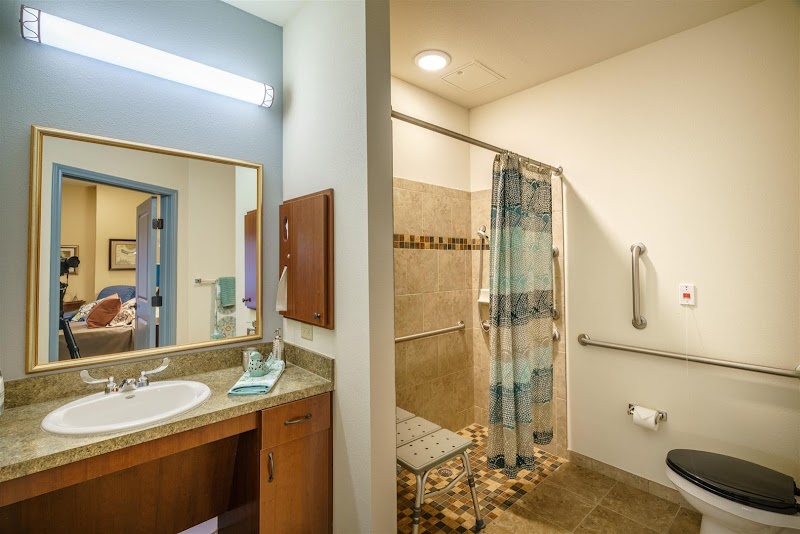
How is Windemere At Westover Hills Staffed?

CMS rates WINDEMERE AT WESTOVER HILLS's staffing level at 3 out of 5 stars, which is average compared to other nursing homes. Staff turnover is 52%, compared to the Texas average of 46%.

What Have Inspectors Found at Windemere At Westover Hills?

State health inspectors documented 23 deficiencies at WINDEMERE AT WESTOVER HILLS during 2022 to 2025. These included: 2 Immediate Jeopardy (the most serious level, indicating potential for serious harm or death) and 21 with potential for harm. Immediate Jeopardy findings are rare and represent the most serious regulatory concerns. They require immediate corrective action.
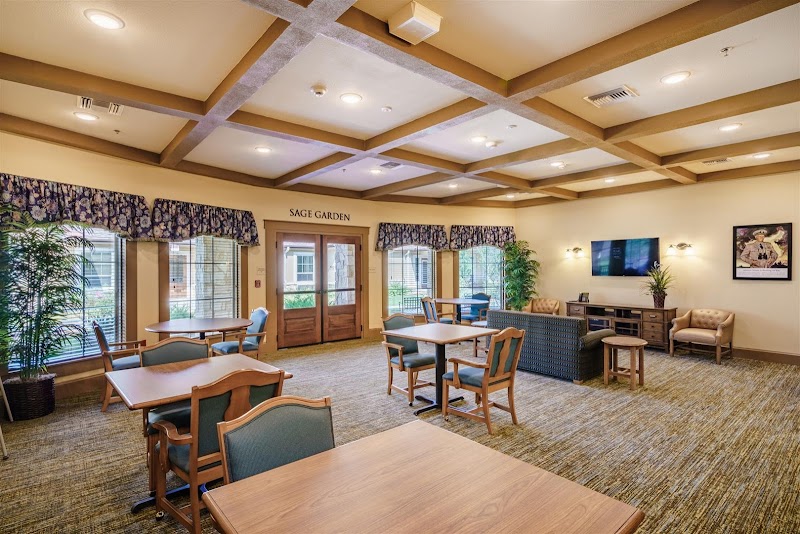
Who Owns and Operates Windemere At Westover Hills?

WINDEMERE AT WESTOVER HILLS is owned by a government entity. Government-operated facilities are typically run by state, county, or municipal agencies. The facility is operated by CANTEX CONTINUING CARE, a chain that manages multiple nursing homes. With 112 certified beds and approximately 107 residents (about 96% occupancy), it is a mid-sized facility located in SAN ANTONIO, Texas.

How Does Windemere At Westover Hills Compare to Other Texas Nursing Homes?

Compared to the 100 nursing homes in Texas, WINDEMERE AT WESTOVER HILLS's overall rating (3 stars) is above the state average of 2.8, staff turnover (52%) is near the state average of 46%, and health inspection rating (2 stars) is below the national benchmark.

What Should Families Ask When Visiting Windemere At Westover Hills?

Based on this facility's data, families visiting should ask: "What changes have been made since the serious inspection findings, and how are you preventing similar issues?" "Can I visit during a mealtime to observe dining assistance and food quality?" "How do you handle medical emergencies, and what is your hospital transfer rate?" "Can I speak with family members of current residents about their experience?" These questions are particularly relevant given the facility's Immediate Jeopardy citations.

Is Windemere At Westover Hills Safe?

Based on CMS inspection data, WINDEMERE AT WESTOVER HILLS has documented safety concerns. Inspectors have issued 2 Immediate Jeopardy citations (the most serious violation level indicating risk of serious injury or death). The facility has a 3-star overall rating and ranks #1 of 100 nursing homes in Texas. Families considering this facility should ask detailed questions about what corrective actions have been taken since these incidents.

Do Nurses at Windemere At Westover Hills Stick Around?

WINDEMERE AT WESTOVER HILLS has a staff turnover rate of 52%, which is 6 percentage points above the Texas average of 46%. Moderate turnover is common in nursing homes, but families should still ask about staff tenure and how the facility maintains care continuity when employees leave.

Was Windemere At Westover Hills Ever Fined?

WINDEMERE AT WESTOVER HILLS has been fined $12,740 across 1 penalty action. This is below the Texas average of $33,206. While any fine indicates a compliance issue, fines under $50,000 are relatively common and typically reflect isolated problems that were subsequently corrected. Families should ask what specific issues led to these fines and confirm they've been resolved.

Is Windemere At Westover Hills on Any Federal Watch List?

WINDEMERE AT WESTOVER HILLS is not on any federal watch list. The most significant is the Special Focus Facility (SFF) program, which identifies the bottom 1% of nursing homes nationally based on persistent, serious quality problems. Not being on this list means the facility has avoided the pattern of deficiencies that triggers enhanced federal oversight. This is a positive indicator, though families should still review the facility's inspection history directly.