WINDSOR MISSION OAKS
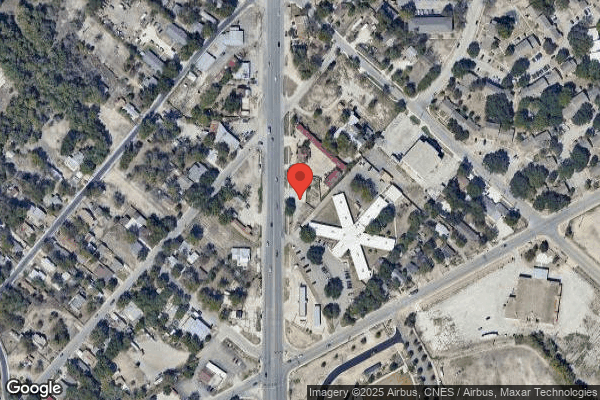
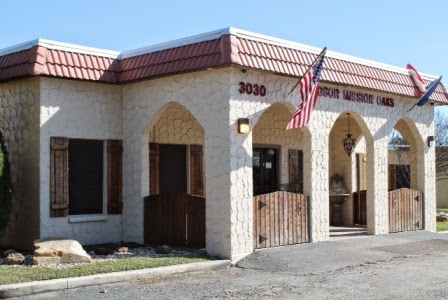
3030 S ROOSEVELT AVE, SAN ANTONIO, TX 78214 (210) 924-8151
Non profit - Other 150 Beds WELLSENTIAL HEALTH Data: November 2025 1 Immediate Jeopardy citation
Trust Grade
36/100
#899 of 1168 in TX
Last Inspection: June 2025

Inspected within the last 6 months. Data reflects current conditions.

Overview

Windsor Mission Oaks has received a Trust Grade of F, indicating significant concerns about the facility's quality and care. With a state ranking of #899 out of 1,168 Texas facilities and #42 out of 62 in Bexar County, it falls in the bottom half, suggesting that there are many better options available. The facility is showing signs of improvement, with the number of identified issues decreasing from 15 in 2024 to 10 in 2025. Staffing is relatively stable, with a turnover rate of 30%, which is lower than the Texas average, though the overall staffing rating is only 2 out of 5 stars. However, there are serious concerns highlighted in recent inspections, including a critical incident where a resident was able to leave the facility unsupervised, posing a significant elopement risk. Additionally, the kitchen had multiple safety violations related to food storage and sanitation, which could potentially lead to foodborne illnesses for residents. While there are some strengths, such as improved staffing stability, the facility's overall performance raises red flags for families considering care for their loved ones.

Trust Score
F
36/100
In Texas
#899/1168
Bottom 24%
Safety Record
High Risk
Review needed
Inspections
Getting Better
15 → 10 violations
Staff Stability
○ Average
30% turnover. Near Texas's 48% average. Typical for the industry.
Penalties
✓ Good
$10,842 in fines. Lower than most Texas facilities. Relatively clean record.
Skilled Nurses
⚠ Watch
Each resident gets only 14 minutes of Registered Nurse (RN) attention daily — below average for Texas. Fewer RN minutes means fewer trained eyes watching for problems.
Violations
⚠ Watch
37 deficiencies on record. Higher than average. Multiple issues found across inspections.
★★☆☆☆
2.0
Overall Rating
★★☆☆☆
2.0
Staff Levels
★☆☆☆☆
1.0
Care Quality
★★★☆☆
3.0
Inspection Score
Stable
2024: 15 issues
2025: 10 issues

The Good

  • Full Sprinkler Coverage · Fire safety systems throughout facility
  • No fines on record
  • Staff turnover below average (30%)

    18 points below Texas average of 48%

Facility shows strength in fire safety.

The Bad

2-Star Overall Rating

Below Texas average (2.8)

Below average - review inspection findings carefully

Staff Turnover: 30%

16pts below Texas avg (46%)

Typical for the industry

Federal Fines: $10,842

Below median ($33,413)

Minor penalties assessed

Chain: WELLSENTIAL HEALTH

Part of a multi-facility chain

Ask about local staffing decisions and management

The Ugly 37 deficiencies on record

1 life-threatening
Jun 2025 10 deficiencies
CONCERN (D)

Potential for Harm - no one hurt, but risky conditions existed

Deficiency F0552 (Tag F0552)

Could have caused harm · This affected 1 resident

**NOTE- TERMS IN BRACKETS HAVE BEEN EDITED TO PROTECT CONFIDENTIALITY** Based on interview and record review the facility failed to ensure the resident had the right to be informed in advance of the r...

Read full inspector narrative →
**NOTE- TERMS IN BRACKETS HAVE BEEN EDITED TO PROTECT CONFIDENTIALITY** Based on interview and record review the facility failed to ensure the resident had the right to be informed in advance of the risks and benefits of proposed care, of treatment and treatment alternatives or treatment options, and to choose the alternative or option he preferred for 1 of 3 Residents (Resident #91) whose records were reviewed for informed consent. The facility failed to ensure psychoactive medication consents for Resident #91's were signed and dated by his Guardian for the use of Zyprexa (antipsychotic medication), Haldol (antipsychotic medication), Perseris (atypical antipsychotic), Zoloft (anti-depressant) and Trazodone (anti-depressant). This failure could place residents at risk for receiving psychoactive medications without consent and knowledge of side effects. The findings were: Record review of Resident #91's admission Record dated 6/27/2025 revealed a [AGE] year-old-man admitted [DATE] and re-admitted on [DATE] with diagnoses which included: Schizoaffective Disorder (a mental health condition including schizophrenia and mood disorder symptoms); Anxiety Disorder (condition with intense, excessive, and persistent worry and fear about everyday situations) and Major Depressive Disorder (mental health disorder characterized by persistently depressed mood or loss of interest in activities). Further review revealed Resident #91 had a legal guardian. Record review of Resident #91's annual MDS assessment dated [DATE] revealed he had a BIMS score of 14 indicating intact cognition and was taking anti-psychotic, anti-anxiety, and anti-depressant medications. Record review of Resident #91's Order Summary dated 6/27/2025 revealed orders which included: - Haloperidol Lactate Oral Concentrate 2mg/ml - Give 2 ml by mouth two times a day related to Schizoaffective Disorder, Bipolar Type. - Perseris Prefilled Syringe 120mg (Risperidone ER). Inject 120 mg subcutaneously one time a day starting on the last day of month and ending on the last day of month every month related Schizoaffective Disorder, Bipolar Type. - Trazodone HCL Oral Tablet 150mg. Give 1 tablet by mouth at bedtime for insomnia. - Zoloft Oral Tablet 50 mg (Sertraline HCL) Give 1 tablet by mouth one time a day related Schizoaffective Disorder, Bipolar Type; Anxiety Disorder. - Zyprexa Zydis Oral Tablet Disintegrating 15mg (Olanzapine) Give 1 tablet by mouth at bedtime related Schizoaffective Disorder, Bipolar Type. Record review of Resident #91's Care Plan initiated 04/05/2021 revealed problem areas which included: -use of antipsychotic medications (Zyprexa, Perseris, Haldol) r/t Schizoaffective disorder bipolar type; -use of anti-anxiety medications (Ativan) r/t Anxiety disorder; -use of antidepressant medication (Trazodone, Zoloft) r/t insomnia, depression. Interventions on these problem areas of the Care Plan included intervention to Educate the resident/family/caregivers about risks, benefits and the side effects and/or toxic symptoms of psychotropic medication drugs being given Interview was attempted with Resident #91 on 06/24/2025 at 12:00 p.m. but he was unable to answer any questions about the medications he takes. Record review of Resident #19's Consent for Antipsychotic or Neuroleptic Medication Treatment for Zyprexa, Haldol and Perseris reflected it was signed by the Health Care Professional recommending treatment on 4/15/2021, but the signature of the Legal Guardian was not dated. Record review of Resident #19's Informed Consent for Psychoactive Medications for the medications Zoloft and Trazodone reflected it did not include the dates of the signature of the facility representative providing the information or the date telephone consent was obtained from the Legal Guardian. During an interview on 06/26/2025 at 2:56 p.m., ADON-C stated she was the facility representative who signed the Informed Consent and obtained the telephone consent from Resident #19's Legal Guardian for his Zoloft and Trazodone and confirmed she had not dated her signature or the telephone consent from the Legal Guardian. ADON-C further stated she failed to ensure the signature of the Legal Guardian was dated for his combined consent for the Zyprexa, Haldol and Perseris. ADON-C stated she must have just forgotten to date the signatures on the consents, and stated that it was important to have signatures dated on the consents to show that proper consent was obtained prior to starting the medication or treatment. Record review of the facility policy titled use of Psychotropic medications dated 03/05/2025 revealed: - Prior to initiating or increasing a psychotropic medication, the resident, family, and/or resident representative must be informed of the benefits, risks, and alternatives for the medication, including any black box warnings for antipsychotic medications, in advance of such initiation or increase; and -The facility will document that the resident or resident representative was informed in advance of the risks and benefits of the proposed care, the treatment alternatives or other options and the preferred option to accept or decline in a format the facility deems to use (e.g., written consent form, narrative note, etc.). .
CONCERN (D)

Potential for Harm - no one hurt, but risky conditions existed

Deficiency F0657 (Tag F0657)

Could have caused harm · This affected 1 resident

**NOTE- TERMS IN BRACKETS HAVE BEEN EDITED TO PROTECT CONFIDENTIALITY** Based on interviews and record reviews, the facility failed to ensure a comprehensive care plan was reviewed and revised by the ...

Read full inspector narrative →
**NOTE- TERMS IN BRACKETS HAVE BEEN EDITED TO PROTECT CONFIDENTIALITY** Based on interviews and record reviews, the facility failed to ensure a comprehensive care plan was reviewed and revised by the interdisciplinary team after each assessment, including both the comprehensive and quarterly review assessments for 1 of 29 residents (Resident #49) reviewed for care plans. 1. The facility failed to revise Resident #49's comprehensive care plan to include a diagnosis of depression.2. The facility failed to revise Resident #49's comprehensive care plan to include the resident's use of a psychotropic medication (Sertraline).These failures could place residents at risk of not receiving appropriate interventions to meet their current health needs.The findings were: 1. Record review of Resident #49's face sheet dated 06/25/2025 revealed the resident was a [AGE] year old male with diagnoses that included: Type II diabetes with hyperglycemia (a chronic condition when the body cannot use insulin correctly and sugar builds up in the blood), fracture of surgical neck of right humerus (a break in the upper arm bone where it connects to the shoulder joint), hypertensive heart disease (heart conditions that develop as result of high blood pressure) and major depressive disorder, single episode (a severe depressive episode lasting at least two weeks marked by persistent sadness, loss of interest in previously enjoyed activities, and significant impairment in daily functioning).Record review of Resident #49's significant change MDS dated [DATE] revealed a BIMS score of 10/15, indicating the resident had moderately impaired cognition. Section I - Active Diagnoses revealed I5800, Depression (other than Bipolar) was checked.Record review of Resident #49's quarterly MDS dated [DATE] revealed a BIMS score of 15/15, indicating the resident had intact cognition. Section I - Active Diagnoses revealed I5800, Depression (other than Bipolar) was checked.Record review of Resident #49's Active Diagnoses List dated 06/26/2025 revealed a diagnosis of Major Depressive Disorder, Single Episode, Unspecified. The date of the diagnosis was 02/07/2025.Record review of Resident #49's comprehensive care plan, revised 06/24/2025, revealed a focus area noting Resident #49 had the potential to be physically aggressive, initiated 03/25/2025. Interventions included administering medications as ordered and psychiatric/psychogeriatric consult as indicated. There was no focus area indicating a diagnosis of depression, goals, or interventions for the diagnosis.2. Record review of Resident #49's Active Orders as of 06/26/2025 revealed an order for: Zoloft Oral Tablet 25 MG (Sertraline HCl) Give 1 tablet by mouth one time a day for depression. Active 02/07/2025, Start Date 02/08/2025. No end date was indicated.Record review of Resident #49's significant change MDS dated [DATE] and quarterly MDS dated [DATE] revealed both indicated in Section N0415. High-Risk Drug Classes: Use and Indication, C., Antidepressant was checked.Record review of Resident #49's comprehensive care plan, revised 06/24/2025, revealed there was no focus area indicating the use of a psychotropic medication, goals, or interventions for this medication.During an interview on 06/27/2025 at 1:05 PM, MDS RN O stated both Resident #49's diagnosis of depression and his use of a psychotropic medication were not noted as focus areas in his updated comprehensive care plan and should have been. He was responsible for updating care plans did not know why the diagnosis and medication were missed, as the resident received two MDS assessments since both the diagnosis was made and the medication was prescribed. He had a system for noting which residents required care plan updates and he simply missed updating Resident #49's care plan. MDS RN O stated it was important for the diagnosis of depression to be in the care plan so staff could monitor for signs and symptoms of depression, such as its potential effect on the resident's nutritional status and his interaction with others, and the for the psychotropic medication to be noted so staff could monitor for potential side effects.During an interview on 06/26/2025 at 1:30 PM, ADON C stated both Resident #49's diagnosis of depression and his order for the psychotropic medication Sertraline should have been noted in his comprehensive care plan, MDS RN O was responsible for updating resident care plans, and she could not explain the omissions in Resident #49's care plan.Record review of facility policy Care Plan Revisions Upon Status Change implemented 10/24/2022 revealed, The purpose of this procedure is to provide a consistent process for reviewing and revising the care plan for those residents experiencing a status change. 1. The comprehensive care plan will be reviewed, and revised as necessary, when a resident experiences a status change. 2. Procedure for reviewing and revising the care plan when a resident experiences a status change: a. Upon identification of a change in status, the nurse will notify the MDS Coordinator, the physician, and the resident representative, if applicable. b. The MDS Coordinator and the Interdisciplinary Team will discuss the resident condition and collaborate on intervention options. c. The team meeting discussion will be documented in the nursing progress notes. d. The care plan will be updated with the new or modified interventions. e. Staff involved in the care of the resident will report resident response to new or modified interventions. f. Care plans will be modified as needed by the MDS Coordinator or other designated staff member.
CONCERN (D)

Potential for Harm - no one hurt, but risky conditions existed

Tube Feeding (Tag F0693)

Could have caused harm · This affected 1 resident

**NOTE- TERMS IN BRACKETS HAVE BEEN EDITED TO PROTECT CONFIDENTIALITY** Based on observation, interview, and record review the facility failed to ensure that a resident who is fed by enteral means rec...

Read full inspector narrative →
**NOTE- TERMS IN BRACKETS HAVE BEEN EDITED TO PROTECT CONFIDENTIALITY** Based on observation, interview, and record review the facility failed to ensure that a resident who is fed by enteral means receives the appropriate treatment and services to prevent complications of enteral feeding for 1 of 1 resident (Resident #9 ) reviewed for enteral feeding (method to provide nutrition and fluids directly into digestive tract via a feeding tube): LVN Q failed to flush Resident #9's enteral feeding tube per physician's orders. This deficient practice could place residents who received enteral nutrition and medications at increased risk of aspiration, infection, bloating discomfort, and not receiving the full benefit of the medications administered. The findings included: Record review of Resident #9's admission Record dated 06/26/2025 revealed a [AGE] year-old man admitted on [DATE] with re-admission on [DATE], with diagnoses which included: Cerebral Infarction (stroke); Dysphagia (difficulty swallowing food or liquids); and Gastrostomy Status (a surgical procedure in which a tube is inserted directly into the stomach through the abdominal wall to provide a way to deliver nutrition, fluids, or medications). Record review of Resident #9's admission MDS assessment dated [DATE] revealed the resident was moderately cognitively impaired for daily decision-making skills and utilized an enteral feeding tube. Record review of Resident #9's Order Summary Report dated 06/26/2025 revealed the following Physician Orders: - Enteral Feed Order as needed Complete tube site care q shift. - Enteral Feed Order five times a day Flush with 130ml water before and after each feeding. - Enteral Feed Order five times a day related to APHASIA FOLLOWING CEREBRAL INFARCTION (169.320) Bolus with Two Cal HN 1 carton (237ml) 5x/day via Gtube. Provides 2375 Kcal, 99G protein, 830ml free water, 2130 total ml fluids + water flushes. Record review of Resident #9's comprehensive care plan with initiation date of 05/10/2024 revealed the resident required tube feeding related to Dysphagia, NPO, with interventions which included The resident is dependent with tube feeding and water flushes. See MD order for current feeding orders. Observation on 06/26/2025 at 11:00a.m. of Resident #9's bolus enteral feeding revealed LVN Q administered one-half carton of Two Cal HN formula without flushing Resident #9's G-tube with 130ml of water before administering the formula. LVN Q realized her mistake after pouring half the carton of formula into the syringe, and after the syringe was empty, LVN Q administered the 130ml of water, and then administered the last half of the Two Cal HN formula. During an interview on 06/26/2025 at 11:07 a.m., LVN Q stated she should have flushed Resident #9's g-tube with 130 ml of water prior to administering his bolus feeding of formula, but she was in a hurry and just forgot. She stated she realized her mistake after pouring the first half of his formula and tried to correct by administering the water midway through his bolus feeding. LVN Q stated not flushing the G-tube with water first could result in the G-tube not being cleared, and could cause clogging of the G-tube. During an interview on 06/26/2025 at 3:47 p.m., ADON-C stated LVN-Q should have followed physician orders and flushed the G-tube with the prescribed amount of water before administering Resident #9's formula, and that not flushing first could result in the tube becoming clogged. Record review of facility policy titled Enteral Tube Medication Administration dated 10/01/2019 revealed Check the medication administration record (MAR) to confirm the order: note the medication, dose, route (tube) and volume of water for flushing and Medication administration via tube requires flushing with water at several steps in the procedure .
CONCERN (E)

Potential for Harm - no one hurt, but risky conditions existed

Incontinence Care (Tag F0690)

Could have caused harm · This affected multiple residents

Based on observation, interview, and record review, the facility failed to ensure a resident who was incontinent of bladder received appropriate treatment and services to prevent urinary tract infecti...

Read full inspector narrative →
Based on observation, interview, and record review, the facility failed to ensure a resident who was incontinent of bladder received appropriate treatment and services to prevent urinary tract infections for 2 of 3 residents (Residents #30 and #41) reviewed for incontinent care, in that: 1. The facility failed to ensure CNA I thoroughly cleaned Resident #30 while providing incontinent care. 2. The facility failed to ensure CNA N used the right technique to clean Resident #41 while providing incontinent care. This deficient practice could place residents at-risk for infection and skin break down due to improper care practices. The findings were: 1. Record review of Resident #30's face sheet, dated 06/26/2025, revealed an admission date of 05/01/2012, and a readmission date of 04/23/2022 with diagnoses which included: Type 2 diabetes mellitus (high level of sugar in the blood), Chronic obstructive pulmonary disease (progressive lung disease characterized by airflow limitation), Hypertension (High blood pressure), Hyperlipidemia (Elevated level of any or all lipids(fat) in the blood), Bipolar disorder (Mental disorder characterized by periods of depression and periods of abnormally elevated mood), Major depressive disorder (mental disorder characterized by at least two weeks of pervasive low mood, low self-esteem, and loss of interest or pleasure), Osteoporosis (Condition causing bones to become fragile and brittle). Record review of Resident #30's Quarterly MDS assessment, dated 06/16/2025, revealed Resident #30 has a BIMS score of 12, which indicated moderate cognitive impairment. Further review revealed Resident #30 required extensive assistance with ADLs and was indicated to frequently be incontinent of bladder and occasionally incontinent of bowel. Record review of Resident #30's care plan, dated 09/08/2020, revealed a problem of The resident has functional bladder incontinence r/t Confusion, with a goal of The resident will remain free from skin breakdown due to incontinence and brief use through the review date. Observation on 06/26/2025 at 1:10 p.m. revealed, while providing incontinent care for Resident #30, CNA I did not clean the buttocks and hips areas of the resident. During an interview on 06/26/2025 at 1:20 p.m. CNA I stated she did not clean the resident's buttocks' cheeks area or the hips area. CNA I stated she should have cleaned the buttocks and hips areas. CNA I stated she was nervous. CNA I stated she received training for infection control and incontinent care within the last year. During an interview with ADON C on 06/27/2024 at 2:05 p.m., ADON C stated the buttocks and hips areas had to be cleaned. The ADON stated the regional trainer was the one training the staff for infection control and incontinent care and that the ADONs and the regional trainer would check the staff skills annually and as needed if a problem was noted. Review of the Facility's policy, titled Perineal care, dated 10/24/2022. revealed Cleanse buttocks and anus, front to back. 2. Record review of Resident #41's face sheet, dated 06/26/2025, revealed an admission date of 01/10/2014, and a readmission date of 10/31/2024 with diagnoses which included: Type 2 diabetes mellitus (high level of sugar in the blood), Hypertension High blood pressure), Dementia (decline in cognitive abilities), Chronic prostatitis (Inflammation of the prostate gland causing painful urination), Major depressive disorder (mental disorder characterized by at least two weeks of pervasive low mood, low self-esteem, and loss of interest or pleasure), Schizophrenia (mental disorder characterized by abnormal thought processes and an unstable mood). Record review of Resident #41's Quarterly MDS assessment, dated 06/09/2025, revealed Resident #41 has a BIMS score of 14, which indicated mild cognitive impairment. Further review revealed Resident #41 required extensive assistance with ADLs and was indicated to have an indwelling catheter and was always incontinent of bowel. Record review of Resident #41's care plan, dated 10/10/2018, revealed a problem of The resident has bowel incontinence r/t Dementia AEB confusion At risk for skin breakdown, with a goal of The resident will have no skin breakdown r/t incontinence through the review date. Observation on 06/26/2025 at 1:49 p.m. revealed, while providing incontinent care for Resident #41, CNA N used a back to front motion, from buttocks to scrotum, to clean the resident buttocks and scrotum area . During an interview on 06/26/2025 at 2:00 p.m. CNA N stated she used a back to front motion to clean Resident #41 and she should have used a front to back motion. She stated she was nervous. CNA N stated she received training for infection control and incontinent care within the last year. During an interview with ADON C on 06/27/2024 at 2:05 p.m., ADON C stated the staff should always use a front to back motion to clean residents to prevent the risk of cross contamination and infection for the residents. Review of the Facility's policy, titled Perineal care, dated 10/24/2022. revealed Cleanse buttocks and anus, front to back. Review of Peri-care: What Every Caregiver Needs to Know By mmLearn.org on Fri, Jun 14, 2019 revealed Moving from front to back, use warm water and a clean washcloth (or disposable wipes) to clean the perineal area. For females, this involves cleaning the inner legs, labia, and groin area while for men it requires cleaning the tip and shaft of the penis, along with the scrotum. Both men and women require cleaning of the anal area, which will involve turning the patient on his/her side.
CONCERN (E)

Potential for Harm - no one hurt, but risky conditions existed

Deficiency F0726 (Tag F0726)

Could have caused harm · This affected multiple residents

Based on observations, interviews and record reviews the facility failed to ensure that CNAs were able to demonstrate competency in skills and techniques necessary to care for residents' needs for 2 o...

Read full inspector narrative →
Based on observations, interviews and record reviews the facility failed to ensure that CNAs were able to demonstrate competency in skills and techniques necessary to care for residents' needs for 2 of 3 residents (Residents #30 and #41 ) by 2 of 8 CNAs (CNA I and CNA N) reviewed for competent staff, in that: 1. The facility failed to ensure CNA I thoroughly cleaned Resident #30 while providing incontinent care. 2. The facility failed to ensure CNA N used the right technique to clean Resident #41 while providing incontinent care. This deficient practice could place residents at-risk for infection and skin break down due to improper care practices. The findings were: 1. Record review of Resident #30's face sheet, dated 06/26/2025, revealed an admission date of 05/01/2012, and a readmission date of 04/23/2022 with diagnoses which included: Type 2 diabetes mellitus (high level of sugar in the blood), Chronic obstructive pulmonary disease (progressive lung disease characterized by airflow limitation), Hypertension (High blood pressure), Hyperlipidemia (Elevated level of any or all lipids(fat) in the blood), Bipolar disorder (Mental disorder characterized by periods of depression and periods of abnormally elevated mood), Major depressive disorder (mental disorder characterized by at least two weeks of pervasive low mood, low self-esteem, and loss of interest or pleasure), Osteoporosis (Condition causing bones to become fragile and brittle). Record review of Resident #30's Quarterly MDS assessment, dated 06/16/2025, revealed Resident #30 has a BIMS score of 12, which indicated mild to moderate cognitive impairment. Further review revealed Resident #30 required extensive assistance with ADLs and was indicated to frequently be incontinent of bladder and occasionally incontinent of bowel. Record review of Resident #30's care plan, dated 09/08/2020, revealed a problem of The resident has functional bladder incontinence r/t Confusion, with a goal of The resident will remain free from skin breakdown due to incontinence and brief use through the review date. Observation on 06/26/2025 at 1:10 p.m. revealed, while providing incontinent care for Resident #30, CNA I did not clean the buttocks and hips areas of the resident. During an interview on 06/26/2025 at 1:20 p.m. CNA I stated she did not clean the resident's buttocks' cheeks area or the hips area. CNA I stated she should have cleaned the buttocks and hips areas. CNA I stated she was nervous. CNA I stated she received training for infection control and incontinent care within the last year. During an interview with ADON C on 06/27/2024 at 2:05 p.m., ADON C stated the buttocks and hips areas had to be cleaned. The ADON stated the regional trainer was the one training the staff for infection control and incontinent care and that the ADONs and the regional trainer would check the staff skills annually and as needed if a problem was noted. Review of Facility's competency check for CNA I, dated 9/13/2024, revealed CNA I passed competency for infection control and incontinent care. Review of the Facility's policy, titled Perineal care, dated 10/24/2022. revealed Cleanse buttocks and anus, front to back. Review of Peri-care: What Every Caregiver Needs to Know By mmLearn.org on Fri, Jun 14, 2019 revealed Moving from front to back, use warm water and a clean washcloth (or disposable wipes) to clean the perineal area. For females, this involves cleaning the inner legs, labia, and groin area while for men it requires cleaning the tip and shaft of the penis, along with the scrotum. Both men and women require cleaning of the anal area, which will involve turning the patient on his/her side. 2. Record review of Resident #41's face sheet, dated 06/26/2025, revealed an admission date of 01/10/2014, and a readmission date of 10/31/2024 with diagnoses which included: Type 2 diabetes mellitus (high level of sugar in the blood), Hypertension High blood pressure), Dementia (decline in cognitive abilities), Chronic prostatitis (Inflammation of the prostate gland causing painful urination), Major depressive disorder (mental disorder characterized by at least two weeks of pervasive low mood, low self-esteem, and loss of interest or pleasure), Schizophrenia (mental disorder characterized by abnormal thought processes and an unstable mood). Record review of Resident #41's Quarterly MDS assessment, dated 06/09/2025, revealed Resident #41 has a BIMS score of 14, which indicated mild cognitive impairment. Further review revealed Resident #41 required extensive assistance with ADLs and was indicated to have an indwelling catheter and was always incontinent of bowel. Record review of Resident #41's care plan, dated 10/10/2018, revealed a problem of The resident has bowel incontinence r/t Dementia AEB confusion At risk for skin breakdown, with a goal of The resident will have no skin breakdown r/t incontinence through the review date. Observation on 06/26/2025 at 1:49 p.m. revealed, while providing incontinent care for Resident #41, CNA N used a back to front motion, from buttocks to scrotum, to clean the resident buttocks and scrotum area . During an interview on 06/26/2025 at 2:00 p.m. CNA N stated she used a back to front motion to clean Resident #41 and she should have used a front to back motion. She stated she was nervous. CNA N stated she received training for infection control and incontinent care within the last year. During an interview with ADON C on 06/27/2024 at 2:05 p.m., ADON C stated the staff should always use a front to back motion to clean residents to prevent the risk of cross contamination and infection for the residents. The ADON stated the regional trainer was the one training the staff for infection control and incontinent care and that the ADONs and the regional trainer would check the staff skills annually and as needed if a problem was noted. Review of Facility's competency check for CNA N, dated 07/06/2024, revealed CNA N passed competency for infection control and incontinent care. Review of the Facility's policy, titled Perineal care, dated 10/24/2022. revealed Cleanse buttocks and anus, front to back. Review of Peri-care: What Every Caregiver Needs to Know By mmLearn.org on Fri, Jun 14, 2019 revealed Moving from front to back, use warm water and a clean washcloth (or disposable wipes) to clean the perineal area. For females, this involves cleaning the inner legs, labia, and groin area while for men it requires cleaning the tip and shaft of the penis, along with the scrotum. Both men and women require cleaning of the anal area, which will involve turning the patient on his/her side.
CONCERN (E)

Potential for Harm - no one hurt, but risky conditions existed

Deficiency F0761 (Tag F0761)

Could have caused harm · This affected multiple residents

Based on observations, interviews, and record reviews the facility failed to store all drugs and biologicals in locked compartments under proper temperature controls, for 1 of 3 nurse medication carts...

Read full inspector narrative →
Based on observations, interviews, and record reviews the facility failed to store all drugs and biologicals in locked compartments under proper temperature controls, for 1 of 3 nurse medication carts (Hall 500 medication cart) reviewed for security and supervision and for one of one medication room reviewed for safe storage of medications requiring refrigeration. 1. The facility failed to ensure that LVN-R did not leave out a vial of insulin on top of the medication cart and leave that medication cart unlocked and out of line of sight when she went inside Resident #15's room to administer his medication.2. The facility failed to store medications within recommended temperature range in the medication refrigerator in the medication storage room.These deficient practices could place residents at risk of medication misuse or drug diversion and of not receiving therapeutic affect from their medications.The findings included:Observation on 06/26/2025 at 4:26 p.m., revealed LVN-R prepared Resident #15's insulin, drawing up 2 units of Novolin R into a syringe, and then entered Resident #15's room to administer his insulin. LVN-R left the vial of Novolin R unsecured on top of the medication cart and the medication cart unlocked when she went in the room to administer the insulin. During an interview with LVN-R on 06/26/2025 at 4:36 p.m., LVN-R stated she should not have left the insulin vial unsecured on top of the medication cart and the medication cart unlocked when she went into Resident #15's room, as this could have resulted in another resident walking by and taking the insulin, or even getting into the medication cart.Interview on 06/26/2025 at 7:00 p.m. with ADON-C revealed she had already been informed of the incident by LVN-R, and stated LVN-R should not have left the insulin out unsecured, nor left the medication cart unlocked when she went into the resident's room, as this could have resulted in another resident taking the medication. The ADON stated that LVN-R had received training on medication administration, including keeping medications secure and locked.2. During an inspection of the medication refrigerator in the only medication room in the facility on 06/25/2025 at 8:47 a.m. with ADON-C, the temperature of the refrigerator was noted to be at 29 degrees Fahrenheit (F), and re-check 2 minutes later revealed a temperature of 30 degrees F. Inventory of medications stored in the refrigerator included:-22 vials of various insulin vials-8 Trulicity pens-9 containers of various eye drops including Latanoprost and Atropine-27 vials of Lorazepam (anti-anxiety medication)-1 container of Ciproflaxacin (antibiotic)- 4 vials of Perseris/Risperdal (anti-psychotic)-6 vials of Cogentin -2 suppositories of Bisocdyl-5 suppositories of APAP (Tylenol)Record review of the temperature log for medication refrigerator for the month of June 2025 revealed there were 17 of 25 daily entries which recorded a temperature below freezing (32 degrees F). There was no acceptable temperature range listed on the temperature log.During an interview with ADON-C on 06/25/2025 at 8:47 a.m. while inspecting the medication refrigerator revealed ADON-C was initially unable to state the recommended temperature range medications were supposed to be stored at and review of the June 2025 temperature log with ADON-C revealed that there was no temperature range listed on the refrigerator temperature log to provide guidance to the nurses checking the temperature when variances from that temperature should be reported and addressed. ADON-C stated that the temperature range should be on the refrigerator temperature log and she would ensure that it was added to the log and the Nurse's would be inserviced as to correct temperature and what to do if temperature out of range. During an interview on 06/26/2025 at 9:55 am. the Regional Nurse stated that medications stored in the refrigerator should not be stored at below freezing temperature, as this could affect the effectiveness and usability of the medications. She stated the pharmacist checked the medication storage monthly. Record review of the U.S. Food and Drug Administration Guidelines at https://www.fds.gov, current as of 09/19/2017 revealed that according to the product labels from all three U.S. insulin manufacturers, it was recommended that insulin be stored in a refrigerator at approximately 36-46 degree F.Record review of the facility policy titled Medication Carts and Supplies for Administering Meds dated 10/01/2019 revealed Do not leave the medication cart unlocked or unattended in the resident care area. The section of the policy titled Supplies revealed a temperature log with acceptable temperature ranges for each area should be maintained at all times
CONCERN (E)

Potential for Harm - no one hurt, but risky conditions existed

Infection Control (Tag F0880)

Could have caused harm · This affected multiple residents

Based on observation, interviews, and record reviews, the facility failed to maintain an infection prevention and control program designed to provide a safe, sanitary, and comfortable environment and ...

Read full inspector narrative →
Based on observation, interviews, and record reviews, the facility failed to maintain an infection prevention and control program designed to provide a safe, sanitary, and comfortable environment and to help prevent the development and transmission of communicable disease and infection for 3 of 6 residents (Residents #23, #41 and, #46)) reviewed for infection control, in that: 1. While providing transfer assistance for Resident #23, CNA H failed to use proper infection control. 2. While providing catheter care for Resident #41, CNA N and CNA M failed to use proper infection control. 3. While providing incontinent care for Resident #46, CNA K failed to use use proper infection control. These deficient practices could place residents at-risk for infection due to improper care practices. These findings included: 1. Record review of Resident #23's face sheet, dated 06/26/2025, revealed an admission date of 05/07/2025, with diagnoses which included: Dementia (decline in cognitive abilities), Hypothyroidism (under active thyroid), Bipolar disorder (Mental disorder characterized by periods of depression and periods of abnormally elevated mood), Parkinson's disease (movement disorder of the nervous system that worsens over time), Hypertension (High blood pressure), Hyperlipidemia (Elevated level of any or all lipids(fat) in the blood). Record review of Resident #23's MDS Quarterly assessment, dated 05/22/2025, revealed the resident had a BIMS score of 15, indicating no cognitive impairment. Resident #23 required extensive assistance with his activities of daily living and was always incontinent of bowel and bladder. Record review of Resident #23's care plan revealed a care plan initiated 05/07/2025 with a problem of The resident has an ADL self-care performance deficit r/t Dementia, Limited Mobility, Limited ROM, Stroke., and an intervention of TRANSFER: The resident requires Extensive assist and at times Mechanical Lift with 2 staff assistance for transfers. Observation on 06/26/25 at 12:58 p.m., revealed while providing transfer assistance for Resident #23, CNA H touched the bedroom's door to close it with her bare hands. CNA H did not sanitize or wash her hands before putting her gloves on, then, started to provide care for Resident #23. During an interview on 06/26/2025 at 1:05 p.m., CNA H stated the bedroom's door was considered dirty and she should sanitized her hands prior to putting gloves on and starting care. CNA H confirmed receiving training on infection control within the year. During an interview on 06/27/2025 at 2:05 p.m., ADON C stated the staff should have sanitize or wash their hands before putting gloves on and prior to start providing care for the resident. She stated it could cause a risk of cross contamination and infection for the resident. She revealed they provided training on infection control at least once a year and as needed. She revealed they checked the skills of the staff annually and as needed with the assistance of her ADONS and the Regional Trainer. Review of facility policy, titled Handwashing/Hand Hygiene, dated January 2018, revealed Perform hand hygiene before applying non-sterile gloves. 2. Record review of Resident #41's face sheet, dated 06/26/2025, revealed an admission date of 01/10/2014, and a readmission date of 10/31/2024 with diagnoses which included: Type 2 diabetes mellitus (high level of sugar in the blood), Hypertension High blood pressure), Dementia (decline in cognitive abilities), Chronic prostatitis (Inflammation of the prostate gland causing painful urination), Major depressive disorder (mental disorder characterized by at least two weeks of pervasive low mood, low self-esteem, and loss of interest or pleasure), Schizophrenia (mental disorder characterized by abnormal thought processes and an unstable mood). Record review of Resident #41's Quarterly MDS assessment, dated 06/09/2025, revealed Resident #41 had a BIMS score of 14, which indicated mild cognitive impairment. Further review revealed Resident #41 required extensive assistance with ADLs and was indicated to have an indwelling catheter and be always incontinent of bowel. Record review of Resident #41's care plan, dated 10/10/2018, revealed a problem of The resident has bowel incontinence r/t Dementia AEB confusion At risk for skin breakdown, with a goal of The resident will have no skin breakdown r/t incontinence through the review date. Observation on 06/26/25 at 1:49 p.m., revealed while providing catheter care for Resident #41, the catheter strap bag fell on the floor, CNA M picked it from the floor and placed it on the side table. CNA M, later used the catheter strap on the resident. CNA M touched the bed and bed remote with her gloved hands and started providing care without changing her gloves. CNA M changed her gloves after cleaning the resident buttocks but did not sanitize her hands before putting clean gloves on. CNA N touched the gown on herself she was going to use during care before washing her hands ( the resident was on EBP). During an interview on 06/26/2025 at 2:00 p.m., CNA N stated she should have not touched the gown before washing her hands. CNA M stated the environment around the resident was considered dirty. CNA M confirmed she should not have picked the catheter strap from the floor and should have changed gloves and sanitized her hands before proving care after touching the bed and bed remote. CNA M stated she should have sanitized her hands between change of gloves. CNA N and CNA M confirmed receiving training on infection control within the year. During an interview on 06/27/2025 at 2:05 p.m., ADON C stated the staff should have sanitized or washed their hands before putting gloves on and prior to start providing care for the resident. She stated supply that had fallen to the floor should not be picked up and used. She stated it could cause a risk of cross contamination and infection for the resident. She revealed they provided training on infection control at least once a year and as needed. She revealed they checked the skills of the staff annually and as needed with the assistance of her ADONS and the Regional Trainer. Review of the Facility's policy, titled Handwashing - Hand Hygiene, dated January 2018, revealed Use an alcohol-based rub [ .] After contact with blood or bodily fluids, after handling used dressing, contaminated equipment, etc, after contact with objects in the immediate vicinity of the resident, after removing gloves 3. Record review of Resident #46's face sheet, dated 06/26/2025, revealed an admission date of 08/29/2024, and a readmission date of 02/15/2025 with diagnoses which included: Schizoaffective disorder (mental disorder characterized by abnormal thought processes and an unstable mood), Vascular dementia (decline in cognitive abilities due to reduce blood flow in the brain), Type 2 diabetes mellitus (high level of sugar in the blood), Hypertension (High blood pressure), Hyperlipidemia (Elevated level of any or all lipids(fat) in the blood), Meniere's disease (chronic inner ear disease resulting in dizziness and problem hearing). Record review of Resident #46's Quarterly MDS assessment, dated 06/02/2025, revealed Resident #46 has a BIMS score of 12, which indicated moderate cognitive impairment. Further review revealed Resident #46 required extensive assistance with ADLs and was indicated to be frequently incontinent of bladder and be always incontinent of bowel. Record review of Resident #46's care plan, dated 09/10/2024, revealed a problem of The resident has FUNCTIONAL, MIXED bladder incontinence r/t Dementia, Impaired Mobility, with a goal of The resident's risk for septicemia (blood infection) will be minimized/prevented via prompt recognition and treatment of symptoms of UTI through the review date. Observation on 06/26/25 at 1:23 p.m., revealed while providing incontinent care for Resident #46, CNA K touched the privacy curtain to close it, with her bare hands. Then without sanitizing her hands and putting gloves on, she touched the clean supplies. CNA K touched the bed remote and the bed with her gloved hands. Without changing gloves and sanitizing her hands, she touched the cleaning wipes and started providing care for Resident #46. During an interview on 06/26/2025 at 1:30 p.m., CNA K stated the environment around the resident was considered dirty. CNA K confirmed she should have changed gloves and sanitized her hands before providing care after touching the bed and bed remote. She stated she was nervous and forgot. CNA K confirmed receiving training on infection control within the year. During an interview on 06/27/2025 at 2:05 p.m., ADON C stated the staff should have sanitized or washed their hands before putting gloves on and prior to start providing care for the resident. She stated it could cause a risk of cross contamination and infection for the resident. She revealed they provided training on infection control at least once a year and as needed. She revealed they checked the skills of the staff annually and as needed with the assistance of her ADONS and the Regional Trainer. Review of the Facility's policy, titled Handwashing - Hand Hygiene, dated January 2018, revealed Use an alcohol-based rub [ .] After contact with blood or bodily fluids, after handling used dressing, contaminated equipment, etc, after contact with objects in the immediate vicinity of the resident, after removing gloves
CONCERN (E)

Potential for Harm - no one hurt, but risky conditions existed

Safe Environment (Tag F0921)

Could have caused harm · This affected multiple residents

**NOTE- TERMS IN BRACKETS HAVE BEEN EDITED TO PROTECT CONFIDENTIALITY** Based on observation, interview, and record review, the facility failed to provide a safe, functional, sanitary, and comfortable...

Read full inspector narrative →
**NOTE- TERMS IN BRACKETS HAVE BEEN EDITED TO PROTECT CONFIDENTIALITY** Based on observation, interview, and record review, the facility failed to provide a safe, functional, sanitary, and comfortable environment for residents for 4 of 5 units (unit 100, 200, 300, and 400) observed for environment, in that: 1. The facility failed to ensure furniture was in a good state of repair in resident rooms. 2. The facility failed to secure chemical cleaners. 3. The facility failed to ensure outside doors were in a good state of repair. These deficient practices could place residents at risk of a diminished quality of life due to an unsafe environment.The findings included:1. Review of Resident #98's face sheet dated 06/26/2025, revealed an admission date of 11/09/2022 with diagnostics which included: Schizoaffective disorder (mental disorder characterized by abnormal thought processes and an unstable mood), Epilepsy (Seizures), Hypertension (High blood pressure), Hyperlipidemia (Elevated level of any or all lipids(fat) in the blood), Hemiplegia (Paralysis of one side of the body), Intellectual disability, Difficulty in walking.Review of Resident #98's Quarterly MDS assessment dated [DATE], revealed Resident #98 had a BIMS score of 13, indicating mild to moderate cognitive impairment. Resident #98 was ambulatory and required limited to extensive assistance with his activity of daily living. Review of Resident #98's care plan dated 03/13/2023 revealed a problem of The resident is Low risk for falls r/t impaired balance, gait' and a goal of The resident will not sustain serious injury through the review date.Observation on 06/26/25 at 11:30 a.m.during colostomy care for Resident # 98 provided by LVN F, revealed the footboard of the bed was not properly affixed to the bed and was moveable. The surveyor pushed on the right side of the footboard and the left side came up and off the end of the bed. The resident was observed ambulating out of his room with a shuffle and leaning on one side. During an interview on 06/26/2025 at 11:36 a.m. with Resident #98, he revealed he did not think he ever put his hand on the footboard when he was walking by the bed. (the foot board of the bed is by the door of the room).During an interview on 06/26/2025 at 11:37a.m. with the LVN F, she stated the footboard was moveable and was a risk for fall and injury if the resident was using it for support. She revealed any repair needs could be communicated to the maintenance supervision using the TELLS system on their laptop. She was not able to say for how long the footboard had been a concern. During an interview on 06/27/25 at 02:05 p.m. with the Administrator, he stated broken furniture was a risk for accident and injury and broken furniture should be immediately repaired or replaced. He was not aware Resident #98's bed was broken. There was no policy about repair and maintenance of furniture and equipment. 2. Observation at 06/24/2025 at 10:06 a.m. of the housekeeping supply closet on 100 unit revealed the closet was unlocked and contained four, one-gallon containers of cleaning agents including: odor neutralizer, detergent disinfectant, glass and surface cleaner, and tub and tile cleaner. The detergent disinfectant was labeled Danger Keep out of Reach of Children Call Poison Control if Swallowed. Further observation revealed the electronic lock on the supply closet door appeared inoperable. During an interview with Housekeeper A on 06/24/2025 at 10:07 a.m., Housekeeper a confirmed the supply closet was unlocked and should not have been since it contained chemical cleaners that were potentially unsafe for residents to handle. Housekeeper A stated she did not know that the lock was inoperable and that she would have reported it to the Maintenance Director via the TELS communication system if she had known. Observation on 06/24/2025 at 10:56 a.m. revealed the Maintenance Director repairing the lock on the housekeeping supply closet. During an interview with the Maintenance Director on 06/24/2025 at 10:56 a.m., the Maintenance Director stated the electronic lock on the supply closet door utilized batteries which had become oxidized, causing the lock to become inoperable. The Maintenance Director stated he did not know how long the lock had been inoperable and confirmed he was in the process of repairing it. During an interview with ADON C on 06/26/2025 at 3:42 p.m., ADON C stated the facility had no policy regarding Physical Environment. During an interview with the Administrator on 06/26/2025 at 4:00 p.m., the Administrator confirmed the facility had no policy regarding Physical Environment and stated his expectation was that cleaning agents with warning labels be kept secure and away from residents. 3. Observation and interview with the Maintenance Director on 06/26/2025 at 10:55 a.m. revealed the Maintenance Director confirmed there were spaces underneath the doors leading to the patio at the end of both 300 and 400 units. The Maintenance Director stated the spaces measured ½ inch and that the issue had not before been brought to his attention. The Maintenance Director stated it was possible for flies to enter the facility via the spaces under the doors and for air conditioning to exit. During an interview with ADON C on 06/26/2025 at 3:42 p.m., ADON C stated the facility had no policy regarding Physical Environment. During an interview with the Administrator on 06/26/2025 at 4:00 p.m., the Administrator confirmed the facility had no policy regarding Physical Environment and stated his expectation was that the facility structures be kept in good repair.
CONCERN (E)

Potential for Harm - no one hurt, but risky conditions existed

Deficiency F0925 (Tag F0925)

Could have caused harm · This affected multiple residents

Based on observation, interview, and record review, the facility failed to maintain an effective pest control program for 3 of 5 units (unit 100, 300, and 400) reviewed for effective pest control in t...

Read full inspector narrative →
Based on observation, interview, and record review, the facility failed to maintain an effective pest control program for 3 of 5 units (unit 100, 300, and 400) reviewed for effective pest control in that: Numerous flies were observed throughout the investigation period in and around units 100, 300, and 400. This deficient practice could result in diminished quality of life for residents die to living in an environment with pests. The findings were: Observations on 06/24/2025 between 10:10 a.m. and 11:30 a.m. revealed numerous flies in the hallway and in resident rooms on the 400 unit. Observation on 06/24/2025 at 11:49 a.m., during the lunchtime meal service, revealed numerous flies in the 100 unit dining room. Observation on 06/24/2025 at 11:55 a.m., during the lunchtime meal service, revealed numerous of flies in the dining room between units 300 and 400. During an interview with CNA B on 06/24/2025 at 11:56 a.m., CNA B confirmed there were numerous flies during the lunchtime meal service in the dining room between units 300 and 400. During a confidential interview with members of the Resident Council on 06/26/2025 at 10:30 a.m., the Resident Council stated flies were present throughout the facility and were very bothersome. Resident Council members stated they had observed flies in their rooms and in dining areas. Record review of the facility contracts revealed a contract, undated, for pest control service was in place. Record review of the pest control visit logs dated 02/01/2025 through 06/02/2025, revealed the pest control service visited the facility once per month. During an interview with ADON C on 06/26/2025 at 3:42 p.m., ADON C stated the facility had no policy regarding Pest Control. During an interview with the Administrator on 06/26/2025 at 4:00 p.m., the Administrator confirmed the facility had no policy regarding pest control. The Administrator stated that the pest control program had been ineffective regarding flies, and he planned to contact the pest control company and look for unorthodox solutions and was committed to keep trying until the pest control program was effective.
CONCERN (F)

Potential for Harm - no one hurt, but risky conditions existed

Food Safety (Tag F0812)

Could have caused harm · This affected most or all residents

Based on observation, interviews and record reviews, the facility failed to store, prepare, distribute, and serve food in accordance with professional standards for food service safety for 1 of 1 kitc...

Read full inspector narrative →
Based on observation, interviews and record reviews, the facility failed to store, prepare, distribute, and serve food in accordance with professional standards for food service safety for 1 of 1 kitchen reviewed for kitchen sanitation.1. The facility failed to label, date, and seal an opened bag of toasted oats cereal and three opened bags of pasta in the dry storage room. 2. The facility failed to store a mop, broom, and multiple mop heads in a sanitary manner in the utility closet.3. The facility failed to store three cases of water bottles off the floor in the storage area outside the kitchen.4. DA P failed to cover all his facial hair with a facial hair restraint while preparing food in the kitchen on 06/29/2025.These failures could place residents who received meals and snacks from the kitchen at risk for food borne illness.The findings included:1. Observation on 06/24/2025 at 9:30 AM in the dry storage room revealed an opened 35-oz. bag of toasted oats cereal on a shelf. The bag was approximately half-full, rolled down, and secured closed with two white labels. There was no marking on the bag indicating the date it was received or a use-by date, and the bag was not in a sealed in a zip-locked bag or sealed container. There were also three 10-lb. bags of pasta (egg noodles, macaroni noodles and tri-color pasta) that had been opened and closed by tying the tops of the bags in knots. The opened bags of pasta were not stored in zip-locked bags or sealed containers.During an interview on 06/24/2025 at 9:34 AM, the FSS stated the bag of cereal should have been labeled with a use-by date and sealed in a zip-locked bag or container and the bags of pasta should have been stored in zip-locked bags or containers. All dietary staff were trained by the DM on labeling, dating, and properly storing opened food upon hire and periodically throughout the year. Failing to store opened food in sealed containers could lead to the proliferation of pests and the potential of contamination with bacteria causing foodborne illness.2. Observation on 06/24/2025 at 9:39 AM in the utility closet revealed a soiled mop and a broom were stored head-side down on the floor inside the closet. There was also one used mop head on the floor and multiple used mop heads on top of a trash bag inside the closet.During an interview on 06/25/2025, the FSS stated the mop and broom should have been stored it in an upright position on the hooks inside the utility closet. The other mop heads should have been sent to laundry for cleaning and sanitizing. 3. Observation on 06/24/2025 at 9:48 AM revealed three cases of 0.5 L bottles of water (24 bottles/case) stacked on top of each other on the floor in the small dry storage area located outside the kitchen.During an interview on 06/24/2025 at 9:49 AM, the FSS stated the water bottles were on the floor of the storage area and should not have been. The facility had received a food delivery that morning, but the bottles of water were not delivered that day and should not have been on the floor. 4. Observation on 06/26/2025 at 9:35 AM in the kitchen revealed DA P stood next to the preparation table and used a spatula to transfer pieces of cake from a pan on the table to a blender on a table near the wall. DA P had a facial hair approximately 1/4 in length on his upper lip that extended the length of his mouth and approximately 1/2 in length that covered his chin and extended to his ears. DA P wore a facial hair restraint that only covered his chin. During an interview on 06/26/2025 at 9:36 AM, DA P stated he knew his facial hair restraint did not cover all his facial hair and should have. He had worked at the facility since 2003 and had been trained to cover his facial hair during food preparation. DA P stated he had just returned from the dish room as a reason his facial hair was not completely covered. He understood it was important to have all facial hair covered by a facial hair restraint to prevent potential cross contamination during food preparation.During an interview on 06/26/2025 at 9:38 AM, the FSS stated DA P's facial hair restraint should have covered all his facial hair and he had been trained upon hire to ensure it did.Record review of the facility's policy 03.003 Food Storage revised 06/01/2019 revealed, Policy: To ensure that all food served by the facility is of good quality and safe for consumption, all food will be stored according to the state, federal and US Food Codes and HACCP guidelines. Procedure: 1. Dry storage rooms. d. To ensure freshness, store opened and bulk items in tightly covered containers. All containers must be labeled and dated. h. Store all items at least 6 above the floor with adequate clearance between goods and ceiling to protect from overhead pipes and other contamination.Record review of the facility's policy 04.020 Janitor's Closet approved 10/01/2018 revealed, Policy: The facility will maintain the janitor's closet in a sanitary manner to minimize the risk of food hazards. The janitor's closet will be cleaned once per week or more often as needed. 1. Remove contents. Take dirty mop heads and cloths to laundry after each use. 8. Mops and brooms must be stored head up.Record review of the facility's policy 04.001 Employee Sanitation approved 10/01/2018 revealed, Policy: The Nutrition & Foodservice employees of the facility will practice good sanitation practices in accordance with the state and US Food Codes in order to minimize the risk of infection and food borne illness. 3. Employee Cleanliness Requirements. B. Hairnets, headbands, caps, beard coverings or other effective hair restraints must be worn to keep hair from food and food-contact surfaces.Record review of the Food Code, U.S. Public Health Service, U.S. FDA, 2022, U.S. Department of H&HS, revealed, 3-305.11, Food Storage, (A) Food shall be protected from contamination by storing the food: (1) In a clean, dry location; (2) Where it is not exposited to splash, dust, or other contamination; (3) At least 15 cm (6 inches) above the floor. 6-501.16 Drying Mops. After use, mops shall be placed in a position that allows them to air-dry without soiling walls, equipment, or supplies. 2-402. Hair Restraints. 2-402.11 Effectiveness. (A) .Food employees shall wear hair restraints such as hats, hair coverings or nets, beard restraints, and clothing that covers body hair, that are designed and worn to effectively keep their hair from contacting exposed food; clean equipment, utensils, and linens; and unwrapped single service and single-use articles.
May 2024 2 deficiencies
CONCERN (D) 📢 Someone Reported This

A family member, employee, or ombudsman was alarmed enough to file a formal complaint

Potential for Harm - no one hurt, but risky conditions existed

Report Alleged Abuse (Tag F0609)

Could have caused harm · This affected 1 resident

**NOTE- TERMS IN BRACKETS HAVE BEEN EDITED TO PROTECT CONFIDENTIALITY** Based on interviews and record review, the facility failed to ensure that all alleged violations involving abuse, neglect, explo...

Read full inspector narrative →
**NOTE- TERMS IN BRACKETS HAVE BEEN EDITED TO PROTECT CONFIDENTIALITY** Based on interviews and record review, the facility failed to ensure that all alleged violations involving abuse, neglect, exploitation, or mistreatment, including injuries of unknown source and misappropriation of resident property, were reported immediately, but not later than 2 hours to the State agency for 2 of 9 residents (Residents #1 and #5) reviewed for failure to report. 1. The facility did not report an allegation of misappropriation of property for Resident #1 to the State Agency. 2. The facility did not report an allegation of misappropriation of property for Resident #5 to the State Agency. This failure could place residents at risk of abuse, neglect, or misappropriation of resident property. Findings included: 1. Record review of the admission Record for Resident #1 revealed she was a [AGE] year-old female who was originally admitted to the facility on [DATE] with diagnoses which included: schizoaffective disorder (a chronic mental illness involving symptoms of schizophrenia and characterized by symptoms such as delusions and hallucinations), and multiple fractures of the pelvis. Record review of Resident #1's Quarterly MDS, dated [DATE], revealed the resident had a BIMS score of 14, indicating no cognitive impairment. Record review of a facility complaint/grievance report form, dated 03/29/2024, stated the nature of the complaint was, Resident #1 stated someone stole her cellular device from her room. Documentation of the facility follow-up on the report form dated 03/29/2024, listed the facility Social Worker as the person who was notified, and the Social Worker wrote, Social Services informed Resident #1 she will ask staff and look around the facility for her device. Resolution of the concern/grievance dated 04/01/2024 and completed by the facility Social Worker read, Social Services informed Resident #1 that she was not able to find/locate her phone. Social Services will contact phone company to see if phone can be replaced through Social Security. Update: Social Services verified that all residents are only allowed one phone per year. Further review revealed the report form was signed by the facility Social Worker and by the facility Administrator on 04/10/2024. During an interview with Resident #1 on 05/22/2024 at 10:40 a.m., the resident stated she believed someone stole her phone. Resident #1 stated she had received the phone from the facility Social Worker a few days prior to it going missing. The resident stated she had received the phone through a special program and showed the investigator a cellular phone box that included a phone number to the device. The resident stated she had the phone plugged in to the charger on her nightstand to charge it overnight and when she woke up in the morning, the phone was missing. Resident #1 stated she reported the missing phone directly to the facility Social Worker, and the Social Worker looked around her room, and told her she was only allowed one phone per year. During an interview with the Social Worker on 05/22/2024 at 11:30 a.m., the Social Worker stated she was responsible for completing grievance forms when items were reported missing. The Social Worker stated she filled out the form and then gave them to the Administrator to review and sign. When asked how missing items were investigated, the Social Worker stated she looks for the items and asks the staff if they have seen the items in question. When asked about Resident #1's grievance form, dated 03/29/2024, regarding the missing phone, the Social Worker stated she gave Resident #1 the new phone on Monday, 03/25/2024. The Social Worker further stated Resident #1 reported the phone as stolen to her on 03/29/2024. The Social Worker stated Resident #1 had reported the phone was charging on her nightstand overnight and was gone on the morning of 03/29/2024. The Social Worker stated she looked for Resident #1's phone and talked to staff about it. The Social Worker stated she notified the Administrator about Resident #1's missing phone and stated he was the Abuse Prevention Coordinator. The Social Worker further stated the Administrator should have reported the resident's missing phone and was not sure if it was reported by the Administrator to the state agency or the local police department. During an interview with the Administrator on 05/23/2024 at 2:20 p.m., the Administrator stated he was the Abuse Prevention Coordinator, and he was responsible for reporting allegations of abuse, neglect, and misappropriation of residents' property to the state agency. The Administrator stated he was not aware Resident #1's cellular phone had gone missing, and he did not remember being told about the missing phone. When asked if an allegation of a stolen phone should have been reported to the local police department and the state agency the Administrator stated, yes, if it meets the criteria of misappropriation, it should have been investigated and reported. The Administrator was shown a copy of the complaint/grievance reported dated 3/29/2024 regarding Resident's #1 reporting her phone as stolen and he responded, yes, that is my signature on the bottom and yes it should have been reported. When asked why it was important for allegations of abuse and misappropriation to be reported the Administrator stated, it's like the cry wolf theory, how do you know what happened if you do not investigate it. People don't get to pick and choose what is reportable. When asked what harm could happen to a resident if an allegation is not reported the Administrator responded, psychological harm could occur if it is not investigated and reported and they are missing their items. 2. Record review of the admission Record for Resident #5 revealed she was a [AGE] year-old female who was admitted to the facility on [DATE] with diagnoses which included: hypertension (heart problems caused by high blood pressure), and mild neurocognitive disorder (a type of progressive disease associated with abnormal deposits of protein called Lewy bodies in the brain which that leads to decline in thinking, reasoning, and independent function). Record review of Resident #5's Quarterly MDS, dated [DATE], revealed the resident had a BIMS score of 13, indicating no cognitive impairment. Record review of a facility complaint/grievance report form, dated 03/27/2024, stated the nature of the complaint was, Resident #5 stated someone stole her cellular device out of her room and she cannot find her device. Documentation of the facility follow-up on the report form, dated 03/27/2024, listed the person notified as the facility Social Worker and read, Social Services informed Resident #5 that she would look around the facility and ask staff for device (if they noticed where the device could be). The resolution of the concern/grievance, dated 04/01/2024, read, Social Services informed Resident #5 that she will continue looking for the device. Although she is only allowed 1 phone per year through Social Security. Resident #5 stated that she understood. Further review revealed the report form was signed by the Social Worker and by the Administrator on 04/10/2024. During an interview with the Social Worker on 05/22/2024 at 11:22 a.m., the Social Worker stated she had provided Resident #5 with a new cellular phone on 03/25/2024. The Social Worker stated Resident #5 reported to her on 03/27/2024 that her phone was stolen from her room. The Social Worker stated Resident #5 had told her the phone was on her nightstand when it went missing. The Social Worker stated she had no idea what happened to Resident #5's missing phone, and further stated the Administrator was notified of the allegation and signed the concern/grievance form. During an interview with Resident #5 on 05/22/2024 at 1:50 p.m., the resident stated she was provided a cellular phone by the Social Worker and had received the phone only a few days before it went missing. Resident #5 stated she left her phone on her nightstand while she went to lunch in the dining room, and when she returned to her room the phone was gone. The resident stated she reported the missing phone to the Social Worker, and the Social Worker told her, Nothing could be done about it. During an interview with the Administrator on 05/23/2024 at 2:20 p.m., the Administrator stated he did not remember being told Resident #5 reported her cellular phone as stolen. The Administrator did acknowledge signing the complaint/grievance report, dated 03/27/2024, regarding Resident #5's allegation of a stole cellular phone and stated it should have been reported to the local police and the state agency. The Administrator stated he was the Abuse Prevention Coordinator. When asked what harm could happen to a resident if an allegation is not reported the Administrator responded, psychological harm could occur if it is not investigated and reported and they are missing their items. Record review of the facility's policy titled, Abuse, Neglect, and Exploitation, dated 08/15/2022, revealed, It is the policy of this facility to provide protections for the health, welfare and rights of each resident by developing and implementing written policies and procedures that prohibit and prevent abuse, neglect, exploitation, and misappropriation of resident property. The facility will have written procedures that include: Reporting of all alleged violations to the Administrator, state agency, adult protective services, and to all other required agencies (e.g., law enforcement when applicable) within specified timeframes: a. immediately, but not later than 2 hours after the allegation is made, if the events that cause the allegation involve abuse or result in serious bodily injury, or b). Not later than 24 hours if the events that cause the allegation do not involve abuse and do not result in serious bodily injury.
CONCERN (D) 📢 Someone Reported This

A family member, employee, or ombudsman was alarmed enough to file a formal complaint

Potential for Harm - no one hurt, but risky conditions existed

Investigate Abuse (Tag F0610)

Could have caused harm · This affected 1 resident

**NOTE- TERMS IN BRACKETS HAVE BEEN EDITED TO PROTECT CONFIDENTIALITY** Based on interviews and record review, the facility failed to thoroughly investigate allegations of misappropriation of resident...

Read full inspector narrative →
**NOTE- TERMS IN BRACKETS HAVE BEEN EDITED TO PROTECT CONFIDENTIALITY** Based on interviews and record review, the facility failed to thoroughly investigate allegations of misappropriation of resident property for 2 of 9 residents (Residents #1 and #5) reviewed for the investigation of allegations. 1) The facility did not investigate when Residents #1 reported an allegation of misappropriation of property. 2) The facility did not investigate when Residents #5 reported an allegation of misappropriation of property. Findings included: 1. Record review of the admission Record for Resident #1 revealed she was a [AGE] year-old female who was originally admitted to the facility on [DATE] with diagnoses which included: schizoaffective disorder (a chronic mental illness involving symptoms of schizophrenia and characterized by symptoms such as delusions and hallucinations), and multiple fractures of the pelvis. Record review of Resident #1's quarterly MDS, dated [DATE], revealed the resident has a a BIMS score of 14, indicating no cognitive impairment. Record review of a facility complaint/grievance report form, dated 03/29/2024, stated the nature of the complaint was Resident #1 stated someone stole her cellular device from her room. Documentation of facility follow up on the report form dated 03/29/2024, listed the facility Social Worker as the person who was notified, and the Social Worker wrote, Social Services informed Resident #1 she will ask staff and look around the facility for her device. Resolution of the concern/grievance dated 04/01/2024 and completed by the facility Social Worker stated Social Services informed Resident #1 that she was not able to find/locate her phone. Social Services will contact phone company to see if phone can be replaced through Social Security. Update: Social Services verified that all residents are only allowed one phone per year. The report form is signed by the facility Social Worker and by the facility Administrator on 04/10/2024. During an interview with Resident #1 on 05/22/2024 at 10:40am, she stated that she believed someone stole her phone. Resident #1 said she had received the phone from the facility Social Worker a few days prior to it going missing. The resident stated said she had received the phone through a special program and showed the investigator a cellular phone box that included a phone number to the device. The resident stated she had the phone plugged in to the charger on her nightstand to charge it overnight and when she woke up in the morning, the phone was missing. Resident #1 stated she reported the missing phone directly to the facility Social Worker. and the Social Worker looked around her room and told her she was only allowed one phone per year. During an interview with the facility Social Worker on 05/22/2024 at 11:30am, the Social Worker stated she is responsible for completing grievance forms when items are reported missing. The Social Worker stated she fills out the form and then takes it to the Administrator to review and sign. When asked how missing items are investigated, the Social Worker stated she looks for the items and asks the staff if they have seen the items in question. When asked about Resident #1's grievance form, dated 03/29/2024, regarding the missing phone she stated she gave Resident #1 the new phone on Monday, 03/25/2024. The Social Worker further stated Resident #1 reported the phone as stolen to her on 03/29/2024 and said Resident #1 reported the phone was charging on her nightstand overnight and was gone on the morning of 03/29/2024. She stated she looked for Resident #1's phone in her room and laundry and talked to staff about it. She said she did not remember how many people she asked about it. When asked if she had documentation of an investigation and interviews, she said no. The Social Worker stated she notified the Administrator about it and stated he was the Abuse Prevention Coordinator. The Social Worker stated, he signed the grievance form and said the Administrator should have investigated it and was not sure if it was investigated by the Administrator. During an interview with the Administrator on 05/23/2024 at 2:20pm, the Administrator stated he was the Abuse Prevention Coordinator, and he was responsible for investing and reporting allegations of abuse, neglect, and misappropriation of resident property. He stated he was not aware that Resident #1's cellular phone had gone missing and stated he did not remember being told about the missing phone. When asked if an allegation of a stolen phone should have been investigated, he said yes, if it meets the criteria of misappropriation, it should have been investigated. The Administrator was shown a copy of the complaint/grievance reported dated 3/29/2024 regarding Resident's #1 reporting her phone as stolen and he responded yes, that is my signature on the bottom and yes it should have been investigated. When asked why it is important for allegations of abuse and misappropriation to be reported he stated it's like the cry wolf theory, how do you know what happened if you do not investigate it. People don't get to pick and choose what is reportable. When asked what harm could happen to a resident if an allegation is not reported the Administrator responded, psychological harm could occur if it is not investigated and reported and they are missing their items. 2. Record review of the admission Record for Resident #5 revealed she was a [AGE] year-old female who was admitted to the facility on [DATE] with diagnoses which included: hypertension (heart problems caused by high blood pressure), and mild neurocognitive disorder (a type of progressive disease associated with abnormal deposits of protein called Lewy bodies in the brain which that leads to decline in thinking, reasoning, and independent function). Record review of Resident #5's Quarterly MDS, dated [DATE], revealed the resident had a BIMS score of 13, indicating no cognitive impairment. Record review of a facility complaint/grievance report form, dated 03/27/2024, stated the nature of the complaint was, Resident #5 stated someone stole her cellular device out of her room and she cannot find her device. Documentation of facility follow-up on the report form, dated 03/27/2024, listed the person notified as the facility Social Worker and read, Social Services informed Resident #5 that she would look around the facility and ask staff for device (if they noticed where the device could be). The resolution of the concern/grievance, dated 04/01/2024, read, Social Services informed Resident #5 that she will continue looking for the device. Although she is only allowed 1 phone per year through Social Security. Resident #5 stated that she understood. Further review revealed the report form was signed by the Social Worker and by the Administrator on 04/10/2024. During an interview with the Social Worker on 05/22/2024 at 11:22 a.m., the Social Worker state she had provided Resident #5 with a new cellular phone on 03/25/2024. The Social Worker stated Resident #5 reported to her on 03/27/2024 that her phone was stolen from her room. The Social Worker stated Resident #5 had told her the phone was on her nightstand when it went missing. The Social Worker stated she had no idea what happened to Resident #5's missing phone, and further stated the Administrator was notified of the allegation and signed the concern/grievance form. During an interview with Resident #5 on 05/22/2024 at 1:50 p.m., the resident stated she was provided a cellular phone by the Social Worker and had received the phone only a few days before it went missing. Resident #5 stated she left her phone on her nightstand while she went to lunch in the dining room, and when she returned to her room the phone was gone. The resident stated she reported the missing phone to the Social Worker, and the Social Worker told her, Nothing could be done about it. During an interview with the Administrator on 05/23/2024 at 2:20 p.m., the Administrator stated he did not remember being told Resident #5 reported her cellular phone as stolen. The Administrator did acknowledge signing the complaint/grievance report, dated 03/27/2024, regarding Resident #5's allegation of a stole cellular phone and stated it should have been investigated. The Administrator stated he was the Abuse Prevention Coordinator. Record review of the facility Abuse, Neglect and Exploitation policy dated 08/15/2022 stated as the policy: It is the policy of this facility to provide protections for the health, welfare and rights of each resident by developing and implementing written policies and procedures that prohibit and prevent abuse, neglect, exploitation and misappropriation of resident property. The policy further stated The facility will have written procedures that include: Reporting of all alleged violations to the Administrator, state agency, adult protective services and to all other required agencies (e.g., law enforcement when applicable) within specified timeframes: a. immediately, but not later than 2 hours after the allegation is made, if the events that cause the allegation involve abuse or result in serious bodily injury, or b). Not later than 24 hours if the events that cause the allegation do not involve abuse and do not result in serious bodily injury.
May 2024 13 deficiencies 1 IJ
CRITICAL (J) 📢 Someone Reported This

A family member, employee, or ombudsman was alarmed enough to file a formal complaint

Immediate Jeopardy (IJ) - the most serious Medicare violation

Accident Prevention (Tag F0689)

Someone could have died · This affected 1 resident

**NOTE- TERMS IN BRACKETS HAVE BEEN EDITED TO PROTECT CONFIDENTIALITY** Based on observation, interview, and record review, the facility failed to ensure the resident environment remained as free of a...

Read full inspector narrative →
**NOTE- TERMS IN BRACKETS HAVE BEEN EDITED TO PROTECT CONFIDENTIALITY** Based on observation, interview, and record review, the facility failed to ensure the resident environment remained as free of accident hazards as possible and each resident received adequate supervision to prevent accidents for 1 of 3 residents (Resident #21) reviewed for accidents and supervision, in that: The facility failed to supervise Resident #21 who eloped from the facility on 05/02/24. An Immediate Jeopardy (IJ) was identified as past non-compliance on 05/07/24. The non-compliance began on 05/02/24 and ended on 05/04/24. The facility had corrected the non-compliance before the survey began on 05/05/24. This deficient practice could place residents who were elopement risks at-risk of harm, serious injury, or death. The findings included: Record review of the face sheet for Resident #21 dated 5/6/24 revealed the 55- year- old male resident was originally admitted to the facility on [DATE] and re-admitted on [DATE] with the following diagnoses: unspecified dementia (a condition of cognitive impairment that can have occur for various reasons), schizoaffective disorder (a condition that affects a person's mood and ability to think and behave clearly), and anxiety disorder (a condition in which there are strong feelings of worry or fear). Record review of Resident #21's Annual MDS dated [DATE] revealed the resident had a BIMS score of a 9 which indicated that the Resident was cognitively impaired. The MDS indicated that the resident exhibited a significant risk of wandering behavior. Record review of the Quarterly care plan for Resident #21 dated 4/10/24 revealed the resident had a risk of elopement potential. The interventions included identifying the pattern of wandering and distracting the resident from wandering with pleasant diversions and structured activities. Further review revealed the resident's care plan was changed on 5/2/24 to include the resident's elopement on 5/2/24. Record review of wandering assessment for Resident #21 dated 7/27/23 noted the resident had a history of wandering and was a risk for wandering behavior to continue. The wandering assessment was revised on 5/2/24 to include the elopement incident. Record review of the physician order summary for Resident #21 dated 5/8/24 revealed the resident was under the care of psychiatric services for medication management and behavior monitoring. Record review of the one-on-one supervision log for Resident #21 dated 05/08/24 revealed the resident was under continuous one-on -one supervision by nursing staff since return to the facility from the elopement with the plan for the on-on-one supervision to be continued. Observation from 05/05/24 to 05/08/24 between the hours of 8:00 a.m. and 4:00 p.m., of all the resident corridor hallways revealed the door alarms were in working order. During an interview with the DON on 5/6/24 at 11:15 a.m. regarding the elopement incident., the DON stated that Resident #21 had eloped from the facility on 5/2/24 during the 4:00 p.m. smoke break. The DON stated that at the initiation time of the smoke breaks the hall corridor doors alarms for the four resident hallways were disengaged by the activity staff to allow the residents to enter the outside smoking area and then re-engaged when the smoke break was over. The DON stated on 5/2/24 Resident #21 had not joined the resident smoking group but instead walked independently around the fence perimeter and proceeded to remove several of the boards from the eight- foot- high fence and scaled the fence to leave the facility property at 4:20 p.m. The DON further stated that upon noticing the fence breakage, the staff began an immediate elopement protocol which included resident head count to determine that Resident #21 was missing along with notification of the local police department, the physician, and the resident's responsible party. The DON stated that multiple facility staff also conducted a grounds and neighborhood hood search for the resident who was located at 5:15 p.m. several blocks away from the facility and was then returned to the facility. The DON stated a complete Head- to- Toe assessment of Resident #21 was completed and revealed no injuries. The DON stated that the resident said he was glad to be back at the facility and had been looking for a soda and a bakery. The DON stated that upon Resident #21's return to the facility, the resident was placed immediately on 24 hour one-on-one supervision. The DON further stated that the practice of the hall corridor alarms being de-activated during the smoke breaks was immediately terminated and all hall corridor door alarms would stay activated at all times. The DON stated that the resident's 24/7 one-on-one supervision would continue until a new fencing structure was put into place on the facility grounds which would restrict all resident access to any outside area which was not in direct visual observation of the staff who were outside with the residents. The DON stated that he and the ADON staff routinely did outside perimeter rounds of the facility ground several times a day. During an interview with the Administrator on 5/6/24 at 1:45 p.m., the Administrator stated that he had ordered that all resident corridor doors keep their door alarms engaged at all times. The Administrator further stated that he had approved the construction of a 10- foot tall fence on the outside grounds of the facility which would restrict resident access to only being under the direct visual observation of the staff at all times. During an interview with the Regional [NAME] President for Operations on 5/6/24 at 1:50 p.m., the Regional [NAME] President for Operations stated that he had authorized the financial payment for the facility's fence construction to prevent resident elopement. During an interview with the Maintenance Director on 5/6/24 at 3:00 p.m., the Maintenance Director stated that he completed regular inspections of the outside fence area surrounding the facility for structural integrity. The Maintenance Director further stated that the resident hallway door alarm codes were changed on a monthly basis. The Administrator was notified on 5/7/24 at 4:00 p.m., that a past non-compliance IJ situation had been identified due to the above failure. It was determined the failures placed Resident #21 in an IJ situation on 5/7/24. The facility implemented the following interventions. During an interview with CNAs M and N on 5/6/24 from 3:10 p.m. to 3:20 p.m., CNAs M and N stated they completed three outside perimeter checks of the facility perimeter during their 2:00 p.m. to 10:00 p.m. shift assignments. During an interviews on 5/6/24 at from 4:15 p.m. to 4:54 p.m. the Housekeeping Supervisor, 8 CNAs (P, Q, R,S, T, U, V and X), NA W, 4 LVNs (Y, AA, DD And BB), 2 RNs (The DON and Z ), Activity Aide CC who stated they had received the facility in-service on elopement conducted from 5/2/24 -5/4/24 and which included: information on a-routine resident 2 hour checks, awareness of the elopement binder, and monitoring residents for exit seeking behaviors such as checking exits, pushing on doors, and verbalizing wanting to leave the facility. The Housekeeping Supervisor stated that the staff work as a team to prevent resident elopements which included 3 facility perimeter checks during the 2-10:00 p.m. shift. During an interview on 5/7/24 from 8:00 a.m. to 8:34 a.m. with 10 CNAs (EE, C, FF, GG, HH, II, JJ, D, E, KK) 7LVNs (LL, MM, ADON A, ADON B, OO, QQ, and G) RN PP at 8:00 a.m., who confirmed she had received the facility in-service on elopement conducted from 5/2/24 -5/4/24 and which included: information on a-routine resident 2 hour checks, awareness of the elopement binder, and monitoring residents for exit seeking behaviors such as checking exits, pushing on doors, and verbalizing wanting to leave the facility. The CNA EE stated that the staff work as a team to prevent resident elopements which included facility perimeter checks during the 2:00 p.m.-10:00 p.m. shift. Record review of the fence construction estimate at the facility, dated 5/7/24 revealed the estimate was approved. Record review of the facility's policy titled, Elopements and Wandering Residents, dated 11/21/22, revealed, the facility is to ensure that residents who exhibit wandering behavior and are at risk for elopement receive adequate supervision to prevent accidents and receive care related to their elopement risk.
CONCERN (D) 📢 Someone Reported This

A family member, employee, or ombudsman was alarmed enough to file a formal complaint

Potential for Harm - no one hurt, but risky conditions existed

Deficiency F0558 (Tag F0558)

Could have caused harm · This affected 1 resident

**NOTE- TERMS IN BRACKETS HAVE BEEN EDITED TO PROTECT CONFIDENTIALITY** Based on observations, interviews, and record review, the facility failed to ensure that residents had the right to reside and r...

Read full inspector narrative →
**NOTE- TERMS IN BRACKETS HAVE BEEN EDITED TO PROTECT CONFIDENTIALITY** Based on observations, interviews, and record review, the facility failed to ensure that residents had the right to reside and receive services in the facility with reasonable accommodation of resident needs and preferences except when to do so would endanger the health or safety of the resident or other residents for 1 of 4 residents (Resident #94) reviewed for reasonable accommodations and preferences, in that: The facility failed to ensure Resident #94's call light was within reach. This failure could place residents at risk of achieving independent functioning, dignity, and well-being. Findings include: Record review of Resident #94's face sheet, dated 5/5/24, revealed a [AGE] year-old male admitted to the facility on [DATE] with diagnoses that included: dementia (impaired ability to remember, think, or make decisions that interfere with doing everyday activities), HIV [human immunodeficiency virus] (a virus that attacks the body's immune system), and Encephalopathy (means damage or disease that affects the brain). Record review of the Quarterly MDSn dated 2/19/24, reflected BIMS score of 11 which reflected moderate cognitive impairment. Review of Resident #94's Quarterly MDS, dated [DATE], reflected under section G, G0300, option #3, which stated that the patient was unsteady on his feet and required assistance X 1. Record review of Resident #94's care plan, dated 4/17/23, revealed the resident had a communication problem with interventions, ensure call light is within reach. Observation on 5/06/24 in Resident #94's room at 10:28 a.m. revealed the call light was not visible. Resident #94's call light was on the floor. During an interview with Resident #94 on 5/06/24 at 10:25 a.m., the resident stated he did not know how the call light got on floor. During an interview with CNA WW on 5/06/2024 at 10:55 a.m., CNA WW stated she was the assigned nursing assistant for Resident #94. The call light was on the floor, and CNA WW did not know how it got on the floor. CNA WW picked up the call light and clipped it to Resident #94's pillow. CNA WWstated Resident #94's lack of access to a call light could negatively affect him if he got up without assistance and fell. In an interview with the DON on 5/6/24 at 11:05 a.m., the DON stated that all lights should be within arm's length of all residents. The DON further stated the lack of accessibility to a call light could possibly lead to a fall if a resident needed something. The DON stated the ADONs monitored this task daily during morning rounds, and he was responsible for ever seeing this task. Record review of the facility's policy titled, Call Lights: Accessibility and Timely Response, dated 10/13/22, revealed the call light system will be available to all residents.
CONCERN (D) 📢 Someone Reported This

A family member, employee, or ombudsman was alarmed enough to file a formal complaint

Potential for Harm - no one hurt, but risky conditions existed

Deficiency F0583 (Tag F0583)

Could have caused harm · This affected 1 resident

Based on observation, interview, and record review, the facility failed to ensure residents have a right to personal privacy for 1 of 4 resident (Resident #42) reviewed for privacy, in that: CNA C and...

Read full inspector narrative →
Based on observation, interview, and record review, the facility failed to ensure residents have a right to personal privacy for 1 of 4 resident (Resident #42) reviewed for privacy, in that: CNA C and CNA D did not close Resident #42's window privacy curtain while providing incontinent care. This deficient practice could place residents at-risk of loss of dignity due to lack of privacy. The findings include: Record review of Resident #42's face sheet, dated 05/07/2024, revealed an admission date of 03/14/2014 and, a readmission date of 05/10/2021, with diagnoses which included: Schizoaffective disorder (mental disorder characterized by abnormal thought processes and an unstable mood), Parkinsonism (Group of neurological conditions that cause difficulty with movement), Hypertension (High blood pressure), Epilepsy (unprovoked recurrent seizures), Hypothyroidism (under active thyroid), Hyperlipidemia (Elevated level of any or all lipids(fat) in the blood), Dementia (decline in cognitive abilities), Major depressive disorder (mental disorder characterized by at least two weeks of pervasive low mood, low self-esteem, and loss of interest or pleasure). Record review of Resident #42's Annual MDS assessment, dated 03/26/2024, revealed the resident had a BIMS score of 7, indicating she was severely impaired. Resident #42 was always incontinent of bladder and frequently incontinent of bowel. Record review of Resident #42's care plan, dated 08/14/2018, revealed a problem of The resident has an ADL self-care performance deficit related to Confusion,Dementia, Disease Process (Parkinson's), Limited Mobility, EPS, with an intervention of TOILET USE: The resident requires extensive assistance by 1 staff for toileting. Observation on 05/07/2024 at 1:01 p.m. revealed CNA C and CNA D did not completely close the window curtain while they provided incontinent care for Resident #42, exposing the resident by the window. During an interview with CNA C and CNA D on 05/27/2024 at 1:13 p.m., CNA C and CNA D confirmed the window curtain was not completely closed while they provided care for Resident #42 but it should have been. They confirmed they received resident rights training within the year. During an interview with the DON on 05/07/2024 at 1:30 p.m., the DON confirmed privacy must be provided during nursing care and Resident #42's window curtain should have been closed completely. He confirmed the staff had received training on resident rights within the year and the training was provided by the ADONs They also check the staff skills annually and as needed. Review of the facility's policy titled Statement of Resident Rights, undated, revealed, You have a right to: [ .] privacy, including during visits and telephone calls.
CONCERN (D) 📢 Someone Reported This

A family member, employee, or ombudsman was alarmed enough to file a formal complaint

Potential for Harm - no one hurt, but risky conditions existed

Incontinence Care (Tag F0690)

Could have caused harm · This affected 1 resident

**NOTE- TERMS IN BRACKETS HAVE BEEN EDITED TO PROTECT CONFIDENTIALITY** Based on observation, interview, and record review, the facility failed to ensure a resident who was incontinent of bladder rece...

Read full inspector narrative →
**NOTE- TERMS IN BRACKETS HAVE BEEN EDITED TO PROTECT CONFIDENTIALITY** Based on observation, interview, and record review, the facility failed to ensure a resident who was incontinent of bladder received appropriate treatment and services to prevent urinary tract infections for 1 of 4 resident (Resident #29) reviewed for incontinent care, in that: While providing incontinent care for Resident #29, CNA E did not clean between Resident #29's buttocks'' cheeks and CNA E did not use the right technique to clean Resident #29's penis. This deficient practice could place residents at-risk for infection and skin break down due to improper care practices. The findings were: Record review of Resident #29's face sheet, dated 05/07/2024, revealed an admission date of 05/01/2012 and, a readmission date of 03/25/2021, with diagnoses which included: Alzheimer's disease (brain disorder that slowly destroys memory and thinking skills), Hypothyroidism (Under active Thyroid), Hyperlipidemia (Elevated level of any or all lipids(fat) in the blood), Liver disease (loss of liver function), Chronic kidney disease (Gradual loss of kidney function), Schizoaffective disorder (mental disorder characterized by abnormal thought processes and an unstable mood), Major depressive disorder (mental disorder characterized by at least two weeks of pervasive low mood, low self-esteem, and loss of interest or pleasure). Record review of Resident #29's Quarterly MDS assessment, dated 02/23/2024, revealed Resident #29 has a BIMS score of 4, which indicated severe cognitive impairment. Resident #50 was indicated to frequently be incontinent of bowel and bladder. Record review of Resident #29's Optional State assessment dated [DATE] revealed Resident #29 required extensive assistance with his activity of daily living. Review of Resident #29's care plan, dated 07/02/2021, revealed a problem of The resident has potential skin integrity related to Debility as evidence by decreased bed mobility, incontinent of bowel and bladder habits, History of cellulitis to Right forearm., with a goal of of The resident will maintain or develop clean and intact skin by the review date. Observation on 05/07/24 at 10:06 a.m. revealed, while providing incontinent care for Resident #29, CNA E used a base to tip motion to clean Resident #29 penis, instead of a tip to base motion. CNA E did not clean the buttocks or anal area of the resident. During an interview on 05/07/2024 at 10:20 a.m. CNA E revealed she thought she was using the tight technique to clean Resident #29's penis. She conformed she should have clean from tip to base. She confirmed she did not clean the resident buttocks area but she thought she did not have to do it. She confirmed she should have cleaned the anal area. She confirmed receiving training for infection control and incontinent care within the last year. During an interview with the DON on 05/07/2024 at 1:30 p.m., the DON confirmed the correct way to clean a male resident during incontinent care was from tip to base and the buttocks and anal area have to be cleaned. The DON revealed ADONs were the ones training the staff for infection control and incontinent care and that they would check the staff skills annually and as needed if a problem was noted. Review of facility policy, titled Perineal care, dated 10/24/2022, revealed [ .] Cleanse the shaft of the penis, using downward strokes toward the scrotum [ .] clean and dry the bottom of the scrotum and the anal area.
CONCERN (D) 📢 Someone Reported This

A family member, employee, or ombudsman was alarmed enough to file a formal complaint

Potential for Harm - no one hurt, but risky conditions existed

Deficiency F0726 (Tag F0726)

Could have caused harm · This affected 1 resident

**NOTE- TERMS IN BRACKETS HAVE BEEN EDITED TO PROTECT CONFIDENTIALITY** Based on observations, interview and record review the facility failed to ensure that nurse aides were able to demonstrate compe...

Read full inspector narrative →
**NOTE- TERMS IN BRACKETS HAVE BEEN EDITED TO PROTECT CONFIDENTIALITY** Based on observations, interview and record review the facility failed to ensure that nurse aides were able to demonstrate competency in skills and techniques to provide nursing and related services for 1 of 4 residents (Resident #29) by 1 of 4 certified staff (CNA E) reviewed for competent staff, in that: 1. While providing incontinent care for Resident #29, CNA E did not clean between Resident #29's buttocks'' cheeks and CNA E did not use the right technique to clean Resident #29's penis. These failures could place residents at risk for not receiving nursing services by adequately trained and certified aides and could result in a decline in health and infection. The findings included: Record review of Resident #29's face sheet, dated 05/07/2024, revealed an admission date of 05/01/2012 and, a readmission date of 03/25/2021, with diagnoses which included: Alzheimer's disease (brain disorder that slowly destroys memory and thinking skills), Hypothyroidism (Under active Thyroid), Hyperlipidemia (Elevated level of any or all lipids(fat) in the blood), Liver disease (loss of liver function), Chronic kidney disease (Gradual loss of kidney function), Schizoaffective disorder (mental disorder characterized by abnormal thought processes and an unstable mood), Major depressive disorder (mental disorder characterized by at least two weeks of pervasive low mood, low self-esteem, and loss of interest or pleasure). Record review of Resident #29's Quarterly MDS assessment, dated 02/23/2024, revealed Resident #29 has a BIMS score of 4, which indicated severe cognitive impairment. Resident #50 was indicated to frequently be incontinent of bowel and bladder. Record review of Resident #29's Optional State assessment dated [DATE] revealed Resident #29 required extensive assistance with his activity of daily living. Review of Resident #29's care plan, dated 07/02/2021, revealed a problem of The resident has potential skin integrity related to Debility as evidence by decreased bed mobility, incontinent of bowel and bladder habits, History of Cellulitis to Right forearm., with a goal of of The resident will maintain or develop clean and intact skin by the review date. Observation on 05/07/24 at 10:06 a.m. revealed, while providing incontinent care for Resident #29, CNA E used a base to tip motion to clean Resident #29 penis, instead of a tip to base motion. CNA E did not clean the buttocks or anal area of the resident. During an interview on 05/07/2024 at 10:20 a.m. CNA E revealed she thought she was using the tight technique to clean Resident #29's penis. She conformed she should have clean from tip to base. She confirmed she did not clean the resident buttocks area but she thought she did not have to do it. She confirmed she should have cleaned the anal area. She confirmed receiving training for infection control and incontinent care within the last year. During an interview with the DON on 05/07/2024 at 1:30 p.m., the DON confirmed the correct way to clean a male resident during incontinent care was from tip to base and the buttocks and anal area have to be cleaned. The DON revealed ADONs were the one training the staff for infection control and incontinent care and that they would check the staff skills annually and as needed if a problem was noted. Review of annual skills check for CNA E revealed CNA E passed competency for Perineal care/incontinent care on 05/12/2023. Review of facility policy, titled Perineal care, dated 10/24/2022, revealed [ .] Cleanse the shaft of the penis, using downward strokes toward the scrotum [ .] clean and dry the bottom of the scrotum and the anal area.
CONCERN (D) 📢 Someone Reported This

A family member, employee, or ombudsman was alarmed enough to file a formal complaint

Potential for Harm - no one hurt, but risky conditions existed

Medication Errors (Tag F0758)

Could have caused harm · This affected 1 resident

**NOTE- TERMS IN BRACKETS HAVE BEEN EDITED TO PROTECT CONFIDENTIALITY** Based on interview and record review, the facility failed to ensure PRN orders for anti-psychotic drugs are limited to 14 days a...

Read full inspector narrative →
**NOTE- TERMS IN BRACKETS HAVE BEEN EDITED TO PROTECT CONFIDENTIALITY** Based on interview and record review, the facility failed to ensure PRN orders for anti-psychotic drugs are limited to 14 days and cannot be renewed unless the attending physician or prescribing practitioner evaluates the resident for the appropriateness of that medication for 1 of 4 residents (Resident #70) reviewed for accuracy of medical records in that: The facility failed to ensure Resident's#70 order of Lorazepam 0.5 mg every 4 hours X 2 doses. However, the order did not have a stop date. The findings included: Record review of resident #70 Face sheet dated 5/6/24 revealed a [AGE] year old male admitted to the facility on [DATE] with diagnoses that included post-traumatic disorder (a psychiatric disorder that may occur in people who have experienced or witnessed a traumatic event, series of events, or set of circumstances), Benign prostatic hyperplasia (a condition in men in which the prostate gland is enlarged and not cancerous leading to urine obstruction), and anxiety disorder (a disorder that involves persistent and excessive worry that interferes with daily activities). Record review of Resident #70 Quarterly MDS assessment, dated 4/12/24, revealed the resident had a BIMS score of 8, which indicated mild impairment. Record review of Resident #70 Physician monthly orders for May 2024 , revealed an order for Lorazepam 0.5 mg administer one tablet every 4 hours X 2 doses, indefinite order , no stop date . Record review of Resident #70's MAR revealed Resident #70 had not received Lorazepam 0.5 mg for month of May 2024. Interview with Resident #70 on 5/6/24 at 2:00 p.m., the resident stated he did not recall when he last received as needed medication lorazepam. Interview with LVN VV on 5/6/24 at 210 p.m., LVN VV stated any PRN orders for any antianxiety medication should only be written for 14 days and then reviewed by a physician. LVN VV stated that the nurse who wrote the order must have checked the order as indefinite instead of 14 days. LVN VV stated Resident #70 had received the order only once, back in April 2024, but could not find the narcotic sheet as the medication Lorazepam had been destroyed by the pharmacist and the DON during monthly drug destruction. LVN VV stated that Resident # 0 risked possibly receiving more doses than ordered of Lorazepam, which could lead to drug dependence and falls. In an interview with the DON on 5/6/24 at 2:30 p.m., the DON stated the order for Lorazepam 0.5 mg should have been written with an end date after 14 days or order written. The DON stated he did not know why the admitting nurse wrote the order with no stop date. The DON stated Resident #70 risked possibly receiving medication past the recommended time frame. The DON state the ADONs were responsible for monitoring this task daily, he was responsible for overseeing this task, and the facility did not have a policy to cover this scenario.
CONCERN (D) 📢 Someone Reported This

A family member, employee, or ombudsman was alarmed enough to file a formal complaint

Potential for Harm - no one hurt, but risky conditions existed

Infection Control (Tag F0880)

Could have caused harm · This affected 1 resident

**NOTE- TERMS IN BRACKETS HAVE BEEN EDITED TO PROTECT CONFIDENTIALITY** Based on observations, interviews, and record reviews, the facility failed to maintain an Infection prevention and control progr...

Read full inspector narrative →
**NOTE- TERMS IN BRACKETS HAVE BEEN EDITED TO PROTECT CONFIDENTIALITY** Based on observations, interviews, and record reviews, the facility failed to maintain an Infection prevention and control program designed to provide a safe, sanitary and comfortable environment and to help prevent the development and transmission of communicable disease and infection for 1 of 4 residents (Resident #29) reviewed for infection control, in that: CNA E did not change her gloves or wash her hands after providing incontinent care for Resident #29 These deficient practices could place residents at-risk for infection due to improper care practices. The findings included: Record review of Resident #29's face sheet, dated 05/07/2024, revealed an admission date of 05/01/2012 and, a readmission date of 03/25/2021, with diagnoses which included: Alzheimer's disease (brain disorder that slowly destroys memory and thinking skills), Hypothyroidism (Under active Thyroid), Hyperlipidemia (Elevated level of any or all lipids(fat) in the blood), Liver disease (loss of liver function), Chronic kidney disease (Gradual loss of kidney function), Schizoaffective disorder (mental disorder characterized by abnormal thought processes and an unstable mood), Major depressive disorder (mental disorder characterized by at least two weeks of pervasive low mood, low self-esteem, and loss of interest or pleasure). Record review of Resident #29's Quarterly MDS assessment, dated 02/23/2024, revealed Resident #29 has a BIMS score of 4, which indicated severe cognitive impairment. Resident #29 was indicated to frequently be incontinent of bowel and bladder. Record review of Resident #29's Optional State assessment dated [DATE] revealed Resident #29 required extensive assistance with his activities of daily living. Review of Resident #29's care plan, dated 07/02/2021, revealed a problem of The resident has potential skin integrity related to Debility as evidence by decreased bed mobility, incontinent of bowel and bladder habits, History of cellulitis to Right forearm, with a goal of of The resident will maintain or develop clean and intact skin by the review date. Observation on 05/07/24 at 10:06 a.m. revealed, while providing incontinent care for Resident #29, CNA E did not change her gloves or wash her hands after providing incontinent care for Resident #29 and before touching and fastening the clean brief to Resident #29. During an interview on 05/07/2024 at 10:20 a.m. CNA E confirmed she did not change her gloves or wash her hands prior to touch the clean brief. She confirmed she received infection control training with the year. During an interview with the DON on 05/07/2024 at 1:30 p.m., the DON confirmed gloves must be changed after cleaning and before touching clean brief to prevent cross contamination. The DON revealed the ADONs were the ones training the staff for infection control and that they would check the staff skills annually and as needed if a problem was noted. Review of facility policy, titled Perineal care, dated 10/24/2022, revealed [ .] clean and dry the bottom of the scrotum and the anal area. If using soap, rinse after washing. apply skin protectant as needed [ .] remove gloves and discard. Perform hand hygiene.
CONCERN (E) 📢 Someone Reported This

A family member, employee, or ombudsman was alarmed enough to file a formal complaint

Potential for Harm - no one hurt, but risky conditions existed

Deficiency F0761 (Tag F0761)

Could have caused harm · This affected multiple residents

**NOTE- TERMS IN BRACKETS HAVE BEEN EDITED TO PROTECT CONFIDENTIALITY** Based on observation, interview, and record review, the facility failed to ensure drugs and biologicals were secured properly fo...

Read full inspector narrative →
**NOTE- TERMS IN BRACKETS HAVE BEEN EDITED TO PROTECT CONFIDENTIALITY** Based on observation, interview, and record review, the facility failed to ensure drugs and biologicals were secured properly for 3 of 3 residents (Residents #43, #79, and #91) reviewed for medications, in that: LVN LL pre-poured medications for Residents #43, #79, and #91 and stored them in the top drawer of the medication cart. These deficient practices could place residents at risk of not receiving the intended therapeutic benefit of their medications as ordered. The findings were: 1. Record review of Resident #43's face sheet, dated 5/5/24, revealed a [AGE] year-old male admitted to the facility on [DATE] with the diagnosis that included Dementia (a general term for loss of memory, language, problem-solving, and other thinking abilities), hypertension (when your blood pressure, the force of blood flowing through your blood vessels, is consistently too high), and Schizoaffective disorder (mental health disorder that is marked by symptoms, such as hallucinations). Record review of Resident #43's Quarterly MDS, dated [DATE], revealed a BIMS score of 9, which indicated cognition was moderately impaired. Record review of the Residents #43's Physician monthly order summary for May 2024 revealed, that the following medications were ordered at 9:00 a.m. For Resident #43, Invega for 24 hours, administer one three-mg tab once a day orally for schizoaffective disorder; Losartan 50 mg, administer one tablet orally once a day orally for hypertension; Lyrica, 25 mg capsule, administer one capsule three times a day for pain, Metformin 850 mg tablet administer one tablet once day orally for diabetes Mellitus and Provera 10 mg tab administer three tablets once a day = 30 mg total for inappropriate behaviors. 2. Record review of Resident #79's face sheet, dated 5/5/24, revealed a [AGE] year old -female [AGE] year-old admitted on [DATE] with the diagnosis that included Paranoid schizophrenia (psychosis, which means your mind does not agree with reality), diabetes mellitus (a disease with inadequate control of blood sugar glucose), and Epilepsy (a brain disorder that causes recurring, unprovoked seizures). Record review of Residents #79's Quarterly MDS dated [DATE], revealed the resident had a BIMS of 9, which indicated cognition was moderately impaired. Record review of Residents #79 Physician monthly orders for May 2024 revealed the following medications were ordered at 9:00 a.m., for Resident #79, Gabapentin 300 mg capsule three times a day for polyneuropathy, Valbenazine tosylate tablet administer one tab once a day for tardive dyskinesia, and levetiracetam 500 mg once day seizures. 3. Record review of Resident #91's face sheet, dated 5/5/24, revealed a [AGE] year-old male admitted on [DATE] with the diagnosis that included Schizophrenia (involves delusions, hallucinations, unusual physical behavior, and disorganized thinking and speech), Diabetes Mellitus (a disease in which the body's ability to produce or respond to the hormone insulin is impaired, resulting in abnormal metabolism of carbohydrates and elevated levels of glucose in the blood and urine), and overactive bladder (muscles of the bladder start to tighten on their own even when the amount of urine). Record review of Resident #91's Quarterly MDS dated [DATE], revealed a BIMS score of 15, which indicated cognition is intake. Record review of Resident's #91 Physician orders for May 2024 revealed that the following medications were ordered at 9:00 a.m. for Resident #91, Lasix 20 mg administer one tablet by mouth daily for fluid retention. Gabapentin 300 mg, administer one capsule three times a day by mouth for polyneuropathy; Valbenazine tosylate administer one tablet by mouth daily for tardive dyskinesia; and levetiracetam 500 mg, administer one tablet once a day for seizures. Observation and interview with LVN LL on 5/5/54 at 10:30 a.m. revealed medications for Residents #43, #79, and #91 were in the top drawer of the medication cart. LVN LL stated she had written names on medication cups that medications were in and had signed out medication administration record as she had pre-pulled medications for Resident #43, #79 and #91. LVN LL stated medications were not to be poured and signed out as residents may need to be sent out to the hospital and medication administration record may not be accurate. In an interview with the DON on 5/4/24 at 10:45 a.m., the DON stated LVN LL should not have pre-pulled medications for Residents #43, #79, and #91 and stored them on top of the medical cart drawer. The DON stated this deficient practice could lead to medication administration records reflecting incorrect documentation if Residents #43, #79, and #91 were to be sent to the hospital. The DON stated the ADONs monitored nurses at random during the week for storing pre-poured medications in medication carts, and he was overseeing this. Record review of the facility's policy titled, Monitoring of Medication Administration, dated 10/1/19, revealed that medication administration, including frequency, is documented.
CONCERN (E) 📢 Someone Reported This

A family member, employee, or ombudsman was alarmed enough to file a formal complaint

Potential for Harm - no one hurt, but risky conditions existed

Safe Environment (Tag F0921)

Could have caused harm · This affected multiple residents

**NOTE- TERMS IN BRACKETS HAVE BEEN EDITED TO PROTECT CONFIDENTIALITY** Based on observation, interview and record review, the facility failed to provide a safe, functional, sanitary, and comfortable ...

Read full inspector narrative →
**NOTE- TERMS IN BRACKETS HAVE BEEN EDITED TO PROTECT CONFIDENTIALITY** Based on observation, interview and record review, the facility failed to provide a safe, functional, sanitary, and comfortable environment for residents, staff, and the public for 4 of 5 resident hallways reviewed for environmental conditions ensure in that: The facility failed to ensure four resident hallways did not have hallway side rails that were not clean and sticky to the physical touch. This deficient practice could place residents at risk of living in an unsanitary environment. The findings included: Observation on 5/5/24 from 10:15a.m.,to 10:40 a.m., on the resident 500 hallway revealed that the hallway side rails on both sides of the hallway appeared to be unclean with a noticeable sticky touch to the side rails. The motion of leaning up against the siderails caused the Surveyor-L's pants to stick to the side rail in multiple locations on the hallway. Observation on 5/8/24 from 1:00pm to 1:20 pm with the Housekeeping Director revealed the following: a-the side rail outside of room [ROOM NUMBER] appeared unclean with a sticky touch to the surface. b-the side rails on both sides of resident hallway 200 appeared unclean with a sticky touch to the surface. c-the side rail outside of room [ROOM NUMBER] appeared unclean with a sticky touch to the surface. During an interview with the Housekeeping Director on 5/8/24 at 1:25 p.m., he stated that housekeepers were assigned to regularly clean the resident hallways and would wipe off an identified sticky portion of the siderail when it was reported to them. The Housekeeping Director stated that he completed daily monitoring of the housekeepers cleaning assignments. During an interview on 5/8/24 at 1:45 p.m., the Administrator stated that he felt the facility resident hall handrails were cleaned all the time. The Administrator stated that having clean resident hall handrails was important for the cleanliness of the facility. Record review of the facility's Environmental Services Policies and Procedures Manual that was undated stated that the facility provides sufficient housekeeping and maintenance personnel, equipment, and supplies to maintain the interior and exterior of the facility in a safe, clean, orderly, and attractive manner.
CONCERN (E) 📢 Someone Reported This

A family member, employee, or ombudsman was alarmed enough to file a formal complaint

Potential for Harm - no one hurt, but risky conditions existed

Deficiency F0925 (Tag F0925)

Could have caused harm · This affected multiple residents

Based on observation, record review, and interview the facility failed to have an ongoing and effective pest control program for 1 of 1 building reviewed for pest control. The facility did not have an...

Read full inspector narrative →
Based on observation, record review, and interview the facility failed to have an ongoing and effective pest control program for 1 of 1 building reviewed for pest control. The facility did not have an effective pest control program to eradicate the flies in the facility. The facility failure placed residents at risk for diarrhea, dysentery (infectious diarrhea), salmonella (an infection that can lead to diarrhea, fever, and stomach cramps), and other serious health concerns. Findings included: Observation on 05/05/2024 at 10:57 a.m. revealed one fly landed on a laptop while on hall 300 Observation on 05/05/2024 at 11:14 a.m. revealed a fly landing on a person on 400 hall. Record review of Resident #33's face sheet, dated 05/08/2024, revealed an admission date of 05/01/2012 and, a readmission date of 03/27/2024 with diagnoses which included: Dementia (decline in cognitive abilities), Hemiplegia(Paralysis of one side of the body), Type 2 diabetes mellitus (high level of sugar in the blood), Hypertension (High blood pressure) and, Chronic kidney disease (gradual loss of kidney function). Record review of Resident #33's Quarterly MDS assessment, dated 03/20/2024, revealed a BIMS score of 99 with memory problem and modified independence. Observation on 05/07/2024 at 11:00 a.m., during administration of Insulin to Resident #33, revealed there were 3 flies were noted on the bed of Resident #33. In an interview with Resident #33 on 05/07/2024 at 11:02 a.m., Resident #33 revealed the flies were his friends that carry messages for him. In an interview with LVN G on 05/07/2024 at 11:05 a.m., LVN G stated the facility had flies and they probably entered when people went in and out of the facility from smoking. In an interview with LVN H on 05/07/24 at 11:10 a.m., LVN H confirmed there were flies in the facility. LVN H stated the number of flies used to be worse but they were still around. LVN H stated she thought the flies entered by the back door and there were nothing on top of the door to keep them from entering. Observation on 05/07/2024 at 11:25 a.m., during lunch service, revealed a couple of flies were seen around residents when they were eating. No resident verbally complained about them when asked but they were swatting at them Observation on 05/08/2024 at 9:10 a.m. revealed there were flies in the social worker office. The Social Worker did not comment on the presence of the flies. Observation on 05/07/2024 at 2:00 p.m. revealed there were flies in the dishwashing room and in the sink area of the kitchen. Record review of contracts revealed the facility had a contract with a professional company for pest control, and they were contracted to come monthly and as needed if called Record Review of the sighting log revealed on 4/16/2024 and 04/29/2024 flies were sighted in the facility. Record review of service log form revealed the pest control company did a visit on 4/29/2024 but treated the facility for fire ants not flies. Further review of the log revealed the pest control company treated for flies on 4/4/2024. During an interview on 05/08/2024 at 10:50 a.m., the Administrator confirmed the presence of flies in the facility. The Administrator state the facility's plan was to increase the number of visit from the pest control company and to treat for flies every time. The Administrator confirmed the pest control company was coming monthly and also as needed if the staff was reporting pest in the sighting log.
CONCERN (E) 📢 Someone Reported This

A family member, employee, or ombudsman was alarmed enough to file a formal complaint

Potential for Harm - no one hurt, but risky conditions existed

Deficiency F0942 (Tag F0942)

Could have caused harm · This affected multiple residents

Based on interview and record review, the facility failed to ensure the staff members were educated on the rights of the resident and the responsibilities of the facility to properly care for its resi...

Read full inspector narrative →
Based on interview and record review, the facility failed to ensure the staff members were educated on the rights of the resident and the responsibilities of the facility to properly care for its residents for 4 of 22 staff (CNA N, the Food Service Director, the Physical Therapist, and the Speech Therapist) reviewed for training requirements in that: The facility failed to ensure four staff which included: CNA N, the Food Service Director, the Physical Therapist, and the Speech Therapist received the required training on resident rights during the year 2023. This deficient practice could place residents at risk of receiving care from staff who were insufficiently trained. The findings included: Record review of the undated facility staff list revealed that CNA N was hired on 7/8/93, the Food Service Director was hired on 8/10/2005, the Physical Therapist was hired on 2/16/2015, and the Speech Therapist was hired on 2/1/2012. During an interview with the Director of Human Resources on 5/7/2024 at 1:00 p.m. she stated that there was not documentation that CNA N, the Food Service Director, the Physical Therapist, or the Speech Therapist received Resident Rights training in 2023. The Director of Human Resources stated she felt the Department Heads, the Human Resources Director, the Administrator, and the employee themselves were all responsible for ensuring the required education was completed. The Human Resources Director stated completion of the Resident Rights training would help the staff to be better educated when providing resident care. The Human Resources Director stated that the facility did not have a policy on the need for employees to complete their required in-service training. During an interview with the Administrator on 5/7/2024 at 4:00 p.m., the Administratir stated employees needed to complete their required training. The Administrator stated completing their required in-service training would help their overall provision of resident care.
CONCERN (E) 📢 Someone Reported This

A family member, employee, or ombudsman was alarmed enough to file a formal complaint

Potential for Harm - no one hurt, but risky conditions existed

Deficiency F0943 (Tag F0943)

Could have caused harm · This affected multiple residents

Based on interview and record review, the facility failed to ensure the staff members were educated on abuse, neglect, and exploitation related to resident care for 5 (CNA F, the Food Service Director...

Read full inspector narrative →
Based on interview and record review, the facility failed to ensure the staff members were educated on abuse, neglect, and exploitation related to resident care for 5 (CNA F, the Food Service Director, LVN G, the Occupational Therapist, and the Speech Therapist) of 22 staff reviewed for training requirements in that: The facility failed to ensure that five staff which included: CNA F, the Food Service Director, LVN G, the Occupational Therapist, and the Speech Therapist received the required training on abuse/neglect/exploitation during the year 2023. This deficient practice could place residents at risk of receiving care from staff who were insufficiently trained. The findings included: Record review of the undated facility staff list revealed that CNA F was hired on 4/19/2019, the Food Service Director was hired on 8/10/05, LVN G was hired on 7/14/08, the Occupation Therapist was hired on 4/3/23, and the Speech Therapist was hired on 2/1/2012. During an interview with the Director of Human Resources on 5/7/2024 at 1:00 p.m. she stated that there was not documentation that CNA UU, the Food Service Director, LVN TT, the Occupational Therapist, or the Speech Therapist received Abuse/Neglect/Exploitation training in 2023. She stated she felt the Department Heads, the Human Resources Director, the Administrator, and the employee themselves were all responsible for ensuring the required education was completed. The Human Resources Director stated completion of the abuse/neglect/exploitation training would help the staff to be better educated when providing resident care. The Human Resources Director stated that the facility did not have a policy on the need for employees to complete their required in-service training. During an interview with the Administrator on 5/7/2024 at 4:00 p.m., he stated that employees needed to complete their required in-service training. The Administrator stated that completing their required in-service training would help their overall provision of resident care.
CONCERN (F) 📢 Someone Reported This

A family member, employee, or ombudsman was alarmed enough to file a formal complaint

Potential for Harm - no one hurt, but risky conditions existed

Food Safety (Tag F0812)

Could have caused harm · This affected most or all residents

Based on observation, interview, and record review, the facility failed to store, prepare, distribute, and serve food in accordance with professional standards for food service safety for 1 of 1 kitch...

Read full inspector narrative →
Based on observation, interview, and record review, the facility failed to store, prepare, distribute, and serve food in accordance with professional standards for food service safety for 1 of 1 kitchen, in that: 1. [NAME] A was did not wear a facial hair restraint while engaged in food preparation and service. 2. There were ten thermometers in the hand-washing sink. 3. In the reach-in cooler there was a 5-lb. bag of Mozzarella cheese past its use-by date and containers of thickened juice and milk without labels indicating a use-by date. 4. [NAME] B wore a wristwatch on his arm while preparing food in the kitchen. 5. The chemical sanitizing solution in the dish machine did not reach the minimum ppm required. These failures could place residents who received meals and/or snacks from the kitchen at risk for food borne illness. The findings included: 1. Observation on 05/05/2024 at 11:20 AM in the kitchen revealed [NAME] A stood in the the kitchen, covered plates of food that were assembled by dietary aides, and placed the trays on carts. [NAME] A had hair approximately 1/4 in length that covered his upper lip and the chin portion of his face. [NAME] A was not wearing a facial hair restraint. During an interview on 05/05/2024 at 11:21 AM with the [NAME] he stated he knew he should have worn a facial hair restraint, he wore prior to using the restroom and failed to put it back on upon his return to the kitchen. During an interview on 05/05/2024 at 11:22 AM with the FSS she stated [NAME] A had facial hair, was not wearing a facial hair restraint, and knew he should be wearing one. 2. Observation on on 05/05/2024 at 11:23 AM. in the kitchen revealed a two-compartment sink. A sign on the wall above the sink read, Handwashing Sink. In the right compartment there were ten bimetallic stemmed thermometers routinely used to measure food temperatures. The indicator head of one thermometer was inside the drain portion of the sink. During an interview on 05/05/2024 at 11:24 AM with the FSS she confirmed the two-compartment sink was the kitchen's handwashing sink, and indicated the single compartment sink along the left wall was the food preparation sink. The FSS stated the thermometers should not have been in the handwashing sink. 3. Observation on 05/05/2024 at 11:28 a.m. revealed a 5 lb. bag of shredded Mozzarella cheese. The bag was half-full and stored inside a sealed, zipper-locked bag. In the section on the storage bag labeled, Date, 3/16/24 was written in black marker. In the section labeled Use By, 4/30/24 was written in black marker. Further observation in the reach-in cooler revealed: A 46-oz. container of thickened orange juice. The container was half-full and did not have a label indicating the date it was opened and a use-by date, and a one-gallon container of whole milk that was half-full and did not have a label indicating the date it was opened and a use-by date. During an interview on 05/05/2024 at 1:15 PM with the FSS she stated the Mozzarella cheese was past its use-by date and should have been discarded, and the thickened juice and milk should have been labeled with use-by dates. It was the responsibility of the cooks and dietary aides to properly label and date food items stored in the coolers and freezers. Staff were trained upon hire and monthly by her and the consultant dietitian. 4. Observation on 05/05/2024 at 11:31 AM in the kitchen revealed [NAME] B mashed potatoes in a pan and scooped stuffing into another pan. [NAME] B wore a wristwatch on his left wrist. During an interview on 05/05/2024 at 11:32 AM with [NAME] B he stated he knew he should not have won a watch during food preparation and forgot to take it off. During an interview on 05/05/2024 at 1:15 PM with the FSS she stated dietary staff were prohibited from wearing jewelry on their hands during food preparation and were trained during orientation. 5. Observation on 05/05/2024 at 11:35 AM in the dish room revealed [NAME] B operated the dish machine. Upon the conclusion of the cycle, [NAME] B dipped a chlorine test strip in the sanitizer solution, waited a few seconds, and compared the color change against the chart provided on the container. Observation of the color of the test strip revealed it closely resembled the color associated with 10 ppm (parts per million). [NAME] B ran the dish machine again and upon conclusion of the cycle another test strip was used. This test strip also indicated the concentration of chlorine in the sanitation solution was 10 ppm. During an interview on 05/05/2024 at 11:35 AM [NAME] B stated the concentration of chlorine was inadequate and he would contact the service provider of the machine. During an interview on 05/07/2024 at 11:09 AM with the FSS she stated the reason the test strips used on 05/05/2024 indicated the concentration of chlorine in the machine was below the minimum required level of 50 ppm was because the strips were expired, and she had since procured a new container of test strips. Observation on 05/07/2024 at 11:15 AM in the dish room revealed the FSS ran the dish machine, a test strip was used from the new container, and the color of the test strip indicated the level of chlorine in the sanitizer solution was in the 10 ppm range. Record review of facility policy 04.001 Employee Sanitation approved 10/01/2018 revealed, 3. Employee Cleanliness Requirements: b. Hairnets, headbands, caps, beard coverings or other effective hair restraints must be worn to keep hair from food and food-contact surfaces. f. No jewelry can be worn on the arms and hands while preparing food except for a single plain ring such as a wedding band. Record review of facility policy 04.002 Hand Washing approved 10/01/2018 revealed, Procedure: 1. Hand-washing Stations. d. Sinks used for food preparation or washing utensils or a service sink .cannot be used as a hand-washing station. Review of facility policy 04.006, Food Storage, Revised 06/01/2019, revealed, Policy: To ensure that all food served by the facility is of good quality and safe for consumption, all food will be stored according to the state, federal and US Food Codes and HACCP guidelines. 2. Refrigerators d. Date, label and tightly seal all refrigerated foods using clean, nonabsorbent, covered containers that are approved for food storage. e. Use all leftovers within 72 hours. Discard items that are over 72 hours old. Record review of facility policy 04.006 Mechanical Cleaning and Sanitizing of Utensils and Portable Equipment approved 10/01/2018 revealed, Policy: The facility will follow the cleaning and sanitizing requirements of the state and US Food Codes for mechanical cleaning in order to ensure that all utensils and equipment are thoroughly cleaned and sanitized to minimize the risk of food hazards. 2. Make sure that the automatic detergent dispenser and/or liquid sanitizer injector is working properly. 7. If a machine that uses f. A test kit or other device that accurately measures the parts per million concentrations of the solution must be available and used. A sample Dish Machine Temperature and Sanitizing Log follows this policy. Review of the Food Code, U.S. Public Health Service, U.S. FDA, 2022, U.S. Department of H&HS, 2-402.11, revealed, (A) Except as provided in (B) of this section, Food employees shall wear hair restraints such as hats, hair coverings or nets, beard restraints, and clothing that covers body hair, that are designed and worn to effectively keep their hair from contacting exposed food; clean equipment, utensils, and linens; and unwrapped single service and single-use articles. Review of the Food Code, U.S. Public Health Service, U.S. FDA, 2022, U.S. Department of H&HS, 2-301.15, revealed, Where to Wash. Food employees shall clean their hands in a handwashing sink or approved automatic handwashing facility and may not clean their hands in a sink used for food preparation or warewashing, or in a service sink or a curbed cleaning facility used for the disposal of mop water and similar liquid waste. Record review of the Food Code, U.S. Public Health Service, U.S. FDA, 2022, U.S. Department of H&HS, revealed 3-501.17 Ready-to-Eat/Time Temperature Control for Safety Food, Date Marking. (B) Except as specified in (E) -(G) of this section, refrigerated, ready-to-eat, time/temperature control for safety food prepared and packaged by a food processing plant shall be clearly marked, at the time the original container is opened in a food establishment and if the food is held for more than 24 hours, to indicate the date or day by which the food shall be consumed on the premises, sold, or discarded, based on the temperature and time combinations specified in (A) of this section and: (1) The day the original container is opened in the food establishment shall be counted as Day 1; and (2) The day or date marked by the food establishment may not exceed a manufacturer's use-by date if the manufacturer determined the use-by date based on food safety. Review of product storage instructions from the manufacturer of the thickened orange juice, water and sweet tea revealed all three products had the same storage instructions: Refrigerate after opening and use within 7 days. https://lyonsreadycare.com/collections/dysphagia/products/thickened-orange-juice-cartons-nectar-level-2. Record review of the Food Code, U.S. Public Health Service, U.S. FDA, 2012, U.S. Department of H&HS, revealed, 2-303.11 Jewelry Prohibition. Except for a plain ring such as a wedding band, while preparing food, food employees may not wear jewelry including medical information jewelry on their arms and hands. Record review of the Food Code, U.S. Public Health Service, U.S. FDA, 2022, U.S. Department of H&HS, revealed: 4-501.114 Manual and Mechanical Warewashing Equipment, Chemical Sanitization -Temperature, pH, Concentration, and Hardness. A chemical sanitizer used in a sanitizing solution for a manual or mechanical operation at contact times specified under 4-703.11(C) shall meet the criteria specified under §7-204.11 Sanitizers, Criteria, shall be used in accordance with the EPA-registered label use instructions, and shall be used as follows: (A) A chlorine solution shall have a minimum temperature based on the concentration and PH of the solution as listed in the following chart: Concentration Minimum Minimum Range Temperature Temperature mg/L pH 10 or Less pH 8 or Less 25-49 120 degrees F 120 degrees F 50-99 100 degrees F 75 degrees F
Jul 2023 1 deficiency
CONCERN (E) 📢 Someone Reported This

A family member, employee, or ombudsman was alarmed enough to file a formal complaint

Potential for Harm - no one hurt, but risky conditions existed

Deficiency F0760 (Tag F0760)

Could have caused harm · This affected multiple residents

**NOTE- TERMS IN BRACKETS HAVE BEEN EDITED TO PROTECT CONFIDENTIALITY** Based on interview, and record review, the facility failed to ensure that residents were free of any significant medication erro...

Read full inspector narrative →
**NOTE- TERMS IN BRACKETS HAVE BEEN EDITED TO PROTECT CONFIDENTIALITY** Based on interview, and record review, the facility failed to ensure that residents were free of any significant medication errors for 4 (Resident #2, #3, #4, and #5) of 6 residents reviewed for safe administration of midodrine [a medication intended to raise systolic blood pressure], in that: 1. Resident #2 was administered midodrine on 9 instances outside of the parameters established by the Primary Care Physician (PCP) to hold if greater than 120 systolic blood pressure between 4/01/2023-6/30/2023; 2. Resident #3 was administered midodrine on 45 instances outside of the parameters established by the PCP to hold if greater than 100 systolic blood pressure between 4/01/2023-6/30/2023; 3. Resident #4 was administered midodrine on 47 instances outside of the parameters established by the PCP to hold if greater than 120 systolic blood pressure between 4/01/2023-6/30/2023; 4. Resident #5 was administered midodrine on 18 instances outside of the parameters established by the PCP to hold if greater than 120 systolic blood pressure between 4/01/2023-6/30/2023; This failure could place residents at risk of not receiving the intended therapeutic benefit of drugs and biologics, worsening or exacerbation of chronic medical conditions, and place residents at risk for serious injuries up to and including strokes. The findings included: 1. Record review of admission Record , dated 7/02/2023, revealed Resident #2 was a [AGE] year-old male admitted on [DATE]. Diagnoses included hypotension [low blood pressure]. Record review of quarterly MDS [Minimum Data Set] assessment, dated 5/25/2023, revealed Resident #2's primary reason for admission was debility, cardiorespiratory conditions. Other active diagnoses included: orthostatic hypotension [form of low blood pressure that happens when you stand up from sitting or lying down]. Record review of Resident #2's Care Plan, revised on 2/15/2023, revealed a problem area of, Hypotension; associated interventions included, give medications as ordered, initiated on 2/01/2023. Record review of Resident #2's Order Summary Report, dated 7/02/2023, revealed active orders for: Midodrine HCL [hydrochloride], oral, tablet 5 MG [milligram], give one tablet by mouth three times a day for hypotension, hold for SBP [systolic blood pressure] > [greater than] 120; start date 2/07/2023. Record review of Resident #2's Medication Administration Record [MAR] for the months of April, May, and June 2023 revealed: *Midodrine was administered out of parameters on 4/21/2023 at 7:00 PM when the systolic blood pressure was 124 administered by LVN A. *Midodrine was administered out of parameters on 4/27/2023 at 7:00 PM when the systolic blood pressure was 122 administered by [unnamed staff]. *Midodrine was administered out of parameters on 5/08/2023 at 7:00 PM when the systolic blood pressure was 134 administered by LVN A. *Midodrine was administered out of parameters on 5/21/2023 at 7:00 PM when the systolic blood pressure was 134 administered by [unnamed staff]. *Midodrine was administered out of parameters on 5/22/2023 at 7:00 AM when the systolic blood pressure was 136 administered by LVN F. *Midodrine was administered out of parameters on 5/22/2023 at 1:00 PM when the systolic blood pressure was 124 administered by LVN F. *Midodrine was administered out of parameters on 5/22/2023 at 7:00 PM when the systolic blood pressure was 122 administered by LVN A. *Midodrine was administered out of parameters on 6/14/2023 at 1:00 PM when the systolic blood pressure was 126 administered by [unnamed staff]. *Midodrine was administered out of parameters on 6/14/2023 at 7:00 PM when the systolic blood pressure was 122 administered by LVN A. 2. Record review of admission Record , dated 7/02/2023, revealed Resident #3 was a [AGE] year-old female admitted on [DATE]. Diagnoses included hypotension. Record review of annual MDS assessment, dated 6/15/2023, revealed Resident #3's primary reason for admission was medically complex conditions. Other active diagnoses included: orthostatic hypotension. Record review of Resident #3's Care Plan, revised on 6/27/2023, did not include a problem area or associated interventions for hypotension or other cardiovascular issues. Record review of Resident #3's Order Summary Report, dated 7/02/2023, revealed active orders for: Midodrine HCL, oral, tablet 10 MG, give one tablet by mouth three times a day for hypotension, hold for SBP > 100; start date 3/20/2023. Record review of Resident #3's MAR for the months of April, May, and June 2023 revealed: *Midodrine was administered out of parameters on 4/03/2023 at 7:00 PM when the systolic blood pressure was 132 administered by LVN A. *Midodrine was administered out of parameters on 4/04/2023 at 7:00 AM when the systolic blood pressure was 112 administered by LVN F. *Midodrine was administered out of parameters on 4/04/2023 at 1:00 PM when the systolic blood pressure was 112 administered by LVN F. *Midodrine was administered out of parameters on 4/05/2023 at 7:00 AM when the systolic blood pressure was 110 administered by LVN F. *Midodrine was administered out of parameters on 4/05/2023 at 1:00 PM when the systolic blood pressure was 110 administered by LVN F. *Midodrine was administered out of parameters on 4/07/2023 at 7:00 AM when the systolic blood pressure was 112 administered by LVN D. *Midodrine was administered out of parameters on 4/10/2023 at 7:00 AM when the systolic blood pressure was 120 administered by LVN F. *Midodrine was administered out of parameters on 4/10/2023 at 1:00 PM when the systolic blood pressure was 120 administered by LVN F. *Midodrine was administered out of parameters on 4/12/2023 at 7:00 AM when the systolic blood pressure was 116 administered by LVN F. *Midodrine was administered out of parameters on 4/14/2023 at 7:00 PM when the systolic blood pressure was 110 administered by LVN A. *Midodrine was administered out of parameters on 4/15/2023 at 7:00 AM when the systolic blood pressure was 126 administered by LVN D. *Midodrine was administered out of parameters on 4/16/2023 at 7:00 AM when the systolic blood pressure was 111 administered by LVN F. *Midodrine was administered out of parameters on 4/16/2023 at 1:00 PM when the systolic blood pressure was 111 administered by LVN F. *Midodrine was administered out of parameters on 4/17/2023 at 7:00 AM when the systolic blood pressure was 104 administered by LVN F. *Midodrine was administered out of parameters on 4/17/2023 at 1:00 PM when the systolic blood pressure was 104 administered by LVN F. *Midodrine was administered out of parameters on 4/20/2023 at 7:00 PM when the systolic blood pressure was 114 administered by LVN A. *Midodrine was administered out of parameters on 4/21/2023 at 7:00 PM when the systolic blood pressure was 118 administered by LVN A. *Midodrine was administered out of parameters on 4/22/2023 at 7:00 AM when the systolic blood pressure was 125 administered by LVN F. *Midodrine was administered out of parameters on 4/22/2023 at 1:00 PM when the systolic blood pressure was 125 administered by LVN F. *Midodrine was administered out of parameters on 4/23/2023 at 7:00 AM when the systolic blood pressure was 114 administered by LVN F. *Midodrine was administered out of parameters on 4/23/2023 at 1:00 PM when the systolic blood pressure was 114 administered by LVN F. *Midodrine was administered out of parameters on 4/24/2023 at 7:00 AM when the systolic blood pressure was 126 administered by LVN D. *Midodrine was administered out of parameters on 4/25/2023 at 1:00 PM when the systolic blood pressure was 106 administered by LVN D. *Midodrine was administered out of parameters on 4/26/2023 at 7:00 PM when the systolic blood pressure was 112 administered by LVN A. *Midodrine was administered out of parameters on 4/28/2023 at 7:00 AM when the systolic blood pressure was 124 administered by LVN F. *Midodrine was administered out of parameters on 5/02/2023 at 7:00 PM when the systolic blood pressure was 124 administered by LVN A. *Midodrine was administered out of parameters on 5/05/2023 at 7:00 AM when the systolic blood pressure was 112 administered by LVN F. *Midodrine was administered out of parameters on 5/08/2023 at 7:00 PM when the systolic blood pressure was 114 administered by LVN A. *Midodrine was administered out of parameters on 5/09/2023 at 7:00 AM when the systolic blood pressure was 103 administered by LVN B. *Midodrine was administered out of parameters on 5/09/2023 at 7:00 PM when the systolic blood pressure was 132 administered by LVN A. *Midodrine was administered out of parameters on 5/13/2023 at 1:00 PM when the systolic blood pressure was 110 administered by LVN D. *Midodrine was administered out of parameters on 5/15/2023 at 7:00 AM when the systolic blood pressure was 117 administered by LVN C. *Midodrine was administered out of parameters on 5/15/2023 at 1:00 PM when the systolic blood pressure was 122 administered by LVN C. *Midodrine was administered out of parameters on 5/15/2023 at 7:00 PM when the systolic blood pressure was 129 administered by LVN C. *Midodrine was administered out of parameters on 5/21/2023 at 1:00 PM when the systolic blood pressure was 128 administered by LVN D. *Midodrine was administered out of parameters on 5/21/2023 at 7:00 PM when the systolic blood pressure was 102 administered by LVN B. *Midodrine was administered out of parameters on 5/22/2023 at 7:00 PM when the systolic blood pressure was 134 administered by LVN A. *Midodrine was administered out of parameters on 5/23/2023 at 7:00 AM when the systolic blood pressure was 102 administered by LVN F. *Midodrine was administered out of parameters on 5/23/2023 at 1:00 PM when the systolic blood pressure was 101 administered by LVN F. *Midodrine was administered out of parameters on 5/26/2023 at 6:00 AM when the systolic blood pressure was 122 administered by LVN A. *Midodrine was administered out of parameters on 5/27/2023 at 7:00 AM when the systolic blood pressure was 132 administered by LVN D. *Midodrine was administered out of parameters on 5/28/2023 at 1:00 PM when the systolic blood pressure was 111 administered by [unnamed staff]. *Midodrine was administered out of parameters on 5/31/2023 at 1:00 PM when the systolic blood pressure was 101 administered by [unnamed staff]. *Midodrine was administered out of parameters on 6/01/2023 at 7:00 PM when the systolic blood pressure was 112 administered by LVN A. *Midodrine was administered out of parameters on 6/02/2023 at 7:00 PM when the systolic blood pressure was 134 administered by LVN A. 3. Record review of admission Record , dated 7/02/2023, revealed Resident #4 was a [AGE] year-old male, admitted on [DATE]. Diagnosis included atrial fibrillation [disease of the heart, characterized by irregular and often faster heartbeat; frequently associated with low blood pressure]. Record review of annual MDS assessment, dated 4/06/2023, revealed Resident #4's primary reason for admission was progressive neurological conditions. Other active diagnoses included: atrial fibrillation. Record review of Resident #4's Care Plan, revised on 6/27/2023, revealed a problem area of, Hypertension [not included on admission Record or MDS assessment] related to lifestyle choices; Interventions listed are associated with hypertension [high blood pressure], not hypotension. Record review of Resident #4's Order Summary Report, dated 7/02/2023, revealed active orders for: Midodrine HCL oral, tablet 5 MG, give one tablet by mouth every 6 hours for hypotension, hold for SBP > 120; start date 3/03/2023. Record review of Resident #4's MAR for the months of April, May, and June 2023 revealed: *Midodrine was administered out of parameters on 4/01/2023 at 6:00 AM when the systolic blood pressure was 130 administered by LVN C. *Midodrine was administered out of parameters on 4/01/2023 at 12:00 PM when the systolic blood pressure was 126 administered by LVN C. *Midodrine was not administered on 4/01/2023 at 6:00 PM when the systolic blood pressure was 118 held by [unnamed staff]. *Midodrine was administered out of parameters on 4/06/2023 at 12:00 PM when the systolic blood pressure was 124 administered by LVN C. *Midodrine was administered out of parameters on 4/11/2023 at 6:00 AM when the systolic blood pressure was 121 administered by LVN B. *Midodrine was administered out of parameters on 4/11/2023 at 12:00 PM when the systolic blood pressure was 124 administered by LVN B. *Midodrine was administered out of parameters on 4/17/2023 at 12:00 PM when the systolic blood pressure was 124 administered by LVN C. *Midodrine was administered out of parameters on 4/17/2023 at 6:00 PM when the systolic blood pressure was 126 administered by LVN A. *Midodrine was administered out of parameters on 4/18/2023 at 6:00 AM when the systolic blood pressure was 155 administered by LVN B. *Midodrine was administered out of parameters on 4/22/2023 at 12:00 PM when the systolic blood pressure was 125 administered by LVN C. *Midodrine was administered out of parameters on 4/22/2023 at 6:00 PM when the systolic blood pressure was 122 administered by LVN C. *Midodrine was administered out of parameters on 4/26/2023 at 6:00 AM when the systolic blood pressure was 127 administered by LVN B. *Midodrine was administered out of parameters on 4/29/2023 at 12:00 PM when the systolic blood pressure was 122 administered by LVN C. *Midodrine was administered out of parameters on 4/29/2023 at 6:00 PM when the systolic blood pressure was 124 administered by LVN C. *Midodrine was administered out of parameters on 4/30/2023 at 12:00 PM when the systolic blood pressure was 124 administered by LVN C. *Midodrine was administered out of parameters on 5/04/2023 at 6:00 PM when the systolic blood pressure was 158 administered by LVN A. *Midodrine was administered out of parameters on 5/05/2023 at 12:00 PM when the systolic blood pressure was 122 administered by LVN C. *Midodrine was administered out of parameters on 5/06/2023 at 12:00 PM when the systolic blood pressure was 122 administered by LVN C. *Midodrine was administered out of parameters on 5/07/2023 at 12:00 PM when the systolic blood pressure was 123 administered by LVN C. *Midodrine was administered out of parameters on 5/07/2023 at 6:00 PM when the systolic blood pressure was 122 administered by LVN A. *Midodrine was administered out of parameters on 5/10/2023 at 6:00 PM when the systolic blood pressure was 124 administered by LVN A. *Midodrine was administered out of parameters on 5/11/2023 at 6:00 AM when the systolic blood pressure was 123 administered by LVN B. *Midodrine was administered out of parameters on 5/11/2023 at 12:00 PM when the systolic blood pressure was 125 administered by LVN C. *Midodrine was administered out of parameters on 5/11/2023 at 6:00 PM when the systolic blood pressure was 126 administered by LVN A. *Midodrine was administered out of parameters on 5/17/2023 at 6:00 AM when the systolic blood pressure was 124 administered by LVN B. *Midodrine was administered out of parameters on 5/17/2023 at 12:00 PM when the systolic blood pressure was 127 administered by LVN C. *Midodrine was administered out of parameters on 5/18/2023 at 12:00 PM when the systolic blood pressure was 126 administered by LVN C. *Midodrine was administered out of parameters on 5/19/2023 at 12:00 AM when the systolic blood pressure was 126 administered by LVN B. *Midodrine was administered out of parameters on 5/19/2023 at 6:00 AM when the systolic blood pressure was 127 administered by LVN B. *Midodrine was administered out of parameters on 5/19/2023 at 12:00 PM when the systolic blood pressure was 129 administered by LVN C. *Midodrine was administered out of parameters on 5/20/2023 at 12:00 AM when the systolic blood pressure was 123 administered by LVN B. *Midodrine was administered out of parameters on 5/22/2023 at 6:00 PM when the systolic blood pressure was 121 administered by LVN C. *Midodrine was administered out of parameters on 5/23/2023 at 12:00 AM when the systolic blood pressure was 150 administered by LVN B. *Midodrine was administered out of parameters on 5/23/2023 at 6:00 AM when the systolic blood pressure was 140 administered by LVN B. *Midodrine was administered out of parameters on 5/23/2023 at 12:00 PM when the systolic blood pressure was 123 administered by LVN C. *Midodrine was administered out of parameters on 5/26/2023 at 6:00 AM when the systolic blood pressure was 132 administered by LVN A. *Midodrine was administered out of parameters on 5/24/2023 at 6:00 AM when the systolic blood pressure was 124 administered by LVN B. *Midodrine was administered out of parameters on 6/06/2023 at 12:00 PM when the systolic blood pressure was 132 administered by LVN A. *Midodrine was administered out of parameters on 6/15/2023 at 6:00 PM when the systolic blood pressure was 124 administered by LVN A. *Midodrine was administered out of parameters on 6/16/2023 at 12:00 PM when the systolic blood pressure was 122 administered by LVN C. *Midodrine was administered out of parameters on 6/16/2023 at 6:00 PM when the systolic blood pressure was 124 administered by LVN A. *Midodrine was administered out of parameters on 6/17/2023 at 12:00 PM when the systolic blood pressure was 125 administered by LVN C. *Midodrine was administered out of parameters on 6/19/2023 at 6:00 AM when the systolic blood pressure was 123 administered by LVN B. *Midodrine was administered out of parameters on 6/21/2023 at 6:00 PM when the systolic blood pressure was 122 administered by LVN A. *Midodrine was administered out of parameters on 6/22/2023 at 6:00 PM when the systolic blood pressure was 122 administered by LVN A. *Midodrine was administered out of parameters on 6/28/2023 at 6:00 PM when the systolic blood pressure was 134 administered by LVN A. *Midodrine was administered out of parameters on 6/29/2023 at 12:00 PM when the systolic blood pressure was 129 administered by LVN C. 4. Record review of admission Record , dated 7/02/2023, revealed Resident #5 was a [AGE] year-old female, admitted on [DATE]. Diagnoses included hypotension and bradycardia [abnormally slow heartbeat]; and heart failure. Record review of annual MDS assessment, dated 5/08/2023, revealed Resident #5's primary reason for admission was medically complex conditions. Other active diagnoses included: orthostatic hypotension. Record review of Resident #5's Care Plan, revised on 7/04/2019, revealed a problem area of, Hypotension; associated interventions included, give medications as ordered, initiated 7/04/2019. Record review of Resident #5's Order Summary Report, dated 7/02/2023, revealed active orders for: Midodrine HCL, oral, tablet 5 MG, give one tablet by mouth three times a day for hypotension, hold for systolic greater than 120 or diastolic greater than 70; start date 2/07/2023. Record review of Resident #5's MAR for the months of April, May, and June 2023 revealed: *Midodrine was administered out of parameters on 4/03/2023 at 1:00 PM when the systolic blood pressure was 122 administered by [unnamed staff]. *Midodrine was administered out of parameters on 4/11/2023 at 7:00 AM when the systolic blood pressure was 125 administered by LVN F. *Midodrine was administered out of parameters on 4/11/2023 at 1:00 PM when the systolic blood pressure was 125 administered by LVN F. *Midodrine was administered out of parameters on 4/18/2023 at 7:00 AM when the systolic blood pressure was 132 administered by LVN D. *Midodrine was administered out of parameters on 4/19/2023 at 7:00 AM when the systolic blood pressure was 140 administered by LVN D. *Midodrine was administered out of parameters on 4/20/2023 at 7:00 PM when the systolic blood pressure was 124 administered by LVN A. *Midodrine was administered out of parameters on 4/21/2023 at 7:00 PM when the systolic blood pressure was 126 administered by LVN A. *Midodrine was administered out of parameters on 4/25/2023 at 7:00 PM when the systolic blood pressure was 121 administered by RN E. *Midodrine was administered out of parameters on 5/03/2023 at 7:00 PM when the systolic blood pressure was 123 administered by LVN A. *Midodrine was administered out of parameters on 5/08/2023 at 7:00 AM when the systolic blood pressure was 122 administered by LVN D. *Midodrine was administered out of parameters on 5/14/2023 at 7:00 AM when the systolic blood pressure was 128 administered by LVN D. *Midodrine was administered out of parameters on 5/30/2023 at 1:00 PM when the systolic blood pressure was 122 administered by LVN D. *Midodrine was administered out of parameters on 6/01/2023 at 7:00 AM when the systolic blood pressure was 132 administered by LVN D. *Midodrine was administered out of parameters on 6/07/2023 at 1:00 PM when the systolic blood pressure was 128 administered by LVN D. *Midodrine was administered out of parameters on 6/07/2023 at 7:00 PM when the systolic blood pressure was 126 administered by LVN A. *Midodrine was administered out of parameters on 6/20/2023 at 7:00 PM when the systolic blood pressure was 126 administered by LVN A. *Midodrine was administered out of parameters on 6/26/2023 at 7:00 PM when the systolic blood pressure was 124 administered by LVN A. *Midodrine was administered out of parameters on 6/29/2023 at 1:00 PM when the systolic blood pressure was 136 administered by LVN D. In an interview on 7/02/2023 at 1:30 PM, LVN G stated she reviewed medications prior to pulling them from the container or blister pack. LVN G stated she would obtain vital signs for the medications as per the PCP orders. LVN G stated midodrine is a medication that helps bring up blood pressure. LVN G stated the medication would be held if the blood pressure were too high. LVN G stated that a resident could have headaches or become hypertensive [high blood pressure] if midodrine were given to a resident when their blood pressure was high. LVN G stated she could not recall which residents received midodrine, she would need to review the MARs or Order Summary for each resident. In an interview on 7/02/2023 at 4:45 PM, LVN A stated midodrine is a medication that is given only to a few of the residents. LVN A stated midodrine is to help residents with low blood pressure. LVN A stated the PCP or pharmacist set the desired parameters. LVN A stated he would hold any medication if the residents' vital signs were out of the PCP's parameters. LVN A stated he could not recall any instance of administering medication out of parameters set by the PCP. LVN A stated he documented the reason code in the MAR when a medication was held or omitted. LVN A stated it was possible he incorrectly documented a medication as given, when the parameters indicated the medication should be held. LVN A stated he could not recall any residents that required midodrine ever having symptoms of high blood pressure after medication administration. LVN A stated he tried to accurately document in the moment, but sometimes the residents' behaviors could be distracting if they were violent, loud, or intrusive . In an interview on 7/02/2023 at 5:50 PM, the DON stated the symbol > indicated greater than and the symbol < indicated less than. The DON stated these symbols were used on the MAR when a medication has parameters to hold if the vital signs or blood sugars are either too high or too low for safe administration of a medication. The DON stated the PCP set the parameters for those medications. The DON stated midodrine was a medication that increase low blood pressure. The DON stated that midodrine should not be administered if the blood pressure or heart rate was already at specified levels as this could put the resident at risk for adverse effects such as stroke. The DON stated each nurse was trained to take the residents vital signs immediately prior to administering medications to the resident. The DON stated the MARs were reviewed each day prior to the morning meeting. The DON stated the MARs were reviewed to track refusals or non-compliance. The DON stated he had not realized midodrine was being given out of PCP established parameters. The DON stated he would have to further review the records for residents whose medications had parameters set by the PCP. Review of Medication Administration policy, dated 10/24/2022, revealed under the heading Policy Explanation and Compliance Guidelines, step 8. Obtain and record vital signs, when applicable or per physician orders. When applicable, hold medication for those vital signs outside the physician's prescribed parameters. In step 14. Administer medication as ordered . In step 17.record the vital signs on the MAR.
Mar 2023 11 deficiencies
CONCERN (D)

Potential for Harm - no one hurt, but risky conditions existed

Deficiency F0583 (Tag F0583)

Could have caused harm · This affected 1 resident

**NOTE- TERMS IN BRACKETS HAVE BEEN EDITED TO PROTECT CONFIDENTIALITY** Based on observation, interview, and record review, the facility failed to ensure residents have a right to personal privacy for...

Read full inspector narrative →
**NOTE- TERMS IN BRACKETS HAVE BEEN EDITED TO PROTECT CONFIDENTIALITY** Based on observation, interview, and record review, the facility failed to ensure residents have a right to personal privacy for 1 of 6 resident (Resident #57) reviewed for privacy, in that: CNA A and CNA B did not completely close Resident #57's privacy curtain while providing incontinent care for the resident. This deficient practice could place residents at-risk of loss of dignity due to lack of privacy. The findings include: Record review of Resident #57's face sheet, dated 03/30/2023, revealed an admission date of 02/07/2019, and a readmission date of 04/05/2021, with diagnoses which included: Dementia(loss of cognitive functioning - thinking, remembering, and reasoning), Parkinson's disease (Progressive disorder that affect the nervous system), Type 2 diabetes mellitus(blood glucose, also called blood sugar, is too high.), Chronic kidney disease(gradual loss of kidney function), Chronic obstructive pulmonary disease(a chronic inflammatory lung disease that causes obstructed airflow from the lungs) Record review of Resident #'57's Annual MDS, dated [DATE], revealed the resident had a BIMS score of 10 indicating moderate impairment. Resident #57 required limited to extensive assistance and was always incontinent of bladder and, frequently incontinent of bowel. Observation on 03/30/23 at 01:46 p.m. revealed CNA A and CNA B provided incontinent care for Resident #57, CNA A and CNA B did not pull the curtains completely around Resident #57's bed to offer privacy to the resident during care. Resident #57's genitals and buttocks were exposed during care. Resident #57's roommate was laying down in his bed. Further observation revealed the privacy curtain was too short and partially broken and could not offer complete privacy. The end of the bed was partially exposed. Anybody opening the room's door and entering would have been able to seen the resident. During an interview with CNA A on 03/30/2023 at 1:54 p.m., CNA A confirmed the staff was supposed to provide complete privacy during care and close completely the privacy curtain. She confirmed the end of bed was partially uncovered. She stated the privacy curtain was broken and needed to be replaced. She revealed they had told the housekeeping department in the morning but the curtain still had to be changed. She confirmed receiving training about privacy during care. During an interview with the Housekeeping Supervisor on 03/31/23 12:10 PM, the Housekeeping supervisor confirmed housekeeping had been told about the broken curtain in Resident #57's room. They were not able to change it right away because all the curtain were locked in the maintenance office. During an interview with the DON on 03/31/2023 at 1:28 p.m., the DON confirmed the curtain should have been closed during care to provide privacy. The DON confirmed the staff received training on resident rights. The facility did annual skill checklists with the staff. The ADON did audits every weekend on different staff to check their knowledge and skills. The DON revealed the facility had ordered new curtains to replace the broken curtains but they were too short. Review of the facility's policy titled Perineal care, dated 10/24/2022, revealed, Provide privacy by pulling privacy curtain or closing room door if a private room.
CONCERN (D)

Potential for Harm - no one hurt, but risky conditions existed

MDS Data Transmission (Tag F0640)

Could have caused harm · This affected 1 resident

**NOTE- TERMS IN BRACKETS HAVE BEEN EDITED TO PROTECT CONFIDENTIALITY** Based on the interview and record review, the facility failed to transmit the resident assessment within the required time frame...

Read full inspector narrative →
**NOTE- TERMS IN BRACKETS HAVE BEEN EDITED TO PROTECT CONFIDENTIALITY** Based on the interview and record review, the facility failed to transmit the resident assessment within the required time frame for 1 of the 3 discharged residents reviewed for data encoding and transmission. (Resident # 120). The facility did not submit a discharge not anticapated MDS for Resident # 120. This failure could put residents discharged from the facility at risk of not having their assessments transmitted acurately . Findings included: 1.Record review of the face sheet for Resident # 120, dated 3/30/2023, revealed a [AGE] year-old male admitted to the facility on [DATE] and discharged on 12/28/22 with diagnosis that included: [Dementia] (a condition characterized by progressive or persistent loss of intellectual functioning, especially with memory impairment and abstract thinking. [Hypertension] (is blood pressure that is higher than normal) and [Schizophrenia] (is a serious mental illness that affects how a person thinks, feels, and behaves). Record review of discharge MDS dated [DATE] revealed that discharge MDS was completed and submitted for a return anticipated. Record review of nurses' notes for 12/28/2022 revealed that Resident # 120 was picked up by van from another facility. During an interview on 03/29/23 at 10:11 a.m., the MDS nurse stated that Resident #120 was discharged from the facility on 12/28/22. The discharge MDS was marked as return anticipated because, at times, discharged residents return before 30 days. During an interview on 03/29/23 at 10:57 a.m., the DON said the MDS was transmitted within the required timeframes and was unaware of marking it return anticipated he was unable to provide a copy of a policy for transmitting MDS as the facility uses the RAI manual. During an interview on 03/29/23 at 02:30 p.m., the administrator said the MDS was transmitted within the required timeframes and was unaware of marking it return anticipated. CMS's RAI Version 3.0 Manual CH 2: Assessments for the RAI, Resident Transfers: It has been determined that the resident will not return to the evacuating facility, the evacuating provider will discharge the resident return not anticipated, and the receiving facility will admit the resident.
CONCERN (D)

Potential for Harm - no one hurt, but risky conditions existed

Assessment Accuracy (Tag F0641)

Could have caused harm · This affected 1 resident

**NOTE- TERMS IN BRACKETS HAVE BEEN EDITED TO PROTECT CONFIDENTIALITY** Based on interview and record review, the facility failed to ensure the assessment accurately reflected the resident's status fo...

Read full inspector narrative →
**NOTE- TERMS IN BRACKETS HAVE BEEN EDITED TO PROTECT CONFIDENTIALITY** Based on interview and record review, the facility failed to ensure the assessment accurately reflected the resident's status for 2 of 28 residents (Residents #48 and, #33) whose assessments were reviewed, in that: 1. Resident #48's Quarterly MDS incorrectly documented the resident as receiving an insulin injection. 2. Resident #33's Quarterly MDS did not indicate he had experienced a significant weight loss. This deficient practice could place residents at-risk for inadequate care due to inaccurate assessments. The findings were: 1. Record review of Resident #48's face sheet, dated 03/31/2023, revealed an admission date of 01/10/2014 and a readmission date of 04/02/2018 with diagnoses that included: Type 2 diabetes mellitus (A chronic condition that affects the way the body processes blood sugar), Hypertension(high blood pressure), Hyperlipidemia(blood has too many lipids (or fats), such as cholesterol and triglycerides), Hepatic failure (slow decline in liver function) Record review of Resident #48's Medication administration record for February 2023 revealed orders for: - TRULICITY 1.5 MG/0.5 ML PEN Inject 0.5 ml subcutaneously in the evening every Sat for DIABETES INJECT SUBCUTANEOUSLY EVERY SATURDAY Record review of Resident #48's Annual MDS, dated [DATE], revealed the assessment indicated Resident #48 received an injection of insulin. During an interview with the MDS nurse D on 03/31/2023 at 11:47 a.m., the MDS nurse confirmed she had completed the MDS. The MDS nurse confirmed Resident #48's Annual MDS was coded as the resident having received an insulin injection when Resident #48 had only received Trulicity(medication used for the treatment of type 2 diabetes in combination with diet and exercise) . The MDS nurse revealed she did not know Trulicity should not be coded as an insulin. During an interview with the DON on 03/31/23 at 01:25 p.m., the DON confirmed Trulicity was a non insulin injection pen and should not have been coded as an insulin injection. The DON revealed the RAI was used as reference for the MDS and the MDS nurses had access electronically to the RAI on their computer. Record review of, Long-Term Care Facility Resident Assessment Instrument 3.0 User's Manual, Version 1.17.1, October 2019, revealed, Enter in Item N0350A, the number of days during the 7-day look-back period (or since admission/entry or reentry if less than 7 days) that insulin injections were received 2. Review of Resident #33's face sheet, dated 3/31/23, revealed he was admitted to the facility on [DATE] with diagnosis to include Dementia, Diabetes and Renal insufficiency. Review of Resident #33's quarterly MDS, dated [DATE], did not reflect that Resident #33 had experienced a significant weight loss. Review of Resident #33's weights from [DATE] to March 2023 revealed Resident #33 experienced a 91.43 weight loss from October 2022 to March 2023. Further review a revealed he experienced a 12.4 % weight loss in 3 months. Interview on 03/31/23 at 10:37 AM weight MDS Coordinator E confirmed Resident #33's quarterly MDS, dated [DATE], did not indicate a weight loss. He stated Resident #33 had a 12.4 % weight loss in 3 months. He stated he depended on PCC to flag a significant weight loss. MDS Coordinator E stated it was important to provide an accurate description of resident changes and care needs. MDS Coordinator E stated he used the RAI as a reference to complete MDS assessments.
CONCERN (D)

Potential for Harm - no one hurt, but risky conditions existed

Comprehensive Care Plan (Tag F0656)

Could have caused harm · This affected 1 resident

**NOTE- TERMS IN BRACKETS HAVE BEEN EDITED TO PROTECT CONFIDENTIALITY** Based on observation, interview, and record review, the facility failed to develop and implement a comprehensive person-centered...

Read full inspector narrative →
**NOTE- TERMS IN BRACKETS HAVE BEEN EDITED TO PROTECT CONFIDENTIALITY** Based on observation, interview, and record review, the facility failed to develop and implement a comprehensive person-centered care plan for each resident, consistent with the resident rights meet a resident's mental and psychosocial needs for 1 of 6 Residents (Resident #19) whose records were reviewed for care plans. Resident #19's Care Plan did not reflect she was a hoarder affecting her daily living. This deficient practice could affect any resident and contribute to resident needs not being met. The findings were: Review of Resident #19's face sheet, dated 3/23/23, revealed she was admitted to the facility on [DATE] with diagnoses including Seizure Disorder, Anxiety Disorder, Depression, Psychotic Disorder and Schizophrenia. Review of Resident #19's quarterly MDS, dated [DATE] revealed Resident #19's BIMS score was 8 (out of 15) reflective of moderate cognitive disorder. Further review revealed Resident #19 experienced hallucinations and delusions. Review of Resident #19's Care Plan revised on 3/13/23 revealed it did not reflect that Resident #19 was a hoarder which impacted her daily living. Observation on 03/29/23 at 10:07 AM revealed clutter around Resident #19's bed impeding a clear path to the bathroom or anywhere else in her room. Further observation revealed 2 storage bins, a straw basket with items in it including a blanket and other bags and items by her bedside. There was also a wheelchair next to her bed and a rolling walker at the foot of her bed. Observation on 03/30/23 at 10:24 AM revealed Resident #19 lying in bed. There were 2 storage bins, a straw basket with items in it including a blanket and other bags and items by her bedside. There was also a wheelchair next to her bed and a rolling walker at the foot of her bed. Interview with Resident #19 presented as being alert with confusion. She stated she was moving which was why the items were stacked by her bedside. Interview on 03/31/23 at 10:25 AM with MDS Coordinator D and MDS Coordinator E revealed they should have identified Resident #19's behavior as a safety concern and implemented safety measures. MDS Coordinators D and E stated they did not realize the resident was a hoarder. Interview on 3/31/23 at 1:36 PM with LVN G revealed Resident #19 had been a hoarder since the resident's admission to the facility and the family would bring items in. LVN G stated Resident #19 would get mad if staff moved her items but had never tried talking to her about safety concerns. Interview on 03/31/23 at 1:45 PM with the DON revealed he understood how the clutter around Resident #19's bed would potentially be a safety hazard. The DON further stated the facility's IDT had not discussed interventions that would address the residents hoarding behaviors and ensure her environment remained free of hazards. Review of facility policy, Comprehensive Care Plans, dated 1024/22, read in part: It is the policy of this facility to develop and implement a comprehensive person-centered care plan for each resident, consistent with resident rights, that includes measurable objectives and timeframe's to meet a resident's medical, nursing, and mental and psychosocial needs that are identified in the resident's comprehensive assessment. 3. The comprehensive care plan will describe at a minimum, the following: a. The services that are to be furnished to attain or maintain the resident's highest practicable physical, mental and psychosocial well-being. Review of facility policy, Fall Prevention Program, read in part: Each resident will be assessed for fall risk and will receive care and services in accordance with their individualized level of risk to minimize the likelihood of falls. 7. Each resident's risk factors and environmental hazards will be evaluated when developing the resident's comprehensive plan of care. a. Interventions will be monitored for effectiveness. b. The plan of care will be revised as needed.
CONCERN (D)

Potential for Harm - no one hurt, but risky conditions existed

Incontinence Care (Tag F0690)

Could have caused harm · This affected 1 resident

**NOTE- TERMS IN BRACKETS HAVE BEEN EDITED TO PROTECT CONFIDENTIALITY** Based on observation, interview, and record review, the facility failed to ensure a resident who is incontinent of bladder recei...

Read full inspector narrative →
**NOTE- TERMS IN BRACKETS HAVE BEEN EDITED TO PROTECT CONFIDENTIALITY** Based on observation, interview, and record review, the facility failed to ensure a resident who is incontinent of bladder receives appropriate treatment and services to prevent urinary tract infections and to restore continence to the extent possible for 1 of 6 resident (Resident #57) reviewed for incontinent care, in that: While providing incontinent care for Resident #57, CNA A used a back to front motion to clean Resident #57's genitals. This deficient practice could place residents at-risk for infection and skin break down due to improper care practices. The findings were: Record review of Resident #57's face sheet, dated 03/30/2023, revealed an admission date of 02/07/2019, and a readmission date of 04/05/2021, with diagnoses which included: Dementia(loss of cognitive functioning - thinking, remembering, and reasoning), Parkinson's disease (Progressive disorder that affect the nervous system), Type 2 diabetes mellitus(blood glucose, also called blood sugar, is too high.), Chronic kidney disease(gradual loss of kidney function), Chronic obstructive pulmonary disease(a chronic inflammatory lung disease that causes obstructed airflow from the lungs) Record review of Resident #'57's Annual MDS, dated [DATE], revealed the resident had a BIMS score of 10 indicating moderate impairment. Resident #57 required limited to extensive assistance and was always incontinent of bladder and, frequently incontinent of bowel. Review of Resident #57's care plan, dated 08/19/2020, revealed a problem of The resident has FUNCTIONAL bladder incontinence r/t Confusion, Dementia, Impaired Mobility Monitor/document for s/sx UTI: pain, burning, blood tinged urine, cloudiness, no output, deepening of urine color, increased pulse,increased temp, Urinary frequency, foul smelling urine, fever, chills, altered mental status, change in behavior, change in eating patterns. Observation on 03/30/2023 at 1:46 p.m. revealed while providing incontinent care for Resident #57, CNA A wiped Resident #57's penis starting at the base of the shaft in at upward motion, creating a back to front motion. She also clean the scrotum of Resident #57 before cleaning his penis. During an interview on 03/30/2023 at 1:54 p.m. with CNA A, she confirmed she had wiped Resident #57's scrotum first and wiped the penis in an upward motion. She said she thought she was using the correct technique. She confirmed receiving training on incontinent care from the facility. During an interview with ADON C on 03/30/2023 at 1:56 p.m., ADON C confirmed the right motion to clean the penis during perineal care is a circular motion around the head and wiping the shaft toward the Scrotum. She confirmed the staff was trained for incontinent care and their skills were checked periodically. During an interview with the DON on 03/31/2023 at 1:28 p.m., he confirmed the correct motion to clean the residents during perineal care was front to back to prevent fecal matter from contacting the urethra and possibly cause an infection. The DON reveled the staff received training on infection control and incontinent care at least annually. The staff skills were check yearly. The ADON spot check the staff while they provided care for infection control and quality of care. Review of annual skills check for CNA A revealed CNA A passed competency for Perineal care/incontinent care on 11/24/2022. Review of facility policy, titled Perineal care, dated 10/24/2022, revealed [ .] Males [ .]g. Cleanse the shaft of the penis, using downward strokes toward the scrotum. [ .] h. Cleanse the scrotum.
CONCERN (D)

Potential for Harm - no one hurt, but risky conditions existed

Deficiency F0849 (Tag F0849)

Could have caused harm · This affected 1 resident

**NOTE- TERMS IN BRACKETS HAVE BEEN EDITED TO PROTECT CONFIDENTIALITY** Based on interview and record review, the facility failed to collaborate with hospice representatives and coordinate the hospice...

Read full inspector narrative →
**NOTE- TERMS IN BRACKETS HAVE BEEN EDITED TO PROTECT CONFIDENTIALITY** Based on interview and record review, the facility failed to collaborate with hospice representatives and coordinate the hospice care planning process for each resident receiving hospice services, to ensure quality of care for the resident, ensuring communication with the hospice medical director, the resident's attending physician, and others participating in the provision of care for 1 of 5 residents (Resident #76) reviewed for hospice services, in that: Facility did not ensure Resident #76's hospice records were a part of their records in the facility This deficient practice could place residents who receive hospice services at-risk of receiving inadequate end-of-life care due to a lack of documentation, coordination of care and communication of resident needs. The findings were: Record review of Resident #76's face sheet, dated 03/31/2023, revealed the resident was admitted to the facility on [DATE] with diagnoses that included: major depressive disorder, lung cancer, chronic kidney disease, dementia, emphysema, nicotine dependence, anxiety disorder and insomnia. Record review of Resident #76's quarterly MDS, dated [DATE], revealed a BIMS score of 11 which indicated moderate cognitive impairment. Record review of Resident #76's physician orders, dated 03/31/2023, revealed an order entered 12/21/2022 which read Admit to [Hospice Name and Phone Number], DX: Lung Cancer. Record review of a list of hospice residents, dated as of 03/09/2023, revealed Resident #76 was admitted to hospice on 12/09/2022. Record review of Resident #76's EHR did not reveal any hospice related records to include: (a) the most recent hospice plan of care; (b) the hospice election form; (c) physician certification and recertification of the terminal illness; (d) names and contact information for hospice personnel involved in hospice care (e) hospice medication information; (f) hospice physician orders; and (g) any progress notes from any provider visits. During an interview on 03/31/2023 at 3:35 p.m., the Administrator verbally confirmed Resident #76's hospice documentation was not currently in the facility when he stated the hospice company was currently faxing all the required paperwork at that time. The Administrator stated the facility had a difficult time keeping a hospice resident binder at the nurse's station because the residents at this facility had a history of picking up items and then the staff were unable to find them. The Administrator stated the hospice company was responsible for ensuring the facility had all the required hospice documentation in the residents records. The Administrator stated he was aware of certain hospice documentation for hospice residents were required to be in the facility. Record review of [Hospice Name] contract, provided by the facility, originally signed 04/15/2015, revealed the hospice agency went through a name change on 03/31/2017. Further review revealed under 2.14 Providing information. HOSPICE shall promote open and frequent communication with FACILITY and shall provide FACILITY with sufficient information to ensure that the provision of services under this Agreement is in accordance with the Hospice Plan of Care, assessments, treatment planning and care coordination. HOSPICE will respond promptly to any communications by FACILITY concerning changes in the condition of a Hospice Patient. HOSPICE will promptly inform FACILITY of any change in a Hospice Patient's condition which requires a modification to the Hospice Plan of Care. In addition, at a minimum, HOSPICE shall provide the following information to FACILITY for each Hospice Patient: a. Hospice Plan of Care, Medications and Orders. The most recent Hospice Plan of Care, medication information and physician orders specifically to each Hospice Patient residing at Facility; b. Election Form. The hospice election form and any advanced directives; c. Certification. Physician certification and recertifications of terminal illness. d. Contact Information. Names and contact Information for HOSPICE personnel involved in providing Hospice services; and e. On Call Information. Instructions on how to access HOSPICE's 24 hour on-call system. Record Review of the facility policy titled Hospice Policy, revised 12/2017, revealed, Our facility contracts for hospice services for residents who wish to participate in such programs. Our facility has entered into a contractual arrangement for hospice services to make sure that residents who wish to participate in a hospice program may do so. When a resident participates in the hospice program, a coordinated plan of care between the facility, hospice agency is developed. The resident's care plan should be revised and updated with changes. All hospice services are provided under contractual arrangement.
CONCERN (E)

Potential for Harm - no one hurt, but risky conditions existed

Deficiency F0578 (Tag F0578)

Could have caused harm · This affected multiple residents

**NOTE- TERMS IN BRACKETS HAVE BEEN EDITED TO PROTECT CONFIDENTIALITY** Based on interview and record review, the facility failed to ensure residents' right to formulate an advance directive for 1 of ...

Read full inspector narrative →
**NOTE- TERMS IN BRACKETS HAVE BEEN EDITED TO PROTECT CONFIDENTIALITY** Based on interview and record review, the facility failed to ensure residents' right to formulate an advance directive for 1 of 24 residents (Resident #7) reviewed for advanced directives, in that: The facility failed to ensure Resident #7's Out-of-Hospital Do Not Resuscitate (OOHDNR) was signed, by the responsible party, on [DATE] at the bottom of the form. This deficient practice could place residents at-risk for residents' rights not being honored. The findings were: Record review of Resident #7's face sheet, dated [DATE], revealed an re-admission date of [DATE], with diagnoses that included: Alzheimer's disease, heart failure, chronic pain, major depressive, anxiety disorder and insomnia. Record review of Resident 7's quarterly MDS, dated [DATE], revealed a BIMS score of 07, which indicated severe cognitive impairment. Record review of Resident #7's care plan, revision on [DATE], revealed a problem which read, Resident is a DNR. Date Initiated: [DATE]. Revision on [DATE], a goal which read, Facility will comply with resident/family wishes. Date Initiated: [DATE]. Revision on: [DATE]. Further review read for an intervention Ensure signed DNR is in medical record. Date Initiated: [DATE]. Record review of Resident #7's clinical record revealed a physician order, entered [DATE], which read DNR (Do Not Resuscitate. Record review of Resident #7's OOHDNR signed on [DATE] was not signed by Resident #7's representative at the bottom of the form. During an interview and record review on [DATE] at 12:41 p.m., the SW stated the OOHDNR that was in Resident #7's EHR was the only DNR she currently had. The SW observed and verbally confirmed that a signature was missing on the bottom of the form. She stated she was doing an audit of the resident's code status' but was not aware of this DNR being not completely signed. The SW stated that herself and maybe the MR were responsible for ensuring DNR forms were completely signed and uploaded into the resident's EHR. During an interview and record review on [DATE] at 2:22 p.m., the DON stated DNR forms started with the SW in getting completed. The DON stated he was unaware of Resident #7's DNR being incomplete. The DON stated the potential harm to the resident was doing the wrong code instruction. During an interview on [DATE] at 2:31 p.m., the Administrator, agreed with the DON, that the DNR form started with the SW in getting completed. The Administrator was also unaware that Resident #7's DNR was not completely signed. The Administrator stated the potential harm to resident was not following the correct code instructions. Record review of the facility's policy titled, Cardiopulmonary Resuscitation (CPR), dated [DATE] , which read It is the policy of this facility to adhere to residents' rights to formulate advance directives. In accordance to these rights, this facility will implement guidelines regarding cardiopulmonary resuscitation (CPR).
CONCERN (E)

Potential for Harm - no one hurt, but risky conditions existed

Accident Prevention (Tag F0689)

Could have caused harm · This affected multiple residents

**NOTE- TERMS IN BRACKETS HAVE BEEN EDITED TO PROTECT CONFIDENTIALITY** Based on observation, interview, and record review, the facility failed to ensure the resident environment remained as free of a...

Read full inspector narrative →
**NOTE- TERMS IN BRACKETS HAVE BEEN EDITED TO PROTECT CONFIDENTIALITY** Based on observation, interview, and record review, the facility failed to ensure the resident environment remained as free of accident hazards as possible for 1 of 1 residents (Resident #19) whose records were reviewed for falls, in that: Staff failed to identify Resident #19's hoarding behavior as a safety hazard and to implement safety measures. This deficient practice could affect any resident and contribute to avoidable falls. The findings were: Review of Resident #19's face sheet, dated 3/31/23, revealed she was admitted to the facility on [DATE] with diagnoses including Seizure Disorder, Generalized Anxiety Disorder, Major Depressive Disorder, unspecified Psychosis, Obsessive-Compulsive Disorder and Schizoaffective Disorder. Review of Resident #19's quarterly MDS, dated [DATE] revealed Resident #19's BIMS score was 8 (out of 15) reflective of moderate cognitive disorder; she required extensive assistance by 1 person for bed mobility, toileting, transfers, locomotion on and off the unit. Further review revealed Resident #19 had 2 falls including one with a major injury. Review of Resident #19's Care Plan, revised on 3/13/23, revealed she had a fall and dislocated her right shoulder on 2/20/23 due to weakness, poor balance and unsteady gait. Further review revealed the resident's Care Pan did not identify Resident #19's clutter, related to her hoarding behaviors, in her room as a potential safety hazard. Further review revealed Resident #19 had impaired vision due to history of cataracts, she had a seizure disorder and she was receiving psychotropic medications which all made her vulnerable for falls. Review of Resident #19's fall risk evaluation, dated 3/3/23, revealed she was a high risk for falls. Review of Resident #19's incident and accident history from January to March 2023 revealed she fell twice on 2/14/23 and on 2/20/23 in her room. Review of incident report dated, 2/14/23, revealed an unidentified CNA reported Resident #19 attempted to transfer to bed and mattress slipped to floor. Resident #19 was on the floor in sitting position next to her bed with mattress next to her. X-rays were ordered for right elbow, right lumbar and right shoulder. Findings revealed right shoulder dislocation. Review of incident report dated 2/20/23 revealed Resident #19 was observed on the floor in her room. Upon assessment Resident #19 complained of pain to right arm, right lumbar and right shoulder.dislocated her right shoulder on 2/20/23. Observation on 03/29/23 at 10:07 AM revealed clutter around Resident #19's bed impeding a clear path to the bathroom or anywhere else in her room. Further observation revealed 2 storage bins, a straw basket with items in it including a blanket and other bags and items by her bedside. There was also a wheelchair right next to her bed and a rolling walker at the foot of her bed. Observation and interview on 03/30/23 at 10:24 AM revealed Resident #19 lying in bed. There were 2 storage bins, a straw basket with items in it including a blanket and other bags and items by her bedside. There was also a wheelchair right next to her bed and a rolling walker at the foot of her bed. Interview with CNA F revealed she had seen Resident #19 take a few steps in her room. She stated Resident #19 had slid down in the shower but had not seen her fall in her room. CNA F stated the clutter was a risk for tripping. She stated Resident #19 would get upset when staff moved anything. Observation and interview on 03/30/23 at 10:27 AM revealed Resident #19 woke up during the conversation with CNA F. Interview with Resident #19 revealed she presented as being alert with confusion. Resident #19 stated she was moving which was why the items were stacked by her bedside. Observation on 3/31/23 at 11:37 AM revealed Resident #19 lying in bed asleep. There were 2 storage bins, a straw basket with items in it including a blanket and other bags and items by her bedside. There was also a wheelchair right next to her bed and a rolling walker at the foot of her bed. Interview with CNA P revealed Resident #19 was a fall risk. She required assistant with transfers and close supervision. CNA P stated Resident #19 was able to bare weight but was not always steady. CNA P stated she knew Resident #19 had a history of falls but was not sure if she sustained any injuries. CNA P stated Resident #19's was barricaded to her bed because of her personal belongings by the dresser and the wheelchair located right next to her bed. CNA P stated the resident did not like it when staff moved her belongings but further stated she had not tried talking to Resident #19 about moving them. She stated Resident #19 was on fall precautions including a low bed, her wheelchair was supposed to be locked when not in use especially because she would transfer herself without assistance. CNA P stated the wheelchair was not locked and the environment should be free of clutter which she stated it was not. CNA P stated the right brake did not work and she would usually tell the DOR because he would repair faulty parts on the wheelchairs. CNA P stated she had not noticed the brake did not work and had not reported it to the DOR. Interview on 3/31/23 at 1:36 PM with LVN G revealed Resident #19 had been a hoarder since the resident's admission to the facility and the family would bring items in. LVN G stated Resident #19 would get mad if staff moved her items but had never tried talking to her about safety concerns. LVN G stated she was aware Resident #19 had a history of falling and she had dislocated her right shoulder. LVN G stated fall precautions in place included a low bed; the wheelchair should be locked when not in use, but stated it was not locked. LVN G stated Resident #19 wanted to independent and would try to walk on her own. LVN G stated Resident #19 did not always ask for assistance and was able to bare weight but at times was not steady. LVN G stated there was limited walking space around Resident #19's bed because of her personal belongings and could potentially become a trip hazard for Resident #19. LVN G stated the clutter definitely impeded her path to the bathroom or to the doorway. Interview on 03/31/23 at 1:45 PM with the DON revealed Resident #19 had a history of falls, history of infections including UTI's but mostly pneumonia. The DON stated Resident #19 had been a hoarder for years and he had discussed it with the family. The DON stated he was aware she had storage bins by her bed including her wheelchair and rolling walker. The DON stated Resident #19 was difficult to re-direct and would become angry when staff attempted to move her belongings which would affect her mood. The DON stated he understood how the clutter would potentially be a safety hazard. he DON further stated the facility's IDT had not discussed interventions that would address the residents hoarding behaviors and ensure her environment remained free of hazards. The DON he stated he wrestled with wanting to keep Resident #19 safe and respecting her rights. Review of facility policy, Fall Prevention Program, read in part: Each resident will be assessed for fall risk and will receive care and services in accordance with their individualized level of risk to minimize the likelihood of falls. 5. High Risk Protocols: a. Provide interventions that address unique risk factors measured by the risk assessment tool: medications, psychological, cognitive status, or recent change in functional status. 7. Each resident's risk factors and environmental hazards will be evaluated when developing the resident's comprehensive plan of care. a. Interventions will be monitored for effectiveness. b. The plan of care will be revised as needed.
CONCERN (E)

Potential for Harm - no one hurt, but risky conditions existed

Deficiency F0925 (Tag F0925)

Could have caused harm · This affected multiple residents

**NOTE- TERMS IN BRACKETS HAVE BEEN EDITED TO PROTECT CONFIDENTIALITY** Based on observations, interviews, and record reviews, the facility failed to maintain an effective pest control program for 7 o...

Read full inspector narrative →
**NOTE- TERMS IN BRACKETS HAVE BEEN EDITED TO PROTECT CONFIDENTIALITY** Based on observations, interviews, and record reviews, the facility failed to maintain an effective pest control program for 7 of 24 residents (Residents #8, #12, #21, #52, #75 #108, #115) reviewed for pests, in that: Facility failed to ensure their pest control program was thoroughly working in all areas of the facility This failure could affect residents by increasing their risk of exposure to pests, vector-borne diseases, and infections. The findings were: 1. Record review of Resident #8's face sheet, dated 03/31/2023, revealed the resident was re-admitted on [DATE] with diagnoses that included: paranoid schizophrenia, age-related, physical debility, diabetes type 2, and HIV disease. Record review of Resident #8's annual MDS, dated [DATE], revealed a BIMS score of 08, which indicated moderate cognitive impairment. 2. Record review of Resident #12's face sheet, dated 03/31/2023, revealed the resident was admitted on [DATE] with diagnoses that included: schizoaffective disorder, chronic kidney disorder, dementia, and major depressive disorder, and heart failure. Record review of Resident #12's quarterly MDS, dated [DATE], revealed a BIMS score of 14, which indicated borderline cognitive impairment. 3. Record review of Resident # 21's face sheet, dated 03/29/2023, revealed admitted to the facility on [DATE] with diagnosis that included: dementia (a progressive or persistent loss of intellectual functioning), bipolar disorder (a mental illness that causes unusual shifts in a person's mood, energy, activity levels, and concentration), and schizophrenia (a serious mental disorder in which people interpret reality abnormally). Record review of Resident #21's quarterly, MDS dated [DATE], revealed a BIMS of 12, indicating severe cognitive impairment. 4. Record review of Resident # 52's face sheet, dated 03/29/2023, revealed admitted to the facility on [DATE] with diagnosis that included: cerebral infarction (occurs because of disrupted blood flow to the brain due to problems with the blood vessels that supply it), bipolar disorder (a mental illness that causes unusual shifts in a person's mood, energy, activity levels, and concentration), and hypothyroidism (when the thyroid gland doesn't make enough thyroid hormones to meet your body's needs). Record review of Resident #52's quarterly MDS, dated [DATE], revealed a BIMS left blank, indicating Resident was unable to complete the interview. 5. Record review of Resident #75's face sheet, dated 03/31/2023, revealed the resident was re-admitted on [DATE] with diagnoses that included: paranoid schizophrenia, heart failure, major depressive disorder, and anxiety disorder. Record review of Resident #75's quarterly MDS, dated [DATE], revealed a BIMS score of 12, which indicated moderate cognitive impairment. 6. Record review of Resident # 108's admission face sheet dated 3/29/2023, revealed admitted to the facility on [DATE] with diagnosis that included: hypertension (blood pressure higher than normal), diabetes mellitus (A disease in which the body does not control the amount of glucose in the blood and the kidneys make a large amount of urine), and functional quadriplegia (complete immobility due to severe physical disability). Record review of Resident #108's quarterly MDS, dated [DATE], revealed a BIMS left blank indicating Resident was unable to complete interview. 7. Record review of Resident #115's face sheet, dated 03/31/2023, revealed the resident was admitted on [DATE] with diagnoses that included: schizophrenia, heart failure, hepatitis C, and chronic kidney disorder. Record review of Resident #115's quarterly MDS, dated [DATE], revealed a BIMS score of 12, which indicated moderate cognitive impairment. During an interview, in the resident group meeting, on 03/29/2023 at 10:27 a.m., Residents #8, #12, #75 and #115 all stated the facility has fruit flies in different areas of the facility. These residents also stated they see these flies around their food and in their rooms. The residents described seeing these flies as being unhabituated and gross. During an observation and interview on 03/29/2022 at 10:39 a.m., Resident #21 was observed lying in bed. There were four flies on his blankets and one fly on the wall near the head of his bed. When asked if the flies bothered him, (Resident #21), CNA K stated, Oh. well. yes. they are here sometimes. During an observation on 03/30/2023 at 12:28 p.m., multiple flies were noted in Resident #21's room as CNA K and CNA L provided incontinent care for Resident #21. During an observation on 03/30/2023 at 1:25 p.m., multiple flies were noted on the face of Resident #108, while in his room. During an interview on 03/31/2023 at 9:40 a.m., CNA K and CNA L stated, We have flies here all the time, it's because some of the residents are hoarders. During an interview on 03/31/2023 at 10:15 a.m., with LVN M she was asked if residents' rooms were checked for hoarding and unnecessary food items removed. She stated, CNA's and nurses check rooms each shift, and unnecessary items are removed if residents allow us to. During an interview on 03/31/2023 at 12:23 p.m., the MS said he was responsible for monitoring pests in the facility and notifying pest control. He stated that pest control comes out monthly and as needed. The MS, further, stated pest control serviced, this facility, at the begining of this month and flies were not treated. The MS stated Flies are an ongoing problem as residents don't wash their hands enough and run the sinks there for flies come from the pipes. Record review of the pest control log revealed that pest control comes out monthly with last service was on 3/1/2023. Furrther review revealed flies was not written as a concern. During an interview on 03/31/2023 at 11:32 a.m., the Administrator stated flies are sometimes in his building and he contacted pest control services to help with the issue, and new tablets were provided to place in residents' sinks to help irradiate the pests. A policy for pest control was requested and per the administrator, they do not have a policy for pest control.
CONCERN (F)

Potential for Harm - no one hurt, but risky conditions existed

Food Safety (Tag F0812)

Could have caused harm · This affected most or all residents

Based on observation, interview and record review revealed the facility failed to store, distribute and serve food in accordance with professional standards for food service safety in 1 of 1 kitchen, ...

Read full inspector narrative →
Based on observation, interview and record review revealed the facility failed to store, distribute and serve food in accordance with professional standards for food service safety in 1 of 1 kitchen, in that: 1. Kitchen staff stacked plates that were wet for meal service. 2. Kitchen staff failed to keep the two -compartment oven clean. 3. Kitchen staff failed to store chemicals off the floor. 4. Kitchen staff failed to cover 4 trays of regular diet pumpkin pie dessert plates and 1 tray of puree pumpkin pie dessert cups. 5. The DM and [NAME] O failed to ensure their hairnet covered all of their hair. These deficiencies could affect residents who ate meals prepared from the kitchen and could contribute to the spread of foodborne illness. The findings were: 1. Observation and interview during kitchen tour on 3/28/23 at 9:15 AM revealed a shelving unit beside the steam table on the left side. There were multiple plates and covers stacked that were dripping wet. Interview with the DM confirmed the plates and covers were wet and she instructed one of the dishwashers to place them on the rack to dry. The DM stated bacteria could form when plates were stacked and wet. The DM further stated most residents' immune systems were compromised, and kitchen staff had to be careful about following sanitation guidelines so the residents did not get sick. 2. Observation and interview on 3/28/23 at 9:20 AM revealed the stove with a two-compartment oven were both black on the bottom with what looked like burned food residue. Interview with the DM revealed the [NAME] and Dietary Aides were supposed to deep clean the ovens once a week but the ovens did not look like they had been cleaned in some time based on the black burned residue. 3. Observation and interview on 3/28/23 at 9:30 AM in the outside storage unit revealed multiple boxes of liquid cleaning bottles (20-25) on the floor. The bottom shelf of the shelving unit on the right side was caved down in the middle and the bottles of cleaning supplies were basically on the floor. Interview with the DM revealed chemicals were supposed to be 4 to 6 inches off the floor. She stated the boxes of cleaning supplies were supposed to be placed on top of a pallet. She stated the shelving unit had collapsed because of the weight. 4. Observation in the kitchen on 3/30/23 at 11:12 AM during meal service delivery revealed 4 trays with individual pumpkin pie on dessert plates and 1 tray of puree pumpkin pie dessert cups. All were on a food cart and uncovered. 5. Observation and interview on 3/30/23 at 11:17 AM revealed [NAME] O prepping lunch meal trays. There was a stack of plates placed on the shelf of the steam table. The inside center base of the plates were wet. Interview with [NAME] O confirmed the plates were wet but she continued to use them. Further observation revealed [NAME] O's hair was coming down on her neck. The hairnet did not hold all of her hair in place. Further interview with [NAME] O revealed she was in a hurry this morning and she usually wore her bun higher so it did not fall out of her hairnet. She stated her hair could fall into the food and contaminate the food. Observation on 3/30/23 at 11:30 AM revealed the DM walked into the kitchen. The DM had hair sticking out of the hair net on the bottom and sides of her head. Interview with the DM revealed she would adjust her hair net multiple times a day but it would not stay in place. The DM stated her hair could fall into the food and contaminate the food. Interview on 3/31/23 at 12:20 PM with the DM revealed [NAME] O should have replaced the wet plates with dry plates. The DM stated bacteria could form and make the residents sick. Review of facility policy, Sanitation Procedures, revised January 2002, read in part: To serve in order to prevent contamination and foodborne illness. Serving: 6. Transport food to as follows to prevent contamination. a Cover or wrap food sent out to the floor or resident/patient room. Personal Hygiene: 3. Wear a hair restraint at all times. Cover all hair. Interview on 3/31/23 at 3:05 PM with the Administratot revealed, this is the extent of what we have, for kitchen policy.
MINOR (C)

Minor Issue - procedural, no safety impact

Garbage Disposal (Tag F0814)

Minor procedural issue · This affected most or all residents

Based on observation and interview the facility failed to dispose of garbage and refuse properly including 1 of 2 garbage containers, in that: The facility staff failed to keep the sliding door close...

Read full inspector narrative →
Based on observation and interview the facility failed to dispose of garbage and refuse properly including 1 of 2 garbage containers, in that: The facility staff failed to keep the sliding door closed to prevent the harborage and feeding of pests. This deficient practice could affect any resident and contribute to the spread of diseases and infections. The findings were: Observation on 03/30/23 at 5:40 PM revealed the sliding door was open to the dumpster positioned on the left side. Interview on 3/30/23 at 5:45 PM with RN N confirmed the sliding door was open to the dumpster positioned on the left side. RN N stated the sliding door of the dumpster was open to any rodents, insects and other critters that could climb inside. RN N stated he had seen a possum sitting on the fence line located about 20 feet from the open dumpster. RN N further stated the rodents and insects carry diseases, bite a resident and infect the resident. RN N stated it was important to keep the doors closed to prevent this from taking place. Interview on 3/31/23 at 12:20 PM with the DM revealed any staff taking out trash was responsible for keeping the doors closed. The DM stated in addition, kitchen staff were responsible for ensuring the doors were kept closed and the area around the dumpsters were free of debris. The DM stated kitchen staff would make rounds periodically when they took out the trash and at the end of day. Interview on 3/31/23 at 12:26 PM with the Administrator revealed the facility did not have a policy for the dumpsters.
Understanding Severity Codes (click to expand)
Life-Threatening (Immediate Jeopardy)
J - Isolated K - Pattern L - Widespread
Actual Harm
G - Isolated H - Pattern I - Widespread
Potential for Harm
D - Isolated E - Pattern F - Widespread
No Harm (Minor)
A - Isolated B - Pattern C - Widespread

Questions to Ask on Your Visit

  • "What changes have you made since the serious inspection findings?"
  • "Can I speak with families of current residents?"
  • "What's your RN coverage like on weekends and overnight?"

Our Honest Assessment

Strengths
  • • 30% turnover. Below Texas's 48% average. Good staff retention means consistent care.
Concerns
  • • Multiple safety concerns identified: 1 life-threatening violation(s). Review inspection reports carefully.
  • • 37 deficiencies on record, including 1 critical (life-threatening) violation. These warrant careful review before choosing this facility.
  • • $10,842 in fines. Above average for Texas. Some compliance problems on record.
  • • Grade F (36/100). Below average facility with significant concerns.
Bottom line: Trust Score of 36/100 indicates significant concerns. Thoroughly evaluate alternatives.

About This Facility

What is Windsor Mission Oaks's CMS Rating?

CMS assigns WINDSOR MISSION OAKS an overall rating of 2 out of 5 stars, which is considered below average nationally. Within Texas, this rating places the facility higher than 0% of the state's 100 nursing homes. A rating at this level reflects concerns identified through health inspections, staffing assessments, or quality measures that families should carefully consider.

How is Windsor Mission Oaks Staffed?

CMS rates WINDSOR MISSION OAKS's staffing level at 2 out of 5 stars, which is below average compared to other nursing homes. Staff turnover is 30%, compared to the Texas average of 46%. This relatively stable workforce can support continuity of care.

What Have Inspectors Found at Windsor Mission Oaks?

State health inspectors documented 37 deficiencies at WINDSOR MISSION OAKS during 2023 to 2025. These included: 1 Immediate Jeopardy (the most serious level, indicating potential for serious harm or death), 35 with potential for harm, and 1 minor or isolated issues. Immediate Jeopardy findings are rare and represent the most serious regulatory concerns. They require immediate corrective action.

Who Owns and Operates Windsor Mission Oaks?

WINDSOR MISSION OAKS is owned by a non-profit organization. Non-profit facilities reinvest revenue into operations rather than distributing to shareholders. The facility is operated by WELLSENTIAL HEALTH, a chain that manages multiple nursing homes. With 150 certified beds and approximately 124 residents (about 83% occupancy), it is a mid-sized facility located in SAN ANTONIO, Texas.

How Does Windsor Mission Oaks Compare to Other Texas Nursing Homes?

Compared to the 100 nursing homes in Texas, WINDSOR MISSION OAKS's overall rating (2 stars) is below the state average of 2.8, staff turnover (30%) is significantly lower than the state average of 46%, and health inspection rating (3 stars) is at the national benchmark.

What Should Families Ask When Visiting Windsor Mission Oaks?

Based on this facility's data, families visiting should ask: "What changes have been made since the serious inspection findings, and how are you preventing similar issues?" "Can you walk me through typical staffing levels on day, evening, and night shifts?" "Can I visit during a mealtime to observe dining assistance and food quality?" "How do you handle medical emergencies, and what is your hospital transfer rate?" These questions are particularly relevant given the facility's Immediate Jeopardy citations and the below-average staffing rating.

Is Windsor Mission Oaks Safe?

Based on CMS inspection data, WINDSOR MISSION OAKS has documented safety concerns. Inspectors have issued 1 Immediate Jeopardy citation (the most serious violation level indicating risk of serious injury or death). The facility has a 2-star overall rating and ranks #100 of 100 nursing homes in Texas. Families considering this facility should ask detailed questions about what corrective actions have been taken since these incidents.

Do Nurses at Windsor Mission Oaks Stick Around?

WINDSOR MISSION OAKS has a staff turnover rate of 30%, which is about average for Texas nursing homes (state average: 46%). Moderate turnover is common in nursing homes, but families should still ask about staff tenure and how the facility maintains care continuity when employees leave.

Was Windsor Mission Oaks Ever Fined?

WINDSOR MISSION OAKS has been fined $10,842 across 1 penalty action. This is below the Texas average of $33,187. While any fine indicates a compliance issue, fines under $50,000 are relatively common and typically reflect isolated problems that were subsequently corrected. Families should ask what specific issues led to these fines and confirm they've been resolved.

Is Windsor Mission Oaks on Any Federal Watch List?

WINDSOR MISSION OAKS is not on any federal watch list. The most significant is the Special Focus Facility (SFF) program, which identifies the bottom 1% of nursing homes nationally based on persistent, serious quality problems. Not being on this list means the facility has avoided the pattern of deficiencies that triggers enhanced federal oversight. This is a positive indicator, though families should still review the facility's inspection history directly.