WURZBACH NURSING AND REHABILITATION
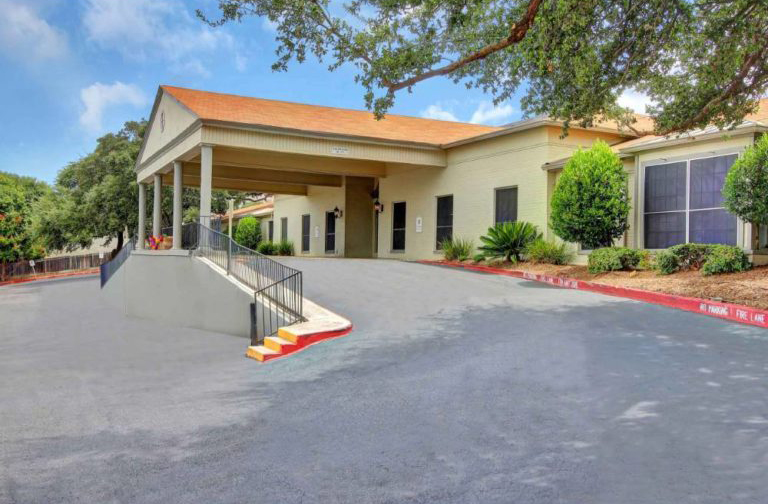
8300 WURZBACH RD, SAN ANTONIO, TX 78229 (210) 617-2200
For profit - Corporation 140 Beds CARADAY HEALTHCARE Data: November 2025 3 Immediate Jeopardy citations
Trust Grade
0/100
#1161 of 1168 in TX
Last Inspection: June 2025

Inspected within the last 6 months. Data reflects current conditions.

Overview

Wurzbach Nursing and Rehabilitation has received a Trust Grade of F, indicating significant concerns about the quality of care provided. With a state rank of #1161 out of 1168 facilities in Texas and the bottom rank of #62 out of 62 in Bexar County, this facility is in the lowest tier for available options. The situation appears to be worsening, as the number of reported issues increased from 18 in 2024 to 24 in 2025. Staffing is a serious concern, with a low rating of 1 out of 5 stars and a high turnover rate of 68%, which is above the Texas average of 50%. Additionally, the facility was fined $129,870, indicating compliance problems higher than 82% of Texas facilities, and it has less RN coverage than 79% of state facilities. Specific incidents noted by inspectors include a resident who eloped from the facility without staff awareness, raising concerns about safety and supervision. In another case, a resident was injured during a transfer due to improper assistance, highlighting inadequate adherence to care protocols. While there are some attempts to correct these issues, families should carefully weigh these significant weaknesses against any potential strengths before considering this facility for their loved ones.

Trust Score
F
0/100
In Texas
#1161/1168
Bottom 1%
Safety Record
High Risk
Review needed
Inspections
Getting Worse
18 → 24 violations
Staff Stability
⚠ Watch
68% turnover. Above average. Higher turnover means staff may not know residents' routines.
Penalties
✓ Good
$129,870 in fines. Lower than most Texas facilities. Relatively clean record.
Skilled Nurses
⚠ Watch
Each resident gets only 13 minutes of Registered Nurse (RN) attention daily — below average for Texas. Fewer RN minutes means fewer trained eyes watching for problems.
Violations
⚠ Watch
57 deficiencies on record. Higher than average. Multiple issues found across inspections.
★☆☆☆☆
1.0
Overall Rating
★☆☆☆☆
1.0
Staff Levels
★★☆☆☆
2.0
Care Quality
★★☆☆☆
2.0
Inspection Score
Stable
2024: 18 issues
2025: 24 issues

The Good

  • Full Sprinkler Coverage · Fire safety systems throughout facility
  • No fines on record

Facility shows strength in fire safety.

The Bad

1-Star Overall Rating

Below Texas average (2.8)

Significant quality concerns identified by CMS

Staff Turnover: 68%

22pts above Texas avg (46%)

Frequent staff changes - ask about care continuity

Federal Fines: $129,870

Well above median ($33,413)

Significant penalties indicating serious issues

Chain: CARADAY HEALTHCARE

Part of a multi-facility chain

Ask about local staffing decisions and management

Staff turnover is elevated (68%)

20 points above Texas average of 48%

The Ugly 57 deficiencies on record

3 life-threatening 1 actual harm
Jun 2025 19 deficiencies
CONCERN (D)

Potential for Harm - no one hurt, but risky conditions existed

Resident Rights (Tag F0550)

Could have caused harm · This affected 1 resident

**NOTE- TERMS IN BRACKETS HAVE BEEN EDITED TO PROTECT CONFIDENTIALITY** Based on observation, interview, and record review the facility failed to ensure 1 of 24 (Resident #66) residents was treated wi...

Read full inspector narrative →
**NOTE- TERMS IN BRACKETS HAVE BEEN EDITED TO PROTECT CONFIDENTIALITY** Based on observation, interview, and record review the facility failed to ensure 1 of 24 (Resident #66) residents was treated with dignity during dining room observation. On 06/10/2025 at 12:45 pm, the Activity Director stood over Resident #66 when she fed her lunch. This failure could affect all residents in the facility and could result in low self-esteem. The findings included: Record review of Resident #66's electronic face sheet dated 06/10/2025 revealed an original admission date of 03/09/2024 and readmission date of 02/05/2025. Resident #66 was a [AGE] year-old female and her diagnoses included: Alzheimer's disease (a brain disorder that destroys memory and thinking skills), dementia (loss of cognitive functioning that interferes with ADLs), major depressive disorder (a mental health condition that causes a persistently low or depressed mood and a loss of interest in activities), anxiety (a feeling of worry, nervousness, or unease), and dysphagia (swallowing disorder). Record review of Resident #66's comprehensive care plan revised date 02/20/2025 reflected Problem, resident has an ADL self-care performance deficit r/t dementia. Interventions, EATING: Resident is now fed by staff. Record review of Resident #66's quarterly MDS assessment dated [DATE] reflected Resident #66 could rarely/never understand and could rarely/never be understood. She was not a candidate for a BIMS which indicated she was severely cognitively impaired. She was dependent on staff for her ADLs. During an observation on 06/10/2025 at 12:45 pm, Resident #66 was observed being fed by the Activity Director. The Activity Director stood over Resident #66 who was constantly trying to grab the food tray. During an interview on 06/10/2025 at 12:50 pm, the Activity Director stated she realized after a few bites of food were given to Resident #66, she needed to sit down to feed the resident. The Activity Director stated the importance of sitting at the level of the resident and to look at Resident #66 was more dignified than to stand and look down at her. She stated she was trained to sit while she fed a resident. During an interview on 06/11/2025 at 3:00 pm., the DON stated the Activity Director needed to sit while she fed Resident #66. She stated the Activity Director sitting was more dignified than standing over the resident. She stated staff that are trained to assist residents with eating are supposed to sit and be at eye level with the resident. During an interview on 06/13/2025 at 08:27 am, ADON B stated everyone who assisted with feeding should be sitting to the resident at eye-to-eye level. She stated it was disrespectful or undignified to stand over someone. Record review of the agency's policy titled Resident Rights, revised December 2016, reflected Team members shall treat all residents with kindness, respect, and dignity.
CONCERN (D)

Potential for Harm - no one hurt, but risky conditions existed

Deficiency F0558 (Tag F0558)

Could have caused harm · This affected 1 resident

**NOTE- TERMS IN BRACKETS HAVE BEEN EDITED TO PROTECT CONFIDENTIALITY** Based on observations, interviews, and record review, the facility failed to ensure residents had the right to reside and receiv...

Read full inspector narrative →
**NOTE- TERMS IN BRACKETS HAVE BEEN EDITED TO PROTECT CONFIDENTIALITY** Based on observations, interviews, and record review, the facility failed to ensure residents had the right to reside and receive services in the facility with reasonable accommodation of resident needs and preferences except when to do so would endanger the health or safety of the resident or other residents for 1 of 20 residents (Resident #18) reviewed for accommodation of needs. The facility failed to ensure Resident #18's call light was within reach while she was positioned on her bed in her room. This failure could place residents at risk for delay in care and services, and increased risk of falls and injuries. The findings included: Record review of Resident #18's face sheet, dated 06/3/2025, revealed the resident was a [AGE] year-old female with an original admission date of 08/06/2013 and re-admitted on [DATE] with diagnoses that included: atherosclerotic heart disease (the buildup of fats, cholesterol and other substances in and on the artery walls, limiting blood flow to the heart), peripheral vascular disease (a circulatory condition in which narrowed blood vessels reduced blood flow to the limbs), dysphagia (difficulty swallowing), hypertension (high blood pressure), and arthritis (swelling and tenderness in one or more joints, causing joint pain or stiffness that often gets worse with age). Record review of Resident #18's annual MDS assessment, dated 05/02/2025, indicated her BIMS score was 0 reflecting she had severe cognitive impairment. Further record review indicated the resident required supervision or touching assistance (helper provides verbal cues or touching/steadying assistance as resident completes activity) to all daily activities such as toilet hygiene, dressing, personal hygiene, sit to stand, toilet transfer, and chair-to-bed transfer. Record review of Resident #18's comprehensive care plan, dated 12/22/2014, reflected [Resident #18] has high risk of fall. For intervention - be sure the resident's call light is within reach and encourage the resident to use it. Observation on 06/10/2025 at 9:58 a.m. revealed Resident #18 was laying down on her bed in her room, and the call light was on the floor, which was located to the head of the resident's bed, and it was not within reach. Interview on 06/10/2025 at 9:59 a.m. was attempted with Resident #18, but the resident ignored the surveyor and kept sleeping on her bed. Interview on 06/10/2025 at 10:03 a.m. LVN-E stated Resident #18 was on her bed in her room, and the call light was on the floor located to the head of the resident's bed, and it was not within reach. LVN-E stated Resident #18 technically could use her call light because the resident did not have any impairment to arms and legs even though the resident forgot it all the time. The call light should have been within reach all the time. LVN-E did not know what reason the call light was on the floor, and the nurse stated the resident might not have proper care because she couldn't access her call light to ask for help. Interview on 06/13/2025 at 12:30 p.m. ADON-B stated the facility did not have a DON, so ADONs functioned as the DON. Resident #18 could use the call light to get help even though the resident forgot using it all the time. The call light should have been always within reach per the resident's care plan, and the facility did not have the policy specifically regarding call lights. If Resident #18 could not use the call light because it was not within reach, the resident's care might be delayed. Record review of the facility policy, titled Resident Rights, revised 12/2016, revealed Team members shall treat all residents with kindness, respect, and dignity F. communicate with and access to people an services, both inside and outside the facility.
CONCERN (D)

Potential for Harm - no one hurt, but risky conditions existed

Deficiency F0692 (Tag F0692)

Could have caused harm · This affected 1 resident

**NOTE- TERMS IN BRACKETS HAVE BEEN EDITED TO PROTECT CONFIDENTIALITY** Based on interviews and record review, the facility failed to ensure a resident maintained acceptable parameters of nutritional ...

Read full inspector narrative →
**NOTE- TERMS IN BRACKETS HAVE BEEN EDITED TO PROTECT CONFIDENTIALITY** Based on interviews and record review, the facility failed to ensure a resident maintained acceptable parameters of nutritional status, such as usual body weight or desirable body weight range, unless the resident's clinical condition demonstrated this was not possible or the resident preferences indicated otherwise for 1 of 5 Residents (Residents #16) whose records were reviewed for nutrition status maintenance. The facility failed measuring Resident #16's weight when the resident was re-admitted to the facility on [DATE], and the physician order said, Measuring weight upon admission/re-admission and every week for 4 weeks. These failures could affect residents at risk for losing weight and result in unplanned weight loss and a decline in the resident's overall health. The findings were: Record review of Resident #16's face sheet, dated 06/13/2025, revealed the resident was [AGE] years old male and originally admitted to the facility on [DATE] and re-admitted to the facility on [DATE] with diagnosis of pneumonitis due to inhalation of food and vomit (complication of pulmonary aspiration or the inhalation of food, liquid, or vomit inti the lungs), chronic obstructive pulmonary disease (common lung disease causing restricted airflow and breathing problems), dysphagia (difficulty swallowing), heart failure (the heart muscle does not pump blood as well as it should), and edema (swelling caused by fluid trapped in your tissues). Record review of Resident #16's quarterly MDS, dated [DATE], revealed the resident's BIMS was 0 out of 15 which indicated the resident had severe cognitive impairment, and the resident required supervision or touching assistance (helper provides verbal cues or touching/steadying assistance as resident completes activities) to eating and dependent (helper does all of the effort) to sit to stand and chair to bed transfer. Record review of Resident #16's comprehensive care plan, dated 04/12/2023, revealed The resident is able to feed self with setup, cuing direction. Does not like staff assistance and The resident has potential nutritional problem related to severe intellectual disabilities and history of dysphagia - weight is expected to fluctuate due to being on a diuretic, and weight loss may be due to recent hospitalization and recent downgrade in diet. For interventions - monitor/document/report any sign and symptom of malnutrition: Emaciation (cachexia), muscle wasting, significant weight loss, and weight: upon admission/readmission and every week for 4 weeks. Record review of Resident #16's physician order, dated 05/28/2025, revealed Pureed diet and thin liquid diet and weight upon admission/readmission and every week for 4 weeks. Record review of Resident #16's weight log revealed the resident's weight on 06/05/2025 was 162.4 pounds, and weight on 06/12/2025 was 164.6 pounds. There was no weight on re-admission date, which was on 05/28/2025. Record review of Resident #16's nursing note for readmission assessment, dated 05/28/2025, revealed the facility nurse did not measure Resident #16's weight on 05/28/2025. The facility nurse measured the resident's weight on 06/05/2025 (162.4 pounds) and 06/12/2025 (164.6 pounds). Interview on 06/12/2025 at 3:46 p.m. ADON-B stated the nurse who conducted re-admission assessment on 05/28/2025 did not measure Resident #16's weight per the physician order, and the nurse was an agency nurse and not work anymore. ADON-B said she did not know what reason the nurse did not measure Resident #16's weight on 05/28/2025 (re-admission date), the nurse should have measured the resident's weight as the physician order, and if the facility did not know the resident's weight correctly, the resident might have unplanned weight loss and a decline in the resident's overall health. Record review of the facility policy, titled Weight System, dated 04/2022, revealed Residents are weighted at admission, readmission, and per physician orders.
CONCERN (D)

Potential for Harm - no one hurt, but risky conditions existed

Respiratory Care (Tag F0695)

Could have caused harm · This affected 1 resident

**NOTE- TERMS IN BRACKETS HAVE BEEN EDITED TO PROTECT CONFIDENTIALITY** Based on observation, interviews, and record review, the facility failed to ensure that a resident who needs respiratory care, i...

Read full inspector narrative →
**NOTE- TERMS IN BRACKETS HAVE BEEN EDITED TO PROTECT CONFIDENTIALITY** Based on observation, interviews, and record review, the facility failed to ensure that a resident who needs respiratory care, is provided such care, consistent with professional standards of practice for 1 (Residents #27) of 3 reviewed for respiratory care. Resident #27's nebulizer mask was not covered in a plastic bag when it was not used on 06/10/2025. This failure could affect residents with oxygen therapy and could lead them to lack of care including possible infection by not following infection control. The findings included: Record review of Resident #27's face sheet, dated 06/13/2025, revealed the resident was a [AGE] year-old female and originally admitted to the facility on [DATE] and re-admitted on [DATE] with diagnoses of dementia (a group of thinking and social symptoms that interferes with daily functioning), chronic obstructive pulmonary disease (a group of lung disease that block airflow and make it difficult to breathe), type 2 diabetes mellitus (not control blood sugars in the body), and hypertension (high blood pressure). Record review of Resident #27's quarterly MDS assessment, dated 03/21/2025, revealed the resident's BIMS score was 9 out of 15 which indicated the resident had moderate cognition impairment and required dependent (helper does all of effort) to sit to stand, chair-to-bed, and toilet transfer. Record review of Resident #27's physician order, dated 05/31/2025, revealed the resident had the order of Ipratropium-Albuterol inhalation solution 0.5-2.5 (3) mg/3ml - 3 ml inhale orally every 6 hours for 3 days and as needed for cough/congestion. Record review of Resident #27's medication administration record, from 06/01/2025 to 06/30/2025, revealed the order of Ipratropium-Albuterol inhalation solution 0.5-2.5 (3) mg/3ml - 3 ml inhale orally every 6 hours for 3 days and as needed for cough/congestion was scheduled 12:00 am, 6:00 am, 12:00 pm, and 6:00 pm and given by 06/03/2025 as ordered. Observation on 06/10/2025 at 2:38 p.m. revealed Resident #27 was on the bed and sleeping in her room. Resident #27's nebulizer mask connected to a nebulizer was on the nightstand uncovered. Interview on 06/10/2025 at 2:42 p.m. with LVN-F stated Resident #27's nebulizer mask was on the nightstand without a plastic bag. Further interview with LVN-F said the resident's nebulizer mask should have been covered in a plastic bag when it was not used to prevent possible infection. Interview on 06/13/2025 at 12:30 p.m. ADON-B stated Resident #27's nebulizer mask should have been covered in a plastic bag when it was not used to prevent possible infections. Further interview with ADON-B said the facility did not have a policy related to specifically covering a nasal cannula and mask in a plastic bag when not used, the facility follows standards nursing care, and it was nurse's responsibility. Record review of professional guidelines, titled HomeCare (https://www.homecaremag.com/february-2020/dont-let-oxygen-concentrator-lead-infection), dated 04/18/2025, revealed Patients receiving supplemental oxygen via an oxygen concentrator in the home are common. Unfortunately, compliance issues related to infection prevention and control are also common. To prevent these compliance issues-and, more importantly, to prevent respiratory infections-provide education based on the manufacturer's instructions for use. When none are provided, follow these five-infection prevention and control strategies for a patient on oxygen at a liter flow of up to 5 liters per minute (L/min) in the home except those with an artificial airway, with cystic fibrosis, or who are severely immunosuppressed. These patients and those on higher liter flows of oxygen may require a higher standard of respiratory equipment management and additional disinfection activities.
CONCERN (D)

Potential for Harm - no one hurt, but risky conditions existed

Deficiency F0761 (Tag F0761)

Could have caused harm · This affected 1 resident

**NOTE- TERMS IN BRACKETS HAVE BEEN EDITED TO PROTECT CONFIDENTIALITY** Based on observations, interviews, and record review, the facility failed to ensure all drugs and biologicals were stored in loc...

Read full inspector narrative →
**NOTE- TERMS IN BRACKETS HAVE BEEN EDITED TO PROTECT CONFIDENTIALITY** Based on observations, interviews, and record review, the facility failed to ensure all drugs and biologicals were stored in locked compartments for 2 of 20 residents (Residents #46 and #238) reviewed for storage. 1. Resident #46's insulin Lantus Solos Flex Pen for diabetes had no open date, found inside B-wing nursing cart on 06/11/2025. 2. Resident #238's insulin Novolog Flex Pen for diabetes had no open date, found inside B-wing nursing cart on 06/11/2025. These failures could place residents at risk of having not therapeutic effects by using old insulins. The findings were: 1. Record review of Resident #46's face sheet, dated 06/13/2025, revealed Resident #46 was a [AGE] year-old male and admitted to the facility 12/04/2020 and re-admitted to the facility 05/31/2024 with diagnoses of dementia (a group of thinking and social symptoms that interferes with daily functioning), type 2 diabetes mellitus (body does not insulin properly, resulting in high blood sugar levels), hypokalemia (low potassium level in the blood), and heart failure (the heart muscle does not pump blood as well as it should). Record review of Resident #46's annual MDS, dated [DATE], revealed the resident's BIMS score was 14 out of 15, which indicated the resident's cognition was intact, and the resident was receiving insulin injections every day as ordered. Record review of Resident #46's physician's order, dated 03/24/2025, revealed the resident had the order of Insulin Lantus Solostar Subcutaneous solution Pen - inject 100 UNIT/ML - Inject 10 unit subcutaneously at bedtime for type 2 diabetes mellitus- hold for blood sugar under 150 and inject 18 unit subcutaneously one time a day in the morning for type 2 diabetes mellitus- hold for blood sugar under 150. Record review of Resident #46's medication administration record, dated from 06/01/2025 to 06/30/2025, revealed the resident was receiving Insulin Lantus Solostar Subcutaneous solution Pen - inject 100 UNIT/ML - Inject 10 unit subcutaneously at bedtime and 18 unit subcutaneously one time a day in the morning for type 2 diabetes mellitus at 7:30 am and 8:00 pm. Observation on 06/11/2025 at 4:38 p.m. revealed Resident #46's insulin Lantus Solostar Subcutaneous solution Pen for diabetes with no open date was found inside the B-wing nursing cart. Interview on 06/11/2025 at 4:39 p.m. with regional RN stated Resident #46's insulin Lantus Solostar Subcutaneous solution Pen for diabetes with no open date was found inside the B-wing nursing cart, and the insulin pen should have been discarded 28 days after opening it. If the insulin pen did not have any open date, nurses did not know when they have to discard the insulin pen. Interview on 06/11/2025 at 5:00 p.m. LVN-H stated he was working as an agency nurse, and when he came to the facility for work on 06/11/2025, he saw Resident #46's insulin Lantus Solostar Subcutaneous solution Pen without open date. LVN-H said he did not use it today (06/11/2025) morning time because Resident #46's blood sugar was less than 150. Further interview, LVN-H said Resident #46's insulin pen for diabetes should have been discarded 28 days after opening it. However, LVN-H did not know if he should discard the insulin pen because the insulin pen did not have open date. The LVN-H did not know when the facility nurses opened Resident #46's insulin pen. 2. Record review of Resident #238's face sheet, dated 06/13/2025, revealed Resident #238 was an [AGE] year-old female and admitted to the facility on [DATE] with diagnoses of cerebral atherosclerosis (build-up of plaque in the blood vessels of the brain occurs), dementia (a group of thinking and social symptoms that interferes with daily functioning), type 2 diabetes mellitus (body does not insulin properly, resulting in high blood sugar levels), heart failure (the heart muscle does not pump blood as well as it should), and hypertension (high blood pressures). Record review of Resident #238's admission MDS revealed it was in progress at this time (06/13/2025) because the resident was admitted to the facility on [DATE]. Record review of Resident #238's physician's order, dated 06/10/2025, revealed the resident had the order of Insulin Novolog solution 100 unit/ml inject as per sliding scale if 100-150 = 6 units, 151-200 = 8units, 201-250 = 10 units, 251-300 = 12 units, 301-350 = 16 units subcutaneously before meals for diabetes. Record review of Resident #238's medication administration record, dated from 06/01/2025 to 06/30/2025, revealed the resident was receiving Insulin Novolog solution 100 unit/ml inject as per sliding scale if 100-150 = 6 units, 151-200 = 8units, 201-250 = 10 units, 251-300 = 12 units, 301-350 = 16 units subcutaneously before meals for diabetes at 7:00 am, 1100 am, and 5:00 pm. Observation on 06/11/2025 at 4:39 p.m. revealed Resident #238's insulin Novolog Flex Pen for diabetes with no open date was found inside the B-wing nursing cart. Interview on 06/11/2025 at 4:40 p.m. with regional RN stated Resident #238's insulin Novolog Flex Pen for diabetes with no open date was found inside the B-wing nursing cart, and the insulin pen should have been discarded 28 days after opening it. If the insulin pen did not have any open date, nurses did not know when they have to discard the insulin pen. Interview on 06/11/2025 at 5:01 p.m. LVN-H stated he was working as an agency nurse, and when he came to the facility for work on 06/11/2025, he saw Resident #238's insulin Novolog Flex Pen without open date. Further interview, LVN-H said Resident #238's insulin pen for diabetes should have been discarded 28 days after opening it. However, LVN-H did not know if he should discard the insulin pen because the insulin pen did not have open date. The LVN-H said the resident's family might bring it from home, but it was still facility nurse's responsibility to write open date on the pen. Interview on 06/13/2025 at 12:30 p.m. ADON-B said the facility nurses should have written open dates on insulins when they opened them to discard them 28 days after opened. Nurses would not know when they have to discard insulins if insulins did not have open dates, and it might cause improper use, and residents might not have therapeutic effects. ADON-B said that it was nurse's responsibility, and ADONs sometimes reviewed nursing carts, but they did not know what reason nurses did not write the open dates. Further interview with ADON-B said there was no policy regarding insulin, and the facility followed standard of care. Record review of the professional guidelines, titled Mount [NAME] (https://www.mountsinai.org/health-library/special-topic/insulin-and-syringes-storage-and-safety), dated 06/20/2025, revealed Discard insulin after 28 days from the date of opening.
CONCERN (D)

Potential for Harm - no one hurt, but risky conditions existed

Medical Records (Tag F0842)

Could have caused harm · This affected 1 resident

**NOTE- TERMS IN BRACKETS HAVE BEEN EDITED TO PROTECT CONFIDENTIALITY** Based on observation, interviews, and record reviews, the facility failed to maintain medical records that were complete and acc...

Read full inspector narrative →
**NOTE- TERMS IN BRACKETS HAVE BEEN EDITED TO PROTECT CONFIDENTIALITY** Based on observation, interviews, and record reviews, the facility failed to maintain medical records that were complete and accurately documented in accordance with accepted professional standards and practices for 1 (Resident #16) of 20 residents reviewed for medical records. The facility failed to ensure facility nurses documented Resident #16's mechanically altered diet correctly on 06/08/2025's Weekly Swallowing/Nutritional Status. This failure placed resident at risk for missed treatment and care which could result in decline in health and well-being. Findings included: Record review of Resident #16's face sheet, dated 06/13/2025, revealed the resident was a [AGE] year old male and originally admitted to the facility on [DATE] and re-admitted to the facility on [DATE] with diagnoses of pneumonitis due to inhalation of food and vomit (complication of pulmonary aspiration or the inhalation of food, liquid, or vomit inti the lungs), chronic obstructive pulmonary disease (common lung disease causing restricted airflow and breathing problems), dysphagia (difficulty swallowing), heart failure (the heart muscle does not pump blood as well as it should), and edema (swelling caused by fluid trapped in your tissues). Record review of Resident #16's quarterly MDS, dated [DATE], revealed the resident's BIMS was 0 out of 15 indicated the resident had severe cognitive impairment, and the resident required supervision or touching assistance (helper provides verbal cues or touching/steadying assistance as resident completes activities) to eating and dependent (helper does all of the effort) to sit to stand and chair to bed transfer. Further record review of the MDS revealed the resident was receiving Mechanically altered diet. Record review of Resident #16's comprehensive care plan, dated 04/12/2023, revealed The resident is able to feed self with setup, cuing direction. Does not like staff assistance and The resident has potential nutritional problem related to severe intellectual disabilities and history of dysphagia - Provide and serve diet as ordered of pureed diet and thin liquid for diet. Record review of Resident #16's physician order, dated 05/28/2025, revealed Pureed diet and thin liquid diet. Record review of Resident #16's Swallowing/Nutritional Status Weekly, dated 06/08/2025, revealed regarding to the question Has the resident required a mechanically altered diet in the past 7 days? (for example, pureed food, thickened liquids), the facility nurses answered No. Observation on 06/10/2025 at 12:45 p.m. revealed Resident #16 received pureed diet with thin liquids per the physician order at the main dining room. Interview on 06/13/2025 at 12:30 p.m. with ADON-B stated Resident #16's Weekly Swallowing/Nutritional Status on 06/08/2025 was inaccurate because Resident #16 was receiving pureed and thin liquid diet as ordered; therefore, the answered should have been Yes. ADON-B said she did not know what reason facility nurses documented inaccurately, but the resident's medical document should be accurate because inaccurate medical record might cause incorrect care to the resident, and the facility did not have policy regarding accurate clinical records.
CONCERN (D)

Potential for Harm - no one hurt, but risky conditions existed

Deficiency F0940 (Tag F0940)

Could have caused harm · This affected 1 resident

Based on interview and record review, the facility failed to develop, implement, and maintain an effective training program for all new and existing staff for 5 of 27 (Cook K, Dietary Aide L, CNA M, C...

Read full inspector narrative →
Based on interview and record review, the facility failed to develop, implement, and maintain an effective training program for all new and existing staff for 5 of 27 (Cook K, Dietary Aide L, CNA M, CNA N, and LVN O) employees reviewed for training requirements. The facility failed to implement and maintain a training program that ensured [NAME] K, Dietary Aide L and CNA M received required trainings upon hire. The facility failed to implement and maintain a training program that ensured CNA N and LVN O received required trainings annually. This failure could place residents at risk of being cared for by staff who have been insufficiently trained. Findings were: Record review of personnel record for [NAME] K revealed hire date of 03/25/2025. Review of training log provided by human resources revealed [NAME] K did not complete required trainings upon hire. Record review of personnel record for Dietary Aide L revealed hire date of 04/07/2025. Review of training log provided by human resources revealed Dietary Aide L did not complete required trainings upon hire. Record review of personnel record for CNA M revealed hire date of 05/12/2025. Review of training log provided by human resources revealed CNA M did not complete required trainings upon hire. Record review of the personnel records for CNA N revealed a hire date of 01/01/2020. Review of training log for the previous 12 months provided by human resources revealed no evidence that CNA N completed the required annual trainings. Record review of the personnel records for LVN O revealed a hire date of 01/01/2020. Review of training log for the previous 12 months provided by human resources revealed no evidence that LVN O completed the required annual trainings. Interview with HR Representative on 06/13/2025 at 1:40 PM revealed she was new to the facility. HR stated the facility uses an online training program that emails the employee and their supervisor of assigned trainings. HR stated it was the responsibility of the employee to complete their trainings and human resources responsibility to ensure trainings were completed. HR stated the facility relies on the on-line training system to keep track of the annual trainings. HR stated by not ensuring staff complete annual trainings it could lead to mistreatment or neglect of the residents. Interview with Administrator 06/13/2025 at 1:55 PM revealed employees received emails from the online training system when new trainings are assigned. Administrator stated it staff were to complete trainings when they are assigned. Administrator stated the facility did not have a policy that identified required trainings subjects or the timeframes when to complete them. Administrator stated he assumed human resources was responsible to ensure staff completed trainings. Administrator stated staff needed their annual trainings to ensure residents received good care. A policy indicating new hire training topics, time frame to complete initial trainings, required annual training topics, time frame to complete annual trainings and who is responsible to ensure trainings were completed was requested but not provided prior to exit.
CONCERN (D)

Potential for Harm - no one hurt, but risky conditions existed

Deficiency F0941 (Tag F0941)

Could have caused harm · This affected 1 resident

Based on interview and record review, the facility failed to ensure annual communications training for 2 of 27 (CNA N, and LVN O) employees reviewed for training requirements was completed. The facil...

Read full inspector narrative →
Based on interview and record review, the facility failed to ensure annual communications training for 2 of 27 (CNA N, and LVN O) employees reviewed for training requirements was completed. The facility failed to ensure communication training was provided CNA N and LVN O annually. This failure could place residents at risk of being cared for by staff who have been insufficiently trained. Findings were: Record review of the personnel records for CNA N revealed a hire date of 01/01/2020. Review of training log for the previous 12 months provided by human resources revealed no evidence that CNA N received annual communication training. Record review of the personnel records for LVN O revealed a hire date of 01/01/2020. Review of training log for the previous 12 months provided by human resources revealed no evidence that LVN O received annual communication training. Interview with HR Representative on 06/13/2025 at 1:40 PM revealed she was new to the facility. HR stated the facility uses an online training program that emails the employee and their supervisor of assigned trainings. HR stated it was the responsibility of the employee to complete their trainings and human resources responsibility to ensure trainings were completed. HR stated the facility relies on the on-line training system to keep track of the annual trainings. HR stated by not ensuring staff complete annual trainings it could lead to mistreatment or neglect of the residents. Interview with Administrator 06/13/2025 at 1:55 PM revealed employees received emails from the online training system when new trainings are assigned. Administrator stated it staff were to complete trainings when they are assigned. Administrator stated the facility did not have a policy that identified required trainings subjects or the timeframes when to complete them. Administrator stated he assumed human resources was responsible to ensure staff completed trainings. Administrator stated staff needed their annual trainings to ensure residents received good care. A policy required annual training topics, including communication trainings, time frame to complete annual trainings and who is responsible to ensure trainings were completed was requested but not provided prior to exit.
CONCERN (D)

Potential for Harm - no one hurt, but risky conditions existed

Deficiency F0942 (Tag F0942)

Could have caused harm · This affected 1 resident

Based on interview and record review, the facility failed to ensure annual rights of the resident training for 2 of 27 (CNA N, and LVN O) employees reviewed for training requirements was completed. T...

Read full inspector narrative →
Based on interview and record review, the facility failed to ensure annual rights of the resident training for 2 of 27 (CNA N, and LVN O) employees reviewed for training requirements was completed. The facility failed to ensure resident rights training was provided CNA N and LVN O annually. This failure could place residents at risk of being cared for by staff who have been insufficiently trained. Findings were: Record review of the personnel records for CNA N revealed a hire date of 01/01/2020. Review of training log for the previous 12 months provided by human resources revealed no evidence that CNA N received resident rights training. Record review of the personnel records for LVN O revealed a hire date of 01/01/2020. Review of training log for the previous 12 months provided by human resources revealed no evidence that LVN O received annual resident rights training. Interview with HR Representative on 06/13/2025 at 1:40 PM revealed she was new to the facility. HR stated the facility uses an online training program that emails the employee and their supervisor of assigned trainings. HR stated it was the responsibility of the employee to complete their trainings and human resources responsibility to ensure trainings were completed. HR stated the facility relies on the on-line training system to keep track of the annual trainings. HR stated by not ensuring staff complete annual trainings it could lead to mistreatment or neglect of the residents. Interview with Administrator 06/13/2025 at 1:55 PM revealed employees received emails from the online training system when new trainings are assigned. Administrator stated it staff were to complete trainings when they are assigned. Administrator stated the facility did not have a policy that identified required trainings subjects or the timeframes when to complete them. Administrator stated he assumed human resources was responsible to ensure staff completed trainings. Administrator stated staff needed their annual trainings to ensure residents received good care. A policy required annual training topics, including resident rights training, time frame to complete annual trainings and who is responsible to ensure trainings were completed was requested but not provided prior to exit.
CONCERN (D)

Potential for Harm - no one hurt, but risky conditions existed

Deficiency F0943 (Tag F0943)

Could have caused harm · This affected 1 resident

Based on interview and record review, the facility failed to ensure annual abuse, neglect and exploitation training and dementia training for 2 of 27 (CNA N, and LVN O) employees reviewed for training...

Read full inspector narrative →
Based on interview and record review, the facility failed to ensure annual abuse, neglect and exploitation training and dementia training for 2 of 27 (CNA N, and LVN O) employees reviewed for training requirements was completed. The facility failed to ensure abuse, neglect and exploitation training and dementia training was provided CNA N and LVN O annually. This failure could place residents at risk of being cared for by staff who have been insufficiently trained. Findings were: Record review of the personnel records for CNA N revealed a hire date of 01/01/2020. Review of training log for the previous 12 months provided by human resources revealed no evidence that CNA N received abuse, neglect and exploitation training or dementia training. Record review of the personnel records for LVN O revealed a hire date of 01/01/2020. Review of training log for the previous 12 months provided by human resources revealed no evidence that LVN O received annual abuse, neglect and exploitation training or dementia training. Interview with HR Representative on 06/13/2025 at 1:40 PM revealed she was new to the facility. HR stated the facility uses an online training program that emails the employee and their supervisor of assigned trainings. HR stated it was the responsibility of the employee to complete their trainings and human resources responsibility to ensure trainings were completed. HR stated the facility relies on the on-line training system to keep track of the annual trainings. HR stated by not ensuring staff complete annual trainings it could lead to mistreatment or neglect of the residents. Interview with Administrator 06/13/2025 at 1:55 PM revealed employees received emails from the online training system when new trainings are assigned. Administrator stated it staff were to complete trainings when they are assigned. Administrator stated the facility did not have a policy that identified required trainings subjects or the timeframes when to complete them. Administrator stated he assumed human resources was responsible to ensure staff completed trainings. Administrator stated staff needed their annual trainings to ensure residents received good care. A policy required annual training topics, including abuse, neglect and exploitation training and dementia training, time frame to complete annual trainings and who is responsible to ensure trainings were completed was requested but not provided prior to exit.
CONCERN (D)

Potential for Harm - no one hurt, but risky conditions existed

Deficiency F0944 (Tag F0944)

Could have caused harm · This affected 1 resident

Based on interview and record review, the facility failed to ensure annual QAPI training for 2 of 27 (CNA N, and LVN O) employees reviewed for training requirements was completed. The facility failed...

Read full inspector narrative →
Based on interview and record review, the facility failed to ensure annual QAPI training for 2 of 27 (CNA N, and LVN O) employees reviewed for training requirements was completed. The facility failed to ensure QAPI training was provided CNA N and LVN O annually. This failure could place residents at risk of being cared for by staff who have been insufficiently trained. Findings were: Record review of the personnel records for CNA N revealed a hire date of 01/01/2020. Review of training log for the previous 12 months provided by human resources revealed no evidence that CNA N received QAPI training. Record review of the personnel records for LVN O revealed a hire date of 01/01/2020. Review of training log for the previous 12 months provided by human resources revealed no evidence that LVN O received annual QAPI training. Interview with HR Representative on 06/13/2025 at 1:40 PM revealed she was new to the facility. HR stated the facility uses an online training program that emails the employee and their supervisor of assigned trainings. HR stated it was the responsibility of the employee to complete their trainings and human resources responsibility to ensure trainings were completed. HR stated the facility relies on the on-line training system to keep track of the annual trainings. HR stated by not ensuring staff complete annual trainings it could lead to mistreatment or neglect of the residents. Interview with Administrator 06/13/2025 at 1:55 PM revealed employees received emails from the online training system when new trainings are assigned. Administrator stated it staff were to complete trainings when they are assigned. Administrator stated the facility did not have a policy that identified required trainings subjects or the timeframes when to complete them. Administrator stated he assumed human resources was responsible to ensure staff completed trainings. Administrator stated staff needed their annual trainings to ensure residents received good care. A policy required annual training topics, including QAPI training, time frame to complete annual trainings and who is responsible to ensure trainings were completed was requested but not provided prior to exit.
CONCERN (D)

Potential for Harm - no one hurt, but risky conditions existed

Deficiency F0945 (Tag F0945)

Could have caused harm · This affected 1 resident

Based on interview and record review, the facility failed to ensure annual infection control training for 2 of 27 (CNA N, and LVN O) employees reviewed for training requirements was completed. The fa...

Read full inspector narrative →
Based on interview and record review, the facility failed to ensure annual infection control training for 2 of 27 (CNA N, and LVN O) employees reviewed for training requirements was completed. The facility failed to ensure infection control training was provided CNA N and LVN O annually. This failure could place residents at risk of being cared for by staff who have been insufficiently trained. Findings were: Record review of the personnel records for CNA N revealed a hire date of 01/01/2020. Review of training log for the previous 12 months provided by human resources revealed no evidence that CNA N received infection control training. Record review of the personnel records for LVN O revealed a hire date of 01/01/2020. Review of training log for the previous 12 months provided by human resources revealed no evidence that LVN O received annual infection control training. Interview with HR Representative on 06/13/2025 at 1:40 PM revealed she was new to the facility. HR stated the facility uses an online training program that emails the employee and their supervisor of assigned trainings. HR stated it was the responsibility of the employee to complete their trainings and human resources responsibility to ensure trainings were completed. HR stated the facility relies on the on-line training system to keep track of the annual trainings. HR stated by not ensuring staff complete annual trainings it could lead to mistreatment or neglect of the residents. Interview with Administrator 06/13/2025 at 1:55 PM revealed employees received emails from the online training system when new trainings are assigned. Administrator stated it staff were to complete trainings when they are assigned. Administrator stated the facility did not have a policy that identified required trainings subjects or the timeframes when to complete them. Administrator stated he assumed human resources was responsible to ensure staff completed trainings. Administrator stated staff needed their annual trainings to ensure residents received good care. A policy required annual training topics, including infection control training, time frame to complete annual trainings and who is responsible to ensure trainings were completed was requested but not provided prior to exit.
CONCERN (D)

Potential for Harm - no one hurt, but risky conditions existed

Deficiency F0946 (Tag F0946)

Could have caused harm · This affected 1 resident

Based on interview and record review, the facility failed to ensure annual ethics training for 2 of 27 (CNA N, and LVN O) employees reviewed for training requirements was completed. The facility fail...

Read full inspector narrative →
Based on interview and record review, the facility failed to ensure annual ethics training for 2 of 27 (CNA N, and LVN O) employees reviewed for training requirements was completed. The facility failed to ensure abuse, neglect and exploitation training was provided CNA N and LVN O annually. This failure could place residents at risk of being cared for by staff who have been insufficiently trained. Findings were: Record review of the personnel records for CNA N revealed a hire date of 01/01/2020. Review of training log for the previous 12 months provided by human resources revealed no evidence that CNA N received ethics training. Record review of the personnel records for LVN O revealed a hire date of 01/01/2020. Review of training log for the previous 12 months provided by human resources revealed no evidence that LVN O received annual ethics training. Interview with HR Representative on 06/13/2025 at 1:40 PM revealed she was new to the facility. HR stated the facility uses an online training program that emails the employee and their supervisor of assigned trainings. HR stated it was the responsibility of the employee to complete their trainings and human resources responsibility to ensure trainings were completed. HR stated the facility relies on the on-line training system to keep track of the annual trainings. HR stated by not ensuring staff complete annual trainings it could lead to mistreatment or neglect of the residents. Interview with Administrator 06/13/2025 at 1:55 PM revealed employees received emails from the online training system when new trainings are assigned. Administrator stated it staff were to complete trainings when they are assigned. Administrator stated the facility did not have a policy that identified required trainings subjects or the timeframes when to complete them. Administrator stated he assumed human resources was responsible to ensure staff completed trainings. Administrator stated staff needed their annual trainings to ensure residents received good care. A policy required annual training topics, including ethics training, time frame to complete annual trainings and who is responsible to ensure trainings were completed was requested but not provided prior to exit.
CONCERN (D)

Potential for Harm - no one hurt, but risky conditions existed

Deficiency F0947 (Tag F0947)

Could have caused harm · This affected 1 resident

Based on interview and record review, the facility failed to ensure CNA received the required minimum 12 hours annual in-service 1 of 27 (CNA N) employees reviewed for training requirements was comple...

Read full inspector narrative →
Based on interview and record review, the facility failed to ensure CNA received the required minimum 12 hours annual in-service 1 of 27 (CNA N) employees reviewed for training requirements was completed. The facility failed to provide the required 12 hours of annual training to CNA N. This failure could place residents at risk of being cared for by staff who have been insufficiently trained. Findings were: Record review of the personnel records for CNA N revealed a hire date of 01/01/2020. Review of training log for the previous 12 months provided by human resources revealed evidence of less than 12 hours per year of required in-service training being provided annually. Interview with HR Representative on 06/13/2025 at 1:40 PM revealed she was new to the facility. HR stated the facility uses an online training program that emails the employee and their supervisor of assigned trainings. HR stated it was the responsibility of the employee to complete their trainings and human resources responsibility to ensure trainings were completed. HR stated the facility relies on the on-line training system to keep track of the annual trainings. HR stated by not ensuring staff complete annual trainings it could lead to mistreatment or neglect of the residents. Interview with Administrator 06/13/2025 at 1:55 PM revealed employees received emails from the online training system when new trainings are assigned. Administrator stated it staff were to complete trainings when they are assigned. Administrator stated the facility did not have a policy that identified required trainings subjects or the timeframes when to complete them. Administrator stated he assumed human resources was responsible to ensure staff completed trainings. Administrator stated staff needed their annual trainings to ensure residents received good care. A policy required annual training topics including required trainings for CNAs, time frame to complete annual trainings and who is responsible to ensure trainings were completed was requested but not provided prior to exit.
CONCERN (D)

Potential for Harm - no one hurt, but risky conditions existed

Deficiency F0949 (Tag F0949)

Could have caused harm · This affected 1 resident

Based on interview and record review, the facility failed to ensure annual behavioral health training for 2 of 27 (CNA N, and LVN O) employees reviewed for training requirements was completed. The fa...

Read full inspector narrative →
Based on interview and record review, the facility failed to ensure annual behavioral health training for 2 of 27 (CNA N, and LVN O) employees reviewed for training requirements was completed. The facility failed to ensure abuse, neglect and exploitation training was provided CNA N and LVN O annually. This failure could place residents at risk of being cared for by staff who have been insufficiently trained. Findings were: Record review of the personnel records for CNA N revealed a hire date of 01/01/2020. Review of training log for the previous 12 months provided by human resources revealed no evidence that CNA N received behavioral health training. Record review of the personnel records for LVN O revealed a hire date of 01/01/2020. Review of training log for the previous 12 months provided by human resources revealed no evidence that LVN O received annual behavioral health training. Interview with HR Representative on 06/13/2025 at 1:40 PM revealed she was new to the facility. HR stated the facility uses an online training program that emails the employee and their supervisor of assigned trainings. HR stated it was the responsibility of the employee to complete their trainings and human resources responsibility to ensure trainings were completed. HR stated the facility relies on the on-line training system to keep track of the annual trainings. HR stated by not ensuring staff complete annual trainings it could lead to mistreatment or neglect of the residents. Interview with Administrator 06/13/2025 at 1:55 PM revealed employees received emails from the online training system when new trainings are assigned. Administrator stated it staff were to complete trainings when they are assigned. Administrator stated the facility did not have a policy that identified required trainings subjects or the timeframes when to complete them. Administrator stated he assumed human resources was responsible to ensure staff completed trainings. Administrator stated staff needed their annual trainings to ensure residents received good care. A policy required annual training topics, including behavioral health training, time frame to complete annual trainings and who is responsible to ensure trainings were completed was requested but not provided prior to exit.
CONCERN (E)

Potential for Harm - no one hurt, but risky conditions existed

Accident Prevention (Tag F0689)

Could have caused harm · This affected multiple residents

**NOTE- TERMS IN BRACKETS HAVE BEEN EDITED TO PROTECT CONFIDENTIALITY** Based on observation, interview, and record review, the facility failed to ensure the resident environment remained free of acci...

Read full inspector narrative →
**NOTE- TERMS IN BRACKETS HAVE BEEN EDITED TO PROTECT CONFIDENTIALITY** Based on observation, interview, and record review, the facility failed to ensure the resident environment remained free of accidents and hazards for 3 residents (Resident #22, #49 and #39) of 24 residents reviewed for environmental hazards, in that: 1.Resident #22's wheelchair did not have a pad on the right arm rest which exposed a bare metal bar with holes where bolts would be attached. 2.Resident #49's wheelchair did not have a pad on the right arm rest which exposed a bare metal bar with holes where bolts would be attached. 3. Resident #39's headboard on his bed was detached and his foot board had veneering missing which exposed raw rough particle board. This failure could place residents at risk of skin tears due to wheelchairs and furniture in disrepair. The findings included: 1.Record review of Resident #22's electronic face sheet dated 06/11/2025 reflected she was originally admitted to the facility on [DATE] and readmitted on [DATE]. She was an [AGE] year-old female and her diagnoses included: dementia (loss of cognitive functioning that interferes with ADLs), major depressive disorder (a mental health condition that causes a persistently low or depressed mood and a loss of interest in activities), anxiety (a feeling of worry, nervousness, or unease), and dysphagia (swallowing disorder). Record review of Resident #22's quarterly MDS assessment, dated 04/11/2025 reflected she could usually understand and usually be understood. She scored a 00 out of 15 on her BIMS which indicated she was severely cognitively impaired. Under Section GG0120 Mobility Devices, wheelchair was checked. Record review of Resident #22's care plan for the Problem of The resident has an ADL self-care performance needs extensive assistance x 2 with ADLS. Under Intervention was Assist with mobility as needed. Wheel resident to meals activities as needed, if in w/c. The care plan was initiated 05/30/2019 and revised 01/10/2024. Observation on 06/10/2025 at 10:17 am revealed Resident #22 was sitting in a wheelchair and the right arm rest did not have pad on the metal bar. Observation at the same time of Resident #22's right arm revealed there was no obvious injuries to her arm. During an interview on 06/10/2025 at 10:20 am, LVN A stated she was not aware Resident #22's right arm rest pad was missing, and she would put in a work order. She stated the arm rest needed the pad or the resident might get skin tears. She stated staff members could put work orders into the computer. During an interview on 06/11/2025 at 3:00 pm., the DON stated resident equipment needed to be maintained to prevent harm. She stated Resident #22's wheelchair needed an arm pad to prevent the resident from harm such as a skin tear. She stated she was not aware the resident's wheelchair arm pad was missing and sometimes it happens when residents are placed at tables. She stated Resident #22's right arm rest pad needed to be replaced as soon as possible. During an Interview on 06/12/2025 at 11:35 a.m. with the Maintenance Director revealed the nurses would put a work order into the computer or tell him about the issue. He stated when a wheelchair needed service, he would repair the wheelchairs within 24-hours. The Maintenance Director confirmed Resident #22's wheelchair right arm rest was missing the pad, and he replaced it. During an Interview on 06/12/2025 at 08:00 am with the Administrator revealed the facility did not have a policy on wheelchair maintenance. He stated the Maintenance Director was good at making repairs when he received a work order. He stated he did rounds on the Memory Care Unit and was not aware Resident #22's right arm rest pad was missing and needed to be of high priority for repair related to resident safety. 2. Record review of Resident #49's electronic face sheet dated 06/11/2025 reflected she was originally admitted to the facility on [DATE] and readmitted on [DATE]. She was a [AGE] year-old female and her diagnoses included: Alzheimer's disease (a brain disorder that destroys memory and thinking skills), dementia (loss of cognitive functioning that interferes with ADLs), major depressive disorder (a mental health condition that causes a persistently low or depressed mood and a loss of interest in activities), anxiety (a feeling of worry, nervousness, or unease), and dysphagia (swallowing disorder). Record review of Resident #49's quarterly MDS assessment, dated 05/01/2025 reflected she could usually understand and usually be understood. She scored a 99 on her BIMS which indicated the resident was not able to complete the interview. Under Section GG0120 Mobility Devices, wheelchair was checked. Record review of Resident #49's care plan for the Problem of The resident has an ADL self-care performance, Interventions, resident requires assistance by staff. Observation on 06/10/2025 at 10:18 am revealed Resident #49 was sitting in a wheelchair and the right arm rest did not have pad on the metal bar. Observation at the same time of Resident #49's right arm revealed there was no obvious injuries to her arm. During an interview on 06/10/2025 at 10:20 am, LVN A stated she was not aware Resident #49's right arm rest pad was missing, and she would put in a work order. She stated the arm rest needed the pad or the resident might get skin tears. She stated staff members could put work orders into the computer. During an interview on 06/11/2025 at 3:00 pm., the DON stated resident equipment needed to be maintained to prevent harm. She stated Resident #49's wheelchair needed an arm pad to prevent the resident from harm such as a skin tear. She stated she was not aware the resident's wheelchair arm pad was missing and sometimes it happens when residents are placed at tables. She stated Resident #49's right arm rest pad needed to be replaced as soon as possible. During an Interview on 06/12/2025 at 11:35 a.m. with the Maintenance Director revealed the nurses would put a work order into the computer or tell him about the issue. He stated when a wheelchair needed service, he would repair the wheelchairs within 24-hours. The Maintenance Director confirmed Resident #49's wheelchair right arm rest was missing the pad, and he replaced it. During an Interview on 06/12/2025 at 08:00 am with the Administrator revealed the facility did not have a policy on wheelchair maintenance. He stated the Maintenance Director was good at making repairs when he received a work order. He stated he did rounds on the Memory Care Unit and was not aware Resident #49's right arm rest pad was missing and needed to be of high priority for repair related to resident safety. 3. Record review of Resident #39's electronic face sheet dated 06/12/2025 reflected he was originally admitted to the facility on [DATE] and readmitted on [DATE]. He was a [AGE] year-old male and his diagnoses included: dementia (loss of cognitive functioning that interferes with ADLs), major depressive disorder (a mental health condition that causes a persistently low or depressed mood and a loss of interest in activities), anxiety (a feeling of worry, nervousness, or unease), and degeneration of nervous system due to alcohol (progressive loss of nerve cell function and affects movement, mental and other bodily functions). Record review of Resident #39's annual MDS assessment, dated 05/01/2025 reflected he could usually understand and usually be understood. He scored a 5 out of 15 on his BIMS which indicated he was severely cognitively impaired. Record review of Resident #49's care plan for the Problem of The resident has an ADL self-care performance, deficit r/t confusion, Interventions, resident requires assistance by staff. Observation on 06/10/2025 at 10:30 am revealed Resident #39 was sitting in his room on his bed. The headboard of the bed was detached and sitting between the top of the bed and the wall. The footboard had exposed particle board which rough and uneven where the veneer had come off. During an interview on 06/10/2025 at 10:35 am, LVN A stated she was not aware Resident #39's headboard was off the bed and his footboard needed repair or replacement. She stated he could get a skin tear from the footboard. Observation on 06/11/2025 at 08:30 am of Resident #39's bed revealed the headboard and footboard were still in disrepair. During an interview on 06/11/2025 at 08:45 am with Resident #39, he stated the headboard was off his bed for some time, he was afraid to move on the bed because the headboard knocked against the wall, kaboom, kaboom, kaboom, and he worried about the resident who was in the next room. He stated if his leg were to get onto the foot board, he might get a scrape. During an interview on 06/11/2025 at 3:00 pm., the DON stated resident equipment needed to be maintained to prevent harm. She stated Resident #39's bed needed to have a safe headboard and footboard to prevent harm. She stated she was not aware of the issue and told staff to report equipment issues to the Maintenance Director with a work order. During an Interview on 06/12/2025 at 08:00 am with the Administrator revealed the facility did not have a policy on wheelchair maintenance. He stated the Maintenance Director was good at making repairs when he received a work order. He stated he did rounds on the MCU and was not aware Resident #39's headboard and footboard needed to be repaired to ensure his safety. During an Interview on 06/12/2025 at 11:35 a.m. with the Maintenance Director revealed the nurses would put a work order into the computer or tell him about the issue. He stated he was not aware of Resident #39's headboard and footboard needed to be repaired. During an interview on 06/12/2025 at 11:51 a.m. with CNA C, who worked on the MCU, stated Residents #22 and #49 were without armrest pads for two or three days. He stated he did not report it this week and did not know why. He stated he reported the headboard being off from Resident #39's bed and the footboard condition months ago but he could not remember to whom. He stated residents had frail skin and could get skin tears from equipment in disrepair. During an interview on 06/13/2025 at 08:27 am, ADON B stated staff were trained to report broken equipment or furniture. She stated the repairs were probably overlooked. Record review of the facility Work Orders dated April 1, 2025, to May30, 2025 did not reflect the missing arm rest pads for Residents #22 and #49 or the detached headboard and footboard in need of repair for Resident #39.
CONCERN (E)

Potential for Harm - no one hurt, but risky conditions existed

Pharmacy Services (Tag F0755)

Could have caused harm · This affected multiple residents

**NOTE- TERMS IN BRACKETS HAVE BEEN EDITED TO PROTECT CONFIDENTIALITY** Based on observations, interviews, and record review, the facility failed to provide pharmaceutical services (including procedur...

Read full inspector narrative →
**NOTE- TERMS IN BRACKETS HAVE BEEN EDITED TO PROTECT CONFIDENTIALITY** Based on observations, interviews, and record review, the facility failed to provide pharmaceutical services (including procedures that assure the accurate acquiring, receiving, dispensing, and administering of all drugs and biologicals) to meet the needs of each resident for 1 (Resident #19) of 13 residents and 2 of 2 medication rooms (A-wing and C-wing medication room) reviewed for pharmacy services. 1. When LVN-G administered medication (Omeprazole delayed release 20 mg) to Resident #19 through gastrostomy tube (feeding tube inserted thought the belly that bring nutrition or medication directly to the stomach), LVN-G opened the medication, but the label of the medication said, Do not open or crush! 2. There was one box of suction catheter kit expired 06/07/2025 found inside A-wing medication room on 06/11/2025. 3. There was one box of suction catheter tray expired 07/28/2024 found inside C-wing medication room on 06/11/2025. This failure could place residents at risk of inaccurate drug administration and not having appropriate therapeutic effects. The findings included: Record review of Resident #19's face sheet, dated 06/13/2025, revealed the resident was a [AGE] years old female, originally admitted to the facility on [DATE], and re-admitted to the facility on [DATE] with diagnoses of multiple sclerosis (disease that causes breakdown of the protect covering of nerve and cause numbness, weakness, trouble walking, and other symptoms), dementia (a group of thinking and social symptoms that interferes with daily functioning), chronic obstructive pulmonary disease (common lung disease causing restricted airflow and breathing problems), dysphagia (difficulty swallowing), diverticulitis of intestine (inflammation of irregular bulging pouches in the wall of the large intestine), and gastro-esophageal reflux disease (a digestive disease in which stomach acid or bile irritate the food pipe lining). Record review of Resident #19's annual MDS assessment, dated 04/29/2025, revealed the resident's BIMS was 99 which indicated the resident was not able to interview, required dependent (helper does all of the effort) to all daily activities of living, such as transfer, dressing, and personal hygiene, and had on feeding tube. Record review of Resident #19's comprehensive care plan, dated 04/15/2024, revealed The resident requires tube feeding related to dysphagia and nothing by mouth diet, and the resident has chronic GERD (gastro-esophageal reflux disease). For interventions, give medications as ordered and monitor/document side effects and effectiveness. Record review of Resident #19's physician order, dated 12/07/2024, revealed the resident had the order of Omeprazole delayed release 20 mg one capsule once a day via gastrostomy tube for GERD (gastro-esophageal reflux disease). Record review of Resident #19's medication administration record, from 06/01/2025 to 06/30/2025, revealed Omeprazole delayed release 20 mg one capsule once a day via gastrostomy tube for GERD (gastro-esophageal reflux disease) was scheduled at 9:00 a.m. Observation on 06/12/2025 at 9:07 a.m. revealed LVN-G took out Resident #19's one capsule of omeprazole 20 mg from the bottle of the medication, opened the capsule, mixed it with water, and LVN-G administered the medication (omeprazole 20 mg) via Resident #19's gastrostomy tube. Further observation on 06/12/2025 at 10:04 a.m. revealed the bottle of Resident #19's omeprazole 20 mg had label, and the label said, Do not crush or do not open! Should swallow whole. Interview on 06/12/2025 at 10:04 a.m. with LVN-G stated the bottle of Resident #19's omeprazole 20 mg had label, and the label said, Do not crush or do not open! Should swallow whole. LVN-G said she did not pay attention to read the label, and that was why LVN-G opened it. LVN-G stated she should have read the label and followed the direction and contacted Resident #19's primary care physician regarding changing omeprazole to liquid form. If nurses did not follow the direction for omeprazole, the resident might not have therapeutic effects. Interview on 06/13/2025 at 12:30 p.m. with ADON-B said LVN-G should not open Resident #19's omeprazole 20 mg because the label said, Do not crush or do not open! Should swallow whole. The facility nurses should have contacted Resident #19's primary care physician regarding changing omeprazole to liquid form. If nurses did not follow the direction for omeprazole, the resident might not have therapeutic effects. Record review of the facility policy, titled Medication Administration, undated, revealed during medication administration, the facility staff should observe the 6 rights, ensure that the resident is properly positioned, administer medications at the appropriate medication administration time, document scheduled medication administration per facility policy, observe resident privacy rights per applicable law, observe manufacturer medication administration guidelines, and confirm resident consumption of the medication. 2. Observation on 06/11/2025 at 3:38 p.m. revealed one box of suction catheter kit expired on 06/07/2025 found inside the A-wing medication room. Interview on 06/11/2025 at 3:47 p.m. with regional RN acknowledged one box of suction catheter kit expired on 06/07/2025 found inside the A-wing medication room. Regional RN said she did not know the reason the expired suction catheter kit was inside the A-wing medication room, and nurses should discard all expired medications and suction kit from the medication rooms as per the facility policy. The facility did not have any residents for suction. Potential harm was nurses might use the expired suction kit, and the kit might not have therapeutic effects. 3. Observation on 06/11/2025 at 4:02 p.m. revealed one box of suction catheter tray expired on 07/28/2024 found inside the C-wing medication room. Interview on 06/11/2025 at 4:03 p.m. with regional RN acknowledged one box of suction catheter tray expired on 07/28/2024 found inside the C-wing medication room. Regional RN said she did not know the reason the expired suction catheter tray was inside the C-wing medication room, and nurses should discard all expired medications and suction tray from the medication rooms as per the facility policy. The facility did not have any residents for suction. Potential harm was nurses might use the expired suction tray, and the tray might not have therapeutic effects. Record review of the facility policy, titled Delivery, Receipt, and Storage of Medications, undated, revealed Facility staff should take all measures required by facility policy, applicable law, and the State Operations Manual following administration of medications. Following resident medication administration, facility staff should appropriately document medication administration, dispose of unused medications per facility policy, discard used supplies per facility policy, and clean reusable equipment and supplies.
CONCERN (E)

Potential for Harm - no one hurt, but risky conditions existed

Food Safety (Tag F0812)

Could have caused harm · This affected multiple residents

Based on observation, interview, and record review, the facility failed to store, prepare, distribute, and serve food in accordance with professional standards for food service safety for 1 of 1 kitch...

Read full inspector narrative →
Based on observation, interview, and record review, the facility failed to store, prepare, distribute, and serve food in accordance with professional standards for food service safety for 1 of 1 kitchen observed for kitchen sanitation. 1. The facility failed to ensure two trays of prepared and poured glasses of beverages in the refrigerator were dated. 2. The facility failed to ensure a try with six prepared bowls of cereal in the dry storage were dated. These failures could place residents who received meals and/or snacks from the kitchen at risk for food borne illness. The findings included: During observation 06/10/2025 at 8:53 a.m. the initial tour of the kitchen revealed in the walk-in refrigerator two trays with beverages poured not dated, and in the dry storage a tray with 6 bowls of cereal not dated. An interview with DM on 06/10/2025 at 10:27 a.m. revealed all open items being stored in the walk-in refrigerator and in the dry storage are to be labeled with the date prepared and date to use by. DM stated staff preparing to store open or prepared items in the walk-in refrigerator or dry storage are responsible to date items. DM stated by not dating the items the residents were at risk for food born illness. An interview with [NAME] on 06/12/2025 at 10:34 a.m. revealed all open items being stored in the kitchen's walk-in refrigerator and in the dry storage were to be labeled with the date opened and the use by date. [NAME] stated all staff are responsible to label items. [NAME] stated if items were not labeled then it would be possible to use old or expired items causing food born illness. Record review of the facility's policy named Food Storage dated 2018 revealed Date, label and tightly seal all refrigerated foods using clean, nonabsorbent, covered containers that are approved for food storage. and Use the first-in, first-out (FIFO) rotation method. Date packages and place new items behind existing supplies, so that the older items are used first. Record review of the Food Code, U.S. Public Health Service, U.S. FDA, 2022, U.S. Department of H&HS, revealed, 3-501.17 Ready-to-Eat/Time Temperature Control for Safety Food, Date Marking. (B) Except as specified in (E) - (G) of this section, refrigerated, ready-to-eat, time/temperature control for safety food prepared and packaged by a food processing plant shall be clearly marked, at the time the original container is opened in a food establishment and if the food is held for more than 24 hours, to indicate the date or day by which the food shall be consumed on the premises, sold, or discarded, based on the temperature and time combinations specified in (A) of this section and: (1) The day the original container is opened in the food establishment shall be counted as Day 1; and (2) The day or date marked by the food establishment may not exceed a manufacturer's use-by date if the manufacturer determined the use-by date based on food safety.
CONCERN (E)

Potential for Harm - no one hurt, but risky conditions existed

Infection Control (Tag F0880)

Could have caused harm · This affected multiple residents

**NOTE- TERMS IN BRACKETS HAVE BEEN EDITED TO PROTECT CONFIDENTIALITY** Based on observations, interviews, and record review, the facility failed to establish and maintain an infection control program...

Read full inspector narrative →
**NOTE- TERMS IN BRACKETS HAVE BEEN EDITED TO PROTECT CONFIDENTIALITY** Based on observations, interviews, and record review, the facility failed to establish and maintain an infection control program designed to provide a safe, sanitary, and comfortable environment and to help prevent the development of communicable diseases and infections for 3 (Resident #25, #237, and #19) of 20 residents reviewed for infection control practices. 1. CNA D failed to remove her gloves and perform hand hygiene before moving from a contaminated-body site to a clean-body site during care for Resident #25. 2. When CNA-I was providing peri care to Resident #237, CNA-I grabbed new and clean brief with old and dirty gloves after cleaning Resident #237's buttock area, put the new and clean brief under the resident, and closed it. 3. When LVN-G administered medications to Resident #19 through gastrostomy tube (feeding tube inserted thought the belly that bring nutrition or medication directly to the stomach), LVN-G did not wear a gown. However, Resident #19 had enhanced barrier precaution, and the sign attached on the door said, Staff must wear gloves and gown for the following high-contact resident care activities such as cares using feeding tube. This deficient practice could place residents at risk for cross contamination and infections. The findings included: 1. Record review of Resident #25's electronic face sheet dated 06/12/2025 reflected she was originally admitted to the facility on [DATE] and readmitted on [DATE]. She was a [AGE] year-old female. Her diagnoses included: Alzheimer's disease (a brain disorder that destroys memory and thinking skills), dementia (loss of cognitive functioning that interferes with ADLs), major depressive disorder (a mental health condition that causes a persistently low or depressed mood and a loss of interest in activities) and cardiomyopathy (a disease that affects the heart muscle, making it harder for the heart to pump blood effectively). Record review of Resident #25's quarterly MDS assessment dated [DATE] reflected she usually understood and usually understands. She scored a 01 out of 15 on her BIMS which indicated she was severely cognitively impaired. She was occasionally incontinent of bladder and always incontinent of bowel. She required moderate assistance with ADLs. Record review of Resident #25's comprehensive care plan initiated 05/15/2025 reflected Problem, resident has a UTI, Interventions, check for incontinence, wash, rinse and dry soiled areas. Observation on 06/11/2025 at 4:07 pm of CNA D (agency aide) perform incontinent care for Resident #25 revealed she finished wiping Resident #25's buttocks and threw away the dirty wipes. CNA D then proceeded to take the clean incontinent brief and place it on the resident without changing gloves or sanitizing hands. During an interview on 06/11/2025 at 4:15 pm, CNA D stated she should have sanitized her hands and changed gloves between dirty and clean. She stated the wrong practice could result in cross contamination and the resident getting an infection. She stated she was trained to sanitize her hands and change gloves between dirty and clean. During an interview on 06/11/2025 at 3:00 pm., the DON stated Resident #25 was treated for a UTI, and agency staff are supposed to come trained and know how to do proper incontinent care. She stated CNA D needed to sanitize her hands and change her gloves prior to putting on Resident #25's clean brief to prevent cross contamination. Record review of Credentials (undated) sent by the agency for CNA D reflected she had completed a Long Term Care Essentials Clinical Assessment Outline, Urinary Incontinence, and Infection Control. Record review of the facility policy and procedure titled Infection Control revised February 2018 reflected This facility's infection control policies and practices are intended to facilitate maintaining a safe, sanitary, and comfortable environment and to help prevent and manage transmission of diseases and infections. Perineal care, rinse, and dry area thoroughly, discard disposable items into designated containers, remove gloves and discard into designated container, wash, and dry hands thoroughly or use hand sanitizer, put on clean gloves and apply protective ointment if needed and clean brief. 2. Record review of Resident #237's face sheet, dated 06/13/2025, revealed the resident was a [AGE] year-old female, originally admitted to the facility on [DATE], and re-admitted to the facility on [DATE] with diagnoses of cerebral palsy (congenital disorder of movement, muscle tone, or posture), type 2 diabetes mellitus (body does not insulin properly, resulting in high blood sugar levels), hypertension (high blood pressure), urinary tract infection (infection to the urinary bladder), and obstructive and reflux uropathy (the flow of urine is blocked). Record review of Resident #237's quarterly MDS assessment, dated 04/21/2025, revealed the resident's BIMS was 99 indicated the resident was not able to interview, required dependent (helper does all of the effort) to chair to bed and toilet transfer, had indwelling urinary catheter, and always bowel incontinence. Record review of Resident #237's comprehensive care plan, dated 08/02/2024, revealed The resident has chronic indwelling catheter and bowel incontinence. For intervention - Catheter care and monitor/document for signs and symptoms of urinary tract infection and bowel incontinence care. Observation on 06/11/2025 at 1:33 p.m. revealed CNA-I put on gloves and gown and cleaned Resident #237's indwelling urinary catheter, then rolled the resident to left side, cleaned the resident's buttock area, removed old and dirty brief, then made the resident on supine position. Without changing gloves, CNA-I grabbed a new and clean brief with old and dirty gloves, put it under the resident, and closed it. CNA-I took off the old and dirty gloves and washed her hands with water before leaving Resident #237's room. Interview on 06/11/2025 at 1:44 p.m. with CNA-I stated she grabbed and put a new and clean brief with old and dirty gloves to Resident #237. CNA-I said she should have changed her gloves after sainting her hands then grabbed the new and clean brief. CNA-I stated it was her mistake, and the resident might have infection. Interview on 06/13/2025 at 12:30 p.m. with ADON-B stated CNA-I should have changed her gloves after sanitizing her hands then grabbed the new and clean brief. Facility DON and ADONs conducted skill checkoffs once a year to all CNAs to make sure CNAs provide correct catheter and peri care to residents. ADON-B said Resident #237 might have infection. Record review of the facility policy, titled Perineal Care, revised 02/2018, revealed . Wash and rinse the rectal area thoroughly. Rinse and dry area thoroughly. Discard disposed items into designated containers. Removed gloves and discard into designated container. Wash and dry your hands. Put on gloves and apply protective ointment if needed and clean brief. 3. Record review of Resident #19's face sheet, dated 06/13/2025, revealed the resident was a [AGE] year old female, originally admitted to the facility on [DATE], and re-admitted to the facility on [DATE] with diagnoses of multiple sclerosis (disease that causes breakdown of the protect covering of nerve and cause numbness, weakness, trouble walking, and other symptoms), dementia (a group of thinking and social symptoms that interferes with daily functioning), chronic obstructive pulmonary disease (common lung disease causing restricted airflow and breathing problems), dysphagia (difficulty swallowing), diverticulitis of intestine (inflammation of irregular bulging pouches in the wall of the large intestine), and gastro-esophageal reflux disease (a digestive disease in which stomach acid or bile irritate the food pipe lining). Record review of Resident #19's annual MDS assessment, dated 04/29/2025, revealed the resident's BIMS was 99 which indicated the resident was not able to interview, required dependent (helper does all of the effort) to all daily activities of living, such as transfer, dressing, and personal hygiene, and had on feeding tube. Record review of Resident #19's comprehensive care plan, dated 04/15/2024, revealed The resident requires tube feeding related to dysphagia and nothing by mouth diet, and the resident requires enhanced barrier precaution related to gastrostomy tube. For intervention - gown and gloves required when providing direct care and follow enhanced barrier precaution guidelines when providing close contact resident care. Record review of Resident #19's physician order, dated 03/20/2025, revealed the resident had the order of Enhanced Barrier Precaution every shift due to gastrostomy tube. Observation on 06/12/2025 at 9:07 a.m. revealed when LVN-G administered medications to Resident #19 through gastrostomy tube, LVN-G put on gloves after washing her hands with water but did not wear a gown. Further observation revealed there was a sign posted regarding enhanced barrier precaution attached on the resident room door, and the sign attached on the door said, Staff must wear gloves and gown for the following high-contact resident care activities such as cares using feeding tube. Interview on 06/12/2025 at 10:04 a.m. with LVN-G said she should have put on a gown because Resident #19 had enhanced barrier precaution due to her gastrostomy tube care. LVN-G said she was nervous and forgot wearing a gown. It was her mistake, and the resident might have infection. Interview on 06/13/2025 at 12:30 p.m. with ADON-B stated LVN-G should have put on a gown because Resident #19 had enhanced barrier precaution due to her gastrostomy tube care. The facility did not have policy regarding enhanced barrier precaution but followed enhanced barrier precaution's guidelines, which was Staff must wear gloves and gown for the following high-contact resident care activities such as cares using feeding tube. Resident #19 might have infection if nurses did not follow the guidelines.
May 2025 1 deficiency
CONCERN (D) 📢 Someone Reported This

A family member, employee, or ombudsman was alarmed enough to file a formal complaint

Potential for Harm - no one hurt, but risky conditions existed

Report Alleged Abuse (Tag F0609)

Could have caused harm · This affected 1 resident

**NOTE- TERMS IN BRACKETS HAVE BEEN EDITED TO PROTECT CONFIDENTIALITY** Based on interview, and record review, the facility failed to ensure that all alleged violations involving abuse, neglect, explo...

Read full inspector narrative →
**NOTE- TERMS IN BRACKETS HAVE BEEN EDITED TO PROTECT CONFIDENTIALITY** Based on interview, and record review, the facility failed to ensure that all alleged violations involving abuse, neglect, exploitation, or mistreatment, are reported immediately but no later than 2 hours after the allegation is made, for 1 of 6 Residents (Resident #1), reviewed for freedom of abuse. The facility did not report to local law enforcement an allegation of sexual abuse involving Resident #1 by a CNA. This failure could result in law enforcement not investigating an allegation of sexual abuse and subjecting residents to other acts of sexual abuse, psychosocial and physical harm, and a diminished quality of life. The findings included: Record review of Resident #1's face sheet, dated 5/14/25, reflected the resident was a [AGE] year-old female who was admitted to the facility on [DATE]. Resident #1 had diagnoses which included: dementia (a decline in mental ability), Alzheimer's disease (a progressive disease that destroys memory and other mental functions), and cognitive deficits (difficulties in memory, thinking, and decision making). The RP was listed as: two family members. Record review of Resident#1's quarterly MDS assessment, dated 2/14/25, reflected: BIMS score was 01, which indicated severe impairment in cognition. In the area of toileting (incontinent care) the resident required moderate to extensive assistance by one staff because the resident was incontinent of bowel and bladder. The resident also required moderate assistance in transfer by one staff member. The resident's assistive devise was a wheelchair. Record review of R#1's Hospital Report dated 5/13/25 at 5:52 PM reflected: the RP and a family member alleged sexual abuse of the resident by an unknown provider in the facility. The nature of the sexual abuse was that the resident's breast and vaginal were touched by a CNA. Findings by the hospital were: neck pain, acute pain of left shoulder, history of dementia, and prophylactic for an STD [no finding of sexual abuse]. Record review of R#1's Police Report dated 5/13/25 at 9:02 PM filed by a community representative reflected, Officer # 1785 responded to an indecent assault report made by the RP and a family member. The case was referred to CID Detective #2364. Record review of Resident #1's Incident Law Enforcement Report was filed by the facility on 5/15/25 at 8:25 PM [ after surveyor inquired of the Administrator on 5/14/25 was law enforcement contacted about the alleged sexual abuse of Resident #1]. Record review of facility's internal investigation file dated 5/13/25 reflected: No law enforcement case number. During joint interview with the Administrator and DON on 5/14/25 at 11:15 AM, the Administrator stated the facility made a self-report on 5/13/25 to HHS. The Administrator stated, Resident #1's RP alleged that an agency CNA [A] inappropriately trounced, in the peri-area, of Resident #1, when providing incontinent care on 5/11/25. The Administrator stated, the interventions put in place included: Resident #1 sent to ER for an assessment; and returned 5/14/25 with no negative findings. The Administrator stated the agency CNA [A] was suspended; and in-service started on ANE; and internal investigation initiated. The DON stated that Resident #1 experienced no psychosocial harm and there was no signs and symptoms of sexual abuse. The DON stated, Resident #1 had not withdrawn from activities, accepted treatment, and services, and smiled this morning [5/14/25]. Both the Administrator and the DON stated that law enforcement was not contacted when the initial allegation of sexual abuse was made on 5/13/25 and not immediately contacted when Resident #1's hospital discharge record dated 5/14/25 documented an assessment for an alleged incident of sexual abuse. During an interview on 5/14/25 at 2:00 PM, the Hospital Nurse stated, Resident #1 did not have the capacity to consent to sexual contact. The Hospital Nurse stated, during the assessment (5/13/25), Resident #1 had redness in the genital (vaginal) area and the resident became tense during the assessment; and the assessment was not fully completed. The Hospital Nurse stated the resident was given a prophylactic medication to treat any STD. The Hospital Nurse stated the expectation was when there was an allegation of sexual abuse law enforcement had to be contacted. During an interview on 5/14/25 at 4:05 PM, admission Supervisor stated: he did not know whether law enforcement was called at the time of the incident or when the grievance was filed on 5/13/25. During an interview on 5/14/25 at 4:41 PM, the SW stated: she did not know whether the Administrator, when alerted on 5/13/25 around 1:30 PM about an alleged abuse of Resident #1 by a CNA [A], called law enforcement. During telephone interview, in Spanish, on 5/14/25 at 3:00 PM the RP stated, the alleged incident of abuse occurred on 5/11/25 around 10:00 PM. The RP stated he alerted the facility on 5/13/25 in the early afternoon and expected that Resident #1 was sent to the ER for an evaluation and law enforcement notified of a possible physical or sexual abuse. The RP stated that Resident #1 alleged the incident of sexual abuse. During telephone interview on 5/15/25 at 9:41 AM, LVN E stated the procedure the facility should follow when there was an allegation of abuse, either physical or sexual, was: immediate assessment of the resident, notification to the MD and RP, call to law enforcement, and call to EMS. During an interview on 5/15/25 at 11:06 AM, LVN H, stated she attended ANE training and the message for staff was to report immediately and contact to the Abuse Coordinator. LVN H stated the contacting of law enforcement for any allegations of abuse was the purview of the Administrator who was the Abuse Coordinator. During a telephone call on 5/15/25 at 11:42 AM, the MD stated he was notified of an alleged sexual abuse incident involving Resident #1 and that the family wanted the resident sent to the ER for an assessment on 5/13/25. The MD stated he had seen the resident the prior week and she was clinical normal; no distress or S/S of abuse. The MD stated that his expectation was that the sooner the better he should be notified when an allegation was made about abuse so that he could issue any new orders. The MD stated the resident was assessed in the ER and no finding of sexual abuse. The MD did not provide a response as to when law enforcement was to be notified; except it was in the arena of the Administrator. During an interview on 5/15/25 at 3:10 PM, the Administrator stated: he was notified of the alleged abuse involving Resident #1 by CNA A on 5/13/25 around 1:30 PM. The Administrator stated, the actions taken by the facility included: head to toe assessment of Resident #1, self -report to HHS within 2 hours of knowing about the allegation of abuse, suspension of CNA A, and initiation of facility investigation, the MD and Medical Director were notified., the SW initiated safe surveys, and skin assessments were completed on non-verbal residents. The Administrator stated, ANE in-service was initiated on 5/13/25. On 5/14/25 at 9:24 AM, the resident returned to facility with the assignment of female CNAs. The Administrator stated he followed the HHS PL 2024-14 (Attachment 2: How to report ANE) and the PL did not require the notification of law enforcement. When asked about compliance with the law involving elder abuse and state laws, the Administrator stated: he had not reported the incident to law enforcement as of today (5/15/25 at 3:34 PM) because he had not established in his investigation that any sexual abuse occurred involving Resident #1 by a CNA. The Administrator stated that he became aware of the alleged sexual abuse from the hospital report received the morning of 5/14/25 around 9:46 AM. The Administrator stated that he was not aware of any law enforcement case opened on an allegation of sexual abuse involving Resident #1. During an interview on 5/15/25 at 5:10 PM, the Administrator stated he called law enforcement on the case involving Resident #1 late in the afternoon to ensure the resident and all residents were safe. The Administrator stated he made the call, after the discussion was held with the surveyor involving elder abuse, hospital documentation of alleged sexual abuse, and requirements for reporting to HHS and state/local agencies, to contact law enforcement. Record review of facility's incident report dated 5/13/25 [prior to surveyor's entrance on 5/14/25] repeated the same information for the above interview with Administrator and DON on 5/14/25 at 11:15 AM. The facility was still in the process of investigating the incident and no finding had been established. Record review of the facility's Abuse, Neglect, Exploitation Prevention Program, dated revised April 2021 read: .Investigate and report any allegations within timeframes required by federal requirements . Assessment Record review of Stage regulations (N3568) on reporting ANE read: A local or state law enforcement agency must be notified of reports described in subsection (a) of this section, that allege that: (1) a resident's health or safety is in imminent danger. . (3) a resident has been hospitalized or treated in an emergency room because of conduct alleged in the report of abuse or neglect or other complaint. (4) a resident has been a victim of any act or attempted act described in the Texas Penal Code, §§21.02,21.11, 22.011, or 22.021; or (5) a resident has suffered bodily injury, as that term is defined in the Texas Penal Code, §1.07, because of conduct alleged in the report of abuse or neglect or other complaint.
Mar 2025 4 deficiencies 1 IJ
CRITICAL (J) 📢 Someone Reported This

A family member, employee, or ombudsman was alarmed enough to file a formal complaint

Immediate Jeopardy (IJ) - the most serious Medicare violation

Accident Prevention (Tag F0689)

Someone could have died · This affected 1 resident

**NOTE- TERMS IN BRACKETS HAVE BEEN EDITED TO PROTECT CONFIDENTIALITY** Based on observation, interview, and record review, the facility failed to ensure the resident environment remained as free of a...

Read full inspector narrative →
**NOTE- TERMS IN BRACKETS HAVE BEEN EDITED TO PROTECT CONFIDENTIALITY** Based on observation, interview, and record review, the facility failed to ensure the resident environment remained as free of accident hazards as possible and each resident received adequate supervision to prevent accidents for 2 of 4 residents (Resident #1 and #2) reviewed for accidents and supervision. 1. The facility failed to ensure Resident #1 did not elope from the facility without staff knowing on the evening of 09/24/2024. The noncompliance was identified as PNC . The IJ began on 9/24/2024 and ended on 9/25/2024. The facility had corrected the noncompliance before the survey began. 2. CNA A transferred Resident #2 from the bed to the resident's wheelchair without using a lift on 08/15/2024. It caused Resident #2's toenail to catch on the floor, injuring her nailbed and removing her whole toenail on her left great toe. The noncompliance was identified as PNC. The noncompliance began on 08/15/2024 and ended on 08/16/2024. The facility had corrected the noncompliance before the survey began This deficient practice could place residents at-risk of harm, serious injury, or death. The findings included: 1. Record review of Resident #1's admission record, 03/07/2025, reflected that Resident #1 was a [AGE] year-old male initially admitted on [DATE], with diagnoses that included Alzheimer's disease (a progressive disease that destroys memory and other important mental functions), chronic kidney disease (longstanding disease of the kidneys leading to renal failure), and type 2 diabetes (long-term condition in which the body has trouble controlling blood sugar and using it for energy). Record review of Resident #1's quarterly MDS assessment, dated 09/20/2024, reflected that Resident #1 had a BIMS score of 2, indicating severely impaired cognition. The MDS assessment further reflected that wandering behavior was not exhibited by Resident #1. Record review of Resident #1's Wandering Assessment with a completion date of 09/06/2024 reflected him to be ambulatory without a history of wandering and a score of 9, indicating the resident was At Risk to Wander. Record review of Resident #1's wandering risk scale assessment dated [DATE] reflected that the resident had no history of wandering. Record review of Resident #1's nursing note, dated 9/24/2024 at 6:25 PM, reflected, Resident observed by this writer walking with walker toward Exit. Name called multiple time. Resident keep walking [sic]. CNA came out of room right beside exit door at same time resident attempted to push door open. This writer was headed that way. This writer asked CNA to ask resident if he was in pain - Resident did say yes. At [6:05 PM] Pain medication given per PRN order. Resident was redirected away from exit. Went walking down the hall. Record review of Facility Provider Investigation Report, undated, reflected that on 09/24/2024 around 6:45 PM, Resident #1 was found approximately .2 miles from the facility in a parking lot down the street by the Admissions Coordinator, who put the resident in his vehicle after completing a quick assessment for injuries and brought him back to the facility. The Provider Investigation Report further reflected that through investigation, it was determined that Resident #1 had likely exited through the front door after being let out by an unknown visitor to the facility. Interview on 03/04/2025 at 1:45 PM, Admissions Coordinator stated he was on his way home from working at the facility when he saw the resident on the corner of an intersection approximately .2 miles from the front door of the facility. Interview on 03/04/2025 at 2:15 PM, LVN C stated that Resident #1 was attempting to leave through a fire door on A Hall, and after providing him pain medication and dinner it seemed as though he had calmed down and was not wandering anymore. LVN C stated she did the assessment after the resident came back after the elopement event and had worked with him prior to the event. LVN C stated she did not see him ever attempt elopement before and that the resident did not wander any more than the average resident prior to the event. Interview on 03/04/2025 at 2:36 PM, the DON stated Resident #1 was not an elopement risk prior to this incident. The DON stated in-servicing had been completed after the incident on elopement. Interview on 03/04/2025 at 2:40 PM, the Regional Corporate Nurse stated that there had not been an elopement at the facility since the incident. Interview on 03/04/2025 at 3:00 PM, the ADM stated he was not working at the facility at the time of the incident, and that he began as Administrator of the facility in December of 2024. The Administrator was notified on 03/05/2024 at 5:25 PM, a past non-compliance IJ situation had been identified due to the above failure. The facility implemented the following interventions. Record review of Resident #1's Care Plan, undated, reflected that the facility enhanced Resident #1's to include transferred to memory care unit 9/24/2024 d/t elopement from facility with interventions to include monitoring wandering patterns and document wandering behavior and attempted diversional interventions in behavior log. Further record review of the facilities provider investigation report reflected that after the incident, the facility reported the incident to the state, implemented frequent monitoring, updated the resident's care plan, and moved the resident to the secured unit in the building with family/RP consent due to wandering behaviors and elopement. Record review of in-service training documentation, dated 09/25/2024, reflected that 100% of facility staff were in-serviced on elopement, wandering, and responding to alarming doors. All new hires are also in serviced as part of the new hire onboarding process. 10% of staff were interviewed on in-servicing on elopements. Record review of facility Incidents and Accidents report, dated encompassing 03/04/2024 through 03/04/2025 reflected that no other resident had eloped apart from the incident on 09/24/2024. Interview with DON on 03/04/2024 at 2:36 PM, stated everyone's wandering assessments were reviewed to ensure accuracy and stated they have a receptionist at the front door until 5:00 pm and at 5:00 pm the doors automatically lock and staff has to open it for anyone to get in or out and staff were educated on ensuring residents aren't following anyone out of the door. The DON stated that no other resident had eloped prior to or since the incident with Resident #1 on 09/24/2024. Observation on 03/04/2024 at 2:45 PM near the entrance to the facility revealed a sign informing guests not to open the door for anyone outside of their party. Interview on 03/05/2025 at 10:47 AM, RN D stated she is not familiar with the incident but was trained on elopement at the time of hire and has been in-serviced on wandering and elopement since the incident in September of 2024. RN D stated if she saw a resident exhibiting exit seeking behaviors, she would redirect the resident and inform her ADON and/or DON. Interview on 03/05/2024 at 11:24 AM, LVN E stated she had been in-serviced on elopements and wandering after the incident with Resident #1 in September of 2024. LVN E stated that if a resident's wandering behaviors or exit seeking behaviors change from their baseline to inform the ADON or DON and begin more frequent visual checks on the resident. Interview on 03/07/2025 at 10:44 AM, CNA F stated she had been trained on wandering and elopements, particularly after the incident with Resident #1 in September of 2024. CNA F stated that if she saw a resident attempting to leave the facility through any door she would redirect the resident and inform the charge nurse and/or ADON of the behavior of the resident. Facility policy titled, Wandering and Elopements, dated revised March 2022, reflected, The facility will identify residents who are at risk of unsafe wandering and strive to prevent harm while maintaining the least restrictive environment for residents. The Facility Wandering and Elopements Policy then detailed the procedures for identifying residents at risk for elopement, locating a missing resident, and procedure for post-elopement. The noncompliance was identified as PNC . The IJ began on 9/24/2024 and ended on 9/25/2024. The facility had corrected the noncompliance before the survey began 2. Record review of Resident #2's face sheet, dated 03/07/2025, reflected the resident was an [AGE] year-old female and originally admitted to the facility on [DATE] with diagnosis of Alzheimer's disease (destroy memory and thinking skills), type 2 diabetes mellitus (not control blood sugar levels), and heart failure. Record review of Resident #2's quarterly MDS, dated [DATE], reflected the resident's BIMS score was 0 out of 15, which indicated the resident had severe cognitive impairment. Further record review of the MDS revealed the resident was dependent (helper does ALL the effort) sit to lying, bed-to-chair transfer, and tub/shower transfer, and that the resident was not physically able to come to a standing position from sitting in a chair, wheelchair, or on the side of the bed, toilet transfer, or walk 10 feet. Record review of Resident #2's care plan, dated 03/07/2025, reflected Resident #2, requires substantial/dependent assistance by staff to move between surfaces. Assist x 2 with hoyer. with an initiated date of 08/12/2024. Record review of the Facility Provider Investigation Report, dated 08/20/2024, reflected that at approximately 11:00 AM on 08/15/2024, CNA A transferred Resident #2 without a hoyer lift, by himself, by holding the resident under her arms and moving her. During this transfer, Resident #2 sustained an injury to her left foot. Record review of Resident #2's progress note on 08/15/2024 at 11:29 AM reflected, Acetaminophen tablet 500MG given for pain, pain due to left big toe injury results pending further review of progress note reflects that on 08/15/2024 at 1:30 PM an assessment was completed and Resident #2's left big toenail was lifted and bleeding, and there was redness to her hips and ribs. Record review of Resident #2's incident report, dated 8/15/2024 at 1:30 PM reflected that the resident had bleeding to left great toe, which was injured during a transfer, and PRN pain medication was provided. Record review of the facility in-service training report, dated 08/16/2025, reflected the facility provided in-services to all nursing and maintenance staff regarding Transfer Status to include how to find each residents inidvidual transfer status and how to appropriately transfer residents. Interview on 03/05/2025 at 10:47 AM, RN D stated she was trained on transfer status and is familiar with different residents need for different transfer status, to include rechecking transfer status for change in condition. RN D stated staff are frequently observed for competencies on transferring residents appropriately. Interview on 03/05/2024 at 11:24 AM, LVN E stated she had been in-serviced on transfer status and ensuring residents are appropriately transferred based on their plan of care. Interview on 03/07/2025 at 10:44 AM, CNA F stated she had been trained on transfer status and how to find what type of transfer a resident needs. CNA F was able to show the surveyors how to find out a residents transfer status in the EHR of the resident and was able to describe the procedure of different types of transfers to include hoyer transfers. Record review of staff competencies reviewed on transfer status after the incident reflected no concerns with competencies. Record review of the CNA A's employee profile reflected the facility terminated CNA A's employment on 08/15/2024. Record review of Podiatry Visit Notes, dated 08/16/2024, reflected that the podiatrist saw Resident #2 the day after the incident occurred and removed her left big toenail, which was no longer connected to the toe. Observation of transfer on 03/05/2025 at 10:30 AM reflected no concerns for the hoyer transfer of Resident #7 observed. Hoyer transfer was observed with 2 staff members operating the hoyer lift and no injuries to the resident as a result. Record review of Resident #7's Care Plan reflected that Resident #7 needed to be assisted with transfers with 2 staff members using a hoyer lift. Interview on 03/05/2025 at 3:00 PM, the ADM stated he was not working at the facility at the time of the incident, and that he began as Administrator of the facility in December of 2024. Interview on 03/05/2025 at 5:00 PM, with the DON and RNC, the DON stated CNA A had not reported the injury to the nurse, and the family had informed the nurse of the injury when they noticed it within minutes of the injury occurring. The DON stated he believes CNA A did not realize there was an injury but did not know why he would have the resident sit on the edge of the bed to dress her. The DON stated Resident #2 saw podiatry the next morning with no concerns. The DON stated the expectation is that staff transfer residents as is appropriate and on the resident's plan of care. The DON stated the risk to residents could include injury for not being appropriately transferred . The noncompliance was identified as PNC. The noncompliance began on 08/15/2024 and ended on 08/16/2024. The facility had corrected the noncompliance before the survey began
CONCERN (D) 📢 Someone Reported This

A family member, employee, or ombudsman was alarmed enough to file a formal complaint

Potential for Harm - no one hurt, but risky conditions existed

Deficiency F0602 (Tag F0602)

Could have caused harm · This affected 1 resident

**NOTE- TERMS IN BRACKETS HAVE BEEN EDITED TO PROTECT CONFIDENTIALITY** Based on observation, interview and record review, the facility failed to ensure residents had the right to be free of misapprop...

Read full inspector narrative →
**NOTE- TERMS IN BRACKETS HAVE BEEN EDITED TO PROTECT CONFIDENTIALITY** Based on observation, interview and record review, the facility failed to ensure residents had the right to be free of misappropriation of resident property and exploitation for 2 of 4 residents (Resident #5 and Resident #6) reviewed for misappropriation and exploitation. The facility failed to ensure Resident #5 and Resident #6's pain medications were secured and not lost. These failures could place residents who received pain medications at risk of decreased quality of life, misappropriation of property and distress. The findings included: 1. Record review of Resident #5's face sheet dated 3/9/25 revealed an [AGE] year-old male admitted to the facility on [DATE] and re-admitted on [DATE] with diagnoses that included osteomyelitis (infection of the bone usually caused by bacteria that can cause pain, selling and redness throughout the affected area), peripheral vascular disease (condition in which the blood vessels become narrowed or blocked and affects the blood flow to the legs, feed and sometimes arms), diabetes with neuropathy (condition where high blood sugar levels cause nerve damage), pain in right foot, and chronic ulcer (a long-lasting open wound or sore that does not heal within a typical timeframe due to underlying health conditions, such as diabetes) of the right foot. Record review of Resident #5's most recent quarterly MDS assessment dated [DATE] revealed the resident was moderately cognitively impaired for daily decision-making skills, experienced pain occasionally, and received opioid medications. Record review of Resident #5's comprehensive care plan with revision dated 1/30/25 revealed the resident had acute/chronic pain related to surgical incision/wound with interventions that included to administer analgesics as ordered, anticipate the resident's need for pain relief and respond immediately to any complaint of pain. Record review of Resident #5's MAR (Medication Administration Record) for February 2025 included the following: - HYDROcodone-Acetaminophen Oral Tablet 10-325 MG, Give 1 tablet by mouth every 4 hours as needed for pain with start date 11/4/24 and no stop date. Further review of the MAR revealed the resident received one dose on 2/25/25 at 7:16 p.m. - Tylenol Extra Strength Oral Tablet 500 MG (Acetaminophen), Give 2 tablets by mouth every 6 hours as needed for Pain until Hydrocodone comes in, with start date 11/4/24 and no stop date. Further review of the MAR revealed did not receive any does of the Tylenol Extra Strength for the month of February. - MONITOR FOR PAIN EVERY SHIFT, USE 0-10 SCALE (A) FOR ALERT RESIDENTS USE PAIN AD (B) FOR CONFUSED RESIDENTS DOCUENT WHICH PAIN SCALE USED TO ASSESS RESIDENTS PAIN RATING, every shift with order date 2/5/25 and no stop date. Further review of the MAR revealed the resident scored a 0, indicating no pain recorded for every shift, except 2/24/25 with a score of 4 recorded on the evening shift, and 2/26/25-2/27/25 with a score of 3 recorded on the day shift. Record review of Resident #5's MAR for March 2025 included the following: - HYDROcodone-Acetaminophen Oral Tablet 10-325 MG (Hydrocodone-Acetaminophen), Give 1 tablet by mouth every 4 hours as needed for pain with start date 11/4/24 and no end date. Further review of the MAR revealed the resident did not receive any doses of the HYDROcodone-Acetaminophen. - MONITOR FOR PAIN EVERY SHIFT, USE 0-10 SCALE (A) FOR ALERT RESIDENTS USE PAIN AD (B) FOR CONFUSED RESIDENTS DOCUENT WHICH PAIN SCALE USED TO ASSESS RESIDENTS PAIN RATING, every shift with start date 2/5/25 and no stop date. Further review of the MAR revealed the resident rated 0 for pain level during all three shifts for the month. -Tylenol Extra Strength Oral Tablet 500 MG (Acetaminophen), Give 2 tablet by mouth every 6 hours as needed for Pain until Hydrocodone comes in, with start date 11/4/24 and no end date. Further review of the MAR revealed the resident received the Tylenol Extra Strength on 3/5/25 at 12:00 a.m., and again on 3/6/25 at 12:27p.m. 2. Record review of Resident #6's face sheet dated 3/9/25 revealed a [AGE] year-old female admitted to the facility on [DATE] and re-admitted on [DATE] with diagnoses that included dementia (symptoms associated with a decline in memory, reasoning and other cognitive abilities severe enough to interfere with daily life), bipolar disorder (mental health condition characterized by extreme mood swings), primary osteoarthritis of knee (degenerative joint disease that affects the same joints on both sides of the body), and age-related osteoporosis (condition characterized by a gradual decrease in bone mineral density and mas leading to weakened bones that are more susceptible to fractures) without current pathological fracture. Record review of Resident #6's most recent quarterly MDS assessment dated [DATE] revealed the resident was severely cognitively impaired for daily decision-making skills and did not receive antipsychotic or opioid medications. Record review of Resident #6's comprehensive care plan with revision date 11/18/24 revealed the resident had osteoporosis with a history of fractures and interventions that included to give analgesics as needed for pain and medications as ordered. Record review of Resident #6's MAR for February 2025 included the following: - Tramadol HCL Oral Tablet 50 mg, Give 1 tablet by mouth every 6 hours as needed for pain, with start date 11/7/24 and no end date - HYDROcodone-Acetaminophen Oral Tablet 10-300 MG, Give 1 tablet by mouth every 6 hours as needed for pain with start dated 11/7/24 and discontinue date 2/14/25. Further review of the MAR revealed the resident was not given any HYDROcodone-Acetaminophen during that timeframe. - MONITOR FOR PAIN EVERY SHIFT, USE 0-10 SCALE (A) FOR ALEFT RESIDENTS USE PAIN AD (B) FOR CONFUSED RESIDENTS DOCUMENT WHICH PAIN SCALE USED TO ASSESS RESIDENTS PAIN RATING, every shift with start date 2/5/25 and no end date. Further review of the MAR revealed the resident rated a pain level of 6 on 2/19/25 during the day shift and was administered Tramadol 50 mg used as needed for pain. Record review of Resident #6's MAR for March 2025 included the following: - Tramadol HCL Oral Tablet 50 mg, Give 1 tablet by mouth every 6 hours as needed for pain, with start date 11/7/24 and no end date. Further review of the MAR revealed the resident did not receive any doses of Tramadol up until the investigation on 3/9/25. - MONITOR FOR PAIN EVERY SHIFT, USE 0-10 SCALE (A) FOR ALEFT RESIDENTS USE PAIN AD (B) FOR CONFUSED RESIDENTS DOCUMENT WHICH PAIN SCALE USED TO ASSESS RESIDENTS PAIN RATING, every shift with start date 2/5/25 and no end date. Further review of the MAR revealed the resident rated a pain level of 0 from 3/1/25 up until the investigation on 3/9/25. Record review of the facility provider investigation report written by the facility Administrator, dated 3/12/25 revealed in part, .Staff member reported suspicion of missing narcotics to the DON .Provider Response: Investigation initiated immediately .6 individuals (RN D, RN G, LVN H, LVN K, LVN L and LVN M) were identified to have come in contact during the period that medication went missing, and were sent for UA's [urinalysis] to screen for opioids all with negative findings .In investigation we have found that 208 Norco 10/325 mg tablets, and 15 Phenobarbital Tablets were diverted . During a joint interview on 3/8/25 at 9:31 a.m., the Administrator and the DON revealed they were trying to put a timeline together regarding a possible drug diversion. The DON stated he had received a phone call on 3/4/25 at approximately 11:26 p.m. from RN G regarding suspicion of a drug diversion. The DON stated, RN G informed him a blister pack of narcotics belonging to Resident #5 was not in the medication cart that RN G had seen the previous evening. The DON stated the missing blister pack was Resident #5's HYDROcodone-Acetaminophen. The DON stated, RN G assumed responsibility for the medication cart from RN D for two consecutive shifts, 3/3/25 and 3/4/25. The DON stated the facility operated on three shifts, and acknowledged RN D had worked two double shifts on 3/3/25 and 3/4/25 and on both shifts handed over the medication cart to RN G. The Administrator stated an investigation was initiated the following morning on 3/5/25 and it was determined there were 30 doses of HYDROcodone-Acetaminophen missing for Resident #5. After further investigation, the DON stated, he did a look back of the staff who were responsible for the medication cart identified with Resident #5's missing HYDROcodone-Acetaminophen. The DON stated, RN D, RN G, LVN H, LVN K, LVN L and LVN M were identified having worked from the medication cart with Resident #5's medications and had them drug tested. The Administrator stated the police were notified and a police report was completed. The Administrator and the DON acknowledged the missing HYDROcodone-Acetaminophen that belonged to Resident #5 was never found. The DON stated he further expanded his investigation to include narcotics delivered to the facility for February 2025. The DON acknowledged there were additional narcotics the facility could not account for Resident #6. The DON stated, he determined there were 118 doses of HYDROcodone-Acetaminophen missing for Resident #6. The DON further stated 15 doses of phenobarbital could not be accounted for out of 45 doses delivered on 2/12/25. The DON and Administrator acknowledged the HYDROcodone-Acetaminophen missing for Resident #6 and the phenobarbital doses were never found. The Administrator and the DON stated Resident #5 and Resident #6's narcotics were replaced at no cost to the resident and if the residents had complained of pain, HYDROcodone-Acetaminophen doses were available in the emergency kit if the resident required it. The DON and the Administrator stated they believed RN D was responsible for the drug diversion associated with Resident #5's medications and LVN F was responsible for Resident #6's missing medications. During an observation and interview on 3/8/25 at 11:49 a.m., Resident #5 stated he received pain medications and did not recall having been told by facility staff he did not have any pain medications available. Resident #5 was observed with a bandage on the right lower foot. Resident #5 further stated he asked for pain medication, maybe once or twice and received them pretty quick. During an observation and interview on 3/8/25 at 12:43 p.m., Resident #6 was seen sitting up in the dining room eating lunch without assistance. Resident #6 did not appear to be in any obvious distress or discomfort but was unable to answer any questions. During a telephone interview on 3/8/25 at 1:06 p.m., RN G stated he reported to the DON a possible drug diversion on 3/4/25 at approximately 11:00 p.m. RN G stated he made rounds and was in the process of providing wound care to Resident #5 and asked the resident if he wanted anything for pain. RN G stated Resident #5 was given a choice of HYDROcodone-Acetaminophen or regular acetaminophen. RN G stated Resident #5 asked for the HYDROcodone-Acetaminophen but was unsure if the medication had been discontinued since it had been a while since he (Resident #5) had gotten it. RN G stated, when he returned to the medication cart to retrieve it, there was none in the cart. RN G stated Resident #5 approved taking regular acetaminophen. RN G stated, I know he (Resident #5) had that medication. On Tuesday morning (3/4/25), it was just me and RN D had been working the unit three days in a row. RN G stated, he believed Resident #5's HYDROcodone-Acetaminophen had been discontinued but not until I needed it I realized something was off. During a telephone interview on 3/8/25 at 1:45 p.m., LVN F stated she had worked for the facility for approximately a month and self-terminated. LVN F stated she was not working at the facility on 2/17/25 during the time the facility determined a drug diversion. LVN F stated she did not recall ever having given Resident #6 any medications. During a follow up telephone interview on 3/9/25 at 10:05 a.m., LVN F stated she recalled signing for delivered medications, including narcotics, and would have signed for the shipment from the pharmacy driver via an electronic signature. LVN F stated, the medications delivered were verified by a second nurse and both nurses would then have to sign the narcotic log associated with the medication, place the narcotic log in the binder and put the narcotic medications in the medication cart. LVN F denied taking any medications, including narcotics while employed at the facility. During a telephone interview on 3/9/25 at 4:12 p.m., RN D acknowledged she worked double shifts on 3/3/25 and 3/4/25 and did a medication narcotic count with RN G at the end of the shift. RN D stated, I have not had medications missing, but I have heard of other carts missing medications. During a follow up telephone interview on 3/9/25 at 4:43 p.m., RN D stated she had not given Resident #5 any pain medications, and the resident asked for them few and far between. RN D stated Resident #5 had HYDROcodone-Acetaminophen scheduled as needed and had been trying to have the medication placed on a schedule instead of as needed when the residents used to complain of pain but then I backed off. RN D stated she was not aware of a discrepancy with Resident #5's medications. RN D further stated, If the (narcotic) count was off, I would not accept it and call the DON. That has never happened to me. RN D denied taking any medications, including narcotics from residents at the facility. Record review of the e-mail received on 3/12/25 at 3:34 p.m. from the Administrator revealed the drug test results for RN D, RN G, LVN H, LVN K, LVN L and LVN M were negative. Record review of the facility policy and procedure provided by the Administrator, titled Abuse, Neglect, Exploitation, Misappropriation of Resident Property and Other Incidents that a Nursing Facility (NF) Must Report to the Health and Human Services Commission (HHSC), dated 8/29/24 revealed in part, .2.1 Incidents that a NF Must Report to HHSC .Misappropriation .Drug Theft .HHSC rules define misappropriation as, 'the taking, secretion, misapplication, deprivation, transfer, or attempted transfer to any person not entitled to receive property, real, or personal, or anything of value belonging to or under the legal control of a resident without the effective consent of the resident or other appropriate legal authority, or the taking of any action contrary to any duty imposed by federal or state law prescribing conduct relating to the custody or disposition of property of a resident .CMS defines misappropriation of resident property as, 'the deliberate misplacement, exploitation, or wrongful, temporary, or permanent use of a resident's belongings or money without the resident's consent' .
CONCERN (D) 📢 Someone Reported This

A family member, employee, or ombudsman was alarmed enough to file a formal complaint

Potential for Harm - no one hurt, but risky conditions existed

Report Alleged Abuse (Tag F0609)

Could have caused harm · This affected 1 resident

**NOTE- TERMS IN BRACKETS HAVE BEEN EDITED TO PROTECT CONFIDENTIALITY** Based on interview and record review the facility failed to ensure all alleged violations involving abuse were reported immediat...

Read full inspector narrative →
**NOTE- TERMS IN BRACKETS HAVE BEEN EDITED TO PROTECT CONFIDENTIALITY** Based on interview and record review the facility failed to ensure all alleged violations involving abuse were reported immediately, but not later than 2 hours after the allegation was made, to other officials (including to the State Survey Agency in accordance with State law through established procedures) for 2 of 2 residents (Resident #3 and Resident #4) reviewed for Freedom from Abuse, Neglect, and Exploitation: The facility failed to report to the state survey agency Resident #4 hit Resident #3 on the head on 9/27/2024. This failure could place residents at risk for abuse, diminished quality of life, physical, and psychosocial harm. The findings were: Record review of Resident #3's face sheet dated 03/07/2025 revealed a [AGE] year-old male admitted to the facility 08/30/2024 with diagnoses that included: dementia, hypertension, and major depression disorder. Record review of Resident #3's QMDS dated [DATE] revealed a BIMS score of 2- indicative of a severe cognitive impairment. Record review of Resident's Care Plan dated 01/08/2025 revealed he had potential behaviors of physical and verbal aggression, wandering and exit seeking, and anti-depressant medication. Record review of Resident #4's face sheet dated 03/05/2025 revealed a [AGE] year-old male admitted to the facility o 09/24/2024 with diagnoses that included: acute kidney failure, left great toe amputation, hypertension, dementia with psychotic disturbance, mood disturbance, and anxiety. Record review of Resident #4's admission MDS dated [DATE] revealed a BIMS score of 3- indicative of severe cognitive impairment. Record review of Resident #4's Care Plan dated 09/26/2024 revealed he had impaired thought process, behavior with dementia with wandering, physical and verbal aggression, left great toe amputation with infection. During an interview on 3/6/2025 at 12:46PM LVN B was on the secured unit when Resident #4 had the emergency detention ( a person discharged to a hospital with behaviors deemed to be harmful to self or others) on 9/27/2024. LVN B said earlier that morning, he hit his roommate in the head, but Resident #3 had no injuries and was moved to another room and just wanted to go back to sleep. During an interview on 3/7/2025 at 11:37AM the DON said from his understanding that 2 residents with a low BIMS score and there was no injury, then it was not reportable but if there was serious injury, then it would be reportable. He said because both residents assessed Resident #3 from head to toe and assessed his psychosocial well-being. and found no harm, The DON said Resident #3 told him he was fine and for him to turn off the light, he wanted to go back to sleep and that guy (Resident #4) was crazy. The Administrator agreed that it was not necessary to report the allegation of abuse between the residents to the state survey agency. Record review of the facility's policy titled Abuse, Neglect, Exploitation not dated stated, in part: Residents have the right to be free from abuse, neglect; Identify and investigate all possible incidents of abuse . Reporting of abuse should be done within 2 hours after the incident or allegation of abuse.
CONCERN (D) 📢 Someone Reported This

A family member, employee, or ombudsman was alarmed enough to file a formal complaint

Potential for Harm - no one hurt, but risky conditions existed

Pharmacy Services (Tag F0755)

Could have caused harm · This affected 1 resident

**NOTE- TERMS IN BRACKETS HAVE BEEN EDITED TO PROTECT CONFIDENTIALITY** Based on interview, and record review the facility failed to provide pharmaceutical services (including procedures that assure t...

Read full inspector narrative →
**NOTE- TERMS IN BRACKETS HAVE BEEN EDITED TO PROTECT CONFIDENTIALITY** Based on interview, and record review the facility failed to provide pharmaceutical services (including procedures that assure the accurate acquiring, receiving, dispensing, and administering of all drugs and biologicals) to meet the needs of each resident for 2 of 5 residents (Resident #5 and #6) reviewed for pharmacy services. 1. The facility failed to ensure Resident #5's pain medications were acquired and dispensed per physician's orders. 2. The facility failed to ensure Resident #6's pain medications were acquired and dispensed per physician's orders. This failure could place residents at risk of not receiving their prescribed medications and a decreased quality of life. The findings included: Record review of the facility provider investigation report written by the facility administrator, dated 3/6/25, reflected: A drug diversion has been identified. Review of the facility provider investigation report revealed a medication audit identified Resident #5 and Resident #6 had narcotic medications missing. The report further revealed the residents were assessed for pain with no deviation from baseline noted, no missing doses were noted, and back up medication was used from the facility emergency kit. The facility identified 6 nursing staff responsible for medications administered to Resident #5 and Resident #6 (RN D, RN G, LVN H, LVN K, LVN L and LVN M). 1. Record review of Resident #5's face sheet dated 3/9/25 revealed an [AGE] year-old male admitted to the facility on [DATE] and re-admitted on [DATE] with diagnoses that included osteomyelitis (infection of the bone usually caused by bacteria that can cause pain, selling and redness throughout the affected area), peripheral vascular disease (condition in which the blood vessels become narrowed or blocked and affects the blood flow to the legs, feed and sometimes arms), diabetes with neuropathy (condition where high blood sugar levels cause nerve damage), pain in right foot, and chronic ulcer (a long-lasting open wound or sore that does not heal within a typical timeframe due to underlying health conditions, such as diabetes) of the right foot. Record review of Resident #5's most recent quarterly MDS assessment dated [DATE] revealed the resident was moderately cognitively intact for daily decision-making skills, experienced pain occasionally, and received opioid medications. Record review of Resident #5's comprehensive care plan with revision dated 1/30/25 revealed the resident had acute/chronic pain related to surgical incision/wound with interventions that included to administer analgesics as ordered, anticipate the resident's need for pain relief and respond immediately to any complaint of pain. Record review of Resident #5's MAR (Medication Administration Record) for February 2025 included the following: - HYDROcodone-Acetaminophen Oral Tablet 10-325 MG, Give 1 tablet by mouth every 4 hours as needed for pain with start date 11/4/24 and no stop date. Further review of the MAR revealed the resident received one dose on 2/25/25 at 7:16 p.m. - Tylenol Extra Strength Oral Tablet 500 MG (Acetaminophen), Give 2 tablets by mouth every 6 hours as needed for Pain until Hydrocodone comes in, with start date 11/4/24 and no stop date. Further review of the MAR revealed did not receive any does of the Tylenol Extra Strength for the month of February. - MONITOR FOR PAIN EVERY SHIFT, USE 0-10 SCALE (A) FOR ALERT RESIDENTS USE PAIN AD (B) FOR CONFUSED RESIDENTS DOCUENT WHICH PAIN SCALE USED TO ASSESS RESIDENTS PAIN RATING, every shift with order date 2/5/25 and no stop date. Further review of the MAR revealed the resident scored a 0, indicating no pain recorded for every shift, except 2/24/25 with a score of 4 recorded on the evening shift, and 2/26/25-2/27/25 with a score of 3 recorded on the day shift. Record review of Resident #5's MAR for March 2025 included the following: - HYDROcodone-Acetaminophen Oral Tablet 10-325 MG (Hydrocodone-Acetaminophen), Give 1 tablet by mouth every 4 hours as needed for pain with start date 11/4/24 and no end date. Further review of the MAR revealed the resident did not receive any doses of the HYDROcodone-Acetaminophen. - MONITOR FOR PAIN EVERY SHIFT, USE 0-10 SCALE (A) FOR ALERT RESIDENTS USE PAIN AD (B) FOR CONFUSED RESIDENTS DOCUENT WHICH PAIN SCALE USED TO ASSESS RESIDENTS PAIN RATING, every shift with start date 2/5/25 and no stop date. Further review of the MAR revealed the resident rated 0 for pain level during all three shifts for the month. -Tylenol Extra Strength Oral Tablet 500 MG (Acetaminophen), Give 2 tablet by mouth every 6 hours as needed for Pain until Hydrocodone comes in, with start date 11/4/24 and no end date. Further review of the MAR revealed the resident received the Tylenol Extra Strength on 3/5/25 at 12:00 a.m., and again on 3/6/25 at 12:27p.m. 2. Record review of Resident #6's face sheet dated 3/9/25 revealed a [AGE] year-old female admitted to the facility on [DATE] and re-admitted on [DATE] with diagnoses that included dementia (symptoms associated with a decline in memory, reasoning and other cognitive abilities severe enough to interfere with daily life), bipolar disorder (mental health condition characterized by extreme mood swings), primary osteoarthritis of knee (degenerative joint disease that affects the same joints on both sides of the body), and age-related osteoporosis (condition characterized by a gradual decrease in bone mineral density and mas leading to weakened bones that are more susceptible to fractures) without current pathological fracture. Record review of Resident #6's most recent quarterly MDS assessment dated [DATE] revealed the resident was severely cognitively impaired for daily decision-making skills and did not receive antipsychotic or opioid medications. Record review of Resident #6's comprehensive care plan with revision date 11/18/24 revealed the resident had osteoporosis with a history of fractures and interventions that included to give analgesics as needed for pain and medications as ordered. Record review of Resident #6's MAR for February 2025 included the following: - Tramadol HCL Oral Tablet 50 mg, Give 1 tablet by mouth every 6 hours as needed for pain, with start date 11/7/24 and no end date - HYDROcodone-Acetaminophen Oral Tablet 10-300 MG, Give 1 tablet by mouth every 6 hours as needed for pain with start dated 11/7/24 and discontinue date 2/14/25. Further review of the MAR revealed the resident was not given any HYDROcodone-Acetaminophen during that timeframe. - MONITOR FOR PAIN EVERY SHIFT, USE 0-10 SCALE (A) FOR ALEFT RESIDENTS USE PAIN AD (B) FOR CONFUSED RESIDENTS DOCUMENT WHICH PAIN SCALE USED TO ASSESS RESIDENTS PAIN RATING, every shift with start date 2/5/25 and no end date. Further review of the MAR revealed the resident rated a pain level of 6 on 2/19/25 during the day shift and was administered Tramadol 50 mg used as needed for pain. Record review of Resident #6's MAR for March 2025 included the following: - Tramadol HCL Oral Tablet 50 mg, Give 1 tablet by mouth every 6 hours as needed for pain, with start date 11/7/24 and no end date. Further review of the MAR revealed the resident did not receive any doses of Tramadol up until the investigation on 3/9/25. - MONITOR FOR PAIN EVERY SHIFT, USE 0-10 SCALE (A) FOR ALEFT RESIDENTS USE PAIN AD (B) FOR CONFUSED RESIDENTS DOCUMENT WHICH PAIN SCALE USED TO ASSESS RESIDENTS PAIN RATING, every shift with start date 2/5/25 and no end date. Further review of the MAR revealed the resident rated a pain level of 0 from 3/1/25 up until the investigation on 3/9/25. During an interview on 3/8/25 at 8:26 a.m., RN I stated the process for avoiding a drug diversion required for nursing staff to count the narcotics in the medication cart with the next shift to ensure the medications were accounted for. RN I further stated, if there was a discrepancy with the narcotic count, the incoming nurse would not accept the keys to the medication cart and report to the DON for an investigation. RN I stated, a (narcotic) count is done every time (at shift change). During an interview on 3/8/25 at 9:05 a.m., Med Aide J stated, the process for avoiding a drug diversion required for the nursing staff to count the narcotics in the medication cart with the next shift to ensure the medications were accounted for. Med Aide J stated, I would never accept the keys (to the medication cart) from somebody who did not count (narcotics) with me, you never know what they did. Not acceptable. Med Aide J stated she was not allowed to given pain medications when needed because only a nurse can make the assessment but was allowed to administer scheduled pain medications. During an interview on 3/8/25 at 9:31 a.m., the DON stated, our policy, when narcotics are delivered, two nurses must sign for it (the narcotic delivery). The DON further stated, the delivery sheet/manifest (a detailed list of the items delivered) had to be signed by two nurses and then the delivery sheet/manifest would be filed in the medical records box after the medications were received. The DON acknowledged the facility identified a drug diversion on 3/5/25 in which Resident #5's and Resident #6's pain medications for HYDROcodone-Acetaminophen were missing from the medication cart. The DON acknowledged the facility did not have a process for checking to ensure the delivery sheet/manifest had two nurse signatures. During an interview on 3/8/25 at 1:06 p.m., RN G stated the facility policy, when receiving medication deliveries, including narcotics, was for two nurses to sign the delivery sheet/manifest, place the narcotic log associated with the medication prescribed to the resident in the narcotic log, and place the medications in the medication cart. RN G further stated the delivery sheet/manifest was filed in a folder that used to be at the nurse's station. RN G stated the file for the delivery sheet/manifest had been gone for a while and (the delivery sheet/manifest) have been going to the shredder. I can't say if that was a good idea. RN G stated, the DON had only been employed since last year, so it's not like everybody has been doing that (checking for the delivery sheet/manifest), we used to file all that stuff, but then they (the file) disappeared. During a telephone interview on 3/8/25 at 1:45 p.m., LVN F stated protocol for accepting a medication delivery, including narcotics would be to sign for the delivery on the pharmacy delivery driver's phone and then she would sign the delivery sheet/manifest. LVN F stated, the delivery sheet/manifest were supposed to be filed and it was a reference to show the medications were delivered. LVN F stated, the narcotic log once completed or the delivery sheet/manifest were never placed in the shredder, that is not protocol. During an interview on 3/8/25 at 2:00 p.m., LVN H stated, once the pharmacy delivered medications, including narcotics, the receiving nurse signed electronically for the delivery on the pharmacy delivery driver's phone, and then the delivery sheet/manifest was supposed to be signed by two nurses confirming the order of medication was received. LVN H stated, the delivery sheet/manifest was filed in a binder that was at the nurse's station. LVN H stated, we have always had that binder, it has never gone away. LVN H stated, then the narcotic log was supposed to be signed by two nurses and placed in the narcotic log and the medication was stored in the locked box in the medication cart. LVN H stated it was not acceptable for one person to sign the narcotic sheet because a second person was needed to witness the medication was received. LVN H stated, once the narcotic log was zeroed out (completed) and the narcotic log was marked zero, I would take the narcotic log and place it in the medical records box and then throw the empty med card/blister pack away but tear the resident's information and put in the shredder and the empty blister pack was thrown in the trash. LVN H further stated, I would say the packing slips (delivery sheet/manifest) need to be saved, but the pharmacy has proof when we signed their phone that the product was delivered. During an interview on 3/8/25 at 3:44 p.m., the ADON stated it was facility protocol, when the pharmacy delivered medications, including narcotics, the delivery sheet/manifest was supposed to be signed by one nurse for regular medications and two nurses for the narcotics. The ADON stated, once the delivery sheet/manifest was signed by two nurses, it was supposed to be delivered to the ADON to audit for signatures. The ADON stated, we do know we lost medications. I think part of the failure of the process was when the nurses stopped being accountable for the packing slips. But when you are no longer held accountable for what you receive that could be a very big problem. If the resident did not receive their medications when they needed them because they were unavailable their pain could not have been controlled and that is a serious problem. During a telephone interview on 3/9/25 at 4:12 p.m., RN D stated, protocol for receiving medications, including narcotics were for the nurse receiving the medications to electronically sign for them on the pharmacy driver's phone. RN D stated, then the medication packets were opened, check what was delivered and then double check the delivery with a second nurse. RN D stated the count sheets (narcotic logs) were supposed to be signed by two nurses and placed in the narcotic log with the medication cart and place the narcotics in the lock box inside the medication cart. RN D stated she typically took the delivery sheet/manifest and placed it in the shred box. RN D stated, I was never told what to do with it (the delivery sheet/manifest) so I just put it in the shred box, whether it was a narcotic or regular medication. I've never worked like that before, so it was pretty much I didn't know what to do with it, had never been told what to do with it and just put it in the shredder box. Once the count sheets are zeroed out, we wrap the empty blister pack with the zeroed-out count sheet and put it back in the cart. Record review of the facility policy and procedure titled Policies and Procedures for Pharmacy Services, undated revealed in part, .Delivery, Receipt and Storage of Medication .Upon delivery by the pharmacy, the facility nurse or designee will sign the electronic delivery receipt device and assume responsibility for the receipt, proper storage, and distribution of the medications .The facility staff should notify the pharmacy immediately of any discrepancy of the medications received (damage, erroneous, or missing items) .The pharmacy will send scheduled medications sign off of sheets for each scheduled medication. The scheduled medication inventory sheet should be completed for each dose administration. The scheduled medication inventory sheet should be archived upon completion of the medication supply .Drug Diversion .The facility will comply with all federal, state, and local laws as it pertains to controlled substances .The facility must have a system that records receipt, usage, and disposition of all controlled substances in sufficient detail that permits for an accurate reconciliation .
Dec 2024 1 deficiency
CONCERN (E) 📢 Someone Reported This

A family member, employee, or ombudsman was alarmed enough to file a formal complaint

Potential for Harm - no one hurt, but risky conditions existed

Medical Records (Tag F0842)

Could have caused harm · This affected multiple residents

**NOTE- TERMS IN BRACKETS HAVE BEEN EDITED TO PROTECT CONFIDENTIALITY** Based on observation, interview and record review, the facility failed to provide pharmaceutical services, including procedures ...

Read full inspector narrative →
**NOTE- TERMS IN BRACKETS HAVE BEEN EDITED TO PROTECT CONFIDENTIALITY** Based on observation, interview and record review, the facility failed to provide pharmaceutical services, including procedures that assure the accurate acquiring, dispensing, and administering of all drugs and biologicals to meet the needs of 3 (Resident #1, Resident #2, and Resident #3) of 3 residents reviewed for pharmacy services. 1. The facility failed to ensure MA A accurately documented on Resident #1's Controlled Substance Administration Record the administration time for scheduled pain medication, Tramadol HCl Oral Tablet 50mg. 2. The facility failed to ensure MA A accurately documented on Resident #2's Controlled Substance Administration Record the administration time for scheduled pain medication, Tramadol HCl Oral Tablet 50 mg. 3. The facility failed to ensure MA A accurately documented on Resident #3's Controlled Substance Administration Record the administration times for scheduled pain medication, Tylenol with Codeine #3 Tablet 300-30 mg, and for a scheduled anti-anxiety medication, Diazepam Oral Tablet 2 mg. These failures could place residents at risk for medication overdose, medication under-dose, ineffective therapeutic outcomes, and drug diversion. The findings included: 1. Record review of Resident #1's Administration Record, dated 12/06/2024, reflected Resident #1 was admitted on [DATE]. Resident #1 was noted to be [AGE] years old. Record review of Resident #1's Diagnosis Report, dated 12/06/2024, reflected Resident #1 was diagnosed with metabolic encephalopathy (a chemical imbalance in the blood that causes problems in the brain), acute kidney failure (a sudden condition when the kidneys stop working or being able to filter waste products from the blood), and hypercalcemia (a condition in which the calcium level is above normal in the blood). Record review of Resident #1's admission MDS, dated [DATE], reflected Resident #1 had a BIMS Score of 03, indicating he was severely cognitively impaired. He was documented as having received a scheduled pain medication regimen. His pain assessment noted that Resident #1 had frequent pain with his worst pain over the last five (5) days to have been at 04, with zero (00) being no pain and ten (10) as the worst pain he could imagine. Record review of Resident #1's Order Audit Report, dated 12/06/2024, reflected Resident #1 was ordered Tramadol HCl Oral Tablet 50 mg (Tramadol HCl) on 12/02/2024. The order reflected to give 1 tablet by mouth three times a day for osteoarthritis hold for oversedation. The Supplementary Documentation Details noted the medication was scheduled to be administered at 0900 (09:00 a.m.), 1500 (03:00 p.m.), and 2100 (09:00 p.m.). During an observation of MA A administering medications on 12/05/2024, Resident #1's scheduled pain medication, Tramadol 50 mg was observed to be administered on 12/05/2024 at 02:26 p.m. Record review of Resident #1's Controlled Substance Administration Record for Tramadol HCl Tab (tablet) 50 mg, reflected the medication was received by the facility on 11/25/2024. The record reflected on 12/05/2024, Resident #1 received 1 tablet of Tramadol HCl at 1500 (03:00 p.m.). The record reflected the administration at 1500 on 12/05/2024 was administered by MA A. Record review of Resident #1's MAR (Medication Administration Record), dated as printed on 12/06/2024, reflected Resident #1 was administered his Tramadol HCl Oral Tablet 50 mg scheduled on 12/05/2024 at 1500 (03:00 p.m.) by MA A. The MAR did not notate the time of administration. Record review of Resident #1's Medication Admin (Administration) Audit Report, dated as accessed by the DON on 12/06/2024, reflected Resident #1 was administered his Tramadol HCl Oral Tablet 50 mg scheduled on 12/05/2024 at 1500 (03:00 p.m.) on 12/05/2024 at 02:28 p.m. by MA A. During an observation of MA A administering medications on 12/05/2024, Resident #2's scheduled pain medication, Tramadol 50 mg was observed to be administered on 12/05/2024 at 03:11 p.m. 2. Record review of Resident #2's Administration Record, dated 12/06/2024, reflected Resident #2 was admitted on [DATE]. Resident #2 was noted to be [AGE] years old. Record review of Resident #2's Diagnosis Report, dated 12/06/2024, reflected Resident #2 was diagnosed with dementia (a general term for impaired ability to remember, think, or make decisions), cerebral palsy (a disorder that affects a person's ability to move and maintain balance and posture), and osteoarthritis (a joint disease where the cartilage that cushions the ends of bones wears down over time leading to pain, stiffness, and a loss of flexibility). Record review of Resident #2's Significant Change MDS, dated [DATE], reflected Resident #2 had a BIMS Score of 00, indicating she was severely cognitively impaired. She was documented as having received a scheduled pain medication regimen. Her pain assessment interview was not conducted due to having been rarely or never understood. She was noted as not having had any indicators for pain or possible pain in the last 5 days. Record review of Resident #2's Order Audit Report, dated 12/06/2024, reflected Resident #2 was ordered Tramadol HCl Oral Tablet 50 mg (Tramadol HCl) on 09/09/2024. The order reflected to give 1 tablet by mouth three times a day for pain. The Supplementary Documentation Details noted the medication was scheduled to be administered at 0900 (09:00 a.m.), 1500 (03:00 p.m.), and 2100 (09:00 p.m.). Record review of Resident #2's Controlled Substance Administration Record for Tramadol HCl Tab (tablet) 50 mg, reflected the medication was sent to the facility on [DATE]. The record reflected on 12/05/2024, Resident #2 received 1 tablet of Tramadol HCl at 1500 (03:00 p.m.). The record reflected the administration at 1500 on 12/05/2024 was administered by MA A. Record review of Resident #2's MAR, dated as printed on 12/06/2024, reflected Resident #2 was administered her Tramadol HCl Oral Tablet 50 mg scheduled on 12/05/2024 at 1500 (03:00 p.m.) by MA A. The MAR did not notate the time of administration. Record review of Resident #2's Medication Admin Audit Report, dated as accessed by the DON on 12/06/2024, reflected Resident #2 was administered her Tramadol HCl Oral Tablet 50 mg scheduled on 12/05/2024 at 1500 (03:00 p.m.) on 12/05/2024 at 03:14 p.m. by MA A. 3. Record review of Resident #3's Administration Record, dated 12/06/2024, reflected Resident #3 was admitted on [DATE]. Resident #3 was noted to be [AGE] years old. Record review of Resident #3's Diagnosis Report, dated 12/06/2024, reflected Resident #3 was diagnosed with anxiety disorder (a condition in which a person has excessive worry and feelings of fear, dread, and uneasiness), schizoaffective disorder, bipolar type (a chronic mental illness involving symptoms of schizophrenia and bipolar disorder and characterized by symptoms such as delusions, hallucinations, depression, and high-energy mood), and rheumatoid arthritis (a chronic autoimmune disorder that typically results in warm, swollen, and painful joints). Record review of Resident #3's Quarterly MDS, dated [DATE], reflected Resident #3 had a BIMS score of 15, indicating she was cognitively intact. She was documented as having received a scheduled pain medication regimen. Her pain assessment noted that Resident #3 denied having had experienced pain over the last five (5) days. Record review of Resident #3's Order Audit Report, dated 12/06/2024, reflected Resident #3 was ordered Tylenol with Codeine #3 Tablet 300-30 mg (Acetaminophen-Codeine) on 10/29/2022. The order reflected to give 1 tablet by mouth three times a day for pain. The Supplementary Documentation Details noted the medication was scheduled to be administered at 0700 (07:00 a.m.), 1500 (03:00 p.m.), and 2100 (09:00 p.m.). Record review of Resident #3's Order Audit Report, dated 12/06/2024, reflected Resident #3 was ordered Diazepam Oral Tablet 2 mg (Diazepam) on 02/29/2024. The order reflected to give 1 tablet by mouth three times a day for schizoaffective disorder, depressive type gdr [gradual dose reduction] was on 2.5 [02/05/2024]. The Supplementary Documentation Details did not notate the medication schedule. During an observation of MA A administering medications on 12/05/2024, Resident #3's scheduled pain medication, Tylenol with Codeine #3 Tablet 300-30 mg, and scheduled anti-anxiety medication, Diazepam Oral Tablet 2 mg was observed to be administered on 12/05/2024 at 03:29 p.m. Record review of Resident #3's Controlled Substance Administration Record for APAP/Codeine (Tylenol with Codeine #3) Tab 300-30 mg, reflected the medication was received by the facility on 11/24/2024. The record reflected on 12/05/2024, Resident #3 received 1 tablet of Tylenol with Codeine #3 at 1500 (03:00 p.m.). The record reflected the administration at 1500 on 12/05/2024 was administered by MA A. Record review of Resident #3's Controlled Substance Administration Record for Diazepam Tab (tablet) 2 mg, reflected the medication was received by the facility on 11/24/2024. The record reflected on 12/05/2024, Resident #3 received 1 tablet of Diazepam at 1500 (03:00 p.m.). The record reflected the administration at 1500 on 12/05/2024 was administered by MA A. Record review of Resident #3's MAR, dated as printed on 12/06/2024, reflected Resident #3 was administered her Tylenol with Codeine #3 Tablet 300-30 mg scheduled on 12/05/2024 at 1500 (03:00 p.m.) by MA A. The MAR reflected Resident #3 was administered her Diazepam Oral Tablet 2 mg scheduled on 12/05/2024 at 1500 (03:00 p.m.) by MA A. The MAR did not notate the times of administration. Record review of Resident #3's Medication Admin Audit Report, dated as accessed by the DON on 12/06/2024, reflected Resident #3 was administered her Tylenol with Codeine #3 Tablet 300-30 mg and her Diazepam Oral Tablet 2 mg scheduled on 12/05/2024 at 1500 (03:00 p.m.) on 12/05/2024 at 03:31 p.m. by MA A. During an interview on 12/06/2024 at 02:01 p.m., the DON stated the procedure for documenting a scheduled controlled medication would be to punch out the medication and immediately sign it out on the narcotics sheet (Controlled Substance Administration Record). He stated that the staff member would administer the medication and would then document in the eMAR (electronic Medication Administration Record) that the medication was given. He stated that for the narcotics sheet, the staff member would sign their name, document the amount given, the time the medication was given, and subtract the amount given to document a running total of the medication remaining. The DON stated for the time documented, the staff member should be putting the time that they are giving the medication. The DON stated the importance for documenting the time a medication was given would be that medications can only be given every so often and it would be nice to know exactly when a medication was given to ensure compliance. The DON stated that for scheduled medications, not having the exact time of administration would probably not impact the resident because the medications are scheduled with enough time between each administration to avoid non-compliance. The DON stated he had just started an in-service for the nurses and medication aides on 12/04/2024 regarding documentation of administration. The DON stated MA A was missing on the in-service document. During an interview on 12/06/2024 at 03:27 p.m., MA A stated he had not been trained on how to fill out the Controlled Substance Administration Records. He stated that he documented the date of administration, the time the medication was scheduled to be administrated, the count of the medication after subtracting the amount (number of tablets or capsules) he administered, and his signature. He stated the time that he enters on the record is the time the eMAR noted the medication was scheduled for. Record review of an in-service titled Shift-to-Shift Narcotics Count and dated 12/04/2024, revealed the objective for the in-service: A shift-to-shift narcotics count must be performed during shift change. Both individuals must be able to visualize the card of meds & the count sheets. Both individuals (i.e. 2 nurses, or nurse & CMA) must sign the sheet at this time. Missing signatures are not acceptable & will lead to disciplinary action, up to & including termination. The card/bottle item count sheet must also be performed. Do not remove zeroed out cards, & meds that are for discharged residents. The DON/ADON are the only ones to remove these items. The in-service document was signed by 2 RNs, 6 LVNs, and 2 CMAs. MA A's signature was not on the in-service document. Record review of facility policy, Controlled Substances, dated revised November 2022, revealed: Policy Statement The facility complies with all laws, regulations, and other requirements related to handling, storage, disposal, and documentation of controlled medications (listed as Schedule II-V of the Comprehensive Drug Abuse Prevention and Control Act of 1976). Policy Interpretation and Implementation Handling Controlled Substances . 4. If the count is correct, an individual resident controlled substance record is made for each resident who will be receiving a controlled substance .This record contains: . i. time of administration;.
Sept 2024 2 deficiencies
CONCERN (D) 📢 Someone Reported This

A family member, employee, or ombudsman was alarmed enough to file a formal complaint

Potential for Harm - no one hurt, but risky conditions existed

Notification of Changes (Tag F0580)

Could have caused harm · This affected 1 resident

**NOTE- TERMS IN BRACKETS HAVE BEEN EDITED TO PROTECT CONFIDENTIALITY** Based on interview and record review, the facility failed to immediately inform the resident's physician when there was a signif...

Read full inspector narrative →
**NOTE- TERMS IN BRACKETS HAVE BEEN EDITED TO PROTECT CONFIDENTIALITY** Based on interview and record review, the facility failed to immediately inform the resident's physician when there was a significant change in resident's physical, mental, or psychosocial status for 1 of 5 residents (Resident #1) reviewed for resident rights. The facility failed to consult with Resident #1's physician and provide all necessary details, when Resident #1 complained of a worsening wound on 09/22/2024. This failure could place the resident at risk for delay in treatment and a decline in the resident's health and well-being due to the physician not being notified of changes in the resident's condition in a timely manner. The findings include: Record review of Resident #1's Administration Record, dated 09/24/2024, indicated Resident #1 was admitted on [DATE] and she was [AGE] years old. Resident #1 was noted to have discharged on 09/23/2024 to an acute care hospital. MD A was noted as Resident #1's attending physician. NP B was noted as one of Resident #1's nurse practitioners (NP). Record review of Resident #1's Diagnosis Report, dated 09/26/2024, indicated Resident #1 had diagnoses of peripheral vascular disease (a circulatory condition in which narrowed blood vessels reduce blood flow to the limbs), type 2 diabetes mellitus (a condition that develops with the way the body regulates and uses sugar as fuel), and atherosclerosis of native arteries of right leg with ulceration of other part of foot (a buildup of fats in the arterial walls of the right leg with an open sore or break in the skin that does not heal, takes a long time to heal, or keeps returning). Record review of Resident #1's Quarterly MDS assessment, dated 08/24/2024, indicated Resident #1 had a BIMS score of 15 indicating she was cognitively intact. Resident #1 required supervision or touching assistance with bed mobility and for chair/bed-to-chair transfers. She used a wheelchair with supervision or touching assistance. Record review of Resident #1's Care Plan, accessed 09/24/2024, indicated Resident #1 had a diabetic ulcer to her right medial foot (inner edge of the right foot, extending from the heel to the big toe). The focus was initiated on 07/01/2024 and revised on 09/11/2024. The interventions included: - Monitor/document wound: Size, Depth, Margins: .Document progress in wound healing on an ongoing basis. Notify MD (medical doctor/medical director) as indicated. The intervention was initiated on 07/01/2024. - Monitor/document/report PRN (pro re nata or as needed) any s/sx (signs or symptoms) of infection: [NAME] drainage, Foul odor, Redness and swelling . The intervention was initiated on 07/01/2024. Record review of facility's Resident #1's Nurse's Note, dated 09/23/2024 at 11:53 a.m. by RN C, revealed Note Text: late entry: on Sunday 9/22, went down A wing to talk to residents that were in hallway, [Resident #1's name] complaining to other residents that her foot was not getting better, and she was going to have to reach out to her Doctor, I offered to do dressing and take a look, she stated that night shift nurse did her dressing change before they left. I told her if she changed her mind to let me know. Record review of Resident #1 Wound Care Note, dated 09/19/2024 by NP D, revealed under Other/General Wound: . 9/12/24 Patient seen in follow up for wound to R [right] medial foot. Stable and improving with pink granular tissue (appears red and bumpy and consists of new connective tissue). 9/19/24 Patient is seen in follow up to R medial foot. Periwound (skin around a wound) appears macerated (appears lighter in color and wrinkly and occurs when skin was exposed to moisture too long). Record review of Resident #1's Progress Note, dated 09/23/2024 by MD A, revealed She was seen today per nursing request, noted over the weekend to have worsening right medial foot wound. She is being followed by wound NP [NP D] and wound nurse [LPN E]. She reportedly was told by someone that the wound is worsening. Her [family member] was here earlier and was upset that worsening wound 'was not being addressed' the resident call [name of local vascular clinic] this morning and was able to get a schedule at 1 PM. She was seen prior to leaving for appointment.Of note, the right medial foot wound was observed to be worsening over this past weekend. During an interview with Resident #1 on 09/25/2024 at 10:00 a.m., Resident #1 stated on Saturday night, 09/21/2024, she had asked LPN F, the nurse that works from 10:00 p.m. to 06:00 a.m., for a favor, to take a picture of her foot since she couldn't see it herself but could tell that it was bigger than it had been. Resident #1 stated LPN F expressed the wound had a smell when she had removed the dressing. During an interview with NP D on 09/25/2024 at 01:44 p.m., NP D stated she was notified of a change in Resident #1's wound on 09/19/2024 during her scheduled wound rounds. NP D stated she did not recall LPN E of notifying her prior to 09/19/2024 of a change in Resident #1's wound. NP D stated Resident #1's wound looked macerated with a small amount of sloughing (dead tissue within the wound) and moderate serous drainage (clear or yellow fluid) on 09/19/2024. NP D stated Resident #1's wound had changed between 09/12/2024 and 09/19/2024. During an interview with LPN G on 09/25/2024 at 01:55 p.m., LPN G stated the nursing process for changes in condition in wounds or skin condition was to notify the treatment nurse (LPN E) and the treatment nurse would notify the treatment NP (NP D). LPN G stated she notified LPN E of a change in Resident #1's wound on 09/16/2024. LPN G stated Resident #1's wound on 09/16/2024 had around a 1-inch maceration around the wound bed, which was new from the last time (Friday, 09/13/2024) that she had provided wound care for Resident #1. During an interview with Resident #1 on 09/26/2024 at 09:30 a.m., Resident #1 stated on Monday morning, 09/23/2024, LPN F did her wound care around 04:00 a.m. She stated LPN F told her she was not going to do too much to the wound because it smelled so much. Resident #1 stated LPN F just cleaned it a little. During an interview with MD A on 09/25/2024 at 03:56 p.m., MD A stated he was informed on Monday morning, 09/23/2024, during his scheduled facility visit Resident #1's wound had been reported to look very bad over the weekend. MD A stated he looked at Resident #1's wound on Monday, 09/23/2024, and felt the wound looked bad and was much worse than it had looked two weeks prior. MD A stated he and NP B, who was on-call over the weekend, did not receive any notification from the facility of Resident #1's worsening wound. MD A stated due to Resident #1's medical conditions, he would not be able to estimate how long Resident #1's foot took to decline from his prior observation of the wound to the wound's current condition. MD A stated if he had been informed prior to his facility visit on Monday, 09/23/2024, he would have started Resident #1 on antibiotics and ordered labs and an x-ray of the foot. LPN E was attempted to be reached via telephone on 09/25/2024 at 03:42 p.m. and on 09/26/2024 at 11:12 a.m. The initial telephone attempt did not allow a voice message to be left. The second telephone attempt included a request for a return call and contact information. Attempts were unsuccessful with no answered or returned phone calls. LPN F was attempted to be reached via telephone on 09/26/2024 at 11:06 a.m. and 11:07 a.m. and text messaged on 09/26/2024 at 11:10 a.m. The second telephone attempt and the text message included a request for a return call and contact information. Attempts were unsuccessful with no answered or returned phone calls or text messages. During an interview with the DON on 09/26/2024 at 01:36 p.m., the DON stated Resident #1's wound appeared worse on Monday, 09/23/2024 than he had previously seen. The DON stated he had last seen Resident #1's wound on Thursday, 09/19/2024 or Friday, 09/20/2024. The DON stated he knew the wound NP (NP D) was aware of the prior week's wound change because the wound NP had made treatment changes and documented her assessment the prior week, on Thursday 09/19/2024. The DON stated he believed someone had notified Resident #1's physician of the change, but he was unable to state who or when. The DON stated the worsening of the wound over the weekend was not reported to him. The DON stated Resident #1's wound change he had observed on Thursday, 09/19/2024 or Friday, 09/20/2024 was not significant enough to be considered a change of condition; however, he stated the wound change he observed on Monday, 09/23/2024 would have been a change of condition. The DON stated Resident's wound change on 09/19/2024 was directly observed by the treatment NP (NP D) and he believed the physician had been notified. The DON stated it was the treatment nurse's (LPN E) responsibility to notify the physician of wound or skin condition changes. During an interview with the ADMIN on 09/26/2024 at 02:43 p.m., the ADMIN stated for skin or wound condition changes, the charge nurse (nurse providing direct care to the resident) should report the change in condition to the resident's physician if the treatment nurse had not reported the change herself. The ADMIN stated if the treatment nurse was not present, the notification would be the responsibility of the charge nurse. The ADMIN stated a resident's physician cannot make an accurate assessment of the resident if they do not have all the information for the resident's current condition. Record review of facility policy Change of Condition Reporting Policy, source information dated 2003 and 1996, reflected When to report to MD/NP/PA [physician assistant]: Immediate Notification Any symptom, sign or apparent discomfort that is: - Acute or Sudden in onset, and: - A Marked change (i.e. [that is] more severe) in relation to usual symptoms and signs, or - Unrelieved by measures already prescribed Non-immediate Notifications - New or worsening symptoms that do not meet above criteria. Record review of facility policy Change in a Resident's Condition or Status, dated as revised February 2021, reflected Our community promptly notifies the resident, his or her attending physician, and the resident representative of changes in the resident's medical/mental condition and/or status (e.g. [for example], changes in level of care, billing/payments, resident rights, etc. [and so forth]) .1. The nurse will notify the resident's attending physician or physician on call when there has been a(an): .d. significant change in the resident's physical/emotional/mental condition; e. need to alter the resident's medical treatment significantly; .i. specific instruction to notify the physician of changes in the resident's condition.5. Except in medical emergencies, notifications will be made within twenty-four (24) hours of a change occurring in the resident's medical/mental condition or status.
CONCERN (E) 📢 Someone Reported This

A family member, employee, or ombudsman was alarmed enough to file a formal complaint

Potential for Harm - no one hurt, but risky conditions existed

Medical Records (Tag F0842)

Could have caused harm · This affected multiple residents

**NOTE- TERMS IN BRACKETS HAVE BEEN EDITED TO PROTECT CONFIDENTIALITY** Based on interview and record review, in accordance with accepted professional standards and practices, the facility failed to m...

Read full inspector narrative →
**NOTE- TERMS IN BRACKETS HAVE BEEN EDITED TO PROTECT CONFIDENTIALITY** Based on interview and record review, in accordance with accepted professional standards and practices, the facility failed to maintain medical records on each resident that are complete, accurately documented, readily accessible, and systematically organized for 5 of 5 residents (Resident #1, Resident #2, Resident #3, Resident #4, and Resident #5) reviewed for reviewed for administration. 1. The facility failed to document wound care was provided for Resident #1 on five (5) occasions on Resident #1's September Treatment Administration Record (TAR). 2. The facility failed to document skin treatment was provided for Resident #2 on six (6) occasions on Resident #2's September TAR. 3. The facility failed to document wound care was provided for Resident #3 on thirty-four (34) occasions on Resident #3's September TAR. 4. The facility failed to document wound care was provided for Resident #4 on two (2) occasions on Resident #1's September TAR. 5. The facility failed to document wound care was provided for Resident #5 on one (1) occasions on Resident #1's September TAR. This failure could place residents at risk of not receiving wound care, wounds worsening, and a lack of oversight of their clinical records by the nursing staff and nursing management. The findings include: 1. Record review of Resident #1's Administration Record, dated 09/24/2024, indicated Resident #1 was admitted on [DATE] and she was [AGE] years old. Resident #1 was noted to have discharged on 09/23/2024 to an acute care hospital. Record review of Resident #1's Diagnosis Report, dated 09/26/2024, indicated Resident #1 had diagnoses of peripheral vascular disease (a circulatory condition in which narrowed blood vessels reduce blood flow to the limbs), type 2 diabetes mellitus (a condition that develops with the way the body regulates and uses sugar as fuel), and atherosclerosis of native arteries of right leg with ulceration of other part of foot (a buildup of fats in the arterial walls of the right leg with an open sore or break in the skin that does not heal, takes a long time to heal, or keeps returning). Record review of Resident #1's Quarterly MDS assessment, dated 08/24/2024, indicated Resident #1 had a BIMS score of 15 indicating she was cognitively intact. Resident #1 required supervision or touching assistance with bed mobility and for chair/bed-to-chair transfers. She used a wheelchair with supervision or touching assistance. Record review of Resident #1's Care Plan, accessed 09/24/2024, indicated Resident #1 had a diabetic ulcer to her right medial foot (inner edge of the right foot, extending from the heel to the big toe). The focus was initiated on 07/01/2024 and revised on 09/11/2024. Record review of Resident #1's Order Summary Report, dated 09/26/2024, revealed the following wound order: - WOUND CARE: Right Medial foot Cleanse area with NS [normal saline or a sterile solution of sodium chloride in water], pat dry. Paint periwound [skin around a wound] with betadine [used to treat or prevent skin infection]. Using hydrofera blue [an antibacterial wound dressing] cut to size, gently pack wound. Cover with 4x4 [4 inch by 4 inch] dry dressing daily and PRN [as needed]. every day shift. Order was ordered and started on 08/16/2024 and was active. Record review of Resident #1's September TAR, accessed 09/24/2024, revealed wound care to the resident's right medial foot, order start date of 08/16/2024. The TAR indicated the treatment was to be provided during the Day. Treatment was not documented as provided on 09/01/2024, 09/08/2024, 09/19/2024, 09/22/2024, and 09/23/2024. Record review of Resident #1's progress notes, accessed 09/24/2024 and searched from 08/22/2024 to 09/30/2024, revealed: - 09/01/2024: no note regarding wound care. - 09/08/2024: no note regarding wound care. - 09/19/2024: a note by LPN G regarding the discontinuation of an order for applying a compression stocking due to Resident #1's wound to her right medial foot but did not mention wound care. - 09/22/2024: a note by RN C, dated 09/23/2024 at 11:53 a.m., noted as a late entry note, revealed Resident #1 refused wound care on 09/22/2024 because the night shift nurse had completed wound care the night of 09/21/2024 to 09/22/2024. - 09/23/2024: a note by LPN G, dated 09/23/2024 at 12:45 p.m., stated Wound care changed per orders. During an interview with LPN G, on 09/24/2024 at 01:57 p.m., she stated Resident #1 sometimes refused her medications or treatments. LPN G stated Resident #1 was very independent and active, and because of this, LPN G stated she tried to do Resident #1's treatments in the morning before breakfast. LPN G stated wound care was usually done and generally at the beginning of the day. During an interview with Resident #1 on 09/25/2024 at 10:00 a.m., Resident #1 stated her wound care was supposed to be done daily but for 5-6 days, they missed it and said that her wound was healed. Resident #1 said that this occurred around 3 weeks ago but was unable to provide specific dates. 2. Record review of Resident #2's Administration Record, dated 09/24/2024, indicated Resident #2 was originally admitted on [DATE] and last readmitted on [DATE]. Resident #2 was noted to be a [AGE] year-old female. Record review of Resident #2's Diagnosis Report, dated 09/26/2024, indicated Resident #2 had diagnoses of adult failure to thrive (a condition where an older adult loses appetite, weight, and interest in activities), atherosclerotic heart disease (a buildup of fats in the arterial walls), and peripheral vascular disease (a circulatory condition in which narrowed blood vessels reduce blood flow to the limbs). Record review of Resident #2's Quarterly MDS, dated [DATE], indicated Resident #2 had a BIMS score of 8 indicating she was severely cognitively impaired. Resident #2 required substantial or maximal assistance with bed mobility and for chair/bed-to-chair transfers. She used a wheelchair with partial to moderate assistance. Record review of Resident #2's Care Plan, accessed 09/24/2024, indicated Resident #2 had a potential for pressure ulcer development due to her decreased mobility. The focus was initiated on 05/29/2024. Interventions included: Administer treatments as ordered and monitor for effectiveness. and Follow facility policies/protocols for the prevention/treatment of skin breakdown. Both interventions were initiated on 05/29/2024. Record review of Resident #2's September TAR, accessed 09/24/2024, revealed a treatment order for Miconazole Nitrate Powder 2 % (Miconazole Nitrate (Topical)) Apply to groin/bilateral [both sides] thighs topically every shift for fungal rash for 7 Days, order start date of 09/19/2024. The TAR indicated the last dose would be applied during the *DAY (day) shift on 09/26/2024. Treatment was not documented as provided during the *NGT (night) shift on 09/19/2024, 09/20/2024, 09/21/2024, and 09/22/2024; during the *DAY shift on 09/23/2024, and during the *EVE (evening) shift on 09/23/2024. Record review of Resident #2's progress notes, accessed 09/24/2024 and searched from 09/01/2024 to 09/30/2024, revealed: - 09/19/2024: no note regarding skin treatment provided during time of NGT shift (10:00 p.m. to 06:00 a.m.). - 09/20/2024: no note regarding skin treatment provided during time of NGT shift (10:00 p.m. to 06:00 a.m.). - 09/21/2024: no note regarding skin treatment provided during time of NGT shift (10:00 p.m. to 06:00 a.m.). - 09/22/2024: a note by LPN F, dated 09/23/2024 at 05:50 a.m., stated Resident #2 had returned from a local hospital following a fall. No notes mention skin treatment provided during NGT shift. - 09/23/2024: no note regarding skin treatment provided during DAY shift (06:00 a.m. to 02:00 p.m.) or EVE shift (02:00 p.m. to 10:00 p.m.). During an interview with Resident #2 on 09/26/2024 at 11:32 a.m., Resident #2 stated she thought her skin was getting better and staff were providing it frequently but not every day. Resident #2 stated if she mentioned it was bothering her to staff, they would provide the treatment. Resident #2 stated she does sometimes refuse care and treatments because she gets tired of the same old treatments and will sometimes get agitated. 3. Record review of Resident #3's Administration Record, dated 09/25/2024, indicated Resident #3 was admitted on [DATE] and he was [AGE] years old. Record review of Resident #2's Diagnosis Report, dated 09/26/2024, indicated Resident #3 had diagnoses of rhabdomyolysis (a breakdown of skeletal muscle due to a muscle injury), chronic obstructive pulmonary disease (a type of progressive lung disease), and atherosclerotic heart disease (a buildup of fats in the arterial walls). Record review of Resident #3's admission MDS, dated [DATE], indicated Resident #3 had a BIMS score of 5 indicating he was severely cognitively impaired. Resident #3 required substantial or maximal assistance with bed mobility and for chair/bed-to-chair transfers. He was dependent for wheelchair use. Record review of Resident #3's Care Plan, accessed 09/25/2024, indicated Resident #3 had: - a pressure ulcer to his right lateral (side away from the center) toe DTI (deep tissue injury) due to immobility. The focus was initiated on 09/03/2024. Interventions included: Administer treatments as ordered and monitor for effectiveness. and Follow facility policies/protocols for the prevention/treatment of skin breakdown. Both interventions were initiated on 09/03/2024. - a potential/actual impairment of his skin integrity of bilateral heels with suspected DTI. The focus was initiated on 08/23/2024. Interventions included Follow facility protocols for treatment of injury. The intervention was initiated on 08/23/2024. - a skin tear on his right hand. The focus was initiated on 09/03/2024. Interventions included If skin tear occurs, treat per facility protocol and notify MD, family. The intervention was initiated on 09/03/2024. Record review of Resident #3's Order Summary Report, dated 09/26/2024, revealed the following wound or skin treatment orders: - WOUND CARE: Groin/perineal [between pubic arch and tail bone] area Intertrigo [a skin condition caused by friction, heat, and moisture] Cleanse with house wipes, pat dry. Apply Nystatin powder [antifungal] to groin and perineal area, LOTA [leave open to air] BID [twice a day] and PRN for soiling. every shift. Order was ordered and started on 09/03/2024 and was active. - WOUND CARE: Left Arm Skin Tear Cleanse with NS or wound cleanser, pat dry. Apply Xeroform [sterile wound dressing that would not adhere to the wound] and cover with dry dressing 3x [three times] a week and PRN for dislodgement or soiling. one time a day every Mon [Monday], Wed [Wednesday], Fri [Friday]. Order was ordered on 09/03/2024, started on 09/04/2024, and was active. - WOUND CARE: Right hand skin tear Cleanse with NS or wound cleanser, pat dry. Apply Xeroform and cover with dry dressing 3x a week and PRN for dislodgement or soiling. one time a day every Mon, Wed, Fri. Order was ordered on 09/03/2024, started on 09/04/2024, and was active. - WOUND CARE: Right Lateral Toe DTI Cleanse with NS or wound cleanser, pat dry. Apply skin prep to area, LOTA daily. one time a day. Order was ordered and started on 09/03/2024 and was active. Record review of Resident #3's September TAR, accessed 09/24/2024, revealed the following wound orders: - WOUND CARE: Left Arm Skin Tear Cleanse with NS or wound cleanser, pat dry. Apply Xeroform and cover with dry dressing 3x a week and PRN for dislodgement or soiling. one time a day every Mon, Wed, Fri, order start date of 09/04/2024. The TAR indicated the treatment was to be provided during the Day. The treatment was not documented as provided on 09/13/2024, 09/16/2024, 09/18/2024, and 09/23/2024. - WOUND CARE: Right hand skin tear Cleanse with NS or wound cleanser, pat dry. Apply Xeroform and cover with dry dressing 3x a week and PRN for dislodgement or soiling. one time a day every Mon, Wed, Fri, order start date of 09/04/2024. The TAR indicated the treatment was to be provided during the Day. The treatment was not documented as provided on 09/13/2024, 09/16/2024, 09/18/2024, and 09/23/2024. - WOUND CARE: Right Lateral Toe DTI Cleanse with NS or wound cleanser, pat dry. Apply skin prep to area, LOTA daily. one time a day, order start date of 09/03/2024. The TAR indicated the treatment was to be provided during the Day. The treatment was not documented as provided on 09/08/2024, 09/13/2024, 09/16/2024, 09/19/2024, 09/20/2024, and 09/23/2024. - WOUND CARE: Groin/perineal area Intertrigo Cleanse with house wipes, pat dry. Apply Nystatin powder to groin and perineal area, LOTA BID and PRN for soiling. every shift, order start date of 09/03/2024. The TAR indicated the treatment was to be provided during the *DAY, *EVE, and *NGT. The treatment was not documented as provided during the *DAY shift on 09/08/2024, 09/13/2024, 09/16/2024, 09/19/2024, 09/20/2024, and 09/23/2024; during the *EVE shift on 09/23/2024, and during the *NGT shift on 09/03/2024, 09/04/2024, 09/07/2024, 09/08/2024, 09/09/2024, 09/10/2024, 09/13/2024, 09/14/2024, 09/15/2024, 09/16/2024, 09/19/2024, 09/20/2024, 09/21/2024, and 09/22/2024. Resident #3 was documented as having been provided treatment only one time a day on 09/08/2024, 09/13/2024, 09/16/2024, 09/19/2024, 09/20/2024, and 09/23/2024. Record review of Resident #3's progress notes, accessed 09/25/2024 and searched from 09/01/2024 to 09/30/2024, revealed: - 09/03/2024: no note mentioning wound treatment provided during time of NGT shift (10:00 p.m. to 06:00 a.m.). - 09/04/2024: no note mentioning wound treatment provided during time of NGT shift (10:00 p.m. to 06:00 a.m.). - 09/07/2024: no note mentioning wound treatment provided during time of NGT shift (10:00 p.m. to 06:00 a.m.). - 09/08/2024: no note mentioning wound treatment provided during time of DAY shift (06:00 a.m. to 02:00 p.m.) or NGT shift (10:00 p.m. to 06:00 a.m.). - 09/09/2024: no note mentioning wound treatment provided during time of NGT shift (10:00 p.m. to 06:00 a.m.). - 09/10/2024: no note mentioning wound treatment provided during time of NGT shift (10:00 p.m. to 06:00 a.m.). - 09/13/2024: a note by LPN G (Day shift nurse), dated 09/13/2024 at 02:28 p.m., stated Resident has treatable wounds. Receives wound care. Dressing changed as per treatment orders. The note does not indicate which treatments were provided. No note mentioning wound treatment provided during time of NGT shift (10:00 p.m. to 06:00 a.m.). - 09/14/2024: no note mentioning wound treatment provided during time of NGT shift (10:00 p.m. to 06:00 a.m.). - 09/15/2024: no note mentioning wound treatment provided during time of NGT shift (10:00 p.m. to 06:00 a.m.). - 09/16/2024: no note mentioning wound treatment provided during time of DAY shift (06:00 a.m. to 02:00 p.m.) or NGT shift (10:00 p.m. to 06:00 a.m.). - 09/18/2024: a note by LPN G, dated 09/18/2024 at 02:44 p.m., stated Resident has treatable wounds. Receives wound care. Dressing changed as per treatment orders. The note does not indicate which treatments were provided. - 09/19/2024: a note by LPN G, dated 09/19/2024 at 09:52 a.m., stated Resident has treatable wounds. Receives wound care. The note does not indicate if treatments were provided. No note mentioning wound treatment provided during time of NGT shift (10:00 p.m. to 06:00 a.m.). - 09/20/2024: a note by LPN G, dated 09/18/2024 at 02:44 p.m., stated Resident has treatable wounds. Receives wound care. Dressing changed as per treatment orders. The note does not indicate which treatments were provided. no note mentioning wound treatment provided during time of NGT shift (10:00 p.m. to 06:00 a.m.). - 09/21/2024: no note mentioning wound treatment provided during time of NGT shift (10:00 p.m. to 06:00 a.m.). - 09/22/2024: no note mentioning wound treatment provided during time of NGT shift (10:00 p.m. to 06:00 a.m.). - 09/23/2024: note by LPN G, dated 09/23/2024 at 12:38 p.m., stated Resident has treatable wounds. Receives wound care. The note does not indicate if treatments were provided. Resident #3 was attempted to be interviewed on 09/25/2024 at 01:50 p.m. and on 09/26/2024 at 11:30 a.m. He was asleep at the time of the first attempt and per nursing staff, attending a therapy session at the time of the second attempt. 4. Record review of Resident #4's Administration Record, dated 09/25/2024, indicated Resident #4 was originally admitted on [DATE] and last readmitted on [DATE]. Resident #4 was noted to be a [AGE] year-old female on hospice. Record review of Resident #4's Diagnosis Report, dated 09/26/2024, indicated Resident #4 had diagnoses of Alzheimer's disease (a progressive disease that affects memory and other important mental functions), atherosclerotic heart disease (a buildup of fats in the arterial walls), and chronic kidney disease (a condition where the kidneys lose their ability to filter blood and remove wastes). Record review of Resident #4's Annual MDS, dated [DATE], indicated Resident #4 had a BIMS score of 4 indicating she was severely cognitively impaired. Resident #4 required partial to moderate assistance with bed mobility and substantial or maximal assistance for chair/bed-to-chair transfers. She used a wheelchair with supervision or touching assistance. Record review of Resident #4's Care Plan, accessed 09/25/2024, indicated Resident #4 had a potential for pressure ulcer development due to her decreased mobility, and bowel and bladder incontinence. Weight loss and decreased nutrition status with impaired skin integrity was anticipated due to her terminal diagnosis and need for hospice. The focus was initiated on 09/30/2022 and revised on 11/22/2022. Interventions included: Administer treatments as ordered and monitor for effectiveness. and Follow facility policies/protocols for the prevention/treatment of skin breakdown. Both interventions were initiated on 09/30/2022. Record review of Resident #4's September TAR, accessed 09/24/2024, revealed a treatment order for Miconazole Nitrate Powder 2 % (Miconazole Nitrate (Topical)) Apply to bilateral breasts topically two times a day for fungal rash for 7 Days, order start date of 09/19/2024. The TAR indicated the treatment was to be provided during the hours of 6a-10 (06:00 a.m. to 10:00 a.m.) and *6p-1 (06:00 p.m. to 01:00 a.m.). The TAR indicated the last dose would be applied during the hours of 6a-10 on 09/26/2024. The treatment was not documented as provided on 09/23/2024 during the hours of 6a-10 or *6p-1. Record review of Resident #4's progress notes, accessed 09/25/2024 and searched from 09/01/2024 to 09/30/2024, revealed no note entered on 09/23/2024. During an interview with Resident #4's hospice nurse, RN I, on 09/26/2024 at 12:20 p.m., RN I stated Resident #4 seemed to get pretty good wound or skin treatment care. RN I stated she had not had any concerns and Resident #4's rash was almost resolved. 5. Record review of Resident #5's Administration Record, dated 09/25/2024, indicated Resident #5 was originally admitted on [DATE] and last readmitted on [DATE]. Resident #5 was noted to be a [AGE] year-old female on hospice. Record review of Resident #5's Diagnosis Report, dated 09/26/2024, indicated Resident #5 had diagnoses of dementia (a general term for impaired ability to remember, think, or make decisions), atherosclerotic heart disease (a buildup of fats in the arterial walls), and peripheral vascular disease (a circulatory condition in which narrowed blood vessels reduce blood flow to the limbs). Record review of Resident #5's Quarterly MDS, dated [DATE], indicated Resident #5 had a BIMS score of 9 indicating she was moderately cognitively impaired. Resident #5 required supervision or touching assistance with bed mobility and for chair/bed-to-chair transfers. She used a wheelchair with supervision or touching assistance. Record review of Resident #5's Care Plan, accessed 09/25/2024, indicated Resident #5 had: - a potential for pressure ulcer development due to episodes of incontinence and decreased mobility. She spent most of the day in her room, had a history of pressure ulcers, had a right heel deep tissue injury, and was on hospice with anticipated impaired skin integrity due to a terminal diagnosis. The focus was initiated on 11/01/2018 and revised on 01/09/2024. Interventions included: Follow facility policies/protocols for the prevention/treatment of skin breakdown. The intervention was initiated on 11/01/2018. - had an arterial ulcer to her right heal with impaired skin integrity anticipated due to a terminal diagnosis and need for hospice. The focus was initiated on 07/14/2023 and revised on 08/08/2024. The interventions included: - Administer treatments as ordered and monitor for effectiveness. The intervention was initiated on 07/14/2023. - Follow facility policies/protocols for the prevention/treatment of skin breakdown. The intervention was initiated on 07/14/2023. - If The resident refuses treatment, confer with the resident, IDT and family to determine why and try alternative methods to gain compliance. Document alternative methods. The intervention was initiated on 07/14/2023. - Monitor dressing to ensure it is intact and adhering. Report lose dressing to Treatment nurse. The intervention was initiated and revised on 05/28/2024. Record review of Resident #5's Order Summary Report, dated 09/26/2024, revealed the following wound orders: - R heel ulcer cleanse with NS or wound cleanser, pat dry. Apply silver antimicrobial wound gel, apply blue antibacterial foam dressing, cover with dry dressing and secure with gauze wrap and tap. as needed reapply dressing for soiling or dislodgement. Order was ordered and started on 07/25/2024 and was active. - R heel ulcer cleanse with NS or wound cleanser, pat dry. Apply silver antimicrobial wound gel, apply blue antibacterial foam dressing, cover with dry dressing and secure with gauze wrap and tap. every Mon, Wed, Fri. Order was ordered and started on 07/25/2024 and was active. Record review of Resident #5's September TAR, accessed 09/24/2024, revealed the following wound orders: - R heel ulcer cleanse with NS or wound cleanser, pat dry. Apply silver antimicrobial wound gel, apply blue antibacterial foam dressing, cover with dry dressing and secure with gauze wrap and tape. every Mon, Wed, Fri, order start date of 07/26/2024. The TAR indicated the treatment was to be provided during the hours of *7A-5 (07:00 a.m. to 05:00 p.m.). The treatment was not documented as provided on 09/09/2024. - R heel ulcer cleanse with NS or wound cleanser, pat dry. Apply silver antimicrobial wound gel, apply blue antibacterial foam dressing, cover with dry dressing and secure with gauze wrap and tape. as needed reapply dressing for soiling or dislodgement, order start date of 07/25/2024. The TAR indicated the treatment was to be provided PRN. The treatment was documented as provided on 09/05/2024 and 09/12/2024. Record review of Resident #5's progress notes, accessed 09/25/2024 and searched from 09/01/2024 to 09/30/2024, revealed no note entered on 09/09/2024. During an interview with Resident #5's hospice nurse, RN J, on 09/26/2024 at 03:23 p.m., RN J stated Resident #5's wound was improving but the wound may never heal due to Resident #5's poor circulation. During an interview with LPN G on 09/25/2024 at 01:55 p.m., LPN G stated blanks in the TAR would mean that the treatment wasn't documented. LPN G stated that nursing staff were supposed to use set codes for any deviation (change) from the prescribed order, such as they were to use a specific code if a resident was hospitalized and not in the facility for a scheduled treatment. During an interview and observation with the ADON on 09/25/2024 at 02:53 p.m., the ADON stated a blank in the TAR would mean that the nursing staff member did not select a response but wanted to go confirm her answer. The ADON returned and stated a blank in the TAR meant that the treatment was not done. LPN F was attempted to be reached via telephone on 09/26/2024 at 11:06 a.m. and 11:07 a.m. and text messaged on 09/26/2024 at 11:10 a.m. The second telephone attempt and the text message included a request for a return call and contact information. Attempts were unsuccessful with no answered or returned phone calls or text messages. During an interview with the DON on 09/26/2024 at 01:36 p.m., the DON stated he expected treatments ordered for the DAY to be primarily done by the nursing staff working primarily 06:00 to 02:00 p.m., ordered for the EVE to be done by the 02:00 p.m. to 10:00 p.m. shift, ordered for NGT to be done by the 10:00 p.m. to 06:00 a.m. shift, ordered for 6a-10 to be done between 06:00 a.m. and 10:00 a.m., ordered for 7a-5 to be done between 07:00 a.m. and 05:00 p.m., ordered for 10a- to be done up to an hour before to an hour after 10:00 a.m., and ordered 6p-1 to be done between 06:00 p.m. to 01:00 a.m. or by the evening shift. The DON stated skin treatments or wound care should be signed as completed when the nursing staff member completed it, and a blank in the TAR would mean that either the treatment was not done or the resident was not available, but the staff member should enter the appropriate code for why the resident was not available. The DON stated a progress note could explain why there would be a blank in the TAR, but it should ideally be marked on the TAR. The DON stated a progress note was better than no documentation. The DON stated the person doing the treatment should have signed the TAR. The DON stated after reviewing some of the blanks in the TAR, looking back, it makes it confusing whether the treatment was done as ordered or not. The DON stated he was not sure if the treatment nurse, LPN E was running reports on the TAR, but she was doing the treatments and was there Monday through Friday. He also stated that the facility had a weekend supervisor, RN C who was responsible in making sure treatments were done on the weekend. During an interview with the ADMIN on 09/26/2024 at 02:43 p.m., the ADMIN stated she believed treatments were monitored through the facility's EMR (electronic medical record) program, and it would flag them when a treatment was not done. The ADMIN stated she would say that the DON should monitor that the treatments were being completed, if there was not a consistent treatment nurse, but that ultimately it was the charge nurse that was responsible for the treatments having been completed. The ADMIN stated that the lack of documentation could result in not having a clear, consistent, or accurate documentation of treatments and would make the information unverifiable. Record review of facility policy Charting and Documentation, dated as revised July 2017, reflected All services provided to the resident, progress toward the care goals, or any changes in the resident's medical, physical, functional or psychosocial condition, shall be documented in the resident's medical record. The medical record should facilitate communication between the interdisciplinary team regarding the resident's condition and response to care .2. The following information is to be documented in the resident medical record: .c. Treatments or services performed; .7. Documentation of procedures and treatments will include care-specific details, including; a. The date and time the procedure/treatment was provided; b. The name and title of the individual(s) who provided the care; c. The assessment data and/or any unusual findings obtained during the procedure/treatment; .
Sept 2024 1 deficiency
CONCERN (D) 📢 Someone Reported This

A family member, employee, or ombudsman was alarmed enough to file a formal complaint

Potential for Harm - no one hurt, but risky conditions existed

Notification of Changes (Tag F0580)

Could have caused harm · This affected 1 resident

**NOTE- TERMS IN BRACKETS HAVE BEEN EDITED TO PROTECT CONFIDENTIALITY** Based on interviews and record reviews the facility failed to immediately inform the resident and notify, consistent with his or...

Read full inspector narrative →
**NOTE- TERMS IN BRACKETS HAVE BEEN EDITED TO PROTECT CONFIDENTIALITY** Based on interviews and record reviews the facility failed to immediately inform the resident and notify, consistent with his or her authority, the residents' representative(s) when there is a significant change in the resident's physical, mental, or psychosocial status and or a need to alter treatment significantly, for 1 of 3 residents (Resident #1) reviewed for being informed of their health status. The facility failed toensure they reported to Resident #1's Representative on 08/14/2024 of Resident #1's change of condition (episodic high blood pressure) to include new orders for anti-high blood pressure and anti-nausea / vomit medication. This failure could place residents at risk for harm by not reporting a residents health status and the opportunity for consent of care . The Findings included: A record review of Resident #1's admission record dated 09/11/2024 revealed an admission date of 03/20/2024 with diagnoses which included dementia (a group of symptoms affecting memory, thinking and social abilities. In people who have dementia, the symptoms interfere with their daily lives), schizoaffective disorder, bipolar type (a mental disorder characterized by symptoms of both schizophrenia (psychosis) and mood disorder - either bipolar disorder or depression). Further review revealed Resident #1's (family member) was identified as Resident #1's Medical and Financial Power of Attorney, Responsible Party, and Emergency Contact. A record review of Resident #1's quarterly MDS assessment dated [DATE] revealed Resident #1 was a medically complex [AGE] year-old female admitted for long term care and assessed with a BIMS score of 13 out of a possible 15 which indicated intact cognition. Further review revealed Resident #1's family was documented as participating in the MDS Assessment and Goal Setting. A record review of Resident #1's nursing progress notes revealed LVN A documented on 08/14/2024 a change of condition with high blood pressure, vomiting, and low oxygen levels. LVN A reported the change of condition to the on-call Nurse Practitioner who gave new orders for oxygen, anti-high blood pressure medication, and anti-nausea medication: Type: Nurse's Note Effective Date: 8/14/2024 22:12:00 Department: Nursing Position: LVN/CHR Created By: (LVN A) Created Date : 8/14/2024 22:19:32 Note Text: resident was [being] changed when she threw up. She started shivering and vitals were taken. O2=84, HR=112, BR=198/98 and RR=22. O2 given. TeamHealth was notified and gave an order for 2L of O2 and 4Mg of Zofran. O2 came up to 95 and BP down to 178/88 and HR of 102. Message was left for TeamHealth informing them of improved O2 and high BP and HR. A record review of Resident #1's August 2024 medication administration record and August 2024 physician's orders revealed LVN A documented on 08/14/2024, the Nurse Practitioners new order for hydralazine 10mg for high blood pressure, ondansetron 4mg for nausea and vomiting, and oxygen via a nasal canula at 2 liters for blood oxygen to be kept above 92%. During an interview on 09/11/2024 at 15:55 AM, LVN A stated on 08/14/2024 he worked the 02:00 PM to 10:00 PM shift assigned to Resident #1's care. LVN A stated after dinner, Resident #1 had an episode of confusion, altered mental status, shortness of breath, high blood pressure, and vomitting. LVN A stated he reported the change of condition to the on-call nurse practitioner and received new orders for Resident #1 to receive an anti-high blood pressure medication, anti-nausea medication, and some oxygen to keep her oxygen level above 92%. LVN A stated he documented the new orders and assessments but did not consider reporting the change of condition and / or the new medication treatments to Resident #1's (family) representative. LVN A stated he understood Resident #1 and her representatives were not provided an opportunity to participate in their plan of care to include a report of their change of health status. During a joint interview on 09/11/2024 at 10:00 AM, with the Administrator, the DON, and the ADON, the ADON stated Resident #1 was discharged from the facility on 08/17/2024 due to increased vomiting and high blood pressure. The ADON stated Resident #1 was treated at the hospital for a week. During Resident #1's hospitalization, the ADON stated she had been contacted by Resident #1's POA and the POA was given a report to Resident #1's health condition prior to hospitalization. The ADON stated she became aware that Resident #1's representative had not received a change of condition report on 08/14/2024 and when Resident #1's representative visited Resident #1 on 08/17/2024, the day Resident #1 was transferred to the hospital, Resident #1's representative was unaware of Resident #1's declined health status. The ADON stated she had reported the finding to the DON and the A dministrator. The administrator stated she began an investigation and reported an allegation of neglect to the state agency and coordinated with the DON for a root cause analysis and development of a plan of correction. The administrator stated the facility developed re-enforced trainings for all the nursing and CNA staff to cover change of conditions protocols to include notifications for residents and their representatives any new orders and or treatments in their care. The administrator stated she and her team identified LVN A as not having reported to Resident #1's representative the change of condition, new orders, and interventions to address Resident #1 new episodes of SOB, high blood pressure, and nausea. LVN A has since received further training and supervision from the DON and the ADON. The facility surveilled other residents for similar deficiencies and had not identified anyone else. During an interview on 9/11/2024 at 11:50 AM, Resident #1's representative stated Resident #1 had her own cell phone and had a practice of calling family frequently at least every 2 days, if not daily, when on 8/16/2024, the family recognized Resident #1 had not called anyone. Resident #1's representative visited Resident #1 on the morning of 08/17/2024 and discovered she had not been well. Resident #1's representative received a report Resident #1 had not been eating, had been throwing up, and had high blood pressure. Resident #1's representative requested for the facility to transfer Resident #1 to the hospital for evaluation. Resident #1 was transferred out to the hospital that afternoon. Resident #1's representative stated she had not received any communication her loved one was ill until she learned herself by visiting Resident #1 on 08/17/2024 and was denied any earlier intervention and or participation in Resident #1's plan of care. A record review of the facility's 2021 Change in a Resident's Condition or Status policy revealed, Policy Statement: Our community promptly notifies the resident, his or her attending physician, and the resident representative of changes in the resident's medical/mental condition and/or status (e.g., changes in level of care, billing/payments, resident rights, etc.). Policy Interpretation and Implementation: . 4. Unless otherwise instructed by the resident, a nurse will notify the resident's representative when: . b. there is a significant change in the resident's physical, mental, or psychosocial status. Regardless of the resident's current mental or physical condition, a nurse or healthcare provider will inform the resident of any changes in his/her medical care or nursing treatments
Apr 2024 11 deficiencies
CONCERN (D)

Potential for Harm - no one hurt, but risky conditions existed

Abuse Prevention Policies (Tag F0607)

Could have caused harm · This affected 1 resident

Based on interview and record review the facility failed to develop and implement written policies and procedures that prohibit and prevent abuse, neglect, and exploitation of residents and misappropr...

Read full inspector narrative →
Based on interview and record review the facility failed to develop and implement written policies and procedures that prohibit and prevent abuse, neglect, and exploitation of residents and misappropriation of resident property for 1 of 5 (CNA E) CNAs in that: CNA E did not have a current EMR/NAR check. This could place residents at risk of abuse, neglect, and exploitation. The Findings: Record review of the staff list dated 4/23/2024 revealed that CNA E was hired on 4/21/2024. Record review of CNA E's personnel file revealed there was not a current EMR/NAR. CNA E's last EMR/NAR check was on 3/17/2023. Interview on 4/26/2024 at 12:33 PM the Administrator stated she would search for the EMR/NAR for CNA E. The Administrator did not provide evidence before exit. ADM stated they did not have HR (Human Resources) staff in the building. ADM searched and provided the information for licensure. ADM stated she was not able find CAN E's EMR/NAR. Record review of policy Abuse, Neglect and Exploitation Program, dated April 2021 revealed Residents have the right to be free from abuse, neglect, misappropriation of resident property and exploitation. This includes but is not limited to freedom from corporal punishment, involuntary seclusion, verbal, mental, sexual or physical abuse, and physical or chemical restraint not required to treat the resident' s symptoms. 4.Conduct employee background checks and not knowingly employ or otherwise engage any individual who has: b. had a finding entered into the state nurse aide registry concerning abuse, neglect, exploitation, mistreatment of residents or misappropriation of their property.
CONCERN (D) 📢 Someone Reported This

A family member, employee, or ombudsman was alarmed enough to file a formal complaint

Potential for Harm - no one hurt, but risky conditions existed

Report Alleged Abuse (Tag F0609)

Could have caused harm · This affected 1 resident

**NOTE- TERMS IN BRACKETS HAVE BEEN EDITED TO PROTECT CONFIDENTIALITY** Based on observation, interview, and record review, the facility failed to ensure that all allegations involving abuse, neglect,...

Read full inspector narrative →
**NOTE- TERMS IN BRACKETS HAVE BEEN EDITED TO PROTECT CONFIDENTIALITY** Based on observation, interview, and record review, the facility failed to ensure that all allegations involving abuse, neglect, and misappropriation were reported immediately, but no later than 2 hours after the allegation was made to the State Survey Agency for 1 of 8 residents (Resident #56) reviewed for abuse and neglect. The facility did not report to the State Survey Agency (HHSC) an incident in which Resident #56 had an unwitnessed fall a skin tear and a hematoma to her head. This failure could place residents at risk for abuse/neglect and could lead to a diminished quality of life and psychosocial harm. The findings included: Record review of Resident #56's Face Sheet, dated 4/26/2024, reflected an [AGE] year-old female resident with an initial admission date of 11/30/2020, with diagnoses including Alzheimer's disease (progressive disease that destroys memory and other important mental functions), chronic obstructive pulmonary disease (a group of lung diseases that block airflow and make it difficult to breathe), and that the resident was discharged on 04/17/2024. Record review of Resident #56's Quarterly MDS Assessment, dated 3/4/2024, reflected the resident had a BIMS of 00, reflecting the resident had severe cognitive impairment. The MDS Assessment further reflected that the resident had not had any falls since their prior assessment. Record review of Resident #56's Comprehensive Person-Centered Care Plan, dated 4/26/2024, reflected, The resident is risk for falls d/t dementia .Unsteady gait leans forward when ambulating . with interventions including, attempt to keep in sight of staff, when agitated and attempting to rise without assistance:. Record review of a Nurse's Note, dated 3/29/2024 and created by LVN B, reflected, Resident found sitting on the bedroom floor holding napkin to head. Resident confused, denies pain but unable to verbalize how she hit her head. Skin tear noted to R forearm upon assessment. VS baseline. Resident assisted to bed by staff. DON, [Hospice], RP notified. Per [Hospice Physician] ice forehead and monitor neuros. Dressing cover for skin tear to forearm. Record review of the fall incident report regarding Resident #26, dated 3/29/2024, reflected an incident description of Resident found sitting on the bedroom floor holding napkins to head. Resident confused, denies pain, unable to describe how she hit her head. The incident report also reflected, under the subsection, Witness, reflected No Witnesses found. Interview on 4/26/2024 at 9:41 AM, LVN B stated that Resident #56 fell and there were not any witnesses. LVN B stated hospice had just been in to visit the resident and the resident had been found on the ground. LVN B stated she and the hospice nurse assessed Resident #56 together, and that the resident was unable to tell them how she fell. LVN B stated she informed the DON, RP, and residents' physician . LVN B stated the resident had a skin tear and a hematoma to her head. Interview on 4/26/2024 at 10:19 AM, the DON stated she believed Resident #56's fall was witnessed but was unable to inform the surveyor of who witnessed the fall. Interview on 4/26/2024 at 11:15 AM, the DON stated she believed a housekeeper witnessed Resident #56's fall and was attempting to look for the witness statement. Interview on 4/26/2024 at 12:16 PM, the DON stated that she had not been able to find the witness statement but was calling the CNA staff member she believed was the witness. After requesting the DON's investigation of the fall, the DON stated she did not have it but would write it. Interview on 4/26/2024 at 12:23 PM, the Administrator stated that the provided incident report should be the complete investigation of the incident. The Administrator stated that any injury in a suspicious area such as the inner thigh would be reported if it was not witnessed. The Administrator stated that the incident was not reported as Resident #56 was found on the floor with a bruise on her head, so it was deduced that the resident fell. Interview and record review on 4/26/2024 at 2:30 PM, the DON stated the Admissions Coordinator saw Resident #56 fall. Record review of a handwritten document , untitled, dated 3/29/2024, reflected Resident #56 fell forward out of her wheelchair hitting her face on the wheelchair and LVN B was told of the resident's fall. Record review of hand typed document provided by the facility, untitled, dated 4/2/2024, reflected Resident #56 fell out of bed, witnessed by the Admissions Coordinator, who then reported the residents fall to LVN B. Record review of facility policy titled , Abuse, Neglect, Exploitation and Misappropriation Prevention Program, undated, reflected, Identify and investigate all possible incidents of abuse, neglect, mistreatment, or misappropriation of resident property, and Investigate and report any allegations within timeframes required by federal requirements.
CONCERN (D) 📢 Someone Reported This

A family member, employee, or ombudsman was alarmed enough to file a formal complaint

Potential for Harm - no one hurt, but risky conditions existed

Investigate Abuse (Tag F0610)

Could have caused harm · This affected 1 resident

**NOTE- TERMS IN BRACKETS HAVE BEEN EDITED TO PROTECT CONFIDENTIALITY** Based on record review and interview, the facility failed to thoroughly investigate all alleged violations of resident abuse, ne...

Read full inspector narrative →
**NOTE- TERMS IN BRACKETS HAVE BEEN EDITED TO PROTECT CONFIDENTIALITY** Based on record review and interview, the facility failed to thoroughly investigate all alleged violations of resident abuse, neglect, exploitation, or mistreatment for 1 of 6 (Resident #56) residents assessed for reporting allegations. The facility failed to thoroughly investigate an incident in which a resident was found on the floor of their room with a skin tear to the right forearm and a hematoma to the top of the resident's scalp. This deficient practice placed residents at risk of abuse, neglect, exploitation, or mistreatment. The findings included: Record review of Resident #56's Face Sheet, dated 4/26/2024, reflected an [AGE] year-old female resident with an initial admission date of 11/30/2020, with diagnoses including Alzheimer's disease (progressive disease that destroys memory and other important mental functions), chronic obstructive pulmonary disease (a group of lung diseases that block airflow and make it difficult to breathe), and that the resident was discharged on 04/17/2024. Record review of Resident #56's Quarterly MDS Assessment, dated 3/4/2024, reflected the resident had a BIMS of 00, reflecting the resident had severe cognitive impairment. The MDS Assessment further reflected that the resident had not had any falls since their prior assessment. Record review of Resident #56's Comprehensive Person-Centered Care Plan, dated 4/26/2024, reflected, The resident is risk for falls d/t dementia .Unsteady gait leans forward when ambulating . with interventions including, attempt to keep in sight of staff, when agitated and attempting to rise without assistance:. Record review of a Nurse's Note, dated 3/29/2024 and created by LVN B, reflected, Resident found sitting on the bedroom floor holding napkin to head. Resident confused, denies pain but unable to verbalize how she hit her head. Skin tear noted to R forearm upon assessment. VS baseline. Resident assisted to bed by staff. DON, [Hospice], RP notified. Per [Hospice Physician] ice forehead and monitor neuros. Dressing cover for skin tear to forearm. Record review of the fall incident report regarding Resident #26, dated 3/29/2024, reflected an incident description of Resident found sitting on the bedroom floor holding napkins to head. Resident confused, denies pain, unable to describe how she hit her head. The incident report also reflected, under the subsection, Witness, reflected No Witnesses found. Interview on 4/26/2024 at 9:41 AM, LVN B stated that Resident #56 fell and there were not any witnesses. LVN B stated hospice had just been in to visit the resident and the resident had been found on the ground. LVN B stated she and the hospice nurse assessed Resident #56 together, and that the resident was unable to tell them how she fell. LVN B stated she informed the DON, RP, and residents' physician. LVN B stated the resident had a skin tear and a hematoma to her head. Interview on 4/26/2024 at 10:19 AM, the DON stated she believed Resident #56's fall was witnessed but was unable to inform the surveyor of who witnessed the fall. Interview on 4/26/2024 at 11:15 AM, the DON stated she believed a housekeeper witnessed Resident #56's fall and was attempting to look for the witness statement. Interview on 4/26/2024 at 12:16 PM, the DON stated that she had not been able to find the witness statement but was calling the CNA staff member she believed was the witness. After requesting the DON's investigation of the fall, the DON stated she did not have it but would write it. Interview on 4/26/2024 at 12:23 PM, the Administrator stated that the provided incident report should be the complete investigation of the incident. Interview on 4/26/2024 at 2:30 PM, the DON stated she investigated incidents such as falls at the facility. When asked for the investigation report, the DON stated she would write one. Record review of hand typed document provided by the facility, untitled, dated 4/2/2024, reflected Resident #56 fell out of bed, witnessed by the Admissions Coordinator, who then reported the residents fall to LVN B. Record review of facility policy titled, Abuse, Neglect, Exploitation and Misappropriation Prevention Program, undated, reflected, Identify and investigate all possible incidents of abuse, neglect, mistreatment, or misappropriation of resident property.
CONCERN (D)

Potential for Harm - no one hurt, but risky conditions existed

Deficiency F0625 (Tag F0625)

Could have caused harm · This affected 1 resident

**NOTE- TERMS IN BRACKETS HAVE BEEN EDITED TO PROTECT CONFIDENTIALITY** Based on interview and record review the facility failed to ensure, before a resident was transferred to a hospital or the resid...

Read full inspector narrative →
**NOTE- TERMS IN BRACKETS HAVE BEEN EDITED TO PROTECT CONFIDENTIALITY** Based on interview and record review the facility failed to ensure, before a resident was transferred to a hospital or the resident went on therapeutic leave, provided written information to the resident or the resident representative that specified the duration of the bed-hold policy, if any, during which the resident was permitted to return and resume residence in the nursing facility for 1 of 1 residents (Residents #89) reviewed for transfers, in that: The facility did not provide Resident #89 with a written bed-hold policy when the resident was transferred out to the hospital. This failure could place residents at risk for not receiving notice of the facility's bed hold policy before being transferred and at risk for of being improperly discharged and placed in unsafe conditions. The findings were: Record review of Resident #89's face sheet, undated, revealed an [AGE] year-old-female was originally admitted to the facility on [DATE] and readmitted on [DATE] with diagnoses to include respiratory failure, COPD (lung disease), heart failure, hypertension (high blood pressure), and diabetes (high blood sugar). Record review of Resident #89's Comprehensive Minimum Data Set, dated [DATE], revealed: Brief Interview for Mental Status score revealed a score of 15, which indicated the resident's cognition was intact. Record Review of Resident #89's census from the EMR revealed that on 03/11/24 billing was stopped. The discharge MDS dated [DATE] revealed Resident #89 was discharged to short-term general hospital with return anticipated . Resident #89 returned to facility on 03/12/24. Record review of Resident #89's admission record indicated that she received the bed-hold policy [NAME] admission indicating that the facility procedure was upon transfer or discharge, a signed bed hold agreement was required on all residents who discharged to the community and wished to return to the same bed when admitted . During an interview on 04/26/24 09:45 AM with the Admin Coor., he stated Resident #89 did not sign a bed hold when she went out to the hospital. He stated the facility did not do bed holds when residents were transferred out to the hospital. He stated the facility would hold the resident's bed because the facility wanted them to return to the facility. During an interview on 04/26/24 at 09:50 AM with the ADM, she stated they do not give residents or family members a bed hold when the resident was discharged to the hospital. She stated they hold the bed until the resident returns. She stated the purpose of the bed hold was in the event a resident wanted to hold the bed to ensure they have the same room. She stated they have no system in place to ensure bed hold are given to residents when they are discharged from the facility and plan to return. She stated if the facility was at full capacity and a resident was private pay and went out to the hospital, they would notify the responsible party by phone and give them the option to pay for a bed hold. She stated residents applied income paid to the facility was what they consider payment for bed holds. She stated the BOM and admission Coor. were responsible for obtaining a resident bed hold when they find out a resident went out to hospital. During an interview on 04/26/24 at 10:09 AM with BOM, she stated bed holds were used to guarantee the resident will be readmitted to same room. The BOM stated she had been trained on bed hold policy. She stated there would be no negative outcome of not giving a resident a bed hold, because they hold the residents bed until they return. She stated the facility had never given any bed holds since she had been here for the past 6 years. Record review of the facility policy titled Bed Hold (undated) revealed: I. Bed Hold Policy is governed by the Texas Administrative Code 40 TAC §19.503 and all other State and Federal requirements for participation of a Texas Skilled Nursing Facility. II. Signed bed hold agreements are required on all Residents who discharge the Community and wish to return to the same bed when readmitted . This signed agreement should be obtained at the time of discharge. If the Resident or Resident's Representative is unable to come to the Community location to sign, a verbal agreement can be obtained and is required to be documented. Contact for, and documentation of, the verbal bed hold agreement will be completed by the Business Office Manager, or their appointed representative, during routine business hours of 8am - 5pm, Monday through Friday. Contact for, and documentation of, the verbal bed hold agreement for after-hours discharge is completed by the nurse on duty, or their appointed representative, in the form of a clinical note in the electronic medical record system, detailing the date, time and name of the person verbally approving the bed hold. After hours is generally considered nights and weekends but is expected to cover holidays and anytime other than the routine business hours stated above. The bed hold agreement must be scanned, emailed, or faxed to be signed by the Resident or Resident Representative. The signed agreement must be returned within five (5) Business Days of discharge, but no later than the 2nd business day following the end of the month. The bed hold agreement will be provided to the Resident and/or Resident Representative (RR) by the Business Office Manager, or appointed representative. In the event of an after- hours discharge, the Business Office Manager, or appointed representative will provide the agreement to the Resident and/or RR the next business day. Without a proper signature on the bed hold form by the 2nd business day of the following month, the Resident will be discharged from the Community back to the date the Resident transferred out of the Community . Bed hold Authorization & Agreement Forms must be filled out and signed by the Resident or Resident Representative and designated to either execute the bed hold or not .
CONCERN (D)

Potential for Harm - no one hurt, but risky conditions existed

Assessment Accuracy (Tag F0641)

Could have caused harm · This affected 1 resident

**NOTE- TERMS IN BRACKETS HAVE BEEN EDITED TO PROTECT CONFIDENTIALITY** Based on interview and record review the facility failed to ensure that each resident receives an accurate assessment for 1 of 9...

Read full inspector narrative →
**NOTE- TERMS IN BRACKETS HAVE BEEN EDITED TO PROTECT CONFIDENTIALITY** Based on interview and record review the facility failed to ensure that each resident receives an accurate assessment for 1 of 9 (#77) that were reviewed in that: Resident #77 was discharged on 1/25/2024 and a discharge MDS was not completed. This could affect all residents and could result in residents' information not being accurate. The Findings: Record review of Resident #77's admission Record revealed she was admitted on [DATE], [AGE] year old female, and her diagnoses were Alzheimer's disease (brain disorder that slowly destroys memory and thinking skills, and eventually, the ability to carry out the simplest tasks), heart failure (a condition that develops when your heart doesn't pump enough blood for your body's needs.), chronic kidney disease (a condition in which the kidneys are damaged and cannot filter blood as well as they should), adult failure to thrive, osteoporosis (a bone disease that develops when bone mineral density and bone mass decreases, or when the structure and strength of bone changes), )and osteoarthritis (degenerative joint disease. The record revealed Resident #77 was discharged on 1/25/2024. Record review of Resident #77's chart revealed she did not have a discharge MDS. Record review of Resident #77's care plan dated 3/11/2023 revealed the resident wished to remain in long term care, no discharge at this time. Record review of Resident #77's progress note dated 1/25/2024 reflected Resident # 77 went to hospital due to critical labs and never returned. Interview on 4/25/24 at 12:35 PM RN/MDS A stated she had completed Resident #77's last MDS assessments, and she missed the discharge MDS at the time of discharge on [DATE] . MDS stated should be done soon after resident was discharged and SNF knew they would not be back to facility. Interview on 4/25/2204 at 2:40 PM LVN B stated Resident #77's had critical labs. She stated Resident #77 was refusing medications. So, Resident #77 was sent to hospital via physician. Interview on 4/25/2024 at 3:43 PM MDS C stated she missed the discharge MDS and would mess up the MDS system and resident monitoring. Record review of the Discharge Process policy, no date, revealed 5. communicate with staff about the residents' upcoming discharge date and time, d. The following people should be notified of planned discharge, vii MDS nurse. Record review of MDS RAI 3.0 was documented 09. Must be completed when the resident is discharged from the facility and the resident is not expected to return to the facility within 30 days. o Must be completed within 14 days after the discharge date . o Must be submitted within 14 days after the MDS completion date.
CONCERN (D)

Potential for Harm - no one hurt, but risky conditions existed

Deficiency F0661 (Tag F0661)

Could have caused harm · This affected 1 resident

**NOTE- TERMS IN BRACKETS HAVE BEEN EDITED TO PROTECT CONFIDENTIALITY** Based on interview and record review the facility failed to ensure when the facility anticipates discharge, a resident must have...

Read full inspector narrative →
**NOTE- TERMS IN BRACKETS HAVE BEEN EDITED TO PROTECT CONFIDENTIALITY** Based on interview and record review the facility failed to ensure when the facility anticipates discharge, a resident must have a discharge summary that includes, but is not limited to, a recapitulation of the resident's stay that includes, but is not limited to, diagnoses, course of illness/treatment or therapy, and pertinent lab, radiology, and consultation results, a final summary of the resident's status to include items in paragraph, at the time of the discharge that is available for release to authorized persons and agencies, with the consent of the resident or resident's representative; reconciliation of all pre-discharge medications with the resident's post-discharge medications (both prescribed and over the counter) for 1 of 3 (Resident #77) resident reviewed for discharge in that: Resident #77 was discharged on 1/25/2024 and a discharge summary was not completed. This could affect all residents and could result in residents' information not being accurate. The Findings: Record review of Resident #77's admission Record revealed she was admitted on [DATE] and her diagnoses were Alzheimer's disease (brain disorder that slowly destroys memory and thinking skills, and eventually, the ability to carry out the simplest tasks), heart failure (a condition that develops when your heart doesn't pump enough blood for your body's needs.), chronic kidney disease (a condition in which the kidneys are damaged and cannot filter blood as well as they should), adult failure to thrive, osteoporosis (a bone disease that develops when bone mineral density and bone mass decreases, or when the structure and strength of bone changes), )and osteopathic (degenerative joint disease. The record revealed Resident #77 was discharged on 1/25/2024. Record review of Resident #77's chart revealed she did not have a discharge MDS. Record review of Resident #77's chart revealed there was not a discharge summary report. Record review of Resident #77's care plan dated 3/11/2023 revealed resident wishes to remain in long term care, pre-discharge care plan. Record review of Resident #77's progress note dated 1/25/2024 reflected Resident #77 went to hospital due to critical labs and never returned. Interview on 4/26/24 at 11:48 AM the DON stated she would look for Resident #77's discharge summary report. No evidence was provided before exit . Record review of Policy Transfer or Discharge, Facility-Initiated, dated October 2022, revealed Once admitted to the facility, residents have the right to remain in the facility. Facility-initiated transfers and discharges, when necessary, must meet specific criteria and require resident/representative notification and orientation, and documentation as specified in this policy. Documentation of Facility-Initiated Transfer or Discharge, 1. When a resident is transferred or discharged from the facility, the following information is documented in the medical record: f. A summary of the resident's overall medical, physical, and mental condition; g. Disposition of personal effects; and h. Disposition of medications.
CONCERN (D)

Potential for Harm - no one hurt, but risky conditions existed

Respiratory Care (Tag F0695)

Could have caused harm · This affected 1 resident

**NOTE- TERMS IN BRACKETS HAVE BEEN EDITED TO PROTECT CONFIDENTIALITY** Based on observation, interview and record review, the facility failed to ensure that a resident, who needed respiratory care wa...

Read full inspector narrative →
**NOTE- TERMS IN BRACKETS HAVE BEEN EDITED TO PROTECT CONFIDENTIALITY** Based on observation, interview and record review, the facility failed to ensure that a resident, who needed respiratory care was provided such care, consistent with professional standards of practice, the comprehensive person-centered care plan, the residents' goals, and preferences for 1 of 20 residents reviewed for respiratory care. (Resident #240) The facility did not ensure Resident #240 had orders for the administration of oxygen. This failure could place the residents at risk of not receiving the care and services to maintain their highest level of well-being. Findings included: Record review Resident #240's face sheet dated 04/24/24 reflected a [AGE] year-old male who was admitted to the facility on [DATE] with diagnoses which included hypertension (high blood pressure), atrial fibrillation (irregular heart beat), COPD (lung disease) and falls. Record review of Resident #240's EMR reflected he did not have a complete MDS assessment. Record review of care plan dated 04/22/24 reflected Resident #240 had cardiac disease with intervention to administer oxygen as ordered per physician. Resident #240 had altered respiratory status/difficulty breathing with interventions oxygen settings: O2 via (specify: nasal prongs/mask) at (specify) L (specify freq.) Humidified (specify). During observations Resident #240 had oxygen in progress as follows: 04/23/24 at 10:15 AM O2 on via oxygen concentrator at 4lpm via nasal cannula 04/24/24 at 09:00 AM O2 on via oxygen concentrator at 4lpm via nasal cannula 04/25/24 at 10:00 AM O2 on via oxygen concentrator at 4lpm via nasal cannula During an interview on 04/23/24 at 10:15 AM with Resident #240, he stated he was admitted with oxygen and wears it all the time. He stated he was not sure how many liters it was to be set on. Record review of Resident #240's physician's order listing report dated 04/23/24 reflected no order of oxygen. During an interview on 04/25/24 at 02:00 PM with the DON, she stated any resident using oxygen must have a physician order. She stated all nursing staff had been trained to obtain orders and put them in the EMR. She stated the nurses was responsible for physician orders and she was responsible for monitoring orders. She stated nurses can place oxygen in emergency situations using nursing judgement but would need to get a physician order once the resident was stable. She stated Resident #240 did not have any orders for oxygen. She stated she was not sure why it was missed. She stated the oxygen orders should have been entered on day of admission. She stated the potential negative outcome could be a resident hyperventilated or had breathing difficulties. During an interview on 04/25/24 at 04:00 PM with the ADM, she stated residents on oxygen does require an order. She stated the charge nurse, admission nurse and DON was responsible for obtaining the order. She stated staff had been trained on obtaining orders. She stated she was not sure why it was missed. She stated they review all new admissions during stand-up morning meeting to go over all orders and concerns. She stated the potential negative outcome could be a resident not getting what they need as for as oxygen was concerned. Record review facility policy title Oxygen administration dated October 2010 reflected the following: Purpose: The purpose of this procedure is to provide guidelines for safe oxygen administration. Preparation 1. Verify that there is a physician's order for this procedure. Review the physician's orders or facility protocol for oxygen administration .
CONCERN (D)

Potential for Harm - no one hurt, but risky conditions existed

Pharmacy Services (Tag F0755)

Could have caused harm · This affected 1 resident

**NOTE- TERMS IN BRACKETS HAVE BEEN EDITED TO PROTECT CONFIDENTIALITY** Based on interview and record review the facility failed to provide pharmaceutical services (including procedures that assure th...

Read full inspector narrative →
**NOTE- TERMS IN BRACKETS HAVE BEEN EDITED TO PROTECT CONFIDENTIALITY** Based on interview and record review the facility failed to provide pharmaceutical services (including procedures that assure the accurate acquiring, receiving, dispensing, and administering of all drugs and biologicals) to meet the needs of each resident. for 1 of 8 (Resident #64) in that: Resident #64 was not administered her Tylenol and Senexon . This could affect all residents and could result in residents not administered medications can increase pain and constipation. The Findings: Record review of Resident #64's admission Record dated April 3, 2004 revealed she was admitted on [DATE], re-admitted on [DATE], she was [AGE] years old, with diagnoses of dementia (a condition characterized by progressive or persistent loss of intellectual functioning, especially with impairment of memory and abstract thinking, and often with personality change, resulting from organic disease of the brain), diabetes II ( a disease that occurs when your blood glucose, also called blood sugar, is too high.), chronic pain, and osteoporosis (a medical condition in which the bones become brittle and fragile from loss of tissue, typically as a result of hormonal changes, or deficiency of calcium or vitamin D). Record review of Resident #64's Quarterly MDS dated [DATE] revealed Section C- Cognition Patterns BIMS score was 8/15 (moderate cognitive impairment), Section H Bladder and Bowel, bowel was frequently incontinent and Section J Health Conditions she received scheduled pain medications and no pain. Record review of Resident #64's care plan revealed The resident has impaired cognitive cognition and thought processes related to dementia. Interventions were Administrator medications as ordered. Monitor/document side effects and effectiveness. Record review of Resident #64's consolidated orders) lower extremities pain and Senexon-S oral tablet 8/6-50 mg (sennosides-docusate sodium), give 2 tablets by mouth at bedtime for constipation. Record review of Resident #64's MAR for April 2024 revealed the order for Tylenol Extra Strength oral tablet 500 mg, give 1 tablet by mouth three times a day for bilateral lower extremities pain was not administered on 4/9/2024. Also, Senexon-S oral tablet 8/6-50 mg (sennosides-docusate sodium), give 2 tablets by mouth at bedtime for constipation was not administered on 4/9/2024 and 4/12/2024 by LVN D. Interview on 4/26/2024 at 11:48 PM the DON stated medications Tylenol Extra Strength and Senexon-S oral tablet 8/6-50 mg were available in central supply and they could also get it at the store, they are viable OTC. The DON stated LVN D did not notify her of any medications that were out of stock. The DON stated the risk to residents would be increased pain and constipation. Interview on 4/26/2024 at 12:25 PM LVN D stated Resident #64 did not have medications Tylenol or Senexon in the medication cart and there was no central supply at that time. LVN D stated the Tylenol and Senexon were out of stock and was not administered on 4/9/2024 and 4/12/2024. LVN D stated Resident #64 did not complain of pain or constipation. She stated she notified the DON and Administrator. LVN D stated Resident #64 had other orders for medication that was scheduled. Interview on 04/26/24 12:33 PM the Administrator stated LVN D had not discussed any medications she withheld. The Administrator stated the Tylenol and Senexon were always available in central supply closet. Record review of the policy Administering Medications, dated April 2019 revealed Medications are administered in a safe and timely manner, and as prescribed. 4. Medications are administered in a safe and timely manner, and as prescribed.
CONCERN (D)

Potential for Harm - no one hurt, but risky conditions existed

Infection Control (Tag F0880)

Could have caused harm · This affected 1 resident

**NOTE- TERMS IN BRACKETS HAVE BEEN EDITED TO PROTECT CONFIDENTIALITY** Based on observation, interview and record review, the facility failed to maintain an infection control program designed to prov...

Read full inspector narrative →
**NOTE- TERMS IN BRACKETS HAVE BEEN EDITED TO PROTECT CONFIDENTIALITY** Based on observation, interview and record review, the facility failed to maintain an infection control program designed to provide a safe, comfortable, and sanitary environment to help prevent the development and transmission of diseases for 1 of 3 (Residents #82) and 1 of 1 (LVN B) staff reviewed for infection control. LVN B failed to change gloves after removing a soiled dressing and failed to wash her hands or use ABHR after glove change. LVN B failed to wear proper PPE. These failures could place residents at risk for spread of infection and cross contamination. Findings include: Record review Resident #82's face sheet dated 04/24/24 revealed a [AGE] year-old male who was admitted to the facility on [DATE] with diagnoses which included diabetes (high blood sugar), hypertension (high blood pressure, heart failure, and Alzheimer's disease (cognitive loss). Record review of Resident #82's quarterly MDS assessment, dated 03/08/24 reflected no BIMS score, but indicated cognition was severely impaired. Section M - Skin conditions reflected the resident had 4 venous and arterial ulcers (leg ulcer caused by problems with blood flow in leg veins) present and infection of the foot. Record review of Resident #82's care plan dated 04/04/24 reflected a focus area that Resident #82 had wound to the right third toe, left third toe, left lateral (outer edge of the foot) foot and right great toe with interventions to treat wound as ordered and monitor the extremities for s/sx of injury, infection or ulcers. During an observation on 04/25/24 10:23 AM revealed wound care was provided by LVN B. LVN B entered Resident #82's room and placed supplies on the bedside table. LVN B washed her hands and donned gloves. LVN B removed the soiled dressing from left 3rd toe and placed it in the trash can. LVN B cleaned the wound with wound cleaner and gauze. LVN B applied Medi-honey to left 3rd toe wound and covered with alginate. LVN B picked up a dressing and stated, I forgot to date it. LVN B removed the glove from her right hand and took a marker out of her shirt pocket. LVN B wrote the date on the dressing. LVN B donned a new glove on her right hand and placed the dressing over the alginate. LVN B cleaned 3 other toes with a betadine swab using a new swab for each toe. LVN B removed her gloves and gathered the trash. LVN B donned a glove on her right hand and picked up the used glove off the floor. LVN B removed glove from right and placed it in the trash bag. LVN B washed her hands and exited room. Observation reflected there were no glove changes when going from dirty to clean and no hand washing or ABHR when LVN B removed her right glove. Observation also reflected LVN B did not wear a gown. During an interview on 04/25/24 at 11:00 AM with LVN B, she stated I should have changed my gloves after removing the old dressing. She stated she should have washed her hands or used ABHR between glove changes. She stated she should have worn a gown during wound care as part of the new enhanced barrier protection. She stated she did not have any reason to not change gloves or wear a gown. She stated, I just did not think about it. She stated the potential negative outcome could be spread infection or make it worse. She stated she had training on infection control, wound care, and handwashing. During an interview on 04/25/24 at 02:00 PM with the DON, she stated gloves should be changed after removing the soiled dressing and cleaning the wound. She stated hands should be washed if gloves were visibly soiled or could use ABHR between glove changes. She stated all nurses had been trained on wound care, infection control and handwashing. She stated RN A, ADON and DON were responsible to monitoring the staff for compliance with infection control. She stated the potential negative outcome could be spread of microorganisms. She stated RN A was the infection preventionist nurse and did all the training on infection control. During an interview on 04/25/24 at 03:14 PM with RN A, she stated she was responsible for monitoring infection control practices and education related to infection control. She stated all staff had been trained on infection control, handwashing, and enhanced barrier protection. She stated they need to wear a gown during wound care related to the new enhanced barrier protection . She stated enhanced barrier protection was to help prevent multidrug resistant bacteria spread. She stated hands should be washed between glove changes. She stated the potential negative outcome could be cross contamination between resident and objects. During an interview on 04/25/24 at 04:15 PM with the ADM, she stated staff should wash hands between glove changes. She stated LVN B should have changed her gloves after removing the soiled dressing. She stated any staff providing direct patient care with a wound or infection should be wearing a gown as it is part of the new enhanced barrier protection. She stated the DON was responsible for monitoring for compliance with infection control. She stated the DON would show staff the steps and then they do a return demonstration of the steps. She stated the potential negative outcome could spread bacteria and cross contamination between residents and staff. Record review Handwashing Skill assessment dated [DATE] reflected LVN B passed the assessment. Record review Donning on and doffing off protective patient equipment (PPE) skill assessment dated [DATE] reflected LVN B passed the assessment. Record review the facility in-service attendance sheet titled Handwashing/PPE dated February 2024 reflected LVN B signature and printed Name. Record review facility Inservice attendance sheet titled Handwashing/PPE dated March 2024 reflected LVN B signature and printed name. Record review facility Inservice attendance sheet titled Enhanced Barrier Precautions dated April 2024 reflected LVN B signature and printed name. Record review facility policy titled Enhanced Barrier Precautions dated August 2022 reflected the following: Policy Statement - Enhanced barrier precautions (EBPs) are utilized to prevent the spread of multi-drug resistant organisms (MDROs) to residents. Policy Interpretation and Implementation 2. EBPs employ targeted gown and glove use during high contact resident care activities when contact precautions do not otherwise apply. a. gloves and gown are applied prior to performing the high contact resident care activity (as opposed to before entering the room). b. Personal protective equipment (PPE) is changed before caring for another resident. 3. Examples of high-contact resident care activities requiring the use of gown and gloves for EBPs include: . h. wound care (any skin opening requiring a dressing) . 5. EBPs are indicated (when contact precautions does not otherwise apply) for residents with wounds and or indwelling medical devices regardless of MDRO colonization. 6. EBPs remain in place for the duration of the resident's stay or until resolution of the wound or discontinuation of the indwelling medical device that places them at increased risk . Record review facility policy titled Handwashing/Hand Hygiene dated August 2019 reflected the following: Policy Statement - This facility considers hand hygiene the primary means to prevent the spread of infections. Policy Interpretation and Implementation . 6. Wash hands with soap (antimicrobial or non-antimicrobial) and water for the following situations: a. When hands are visibly soiled; and . 7. Use an alcohol-based hand rub containing at least 62% alcohol; or, alternatively, soap (antimicrobial or non-antimicrobial) and water for the following situations: . b. before and after direct contact with resident; . g. before handling clean or soiled dressings, gauze pads, etc.; h. before moving from a contaminated body site to a clean body site during resident care; i. after contact with a resident's intact skin; j. after contact with blood or bodily fluids; k. after handling used dressings, contaminated equipment, etc; . m. after removing gloves; . 9. The use of gloves does not replace handwashing/hand hygiene. Integration of glove use along with routine hand hygiene is recognized as the best practice for preventing healthcare-associated infections . Record review facility policy title Wound Care dated October 2010 reflected the following: Policy statement - The purpose of this procedure is to provide guidelines for the care of wounds to promote healing . Equipment and Supplies The following equipment and supplies will be necessary when performing this procedure. 1. Dressing material, as indicated (i.e., gauze, tape, scissors, etc.); 2. Disposable cloths, as indicated; 3. Antiseptic (as ordered); and 4. Personal protective equipment (e.g., gowns, gloves, mask, etc., as needed). Steps in the Procedure . 4. Put on exam glove. Loosen tape and remove dressing. 5. Pull glove over dressing and discard into appropriate receptacle. Wash and dry your hands thoroughly. 6. Put on gloves .
CONCERN (E)

Potential for Harm - no one hurt, but risky conditions existed

Deficiency F0760 (Tag F0760)

Could have caused harm · This affected multiple residents

**NOTE- TERMS IN BRACKETS HAVE BEEN EDITED TO PROTECT CONFIDENTIALITY** Based on observations, interviews, and record reviews the facility failed to ensure residents were free of any significant medic...

Read full inspector narrative →
**NOTE- TERMS IN BRACKETS HAVE BEEN EDITED TO PROTECT CONFIDENTIALITY** Based on observations, interviews, and record reviews the facility failed to ensure residents were free of any significant medication errors for 1 of 8 residents (Resident #28) reviewed for medication administration. Resident #28 was provided a medication, Midodrine, outside of physician parameters. This failure could place residents at risk for not receiving the therapeutic effects of their prescribed medications. The findings included: Record review of Resident #28's face sheet, dated 4/25/2024, reflected a [AGE] year-old female resident with an initial admission date of 3/3/2017 and diagnosis including Huntington's disease (an inherited condition in which nerve cells in the brain break down over time). A record review of resident #28's quarterly MDS assessment, dated 2/8/2024, revealed Resident #28 was assessed with a BIMS score of 2 out of a possible 15 which indicated severe cognitive impairment. A record review of resident #28's Care Plan dated 3/1/2024, revealed the resident had hypotension with interventions including giving the resident their medications as ordered and monitoring vital signs. A record review of Resident #28's Physician's orders, undated, revealed Resident #28 was prescribed Midodrine HCl Oral Tablet 5 MG for orthostatic hypotension (positional change in blood pressure) hold for SBP>120, indicating the medication should not be provided to the resident if their systolic blood pressure (the top number, which measures the pressure in your arteries when your heart beats) is over 120. A record review of Resident #28's April 2024 medication administration record dated 4/25/2024 revealed Resident #28 could have been administered Midodrine Hcl 63 times from 04/01/2024 to 04/25/2024 and was administered Midodrine HCl out of physician parameters as follows: 1. On 4/6/2024, LVN F administered Midodrine to Resident #28 while her Systolic Blood Pressure was 124 at 7:00 PM. 2. On 4/7/2024, LVN F administered Midodrine to Resident #28 while her Systolic Blood Pressure was 122 at 10:00 AM. 3. On 4/9/2024, LVN F administered Midodrine to Resident #28 while her Systolic Blood Pressure was 128 at 2:00 PM. 4. On 4/9/2024, LVN G administered Midodrine to Resident #28 while her Systolic Blood Pressure was at 7:00 PM. 5. On 4/13/2024, LVN F administered Midodrine to Resident #28 while her Systolic Blood Pressure was 124 at 10:00 AM. 6. On 4/13/2024, LVN F administered Midodrine to Resident #28 while her Systolic Blood Pressure was 126 at 7:00 PM. 7. On 4/20/2024, LVN G administered Midodrine to Resident #28 while her Systolic Blood Pressure was 122 at 7:00 PM. 8. On 4/21/2024, LVN H did not administer Midodrine to Resident #28 while her Systolic Blood Pressure was 105 at 2:00 PM. During an interview on 04/25/2024 at 9:41 AM, LVN B stated staff who administer Midodrine or any medications with parameters such as Midodrine take the vitals immediately before administering the medication. LVN B also stated that if a resident was given medications out of parameters, the nurse would need to call the doctor immediately, and notify the DON and RP. During an interview on 04/25/2024 at 10:45 AM the DON stated the expectation for nurses was to take the residents vitals when a medication had parameters that require knowing a vital sign. The DON stated if a nurse makes a medication error such as providing medications out of parameters, they should inform the DON, physician, and RP. The DON stated the risk of the resident receiving medications out of parameters included not properly managing the residents' conditions. During an interview on 04/26/2024 at 12:35 PM the Administrator stated she was not a clinician and referred to the DON's supervision and stated the expectation would be for a nurse to notify the DON and physician of the medication error. A record review of the facility's Policy Interpretation and Implementation, dated April 2019, revealed, Medications are administered in accordance with prescriber orders.
CONCERN (E)

Potential for Harm - no one hurt, but risky conditions existed

Deficiency F0761 (Tag F0761)

Could have caused harm · This affected multiple residents

**NOTE- TERMS IN BRACKETS HAVE BEEN EDITED TO PROTECT CONFIDENTIALITY** Based on observations, interviews, and record review the facility failed to, in accordance with State and Federal laws, ensure a...

Read full inspector narrative →
**NOTE- TERMS IN BRACKETS HAVE BEEN EDITED TO PROTECT CONFIDENTIALITY** Based on observations, interviews, and record review the facility failed to, in accordance with State and Federal laws, ensure all drugs and biologicals were stored properly in the medication cart for 1 (Station A) of 3 medication treatment carts observed for drug storage. The facility failed to ensure 5 insulin pens were dated when opened. This failure could result in harm due to resident received expired medications. The findings were: Record review Resident #4's face sheet dated 04/24/24 revealed an [AGE] year-old female who was admitted to the facility on [DATE] with diagnoses which included dementia (cognitive loss), diabetes (high blood sugar), and major depressive disorder (mental illness, feeling of sadness). Record review of Resident #4's quarterly MDS assessment, dated 02/22/24 revealed a BIMS score of 12, which indicated cognition was moderately impaired. Section N - medications reflected Resident #4 had received insulin injections during the last 7 days. Record review of Resident #4's care plan dated 03/07/24 reflected a focus area Resident #4 had diabetes with intervention for diabetes mediations as ordered by doctor. Record review of Resident #4's physician order listing report dated 04/24/24 reflected an order for Basaglar Kwik pen solution pen-injection 100 unit/ml - inject 40 units subcutaneously in the evening for uncontrolled DM dated 2/27/24 and 40 units subcutaneously in the morning for uncontrolled DM dated 4/10/24. An order for NovoLog Flex Pen Subcutaneous Solution Pen injector 100 UNIT/ML (Insulin Aspart) Inject as per sliding scale dated 01/25/24 . Record review Resident #4's treatment administration record dated 04/24/24 reflected Resident #4 received Basaglar 40 units in the morning on 4/1/24 through 4/24/24 and Basaglar 40 units in the evening on 04/01/24 through 04/23/24. Resident #4 received Novolog per sliding scale on 04/01/24 through 04/24/24. Observation on 04/24/24 at 09:30 AM during the medication cart inspection on Station A revealed Basaglar Kwik Pen and NovoLog Flex pen with Resident #4's name on the label and no open date on the pens. Record review Resident #31s face sheet dated 04/24/24 revealed a [AGE] year-old female who was admitted to the facility on [DATE] with diagnoses which included dementia (cognitive loss), diabetes (high blood sugar), COPD (lung disease) and major depressive disorder (mental illness, feeling of sadness). Record review of Resident #31's comprehensive MDS assessment, dated 02/08/24 revealed a BIMS score of 00, which indicated cognition was severely impaired. Section N - medications reflected Resident #31 had received insulin injections during the last 7 days. Record review of Resident #31's care plan dated 03/01/24 reflected a focus area Resident #31 had diabetes with intervention for diabetes mediations as ordered by doctor. Record review of Resident #31's physician order listing report dated 04/24/24 reflected an order for Humulin N Kwik Pen Subcutaneous Suspension Pen-injector 100 UNIT/ML (Insulin NPH (Human) (Isophane)) Inject 50 unit subcutaneously in the morning for uncontrolled DM dated 3/9/24 and 15 units subcutaneously in the evening for uncontrolled DM dated 03/25/24. Record Review of Resident #31's treatment administration record dated 04/24/24 reflected Resident #31 received Humulin N 50 units in the morning on 04/01/24 through 04/24/24 and Humulin N 15 units in the evening on 04/01/24 through 04/23/24. Observation on 04/24/24 at 09:30 AM during the medication cart inspection on Station A revealed Humulin N Kwik pen with Resident #31's name on the label and no open date on the pen. Record review Resident #53's face sheet dated 04/24/24 revealed a [AGE] year-old female who was admitted to the facility on [DATE] with diagnoses which included dementia (cognitive loss), heart failure, diabetes (high blood sugar), hypertension (high blood pressure) and major depressive disorder (mental illness, feeling of sadness). Record review of Resident #53's quarterly MDS assessment, dated 03/05/24 revealed a BIMS score of 14, which indicated cognition was intact. Section N - medications reflected Resident #4 had received insulin injections during the last 7 days. Record review of Resident #53's care plan dated 03/05/24 reflected a focus area Resident #53 had diabetes with intervention for diabetes mediations as ordered by doctor. Record review of Resident #53's physician order listing report dated 04/24/24 reflected an order for Lantus pen injector - inject 20 units subcutaneously at bedtime for diabetes dated 2/13/24 and Lantus pen injector - inject 50 units subcutaneously one time a day for diabetes dated 3/30/24 . Record review of Resident #53's treatment administration record dated 04/24/24 reflected Resident #53 received Lantus 20 units at bedtime on 04/01/24 through 04/23/24 and Lantus 50 units in the morning on 04/01/24 through 04/24/24. Observation on 04/24/24 at 09:30 AM during the medication cart inspection on Station A revealed Lantus pen injector with Resident #53's name on the label and no open date on the pen. Record review Resident #82's face sheet dated 04/24/24 revealed a [AGE] year-old male who was admitted to the facility on [DATE] with diagnoses which included diabetes (high blood sugar), hypertension (high blood pressure, heart failure, and Alzheimer's disease (cognitive loss). Record review of Resident #82's quarterly MDS assessment, dated 03/08/24 revealed no BIMS score, but indicated cognition was severely impaired. Section N - medications reflected Resident #4 had received insulin injections during the last 7 days. Record review of Resident #82's care plan dated 04/04/24 reflected a focus area Resident #4 had diabetes with intervention for diabetes mediations as ordered by doctor. Record review of Resident #82's physician order listing report dated 04/24/24 reflected an order for insulin glargine subcutaneous solution 100unit/ml - inject 10 units subcutaneously at bedtime for diabetes dated 2/27/24 . Record review of Resident #82 treatment administration record dated 04/24/24 reflected Resident #82 received insulin glargine 10 units at bedtime on 04/01/24 through 04/23/24. Observation on 04/24/24 at 09:30 AM during the medication cart inspection on Station A revealed insulin glargine pen with Resident #82's name on the label and no open date on the pens. During an interview on 04/24/24 at 09:50 AM with the ADON, he stated all insulin pens should be dated when opened. He stated it was the nurse's responsibility to date the pen when opened. He stated he did not know why the pens were not dated. He stated the potential negative outcome could be given a resident insulin past the expiration date. He stated he was trained to date insulin pens on the day it was opened. During an interview on 04/25/24 at 02:00 PM with the DON, she stated all insulin pens should have a date on them when opened. She stated all staff have been trained to date multiuse pens when opened. She stated the nurses, ADON and DON were responsible to monitoring the medication carts and medication dates. She stated the potential negative outcome could be administering old or expired medications. During an interview on 04/25/24 at 04:15 PM with the ADM , she stated insulin pens should be dated when opened. She stated all nurses had been trained. She stated the nurse, medication aide, ADON and DON were responsible for making sure medications were dated. She stated the potential negative outcome could be giving a resident a medication that was expired or past date it can be given. Record review of facility policy titled Administering Medications dated April 2019 reflected the following: Policy Statement - medications are administered in a safe and timely manner, and as prescribed. Policy Interpretation and Implementation 12. The expiration/beyond use date on the medication label is checked prior to administering. When opening a multi-dose container, the date opened is recorded on the container . Record review of facility policy titled Medication and Preparation Administration, undated reflected the following: 9.1 Prior to Medication Administration . The following general recommendations should be utilized during preparation of medication: . Facility staff should plan an opened-on date on the medication label for medications with limited expiration date upon opening .
Apr 2024 2 deficiencies
CONCERN (D) 📢 Someone Reported This

A family member, employee, or ombudsman was alarmed enough to file a formal complaint

Potential for Harm - no one hurt, but risky conditions existed

Deficiency F0806 (Tag F0806)

Could have caused harm · This affected 1 resident

**NOTE- TERMS IN BRACKETS HAVE BEEN EDITED TO PROTECT CONFIDENTIALITY** Based on observation, interview, and record review, the facility failed to provide food that accommodated the preferences for 2 ...

Read full inspector narrative →
**NOTE- TERMS IN BRACKETS HAVE BEEN EDITED TO PROTECT CONFIDENTIALITY** Based on observation, interview, and record review, the facility failed to provide food that accommodated the preferences for 2 of 13 residents reviewed for food preferences and the accommodation of resident's meal choices (Resident #'s 5 and 7). The facility did not honor Resident #5's allergy to foods and continued to serve her foods she was allergic to. The facility did not honor Resident #7's food preferences and continued to serve him foods he asked not to receive. This failure could place residents who report likes/dislikes and allergies at risk for dissatisfaction, poor intake, weight loss, and/or allergic reaction. Findings included: Record review of Resident # 5's face sheet revealed she was a [AGE] year-old female, admitted [DATE]. Resident #5's diagnoses include: anxiety disorder and Hemiplegia (paralysis of one side of the body) and Hemiparesis (muscle weakness of one side of the body) following a Cerebral Infarction (a disruption in the brain's blood flow). Record review of Resident # 5's admission MDS assessment, dated 04/08/2024, revealed a BIMS score of 15 indicating no cognitive impairment. Record review of Resident #5's care plan, dated 04/16/2024 with a target date of 07/08/2024, stated resident is allergic to penicillin, chicken, chocolate, oats, spinach. Interventions dated 04/16/2024 included: Do not administer medications, offer food/drink or expose to allergens the resident is known to be allergic to. Have appropriate documentation of allergies/alerts on chart, per facility protocol. Record review of Resident # 5's Resident Food Preference Form, dated 03/31/2024, listed food allergies as chicken, chocolate, oats and spinach. Record review of Resident # 5's tray card served with her lunch and dinner meal tray, undated, revealed food allergies as chicken, chocolate, oats and spinach. During an interview and observation on 04/15/2024 at 1:25 p.m., revealed Resident #5's tray card on the table listed food allergies that included chicken and chocolate. Resident #5 stated she is allergic to chocolate and chicken and had been served these items several times since admission on [DATE]. Resident #5 further stated eating these items gives her a stomachache. Observation on 04/15/2024 at 5:00 p.m., revealed LVN A checking resident meal trays in A Hall dining room prior to passing the trays to the residents. Observation on 04/15/2024 at 5:02 p.m., revealed Resident #5 received her meal tray with a chocolate milk shake on the tray. Resident #5 upon seeing the chocolate shake, said I cannot have the chocolate shake, I am allergic to it. During an interview, 04/15/24 at 5:05 p.m., LVN A verified he did check Resident #5's tray card against the meal on her tray. He stated he must have missed it when asked about Resident #5's listed allergies. He stated he had received training on verifying trays with the tray card. Furthermore, he stated serving a resident a food item that they are allergic too could have resulted in the resident having an allergic reaction. Record review of Resident #7's face sheet revealed he is a [AGE] year-old male, admitted [DATE]. Resident #7's diagnoses include: anxiety disorder, Depression and Dementia (a general term for impaired ability to remember, think, or make decisions). Record review of Resident #7's quarterly MDS, dated [DATE], revealed a BIMS score of 15 indicating no cognitive impairment. Record review of Resident #7's care plan, revised 11/09/2023, revealed Resident #7's food preferences and dislikes were not included in the plan of care. Record review of Resident #7's Resident Food Preference Form, dated 07/03/2023, revealed no dislikes listed under Section D. Dislikes. Record review of Resident #7's tray card, undated, revealed a list of Dislikes/Intolerances to include: sweet potatoes/Yams; Zucchini. Observation on 04/15/24 at 5:15 p.m., revealed RN A verifying trays in the memory care dining room before the trays were passed out to the residents. Observation on 04/15/2024 at 5:21 p.m., revealed Resident #7's meal tray consisted of ham, candied yams and mixed vegetables including zucchini. During an interview on 04/15/2024 at 5:22 p.m., Resident #7 stated he did not like yams or zucchini and planned to not eat those items. During an interview on 04/15/2024 at 5:25 p.m., RN A verified she checked the tray card and the resident meal tray. RN A responded No, I must have missed it when asked if she observed Resident #7's dislikes listed on the tray card. RN A stated it was important to make sure each resident has the appropriate food and if the resident received food they do not like, they could not be eating a sufficient amount of food. During an interview on 04/16/2024 at 1:20 p.m., the Dietary Manager stated resident food allergies and food preferences were obtained from the resident or their representative upon admission, quarterly and as needed. He stated he entered the information onto the resident meal tray card system and a tray card was provided at every meal. He stated three people were responsible for verifying the tray accuracy in the kitchen which included the cook, dietary aide, and dishwasher (whom he stated brought the trays out to the dining room). He stated a nurse then verified the accuracy of the trays in the dining room before being handed to a resident. Furthermore, he stated his staff had received training on verifying tray accuracy and the importance of the accuracy was to make sure a resident did not have an allergic reaction and enjoyed the food they were provided. When asked about Resident #5 and Resident #7's trays he stated, it must have been overlooked. During an interview on 04/16/2024 at 2:20 p.m., the DON stated resident allergies and preferences were listed on the resident's tray cards. She stated dietary checks the trays before they are sent to the dining room and then a nurse checks the trays before being handed to a resident. She stated it was important to verify the accuracy of the meals to prevent a resident from having an allergic reaction and residents had the right to follow the resident's preferences. Furthermore, she stated staff had received training on verifying the accuracy of meal trays. Record review of facility policy, Alternate Food Choices and Substitutions and Honoring Preferences, copyright 2018, stated the policy was the facility also supports resident choice and allowing residents to choose foods by honoring their food preferences. Steps listed in the procedure for the policy included: The Nutrition and Foodservice Manager or designee will obtain the resident's food preferences upon admission and record preferences in the tray card system. If a resident's preferences indicate they dislike the main meal, the alternate will be served unless the resident requests a substitution.
CONCERN (E) 📢 Someone Reported This

A family member, employee, or ombudsman was alarmed enough to file a formal complaint

Potential for Harm - no one hurt, but risky conditions existed

Deficiency F0558 (Tag F0558)

Could have caused harm · This affected multiple residents

**NOTE- TERMS IN BRACKETS HAVE BEEN EDITED TO PROTECT CONFIDENTIALITY** Based on observation, interview and record review the facility failed to provide reasonable accommodation of resident needs and ...

Read full inspector narrative →
**NOTE- TERMS IN BRACKETS HAVE BEEN EDITED TO PROTECT CONFIDENTIALITY** Based on observation, interview and record review the facility failed to provide reasonable accommodation of resident needs and preferences for 3 (Resident #3, #6, and #8) of 54 residents who resided on A and B hall reviewed for call lights. In that: Resident #3 had no access to his call light which had been clipped to the privacy curtain at the foot of his bed. Resident # 6 had no access to her call light which was on the floor under the roommate's bed and on the floor next to her bed. Resident #8 had no access to her call light which was on the floor under the foot of her bed. This deficient practice could place residents not being able to use call lights for assistance in maintaining and/or achieving independent functioning, dignity, and well-being. Findings included: Record review of Resident's #3's face sheet, revealed he was a [AGE] year-old male, admitted on [DATE]. He had diagnoses that included: anxiety disorder and Epilepsy (a brain disorder that causes seizures). Record review of Resident #3's quarterly MDS dated [DATE], revealed a BIMS score of 13 indicating intact cognition. The MDS reflected Resident #3 needed supervision with transfers and partial assistance with toileting and dressing. Record review of Resident #3's care plan, revised 8/22/2023 with a target date of 06/05/2024, revealed Resident #3 was a high fall risk related to a history of seizures and poor safety awareness. An intervention, dated 8/29/2023, stated be sure the resident's call light is within reach and encourage the resident to use it for assistance as needed. Record review of Resident #3's Fall Risk Evaluation, dated 04/06/2024, indicated resident was a high fall risk and stated Resident #3 had 1-2 falls in the past 3 months. The Fall Risk Evaluation instructions revealed that a score of 10 or greater was considered a High Risk for falls. Resident # 3's score was 19. Observation and interview on 04/15/2024 at 3:15 p.m., Resident #3 was lying in bed with the call light attached to the privacy curtain behind the foot of the bed. Resident #3 stated his call light should have been on his bed where he can reach it. He stated he did not place the call light on the privacy curtain and stated that he used his call light to reach staff if he needed assistance with anything. Record review of Resident #6's face sheet revealed she was a [AGE] year-old female, admitted on [DATE]. She had diagnoses that included: Anxiety Disorder, Seizures (a sudden, uncontrolled electrical disturbance in the brain which can causes changes in behavior, movements, or feelings) and schizoaffective disorder (a chronic mental illness involving symptoms of schizophrenia and characterized by symptoms such as delusions and hallucinations). Record review of Resident #6's quarterly MDS, dated [DATE], revealed a BIMS score of 12 indicating mild cognitive impairment. The MDS indicated Resident #6 required moderate to maximum assistance with dressing and bed mobility and was dependent for assistance with transfers. Record review of Resident #6's care plan, revised 11/24/2023 with a target date of 05/21/2024, revealed resident was a high fall risk related to weakness, confusion, and poor impulse control. An intervention, dated 12/14/2022, stated be sure the resident's call light is within reach and encourage the resident to use it for assistance as needed. Record review of Resident #6's Fall Risk Evaluation, dated 03/06/2024, indicated Resident #6 was a high fall risk. The Fall Risk Evaluation instructions revealed that a score of 10 or greater was considered a High Risk for falls. Resident # 6's score was 14. Observation and interview on 04/15/2024 at 12:45 p.m., Resident #6 was lying in bed with her call light underneath her roommate's bed. Resident #6 stated she did not realize her call light was not on her bed. She stated she did not place it on the floor, and she stated staff usually place her call light within reach. Resident #6 stated she used the call light to call for help. Observation and interview on 4/15/2024 at 3:35 p.m., Resident #6 was lying in bed with her call light on the floor by the left side of her bed. Resident #6 stated she did not realize her call light was on the floor. She stated she did not place it on the floor, and she stated staff usually place her call light within reach. Resident #6 stated she used the call light to call for help. Observation on 04/15/2024 at 3:38 p.m., Resident #6 heard from the doorway of her room yelling help, I need help. Upon entering resident room with RN MDS, resident stated I need my call light. During an interview, 04/15/2024 at 3:42pm, RN MDS said Resident #6's call light was on the floor beside the bed. RN MDS stated call lights should be within a resident's reach and stated staff are responsible for making sure the call lights are within reach. RN MDS stated it is important to keep the call lights within reach and that it could be detrimental for a resident to not have the call light in reach. Record review of Resident #8's face sheet revealed she was a [AGE] year-old female, admitted on [DATE]. Resident #8's diagnoses included: Alzheimer's Disease (a progressive disease that affects memory and other important mental functions). Record review of Resident #8's quarterly MDS, dated [DATE], revealed she had short term and long-term memory deficits and a severe impairment for cognitive decision-making skills. The MDS revealed Resident #8 is dependent on staff for all ADL's. Record review of Resident #8's care plan, revised 08/27/2023 and target date 04/23/2024, revealed resident was a high fall risk related to confusion, incontinence, poor communication/comprehension, vision/hearing problems, unsteady trunk control, cognitive impairment, and history of falls. An intervention, dated 08/27/2023, stated be sure the resident's call light is within reach and encourage the resident to use it for assistance as needed. Record review of Resident #8's Fall Risk Evaluation, dated 02/06/2024, revealed resident was a high fall risk. The Fall Risk Evaluation instructions revealed that a score of 10 or greater was considered a High Risk for falls. Resident # 8's score was 24. Observation on 04/15/2024 at 3:40 p.m., revealed Resident #8 lying in bed with her call light on the floor under the foot of her bed. During an interview on 04/15/2024 at 3:42 p.m., RN MDS said Resident #8's call light was on the floor under the resident's bed. During an interview on 04/15/2024 at 4:50 p.m., CNA A stated resident call lights should be within reach when a resident is in their bed. He stated the CNA's, nurses and any staff who enter the room are responsible for making sure the call lights are in reach. CNA A stated it was important to keep the call lights in reach because a resident could fall or become soiled if they laid there too long. CNA A revealed he had received training in facility orientation he attended when hired two weeks ago. During an interview on 04/16/2024 at 2:20 p.m., the DON stated call lights should be in reach of a resident and it was the responsibility of all staff to make sure they were in reach. She stated it was important to keep the call lights in reach of a resident because they could fall or lots of things could happen. The DON stated staff were trained on call light placement during in-services and we check them daily and talk to staff if we find one not close to a resident. Record review of facility policy, Strategies for Reducing the Risk of Falls, revised 04/2022, stated call light within reach was a strategy to an environmental risk factor. Record review of facility policy, Falls Prevention-Potential Interventions, revised 04/2022, stated call light as an intervention with a description of placed within reach at all times.
Mar 2024 1 deficiency
CONCERN (E) 📢 Someone Reported This

A family member, employee, or ombudsman was alarmed enough to file a formal complaint

Potential for Harm - no one hurt, but risky conditions existed

Infection Control (Tag F0880)

Could have caused harm · This affected multiple residents

**NOTE- TERMS IN BRACKETS HAVE BEEN EDITED TO PROTECT CONFIDENTIALITY** Based on observation, interview, and record review, the facility failed to maintain an infection control program designed to pre...

Read full inspector narrative →
**NOTE- TERMS IN BRACKETS HAVE BEEN EDITED TO PROTECT CONFIDENTIALITY** Based on observation, interview, and record review, the facility failed to maintain an infection control program designed to prevent the development and transmission of infection for 4 of 5 residents (Resident # 1, #2, #3, #4,) reviewed for infection control in that: 1. The facility failed to ensure LVN A, during the medication pass, performed hand hygiene after administering medications to Residents #1 and #2. 2. The facility failed to ensure LVN A, during the medication pass, sanitized the blood pressure cuff after taking Residents #1 and #2's blood pressures. 3. The facility failed to ensure LVN B, during the medication pass, sanitized the blood pressure cuff after taking Residents #3 and #4's blood pressures. These deficient practices could place residents at risk for cross contamination. The findings were: 1. Review of Resident #1's Electronic Record on 3/12/2024, revealed the resident was admitted to the facility on [DATE] with diagnoses which included Hypertension (heart problems caused by high blood pressure) and Dementia (a general term for impaired ability to remember, think, or make decisions). Record review of Resident #1's Quarterly MDS assessment dated [DATE], revealed the resident has a BIMS score of 09 out of 15 indicating moderate cognitive impairment. Resident #1's ADL's required supervision or verbal cueing assistance of 1 staff. Resident #1's care plan dated 05/24/2022 revealed resident has impaired cognitive function and impaired thought process related to Dementia. An invention reflected in the care plan is to administer medications as ordered. Monitor/document for side effects and effectiveness. The care plan goal is the resident will maintain current level of cognitive function throughout the review date. The targeted review date is 05/05/2024. Record review of Resident #1's March 2024 physician orders revealed an order written on 03/04/2024 for Lisinopril Oral Tablet 2.5mg. Give 1 table by mouth one time a day for Hypertension. Hold BP systolic less than 110, pulse less than 60. The orders further reveal an order written on 03/04/2024 for Metoprolol Succinate ER Tablet Table Extended Release 24-Hour 25 mg. Give 1 table by mouth one time a day for Hypertension. Hold is systolic is less than 110/HR less than 60. Record Review of Resident# 2's Electronic Medical Record on 3/12/2024, revealed the resident was admitted to the facility on [DATE] with diagnoses of Hypertension ((heart problems caused by high blood pressure) and Dementia (a general term for impaired ability to remember, think, or make decisions). Record Review of Resident #2's Quarterly MDS dated [DATE] revealed the resident has a BIMS Score of 00 out of 15 indicating severe cognitive impairment. The MDS revealed the resident requires substantial assistance with ADL's. Record Review of Resident #2's Care Plan dated 08/14/2023 reveals resident has a diagnosis of Hypertension. An intervention was to give anti-hypertensive medications as ordered. Monitor for side effects such as orthostatic hypotension and increased heart rate and effectiveness. Care plan goal was for the resident to remain free from signs or symptoms of hypertension with a target date of 05/23/2024. Record Review of Resident #2's March 2024 physician orders revealed an order written on 01/25/2024 for Lisinopril Oral Tablet 5 mg. Give 1 tablet by mouth one time a day for Hypertension. Hold if systolic less than 100 and pulse less than 60. Observations of LVN A during the Medication Pass on 03/12/2024 from 8:45am to 9:10am., revealed she did not wash or sanitize her hands between medication being administered to Residents # 1 and #2. Observation revealed LVN A did not sanitize the blood pressure cuff when checking resident blood pressure between Resident #1 and #2. An interview with LVN A on 03/12/2024 at 09:15am confirmed she had not washed or sanitized her hands when giving medications to Residents #1 and 2 and did not sanitize the blood pressure cuff between Residents #1 and 2. LVN A further stated that hands should be either washed or sanitized before and after each medication pass and the blood pressure cuff should be sanitized before and after use for each resident. LVN A stated she had not had training on sanitizing and washing of hands or the blood pressure cuff at that facility but had received training at a different facility. LVN A further stated failure to sanitize or wash her hands and the blood pressure cuff between residents could cause residents to get sick and spread disease around the facility. 2) Record Review of Resident #3's Electronic Medical Record revealed the resident admitted on [DATE] with diagnoses of Hypertension (heart problems caused by high blood pressure) and Alzheimer's Disease (a progressive disease that affects memory and other important mental functions). Record Review of Resident #3's Quarterly MDS dated [DATE] revealed a BIMS score of 02 out of 15 indicating severe cognitive impairment. The MDS revealed the resident requires moderate assistance with ADL's Record Review of Resident #3's Care Plan dated 11/20/2023 revealed the resident has hypertension. An intervention was to give all cardiac meds as ordered by the physician. Monitor and document side effects. Report adverse reactions to the MD PRN. The goal for the care plan was the resident will be free from signs and symptoms of complications of cardiac problems through the next review date. The targeted review date was 04/14/2024. Record Review of Resident #3's March 2024 Physician orders revealed resident has an order written on 02/24/2024 for Lisinopril Oral Tablet 20mg. Give 1 table by month two times a day related to Hypertension. Hold is SBP is less than 110 or pulse less than 60. Record Review of Resident #4's Electronic Record revealed the resident admitted on [DATE] with diagnoses of Hypertension ((heart problems caused by high blood pressure) and Dementia (a general term for impaired ability to remember, think, or make decisions). Record Review of Resident #4's Annual MDS dated [DATE] revealed a BIMS score of 13 out of 15 indicating mild cognitive impairment. The MDS revealed Resident #3 required set up or supervision with ADL's. Record Review of Resident #4's Care Plan dated 02/14/2023 revealed the resident has coronary artery disease related to Hypertension. The interventions were to give all cardiac meds as ordered by the physician. Monitor and document side effects. Report adverse reactions to MD PRN. The goal for the care plan was the resident will be free from signs and symptoms of complications of cardiac problems through the review date. The targeted review date was 05/23/2024. Record Review of Resident #4's March 2024 Physician Orders revealed an order written on 02/19/2024 for Metoprolol Succinate ER tablet Extended Release 24-hour 100mg. Give 1 tablet by mouth one time a day for hypertension. Hold for systolic less than 110/ HR less than 60. Observation of LVN B performing medication pass on 03/12/2024 from 9:25am to 9:40am, revealed she did not sanitize the blood pressure cuff while checking blood pressures between Residents #3 and #4. An interview with LVN B on 03/12/2024 at 9:40am LVN B confirmed she did not sanitize the blood pressure cuff between Residents #3 and #4. LVN B stated, I own that, I didn't do it. LVN B stated she should of sanitized the blood pressure cuff before and after use with each resident. She further stated that she had received training and in services on infection control at the facility. She also revealed that failing to sanitize the blood pressure cuff between residents could spread all kinds of sickness and skin conditions and said it was important to sanitize for infection control. An interview with Resident #4 on 03/12/2024 at 9:55am, she acknowledged receiving medications from LVN B and having her blood pressure checked by LVN B. Resident #4 stated the staff administer all her medications and checked her blood pressure daily prior to administering her blood pressure medication. Resident #4 stated she was not sure if the staff wash or sanitize their hands and blood pressure cuff prior to medication administration. An interview with the DON on 03/13/24 at 11:15am revealed the DON's expectation was that the LVN should wash or sanitize their hands prior to beginning the medication pass, before and after passing medications to each resident and in between residents. The DON further stated it was her expectation that the blood pressure cuffs were sanitized before and after use for each resident and in between residents. She revealed the staff have received training on sanitation of hands and equipment through in-services on infection control and COVID19. She revealed that staff received this training when hired, during skills checks and random in-services as needed. The DON also stated the importance of sanitizing and washing of hands and equipment was important to prevent to stop and prevent the spread of infection and failure to do so could of resulted in the spread of infection. An interview with RN A, the Infection Preventionist, on 03/14/2023 at 1:20pm revealed her expectation for staff was to wash or sanitize their hands and blood pressure cuffs before and after the administration of medications to each resident and between residents. She further revealed the importance of washing and sanitizing hands and blood pressure cuffs was to prevent cross contamination. Record Review on 03/14/24 of the facility's Medication and Preparation Administration policy, undated, stated Handwashing and Hand Sanitization: the person administering medications adheres to good hand hygiene, which includes washing or sanitizing hands thoroughly: before beginning a medication pass, prior to handling any medication, after coming into direct contact with a resident, before and after administration of ophthalmic, topical, vaginal, rectal and parenteral preparations and before and after administration of medications-via enteral tubes. It further states Hand sanitization is done with an approved sanitizer between hand washings, when returning to the medication cart or preparation area (assuming hands have not touched a resident or potentially contaminated surface)., at regular intervals during the medication pass such as after each room, again assuming handwashing is not indicated. Record Review on 03/14/2024 of the facility's Handwashing/Hand Hygiene Policy, dated August 2019, stated Use an alcohol-based hand rub containing at least 62% alcohol; or, alternatively, soap (antimicrobial or non-antimicrobial) and water for the following situations: Before and after direct contact with residents; Before preparing or handling medications. Record Review on 03/14/2024 of the facility's Electronic Equipment Disinfecting Policy, undated, stated Purpose: Cleaning and disinfecting of equipment are important in limiting the transmission of organisms and maintaining a clean environment. The policy further states Facility team member will disinfect electronic equipment (I-Pads, Laptops and Computers) being used by multiple residents between each resident use.
Dec 2023 4 deficiencies 1 IJ
CRITICAL (J) 📢 Someone Reported This

A family member, employee, or ombudsman was alarmed enough to file a formal complaint

Immediate Jeopardy (IJ) - the most serious Medicare violation

Accident Prevention (Tag F0689)

Someone could have died · This affected 1 resident

**NOTE- TERMS IN BRACKETS HAVE BEEN EDITED TO PROTECT CONFIDENTIALITY** Based on observations, interviews, and record reviews the facility failed to ensure the resident(s) environment remained as free...

Read full inspector narrative →
**NOTE- TERMS IN BRACKETS HAVE BEEN EDITED TO PROTECT CONFIDENTIALITY** Based on observations, interviews, and record reviews the facility failed to ensure the resident(s) environment remained as free of accident hazards as is possible and each resident received adequate supervision and assistance devices to prevent accidents, for 2 of 9 residents (Resident #1 and Resident #6) reviewed for accident hazards and supervision, in that; 1. Resident #1 had one unauthorized, unchaperoned elopement event on [DATE]. 2. Resident #6 had one unauthorized, unchaperoned elopement event on [DATE]. The non compliance was identified as past noncompliance IJ(immediate Jepordy). The first non compliance began on [DATE] and ended on [DATE]. The second non compliance began on [DATE] and ended on [DATE]. The facility had corrected the non compliance before the survey began. This failure could place residents at risk for harm, injury, or death due to elopement. The findings included: 1. Record review of Resident #1's admission record, dated [DATE], reflected a male with an admission date of [DATE], and diagnoses which included paranoid schizophrenia (a mental illness characterized by delusions and hallucinations), unspecified dementia (decline in cognitive abilities that impacts a person's ability to perform everyday activities), major depressive disorder, generalized anxiety disorder, and alcohol dependence. Record review of Resident #1's MDS, dated [DATE], reflected Resident #1 had a BIMS of 5/15, indicating severe cognitive impairment. Resident #1's MDS revealed that he had physical and verbal behaviorial symptoms towards others that could put himself and others at risk for physical injury. His MDS further revealed that wandering behavior had not been exhibited. Record review of Resident #1's comprehensive person-centered care plan, reflected Resident #1 had a focus, initiated [DATE], of The Resident is an elopement risk/wanderer. Resident paces & wanders aimlessly at times, at other times he talks of leaving with interventions of Document wandering behavior and attempted diversional interventions and Identify pattern of wandering Intervene as appropriate. Another focus, initiated [DATE], revealed The resident has a potential behavior problem r/t dementia and schizophrenia, noted to be impatient and distrustful of others, can become physically aggressive and attempt to strike at others, noted to attempt to strike staff with a fork and also make aggressive gestures to staff, refuses care and medications at times Record review of Resident #1's nursing progress notes reflected a note on [DATE] authored by LVN F at 4:31 PM that reflected resident push open door to secure unit and ran straight to back exit door causing alarm to go off this nurse and 2 other staff pulled him back from door before he could exit he was hitting and kicking staff as we were trying to get him off unit . we finally got him back to B wing call was placed to [NP] ordered Haldol 1mg IM STAT. medication ordered from pharmacy. Which included an intervention Intervene as necessary to protect the rights and safety of others. Approach/Speak in a calm manner. Divert attention. Remove from the situation and take to alternate location as needed and Refer to Senior Psych for evaluation and treatment. Record Review of Resident #1's Discharge summary, dated [DATE], revealed that residend discharged on [DATE] and transfered to another facility. During an interview on [DATE] at 11:56 AM, the RN Regional Director revealed that the B wing courtyard did not need to have a lock on the gate because it was not a secured unit. During an interview on [DATE] at 4:08 PM, the MDS nurse revealed that Resident #1 exhibited wandering behavior where he would wander into the C wing, which is the secure unit. Resident #1 lives in the B wing. MDS nurse revealed that the back fence in the B wing courtyard would alarm if the door was opened. This was done to prevent elopement. During an interview on [DATE] at 4:50 PM, the MDS nurse thought Resident #1 would be considered exit seeking. During an interview on [DATE] at 7:14 AM, RN A reported that [Resident #1] was discovered eloped. RN A stated that the B wing courtyard's back gate was discovered unlocked and opened when Resident #1 was missing. RN A revealed that this back gate had a bad magnetic lock and did not work. RN A stated the gate has been locked in the past and he had no knowledge as to when the gate became inoperable. RN A stated the common consensus was resident #1 eloped through the unlocked gate at the rear of the common courtyard. RN A stated he received information about the elopement from various nurses that were present while elopement procedures were being followed. RN A revealed that Resident #1 had a previous incident of attempted elopement (no date revealed). RN A stated Resident #1 was assessed as a wander risk and would make Resident #1 a priority to assess for elopement behavior during his shifts of duty. RN A stated the facility's elopement procedure was activated and he began to call local emergency rooms to alert for Resident #1's elopement. RN A stated he was concerned for Resident #1's safety citing the road where the facility is located is a wide 4 lane busy road and the facility is surrounded by apartments and businesses. During an interview on [DATE] at 10:47 AM, the Account Manager revealed that the B-wing courtyard back door had to be pushed a certain way for it to be locked correctly. The account manager further revealed that the apartment complex behind the facility have had homeless people present sometimes and could be a danger to the facility. The Account Manager revealed that Resident #1 would tell her that he was going to leave and was exit seeking. During an interview on [DATE] at 1:42 PM, LVN B revealed that the back gate in the B wing courtyard should be secured and equipped with a loud alarm. LVN B revealed that if the back gate was broken, then the public could come into the facility. About a year ago, there was a homeless person found in the dumpster, in the back of the building, and there had been instances where homeless people would try to come into the facility through the front door. They would be stopped to protect the residents. During an interview on [DATE] at 2:55 PM, the Maintenance Director revealed that he checked the back fence every day and it was working. He suggested to management, prior to this incident, that Resident #1 should be in memory care because he always studied the exits and tried to follow people out. However, he could not be in memory care due to being aggressive. The Maintenance Director further revealed the door was old and Resident #1 ended up being able to have enough strength to break the magnetic lock and eloped. Observation from [DATE] through [DATE] revealed that the exit doors were secured and B wing courtyard fence appeared to be new with a working magnetic lock. Record Review of a Memory Care Placement assessment, undated, revealed that if a resident exhibited aggressive behavior, then the recommendation would be to place resident in psych care and not in the memory care secured unit. Record review of the investigation summary of this incident revealed that On [DATE] review of cameras reveal at approximately 8:45pm, [Resident #1] exited the lobby into the B wing courtyard. [Resident #1] does not live in the secured unit. A portion of the fence gate was found broken and the magnetic lock had been damaged (this courtyard is not part of the secured unit and the magnetic lock is not required). Record Review of the Facility Assessment, updated 1. 2023, revealed the facility has 3 secured courtyards for resident and family use. Record Review of the facility's Emergency Procedure-Missing Resident policy, revised [DATE], revealed, Residents at risk for wandering and/or elopement will be monitored and staff will take necessary precautions to ensure their safety 2. Record review of Resident #6's admission record, dated [DATE], reflected a female with an admission date of [DATE], and diagnoses which included Alzheimer's disease (brain disorder that causes problems with memory, thinking and behavior) and unspecified dementia (decline in cognitive abilities that impacts a person's ability to perform everyday activities). Record review of Resident #6's MDS, dated [DATE], reflected Resident #6 had a BIMS of 2/15, indicating severe cognitive impairment. Resident #6's MDS revealed that resident's wandering behavior could put the resident at significant risk for getting to a potentially dangerous place. Record review of Resident #6's comprehensive person-centered care plan, reflected Resident #6 had a focus, initiated [DATE], of The Resident is an elopement risk/wanderer r/t Resident wanders aimlessly, hx of wandering with interventions of Document wandering behavior and attempted diversional interventions and Distract resident from wandering by offering pleasant diversions. Record Review of Discharge summary dated [DATE], revealed resident discharged [DATE] due to family taking Resident #1 home. During an interview on [DATE] at 11:56 AM, the RN Regional Director revealed that Resident #6 was found within an hour and a half about 1 mile or so away, at [NAME] and Woodlake. The RN Regional Director revealed that it was possible that Resident #6 followed behind the laundry personnel out of the building. During an interview on [DATE] at 2:04 PM, LVN F revealed that she makes sure that Resident #6 is within eye sight of her as Resident #6 will wander into the hallway that she eloped through, which is not the hallway that she lived in. LVN F revealed that Resident #6 would wander into the hallway that she did not reside in for no particular reason. LVN F would have to redirect Resident #6 to her room or in front of the nurse's station. LVN F reported that the hallway that Resident #6 eloped was not as supervised as the other hallway in C wing. LVN F further revealed that she knew Resident #6 would need to be highly monitored. LVN F revealed that LVN G, who was present when Resident #6 eloped was new and was probably not aware of Resident #6's behaviors and how to manage Resident #6. LVN F revealed that the importance of making sure Resident #6 did not elope was because the street in front of the facility was a danger. LVN F referred to this street as a highway because of how busy the street was and how fast the cars drove by. During an interview on [DATE] at 4:08 PM, the MDS nurse revealed that according to the cameras in the C wing, the nurse was busy at the nurse's station with family. There were also multiple residents at the nurse's station with one resident taking his shirt off. The MDS nurse reported that there are not enough nursing staff for the C wing secured unit. During an interview on [DATE] at 10:47 AM, the Account Manager reported that the trash was usually taken out of the hallway that Resident #6 eloped from. After Resident #6's elopement, housekeeping and laundry personnel are not supposed to exit out of this hallway. During an interview on [DATE] at 11:57 AM, the DON revealed that if Resident #6's behaviors are noted in her care plan that it would have prevented the elopement. During an interview on [DATE] at 12:37 PM, LVN G revealed Resident #6 would hang out by exit doors and Resident #6 would follow people out or pulled the doors after someone closed it. LVN G voiced that there was a lot of work in the secured unit. LVN G approximated the it was two much work for 1 nurse and 2 CNAs to look after 38 residents with 5 to 7 exit seekers and 5 to 7 aggressive residents. LVN G reported being concerned for Resident #6 after elopement because it could be possible that Resident #6 could get run over in the street in the front of the building. During a combined interview with the Administrator and the DON on [DATE] at 4:15 PM, it was revealed that more staff were hired to have increased monitoring of the residents to keep the residents safe. They were still evaluating and finding what can be improved for the facility. It was revealed that inrterventions for elopement are individualized for each resident in order to prevent further elopement incidents and staff had been trained on elopement/wandering procedures. Observation from [DATE] through [DATE] revealed that the exit doors of the secured units were secured and functioning. Observation also revealed that the entire back fence was secured and locks were functioning properly, including the B wing fence being fixed. Record Review of the Facility Assessment, updated 1. 2023, revealed the memory care unit is a secured environment that serves as a safe haven for residents with Alzheimer's or related dementia diagnosis Record Review of the facility's Wandering and Elopements policy, revised [DATE], revealed, 1. If identified as at risk for wandering, elopement, or other safety issues, the resident's care plan will include strategies and interventions to maintain the resident's safety. Record Review of the Inservice attendance sheet, dated [DATE], presented by administrative staff for all staff revealed a topic of Exit seeking Behavior with an Objective of Reporting and monitoring exit seeking behavior including one to one observation. The non compliance was identified as past noncompliance IJ(immediate Jepordy). The first non compliance began on [DATE] and ended on [DATE]. The second non compliance began on [DATE] and ended on [DATE]. The facility had corrected the non compliance before the survey began. The facility implemented interventions to prevent further elopement risks such as discharging the residents, repairing the fence/door, and educating staff.
CONCERN (D) 📢 Someone Reported This

A family member, employee, or ombudsman was alarmed enough to file a formal complaint

Potential for Harm - no one hurt, but risky conditions existed

Report Alleged Abuse (Tag F0609)

Could have caused harm · This affected 1 resident

**NOTE- TERMS IN BRACKETS HAVE BEEN EDITED TO PROTECT CONFIDENTIALITY** Based on interviews and record reviews the facility failed to ensure all alleged violations involving abuse, neglect, exploitati...

Read full inspector narrative →
**NOTE- TERMS IN BRACKETS HAVE BEEN EDITED TO PROTECT CONFIDENTIALITY** Based on interviews and record reviews the facility failed to ensure all alleged violations involving abuse, neglect, exploitation or mistreatment, including injuries of unknown source and misappropriation of resident property, are reported immediately, but not later than 2 hours after the allegation is made, if the events that cause the allegation involve abuse or result in serious bodily injury, or not later than 24 hours if the events that cause the allegation do not involve abuse and do not result in serious bodily injury, to the administrator of the facility and to other officials, including to the State Survey Agency, for 1 of 5 residents (Resident #4) reviewed for injuries of unknown source, in that: The DON and LVN B did not report to the state agency and or investigate Resident #4's head injury of an unknown origin . This failure could place residents at risk for abuse. The findings included: A record review of Resident #4's admission record dated 12/01/2023 revealed an admission date of 04/03/2023 and a discharge date of 06/23/2023 with diagnoses which included malignant neoplasm of unspecified site of left breast [breast cancer] and secondary malignant neoplasm of bone [cancer that has spread to the bones]. A record review of Resident #4's quarterly MDS assessment dated [DATE] revealed Resident #4 was a [AGE] year-old female admitted for long term care and was assessed with a BIMS score of 06 out of a possible score of 15 which indicated severely impaired cognition. A record review of Resident #4's care plan, dated 06/25/2023 revealed, The Resident [#4] has a communication problem r/t hearing loss and word finding problems Date Initiated: 04/13/2023 .Monitor/document for physical/ nonverbal indicators of discomfort or distress, and follow-up as needed. A record review of Resident #4's nursing note revealed LVN B authored a note dated 06/15/2023, Care Aide CNA C notified this nurse that resident was on the carpet near bedside and with bleeding to the face. Resident with unwitnessed fall, seated near full strip at bedside. Resident unable to state how fall occurred. Observed with increased anxiety per assessment. Small nick noted to ripe temporal site measuring less than 1 by 0.1cm . Cleansed site with sterile water with no increased bleed noted to the site. Two staff assisted required to lift resident from carpet and into Geri chair. Neurological assessments within normal limits for this Resident. Grimacing noted for assessment with Resident asking for water. Medicated with morphine sulfate for as needed order. Call placed to hospice with callback pending for hospice registered nurse at this time. Call placed to representative with voicemail left and call back pending. Vital signs within normal limits for this patient. Seated near the nurse's station for closer observation purposeful rounding maintained. A record review on 11/29/2023 of the facility's Texas Unified Licensure Information Portal revealed the facility's reported incidents from June 2023 to November 2023. Further review revealed no report regarding Resident #4's injury of unknown origin. During an interview on 12/01/2023 at 01:34 PM LVN B stated she worked the 06:00 to 02:00 PM shift and on 06/15/2023 she did document she discovered Resident #4 with a head injury of unknown origin. LVN B stated the injury could not be explained by the Resident, the injury was on the Resident's head, and thus needed to be reported to her supervisors. LVN B stated she reported the injury to her supervisor, the ADON and believed the report would reach the DON [previous DON ]. During an interview on 12/01/2023 at 01:01 PM the previous DON stated she could not recall the incident on 06/15/2023 for Resident #4. The DON was asked if Resident #4 or any Resident like Resident #4, with severely impaired cognition, was discovered with a head injury which was unwitnessed and could not be explained would the previous DON report the injury to the Administrator, HHSC, and investigate the injury of unknown origin? The DON replied No citing Resident #4 was combative, often refused care, and could have done it [the head injury] herself. During an interview on 11/30/2023 at 04:00 PM the DON stated she had been the DON since the previous DON vacancy around July 2023. The DON stated the facility currently did not have an ADON. The DON stated an injury of unknown origin, which was unwitnessed, was of suspicious nature, like a head injury, and could not be explained by the Resident would be a reportable event to the Administrator and the State Agency and would be investigated. On 12/01/2023 at 01:40 AM a policy regarding reporting injuries of unknown origin was requested from the Administrator. During an interview on 12/01/2023 at 01:50 PM the Administrator stated the facility followed the HHSC guidelines for reporting allegations of abuse, neglect, and exploitations including injuries of unknown origin.
CONCERN (D) 📢 Someone Reported This

A family member, employee, or ombudsman was alarmed enough to file a formal complaint

Potential for Harm - no one hurt, but risky conditions existed

Safe Environment (Tag F0921)

Could have caused harm · This affected 1 resident

**NOTE- TERMS IN BRACKETS HAVE BEEN EDITED TO PROTECT CONFIDENTIALITY** Based on observations, interviews, and record reviews, the facility failed to provide a safe, functional, sanitary, and comforta...

Read full inspector narrative →
**NOTE- TERMS IN BRACKETS HAVE BEEN EDITED TO PROTECT CONFIDENTIALITY** Based on observations, interviews, and record reviews, the facility failed to provide a safe, functional, sanitary, and comfortable environment for residents, staff, and the public for 1 of 3 secured courtyards (B wing courtyard) reviewed, in that: The facility failed to ensure that the B wing courtyard back door/fence was secured to prevent the public from coming into the facility and to prevent the residents from eloping. The non compliance was identified as past noncompliance. The noncompliance began on [DATE] and ended on [DATE]. The facility had corrected the noncompliance before the survey began. This deficient practice could place residents, staff, and the public at risk of exposure to potentially dangerous materials. The findings were: Record review of Resident #1's admission record, dated [DATE], reflected a male with an admission date of [DATE], and diagnoses which included paranoid schizophrenia (a mental illness characterized by delusions and hallucinations), unspecified dementia (decline in cognitive abilities that impacts a person's ability to perform everyday activities), major depressive disorder, generalized anxiety disorder, and alcohol dependence. Record review of Resident #1's MDS, dated [DATE], reflected Resident #12 had a BIMS of 5/15, indicating severe cognitive impairment. Resident #1's MDS revealed that he had physical and verbal behaviorial symptoms towards others that could put himself and others at risk for physical injury. His MDS further revealed that wandering behavior had not been exhibited. Record review of Resident #1's comprehensive person-centered care plan, reflected Resident #1 had a focus, initiated [DATE], of The Resident is an elopement risk/wanderer. Resident paces & wanders aimlessly at times, at other times he talks of leaving with interventions of Document wandering behavior and attempted diversional interventions and Identify pattern of wandering Intervene as appropriate. Another focus, initiated [DATE], revealed The resident has a potential behavior problem r/t dementia and schizophrenia, noted to be impatient and distrustful of others, can become physically aggressive and attempt to strike at others, noted to attempt to strike staff with a fork and also make aggressive gestures to staff, refuses care and medications at times Record review of Resident #1's nursing progress notes reflected a note on [DATE] authored by LVN F at 4:31 PM that reflected resident push open door to secure unit and ran straight to back exit door causing alarm to go off this nurse and 2 other staff pulled him back from door before he could exit he was hitting and kicking staff as we were trying to get him off unit . we finally got him back to B wing call was placed to [NP] ordered Haldol 1mg IM STAT. medication ordered from pharmacy. Which included an intervention Intervene as necessary to protect the rights and safety of others. Approach/Speak in a calm manner. Divert attention. Remove from the situation and take to alternate location as needed and Refer to [psych care] for evaluation and treatment. Record review of the investigation summary of this incident revealed that On [DATE] review of cameras reveal at approximately 8:45pm, [Resident #1] exited the lobby into the B wing courtyard. [Resident #1] does not live in the secured unit. A portion of the fence gate was found broken and the magnetic lock had been damaged (this courtyard is not part of the secured unit and the magnetic lock is not required). During an interview on [DATE] at 10:47 AM, the Account Manager revealed that the B wing courtyard back door had to be pushed a certain way for it to be locked correctly (amount of time the back door was like this was not quantified). The account manager further revealed that the apartment complex behind the facility have had homeless people present sometimes and could be a danger to the facility. The Account Manager revealed that Resident #1 would tell her that he was going to leave and was exit seeking. During an interview on [DATE] at 1:42 PM, LVN B revealed that the back gate in the B wing courtyard should be secured and equipped with a loud alarm. LVN B revealed that if the back gate was broken, then the public could come into the facility. About a year ago, there was a homeless person found in the dumpster, in the back of the building, and there had been instances where homeless people would try to come into the facility through the front door. They would be stopped to protect the residents. During an interview on [DATE] at 2:55 PM, the Maintenance Director revealed that he checked the fence every day and it was working. He suggested to management, prior to this incident, that Resident #1 should be in memory care because he always studied the exits and tried to follow people out. However, he could not be in memory care due to being aggressive. The Maintenance Director further revealed the door was old and Resident #1 ended up being able to have enough strength to break the magnetic lock and eloped. During a combined interview with the Administrator and the DON on [DATE] at 4:15 PM, it was revealed that more staff were hired to have increased monitoring of the residents to keep the residents safe. They were still evaluating and finding what can be improved for the facility. It was revealed that inrterventions for elopement are individualized for each resident in order to prevent further elopement incidents and staff had been trained on elopement/wandering procedures. Observation from [DATE] through [DATE] revealed that the exit doors of the secured units were secured and functioning. Observation also revealed that the entire back fence was secured and locks were functioning properly, including the B wing fence being fixed. Record Review of the Facility Assessment updated 1. 2023, revealed the facility had 3 secured courtyards for resident and family use.
CONCERN (E) 📢 Someone Reported This

A family member, employee, or ombudsman was alarmed enough to file a formal complaint

Potential for Harm - no one hurt, but risky conditions existed

Quality of Care (Tag F0684)

Could have caused harm · This affected multiple residents

**NOTE- TERMS IN BRACKETS HAVE BEEN EDITED TO PROTECT CONFIDENTIALITY** Based on observations, interviews, and record reviews the facility failed to assure that all nursing staff had the appropriate c...

Read full inspector narrative →
**NOTE- TERMS IN BRACKETS HAVE BEEN EDITED TO PROTECT CONFIDENTIALITY** Based on observations, interviews, and record reviews the facility failed to assure that all nursing staff had the appropriate competencies and skills sets to provide nursing and related services to assure resident safety and attain or maintain the highest practicable physical, mental, and psychosocial well-being of each resident, as determined by resident assessments and individual plans of care and considering the number, acuity and diagnoses of the facility's resident population for 1 of 5 residents (Resident #3) reviewed for continuity of nursing care, in that; The DON and LVN E failed to provide supervision and continuity of nursing care for Resident #3's infected left knee. Resident #3 was delayed by 2 days in receiving care for a red swollen infected knee. These failures placed Resident(s) at risk for harm by delayed care and increased infection. The findings included: A record review of Resident #3's admission record revealed an admission date of 12/2/2014 with diagnoses which included dementia [a range of conditions that affect the brain's ability to think, remember, and function normally], and peripheral vascular disease [PVD - a blood circulation disorder that causes the blood vessels outside of your heart and brain to narrow, block, or spasm]. A record review of Resident #3's quarterly MDS assessment dated [DATE], revealed Resident #3 was a [AGE] year-old female admitted for long term care and assessed with a BIMS score of 11 out of 15 which indicated moderate cognitive impairment. A record review of Resident #3's care plan dated 05/21/2018 revealed, The resident has Peripheral Vascular Disease (PVD) .skin discoloration bilateral [both legs] lower extremities, Date Initiated: 05/21/2018, The resident's extremities will be free from pain, pallor [loss of color], rubor [redness], coldness, edema [swelling] and skin lesions through the review date .Monitor the extremities for s/sx [signs and symptoms] of injury, infection or ulcers.] A record review of Resident #3's physicians' orders revealed Resident #3 was prescribed on 05/01/2023 to receive antibiotics for Resident #3's infected knee, Bactrim DS tablet 800-160mg give 1 tablet by mouth 2 times a day for bacterial infection. A record review of the facility's nursing schedule for 04/28/2023 revealed RN D was scheduled for the A-Hall from 06:00 AM to 02:00 PM; LVN E was scheduled for A-Hall from 02:00 PM to 10:00 PM; and RN A was scheduled from 10:00 PM on 4/28/2023 to 06:00 AM on 4/29/2023. A record review of the facility's A-Hall 24-hr report dated 04/28/2023 revealed RN D documented for the shift 06:00 AM to 02:00 PM regarding Resident #3's red, swollen left knee, awaiting call back. Further review revealed no documentation from LVN E for the 02:00 PM to 10:00 PM shift. A record review of the facility's 24-hr report dated 04/29/2023 and 04/30/2023, did not reveal any documentation regarding Resident #3's red swollen knee. A record review of Resident #3's nursing notes revealed RN D documented on 04/28/2023 at 08:23 AM, attempt made to contact medical doctor to report left knee being red, warm to the touch, and slight swelling noted. [Resident #3 representative] made aware. A record review of Resident #3's nursing notes revealed RN D documented on 04/28/2023 at 12:20 PM, wound care nurse made aware of concern for possible infection of the left knee due to warmth to the area, swelling, and redness. Second call placed to medical doctor answering service asking for prompt callback. Agent stating office is closed and reminded agent that a return call is needed today to address concern with Resident. A record review of Resident #3's nursing notes revealed RN D documented on 05/01/2023 at 09:39 AM, nurse practitioner contacted asking for follow up on Resident's left knee continues red, swollen, and warm to the touch. nurse practitioner giving order for Bactrim DS 1 tablet by mouth twice a day for seven days, diagnosis Cellulitis [skin infection] [resident #3's representative] on site making aware of new order. During an interview on 11/30/2023 at 02:00 PM, RN D stated she was the nurse for Resident #3 on 4/28/2023 from 06:00 to 02:00 PM and assessed Resident #3 with a possible left knee infection. RN D stated she made calls to Resident #3's medical doctor without success and could not leave a message. RN D stated at 02:00 PM RN D gave report to LVN E to please continue to reach a physician and give a report for the red swollen knee. RN D stated she was off for 2 days, 04/29/2023 and 04/30/2023, and returned on 05/01/2023 to work Resident #3's A-Hall. RN D stated she assessed Resident #3 with an increased swelling and redness with heat for Resident #3's left knee. RN D stated she intervened and successfully contacted Resident #3's Nurse Practitioner and received new orders for Resident #3 to receive antibiotics for 7 days. RN D stated the nurse practitioner diagnosed the knee as a skin infection. RN D stated she reported the neglect to the DON. During an interview on 12/02/2023 at 01:01 PM the previous DON stated she could not recall the incident on 04/28/2023 for Resident #3. The DON stated she was the DON for the facility during April 2023 and through May 2023. The previous DON stated she could not recall Resident #3's red swollen left knee on 04/28/2023. The DON stated she did not review the facility's 24-Hr. reports. The previous DON stated she could not recall who was responsible for reviewing the 24-Hr. reports. The previous DON stated each nurse was responsible for residents' continuation of nursing services. The previous DON responded similarly for any further questions posed basically responding she could not recall, stated I am retired. During an interview on 11/30/2023 at 04:00 PM the DON stated she had been the DON since the previous DON vacancy around July 2023. The DON stated the facility currently did not have an ADON. The DON stated the facility used electronic records for a 24-hr report and the facility leadership, the Administrator, and the DON, reviewed the reports daily, every morning, to ensure quality and continuation of nursing care. A record review of the facility's policy Change in a Resident's Condition or Status dated February 2021, revealed, Policy Statement: Our community promptly notifies the Resident, his or her attending physician, and the resident representative of changes in the residence medical, mental condition and or status. Policy interpretation and implementation: The nurse will notify the residents attending physician or physician on call when there has been a (an) significant change in the residence physical, emotional, mental condition. Need to alter the residence medical treatment significantly . a significant change of condition is a major decline or improvement in the resident status that: will not normally resolve itself without intervention by staff or by implementing standard disease related clinical interventions .
Oct 2023 1 deficiency 1 IJ
CRITICAL (J) 📢 Someone Reported This

A family member, employee, or ombudsman was alarmed enough to file a formal complaint

Immediate Jeopardy (IJ) - the most serious Medicare violation

Deficiency F0678 (Tag F0678)

Someone could have died · This affected 1 resident

**NOTE- TERMS IN BRACKETS HAVE BEEN EDITED TO PROTECT CONFIDENTIALITY** Based on observation, interviews and record reviews the facility failed to provide basic life support, including CPR to a reside...

Read full inspector narrative →
**NOTE- TERMS IN BRACKETS HAVE BEEN EDITED TO PROTECT CONFIDENTIALITY** Based on observation, interviews and record reviews the facility failed to provide basic life support, including CPR to a resident requiring such emergency care prior to the arrival of emergency medical personnel and subject to related physician orders and the resident's advance directives for 1 (Resident #1) of 1 residents reviewed for CPR, in that; The facility failed to ensure Resident #1 received life saving measures including CPR (Cardiopulmonary Resuscitation) when he was found unresponsive on [DATE]. The non-compliance was identified as past non-compliance. The IJ began on [DATE] and ended on [DATE]. The facility had corrected the noncompliance before survey began. This failure could place residents at risk of not receiving life safe measures including CPR and could lead to death. The findings included: Record review of Resident #1's face sheet dated [DATE] revealed an admission date of [DATE] with diagnoses which included: severe-protein-calorie malnutrition, vascular dementia, and type 1 diabetes. Record review of Resident #1's physician orders revealed an order for Code status: DNR dated [DATE] placed into the electronic medical record by LVN A. The physician order was not signed by the NP or physician. Record review of Resident #1's baseline care plan dated [DATE] revealed Do Not Resuscitate Status with interventions which included: In the event of cardiac or respiratory arrest, do not perform cardio-pulmonary resuscitation (CPR) and Please ensure that I (Resident #1) have a completed signed Texas Out of Hospital Do Not Resuscitate form filed on my chart along with a signed facility physician order form. Record review of Resident #1's progress note dated [DATE] revealed: Resident #1 was found unresponsive. LVN B documented Resident #1 was not breathing, had no pulse and no vitals were able to be obtained. She also documented she listened to the heart and no heartbeat was heard, pupils were fixed and dilated, and Resident #1 had expired (died). Record review of a facility document, titled Skilled Status Bulletin (admission demographics) (undated) for Resident #1 revealed there was no documentation of code status. Record review of Resident #1's electronic medical record revealed there was no signed out of hospital DNR form. Record review of the facilities self-report document (undated) revealed the Administrator self-reported to HHSC that on [DATE] he was made aware Resident #1 expired (died) and CPR was not administered. The self-report indicated the facility records indicated Resident #1 was DNR status, but the family stated they wanted the resident full code. During an interview on [DATE] at 3:22 p.m. the Administrator stated the facility did not have a signed out of hospital DNR form for Resident #1. During an interview on [DATE] at 4:11 p.m. LVN A stated he was the admission nurse for Resident #1. LVN A stated he received a verbal report from staff at a local hospital prior to Resident #1's admission on [DATE]. He stated he completed an assessment of Resident #1 and reviewed orders with the NP that he placed in the electronic medical record. LVN A stated the nurse at the local hospital told him in the verbal report that Resident #1 was DNR. LVN A stated all paperwork including the DNR status was completed prior to admission. He stated he reviewed the paperwork but did not look for an out of hospital DNR. He stated the facility usually did not have access to DNR paperwork until the family brought it to the facility. He stated he assumed the family had already brought the paperwork in before Resident #1's admission. LVN A stated he went off the report from the local hospital and did not verify. He stated he did not know at the time who was responsible for verifying the code status. He stated he called the NP when Resident #1 was admitted . He stated he gave the NP Resident #1's diagnoses and code status based on what he knew and hospital records. LVN A stated he did not talk to the family. LVN A stated he now knew he should have verified by looking for the out of hospital DNR documentation. He stated he had received training on advanced directives and code status after the incident. He stated he was trained to look in the electronic medical record for the out of hospital DNR documentation or to look in the code book binder for the document. During an interview on [DATE] at 4:24 p.m., Resident #1's RP stated Resident #1 was on hospice and a DNR status in the hospital. She stated while he was in the hospital, Resident #1 woke up and stated he wanted to live. The RP stated while he was still in the hospital, she revoked hospice and revoked the DNR status. The RP stated Resident #1 was supposed to have been full code in the nursing facility. The RP stated after a staff member (unknown) called her and said he passed away, the RP asked if they had tried to resuscitate Resident #1. The RP stated the staff stated he was DNR. The RP stated she asked to see the DNR paperwork, and the facility had not been able to provide it. The RP stated she did not sign any documents for the facility. During an interview on [DATE] at 4:56 p.m., the Admissions Coordinator stated his job responsibilities included reviewing a hospital patient to see if they were an appropriate resident for the facility. He stated he reviewed hospital documentation and talked to the family. The Admissions Coordinator stated his understanding of Resident #1's code status was the family wanted to pursue skilled nursing services at the facility and he would be full code status. He stated the family had declined a DNR status. The Admissions Coordinator stated he did not communicate directly with the Admissions nurse at the facility or to staff taking care of the resident. He stated he uploaded admission documents in the computer, but code status was not an item listed on the admission paperwork. The Admissions Coordinator stated his job duties did not included obtaining out of hospital DNRs. The Admissions Coordinator stated the facility nurses should look for the out of hospital DNR documentation if they cared about their license. He stated sometimes the family would have a change of heart about the DNR status. He stated the staff should verify with family the correct DNR status. The Admissions Coordinator stated the SW usually verified with family the DNR status within 48 hours of admission, even if there was an out of hospital DNR on file. He stated without an out of hospital DNR signed the patient (resident) would automatically be a full code status. The Admissions Coordinator stated it was important for staff to verify out of hospital DNR documents were in place so that the facility was honoring the wishes of the family and the resident. During an interview on [DATE] at 5:18 p.m. the SW stated Resident #1 was admitted on Saturday ([DATE]). She stated he was not listed as a pending admission on Friday. The SW stated by the time she got to the facility on Monday ([DATE]) he had already passed away. The SW stated she reviewed some of Resident #1's documentation from the hospital. She stated there was conflicting information documented in the hospital records. She stated she had not had the opportunity to speak with the family. She stated she did not see an out of hospital DNR in the paperwork. She stated for that reason Resident #1 should have been full code status. She stated she would expect nursing staff to perform CPR and other life saving measures for any change of condition that required life saving measures. She stated an accurate code status was important to ensure the facility was honoring the persons wishes. The SW stated since the incident she had audited the residents' medical records for DNR accuracy. She stated she spoke with families and updated a few records. She stated she had also participated in in-service training provided by the facility. During an interview on [DATE] at 11:02 a.m., LVN B stated she worked night shift on [DATE]-[DATE]. She stated Resident #1 had been up watching TV for a portion of the night. She stated he did not have any noticeable change of condition. She stated she rounded and checked on him multiple times during the night. LVN B stated at approximately 5:00 a.m. Resident #1 was sleeping and did not appear to be in any distress. She stated at approximately 5:20 a.m. she returned to Resident #1's room and saw the resident lying there with his eyes open. She stated she called his name a couple of times, and he did not respond. LVN B stated she performed a sternal rub (elicits pain by firmly rubbing the chest) and got no response. She stated she checked Resident #1's pulse on his wrist and neck and listened with a stethoscope to his chest. She stated Resident #1 did not have a heartbeat or breath sounds. She stated at that point she knew Resident #1 had expired. She stated she did not attempt CPR because on the computer (electronic medical record) it indicated Resident #1 was a DNR status. LVN B stated a DNR status was documented on Resident #1 face sheet, profile, and physician orders. LVN B stated she had been trained to look for an out of hospital DNR, but it all happened so fast that she looked at the computer. LVN B stated she first became aware Resident #1 did not have a signed DNR when family came in and asked what Resident #1's code status was. She stated she told them he was a DNR, and the family said he was supposed to have been full code. LVN B stated at that point she started looking for the DNR documentation and did not see one. During an interview on [DATE] at 11:55 a.m., the DON stated on [DATE] at 5:15 a.m., LVN B called her and said Resident #1 had passed (expired). The DON stated she asked LVN B what Resident #1's code status was since he was a new admission. The DON stated LVN B stated Resident #1 was a DNR. The DON stated LVN B stated she saw the actual out of hospital DNR form in the computer. The DON stated LVN B also confirmed Resident #1 had a physician's order for a DNR status which was put in the electronic medical record by LVN A and was signed by the NP. The DON stated when she arrived at the facility on [DATE] after speaking with the family she reviewed Resident #1's medical record. She stated she could not find the out of hospital DNR document. The DON stated at that point the facility self-reported the incident to HHSC. The DON stated staff had been trained to take report from the hospital, go through paperwork and see what there and then go from there for code status. The DON stated during the week, the facility management checked code status but Resident #1 came in on the weekend. The DON stated Resident #1's hospital record said the family did not want CPR in the hospital. She stated to ensure an appropriate DNR status at the facility, they needed an out of hospital DNR signed by the resident or family and the physician. The DON stated the SW was responsible for an out of hospital DNR during the week. The DON stated LVN A, the admitting nurse was responsible for ensuring the resident had a signed out of hospital DNR for Resident #1. The DON stated LVN A stated he called the NP and got an order for DNR status. The DON stated she had questions. She did not know how LVN A got an order without a signed out of hospital DNR. The DON stated the care plan should reflect accurate code status. The DON stated to correct the situation the facility identified how they were going to verify DNR status and had put policies in place. She stated the Weekend Supervisor will now be responsible for checking/verifying code status and are required to facetime management with the document to verify. The DON stated she had 18 licensed nurses on staff. She stated 14 of them had completed in-service training on the policy, how to identify code status and abuse/neglect. She stated the remaining 4 staff would have to complete in-service training before they could work again. The DON stated the SW and Admissions Coordinator had also been educated on the process and had completed the training. She stated the facility completed a full sweep audit of all medical records for out of hospital documentation which was completed on [DATE]. The DON stated the facility also held a QAPI meeting with the Medical Director on [DATE]. During an interview on [DATE] at 12:18 p.m., the NP stated she did receive a call from a staff member about Resident #1's admission. She stated she did not remember the date or time of the call. The NP stated she reviewed with the staff why the resident came to the facility. She stated she did not give an order for code status. The NP stated residents come from the hospital as full code status unless they had a out of hospital DNR. The NP stated the physician group typically reviewed with the resident code status in person. The NP stated she had not signed any orders for Resident #1. During an interview on [DATE] at 12:34 p.m., the Administrator stated on Monday, [DATE] the facility had the processes in place to verify code status but those process did not occur for Resident #1. The Administrator stated on [DATE] at approximately 5:20-5:30 a.m. he received a call from LVN B notifying him that Resident #1 had passed (expired) and there was a DNR (document). The Administrator stated when he arrived at the facility the SW informed him she could not locate the DNR (document). He stated he also looked and could not find one. He stated he took the following steps after learning there was no DNR document for Resident #1: the Administrator stated he discussed with the DON and called in a self-report to HHSC. He stated the facility immediately conducted a full audit of out of hospital DNR's in the code binders and verified the DNR's were in place. He stated they also reviewed the care plans for the residents. The Administrator stated he started in-servicing nursing on code status. He stated to ensure competency he gave the in-service again a day later and added a post test to ensure competency. The Administrator stated he notified Resident #1's physician and the Medical Director. The Administrator stated they held a QAPI meeting with the Medical Director in which corporate regional staff also attended. The Administrator stated multiple people in management were part of the corrective action to ensure nothing got missed. He stated the Admissions Coordinator, the SW, LVN A and LVN B had also received 1 on 1 training in addition to the in-service. RR of a facility document titled Incident Investigation and Follow up- Code Status dated [DATE] revealed: -Resident affected: All residents with a code status that do not reflect the resident or responsible parties wishes have the potential to be affected. -The failure is as follows: The facility allegedly failed to follow policy by having a resident's code status that did not reflect the resident or responsible parties wishes. -In-servicing/education provided in response: 1. Facility policy on code status. Inservice's began on [DATE] and were completed with current nursing staff on [DATE]. All employees currently on shift will pass a post-test of 5 questions pertaining to the policy to demonstrate competency/understanding and a required grade of 100%. If they fail, they will be immediately re-educated and required to retake the post-test to achieve 100%. All other nursing staff not currently on shift will be in-serviced before taking any assignment in the facility. The nurse educations will be in-serviced by the DON on the code status policy and then the DON/RN and both ADON and Treatment Nurse will educate the nursing staff on the code status policy. All new hires that are nurses will receive training on the same topics during new employee orientation and prior to providing resident care. -A QAPI meeting was held on [DATE] to review the allegations surrounding the alleged incident and the plan moving forward related to the Incident Investigation and Follow-up. -The Medical Director was notified of alleged incident on [DATE]. Monitoring: -All new admits will have admissions orders reviewed with a specific focus on code status to ensure appropriate wishes have been honored. If the new admits are undecided, they will be educated that until a decision has been made to be an OOH DNR and a fully executed OOH DNR is obtained, they understand they will remain as a full code. Preventing Reoccurrence: -The DON, ADON, MDS nurse, Treatment Nurse or Weekend RN Supervisor will review the 24-hour report promulgated by PCC daily to review new admissions to ensure the code status of new admits are entered into PCC correct, reflect the resident or RP's wishes and if a DNR have a proper executed OOH DNR uploaded to PCC (Point Click Care). Record review of an Ad Hoc QAPI Code Status document dated [DATE] revealed: Problem: Resident #1 who was a full code was found unresponsive without a palpable pulse and nursing staff failed to perform CPR. Interventions: -Resident Code Status book and facility electronic medical records were reviewed and updated as needed to ensure all code status were properly identified and honored. -Facility nursing staff were in-serviced regarding code status, resident rights, and where the Advanced Directive books were located. Nurses also in-serviced how to look at the order for a DNR, how to look under the document tab for the OOH DNR. -RN Supervisor or designee on weekend to check and implement all DNR status. -Code status will be reviewed and updated as needed every Monday -Pending physician signature, telephone order may be obtained for code status -Went over the facility policy regarding Advanced Directives and DNR policy with our Medical Director -Had an Ad Hoc QAPI meeting regarding Code Status with Medical Director, DON, Administrator, and members of Regional Support Team Implementation of Changes: Audit of all code status to ensure residents code status have the proper paperwork in place with DNR (written order, paperwork, on PCC in the resident's profile under code status, DNR in pace). Monitoring: -Monitor all new admissions advanced directives every Monday and as needed -Weekend admission advanced directives will be reviewed by RN supervisor or designee -Code status books will be reviewed and updated at nurse's station. This document was signed by the Administrator, DON, Medical Director, Regional Director of Operations, and additional regional staff on [DATE]. Record review of Code Status Binders on all 3 hallways revealed all out of hospital DNR documents had appropriate signatures of resident/family and physician. Record review of an in-service training, titled Resident Rights dated [DATE] with attached Resident Rights policy and Abuse, Neglect, Exploitation and Misappropriation Prevention Program policy revealed 19 licensed staff had signed the training document included the admission Coordinator, LVN A and LVN B. Record review of an in-service training, titled Code Status dated [DATE] revealed 22 licensed staff including the DON had received training which included a review of the Full Code status policy, DNR policy and Advanced Directives and Advance Care Planning Procedures policy. Record review of 1:1 in-service training record revealed LVN A, LVN B and the admission Coordinator completed training on abuse/neglect prevention policy, resident rights and DNR/Full Code given by the DON on [DATE]. During interviews on [DATE] licensed staff including 2 RN's and 5 LVN's verified they had received in-service training in out of hospital DNR's, code status, and abuse/neglect. During an interview on [DATE] the Medical Director stated he had been notified of the incident involving Resident #1. He stated he attended a QA meeting held by the facility. He stated during the QA meeting along with the Administrator, DON and Regional Director. The Medical Director stated he recommended amending the policy and addressing full code status since the facility did not have a policy for full code. Record review of a facility policy titled, Full Code Status (undated) revealed: 1. Upon admission of a new resident, the admitting nurse will determine the resident's code status. If the resident chooses full code, the nurse enters a full code order into PCC. Record review of a facility policy titled DNR Policy (undated) revealed: The resident has the right to make the decision about completion of the DNR. A DNR signed by the resident that has two valid witnesses to the signature and is dated is a valid legal document. Physician signature is only required for acknowledgment purposes and is not an approval for the DNR. Record review of a facility policy titled Advanced Directives and Advance Care Planning Procedure (undated) revealed: Prior to admission: 1. Assessment of the individual prior to admission to the nursing facility to determine if the individual has already completed c. out of hospital Do Not Resuscitate (OOH DNR). 2. If the above documents have already been completed, they will be copied and forwarded to b. Charge nurse for placement on resident's medical chart. Upon admission: 1. The admission charge nurse will obtain an order for code status. In the absence of an OOH DNR, the nurse will obtain a telephone order for Full Code Status .If OOH DNR is present, charge nurse will obtain a telephone order for Do Not Resuscitate . On [DATE] at 4:07 p.m. the Administrator, DON, and corporate staff were informed of the IJ. The non-compliance was identified as past non-compliance. The IJ began on [DATE] and ended on [DATE]. The facility had corrected the noncompliance before survey began.
Mar 2023 9 deficiencies 1 Harm
SERIOUS (H) 📢 Someone Reported This

A family member, employee, or ombudsman was alarmed enough to file a formal complaint

Actual Harm - a resident was hurt due to facility failures

Quality of Care (Tag F0684)

A resident was harmed · This affected multiple residents

**NOTE- TERMS IN BRACKETS HAVE BEEN EDITED TO PROTECT CONFIDENTIALITY** Based on observations, interviews, and record reviews the facility failed to ensure the rights of residents to reside and receiv...

Read full inspector narrative →
**NOTE- TERMS IN BRACKETS HAVE BEEN EDITED TO PROTECT CONFIDENTIALITY** Based on observations, interviews, and record reviews the facility failed to ensure the rights of residents to reside and receive services in the facility with reasonable accommodation of resident needs and preferences except when to do so would endanger the health or safety of the resident or other residents, for 1 of 5 residents reviewed (Resident #17) for accommodation of orthotic support devices, in that: The facility failed to report to Resident #17's physician's the inability to fulfill Resident #17's order for a back brace, ordered by a neurologist [a medical doctor who specializes in diagnosing and treating diseases of the brain, spinal cord, and nerves]. Resident #17 had a compression fracture of vertebra and kyphosis. Resident #17had spinal surgery and an order for a back brace from November 2022 that she did not receive. Resident revealed she was in [NAME] pain. This failure could place residents at risk for denial of their rights to have reasonable accommodations. The findings included: A record review of Resident #17's admission record, dated 03/01/2023, revealed an admission date of 10/07/2022, with diagnoses which included wedge compression fracture of T11-T12 vertebra [thoracic area of the spine], age-related osteoporosis [a silent disease that weakens your bones and makes them break easily], spinal stenosis [can cause pressure on your spinal cord or the nerves that go from your spinal cord to your muscles], lumbar region with neurogenic claudication [spinal nerves get compressed in the lower spine, causing intermittent leg pain], and kyphosis [a spinal disorder in which an excessive curve of the spine results in an abnormal rounding of the upper back]. A record review of Resident #17's care plan dated 03/01/2023, revealed, The Resident has osteoporosis . the Resident has pain related to vertebrae compression fractures and muscle pain .interventions; . monitor/document report as needed signs and symptoms or complications related to osteoporosis: acute fracture, compression fractures, loss of height, kyphosis, pian, especially back pain. A record review of Resident #17's quarterly MDS, dated [DATE], revealed Resident #17 was an [AGE] year-old female with needs for assistance with activities of daily life complicated by back pain, spine curvature, and porous bones. Resident #17's assessment revealed a BIMS of 14 out of 15 which indicated no mental cognition impairment. Resident #17 could be understood and could understand others. A record review of Resident #17's medical records revealed a progress note, dated 10/7/2023, authored by Resident #17's neurosurgeon, Medical Doctor L, . this is an [AGE] year-old female with osteoporosis and T12, L2 compression fractures with ongoing axial low back pain issues status post kyphoplasty [after a surgery to fix broken vertebrae caused by compression fractures, which can cause pain and deformity] at T12 and L2, 3 weeks ago. Patient no longer has the back brace. We will refer her to orthotics clinic for a TLSO [NAME] extension brace [a unique tool for limiting motion of the spine and reducing pressure on its tissues]. Brace should be worn at all times. A record review of Resident #17's medical records revealed an Encounter Summary, dated 10/12/2022, encounter type, after this visit, October 7th 2022 .reason for referral . orthotics, diagnosis, compression fracture of T12 vertebrae . comments: needs new TLSO [NAME] extension brace for T12 compression fracture with worsening kyphosis status post kyphoplasty . electronically signed by [Medical Doctor L]. During an observation and interview on 02/28/2023 at 02:00 PM, Resident #17 presented in her wheelchair self-ambulating to the dining room. Resident #17 was asked the question, are your needs being met here at the facility?, Resident #17 replied her needs were not being met. Resident #17 stated she had a painful curved spine, had recent spine surgery, and had a need for a back brace, which the neurosurgeon [Medical Doctor L] ordered for her. Resident #17 stated she had a back brace prior to her admission to the facility but somehow it has gone missing. Resident #17 stated she had been to the neurosurgeon [Medical Doctor L] in November [2022] and was prescribed a new back brace but has not received the brace. Resident #17 stated she has complained and asked for a status on the back brace often and has been told the hold-up is insurance paperwork. Resident #17 stated she has no money to pay for the back brace and the facility has reported to her they are attempting to have the neurosurgeon doctor's office fill out paperwork to have Medicaid pay for the brace. Resident stated she has been waiting for the brace since November of 2022. She stated she had had chronic pain and wishes to have the back brace, so my spine will not get worse. Resident #1 stated she has been strong and has not asked for much pain medication and stated she manages her pain by finding a comfortable position while sitting and or laying and only moves when she needs to due to the pain. Resident #17 stated the situation made her feel, angry and neglected. During an interview on 02/28/2023 at 10:00 AM, LVN E stated Resident #17 needed a back brace. LVN E stated Resident #17 has seen the neurosurgeon [Medical Doctor L] and has been fitted for the [TLSO] back brace, however the brace will not be supplied by the shop until the neurosurgeon's office has had the doctor sign and return 2 documents. LVN E stated she, the ADON, and the DON, have been working with the doctor's office since December [2022] and have not been able to have the doctor's office return the 2 documents needed to pay for the brace. LVN E stated Resident #17's attending physician at the facility is Medical Doctor N and is seen by Medical Doctor N's Nurse Practitioner O. LVN E stated she had not given Medical Director N nor Nurse Practitioner O a report about Resident #17 needed a back brace and did not have one. LVN E stated they know [Medical Director N nor Nurse Practitioner O] because they can read the notes and the Resident [#17] can tell them. A record review of Resident #17's medical record revealed a progress note authored by LVN E, dated 01/31/2021, detailing the most recent attempted call to neurosurgeon Medical Doctor L. The note revealed, Call placed to [name] orthotics clinic to follow up on [Resident #17's] TLSO Brace. Spoke to [M orthotics clinic personnel] who stated they have now sent SWO and title 19 forms to [Medical Doctor L's] office three times, since my last call. Forms have not been returned and the orthotics has called and emailed [Medical Doctor L] regarding the forms several times. Last attempt was 01/27/2023. Writer called [Medical Doctor L's] office to follow-up on forms. Message left for Dr. that Resident [#17] does not have brace and cannot attend his desired follow-up with brace due to forms not being faxed back to orthotics clinic. Expecting return phone call from [Medical Doctor L]. will continue to follow up. During an interview on 02/28/2023 at 10:20 AM, ADON D stated she was aware of Resident #17's need of a back brace and stated she and her staff have been attempting to have the appropriate paperwork supplied to the orthotics shop for payment of Resident #17 back brace. ADON D stated the facility and Resident #17 were waiting for the doctor's office [Medical Doctor L] to fill out the paper-work for Resident #17. ADON D stated she had not given Medical Director N nor Nurse Practitioner O a report about Resident #17 needed a back brace and did not have one. ADON D stated she believed everyone knew about Resident #17 back brace situation. ADON D stated there were many progress notes in Resident #17's chart. During an interview on 03/01/2023 at 11:10 AM, the SW stated she was aware Resident #17 needed a back brace but was not able to receive the back brace for unknown reasons. The SW stated she was not asked to intervene and advocate for Resident #17 by anyone at the facility. The SW stated she understood it was being resolved by the nursing staff. The surveyor asked the SW what could she have done if someone had asked her to intervene and advocate for Resident #17? The SW stated, Maybe, I would have called the doctor or doctors. During an interview on 03/01/2023 at 04:48 PM the Medical Director stated he was the medical Director for the facility and Resident #17. Medical Director stated Medical Doctor N was a peer and attended to Resident #17. The Medical Director stated no one has reported to him Resident #17 needed a back brace. The Medical Director stated Resident #17 had a kyphosis diagnosis and understood she was being seen by a neurosurgeon but did not know about the neurosurgeon's order for a back brace and the lack of the brace for Resident #17. The Medical Director stated he could not state what effect the lack of the brace could have on Resident #17 and Resident #17 should be re-assessed by the neurosurgeon due to the prolonged time Resident #17 has been without the brace. When asked if the facility had given the Medical Director a report what could you have done? The Medical Director replied, well, there are many interventions .but I could have intervened by calling the neurosurgeon [Medical Doctor L] .a physician-to-physician call surveyor asked, an intervention. The Medical Doctor replied, Yes. During an interview on 03/01/2023 at 05:48 PM Nurse Practitioner O stated no one has reported to him, nor Medical Doctor N, Resident #17 needed a back brace. NP O stated Resident #17 had a kyphosis diagnosis and understood she was being seen by a neurosurgeon but did not know about the neurosurgeon's order for a back brace and the lack of the brace for Resident #17. Nurse Practitioner O could not state what effect the lack of the brace could have on Resident #17 and Resident #17 should be re-assessed due to the prolonged time Resident #17 has been without the brace. Nurse Practitioner O stated he would give Medical Doctor N a report. During an interview on 03/02/2023 at 10:05 AM the DON stated she was aware and very involved in the situation of Resident #17's back brace. The DON stated she and her staff have been trying to work with Medical Doctor L's office to secure the 2 documents needed to secure Resident #17 back brace and have had no success with Medical Doctor L's office. The DON stated, we have done all we could, they have not returned the documents needed. When asked if the Medical Director, Resident #17's attending Medical Doctor N, or Nurse Practitioner O have been given a report the DON stated, yes they know, when asked for documentation to support the medical doctors knew; the DON stated there was not any documentation other than the progress notes which detail all the requests for the brace and/or paper-work needed from the doctor's office [Medical Doctor L's office]. When the DON was asked who was responsible for the failure to secure Resident #17's back brace; the DON replied, the doctor's office [Medical Doctor L's office] who would not supply the signed forms needed by the orthotics clinic. When the DON was asked how this failure could affect Resident #17; the DON stated the surveyor could ask the doctor. An accommodation of needs policy regarding Resident #17's back brace orthotics equipment was requested from the DON; the DON replied she did not believe there would be a specific policy for the situation due to the facility was not responsible to pay for items such as back braces. A record review of the facility's personal property policy did not adequately address the facility's response to Resident #17's reasonable accommodation of need for a back brace.
CONCERN (D)

Potential for Harm - no one hurt, but risky conditions existed

Deficiency F0557 (Tag F0557)

Could have caused harm · This affected 1 resident

Based on observation, interview, and record review the facility failed to ensure 1 of 46 (Resident #67) sampled residents was treated with dignity during dining room observation. CNA A prevented Resid...

Read full inspector narrative →
Based on observation, interview, and record review the facility failed to ensure 1 of 46 (Resident #67) sampled residents was treated with dignity during dining room observation. CNA A prevented Resident #67 to move freely by locking his wheelchair after he was finished with his breakfast. This failure could affect all residents in the facility and could result in residents not being treated with dignity. The findings were: Record review of Resident #67's admission Record (03/03/2023) revealed an admission date of 01/17/2023 with diagnoses of Hemiplegia and Hemiparesis following cerebral infarction, Cerebral Infarction, unspecified, and Irritable Bowel Syndrome with Diarrhea. Record review of Resident #67's care plan (02/14/2023) revealed he was at risk for falls due poor safety awareness and needed extensive assistance with activities of daily living with the assistance of two staff when combative. Further record review revealed Resident #67 propels short distances with his wheelchair. Record review of Resident #67's MDS (02/21/2023) revealed a Brief Interview for Mental Status (BIMS) score of 99 (resident was unable to complete the interview). Further review revealed Resident #67 had no potential for indicators of psychosis and exhibited no physical or verbal behavioral symptoms towards others. During an observation on 02/27/23 12:16 p.m., Resident #67 was observed eating his meal. After Resident #67 had finished at 12:20 p.m., he started to reverse-propel himself away from the dining table. Further observation revealed CNA A pushed his wheelchair back under his dining table and proceeded to lock his wheel. CNA A was observed telling Resident #67 to stay there until she can help him get to his bed after she's done with her task. Resident #67 was observed in the same position until 12:40 p.m., when he was assisted out of the dining area. During an interview on 02/28/23 at 09:37 a.m., CNA A stated I wanted to leave the patient in the dining room to monitor him until she can put him in bed because he was a fall risk. Further interview revealed CNA A didn't realized she wasn't supposed to lock Resident #67's wheelchair. During an interview on 03/01/2023 at 04:10 p.m., the Administrator stated locking a resident's wheelchair was part of CNA training and depended on safety, transfer, or if a resident was standing. Further interview with the Administrator revealed it wouldn't be a practice for a CNA to lock their wheelchair after a resident was done eating (and wanting to leave the table) or locking the wheelchair until the CNA can put patient to bed. Further interview with the Administrator revealed patients were free to roam unless they were a danger to self or others. Observation on 3/2/2023 at 12:15 p.m. revealed Resident #67 was able to release his wheelchair brakes on his own. Record review of the agency's policy titled Resident Rights (2001), read in part, .Employees shall treat all residents with kindness, respect, and dignity .I. Exercise his or her rights without interference, coercion, discrimination or reprisal from the facility .
CONCERN (D)

Potential for Harm - no one hurt, but risky conditions existed

Report Alleged Abuse (Tag F0609)

Could have caused harm · This affected 1 resident

**NOTE- TERMS IN BRACKETS HAVE BEEN EDITED TO PROTECT CONFIDENTIALITY** Based on interviews and record reviews the facility failed to ensure all alleged violations involving abuse, neglect, exploitati...

Read full inspector narrative →
**NOTE- TERMS IN BRACKETS HAVE BEEN EDITED TO PROTECT CONFIDENTIALITY** Based on interviews and record reviews the facility failed to ensure all alleged violations involving abuse, neglect, exploitation, or mistreatment, including injuries of unknown source are reported immediately to the administrator of the facility and to other officials, including to the State Survey Agency in accordance with State law through established procedures, for 1 of 5 Residents (Resident #6) reviewed for injuries of unknown origin reporting, in that: Resident #6 was assessed with a large bruise from her chest to her under arm and continued to her back, which was not investigated and not reported to the state agency and Resident #6's Guardian as an injury of unknown origin. This failure could place Resident(s) at risk for harm by further exposure to injuries without proper investigation and reporting. The findings included: A record review of Resident #6's admission Record, dated 02/28/2023, revealed an admission date of 11/30/2018, with diagnoses which included Alzheimer's disease [causes the brain to shrink and brain cells to eventually die] and dementia [a range of conditions that affect the brain's ability to think, remember, and function normally]. Further review revealed Resident #6 was represented by a Guardian [Guardian Q]. A record review of Resident #6 quarterly MDS, dated [DATE], revealed Resident #6 was an [AGE] year-old female who could usually understand some conversations, could usually make herself understood, given time; however, Resident #6 was assessed to have severe cognitive impairment with short- and long-term memory problems. A record review of Resident #6's medical records revealed a Weekly Skin Observation Tool, dated 01/27/2023, Observations; does Resident have any observed skin issues? No. A record review of Resident #6's medical records revealed a Progress Note, dated 01/30/2023, authored by LVN G, c/o [complaint of] pain to RT [right] shoulder. PRN [as needed] tramadol and muscle pain cream applied. Notified [Nurse Practitioner P] Xray ordered to RT. Shoulder claim #XXXXXXXX. A record review of Resident #6's Weekly Skin Observation Tool, dated 01/30/2023, revealed, Observations; does Resident have any observed skin issues? Yes .site: right shoulder bruising . A record review of Resident #6's medical records revealed a Progress Note, dated 01/30/2023, authored by LVN G, [Resident #6 Family Member] on premises to visit [Resident #6] this nurse notified him of some bruising to RT [right] shoulder and c/o [complaint of] pain and Xray was ordered [Resident #6 Family Member] got upset and stated the reason why she is here is to protect her and her [Resident #6 Family Member] kept asking her what happened she said I don't know then [Resident #6 Family Member] asked who hurt you [?] and she responded no one hurt her she does not know what happened. Call placed to [Guardian Q] mailbox full. A record review of Resident #6's medical records revealed a Progress Note, dated 01/30/2023, authored by LVN R, Resident is day 2/3 bruise to R [right] axilla site [arm pit]. Site is c [with] swelling, warmth and discoloration. Localized inflammation to site. Noted to grimace upon assessment c [with] Tylenol regiment offered per this nurse and resident refusing x2 [twice] attempts. Allow this nurse to slightly prop arm on pillow. Resident observed to touch site often. Pleasantly confused to baseline. Receptive to staff assessment. Routine X-ray results in with right shoulder demonstrating no acute fracture. No joint discoloration. mild Bony demineralization. unremarkable soft tissues. there is severe AC joint [shoulder joint] and mild glenohumeral [the joint that connects the body to the arm] arthritis manifested by joint space narrowing, subchondral sclerosis, and degenerative spurring. will follow up with team health as indicated. A record review of Resident #6's medical records revealed a Nurse Practitioner's Progress Note, dated 01/31/2023, authored by Nurse Practitioner P, revealed, Chief complaint / nature of presenting problem: follow up done on large bruising to chest and underarm area reported by nursing today. patient is unable to recall events. She can verbalize needs and report concerns to nurses. Patient is not currently on blood thinners. no falls reported. Have met with director of nursing / administrator to discuss further. Plan: hematoma / ecchymosis [bruising] to chest yellowish in color. Patient is unable to recall how she got it. No falls or trauma reported by nursing. Marking may be associated with gait belt for transfers as it goes around chest and underarms. Patient denied pain at this time. Will monitor for now. During an interview and record review on 02/28/2022 at 01:25 PM Resident #6's Guardian, Guardian Q, stated she was not aware Resident #6 had an injury of unknow origin. Guardian Q stated she would have expected the facility to have reported any injury, especially a large bruise of unknown origin to her and possibly to the police. Guardian Q stated she could be contacted by cell phone, text message, and or her email. Guardian Q and surveyor confirmed contact information held by the facility as accurate. Guardian Q stated if by chance she missed a cell call she could have been contacted by email and or text message. During an interview on 02/28/2023 at 02:15 PM LVN G stated she had assessed Resident #6 with a bruise to her right under arm and chest and reported the bruise to Nurse Practitioner P and RN F. LVN stated she wrote a progress note in Resident #6's medical record. LVN G stated the bruise was of unknown origin and Resident #6 could not state how she developed the bruise. LVN G stated she had not considered Resident #6's bruise a reportable event. LVN G stated she now understands, due to reflection of the incident, Resident #6's injury of unknown origin was a reportable event she should have reported to the Administrator. During an interview on 03/02/2023 at 07:56 AM, Resident #6's Family Member stated they spoke with LVN G and stated, it's not right she [Resident #6] had a bruise. Resident #6's Family Member stated they had a concern, no one could explain how this happened [bruise]. Resident #6's Family Member stated Resident #6 claimed, I don't know how the bruise came to be. Resident #6's Family Member stated no one has reported to him the results of how this [bruise] happened. During an interview on 03/03/2023 at 08:30 AM, the Administrator stated he did not believe Resident #6's injury of unknown origin was not a reportable incident due to Resident #6's own report that no one hurt her, even though the surveyor reminded the Administrator of a record review of Resident #6's diagnoses of Alzheimer's disease and dementia. A record review of the facility's Recognizing Signs and Symptoms of Abuse / Neglect policy, dated April 2021, revealed, All types of resident abuse, neglect, exploitation, or misappropriation of resident property are strictly prohibited. All personnel are expected to report any signs and symptoms of abuse / neglect to their supervisor or to the director of nursing services immediately. Policy interpretation and implementation: The following are signs and symptoms of abuse / neglect there should be promptly reported. this listing is not all inclusive. other signs and symptoms are actual abuse /neglect may be apparent . signs of physical abuse: injuries that are non-accidental or unexplained . bruises, including those found in unusual locations such as the head neck lateral locations on the arms or posterior trunk and torso . signs of sexual abuse: bruises around the breast, general area or inner thighs . A record review of the facility's Abuse, neglect, exploitation and misappropriation prevention program policy, dated April 2021, revealed, residents have the right to be free from abuse, neglect, misappropriation of resident property and exploitation. This includes but is not limited to freedom from corporal punishment, involuntary seclusion, verbal, mental, sexual or physical abuse, and physical or chemical restraint not required to treat the residents' symptoms. Policy interpretation and implementation . the resident abuse, neglect and exploitation prevention program consists of a facility wide commitment and resource allocation to support the following objectives: protect residents from abuse, neglect, exploitation or misappropriation of property by anyone including, but not necessarily limited to: staff; other residents . identify and investigate all possible incidents of abuse neglect, mistreatment for misappropriation of resident property .investigate and report any allegations within time frames required by federal requirement .
CONCERN (D)

Potential for Harm - no one hurt, but risky conditions existed

Comprehensive Care Plan (Tag F0656)

Could have caused harm · This affected 1 resident

**NOTE- TERMS IN BRACKETS HAVE BEEN EDITED TO PROTECT CONFIDENTIALITY** Based on interviews and record reviews the facility must develop and implement a comprehensive person-centered care plan for eac...

Read full inspector narrative →
**NOTE- TERMS IN BRACKETS HAVE BEEN EDITED TO PROTECT CONFIDENTIALITY** Based on interviews and record reviews the facility must develop and implement a comprehensive person-centered care plan for each resident, consistent with the resident rights that includes measurable objectives and timeframes to meet a resident's medical, nursing, and mental and psychosocial needs that are identified in the comprehensive assessment. The comprehensive care plan must describe the following, The services that are to be furnished to attain or maintain the resident's highest practicable physical, mental, and psychosocial well-being for 1 of 8 (#47) residents in the secured memory care unit in that: Resident #47 did not have a care plan for care in the secure memory care unit. This could affect residents in the secure unit and could result in residents not provided care while in the memory care unit. The findings included: Record review of Resident #47's admission Record dated March 2. 2023 revealed she was admitted to the facility on [DATE] with diagnoses of dementia, schizoaffective, adult failure to thrive, major depressive disorder, convulsions, diabetes and muscle wasting/atrophy with hospice services. Record review of Resident #47's care plan dated completed date 2/25/2023 revealed Resident #47 had potential to be physically/verbally aggressive related to difficulty with adjustments to change of facility and when re-directed, previously threw a chair at a window, impaired cognition related to dementia, hallucinations/delusions; at risk for falls related to decreased cognition, medications and history of falls, and under hospice services (start date 8/18/2022). Resident #47 did not have a care plan for the memory care unit. Record review of Resident #47 Quarterly MDS dated [DATE] revealed her BIMs score was 99, her cognition was severely impaired. Record review of Resident #47's memory care unit continued stay review assessment dated [DATE] and completed on this date 3/1/23 after surveyor intervention. Record review of Resident #47 consolidated physicians' orders for March 2023 revealed she lived in the secured memory care unit start date 10/12/2021. Observation on 2/28/2023 at 9:35 AM revealed Resident #47 was in her room, in the secure unit. Interview on 2/28/2023 at 9:38 AM with LVN B stated Resident #47 was an elopement risk and she had a history of COVID (residents with COVID-19 were moved to the secured memory care unit. Interview on 3/02/23 at 3:14 PM with SW stated she was responsible for residents' memory care assessments, but not the initials. The SW stated she took over the memory care assessments around May 2022. The SW stated she should keep track of assessments in memory care, but she relied on the PCC alerts and those are not always accurate. The SW stated the memory care unit continued stay review assessment should be completed quarterly. The SW confirmed Resident #47 did not have memory care unit continued stay review assessments for 2022. Interview on 3/02/2023 at 3:47 PM with RN MDS C stated she did not see Resident #47's secured memory care unit in her care plan. RN MDS stated she missed inputting Resident #47's memory care unit care and will fix. The RN MDS stated during morning meetings they review resident admissions, re-admission and any change of conditions to include in a resident's care plan. Record review of the facility Care Plan Comprehensive Person -Centered policy dated 2001 revealed A comprehensive, person-centered cater plan that includes measurable objective and timetables to meet the resident's physical, psychosocial and functional needs is developed and implemented for each resident.
CONCERN (D)

Potential for Harm - no one hurt, but risky conditions existed

Deficiency F0696 (Tag F0696)

Could have caused harm · This affected 1 resident

**NOTE- TERMS IN BRACKETS HAVE BEEN EDITED TO PROTECT CONFIDENTIALITY** Based on observations, interviews, and record reviews the facility failed to ensure that a resident who has a prosthesis is prov...

Read full inspector narrative →
**NOTE- TERMS IN BRACKETS HAVE BEEN EDITED TO PROTECT CONFIDENTIALITY** Based on observations, interviews, and record reviews the facility failed to ensure that a resident who has a prosthesis is provided care and assistance, consistent with professional standards of practice, the residents' goals and preferences, to wear and be able to use the prosthetic device for 1 of 5 (Resident #17) residents reviewed for orthotic devices, in that: Resident #17 needed a back brace as ordered by her neurosurgeon, and the facility failed to escalate their efforts to secure the back brace for Resident # 17. This failure could place residents at risk for health status decline without the support and therapeutic effects of prostheses devices. The findings included: A record review of Resident #17's admission record, dated 03/01/2023, revealed an admission date of 10/07/2022, with diagnoses which included wedge compression fracture of T11-T12 vertebra [thoracic area of the spine], age-related osteoporosis [a silent disease that weakens your bones and makes them break easily], spinal stenosis [can cause pressure on your spinal cord or the nerves that go from your spinal cord to your muscles], lumbar region with neurogenic claudication [spinal nerves get compressed in the lower spine, causing intermittent leg pain], and kyphosis [a spinal disorder in which an excessive curve of the spine results in an abnormal rounding of the upper back]. A record review of Resident #17's care plan dated 03/01/2023, revealed, The Resident has osteoporosis . the Resident has pain related to vertebrae compression fractures and muscle pain .interventions; . monitor/document report as needed signs and symptoms or complications related to osteoporosis: acute fracture, compression fractures, loss of height, kyphosis, pian, especially back pain. A record review of Resident #17's quarterly MDS , dated 12/14/2022, revealed Resident #17 was an [AGE] year-old female with needs for assistance with activities of daily life complicated by back pain, spine curvature, and porous bones. Resident #17's assessment revealed a BIMS of 14 out of 15 which indicated no mental cognition impairment. Resident #17 could be understood and could understand others. A record review of Resident #17's medical records revealed a progress note , dated 10/7/2023, authored by Resident #17's neurosurgeon, Medical Doctor L, . this is an [AGE] year-old female with osteoporosis and T12, L2 compression fractures with ongoing axial low back pain issues status post kyphoplasty [after a surgery to fix broken vertebrae caused by compression fractures, which can cause pain and deformity] at T12 and L2, 3 weeks ago. Patient no longer has the back brace. We will refer her to orthotics clinic for a TLSO [NAME] extension brace [a unique tool for limiting motion of the spine and reducing pressure on its tissues]. Brace should be worn at all times. A record review of Resident #17's medical records revealed an Encounter Summary [an office visit to the neurosurgeon], dated 10/12/2022, encounter type, after this visit, October 7th, 2022 .reason for referral . orthotics, diagnosis, compression fracture of T12 vertebrae . comments: needs new TLSO [NAME] extension brace for T12 compression fracture with worsening kyphosis status post kyphoplasty . electronically signed by [Medical Doctor L]. During an interview on 02/28/2023 at 10:00 AM, LVN E stated Resident #17 needed a back brace. LVN E stated Resident #17 has seen the neurosurgeon [Medical Doctor L] and has been fitted for the [TLSO] back brace, however the brace will not be supplied by the shop until the neurosurgeon's office has had the doctor sign and return 2 documents. LVN E stated she, the ADON, and the DON, have been working with the doctor's office since December [2022] and have not been able to have the doctor's office return the 2 documents needed to pay for the brace. LVN E stated Resident #17's attending physician at the facility is Medical Doctor N and is seen by Medical Doctor N's Nurse Practitioner O. LVN E stated she had not given Medical Director N nor Nurse Practitioner O a report about Resident #17 needed a back brace and did not have one. LVN E stated they know [Medical Director N nor Nurse Practitioner O] because they can read the notes and the Resident [#17] can tell them. During an observation and interview on 02/28/2023 at 02:00 PM, Resident #17 presented in her wheelchair self-ambulating to the dining room. Resident #17 was asked the question, are your needs being met here at the facility?, Resident #17 replied her needs were not being met. Resident #17 stated she had a painful curved spine, had recent spine surgery, and had a need for a back brace, which the neurosurgeon [Medical Doctor L] ordered for her. Resident #17 stated she had a back brace prior to her admission to the facility but somehow it has gone missing. Resident #17 stated she had been to the neurosurgeon [Medical Doctor L] in November [2022] and was prescribed a new back brace but has not received the brace. Resident #17 stated she has complained and asked for a status on the back brace often and has been told the hold-up is insurance paperwork. Resident #17 stated she has no money to pay for the back brace and the facility has reported to her they are attempting to have the neurosurgeon doctor's office fill out paperwork to have Medicaid pay for the brace. Resident stated she has been waiting for the brace since November of 2022. She stated she had had chronic pain and wishes to have the back brace, so my spine will not get worse. Resident #1 stated she has been strong and has not asked for much pain medication and stated she manages her pain by finding a comfortable position while sitting and or laying and only moves when she needs to due to the pain. Resident #17 stated the situation made her feel, angry and neglected. A record review of Resident #17's medical record revealed a progress note authored by LVN E, dated 01/31/2021 , detailing the most recent attempted call to neurosurgeon Medical Doctor L. The note revealed, Call placed to [name] orthotics clinic to follow up on [Resident #17's] TLSO Brace. Spoke to [M orthotics clinic personnel] who stated they have now sent SWO and title 19 forms to [Medical Doctor L's] office three times, since my last call. Forms have not been returned and the orthotics has called and emailed [Medical Doctor L] regarding the forms several times. Last attempt was 01/27/2023. Writer called [Medical Doctor L's] office to follow-up on forms. Message left for Dr. that Resident [#17] does not have brace and cannot attend his desired follow-up with brace due to forms not being faxed back to orthotics clinic. Expecting return phone call from [Medical Doctor L]. will continue to follow up. During an interview on 02/28/2023 at 10:20 AM, ADON D stated she was aware of Resident #17's need of a back brace and stated she and her staff have been attempting to have the appropriate paperwork supplied to the orthotics shop for payment of Resident #17 back brace. ADON D stated the facility and Resident #17 were waiting for the doctor's office [Medical Doctor L] to fill out the paperwork for Resident #17. ADON D stated she had not given Medical Director N nor Nurse Practitioner O a report about Resident #17 needed a back brace and did not have one. ADON D stated she believed everyone knew about Resident #17 back brace situation. ADON D stated there were many progress notes in Resident #17's chart. During an interview on 03/01/2023 at 11:10 AM, the SW stated she was aware Resident #17 needed a back brace but was not able to receive the back brace for unknown reasons. The SW stated she was not asked to intervene and advocate for Resident #17 by anyone at the facility. The SW stated she understood it was being resolved by the nursing staff. The surveyor asked the SW what could she have done if someone had asked her to intervene and advocate for Resident #17? The SW stated, Maybe, I would have called the doctor or doctors. During an interview on 03/01/2023 at 04:48 PM the Medical Director stated he was the medical Director for the facility and Resident #17. Medical Director stated Medical Doctor N was a peer and attended to Resident #17. The Medical Director stated no one has reported to him Resident #17 needed a back brace. The Medical Director stated Resident #17 had a kyphosis diagnosis and understood she was being seen by a neurosurgeon but did not know about the neurosurgeon's order for a back brace and the lack of the brace for Resident #17. The Medical Director stated he could not state what effect the lack of the brace could have on Resident #17 and Resident #17 should be re-assessed by the neurosurgeon due to the prolonged time Resident #17 has been without the brace. When asked if the facility had given the Medical Director a report what could you have done? The Medical Director replied, well, there are many interventions .but I could have intervened by calling the neurosurgeon [Medical Doctor L] .a physician-to-physician call surveyor asked, an intervention. The Medical Doctor replied, Yes. During an interview on 03/01/2023 at 05:48 PM Nurse Practitioner O stated no one has reported to him, nor Medical Doctor N, Resident #17 needed a back brace. NP O stated Resident #17 had a kyphosis diagnosis and understood she was being seen by a neurosurgeon but did not know about the neurosurgeon's order for a back brace and the lack of the brace for Resident #17. Nurse Practitioner O could not state what effect the lack of the brace could have on Resident #17 and Resident #17 should be re-assessed due to the prolonged time Resident #17 has been without the brace. Nurse Practitioner O stated he would give Medical Doctor N a report. During an interview on 03/02/2023 at 10:05 AM the DON stated she was aware and very involved in the situation of Resident #17's back brace. The DON stated she and her staff have been trying to work with Medical Doctor L's office to secure the 2 documents needed to secure Resident #17 back brace and have had no success with Medical Doctor L's office. The DON stated, we have done all we could, they have not returned the documents needed. When asked if the Medical Director, Resident #17's attending Medical Doctor N, or Nurse Practitioner O have been given a report the DON stated, yes they know, when asked for documentation to support the medical doctors knew; the DON stated there was not any documentation other than the progress notes which detail all the requests for the brace and/or paper-work needed from the doctor's office [Medical Doctor L's office]. When the DON was asked who was responsible for the failure to secure Resident #17's back brace; the DON replied, the doctor's office [Medical Doctor L's office] who would not supply the signed forms needed by the orthotics clinic. When the DON was asked how this failure could affect Resident #17; the DON stated the surveyor could ask the doctor. An accommodation of needs policy regarding Resident #17's back brace orthotics equipment was requested from the DON; the DON replied she did not believe there would be a specific policy for the situation due to the facility was not responsible to pay for items such as back braces . A record review of the facility's personal property policy did not adequately address the facility's response to Resident #17's reasonable accommodation of need for a back brace.
CONCERN (D) 📢 Someone Reported This

A family member, employee, or ombudsman was alarmed enough to file a formal complaint

Potential for Harm - no one hurt, but risky conditions existed

Laboratory Services (Tag F0770)

Could have caused harm · This affected 1 resident

**NOTE- TERMS IN BRACKETS HAVE BEEN EDITED TO PROTECT CONFIDENTIALITY** Based on observations, interviews, and record reviews the facility failed to provide or obtain laboratory services only when ord...

Read full inspector narrative →
**NOTE- TERMS IN BRACKETS HAVE BEEN EDITED TO PROTECT CONFIDENTIALITY** Based on observations, interviews, and record reviews the facility failed to provide or obtain laboratory services only when ordered by a physician; physician assistant; nurse practitioner or clinical nurse specialist in accordance with State law, for 1 of 5 residents (Resident #238) reviewed for laboratory services, in that: Resident #238 was ordered a urinalysis which was not sent to the laboratory for 7 days. This failure placed residents at risk for health status decline related to denying the physician a prompt result from the ordered urinalysis. The findings included: A record review of Resident #238's admission Record, dated 2/28/2023, revealed an admission date of 02/16/2023 with diagnoses which included encephalopathy [a term for any disease of the brain that alters brain function or structure] and seizures [a seizure is a sudden, uncontrolled burst of electrical activity in the brain]. A record review of Resident #238's care plan, dated 03/01/2023, revealed, The Resident [Resident #238] uses mood stabilizers, anticonvulsive medications related to seizures .Interventions: . obtain and monitor lab diagnostic work as ordered. Report results to MD [medical doctor] and follow up as indicated. A record review of Resident #238's admission MDS, dated [DATE], revealed Resident #238 was a [AGE] year-old female who was admitted from the hospital. Resident #238 was assessed as a 12 out of 15 for the Brief Mental Interview Status which indicated mild cognitive impairment and is occasionally incontinent of bladder. A record review of Resident #238's physicians orders, dated 02/21/2023, revealed Doctor S ordered for Resident #17 a urinalysis, with a culture and sensitivity, to rule out urinary tract infection. A record review of the facility's unit A 24hr reports for the dates 02/21/2023 through 02/28/2023 revealed on 02/2021 RN F documented [Resident #238] has new orders UA [urinalysis] , labs and LVN G documented UA to be obtained. Record review of the 24-hr. report dated 02/22/2023, revealed RN F documented, UA needed did not collect. Record review of the 24-hr. report dated 02/23/2023, revealed UA collected and RN F documented pending urine PU [pick-up]. Record review of the 24-hr. reports dated 02/24/2023 and 02/25/2023, revealed, pending UA results. Record review of the 24-hr. report dated 02/26/2023, revealed LVN U and LVN T documented Resident #238 *Needs UA*. Record review of the 24-hr. report dated 02/27/2023, revealed LVN U, RN F and LVN G documented Resident #238 *Needs UA*, unable to collect. During an observation, interview, and record review on 02/28/2023 beginning at 10:02 AM, revealed the facility's contracted laboratory's representative was asking RN F for the sample to be sent to the laboratory. A record review of the sample and documentation paperwork revealed the sample was ordered on 02/21/2023. When RN F was asked why the sample was being sent out to the laboratory seven days later than ordered, RN F replied there were some difficulties collecting the urine sample and was collected twice and the current sample was collected yesterday [02/27/2023] and was the most recent. RN F stated the laboratory picked up samples from the facility three times a week Monday, Tuesdays, and Thursdays. RN F stated she, LVN U, and LVN G recognized the UA sample for Resident #238 collected on 02/23/2023 was not picked up from the facility on 02/23/2023 and by 02/24/2023 the nurses [LVN G, LVN T, LVN U, and RN F] gave report to each other to collect a new sample and send the new sample to the laboratory. RN F stated the sample was older than 48 hours and a new sample was required. RN F stated LVN G collected the new sample on the evening of 02/27/2023. RN F stated the facility recently upgraded their laboratory services plan to include the use of the laboratory contractor's website to enter laboratory orders for residents. RN F stated she recognized this morning [02/28/2021] no one had entered the urinary analysis order for Resident #238, and she entered the order into the system. RN F stated she had not reported to Doctor S his 02/21/2023 was not collected until 02/23/2023 and not picked up by the laboratory until 02/28/2023. RN F stated Resident #238 was fine, as evidenced by Resident #238's vital signs, and did not see any problem not reporting to Doctor S his 02/21/2023 was not collected until 02/23/2023 and not picked up by the laboratory until 02/28/2023. During an observation, interview, and record review on 02/28/2023 beginning at 04:02, LVN G stated on 02/27/2023, she received report from RN F, the urine sample collected on 02/23/2023, for Resident #238, was not picked up by the laboratory and a new sample was needed. LVN G stated she collected a urine sample from Resident #238 on her shift on the evening of 02/27/2023. LVN G stated she had not reported to Doctor S the late collection of the UA. LVN G stated she had not considered she needed to report the late collection of the urine sample and believed RN F would have reported the late collection since RN F worked the day shift. During an interview on 03/01/2023 at 10:00 AM the facility's Medical Director stated he was responsible for all residents in the facility to include Resident #238. The Medical Director stated a urinalysis ordered on 02/21/2023 and sent to the lab seven days later [02/28/2023] would have been too long. The Medical Director stated a regularly ordered urinalysis would be reasonable for the sample to be sent the next business day to include a couple of days. The Medical Director stated it would be reasonable for the laboratory to pick up samples from the facility three times a week. The Medical Director stated no one contacted him to report Resident #238's urine sample was not sent to the lab until seven days later. The Medical Director stated he could not give comment on what Doctor S would have done if he had been given a report of the difficulty collecting and sending the urine sample to the laboratory; but an option could have been to intervene with a plan of care dependent on the resident's assessment. An unsuccessful interview was attempted with Doctor S on 03/01/2023 at 01:46 PM. During an interview on 03/01/2023 at 4:05 PM, Resident #238 stated she was asked several times by nursing staff to alert them when she needed to urinate and was provided a hat to pee in when she needed to urinate. Resident stated this occurred last week and again this weekend. Resident #238 could not recall the exact dates and times. During an interview on 03/02/2023 at 04:38 PM the DON stated she was not given a report of the 02/21/2023 UA order for Resident #238 which was sent to the lab om 02/28/2023. The DON stated the urine sample could have been picked up, by the laboratory, on 02/23/2023 when it was collected. The DON stated the order could have been put into the laboratory's web-based portal on the day the order was given [02/23/2023]. The DON could not comment on the details surrounding the incident, due to the nurses involved did not give her a report. The DON stated the nurses involved should have given Doctor S a report to the delay in sending the urine sample. A policy regarding reporting to a physician a delay in following laboratory orders was requested. A record review of the facility's policy regarding reporting to a physician a delay in following laboratory orders was not reviewed due to the policy provided by the facility did not address the facility not sending Resident #238's urine sample to the laboratory until seven days later. The policy provided addressed medication orders; how to receive and record medication orders.
CONCERN (E)

Potential for Harm - no one hurt, but risky conditions existed

Grievances (Tag F0585)

Could have caused harm · This affected multiple residents

**NOTE- TERMS IN BRACKETS HAVE BEEN EDITED TO PROTECT CONFIDENTIALITY** Based on observations, interviews and record reviews the facility failed to ensure residents had the right to and the facility h...

Read full inspector narrative →
**NOTE- TERMS IN BRACKETS HAVE BEEN EDITED TO PROTECT CONFIDENTIALITY** Based on observations, interviews and record reviews the facility failed to ensure residents had the right to and the facility had made prompt to resolve grievances the residents may have had, in accordance with identifying a Grievance Official who is responsible for overseeing the grievance process, receiving and tracking grievances through to their conclusions; leading any necessary investigations by the facility; issuing written grievance decisions to the resident; and coordinating with state and federal agencies as necessary in light of specific allegations; As necessary, taking immediate action to prevent further potential violations of any resident right while the alleged violation is being investigated; for 2 of 5 residents(Resident #6 and Resident #17) reviewed for grievances, in that: 1. Resident #6 family made a grievance in reference to the bruise to Resident #6's chest, under arm, and back, were not consistent with her planned quality of care; for which the facility did not initiate a grievance process. 2. Resident #17 made a grievance regarding her need for a back brace; for which the facility did not initiate a grievance process. These failures could place residents at risk for a diminished quality of life by their grievances not being processed. The findings included: 1. A record review of Resident #6's admission Record, dated 02/28/2023, revealed an admission date of 11/30/2018, with diagnoses which included Alzheimer's disease [causes the brain to shrink and brain cells to eventually die] and dementia [a range of conditions that affect the brain's ability to think, remember, and function normally]. Further review revealed Resident #6 was represented by a Guardian [Guardian Q]. A record review of Resident #6 quarterly MDS, dated [DATE], revealed Resident #6 was an [AGE] year-old female who could usually understand some conversations, could usually make herself understood, given time; however, Resident #6 was assessed to have severe cognitive impairment with short- and long-term memory problem. A record review of Resident #6's medical records revealed a Weekly Skin Observation Tool, dated 01/27/2023, Observations; does Resident have any observed skin issues? No. A record review of Resident #6's medical records revealed a Progress Note, dated 01/30/2023, authored by LVN G, c/o [complaint of] pain to RT [right] shoulder. PRN [as needed] tramadol and muscle pain cream applied. Notified [Nurse Practitioner P] Xray ordered to RT. Shoulder claim #XXXXXXXX. A record review of Resident #6's medical records revealed a Progress Note, dated 01/30/2023, authored by LVN G, [Resident #6 Family Member] on premises to visit [Resident #6] this nurse notified him of some bruising to RT [right] shoulder and c/o [complaint of] pain and Xray was ordered [Resident #6 Family Member] got upset and stated the reason why she is here is to protect her and her [Resident #6 Family Member] kept asking her what happened she said I don't know then [Resident #6 Family Member] asked who hurt you [?] and she responded no one hurt her she does not know what happened. Call placed to [Guardian] mailbox full. During an interview on 02/28/2023 at 02:15 PM LVN G stated she had assessed Resident #6 with a bruise to her right under arm and chest and reported the bruise to [Resident #6 Family Member] when they visited. LVN stated she wrote a progress note in Resident #6's medical record. LVN G stated the bruise was of unknown origin and [Resident #6 Family Member] became upset when they were told about the injury. LVN G stated she had reported the bruise to the next on-coming nurse and reported the bruise to [Nurse Practitioner P] but had not reported [Resident #6 Family Member]'s complaint as a grievance. LVN G stated she had not considered [Resident #6 Family Member] being upset as a grievance. LVN G stated she had been trained to assist residents and families to provide the grievance forms and to assist with reporting grievances to the facility's Administrator. LVN G stated she was not aware where grievance forms are kept and after a search of the nurses' station could not produce a grievance form. LVN G stated she can now understand she could have further assisted [Resident #6 Family Member] by asking [ADON D] for a grievance form. During an interview on 03/02/2023 at 07:56 AM, Resident #6's Family Member stated they spoke with LVN G and stated, it's not right she [Resident #6] had a bruise. Resident #6's Family Member stated they had a concern, no one could explain how this happened [bruise]. Resident #6's Family Member stated Resident #6 claimed, I don't know how the bruise came to be. Resident #6's Family Member stated no one has reported to him the results of how this [bruise] happened. Resident #6's Family Member stated he had no education on the facility's grievance policy, had not been offered a grievance form, and or been supported to file a grievance on behalf of Resident #6. 2. A record review of Resident #17's admission record, dated 03/01/2023, revealed an admission date of 10/07/2022, with diagnoses which included wedge compression fracture of T11-T12 vertebra [thoracic area of the spine], age-related osteoporosis [a silent disease that weakens your bones and makes them break easily], spinal stenosis [can cause pressure on your spinal cord or the nerves that go from your spinal cord to your muscles], lumbar region with neurogenic claudication [spinal nerves get compressed in the lower spine, causing intermittent leg pain], and kyphosis [a spinal disorder in which an excessive curve of the spine results in an abnormal rounding of the upper back]. A record review of Resident #17's care plan dated 03/01/2023, revealed, The Resident has osteoporosis . the Resident has pain related to vertebrae compression fractures and muscle pain .interventions . monitor/document report as needed signs and symptoms or complications related to osteoporosis: acute fracture, compression fractures, loss of height, kyphosis, pian, especially back pain. A record review of Resident #17's quarterly MDS, dated [DATE], revealed Resident #17 was an [AGE] year-old female with needs for assistance with activities of daily life complicated by back pain, spine curvature, and porous bones. Resident #17's assessment revealed a BIMS of 14 out of 15 which indicated no mental cognition impairment. Resident #17 could be understood and could understand others. A record review of Resident #17's medical records revealed a progress note, dated 10/7/2023, authored by Resident #17's neurosurgeon, Medical Doctor L, . this is an [AGE] year-old female with osteoporosis and T12, L2 compression fractures with ongoing axial low back pain issues status post kyphoplasty [after a surgery to fix broken vertebrae caused by compression fractures, which can cause pain and deformity] at T12 and L2, 3 weeks ago. Patient no longer has the back brace. We will refer her to orthotics clinic for a TLSO [NAME] extension brace [a unique tool for limiting motion of the spine and reducing pressure on its tissues]. Brace should be worn at all times. A record review of Resident #17's medical records revealed an Encounter Summary, dated 10/12/2022, encounter type, after this visit, October 7th 2022 .reason for referral . orthotics, diagnosis, compression fracture of T12 vertebrae . comments: needs new TLSO [NAME] extension brace for T12 compression fracture with worsening kyphosis status post kyphoplasty . electronically signed by [Medical Doctor L]. During an observation and interview on 02/28/2023 beginning at 02:00 PM, Resident #17 presented in her wheelchair self-ambulating to the dining room. Resident #17 was asked the question, are your needs being met here at the facility?, Resident #17 replied her needs were not being met. Resident #17 stated she had a painful curved spine, had recent spine surgery, and had a need for a back brace, which the neurosurgeon [Medical Doctor L] ordered for her. Resident #17 stated she had a back brace prior to her admission to the facility but somehow it has gone missing. Resident #17 stated she had been to the neurosurgeon [Medical Doctor L] in November [2022] and was prescribed a new back brace but has not received the brace. Resident #17 stated she has complained and asked for a status on the back brace often and has been told the hold-up is insurance paperwork. Resident #17 stated she has no money to pay for the back brace and the facility has reported to her they are attempting to have the neurosurgeon doctor's office fill out paperwork to have Medicaid pay for the brace. Resident stated she has been waiting for the brace since November of 2022. She stated she had had chronic pain and wishes to have the back brace, so my spine will not get worse. Resident #1 stated she has been strong and has not asked for much pain medication and stated she manages her pain by finding a comfortable position while sitting and or laying and only moves when she needs to due to the pain. Resident #17 stated she has asked for the status of her receiving the back brace from many staff members without resolve. Resident #17 stated she had not been offered a grievance form, stated she had not specifically requested a grievance form but had continued to complain and ask about the status of her back brace. Resident #17 stated the situation made her feel, angry and neglected. During an interview on 02/28/2023 at 10:00 AM, LVN E stated Resident #17 needed a back brace. LVN E stated Resident #17 has seen the neurosurgeon [Medical Doctor L] and has been fitted for the [TLSO] back brace, however the brace will not be supplied by the shop until the neurosurgeon's office has had the doctor sign and return 2 documents. LVN E stated she, the ADON, and the DON, have been working with the doctor's office since December [2022] and have not been able to have the doctor's office return the 2 documents needed to pay for the brace. LVN E stated Resident #17 was aware of the situation due to LVN E gives her a report when Resident #17 asks about her back brace. LVN E stated she had not generated a grievance for Resident #17 because Resident #17 was not complaining about her back brace but was asking about her back brace. LVN E stated she was actively attempting to secure Resident #17's back brace. LVN E could not give details to exact dates and times Resident #17 inquired about her back brace. During an interview on 03/01/2023 at 04:10 PM ADON D stated the grievance forms were kept in a binder which was kept on a table by the facility's entrance. When asked if there were grievance forms in other places like the nurses' station ADON D stated she did not know but believed the forms were only kept in the binder by the facility's entrance. ADON D stated she had not generated a grievance form on behalf of Resident #17 since Resident #17 did not complain about her back brace but was only asking about her back brace and she and staff were actively attempting to secure the back brace. ADON D could not give details to exact dates and times Resident #17 inquired about her back brace. During an observation and record review on 03/02/2023 beginning at 04:20 PM revealed a small 2 shelved rectangular table located by the facility's front entrance upon which a 1 white 3 ringed binder was shelved on the tables lower shelf. The binder was labeled concerns and compliments. Record review of the contents of the binder revealed blank grievance forms. During an interview on 03/03/2023 at 08:30 AM, the Administrator stated the grievance forms were kept in a binder which was kept on a table by the facility's entrance. The Administrator stated grievances, on behalf of residents, can be made by anyone to include staff, residents' visitors and / or family members. The Administrator stated no one had reported a grievance to him regarding Resident #6's bruising but he was aware of Resident #17's inquiries for her back brace. The administrator stated the facility was actively working with the physicians' offices to secure the back brace and Resident #17 had made inquiries which were not complaints therefore no grievance reports were generated. The Administrator stated the monthly Resident council meeting is not only a forum for grievances but can also be a positive / compliment comments forum. The Administrator stated if grievances are made the staff are trained to provide the complainant a grievance form and the grievance would be directed to the appropriate department for investigation and resolution. A facility grievance policy was requested and provided on 03/02/2023 but was not secured by the surveyor.
CONCERN (E)

Potential for Harm - no one hurt, but risky conditions existed

Infection Control (Tag F0880)

Could have caused harm · This affected multiple residents

Based on observation, interview, and record review the facility failed to establish and maintain an infection prevention and control program designed to provide a safe and sanitary environment, and to...

Read full inspector narrative →
Based on observation, interview, and record review the facility failed to establish and maintain an infection prevention and control program designed to provide a safe and sanitary environment, and to help prevent the development and transmission of communicable disease and infections for 2 of 2 (Residents #12 and #67) observed for care in that: 1. CNA A failed to remove her gloves and perform hand hygiene before moving from a contaminated-body site to a clean-body site during care for Resident #12. 2. CNA A failed to remove her gloves and perform hand hygiene before moving from a contaminated-body site to a clean-body site during care for Resident #67. This failure can affect residents in the facility who received incontinent care and could result in spread of infections. The findings were: 1. Record review of Resident #12's admission Record (03/03/2023) revealed an admission date of 01/17/2023 with diagnoses of Irritable bowel syndrome (disorder that affects the stomach and intestines, also called the gastrointestinal tract) with Diarrhea and Cerebral Infarction, unspecified. Record review of Resident #12's careplan (01/17/2023) revealed activities of daily care deficit due to immobility and required one person assist for toileting. Record review of Resident #12's MDS (01/31/2023) revealed she was always incontinent and was total dependent with toileting. Further record review revealed she required one person assistance. During observation on 02/28/2023 beginning at 08:53 a.m., CNA A provided incontinent care for Resident # 12. Further observation revealed Resident #12 had a bowel movement. CNA A washed her hands and donned a pair of gloves. CNA A wipe Resident #12's perineal area. After CNA a wiped Resident #12's perineal area, CNA A with the same gloves, touched Resident # 12's pillow and placed it at the Resident # 12's foot of bed. Resident #12 was repositioned to the left side, CNA A wiped Resident #12's bottom and removed the patient's briefs. CNA A removed her gloves, sanitized her hands, and donned another pair of gloves. Resident #12's pillow was placed back under her left arm. 2 Record review of Resident #67's facesheet (03/03/2023) revealed an admission date of 01/25/2023 and diagnoses of Disturbance, Neuromuscular Dysfunction of the Bladder, Benign Prostatic Hyperplasia with lower urinary tract symptoms, and Chronic Kidney Disease. Record review of Resident #67's careplan revealed self-care performance deficit in activities of daily living tasks and required extensive assistance by staff. Record review of Resident #67's MDS revealed he required extensive assistance with one person assist for toileting. Further review revealed Resident #67 had an indwelling catheter and frequently incontinent of bowel. Record review of CNA A's last peri-care/incontinence care skill assessment (male and female) was on 12/22/2022. Further review revealed proficiency criteria included taking off the gloves, putting them in the trash bag and washing hands and putting on new gloves. During an observation on 02/28/2023 at 09:15 a.m., CNA A Provided cath care for Resident #12. CNA A washed hands/gloved, anchor in place, wiped patients cath 3 to inches down, and around cath tubing, after, CNA A wiped head of penis and down and around and down, after, with same gloves CNA A left hip and blanket, to roll pt. to right side wiped bottom, touched clean brief, added brief, then removed gloves. During an interview on 02/28/23 at 09:37 a.m., CNA A indicated she should've removed her gloves after cleaning Resident # 12's peri area, before touching Resident #12's pillow, and after wiping Resident #67's indwelling catheter and perineal area. Further interview with CNA A revealed she didn't pay attention to that because she's in a rush to care for other residents. During an interview on 03/01/2023 at 4:10 p.m., the Administrator stated competency on incontinent care were done on hire and annually. Record review of the facility's policy and procedure titled Stand Precautions (2001), read in part, Standard Precautions are used in the care of all residents regardless of their diagnoses, or suspected or confirmed infection status .2. Gloves: d. Gloves are changed and hand hygiene performed before moving from a contaminated-body site to a clean-body site during resident care.
CONCERN (E)

Potential for Harm - no one hurt, but risky conditions existed

Deficiency F0919 (Tag F0919)

Could have caused harm · This affected multiple residents

**NOTE- TERMS IN BRACKETS HAVE BEEN EDITED TO PROTECT CONFIDENTIALITY** Based on observations, interviews, and record reviews the facility failed to be adequately equipped to allow residents to call f...

Read full inspector narrative →
**NOTE- TERMS IN BRACKETS HAVE BEEN EDITED TO PROTECT CONFIDENTIALITY** Based on observations, interviews, and record reviews the facility failed to be adequately equipped to allow residents to call for staff assistance through a communication system which relays the call directly to a staff member or to a centralized staff work area from each resident's bedside, for 2 of 5 Residents (Resident #15 and Resident #18) reviewed for the ability to call for staff, in that: Resident #15 and Resident #18 presented with their call light on the floor away from their reach. This failure could place residents at risk for injury and diminished self-esteem, due to the inability to call for assistance. The findings included: A record review of Resident #15's admission record, dated 03/03/2023, revealed an admission date of 03/18/2022 with diagnoses which included Parkinson's disease [a chronic and progressive movement disorder that initially causes tremor in one hand, stiffness or slowing of movement], and severe intellectual disabilities. A record review of Resident #15's care plan, dated 03/03/2023, revealed, The Resident has an activity of daily life self-care performance deficit related to severe intellectual disabilities. Needs extensive assistance for all activities of daily life. non-ambulatory [cannot walk or self-propel] .the resident has stiffness in bilateral upper lower extremities .the resident requires extensive total assistance by staff for toileting .the resident is at risk for falls related to intellectual disabilities, poor impulse control, decrease functional status, and leans . interventions . be sure the Resident's call light is within reach and encourage the resident to use it for assistance as needed. The Resident needs prompt response to all requests for assistance. A record review of Resident #15's quarterly MDS, dated [DATE], revealed Resident #15 was a [AGE] year-old male with severe mental disabilities and needed assistance with all activities of daily life to include eating, drinking, and toileting. During an observation and interview on 02/27/2023 beginning at 11:08 AM, revealed Resident #15 in his bedroom, dressed, and seated in his wheelchair. Resident #15 was seated by his bed facing the television and his call light was resting on the floor between the bed and the wall out of Resident #15's reach. During an interview with Resident #15 revealed Resident #15 communicated with body gestures. Resident #15 was asked where his call light was, Resident #15 replied with a shoulder shrug as if communicating I don't know. Surveyor identified to Resident #15 his call light was on the floor and asked Resident #15 if he could reach it, Resident #15 nodded his head from left to right to communicate a no response. A record review of Resident #18's admission record revealed an admission date of 08/06/2013, with diagnoses which included dementia [a term for a range of conditions that affect the brain's ability to think, remember, and function normally], and schizoaffective disorder [a mental health disorder that is marked by a combination of schizophrenia symptoms, such as hallucinations or delusions, and mood disorder symptoms]. A record review of Resident #18's care plan, dated 03/03/2023, revealed, The Resident is at risk for falls related to confusion, gate balance problems, incontinence, psychoactive drug use, unawareness of safety needs . interventions . be sure the residents call light is within reach and encourage the resident to use it for assistance as needed. The Resident needs prompt response to all requests for assistance. A record review of Resident #18's quarterly MDS, dated [DATE], revealed Resident #18 was a [AGE] year-old female who was assessed with moderate intellectual impairment and required limited assistance with personal hygiene, and locomotion in and out of her room. During an observation and interview on 02/27/2023 beginning at 11:12 AM, revealed Resident #18 in her bedroom, dressed, and laying in her bed. The call light presented behind the bed on the floor in between the bed and the wall, out of Resident #18's reach. During an interview Resident #18 was asked by surveyor can you call for help, Resident #18 stated yes by nodding her head in an up and down motion. When asked where her call light was? Resident #18 responded with a shoulder and outward hand gestures. When surveyor identified the call light as being behind the bed and on the floor; Resident #18 nodded her head in a left to right motion to answer the question, if she could reach the call light? During an interview and observation on 02/27/2023 beginning at 11:27 AM, CNA H stated she was the CNA responsible for residents on A hall to include Residents #15 and #18. CNA H confirmed the observations of the call lights located on the floor and out of reach for residents #15 and #18. CNA stated she had placed the call lights on the residents within their reach and they must have thrown the call lights down. CNA H promptly repositioned the call lights off the floor and within reach of residents #15 and #18. CNA H stated residents #15 and #18 could use their call lights and should always have their call lights within their reach. CNA stated if residents are not able to call for assistance, they may suffer a fall or incontinence. During an interview on 02/27/2023 at 11:30 AM, RN F stated she was the charge nurse for A hall to include CNA H and Residents #15 and #18. RN F stated she would provide reinforced delegation of duties for CNA H to include call lights should be attached to Residents' reachable area, such as their robes, clothes, and / or blankets and it is unacceptable for call lights to be out of Residents' reach. RN F stated residents could have a fall if denied the ability to call for assistance. A call light policy was requested on 03/03/2023 and the policy was provided, and the surveyor failed to secure the policy.
Dec 2022 1 deficiency
CONCERN (D) 📢 Someone Reported This

A family member, employee, or ombudsman was alarmed enough to file a formal complaint

Potential for Harm - no one hurt, but risky conditions existed

Quality of Care (Tag F0684)

Could have caused harm · This affected 1 resident

**NOTE- TERMS IN BRACKETS HAVE BEEN EDITED TO PROTECT CONFIDENTIALITY** Based on interview and record review, the facility failed to ensure that residents received treatment and care in accordance wit...

Read full inspector narrative →
**NOTE- TERMS IN BRACKETS HAVE BEEN EDITED TO PROTECT CONFIDENTIALITY** Based on interview and record review, the facility failed to ensure that residents received treatment and care in accordance with professional standards of practice, the comprehensive person-centered care plan, and the residents' choices for 1 (Resident #1) of 8 residents reviewed for quality of care, in that: Nursing staff failed to follow the Nurse Practitioner's verbal order to refer Resident #1 to a physician specializing in the care and treatment of wounds. This deficient practice could affect all residents who have wounds by placing them at risk of not receiving the most effective care. The findings were: Record review of Resident #1's face sheet, dated 12/03/2022, revealed the resident was admitted to the facility on [DATE] with diagnoses including Heart Failure, Atherosclerotic Heart Disease of Native Coronary Artery Without Angina Pectoris, and Presence of Aortocoronary Bypass Graft. Record review of Resident #1's admission MDS, dated [DATE], revealed a BIMS score of 14 which indicated intact cognition. Further review revealed Resident #1 had surgical wounds and received treatment including application of nonsurgical dressings. Record review of Resident #1's care plan, revised 11/16/2022, revealed a problem, The resident has potential/actual impairment to skin integrity [sic] of the blisters to left lower leg and right foot and interventions, Follow facility protocols for treatment of injury, [sic] may be evaluated and treated by [practice name] wound care, monitor/document location, size and treatment of skin injury . Record review of Resident #1's care plan, revised, 11/27/2022, revealed a problem, .Not ambulatory, states it's [due to] pain and swelling in lower extremities. Further review revealed a problem, The resident has chronic pain [related to] Diabetic neuropathy, [history] of [coronary artery bypass graft surgery], [complains of] pain to bilateral legs. Record review of Resident #1's Weekly Skin Observation Tool, dated 11/16/2022, revealed the resident had a blister on her right foot measuring 3.5 cm long and 2.5 cm wide and a blister on her left lower leg/foot measuring 18.5 cm long and 8.5 cm wide. Record review of Resident #1's physician order, dated 11/16/2022, revealed, Cleanse left lower leg with normal saline, pat dry with gauze. Apply xeroform [wound dressing] dressing to wound bed, cover with [abdominal] pad and wrap with [bandage brand name]. Then apply [brand name] wrap for compression. [sic] one time a day for blistering wound to left lower leg. Further review revealed, Cleanse right foot with normal saline, pat dry with gauze. Apply small xeroform [wound dressing] to blister that is open, then apply [abdominal] pad, wrap with [brand name]. Apply [brand name] wrap to lower leg for compression. one time a day for open blister to right foot. Record review of Resident #1's Medication and Treatment Administration Record, dated 12/03/2022, revealed the resident was scheduled to receive wound care during the first of three nursing shifts and that no information was documented for the resident's wound care on 11/19/2022, 11/24/2022, and 11/25/2022. During an interview with RN A on 12/03/2022 at 2:20 p.m., RN A reported that the nurses assigned to Resident #1's hall were responsible for performing Resident #1's wound care and confirmed she was assigned to the resident's hall on 11/19/2022, 11/24/2022, and 11/25/2022 during the first of three nursing shifts. RN A stated the facility protocol dictated that if wound care had not been performed by the nursing staff on first shift, then the second shift staff should complete the care. RN A further stated that the protocol dictated if wound care had not been performed by the nursing staff on the second shift, then the third shift staff should complete the care. RN A further reported that the protocol dictated that each nurse report to his or her replacement nurse if wound care had not yet been completed. RN A reported that there were varied reasons that she had not performed wound care for Resident #1 during her shifts on 11/19/2022, 11/24/2022, and 11/25/2022 because during each of her attempts to provide care, the resident was eating or sleeping, and RN A did not want to disturb the resident. RN A stated that she informed her replacement nurses that Resident #1's wound care had not been completed on 11/19/2022, 11/24/2022, and 11/25/2022. RN A stated that the resident's wounds were blisters on her skin and confirmed that the resident frequently complained of pain in the area of the wounds. RN A confirmed that untreated wounds could place residents in danger of experiencing pain and of developing infections. The nurses replacing RN A were not available for interview. Record review of Resident #1 facility clinical record from 11/15/2022 to 11/30/2022, revealed a nursing progress note dated 11/16/2022, Note Text: Assessed resident in room. Resident noted with chest scar from previous surgery. Noted surgical incision to left medial thigh. Edema +2 to left lower extremity with blistering to ankle and mid-calf, dressing change completed. Noted blister opened to right foot, dressing change completed. Notified [Nurse Practitioner who] stated continue with current orders and refer to wound care . Record review of Resident #1's facility clinical record from 11/15/2022 to 11/30/2022, revealed no assessment, treatment plan, or notes from a physician specializing in the care and treatment of wounds. During an interview with the DON on 12/03/2022 at 2:42 p.m., the DON confirmed that Resident #1 had been a resident of the facility for three weeks at the time of discharge and that Resident #1 had not been assessed or treated by a physician specializing in the care and treatment of wounds during her tenure at the facility. The DON stated that the facility's preferred wound care specialist visited the facility once per week. The DON further stated that the wound care specialist completed his visit prior to Resident #1's admission during the first week of the resident's stay and was scheduled to visit the resident on the day of her discharge during the third week. The DON stated that the wound care specialist did not visit the facility during Resident #1's second week of residence due to a holiday falling during the week. Resident #1 discharged from the facility prior to the time of the investigation and was unavailable for interview. The facility policy regarding quality of care was requested but not provided prior to the time of exit.
Understanding Severity Codes (click to expand)
Life-Threatening (Immediate Jeopardy)
J - Isolated K - Pattern L - Widespread
Actual Harm
G - Isolated H - Pattern I - Widespread
Potential for Harm
D - Isolated E - Pattern F - Widespread
No Harm (Minor)
A - Isolated B - Pattern C - Widespread

Questions to Ask on Your Visit

  • "What changes have you made since the serious inspection findings?"
  • "Why is there high staff turnover? How do you retain staff?"
  • "Can I speak with families of current residents?"
  • "What's your RN coverage like on weekends and overnight?"

Our Honest Assessment

Strengths
  • • Licensed and certified facility. Meets minimum state requirements.
Concerns
  • • Multiple safety concerns identified: 3 life-threatening violation(s), 1 harm violation(s), $129,870 in fines, Payment denial on record. Review inspection reports carefully.
  • • 57 deficiencies on record, including 3 critical (life-threatening) violations. These warrant careful review before choosing this facility.
  • • $129,870 in fines. Extremely high, among the most fined facilities in Texas. Major compliance failures.
  • • Grade F (0/100). Below average facility with significant concerns.
Bottom line: This facility has 3 Immediate Jeopardy findings. Serious concerns require careful evaluation.

About This Facility

What is Wurzbach Nursing And Rehabilitation's CMS Rating?

CMS assigns WURZBACH NURSING AND REHABILITATION an overall rating of 1 out of 5 stars, which is considered much below average nationally. Within Texas, this rating places the facility higher than 0% of the state's 100 nursing homes. A rating at this level reflects concerns identified through health inspections, staffing assessments, or quality measures that families should carefully consider.
How is Wurzbach Nursing And Rehabilitation Staffed?

CMS rates WURZBACH NURSING AND REHABILITATION's staffing level at 1 out of 5 stars, which is much below average compared to other nursing homes. Staff turnover is 68%, which is 22 percentage points above the Texas average of 46%. High turnover can affect care consistency as new staff learn residents' individual needs. RN turnover specifically is 82%, which is notably high. RNs provide skilled clinical oversight, so turnover in this role can affect medical care quality.

What Have Inspectors Found at Wurzbach Nursing And Rehabilitation?

State health inspectors documented 57 deficiencies at WURZBACH NURSING AND REHABILITATION during 2022 to 2025. These included: 3 Immediate Jeopardy (the most serious level, indicating potential for serious harm or death), 1 that caused actual resident harm, and 53 with potential for harm. Immediate Jeopardy findings are rare and represent the most serious regulatory concerns. They require immediate corrective action.
Who Owns and Operates Wurzbach Nursing And Rehabilitation?

WURZBACH NURSING AND REHABILITATION is owned by a for-profit company. For-profit facilities operate as businesses with obligations to shareholders or private owners. The facility is operated by CARADAY HEALTHCARE, a chain that manages multiple nursing homes. With 140 certified beds and approximately 85 residents (about 61% occupancy), it is a mid-sized facility located in SAN ANTONIO, Texas.
How Does Wurzbach Nursing And Rehabilitation Compare to Other Texas Nursing Homes?

Compared to the 100 nursing homes in Texas, WURZBACH NURSING AND REHABILITATION's overall rating (1 stars) is below the state average of 2.8, staff turnover (68%) is significantly higher than the state average of 46%, and health inspection rating (2 stars) is below the national benchmark.

What Should Families Ask When Visiting Wurzbach Nursing And Rehabilitation?

Based on this facility's data, families visiting should ask: "What changes have been made since the serious inspection findings, and how are you preventing similar issues?" "How do you ensure continuity of care given staff turnover, and what is your staff retention strategy?" "Can you walk me through typical staffing levels on day, evening, and night shifts?" "Can I visit during a mealtime to observe dining assistance and food quality?" These questions are particularly relevant given the facility's Immediate Jeopardy citations, the facility's high staff turnover rate, and the below-average staffing rating.

Is Wurzbach Nursing And Rehabilitation Safe?

Based on CMS inspection data, WURZBACH NURSING AND REHABILITATION has documented safety concerns. Inspectors have issued 3 Immediate Jeopardy citations (the most serious violation level indicating risk of serious injury or death). The facility has a 1-star overall rating and ranks #100 of 100 nursing homes in Texas. Families considering this facility should ask detailed questions about what corrective actions have been taken since these incidents.

Do Nurses at Wurzbach Nursing And Rehabilitation Stick Around?

Staff turnover at WURZBACH NURSING AND REHABILITATION is high. At 68%, the facility is 22 percentage points above the Texas average of 46%. Registered Nurse turnover is particularly concerning at 82%. RNs handle complex medical decisions and coordinate care — frequent RN changes can directly impact care quality. High turnover means new staff may not know residents' individual needs, medications, or preferences. It can also be disorienting for residents, especially those with dementia who rely on familiar faces. Families should ask: What is causing the turnover? What retention programs are in place? How do you ensure care continuity during staff transitions?

Was Wurzbach Nursing And Rehabilitation Ever Fined?

WURZBACH NURSING AND REHABILITATION has been fined $129,870 across 4 penalty actions. This is 3.8x the Texas average of $34,378. Fines at this level are uncommon and typically indicate a pattern of serious deficiencies, repeated violations, or failure to correct problems promptly. CMS reserves penalties of this magnitude for facilities that pose significant, documented risk to resident health or safety. Families should request specific documentation of what issues led to these fines and what systemic changes have been implemented.

Is Wurzbach Nursing And Rehabilitation on Any Federal Watch List?

WURZBACH NURSING AND REHABILITATION is not on any federal watch list. The most significant is the Special Focus Facility (SFF) program, which identifies the bottom 1% of nursing homes nationally based on persistent, serious quality problems. Not being on this list means the facility has avoided the pattern of deficiencies that triggers enhanced federal oversight. This is a positive indicator, though families should still review the facility's inspection history directly.