CYPRESS HEALTHCARE AND REHABILITATION CENTER
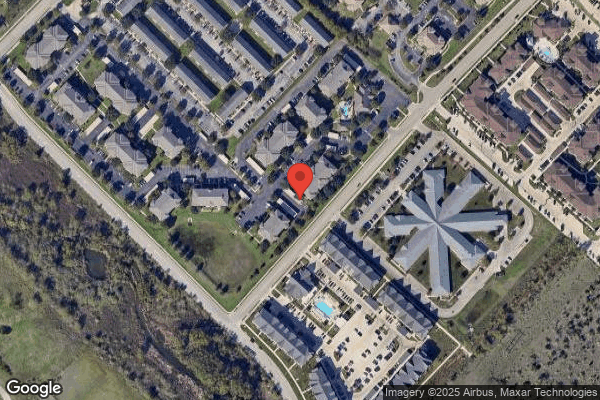
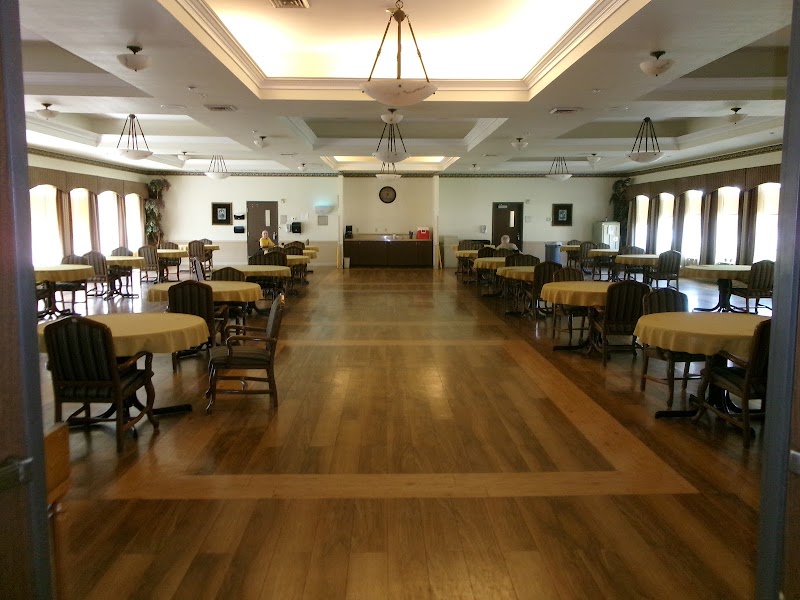
1351 SADLER, SAN MARCOS, TX 78666 (512) 805-5000
For profit - Individual 174 Beds Independent Data: November 2025 8 Immediate Jeopardy citations
Trust Grade
0/100
#955 of 1168 in TX
Last Inspection: April 2025

Within standard 12-15 month inspection cycle. Federal law requires annual inspections.

Overview

Cypress Healthcare and Rehabilitation Center has received a Trust Grade of F, indicating significant concerns about the quality of care provided. With a state rank of #955 out of 1168 in Texas, they are in the bottom half of facilities, and at #5 out of 6 in Hays County, only one local option is better. While the facility is improving in some areas, as evidenced by a decrease in reported issues from 23 in 2024 to 12 in 2025, they still face critical and serious deficiencies, including incidents of physical and emotional abuse towards residents. Staffing is a weakness, with a poor rating of 1 out of 5 stars and a turnover rate of 57%, which is higher than the Texas average. Additionally, the facility has incurred $245,858 in fines, suggesting ongoing compliance problems. However, they do have average RN coverage, which is important for catching issues that other staff might miss. Specific incidents of concern include a resident being dragged to the shower while still clothed and not receiving proper protection from further abuse, highlighting serious lapses in resident care and safety.

Trust Score
F
0/100
In Texas
#955/1168
Bottom 19%
Safety Record
High Risk
Review needed
Inspections
Getting Better
23 → 12 violations
Staff Stability
⚠ Watch
57% turnover. Above average. Higher turnover means staff may not know residents' routines.
Penalties
⚠ Watch
$245,858 in fines. Higher than 78% of Texas facilities, suggesting repeated compliance issues.
Skilled Nurses
⚠ Watch
Each resident gets only 27 minutes of Registered Nurse (RN) attention daily — below average for Texas. Fewer RN minutes means fewer trained eyes watching for problems.
Violations
⚠ Watch
40 deficiencies on record. Higher than average. Multiple issues found across inspections.
★☆☆☆☆
1.0
Overall Rating
★☆☆☆☆
1.0
Staff Levels
★★★★☆
4.0
Care Quality
★☆☆☆☆
1.0
Inspection Score
Stable
2024: 23 issues
2025: 12 issues

The Good

  • 4-Star Quality Measures · Strong clinical quality outcomes
  • Full Sprinkler Coverage · Fire safety systems throughout facility
  • No fines on record

Facility shows strength in quality measures, fire safety.

The Bad

1-Star Overall Rating

Below Texas average (2.8)

Significant quality concerns identified by CMS

Staff Turnover: 57%

11pts above Texas avg (46%)

Frequent staff changes - ask about care continuity

Federal Fines: $245,858

Well above median ($33,413)

Significant penalties indicating serious issues

Staff turnover is elevated (57%)

9 points above Texas average of 48%

The Ugly 40 deficiencies on record

8 life-threatening 2 actual harm
Jun 2025 1 deficiency
CONCERN (E) 📢 Someone Reported This

A family member, employee, or ombudsman was alarmed enough to file a formal complaint

Potential for Harm - no one hurt, but risky conditions existed

Notification of Changes (Tag F0580)

Could have caused harm · This affected multiple residents

**NOTE- TERMS IN BRACKETS HAVE BEEN EDITED TO PROTECT CONFIDENTIALITY** Based on interviews and record review, the facility failed to immediately consult with the resident's physician when there was a...

Read full inspector narrative →
**NOTE- TERMS IN BRACKETS HAVE BEEN EDITED TO PROTECT CONFIDENTIALITY** Based on interviews and record review, the facility failed to immediately consult with the resident's physician when there was a need to alter treatment significantly for 1 (Resident #1) of 4 residents reviewed for physician notification, in that: The facility failed to notify Resident #1's provider of medication refusals for insulin from 06/01/2025 through 06/19/2025 and Pioglitazone (for type 2 diabetes) on 06/01/2025, 06/07/2025, 06/08/2025, 06/14/2025, and 06/15/2025. This failure could result in decreased continuity of care, and a delay in needed treatment and services. Findings include: Review of Resident #1's face sheet reflected a [AGE] year-old male admitted on [DATE] with diagnoses of hypertensive heart disease (heart conditions that develop as a result of long-term high blood pressure), cerebral infarction (a condition where a part of the brain is damaged due to insufficient blood supply), type 2 diabetes mellitus (chronic condition where the body either doesn't produce enough insulin leading to elevated blood sugar), major depressive disorder, and muscle weakness. Review of Resident #1's care plan dated 03/04/2025 reflected Resident #1 had diabetes mellitus with goal to have no signs or symptoms of hyperglycemia (too much glucose in the blood) . Interventions reflected to administer diabetes medication as ordered by doctor and monitor/document effectiveness. Intervention also included to educate regarding medications and importance of compliance and have Resident #1 verbalize understanding. Review of Resident #1's quarterly MDS dated [DATE] reflected Resident #1 had a BIMS score of 12 which indicated moderate cognitive impairment. Review of Resident #1's physician orders reflected an order for insulin lispro injection solution before meals and at bed time with a start date of 02/26/2025 for type 2 diabetes. Further review reflected Resident #1 had an order for pioglitazone tablet one time a day for type 2 diabetes with a start date of 04/04/2025. Review of Resident #1's MAR for June 1, 2025 to June 19, 2025 reflected Resident #1 refused his pioglitazone on 06/1/2025, 06/07/2025, 06/08/2025, 06/14/2025, and 06/15/2025. Further review reflected Resident #1 refused his insulin lispro injection three times a day from 06/01/2025 to 06/19/2025. Resident #1's blood sugar was taken three times a day from 06/01/2025 to 06/19/2025 with low of 110 mg/dL and high of 307 mg/dL. Review reflected if greater than 399 mg/dL notify provider. Review of Resident #1's nursing progress notes from 06/01/2025 to 06/19/2025 reflected the NP/MD was not notified of Resident #1's medication refusals for June 2025. Further review reflected Resident #1 was not provided education regarding medication refusals for June 2025. Review of Resident #1's social services quarterly note dated 06/03/2025 reflected Resident #1 wished to return home but appeared to lack safety awareness and full insight to situation and care needs. During an interview on 06/19/2025 at 10:14 AM, Resident #1 stated that staff checked his blood sugar all the time. Resident #1 stated that he refused his insulin and told the staff that he did not want it because he does not want to become dependent on it. Resident #1 stated that he has not felt ill due to his blood sugar levels and has not had to go to the hospital since he admitted to the facility. Resident #1 stated that the staff tell him what his blood sugar is and if it was too high he would take the insulin. During an interview on 06/19/2025 at 1:07 PM, LVN A stated that residents had the right to refuse medications. LVN A stated if a resident refused medication their provider should have been notified as well as their family. LVN A stated that the resident should have been educated as to what the medication was and why it was important to take. LVN A stated if a resident refused insulin it was important to let the resident know why they were supposed to receive insulin and that their body cannot lower blood sugar on its own and the insulin was to manage and prevent blood sugar from getting too high. LVN A stated possible consequences for not taking insulin was to not have controlled blood sugar, coma or stroke. LVN A stated that notification to the provider should be documented in the resident's chart as a progress note. During an interview on 06/19/2025 at 1:19 PM, LVN B stated that if a resident refused medication it would be written in the 24 hour report and the provider would be notified to see what needed to be done. LVN B stated that a refusal should have been documented in a progress note as well as the notification to the provider. LVN B stated that education could be provided depending on the resident's cognition. LVN B stated that education to the resident could include letting the resident know that they do not want the resident's blood sugar to drop or get too high. LVN B stated that potential harm for not taking insulin was lethargy (unusual tiredness, drowsiness, or lack of energy) increased thirst, or aggression. LVN B stated education should have also been documented in a progress note. During an interview on 06/19/2025 at 1:31 PM, LVN C stated that he normally worked with Resident #1 and on Resident #1's hall. LVN C stated that the protocol for medication refusals included to figure out why the resident refused the medication, ease any concern they may have with the medication and answer any questions the resident may have had. LVN C stated that if a resident refused medication the MD/NP would be notified. LVN C stated that the refusal should be documented in a progress note and on the MAR. LVN C stated that the provider should be notified each time a resident refused. LVN C stated that the potential risk for a resident refusing insulin was worsening of the diabetic condition. LVN C stated that he did not notify the provider today (06/19/2025) of Resident #1's medication refusal. LVN C stated that he sent the NP a text yesterday regarding the refusals. LVN C did not have the text message that he notified the provider. During an interview on 06/19/2025 at 1:41 PM, the NP stated that he was familiar with Resident #1. The NP stated that he had been notified earlier today (06/19/2025) that Resident #1 refused medication. The NP stated he cannot recall being notified of Resident #1's medication refusals prior to today. NP stated that he expected the facility to notify him when a resident refused insulin. NP stated that he has not provided any education to Resident #1 regarding insulin refusals and said for Resident #1 to continue as ordered. NP stated that Resident #1's A1C (blood test for sugar levels) has been controlled and Resident #1 has not had any issues. During an interview on 06/19/2025 at 1:49 PM, the DON stated that residents have the right to refuse medications and staff should approach the resident later and try again. The DON stated that the provider should have been notified of medication refusals and the notification should be documented in a progress note. The DON stated that refusing insulin would have the potential to increase blood sugar but it was dependent on the resident on the potential outcome. The DON stated she expected staff to provide education if a resident was cognitively able to understand and expected education to be documented in the progress notes after the refusal. The DON stated Resident #1 does refuse his insulin and believe he was not on it prior to his hospitalization that occurred prior to admission to the facility and stated the hospital usually added insulin to diabetes when they went to the hospital. The DON stated Resident #1 has not returned to the hospital since admission to the facility. During an interview on 06/19/2025 at 2:02 PM, the ADM stated that she expected staff to attempt again if a resident refused medication, but if they refuse then the family should be contacted to see if the family could assist. The ADM stated the provider should be contacted to let them know the resident was not taking the medication and that education should be provided to the resident about what medications were for. The ADM stated she expected notification to the provider to be documented. The ADM stated a lot of times they talk to the provider on the phone, but it needed to be documented in the progress notes. The ADM stated education should have also been documented in the progress notes. Review of undated facility policy titled Medications - Administering reflected if a drug is withheld, refused, or given at a time other than the scheduled time, the individual administering the medication shall document this in the record. Review of undated facility policy titled Medication - Documentation of Administration reflected documentation must include reasons why a medication was withheld not administered or refused. Review of undated facility policy titled Change in a Resident's Condition of Status reflected charge nurse will notify the resident's provider when there has been a refusal of treatment or medications two or more consecutive times.
Apr 2025 11 deficiencies
CONCERN (D)

Potential for Harm - no one hurt, but risky conditions existed

ADL Care (Tag F0677)

Could have caused harm · This affected 1 resident

**NOTE- TERMS IN BRACKETS HAVE BEEN EDITED TO PROTECT CONFIDENTIALITY** Based on observation, interview and record review the facility failed to ensure a resident who was unable to carry out activitie...

Read full inspector narrative →
**NOTE- TERMS IN BRACKETS HAVE BEEN EDITED TO PROTECT CONFIDENTIALITY** Based on observation, interview and record review the facility failed to ensure a resident who was unable to carry out activities of daily living received the necessary services to maintain good nutrition, grooming and personal and oral hygiene for 1 of 8 residents (Resident #18) reviewed for ADL care. The facility failed to ensure Resident #18 was provided fingernail care. This failure could place residents at risk for not receiving adequate care and services to prevent infection, injury, and a diminished quality of life. Findings include: Record review of Resident #18's face sheet, dated 04/16/2025, reflected an [AGE] year-old female who was admitted to the facility on [DATE] and readmitted on [DATE]. Resident #18 had diagnoses which included: Cerebral Infarction (a stroke occurs when blood flow to the brain is cut off), speech impairment related to stroke, Parkinson's disease (a chronic and progressive movement disorder that causes tremors, stiffness, or slowing of movement) with dyskinesia (uncontrolled, involuntary movements), hemiplegia (paralysis) and hemiparesis (weakness) affecting left side, and diabetes mellitus (a disease that affects how the body uses blood sugar). Record review of Resident #18's Quarterly MDS, dated [DATE], reflected a BIMS score of 15, which indicated no cognitive impairment. Resident #18 had impaired vision. Section E-Behavior reflected Resident #18 did not resist ADL care that was necessary to achieve the resident's goals for health and wellbeing. Section GG-Functional Abilities and Goals reflected Resident #18 needed substantial/maximal assistance with bathing and toileting hygiene, Resident #18 required partial/moderate assistance for personal hygiene. Record review of Resident #18's Comprehension Care Plan, revised on 04/16/2025, reflected she had limited physical mobility due to hemiplegia on left dominant side due to stroke. Interventions included, passive range of motion during ADL care daily, hand roll in left hand as tolerated, provide supportive care and assistance with mobility as needed. The care plan did not address nail care. Care plan reflected Resident #18 was resistant to nail care. Record review of Resident #18's task list for in PCC reflected nail care was scheduled to be provided by licensed nurse twice a week. Between 03/18/2025 through 04/15/2025, one refusal was documented on 04/01/2025. Record review of Resident #18's order summary did not reflect any order for nail care. Observation and interview on 04/15/2025 at 10:43 AM revealed Resident #18 was sitting in a wheelchair in her room watching television. Her left hand was closed in a fist, contracted, and she could not open it. Her left thumb nail was long and had rough edges. The resident stated she would like someone to trim her nails. In an interview on 04/15/2025 at 10:55 AM, CNA G stated Resident #18's nails on her left hand were really long. CNA G stated she could feel the long nails on the left hand when she gave Resident #18 showers and put soap into resident's left hand. CNA G stated Resident #18 could not open her left hand due to the contracture and moving it caused the resident pain. She was not aware of anyone trimming the resident's nails. CNA G stated she could not trim Resident #18 nails because the resident was diabetic and nail care was provided by the nurse. Observation and interview on 04/15/2025 at 03:16 PM revealed Resident #18's left thumb nail was long and had rough edges. Resident #18 stated she would like someone to trim her nails and she had not refused nail care, and no one provided nail care on 04/15/2025. Interview on 04/16/2025 at 03:57 PM, LVN B stated he was familiar with Resident #18 and her left hand was contracted. LVN B stated fingernails needed to be trimmed to avoid self-injury, skin issue and infection. LVN B stated he, the treatment nurse, or ADON could provide nail care. LVN B stated he had not provided nail care for Resident #18 because the resident was not his resident, and he was not aware Resident #18 needed nail care. LVN B stated he checked the residents' nails about once a week, but he didn't know how often he should be checking the residents' nails. He was not familiar with the policy or schedule of required nail care. Interview on 04/17/2025 at 10:07 AM, CNA F stated she was familiar with Resident #18 and she gave Resident #18 a shower this morning and noticed the resident's nails were long. Resident #18 left hand was contracted, and she required assistance with showers. CNA F stated CNAs could not provide nail care to Resident #18 because the resident was diabetic. She stated she would report her concern to the nurse on shift and ask them to cut the nails because the resident could hurt herself, cut her skin, or cause an injury to herself due to the long nails. Observation and interview on 04/17/2025 at 10:13 AM revealed Resident #18's left thumb nail was long and had rough edges. Resident #18 stated she would like someone to trim her nails and she had not refused nail care, and no one provided nail care on 04/17/2025. Interview on 04/17/2025 at 10:26 AM and 11:27 AM, RN E stated nail care was performed by any licensed nurse according to the tasks in the resident's chart. Normally, LVN C provided nail care to Resident #18, but she was unavailable to interview as she was in clinicals. RN E stated LVN C told her she trimmed Resident #18's nails a few weeks ago and forgot to sign off as task completed in PCC. RN E stated there was an error in the task function in PCC, which had been corrected. The check marks the state surveyor had observed were made by CNAs and they could not perform nail care on Resident #18 because she was diabetic. She stated Resident #18 was scheduled for nail care on 04/18/2025. RN E stated residents fingernails needed to be trimmed for the comfort, dignity, appearance and cleanliness. Also to avoid the risk of scratching self, skin wounds or digging into the palm of the hand due to the contracture on the left hand. RN E stated there was a policy that provided guidance on the frequency of nail care, but she did not know the details. All nursing staff were responsible for checking residents' nails, especially the CNAs. RN E stated CNAs needed to check nails to ensure they were clean and report to nurses any concerns with nails if they needed to be trimmed. Her expectation would be the nurse would provide nail care same shift/same day as nurse was notified nail care was needed. RN E viewed the photo of Resident #18's nails and that resident needed nail care and this would not meet her expectations. Interview on 04/17/2025 at 11:47 AM, RN D stated she was a wound care nurse and provided nail care to residents on Sundays but did not document nail care anywhere in PCC because she did not know where to document. RN D stated nurses and CNAs were supposed to be checking residents' nails once a week or every other week but did not know what the schedule for nail care was. RN D stated it was important to check residents' nails to avoid residents causing skin tears, self-injury, or infection concerns due to touching feces. RN D stated there was a policy about nail care, but she did not know the details. RN D stated she would provide nail care same day/as soon as possible if a staff member informed her of a concern with a resident's nails. RN D viewed a photo of Resident #18's nails and RN D stated residents needed nail care to avoid injury to self. Interview on 04/17/2025 at 12:02 PM the DON stated it was important for residents to receive nail care on Tuesdays and Fridays to keep nails short, clean, and avoid a skin issue. If a resident was diabetic, then any nurse or treatment nurse could provide nail care, otherwise, CNAs could trim nails, which was documented in the tasks in PCC. The DON stated CNAs and nurses were responsible for checking residents' nails and her expectation would be that nail care occurred the same day the nurse was notified or became aware that nail care was needed. The DON viewed a photo of Resident #18's nails and stated resident's nails needed to be trimmed immediately and this would not meet her expectation. Interview on 04/17/2025 at 12:06 PM the ADON stated that any nurse could provide nail care to residents with diabetes. The ADON stated nurses were responsible for checking residents' nails once a week and they should be documenting nail care in PCC under tasks. Nurses get alerts for residents scheduled for nail care in PCC and nurses should be checking those residents twice a week. The ADON would expect nurses' to trim nails if they were long, even if it was not the resident's scheduled day for nail trimming to avoid infection control issues. The ADON viewed a photo of Resident #18's nails and stated residents nails needed to be trimmed immediately and this would not meet her expectation. Interview on 04/17/2025 at 02:01 PM, the ADM stated she just became aware of the nail care concern when the state surveyor started asking questions. Before this, she thought Sunday was reserved for nail care for all residents. The ADM sated CNAs were responsible for checking residents' nails to ensure they were clean and to trim as needed or let the charge nurse know if they could not trim the nails. The ADM stated she just learned today once the state surveyor started asking questions that diabetic residents were different, and those residents needed to be handled by the nurses, not the CNAs. The ADM stated she knew diabetic residents had to have a podiatrist trim their toenails, but she never thought about residents' fingernails. The ADM stated the treatment nurse should be checking for nail care when doing skin rounds weekly. The ADM didn't know if their nail care policy required nail checking at a certain frequency, but she thought it should be done twice a week. The ADM stated it was important to check and trim nails as needed so the residents didn't get infections or scratch themselves. The ADM stated her expectation was the charge nurse would complete nail care the same day they become aware the resident needed nail care. The ADM stated long nails could dig into the palm of a resident who had contractures and could cause a wound or pain. Record review of the facility's, undated, policy titled Nail Care reflected: Policy: The purpose of this policy is to provide guidelines for the provision of care lo a resident's nails for good grooming and health. Policy Explanation and Compliance Guidelines: 1. Routine cleaning and inspection of nails will be provided during ADL care on an ongoing basis. 2. Routine nail care, to include trimming and filing, will be provided by nurse on a regular schedule per care plan unless contraindicated. Nail care will be provided between scheduled occasions as the need arises. 3. Principles of nail care: a. Nails should be kept smooth to avoid skin injury. b. Only licensed nurses shall trim or file fingernails of residents with diabetes Record review of the facility's, undated, policy titled Activities of Daily Living reflected the following: A resident who is unable to carry out activities of daily living will receive the necessary services to maintain good nutrition, grooming, and personal and oral hygiene.
CONCERN (D)

Potential for Harm - no one hurt, but risky conditions existed

Deficiency F0805 (Tag F0805)

Could have caused harm · This affected 1 resident

Based on observation, interview, and record review the facility failed to serve each resident receives and the facility provides food prepared in a form to meet individual needs for one of one pureed ...

Read full inspector narrative →
Based on observation, interview, and record review the facility failed to serve each resident receives and the facility provides food prepared in a form to meet individual needs for one of one pureed food preparation. The facility failed to ensure [NAME] L prepared puree foods with adequate and appropriate liquids. These failures could result in choking hazards, decreased nutrient intake and weight loss. Findings included: Observation of cook, [NAME] L preparing puree foods on 4/16/2025 at 10:51 AM revealed he used water as the liquid to puree cornbread muffin. He was not following a specific recipe. In an interview on 4/15/2025 at 9:31 AM the DM stated the residents were not enjoying the facility meals because they were not feeling the Louisiana menu he was currently using to prepare foods from. He stated the company he procures product for provides a Louisiana menu and he was working on making the switch to a local, Texas procurement company. He stated there were contracts being worked on which will transition the facility over to a Texas menu beginning May 1, 2025. In an interview on 4/15/2025 at 10:48 AM Resident #67 stated he doesn't care for the meals being served from the kitchen and prefers the alternate choices of hamburgers, hotdogs, corndogs, and pizza. He stated 1-2 times per week he will choose the alternate meal because he was tired of constantly eating rice and beans and would prefer other options like chicken with mashed potatoes and carrots. In an interview on 4/15/2025 at 12:37 PM Resident #73 stated, she hates the lunch, she hasn't eaten the facility food in so long, roughly two years. She stated she used to eat the meats served for protein, but the food has become cardboard, really tough, and flavorless. She stated the alternative grilled cheese sandwiches were a joke, the food was cold, smells horrible at times and the flavor was poor. In an interview on 4/15/2025 at 12:10 PM Resident #56 stated she normally doesn't eat because she doesn't like the meals that were served. She said she was not happy with meals. She stated she doesn't like the alternatives because they were not cooked well. She stated she would rather eat cereal than to eat the food being served. She stated she likes fruit, but it doesn't look appetizing. In an interview on 4/16/2025 at 9:20 AM Resident #39 stated food was mediocre. The resident stated mashed potatoes are served practically every day , the seasoning is very poor, and boring. She can ask for alternative of some sort of sandwich if she doesn't care for the food. In an interview on 4/16/2025 at 9:57 AM Resident #64 stated his eggs were burnt, this morning and he didn't care for the breakfast. In an interview on 4/16/2025 at 9:10 AM Resident #46 stated he did not like breakfast, the food has no taste to it, meat was dry, and cold. He stated he eats in the dining room and will be provided a substitute meal when he doesn't like what was being served. He stated he will usually ask for cereal, [NAME] Krispies. In an interview on 4/17/2025 at 2:21 PM the DM stated the Dietician provides him training on preparing menus, hand sanitation, food procurement, following recipes, diets, and puree preparation and in turn he trains the dietary staff. Surveyor asked DM for in-service logs during this interview, and he stated he doesn't complete his own in-service logs and the ADM would have in-service logs. He stated he would reach out to the ADM and obtain logs for surveyor (logs not provided prior to exiting). He stated the protocol for pureeing foods was to use milk, butter, gravy, broth, and thickening powder, if necessary, but to not use water. He stated he was unsure why [NAME] L would use water when pureeing foods as he knows it has no nutritional value. He stated he has the supplies needed to puree foods. He stated he was expected to follow the menus and understands he can add to the menu just not remove items or seasonings. He stated he will typically taste the food and believes it was good quality and flavorful and would eat it himself and he doesn't have concerns serving to the residents. He stated he was aware several residents were declining the meal trays, and he has instructed aids to notify him so he may offer a substitute. He stated he does not have substitutions documented. He stated he has been informed by aids and residents the food lacks flavor and would like other foods and he stated he wants to provide the residents with flavorful, edible, and presentable food so they would want to eat it. He stated the 8 lettuce heads in the walk-in refrigerator have been in there for four weeks now pending company picking up and he would have to follow-up with the company. He stated he did not inspect the food quality at delivery, and he had some items that was returning. He wasn't aware he needed to label it. He stated the black ripe bananas were kept in the kitchen for residents who require soft foods for consumption. He stated the expectation was for cooks to begin meal prep no more than two house prior to meal service. He discussed that he was not aware that [NAME] L was preparing lunch as early as 9:00 am on 4/15/2025 and that this can cause concerns for residents. In an interview on 4/17/2025 at 2:54 PM the ADM stated the DM receives in-services directly from the Dietician. The ADM stated the expectation was for the food to be warm and appetizing, that it tastes good, right temperature, and nutritious. The ADM stated she was aware of a few residents not liking the meals and being offered alternatives, which they decline as they were provided meals by their family. Surveyor requested in-service logs for all dietary staff (not provided to surveyor prior to exiting). In an interview on 4/17/2025 at 2:54 PM the DON stated she was aware that some residents don't like the type of food that was being prepared by the kitchen and were offered alternatives. She stated some residents have notified her that the food was sometimes cold, but this wasn't often. Record Review of Storage Freezer: Dietary Policy, no date revealed 2. Keep all frozen foods tightly wrapped or packaged to prevent freezer burn. 2. Label and date all items. Record Review of Storage: Refrigerator: Dietary Policy, no date revealed 7. Keep refrigerated foods wrapped or covered and in sanitary containers. Record Review of Dietary Daily Functions: Dish machine: Dietary Policy, no date revealed Monitor and record temperatures and sanitizer solution at each meal. Record Review of Meal Delivery: Dining Rooms: Dietary Policy, no date revealed 3. Service must be prompt and efficient so that food will remain at the appropriate temperatures for consumption. 5. If the resident refuses any food item, the kitchen will supply a substitute of similar nutritive value. Acceptance or refusal of such substitution should be documented. Record Review of Menu Planning: Dietary Policy, no date revealed Menus will be posted and clearly visible to residents. Record Review of Dietary General Policies: Organizational Goals: Dietary Policy, no date revealed Provide the best quality food and food service for the residents within the budget as predetermined by the administration and according to established guidelines of all other regulatory agencies.
CONCERN (E)

Potential for Harm - no one hurt, but risky conditions existed

Resident Rights (Tag F0550)

Could have caused harm · This affected multiple residents

**NOTE- TERMS IN BRACKETS HAVE BEEN EDITED TO PROTECT CONFIDENTIALITY** Based on observation, interview, and record review, the facility failed to ensure each resident was treated with respect and dig...

Read full inspector narrative →
**NOTE- TERMS IN BRACKETS HAVE BEEN EDITED TO PROTECT CONFIDENTIALITY** Based on observation, interview, and record review, the facility failed to ensure each resident was treated with respect and dignity and care in a manner and in an environment that promoted maintenance or enhancement of his or her quality of life, recognizing each resident's individuality for 4 of 18 residents (Resident #23, Resident #30, Resident #33 and Resident #82) reviewed for resident rights an dignity. The facility failed to ensure that Resident #23 was assisted with feeding when her meal tray was delivered to the assisted dining room. The facility failed to ensure LVN A and MAIN knocked on Resident #30, Resident #33 and Resident #82's doors when going into the residents' rooms. These failures could place residents at risk of feeling like their privacy was being invaded or the facility was not their home. This failure could place residents at risk of diminished dignity and affect their quality of life. Findings include: 1.Review of Resident #23's face sheet dated 4/17/2025 reflected [AGE] year-old female who was admitted to the facility on [DATE] with diagnoses of muscle weakness, vascular dementia (describing problems with reasoning, planning, judgment, memory, and other thought processes caused by brain damage from impaired blood flow to your brain), nutritional deficiency (inadequate supply of essential nutrients (as vitamins and minerals) in the diet), dysphagia (difficulty swallowing), cerebrovascular disease (conditions that impact the blood vessels in your brain), muscle wasting and atrophy (reduced muscle mass), cognitive communication deficit (difficulties in communication that arise from impaired cognitive functions), anorexia (eating disorder in which people have a low body weight). Review of Resident #23's MDS Quarterly assessment, dated 03/24/2025 reflected a BIMS score of 03 indicating severe cognitive impairment. The MDS further reflected Resident #23 was on a mechanically altered diet (texture-modified diet designed for individual who have difficulty chewing or swallowing) and required partial/moderate assistance from staff for eating. Review of Resident #23's care plan, dated 03/24/2025 reflected Resident #23 was total dependent on staff for eating. 2. Record review of Resident #30's face sheet, dated 04/16/2025, revealed an [AGE] year-old female who was admitted to the facility on [DATE]. Resident #30 had diagnoses which included heart failure, muscle weakness, anemia (not enough healthy red blood cells), lack of coordination, abnormality of gait and mobility, hypertensive heart disease with heart failure (damage to heart and heart failure due to chronic high blood pressure), type 2 diabetes mellitus with hyperglycemia (high blood sugar), cognitive communication deficit (problems with communication), repeated falls, pain in right shoulder, pain in left shoulder, nausea with vomiting, and dementia (memory, thinking, difficulty). Record review of Resident #30's Quarterly MDS assessment, dated 11/24/2024, revealed Resident #30 had a BIMS score of 03, which indicated severe cognitive impairment. 3. Record review of Resident #33's face sheet, dated 04/16/2025, revealed a [AGE] year-old male who was admitted to the facility on [DATE]. Resident #33 had diagnoses which included insomnia (difficulty sleeping), nausea, history of falling, acute pain, dysphagia (difficulty swallowing), COVID 19 , difficulty walking, attention and concentration deficit, kidney disease, muscle wasting, abnormality of gait and mobility, obesity, unsteadiness on feet, pain in right shoulder, major depressive disorder , and vitamin D deficiency. Record review of Resident #33's Quarterly MDS assessment, dated 11/24/2024, revealed Resident #33 had a BIMS score of 12, which indicated moderate impairment. 4. Record review of Resident #82's face sheet, dated 04/16/2025, revealed a [AGE] year-old male who was admitted to the facility on [DATE]. Resident #82 had diagnoses which included insomnia (difficulty sleeping), burn of third degree of shoulder and upper limb, nausea, constipation, heart failure, vitamin deficiency, Severe Sepsis without septic shock (life threating condition where the bodies overwhelming response to an infection leads to organ damage), hyperlipidemia (high cholesterol), acquired absence of right leg below the knee, and pain. Record review of Resident #82's Quarterly MDS assessment, dated 11/24/2024, revealed Resident #82 had a BIMS score of 11, which indicated moderate impairment. Observation on 04/15/2025 at 11:10 a.m., revealed the MAIN walked into Resident #30's room without knocking to check the bathroom. Resident #30 was in the bathroom when the MAIN walked in her room and opened the bathroom door. Observation on 04/15/2025 at 9:05 a.m., revealed LVN A walked into Resident #33 and Resident #82's room without knocking. Observation on 04/15/2025 at 10:02 a.m., revealed LVN A walked into Resident #33 and Resident #82's room without knocking. Observation on 4/16/2025 at 5:30 p.m. revealed CNA T feeding Resident #23 in the assisted dining room. CNA T was observed sitting beside Resident #23 feeding her. When she received a text message, she put down the utensils she was using to feed Resident #23 and pulled out her cell phone and began reading a message and laughing. She was observed on her personal phone for 3 minutes. Once CNA T observed Surveyor in the doorway, she put her cell phone away and returned to feeding Resident #23. During an interview with Resident #33 on 04/17/2025 at 8:40 a.m., revealed staff did not always knock on his door. He said staff did not knock on his door a lot. He said he would like for them to knock all the time. He said it did not upset him when staff did not knock . An interview with Resident #83 on 04/17/2025 at 8:42 a.m., revealed staff did not always knock. He said he would like for staff to knock all the time. He said he did not know how he felt about staff not knocking on his door. He said he did not know how often the staff did not knock on his door. During an attempted interview with Resident #30 on 04/17/2025 8:33 a.m., she said she did not know if staff always knocked before entering her room. She said she did not care if the staff knocked or not. She also said she did not know if she got upset when staff did not knock. She said she was not sure how often staff did not knock. An interview with LVN A on 04/17/2025 at 8:34 a.m., revealed he was trained on resident rights. He said the policy was staff were to knock on the door and wait for the resident to respond. He said staff were to knock except if it was an emergency such as the resident not breathing. He said if a resident did not want someone in their room they could get upset. He said everyone was responsible for monitoring to ensure staff were knocking. He said knocking on the door was monitored by doing observations. He said he was just in a hurry and did not think about knocking on the resident's door. An interview with the MAIN on 04/17/2025 at 9:15 a.m., revealed he was trained on resident rights. He said the policy was staff were to knock on the door and wait for the resident to say it was okay to come in. He said he was not sure of anytime the staff did not have to knock. He said every resident had a room and that was their private space. He said it was a violation of the resident's right and it was not nice to be obnoxious by not knocking. He said everyone should monitor to ensure staff were knocking. He also said staff monitored each other by observation. He said he did not recall going into Resident #30's room without knocking and opening the bathroom door while she was in the bathroom. An interview with the ADM on 04/17/2025 at 11:38 a.m., revealed she and staff were trained on resident rights. She said the policy was to knock on the door and inform the resident what they were there to do. She said all staff were supposed to knock before entering the residents' room. She said some residents did not care if staff knocked. She said regardless of if the resident did not care staff should be knocking. She said management monitored knocking by observation of the halls. She said she thought the staff got complacent and did not knock. An interview with the DON on 04/17/2025 at 12:19 p.m., revealed she and staff were trained on resident rights. She said she was not sure what the policy was that staff were to knock on the door. She said staff were expected to knock whenever they wanted to go into the room. She said if staff did not knock the resident may feel as if the facility was not his/her home. She said all staff were supposed to knock anytime they wanted to enter the resident's rooms. She said everyone was responsible for monitoring to ensure staff were knocking. She said knocking on the door was monitored by doing observations. She said she did not know why the staff did not knock. In an attempted interview on 04/17/2025 at 1:20 p.m. Resident #23 was nonverbal. Resident would not say anything she would just look at surveyor. In an interview on 04/17/2025 at 1:26 p.m. CNA H stated that she had been trained on resident rights. She stated not treating a resident with respect and providing privacy would affect them negatively and make them feel worthless or unimportant. She stated the facility's cell phone policy was to not have cell phones out on the floor, near personal information, around resident or in their room, it must be put away. She stated cell phones were not allowed to be used if tasked with feeding a resident. She stated if phones were out when assisting a resident with feeding this can cause them to feel unimportant and they were being paid to pay attention to the resident to avoid them from choking. In an interview on 04/17/2025 at 1:43 p.m. RN D stated that she had been trained on resident rights and privacy and dignity was important to residents as they can be affected negatively if not treated with respect and dignity. She stated the cell policy was to not have them out unless on break or work related. She stated the facility allows for the use of personal cell phones. She stated she does assist with feeding residents as there were many feeders, and as a wound care nurse nutrition was a big part of wound care, and everybody shares this responsibility. She stated it would not be appropriate to feed a resident and use cell phone. She stated she has personally witnessed staff using their personal cell phones while assisting a resident with feeding. She stated that residents could choke if they were not being supervised or assisted correctly. She stated CNAs were less likely to communicate work items on cell phones and sees no need for them to be out. She stated she was unsure how staff communicate between each other and may require their personal cell phones. In an interview on 4/17/2025 at 2:54 p.m. the DON stated the facility's cell phone policy was that staff can have it on their person. She stated with patient care staff should not be on their phones especially when assisting a resident with feeding. She stated cell phones were allowed and if an emergency staff can step away and go and use in the breakroom. In an interview on 4/17/2025 at 2:54 p.m. RN E stated managers have a cell phone, communication between staff was allowed on phone. She stated she does text staff members and states phones were becoming more common in the facility. She stated nurses can communicate with practitioners at the desk and phone was allowed if it was work related. She stated no staff should be using their cell phone when providing direct services in person. RN E stated the cell phone policy was provided to each new hire during onboarding as it can affect HIPAA, resident's privacy. She stated if a severe problem with cell phones he would put a stop to it immediately and provide all staff in-service on cell phones. In an interview on 4/17/2025 at 2:54 p.m. RN E stated the assisted dining was for the residents that require assistance with feeding. She stated feeding a resident while on a personal cell phone could impact a resident's dignity as they were not receiving the attention they need to be fed. RN E stated being focused on their task at hand was necessary whenever working on direct services with any resident. Record review of the Resident Rights: 5. Respect and dignity: Resident Rights Policy, not dated, reflected The resident has a right to be treated with respect and dignity. 11. The facility will ensure that all staff members are educated on the rights of residents and the responsibility of the facility to property care for its residents. Record review of the Dining Rooms: Dietary Policy, not dated, reflected 2. Nursing assistance will assist the resident as needed, i.e., cutting meat, buttering bread, unwrapping food items, etc. Record review of the Resident Rights, not dated, revealed residents have the right to be treated with respect and dignity. Residents have the right to personal privacy and confidentiality.
CONCERN (E)

Potential for Harm - no one hurt, but risky conditions existed

Deficiency F0565 (Tag F0565)

Could have caused harm · This affected multiple residents

Based on observation , interview and record review the facility failed to ensure residents were provided with a private space, and take reasonable steps, with the approval of the group, to make reside...

Read full inspector narrative →
Based on observation , interview and record review the facility failed to ensure residents were provided with a private space, and take reasonable steps, with the approval of the group, to make residents and family members aware of upcoming meetings in a timely manner for residents' monthly council meetings and the confidential resident group meeting during the survey for 8 of 8 residents reviewed for confidential resident council meeting. The facility failed to provide a private space for resident council meetings. This failure could place residents at risk of not being able to exercise their rights of being able to voice their grievances in private without uninvited staff being present. Findings Include: Observation on 04/15/2025 at 10:35 AM, revealed staff walked in on the resident council meeting, and the residents told the staff they were having a meeting . Observation on 04/15/2025 at 10:41 AM, revealed staff just walked in to the resident council meeting, and the residents told the staff they were having a meeting. The meeting was held in the assisted dining room Observation on 04/15/2025 at 10:56 AM, revealed a family member interrupted the resident council meeting in the assisted dining room. Observation on 04/15/2025 at 11:13 AM revealed a staff member interrupted the meeting to bring a resident into the room for lunch in the assisted dining room . During an interview on 04/15/2025 at 9:20 AM, with the Administrator revealed a meeting was already scheduled for 10:30 AM, in the main dining room. She said they always had the meeting in the main dining room. She said they could move it to the assisted dining room to be more private . During an interview with a confidential resident revealed resident council always met in the dining room. He said staff would come in and out of the dining room while the meeting was in session. He also said even if the door was closed staff still opened it and came in. He said he would tell them they were having a meeting and for the staff not to come in, but they still came in. He said the resident council did not get the privacy they wanted. He said he talked to the ADM about staff coming in and out. He said the ADM told him there was nothing the facility could do. During an interview with the AD on 04/17/2025 at 11:14 AM revealed she had been trained on resident rights. She said the resident council was supposed to have a private meeting area. She also said they had the right to privacy and could say if staff could join or not. She said she was responsible for ensuring the resident council had a private area to meet. She said the resident council asked for a private area to meet so that was why she moved it to the small dining room. She also said this was the first time they had met in the small dining room. She said she did not consider the small dining room a private area after the meeting on 04/15/2025. She said it was not a private area due to all the interruptions that had happened. She also said that if they did not have a private area it could make the residents not want to speak freely about issues. During an interview with the ADM on 04/17/25 at 11:26 AM revealed her and staff were trained on resident rights. She said the resident council must have a private place to meet. She said She said the AD was responsible for ensuring the resident council had a private place to meet. She said she was not aware they asked for a private area. She said the resident council was supposed to be a secure environment and if not secure then the residents may not feel comfortable talking about their concerns about staff. During an interview with the DON on 04/17/2025 at 12:16 PM revealed she had been trained on resident rights. She said the resident council must have a private place to meet. She said she said the AD and administration were responsible for ensuring the resident council had a private place to meet. She said she had not heard the resident council wanted a more private place to meet. She said if the resident council did not have a private meeting space the residents may not feel they could speak freely about staff or the facility. Record review of the facility's, undated, Resident Council Meetings Policy revealed the facility will provide the Resident Council with a private space to meet and take reasonable steps, with the approval of the group to make residents aware of upcoming meetings in a timely manner.
CONCERN (E)

Potential for Harm - no one hurt, but risky conditions existed

Deficiency F0583 (Tag F0583)

Could have caused harm · This affected multiple residents

**NOTE- TERMS IN BRACKETS HAVE BEEN EDITED TO PROTECT CONFIDENTIALITY** Based on observation, interview, and record review, the facility failed to ensure resident rights for personal privacy for 3 of ...

Read full inspector narrative →
**NOTE- TERMS IN BRACKETS HAVE BEEN EDITED TO PROTECT CONFIDENTIALITY** Based on observation, interview, and record review, the facility failed to ensure resident rights for personal privacy for 3 of 8 residents (Resident #75, Resident #39, and Resident #26) reviewed for resident rights. The facility failed to ensure Resident #75, Resident #39, and Resident #26 were provided privacy and confidentiality when personal care and treatment signs were hung up in their rooms. The failure could place residents at risk of feeling like their privacy is being invaded or the facility is not their home. Findings included: Resident #75 Review of Resident #75's face sheet dated 4/17/2025 reflected [AGE] year-old female who was admitted to the facility on [DATE] with diagnoses of Hemiplegia (severe paralysis on one side of the body), Hemiparesis (weakness on one side of the body), Cerebrovascular disease (affect blood flow to the brain), muscle weakness, repeated falls, and Type 2 diabetes (insulin resistance and high blood sugar levels). Review of Resident #75's MDS quarterly assessment dated [DATE] reflected a BIMS score of 08 indicating moderate impairment. MDS further reflected Resident #75 has symptoms presence of feeling down, depressed, or hopeless. Review of Resident #75's care plan, dated 03/24/2025 reflected Resident #75 was dependent on staff for meeting emotional, intellectual, physical, and social needs. Observation of Resident #75's room on 4/16/2025 at 8:48 AM revealed personal care and medical treatment signage, PLEASE APPLY BARRIER CREAM IN BETWEEN BRIEF CHANGES AND PRN and Reminder to all Staff! When in bed. Kindly position the cushion provided under right leg to prevent pressure sore and further contracture. It stated she declines the cushion under her right leg hanging on the wall behind Resident #75's bed. In an interview on 4/17/2025 at 8:57 AM Resident #75 stated the personal care and medical treatment signage hanging directly behind her was meant for staff providing her daily personal care. She stated the signage was uncomfortable, but she was used to them being there. She stated she has discussed concern with staff, but they stated it was meant to help them and in return helps her. Resident #39 Review of Resident #39's face sheet dated 04/17/2027 reflected [AGE] year-old female who was admitted to the facility on [DATE] with diagnoses of Venous insufficiency (flow of blood through the veins is impaired), muscle weakness, Muscle atrophy (wasting or thinning of muscle mass), Unspecified lack of coordination (poor muscle control), and cognitive communication deficit (communication difficulties). Review of Resident #39's MDS quarterly assessment dated [DATE] reflected a BIMS score of 11 indicating moderate impairment. Review of Resident #39's care plan, dated 3/25/2025 reflected Resident #39 was confirmed to bed. Observation of Resident #39's room on 4/16/2025 at 9:20 AM revealed personal care and medical treatment signage, please apply barrier cream in between brief changes hanging on the wall behind Resident #39's bed. In an interview on 4/17/2025 at 8:57 AM Resident #39 stated she would prefer if the personal care signage was not up and for staff to know what to do with her daily personal care. She stated she doesn't stay anything about the signage as staff have stated it helps them. Resident #26 Review of Resident #26's face sheet dated 4/17/2025 reflected [AGE] year-old female admitted to the facility on [DATE] with diagnoses of Non-ST-Elevation Myocardial (heart attack that usually happens when your heart's need for oxygen can't be met), acute kidney failure (sudden loss of kidney function), muscle weakness, lack of coordination, repeated falls, Dysphagia (difficulty in swallowing food or liquid), and cognitive communication deficit (communication difficulties). Review of Resident #26's MDS quarterly assessment dated [DATE] reflected a BIMS score of 04 indicating severe cognitive impairment. Review of Resident #26's care plan, dated 4/8/2025 reflected Resident #26 was having symptoms of depression. Observation of Resident #26's room on 4/15/2025 at 10:34 AM revealed personal care and medical treatment signage, please apply barrier cream in between brief changes hanging on the wall behind Resident #26's bed. In an interview on 4/17/2025 at 9:13 AM Resident #26 stated the personal care signage was not welcomed and she hates it. She stated she feels like she wasn't important, but it was for staff, and she can't do anything about it. She stated issue has been discussed with staff, but they reassure here it was necessary. In an interview on 4/17/2025 at 9:02 AM CNA S stated that she had been trained on resident rights and privacy and how dignity was important for residents. She stated residents could be affected negatively and feel unsafe, scared, and angry if not treated with dignity and provided privacy. She stated that all staff should be professional with all residents. She stated that the personal care and medical treatment signage behind Resident #26, Resident #39, and Resident #75's bed along with all other residents with similar personal care and medical treatment signage was helpful to staff providing care. She stated as she and other staff do not work at the facility daily the signage helps to remind them of specific personal care and medical treatment needed for the resident. She stated she has not received complaints about the personal care and medical treatment signage from residents and doesn't believe it provides personal information. In an interview on 04/17/2025 at 1:26 PM CNA stated that he had been trained on resident rights. He stated not treating a resident with respect and dignity and providing them privacy would affect them negatively and make them feel worthless or unimportant. He stated the personal care and medical treatment signage hanging behind their bed was to remind facility staff of what to do daily for the resident. He stated that he was not familiar with specific personal care or medical treatment signage behind Resident #26, Resident #39, and Resident #75's bed along with all other residents with similar signage and stated that he was aware that some residents do not like the signs up. He stated he understands the signage could cause the resident embarrassment and, in his opinion, he doesn't believe they feel comfortable and if he were the resident he wouldn't want them up either. In an interview on 04/17/2025 at 1:43 PM RN D stated that she had been trained on resident rights and privacy and dignity was important to residents as they can be affected. She stated privacy in a single room was provided by shutting the door and if there were roommates the resident can pull curtain shut for privacy. She stated another option for privacy was to ask the roommate to step out. She stated the signage listing daily care for residents was for communication for all staff members. She stated she was familiar with a few residents having personal care and medical treatment signage up for daily care, but was not familiar with signage behind Resident #26, Resident #39, and Resident #75's beds specifically. RN D stated that she can see how personal care and medical treatment signage technically would cross the boundaries of privacy. She stated privacy and dignity was affected, but has not heard complaints, that would oversee any privacy concerns. In an interview on 4/17/2025 at 2:54 PM RN E stated that she had been trained on resident rights and privacy and understands the negative effects that can be imposed on a resident if not provided these rights. She stated she provides facility staff with regular in-services on HIPAA and resident privacy. RN E stated that the residents need to communicate with facility staff as to what they need or what they don't like. She stated that personal care and medical treatment signage for residents was to provide personal care information to staff and doors were usually closed when staff were assisting a resident. She stated that the personal care and medical treatment signage listing resident's care hanging in the rooms could be seen as a privacy issue, but stated she was familiar with a few residents having signage up for daily care directions for staff but was not familiar with personal care and medical treatment signage behind Resident #26, Resident #39, and Resident #75's bed specifically. She stated she has not received or heard complaints regarding privacy concerns. Record review of Resident Rights Policy: Explanation and Compliance Guidelines, not dated, reflected 1. Prior to or upon admission, the social service designee, or another designated staff member, will inform the resident and/or the resident's representative of the resident's rights and responsibilities. 2. Information about resident rights and responsibilities will be given to the resident both orally and in writing. Record review of Resident Rights Policy, not dated, reflected, The resident has the right to a dignified existence, self-determination, and communication with and access to persons and services inside and outside the facility. Record review of Resident Rights: 5. Respect and dignity: Resident Rights Policy, not dated, reflected The resident has a right to be treated with respect and dignity. 11. The facility will ensure that all staff members are educated on the rights of residents and the responsibility of the facility to properly care for its residents. Record review of Resident Rights: 6. Self-Determination: Resident Rights Policy, not dated, reflected b. The resident has the right to make choices about aspects of his or her life in the facility that are significant to the resident. 8. Privacy and confidentiality. The resident has a right to personal privacy and confidentiality of his or her personal and medical records. A. Personal privacy includes accommodations, medical treatment, written and telephone communications, personal care, visits, and meetings of family and resident groups.
CONCERN (E) 📢 Someone Reported This

A family member, employee, or ombudsman was alarmed enough to file a formal complaint

Potential for Harm - no one hurt, but risky conditions existed

Safe Environment (Tag F0584)

Could have caused harm · This affected multiple residents

Based on observation and interview he facility failed to provide housekeeping and maintenance services necessary to maintain a sanitary, orderly, and comfortable interior for 2 of 5 (400 and 500 halls...

Read full inspector narrative →
Based on observation and interview he facility failed to provide housekeeping and maintenance services necessary to maintain a sanitary, orderly, and comfortable interior for 2 of 5 (400 and 500 halls) observed for housekeeping and maintenance services. The facility failed to ensure there were no continuous foul odor on 400 and 500 halls. This deficient practice could place residents at risk of living in an unclean and unsanitary environment and result in feelings of dissatisfaction. The findings were: Observation of 400 hall on 4/15/2025 at 8:58 AM revealed the middle of the hall to the end of the hall smelled like urine. Observation of 500 hall on 04/15/2025 at 9:10 AM revealed the hall smelled like feces. Observation of 400 hall on 04/15/25 at 03:30 PM revealed there was a strong smell of urine. Observation of 400 hall on 04/16/25 at 08:01 AM revealed a strong smell of urine. During an interview on 04/16/2025 at 11:16 AM revealed Family member of Resident #56 stated she smelled the 500 hall and it smelled like someone had an accident. She said it smelled like that a few days and she thought they were cleaning it. She also said she thought Resident #56 had gotten used to the smell . During an interview on 4/17/2025 at 9:02 AM revealed CNA S normally worked hall 100 and did not work 500 hall often. She said 500 hall was the worst hall for smelling bad. She said the carpet was old, and she believed that was where the smell was coming from . During interviews on 04/15/2025 at 10:50 am revealed Resident #69 did not smell a foul odor in the hall or in his room. During interviews on 04/15/2025 at 11:17 am revealed Resident #73 did not smell any foul odors in the building. During interviews on 04/16/2025 at 11:16 am revealed that Resident #56 did not smell any foul odor in the hall. During interviews on 04/17/2025 at 8:40 am with Resident #33 revealed that he did not smell any foul odor from the hall. Record review of the facility's, undated, Homelike Environment revealed the facility would maintain a clean environment and minimize odors.
CONCERN (E)

Potential for Harm - no one hurt, but risky conditions existed

Pharmacy Services (Tag F0755)

Could have caused harm · This affected multiple residents

**NOTE- TERMS IN BRACKETS HAVE BEEN EDITED TO PROTECT CONFIDENTIALITY** Based on observation, interview and record review the facility failed to provide pharmaceutical services, including procedures t...

Read full inspector narrative →
**NOTE- TERMS IN BRACKETS HAVE BEEN EDITED TO PROTECT CONFIDENTIALITY** Based on observation, interview and record review the facility failed to provide pharmaceutical services, including procedures that assured the accurate acquiring, receiving, dispensing, and administering of all drugs and biologicals, to meet the needs of each resident for 3 of 3 (Resident #22, Resident #33 and Resident #71) residents, 2 of 2 medication carts (400-hall and 500-hall), and 1 of 1 medication storage room reviewed for pharmaceutical services. 1. The facility failed to ensure Resident #33 took their medication prior to LVN A leaving the room. 2. The facility failed to ensure expired medications and supplies were removed from the 400-hall and 500-hall medication carts and the medication storage room. These failures could place residents at risk for not receiving a therapeutic dosage or another resident taking medications that were not administered to them. Findings include: 1. Record review of Resident #22's admission record, dated 04/17/2025, reflected a [AGE] year-old male who was admitted to the facility on [DATE]. Resident #22 had diagnoses which included: diabetes mellitus type II (a condition that affects how the body uses sugar as a fuel), cerebral infarction (a condition when the blood flow to the brain is impaired), hypertension (high blood pressure), and atrial fibrillation (an irregular and often rapid heart rhythm). Record review of Resident #22's admission MDS, dated [DATE], reflected a BIMS score of 12, which indicated mild cognitive impairment. Section N: Medication reflected resident received insulin 1 day out of the previous 7 days to the assessment. Record review of Resident #22's order summary, dated 04/17/2025, reflected Insulin Lispro Injection Solution 100 unit/ml Inject as per sliding scale. If 150 - 199 = 1; 200 - 249 = 2; 250 - 299 = 3; 300 - 349 = 4; 350 - 399 = 5 Greater than 399 = 6 units and notify provider, Okay to administer if patient is NPO, subcutaneously (under the skin) before meals and at bedtime, related to type 2 diabetes mellitus with unspecified complications. Record review of Resident #22's care plan, dated 03/04/2025, reflected Focus: The resident has Diabetes Mellitus with Interventions that included: Diabetes medication as ordered by doctor. Monitor/document for side effects and effectiveness. 2. Record review of Resident #33's admission record, dated 04/17/2025, reflected a [AGE] year-old male admitted to the facility on [DATE] with diagnoses that included: pain, dysphagia (difficulty swallowing), apraxia (difficulty with coordination), chronic kidney disease (a condition in which the kidneys could not adequately filter waste), dysarthria (difficulty with speaking), diabetes mellitus type 2 (a condition that affects how the body uses sugar as a fuel), vascular dementia (difficulty with thought processes and memory due to an injury to the brain affecting blood flow), hypertension (high blood pressure), cerebral infarction (a condition when the blood flow to the brain is impaired), and hypertensive heart failure (damage to the heart due to prolonged high blood pressure). Record review of Resident #33's annual comprehensive MDS, dated [DATE], reflected a BIMS score of 12, which indicated mild cognitive impairment. Record review of Resident #33's medical chart, on 04/17/2025, reflected Resident #33 did not have a self-administer medication evaluation. Record review of Resident #33's care plan, dated 03/24/2025, reflected there was not a care plan for Resident #33 to self-administer his own medications. 3. Record review of Resident #71's admission record, dated 04/17/2025, reflected a [AGE] year-old male who was admitted to the facility on [DATE]. Resident #71 had diagnoses which included: diabetes mellitus type 2 (a condition that affects how the body uses sugar as a fuel), unspecified dementia (difficulty with thought processes, memory and social functioning), hyperlipidemia (high cholesterol), anxiety (a feeling characterized by fear, tension or worry in response to real or perceived threats), transient ischemic attack (a brief blockage of blood flow to the brain), and hypertensive heart failure (damage to the heart due to prolonged high blood pressure). Record review of Resident #71's quarterly MDS, dated [DATE], reflected a BIMS score of 04, which indicated severe cognitive impairment. Section N: Medications reflected Resident #71 received insulin for 7 of the 7 days prior to the assessment. Record review of Resident #71's care plan, dated 02/27/2025, reflected Focus: The resident has Diabetes Mellitus with Interventions that included: Diabetes medication as ordered by doctor. Monitor/document for side effects and effectiveness. Humalog with sliding scale. Lantus. Sitagliptin. Record review of Resident #71's order summary, dated 04/17/2025, reflected Insulin Glargine Soln Pen-Injector 100 Unit/ml Inject 35 unit subcutaneously one time a day related to type 2 diabetes mellitus. Observation on 04/15/2025 at 09:04 AM revealed Resident #33 in his room with a medication cup with nine unidentified pills in it. There were not any staff members in sight at that time. Observation on 04/16/2025 at 04:27 PM of the 400-hall medication cart revealed: One Humalog (Insulin Lispro) pen that belonged to Resident #22 with an opened date of 03/05/2025 written on a sticker under Discard after 28 days One Lantus (Insulin Glargine) pen that belonged to Resident #71 with an opened date of 03/18/2025 written on a sticker under Discard after 28 days One box of bisacodyl 10mg suppositories with an expiration date of 01/2025 Three single use packets of lubricating jelly with an expiration date of 11/30/2024 Observation on 04/16/2025 at 05:30 PM of the medication storage room revealed: One bottle of melatonin 3mg with an expiration date of 11/30/2024 One CVC dressing change tray with an expiration date of 01/31/2025 One box of glucose control solution with an expiration date of 08/15/2024 One bag of 0.9% Sodium Chloride Intravenous Solution 1000mL with an expiration date of 08/2024 Six packages of albuterol sulfate inhalation solution 2.5mg/3ml packaged with a prescription label for someone that was not a resident at the time of the survey. The expiration date was 11/2024. Observation on 04/17/2025 at 01:35 PM of the 500-hall medication cart revealed: Five 27g x 1.5 hypodermic needles with an expiration date of 03/31/2025 Five 23g x 1 hypodermic needles with an expiration date of 08/2021 One bottle of Zinc 50mg with an expiration date of 03/2025 Twenty-one peri-stoma (the skin around a surgical opening created to allow waste to exit the body) cleaner and adhesive remover wipes individually wrapped with an expiration date of 11/10/2024. During an interview on 04/15/2025 at 09:04 AM with Resident #33, he stated staff usually left medication in a cup with him for him to take without watching him take the medication. During an interview and observation on 04/15/2025 at 09:06 AM with LVN A, he stated he didn't normally leave medication for the resident in a cup at the bedside, but he left the room to go get batteries for Resident #33's remote control. He stated doing so could place a resident at risk of choking, aspiration (when something that was swallowed entered the airway or lungs), or the resident could not take the medication. Observed LVN A return to Resident #33's room and picked up the cup of medication from the bedside table, LVN A told Resident #33 I have medicine for you then told the state surveyor I will be here for a while. During an interview on 04/16/2025 at 05:42 PM, LVN R stated all the nurses were responsible for checking for expired medications/supplies on their own cart every shift. She stated if a resident was to take expired medication, then the medicine may not be as effective. She stated the policy for medication administration was to ensure residents took their medication completely before leaving the room because they could choke or someone else could take the medication. During an interview on 04/16/2025 at 05:46 PM with the ADON, she stated she, the DON, and the pharmacist were responsible for checking for expired medication and supplies in the medication room weekly. She stated using expired medication or supplies could affect the resident differently depending on what it was. She stated she would have to look each individual item up to determine the potential effect to the resident. She stated each nurse was responsible for ensuring their cart was locked anytime it was left unattended. The ADON stated not securing the cart could leave it where residents could open the drawer and take anything inside. During an interview on 04/17/2025 at 01:33 PM with LVN A, he stated the nurses were responsible for checking their own cart for expired or discontinued medication. He stated medications and supplies may lose effectiveness or may cause adverse reactions if utilized after the expiration date. During an interview on 04/17/2025 at 2:18 PM with the DON, she stated she expected the nurses to check their carts for expired and discontinued medications and supplies daily. She stated all expired medications and supplies were to be removed from the carts and placed in the destruction bin. The DON stated the weekend RN was responsible for auditing the medication carts on the weekends. She stated the ADON, the pharmacist and she spot checked the carts for expired medication/supplies. She stated the ADON was responsible for ensuring all expired supplies and medications were removed from the medication storage room and the DON spot checked the medication room once a month. She stated if used after the expiration date, then medications or supplies may not be as effective. The DON stated the nurses were responsible for ensuring their medication cart was secured at all times. She stated leaving a medication cart unsecured could place residents at risk because they could get into a drawer and grab something potentially. She stated she does daily spot checks and has done in-services on securing the medication cart. The DON stated her expectations for medication administration was to ensure the resident takes their medications completely before leaving their side. She stated not doing could lead to the resident not taking their medication and getting the needed benefits. During an interview on 04/17/2025 at 02:38 PM with the ADM, she stated she expected all expired medication and supplies to be removed from the medication carts and room. She stated the nurses were responsible for ensuring this was done on their carts and the ADON was responsible for ensuring this was done in the medication storage room. She stated having expired medications available lead to a potential for the resident to take the expired medication but was unsure how that might affect the resident. She stated she relied on the DON and the pharmacist to audit the carts and medication room weekly to ensure expired medication and supplies were removed. The ADM stated the nurses were responsible for ensuring their medication carts were secured. She stated leaving a medication cart unsecured could allow a resident access to the drawers and take something not meant for them and it could be detrimental. She stated administrative staff did frequent rounding to ensure medication carts were locked. The ADM stated she expected the nurses to remain with the resident until they took all their medication. She stated if medication was left in a room, then another resident would have access to the medication and could take some medication that wasn't prescribed to them, or the resident could not take their medication and not receive the intended therapeutic benefits. Record review of the facility's, undated, policy titled Medications-Storage reflected: Policy Statement: The facility stores all drugs and biologicals in a safe, secure, and orderly manner. Policy Interpretation and Implementation 1. The facility shall not use discontinued, outdated, or deteriorated drugs or biologicals. All such drugs shall be returned to the dispensing pharmacy or destroyed. Record review of the facility's, undated, policy titled Medications - Administering reflected: Policy Statement: Medications shall be administered in a safe and timely manner, and as prescribed. Policy Interpretation and Implementation 3. Medications must be administered in accordance with the orders, including any required time frame . 9. The expiration/beyond use date on the medication label must be checked prior to administering. When opening a multi-dose container, the date opened shall be recorded on the container.
CONCERN (E)

Potential for Harm - no one hurt, but risky conditions existed

Deficiency F0761 (Tag F0761)

Could have caused harm · This affected multiple residents

**NOTE- TERMS IN BRACKETS HAVE BEEN EDITED TO PROTECT CONFIDENTIALITY** Based on observation, interview, and record review the facility failed to properly store, label, and/or secure medications and b...

Read full inspector narrative →
**NOTE- TERMS IN BRACKETS HAVE BEEN EDITED TO PROTECT CONFIDENTIALITY** Based on observation, interview, and record review the facility failed to properly store, label, and/or secure medications and biologicals for 2 of 2 medication carts and 1 of 1 medication storage room reviewed for drug storage. 1. The facility failed to ensure the medication cart for 500 hall was locked when unattended by LVN A on [DATE] at 9:04 AM. 2. The facility failed to ensure glucose control solution was dated with an opened-on date for the 500-hall medication cart. 3. The facility failed to ensure medication were secured in their original packaging. The medication cart for 400-hall had three and a half loose pills. The medication cart for 500-hall had one loose pill. 4. The facility failed to ensure medications that required a prescription were labeled with the appropriate information including the resident's name in the medication storage room and the 500-hall medication cart. These failures could place residents at risk of harm due to unauthorized access and potential ingestion of medication, needles, and other biologicals. These failures could also place residents at risk of not receiving the appropriate medications and not reaching the intended therapeutic dose and possible exacerbation of health conditions. Findings included: Observation on [DATE] at 09:04 AM revealed a medication cart unlocked and unattended at the nurses' station at the end of 500-hall. RN A was at the other end of 500-hall in a room. Observation on [DATE] at 04:25 PM of the medication cart for 400-hall revealed two beige oval pills with UL125 on one side and blank on the other side, one yellow oval pill with HH on one side and 343 on the other side, and one-half white pill with unidentifiable markings. Observation on [DATE] at 05:39 PM in the medication storage room revealed a large clear baggie with 100 individually wrapped ondansetron orally disintegrating tablets (a prescription medication used to treat nausea). No resident or prescription label was observed on the bag. Observation on [DATE] at 01:35 PM revealed two bottles of glucose control solution with the plastic seal removed and two unopened unlabeled packages of Budesonide 0.5mg/2mL (a prescription medication used to treat inflammation), one oval blue pill with H on one side and 87 on the other side in the medication cart for 500-hall. No handwritten dates observed on either bottle or box of the glucose control solution. The side of the box containing both bottles of glucose control solution stated, Discard after 3 months from opening date. The packages of Budesonide stated Rx only, but no prescription label was on the packaging. During an interview on [DATE] at 09:06 AM with LVN A, he stated he was responsible for locking the medication cart anytime he walked away from it. He stated he thought he had locked the medication cart for 500-hall before he walked away. He stated if the cart was left unlocked then residents could get into the cart and take the medications inside. During an interview on [DATE] at 05:42 PM with LVN R, she stated she had worked at the facility since [DATE]. She stated that she has not ever noticed pills in the bottom of the drawer. She stated all nurses were responsible for checking their cart for loose pills. She stated all prescribed medications were required to have a prescription label on it unless it was removed from the emergency medication supply and given immediately to the resident. She stated if a prescribed medication was not labeled properly then it could possibly be administered to a resident with whom it wasn't intended for, or a resident could miss a dose of scheduled medication. During an interview on [DATE] at 05:46 PM with the ADON, she stated that ondansetron should have a prescription label with a resident's name on it. She stated she, the DON and the pharmacist check the medication room weekly to ensure all expired and invalid medications are removed. She stated she didn't know what the effect to the resident might be for a prescribed medication that wasn't labeled properly. During an interview on [DATE] at 01:33 PM with LVN A, he stated he had worked at the facility for about the last two and a half years. He stated that budesonide should have had a prescription label on it because it was a prescribed medication. He stated the glucose control solution should have been labeled with an opened-on date by the nurse who opened it. He stated not having a date on the glucose control solution could lead to altered results on the blood glucose monitor due to invalid calibration. During an interview on [DATE] at 2:18 PM with the DON, she stated that all medications that required a prescription needed a label on it from the pharmacy. She stated the nurses were responsible for keeping their cart clean. She stated loose pills in the medication cart could mean a resident might have missed a dose of medication. She stated the ADON was responsible for checking the medications in the medication room. The DON stated the glucose control solution should be dated by the nurse who opened the box. She stated not doing so could potentially affect the accuracy of blood glucose monitoring. She stated the nurses were responsible for locking their medication cart when they walk away from it. The DON stated if a cart was left unlocked, then residents could get in the drawer and potentially grab something and take it. She stated she did daily spot checks and monthly in servicing on securing medications properly. During an interview on [DATE] at 02:38 PM with the ADM, she stated all medication that required a prescription should have a prescription label on it. She stated if it didn't have a label then the resident might miss getting the medication. She stated the nurses were responsible for ensuring their carts were clean and locked when the cart was unattended. She stated the pharmacist, DON and ADON were responsible for auditing the cart to ensure no loose medications. She stated if the carts were left unlocked then a resident could have access to medication that is not for them, and it could be detrimental. The ADM stated she did frequent rounding and in-services to ensure the carts remained secured. Review of undated facility policy title Medications-Storage reflected: Policy Statement: The facility stores all drugs and biologicals in a safe, secure, and orderly manner. Policy Interpretation and Implementation 2. Drugs and biologicals shall be stored in the packaging, containers, or other dispensing systems in which they are received. Only the issuing pharmacy is authorized to transfer medications between containers. 3. The nursing staff shall be responsible for maintaining medication storage AND preparation areas in a clean, safe, and sanitary manner. 4. Drug containers that have missing, incomplete, improper, or incorrect labels shall be returned to the pharmacy for proper labeling before storing . 7. Compartments (including, but not limited to, drawers, cabinets, rooms, refrigerators, carts, and boxes.) containing drugs and biologicals shall be locked when not in use, and trays or carts used to transport such items shall not be left unattended if open or otherwise potentially available to others.
CONCERN (E)

Potential for Harm - no one hurt, but risky conditions existed

Menu Adequacy (Tag F0803)

Could have caused harm · This affected multiple residents

Based on observation, interview, and record review the facility failed to serve a menu to the meet the nutritional needs of residents in accordance with established national guidelines including a sub...

Read full inspector narrative →
Based on observation, interview, and record review the facility failed to serve a menu to the meet the nutritional needs of residents in accordance with established national guidelines including a subsitution for the main entree for one of one menu reviewed. The facility failed to document resident acceptance or refusal of meal substitutions as per the facility policy. These failures could decrease intake and cause weight loss and functional decline. Findings included: Observation on 04/15/2025 at 9:00 AM during the brief tour of kitchen revealed the following: Mealtime schedule posted in the dining room noted lunch was served at 11:30 AM. The walk-in refrigerator contained a large, unlabeled, and uncovered produce box of 8 lettuce heads with black leaves that indicated rotting. The walk-in refrigerator contained unlabeled and open bag of lettuce mix. Observation on 4/15/2025 at 11:30 AM first meal service revealed old menus dated 03/05/2025 were posted in the dining room. Observation of cook, [NAME] L preparing puree foods on 4/16/2025 at 10:51 AM revealed he used water as the liquid to puree cornbread muffin. He was not following a specific recipe. Observation on 4/16/2025 at 1:09 PM of the survey test tray revealed the following: Regular diet chili temperature reading was 110 degrees and taste of test tray by surveyor found it was flavorless. Regular diet corn temperature reading was 109 degrees and taste of test tray by surveyor found it was tasteless. Puree chili temperature reading was 109 degrees and taste of test tray by surveyor found it was flavorless. Puree corn temperature reading was 95 degrees and taste of test tray by surveyor found it was tasteless. In an interview on 4/15/2025 at 9:31 AM the DM stated the residents were not enjoying the facility meals because they were not feeling the Louisiana menu he was currently using to prepare foods from. He stated the company he procures product for provides a Louisiana menu and he was working on making the switch to a local, Texas procurement company. He stated there were contracts being worked on which will transition the facility over to a Texas menu beginning May 1, 2025. In an interview on 4/15/2025 at 10:48 AM Resident #67 stated he doesn't care for the meals being served from the kitchen and prefers the alternate choices of hamburgers, hotdogs, corndogs, and pizza. He stated 1-2 times per week he will choose the alternate meal because he was tired of constantly eating rice and beans and would prefer other options like chicken with mashed potatoes and carrots. In an interview on 4/15/2025 at 12:37 PM Resident #73 stated, she hates the lunch, she hasn't eaten the facility food in so long, roughly two years. She stated she used to eat the meats served for protein, but the food has become cardboard, really tough, and flavorless. She stated the alternative grilled cheese sandwiches were a joke, the food was cold, smells horrible at times and the flavor was poor. In an interview on 4/15/2025 at 12:10 PM Resident #56 stated she normally doesn't eat because she doesn't like the meals that were served. She said she was not happy with meals. She stated she doesn't like the alternatives because they were not cooked well. She stated she would rather eat cereal than to eat the food being served. She stated she likes fruit, but it doesn't look appetizing. In an interview on 4/16/2025 at 9:20 AM Resident #39 stated food was mediocre. The resident stated mashed potatoes are served practically every day , the seasoning is very poor, and boring. She can ask for alternative of some sort of sandwich if she doesn't care for the food. In an interview on 4/16/2025 at 9:57 AM Resident #64 stated his eggs were burnt, this morning and he didn't care for the breakfast. In an interview on 4/16/2025 at 9:10 AM Resident #46 stated he did not like breakfast, the food has no taste to it, meat was dry, and cold. He stated he eats in the dining room and will be provided a substitute meal when he doesn't like what was being served. He stated he will usually ask for cereal, [NAME] Krispies. In an interview on 4/17/2025 at 2:21 PM the DM stated the Dietician provides him training on preparing menus, hand sanitation, food procurement, following recipes, diets, and puree preparation and in turn he trains the dietary staff. Surveyor asked DM for in-service logs during this interview, and he stated he doesn't complete his own in-service logs and the ADM would have in-service logs. He stated he would reach out to the ADM and obtain logs for surveyor (logs not provided prior to exiting). He stated the protocol for pureeing foods was to use milk, butter, gravy, broth, and thickening powder, if necessary, but to not use water. He stated he was unsure why [NAME] L would use water when pureeing foods as he knows it has no nutritional value. He stated he has the supplies needed to puree foods. He stated he was expected to follow the menus and understands he can add to the menu just not remove items or seasonings. He stated he will typically taste the food and believes it was good quality and flavorful and would eat it himself and he doesn't have concerns serving to the residents. He stated he was aware several residents were declining the meal trays, and he has instructed aids to notify him so he may offer a substitute. He stated he does not have substitutions documented. He stated he has been informed by aids and residents the food lacks flavor and would like other foods and he stated he wants to provide the residents with flavorful, edible, and presentable food so they would want to eat it. He stated the 8 lettuce heads in the walk-in refrigerator have been in there for four weeks now pending company picking up and he would have to follow-up with the company. He stated he did not inspect the food quality at delivery, and he had some items that was returning. He wasn't aware he needed to label it. He stated the black ripe bananas were kept in the kitchen for residents who require soft foods for consumption. He stated the expectation was for cooks to begin meal prep no more than two house prior to meal service. He discussed that he was not aware that [NAME] L was preparing lunch as early as 9:00 am on 4/15/2025 and that this can cause concerns for residents. In an interview on 4/17/2025 at 2:54 PM the ADM stated the DM receives in-services directly from the Dietician. The ADM stated the expectation was for the food to be warm and appetizing, that it tastes good, right temperature, and nutritious. The ADM stated she was aware of a few residents not liking the meals and being offered alternatives, which they decline as they were provided meals by their family. Surveyor requested in-service logs for all dietary staff (not provided to surveyor prior to exiting). In an interview on 4/17/2025 at 2:54 PM the DON stated she was aware that some residents don't like the type of food that was being prepared by the kitchen and were offered alternatives. She stated some residents have notified her that the food was sometimes cold, but this wasn't often. Record Review of Storage Freezer: Dietary Policy, no date revealed 2. Keep all frozen foods tightly wrapped or packaged to prevent freezer burn. 2. Label and date all items. Record Review of Storage: Refrigerator: Dietary Policy, no date revealed 7. Keep refrigerated foods wrapped or covered and in sanitary containers. Record Review of Dietary Daily Functions: Dish machine: Dietary Policy, no date revealed Monitor and record temperatures and sanitizer solution at each meal. Record Review of Meal Delivery: Dining Rooms: Dietary Policy, no date revealed 3. Service must be prompt and efficient so that food will remain at the appropriate temperatures for consumption. 5. If the resident refuses any food item, the kitchen will supply a substitute of similar nutritive value. Acceptance or refusal of such substitution should be documented. Record Review of Menu Planning: Dietary Policy, no date revealed Menus will be posted and clearly visible to residents. Record Review of Dietary General Policies: Organizational Goals: Dietary Policy, no date revealed Provide the best quality food and food service for the residents within the budget as predetermined by the administration and according to established guidelines of all other regulatory agencies.
CONCERN (E)

Potential for Harm - no one hurt, but risky conditions existed

Deficiency F0804 (Tag F0804)

Could have caused harm · This affected multiple residents

Based on observation, interview, and record review the facility failed to prepare foods by methods that conserve nutritive value, flavor, and appearance in the facility's only kitchen. The facility fa...

Read full inspector narrative →
Based on observation, interview, and record review the facility failed to prepare foods by methods that conserve nutritive value, flavor, and appearance in the facility's only kitchen. The facility failed to ensure [NAME] L were preparing meals within two hours or less of meal service. The facility failed to ensure regular diet and puree test trays rendered a proper serving temperature and had flavor. These failures could compromise and destroy nutritive value of food and prevent residents who ate food from the kitchen at risk of recovery from illness or injury. Findings included: Observation on 04/15/2025 at 9:00 AM during the brief tour of kitchen revealed the following: Mealtime schedule posted in the dining room noted lunch was served at 11:30 AM. The walk-in refrigerator contained a large, unlabeled, and uncovered produce box of 8 lettuce heads with black leaves that indicated rotting. The walk-in refrigerator contained unlabeled and open bag of lettuce mix. Observation on 4/15/2025 at 11:30 AM first meal service revealed old menus dated 03/05/2025 were posted in the dining room. Observation of cook, [NAME] L preparing puree foods on 4/16/2025 at 10:51 AM revealed he used water as the liquid to puree cornbread muffin. He was not following a specific recipe. Observation on 4/16/2025 at 1:09 PM of the survey test tray revealed the following: Regular diet chili temperature reading was 110 degrees and taste of test tray by surveyor found it was flavorless. Regular diet corn temperature reading was 109 degrees and taste of test tray by surveyor found it was tasteless. Puree chili temperature reading was 109 degrees and taste of test tray by surveyor found it was flavorless. Puree corn temperature reading was 95 degrees and taste of test tray by surveyor found it was tasteless. In an interview on 4/15/2025 at 9:31 AM the DM stated the residents were not enjoying the facility meals because they were not feeling the Louisiana menu he was currently using to prepare foods from. He stated the company he procures product for provides a Louisiana menu and he was working on making the switch to a local, Texas procurement company. He stated there were contracts being worked on which will transition the facility over to a Texas menu beginning May 1, 2025. In an interview on 4/15/2025 at 10:48 AM Resident #67 stated he doesn't care for the meals being served from the kitchen and prefers the alternate choices of hamburgers, hotdogs, corndogs, and pizza. He stated 1-2 times per week he will choose the alternate meal because he was tired of constantly eating rice and beans and would prefer other options like chicken with mashed potatoes and carrots. In an interview on 4/15/2025 at 12:37 PM Resident #73 stated, she hates the lunch, she hasn't eaten the facility food in so long, roughly two years. She stated she used to eat the meats served for protein, but the food has become cardboard, really tough, and flavorless. She stated the alternative grilled cheese sandwiches were a joke, the food was cold, smells horrible at times and the flavor was poor. In an interview on 4/15/2025 at 12:10 PM Resident #56 stated she normally doesn't eat because she doesn't like the meals that were served. She said she was not happy with meals. She stated she doesn't like the alternatives because they were not cooked well. She stated she would rather eat cereal than to eat the food being served. She stated she likes fruit, but it doesn't look appetizing. In an interview on 4/16/2025 at 9:20 AM Resident #39 stated food was mediocre. The resident stated mashed potatoes are served practically every day , the seasoning is very poor, and boring. She can ask for alternative of some sort of sandwich if she doesn't care for the food. In an interview on 4/16/2025 at 9:57 AM Resident #64 stated his eggs were burnt, this morning and he didn't care for the breakfast. In an interview on 4/16/2025 at 9:10 AM Resident #46 stated he did not like breakfast, the food has no taste to it, meat was dry, and cold. He stated he eats in the dining room and will be provided a substitute meal when he doesn't like what was being served. He stated he will usually ask for cereal, [NAME] Krispies. In an interview on 4/17/2025 at 2:21 PM the DM stated the Dietician provides him training on preparing menus, hand sanitation, food procurement, following recipes, diets, and puree preparation and in turn he trains the dietary staff. Surveyor asked DM for in-service logs during this interview, and he stated he doesn't complete his own in-service logs and the ADM would have in-service logs. He stated he would reach out to the ADM and obtain logs for surveyor (logs not provided prior to exiting). He stated the protocol for pureeing foods was to use milk, butter, gravy, broth, and thickening powder, if necessary, but to not use water. He stated he was unsure why [NAME] L would use water when pureeing foods as he knows it has no nutritional value. He stated he has the supplies needed to puree foods. He stated he was expected to follow the menus and understands he can add to the menu just not remove items or seasonings. He stated he will typically taste the food and believes it was good quality and flavorful and would eat it himself and he doesn't have concerns serving to the residents. He stated he was aware several residents were declining the meal trays, and he has instructed aids to notify him so he may offer a substitute. He stated he does not have substitutions documented. He stated he has been informed by aids and residents the food lacks flavor and would like other foods and he stated he wants to provide the residents with flavorful, edible, and presentable food so they would want to eat it. He stated the 8 lettuce heads in the walk-in refrigerator have been in there for four weeks now pending company picking up and he would have to follow-up with the company. He stated he did not inspect the food quality at delivery, and he had some items that was returning. He wasn't aware he needed to label it. He stated the black ripe bananas were kept in the kitchen for residents who require soft foods for consumption. He stated the expectation was for cooks to begin meal prep no more than two house prior to meal service. He discussed that he was not aware that [NAME] L was preparing lunch as early as 9:00 am on 4/15/2025 and that this can cause concerns for residents. In an interview on 4/17/2025 at 2:54 PM the ADM stated the DM receives in-services directly from the Dietician. The ADM stated the expectation was for the food to be warm and appetizing, that it tastes good, right temperature, and nutritious. The ADM stated she was aware of a few residents not liking the meals and being offered alternatives, which they decline as they were provided meals by their family. Surveyor requested in-service logs for all dietary staff (not provided to surveyor prior to exiting). In an interview on 4/17/2025 at 2:54 PM the DON stated she was aware that some residents don't like the type of food that was being prepared by the kitchen and were offered alternatives. She stated some residents have notified her that the food was sometimes cold, but this wasn't often. Record Review of Storage Freezer: Dietary Policy, no date revealed 2. Keep all frozen foods tightly wrapped or packaged to prevent freezer burn. 2. Label and date all items. Record Review of Storage: Refrigerator: Dietary Policy, no date revealed 7. Keep refrigerated foods wrapped or covered and in sanitary containers. Record Review of Dietary Daily Functions: Dish machine: Dietary Policy, no date revealed Monitor and record temperatures and sanitizer solution at each meal. Record Review of Meal Delivery: Dining Rooms: Dietary Policy, no date revealed 3. Service must be prompt and efficient so that food will remain at the appropriate temperatures for consumption. 5. If the resident refuses any food item, the kitchen will supply a substitute of similar nutritive value. Acceptance or refusal of such substitution should be documented. Record Review of Menu Planning: Dietary Policy, no date revealed Menus will be posted and clearly visible to residents. Record Review of Dietary General Policies: Organizational Goals: Dietary Policy, no date revealed Provide the best quality food and food service for the residents within the budget as predetermined by the administration and according to established guidelines of all other regulatory agencies.
CONCERN (F)

Potential for Harm - no one hurt, but risky conditions existed

Food Safety (Tag F0812)

Could have caused harm · This affected most or all residents

Based on observation, interviews, and record reviews, the facility failed to store, prepare, distribute, and serve food in accordance with professional standards for food service safety for one of one...

Read full inspector narrative →
Based on observation, interviews, and record reviews, the facility failed to store, prepare, distribute, and serve food in accordance with professional standards for food service safety for one of one kitchen reviewed for sanitation. The facility failed to ensure [NAME] J were practicing proper hand hygiene while preparing foods. The facility failed to ensure DM were practicing proper hand hygiene as he entered and exited the kitchen. The facility failed to check produce for quality prior to delivery. The facility failed to ensure food service employees have received training related to dishwasher sanitation. The facility failed to ensure record keeping of dishwasher sanitation checks. The facility failed to keep refrigerated foods tightly wrapped or packaged. The facility failed to label and date all refrigerator and freezer items. The facility failed to provide an outline of dietary in-services and sign in attendance sheets for food service employees. These failures could place residents who were served from the kitchen at risk for consuming contaminated food, and/or developing foodborne illnesses. Findings included: Observation on 4/15/2025 at 9:00 AM revealed the entrance to the kitchen had a marked off orange area for staff entryway that was within proximity of the ice machine for resident consumption and coffee and iced tea station with trays of washed coffee mugs and cups for resident consumption of liquids. The walk-in refrigerator contained a large, unlabeled, and uncovered produce box of 8 lettuce heads with black leaves that indicated rotting. Observation on 4/16/2025 at 11:22 AM revealed DM returning from the dining room area without washing or sanitizing his hands and putting ice into a pitcher and filling it with water for residents. Observation on 4/16/2025 at 11:46 AM of [NAME] J cutting vegetables revealed that she removed her gloves to go check her personal phone call in the locker room. [NAME] J was observed checking her personal cell phone and returned to her workstation without washing or sanitizing her hands, she put her gloves on, and returned to cutting vegetables. Observation on 4/17/2025 at 9:30 AM of kitchen after breakfast meal service revealed DM and DA Q were working the hot temperature dishwasher. Staff was observed testing the temperature and logging it. There was no log or records for dishwasher sanitation. In an interview on 04/15/2025 at 9:00 AM the DM stated the Dietician consults him on food storage and procurements, conducts walk through of kitchen, walk through of freezers and refrigerators and pinpoints areas to work on in the kitchen. In an interview on 4/16/2025 at 11:33 AM the Dietician stated she provides the facility 20 hours per month of clinical and kitchen consultation. She stated she performs kitchen walk throughs with DM, reviews meal tickets, provides consultation on kitchen operations, provides DM with training on hair restraints and hand washing. She stated that all dietary staff were to wash their hands every time they were soiled. She stated the orange zone near the kitchen entrance was implemented by the facility and allows for non-dietary staff to enter the kitchen up to the orange taped off area since there was no food production in that area. She stated since the ice machine and coffee station were not a food production area the facility does not require staff who stay behind the orange taped off area to wear a hairnet. In an interview on 4/17/2025 at 9:30 AM DA Q stated she had been employed with the facility for four months and had not been trained to use the dishwasher, but she had used the posters on the wall to help guide her to washing dishes. She stated she often washes the dishes, but she does not perform dishwasher temperature and sanitation checks. She stated she has not been trained on monitoring records and does not log information. She stated she would like more training to help her do her job better. DA Q stated she was under the impression the dishes were washed as long as the hot water temperature reached over 160 degrees. In an interview on 4/17/2025 at 9:30 AM the DM stated he was not familiar with checking dishwasher temperatures or sanitation. He stated his cooks usually perform this task. He stated there was a dishwasher temperature log that was up to date, but he was not aware he needed to keep sanitation logs and he was not sure how to perform sanitation testing. He stated to ensure dishes were washed the hot water temperature would have to reach above 160 degrees. He stated his cooks were not trained to check dishwasher sanitation levels as they did not have a log to document readings. They were only trained to check the sanitation levels of the 3 compartment sinks. In an interview on 4/17/2025 at 1:59 PM [NAME] J stated she had limited dietary training, but throughout her years as a cook she had been trained on infection control and proper hand washing. She stated that the policy for hand washing was staff were to wash hands every 30 minutes and each time they leave the kitchen area and return. She stated that the policy for hairnets was that all staff were to wear one when they enter the kitchen, no exceptions. She stated that if staff did not practice proper hand hygiene or use hairnets in the kitchen it could put the resident at risk of getting sick. She stated she does recall not washing her hands after returning from the locker and stated she overlooked this task as she was moving quickly. In an interview on 04/17/2025 at 2:21 PM the DM stated he had been trained on infection control and proper hand hygiene. He stated that dietary staff were all required to wash their hands after each task. He stated all staff members were required to wear hairnets and beard guards when entering the kitchen past the orange taped off area. He stated if staff did not perform proper hand hygiene it could cause the food to become contaminated and make the residents sick. He stated he was not sure why he did not wash his hands each time he entered the kitchen as he was to be modeling proper hand hygiene for his team and that he would be working on this. He stated that he was constantly reminding staff about hand hygiene and was aware that some of the dietary staff move quickly and forget to wash their hands between tasks. He stated he was responsible for monitoring to ensure that all staff were washing their hands. He stated he monitors the hand washing by reminding the staff and observation. In an interview on 4/17/2025 at 2:54 PM the ADON stated she has been trained on infection control and hand hygiene. She stated that all dietary staff were to wash their hands when entering the kitchen and all staff regardless of what department they worked in should be wearing a hairnet if entering the kitchen. She stated that the DM was responsible for providing dietary staff with in-services on dietary related topics. She stated she has conducted an in-service on hand washing for all facility staff. Record Review of Hand Washing: Dietary Policy, no date revealed Hands must be washed: 1. As soon as you report on duty. 2. Before and after handling of food. 3. Before and after personal use of toilet. Proper Hand Washing is the single most important means of preventing the spread of infections. 2. Wash hands and wrists thoroughly. Record Review of Consultant Registered Dietician: Policy Interpretation and Implementation: Dietary Policy, no date revealed The RD (Registered Dietician) will review food service operation, and provide guidance and direction for the DM. Record Review of Dietary In-Service: Dietary Policy, no date revealed Educational programs designed to develop and improve skill and knowledge of the employees with respect to the needs of the residents will be planned on a yearly basis by the Dietician and/or DM. Purpose: These programs will enable the staff to acquire skills and techniques necessary to provide quality care to the residents. 2. Content on in-services will vary but must include at least one yearly in-service on: a. Proper food handling, c. Nutrition. 3. Attendance at the above in-services will be mandatory for all food service personnel. 4. An outline of each in-service and related handout(s) will be kept on file. 5. Every person attending the in-service will be required to sign an attendance sheet that will be kept on file with the outline.
Oct 2024 2 deficiencies
CONCERN (D) 📢 Someone Reported This

A family member, employee, or ombudsman was alarmed enough to file a formal complaint

Potential for Harm - no one hurt, but risky conditions existed

Deficiency F0551 (Tag F0551)

Could have caused harm · This affected 1 resident

**NOTE- TERMS IN BRACKETS HAVE BEEN EDITED TO PROTECT CONFIDENTIALITY** Based on interview and record review, the facility failed to extend to the resident representative the right to make decisions o...

Read full inspector narrative →
**NOTE- TERMS IN BRACKETS HAVE BEEN EDITED TO PROTECT CONFIDENTIALITY** Based on interview and record review, the facility failed to extend to the resident representative the right to make decisions on behalf of the resident for one (Resident #1) of four residents reviewed for resident representative rights. The facility failed to obtain consent by Resident #1's RP before administering the COVID-19 vaccine. This failure placed residents at risk of denying the resident through the resident representative their wishes and preferences. The findings included: Review of Resident #1's undated face sheet reflected an [AGE] year-old female who was admitted the facility on 10/15/21 with diagnoses including unspecified dementia, cognitive communication deficit, anxiety disorder, and major depressive disorder. FM A was listed as her RP. Review of Resident #1's quarterly MDS assessment, dated 09/25/24, reflected a BIMS score of 4, indicating a severe cognitive impairment. Review of Resident #1's quarterly care plan, dated 07/03/24, reflected she had altered cognition with an intervention of assisting with decision making as needed or enlisting family to do so. Review of Resident #1's COVID-19 Vaccine Declination Form, dated 02/14/22, reflected FM A declined the vaccine for Resident #1. Review of Resident #1's COVID-19 Vaccine Consent Form, dated 02/29/24, reflected RN B documented she received verbal consent from Resident #1 for the vaccination. Review of an intake submitted to HHSC, dated 10/03/24, reflected Resident #1 was administered a COVID-19 vaccination without obtaining their RP's consent. During an interview on 10/22/24 at 10:36 AM, RN B stated they had just changed over to a new charting system. She stated in February (2024), in their old charting system, it had Resident #1 listed as her own RP. She stated that was why she felt comfortable administering the COVID vaccine to her when she gave verbal consent. During an interview on 10/22/24 at 10:48 AM, Resident #1 was asked about receiving a COVID-19 vaccine. She did not know what a vaccine was. During an interview on 10/22/24 at 10:53 AM, LVN C stated Resident #1 would not be able to consent to a vaccine as she was unable to grasp what that meant or entailed. He stated that would be a decision for her RP to make. During an interview on 10/22/24 at 12:50 PM, the DON stated consents should be signed by either the resident if they were capable or by their RP. She stated consents were important because the resident and/or RP needed to know they wanted the care or medication, to ensure they understood the treatment and potential side-effects, and because it was their right to be informed. She stated she believed Resident #1 had the ability to make the determination regarding a COVID vaccination at that time (February 2024). On 10/22/24, multiple attempts were made to contact Resident #1's RP. A returned telephone call was not received prior to exiting. Review of the facility's undated Resident Rights Policy reflected the following: . d. The resident representative has the right to exercise the resident's rights to the extent those rights are delegated to the resident representative.
CONCERN (E) 📢 Someone Reported This

A family member, employee, or ombudsman was alarmed enough to file a formal complaint

Potential for Harm - no one hurt, but risky conditions existed

Safe Environment (Tag F0584)

Could have caused harm · This affected multiple residents

**NOTE- TERMS IN BRACKETS HAVE BEEN EDITED TO PROTECT CONFIDENTIALITY** Based on observation, interview, and record review, the facility failed to provide a safe, clean, comfortable, and homelike envi...

Read full inspector narrative →
**NOTE- TERMS IN BRACKETS HAVE BEEN EDITED TO PROTECT CONFIDENTIALITY** Based on observation, interview, and record review, the facility failed to provide a safe, clean, comfortable, and homelike environment for four (room [ROOM NUMBER], room [ROOM NUMBER], room [ROOM NUMBER], and room [ROOM NUMBER]) of six resident rooms reviewed for a clean and homelike environment. The facility failed to ensure Rooms #1, #2, #3, and #4 did not have floors and bedside tables that were not caked with food particles and debris and did not have bags of soiled briefs left in them. This failure placed residents at risk of decreased feelings of self-worth and a diminished quality of life. Findings included: Observation on 10/22/24 at 9:18 AM revealed sticky brown substances caked on the floor throughout the room of room [ROOM NUMBER]. The fall mat next to bed A was covered in dirt and debris. Observation on 10/22/24 at 9:23 AM revealed the floor in room [ROOM NUMBER] to have brown streaks on the ground throughout the room. The legs of a bedside table by the B bed had food and debris covering them. Observation on 10/22/24 at 9:28 AM revealed sticky brown substances caked on the floor throughout the room of room [ROOM NUMBER]. There was also a dried blood-like substance on the ground by bed A. Observation on 10/22/24 at 9:34 AM revealed a tied trash bag filled with soiled briefs and wipes on the floor of room [ROOM NUMBER] by bed A. Observations on 10/22/24 from 10:58 AM - 11:14 AM revealed Rooms #1, #2, #3, and #4 to still be in the same condition . During an interview on 10/22/24 at 11:18 AM, HSK D stated each housekeeper had their own hallway to clean, including resident rooms (facility had four hallways). She stated they start their shifts at 6:00 AM. She stated they were short-staffed that day and the 200 hall (hall with Rooms #3 and #4) did not have anyone assigned to it. She stated their responsibilities in resident rooms included sweeping, mopping, cleaning the sink and toilet, and taking out the trash. During an interview on 10/22/24 at 12:50 PM, the DON was shown pictures of Rooms #1, #2, #3, and #4. She stated the uncleanliness of the rooms did not meet her expectations. She stated housekeeping was ultimately responsible for cleaning resident rooms but it was every staff member's responsibility to ensure resident rooms were clean. She stated the importance of maintaining clean resident rooms was for infection control purposes. Review of the facility's undated Homelike Environment Policy, reflected the following: Policy: In accordance with residents' rights, the facility will provide a safe, clean, comfortable and homelike environment . . 3. The facility will maintain a clean environment.
Sept 2024 2 deficiencies
CONCERN (D) 📢 Someone Reported This

A family member, employee, or ombudsman was alarmed enough to file a formal complaint

Potential for Harm - no one hurt, but risky conditions existed

Pharmacy Services (Tag F0755)

Could have caused harm · This affected 1 resident

**NOTE- TERMS IN BRACKETS HAVE BEEN EDITED TO PROTECT CONFIDENTIALITY** Based on observation, interview and record review, the facility failed to provide pharmaceutical services including procedures t...

Read full inspector narrative →
**NOTE- TERMS IN BRACKETS HAVE BEEN EDITED TO PROTECT CONFIDENTIALITY** Based on observation, interview and record review, the facility failed to provide pharmaceutical services including procedures that assure the accurate acquiring, receiving, dispensing and administering of all routine and emergency drugs and biologicals for 2 of 4 residents (Resident #1 and Resident #2) reviewed for pharmacy services. The facility failed to ensure Resident #1 had an order for vapor rub and Chloraseptic throat lozenges. The facility failed to ensure Resident #2 had an order for Triad Hydrophilic wound dressing. This failure could place residents at risk of ingesting unprescribed medications resulting in adverse health consequences. Findings included: Review of Resident #1's face sheet revealed an [AGE] year-old woman admitted on [DATE] with diagnoses of Parkinson's disease (brain disorder that causes variety of symptoms including uncontrollable movements), repeated falls, dysarthria, and anarthria (slurred and slowed speech). Review of Resident #1's physician orders dated from 12/27/2022 to 09/20/2024 revealed no orders for Chloraseptic throat lozenges, medicated chest rub, or and order for self-administration of medications. Review of Resident #1 care plan dated 09/20/2024 revealed resident had altered cognitive with BIMS of 09 which indicated moderate cognitive impairment. Further review included intervention to administer medications as ordered. Observation and interview on 09/20/2024 at 10:28 AM, reveled Resident #1 had two medications at bedside, Chloraseptic lozenges and medicated vapor rub. Resident #1 stated that she kept medication in her room for her throat in case she needs them but does not take them every day. During an interview with Resident #1's family member on 09/20/2024 at 10:29 AM, they stated that resident usually keeps that in her room in case she needs it. Review of Resident #2's face sheet revealed an [AGE] year old woman admitted on [DATE] with diagnoses of Type 1 diabetes mellitus with diabetic nephropathy (chronic autoimmune disease when the body's immune system destroys the pancreas' insulin-producing cells), spinal stenosis (condition that occurs when the spinal canal narrows), and hypokalemia (condition where the level of potassium in your blood is lower than normal). Review of Resident #2's physician orders dated from 09/28/2023 to 09/20/2024 revealed no orders for self-administration of medications or for Triad Hydrophilic wound dressing cream. Review of Resident #2's care plan dated 5/8/2024 revealed an intervention to administer medications as ordered. Observation and interview on 09/20/2024 at 11:34 AM, revealed Resident #2 had clinical anti-fungal powder and Triad Hydrophilic wound dressing in her room at bedside. Resident #2 stated that the anti-fungal power is for under her breast and that the staff put it on after her showers and the hydrophilic wound dress is not currently utilized. She stated that she usually just kept the powder in her room. During an interview on 09/20/2024 at 10:44 AM, LVN A stated all medications are required to have an order and that this included over the counter medications like throat lozenges. LVN A was not aware of any residents whose medications are at bedside. During an interview on 09/20/2024 at 12:24 PM, the NP stated she expected any medications in the facility, which included over the counter medications, had an order. The NP stated that she included throat lozenges and anti-fungal powders in this expectation. The NP stated that she expected medications to have an order and not be stored in the resident's room so that the facility is aware of what is being taken incase something changes or needed to be added. She stated that the facility had to know what the resident was taken to ensure any treatment decisions are the right ones. During an interview on 09/20/2024 at 1:13 PM, CNA B stated that residents were not supposed to have medications in their rooms. CNA B stated that if she saw medication in the room, she would have let the nurse know. During an interview on 09/20/2024 at 1:19 PM, CNA C stated residents were not supposed to have mediations in their rooms. She stated that if she were to see medications, she would let the nurse know. During an interview on 09/20/2024 at 1:36 PM, LVN D stated that residents could have medications at bedside if they have been checked off and had an order. She stated that she was not aware of any residents who had been approved to have medications at bedside. LVN D stated that all medications required an order even if they were over the counter medications. She stated that if staff found medications, they would need to reach out to the MD or NP to determine if they needed an order. LVN D stated that the medication would not have been a necessity because the MD would have already prescribed it. During an interview on 09/20/2024 at 1:55 PM, the DON stated that she was not aware of any residents who were able to store medications in their room or self-administer. She stated that if they are able to store medications in their room, there would have been an order. She stated the medication would have also needed to be properly stored. The DON stated that there is an order needed for any medication the residents took and this included over the counter medications. She stated that there is potential harm to patient and other residents if they were to wander into that resident's room, they could ingest it. She stated if medication is found in the room it may have been removed to staff may get an order if needed. During an interview on 09/20/2024 at 2:50 PM, the ADM stated that medication was allowed to be at bedside if there was an order. The ADM stated it was his expectation that any medications being taken by a resident had an order. He stated the risk ranged from little risk to life threatening and included death which depended on the type of medication and resident. He stated that by policy the facility should be administering medications to the residents unless they have been assessed to do so on their own. The ADM stated that anyone could have come into contact with the medications which was why they needed to be secured if kept at bedside and why they should not be there. Review of undated facility policy titled Medication Administration Schedule revealed that medications shall be administered according to established schedules. Review of undated facility policy titled Medications - Storage revealed the facility shall store all drugs and biologicals in a safe, secure, and orderly manner. Further review revealed medications should be locked when not in use and not be left unattended if open or otherwise potentially available to others. Review or undated facility policy titled Orders - Medications revealed medications shall be administered only upon the written order of a person duly licensed and authorized to prescribe such medications in this state. Review revealed no drugs or biologicals shall be administered except upon the order of a person lawfully authorized to prescribed for and treat human illnesses. Drugs and biological orders must be recorded on the physician's order sheet in the resident's chart.
CONCERN (E) 📢 Someone Reported This

A family member, employee, or ombudsman was alarmed enough to file a formal complaint

Potential for Harm - no one hurt, but risky conditions existed

Deficiency F0761 (Tag F0761)

Could have caused harm · This affected multiple residents

**NOTE- TERMS IN BRACKETS HAVE BEEN EDITED TO PROTECT CONFIDENTIALITY** Based on observation, interview and record review, the facility failed to ensure all drugs and biologicals were stored in locked...

Read full inspector narrative →
**NOTE- TERMS IN BRACKETS HAVE BEEN EDITED TO PROTECT CONFIDENTIALITY** Based on observation, interview and record review, the facility failed to ensure all drugs and biologicals were stored in locked compartments inaccessible to unauthorized staff, visitors, and residents for 2 of 4 residents (Resident #1 and Resident #2) reviewed for medication storage. The facility failed to ensure Resident #1 and Resident #2 did not have medications stored at the bedside. This failure could place residents at risk of ingesting unprescribed medications resulting in adverse health consequences. Findings included: Review of Resident #1's face sheet revealed an [AGE] year-old woman admitted on [DATE] with diagnoses of Parkinson's disease (brain disorder that causes variety of symptoms including uncontrollable movements), repeated falls, dysarthria, and anarthria (slurred and slowed speech). Review of Resident #1's physician orders dated from 12/27/2022 to 09/20/2024 revealed no orders for Chloraseptic throat lozenges, medicated chest rub, or self-administration of medications. Review of Resident #1 care plan dated 09/20/2024 revealed resident had altered cognitive with BIMS of 09 which indicated moderate cognitive impairment. Further review included intervention to administer medications as ordered. Observation and interview on 09/20/2024 at 10:28 AM, reveled Resident #1 had two medications at bedside, Chloraseptic lozenges and medicated vapor rub. Resident #1 stated that she keeps medication in her room for her throat in case she needs them but does not take them every day. During an interview with Resident #1's family member on 09/20/2024 at 10:29 AM, they stated that resident usually keeps that in her room in case she needs it. 2. Review of Resident #2's face sheet revealed an [AGE] year old woman admitted on [DATE] with diagnoses of Type 1 diabetes mellitus with diabetic nephropathy (chronic autoimmune disease when the body's immune system destroys the pancreas' insulin-producing cells), spinal stenosis (condition that occurs when the spinal canal narrows), and hypokalemia (condition where the level of potassium in your blood is lower than normal). Review of Resident #2's physician orders dated from 09/28/2023 to 09/20/2024 revealed no orders for self-administration of medications or for Triad Hydrophilic wound dressing cream. Further review revealed order for Antifungal Powder with start date of 02/01/2024 to apply under breast when red. Review of Resident #2's care plan dated 5/8/2024 revealed an intervention to administer medications as ordered. Observation and interview on 09/20/2024 at 11:34 AM, revealed Resident #2 had clinical anti-fungal powder and Triad Hydrophilic wound dressing in her room at bedside. Resident #2 stated that the anti-fungal power is for under her breast and that the staff put it on after her showers and the hydrophilic wound dress is not currently utilized. She stated that she usually just kept the powder in her room. During an interview on 09/20/2024 at 10:44 AM, LVN A stated all medications are required to have an order and that this included over the counter medications like throat lozenges. LVN A was not aware of any residents whose medications are at bedside. During an interview on 09/20/2024 at 12:24 PM, the NP stated she expected any medications in the facility, which included over the counter medications, had an order. The NP stated that she included throat lozenges and anti-fungal powders in this expectation as well. The NP stated that she expected medications to have an order and not be stored in the resident's room so that the facility is aware of what is being taken incase something changes or needed to be added. She stated that the facility had to know what the resident was taken to ensure any treatment decisions are the right ones. During an interview on 09/20/2024 at 1:13 PM, CNA B stated that residents were not supposed to have medications in their rooms. CNA B stated that if she saw medication in the room, she would have let the nurse know. During an interview on 09/20/2024 at 1:19 PM, CNA C stated residents were not supposed to have mediations in their rooms. She stated that if she were to see medications she would let the nurse know. During an interview on 09/20/2024 at 1:36 PM, LVN D stated that residents could have medications at bedside if they have been checked off and had an order. She stated that she was not aware of any residents who had been approved to have medications at bedside. LVN D stated that all medications required an order even if they were over the counter medications. She stated that if staff found medications, they would need to reach out to the MD or NP to determine if they needed an order. LVN D stated that the medication would not have been a necessity because the MD would have already prescribed it. During an interview on 09/20/2024 at 1:55 PM, the DON stated that she was not aware of any residents who were able to store medications in their room or self-administer. She stated that if they are able to store medications in their room, there would have been an order. She stated the medication would have also needed to be properly stored. The DON stated that there is an order needed for any medication the residents took and this included over the counter medications. She stated that there is potential harm to patient and other residents if they were to wander into that resident's room, they could ingest it. She stated if medication is found in the room it may have been removed to staff may get an order if needed. During an interview on 09/20/2024 at 2:50 PM, the ADM stated that medication was allowed to be at bedside if there was an order. The ADM stated it was his expectation that any medications being taken by a resident had an order. He stated the risk ranged from little risk to life threatening and included death which depended on the type of medication and resident. He stated that by policy the facility should be administering medications to the residents unless they have been assessed to do so on their own. The ADM stated that anyone could have come into contact with the medications which was why they needed to be secured if kept at bedside and why they should not be there. Review of facility in-service dated 08/13/2024 revealed staff should stay with resident for medication pass until medications were taken. Review of undated facility policy titled Medication Administration Schedule revealed that medications shall be administered according to established schedules. Review of undated facility policy titled Medications - Storage revealed the facility shall store all drugs and biologicals in a safe, secure, and orderly manner. Further review revealed medications should be locked when not in use and not be left unattended if open or otherwise potentially available to others. Review or undated facility policy titled Orders - Medications revealed medications shall be administered only upon the written order of a person duly licensed and authorized to prescribe such medications in this state. Review revealed no drugs or biologicals shall be administered except upon the order of a person lawfully authorized to prescribed for and treat human illnesses. Drugs and biological orders must be recorded on the physician's order sheet in the resident's chart.
Aug 2024 4 deficiencies 4 IJ (4 affecting multiple)
CRITICAL (K) 📢 Someone Reported This

A family member, employee, or ombudsman was alarmed enough to file a formal complaint

Immediate Jeopardy (IJ) - the most serious Medicare violation

Free from Abuse/Neglect (Tag F0600)

Someone could have died · This affected multiple residents

**NOTE- TERMS IN BRACKETS HAVE BEEN EDITED TO PROTECT CONFIDENTIALITY** Based on interview and record review, the facility failed to ensure the residents had the right to be free from abuse for one (R...

Read full inspector narrative →
**NOTE- TERMS IN BRACKETS HAVE BEEN EDITED TO PROTECT CONFIDENTIALITY** Based on interview and record review, the facility failed to ensure the residents had the right to be free from abuse for one (Resident #1) of four residents reviewed for abuse. The facility failed to protect Resident #1 from physical and emotional abuse when CNA A forcefully dragged her to the shower room and sprayed her while still wearing her clothes while she was screaming and crying in June of 2024. The DON was notified and failed to take any action to protect Resident #1 from further abuse as CNA A continued to work at the facility and with Resident #1 and continued to emotionally abuse her. CNAs B and C did not intervene during the incident. This failure resulted in an identification of an Immediate Jeopardy (IJ) on 07/30/24 at 3:01 PM. While the IJ was removed on 08/02/24 at 3:00 PM, the facility remained at a level of actual no actual harm at a scope of isolated that is not immediate jeopardy due to the facility's need to evaluate the effectiveness of the corrective systems. This failure placed residents at risk of abuse, trauma, and psychosocial harm. Findings included: Review of Resident #1's undated face sheet reflected a [AGE] year-old female who was admitted to the facility on [DATE] with diagnoses including major depressive disorder, anxiety disorder, and unspecified psychosis . Review of Resident #1's quarterly MDS assessment, dated 06/05/24, reflected a BIMS score of 14, indicating she was cognitively intact. Section GG (Functional Abilities and Goals) reflected she needed setup or clean-up assistance with Showering and did not require a wheelchair or walker for ambulating. Review of Resident #1's quarterly care plan, dated 06/07/24, reflected she required assistance with ADLs with an intervention of assisting with ADLs as needed. Review of a witness statement, dated 07/30/24 and documented by CNA C, reflected the following: Around July or June (2024) me and my coworkers were working on 500 hall. Me and 2 other coworkers and it was [Resident #1]'s shower day. I had asked her if she wanted to shower and she said no so I left it at that. My other coworker (CNA A ) comes in and says that the DON said to do whatever it takes to get her in the shower cause [sic] she hadn't had one in months. She then grabbed [Resident #1] by the arm and forced her to shower meanwhile [Resident #1] was screaming and telling her that she didn't want to shower. I left then went into the shower room to get gloves and saw [CNA A] wet her clothes to get her to sit down. A couple minutes later [Resident #1] storms out of the shower room mad then goes to her room. Me and [CNA B] were passing snacks and [Resident #1] then comes to us and throws us chunks of her hair . [Resident #1] did let therapy know and she described who it was. Review of the text message received by the OT, dated 07/02/24, reflected the following: . [CNA B] pulled me aside to tell me that [CNA A] showered [Resident #1] a couple weeks ago against her will because the DON told them to make it happen. So [CNA B] said that [CNA A] pulled [Resident #1] down the hall with her trying to fight her. Evidently [Resident #1] was put in the shower with her clothes on bc [sic] she refused to take them off and [CNA A] sprayed [Resident #1] down with the shower spray anyway. [CNA A] then took the clothes off [Resident #1] bc [sic] they were wet and changed her into dry clothes. [CNA B] stated that [CNA A] combed her hair so aggressively that it pulled a lot of her hair out. [Resident #1] has been worried about her hair falling out every time I have showered her . Review of Staffing Sheets, from 06/01/24 - 07/30/24, reflected CNA A worked the following days: 06/05/24 - Resident #1's hall 06/06/24 - Resident #1's hall 06/08/24 06/09/24 - Resident #1's hall 06/10/24 06/11/24 - Resident #1's hall 06/12/24 06/13/24 06/17/24 06/18/24 - Resident #1's hall 06/19/24 - Resident #1's hall 06/20/24 06/22/24 - Resident #1's hall 06/23/24 06/26/24 06/28/24 06/29/24 06/30/24 - Resident #1's hall 07/01/24 - Resident #1's hall 07/08/24 07/11/24 - Resident #1's hall 07/14/24 07/17/24 - Resident #1's hall 07/18/24 07/19/24 - Resident #1's hall During an interview on 07/30/24 at 10:21 AM, Resident #1 stated a few weeks ago CNA A dragged her to the shower room even though she was screaming and crying and did not want to shower. She stated once they got into the shower room, she sprayed her down with water until her clothes were soaked. She stated CNA A took a picture of her and was laughing and making fun of her. She stated she felt humiliated and had feared her ever since. She stated she felt so helpless as she could not fight back. She stated CNA A brushed her hair so rough she had chunks coming off her head. She stated she continued to mess with her even after that day and she had been miserable. She stated she was not sure if she worked there anymore because she had not seen her in at least a week and never wanted to see her again. During an interview on 07/30/24 at 10:38 AM, CNA B stated sometime back in June (2024) she walked into the shower room and saw CNA A spraying Resident #1 with the shower head. She stated she was so appalled she had to walk out. She stated she and CNA C had initially walked in because they heard Resident #1 screaming and crying. She stated CNA A was laughing the whole time. She stated she notified the DON and everyone knew about it. She stated the DON told everyone CNA A had been fired but she did not get fired until the week prior for something unrelated to the incident. She stated after the incident, CNA A continued to work on the same hall and would often go into Resident #1's room and taunt her. She stated she would laugh and ask her, Do you want a shower today? She stated Resident #1 had been a mess and very distraught. During an interview on 07/30/24 at 10:52 AM, CNA C stated it had been at least over a month since the incident with Resident #1 and CNA A. She stated Resident #1 refused showers a lot and CNA A told her the DON told her to do whatever it took to give her a shower. She stated she witnessed CNA A drag Resident #1 to the shower room while she was resisting and screaming. She stated she went into the shower room and saw CNA A spraying her with the shower head to get her to sit down on the shower chair while she continued to scream and cry. She stated CNA A was laughing and saying things like, You stinky! You stink! She stated eventually Resident #1 stormed out of the shower room and then threw chunks of her hair on the ground. She stated she and CNA B had spoken to the DON about it and were even interviewed separately. She stated CNA A continued to work on the same hall and taunt Resident #1 she had been irritated and scared . She stated Resident #1 had been affected by the whole thing and she believed it had been abusive. During a telephone interview on 07/30/24 at 12:25 PM, the ADM stated he was not notified by the DON of the incident involving Resident #1 and CNA A until that day (07/30/24). He stated the DON told him she had not been made aware of the incident until 07/19/24. He stated he was informed Resident #1 was refusing a shower and CNA A sprayed her with water. He stated CNA A was now suspended, he would be submitting a self-report to HHSC, and conducting a thorough investigation. During an interview on 07/30/24 at 12:32 PM, the DON stated she could not remember the date of when she was notified of the incident between Resident #1 and CNA A. She stated she believed it was in the middle of July (2024). She stated she interviewed CNAs B and C but did not have any documentation except for the witness statement she obtained that day from CNA A. She stated she was told that CNA A wet the bottom of Resident #1's pajamas in the shower room. She stated when she told CNA A to do whatever it took to give Resident #1 a shower, she stated she meant to encourage her. She stated spraying her with water would be mean. She stated she did take CNA A off the schedule and sent her home. She stated she did not tell the ADM sooner because she was still in the investigation stage. She stated the OT also notified her of the incident and he may remember the date more clearly. During an interview on 07/30/24 at 12:48 PM, the OT stated he received a text message from another therapist he worked with on 07/02/24 detailing the abusive incident between Resident #1 and CNA A. He stated because he received it in the evening, he notified the DON the next day first thing . He stated he read the text message to her and she did not seem that concerned. He stated about 2-3 days later he saw CNA A working on Resident #1's hall and noticed Resident #1 was visibly upset. He stated he went to the DON and asked her why she would have working on Resident #1's hallway as she was traumatized by the incident that had happened. He stated the DON appeared unaffected and stated, Oh, I did not know she was working on the same hall. He stated CNA A should not have bee been able to work at all at this time because all residents were being put at risk of further abuse. Review of the facility's undated Abuse Prevention and Investigation Policy reflected the following: It is the policy of this facility to provide protections for the health, welfare, and rights of each resident by developing and implementing written policies and procedures that prohibit abuse . 'Abuse' means the willful infliction of injury, unreasonable confinement, intimidation, or punishment with resulting in physical harm, pain, or mental anguish, which can include staff to resident abuse . 'Willful' means the individual must have acted deliberately, not the individual must have intended to inflict injury or harm. 'Physical Abuse' includes, but is not limited to, hitting, slapping, punching, biting, and kicking. 'Mental Abuse' includes, but is not limited to, humiliation, harassment, threats of punishment or deprivation. The DON and RADM were notified on 07/30/24 at 3:01 PM that an Immediate Jeopardy had been identified due to the above failures and an IJ template was provided. The following POR was accepted on 08/01/24 at 4:53 PM: F600 - Plan Of Removal On 7/30/2024 the surveyor provided an Immediate Jeopardy template notification that the Regulatory Services has determined that the condition at the facility constitutes an immediate jeopardy to the resident health and safety. The notification of Immediate Jeopardy states as follows: F600 ' The facility failed to keep the residents free from abuse. The facility failed to ensure the safety of Resident #1 during and after she was physically dragged into the shower room by CNA A, sprayed with the shower head in her full clothes to get her to sit down, all the while screaming and crying. The facility failed to ensure CNA A was suspended/terminated or removed from working with Resident #1 after the incident, causing more emotional distress. Action: *Administrator self-reported the incident on 7/30/2024 to HHSC via online portal through TULIP (reporting system), report # 521272. *Medical Director was informed of the IJ on 7/30/2024 at approx. 4:00pm and an adhoc QAPI meeting was held. In attendance were the MD, Administrator, Regional Administrator, and Regional Nurse. Discussion included what transpired leading up to the IJ, the content of the allegations and the alleged incident, personnel involved, what possibly lead to the events that caused the IJ, retraining topics, and resident care plan. *The Regional Administrator or Administrator began re-in-servicing all staff on Abuse/Neglect/Exploitation policy and procedures, specifically who to notify (Abuse Coordinator, Administrator) or in their absence (Regional leadership, Corporate Compliance), and to take immediate action to ensure residents are not abused by staff, and actions are followed per policy and procedure once leadership is made aware for the protection of all residents in the facility. If abuse/neglect/exploitation is suspected, it is the witnesses responsibility to report directly to the Abuse Coordinator, or Corporate Compliance should there be a concern. Resident safety is paramount, and it is expected that all residents are treated with dignity and respect at all times. Should an unsatisfactory response or action be given by any person regardless of position, it is the reporters responsibility to ensure actions are taken to safeguard the resident. Additionally, education is provided by Regional Administrator or Administrator for understanding of residents rights, and their right to refuse care. Should the person receiving report provide an unsatisfactory response, this individual will receive disciplinary action. *Post test will be provided to staff covering training of ANE/Resident Rights, and employee understanding will be measured by being required to successfully answer all post test questions. Additionally, the administrator will interview 3 random staff and 3 random alert and oriented residents to ensure understanding. *Alleged Perpetrator was terminated out of the system effective 7/30/2024, and call was made by Regional Administrator to employee to inform the status change. *1:1 education was completed on 7/30/2024 by Regional Administrator and Administrator with DON regarding investigating, reporting, and addressing all allegations of ANE, including disciplinary action. While the DON has formal oversight of the nursing personnel to include agency/PRN /new staff, the Administrator will ensure education is provided to all staff regarding ANE/Resident Rights prior to their next shift. *1:1 education was completed on 7/31/2024 at 10:15am by Administrator with witness CNA#1, regarding immediate safeguarding of the residents, including but not limited to removing the resident themselves from the situation, ensuring resident safety by removing the threat, and using best judgement to ensure the resident is in a safe location before reporting to the Abuse Coordinator/Corporate Compliance. Per policy: A. Responding immediately to protect the alleged victim and integrity of the investigation; B. Examining the alleged victim for any sign of injury, including a physical examination or psychosocial assessment if needed; C. Increased supervision of the alleged victim and residents; D. Providing emotional support and counseling to the resident during and after the investigation, as needed; E. Revision of the resident's care plan if the resident's medical, nursing, physical, mental, or psychosocial needs or preferences change as a result of an incident of abuse. *1:1 education was completed on 7/31/2024 at 11:30am by Administrator with witness CNA#2, regarding immediate safeguarding of the residents, including but not limited to removing the resident themselves from the situation, ensuring resident safety by removing the threat, and using best judgement to ensure the resident is in a safe location before reporting to the Abuse Coordinator/Corporate Compliance. Per policy: A. Responding immediately to protect the alleged victim and integrity of the investigation; B. Examining the alleged victim for any sign of injury, including a physical examination or psychosocial assessment if needed; C. Increased supervision of the alleged victim and residents; D. Providing emotional support and counseling to the resident during and after the investigation, as needed; E. Revision of the resident's care plan if the resident's medical, nursing, physical, mental, or psychosocial needs or preferences change as a result of an incident of abuse. *Resident #1 was informed by the Administrator that the alleged perpetrator was terminated, and that the Administrator was going to ensure staff are educated on ANE/Resident Rights and held accountable by the Administrator to safeguard the residents. Resident # 1 remains on Psych Services. *All new hires will meet with Administrator before working a shift 1:1 to ensure understanding of ANE Policy and Procedures and will sign an acknowledgement attesting to the training *PRN/Agency staff will be educated on ANE/Resident Rights upon arrival by Administrator or designee, and resource binder left at the nurses station to reference for quick access for Policy and Procedures related to ANE/Resident Rights. Start Date: 07/30/2024 4:00pm Completion Date: Prior to any staff coming on shift, education will be provided and post test given and employee understanding will be measured by being required to successfully answer all post test questions. Additionally, the administrator will interview 3 random staff and 3 random alert and oriented residents to ensure understanding. Target Audience: All staff Responsible person: Regional Administrator or Administrator How do you evaluate effectiveness: Administrator will begin completing interviews beginning 8/5/2024 of at least 3 random staff, and 3 random alert and oriented residents a week regarding ANE expectations, who to report to, when, how, and expectations of safe guarding residents who are suspected to be victim of ANE. This will be tracked via spreadsheet and will remain in effect for at least 3 months, or until substantial compliance is achieved. Information will be reviewed during QAPI and findings adjusted as necessary. The Surveyor monitored the POR on 08/02/24 as followed: During an interview on 08/02/24 at 11:18 AM, the ADM stated staff were being in-serviced before working the floor. He stated after further investigation, the DON was let go from the facility. During interviews on 08/02/24 from 11:29 AM - 2:38 PM, one RN, two LVNs, three CNAs, a HSK, and the TS (from different shifts) all stated they were in-serviced and took a post-test before working their shifts. All were able to state that their ADM was the Abuse and Neglect Coordinator and give examples of different types of abuse such as physical, verbal, emotional, and psychosocial. All stated if they saw a resident being abused by a staff member, another resident, or a family member they would intervene to ensure the resident was in a safe space and would notify the ADM immediately. They all stated if the ADM or DON was not immediately available, they would call the corporate hotline that was in the breakroom to notify the RADM. They all stated it was important to notify the ADM because he needed to conduct a thorough investigation, ensure residents safety, and report to the appropriate agencies. Each staff member stated residents had the right to refuse care, such as showers, and should never be forced to do something they did not want to do. During an interview on 08/023/24 at 2:46 PM, Resident #1 stated the ADM had spoken to her about the actions taken and she was just glad the CNA (CNA A) was no longer working at the facility. She stated she felt safe and had no further concerns. Review of Safe Surveys, dated 07/30/24, reflected all residents were interviewed regarding their safety with no concerns. Review of the facility's Ad Hoc QAPI Meeting Minutes, dated 07/30/24, reflected the ADM, RADM, RegN, and MD were in attendance. Review of a Disciplinary Notice , dated 07/30/24, reflected the DON received a final warning due to the following: [The DON] failed to investigate and report an allegation of abuse and neglect. This failure resulted in 4 IJ's being declared on 07/30/24. [The DON] failed to follow the abuse and neglect policy, also did not file a self-report with HHS as required. Further investigation is on-going. Additional disciplinary actions will be determined upon completion of internal investigation. Review of an in-service, dated 07/31/24 and conducted by the RADM, reflected the ADM had a 1:1 training to review abuse, neglect and exploitation, investigation steps, and the reporting policy. Review of an in-service, dated 07/31/24 and conducted by the RADM, reflected the SW had a 1:1 training to review abuse, neglect and exploitation, the reporting policy, and SW action steps. Review of an in-service, dated 07/31/24 and conducted by the ADM, reflected CNA B had a 1:1 training to review and discuss ANE/Reporting Policy and Procedures. Review of an in-service, dated 07/31/24 and conducted by the ADM, reflected CNA C had a 1:1 training to review and discuss ANE/Reporting Policy and Procedures. Review of in-services, dated 07/30/24 - 08/01/24 and conducted by the ADM, reflected staff from all shifts were in-serviced on ANE policy and procedures, the Abuse and Neglect Coordinator, reporting, resident rights (right to refuse care), and corporate compliance. Review of Abuse Post-Tests, dated 07/30/24 - 08/01/24, reflected all staff completed the test with passing scores. While the IJ was removed on 08/02/24 at 3:00 PM, the facility remained at a level of actual no actual harm at a scope of isolated that is not immediate jeopardy due to the facility's need to evaluate the effectiveness of the corrective systems.
CRITICAL (K) 📢 Someone Reported This

A family member, employee, or ombudsman was alarmed enough to file a formal complaint

Immediate Jeopardy (IJ) - the most serious Medicare violation

Abuse Prevention Policies (Tag F0607)

Someone could have died · This affected multiple residents

**NOTE- TERMS IN BRACKETS HAVE BEEN EDITED TO PROTECT CONFIDENTIALITY** Based on interview and record review, the facility failed to implement their written policies and procedures regarding prohibiti...

Read full inspector narrative →
**NOTE- TERMS IN BRACKETS HAVE BEEN EDITED TO PROTECT CONFIDENTIALITY** Based on interview and record review, the facility failed to implement their written policies and procedures regarding prohibiting and preventing abuse for one (Resident #1) of four residents reviewed for developing and implementing abuse and neglect policies. The facility failed to implement the facility abuse policy when they failed to protect Resident #1 from physical and emotional abuse when CNA A forcefully dragged her to the shower room and sprayed her while still wearing her clothes while she was screaming and crying in June of 2024. The DON was notified and failed to take any action to protect Resident #1 from further abuse as CNA A continued to work at the facility and with Resident #1 and continued to emotionally abuse her. CNAs B and C did not intervene during the incident. This failure resulted in an identification of an Immediate Jeopardy (IJ) on 07/30/24 at 3:01 PM. While the IJ was removed on 08/02/24 at 3:00 PM, the facility remained at a level of actual no actual harm at a scope of isolated that is not immediate jeopardy due to the facility's need to evaluate the effectiveness of the corrective systems. This failure placed residents at risk of abuse, trauma, and psychosocial harm. Findings included: Review of Resident #1's undated face sheet reflected a [AGE] year-old female who was admitted to the facility on [DATE] with diagnoses including major depressive disorder, anxiety disorder, and unspecified psychosis. Review of Resident #1's quarterly MDS assessment, dated 06/05/24, reflected a BIMS of 14, indicating she was cognitively intact. Section GG (Functional Abilities and Goals) reflected she needed setup or clean-up assistance with Showering and did not require a wheelchair or walker for ambulating. Review of Resident #1's quarterly care plan, dated 06/07/24, reflected she required assistance with ADLs with an intervention of assisting with ADLs as needed. Review of a witness statement, dated 07/30/24 and documented by CNA C, reflected the following: Around July or June (2024) me and my coworkers were working on 500 hall. Me and 2 other coworkers and it was [Resident #1]'s shower day. I had asked her if she wanted to shower and she said no so I left it at that. My other coworker (CNA A) comes in and says that the DON said to do whatever it takes to get her in the shower cause [sic] she hadn't had one in months. She then grabbed [Resident #1] by the arm and forced her to shower meanwhile [Resident #1] was screaming and telling her that she didn't want to shower. I left then went into the shower room to get gloves and saw [CNA A] wet her clothes to get her to sit down. A couple minutes later [Resident #1] storms out of the shower room mad then goes to her room. Me and [CNA B] were passing snacks and [Resident #1] ten comes to us and throws us chunks of her hair . [Resident #1] did let therapy know and she described who it was. Review of the text message received by the OT, dated 07/02/24, reflected the following: . [CNA B] pulled me aside to tell me that [CNA A] showered [Resident #1] a couple weeks ago against her will because the DON told them to make it happen. So [CNA B] said that [CNA A] pulled [Resident #1] down the hall with her trying to fight her. Evidently [Resident #1] was put in the shower with her clothes on bc [sic] she refused to take them off and [CNA A] sprayed [Resident #1] down with the shower spray anyway. [CNA A] then took the clothes off [Resident #1] bc [sic] they were wet and changed her into dry clothes. [CNA B] stated that [CNA A] combed her hair so aggressively that it pulled a lot of her hair out. [Resident #1] has been worried about her hair falling out every time I have showered her . Review of Staffing Sheets, from 06/01/24 - 07/30/24, reflected CNA A worked the following days: 06/05/24 - Resident #1's hall 06/06/24 - Resident #1's hall 06/08/24 06/09/24 - Resident #1's hall 06/10/24 06/11/24 - Resident #1's hall 06/12/24 06/13/24 06/17/24 06/18/24 - Resident #1's hall 06/19/24 - Resident #1's hall 06/20/24 06/22/24 - Resident #1's hall 06/23/24 06/26/24 06/28/24 06/29/24 06/30/24 - Resident #1's hall 07/01/24 - Resident #1's hall 07/08/24 07/11/24 - Resident #1's hall 07/14/24 07/17/24 - Resident #1's hall 07/18/24 07/19/24 - Resident #1's hall During an interview on 07/30/24 at 10:21 AM, Resident #1 stated a few weeks ago CNA A dragged her to the shower room even though she was screaming and crying and did not want to shower. She stated once they got into the shower room, she sprayed her down with water until her clothes were soaked. She stated CNA A took a picture of her and was laughing and making fun of her. She stated she felt humiliated and had feared her ever since. She stated she felt so helpless as she could not fight back. She stated CNA A brushed her hair so rough she had chunks coming off her head. She stated she continued to mess with her even after that day and she had been miserable. She stated she was not sure if she worked there anymore because she had not seen her in at least a week and never wanted to see her again. During an interview on 07/30/24 at 10:38 AM, CNA B stated sometime back in June (2024) she walked into the shower room and saw CNA A spraying Resident #1 with the shower head. She stated she was so appalled she had to walk out. She stated she and CNA C had initially walked in because they heard Resident #1 screaming and crying. She stated CNA A was laughing the whole time. She stated she notified the DON and everyone knew about it. She stated the DON told everyone CNA A had been fired but she did not get fired until the week prior for something unrelated to the incident. She stated after the incident, CNA A continued to work on the same hall and would often go into Resident #1's room and taunt her. She stated she would laugh and ask her, Do you want a shower today? She stated Resident #1 had been a mess and very distraught. During an interview on 07/30/24 at 10:52 AM, CNA C stated it had been at least over a month since the incident with Resident #1 and CNA A. She stated Resident #1 refused showers a lot and CNA A told her the DON told her to do whatever it took to give her a shower. She stated she witnessed CNA A drag Resident #1 to the shower room while she was resisting and screaming. She stated she went into the shower room and saw CNA A spraying her with the shower head to get her to sit down on the shower chair while she continued to scream and cry. She stated CNA A was laughing and saying things like, You stinky! You stink! She stated eventually Resident #1 stormed out of the shower room and then threw chunks of her hair on the ground. She stated she and CNA B had spoken to the DON about it and were even interviewed separately. She stated CNA A continued to work on the same hall and taunt Resident #1 she had been irritated and scared. She stated Resident #1 had been affected by the whole thing and she believed it had been abusive. During a telephone interview on 07/30/24 at 12:25 PM, the ADM stated he was not notified by the DON of the incident involving Resident #1 and CNA A until that day (07/30/24). He stated the DON told him she had not been made aware of the incident until 07/19/24. He stated he was informed Resident #1 was refusing a shower and CNA A sprayed her with water. He stated CNA A was now suspended, he would be submitting a self-report to HHSC, and conducting a thorough investigation. During an interview on 07/30/24 at 12:32 PM, the DON stated she could not remember the date of when she was notified of the incident between Resident #1 and CNA A. She stated she believed it was in the middle of July (2024). She stated she interviewed CNAs B and C but did not have any documentation except for the witness statement she obtained that day from CNA A. She stated she was told that CNA A wet the bottom of Resident #1's pajamas in the shower room. She stated when she told CNA A to do whatever it took to give Resident #1 a shower, she stated she meant to encourage her. She stated spraying her with water would be mean. She stated she did take CNA A off the schedule and sent her home. She stated she did not tell the ADM sooner because she was still in the investigation stage. She stated the OT also notified her of the incident and he may remember the date more clearly. During an interview on 07/30/24 at 12:48 PM, the OT stated he received a text message from another therapist he worked with on 07/02/24 detailing the abusive incident between Resident #1 and CNA A. He stated because he received it in the evening, he notified the DON the next day first thing. He stated he read the text message to her and she did not seem that concerned. He stated about 2-3 days later he saw CNA A working on Resident #1's hall and noticed Resident #1 was visibly upset. He stated he went to the DON and asked her why she would have working on Resident #1's hallway as she was traumatized by the incident that had happened. He stated the DON appeared unaffected and stated, Oh, I did not know she was working on the same hall. He stated CNA A should not have bee able to work at all at this time because all residents were being put at risk of further abuse. Review of the facility's undated Abuse Prevention and Investigation Policy reflected the following: It is the policy of this facility to provide protections for the health, welfare, and rights of each resident by developing and implementing written policies and procedures that prohibit abuse . .V. Investigation of Alleged Abuse, Neglect and Exploitation A. An immediate investigation is warranted when suspicion of abuse, neglect or exploitation, or reports of abuse, neglect or exploitation occur. B. Written procedures for investigations include: 1. Identifying staff responsible for the investigation. . 3. Identifying and interviewing all involved persons, including the alleged victim, alleged perpetrator, witnesses, and others who might have knowledge of the allegations; . 6. Providing complete and thorough documentation of the investigation. VI. Protection of the Resident The facility will make efforts to ensure all residents are protected from physical and psychosocial harm, as well as additional abuse, during and after the investigation. The DON and RADM were notified on 07/30/24 at 3:01 PM that an Immediate Jeopardy had been identified due to the above failures and an IJ template was provided. The following POR was accepted on 08/01/24 at 4:53 PM: F607 - Plan Of Removal On 7/30/2024 the surveyor provided an Immediate Jeopardy template notification that the Regulatory Services has determined that the condition at the facility constitutes an immediate jeopardy to the resident health and safety. The notification of Immediate Jeopardy states as follows: F607 - The facility must develop and implement written policies and procedures that prohibit and prevent abuse. The facility failed to follow their policies and procedures related to abuse. The facility failed to ensure CNA A was suspended/terminated or removed from working with Resident #1 after the incident, causing more emotional distress. Action: *Administrator self-reported the incident on 7/30/2024 to HHSC via online portal through (reporting system), report # 521272. *Medical Director was informed of the IJ on 7/30/2024 at approx. 4:00pm and an adhoc QAPI meeting was held. In attendance were the MD, Administrator, Regional Administrator, and Regional Nurse. Discussion included what transpired leading up to the IJ, the content of the allegations and the alleged incident, personnel involved, what possibly lead to the events that caused the IJ, retraining topics, and resident care plan. *The Regional Administrator or Administrator began re-in-servicing all staff on Abuse/Neglect/Exploitation policy and procedures, specifically who to notify (Abuse Coordinator, Administrator) or in their absence (Regional leadership, Corporate Compliance), and to take immediate action to ensure residents are not abused by staff, and actions are followed per policy and procedure once leadership is made aware for the protection of all residents in the facility. If abuse/neglect/exploitation is suspected, it is the witnesses responsibility to report directly to the Abuse Coordinator, or Corporate Compliance should there be a concern. Resident safety is paramount, and it is expected that all residents are treated with dignity and respect at all times. Should an unsatisfactory response or action be given by any person regardless of position, it is the reporters responsibility to ensure actions are taken to safeguard the resident. Additionally, education is provided by Regional Administrator or Administrator for understanding of residents rights, and their right to refuse care. Should the person receiving report provide an unsatisfactory response, this individual will receive disciplinary action. *Post test will be provided to staff covering training of ANE/Resident Rights, and employee understanding will be measured by being required to successfully answer all post test questions. Additionally, the administrator will interview 3 random staff and 3 random alert and oriented residents to ensure understanding. *Alleged Perpetrator was terminated out of the system effective 7/30/2024, and call was made by Regional Administrator to employee to inform the status change. *1:1 education was completed on 7/30/2024 by Regional Administrator and Administrator with DON regarding investigating, reporting, and addressing all allegations of ANE, including disciplinary action. While the DON has formal oversight of the nursing personnel to include agency/PRN/new staff, the Administrator will ensure education is provided to all staff regarding ANE/Resident Rights prior to their next shift. *1:1 education was completed on 7/31/2024 at 10:15am by Administrator with witness CNA#1, regarding immediate safeguarding of the residents, including but not limited to removing the resident themselves from the situation, ensuring resident safety by removing the threat, and using best judgement to ensure the resident is in a safe location before reporting to the Abuse Coordinator/Corporate Compliance. Per policy: F. Responding immediately to protect the alleged victim and integrity of the investigation; G. Examining the alleged victim for any sign of injury, including a physical examination or psychosocial assessment if needed; H. Increased supervision of the alleged victim and residents; I. Providing emotional support and counseling to the resident during and after the investigation, as needed; J. Revision of the resident's care plan if the resident's medical, nursing, physical, mental, or psychosocial needs or preferences change as a result of an incident of abuse. *1:1 education was completed on 7/31/2024 at 11:30am by Administrator with witness CNA#2, regarding immediate safeguarding of the residents, including but not limited to removing the resident themselves from the situation, ensuring resident safety by removing the threat, and using best judgement to ensure the resident is in a safe location before reporting to the Abuse Coordinator/Corporate Compliance. Per policy: F. Responding immediately to protect the alleged victim and integrity of the investigation; G. Examining the alleged victim for any sign of injury, including a physical examination or psychosocial assessment if needed; H. Increased supervision of the alleged victim and residents; I. Providing emotional support and counseling to the resident during and after the investigation, as needed; J. Revision of the resident's care plan if the resident's medical, nursing, physical, mental, or psychosocial needs or preferences change as a result of an incident of abuse. *Resident #1 was informed by the Administrator that the alleged perpetrator was terminated, and that the Administrator was going to ensure staff are educated on ANE/Resident Rights and held accountable by the Administrator to safeguard the residents. Resident # 1 remains on Psych Services. *All new hires will meet with Administrator before working a shift 1:1 to ensure understanding of ANE Policy and Procedures and will sign an acknowledgement attesting to the training *PRN/Agency staff will be educated on ANE/Resident Rights upon arrival by Administrator or designee, and resource binder left at the nurses station to reference for quick access for Policy and Procedures related to ANE/Resident Rights. Start Date: 07/30/2024 4:00pm Completion Date: Prior to any staff coming on shift, education will be provided and post test given and employee understanding will be measured by being required to successfully answer all post test questions. Additionally, the administrator will interview 3 random staff and 3 random alert and oriented residents to ensure understanding. Target Audience: All staff Responsible person: Regional Administrator or Administrator How do you evaluate effectiveness: Administrator will begin completing interviews beginning 8/5/2024 of at least 3 random staff, and 3 random alert and oriented residents a week regarding ANE expectations, who to report to, when, how, and expectations of safe guarding residents who are suspected to be victim of ANE. This will be tracked via spreadsheet and will remain in effect for at least 3 months, or until substantial compliance is achieved. Information will be reviewed during QAPI and findings adjusted as necessary. The Surveyor monitored the POR on 08/02/24 as followed: During an interview on 08/02/24 at 11:18 AM, the ADM stated staff were being in-serviced before working the floor. He stated after further investigation, the DON was let go from the facility. During interviews on 08/02/24 from 11:29 AM - 2:38 PM, one RN, two LVNs, three CNAs, a HSK, and the TS (from different shifts) all stated they were in-serviced and took a post-test before working their shifts. All were able to state that their ADM was the Abuse and Neglect Coordinator and give examples of different types of abuse such as physical, verbal, emotional, and psychosocial. All stated if they saw a resident being abused by a staff member, another resident, or a family member they would intervene to ensure the resident was in a safe space and would notify the ADM immediately. They all stated if the ADM or DON was not immediately available, they would call the corporate hotline that was in the breakroom to notify the RADM. They all stated it was important to notify the ADM because he needed to conduct a thorough investigation, ensure residents safety, and report to the appropriate agencies. Each staff member stated residents had the right to refuse care, such as showers, and should never be forced to do something they did not want to do. During an interview on 08/02/24 at 2:46 PM, Resident #1 stated the ADM had spoken to her about the actions taken and she was just glad the CNA (CNA A) was no longer working at the facility. She stated she felt safe and had no further concerns. Review of Safe Surveys, dated 07/30/24, reflected all residents were interviewed regarding their safety with no concerns. Review of the facility's Ad Hoc QAPI Meeting Minutes, dated 07/30/24, reflected the ADM, RADM, RegN, and MD were in attendance. Review of a Disciplinary Notice, dated 07/30/24, reflected the DON received a final warning due to the following: [The DON] failed to investigate and report an allegation of abuse and neglect. This failure resulted in 4 IJ's being declared on 07/30/24. [The DON] failed to follow the abuse and neglect policy, also did not file a self-report with HHSC as required. Further investigation is on-going. Additional disciplinary actions will be determined upon completion of internal investigation. Review of an in-service, dated 07/31/24 and conducted by the RADM, reflected the ADM had a 1:1 training to review abuse, neglect and exploitation, investigation steps, and the reporting policy. Review of an in-service, dated 07/31/24 and conducted by the RADM, reflected the SW a 1:1 training to review abuse, neglect and exploitation, the reporting policy, and SW action steps. Review of an in-service, dated 07/31/24 and conducted by the ADM, reflected CNA B had a 1:1 training to review and discuss ANE/Reporting Policy and Procedures. Review of an in-service, dated 07/31/24 and conducted by the ADM, reflected CNA C had a 1:1 training to review and discuss ANE/Reporting Policy and Procedures. Review of in-services, dated 07/30/24 - 08/01/24 and conducted by the ADM, reflected staff from all shifts were in-serviced on ANE policy and procedures, the Abuse and Neglect Coordinator, reporting, resident rights (right to refuse care), and corporate compliance. Review of Abuse Post-Tests, dated 07/30/24 - 08/01/24, reflected all staff completed the test with passing scores. While the IJ was removed on 08/02/24 at 3:00 PM, the facility remained at a level of actual no actual harm at a scope of isolated that is not immediate jeopardy due to the facility's need to evaluate the effectiveness of the corrective systems.
CRITICAL (K) 📢 Someone Reported This

A family member, employee, or ombudsman was alarmed enough to file a formal complaint

Immediate Jeopardy (IJ) - the most serious Medicare violation

Report Alleged Abuse (Tag F0609)

Someone could have died · This affected multiple residents

**NOTE- TERMS IN BRACKETS HAVE BEEN EDITED TO PROTECT CONFIDENTIALITY** Based on interview and record review, the facility failed to ensure all alleged violations involving abuse or neglect were repor...

Read full inspector narrative →
**NOTE- TERMS IN BRACKETS HAVE BEEN EDITED TO PROTECT CONFIDENTIALITY** Based on interview and record review, the facility failed to ensure all alleged violations involving abuse or neglect were reported to the facility Administrator immediately but no later than 2 hours for one (Resident #1) of four residents reviewed for abuse and neglect. The facility failed to notify their Abuse and Neglect Coordinator (The ADM) within 2 hours when CNA A forcefully dragged Resident #1 to the shower room and sprayed her while still wearing her clothes while she was screaming and crying in June of 2024. The DON was notified and failed to take any action to protect Resident #1 from further abuse as CNA A continued to work at the facility and with Resident #1 and continued to emotionally abuse her. CNAs B and C did not intervene during the incident. This failure resulted in an identification of an Immediate Jeopardy (IJ) on 07/30/24 at 3:01 PM. While the IJ was removed on 08/02/24 at 3:00 PM, the facility remained at a level of actual no actual harm at a scope of isolated that is not immediate jeopardy due to the facility's need to evaluate the effectiveness of the corrective systems. This failure placed residents at risk of abuse, trauma, and psychosocial harm. Findings included: Review of Resident #1's undated face sheet reflected a [AGE] year-old female who was admitted to the facility on [DATE] with diagnoses including major depressive disorder, anxiety disorder, and unspecified psychosis . Review of Resident #1's quarterly MDS assessment, dated 06/05/24, reflected a BIMS score of 14, indicating she was cognitively intact. Section GG (Functional Abilities and Goals) reflected she needed setup or clean-up assistance with Showering and did not require a wheelchair or walker for ambulating. Review of Resident #1's quarterly care plan, dated 06/07/24, reflected she required assistance with ADLs with an intervention of assisting with ADLs as needed. Review of a witness statement, dated 07/30/24 and documented by CNA C, reflected the following: Around July or June (2024) me and my coworkers were working on 500 hall. Me and 2 other coworkers and it was [Resident #1]'s shower day. I had asked her if she wanted to shower and she said no so I left it at that. My other coworker (CNA A) comes in and says that the DON said to do whatever it takes to get her in the shower cause [sic] she hadn't had one in months. She then grabbed [Resident #1] by the arm and forced her to shower meanwhile [Resident #1] was screaming and telling her that she didn't want to shower. I left then went into the shower room to get gloves and saw [CNA A] wet her clothes to get her to sit down. A couple minutes later [Resident #1] storms out of the shower room mad then goes to her room. Me and [CNA B] were passing snacks and [Resident #1] ten comes to us and throws us chunks of her hair . [Resident #1] did let therapy know and she described who it was. Review of the text message received by the OT, dated 07/02/24, reflected the following: . [CNA B] pulled me aside to tell me that [CNA A] showered [Resident #1] a couple weeks ago against her will because the DON told them to make it happen. So [CNA B] said that [CNA A] pulled [Resident #1] down the hall with her trying to fight her. Evidently [Resident #1] was put in the shower with her clothes on bc [sic] she refused to take them off and [CNA A] sprayed [Resident #1] down with the shower spray anyway. [CNA A] then took the clothes off [Resident #1] bc [sic] they were wet and changed her into dry clothes. [CNA B] stated that [CNA A] combed her hair so aggressively that it pulled a lot of her hair out. [Resident #1] has been worried about her hair falling out every time I have showered her . Review of Staffing Sheets, from 06/01/24 - 07/30/24, reflected CNA A worked the following days: 06/05/24 - Resident #1's hall 06/06/24 - Resident #1's hall 06/08/24 06/09/24 - Resident #1's hall 06/10/24 06/11/24 - Resident #1's hall 06/12/24 06/13/24 06/17/24 06/18/24 - Resident #1's hall 06/19/24 - Resident #1's hall 06/20/24 06/22/24 - Resident #1's hall 06/23/24 06/26/24 06/28/24 06/29/24 06/30/24 - Resident #1's hall 07/01/24 - Resident #1's hall 07/08/24 07/11/24 - Resident #1's hall 07/14/24 07/17/24 - Resident #1's hall 07/18/24 07/19/24 - Resident #1's hall During an interview on 07/30/24 at 10:21 AM, Resident #1 stated a few weeks ago CNA A dragged her to the shower room even though she was screaming and crying and did not want to shower. She stated once they got into the shower room, she sprayed her down with water until her clothes were soaked. She stated CNA A took a picture of her and was laughing and making fun of her. She stated she felt humiliated and had feared her ever since. She stated she felt so helpless as she could not fight back. She stated CNA A brushed her hair so rough she had chunks coming off her head. She stated she continued to mess with her even after that day and she had been miserable. She stated she was not sure if she worked there anymore because she had not seen her in at least a week and never wanted to see her again. During an interview on 07/30/24 at 10:38 AM, CNA B stated sometime back in June (2024) she walked into the shower room and saw CNA A spraying Resident #1 with the shower head. She stated she was so appalled she had to walk out. She stated she and CNA C had initially walked in because they heard Resident #1 screaming and crying. She stated CNA A was laughing the whole time. She stated she notified the DON and everyone knew about it. She stated the DON told everyone CNA A had been fired but she did not get fired until the week prior for something unrelated to the incident. She stated after the incident, CNA A continued to work on the same hall and would often go into Resident #1's room and taunt her. She stated she would laugh and ask her, Do you want a shower today? She stated Resident #1 had been a mess and very distraught. During an interview on 07/30/24 at 10:52 AM, CNA C stated it had been at least over a month since the incident with Resident #1 and CNA A. She stated Resident #1 refused showers a lot and CNA A told her the DON told her to do whatever it took to give her a shower. She stated she witnessed CNA A drag Resident #1 to the shower room while she was resisting and screaming. She stated she went into the shower room and saw CNA A spraying her with the shower head to get her to sit down on the shower chair while she continued to scream and cry. She stated CNA A was laughing and saying things like, You stinky! You stink! She stated eventually Resident #1 stormed out of the shower room and then threw chunks of her hair on the ground. She stated she and CNA B had spoken to the DON about it and were even interviewed separately. She stated CNA A continued to work on the same hall and taunt Resident #1 she had been irritated and scared . She stated Resident #1 had been affected by the whole thing and she believed it had been abusive. During a telephone interview on 07/30/24 at 12:25 PM, the ADM stated he was not notified by the DON of the incident involving Resident #1 and CNA A until that day (07/30/24). He stated the DON told him she had not been made aware of the incident until 07/19/24. He stated he was informed Resident #1 was refusing a shower and CNA A sprayed her with water. He stated CNA A was now suspended, he would be submitting a self-report to HHSC, and conducting a thorough investigation. During an interview on 07/30/24 at 12:32 PM, the DON stated she could not remember the date of when she was notified of the incident between Resident #1 and CNA A. She stated she believed it was in the middle of July (2024). She stated she interviewed CNAs B and C but did not have any documentation except for the witness statement she obtained that day from CNA A. She stated she was told that CNA A wet the bottom of Resident #1's pajamas in the shower room. She stated when she told CNA A to do whatever it took to give Resident #1 a shower, she stated she meant to encourage her. She stated spraying her with water would be mean. She stated she did take CNA A off the schedule and sent her home. She stated she did not tell the ADM sooner because she was still in the investigation stage. She stated the OT also notified her of the incident and he may remember the date more clearly. During an interview on 07/30/24 at 12:48 PM, the OT stated he received a text message from another therapist he worked with on 07/02/24 detailing the abusive incident between Resident #1 and CNA A. He stated because he received it in the evening, he notified the DON the next day first thing . He stated he read the text message to her and she did not seem that concerned. He stated about 2-3 days later he saw CNA A working on Resident #1's hall and noticed Resident #1 was visibly upset. He stated he went to the DON and asked her why she would have working on Resident #1's hallway as she was traumatized by the incident that had happened. He stated the DON appeared unaffected and stated, Oh, I did not know she was working on the same hall. He stated CNA A should not have bee able to work at all at this time because all residents were being put at risk of further abuse. Review of the facility's undated Abuse Prevention and Investigation Policy reflected the following: It is the policy of this facility to provide protections for the health, welfare, and rights of each resident by developing and implementing written policies and procedures that prohibit abuse . . 2. The facility has designated the Administrator as the Abuse Prevention Coordinator in the facility who is responsible for reporting allegations or suspected abuse, neglect, or exploitation to the state survey agency and other officials in accordance with state law . The DON and RADM were notified on 07/30/24 at 3:01 PM that an Immediate Jeopardy had been identified due to the above failures and an IJ template was provided. The following POR was accepted on 08/01/24 at 4:53 PM: F609 - Plan Of Removal On 7/30/2024 the surveyor provided an Immediate Jeopardy template notification that the Regulatory Services has determined that the condition at the facility constitutes an immediate jeopardy to the resident health and safety. The notification of Immediate Jeopardy states as follows: F609 ' The facility must ensure all allegations of abuse are reported immediately but no more than two hours after the allegation is made. The facility failed to ensure the safety of Resident #1 during and after she was physically dragged into the shower room by CNA A, sprayed with the shower head in her full clothes to get her to sit down, all the while screaming and crying. The facility did not self-report this allegation the Administrator. Action: *Administrator self-reported the incident on 7/30/2024 to HHSC via online portal through TULIP , report # 521272. *Medical Director was informed of the IJ on 7/30/2024 at approx. 4:00pm and an adhoc QAPI meeting was held. In attendance were the MD, Administrator, Regional Administrator, and Regional Nurse. Discussion included what transpired leading up to the IJ, the content of the allegations and the alleged incident, personnel involved, what possibly lead to the events that caused the IJ, retraining topics, and resident care plan. *The Regional Administrator or Administrator began re-in-servicing all staff on Abuse/Neglect/Exploitation policy and procedures, specifically who to notify (Abuse Coordinator, Administrator) or in their absence (Regional leadership, Corporate Compliance), and to take immediate action to ensure residents are not abused by staff, and actions are followed per policy and procedure once leadership is made aware for the protection of all residents in the facility. If abuse/neglect/exploitation is suspected, it is the witnesses responsibility to report directly to the Abuse Coordinator, or Corporate Compliance should there be a concern. Resident safety is paramount, and it is expected that all residents are treated with dignity and respect at all times. Should an unsatisfactory response or action be given by any person regardless of position, it is the reporters responsibility to ensure actions are taken to safeguard the resident. Additionally, education is provided by Regional Administrator or Administrator for understanding of residents rights, and their right to refuse care. Should the person receiving report provide an unsatisfactory response, this individual will receive disciplinary action. *Post test will be provided to staff covering training of ANE/Resident Rights, and employee understanding will be measured by being required to successfully answer all post test questions. Additionally, the administrator will interview 3 random staff and 3 random alert and oriented residents to ensure understanding. *Alleged Perpetrator was terminated out of the system effective 7/30/2024, and call was made by Regional Administrator to employee to inform the status change. *1:1 education was completed on 7/30/2024 by Regional Administrator and Administrator with DON regarding investigating, reporting, and addressing all allegations of ANE, including disciplinary action. While the DON has formal oversight of the nursing personnel to include agency/PRN /new staff, the Administrator will ensure education is provided to all staff regarding ANE/Resident Rights prior to their next shift. *1:1 education was completed on 7/31/2024 at 10:15am by Administrator with witness CNA#1, regarding immediate safeguarding of the residents, including but not limited to removing the resident themselves from the situation, ensuring resident safety by removing the threat, and using best judgement to ensure the resident is in a safe location before reporting to the Abuse Coordinator/Corporate Compliance. Per policy: K. Responding immediately to protect the alleged victim and integrity of the investigation; L. Examining the alleged victim for any sign of injury, including a physical examination or psychosocial assessment if needed; M. Increased supervision of the alleged victim and residents; N. Providing emotional support and counseling to the resident during and after the investigation, as needed; O. Revision of the resident's care plan if the resident's medical, nursing, physical, mental, or psychosocial needs or preferences change as a result of an incident of abuse. *1:1 education was completed on 7/31/2024 at 11:30am by Administrator with witness CNA#2, regarding immediate safeguarding of the residents, including but not limited to removing the resident themselves from the situation, ensuring resident safety by removing the threat, and using best judgement to ensure the resident is in a safe location before reporting to the Abuse Coordinator/Corporate Compliance. Per policy: K. Responding immediately to protect the alleged victim and integrity of the investigation; L. Examining the alleged victim for any sign of injury, including a physical examination or psychosocial assessment if needed; M. Increased supervision of the alleged victim and residents; N. Providing emotional support and counseling to the resident during and after the investigation, as needed; O. Revision of the resident's care plan if the resident's medical, nursing, physical, mental, or psychosocial needs or preferences change as a result of an incident of abuse. *Resident #1 was informed by the Administrator that the alleged perpetrator was terminated, and that the Administrator was going to ensure staff are educated on ANE/Resident Rights and held accountable by the Administrator to safeguard the residents. Resident # 1 remains on Psych Services. *All new hires will meet with Administrator before working a shift 1:1 to ensure understanding of ANE Policy and Procedures and will sign an acknowledgement attesting to the training *PRN/Agency staff will be educated on ANE/Resident Rights upon arrival by Administrator or designee, and resource binder left at the nurses station to reference for quick access for Policy and Procedures related to ANE/Resident Rights. Start Date: 07/30/2024 4:00pm Completion Date: Prior to any staff coming on shift, education will be provided and post test given and employee understanding will be measured by being required to successfully answer all post test questions. Additionally, the administrator will interview 3 random staff and 3 random alert and oriented residents to ensure understanding. Target Audience: All staff Responsible person: Regional Administrator or Administrator How do you evaluate effectiveness: Administrator will begin completing interviews beginning 8/5/2024 of at least 3 random staff, and 3 random alert and oriented residents a week regarding ANE expectations, who to report to, when, how, and expectations of safe guarding residents who are suspected to be victim of ANE. This will be tracked via spreadsheet and will remain in effect for at least 3 months, or until substantial compliance is achieved. Information will be reviewed during QAPI and findings adjusted as necessary. The Surveyor monitored the POR on 08/02/24 as followed: During an interview on 08/02/24 at 11:18 AM, the ADM stated staff were being in-serviced before working the floor. He stated after further investigation, the DON was let go from the facility. During interviews on 08/02/24 from 11:29 AM - 2:38 PM, one RN, two LVNs, three CNAs, a HSK, and the TS (from different shifts) all stated they were in-serviced and took a post-test before working their shifts. All were able to state that their ADM was the Abuse and Neglect Coordinator and give examples of different types of abuse such as physical, verbal, emotional, and psychosocial. All stated if they saw a resident being abused by a staff member, another resident, or a family member they would intervene to ensure the resident was in a safe space and would notify the ADM immediately. They all stated if the ADM or DON was not immediately available, they would call the corporate hotline that was in the breakroom to notify the RADM. They all stated it was important to notify the ADM because he needed to conduct a thorough investigation, ensure residents safety, and report to the appropriate agencies. Each staff member stated residents had the right to refuse care, such as showers, and should never be forced to do something they did not want to do. During an interview on 08/02/24 at 2:46 PM, Resident #1 stated the ADM had spoken to her about the actions taken and she was just glad the CNA (CNA A) was no longer working at the facility. She stated she felt safe and had no further concerns. Review of Safe Surveys, dated 07/30/24, reflected all residents were interviewed regarding their safety with no concerns. Review of the facility's Ad Hoc QAPI Meeting Minutes, dated 07/30/24, reflected the ADM, RADM, RegN, and MD were in attendance. Review of a Disciplinary Notice, dated 07/30/24, reflected the DON received a final warning due to the following: [The DON] failed to investigate and report an allegation of abuse and neglect. This failure resulted in 4 IJ's being declared on 07/30/24. [The DON] failed to follow the abuse and neglect policy, also did not file a self-report with HHS as required. Further investigation is on-going. Additional disciplinary actions will be determined upon completion of internal investigation. Review of an in-service, dated 07/31/24 and conducted by the RADM, reflected the ADM had a 1:1 training to review abuse, neglect and exploitation, investigation steps, and the reporting policy. Review of an in-service, dated 07/31/24 and conducted by the RADM, reflected the SW had a 1:1 training to review abuse, neglect and exploitation, the reporting policy, and SW action steps. Review of an in-service, dated 07/31/24 and conducted by the ADM, reflected CNA B had a 1:1 training to review and discuss ANE/Reporting Policy and Procedures. Review of an in-service, dated 07/31/24 and conducted by the ADM, reflected CNA C had a 1:1 training to review and discuss ANE/Reporting Policy and Procedures. Review of in-services, dated 07/30/24 - 08/01/24 and conducted by the ADM, reflected staff from all shifts were in-serviced on ANE policy and procedures, the Abuse and Neglect Coordinator, reporting, resident rights (right to refuse care), and corporate compliance. Review of Abuse Post-Tests, dated 07/30/24 - 08/01/24, reflected all staff completed the test with passing scores. While the IJ was removed on 08/02/24 at 3:00 PM, the facility remained at a level of actual no actual harm at a scope of isolated that is not immediate jeopardy due to the facility's need to evaluate the effectiveness of the corrective systems.
CRITICAL (K) 📢 Someone Reported This

A family member, employee, or ombudsman was alarmed enough to file a formal complaint

Immediate Jeopardy (IJ) - the most serious Medicare violation

Investigate Abuse (Tag F0610)

Someone could have died · This affected multiple residents

**NOTE- TERMS IN BRACKETS HAVE BEEN EDITED TO PROTECT CONFIDENTIALITY** Based on interview and record review, the facility failed to, in response to allegations of abuse, neglect or mistreatment, have...

Read full inspector narrative →
**NOTE- TERMS IN BRACKETS HAVE BEEN EDITED TO PROTECT CONFIDENTIALITY** Based on interview and record review, the facility failed to, in response to allegations of abuse, neglect or mistreatment, have evidence that all alleged violations were thoroughly investigated for one (Resident #1) of four residents reviewed for abuse and neglect. The facility failed to investigate an allegation of abuse when CNA A forcefully dragged Resident #1 to the shower room and sprayed her while still wearing her clothes while she was screaming and crying in June of 2024. This failure resulted in an identification of an Immediate Jeopardy (IJ) on 07/30/24 at 3:01 PM. While the IJ was removed on 08/02/24 at 3:00 PM, the facility remained at a level of actual no actual harm at a scope of isolated that is not immediate jeopardy due to the facility's need to evaluate the effectiveness of the corrective systems. This failure placed residents at risk of abuse, trauma, and psychosocial harm. Findings included: Review of Resident #1's undated face sheet reflected a [AGE] year-old female who was admitted to the facility on [DATE] with diagnoses including major depressive disorder, anxiety disorder, and unspecified psychosis . Review of Resident #1's quarterly MDS assessment, dated 06/05/24, reflected a BIMS score of 14, indicating she was cognitively intact. Section GG (Functional Abilities and Goals) reflected she needed setup or clean-up assistance with Showering and did not require a wheelchair or walker for ambulating. Review of Resident #1's quarterly care plan, dated 06/07/24, reflected she required assistance with ADLs with an intervention of assisting with ADLs as needed. Review of a witness statement, dated 07/30/24 and documented by CNA C, reflected the following: Around July or June (2024) me and my coworkers were working on 500 hall. Me and 2 other coworkers and it was [Resident #1]'s shower day. I had asked her if she wanted to shower and she said no so I left it at that. My other coworker (CNA A) comes in and says that the DON said to do whatever it takes to get her in the shower cause [sic] she hadn't had one in months. She then grabbed [Resident #1] by the arm and forced her to shower meanwhile [Resident #1] was screaming and telling her that she didn't want to shower. I left then went into the shower room to get gloves and saw [CNA A] wet her clothes to get her to sit down. A couple minutes later [Resident #1] storms out of the shower room mad then goes to her room. Me and [CNA B] were passing snacks and [Resident #1] ten comes to us and throws us chunks of her hair . [Resident #1] did let therapy know and she described who it was. Review of the text message received by the OT, dated 07/02/24, reflected the following: . [CNA B] pulled me aside to tell me that [CNA A] showered [Resident #1] a couple weeks ago against her will because the DON told them to make it happen. So [CNA B] said that [CNA A] pulled [Resident #1] down the hall with her trying to fight her. Evidently [Resident #1] was put in the shower with her clothes on bc [sic] she refused to take them off and [CNA A] sprayed [Resident #1] down with the shower spray anyway. [CNA A] then took the clothes off [Resident #1] bc [sic] they were wet and changed her into dry clothes. [CNA B] stated that [CNA A] combed her hair so aggressively that it pulled a lot of her hair out. [Resident #1] has been worried about her hair falling out every time I have showered her . Review of Staffing Sheets, from 06/01/24 - 07/30/24, reflected CNA A worked the following days: 06/05/24 - Resident #1's hall 06/06/24 - Resident #1's hall 06/08/24 06/09/24 - Resident #1's hall 06/10/24 06/11/24 - Resident #1's hall 06/12/24 06/13/24 06/17/24 06/18/24 - Resident #1's hall 06/19/24 - Resident #1's hall 06/20/24 06/22/24 - Resident #1's hall 06/23/24 06/26/24 06/28/24 06/29/24 06/30/24 - Resident #1's hall 07/01/24 - Resident #1's hall 07/08/24 07/11/24 - Resident #1's hall 07/14/24 07/17/24 - Resident #1's hall 07/18/24 07/19/24 - Resident #1's hall During an interview on 07/30/24 at 10:21 AM, Resident #1 stated a few weeks ago CNA A dragged her to the shower room even though she was screaming and crying and did not want to shower. She stated once they got into the shower room, she sprayed her down with water until her clothes were soaked. She stated CNA A took a picture of her and was laughing and making fun of her. She stated she felt humiliated and had feared her ever since. She stated she felt so helpless as she could not fight back. She stated CNA A brushed her hair so rough she had chunks coming off her head. She stated she continued to mess with her even after that day and she had been miserable. She stated she was not sure if she worked there anymore because she had not seen her in at least a week and never wanted to see her again. During an interview on 07/30/24 at 10:38 AM, CNA B stated sometime back in June (2024) she walked into the shower room and saw CNA A spraying Resident #1 with the shower head. She stated she was so appalled she had to walk out. She stated she and CNA C had initially walked in because they heard Resident #1 screaming and crying. She stated CNA A was laughing the whole time. She stated she notified the DON and everyone knew about it. She stated the DON told everyone CNA A had been fired but she did not get fired until the week prior for something unrelated to the incident. She stated after the incident, CNA A continued to work on the same hall and would often go into Resident #1's room and taunt her. She stated she would laugh and ask her, Do you want a shower today? She stated Resident #1 had been a mess and very distraught. During an interview on 07/30/24 at 10:52 AM, CNA C stated it had been at least over a month since the incident with Resident #1 and CNA A. She stated Resident #1 refused showers a lot and CNA A told her the DON told her to do whatever it took to give her a shower. She stated she witnessed CNA A drag Resident #1 to the shower room while she was resisting and screaming. She stated she went into the shower room and saw CNA A spraying her with the shower head to get her to sit down on the shower chair while she continued to scream and cry. She stated CNA A was laughing and saying things like, You stinky! You stink! She stated eventually Resident #1 stormed out of the shower room and then threw chunks of her hair on the ground. She stated she and CNA B had spoken to the DON about it and were even interviewed separately. She stated CNA A continued to work on the same hall and taunt Resident #1 she had been irritated and scared . She stated Resident #1 had been affected by the whole thing and she believed it had been abusive. During a telephone interview on 07/30/24 at 12:25 PM, the ADM stated he was not notified by the DON of the incident involving Resident #1 and CNA A until that day (07/30/24). He stated the DON told him she had not been made aware of the incident until 07/19/24. He stated he was informed Resident #1 was refusing a shower and CNA A sprayed her with water. He stated CNA A was now suspended, he would be submitting a self-report to HHSC, and conducting a thorough investigation. During an interview on 07/30/24 at 12:32 PM, the DON stated she could not remember the date of when she was notified of the incident between Resident #1 and CNA A. She stated she believed it was in the middle of July (2024). She stated she interviewed CNAs B and C but did not have any documentation except for the witness statement she obtained that day from CNA A. She stated she was told that CNA A wet the bottom of Resident #1's pajamas in the shower room. She stated when she told CNA A to do whatever it took to give Resident #1 a shower, she stated she meant to encourage her. She stated spraying her with water would be mean. She stated she did take CNA A off the schedule and sent her home. She stated she did not tell the ADM sooner because she was still in the investigation stage . She stated the OT also notified her of the incident and he may remember the date more clearly. During an interview on 07/30/24 at 12:48 PM, the OT stated he received a text message from another therapist he worked with on 07/02/24 detailing the abusive incident between Resident #1 and CNA A. He stated because he received it in the evening, he notified the DON the next day first thing. He stated he read the text message to her and she did not seem that concerned. He stated about 2-3 days later he saw CNA A working on Resident #1's hall and noticed Resident #1 was visibly upset. He stated he went to the DON and asked her why she would have working on Resident #1's hallway as she was traumatized by the incident that had happened . He stated the DON appeared unaffected and stated, Oh, I did not know she was working on the same hall. He stated CNA A should not have been able to work at all at this time because all residents were being put at risk of further abuse. Review of the facility's undated Abuse Prevention and Investigation Policy reflected the following: It is the policy of this facility to provide protections for the health, welfare, and rights of each resident by developing and implementing written policies and procedures that prohibit abuse . .V. Investigation of Alleged Abuse, Neglect and Exploitation A. An immediate investigation is warranted when suspicion of abuse, neglect or exploitation, or reports of abuse, neglect or exploitation occur. B. Written procedures for investigations include: 1. Identifying staff responsible for the investigation. . 3. Identifying and interviewing all involved persons, including the alleged victim, alleged perpetrator, witnesses, and others who might have knowledge of the allegations; . 6. Providing complete and thorough documentation of the investigation. VI. Protection of the Resident The facility will make efforts to ensure all residents are protected from physical and psychosocial harm, as well as additional abuse, during and after the investigation. The DON and RADM were notified on 07/30/24 at 3:01 PM that an Immediate Jeopardy had been identified due to the above failures and an IJ template was provided. The following POR was accepted on 08/01/24 at 4:53 PM: F610 - Plan Of Removal On 7/30/2024 the surveyor provided an Immediate Jeopardy template notification that the Regulatory Services has determined that the condition at the facility constitutes an immediate jeopardy to the resident health and safety. The notification of Immediate Jeopardy states as follows: F610 - In response to allegations of abuse, neglect, exploitation, or mistreatment, the facility must have evidence that all alleged violations are thoroughly investigated. The facility failed to thoroughly investigate an allegation of abuse after the DON was notified of an incident with CNA A and Resident #1 when she was physically dragged into the shower room by CNA A, sprayed with the shower head in her full clothes to get her to sit down, all the while screaming and crying. Action: *Administrator self-reported the incident on 7/30/2024 to HHSC via online portal through TULIP , report # 521272. *Medical Director was informed of the IJ on 7/30/2024 at approx. 4:00pm and an adhoc QAPI meeting was held. In attendance were the MD, Administrator, Regional Administrator, and Regional Nurse. Discussion included what transpired leading up to the IJ, the content of the allegations and the alleged incident, personnel involved, what possibly lead to the events that caused the IJ, retraining topics, and resident care plan. *The Regional Administrator or Administrator began re-in-servicing all staff on Abuse/Neglect/Exploitation policy and procedures, specifically who to notify (Abuse Coordinator, Administrator) or in their absence (Regional leadership, Corporate Compliance), and to take immediate action to ensure residents are not abused by staff, and actions are followed per policy and procedure once leadership is made aware for the protection of all residents in the facility. If abuse/neglect/exploitation is suspected, it is the witnesses responsibility to report directly to the Abuse Coordinator, or Corporate Compliance should there be a concern. Resident safety is paramount, and it is expected that all residents are treated with dignity and respect at all times. Should an unsatisfactory response or action be given by any person regardless of position, it is the reporters responsibility to ensure actions are taken to safeguard the resident. Additionally, education is provided by Regional Administrator or Administrator for understanding of residents rights, and their right to refuse care. Should the person receiving report provide an unsatisfactory response, this individual will receive disciplinary action. *Post test will be provided to staff covering training of ANE/Resident Rights, and employee understanding will be measured by being required to successfully answer all post test questions. Additionally, the administrator will interview 3 random staff and 3 random alert and oriented residents to ensure understanding. *Alleged Perpetrator was terminated out of the system effective 7/30/2024, and call was made by Regional Administrator to employee to inform the status change. *1:1 education was completed on 7/30/2024 by Regional Administrator and Administrator with DON regarding investigating, reporting, and addressing all allegations of ANE, including disciplinary action. While the DON has formal oversight of the nursing personnel to include agency/PRN/new staff, the Administrator will ensure education is provided to all staff regarding ANE/Resident Rights prior to their next shift. *1:1 education was completed on 7/31/2024 at 10:15am by Administrator with witness CNA#1, regarding immediate safeguarding of the residents, including but not limited to removing the resident themselves from the situation, ensuring resident safety by removing the threat, and using best judgement to ensure the resident is in a safe location before reporting to the Abuse Coordinator/Corporate Compliance. Per policy: P. Responding immediately to protect the alleged victim and integrity of the investigation; Q. Examining the alleged victim for any sign of injury, including a physical examination or psychosocial assessment if needed; R. Increased supervision of the alleged victim and residents; S. Providing emotional support and counseling to the resident during and after the investigation, as needed; T. Revision of the resident's care plan if the resident's medical, nursing, physical, mental, or psychosocial needs or preferences change as a result of an incident of abuse. *1:1 education was completed on 7/31/2024 at 11:30am by Administrator with witness CNA#2, regarding immediate safeguarding of the residents, including but not limited to removing the resident themselves from the situation, ensuring resident safety by removing the threat, and using best judgement to ensure the resident is in a safe location before reporting to the Abuse Coordinator/Corporate Compliance. Per policy: P. Responding immediately to protect the alleged victim and integrity of the investigation; Q. Examining the alleged victim for any sign of injury, including a physical examination or psychosocial assessment if needed; R. Increased supervision of the alleged victim and residents; S. Providing emotional support and counseling to the resident during and after the investigation, as needed; T. Revision of the resident's care plan if the resident's medical, nursing, physical, mental, or psychosocial needs or preferences change as a result of an incident of abuse. *Resident #1 was informed by the Administrator that the alleged perpetrator was terminated, and that the Administrator was going to ensure staff are educated on ANE/Resident Rights and held accountable by the Administrator to safeguard the residents. Resident # 1 remains on Psych Services. *All new hires will meet with Administrator before working a shift 1:1 to ensure understanding of ANE Policy and Procedures and will sign an acknowledgement attesting to the training *PRN/Agency staff will be educated on ANE/Resident Rights upon arrival by Administrator or designee, and resource binder left at the nurses station to reference for quick access for Policy and Procedures related to ANE/Resident Rights. Start Date: 07/30/2024 4:00pm Completion Date: Prior to any staff coming on shift, education will be provided and post test given and employee understanding will be measured by being required to successfully answer all post test questions. Additionally, the administrator will interview 3 random staff and 3 random alert and oriented residents to ensure understanding. Target Audience: All staff Responsible person: Regional Administrator or Administrator How do you evaluate effectiveness: Administrator will begin completing interviews beginning 8/5/2024 of at least 3 random staff, and 3 random alert and oriented residents a week regarding ANE expectations, who to report to, when, how, and expectations of safe guarding residents who are suspected to be victim of ANE. This will be tracked via spreadsheet and will remain in effect for at least 3 months, or until substantial compliance is achieved. Information will be reviewed during QAPI and findings adjusted as necessary. The Surveyor monitored the POR on 08/02/24 as followed: During an interview on 08/02/24 at 11:18 AM, the ADM stated staff were being in-serviced before working the floor. He stated after further investigation, the DON was let go from the facility. During interviews on 08/02/24 from 11:29 AM - 2:38 PM, one RN, two LVNs, three CNAs, a HSK, and the TS (from different shifts) all stated they were in-serviced and took a post-test before working their shifts. All were able to state that their ADM was the Abuse and Neglect Coordinator and give examples of different types of abuse such as physical, verbal, emotional, and psychosocial. All stated if they saw a resident being abused by a staff member, another resident, or a family member they would intervene to ensure the resident was in a safe space and would notify the ADM immediately. They all stated if the ADM or DON was not immediately available, they would call the corporate hotline that was in the breakroom to notify the RADM. They all stated it was important to notify the ADM because he needed to conduct a thorough investigation, ensure residents safety, and report to the appropriate agencies. Each staff member stated residents had the right to refuse care, such as showers, and should never be forced to do something they did not want to do. During an interview on 08/03/24 at 2:46 PM, Resident #1 stated the ADM had spoken to her about the actions taken and she was just glad the CNA (CNA A) was no longer working at the facility. She stated she felt safe and had no further concerns. Review of Safe Surveys, dated 07/30/24, reflected all residents were interviewed regarding their safety with no concerns. Review of the facility's Ad Hoc QAPI Meeting Minutes, dated 07/30/24, reflected the ADM, RADM, RegN, and MD were in attendance. Review of a Disciplinary Notice , dated 07/30/24, reflected the DON received a final warning due to the following: [The DON] failed to investigate and report an allegation of abuse and neglect. This failure resulted in 4 IJ's being declared on 07/30/24. [The DON] failed to follow the abuse and neglect policy, also did not file a self-report with HHS as required. Further investigation is on-going. Additional disciplinary actions will be determined upon completion of internal investigation. Review of an in-service, dated 07/31/24 and conducted by the RADM, reflected the ADM had a 1:1 training to review abuse, neglect and exploitation, investigation steps, and the reporting policy. Review of an in-service, dated 07/31/24 and conducted by the RADM, reflected the SW a 1:1 training to review abuse, neglect and exploitation, the reporting policy, and SW action steps. Review of an in-service, dated 07/31/24 and conducted by the ADM, reflected CNA B had a 1:1 training to review and discuss ANE/Reporting Policy and Procedures. Review of an in-service, dated 07/31/24 and conducted by the ADM, reflected CNA C had a 1:1 training to review and discuss ANE/Reporting Policy and Procedures. Review of in-services, dated 07/30/24 - 08/01/24 and conducted by the ADM, reflected staff from all shifts were in-serviced on ANE policy and procedures, the Abuse and Neglect Coordinator, reporting, resident rights (right to refuse care), and corporate compliance. Review of Abuse Post-Tests, dated 07/30/24 - 08/01/24, reflected all staff completed the test with passing scores. While the IJ was removed on 08/02/24 at 3:00 PM, the facility remained at a level of actual no actual harm at a scope of isolated that is not immediate jeopardy due to the facility's need to evaluate the effectiveness of the corrective systems.
Mar 2024 13 deficiencies
CONCERN (D)

Potential for Harm - no one hurt, but risky conditions existed

Deficiency F0558 (Tag F0558)

Could have caused harm · This affected 1 resident

**NOTE- TERMS IN BRACKETS HAVE BEEN EDITED TO PROTECT CONFIDENTIALITY** Based on observation, interview, and record review, the facility failed to ensure residents had the right to reside and receive ...

Read full inspector narrative →
**NOTE- TERMS IN BRACKETS HAVE BEEN EDITED TO PROTECT CONFIDENTIALITY** Based on observation, interview, and record review, the facility failed to ensure residents had the right to reside and receive services in the facility with reasonable accomidation of residents and preferences except when to do so would endanger the health or safety of the resident or other residents for 1 of 1 (Resident #71) reviewed for cal light. The facility failed to ensure Resident #71 call light was placed with in reach , it was placed on the floor. This failure could place residents at risk of not acheiving independent functioning , dignity , and well being. Findings include: Record review of Resident #71's face sheet undated ,revealed a [AGE] year-old female admitted to the facility on [DATE] for diagnosis that included: Atrial fibrillation( an irregular and often very rapid heart rhythm), Aortic stenosis (narrowing of the aortic valve opening) and Anxiety (emotion characterized by feelings of tension and worried thoughts). Record review of Resident #71's admission MDS dated [DATE] reflected a blank BIMS score, which indicated the resident was unable to complete the interview. Review of Resident #71's admission MDS dated [DATE] refected under section G, G0300, option # 3 was selected, which stated the Resident was unsteady on feet and required assistance X 1. Record review of Residents #71's care plan reflected it did not address call light. Observation on 3/19/24 at 10:35 a.m. revealed Resident #71's call light was not visible. Resident #71's call light was on the floor. During an interview on 3/19/2024 at 10:55 AM with CNA K, she stated she was the assigned nursing assistant for Resident #71, and the call light was on the floor. She stated it must have fallen to the floor when she was performing incontinent care this morning. She noted that the lack of accessibility of a call light could negatively affect any resident if they needed assistance. In an interview with the ADON on 3/19/24 at 11:15 a.m., she stated it was her expectation that call lights should be within arm's length of all residents; She stated that the lack of a call light could possibly lead to a fall if a resident needed something. Record review of facility's, undated, policy titled, Call Lights, reflected, staff will ensure the call light is with in reach of of the resident and secured.
CONCERN (D)

Potential for Harm - no one hurt, but risky conditions existed

Deficiency F0583 (Tag F0583)

Could have caused harm · This affected 1 resident

**NOTE- TERMS IN BRACKETS HAVE BEEN EDITED TO PROTECT CONFIDENTIALITY** Based on observation, interview, and record review, the facility failed to ensure the resident had the right to personal privacy...

Read full inspector narrative →
**NOTE- TERMS IN BRACKETS HAVE BEEN EDITED TO PROTECT CONFIDENTIALITY** Based on observation, interview, and record review, the facility failed to ensure the resident had the right to personal privacy and confidentiality of his or her personal medical records for personal privacy and confidentiality of residents' personal privacy and medical records for 1 of 15 residents (Resident #38) reviewed for residents rights. The facility failed to ensure LVN M closed the door to provide privacy for Resident #38 while adminstering insulin. This deficent practice could place residents at risk of loss of privacy and dignity and decreased quality of life. The findings were: Record review of Resident #38's, undated, face sheet, reflected the resident was admitted to the facility 4/19/24. Resident #38 had diagnoses which included: brain aneurysm( a bulging, weakened area in a blood vessel in the brain), Hypertension (when the pressure in your blood vessels is too high) and diabetes mellitus (disease in which the body's ability to produce or respond to the hormone insulin is impaired). Record Review of Resident #38's Quarterly MDS, dated [DATE], reflected the resident had a BIMS score of 11, which indicated cognition was moderately impaired. Record Review of Resident #38's Physician orders for March 2024, reflected an order for Humalog 100 unit /ml administer 8 units subcutaneously before meals. Record Review Resident #38's care plan dated, 2/1/24, reflected Care plan hyperglycemia risk for related to diabetes with intervention sliding scale as ordered. Record Review of LVN job description for [Name of Facility], undated, revealed staff is aware and adheres to the Patient [NAME] of Rights and confidentially of patient information, including HIPPA regulations. Observation and Interview on 3/21/24 at 11:04 a.m., LVN M administered 8 units of Humalog to Resident #38 in the abdomen and did not close the door to provide privacy. LVN M stated he forgot to close the door to provide privacy, which could negatively affect residents' dignity. Interview with Resident #38 on 3/21/24 at 11:05 a.m., revealed I would have preferred that nurse asked for my consent before exposing my abdomen . Interview with the ADON on 3/21/24 at 11:30 a.m., revealed LVN M should have closed the door to provide privacy before administering insulin to Resident # 38. Record review of the facility's undated, LVN job description reflected staff is aware and adheres to the Patient [NAME] of Rights and confidentially of patient information, including HIPPA regulations.
CONCERN (D)

Potential for Harm - no one hurt, but risky conditions existed

Comprehensive Care Plan (Tag F0656)

Could have caused harm · This affected 1 resident

**NOTE- TERMS IN BRACKETS HAVE BEEN EDITED TO PROTECT CONFIDENTIALITY** Based on interviews and record reviews the facility failed to develop and implement a comprehensive person-centered care plan fo...

Read full inspector narrative →
**NOTE- TERMS IN BRACKETS HAVE BEEN EDITED TO PROTECT CONFIDENTIALITY** Based on interviews and record reviews the facility failed to develop and implement a comprehensive person-centered care plan for each resident, consistent with the resident rights, that included measurable objectives and timeframes to meet a resident's medical, nursing, and mental and psychosocial needs that were identified in the comprehensive assessment for 1 of 29 residents (Resident #88) reviewed for care plans. The facility failed to develop a care plan to address Resident #88's smoking behavior. This failure could have placed residents at risk of not having their needs identified and met. The findings were: Record review of Resident #88's face sheet, dated 3/20/24, revealed an admission date of 10/03/2023 with diagnosis that included: unspecified cerebrovascular (a condition in which not enough blood supply was reaching the brain), type 2 diabetes (a condition in which the body's blood sugar was not controlled), and hypothyroidism (a condition in which the thyroid gland does not produce enough thyroid hormone). Record review of Resident's #88's Quarterly MDS assessment, dated 1/26/24, revealed a BIMS score of 11 which indicated moderately impaired cognition. Record review of Resident #88's Safe Smoking assessment dated [DATE] revealed Resident # 88 was considered a safe smoker. Record review of Resident #88's nursing progress note dated 2/11/2024 revealed the resident's family stated they would be bringing cigarettes to the facility on 2/11/24 for the resident's use. Record review of Resident #88's ongoing care plan initiated on 12/7/23 revealed that the Resident's smoking behavior was not documented in the care plan. During an interview with LVN-MDS-A on 3/20/24 at 10:50a.m., she stated that Resident #88 began smoking on 2/11/24. She stated the current ongoing care plan should have been updated to reflect the smoking behavior in order to provide a complete picture of all of the resident's behaviors. During an interview with the Assistant Director of Nurses (ADON) on 03/20/24 at 11:20am she stated she had completed the resident's safe smoking assessment on 2/9/24. She stated updating the ongoing care plan to include the resident's smoking behavior was necessary for staff to be aware of her care needs. Record review of the facility's undated policy titled Care Plans-Comprehensive revealed the facility was to develop and implement a comprehensive person-centered care plan for each resident, consistent with resident rights, that includes measurable objectives and timeframes to meet a resident's medical, nursing, mental, and psychosocial needs that are identified in the resident's comprehensive assessment.
CONCERN (D)

Potential for Harm - no one hurt, but risky conditions existed

ADL Care (Tag F0677)

Could have caused harm · This affected 1 resident

**NOTE- TERMS IN BRACKETS HAVE BEEN EDITED TO PROTECT CONFIDENTIALITY** Based on observation, interview, and record review, the facility failed to ensure a resident was able to carry out activities of...

Read full inspector narrative →
**NOTE- TERMS IN BRACKETS HAVE BEEN EDITED TO PROTECT CONFIDENTIALITY** Based on observation, interview, and record review, the facility failed to ensure a resident was able to carry out activities of daily living and received the necessary services to maintain good nutrition , grooming , personal and oral hygiene for 1 of 15 (Resident #299) reviewed for ADLs, in that: The facility failed to ensure Resident #299 received grooming for her facial hair. This failure could place residents at risk for embarrassment, decreased self-esteem or decrease quality of life at risk for embarrassment and or decreased self-esteem or decreased quality of life. Findings include: Record review of Resident # 299's, undated face sheet, reflected an [AGE] year-old female with an admission date of 2/22/24. Resident # 299 had a diagnosis which included Atrial fibrillation (irregular and often very rapid heart rhythm), Xerosis cutis (Dry skin) and hypertension (is a blood pressure reading of 130/8 or higher). Record Review of Resident #299's admission MDS dated [DATE], reflected a BIMS score of 12, which indicated mild impaired cognition. Record Review of Resident #299's admission MDS, dated [DATE], reflected under section G,0110, ADL, J, Personal Hygiene, one-person physical assist. Record Review of the care plan for Resident #299's, dated 2/22/24, indicated Resident #299 had a self-care performance deficit; required assistance X 1 for Activities of Daily Living. During an observation on 03/19/23 at 10:05 a.m., Resident #299 was sitting in her wheelchair in the room. She had very long hair growing from her chin that was (approximately 1 -1 1/2 cm). During an interview with Resident #299 on 3/19/24 at 10:05 a.m., she stated at home she used to shave her own chin but at facility staff did not let the residents have razors. She stated chin hair made her feel unmanicured as she had requested several staff members to assist her with shaving. During an interview on 03/19/24 at 10:35 a.m., CNA L said she thought nursing was responsible for for shaving hair on residents chin, as CNA's performed all daily activities for residents who could not perform them. During an interview on 03/19/24 at 11:00 a.m., the ADON said the CNAs should assist residents with shaving if requested. The ADON stated residents could be at risk for decreased self-esteem or decreased quality of life if requested shaving was not performed. Record review of the facility's, undated, policy for Activities of Daily Living, reflected, A resident who is unable to carry out activities of daily living will receive the necessary services to maintain good nutrition, grooming, and personal hygiene.
CONCERN (D)

Potential for Harm - no one hurt, but risky conditions existed

Menu Adequacy (Tag F0803)

Could have caused harm · This affected 1 resident

**NOTE- TERMS IN BRACKETS HAVE BEEN EDITED TO PROTECT CONFIDENTIALITY** Based on observation, interview, and record review, the facility failed to ensure the menu was followed for 2 of 2 meals reviewe...

Read full inspector narrative →
**NOTE- TERMS IN BRACKETS HAVE BEEN EDITED TO PROTECT CONFIDENTIALITY** Based on observation, interview, and record review, the facility failed to ensure the menu was followed for 2 of 2 meals reviewed for food and nutrition services: 1. The facility failed to ensure Resident #79 received pureed taco soup with her lunch meal on 03/21/2024. 2. The facility failed to ensure Resident #62 received health shakes with her lunch meal on 03/22/2024. These failures could place residents at risk for dissatisfaction, poor intake, weight loss, and diminished quality of life. The findings included: 1. Record review of Resident #79's face sheet, dated 03/22/2024, revealed an admission date of 10/15/2022 with diagnoses that included gastroesophageal reflux (a digestive disease where the liquid content of the stomach refluxes into the esophagus), irritable bowel syndrome (a disorder that affects the stomach and intestines causing cramping and pain) and nutritional deficiencies. Record review of Resident #79's quarterly MDS dated [DATE] revealed a BIMS of 8, indicating moderately impaired cognition. Record review of Resident #79's comprehensive person-centered care plan, , reviewed 12/07/2023, revealed the following focus area: Weight loss with risk for continued weight loss related to poor appetite. Interventions included: Weekly weights per protocol; Diet: Pureed texture with nectar thick liquids as tolerated. Record review of Resident #79's physician's orders for March 2024 revealed an order for Diet: Pureed texture, nectar thickened liquids as tolerated with a start date of 12/07/2023. Record review of the lunch menu for 03/21/2024 revealed the menu for the pureed meal was: Pureed taco soup, pureed Spanish rice, pureed cornbread, pureed pineapple salad, milk/water. Observation on 03/21/2024 at 11:40 AM in the kitchen revealed [NAME] D used a ladle to portion pureed taco soup into red plastic bowls for the residents who received a pureed diet. Observation on 03/21/2024 at 12:50 PM in Resident #79's room of the resident's lunch tray revealed there was a plate with one scoop each of pureed rice and cornbread; a gray plastic bowl with pureed pineapple salad, and a red plastic bowl that was empty. The bowl was completely clean as though there had been no food put in the bowl. During an interview on 03/21/2024 at 12:51 PM with Resident #79's family member, who was present in the resident's room during the observation, revealed he did not know why Resident #79 had not received the main entrée for the lunch meal. During an interview on 03/21/2024 at 1:30 PM with the administrator he could not explain why Resident #79 did not receive the pureed Taco Soup which was on the menu for residents who received a pureed diet. 2. Record review of Resident #62 revealed the resident was admitted on [DATE] with diagnoses that included dysphagia (difficulty swallowing food or liquid), vitamin deficiency (unspecified) and severe protein-calorie malnutrition. Record review of Resident #62's quarterly MDS dated [DATE] revealed a BIMS of 0, indicating severe cognitive impairment. Record review of Resident #62's comprehensive person-centered care plan, , updated 12/07/2023, revealed the following focus area: Weight: Recent weight loss. Interventions: Diet as ordered per M.D. Snacks as ordered. Encourage diet compliance. House shakes to be given BID between meals. Monitor intake and output. Weigh weekly. Offer food alternatives when appropriate for any meal. Record review of Resident #62's physician's orders for March 2024 revealed an order for Diet: Regular Texture, Regular regular liquids. Thin liquids (start date 12/02/2022). House shakes added to be given bid between meals (start date 12/04/2023). House shakes daily with lunch (start date 10/07/2023). Add fortified meal plan all meals (start date 10/07/2023). Offer dietary supplement with each meal (start date 07/01/2023). Record review of the lunch meal for 03/22/2024 for residents on a regular diet, regular texture revealed it was: Fried fish, Parmesan Noodles, Confetti Coleslaw, Dinner roll with margarine, Frosted Lemon Cake and beverage/water. Record review on 03/22/2024 of Resident #62's lunch meal ticket revealed it stated: Puree, Thin. Preferences: House shake, Fortified foods, Hot tea (3/4 cup). Observation on 03/22/2024 at 12:50 PM in the dining room of the lunch tray served to Resident #62 revealed a plate with four scoops of pureed food, a clear plastic cup with a pureed dessert, and a glass of iced tea. There were no house shakes on the tray. During an interview on 03/22/2024 at 12:52 PM with LVN H he stated Resident #62 did not receive house shakes as ordered and he would get them from the kitchen. During an interview on 03/21/2024 at 1:00 PM with CNA I, who fed Resident #62, CNA I stated Resident #62 had a very poor appetite and the shakes were the only thing she consumed because they were sweet. CNA gestured to the two empty containers of chocolate shakes on Resident #62's tray. In an interview on 03/22/2024 at 3:30 PM with the Administrator and DON, they stated they knew Resident #62 was supposed to receive house shakes with her lunch meal and could not explain why they were missing from her lunch tray. Record review of the facility's policy, Diet orders, reviewed and approved 01/03/2024, revealed: Policy: The facility will serve diets as ordered by the physician. Record review of the facility's policy, Fortified Foods, reviewed and approved on 01/03/2024, revealed: Fortified Foods: Description. The Fortified Foods meal plan is designed for those persons requiring increased calories and/or protein that are not able to consume a large volume of food.
CONCERN (D)

Potential for Harm - no one hurt, but risky conditions existed

Deficiency F0808 (Tag F0808)

Could have caused harm · This affected 1 resident

**NOTE- TERMS IN BRACKETS HAVE BEEN EDITED TO PROTECT CONFIDENTIALITY** Based on observation, interviews and record reviews, the facility failed to ensure a therapeutic diet was prescribed by the atte...

Read full inspector narrative →
**NOTE- TERMS IN BRACKETS HAVE BEEN EDITED TO PROTECT CONFIDENTIALITY** Based on observation, interviews and record reviews, the facility failed to ensure a therapeutic diet was prescribed by the attending physician for one of 8 residents (Resident #62) reviewed for food and nutrition services. The facility failed to ensure Resident #62 had a physician's order for a pureed diet. The resident was prescribed a regular diet and was provided a pureed diet. This deficient practice could place residents who are provided a modified texture diet at risk poor intake, and weight loss and diminished quality of life. The findings were: Record review of Resident #62's face sheet, undated, revealed the resident was admitted on [DATE] with diagnoses that included dysphagia (difficulty swallowing food or liquid), vitamin deficiency (unspecified) and severe protein-calorie malnutrition. Record review of Resident #62's quarterly MDS dated [DATE] revealed a BIMS of 0, indicating severe cognitive impairment. Further review of this MDS revealed there was no check in Section K indicating the resident was receiving a mechanically altered or therapeutic diet. Record review of Resident #62's physician's orders for March 2024 revealed the following diet order: Diet: Regular texture: Regular Liquids: Thin Liquids (start date 12/02/2022). House shakes added to be given BID between meals (start date 12/04/2023). House shake daily with lunch (start date 10/07/2023). Add Fortified Meal Plan all meals (start date 10/07/2023). Record review of Resident #62's comprehensive person-centered care plan, updated 12/07/2023, revealed the following focus area: Weight: Recent weight loss. Interventions: Diet as ordered per M.D. Snacks as ordered. Encourage diet compliance. House shakes to be given BID between meals. Monitor intake and output. Weigh weekly. Offer food alternatives when appropriate for any meal. Record review of Resident #62's lunch meal ticket revealed it stated: Puree, Thin. Preferences: House shake, Fortified foods, Hot tea (3/4 cup). Observations on 03/21/2024 and 03/22/2024 from 12:00 to 12:00 PM of Resident #62's lunch trays in the dining room during the lunch meal revealed the resident was served a pureed diet. During an interview on 03/21/2024 at 1:00 PM with CNA I, who fed Resident #62 the lunch meal on this day, CNA I stated Resident #62 had a very poor appetite. CNA I further stated Resident #62 preferred to feed herself and she did not like pureed food. During an interview on 03/22/2024 at 12:27 PM with the ADON she stated she believed Resident #62 should be on a pureed diet and was ordered one but could not find such a diet order. The ADON stated the only diet order she found in Resident #62's EHR as ordered by her physician was a regular diet. During an interview on 03/22/2024 at 2:00 PM with the DON she stated that Resident #62 was on hospice services, and the resident's hospice doctor and her facility doctor are supposed to work together with regard to the resident's orders. The DON further stated that a review of the resident's hospice orders did not reveal an order for a pureed diet. During an interview on 03/22/2024 at 2:30 PM with Resident #62's NP she stated it was her intention to change Resident #62's diet order to a pureed diet in the past but it appeared neither she nor the resident's physician put in the order. The NP further stated she would change Resident #62's diet order to a pureed diet that day and would order a swallow study for Resident #62 to see if a regular diet was the best diet for her, since the resident did not care for pureed food and a regular diet may improve her intake. Record review of the facility's policy, Diet orders, reviewed and approved 01/03/2024, revealed: Policy: The facility will serve diets as ordered by the physician.
CONCERN (D)

Potential for Harm - no one hurt, but risky conditions existed

Medical Records (Tag F0842)

Could have caused harm · This affected 1 resident

**NOTE- TERMS IN BRACKETS HAVE BEEN EDITED TO PROTECT CONFIDENTIALITY** Based on interview and record review, the facility failed to ensure, in accordance with accepted professional standards and prac...

Read full inspector narrative →
**NOTE- TERMS IN BRACKETS HAVE BEEN EDITED TO PROTECT CONFIDENTIALITY** Based on interview and record review, the facility failed to ensure, in accordance with accepted professional standards and practices , medical records were maintained on each resident that were accurately documented for 1 of 4 residents ( Resident #97 ) reviewed for accuracy of medical records. The facility failed to ensure documentation of assessments for Resident #97 was stopped after the resident was discharged from the facility on 1/05/24, LVN N continued to document assessments for 1/7/24 and 1/8/24 This failure could place residents at risk of receiving improper care. Findiings include : Record review of Resident #97 face sheet undated revealed an [AGE] year-old female admitted to the facility on [DATE] with the diagnosis that included: Dementia (disease that affects memory and thinking), Hypertension (blood pressure that is higher than normal), Post-traumatic stress disorder (disorder that develops when a person has experienced or witnessed a scary, shocking, terrifying, or dangerous event). Record review of Resident #97 admission MDS, dated [DATE], reflected a BIMS score of 0, which indicated severe cognitive impairment. Record review of the closed medical record for Resident #97 reflected LVN N, documented progress notes on 1/7/24 and 1/8/24. The medical record reflected Resident #97 was discharged from the facility on 1/5/24. Interview with the ADON on 3/22/24 at 10:15 a.m., revealed LVN N was not employed with the facility at this time. The ADON stated she was unaware LVN N documented on a discharged resident for two days. Interview attempt with LVN N on 3/22/24 at 10:35 a.m., was unsuccessful. Record review of the facility's undated licensed staff job responsibilities, revealed responsibilities, assures there is accurate and timely documentation.
CONCERN (E)

Potential for Harm - no one hurt, but risky conditions existed

Deficiency F0680 (Tag F0680)

Could have caused harm · This affected multiple residents

Based on interviews and record reviews, the facility failed to ensure the activities program was directed by a qualified professional who was a qualified therapeutic recreation specialist or an activi...

Read full inspector narrative →
Based on interviews and record reviews, the facility failed to ensure the activities program was directed by a qualified professional who was a qualified therapeutic recreation specialist or an activities professional who was licensed or registered by the state for 1 of 1 Activity Director, reviewed for qualifications of activity personnel. The facility failed to ensure the AD was qualified to serve as the director of the activities program. This failure could place residents at risk for reduced quality of life due to lack of activities that were individualized to match the skills, abilities, and interests/preferences of each resident. The findings were: Record review of the undated staff roster, provided by the facility revealed the AD was listed as Activities Director. Further review revealed the AD was hired on 02/22/22. During an interview with the Activities Director on 03/21/24 at 3:10 p.m., he stated he was hired on 2/22/22 but became Director of the Activity Department on 10/22/22. He stated he learned the position required an Activity Director certification and did not have the activity director certification. He stated he enrolled in an activity director certification course on 3/5/24. He stated he feels the activity certification would allow him to better understand how to serve residents. During an interview with the Human Resources Coordinator on 3/21/24 at 3:15 p.m., she stated that she thought the Administrator was responsible for ensuring that the activity director was certified. She stated that she believed the activity director certification would allow the activity director to have more access to activity materials that could be used with residents. During an interview with the Administrator on 3/21/24 at 4:00 p.m., he stated that the Administrator was responsible for ensuring the Activity Director was certified. He stated that being certified would allow the activity director to create better activity calendars and better engage the residents in group settings. Review of the Modular Education Program for Activity Professionals, website, https://activityadvisor.org/, on 01/18/2023 revealed the MEPAP course is divided into two parts-MEPAP Part One and MEPAP Part Two. Further review revealed Activity Professional Certified (APC) requires only the MEPAP Part One. Review of National Certification Council for Activity Professionals, website, https://nccap.org/, on 01/18/2023 revealed Certification Renewals: Renewal is required every 2 years. APC: 20 CE (Continuing Education) hours every 2 years. Record review of the facility's policy for Activity Director Qualifications that was undated stated: The facility's activity program will be directed by a qualified professional.
CONCERN (E)

Potential for Harm - no one hurt, but risky conditions existed

Respiratory Care (Tag F0695)

Could have caused harm · This affected multiple residents

**NOTE- TERMS IN BRACKETS HAVE BEEN EDITED TO PROTECT CONFIDENTIALITY** Based on observation, interview, and record review, the facility failed to ensure that residents who needed respiratory care wer...

Read full inspector narrative →
**NOTE- TERMS IN BRACKETS HAVE BEEN EDITED TO PROTECT CONFIDENTIALITY** Based on observation, interview, and record review, the facility failed to ensure that residents who needed respiratory care were provided such care, consistent with professional standards of practice, the comprehensive person-centered care plan and the residents' goals and preferences for 4 of 4 residents (Residents #3, #46, #47 and #77) reviewed for respiratory care. 1. The facility failed to ensure the filter in Resident #3's oxygen concentrator was not dirty and the water reservoir attached to oxygen concentrator was not empty and replaced in accordance with the facility's changing schedule. 2. The facility failed to ensure Resident #46 did had handheld nebulizer that was bagged and dated. 3. The facility failed to ensure Resident #47's handheld nebulizer was replaced in accordance with the facility's changing schedule. 4. The facility failed to ensure Resident #77 oxygen humidifier bottle on the oxygen concentrator was not empty and failed to have the handheld nebulizer bagged and dated. These failures could place residents who required respiratory treatments at risk of receiving inadequate respiratory treatments and could result in a decline in health. The findings were: 1. Record review of Resident #3's face sheet, undated, revealed Resident #3 was admitted to the facility on [DATE] with diagnoses that included respiratory failure, cerebrovascular accident (stroke; when the supply of blood to the brain is reduced or blocked completely, which prevents brain tissue from getting oxygen and nutrients) and hemiplegia (one-sided paralysis). Record review of Resident #3's quarterly MDS dated [DATE] revealed a BIMS of 15, indicating the resident was cognitively intact. Further review of this MDS revealed in Section O, Special Treatments and Programs, that the resident received oxygen therapy. Resident #3's physician orders for March 2024 revealed the following order: Give O2 @ 3L for O2 saturation less than 90%, DX - Hypoxia to begin on 10/15/2023. Observation on 03/19/2024 at 2:00 PM revealed the filter in Resident #3's oxygen concentrator was covered on one side with gray dust and debris. Observation on 03/22/2024 at 10:10 AM revealed the filter in the oxygen concentrator was still covered with dust and debris, and the water reservoir was empty. The date written in marker on the water reservoir was 03/16/2024. During an interview on 03/22/2024 at 10:12 AM with Resident #3 he stated his nose felt dry. During an interview on 03/22/2024 at 10:15 AM with LVN H he stated the filter on the oxygen concentrator was dirty and the water reservoir was empty and needed to be replaced. LVN H further stated he worked on weekdays only and did not know when filters were cleaned. During an interview on 03/22/2024 at 10:20 AM with the DON she stated the filter on the oxygen concentrator was dirty and the water reservoir was empty and needed to be replaced. The DON further stated she believed Housekeeping was responsible for cleaning or replacing the filters. 2. Record review of Resident #46's, undated face sheet reflected a [AGE] year old female resident who was admitted to the facility on [DATE] with the diagnosis that included: anxiety disorder (condition in which a person has excessive worry and feelings of fear, dread, and uneasiness) , dementia(a condition characterized by progressive or persistent loss of intellectual functioning) and spondylitis (type of arthritis that causes stiff, painful joints in your spine). Record review of Resident #46's physician orders for March 2024 reflected an order for Albuterol Sulfate 2.5 mg/3 ml, given one vial per hand-held nebulizer as needed every hour for shortness of breath. Record review of Resident #46's Quarterly MDS dated [DATE] reflected, the BIMS score left blank which indicated Resident #46 was unable to complete the interview. Observation on 3/19/24 at 10:35 a.m. revealed Resident #46 had a hand-held nebulizer at the bedside that was not dated or bagged. During an interview with LVN J on 3/19/24 at 10:55 a.m., revealed the nebulizers were changed and dated by the night shift. 3. Record review of Resident #47's undated face sheet reflected a [AGE] year-old male who admitted to the facility on [DATE]. Resident # 47 had diagnosis which included: Hyperlipidemia (high levels of fats in your blood), Anemia (not having enough healthy red blood cells to carry oxygen to the body's tissues) and Type 2 diabetes (body's inability to effectively use insulin). Record review of Resident #47's physician orders for March 2024 reflected an order for Albuterol Sulfate 2.5 mg/ml, to be administered one via per hand-held nebulizer every 4 hours as needed for shortness of breath. Record review of Resident #47's Quarterly MDS dated [DATE] reflected a BIMS score of 15, which indicated intact cognition. Observation on 3/19/24 at 10:40 a.m. revealed Resident #47 had a hand-held nebulizer at the bedside that was bagged and dated 2/9/24. During an interview with LVN J on 3/19/24 at 10:55 a.m., it was revealed nebulizers were changed and dated by the night shift. 4. Record review of Resident #77's undated, face sheet, reflected a [AGE] year-old male admitted to the facility on [DATE] with the diagnosis that included: Chronic obstructive pulmonary disease (lung disease causing restricted airflow), depression (medical illness that negatively affects how you feel), and Congestive heart failure (long-term condition in which your heart cannot pump blood well enough to meet your body's needs). Record review of Resident #77's physician orders for March 2024 revealed an order for Budesonide 0.5 mg / 2 ml, administer one vial per handheld nebulizer twice a day, for shortness of breath and congestive heart failure. Record review of Resident #77 physician orders for March 2024 revealed an order for supplemental oxygen at 2 -10 liters per nasal cannula as needed for shortness of breath. Record review of Resident #77's Quarterly MDS dated [DATE] reflected a BIMS score of 15, which indicated intact cognition. Observation on 3/19/24 at 10:45 a.m. revealed Resident #77 was wearing oxygen per nasal cannula at 2 liters with the humidifier bottle empty and hand-held nebulizer at the bedside that was not dated or bagged. During an interview with LVN J on 3/19/24 at 10:55 a.m., revealed that night shift changed and dated nebulizers to include oxygen humidifier bottles. Interview with the DON on 3/19/24 at 11:00 AM revealed Residents #46, #47, and #77 handheld nebulizers should have been changed by the night shift weekly due to facility using night shift agency nurses, they must have forgotten to do it, which included changing Resident #77's oxygen humidifier bottle weekly. Record review of facility undated policy, Oxygen Administration, reflected: 11. Maintain the water level in the bottle high enough so that the water bubbles as the oxygen goes through it. 19. If disposable humidifier bottles are used, replace when water level falls below the fill line. 21. Filters for oxygen concentrators will be washed weekly unless otherwise indicated by the manufacturer.
CONCERN (E)

Potential for Harm - no one hurt, but risky conditions existed

Deficiency F0805 (Tag F0805)

Could have caused harm · This affected multiple residents

Based on observation, interviews, and record reviews, the facility failed to ensure each resident received and the facility provided food prepared in a form designed to meet individual needs for 6 of ...

Read full inspector narrative →
Based on observation, interviews, and record reviews, the facility failed to ensure each resident received and the facility provided food prepared in a form designed to meet individual needs for 6 of 6 residents (Residents #22, #51, #72, #76, #79 and #248) reviewed for food and nutrition services. The facility failed to ensure food prepared for residents who received a pureed diet was in the proper consistency. This deficient practice could place residents who received pureed meals at risk of dissatisfaction, poor intake, choking, and/or weight loss. The findings included: Record review of Resident #22's face sheet dated 03/22/2024 revealed an admission date of 09/28/2022 with diagnoses that included dysphagia (difficulty swallowing food or liquid) and mild protein-calorie malnutrition. Record review of Resident #51's face sheet, dated 03/22/2024, revealed an admission date of 05/17/2022 with diagnoses that included dysphagia. Record review of Resident #72's face sheet, dated 03/22/2024, revealed an admission date of 09/23/2021 with diagnoses that included dysphagia and protein-calorie malnutrition. Record review of Resident #76's face sheet, dated 03/22/2024, revealed an admission date of 04/11/2022 with diagnoses that included dysphagia and mild protein-calorie malnutrition. Record review of Resident #79's face sheet, dated 03/22/2024, revealed an admission date of 10/15/2022 with diagnoses that included gastroesophageal reflux (a digestive disease where the liquid content of the stomach refluxes into the esophagus), irritable bowel syndrome (a disorder that affects the stomach and intestines causing cramping and pain) and nutritional deficiencies. Record review of Resident #248's face sheet, dated 03/22/2024, revealed an admission date of 02/29/2024 with diagnoses that included dysphagia and protein-calorie malnutrition. Record review of the physician's orders for Residents #22, #51, #72, #76, #79 and #248 revealed all the residents had orders for a regular diet, pureed texture. Record review of the lunch menu for 03/21/2024 revealed the menu for the pureed meal was: Pureed Taco Soup, pureed Spanish Rice, pureed Cornbread, pureed Pineapple Salad, milk/water. Observation on 03/21/2024 at 10:50 AM of the steam table revealed a 1/3 pan, 6 deep, of pureed Taco Soup intended for residents on a pureed diet. Further observation revealed the soup was grainy and had the consistency of a thick liquid. Further observation revealed when the DM used a ladle to scoop a portion of the soup, the soup poured out of the ladle and was not of a smooth, pudding-like consistency. During an interview on 03/21/2024 at 10:51 AM with the DM he stated [NAME] D put the soup on the steam table to keep it hot but would thicken it prior to service. The DM further stated the recipe for the pureed soup was in there somewhere (gestured toward the kitchen) and asked if he should print it or have it available on his computer screen. During an interview on 03/21/2024 at 11:30 AM with [NAME] D she stated she did not follow any recipes when she prepared the pureed menu items. Observation on 03/21/2024 at 11:35 AM revealed [NAME] D served the Taco Soup intended for residents on a pureed diet in a plastic bowl. Observation on 03/21/2024 at 12:36 PM in the dining room revealed CNA E fed Resident #76, CNA F fed Resident #51 and CNA G fed Resident #248. All three CNAs stated the consistency of the soup was different from the consistency as the pureed rice, pureed cornbread and pureed pineapple salad. CNAs E and F mixed a small portion of the soup with either the pureed rice or pureed bread to feed Residents #76 and #51. CNA G attempted to feed Resident #248 but the resident did not want to eat the meal. Observation on 03/21/2024 at 1:00 PM of the test tray received from the kitchen revealed the Taco Soup was served in a bowl and the survey team concurred it remained in a thick liquid form and did not have proper smooth, mashed potato/pudding-like consistency. During an interview on 03/21/2024 at 1:30 PM with the administrator and DON, the administrator and the DON stated they observed Taco Soup was served in a bowl and the consistency of the soup was different from that of the pureed cornbread and pureed rice. Record review of the recipe for the preparation of the Taco Soup for pureed diets revealed: Portion size: #6 Scoop. Serving utensil: #6 Scoop. 1. [NAME] beef and onions in a large pan. Drain off fat. 2. Add remaining ingredients and simmer for approximately one hour. Internal temperature must reach 165 degrees Fahrenheit for 15 seconds. 3. Process until smooth adding 1 TBSP thickener per serving. 4. Reheat to a minimum temperature of 165 degrees Fahrenheit. Hold at minimum required temperature or higher for service. NOTES: Amount of thickener required may vary relative to liquid content of cooked product. For best results, alternate adding thickener with processing. Check product consistency periodically. Record review of the facility policy, Diet orders, reviewed and approved 01/03/2024, revealed: Pureed Diets: The pureed diet is used for residents who have difficulty chewing and/or swallowing. Foods are processed in a food processor. Procedures have been developed to puree food to provide correct and adequate portions equivalent to portions used on regular diets. Record review of the facility policy, Dietary In-Service, reviewed and approved 01/03/2024, revealed: Policy: Educational programs designed to develop and improve skill and knowledge of employees with respect to the needs of the residents will be planned on a yearly basis by the dietitian and/or Dietary Manager. Procedure: 2. Content on in-services will vary but must include at least one yearly in-service on: d. Modified diet patterns served by the facility. Record review of the IDDSI Pureed Adult Consumer Handout revealed: Level 4 - Pureed Foods: - Are usually eaten with a spoon; Do not require chewing; Have a smooth texture with no lumps; Hold shape on a spoon; Fall off a spoon in a single spoonful when tilted; are not sticky; Liquid (like sauces) must not separate from solids. https://iddsi.org/IDDSI/media/images/Complete_IDDSI_Framework_Final_31July2019.pdf
CONCERN (E)

Potential for Harm - no one hurt, but risky conditions existed

Food Safety (Tag F0812)

Could have caused harm · This affected multiple residents

Based on observation, interview, and record review, the facility failed to store, prepare, distribute, and serve food in accordance with professional standards for food service safety for 1 of 1 kitch...

Read full inspector narrative →
Based on observation, interview, and record review, the facility failed to store, prepare, distribute, and serve food in accordance with professional standards for food service safety for 1 of 1 kitchen reviewed for kitchen sanitation. 1. There were three opened bags of shredded Mozzarella cheese in the walk-in cooler past their use-by date. 2. There were three containers of sour cream in the walk-in cooler past their use-by date. 3. There was a plastic bag of salad mix in the walk-in cooler that contained pieces that were brown. 4. There was a plastic bag of ground food in walk-in cooler that did not have a label identifying the food or the use-by date. 5. There was a bag of pork patties that was open in the walk-in freezer. 6. There was a bag of spaghetti in the dry storage room that was open not properly sealed. These failures could place residents who received meals and/or snacks from the kitchen at risk for food borne illness. The findings included: 1. Observation on 03/19/2024 at 9:50 AM in the walk-in cooler revealed two 5 lb. bags of shredded Mozzarella cheese. Both bags had been opened; one bag was approximately 50% full and dated 3/8/24. The other bag was approximately 10% full and dated 3/12/24. During an interview on 03/19/2024 at 9:51 AM with the DM he stated these were the use-by dates for the bags of cheese and both bags should have been discarded by those dates. The DM further stated the dietary aide or cook storing food in the cooler was responsible for labeling and dating stored food in the cooler. 2. Observation on 03/19/2024 at 9:55 AM in the walk-in cooler revealed three 5-lb. containers of sour cream that had been opened. All three containers were labeled 1/22. One container had approximately 50% left in the container and there were multiple black spots that resembled mold on the inside of the lid and the rim of the container. The other two containers had one large scoop removed from each container. During an interview on 03/19/2024 at 9:56 AM with the DM he stated 1/22 was the use-by date for all three containers of sour cream and they should all have been discarded by that date. 3. Observation on 03/19/2024 at 9:57 AM in the walk-in cooler revealed one clear plastic bag approximately gallon-sized of salad mix sealed with a knot. The bag was marked with the date 3/10 and approximately 1/3 of the salad mix was brown or in a decaying state and unfit for service. During an interview on 03/19/2024 at 9:58 AM with the DM he stated the bag of salad should be discarded. 4. Observation on 03/19/2024 at 9:58AM in the walk-in cooler revealed one clear gallon-sized plastic bag filled almost halfway with ground food that was beige in color. There was no label on the bag identifying the food or a use-by date. Interview on 03/19/2024 at 9:58 AM with the DM revealed the food in the bag was ground turkey and it had been stored in the cooler that morning. The DM stated the bag should have been labeled with the name of the food and use-by date. 5. Observation on 03/19/2024 at 9:59 AM in the walk-in freezer revealed a 10 lb. case of cooked pork patties. The patties were stored in a bag inside the case and the bag was open, exposing the patties to the ambient air in the freezer and to potential deterioration in quality from freezer burn. Interview on 03/19/2024 at 10:00 AM with the DM revealed the bag inside the case should have been properly sealed to prevent deterioration in product quality. 6. Observation on 03/19/2024 at 10:01 AM in the dry storage room revealed a 1 lb. bag of spaghetti pasta that had been opened and was loosely wrapped with plastic wrap. The spaghetti was not placed in a sealed container or bag to prevent deterioration and potential contamination from insects, pests and debris. Interview on 03/19/2024 at 10:02 AM with the DM revealed the spaghetti should have been placed in a sealed container or bag. The DM further stated that he trains his staff upon hire and both he and the consultant dietitian provide training to dietary staff on a monthly basis. Record review of facility policy Storage: Dry Food reviewed and approved on 01/03/2024 revealed, 2. Keep all containers tightly closed from insect, rodents and dust. Dry foods can be contaminated, even if they don't need refrigeration. Record review of facility policy, Storage: Freezer reviewed and approved on 01/03/2024 revealed, 2. Keep all frozen foods tightly wrapped or packaged to prevent freezer burn. Record review of the Food Code, U.S. Public Health Service, U.S. FDA, 2022, U.S. Department of H&HS, revealed 3-501.17 Ready-to-Eat/Time Temperature Control for Safety Food, Date Marking. (B) Except as specified in (E) -(G) of this section, refrigerated, ready-to-eat, time/temperature control for safety food prepared and packaged by a food processing plant shall be clearly marked, at the time the original container is opened in a food establishment and if the food is held for more than 24 hours, to indicate the date or day by which the food shall be consumed on the premises, sold, or discarded, based on the temperature and time combinations specified in (A) of this section and: (1) The day the original container is opened in the food establishment shall be counted as Day 1; and (2) The day or date marked by the food establishment may not exceed a manufacturer's use-by date if the manufacturer determined the use-by date based on food safety. Record review of the Food Code, U.S. Public Health Service, U.S. FDA, 2022, U.S. Department of H&HS, 3-305.11, revealed: Preventing Contamination from the Premises - Food Storage. (A) Except as specified in (B) and (C) of this section, FOOD shall be protected from contamination by storing the FOOD: (1) In a clean, dry location; (2) Where it is not exposed to splash, dust, or other contamination.
CONCERN (E)

Potential for Harm - no one hurt, but risky conditions existed

Deficiency F0813 (Tag F0813)

Could have caused harm · This affected multiple residents

Based on interviews and record reviews, the facility failed have a policy regarding use and storage of foods brought to residents by family and other visitors to ensure safe and sanitary storage, hand...

Read full inspector narrative →
Based on interviews and record reviews, the facility failed have a policy regarding use and storage of foods brought to residents by family and other visitors to ensure safe and sanitary storage, handling and consumption for one of one facility reviewed for personal food policy. The facility failed to ensure the policy regarding use and storage of food brought to residents and family and visitors addressed: Ensuring facility staff assists the resident in accessing and consuming the food if the resident is unable to do so on his or her own; responsibility for storing food brought in by family/visitors in a way separate or easily distinguishable from facility food; and the responsibility to help family and visitors understand safe food handling practices. The facility also failed to provide this policy to family/and or visitors who brought food to residents. This failure could place residents who received food from outside sources at risk for foodborne illnesses. The findings were: Record review of the facility policy, Food Brought By Visitors, reviewed and approved on 01/03/2024, revealed it stated the following: Policy Statement: Liberalized diets will be permitted as much as possible; staff should be aware of, and approve, foods (s) brought to a resident by family/visitors. 1. Family members should inform nursing of their desire to bring foods into the facility. The Dietitian or nurse supervisor should assure the food is not in conflict with the resident's diet plan. 2. If necessary, nursing staff will discuss with the physician whether a diet can be liberalized. 3. The Dietitian will counsel residents or families about requests that conflict with the resident's dietary restrictions and whenever diets cannot be liberalized. 4. The Dietitian or a nurse will document any such discussion in the resident's medical records. 5. Non-perishable foods must be stored in re-sealable containers with tightly fitting lids in the refrigerator. 6. Perishable foods must be stored in re-sealable containers with tightly fitting lids in the refrigerator. 7. The nursing and/or food service staff must discard any foods prepared for the resident that show obvious signs of potential foodborne danger (for example, mold growth, foul odor, past due package expiration dates). 8. Foods that present a choking hazard for residents with impaired cognitive function or swallowing difficulty will be taken from the resident and returned to the family member or visitor. 9. Home prepared and home-preserved foods may not be shared or distributed to other residents. 10. Potentially hazardous foods that are left out for the resident without a source of heat or refrigeration longer than 2 hours will be discarded. During an interview on 03/21/2024 at 1:15 PM with Resident #79's family member he stated he routinely brought food for the resident. The family member further stated he never received a policy from the facility regarding use and storage of food he brought and safe food handling practices were never explained to him. The family member further stated he had stored shakes for Resident #79 in a refrigerator next to the nurses' station but stopped doing so because they would frequently disappear so he began storing them in the resident's room. During an interview on 03/21/2024 at 2:10 PM with the Administrator and the DON, the Administrator stated he would review the facility's policy and the required components for the policy as specified in the State Operations Manual Appendix PP. During an interview on 03/22/2024 at 11:45 AM with CNAs B and C, the CNAs stated they frequently observed family members bringing food for residents. CNA B further stated she did not think there was any policy regarding families bringing in food for residents as long as the food complied with their diet restrictions and had never provided any family member with such a policy.
CONCERN (E)

Potential for Harm - no one hurt, but risky conditions existed

Safe Environment (Tag F0921)

Could have caused harm · This affected multiple residents

Based on observation, interview, and record review, the facility failed to maintain a safe, sanitary, and comfortable living environment in 1 (Resident Hall 100 Shower Room) of 3 shower rooms reviewed...

Read full inspector narrative →
Based on observation, interview, and record review, the facility failed to maintain a safe, sanitary, and comfortable living environment in 1 (Resident Hall 100 Shower Room) of 3 shower rooms reviewed, in that: The Resident Hall 100 Shower Room contained razors and hazardous cleaning materials which were not secured. This deficient practice could result in injury for residents who come into contact with sharp implements or hazardous materials. The findings were: Observation on 03/19/2024 at 10:45 a.m. in Resident Hall 100 Shower Room revealed a box of approximately 25 razors and two 32 once spray bottles of cleaning fluid labeled, Danger and Keep Out of Reach of Children. During an interview with the Administrator on 03/19/2024 at 11:07 a.m., the Administrator confirmed the presence of the razors and cleaning fluid and confirmed the items should have been secure so that residents could not access them and possibly be injured by them. The Administrator stated it was the responsibility of staff who utilized the shower rooms to ensure they were clean and safe for resident use. Record review of the facility policy, Homelike Environment, undated, revealed, .ensuring that the resident can receive care and services safely .
Jan 2024 2 deficiencies 1 Harm
SERIOUS (G) 📢 Someone Reported This

A family member, employee, or ombudsman was alarmed enough to file a formal complaint

Actual Harm - a resident was hurt due to facility failures

Accident Prevention (Tag F0689)

A resident was harmed · This affected 1 resident

**NOTE- TERMS IN BRACKETS HAVE BEEN EDITED TO PROTECT CONFIDENTIALITY** Based on observations interview, and record review, the facility failed to provide adequate supervision and assistive devices an...

Read full inspector narrative →
**NOTE- TERMS IN BRACKETS HAVE BEEN EDITED TO PROTECT CONFIDENTIALITY** Based on observations interview, and record review, the facility failed to provide adequate supervision and assistive devices and ensure the resident environment remained as free of accident and hazards as possible for one (Resident #1) of four residents reviewed for accidents and hazards, in that: The facility failed to ensure transportation was available for Resident #1's dialysis appointment on 01/10/24. While being pushed to the center, her wheelchair fell over causing her to fall out of the wheelchair resulting in a tibia fracture to her right leg. The noncompliance began on 01/10/2024 and ended on 01/11/2024. The facility had corrected the noncompliance before the survey began. This failure could place residents at risk of experiencing pain, injuries, a decreased quality of life, and hospitalization. Findings included: Review of Resident #1's undated face sheet reflected a [AGE] year-old female who was admitted to the facility on [DATE] with diagnoses including acute respiratory failure, muscle wasting and atrophy (wasting away), end-stage renal disease, osteoporosis (a condition when bone strength weakens and is susceptible to fracture), type II diabetes, and dependence on renal dialysis (a blood purifying treatment given when kidney function is not optimum). Review of Resident #1's quarterly MDS assessment, dated 12/12/23, reflected a BIMS of 15, indicating no cognitive impairment. Section O (Special Treatments, Procedures, and Programs) reflected she received dialysis treatments. Review of Resident #1's quarterly care plan, revised 01/22/24, reflected she was at risk for falls with an intervention of monitoring for changes in condition that may warrant increased supervision/assistance and notify the physician. She required dialysis with an intervention of providing/coordinating transportation to the dialysis center. She required two-person assistance with ADLs. Review of Resident #1's hospital discharge paperwork, dated 01/10/24, reflected the reason for the visit was because of a fall. She was diagnosed with a closed fracture of the proximal end of her right tibia . Review of Resident #1's progress notes in her EMR, dated 01/10/24 and documented by LVN A, reflected the following: Approx. 9:40 am, [LVN A] was pushing [Resident #1] in wc to dialysis appt. on way there, [LVN A] rolled over uneven sidewalk causing [Resident #1] to topple over with wc and [LVN A]. [LVN A] was able to hold [Resident #1] arm to keep her from hitting her head. [Resident #1] fall was broken by her Lbka stump and rt leg/knee. Bystanders stopped to help [LVN A] get [Resident #1] into her chair using hoyer sling. Arrived to dialysis appt and called 911. [Resident #1] had rapid swelling to rt shin. [Resident #1] was transported by EMS to ER for evaluation and assessment and will complete dialysis at hospital after ER assessment . During an interview on 01/23/24 at 9:48 AM, the ADM stated he had only been at the facility for a little more than a month. He stated they have three residents that go to dialysis for treatment. He stated they have a full-time Transportation Director (TD) that utilized their facility van for resident appointments. He stated he had heard of the staff in the past occasionally taking residents to dialysis themselves as the dialysis center was .4 miles away from the facility. He stated after the incident with Resident #1 on 01/10/24, there would be no more instances of staff taking residents to dialysis without transportation. He stated on 01/10/24, there had been an accidental double-booking and the van had not been available. He stated for the future, all residents will be transported by their facility van or a third-party transportation service and staff had been in-serviced on that. During an interview on 01/23/24 at 10:16 AM, Resident #1 stated the incident on 01/10/24 was scary. She stated she was normally transported to her dialysis appointments by the facility van, but for some reason it was not available that day. She stated she was told that morning by the DON that she was going to be pushed there by LVN A and she told the DON she did not want her (LVN A) to take her as she was too small. She stated they were crossing the street to get to the sidewalk when the wheelchair started gaining momentum and it got caught on the lip of the wheelchair ramp and she flipped over and out of the chair onto her left side. She stated she and LVN A were both panicking but they were blessed when a truck of construction workers stopped and helped put her back in her wheelchair. She stated they did not call 911 but the dialysis center did once they made it there. She stated she did not believe LVN A had her phone with her. She stated she had been in so much pain to her left arm and her right leg. She stated her left side was bruised and her right leg had a broken tibia. She stated she continued to be in a lot of pain every day since then and it hurt every time the aides tried to roll her over to change her brief. Resident #1 became extremely tearful and raised her voice stating, I do not know why they did not have a backup (vehicle)! It really irks me. She stated she would never let someone push her to dialysis again. During an interview on 01/23/24 at 11:18 AM, the DON stated she had not been informed transportation for Resident #1 was not available on 01/10/24. She stated their TD scheduled resident appointments and tried to ensure he was not double-booked. She stated if he did notice a double-booking, he normally notified her before the day arrived and it was unusual she did not find out until the morning of 01/10/24. She stated LVN A made the right call by taking her to dialysis herself. The DON stated after Resident #1 fell, it would be her expectation that she was assessed - head-to-toe, assessed for pain, if she could move her limbs, and look for any deformities. She stated she does believe LVN A assessed her. She stated she was not okay with the construction men assisting with Resident #1's transfer from the ground to the wheelchair because they did not know the resident and the facility did not know them. She stated that could have caused harm or injury to the resident. She stated if it were her and she did not have her phone, she would have asked the strangers to call 911. She stated all nurses have different levels of experience but believed LVN A did the right thing. During an interview on 01/23/24 at 11:37 AM, RN B stated no residents should be transported to any appointments unless they were in the facility van or by a third-party transportation company. During an interview on 01/23/24 at 11:42 AM, the TD stated he did not believe LVN A should have taken the resident to the clinic as the walk was uphill. He stated he had worked there a few months and was not aware if this had happened ever before. He stated he notified LVN A and the DON on 01/07/24 that there was a double-booking and LVN A stated that it was okay and she would just walk her. He stated he had been in-serviced that no residents were to be sent to appointments unless they were being transported by their van or a third-party transportation company. During an interview on 01/23/24 at 2:18 PM, Resident #1's MD was asked what kind of assessments should have been completed by LVN A before Resident #1 was transferred. He stated, When you take your car to the shop, some will have master Mechanics and 'everyone had their own protocols.' At the end of the day, it would depend on the expertise of that person (LVN A). He stated on that particular day (01/10/24), LVN A did good. He stated she was put in a difficult situation and she tried to do a good action. He stated an assessment would be expected to be done but would depend on the complaint and what symptoms of trauma the resident was displaying. During an interview on 01/23/24 at 2:36 PM, LVN C stated if their van was unavailable for a resident appointment, the procedure was to contact a third-party company or anyone the facility contracted with. He stated he was taught that after a resident had fallen, he would assess them immediately. He stated he would check for injury and check vital signs before moving them. During an interview on 01/23/24 at 2:41 PM, LVN D stated a resident should never be transferred to dialysis by a staff member. He stated all residents should be transported to appointments by the facility van, or if unavailable, out-source to ambulance services or another third-party company. During a telephone interview on 01/24/24 at 4:50 PM, LVN A stated she had never walked a resident over for dialysis treatment. She stated when she realized the van would not be accessible on 01/10/24, she thought it would have been easy to just take Resident #1 to dialysis as it was not that far down the road. She stated the trek was more difficult than she thought. She stated part of her wheelchair got stuck on the curb and Resident #1 went flying out and onto her left side. She stated she (LVN A) and the wheelchair fell on top of Resident #1. She stated she was able to ensure Resident #1 did not hit her head. She stated she had assessed her, asked her if she was in pain, but she did not have any instruments with her to take her vitals. She stated she had left her phone at the facility and was unable to contact 911. She stated a truck drove by with several men and they stopped to help. She stated each person picked up one corner of Resident #1's hoyer sling while she held her legs straight. She stated by the time she got Resident #1 to the dialysis clinic her pain was escalated. She stated she rolled up her right pant leg and her leg was extremely swollen. She stated 911 was called and she was taken to the hospital. She stated she would never do something like that again, as she felt so bad that she broke the resident's leg. She stated they were in-serviced on utilizing a third-party company if the facility van was unavailable. Review of the facility's van appointment book, from 01/01/24 - 01/31/24, reflected there were no two resident appointments scheduled around the same time of each other. Review of the facility's in-service, dated 01/11/24 and conducted by the ADM, reflected the following: Do not double book unless you have alternative transportation set-up. Notify the ADM of any conflicts. All dialysis residents to be taken by w/c van or (third-party transportation company). A request for a facility policy on Transporting Residents to Appointments was made but was informed they did not have a related policy.
CONCERN (D) 📢 Someone Reported This

A family member, employee, or ombudsman was alarmed enough to file a formal complaint

Potential for Harm - no one hurt, but risky conditions existed

Medical Records (Tag F0842)

Could have caused harm · This affected 1 resident

**NOTE- TERMS IN BRACKETS HAVE BEEN EDITED TO PROTECT CONFIDENTIALITY** Based on interview and records review, the facility failed to ensure that medical records were accurately documented for one (Re...

Read full inspector narrative →
**NOTE- TERMS IN BRACKETS HAVE BEEN EDITED TO PROTECT CONFIDENTIALITY** Based on interview and records review, the facility failed to ensure that medical records were accurately documented for one (Resident #1) of three residents reviewed for accurate clinical records, in that: The facility failed to ensure Resident #1's assessments that were conducted after a fall on 01/10/24 were documented in her EMR. This deficient practice could result in errors in care and treatment. Findings included: Review of Resident #1's undated face sheet reflected a [AGE] year-old female who was admitted to the facility on [DATE] with diagnoses including acute respiratory failure, muscle wasting and atrophy (wasting away), end-stage renal disease, osteoporosis (a condition when bone strength weakens and is susceptible to fracture), type II diabetes, and dependence on renal dialysis (a blood purifying treatment given when kidney function is not optimum). Review of Resident #1's quarterly MDS assessment, dated 12/12/23, reflected a BIMS of 15, indicating no cognitive impairment. Section O (Special Treatments, Procedures, and Programs) reflected she received dialysis treatments. Review of Resident #1's quarterly care plan, revised 01/22/24, reflected she was at risk for falls with an intervention of monitoring for changes in condition that may warrant increased supervision/assistance and notify the physician. She required dialysis with an intervention of providing/coordinating transportation to the dialysis center. Review of Resident #1's hospital discharge paperwork, dated 01/10/24, reflected the reason for the visit was because of a fall. She was diagnosed with a closed fracture of the proximal end of her right tibia . Review of Resident #1's progress notes in her EMR, dated 01/10/24 and documented by LVN A, reflected the following: Approx. 9:40 am, [LVN A] was pushing [Resident #1] in wc to dialysis appt. on way there, [LVN A] rolled over uneven sidewalk causing [Resident #1] to topple over with wc and [LVN A]. [LVN A] was able to hold [Resident #1] arm to keep her from hitting her head. [Resident #1] fall was broken by her Lbka stump and rt leg/knee. Bystanders stopped to help [LVN A] get [Resident #1] into her chair using hoyer sling. Arrived to dialysis appt and called 911. [Resident #1] had rapid swelling to rt shin. [Resident #1] was transported by EMS to ER for evaluation and assessment and will complete dialysis at hospital after ER assessment . Review of Resident #1's EMR on 01/23/24 between 9:22 AM and 2:14 PM, reflected no documented assessments after her fall on 01/10/24. During an interview on 01/23/24 at 10:16 AM, Resident #1 stated the incident on 01/10/24 was scary. She stated she was normally transported to her dialysis appointments by the facility van, but for some reason it was not available that day. She stated she was told that morning by the DON that she was going to be pushed there by LVN A and she told the DON she did not want her (LVN A) to take her as she was too small. She stated they were crossing the street to get to the sidewalk when the wheelchair started gaining momentum and it got caught on the lip of the wheelchair ramp and she flipped over and out of the chair onto her left side. She stated she and LVN A were both panicking when they were blessed that a truck of construction workers stopped and helped put her back in her wheelchair. She stated they did not call 911 but the dialysis center did once they made it there. She stated she did not believe LVN A had her phone with her. She stated she had been in so much pain to her left arm and her right leg. She stated her left side was bruised and her right leg had a broken tibia. She stated she continued to be in a lot of pain every day since then and it hurt every time the aides tried to roll her over to change her brief. Resident #1 became extremely tearful and raised her voice stating, I do not know why they did not have a backup (vehicle)! It really irks me. She stated she would never let someone push her to dialysis again. During a telephone interview on 01/24/24 at 4:50 PM, LVN A stated she had never walked a resident over for dialysis treatment. She stated when she realized the van would not be accessible on 01/10/24, she thought it would have been easy to just take Resident #1 to dialysis as it was not that far down the road. She stated the trek was more difficult than she thought. She stated part of her wheelchair got stuck on the curb and Resident #1 went flying out and onto her left side. She stated she (LVN A) and the wheelchair fell on top of Resident #1. She stated she was able to ensure Resident #1 did not hit her head. She stated she had assessed her by asking her if she was in pain, but she did not have any instruments with her to take her vitals. She stated Resident #1 did state she was in pain, but she knew she needed to get emergency medical treatment. She stated she did not think to go back into her chart to document the assessment. She stated she had left her phone at the facility and was unable to contact 911. She stated a truck drove by with several men and they stopped to help. She stated each person picked up one corner of Resident #1's hoyer sling while she held her legs straight. She stated by the time she got Resident #1 to the dialysis clinic her pain was escalated. She stated she rolled up her right pant leg and her leg was extremely swollen. She stated 911 was called and she was taken to the hospital. A request for a policy on Nursing Documentation was made but it was not provided prior to Exit.
Sept 2023 3 deficiencies 3 IJ
CRITICAL (J) 📢 Someone Reported This

A family member, employee, or ombudsman was alarmed enough to file a formal complaint

Immediate Jeopardy (IJ) - the most serious Medicare violation

Notification of Changes (Tag F0580)

Someone could have died · This affected 1 resident

**NOTE- TERMS IN BRACKETS HAVE BEEN EDITED TO PROTECT CONFIDENTIALITY** Based on observation, interview, and record review, the facility failed to immediately consult with the resident's physician whe...

Read full inspector narrative →
**NOTE- TERMS IN BRACKETS HAVE BEEN EDITED TO PROTECT CONFIDENTIALITY** Based on observation, interview, and record review, the facility failed to immediately consult with the resident's physician when there was a significant change in the resident's physical, mental, or psychosocial status (that is, a deterioration in health, mental, or psychosocial status in either life-threatening conditions or clinical complications) and a need to alter treatment significantly (that is, a need to discontinue an existing form of treatment due to adverse consequences, or to commence a new form of treatment) for one of ten residents (Resident #1) reviewed for notification of change. The facility failed to ensure Resident #1's physician was consulted when she slept for 25 hours after an unwitnessed fall resulting in required intubation (a medical procedure that involves passing a tube into a person ' s airway to help with airway management and breathing) and two craniotomies (a brain surgery that involves cutting a piece of the skull to reach the brain and then putting it back) because of injuries sustained. This failure resulted in the identification of an IJ on 09/06/23 at 05:20 PM. IJ template was provided to the facility on [DATE] at 05:26 PM. While the immediacy was removed on 09/09/23 at 09:45 AM, the facility remained out of compliance at a scope of isolated and a severity level of actual harm that was not immediate due to the facility's need to continue training and monitoring of change in condition assessments and notification to the physician. This failure resulted in two craniotomies for Resident #1 and placed residents at risk of brain injury after falls . Findings included: Review of the face sheet for Resident #1 reflected an [AGE] year-old female admitted to the facility on [DATE] with diagnoses of depression, iron deficiency anemia, anxiety disorder, dementia, hypothyroidism , gastroesophageal reflux disease, mild protein-calorie malnutrition, Alzheimer's disease, abnormalities of gait and mobility, history of falling, muscle weakness, repeated falls, and cognitive communication deficit. Review of the quarterly MDS assessment for Resident #1 dated 07/12/23 reflected a BIMS score of 3, indicating a severe cognitive impairment. The section of the MDS for function status reflected Resident #1 required the limited assistance of one person for bed mobility and transfers. The section that assessed health conditions reflected she had sustained two or more falls since admission and that one fall had resulted in a minor injury. Review of a care plan item for Resident #1 dated 07/05/23 reflected the following: Care Plan Description- Falls: History of Falling Care Plan Goal- Injury from falls will not occur Care Plan Interventions- Refer to physical therapy for evaluation. Remind to ask staff for assistance with ambulation. Monitor for changes in condition that may warrant increased supervision/assistance and notify the physician. Keep walker within reach at all times. Assist with one staff member for all ambulation. Review of a care plan item for Resident #1 dated 07/05/22 reflected the following: Care Plan Description- Code status: Full Code Care Plan Goal- Resident's advance directive will be followed as specified Directive: full code Care Plan Interventions- Allow family to expressed feelings and concerns regarding their family member. Give emotional support. Allow family to discuss concerns and allow them privacy when visiting. Notify MD/RP of changes in resident's condition. Respect and give support for resident and family regarding code status. Review of a nurse practitioner exam note dated 08/15/23 reflected the following : Neurologic physical exam: cranial nerves: grossly intact. Sensation: grossly intact. Assessment and Plan: 2. Domiciliary services - patient will get assistance with ADLs, supervision when walking, assistance with meals, and medication is managed. Review of an incident report for Resident #1 dated 09/02/23 reflected the following: CNA heard resident calling out for help at (09:30 PM) Found resident beside her bed, sitting. Resident stated she rolled out of bed. Educated resident on the importance of calling for help. Provided call light. Head to toe assessment complete- no injuries. Informed MD and family. Neuros have initiated. Review of an incident report for Resident #1 dated 09/03/23 reflected the following: Patient calling out and was observed laying on the floor on her back in doorway of her room with head towards hallway and walker tipped over on the ground next to her. Skin tear to right elbow. Neuros within normal limits. Assisted to wheelchair. Review of nursing progress notes for Resident #1 reflected the following: 09/02/23 10:08 PM by LVN F At approximately (09:15 PM) patient was observed sitting on the floor on bottom next to bed and in center of room between beds. CNA reported a few minute (sic) before PT was observed, leaning over in her bed and fidgeting with her belongings in her drawer. CNA reports patient informed her that she rolled out of bed. Patient was in bare feet. No injuries noted. Neuros within normal limits. Assisted back to bed. Vitals WNL. Grip socks applied and patient bed moved closer to bedside drawer to be able to reach easier from bed and prevent fall. Door ajar and call light in reach. DON notified, on-call admin aware as well. Notified (FM). On-call admin apprised on-call for (PCP). 09/03/23 05:16 AM by LVN E Resident up and down during night not sleeping well and very anxious. Resident repeatedly putting shoes on and, then, removing shoes, laying down, then getting shoes again. Resident worried about being alone in room. Resident stated that she previously fell and is now scared to be alone. Reassured resident that staff is always present if she needs anything and encouraged use of call light for assistance. Resident asking about her (FM) and when is (FM) coming. Resident Informed (FM) would be in later today. Offered resident a snack and distraction. Resident ate half chocolate muffin and drink sips of water before laying back down. Resident wanted to call (FM), we called (FM) on the phone and talked with her. 09/03/23 05:29 AM by LVN E Resident continues on F/U fall monitoring with neuro assessments WNL. No C/O pain during night shift. 09/03/23 09:55 AM by LVN F New fall this a.m. Patient was already on follow up fall precautions from fall last night. This a.m. patient was calling out and was observed laying on her back in her doorway with head towards the doorway and walker tipped over next to her. Notice skin tear to right elbow that was crescent in shape. Neuros WNL. No other injuries noted. ROM at baseline. Assisted up to wheelchair from floor. Skin tear cleansed with W/C and put skin back together and laid flat with Steri-Strips. Patient was last seen by this nurse at approximately three minutes before coming out of her bathroom with walker. No S/S of distress or anxiety at the time of fall. This nurse understood part of what patient was explaining to her in Spanish that she tripped on the carpet. Called and notified patient (FM) a fall. (FM) requested that psych meds to be looked into changing. (FM) informed that (Resident #1) will often get better when her meds are adjusted and then her body gets used to them and the meds stop working. On-call admin and DON at facility and aware. On-call admin notified (NP B) for PCP. NP to look into psych med changes. Patient also has order for UA to be collected. No frequent abnormal frequent urination noted by this nurse. Patient does have habit of taking self to the bathroom frequently at times when awake R/T forgetting that she just went to the bathroom. Fluids in reach and encouraged. No C/O pain. Patient at this time in W/C and is kept with staff or in staff line of sight for safety. 09/03/23 03:40 PM by LVN F Patient up in wheelchair in hallway and visiting with fellow patients and upon group disbursing. Patient begin to call out in Spanish that she did not want to be alone. Patient brought to the nurses station to help keep her calm and patient repeatedly asked in Spanish what she needed to do. Staff continues to reassure. PRN APAP given this afternoon for C/O pain to right hip. Apprised (NP B) of C/O pain post fall and gave orders to x-ray. Spoke with x-ray tech and scheduled x-ray stat. 09/03/23 05:23 PM by RN H Patient yelling out loud, attempting to get up from her chair, attempted to redirect patient with poor results. Patient continues to yell out loud, called (NP B), new order for Ativan 0.5 mg PO daily PRN X 14 days. Called pharmacy. Initial dose given at this time. One on one with patient at this time. Will continue to monitor. Awaiting for x-rays to be done. 09/03/23 06:08 PM by RN H Mobile x-ray here, to view x-ray done at this time. Assisted patient back up in a wheelchair until patient calms down. 09/03/23 09:30 PM by LVN F Right hip x-ray negative for fracture. 09/04/23 03:05 AM by LVN E Resident continues on F/U fall monitoring. Resident resting in bed asleep with no S/S pain or distress. Call light in reach. 09/04/23 01:53 PM by LVN D Patient remains on F/U falls and neuros R/T to patient fall on the third. Neuros within normal limits. Patient slept throughout this shift and refused meds. No C/O of pain or distress noted on the shift. 09/04/23 02:45 PM by RN C Resident asleep in bed. Bed in lowest position. Call light within reach. 09/04/23 04:00 PM by RN C Resident continues to sleep. Opens eyes to calling name. 09/04/23 06:31 PM by RN C Awakened to administer medication, and then fell back to sleep. Gave (FM) update on the phone. 09/04/23 07:30 PM by RN C (FM) at bedside. Patient opened eyes but did not respond as usual to her (FM). Notified (NP B) that resident has been sleeping since last night. 09/04/23 09:30 PM by RN C No change in condition. Pulse 90 BP 156/78, respirations 16. Notified (alternate on call NP service) for PCP (NP A) responded and after updating her on condition decided to send her to ER. Called transport. Transported to local hospital at 10:20 PM. (FM) notified. DON notified through phone message. Review of neurological check documentation for Resident #1 reflected the following: 09/02/23 09:15 PM within normal limits 09:30 PM within normal limits 09:45 PM within normal limits 10:00 PM within normal limits 10:30 PM Asleep 11:00 PM Asleep 12:00 AM Asleep 09/03/23 01:00 AM Asleep 02:00 AM restless/agitated 03:00 AM resting in bed 07:00 AM within normal limits 10:30 AM NEW FALL unable to obtain due to tending to skin 10:45 AM within normal limits 11:00 AM within normal limits 11:15 AM within normal limits 11:45 AM within normal limits 12:15 AM within normal limits 01:15 PM within normal limits 02:15 PM within normal limits 03:15 PM within normal limits 04:15 PM within normal limits 08:15 PM Asleep 09/04/23 12:15 AM Asleep 04:15 AM Asleep 08:15 AM Asleep 12:15 PM Asleep 08:15 PM Asleep 09/05/23 12:15 AM Hospital Review of Emergency Documentation for Resident #1 dated 09/05/23 at 03:54 AM reflected the following: Chief complaint - category 1 trauma multiple falls two days ago intubated. History of present illness- [AGE] year-old female presents for evaluation after multiple falls today. Reportedly had AMS and was intubated. CT showed bilateral SDH. Pt was transferred here for trauma admission. CT head without contrast - impression 1. large bilateral subdural hematomas (brain bleeds on both sides). Review of hospital History and Physical dated 09/05/23 at 04:39 AM reflected the following: History of Present Illness The patient is an [AGE] year-old female who has a trauma stat transferred from (other hospital) for large bilateral subdural hematomas. Patient reportedly sustained multiple ground level falls 2 to 3 days ago at her nursing home, was evaluated at (other hospital) where she had chest x-ray and pelvic x-rays. Yesterday she was noted to have slurred speech and altered mental status today for which she was taken back to (other hospital) where a CT head and C-spine was obtained showing large bilateral subdural hematomas. Patient was intubated and transferred to this hospital for higher level of care and neurosurgical evaluation. -Glasgow coma scale (a clinical scale used to reliably measure a person's level of consciousness after a brain injury.): 3T (Patients with scores of 3 to 8 are considered to be in a coma. Patients with a T next to the score are intubated.) Assessment/plan -Acute respiratory failure Intubated and sedated -Large bilateral SDH CT showed slight right to left midline shift Neurosurgery consult emergently Going to the OR emergently for craniotomy History and physical addendum 09/05/23 (10:45 PM) Neuro: not alert or oriented, does not awaken with noxious stimuli, does not follow commands. Observation on 08/06/23 at 08:37 AM in a local hospital ICU revealed Resident #1 laying in a hospital bed, ventilated and receiving IV fluids. Her head had been shaved, and there was a bandage wrapped around a portion of it. During an interview on 08/06/23 at 08:45 AM, the hospital RN for Resident #1 stated Resident #1 had two brain bleeds and had to have two [NAME] holes dripped into her skull to relieve pressure. She stated Resident #1 had been unresponsive to most stimuli prior to that morning, but she had been waking up for a few moments that morning. During an interview on 08/06/23 at 02:00 PM, LVN D stated he had worked at the facility for five months and had worked the 06:00 AM to 02:00 PM shift on 09/04/23, the day after Resident #1's falls. He stated protocol after a resident fall was to initiate neurological checks if there was head involvement or if the fall was unwitnessed. LVN D stated he did not know the circumstances of Resident #1's falls on 09/02/23 and 09/03/23, but he could surmise that she was anxious and trying to get out of her room and slipped. LVN D stated the facility had initiated neurological checks after the first fall on 09/02/23. LVN D stated when he came onto shift at 06:00 AM on 09/04/23, the neurological checks at that point were at a frequency of each four hours. He stated Resident #1 slept through the first neurological check and during his second neurological check, Resident #1 woke up with stimuli only to refuse her medications. He stated she had already been sleeping since bedtime the night before at that point, and he was concerned that she did not wake up. When asked if she would normally sleep that long at once, he stated it depended on her sleep pattern how long she slept. LVN D stated she often slept during the day if she was up all night. When asked at what point or at how many hours of sleep during neurological checks would he see a problem, he stated again he had gotten concerned when she refused her noon medications. He stated she still woke up at that time but was lethargic which was weird, and at that point she had already been asleep fourteen hours. When asked if he spoke to anyone about his concern, he stated he recommended to RN C, who came in to relieve him, that they increase the neurological checks to more often than every four hours. LVN D stated he would have called nurse management and the nurse practitioner by the third round of neurological check in which she was still asleep. LVN D stated he would have called at 16 or 20 hours of sleep since he knew she had been awake for 24 hours before that. During an interview on 09/04/23 at 02:18 PM, RN C stated she worked the 02:00 PM to 10:00 PM shift at the facility and was the charge nurse for Resident #1 on 09/04/23, the day after her falls. RN C stated when she started her shift, Resident #1 was sound asleep. RN C stated the nurses did hourly check on all residents to prevent falls as part of their routine supervision, and on the second check of her shift, she took Resident #1's vitals, which were all normal. RN C stated Resident #1 had a history of talking and moving around constantly and then sleeping for a long time. RN C stated it was not unusual for Resident #1 to sleep a long time, and she had gotten report that Resident #1 had woken up to get her medication, but that Resident #1 had refused the meds and gone back to sleep. RN C stated during her shift, she went in and checked on Resident #1 to make sure she was breathing and not in distress, her call light was accessible, and her bed was in low position. When asked when she became concerned enough to engage the nurse practitioner, RN C stated it was when Resident #1's FM arrived at the facility, and Resident #1 did not respond much to the FM. RN C stated Resident #1 was not talking and could not follow directions enough for RN C to conduct a neurological check on her. RN C stated she became worried at that point and left a voicemail for NP B who did not call back. RN C stated when she did not hear back, she called an alternate number for an on-call nurse practitioner service and spoke with NP A who did order that Resident #1 be sent out to the hospital. RN C stated Resident #1 was not completely asleep the entire time, and she had a history of staying up for several hours and sleeping for several hours. RN C stated she had not seen Resident #1 sleep all day before, but the resident was not completely asleep the whole time. RN C stated Resident #1 had not slept during her entire shift before, and it was potentially a sign of a head injury. RN C stated if she had hindsight, she would have called the nurse practitioner earlier. An attempt was made by telephone on 09/09/23 at 02:32 PM to interview NP A and voicemail left but no return contact was received. An attempt was made by telephone on 09/09/23 at 02:34 PM to interview the PCP for Resident #1 and voicemail left but no return contact was received. During an interview on 09/06/23 at 02:50 PM, the MD stated sending a resident to ER should have been the knee jerk reaction to any change in mentation, nausea, vomiting, or change in pupils. When asked if sleeping for excessively long stretches constituted a change in mentation, he stated he would want the resident to be sent out. When the circumstances of Resident #1's hospitalization were explained to him, he stated Resident #1 should have been sent out to the hospital at 12 hours of sleeping at the latest, and he should have been updated about the incident as the medical director for the facility. The MD stated he did not really have a role at the facility in training staff to make clinical decisions. He stated he spoke about any concerns he had, to the ADON and DON, but unfortunately the staff is very heterogenous and there could be little uniformity in the various staff member's assessments. An attempt was made by telephone on 09/09/23 at 03:12 PM to interview LVN E but no return contact was received. An attempt was made by telephone on 09/09/23 at 02:13 PM to interview LVN F and voicemail left but no return contact was received. During an interview on 09/06/23 at 03:20 PM, the ADON stated she did not know much about what had happened with Resident #1, because she had been off on the weekend. She stated none of her staff reached out to her on Monday while they were conducting neurological checks on Resident #1 and voiced any concerns. She stated her understanding was that Resident #1 was sent to the ER because of falls. The ADON stated she also had gotten report that Resident #1 was up for 48 hours prior to that. The ADON stated Resident #1 had a lot of anxiety on 09/03/23 after her falls, which was normal for her. The ADON stated she would have hoped the charge nurses would have reached out to the nurse manager or nurse practitioner after 12 hours of sleeping during the process of monitoring for head injury. The ADON stated Resident #1 stayed up and then slept for a long time regularly, but the longest she had heard of Resident #1 sleeping was the day shift after she had been up the night before. The ADON stated Resident #1 was prescribed antianxiety medications to help her rest, and they did not always work, but then all of a sudden, they would catch up with her and she would sleep deeply for hours. The ADON stated it was part of her role to train the staff to assess properly during the process of charting neurological evaluations. She stated she hoped they would have contacted the physician by 12 hours of sleeping. The ADON stated that was outside of Resident #1's baseline. When it was pointed out that Resident #1 had not been awake for 48 hours prior to falling asleep for 25 hours, she stated she would have seen the excessive sleeping as a problem if that was the case. During an interview on 09/06/23 at 3:32 PM, the DON stated she had worked the floor on 09/03/23, and she had a gut feeling that something was going to happen with Resident #1, so when she stepped away from the hall for a few minutes to the medication cart, and Resident #1 immediately fell, she was upset. The DON stated that all unwitnessed falls resulted in the neurological checks protocol. The DON stated she stayed with Resident #1 most of that day, and the resident was agitated and having some pain, so the DON assessed her hips. The DON stated there was no obvious deformity, but they ordered a STAT x-ray, which was negative for any fracture. The DON stated Resident #1 was still agitated and anxious, so they called for PRN order for Ativan and administered the medication. She stated soon after that, Resident #1 was ready to lay down. The DON stated she was off the following day on 09/04/23 and received a call at around 10:30 PM that they were sending Resident #1 out to the hospital. The DON stated she got an update from the family that Resident #1 had two brain bleeds. The DON stated RN C had told her Resident #1 slept all night Sunday and all day and evening Monday. The DON stated after coming back to the facility, she looked into the incident reports and neurological check sheets and realized the resident's lethargy and extended sleep should have been addressed earlier than it was. When asked at what point she would have expected the nurses call nurse management or the nurse practitioner, the DON stated it depended on the resident. The DON then said, though that if they were checking every one to two hours for signs of head injury, they were checking for a reason and needed to act when the resident was out of baseline. The DON stated the first time they could not wake up the resident or keep her awake, they should have called. The DON stated when LVN D was concerned at noon, he should not have passed that off to the next shift. The DON stated she had only been at the facility a short time and was still identifying what systems needed improvement. She stated they were still doing a lot of training and in-servicing. During an interview on 09/06/23 at 3:47 PM, the ADM stated his understanding was Resident #1 had two falls over the weekend, and he was notified yesterday morning that Resident #1 had gone to the hospital and was in surgery. The ADM stated he started asking questions when he learned that, to figure out what had occurred and gather information to do the self-report. He stated when he started asking questions, he found out she fell twice, the DON was in the building most of the day 09/03/23, and the DON was side by side with Resident #1 all day. The ADM stated Resident #1 had been acting normally and they initiated the neurological checks . The ADM stated he had not reviewed the entire neurological check log yet, but he knew something happened 09/04/23 where a decline was noticed. The ADM stated Resident #1 was sent to the hospital at that point and was currently in the ICU and not expected to live. The ADM stated he had been at the facility for five weeks and did not know the entire protocol for falls and change of condition, but his thought was if there was a possibility of head injury, they should have just sent her out right away. Review of undated facility policy titled Acute Condition Changes- Clinical Protocol reflected the following: Assessment and recognition 1. During the initial assessment, the nurse shall assess and document/report the following baseline information: vital signs; a. Neurological status; b. Current level of pain; c. Level of consciousness d. Cognitive and emotional status e. Residence, age and sex; f. History of psychiatric disturbances, mental illness, depression, etc. g. All active diagnoses; and h. All current medications. 4. Before contacting a physician about someone with an acute change of condition, the nursing staff will make detailed observations and collect pertinent information to report to the Physician; a. Phone calls to attending or on-call physician should be made by an adequately prepared nurse, who has collected and organized, pertinent information, including the residents current symptoms, and status. 5. The nursing staff will contact the physician based on the urgency of the situation. For emergencies, they will call or page the physician and request a prompt response (within approximately 1/2 hour or less). 6. The Attending Physician, or a practitioner, providing back up coverage, will respond in a timely manner to notification of problems or changes in condition and status. a. The staff will notify the medical Director for additional guidance and consultation if they do not receive a timely or appropriate response. 7. The Nurse and Physician will discuss and evaluate the situation. a. The physician should ask questions to clarify the situation; for example, vital signs, physical findings, and a description of symptoms. Treatment/Management 1. The physician will help identify and authorize appropriate treatments. 2. If it is decided, after sufficient review, the care or observation cannot reasonably prove be provided in the facility, the attending physician will authorize transfer to an acute hospital, emergency room, or another appropriate setting. On 09/09/23 at 05:26 PM, the ADM was notified of an IJ due to above listed failures and an IJ Template was provided and POR requested. The facility's POR was accepted on 09/08/23 at 05:08 PM and included: 580 Plan of Removal Introduction: On September 6, 2023, an immediate Jeopardy was identified because of resident falls. Resident 1 sustained two falls within 13 hours, was hospitalized after sleeping for a period of 25 hours. Resident was diagnosed with two brain bleeds, underwent surgery for repair. Resident 1 remains on a ventilator and may not recover. All current residents at (facility) center are at risk of falling and have the potential to be impacted by this deficient practice. 1. As a result of the IJ, the facility has implemented the following. Administrator, DON, were in serviced by chief nursing officer, as well as regional nurse: healthcare, regarding resident changes in condition, follow up, incident and accident, monitoring staff, staff, reporting of incidents and changes in condition/neurochecks. Admin and DON in serviced on the need for increased staff education and monitoring new hires and agency staff. Both verbalized understanding. 2. ADON was in serviced by corporate/regional nurse: regarding Resident changes in condition, follow up, incidents and accidents, monitoring staff, staff reporting of incidents and changes in condition/neurochecks. Admin and DON in-serviced on the need for increased staff education and monitoring, including new hires and agency staff. Both verbalized understanding. 3.As a result of the two falls Resident 1 sustained the facility, DON & ADON on 9/6/23 at 6 PM implemented the following: a. all on duty nursing staff were in serviced on the following by DON and a DOM. i. MD notification of change in condition, including change in mental status/alertness ii. Notification of DON/administrator of any change in condition iii. Resident and Falls, and follow up monitoring iv. Completion of neurological checks, including waking resident to complete assessment and signs/symptoms of subdural hematoma v. Monitoring residents for change in condition, including sleeping for abnormal periods of time. b. Signs/symptoms of resident change of condition to include, but not limited to: i. Mental status ii. Unarousable while sleeping iii. Changes to pupils iv. Changes to normal behavior patterns v. Inability to/or refusing to eat, drink, or take medications c. These in-services were completed on 9/7/23 4. All other nurses will be in service prior to starting their next scheduled shift. The DON, or designee will train the nurses. 5. All nurses will be tested for understanding in these areas and re-educated if they do not score 100% on the test. 6. The facility will add additional falls and neurological check training for the nurses. DON, ADON, will provide training and in-service training to nurses upon higher, and then semiannually and staff in-services. 7. Additionally, DON/ADON have in-serviced nurses by phone prior to the start of their next shift. 8. A reference binder has been set up for nursing staff to quickly access policy on incidents and accidents and neurological checks. New hires, agency, staff, and existing stuff will be oriented to the location of the information. And will complete the in-service and related test 9. Completion date, 9/7/2023 at 7 AM 10. The facility completed an internal review and audit of falls for the past 90 days. The review was completed by administrator, corporate/regional nurse, and DON/ADON. All resident falls were reviewed for the potential of head injury. Files that were identified a sustaining a head injury were audited for compliance with the fall policy. a. The facility identified 101 total incidents in the review. Period 86 of which were false. b. Facility reviewed all 86 falls and identified 15 initially identified as head injuries or potential head injuries. A review of the other 71 Falls was conducted. The review found 63 where neurological checks were performed. Instances of incomplete documentation were noted. No adverse were identified during the review. c. Additional in servicing was initiated, to reinforce earlier and service on documentation, and the requirement on documentation completion and follow up. d. This review was completed on 9/7/23. The review identified additional in-services completed regarding incident reporting a neurological checks. 11. The facility completed an ad hoc QAPI, regarding the incident resulting in the IJ. QAPI committee will add Resident Falls with, and without head injuries to the agenda, and will review data for eight weeks. Additionally falls will be reviewed in the morning QA, a specific file review has been added to the daily QA meeting. The POR was monitored in the following ways: Observation on 09/09/23 at 08:30 AM revealed the DON in-servicing two agency medication aides. The DON went over the detailed information in the in-service including protocol for MD notification of change in condition, including change in mental status/alertness, notification of DON/administrator of any change in condition, resident falls, and follow up monitoring, completion of neurological checks, including waking resident to complete assessment and signs/symptoms of subdural hematoma, and monitoring residents for change in condition, including sleeping for abnormal periods of time. She checked for understanding from both medication aides and observed as they signed the in-service. During interviews on 09/07/23 between 04:30 PM and 05:15 PM, one RN, three LVNs, a[TRUNCATED]
CRITICAL (J) 📢 Someone Reported This

A family member, employee, or ombudsman was alarmed enough to file a formal complaint

Immediate Jeopardy (IJ) - the most serious Medicare violation

Accident Prevention (Tag F0689)

Someone could have died · This affected 1 resident

**NOTE- TERMS IN BRACKETS HAVE BEEN EDITED TO PROTECT CONFIDENTIALITY** Based on observation, interview, and record review, the facility failed to ensure residents received adequate supervision and as...

Read full inspector narrative →
**NOTE- TERMS IN BRACKETS HAVE BEEN EDITED TO PROTECT CONFIDENTIALITY** Based on observation, interview, and record review, the facility failed to ensure residents received adequate supervision and assistance devices to prevent accidents for one of fourteen residents (Resident #1) reviewed for falls and supervision. The facility failed to prevent Resident #1 from falling again on [DATE] after an initial fall on [DATE]. She sustained two subdural hematomas, required intubation (mechanical breathing), and underwent two craniotomies (surgical operation on skull) and died on [DATE]. This failure resulted in the identification of an IJ on [DATE] at 02:05 PM. IJ template was provided to the facility on [DATE] at 02:07 PM. While the immediacy was removed on [DATE] at 04:50 PM, the facility remained out of compliance at a scope of isolated and a severity level of actual harm that was not immediate due to the facility's need to continue training and monitoring of change in condition assessments and notification to the physician . This failure resulted in two craniotomies for Resident #1 and placed residents at risk of brain injury after falls. Findings included: Review of the face sheet for Resident #1 reflected an [AGE] year-old female admitted to the facility on [DATE] with diagnoses of depression, iron deficiency anemia, anxiety disorder, dementia, hypothyroidism, gastroesophageal reflux disease, mild protein-calorie malnutrition, Alzheimer's disease, abnormalities of gait and mobility, history of falling, muscle weakness, repeated falls, and cognitive communication deficit. Review of the quarterly MDS assessment for Resident #1 dated [DATE] reflected a BIMS score of 3, indicating a severe cognitive impairment. The section of the MDS for function status reflected Resident #1 required the limited assistance of one person for bed mobility and transfers as well as toileting and other ADLs. The section that assessed health conditions reflected she had sustained two or more falls since admission and that one fall had resulted in a minor injury. Review of a care plan item for Resident #1 dated [DATE] reflected the following: Care Plan Description- Falls: History of Falling Care Plan Goal- Injury from falls will not occur Care Plan Interventions- Refer to physical therapy for evaluation. Remind to ask staff for assistance with ambulation. Monitor for changes in condition that may warrant increased supervision/assistance and notify the physician. Keep walker within reach at all times. Assist with one staff member for all ambulation . Review of a nurse practitioner exam note dated [DATE] reflected the following : Neurologic physical exam: cranial nerves: grossly intact. Sensation: grossly intact. Assessment and Plan: 2. Domiciliary services - patient will get assistance with ADLs, supervision when walking, assistance with meals, and medication is managed. Review of an incident report for Resident #1 dated [DATE] reflected the following: CNA heard resident calling out for help at (09:30 PM) Found resident beside her bed, sitting. Resident stated she rolled out of bed. Educated resident on the importance of calling for help. Provided call light. Head to toe assessment complete- no injuries. Informed MD and family. Neuros have initiated. Review of an incident report for Resident #1 dated [DATE] reflected the following: Patient calling out and was observed laying on the floor on her back in doorway of her room with head towards hallway and walker tipped over on the ground next to her. Skin tear to right elbow. Neuros within normal limits. Assisted to wheelchair. Review of nursing progress notes for Resident #1 reflected the following: [DATE] 10:08 PM by LVN F At approximately (09:15 PM) patient was observed sitting on the floor on bottom next to bed and in center of room between beds. CNA reported a few minute (sic) before PT was observed, leaning over in her bed and fidgeting with her belongings in her drawer. CNA reports patient informed her that she rolled out of bed. Patient was in bare feet. No injuries noted. Neuros within normal limits. Assisted back to bed. Vitals WNL. Grip socks applied and patient bed moved closer to bedside drawer to be able to reach easier from bed and prevent fall. Door ajar and call light in reach. DON notified, on-call admin aware as well. Notified (FM). On-call admin apprised on-call for (PCP ). [DATE] 05:16 AM by LVN E Resident up and down during night not sleeping well and very anxious. Resident repeatedly putting shoes on and, then, removing shoes, laying down, then getting shoes again. Resident worried about being alone in room. Resident stated that she previously fell and is now scared to be alone. Reassured resident that staff is always present if she needs anything and encouraged use of call light for assistance. Resident asking about her (FM) and when is (FM) coming. Resident Informed (FM) would be in later today. Offered resident a snack and distraction. Resident ate half chocolate muffin and drink sips of water before laying back down. Resident wanted to call (FM), we called (FM) on the phone and talked with her. [DATE] 05:29 AM by LVN E Resident continues on F/U fall monitoring with neuro assessments WNL. No C/O pain during night shift. [DATE] 09:55 AM by LVN F New fall this a.m. Patient was already on follow up fall precautions from fall last night. This a.m. patient was calling out and was observed laying on her back in her doorway with head towards the doorway and walker tipped over next to her. Notice skin tear to right elbow that was crescent in shape. Neuros WNL. No other injuries noted. ROM at baseline. Assisted up to wheelchair from floor. Skin tear cleansed with W/C and put skin back together and laid flat with Steri-Strips. Patient was last seen by this nurse at approximately three minutes before coming out of her bathroom with walker. No S/S of distress or anxiety at the time of fall. This nurse understood part of what patient was explaining to her in Spanish that she tripped on the carpet. Called and notified patient (FM) a fall. (FM) requested that psych meds to be looked into changing. (FM) informed that (Resident #1) will often get better when her meds are adjusted and then her body gets used to them and the meds stop working. On-call admin and DON at facility and aware. On-call admin notified (NP B) for PCP. NP to look into psych med changes. Patient also has order for UA to be collected. No frequent abnormal frequent urination noted by this nurse. Patient does have habit of taking self to the bathroom frequently at times when awake R/T forgetting that she just went to the bathroom. Fluids in reach and encouraged. No C/O pain. Patient at this time in W/C and is kept with staff or in staff line of sight for safety. [DATE] 03:40 PM by LVN F Patient up in wheelchair in hallway and visiting with fellow patients and upon group dispersing. Patient begin to call out in Spanish that she did not want to be alone. Patient brought to the nurses station to help keep her calm and patient repeatedly asked in Spanish what she needed to do. Staff continues to reassure. PRN APAP given this afternoon for C/O pain to right hip. Apprised (NP B) of C/O pain post fall and gave orders to x-ray. Spoke with x-ray tech and scheduled x-ray stat. [DATE] 05:23 PM by RN H Patient yelling out loud, attempting to get up from her chair, attempted to redirect patient with poor results. Patient continues to yell out loud, called (NP B), new order for Ativan 0.5 mg PO daily PRN X 14 days. Called pharmacy. Initial dose given at this time. One on one with patient at this time. Will continue to monitor. Awaiting for x-rays to be done. [DATE] 06:08 PM by RN H Mobile x-ray here, to view x-ray done at this time. Assisted patient back up in a wheelchair until patient calms down. [DATE] 09:30 PM by LVN F Right hip x-ray negative for fracture. [DATE] 03:05 AM by LVN E Resident continues on F/U fall monitoring. Resident resting in bed asleep with no S/S pain or distress. Call light in reach. [DATE] 01:53 PM by LVN D Patient remains on F/U falls and neuros R/T to patient fall on the third. Neuros within normal limits. Patient slept throughout this shift and refused meds. No C/O of pain or distress noted on the shift. [DATE] 02:45 PM by RN C Resident asleep in bed. Bed in lowest position. Call light within reach. [DATE] 04:00 PM by RN C Resident continues to sleep. Opens eyes to calling name. [DATE] 06:31 PM by RN C Awakened to administer medication, and then fell back to sleep. Gave (FM) update on the phone. [DATE] 07:30 PM by RN C (FM) at bedside. Patient opened eyes but did not respond as usual to her (FM). Notified (NP B) that resident has been sleeping since last night. [DATE] 09:30 PM by RN C No change in condition. Pulse 90 BP 156/78, respirations 16. Notified (alternate on call NP service) for PCP (NP A) responded and after updating her on condition decided to send her to ER. Called transport. Transported to local hospital at 10:20 PM. (FM) notified. DON notified through phone message. Review of neurological check documentation for Resident #1 reflected the following: [DATE] 09:15 PM within normal limits 09:30 PM within normal limits 09:45 PM within normal limits 10:00 PM within normal limits 10:30 PM Asleep 11:00 PM Asleep 12:00 AM Asleep [DATE] 01:00 AM Asleep 02:00 AM restless/agitated 03:00 AM resting in bed 07:00 AM within normal limits 10:30 AM NEW FALL unable to obtain due to tending to skin 10:45 AM within normal limits 11:00 AM within normal limits 11:15 AM within normal limits 11:45 AM within normal limits 12:15 AM within normal limits 01:15 PM within normal limits 02:15 PM within normal limits 03:15 PM within normal limits 04:15 PM within normal limits 08:15 PM Asleep [DATE] 12:15 AM Asleep 04:15 AM Asleep 08:15 AM Asleep 12:15 PM Asleep 08:15 PM Asleep [DATE] 12:15 AM Hospital Review of hospital Emergency Documentation for Resident #1 dated [DATE] at 03:54 AM reflected the following: Chief complaint - category 1 trauma multiple falls two days ago intubated. History of present illness- [AGE] year-old female presents for evaluation after multiple falls today. Reportedly had AMS and was intubated. CT showed bilateral SDH. Pt was transferred here for trauma admission. CT head without contrast - impression 1. large bilateral subdural hematomas (brain bleeds on both sides). Review of hospital History and Physical dated [DATE] at 04:39 AM reflected the following: History of Present Illness The patient is an [AGE] year-old female who has a trauma stat transferred from (other hospital) for large bilateral subdural hematomas. Patient reportedly sustained multiple ground level falls 2 to 3 days ago at her nursing home, was evaluated at (other hospital) where she had chest x-ray and pelvic x-rays. Yesterday she was noted to have slurred speech and altered mental status today for which she was taken back to (other hospital) where a CT head and C-spine was obtained showing large bilateral subdural hematomas. Patient was intubated and transferred to this hospital for higher level of care and neurosurgical evaluation. -Glasgow coma scale (a clinical scale used to reliably measure a person's level of consciousness after a brain injury.): 3T (Patients with scores of 3 to 8 are considered to be in a coma. Patients with a T next to the score are intubated.) Assessment/plan -Acute respiratory failure Intubated and sedated -Large bilateral SDH CT showed slight right to left midline shift Neurosurgery consult emergently Going to the OR emergently for craniotomy History and physical addendum [DATE] (10:45 PM) Neuro: not alert or oriented, does not awaken with noxious stimuli, does not follow commands. Observation on [DATE] at 08:37 AM in a local hospital ICU revealed Resident #1 laying in a hospital bed, ventilated and receiving IV fluids. Her head had been shaved, and there was a bandage wrapped around a portion of it. During an interview on [DATE] at 08:45 AM, the hospital RN for Resident #1 stated Resident #1 had two brain bleeds and had to have two [NAME] holes dripped into her skull to relieve pressure. She stated Resident #1 had been unresponsive to most stimuli prior to that morning, but she had been waking up for a few moments that morning. During an interview on [DATE] at 02:00 PM, LVN D stated he had worked at the facility for five months and had worked the 06:00 AM to 02:00 PM shift on [DATE], the day after Resident #1's falls. He stated protocol after a resident fall was to initiate neurological checks if there was head involvement or if the fall was unwitnessed. LVN D stated he did not know the circumstances of Resident #1's falls on [DATE] and [DATE], but he could surmise that she was anxious and trying to get out of her room and slipped. LVN D stated the facility had initiated neurological checks after the first fall on [DATE]. LVN D stated when he came onto shift at 06:00 AM on [DATE], the neurological checks at that point were at a frequency of each four hours. He stated Resident #1 slept through the first neurological check and during his second neurological check, Resident #1 woke up with stimuli only to refuse her medications. He stated she had already been sleeping since bedtime the night before at that point, and he was concerned that she did not wake up. When asked if she would normally sleep that long at once, he stated it depended on her sleep pattern how long she slept. LVN D stated she often slept during the day if she was up all night. When asked at what point or at how many hours of sleep during neurological checks would he see a problem, he stated again he had gotten concerned when she refused her noon medications. He stated she still woke up at that time but was lethargic which was weird, and at that point she had already been asleep fourteen hours. When asked if he spoke to anyone about his concern, he stated he recommended to RN C, who came in to relieve him, that they increase the neurological checks to more often than every four hours. LVN D stated he would have called nurse management and the nurse practitioner by the third round of neurological check in which she was still asleep. LVN D stated he would have called at 16 or 20 hours of sleep since he knew she had been awake for 24 hours before that. During an interview on [DATE] at 02:18 PM, RN C stated she worked the 02:00 PM to 10:00 PM shift at the facility and was the charge nurse for Resident #1 on [DATE], the day after her falls. RN C stated when she started her shift, Resident #1 was sound asleep. RN C stated the nurses did hourly check on all residents to prevent falls as part of their routine supervision, and on the second check of her shift, she took Resident #1's vitals, which were all normal. RN C stated Resident #1 had a history of talking and moving around constantly and then sleeping for a long time. RN C stated it was not unusual for Resident #1 to sleep a long time, and she had gotten report that Resident #1 had woken up to get her medication, but that Resident #1 had refused the meds and gone back to sleep. RN C stated during her shift, she went in and checked on Resident #1 to make sure she was breathing and not in distress, her call light was accessible, and her bed was in low position. When asked when she became concerned enough to engage the nurse practitioner, RN C stated it was when Resident #1's FM arrived at the facility, and Resident #1 did not respond much to the FM. RN C stated Resident #1 was not talking and could not follow directions enough for RN C to conduct a neurological check on her. RN C stated she became worried at that point and left a voicemail for NP B who did not call back. RN C stated when she did not hear back, she called an alternate number for an on-call nurse practitioner service and spoke with NP A who did order that Resident #1 be sent out to the hospital. RN C stated Resident #1 was not completely asleep the entire time, and she had a history of staying up for several hours and sleeping for several hours. RN C stated she had not seen Resident #1 sleep all day before, but the resident was not completely asleep the whole time. RN C stated Resident #1 had not slept during her entire shift before, and it was potentially a sign of a head injury. RN C stated if she had hindsight, she would have called the nurse practitioner earlier. She stated the outcome for the resident was very sad. An attempt was made by telephone on [DATE] at 02:32 PM to interview NP A and voicemail left but no return contact was received. During an interview on [DATE] at 02:50 PM, the MD stated sending a resident to ER should have been the knee jerk reaction to any change in mentation, nausea, vomiting, or change in pupils. When asked if sleeping for excessively long stretches constituted a change in mentation, he stated he would want the resident to be sent out. When the circumstances of Resident #1's hospitalization were explained to him, he stated Resident #1 should have been sent out to the hospital at 12 hours of sleeping at the latest, and he should have been updated about the incident as the medical director for the facility. The MD stated he did not really have a role at the facility in training staff to make clinical decisions. He stated he spoke about any concerns he had, to the ADON and DON, but unfortunately the staff is very heterogenous and there could be little uniformity in the various staff member's assessments. He stated what had occurred with Resident #1 was very unfortunate. An attempt was made by telephone on [DATE] at 03:12 PM to interview LVN E but no return contact was received. During an interview on [DATE] at 03:20 PM, the ADON stated she did not know much about what had happened with Resident #1, because she had been off on the weekend. She stated none of her staff reached out to her on Monday while they were conducting neurological checks on Resident #1 and voiced any concerns. She stated her understanding was that Resident #1 was sent to the ER because of falls. The ADON stated she also had gotten report that Resident #1 was up for 48 hours prior to that. The ADON stated Resident #1 had a lot of anxiety on [DATE] after her falls, which was normal for her. The ADON stated she would have hoped the charge nurses would have reached out to the nurse manager or nurse practitioner after 12 hours of sleeping during the process of monitoring for head injury. The ADON stated Resident #1 stayed up and then slept for a long time regularly, but the longest she had heard of Resident #1 sleeping was the day shift after she had been up the night before. The ADON stated Resident #1 was prescribed antianxiety medications to help her rest, and they did not always work, but then all of a sudden, they would catch up with her and she would sleep deeply for hours. The ADON stated it was part of her role to train the staff to assess properly during the process of charting neurological evaluations. She stated she hoped they would have contacted the physician by 12 hours of sleeping. The ADON stated that was outside of Resident #1's baseline. When it was pointed out that Resident #1 had not been awake for 48 hours prior to falling asleep for 25 hours, she stated she would have seen the excessive sleeping as a problem if that was the case. During an interview on [DATE] at 3:32 PM, the DON stated she had worked the floor on [DATE], and she had a gut feeling that something was going to happen with Resident #1, so when she stepped away from the hall for a few minutes to the medication cart, and Resident #1 immediately fell, she was upset. The DON stated that all unwitnessed falls resulted in the neurological checks protocol. The DON stated she stayed with Resident #1 most of that day, and the resident was agitated and having some pain, so the DON assessed her hips. The DON stated there was no obvious deformity, but they ordered a STAT x-ray, which was negative for any fracture. The DON stated Resident #1 was still agitated and anxious, so they called for PRN order for Ativan and administered the medication. She stated soon after that, Resident #1 was ready to lay down. The DON stated she was off the following day on [DATE] and received a call at around 10:30 PM that they were sending Resident #1 out to the hospital. The DON stated she got an update from the family that Resident #1 had two brain bleeds. The DON stated RN C had told her Resident #1 slept all night Sunday and all day and evening Monday. The DON stated after coming back to the facility, she looked into the incident reports and neurological check sheets and realized the resident's lethargy and extended sleep should have been addressed earlier than it was. When asked at what point she would have expected the nurses call nurse management or the nurse practitioner, the DON stated it depended on the resident. The DON then said, though that if they were checking every one to two hours for signs of head injury, they were checking for a reason and needed to act when the resident was out of baseline. The DON stated the first time they could not wake up the resident or keep her awake, they should have called. The DON stated when LVN D was concerned at noon, he should not have passed that off to the next shift. The DON stated she had only been at the facility and was still identifying what systems needed improvement. She stated they were still doing a lot of training and in-servicing. During an interview on [DATE] at 3:47 PM, the ADM stated his understanding was Resident #1 had two falls over the weekend, and he was notified yesterday morning that Resident #1 had gone to the hospital and was in surgery. The ADM stated he started asking questions when he learned that, to figure out what had occurred and gather information to do the self-report. He stated when he started asking questions, he found out she fell twice, the DON was in the building most of the day [DATE], and the DON was side by side with Resident #1 all day. The ADM stated Resident #1 had been acting normally and they initiated the neurological checks. The ADM stated he had not reviewed the entire neurological check log yet, but he knew something happened [DATE] where a decline was noticed. The ADM stated Resident #1 was sent to the hospital at that point and was currently in the ICU and not expected to live. The ADM stated he had been at the facility for five weeks and did not know the entire protocol for falls and change of condition, but his thought was if there was a possibility of head injury, they should have just sent her out right away. During a text interview on [DATE] at 11:22 AM, a FM of Resident #1 stated the following: Just wanted to inform you that my MIL passed away the night of [DATE] @ 10:15pm she had been transferred to (another local nursing facility) to live out her final days . she went 10 days without being able to eat or drink because she the trauma to her brain contributed to failing her barium swallow X-ray test a few days after we first met you at the hospital. Observation on [DATE] of an automated electronic monitoring video dated [DATE] at 10:37 AM revealed the door to Resident #1's bathroom opened, and LVN F stopped at the bedroom door for Resident #1, looked in, and then kept walking by. Resident #1 became visible from the other side of the bathroom door with her walker, the door was pushed out, and then the door began to fall closed again and pushed the walker over. Resident #1 fell to the right with the walker, and the right side of her head made contact with the floor. During an interview on [DATE] at 11:09 AM, LVN F stated she was the charge nurse for Resident #1 on the weekends, and she had worked with Resident #1 for a long time. She stated Resident #1 had lots of falls, so she did not remember all the falls perfectly. After being reminded that the fall in question was the one on [DATE] after which Resident #1 was sent to the hospital, LVN F stated she remembered the fall. LVN F stated just before the fall that morning, she had peeked in on Resident #1 because LVN F was getting ready to go to lunchbreak and wanted to check on Resident #1 for safety reasons. LVN F stated they were keeping a closer eye on her after the fall on [DATE] and subsequent agitation and fidgeting, and they were trying to get a urine specimen for some changes. LVN F stated during the fall on [DATE], Resident #1 had rolled out of bed because she was fidgety and restless. LVN F stated they had realized Resident #1 was restless having more anxiety than usual, so they were trying to keep her where she could see someone. LVN F stated Resident #1 was not in direct line of sight, but they kept her where there would be more instances of seeing people, so she would be calmer. LVN F stated Resident #1 had breakfast near her doorway that morning. LVN F stated Resident #1 was more anxious in the dining room, so she usually ate in her room, but the morning of [DATE], they put in place breakfast in her doorway to keep her closer to staff. LVN F stated the whole morning with Resident #1 was like that, so on her way out to lunchbreak, LVN F stopped to check, saw Resident #1 coming out of the bathroom, and Resident #1 was fine. LVN F stated she kept walking for a couple of seconds before the CNA called her back and said Resident #1 was on the floor. LVN F stated Resident #1 frequently toileted herself, and when LVN F saw Resident #1, she was not agitated, so LVN F let the resident do her thing. When asked how they do standby assist for residents who require standby assist for all ambulation, she stated they did not stay with those residents at all moments while the residents were ambulating. LVN F stated they could manage to do one-to-one supervision, as they basically initiated that after the fall the morning of [DATE]. LVN F stated if there was an extenuating circumstance, one-to-one could be provided. LVN F stated, as far as every day, they offered toileting on a frequent basis and tried to anticipate needs when they were in there serving meals. When asked if Resident #1 required constant supervision and standby assistance during ambulation, LVN F stated it depended on the day. LVN F stated Resident #1 was very different that day, which was why LVN F was checking on Resident #1 so often. During an interview on [DATE] at 11:31 AM, Resident #1's PCP stated he had a chance to review the hospital records for Resident #1. He stated the records reflected an acute-on-chronic subdural, which meant she may have had the injuries prior to the fall on [DATE], and there was no way to tell how or when they might have been sustained. The PCP stated he would be visiting the facility on Monday [DATE] and would look closely into the records and call back with a bigger picture. A return phone call was not received as of [DATE]. Review of facility's undated policy titled Fall Prevention, undated reflected the following: 'Environmental Hazards/Facility Staff Involvement & Training. All facility employees will be involved with the prevention of falls including providing assistance to any resident who appears to be at risk for an immediate fall and by immediately reporting or resolving environmental hazards. Facility staff will be trained during orientation and as needed thereafter.' On [DATE] at 02:05 PM, the ADM was notified of an IJ due to above listed failures and an IJ Template was provided and POR requested. The facility's POR was accepted on [DATE] at 12:35 PM and included: 689 Plan of Removal Introduction: On [DATE], an Immediate Jeopardy was identified because of resident falls. Resident 1 sustained 2 falls within 13 hours, on [DATE] and on [DATE]. The Resident was hospitalized after ER sleeping for a period of 25 hours. Resident was diagnosed with 2 brain bleeds, underwent surgery for repair. On [DATE] HHS re-entered on the original complaint from [DATE]. Resident 1 was discharged from the hospital, admitted to another care center, and passed away on [DATE]. Residents care plan indicated a required intervention of Assist with one staff member for all ambulation and assist with stand-by-assist for all ambulation. An additional Immediate Jeopardy was identified regarding accidents and hazards. All current residents at (facility name) are at risk of falling and have the potential to be impacted by this deficient practice. As a result of the IJ the facility has implemented the following: 1. On [DATE] at 1430 hrs. The Administrator and DON were in-serviced by Chief Nursing Officer. The in-service covered: a. Ensure that all residents have an accurate plan of care, including fall interventions and assistance required for ambulation. b. All residents must be reviewed to ensure accurate and appropriate interventions are care-planned and in place. c. Ensure that staff follows each resident's plan of care including fall prevention measures d. Ensure that staff assess and monitor residents for any status change and report change immediately. e. Each resident's plan of care to be reviewed by interdisciplinary team for accuracy and appropriate interventions. 2. On [DATE] at 1500 hrs. The Administrator in-serviced ADON regarding following resident care plans. MDS Nurses were in-serviced by Administrator and DON. ADON in-serviced staff on duty on following resident care plans, specifically for ambulation interventions for the 7 residents who were identified as having the following interventions listed: Assist with 1 staff member for all ambulation. Assist with stand-by-assist for ambulation. All nursing staff will be in-serviced by the DON or Designee prior to the start of their next shift. Training will be conducted face to face, telephone, and by facility nurses trained to deliver the in-service to agency staff. Nursing staff must verbalize understanding and be able to identify residents who require additional assistance for ambulation. An informational binder has been created to complete the in-service. A list of residents who have been identified as needing interventions with ambulation has been placed in the binder. Care plan training will be provided to new hires during floor orientation. 3. Completion date for care plan in-services [DATE] 10am. 4. Resident Care plans were reviewed by members of the IDT Team on [DATE]. A comparison was made to the MDS. The cross comparison identified 7 residents who could require stand-by-assist for ambulation or assist with 1 staff member for all ambulation. Reassessments by rehab and nursing were conducted on these 7 residents and completed on [DATE] 5. Facility Census was reviewed by Director of Rehab for other potential residents to be reassessed. Rehab Director identified 4 additional residents for consideration of additional supervision. These residents require assistance with set up of assistive devices. Including but not limited to ensuring wheelchairs and/or walkers are positioned close to the resident for transfer. These residents do not require stand by or 1:1 assistance with ambulation. 6. Facility reviewed resident care plans who have been care planned to have the following interventions: Assist with 1 staff member for all ambulation. Assist with stand-by-assist for ambulation. Residents were reviewed and in some cases a reassessment as completed to ensure proper fall interventions were implemented. A review of the individual residents fall history determined residents who received an updated fall assessment. Criteria included resident gait, resident changes of condition in the past 90 days, related to mobility. 7. Residents were reviewed by nursing and PT/OT staff. Upon completing of the review, Resident care plans were updated to reflect current interventions for residents who require assistance with ambu[TRUNCATED]
CRITICAL (J) 📢 Someone Reported This

A family member, employee, or ombudsman was alarmed enough to file a formal complaint

Immediate Jeopardy (IJ) - the most serious Medicare violation

Deficiency F0726 (Tag F0726)

Someone could have died · This affected 1 resident

**NOTE- TERMS IN BRACKETS HAVE BEEN EDITED TO PROTECT CONFIDENTIALITY** Based on observation, interview, and record review, the facility failed to ensure that licensed nurses had the specific competen...

Read full inspector narrative →
**NOTE- TERMS IN BRACKETS HAVE BEEN EDITED TO PROTECT CONFIDENTIALITY** Based on observation, interview, and record review, the facility failed to ensure that licensed nurses had the specific competencies and skill sets necessary to care for residents' needs, as identified through resident assessments, and described in the plan of care including but not limited to assessing, evaluating, planning, and implementing resident care plans and responding to resident needs for one of ten residents (Resident #1) reviewed for assessment of change in condition. The facility failed to ensure Resident #1 received timely intervention following assessment when she slept for 25 hours after an unwitnessed fall, and she required intubation and two craniotomies (a surgical procedure that involves the removal of a part of the bone from the skull or cranium to expose the brain) because of injuries sustained. This failure resulted in the identification of an IJ on 09/06/23 at 05:20 PM. IJ template was provided to the facility on [DATE] at 05:26 PM. While the immediacy was removed on 09/09/23 at 09:45 AM, the facility remained out of compliance at a scope of isolated and a severity level of actual harm that was not immediate due to the facility's need to continue training and monitoring of change in condition assessments. This failure resulted in two craniotomies for Resident #1 and placed residents at risk of brain injury after falls. Findings included: Review of the face sheet for Resident #1 reflected an [AGE] year-old female admitted to the facility on [DATE] with diagnoses of depression, iron deficiency anemia, anxiety disorder, dementia, hypothyroidism, gastroesophageal reflux disease, mild protein-calorie, malnutrition, Alzheimer's disease, abnormalities of gait and mobility, history of falling, muscle weakness, repeated falls, and cognitive communication deficit. Review of the quarterly MDS for Resident #1 dated 07/12/23 reflected a BIMS score of 3, indicating a severe cognitive impairment. The section of the MDS for function status reflected Resident #1 required the limited assistance of one person for bed mobility and transfers. The section that assessed health conditions reflected she had sustained two or more falls since admission and that one fall had resulted in a minor injury. Review of a care plan item for Resident # dated 07/05/23 reflected the following: Care Plan Description- Falls: History of Falling Care Plan Goal- Injury from falls will not occur Care Plan Interventions- Refer to physical therapy for evaluation. Remind to ask staff for assistance with ambulation. Monitor for changes in condition that may warrant increased supervision/assistance and notify the physician. Keep walker within reach at all times. Assist with one staff member for all ambulation. Review of a nurse practitioner exam note dated 08/15/23 reflected the following : Neurologic physical exam: cranial nerves: grossly intact. Sensation: grossly intact. Assessment and Plan: 2. Domiciliary services - patient will get assistance with ADLs, supervision when walking, assistance with meals, and medication is managed. Review of an incident report for Resident #1 dated 09/02/23 reflected the following: CNA heard resident calling out for help at (09:30 PM) Found resident bedside her bed, sitting. Resident stated she rolled out of bed. Educated resident on the importance of calling for help. Provided call light. Head to toe assessment complete- no injuries. Informed MD and family. Neuros have initiated. Review of an incident report for Resident #1 dated 09/03/23 reflected the following: Patient calling out and was observed laying on the floor on her back in doorway of her room with head towards hallway and walker tipped over on the ground next to her. Skin tear to right elbow. Neuros within normal limits. Assisted to wheelchair. Review of nursing progress notes for Resident #1 reflected the following: 09/02/23 10:08 PM by LVN F At approximately (09:15 PM) patient was observed sitting on the floor on bottom next to bed and in center of room between beds. CNA reported a few minute (sic) before PT was observed, leaning over in her bed and fidgeting with her belongings in her drawer. CNA reports patient informed her that she rolled out of bed. Patient was in bare feet. No injuries noted. Narrows within normal limits. Assisted back to bed. Vitals WNL. Grip socks applied and patient bed moved closer to bedside drawer to be able to reach easier from bed and prevent fall. Door ajar and call light in reach. DON notified, on-call admin aware as well. Notified ((FM)). On-call admin apprised on-call for (PCP). 09/03/23 05:16 AM by LVN E Resident up and down during night not sleeping well and very anxious. Resident repeatedly putting shoes on and then, removing shoes, laying down, then getting shoes again. Resident worried about being alone in room. Resident stated that she previously fell and is now scared to be alone. Reassured resident that staff is always present if she needs anything and encouraged use of call light for assistance. Resident asking about her (FM) and when is (FM) coming. Resident Informed (FM) would be in later today. Offered resident a snack and distraction. Resident ate half chocolate muffin and drink sips of water before laying back down. Resident wanted to call (FM), we called (FM) on the phone and talked with her. 09/03/23 05:29 AM by LVN E Resident continues on F/U fall monitoring with neuro assessments WNL. No C/O pain during night shift. 09/03/23 09:55 AM by LVN F New fall this a.m. Patient was already on follow up fall precautions from fall last night. This a.m. patient was calling out and was observed laying on her back in her doorway with head towards the doorway and walker tipped over next to her. Notice skin tear to right elbow that was crescent in shape. Neuros WNL. No other injuries noted. ROM at baseline. Assisted up to wheelchair from floor. Skin tear cleansed with W/C and put skin back together and laid flat with Steri-Strips. Patient was last seen by this nurse at approximately three minutes before coming out of her bathroom with walker. No S/S of distress or anxiety at the time of fall. This nurse understood part of what patient was explaining to her in Spanish that she tripped on the carpet. Called and notified patient (FM) a fall. (FM) requested that psych meds to be looked into changing. (FM) informed that (Resident #1) will often get better when her meds are adjusted and then her body gets used to them and the meds stop working. On-call admin and DON at facility and aware. On-call admin notified (NP B) for PCP. NP to look into psych med changes. Patient also has order for UA to be collected. No frequent abnormal frequent urination noted by this nurse. Patient does have habit of taking self to the bathroom frequently at times when awake R/T forgetting that she just went to the bathroom. Fluids in reach and encouraged. No C/O pain. Patient at this time in W/C and is kept with staff or in staff line of sight for safety. 09/03/23 03:40 PM by LVN F Patient up in wheelchair in hallway and visiting with fellow patients and upon group disbursement. Patient begin to call out in Spanish that she did not want to be alone. Patient brought to the nurses station to help keep her calm and patient repeatedly asked in Spanish what she needed to do. Staff continues to reassure. PRN APAP given this afternoon for C/O pain to right hip. Apprised (NP B) of C/O pain post fall and gave orders to x-ray. Spoke with x-ray tech and scheduled x-ray stat. 09/03/23 05:23 PM by RN H Patient yelling out loud, attempting to get up from her chair, attempted to redirect patient with poor results. Patient continues to yell out loud, called (NP B), new order for Ativan 0.5 mg PO daily PRN X 14 days. Called pharmacy. Initial dose given at this time. One on one with patient at this time. Will continue to monitor. Awaiting for x-rays to be done. 09/03/23 06:08 PM by RN H Mobile x-ray here, to view x-ray done at this time. Assisted patient back up in a wheelchair until patient calms down. 09/03/23 09:30 PM by LVN F Right hip x-ray negative for fracture. 09/04/23 03:05 AM by LVN E Resident continues on F/U fall monitoring. Resident resting in bed asleep with no S/S pain or distress. Call light in reach. 09/04/23 01:53 PM by LVN D Patient remains on F/U falls and neuros R/T to patient fall on the third. Narrows within normal limits. Patient slept throughout this shift and refused meds. No C/O of pain or distress noted on the shift. 09/04/23 02:45 PM by RN C Resident asleep in bed. Bed in lowest position. Call light within reach. 09/04/23 04:00 PM by RN C Resident continues to sleep. Opens eyes to calling name. 09/04/23 06:31 PM by RN C Awakened to administer medication, and then fell back to sleep. Gave (FM) update on the phone. 09/04/23 07:30 PM by RN C (FM) at bedside. Patient opened eyes but did not respond as usual to her (FM). Notified (NP B) that resident has been sleeping since last night. 09/04/23 09:30 PM by RN C No change in condition. Pulse 90 BP 156/78, respirations 16. Notified (alternate on call NP service) for PCP (NP A) responded and after updating her on condition decided to send her to ER. Called transport. Transported to local hospital at 10:20 PM. (FM) notified. DON notified through phone message. Review of neurological check documentation for Resident #1 reflected the following: 09/02/23 09:15 PM within normal limits 09:30 PM within normal limits 09:45 PM within normal limits 10:00 PM within normal limits 10:30 PM Asleep 11:00 PM Asleep 12:00 AM Asleep 09/03/23 01:00 AM Asleep 02:00 AM restless/agitated 03:00 AM resting in bed 07:00 AM within normal limits 10:30 AM NEW FALL unable to obtain due to tending to skin 10:45 AM within normal limits 11:00 AM within normal limits 11:15 AM within normal limits 11:45 AM within normal limits 12:15 AM within normal limits 01:15 PM within normal limits 02:15 PM within normal limits 03:15 PM within normal limits 04:15 PM within normal limits 08:15 PM Asleep 09/04/23 12:15 AM Asleep 04:15 AM Asleep 08:15 AM Asleep 12:15 PM Asleep 08:15 PM Asleep 09/05/23 12:15 AM Hospital Review of Emergency Documentation for Resident #1 dated 09/05/23 at 03:54 AM reflected the following: Chief complaint - category 1 trauma multiple falls two days ago intubated. History of present illness- [AGE] year-old female presents for evaluation after multiple falls today. Reportedly had AMS and was intubated. CT showed bilateral SDH. Pt was transferred here for trauma admission. CT head without contrast - impression 1. large bilateral subdural hematomas (brain bleeds on both sides). Review of hospital History and Physical dated 09/05/23 at 04:39 AM reflected the following: History of Present Illness The patient is an [AGE] year-old female who has a trauma stat transferred from (other hospital) for large bilateral subdural hematomas. Patient reportedly sustained multiple ground level falls 2 to 3 days ago at her nursing home, was evaluated at (other hospital) where she had chest x-ray and pelvic x-rays. Yesterday she was noted to have slurred speech and altered mental status today for which she was taken back to (other hospital) where a CT head and C-spine was obtained showing large bilateral subdural hematomas. Patient was intubated and transferred to this hospital for higher level of care and neurosurgical evaluation. -Glasgow coma scale (a clinical scale used to reliably measure a person's level of consciousness after a brain injury.): 3T (Patients with scores of 3 to 8 are considered to be in a coma. Patients with a T next to the score are intubated.) Assessment/plan -Acute respiratory failure Intubated and sedated -Large bilateral SDH CT showed slight right to left midline shift Neurosurgery consult emergently Going to the OR emergently for craniotomy History and physical addendum 09/05/23 (10:45 PM) Neuro: not alert or oriented, does not awaken with noxious stimuli, does not follow commands. Observation on 08/06/23 at 08:37 AM in a local hospital ICU revealed Resident #1 laying in a hospital bed, ventilated and receiving IV fluids. Her head had been shaved, and there was a bandage wrapped around a portion of it. During an interview on 08/06/23 at 08:45 AM, the hospital RN for Resident #1 stated Resident #1 had two brain bleeds and had to have two [NAME] holes dripped into her skull to relieve pressure. She stated Resident #1 had been unresponsive to most stimuli prior to that morning, but she had been waking up for a few moments that morning. During an interview on 08/06/23 at 02:00 PM, LVN D stated he had worked at the facility for five months and had worked the 06:00 AM to 02:00 PM shift on 09/04/23, the day after Resident #1's falls. He stated protocol after a resident fall was to initiate neurological checks if there was head involvement or if the fall was unwitnessed. LVN D stated he did not know the circumstances of Resident #1's falls on 09/02/23 and 09/03/23, but he could surmise that she was anxious and trying to get out of her room and slipped. LVN D stated the facility had initiated neurological checks after the first fall on 09/02/23. LVN D stated when he came onto shift at 06:00 AM on 09/04/23, the neurological checks at that point were at a frequency of each four hours. He stated Resident #1 slept through the first neurological check and during his second neurological check, Resident #1 woke up with stimuli only to refuse her medications. He stated she had already been sleeping since bedtime the night before at that point, and he was concerned that she did not wake up. When asked if she would normally sleep that long at once, he stated it depended on her sleep pattern how long she slept. LVN D stated she often slept during the day if she was up all night. When asked at what point or at how many hours of sleep during neurological checks would he see a problem, he stated again he had gotten concerned when she refused her noon medications. He stated she still woke up at that time but was lethargic which was weird, and at that point she had already been asleep fourteen hours. When asked if he spoke to anyone about his concern, he stated he recommended to RN C, who came in to relieve him, that they increase the neurological checks to more often than every four hours. LVN D stated he would have called nurse management and the nurse practitioner by the third round of neurological check in which she was still asleep. LVN D stated he would have called at 16 or 20 hours of sleep since he knew she had been awake for 24 hours before that. During an interview on 09/04/23 at 02:18 PM, RN C stated she worked the 02:00 PM to 10:00 PM shift at the facility and was the charge nurse for Resident #1 on 09/04/23, the day after her falls. RN C stated when she started her shift, Resident #1 was sound asleep. RN C stated the nurses did hourly check on all residents to prevent falls as part of their routine supervision, and on the second check of her shift, she took Resident #1's vitals, which were all normal. RN C stated Resident #1 had a history of talking and moving around constantly and then sleeping for a long time. RN C stated it was not unusual for Resident #1 to sleep a long time, and she had gotten report that Resident #1 had woken up to get her medication, but that Resident #1 had refused the meds and gone back to sleep. RN C stated during her shift, she went in and checked on Resident #1 to make sure she was breathing and not in distress, her call light was accessible, and her bed was in low position. When asked when she became concerned enough to engage the nurse practitioner, RN C stated it was when Resident #1's FM arrived at the facility, and Resident #1 did not respond much to the FM. RN C stated Resident #1 was not talking and could not follow directions enough for RN C to conduct a neurological check on her. RN C stated she became worried at that point and left a voicemail for NP B who did not call back. RN C stated when she did not hear back, she called an alternate number for an on-call nurse practitioner service and spoke with NP A who did order that Resident #1 be sent out to the hospital. RN C stated Resident #1 was not completely asleep the entire time, and she had a history of staying up for several hours and sleeping for several hours. RN C stated she had not seen Resident #1 sleep all day before, but the resident was not completely asleep the whole time. RN C stated Resident #1 had not slept during her entire shift before, and it was potentially a sign of a head injury. RN C stated if she had hindsight, she would have called the nurse practitioner earlier. She stated the outcome for the resident was very sad. An attempt was made by telephone on 09/09/23 at 02:32 PM to interview NP A and voicemail left but no return contact was received. An attempt was made by telephone on 09/09/23 at 02:34 PM to interview the PCP for Resident #1 and voicemail left but no return contact was received. During an interview on 09/06/23 at 02:50 PM, the MD stated sending a resident to ER should have been the knee jerk reaction to any change in mentation, nausea, vomiting, or change in pupils. When asked if sleeping for excessively long stretches constituted a change in mentation, he stated he would want the resident be sent out. When the circumstances of Resident #1's hospitalization were explained to him, he stated Resident #1 should have been sent out to the hospital at 12 hours of sleeping at the latest, and he should have been updated about the incident as the medical director for the facility. The MD stated he did not really have a role at the facility in training staff to make clinical decisions. He stated he spoke about any concerns he had to the ADON and DON, but unfortunately the staff is very heterogenous and there could be little uniformity in the various staff member's assessments. He stated what had occurred with Resident #1 was very unfortunate. An attempt was made by telephone on 09/09/23 at 03:12 PM to interview LVN E but no return contact was received. An attempt was made by telephone on 09/09/23 at 02:13 PM to interview LVN F and voicemail left but no return contact was received. During an interview on 09/06/23 at 03:20 PM, the ADON stated she did not know much about what had happened with Resident #1, because she had been off on the weekend. She stated none of her staff reached out to her on Monday while they were conducting neurological checks on Resident #1 and voiced any concerns. She stated her understanding was that Resident #1 was sent to the ER because of falls. The ADON stated she also had gotten report that Resident #1 was up for 48 hours prior to that. The ADON stated Resident #1 had a lot of anxiety on 09/03/23 after her falls, which was normal for her. The ADON stated she would have hoped the charge nurses would have reached out to the nurse manager or nurse practitioner after 12 hours of sleeping during the process of monitoring for head injury. The ADON stated Resident #1 stayed up and then slept for a long time regularly, but the longest she had heard of Resident #1 sleeping was the day shift after she had been up the night before. The ADON stated Resident #1 was prescribed antianxiety medications to help her rest, and they did not always work, but then all of a sudden, they would catch up with her and she would sleep deeply for hours. The ADON stated it was part of her role to train the staff to assess properly during the process of charting neurological evaluations, but she did not have any of this training documented. She stated she hoped they would have contacted the physician by 12 hours of sleeping. The AODN stated that was outside of Resident #1's baseline. When it was pointed out that Resident #1 had not been awake for 48 hours prior to falling asleep for 25 hours, she stated she would have seen the excessive sleeping as a problem if that was the case. During an interview on 09/06/23 at 3:32 PM, the DON stated she had worked the floor on 09/03/23, and she had a gut feeling that something was going to happen with Resident #1, so when she stepped away from the hall for a few minutes to the medication cart, and Resident #1 immediately fell, she was upset. The DON stated that all unwitnessed falls result in the neurological checks protocol. The DON stated she stayed with Resident #1 most of that day, and the resident was agitated and having some pain, so the DON assessed her hips. The DON stated there was no obvious deformity, but they ordered a STAT x-ray, which was negative for any fracture. The DON stated Resident #1 was still agitated and anxious, so they called for PRN order for Ativan and administered the medication. She stated soon after that, Resident #1 was ready to lay down. The DON stated she was off the following day on 09/04/23 and received a call at around 10:30 PM that they were sending Resident #1 out to the hospital. The DON stated she got an update from the family that Resident #1 had two brain bleeds. The DON stated RN C had told her Resident #1 slept all night Sunday and all day and evening Monday. The DON stated after coming back to the facility, she looked into the incident reports and neurological check sheets and realized the resident's lethargy and extended sleep should have been addressed earlier than it was. When asked at what point she would have expected the nurses call nurse management or the nurse practitioner, the DON stated it depended on the resident. The DON then said, though that if they are checking every one to two hours for signs of head injury, they were checking for a reason and needed to act when the resident was out of baseline. The DON stated the first time they could not wake up the resident or keep her awake, they should have called. The [NAME] stated when LVN D was concerned at noon, he should not have passed that off to the next shift. The DON stated she had only been at the facility and was still identifying what systems needed improvement. She stated they were still doing a lot of training and in-servicing. During an interview on 09/06/23 at 3:47 PM, the ADM stated his understanding was Resident #1 had two falls over the weekend, and he was notified yesterday morning that Resident #1 had gone to the hospital and was in surgery. The ADM stated he started asking questions when he learned that to figure out what had occurred and gather information to do the self-report. He stated when he started asking questions, he found out she fell twice, the DON was in the building most of the day 09/03/23, and the DON was side by side with Resident #1 all day. The ADM stated Resident #1 had been acting normally and they put the neurological checks. The ADM stated he had not reviewed the entire neurological check log yet, but he knew something happened 09/04/23 where a decline was noticed. The ADM stated Resident #1 was sent to the hospital at that point and was currently in the ICU and not expected to live. The ADM stated he had been at the facility for five weeks and did not know the entire protocol for falls and change of condition, but his thought was if there was a possibility of head injury, they should have just sent her out right away. Review of undated facility policy titled Acute Condition Changes- Clinical Protocol reflected the following: Assessment and recognition 1.During the initial assessment, the nurse shall assess and document/report the following baseline information: vital signs; i. Neurological status; j. Current level of pain; k. Level of consciousness l. Cognitive and emotional status m. Residence, age and six; n. History of psychiatric disturbances, mental illness, depression, etc. o. All active diagnoses; and p. All current medications. 4. Before contacting a physician about someone with an acute change of condition, the nursing staff will make detailed observations and collect pertinent information to report to the Physician; a. Phone calls to attending or on-call physician should be made by an adequately prepared nurse, who has collected and organized, pertinent information, including the residence current symptoms, symptoms, and status. 5. The nursing staff will contact the physician based on the urgency of the situation. For emergencies, they will call or page the physician and request a prompt response (within approximately 1/2 hour or less). 6. The Attending Physician, or a practitioner, providing back up coverage, will respond in a timely manner to notification of problems or changes in condition and status. a. The staff will notify the medical Director for additional guidance and consultation if they do not receive a timely or appropriate response. 7. The Nurse and Physician will discuss and evaluate the situation. a. The physician should ask questions to clarify the situation; for example, vital signs, physical findings, and a description of symptoms. Treatment/Management 3. The physician will help identify and authorize appropriate treatments. 4. If it is decided, after sufficient review, the care or observation cannot reasonably prove be provided in the facility, the attending physician will authorize transfer to an acute hospital, emergency room, or another appropriate setting. On 09/06/23 at 05:20 PM, the ADM was notified of an IJ due to above listed failures and an IJ Template was provided. The facility's POR was accepted on 09/08/23 at 05:08 PM and included: 726 Plan of Removal Introduction: On September 6, 2023, an immediate Jeopardy was identified because of resident falls. Resident 1 sustained two falls within 13 hours, was hospitalized after sleeping for a period of 25 hours. Resident was diagnosed with two brain bleeds, underwent surgery for repair. Resident 1 remains on a ventilator and may not recover. All current residents at Cypress Healthcare and Rehabilitation center are at risk of falling and have the potential to be impacted by this deficient practice. 12. As a result of the IJ, the facility has implemented the following. Administrator, DON, were in serviced by chief nursing officer, as well as regional nurse: healthcare, regarding resident changes in condition, follow up, incident and accident, monitoring staff, staff, reporting of incidents and changes in condition/neurochecks. Admin and DON in serviced on the need for increased staff education and monitoring new hires and agency staff. Both verbalized understanding. 13. ADON was in serviced by corporate/regional nurse: regarding Resident changes in condition, follow up, incidents and accidents, monitoring staff, staff reporting of incidents and changes in condition/neurochecks. Admin and DON in-serviced on the need for increased staff education and monitoring, including new hires and agency staff. Both verbalized understanding. 14. As a result of the two falls Resident 1 sustained the facility, DON & ADON on 9/6/23 at 6 PM implemented the following: d. all on duty nursing staff were in serviced on the following by DON and a DOM. vi. MD notification of change in condition, including change in mental status/alertness vii. Notification of DON/administrator of any change in condition viii. Resident and Falls, and follow up monitoring ix. Completion of neurological checks, including waking resident to complete assessment and signs/symptoms of subdural hematoma x. Monitoring residents for change in condition, including sleeping for abnormal periods of time. e. Signs/symptoms of resident change of condition to include, but not limited to: vi. Mental status vii. Unarousable while sleeping viii. Changes to pupils ix. Changes to normal behavior patterns x. Inability to/or refusing to eat, drink, or take medications f. These in-services were completed on 9/7/23 15. All other nurses will be in service prior to starting their next scheduled shift. The DON, or designee will train the nurses. 16. All nurses will be tested for understanding in these areas and re-educated if they do not score 100% on the test. 17. The facility will add additional falls and neurological check training for the nurses. DON, ADON, will provide training and in-service training to nurses upon higher, and then semiannually and staff in-services. 18. Additionally, DON/ADON have in-serviced nurses by phone prior to the start of their next shift. 19. A reference binder has been set up for nursing staff to quickly access policy on incidents and accidents and neurological checks. New hires, agency, staff, and existing stuff will be oriented to the location of the information. And will complete the in-service and related test 20. Completion date, 9/7/2023 at 7 AM 21. The facility completed an internal review and audit of falls for the past 90 days. The review was completed by administrator, corporate/regional nurse, and DON/ADON. All resident falls were reviewed for the potential of head injury. Files that were identified a sustaining a head injury were audited for compliance with the fall policy. e. The facility identified 101 total incidents in the review. Period 86 of which were false. f. Facility reviewed all 86 falls and identified 15 initially identified as head injuries or potential head injuries. A review of the other 71 Falls was conducted. The review found 63 where neurological checks were performed. Instances of incomplete documentation were noted. No adverse were identified during the review. g. Additional in servicing was initiated, to reinforce earlier and service on documentation, and the requirement on documentation completion and follow up. h. This review was completed on 9/7/23. The review identified additional in-services completed regarding incident reporting a neurological checks. 22. The facility completed an ad hoc QAPI, regarding the incident resulting in the IJ. QAPI committee will add Resident Falls with, and without head injuries to the agenda, and will review data for eight weeks. Additionally falls will be reviewed in the morning QA, a specific file review has been added to the daily QA meeting. The POR was monitored in the following ways: Observation on 09/09/23 at 08:30 AM revealed the DON in-servicing two agency medication aides. The DON went over the detailed information in the in-service including protocol for MD notification of change in condition, including change in mental status/alertness, notification of DON/administrator of any change in condition, resident falls, and follow up monitoring, completion of neurological checks, including waking resident to complete assessment and signs/symptoms of subdural hematoma, and monitoring residents for change in condition, including sleeping for abnormal periods of time. She checked for understanding from both medication aides and observed as they signed the in-service. During interviews on 09/07/23 between 04:30 PM and 05:15 PM, one RN, three LVNs, and two CNAs stated they had be in-serviced on protocol for MD notification of change in condition, including change in mental status/alertness, notification of DON/administrator of any change in condition, resident falls, and follow up monitoring, completion of neurological checks, including waking resident to complete assessment and signs/symptoms of subdural hematoma, and monitoring residents for change in condition, including sleeping for abnormal periods of time. She checked for understanding from both medication aides and observed as they signed the in-service. The RN and LVNs stated they had also been in-serviced on the signs and symptoms that should be reported during neurological checks: mental status, unarousable while sleeping, changes to pupils, changes to normal behavior patterns, and inability to/or refusing to eat, drink, or take medications. During an interview on 09/08/23 at 07:55 AM, an overnight LVN stated she had been in-serviced on protocol for MD[TRUNCATED]
Aug 2023 1 deficiency 1 IJ
CRITICAL (J) 📢 Someone Reported This

A family member, employee, or ombudsman was alarmed enough to file a formal complaint

Immediate Jeopardy (IJ) - the most serious Medicare violation

Accident Prevention (Tag F0689)

Someone could have died · This affected 1 resident

**NOTE- TERMS IN BRACKETS HAVE BEEN EDITED TO PROTECT CONFIDENTIALITY** Based on observation, interview, and record review, the facility failed to ensure the residents environment remained as free of ...

Read full inspector narrative →
**NOTE- TERMS IN BRACKETS HAVE BEEN EDITED TO PROTECT CONFIDENTIALITY** Based on observation, interview, and record review, the facility failed to ensure the residents environment remained as free of accident hazards as is possible and ensure each resident received adequate supervision for one (Resident #1) of three residents reviewed for accidents and hazards, in that: The facility failed on 08/09/23 to identify Resident #1 as a missing resident until they were notified that he had arrived at the hospital with facial abrasions, fractured teeth, and an inter-cranial hemorrhage (bleeding within the skull). This deficient practice placed residents at risk for unsafe elopements, falls, injuries, and hospitalization. An Immediate Jeopardy (IJ) existed from 08/09/23 - 08/09/23. The IJ was determined to be at past noncompliance as the facility had implemented actions that corrected the noncompliance prior to the beginning of the investigation. Findings included: Review of Resident #1's undated face sheet reflected a[AGE] year old male who was admitted to the facility on [DATE] with diagnoses including history of TIA (stroke), type II diabetes, anxiety disorder, and unspecified dementia. Review of Resident #1's quarterly MDS assessment, dated 05/04/23, reflected a BIMS of 3, indicating a severe cognitive impairment. Section E (Behavior) reflected he had not shown signs of wandering. Section G (Functional Status) reflected he could ambulate independently. Section J (Health Conditions) reflected he had not had any falls since admission. Review of Resident #1's quarterly care plan, dated 08/04/23, reflected he was at risk for elopement with an intervention of having secured/coded exit doors. He also had poor safety awareness with an intervention of monitoring for changes in condition that may warrant increased supervision/assistance. Review of Resident #1's admission Elopement Risk Assessment, dated 09/22/22 , reflected that he did wander aimlessly but had not attempted to leave the facility. Review of Resident #1's nursing notes in his EMR, dated 08/09/23 and documented by LVN A, reflected the following: This nurse was notified that [Resident #1] had eloped and was in the hospital around 11:00 AM. This nurse last saw [Resident #1] at 8:15 AM. A nurse from (hospital) called and reported that [Resident #1] had been brought in around 10:00 AM and was in A-FIB . [Resident #1] being assessed at this time. Review of Resident #1's hospital records, dated 08/09/23, reflected the following: This is a [AGE] year-old male with history of dementia, diabetes, who presented to the emergency room after being found down. According to the ER physician [Resident #1] eloped from his nursing home and was found lying on the ground by a fire truck passing by. There is concern for possible syncope (fainting) and [Resident #1] was found with to be in atrial fibrillation upon arriving to the emergency room. [Resident #1] is amnesic to the events and does not know any events of today or where he lives . He does have an abrasion to his left cheek. [Resident #1] is on Plavix, per emergency room physician for CAD. CT imaging was concerning for a possible IVH and neurosurgery was consulted for evaluation. Impression: 1. Findings concerning for a small amount of intraventricular hemorrhage. 2. Multiple fractured teeth. Review of Resident #1's hospital records, dated 08/10/23, reflected the following: [Resident #1] found to have facial abrasions, multiple teeth fx, and IVH. Observation made of the facility's video surveillance of the front lobby, on 08/10/23 at 8:30 AM, revealed Resident #1 standing by the front door of the facility on 08/09/23 at 8:46 AM. Shortly after, PT B was seen pushing another resident in his wheelchair, bringing him in from the outdoor patio. Resident #1 was seen leaving through the open door. PT B acknowledged the wander guard alarm, looked back towards the door, and continued pushing the resident to the nurse's station. During an interview on 08/10/23 at 8:42 AM, the ADM stated he was notified immediately of Resident #1's elopement by LVN A around 11:00 AM on 08/09/23. He stated he and the DON immediately made sure all residents at the facility were accounted for, all wander guards were tested to ensure they were working properly on residents that had them, all residents were being checked and signed off on their whereabouts every two hours, a list of residents with wander guards were placed at the nurses' station and on all medication carts, a new sign was made for the front door that was neon green and had a red STOP sign, reminding staff and visitors to not let any residents exit the facility , and an Ad Hoc QAPI meeting was held on 08/09/23 with himself, the DON, ADON, and the MD. He stated all staff that were working on 08/09/23 were in-serviced on elopements, missing residents, and wander guards. He stated the staff that were not in attendance or unable to work the floor until they were in-serviced, including PRN and agency staff. He stated after he watched the surveillance camera video footage, he recognized there were several chances for the incident to have been diverted, such as PT B checking to see if Resident #1 had a wander guard on, or LVN C looking up his physician orders. During an interview on 08/10/23 at 9:24 AM, PT B stated the wander guard alarm did sound the previous day (8/09/23). He stated the resident he was working with used to have a wander guard and figured that was what set the alarm off. He stated he immediately went to the nurse's station and asked LVN C for the code to turn off the alarm. He stated he also informed LVN C that Resident #1 had gone outside and LVN C told him he was allowed to go outside by himself, and the alarm sounded because of the wander guard his resident had on. He stated he normally identified residents with a wander guard by checking their wheelchair or ankle, but he did not yesterday. He stated Resident #1 always walked around the facility, but he had never saw him attempting to exit the facility. He stated he was in-serviced yesterday on elopement, exit-seeking, wander guard alarm, and the list of residents with wander guards that was now posted at the nurse's station and on medication carts. During an interview on 08/10/23 at 9:35 AM, LVN C stated he had never worked as Resident #1's nurse, so he was not completely familiar with him. He stated Resident #1 was always walking around the facility and had never seen him exit-seek or attempt to leave the facility, so he did not know he had a wander guard. He stated he was in-serviced yesterday on elopement, the wander guard system, and documenting residents' whereabouts every two hours. He stated there was now an accessible list with the residents that required a wander guard. During an interview on 08/10/23 at 9:43 AM, LVN A stated he worked on Resident #1's hall on 08/09/23. He stated he almost always worked that hall, so he was very familiar with Resident #1. He stated he had a wander guard because he was ambulatory and liked to walk around the facility, but he had never seen him exit-seek or try to leave the facility. He stated on 08/09/23, he administered Resident #1 his morning medications. He stated he last saw him around 8:15 AM when he was leaving the dining room after breakfast. He stated he was no agitated or anxious, he was at his baseline. He stated he received a call from the hospital around 11:00 AM and was informed he had been brought into the ER and was going to be admitted into the ICU for further evaluation because he hit his head and was on blood thinners. He stated he was in-serviced yesterday (08/09/23) on elopement, exit-seeking behaviors, missing residents, wander guard alarms, and checking on resident whereabouts every two hours. Interviews conducted on 08/10/23 from 10:02 AM - 11:08 AM, three nurses, three aides, and one med aide were able to answer questions appropriately regarding elopement, exit-seeking behaviors, missing residents, and wander guard alarms. The nurses knew where to document resident whereabouts every two hours. All were able to describe exit-seeking behaviors such as agitation or constant pushing on exit door handles. Observations were made on 08/10/23 from 10:35 AM - 10:52 AM revealing a list of residents with wander guards on the nurses' station ad on all medication carts. Review of the resident observation check-off list, on 08/10/23, reflected all residents had been monitored from 08/09/23 at 11:00 AM - 08/10/23 at 11:00 AM every two hours. Review of the facility's Ad Hoc QAPI meeting, dated 08/09/23, reflected the following: QA initiated as follows: - Census checks every two hours by charge nurse of each hall - 100, 200, 400, and 500. - Wander guard checks on every resident on and working. - Administrator made rounds throughout the day and night. - Physician orders in place for the residents with wander guards. Review of the facility's in-service, dated 08/09/23 and ongoing, reflected staff were educated on every two-hour census checks on all residents - Check mark if present, or OOP if at appointment or signed out with family. They were all also in-serviced on exit-seeking behaviors, immediately going to see which resident left the facility if the wander guard alarm sounded, and the facility policies on resident elopement risks and the procedure when a resident went missing. Review of the facility's undated Elopement Risk policy reflected the following: The facility will make every attempt to provide adequate supervision to all residents. However, even when all precautions are taken, a resident who is independently mobile may be able to leave the facility grounds without being observed by the staff. . 3. The facility may maintain a locking door system whereby an at-risk resident would wear a safety device that activates a door alarm. Review of the facility's undated Elopement/Missing Residents policy reflected the following: As soon as a resident is determined to be missing, the Charge Nurse will immediately do the following: 1. Assign all available staff to systematically search the entire premises, both inside and outside, patient rooms, bathrooms, closets, kitchen, lobby, and offices. 2. Notify the Administrator and/or Director of Nursing. 3. Assign someone to speak to all staff present to determine when the resident was last seen. . 8. The Administrator will be responsible to review the safety procedures of the facility for needed changes.
Dec 2022 1 deficiency 1 Harm
SERIOUS (G) 📢 Someone Reported This

A family member, employee, or ombudsman was alarmed enough to file a formal complaint

Actual Harm - a resident was hurt due to facility failures

Accident Prevention (Tag F0689)

A resident was harmed · This affected 1 resident

**NOTE- TERMS IN BRACKETS HAVE BEEN EDITED TO PROTECT CONFIDENTIALITY** Based on interview and record review, the facility failed to ensure each resident received adequate supervision and assistance t...

Read full inspector narrative →
**NOTE- TERMS IN BRACKETS HAVE BEEN EDITED TO PROTECT CONFIDENTIALITY** Based on interview and record review, the facility failed to ensure each resident received adequate supervision and assistance to prevent accidents for one of (Resident # 1) four residents reviewed for falls, in that: CNA A failed to get assistance while providing Resident #1 with a bed bath which resulted in Resident #1 rolling out of the bed and fractured multiple ribs. This deficient practice placed residents at risk for accidents, falls, fractures, and a diminished quality of life. Findings include: Review of Resident#'1s face sheet revealed an [AGE] year-old female with an admission date of 11/23/2022. Diagnoses include anemia (a condition in which the blood doesn't have health red blood cell), unspecified lack of coordination, chronic ischemic heart disease (inadequate blood supply to the heart muscle), aneurysm (excessive localized enlargement of an artery caused by weakening of the artery wall) of unspecified site, urinary tract infection Review of Resident #1's admissions MDS assessment dated [DATE] reflected a BIMS score of 15, indicating no cognitive impairment. MDS reflected Resident #1 required 2 persons physical assist for bed mobility. Review of Resident #1's Care Plan dated 11/24/2022 at 4:30 p.m. reflected Resident #1 required bed mobility x 2 staff assistance and transfers x2 staff assistance. Review of Resident #1's fall risk assessment dated [DATE] reflected a score of 4. (Total score of 10 or above represent high risk). Review of an incident report dated 11/28/2022 reflected CNA A reported, Resident #1 assisted with turning while receiving bed bath and Resident #1 rolled out of bed onto the floor. Resident #1 was assessed for injuries, skin tear at right elbow was cleansed and 12 steri strips applied per MD's order. It was also reflected Resident #1 was sent to the local hospital ER for further evaluation per family request. Review of Hospital ER report indicated Resident #1 was admitted [DATE] for right sided chest pain. Record review of the Hospital Radiology reports: CT chest without contrast dated 11/28/2022 reflected, acute, nondisplaced right lateral fifth through ninth rib fracture. Record review of a hospital Discharge record reflected diagnoses of Multiple rib fractures, skin tear to the right elbow without complications. During an interview on 12/12/2022 at 11:37 a. m., CNA A stated on 11/28/2022, [Resident #1] was offered a shower or bed bath and [Resident #1] preferred bed bath. CNA A stated she turned [Resident #1] on her right side, [Resident #1] was stable, and her back was clean. CNA A stated she told Resident #1 she needed to be turned on the left side and [Resident #1] stated she needed assistance. CNA A stated she turned [Resident #1] to the left side and [Resident #1] was stable, [Resident #1] kicked her right foot over the left foot and fell over from the bed to the floor. CNA A stated there was nothing for [Resident #1] to hold onto. When asked how much assistance Resident #1 needed, CNA A stated she got in report that [Resident #1] was a 1 person assistance and that was the first time she was working with [Resident #1]. When asked if there is a place to look to know the care needs for assigned residents, CNA A stated yes, in the smart chart system is where the CNAs look to know how much assistance a resident need. When asked if CNA A checked Resident #1's bed mobility status before providing care for [Resident #1}, CNA A stated she did not check because [Resident #1] offered to help turn herself. CNA A concluded by saying she should have checked for [Resident #1's] bed mobility status before providing the care. CNA A stated 2 nurses and another CNA went to the room to assess [Resident #1] and got the resident off the floor. CNA A stated the MD also assessed [Resident #1]. Resident #1 did not have a side rail to hold unto. During an interview on 12/12/2022 at 12:00 p.m., LVN A stated he was notified by CNA A that [Resident #1] had fallen from the bed to floor while providing a bed bath. LVN A stated he was the first nurse on the scene, [Resident #1] was assessed, [Resident #1] was on her right side, bleeding from the right elbow, alert and oriented, complained of pain at right elbow. LVN A stated [Resident #1's] assigned nurse stepped in the room and took over the situation. LVN A stated the CNAs are able to look in the charting system to know how much assistance residents need for ADLs. During an interview on 12/12/2022 at 12:21 p.m., LVN B stated she was the assigned nurse for [Resident #1] on 11/28/2022. LVN B stated by the time she got to the room, [Resident #1] was already assisted to the chair. LVN B stated [Resident #1] had a skin tear at her right elbow, which was cleaned and steri strips applied, pain medication given according to MD's orders. LVN B stated the MD was in the facility, the MD visited and assessed [Resident #1]. LVN B stated [Resident #1 later complained of right rib pain when the family arrived. LVN B stated [Resident #1] was sent to ER per family request due to rib pain. During an interview on 12/12/2022 at 1:04 p.m., CNA B stated when there is a new resident, the CNAs ask the nurse about the resident's ADLs and the CNA can also look in the smart chart system to find out the resident's care needs. CNA B stated she has worked with [Resident #1] and it is always 2 persons to provide care. CNA B stated, when turning [Resident #1] she always push back, that is why the second person is needed to hold [Resident #1] in place. CNA B stated for the days she worked with [Resident #1] she was not able to hold herself in a side lying position. CNA B stated, We were in-serviced after the resident fell out of bed. We were told to make sure we get help, ask if we are not sure , they also talked about falls and prevention as I listed above.' During an interview on 12/12/2022 at 1:43 p.m., the DON stated the CNAs know what care to provide to the residents by looking in the smart chart because part of the CNAs job is coding for MDS. The DON stated the CNAs are trained on smart chart documentation quarterly. The DON stated, From admission she [Resident #1] needed 2 person's physical assist. She [CNA A] asked the resident [Resident #1] if she needed 2 persons and the resident stated she [Resident #1] could help/assist in turning. I know she [CNA A] was supposed to get assistance. When asked if the fall would have been prevented if CNA A would have gotten another staff as indicated in the care plan the DON stated, yes, if the CNA had gotten another aide, the fall would have been prevented. The DON stated staff were in-serviced on getting assistance, checking the resident care needs before providing care, fall preventions. The DON stated [Resident #1's] family told her (DON), Resident #1 would not be readmitted to the facility. During an interview on 12/12/2022 at 2:02 p.m., the ADON stated if [CNA A] would have gotten the second person, [Resident #1] wouldn't have fallen. The ADON stated If she [Resident #1] is a 2-person bed mobility, most likely she [Resident #1] wouldn't have fallen. If she [Resident #1] is care planned as 2 persons, she [Resident #1] should have been 2 persons.'' During an interview on 12/12/2022 at 2:18 p.m., the MD stated he visited with [Resident #1] about 20 minutes before the fall and assessed [Resident #1] after the fall. The MD stated [Resident #1] was neurologically intact when he assessed her. The MD stated [Resident #1] did a pseudo movement of her leg that led to the accident. The MD stated, 'I really do not know if the fall would have been prevented it there were 3 persons in the room, we have had injuries with 2 therapists, and you wouldn't have thought that would happen. This surveyor attempted a telephone interview with Resident #1's family on 12/12/2022 at 1:34 p.m., no response, no call back. Review of facility's policy titled Fall Prevention, undated reflected the following: 'Environmental Hazards/Facility Staff Involvement & Training. All facility employees will be involved with the prevention of falls including providing assistance to any resident who appears to be at risk for an immediate fall and by immediately reporting or resolving environmental hazards. Facility staff will be trained during orientation and as needed thereafter.'
Understanding Severity Codes (click to expand)
Life-Threatening (Immediate Jeopardy)
J - Isolated K - Pattern L - Widespread
Actual Harm
G - Isolated H - Pattern I - Widespread
Potential for Harm
D - Isolated E - Pattern F - Widespread
No Harm (Minor)
A - Isolated B - Pattern C - Widespread

Questions to Ask on Your Visit

  • "What changes have you made since the serious inspection findings?"
  • "Why is there high staff turnover? How do you retain staff?"
  • "Can I speak with families of current residents?"
  • "What's your RN coverage like on weekends and overnight?"

Our Honest Assessment

Strengths
  • • Licensed and certified facility. Meets minimum state requirements.
Concerns
  • • Multiple safety concerns identified: 8 life-threatening violation(s), 2 harm violation(s), $245,858 in fines. Review inspection reports carefully.
  • • 40 deficiencies on record, including 8 critical (life-threatening) violations. These warrant careful review before choosing this facility.
  • • $245,858 in fines. Extremely high, among the most fined facilities in Texas. Major compliance failures.
  • • Grade F (0/100). Below average facility with significant concerns.
Bottom line: This facility has 8 Immediate Jeopardy findings. Serious concerns require careful evaluation.

About This Facility

What is Cypress Healthcare And Rehabilitation Center's CMS Rating?

CMS assigns CYPRESS HEALTHCARE AND REHABILITATION CENTER an overall rating of 1 out of 5 stars, which is considered much below average nationally. Within Texas, this rating places the facility higher than 0% of the state's 100 nursing homes. A rating at this level reflects concerns identified through health inspections, staffing assessments, or quality measures that families should carefully consider.
How is Cypress Healthcare And Rehabilitation Center Staffed?

CMS rates CYPRESS HEALTHCARE AND REHABILITATION CENTER's staffing level at 1 out of 5 stars, which is much below average compared to other nursing homes. Staff turnover is 57%, which is 11 percentage points above the Texas average of 46%. High turnover can affect care consistency as new staff learn residents' individual needs.

What Have Inspectors Found at Cypress Healthcare And Rehabilitation Center?

State health inspectors documented 40 deficiencies at CYPRESS HEALTHCARE AND REHABILITATION CENTER during 2022 to 2025. These included: 8 Immediate Jeopardy (the most serious level, indicating potential for serious harm or death), 2 that caused actual resident harm, and 30 with potential for harm. Immediate Jeopardy findings are rare and represent the most serious regulatory concerns. They require immediate corrective action.
Who Owns and Operates Cypress Healthcare And Rehabilitation Center?

CYPRESS HEALTHCARE AND REHABILITATION CENTER is owned by a for-profit company. For-profit facilities operate as businesses with obligations to shareholders or private owners. The facility operates independently rather than as part of a larger chain. With 174 certified beds and approximately 87 residents (about 50% occupancy), it is a mid-sized facility located in SAN MARCOS, Texas.
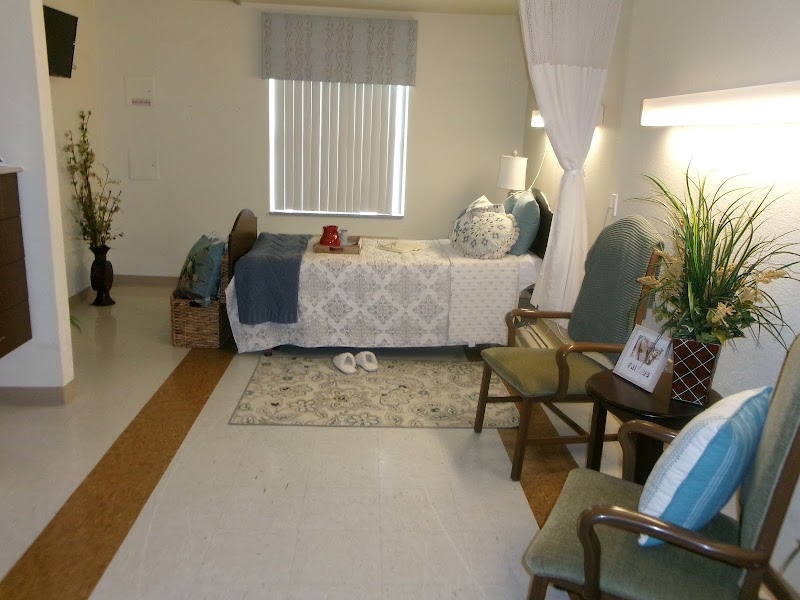
How Does Cypress Healthcare And Rehabilitation Center Compare to Other Texas Nursing Homes?

Compared to the 100 nursing homes in Texas, CYPRESS HEALTHCARE AND REHABILITATION CENTER's overall rating (1 stars) is below the state average of 2.8, staff turnover (57%) is significantly higher than the state average of 46%, and health inspection rating (1 stars) is much below the national benchmark.

What Should Families Ask When Visiting Cypress Healthcare And Rehabilitation Center?

Based on this facility's data, families visiting should ask: "What changes have been made since the serious inspection findings, and how are you preventing similar issues?" "How do you ensure continuity of care given staff turnover, and what is your staff retention strategy?" "Can you walk me through typical staffing levels on day, evening, and night shifts?" "Can I visit during a mealtime to observe dining assistance and food quality?" These questions are particularly relevant given the facility's Immediate Jeopardy citations, the facility's high staff turnover rate, and the below-average staffing rating.

Is Cypress Healthcare And Rehabilitation Center Safe?

Based on CMS inspection data, CYPRESS HEALTHCARE AND REHABILITATION CENTER has documented safety concerns. Inspectors have issued 8 Immediate Jeopardy citations (the most serious violation level indicating risk of serious injury or death). The facility has a 1-star overall rating and ranks #100 of 100 nursing homes in Texas. Families considering this facility should ask detailed questions about what corrective actions have been taken since these incidents.

Do Nurses at Cypress Healthcare And Rehabilitation Center Stick Around?

Staff turnover at CYPRESS HEALTHCARE AND REHABILITATION CENTER is high. At 57%, the facility is 11 percentage points above the Texas average of 46%. High turnover means new staff may not know residents' individual needs, medications, or preferences. It can also be disorienting for residents, especially those with dementia who rely on familiar faces. Families should ask: What is causing the turnover? What retention programs are in place? How do you ensure care continuity during staff transitions?

Was Cypress Healthcare And Rehabilitation Center Ever Fined?

CYPRESS HEALTHCARE AND REHABILITATION CENTER has been fined $245,858 across 5 penalty actions. This is 6.9x the Texas average of $35,537. Fines at this level are uncommon and typically indicate a pattern of serious deficiencies, repeated violations, or failure to correct problems promptly. CMS reserves penalties of this magnitude for facilities that pose significant, documented risk to resident health or safety. Families should request specific documentation of what issues led to these fines and what systemic changes have been implemented.

Is Cypress Healthcare And Rehabilitation Center on Any Federal Watch List?

CYPRESS HEALTHCARE AND REHABILITATION CENTER is not on any federal watch list. The most significant is the Special Focus Facility (SFF) program, which identifies the bottom 1% of nursing homes nationally based on persistent, serious quality problems. Not being on this list means the facility has avoided the pattern of deficiencies that triggers enhanced federal oversight. This is a positive indicator, though families should still review the facility's inspection history directly.