SILVER TREE NURSING AND REHABILITATION CENTER
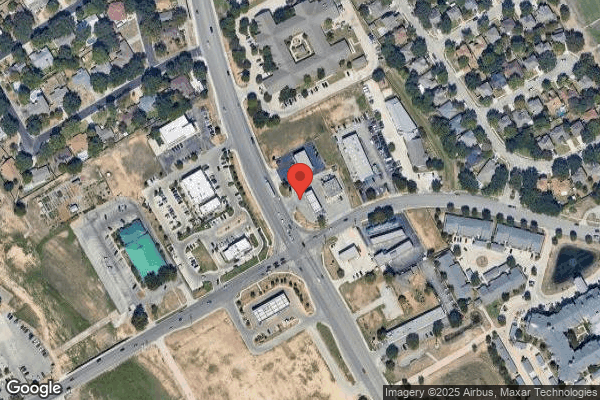
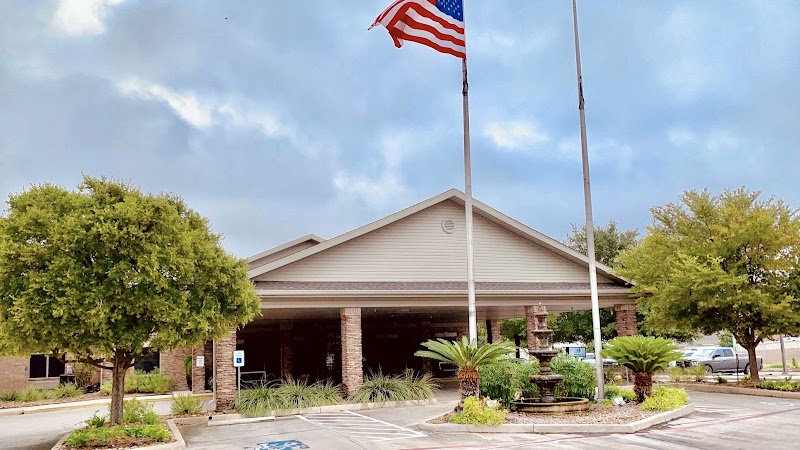
930 ROY RICHARD DR, SCHERTZ, TX 78154 (210) 566-9100
For profit - Corporation 120 Beds CREATIVE SOLUTIONS IN HEALTHCARE Data: November 2025 3 Immediate Jeopardy citations
Trust Grade
4/100
#561 of 1168 in TX
Last Inspection: April 2025

Within standard 12-15 month inspection cycle. Federal law requires annual inspections.

Overview

Silver Tree Nursing and Rehabilitation Center has a Trust Grade of F, indicating significant concerns about the facility's care and safety. It ranks #561 out of 1168 nursing homes in Texas, placing it in the top half, and #2 out of 8 in Guadalupe County, meaning only one local option is better. Unfortunately, the trend is worsening, with issues increasing from 14 in 2024 to 25 in 2025. Staffing is rated average with a 60% turnover rate, which is concerning as it suggests staff may not remain long enough to build strong relationships with residents. The facility has incurred $105,601 in fines, indicating it has faced compliance issues more frequently than many other Texas facilities. In terms of care, the facility does have more RN coverage than 85% of Texas nursing homes, which is a positive aspect as RNs can identify issues that CNAs might miss. However, there have been critical incidents where proper protocols were not followed, such as failing to notify a resident's physician after a serious fall that resulted in significant injuries, and not providing necessary treatment for a resident's deteriorating pressure ulcer. These findings highlight both the strengths and weaknesses of the facility, and families should weigh these factors carefully when considering care options.

Trust Score
F
4/100
In Texas
#561/1168
Top 48%
Safety Record
High Risk
Review needed
Inspections
Getting Worse
14 → 25 violations
Staff Stability
⚠ Watch
60% turnover. Above average. Higher turnover means staff may not know residents' routines.
Penalties
○ Average
$105,601 in fines. Higher than 70% of Texas facilities. Some compliance issues.
Skilled Nurses
○ Average
Each resident gets 38 minutes of Registered Nurse (RN) attention daily — about average for Texas. RNs are the most trained staff who monitor for health changes.
Violations
⚠ Watch
46 deficiencies on record. Higher than average. Multiple issues found across inspections.
★★★☆☆
3.0
Overall Rating
★★★☆☆
3.0
Staff Levels
★★★★★
5.0
Care Quality
★★☆☆☆
2.0
Inspection Score
Stable
2024: 14 issues
2025: 25 issues

The Good

  • 5-Star Quality Measures · Strong clinical quality outcomes
  • Full Sprinkler Coverage · Fire safety systems throughout facility
  • No fines on record

Facility shows strength in quality measures, fire safety.

The Bad

3-Star Overall Rating

Near Texas average (2.8)

Meets federal standards, typical of most facilities

Staff Turnover: 60%

14pts above Texas avg (46%)

Frequent staff changes - ask about care continuity

Federal Fines: $105,601

Well above median ($33,413)

Significant penalties indicating serious issues

Chain: CREATIVE SOLUTIONS IN HEALTHCARE

Part of a multi-facility chain

Ask about local staffing decisions and management

Staff turnover is elevated (60%)

12 points above Texas average of 48%

The Ugly 46 deficiencies on record

3 life-threatening
Apr 2025 2 deficiencies 2 IJ
CRITICAL (J) 📢 Someone Reported This

A family member, employee, or ombudsman was alarmed enough to file a formal complaint

Immediate Jeopardy (IJ) - the most serious Medicare violation

Notification of Changes (Tag F0580)

Someone could have died · This affected 1 resident

**NOTE- TERMS IN BRACKETS HAVE BEEN EDITED TO PROTECT CONFIDENTIALITY** Based on observation, interview and record review the facility failed to immediately inform the resident, consult with the resid...

Read full inspector narrative →
**NOTE- TERMS IN BRACKETS HAVE BEEN EDITED TO PROTECT CONFIDENTIALITY** Based on observation, interview and record review the facility failed to immediately inform the resident, consult with the resident's physician and notify, consistent with his or her authority, the resident representative(s) when there was a an accident involving the resident which resulted in an injury and had the potential for requiring physician intervention, and or a significant change in the resident's physical, mental, or psychosocial status for 1 of 4 residents (Resident #1) reviewed for notification to the physician. LVN A failed to report to the physician and Resident #1's representative a change of condition when Resident #1 was discovered injured and confused on the floor by her bedside on 04/20/2025 and was hospitalized and diagnosed with acute congested heart failure fluid overload, in addition to right rib fractures to the 3rd, 7th and 9th ribs, 3 hours later. The noncompliance was identified as PNC. The IJ began on 4/20/2025 and ended on 4/25/2025. Facility had implemented intervention on 04/25/2025 prior to surveyor entrance on 04/25/2025. This failure could place residents at risk for harm. The findings include: A record review of Resident #1's admission record, dated 4/25/2025, revealed an admission date of 3/21/2025. Resident #1 had diagnoses which included end stage renal disease (kidney failure) and hypertension (high blood pressure). A record review of Resident #1's admission MDS, dated [DATE], revealed Resident #1 was a [AGE] year-old female who was admitted to the facility for long term care after a hospitalization related to a fall. Resident #1 was assessed with a BIMS score of 13 out of a possible 15, which indicated intact cognition. Resident #1 was assessed with minimal difficulty hearing, with clear speech, could usually make herself understood and could usually understand others. Resident #1 was assessed with adequate vision and did not wear glasses. The resident was assessed without a mood disturbance, hallucinations, and or a change in mental status. Resident #1 was assessed with the Important preference of having family or a close friend involved in discussions about your care. Resident #1 was assessed as being independent with Activities of Daily Life, used a manual wheelchair, and had weakness in both arms. Resident #1 was assessed with occasional urinary incontinence and frequent bowel incontinence. Resident #1 was assessed as medically complex. A record review of Resident #1's care plan, dated 3/25/2024, revealed, The resident has bowel incontinence . Check resident every two hours and assist with toileting as needed A record review of Resident #1's hospital record, dated 3/19/2025 , revealed Resident #1 was diagnosed with pancreatic cancer which has spread to other parts of her body and had a fall on 3/10/2025 at her home and was hospitalized . The hospital documented Resident #1's family reported general weakness and Resident #1 had lost the ability to self-transfer from her bed to her wheelchair. A record review of Resident #1's nursing progress notes, on 4/19/2025 prior to 4/20/2025, revealed Resident #1 had increased episodes of altered mental status to which the physician and family were notified, Nursing Progress Note . 4/19/2025 07:00:00 (7:00 AM) . Nursing . Registered Nurse (B) . Note Text: Pt had increased confusion, asked multiple times ' Are you going to kill me?' stating after that 'I cannot hear' .Nursing Progress Note . 4/19/2025 18:38:00 (6:38 PM) . Registered Nurse B . Dr . (physician's name) was notified of the pt's increase confusion. A record review of Resident #1's nurse progress note, dated 4/20/2025 at 4:22 AM, revealed LVN A documented, . Location of event: Resident Room Level of pain from 0-10 . pain:0 . Injury: Yes . Describe any injuries: Abrasion to bilat knees, 0 bleeding noted. CNAs reported that during rounds they found resident kneeling on her knees next to bedside on fall mat. CNA also reported resident was assisted back into bed by CNAs. This nurse entered resident's room and observed resident in bed. Resident noted to have abrasions to bilateral knees: without bleeding. Areas cleansed with wound cleanser and (name brand small bandage) applied to each knee. Initial Treatment/New Orders: Areas cleansed with wound cleanser and (name brand small bandage) applied knee. Resident Statement: When asked why resident was kneeling on floor resident stated, 'I don't know.' Name of MD/NP notified: (NP) N.P. Date/time of notification: 04/21/2025 at 2:02 AM. Name of RP notified: (Resident #1's Representative) Date/time of notification: 04/20/2025 4:22 AM. Interventions: bed in low position, fall mat in place. Call light in reach . A record review of Resident #1's nurse progress note, dated 4/20/2025 at 7:23 AM, revealed RN B documented Resident #1 was assessed with a change in status and sent to the hospital by EMS 911, (Resident #1) was transferred to a hospital on [DATE] at 7:30 AM related to Pt sic(patient) had decreased LOC sic(level of conscience), disoriented, moving in bed constantly erratically. Pt had bruises on left knee, left wrist and palm. A record review of Resident #1's hospital admission records, dated 4/20/2025, revealed she was admitted after a fall at the nursing home and was diagnosed with liver cancer, confusion, and rib fractures, history of present illness chief complaint: patient is a [AGE] year-old female with past medical history significant for end stage renal disease on hemodialysis Mondays, Wednesdays, and Fridays, hypertension, recently diagnosed metastatic gastrointestinal cancer (cancer of the digestive system which has spread to other parts of the body). Presents to our emergency department from nursing home after she had fallen. Per (Resident representative) patient had fallen from bed height at nursing home and became altered. Apparently her usual state until her fall today sic(4/20/2025). The patient had significant change in her mental status. In the emergency department she was found to have bilateral pleural effusion [sic ](fluid in the lungs), moderate pericardial effusion sic (fluid around the heart), right rib fracture 3-7, 9 and CT sic(computed tomography scan) findings of metastasis sic(spread of cancer) to liver. patient currently altered and unable to cooperate with exam. She has a 3cm by 3-centimeter contusion sic(bruise) over the medial aspect of the knee. During an observation and interview on 4/26/2025 at 10:32 AM revealed Resident #1 presented at the hospital asleep in her bed. Resident #1's representative was at the bedside and stated she was not given a report about Resident #1's fall at 4:00 AM on 4/20/2025 until she arrived at the nursing home to visit Resident #1 around 7:00 AM. Resident #1's representative stated she arrived and discovered Resident #1 was confused and had injuries to her knees, Resident #1's representative stated, I reported the injuries to the CNA and the nurse. Resident #1's representative stated after Resident #1's Representative alerted RN B then RN B assessed Resident #1 and called 911 , EMS arrived and took Resident #1 to the hospital where she was discovered with broken ribs and bruises. Resident #1's representative stated she was upset and concerned she was not alerted to the fall and confusion and felt Resident #1 was delayed in receiving care and stated, I don't know if the doctor was called. During an interview on 4/26/2025 at 12:30 PM, RN B stated Resident #1 begun to be confused and hallucinating on 4/19/2025 and reported the change to the physician and the physician had not given any new orders. RN B stated at 10:00 PM, she ended her shift and gave a report to LVN A. RN B stated she returned to work the following morning, 4/20/2025 at 7:20 AM, and received a report from LVN A that Resident #1 had fallen around 4 AM. RN B stated she assessed Resident #1 with Resident #1's representative at the bedside and discovered Resident #1 was confused with bruises and bandages to her knees and called EMS 911 . During an interview on 4/26/25 at 4:15 PM, LVN A stated she was alerted by CNAs Resident #1 was discovered on the floor by her bedside and the CNAs picked her up and placed her back in bed . LVN A stated she assessed Resident #1 in her bed, discovered her knees were red and abraded without bleeding, performed first aid, and applied a small self-adhesive bandages to her knees. LVN A stated Resident #1 could not say how she came to be on her knees next to the bed and no one witnessed the way she became to be on her knees. LVN A stated she had not considered Resident #1's incident a fall and Resident #1 had not complained of pain and was calm and sleepy at 4:00 AM. LVN A stated she documented she reported the incident to Resident #1's physician and her representative but had not reported the incident to the physician nor Resident #1's representative. LVN A stated she documented she reported to the NP and the representative because she had intended to call the NP during business hours. LVN A stated, I called Resident #1's representative and no one answered so I left a message . During an interview on 4/26/2025 at 5:40 PM the Medical Director stated his expectation for unwitnessed falls with injuries was for nursing staff to call and report the finding to a physician and or their Nurse Practitioner within a reasonable time for example an hour after the assessment. The MD stated the risk to residents could have been delayed care. During a joint interview on 4/26/2025 at 5:50 PM, the Administrator and the DON stated they had not recognized LVN A had not followed facility protocols, such as reporting the incident to the physician and to Resident #1's Representative, for Resident #1's unwitnessed fall on 4/20/2025 until early 4/25/2025 and began an investigation and self-reported the incident to the state survey agency. The Administrator and the DON stated they suspended LVN A pending the investigation, assessed all the residents for injuries, developed and implemented in-services for all staff which included fall protocols and reporting to the physician and residents' families. The DON and the Administrator stated their expectations for LVN A was for her to have followed the risk management fall protocol which included a report to the physician and a report to the family. Interviews from 4/26/2025 to 4/27/2025 with 44 of the 69 nursing staff which included all shifts revealed all interviewed were able to confirm they received the in-service which covered unwitnessed falls, assessing residents post falls, documenting the assessments, notifying the physician, and family. A record review of the facility's Risk Management Reporting; Completion Of policy, dated 4/25/2025, revealed The facility will complete an Event report in Risk Management for variances that occur within the facility. Variances include falls, skin tears, bruises, abrasions, lacerations, fractures . All break in planes are considered a fall. All Events resulting in a change in status of a resident must be reported immediately to the attending physician and family member/legal representative of the resident. Documentation of the notification and subsequent interventions and comments must be recorded in the resident's clinical record and/or on the Event Note. Any physician order should be followed. All unwitnessed falls or head injuries require neuros per facility policy. A record review of the facility's Notifying the Physician of Change in Status policy, dated 3/11/2013, revealed The nurse should not hesitate to contact the physician at any time when an assessment and their professional judgment deem it necessary for immediate medical attention . 1. The nurse will notify the physician immediately with significant change in status. The nurse will document signs and symptoms of significant change, time/date of call to physician, and interventions that were implemented in the resident's clinical record . 5. The resident's family member or legal guardian should be notified of significant change in resident's status . 7. The nurse will document all attempts to contact the physician, all attempts to notify the family and/or legal representative, the physician's response, the physician's orders and the resident's status and response to interventions PNC verification The facility identified the deficient practice, took actions to identify residents at risk for the deficiency, and developed and implemented, saftey survey assesments (Quality of Life Rounds) for 88 of 88 residents, in-services for fall protocols and the ANE prevention protocols to the entire staff which included nursing staff. Record review of the facility's nursing roster revealed 113 employees which included 69 nurses and CNAs. A record review of the facility ' s department of social services Quality Life Rounds dated 4/25/2025 revealed 88 of the facility ' s census of 88 residents were assessed for safety with no one evidenced for injuries. Record review of the facility's in-services titled fall protocol and ANE prevention, dated 4/25/2025, revealed 113 staff received the in-service, and the training which included, Falls: all falls require risk management assessments to include reporting to the physician, resident family representative, and immediate supervisor, and SBAR (Situation, Background, Assessment and Recommendation). All unwitnessed falls require neuro checks During an interview on 4/26/2025 at 9:00 PM LVN C stated she worked the Monday through Friday 6:00 AM to 2:00 PM shift. LVN C stated she received the in-services regarding ANE prevention and risk management protocols for falls which included assessing the Resident for injuries, documenting the fall by starting the incident report, SBARing (reporting to the doctor) the physician, reporting the incident to the Resident's representative, alerting the nursing supervisor, and fully documenting the details in the residents nursing notes. During an interview on 4/26/2025 at 9:04 PM RN B stated she worked the Monday through Friday 6:00 AM to 2:00 PM shift and the 2:00 PM to 10:00 PM shifts on the weekends. RN B stated she received the in-services regarding ANE prevention and risk management protocols for falls which included assessing the Resident for injuries, documenting the fall by starting the incident report, SBARing (reporting to the doctor) the physician, reporting the incident to the Resident's representative, alerting the nursing supervisor, and fully documenting the details in the residents nursing notes. During an interview on 4/26/2025 at 9:10 PM LVN D stated she worked the Monday through Friday 6:00 AM to 2:00 PM shift and the 2:00 PM to 10:00 PM shifts on the weekends. LVN D stated she received the in-services regarding ANE prevention and risk management protocols for falls which included assessing the Resident for injuries, documenting the fall by starting the incident report, SBARing (reporting to the doctor) the physician, reporting the incident to the Resident's representative, alerting the nursing supervisor, and fully documenting the details in the residents nursing notes. During an interview on 4/26/2025 at 9:14 PM LVN E stated she worked the Monday through Friday 6:00 AM to 2:00 PM shift and the 2:00 PM to 10:00 PM shifts on the weekends. LVN E stated she received the in-services regarding ANE prevention and risk management protocols for falls which included assessing the Resident for injuries, documenting the fall by starting the incident report, SBARing (reporting to the doctor) the physician, reporting the incident to the Resident's representative, alerting the nursing supervisor, and fully documenting the details in the residents nursing notes. During an interview on 4/26/2025 at 9:18 PM RN F stated she as needed and the 2:00 PM to 10:00 PM shifts on the weekends. RN F stated she received the in-services regarding ANE prevention and risk management protocols for falls which included assessing the Resident for injuries, documenting the fall by starting the incident report, SBARing (reporting to the doctor) the physician, reporting the incident to the Resident's representative, alerting the nursing supervisor, and fully documenting the details in the residents nursing notes. During an interview on 4/26/2025 at 9:20 PM LVN G stated she as needed and the 2:00 PM to 10:00 PM shifts on the weekends. LVN G stated she received the in-services regarding ANE prevention and risk management protocols for falls which included assessing the Resident for injuries, documenting the fall by starting the incident report, SBARing (reporting to the doctor) the physician, reporting the incident to the Resident's representative, alerting the nursing supervisor, and fully documenting the details in the residents nursing notes. During an interview on 4/26/2025 at 9:22 PM LVN H stated she worked the Monday through Friday 6:00 AM to 2:00 PM shift. LVN H stated she received the in-services regarding ANE prevention and risk management protocols for falls which included assessing the Resident for injuries, documenting the fall by starting the incident report, SBARing (reporting to the doctor) the physician, reporting the incident to the Resident's representative, alerting the nursing supervisor, and fully documenting the details in the residents nursing notes. During an interview on 4/26/2025 at 9:24 PM LVN I stated she worked the Monday through Friday 6:00 AM to 2:00 PM shift. LVN I stated she received the in-services regarding ANE prevention and risk management protocols for falls which included assessing the Resident for injuries, documenting the fall by starting the incident report, SBARing (reporting to the doctor) the physician, reporting the incident to the Resident's representative, alerting the nursing supervisor, and fully documenting the details in the residents nursing notes. During an interview on 4/26/2025 at 9:29 PM CNA J stated he worked the 2:00 PM to 10:00 PM shift and on 4/25/2025 he received in-services which included ANE prevention and Fall Protocols, such as alerting the nurse whenever anyone falls and reporting any suspected ANE. CNA J stated he would not reposition anyone and would stay with the Resident until the nurse assessed the Resident for injuries. During an interview on 4/26/2025 at 9:59 PM CNA K stated he worked the 2:00 PM to 10:00 PM shift and on 4/25/2025 he received in-services which included ANE prevention and Fall Protocols, such as alerting the nurse whenever anyone falls and reporting any suspected ANE. CNA K stated he would not reposition anyone and would stay with the Resident until the nurse assessed the Resident for injuries. During an interview on 4/26/2025 at 10:01 PM CNA L stated he worked the 2:00 PM to 10:00 PM shift and on 4/25/2025 he received in-services which included ANE prevention and Fall Protocols, such as alerting the nurse whenever anyone falls and reporting any suspected ANE. CNA L stated he would not reposition anyone and would stay with the Resident until the nurse assessed the Resident for injuries. During an interview on 4/26/2025 at 10:03 PM CNA M stated he worked the 2:00 PM to 10:00 PM shift and on 4/25/2025 he received in-services which included ANE prevention and Fall Protocols, such as alerting the nurse whenever anyone falls and reporting any suspected ANE. CNA M stated he would not reposition anyone and would stay with the Resident until the nurse assessed the Resident for injuries. During an interview on 4/26/2025 at 1:48 PM CNA N stated he worked the 6:00 AM to 10:00 PM shift and on 4/25/2025 he received in-services which included ANE prevention and Fall Protocols, such as alerting the nurse whenever anyone falls and reporting any suspected ANE. CNA N stated he would not reposition anyone and would stay with the Resident until the nurse assessed the Resident for injuries. During an interview on 4/26/2025 at 2:38 PM CNA O stated he worked the 2:00 PM to 10:00 PM shift and on 4/25/2025 he received in-services which included ANE prevention and Fall Protocols, such as alerting the nurse whenever anyone falls and reporting any suspected ANE. CNA O stated he would not reposition anyone and would stay with the Resident until the nurse assessed the Resident for injuries. During an interview on 4/26/2025 at 9:59 PM RN P stated she worked the 6:00 AM to 10:00 PM shifts on the weekends and on 4/25/2025 she received in-services which included ANE prevention and Fall Protocols, such as assessing the Resident for injuries, documenting the fall by starting the incident report, SBARing (reporting to the doctor) the physician, reporting the incident to the Resident's representative, alerting the nursing supervisor, and fully documenting the details in the residents nursing notes. During an interview on 4/26/2025 at 2:38 PM CNA Q stated he worked the 6:00 AM to 10:00 PM shift and on 4/25/2025 he received in-services which included ANE prevention and Fall Protocols, such as alerting the nurse whenever anyone falls and reporting any suspected ANE. CNA Q stated he would not reposition anyone and would stay with the Resident until the nurse assessed the Resident for injuries. During an interview on 4/26/2025 at 10:11 PM CNA R stated she worked the 2:00 PM to 10:00 PM shift and on 4/25/2025 he received in-services which included ANE prevention and Fall Protocols, such as alerting the nurse whenever anyone falls and reporting any suspected ANE. CNA R stated he would not reposition anyone and would stay with the Resident until the nurse assessed the Resident for injuries. During an interview on 4/26/2025 at 10:14 PM RN S stated she worked the Monday through Friday 6:00 AM to 2:00 PM shift. RN S stated she received the in-services regarding ANE prevention and risk management protocols for falls which included assessing the Resident for injuries, documenting the fall by starting the incident report, SBARing (reporting to the doctor) the physician, reporting the incident to the Resident's representative, alerting the nursing supervisor, and fully documenting the details in the residents nursing notes. The noncompliance was identified as PNC. The IJ began on 4/20/2025 and ended on 4/25/2025. The facility had corrected the noncompliance before the survey began.
CRITICAL (J) 📢 Someone Reported This

A family member, employee, or ombudsman was alarmed enough to file a formal complaint

Immediate Jeopardy (IJ) - the most serious Medicare violation

Quality of Care (Tag F0684)

Someone could have died · This affected 1 resident

**NOTE- TERMS IN BRACKETS HAVE BEEN EDITED TO PROTECT CONFIDENTIALITY** Based on observation, interview, and record review the facility failed to ensure, based on the comprehensive assessment of a res...

Read full inspector narrative →
**NOTE- TERMS IN BRACKETS HAVE BEEN EDITED TO PROTECT CONFIDENTIALITY** Based on observation, interview, and record review the facility failed to ensure, based on the comprehensive assessment of a resident, residents received treatment and care in accordance with professional standards of practice, the comprehensive person-centered care plan, and the residents' choices for 1 of 4 residents (Resident #1) reviewed quality of care. On 4/20/2025, early morning, LVN A failed to provide quality care for Resident #1, by not following facility protocol for an unwitnessed fall with injuries to begin neurological assessments, reporting to the physician and the residents representative, when Resident #1 was discovered on the floor by her bedside and hospitalized for chronic heart failure with fluid overload in addition to fractures to right ribs 3rd, 7th and 9th ribs, 3 hours later. On 4/20/2025, CNAs Y and Z discovered Resident #1 on the floor and repositioned her back into bed without having the nurse assess prior to the repositioning. The noncompliance was identified as PNC. The IJ began on 4/20/2025 and ended on 4/25/2025. Facility had implemented interventions on 04/25/2025 prior to surveyor entrance on 04/25/2025. This failure could place residents at risk for harm . The findings include: A record review of Resident #1's admission record, dated 4/25/2025, revealed an admission date of 3/21/2025 with diagnoses which included end stage renal disease (kidney failure) and hypertension (high blood pressure). A record review of Resident #1's admission MDS dated [DATE] revealed Resident #1 was a [AGE] year-old female admitted for long term care after a hospitalization related to a fall. Further review revealed Resident #1 was assessed with a BIMS score of 13 out of a possible 15 which indicated intact cognition. Resident #1 was assessed with minimal difficulty hearing, with clear speech, could usually make herself understood and could usually understand others. Resident #1 was assessed with adequate vision and did not glasses. Resident was assessed without a mood disturbance, hallucinations, and or a change in mental status. Resident #1 was assessed with the Important preference of having family or a close friend involved in discussions about your care. Resident #1 was assessed as being independent with Activities of Daily Life, used a manual wheelchair, and had weakness in both arms. Resident #1 was assessed with occasional urinary incontinence and frequent bowel incontinence. Resident #1 was assessed as medically complex. A record review of Resident #1's care plan dated 3/25/2024 revealed, The resident has bowel incontinence . Check resident every two hours and assist with toileting as needed A record review of Resident #1's hospital record dated 3/19/2025 revealed, Resident #1 was diagnosed with pancreatic cancer which has spread to other parts of her body and had a fall on 3/10/2025 at her home and was hospitalized . The hospital documented Resident #1's family reported general weakness and Resident #1 has lost the ability to self-transfer from her bed to her wheelchair. A record review of Resident #1's nursing progress notes, on 4/19/2025 prior to 4/20/2025, revealed Resident #1 had increased episodes of altered mental status to which the physician and family were notified, Nursing Progress Note . 4/19/2025 07:00:00 (7:00 AM) . Nursing . Registered Nurse (B) . Note Text:; Pt had increased confusion, asked multiple times ' Are you going to kill me?' stating after that 'I cannot hear' .Nursing Progress Note . 4/19/2025 18:38:00 (6:38 PM) . Registered Nurse B . Dr . (physician's name) was notified of the pt's increase confusion. A record review of Resident #1's nurse progress note dated 4/20/2025 at 4:22 AM revealed LVN A documented, . Location of event: Resident Room Level of pain from 0-10 . pain:0 . Injury: Yes . Describe any injuries: Abrasion to bilat knees, 0 bleeding noted. CNAs reported that during rounds they found resident kneeling on her knees next to bedside on fall mat. CNA also reported resident was assisted back into bed by CNAs. This nurse entered resident's room and observed resident in bed. Resident noted to have abrasions to bilateral knees: without bleeding. Areas cleansed with wound cleanser and (name brand small bandage) applied to each knee. Initial Treatment/New Orders: Areas cleansed with wound cleanser and (name brand small bandage) applied knee. Resident Statement: When asked why resident was kneeling on floor resident stated, I don't know. Name of MD/NP notified: (NP) N.P. Date/time of notification: 04/21/2025 2:02 AM. Name of RP notified: (Resident #1's Representative) Date/time of notification: 04/20/2025 4:22 AM. Interventions: Bed in low position, fall mat in place. Call light in reach. A record review of Resident #1's nurse progress note dated 4/20/2025 at 7:23 AM revealed RN B documented Resident #1 was assessed with a change in status and sent to the hospital by EMS 911, (Resident #1) was transferred to a hospital on [DATE] 7:30 AM related to Pt sic(patient) had decreased LOC sic(level of conscience), disoriented, moving in bed constantly erratically. Pt had bruises on left knee, left wrist and palm. A record review of Resident #1's hospital admission records dated 4/20/2025 revealed she was admitted after a fall at the nursing home and was diagnosed with liver cancer, confusion, and rib fractures, history of present illness chief complaint: patient is a [AGE] year-old female with past medical history significant for end stage renal disease on hemodialysis Mondays, Wednesdays, and Fridays, hypertension, recently diagnosed metastatic gastrointestinal cancer (cancer of the digestive system which has spread to other parts of the body). Presents to our emergency department from nursing home after she had fallen. Per (Resident representative) patient had fallen from bed height at nursing home and became altered. Apparently her usual state until her fall today sic(4/20/2025). The patient had significant change in her mental status. In the emergency department she was found to have bilateral pleural effusion sic(fluid in the lungs), moderate pericardial effusion sic(fluid around the heart), right rib fracture 3-7, 9 and CT sic(computed tomography scan) findings of metastasis sic(spread of cancer) to liver. patient currently altered and unable to cooperate with exam. She has a 3cm by 3-centimeter contusion sic(bruise) over the medial aspect of the knee. During an observation and interview on 4/26/2025 at 10:32 AM revealed Resident #1 presented at the hospital asleep in her bed. Resident #1's representative was at the bedside and stated she was not given a report about Resident #1's fall at 4:00 AM on 4/20/2025 until she arrived at the nursing home to visit Resident #1 around 7:00 AM. Resident #1's representative stated she arrived and discovered Resident #1 was confused and had injuries to her knees, Resident #1's representative stated, I reported the injuries to the CNA and the nurse. Resident #1's representative stated after Resident #1's Representative alerted RN B then RN B assessed Resident #1 and called 911 , EMS arrived and took Resident #1 to the hospital where she was discovered with broken ribs and bruises. Resident #1's representative stated she was upset and concerned she was not alerted to the fall and confusion and felt Resident #1 was delayed in receiving care and stated, I don't know if the doctor was called. During an interview on 4/26/2025 at 12:30 PM, RN B stated Resident #1 begun to be confused and hallucinating on 4/19/2025 and reported the change to the physician and the physician had not given any new orders. RN B stated at 10:00 PM, she ended her shift and gave a report to LVN A. RN B stated she returned to work the following morning, 4/20/2025 at 7:20 AM, and received a report from LVN A that Resident #1 had fallen around 4 AM. RN B stated she assessed Resident #1 with Resident #1's representative at the bedside and discovered Resident #1 was confused with bruises and bandages to her knees and called EMS 911 . During an interview on 4/26/25 at 4:15 PM, LVN A stated she was alerted by CNAs Resident #1 was discovered on the floor by her bedside and the CNAs picked her up and placed her back in bed . LVN A stated she assessed Resident #1 in her bed, discovered her knees were red and abraded without bleeding, performed first aid, and applied a small self-adhesive bandages to her knees. LVN A stated Resident #1 could not say how she came to be on her knees next to the bed and no one witnessed the way she became to be on her knees. LVN A stated she had not considered Resident #1's incident a fall and Resident #1 had not complained of pain and was calm and sleepy at 4:00 AM. LVN A stated she documented she reported the incident to Resident #1's physician and her representative but had not reported the incident to the physician nor Resident #1's representative. LVN A stated she documented she reported to the NP and the representative because she had intended to call the NP during business hours. LVN A stated, I called Resident #1's representative and no one answered so I left a message . During an interview on 4/26/2025 at 5:40 PM the Medical Director stated his expectation for unwitnessed falls with injuries was for nursing staff to call and report the finding to a physician and or their Nurse Practitioner within a reasonable time for example an hour after the assessment. The MD stated the risk to residents could have been delayed care. During a joint interview on 4/26/2025 at 5:50 PM, the Administrator and the DON stated they had not recognized LVN A had not followed facility protocols, such as reporting the incident to the physician and to Resident #1's Representative, for Resident #1's unwitnessed fall on 4/20/2025 until early 4/25/2025 and began an investigation and self-reported the incident to the state survey agency. The Administrator and the DON stated they suspended LVN A pending the investigation, assessed all the residents for injuries, developed and implemented in-services for all staff which included fall protocols and reporting to the physician and residents' families. The DON and the Administrator stated their expectations for LVN A was for her to have followed the risk management fall protocol which included a report to the physician and a report to the family. Interviews from 4/26/2025 to 4/27/2025 with 44 of the 69 nursing staff which included all shifts revealed all interviewed were able to confirm they received the in-service which covered unwitnessed falls, assessing residents post falls, documenting the assessments, notifying the physician, and family. A record review of the facility's Risk Management Reporting; Completion Of policy, dated 4/25/2025, revealed The facility will complete an Event report in Risk Management for variances that occur within the facility. Variances include falls, skin tears, bruises, abrasions, lacerations, fractures . All break in planes are considered a fall. All Events resulting in a change in status of a resident must be reported immediately to the attending physician and family member/legal representative of the resident. Documentation of the notification and subsequent interventions and comments must be recorded in the resident's clinical record and/or on the Event Note. Any physician order should be followed. All unwitnessed falls or head injuries require neuros per facility policy. A record review of the facility's Notifying the Physician of Change in Status policy, dated 3/11/2013, revealed The nurse should not hesitate to contact the physician at any time when an assessment and their professional judgment deem it necessary for immediate medical attention . 1. The nurse will notify the physician immediately with significant change in status. The nurse will document signs and symptoms of significant change, time/date of call to physician, and interventions that were implemented in the resident's clinical record . 5. The resident's family member or legal guardian should be notified of significant change in resident's status . 7. The nurse will document all attempts to contact the physician, all attempts to notify the family and/or legal representative, the physician's response, the physician's orders and the resident's status and response to interventions PNC verification The facility identified the deficient practice, took actions to identify residents at risk for the deficiency, and developed and implemented, saftey survey assesments (Quality of Life Rounds) for 88 of 88 residents, in-services for fall protocols and the ANE prevention protocols to the entire staff which included nursing staff. Record review of the facility's nursing roster revealed 113 employees which included 69 nurses and CNAs. A record review of the facility ' s department of social services Quality Life Rounds dated 4/25/2025 revealed 88 of the facility ' s census of 88 residents were assessed for safety with no one evidenced for injuries. Record review of the facility's in-services titled fall protocol and ANE prevention, dated 4/25/2025, revealed 113 staff received the in-service, and the training which included, Falls: all falls require risk management assessments to include reporting to the physician, resident family representative, and immediate supervisor, and SBAR (Situation, Background, Assessment and Recommendation). All unwitnessed falls require neuro checks During an interview on 4/26/2025 at 9:00 PM LVN C stated she worked the Monday through Friday 6:00 AM to 2:00 PM shift. LVN C stated she received the in-services regarding ANE prevention and risk management protocols for falls which included assessing the Resident for injuries, documenting the fall by starting the incident report, SBARing (reporting to the doctor) the physician, reporting the incident to the Resident's representative, alerting the nursing supervisor, and fully documenting the details in the residents nursing notes. During an interview on 4/26/2025 at 9:04 PM RN B stated she worked the Monday through Friday 6:00 AM to 2:00 PM shift and the 2:00 PM to 10:00 PM shifts on the weekends. RN B stated she received the in-services regarding ANE prevention and risk management protocols for falls which included assessing the Resident for injuries, documenting the fall by starting the incident report, SBARing (reporting to the doctor) the physician, reporting the incident to the Resident's representative, alerting the nursing supervisor, and fully documenting the details in the residents nursing notes. During an interview on 4/26/2025 at 9:10 PM LVN D stated she worked the Monday through Friday 6:00 AM to 2:00 PM shift and the 2:00 PM to 10:00 PM shifts on the weekends. LVN D stated she received the in-services regarding ANE prevention and risk management protocols for falls which included assessing the Resident for injuries, documenting the fall by starting the incident report, SBARing (reporting to the doctor) the physician, reporting the incident to the Resident's representative, alerting the nursing supervisor, and fully documenting the details in the residents nursing notes. During an interview on 4/26/2025 at 9:14 PM LVN E stated she worked the Monday through Friday 6:00 AM to 2:00 PM shift and the 2:00 PM to 10:00 PM shifts on the weekends. LVN E stated she received the in-services regarding ANE prevention and risk management protocols for falls which included assessing the Resident for injuries, documenting the fall by starting the incident report, SBARing (reporting to the doctor) the physician, reporting the incident to the Resident's representative, alerting the nursing supervisor, and fully documenting the details in the residents nursing notes. During an interview on 4/26/2025 at 9:18 PM RN F stated she as needed and the 2:00 PM to 10:00 PM shifts on the weekends. RN F stated she received the in-services regarding ANE prevention and risk management protocols for falls which included assessing the Resident for injuries, documenting the fall by starting the incident report, SBARing (reporting to the doctor) the physician, reporting the incident to the Resident's representative, alerting the nursing supervisor, and fully documenting the details in the residents nursing notes. During an interview on 4/26/2025 at 9:20 PM LVN G stated she as needed and the 2:00 PM to 10:00 PM shifts on the weekends. LVN G stated she received the in-services regarding ANE prevention and risk management protocols for falls which included assessing the Resident for injuries, documenting the fall by starting the incident report, SBARing (reporting to the doctor) the physician, reporting the incident to the Resident's representative, alerting the nursing supervisor, and fully documenting the details in the residents nursing notes. During an interview on 4/26/2025 at 9:22 PM LVN H stated she worked the Monday through Friday 6:00 AM to 2:00 PM shift. LVN H stated she received the in-services regarding ANE prevention and risk management protocols for falls which included assessing the Resident for injuries, documenting the fall by starting the incident report, SBARing (reporting to the doctor) the physician, reporting the incident to the Resident's representative, alerting the nursing supervisor, and fully documenting the details in the residents nursing notes. During an interview on 4/26/2025 at 9:24 PM LVN I stated she worked the Monday through Friday 6:00 AM to 2:00 PM shift. LVN I stated she received the in-services regarding ANE prevention and risk management protocols for falls which included assessing the Resident for injuries, documenting the fall by starting the incident report, SBARing (reporting to the doctor) the physician, reporting the incident to the Resident's representative, alerting the nursing supervisor, and fully documenting the details in the residents nursing notes. During an interview on 4/26/2025 at 9:29 PM CNA J stated he worked the 2:00 PM to 10:00 PM shift and on 4/25/2025 he received in-services which included ANE prevention and Fall Protocols, such as alerting the nurse whenever anyone falls and reporting any suspected ANE. CNA J stated he would not reposition anyone and would stay with the Resident until the nurse assessed the Resident for injuries. During an interview on 4/26/2025 at 9:59 PM CNA K stated he worked the 2:00 PM to 10:00 PM shift and on 4/25/2025 he received in-services which included ANE prevention and Fall Protocols, such as alerting the nurse whenever anyone falls and reporting any suspected ANE. CNA K stated he would not reposition anyone and would stay with the Resident until the nurse assessed the Resident for injuries. During an interview on 4/26/2025 at 10:01 PM CNA L stated he worked the 2:00 PM to 10:00 PM shift and on 4/25/2025 he received in-services which included ANE prevention and Fall Protocols, such as alerting the nurse whenever anyone falls and reporting any suspected ANE. CNA L stated he would not reposition anyone and would stay with the Resident until the nurse assessed the Resident for injuries. During an interview on 4/26/2025 at 10:03 PM CNA M stated he worked the 2:00 PM to 10:00 PM shift and on 4/25/2025 he received in-services which included ANE prevention and Fall Protocols, such as alerting the nurse whenever anyone falls and reporting any suspected ANE. CNA M stated he would not reposition anyone and would stay with the Resident until the nurse assessed the Resident for injuries. During an interview on 4/26/2025 at 1:48 PM CNA N stated he worked the 6:00 AM to 10:00 PM shift and on 4/25/2025 he received in-services which included ANE prevention and Fall Protocols, such as alerting the nurse whenever anyone falls and reporting any suspected ANE. CNA N stated he would not reposition anyone and would stay with the Resident until the nurse assessed the Resident for injuries. During an interview on 4/26/2025 at 2:38 PM CNA O stated he worked the 2:00 PM to 10:00 PM shift and on 4/25/2025 he received in-services which included ANE prevention and Fall Protocols, such as alerting the nurse whenever anyone falls and reporting any suspected ANE. CNA O stated he would not reposition anyone and would stay with the Resident until the nurse assessed the Resident for injuries. During an interview on 4/26/2025 at 9:59 PM RN P stated she worked the 6:00 AM to 10:00 PM shifts on the weekends and on 4/25/2025 she received in-services which included ANE prevention and Fall Protocols, such as assessing the Resident for injuries, documenting the fall by starting the incident report, SBARing (reporting to the doctor) the physician, reporting the incident to the Resident's representative, alerting the nursing supervisor, and fully documenting the details in the residents nursing notes. During an interview on 4/26/2025 at 2:38 PM CNA Q stated he worked the 6:00 AM to 10:00 PM shift and on 4/25/2025 he received in-services which included ANE prevention and Fall Protocols, such as alerting the nurse whenever anyone falls and reporting any suspected ANE. CNA Q stated he would not reposition anyone and would stay with the Resident until the nurse assessed the Resident for injuries. During an interview on 4/26/2025 at 10:11 PM CNA R stated she worked the 2:00 PM to 10:00 PM shift and on 4/25/2025 he received in-services which included ANE prevention and Fall Protocols, such as alerting the nurse whenever anyone falls and reporting any suspected ANE. CNA R stated he would not reposition anyone and would stay with the Resident until the nurse assessed the Resident for injuries. During an interview on 4/26/2025 at 10:14 PM RN S stated she worked the Monday through Friday 6:00 AM to 2:00 PM shift. RN S stated she received the in-services regarding ANE prevention and risk management protocols for falls which included assessing the Resident for injuries, documenting the fall by starting the incident report, SBARing (reporting to the doctor) the physician, reporting the incident to the Resident's representative, alerting the nursing supervisor, and fully documenting the details in the residents nursing notes. The noncompliance was identified as PNC. The IJ began on 4/20/2025 and ended on 4/25/2025. The facility had corrected the noncompliance before the survey began.
Apr 2025 19 deficiencies
CONCERN (D)

Potential for Harm - no one hurt, but risky conditions existed

Deficiency F0583 (Tag F0583)

Could have caused harm · This affected 1 resident

**NOTE- TERMS IN BRACKETS HAVE BEEN EDITED TO PROTECT CONFIDENTIALITY** Based on observations, interview, and record review, the facility failed to ensure the resident has a right to personal privacy ...

Read full inspector narrative →
**NOTE- TERMS IN BRACKETS HAVE BEEN EDITED TO PROTECT CONFIDENTIALITY** Based on observations, interview, and record review, the facility failed to ensure the resident has a right to personal privacy and confidentiality of his or her personal and medical records for 1 (Resident #82) of 20 residents reviewed the privacy of medical records. RN-H left her computer open with Resident #82's personal and medical information on the nursing cart at the 400-hallway on 04/18/2025. This failure could place residents at risk of resident identifiable and medical information being accessed by unauthorized persons. The findings were: Record review of Resident #82's face sheet, dated 04/18/2025, revealed the resident was [AGE] years old female, originally admitted on [DATE], and re-admitted to the facility on [DATE] with diagnoses of nonalcoholic steatohepatitis (the accumulation of liver fat), seizures (temporary abnormalities in muscle tome or movement), anemia (blood does not have enough healthy red blood cells and hemoglobin to carry oxygen all through the body), and type 2 diabetes mellitus (the body has trouble controlling blood sugar and using it for energy). Record review of Resident #82's Medicare 5days MDS assessment, dated 03/07/2025, revealed the resident's BIMS score was 14 out of 15, which indicated the resident's cognitive was intact, and the resident needed to have substantial/maximal assistances (helper does more than half the effort) to bed mobility, sit to stand, chair-to-bed, and toilet transfer. Observation on 04/18/2025 from 11:05 a.m. to 11:10 a.m. revealed the 400-hall nursing cart was parked at the 400-hallway without nurses for 5 minutes. The computer was open with Resident #82's personal and medical information on the cart, and the screen of the computer included Resident #82's picture, name, date of birth , room number, age, and medications to be provided. Observation and interview on 04/18/2025 at 11:10 a.m. revealed the DON was approaching the 400-hall nursing cart and saw the computer screen on the cart was opened with Resident #82's picture, name, date of birth , room number, age, and medications. The DON stated RN-H left her computer open with Resident #82's personal and medical information on the nursing cart at the 400-hallway, and it was Resident #82's privacy violation because anybody could see Resident #82's personal and medical information. Interview on 04/18/2025 at 12:07 p.m. with RN-H said she forgot to close her computer when she left her nursing cart at the 400-hallway. RN-H stated she should have locked her computer screen off on the cart when leaving her cart to protect Resident #82's personal and medical information, and it was her mistake. Record review of the facility policy, titled Resident Rights, revised 11/28/2016, revealed Privacy and confidentiality - The resident has a right to personal privacy and confidentiality of his or her personal and medical records.
CONCERN (D)

Potential for Harm - no one hurt, but risky conditions existed

Assessment Accuracy (Tag F0641)

Could have caused harm · This affected 1 resident

**NOTE- TERMS IN BRACKETS HAVE BEEN EDITED TO PROTECT CONFIDENTIALITY** Based on observation, interview and record review, the facility failed to ensure the assessment accurately reflected the residen...

Read full inspector narrative →
**NOTE- TERMS IN BRACKETS HAVE BEEN EDITED TO PROTECT CONFIDENTIALITY** Based on observation, interview and record review, the facility failed to ensure the assessment accurately reflected the resident's status for 1 of 20 residents (Resident #140) reviewed for assessments: Resident #140's admission MDS, dated [DATE], identified the resident had a urinary indwelling catheter. However, Resident #140's urinary continence was coded to Always incontinence, instead of Not rated, resident had a catcher) in Section H (Bladder and Bowel). This failure could place residents at risk for inadequate care due to inaccurate assessments. The findings included: Record review of Resident #140's face sheet, dated 04/18/2025, revealed the resident was [AGE] years old female and admitted to the facility on [DATE] with diagnoses of chronic kidney disease-stage 3 (kidneys are less able to filter water and fluid out of the body), type 2 diabetes mellitus (the body has trouble controlling blood sugar and using it for energy), fluid overload (liquid portion of the blood is too high), dementia (over time destroy nerve cells and damage the brain), and urinary tract infection (bladder infection). Record review of Resident #140's admission MDS, dated [DATE], revealed the resident's BIMS score was 13 out of 15, which indicated the resident's cognitive was intact, and in Section H (Bladder and Bowel), it was coded that Resident #140 had indwelling catheter. However, Always urinary incontinent was coded at H0300-Urinary continence. Further record review of the MDS revealed if resident had a urinary catheter (indwelling, condom), Not rated should be coded. Record review of Resident #140's comprehensive care plan, dated 04/03/2025, revealed The resident had urinary catheter - For intervention: position catheter bag and tubing below the level of the bladder and in a privacy bag and changed the catheter as ordered. Observation on 04/15/2025 at 3:52 p.m. revealed Resident #140 was on the bed and sleeping in her room. The urinary indwelling catheter was secured to the bed and covered in a privacy bag. Interview on 04/18/2025 at 10:21 a.m. with MDS-C stated because Resident #140 had a urinary indwelling catheter, Not rated should have been coded at H0300-Urinary continence in Section H (Bladder and Bowel) of the resident's admission MDS, dated [DATE], instead of Always urinary incontinent. MDS-C said it was mistake, coding accurately was a MDS nurse's responsibility, and inaccurate MDS assessment might affect improper care to Resident #140. Interview on 04/18/2025 at 5:40 p.m. the DON said Not rated should have been coded, instead of Always urinary incontinent because Resident #140 had a urinary indwelling catheter. Coding accurately was a MDS nurse's responsibility, and inaccurate MDS assessment might affect improper care. Record review of the facility policy, titled Resident Assessment, revised 2003, revealed . 4. Results must be recorded to assure continued accuracy of the assessment.
CONCERN (D)

Potential for Harm - no one hurt, but risky conditions existed

Deficiency F0655 (Tag F0655)

Could have caused harm · This affected 1 resident

**NOTE- TERMS IN BRACKETS HAVE BEEN EDITED TO PROTECT CONFIDENTIALITY** Based on interviews and record review, the facility failed to develop and implement a baseline care plan for each resident that ...

Read full inspector narrative →
**NOTE- TERMS IN BRACKETS HAVE BEEN EDITED TO PROTECT CONFIDENTIALITY** Based on interviews and record review, the facility failed to develop and implement a baseline care plan for each resident that included the instructions needed to provide effective and person-centered care of the resident that met professional standards of quality care within 48 hours of a resident's admission for 1 of 8 residents (Resident #244) reviewed for baseline care plans. The facility failed to ensure a baseline care plan was completed within 48 hours from admission for Resident #244. This failure could place residents at risk of not receiving care and services to meet their needs. The findings were: Record review of Resident #244's face sheet, dated 04/15/2025, revealed Resident #244 was admitted on [DATE], with diagnoses which included: acute kidney failure, type 2 diabetes mellitus without complications, hyperlipidemia unspecified, essential (primary) hypertension, peripheral vascular disease, gastro-esophageal reflux disease without esophagitis, and personal history of pulmonary embolism. Record review of Resident #244's admission MDS assessment, dated 04/10/2025, revealed Resident #244's BIMS score was not identified. Record review of Resident #244's electronic medical record revealed Resident #244 did not have a completed baseline care plan. An interview with Resident #244's representative on 04/17/2025 at 9:51 AM revealed resident was admitted to the facility on [DATE]. Resident #244's representative stated she and Resident #244 were happy with the care he was receiving but they had not received a copy of a base line care plan. An interview with the DON on 04/18/2025 at 2:30 PM revealed Resident #244 was admitted on [DATE] which was a Thursday. The DON stated the admitting nurse/charge nurse were responsible to initiate the baseline care plan upon admission. The DON stated once the baseline care plan was initiated in PCC, she would have been notified to initiate the care plan. The DON stated the admitting/charge nurse on the day Resident #244 was admitted had since given her two week notice and had called in every day since giving her notice. The DON stated she has been unable to clarify why the baseline care plan was not initiated when Resident #244 was admitted . The DON stated resident was receiving care based off his referral. The DON stated by not completing the baseline care plan, Resident #244 was at risk for not receiving care that addressed his needs. Attempted interview with LVN I on 04/18/2025 at 2:42 PM but LVN I did not answer the phone call. LVN I did not return surveyors call. Record review of facility's policy titled Baseline Care Plan, not dated, revealed Be developed within 48 hours of a resident's admission.
CONCERN (D)

Potential for Harm - no one hurt, but risky conditions existed

Comprehensive Care Plan (Tag F0656)

Could have caused harm · This affected 1 resident

**NOTE- TERMS IN BRACKETS HAVE BEEN EDITED TO PROTECT CONFIDENTIALITY** Based on interview, and record review, the facility failed to develop and implement a comprehensive person-centered care plan fo...

Read full inspector narrative →
**NOTE- TERMS IN BRACKETS HAVE BEEN EDITED TO PROTECT CONFIDENTIALITY** Based on interview, and record review, the facility failed to develop and implement a comprehensive person-centered care plan for each resident that includes measurable objectives and timeframes to meet a resident's medical, nursing, and mental needs that are identified in the comprehensive assessment, and services that are to be furnished to attain or maintain the resident's highest practicable physical, mental, and psychosocial well-being for 1 of 8 residents (Resident #78) reviewed for care plans. The facility failed to ensure Resident #78's care plan reflected the resident's code status. This failure places residents at risk for not receiving proper care and services due to inaccurate care plans. The findings were: Record review of Resident #78's face sheet, dated [DATE], revealed he was admitted on [DATE] with diagnoses which included: malignant neoplasm (also known as a cancerous tumor, is an abnormal growth of cells that can spread to other parts of the body) of unspecified part of unspecified bronchus (any of the major air passages of the lungs which diverge from the windpipe) or lung, shortness of breath, and pain. Record review of resident #78's admission MDS assessment, dated [DATE], revealed the resident's BIMS was score 15 indicating intact/borderline cognition and was receiving hospice services while a resident. Record review of Resident #78's Texas OOHDNR (out of hospital do not resuscitate) dated [DATE], completed by Resident #78, read Declaration of the adult person: I am competent and at least [AGE] years of age. I direct that none of the following resuscitation measures be initiated or continued for me: cardiopulmonary resuscitation (CPR), transcutaneous cardiac pacing, defibrillation, advanced airway management, artificial ventilation. Record review of Resident #78's physician order summary report, dated, [DATE], revealed a physician order reading DNR with an order date of [DATE]. Record review of Resident #78's care plan, last care plan review completed date of [DATE], revealed there was not a care plan reflecting Resident #78's DNR code status. During an interview on [DATE] at 2:21 p.m. the SW stated she did the care plans, however she stated when a resident was admitted nursing did the baseline care plan. The SW further stated she would resolve the code status and update it when it had changed. The SW state if a resident went from a full code to a DNR she would resolve the full code care plan and the DNR care plan would be added. The SW reviewed Resident #78's care plan and stated she did not sign off on the section of the care plan with the completion date of [DATE]. During an interview on [DATE] at 2:46 p.m. MDS D stated he primarily does the long term care residents care plans. MDS D reviewed the care plan for Resident #78 and stated there was not a care plan regarding code status. MDS D further stated the code status should have been care planned. MDS D stated the purpose of the care plan regarding the code status if someone coded, he would hope the staff wouldn't read the care plan to know what to do. MDS D further stated basically the care plan was to describe all the care that was being provided to the resident. MDS D stated typically social services was responsible to complete the code status care plan, but anybody who looks in the care plan can make changes it's an interdisciplinary document. MDS D stated Resident #78's care plan probably was not reviewed by the whole team at that time. MDS D stated the comprehensive care plan would be due by the 14th day and then quarterly their after. During an interview on [DATE] at 3:14 p.m. the Administrator stated the social worker would be responsible for the code status care plan. The Administrator further stated the care plan was to be person centered to help the staff take better care of the resident. The administrator stated if the staff went to look at the care plan and it wasn't complete the staff may not have the information to care for the resident hindering proper care to be provided. Record review of facility's Comprehensive Care Planning policy, no date, read, The facility will develop and implement a comprehensive person-centered care plan for each resident, consistent with the resident rights that includes measurable objectives and timeframes to meet a resident's medical, nursing, and mental psychosocial needs that are identified in the comprehensive assessment. The comprehensive care plan will describe the following-The services that are to be furnished to attain and maintain the resident's highest practicable physical, mental and psychosocial well-being; and the right to refuse treatment .
CONCERN (D)

Potential for Harm - no one hurt, but risky conditions existed

Accident Prevention (Tag F0689)

Could have caused harm · This affected 1 resident

**NOTE- TERMS IN BRACKETS HAVE BEEN EDITED TO PROTECT CONFIDENTIALITY** Based on observation, interview, and record review, the facility failed to ensure the resident environment remained as free of ...

Read full inspector narrative →
**NOTE- TERMS IN BRACKETS HAVE BEEN EDITED TO PROTECT CONFIDENTIALITY** Based on observation, interview, and record review, the facility failed to ensure the resident environment remained as free of accident hazards as was possible for 1 (Resident #65) of 20 residents reviewed for accidents and hazards. The facility failed to ensure Resident #65 did not have a disposable razor in his restroom. This failure could place residents at risk of harm or injury and contribute to avoidable accidents and a decline in health. The findings included: Record review of Resident #65's face sheet, dated 04/18/2025, revealed the resident was [AGE] years old male and admitted to the facility on [DATE] with diagnoses of unspecific protein-calorie malnutrition (reduced availability of nutrients leads to changes in body composition and function), obstructive sleep apnea (intermittent airflow blockage during sleep), chronic kidney disease-stage 3 (kidneys are less able to filter water and fluid out of the body), and obstructive and reflux uropathy (urine cannot drain through the urinary tract). Record review of Resident #65's quarterly MDS, dated [DATE], revealed the resident's BIMS score was 6 out of 15, which indicated the resident had severe cognitive impairment, and needed to have substantial/maximal assistance (Helper does more than half the effort) to shower/bathe self, personal hygiene, sit to stand, chair-to-bed, and toilet transfer. Record review of Resident #65's comprehensive care plan, dated 11/06/2024, revealed The resident had impaired cognitive function or impaired though processes and activities of daily living care performance deficit. For intervention - communicate with the resident/family regarding resident capabilities and needs, and assist with personal hygiene as required: hair, shaving, oral care as needed. Observation on 04/15/2025 at 10:05 a.m. revealed Resident #65 was in the wheelchair and watching television in his room. Inside the resident's restroom, there was one disposable razor on the sink unattended. Further observation revealed the disposable razor was dirty with old hairs. Interview on 04/15/2025 at 11:00 a.m. with LVN-L stated a disposal razor was found in the sink inside Resident #65's restroom, and the razor was dirty with old hairs. Further interview with LVN-L said Resident #65 needed to have assistance to shave, and the staff should make sure all razors should have been discarded in a sharp container to protect the resident from harm and infection. LVN-L said she did not know why the razor was on the sink, and all staff who used or found the razor had responsibility to discard it inside a sharp container. Interview on 04/17/2025 at 3:17 p.m. with Administrator said Resident #65's family member might have brought the razor, but staff should have discarded it in a sharp container to prevent potential injury. The Administrator said she would talk to the resident's family member for education, and it was staff's responsibility to remove razors for safety. Record review of the facility policy, titled Nursing home list of items not allowed in resident room, revised 12/19/2024, revealed Safety hazards: razors and blades.
CONCERN (D)

Potential for Harm - no one hurt, but risky conditions existed

Incontinence Care (Tag F0690)

Could have caused harm · This affected 1 resident

**NOTE- TERMS IN BRACKETS HAVE BEEN EDITED TO PROTECT CONFIDENTIALITY** Based on observations, interviews, and record review, the facility failed to ensure a resident who was incontinent of bladder re...

Read full inspector narrative →
**NOTE- TERMS IN BRACKETS HAVE BEEN EDITED TO PROTECT CONFIDENTIALITY** Based on observations, interviews, and record review, the facility failed to ensure a resident who was incontinent of bladder received appropriate treatment and services to prevent urinary tract infections and to restore continence to the extent possible for 1 (Resident #37) of 4 residents reviewed for incontinence care. When CNA-M was providing incontinent care to Resident #37 on 04/16/2025, CNA-M did not separate and clean the resident's labia area. This failure could place residents who required incontinence care at risk for cross contamination and the development of new or worsening urinary tract infections. The findings included: Record review of Resident #37's face sheet, dated 04/18/2025, revealed the resident was [AGE] years old female, originally admitted on [DATE], and re-admitted to the facility on [DATE] with diagnoses of chronic obstructive pulmonary disease (a group of lung disease that block airflow and make it difficult to breathe), type 2 diabetes mellitus (the body has trouble controlling blood sugar and using it for energy), hemiplegia and hemiparesis (muscle weakness or partial paralysis on one side of the body), cerebral infarction (disrupted blood flow to the brain due to problems with the blood vessels that supply it), and hypertension (high blood pressures). Record review of Resident #37's quarterly MDS, dated [DATE], revealed the resident's BIMS score was 5 out of 15, which indicated the resident had severe cognitive impairment and had always urinary and bowel incontinence. Record review of Resident #37's comprehensive care plan, dated 04/05/2023, revealed the resident had bladder and bowel incontinence. For intervention - incontinent care at least every 2 hour and apply moisture barrier after each episode. Observation on 04/16/2025 at 3:18 p.m. revealed CNA-M removed Resident #37's old and dirty brief and cleaned her suprapubic area, left, right groin area, and middle area of the resident's genital area without separating and opening the resident's labia, then turned the resident to left side to clean the resident's buttock area and then put a new and clean brief on the resident. Interview on 04/16/2025 at 3:49 p.m. CNA-M stated she did not separate and open Resident #37's labia area when cleaning the middle area of the resident's genital area because she was nervous and forgot. CNA-M said she should have separated and opened Resident #37's labia area to clean. CNA-M said she had peri-care training in March 2025. Interview on 04/17/2025 at 3:23 p.m. the DON stated CNA-M should have separated and opened Resident #37's labia area to clean and prevent possible infection. The DON was responsible for providing training related to peri-care and monitoring skill checkoffs. CNA-M had a skill checkoff on 03/04/2025, and CNA-M passed perineal care for female. Record review of the facility policy, titled Perineal care, revised 05/11/2022, revealed Female resident - working from front to back, wipe one side of the labia majora, the outside folds of perineal skin that protect the urinary meatus and the vaginal opening.
CONCERN (D)

Potential for Harm - no one hurt, but risky conditions existed

Tube Feeding (Tag F0693)

Could have caused harm · This affected 1 resident

**NOTE- TERMS IN BRACKETS HAVE BEEN EDITED TO PROTECT CONFIDENTIALITY** Based on observation, interview, and record review, the facility failed to ensure residents who were fed by enteral means receiv...

Read full inspector narrative →
**NOTE- TERMS IN BRACKETS HAVE BEEN EDITED TO PROTECT CONFIDENTIALITY** Based on observation, interview, and record review, the facility failed to ensure residents who were fed by enteral means received the appropriate treatment and services to prevent complications of enteral feeding for 1 (Resident #37) of 2 residents reviewed for enteral nutrition. When RN-N flushed Resident #37's gastrostomy tube with 250 ml of water, RN-N pushed water inside barrel of syringe with plunger, instead of using gravity. This failure could place residents with gastrostomy tube at risk for complications, aspiration, and pneumonia. Findings included: Record review of Resident #37's face sheet, dated 04/18/2025, revealed the resident was [AGE] years old female, originally admitted on [DATE], and re-admitted to the facility on [DATE] with diagnoses of chronic obstructive pulmonary disease (a group of lung disease that block airflow and make it difficult to breathe), type 2 diabetes mellitus (the body has trouble controlling blood sugar and using it for energy), hemiplegia and hemiparesis (muscle weakness or partial paralysis on one side of the body), cerebral infarction (disrupted blood flow to the brain due to problems with the blood vessels that supply it), and hypertension (high blood pressures). Record review of Resident #37's quarterly MDS, dated [DATE], revealed the resident's BIMS score was 5 out of 15, which indicated the resident had severe cognitive impairment and had a feeding tube. Record review of Resident #37's comprehensive care plan, dated 01/28/2025, revealed the resident has a tube feeding related to CVA (cerebrovascular accident - Stroke). Receives medications and water flushed via gastrostomy tube. For intervention - Monitor/document/report to doctor for aspiration - fever, tube dislodged, infection at tube site. Observation on 04/17/2025 at 11:19 a.m. RN-N checked the placement of Resident #37's gastrostomy tube and residual, then flushed the gastrostomy tube with 250 ml of water by pushing the water inside barrel of syringe with plunger, instead of using gravity. Interview on 04/17/2025 at 11:26 a.m. with RN-N stated she flushed Resident #37's gastrostomy tube with 250 ml of water by pushing the water inside barrel of syringe with plunger, instead of using gravity. RN-N said she though pushing the water for flush was fine because Resident #37 did not have residual, and RN-N used gravity only when giving medications via Resident #37's gastrostomy tube. However, RN-N stated she should have used gravity when flushing Resident #37's gastrostomy tube to prevent possible aspiration and the resident's abdominal discomfort. Interview on 04/17/2025 at 3:31 p.m. the DON said per the facility policy, RN-N should have used gravity when flushing Resident #37's gastrostomy tube, instead of pushing a plunger, to prevent possible aspiration and the resident's abdominal discomfort. The DON said if gravity could not be used due to blockage of tube, nurses could push a plunger gently. Record review of the facility policy, titled Enteral Medication Administration, revised 01/25/2013, revealed . 10. Do not force any medication or fluid into the tube. Allow gravity to work. If necessary, gentle pressure many be applied after repositioning the resident.
CONCERN (D)

Potential for Harm - no one hurt, but risky conditions existed

Deficiency F0694 (Tag F0694)

Could have caused harm · This affected 1 resident

**NOTE- TERMS IN BRACKETS HAVE BEEN EDITED TO PROTECT CONFIDENTIALITY** Based on observation, interview, and record review, the facility failed to ensure parenteral fluids were administered consistent...

Read full inspector narrative →
**NOTE- TERMS IN BRACKETS HAVE BEEN EDITED TO PROTECT CONFIDENTIALITY** Based on observation, interview, and record review, the facility failed to ensure parenteral fluids were administered consistent with professional standards for 1 (Resident #80) of 2 resident reviewed for intravenous fluids. RN-O flushed only one lumen for medication port of Resident #80's PICC line (peripherally inserted central catheter: used to deliver medications and other treatments directly to the large central veins near the heart) with 10 cc normal saline when administering evening antibiotic dose. RN-O did not flush the other lumen for blood port of the PICC line, but the physician order said, Flush blood port with 10 cc normal saline every evening antibiotic dose. This failure could affect residents by placing them at risk for blockage of PICC line and blood clots. Findings included: Record review of Resident #80's face sheet, dated 04/18/2025, revealed the resident was an [AGE] year old male and admitted to the facility on [DATE] with diagnoses of pneumonia (infection that inflames air sacs in one or both lungs), hypertension (high blood pressure), lymphedema (selling most often in an arms or legs caused by lymphatic system blockage), respiratory failure (inadequate gas exchange by the respiratory system), and pulmonary embolism (sudden blockage in an lung artery). Record review of Resident #80's admission MDS revealed the MDS was still in progress on 04/18/2025 because the resident was admitted on [DATE]. Record review of Resident #80's care plan, dated 04/11/2025, revealed The resident has intravenous access. For interventions - Flush the ports/lines as ordered. Record review of Resident #80's physician order, dated 04/06/2025, revealed Cefepime HCL intravenous solution 2 gm/100 ml. Use 100 ml intravenously three times a day for pneumonia. Flush with 10 cc normal saline before and after. Flush blood port with 10 cc normal saline every evening antibiotic dose. Record review of Resident #80's medication administration record, from 04/01/2025 to 04/30/2025 revealed Cefepime HCL intravenous solution 2 gm/100 ml. Use 100 ml intravenously three times a day for pneumonia. Flush with 10 cc normal saline before and after. Flush blood port with 10 cc normal saline every evening antibiotic dose was scheduled 0000, 0800, and 1600. Observation on 04/16/2025 at 04:22 p.m. revealed Resident #80 had two lumens of PICC line (one was for medication port, and the other was for blood port) for intravenous therapy. RN-O hung Resident #80's Cefepime HCL intravenous solution 2 gm/100 ml from a pole and flushed only one lumen for medication port of the resident's PICC line with 10 cc normal saline, then connected the medication to the lumen for medication port. RN-O left the resident's room without flushing the lumen for blood port. Interview on 04/17/2025 at 5:00 p.m. with RN-O stated she flushed only one lumen for medication port of Resident #80's PICC line with 10 cc normal saline when administering evening antibiotic dose. RN-O said she did not flush the other lumen for blood port of the PICC line, but the physician order said, Flush blood port with 10 cc normal saline every evening antibiotic dose. Further interview with RN-O said she should have flushed the lumen for blood port of Resident #80's PICC line as ordered. RN-O said she did not remember the order of Flush blood port with 10 cc normal saline every evening antibiotic dose, and it might cause blockage of PICC line and blood clots. Interview on 04/18/2025 at 3:00 p.m. the DON said RN-O should have flushed the lumen for blood port of Resident #80's PICC line when the nurse administered evening antibiotic dose because the physician order said, Flush blood port with 10 cc normal saline every evening antibiotic dose, flushing PICC line was nurse's responsibility, and it might cause blockage of PICC line and blood clots. Record review of the facility policy, titled Central Venous Catheters, dated 2003, revealed . 3. The volume and dose of flush solutions and the frequency of flushing are according to physician order. Flushing - frequency of flushing varies from once per week to twice per day. Use a different syringe for flushing each lumen.
CONCERN (D)

Potential for Harm - no one hurt, but risky conditions existed

Respiratory Care (Tag F0695)

Could have caused harm · This affected 1 resident

**NOTE- TERMS IN BRACKETS HAVE BEEN EDITED TO PROTECT CONFIDENTIALITY** Based on observation, interviews, and record review, the facility failed to ensure that a resident who needs respiratory care, i...

Read full inspector narrative →
**NOTE- TERMS IN BRACKETS HAVE BEEN EDITED TO PROTECT CONFIDENTIALITY** Based on observation, interviews, and record review, the facility failed to ensure that a resident who needs respiratory care, is provided such care, consistent with professional standards of practice for 2 (Residents #17 and #80) of 3 reviewed for respiratory care. 1. Resident #17's nebulizer mask was not covered in a plastic bag when it was not used on 04/15/2025. 2. Resident #80 was receiving oxygen 4 liter per minutes via nasal cannular without a physician order. These failures could affect residents with oxygen therapy and could lead them to lack of care including possible infection by not following infection control. The findings included: 1. Record review of Resident #17's face sheet, dated 04/18/2025, revealed the resident was a [AGE] year-old female and admitted to the facility on [DATE] with diagnoses of aphasia (a language disorder that affects a person's ability to communicate), hypertension (high blood pressure), atrial fibrillation (irregular, often rapid heart rate that commonly causes poor blood flow), and chronic obstructive pulmonary disease (a group of lung disease that block airflow and make it difficult to breathe). Record review of Resident #17's admission MDS assessment, dated 02/28/2025, revealed the resident's BIMS score was 0 out of 15 which indicated the resident had severe cognition impairment and required partial/moderate assistance (helper does less than half the effort) to sit to stand, chair-to-bed, and toilet transfer. Record review of Resident #17's physician order, dated 04/11/2025, revealed the resident had the order of Ipratropium-Albuterol inhalation solution 0.5-2.5 93) mg/3ml - 1 viral inhale orally four times a day for short of breath for 7 days. Record review of Resident #17's medication administration record, from 04/01/2025 to 04/30/2025, revealed the order of Ipratropium-Albuterol inhalation solution 0.5-2.5 93) mg/3ml - 1 viral inhale orally four times a day for short of breath for 7 days was scheduled 0800, 1200, 1600, and 2000. Observation on 04/15/2025 at 10:03 a.m. revealed Resident #17 was on the bed and sleeping in her room. Resident #17's nebulizer mask connected to a nebulizer was on the nightstand uncovered. Interview on 04/15/2025 at 10:59 a.m. with LVN-L stated Resident #17's nebulizer mask was on the nightstand without a plastic bag. Further interview with LVN-L said the resident's nebulizer mask should have been covered in a plastic bag when it was not used to prevent possible infection. Interview on 04/17/2025 at 2:06 p.m. the DON stated Resident #17's nebulizer mask should have been covered in a plastic bag when it was not used to prevent possible infections. Further interview with DON said the facility did not have a policy related to specifically covering a nasal cannula and mask in a plastic bag when not used, and it was nurse's responsibility. Record review of professional guidelines, titled HomeCare (https://www.homecaremag.com/february-2020/dont-let-oxygen-concentrator-lead-infection), dated 04/18/2025, revealed Patients receiving supplemental oxygen via an oxygen concentrator in the home are common. Unfortunately, compliance issues related to infection prevention and control are also common. To prevent these compliance issues-and, more importantly, to prevent respiratory infections-provide education based on the manufacturer's instructions for use. When none are provided, follow these five infection prevention and control strategies for a patient on oxygen at a liter flow of up to 5 liters per minute (L/min) in the home except those with an artificial airway, with cystic fibrosis, or who are severely immunosuppressed. These patients and those on higher liter flows of oxygen may require a higher standard of respiratory equipment management and additional disinfection activities. 2. Record review of Resident #80's face sheet, dated 04/18/2025, revealed the resident was an [AGE] year old male and admitted to the facility on [DATE] with the diagnosis of pneumonia (infection that inflames air sacs in one or both lungs), hypertension (high blood pressure), lymphedema (selling most often in an arms or legs caused by lymphatic system blockage), respiratory failure (inadequate gas exchange by the respiratory system), and pulmonary embolism (sudden blockage in an lung artery). Record review of Resident #80's admission MDS revealed the MDS was still in progress on 04/18/2025 because the resident was admitted on [DATE]. Record review of Resident #80's care plan, dated 04/11/2025, revealed The resident has pneumonia. For interventions - oxygen therapy as ordered. Record review of Resident #80's physician orders, from 04/05/2025 to 04/18/2025, revealed there was no physician orders related to oxygen. Observation on 04/18/2025 at 9:00 a.m. revealed Resident #80 was receiving oxygen 4 liters per minutes via nasal cannular. Interview on 04/18/2025 at 9:32 a.m. with ADON-A stated Resident #80 was receiving oxygen 4 liters per minutes via nasal cannular, and the resident's primary care physician was aware of it, but facility nurses forgot about putting the oxygen order on the system. It was a mistake, and DON or ADON should have checked physician orders regularly. Administering oxygen without a physician order might cause improper care. Record review of the facility policy, titled Oxygen Administration, revised 2003, revealed Oxygen therapy is also prescribed to ensure oxygenation of all body, organ, and systems. The amount of oxygen by percent of concentration or liter per minutes and the method of administration is ordered by the physician.
CONCERN (D)

Potential for Harm - no one hurt, but risky conditions existed

Deficiency F0941 (Tag F0941)

Could have caused harm · This affected 1 resident

Based on interview and record review, the facility failed to provide communications training for 2 of 27 employees (CNA G and MA J) reviewed for training, in that: The facility failed to ensure effect...

Read full inspector narrative →
Based on interview and record review, the facility failed to provide communications training for 2 of 27 employees (CNA G and MA J) reviewed for training, in that: The facility failed to ensure effective communication training was provided to CNA G and MA J annually. This failure could affect residents and place them at risk of being uninformed due to lack of staff training. Findings include: Record review of the personnel records for CNA G revealed a hire date of 09/13/2021. Review of a training in-services for CNA G from 04/15/2024 to 04/15/2025, provided by the HR Coordinator revealed no evidence of communication training being provided annually. Record review of the personnel records for MA J revealed a hire date of 01/18/2023. Review of a training in-services for MA J from 04/15/2024 to 04/15/2025, provided by the HR Coordinator revealed no evidence of communication training being provided annually. Interview with the HR Coordinator on 04/17/2025 at 12:00 PM, revealed the facility used Relias (computer based training program) for employee's annual trainings. The HR Coordinator stated employees received emails informing them they had annual trainings due. The HR Coordinator stated that department heads also received emails when their employees had an annual training due. The HR Coordinator stated department heads were responsible to ensure staff completed their annual trainings timely. The HR Coordinator stated it was important that staff had their annual trainings because without the annual training's residents could be hurt. Interview with the Administrator 04/18/2025 at 11:32 AM revealed the facility used Relias for employee's annual trainings. The Administrator stated corporate assigned employees their annual trainings in Relias. The Administrator stated nursing also completed in-services annually. The Administrator stated staff and their supervisor were notified via email that they had a new training assigned in Relias. The Administrator stated it was the responsibility of the employees and their supervisors to ensure their annual trainings were completed once assigned. The Administrator stated it was important to train staff annually to ensure residents were safe and free from abuse. Interview with the DON on 04/18/2025 at 2:30 PM, revealed she has only worked for the facility about a month. The DON stated staff were trained annually via Relias. The DON was not sure how the annual trainings were assigned. The DON stated it was the responsibility of the department heads to ensure their staff completed their annual trainings. The DON stated it was important to train staff annually to ensure resident receive care that meet their needs. Record review of the facility's employee handbook, section named HR-Personnel Handbook 2019, dated 09/20/2019, revealed EMPLOYEE EDUCATION PROGRAM All employees, regardless of status or classification, are required to complete mandatory training as defined by Federal, State and company policies. This facility provides multiple avenues of training that include an online learning management system, external CEU training, reimbursement for program or licensure training and more. For additional information about education opportunities, please contact the Benefits office. A policy addressing required annual training including communication training was requested from the HR Coordinator on 04/17/2025 at 12:00 PM but was not provided prior to exit. A policy addressing required annual training including communication training was requested from the Administrator on 04/18/2025 at 11:32 AM but was not provided prior to exit. A policy addressing required annual training including communication training was requested from the DON on 04/18/2025 at 02:30 PM but was not provided prior to exit.
CONCERN (D)

Potential for Harm - no one hurt, but risky conditions existed

Deficiency F0942 (Tag F0942)

Could have caused harm · This affected 1 resident

Based on interview and record review, the facility failed to provide mandatory effective training on rights of the resident training for 1 of 27 employees (Dietary Manager) reviewed for training, in t...

Read full inspector narrative →
Based on interview and record review, the facility failed to provide mandatory effective training on rights of the resident training for 1 of 27 employees (Dietary Manager) reviewed for training, in that: The facility failed to ensure effective rights of the resident training was provided to Dietary Manager annually. This failure could affect residents and place them at risk of being uninformed due to lack of staff training. The findings include: Record review of the personnel records for Dietary Manager revealed a hire date of 04/17/2023. Review of a training in-services for Dietary Manager from 04/15/2024 to 04/15/2025, provided by the HR Coordinator revealed no evidence of resident rights training being provided annually. Interview with the HR Coordinator on 04/17/2025 at 12:00 PM, revealed the facility used Relias (computer-based training program) for employee's annual trainings. The HR Coordinator stated employees received emails informing them they had annual trainings due. The HR Coordinator stated that department heads also received emails when their employees had an annual training due. The HR Coordinator stated department heads were responsible to ensure staff completed their annual trainings timely. The HR Coordinator stated it was important that staff had their annual trainings because without the annual training's residents could be hurt. Interview with the Administrator 04/18/2025 at 11:32 AM revealed the facility used Relias for employee's annual trainings. The Administrator stated corporate assigned employees their annual trainings in Relias. The Administrator stated nursing also completed in-services annually. The Administrator stated staff and their supervisor were notified via email that they had a new training assigned in Relias. The Administrator stated it was the responsibility of the employees and their supervisors to ensure their annual trainings were completed once assigned. The Administrator stated it was important to train staff annually to ensure residents were safe and free from abuse. Interview with the DON on 04/18/2025 at 2:30 PM, revealed she has only worked for the facility about a month. The DON stated staff were trained annually via Relias. The DON was not sure how the annual trainings were assigned. The DON stated it was the responsibility of the department heads to ensure their staff completed their annual trainings. The DON stated it was important to train staff annually to ensure resident receive care that meet their needs. Record review of the facility's employee handbook, section named HR-Personnel Handbook 2019, dated 09/20/2019, revealed EMPLOYEE EDUCATION PROGRAM All employees, regardless of status or classification, are required to complete mandatory training as defined by Federal, State and company policies. This facility provides multiple avenues of training that include an online learning management system, external CEU training, reimbursement for program or licensure training and more. For additional information about education opportunities, please contact the Benefits office. A policy addressing required annual training including resident rights training was requested from the HR Coordinator on 04/17/2025 at 12:00 PM but was not provided prior to exit. A policy addressing required annual training including resident rights training was requested from the Administrator on 04/18/2025 at 11:32 AM but was not provided prior to exit. A policy addressing required annual training including resident rights training was requested from the DON on 04/18/2025 at 02:30 PM but was not provided prior to exit.
CONCERN (D)

Potential for Harm - no one hurt, but risky conditions existed

Deficiency F0947 (Tag F0947)

Could have caused harm · This affected 1 resident

Based on interview and record review, the facility failed to ensure CNA received the required minimum 12 hours annual in-service for 1 of 4 CNAs (CNA G) reviewed for training. The facility failed to ...

Read full inspector narrative →
Based on interview and record review, the facility failed to ensure CNA received the required minimum 12 hours annual in-service for 1 of 4 CNAs (CNA G) reviewed for training. The facility failed to provide the required 12 hours of annual training to CNA G. This failure could affect residents and place them at risk of being uninformed due to lack of staff training. The findings include: Record review of the personnel records for CNA G revealed a hire date of 07/31/2023. Review of a training in-services for CNA G from the previous 12 months, provided by the HR Coordinator revealed no evidence that the facility provided the required 12 hours of in-service trainings including communication training being provided annually. Interview with the HR Coordinator on 04/17/2025 at 12:00 PM, revealed the facility used Relias(computer-based training program) for employee's annual trainings. The HR Coordinator stated employees received emails informing them they had annual trainings due. The HR Coordinator stated that department heads also received emails when their employees had an annual training due. The HR Coordinator stated department heads were responsible to ensure staff completed their annual trainings timely. The HR Coordinator stated it was important that staff had their annual trainings because without the annual training's residents could be hurt. Interview with the Administrator 04/18/2025 at 11:32 AM revealed the facility used Relias for employee's annual trainings. The Administrator stated corporate assigned employees their annual trainings in Relias. The Administrator stated nursing also completed in-services annually. The Administrator stated staff and their supervisor were notified via email that they had a new training assigned in Relias. The Administrator stated it was the responsibility of the employees and their supervisors to ensure their annual trainings were completed once assigned. The Administrator stated it was important to train staff annually to ensure residents were safe and free from abuse. Interview with the DON on 04/18/2025 at 2:30 PM, revealed she has only worked for the facility about a month. The DON stated staff were trained annually via Relias. The DON was not sure how the annual trainings were assigned. The DON stated it was the responsibility of the department heads to ensure their staff completed their annual trainings. The DON stated it was important to train staff annually to ensure resident receive care that meet their needs. Record review of the facility's employee handbook, section named HR-Personnel Handbook 2019, dated 09/20/2019, revealed EMPLOYEE EDUCATION PROGRAM All employees, regardless of status or classification, are required to complete mandatory training as defined by Federal, State and company policies. This facility provides multiple avenues of training that include an online learning management system, external CEU training, reimbursement for program or licensure training and more. For additional information about education opportunities, please contact the Benefits office. A policy addressing required minimum 12 hours annual in-service for CNA was requested from the HR Coordinator on 04/17/2025 at 12:00 PM but was not provided prior to exit. A policy addressing required minimum 12 hours annual in-service for CNA was requested from the Administrator on 04/18/2025 at 11:32 AM but was not provided prior to exit. A policy addressing required minimum 12 hours annual in-service for CNA was requested from the DON on 04/18/2025 at 2:30 PM but was not provided prior to exit.
CONCERN (D)

Potential for Harm - no one hurt, but risky conditions existed

Deficiency F0949 (Tag F0949)

Could have caused harm · This affected 1 resident

Based on interview and record review, the facility failed to provide behavioral health training consistent with the requirements at §483.40 and as determined by the facility assessment at §4...

Read full inspector narrative →
Based on interview and record review, the facility failed to provide behavioral health training consistent with the requirements at §483.40 and as determined by the facility assessment at §483.71 for 1 of 27 (Dietary Manager) employees reviewed for training, in that: The facility failed to ensure behavioral health training was provided to Dietary Manager annually. This failure could affect residents and place them at risk of being uninformed due to lack of staff training. The findings include: Record review of the personnel records for Dietary Manager revealed a hire date of 04/17/2023. Review of a training in-services for Dietary Manager from 04/15/2024 to 04/15/2025, provided by the HR Coordinator revealed no evidence of behavior health training being provided annually. Interview with the HR Coordinator on 04/17/2025 at 12:00 PM, revealed the facility used Relias (computer-based training program) for employee's annual trainings. The HR Coordinator stated employees received emails informing them they had annual trainings due. The HR Coordinator stated that department heads also received emails when their employees had an annual training due. The HR Coordinator stated department heads were responsible to ensure staff completed their annual trainings timely. The HR Coordinator stated it was important that staff had their annual trainings because without the annual training's residents could be hurt. Interview with the Administrator 04/18/2025 at 11:32 AM revealed the facility used Relias for employee's annual trainings. The Administrator stated corporate assigned employees their annual trainings in Relias. The Administrator stated nursing also completed in-services annually. The Administrator stated staff and their supervisor were notified via email that they had a new training assigned in Relias. The Administrator stated it was the responsibility of the employees and their supervisors to ensure their annual trainings were completed once assigned. The Administrator stated it was important to train staff annually to ensure residents were safe and free from abuse. Interview with the DON on 04/18/2025 at 2:30 PM, revealed she has only worked for the facility about a month. The DON stated staff were trained annually via Relias. The DON was not sure how the annual trainings were assigned. The DON stated it was the responsibility of the department heads to ensure their staff completed their annual trainings. The DON stated it was important to train staff annually to ensure resident receive care that meet their needs. Record review of the facilitiy's employee handbook, section named HR-Personnel Handbook 2019, dated 09/20/2019, revealed EMPLOYEE EDUCATION PROGRAM All employees, regardless of status or classification, are required to complete mandatory training as defined by Federal, State and company policies. This facility provides multiple avenues of training that include an online learning management system, external CEU training, reimbursement for program or licensure training and more. For additional information about education opportunities, please contact the Benefits office. A policy addressing required annual training including behavior health training was requested from the HR Coordinator on 04/17/2025 at 12:00 PM but was not provided prior to exit. A policy addressing required annual training including behavior health training was requested from the Administrator on 04/18/2025 at 11:32 AM but was not provided prior to exit. A policy addressing required annual training including behavior health training was requested from the DON on 04/18/2025 at 02:30 PM but was not provided prior to exit.
CONCERN (E)

Potential for Harm - no one hurt, but risky conditions existed

Deficiency F0761 (Tag F0761)

Could have caused harm · This affected multiple residents

**NOTE- TERMS IN BRACKETS HAVE BEEN EDITED TO PROTECT CONFIDENTIALITY** Based on observations, interviews, and record review, the facility failed to ensure all drugs and biologicals were stored in loc...

Read full inspector narrative →
**NOTE- TERMS IN BRACKETS HAVE BEEN EDITED TO PROTECT CONFIDENTIALITY** Based on observations, interviews, and record review, the facility failed to ensure all drugs and biologicals were stored in locked compartments for 1 (the long-term care medication room) of 2 medication rooms and 1 (Resident #80) of 20 residents reviewed for storage and medication carts. 1. The long-term care medication room was opened without locking. 2. There was one 10 cc syringe of normal saline for flushing Resident #80's PICC line (peripherally inserted central catheter: used to deliver medications and other treatments directly to the large central veins near the heart) on the resident's nightstand unattended. This failure could place residents at risk of misappropriation of medications and using normal saline to different purpose, such as drinking it. The findings were: 1. Observation on 04/17/2025 at 11:53 a.m. revealed the long-term care medication room was unlocked and opened without staff supervision, and inside the medication rooms, there were many over-the-counters and prescribed medication stored. Interview on 04/17/2025 at 11:54 a.m. with DON revealed the long-term care medication room was unlocked and opened without staff, and the room was supposed to be locked at all times to prevent possible misappropriation of medications. DON said nurses might not fully close the door of the medication room, so the door was left unlocked and opened. DON said she would talk to maintenance to fix the door. Record review of the facility's policy, titled Storage of controlled substance, revised 2003, revealed . 6. All medication and other drugs, including treatment items, shall be stored in a locked cabinet or room, inaccessible to patients and visitors. 2. Record review of Resident #80's face sheet, dated 04/18/2025, revealed the resident was [AGE] years old male and admitted to the facility on [DATE] with diagnoses of pneumonia (infection that inflames air sacs in one or both lungs), hypertension (high blood pressure), lymphedema (selling most often in an arms or legs caused by lymphatic system blockage), respiratory failure (inadequate gas exchange by the respiratory system), and pulmonary embolism (sudden blockage in an lung artery). Record review of Resident #80's admission MDS assessment revealed the MDS was still in progress on 04/18/2025 because the resident was admitted on [DATE]. Record review of Resident #80's care plan, dated 04/11/2025, revealed The resident has intravenous access. For interventions - Flush the ports/lines as ordered. Record review of Resident #80's physician order, dated 04/06/2025, revealed Cefepime HCL intravenous solution 2 gm/100 ml. Use 100 ml intravenously three times a day for pneumonia. Flush with 10 cc normal saline before and after. Flush blood port with 10 cc normal saline every evening antibiotic dose. Record review of Resident #80's medication administration record, from 04/01/2025 to 04/30/2025 revealed Cefepime HCL intravenous solution 2 gm/100 ml. Use 100 ml intravenously three times a day for pneumonia. Flush with 10 cc normal saline before and after. Flush blood port with 10 cc normal saline every evening antibiotic dose was scheduled 0000, 0800, and 1600. Observation on 04/15/2025 at 9:47 a.m. revealed Resident #80 was sleeping in the bed in his room, and there was one 10 cc syringe of normal saline to flush the resident's PICC line on the nightstand unattended. Interview on 04/15/2025 at 10:55 a.m. with LVN-L revealed there was one 10 cc syringe of normal saline to flush Resident #80's PICC line on the resident's nightstand unattended, and it should have been stored in a nursing cart, instead of the resident's room to prevent possible improper use, such as drinking. Interview on 04/17/2025 at 2:06 p.m. with DON revealed nurses should have stored normal saline for flushing Resident #80's PICC line in a nursing cart, instead of resident room to prevent possible improper using. Record review of the facility's policy, titled Storage of controlled substance, revised 2003, revealed . 6. Drugs shall be stored in an orderly manner in cabinets, drawer, or carts of sufficient size to prevent crowding. All medication and other drugs, including treatment items, shall be stored in a locked cabinet or room, inaccessible to patients and visitors.
CONCERN (E)

Potential for Harm - no one hurt, but risky conditions existed

Food Safety (Tag F0812)

Could have caused harm · This affected multiple residents

Based on observation, interview, and record review, the facility failed to store, prepare, distribute, and serve food in accordance with professional standards for food service safety for 1 of 1 kitch...

Read full inspector narrative →
Based on observation, interview, and record review, the facility failed to store, prepare, distribute, and serve food in accordance with professional standards for food service safety for 1 of 1 kitchen. The facility failed to ensure dietary staff used facial hair restraints properly during meal preparation. The facility failed to ensure the dietary staff used proper hand placement and hand hygiene during plate preparation. These failures could place residents who received meals and/or snacks from the kitchen at risk for food borne illness. The findings included: Observation on 04/17/2025 at 11:38 a.m. revealed the Dietary Manager while taking food temperatures was wearing a facial hair restraint over the hair on his chin, but not over his mustache. The Dietary Manager continued to cook while not wearing the facial hair restraint properly and was observed stirring soup and onions that were cooking on the stove that would be added to the pork chops. During an observation and interview on 04/17/2025 at 11:45 a.m. the Dietary Manager left the cooking side of the kitchen and when he returned, he was observed lifting his facial hair restraint to cover his mustache. The Dietary Manager stated he did not realize it had slipped down. The Dietary Manager stated the facial hair restraint was to protect the food from physical hazards. He further stated someone could get sick if hair was to get in the food. He stated staff were to wear hair restraints as soon as they came in the kitchen. Observation on 04/17/2025 at 12:33 p.m. revealed [NAME] B was placing plates on the plate warmer by grabbing plates with her thumb and finger placed down on the inner part of the plate while wearing gloves then patting the plates with her gloved hand. [NAME] B was then observed moving tray racks from one side of the serving line to another and continued to pick up plates placing them on the warmer by holding the plates by her thumb and fingers touching the inner part of the plates without having washed her hands or changing her gloves. Observation on 04/17/2025 at 12:40 p.m. revealed [NAME] B was removing noodles from the kitchen's warmer by opening the doors with gloved hands, using a towel to open doors, and then spooning out noodles and placing them on a plate. [NAME] B then proceeded to continue to place the plates on the warmer by grabbing the plate with thumb or fingers down on the plate and served a bowl of soup with thumb down in the inside of the bowl. [NAME] B was observed to not have washed her hands or change her gloves after getting items from the food warmer and having handled the towel with her gloved hands. During an observation and interview on 04/17/2025 at 12:43 p.m. [NAME] B demonstrated how she would place plates on the warmer and as she did, she noticed she left something on the plate as she had her thumb and fingers on the plate. [NAME] B stated she should have washed her hands and changed gloves after getting items from the warmer. [NAME] B further stated after having touched the tray racks between plates she should have also washed her hands and changed gloves. [NAME] B further stated by touching the inside of the bowl while serving soup and touching the plates when placing on the warmer she could cause cross contamination. [NAME] B stated this could cause residents to get sick. During an interview on 04/17/2025 at 12:47 p.m. the Dietary Manger stated the cook should not have used the disposable towel when getting items out of the warmer oven. The Dietary Manager further stated the cook should have taken off her gloves and washed her hands after touching the tray racks and after getting items from the warmer oven and handling the disposable towel that was used to open doors to the warmer. The Dietary Manager stated someone could get hurt due to staff not washing hands and stated that could cause someone to get sick. During an interview on 04/18/2025 at 3:09 p.m. the DON stated those issues in the kitchen were an infection control issue and they could contaminate the food causing food borne illness. During an interview on 04/18/2025 at 3:10 p.m. the Administrator stated they were not to wear gloves on the line. The Administrator further stated the staff were supposed wash their hands after touching things that would be considered not clean such as the tray rack and warmer door handles. The Administrator stated that was cross contamination. The Administrator stated residents could be affected with a food borne illness. The Administrator stated hair restraints were to be worn anytime in the staff were in the kitchen. She stated hair could get in the food and cause cross contamination. Review of facility's policy, Dietary Food Service Personnel Policy and Procedures, dated 2012, read Sanitation and Food Handling: 2. Hair nets or hats covering the hairline are worn at all times. [NAME] guards are required for facial hair. 4. Handle all utensils and dishes so the food or customer contact surfaces are not touched . 5. Do not handle food with bare hands. Use proper utensil or wear disposable gloves. Remember to change gloves after touching anything that should not contact food, including clothing, hair, doorknobs, etc. Review of the Food Code, U.S. Public Health Service, U.S. FDA, 2022, U.S. Department of H&HS, revealed, 2-402 Hair Restraints, 2-402.11, Effectiveness., (A) Except as provided in paragraph (B) of this section, FOOD EMPLOYEES shall wear hair restraints such as hats, hair coverings or nets, beard restraints, and clothing that covers body hair, that are designed and worn to effectively keep their hair from contacting exposed FOOD; clean EQUIPMENT, UTENSILS, and LINENS; and unwrapped SINGLE-SERVICE and SINGLE-USE ARTICLES. Review of the Food Code, U.S. Public Health Service, U.S. FDA, 2022, U.S. Department of H&HS, revealed, 2-301.14, When to Wash, FOOD EMPLOYEES shall clean their hands and exposed portions of their arms as specified under 2-301.12 immediately before engaging in FOOD preparation including working with exposed FOOD, clean EQUIPMENT and UTNESILS, and unwrapped SINGLE-SERVICE and SINGLE-USE ARTICLES and: (F) During FOOD preparation, as often as necessary to remove soil and contamination and to prevent cross contamination when changing tasks;.
CONCERN (E)

Potential for Harm - no one hurt, but risky conditions existed

Infection Control (Tag F0880)

Could have caused harm · This affected multiple residents

**NOTE- TERMS IN BRACKETS HAVE BEEN EDITED TO PROTECT CONFIDENTIALITY** Based on observations, interviews, and record review, the facility failed to establish and maintain an infection control program...

Read full inspector narrative →
**NOTE- TERMS IN BRACKETS HAVE BEEN EDITED TO PROTECT CONFIDENTIALITY** Based on observations, interviews, and record review, the facility failed to establish and maintain an infection control program designed to provide a safe, sanitary, and comfortable environment and to help prevent the development of communicable diseases and infections for 2 residents (Residents #37 and #20) of 20 residents reviewed for infection control practices. 1. CNA-M put a new and clean brief under Resident #37 without changing gloves after removing an old and dirty brief. 2. LVN-P changed her gloves without sanitizing or washing her hands after cleaning Resident #20's stoma (small opening in the abdomen that is used to remove body waste) with feces. 3. The facility failed to ensure CNA E and NA F wore the proper PPE when entering Resident #20's room who was isolated due to COVID-19 exposure. These deficient practice could place residents at risk for cross contamination and infections. The findings included: 1. Record review of Resident #37's face sheet, dated 04/18/2025, revealed the resident was a [AGE] year-old female, originally admitted on [DATE], and re-admitted to the facility on [DATE] with diagnoses of chronic obstructive pulmonary disease (a group of lung disease that block airflow and make it difficult to breathe), type 2 diabetes mellitus (the body has trouble controlling blood sugar and using it for energy), hemiplegia and hemiparesis (muscle weakness or partial paralysis on one side of the body), cerebral infarction (disrupted blood flow to the brain due to problems with the blood vessels that supply it), and hypertension (high blood pressures). Record review of Resident #37's quarterly MDS assessment, dated 01/31/2025, revealed the resident's BIMS score was 5 out of 15, which indicated the resident had severe cognitive impairment. She always had urinary and bowel incontinence. Record review of Resident #37's comprehensive care plan, dated 04/05/2023, revealed the resident had bladder and bowel incontinence. For intervention - incontinent care at least every 2 hour and apply moisture barrier after each episode. Observation on 04/16/2025 at 3:18 p.m. revealed CNA-M removed Resident #37's old and dirty brief and cleaned her suprapubic area, left, right groin area, and middle area of the resident's genital area. CNA-M turned the resident to left side to cleaned the resident's buttock area and then put a new and clean brief under the resident using CNA-M's old and dirty gloves. After completing perineal care, CNA-M took off the old and dirty gloves and washed her hands before leaving the resident's room. Interview on 04/16/2025 at 3:49 p.m., CNA-M stated she did not change her gloves after cleaning Resident #37's buttock area. CNA-M said she should have changed her gloves after sanitizing or washing hands before putting a new and clean brief under the resident to prevent possible infection. Interview on 04/17/2025 at 3:23 p.m. DON stated CNA-M should have changed her gloves after sanitizing or washing hands before putting a new and clean brief under the resident to prevent possible infection. 2. Record review of Resident #20's face sheet, dated 04/18/2025, revealed the resident was a [AGE] year-old female, originally admitted on [DATE], and re-admitted to the facility on [DATE] with diagnoses of dementia (over time destroy nerve cells and damage the brain), and urinary tract infection (bladder infection), covid-19, intestinal obstruction (digested material is prevented from passing normally through the bowel), colostomy status (opening in the large intestine), and hypertension (high blood pressure). Record review of Resident #20's quarterly MDS, dated [DATE], revealed the resident's BIMS score was 7 out of 15 which indicated the resident had severe cognitive impairment. She had ostomy (including urostomy, ileostomy, and colostomy - small opening in the abdomen that is used to remove body waste). Record review of Resident #20's comprehensive care plan, revised 10/15/2020, revealed The resident has an ostomy. For intervention - perform ostomy care as ordered. Observation on 04/17/2025 at 9:10 a.m. revealed LVN-P removed Resident #20's old colostomy bag and cleaned the stoma because the stoma was dirty with feces. After cleaning the stoma, LVN-P changed only her gloves without sanitizing or washing her hands, then put the new colostomy bag to the resident. Interview on 04/17/2025 at 9:23 a.m. with LVN-P revealed she should have sanitized or washed her hands first and put on new gloves after cleaning Resident #20's stoma because she cleaned feces from the stoma to prevent possible infection. LVN-P said she was nervous and forgot. Interview on 04/17/2025 at 2:06 p.m. with the DON stated LVN-P should have sanitized or washed her hands first and put on new gloves after cleaning Resident #20's stoma because LVN-P cleaned feces from the stoma to prevent possible infection. 3. Record review of Resident #20's face sheet, dated 04/15/2025, revealed he was admitted on [DATE] and original admission dated 01/11/2013 with diagnoses which included: dementia (a general term for the progressive loss of cognitive function, including memory, thinking, and reasoning abilities, that interferes with daily life) in other diseases classified elsewhere, unspecified severity, without behavioral disturbance, psychotic disturbance, mood disturbance, and anxiety, covid-19, intestinal obstruction (digested material is prevented from passing normally through the bowel), colostomy status (opening in the large intestine), and hypertension (high blood pressure). Record review of Resident #20's Quarterly MDS assessment, dated 02/28/2025, revealed the resident's BIMS score was a 07 indicating moderate cognitive impairment. Record review of Resident #20's physician order summary report, dated, 04/15/2025, revealed a physician order reading, Aerosol isolation precautions r/t COVID exposure with a start date of 04/15/2025. Record review of Resident #20's care plan, initiated date of 04/15/2025, revealed Resident #20 had a Focus of I have been exposed to COVID-19. and interventions/tasks revealed, Encourage to use clean hygiene techniques to avoid cross-contamination. Record review of Resident #20's physician order summary report, dated, 04/15/2025, revealed a physician order reading, Aerosol isolation precautions r/t COVID exposure with a start date of 04/15/2025. Observation on 04/15/2025 at 11:47 a.m. revealed Aerosol Contact Precautions signage on Resident #20's room door with PPE supplies outside and CNA E and NA F donning gown, gloves, and regular face mask before going. CNA E and NA F were then observed exiting the room with CNA E carrying a clear trash bag with both of their gowns and gloves in it. During an interview on 04/15/2025 at 11:48 a.m. CNA E stated when entering Resident #20's room staff should wear a mask and a gown. CNA E further stated he believed he was able to go in the room with a regular mask. CNA E stated he believed Resident #20 was isolated due having been exposed to COVID. CNA E stated trash was taken to that room (pointing to soiled room) as long as it was in a bag. NA F stated it was her second day and she was training. During an interview on 04/15/2025 at 12:22 p.m. CNA E stated staff were to wear a N95 mask when they were in Resident #20's room. He stated those masks were on the cart outside of the resident's room. During an interview on 04/18/2025 at 1:38 p.m. CNA E stated staff were aware of precautions due to the set up outside of the room before they went in the room, and they were given a picture that alerted them to the type of isolation on the door. CNA E further stated the sign on the door instructions them on what they needed when they went in the room. CNA E stated that after staff finished and took everything off the staff would want to be sure they were placing items in a double plastic bag that should be in the room for them. CNA E stated he felt on that day he did not fully understand that even if it was just exposure of the resident he still needed to gown up, mask up, wear eye protection and that the trash should have been double bagged and left in the room. CNA E stated he did not have to remove the trash from the contact rooms, and he assumed it was the nurse that removed it. CNA E further stated by not following the aerosol contact isolation precaution it could cause the spread of infection. CNA E stated when he first started, he was trained on infection control and he had been trained on droplet, air, and contact precautions but couldn't remember all of them. During an interview on 04/18/2025 at 1:49 p.m. NA F stated it had been her 2nd day of training. NA F further stated she did receive orientation prior to being placed on the floor and during the orientation they did discuss isolation. NA F stated the training had discussed what to wear in the different situations by following the signage on the doors, to use the items provided in the bins before entering the rooms and to sanitize hands. NA F stated when her and CNA E left the room they should have removed the items, placed in the trash inside the room, and sanitize hands. NA F stated by using the precautions it would keep her and CNA E from getting infected and from spreading the virus to others. NA F stated this was for the patient's safety and her safety. During an interview on 04/18/2025 at 3:21 p.m. the Administrator stated staff should have been wearing a N95 mask and a face shield when entering Resident #20's room due to the Aerosol Contact Precautions. The Administrator further stated the trash should have been taken to the barrel in double bags. The Administrator stated by following these precautions the staff would have protected themselves and kept from spreading the virus to other residents. During an interview on 04/18/2025 at 3:32 p.m. the DON stated the staff should have been wearing N95 mask and face shields when entering Resident #20's room and by not doing so could cause cross contamination or spread of the virus. During an interview on 04/18/2025 at 4:06 p.m. LVN Q stated Resident #20 was on air isolation and had been on the isolation for a couple of days. LVN Q stated Resident #20's former roommate had tested positive. LVN Q stated when staff entered Resident #20's room they should wear a gown, gloves, face mask and face shield. LVN Q further stated she believed it was safe to wear a regular mask with a face shield. LVN Q stated by not wearing PPE it could expose staff to the virus and they could carry it to others. Record review of facility's Aerosol Contact Precautions sign from door, no date, read, Stop Aerosol Contact Precautions in addition to Standard Precautions .Everyone Must: including visitors, doctors & staff. Clean hands when entering and leaving room. Respirator Use a NIOSH-approved N95 or equivalent or higher-level respirator .Wear eye protection (face shield or goggles). Gown and glove at door. Record review of facility's Infection Control Plan: Overview policy, updated 03/2024, read, Infection Control: The facility will establish and maintain an Infection Control Program designed to provide a safe, sanitary and comfortable environment and to help prevent the development and transmission of disease and infection .Preventing Spread of Infection: When the Infection Control Program determines that a resident needs isolation to prevent the spread of infection, the facility will isolate the resident .The facility will require the staff to Donn and Doff PPE before and after contact with resident who needs isolation to prevent the spread of infection to others in the facility.
CONCERN (E)

Potential for Harm - no one hurt, but risky conditions existed

Deficiency F0940 (Tag F0940)

Could have caused harm · This affected multiple residents

Based on interview and record review the facility failed to develop, implement, and maintain an effective training program for all new and existing staff for 5 of 27 (CNA G, Dietary Aide K, MA J, Diet...

Read full inspector narrative →
Based on interview and record review the facility failed to develop, implement, and maintain an effective training program for all new and existing staff for 5 of 27 (CNA G, Dietary Aide K, MA J, Dietary Manager, and ADON A) employees reviewed for training requirements. The facility failed to implement and maintain a training program that ensured CNA G, Dietary Aide K, MA J, Dietary Manager, and ADON A received required trainings annually. This failure could affect residents and place them at risk of being uninformed due to lack of staff training. Findings include: Record review of the personnel records for CNA G revealed a hire date of 09/13/2021. Review of a training in-services for CNA G from 04/15/2024 to 04/15/2025, provided by the HR Coordinator revealed no evidence of communication training being provided annually. Record review of the personnel records for Dietary Aide K revealed a hire date of 11/10/2022. Review of a training in-services for Dietary Aide K from 04/15/2024 to 04/15/2025, provided by the HR Coordinator revealed no evidence of ethics training being provided annually. Record review of the personnel records for MA J revealed a hire date of 01/18/2023. Review of a training in-services for MA J from 04/15/2024 to 04/15/2025, provided by the HR Coordinator revealed no evidence of communication training being provided annually. Record review of the personnel records for Dietary Manager revealed a hire date of 04/17/2023. Review of a training in-services for Dietary Manager from 04/15/2024 to 04/15/2025, provided by the HR Coordinator revealed no evidence of resident rights training, ethics training, and behavior health training being provided annually. Record review of the personnel records for ADON A revealed a hire date of 02/07/2022. Review of a training in-services for ADON A from 04/15/2024 to 04/15/2025, provided by the HR Coordinator revealed no evidence of ethics training being provided annually. Interview with the HR Coordinator on 04/17/2025 at 12:00 PM, revealed the facility used Relias (computer based training program) for employee's annual trainings. The HR Coordinator stated employees received emails informing them they had annual trainings due. The HR Coordinator stated that department heads also received emails when their employees had an annual training due. The HR Coordinator stated department heads were responsible to ensure staff completed their annual trainings timely. The HR Coordinator stated it was important that staff had their annual trainings because without the annual training's residents could be hurt. Interview with the Administrator 04/18/2025 at 11:32 AM revealed the facility used Relias for employee's annual trainings. The Administrator stated corporate assigned employees their annual trainings in Relias. The Administrator stated nursing also completed in-services annually. The Administrator stated staff and their supervisor were notified via email that they had a new training assigned in Relias. The Administrator stated it was the responsibility of the employees and their supervisors to ensure their annual trainings were completed once assigned. The Administrator stated it was important to train staff annually to ensure residents were safe and free from abuse. Interview with the DON on 04/18/2025 at 2:30 PM, revealed she has only worked for the facility about a month. The DON stated staff were trained annually via Relias. The DON was not sure how the annual trainings were assigned. The DON stated it was the responsibility of the department heads to ensure their staff completed their annual trainings. The DON stated it was important to train staff annually to ensure resident receive care that meet their needs. Record review of the facility's employee handbook, section named HR-Personnel Handbook 2019, dated 09/20/2019, revealed EMPLOYEE EDUCATION PROGRAM All employees, regardless of status or classification, are required to complete mandatory training as defined by Federal, State and company policies. This facility provides multiple avenues of training that include an online learning management system, external CEU training, reimbursement for program or licensure training and more. For additional information about education opportunities, please contact the Benefits office. A policy addressing required annual training including communication training, resident rights training, ethics training, and behavior health training was requested from the HR Coordinator on 04/17/2025 at 12:00 PM but was not provided prior to exit. A policy addressing required annual training including communication training, resident rights training, ethics training, and behavior health training was requested from the Administrator on 04/18/2025 at 11:32 AM but was not provided prior to exit. A policy addressing required annual training including communication training, resident rights training, ethics training, and behavior health training was requested from the DON on 04/18/2025 at 02:30 PM but was not provided prior to exit.
CONCERN (E)

Potential for Harm - no one hurt, but risky conditions existed

Deficiency F0946 (Tag F0946)

Could have caused harm · This affected multiple residents

Based on interview and record review, the facility failed to provide mandatory ethics training for 3 of 27 employees (Dietary Aide K, Dietary Manager, and ADON A) employees reviewed for training, in t...

Read full inspector narrative →
Based on interview and record review, the facility failed to provide mandatory ethics training for 3 of 27 employees (Dietary Aide K, Dietary Manager, and ADON A) employees reviewed for training, in that: The facility failed to ensure ethics training was provided to Dietary Aide K, Dietary Manager, and ADON A annually. This failure could affect residents and place them at risk of being uninformed due to lack of staff training. The findings include: Record review of the personnel records for Dietary Aide K revealed a hire date of 11/10/2022. Review of a training in-services for Dietary Aide K from 04/15/2024 to 04/15/2025, provided by the HR Coordinator revealed no evidence of Ethics training being provided annually. Record review of the personnel records for Dietary Manager revealed a hire date of 04/17/2023. Review of a training in-services for Dietary Manager from 04/15/2024 to 04/15/2025, provided by the HR Coordinator revealed no evidence of ethics training being provided annually. Record review of the personnel records for ADON A revealed a hire date of 02/07/2022. Review of a training in-services for ADON A from 04/15/2024 to 04/15/2025, provided by the HR Coordinator revealed no evidence of ethics training being provided annually. Interview with the HR Coordinator on 04/17/2025 at 12:00 PM, revealed the facility used Relias (computer-based training program) for employee's annual trainings. The HR Coordinator stated employees received emails informing them they had annual trainings due. The HR Coordinator stated that department heads also received emails when their employees had an annual training due. The HR Coordinator stated department heads were responsible to ensure staff completed their annual trainings timely. The HR Coordinator stated it was important that staff had their annual trainings because without the annual training's residents could be hurt. Interview with the Administrator 04/18/2025 at 11:32 AM revealed the facility used Relias for employee's annual trainings. The Administrator stated corporate assigned employees their annual trainings in Relias. The Administrator stated nursing also completed in-services annually. The Administrator stated staff and their supervisor were notified via email that they had a new training assigned in Relias. The Administrator stated it was the responsibility of the employees and their supervisors to ensure their annual trainings were completed once assigned. The Administrator stated it was important to train staff annually to ensure residents were safe and free from abuse. Interview with the DON on 04/18/2025 at 2:30 PM, revealed she has only worked for the facility about a month. The DON stated staff were trained annually via Relias. The DON was not sure how the annual trainings were assigned. The DON stated it was the responsibility of the department heads to ensure their staff completed their annual trainings. The DON stated it was important to train staff annually to ensure resident receive care that meet their needs. Record review of the facility's employee handbook, section named HR-Personnel Handbook 2019, dated 09/20/2019, revealed EMPLOYEE EDUCATION PROGRAM All employees, regardless of status or classification, are required to complete mandatory training as defined by Federal, State and company policies. This facility provides multiple avenues of training that include an online learning management system, external CEU training, reimbursement for program or licensure training and more. For additional information about education opportunities, please contact the Benefits office.
MINOR (B)

Minor Issue - procedural, no safety impact

Deficiency F0582 (Tag F0582)

Minor procedural issue · This affected multiple residents

**NOTE- TERMS IN BRACKETS HAVE BEEN EDITED TO PROTECT CONFIDENTIALITY** Based on interview and record review the facility failed to ensure the notice to residents was provided when changes in coverage...

Read full inspector narrative →
**NOTE- TERMS IN BRACKETS HAVE BEEN EDITED TO PROTECT CONFIDENTIALITY** Based on interview and record review the facility failed to ensure the notice to residents was provided when changes in coverage were made to items and services covered by Medicare as soon as reasonable possible was provided to 2 of 2 residents (Resident #189, and Resident #190) reviewed for Medicare/Medicaid. The facility failed to give Resident #189 and Resident #190 a Skilled Nursing Facility Advance Beneficiary Notice (SNF ABN) CMS form 10055 when discharged from skilled services at the facility prior to covered days being exhausted. This failure could affect residents who use skilled services and could place them at risk of not being aware of changes to provided services. The findings were: Record review of Resident #189's face sheet, dated 04/18/2025, revealed the resident was admitted [DATE] and an initial admission date of 03/01/2024 with diagnoses that included: urinary tract infection, paroxysmal atrial fibrillation (a type of irregular heartbeat that comes and goes, lasting from a few hours to a few days, and then typically resolves on its own), hypokalemia(potassium level in your bloodstream is lower than is typical), and dementia (a general term for the progressive loss of cognitive function, including memory, thinking, and reasoning abilities, that interferes with daily life) in other diseases classified elsewhere, unspecified severity, without behavioral disturbance, psychotic disturbance, mood disturbance, and anxiety. Record review of the Notice of Medicare Non-Coverage (NOMNC) for Resident #189 revealed it had been completed with signature confirmation of understanding from Resident #189 on 10/08/2024 with services ending on 10/09/2024. However, the Skilled Nursing facility Advanced Beneficiary Notice (SNF ABN) CMS form 10055 was not completed which would have informed Resident #189 of the option to continue services at a private pay rate. Record review of Resident #190's face sheet, dated 04/18/2025, revealed the resident was admitted [DATE] and initial admission date 10/10/2024 with diagnoses that included: chronic kidney disease stage 3 (moderate kidney damage, where the kidneys are not filtering as well as they should, leading to a buildup of waste and fluids in the body) unspecified, major depressive disorder, type 2 diabetes mellitus without complications, hyperlipidemia (a condition where there are elevated levels of lipids, including cholesterol and triglycerides, in the blood), unspecified, and cerebral infarction (a condition where brain tissue dies due to a lack of blood flow, causing a lack of oxygen and nutrients), unspecified, hemiplegia (a condition characterized by paralysis on one side of the body, either completely or partially affecting the face, arm, and leg) and hemiparesis (a condition characterized by weakness on one side of the body, affecting muscles in the arm, leg, hand, or face) following cerebral infarction affecting left non-dominant side. Record review of the Notice of Medicare Non-Coverage (NOMNC) for Resident #190 revealed it had been completed with signature confirmation of understanding from Resident #190 on 01/03/2025 with services ending on 01/07/2025. However, the Skilled Nursing facility Advanced Beneficiary Notice (SNF ABN) CMS form 10055 was not completed which would have informed Resident #190 of the option to continue services at a private pay rate. During an interview on 04/16/2025 at 4:17 p.m. MDS C stated she did not believe Resident #189 and Resident #190 had both the NOMNC and SNF ABN forms. MDS C further stated she was not aware the residents who remained in the facility after skilled services who had not exhausted days needed to be provided with a SNF ABN form. During an interview on 04/17/2025 at 11:26 a.m. MDS C stated she was unable to find the SNF ABN forms for Resident #189 and Resident #190 and provided the policy Advance Beneficiary Notice of Non-Coverage. MDS C further stated the SW would discuss the discharge from skilled care and residents were informed verbally regarding the daily rate and it was discussed. MDS C stated by not providing the SNF ABN for it could cause the lack of services and therapy due to not being provided the options. MDS C stated she did not know who would have been responsible but apparently it was her after she reviewed the policy. During an interview on 04/18/2025 at 3:37 p.m. the Administrator stated MDS was responsible for the completion of the SNF ABN forms and by not providing them residents or families would not be aware of the explanation of services or the what the cost would be to continue those services privately. Record review of facility's Advance Beneficiary Notice of Non-coverage policy, no date, read, The ABN is a notice given to beneficiaries in Original Medicare to convey that Medicare is not likely to provide coverage in a specific case .The ABN must be delivered far enough in advance that the beneficiary or representative has time to consider the options and make an informed choice . The ABN may also be used to provide notification of financial liability for items or services that Medicare never covers. ABN Notices are issued under the following circumstances: Part A only CMS 10055 #2. Part A stay will end because, SNF determines the beneficiary no longer requires daily skilled services. Resident has days remaining in benefit period. Resident will remain in the facility (custodial care).
Jan 2025 4 deficiencies
CONCERN (D) 📢 Someone Reported This

A family member, employee, or ombudsman was alarmed enough to file a formal complaint

Potential for Harm - no one hurt, but risky conditions existed

Free from Abuse/Neglect (Tag F0600)

Could have caused harm · This affected 1 resident

**NOTE- TERMS IN BRACKETS HAVE BEEN EDITED TO PROTECT CONFIDENTIALITY** Based on observations, interviews, and record review, the facility failed to ensure residents had the right to be free from abus...

Read full inspector narrative →
**NOTE- TERMS IN BRACKETS HAVE BEEN EDITED TO PROTECT CONFIDENTIALITY** Based on observations, interviews, and record review, the facility failed to ensure residents had the right to be free from abuse, neglect, misappropriation of resident property, and exploitation for 1 of 6 residents (Resident #6) reviewed for abuse. The facility failed to ensure residents were free from verbal abuse on 01/17/2024 when CNA L spoke in a negative manner about a resident at a high volume while in a resident hallway outside of a resident room. This failure could place residents at risk for abuse, trauma, and psychosocial harm. The findings included: Record review of Resident #6's face sheet reflected a [AGE] year-old resident with an admission date of 06/11/2024 and diagnosis including cerebral infarction due to unspecified occlusion or stenosis of left anterior cerebral artery (a type of stroke that occurs when blood flow to the brain is disrupted), type 2 diabetes mellitus (a chronic disease in which the body has trouble controlling blood sugar and using it for energy), and hemiplegia (paralysis of one side of the body). Record review of Resident #6's Quarterly MDS Assessment, dated 12/09/2024, reflected that Resident #6 had a BIMS score of 9, suggesting moderate cognitive impairment. The Quarterly MDS Assessment also reflected that Resident #6 was dependent on staff and unable to complete himself for activities of daily living to include showering, toileting, and dressing. Further record review reflected that Resident #6 was dependent on staff and unable to complete for himself: rolling left and right, sit to lying, lying to sitting on side of bed, sit to stand, and all transfers (chair, toilet, tub/shower). Resident #6's MDS Assessment further reflected a diagnosis of depression. Record review of Resident #6's Care Plan reflected he had an ADL Self Care Performance Deficit with interventions which included Assist with personal hygiene as required, and that he requires antidepressant medication with interventions which included monitor/document/report to MD prn ongoing s/sx of depression unaltered by antidepressant meds. Observation of CNA L on 01/17/2025 at 9:48 AM, the State Surveyor was walking on the 800 hallway and observed CNA L walk toward HA J, stop in front of a resident room, and tell HA J, Mr. [Resident #6] is so lazy, he acts like we are his maids. CNA L was heard by the State Surveyor from 15 feet away. Resident rooms on the 800 hall, within 15 feet of CNA L, were observed to have their doors open. Interview on 01/17/2025 at 10:37 AM, CNA L stated that she was discussing Resident #6 on the hallway with HA J. CNA L stated that she was speaking with HA J about how it seemed as though Resident #6 was not working to help her as much as he used to during showers and that it was very difficult to shower Resident #6. CNA L stated she did not say that the resident was lazy or that he treated them as maids. Interview on 01/17/2025 at 10:53 AM, HA J stated that while she was doing rounds on 800 hall, CNA L had walked up to her and said that Resident #6 did not cooperate, was lazy, thought that the CNA's were his maids, and wouldn't move when CNA L wanted him to. HA J stated that it was known to those who work with Resident #6 that he was weak on one side of his body due to his condition and that he was physically unable to help more than he did. HA J stated she had never heard CNA L say this before and had not talked with CNA L much before in general. HA J stated it was inappropriate for CNA L to speak about a resident that way and that she was going to report the incident to the administrator immediately, but the state surveyor already had. HA J stated that she felt uncomfortable with CNA L calling Resident #6 lazy and went to check on the resident after the conversation ended. HA J stated that it was not right to call a resident lazy in general, as there could be many reasons someone was more resistive to care such as being in pain. Interview on 01/17/2025 at 11:05 AM, the Administrator stated she suspended CNA L and would be completing an investigation and training staff on abuse. The Administrator stated she spoke to Resident #6, and he did not hear the discussion between CNA L and HA J as he resides on the 600 hall and the conversation was on 800 hall . Observation and interview on 01/17/2025 at 11:20 AM, Resident #6 was observed in his bed. Resident #6 stated he did not have any concerns for how people treat him at the facility. Record review of HA J's written statement regarding the incident, dated 01/17/2025 reflected, I [HA J] was walking the halls checking on the residents, as I was doing my rounds a staff by the name [CNA L] stop me in the hallway, and start telling me how she don't like working with one resident, he lazy and he think's we his [maid], she went on saying he want help us move him, and he cry about everything. Record review of the facility policy titled, Abuse/Neglect dated revised 03/29/2018, reflected, verbal abuse: Any use of oral, written or gestured language that willfully includes disparaging and derogatory terms to residents, or within their hearing distance, regardless of their age, ability to comprehend, or disability .examples of verbal abuse include, but are not limited to: threats of harm; saying things to frighten a resident, such as telling a resident that she will never be able to see her family again . and further reflected the facility will provide the resident, families, and staff an environment free of abuse and neglect.
CONCERN (D) 📢 Someone Reported This

A family member, employee, or ombudsman was alarmed enough to file a formal complaint

Potential for Harm - no one hurt, but risky conditions existed

Deficiency F0602 (Tag F0602)

Could have caused harm · This affected 1 resident

**NOTE- TERMS IN BRACKETS HAVE BEEN EDITED TO PROTECT CONFIDENTIALITY** Based on interviews and record review, the facility failed to ensure residents had the right to be free of misappropriation of r...

Read full inspector narrative →
**NOTE- TERMS IN BRACKETS HAVE BEEN EDITED TO PROTECT CONFIDENTIALITY** Based on interviews and record review, the facility failed to ensure residents had the right to be free of misappropriation of resident property and exploitation for 1 of 4 residents (Resident #7) reviewed for misappropriation and exploitation. The facility did not prevent misappropriation when CNA M and/or CNA N stole Resident #7's bank card and began using it at the facility vending machine, as well as various grocery stores, convenience stores, and restaurants around the facility. This failure could place residents at risk of misappropriation of money, possessions, and feelings of loss. The findings included : Record review of the facility provider investigation report written by the facility administrator, dated 07/25/2024, reflected: [Resident #7] is an [AGE] year-old woman who resided at the facility for long term care services. [Resident family member] reached out to facility letting the facility know that [Resident #7]'s credit card was being used at the facility vending machines as well as around town at various grocery stores/restaurants. The resident does not have visitors and the resident is unable to use the card herself. Facility conducted safety rounds with residents and no other instances of misappropriation or abuse were mentioned. Facility contacted the local law enforcement, and the police came to the facility. The facility provided the police with information regarding the incident as well as the [resident family member] information. The [resident's family member] was able to provide the bank statements to the officer. The officer told Administrator that a detective would be receiving the case and be going from there. The facility nor the [resident's family member] have yet to hear from the detective. The facility attempted to reach out to one of the [Grocery Store]'s that was listed on the CC statement, a restaurant, and the neighboring [convenience store] to gather information but was unsuccessful, this information on the perpetrator will have to be gathered by law enforcement. At this time the facility does not have any suspects in mind. Once the detectives give facility information on who the perpetrator is, if it is in fact an employee, the facility fully intends to press criminal charges as well as terminate the employee effective immediately . During an interview on 01/16/2025 at 10:00 AM, the administrator stated that it was determined that either CNA M and/or CNA N had stolen the residents credit card. The administrator stated that CNA M and CNA N were twins, and they were unable to determine if only one of them stole and used the card or if it was both of them. The administrator stated that she was not the administrator at the time of the incident, but that both CNA M and CNA N were terminated on 07/30/2024. An attempt to contact Resident #6's family was made on 01/16/2025 at 4:30 PM. The phone call was not answered or returned. Record review of facility in-service training dated 07/25/2024 after the incident reflected that all staff had been trained on abuse, neglect, and misappropriation after this incident occurred. Interview on 1/16/2025 at 10:43 AM, LVN K stated that she was familiar with misappropriation of resident property, gave an example of what misappropriation of resident property was, and stated that they have it as part of their regular abuse and neglect training approximately every month, if not sooner. Interview on 1/14/2025 at 1:48 PM, the ADON H stated that there was abuse and neglect training at least one time a month, and the training included misappropriation of resident property, and how to report it. Record review of facility policy titled, Abuse/Neglect dated revised 03/29/2018, reflected, The resident has the right to be free from abuse, neglect, misappropriation of resident property, and exploitation as defined in this subpart .misappropriation of resident property: means the deliberate misplacement, exploitation, or wrongful, temporary, or permanent use of a resident's belongings or money without the residents' consent .
CONCERN (D) 📢 Someone Reported This

A family member, employee, or ombudsman was alarmed enough to file a formal complaint

Potential for Harm - no one hurt, but risky conditions existed

Deficiency F0761 (Tag F0761)

Could have caused harm · This affected 1 resident

Based on observations, interviews, and record review, the facility failed to ensure all drugs and biologicals were stored in locked compartments for 1 of 2 nursing carts (400-hall nursing cart) review...

Read full inspector narrative →
Based on observations, interviews, and record review, the facility failed to ensure all drugs and biologicals were stored in locked compartments for 1 of 2 nursing carts (400-hall nursing cart) reviewed for storage. The facility failed to ensure the 400-hall nursing cart was locked when left unattended. This failure could place residents at risk of misappropriation of medications or harm due to accidental ingestion of unprescribed mediations. The findings were: During an observation on 01/17/2025 at 12:15 p.m. revealed the 400-hall nursing cart was found unlocked and unattended on the 400 hallway. This state surveyor was able to open all drawers revealing multiple medication blister packs, scissors, and bottles of medications. Interview on 01/17/2025 at 12:19 p.m. with LVN-A stated the 400-hall nursing cart was unlocked and unattended on the 400 hall. LVN-A stated she did not realize she left the cart unlocked. LVN-A stated it was important the nursing cart was locked at all times due to resident, visitor, and staff safety. LVN-A stated by the nursing cart being unlocked, anyone could get into the cart and take medications or scissors from the cart. Interview on 01/17/2025 at 1:24 p.m. the DON stated the 400-hall nursing cart should not have been unlocked as it would not be safe for residents and visitors. The DON stated if the nursing cart was not locked someone other than the nurse, like a resident with dementia, could open the medication cart, take out the medications and take them. The 400-hall nurse was responsible for overseeing this and monitored if the cart was locked sometimes. Record review of the facility's policy, titled Storage of Medication, revised 03/02/2003, revealed The medication supply is accessible only to licensed nursing personnel, pharmacy personnel, or staff members lawfully authorized to administer medications.
CONCERN (D) 📢 Someone Reported This

A family member, employee, or ombudsman was alarmed enough to file a formal complaint

Potential for Harm - no one hurt, but risky conditions existed

Infection Control (Tag F0880)

Could have caused harm · This affected 1 resident

**NOTE- TERMS IN BRACKETS HAVE BEEN EDITED TO PROTECT CONFIDENTIALITY** Based on observations, interviews, and record review, the facility failed to establish and maintain an infection control program...

Read full inspector narrative →
**NOTE- TERMS IN BRACKETS HAVE BEEN EDITED TO PROTECT CONFIDENTIALITY** Based on observations, interviews, and record review, the facility failed to establish and maintain an infection control program designed to provide a safe, sanitary, and comfortable environment and to help prevent the development of communicable diseases and infections for 1 Residents (Residents #1) of 3 residents reviewed for infection control. The wound care nurse LVN-B entered Resident #1's room, who was on EBP, on 01/15/2025 at 9:00 a.m., and failed to put on a gown when the nurse performed wound treatment for Resident 1. These deficient practices affect residents who require direct care and could place residents at risk for cross contamination and infections. The findings were: Record review of Resident #1's electronic face sheet, dated 01/17/2025, reflected he was [AGE] years old male, originally admitted to the facility on [DATE], and re-admitted on [DATE] with diagnoses included: Parkinson disease (movement disorder of the nervous system that worsen over time), dermatitis (swelling and irritation of the skin), type 2 diabetes mellitus (trouble controlling blood sugar), and hypertension (high blood pressure). Record review of Resident #1's quarterly MDS assessment with an ARD of 10/22/2024 reflected he scored a 12/15 on his BIMS assessment which signified he had moderate cognitive impairment, and the resident had a risk of developing pressure ulcers/injuries in the section M (Skin conditions). Record review of Resident #1's comprehensive care plan, dated 04/01/2024, revealed the resident has actual impairment to skin integrity related to adhesive reaction. For intervention, monitor/document location, size, and treatment of skin injury. Report abnormalities, failure to heal, signs and symptoms of infection, and maceration to medical doctor and the resident is on enhanced barrier precautions. For intervention, gloves and gown should be donned if any of the following activities are to occur, such as linen change, resident hygiene, transfer, dressing, toilet/incontinence care, bed mobility, wound care, bathing, or other high-contact activity. Record review of Resident #1's physician order, dated 01/15/2025, revealed Wound care: Left heel - Clean with normal saline, pat dry, apply povidone/Iodine and leave open to air one time a day. Observation on 01/15/2025 at 9:00 a.m. revealed there was a sign posted on Resident #1's door, and the sign was Enhanced Barrier Precaution - EVERYONE MUST: Clean their hands, including before entering and when leaving the room. Wear gloves and a gown for the following High-Contact Resident Care Activities .Changing briefs and assisting with toileting .Wound Care: Any skin opening requiring a dressing. Observation on 01/15/2025 at 9:01 a.m. revealed the wound care nurse LVN-B sanitized her hands outside Resident #1's room and put on gloves. The wound care nurse LVN-B entered Resident #1's room and cleaned, pat dry, and applied Iodine to Resident #1's left heel without putting on a gown, then the nurse went out of the resident's room, and took off the dirty gloves and sanitized her hands. Interview on 01/15/2025 at 9:10 a.m. with the wound care nurse LVN-B confirmed she did not wear a gown when she cleaned, pat dry, and applied Iodine to Resident #1's left heel. She stated, Resident #1 had Enhanced Barrier Precaution, so the wound care nurse LVN-B should have put on a gown when providing the wound care to prevent possible contamination, and the wound care nurse was trained previously regarding Enhanced Barrier Precaution. The wound care nurse LVN-B stated she was nervous and forgot to wear a gown, and the potential harm was Resident #1 might have infection. Interview on 01/16/2025 at 1:48 p.m. with the DON confirmed the wound care nurse LVN-B should have put on a gown when entering Resident #1's room to provide wound care because the resident had Enhanced Barrier Precaution. The wound care nurse was trained previously regarding Enhanced Barrier Precaution. The wound care nurse might be very nervous and forgot to wear a gown. Record review of the facility policy, titled Enhanced Barrier Precaution, revised 04/01/2024, revealed Enhanced Barrier Precautions - during high-contact resident care activities: dressing, bathing/showering/transferring, changing linens, changing briefs, device care or use, and wound care: any skin opening requiring a dressing. Gloves and gown prior to the high contact care activity.
Jun 2024 1 deficiency
CONCERN (D) 📢 Someone Reported This

A family member, employee, or ombudsman was alarmed enough to file a formal complaint

Potential for Harm - no one hurt, but risky conditions existed

Medical Records (Tag F0842)

Could have caused harm · This affected 1 resident

**NOTE- TERMS IN BRACKETS HAVE BEEN EDITED TO PROTECT CONFIDENTIALITY** Based on observation, interview, and record review, the facility failed to maintain medical records, in accordance with accepted...

Read full inspector narrative →
**NOTE- TERMS IN BRACKETS HAVE BEEN EDITED TO PROTECT CONFIDENTIALITY** Based on observation, interview, and record review, the facility failed to maintain medical records, in accordance with accepted professional standards and practices, which are complete; and accurately documented for 1 of 4 residents (Resident #1) reviewed for documentation. Resident #'1's electronic medical record did not contain complete and accurate documentation that resident received the scheduled administration of oxycodone (a medication use to treat pain) on 6/10/24. This failure could result in residents' records not accurately documenting the administration of medications and could result in a decline in heath. The findings include: Record review of Resident #1's face sheet, dated 06/14/24, revealed a [AGE] year-old female resident who was admitted on [DATE] with diagnoses that included: end stage renal disease, anxiety, metabolic encephalopathy (brain disease), osteo (bone disease), HTN (hypertension). Resident was her own RP. Record review of Resident #1's admission MDS dated [DATE] revealed BIMS score was 11 (moderately impaired). Record review of Resident #1's CP, undated, read: The resident has a potential for uncontrolled pain and interventions included: Anticipate the resident's need for pain relief and respond immediately to any complaint of pain. Record review of Resident#1's Physician' Orders, dated June 2024, revealed: resident was prescribed Oxycodone 30 mg every 8 hours for pain relief. Record review of Resident#1's MAR, dated June 2024, revealed, on 6/10/24 at 4:00 PM the resident was given oxycodone recorded by RN B. Observation and interview on 6/14/24 at 10:45 AM , Resident #1 was in her room speaking to a family member by telephone, sitting on a W/C with indwelling catheter, The resident stated she was prescribed Oxycodone for pain relief and had been taking the medication for the past 30 years. The resident could not remember whether she received her dose of oxycodone on 6/10/224 at 4:00 PM. During a telephone interview on 6/14/24 at 10:56 AM, Resident #1's family member stated that the resident was prescribed oxycodone for the past 30 years and he was not sure whether the prescribed oxycodone on 6/10/24 at 4:00 PM was administered to the resident by RN B. During an interview on 6/14/24 at 1:45 PM, RN A stated: she was the nurse on the 10PM-6 AM shift on 6/9/24. RN A stated that Resident #1 was not given the scheduled oxycodone on 6/10/24 at 4:00 PM by RN B. RNA stated she knew the medication was not given by RN A to the resident although the MAR June 2024 stated it was given because, the narcotic reconciliation count revealed that only two Oxycodone tablets were given on 6/10/24 and the 4:00 PM dose was not given. RN A stated she gave Resident #1 the doses scheduled for midnight at 11:30 PM. RN A stated there was no drug diversion involving RN B. RN A did not give an explanation as to why RN B documented giving Resident #1 the 4:00 PM dose of Oxycodone when in reality it was not dispensed. During a telephone interview on 6/14/24 at 3:09 PM with the DON present, RN B stated: I did not notice the narcotic as scheduled (oxycodone) was not given to her for the 8 hour scheduled time .it was my mistake . I did open the narcotic box in the CMA's medication cart. RN B decided not to give the scheduled 4:00 PM oxycodone to Resident #1 when she realized the mistake because it was too close to the next scheduled dose at midnight. RNB stated that she did not notify the DON of the mistake. RN B stated that physician's orders needed to be followed in reference to medication administration. RN B stated that she reported to RN A during shift change that she did not dispense to Resident #1 the scheduled oxycodone at 4:00 PM on 6/10/24. RN B stated the dose was missed because there was no CMA available and she forgot to take Resident #1's oxycodone from the CMA's medication cart. RN B did not give an explanation as to why she documented giving Resident #1 the 4:00 PM dose when in reality it was not administered. During an interview on 6/14/24 at 3:22 PM, the DON stated: when RN B moved Resident #1's medications from the CMA cart she did not move the narcotic (oxycodone) blister pack at 4:00 PM . The DON stated the timeline was that at the next scheduled dose at midnight the RN B realized she did not want to over medicate the resident because the resident was due for her next dose at midnight. The DON stated she heard on the telephone interview that RN B made a medication error and did not tell anyone for 8 hours until the shift ended for her. The DON stated the facility reconciled all narcotics on 6/10/24. The DON stated she did not have an explanation for the inaccurate June 2024 revealing that Resident #1 had been administered the 4:00 PM dose of oxycodone by RN B when in reality it was not administered. Observation on 6/14/24 at 3:50 PM, revealed LVN C counted the oxycodone pills prescribed to Resident #1. The Narcotic sheet read 62 pills remaining and the count revealed 62 oxycodone pills present. The count revealed that on 6/10/24 only two doses had been given instead of the three prescribed doses. [No drug diversion]. During an interview on 6/14/24 at 3:52 PM, LVN C stated that Resident #1 was scheduled for oxycodone for pain every 8 hours and on 6/10/24 she only received 2 doses. LVN C stated that nursing staff had to follow MD orders and she could only guess that Resident #1 was asleep when the second 8 hour dose had to be administered. During a telephone interview on 6/14/24 at 4:05 PM, the Medical Director stated: Resident #1 was on scheduled oxycodone every 8 hours for pain. The MD stated that nursing staff needed to follow physician's orders and he was not informed on 6/10/24 or thereafter that Resident #1 missed a scheduled dose on 6/10/24. During an interview on 6/14/24 at 4;30 PM, the Administrator stated that her expectation was that nursing staff follow MD orders. She was not aware that Resident #1 missed a scheduled dose of oxycodone on 6/10/24 at 4:00 PM. Record review of facility's Physician's Orders policy undated read: ' Physician's monthly consolidated orders must be reviewed by a license nurse to ensure they reflect all current orders. Record review of facility's Medication Administration Procedures undated, read: .After the resident has been identified, administer the medication and immediately chart does administer on the medication administration record . Record review of the facility's Abuse/Neglect policy dated revised 3/29/18 read: Neglect is the failure of the facility, its employees or service providers to provide goods and services to a resident that are necessary to avoid physical harm, pain, mental anguish, or emotional distress. .
Mar 2024 12 deficiencies
CONCERN (D)

Potential for Harm - no one hurt, but risky conditions existed

Deficiency F0558 (Tag F0558)

Could have caused harm · This affected 1 resident

**NOTE- TERMS IN BRACKETS HAVE BEEN EDITED TO PROTECT CONFIDENTIALITY** Based on observation, interview and record review, the facility failed to provide reasonable accommodation of resident needs for...

Read full inspector narrative →
**NOTE- TERMS IN BRACKETS HAVE BEEN EDITED TO PROTECT CONFIDENTIALITY** Based on observation, interview and record review, the facility failed to provide reasonable accommodation of resident needs for 2 of 8 resident rooms (Resident #49 and #68) reviewed for call lights. The facility failed to ensure Residents #49 on 03/05/2024 and #68's on 03/04/2024 call lights were within reach and placed for easy access. The deficient practice could place residents at risk of not receiving care or attention needed. Findings included: Record review of Resident #68's face sheet, dated 03/07/2024, revealed the resident was originally admitted to the facility on [DATE] and admission date 02/06/2024 with diagnoses which included: paroxysmal atrial fibrillation, hypotension, hypothyroidism, hyperlipidemia, essential hypertension, depression, pain in unspecified joint, type 2 diabetes mellitus with unspecified complications and repeated falls. Record review of Resident #68's Medicare 5-day MDS assessment, dated 02/12/2024, revealed the resident's BIMS score was 8, which indicated moderate cognitive impairment with resident dependent on staff with toilet transfers (the ability to get on and off a toilet or commode), and bed to chair transfers (the ability to transfer to and from a bed to a chair) helper does all of the effort and resident does none of the effort to complete the activity. Record review of Resident #68's care plan, revision date of 02/14/2024, and target date of 04/24/2024 revealed Resident #68 had a focus of The resident is risk for falls and an intervention of Be sure the resident's call light is within reach and encourage the resident to use it for assistance as needed. Resident #68's ADL Self Care plan further revealed a focus of The resident has an ADL Self Care Performance Deficit and an intervention of TOILET USE: The resident requires assistance to use toilet . Encourage the resident to use bell to call for assistance. Observation and interview on 03/04/2024 at 11:16 a.m. revealed Resident #68 in her bed with it in the lowest position and call light hanging over the headboard of the bed with call light hanging between the wall and the headboard away from Resident #68. Resident #68 stated her call light was usually right above her head and reached for the call light patting her pillow, then stated she was not able to reach it. Resident #68 further stated she used the call light to call for help from the staff. During an interview on 03/04/2024 at 11:22 a.m. CNA A stated Resident #68 was able to use her call light and would typically call the staff for assistance. CNA A further stated resident could not reach her call light. CNA A stated residents used the call light for getting help, letting the staff know when they were in pain or just in general need. CNA A stated Resident #68's call should have been down where she could reach it. Record review of Resident #49's face sheet, dated 03/07/2024, revealed the resident was originally admitted to the facility on [DATE] with diagnoses which included: pain in unspecified joint, unspecified dementia, moderate, without behavioral disturbance, psychotic disturbance, mood disturbance, and anxiety, other seizures, essential hypertension, and edema. Record review of Resident #49's Quarterly MDS assessment, dated 02/20/2024, revealed the resident's BIMS score was 5, which indicated severe cognitive impairment with resident dependent on staff with bed to chair transfers (the ability to transfer to and from a bed to a chair) helper does all of the effort and resident does none of the effort to complete the activity. Record review of Resident #49's care plan, revision date of 02/28/2024, and target date of 05/28/2024 revealed Resident #49 had a focus of The resident is risk for falls and an intervention of Be sure the resident's call light is within reach and encourage the resident to use it for assistance as needed. Observation and interview on 03/05/2024 at 11:13 a.m. revealed Resident #49 lying in bed with bed in lowest position, head of bed slightly elevated, call light going up between the headboard and the top of mattress, lying on the bed frame out of reach of resident. Resident #49 stated he did use his call light then began patting around on his bed beginning by feeling around on his pillow and then along side of him. Resident #49 then stated he could not find the call light. During an interview on 03/05/2024 at 11:16 a.m. LVN B stated where Resident #49's call light was located it could not be reached and pulled it from behind the mattress at the head of the bed and clipped it to the top of Resident #49's the blanket. LVN B then had him push the button to ensure it worked. LVN B stated Resident #49 was able to use the call light and would yell out at times when he needed assistance. LVN B further stated with call lights not being place where residents could reach the residents would not be able to call for help. During an interview on 03/07/2024 at 3:37 p.m. the DON stated residents used the call lights to call for help and should be within reach. The DON further stated it was the responsibility of the CNAs and nurses to ensure call lights were within reach of resident. The DON stated without the call light how would the staff know there was a need or an emergency. During an interview on 03/07/2024 at 4:10 p.m. the ADM stated the importance of the call light was for the resident to have access to request care. The ADM further stated the call lights should be always within reach when they were in their room. During an interview on 03/07/2024 at 5:00 p.m. the ADM stated the facility did not have a policy which addressed call lights specifically but was noted in the Quality Assurance Policy and Procedure as part of the QA team rounds and ADM provide with the policy. Record review of facility's Quality Assurance Policy and Procedure policy, revision date 09/2022, revealed under QA Team Rounds Criteria, Purpose: To utilize IDT (Interdisciplinary Team) for Survey Readiness each day of facility operation and to ensure a safe environment for residents and staff while maintaining open communications with resident, family, and all department employees. A mentoring process is recommended to ensure staff in all departments learn what is required by Federal Regulatory Guidelines and enhance their ability to provide safe and proper care. Section, Basic Things to look for: Section, Safety: Call light with-in reach and working.
CONCERN (D) 📢 Someone Reported This

A family member, employee, or ombudsman was alarmed enough to file a formal complaint

Potential for Harm - no one hurt, but risky conditions existed

Deficiency F0638 (Tag F0638)

Could have caused harm · This affected 1 resident

**NOTE- TERMS IN BRACKETS HAVE BEEN EDITED TO PROTECT CONFIDENTIALITY** Based on record review and interview, the facility failed to assess each resident quarterly using the Minimum Data Set form spec...

Read full inspector narrative →
**NOTE- TERMS IN BRACKETS HAVE BEEN EDITED TO PROTECT CONFIDENTIALITY** Based on record review and interview, the facility failed to assess each resident quarterly using the Minimum Data Set form specified by the state and approved by CMS for 1 of 8 residents (Resident 58) reviewed for quarterly assessments. Resident #58's quarterly MDS Assessment was not completed within 92 days of the previous MDS assessment. This failure could place residents at-risk of not having their assessments completed timely. The findings included: Record review of Resident #58's face sheet, dated 03/07/2024, revealed the resident was originally admitted to the facility on [DATE] and an admission date 03/29/2023 with diagnoses which included: encounter for other orthopedic aftercare, fracture of unspecified part of neck of right femur, history of falling, type 2 diabetes mellitus without complications, hyperlipidemia, essential hypertension, other chronic pain, major depressive disorder, presence of left artificial knee joint, ileus, and neuromuscular dysfunction of bladder. Record review of Resident #58's most recent MDS Assessment, dated 10/05/2023, reflected the due date of the next Quarterly MDS Assessment was to be completed on 01/05/2024. Further review reflected the Quarterly MDS Assessment due on 01/05/2024 had not been opened or started. During an interview on 03/07/2024 at 2:51 p.m. the MDS C stated she just must have missed the MDS and typically MDS assessments are done quarterly and annually. MDS C further stated by not doing the MDS assessments timely a change of condition could be missed, and it could affect payments. MDS C stated the facility follows the RAI schedule and manual when completing MDS assessments. MDS C further stated she was responsible for completing the MDS assessment for Resident #58 but, relied on the PCC program to notify her when a MDS assessments were due, yet for some reason the program was not showing Resident #58's MDS assessment being due, and it should have been done in January. MDS C stated she would add it then to be completed. During an interview on 03/07/2024 at 3:34 p.m. the DON stated typically the MDs coordinators are usually responsible for the schedule, opening, and completing of the MDS assessments. The DON who had only been with the facility for only a few weeks stated he believed MDS coordinators fell under the ADM of the facility. During an interview on 03/07/2024 at 4:12 p.m. the ADM stated the MDS coordinators were responsible for the MDS assessments and the MDS coordinators relied on the UDA (user defined assessment) in PCC. The ADM further stated when a resident was first admitted to the facility PCC will generate a UDA schedule. The ADM stated by not completing MDS assessments it could affect the billing process causing the facility to not be able to bill, and changes in care could also not be addressed which would affect the plan of care. Record review of the Centers for Medicare & Medicaid Services Long-Term Care Facility RAI (Resident Assessment Instrument) 3.0 User's Manual Version 1.18.11, dated October 2023, CH 2: Assessments for the RAI section 05, The Quarterly assessment is an OBRA non-comprehensive assessment for a resident that must be completed at least every 92 days following the previous OBRA assessment of any type.
CONCERN (D) 📢 Someone Reported This

A family member, employee, or ombudsman was alarmed enough to file a formal complaint

Potential for Harm - no one hurt, but risky conditions existed

Assessment Accuracy (Tag F0641)

Could have caused harm · This affected 1 resident

**NOTE- TERMS IN BRACKETS HAVE BEEN EDITED TO PROTECT CONFIDENTIALITY** Based on observations, interviews and record reviews, the facility failed to ensure the assessment accurately reflected the resi...

Read full inspector narrative →
**NOTE- TERMS IN BRACKETS HAVE BEEN EDITED TO PROTECT CONFIDENTIALITY** Based on observations, interviews and record reviews, the facility failed to ensure the assessment accurately reflected the resident's status for 2 residents of 24 (Residents #43 and #63) residents reviewed for MDS assessments, in that: 1. Facility failed to ensure Resident #43's quarterly MDS assessment with an ARD of 01/23/2024, assessment accurately reflected her bladder status. 2. Facility failed to ensure Resident #63's annual MDS assessment with an ARD of 02/20/2024, accurately reflected her oxygen therapy and her mechanical soft diet. These deficient practices could place residents at risk of inadequate care. The findings included: 1. Record review of Resident #43's electronic face sheet, dated 03/06/2024, reflected she was initially admitted to the facility on [DATE] and readmitted on [DATE]. Her diagnoses included: unspecified sequelae of cerebral infarction (unspecified symptoms and signs involving cognitive functions following cerebral infarction (area of necrotic tissue in brain following lack of blood supply), diabetes mellitus (inadequate control of blood levels of glucose), anemia (a condition that develops when blood produces a lower-than-normal amount of healthy blood cells), schizophrenia (a serious mental disorder in which people interpret reality abnormally) and retention of urine (not able to empty the urine from the bladder and the urine may back up into the kidneys). Record review of Resident #43's quarterly MDS assessment with an ARD of 01/23/2024 reflected she scored 5/15 on her BIMS which signified she was moderately cognitively impaired. Review of Section H - Bladder and Bowel reflected Resident #43 had an indwelling urinary catheter. However, she was coded to be always incontinent of bladder when the code needed to reflect Not rated, resident had a catheter (indwelling, condom) urinary ostomy, or no urine output for the entire 7 days. Record review of Resident 43's comprehensive care plan revised date 05/25/21 reflected Focus, resident has a foley Catheter: Neurogenic bladder r/t CVA. Observation on 03/06/2024 at 2:30 pm of Resident #43 in her room in bed while CNA I performed urinary catheter care for Resident #43. During an interview on 03/07/2024 at 2:45 p.m. the MDS C stated Resident #43's quarterly MDS assessment dated [DATE], Section H Bowel and Bladder, was coded inaccurately. The MDS C stated the code needed to be not rated instead of always incontinent of bladder because Resident #43 had an indwelling urinary catheter. The MDS C stated the wrong code could lead to wrong information for the resident's care plan. During an interview on 03/07/2024 at 3:30 p.m. the DON stated the MDS accuracy was important because it provided information for the resident's care plan, and care for the resident might be missed or inaccurately communicated. During an interview on 03/07/2024 at 4:10 p.m. the ADM stated the MDS coordinators were responsible for the MDS assessments and the MDS coordinators needed to use their resources to ensure the MDS's are accurate. She stated she was accountable for the MDS coordinators. 2. Record review of Resident #63's face sheet, dated 03/04/2024 reflected she was originally admitted to the facility on [DATE] and readmitted on [DATE]. Her diagnoses included: acute diastolic congestive heart failure (damage to the heart and symptoms come on suddenly, often sudden difficulty breathing and fatigue), zoster (a viral infection that occurs with reactivation of the varicella-zoster virus, usually results in a painful but self-limited dermatological rash) without complications, sepsis (severe infection) due to Methicillin Resistant Staphylococcus Aureus (staph infection that has become immune to many types of antibiotics), end state renal disease (a medical condition in which a person's kidneys cease functioning on a permanent basis leading to dialysis or a kidney transplant) and chronic obstructive pulmonary disease (a group of diseases that cause airflow blockage and breathing-related problems). Record review of Resident #63's Annual MDS, with an ARD of 02/20/2024 reflected she scored 11/15 on her BIMS which signified she was moderately cognitively impaired. Review of Section K- Swallowing/Nutritional Status reflected she was coded to be on a therapeutic diet, not mechanically altered. Review of Section O - Special Treatments and Programs reflected she was not coded to be on oxygen therapy while a resident. Record review of Resident #63's comprehensive care plan revised date 02/28/2024 reflected Focus, resident has oxygen therapy and Focus, diet/Interventions/Tasks, serve diet and snacks as ordered. Record review of Resident #63's Active Orders as of: 03/04/2024 reflected Regular diet, Mechanical Soft Texture, Regular consistency, Limit potatoes, tomatoes, bananas and oranges, start date 02/16/2024, May use oxygen @ 1-2 l/m via nasal cannula every shift to maintain oxygen saturation% above 92%, start date 02/16/2024. Record review of Resident #63's oxygen saturations since her readmission on [DATE] revealed she had oxygen saturations taken at least once a shift and they were within normal range and reflected she was on oxygen via nasal cannula. Observation on 03/04/2024 at 10:30 AM revealed Resident #63 lying in bed, oxygen infusing at 3 L/min via NC. During an interview on 03/04/2024 at 10:40 AM with Resident #63, she stated she was always on oxygen at the facility. Observation on 03/06/2024 at 1:00 PM of Resident #63, in her room with her lunch tray revealed she was brought a regular diet. Her tray consisted of flat chicken breast patty, mixed vegetables, and a roll. Record review on 03/06/2024 at 1:00 PM of Resident #63's meal tray card reflected Regular diet, Mechanical Soft Texture, Regular consistency, Limit potatoes, tomatoes, bananas and oranges. Interview on 03/06/2024 at 1:15 PM with CNA J, who took care of Resident #63, she stated Resident #63 was always on oxygen, and received a regular food tray which was checked by the nurse and dietary staff. During an interview on 03/07/2024 at 2:45 p.m. the MDS C stated Resident #63's annual MDS assessment with an ARD of 02/20/2024, Section K- Swallowing/Nutritional Status, was coded inaccurately. The MDS C stated the codes needed to reflect a mechanically altered diet, and not reflect a therapeutic. The MDS C stated the wrong code could lead to wrong information for the resident's care plan. During an interview on 03/07/2024 at 3:30 p.m. the DON stated the MDS accuracy was important because it provided information for the resident's care plan, and care for the resident might be missed or inaccurately communicated. During an interview on 03/07/2024 at 4:10 p.m. the ADM stated the MDS coordinators were responsible for the MDS assessments and the MDS coordinators needed to use their resources to ensure the MDS's are accurate. The ADM stated she was accountable for the MDS coordinators. During an interview on 03/07/2024 at 4:15 p.m. the RNC stated the facility did not have a policy for MDS accuracy but followed the RAI Manual.
CONCERN (D) 📢 Someone Reported This

A family member, employee, or ombudsman was alarmed enough to file a formal complaint

Potential for Harm - no one hurt, but risky conditions existed

Deficiency F0657 (Tag F0657)

Could have caused harm · This affected 1 resident

**NOTE- TERMS IN BRACKETS HAVE BEEN EDITED TO PROTECT CONFIDENTIALITY** Based on observations, interviews and record reviews, the facility failed to ensure the comprehensive care plan was reviewed and...

Read full inspector narrative →
**NOTE- TERMS IN BRACKETS HAVE BEEN EDITED TO PROTECT CONFIDENTIALITY** Based on observations, interviews and record reviews, the facility failed to ensure the comprehensive care plan was reviewed and revised by the interdisciplinary team after each assessment, including both the comprehensive and quarterly review assessments for 2 residents (Residents #45 and #57) of 24 residents reviewed for comprehensive care plans, in that: 1.Resident #45's comprehensive care plan revised date 02/11/2024 was not updated to reflect he no longer had an indwelling urinary catheter which was removed on October of 2023. 2. Resident #57's comprehensive care plan revised date 04/05/2023 was not updated to reflect his MASD which was noted in his quarterly MDS assessment with an ARD of 12/24/2023. These deficient practices place residents at risk of missed or miscommunicated care. The findings included: 1. Record review of Resident #45's electronic face sheet dated 03/05/2024 reflected he was originally admitted to the facility on [DATE] and readmitted on [DATE]. His diagnoses included: cellulitis of the right upper limb (a common bacterial skin infection causing inflammation), acute kidney failure (a sudden episode of kidney failure or damage that happens within a few hours or days), type 2 diabetes mellitus (cells in muscle, fat and the liver become resistant to insulin and do not take in enough sugar), dysphasia (difficulty or discomfort in swallowing) and spastic hemiplegia affecting right dominant side (tightness and involuntary contractions in the limbs and extremities of one side of the body). Record review of Resident #45's quarterly MDS assessment dated [DATE] reflected he scored 5/15 on his BIMS which signified he was moderately cognitively impaired. Review of Section H-Bladder and Bowel reflected he did not have an indwelling catheter and he was always incontinent of bladder. Record review of Resident #45's comprehensive person-centered care plan revised 02/11/2024 reflected Focus, resident has an indwelling catheter. Observation on 03/04/2024 at 11:30 AM revealed Resident #45 lying on his bed. He did not have an indwelling urinary catheter. Observation on 03/07/2024 at 12:01 PM of Resident #45 revealed he was lying on his bed. He did not have an indwelling urinary catheter. During an interview on 03/07/2024 at 12:05 PM, Resident #45 stated he had the urinary catheter removed in October of 2023. Interview on 03/07/2024 at 3:00 PM with CNA I, who took care of Resident #45, he stated Resident #45 was always incontinent of bladder and he could not remember the resident having an indwelling urinary catheter. During an interview on 03/07/2024 at 2:45 p.m. the MDS C and D, they both stated Resident #45's comprehensive person-centered care plan needed to be updated to reflect he no longer had an indwelling urinary catheter. MDS C stated the care plan needed to be accurate to provide the resident's required and preferred care and the wrong care could be provided. During an interview on 03/07/2024 at 3:30 p.m. the DON stated the care plan update was important because it provided information for the resident's care and care for the resident might be missed or inaccurately communicated. 2. Record review of Resident #57's electronic face sheet dated 03/05/2024 reflected he was originally admitted to the facility on [DATE] and readmitted on [DATE]. His diagnoses included: unspecified protein-calorie malnutrition (a condition caused by not getting enough calories or the right amount of key nutrients), periprosthetic fracture around internal prosthetic left hip joint (fracture that occurs around an artificial body part), and atherosclerosis heart disease (a common condition that develops when plaque builds up inside the arteries). Record review of Resident #57's quarterly MDS assessment with an ARD of 12/24/2023 reflected he scored 10/15 on his BIMS which signified he was moderately cognitively impaired. He required a moderate amount of assistance for ADL's. He had MASD and received ointment to his skin for the affected area. Record review of Resident #57's comprehensive person-centered care plan revised date 04/05/2023 reflected Focus, resident has a potential for pressure ulcer development. Record review of Resident #57's Active Orders as of: 03/06/2024 reflected Wound Care: MASD to the bilateral R buttocks, peri. area: Clean with wound cleanser, pat dry with 4x4 gauze, apply Zinc Oxide, LOTA. every 12 hours as needed for MASD Active 12/28/2023. Record review of Resident #57's TAR dated 03/01/2024 - 03/31/2024 reflected he received wound are to his MASD bilateral right buttocks, peri area: Clean with wound cleanser, pat dry with 4X4 gauze, apply Zinc Oxide, LOTA, twice a day. During an interview on 03/04/2024 at 10:30 AM, Resident #57 stated he had ointment applied to a sore area on his bottom. Interview on 03/05/2024 at 1:55 PM with the Treatment Nurse, she stated Resident #57 had MASD on his right buttock. Interview on 03/06/2024 at 1:15 PM with C NA J, who took care of Resident #57, she stated Resident #57 had skin issues on his right buttock. During an interview on 03/07/2024 at 2:45 p.m. the MDS C and D, they both stated Resident #57's comprehensive person-centered care plan needed to be updated to reflect his MASD. MDS C stated the care plan needed to be accurate to provide the resident's required and preferred care. During an interview on 03/07/2024 at 3:30 p.m. the DON stated the care plan updated for accuracy was important because it provided information for the resident's care and care for the resident might be missed or inaccurately communicated. Record review of the facility policy and procedure titled Comprehensive Care Planning (undated) reflected The resident's care plan will be reviewed after each Admission, Quarterly, Annual and/or Significant Change MDS assessment, and revised based on changing goals, preferences and needs of the resident and in response to current interventions.
CONCERN (D) 📢 Someone Reported This

A family member, employee, or ombudsman was alarmed enough to file a formal complaint

Potential for Harm - no one hurt, but risky conditions existed

Tube Feeding (Tag F0693)

Could have caused harm · This affected 1 resident

**NOTE- TERMS IN BRACKETS HAVE BEEN EDITED TO PROTECT CONFIDENTIALITY** Based on observation, interviews and record reviews, the facility failed to ensure a resident who is fed by enteral means receiv...

Read full inspector narrative →
**NOTE- TERMS IN BRACKETS HAVE BEEN EDITED TO PROTECT CONFIDENTIALITY** Based on observation, interviews and record reviews, the facility failed to ensure a resident who is fed by enteral means receives the appropriate treatment and services to restore, if possible, oral eating skills and to prevent complications of enteral feeding including but not limited to aspiration pneumonia, diarrhea, vomiting, dehydration, metabolic abnormalities, and nasal-pharyngeal ulcers for 1 resident (#78) of 1 reviewed for enteral care. LVN K failed to check the placement of Resident #78's placement of the tube by aspiration of contents, did not flush with 5-10 ml of water between the two medications he administered and did not stop the continuous feeding for 30 minutes prior to medications being administered on 03/05/2024 These deficient practices could place residents at risk for aspiration pneumonia, bloating discomfort and malabsorption of medications administered. The findings included: Record review of Resident #78's electronic face sheet dated 03/06/2024 reflected she was originally admitted to the facility on [DATE] and readmitted on [DATE]. Her diagnoses included: Encounter for attention to gastrostomy (a tube inserted through the wall of the abdomen directly into the stomach) (used for appointments where the primary purpose is the care and management of the gastrostomy), atrial fibrillation (an irregular and often very rapid heart rhythm), aphasia (a disorder that affects how you communicate), and unspecified severe protein-calorie malnutrition (a disorder caused by a lack of proper nutrition or an inability to absorb nutrients from food). Record review of Resident #78's admission MDS assessment dated [DATE] reflected she scored 8 out of 15 on her BIMS which signified she was moderately cognitively impaired. She was dependent for assistance with ADLs and she received tube feedings. Record review of Resident #78's comprehensive person-centered care plan revised date 02/26/2024 reflected Focus, Isosource (a calorie dense nutrition feeding) 1.5 per pump at 60ml/hr.down at 11:00 AM. Up at 1:00 PM. Observation on 03/05/2024 at 04:36 PM of LVN K as he administered Resident #78's, Midodrine HCL (used to treat low blood pressure) 10mg via PEG tube and 1 Tylenol (relieves mild to moderate pain) tablets 325mg via PEG tube revealed he did not shut the feeding pump off for 30 minutes prior to the medication administration. He paused the pump and took a piston syringe and with his stethoscope injected air and listened for air in the stomach for placement. LVN K did not aspirate for stomach contents. He administered the Tylenol diluted with water, and then administered the Midodrine HCL diluted with water. He did not use 5-10 ml of water to flush between the medications . During an interview on 03/07/2024 at 2:30 PM, LVN K stated he was not aware of the facility policy and procedure on enteral medication administration. He stated he was trained on it but had forgotten. He stated it was important to shut down the pump for 30 mins, and then administer the medications in case the medications were incompatible with the feeding, it could make the resident nauseated or cause pain. He stated he needed to aspirate for stomach contents instead of listening for air because more evidence has shown it was more accurate for tube placement. He stated he forgot to flush between the medications, and that could cause stomach upset for the resident. During an interview on 03/07/2024 at 3:37 PM, the DON stated the facility policy and procedure reflected LVN K needed to aspirate for stomach contents for tube placement, stop the feeding pump a half hour prior to administering the medications and he needed to flush between the medications. He stated the resident could experience untoward effects such as nausea or bloating. Record review of the facility Nurse Proficiency Audit dated 01/18/2024 reflected LVN K had training and was checked off as satisfactory for G-tube (Gastrostomy Tube) administration of medication. Record review of the facility policy and procedure titled Enteral Medication Administration revised 01/25/2013 reflected Check the placement of the tube by aspiration of contents .administer one medication at a time with a flush of 5-10 ml water between each medication .continuous tube feeing must be stopped 30 minutes prior to medications being administered. Consult the pharmacy or drug reference.
CONCERN (D) 📢 Someone Reported This

A family member, employee, or ombudsman was alarmed enough to file a formal complaint

Potential for Harm - no one hurt, but risky conditions existed

Respiratory Care (Tag F0695)

Could have caused harm · This affected 1 resident

**NOTE- TERMS IN BRACKETS HAVE BEEN EDITED TO PROTECT CONFIDENTIALITY** Based on observation, interview and record review the facility failed to ensure residents who need respiratory care were provide...

Read full inspector narrative →
**NOTE- TERMS IN BRACKETS HAVE BEEN EDITED TO PROTECT CONFIDENTIALITY** Based on observation, interview and record review the facility failed to ensure residents who need respiratory care were provided such care, consistent with professional standards of practice for 2 of residents (Resident #63 and #190) reviewed for respiratory care. 1. Facility failed to ensure Resident #63's oxygen was administered at the prescribed rate on 03/04/2024 and 03/05/2024. 2. Facility failed to ensure Resident #190 who used oxygen had physician orders for oxygen administration. This facility failure could result in residents receiving inadequate treatment. Findings included: 1. Record review of Resident #63's face sheet dated 03/04/2024 reflected she was originally admitted to the facility on [DATE] and readmitted on [DATE]. Her diagnoses included: acute diastolic congestive heart failure (damage to the heart and symptoms come on suddenly, often sudden difficulty breathing and fatigue), zoster (a viral infection that occurs with reactivation of the varicella-zoster virus, usually results in a painful but self-limited dermatological rash) without complications, sepsis (severe infection) due to Methicillin Resistant Staphylococcus Aureus (staph infection that has become immune to many types of antibiotics), end state renal disease (a medical condition in which a person's kidneys cease functioning on a permanent basis leading to dialysis or a kidney transplant) and chronic obstructive pulmonary disease (a group of diseases that cause airflow blockage and breathing-related problems). Record review of Resident #63's Annual MDS, with an ARD of 02/20/2024 reflected she scored 11/15 on her BIMS which signified she was moderately cognitively impaired. Review of Section O - Special Treatments and Programs reflected she was not coded to be on oxygen therapy while a resident which was inaccurate. Record review of Resident #63's comprehensive care plan revised date 02/28/2024 reflected Focus, resident has oxygen therapy. Record review of Resident #63's Active Orders as of: 03/04/2024 reflected, May use oxygen @ 1-2 l/m via nasal cannula every shift to maintain oxygen saturation% above 92%, start date 02/16/2024. Record review of Resident #63's oxygen saturations since her readmission on [DATE] revealed she had oxygen saturations taken at least once a shift and they were within normal range and reflected she was on oxygen via nasal cannula. Observation on 03/04/2024 at 10:30 AM revealed Resident #63 lying in bed, oxygen infusing at 3 L/min via NC. During an interview on 03/04/2024 at 10:40 AM with Resident #63, she stated she was always on oxygen at the facility. Observation on 03/06/2024 at 07:40 AM of Resident #63, in her room revealed Resident #63 lying in bed, oxygen infusing at 3L/min. During an observation and interview on 03/06/2024 at 07:45 AM, RN L stated she was the charge nurse on 03/04/2024 and she did not check Resident #63's oxygen rate. She stated it was important to check the rate to insure it infused at the prescribed dose to prevent respiratory distress. During an interview on 03/07/2024 at 3:37 PM, the DON stated the nurses needed to check the oxygen rates on the concentrators. He stated too much oxygen or too little oxygen could cause respiratory problems. Record review of RN L's Nurse Proficiency Audit dated 01-18-2024 reflected she was checked off satisfactory for oxygen administration/maintenance. 2. Record review of Resident #190's face sheet, dated 03/05/2024, revealed Resident #190 was admitted on [DATE] with diagnoses which included: chronic obstructive pulmonary disease, acute respiratory failure, unspecified whether with hypoxia or hypercapnia, and unspecified combined systolic (congestive) and diastolic (congestive) heart failure. Record review of Resident #190's Medicare Part A 5-day MDS assessment, dated 02/21/2024, revealed Resident #190's BIMS score was 12 for moderate cognitive impairment with section O Special Treatments, Procedures and Programs of the MDS noting Resident #190 received oxygen therapy while a resident. Record review of Resident #190's care plan with an initiated date of 02/20/2024 and a targeted date 05/20/2024, revealed Resident #190 had a Focus: The resident has Oxygen Therapy and Interventions: Give medications as ordered by physician. Monitor/document side effects and effectiveness. Record review of Resident #190's physician order summary report, dated, 03/05/2024, revealed no orders for Resident #190's oxygen administration. Observation and interview on 03/04/2024 at 11:26 a.m. revealed Resident #190 in his room with oxygen concentrator running and Resident #190 placing his nasal canula in his nose while sitting in the wheelchair. Resident #190 stating staff change his tubing for his oxygen regularly and he wears it daily. Observation on 03/05/2024 at 3:30 p.m. revealed Resident #190 wheeling in the hallway with portable oxygen to back of wheelchair and wearing his nasal canula. Further observation revealed the portable oxygen tank set to 2 liters. During an interview on 03/06/2024 at 11:23 a.m. LVN B stated Resident #190 used the oxygen for SOB and believed he had a diagnosis of COPD. LVN B after reviewing physician's orders in PCC stated Resident #190 did not have an order for his oxygen. LVN B stated orders purpose was to tell the staff to take oxygen saturations and what the oxygen administration should have been. LVN B further stated typically it was the standard order of 2 to 4 liters and the order would inform the staff of the range his oxygen should be set to. LVN B stated Resident #190 wears his oxygen all the time except for when he was in his room doing little things. LVN B stated Resident #190 did need help at times putting the nasal canula on and would tell staff when he was short of breath stating he was usually set at 2 liters. During an interview on 03/07/2024 at 3:40 p.m. the DON stated the nurses are responsible getting the physician orders for oxygen and the ADON was to ensure the orders were accurate. The DON further stated the facility couldn't just give oxygen with an order and depending on the resident's diagnosis giving oxygen could cause respiratory issues. Record review of the facility's policy titled Oxygen Administration, revised February 13, 2007, revealed Oxygen therapy includes the administration of oxygen (O2) in liters/minute (l/min) by cannula or face mask to treat hypoxemic conditions caused by pulmonary diseases. O2 therapy is also prescribed to ensure oxygenation of all body organs and systems. The amount of oxygen by percent of concentration or l/min and method of administration is ordered by the physician ., Goals #1 The resident will maintain oxygenation with safe and effective delivery of prescribed oxygen., Procedure #1. Become familiar with the type of oxygen administration, medical diagnosis and reason for oxygen, intermittent or continuous use of oxygen, amount to be delivered.
CONCERN (D) 📢 Someone Reported This

A family member, employee, or ombudsman was alarmed enough to file a formal complaint

Potential for Harm - no one hurt, but risky conditions existed

Deficiency F0761 (Tag F0761)

Could have caused harm · This affected 1 resident

Based on observation, interviews, and record reviews the facility failed to ensure the safe and secure storage of drugs and biologicals for 1 of 8 medication carts observed for mediation storage in th...

Read full inspector narrative →
Based on observation, interviews, and record reviews the facility failed to ensure the safe and secure storage of drugs and biologicals for 1 of 8 medication carts observed for mediation storage in that: On 03/06/2024 a medication cart was left unlocked and unattended beside the nurse's station at the end of 800 hall. This deficient practice could affect residents with medications and could result in missing or misuse of drugs by unauthorized personnel. Findings include: Observation on 03/06/2024 at 5:50 PM revealed a medication cart by the nurse's station at the end of 800 hall was unattended and unlocked for approximately 5 minutes. There were no staff observed at the nurse's station or the surrounding area, only residents. Interview with MA H on 03/06/2024 at 5:56 PM revealed she went into the dinning room to give medications to a resident and forgot to lock the medication cart. MA H stated that the policy was that all medications are put away and the medication cart and computer are to be locked before leaving the medication cart unattended. MA H stated it was important to lock the medications up prior to leaving the cart to ensure the medications are secure and out of reach of the residents. MA H stated if a resident was to get into the medication cart, they could take medications that did not belong to them causing bad things including medication interactions and overdosing. Interview with DON on 03/07/2024 at 2:17 PM revealed his expectations are that medication staff are locking the medication carts. DON stated that the facility has a policy that states medication carts are to be locked when not in use. DON stated it was important to lock the medication cart to ensure no one other than the medication staff has access to the medications, also ensuring residents don't get ahold of medications not prescribed to them. Review of the facility policy titled Medication Carts dated 2003 revealed 2. The carts are to be locked when not in use or under the direct supervision of the designated nurse.
CONCERN (D) 📢 Someone Reported This

A family member, employee, or ombudsman was alarmed enough to file a formal complaint

Potential for Harm - no one hurt, but risky conditions existed

Deficiency F0805 (Tag F0805)

Could have caused harm · This affected 1 resident

**NOTE- TERMS IN BRACKETS HAVE BEEN EDITED TO PROTECT CONFIDENTIALITY** Based on observation, interviews and record reviews, the facility failed to prepare food in a form to meet individual needs for ...

Read full inspector narrative →
**NOTE- TERMS IN BRACKETS HAVE BEEN EDITED TO PROTECT CONFIDENTIALITY** Based on observation, interviews and record reviews, the facility failed to prepare food in a form to meet individual needs for 1 of 24 residents (Resident #63) observed for dietary needs. Facility failed to serve Resident #63 on 03/06/2024 the prescribed diet of regular, mechanical soft texture and served her regular with regular texture. This deficient practice places residents at risk for choking or malnutrition. The findings included: Record review of Resident #63's face sheet dated 03/04/2024 reflected she was originally admitted to the facility on [DATE] and readmitted on [DATE]. Her diagnoses included: acute diastolic congestive heart failure (damage to the heart and symptoms come on suddenly, often sudden difficulty breathing and fatigue), zoster (a viral infection that occurs with reactivation of the varicella-zoster virus, usually results in a painful but self-limited dermatological rash) without complications, sepsis (severe infection) due to Methicillin Resistant Staphylococcus Aureus (staph infection that has become immune to many types of antibiotics), end state renal disease (a medical condition in which a person's kidneys cease functioning on a permanent basis leading to dialysis or a kidney transplant) and chronic obstructive pulmonary disease (a group of diseases that cause airflow blockage and breathing-related problems). Record review of Resident #63's Annual MDS, with an ARD of 02/20/2024 reflected she scored 11 out of 15 on her BIMS which signified she was moderately cognitively impaired. Review of Section K- Swallowing/Nutritional Status reflected she was coded to be on a therapeutic diet, not mechanically altered. Record review of Resident #63's comprehensive care plan revised date 02/28/2024 reflected Focus, diet/Interventions/Tasks, serve diet and snacks as ordered. Record review of Resident #63's Active Orders as of: 03/04/2024 reflected Regular diet, Mechanical Soft Texture, Regular consistency, Limit potatoes, tomatoes, bananas and oranges, start date 02/16/2024 . Observation on 03/06/2024 at 1:00 PM of Resident #63, in her room with her lunch tray revealed she was brought a regular diet. Her tray consisted of flat chicken breast patty, mixed vegetables, and a roll. Record review on 03/06/2024 at 1:00 PM of Resident #63's meal tray card reflected Regular diet, Mechanical Soft Texture, Regular consistency, Limit potatoes, tomatoes, bananas and oranges. During an interview on 03/06/2024 at 1:05 PM with Resident #63, she stated she was on a regular diet. Resident #63 stated the staff always brought her regular food. 03/06/2024 at 1:10 PM, meal ticket was shown to the DON who was outside of Resident #63's room. The DON stated, Resident #63 was brought a regular diet tray instead of mechanical soft, and he would investigate the matter. Interview on 03/06/2024 at 1:15 PM with CNA J, who took care of Resident #63, she stated Resident #69 received a regular food tray which was checked by the nurse and dietary staff, she just delivered the tray. During an interview on 03/07/2024 at 3:30 p.m. the DON stated the nurses checked the ticket and told him Resident #63 would refuse the soft texture, so they just give her a regular diet. He stated that should not have happened, and they would get a nutritional and dietary evaluation of the resident to see what diet she should be on. He stated the staff should follow the physician orders and deliver the prescribed diet or a resident might choke or not get their nutritional needs met. Record review of the facility document titled Recommended Diets dated 2019 reflected The regular diet provides a well-balanced diet without restrictions or texture modifications. The mechanical soft was a modified texture diet for people who have issues with chewing such as missing teeth.
CONCERN (D) 📢 Someone Reported This

A family member, employee, or ombudsman was alarmed enough to file a formal complaint

Potential for Harm - no one hurt, but risky conditions existed

Medical Records (Tag F0842)

Could have caused harm · This affected 1 resident

**NOTE- TERMS IN BRACKETS HAVE BEEN EDITED TO PROTECT CONFIDENTIALITY** Based on observations, interviews and record reviews , the facility failed to maintain medical records on each resident that wer...

Read full inspector narrative →
**NOTE- TERMS IN BRACKETS HAVE BEEN EDITED TO PROTECT CONFIDENTIALITY** Based on observations, interviews and record reviews , the facility failed to maintain medical records on each resident that were accurately documented for 2 of 24 residents (Residents #63 and #71) reviewed for accurate medical records in that: 1. RN L initialed off that Resident #63's oxygen was infused at 1-2 l/min, when it was at 3L/min , and she had not checked the rate on 03/04/2024 and 03/05/2024. 2. LVN M did not initial off for treatments for Resident #71 on his TAR for wound care on 03/01/2024, 03/02/2024 and for both treatments on 03/04/2024. This deficient practice could affect residents who have medical records and could result in misinformation about professional care provided. The findings included: 1. Record review of Resident #63's face sheet dated 03/04/2024 reflected she was originally admitted to the facility on [DATE] and readmitted on [DATE]. Her diagnoses included: acute diastolic congestive heart failure (damage to the heart and symptoms come on suddenly, often sudden difficulty breathing and fatigue), zoster (a viral infection that occurs with reactivation of the varicella-zoster virus, usually results in a painful but self-limited dermatological rash) without complications, sepsis (severe infection) due to Methicillin Resistant Staphylococcus Aureus (staph infection that has become immune to many types of antibiotics), end state renal disease (a medical condition in which a person's kidneys cease functioning on a permanent basis leading to dialysis or a kidney transplant) and chronic obstructive pulmonary disease (a group of diseases that cause airflow blockage and breathing-related problems). Record review of Resident #63's Annual MDS, with an ARD of 02/20/2024 reflected she scored 11out of/ 15 on her BIMS which signified she was moderately cognitively impaired. Review of Section O - Special Treatments and Programs reflected she was not coded to be on oxygen therapy while a resident which was inaccurate. Record review of Resident #63's comprehensive care plan revised date 02/28/2024 reflected Focus, resident has oxygen therapy. Record review of Resident #63's Active Orders as of: 03/04/2024 reflected, May use oxygen @ 1-2 l/m via nasal cannula every shift to maintain oxygen saturation% above 92%, start date 02/16/2024. Record review of Resident #63's oxygen saturations since her readmission on [DATE] revealed she had oxygen saturations taken at least once a shift and they were within normal range and reflected she was on oxygen via nasal cannula. Record review of Resident #63's TAR dated 03/01/2024 - 03/31/2024 reflected May use oxygen @ 1-2 l/min via nasal cannula every shift. This was initialed off (as done) on 03/04/2024 by RN L for Day shift. Observation on 03/04/2024 at 10:30 AM revealed Resident #63 lying in bed, oxygen infusing at 3 L/min via NC. During an interview on 03/04/2024 at 10:40 AM with Resident #63, she stated she was always on oxygen at the facility. Observation on 03/06/2024 at 07:40 AM of Resident #63, in her room revealed Resident #63 lying in bed, oxygen infusing at 3L/min. During an observation and interview on 03/06/2024 at 07:45 AM, RN L stated she was the charge nurse on 03/04/2024 and she did not check Resident #63's oxygen rate. She stated she did sign off on Resident #63's TAR that the oxygen was at the right rate of 1-2 L/min, and she should not have done that because she did not check the oxygen. She stated that documentation in a resident record must be accurate, or it was considered falsifying records and could result in problems related to resident condition if they had a physical reaction to the higher dose of oxygen. During an interview on 03/07/2024 at 3:37 PM, the DON stated the nurses needed to check the oxygen rates on the concentrators. He stated too much oxygen or too little oxygen could cause respiratory problems. He stated a nurse must accurately document in the resident's record to show the resident's care and condition. Record review of RN L's Nurse Proficiency Audit dated 01-18-2024 reflected she was checked off satisfactory for oxygen administration/maintenance and documentation. 2. Record review of Resident #71's electronic face sheet dated 03/04/2024 reflected he was originally admitted to the facility on [DATE] and readmitted on [DATE]. His diagnoses included: encounter for orthopedic aftercare following surgical amputation (care following the loss of a limb or body part to include rehabilitation), type 2 diabetes mellitus (a condition caused by a problem the way the body regulates the use of sugar), acute osteomyelitis (a serious infection of the bone that can either be short term or long term), left ankle and foot, and peripheral vascular disease (a slow and progressive circulation disorder affecting body parts other than the brain or heart). Record review of Resident #71's quarterly MDS assessment with an ARD of 11/26/2023 reflected he scored a 15/15 on his BIMS which signified he was cognitively intact. He required moderate assistance with his ADL's. Record review of Section M - Skin Conditions, surgical wound care was checked. Record review of Resident #71's comprehensive person-centered care plan revised dated 01/27/2024 reflected Focus, resident has venous ulcer to RLE, bottom of right great toe and 2nd toe. Further review reflected, sometimes refused medications and treatments. Record review of Resident #71's Active Orders as of: 03/04/2024 reflected Wound Care: RLE- Clean with wound cleanser, pat dry with 4x4 gauze, Apply Triamcinolone (used to help relieve redness, itching, swelling, or other discomfort caused by skin conditions) ointment 0.1%, and cover with compression stocking in the morning and remove compression stocking at HS. Two times a day for wound care Active 02/08/2024. Record review of the Resident #71's TAR, dated from 3-1-24 to 3-31-24, revealed there was no nurse initials for PM on 03/01/2024 and 03/02/2024 and no nurse initials for AM and PM on 03/04/2024 . Record review of the Resident #71's nursing progress note for March 2024 revealed there were no nursing progress notes on 03-01-24, 03-02-24 and 03/04/2023 to address the lack of documentation for the treatment . Observation on 03/05/2024 at 2:00 PM of the Treatment Nurse perform wound care for Resident #71 revealed he had venous ulcer areas on his right lower leg, to which she cleaned, patted dry with gauze, and then applied Triamcinolone ointment and his compression stocking. During an interview on 03/05/2024 at 2:30 PM, Resident #71 stated he did not always get his leg treatment twice a day. During an interview on 03/06/2024 at 4:20 PM with the Treatment Nurse, she stated she was not at the facility on 03/04/2024, she stated it was LVN M that worked, so LVN M would have completed her treatments for Resident #71. She stated when the resident refused, we coded it with a number 9 and do a note. She stated he refused his treatments at times, but the refusal needed to be documented and a progress note written. She referred to an internal treatment log, and she stated it appeared the treatments for Resident #71 for 03/01/2024 and 03/01/2024 were done, but no other documentation could be found. She referenced the log and stated the treatments for Resident #71's RLE for 03/04/2024 were not done. Record review of Resident #71's TAR dated 03/01/2024 to 03/31/2024 reflected a legend at the end of the TAR where the # 9 code referred to Other/See Nurses Notes. During an interview on 03/07/2024 at 10:00 AM, LVN M stated she worked on 03/04/2024 and there were staff who called in, so ADON N and her were tag teaming and trying to get everything finished. She stated she thought ADON N had done Resident #71's treatment and ADON N thought she had done Resident #71's treatment. She stated it did not get done, and they notified the NP. She stated she did not initial off on the TAR, code it or write a progress note as was required for clinical documentation. During an interview on 03/07/2024 at 10:00 AM, ADON N stated it was a mix up on 03/04/2024 and Resident #71's treatments were not done, and the NP was notified, however, she did not document anything, and that was wrong, because the resident record could be considered a legal document. During an interview on 03/07/2024 at 3:37 PM, the DON stated the nurses must accurately document in the resident's record to show the resident's care and condition. Review of the facility policy and procedure titled Documentation 2003 reflected Documentation is the recording of all information both objective and subjective, in the clinical record of the individual resident. It includes observations, investigations, and communications of the resident involving care and treatments. It has legal requirements regarding accuracy and completeness, legibility, and timing. Special forms in the clinical record are utilized in nursing documentation, such as assessment, care plan, nursing progress notes, flow sheets, medication sheets, incident reports, and summary sheets. Documentation also occurs in the clinical software PCC .The facility will maintain complete and accurate documentation for each resident on all appropriate clinical record sheets.
CONCERN (D) 📢 Someone Reported This

A family member, employee, or ombudsman was alarmed enough to file a formal complaint

Potential for Harm - no one hurt, but risky conditions existed

Infection Control (Tag F0880)

Could have caused harm · This affected 1 resident

**NOTE- TERMS IN BRACKETS HAVE BEEN EDITED TO PROTECT CONFIDENTIALITY** Based on observation, interviews, and record reviews, the facility failed to establish and maintain an infection prevention and ...

Read full inspector narrative →
**NOTE- TERMS IN BRACKETS HAVE BEEN EDITED TO PROTECT CONFIDENTIALITY** Based on observation, interviews, and record reviews, the facility failed to establish and maintain an infection prevention and control program designed to provide a safe, sanitary, and comfortable environment and to help prevent the development and transmission of communicable diseases and infections for 1 Resident (#43) of 5 residents reviewed for infection control in that: CNA I failed to sanitize his hands after he changed gloves when he emptied Resident #1's urine container, wiped with the same wipe, same area several times, placed a clean brief onto Resident #1's bed with soiled gloves on and did not sanitize his hands or change gloves throughout the whole procedure of incontinent care to include after wiping feces from the residents anal area on 03/06/2024. This facility failure affects residents who need assistance with ADL's and could result in cross contamination and spread of infections. The findings included: 1.Record review of Resident #43's electronic face sheet, dated 03/06/2024, reflected she was initially admitted to the facility on [DATE] and readmitted on [DATE]. Her diagnoses included: unspecified sequelae of cerebral infarction (unspecified symptoms and signs involving cognitive functions following cerebral infarction (area of necrotic tissue in brain following lack of blood supply), diabetes mellitus (inadequate control of blood levels of glucose), anemia (a condition that develops when blood produces a lower-than-normal amount of healthy blood cells), schizophrenia (a serious mental disorder in which people interpret reality abnormally) and retention of urine (not able to empty the urine from the bladder and the urine may back up into the kidneys). Record review of Resident #43's quarterly MDS assessment with an ARD of 01/23/2024 reflected she scored 5/15 on her BIMS which signified she was moderately cognitively impaired. She sometimes could understand. Review of Section H - Bladder and Bowel reflected Resident #43 had an indwelling urinary catheter. She was always incontinent of bowel. She was dependent on assistance to complete her ADL's. Record review of Resident 43's comprehensive care plan revised date 05/25/21 reflected Focus, resident has a foley Catheter: Neurogenic bladder r/t CVA. Her care plan did not reflect she was always incontinent of bowel. Observation on 03/06/2024 at 2:30 pm of Resident #43 in her room in bed while CNA I performed urinary catheter care and incontinent care for Resident #43. CNA I put on gloves and emptied Resident #43's urinary catheter drainage bag into a plastic graduated (marked with units of measurement) intake and output container. He emptied the urine into the toilet in the restroom, and then changed gloves without washing or sanitizing his hands. CNA I then picked up a clean incontinent brief, opened it, and laid it onto Resident #43's bed. He then changed gloves without sanitizing his hands. CNA I took a clean wipe and performed catheter care, took another clean wipe, and wiped 6 times (with the same area of the wipe) over Resident #43's labia. CNA I then took another clean wipe, turned Resident #43 and wiped feces from her anal area, discarded the wipes into a trash bin near the bed, and then placed Resident #43's clean brief onto her with the same soiled gloves. CNA I then covered the resident with her bedding. CNA I did not change gloves after he placed Resident #43's clean brief on the bed or sanitize hands when he performed catheter care and incontinent care for Resident #43. During an interview on 03/06/2024 at 2:45 PM, CNA I stated he thought if he did not leave Resident #71's room he did not need to change gloves. He stated he was trained on hand washing and infection control and understood that cross contamination of bacteria could happen and cause infection. During an interview on 03/06/2024 at 2:50 PM, the RNC stated staff were trained and she did not understand the confusion CNA I had, but would investigate, and provide more training. During an interview on 03/06/2024 at 2:55 PM, the ADM stated that clean needed to stay clean, and dirty needed to stay dirty during incontinent care for residents. Record review of CNA I's Proficiency Audit dated 02/20/2024, reflected he was signed off Satisfactory for hand washing. Record review of CNA I's Nurse Aide Incontinence Care Proficiency Assessment dated 02/20/2024 reflected he Failed one part of the assessment for puts on gloves which was corrected. Record review of the facility policy and procedure titled Perineal Care Female dated revised December 8, 2009, reflected. DO NOT WIPE MORE THAN ONCE WITH THE SAME SURFACE OF THE PRE-MOISTENED CLEANSING WIPES .change gloves .change gloves .change gloves .Closing steps: If gloved, remove and discard gloves, wash hands. Record review of a facility In-service Training Attendance Roster Topic, Peri-Care Female dated 02/11/2024 reflected CNA I attended the training. Record review of the facility policy and procedure titled Fundamentals of Infection Control Precautions dated 2019 reflected Hand Hygiene .after removing gloves.
CONCERN (E) 📢 Someone Reported This

A family member, employee, or ombudsman was alarmed enough to file a formal complaint

Potential for Harm - no one hurt, but risky conditions existed

Comprehensive Care Plan (Tag F0656)

Could have caused harm · This affected multiple residents

**NOTE- TERMS IN BRACKETS HAVE BEEN EDITED TO PROTECT CONFIDENTIALITY** Based on observation, interviews, and record reviews, the facility failed to develop and implement a comprehensive person-center...

Read full inspector narrative →
**NOTE- TERMS IN BRACKETS HAVE BEEN EDITED TO PROTECT CONFIDENTIALITY** Based on observation, interviews, and record reviews, the facility failed to develop and implement a comprehensive person-centered care plan for each resident, consistent with the resident rights, that includes measurable objective and timeframes to meet a resident's medical, nursing, and mental and psychosocial needs that are identified in the comprehensive assessment for 3 Residents (Residents #24, #43, and #63) of 16 residents reviewed for care plans, in that: 1.Resident #24's comprehensive care plan revised dated 01/24/2024 did not reflect she was incontinent of bowel. 2.Resident #43's comprehensive care plan revised dated 05/25/2021 did not reflect she was incontinent of bowel. 3. Resident #63's comprehensive care plan did not reflect that her diet was regular, mechanical soft texture, limit oranges, bananas, potatoes, and tomatoes which was ordered on 02/16/2024. The care plan inaccurately reflected she was on a other than regular diet. These deficient practices could place residents at risk of not receiving proper care and services. The findings included: 1. Record review of Resident #24's electronic face sheet dated 03/05/2024 reflected she was originally admitted to the facility on [DATE] and readmitted on [DATE]. Her diagnoses included: Nondisplaced type II dens fracture of third thoracic vertebra (break in part of the cervical spine), permanent atrial fibrillation (irregular heart rhythm), chronic diastolic congestive heart failure (the lower left chamber of the heart is not able to fill properly with blood during the diastolic phase, reducing the amount of blood pumped out to the body) and trigeminal neuralgia (type of chronic pain disorder that involves sudden attacks of severe facial pain). Record review of Resident #24's admission MDS assessment dated [DATE] reflected she scored 11/15 on her BIMS which signified she was moderately cognitively impaired. She required total assistance with her ADL's. She was always incontinent of bowel and bladder. Record review of Resident #24's comprehensive person-centered care plan revised date 01/24/2024, Focus, resident has bladder incontinence. Bowel incontinence was not reflected in the care plan. Observation on 03/04/2024 at 1:00 PM of Resident #24 revealed she was lying in bed with a hospital gown on and was assisted with her lunch. Interview on 03/06/2024 at 1:15 PM with CNA J, who took care of Resident #24, she stated Resident #24 was always incontinent of bowel and bladder. During an interview on 03/07/2024 at 2:45 p.m. the MDS C and D, they both stated Resident #24's comprehensive person-centered care plan needed to reflect she was incontinent of bowel. MDS C stated the care plan needed to be accurate to provide the resident's required and preferred care and the wrong care could be provided. During an interview on 03/07/2024 at 3:30 p.m. the DON stated the care plan accuracy was important because it provided information for the resident's care and care for the resident might be missed or inaccurately communicated. 2. Record review of Resident #43's electronic face sheet, dated 03/06/2024, reflected she was initially admitted to the facility on [DATE] and readmitted on [DATE]. Her diagnoses included: unspecified sequelae of cerebral infarction (unspecified symptoms and signs involving cognitive functions following cerebral infarction (area of necrotic tissue in brain following lack of blood supply), diabetes mellitus (inadequate control of blood levels of glucose), anemia (a condition that develops when blood produces a lower-than-normal amount of healthy blood cells), schizophrenia (a serious mental disorder in which people interpret reality abnormally) and retention of urine (not able to empty the urine from the bladder and the urine may back up into the kidneys). Record review of Resident #43's quarterly MDS assessment with an ARD of 01/23/2024 reflected she scored 5/15 on her BIMS which signified she was moderately cognitively impaired. Review of Section H - Bladder and Bowel reflected Resident #43 had an indwelling urinary catheter. She was coded to be always incontinent of bowel. Record review of Resident 43's comprehensive care plan revised date 05/25/21 reflected Focus, resident has a foley Catheter: Neurogenic bladder r/t CVA. The care plan did not address her bowel incontinence. Observation on 03/06/2024 at 2:30 pm of Resident #43 in her room in bed while CNA I performed incontinent care for a bowel movement. Interview on 03/07/2024 at 3:00 PM with C NA I, who took care of Resident #43, he stated Resident #43 was always incontinent of bowel and bladder. During an interview on 03/07/2024 at 2:45 p.m. the MDS C and D, they both stated Resident #43's comprehensive person-centered care plan needed to reflect she was incontinent of bowel. MDS C stated the care plan needed to be accurate to provide the resident's required and preferred care and the wrong care could be provided. During an interview on 03/07/2024 at 3:30 p.m. the DON stated the care plan accuracy was important because it provided information for the resident's care and care for the resident might be missed or inaccurately communicated. 3. Record review of Resident #63's face sheet, dated 03/04/2024 reflected she was originally admitted to the facility on [DATE] and readmitted on [DATE]. Her diagnoses included: acute diastolic congestive heart failure (damage to the heart and symptoms come on suddenly, often sudden difficulty breathing and fatigue), zoster (a viral infection that occurs with reactivation of the varicella-zoster virus, usually results in a painful but self-limited dermatological rash) without complications, sepsis (severe infection) due to Methicillin Resistant Staphylococcus Aureus (staph infection that has become immune to many types of antibiotics), end state renal disease (a medical condition in which a person's kidneys cease functioning on a permanent basis leading to dialysis or a kidney transplant) and chronic obstructive pulmonary disease (a group of diseases that cause airflow blockage and breathing-related problems). Record review of Resident #63's Annual MDS, with an ARD of 02/20/2024 reflected she scored 11/15 on her BIMS which signified she was moderately cognitively impaired. Review of Section K- Swallowing/Nutritional Status reflected she was coded to be on a therapeutic diet, not mechanically altered. Record review of Resident #63's comprehensive care plan revised date 02/28/2024 reflected Focus, resident has oxygen therapy and Focus, resident has a diet order other than regular, Interventions/Tasks, the resident has a low concentrated sweets diet, resident has a no salt on tray diet. The care plan did not reflect the prescribed diet or limitations on tomatoes,' potatoes, bananas, and oranges. Record review of Resident #63's Active Orders as of: 03/04/2024 reflected Regular diet, Mechanical Soft Texture, Regular consistency, Limit potatoes, tomatoes, bananas and oranges, start date 02/16/2024. Observation on 03/06/2024 at 1:00 PM of Resident #63, in her room with her lunch tray revealed she was brought a regular diet, regular texture. Her tray consisted of flat chicken breast patty, mixed vegetables, and a roll. Record review on 03/06/2024 at 1:00 PM of Resident #63's meal tray card reflected Regular diet, Mechanical Soft Texture, Regular consistency, Limit potatoes, tomatoes, bananas and oranges. During an interview on 03/06/2024 at 1:05 PM with Resident #63, she stated she was on a regular diet. She stated the staff brought her regular food. 03/06/2024 at 1:10 PM, meal ticket was shown to the DON who was outside of Resident #63's room. The DON stated, Resident #63 was brought a regular diet tray instead of mechanical soft, and he would investigate the matter. Interview on 03/06/2024 at 1:15 PM with CNA J, who took care of Resident #63, she stated Resident #63 received a regular food tray which was checked by the nurse and dietary staff. During an interview on 03/07/2024 at 2:45 p.m. the MDS C and D, they both stated Resident #63's comprehensive person-centered care plan needed to reflect her correct diet and any special limitations or restriction. MDS C stated the care plan needed to be accurate to provide the resident's required and preferred care and the wrong food and nutrition could be provided which could result in too much potassium for a resident with kidney problems. During an interview on 03/07/2024 at 3:30 p.m. the DON stated the care plan accuracy was important because it provided information for the resident's care and care for the resident might be missed or inaccurately communicated. Record review of the facility policy and procedure titled Comprehensive Care Planning (undated) reflected The facility will develop and implement a comprehensive person-centered care plan for each resident, consistent with the resident rights that includes measurable objectives and timeframes to meet a resident's medical, nursing, and mental and psychosocial needs that are identified in the comprehensive assessment.
CONCERN (F) 📢 Someone Reported This

A family member, employee, or ombudsman was alarmed enough to file a formal complaint

Potential for Harm - no one hurt, but risky conditions existed

Food Safety (Tag F0812)

Could have caused harm · This affected most or all residents

Based on observation, interview, and record review, the facility failed to store, prepare, distribute, and serve food in accordance with professional standards for food service safety for 1 of 1 kitch...

Read full inspector narrative →
Based on observation, interview, and record review, the facility failed to store, prepare, distribute, and serve food in accordance with professional standards for food service safety for 1 of 1 kitchen. The facility failed to ensure dietary staff were wearing beard restraints who had facial hair. The facility failed to ensure dietary staff used proper hand hygiene during meal service. The facility failed to ensure dietary staff properly handled soup bowls while serving soup. These failures could place resident who received meals and/or snacks from the kitchen at risk for food borne illness. The findings included: Observation and interview on 03/04/2024 at 10:07 a.m. revealed [NAME] E with a thin mustache and beard to his chin with hair approximately ½ inch to an inch long not wearing beard guard or beard restraint. When asked about his beard [NAME] E stated Oh and went to go find the beard guards placing a hair restraint on his face. [NAME] E further stated the reason for wearing a beard guard was so hair wouldn't go into the food. [NAME] E stated it could cause bacteria in the food or if was to fall into the food and residents could get sick. [NAME] E stated he was supposed to always wear a beard restraint when in the kitchen. During an interview on 03/04/2024 at 10: 14 a.m. the FSS stated by not wearing a beard guard/restraint with facial hair could cause physical harm to the food. The FSS further stated if facial hair got in the food, it could cause cross contamination to the food. The FSS stated staff with facial hair should be always wearing the beard restraints or guards when in the kitchen. Observation on 03/06/2024 at 1:00 p.m. revealed through the kitchen door window [NAME] E near the serving line and stirring a stock pot on stove with his beard guard/restraint under his chin on neck of which once he noticed surveyor [NAME] E pulled his beard guard/restraint up over his chin and mouth covering his beard and mustache. Observation of dinner meal service on 03/06/2024 from 5:35 p.m. to 5:45 p.m. revealed [NAME] F preparing residents plates while wearing gloves, touching the tray rack, moving it around, removing trays from the rack placing on the serving line, placing cut sandwiches on the plates and arranging them, leaving the dining room to get a box of plastic wrap, leaving the serving line to go get tray of sandwiches from the refrigerator, touching his apron and sides of his clothing all of which without washing hands or changing gloves [NAME] F continued to serve the sandwich quarters with his hands. Observations further revealed DA G while she prepared bowls of soup and placed them on trays she would pick up a bowl with her right hand with thumb gripping the inside of the bowl then transfer to the left hand and placed soup in the bowl. DA G was further observed touching her face and pushing up her glasses, leaving the service area getting a box of plastic wrap and returned to serving soup, wrapping bowls of soup with plastic wrap all of which without washing hands or changing gloves. During an interview on 03/06/2024 at 5:43 p.m. DA G stated she should not have done that (referring to placing thumb in soup bowls when serving) with the bowls, it could cause cross contamination. During an interview on 03/06/2024 at 5:45 p.m. [NAME] F stated by touching everything and then touching the sandwiches it could have caused the risk of food borne illness and cross contamination. [NAME] F stated, But I put multiple gloves on so I can remove them. [NAME] F acknowledged however, he had not removed the gloves. The FSS instructed [NAME] F to go remove his gloves and wash his hands. During an interview on 03/07/2024 at 12:13 p.m. the FSS stated [NAME] F could have caused cross contamination and food poisoning by not having washed his hands and changed gloves. The FSS further stated they should have started with using tongs from the beginning for the sandwiches during the dinner meal service on 03/06/2024. Review of facility policy Dietary Food Services Personnel Policy and Procedures, policy number HR 00-2.0, no date, from the Dietary services Policies & Procedures Manual 2012 read Sanitation and Food Handling. 2. Hair nets or hats covering the hairline are worn at all times. [NAME] guards are required for facial hair. 5. Do not handle food with bare hands. Use proper utensil or wear disposable gloves. Remember to change gloves after touching anything that should not contact food, including clothing, hair, doorknobs, etc. Review of the Food Code, U.S. Public Health Service, U.S. FDA, 2022, U.S. Department of H&HS, revealed, 2-402 Hair Restraints, 2-402.11, Effectiveness., (A) Except as provided in paragraph (B) of this section, FOOD EMPLOYEES shall wear hair restraints such as hats, hair coverings or nets, beard restraints, and clothing that covers body hair, that are designed and worn to effectively keep their hair from contacting exposed FOOD; clean EQUIPMENT, UTENSILS, and LINENS; and unwrapped SINGLE-SERVICE and SINGLE-USE ARTICLES.
Feb 2024 1 deficiency
CONCERN (D) 📢 Someone Reported This

A family member, employee, or ombudsman was alarmed enough to file a formal complaint

Potential for Harm - no one hurt, but risky conditions existed

Infection Control (Tag F0880)

Could have caused harm · This affected 1 resident

Based on observation, interview, and record review, the facility failed to maintain an infection prevention and control program designed to provide a safe, sanitary, and comfortable environment and to...

Read full inspector narrative →
Based on observation, interview, and record review, the facility failed to maintain an infection prevention and control program designed to provide a safe, sanitary, and comfortable environment and to help prevent the development and transmission of communicable disease and infection for 1 of 3 residents (Resident #1) reviewed for infection control. While providing incontinent care for Resident #1, CNA A did not sanitize her hands between glove changes, and picked up a clean incontinent brief with soiled gloves and placed it under Resident #1. These failures could place residents at-risk for infection due to improper care practices. The findings included: Record review of Resident #1's face sheet, dated 02/01/2024, reflected an admission date of 12/05/2023. His diagnoses included: ataxia (without coordination, loss of muscle control in arms and legs), dysphagia (difficulty swallowing), bipolar disorder (a mental illness that causes unusual shifts in a person's mood, energy, activity levels, and concentration), type 2 diabetes mellitus (high level of sugar in the blood), hyperlipidemia (Elevated level of any or all lipids(fat) in the blood) and COVID-19 (an infectious disease caused by the SARS-CoV-2 ( a strain of virus which continuously evolve as changes in the genetic code) virus). Record review of Resident #'1's admission MDS assessment, dated 12/12/2023, revealed the resident had a BIMS score of 11 which signified he was moderately cognitively impaired. He was always incontinent of bowel and bladder. Record review of Resident #1''s care plan revised date 12/14/2023 reflected Focus .has bladder incontinence .Interventions/Tasks .Incontinent care after each episode. Further review reflected Focus .is COVID-19 positive and requires contact/aerosol Precautions. Observation on 02/01/2024 at 10:45 a.m. of CN A A providing incontinent care for Resident #1 revealed she changed her gloves 3 times during the procedure and did not sanitize her hands between glove changes. She picked up a clean incontinent brief wearing soiled gloves and placed it under Resident #1. During an interview on 02/01/2024 at 11:05 a.m., CNA A verbally confirmed she did not sanitize her hands between glove changes and after cleaning Resident #1's buttocks. She confirmed receiving training in infection control and incontinent care. She stated she left her hand sanitizer outside the room and did not think about it. She stated that not sanitizing hands between glove changes and touching clean items with soiled gloves on could result in cross contamination and spread of infection. During an interview with the DON on 02/01/2024 at 11:30 p.m. she confirmed staff should sanitize or wash their hands between glove changes. The DON confirmed staff should change gloves and sanitize or wash their hands after cleaning a resident and before touching clean briefs. The DON revealed the staff received training on infection control and incontinent care at least annually. The staff skills were usually checked annually. This could lead to cross contamination and infection. Review of annual skills check for CNA A revealed CNA A passed competency for Perineal care/incontinent and infection control on 12/29/2023. Review of the facility Infection Control Plan: Overview dated 2019 reflected Implement hand hygiene practices consistent with accepted standards of practice, to reduce the spread of infections, and prevent cross-contamination. Review of facility policy and procedure titled Hand Hygiene revised December 8, 2009, reflected You may use alcohol-based hand cleaner or soap/water for the following: after removing gloves.
Dec 2023 4 deficiencies 1 IJ
CRITICAL (J) 📢 Someone Reported This

A family member, employee, or ombudsman was alarmed enough to file a formal complaint

Immediate Jeopardy (IJ) - the most serious Medicare violation

Pressure Ulcer Prevention (Tag F0686)

Someone could have died · This affected 1 resident

**NOTE- TERMS IN BRACKETS HAVE BEEN EDITED TO PROTECT CONFIDENTIALITY** Based on o interviews and record reviews, the facility failed to ensure residents received care, consistent with professional st...

Read full inspector narrative →
**NOTE- TERMS IN BRACKETS HAVE BEEN EDITED TO PROTECT CONFIDENTIALITY** Based on o interviews and record reviews, the facility failed to ensure residents received care, consistent with professional standards of practice to prevent pressure ulcers and does not develop pressure ulcers unless the individual's clinical condition demonstrated that they were unavoidable; and a resident with pressure ulcers receives necessary treatment and services, consistent with professional standards of practice, to promote healing, prevent infection and prevent new ulcers from developing for 1 (Resident #1) of 3 residents reviewed for pressure ulcers in that: The facility failed to acquire and administer treatment to Resident #1's sacral wound when it deteriorated to a Stage 3 (involves the full thickness of the skin and may extend into the subcutaneous tissue layer) on 09/25/2023 until 10/01/2023 where it declined to a Stage 4 pressure ulcer (deepest extending into the muscle, tendon, ligament, cartilage or even bone) prior to her discharge to the hospital on [DATE]. An IJ was identified on 12/21/2023. The IJ template was provided to the facility on [DATE] at 5:31 p.m. While the IJ was removed on 12/22/2023 at 7:41 p.m., the facility remained out of compliance at a scope of isolated and severity of actual harm that is not immediate jeopardy. This facility failure could place residents at risk of untreated wounds, infection, a decline in health, further surgeries with associated complications leading to death. Findings included: Record review of Resident #1's electronic face sheet dated 12/21/2023 reflected she was originally admitted to the facility on [DATE], readmitted on [DATE] and recently admitted on [DATE]. Her diagnoses included: dementia (impaired ability to remember, think, or make decisions that interferes with doing everyday activities), displaced comminuted fracture of shaft of left femur (the bone of the thigh has broken into three or more pieces), hemiplegia (severe or complete loss of strength or paralysis on one side of the body) and hemiparesis (mild loss of strength in leg, arm, or face) following cerebral infarction (necrotic tissue in the brain caused by disrupted blood supply) affecting right dominant side, type 2 diabetes mellitus (metabolic disease, involving inappropriately elevated blood glucose levels) and neuromuscular dysfunction of bladder (lack of bladder control due to a brain, spinal cord or nerve problem). Record review of Resident #1's quarterly MDS assessment with an ARD of 09/20/2023 reflected she had no pressure sores and had MASD which she was being treated with barrier cream. She scored a 6/15 on her BIMS which signified she was moderately cognitively impaired; she could usually understand and be understood. She had an indwelling urinary catheter and she was always incontinent of bowel. She required extensive assistance with her ADL's. Record review of Resident #1's comprehensive care plan date initiated 06/28/2021 and revised on 11/08/2022 reflected Focus .has MASD to buttocks and sacrum (forms the posterior pelvic wall and strengthens and stabilizes the pelvis. Joined at the very end of the scrum are fused vertebrae known as the coccyx or tailbone) .Interventions .Avoid scratching and keep hands and body parts from excessive moisture .monitor skin rashes for increased spread or signs of infection. Further review reflected Focus .resident has a stage 3 pressure injury to sacrum revised on 10/01/2023 .Interventions .Administer medications as ordered .assess/record/monitor wound healing at least weekly. Measure length, width, and depth where possible. Assess and document status of wound perimeter, wound bed, and healing progress. Report declines to the MD. Record review of Resident #1's Braden Skin Assessment dated 01/30/23 reflected she scored a 13 which signified she was a medium risk for skin breakdown. Record review of Resident #1's Active Orders As of: 09/01/2023 to 09/30/2023 reflected: Wound care .to evaluate and treat .active. Dated 11/03/2023. Further review reflected Wound Care: MASD to bilateral buttocks and sacrum: apply Zinc oxide (used to treat and prevent minor skin irritations, forming a barrier on the skin to protect it from irritants and moisture) mixed with Nystatin cream (antifungal cream to prevent yeast infection) after perineal care daily. OFFLOAD!!!!!!! Every 24 hours as needed for MASD .Active .dated 09/01/2023. No orders were found for a Stage Record review of Resident #1's Weekly Skin Assessment dated 09/18/2023 reflected Resident #1 did not have a pressure sore and had MASD to the sacrum/buttocks. Record review of Resident #1's Pressure Ulcer Sheet dated 09/25/2023 reflected that Resident #1 had a Stage 3 pressure injury to the coccyx (a small triangular bone at the base of the spinal column) (2.0 cm x 2.0s x 0.3 cm). Record review of Resident #1's Pressure Ulcer Sheet dated 10/01/2023 reflected that Resident #1 had a Stage 3 pressure injury to the coccyx (3.5 cm x 3.5 cm x 0.6 cm). Record review of Resident #1's Active Orders as of: 10/01/2023 reflected Wound Care: Stage 3 pi to the sacrum: clean with wound cleanser, pat dry with 4x4 gauze, apply Santyl (used to remove damaged tissue from chronic skin ulcers) to the wound bed, cover with a foam dressing. One time a day for Wound Care .Verbal Active Order Date 10/01/2023 Start Date: 10/02/2023. Record review of Resident #1's Pressure Ulcer Sheet dated 10/06/2023 reflected Resident #1 had a Stage 4 pressure injury to the coccyx (3.7 cm x 3.0 cm x 2.7 cm, palpable coccyx bone). Record review of Resident #1's Wound Consultation dated 10/06/2023 reflected Consult for wound evaluation and treatment .High Risk for Skin Breakdown .3.7 x 2.7 x 2.7 with moderate serosanguinous drainage (thin and watery fluid that is pink in color due to the presence of small amounts of red blood cells) .debridement .surgical, dermis, subcutaneous, muscle and bone .percent debrided .100%. Record review of Resident #1's Transfer Sheet dated 10/08/2023 reflected Resident #1 was transferred to the hospital 10/08/2023 at 07:45 p.m. related to unresolved wound to sacrum per family request. Record review of Resident #1's hospital record dated 12/01/2023, her second admission to another hospital reflected Diagnosis: Pressure ulcer of sacral region, stage 4 .transferred for further care .Impression/Plan .Osteo/sacral decub .continue wound care here .ID (Identification of bacteria) for abx .Diagnoses codes .Osteomyelitis (infection in the bone) of vertebra, sacral and Sacro coccyx. Interview on 12/19/2023 at 4:06 p.m. with the Treatment Nurse revealed that Resident #1 was at high risk for skin breakdown. He stated he identified the Stage 3 pressure injury on Resident #1, and knew he ordered something, but did not see the written order. Interview on 12/19/2023 at 1:00 p.m. with the RN C revealed the facility did not do quarterly Braden Skin Assessments, and only did them for significant changes in condition. RN C stated Resident #1 did not have a Braden Skin Assessment since the one done on January 30, 2023. Interview on 12/20/2023 at 2:30 p.m. with the Treatment Nurse, he stated there was never a Stage 3 on 09/25/2023 and that his documentation was inaccurate because he was behind in his charting. Notes were locked in (finalized) on 10/06/2023. [NAME] asked by the surveyor why the wound measurements were different from the 10/01/2023 assessment if they were late and were larger, he could not respond. Record review of the facility pressure sore log dated September 2023 reflected Resident #1 was listed to have a Stage 3 and the treatment was Santyl. Record review of Resident #1's progress notes from (09/25/2023) to (10/1/2023) revealed no documentation of a treatment performed to Resident #1's Stage 3 pressure injury with Santyl, prior to the physician orders on 10/01/2023 and to start on 10/02/2023. Record review of Resident #1's clinical record did not have a WAR dated September 2023. Record Review of Resident #1's TAR dated 09/2023 did not have treatment for Santyl. There was only a wound treatment Wound Care: MASD to bilateral buttocks and sacrum: apply Zinc oxide mixed with Nystatin cream after perineal care daily. every 24 hours as needed for MASD which was discontinued on 10/04/2023. Record review of Resident #1's TAR dated September 2023 reflected Wound Care: MASD to bilateral buttocks and sacrum: apply Zinc oxide mixed with Nystatin cream after perineal care daily .D/C date 10/04/2023 initialed off by the Treatment Nurse and nurses who did the treatment when the Treatment Nurse was not on duty. Record review of Resident #1's WAR dated 10/01/2023 to 10/31/2023 reflected Wound Care: Stage 3 pi to the sacrum: clean with wound cleanser; pat dry with 4x4 gauze, apply Santyl to the wound bed, cover with a foam dressing, one time a day for wound care. Further review reflected the wound care to Resident #1's Stage 3 pressure injury to her sacrum was started and performed on 10/02/2023 and continued through 10/08/2023 as initialed off by the nursing staff. Record review of Resident #'s progress note dated 09/30/2023 by Dr. E reflected Late entry pt seen 09/25/2023. Pt here for LTC. Pt seen for monthly. Pt seen by wound care. She has MASD to bilat buttocks and scratched it and has open areas. Interview on 12/20/2023 at 2:30 p.m. with NP C (the provider the Treatment Nurse referred to for care of Resident #1) revealed he saw Resident #1 the last week in September and she still only had a Stage 2. He stated the first week in October, the Treatment Nurse informed him Resident #1's wound was worse. He stated another physician Dr. D. rounded on residents on Mondays and would have seen the resident. When asked why his notes from June 2023 to October 2023 had similar verbiage in them to include a pressure sore on the heel that was unstageable, he stated he copied and pasted his notes and the heel pressure sore was inaccurate documentation. NP C was asked how other providers could refer or rely on his progress notes, he did not respond. Interview on 12/21/2023 at 11:27 p.m. with Dr. E. who supervised NP C, he stated the wound care team, treatment, and facility are responsible to determine wound care. He stated he believed the wound care team needed to be involved with Resident #1's wound earlier. He was not aware that NP C copied and pasted his notes, they were inaccurate, and he stated he would talk to NP C about the issue. Interview on 12/21/2023 at 12:05 p.m. with the DON revealed initially Resident #1 had MASD. He stated Resident #1 was at high risk for skin breakdown and he and the Treatment Nurse looked at Resident #1's wound as being treatable and avoidable. He stated that he was under the assumption that the wound care treatment team was involved, and that was his mistake. He stated the Treatment Nurse informed him of the changes in Resident #1's condition and he was accountable for resident care. He further stated that his expectation of documentation of skin assessments was for them to be accurate and accomplished on the same day they were performed and acquire orders for treatments and provide them. Interview on 12/21/2023 at 1:07 p.m. the Treatment Nurse revealed he was not sure when documentation on skin assessments were to be completed. He stated the wound care team provider came to the facility each week, and he did not feel Resident #1 needed to see the provider prior to October 6th, 2023. He stated he would have to consult for them to see the resident. He stated he already conferred with NP C and Santyl was ordered. Interview on 12/21/2023 at 2:00 p.m. with Dr. D. revealed she did come in and did rounds on patients on 09/26/2023. She stated she did not see Resident #1's wounds and relied on observations and other provider notes and orders to do her documentation. Interview on 12/21/2023 at 3:45 p.m. with Resident #1's RP revealed she went to the facility after the Treatment Nurse called her 3 days in a row. She stated she saw Resident #1, and the resident stated that if she was not moved out of the facility she would die there. The RP stated she insisted Resident #1 go to the hospital, and when she went to the ED of the first hospital, the staff assessed her and she had a UTI, MRSA and C-Diff. The RP saw a gaping hole on Resident #1's sacrum and she could see Resident #1's spine. She stated she cried and was in shock, the wound looked horrible. She stated the diagnoses was MRSA of the wound and myelitis (inflammation of the spinal cord). She stated Resident #1 stayed at that hospital for 3 months, and eventually ended up at the present hospital . She stated Resident #1 had a colostomy and a wound vac, and was due to have more surgery. Record review of the facility policy and procedure titled Skin Integrity Management revised October 5, 2026, reflected If wound is noted, perform an assessment and initiate a treatment plan as soon as possible. The Administrator was notified of an IJ on 12/21/2023 at 5:31 p.m. and was given a copy of the IJ template and a Plan of Removal (POR) was requested. The Plan of Removal was accepted on 12/22/2023 at 7:41 p.m., and included the following: 1. Immediate Action Taken A. ADHOC QA Completed on 12/21/23 with IDT team. Action plan completed. B. Assessment for all residents with Pressure ulcers completed on 12/21/23 by RCN Ulcer assessments verified for correct documentation, Wound orders verified to ensure they are entered correctly. care plan updated; Treatments done. No other discrepancies noted with ulcer assessment documentation. Wound orders have been transcribed correctly. In-services initiated on 12/21/23 by RCN for Direct care staff (Licensed nurses/CNAS) on reporting to DON/designee new skin changes) C. The following in-services were initiated by the RCN on 12/21/23. Direct care nursing staff (licensed nurses and certified nurse's aides) not present or in-serviced on 12/21/2023, will not be allowed to assume their duties until in-serviced. Anticipated completion of in servicing will be completed by 12/22/23. Any newly hired CNA or Licensed nurse hired will be in serviced prior to assuming their duties by the DON and/or ADON. Any agency staff will be reviewed by the DON and/or ADON prior to assuming their duties, if they have not been in-serviced on the topics below, the DON and/or ADON will provide that in servicing. In-service will be completed by DON/Designee for Licensed nurses (To include agency if in use). a. Licensed Nurses: i. Pressure Injury and prevention ii. Skin integrity management iii. Following physician orders iv. Documentation to include accurate assessment of the wound condition and accurate entry of physician orders into the EMR. v. Notification of Physician with change of condition. D. The following in-services were initiated by the RCN 12/21/23. CNA: CNAs to report to DON/Designee if a new skin change is noted. E. The following in-services were initiated by RCN on 12/21/23 by for DON. Validating skin assessments. Skin assessments will be validated by DON/Designee within 24 hours of notification of new skin change. 2. Identification of Residents Affected or Likely to be Affected: A. Assessment for all residents with Pressure ulcers completed on 12/21/23 by RCN Ulcer assessments verified for correct documentation, Wound orders verified to ensure they are entered correctly. care plan updated; Treatments done. No other discrepancies noted with ulcer assessment documentation. Wound orders have been transcribed correctly. In-services initiated on 12/21/23 by RCN for Direct care staff (Licensed nurses/CNAS) on reporting to DON/designee new skin changes) B. Skin assessments will be performed on all residents weekly by the treatment nurse and/or designee to identify any new skin issues. Assessments will take place indefinitely. At least 5 days per week, the DON/Designee will monitor the EMR (PCC) to ensure that the previous day(s) weekly skin assessments were completed timely. This monitoring will occur for 6 weeks and if compliance is maintained, monitoring will be decreased to 1 time weekly to ensure the prior week's skin assessments are completed. 3. Actions to Prevent Occurrence/Recurrence: A. The following in-services were initiated by the RCN on 12/21/23. Direct care nursing staff (licensed nurses and certified nurse's aides) not present or in-serviced on 12/21/2023, will not be allowed to assume their duties until in-serviced. Anticipated completion of in servicing will be completed by 12/22/23. Any newly hired CNA or Licensed nurse hired will be in serviced prior to assuming their duties by the DON and/or ADON. Any agency staff will be reviewed by the DON and/or ADON prior to assuming their duties, if they have not been in-serviced on the topics below, the DON and/or ADON will provide that in servicing. In-service will be completed by DON/Designee for Licensed nurses (To include agency if in use). a. Licensed Nurses: i. Pressure Injury and prevention ii. Skin integrity management iii. Following physician orders iv. Documentation to include accurate assessment of the wound condition and accurate entry of physician orders into the EMR. v. Notification of Physician with change of condition. B. The following in-services were initiated by the RCN 12/21/23. CNA: CNAs to report to DON/Designee if a new skin change is noted. C. The following in-services were initiated by RCN on 12/21/23 by for DON. Validating skin assessments. Skin assessments will be validated by DON/Designee within 24 hours of notification of new skin change. D. Skin assessments will be performed on all residents weekly by the treatment nurse and/or designee to identify any new skin issues. Assessments will take place indefinitely. At least 5 days per week, the DON/Designee will monitor the EMR (PCC) to ensure that the previous day(s) weekly skin assessments were completed timely. This monitoring will occur for 6 weeks and if compliance is maintained, monitoring will be decreased to 1 time weekly to ensure the prior week's skin assessments are completed. E. Monitoring The DON / designee will monitor all new ulcers, ensure treatments have been ordered, and completed 7 days a week X's 6 weeks and periodically thereafter to to ensure compliance using the monitoring tool. The DON / designee will view pressure ulcers weekly X 6 weeks and periodically thereafter to ensure compliance. The DON / designee will audit ulcer assessments weekly to ensure all assessment match the resident's current condition for 6 weeks and periodically thereafter to ensure compliance. DON/designee will monitor ulcer treatments being done for accuracy per orders weekly x 6 weeks and periodically thereafter to ensure compliance. RCN/ADO will review monitoring forms weekly x 6 weeks and periodically thereafter to ensure compliance. The QA committee will review findings at the monthly QA meeting and makes changes as needed. On 12/21/2023 at 5:40 p.m. the facility administrator notified the Medical Director of the immediate jeopardy relating to pressure ulcer assessment, neglect, ulcer treatment, physician orders and documentation. POR Verification: Monitoring: Observation on 12/20/2023 at 10:14 a.m. of the Treatment Nurse as he performed wound care for Resident # 5 Wound care Stage 3 .to sacrum, clean the wound with cleanser, pat dry with 4 x 4 gauze, apply veneex ointment, cover with dry dressing revealed he followed physician orders, faciity policy and procedure and used aseptic technique. Verification Interviews Day Shift: 12/22/2023 at 1:55 p.m. with RN G: I had training on skin integrity, changes in condition, reporting, wound care, and documentation. We were in-serviced on following physician orders. We were trained on prevention. If we have a change in condition we notify the physician, responsible party, DON, and treatment nurse. 12/22/2023 at 1:57 p.m. with MA H revealed an in-service was provided recently on wound care, informing nurses and supervisors of changes in skin. We report changes immediately. If there is a change we document as soon as possible. 12/22/2023 at 2:00 p.m. with LVN I revealed that she received training on skin issues, protocols, documentation. We are to provide prevention, notification, assessments and get orders. We notify the DON and treatment nurse. 12/22/2023 at 2:05 p.m. with Medication Aide J revealed she was trained on pressure sores, turning and repositioning, and report any changes to the charge nurse. Any changes in condition. 12/22/2023 at 2:07 p.m. with CAN K revealed she received training on wound care and maintain residents dry. If there are any changes, we report to the wound nurse so they can take care of them. If we do showers report any skin changes. 12/22/2023 at 2:10 p.m. with CAN L revealed she just received training on handwashing, skin care. If we find any new issues report it just in case it hasn't been. We report it to the nurse. We were trained to turn and reposition the resident every 2 hours. 12/22/2023 at 2:132 p.m. with CAN M revealed she received training on skin assessment and hand washing. If we see any difference in the skin or breakdown to report it to the nurse, DON, and the Treatment Nurse. I would report it immediately. 12/22/2023 at 2:15 p.m. with CAN N Fees revealed she was trained on skin issues. If we see any open sores to report it to the charge nurse. If we are changing the resident, we are supposed to put the skin barrier on, not the one with Zinc. We are supposed to report it to the wound care nurse and the charge nurse. We turn and reposition. 12/22/2023 at 2:17 p.m. with CAN O revealed that she was provided an in-service on skin integrity and repositioning. If we see any changes in condition, we are to report the changes as soon as possible to the charge nurse and the Treatment Nurse. 12/22/2023 at 2:20 p.m. with LVN P revealed she just received training on infection control. We received in-servicing on documentation, skin integrity, Hipaa, turning and repositioning. Report anything to the supervisor and DON. I do like to check the skin. I will help the CAN's with changing the residents, so I will see the skin. 12/22/2023 at 2:20 p.m. RN Q revealed that Training completed: Physician orders, skin assessments, documentation, report changes from baseline. DON, Treatment nurse and document. 12/22/2023 at 2:30 p.m. with CAN R revealed she was trained on reporting wounds, changes in condition and hand washing and who you report to. I report to the charge nurse if I see any change in condition right away. Evening Shift: 12/22/2023 at 3:00 p.m. Medication [NAME] S revealed she received training on wound care, how and where to report it. Document it on PCC. Tell the nurse immediately. Try to reposition the resident. Document and tell the nurse. 12/22/23 at 3:10 p.m. with LVN T revealed she was just trained on skin issues, wounds, report any changes to the DON. Physician orders. Report changes to the treatment nurse and responsible party. Document any changes. 12/22/23 at 3:15 p.m. with LVN U revealed they were trained on infection control, change in condition, abuse and neglect and skin issues. Report any changes to DON, family, RP, and Treatment nurses. Document everything. 12/22/23 at 4:40 p.m. with LVN V revealed she received training on pressure ulcer prevention treatment, documentation, reporting any new findings to physician. PPE. We report skin changes immediately to the DON, ADON, and notify doctor, and get orders. 12/22/23 at 4:45 p.m. with LVN W revealed he received in-service training on pressure sore management, documentation, and skin issues. Change in condition. I notify the responsible party, DON, and treatment nurse. I notify them as soon as possible. 12/22/23 at 4:45 p.m. with CAN X revealed she just received training on wounds and change in condition. We would report it to the charge nurse as soon as possible. 12/22/23 at 4:50 p.m. with Hospitality Aide Y revealed she was trained on pressure wounds. If I see something I should tell the charge nurse. I would tell them right away of any change in condition. 12/22/23 at 6:20 p.m. with RN Z revealed she was trained on wound care and changes in condition. Tell the nurse about any changes in condition. I tell the charge nurse right away, the DON, ADON and the doctor and I tell them right away. We need to document any changes. Infection control and skin assessments. 12/22/23 at 6:40 p.m. with C NA AA revealed (PRN) works evenings, he stated that he was in-serviced on skin assessment, any breakdown, go to nurse and Treatment nurse and report any changes to the nurse right away. Night Shift: 12/22/2023 at 4:30 p.m. with LVN BB (PRN) via phone revealed she was trained on skin conditions, notify DON. Anything new notify DON immediately. 12/22/2023 at 5:20 p.m. with LVN CC revealed she received training on wound care, orders for the admissions. The CAN's report it to the nurse, we report it to the DON and wound care nurse. We get orders. We need to document. 12/22/2023 at 2:30 p.m. with C NA R revealed she was trained on reporting wounds, changes in condition and hand washing and who you report to. I report to the charge nurse if I see any change in condition right away. (Works evenings and nights). Verification Record Reviews: Record review of an Off Cycle (ADHOC) QA Meeting Document signature page, dated 12/21/2023, revealed an Ad Hoc meeting was held to discuss facilities wound care practices/skin system on 12/22/2023. In attendance was the DON, administrator, treatment nurse, ADON, and other department heads. Record review of Resident's #3 and #5 EMR's reflected they had new assessments accomplished on 12/21/2023 with no changes. Record review of the In-Service Training Attendance Roster for Pressure Injury Preventing Assessments Treatment presented to nursing staff on 12/21/2023 revealed 38 nursing staff members were in-serviced on the facility's Pressure Injury: Prevention, Assessment and Treatment Policy. Record review of the In-Service Training Attendance Roster Skin Integrity Management presented to nursing staff on 12/21/2023 revealed 37 nursing staff members were in-serviced on the facility's Skin Integrity Management Policy. Record review of the In-Service Training Attendance Roster Physician Orders presented to nursing staff on 12/21/2023 revealed 19 nurse staff members were in-serviced on the facility's Physician's Orders Policy. Record review of the In-Service Training Attendance Roster Documentation presented to nursing staff on 12/21/2023 revealed 36 nursing staff members were in-serviced on the facility's Documentation Policy. Record review of the In-Service Training Attendance Roster Notifying Physician of Change presented to nursing staff on 12/21/2023 revealed 20 nurses were in-serviced. Record review of the In-Service Training Attendance Roster Notifying Charge Nurse, DON, Treatment Nurse, of Skin Change presented to nursing staff on 12/21/2023 revealed 27 nursing staff members were in-serviced. On 12/22/2023 at 7:41 p.m. the Administrator was notified the IJ was removed. An IJ was identified on 12/21/2023. The IJ template was provided to the facility on [DATE] at 5:31 p.m. While the IJ was removed on 12/22/2023 at 7:41 p.m., the facility remained out of compliance at a scope of isolation and severity level of actual harm that is not immediate jeopardy.
CONCERN (D) 📢 Someone Reported This

A family member, employee, or ombudsman was alarmed enough to file a formal complaint

Potential for Harm - no one hurt, but risky conditions existed

Respiratory Care (Tag F0695)

Could have caused harm · This affected 1 resident

**NOTE- TERMS IN BRACKETS HAVE BEEN EDITED TO PROTECT CONFIDENTIALITY** Based on observations, interviews and record reviews, the facility failed to ensure that a resident who needs respiratory care, ...

Read full inspector narrative →
**NOTE- TERMS IN BRACKETS HAVE BEEN EDITED TO PROTECT CONFIDENTIALITY** Based on observations, interviews and record reviews, the facility failed to ensure that a resident who needs respiratory care, including tracheostomy care and tracheal suctioning, is provided such care, consistent with professional standards of practice for 1(Resident #4) of 3 residents reviewed for oxygen therapy in that: The facility failed to acquire oxygen orders for Resident #4 until 5 days after she was readmitted on oxygen. This facility failure could result in residents missing or receiving inadequate treatment. The findings included: Record review of Resident #4's electronic face sheet dated 12/19/2023 reflected she was initially admitted to the facility on [DATE] and readmitted on [DATE] after she was hospitalized for respiratory difficulty on 12/03/2023 where she was diagnosed with COVID-19. Her primary diagnoses included: seizures (a burst of uncontrolled electrical activity between brain cells that causes temporary abnormalities in muscle tome or movements, behaviors sensations or states of awareness), unstable angina (chest discomfort or pain caused by an insufficient flow of blood or oxygen to the heart), anemia and anxiety (a feeling of fear, dread and uneasiness). Record review of Resident #4's quarterly MDS assessment with an ARD of 10/20/2023 reflected she was not on oxygen therapy. Record review of Resident #4's comprehensive care plan revised dated 09/21/2029 reflected Focus .has shortness of breath and may require oxygen .Interventions/Tasks .Administer oxygen as ordered if needed. Record review of Resident #4's Active Orders as of: 12/19/2023 reflected no physician's order for oxygen therapy. Record review of Resident #4's readmission Nurses Note dated 12/12/2023 written by RN Q reflected Oxygen Use .Via Nasal canula .2LPM. Record review of Resident #4's Transition of Care Visit note dated 12/14/2023 reflected Pt is seen in her room in bed resting on O2 at 2 L/min with minimal shortness of breath .she was admitted on [DATE] and discharged [DATE]. Record review of Resident #4's TAR dated 12/01/2023 to 12/31/2023 reflected May have O2 2-4 LPM per nasal canula to maintain O2 sats> 90% as needed-D/C Date .12/07/2023. Record review of Resident #4's EMR Oxygen Saturations .date 12/12/2023, 96%, Oxygen Via Nasal Cannula, 12/14/2023, 94%, Oxygen Via Nasal Cannula and 12/16/2023, 96%, Oxygen Via Nasal Cannula. Observation of Resident #4 on 12/19/2023 at 10:38 a.m. revealed she was sitting in her wheelchair in her room. She had oxygen therapy infusing via nasal canula at 2 L/min. Interview on 12/19/2023 at 3:46 p.m. with LVN B revealed she took care of Resident #4 on 12/18/2023 and on 12/19/2023. She stated Resident #4 had oxygen therapy via nasal canula at 2 L/min. She stated she assumed there was an order and did not check. She stated that a physician's order was required to administer oxygen and the nurses needed to document and to check oxygen saturations. She stated nurses were not supposed to diagnose and prescribe. She stated the wrong dose of oxygen administration could result in respiratory demise. Interview on 12/22/2023 at 10:20 a.m. with the DON revealed the nurses needed an oxygen order for Resident #4 and he stated that someone should have picked up that she required an order and he did not know how it was missed. He stated that too much or too little oxygen administered could cause resident respiratory compromise. Record review of the facility policy and procedure titled Oxygen Administration revised date February 17, 2007, reflected .The amount of oxygen by percent of concentration or L/min, and the method of administration, is ordered by the physician.
CONCERN (D) 📢 Someone Reported This

A family member, employee, or ombudsman was alarmed enough to file a formal complaint

Potential for Harm - no one hurt, but risky conditions existed

Infection Control (Tag F0880)

Could have caused harm · This affected 1 resident

**NOTE- TERMS IN BRACKETS HAVE BEEN EDITED TO PROTECT CONFIDENTIALITY** Based on observation, interviews, and record reviews, the facility failed to establish and maintain an infection prevention and ...

Read full inspector narrative →
**NOTE- TERMS IN BRACKETS HAVE BEEN EDITED TO PROTECT CONFIDENTIALITY** Based on observation, interviews, and record reviews, the facility failed to establish and maintain an infection prevention and control program designed to provide a safe, sanitary, and comfortable environment and to help prevent the development and transmission of communicable diseases and infections for 1 (Resident #2) of 5 residents reviewed for infection control in that: CNA A failed to sanitize her hands after removing soiled gloves and putting on clean gloves during incontinent care performed for Resident #1. This facility failure could result in cross contamination and spread of infections. The findings included: Record review of Resident #2's electronic face sheet dated 12/20/2023 reflected she was originally admitted to the facility on [DATE] and readmitted on [DATE]. Her diagnoses included: unilateral primary osteoarthritis (a chronic condition affecting the joints. Causes pain and inflammation), right knee, altered mental status (a change in mental function that stems from illnesses, disorders and injuries affecting your brain), and COVID-19 (an infectious disease caused by a virus). Record review of Resident #2's quarterly MDS assessment with an ARD of 09/06/2023 reflected she scored a 14/15 on her BIMS which signified she was cognitively intact. She was always incontinent of bowel and bladder and could understand and be understood by others. She required extensive assistance with her ADL's. Record review of Resident #2's comprehensive care plan revised on 03/03/2023 reflected she had a urinary tract infection on 02/22/2023 and was incontinent of bladder and bowel. Observation on 12/20/2023 at 10:45 a.m. of CNA A perform incontinent care for Resident #2 revealed CNA A wiped feces off the resident's anal area and took off her soiled gloves, did not sanitize or wash her hands and put on clean gloves and continued the care. Interview on 12/20/2023 at 10:55 a.m. with CNA A, she stated she did not sanitize or wash her hands in the restroom sink when she changed her gloves form soiled to clean while she performed incontinent care for Resident #1. She stated she was not trained to clean hands between glove changes. She stated the facility did not provide the CNAs with personal hand sanitizer. She stated it was important to sanitize and clean hands because cross contamination could occur. Interview on 12/22/2023 at 10:30 a.m. with the DON revealed CNAs are trained to sanitize their hands after glove changes. He stated there were wall units and sinks available and an outbreak could happen and cross contamination and cause further demise. Record review of CNA A's Proficiency Audit dated January 3, 2023, reflected she was signed off for hand washing .perineal care female and infection control awareness. Record review of the facility policy and procedure titled Perineal Care Female dated revised December 8, 2009, reflected wash hands and put on clean gloves for perineal care. Record review of the facility policy and procedure titled Fundamentals of Infection Control Precautions dated 2019 reflected Hand Hygiene .after removing gloves.
CONCERN (E) 📢 Someone Reported This

A family member, employee, or ombudsman was alarmed enough to file a formal complaint

Potential for Harm - no one hurt, but risky conditions existed

Medical Records (Tag F0842)

Could have caused harm · This affected multiple residents

**NOTE- TERMS IN BRACKETS HAVE BEEN EDITED TO PROTECT CONFIDENTIALITY** Based on interviews and record reviews, the facility failed to maintain medical records on each resident that are complete and a...

Read full inspector narrative →
**NOTE- TERMS IN BRACKETS HAVE BEEN EDITED TO PROTECT CONFIDENTIALITY** Based on interviews and record reviews, the facility failed to maintain medical records on each resident that are complete and accurately documented for 2 (Resident #1 and Resident #3) out of 8 residents reviewed for clinical documentation in that: 1. Resident #1's pressure sore documentation by NP C was inaccurate. 2. Resident #3's treatments were not documented on the TAR by LVN F for September 16th, 2023. These facility failures could affect residents by receiving inaccurate care provided or ordered. The findings were: 1.Record review of Resident #1's electronic face sheet dated 12/21/2023 reflected she was originally admitted to the facility on [DATE], readmitted on [DATE] and recently admitted on [DATE]. Her diagnoses included: dementia (impaired ability to remember, think, or make decisions that interferes with doing everyday activities), displaced comminuted fracture of shaft of left femur (the bone of the thigh has broken into three or more pieces), hemiplegia (severe or complete loss of strength or paralysis on one side of the body) and hemiparesis (mild loss of strength in leg, arm, or face) following cerebral infarction (necrotic tissue in the brain caused by disrupted blood supply) affecting right dominant side, type 2 diabetes mellitus (metabolic disease, involving inappropriately elevated blood glucose levels) and neuromuscular dysfunction of bladder (lack of bladder control due to a brain, spinal cord or nerve problem). Record review of Resident #1's comprehensive care plan date initiated 06/28/2021 and revised on 11/08/2022 reflected Focus .has MASD to buttocks and sacrum (forms the posterior pelvic wall and strengthens and stabilizes the pelvis. Joined at the very end of the scrum are fused vertebrae known as the coccyx or tailbone) .Interventions .Avoid scratching and keep hands and body parts from excessive moisture .monitor skin rashes for increased spread or signs of infection. Further review reflected Focus .resident has a stage 3 pressure injury to sacrum revised on 10/01/2023 .Interventions .Administer medications as ordered .assess/record/monitor wound healing at least weekly. Measure length, width, and depth where possible. Assess and document status of wound perimeter, wound bed, and healing progress. Report declines to the MD. Record review of Resident #1's Weekly Skin Assessment dated 09/18/2023 reflected Resident #1 did not have a pressure sore and had MASD to the sacrum/buttocks. No evidence of an unstageable to the left heel was found. Resident #1 was never identified to have a Stage 2 sacral ulcer but was assessed to have a Stage 3 pressure injury to the coccyx on 09/25/2023. Record review of Resident #1's Pressure Ulcer Sheet dated 09/25/2023 reflected that Resident #1 had a Stage 3 pressure injury to the coccyx (a small triangular bone at the base of the spinal column) (2.0 cm x 2.0s x 0.3 cm). Record review of Resident #1's progress notes dated 09/27/2023 at 11:12 a.m. written by NP D reflected under Assessment and Plan .Stage 2, sacral ulcer: resolved. Cont. to apply barrier cream .unstageable to left heel. Continue to clean with wound cleanser, pat dry, and apply skin prep. Interview on 12/20/2023 at 2:30 p.m. with NP D who was the provider that the Treatment Nurse referred to for care of Resident #1, revealed he saw Resident #1 in the last week in September and she still only had a Stage 2. He stated the first week in October, the Treatment Nurse informed him Resident #1's wound was worse. He stated that another physician Dr. E. made rounds on residents on Mondays and would have seen the resident. When asked why his notes from June 2023 to October had similar verbiage in them to include a pressure sore on the heel that was unstageable, he stated that he copied and pasted his notes and the heel pressure sore was inaccurate documentation. When asked by the surveyor how other providers could refer or rely on his progress notes he did not respond. Interview on 12/21/2023 at 11:27 p.m. with Dr. E. who supervised NP C, he stated he was not aware that NP C copied and pasted his notes, they were inaccurate, and he stated he would talk to NP C about the issue. Interview on 12/21/2023 at 12:05 p.m. with the DON revealed his expectation of documentation was to be accurate and accomplished on the same day a treatment or evaluation was performed. 2. Record review of Resident #3's electronic face sheet dated 12/21/2023 reflected he was admitted to the facility on [DATE]. His diagnoses included: pain in unspecified join (discomfort that affects one or more joints), hypokalemia (low blood potassium levels), diabetes (when there is not enough insulin or cells stop responding to insulin) and unspecified dementia (impaired ability to remember, think, or make decisions that interferes with doing everyday activities). Record review of Resident #3's comprehensive care plan revised date 12/19/2023 reflected Focus .has a pressure injury to the lumbar area and to the bilateral feet. Record review of Resident #3's Active Orders As of: 12/21/2023 reflected Wound Care: Stage IV pi to the Lumbar spine: clean with wound cleanser (Dakin's solution is available), pat dry with 4x4 gauze, apply skin prep to the peri wound, pack the wound with Calcium alginate with dressing rope, cover with a foam dressing daily. onetime a day for Wound Care Verbal Active 12/08/2023 12/09/2023. Record review of Resident #3's WAR dated 12/01/2023 to 12/31/2023 reflected Wound Care: Stage IV pi to the Lumbar spine: clean with wound cleanser (Dakin's solution is available), pat dry with 4x4 gauze, apply skin prep to the peri wound, pack the wound with Calcium alginate with dressing rope, cover with a foam dressing daily. onetime a day, Treatments were initialed off by nursing staff for all the days through 12/21/2023 except for 12/16/2023 which was left blank. Interview on 12/22/2023 at 3:00 p.m. with LVN F stated on 12/16/23 she forgot to document the treatment and it was important because if it was not documented it was not shown as done. Interview on 12/21/2023 at 12:05 p.m. with the DON revealed his expectation of documentation was to be accurate and accomplished on the same day a treatment or evaluation was performed. He stated if the documentation was not there, it may not have been performed. Record review of the facility policy and procedure titled Documentation dated 2003 reflected The facility will maintain complete and accurate documentation for each resident on all appropriate clinical record sheets.
May 2023 1 deficiency
CONCERN (D) 📢 Someone Reported This

A family member, employee, or ombudsman was alarmed enough to file a formal complaint

Potential for Harm - no one hurt, but risky conditions existed

Medical Records (Tag F0842)

Could have caused harm · This affected 1 resident

**NOTE- TERMS IN BRACKETS HAVE BEEN EDITED TO PROTECT CONFIDENTIALITY** Based on interview and record review, the facility failed to in accordance with professional standards and practices, maintain c...

Read full inspector narrative →
**NOTE- TERMS IN BRACKETS HAVE BEEN EDITED TO PROTECT CONFIDENTIALITY** Based on interview and record review, the facility failed to in accordance with professional standards and practices, maintain clinical records that are complete and readily accessible for 2 of 8 residents (Resident #1 and Resident #2) reviewed for medical records. 1. Resident #1's medical record was missing the Podiatrist Visit Notes since 05/13/2022. 2. Resident #2's medical record was missing the Podiatrist Visit Notes since 05/13/2022. This deficient practice could affect residents whose records were maintained by the facility and place them at risk for errors or delays in care and treatment. The findings included: 1. Record review of Resident #1's face sheet, dated 05/14/2023, revealed an admission date of 05/03/2021 with diagnoses which included diabetes (chronic elevated blood sugar which can lead to complications throughout the body), dementia (impaired ability to remember and to make decisions), high blood pressure, and chronic heart disease. Record review of Resident #1's most recent MDS, an annual assessment dated [DATE], revealed her cognitive skills for daily decision making were moderately impaired and she required extensive assistance of 1 person with her personal hygiene. Record review of Resident #1's care plan for the focus area of The resident has an ADL Self Care Performance Deficit, initiated 05/03/2021, revealed under interventions was check nail length and .report any changes to the nurse . Record review of Resident #1's physician's orders revealed an order for podiatry consult as needed with a start date of 05/03/2021. Record review of Resident #1's EMR on 05/13/2023 revealed the last podiatrist visit note in the clinical record was dated 05/13/2022 and there were no further podiatrist visit notes in the clinical record. Record review of the Podiatrist Group B's list of residents that were to be seen on 04/19/2023 revealed Resident #1 was on the list and the last time the resident was seen by the Podiatrist Group B was on 02/01/2023. In an interview on 05/13/2023 at 2:50 p.m., the Social Worker revealed she started working in the facility in mid-November 2022. She stated the podiatrist was in the facility at the end of November 2022, in February 2023, and in April 2023. The Social Worker stated she thought Resident #1 was seen by the podiatrist in November 2022, February 2023 and April 2023. After the Social Worker reviewed Resident #1's EMR, she stated Resident #1 had a podiatrist visit note dated 05/13/2022 but she did not see any more recent notes from the podiatrist. The Social Worker stated she did not know if the podiatrist notes were emailed to a staff member in the facility who no longer worked at the facility or if the paper visit note was in the medical records department and had not been scanned into the EMR. The Social Worker stated she had only been in the facility 6 months and there had been a turnover in social workers, so she thought the podiatrist visit notes might have been sent to the DON, who no longer worked in the facility, or the Administrator, who also no longer worked in the facility. In an interview on 05/14/2023 at 8:53 a.m. LVN A stated she did not know if Resident #1 was seen by the podiatrist in April 2023. Observation on 05/14/2023 at 9:00 a.m. of Resident #1's toenails with LVN A revealed the resident's toenails were neatly trimmed. 2. Record review of Resident #2's face sheet, dated 05/14/2023, revealed an admission date of 08/18/2017 and a readmission date of 01/09/2019 with diagnoses which included hyperlipidemia (chronic elevated blood fat levels which can lead to complications throughout the body), anxiety (excessive, uncontrollable worry over events), and high blood pressure. Record review of Resident #2's most recent MDS, a quarterly assessment dated [DATE], revealed her cognitive skills for daily decision making were not impaired and required limited assistance of 1 person with her personal hygiene. Record review of Resident #2's care plan for the focus area of The resident has an ADL Self Care Performance Deficit, initiated 08/24/2017, revealed the resident required 1 person assistance with bathing. Record review of Resident #2's physician's orders revealed an order for podiatry consult as needed with a start date of 01/07/2020. Record review of Resident #2's EMR on 05/13/2023 revealed the last podiatrist visit note in the clinical record was dated 05/13/2022 and there were no further podiatrist visit notes in the clinical record. Record review of the Podiatrist Group B's list of residents that were to be seen on 04/19/2023 revealed Resident #2 was on the list and the last time the resident was seen by the Podiatrist Group B was on 02/01/2023. In an interview on 05/13/2023 at 2:50 p.m., the Social Worker stated the podiatrist was in the facility in the end of November 2022, in February 2023, and in April 2023 and she thought Resident #2 was seen by the podiatrist in November 2022, February 2023, and April 2023. After the Social Worker reviewed Resident #2's EMR, she stated Resident #2 had a podiatrist visit note dated 05/13/2022 but she did not see any more recent notes from the podiatrist. In an interview and observation on 05/14/2023 at 8:57 a.m. with Resident #2 she stated she could not remember if she was seen by the podiatrist in April 2023 but said she would be seen by the podiatrist every time they were in the facility. Resident #2 removed the foot ware she had on and showed the surveyor her toenails which were neatly trimmed. In an interview on 05/14/2023 at 11:16 a.m., the Interim Administrator stated she thought the podiatrist visit notes from June 2022 to present were sent to the previous DON. The Interim Administrator stated she had reached out to the corporate office to see if she could get approval and access to the previous DON's emails to look for the podiatrist visit notes. The Interim Administrator stated the lesson learned from this was the podiatrist visit notes needed to be sent to multiple people in the facility so they could be uploaded into the resident's clinical record. The Interim Administrator stated she had only been in the facility for less than one month and was looking through the papers in the Administrator's office for the podiatrist visit notes. The Interim Administrator stated the podiatrist visit notes should have been placed in the resident's clinical record when the facility received them. The Interim Administrator stated she had called the podiatrist office today (Sunday 05/14/2023) but because it was Sunday, there was no one in their office. In an interview on 05/14/2023 at 11:29 a.m., the Medical Records Employee stated she had worked in the facility since August 2022. The Medical Records Employee stated the podiatrist visit notes would be provided to the Social Worker who would then send the notes to her via email or hand her a paper copy. The Medical Records Employee stated she did not remember receiving any podiatrist visit notes since she had worked in the facility. The Medical Records Employee stated the Social Worker informed her the podiatrist visit notes were sent to the previous DON, but they were never sent to the medical records employee. The Medical Records Employee stated the previous DON would send her the wound care physician's visit notes but no notes from the podiatrist. In an interview on 05/14/2023 at 3:15 p.m., the Interim Administrator stated not having the podiatrist visit notes in the resident's clinical record could result in harm to a resident if the podiatrist had written a new order in the note and the order was not implemented. In an interview on 05/14/2023 at 2:54 p.m., the Interim Administrator stated the facility did not have a policy on accuracy of clinical records. Record review of the Podiatrist Group B's contract with the facility, dated 04/04/2011, revealed on page 5 the Podiatrist Group would provide the facility the resident's podiatrist visit notes upon request and the facility was responsible for maintaining the podiatrist physician's notes in the resident's clinical record.
Feb 2023 2 deficiencies
CONCERN (D)

Potential for Harm - no one hurt, but risky conditions existed

Assessment Accuracy (Tag F0641)

Could have caused harm · This affected 1 resident

**NOTE- TERMS IN BRACKETS HAVE BEEN EDITED TO PROTECT CONFIDENTIALITY** Based on interview and record review, the facility failed to ensure assessments accurately reflected the resident's status for 1...

Read full inspector narrative →
**NOTE- TERMS IN BRACKETS HAVE BEEN EDITED TO PROTECT CONFIDENTIALITY** Based on interview and record review, the facility failed to ensure assessments accurately reflected the resident's status for 1 of 3 residents (Resident #69) reviewed for accuracy of assessments, in that: Resident #69's MDS assessment incorrectly listed a diagnosis of schizophrenia. This failure could put residents at risk of not receiving appropriate care and services for their needs based on their individual assessments. The findings were: Record review of Resident #69's face sheet dated 2/3/23 revealed the resident was an [AGE] year old female with an admission date of 3/14/22 and a readmission date of 12/31/22. Resident #69 had diagnoses which included bipolar disorder (mental illness that causes unusual shifts in mood, energy, activity levels, concentration, and the ability to carry out day-to-day tasks), unspecified mood [affective] disorder (Affective disorders, also known as mood disorders, are mental disorders that primarily affect a person's emotional state. They impact the way they think, feel, and go about daily life), encephalopathy unspecified (diffuse disease of the brain that alters brain function or structure), and unspecified dementia, unspecified severity, with other behavioral disturbance (mental disorder in which a person loses the ability to think, remember, learn, make decisions, and solve problems with other behavioral factors). Further review of Resident #69's face sheet revealed onset date for bipolar disorder was 3/14/22, unspecified mood [affective] disorder was 3/14/22, encephalopathy unspecified was 12/31/22, and unspecified dementia, unspecified severity, with other behavioral disturbance was 12/31/22. Record review of Resident #69's admission MDS assessment dated [DATE] revealed a BIMS score of 3/15 which indicated the resident was severely cognitively impaired. Under section A1500 PASRR- indicated the resident did not have a serious mental illness and a level 2 evaluation was not completed. A1510- level 2 PASRR conditions- serious mental illness was blank. Section I5900 indicated the resident did have bipolar disorder and I8000 B indicated the resident did have unspecified mood [affective] disorder. Record review of Resident #69's discharge return anticipated MDS assessment dated [DATE] section I5900 indicated the resident had bipolar disorder and section I6000 indicated the resident had schizophrenia (a serious mental illness that affects how a person thinks, feels, and behaves and can include a combination of hallucinations, delusions, and extremely disordered thinking and behavior that impairs daily functioning). Section I8000 H indicated the resident had unspecified mood [affective] disorder. Schizophrenia was not found to be a diagnosis in Resident #69's EHR. In an interview on 2/3/23 at 11:32 a.m. the MDS LVN stated he was responsible for the MDS assessment for Resident #69. In an interview on 2/3/23 at 12:23 p.m., the MDS LVN stated he was unsure why schizophrenia was listed as a diagnosis and the only thing he could think that might have happened was someone entered the diagnosis for the resident in her EHR and later retracted it as an error but he was unable to find anything indicating the resident had schizophrenia. In an interview on 2/3/23 at 3:28p.m. the DON stated the facility had two MDS nurses and MDS LVN was responsible for Resident #69's MDS assessment. Review of the facility resident assessment policy from the Nursing Policy & Procedure Manual 2003 provided by the facility revealed 1. A comprehensive assessment will be completed within 14 days of admission and annually on each resident. The facility will utilize the Resident Assessment Instrument (RAI). 2. The assessment will include at least the following: a. Medically defined conditions and prior medical history .
CONCERN (D)

Potential for Harm - no one hurt, but risky conditions existed

Comprehensive Care Plan (Tag F0656)

Could have caused harm · This affected 1 resident

**NOTE- TERMS IN BRACKETS HAVE BEEN EDITED TO PROTECT CONFIDENTIALITY** Based on interview, and record review, the facility failed to develop and implement a comprehensive person-centered care plan fo...

Read full inspector narrative →
**NOTE- TERMS IN BRACKETS HAVE BEEN EDITED TO PROTECT CONFIDENTIALITY** Based on interview, and record review, the facility failed to develop and implement a comprehensive person-centered care plan for each resident, consistent with resident rights, that included measurable objectives and time frames to meet a resident's physical, mental and psychosocial needs for 1 of 6 residents (Resident #45) reviewed for care plans. The facility failed to implement a comprehensive person-centered care plan to address Resident #45's pain requirements. This deficient practice could place residents at risk of being inappropriately cared for. The findings were: Record review of Resident #45's face sheet, dated 02/03/2023, revealed the resident was readmitted to the facility on [DATE] (original admission [DATE]) with diagnoses which included: restless leg syndrome, and other cervical (neck part of the spinal column) disc degeneration (cushioning discs in the cervical spine starts to break down due to wear and tear), unspecified cervical region. Record review of Resident 45's 5-day scheduled assessment for a Medicare Part A stay MDS, dated [DATE], revealed the resident's BIMS score was 14, which indicated intact cognition, and received scheduled pain medications. Record review of Resident #45 eMAR-Administration Note, dated 01/29/2023 and 01/28/2023, revealed Acetaminophen-Codeine #3 Oral Tablet 300-30 MG, give 1 tablet by mouth every 6 hours as needed for pain follow-up pain scale was: 1 PRN Administration was effective. Record review of Resident #45 nurse practitioner note dated 01/27/2023 revealed a diagnosis of chronic low back pain, DM II with neuropathy (nerve damage that may be painful), and diabetic polyneuropathy (affects multiple peripheral sensory and motor nerves that branch out from the spinal cord into the arms, hands, legs and feet). Record review of Resident #45 physician's order summary report dated 02/03/2023 revealed Resident #45 received scheduled Tramadol HCI Tablet 50 MG (Tramadol HCI) give 1 tablet by mouth one time a day for pain and Acetaminophen-Codeine #3 Oral Tablet 300-30 MG (Acetaminophen w/Codeine) give 1 tablet by mouth every 6 hours as needed for pain pain medications. Record review of Resident #45's Care Plan, initiated 11/12/2021 and target date for goals 04/05/2023 revealed pain had not been care planned. During an interview on 02/02/2023 at 10:03 a.m. Resident #45 stated he had pain to his hands and denied having any medication for discomfort. During an interview on 02/03/2023 at 3:36 p.m. the DON stated she believed the facility would care plan pain and it was the MDS coordinators responsibility for completing the care plans. During an interview on 02/03/2023 at 5:41 p.m. the MDS coordinator reviewed the care plan and stated he should have care planned Resident #45's pain, however, he was not able to find the care plan for pain in Resident #45's EMR. The MDS coordinator further stated the reason for care planning pain was to ensure interventions were effective and he was ultimately responsible for the care plan. Record review of the facility's Nursing Policy and Procedure Manual policy, titled Comprehensive Care Planning, revealed The facility will develop and implement a comprehensive person-centered care plan for each resident consistent with the resident rights that includes measurable objectives and time frames to meet a resident's medical, nursing and mental and psychosocial needs Each resident will have a person-centered care plan developed and implemented to meet his other preferences and goals, and address the resident's medical, physical, mental and psychosocial needs.
Understanding Severity Codes (click to expand)
Life-Threatening (Immediate Jeopardy)
J - Isolated K - Pattern L - Widespread
Actual Harm
G - Isolated H - Pattern I - Widespread
Potential for Harm
D - Isolated E - Pattern F - Widespread
No Harm (Minor)
A - Isolated B - Pattern C - Widespread

Questions to Ask on Your Visit

  • "What changes have you made since the serious inspection findings?"
  • "Why is there high staff turnover? How do you retain staff?"
  • "Can I speak with families of current residents?"
  • "What's your RN coverage like on weekends and overnight?"

Our Honest Assessment

Strengths
  • • Licensed and certified facility. Meets minimum state requirements.
Concerns
  • • Multiple safety concerns identified: 3 life-threatening violation(s), $105,601 in fines. Review inspection reports carefully.
  • • 46 deficiencies on record, including 3 critical (life-threatening) violations. These warrant careful review before choosing this facility.
  • • $105,601 in fines. Extremely high, among the most fined facilities in Texas. Major compliance failures.
  • • Grade F (4/100). Below average facility with significant concerns.
Bottom line: This facility has 3 Immediate Jeopardy findings. Serious concerns require careful evaluation.

About This Facility

What is Silver Tree's CMS Rating?

CMS assigns SILVER TREE NURSING AND REHABILITATION CENTER an overall rating of 3 out of 5 stars, which is considered average nationally. Within Texas, this rating places the facility higher than 99% of the state's 100 nursing homes. This mid-range rating indicates the facility meets federal standards but may have areas for improvement.
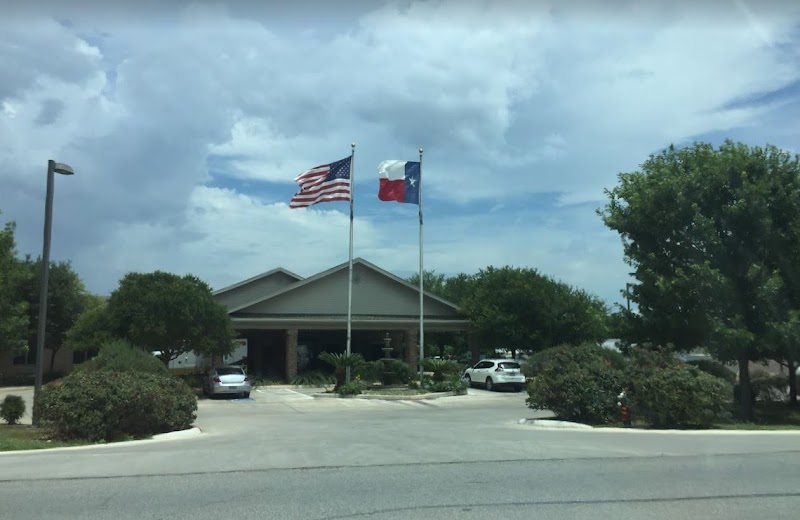
How is Silver Tree Staffed?

CMS rates SILVER TREE NURSING AND REHABILITATION CENTER's staffing level at 3 out of 5 stars, which is average compared to other nursing homes. Staff turnover is 60%, which is 14 percentage points above the Texas average of 46%. High turnover can affect care consistency as new staff learn residents' individual needs. RN turnover specifically is 64%, which is notably high. RNs provide skilled clinical oversight, so turnover in this role can affect medical care quality.

What Have Inspectors Found at Silver Tree?

State health inspectors documented 46 deficiencies at SILVER TREE NURSING AND REHABILITATION CENTER during 2023 to 2025. These included: 3 Immediate Jeopardy (the most serious level, indicating potential for serious harm or death), 42 with potential for harm, and 1 minor or isolated issues. Immediate Jeopardy findings are rare and represent the most serious regulatory concerns. They require immediate corrective action.
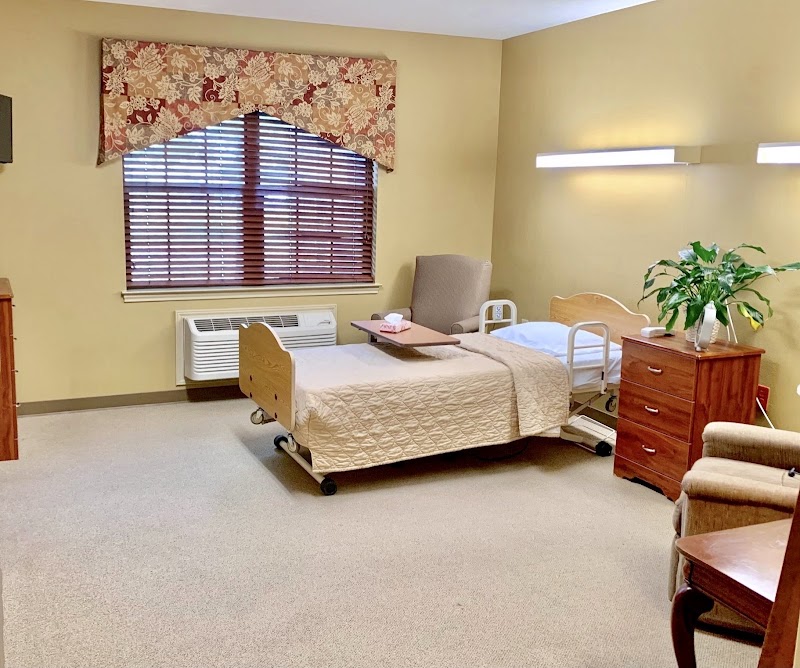
Who Owns and Operates Silver Tree?

SILVER TREE NURSING AND REHABILITATION CENTER is owned by a for-profit company. For-profit facilities operate as businesses with obligations to shareholders or private owners. The facility is operated by CREATIVE SOLUTIONS IN HEALTHCARE, a chain that manages multiple nursing homes. With 120 certified beds and approximately 89 residents (about 74% occupancy), it is a mid-sized facility located in SCHERTZ, Texas.

How Does Silver Tree Compare to Other Texas Nursing Homes?

Compared to the 100 nursing homes in Texas, SILVER TREE NURSING AND REHABILITATION CENTER's overall rating (3 stars) is above the state average of 2.8, staff turnover (60%) is significantly higher than the state average of 46%, and health inspection rating (2 stars) is below the national benchmark.

What Should Families Ask When Visiting Silver Tree?

Based on this facility's data, families visiting should ask: "What changes have been made since the serious inspection findings, and how are you preventing similar issues?" "How do you ensure continuity of care given staff turnover, and what is your staff retention strategy?" "Can I visit during a mealtime to observe dining assistance and food quality?" "How do you handle medical emergencies, and what is your hospital transfer rate?" These questions are particularly relevant given the facility's Immediate Jeopardy citations and the facility's high staff turnover rate.

Is Silver Tree Safe?

Based on CMS inspection data, SILVER TREE NURSING AND REHABILITATION CENTER has documented safety concerns. Inspectors have issued 3 Immediate Jeopardy citations (the most serious violation level indicating risk of serious injury or death). The facility has a 3-star overall rating and ranks #1 of 100 nursing homes in Texas. Families considering this facility should ask detailed questions about what corrective actions have been taken since these incidents.

Do Nurses at Silver Tree Stick Around?

Staff turnover at SILVER TREE NURSING AND REHABILITATION CENTER is high. At 60%, the facility is 14 percentage points above the Texas average of 46%. Registered Nurse turnover is particularly concerning at 64%. RNs handle complex medical decisions and coordinate care — frequent RN changes can directly impact care quality. High turnover means new staff may not know residents' individual needs, medications, or preferences. It can also be disorienting for residents, especially those with dementia who rely on familiar faces. Families should ask: What is causing the turnover? What retention programs are in place? How do you ensure care continuity during staff transitions?

Was Silver Tree Ever Fined?

SILVER TREE NURSING AND REHABILITATION CENTER has been fined $105,601 across 2 penalty actions. This is 3.1x the Texas average of $34,135. Fines at this level are uncommon and typically indicate a pattern of serious deficiencies, repeated violations, or failure to correct problems promptly. CMS reserves penalties of this magnitude for facilities that pose significant, documented risk to resident health or safety. Families should request specific documentation of what issues led to these fines and what systemic changes have been implemented.

Is Silver Tree on Any Federal Watch List?

SILVER TREE NURSING AND REHABILITATION CENTER is not on any federal watch list. The most significant is the Special Focus Facility (SFF) program, which identifies the bottom 1% of nursing homes nationally based on persistent, serious quality problems. Not being on this list means the facility has avoided the pattern of deficiencies that triggers enhanced federal oversight. This is a positive indicator, though families should still review the facility's inspection history directly.