The Manor at Seagoville
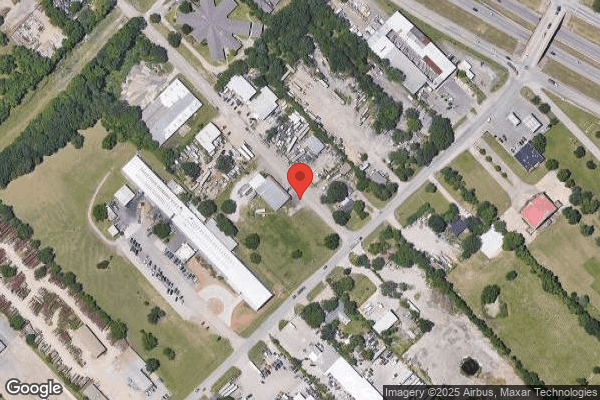
2416 Elizabeth Ln, Seagoville, TX 75159 (972) 287-2491
For profit - Corporation 90 Beds CANTEX CONTINUING CARE Data: November 2025 2 Immediate Jeopardy citations
Trust Grade
0/100
#1138 of 1168 in TX
Last Inspection: October 2024

Within standard 12-15 month inspection cycle. Federal law requires annual inspections.

Overview

The Manor at Seagoville has received a Trust Grade of F, indicating poor quality with significant concerns regarding care and management. Ranking #1138 out of 1168 facilities in Texas places it in the bottom half, and it is the lowest-ranked facility in Dallas County at #83 out of 83. While the facility is trending slightly improving, having reduced its issues from 10 in 2024 to 8 in 2025, it still faces alarming challenges, including $141,829 in fines, which is higher than 90% of Texas facilities. Staffing is also a concern with a poor rating of 1 out of 5 stars, and a 55% turnover rate that reflects average stability but still indicates staff may not be consistently familiar with residents. Specific incidents of concern include a resident receiving excessive doses of opioids, leading to an ICU admission, and another instance of incorrect medication administration with Heparin, which could jeopardize residents' health.
Trust Score
F
0/100
In Texas
#1138/1168
Bottom 3%
Safety Record
High Risk
Review needed
Inspections
Getting Better
10 → 8 violations
Staff Stability
⚠ Watch
55% turnover. Above average. Higher turnover means staff may not know residents' routines.
Penalties
✓ Good
$141,829 in fines. Lower than most Texas facilities. Relatively clean record.
Skilled Nurses
⚠ Watch
Each resident gets only 23 minutes of Registered Nurse (RN) attention daily — below average for Texas. Fewer RN minutes means fewer trained eyes watching for problems.
Violations
⚠ Watch
31 deficiencies on record. Higher than average. Multiple issues found across inspections.
★☆☆☆☆
1.0
Overall Rating
★☆☆☆☆
1.0
Staff Levels
★★★★☆
4.0
Care Quality
★★☆☆☆
2.0
Inspection Score
Stable
2024: 10 issues
2025: 8 issues

The Good

  • 4-Star Quality Measures · Strong clinical quality outcomes
  • Full Sprinkler Coverage · Fire safety systems throughout facility
  • No fines on record

Facility shows strength in quality measures, fire safety.

The Bad

1-Star Overall Rating

Below Texas average (2.8)

Significant quality concerns identified by CMS

Staff Turnover: 55%

Near Texas avg (46%)

Frequent staff changes - ask about care continuity

Federal Fines: $141,829

Well above median ($33,413)

Significant penalties indicating serious issues

Chain: CANTEX CONTINUING CARE

Part of a multi-facility chain

Ask about local staffing decisions and management

Staff turnover is elevated (55%)

7 points above Texas average of 48%

The Ugly 31 deficiencies on record

2 life-threatening
Jul 2025 1 deficiency 1 IJ (1 affecting multiple)
CRITICAL (K) 📢 Someone Reported This

A family member, employee, or ombudsman was alarmed enough to file a formal complaint

Immediate Jeopardy (IJ) - the most serious Medicare violation

Deficiency F0757 (Tag F0757)

Someone could have died · This affected multiple residents

**NOTE- TERMS IN BRACKETS HAVE BEEN EDITED TO PROTECT CONFIDENTIALITY** Based on interview and record review, the facility failed to ensure each resident's drug regimen did not have an excessive dose ...

Read full inspector narrative →
**NOTE- TERMS IN BRACKETS HAVE BEEN EDITED TO PROTECT CONFIDENTIALITY** Based on interview and record review, the facility failed to ensure each resident's drug regimen did not have an excessive dose for 1 (Resident #1) of 4 residents reviewed for unnecessary medications. Based on interview and record review, the facility failed to ensure each resident's drug regimen did not have an excessive dose for 1 (Resident #1) of 4 residents reviewed for unnecessary medications. The facility failed to identify potential hazards and effects of medications and failed to have internal systems in place to prevent Resident #1 from receiving high doses of extended release Morphine and Oxycodone (opioid analgesics used to treat moderate to severe ongoing pain). This resulted in Resident #1's admission to the intensive care unit, on 07/09/2025, in critical condition requiring a Narcan (antidote for opioid overdose) drip to reverse the effects of medication received at the facility. The non-compliance and an Immediate Jeopardy (IJ) situation was identified on 07/13/2025. The IJ was removed on 07/14/2025. The facility remained out of compliance with a scope of pattern with a severity level of no actual harm with potential for more than minimal harm that is not immediate jeopardy, due to the facility's need to evaluate the effectiveness of the corrective systems. This failure could place residents at risk for serious adverse outcomes including drug toxicity, the need for hospitalization, and/or death. Findings include:Record review of Resident #1's Face Sheet, dated 07/12/2025, reflected the resident was a [AGE] year-old female who admitted to the facility on [DATE]. Resident #1 had diagnoses which included malnutrition (failure of body to absorb nutrients) with TPN (method used to receive nutrients) through an IV (in a person's veins), enterocutaneous fistula (abnormal connection that forms between the intestine and skin on the abdominal wall), and a colostomy (the colon is re-routed to an opening in the abdomen and skin) following surgical repair of a bowel obstruction (blockage).Record review of Resident #1's admission MDS (tool used to assess health status) Assessment, dated 07/03/2025, reflected intact cognition with a BIMS (screening tool to assess cognitive status) score of 13. Section GG (Functional Abilities) indicated Resident #1 required moderate to maximal assistance for most self-care needs and moderate assistance with mobility.Record review of Resident #1's Comprehensive Care Plan, dated 07/04/2025, reflected the focus The resident uses psychotropic (drug that affects behavior and mood) medications was initiated on 07/07/2025. One intervention was to Educate the resident/family/caregivers about risk, benefits, and the side effects and/or toxic symptoms of (SPECIFY: psychotropic medication drugs being given). Record review of Resident #1's Comprehensive Care Plan, dated 07/04/2025, reflected the focus The resident is on pain medication therapy was initiated on 07/11/2025. One intervention was to monitor/document/report PRN adverse reactions to analgesic therapy; altered mental status, anxiety, constipation, depression, dizziness, lack of appetite, nausea, vomiting, respiratory distress/decreased respirations, sedation, urinary retention. Record review of Resident #1's Physician order date 07/03/2025 reflected Oxycodone Hcl (additive for absorption and stability) 10 mg (unit of measurement) oral tablet by mouth every 4 hours as needed for pain - severe. Take 1-1.5 tablet (10-15 mg total). Start date 07/03/2025. Stop date 07/07/2025. Record review of Resident #1's medication administration record reflected the resident received Oxycodone Hcl 10 mg:On 07/03/2025 - at 11:25 PMOn 07/04/2025 - at 5:26 AM and 12:00 PMOn 07/05/2025 - at 2:01 AM, 7:00 AM, 11:30 AM, and 3:30 PMOn 07/06/2025 - at 12:00 AM, 4:45 AM, 11:00 AM, and 3:00 PM On 07/07/2025 - at 1:30 AM and 11:22 AM Record review of Resident #1's Physician Orders, dated 07/07/2025, reflected Oxycodone Hcl 10 mg oral tablet - 1 tablet by mouth every 4 hours as needed for pain - severe. Take 1-1.5 tablet (10-15 mg total). Start date 07/07/2025 at 10:26 PM. Record review of Resident #1's Medication Administration Record reflected the resident received Oxycodone Hcl 15 mg:On 07/08/2025 - at 2:15 AM, 11:00 AM, and 4:05 PM. Record Review of Resident #1's Physician Orders, dated 07/03/2025, reflected Morphine sulfate 15 mg oral tablet - 1 tablet by mouth one time a day for pain - severe. Start date 07/04/2025 at 8:00 AM. Stop date 07/07/2025. Record review of Resident #1's Medication Administration Record reflected the resident received Morphine sulfate 15 mg:On 07/04/2025 - at 8:00 [NAME] 07/05/2025 - at 8:00 [NAME] 07/06/2025 - at 8:00 [NAME] 07/07/2025 - at 8:00 AM Record review of Resident #1's Physician Orders, dated 07/03/2025, reflected Morphine sulfate 15 mg oral tablet - 2 tablets by mouth at bedtime for pain - severe. Start date 07/03/2025 at 9:00 PM. Stop date 07/07/2025. Record review of Resident #1's Medication Administration Record reflected the resident received Morphine sulfate 30 mg:On 07/04/2025 - at 9:00 PMOn 07/05/2025 - at 9:00 PMOn 07/06/2025 - at 9:00 PMOn 07/07/2025 - at 9:00 PM Record review of Resident #1's Physician Orders dated 07/08/2025 reflected Morphine sulfate oral tablet 15 mg - 1 tablet by mouth one time a day for pain - hold for sedation. Start date 07/08/2025 9:00 AM. Stop date 07/08/2025. Record review of Resident #1's Medication Administration Record reflected the resident received Morphine Sulfate 15 mg:On 07/08/2025 - at 9:00 AM Record review of Resident #1's Physician Orders, 07/08/2025, reflected Morphine sulfate 15 mg oral tablet - give 2 tablets by mouth for pain. Start date 07/08/2025 at 8:00 PM. Stop date 07/08/2025. Record review of Resident #1's Medication Administration Record reflected the resident received Morphine sulfate 30 mg:On 07/08/2025 - at 8:00 PM Record review of Resident #1's Physician Orders, dated 07/09/2025, reflected Morphine sulfate 15 mg oral tablet - give 2 tablets two times a day for pain and HOLD FOR SEDATION. Start date 07/09/2025 at 8:00 PM. Stop date 07/09/2025. Record review of Resident #1's Physician Orders dated 07/04/35 reflected Mirtazapine (medication used to treat depression) 30 mg oral tablet - 1 tablet by mouth at bedtime. Start date 07/04/2025 at 9:00 PM. Record review of Resident #1's Medication Administration Record reflected the resident received Mirtazapine 30 mg:On 07/04/2025 - at 9:00 PMOn 07/05/2025 - at 9:00 PMOn 07/06/2025 - at 9:00 PMOn 07/07/2025 - at 9:00 PMOn 07/08/2025 - at 9:00 PM Record review of Resident #1's Physician Orders, dated 07/04/205, reflected Gabapentin (seizure medication used to treat resident's nerve pain) 6 ml=300 mg oral solution by mouth three times a day for neuropathy. Start date 07/04/2025 at 3:00 PM. Record review of Resident #1's Medication Administration Record reflected the resident received Gabapentin oral solution 6 ml = 300 mg: 07/04/2025 - at 3:00 PM and 9:00 PM07/05/2025 - at 9:00 AM, 3:00 PM, and 9:00 PM07/06/2025 - at 9:00 AM, 3:00 PM, and 9:00 PM07/07/2025 - at 9:00 AM, 3:00 PM, and 9:00 PM07/08/2025 - at 9:00 AM, 3:00 PM, and 9:00 PM07/09/2025 - at 9:00 AM Record review of Resident #1's Progress Notes reflected medication orders for Morphine sulfate triggered a warning of a potential drug-to-drug interaction indicating Morphine sulfate may enhance the serotonergic (involves neurotransmitter that affects mood and behavior) effect of Mirtazapine, resulting in serotonin syndrome (potentially life-threatening drug reaction caused by too much serotonin in the body). Record review of Resident #1's Progress Notes reflected medication orders for Oxycodone triggered a warning of a potential drug-to-drug interaction indicating Oxycodone may enhance the serotonergic effect of Mirtazapine, resulting in serotonin syndrome. Record review of Resident #1's Progress Notes reflected LVN B documented on 07/08/2025 8:47 PM Resident in bed appears and oriented, able to respond to all question asked. Family members were present during the administration of her scheduled Morphine and expressed concern that she might be receiving too much pain medications. This nurse explained that pain is assessed based on the patient's report unless there are observable changes. The resident was assessed and stated the pain medication is effectively managing her pain and she does not wish for any changes to the dosage. Record review of Resident #1's Progress Notes reflected on 07/09/2025 at 9:18 AM, LVN A documented the morning dose of morphine was HELD FOR SEDATION. Record review of Resident #1's progress reflected on 07/09/2025 at 12:56 PM, LVN A documented Alert and oriented x 3, denies pain or discomfort during this shift and Morphine 15 mg - 2 tablets by mouth for pain was HELD FOR SEDATION. Record review of Resident #1's Progress Notes reflected the DON documented on 07/09/2025 at 1:13 PM This nurse was notified by facility staff nurse the resident was drowsy. When arriving to the resident room family member at bedside requested resident be sent to the hospital r/t drowsiness. This nurse asked resident and family was anything they wanted the facility to do other than hospital transfer. Family spoke to resident and responded yes to going to hospital via 911. Update was given to nurse to start process to transfer out via 911. Record review of Resident #1's Progress Notes reflected on 07/09/2025 at 1:25 PM, the Treatment Nurse documented This nurse was asked to check on resident. When I entered the room, I noticed that therapy was present and was assisting resident to sit on the side of the bed. She needed ADL care. While sitting on the side of the bed, the resident was unable to hold her head and trunk up on her own. I assisted her to lay back down in the bed. She was lethargic, jerking, altered mental status, alert/orient to last name only. Family member was present and requested that she be sent to hospital. Called 911. Notified doctor. Record review of Resident #1's Progress Notes reflected the DON documented on 07/09/2025 at 3:39 PM Per conversation yesterday with family member concerning her pain medication. Family concerned resident maybe too drowsy to participate in therapy. Family educated that resident spoke to facility pain NP and stated she was still having pain, new orders were given. Educated family and resident if resident is still drowsy facility will send message to pain NP for re-eval. Record review of Resident #1's emergency room hospital record, dated 07/09/2025, reflected acute opioid overdose and acute hypoxic respiratory failure which was noted as likely due to opioid related respiratory depression with an oxygen saturation of 72% on room air. Further review of Resident #1's emergency room hospital records reflected she also was hypotensive ( low blood pressure) upon arrival of 84/47 as a result of the overdose and required IV fluids to stabilize her blood pressure. Record review of Resident #1's hospital record reflected she was admitted to the intensive care unit on 07/09/2025 and was noted to be critically ill requiring high complexity medical interventions and continuous medical evaluation. She required multiple doses of Narcan and ultimately required an IV Narcan drip to reverse the effects of the medications received at the facility. Resident #1's emergency room hospital records indicated the stacking (combination of) of narcotic medications in addition to Gabapentin and Mirtazapine resulted in sedative synergy (toxicity resulting from combining of opioid medications with SSRI (antidepressant that raises serotonin levels) to Resident #1. During a telephone interview on 07/12/2025 at 10:45 AM, Resident #1's family member stated Resident #1 admitted to the facility on [DATE] following an abdominal surgery for a bowel obstruction. The family member stated she came to the facility with another family member to see Resident #1 on 07/08/2025 at about 5:30 PM. She stated, during the visit, she asked Resident #1 to change the channel on the television and noticed the resident's hand was shaking. She stated later Resident #1 stated she needed to go to the restroom and when she tried to get up, she had no strength in her legs and her body was jittery, so they helped her back into bed. The family member stated about 7:30 PM, the nurse came to give Resident #1 medication. The family member stated Resident #1 was taking morphine and oxycodone when she admitted to the facility, but the doses had been increased. She stated she asked the nurse if medication was causing the symptoms Resident #1 was having. She stated she asked the nurse for the doctor's number and was told she could not give it to her. She stated the nurse told her to call social worker, and the social worker could give her number to the doctor. The family member stated she called the social worker the next morning and left a voicemail about the increased medication. She stated the following morning, on 07/09/2025 between 10:00 AM and 11:00 AM, the other family member was at the facility to see Resident #1. She stated the resident was not moving much and when the family member tapped her, she barely opened her eyes. The family member asked the nurse to call for an ambulance and was told it was not necessary. She stated the family member asked if the resident was given too much medication and was told her last dose was at 8:00 PM on 07/08/2025. The family member stated the resident had medication due that morning and wondered why it was not given and if staff had noticed the resident was just sleeping. She stated when the ambulance arrived at the facility on 07/09/2025 between 12:00 PM and 1:00 PM, the resident's oxygen and blood pressure was low, and the resident was taken to the hospital. She stated Narcan was given in the emergency room, and the resident was admitted to the intensive care unit in critical condition. She stated Resident #1 was in the intensive care unit for 2 nights and when the resident was able to transfer to a regular room, the family asked if she could be transferred to the hospital where her doctors and surgeon were for further evaluation. During an interview on 7/12/25 at 1:27 PM, the DON stated Resident #1 admitted with a draining fistula, colostomy (surgical open in abdomen for the colon), and biliary drain (device used to allow blocked bile ducts to drain) after surgery for a bowel obstruction. The DON stated on 07/08/2025, while in Resident #1's room hanging TPN, a family member told her she did not want the resident so drowsy she could not participate with therapy. The DON stated she told the family member she would talk to therapy the following morning. She stated the plan was if the resident were drowsy and unable to participate with therapy, staff would hold the medication and notify the pain management provider to reevaluate the pain medicine. She stated she left the facility about 7:00 PM on 07/08/2025. She stated the nurse contacted her that evening that family did not want Resident #1 to have all her pain medicine. The DON stated the nurse said the resident was fine. The DON stated she told the nurse she would evaluate Resident #1 the following morning to see how the resident was and to hold the pain medication if she was drowsy. She stated the next morning on 07/09/2025, the dose of pain medication was held because the resident refused it, and the pain management doctor was notified. The DON stated at about 1:00 pm on 07/09/2025, the treatment nurse told her Resident #1 had a change of condition and asked the DON to assess the resident. She stated a family member was in the room and told her the resident did not feel right and needed to go to the hospital. The DON stated she asked if there was anything else staff could do. She stated the family did not want the facility to provide any interventions. She stated she unhooked the IV and flushed the line. She stated the resident's vital signs were stable. She stated the resident was lying flat and talking, and she did not observe poor trunk control. She stated Resident #1 did not have signs of overdose or drug toxicity when she transferred to the hospital. She stated Oxycodone was prescribed PRN for breakthrough pain and the resident had the last dose on 07/08/2025 at 4:00 PM. She stated the Morphine was increased to 30 mg twice a day and Resident #1 had the last dose of Morphine on 07/08/2025 at 8:00 PM. She stated Resident #1 had an order to hold the Morphine for sedation. She stated she tried to avoid having residents on oxycodone because, though it had a half-life, it was very potent. The DON stated residents taking pain medication were monitored closely. She stated staff monitored residents for drowsiness and respiratory depression. She stated staff knew what to look for. She stated staff also monitored for effectiveness of medications, especially PRN medications. She stated staff knew to immediately report any change of condition to the DON and also the doctor or nurse practitioner. She stated the facility recently had an in-service about change of condition and notification. During a telephone interview on 07/12/2025 at 5:20 PM, the Medical Director stated Resident #1 admitted to the facility with a high tolerance for pain medication. He stated the pain management provider had seen the resident and slightly increased the dose. He stated he had viewed the hospital record and it looked like stacking. He stated after medication accumulates in the body, it did not take a lot to take a person over the edge. He stated he spoke with the DON and NP the day Resident #1 was transferred to the hospital and was told the facility wanted to give Narcan at the facility, but the family refused. He stated the family should have allowed facility staff to do what they were trained to do, because it could have been a different situation. He stated it was not unusual for a resident to take the amount of medication Resident #1 was prescribed. He stated when a resident was in pain, physicians try to provide comfort. He stated the pain management doctor increased the morphine dose slightly. He stated when Resident #1 arrived at the hospital, family requested for the resident to follow up with her surgeon because of the recent surgery. He stated after the reason for admission was resolved, the surgeon agreed for Resident #1 to be transferred to the hospital where he practiced. During telephone interview on 07/13/25 at 9:50 AM, LVN A stated Resident #1 was in the facility less than a week. He stated he rounded with the night nurse when he came to work on 07/09/2025 at 6:00 AM. He stated there were no changes in Resident #1. He stated he never saw the resident under stress, no shallow breathing, no respiratory change, or signs of overdose. He stated the resident was able to wake up and talk. He stated on 07/09/2025 he held Resident #1's morphine dose that morning because she was sleepy. He stated he took her vital signs which were good. He stated Resident #1 said she was tired and didn't sleep well the night before. He stated a few minutes later he went back asked Resident #1 if she was going to sleep all day, and she just said no, she didn't sleep well. He stated he saw the resident 2 or 3 times before her family arrived. He stated the family member expressed concern about the resident's condition and pain medication. LVN A stated he called the pain management provider and then told the family members the provider could meet them the following morning to discuss the resident's medication. He stated the pain management provider came to the facility the following day, but the resident was at the hospital. LVN A stated on 07/09/2025, when he returned from lunch, the paramedics were in Resident #1's room. He stated the treatment nurse was also in Resident #1's room. He stated he was told when therapy tried to get Resident #1 up, she was shaking. During a telephone interview on 07/13/2025 at 10:06 AM, LVN B stated she was Resident #1's nurse from 2-10 PM on 07/08/2025. She stated family members were in the room when she gave Resident #1 her evening medicine. LVN B stated she asked the resident how she felt, and Resident #1 said the medication was working better. She stated the family member told Resident #1 she was taking a lot of medication and the resident told her no she was not. LVN B stated she told the family members they may feel like it was too much but staff had to go by what residents say. LVN B stated she checked on Resident #1 before she left and she was sleeping. She stated she had no respiratory distress. During an interview on 07/14/2025 at 1:38 PM, the Treatment Nurse stated she did not know what medications Resident #1 was taking. She stated on 07/09/2025 at about 1:25 PM, Resident #1's family member was in the hall looking for a nurse and she went to the room. The Treatment Nurse stated Resident #1 had been at the facility a short time, and she did not have much interaction with her, but noticed Resident #1 was different from the day before. She stated therapy was in the room assisting Resident #1 to sit on the side of the bed. She stated Resident #1 was not holding her head and trunk up on her own. She stated the resident was not alert like the day before and she just knew something was going on. She stated she contacted the DON to let her know about the change of condition and the DON went to the room to assess the resident and speak with the family member and the treatment nurse called 911. During an interview on 07/14/2025 at 2:19 PM, LVN K stated she was Resident #1's nurse during the night shift on 07/08/2025. She stated there were no concerns with Resident #1 during her shift. She stated she gave report and rounded with the morning shift nurse before she left. During a telephone interview at 07/14/2025 at 4:32 PM, the Pain Management Provider stated he was consulted and had seen Resident #1 in the facility. He stated prior to admission to the facility, Resident #1 had an abdominal surgery, which resulted in multiple drains, and the resident was in severe pain. He stated he reviewed her records and Resident #1's Narx score (reflects patient's use of controlled drugs) did not reflect a concern and she had taken pain medication since 2023. He stated Resident #1 had been taking morphine for a few months in combination with oxycodone. He stated after seeing Resident #1, he increased the morning dose of Morphine. He stated it was a mild increase, less than 10-15%. He stated when increasing medication, he increased the minimum dose. He stated the challenge was when a resident takes medication for chronic pain, they also have to look at other medications. He stated some medications worked together to cause more sedation. During a telephone interview on 07/18/2025 at 12:16 PM, CNA R stated she had not taken care of the resident before 07/09/2025. She stated she rotated and worked on different halls. CNA R stated she did not see a CNA on the hall from the previous shift so she went and got information about her residents from LVN A. CNA R stated she rounded on everyone at the beginning of her shift. She stated when she told Resident #1 good morning, she opened her eyes and replied. She stated she turned on the light and told Resident #1 it was about time for breakfast. CNA R stated she went to the dining room for breakfast and rounded on the residents when she returned to the hall. CNA R stated between 10:00 AM and 11:00 AM, she noticed Resident #1 was sluggish. When asked what she meant, CNA R stated Resident #1 was talking but talking slower. CNA R stated she reported it to LVN A. She stated that was only thing she noticed different. She stated family came in between 12:00 PM and 1:00 PM and said that was not usual for the resident. She stated prior to going to the hospital, therapy was working with Resident #1. During a follow up interview on 07/18/2025 at 1:20 PM, LVN A stated he did not remember the time, but during the morning of 07/09/2025, CNA R reported to him Resident #1 was talking slower. LVN A stated he went to the resident's room to check on her and she stated she did not get enough sleep the night before and was just tired. LVN A stated he did not observe any changes in the resident. Review of the facility's policy Adverse Consequences and Medication Errors, revised April 2014, reflected Residents receiving any medication that has a potential for an adverse consequence will be monitored to ensure that any such consequences are promptly identified and reported. This was determined to be an Immediate Jeopardy (IJ) on 07/13/2025 at 4:45 PM. The Executive Director, Director of Nurses, Regional Director of Clinical Services, and the Senior Regional Director of Operations were provided with the IJ template on 07/13/2025 at 4:45 PM and a POR was requested. The following Plan of Removal submitted by the facility was accepted on 07/14/2025 at 12:56 PM.Facility: [Facility Name]Date: 07/14/2025Problem: F757 Unnecessary DrugsPlan of RemovalImmediate ActionsResident #1 is no longer in the building. The Medical Director was assigned this resident.1. The Ombudsmen was notified of the content of the immediate jeopardy via email on 07/13/2025.a) On 07/13/2025 The RDCS in-serviced the DON and the Unit Manager with test for competency on reviewing the daily and prn process of:b) Reviewing physicians' orders daily and prn to clarify any uncertainty of dosage/medication (via the mar, the order list report and 24-hour report in Point Click Carec) Monitoring for Signs and symptoms of opioid overdose (i.e . shallow breathing, change in baseline status, decrease in conscientiousness, confusion, cyanotic in color, small pupils.) this will be monitored every shift and prn with the scheduled every shift (qs) pain assessment.d) Usage of Narcan as a reversal for possible opioid overdose to include: dispatching 911, checking for resident response (ask/shake) to ascertain conscientious ; assessing for shallow breathing, pinpoint pupils; actual use of Narcan nasal spray by tilting head back and providing support under the neck, administrating one spray under one nostril and monitoring resident for response; follow up treatment of an additional dosage if no response every 2-3 minutes-- if no change in status, continued monitoring until 911 arrives.e) Dispatching 911 for emergency transferf) Immediate MD and family notificationg) On 07/14/2025 An in-service for all nurses, with competency was initiated on Stacking of Opioids which included the definition of ‘stacking', the cause of stacking (polypharmacy), signs and symptoms, interventions for stacking which include but not limited to nurse assessment physician notification, use of Narcan and recognizing the potential risk for black box warnings and peaks times.2. 0n 07/13/2025 In-services with competency were started with the certified nursing aides utilizing the Stop and Watch tool to assist with identifying changes in condition and immediately reporting those changes.3. On 07/13/2025 The RDCS completed a 100% audit of all residents who are on narcotics and/or opioids, who have the potential to be affected. The results of the audit yielded that no other residents were affected and were at their normal baseline.4. On 07/13/2025 all in-house licensed and registered nurses were re in- serviced with a test to validate competency on:a) Reviewing physicians' orders daily and prn to clarify any uncertainty of dosage/medication (via the mar, the order list report and 24-hour report in Point Click Careb) Monitoring for Signs and symptoms of opioid overdose (i.e . shallow breathing, change in baseline status, decrease in conscientiousness, confusion, cyanotic in color, small pupils.) this will be monitored every shift and prn with the scheduled every shift (qs) pain assessment.c) Usage of Narcan as a reversal for possible opioid overdose to include: dispatching 911, checking for resident response (ask/shake) to ascertain conscientious ; assessing for shallow breathing, pinpoint pupils; actual use of Narcan nasal spray by tilting head back and providing support under the neck, administrating one spray under one nostril and monitoring resident for response; follow up treatment of an additional dosage if no response every 2-3 minutes-- if no change in status, continued monitoring until 911 arrives.d) Dispatching 911 for emergency transfere) Immediate MD and family notificationf) On 07/14/2025 An in-service for all nurses, with competency was initiated on Stacking of Opioids which included the definition of ‘stacking', the cause of stacking (polypharmacy), signs and symptoms, interventions for stacking which include but not limited to nurse assessment physician notification, use of Narcan and recognizing the potential risk for black box warnings and peaks times.Systematic Approach1. On 07/13/2025 A QAPI meeting was held, in attendance were the Medical Director (via TEAMS), Executive Director, DON, the Regional Director of Clinical Services and the Senior Regional Director of Operations. Policy and Procedures on Physician Notification, Medication Administration and Changes in Condition were reviewed and found to be sufficient with company, state, and federal requirements.Monitoring1. DON, UMs were educated by the RDCS on 07/13/25 in the daily process of:a) Reviewing physicians' orders daily and prn to clarify any uncertainty of dosage/medication (via the mar, the order list report and 24-hour report in Point Click Careb) Monitoring for Signs and symptoms of opioid overdose (i.e . shallow breathing, change in baseline status, decrease in conscientiousness, confusion, cyanotic in color, small pupils.) this will be monitored every shift and prn with the scheduled every shift (qs) pain assessment.c) Usage of Narcan as a reversal for possible opioid overdose to include: dispatching 911, checking for resident response (ask/shake) to ascertain conscientious ; assessing for shallow breathing, pinpoint pupils; actual use of Narcan nasal spray by tilting head back and providing support under the neck, administrating one spray under one nostril and monitoring resident for response; follow up treatment of an additional dosage if no response every 2-3 minutes-- if no change in status, continued monitoring until 911 arrives.d) Dispatching 911 for emergency transfere) Immediate MD and family notificationf) On 07/14/2025 An in-service for all nurses, with competency was initiated on Stacking of Opioids which included the definition of ‘stacking', the cause of stacking (polypharmacy), signs and symptoms, interventions for stacking which include but not limited to nurse assessment physician notification, use of Narcan and recognizing the potential risk for black box warnings and peaks times.0n 07/13/2025 In-services with competency were started with the certified nursing aides utilizing the Stop and Watch tool to assist with identifying changes in condition and immediately reporting those changes to the charge nurse.2. The DON and Unit manager were educated by the RDCS on 07/13/25 and will use the Grand Rounds process and 24-hour Summary to identify any and all residents who were started on opioids, had medication dosages and any discontinuation to ensure that appropriate interventions and monitoring is in place. On 07/14/2025 the DON and Unit Manager were educated, with competency by the RDCS on Stacking of Opioids (which included the definition of ‘stacking', the cause of stacking (polypharmacy), signs and symptoms of stacking, interventions for stacking which include but not limited to nurse assessment physician notification, use of Narcan and recognizing the potential risk for black box warnings and peaks times). All of these components will be monitored daily for 2 weeks, weekly for 2 weeks and then monthly. On the weekends and holidays, the Nurse Supervisor/Designee will complete the audit/review. The DON/ Designee will monitor daily, M-F, on the weekends and holidays, the Nurse Supervisor/Designee will complete the review. The DON/Designee will monitor this process.******Any staff (nurses and aides) who are not present to complete the in-service by 7/13/2025 will be required to complete the in-service at the start of their next shift before beginning work. New Hires, PRN and any agency staff will also be in-serviced prior to the start of their shift. The education will be conducted and monitored by the DON/Designee.Quality Assurance:Results of all monitoring by DON and Unit Manager shall be brought to the Quality Assessment and Assurance Committee for [TRUNCAT
Jun 2025 2 deficiencies
CONCERN (D) 📢 Someone Reported This

A family member, employee, or ombudsman was alarmed enough to file a formal complaint

Potential for Harm - no one hurt, but risky conditions existed

Deficiency F0602 (Tag F0602)

Could have caused harm · This affected 1 resident

**NOTE- TERMS IN BRACKETS HAVE BEEN EDITED TO PROTECT CONFIDENTIALITY** Based on observation, interview and record review, the facility failed to ensure the right to be free from misappropriation of r...

Read full inspector narrative →
**NOTE- TERMS IN BRACKETS HAVE BEEN EDITED TO PROTECT CONFIDENTIALITY** Based on observation, interview and record review, the facility failed to ensure the right to be free from misappropriation of resident rroperty for 1 (Resident #1) of 8 residents reviewed for misappropriation. The facility failed to protect Resident #1's right to be free from misappropriation of resident property when there was a drug diversion of Resident #1's approximately 23 tables of Hydrocodone pills (a controlled narcotic medication). The non-compliance was identified as past non-compliance (PNC). The non-compliance began on 05/09/25 and ended on 05/10/25. The facility had corrected the noncompliance before the investigation began. This failure could place residents at risk for unrelieved pain due to their medication not being readily available. Findings included: Record review of Resident #1's Face Sheet, dated 06/17/25, reflected he was a [AGE] year-old male, who admitted to the facility on [DATE], and readmitted to the facility on [DATE]. Resident #1's diagnoses included: end stage renal disease (a severe and irreversible decline in kidney function where the kidneys can no longer adequately filter waste and excess fluid from the blood), which requires dialysis treatment, dyspnea (an intense tightening in the chest, air hunger, difficulty breathing, breathlessness or a feeling of suffocation), hyperkalemia (having a high level of potassium in the blood), fluid overload, and pain (an unpleasant sensory and emotional experience that signals potential or actual tissue damage). Record review of Resident #1's Quarterly MDS Assessment, dated 03/18/25, reflected he had a BIMs score of 15 and his cognitive function was intact. Record review of Resident #1's Comprehensive Care Plan, dated 03/18/25, reflected: Focus: The resident has current skin concerns: (Right groin, and right proximal arm) due to Surgical Wound. Date Initiated: 05/23/2025 Revision on: 05/23/2025 Goal: Areas will heal without complications over the next 90 days. Date Initiated: 05/23/2025 Revision on: 06/17/2025 Target Date: 07/17/2025 Interventions: Assess skin weekly and record finding in clinical record. Date Initiated: 05/23/2025 Keep MD and RP informed of progress. Date Initiated: 05/23/2025 Monitor areas for increase breakdown, s/s of infection-report to MD. Date Initiated: 05/23/2025 Monitor for pain, give med per order, monitor for relief. Date Initiated: 05/23/2025 Focus: The resident is on pain medication therapy . Date Initiated: 04/11/2025 Goal: The resident will be free from any discomfort or adverse side effects from pain medication through the review date. Date Initiated: 04/11/2025 Revision on: 06/17/2025 Target Date: 07/17/2025 Interventions: .Review for pain medication efficiency, assess whether pain intensity acceptable to resident . Date Initiated: 04/11/2025. Record review of Resident #1's Physician's Order Summary, dated 06/17/25, reflected he was prescribed Hydrocodone-Acetaminophen Oral Tablet 10-325 mg tablet, Give 1 tablet by mouth orally every four hours as needed (for pain). The start date of this medication was 05/02/24 with end date of 05/07/25. Record Review of LVN B's Written Statement dated, 05/08/25 at 2 PM in the facility's Provider Investigation report dated, 05/14/25 revealed, I, [LVN B] counted Hall 6 Cart specifically narcotic and the count was accurate. Key handed over to [RN C]. Record Review of LVN A's Written Statement on 05/10/25 in the facility's Provider Investigation report dated, 05/14/25 revealed, I received a new order for pt [Resident #1] increase Norco from 7.5/325 to 10/325 Q4 PRN x 5 days following surgical procedure R/T dialysis shunt causing incision site to LT groin & RT arm. The morning following the new order I remember a card present on the 600 Hall cart with approximately 20 tablets. Pt routinely takes PRN pain meds Q4 as ordered and has verbalized he needs them Q4 to control pain. On Wednesday 5/7 pain management NP confirmed to continue order for Norco 10/325 Q4 PRN pain after pt requested Gabapentin be increased and NP unable to change med R/t kidney function. I do not recall exact amount that remained on the original card of 10/325 but I do know card was present when I left facility on Thursday 5/8 and when I returned Friday morning the only cards, I noted was the card of 7.5/325 and new script for 10/325. I gave the first pill from the new card but did not report or assume any discrepancy because I assumed card had been completed. I did not complete a control record sheet for any of pts medications and all sheets were present and count correct for my start and end of shifts. Record Review of LVN D's Written Statement on 05/11/25 in the facility's Provider Investigation report dated, 05/14/25 revealed, On May 7/8 shift worked 10pm-6a Narcotic Cart was counted as it pertained to [Resident #1's] Hydrocodone one 10-325mg card present slightly less than a full card, and Hydrocodone 7-325mg present. When medications (Pharmacy) arrived, I added a few additional cards of Hydrocodone 10-325 as received from pharmacy. Pt. asked for Hydro during evening shift of the 7th and administered per order. There were no medications missing or not counted for during shift on May 7th/8th 10pm-6am. Medications were counted with on-coming Nurse [LVN A]. No discrepancies were noted. Record Review of RN C's Written Statement on 05/09/25 in the facility's Provider Investigation report dated, 05/14/25 revealed, On 05/09/25, during medication administration, I observed that [Resident #1's] Hydrocodone -Acetaminophen 10-325 oral tab card was missing from the Medication Cart. I rechecked the Medication Cart with the Log in Slip and also discovered that the Log in Slip was missing. I notified the Nurse Supervisor [DON]. Record review of the facility's Provider Investigation Report, dated 05/14/25, reflected on 05/09/25, [RN C] notified the [DON[ Resident #1's prescription medication card of Hydrocodone 10-325mg (a combination medication containing an opioid pain reliever (hydrocodone) and a non-opioid pain reliever (acetaminophen), was noted to be missing (approximately 23 tablets and the narcotic log for ]Resident #1's] hydrocodone were identified as missing). The DON conducted audits of the medications carts in the facility and started an investigation regarding the missing medication and log and both were not located. The pharmacy was notified and verified that [Resident #1's] medication was delivered to the facility. It was noted that Resident #1 had not missed a dose of medication, as there was still a blister pack of Hydrocodone 10-325mg (prescribed to him) on the medication cart that was being used. All appropriate parties, including the pharmacy, police department, pain management, and MD were notified of the missing medication. The staff (LVN A, LVN B, RN C and LVN E) denied diverting the medications. Staff statements revealed all individuals who had access to the medication denied taking the medication and/or knowing how the medication went missing. Drug testing revealed all individuals who had access to the medication tested negative for any substances, including Hydrocodone. The facility was unable to determine who diverted the medication or how the medication went missing along with Resident #1's narcotic log. To prevent further occurrences, the facility implemented a new form for shift count where nurses were required to count the blister packs as well as the individual sheets. There was also a new policy implemented in which the nurses were required to make a copy of all paperwork upon delivery of new narcotics and provide it to nurse management. The facility ordered new medication for Resident #1, at the cost of the facility. Facility staff were in serviced on procedures for receiving narcotics, narcotic count protocol, the implementation of new narcotic count sheets with card counts, and controlled substance accountability. All staff were in serviced on the facility's new policies and procedures. The facility replaced the resident's missing medication, continued with card count sheet along with pill counts at shift change, DON or designee will be auditing Narcotic Sheets daily. Record review of the facility's Staff Schedule for 05/09/25 revealed that LVN A and LVN D were assigned to the 600 Hall on the 6a-2p shift. LVN B and RN C was assigned the 600 Hall on the 2p - 10p shift. LVN E was assigned to work the 10p-6a shift on the 100 Hall. Record review of the facility's In Service logs, dated from 05/10/25 to 05/12/25, reflected facility staff were In-Serviced on procedures for receiving narcotics, narcotic count protocol, the implementation of new narcotic count sheets with card counts, controlled substance accountability, medication documentation and destruction. Record review of the facility's Checklist for Making Reasonable Cause Determination Training for Drug Diversion was provided to LVN A, LVN B, RN C, and LVN D from 05/11/25 to 05/12/25. Record review of the Drug Test for LVN A on 05/11/25, LVN B and RN C on 05/12 and LVN D on 05/13/25 revealed all tested negative for all drugs. Record review of the facility's Medication Audits from 05/12/25 thru 06/10/25 of all shifts revealed that all medications on Med Carts 100-600 did not have any discrepancies. Record review of personnel files for LVN A, LVN B, RN C, and LVN E reflected no concerns. Record review of personnel file for LVN D reflected she was employed at the facility from 01/27/25 to 05/19/25. LVN D received a written final warning, dated 05/13/25, for failing to review company standards of documentation and expectation for real time documentation, failing to review orders and update and document conversations with NP, MD, and RP and failing to review the best practice, protocol and procedures according to facility's policy. LVN D was called by management to come to work to received In-Service Trainings and additional training but refused to come back to work and was terminated from employment at the facility. Observations of two separate medication carts on 06/17/25 from 4:00 PM to 5:00 PM, including a review of narcotic logs and count sheets, reflected no evidence of a current drug diversion. The observations revealed that facility staff were following the facility's policies and procedures to prevent a drug diversion. These observations were completed with RN C and LVN E. During interviews with multiple staff members (with LVN B, RN C, LVN E) on 06/17/25 from 11:00AM to 12:00PM, they each stated they had been in serviced on pharmacy services. They were knowledgeable of the facility's policies and procedures related to acquiring, receiving, dispensing, labeling, storing, and administering medications. They were able to verbalize the facility's policies and procedures related to the prevention of drug diversion, including the new policies and procedures implemented because of the incident involving Resident #1's prescription medication of Hydrocodone (such as what procedures to take when narcotics were received from the pharmacy as well as the procedure for counting medications). In an interview with the Administrator on 06/17/25 at 2:43 PM and 3:20PM, she stated a drug diversion occurred with Resident #1's prescription medication of Hydrocodone medication. The Administrator stated on 05/09/25 RN C reported to her supervisor RN F that a card of the Narco medication for [Resident #1] was missing along with the Narco log for the Hydrocodone for Resident #1. The Administrator stated that the DON was notified and arrived at the facility and conducted a full search for the medication and started an in-house investigation. The Administrator stated that the Narco card and log were never found during the facility's investigation. The Administrator stated that [Resident 1 ] was out of the facility on Leave when the Narco log and card were discovered to be missing. She stated that Resident #1 is his own RP and was notified about the missing medication upon his return to the facility. Resident #1's MD, NP and the police were notified. The facility was unable to provide an alleged perpetrator to law enforcement. The facility immediately continued their investigation, In-Service Trainings on drug diversions, implemented new procedures for the count sheets, misappropriation, and medication management. The Administrator stated that LVN A, LVN B, RN C and LVN D were given a urinalysis drug test and all were negative for all substances. LVN A, LVN B, RN C and LVN C were also provided with training on Checklist for Making Reasonable Cause Determination for Drug Diversion. The facility was unable to determine who diverted the medication. To prevent further occurrences, the facility implemented a new form for shift count where nurses were required to count the blister packs as well as the individual sheets. There was also a new policy implemented in which the nurses were required to make a copy of all paperwork upon delivery of new narcotics and provide it to nurse management. The facility ordered new medication for Resident #1, at the cost of the facility. Facility staff were in serviced on procedures for receiving narcotics, narcotic count protocol, the implementation of new narcotic count sheets with card counts, and controlled substance accountability. The Administrator stated that there was not any potential risk or harm to Resident #1 because of the drug diversion to him being out of the facility and not having any issues with pain. In an interview with the DON on 06/17/25 at 3:17 PM, she stated a confirmed drug diversion occurred with Resident #1's prescription medication of Hydrocodone. The DON stated because of the facility's investigation, new policies were implemented to include: a new form for shift count where nurses were required to count the blister packs as well as the individual sheets and a new policy implemented in which the nurses were required to make a copy of all paperwork upon delivery of new narcotics and provide it to nurse management. The DON was monitoring this via random audit checks for timely and proper completion by staff to ensure the prevention of another drug diversion. The Director of Nursing stated a potential risk of drug diversion was that the resident may not receive his or her prescribed dose of medication. On 06/17/25 at 3:37 PM, the surveyor attempted to contact LVN A via telephone. The surveyor left a voicemail message requesting a call back. The surveyor did not receive a return call back from LVN A prior to exiting the facility on 06/17/25. On 06/17/25 at 3:38 PM, the surveyor attempted to contact LVN D via telephone. The surveyor left a voicemail message requesting a call back. The surveyor did not receive a return call back from LVN D prior to exiting the facility on 06/17/25. On 06/17/25 at 3:40 PM, the surveyor attempted to contact the Pharmacy via telephone. The surveyor left a voicemail message requesting a call back. The surveyor did not receive a return call back from the Pharmacy prior to exiting the facility on 06/17/25. On 06/17/25 at 3:44 PM, the surveyor attempted to contact Resident #1's NP via telephone. The surveyor left a detailed voicemail message requesting a call back. The surveyor did not receive a return call back from Resident #1's NP prior to exiting the facility on 06/17/25. On 06/17/25 at 3:50PM, the surveyor attempted to contact Resident #1's PCP via telephone. The surveyor left a detailed voicemail message requesting a call back. The surveyor did not receive a return call back from Resident #1's PCP prior to exiting the facility on 06/17/25. On 06/17/2025 at 4 PM a copy of the Police Report was requested via email. In an interview with the facility's Regional Director of Clinical Services (Nurse Consultant) on 06/17/25 at 4:04 PM, she stated that on 05/09/23, the DON called her and told her that she thought the facility had a possible drug diversion with [Resident #1's] Hydrocodone medication. She stated that she asked the DON for the resident's name and she told the DON that she was out of town and would come to the facility. She stated that she told the DON to interview staff on all shifts who had access to the Medication Cart for the last 24 hours. She stated that RN C discovered that Resident #1's hydrocodone medication card and narcotic log was missing. The DON arrived at the facility and they did audits on all the medication carts in the facility and nothing else was missing. She stated that the manifest from the pharmacy stated that the facility received 2 cards of Hydrocodone medication from the pharmacy for Resident #1. She reported that they continued to search for the Narcotic Log and Narcotic Card for Resident #1 because maybe they were in the Medication Room and maybe placed in the destruction box, but they were never found. She stated that Resident #1 did not miss any Hydrocodone medications because they were given to him from the other card. She stated that LVN A, LVN B, RN C, LVN D were drug tested and interviewed. The Nurse Consultant stated that LVN A, LVN B, RN C and LVN D drug test results via urinalysis revealed that all were negative for all substances. She stated that LVN D was asked to come back to work and take In-Service Trainings, but she refused to come back to work and resigned and stated that her resignation was effective immediately. She stated that all staff including LVN A, LVN B, RN C and LVN D received In-Service Trainings on Drug Diversion, card counts and misappropriation of property. She stated that the police were notified and there were not any alleged perpetrators. She reported that Resident #1's PCP, NP and Pharmacy were notified. The Pharmacy Consultant provided staff with an In-Service Side by Side Training with all staff on Medication Count and Documentation. She reported that the facility has been doing random auditing of the medication carts and there have not been any discrepancies. She stated that staff will continue to receive ongoing trainings and documentation checks to ensure that this situation would not occur in the future. The Nurse Consultant stated that she did not feel that there was any risks or harm to Resident #1 during the drug diversion because he did not miss any doses of his medications. In an interview with Resident #1 on 06/17/25 at 4:31 PM, he stated that he has been at the facility for approximately 1 year. Resident #1 stated that he received dialysis treatment 3 x's per week due to his diagnosis of end stage renal disease. Resident #1 stated that he had not missed any dosages of his medications including Hydrocodone. Resident #1 stated that he was out on Leave from the facility when the incident occurred with his card of Hydrocodone being lost or misplaced. He stated that he was prescribed hydrocodone for pain due a surgical procedure he had last month. Resident #1 stated that he has not been without any pain medication including his prescription for Hydrocodone. He stated that if he is in pain, he will let staff know and they will provide him pain a dosage of his prescribed medication. Resident #1 stated that he felt safe at the facility and did not have any concerns regarding the staff providing his prescribed medications. Resident #1 stated that this is the first time there has been any kind of mix up with his medications. Record review of the facility's policy, Management of Controlled Medications, dated January 2024, reflected: POLICY The Facility staff will follow the method of accounting for controlled medications through receiving, administration, storage, and destruction, which meets the requirements of state and federal narcotic enforcement agencies. PROCEDURE Receipt from Pharmacy 1. Upon receipt of a controlled medication, the charge nurse will verify/initial the receipt of and validate the quantity received with a second nurse/courier using the Controlled Drug Receipt/Record/Disposition Form. 2. Upon receipt, controlled medications will be logged on a Controlled Drug Receipt/Record/Disposition Form if the form did not come from pharmacy. 3. Controlled medications will immediately be placed under double lock, in the appropriate medication cart. Shift-to-Shift Count: 1. Controlled medications will be counted every shift change (scheduled or incidental) by an authorized staff member (RN/LVN/CMA) reporting on duty with an authorized staff member reporting off duty. a. Scheduled shift change = routine shift changes (8, 12, or 16 hours) b. Incidental shift change = interrupted routine shift due to any circumstances (staff illness, reassignments, partial shift work etc) 2. At the end of every shift the authorized staff member reporting on duty and the authorized staff member reporting off duty meet at the designated medication cart or storage area to count controlled medications. 3. The authorized staff member reporting off duty reads all Controlled Drug Receipt/Record/Disposition Form one sheet at a time, announcing the Patient's name, the medication, and dose. 4. The authorized staff member reporting on duty counts the amount of remaining controlled medications (bubble pack or bottle) and announces the number out loud. 5. Steps 3 and 4 are repeated for each controlled medication and/or Controlled Drug Receipt/Record/Disposition Form. 6. Both the authorized staff member reporting off duty and the authorized staff member reporting on duty verify that the count of all controlled medications and Controlled Drug Receipt/Record/Disposition Form(s) are correct and sign the Controlled Medication Count Sheet. 7. In counting controlled medications, the authorized staff member reporting on duty is alert for any evidence of a substitution. a. Inspect tablets and solutions closely. Note any defects in medication container. b. Immediately report any suspicion of substitution or tampering with controlled medications to the Director of Nursing. Generate the appropriate incident reports. c. If a controlled medication is discontinued or the Patient expires, the controlled medication must remain in the scheduled and/or incidental count until the Director of Nursing (DON) picks up the controlled medication for destruction. When picking up the controlled medication the DON and authorized staff member in control of the keys will both sign and date below the number of controlled medications remaining on each Controlled Drug Receipt/Record/Disposition Form. 8. The DON will log the discontinued controlled medications on the Destruction Log and place them under double lock in the designated controlled medication destruction bin until the pharmacist returns for drug destruction. 9. During the drug destruction, all narcotics will be removed from their container, placed in the biohazard bag/box and destroyed by applying liquids over them. If a discrepancy is found: a. Check the Patient notes in the chart to see if a controlled medication has been administered and not recorded. b. Check previous recordings on the Controlled Drug Receipt/Record/Disposition Form for mistakes in arithmetic or error in transferring numbers from one sheet to the next. c. If the cause of the discrepancy cannot be located and/or the count does not balance, report the matter to the Director of Nursing/designee IMMEDIATELY. d. The authorized staff member reporting off duty must remain in the Facility during the investigation. e. Generate the appropriate incident statements. f. The Director of Nursing/designee will then contact the Administrator. The Administrator will determine if the incident is reportable (internal/external). The Consultant Pharmacist will be notified. Record review of the facility's policy, Identifying Exploitation, Theft and Misappropriation of Resident Property, dated April 2021, reflected: Policy Statement: As part of the abuse prevention strategy, volunteers, employees and contractors hired by this facility are expected to be able to recognize exploitation of residents and misappropriation of resident property. Policy Interpretation and Implementation: 1. Exploitation, theft and misappropriation of resident property are strictly prohibited. 2. It is understood by the leadership in this facility that preventing these occurrences requires staff education and training. 3. Exploitation means taking advantage of a resident for personal gain, through the use of manipulation, intimidation, threats or coercion. 4. Misappropriation of resident property means the deliberate misplacement, exploitation, or wrongful, temporary or permanent use of a resident's belongings or money without the resident's consent. 5. Examples of misappropriation of resident property include: .f. drug diversion (taking the resident's medication) . 6. Staff and providers are expected to report suspected exploitation, theft or misappropriation of resident property. 7. The QAPI committee reviews and creates plans of action to address quality deficiencies that may lead to exploitation, theft or misappropriation of resident property.
CONCERN (D) 📢 Someone Reported This

A family member, employee, or ombudsman was alarmed enough to file a formal complaint

Potential for Harm - no one hurt, but risky conditions existed

Pharmacy Services (Tag F0755)

Could have caused harm · This affected 1 resident

**NOTE- TERMS IN BRACKETS HAVE BEEN EDITED TO PROTECT CONFIDENTIALITY** Based on observation, interview, and record review the facility failed to have an established system of records of receipt and d...

Read full inspector narrative →
**NOTE- TERMS IN BRACKETS HAVE BEEN EDITED TO PROTECT CONFIDENTIALITY** Based on observation, interview, and record review the facility failed to have an established system of records of receipt and disposition of all controlled drugs in place for accurate reconciliation for 1 Hall (600 Hall) of 4 halls for 1 (Resident #1) of 8 residents with orders for controlled substances. The facility failed to determine that drug records (including procedures that assure the accurate acquiring, receiving, dispensing, and administering of all drugs and biologicals) were in order and that an account of all controlled drugs were maintained and reconciled for 1 (Resident #1) of 8 residents reviewed for pharmacy services. 1.The facility failed to ensure employees with access to controlled medication properly counted the inventory of the controlled medications. 2.The facility failed to ensure that approximately 23 tablets of Hydrocodone (a controlled narcotic drug), belonging to Resident #1, was not missing from the medication cart. The medication card and narcotic log for Hydrocodone for Resident #1 were never located. The non-compliance was identified as past non-compliance (PNC). The non-compliance began on 05/09/25 and ended on 05/10/25. The facility had corrected the noncompliance before the investigation began. This failure could place residents at risk for unrelieved pain due to their medication not being readily available. Findings included: Record review of Resident #1's Face Sheet, dated 06/17/25, reflected he was a [AGE] year-old male, who admitted to the facility on [DATE], and readmitted to the facility on [DATE]. Resident #1's diagnoses included: end stage renal disease (a severe and irreversible decline in kidney function where the kidneys can no longer adequately filter waste and excess fluid from the blood), which requires dialysis treatment, dyspnea (an intense tightening in the chest, air hunger, difficulty breathing, breathlessness or a feeling of suffocation), hyperkalemia (having a high level of potassium in the blood), fluid overload, and pain (an unpleasant sensory and emotional experience that signals potential or actual tissue damage). Record review of Resident #1's Quarterly MDS Assessment, dated 03/18/25, reflected he had a BIMs score of 15 and his cognitive function was intact. Record review of Resident #1's Comprehensive Care Plan, dated 03/18/25, reflected: Focus: The resident has current skin concerns: (Right groin, and right proximal arm) due to Surgical Wound. Date Initiated: 05/23/2025 Revision on: 05/23/2025 Goal: Areas will heal without complications over the next 90 days. Date Initiated: 05/23/2025 Revision on: 06/17/2025 Target Date: 07/17/2025 Interventions: Assess skin weekly and record finding in clinical record. Date Initiated: 05/23/2025 Keep MD and RP informed of progress. Date Initiated: 05/23/2025 Monitor areas for increase breakdown, s/s of infection-report to MD. Date Initiated: 05/23/2025 Monitor for pain, give med per order, monitor for relief. Date Initiated: 05/23/2025 Focus: The resident is on pain medication therapy . Date Initiated: 04/11/2025 Goal: The resident will be free from any discomfort or adverse side effects from pain medication through the review date. Date Initiated: 04/11/2025 Revision on: 06/17/2025 Target Date: 07/17/2025 Interventions: .Review for pain medication efficiency, assess whether pain intensity acceptable to resident . Date Initiated: 04/11/2025. Record review of Resident #1's Physician's Order Summary, dated 06/17/25, reflected he was prescribed Hydrocodone-Acetaminophen Oral Tablet 10-325 mg tablet, Give 1 tablet by mouth orally every four hours as needed (for pain). The start date of this medication was 05/02/24 with end date of 05/07/25. Record Review of LVN B's Written Statement dated, 05/08/25 at 2 PM in the facility's Provider Investigation report dated, 05/14/25 revealed, I, [LVN B] counted Hall 6 Cart specifically narcotic and the count was accurate. Key handed over to [RN C]. Record Review of LVN A's Written Statement on 05/10/25 in the facility's Provider Investigation report dated, 05/14/25 revealed, I received a new order for pt [Resident #1] increase Norco from 7.5/325 to 10/325 Q4 PRN x 5 days following surgical procedure R/T dialysis shunt causing incision site to LT groin & RT arm. The morning following the new order I remember a card present on the 600 Hall cart with approximately 20 tablets. Pt routinely takes PRN pain meds Q4 as ordered and has verbalized he needs them Q4 to control pain. On Wednesday 5/7 pain management NP confirmed to continue order for Norco 10/325 Q4 PRN pain after pt requested Gabapentin be increased and NP unable to change med R/t kidney function. I do not recall exact amount that remained on the original card of 10/325 but I do know card was present when I left facility on Thursday 5/8 and when I returned Friday morning the only cards, I noted was the card of 7.5/325 and new script for 10/325. I gave the first pill from the new card but did not report or assume any discrepancy because I assumed card had been completed. I did not complete a control record sheet for any of pts medications and all sheets were present and count correct for my start and end of shifts. Record Review of LVN D's Written Statement on 05/11/25 in the facility's Provider Investigation report dated, 05/14/25 revealed, On May 7/8 shift worked 10pm-6a Narcotic Cart was counted as it pertained to [Resident #1's] Hydrocodone one 10-325mg card present slightly less than a full card, and Hydrocodone 7-325mg present. When medications (Pharmacy) arrived, I added a few additional cards of Hydrocodone 10-325 as received from pharmacy. Pt. asked for Hydro during evening shift of the 7th and administered per order. There were no medications missing or not counted for during shift on May 7th/8th 10pm-6am. Medications were counted with on-coming Nurse [LVN A]. No discrepancies were noted. Record Review of RN C's Written Statement on 05/09/25 in the facility's Provider Investigation report dated, 05/14/25 revealed, On 05/09/25, during medication administration, I observed that [Resident #1's] Hydrocodone -Acetaminophen 10-325 oral tab card was missing from the Medication Cart. I rechecked the Medication Cart with the Log in Slip and also discovered that the Log in Slip was missing. I notified the Nurse Supervisor [DON]. Record review of the facility's Provider Investigation Report, dated 05/14/25, reflected on 05/09/25, [RN C] notified the [DON[ Resident #1's prescription medication card of Hydrocodone 10-325mg (a combination medication containing an opioid pain reliever (hydrocodone) and a non-opioid pain reliever (acetaminophen), was noted to be missing (approximately 23 tablets and the narcotic log for ]Resident #1's] hydrocodone were identified as missing). The DON conducted audits of the medications carts in the facility and started an investigation regarding the missing medication and log and both were not located. The pharmacy was notified and verified that [Resident #1's] medication was delivered to the facility. It was noted that Resident #1 had not missed a dose of medication, as there was still a blister pack of Hydrocodone 10-325mg (prescribed to him) on the medication cart that was being used. All appropriate parties, including the pharmacy, police department, pain management, and MD were notified of the missing medication. The staff (LVN A, LVN B, RN C and LVN E) denied diverting the medications. Staff statements revealed all individuals who had access to the medication denied taking the medication and/or knowing how the medication went missing. Drug testing revealed all individuals who had access to the medication tested negative for any substances, including Hydrocodone. The facility was unable to determine who diverted the medication or how the medication went missing along with Resident #1's narcotic log. To prevent further occurrences, the facility implemented a new form for shift count where nurses were required to count the blister packs as well as the individual sheets. There was also a new policy implemented in which the nurses were required to make a copy of all paperwork upon delivery of new narcotics and provide it to nurse management. The facility ordered new medication for Resident #1, at the cost of the facility. Facility staff were in serviced on procedures for receiving narcotics, narcotic count protocol, the implementation of new narcotic count sheets with card counts, and controlled substance accountability. All staff were in serviced on the facility's new policies and procedures. The facility replaced the resident's missing medication, continued with card count sheet along with pill counts at shift change, DON or designee will be auditing Narcotic Sheets daily. Record review of the facility's Staff Schedule for 05/09/25 revealed that LVN A and LVN D were assigned to the 600 Hall on the 6a-2p shift. LVN B and RN C was assigned the 600 Hall on the 2p - 10p shift. LVN E was assigned to work the 10p-6a shift on the 100 Hall. Record review of the facility's In Service logs, dated from 05/10/25 to 05/12/25, reflected facility staff were In-Serviced on procedures for receiving narcotics, narcotic count protocol, the implementation of new narcotic count sheets with card counts, controlled substance accountability, medication documentation and destruction. Record review of the facility's Checklist for Making Reasonable Cause Determination Training for Drug Diversion was provided to LVN A, LVN B, RN C, and LVN D from 05/11/25 to 05/12/25. Record review of the Drug Test for LVN A on 05/11/25, LVN B and RN C on 05/12 and LVN D on 05/13/25 revealed all tested negative for all drugs. Record review of the facility's Medication Audits from 05/12/25 thru 06/10/25 of all shifts revealed that all medications on Med Carts 100-600 did not have any discrepancies. Record review of personnel files for LVN A, LVN B, RN C, and LVN E reflected no concerns. Record review of personnel file for LVN D reflected she was employed at the facility from 01/27/25 to 05/19/25. LVN D received a written final warning, dated 05/13/25, for failing to review company standards of documentation and expectation for real time documentation, failing to review orders and update and document conversations with NP, MD, and RP and failing to review the best practice, protocol and procedures according to facility's policy. LVN D was called by management to come to work to received In-Service Trainings and additional training but refused to come back to work and was terminated from employment at the facility. Observations of two separate medication carts on 06/17/25 from 4:00 PM to 5:00 PM, including a review of narcotic logs and count sheets, reflected no evidence of a current drug diversion. The observations revealed that facility staff were following the facility's policies and procedures to prevent a drug diversion. These observations were completed with RN C and LVN E. During interviews with multiple staff members (with LVN B, RN C, LVN E) on 06/17/25 from 11:00AM to 12:00PM, they each stated they had been in serviced on pharmacy services. They were knowledgeable of the facility's policies and procedures related to acquiring, receiving, dispensing, labeling, storing, and administering medications. They were able to verbalize the facility's policies and procedures related to the prevention of drug diversion, including the new policies and procedures implemented because of the incident involving Resident #1's prescription medication of Hydrocodone (such as what procedures to take when narcotics were received from the pharmacy as well as the procedure for counting medications). In an interview with the Administrator on 06/17/25 at 2:43 PM and 3:20PM, she stated a drug diversion occurred with Resident #1's prescription medication of Hydrocodone medication. The Administrator stated on 05/09/25 RN C reported to her supervisor RN F that a card of the Narco medication for [Resident #1] was missing along with the Narco log for the Hydrocodone for Resident #1. The Administrator stated that the DON was notified and arrived at the facility and conducted a full search for the medication and started an in-house investigation. The Administrator stated that the Narco card and log were never found during the facility's investigation. The Administrator stated that [Resident 1 ] was out of the facility on Leave when the Narco log and card were discovered to be missing. She stated that Resident #1 is his own RP and was notified about the missing medication upon his return to the facility. Resident #1's MD, NP and the police were notified. The facility was unable to provide an alleged perpetrator to law enforcement. The facility immediately continued their investigation, In-Service Trainings on drug diversions, implemented new procedures for the count sheets, misappropriation, and medication management. The Administrator stated that LVN A, LVN B, RN C and LVN D were given a urinalysis drug test and all were negative for all substances. LVN A, LVN B, RN C and LVN C were also provided with training on Checklist for Making Reasonable Cause Determination for Drug Diversion. The facility was unable to determine who diverted the medication. To prevent further occurrences, the facility implemented a new form for shift count where nurses were required to count the blister packs as well as the individual sheets. There was also a new policy implemented in which the nurses were required to make a copy of all paperwork upon delivery of new narcotics and provide it to nurse management. The facility ordered new medication for Resident #1, at the cost of the facility. Facility staff were in serviced on procedures for receiving narcotics, narcotic count protocol, the implementation of new narcotic count sheets with card counts, and controlled substance accountability. The Administrator stated that there was not any potential risk or harm to Resident #1 because of the drug diversion to him being out of the facility and not having any issues with pain. In an interview with the DON on 06/17/25 at 3:17 PM, she stated a confirmed drug diversion occurred with Resident #1's prescription medication of Hydrocodone. The DON stated because of the facility's investigation, new policies were implemented to include: a new form for shift count where nurses were required to count the blister packs as well as the individual sheets and a new policy implemented in which the nurses were required to make a copy of all paperwork upon delivery of new narcotics and provide it to nurse management. The DON was monitoring this via random audit checks for timely and proper completion by staff to ensure the prevention of another drug diversion. The Director of Nursing stated a potential risk of drug diversion was that the resident may not receive his or her prescribed dose of medication. On 06/17/25 at 3:37 PM, the surveyor attempted to contact LVN A via telephone. The surveyor left a voicemail message requesting a call back. The surveyor did not receive a return call back from LVN A prior to exiting the facility on 06/17/25. On 06/17/25 at 3:38 PM, the surveyor attempted to contact LVN D via telephone. The surveyor left a voicemail message requesting a call back. The surveyor did not receive a return call back from LVN D prior to exiting the facility on 06/17/25. On 06/17/25 at 3:40 PM, the surveyor attempted to contact the Pharmacy via telephone. The surveyor left a voicemail message requesting a call back. The surveyor did not receive a return call back from the Pharmacy prior to exiting the facility on 06/17/25. On 06/17/25 at 3:44 PM, the surveyor attempted to contact Resident #1's NP via telephone. The surveyor left a detailed voicemail message requesting a call back. The surveyor did not receive a return call back from Resident #1's NP prior to exiting the facility on 06/17/25. On 06/17/25 at 3:50PM, the surveyor attempted to contact Resident #1's PCP via telephone. The surveyor left a detailed voicemail message requesting a call back. The surveyor did not receive a return call back from Resident #1's PCP prior to exiting the facility on 06/17/25. On 06/17/2025 at 4 PM a copy of the Police Report was requested via email. In an interview with the facility's Regional Director of Clinical Services (Nurse Consultant) on 06/17/25 at 4:04 PM, she stated that on 05/09/23, the DON called her and told her that she thought the facility had a possible drug diversion with [Resident #1's] Hydrocodone medication. She stated that she asked the DON for the resident's name and she told the DON that she was out of town and would come to the facility. She stated that she told the DON to interview staff on all shifts who had access to the Medication Cart for the last 24 hours. She stated that RN C discovered that Resident #1's hydrocodone medication card and narcotic log was missing. The DON arrived at the facility and they did audits on all the medication carts in the facility and nothing else was missing. She stated that the manifest from the pharmacy stated that the facility received 2 cards of Hydrocodone medication from the pharmacy for Resident #1. She reported that they continued to search for the Narcotic Log and Narcotic Card for Resident #1 because maybe they were in the Medication Room and maybe placed in the destruction box, but they were never found. She stated that Resident #1 did not miss any Hydrocodone medications because they were given to him from the other card. She stated that LVN A, LVN B, RN C, LVN D were drug tested and interviewed. The Nurse Consultant stated that LVN A, LVN B, RN C and LVN D drug test results via urinalysis revealed that all were negative for all substances. She stated that LVN D was asked to come back to work and take In-Service Trainings, but she refused to come back to work and resigned and stated that her resignation was effective immediately. She stated that all staff including LVN A, LVN B, RN C and LVN D received In-Service Trainings on Drug Diversion, card counts and misappropriation of property. She stated that the police were notified and there were not any alleged perpetrators. She reported that Resident #1's PCP, NP and Pharmacy were notified. The Pharmacy Consultant provided staff with an In-Service Side by Side Training with all staff on Medication Count and Documentation. She reported that the facility has been doing random auditing of the medication carts and there have not been any discrepancies. She stated that staff will continue to receive ongoing trainings and documentation checks to ensure that this situation would not occur in the future. The Nurse Consultant stated that she did not feel that there was any risks or harm to Resident #1 during the drug diversion because he did not miss any doses of his medications. In an interview with Resident #1 on 06/17/25 at 4:31 PM, he stated that he has been at the facility for approximately 1 year. Resident #1 stated that he received dialysis treatment 3 x's per week due to his diagnosis of end stage renal disease. Resident #1 stated that he had not missed any dosages of his medications including Hydrocodone. Resident #1 stated that he was out on Leave from the facility when the incident occurred with his card of Hydrocodone being lost or misplaced. He stated that he was prescribed hydrocodone for pain due a surgical procedure he had last month. Resident #1 stated that he has not been without any pain medication including his prescription for Hydrocodone. He stated that if he is in pain, he will let staff know and they will provide him pain a dosage of his prescribed medication. Resident #1 stated that he felt safe at the facility and did not have any concerns regarding the staff providing his prescribed medications. Resident #1 stated that this is the first time there has been any kind of mix up with his medications. Record review of the facility's policy, Management of Controlled Medications, dated January 2024, reflected: POLICY The Facility staff will follow the method of accounting for controlled medications through receiving, administration, storage, and destruction, which meets the requirements of state and federal narcotic enforcement agencies. PROCEDURE Receipt from Pharmacy 1. Upon receipt of a controlled medication, the charge nurse will verify/initial the receipt of and validate the quantity received with a second nurse/courier using the Controlled Drug Receipt/Record/Disposition Form. 2. Upon receipt, controlled medications will be logged on a Controlled Drug Receipt/Record/Disposition Form if the form did not come from pharmacy. 3. Controlled medications will immediately be placed under double lock, in the appropriate medication cart. Shift-to-Shift Count: 1. Controlled medications will be counted every shift change (scheduled or incidental) by an authorized staff member (RN/LVN/CMA) reporting on duty with an authorized staff member reporting off duty. a. Scheduled shift change = routine shift changes (8, 12, or 16 hours) b. Incidental shift change = interrupted routine shift due to any circumstances (staff illness, reassignments, partial shift work etc) 2. At the end of every shift the authorized staff member reporting on duty and the authorized staff member reporting off duty meet at the designated medication cart or storage area to count controlled medications. 3. The authorized staff member reporting off duty reads all Controlled Drug Receipt/Record/Disposition Form one sheet at a time, announcing the Patient's name, the medication, and dose. 4. The authorized staff member reporting on duty counts the amount of remaining controlled medications (bubble pack or bottle) and announces the number out loud. 5. Steps 3 and 4 are repeated for each controlled medication and/or Controlled Drug Receipt/Record/Disposition Form. 6. Both the authorized staff member reporting off duty and the authorized staff member reporting on duty verify that the count of all controlled medications and Controlled Drug Receipt/Record/Disposition Form(s) are correct and sign the Controlled Medication Count Sheet. 7. In counting controlled medications, the authorized staff member reporting on duty is alert for any evidence of a substitution. a. Inspect tablets and solutions closely. Note any defects in medication container. b. Immediately report any suspicion of substitution or tampering with controlled medications to the Director of Nursing. Generate the appropriate incident reports. c. If a controlled medication is discontinued or the Patient expires, the controlled medication must remain in the scheduled and/or incidental count until the Director of Nursing (DON) picks up the controlled medication for destruction. When picking up the controlled medication the DON and authorized staff member in control of the keys will both sign and date below the number of controlled medications remaining on each Controlled Drug Receipt/Record/Disposition Form. 8. The DON will log the discontinued controlled medications on the Destruction Log and place them under double lock in the designated controlled medication destruction bin until the pharmacist returns for drug destruction. 9. During the drug destruction, all narcotics will be removed from their container, placed in the biohazard bag/box and destroyed by applying liquids over them. If a discrepancy is found: a. Check the Patient notes in the chart to see if a controlled medication has been administered and not recorded. b. Check previous recordings on the Controlled Drug Receipt/Record/Disposition Form for mistakes in arithmetic or error in transferring numbers from one sheet to the next. c. If the cause of the discrepancy cannot be located and/or the count does not balance, report the matter to the Director of Nursing/designee IMMEDIATELY. d. The authorized staff member reporting off duty must remain in the Facility during the investigation. e. Generate the appropriate incident statements. f. The Director of Nursing/designee will then contact the Administrator. The Administrator will determine if the incident is reportable (internal/external). The Consultant Pharmacist will be notified. Record review of the facility's policy, Identifying Exploitation, Theft and Misappropriation of Resident Property, dated April 2021, reflected: Policy Statement: As part of the abuse prevention strategy, volunteers, employees and contractors hired by this facility are expected to be able to recognize exploitation of residents and misappropriation of resident property. Policy Interpretation and Implementation: 1. Exploitation, theft and misappropriation of resident property are strictly prohibited. 2. It is understood by the leadership in this facility that preventing these occurrences requires staff education and training. 3. Exploitation means taking advantage of a resident for personal gain, through the use of manipulation, intimidation, threats or coercion. 4. Misappropriation of resident property means the deliberate misplacement, exploitation, or wrongful, temporary or permanent use of a resident's belongings or money without the resident's consent. 5. Examples of misappropriation of resident property include: .f. drug diversion (taking the resident's medication) . 6. Staff and providers are expected to report suspected exploitation, theft or misappropriation of resident property. 7. The QAPI committee reviews and creates plans of action to address quality deficiencies that may lead to exploitation, theft or misappropriation of resident property.
Apr 2025 1 deficiency
CONCERN (E) 📢 Someone Reported This

A family member, employee, or ombudsman was alarmed enough to file a formal complaint

Potential for Harm - no one hurt, but risky conditions existed

Medical Records (Tag F0842)

Could have caused harm · This affected multiple residents

**NOTE- TERMS IN BRACKETS HAVE BEEN EDITED TO PROTECT CONFIDENTIALITY** Based on interviews and record reviews the facility failed to in accordance with the accepted professional standards and practic...

Read full inspector narrative →
**NOTE- TERMS IN BRACKETS HAVE BEEN EDITED TO PROTECT CONFIDENTIALITY** Based on interviews and record reviews the facility failed to in accordance with the accepted professional standards and practices, the facility must maintain medical records for each resident for one resident (Resident #1) of 6 residents reviewed for Medical Records. The facility failed to ensure RN A documented giving Resident #1 all of his Physician ordered medications and treatments during her assigned double shift on Sunday 04/27/25; subsequently there was no documentation for most of the care provided to Resident #1 on 04/27/25 between 6:00 am and 10:00 pm. This failure could affect residents by placing them at risk of experiencing a change in their medical condition which could cause a decline in their health and psycho-social well-being. Findings included: Record review of Resident #1's Quarterly MDS assessment dated [DATE] revealed a [AGE] year-old male who admitted [DATE] with a Staff assessment for mental status score of 03 (Severely Impaired). He was dependent (Helper did all of the effort) for all ADL's including rolling from right to left. He was always incontinent to bowel and bladder. His diagnoses were hypertension, neurogenic bladder, diabetes mellitus, hyperlipidemia, non-Alzheimer's Disease, Parkinson's, respiratory failure, anoxic brain damage, Gastronomy status and right eye blindness. He had trouble breathing when lying flat, at risk of developing pressure ulcers and had MASD (moisture associated skin damage) and needed application ointments on his skin. And he had a G-tube. Record review of Resident #1's Care plan dated 04/11/25 revealed, altered respiratory status/difficulty breathing, ADL self-care performance deficit, bladder incontinence, oxygen therapy related to stoma, anticoagulant therapy, bowel incontinence, dehydration or potential fluid deficit, alteration in neurological status, tracheostomy related to impaired anoxic brain injury, altered cardiovascular disease, swallowing problem related to altered airway (stoma) and 03/18/25 pressure ulcer prevention. Record review of Resident #1's Physician Orders dated 04/30/25 revealed, ASPIRATION PRECAUTIONS every 4 hours MONITOR FOR S&S OF ASPIRATION AND ALERT MD AS APPROPRIATE. Nebulizer: Assess prior to administering Nebulizer Treatment four times a day Document Lung Sounds. Nebulizer: Clean Mask and Rinse Chamber every day and evening shift After each use, wipe nebulizer mask with a clean damp cloth. Rinse nebulizer chamber with warm tap water and allow to air dry. Nursing Intervention: Turn and Reposition every 2 hours every shift Oxygen: Oxygen at 2 L per MIN VIA TRACH COLLAR as needed MONITOR OXYGEN SATURATION ON ROOM AIR, IF OXYGEN SAT LESS THAN 90% PLACE BACK ON OXYGEN, Pain Monitoring - Assess for pain every shift Preventative Treatment - Barrier Cream every day shift Apply Barrier Cream to (abdomen) for preventative treatment, Proactive Health Check: Obtain and record temperature and PSO2 [sic]. Evaluate the resident for presence of any of the following signs or symptoms. Document presence of S/S (Y/N): Abdominal Pain Chills or Repeated shaking with chills Cough Diarrhea or other GI upset Headache Loss of Smell Loss of Taste Muscle Pain Nausea Red shadowed eyes or pink eyes SOB Sore Throat Tingling sensation of face or hands every day shift, Trach - Tracheobronchial Suctioning - Suction every 3 hours as needed Notify MD if more frequent suctioning required. May use 3cc NS for lavage when suctioning AND six times a day May use 3cc NS for Lavage when suctioning, Trach Care -STOMA CARE every shift CHECK STOMA SITE FOR SIGNS AND SYMPTOMS OF INFECTION ; CHECK STOMASITE FOR ANY SKIN INTEGRITY ISSUES (CRACKING; DRYNESS); CLEANSE STOMA AND SURROUNDING AREA WITH NORMAL SALINE AND LEAVE OPEN TO AIR. Treach [sic] - Tracheostomy Care every shift, Vital Signs every shift, Wound Treatment - Barrier Cream every shift Cleanse _______BUTTOCKS_____ with Normal Saline or Skin Cleanser. Pat Dry. Apply Barrier Cream. Leave open to air. Wound Treatment - Dry Dressing every 6 hours Clean gtube stoma with mild soap and water. May use gauze and Q-Tip to help clean the area. Dry area apply DESITIN or BUTT paste and place a new piece of gauze. Record review of Resident #1's April 2025 MARS revealed no initials were documented by his nurse for, Dayshift: Trach care - Stoma care every shift check stoma site for signs and symptoms of infection, check stoma site for any skin integrity issues, tracheostomy care every shift, wound Treatment: Barrier cream every shift cleanse buttocks with normal saline or skin cleanser. Pat dry apply barrier cream, leave open to air. And at 11:00 am: Nebulizer: Assess after administering nebulizer treatment four times a day, document lung sounds and Aspiration precautions: every 4 hours monitor for signs and symptoms of aspiration and alert MD as appropriate, Ipratropium-Albuterol Solution 0.5-2.5 mg/ml 1 vial inhale orally four times a day for respiratory failure. Record review of Resident #1's TARS revealed no initials were documented by his nurse for, Barrier cream every day shift apply barrier cream to abdomen. For Dayshift: check preventative treatment: barrier cream every dayshift. Apply barrier cream to (abdomen) for preventative treatment. Proactive health check: obtain and record temperature and SPO2. Evaluate the resident for presence of any of the following symptoms ., Dayshift: Clean mask and rinse chamber, turn and reposition every 2 hours, Obtain SP02, vital signs checked, tracheobronchial suctioning six times a day may use 3 cc NS for lavage when suctioning. Pain management, communications problem related to anoxic brain injury. Record review of Resident #1's Nurse Progress note dated 04/27/25 written by RN A or any other nurses did not reveal documentation about the resident's care and medication was administered on this date. Observation on 04/29/25 at 12:34 pm revealed Resident #1 was not interviewable and he had a small size hole in his throat (size of a pencil eraser), he was lying in bed at a 30 degree angle and he did not have any signs or symptoms of distress. Interview on 04/30/25 at 2:11 pm, the FM stated RN A used to be a good nurse but over this past weekend (04/27/25), she noticed Resident #1 needed to be suctioned when she came to visit. She stated RN A told her he had already been suctioned but it did not appear that way to her. Interview on 04/30/25 at 2:01 pm, LVN E stated Resident #1 was a total care patient and he used to have a trachea (windpipe in the throat for airway exchange) when he first admitted , his Doctor discontinued the trachea and it was taken out. She stated he still had the hole in his throat they had to still provide care and treatment to and he also received G-tube nourishment. Interview on 04/30/25 at 4:30 pm, MDS B stated to her knowledge they had no issues with administering and documenting of the resident's TARs and MARs. Interview on 04/30/25 at 4:57 pm, the DON stated she was not sure of any missed resident's treatments or medications. She stated she knew the new EMR system was a little wonky (not working properly) and the nurses had issues logging into it and would follow up with the HHSC (Health and Human Services) Investigator after she reviewed Resident #1's EMR. Interview on 04/30/25 at 5:49 pm, the Administrator stated the FM complained about Resident #1 not being suctioned properly in the past and thought it had been resolved. She stated the FM said Resident #1 was not suctioned over this past weekend (04/26/25 and 04/27/25) and she was not told about it until 04/30/25. She stated she asked the FM why did they not report their concern to her sooner. She stated she planned on talking to Weekend Supervisor C. She stated she was not aware of any issues with the nurses not documenting after they administered Resident #1's medications and treatments. Interview on 04/30/25 at 6:26 pm, the DON stated after review she saw that RN A worked the 6:00 am to 10:00 pm shift on 04/27/25. She stated she asked RN A why she did not document giving Resident #1 medications and care. She stated RN A said she worked all day and that there must have been a computer glitch. The DON stated she saw some parts of Resident #1's MARs/TARs RN A documented on giving his medications and treatments but not for all of them. She stated she could see RN A did not document applying barrier cream to Resident #1 and other tasks. She stated she asked RN A had she not toggled back and forth and said she believed RN A did Resident #1's care but did not document what she did. She stated RN A kept saying they must have had a glitch but in the EMR system the treatments were in red to show they were not documented on. She stated she saw where RN A documented on 04/27/25 in some sections and asked her did she go back to check her initials were saved. She stated RN A really did not have a lot of explaining left as to what happened other than that. She stated the nursing staff were trained on the facility's new EMR system and she was not aware of this issue with the nurses. She stated she would start doing audits of the resident's records to see if there were any other issues. She stated the Weekend Supervisor C usually reviewed the nurses documentation but she worked a hall this past weekend because a nurse called out and may not have done the audit checks by checking dashboard and orders. She stated Weekend Supervisor C was new to their new EMR system and may have not known how to access the dashboard to do the audits. She stated she was not making excuses for the nurses but they planned to do 1:1 training with RN A and Weekend Supervisor C on medication and administration documentation. She stated if the resident's documentation were not in the system it could appear that the tasks was not completed. She stated if the MARs/TARs records were not initialed for completion, it could cause the resident to have a change of condition and all types of things could happen. She stated it was possible the resident could develop shortness of breath and their vitals could be off. She stated they were going to also do Medication administration and documentation trainings with all staff. Interview on 04/30/25 at 6:40 pm, RN A stated she worked last Sunday 04/27/25 between two halls and she provided all of Resident #1's care. She stated for Resident #1 she suctioned, did his oral care and nebulizer treatments. She stated in the afternoon time the FM visited Resident #1 and did not say anything to her about any concerns. She stated the DON called her not too long ago today 04/30/25 about the EMR system being in red that she did not sign off on providing care to Resident #1. She stated from her standpoint on 04/27/25, the EMR system did not process her initials even though she thought everything was signed off. She stated not documenting care given could cause a delay in care and create complications with the resident. She stated she could not really say what complications could happen to a resident if the documentation was not done to confirm giving resident's their medications and treatments. She stated this issue must have been a technical problem and added if the documentation was not there, she did not know what that meant in nursing terms. She stated it did not make since the EMR system did not turn green after she initialed completing Resident #1's tasks. She stated again this must have been a technical issue but she should have made sure she triple checked what she entered into the EMR to ensure the information was in there. She stated she had not had any training on how to use the facility's new EMR system and felt comfortable using it enough to get going. She stated she was not an expert with navigating the facility's new EMR system and planned to do triple checks when moving from the old EMR system to the new one and with ensuring the information was saved. Interview on 04/30/25 at 7:12 pm, the Weekend Supervisor C stated she was not aware Resident #1's documentation was not completed. She stated she was not sure when but at some time during the day 04/27/25, she went to talk to RN A who was in Resident #1's room providing care at his bedside. She stated RN A usually did all of his care at the same time and believed she saw her in Resident #1's room earlier during the morning time. She stated she saw and spoke to the FM about Resident #1's treatments and the FM did not report any issues to her. She stated she did not check to see if Resident #1's MARs/TARs had been signed off on 04/27/25 or had any issues. She stated she checked in on Resident #1 also and he did not require suctioning and appeared he had been suctioned when she checked him around midday. She stated nurse management educated the staff on how to sign off on the resident's MARs and TARs. She stated she did all sorts of audits like admissions and nurse documentation and that the charge nurses were responsible for resident charting. She stated she was not aware RN A did not document what she did for Resident #1 on 04/27/25 until today 04/30/25 by the DON. She stated not documenting what medication and care had no effect on the patient as long as the resident received the care by making rounds and checking the residents. She stated as long as the nurse gave a full report to the oncoming nurse it would not affect the residents. She stated it depended on the situation on how it could affect the residents, when not documenting the administration of their medications and treatments. Interview on 04/30/25 at 7:20 pm, the Administrator stated she was not aware on 04/27/25 RN A did not document the care she provided Resident #1 until now (04/30/25). She stated they planned to have more EMR trainings since the facility had a new EMR system. She stated they were going to do a 1:1 EMR training with Weekend Supervisor C to ensure she was educated. She stated they wanted to see if Weekend Supervisor C had any questions on how to review the nurse's documentation and resident vitals on her checklist of things to do. She stated they were going to do a 1:1 training with RN A and added they just started trainings with all of their nursing staff about documentation and medication administration. She stated the nurses providing care to the residents was responsible for their documentation. She stated ultimately it was the DON, Administrator, and Weekend Supervisor C were responsible for ensuring the nurses documentation was accurate to ensure the residents received services. She stated nurse management had IDT meetings Monday - Friday and they went over things happening in building. She stated in the IDT meetings they looked at the previous day's activity and reviewed the entire EMR dashboard, including the MARs and TARs. She stated when resident's MARs and TARs was incomplete depended on what was going on. She stated she believed what happened was RN A did not sign on to the new EMR system when she switched from the old EMR system to the new one. She stated not documenting resident care performed could appear that the treatment or medications was not provided. She stated if the documentation was not completed there was no proof it was done. She stated the nurses needed to sign off and back on when they switch to the new EMR system. She stated LVN D worked the 500 hall where Resident #1 resided, but the FM did not want LVN D providing care to Resident #1 so RN A came from the 600 hall to provide his care. Record review of the facility's Charting and Documentation policy revised July 2017 revealed, Policy Statement All services provided to the resident, progress toward the care plan goals, or any changes in the resident's medical, physical, functional, or psychosocial condition, shall be documented in the resident's medical record. The medical record should facilitate communication between the interdisciplinary team regarding the resident's condition and response to care. Policy Interpretation and Implementation: 1.Documentation in the medical record may be electronic, manual or a combination. 2. The following information is to be documented in the resident medical record: a. Objective observations; b. Medications administered; c. Treatments or services performed; d. Changes in the resident's condition; e. Events, incidents or accidents involving the resident; and f. Progress toward or changes in the care plan goals and objectives. 3. Documentation in the medical record will be objective (not opinionated or speculative), complete, and accurate. 4. Entries may only be recorded in the resident's clinical record by licensed personnel (e.g., RN, LPN/LVN, physicians, therapists, etc.) in accordance with state law and facility policy. Certified nursing assistants may only make entries in the resident's medical chart as permitted by facility policy. 7. Documentation of procedures and treatments will include care-specific details, including: a. the date and time the procedure/treatment was provided; b. the name and title of the individual(s) who provided the care; c. the assessment data and/or any unusual findings obtained during the procedure/treatment; d. how the resident tolerated the procedure/treatment; e. whether the resident refused the procedure/treatment; f. notification of family, physician, or other staff, if indicated; and g. the signature and title of the individual documenting. Record review of the facility's Administering Medications Policy revised April 2019 revealed, Policy heading Medications are administered in a safe and timely manner, and as prescribed.4. Medications are administered in accordance with prescriber orders, including any required time frame. 22. The individual administering the medication initials the resident's MAR on the appropriate line after giving each medication and before administering the next ones. 2324. Topical medications used in treatments are recorded on the resident's treatment record (TAR).
Mar 2025 1 deficiency
CONCERN (D) 📢 Someone Reported This

A family member, employee, or ombudsman was alarmed enough to file a formal complaint

Potential for Harm - no one hurt, but risky conditions existed

Report Alleged Abuse (Tag F0609)

Could have caused harm · This affected 1 resident

**NOTE- TERMS IN BRACKETS HAVE BEEN EDITED TO PROTECT CONFIDENTIALITY** Based on interview and record review, the facility failed to ensure that all alleged violations involving the reasonable suspici...

Read full inspector narrative →
**NOTE- TERMS IN BRACKETS HAVE BEEN EDITED TO PROTECT CONFIDENTIALITY** Based on interview and record review, the facility failed to ensure that all alleged violations involving the reasonable suspicion of a crime were reported immediately to a law enforcement entity for its political subdivision, in accordance with State law, within two hours if the events that cause the allegation involve abuse or result in serious bodily injury, or not later than 24 hours if the events that cause the allegation do not involve abuse and do not result in serious bodily injury, for 1 (Resident #1 ) of 6 residents reviewed for abuse/neglect. The facility failed to report to the local law enforcement agency when the Administrator was notified by staff that Resident #1's family informed them Resident #1 stated he was sexually abused by a staff member on 03/23/25 and the report to law enforcement was not made until 03/25/25. This failure could place residents at risk for continued abuse due to unreported allegations of abuse. The findings included: Record review of Resident #1's face sheet dated 03/25/25, reflected an [AGE] year-old man, with an admission date of 03/07/25. Resident #1 had a diagnosis of Depression (feeling of sadness, loss of energy, and loss of interest), Insomnia (difficulty falling asleep) and Vascular Dementia (damage to blood vessels in the brain leading to changes in memory, behavior, and thinking). Record review of Resident #1's Comprehensive MDS dated [DATE], reflected Resident #1 had a BIMS score of 3, which indicated Resident #1 had sever cognitive impairment. The MDS reflected Resident #1 did not have any behaviors. Record review of Resident #1's Care Plan, with an effective date of 03/09/35, reflected Dementia as a problem and noted Resident #1 was disoriented when he received care from staff. Interventions for the problem were noted: While providing ADL care that may be misinterpreted for sexual acts, voice that you need to wipe or clean before performing the action. Record review of a physician's order dated 03/21/25, reflected an order for a foley catheter and noted it as needed. It also reflected may perform in/out for urine collection. Record review of an Incident Report dated 03/21/25 on Resident #1 reflected the following: Primary Injury Bleed from urethra Person in Charge- Account of Occurrence It was reported to this nurse that (resident name) was bleeding from the urethra (the hollow tube that lets urine, a waste product, leave the body). Resident was lying on his back in the bed. Resident stated he was in no pain and did not feel like he had to pee. (Resident name) had no bleeding from his urethra when this writer arrived at his room. Nurse reported she held pressure and was holding resident penis to assess for injury, none were noted. Detailed Location of Injury Bleeding from Urethra A. Witness Statement Nurse stated there was no bleeding until the catheter was being removed, when she saw blood, she stopped moving the catheter and the catheter was pushed out on its own. Signed by the DON Record review of a progress note dated 03/21/25 at 12:32 PM, documented by LVN A, reflected LVN A was called in to Resident #1's room regarding the catheter, that Resident #1 wanted the catheter out and stated he would pull it out if they did not get it out. LVN A then removed the catheter, there was a little bleeding, but resident stated he was not in pain. After the catheter was removed, his clothes and brief were changed, and Resident #1 asked to go to the dining area to eat lunch. Record review of a progress dated 03/21/25 at 15:30 (3:30 PM), documented by LVN A, reflected Resident #1 was sent out to the hospital due to bleeding. It was noted blood was present on the front of Resident #1's pants. The progress note stated the following: I was called to the room by charge nurse who was attempting to collect a UA sample from (Resident #1). When I entered the room, I noted that (Resident #1) was laying in the bed and the catheter was in place. (Resident #1) stated you better take this out of me before I snatch it out. In an observation and interview on 03/25/25 at 9:00 AM, Resident #1 was observed laying in the hospital bed awake. Resident #1 did not speak to Surveyor. Resident #1 was covered from his waist down with a sheet. There were no visible marks or bruises. Family Member #1 stated Resident #1 was doing well. In an interview on 03/25/25 at 1:28 PM, with the Administrator and the DON, the DON stated Resident #1 was at the facility for short term care and did not admit to the facility with a catheter. The DON stated Resident #1's doctor ordered and in and out catheter to ensure his antibiotics were working well. The DON stated Resident #1's charge nurse was LVN B. The DON stated last Friday, 03/21/25, Resident #1 received the catheter, but the staff had trouble getting a sample, as well as the Resident #1 wanted the catheter out. The DON stated there was bleeding when it was removed. The DON stated Resident #1 went to the hospital later that day and was discharged that same night, around 3:00 AM, back to the facility, still with a catheter. The DON stated the facility sent Resident #1, back out to the hospital due to bleeding, but it was more of an emergency, so he was sent to the closest hospital. She stated he has not returned from the hospital yet. The Administrator stated that after midnight on Sunday 03/23/25, Resident #1's Family Member told a staff member at the facility about the sexual abuse allegations. The Administrator stated the staff member then alerted her and she told the DON. The Administrator stated she also informed her corporate office. The Administrator stated she did not contact the local authorities. The Administrator stated she immediately started her own investigation, reported it to the state, and completed safe surveys. The Administrator stated no other residents voiced concern for abuse or neglect. The Administrator stated she did not find any evidence to support the allegations. The Administrator stated in-services were started on abuse/neglect, catheter care, emergencies, following orders, and reporting of abuse/neglect. The Administrator stated LVN B was suspended pending the investigation. The Administrator stated they did not call the police, because Resident #1 was not at the facility, but in the hospital. In an interview on 03/25/25 at 2:24 PM, Resident #1's Family Member #2 stated they received a call from the facility last Friday, 03/21/25 around 7:00 PM, and stated Resident #1 had to be sent to the hospital due to bleeding from his penis. Family Member #2 stated the facility stated it wad due to an issue with a catheter. Family Member #2 stated they later spoke with Resident #1, and Resident #1 told them a tall black man pulled his penis out and started sucking it. Family Member #2 stated Resident #1 told them he had to start hitting that man in the head to stop him and that the man bit him on the penis. Family Member #2 stated Resident #1 stated the staff tried to shove something up his penis. Family Member #2 stated she told the DON on 03/23/25 about what Resident #1 stated, and Family Member #2 stated the DON said that Resident #1 was always confused when she spoke with him. Family Member #2 stated the DON stated she would complete a report. In an interview on 03/26/25 at 10:00 AM, the Administrator stated she completed a police report yesterday and the police report number was provided. In an interview on 03/26/25 at 10:26 AM, the Police Detective stated he received the report that was filed yesterday, 03/25/25, by the facility, and was assigned to investigate. He stated he would provide an update next week. In an interview on 03/26/25 at 11:54 AM, LVN B stated he had regular interaction with Resident #1. He stated they were both familiar with each other. He stated he had never had any issues like this before last week. LVN B stated he was the initial nurse who tried to place the catheter. He stated Resident #1 did not already have a catheter, but the doctor ordered one for a UA. LVN B stated Resident #1 had an elevated white blood cell count. LVN B stated there was no resistance when he placed the catheter. He stated there was a little bleeding so, he called LVN A into the resident's room. He stated for the rest of his shift, the resident did not bleed, but he was called later and told he started to bleed again. LVN B stated he was calling Sunday night and informed about the sexual abuse allegations. LVN B stated he was trained by the facility on abuse and neglect. He stated the abuse coordinator was the Administrator. LVN B stated he had never abused or neglected any resident. LVN B stated he did not sexually abuse Resident #1. LVN B stated he had never been accused of any type of abuse. LVN B stated he was comfortable working at the facility but was now scared to change or resident or type of care like that. LVN B stated he was worried about being accused of something he did not do again. In an interview on 03/26/25 at 1:07 PM, the Administrator stated she understood she was to call the police if there was a reasonable cause. The Administrator stated she felt there was no risk of not contacting the police initially. The Administrator stated it depended on the situation or if she was able to substantiate the allegations. She stated she was not able to substantiate or find any evidence to confirm the allegations. She stated Resident #1 was no longer at the facility and was already scheduled to discharge the weekend of the incident before he went to the hospital. Record review of the facility's policy, titled, Abuse Protocol, dated 04/2019, reflected the following: 10. The Abuse Prevention Coordinator will: a. Immediately (within 2 hours) report to The Department of Aging and Disability Services (DADS) and other appropriate authorities incidents of Patient Abuse as required under applicable regulations and regulatory guidance. Report events that cause reasonable suspicion of serious bodily injury immediately (within 2 hours) after forming the suspicion
Jan 2025 3 deficiencies
CONCERN (D) 📢 Someone Reported This

A family member, employee, or ombudsman was alarmed enough to file a formal complaint

Potential for Harm - no one hurt, but risky conditions existed

Notification of Changes (Tag F0580)

Could have caused harm · This affected 1 resident

**NOTE- TERMS IN BRACKETS HAVE BEEN EDITED TO PROTECT CONFIDENTIALITY** Based on interview and record review the facility failed to immediately inform the resident, consult with the resident's physici...

Read full inspector narrative →
**NOTE- TERMS IN BRACKETS HAVE BEEN EDITED TO PROTECT CONFIDENTIALITY** Based on interview and record review the facility failed to immediately inform the resident, consult with the resident's physician, and notify, consistent with his or her authority, the resident representative when there was significant change in the resident's physical, mental, or psychosocial status for one of four residents (Resident #2) reviewed for notification of changes. LVN C failed to notify the responsible party/resident representative when Resident #2 was transferred to the hospital due to change in condition. This failure could place residents at risk of not having their responsible parties notified of changes in their condition and deny them the right to participate in the care and treatment of the resident. The noncompliance was identified as past none compliance (PNC). The noncompliance began on 12/10/2024 and ended on 12/11/2024. The facility had corrected the noncompliance before the investigation began. Findings included: Review of facility electronic face sheet printed 01/29/2025, for Resident #2 revealed he was a [AGE] year-old male admitted to the facility on [DATE] with diagnosis that include but not limited to cerebral infarction (stroke), depression and anxiety disorder. Review of the of the responsible party's section had Resident#2's family listed and relationship type as all responsibilities. Review of Resident #2's admission MDS, dated [DATE], reflected a BIMS score of 02 indicating severe cognitive impairment. Review of section I titled active diagnosis indicated anxiety and depression. Review of Resident #2's care plan effective 11/26/2024 revealed Resident #2 was receiving antianxiety drugs on a regular basis. Ativan with interventions that included monitor for side effects of medication (drowsiness, loss of coordination, fatigue, mental slowness, confusion, constipation). Notify physician if side effects noted. Resident #2 was receiving antipsychotic drugs on a regular basis. Seroquel with intervention that included provide medication as ordered. Review of Resident #2's nurses note dated 12/10/2024 written by LVN C revealed LVN C assessed Resident #2 and found thick secretion, oxygen was 74% on 4 liters, breathing labors, resident unable to be aroused .Resident sent to emergency room .Resident own responsible party; no other family listed in chart. Review of the facility grievance log dated 12/01/2024-12/29/2025 revealed a grievance filed by Resident #2's family member on 12/10/2024 stated the family member was upset that she was not notified of the resident transfer to the hospital. The facility follow up by the Clinical Director revealed [Clinical director talked with [Family Member] was upset and stated the facility usually calls her for everything but not this. [Clinical Director] apologized and let her know that we would educate the nurse that did not call her . Attempted call to LVN C on 1/29/2025 at 1:41PM was unsuccessful. Interview on 01/29/2025 at 1:45 PM with the Clinical Director revealed she spoke with Resident #2's family member who was upset about not being notified that Resident #2 was sent to the hospital. The Clinical Director stated Resident #2's family member is the responsible party for Resident #2 and should have been notified. The Clinical Director stated LVN C informed her that she forgot to inform the family member about the transfer because she got busy. The Clinical Director stated the facility in-serviced staff on notify responsible parties. The Clinical Director stated there would not be a risk to the resident however the responsible party should have been notified. Interview on 1/29/2025 at 4:05PM with the Administrator revealed she was not working in the facility at the time of the nurse not notifying the family member however the staff member went PRN following the incident and never picked up any shifts. The administrator stated resident responsible parties should be notified if the resident was sent out or had a change in condition. The Administrator stated the risk of not notifying responsible parties would be they would not know what was going on with the resident or where they were located. Review of the facility policy Change in a Resident's condition or change in status revised February 2021, Unless otherwise instructed by the resident, a nurse will notify the resident's representative when: a. the resident is involved in any accident or incident that results in an injury including injuries of an unknown source; b. there is a significant change in the resident's physical, mental, or psychosocial status; c. there is a need to change the resident's room assignment; d. a decision has been made to discharge the resident from the facility; and/or e. it is necessary to transfer the resident to a hospital/treatment center The noncompliance was identified as past none compliance (PNC). The noncompliance began on 12/10/2024 and ended on 12/11/2024. The facility had corrected the noncompliance before the investigation began. The facility too the following actions to correct the noncompliance prior to investigation: Review of in-service completed with all staff 12/12/2024 on abuse and neglect. Review of in-service completed with all staff 12/03/2024 on notification of resident arrival to facility, death, change in condition. Review of verbal in- services with LVN C on 12/11/2024 regarding notification of resident arrival to facility, death and change in condition. Review of employee abuse of investigation questionnaire completed 12/12/2024
CONCERN (D) 📢 Someone Reported This

A family member, employee, or ombudsman was alarmed enough to file a formal complaint

Potential for Harm - no one hurt, but risky conditions existed

Comprehensive Care Plan (Tag F0656)

Could have caused harm · This affected 1 resident

**NOTE- TERMS IN BRACKETS HAVE BEEN EDITED TO PROTECT CONFIDENTIALITY** Based on observation, interview, and record review the facility failed to ensure each resident will have a person-centered compr...

Read full inspector narrative →
**NOTE- TERMS IN BRACKETS HAVE BEEN EDITED TO PROTECT CONFIDENTIALITY** Based on observation, interview, and record review the facility failed to ensure each resident will have a person-centered comprehensive care plan developed and implemented to meet his or her preferences and goals, and address the resident's medical, physical, mental and psychosocial needs for one of five residents (Resident #1) reviewed for care plans. The facility failed to include the intervention/implementation of lowering the bed related to resident falls--develop/implement an intervention. This failure could place residents at risk for receiving delayed treatment and not obtaining/maintaining their highest practicable wellbeing. Findings include: Record review of Resident #1's face sheet, printed 01/29/2025, reflected a [AGE] year-old female admitted to the facility on [DATE] with diagnosis that include but not limited to acute cystitis without hematuria (infection of the bladder that arises suddenly), dysphagia (swallowing disorder), high blood pressure. Record review of Resident #1's quarterly MDS assessment dated [DATE] reflected a BIMS score of 03 out of 14 which indicated severely impaired cognition. Review of section GG function abilities revealed chair to bed transfer which was the ability to transfer from a bed to a chair or wheelchair required the helper to do all the effort, resident did none of the effort to complete the activity or assistance of 2 or more helpers was needed. Further review revealed sit to stand which as the ability to come to a standing position from lying back to sitting on the side of the bed with no back support required moderate to partial assistance in which the helper did less than half the effort and held the truck or limbs but provided less than half the effort. Review of Resident #1's care plan dated effective 08/29/2024 revealed Resident #1 has potential risk for injury due to unsafe independent transfers as identified by the nursing / rehab assessment. Encourage [Resident #1] to do all self-care activities as able with regard to bed mobility, encourage [Resident #1] to perform bowel and bladder activities with respect to bed mobility impairments. Based needs and physician orders, raise HOB to ___ degrees. Assist [Resident#1to set as upright in bed as possible during medication administration and meals. STATUS: Active (Current) Assist to set as uprights in bed as possible and then dangle knees on side of bed, STATUS: Active (Current)Floor mats as indicated STATUS: Active (Current) Bed in lowest positions as indicated. STATUS: Active (Current) Observation on 01/29/2025 at 3:09PM of Resident #1 in bed sleeping. The bed was not in the lowest position a fall mat was on the floor. Interview on 01/29//2025 at 4:05 PM with the Director of Nursing revealed Resident #1 was able to transfer herself in and out of bed. Resident #1's bed should be in the lowest position when she is in bed for the night. The Director of Nursing stated Resident #1 liked to get in and out of bed during the day and was good about using the call light however she did have a fall recently (1/22/2025). The Director of nursing stated the care plan should have been modified to indicate Resident#1'individual need to have the bed lowered during night only by the interdisciplinary team. The Director of Nursing stated staff were aware of resident needs by looking at the care plan which should accurately reflect resident care. Interview on 1/29/2025 at 4:10PM with CNA A wo was assigned to Resident #1 revealed for Resident#1 the bed was lowered in the past however recently staff have been keeping the bed raised to allow Resident#1 to transfer herself. CNA A stated she reviewed the care plan when beds were needed to be lowered or not. Interview on 1/29/2025 at 4:30PM with the MDS Coordinator revealed the IDT team was responsible for discussing and updating care plans. The MDS Coordinator stated she was not sure how long Resident #1 had been able to transfer herself. The MDS Coordinator stated she would have therapy to evaluate the resident and update the care plan today. The MDS Coordinator stated the risk of not ensuring care plan were updated would be the resident not getting care specialized to their needs. Review of the facility policy Care plan- Comprehensive revised September 2010 revealed .Assessments of residents are ongoing and care plans are revised as information about the resident and the resident's condition change. The Care Planning/Interdisciplinary Team is responsible for the review and updating of care plans :When there has been a significant change in the resident's condition; When the desired outcome is not met ;When the resident has been readmitted to the facility from a hospital stay; and At least quarterly. continues on next page The resident has the right to refuse to participate in the development of his/her care plan and medical and nursing treatments. When such refusals are made, appropriate documentation will be entered into the resident's clinical records in accordance with established policies
CONCERN (D) 📢 Someone Reported This

A family member, employee, or ombudsman was alarmed enough to file a formal complaint

Potential for Harm - no one hurt, but risky conditions existed

Deficiency F0761 (Tag F0761)

Could have caused harm · This affected 1 resident

Based on observation, interview and record review, the facility failed to store all drugs and biologicals in locked compartments for one (treatment cart #1) of 2 carts reviewed for storage of drugs an...

Read full inspector narrative →
Based on observation, interview and record review, the facility failed to store all drugs and biologicals in locked compartments for one (treatment cart #1) of 2 carts reviewed for storage of drugs and biologicals. The facility failed to lock treatment cart# 1 while in a resident room. These failures could affect residents at risk of drug diversion or misuse of medications. Findings included: Observation on 01/29/2025 at 2:39 PM revealed treatment cart# 1 was unlocked and unattended while LVN B was in a resident room for an undetermined amount of time. The drawers on the treatment cart #1 was able to be pulled open and contained prescribed tropical ointments and sterile supplies. Interview on 1/29/2025 at 2:40PM revealed LVN B stated she had worked in the facility for 10 years. LVN B stated she was aware that the treatment cart should have been locked however she stated she forgot. LVN B stated the risk of leaving the cart unlocked would be residents could have access to ointments and ingest them. Interview on 1/29/2025 at 4:05PM with Administrator revealed treatment carts should have been locked when not in sight of staff. The Administrator stated the risk of not locking the treatment cart would that that residents would have access to treatment creams and supplies. Review of the facility policy Administering Medication revised April 2019 revealed During administration of medications, the medication cart is kept closed and locked when out of sight of the medication nurse or aide. It may be kept in the doorway of the resident's room, with open drawers facing inward and all other sides closed. No medications are kept on top of the cart. The cart must be clearly visible to the personnel administering medications, and all outward sides must be inaccessible to residents or others passing by
Oct 2024 6 deficiencies
CONCERN (D) 📢 Someone Reported This

A family member, employee, or ombudsman was alarmed enough to file a formal complaint

Potential for Harm - no one hurt, but risky conditions existed

Comprehensive Care Plan (Tag F0656)

Could have caused harm · This affected 1 resident

**NOTE- TERMS IN BRACKETS HAVE BEEN EDITED TO PROTECT CONFIDENTIALITY** Based on observation, interview and record review, the facility failed to develop and implement a comprehensive person-centered ...

Read full inspector narrative →
**NOTE- TERMS IN BRACKETS HAVE BEEN EDITED TO PROTECT CONFIDENTIALITY** Based on observation, interview and record review, the facility failed to develop and implement a comprehensive person-centered care plan for each resident that included measurable objectives and time frames to meet residents' mental and psychosocial needs, for 1 (Resident #32) of 4 residents reviewed for comprehensive care plans. The facility failed to develop a comprehensive person-centered care plan to address Resident #32's dialysis access in the left forearm fistula. This failure could affect residents by placing them at risk for not receiving necessary care and services. Findings included: 1. Review of Resident #32's face sheet dated 10/03/24 revealed the resident was a [AGE] year-old male admitted on [DATE] with diagnoses including hypertension (High blood pressure), Renal insufficiency, renal failure, or End stage renal disease (ESRD) (is a medical condition in which the kidneys can no longer adequately filter waste products .), and hyperkalemia (elevated potassium level in the blood). Review of Resident#32's MDS assessment dated [DATE] revealed Resident #32 had a BIMS score of 14 indicating he was cognitively intact. Review of Resident #32's Physician's Order Sheet dated 05/17/23 revealed check dialysis site every shift for thrill, bleeding, and & s&s (signs and symptoms) of infection. Location of access site=left forearm. Notify MD of any abnormality. (1) Auscultate [is a method used to listen to the sound of arteries (blood vessels) using a stethoscope] and palpate (is to examine by touch .) dialysis AV fistula (a connection between blood vessel (artery and vein) to support dialysis.) on left forearm for bruit/thrill (signs that an arteriovenous (AV) fistula, such as one used for hemodialysis, is working properly), notify MD of any abnormality . Review of Resident #32's Comprehensive care plan, dated 09/19/22 last reviewed, did not reveal dialysis AV fistula on left forearm listed as a care area and/or problem. Observation on 10/01/2024 at 11:01 AM revealed Resident #32 had a dialysis AV fistula on the left forearm, the site looked dry, clean, and intact . An interview on 10/03/24 at 1:48 PM with the MDS coordinator revealed residents' care plans were updated by her, the unit manager, and the ADON. The MDS coordinator stated the importance of care plan was for the staff to know what kind of care to render to the residents. The MDS coordinator stated if there was an order from the MD, and the staff were following the order there was no implication on the resident care, and she was going to update Resident#32's care plan. Interview over the phone on 10/03/24 at 12:42 PM with the DON revealed Resident #32's care plan should be updated to reflect dialysis AV fistula (AVF) access on the left forearm. The DON stated if the resident's care plan was not updated it can affect the resident's care. The DON stated it was the responsibility of the MDS nurse coordinator to update residents' care plan. Review of facility policy titled Care Plan, Comprehensive Person-Centered, revised March 2022, revealed, A comprehensive, person-centered care plan that includes measurable objectives and timetables to meet the resident's physical, psychosocial and functional needs is developed and implemented for each resident.
CONCERN (D) 📢 Someone Reported This

A family member, employee, or ombudsman was alarmed enough to file a formal complaint

Potential for Harm - no one hurt, but risky conditions existed

Respiratory Care (Tag F0695)

Could have caused harm · This affected 1 resident

**NOTE- TERMS IN BRACKETS HAVE BEEN EDITED TO PROTECT CONFIDENTIALITY** Based on observation, interview, and record review the facility failed to ensure that residents who needed respiratory care are ...

Read full inspector narrative →
**NOTE- TERMS IN BRACKETS HAVE BEEN EDITED TO PROTECT CONFIDENTIALITY** Based on observation, interview, and record review the facility failed to ensure that residents who needed respiratory care are provided such care, consistent with professional standards of practices for 1 of 6 residents (Resident #27) reviewed for respiratory care. The facility failed to have a physician's order for Resident #27's oxygen use. This failure could affect residents by placing them at risk for not receiving the appropriate care and treatment services. Findings included: Review of Resident #27's face sheet, dated 10/02/24, reflected she was an [AGE] year-old woman admitted to the facility on [DATE]. Her diagnoses included cerebral infarction (stroke), type 2 diabetes mellitus (a chronic condition when the body does not produce enough insulin resulting in persistently high blood sugar levels) and unspecified diastolic heart failure (a long-term condition that happens when the heart does not pump well enough to give your body a normal supply). Review of Resident #27's MDS assessment dated [DATE] reflected she had a BIMS score of 12 indicating she was cognitively intact. The MDS did not reflect she was on oxygen therapy while at the facility. Review of Resident #27's Comprehensive Care Plan last updated 08/07/24 reflected no care plan for oxygen therapy. Review of Resident #27's consolidated physician's orders revealed no physician's order for oxygen use. Record review of Resident #27's nurse progress notes dated 09/30/24 by LVN E reflected. At about 1800 (6:00 p.m). nurse noted this resident congested, adequate vital signs of temp (temperature) 97.3, blood sugar 125, RR (respiratory rate) 16, BP (blood pressure) 106/58, pulse 60, O2 (oxygen) SAT-85. Notified DR received ordered for chest Xray. Order carried out. There was no documentation in the records Resident #27 was administrated oxygen on 09/30/24. Observation on 10/01/24 at 10:53 a.m. revealed Resident #27 was in bed on oxygen via nasal cannula with the oxygen concentrator next to her bed. The concentrator was observed on with the oxygen being infused through the nasal cannula. The LPM was not captured. Resident #27 was asked when she was first administered oxygen. Resident #27 stated it was either last night, 09/30/24 or this morning. Observation on 10/2/24 at 1:11 p.m. revealed Resident #27 no longer had the nasal cannula in her nose. Resident #27 stated LVN A took it away. Resident #27 stated she believed he took it because she did not need it anymore. Interview with LVN E on 10/02//2024 at 1:59 p.m. revealed he put the concentrator and nasal cannula in Resident #27's room just in case Resident #27 needed it. He denied he administered the oxygen to Resident #27. He stated every nurse knew that they needed a physician's order to provide treatment to Resident #27. Interview with the DON on 10/03/24 01:12 p.m. revealed he expected the oxygen to have physician's order and nurses were responsible for making sure there was one prior to the oxygen being administered. He stated the only time a physician's order is not required is if there was an emergency that put Resident #27 at risk for sepsis (a life-threatening complication of an infection) shock, or death. He stated a crash cart (oxygen prepared tank) is used in situations such as that. He stated his expectations are for the nurses to make sure Resident #27 had a physician's order prior to the oxygen being administered. He stated the risk to Resident #27 is not getting the correct oxygen dose. Review of facility's policy Physician Orders revised 01/2020 reflected It is the policy of this facility that physician orders are maintained per state and federal regulations .Procedures: 1. All physicians' orders shall be recorded on the patients' medical record and must be signed electronically by the attending/prescribing physician. 2. Verbal or telephone orders are considered to be in writing when dictated by the attending physician and later signed by him/her electronically once the licensed nurses enter the order into the EMR. 3.Medications, diets, therapy, or any treatment may not be administered to the patient without a written order from the attending physician. Review of facility's policy Oxygen Administration revised 10/2020 reflected under preparation to verify that there is a physician's order for this procedure. Review the physician's orders or facility protocol for oxygen administration.
CONCERN (D) 📢 Someone Reported This

A family member, employee, or ombudsman was alarmed enough to file a formal complaint

Potential for Harm - no one hurt, but risky conditions existed

Deficiency F0761 (Tag F0761)

Could have caused harm · This affected 1 resident

**NOTE- TERMS IN BRACKETS HAVE BEEN EDITED TO PROTECT CONFIDENTIALITY** Based on observations, interviews, and record review the facility failed to label drugs and biologicals used in the facility in ...

Read full inspector narrative →
**NOTE- TERMS IN BRACKETS HAVE BEEN EDITED TO PROTECT CONFIDENTIALITY** Based on observations, interviews, and record review the facility failed to label drugs and biologicals used in the facility in accordance with currently accepted professional principles, and include the appropriate accessory and cautionary instructions, and the expiration date when applicable for 1 (300 hall nurses' medication cart) of 2 medication carts reviewed for pharmacy services. The facility failed to ensure the 300 Hall medication cart had 2 medications Valproic acid (as sodium salt) 250 mg/5 mL (5 mL) oral solution in a 16 oz bottle, and Levetiracetam 500 mg/5 mL (5 mL) oral solution in a 16 oz bottle for Resident#3 were dated when there were opened. This failure could affect residents resulting in diminished effectiveness, and not receiving the therapeutic benefits of the medications. The findings included: Record review of Resident #3's MDS, dated [DATE], revealed the resident was a [AGE] year-old female admitted to the facility on [DATE] with diagnoses including hypertension (High blood pressure), seizure disorder or epilepsy (a chronic brain disease that causes seizures, which are episodes of abnormal electrical activity in the brain), schizophrenia (Is a serious mental health condition that affects how people think, feel and behave. It may result in a mix of hallucination .), type 2 diabetes mellitus (elevated blood sugar), and hyperlipidemia (too many lipids and fats in the blood), and dementia (loss of intellectual functioning, especially with impairment of memory and abstract thinking, and often with personality change, resulting from organic disease of the brain). She had a BIMS score of 03 indicating her cognition was severely impaired. Record review of Resident #3's physician's orders dated 08/08/2024 revealed an order for 1-valproic acid (as sodium salt) 250 mg/5 ml (5ml) oral solution, 25 ml oral three times daily; And 2-levETRAcetam 500 mg/5 ml (5ml) oral solution, 7.5 ml=750 mg Oral Two Times Daily. Observation on 10/03/24 at 08:14 AM revealed the 300-Hall nurse's medication cart had a 16 oz bottle of valproic acid (as sodium salt) 250 mg/5 ml (5ml) oral solution, and a 16 oz bottle of levETRAcetam 500 mg/5 ml (5ml) oral solution for Resident #3, that were open and used without the open date on them. Interview on 10/03/24 at 09:38 AM, LVN E stated the two medications solution bottles that belonged to Resident #3 had no open date. LVN E stated she give the Resident#3 her ordered dose of valproic solution and levetracetam solution this morning. She stated she did not check the solutions for an expiration date. LVN E stated the purpose of the open date every four weeks was for expiration purposes because the liquid medication solutions were only good for 28 days after opening. She stated giving expired medications may not be effective the way it should be. She further stated she received and in-service on medications pass every end of the month by the pharmacist. Interview on 10/03/24 at 10:03 AM, the ADON stated the liquid medication solution, once opened, needed to be dated because medication solutions should be removed from the carts and replenished after 28 days from the open date. The ADON further stated if the medication solution was used after the expiration date, it could lose its effectiveness. The ADON stated she did random checks of the medication carts for monitoring, and the pharmacist checked the carts monthly and reeducated the staff responsible for medications pass. Interview over the phone on 10/03/24 at 12:42 PM, the DON stated the liquid medications supposed to be dated, and labeled by whoever opened the medication, and it should be done by any of the nurses on the floor, or the ADON. The DON stated the impact on the residents, the potency of the medication could not be effective after the expiration date. The DON further stated the expectation were the medication carts should be checked every shift to make sure the medication had been dated, and no expired medications were in the carts. Record review of the facility's policy titled Medication Labeling & Storage, dated February 2023, revealed in part .3. If the facility has ., outdated .medications or biologicals, the dispensing pharmacy is contacted for instructions regarding returning or destroying these items .8. If medication containers have missing, incomplete, improper, or incorrect labels, contact the dispensing pharmacy for instructions regarding returning or destroying these items .
CONCERN (D) 📢 Someone Reported This

A family member, employee, or ombudsman was alarmed enough to file a formal complaint

Potential for Harm - no one hurt, but risky conditions existed

Infection Control (Tag F0880)

Could have caused harm · This affected 1 resident

**NOTE- TERMS IN BRACKETS HAVE BEEN EDITED TO PROTECT CONFIDENTIALITY** Based on observations, interviews, and record reviews the facility failed to establish and maintain an infection prevention and ...

Read full inspector narrative →
**NOTE- TERMS IN BRACKETS HAVE BEEN EDITED TO PROTECT CONFIDENTIALITY** Based on observations, interviews, and record reviews the facility failed to establish and maintain an infection prevention and control program designed to provide a safe, sanitary, and comfortable environment and to help prevent the development and transmission of communicable diseases and infections for 1 of 6 residents (Resident #18) reviewed for infection control. CNA D failed to wear personal protective equipment during incontinence care with Resident #18, when Resident #18 was on enhanced barrier precautions. This failure could place residents at risk for cross contamination, infection, and illness. The findings include: Record review of Resident #18's significant change in status assessment, dated 07/11/24, reflected a [AGE] year-old female with an admission date of 02/19/24. Resident #18 BIMS score was 3 which indicated Resident #18 to be severely cognitively impaired. Active diagnoses included severely impaired vision (completely blind) hypertension, gastroesophageal reflux disease (stomach contents move up into the esophagus), end-stage renal disease (chronic kidney disease), hyperlipidemia, anxiety disorder, and depression. Observation and interview on 10/02/24 at 1:32 p.m. revealed CNA D performed incontinent care for Resident #18 without wearing personal protective equipment (a gown) before or during incontinent care. CNA D advised the surveyor not to go into Resident #18's room due to CNA D having to change Resident #18. CNA D stated the room smelled bad because Resident #18 had ripped off her ostomy (an opening between the large intestine (colon) and the abdominal wall) bag and feces was everywhere. CNA D stated he had to clean Resident #18 and change her clothing. CNA D was observed entering Resident #18's room with gloves on but no gown to provide incontinent care on Resident #18. CNA D was observed in Resident #18's room for at least 15 minutes or more. In an interview with CNA D on 10/03/24 at 9:11 a.m. he stated Resident #18 was blind and had an ostomy bag. He stated Resident #18 ripped the ostomy bag off her and had feces everywhere. He stated he provided Resident #18 incontinent care and forgot to gown up. He stated the expectations was for CNAs to use personal protective equipment with residents who were on enhanced barrier precautions. He stated the risk of not using personal protective equipment was infections to Resident #18 and others. In an interview with the ADON on 10/03/24 at 10:52 a.m. she revealed her expectations was for CNAs to follow enhanced barrier precaution guidelines. She stated EBP was to be used when Resident #18 is provided with incontinent care, toileting, or when Resident #18 ostomy bag is to be changed. She stated the risk of not following protocols was infection to residents and staff. In an interview with the DON on 10/03/24 at 1:12 p.m. he revealed his expectations was for CNAs to follow the enhanced barrier precaution guidelines. He stated the risk of not following protocols was infection to residents and staff. Record review of Personal Protective Equipment (PPE) Competency Validation dated July 13, 2024, reflected CNA D's competency on Donning (putting on) and Doffing (taking off) .Standard Precautions and Transmission Based Precautions. Record review of the facility's policy titled Continuing Care Network Patient Care Management System 8 Infection Control dated November 2017, reflected, 1. The facility must establish an infection prevention and control program (IPCP) that must include: A system for preventing, identifying, reporting, investigating, and controlling infections and communicable diseases for all Patients, staff, volunteers, visitors, and other individuals providing services under a contractual arrangement based upon the facility assessment. Record review of the facility's policy and procedure on Enhanced Barrier Precautions (Revised 3/2024) reflected in part: Enhanced Barrier Precautions is an infection control intervention designed to reduce the transmission of multidrug-resistant organisms and employs targeted gown and glove use during high-contact resident care activities for targeted residents. Enhanced Barrier Precautions (EBP) are used in conjunction with standard precautions and expands the use of PPE to donning of gown and gloves during high-contact resident care activities that provide opportunities for transfer of MDROs to staff hands and clothing. EBP are indicated for residents with any of the following: .Wounds and/or indwelling medical devices even if the resident is not known to be infected or colonized with MDRO . Examples of indwelling medical devices: central lines, urinary catheters, feeding tubes, and tracheostomies . When EBP are indicated, EBP should be employed for the following high-contact resident care activities: Dressing, bathing/showering, transferring, providing hygiene, changing briefs, assisting with toileting .
CONCERN (E) 📢 Someone Reported This

A family member, employee, or ombudsman was alarmed enough to file a formal complaint

Potential for Harm - no one hurt, but risky conditions existed

ADL Care (Tag F0677)

Could have caused harm · This affected multiple residents

**NOTE- TERMS IN BRACKETS HAVE BEEN EDITED TO PROTECT CONFIDENTIALITY** Based on observation, interview, and record review, the facility failed to provide the necessary services for residents who are ...

Read full inspector narrative →
**NOTE- TERMS IN BRACKETS HAVE BEEN EDITED TO PROTECT CONFIDENTIALITY** Based on observation, interview, and record review, the facility failed to provide the necessary services for residents who are unable to carry out activities of daily living to maintain good grooming and personal hygiene for 3 (Residents #34, #11, and #64) of 6 residents reviewed for quality of life. The facility failed to ensure: 1. Resident #34 had her fingernails cleaned and trimmed. 2. Resident #11 had her fingernails cleaned and trimmed. 3. Resident #64 had her fingernails cleaned and trimmed. These failures could place residents who were dependent on staff for ADL care at risk for loss of dignity, risk for infections, and a decreased quality of life. Findings included: 1. Review of Resident #34's admission MDS assessment dated [DATE] reflected Resident #34 was a [AGE] year-old female with initial admission date to the facility on [DATE]. Her diagnoses included Deep vein thrombosis (blood clot within veins of the leg), Hypertension (high blood pressure), Atrial fibrillation (irregular heart rhythm), Renal insufficiency (poor kidney function), Cognitive communication deficit (communication is affected related to disruption in cognitive abilities). Resident #34 had a BIMS score of 03 which indicated Resident #34 had severe cognitive impairment. Resident #34 required moderate assistance with personal hygiene. Review of Resident #34's Comprehensive Care Plan dated 08/29/2024 reflected, Problem: [Resident #34] ADL functions. Goal: Will maintain a sense of dignity by being clean, dry, odor free, and well-groomed over next 90 days. Interventions: set-up, assist, give shower, shave, oral, hair, nail care schedule and as needed. In an observation and interview on 10/01/2024 at 10:09 AM with Resident #34 revealed her nails on both hands were approximately 1.0 centimeter in length extending from the tip of his fingers and had black areas underneath the nails. Resident #34 stated she had weak eyesight that precluded her from performing ADL care by herself. She stated she would like the staff to trim and clean her nails, however it was not offered during her stay at the facility. In an interview on 10/3/24 at 12:05 PM LVN B stated he had worked in the facility for almost 3 years. He stated that CNAs were responsible for cleaning and clipping fingernails for residents. LVN B stated that nurses were responsible for clipping fingernails for diabetics, after they were notified by the CNAs. He stated that he was not aware that Resident #34 needed her fingernails cleaned or trimmed; since he thought the CNA that was assigned to the hall would take care of it. LVN B stated that ADL's were monitored daily and the risk to the resident for failure to provide ADL including nail care was increased risk of infection. In an interview and observation on 10/02/2024 at 2:20 PM CNA C stated that she had worked in the facility for last 2 months. She stated that she currently helped with light duty at the facility. She explained light duty work included helping with resident grooming, facial hair trimming, nail care, setting up beds and helping with activities. She observed Resident #34's nails and stated that they needed to be trimmed and cleaned. She stated that CNAs were responsible for trimming and cleaning nails during bathing and as needed. She stated that the risk of not cleaning/ trimming fingernails could be increased risk of infection and loss of dignity. 2. Review of Resident #11's Quarterly MDS, dated [DATE], reflected she was a [AGE] year-old old female admitted to the facility on [DATE]. She had a BIMS score of 8 (moderately impaired cognition) and the diagnoses of arthritis (joint inflammation), Alzheimer's disease (loss of cognition), and high blood pressure. Section E, Behavior, reflected she did not reject Activities of Daily Living (ADL) care and Section GG, Functional Abilities and Goals, reflected she required moderate assistance for personal hygiene. Review of Resident #11's care plan, dated effective 12/06/2023 and printed on 10/02/2024, reflected she had short term memory impairment; interventions included .Use cues to enhance participation in self care. Report any decline in ability to participate/perform ADL care . In an observation and interview on 10/02/2024 at 10:11 AM, with Resident #11 revealed her nails on both hands were approximately 1.0 centimeter in length extending from the tip of her fingers and both index fingers had a dark red and brown substance underneath the nails. Resident #11 stated that her nails were long and would like them to be trimmed, and she was unable to recall when they were last trimmed. 3. Review of Resident #64's Quarterly MDS, dated [DATE], reflected she was a [AGE] year-old female admitted to the facility on [DATE]. She had a BIMS score of 8 (moderately impaired cognition) and the diagnoses of stroke, cirrhosis (damaged liver), Section E, Behavior, reflected she did not reject Activities of Daily Living (ADL) care. Review of Resident #64's care plan, dated effective 06/13/2024 and printed on 10/02/2024, reflected she had a history of stroke with right sided weakness and interventions included .assist with ADL's and comfor [sic] measures as needed . In an observation and interview on 10/02/2024 at 9:16 AM revealed CNA C was exiting Resident #64's room and stated she had just finished trimming Resident #64's nails. She stated had not gotten to Resident #11's nails yet and was not sure when she last trimmed her nails. In an observation and interview on 10/02/2024 at 9:20 AM with Resident #64 and CNA G revealed Resident #64's nails on the left hand were trimmed with pointed ends and sharp, jagged corners, a dark substance under the middle finger, and the ring fingernail was trimmed short past the nail bed. Her nails on the right hand were approximately 1.0 centimeter in length and extended from the tip of her fingers with a dark substance underneath her nails. Resident #64 stated she would like her nails trimmed and was not able to remember when someone last trimmed her nails. In an interview on 10/02/2024 at 9:22 AM CNA G stated that it did not look like Resident #64's right nails were trimmed on the right hand that had pointed, jagged, sharp edges, and length of nails. CNA G observed Resident #11's nails and stated they were also long and should have been trimmed and cleaned of debris from her index fingers. CNA G stated not trimming nails and ensuring edges and surfaces were smooth posed a risk to a resident's health because they could scratch themselves and cause skin tears or injury to their eyes. In an interview on 10/02/2024 at 9:48 AM with LVN H revealed he was unaware that Resident #64 or Resident #11 needed fingernail trimming or cleaning and that CNA C was on light duty and was responsible for cleaning and trimming nails. He stated nurses were responsible for clipping fingernails for diabetics, after they were notified by the CNAs. He stated the risk to the residents for failing to provide nail care was infection or injury. In an interview on 10/02/2024 at 1:41 PM the ADON stated that CNAs were responsible for cleaning/trimming fingernails. She stated that CNAs provided ADL care during shower days or as needed. She stated that the risk of long, dirty nails was increased infections and skin breakdown. She stated that as an ADON in the facility, she conducted multiple daily rounds on residents to ensure ADL's were provided to all residents. In a phone interview on 10/03/2024 at 12:42 PM with the DON revealed his expectation was that nail care and ADL care should be provided as needed, especially during shower time. He stated that both CNAs and nurses were responsible for doing nail care. He also stated that as the DON, either himself or ADON conducted daily routine rounds and check 24-hour reports for monitoring resident ADL's to ensure quality of life was maintained. The DON stated that residents having long, and dirty fingernails could be an infection control issue and cause skin breakdown. Record review of the facility nail care policy titled Fingernails/Toenails, Care of, revised February 2018, reflected, Purpose: the purpose of this procedure are to clean the nail bed, to keep nails trimmed, and to prevent infection.
CONCERN (E) 📢 Someone Reported This

A family member, employee, or ombudsman was alarmed enough to file a formal complaint

Potential for Harm - no one hurt, but risky conditions existed

Food Safety (Tag F0812)

Could have caused harm · This affected multiple residents

Based on observations, interviews and record review, the facility failed to store, prepare, distribute, and serve food in accordance with professional standards for food service safety for the facilit...

Read full inspector narrative →
Based on observations, interviews and record review, the facility failed to store, prepare, distribute, and serve food in accordance with professional standards for food service safety for the facility's only kitchen in that: 1. The facility failed to ensure food items in the facility walk-in freezer were covered, labeled, and dated with the expiration date. 2. The facility failed to discard expired food items in the facility walk-in refrigerator. These failures could affect residents who received their meals from the facility's only kitchen, by placing them at risk for food-borne illness, and food contamination. Findings included: Observation on 10/1/24 at 9:18 AM in the facility's walk-in freezer revealed an unopened bag of cauliflower florets did not have expiration date on it. Observation on 10/1/24 at 9:19 AM in the facility's walk-in freezer revealed an unopened bag of diced yellow squash did not have expiration date on it. Observation on 10/1/24 at 9:20 AM in the facility's walk-in freezer revealed a bag of diced chicken was left uncovered. Observation on 10/1/24 at 9:23 AM in the facility's walk-in refrigerator revealed tomato sauce in a covered container that was dated 9/9/24. In an interview on 10/02/24 at 12:47 PM with the Dietary Manager, he stated that his expectation was all food items in the facility kitchen needed to be dated, labeled, and covered. He stated everyone in the kitchen including dietary aides, cooks and himself were responsible for dating and labeling food items. He also stated all food items needed to adhere to facility food storage guidelines. He stated that the vegetables in the facility freezer were taken out of the original box and the individual bags should had been marked with a expiry (sic, expiration) date on it. He stated the frozen diced chicken should have been covered appropriately. He revealed that tomato sauce in the walk-in refrigerator was dated 9/9/24 and had a shelf life of 7 days and should had been discarded. He stated that failure to cover, label and date food items or not discarding expired foods could cause food borne illness in residents. In an interview 10/02/24 at 01:46 PM with the [NAME] A stated everyone in the kitchen including cooks, dietary aides and dietary manager were responsible for dating, labeling, and covering all food items. She stated if frozen foods were out of their original box than it needed to be dated with , expiration date and labeled. She stated all foods should be covered appropriately to prevent the food from cross contamination and freezer burn. She stated the tomato sauce was leftover and stored in the refrigerator had shelf life of 7 days and should had been discarded promptly. She stated the risk of not dating, labeling, and covering food items or discarding expired food items was residents could get sick. Record Review of the facility policy titled Food Storage undated reflected, . 15. Refrigeration . Refrigerated foods should be stored upon delivery and careful rotation procedures should be followed.16. Frozen Foods: Foods should be covered, labeled, and dated. Record Review of the facility policy titled Food storage undated did not mention what kind of date should the facility have on the food products. Review of the Food and Drug Administration Food Code, dated 2022, reflected, .3-302.12 Food Storage Containers, Identified with Common Name of Food. Except for containers holding food that can be readily and unmistakably recognized such as dry pasta, working containers holding food, or food ingredients that are removed from their original packages for use in the food establishment, such as cooking oils, flour, herbs, potato flakes, salt, spices, and sugar shall be identified with the common name of the food 3-305.11 Food Storage.(B) .refrigerated, ready-to eat time/temperature control for safety food prepared and packaged by a food processing plant shall be clearly marked, at the time the original container is opened in a food establishment and if the food is held for more than 24 hours, to indicate the date or day by which the food shall be consumed on the premises, sold, or discarded, based on the temperature and time combinations specified in (A) of this section and: (1) The day the original container is opened in the food establishment shall be counted as Day 1; and (2) The day or date marked by the food establishment may not exceed a manufacturer's use-by date if the manufacturer determined the use-by date based on food safety Review of the Food and Drug Administration Food Code, dated 2022, reflected, .3-305 Preventing contamination from the premise3-305.11 Food Storage (A) Except as specified in (B) and (C) of this section, FOOD shall be protected from contamination by storing the FOOD: (1) In a clean, dry location; (2) Where it is not exposed to splash, dust, or other contamination .
Apr 2024 3 deficiencies
CONCERN (D) 📢 Someone Reported This

A family member, employee, or ombudsman was alarmed enough to file a formal complaint

Potential for Harm - no one hurt, but risky conditions existed

Resident Rights (Tag F0550)

Could have caused harm · This affected 1 resident

**NOTE- TERMS IN BRACKETS HAVE BEEN EDITED TO PROTECT CONFIDENTIALITY** Based on interview and record review the facility failed to ensure each resident was treated with respect and dignity and care f...

Read full inspector narrative →
**NOTE- TERMS IN BRACKETS HAVE BEEN EDITED TO PROTECT CONFIDENTIALITY** Based on interview and record review the facility failed to ensure each resident was treated with respect and dignity and care for each resident in a manner and in an environment that promoted maintenance or enhancement of his or her quality of life, recognizing each resident's individuality and protect and promote the rights of the resident for one of three (Resident #1) residents reviewed for resident rights. The facility failed to ensure Caregiver A removed Icy Hot (a topical, over-the-counter pain reliever with active ingredients like menthol and wintergreen oil [methy salicyclate]) after it was applied to Resident #1's bottom, and the resident complained that it burned. This failure could place residents at risk of discomfort and a decreased quality of life. Findings included: Record review of Resident #1's electronic face sheet, printed 04/02/2024, reflected the resident was a [AGE] year-old male who was admitted to the facility on [DATE]. Resident #1 had diagnoses which included but not limited to hypertension (high blood pressure) and end stage renal disease (permanent loss of kidney function). Record review of the care plan, initiated 9/22/22, reflected Resident #1 asked for his medications early and chose to take how much of each medication regardless of what was prescribed. Interventions included Resident #1 was assessed for adverse effects. Pain assessment was updated to assess for breakthrough pain due to the resident requesting medication early. The pain management nurse practitioner to evaluate to ensure pain is managed. Record review of Resident #1's quarterly MDS Assessment 01/29/2024 reflected a BIMS score of 14, which indicated the resident was cognitively intact. Record review of Resident #1s' physician orders reflected an order for Icy Hot no mess 16% topical liquid PRN every 6 hours was effective 03/30/2024. There was no order for Icy Hot prior to 03/30/2024. Record review of the witness statement made by LVN B reflected: On 3/22/24 towards the end of the shift resident reported to this nurse that the night shift CNA put Icy Hot on his buttocks. Resident did not complain of discomfort or pain. Completed a head-to-toe assessment on resident with no new skin issues noted. ADL care was performed along with another nurse. Changed residents brief and skin smelled like menthol at the time. Interview on 04/02/2024 at 2:15 PM with Resident #1 revealed during incontinence care Icy Hot cream was put on his bottom instead of barrier cream. Resident #1 stated he kept the Icy Hot in his drawer, and his wife would put it on his shoulder for pain. Resident #1 stated after Caregiver A put the cream on his bottom, it began to burn. He stated he asked her what she put on him, and she said it was Vaseline. He stated he informed her it was not Vaseline, and it was burning, but she did not remove the cream. Resident #1 stated he was later cleaned up by another nurse and the ADON and the Icy Hot was taken from his room. Resident #1 stated he went to dialysis at 4:07 AM and was not changed until around 1:15 PM. Resident #1 stated his bottom was burning for a short while; however, the burning did stop. Interview on 04/02/2024 at 3:30 PM with the DON revealed Resident #1 informed her Caregiver A put Icy Hot on his bottom on 03/22/2024. She stated the ADON went in and removed the Icy Hot from Resident #1's bottom drawer as soon as they were made aware that he had it. The DON stated Resident #1 stated he told Caregiver A to grease him up, and Caregiver A put Icy Hot on his back according to Caregiver A. The DON stated Resident #1 did not have an order for Icy Hot at the time; however, after the incident, an order was called in. The DON stated Caregiver A stated she was not aware she put Icy Hot on Resident #1 and did not verify what she was putting on him. The DON stated Caregiver A should not put Icy Hot on Resident #1 due to not being qualified to do so and a nurse would be required to apply Icy Hot should there have been an order. The DON stated the risk of Caregiver A applying the Icy Hot to Resident #1 would be there could have been and adverse reaction. The DON stated the resident was assessed and cleaned by LVN B who stated Resident #1 did smell like menthol and there was a greasy film on his bottom. The DON stated Resident #1 did not complain to her or the ADON about any pain or discomfort. The DON did not acknowledge a risk to the resident due to the greasy film not being cleaned off of him when he stated it was burning. Attempts to interview Caregiver A via phone were made on 04/02/2024 at 2:52 PM and 3:15 PM; however, the attempts were unsuccessful. Another attempt to contact Caregiver A after exit was made on 04/04/2024 at 11:00 AM; however, the attempt was unsuccessful. Interview 04/05/2024 at 3:00 PM with Caregiver a A via phone revealed Resident #1 asked her to grease him up and she picked up the Icy Hot and showed it to him to confirm and he agreed. Caregiver A stated typically all medication and creams would be left on the medication cart. Caregiver A stated she would not normally put Icy Hot on a resident however since it was in room she went a head and put it on for him. Caregiver A stated she had never put Icy Hot on Resident #1 in the past. Caregiver A stated Resident #1 did not complain to her of any pain or ask her to take the Icy Hot off.
CONCERN (D) 📢 Someone Reported This

A family member, employee, or ombudsman was alarmed enough to file a formal complaint

Potential for Harm - no one hurt, but risky conditions existed

Pharmacy Services (Tag F0755)

Could have caused harm · This affected 1 resident

**NOTE- TERMS IN BRACKETS HAVE BEEN EDITED TO PROTECT CONFIDENTIALITY** Based on interview and record review, the facility failed to provide pharmaceutical services (including procedures that assured ...

Read full inspector narrative →
**NOTE- TERMS IN BRACKETS HAVE BEEN EDITED TO PROTECT CONFIDENTIALITY** Based on interview and record review, the facility failed to provide pharmaceutical services (including procedures that assured the accurate acquiring, receiving, dispensing, and administering of all drugs and biologicals) to meet the needs of each resident. for one of five residents (Resident # 9) reviewed for pharmacy services. 1. The facility failed to ensure Resident #1 had an order for Icy Hot (a topical, over-the-counter pain reliever with active ingredients like menthol and wintergreen oil [methy salicyclate]) before Caregiver A administered it to Resident #1. 2. The facility failed to ensure Caregiver A was qualified to apply Icy Hot to Resident #1. These failures could place residents at risk for not receiving the appropriate care and services to maintain their health and safety. Findings included: Record review of Resident #1's electronic face sheet, printed 04/02/2024, reflected the resident was a [AGE] year-old male who was admitted to the facility on [DATE]. Resident #1 had diagnoses which included but not limited to hypertension (high blood pressure) and end stage renal disease (permanent loss of kidney function). Record review of the care plan, initiated 09/22/2022, reflected Resident #1 asked for his medications early and chose to take how much of each medication regardless of what was prescribed. Intervention included Resident #1 assessed for adverse effects. Pain assessment updated to assess for breakthrough pain due to resident requesting medication early. Pain management nurse practitioner to evaluate to ensure pain is managed. Resident #1's care plan indicated Resident #1 was at risk for pressure ulcers and intervention included but not limited to barrrier cream use. Record review of Resident #1's quarterly MDS assessment dated [DATE] reflected a BIMS score of 14, which indicated the resident was cognitively intact. Record review of Resident #1s' physician orders reflected an order for Icy Hot no mess 16% topical liquid PRN every 6 hours was effective 03/30/2024. There was no order for Icy Hot prior to 03/30/2024. Interview on 04/02/2024 at 2:15 PM with Resident #1 revealed during incontinence care Icy Hot cream was put on his bottom instead of barrier cream. Resident #1 stated he kept the Icy Hot in his drawer and his wife would put it on his shoulder for pain. Resident #1 stated after Caregiver A put the cream on his bottom it began to burn and he asked her what she put on him and she said it was Vaseline; however, he informed her it was not Vaseline and it was burning, but she did not remove the cream. Resident #1 stated he was later cleaned up by another nurse and the ADON, and the Icy Hot was taken from his room. Interview on 04/02/2024 at 3:30 PM with the DON revealed Resident #1 informed her Caregiver A put Icy Hot on his bottom on 3/22/2024. She stated the ADON went in and removed the Icy Hot from Resident #1's bottom drawer as soon as they were made aware he had it. The DON stated Resident #1 stated he told Caregiver A to grease him up, and Caregiver A put Icy Hot on his back according to Caregiver A. The DON stated Resident #1 did not have an order for Icy Hot at the time; however, after the incident, an order was called in. The DON stated Caregiver A stated she was not aware she put Icy Hot on Resident #1 and did not verify what she was putting on him. The DON stated Caregiver A should not put Icy Hot on Resident #1 due to not being qualified to do so, and a nurse would be required to apply Icy Hot should there have been an order. The DON stated the risk of Caregiver A applying the Icy Hot to Resident #1 would be there could have been an adverse reaction. The DON stated the resident was assessed and cleaned up by the ADON and LVN B who stated Resident #1 did smell like menthol and there was a greasy film on his bottom. The DON stated Resident #1 did not complain to her or the ADON about any pain or discomfort. Attempts to interview Caregiver A via phone were made on 04/02/2024 at 2:52 PM and 3:15 PM, however, the attempts were unsuccessful. Another attempt to contact Caregiver A after exit was made on 04/04/2024 at 11:00 AM, however, the attempt was unsuccessful. Interview 04/05/2024 at 3:00 PM with Caregiver a A via phone revealed Resident #1 asked her to grease him up, and she picked up the Icy Hot and showed it to him to confirm and he agreed. Caregiver A stated typically all medication and creams would be left on the medication cart. Caregiver A stated she would not normally put Icy Hot on a resident however since it was in room she went a head and put it on for him. Caregiver A stated she had never put Icy Hot on Resident #1 in the past. Caregiver A stated Resident #1 did not complain to her of any pain or ask her to take the Icy Hot off. Record review of the facility's policy Administering medication, revised April 2019, reflected Only a person licensed or permitted in this state to prepare, administer and document the administration of medication may do so.
CONCERN (D) 📢 Someone Reported This

A family member, employee, or ombudsman was alarmed enough to file a formal complaint

Potential for Harm - no one hurt, but risky conditions existed

Deficiency F0761 (Tag F0761)

Could have caused harm · This affected 1 resident

**NOTE- TERMS IN BRACKETS HAVE BEEN EDITED TO PROTECT CONFIDENTIALITY** Based on interview and record review the facility failed to ensure, in accordance with State and Federal laws, all drugs and bio...

Read full inspector narrative →
**NOTE- TERMS IN BRACKETS HAVE BEEN EDITED TO PROTECT CONFIDENTIALITY** Based on interview and record review the facility failed to ensure, in accordance with State and Federal laws, all drugs and biologicals were stored in locked compartments under proper temperature controls, and permitted only authorized personnel to have access to the keys for one of four resident rooms (Resident #1) reviewed for storage of medications. The facility failed to ensure over-the-counter topical cream Icy Hot (a topical, over-the-counter pain reliever with active ingredients like menthol and wintergreen oil [methy salicyclate]) was properly stored in Resident#1's room. This failure could place residents at risk of medication misuse and diversion. Findings included: Record review of Resident #1's electronic face sheet, printed 04/02/2024, reflected a [AGE] year-old male who was admitted to the facility on [DATE]. Resident #1 had diagnoses diagnosis which included but not limited to hypertension (high blood pressure) and end stage renal disease(permanent loss of kidney function) Record review of Resident #1's care plan dated 09/22/2022 did not reflect any information related to self-administering medications or supplements. Record review of Resident #1's quarterly MDS Assessment reflected a BIMS score of 14, which indicated the resident was cognitively intact. Interview on 04/02/2024 at 2:15 PM with Resident #1 revealed during incontinence care Icy Hot cream was put on his bottom by Caregiver A instead of barrier cream. Resident #1 stated he kept the Icy Hot in his drawer, and his wife would put it on his shoulder for pain. Resident #1 stated after Caregiver A put the cream on his bottom. it began to burn. He asked her what she put on him, and she said it was Vaseline. He stated he informed her it was not Vaseline, and it was burning; however, she did not remove the cream. Resident #1 stated the ADON removed the Icy Hot from his room following the incident. Resident #1 stated his wife had bought him the Icy Hot and would put it on his shoulder occasionally. Resident #1 stated the Icy Hot had been in his drawer for while; however, staff never used it. Interview on 04/02/2024 at 3:30 PM with the DON revealed Resident #1 informed her Caregiver A put Icy hot on his bottom on 03/22/2024. She stated the ADON went in and removed the Icy Hot from Resident #1's bottom drawer as soon as they were made aware that he had it. The DON stated Resident #1 stated he told Caregiver A to grease him up and Caregiver A put Icy hot on his back according to Caregiver A. The DON stated Resident #1 did not have an order for Icy hot at the time; however, after the incident, an order was called in. The DON stated Caregiver A stated she was not aware she had put Icy Hot on Resident #1 and did not verify what she was putting on him. The DON stated Caregiver A should not put Icy Hot on the resident and a nurse would be required to apply Icy Hot should there have been an order. The DON stated if there was an order for the Icy Hot it would have been kept on the medication cart. The DON stated there was a risk that the medication was not properly stored; however, Resident #1 was not able to access the medication by himself. Therefore, the DON stated she did not feel there was a risk. Attempts to interview Caregiver A via phone were made on 04/20/2024 at 2:52 PM and 3:15 PM; however, the attempts were unsuccessful. Another attempt to contact Caregiver A after exit was made on 04/04/2024 at 11:00 AM; however, the attempt was unsuccessful. Interview on 04/05/2024 at 3:00 PM with Caregiver A via phone revealed Resident #1 asked her to grease him up, so she picked up the Icy Hot. She showed it to him to confirm, and he agreed. Caregiver A stated typically all medication and creams would be left on the medication cart. Caregiver A stated she would not normally put Icy Hot on a resident; however, since it was in room, she went ahead and put it on for him. Caregiver A stated she had never put Icy Hot on Resident #1 in the past. Caregiver A stated Resident #1 did not complain to her of any pain or ask her to take the Icy Hot off. Record review of the facility's policy Administering Medication, revised April 2019, reflected: During administration of medications, the medication cart is kept closed and locked when out of sight of the medication nurse or aide. It may be kept in the doorway of the resident's room, with open drawers facing inward and all other sides closed. No medications are kept on top of the cart. The cart must be clearly visible to the personnel administering medications, and all outward sides must be inaccessible to residents or others passing by.
Jan 2024 1 deficiency
CONCERN (E) 📢 Someone Reported This

A family member, employee, or ombudsman was alarmed enough to file a formal complaint

Potential for Harm - no one hurt, but risky conditions existed

Infection Control (Tag F0880)

Could have caused harm · This affected multiple residents

**NOTE- TERMS IN BRACKETS HAVE BEEN EDITED TO PROTECT CONFIDENTIALITY** Based on observation, interview, and record review the facility failed to maintain an infection prevention and control program d...

Read full inspector narrative →
**NOTE- TERMS IN BRACKETS HAVE BEEN EDITED TO PROTECT CONFIDENTIALITY** Based on observation, interview, and record review the facility failed to maintain an infection prevention and control program designated to provide a safe, sanitary, and comfortable environment and to help prevent the development and transmission of communicable disease and infection for six (Residents #1, #2, #3, #4, #5, and #6) of nine residents reviewed for infection control. The Certified Nurse Aide H did not put on full Personal Protective Equipment when she served lunch trays to residents who had droplet precaution signs on their door. This failure could place residents at-risk of cross contamination which could result in infections or illness. Findings included: Record review of Resident #1's quarterly MDS assessment, dated 01/22/24, reflected Resident #1 was a [AGE] year-old female admitted to the facility on [DATE] with diagnoses of Acute upper respiratory infection, COVID-19, and Personal history of urinary (tract) infections. She had a BIMS of 06 indicating she had severe cognitive impairment. Record review of Resident #1's comprehensive care plan dated 10/09/21 reflected the following: Resident#1's required Isolation as evidenced by (Extended-Spectrum Beta-Lactamase) infection is a form of bacterial infection Goals: Will not have any psycho-social concerns and will no longer require isolation within the next 90 days. Interventions: Post isolation precautions on the door to the room. Provide protective equipment at entrance to room. Record review of Resident #2's quarterly MDS assessment, dated 01/02/24, reflected Resident #2 was a [AGE] year-old female admitted to the facility on [DATE] with diagnoses of COVID-19, She had a BIMS of 01 indicating she had severe cognitive impairment. Record review of Resident#2's comprehensive care plan dated, 03/25/22 reflected the following, Resident #2's required Isolation as evidenced by: COVID-19, Goals: Will not have any psycho-social concerns and will no longer require isolation within the next 90 days. Interventions: Inform staff and visitors of isolation requirements. Record review of Resident #3's quarterly MDS assessment, dated 01/04/24, reflected Resident #3's was a [AGE] year-old female admitted to the facility on [DATE] with diagnoses of Acute and chronic respiratory failure with hypercapnia, bacterial infection, and Urinary tract infection. She had a BIMS of 14 indicating he was cognitively intact. Record review of Resident #3's comprehensive care plan dated, 05/16/23 reflected the following, Resident#3's was at risk for psychosocial well-being concern related to medically imposed restrictions related to COVID-19. Precautions Goal: Resident#3 will not exhibit COVID-19, through next care review. Resident #3 Intervention included: Educate Staff, Resident, family and visitors of COVID-19 signs and symptoms and precautions. indicating she had severe cognitive impairment. Record review of Resident #4's quarterly MDS assessment, dated 01/08/24, reflected the following, Resident #4 was an [AGE] year-old female admitted to the facility on [DATE] with diagnoses of She had a BIMS of 03 indicating she had severe cognitive impairment. Record review of Resident#4's comprehensive care plan dated, 09/18/23 reflected the following, Resident#4 was at risk for COVID-19 Risk - Resident is at risk for psychosocial. well-being concern related to medically imposed restrictions. Related to COVID-19 precautions. Goal: Resident#4 will not show a decline in psychosocial well-being or experience adverse effects through next care review. Resident #4 Intervention: Educate Staff, Resident, family and visitors of COVID-19 signs and symptoms and precautions. Record review of Resident #5's quarterly MDS assessment, dated 12/22/23 reflected Resident #5 was a [AGE] year-old male admitted to the facility on [DATE] with diagnoses of Unspecified infectious disease. Chronic and Local infection of the skin and subcutaneous tissue, He had a BIMS of 06 indicating he had severe cognitive impairment. Record review of Resident#5's care plan dated 01/26/21 reflected the following: Resident#5 required Isolation as evidenced by enhance barrier precautions. Intervention: Will not have any psycho-social concerns and will no longer require isolation within the next 90 days and Hand washing to prevent the spread of infection. Record review of Resident #6's quarterly MDS assessment, dated 12/20/2023 reflected the following, Resident #6's was a [AGE] year-old female admitted to the facility on [DATE] with diagnoses of Bacterial infection, elevated white blood cell count, and vomiting. He had a BIMS of 05 indicating she had severe cognitive impairment. Record review of Residents #6's comprehensive care plan dated 09/17/22 reflected the following: Resident#6's was at risk for psychosocial well-being concern related to medically imposed restrictions related to COVID-19. Precautions: Will not have any psycho-social concerns and will no longer require isolation within the next 90 days. Goal: Resident will not show a decline in psychosocial well-being or experience adverse effects through next care review. Intervention: Follow Facility Protocol for COVID-19 Screening /Precautions and Inform staff and visitors of isolation requirements. In an interview on 01/29/24 at 9:00AM with the Administrator and Director of Nursing stated that all staff and visitors were to put on full Personal Protective Equipment when entering residents' room on isolation. The Administrator and Director of Nursing stated they had residents with Coronavirus Disease and residents on transmission-based precautions. In an observation on 01/29/24 at 9:30 AM revealed signage on Residents #1, #2, #3, #4, #5, and #6 doors read, that before entering the resident room everyone must put on full Personal Protective Equipment. Surveyor observed Carts outside the residents' doors with face mask, shields, gowns, and gloves. In an observation on 01/29/24 between 12:30 PM till 1:00 PM revealed: *The Certified Nurse Aide H wore a face mask when she entered Resident # 5 room to serve his lunch tray. The Certified Nurse Aide H did not put on full Personal Protective Equipment for Resident#5 who was on isolation for transmission-based precautions. The Certified Nurse aide H did not sanitize hands before she pulled another tray from the cart and proceeded to Resident #1 room. *The Certified Nurse Aide H wore a face mask when she entered Resident # 1 room to serve her lunch tray. The Certified Nurse Aide H did not put on full Personal Protective Equipment for Resident#1 who was on isolation for transmission-based precautions. The Certified Nurse aide H did not sanitize hands before she pulled another tray from the cart and proceeded to Resident #2 and Resident#3 room. *The Certified Nurse Aide H wore a face mask when she entered Resident # 2 and Resident #3 room to serve them their lunch trays. The Certified Nurse Aide H did not put on full Personal Protective Equipment for Resident #2 and Resident #3 who were on isolation for COVID-19. The Certified Nurse aide H did not sanitize hands before she pulled another tray from the cart and proceeded to Resident #6's room. *The Certified Nurse Aide H wore a face mask when she entered Resident # 6 room to serve her lunch tray. The Certified Nurse Aide H did not put on full Personal Protective Equipment for Resident#6 who was on isolation for COVID-19. The Certified Nurse aide H did not sanitize hands before she pulled another tray from the cart and proceeded to Resident #4 room. *The Certified Nurse Aide H wore a face mask when she entered Resident # 4 room to serve her lunch tray. The Certified Nurse Aide H did not put on full Personal Protective Equipment for Resident#4 who was on isolation for COVID-19. The Certified Nurse aide H did not sanitize hands. In an interview on 01/29/24 at 1:10 PM, Certified Nurse Aide H stated she; did not realize that she did not put on the full Personal Protective Equipment. The Certified Nurse Aide H stated she served the residents with Coronavirus disease trays last. The Surveyor showed Certified Nurse Aide H the sign on the door that stated all that enter needed to put on full Personal Protective Equipment. The Certified Nurse Aide H stated the contamination could be passed around by not putting on the Personal Protective Equipment. In an interview on 01/29/24 at 1:30 PM, the Director of Nursing stated Resident #1 and Resident# 5 were on Transmission Based Precautions for urinary tract infection. The Director of Nursing stated Residents#2, #3, #4 and #6 had Coronavirus disease. The Director of Nursing stated all staff were expected to put on full Personal Protective Equipment when entering the residents' rooms on droplet precautions and isolation. The Director of Nursing stated staff could become contaminated and spread the infection. The Director of Nursing stated staff had been in serviced on infection control and all staff were responsible for following the precaution. In an interview on 01/29/24 at 3:31 PM with the central Supply Director stated proper Personal Protective Equipment should be worn by staff to prevent the spread of contamination. In an interview on 01/28/24 at 3:50 PM with the Activities Director stated full Personal Protective Equipment was worn by staff to prevent the spread of infections. Record review of the facility policy titled, Coronaviruses protocol, dated 08/10/23, read 4. Utilize appropriate personal protective equipment (PPE) NIOSH Approved particulate respirators with N95 filters or higher, eye protection, gloves, and gown for certain patient care activities such as: a. Caring for Covid positive individual. b. Performing tasks such as .
Dec 2023 1 deficiency 1 IJ
CRITICAL (J) 📢 Someone Reported This

A family member, employee, or ombudsman was alarmed enough to file a formal complaint

Immediate Jeopardy (IJ) - the most serious Medicare violation

Deficiency F0760 (Tag F0760)

Someone could have died · This affected 1 resident

**NOTE- TERMS IN BRACKETS HAVE BEEN EDITED TO PROTECT CONFIDENTIALITY** Based on observation, interview and record review the facility failed to ensure residents were free of significant medication er...

Read full inspector narrative →
**NOTE- TERMS IN BRACKETS HAVE BEEN EDITED TO PROTECT CONFIDENTIALITY** Based on observation, interview and record review the facility failed to ensure residents were free of significant medication errors for one of nine residents (Resident #1) reviewed for significant medication errors. The facility failed to ensure Resident #1 was free of significant medication errors when Heparin was administered incorrectly . The noncompliance was identified as PNC. The IJ began on 11/18/2023 and ended 11/18/2023. The facility had corrected the noncompliance before the survey began. This failure could place residents at risk of not receiving the therapeutic effect of their medications as ordered by the physician. Findings include: Record review of Resident #1's face sheet, dated 11/19/23, reflected an [AGE] year-old female who was admitted to the facility on [DATE]. Resident #1's relevant diagnoses included embolism and thrombosis of unspecified artery (blood clot.) Record review of the facility Intake Investigation Worksheet, dated 11/18/2023, reflected Incident Details . [Resident #1] received an incorrect Heparin Dose . Description: On the date mentioned above, an incident occurred involving [Resident #1,] who received an incorrect dosage of heparin. The patient's prescribed orders indicated 1 ml every 8 hours. However, [RN F] inadvertently administered 10 ml. The patient was under continuous monitoring following administration. Actions Taken: Upon realizing the error, the patient was closely observed, and as a precautionary measure, she was transferred to the emergency room at [Hospital] for further evaluation and treatment Record review of Resident #1's Physician Orders reflected: Heparin (porcine) 5,000 unit/Ml injection syringe, 1 Subcutaneous with a start date of 11/17/2023. Record review of Resident #1's MAR for November 2023, dated 11/19/2023, at 10:43 AM, reflected Heparin was administered by LVN F at 11/19/2023 at 12:00 AM. Record review of RN F's written statement on 11/18/2023 at 12:43 PM reflected This statement is for [Resident #1]. Resident had an order for Heparin 5,000 units at midnight. This nurse received vial of Heparin in 50,000 units from pharmacy. This nurse went ahead and gave resident 1 vial of 50,000 units instead of 1 ml of 5,000 units from the vial Record review of Resident #1's Hospital Records, dated 11/18/2023, reflected the resident had a diagnosis of heparin overdose and fluid overload. The resident had minor bleeding from the mouth/lip prior to admit. The treatment ordered to treat the heparin overdose was to hold the medication for two days. The resident had fluid overload and required diuretics and monitoring for six days. In an interview with Resident #1's [Hospital] nurse on 11/19/2023 at 10:40 AM, he stated Resident #1 was his patient for that day, and the resident was currently stable, with vital signs within normal limits. An observation and interview on 12/07/2023 at 2:30 PM with Resident #1 revealed she was seated in her wheelchair in her room. She said she was doing well and glad to be back home from the hospital. She said she did not have any concerns about her hospital stay and she did not realize on 11/18/23 she received too much heparin. She said the injection did not hurt. She said she did not have any side effects from the heparin. In interview with RN F on 11/19/2023 at 10:54 AM, he stated he was the residents nurse the evening of the incident. He stated the resident's medication was delivered on 11/18/2023 between 10:00 PM-12:00 AM and he administered Resident #1's medication around midnight. He stated heparin was typically provided in single dose vials and he administered the entire vial to Resident #1. He was aware now the vial was actually 10 doses (50,000 units) and it was inappropriate to administer the medication all at once. He stated the potential outcome could have been resident harm and/or additional illness. He stated the facility suspended him pending the investigation and he was extensively in-serviced on proper medication administration. In an interview with RN S on 11/19/2023 at 10:30 AM, she stated she was the weekend charge nurse during the time of the incident. She stated during her shift, it was discovered Resident #1 received the incorrect dose of heparin, and she reported it to her administrator, DON, and immediately initiated and investigated for the incident. She conducted an assessment on Resident #1 and closely monitored her for any adverse reactions. She stated Resident #1 was sent to [Hospital] for further evaluation and that was where she was currently. It was determined by her investigation that RN F administered a 50,000-unit vial of heparin to Resident #1, and not the 5,000 units as prescribed. She stated the resident's responsible party, physician, and nurse practitioner were informed. After a period of observation, Resident #1 was transferred to the hospital. She then stated she began extensive in-services in response to the incident. In an interview with the DON on 11/19/2023 at 12:00 PM, she stated her expectation was for nursing staff to provide her residents with medications as prescribed. She stated RN F was suspended pending the investigation, leadership in-serviced all relevant staff on medication administration, and nursing leadership conducted skills checkoffs with her staff who administer medications to residents to ensure the safety of her residents. In interview with the Administrator on 11/19/2023 at 12:30 PM, she stated her expectation was for nursing staff to provide residents with medications as prescribed. She stated RN F was suspended and was extensively in-serviced on medication administration. She further stated facility-wide in-services for relevant staff was ongoing to ensure the safety of the residents. She stated if staff did not adhere to proper medication administration of the 6 rights, an incident could happen that affected resident safety. Record review of the facility in-service, Patient rights, Medication policy, Five rights of administering medications, dated 11/18/2023, reflected Administrator educated on the Five Rights of Medication: Right Patient . Proper Medication . Correct Dose . Correct Route . and Fitting Time. Additionally, there are often three more rights that are included in modern medication administration practices Right Documentation . Right Reason . and Right to Refuse. Record review of the facility Employee Coaching and Counseling Record, dated 11/18/2023, reflected RN F was coached and suspended pending investigation due to [RN F] administered an inaccurate dosage of medication to a patient, posing potential harm to the individual. In response, [RN F] has been suspended pending the conclusion of the investigative process . Action To Be Taken . Employees must ensure strict adherence to the five rights of medication at all times. Failure to do so may result in escalated disciplinary measures, up to and including termination. Record review of the facility reference material located within the facility's system, Heparin, rev . 10/2023, reflected Uses: This medication is used to prevent and treat blood clots . Symptoms of overdose may include: easy/unusual bruising, easy/unusual bleeding (such as frequent nosebleeds), blood in urine, black stools. Record review of the facility's, undated, policy provided by the Administrator on 11/19/2023 at 12:30 PM, Medication Administration,, reflected 2. The 6 Rights of Medication Administration . a. Right Patient . b. Right Drug. Verify prescription label to [DATE] time in different ways i. Drug name ii. Drug strength . c. Right Dose. Verify the MAR to label, these MUST MATCH . d. Right Dosage Form. Verify the MAR to label, these MUST MATCH. e. Right Time . f. Right Route . g. Right Indication This was determined to be a PNC IJ from 11/18/2023-11/18/2023. The Administrator was notified of the PNC IJ on 12/07/2023 at 5:25 PM. The facility took the following action to correct the non-compliance on 11/18/2023 : Record review of in-services and actions taken by the facility on 11/18/2023 reflected: An emergency QAPI meeting was conducted on 11/18/2023, and the following performance improvement plan was initiated: Mandatory nurse skills checkoffs were conducted to enhance the proficiency of nursing staff in medication administration, accompanied by comprehensive in-service training on the five/six rights of medication. Additionally, employee survey questions were deployed to solicit feedback and insights into medication administration practices and testing the knowledge and competency of the nursing staff. To maintain adherence to medication administration protocols, routine weekly spot checks were being conducted. Findings from these checks and statements were diligently reported daily during Quality Assurance (QA) meetings for prompt review and necessary action. In-service and return demonstrations had been implemented on correctly entering medication orders on the computer to avoid errors. RN F was suspended pending investigation and was then terminated. RN F did not return to work at the facility after 11/18/23. The facility created a heparin check list that required the nurse to complete before administering a dose of heparin. The facility put in place that heparin doses had to be checked by two nurses prior to administration and if there were any questions about the dose, the nurse had to call the physician. Nurses had to complete a skills competency check-off with nursing administration and pharmacy services. Interviews with 5 nurses from all shifts, (LVN A, LVN B, LVN C, LVN D, and LVN E ) starting at 11:00 AM - 6:00 PM, revealed they were in-serviced regarding Heparin dosages, medication errors, competency skills checkoffs, rights of medications, and to seek clarification from a doctor if needed for a Heparin dose. Heparin had to be checked off with 2 nurses and a heparin check-off list had to be completed. Staff were also provided with a picture of a Heparin vial with 50,000 units/10 ml with an order to administer 5,000 units/1.0 ml. The nurses were able to verbalize the correct dose to give. An interview on 12/07/2023 at 6:10 PM with the DON revealed measures were in place to prevent future heparin overdoses. Currently there were no residents with heparin orders. The DON said she did weekly random monitoring of medication administration and the nurse completed skills checkoffs with administering medications. The DON said Heparin orders had to be double-checked with another nurse and the nurse had to call the physician if order clarification was needed. An interview on 12/07/2023 at 6:15 PM with the Administrator revealed measures were in place to prevent future heparin errors. The Administrator said nurses including new hires had to complete skills checkoffs with administrative staff and pharmacy staff. Additionally, heparin had a separate checklist had to be completed prior to administration. She said monitoring wound continue with facility QAPI meetings. The noncompliance was identified as PNC IJ. The IJ began on 11/18/2023 and ended 11/18/2023. The facility had corrected the noncompliance before the survey began .
Aug 2023 7 deficiencies
CONCERN (D)

Potential for Harm - no one hurt, but risky conditions existed

PASARR Coordination (Tag F0644)

Could have caused harm · This affected 1 resident

**NOTE- TERMS IN BRACKETS HAVE BEEN EDITED TO PROTECT CONFIDENTIALITY** Based on interview and record review, the facility failed to coordinate the assessment with the pre-admission screening and resi...

Read full inspector narrative →
**NOTE- TERMS IN BRACKETS HAVE BEEN EDITED TO PROTECT CONFIDENTIALITY** Based on interview and record review, the facility failed to coordinate the assessment with the pre-admission screening and resident review (PASRR) program for one (Resident #25) of five resident assessments reviewed for PASRR evaluations. The facility did not refer Resident #25 to the appropriate state-designated mental health authority for review when she received a new diagnosis of bipolar disorder. This failure could affect residents with psychiatric diagnoses who may not be evaluated and receive needed PASRR services. The findings were: Review of Resident #25's face sheet, dated 08/09/23, reflected she was a [AGE] year-old female who originally admitted to the facility on [DATE] and readmitted on [DATE]. Her diagnoses included cerebral infarction, bipolar disorder, unspecified, and bipolar disorder, current episode depressed, moderate. Review of Resident #25's listed diagnoses on 08/07/23 revealed she was diagnosed with bipolar disorder, unspecified on 02/01/23 which was being medically managed. Further review revealed she was diagnosed with bipolar disorder, current episode depressed, moderate on 05/19/23 which was also being medically managed. Review of Resident #25's Quarterly MDS Assessment, dated 07/06/23, revealed she had an active diagnosis of bipolar disorder. Review of Resident #25's undated Care Plan reflected she was currently taking psychotropic medication(s) as evidenced by her bipolar diagnosis. Review of Resident #25's PASRR Level 1 Screening, dated 06/09/21, reflected she did not have a mental illness. In an interview on 08/08/23 at 1:50 PM with the MDS Coordinator revealed Resident #25's PASSR that was in the electronic record was the only PASSR that had been submitted for her. In a follow-up interview on 08/08/23 at 2:00 PM with the MDS Coordinator revealed she was the only person responsible for submitting PASSR's whether for newly admitted residents or related to updates for new diagnoses for residents. The MDS Coordinator said if a resident was diagnosed with a new mental illness after they had a PASRR submitted already she was supposed to send a new PASSR level one for them reflecting the new mental illness. The MDS Coordinator said she was not aware Resident #25 was diagnosed with bipolar disorder in February 2023 and May 2023 and would have to look in her chart to be able to answer any more questions. In a follow-up interview on 08/08/23 at 2:45 PM with the MDS Coordinator revealed she reviewed Resident #25's chart and saw that the psychiatrist diagnosed her with bipolar disorder on 02/01/23 and 05/19/23 but she was not informed of the added diagnoses. The MDS Coordinator said the facility did not have a means to communicate anything such as this between the facility and the psychiatrist which was why the new mental illness diagnoses were missed. The MDS Coordinator said she would be submitting an updated PASRR level one that reflected the bipolar diagnoses for Resident #25. In a follow-up interview on 08/09/23 at 9:00 AM with the MDS Coordinator revealed the purpose of the PASRR was to make sure provided services are available to residents who have mental illnesses to get the most care they can. The MDS Coordinator said the PASRR assessments need to be done timely in order for the residents to receive this proper care. The MDS Coordinator did not give a concern relating to the PASRR level one not being resubmitted with the original bipolar diagnosis in February. In an interview on 08/09/23 at 11:17 AM with the Administrator revealed she only knew that some residents were PASRR positive and have certain services they received. The Administrator said the MDS Coordinator was responsible for updating the PASSR assessments and submitting them timely but had no information regarding Resident #25's PASRR. Review of the facility's policy, dated November 2017, and titled Assessments reflected it did not address the facility's responsibility related to PASRR's being updated and resubmitted.
CONCERN (D)

Potential for Harm - no one hurt, but risky conditions existed

Menu Adequacy (Tag F0803)

Could have caused harm · This affected 1 resident

Based on observation, interview and record review, the facility failed to ensure that the menus were followed for two (lunch on 08.07.2023) of two meals reviewed for meal accuracy: The facility failed...

Read full inspector narrative →
Based on observation, interview and record review, the facility failed to ensure that the menus were followed for two (lunch on 08.07.2023) of two meals reviewed for meal accuracy: The facility failed to follow the menu for the lunch meal on 08/07/2023. This failure could affect residents by contributing to dissatisfaction, poor intake, and weight loss. Findings include: Observation and interview on 8/7/23 at 12:40 PM, Resident #67 was observed frowning at her lunch tray and stated, I can't even figure out what it is. Her plate was observed with a very runny looking white substance, bright orange substance and light brown substance that looked thicker. All items were spread out covering the plate and were touching one another. There was a bowl with a light orange pureed substance on the side. Resident stated it was terrible. She pointed to roommate's pasta and said she could probably chew that, at least they could blend that up for me. The ticket on her tray read: NSOT [no salt on tray] Pureed seafood alfredo, pureed noodles, pureed steamed zucchini, pureed bread of the day, pureed fresh fruit cup. The ticket was shown to resident who stated the white stuff did not taste like anything, the orange stuff was also tasteless, and she could not tell what it was supposed to be. She knew the brown item was bread with cinnamon because she got it on every tray and was sick of it. She could not understand why cinnamon was added to all their bread. She stated she has trouble swallowing and knew she had to have pureed. Resident #67 stated she was afraid to try the orange stuff in the bowl because she was afraid it was fruit, and the acid burns her mouth. Observation on 08/07/23 at 12:55 PM revealed Resident#61 had pureed food in her plate with a very runny looking white substance, bright orange substance and light brown substance that looked thicker. Resident#61 looked at her plate and stated, she did not know what the white substance and bright orange substance were. Resident#61 looked at her roommate's plate and stated the pureed food on her tray just from the colors point had nothing to do with the food on her roommate plate. The ticket on Resident#61 tray read: Pureed seafood alfredo, pureed noodles, pureed steamed zucchini, pureed bread of the day, pureed fresh fruit cup, pureed margarine. The ticket on Resident#61s roommates tray read: Regular seafood alfredo noodles, Bread of the day, steamed Zucchini, canned fruit of choice, beverage of choice, margarine. They had the same meal ticket for lunch. Observation of the test tray and Interview on 08/08/23 at 12:54 PM with the Nurse Educator and Kitchen manager tasted both the puree and regular trays from the day lunch menu: The Nurse Educator and Kitchen manager tasted the bread pureed roll, and stated it had cinnamon on it. The kitchen manger stated she added cinnamon to bread for flavor. The Nurse Educator and Kitchen manager stated the pureed vegetables were carrots with cauliflower and broccoli. The staff stated the vegetables were normally served blend. The manger stated regarding no one letting the residents know about serving pureed carrots instead of zucchini; that they did not make purred zucchini yesterday. Record review of the facility policy titled Dietary Policy and Procedure (Dated 11/2004) The purpose of the Dietary Department is to provide high quality, nutritious, palatable and attractive meals . Therapeutic diets, . are served as prescribed by the physicians. An effort is made to cater to personal preferences of the individuals we serve .
CONCERN (D)

Potential for Harm - no one hurt, but risky conditions existed

Deficiency F0805 (Tag F0805)

Could have caused harm · This affected 1 resident

**NOTE- TERMS IN BRACKETS HAVE BEEN EDITED TO PROTECT CONFIDENTIALITY** Based on observation, interview, record review, and facility policy review, it was determined the facility failed to provide foo...

Read full inspector narrative →
**NOTE- TERMS IN BRACKETS HAVE BEEN EDITED TO PROTECT CONFIDENTIALITY** Based on observation, interview, record review, and facility policy review, it was determined the facility failed to provide food as ordered by the physician in a form designated to meet one (Resident #61) of one of residents reviewed for individualized needs. The facility failed to ensure Resident #61's pureed meal on 08/07/2023 was at a consistency she was able to consume. These failures could affect the residents who received pureed diets by placing them at risk of weight loss and altered nutritional status. Findings included: A record review of Resident #61's face sheet dated 08/08/2023 revealed: Resident #61 was a [AGE] year-old female admitted to the facility on [DATE] with the diagnoses of: Anemia, bipolar disorder, nutritional deficiency, dementia, hypertension, seizures. Review of Resident #61's Comprehensive MDS dated [DATE] revealed the resident's BIMS score of 7, severe cognitive impairment. Review of Resident #61's Care Plan dated 05/10/2023 reflected Problem: eating (Resident #61) requires extensive assistance. Goal: for (Resident#61) nutrition status will be maintained over the next 90 days. Weight will remain stable. Interventions: Allow Resident#61 adequate time to eat; provide cues; encouragement. Feed Resident#61 remaining food items. Monitor food intake at each meal. Document % eaten. Monitor weight. Offer non-liquid foods/supplements to increase fluid intake (Popsicles, gelatin).Occupational Therapist to evaluate; provide appropriate assist devices. Interview on 08/07/23 at 11:34 a.m. Resident#61 stated her food consist of a pureed and runny like a sauce or gravy, and it was hard to get it to her mouth with the spoon. Resident#61 stated the food kept dripping over her, and because of that she only consumed a small portion of food served each time. Observation on 08/07/23 at 12:55 PM Resident#61 pureed food in her plate was observed with a very runny looking white substance, bright orange substance and light brown substance that looked thicker. Resident#61 looked at her plate and stated, she did not know what the very runny looking white substance was, and bright orange substance; the food portions were spread out covering the plate and were touching one another. The ticked-on Resident#61 tray read: pureed seafood alfredo noodles, pureed bread of the day, pureed steamed Zucchini, pureed fresh fruit cup, beverage of choice, pureed margarine. Resident#61 stated how they expect her to eat the food portion given to her if most of it dripped over her and over the table. Interview on 08/08/23 at 12:54 PM with kitchen manager revealed: The manger stated that she added to the pureed vegetable the sauce the vegetable had been cooking in, and sometimes she added a thickener for the pureed food consistency. The Surveyor showed both staff a picture of the pureed food Resident#61 was complaining about: The purred food portions in the taste tray were firm con shaped, and not touching each other's verse the pureed food served yesterday (08/07/2023) to resident#61 in her room: the pureed food portions were runny, and all items were spread out covering the plate and were touching one another. The manger stated if the pureed food was not firm enough it may be due to less thickener in it. The manager stated the risk to resident if the food was not served according to the therapeutic diet, the residents may not eat their food, malnutrition Record review of facility policy titled Dietary Policy and Procedure (Dated 11/2004) The purpose of the Dietary Department is to provide high quality, nutritious, palatable and attractive meals . Therapeutic diets, . 3. To promote optimal nutritional status of each Resident through medical nutrition therapy and in accordance with the physicians' orders and consistent with each Resident's individual physical .needs
CONCERN (E)

Potential for Harm - no one hurt, but risky conditions existed

ADL Care (Tag F0677)

Could have caused harm · This affected multiple residents

**NOTE- TERMS IN BRACKETS HAVE BEEN EDITED TO PROTECT CONFIDENTIALITY** Based on observation, interview, and record review the facility failed to provide the necessary services for residents who are u...

Read full inspector narrative →
**NOTE- TERMS IN BRACKETS HAVE BEEN EDITED TO PROTECT CONFIDENTIALITY** Based on observation, interview, and record review the facility failed to provide the necessary services for residents who are unable to carry out activities of daily living to maintain good grooming and personal hygiene for 4 (Resident #22, Resident #24, Resident#57, and Resident#70) of 22 residents reviewed for ADLs (Activities of Daily Living). The facility failed to ensure Resident #22, Resident #24, Resident #57, and Resident#70 had their fingernails cleaned and trimmed. This failure could place residents who were dependent on staff for ADL care at risk for loss of dignity, risk for infections, and a decreased quality of life. Findings include: Resident #22 A record review of Resident #22's face sheet dated 08/08/2023 revealed Resident #22 was a [AGE] year-old female admitted to the facility on [DATE] with the diagnoses of: Muscle weakness, cognitive communications deficit, anxiety disorder, metabolic encephalopathy, abnormalities of gait. A record review of Resident #22's Quarterly MDS assessment dated [DATE] reflected Resident #22 revealed the resident's BIMS score of 10 indicating moderate cognitive impairment. The review further reflected: Personal hygiene - how resident maintains personal hygiene, including combing hair, brushing teeth, .washing/drying face, and hands: Resident #22 require extensive assistance. A record review of Resident '22's Comprehensive Care Plan dated 09/19/2022 to present reflected Problem: Personal hygiene (Resident #22) requires extensive assistance. Goal: (Resident#22) will have oral hygiene, hair combed, and other personal hygiene needs met daily. Interventions: Set-up items for personal hygiene. Allow Resident#22 to complete as much of the task as possible. Assist as needed. Observation on 08/07/23 11:37 a.m. revealed Resident#22 Lying in bed covered with blanket, fingernails long and dirty underneath. Resident #24 A record review of Resident #24's face sheet dated 08/08/2023 revealed Resident #24 was a [AGE] year-old male admitted to the facility on [DATE] with the diagnoses of: Hypertension, and respiratory failure. Review of Resident #24's Comprehensive MDS dated [DATE] revealed the resident's BIMS score of 9, moderate cognitive impairment. The review further reflected: Personal hygiene - how resident maintains personal hygiene, including combing hair, brushing teeth ., washing/drying face, and hands: Resident #24 require extensive assistance. Review of Resident #24's Care Plan dated 05/10/2023 reflected Problem: Personal hygiene (Resident #24) requires extensive assistance. Goal: (Resident#24) will have oral hygiene, hair combed, and other personal hygiene needs met daily. Interventions: Set-up items for personal hygiene. Allow Resident#24 to complete as much of the task as possible. Assist as needed. Observation on 08/07/23 10:55 a.m. revealed Resident#24 had been in the facility for about three months, lying in bed wearing hospital gown. Resident#24 Fingernails long about 1 from the nailbed to tip, with black mutter underneath. Resident #57 A record review of Resident #57 face sheet dated 08/08/2023 revealed Resident#57 was [AGE] year-old female admitted to the facility on [DATE] with the diagnoses of: type 2 diabetes mellitus, hypertension, and malnutrition. Review of Resident #57's Comprehensive MDS dated [DATE] revealed the resident's BIMS score of 6, indicating severe cognitive impairment. The review further reflected: Personal hygiene - how resident maintains personal hygiene, including combing hair, brushing teeth, ., washing/drying face, and hands: Resident #57 require extensive assistance. Review of Resident #57's Care Plan dated 07/19/2023 reflected Problem: Personal hygiene (Resident #57) requires extensive assistance. Goal: (Resident#57) will have oral hygiene, hair combed, and other personal hygiene needs met daily. Interventions: Set-up items for personal hygiene. Allow Resident#57 to complete as much of the task as possible. Assist as needed. Observation on 08/07/23 at 11:09 a.m. revealed: Resident#57 was lying in bed wearing hospital gown with long dirty underneath fingernails. Interview and observation on 08/09/23 at 09:48 a.m. CNA O looked at Rresident#57 fingernails and stated they are not clean, looked long, and Resident#57 did not like her fingernails trimmed. CNA O stated all the CNAs are responsible for taking care of residents' nails, and the nurses assigned to the hall were responsible to make sure the residents' fingernails were cleaned and trimmed. CNA O stated the risk to residents was if they ate something with their hands, they could transfer germ to their mouth. Record review on 08/09/2023 of the care plan dated 07/19/2023 revealed: no document of resident refusing nail care, and trimming Resident #70 A record review of Resident #70 face sheet dated 08/08/2023 revealed Resident#70 was [AGE] year-old female admitted to the facility on [DATE] with the diagnoses of: hypertension, dementia (a progressive loss of intellectual functioning, especially with impairment of memory and abstract thinking, and often with personality change, resulting from organic disease of the brain), Arthritis (degenerative joint disease (DJD), osteoarthritis, and rheumatoid arthritis). Review of Resident #70's Comprehensive MDS dated [DATE] revealed the resident's BIMS score of 3 indicating severe cognitive impairment. The review further reflected: Personal hygiene - how resident maintains personal hygiene, including combing hair, brushing teeth, ., washing/drying face and hands: Resident #70 require extensive assistance. Review of Resident #70's Care Plan dated 06/09/2023 reflected Problem: Personal hygiene (Resident #70) requires extensive assistance. Goal: (Resident#70) will have oral hygiene, hair combed, and other personal hygiene needs met daily. Interventions: Set-up items for personal hygiene. Allow Resident#70 to complete as much of the task as possible. Assist as needed. Observation on 08/07/23 at 10:51 a.m. revealed Resident#70 Lying in bed with daytime attire, clean, groomed with long fingernails. Observation and interview on 08/09/23 at 10:16 a.m. Resident#70 setting up in wheelchair in the activities room, fingernails long. Resident#70 stated she would like her fingernails trimmed but did not know how to do it. Interview and observation on 08/09/23 at 10:21 a.m. CNA S looked at Resident#70 fingernails, and stated they were long, and needed trimming. CNA S stated if residents were diabetic, she could not trim their nails. CNA S stated she clean and trim residents' fingernails on the showers' days, that are Mondays, Wednesdays, and Fridays. CNA S stated the CNAs were responsible for checking residents' fingernails and report the finding to the nurses assigned to the Hall. CNA S stated long, and dirty fingernails could have the residents at risk of buildup of germ, and if the fingernails are too long the residents could scratch themselves. Interview on 08/09/23 at 11:47 a.m. with LVN L, the charge nurse for Hall 200 revealed CNAs, nurses, and hospice aide are responsible to make sure residents' fingernails are trimmed and cleaned. LVN L stated the residents' fingernails should be checked and cleaned daily during residents' care. LVN L stated if the residents are diabetic the nurses were responsible for trimming their fingernails. LVN L stated sometimes the residents refused fingernails care, and in this case, it should be documented, and care planed. LVN L stated the nurses were responsible for making sure the CNAs do residents' fingernails care, and report to nurses about the diabetic residents need for fingernails care. LVN L stated untrimmed and dirty fingernails could lead to the development of infection for the residents, and the residents could scratch themselves, or other residents. Interview on 08/09/23 at 12:06 p.m. with LVN H the charge nurse for the Hall 400 revealed LVN H stated overall, CNAs were responsible for residents' fingernails trimming and cleaning during morning care, and the nurses who were assigned to the hall. LVN H stated the residents' fingernails should be checked daily. LVN H stated the nurses assigned to the hall were responsible for making sure the CNAs were trimming and cleaning residents' fingernails. LVN H stated the risk to the residents if their fingernails were not trimmed and cleaned: they could scratch themselves, and high risk of development of infection especial if they ate with their hands. LVN H stated sharp fingernails could hang on different thing around the residents, and the residents could harm themselves, other residents, and staff. LVN H stated if residents refused fingernails trimming; CNAs, and nurses should encourage them, and called the family and let them know and to try to talk to residents. LVN H stated the staff must try different options to get residents to accept fingernails care. Interview on 08/09/23 at 02:03 p.m. with the DON revealed residents' fingernail care were done by the CNAs, and today the CNAs were making round, and double checking the residents' fingernails. Residents' fingernails cares were done on the shower's days, and as needed. The DON stated the charge nurses were responsible for making sure the residents' fingernails cares were done on time. The DON stated the risk to residents was infections, and if the nails were sharp residents could scratch themselves. The DON stated the in service for the CNAs were done by the charge nursing, and management nurses such as the treatment nurse. Review of the facility's policy titled, Care of Fingernails/toenails with revised date October 2010 reflected, . General Guidelines: 1. Nail care includes daily cleaning and regular trimming. 2. Proper nail care can aid in the prevention of skin problems around the nail bed. 3. Unless otherwise permitted, do not trim the nails of diabetic residents or residents with circulatory impairments. 4. Trimmed and smooth nails prevent the resident from accidentally scratching and injuring his or her skin.
CONCERN (E)

Potential for Harm - no one hurt, but risky conditions existed

Unnecessary Medications (Tag F0759)

Could have caused harm · This affected multiple residents

**NOTE- TERMS IN BRACKETS HAVE BEEN EDITED TO PROTECT CONFIDENTIALITY** Based on observation, interview, and record review the facility failed to ensure that the medication error rate was not 5% or gr...

Read full inspector narrative →
**NOTE- TERMS IN BRACKETS HAVE BEEN EDITED TO PROTECT CONFIDENTIALITY** Based on observation, interview, and record review the facility failed to ensure that the medication error rate was not 5% or greater. The facility had a medication error rate of 16 percent based on 4 errors out of 25 opportunities. (Residents #31 and #45) The facility failed to ensure medications were administered per physician's orders for Residents #31 and #45. This failure could place residents at risk for not receiving therapeutic effects of their medications and possible adverse reactions. The findings include: 1. Observation on 8/8/23 at 7:46 AM revealed MA A administered the following medications to Resident #31: including Hydrocodone 10 mg/Acetaminophen 325 mg one tablet; gabapentin 100 mg two tablets; and Senna 8.6/50 mg one tablet. A record review of Resident #31's August 2023 Physician Order Sheet revealed the following entries: Hydrocodone 10 mg-acetaminophen 300 mg tablet (1) every four hours; 12:00 AM, 4:00 AM, 8:00 AM, 12:00 PM, 4:00 PM, and 8:00 PM gabapentin 100 mg capsule (2 caps=200 mg) three times daily; 4:00 AM, 12:00 PM, and 8:00 PM.; and Senna Plus 8.6 mg/50 mg tablet (2) tablets two times daily; 9:00 AM and 8:00 PM A record review of Resident #31's Medication Administration Record (MAR) for August 2023 revealed for the following: Senna Plus 8.6 mg-50 mg tablet (2) tablets were initialed as administered by MA A on 8/8/2023 at 9:00 AM. Gabapentin 100 mg capsule (2 caps+200 mg) was initialed as administered on 8/8/2023 at noon by MA A. Hydrocodone 10 mg-acetaminophen 300 mg was initialed as administered by MA A on 8/8/2023 at 8:00 AM. 2. Observation on 8/8/23 at 7:30 AM revealed MA A administered medications to Resident #45. Medications administered included Amoxicillin 875 mg-potassium clavulanate 125 mg one tablet. A record review of Resident #45's August 2023 Physician Order Sheet revealed there was no current order for Amoxicillin. A record review of Resident #45's MAR for July 2023 revealed an entry for Amoxicillin 875mg-potassium clavulanate 125 mg tablet (1 tab) two times daily for ten days starting 7/26/23. The doses were initialed as administered two times daily beginning 7/26/23 at 9:00 PM. A record review of Resident #45's MAR for August 2023 revealed an entry for Amoxicillin 875mg-potassium clavulanate 125 mg tablet (1 tab) two times daily for ten days starting 7/26/23. The doses were initialed as administered two times daily with the last dose initialed on 8/5/23 at 9:00 AM. Subsequent entries reflected an E indicating end date reached. There was no entry or note reflecting the dose administered by MA A during observation on 8/8/23. Interview and observation with MA A on 8/9/23 at 7:40 AM revealed she thought she had asked her charge nurse about Resident #31's hydrocodone dose discrepancy in the past and was told to go ahead and give it. She stated she administered the gabapentin early because that was when he wanted it. She stated if a resident asked for the med, she had to give it to them. She stated this was the case even for routine medications because he became upset if he did not get his medications when he wanted them. She denied administering an additional dose at noon the same day and stated she only gave him one dose of gabapentin. MA A stated she only administered half of Resident #31's Senna because the last time she gave it he only wanted one tablet out of fear it would make him poop too much. She stated she forgot to document the changes or report it to his charge nurse. At this time MA A retrieved Resident #45's medication card for the Amoxicillin administered. The label reflected Take 1 tablet twice a day for 10 days and was dated 7/24/23. There were five tablets remaining on the card. MA A stated she thought there was a delay getting the medication from the pharmacy, so he got started late. She stated she was not sure if the medication was still showing on the MAR on her computer. She did not respond when asked if she documented the dose she administered during the medication pass the previous day. Interview on 8/9/23 at 8:15 AM revealed MA A stated that she had, in fact, given the correct dose of hydrocodone to Resident #31. She stated she spoke with the DON who told her it was a transcription error. When asked if it is appropriate to administer a medication if the dose on the label does not match the dose on the MAR, MA A did not respond. Interview on 8/9/23 at 8:40 AM with the DON revealed she had investigated the medications in question after speaking with MA A. She stated she had spoken with the hospice nurse and felt Resident #45 needed to take the additional doses of Amoxicillin as the meds were for a wound that still had signs of infection. She stated Resident #45 had just switched to hospice when the initial order was written, and she thought the Hospice nurse had clarified it with the doctor. She stated the reason there were still doses left on his card was the initial doses were pulled from the eKit [emergency medication kit]. She stated Resident #31's hydrocodone had been transcribed incorrectly by a facility nurse and should have been 10/325 mg as he was administered. She stated the physician sends medication orders to the pharmacy herself and the order the pharmacy received was 10/325 mg. She stated a facility nurse had incorrectly entered the dose when typing the order into their system. She stated they called the physician, and the order has been corrected. The DON acknowledged passing a medication with a dose that differs from the order is a medication error. The DON stated medication errors could lead to adverse effects on the residents. During a follow-up interview with the DON on 8/9/23 at 12:15 PM, she stated the staff were receiving in-service training, including 1:1 training with MA A, to discuss the 6 rights of medication administration. The DON was shown Resident #31's MAR noting his gabapentin was signed as administered at noon on 8/8/23 when it was observed to be administered at 7:30 AM. The DON she stated any medication deviations from the MAR should have been discussed with the charge nurse and documented. She stated MA A should have contacted Resident #31's charge nurse about his gabapentin and Senna so that the medications could be reviewed and adjusted as needed. Record review of the facility's Medication Administration policy, identified as current by the DON, revealed the following: .2. THE 6 RIGHTS OF MEDICATION ADMINISTRATION .b. Right Drug. Verify prescription label to [DATE] times in different ways i. Drug name ii. Drug strength iii. Note expiration dates iv. Directions for use-if label and MAR no longer match place a dose change sticker on the label/card c. Right dose. Verify the label to the MAR, these MUST MATCH. If you have to give 2 tabs or ½ tab and your directions do not indicate this, please update order/mar/directions to match what is available in the cart. d. Right Dosage Form. Verify the MAR to the label, these MUST MATCH. Tabs, caps, and liquid are not always interchangeable. e. Right Time. Confirm med-pass time window 1 hr. before to 1 hr. after administration time on MAR .
CONCERN (E)

Potential for Harm - no one hurt, but risky conditions existed

Deficiency F0804 (Tag F0804)

Could have caused harm · This affected multiple residents

**NOTE- TERMS IN BRACKETS HAVE BEEN EDITED TO PROTECT CONFIDENTIALITY** Based on observations, interviews, and record reviews, the facility failed to provide food that was palatable and attractive for...

Read full inspector narrative →
**NOTE- TERMS IN BRACKETS HAVE BEEN EDITED TO PROTECT CONFIDENTIALITY** Based on observations, interviews, and record reviews, the facility failed to provide food that was palatable and attractive for 13 (Resident#1, Resident#2, Resident#7,Resident#16, Resident#31, Resident#37, Resident#46, Resident#56, Resident#59, Resident#61, Resident#67, Resident#69, and Resident#229) of 23 residents who were reviewed for meals . The facility failed to serve food that was palatable. These failures could affect the residents who had their meals prepared by the facility kitchen by placing them at risk of weight loss, altered nutritional status, and diminished quality of life. The findings included: Interviews during initial tour on 8/7/23 at 9:45 AM through 1:00 PM, residents made the following comments when asked about food served in the facility: *10:18 AM, Resident #1 frowned and stated, it's good enough to eat I guess. *10:22 AM, Resident #7 stated the food was kind of bad. She stated it was better in the dining room. When she ate in her room, the eggs were hard, but she preferred her oatmeal anyway. *10:46 AM, Resident #16 stated the food was okay, but the hall trays were sometimes cold. *11:30 AM, Resident #69 stated the food was not good. She stated she got her own food from outside most of the time. *12:10 PM, Resident #56 stated the food was sometimes good, sometimes not. He stated he was in the military for over 20 years and could handle bad food. *12:31 PM, Resident #31 was eating his lunch when asked about the facility food. He frowned and shook his head. He stated he planned to ask for a different meal. *12:38 PM, Resident #59 frowned, shrugged her shoulders, and stated the food was ok sometimes. Observation on8/7/23 at 12:40 PM, Resident #67 was observed frowning at her lunch tray and stated, I can't even figure out what it is. Her plated items were very runny looking white and bright orange substances. Alight brown substance looked thicker. All items were spread out covering the plate and were touching one another. There was a bowl with a light orange pureed substance on the side. Resident stated it was terrible. She pointed to roommate's pasta and said she could probably chew that, at least they could blend that up for me. The ticket on her tray read: NSOT [no salt on tray] Pureed seafood alfredo, pureed noodles, pureed steamed zucchini, pureed bread of the day, pureed fresh fruit cup. The ticket was shown to resident who stated the white stuff did not taste like anything, the orange stuff was also tasteless, and she could not tell what it was supposed to be. She knew the brown item was bread with cinnamon because she got it on every tray and was sick of it. She could not understand why cinnamon was added to all their bread. She stated she has trouble swallowing and knew she had to have pureed. She stated she received mashed potatoes sometimes but there was so much pepper in them she could not eat them. She stated she knows she not supposed to have salt but sneaks it anyway so her food will have some flavor. Resident #67 stated she was afraid to try the orange stuff in the bowl because she was afraid it was fruit, and the acid burns her mouth. Interview on 08/07/23 at11:19 AM, Resident#37 stated food was nasty. She further stated breakfast okay, dinner no good, and no substitute if resident did not like the food, you got what they put in your plate. Observation and interview on 08/07/23 12:40 PM Resident#37 got her lunch try in her room: there was noodle with white stuff on them; Resident#37 stated, I do not know what this on my noodles, there was corn bread and zucchini on the plate. Resident#37 did not like the food and gave the try back to staff. The meal ticket with lunch tray was written: reg ground seafood alfredo noodles, steamed Zucchini, Bread of the day, Canned Fruit of choice, Beverage of choice, Reg ground Margarine. In an interview on 08/08/23 at 09:00 AM Resident#46 stated had been in the facility for 3 years and the food was nasty, could be better, and sometimes they had no milk. Resident#46 stated the facility did not have milk for the cereal this morning. Resident#46 stated the food tasted blend no seasoning. Resident#46 stated for: example, green beans task like they just pour them out of the can and serve them, they could use some onion, some seasoning. food has no taste at all. Interview on 08/08/23 at 09:15 AM Resident#2 stated had been in the facility for 7 years. Resident#2 stated the food sucks, and changes depend on the staff in the kitchen, and since they got that new manager, things got worst. Resident#2 stated they all the time run out of supplies, even though he saw truck supplies coming to facility regularly. Resident#2 stated that his [AGE] years old mother brought him food from home for now and he did not know what would happen in the future if she passed away. Interview on 08/07/23 at 11:34 AM Resident#61 stated her food was puree and runny, taste like a sauce or gravy, and it was hard for her to eat it especially because of its consistency, it dripped out of the spoon trying to get it to her mouth. Observation on 08/07/23 at 12:55 PM Resident#61 was observed during lunch time, she stated the food taste blend no seasoning. The pureed food in her plate was observed with a very runny looking white substance, bright orange substance and light brown substance that looked thicker. Resident#61 looked at her plate and stated, she did not know what the very runny looking white substance was, and bright orange substance. Resident#61 looked at her roommate's plate and stated the pureed food on her try just from the colors point had nothing to do with the regular food on her roommate plate. Resident#61 roommate had on her tray regular ground seafood alfredo noodles, steamed Zucchini, Bread of the day, Canned Fruit of choice, Beverage of choice, Reg ground Margarine. Interview on 08/07/23 at 11:46 AM Resident#229 stated had been in the facility for one week, did not like the food. She stated the food was cold for all three meals of the day, no seasoning, and no substitutes. Resident#229 stated her family bring her food from home. Observation of the test tray and interview on 08/08/23 at 12:54 PM with Nurse Educator I, and the Kitchen manager: stated food (fried Chicken on the plate) tasted tender, the gravy was good, and creamy (the gravy was looking more like a runny sauce then creamy). potatoes creamy, good flavor, would add salt to own. They stated carrots tender. They stated the vegetables had no taste and the vegetables were normally served bland. The staff stated the temperature was- warm, it was not hot like when the trays left the kitchen. They stated it could be warmer. The staff stated the food should be hotter. The staff tasted bread pureed roll and acknowledge that it had cinnamon in it. The kitchen manger was notified that residents with pureed diet had been complaining about the cinnamon added to their pureed bread. The manger stated that she added cinnamon to bread for flavor, and in the future, she would get residents input before making any change to their food flavor. The kitchen manger stated they did not make pureed zucchini yesterday (08/07/2023) instead they served pureed carrot to residents who needed pureed food. The staff stated if the residents did not like what had been served, they have other food like baked chicken, and that the staff did not receive any request from residents for food substitutes. Surveyor told them that the residents did not feel like they could ask about something else. Record review of the facility's policy titled Dietary Policy and Procedure (Dated 11/2004) The purpose of the Dietary Department is to provide high quality, nutritious, palatable and attractive meals . Therapeutic diets, . are served as prescribed by the physicians. An effort is made to cater to personal preferences of the individuals we serve .
MINOR (C)

Minor Issue - procedural, no safety impact

Staffing Information (Tag F0732)

Minor procedural issue · This affected most or all residents

Based on observation, interview, and record review, the facility failed to ensure that the daily nurse staffing was posted as required each day since 06/02/23 reviewed for nursing services and posting...

Read full inspector narrative →
Based on observation, interview, and record review, the facility failed to ensure that the daily nurse staffing was posted as required each day since 06/02/23 reviewed for nursing services and postings. The facility failed to update the daily staffing information posting since 06/02/23. This failure could affect residents, their families, and facility visitors by placing them at risk of not having access to information regarding staffing data and facility census. Findings included: Observation on 08/07/23 at 9:00 AM of the facility's front area revealed a dresser with a posted staffing list dated 06/02/23. Observation on 08/07/23 at 9:33 AM of the facility's front area revealed a dresser with a posted staffing list dated 06/02/23. Observation on 08/08/23 at 8:45 AM of the facility's front area revealed a dresser with a posted staffing list dated 06/02/23. In an interview on 08/08/23 at 2:37 PM with the DON revealed she was not sure who was responsible for ensuring the daily staffing list was posted each day but thought it was Medical Record's responsibility. The DON said the purpose was to show which staff the facility had available at that time for that day. In an interview on 08/08/23 at 2:43 PM with Medical Records revealed she was responsible for posting the daily staffing list and did so but put it in the staffing book at the nurse's station. Medical Records said she just started doing this about a month ago and since it was in the staffing book it was not visible to residents or visitors. Medical Records said that the DON was responsible for updating the daily staffing list posted at the front. In a follow-up interview on 08/08/23 at 2:48 PM with the DON revealed she was not sure who was responsible for updating the daily staff posting but acknowledged it had not been done since 06/02/23. In a follow-up interview on 08/09/23 at 9:06 AM with the DON revealed the Treatment Nurse was responsible for ensuring the daily staffing list was posted each day. In an interview on 08/09/23 at 9:10 AM with the Treatment Nurse revealed she was just informed yesterday that she was responsible for ensuring the daily staffing list was posted each day at the front. In an interview on 08/09/23 at 11:17 AM with the Administrator revealed the daily staffing posting was in the wrong spot so it was not being updated daily. The Administrator did not give a concern regarding the daily staffing posting not being updated since 06/02/23. Review of the facility's policy, revised August 2022, and titled Posting Direct Care Daily Staffing Numbers reflected: 1. Within two (2) hours of the beginning of each shift, the number of licensed nurses (RNs, LPNs, and LVNs) and the number of unlicensed nursing personnel (CNAs and NAs) directly responsible for resident care is posted in a prominent location (accessible to residents and visitors) and in a clear and readable format.
Jun 2023 1 deficiency
CONCERN (D) 📢 Someone Reported This

A family member, employee, or ombudsman was alarmed enough to file a formal complaint

Potential for Harm - no one hurt, but risky conditions existed

Assessment Accuracy (Tag F0641)

Could have caused harm · This affected 1 resident

**NOTE- TERMS IN BRACKETS HAVE BEEN EDITED TO PROTECT CONFIDENTIALITY** Based on interview and record review, the facility failed to have assessments that accurately reflected the status of one (Resid...

Read full inspector narrative →
**NOTE- TERMS IN BRACKETS HAVE BEEN EDITED TO PROTECT CONFIDENTIALITY** Based on interview and record review, the facility failed to have assessments that accurately reflected the status of one (Resident #1) of five residents reviewed for resident assessments. The facility failed to ensure Resident #1's Quarterly Minimum Data Set (MDS) Assessment reflected her current behavioral symptoms. This failure placed residents at risk of not having accurate assessments, which could compromise their plan of care. Findings included: Review of Resident #1's Face Sheet, dated 6/1/23, reflected she was a [AGE] year-old female admitted to the facility on [DATE], with diagnoses including rheumatoid arthritis, dementia, hypertension, gastro- esophageal, edema, anxiety disorder. Review of Resident #1's comprehensive care plan, dated 3/14/23, revealed the resident had behaviors that included screaming and cursing. Care plan interventions included responded in calm voice, maintain eye contact removed from area if Resident #1 is verbally abuse to others, document behavior in clinical record, gently remind Resident #1 that screaming is not appropriate , psych services needed. Review of Resident #1's quarterly Minimum Data Set (MDS), dated [DATE], reflected Resident #1 had none of the above marked under the section E for behavioral symptoms. Review of Resident #1's nursing notes dated 3/11/23, reflected resident awoke yelling out. reported resident was calm and quiet the majority of the day until after 9PM even after all needs address. Resident start cursing and talking about CNA. Resident unable to redirected resident calmed down some calling nursing staff names when walk by no cute distress noted. Review of Resident #1's nurses notes, dated 04/15/23, reflected resident continue screaming out after CNA assist resident with preparation for bed. Resident started yelling out for CNA and cursing. Resident unable to be redirected or distracted, normal behavior for resident. Review of Resident #1's nurses notes dated 5/24/23, reflected Resident screaming out asking for assistance, after complaining and telling nursing staff to leave her room. Writer in hall heard resident talking to self, stated I'm a DNR and the last person that touch me will be the last they touch, resident talking about nursing staff, calling them names and cursing. Resident repeatedly calling out and on call bell. Resident unable to distract or redirect due to behavior. Will continue to (observe)observation. Interview on 05/23/23 at 1:48PM with CNA A revealed she had worked in the facility since March 2023 and stated Resident #1 was known to yell and curse at residents and staff. CNA A stated there was nothing that caused Resident #1 to yell out and curse at staff and that the yelling and cursing was typical behavior for Resident #1. CNA A stated Resident #1 yelled at other residents passing by her room which caused the other residents to yell back. CNA A stated resident #1 was not able to get out of her bed and yelled and cursed from her bed when anyone walked by. Interview on 05/23/23 at 1:55PM with CNA B revealed she had worked in the facility for 2 years and stated Resident #1 was known to have aggressive behavior and yell and curse at residents and staff without being triggered. Interview on 5/23/23 at 2:10 PM with LVN A revealed he had worked in the facility for 4 years and Resident #1 was known to be aggressive. He stated Resident #1 is aggressive when she wants things because she wants the right away. He stated he was the only staff that Resident #1 had not cursed out. He stated Resident #1 had verbal fights with other residents when they walked down the hall past her room. Interview on 05/23/23 at 2:25 PM with LVN B revealed she had worked in the facility since 2020 and was familiar with Resident #1. She stated Resident #1 had mood swings quickly and without cause. She stated Resident #1 yelled at anyone who walked past her room. She stated Resident #1 created stories and would get upset if staff or residents did not confirm the stories. She other residents do get upset about Resident#1 always yelling and cursing at them while in the hall. During an interview with the MDS Coordinator on 06/01/23 at 2:35PM revealed Resident #1's behavior was not documented on the MDS she did not witness the behavior during her 7 days look back period. The MDS Coordinator stated she did not remember if she interviewed staff regarding Resident #1's behavior. The MDS Coordinator stated she was aware Resident #1 had behaviors and was aware of the resident received psychiatric services. During an interview with the Administrator on 6/1/23 at 4:19 PM the stated the MDS was based on the 7-day look back. She stated she was aware Resident #1 had behaviors however the staff knew that certain people triggered her. The Administrator stated the staff were all aware of Resident#1 's behavior. The Administrator stated the MDS coordinator was responsible for ensuring the MDS was completed to reflect the resident behaviors. Review the Center for Medicaid and Medicare services Resident assessment instrument version 3.0 manual dated October 2019, Review the medical record for the 7-day look-back period. Interview staff, across all shifts and disciplines, as well as others who had close interactions with the resident during the 7-day look-back period, including family or friends who visit frequently or have frequent contact with the resident, Observe the resident in a variety of situations during the 7-day look-back period. Code as present, even if staff have become used to the behavior or view it as typical or tolerable.
Feb 2023 1 deficiency
CONCERN (D) 📢 Someone Reported This

A family member, employee, or ombudsman was alarmed enough to file a formal complaint

Potential for Harm - no one hurt, but risky conditions existed

Medical Records (Tag F0842)

Could have caused harm · This affected 1 resident

**NOTE- TERMS IN BRACKETS HAVE BEEN EDITED TO PROTECT CONFIDENTIALITY** Based on interviews and record review, the facility failed to maintain clinical records, in accordance with accepted professiona...

Read full inspector narrative →
**NOTE- TERMS IN BRACKETS HAVE BEEN EDITED TO PROTECT CONFIDENTIALITY** Based on interviews and record review, the facility failed to maintain clinical records, in accordance with accepted professional standards and practices that contain sufficient information that includes a history of the resident's assessments, care, and services provided, were accurately documented for one (Resident #1) of three residents reviewed for complete and accurate clinical records. The facility failed to document ongoing skin assessments for Resident #1 who admitted without pressure wounds/injuries and developed a Stage IV pressure wound to the sacrum. This failure place residents at increased risk of developing pressure ulcers/injuries. The findings included: A record review of Resident #1's admission MDS assessment dated [DATE] revealed a [AGE] year-old female admitted on [DATE]. Resident #1 had diagnoses of Unspecified Dementia {a general term for the impaired ability to remember, think, or make decisions that interferes with doing everyday activities}, Myopathy {various patterns of weakness and dysfunction of the skeletal muscles}, and Metabolic encephalopathy {a problem in the brain which involves delirium {a clinical syndrome characterized by disturbed consciousness, cognitive function, or perception}. Resident #1's BIMS score was 10, which suggests moderately impaired cognition. The admission MDS indicated Resident #1 required one-person physical support to accomplish activities of daily living. Section H - Bladder and Bowel indicated Resident #1 was always incontinent of bladder and bowel. Section M - Skin conditions of the admission MDS indicated Resident #1 was at risk for developing pressure ulcers/injuries based on a formal assessment instrument/tool - Braden Scale {for predicting pressure sore risk} and clinical assessment. The MDS did not indicate Resident #1 had any skin conditions on admission. Review of Resident #1's baseline care plan dated 05/28/22 completed by RN F revealed '*N/A' for Skin Impairment/Interventions and Continent of urine and bowel. Review of Resident #1's comprehensive care plan effective: 05/26/22 - Present revealed: An undated Problem Active (Current) - Stage 4 pressure ulcer sacrum. An undated Goal Active (Current) indicated The size of ulcer will decrease with evidence of healing over the next 30 days. Interventions included: - A wound assessment will be completed for each wound site and documented weekly starting 11/15/22. - Assess and record the size (LxWxD), amount an characteristics of exudates, and pain status starting 11/15/22. - Patient who are incontinent of bladder and/or bowel will have incontinent care provided every 2 hours as needed. - Patients who rely on nursing staff for positioning will be turned and repositioned every 2 hours and as needed. - Perform nutritional screening. Adjust diet/supplements as indicated to reduce the risk of skin breakdown. - Wound consultant as warranted. - Pressure redistribution support cushion in chair/wheelchair. - Pressure redistribution support surface mattress on the bed. - Provide Wound Care as directed by physician order. - Use of suspension devices, pillows, and/or wedges to reduce pressure on heels and pressure points. - Obtain lab work as ordered. - Notify physician of abnormal labs. - Drawsheet to be used when positioning patient. An undated Problem Active (Current) - Pressure Ulcer Prevention An undated Goal Active (Current) indicated [Resident #1] will not develop new pressure ulcers. Interventions included: - Turn Q2 hours - Pressure reduction mattress - Review/Obtain pre-albumina/albumin CBC - Notify physician of abnormal labs - MVI with minerals QD - Lower HOB to turn and reposition - Utilize drawsheet - 2-persons for repositioning and transferring - Assess for appropriate footwear - Pressure reducing equipment in chair - PCMS #1: Skin Protocols - Barrier Cream - Encourage out of bed - Off-load all boney prominences - Float heels for total pressure relief - All therapy disciplines to screen, evaluate, and treat as indicated An undated Problem Active (Current) - Incontinence Care Protocol An undated Goal Active (Current) indicated BLANK Interventions included: BLANK An undated Problem Active (Current) - Bowel Continence: [Resident #1] is always incontinent of bowel movement (no episodes of continent bowel movements) An undated Goal Active (Current) indicated Incontinence will be managed by staff without evidence of skin break down over the next 90 days Interventions included: - Apply moisture barrier to buttocks PRN starting 1/13/23 - Patients who are incontinent of bladder and/or bowel will have incontinent care provided every 2 hours as needed - Document when [Resident #1] is incontinent - Perform complete assessment of skin. Note areas of redness 1 time weekly starting 1/13/23 - Use pads/briefs to manage incontinence An undated Problem Active (Current) - Urinary Continence: [Resident #1] is always incontinent An undated Goal Active (Current) indicated Skin will remain intact during the next 90 days Interventions included: - Check for incontinence; change if wet/soiled. Clean skin with mild soap and water. Apply moisture barrier 3 times daily starting 1/13/23 - Check skin for areas of redness. Report any changes to the nurse 1 time daily starting 1/13/23 - Patients who rely on nursing staff for positioning will be turned and repositioned every 2 hours and as needed. - Use pads/briefs to manage incontinence Review of Resident #1's June 2022, July 2022, August 2022, September 2022, and October 2022 TAR - Weekly Head to Toe Assessments reflected initials that indicated a Weekly Head to Toe assessment was completed weekly starting 06/01/22. A progress note dated 5/26/22 was entered by the WTN on 5/29/22 that indicated Resident head-to-toe assessment done. There were no skin issues identified. Review of Resident #1's Braden Scale dated 06/08/22 completed by the WTN indicated Resident #1 had a Total Score of 15 that indicated a mild risk for pressure ulcer development. Review of Resident #1's progress notes dated 08/15/22, 08/29/22, and 09/12/22 entered by the WTN indicated a head-to-toe skin assessment was done and there were no skin issues noted. Further review of progress notes did not reflect documentation of Resident #1's skin condition on other dates a head-to-toe skin assessment was completed. Review of Resident #1's progress note dated 10/30/22 at 2:10 PM entered by LVN G indicated Notified by CNA [Resident #1] had open area to sacrum. MD and TWN notified. New order to cleanse area with NS and dry dressing once a day until healed. Review of Resident #1's progress note dated 10/30/22 at 2:30 PM, entered on 10/31/22 at 7:08 AM by the WTN, indicated Notified by charge nurse what appeared as a moisture associated skin damage with serous drainage noted. New order for Xeroform {occlusive wound dressing}. Review of Resident #1's Wound assessment dated [DATE] at 2:30 PM, entered on 10/31/22 at 7:08 AM by the WTN, indicated date of onset of wound: 10/30/22. Wound bed described as non-pressure Moisture Associated Skin Damage (Excoriation) to the sacrum. 2 cm x 0.8 cm (length x width), 0.1 cm depth. Scant serous exudate. No odor. Wound appearance, surrounding skin color, and surround tissue/wound edges was left blank. Treatments included Xeroform dressing and MVI with minerals. The WTN indicated the plan of care updated, family and physician notified 10/30/22. Review of Resident #1's progress note dated 11/07/22 entered by the WTN, indicated notified by a CNA that Resident #1's sacrum appeared worse. Evaluation by the WTN indicated the area was larger with bloody drainage and some slough noted. The WTN documented new orders obtained for santyl/dressing and RP was updated. A review of the Wound Physician's initial assessment and evaluation dated 11/08/22 revealed an Unstageable (due to necrosis) sacrum pressure wound present for greater than one day. The wound size was 7 cm x 4 cm (length x width). The depth was not measurable. The wound bed described as 100% necrotic tissue and moderate serous exudate. Irritated moisture associated dermatitis {caused by prolonged exposure to various sources of moisture, including urine or stool} was noted to the bilateral buttocks. The WMD performed a surgical excisional debridement to the wound, ordered prealbumin labs on 11/08/22, and a dressing treatment plan: Alginate Calcium and Santyl once daily covered with a bordered gauze dressing once daily for 30 days. A review of the Wound Physician's assessment and evaluation dated 11/15/22 revealed a Stage 4 sacrum pressure ulcer present for greater than seven days. The wound size was 7 cm x 4 cm (length x width). The depth was 1 cm. The wound bed described as 70% necrotic tissue and 30% muscle and fascia viable tissues with moderate serous exudate. There was no change in wound progress. The WMD continued the dressing treatment plan: Alginate Calcium and Santyl once daily covered with a bordered gauze dressing once daily for 30 days. Observation on 02/22/23 at 10:08 AM revealed Resident #1 appeared asleep in a left lateral position in bed. Resident #1 received O2 at 2L by NC via concentrator. NPWT to coccyx running 125 mg/hr. During walking rounds on 02/22/23 at 1:12 PM, Resident #1 was not present in room. During an interview on 02/22/23 at 1:12 PM, LVN A said the primary nurse assigned to a resident was responsible for completing the weekly head to toe skin assessment unless followed by the WTN for wound care and then the WTN completes and document weekly head to toe skin assessments. LVN A said when the weekly head to toe skin assessment was scheduled, it would show up on the TAR on that day. LVN A stated he completed a skin assessment a couple of times for Resident #1 shortly after admitting to the facility and did not recall any skin issues. LVN A said changes in skin condition should be reported to the primary doctor as soon as discovered, document the communication, and any new orders or recommendations. During an interview on 2/22/23 at 1:23 PM, the ADON said that the nurses were to complete a weekly head-to-toe assessment of resident skin weekly and document their findings even if the resident did not have any skin breakdown. The ADON also stated the CNAs observed for any skin issues while bathing and dressing residents and should notify the nurse. The ADON said that she sent Resident #1 to the hospital earlier that day [2/22/23, 12:30 PM] per family request. The family planned to transfer Resident #1 to another facility. During an interview on 2/22/23 at 2:30 PM, the WTN said that interventions such as turning and repositioning every two hours, off-loading pressure areas, and weekly skin assessments were in place to prevent skin breakdown for all residents. The WTN said that she was notified in October 2022 by staff that redness and open areas were discovered while providing peri care to Resident #1. The WTN stated she assessed and evaluated the area and it was good. The WTN said that [Resident #1] started going down and refusing to eat and drink that increased the risk of skin breakdown. The WTN stated when staff reported the area worsened, she ordered an air mattress. The WTN said the resident was on a pressure relieving mattress, but an air mattress was more effective. The WTN stated the nurses were responsible for weekly head-to-toe skin assessments unless she was providing wound care, then she was responsible for head-to-toe skin assessments. The WTN stated that she was not required to document in the progress notes after completing a head-to-toe skin assessment, she only needed to initial the TAR. Review by the investigator and WTN of the November 2022 - February 2023 TARs did not reveal the WTN initials as the nurse who completed the skin assessment once wound care to Resident #1 started. The WTN said that a resident who is not changed every two hours or sooner could develop moisture associated skin damage. The WTN could not provide an explanation why she did not initial the TAR after completing a head-to-toe skin assessment or as the nurse performing wound care. During an interview on 2/22/23 at 4:30 PM, the DON indicated residents' skin were assessed weekly and were documented in the chart on the TAR. The DON stated additional documentation is not required unless there were new skin issues. The DON said it is not necessary to document the same skin issue, only a newly discovered break in the skin. The DON stated nurses were to complete a pressure ulcer risk evaluation for all residents quarterly, conduct a weekly head-to-toe skin assessment, and more often if the resident condition warranted it. The DON said that Resident #1 met criteria for checking if wet sooner than every two hours and pressure ulcer risk evaluations more frequent than quarterly due to being incontinent of bowel and bladder, having dementia, and determined at risk for pressure ulcer development on admission. The DON stated audits are performed on weekly skin assessments to determine compliance. The DON said that audits of Resident #1's TARs indicated skin assessments were performed. Review of the facility's Patient Care Management System #1 Skin protocol, dated July 2022 indicated: - A head-to-toe skin assessment will be completed on day of admission and documented by the admitting nurse upon admission for every patient. - The treatment nurse will complete a head-to-toe assessment and document in the EMR to validate findings of the initial skin assessment. Head-to-toe assessments must be completed weekly and prior to discharge/transfer of a patient. - A Braden Scale will be completed the day of admission, once weekly for a minimum of four weeks, and quarterly thereafter. A Braden Scale will be used in conjunction with clinical judgement. The total score is not relied upon alone in determining a patient's pressure ulcer risk. - Any newly identified wounds will be addressed by the Treatment Nurse to include assessment and documentation of the skin site and initials appropriate clinical interventions. - A wound assessment will be completed by the Treatment Nurse and interventions implemented. An updated Pressure Injury Prevention Care Plan will be completed upon a change in condition. - Rounding will be completed by the Charge Nurse, Treatment Nurse, and Nurse Manager for observations of pressure sore prevention, including, but not limited to best practices such as off-loading, turning, and repositioning.
Jul 2022 3 deficiencies
CONCERN (D)

Potential for Harm - no one hurt, but risky conditions existed

Comprehensive Care Plan (Tag F0656)

Could have caused harm · This affected 1 resident

**NOTE- TERMS IN BRACKETS HAVE BEEN EDITED TO PROTECT CONFIDENTIALITY** Based on observation, interview, and record review, the facility failed to develop and implement a comprehensive person-centered...

Read full inspector narrative →
**NOTE- TERMS IN BRACKETS HAVE BEEN EDITED TO PROTECT CONFIDENTIALITY** Based on observation, interview, and record review, the facility failed to develop and implement a comprehensive person-centered care plan for each resident that included measurable objectives and time frames to meet residents' medical needs for one (Resident #7) of four residents reviewed for care plans. The facility failed to develop a care plan with measurable objectives and timeframes to address Resident #7's contracted right and left hand. This failure could place residents at risk of receiving inadequate individualized care and services. Findings included: Review of Resident #7's MDS Assessment, dated 04/10/22, reflected she was a [AGE] year-old female who was admitted to the facility on [DATE]. Her diagnosis included: anemia, hypertension, Alzheimer's Disease, non-Alzheimer's Dementia, and anxiety disorder. Review of Resident #7's Physician orders, dated 07/11/22, reflected Resident #7 was ordered an occupational therapy evaluation and treatment. Resident #7 was also ordered occupational therapy three times a week for three weeks for contracture management, orthotic management, and neuro read. Review of Resident #7's Comprehensive Care Plan dated 04/11/21- present, reflected the care plan did not address the resident's contractions on her right and left hand. Observation and Interview of Resident #7 on 07/11/22 at 1:11 PM, revealed her fourth and fifth fingers on her right hand and all fingers on her left hand were contracted. She stated her fourth and fifth fingers on her right hand and all fingers on her left hand had been contracted since admission. In an interview on 07/13/22 at 5:02 PM, with MDS Coordinator revealed she was responsible for ensuring care plans were completed. She stated she ensured residents were appropriately care planned by performing audits. She stated Resident #7's hands were contracted. She stated the purpose and importance of a comprehensive care plan was to identify Resident #7's areas of care. She stated Resident #7's initial care plan should have included contractions to the right and left hand. The MDS coordinator stated she was reviewing all contractions at the facility and updated Resident #7's care plan on 07/13/22. She stated there were no risk to Resident #7 not having a comprehensive care plan. Review of facility policy, Assessments, dated November 2017, reflected, A Comprehensive, Person-centered Plan of Care, consistent with the resident rights must be completed by the 21st day after admission (or, within 7 days of the CAA completion date), and must include discharge planning, as appropriate. Each Care Plan must be reviewed and updated by the interdisciplinary Care Plan team quarterly, upon each change in condition and upon re-admission.
CONCERN (D)

Potential for Harm - no one hurt, but risky conditions existed

Deficiency F0688 (Tag F0688)

Could have caused harm · This affected 1 resident

**NOTE- TERMS IN BRACKETS HAVE BEEN EDITED TO PROTECT CONFIDENTIALITY** Based on observation, interview and record review, the facility failed to provide appropriate treatment and services to prevent ...

Read full inspector narrative →
**NOTE- TERMS IN BRACKETS HAVE BEEN EDITED TO PROTECT CONFIDENTIALITY** Based on observation, interview and record review, the facility failed to provide appropriate treatment and services to prevent further decrease in range of motion for one (Residents #7) of eight residents reviewed for mobility. The facility failed to provide Resident # 7 with appropriate treatment and services to prevent further decrease in her range of motion. This failure could place residents at risk for decline in range of motion, decreased mobility, worsening of contractures and decline or decrease in physical capabilities. Findings included: Review of Resident #7's MDS Assessment, dated 04/10/22, reflected she was a [AGE] year-old female who admitted to the facility on [DATE]. Her diagnosis included: anemia, hypertension, Alzheimer's Disease, non-Alzheimer's Dementia, and anxiety disorder. Her functional status revealed she received extensive assistance with bed mobility, transfers, dressing, toilet use, and personal hygiene. She required supervision and one-person physical assistance with eating. Resident #7's functional limitation in range of motion section revealed she had an impairment on both sides of her upper extremity. Review of Resident #7's Physician orders, dated 07/11/22, reflected Resident #7 was ordered an occupational therapy evaluation and treatment. Resident #7 was also ordered occupational therapy three times a week for three weeks for contracture management, orthotic management, and neuro read. The order did not specify which hand. Her physician orders revealed she was prescribed Voltaren Arthritis Pain 1 % topical gel, Oxycodone-acetaminophen 5 mg-325 mg tablet, and Tramadol 50 mg tablet for pain. Review of Resident #7's Comprehensive Care Plan dated 04/11/21- present, reflected the care plan did not address the resident's contractions on her right and left hand. Review of Resident #7's OT Evaluation and Plan of Treatment dated 04/14/21-05/13/21 revealed the reason for the referral was Resident #7 was admitted to the facility from the hospital with a UTI and AMS. Resident #7's short term goal was to tolerate bilateral hand mitts for two hours for contracture management. Her long-term goal was to tolerate hand mitts for four hours for contracture management. Her baseline was little, middle, and ring finger IP fixed contractures. Resident #7's treatment approaches may include: therapeutic exercises, neuromuscular reeducation, occupational therapy evaluation high complexity, therapeutic activities, and self-care management training. Her occupational therapy frequency was five times a week, duration was for four weeks, and intensity was daily. Review of Resident #7's OT Evaluation and Plan of Treatment dated 09/15/21-10/14/21 revealed the reason for the referral was nursing noted a decline in self feeding and for assessment of upper extremities contractures. Her short-term goals were assess Resident #7's ability to tolerate sitting at edge of bed and/or wheelchair in order to increase participation within her environment and needs for upper extremities splints (resting hand for RUE and possibly finger carrot for LUE). Her long-term goal was to safely perform self-feeding tasks with set-up with use of built-up spoon in order to increase independence in self feeding. Resident #7's treatment approaches may include: neuromuscular reeducation, occupational therapy evaluation high complexity, therapeutic activities, and self-care management training, and subsequent encounter, orthotics/prosthetics, each 15 minutes. Her occupational therapy frequency was three times a week, duration was for four weeks, and intensity was daily. Review of Resident #7's OT Evaluation and Plan of Treatment dated 07/11/22 revealed the reason for referral was Resident #7 screened during quarterly rounds due to LUE contracture. Resident #7 was noted with flexion contracture distally with the 3-5th digits mostly affected and 5th digit was contacted PIP and DIP joints. Resident #7's RUE has WFL AROM to thumb, index and long finger and 4th and 5th digits can be passively ranged to WFLs. Resident #7 was right-handed and uses her RUE for feeding and for using remote and bed controls. Her short-term goal was to fabricate a small carrot for LUE that she can tolerate for up to one to two hours for three weeks and increase PROM to LUE finger extension especially to 5th digit to PIP joint and DIP joint of 20 degrees with use of US bath and neuro stretch techniques. Her long-term goal was to tolerate LUE green carrot for one to two hours and remove it on her own. Her baseline was she tolerated small, fabricated carrot for 30 mins during initial trial to the LUE, has five to ten degrees of PROM of PIP and DIP joints of LUE with low tolerance for ranging, and tolerating green carrot for 30 mins to LUE and needs minimal assist to remove it. Resident #7's treatment approaches may include: ultrasound therapy, neuromuscular reeducation, occupational therapy evaluation high complexity, and subsequent encounter, orthotics/prosthetics, each 15 minutes. Her occupational therapy frequency was three times a week, duration was for two weeks, and intensity was daily. Observation on 07/11/22 at 1:11 PM of Resident #7 revealed her fourth and fifth fingers on her right hand and all fingers on her left hand were contracted. In an interview on 07/11/22 at 1:11 PM with Resident #7 revealed her fourth and fifth fingers on her right hand and all fingers on her left hand had been contracted since admission. She stated her fourth and fifth fingers on her right hand had become more contracted since admitting to the facility. She stated she had requested rehabilitation services for her right hand but never received services. She stated she had only received occupational rehabilitative services on her left hand. She stated she was only provided adaptive eating utensils to use during her meals. She stated she was able to participate in occupational rehabilitation services. She stated she wanted to receive occupational rehabilitation services on her right hand to prevent her hand from further contraction. In an interview on 07/13/22 at 9:51 AM with the Rehab Director revealed Resident #7's left hand was contracted. She stated on 07/11/22 during rounds, Resident #7's fifth digit on her left hand appeared more contracted. She stated Resident #7 was assessed and added to occupational therapy services on 07/11/22. She stated she rounds on residents daily. She stated the resident was assessed for therapy services at admission. She stated Resident #7 received occupational therapy services 04/14/21-05/13/21, 09/15/21-10/14/21, and on 07/11/22. She stated Resident #7 was provided a carrot to use on her left hand. She stated Resident #7 needed occupational therapy for her left hand to maintain her current range of motion, to allow hand hygiene, and to prevent further deformity. She stated Resident #7 was at risk of further deformity if there were no interventions for contraction. She stated she assessed Resident #7 for occupational therapy services and determined her right hand did not need occupational therapy due to her right hand being able to extend to neutral with assistance. She stated Resident #7 was still able to use her first three fingers on her right hand and her right hand was still in functional range. She stated the resident would not benefit from therapy on her right hand. Observation on 07/13/22 at 10:37 AM of Resident #7 revealed the Rehab Director placed a carrot in her left hand. The Rehab Director instructed Resident #7 to straighten her fingers on her right hand. Resident #7 was unable to straighten her fourth and fifth fingers on her right hand. The Rehab Director physically assisted the resident with straightening her fourth and fifth fingers on her right hand. Resident #7 grimaced in pain as the Rehab Director physically assisted her. Resident #7 informed the Rehab Director she was in pain while moving the two fingers. The Rehab Director stated she would review the resident's EMR regarding nerve pain. Interview on 07/13/22 at 7:05 PM with the Administrator revealed the facility did not have a policy regarding range of motion. She stated the facility follows the RAI regarding decline in range of motion and Resident #7 did not have a decline in her range of motion.
CONCERN (E)

Potential for Harm - no one hurt, but risky conditions existed

Food Safety (Tag F0812)

Could have caused harm · This affected multiple residents

Based on observation, interview, and record review, the facility failed to properly store food in accordance with the professional standards for food service safety in the facility's only kitchen revi...

Read full inspector narrative →
Based on observation, interview, and record review, the facility failed to properly store food in accordance with the professional standards for food service safety in the facility's only kitchen reviewed for food storage. The facility failed to ensure food items in the refrigerator were sealed, labeled and dated appropriately. These failures could place residents at risk for food-borne illness and cross contamination. Findings included: 1.) Observation of the kitchen's only walk-in refrigerator on 07/11/22 at 9:25AM revealed the following: -One bag of previously opened and resealed shredded cheese that had not been labeled or dated with the date in which it was to be used or discarded. 2.) Observation of the kitchen's only walk-in freezer on 07/11/22 at 9:28AM revealed the following: -One bag of previously opened and resealed rolls that had not been labeled or dated with the date in which they were to be used or discarded. During an interview with the Lead Nutrition Services Director on 07/11/22 at 9:30AM, she stated the refrigerated bag of shredded cheese and the frozen bag of rolls were improperly stored. She stated they should have been labeled and dated with the date in which they were to be used or discarded. The Lead Nutrition Services Director stated the risk of having improperly stored foods included the potential for foodborne illness. Review of the facility's Food Storage policy and procedure, dated March 2009, reflected, .Leftover food is stored in covered containers or wrapped carefully and securely. Each item is clearly labeled and dated before being refrigerated . Review of the U.S. Public Health Service Food Code, dated 2017, reflected, 3-501.17 Food Establishment and if the Food is held for more than 24 hours, to indicate the date or day by which the Food shall be consumed on the premises, sold, or discarded, based on the temperature and time combinations specified in (A) of this section and:(1) The day the original container is opened in the Food establishment shall be counted as Day 1; and (2) The day or date marked by the Food establishment may not exceed a manufacturer's use-by date if the manufacturer determined the use-by date based on Food safety. 3) Marking the date or day the original container is opened in a Food establishment, with a procedure to discard the food on or before the last date or day by which the food must be consumed on the premises, sold, or discarded as specified under (B) of this section; or (4) Using calendar dates, days of the week, color-coded marks, or other effective marking methods, provided that the marking system is disclosed to the Regulatory Authority upon request.
Understanding Severity Codes (click to expand)
Life-Threatening (Immediate Jeopardy)
J - Isolated K - Pattern L - Widespread
Actual Harm
G - Isolated H - Pattern I - Widespread
Potential for Harm
D - Isolated E - Pattern F - Widespread
No Harm (Minor)
A - Isolated B - Pattern C - Widespread

Questions to Ask on Your Visit

  • "What changes have you made since the serious inspection findings?"
  • "Why is there high staff turnover? How do you retain staff?"
  • "Can I speak with families of current residents?"
  • "What's your RN coverage like on weekends and overnight?"

Our Honest Assessment

Strengths
  • • Licensed and certified facility. Meets minimum state requirements.
Concerns
  • • Multiple safety concerns identified: 2 life-threatening violation(s), $141,829 in fines. Review inspection reports carefully.
  • • 31 deficiencies on record, including 2 critical (life-threatening) violations. These warrant careful review before choosing this facility.
  • • $141,829 in fines. Extremely high, among the most fined facilities in Texas. Major compliance failures.
  • • Grade F (0/100). Below average facility with significant concerns.
Bottom line: Trust Score of 0/100 indicates significant concerns. Thoroughly evaluate alternatives.

About This Facility

What is The Manor At Seagoville's CMS Rating?

CMS assigns The Manor at Seagoville an overall rating of 1 out of 5 stars, which is considered much below average nationally. Within Texas, this rating places the facility higher than 0% of the state's 100 nursing homes. A rating at this level reflects concerns identified through health inspections, staffing assessments, or quality measures that families should carefully consider.

How is The Manor At Seagoville Staffed?

CMS rates The Manor at Seagoville's staffing level at 1 out of 5 stars, which is much below average compared to other nursing homes. Staff turnover is 55%, which is 9 percentage points above the Texas average of 46%. High turnover can affect care consistency as new staff learn residents' individual needs.

What Have Inspectors Found at The Manor At Seagoville?

State health inspectors documented 31 deficiencies at The Manor at Seagoville during 2022 to 2025. These included: 2 Immediate Jeopardy (the most serious level, indicating potential for serious harm or death), 28 with potential for harm, and 1 minor or isolated issues. Immediate Jeopardy findings are rare and represent the most serious regulatory concerns. They require immediate corrective action.

Who Owns and Operates The Manor At Seagoville?

The Manor at Seagoville is owned by a for-profit company. For-profit facilities operate as businesses with obligations to shareholders or private owners. The facility is operated by CANTEX CONTINUING CARE, a chain that manages multiple nursing homes. With 90 certified beds and approximately 73 residents (about 81% occupancy), it is a smaller facility located in Seagoville, Texas.

How Does The Manor At Seagoville Compare to Other Texas Nursing Homes?

Compared to the 100 nursing homes in Texas, The Manor at Seagoville's overall rating (1 stars) is below the state average of 2.8, staff turnover (55%) is near the state average of 46%, and health inspection rating (2 stars) is below the national benchmark.

What Should Families Ask When Visiting The Manor At Seagoville?

Based on this facility's data, families visiting should ask: "What changes have been made since the serious inspection findings, and how are you preventing similar issues?" "How do you ensure continuity of care given staff turnover, and what is your staff retention strategy?" "Can you walk me through typical staffing levels on day, evening, and night shifts?" "Can I visit during a mealtime to observe dining assistance and food quality?" These questions are particularly relevant given the facility's Immediate Jeopardy citations, the facility's high staff turnover rate, and the below-average staffing rating.

Is The Manor At Seagoville Safe?

Based on CMS inspection data, The Manor at Seagoville has documented safety concerns. Inspectors have issued 2 Immediate Jeopardy citations (the most serious violation level indicating risk of serious injury or death). The facility has a 1-star overall rating and ranks #100 of 100 nursing homes in Texas. Families considering this facility should ask detailed questions about what corrective actions have been taken since these incidents.

Do Nurses at The Manor At Seagoville Stick Around?

Staff turnover at The Manor at Seagoville is high. At 55%, the facility is 9 percentage points above the Texas average of 46%. High turnover means new staff may not know residents' individual needs, medications, or preferences. It can also be disorienting for residents, especially those with dementia who rely on familiar faces. Families should ask: What is causing the turnover? What retention programs are in place? How do you ensure care continuity during staff transitions?

Was The Manor At Seagoville Ever Fined?

The Manor at Seagoville has been fined $141,829 across 2 penalty actions. This is 4.1x the Texas average of $34,497. Fines at this level are uncommon and typically indicate a pattern of serious deficiencies, repeated violations, or failure to correct problems promptly. CMS reserves penalties of this magnitude for facilities that pose significant, documented risk to resident health or safety. Families should request specific documentation of what issues led to these fines and what systemic changes have been implemented.

Is The Manor At Seagoville on Any Federal Watch List?

The Manor at Seagoville is not on any federal watch list. The most significant is the Special Focus Facility (SFF) program, which identifies the bottom 1% of nursing homes nationally based on persistent, serious quality problems. Not being on this list means the facility has avoided the pattern of deficiencies that triggers enhanced federal oversight. This is a positive indicator, though families should still review the facility's inspection history directly.